1968-2018
- L u i s C a m n i t z e r


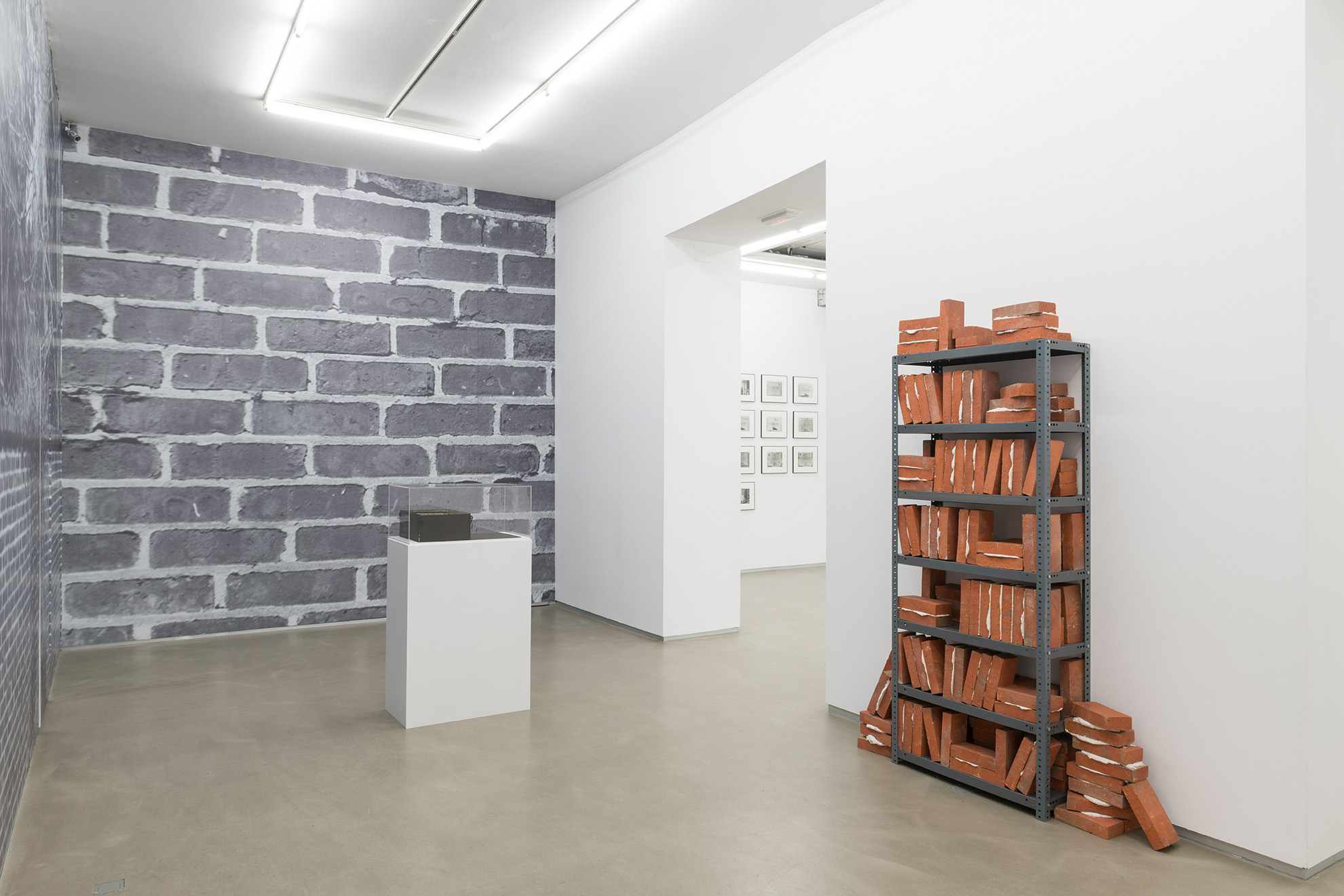

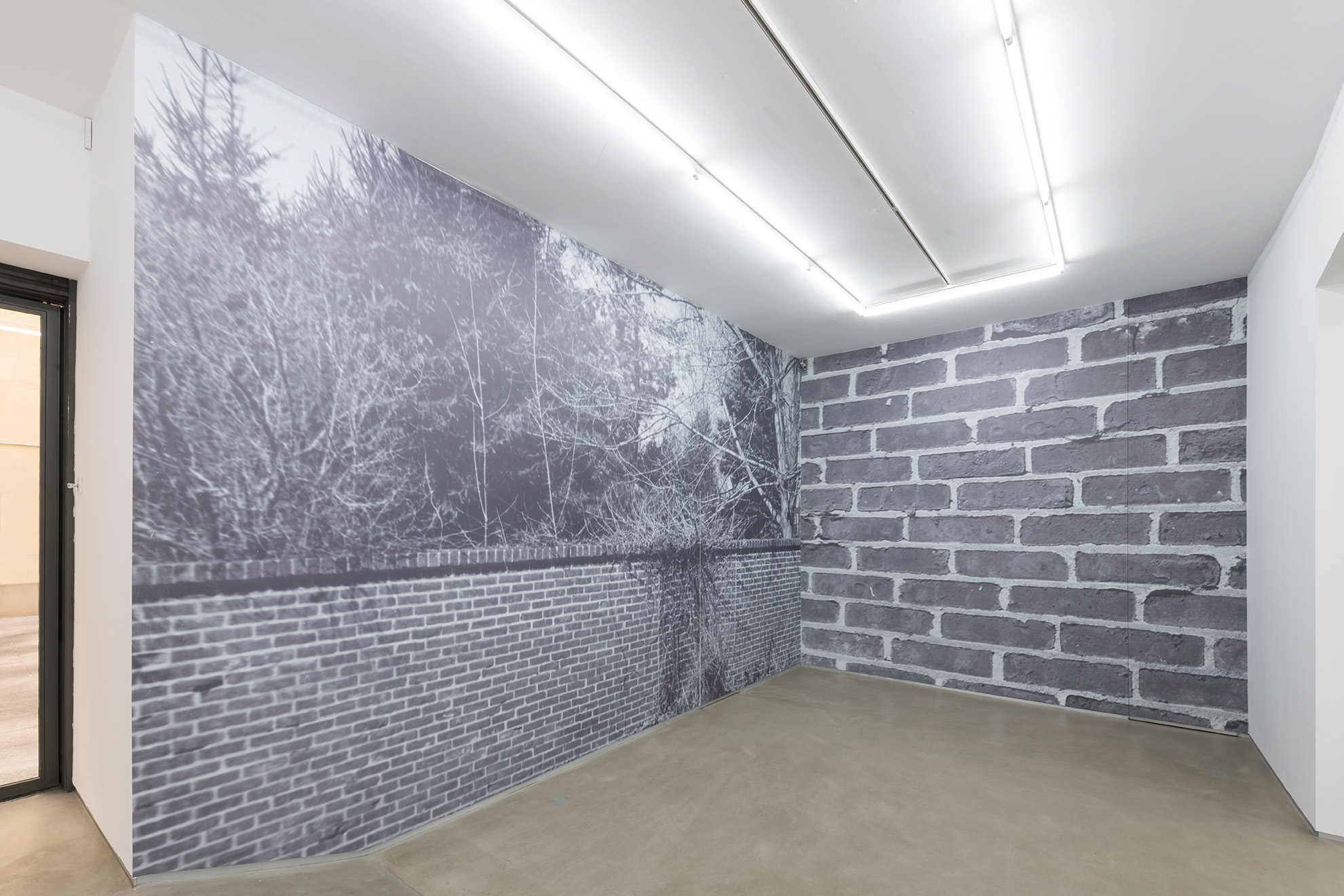
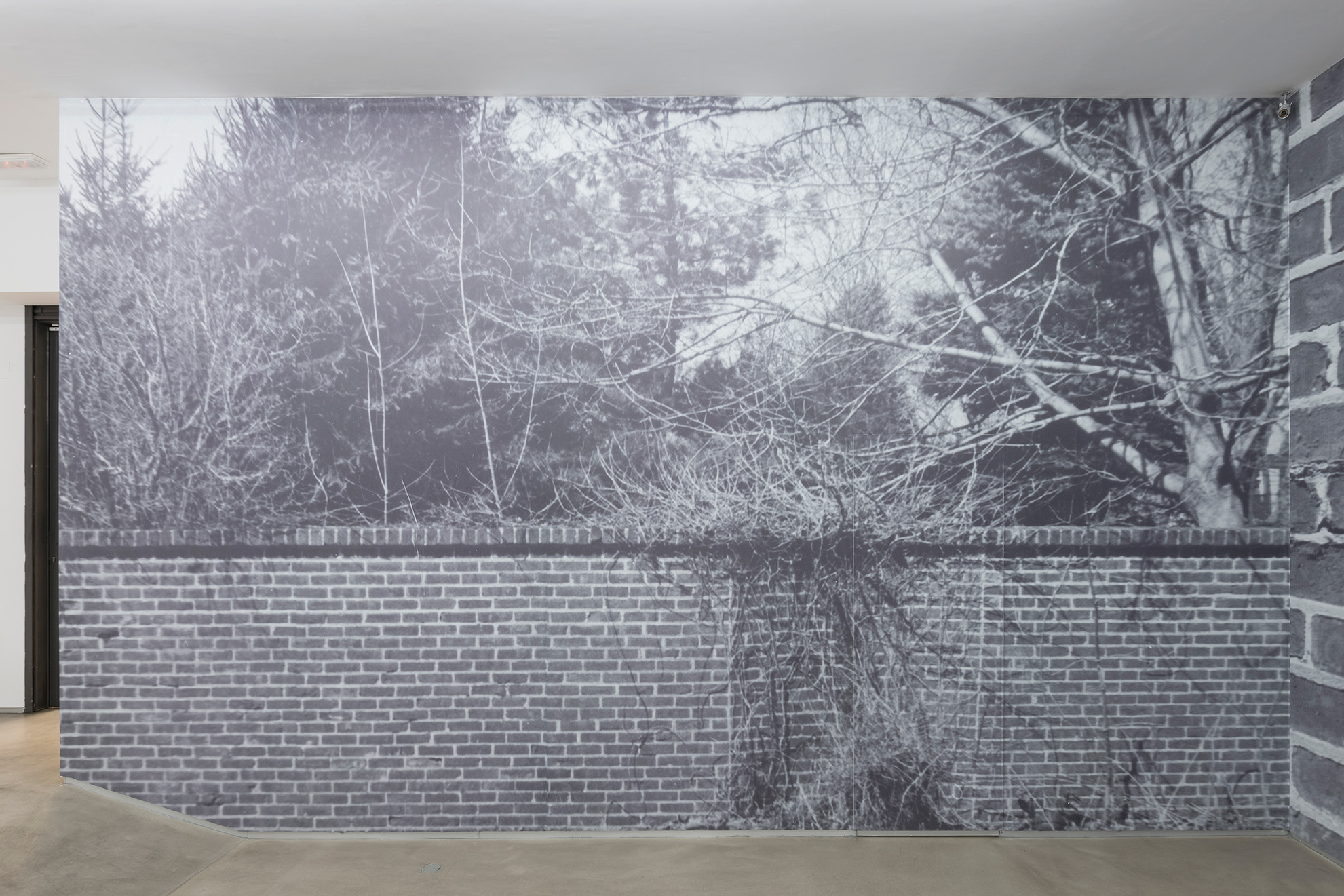
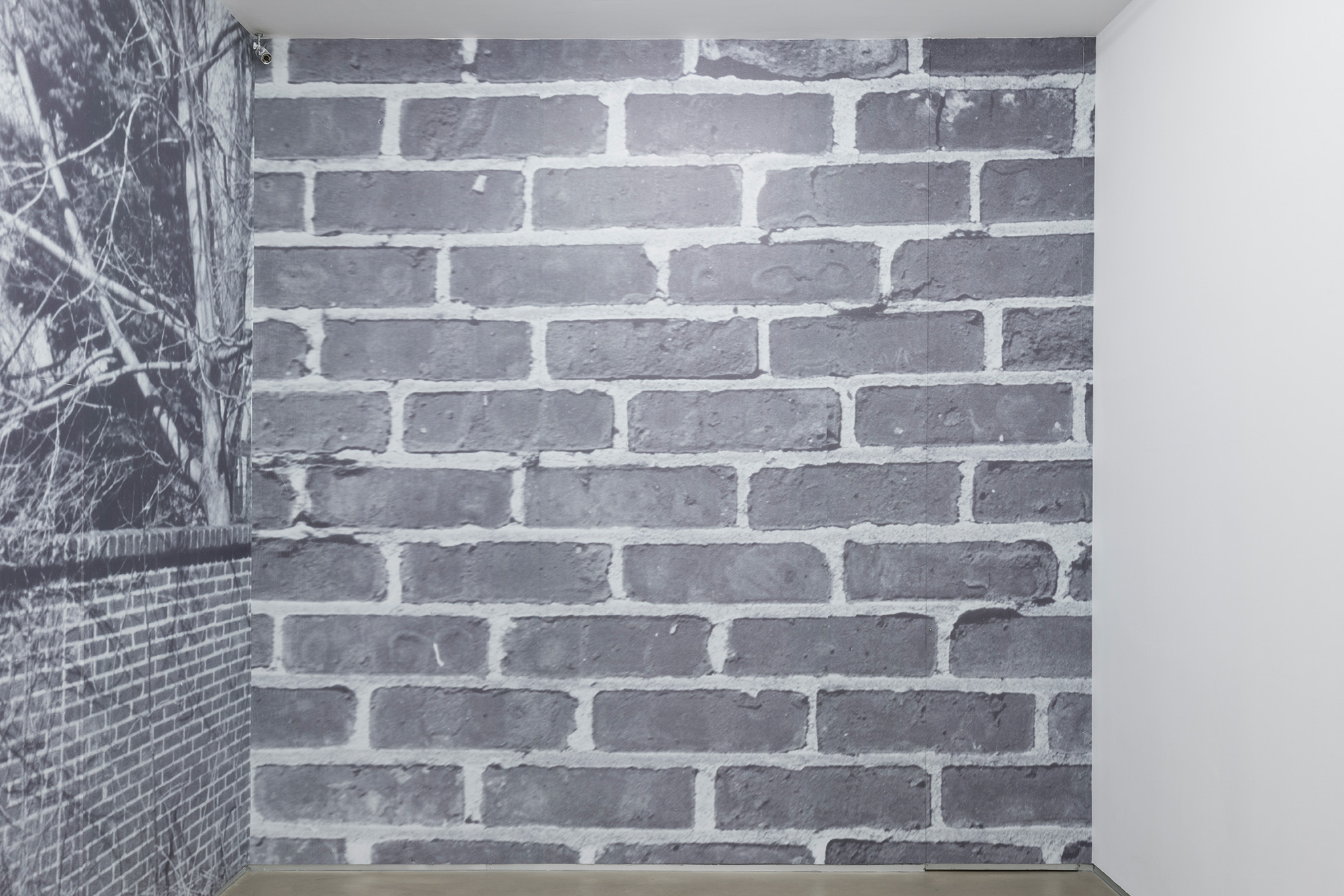





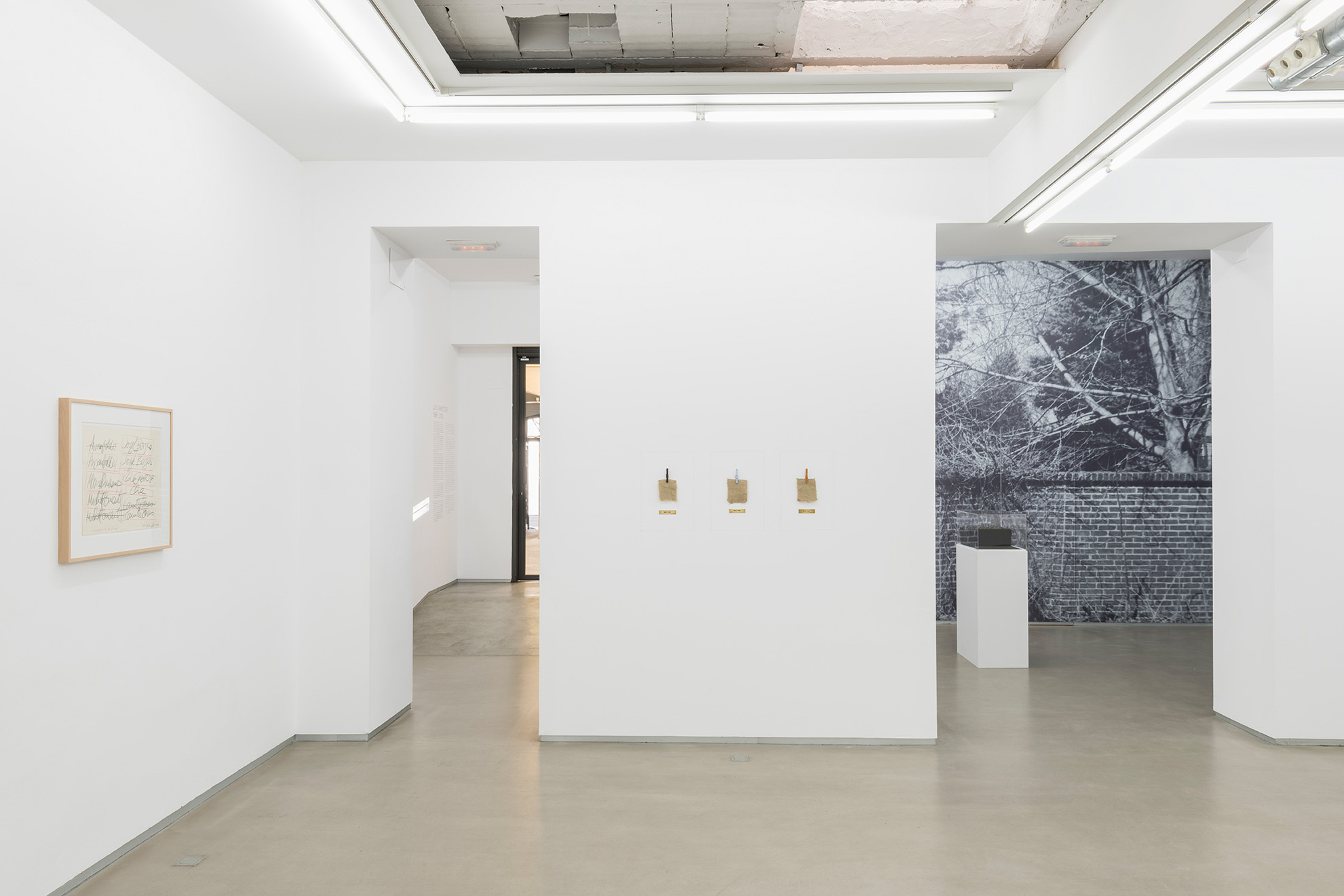
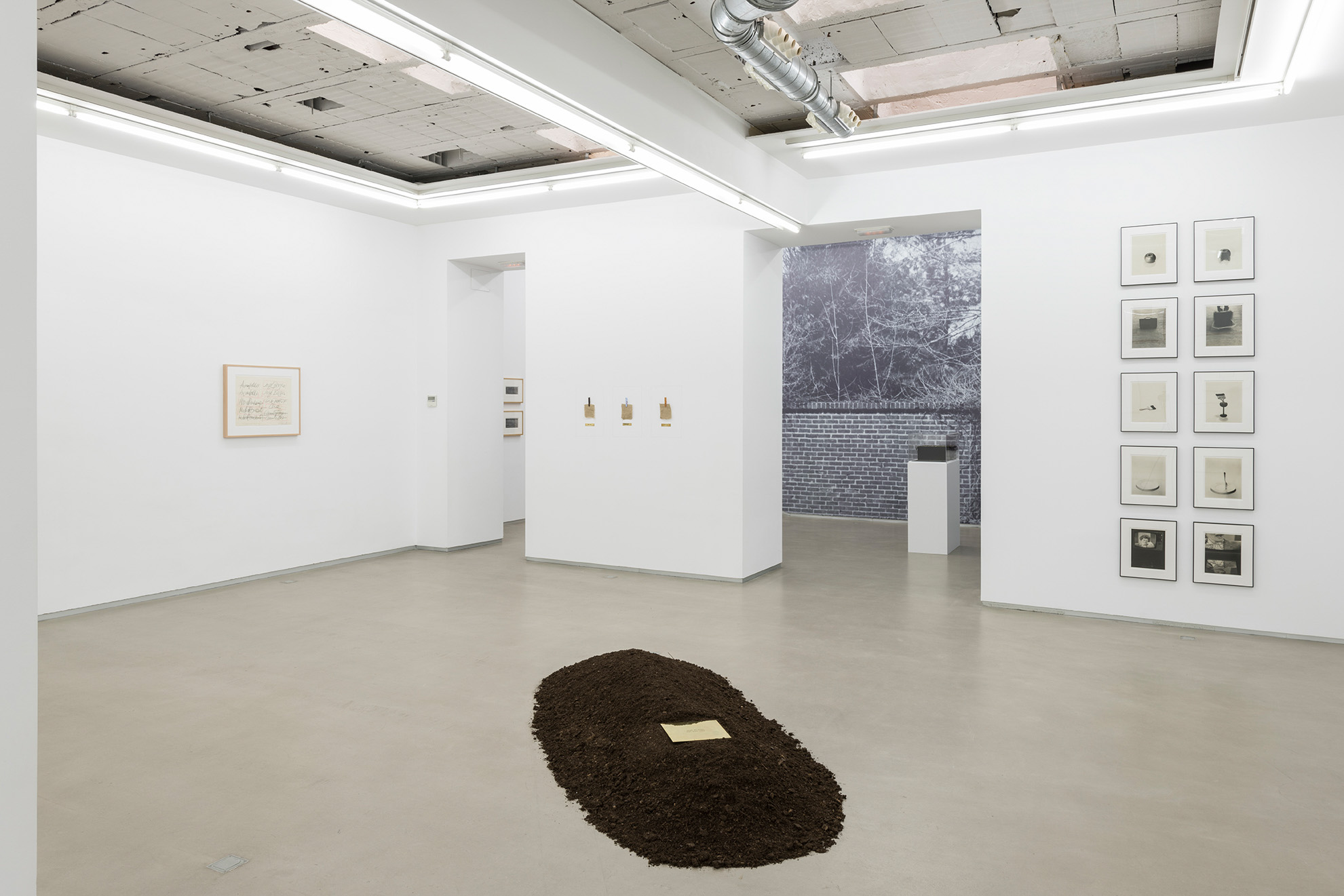
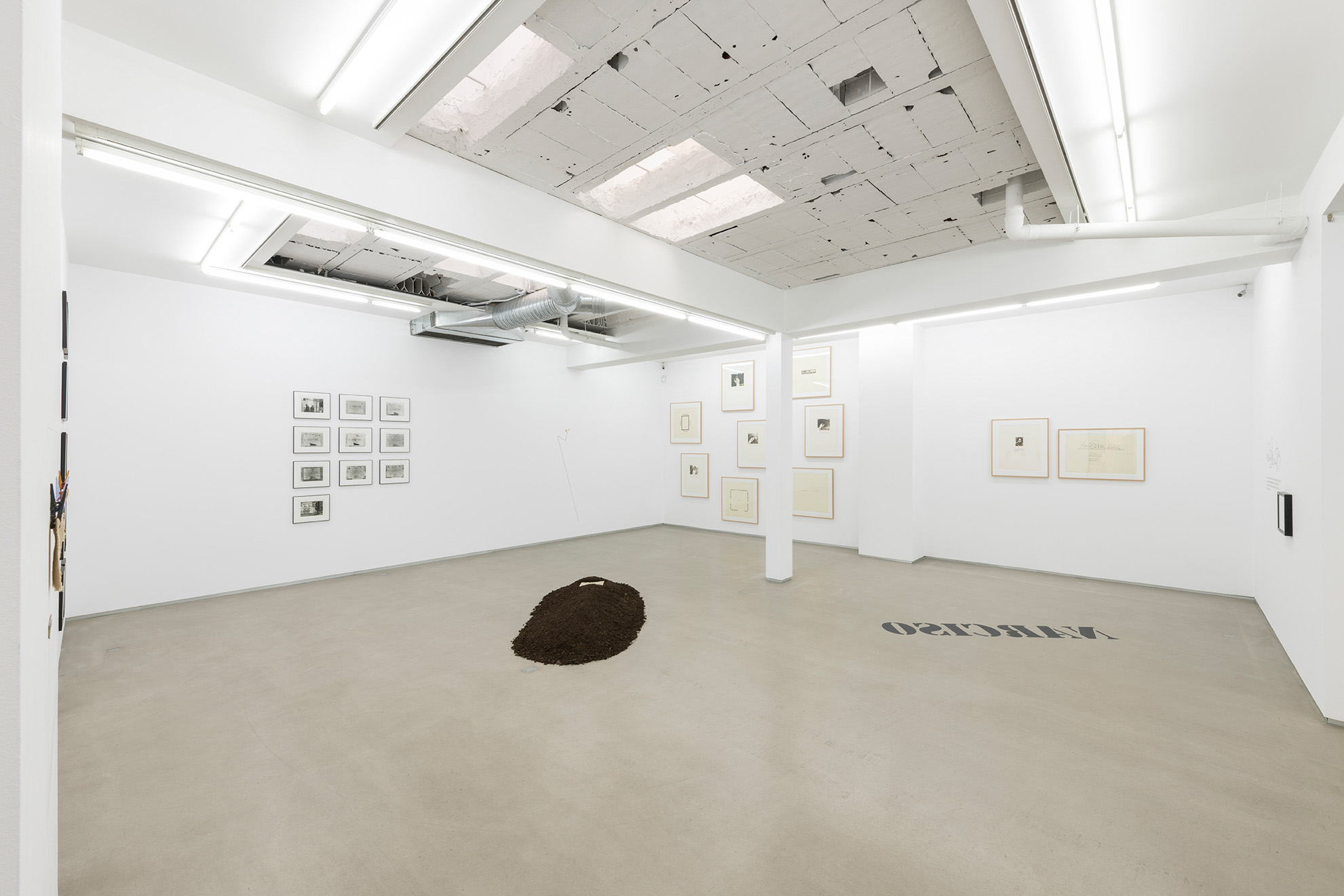






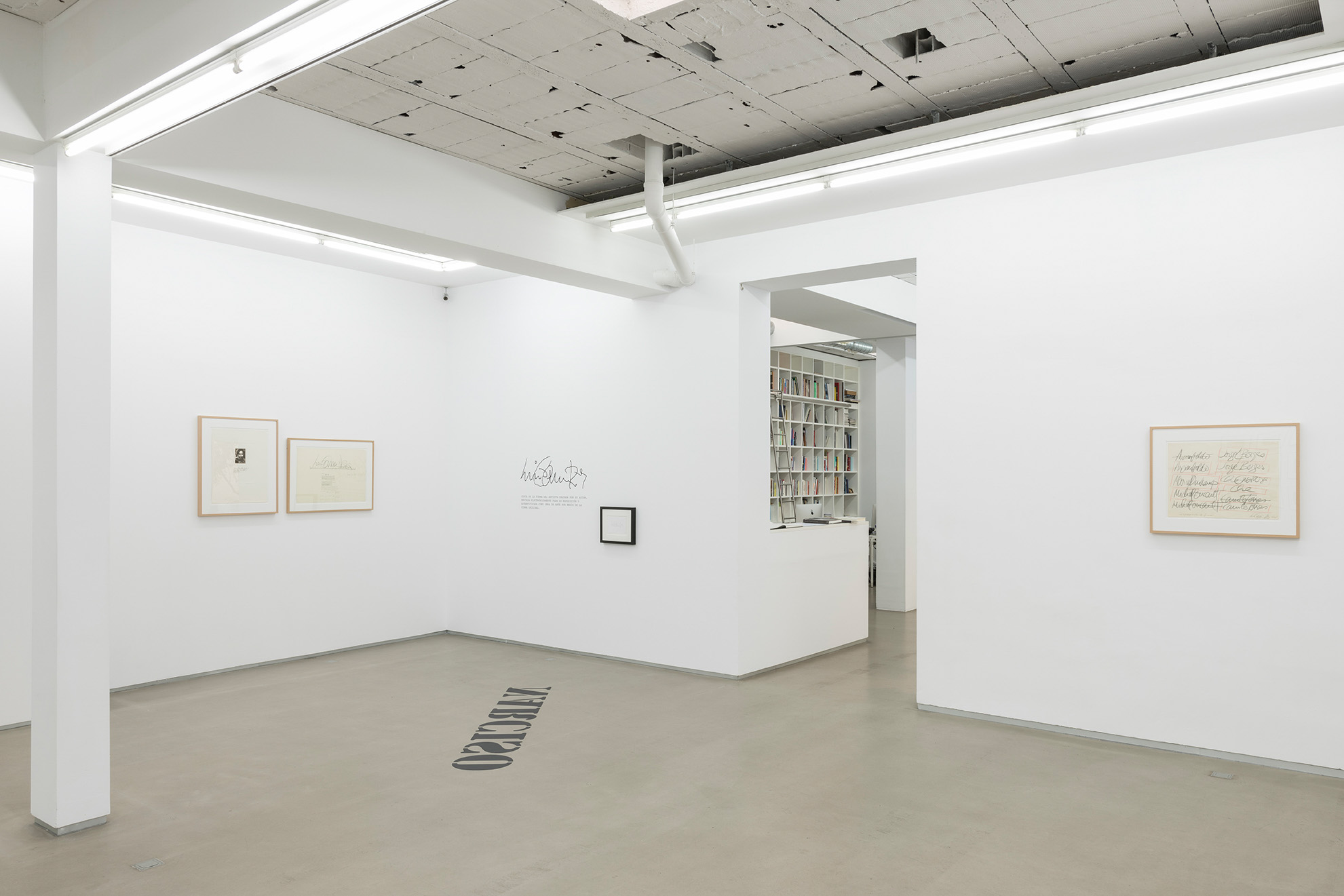




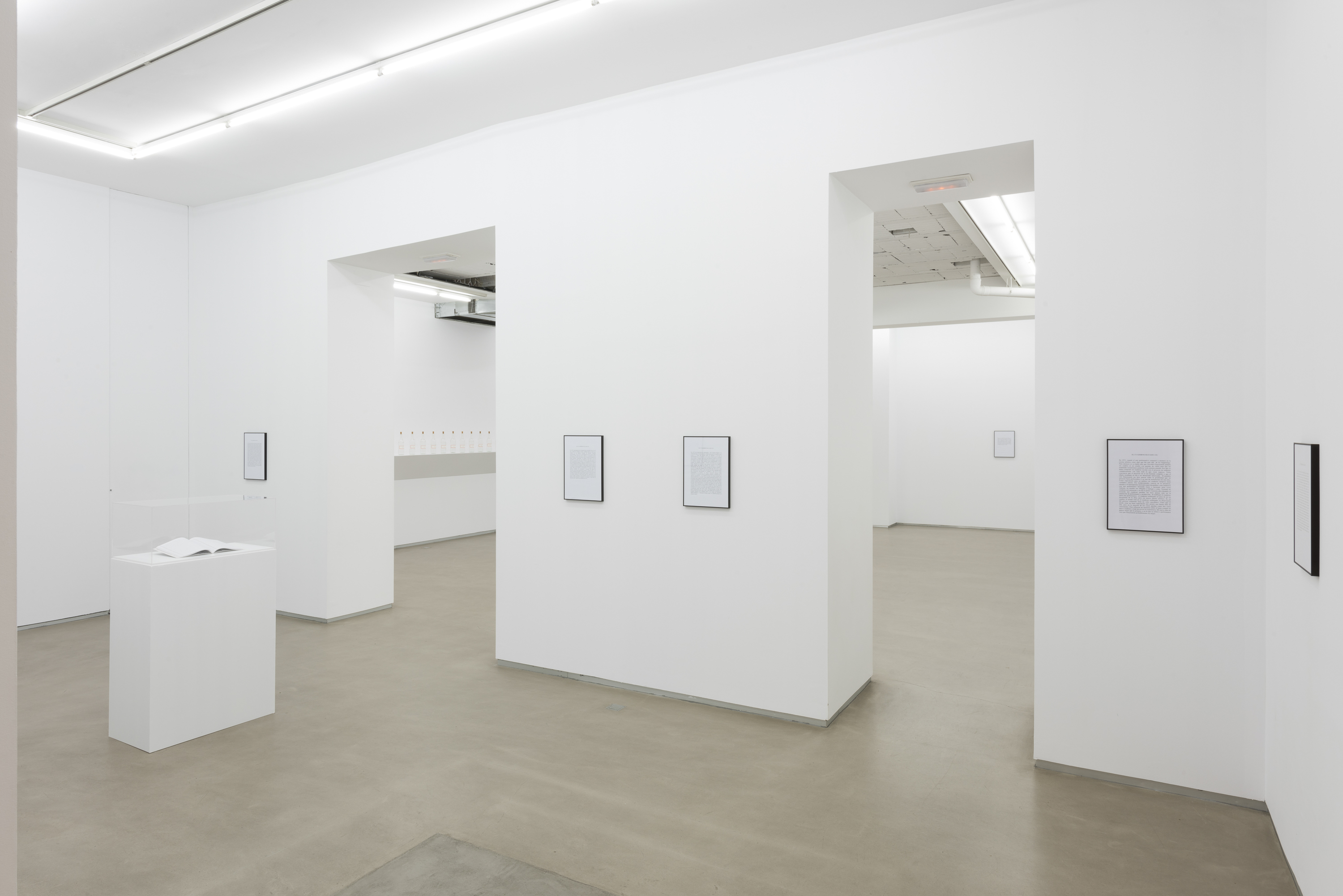
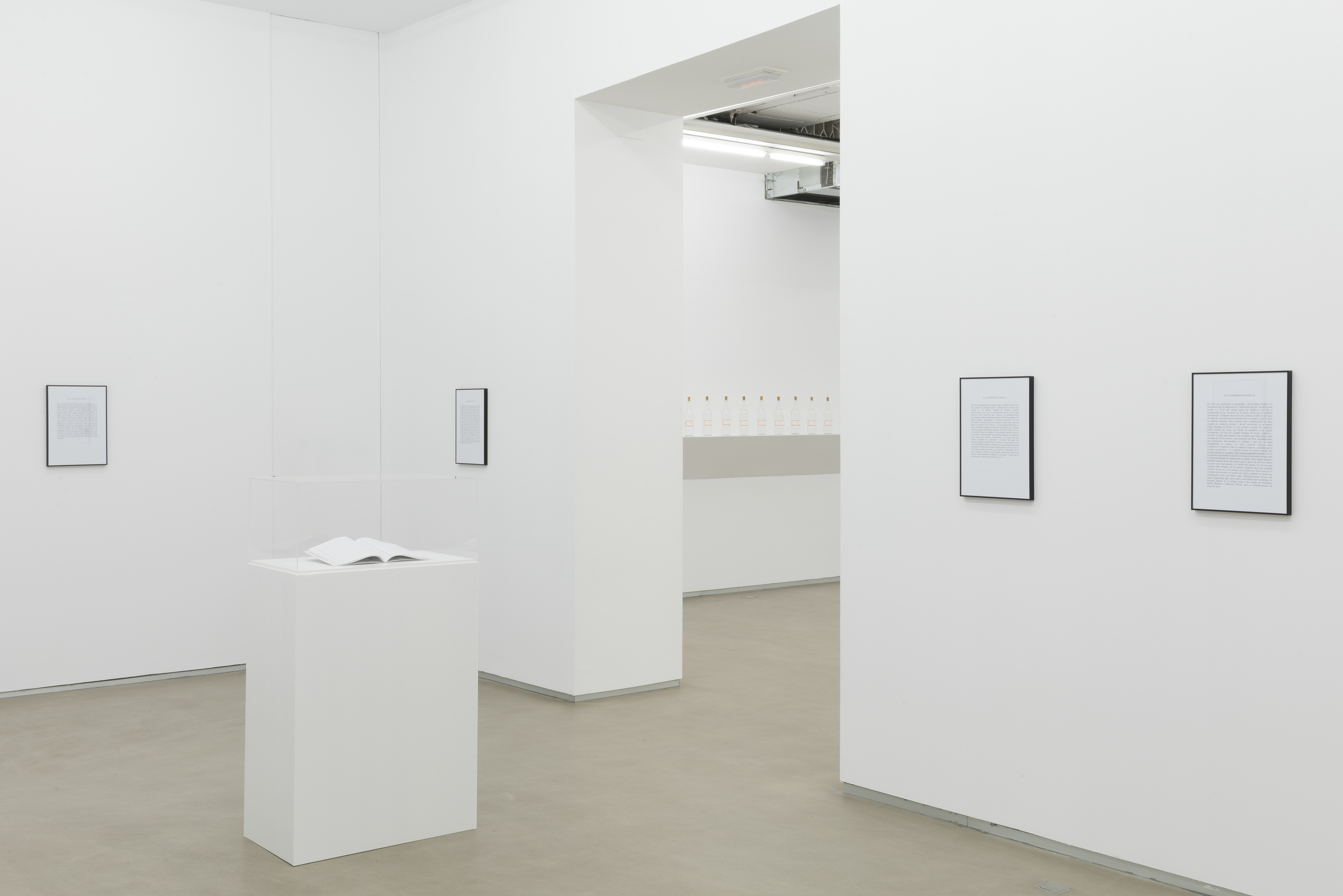
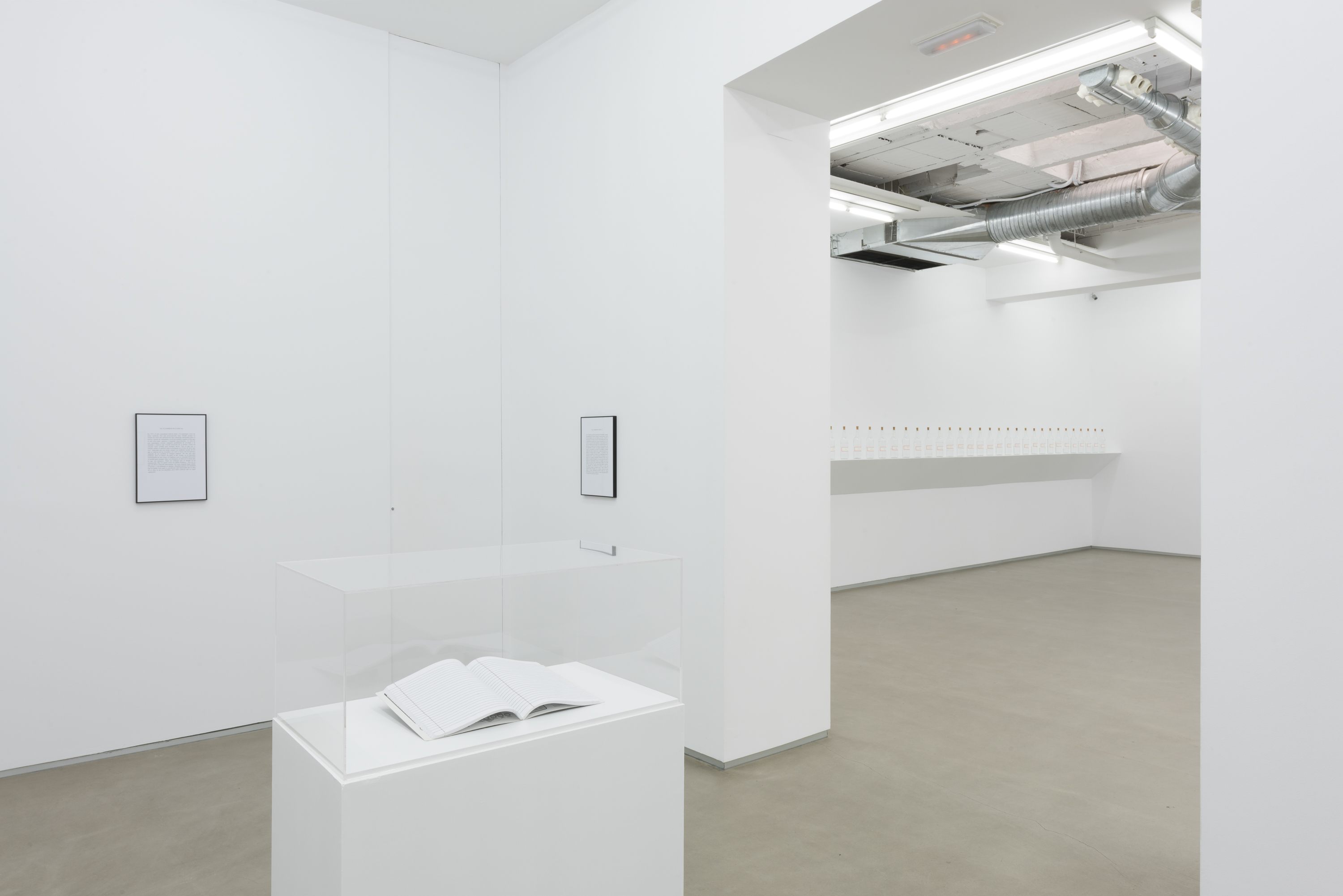
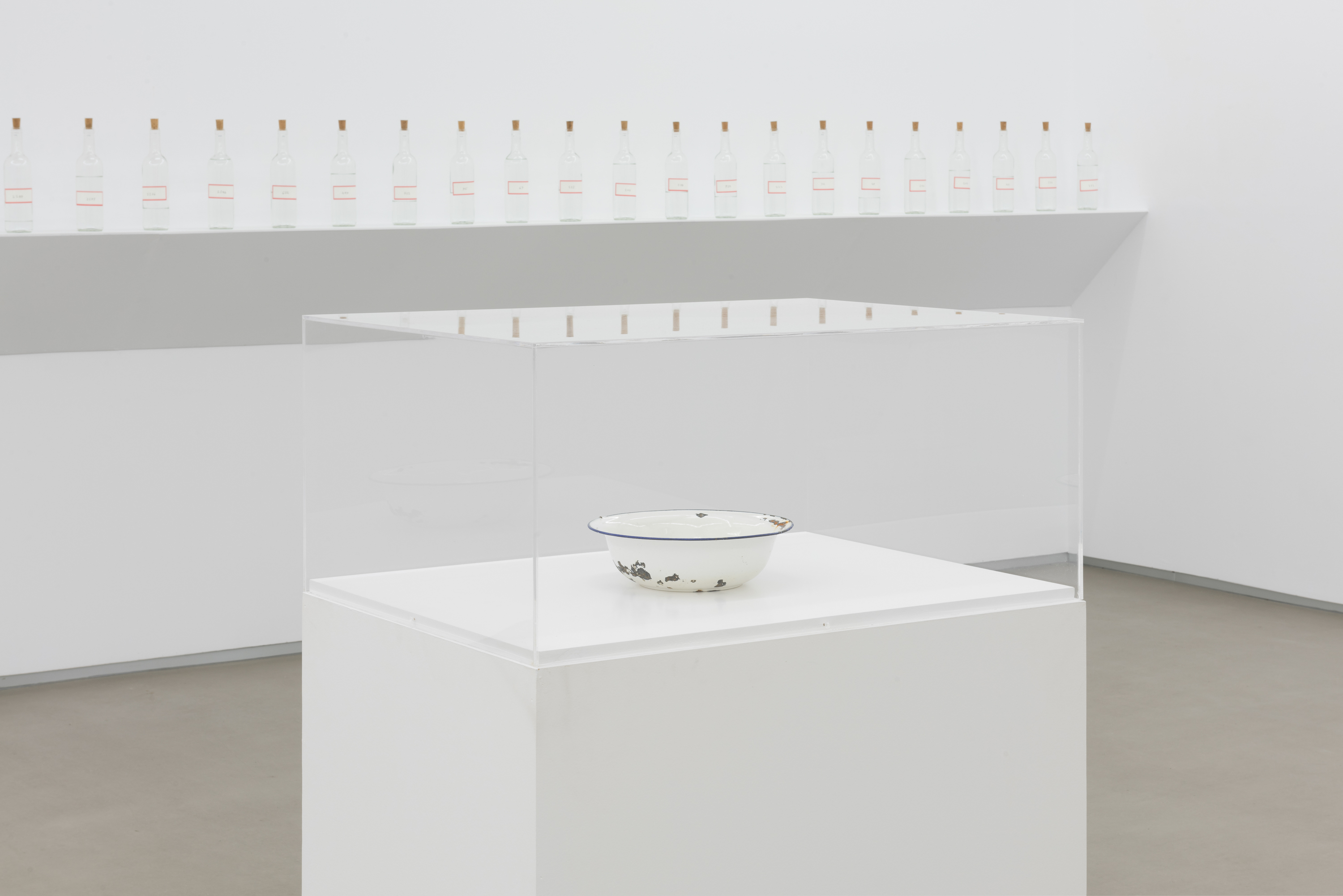
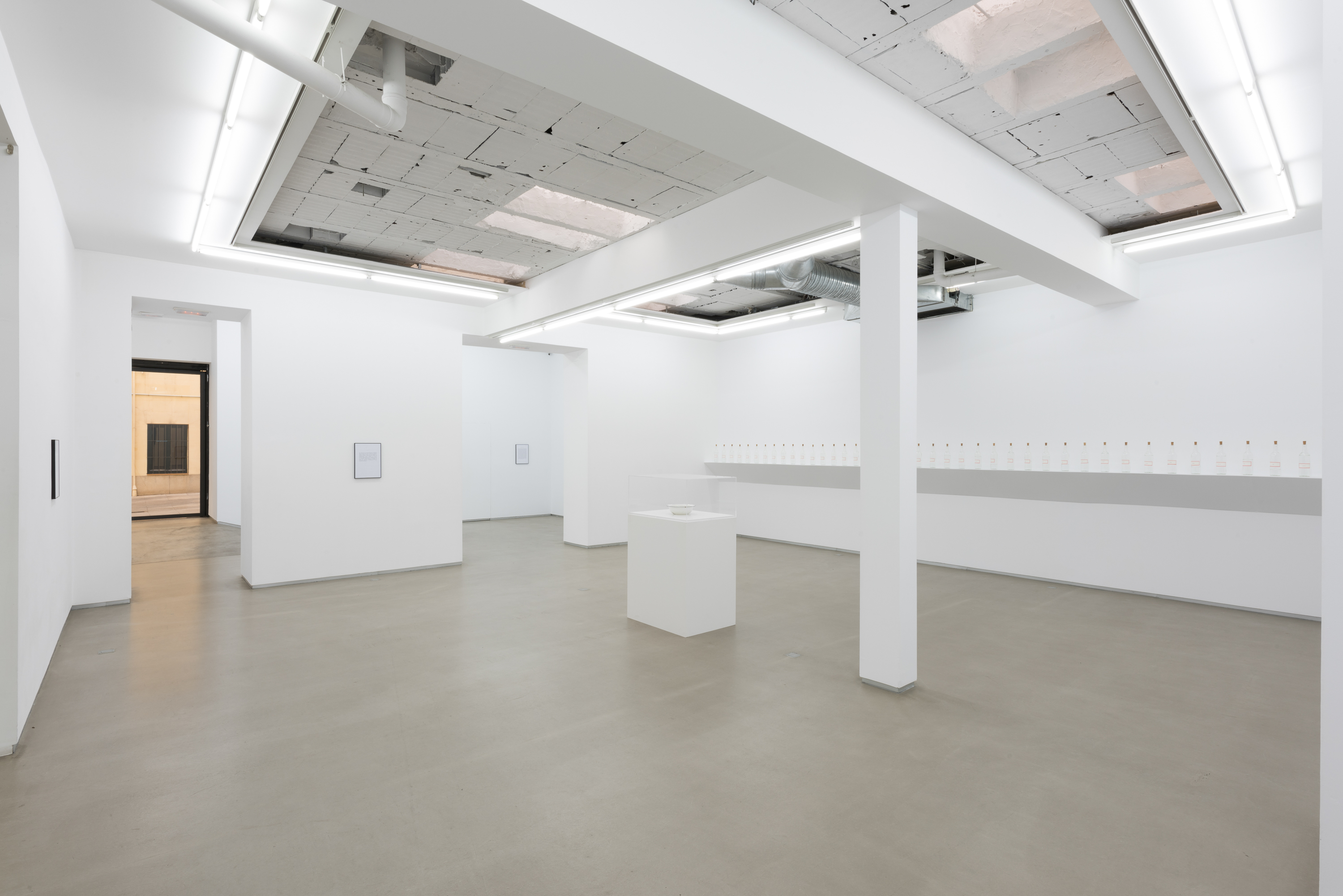
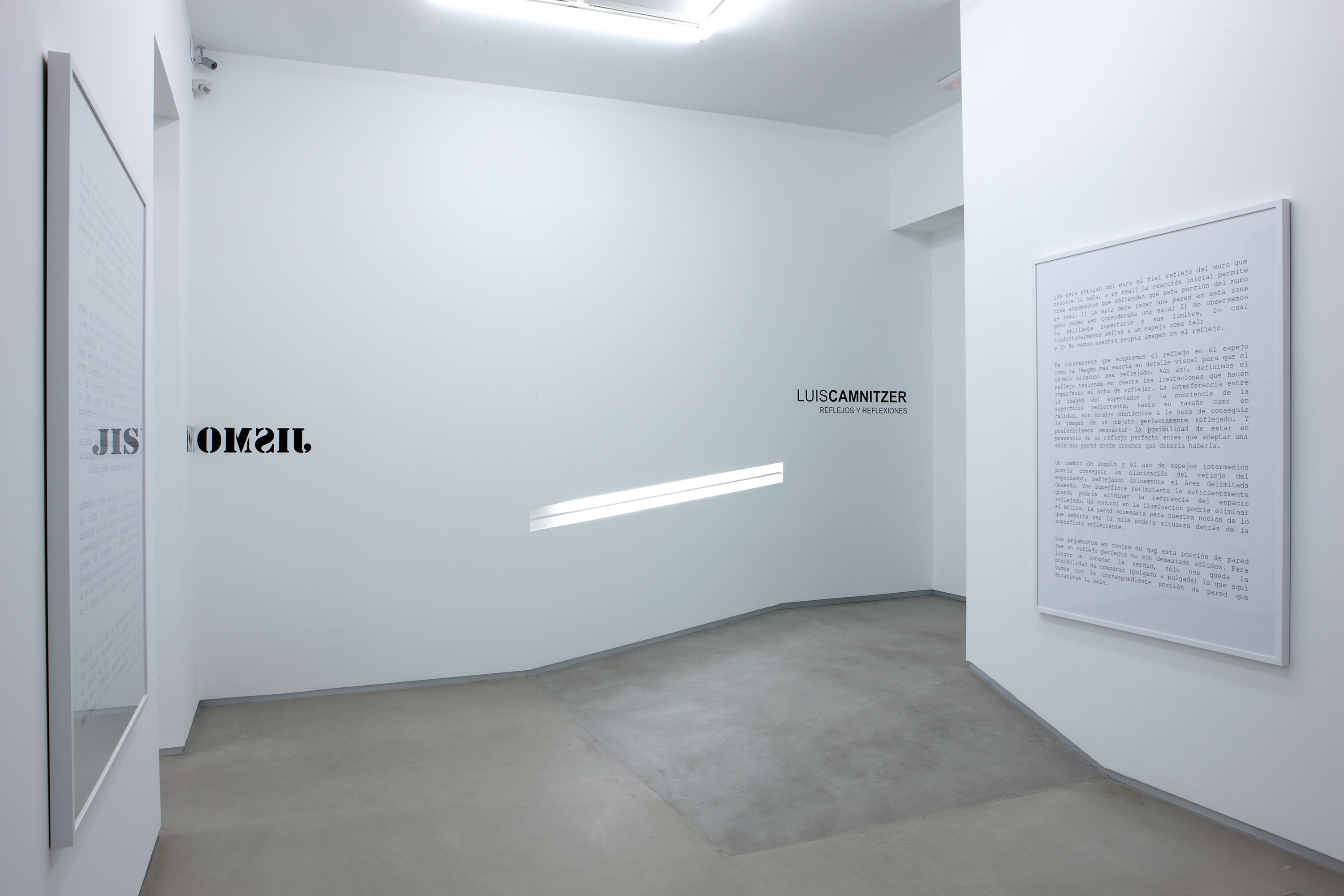
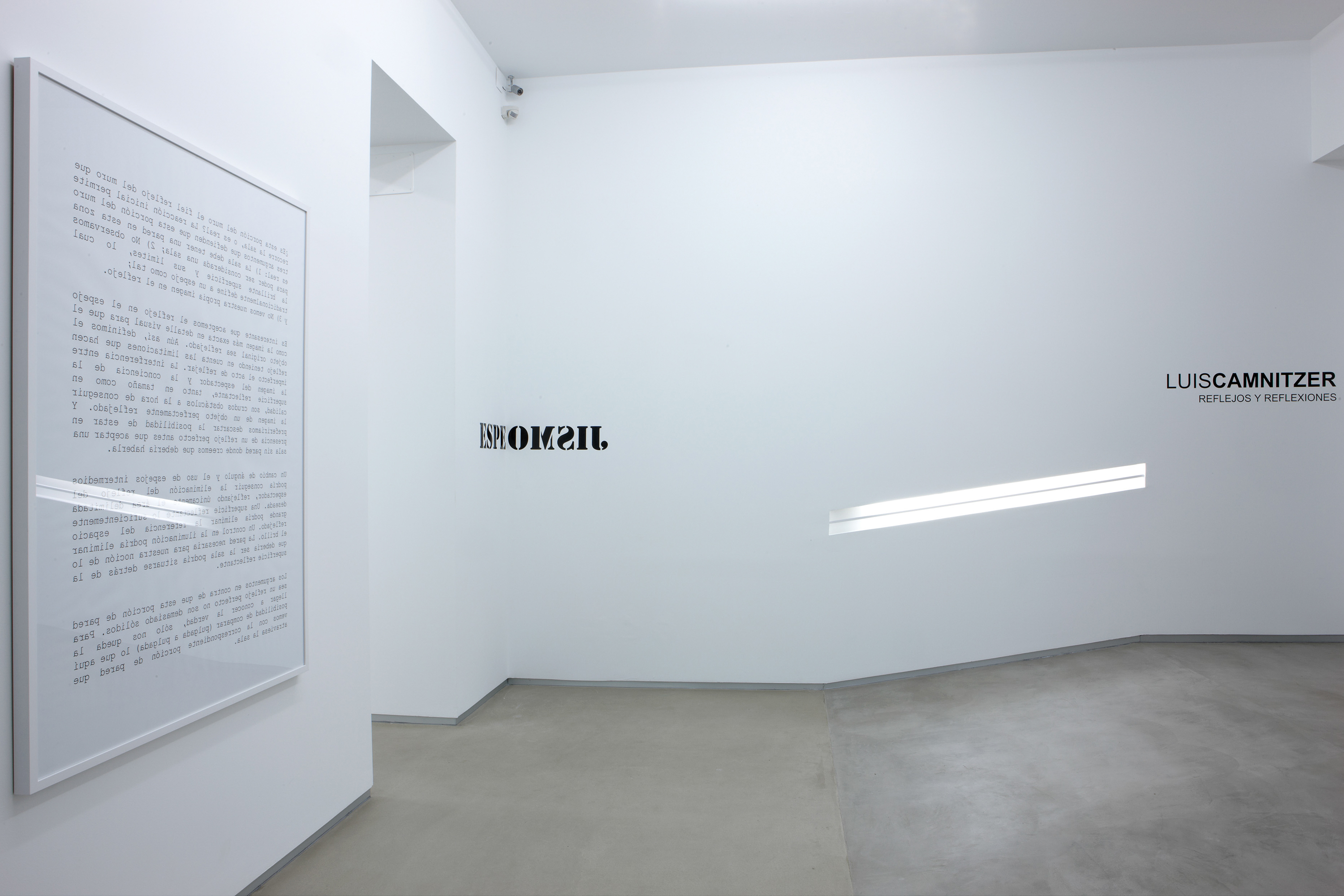
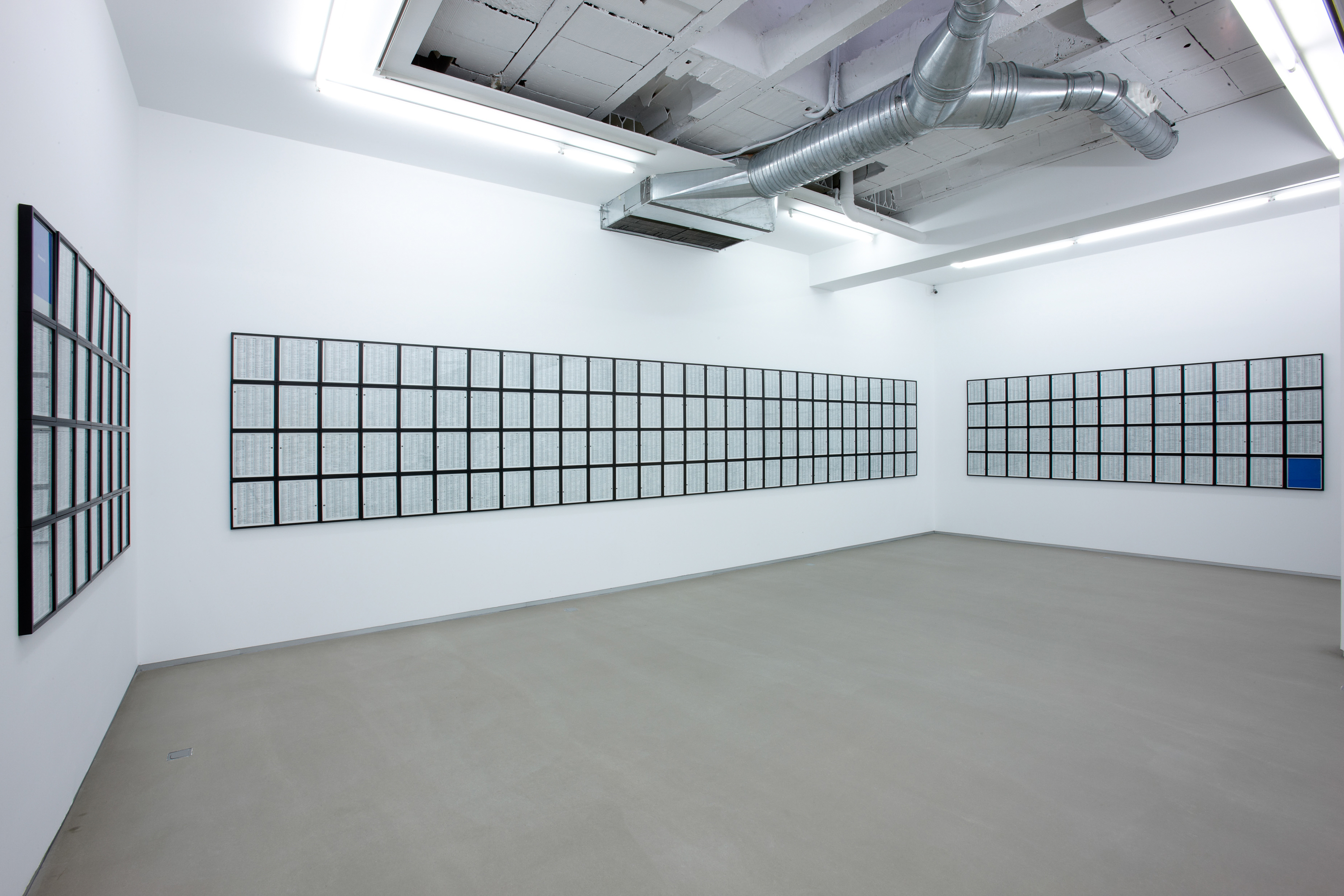
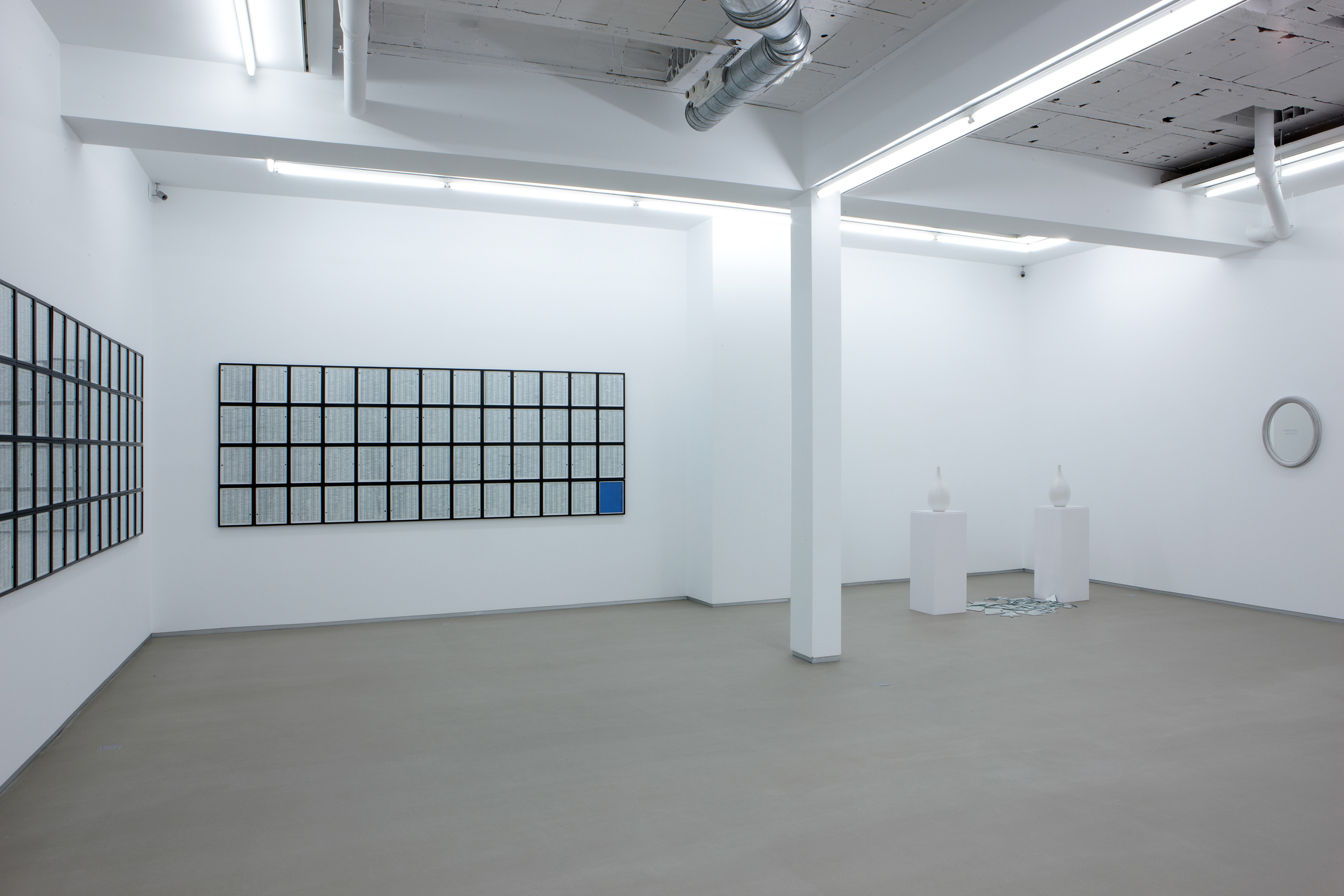
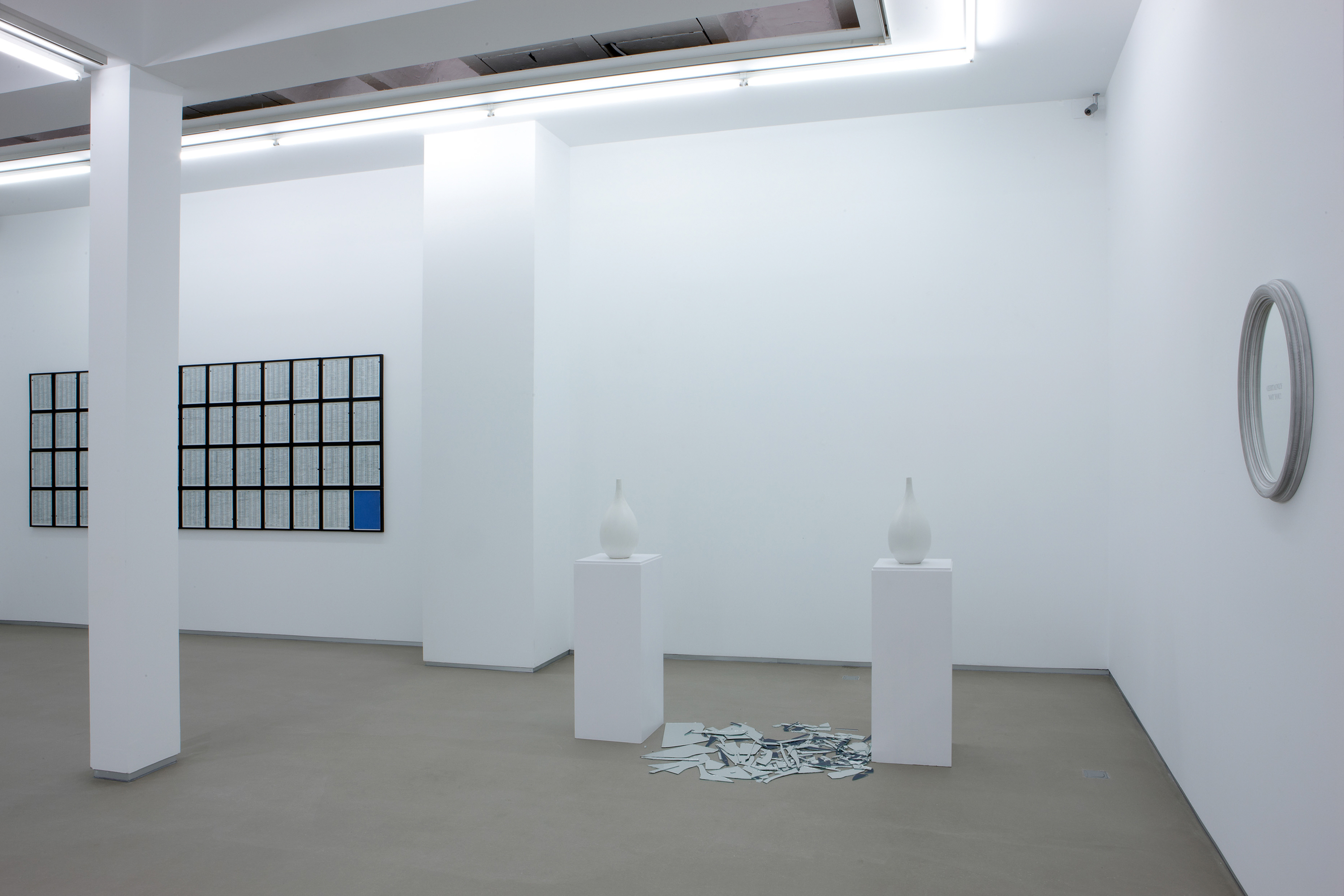
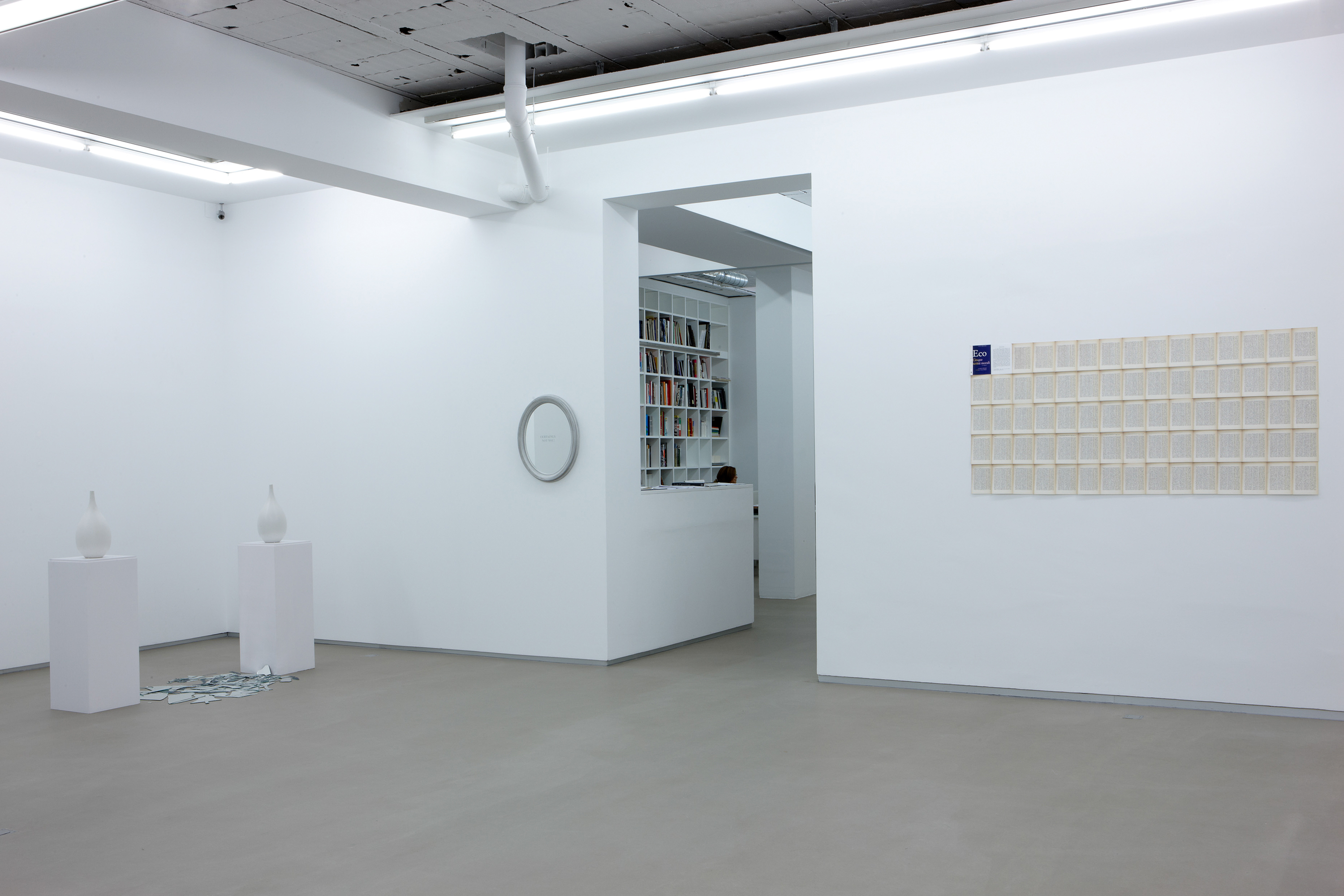
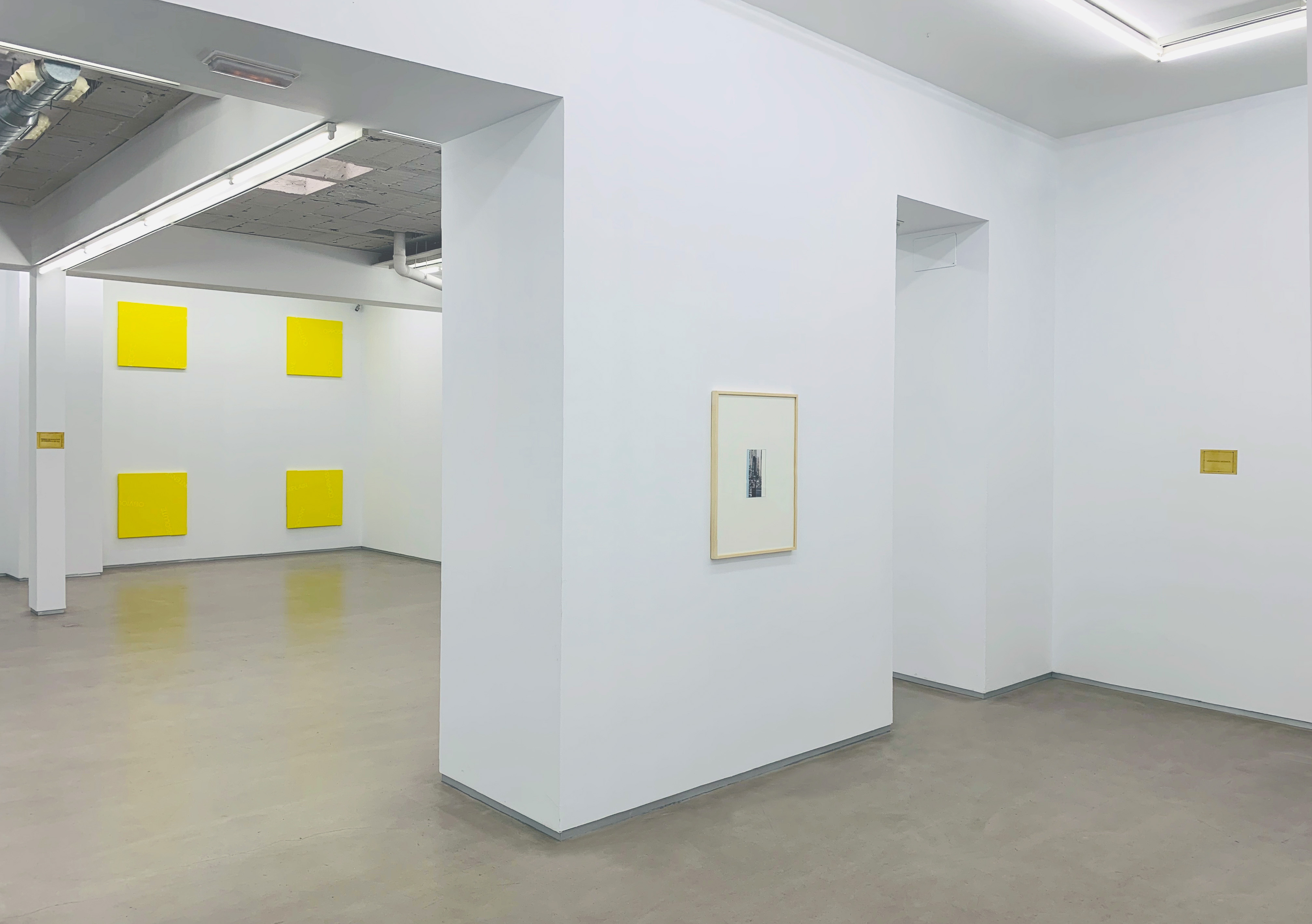
Parra & Romero is delighted to present, in its Madrid venue, a retrospective on the trajectory of Luis Camnitzer (Uruguayan born in Germany in 1937, living and working in New York). The show summarizes fifty years of work by this artist, a key figure of Conceptualism, through works that represent each one of the main topics of Camnitzer’s artistic and intellectual production.
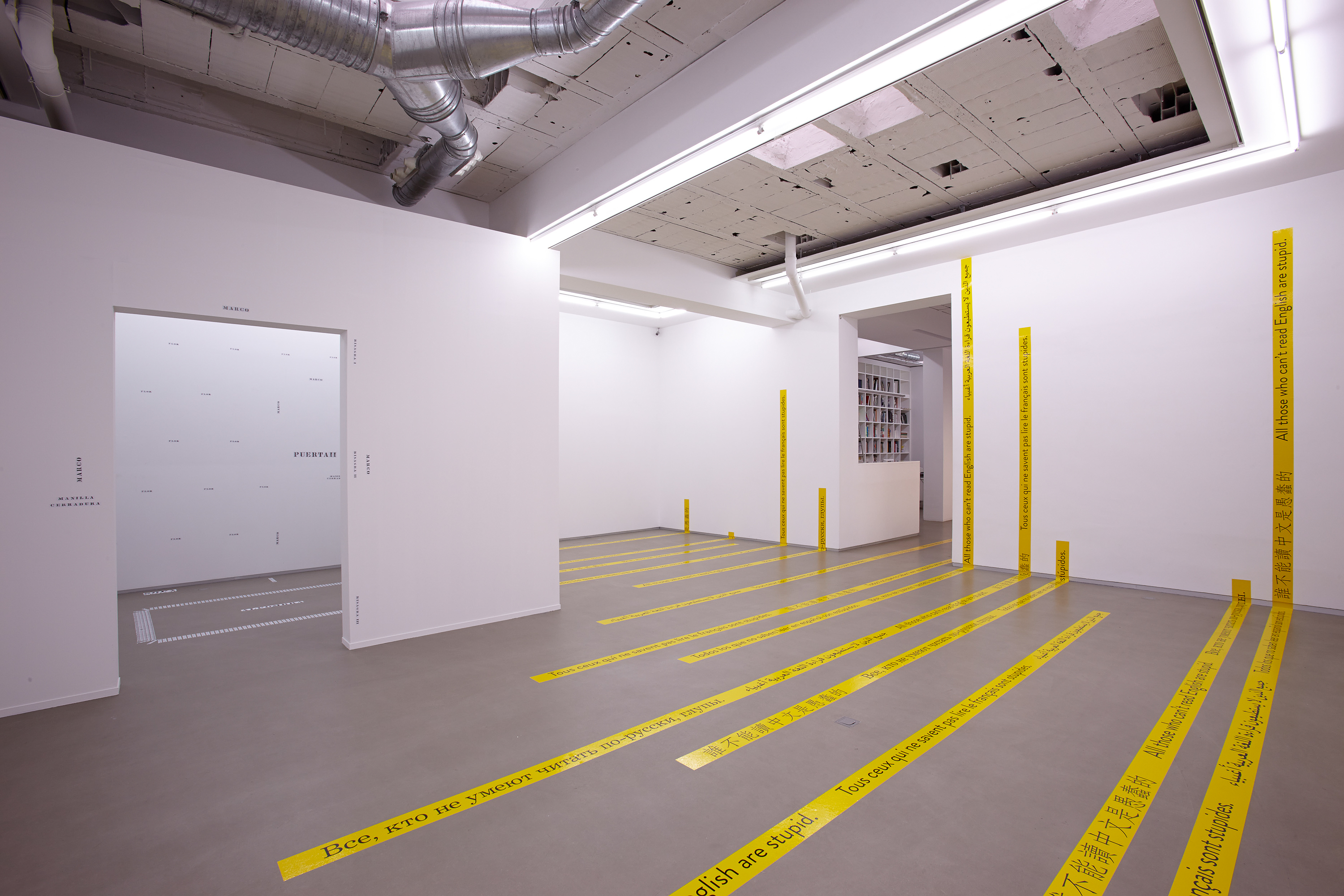
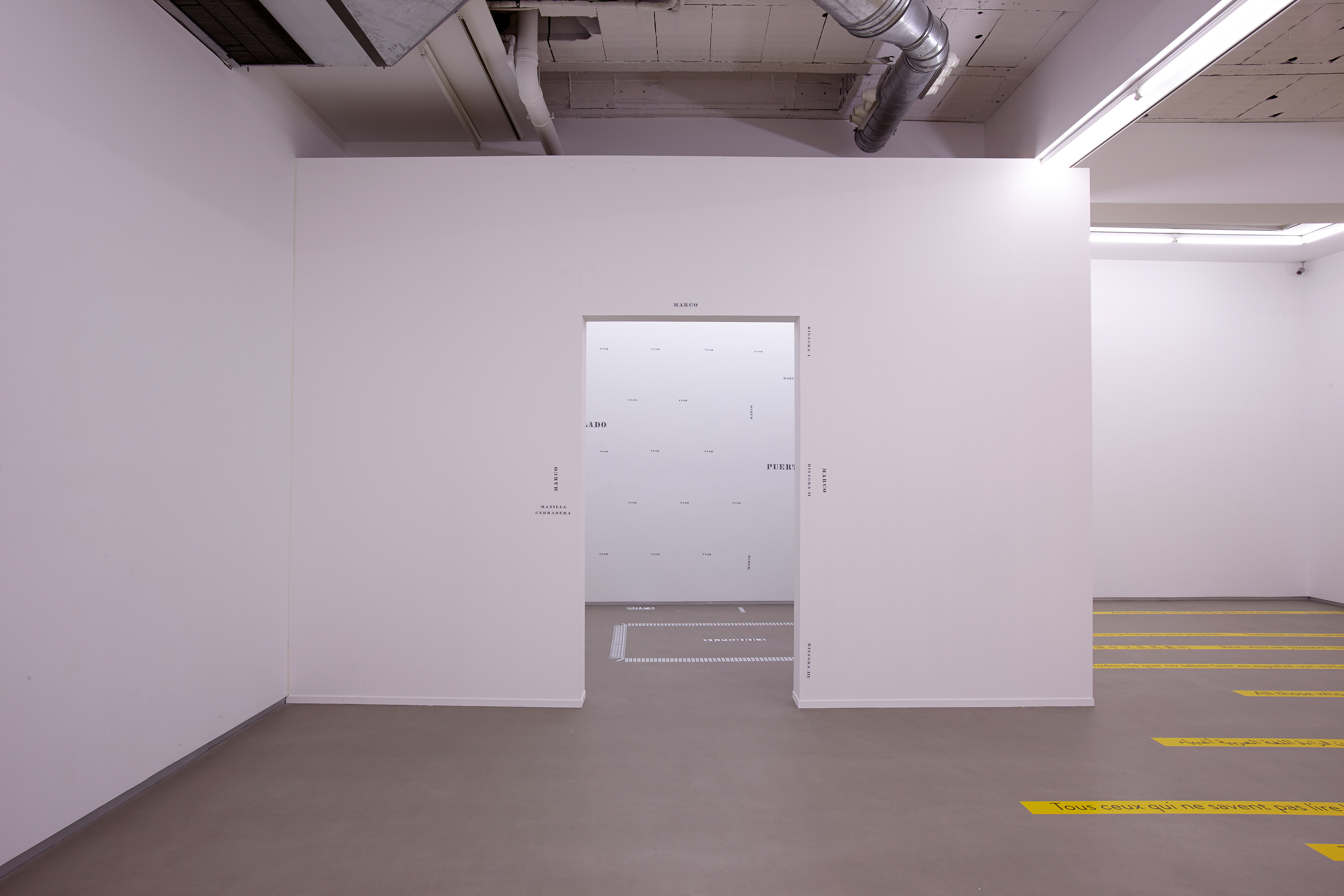
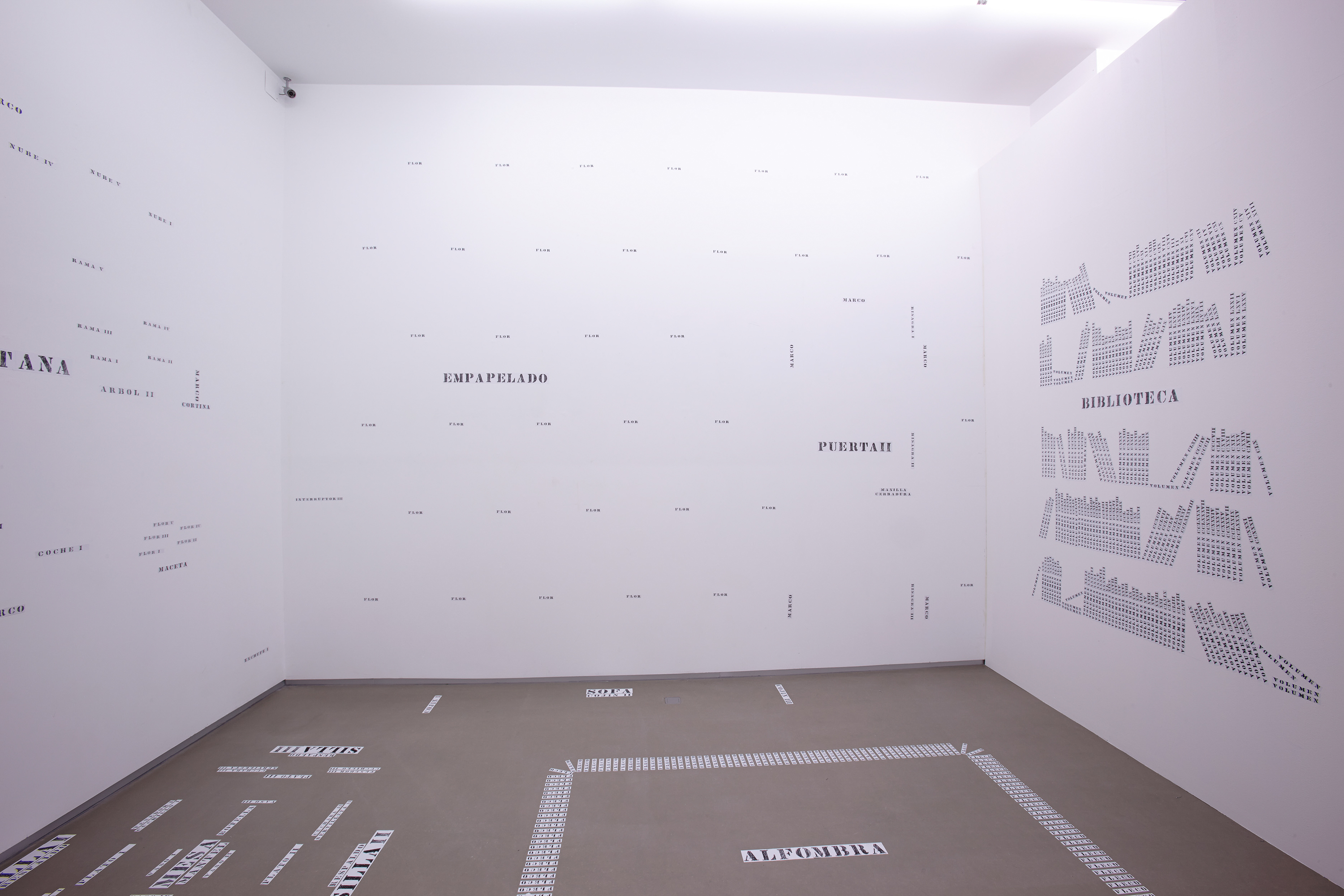
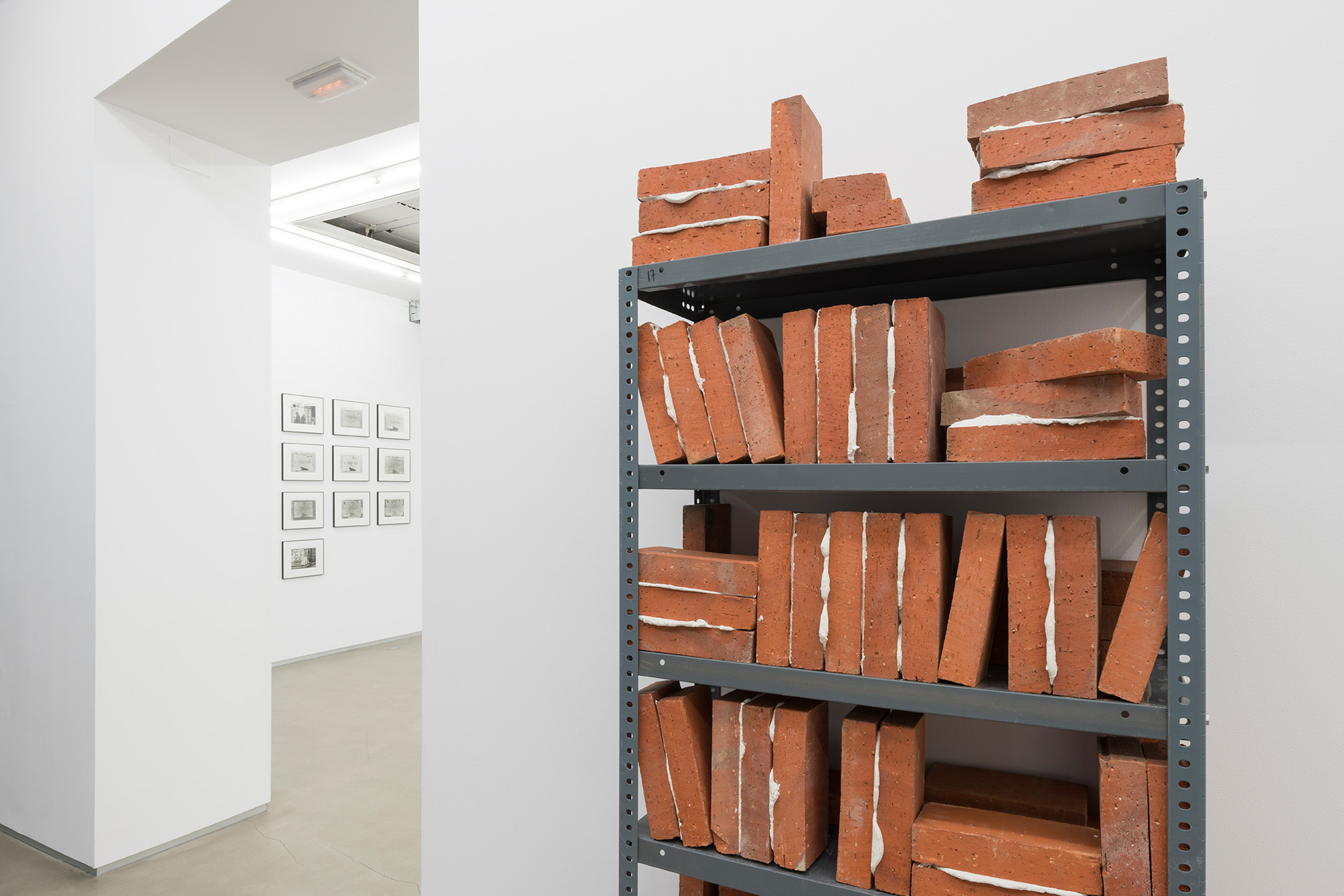
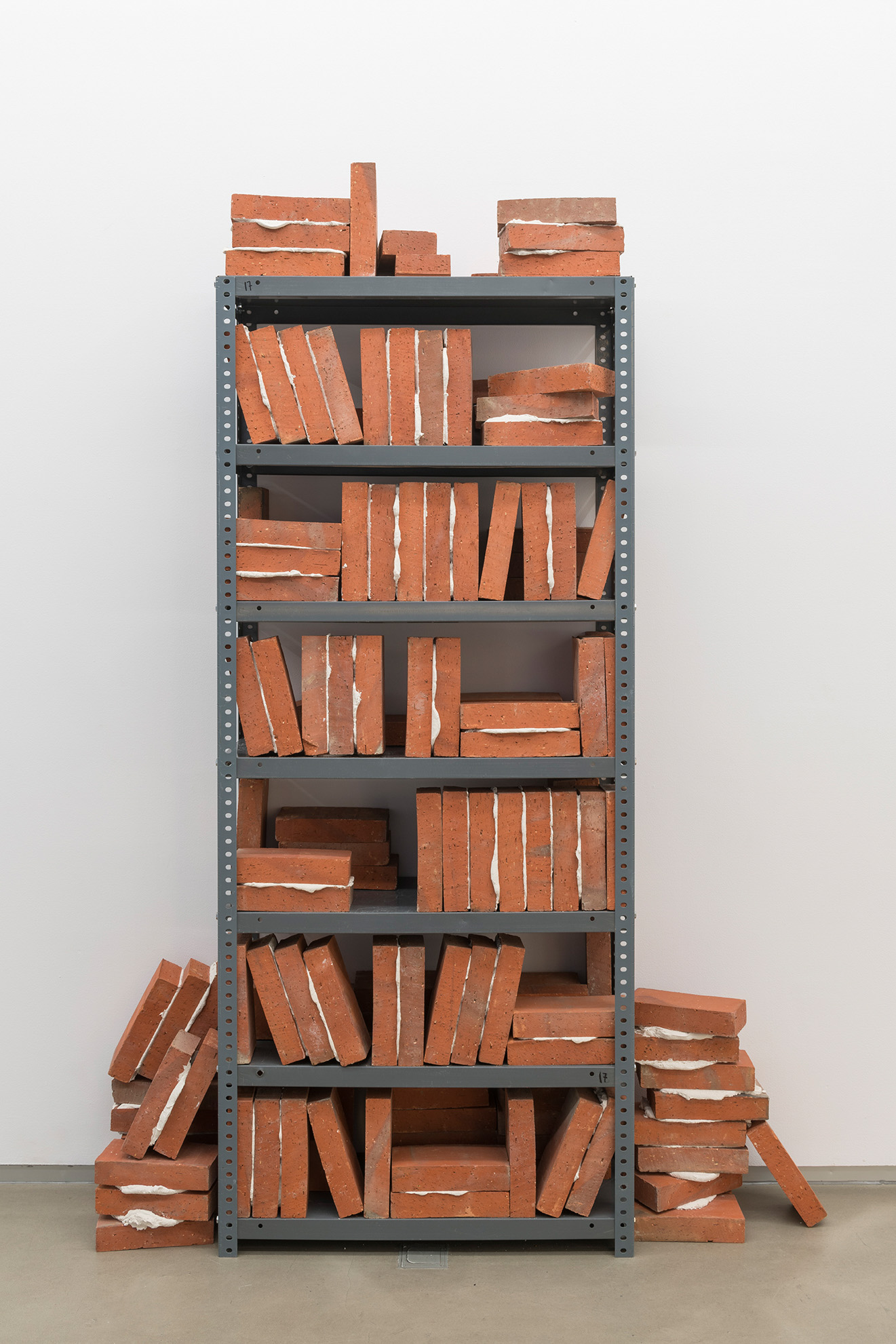
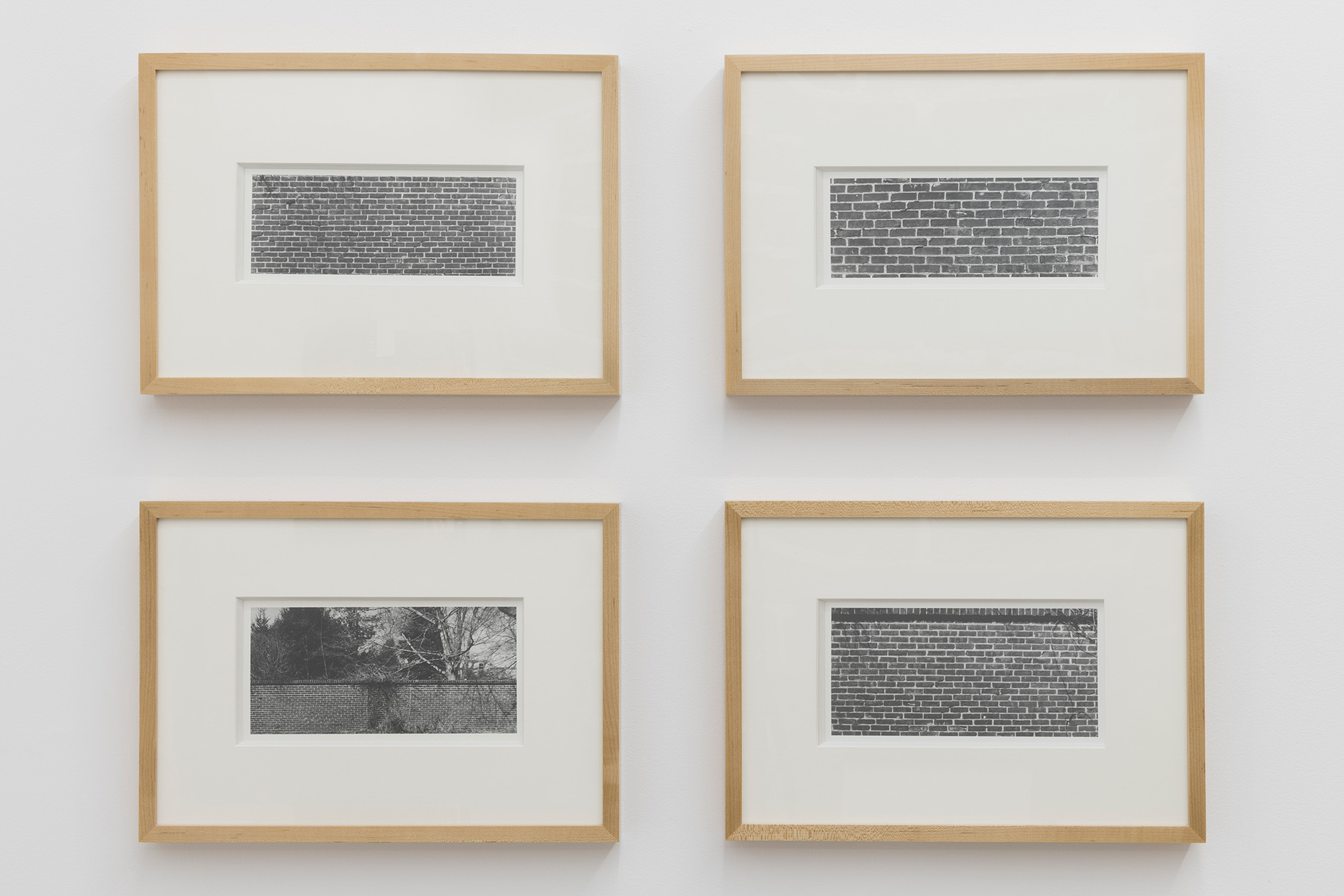
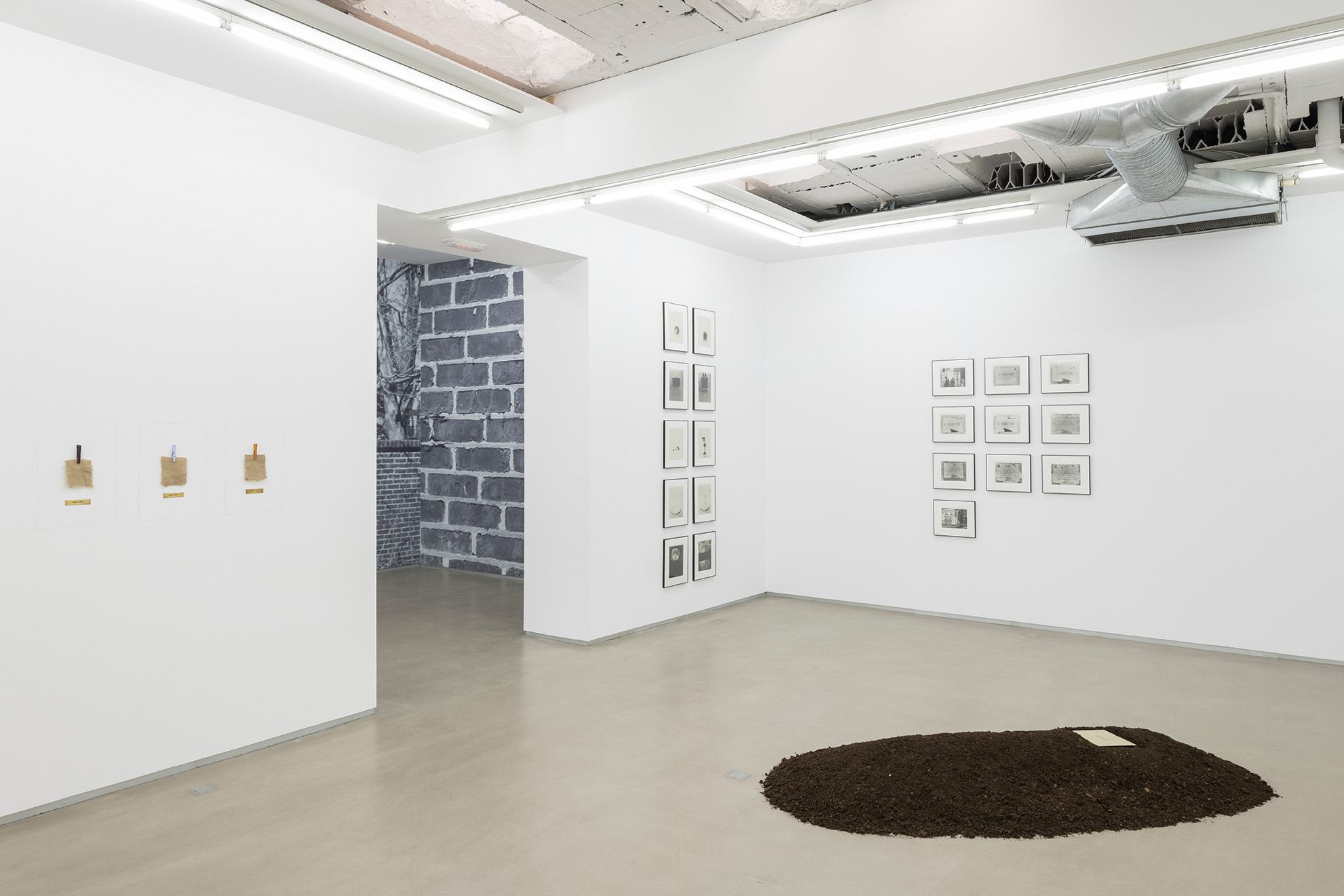
In the first room, the installation Bricks (1974) receives the visitor, together with the original photographs of the walls and the maquette* that the artist developed for his concept. The work, designed during the Uruguayan dictatorship, transforms the room into a confined space in which scale differences and a geometric center displaced from the perceptual one hinders orientation and real perception of the space and distances. Bricks reappear in a later work, from 2006, exhibited in the same room: Library. Here, Camnitzer brings back that motif to connect it this time to an issue that became central in his trajectory at the end of the 80s: the relation between art and education.
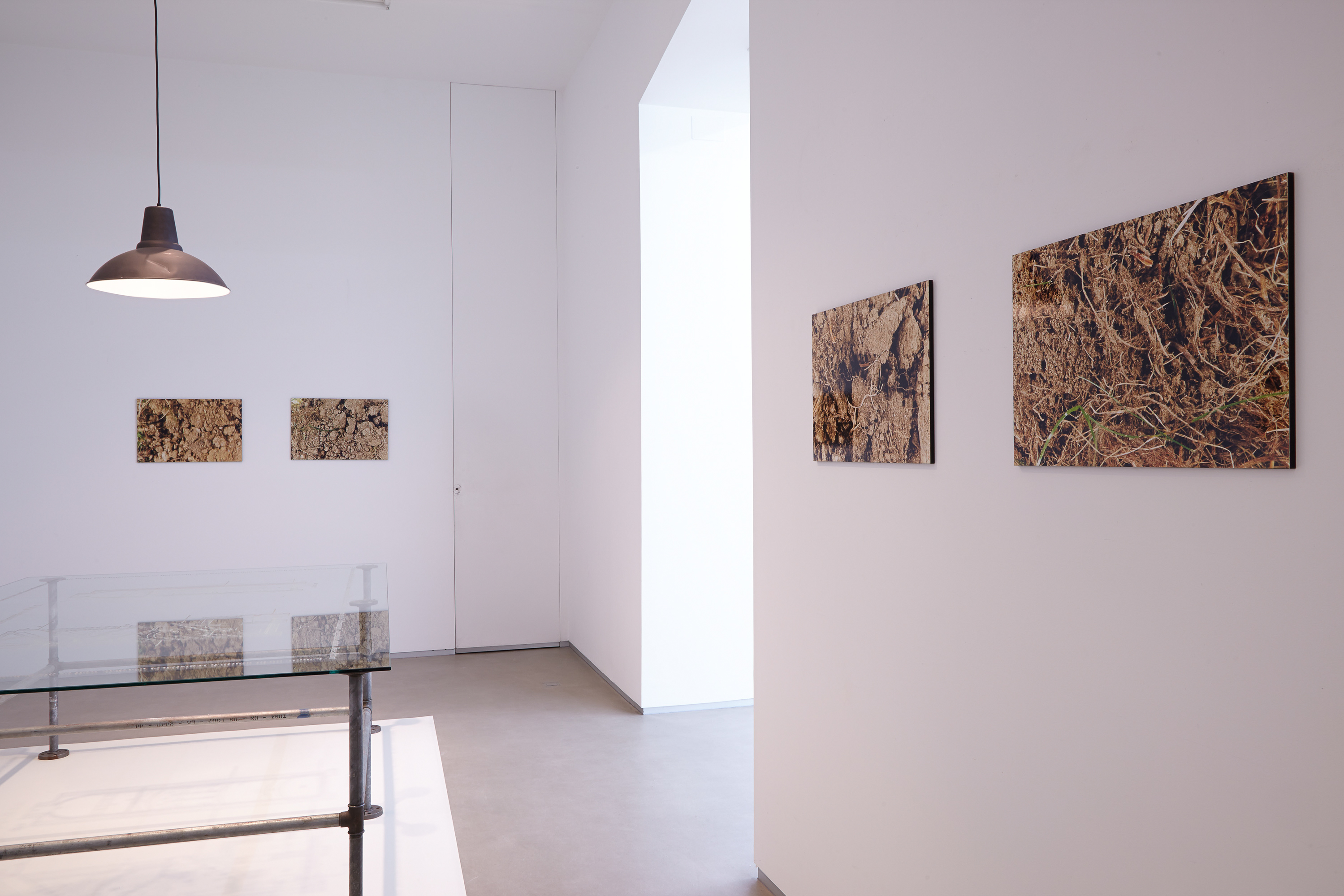
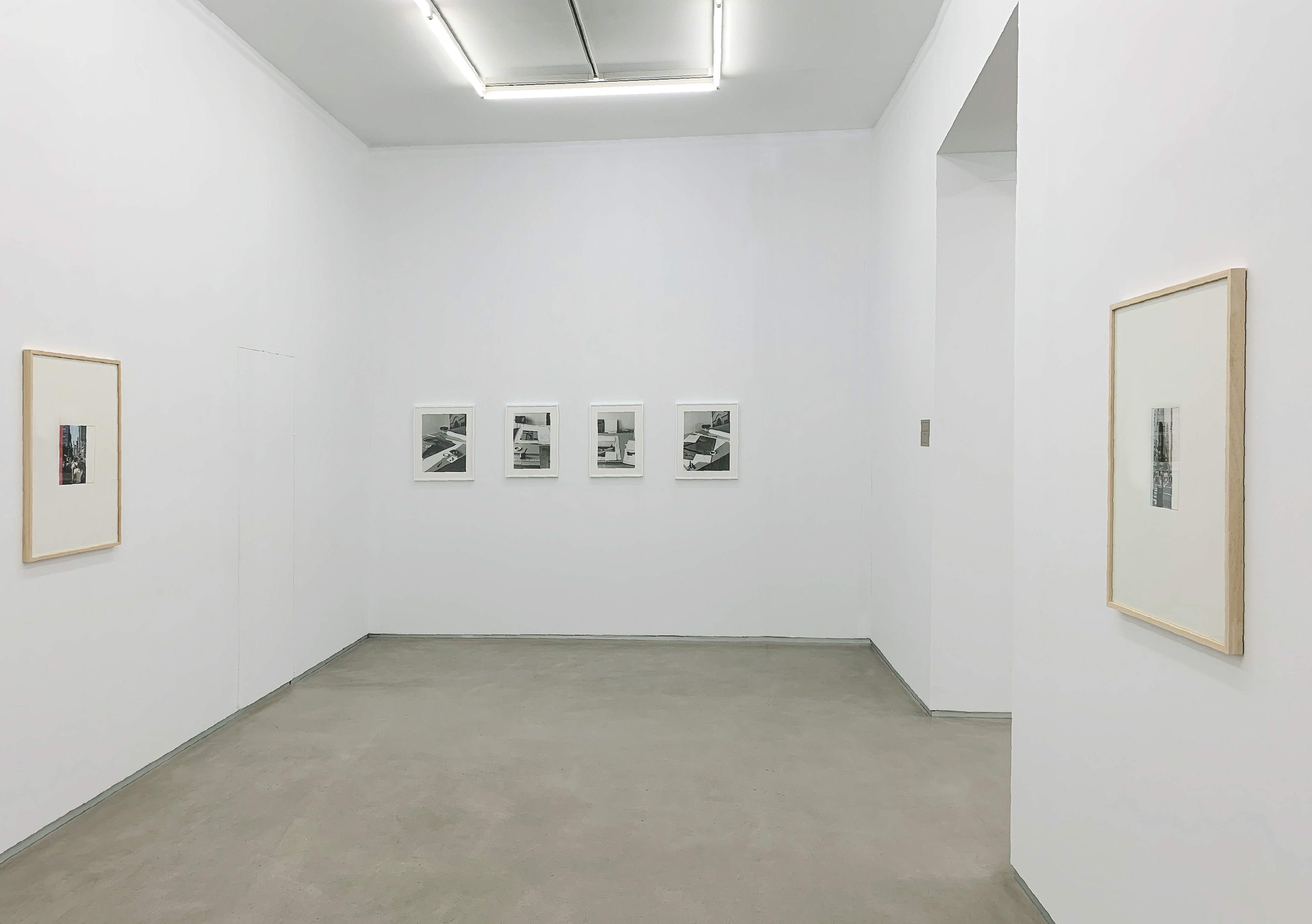
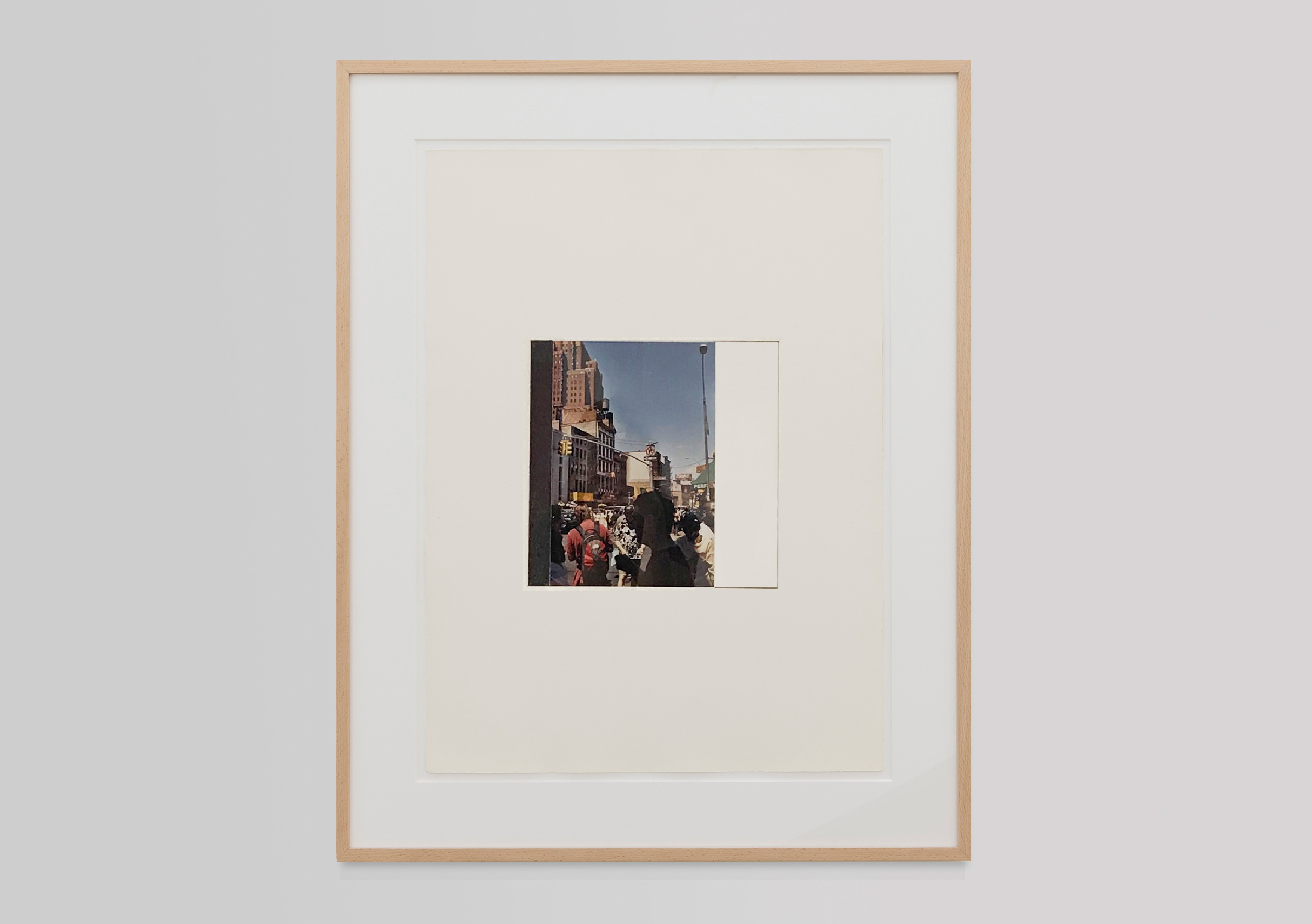
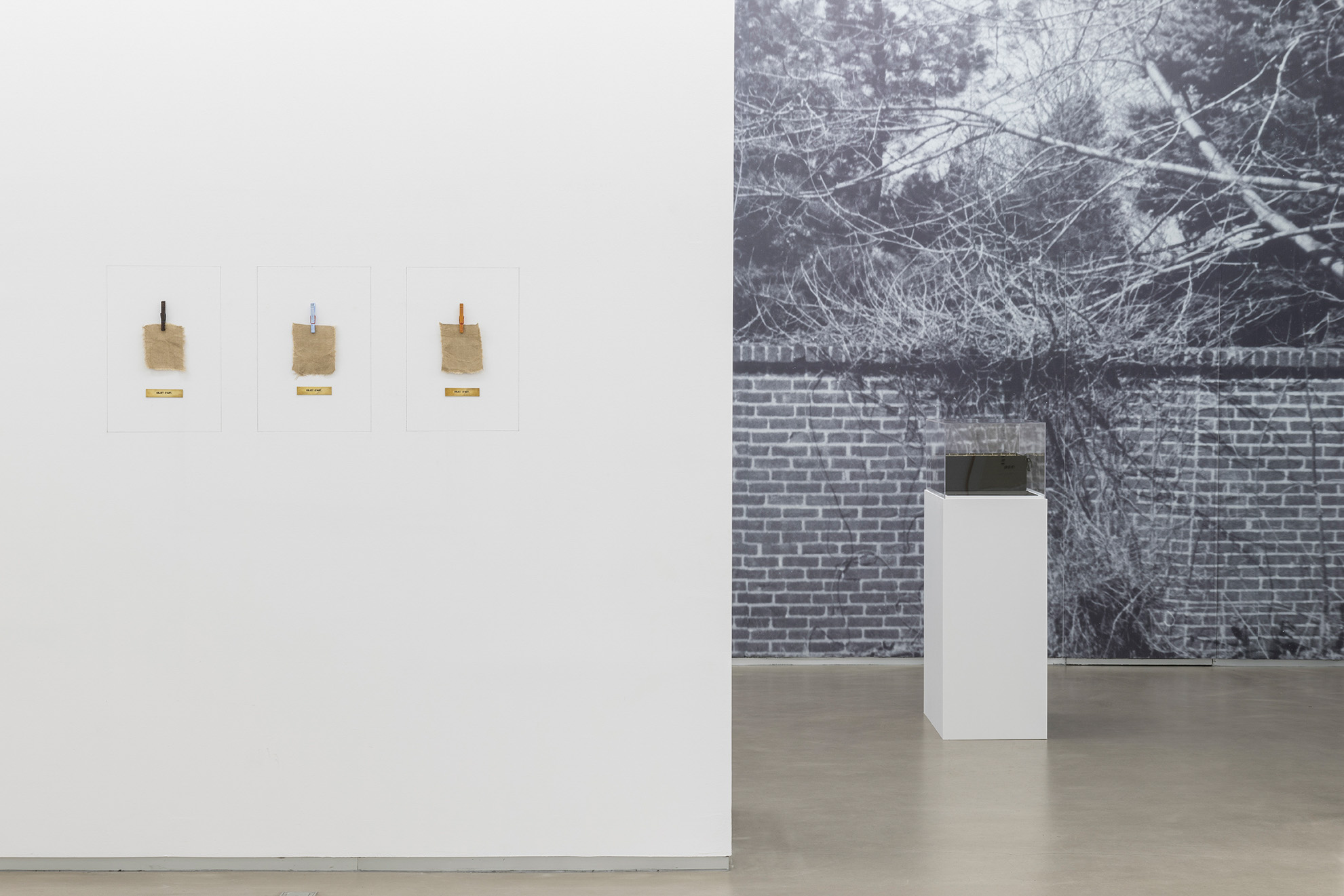
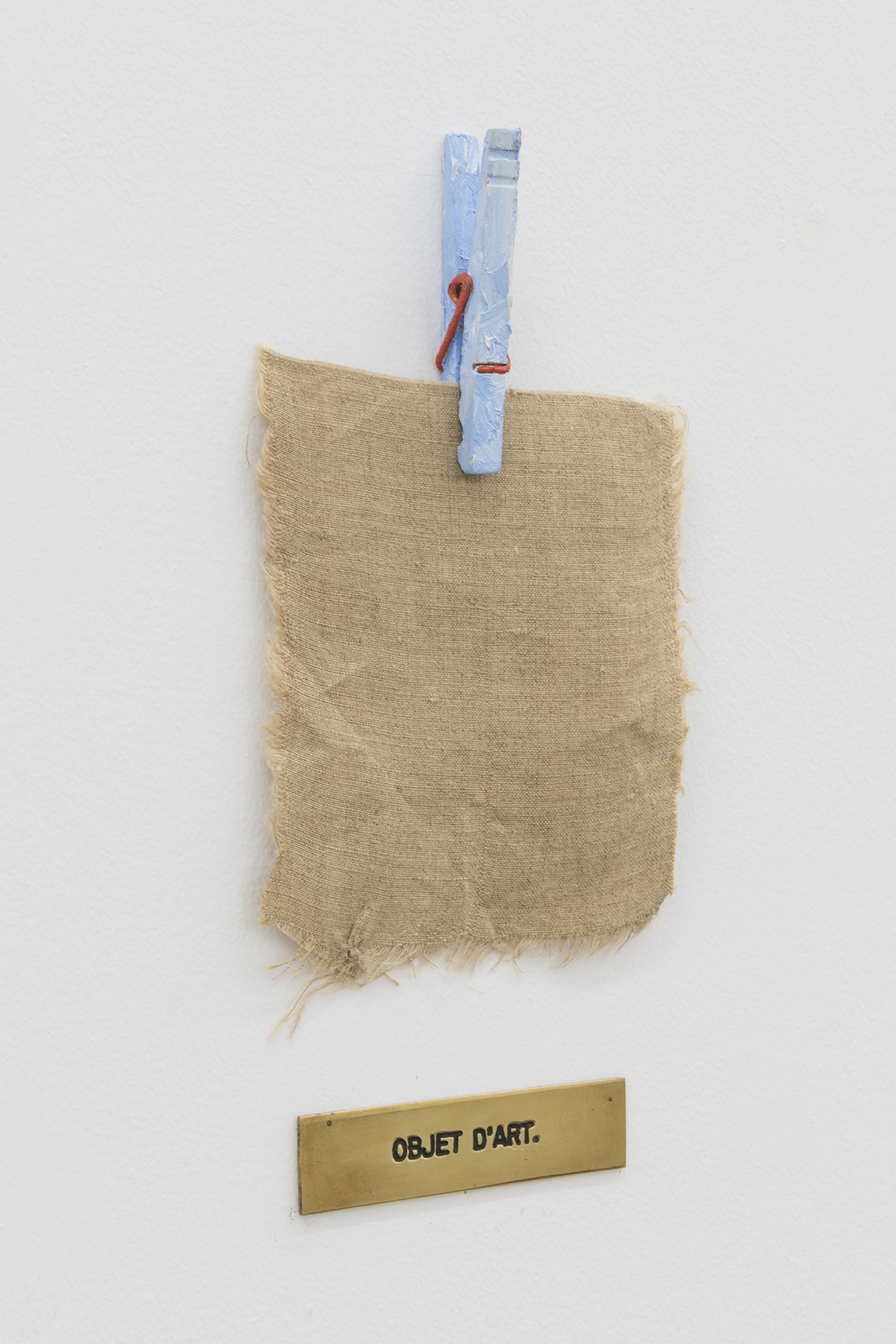
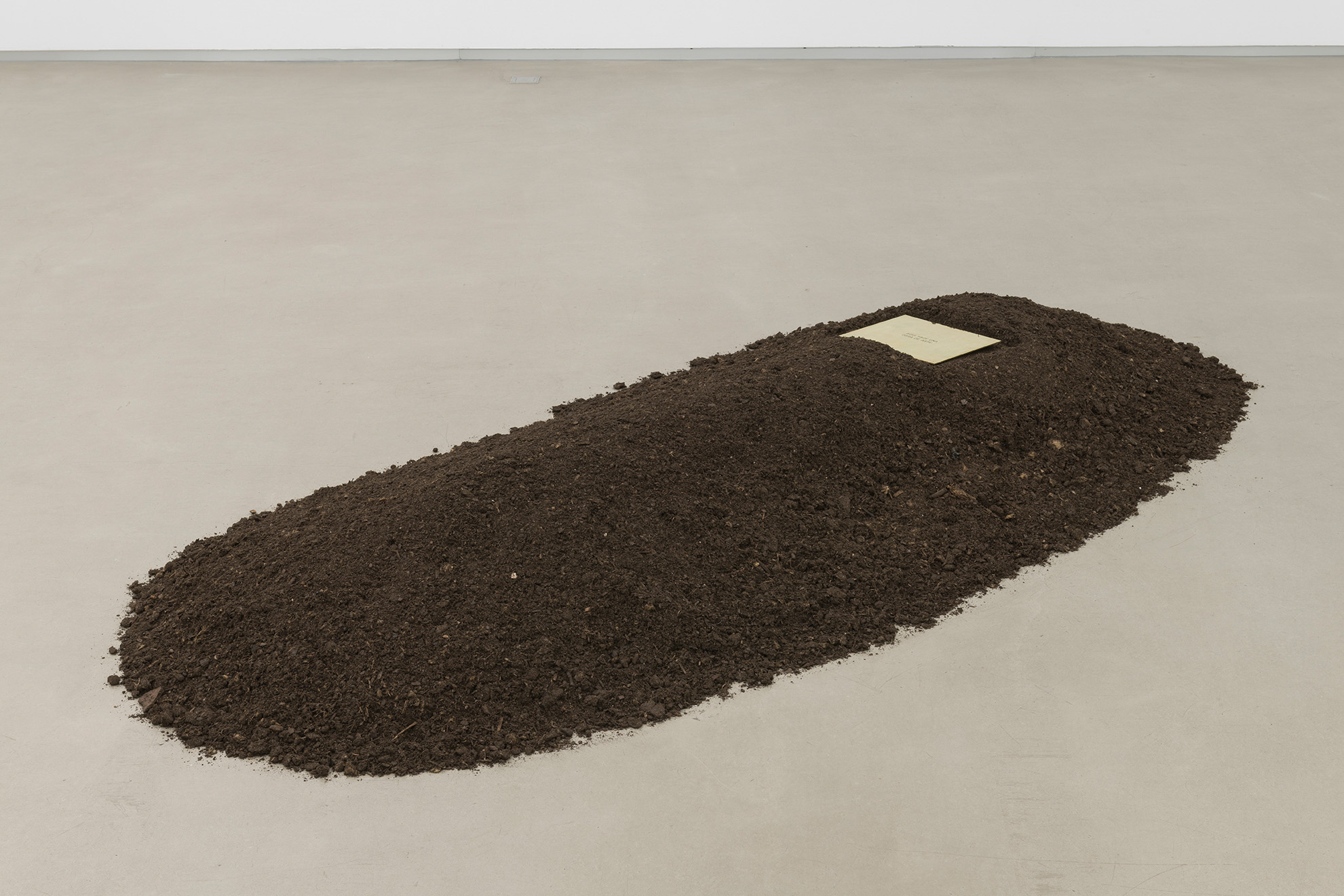
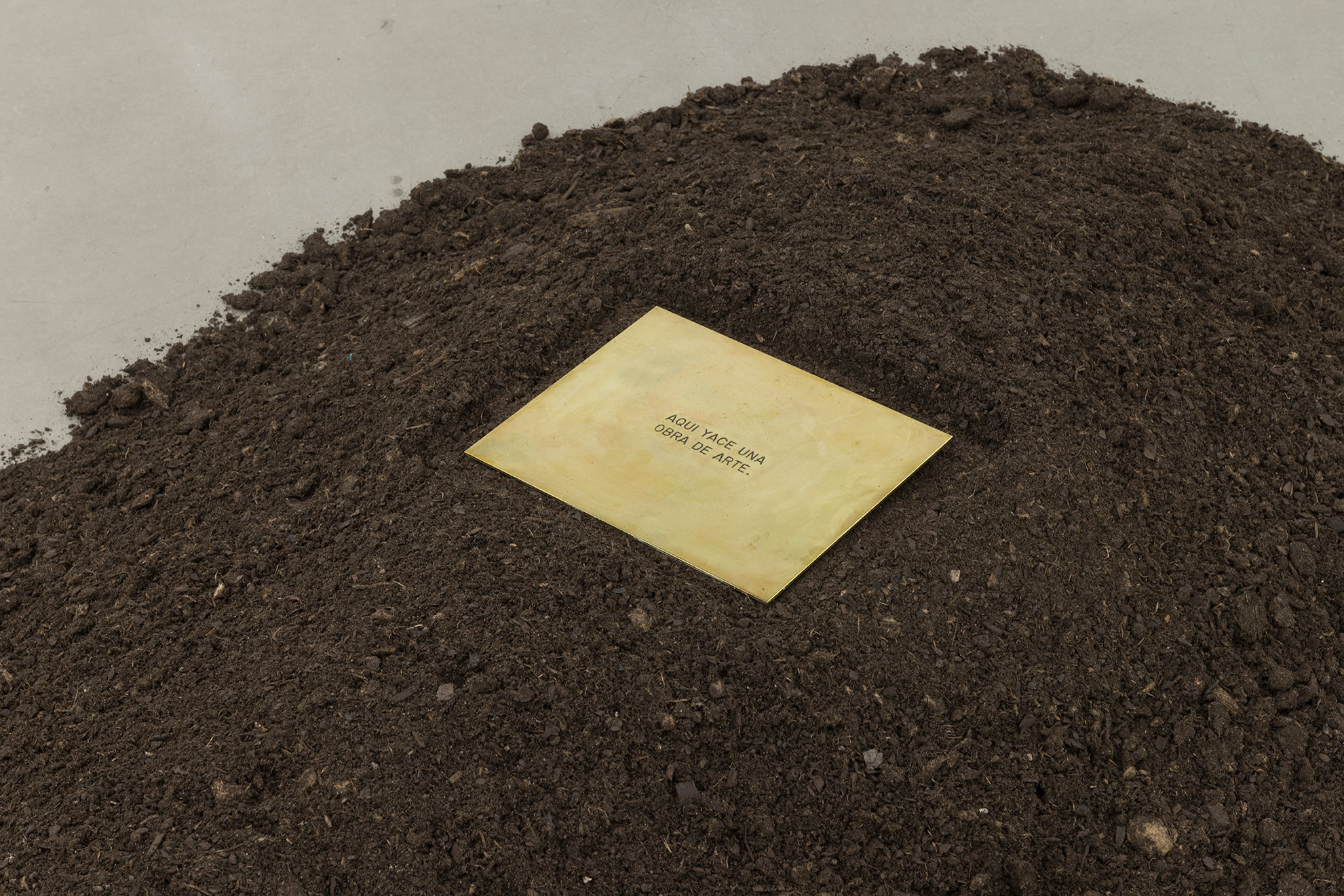
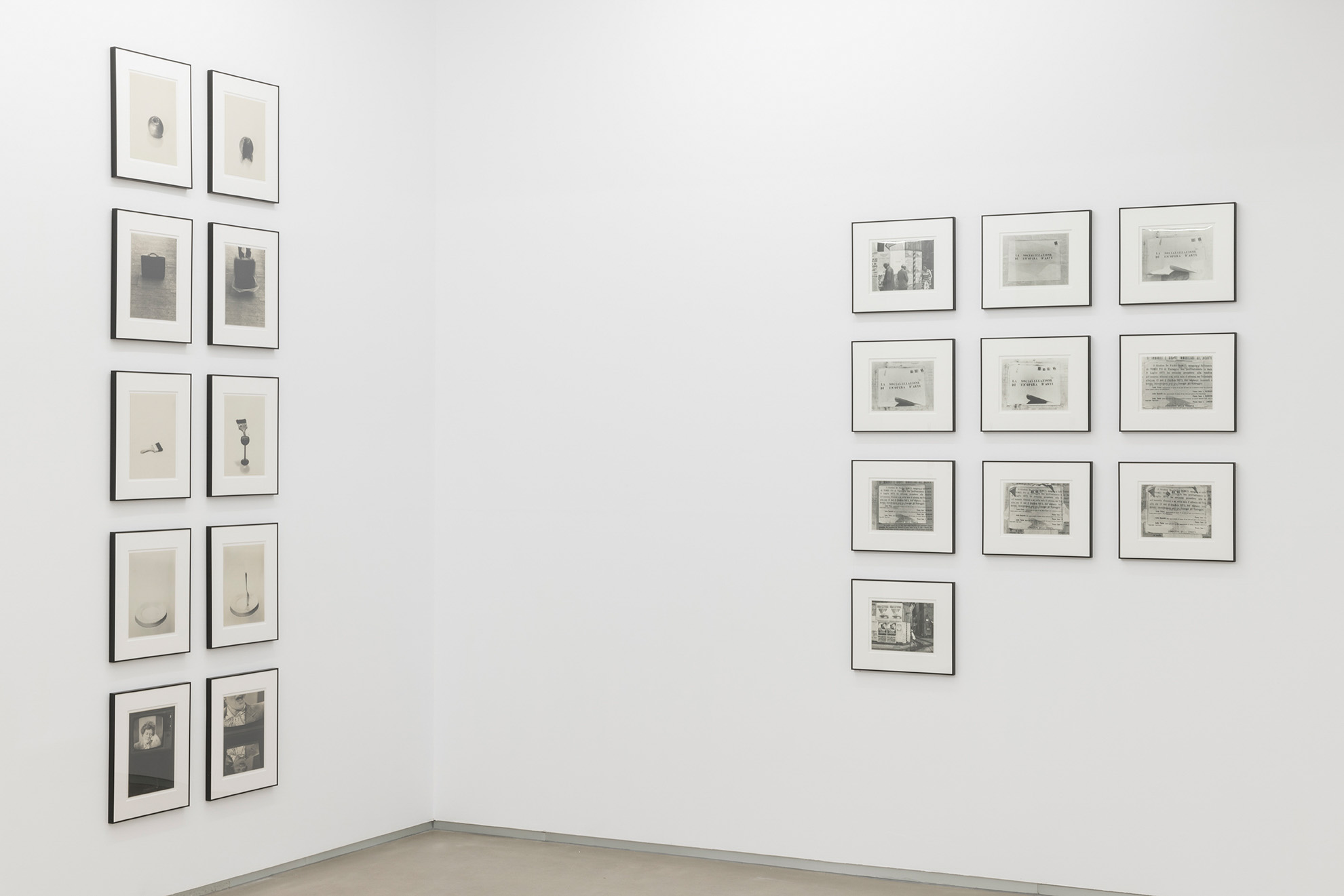
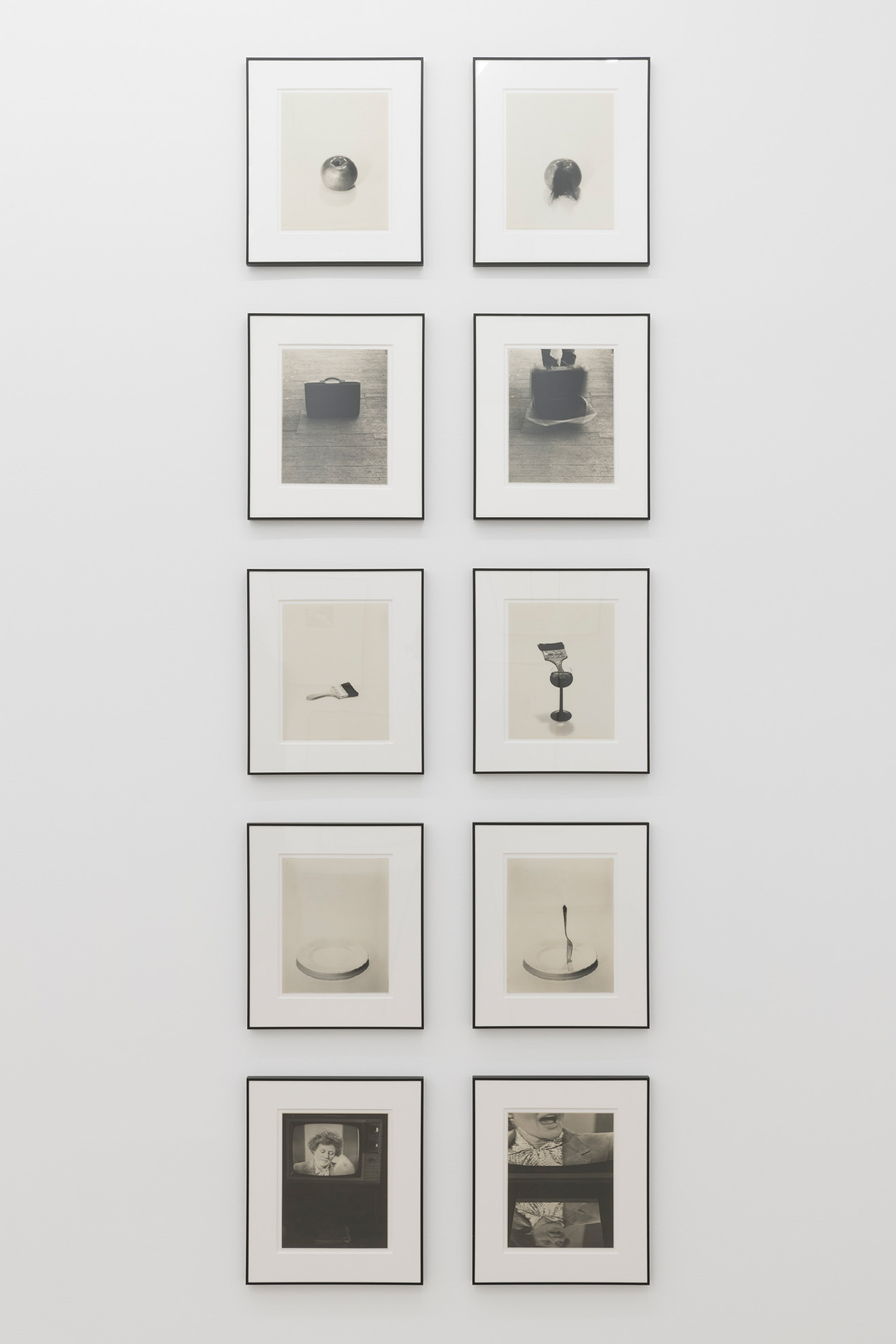
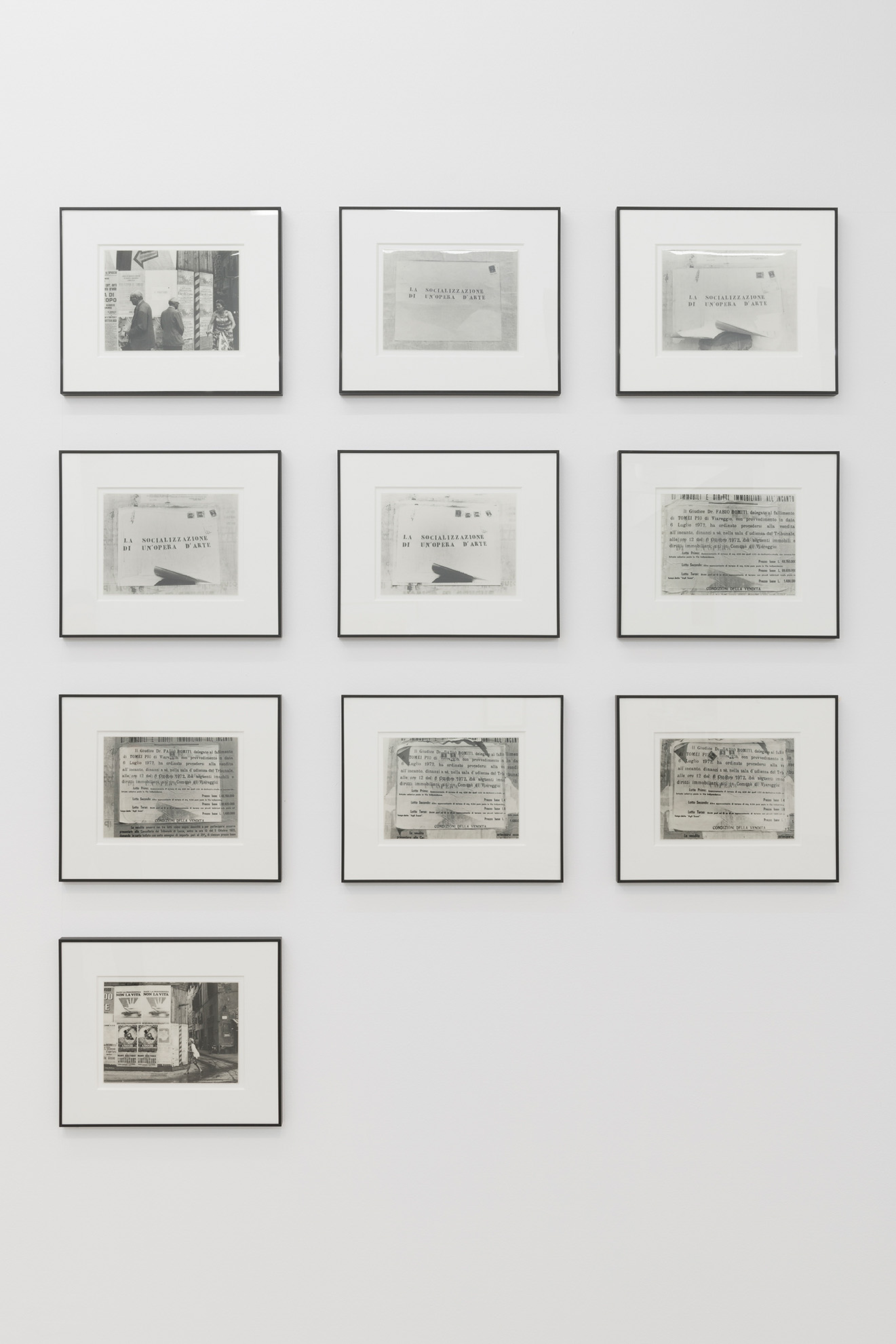
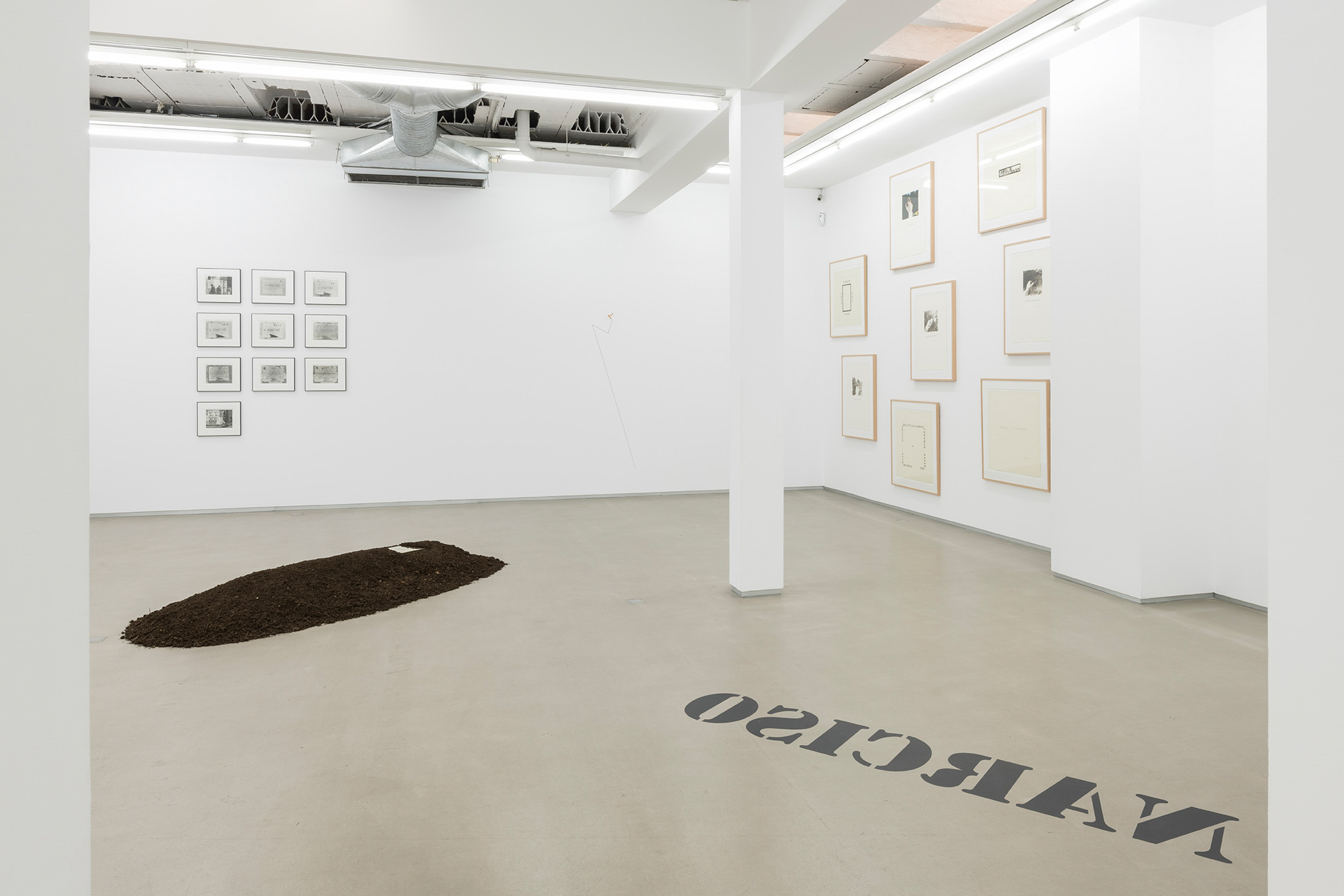
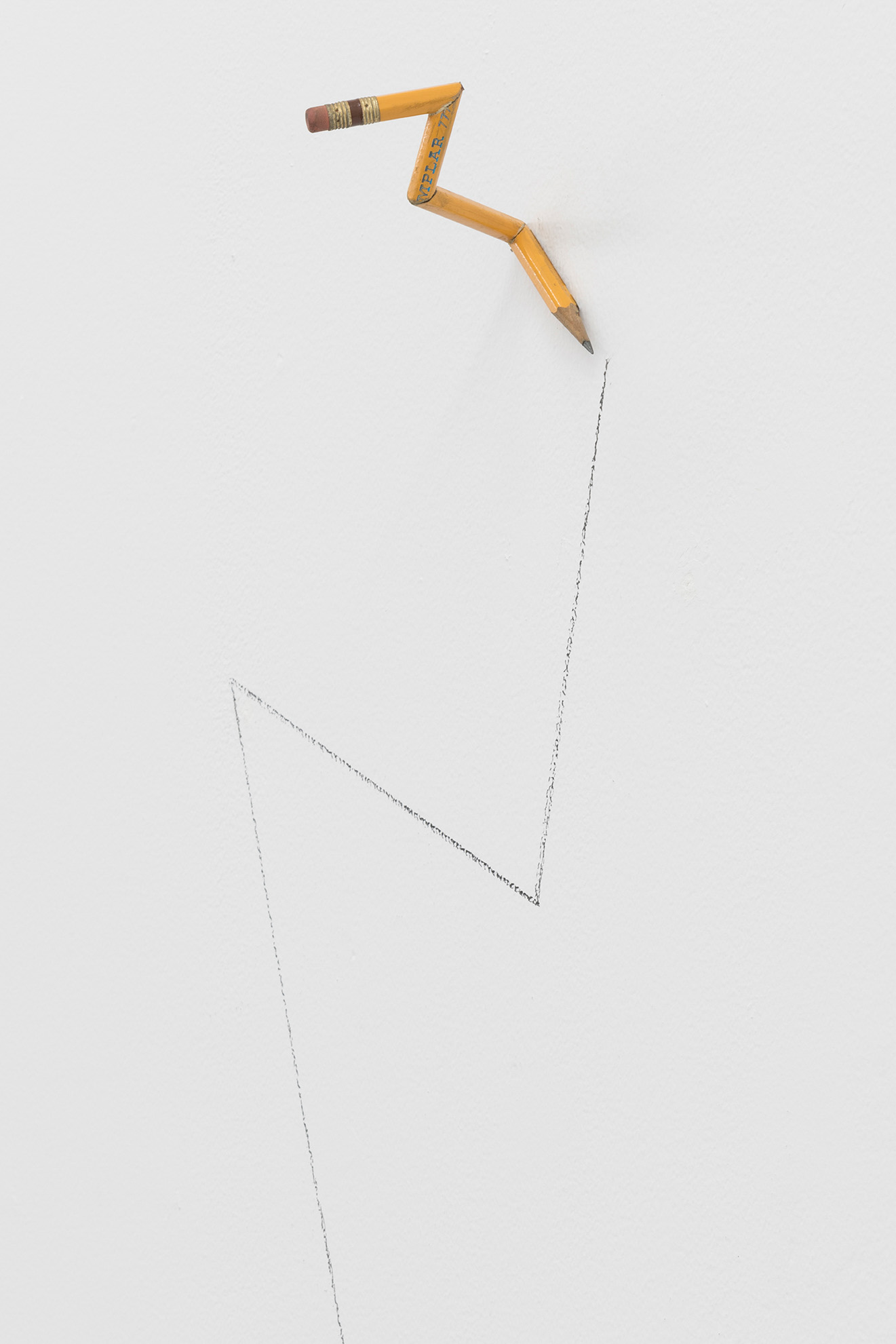
In the second room there are three photographic series, from the 1970s and 1980s, where Camnitzer experiments with different strategies to democratize the artwork, reducing the intervention (and, thus, the authority) of the artist to a minimum. La socializzazione di un’opera d’arte documents the process through which a poster, placed by the artist on the street in Lucca (Italia), was little by little damaged, torn, and finally covered by others. Questions and answers results from a session in which the artist was hypnotized in order to explore the possibilities of creating art freed from his consciousness. Another question about the ontology of the work of art is Objet d’Art, a piece in which Camnitzer intends to reduce it to its most basic elements: painting, canvas, frame and support. A similar idea is posed by the installation The instrument and its work, showing a pencil and a line drawn with it: again, the work of art is reduced to its most basic elements. After the genesis and life, the death of the artwork is also represented, in a critical and ironic way, in the grave Here lies an artwork (1972).
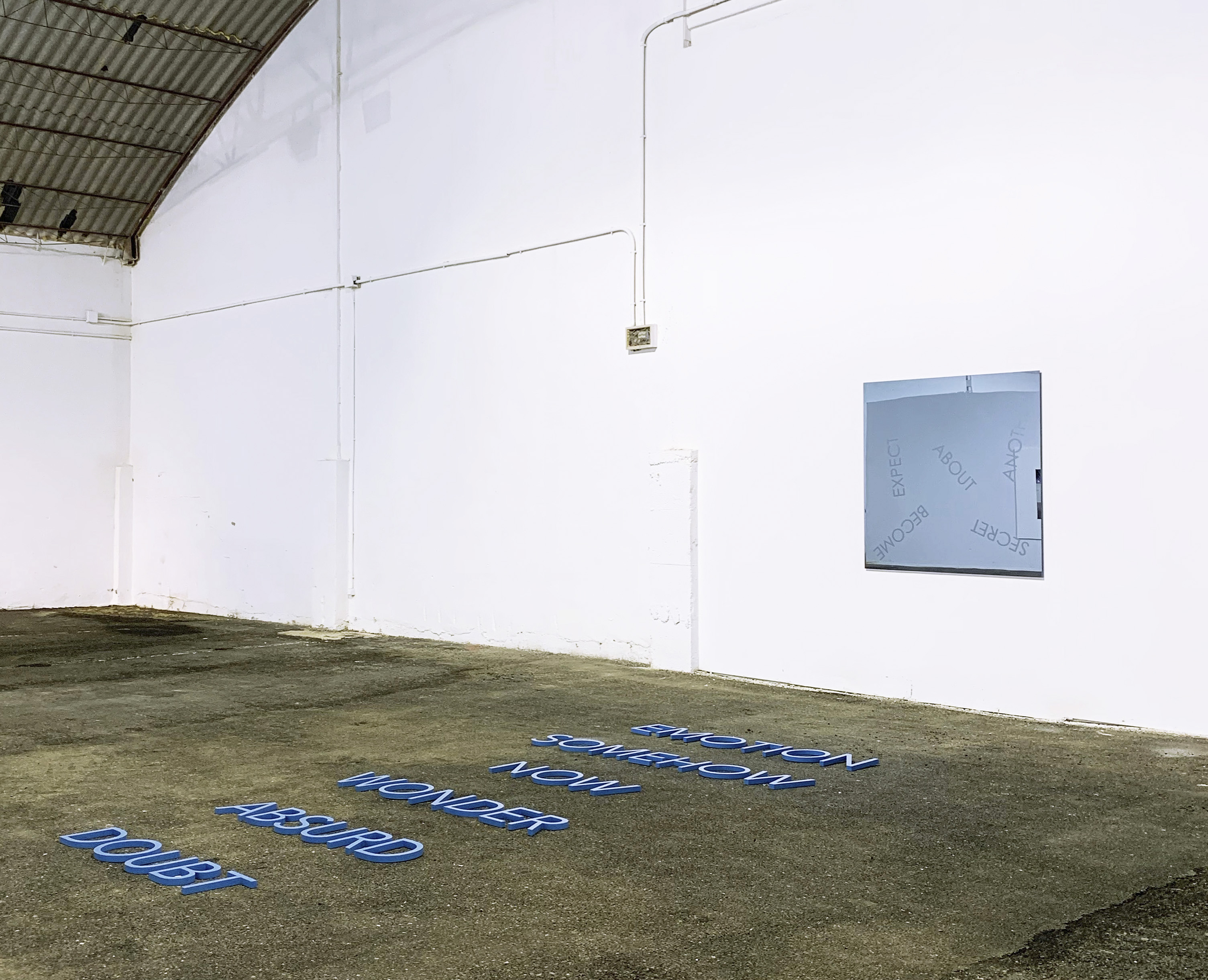
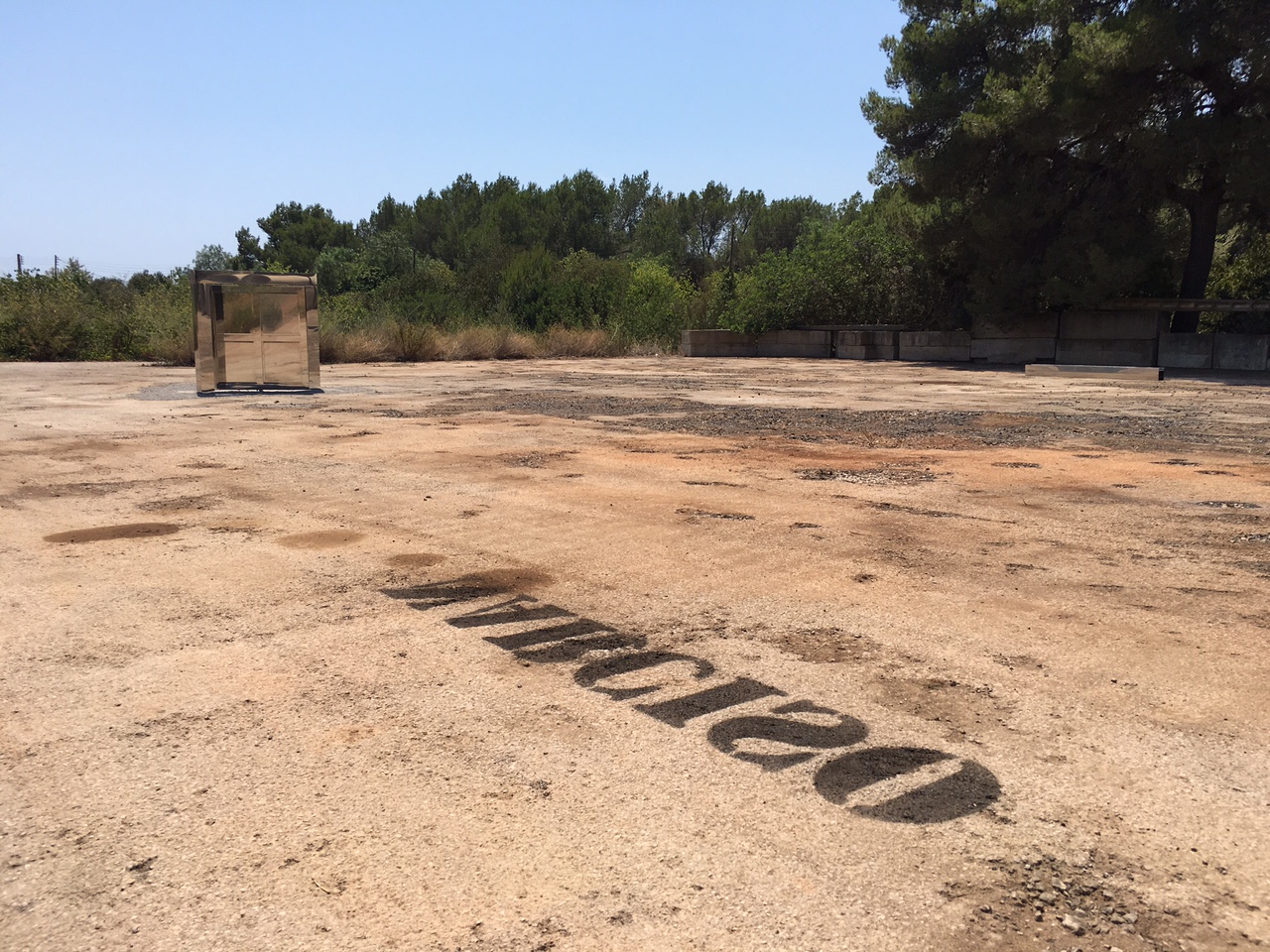
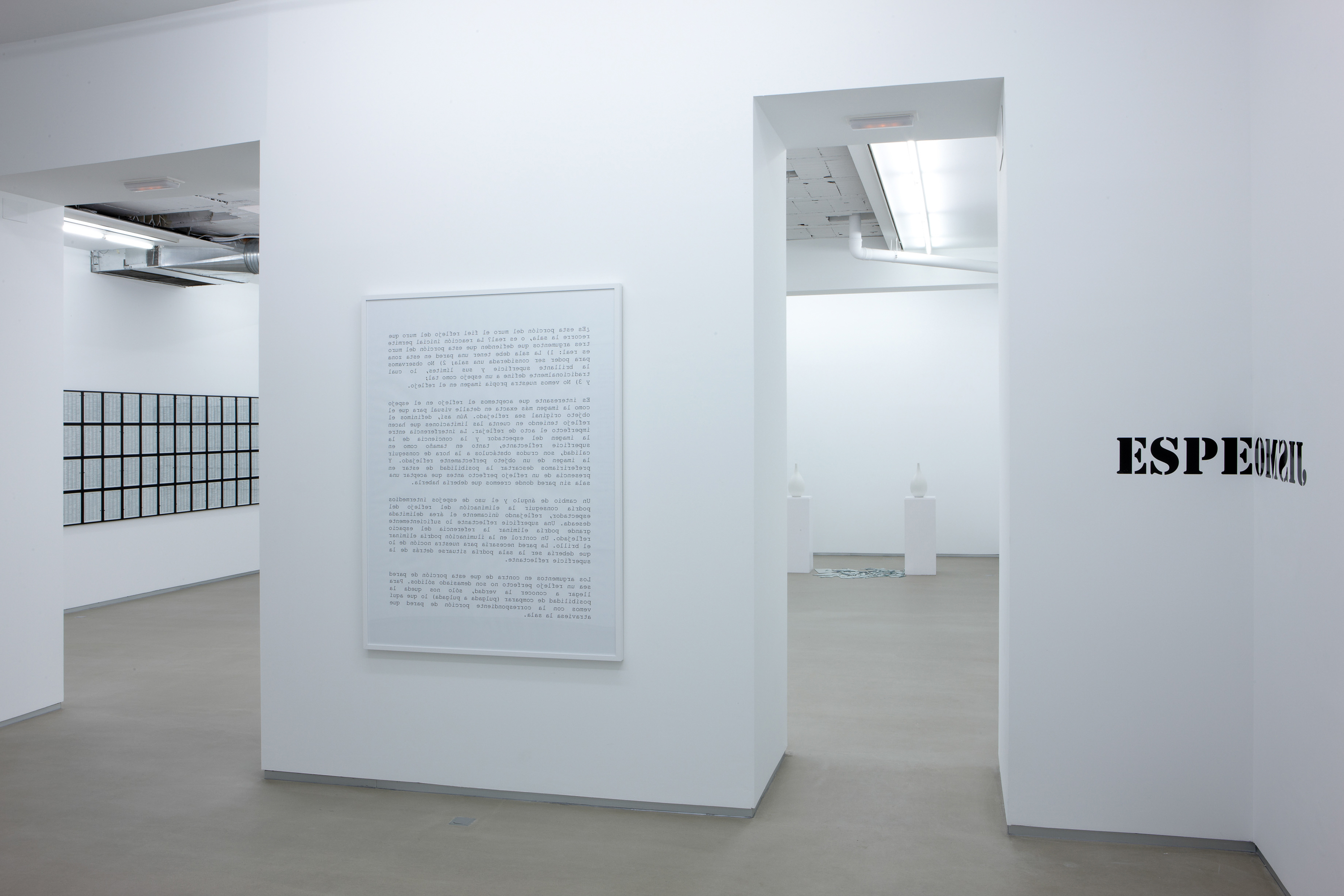
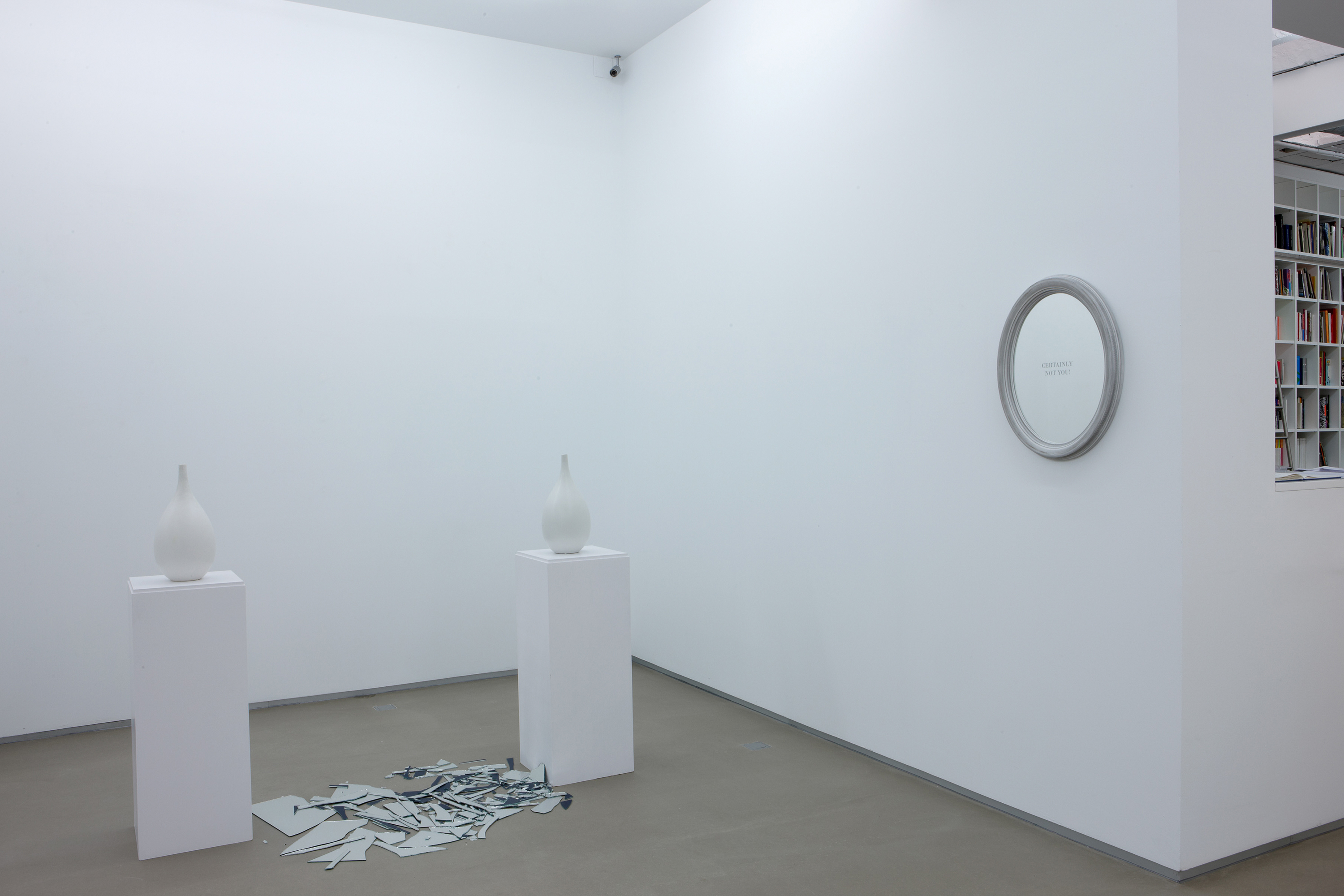
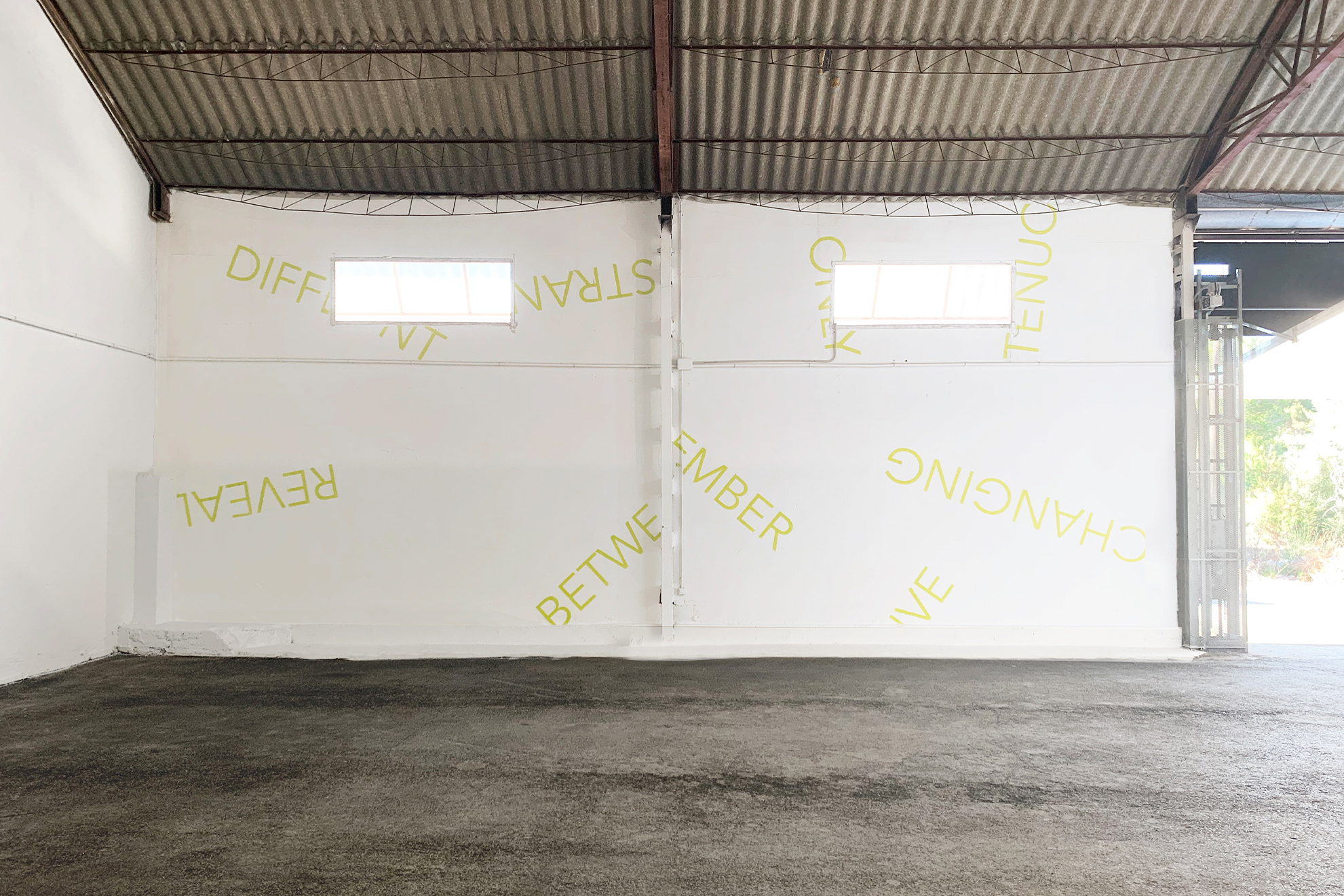
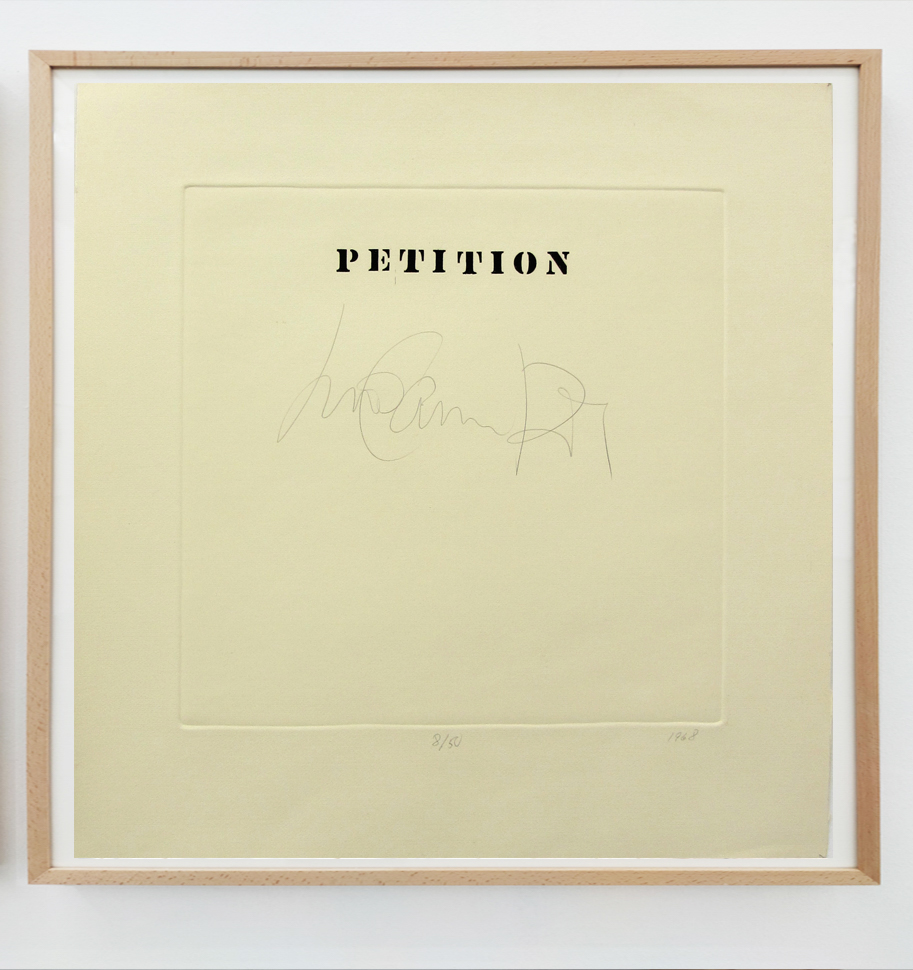
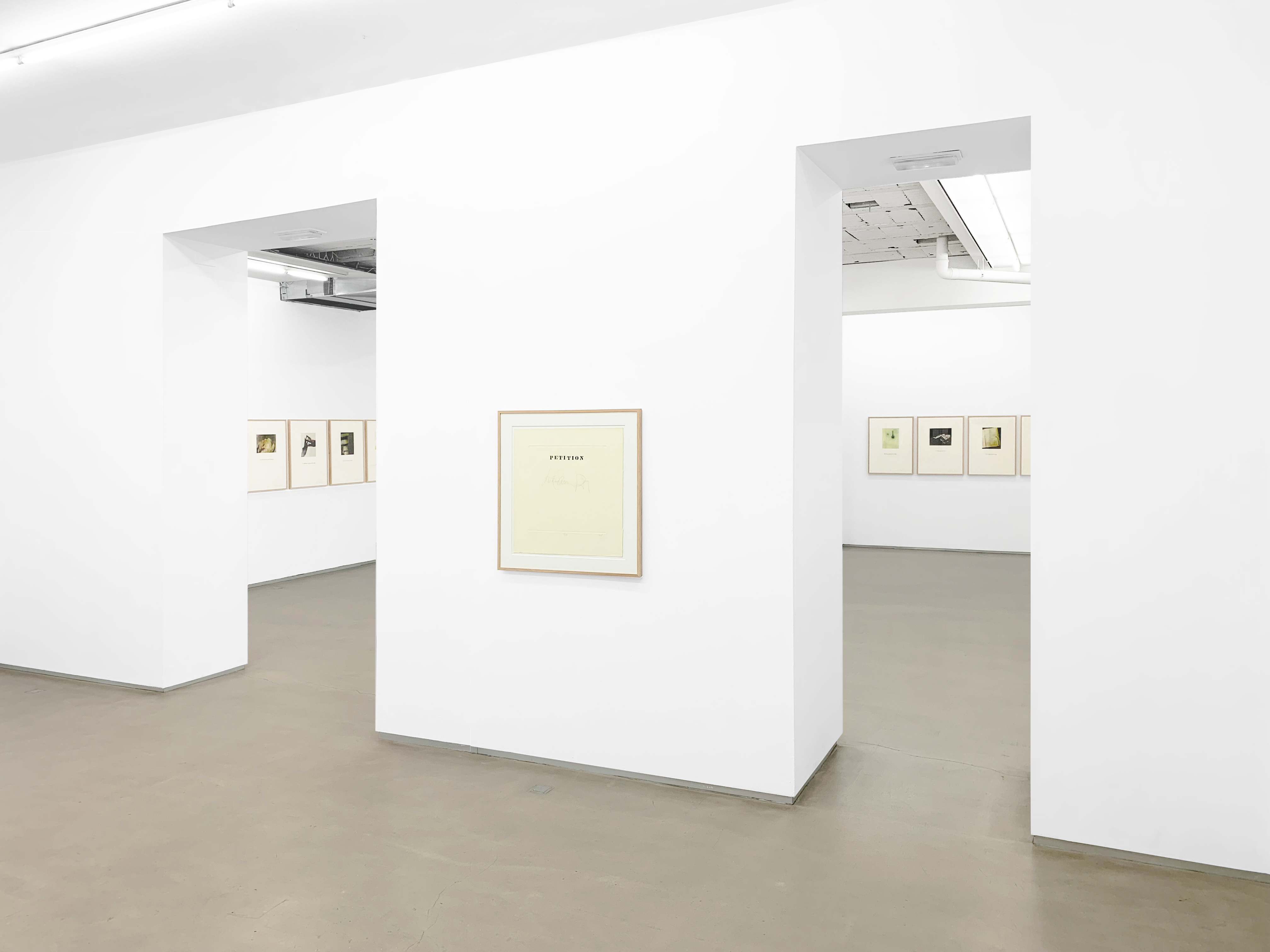
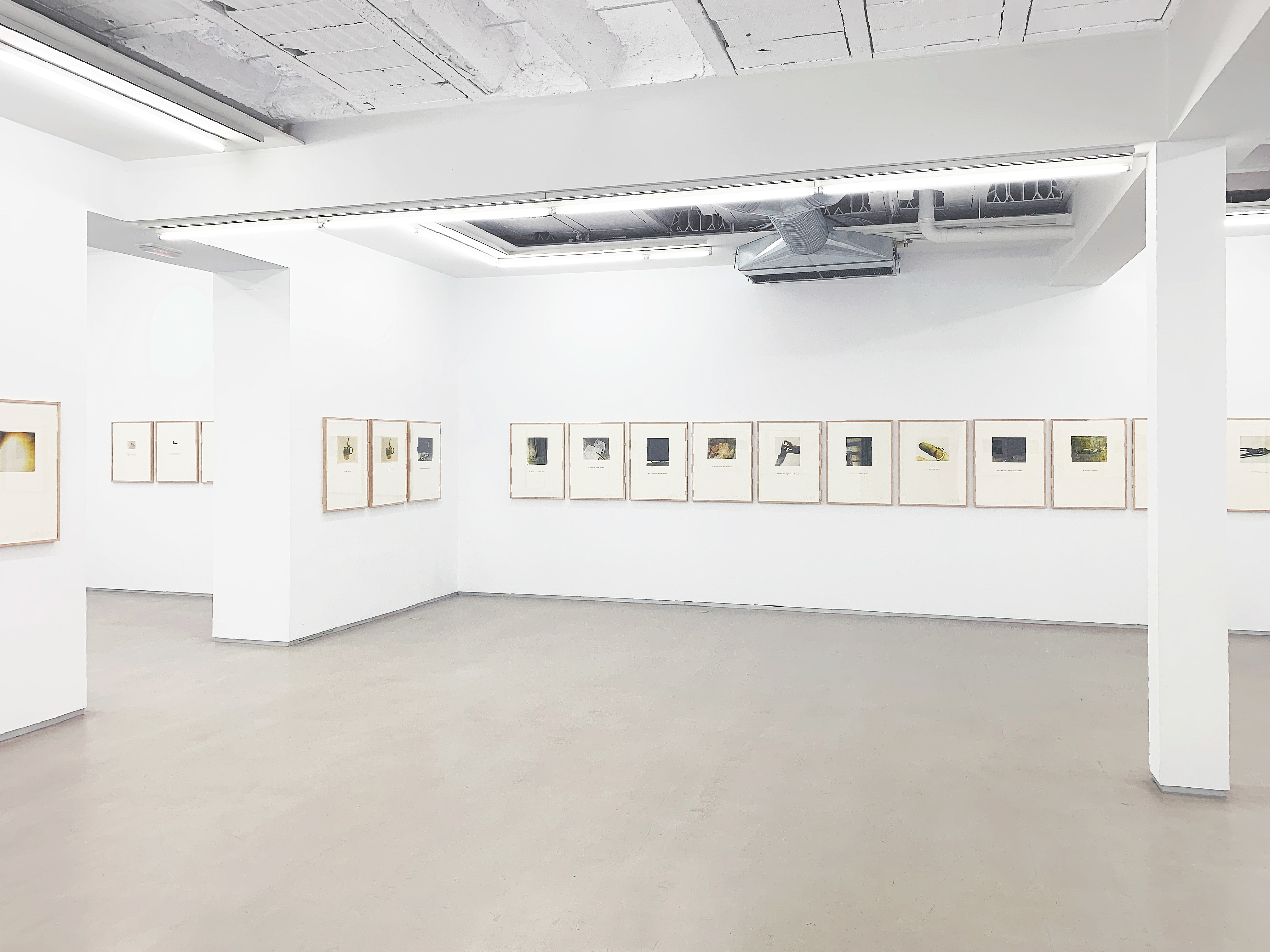
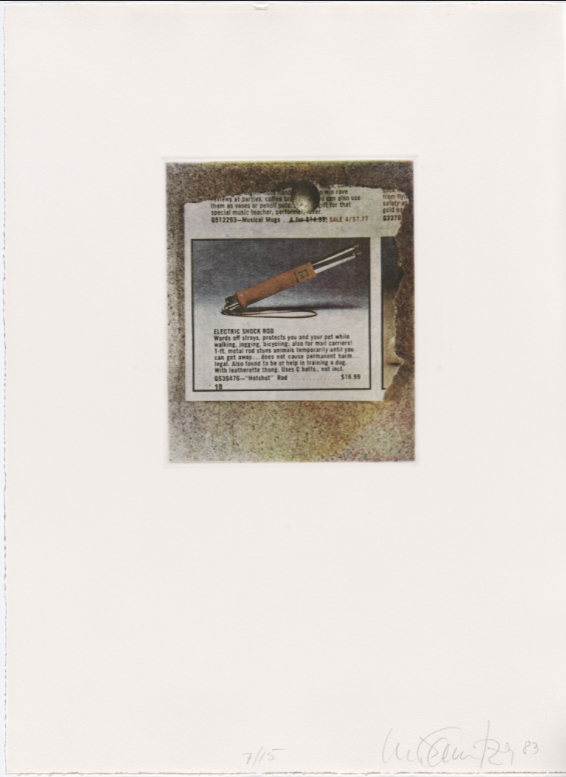
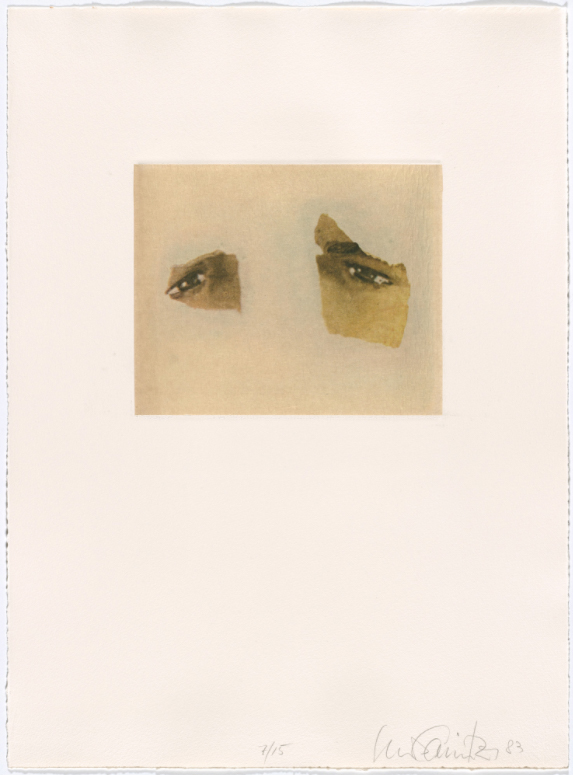
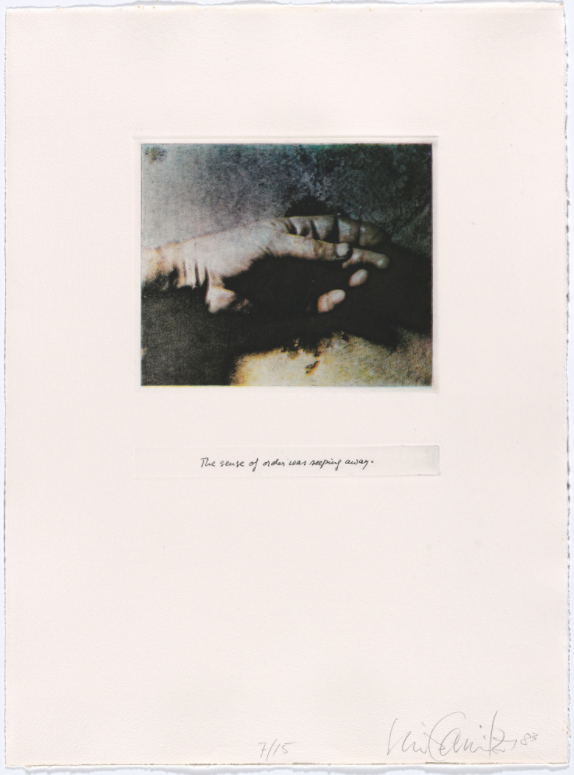
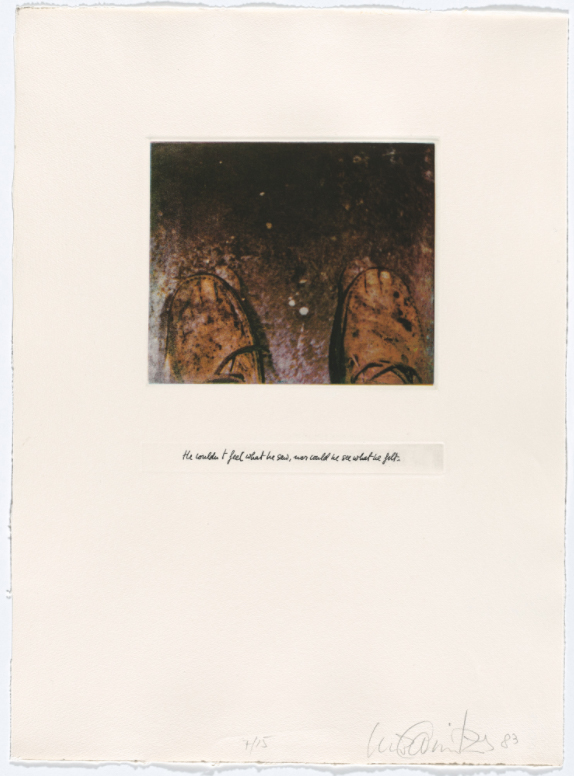
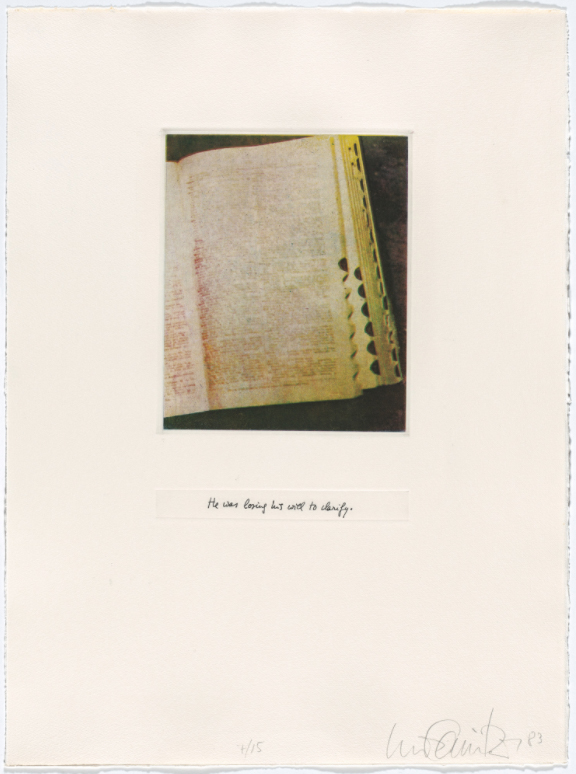
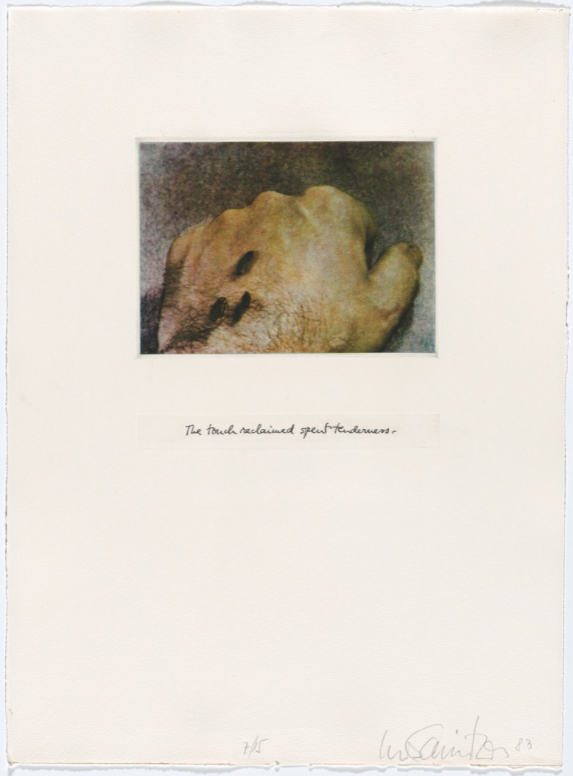
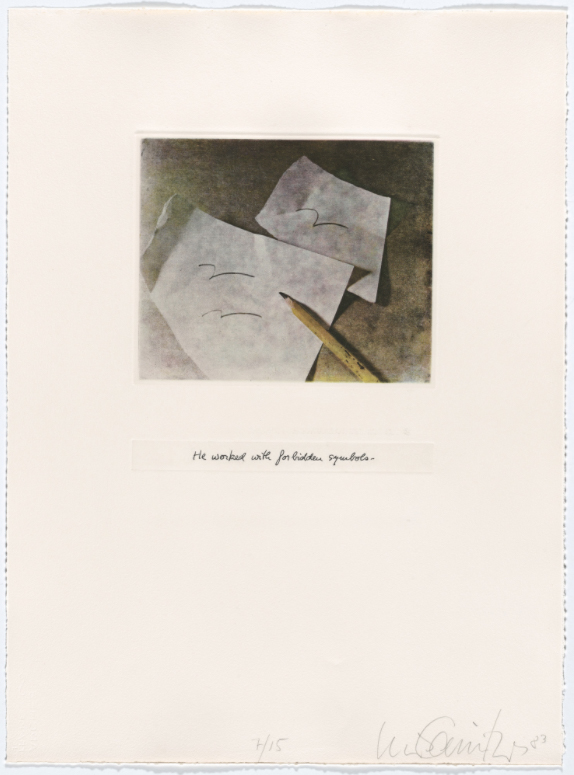
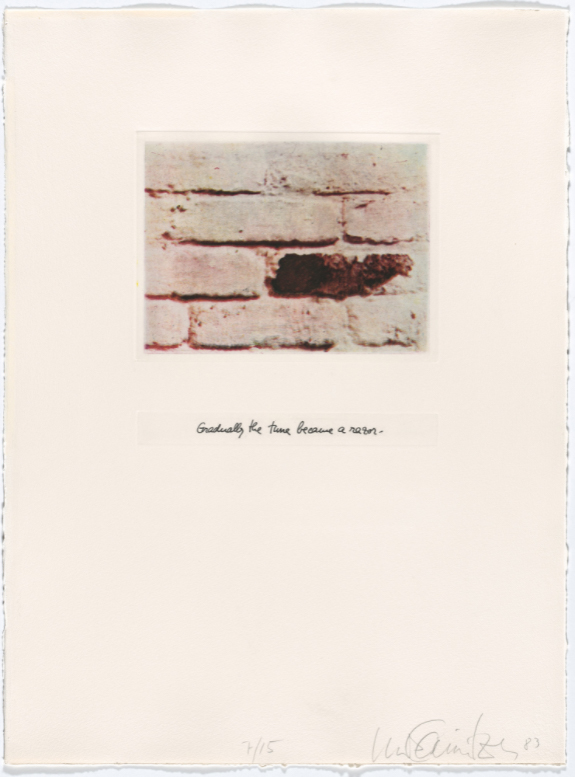
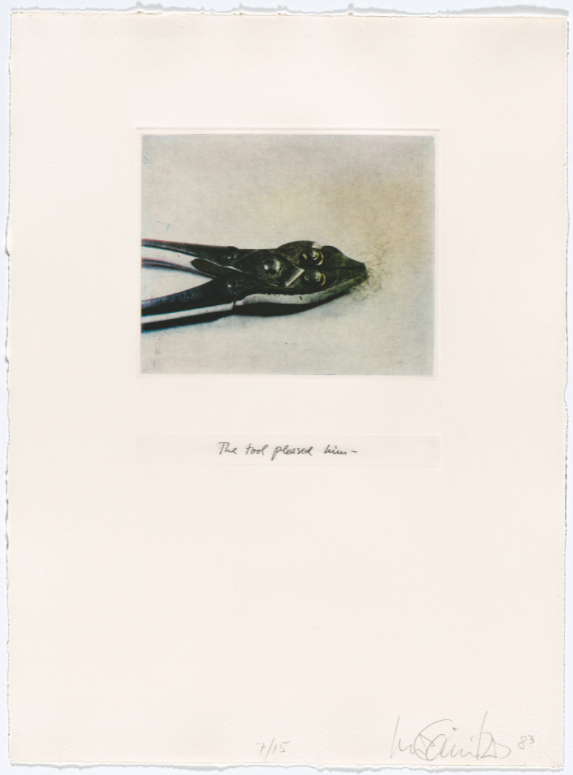
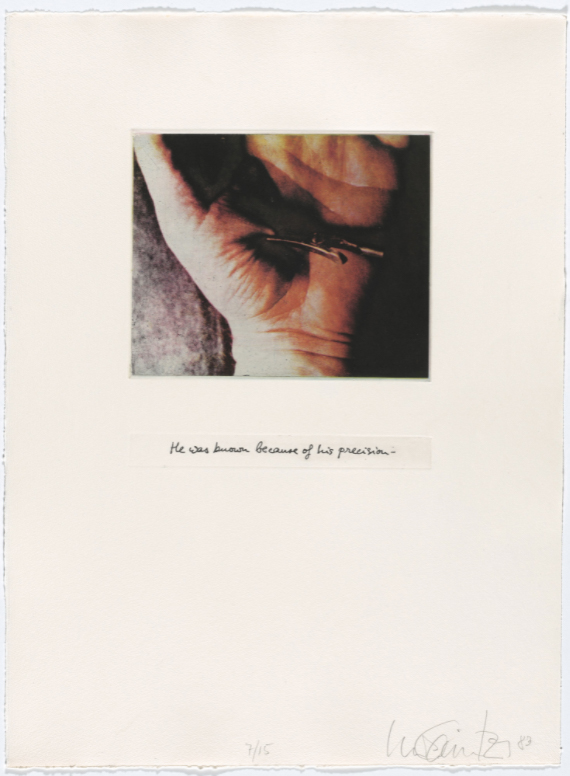
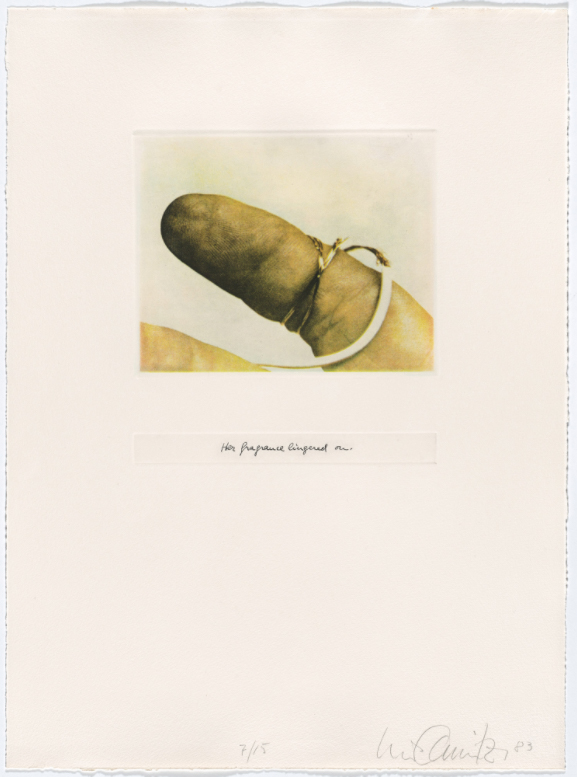
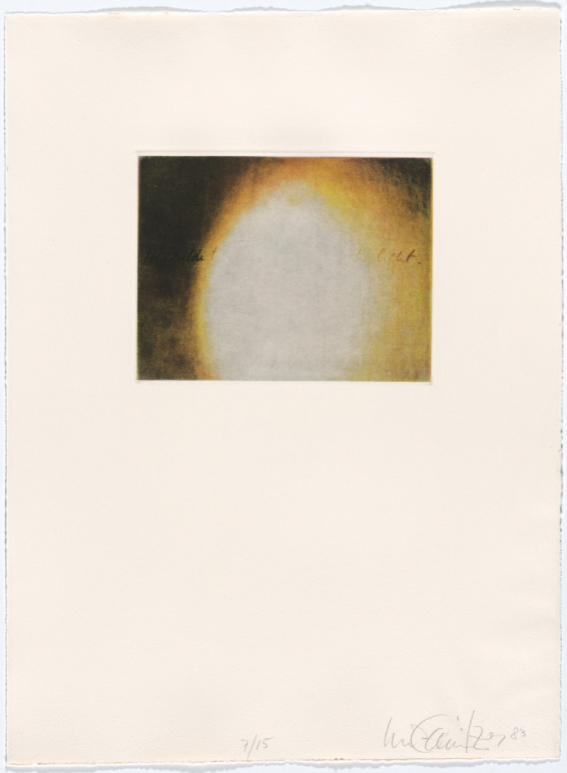
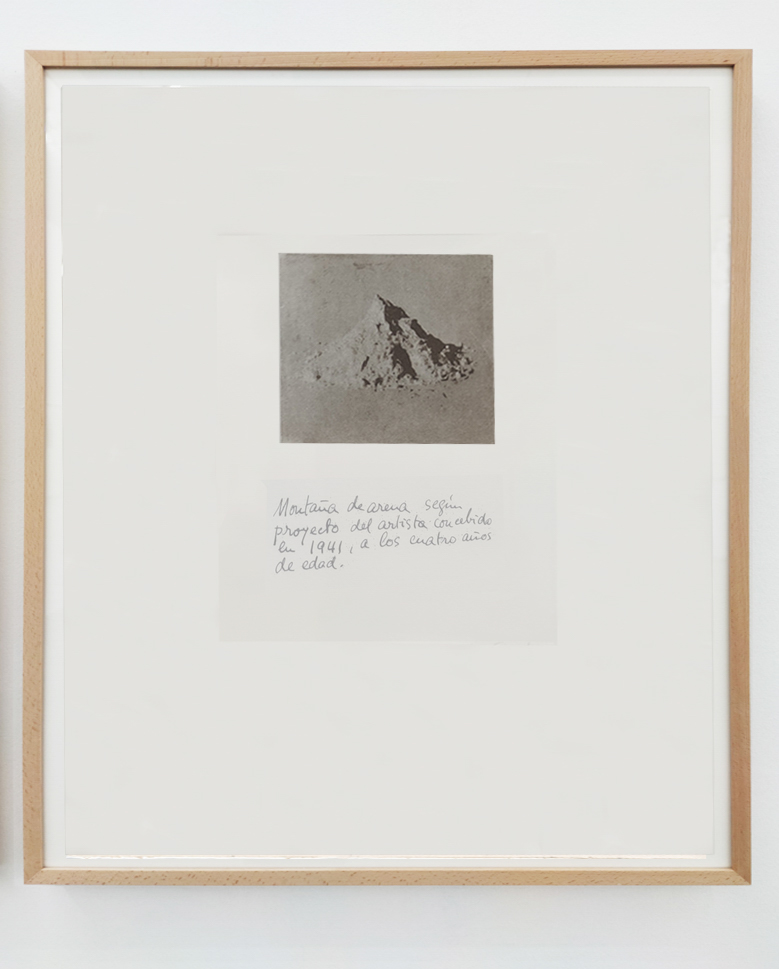
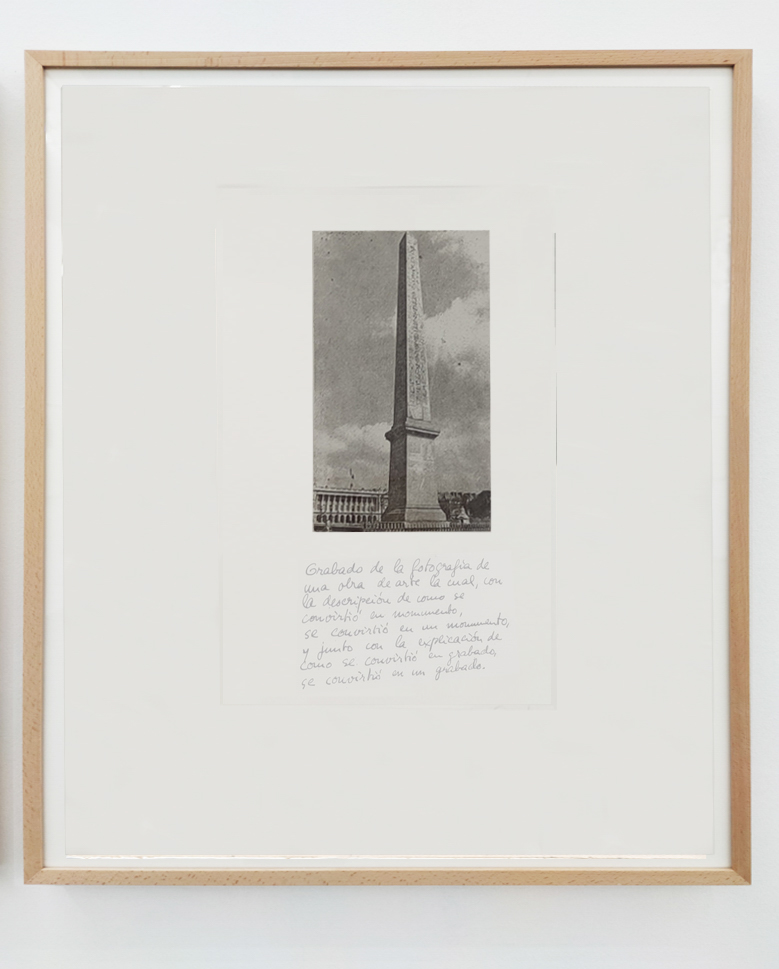
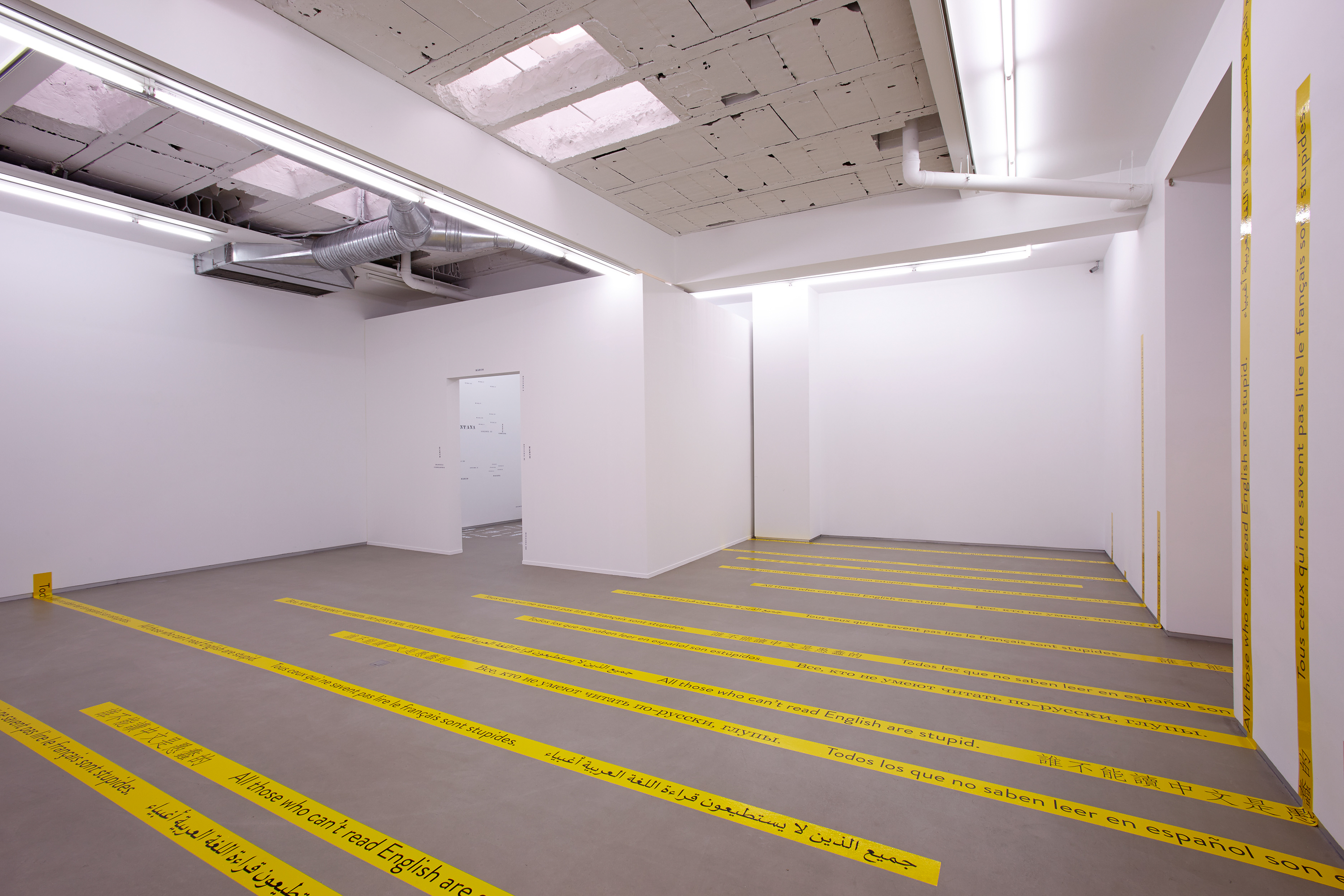
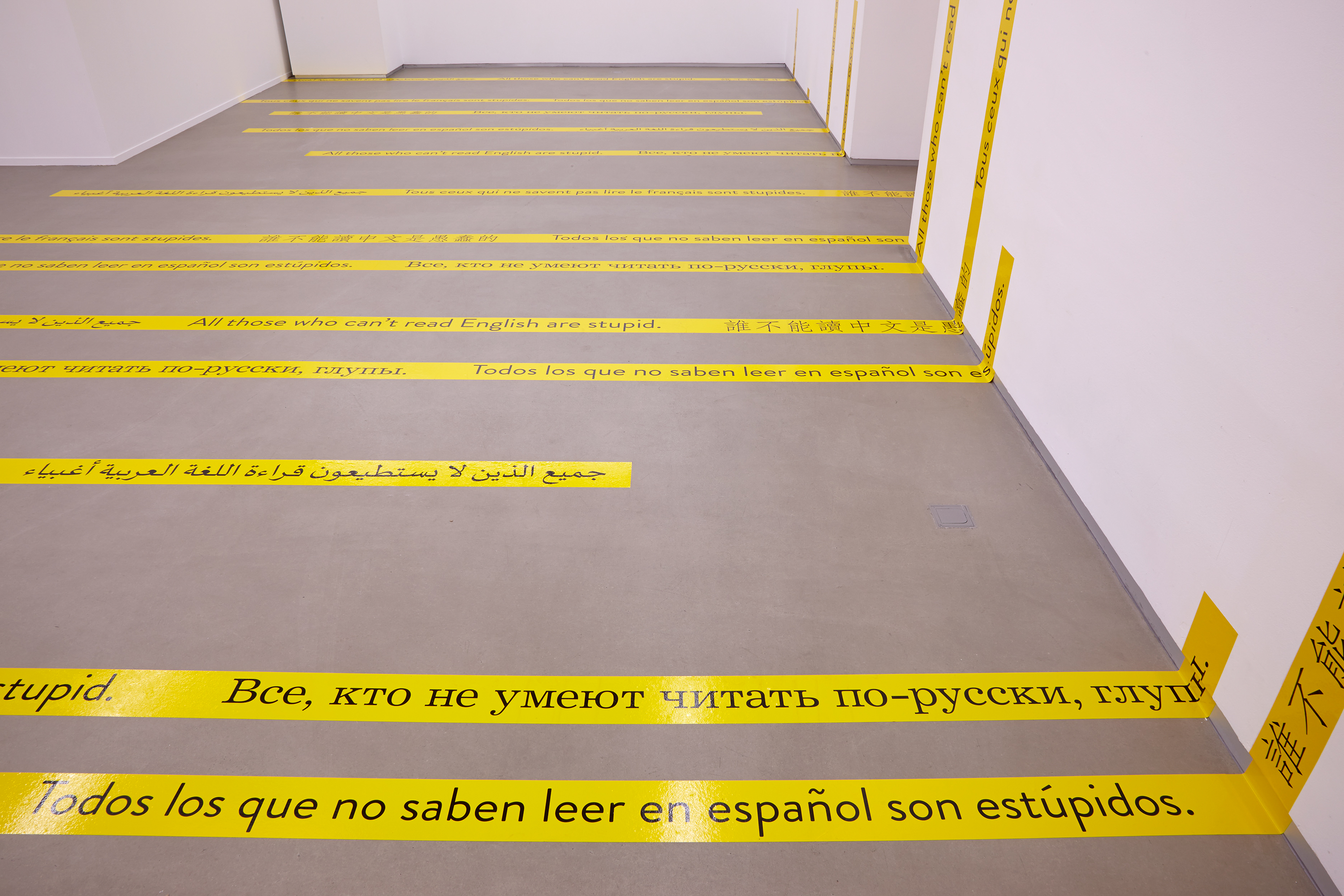
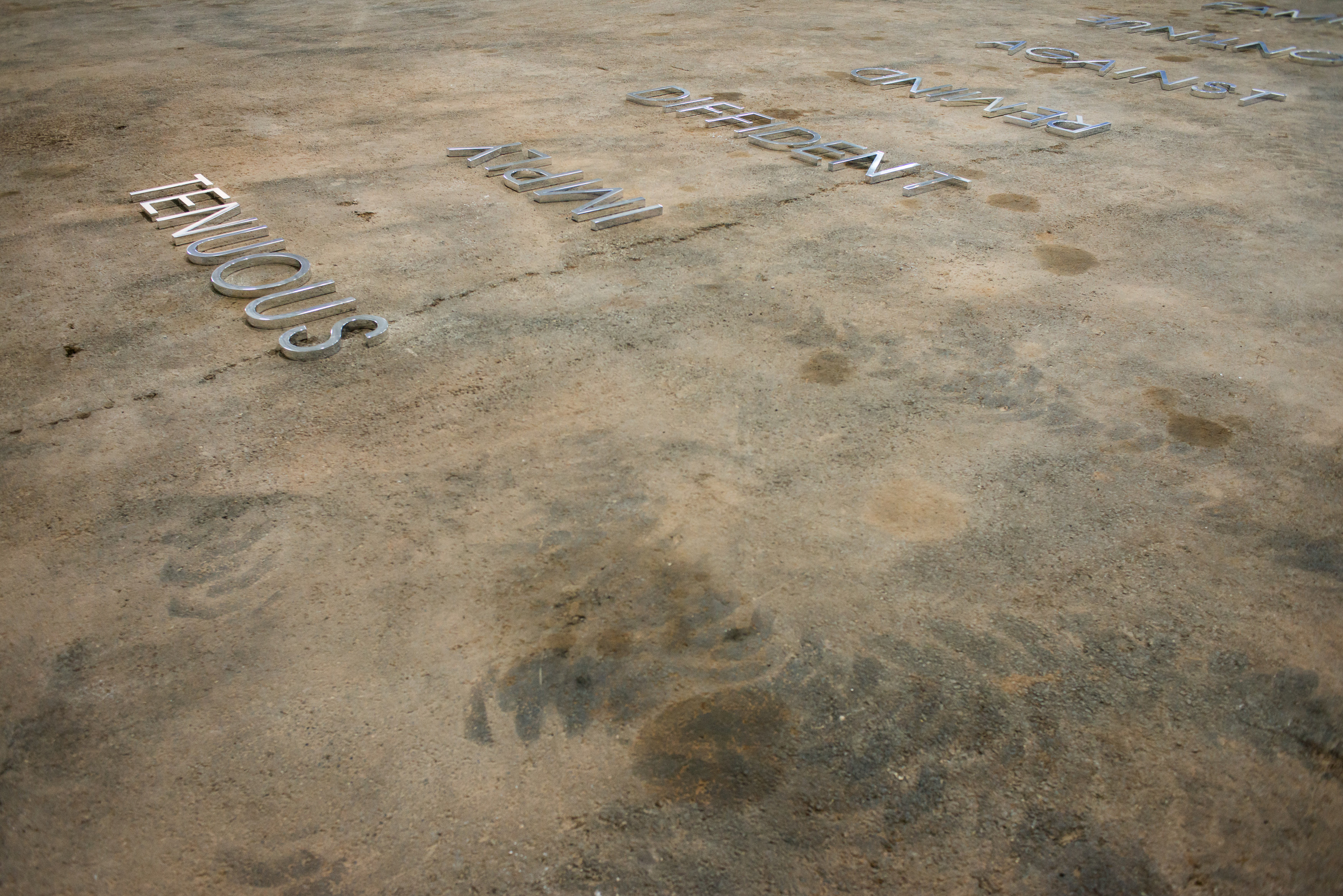
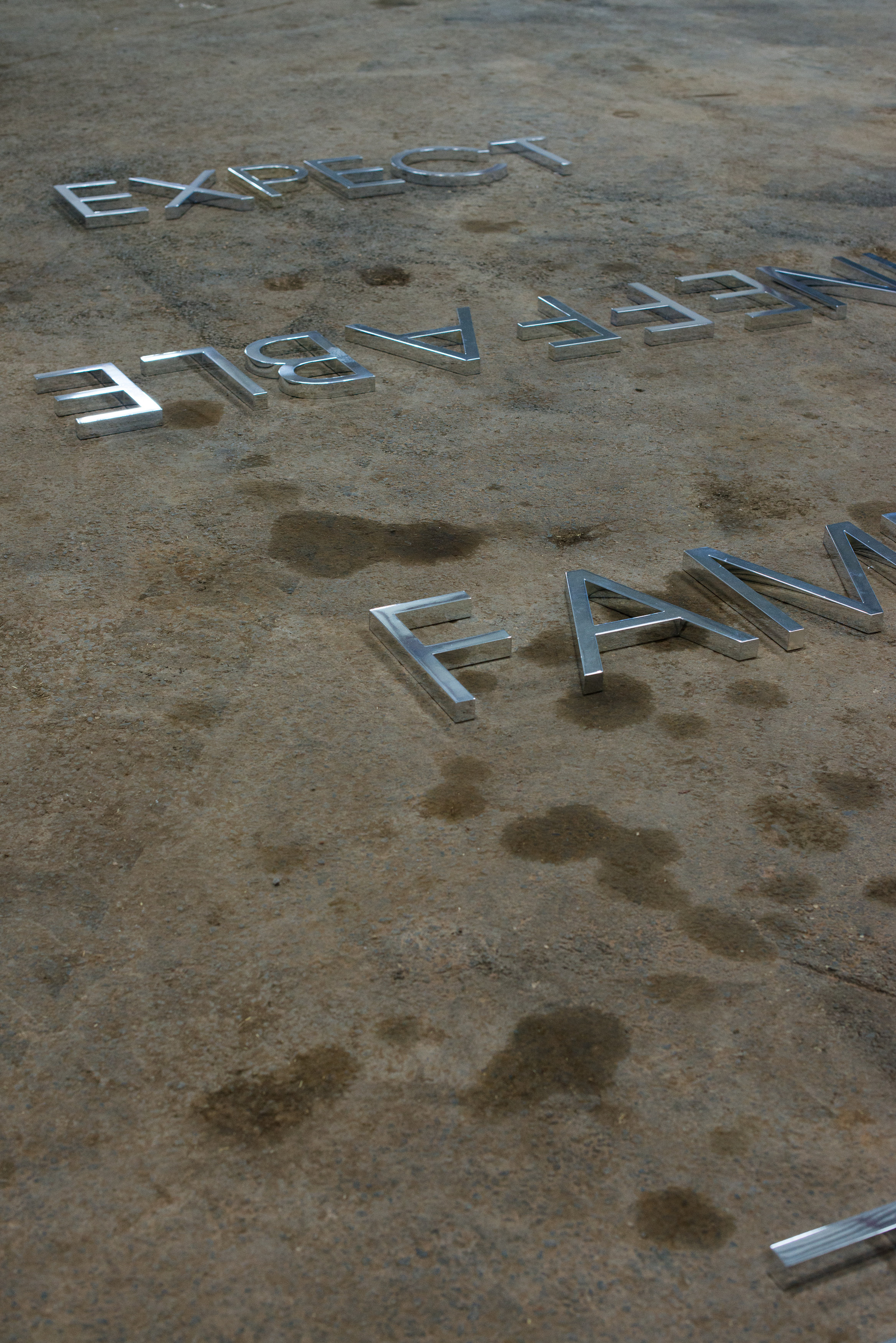
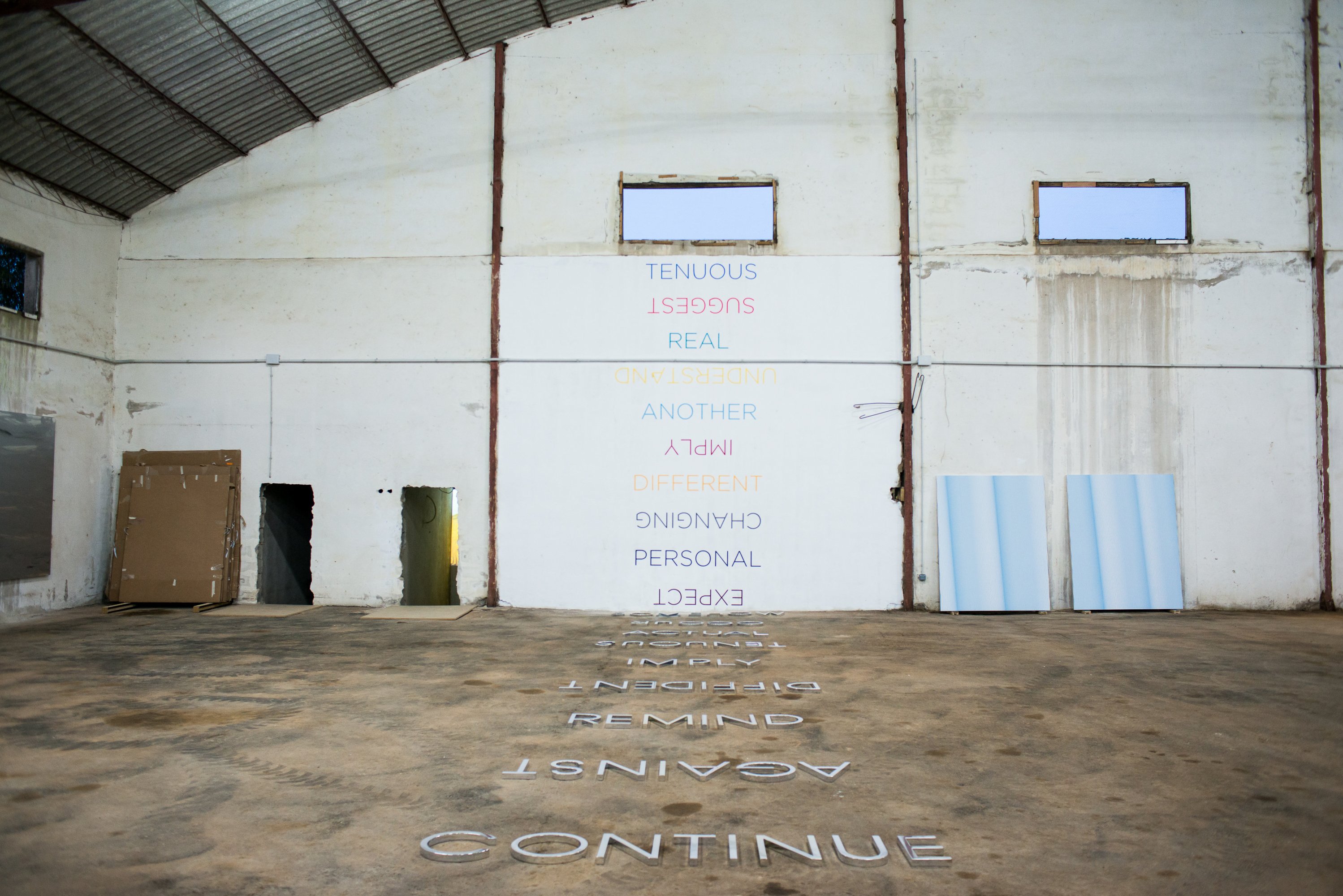
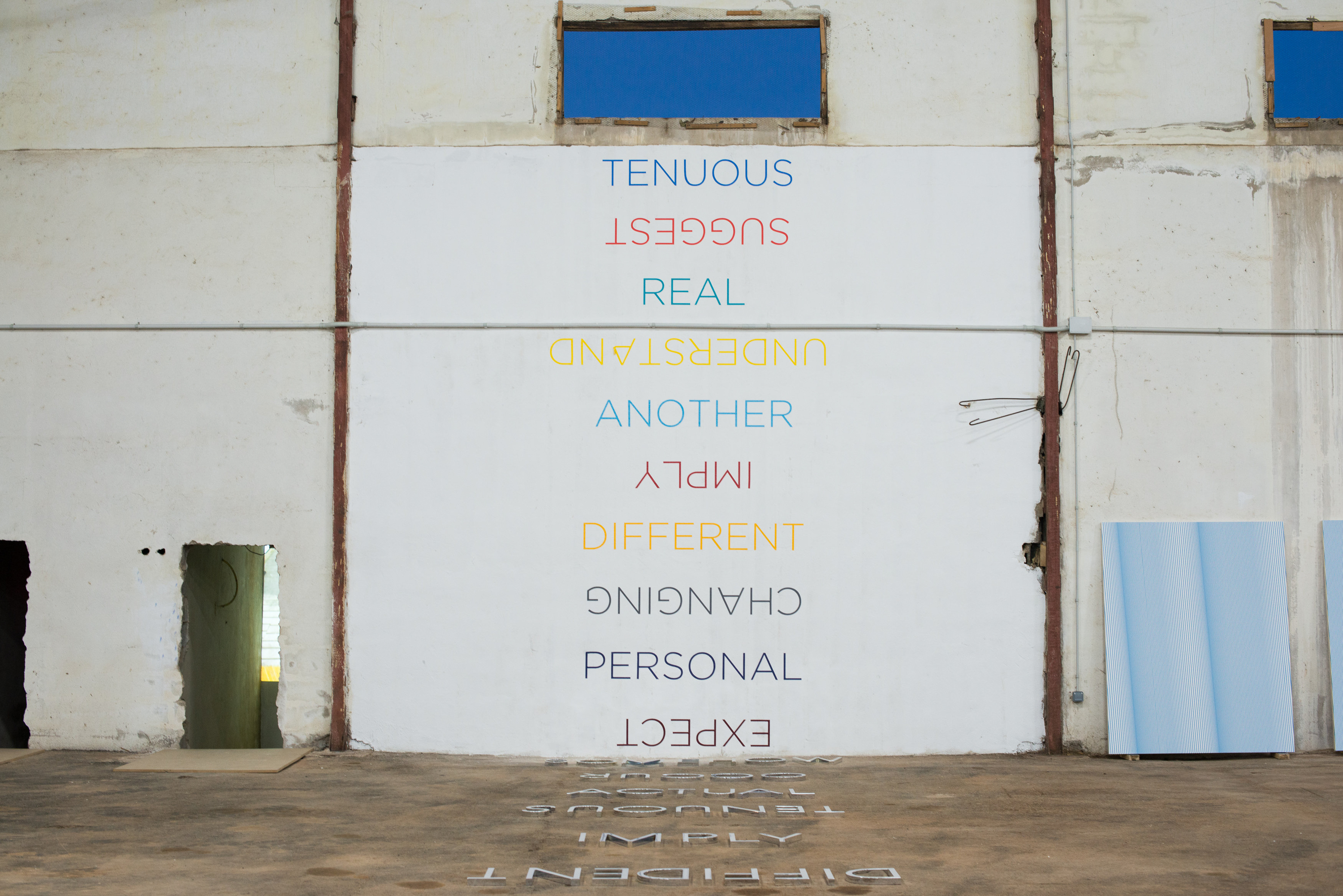
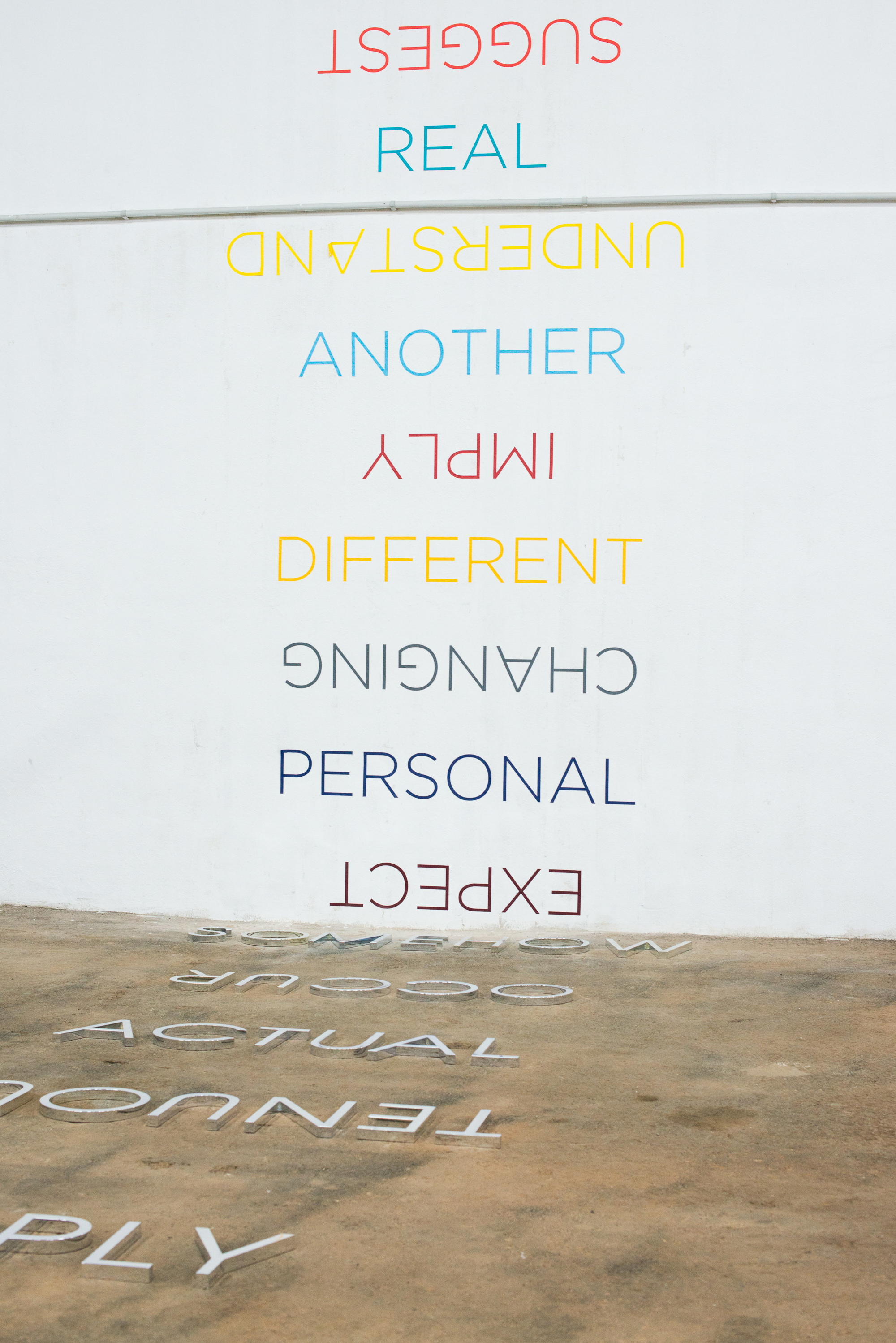
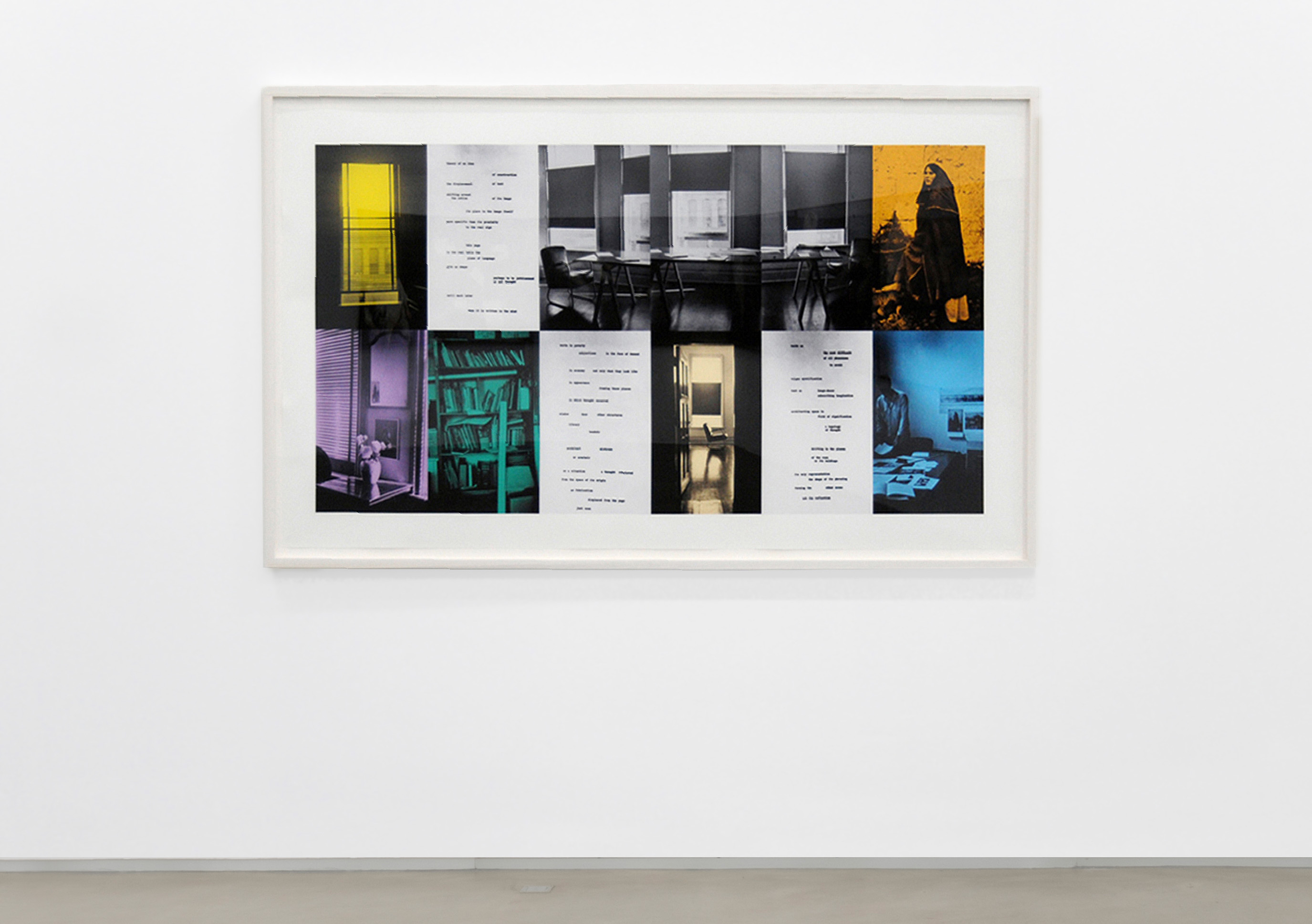
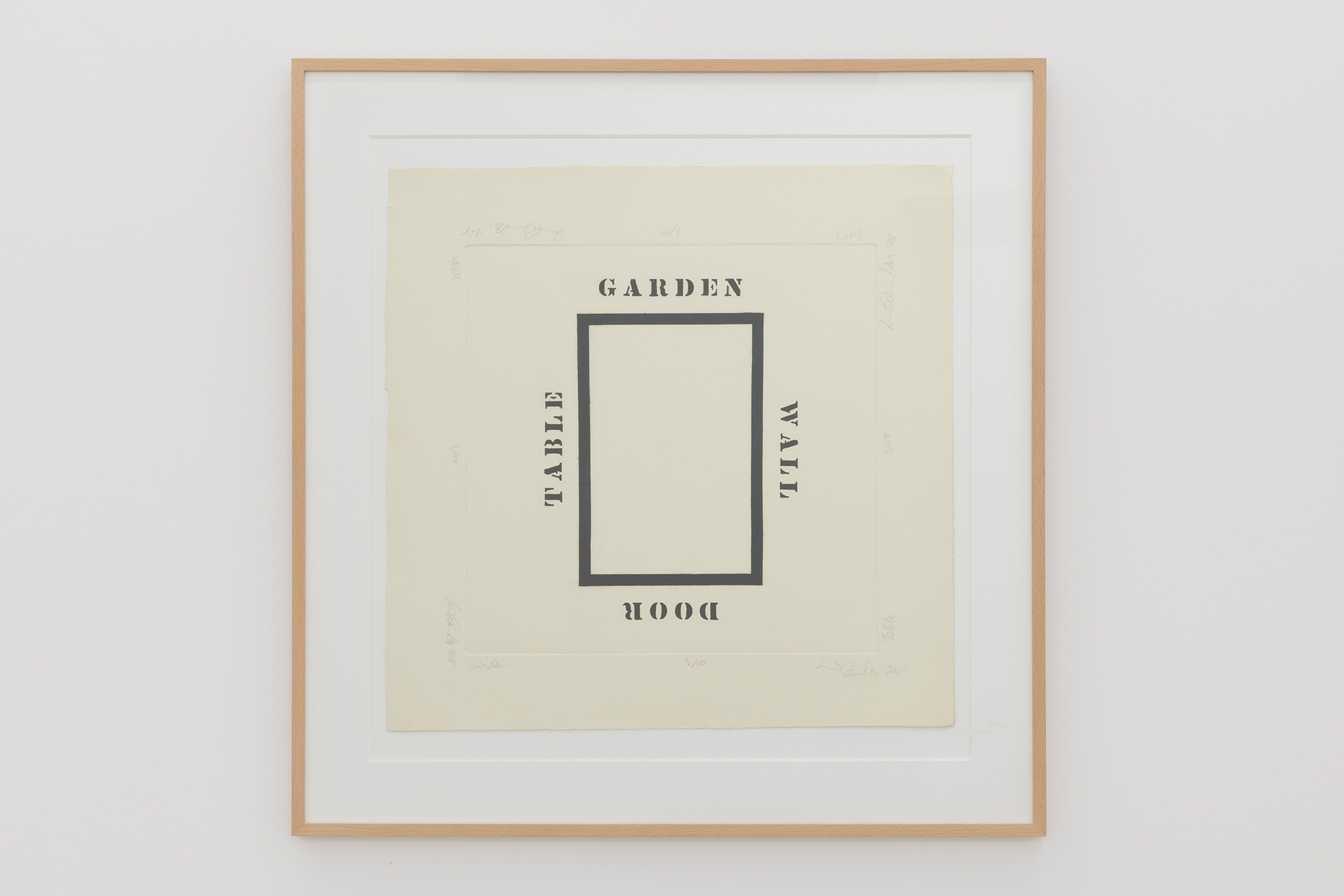
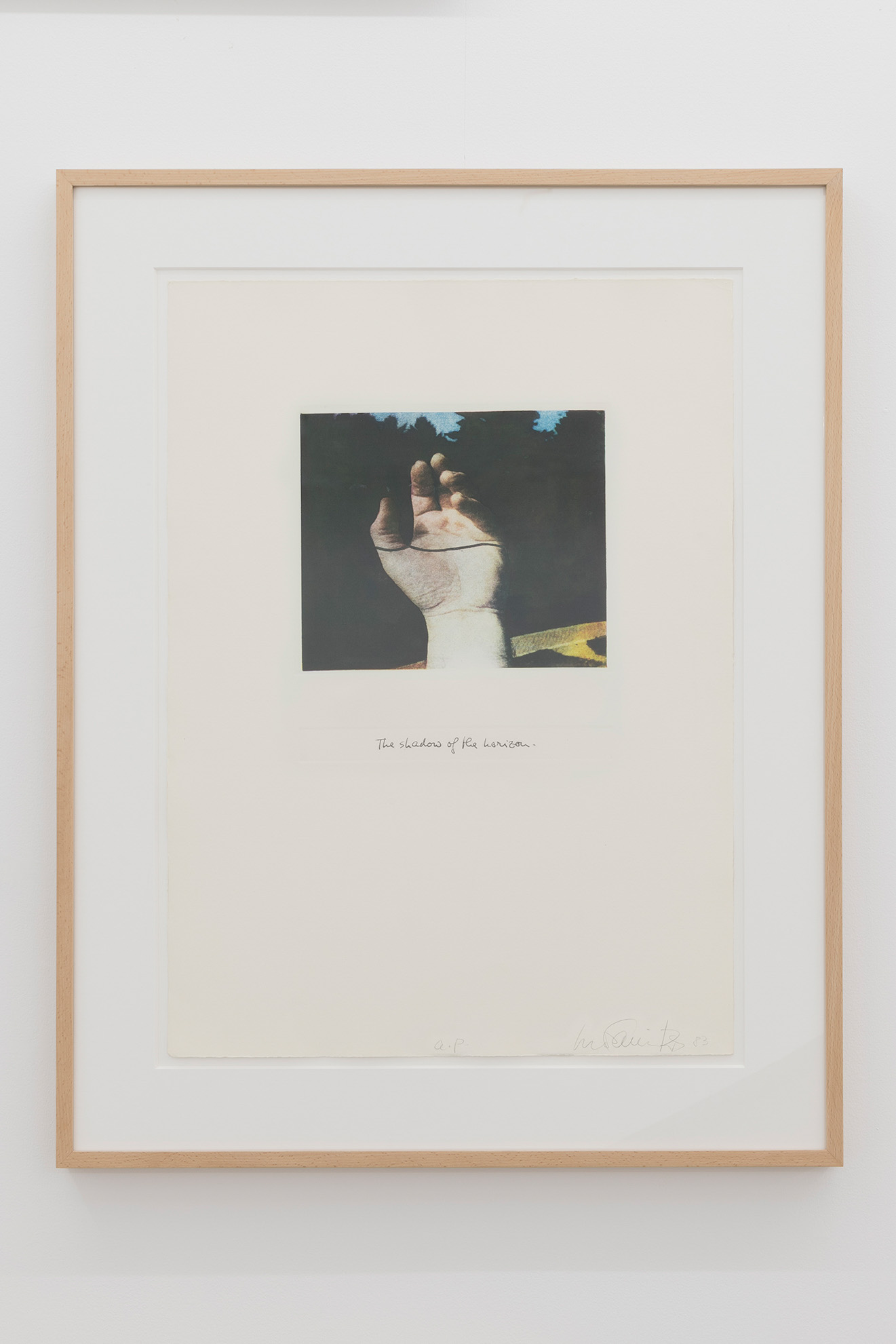
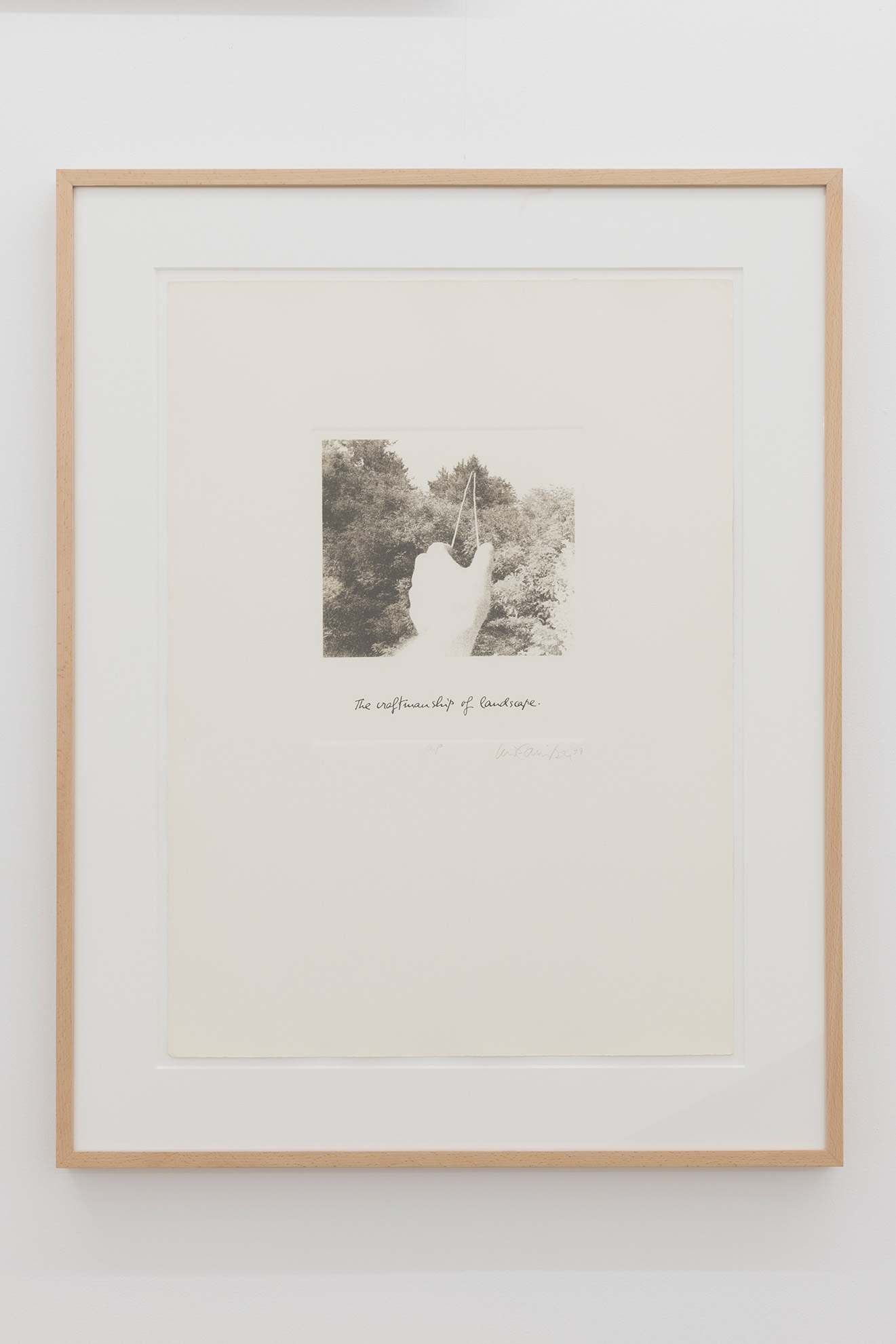
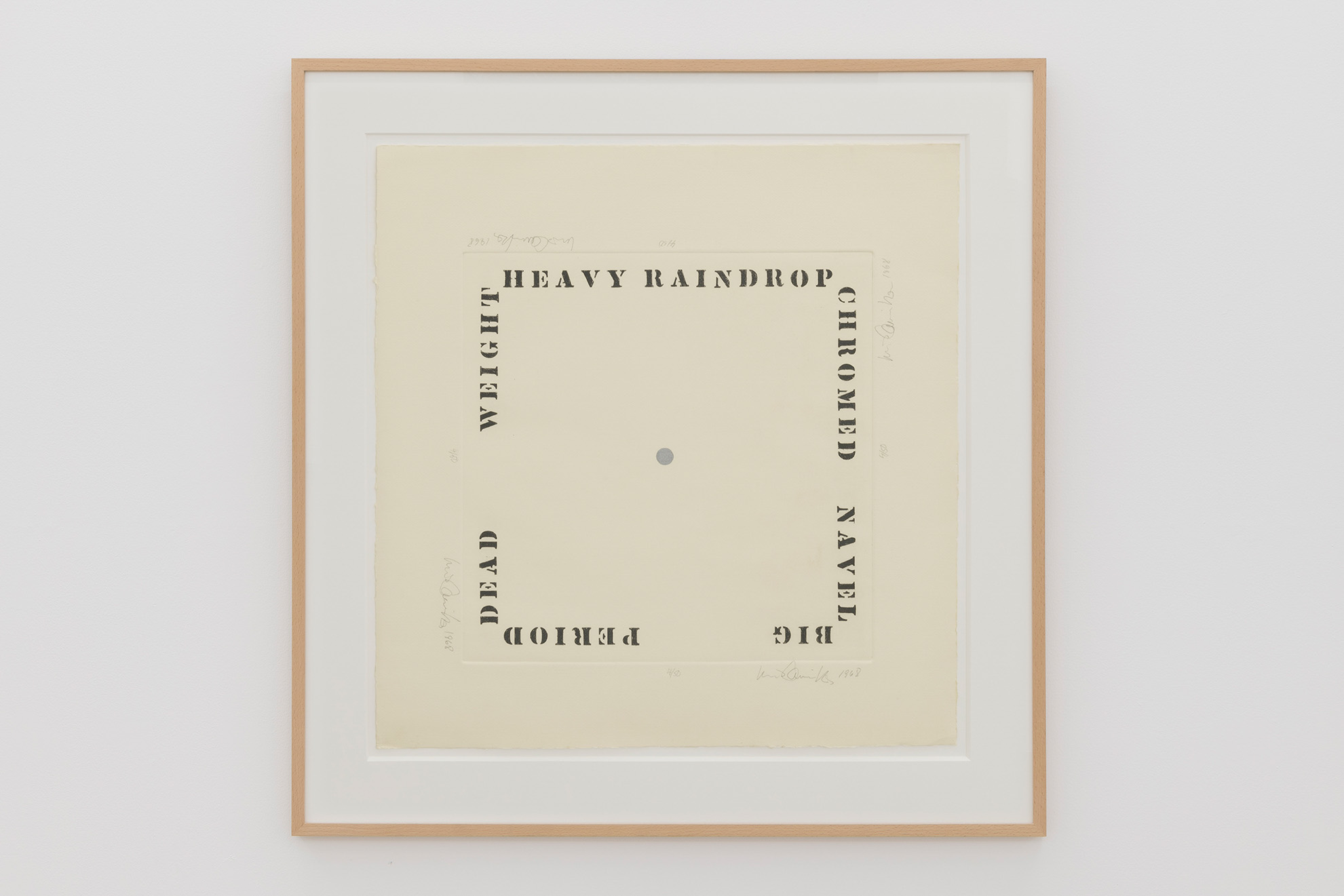
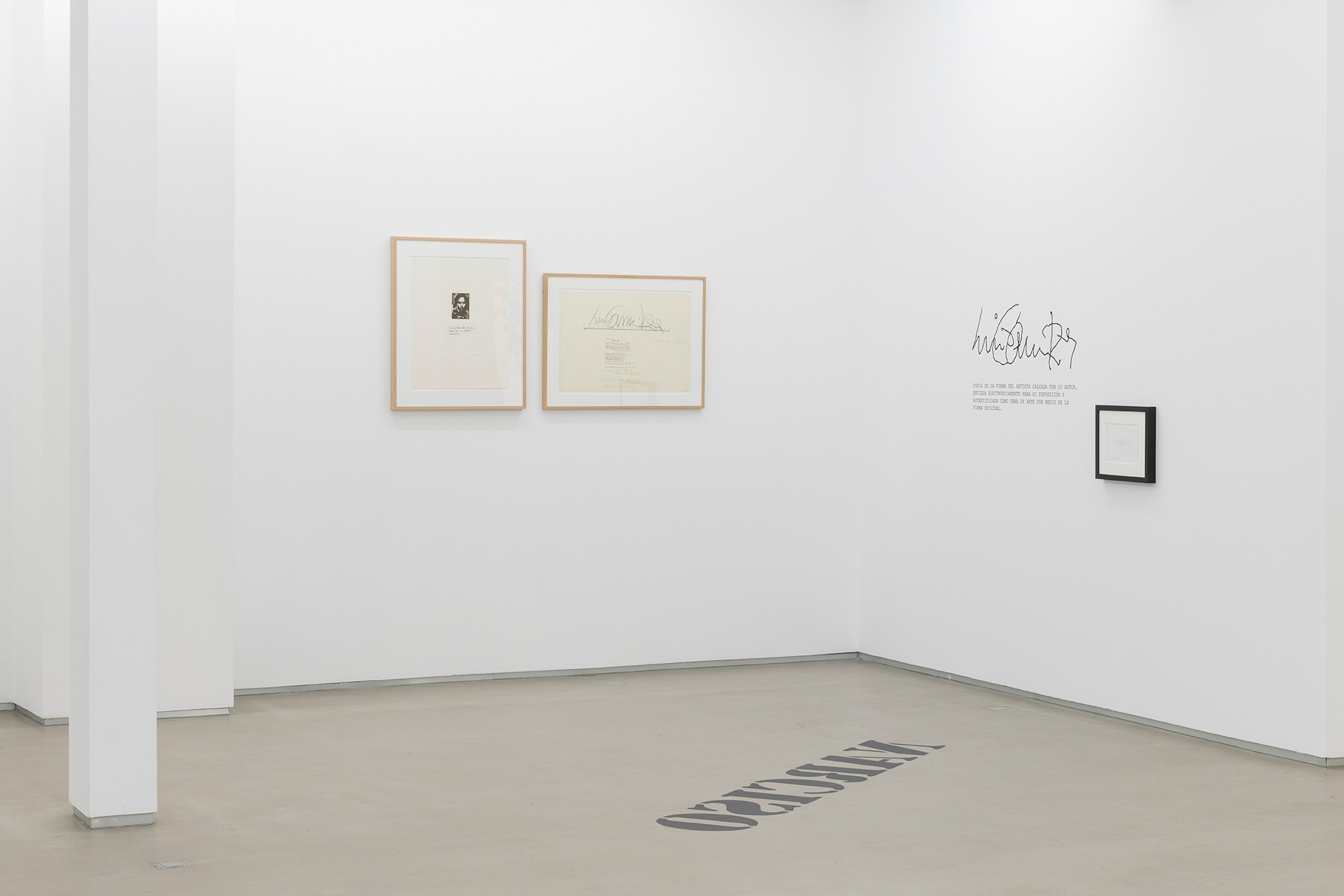
Camnitzer’s engraver facet, as prevelant at the beginning of his career as it has been throughout the rest of it, is shown in a wall full of engavings from different decades, mostly making ironic or poetic commentaries on the divergences between language, reality and image. One of them, From Luis Camnitzer to Luis Camnitzer, with affection and admiration (1976), connects simultaneously with the matter of the self-portrait and the signature, essential in his work. Similarly, eoccurs in the floor vinyl Narciso (2016) the ideas of reflection, self-portrait and irony on a concept of supercharged authorship reoccur, in resorting to a literal and textual representation of the myth.
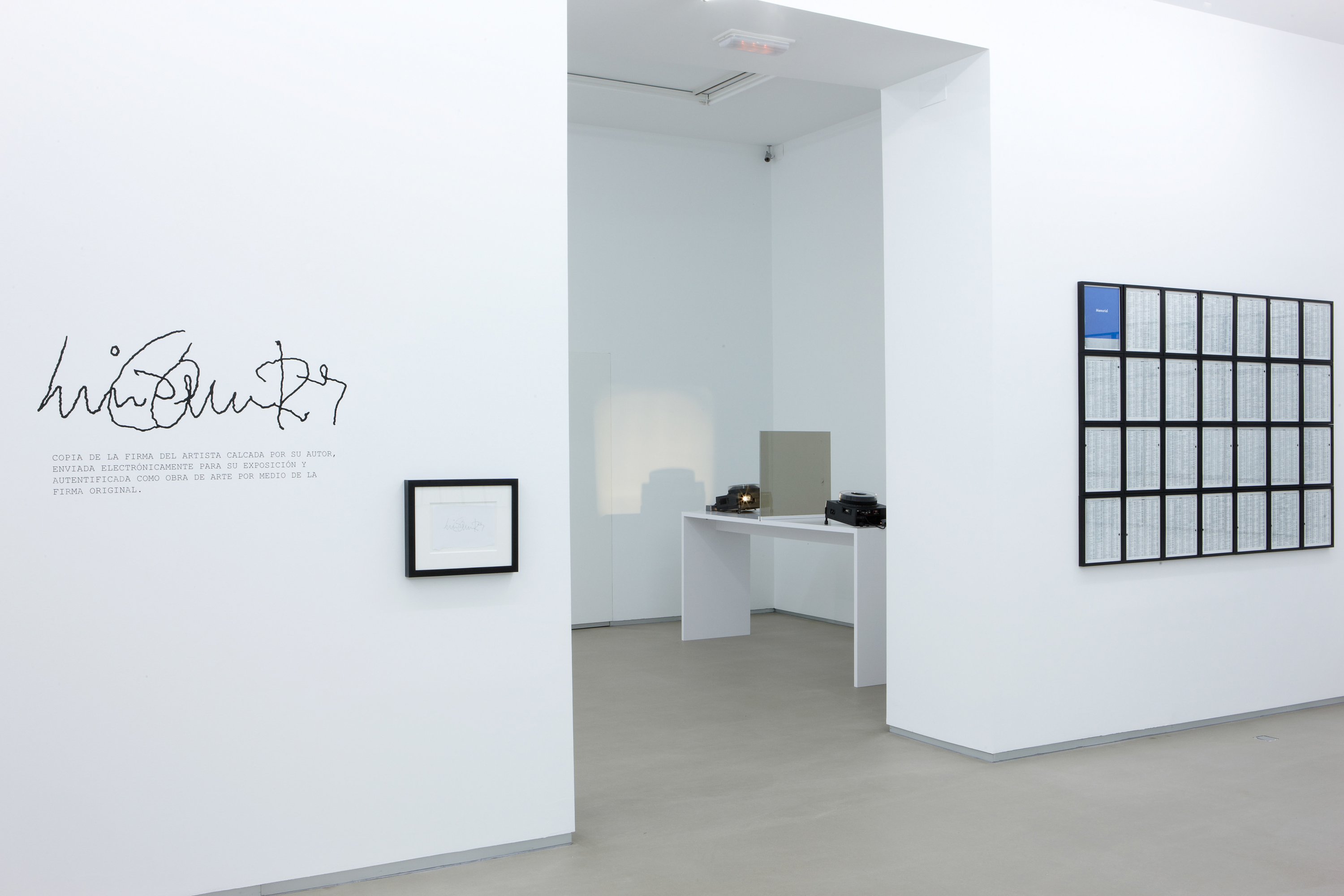
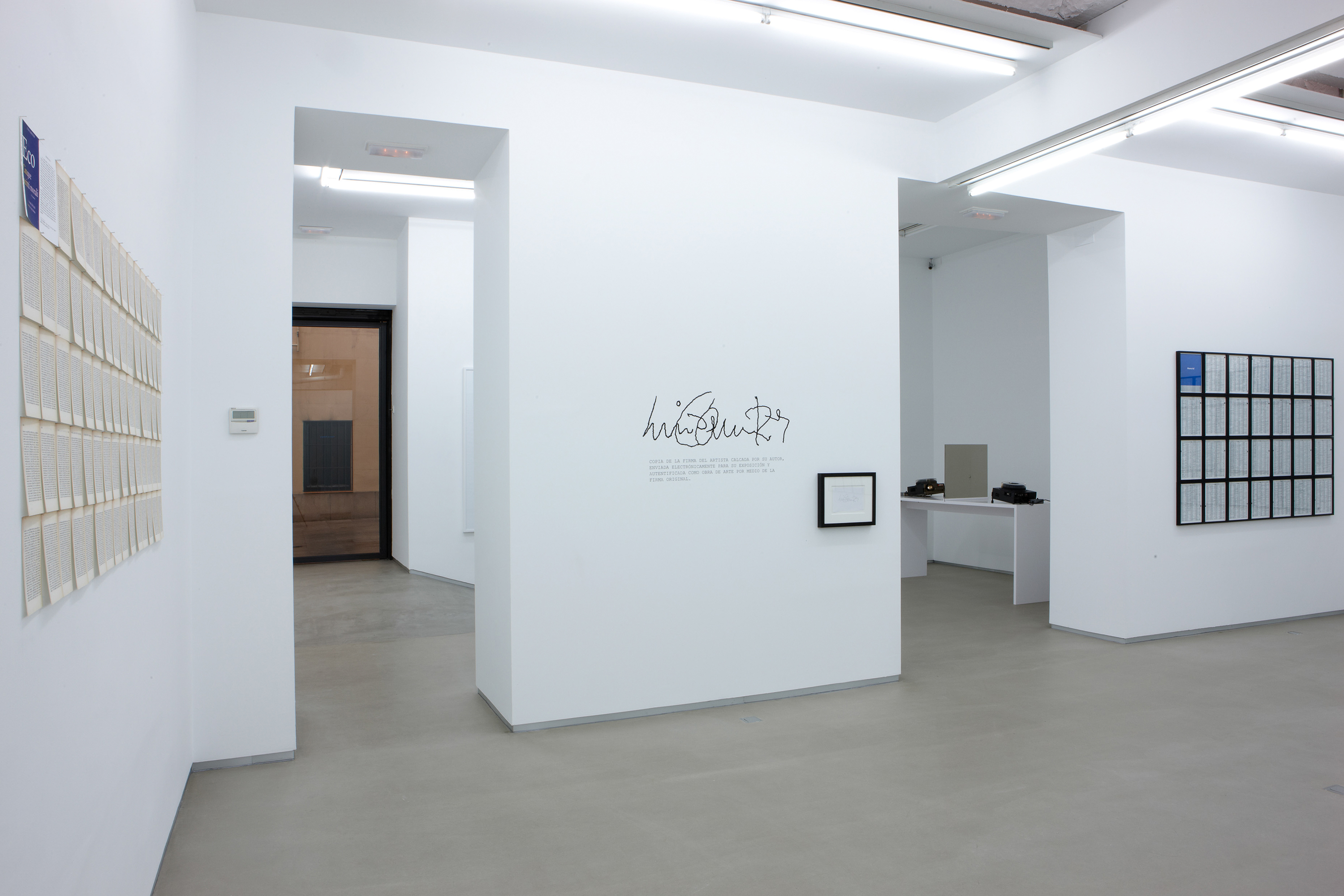
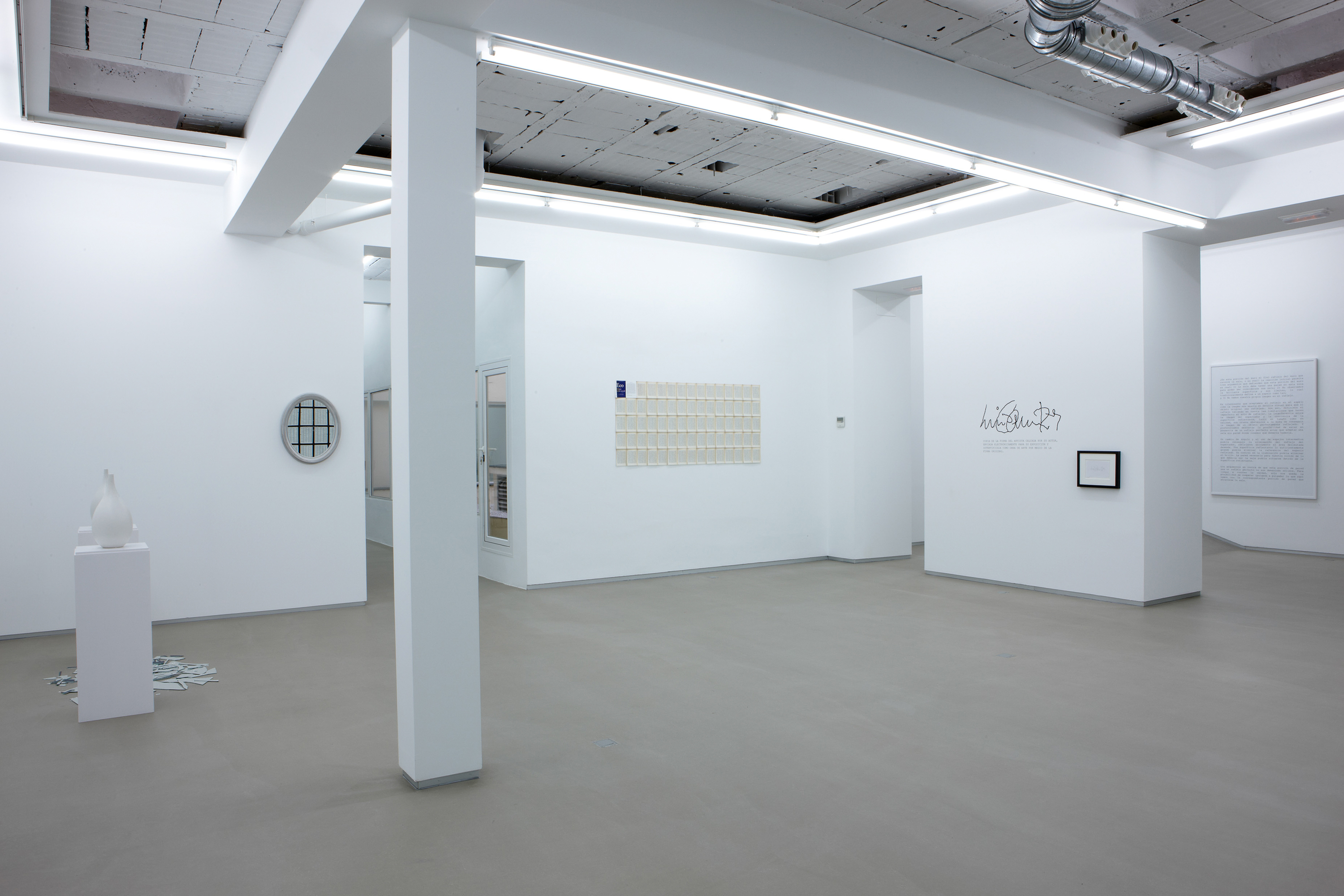
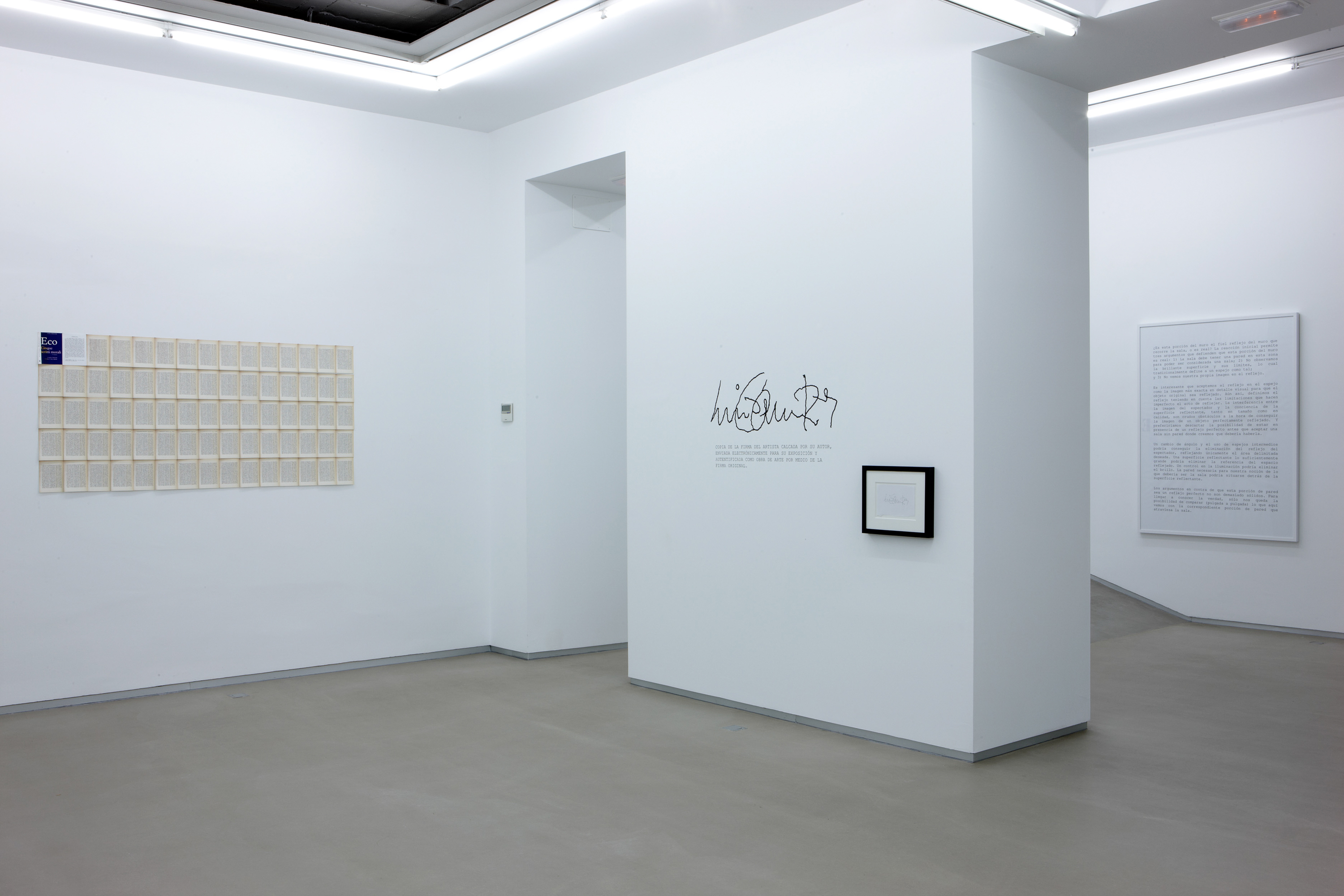
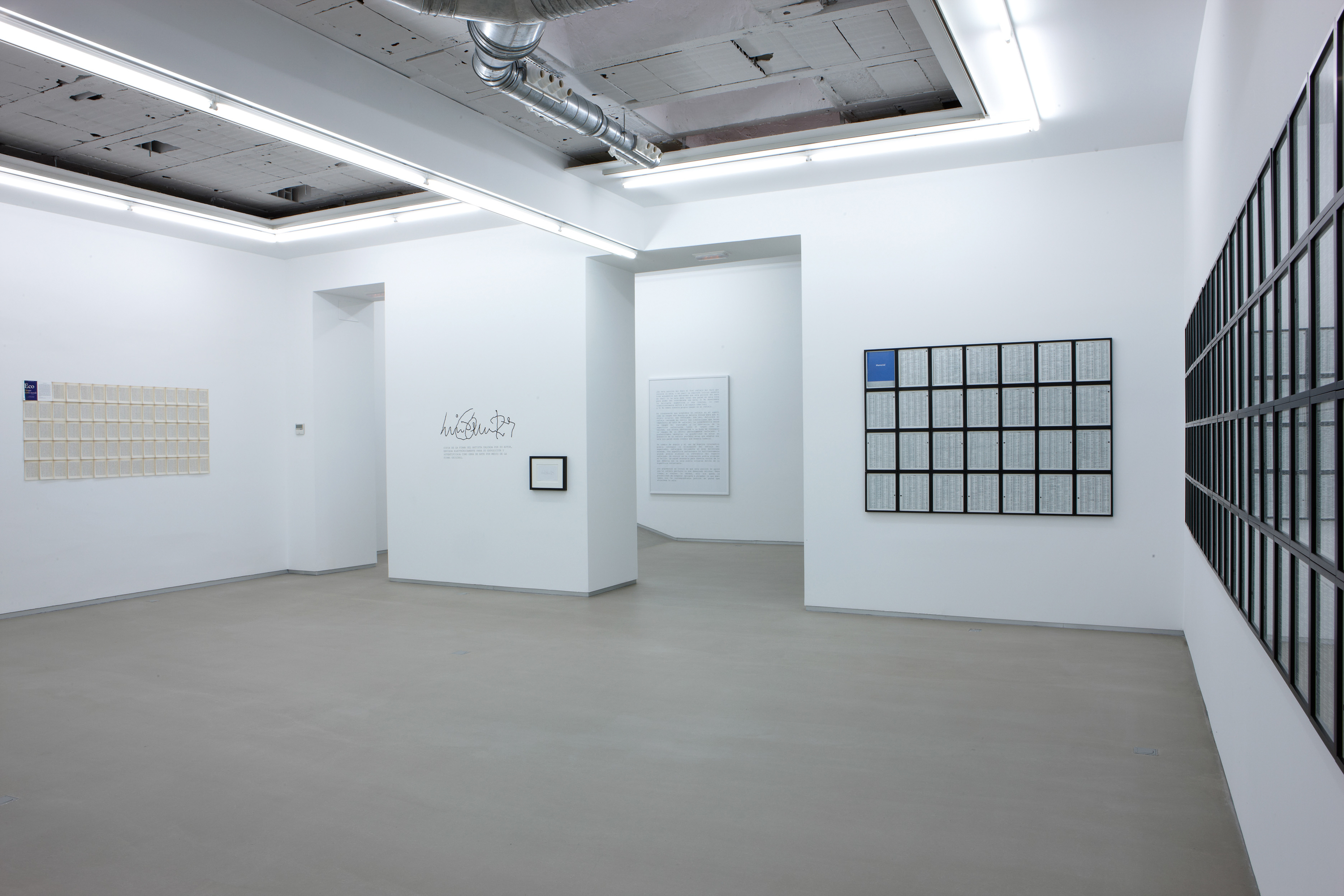
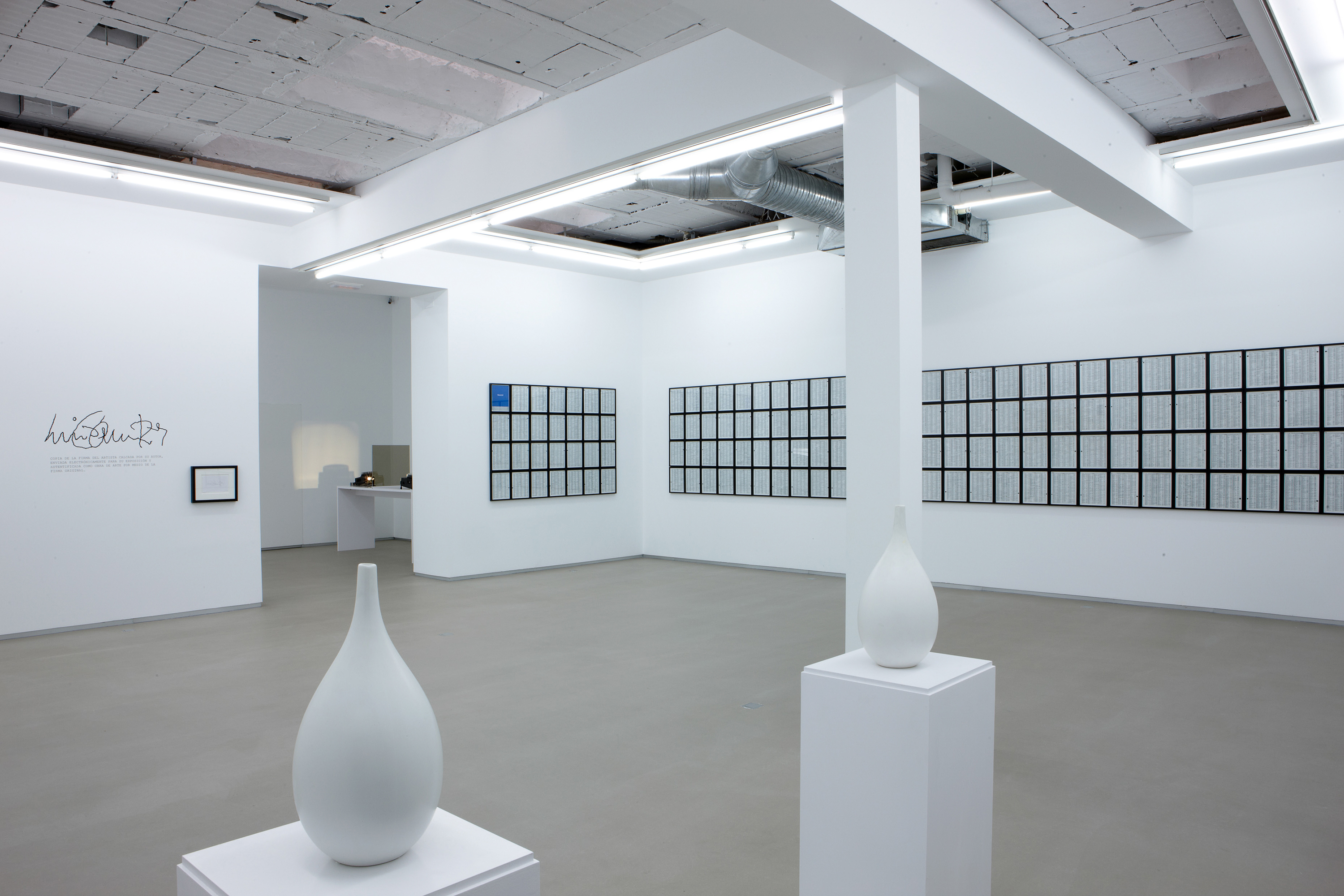
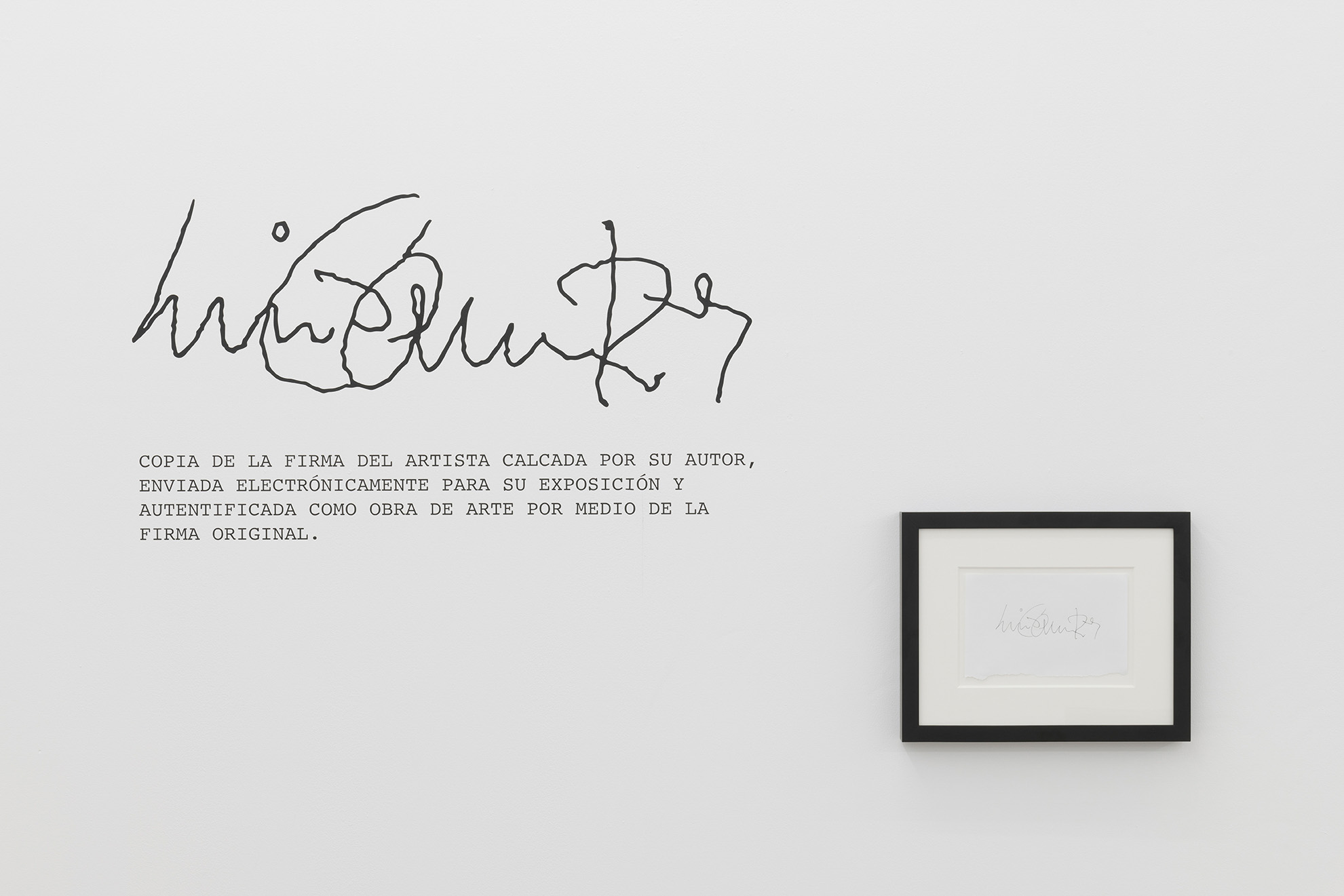
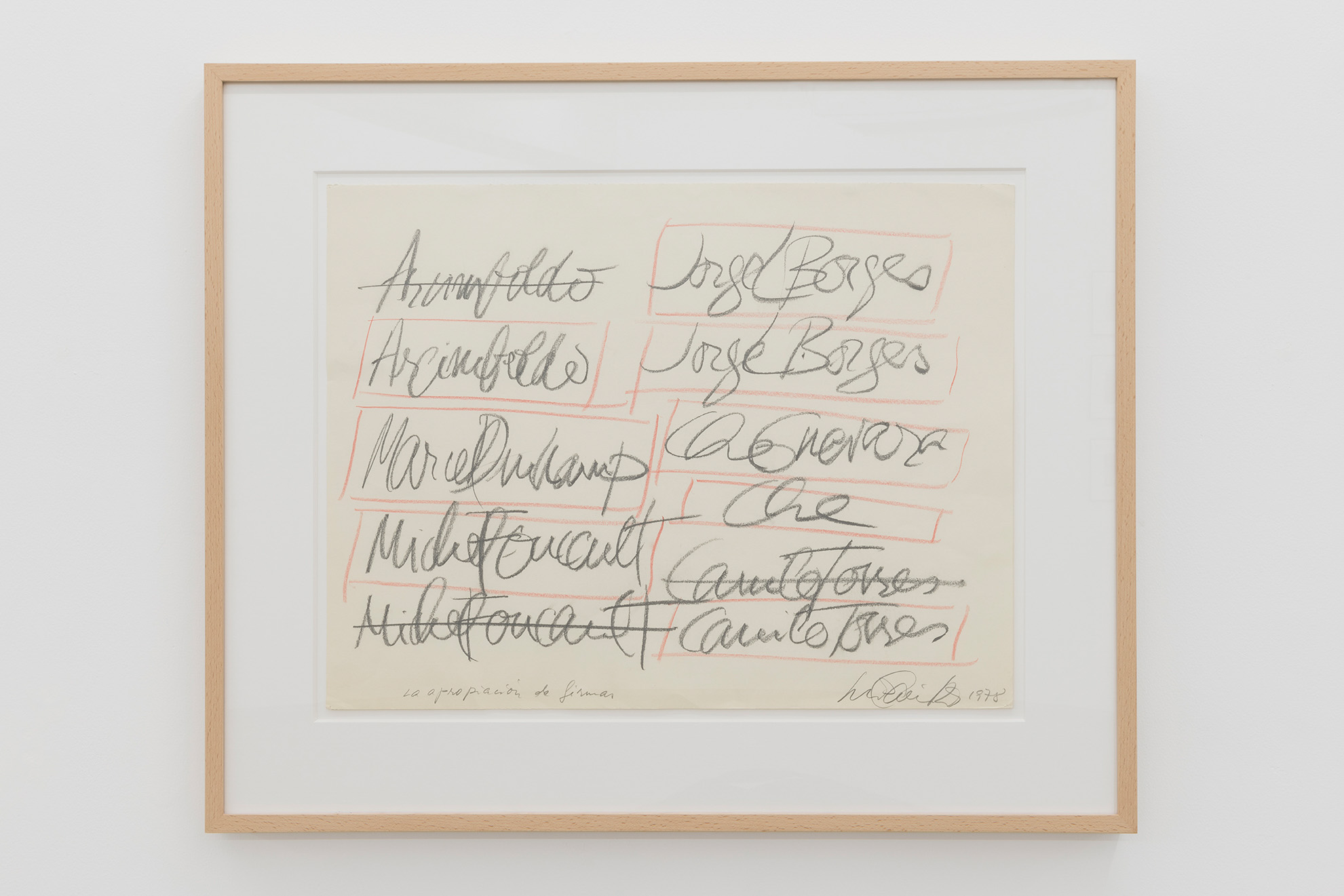
The link between the artist’s signature, its reproductibility and its connection with the art market system are the matrix that frames some of the works hereby presented: Signature by the inch (where the artist’s signature is sold by measure, precising the system to calculate the price), The appropriation of signatures(where the artist replicates the signature of several illustrious characters such as Borges, Arcimboldo or Che Guevara) and Copy of the artist’s signature (where the vinyl reproduction of the signature is sold as an artwork through a certificate).
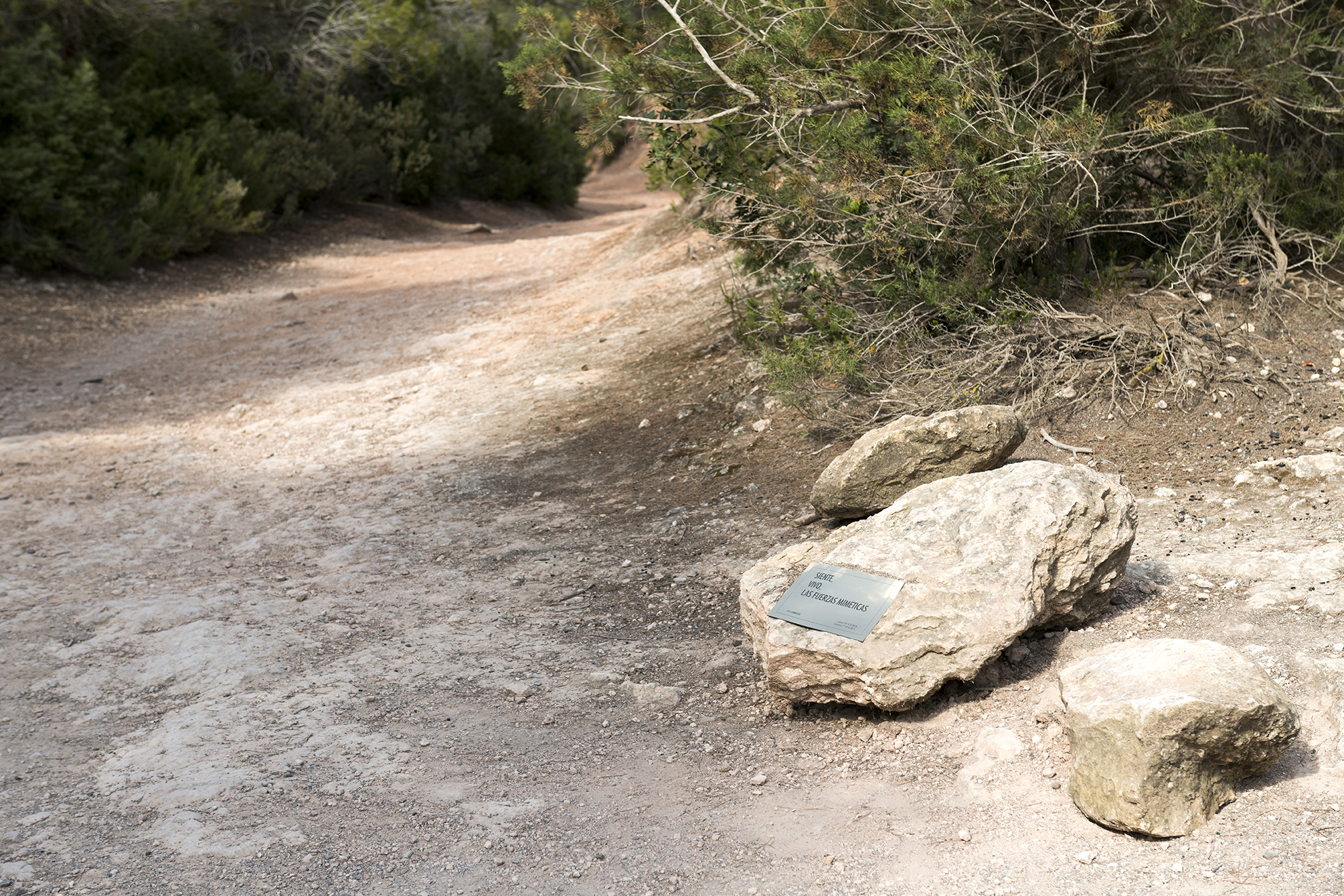
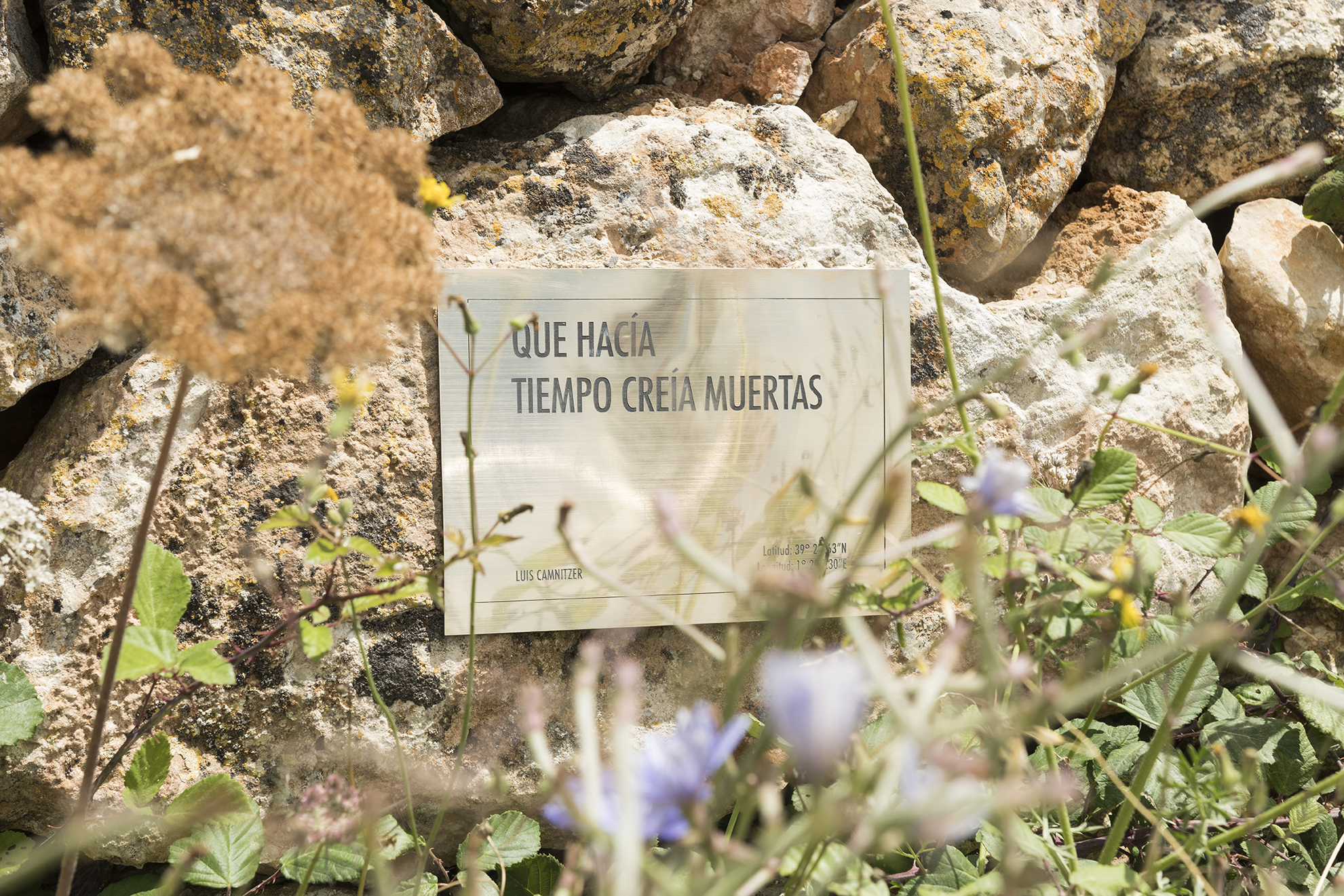
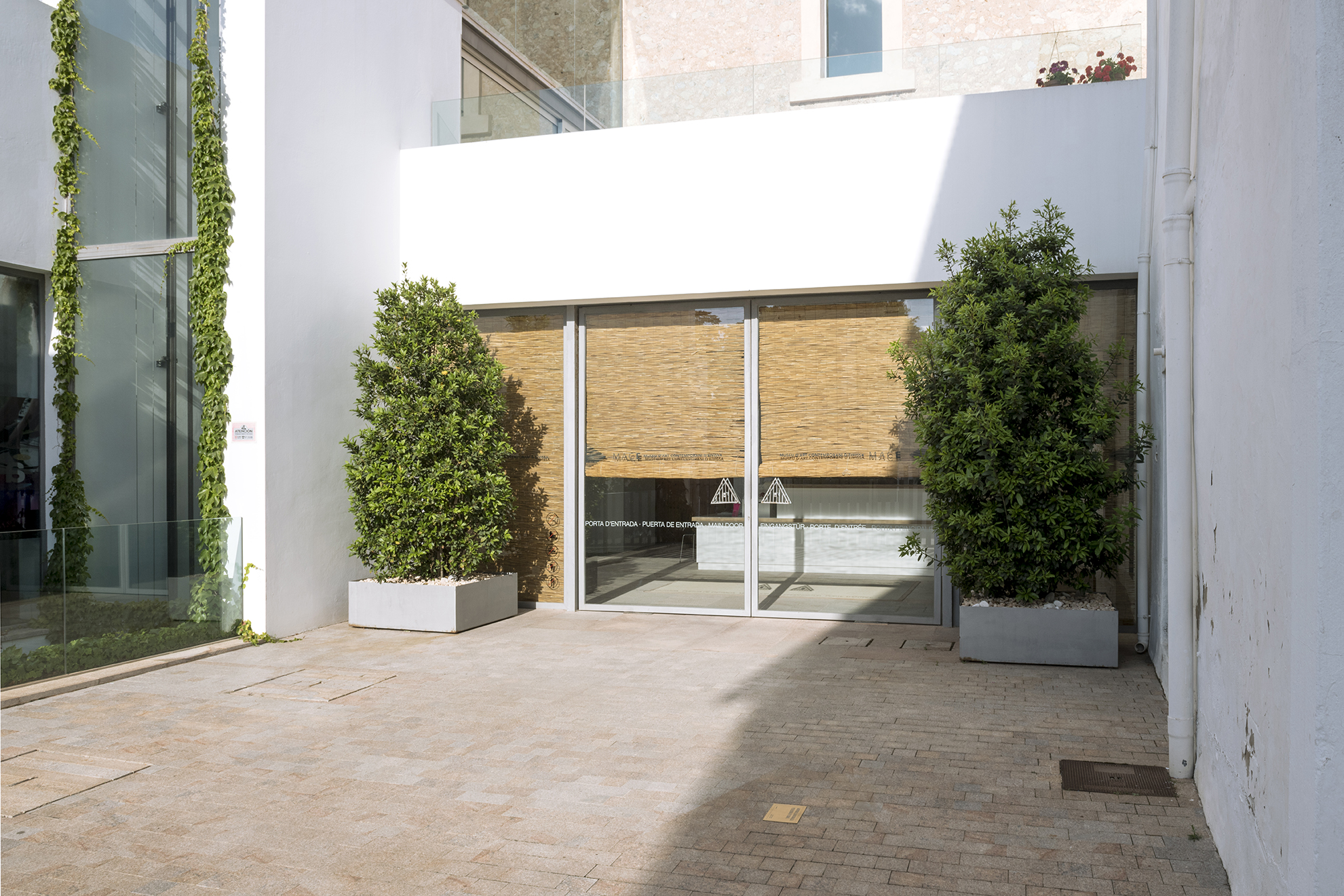
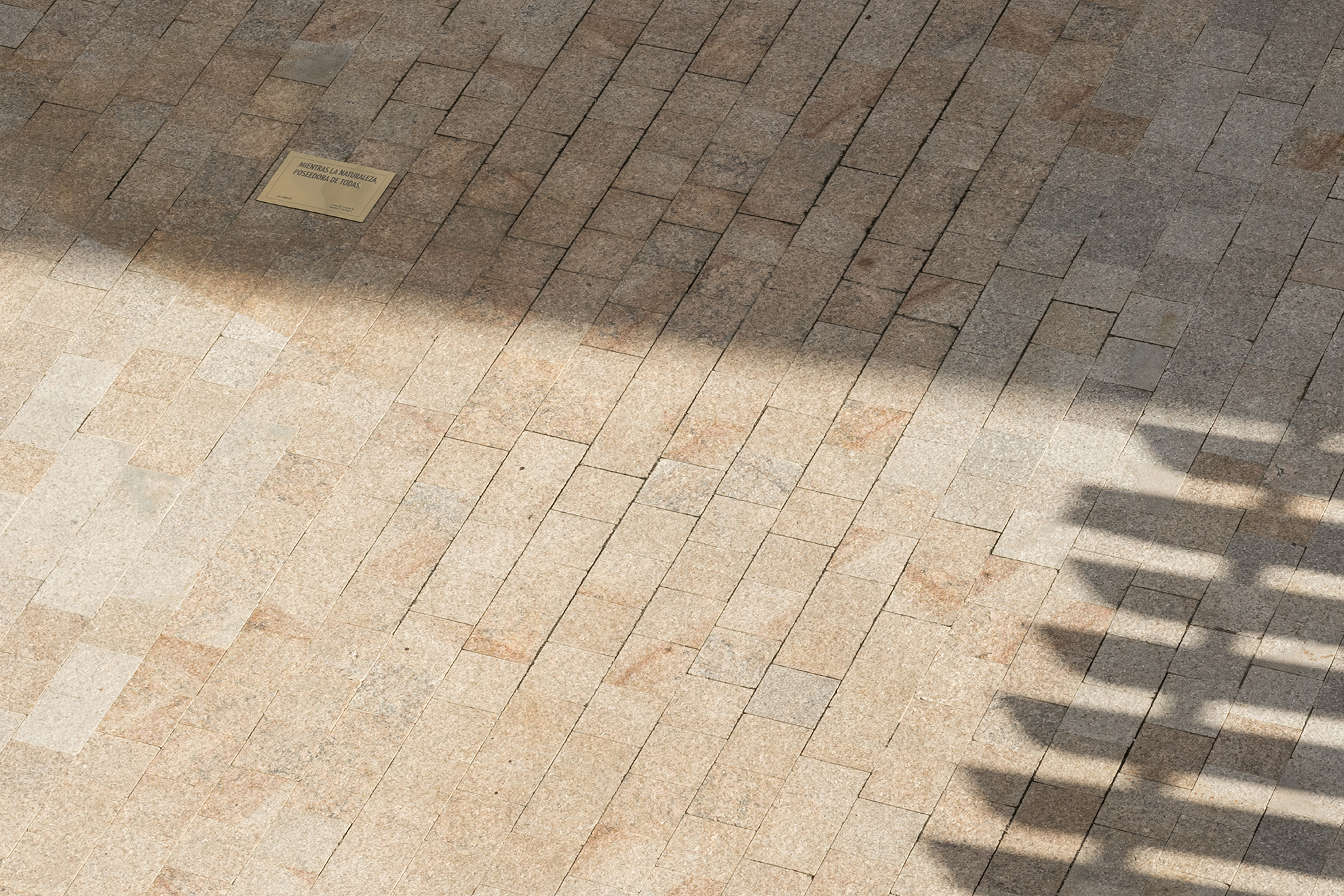
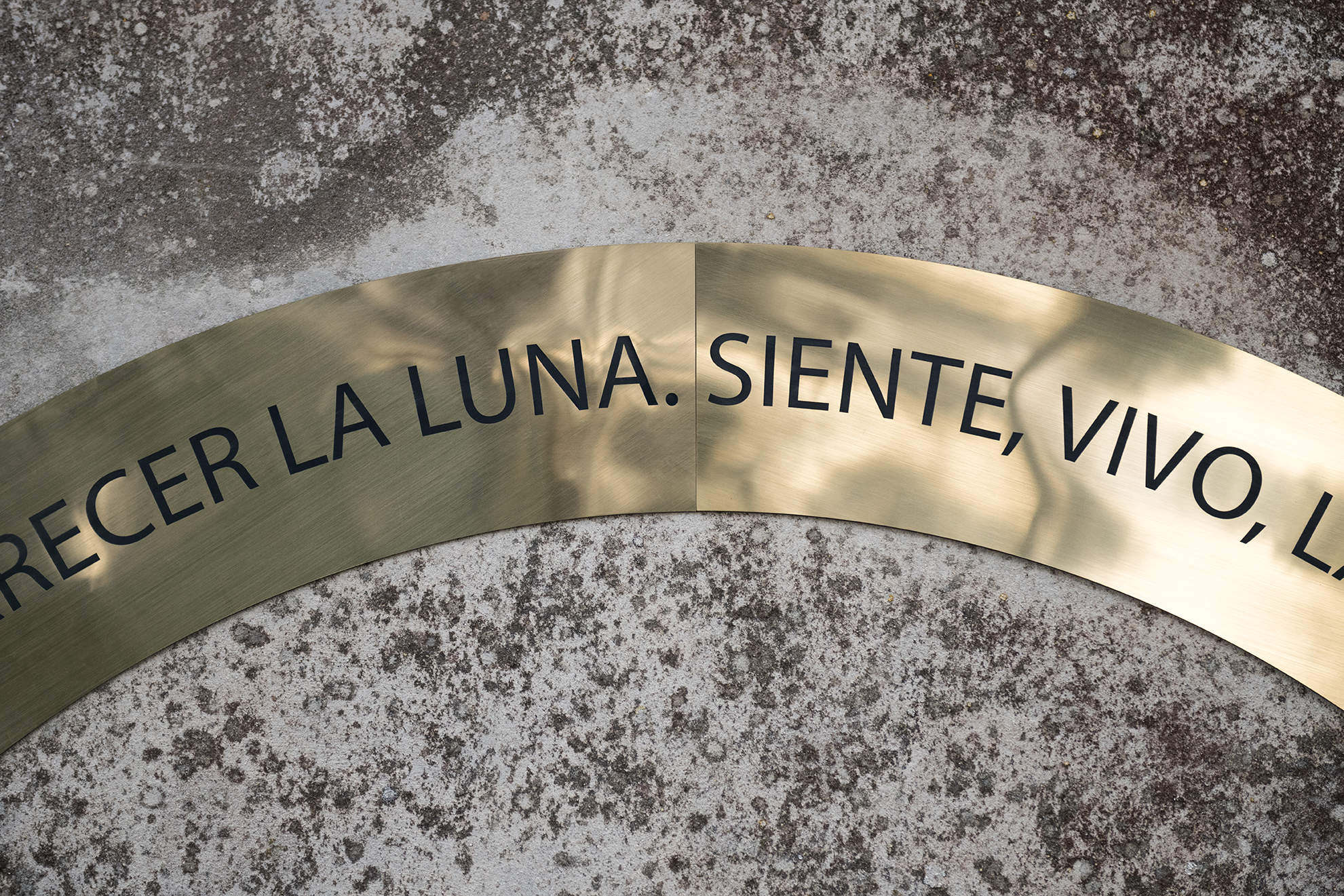
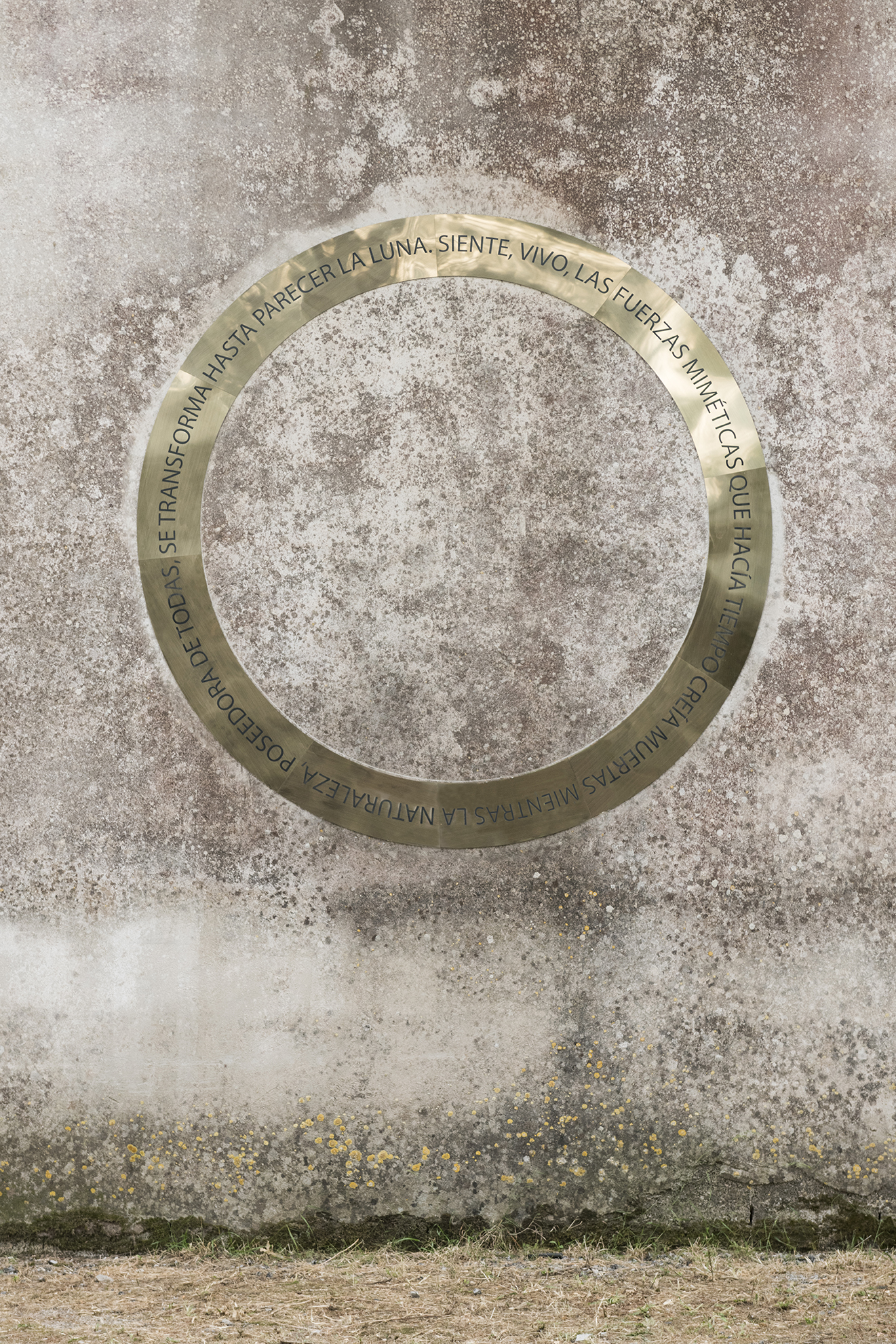
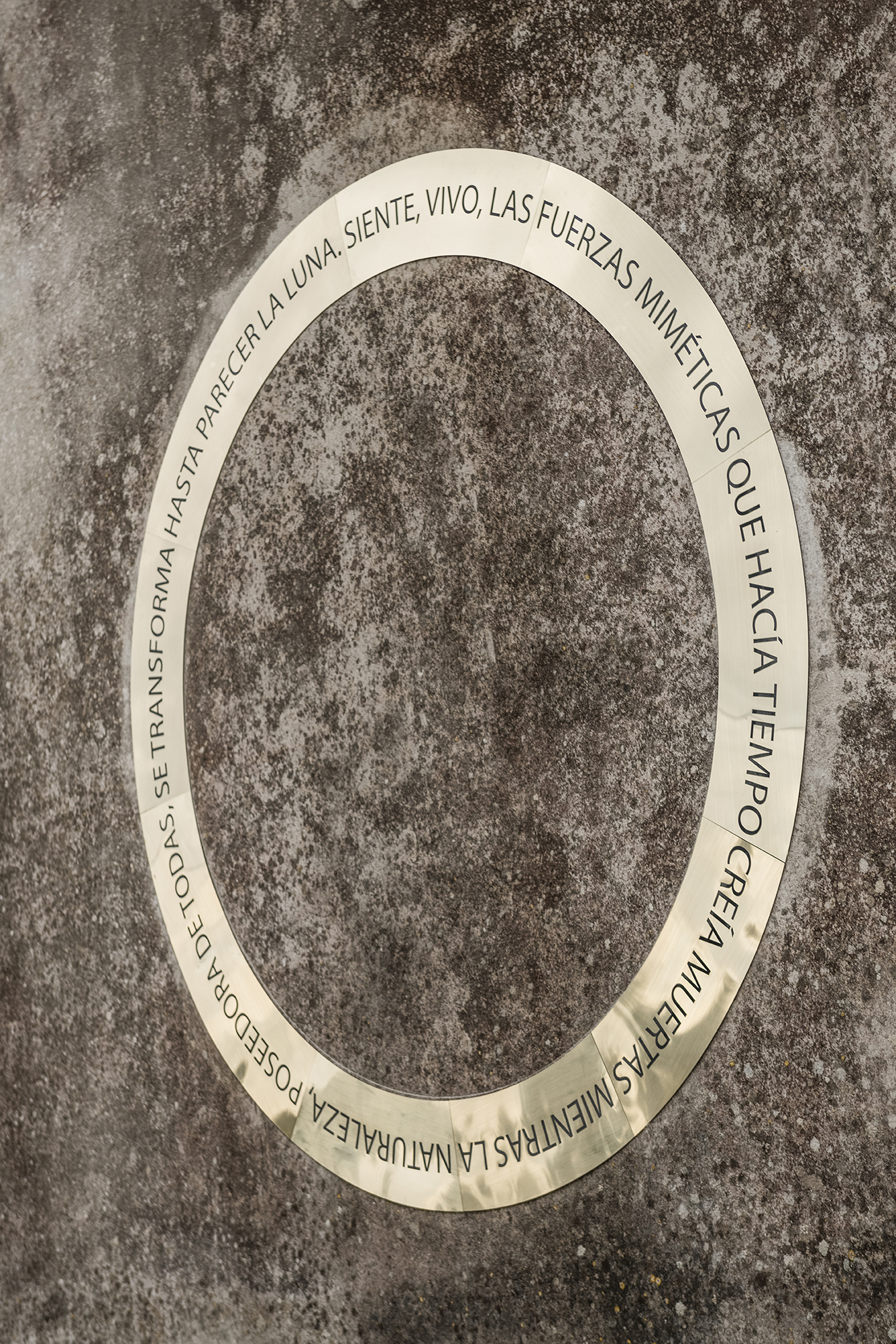
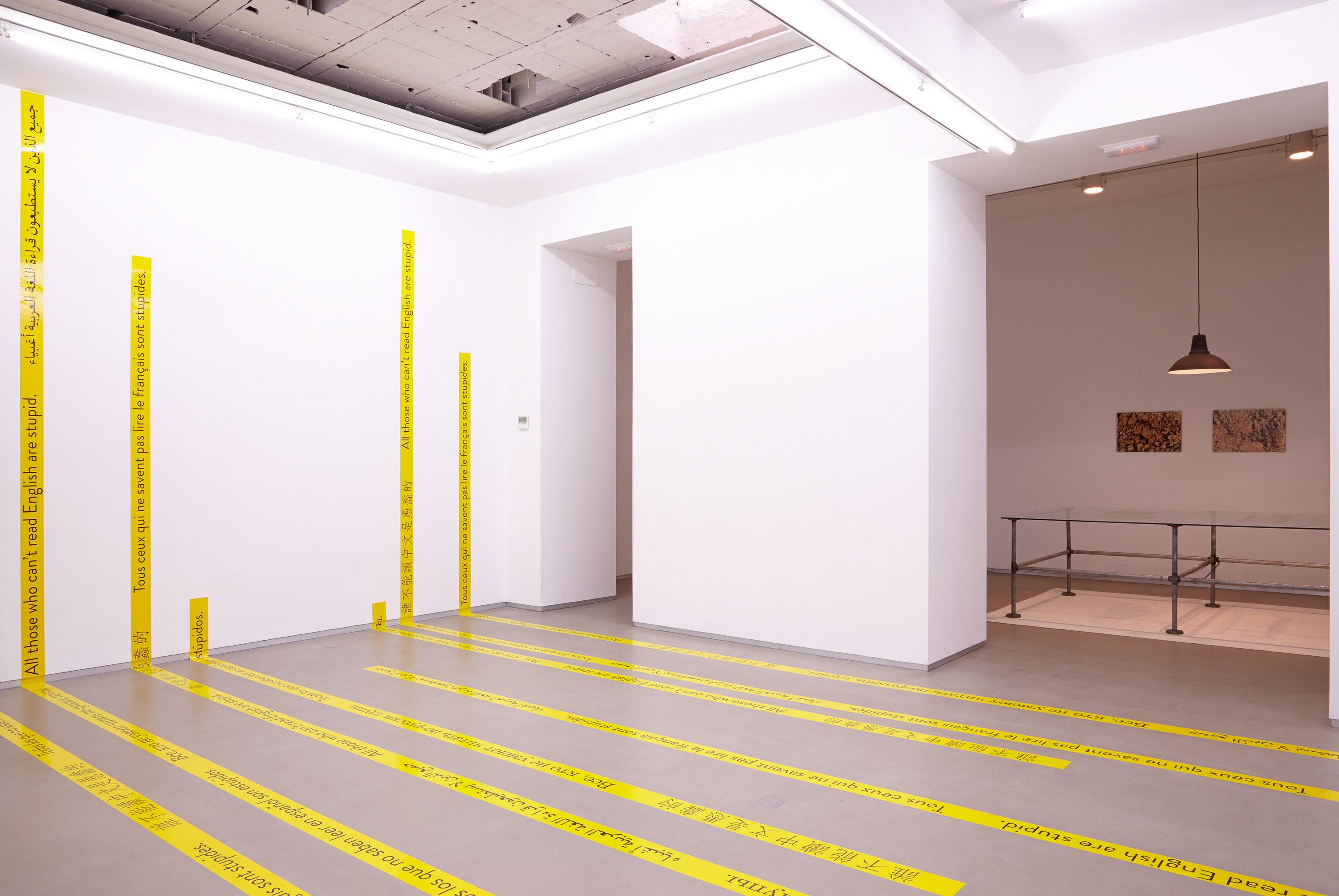
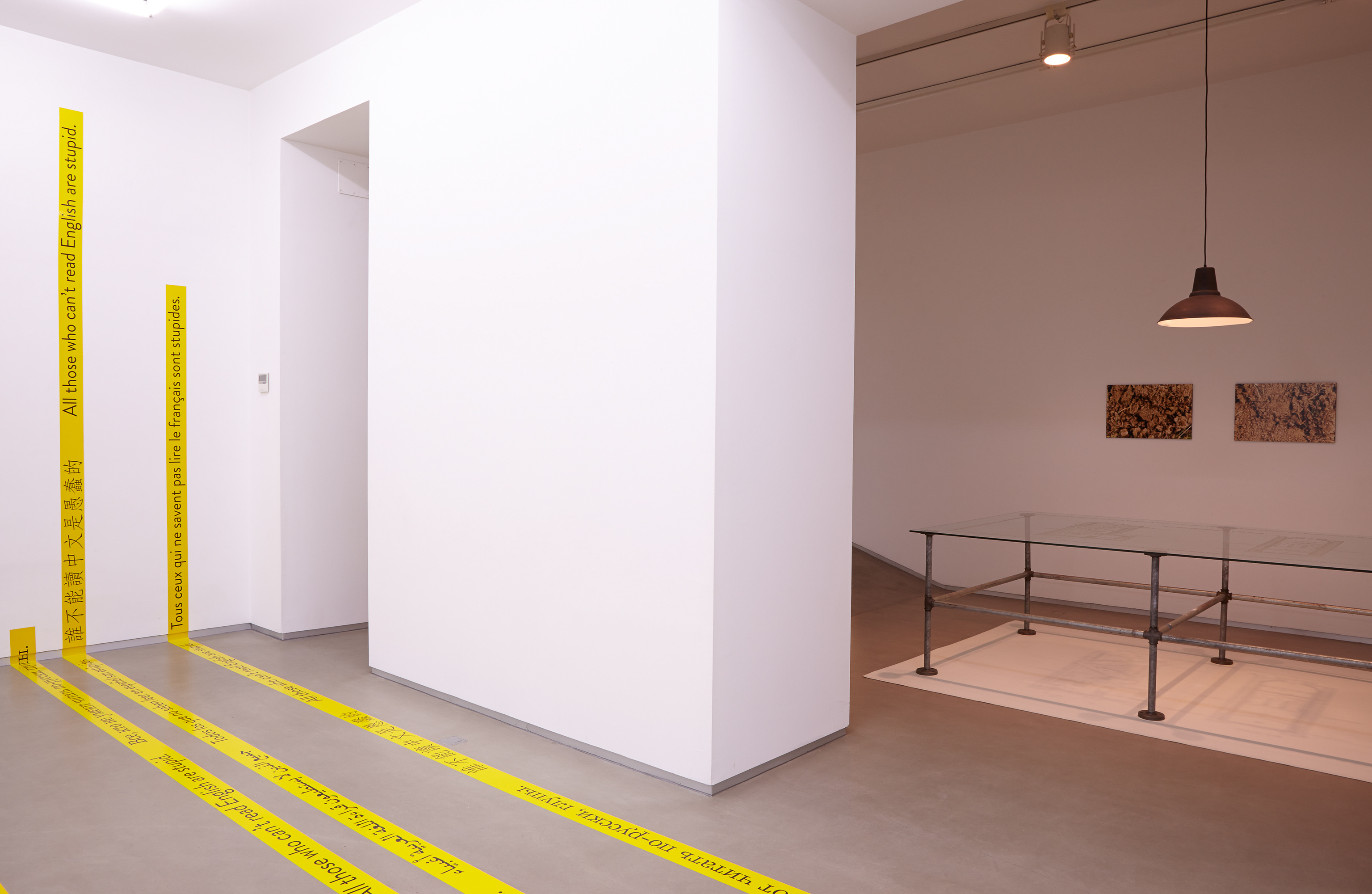
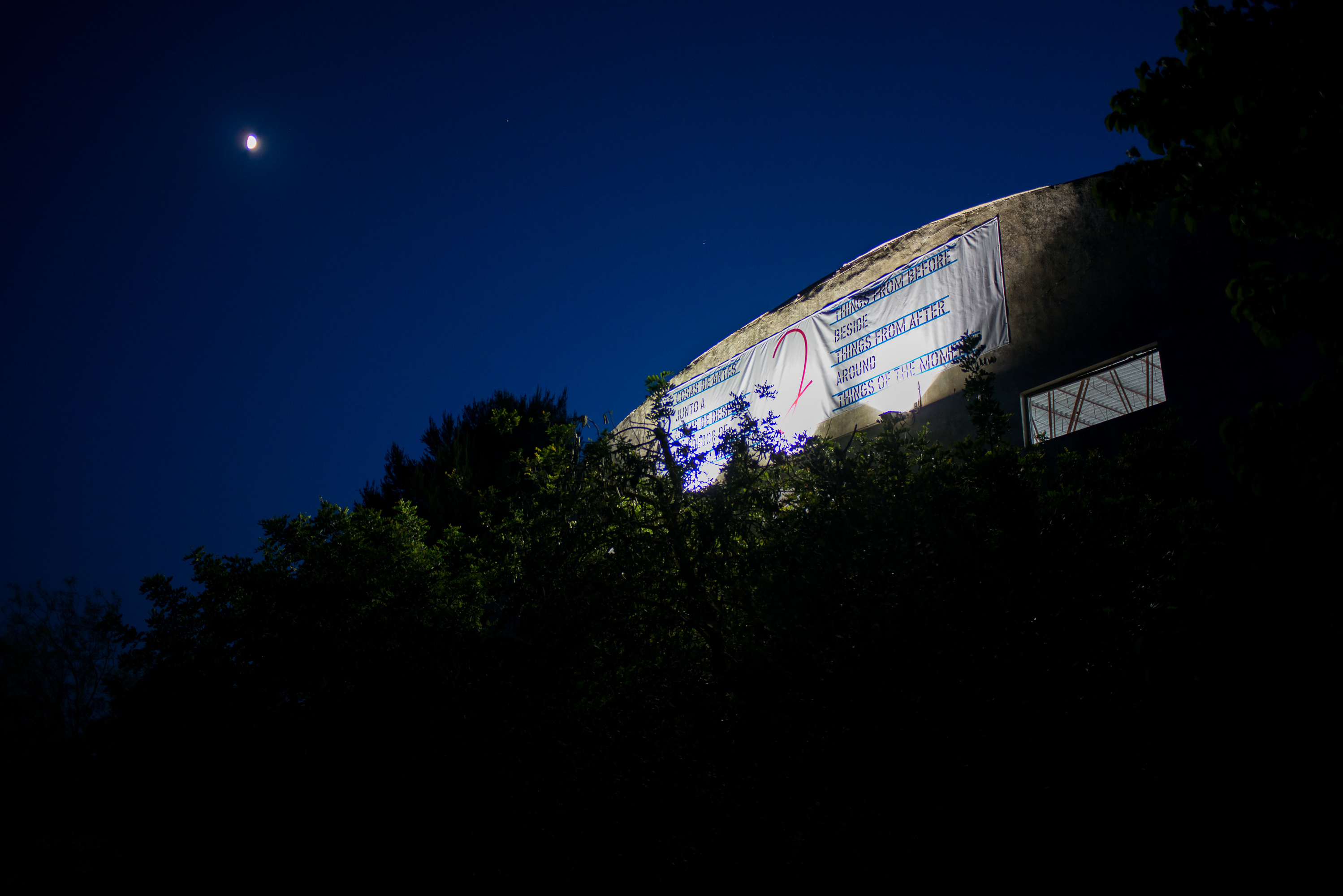
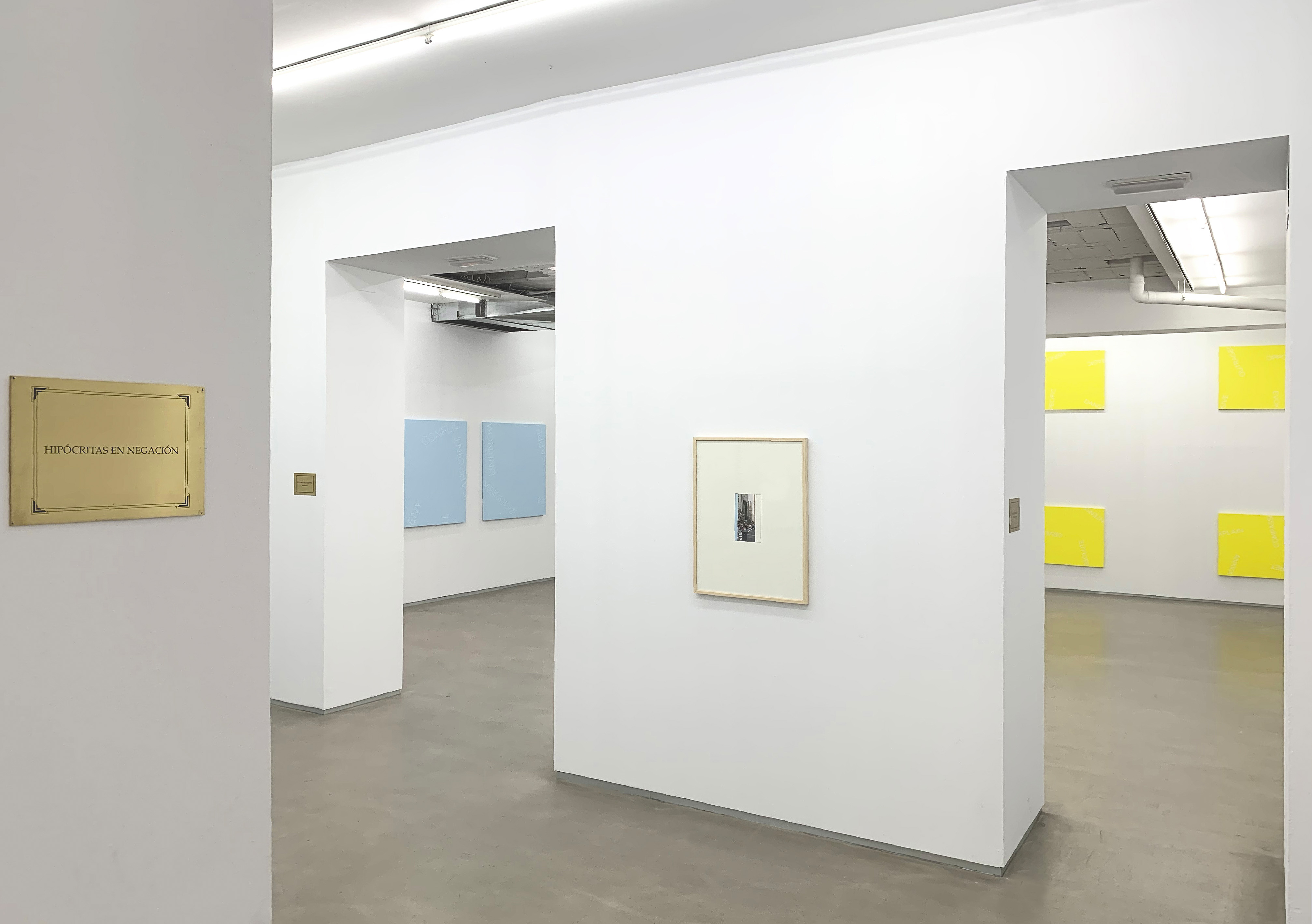
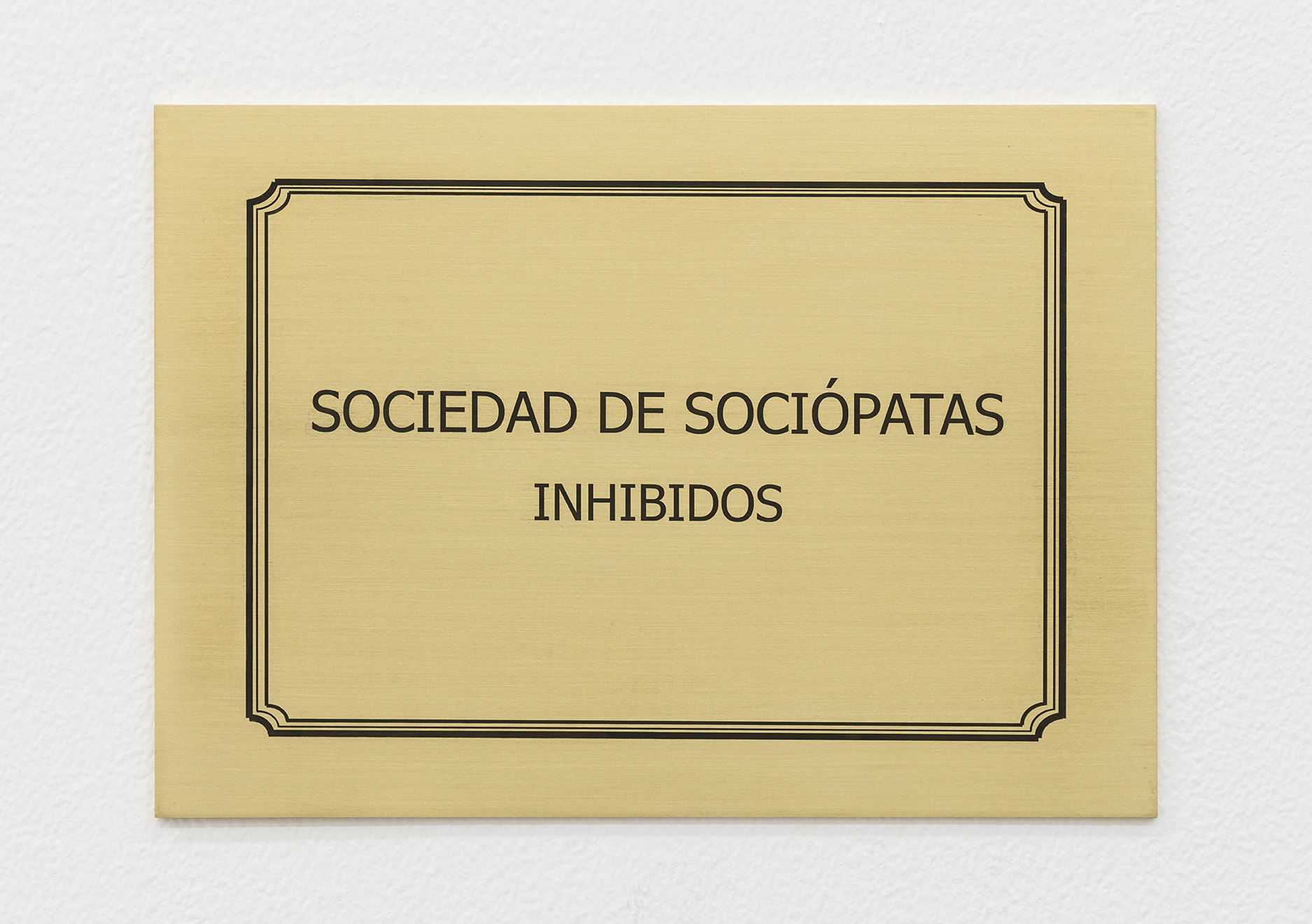
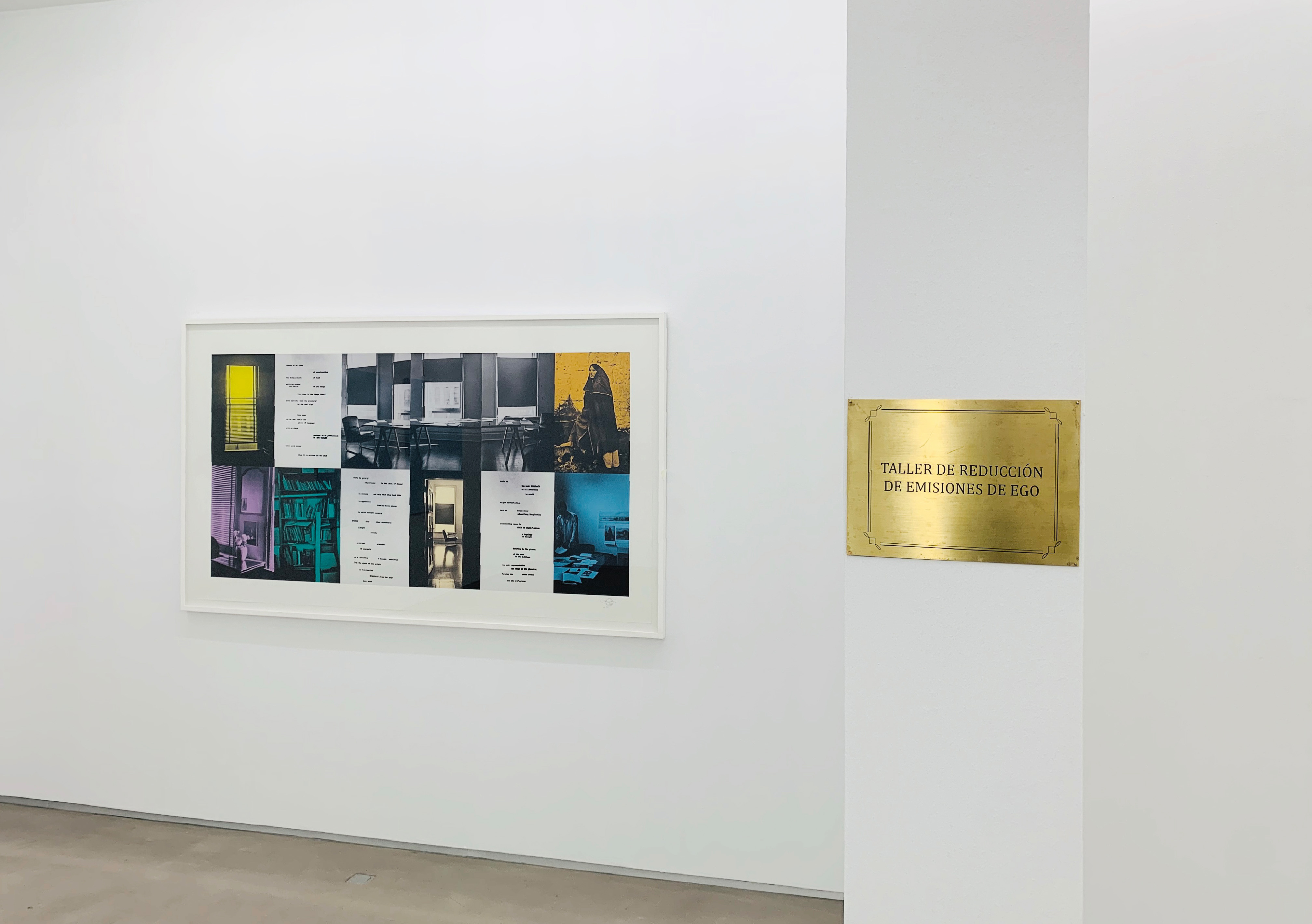
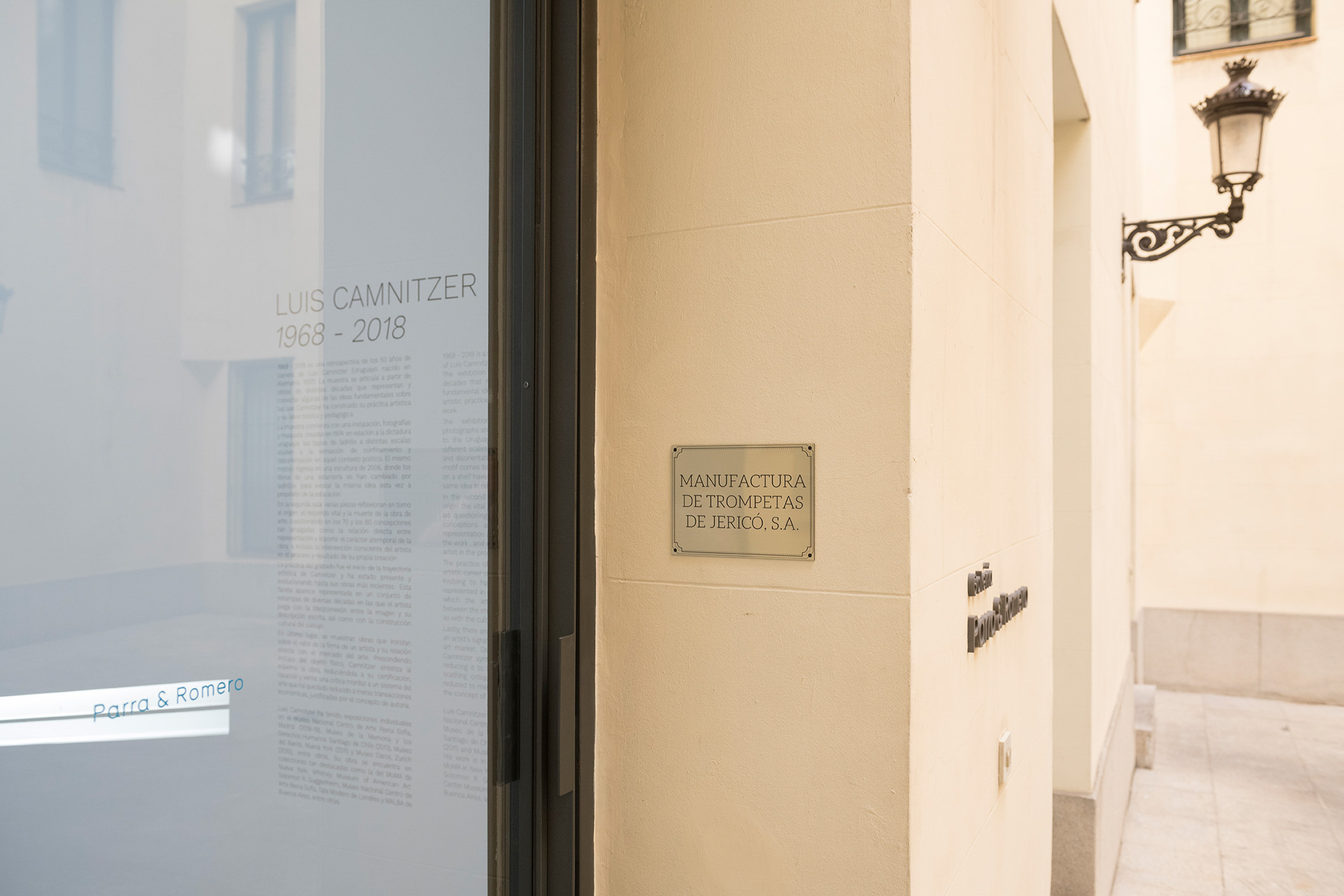
The work that closes the show chronologically is placed at the entrance of the gallery: it is one of the plaques announcing fictional societies that the artist has been creating in 2018, and from which twenty two have been installed all around the Museo Reina Sofía.
*
The work Bricks (maquette), from 1974, has been kindly lent by a private collection from Portugal.