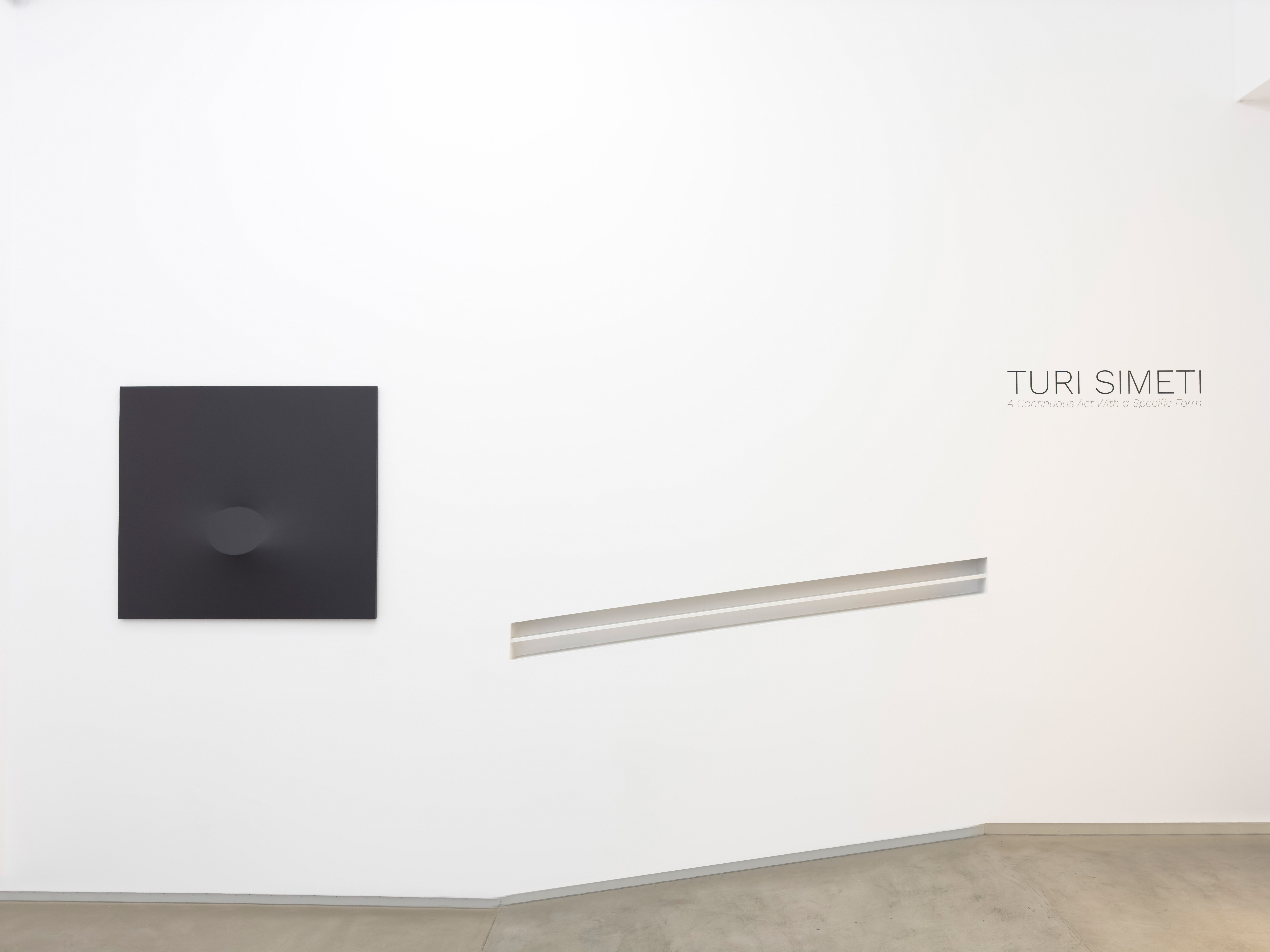
A Continuous Act With a Specific Form (Ibiza)
- T u r i S i m e t i


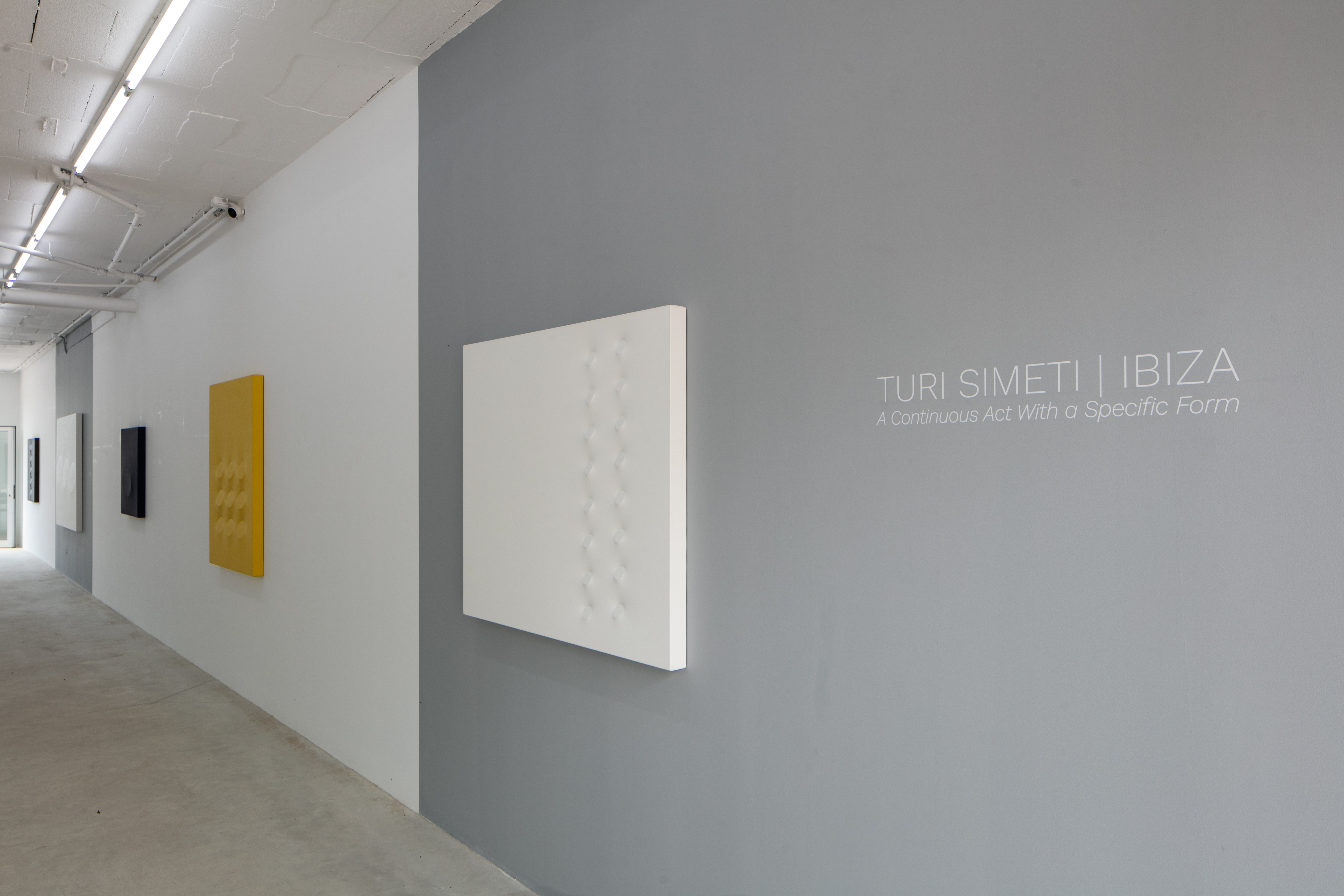
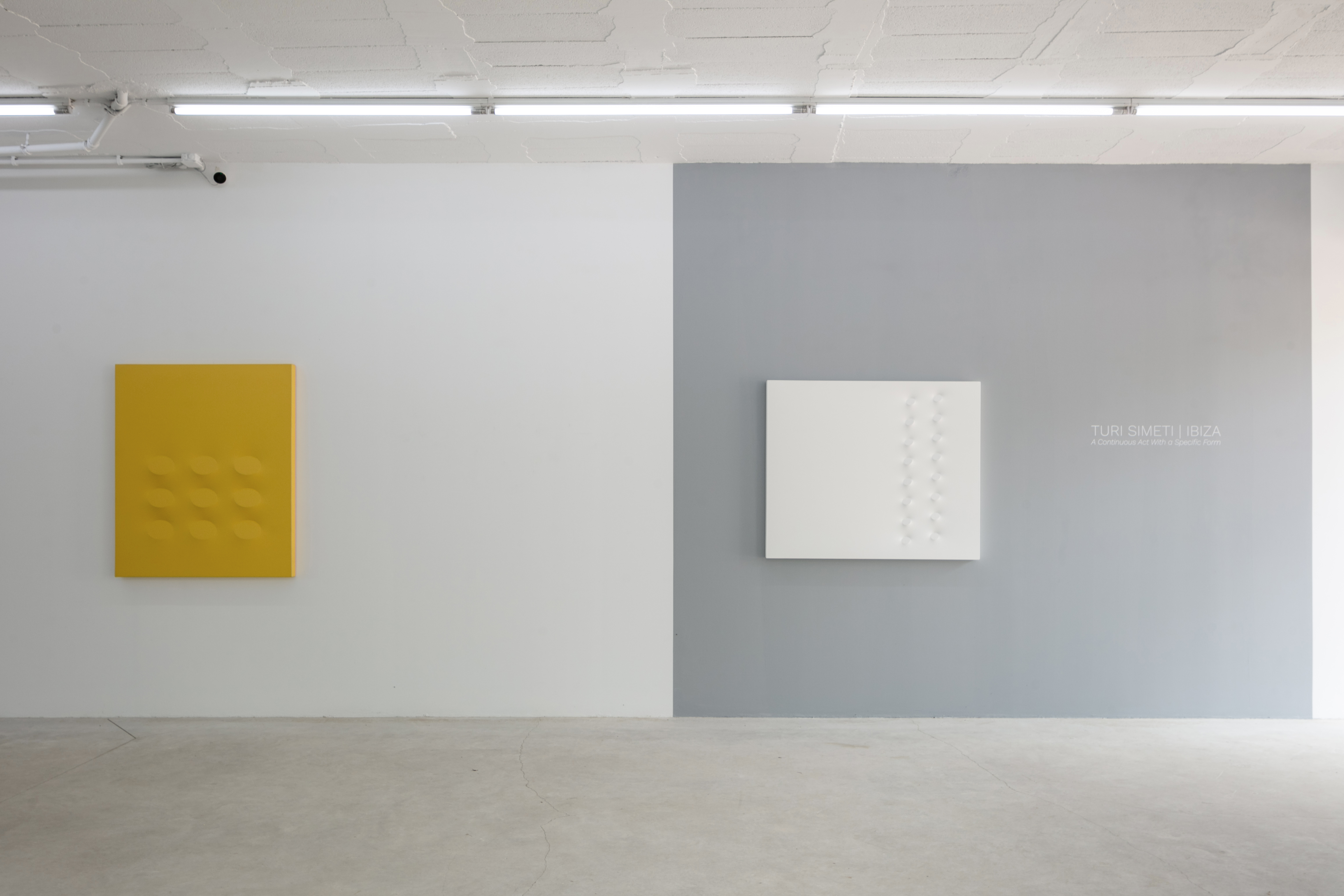
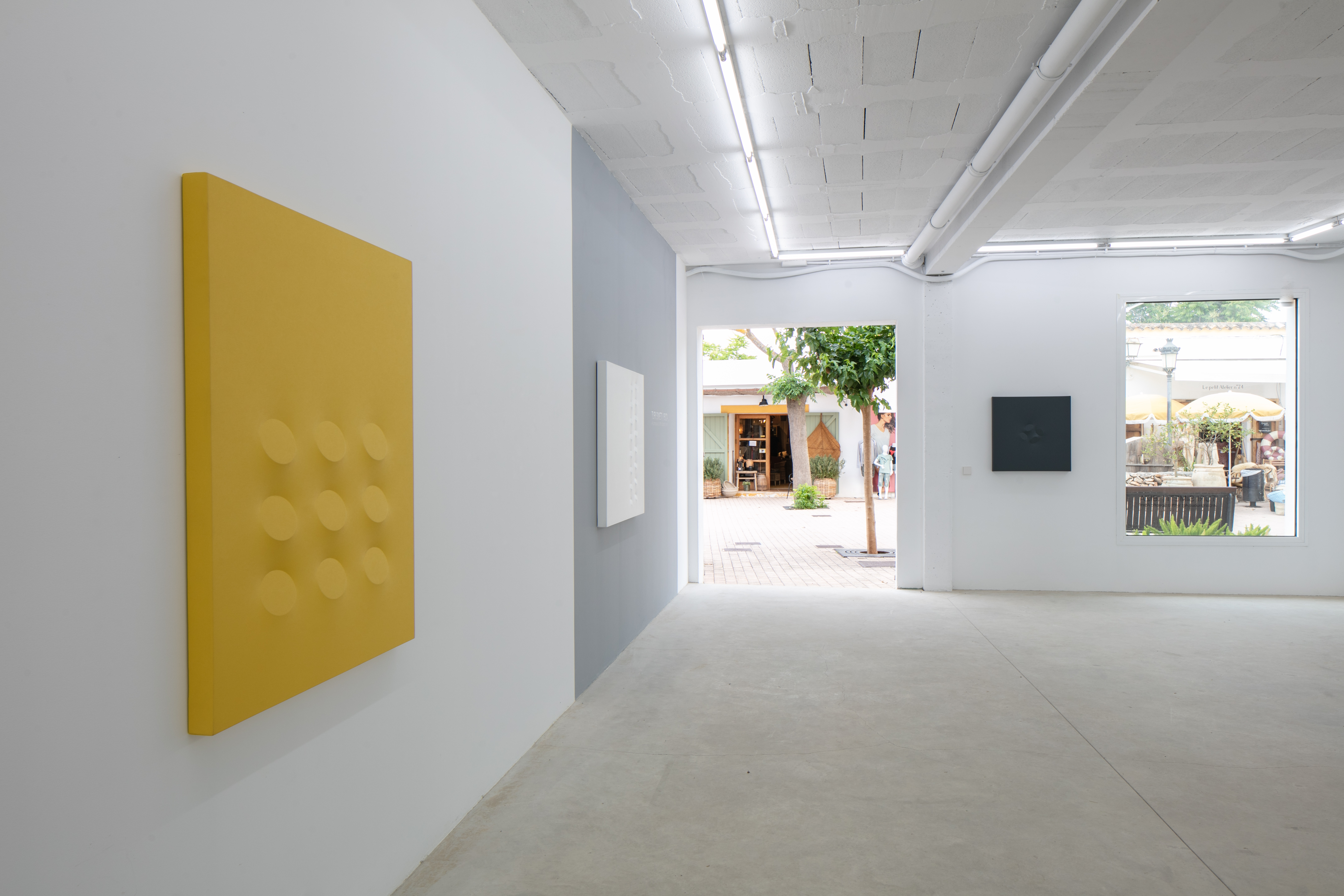
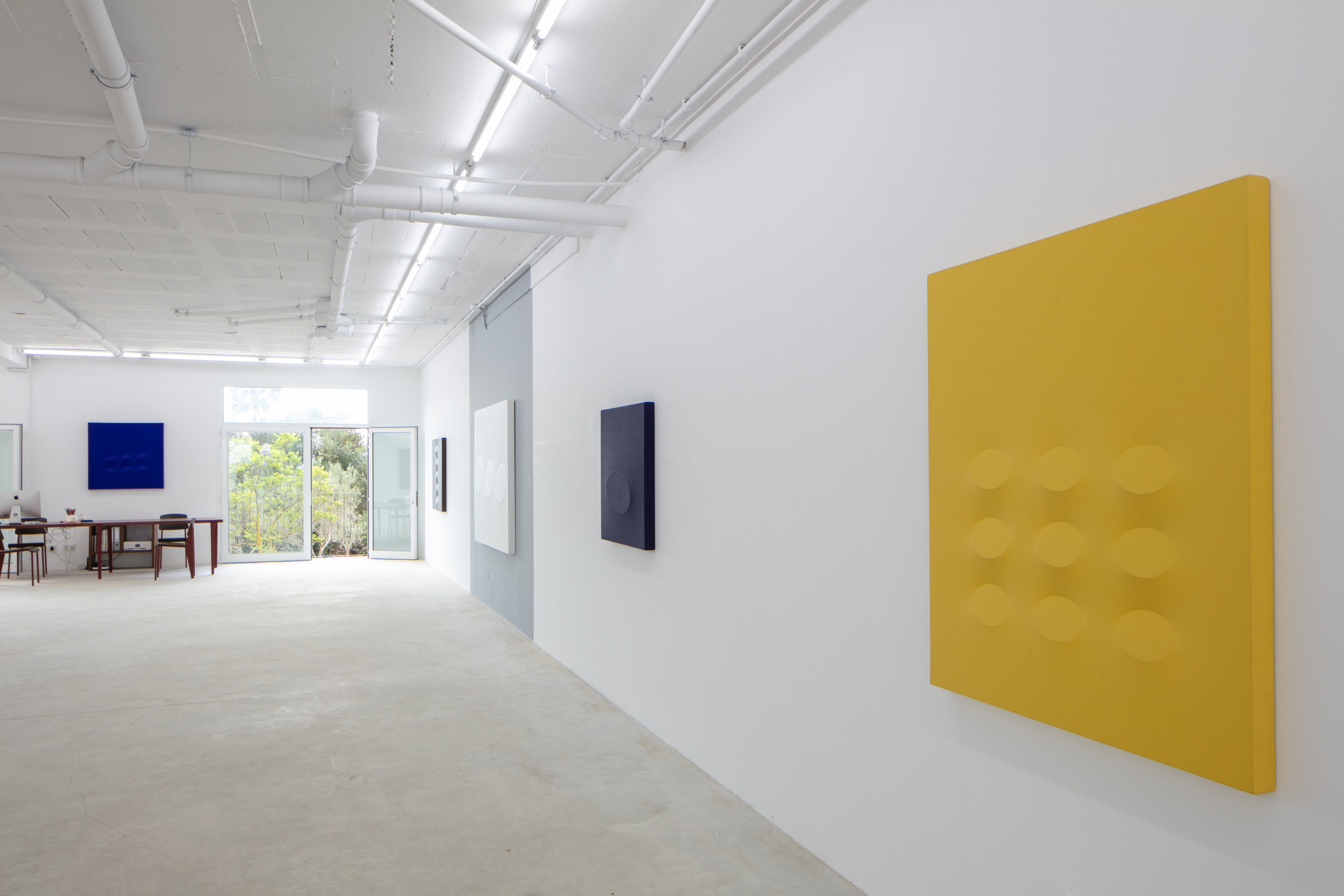
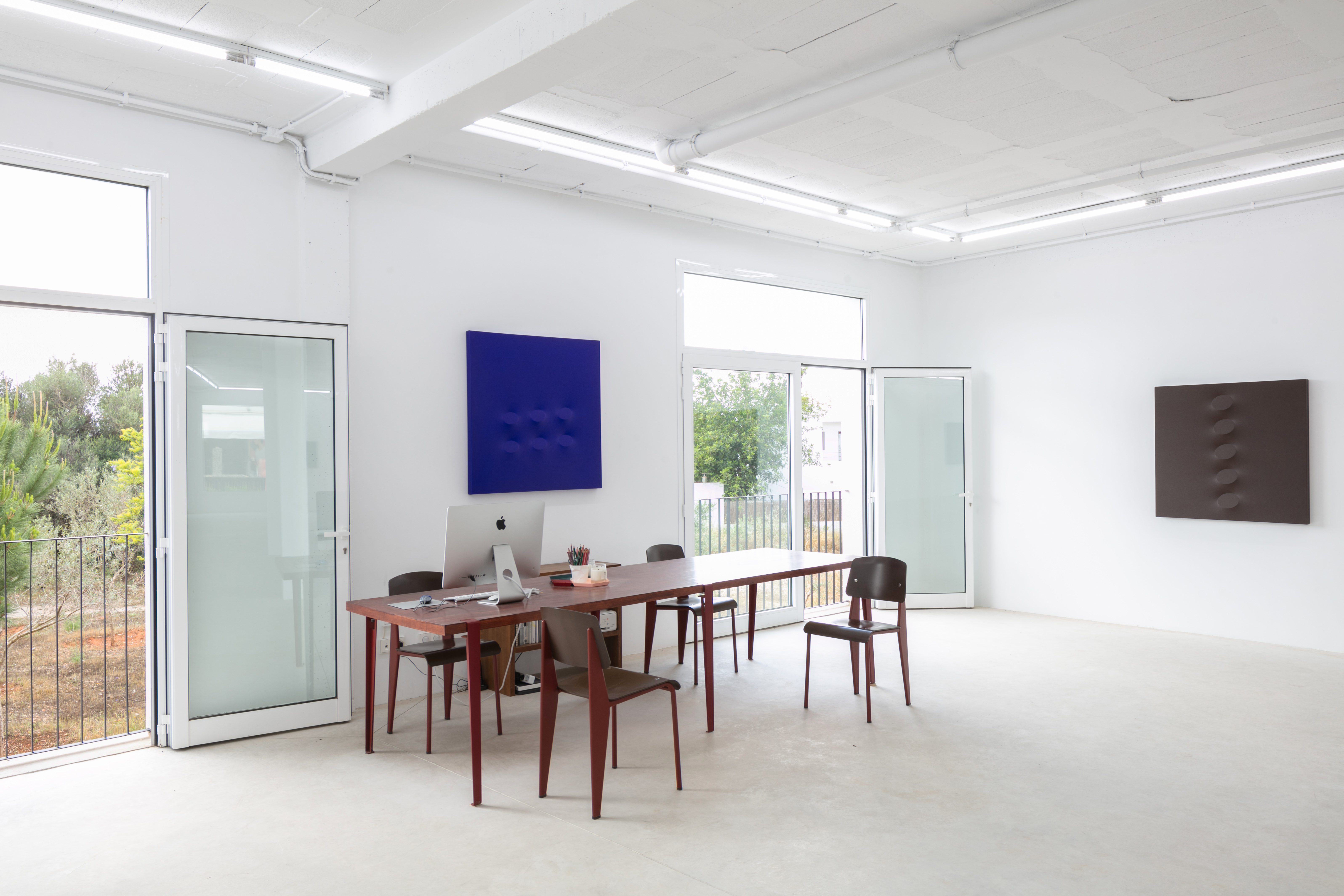


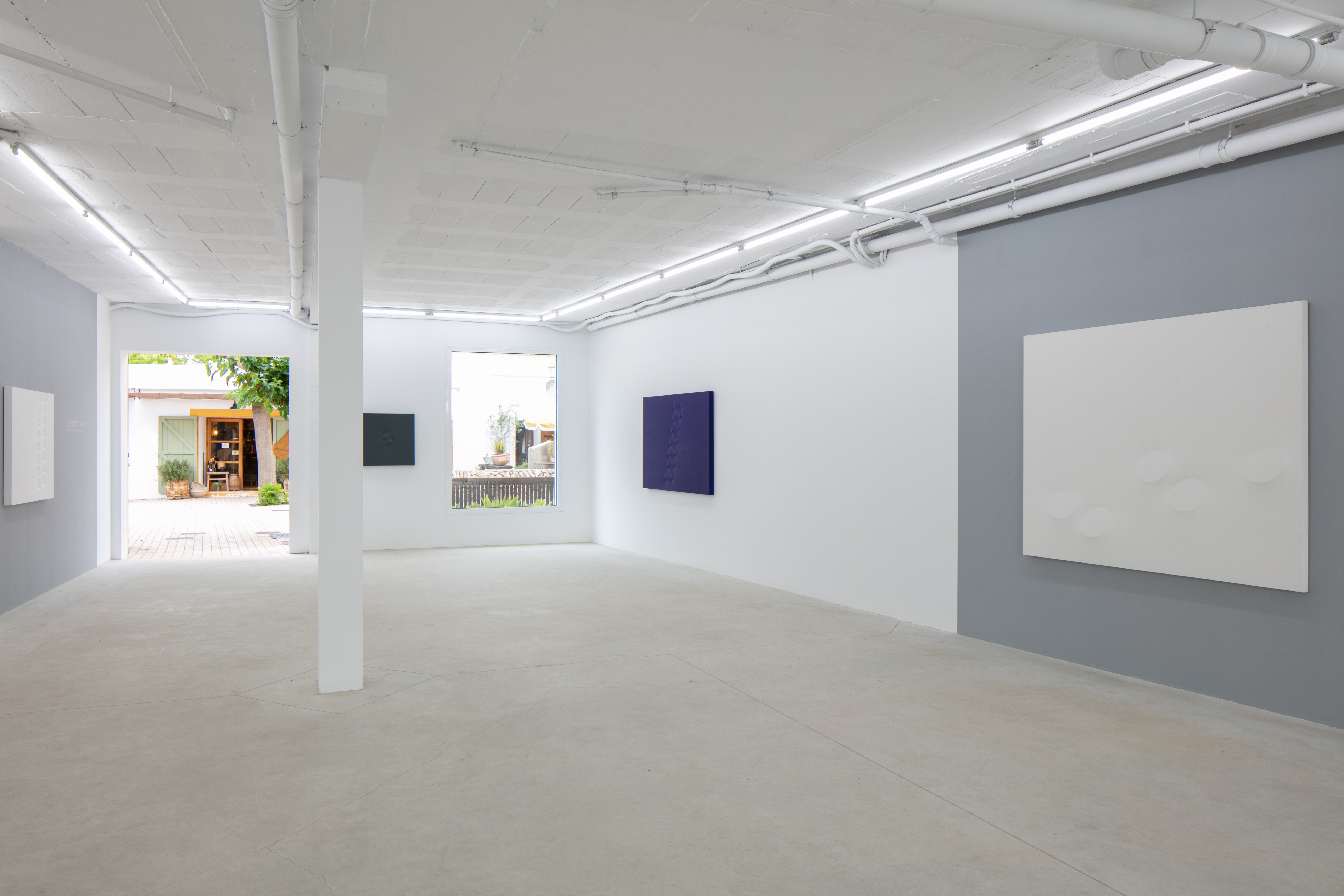
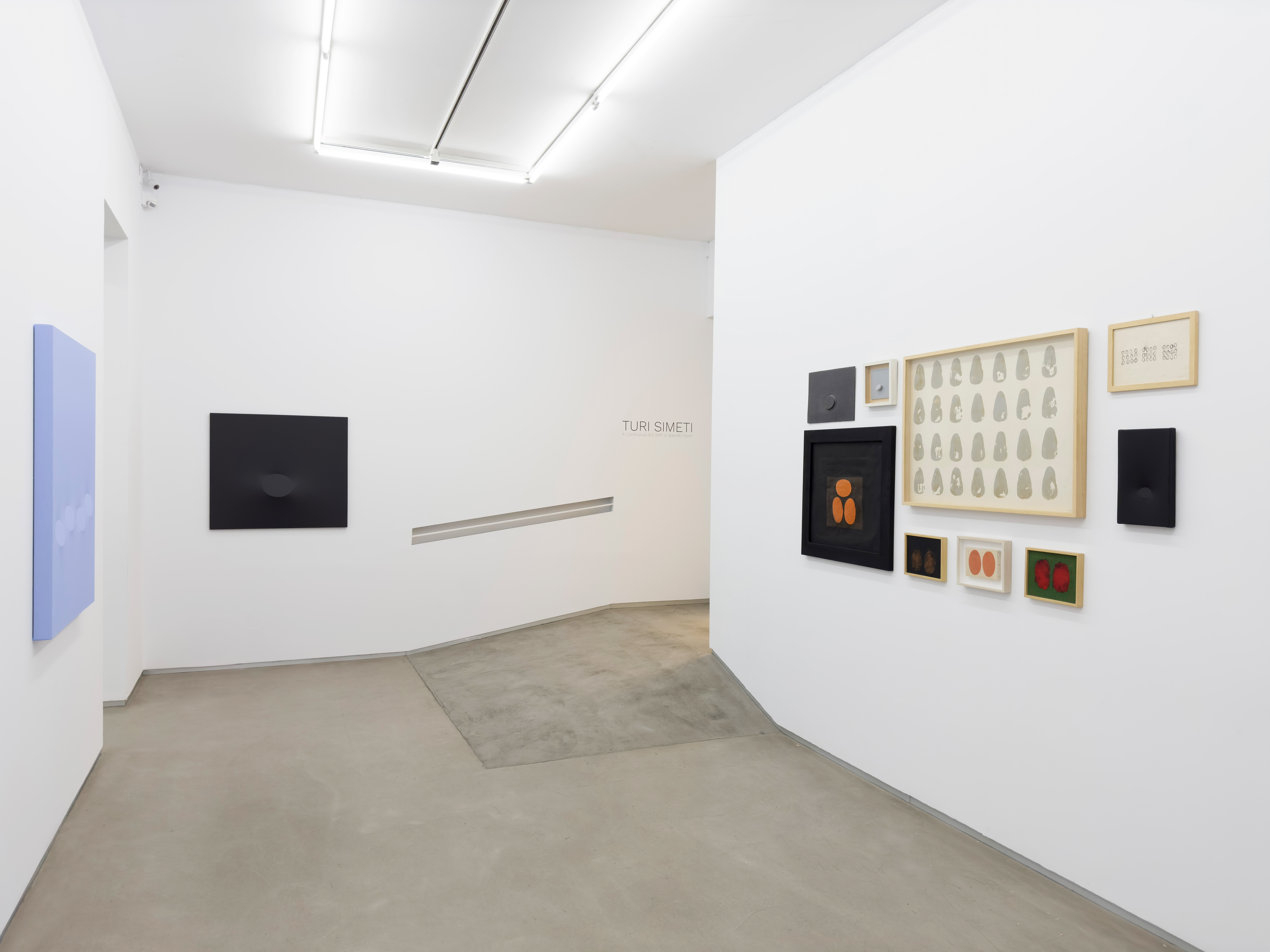
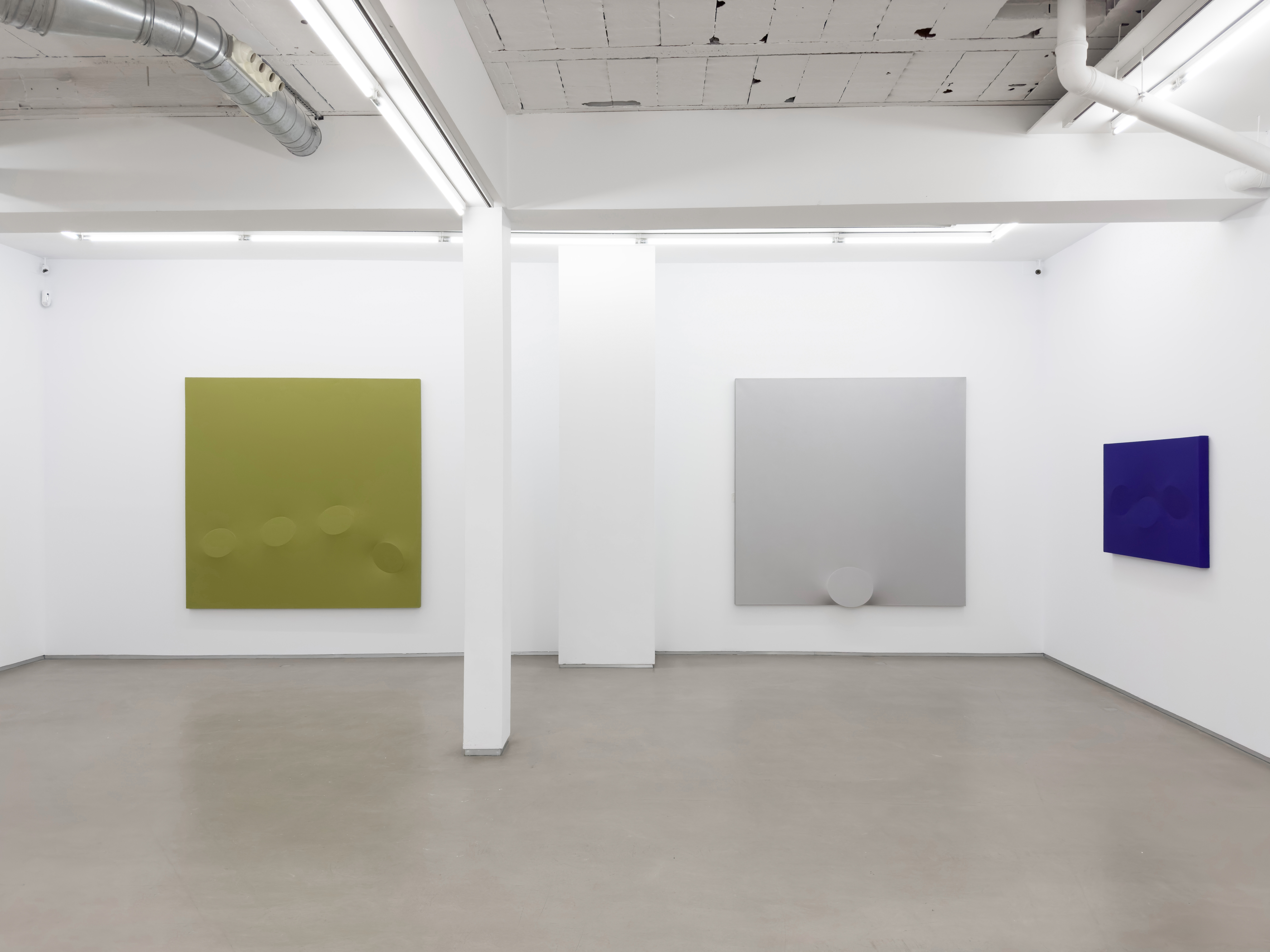
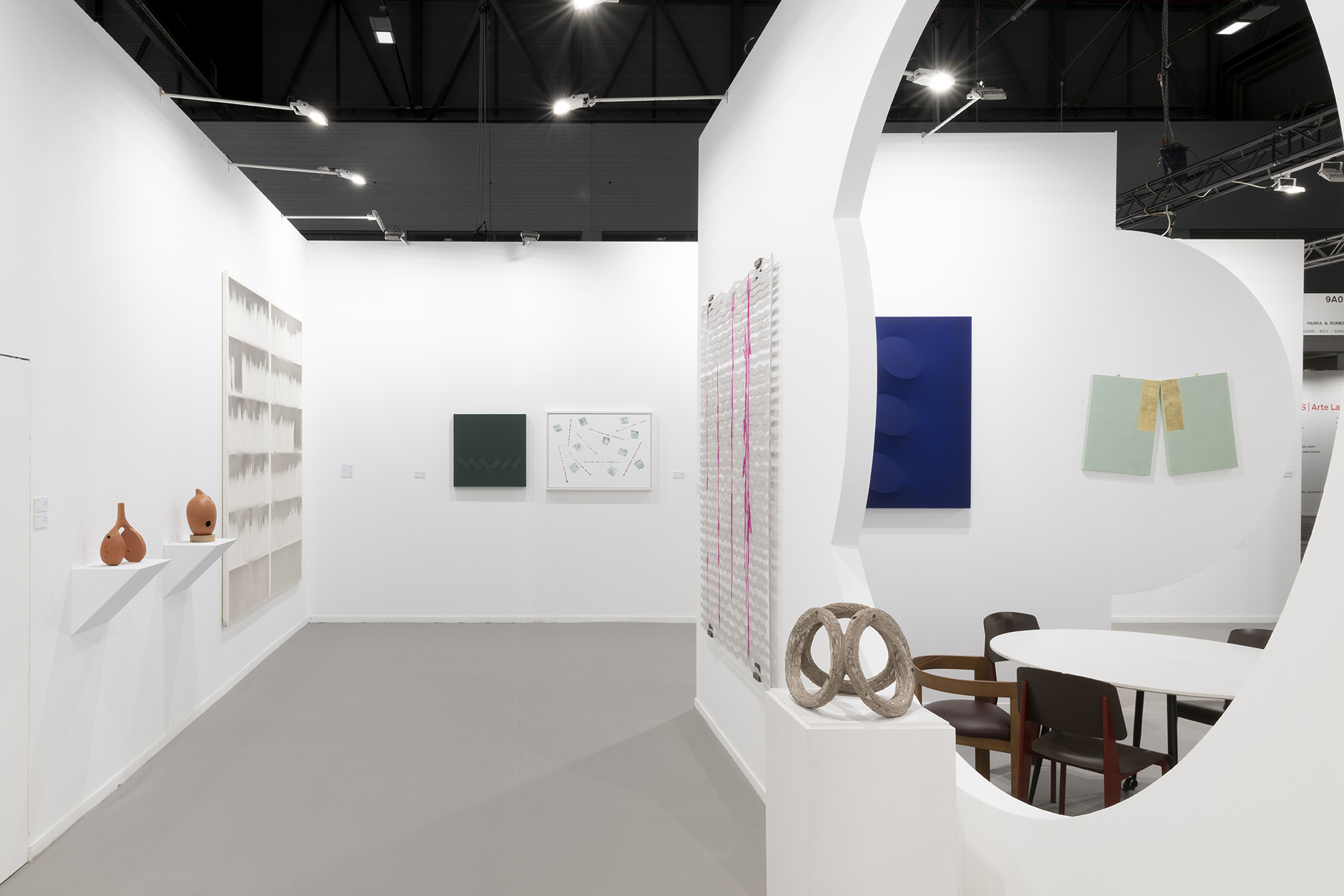
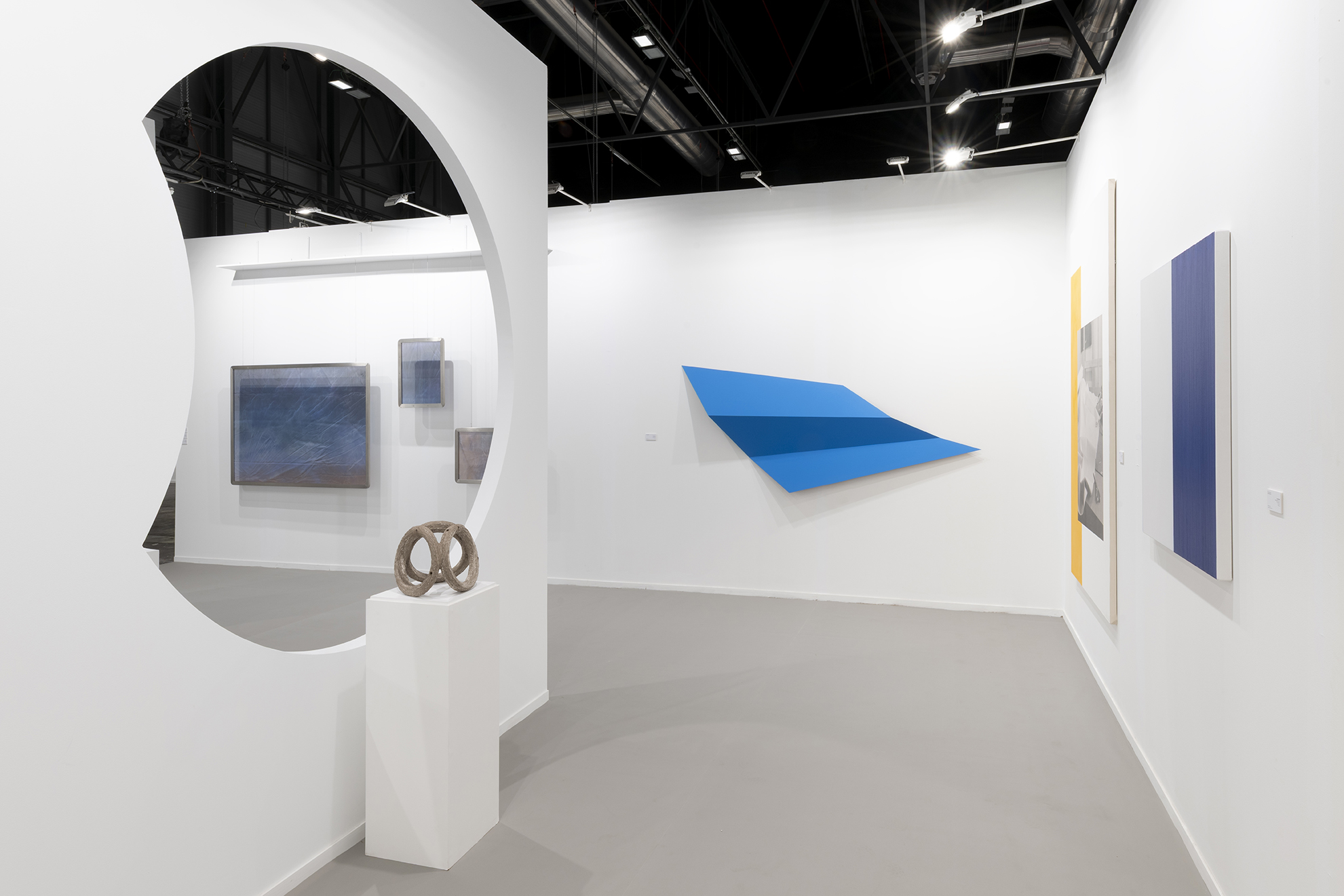
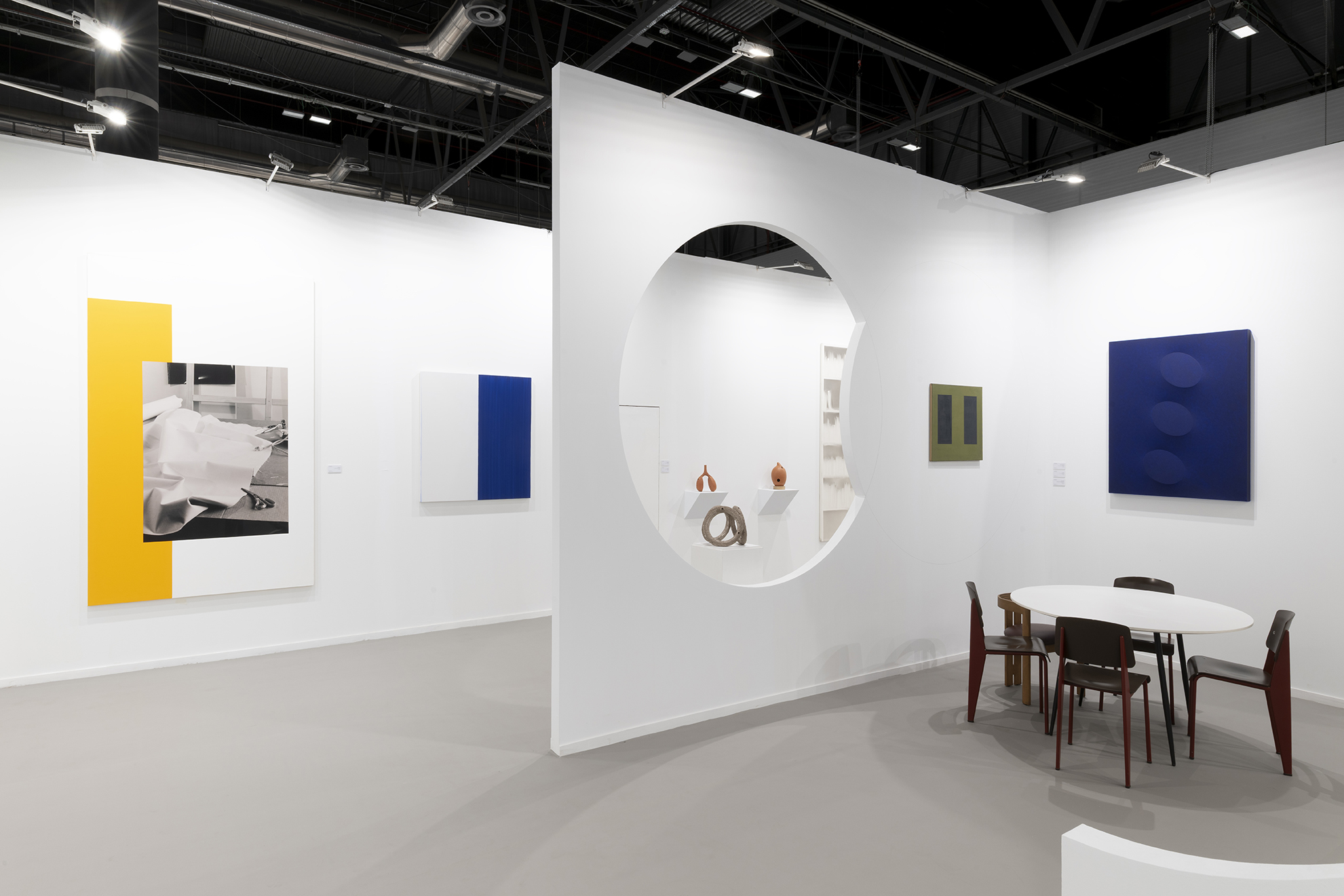
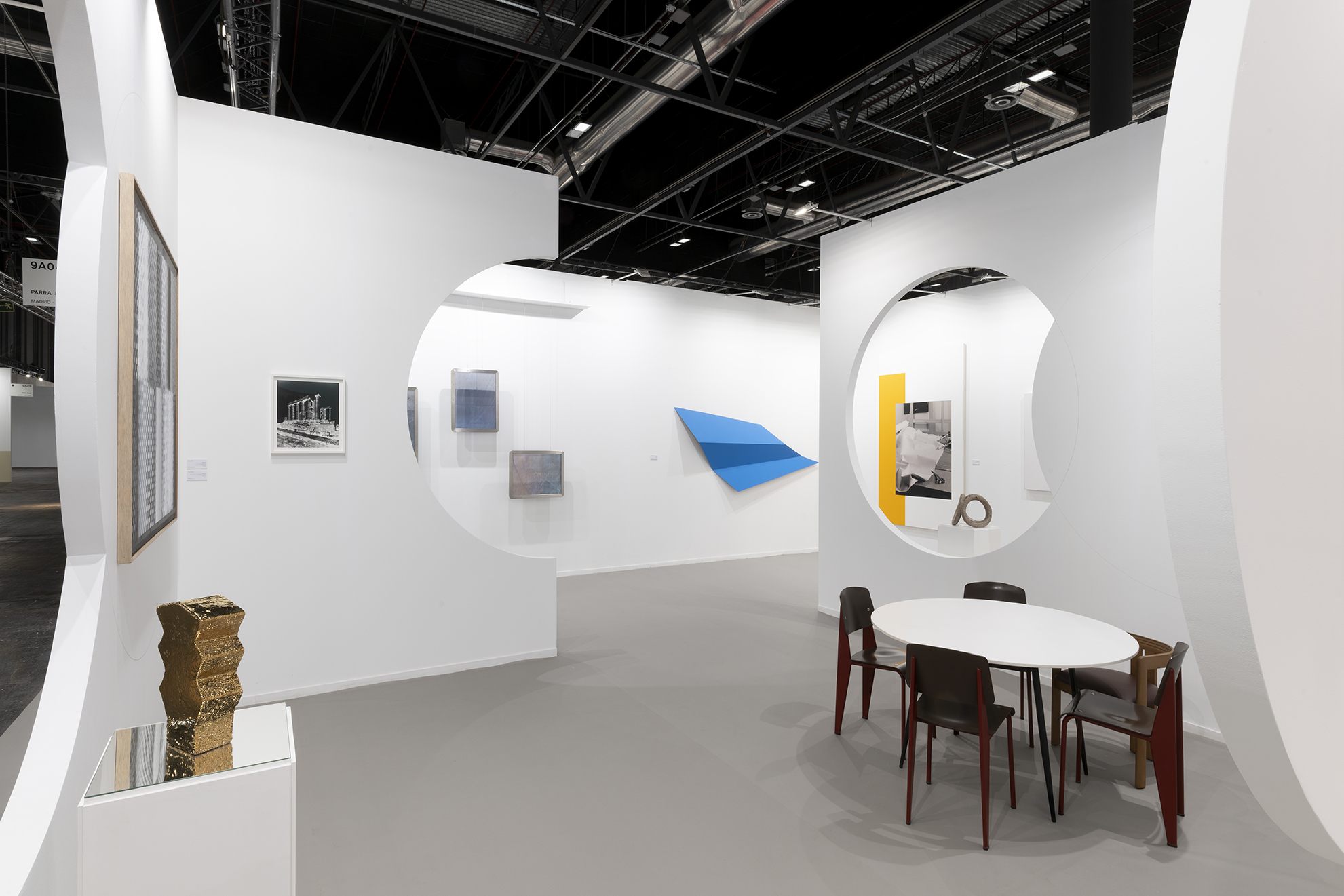
Parra & Romero is pleased to announce the continuation of our exhibition Turi Simeti A Continuous Act With a Specific Form, this time at our gallery space in Santa Gertrudis (Ibiza).
Dominated by the urgent need to rebuild all that was destroyed during World War II, art at the beginning of the second half of the 20th century was existential, expressive and materialistic. In painting, the subjectivity of the artist was transferred to the work with the immediacy that the body imprints onto the material through an unrepeatable, unique and brilliant gesture. From the pre-war avant-gardists, only memories of a few inventive pioneers remains. Neither the institutions, nor the art market in Europe were ready to oxygenate a heavy, dusty atmosphere that still contained the smoke and embers of the barbaric human irrationality and the economic and political debacle of the war.
Dominated by the urgent need to rebuild all that was destroyed during World War II, art at the beginning of the second half of the 20th century was existential, expressive and materialistic. In painting, the subjectivity of the artist was transferred to the work with the immediacy that the body imprints onto the material through an unrepeatable, unique and brilliant gesture. From the pre-war avant-gardists, only memories of a few inventive pioneers remains. Neither the institutions, nor the art market in Europe were ready to oxygenate a heavy, dusty atmosphere that still contained the smoke and embers of the barbaric human irrationality and the economic and political debacle of the war.
It was not until the late 1950s that a new generation of artists, who had lived through the war as children, not as adults having participated in battle, would propose a series of deep cuts from the ways of creating art. These new methodologies were not just formal or material. The incubation of the so-called “big bang” of art, a hatching that made modern art move at great speed in many different directions simultaneously, took place in both European and American territories and was identified under various names, groups, tendencies, concepts or styles. The generation of artists who began their activity at the end of the 1950s sought to base themselves on the exercise of reason and changed not only the way art was made and exhibited, but also the way it was perceived.
In European cities that weren’t national capitals, such as Düsseldorf, Milan, Bern, Antwerp and Rotterdam, exhibitions were held with participants that shared a series of common characteristics: their work was expressed in opposition to their predecessors, fleeing from the gestural and material conditions of Informal or “Tachist” painting. The environments of the ZERO group (Heinz Mack, Otto Piene and Gunther Uecker) in Düsseldorf or the Azimut gallery (Piero Manzoni and Enrico Castellani) in Milan, functioned as great centrifuges of ideas, exhibitions and events and, in a short period of time, profoundly shook the aesthetic consciences of a new society that was emerging and recomposing itself.
All the artists associated with these groups and the numerous exhibitions held in Central Europe showed a filial fascination with Lucio Fontana, whose works and ideas, expressed in manifestos and interviews, served as mortar between aesthetic positions that varied profoundly. The rejection of gestural expression is joined by the cultivation of monochrome in works with flat colours, without gradations or mixtures, and which avoid showing the imprint of human hands. Some of these works looked as if they were made by machines and often resorted to serial representations, in which motifs and structures are repeated. Their relationship with traditional materials such as oil paint and canvas was altered and, ever since Fontana “slashed” the canvas in search of a new type of pictorial space, a metaphor for space itself as a condition of existence, artists such as Manzoni, Bonalumi and Castellani would perpetrate other “twists and turns”, new advances in the consideration of pictorial space. Both Bonalumi and Castellani, and above all Turi Simeti, would use the space of the painting and its basic material, the canvas, in a sculptural manner, altering the relationship between background and figure, between support and image. In essence, the support becomes the image and the image becomes indistinguishable from the support. Inspired by geometry, the works of these artists seem to be the product of a calculating, cold and dispassionate mind, detached from all sentimental activity.
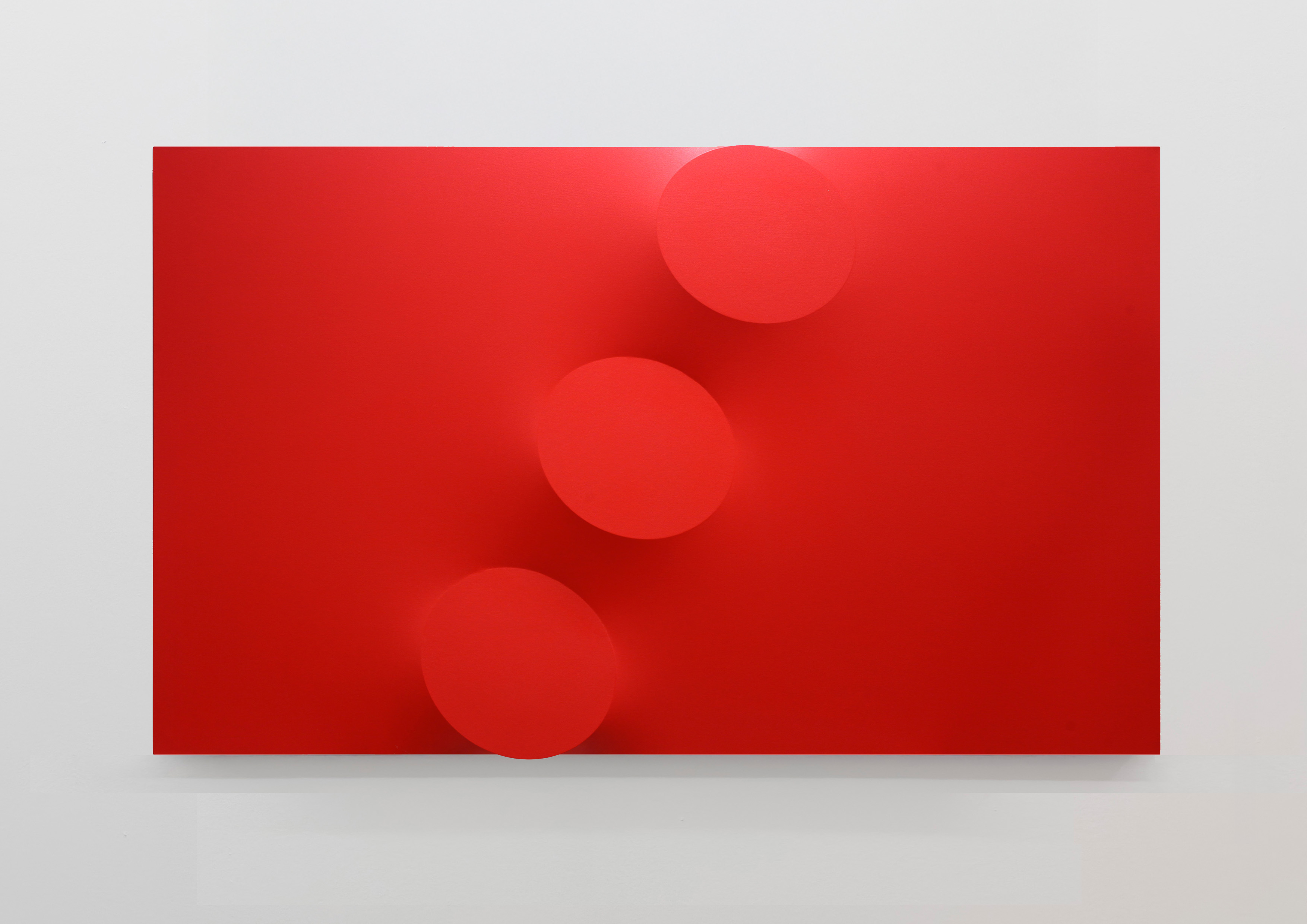
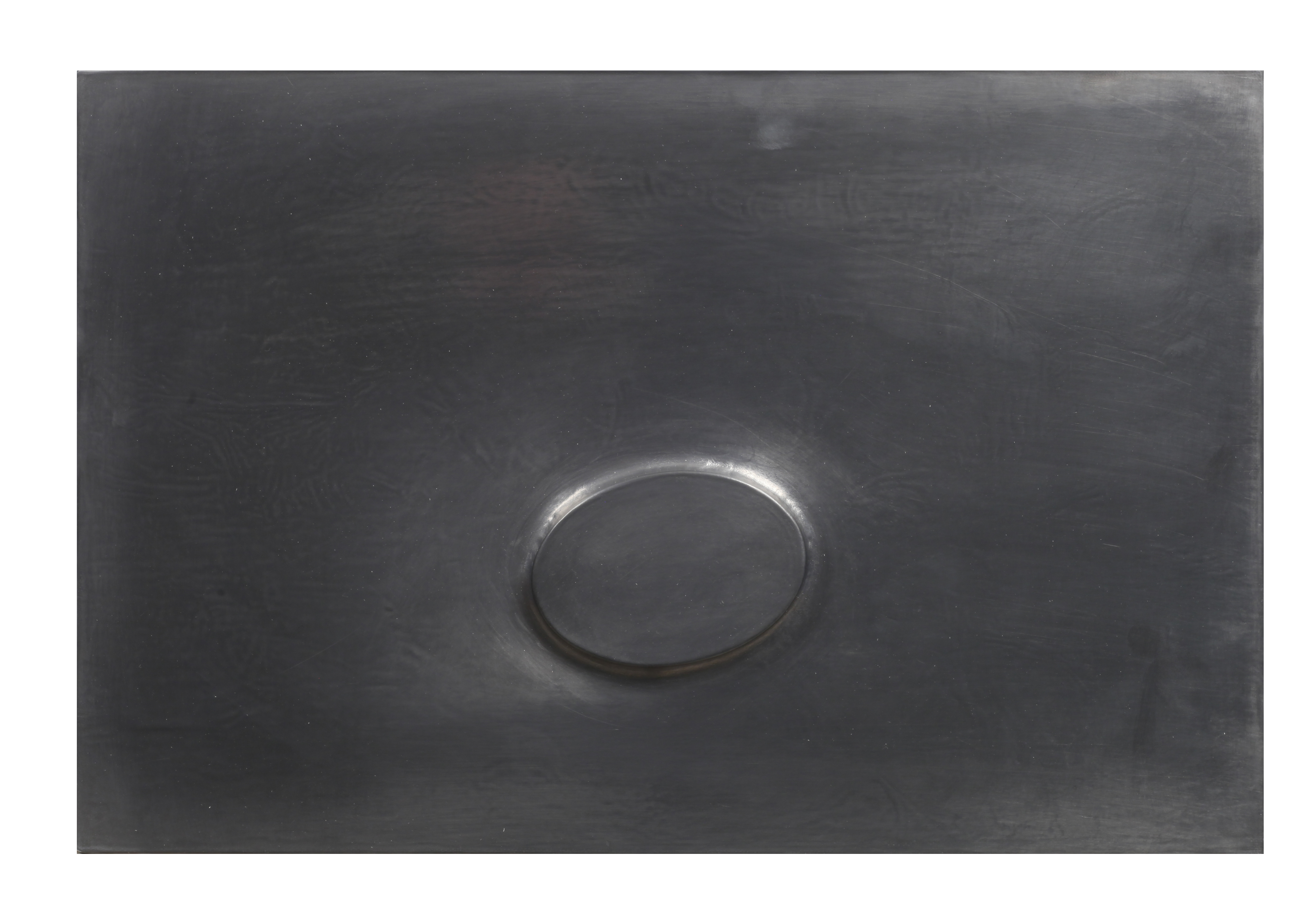
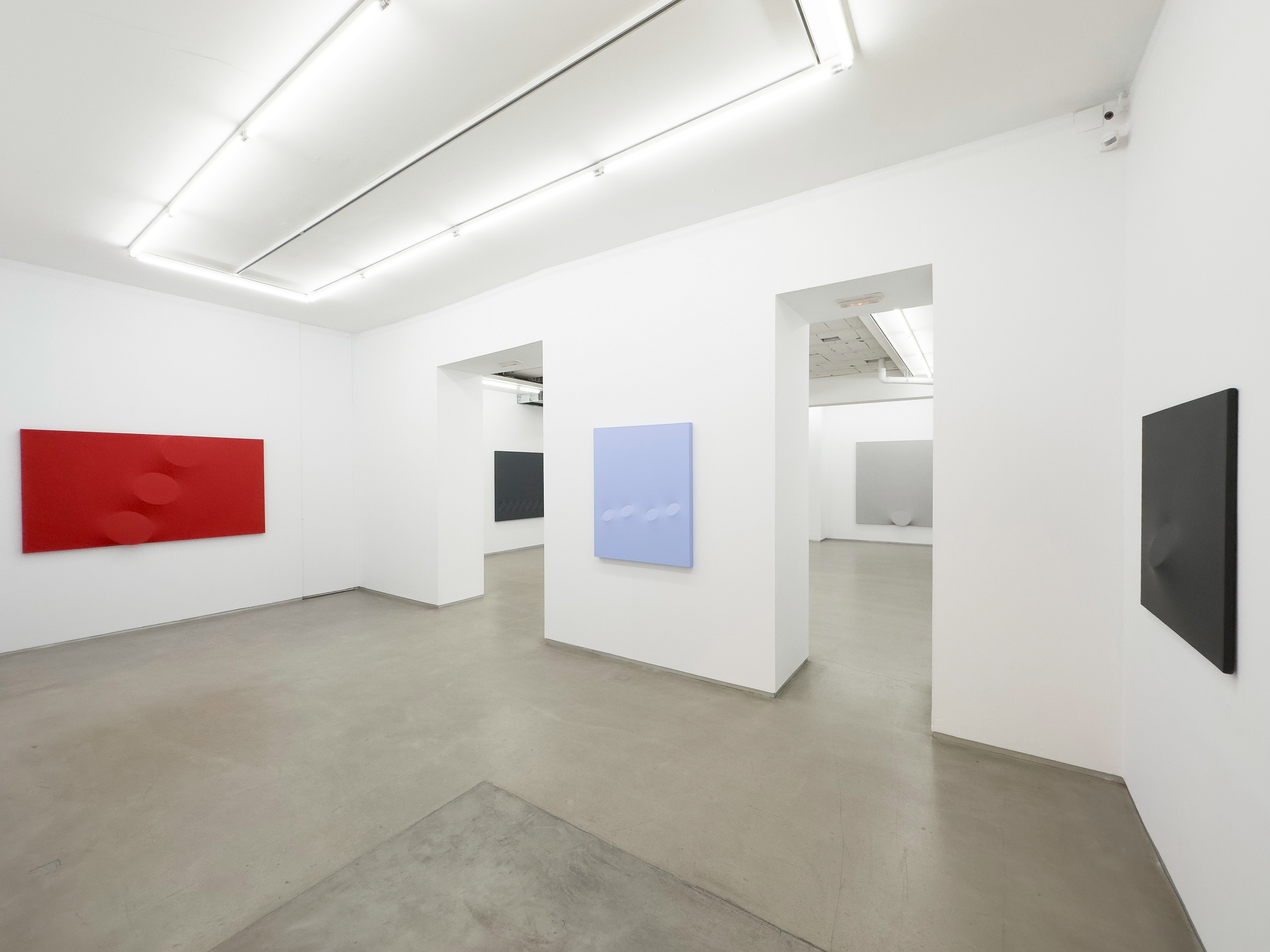
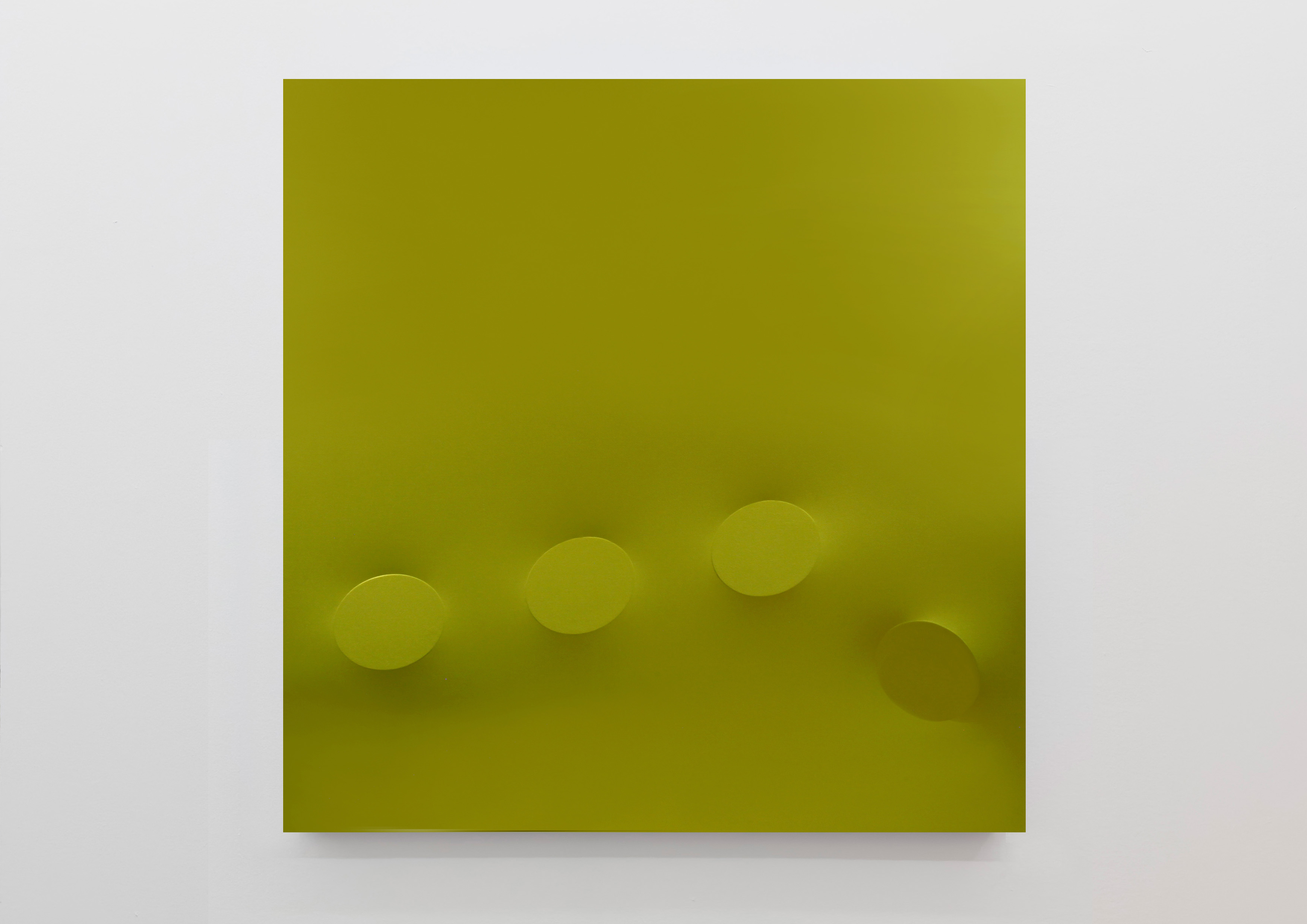
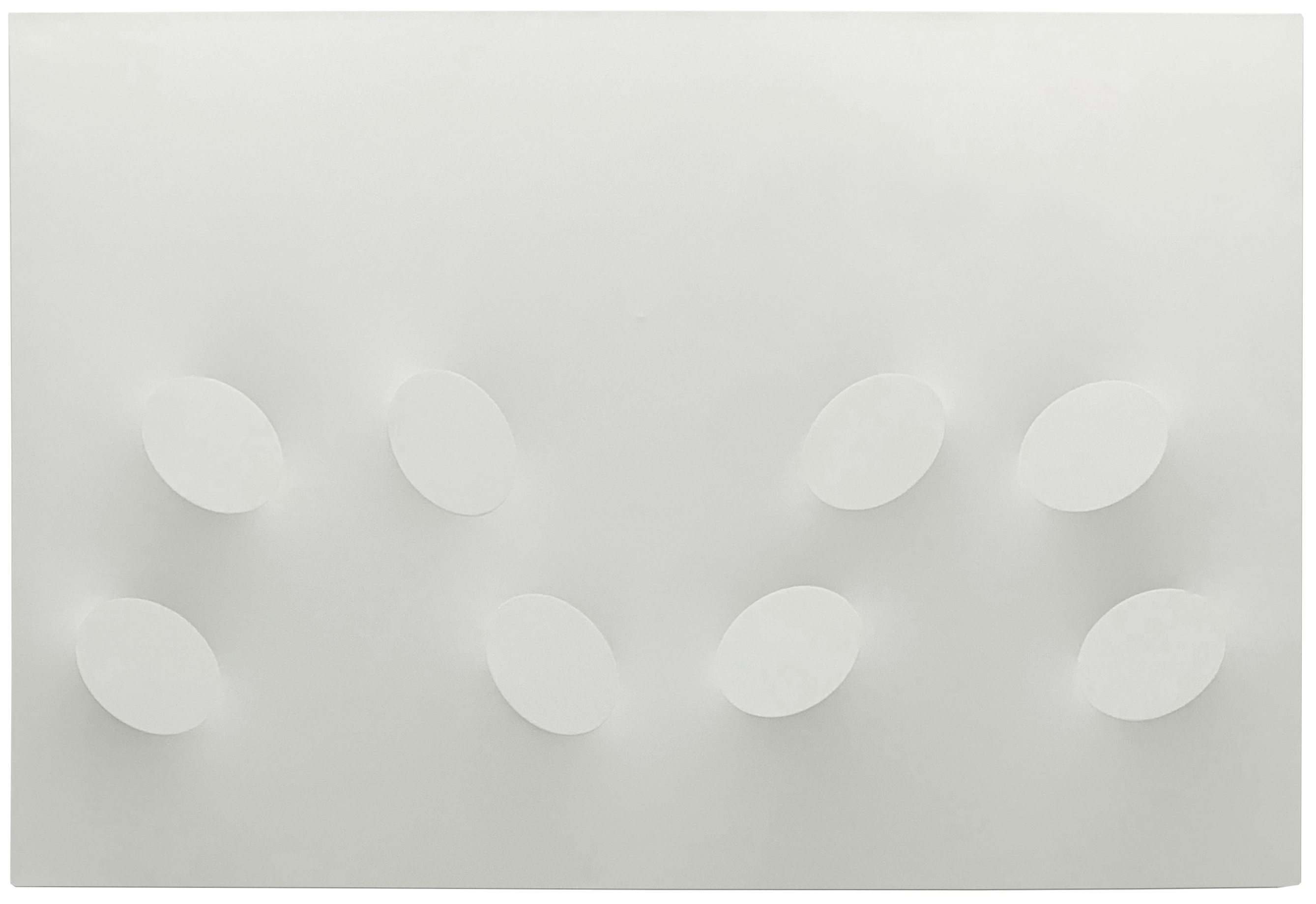
Neither agony nor anguish, there is no gradation of nuances. The European version of the expression ”What you see is what you get” materialized. Turi Simetis’s works are three-dimensional essays layed upon a flat surface, in which a specific geometric form, the ellipse, is “inserted”. The separation of the form and the surface of the painting, the acquisition of a third dimension with a prominent volume entail, as in the works of Bonalumi or Castellani, and the appearance of shadows and optical effects that depend on the ambient light. The work is a closed and finished entity in itself, but open in terms of its capacity for visual stimuli.
Neither agony nor anguish, there is no gradation of nuances. The European version of the expression ”What you see is what you get” materialized. Turi Simetis’s works are three-dimensional essays layed upon a flat surface, in which a specific geometric form, the ellipse, is “inserted”. The separation of the form and the surface of the painting, the acquisition of a third dimension with a prominent volume entail, as in the works of Bonalumi or Castellani, and the appearance of shadows and optical effects that depend on the ambient light. The work is a closed and finished entity in itself, but open in terms of its capacity for visual stimuli.
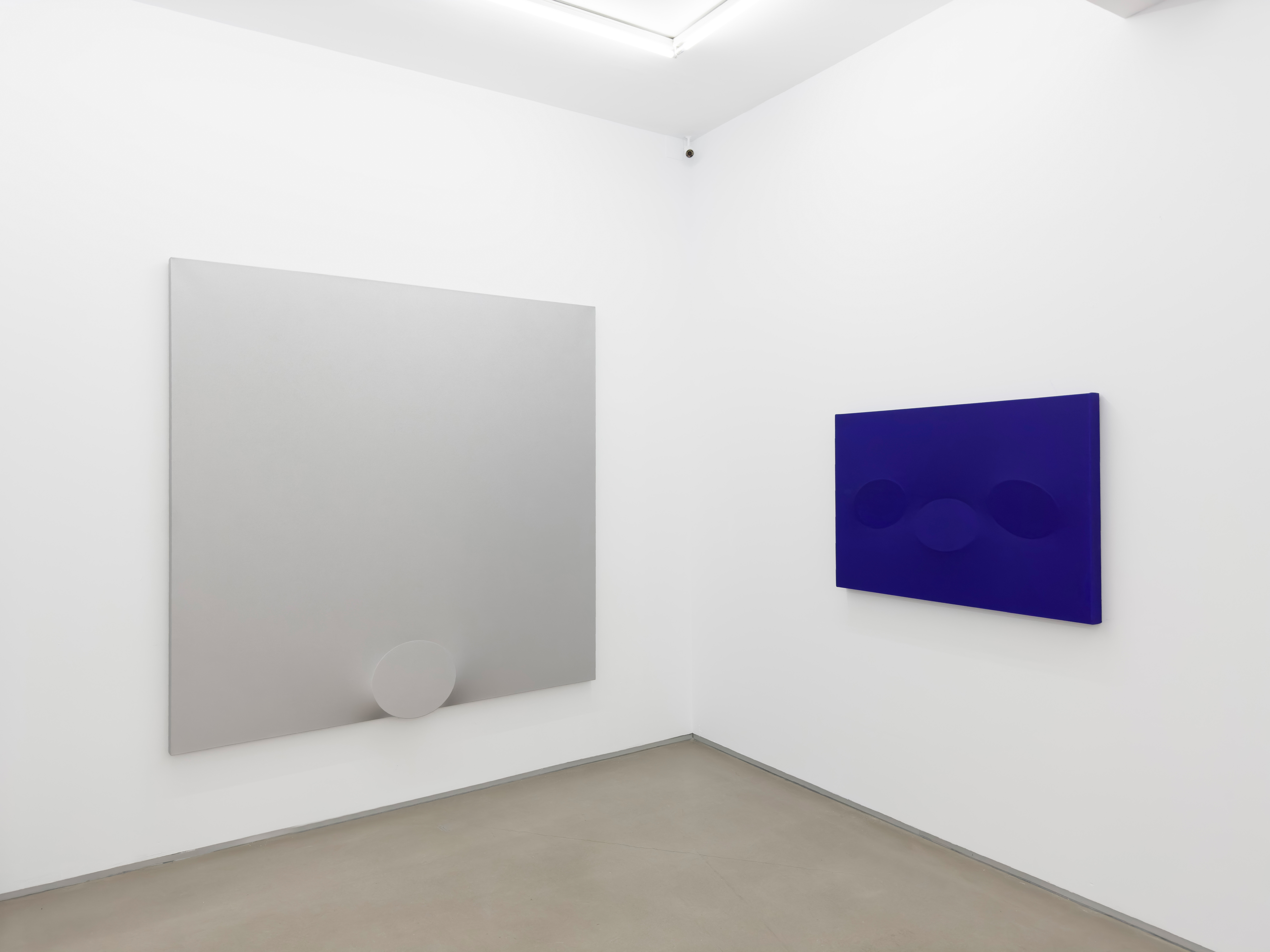
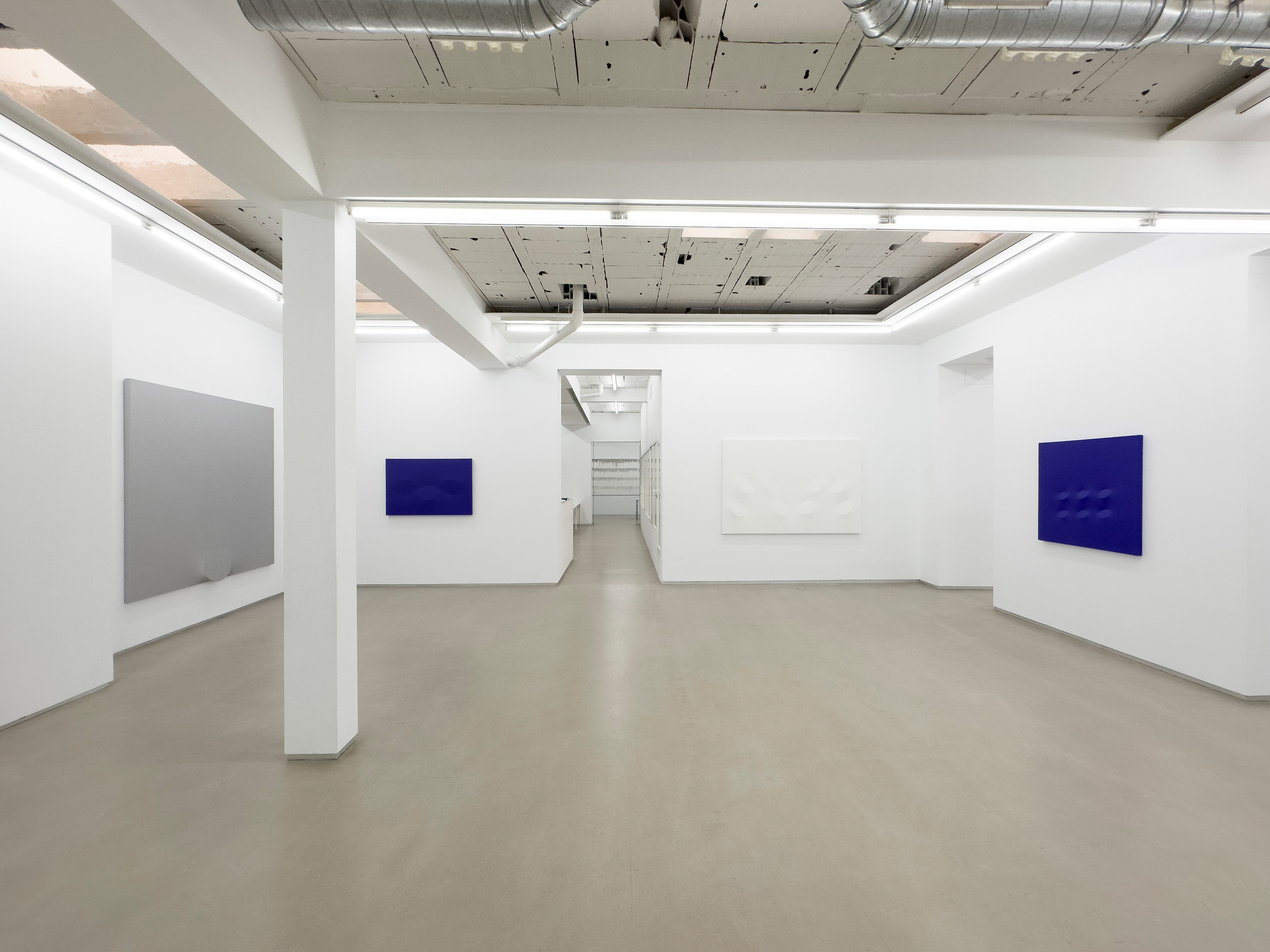
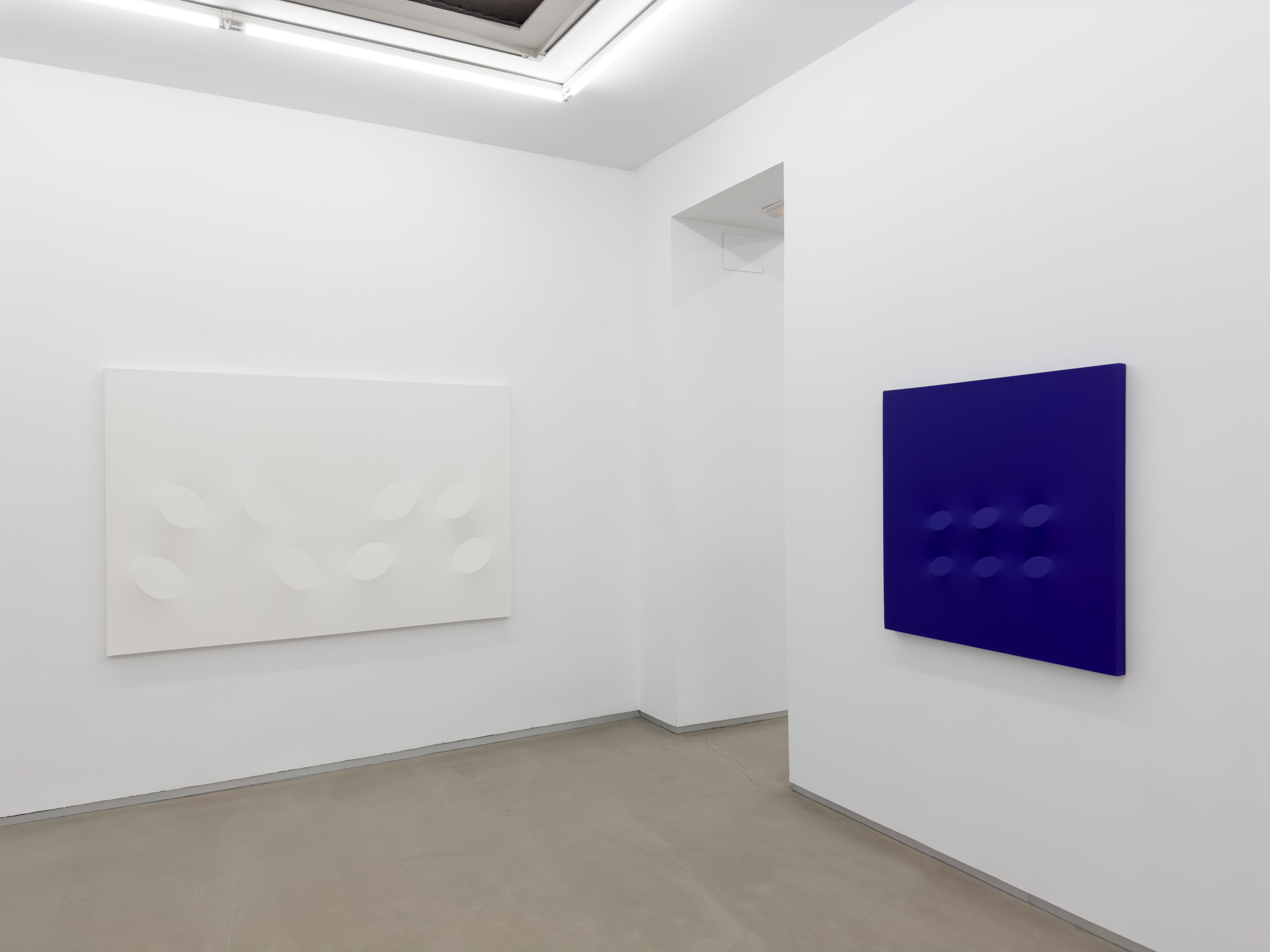
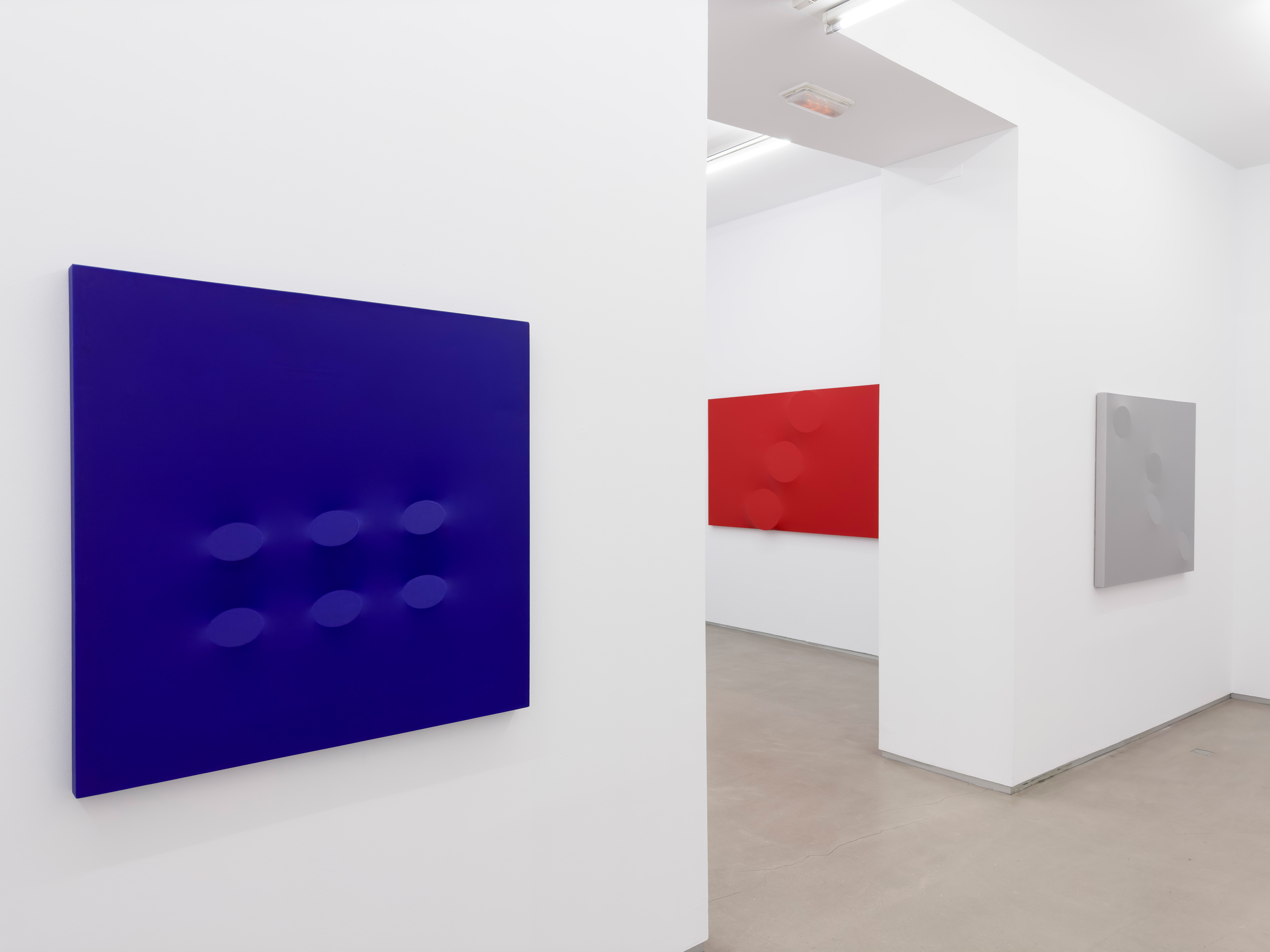
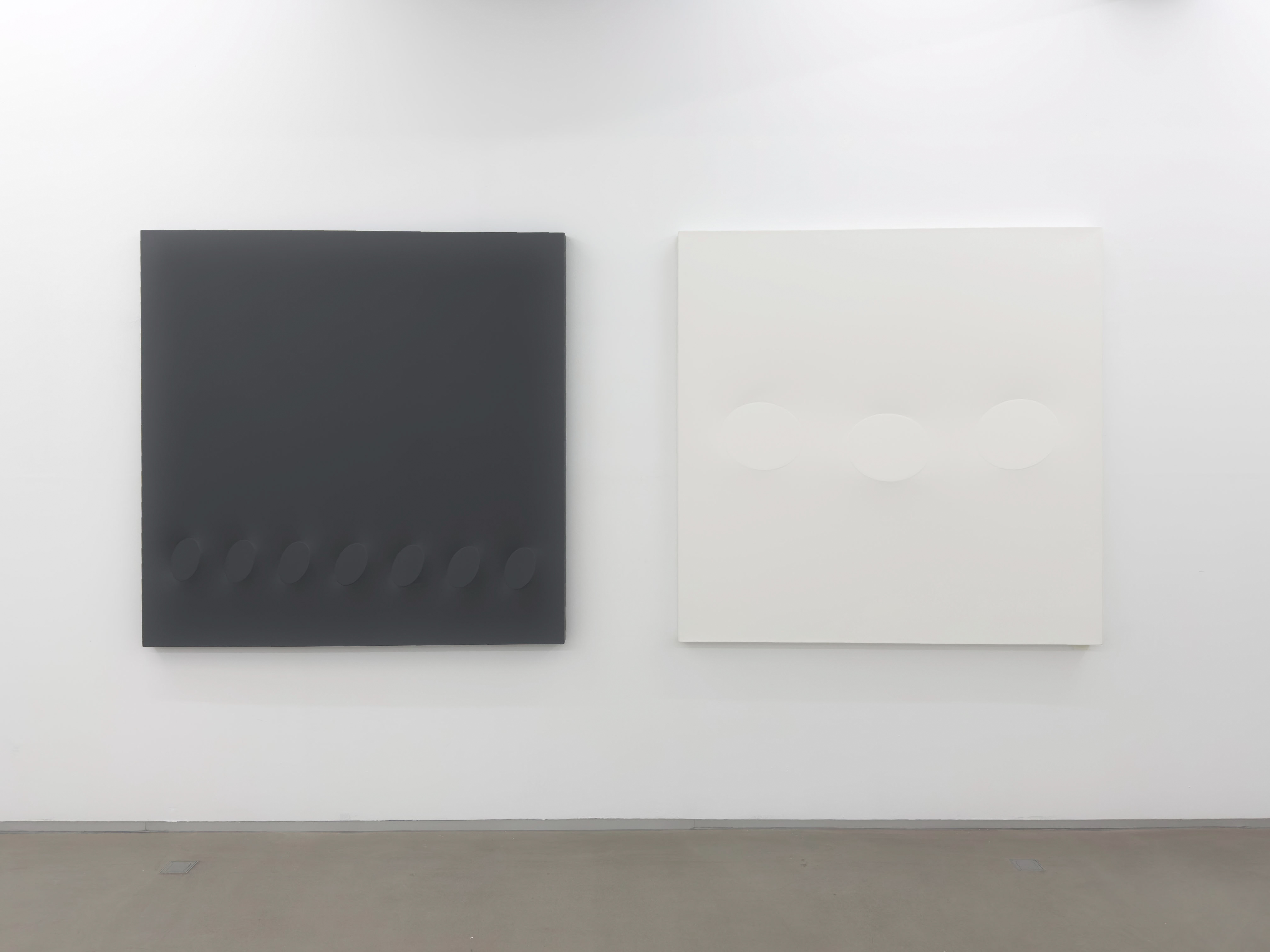
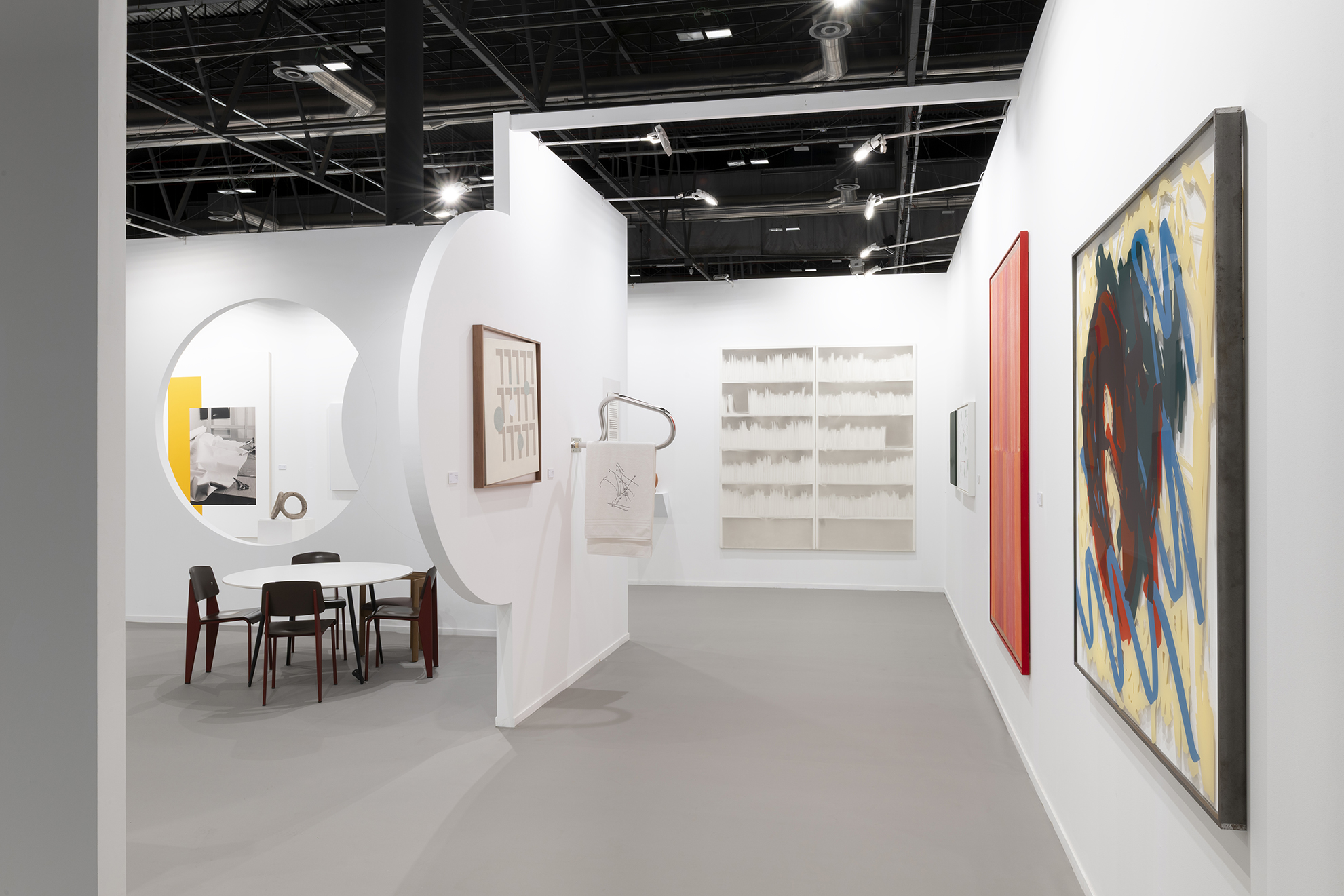
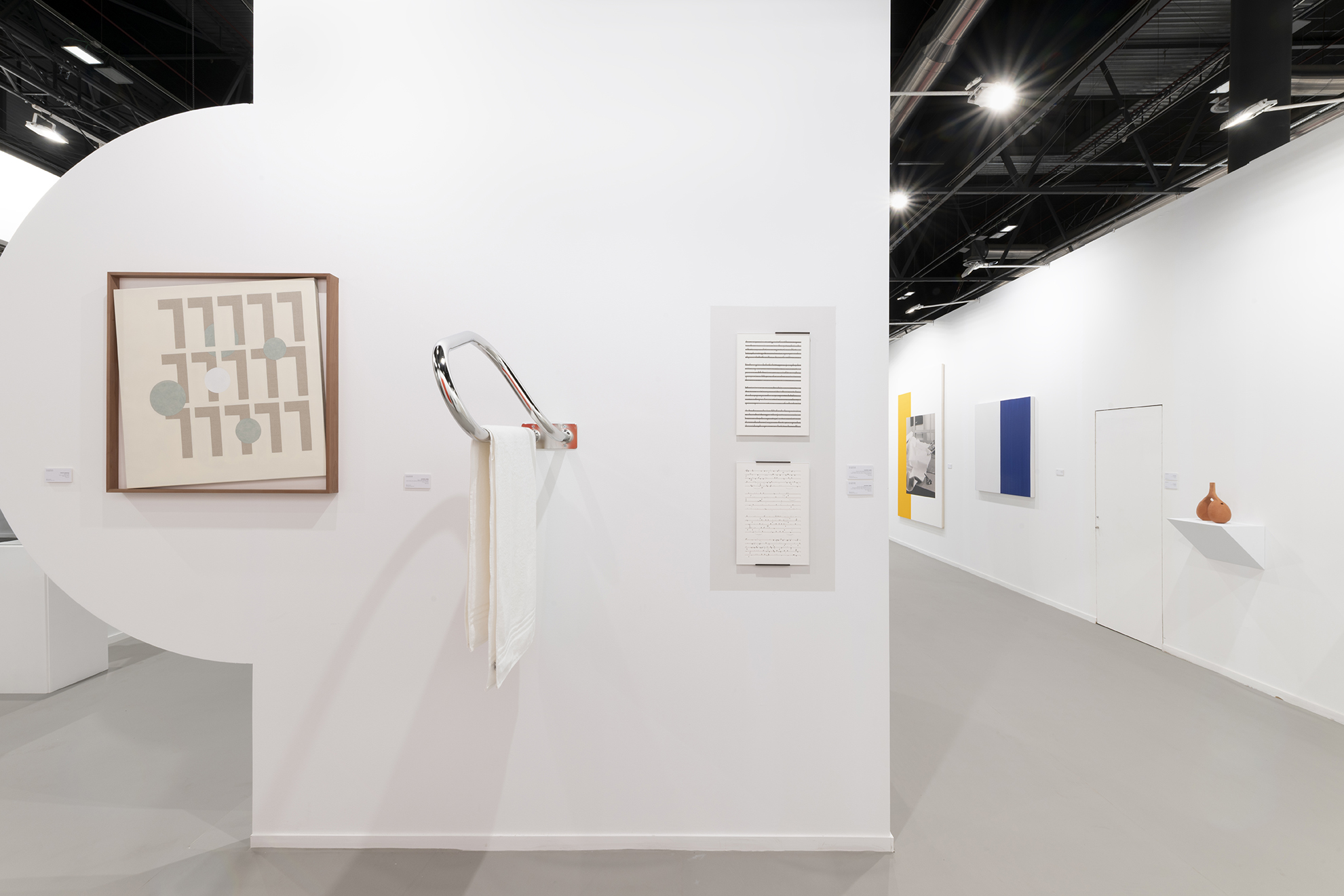
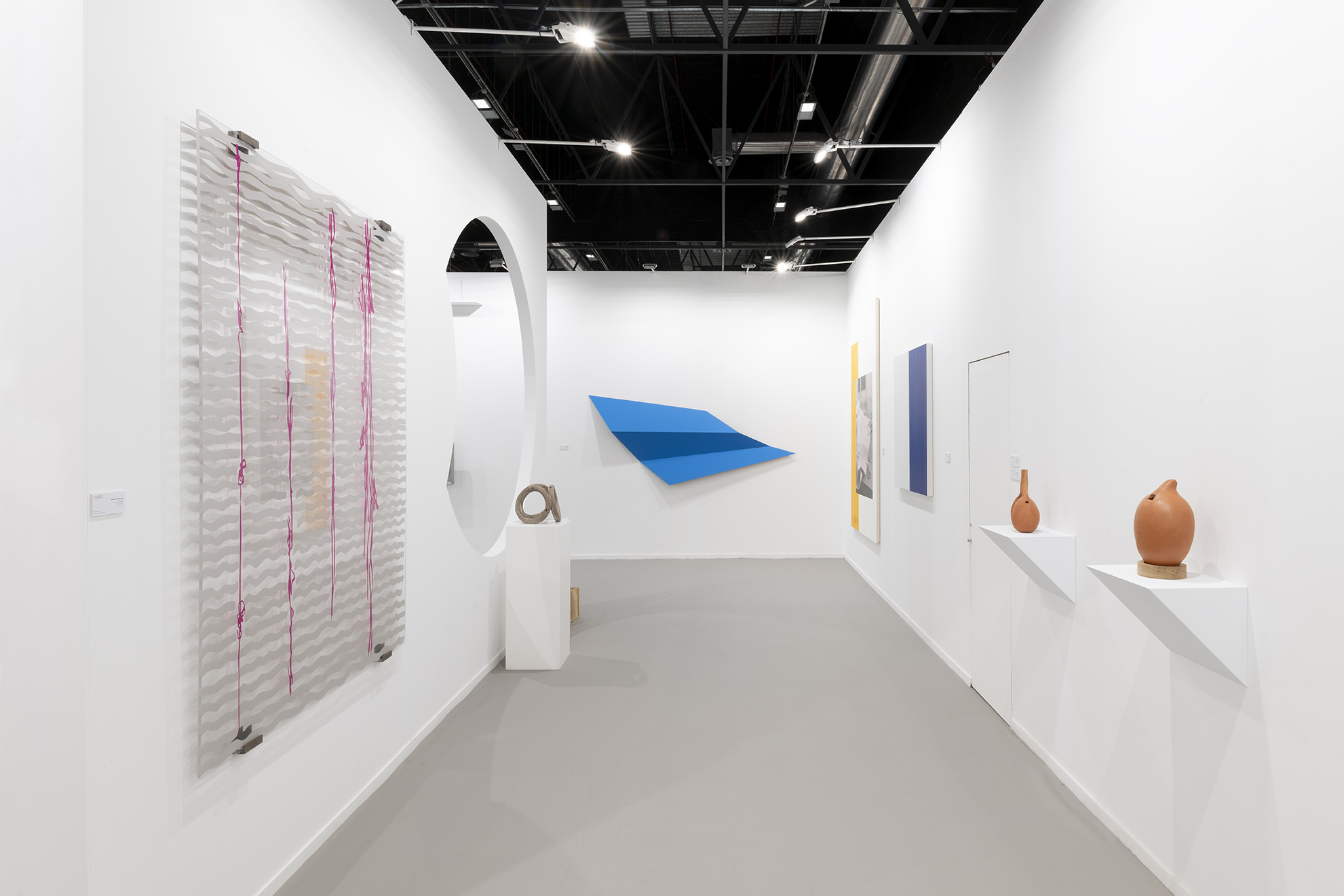
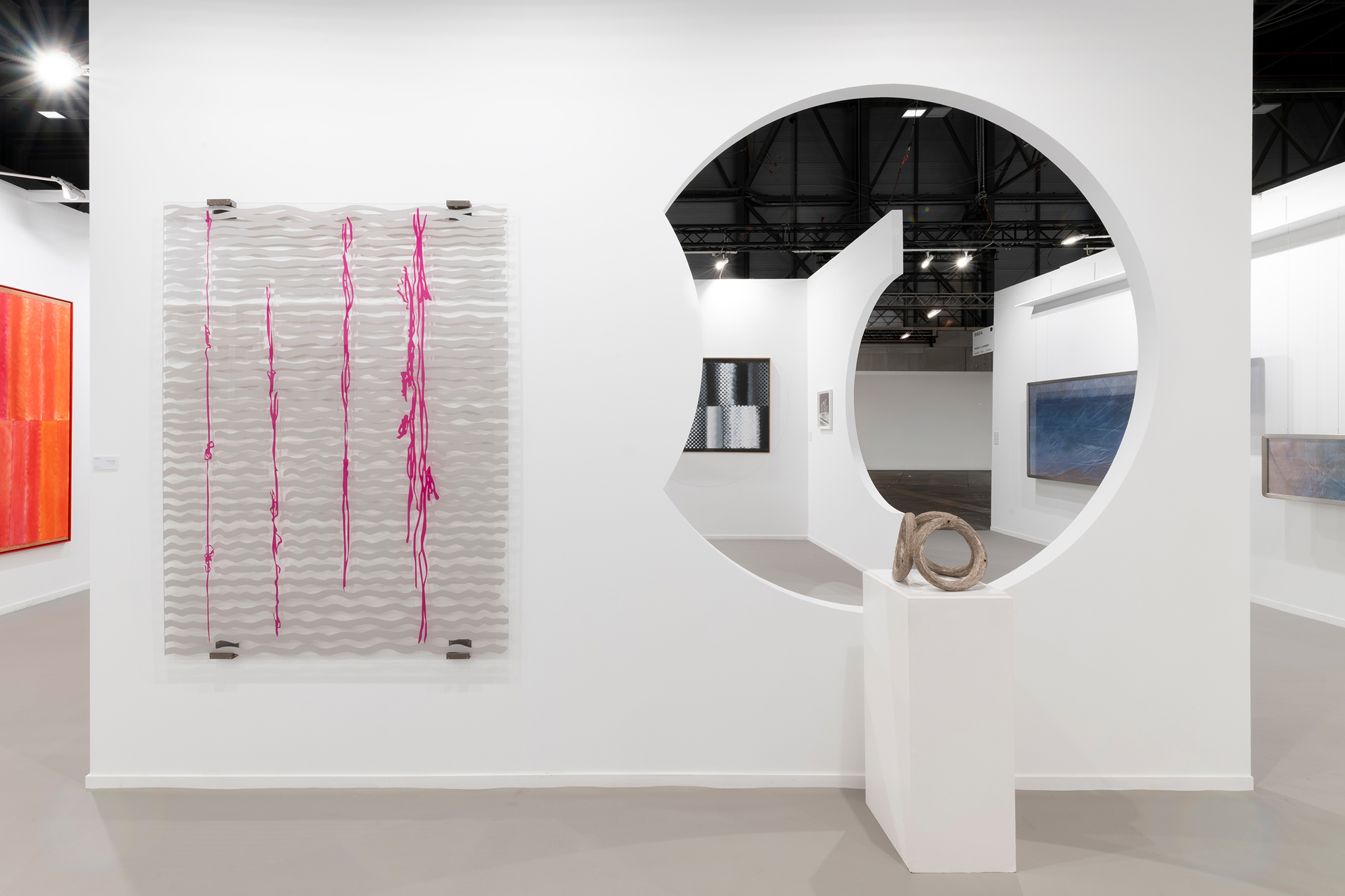
The exhibition currently on show in Ibiza is related to the artist’s first retrospective, organized by the Parra & Romero gallery in Madrid. Presented here are eight works from the last years of the artist’s life that are highly representative of the mature period, substantiating his method. The works, flat colors applied uniformly on canvases, show elasticity by adjusting to the presence of elliptical volumes – the defining form of Simeti’s work, which are arranged in a patterned, geometric fashion.
Since ancient Greece, Pythagorean thinkers instilled in Western culture the idea that the deep structure of reality, which we cannot perceived with the naked eye, is mathematical. An awareness that unites art and science, plastic invention and technicality, as well as material innovation dominated the transition from the 1950s to the following decade, in which the success of industry filled the daily lives of European and American citizens with objects, instruments and utensils. In Italy, and especially in the industrial city of Milan, where Simeti had been based since 1968, the visual arts lived side by side with experimental literature and theatre, architecture, design, the new humanistic disciplines and, above all, emerging digital technologies.
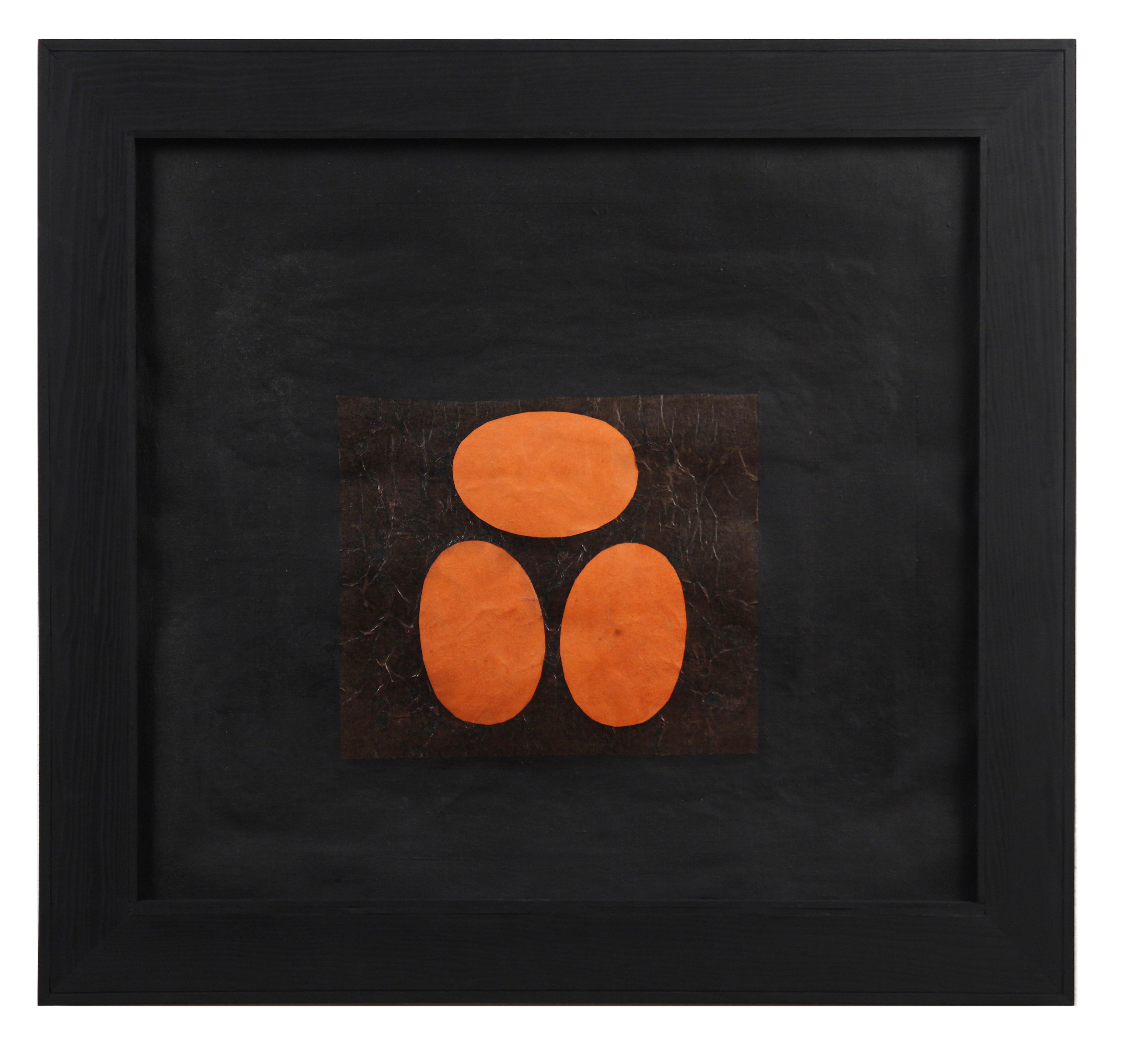
If we consider that repetition and variation are conditions of invention, Simeti’s works refer us to an ordered and rational world, far removed from the materialistic hustle and bustle of expressionism and informalism that has dominated the scene for so many decades.
The aesthetic ideas promulgated by these artists since the end of the 1950s and extending to the present day seem only formally related to American minimalism. Although the research developed in Europe since the rejection of gesturalism, it precedes the American ones chronologically. The fact is that, in the mid- 1960s, the New Artistic Tendencies, as the multiple art practices of the time came to be encompassed, were surpassed in terms of media and public impact by the emergence of American pop art. Simeti’s career, which took part in memorable exhibitions such as Nouvelle Tendance in Zagreb (1965), Arte Programmata in Milan and touring exhibitions in the United States, Aktuel 65 (1965) and Weiss auf Weiss (1966), among other memorable shows, was as discreet as the vocabulary of his painting was constant.
Since the late 1960s, Simeti has been engaged in an ongoing research that places innovation in repetition and variation. Indeed, it is in the infinite perpetuation of a basic methodology, a vocabulary with few signs, in the asceticism that can be produced by the combinatory nature of a small number of elements that Simeti’s radical commitment seems to be situated. His approach, furthermore, is similar to those of other contemporary or later artists such as Carl André, Daniel Buren and Niele Toroni, among many others. Simeti is one of the pioneers who rejected the obligation of permanent novelty and who identified the beauty of his work with constancy and permanence.
Cur. text: Bartomeu Marí