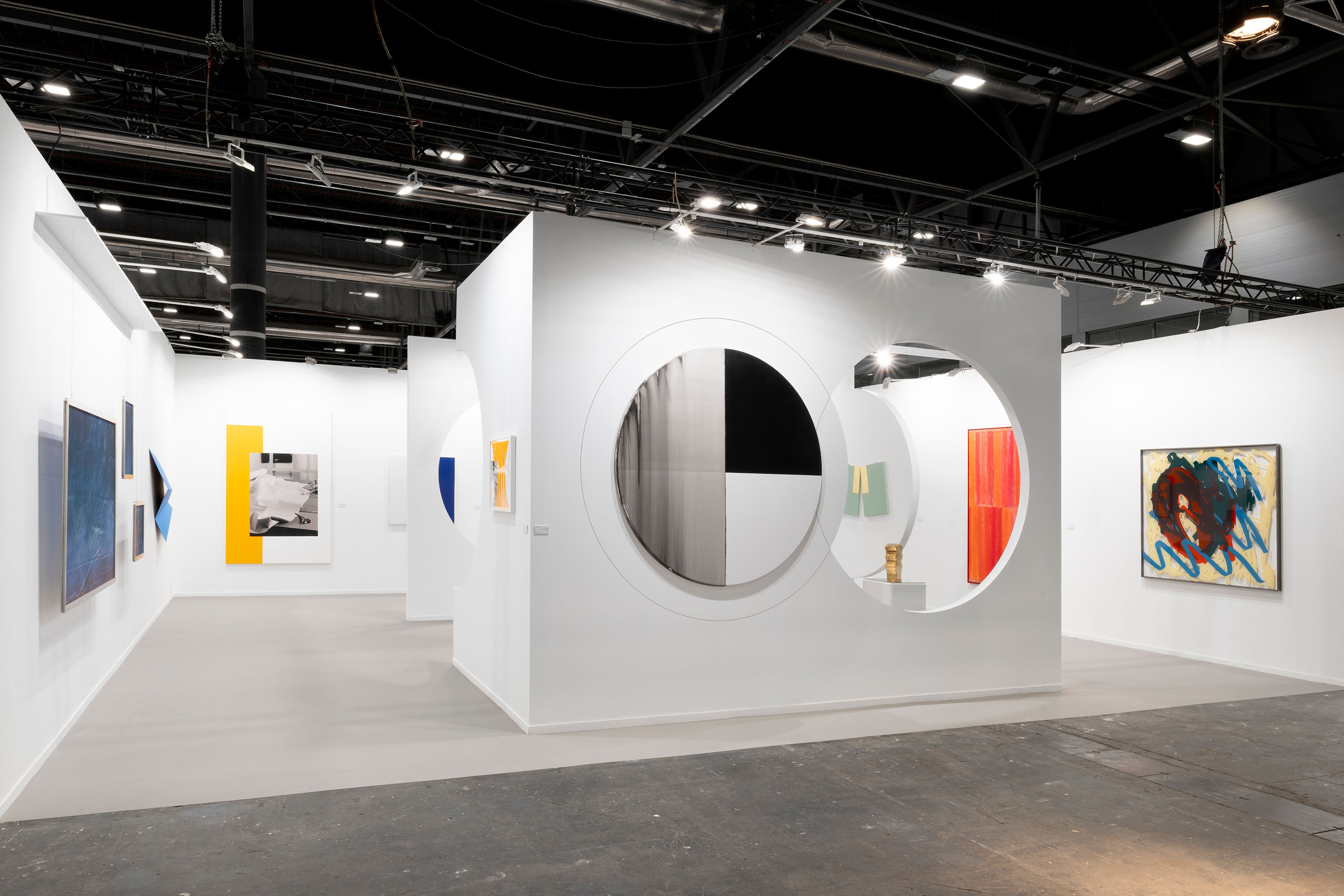
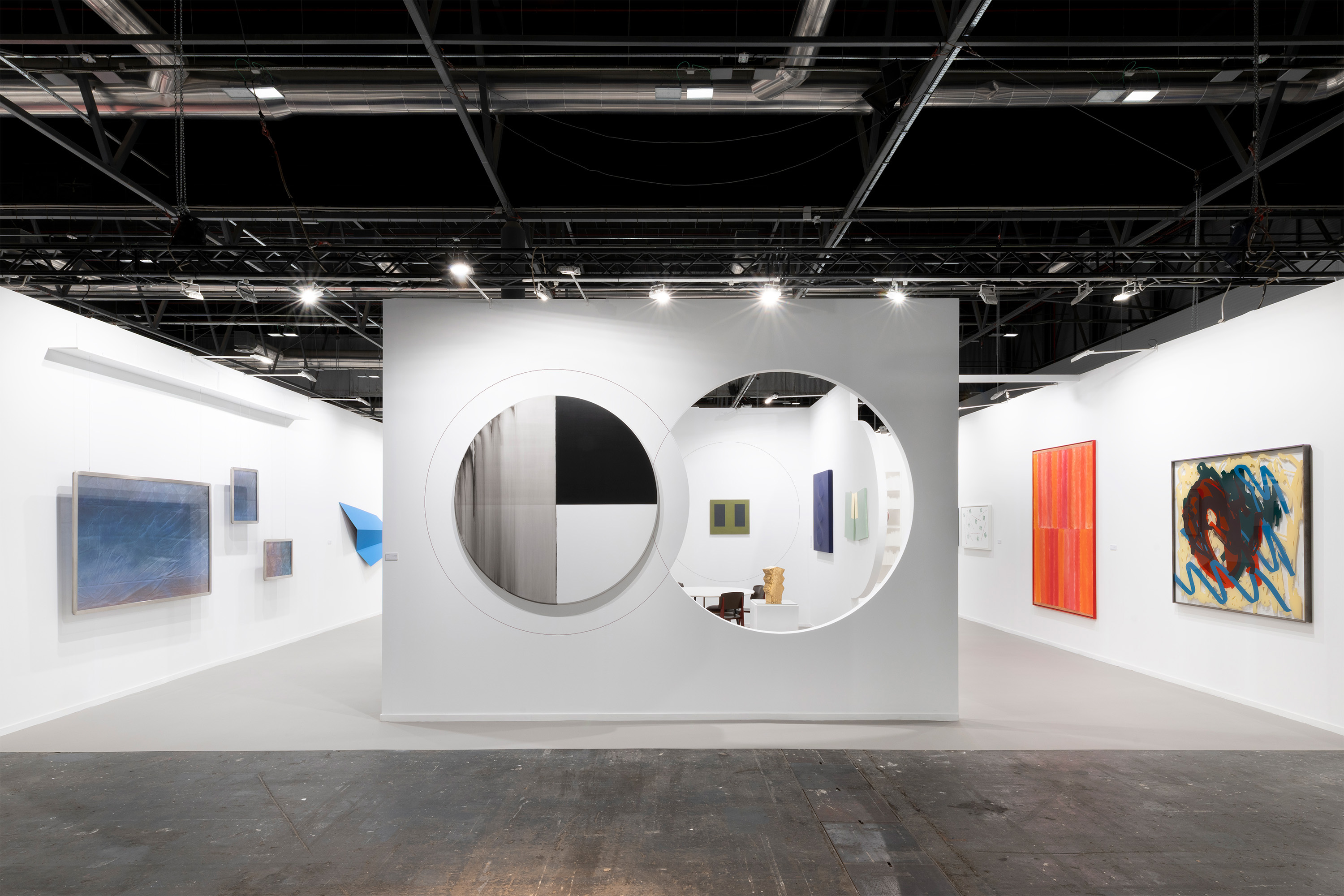
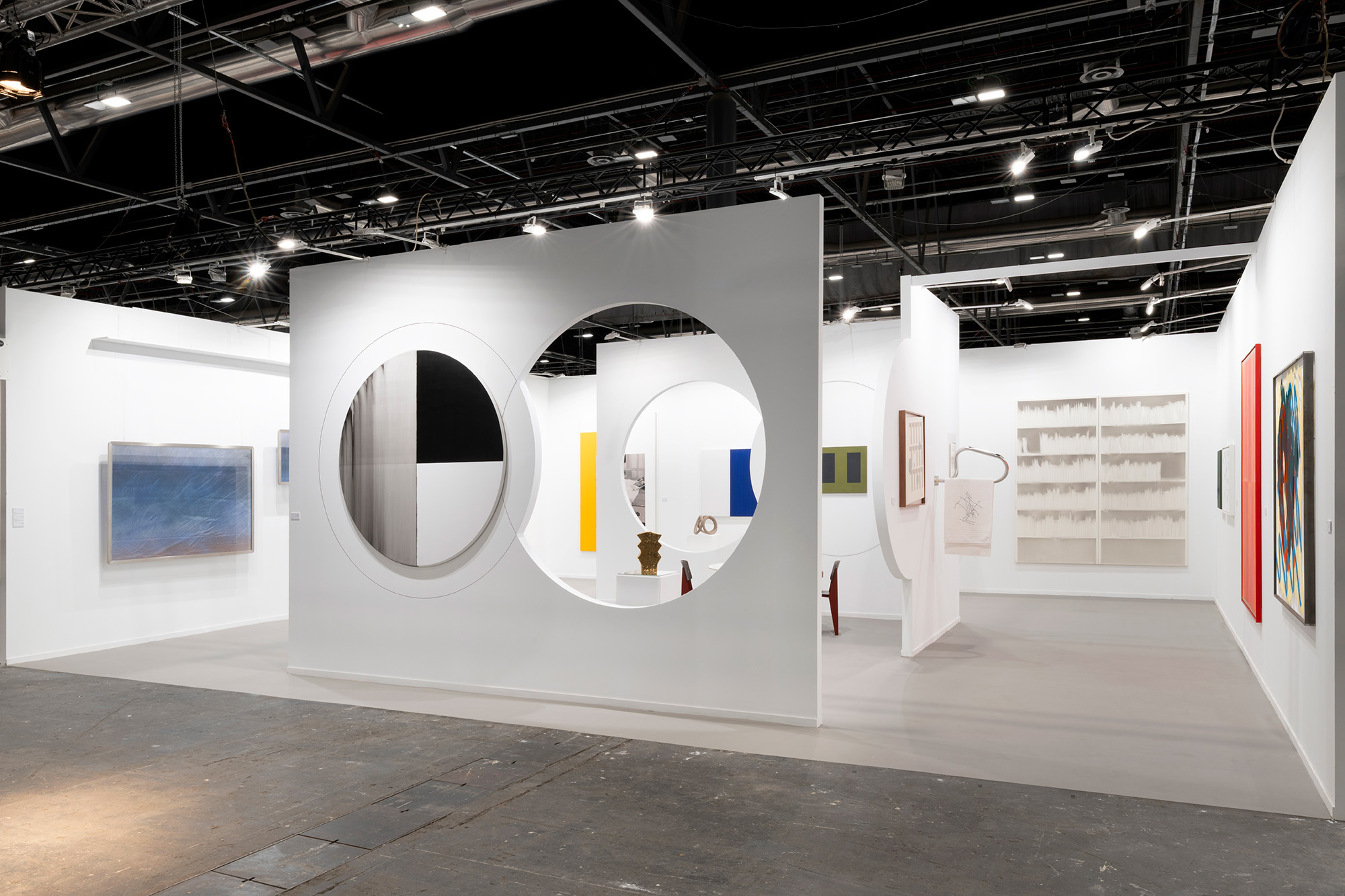
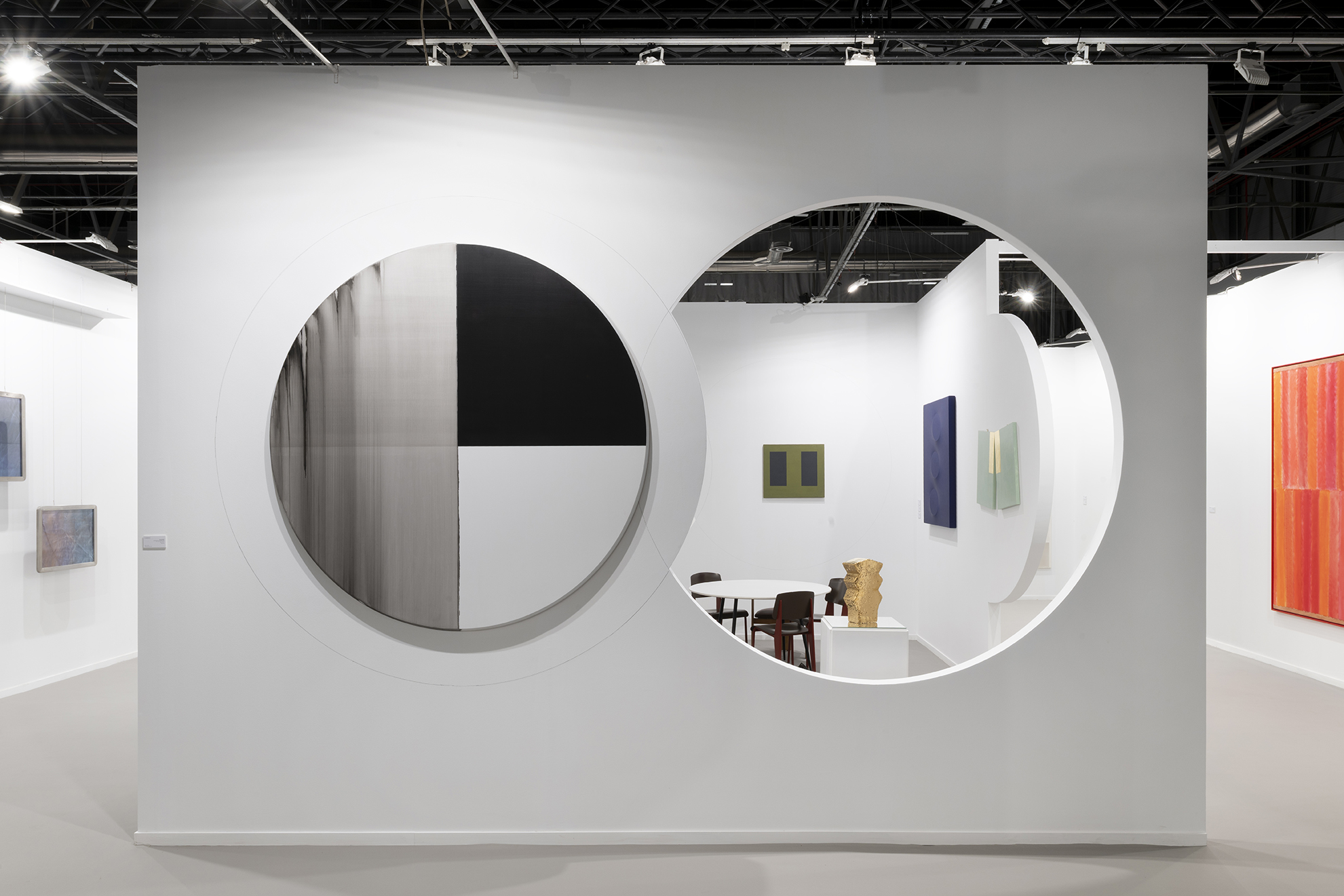
Basics on Composition / Informal Multitudes
- H e l m u t F e d e r l e
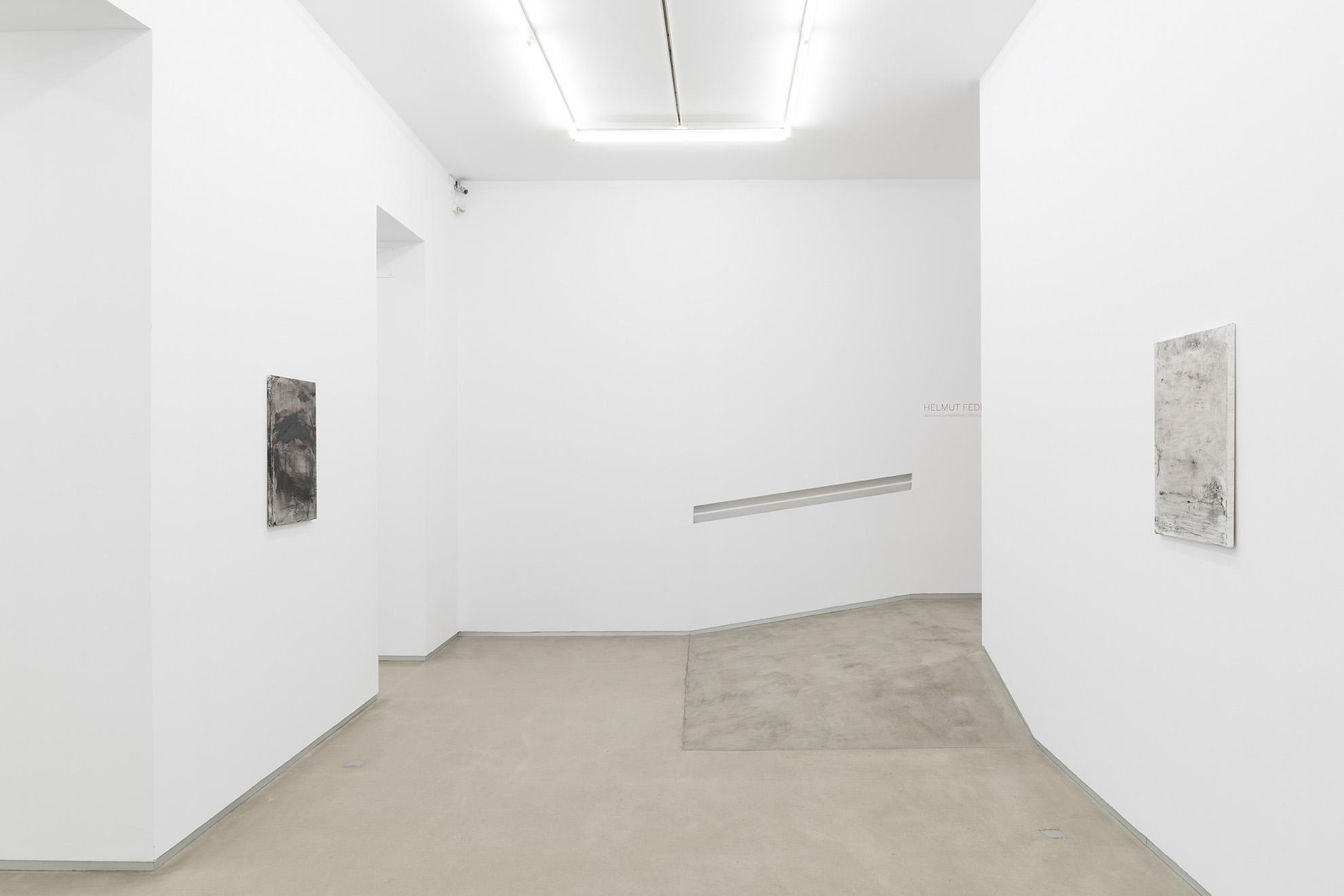


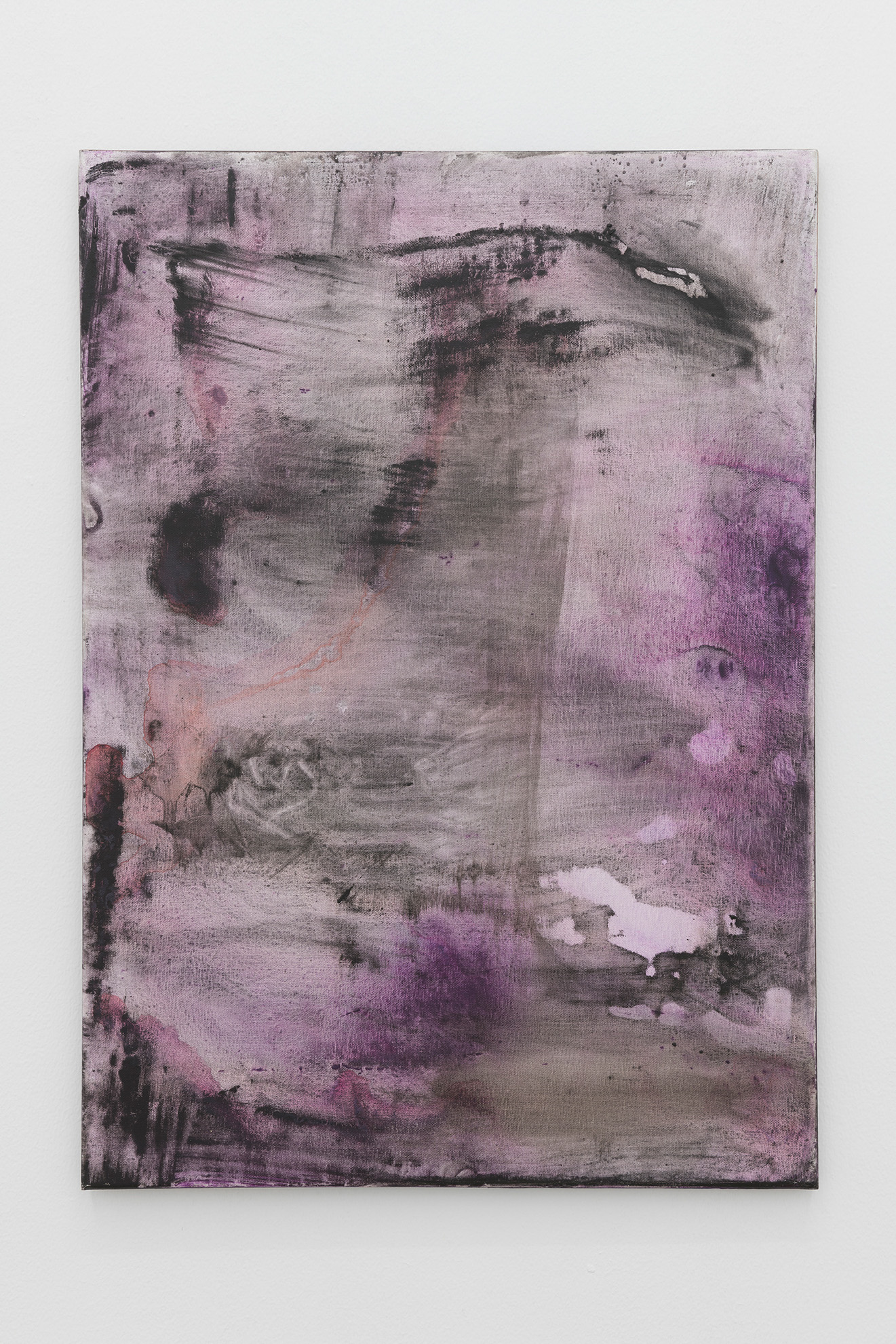

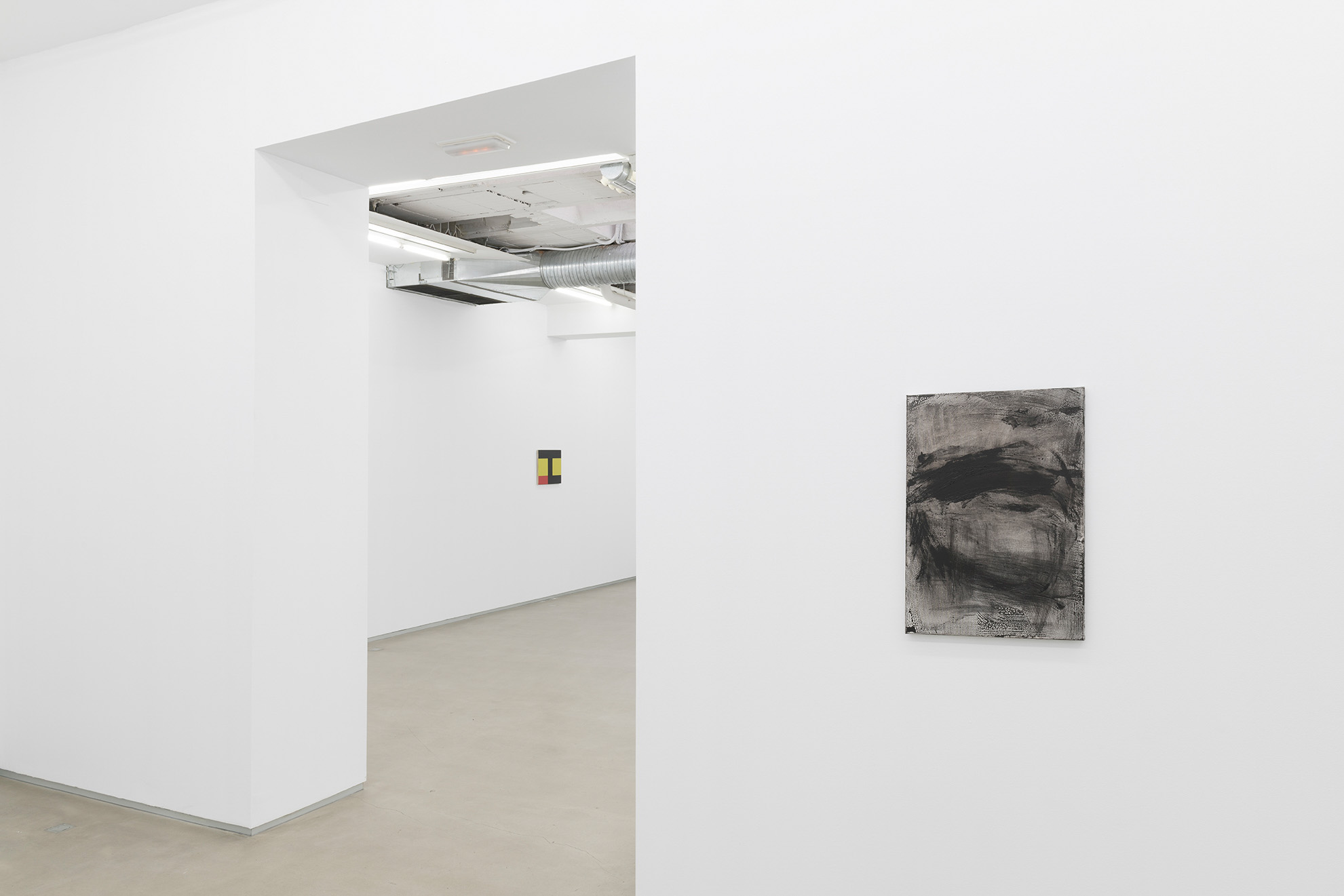

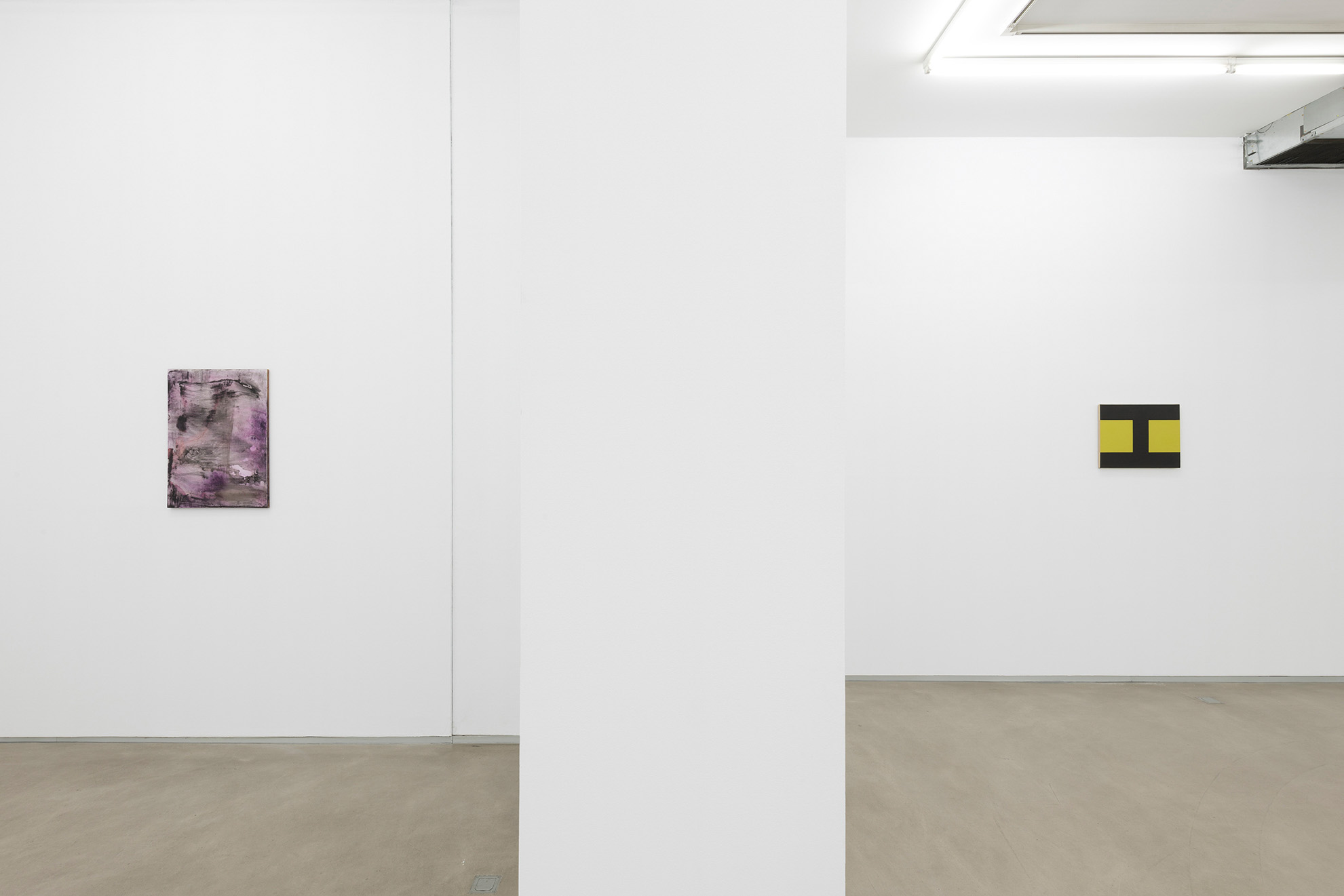

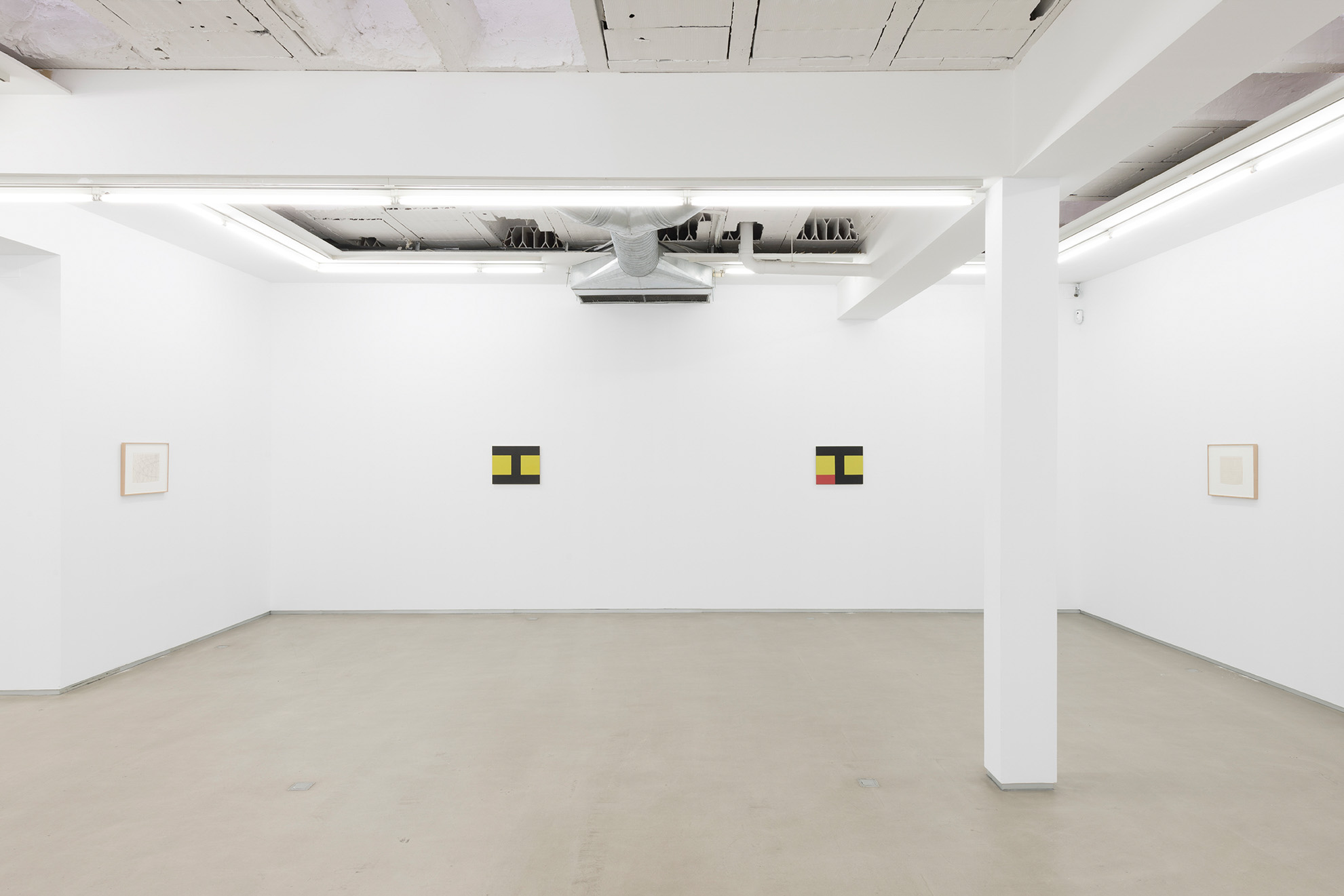
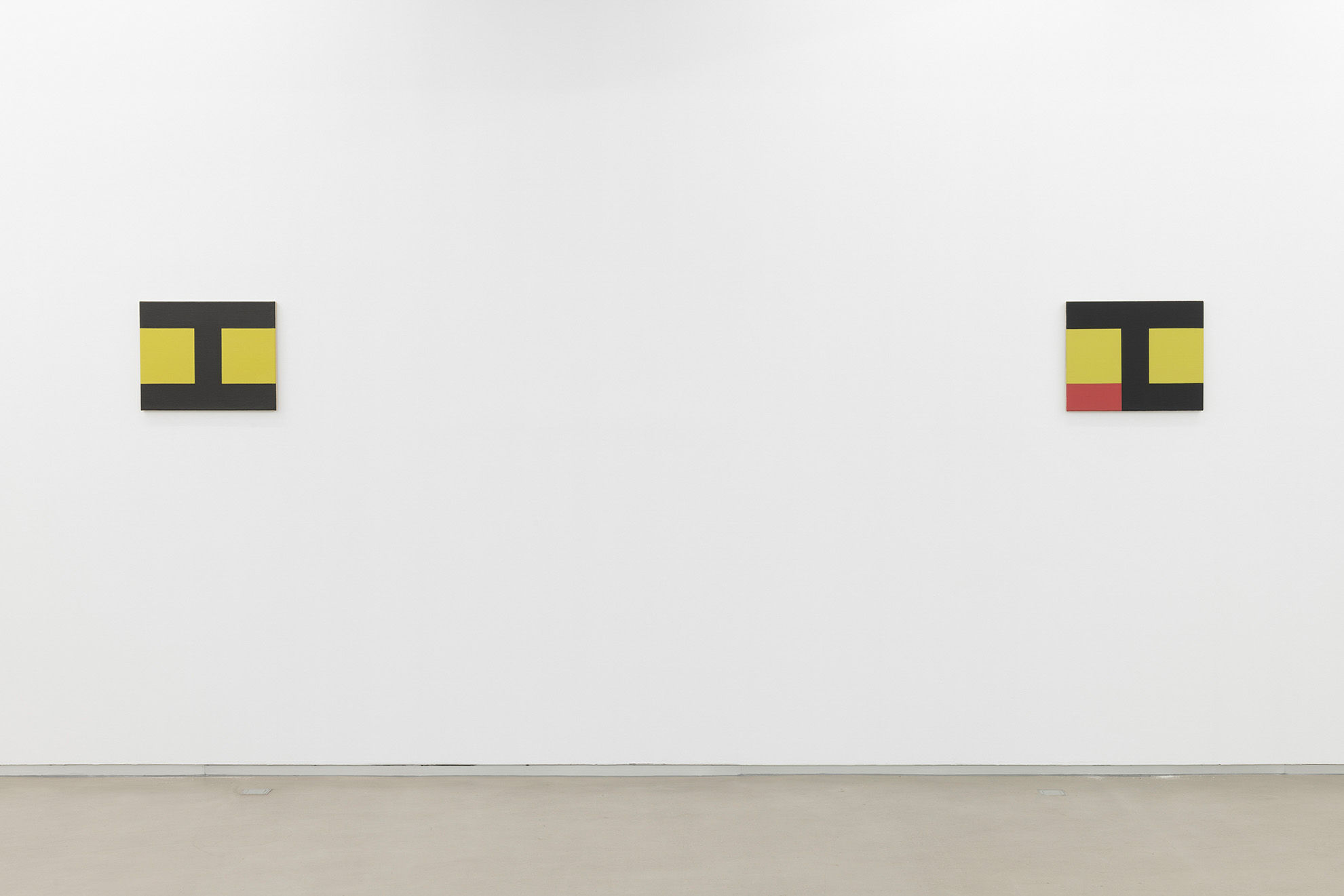
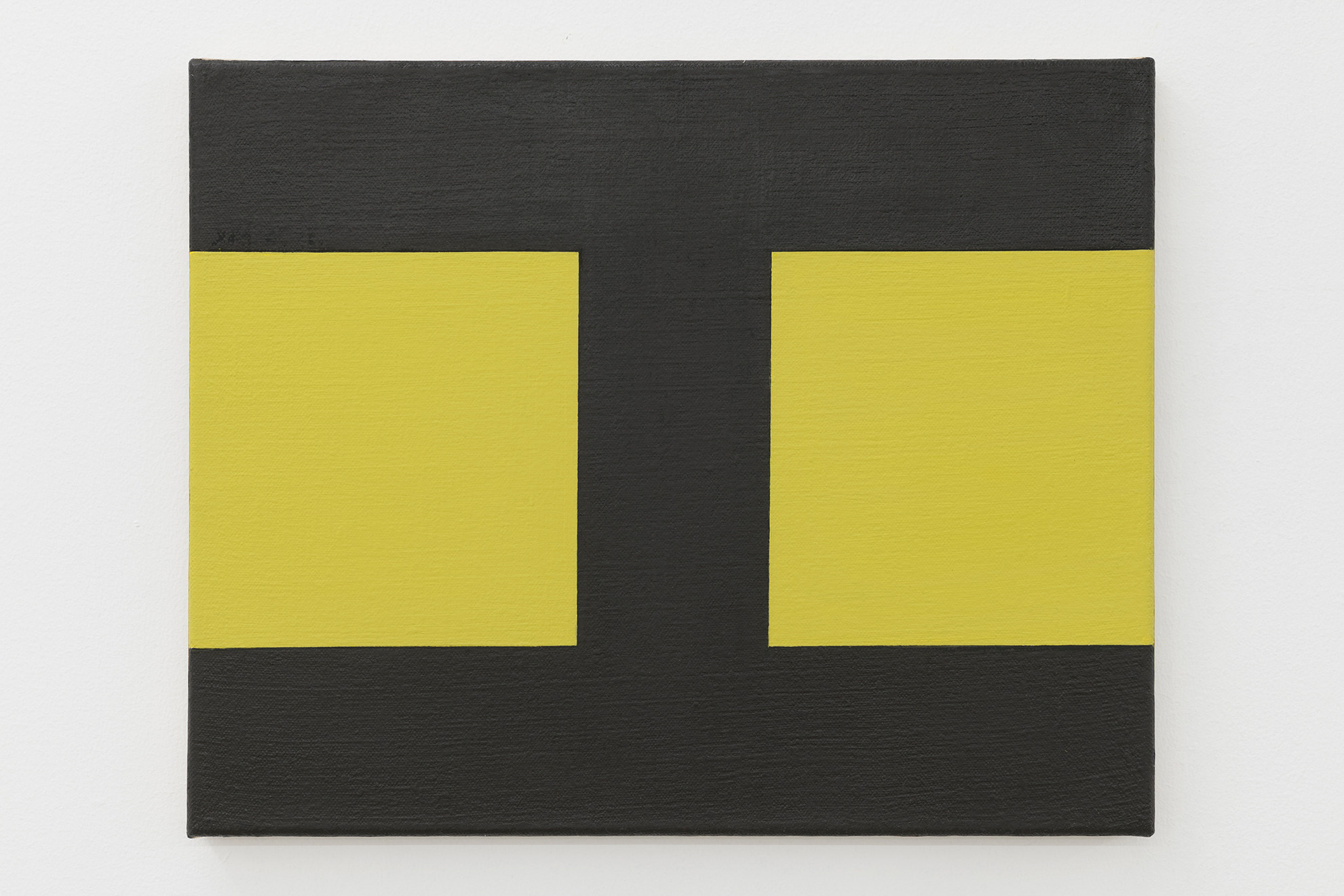
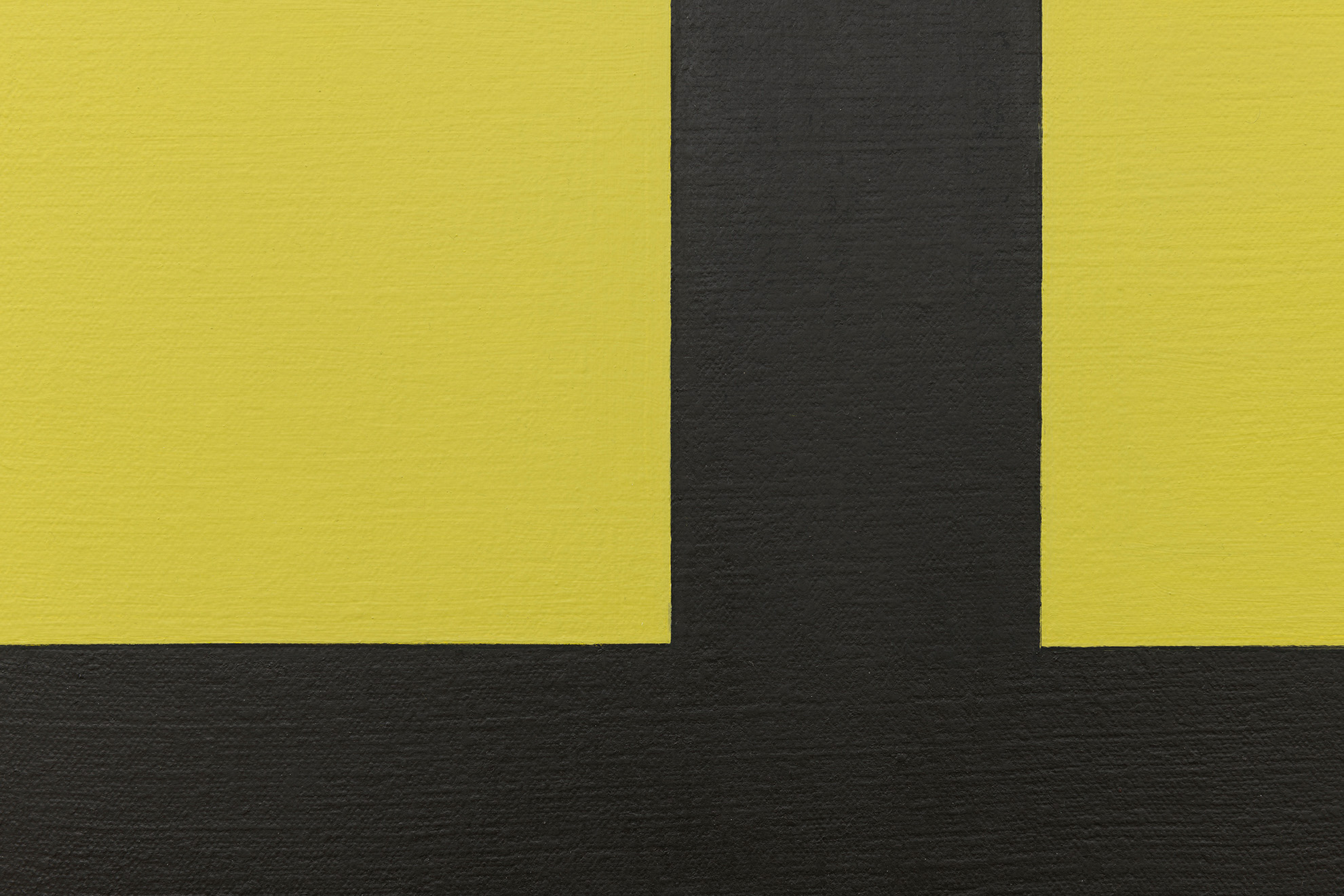


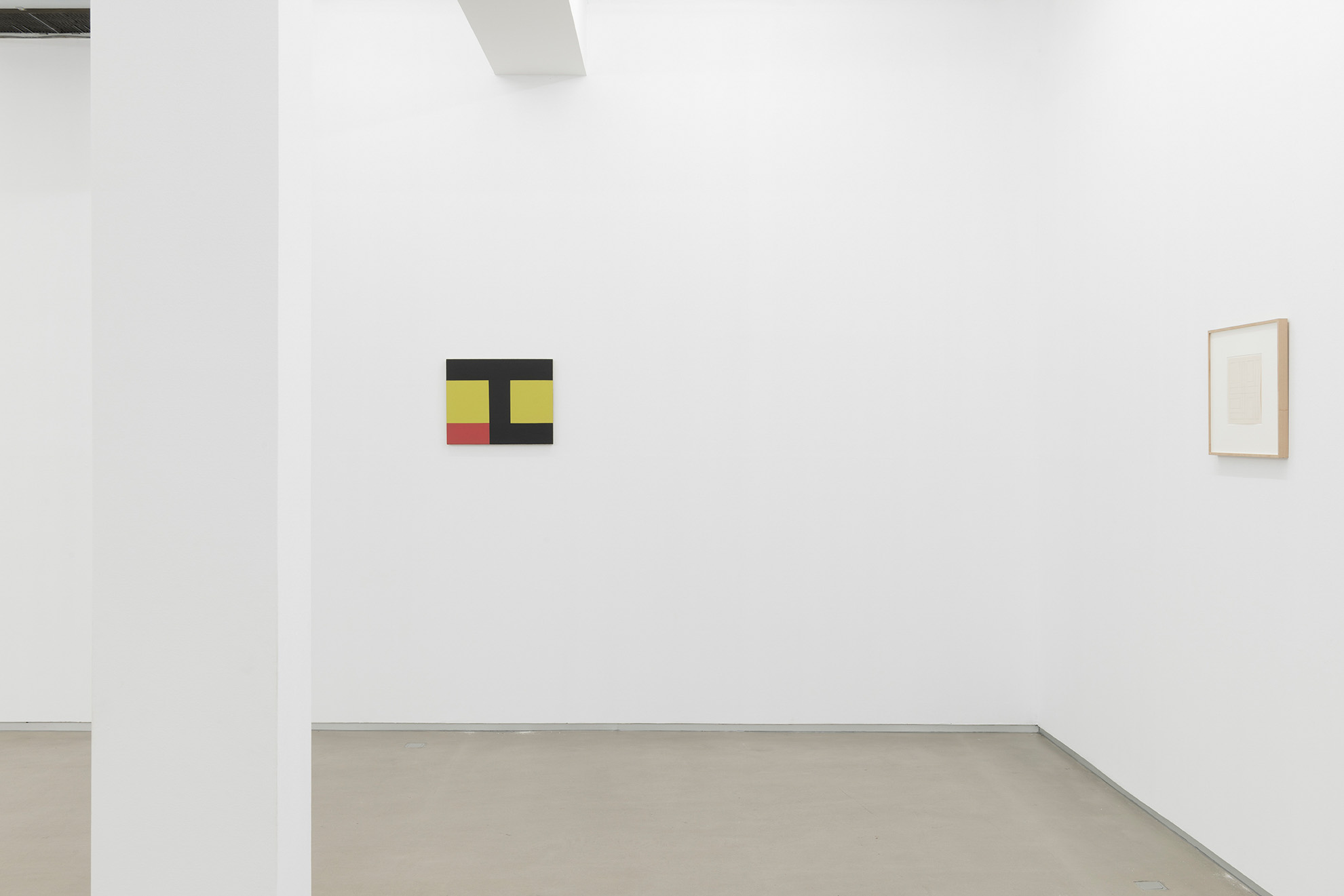


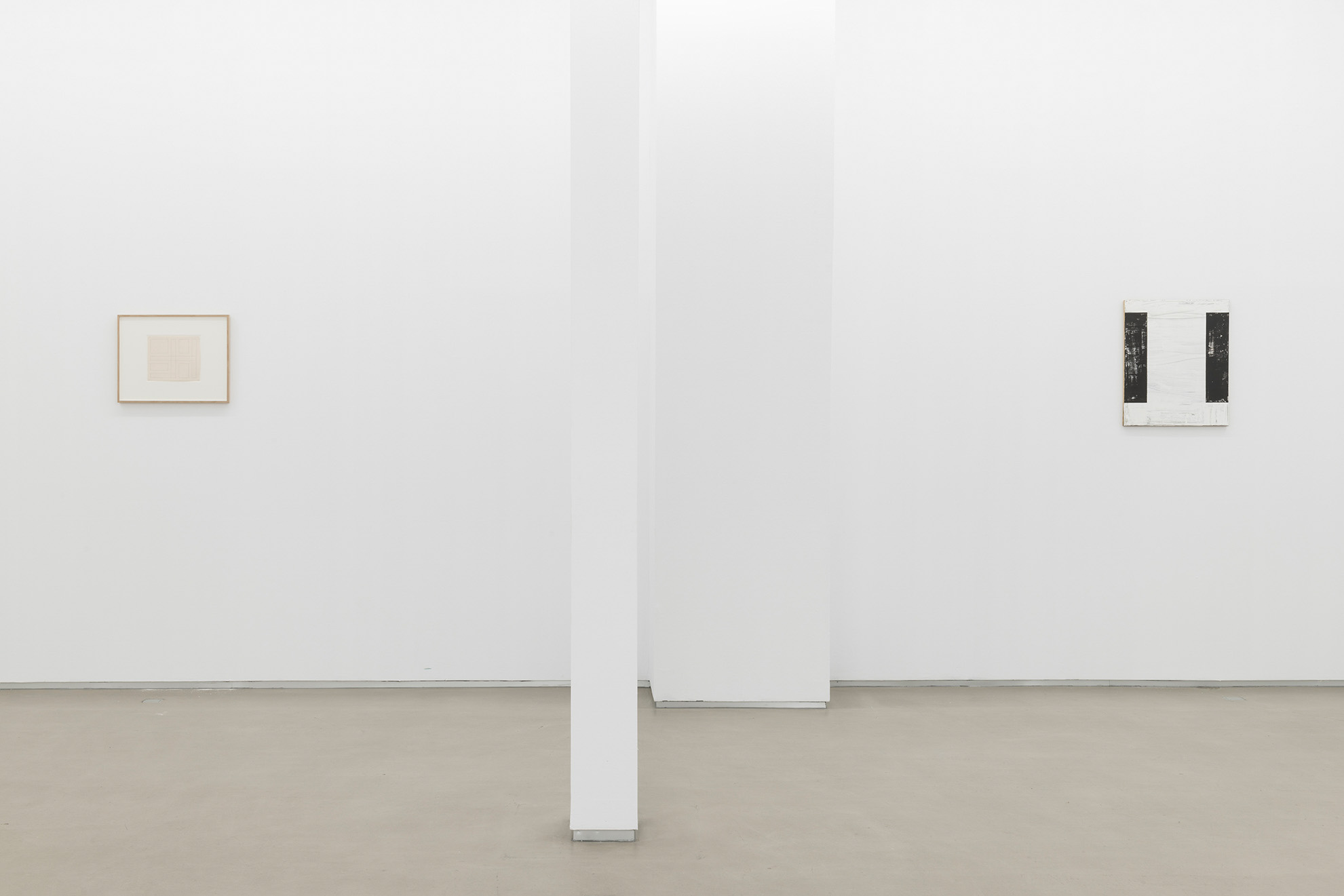

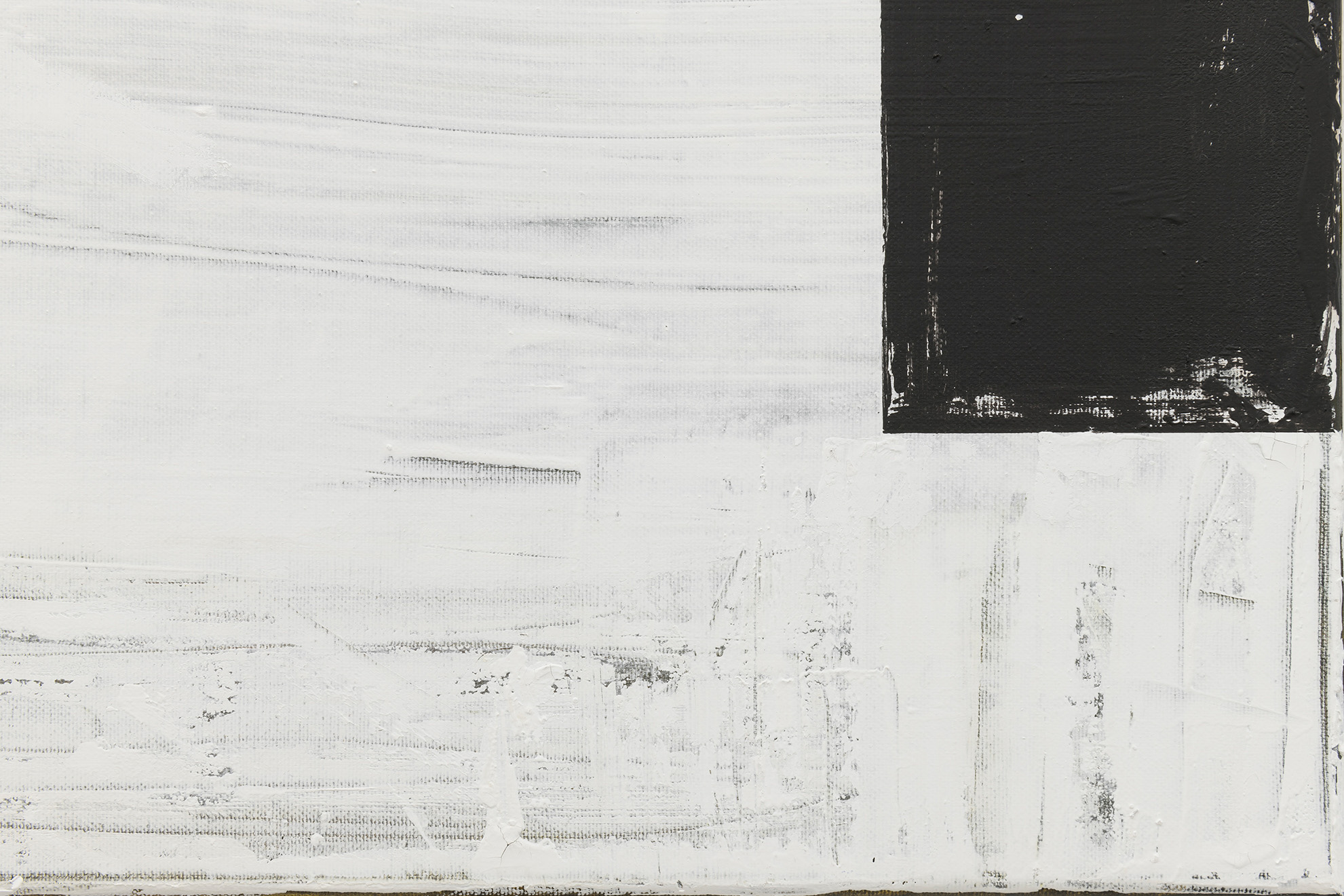
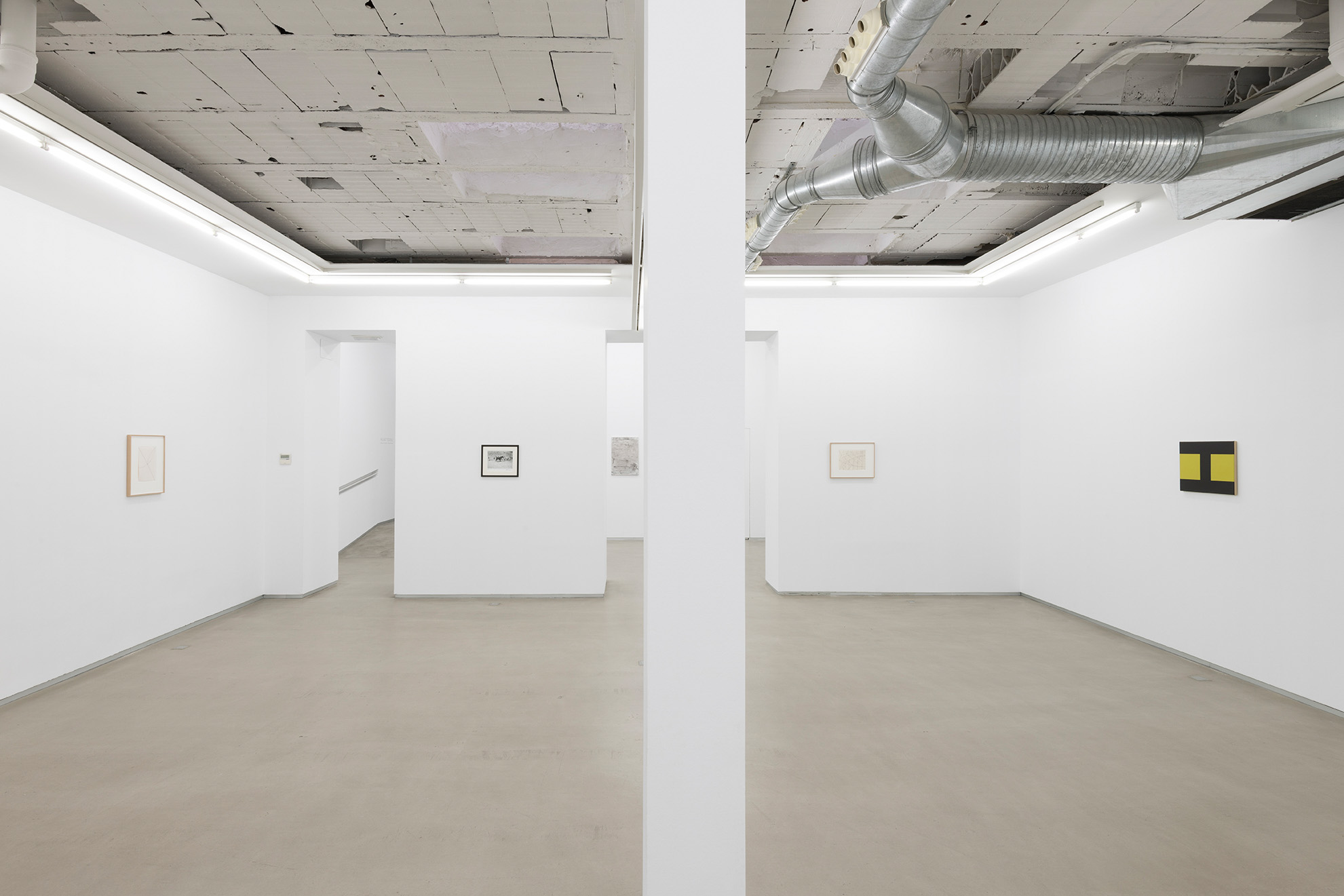
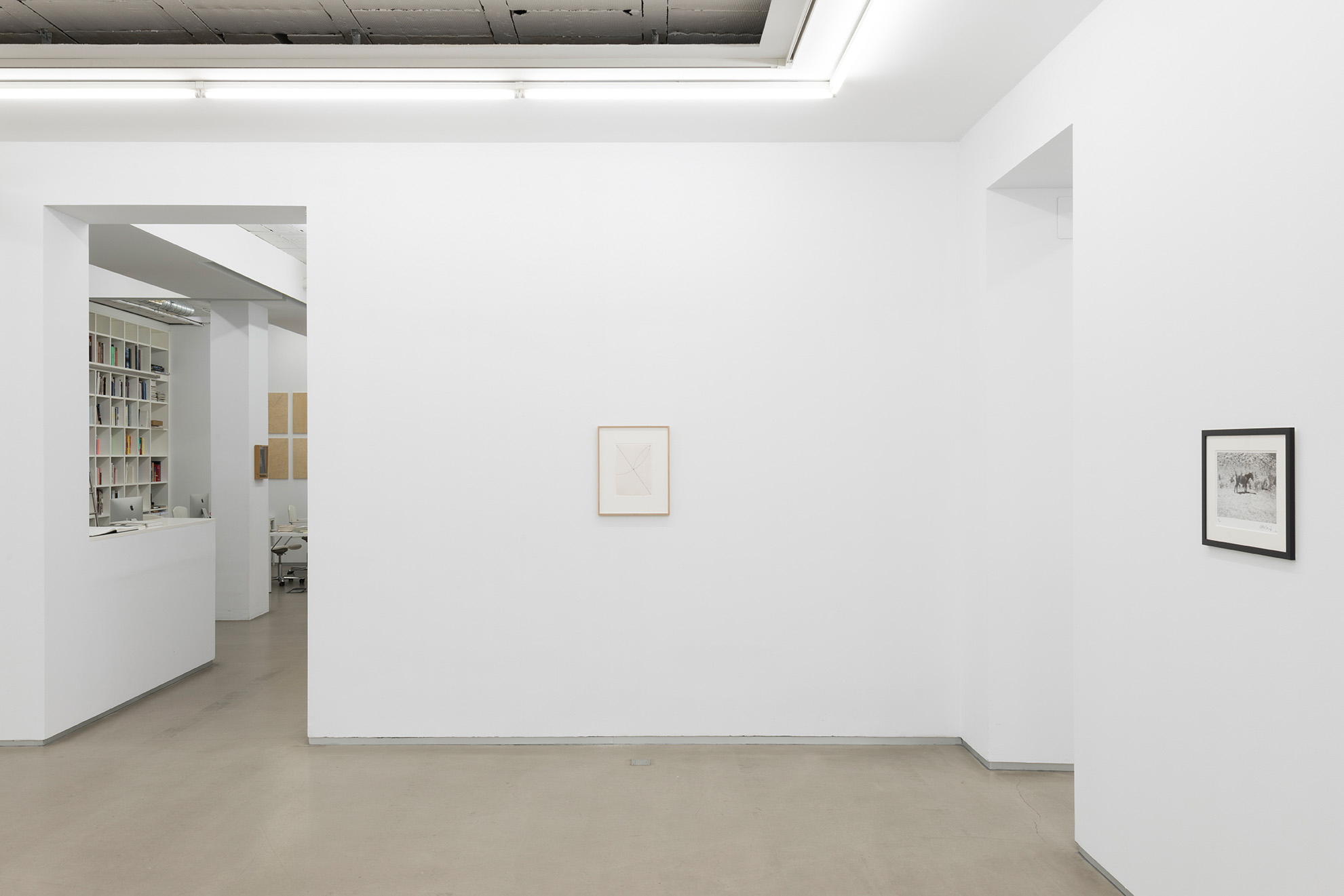

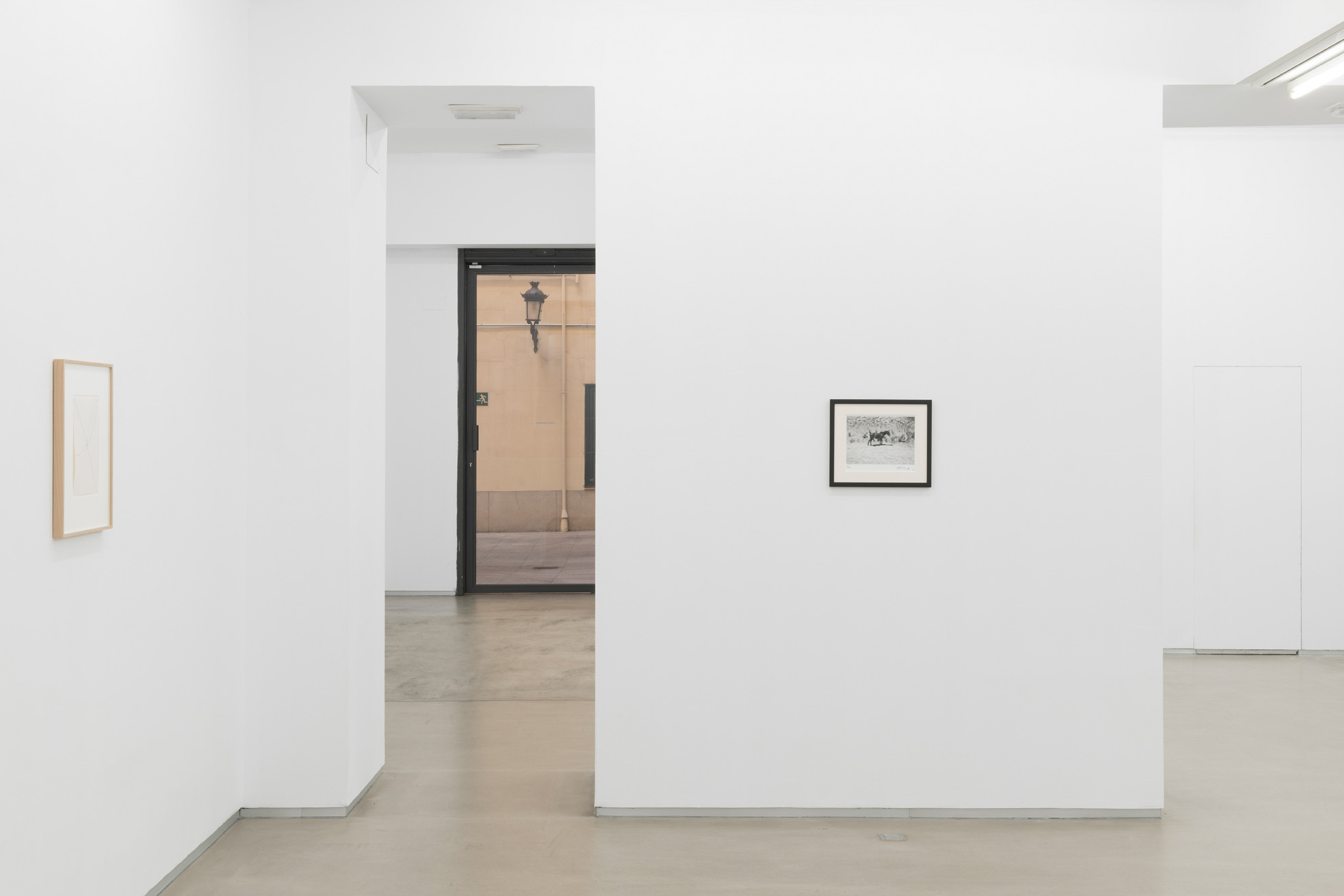

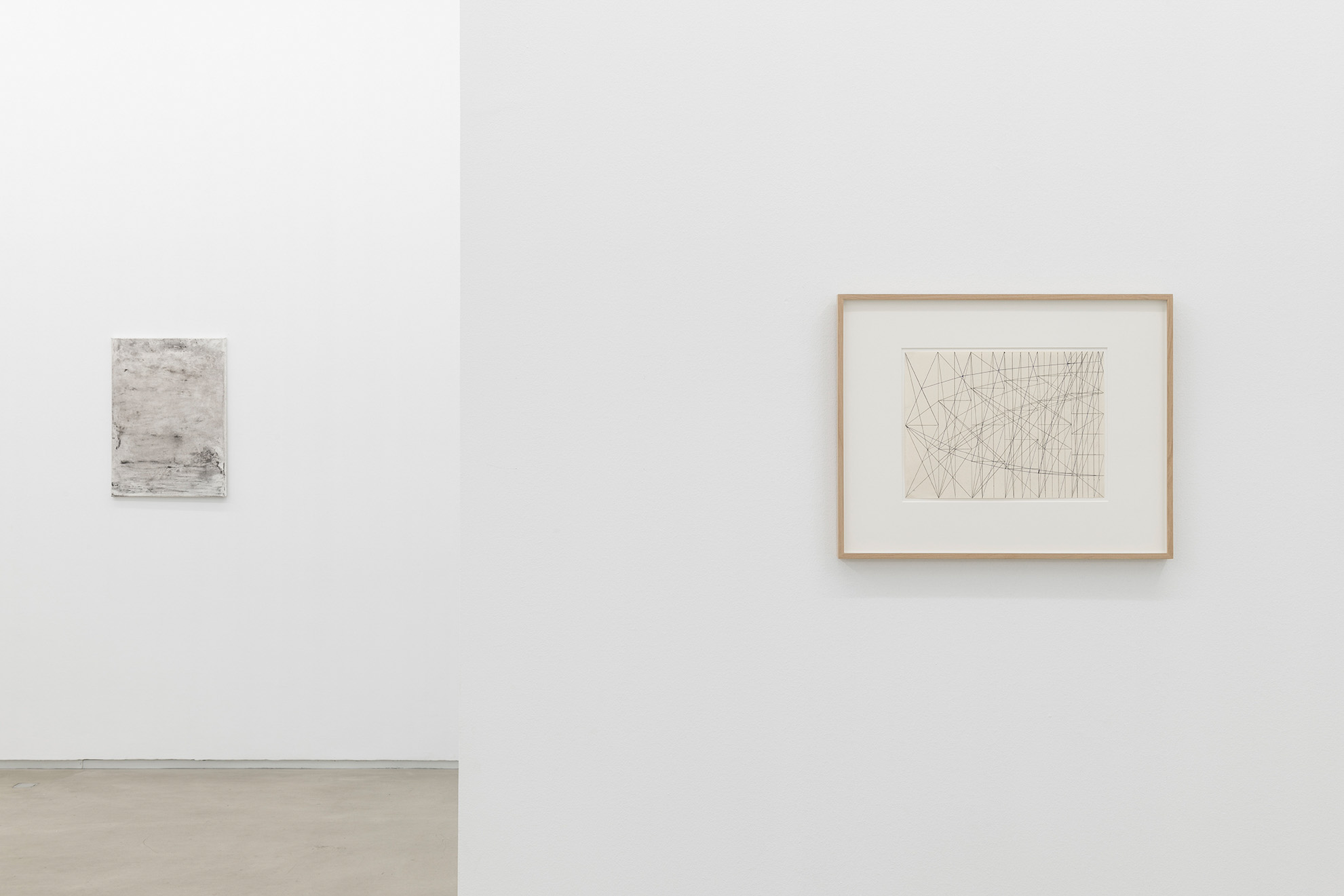

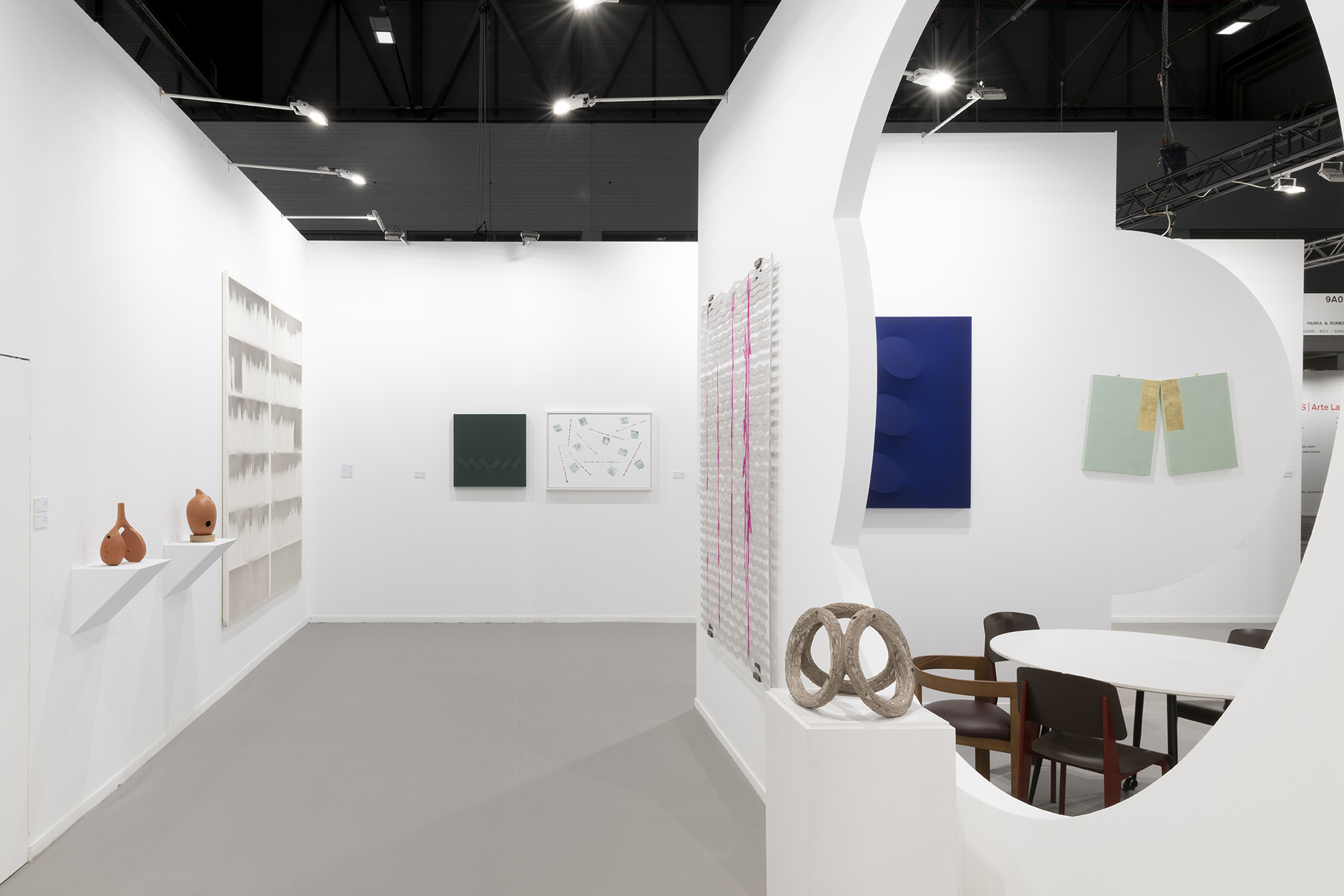
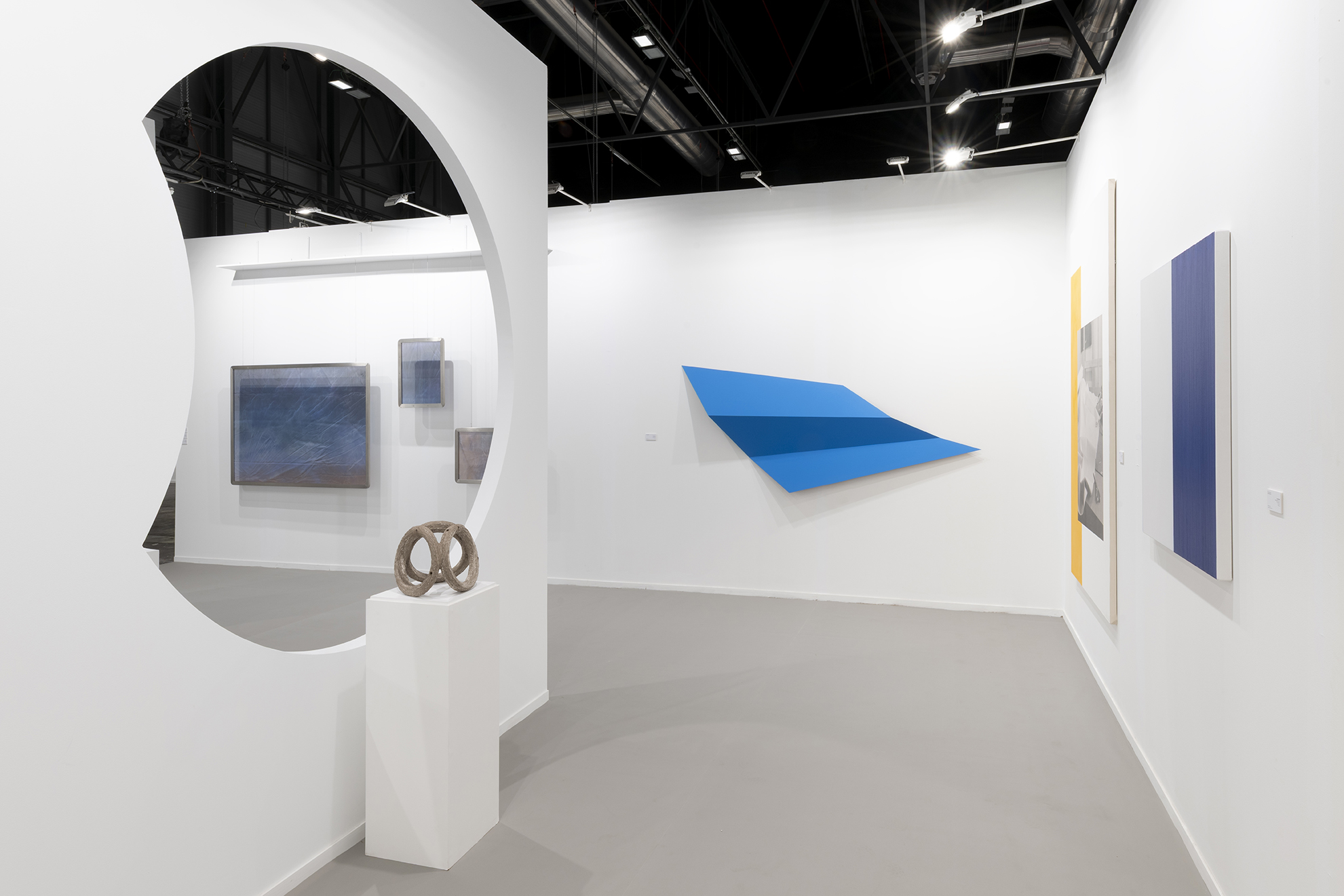
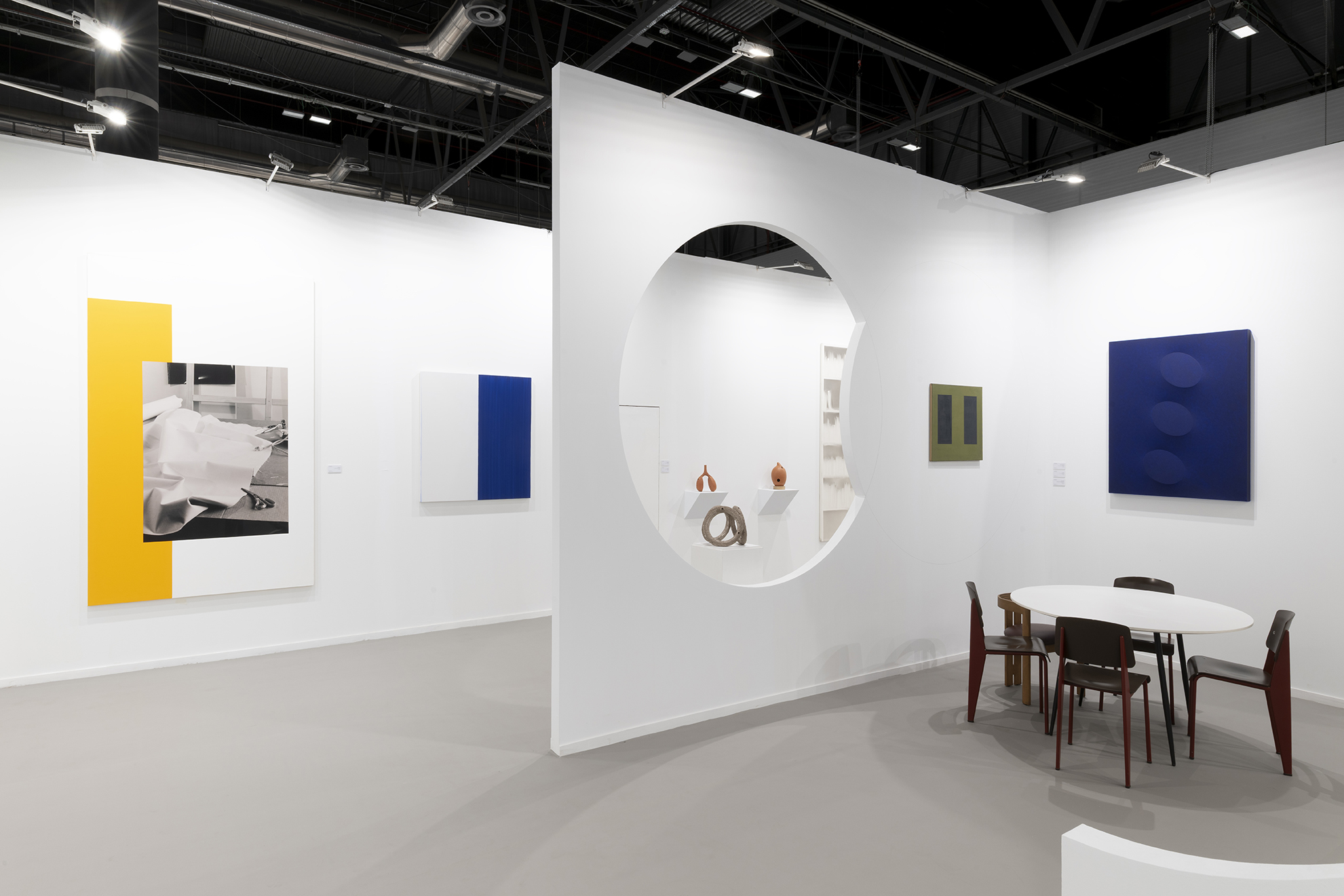
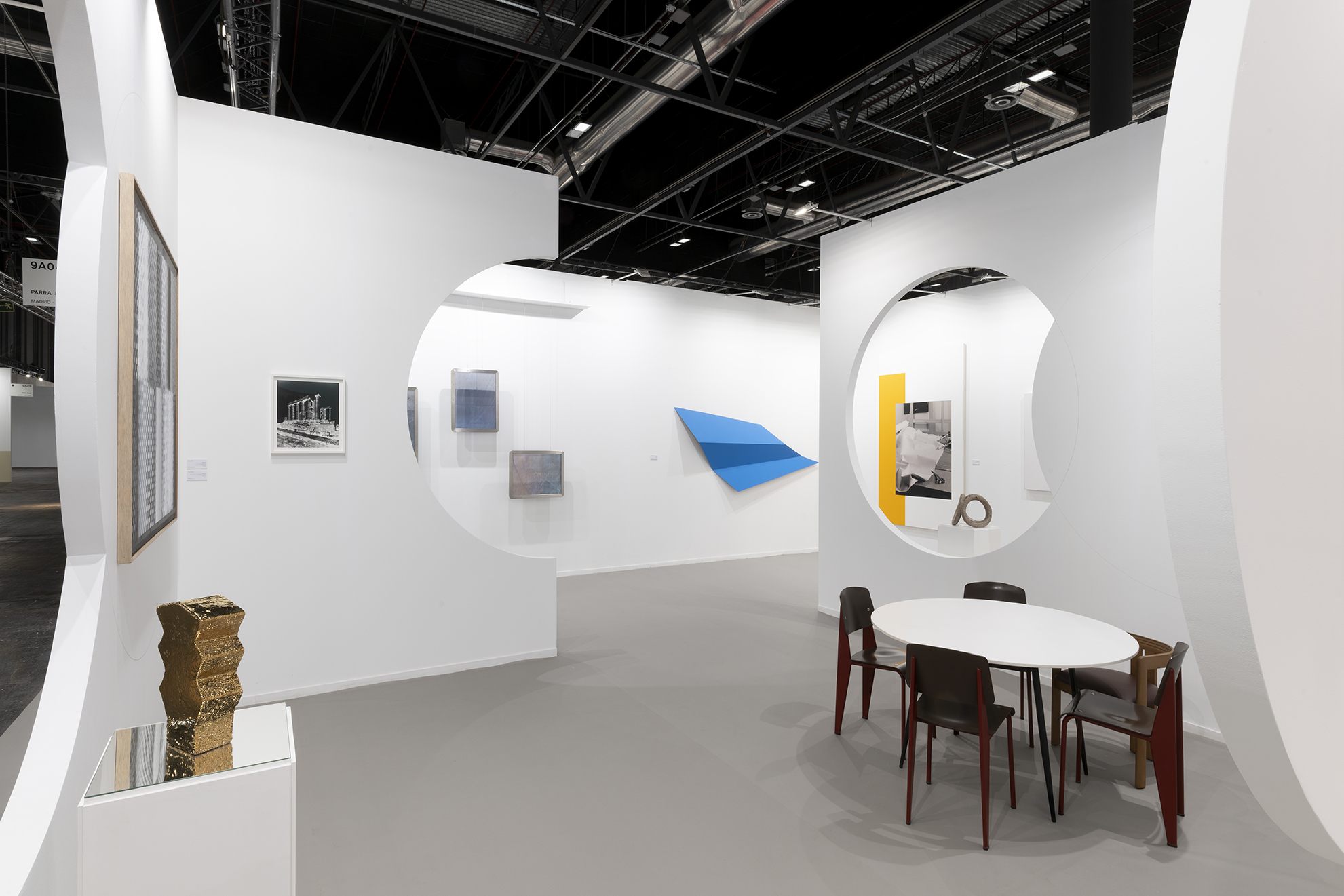
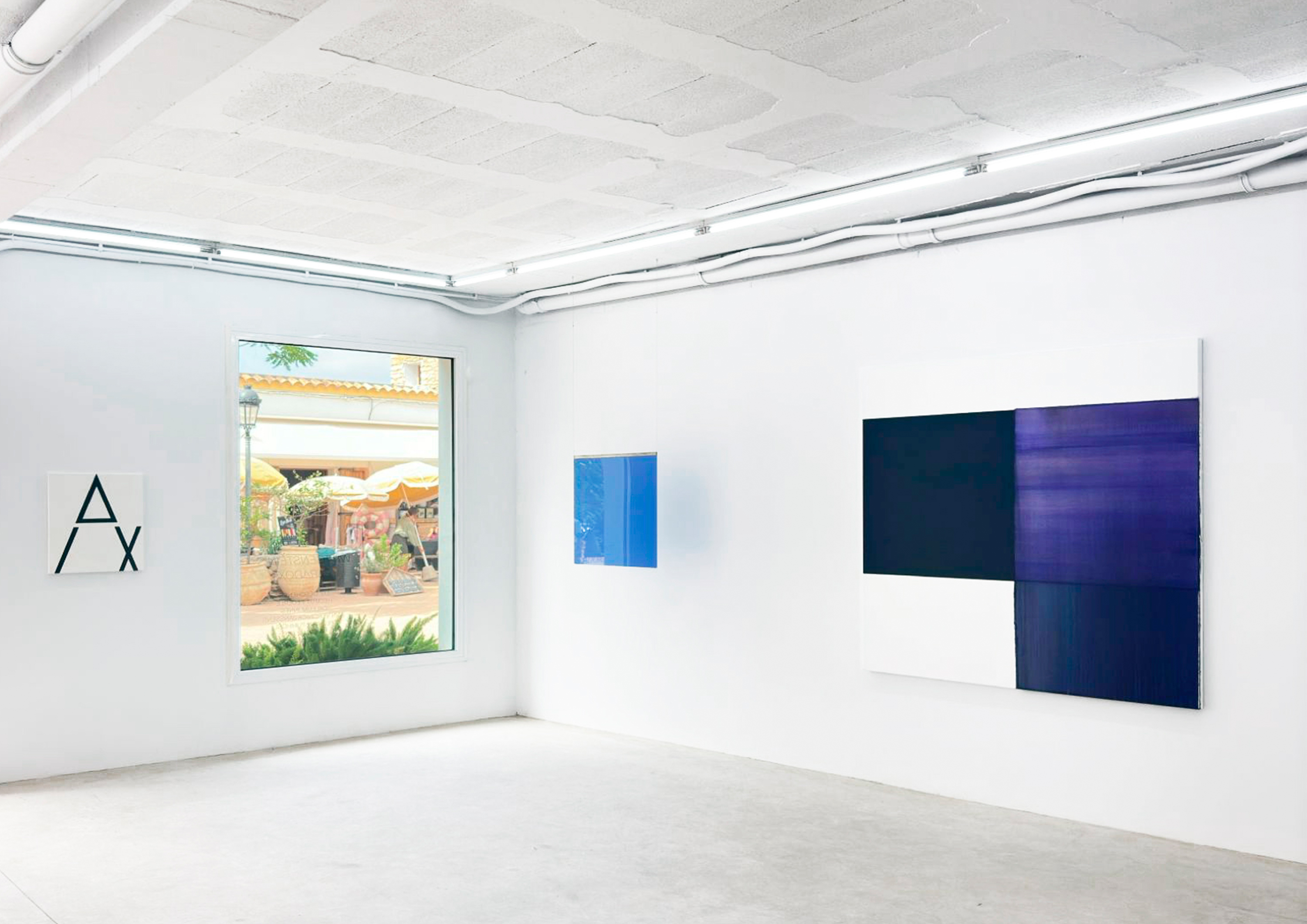
Parra & Romero is pleased to announce the first solo show by Helmut Federle (Solothurn, Switzerland, 1944) in its space in Madrid. Federle is one of the most respected European abstract painters of our times. Austere, geometrically organised forms arranged in sequences characterise his practice. With this commitment to abstraction, the artist stands in the tradition of Classical Modernism and its search for spiritual content within non-objective form.
Federle has built an oeuvre that aims at striking a balance between geometric construction and painterly gesture. His paintings and drawings attest to a probing investigation of geometric forms in equilibrium with the pictorial surface. Federle conceives painting as a different form of thinking, a ‘kind of instinctive intelligence’ where though, feeling and physical actions converge. Abstraction across times and cultures has been a constant interest to Federle, as he has a genuine conviction that it harbours a spiritual potential.
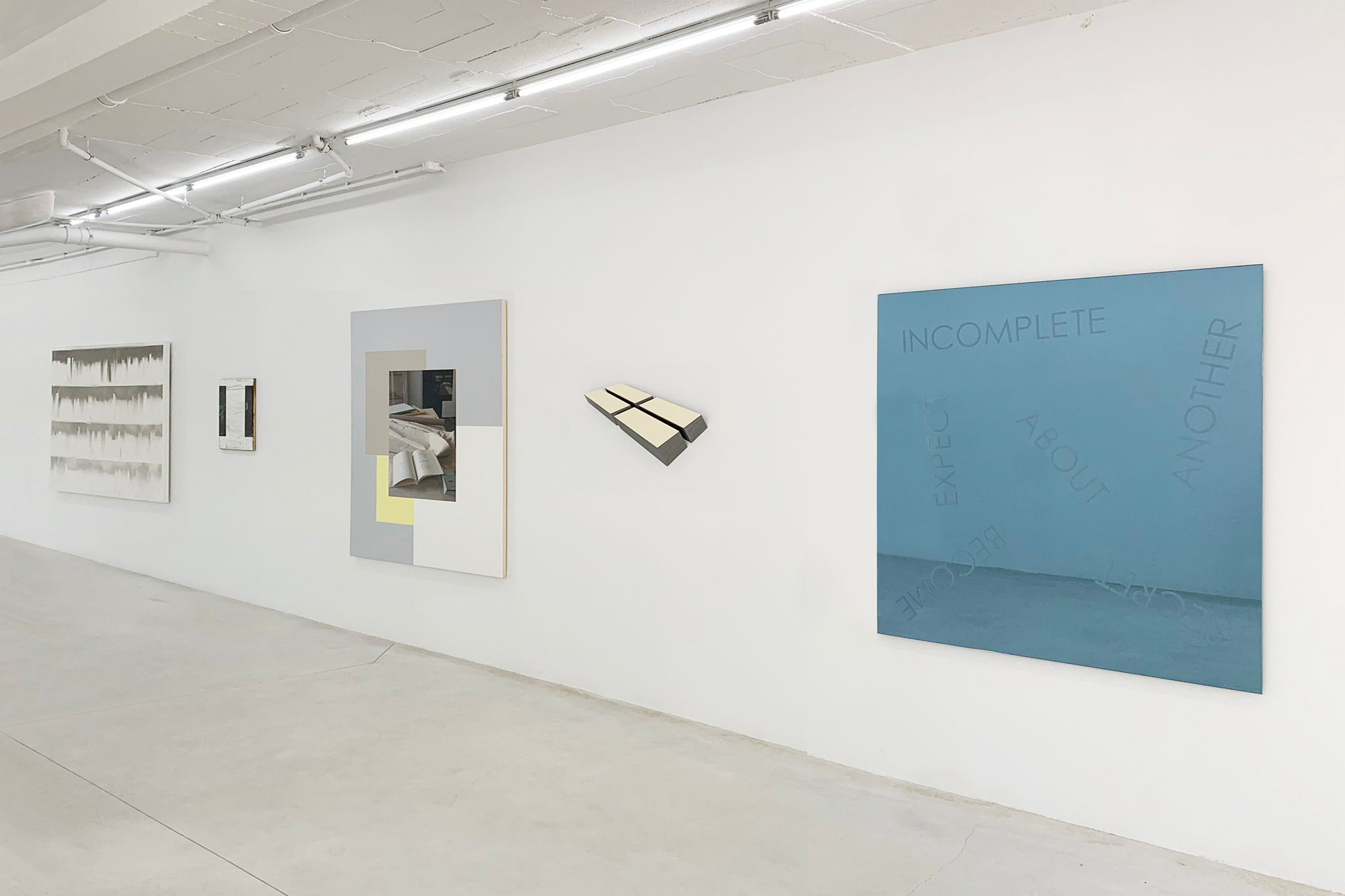
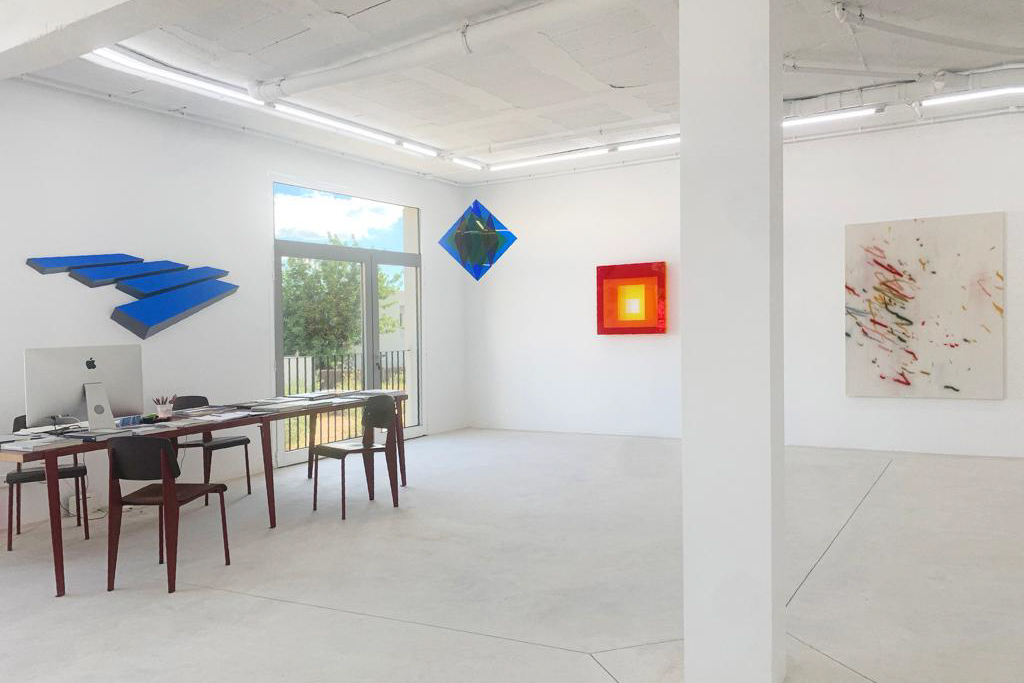
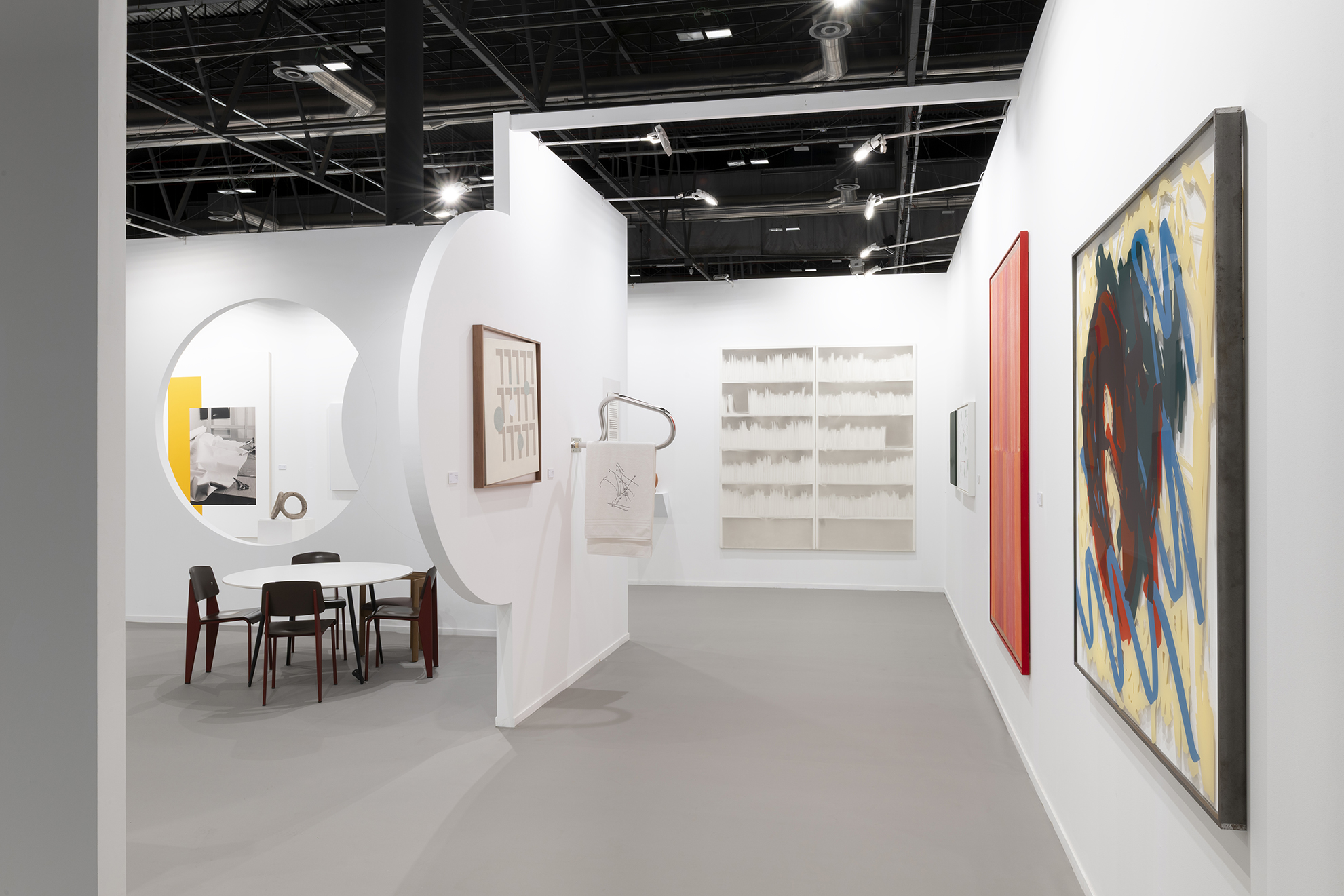
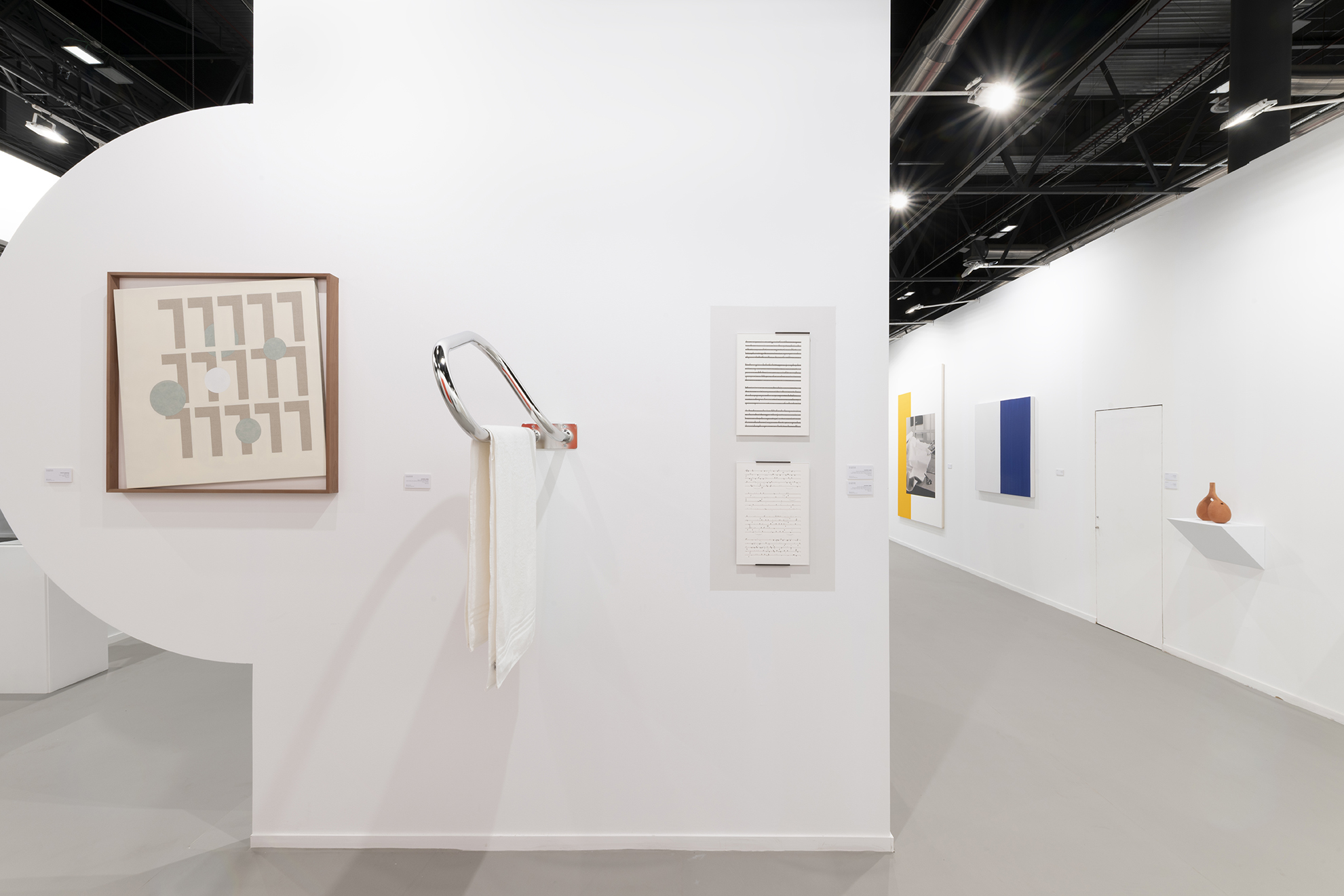
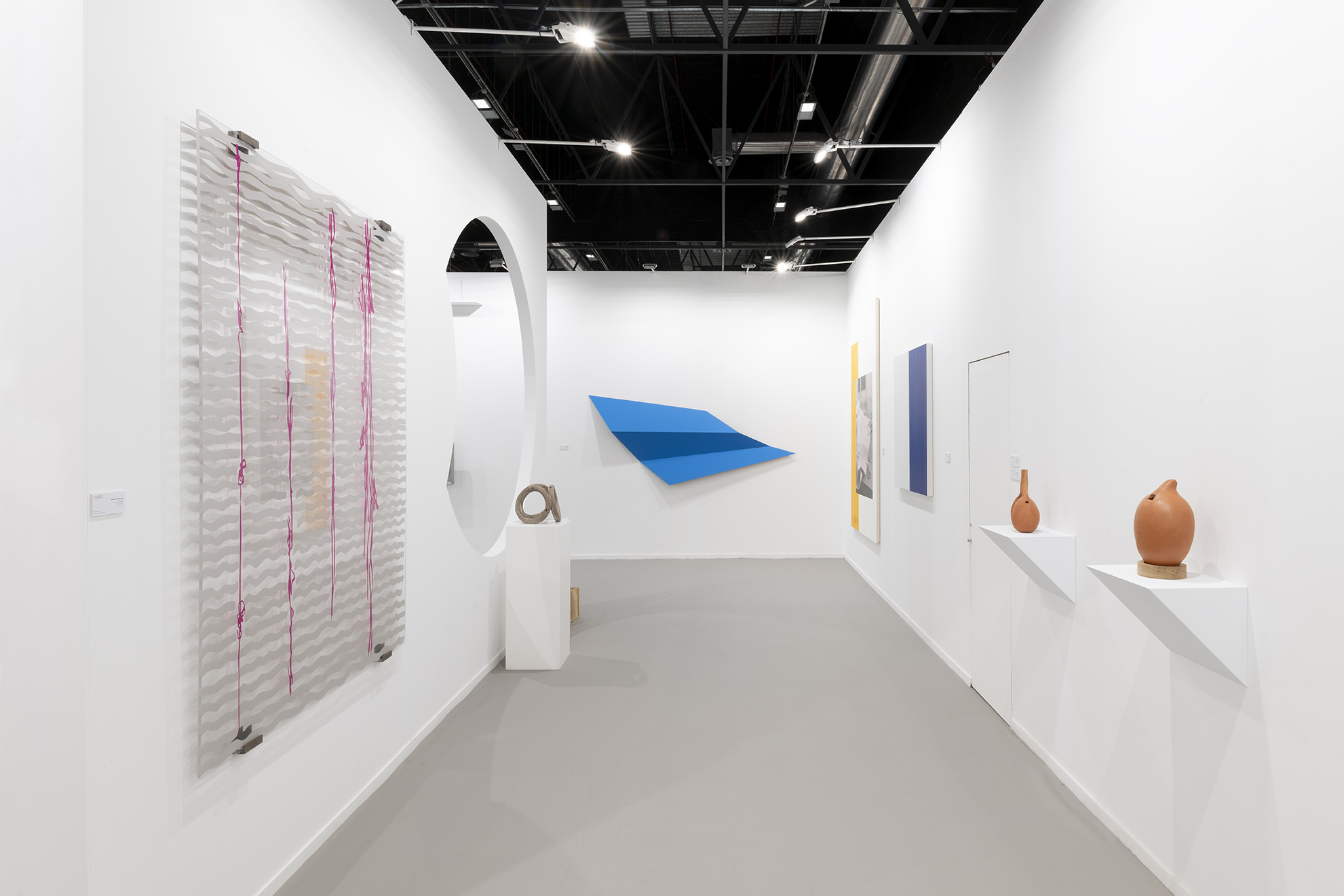
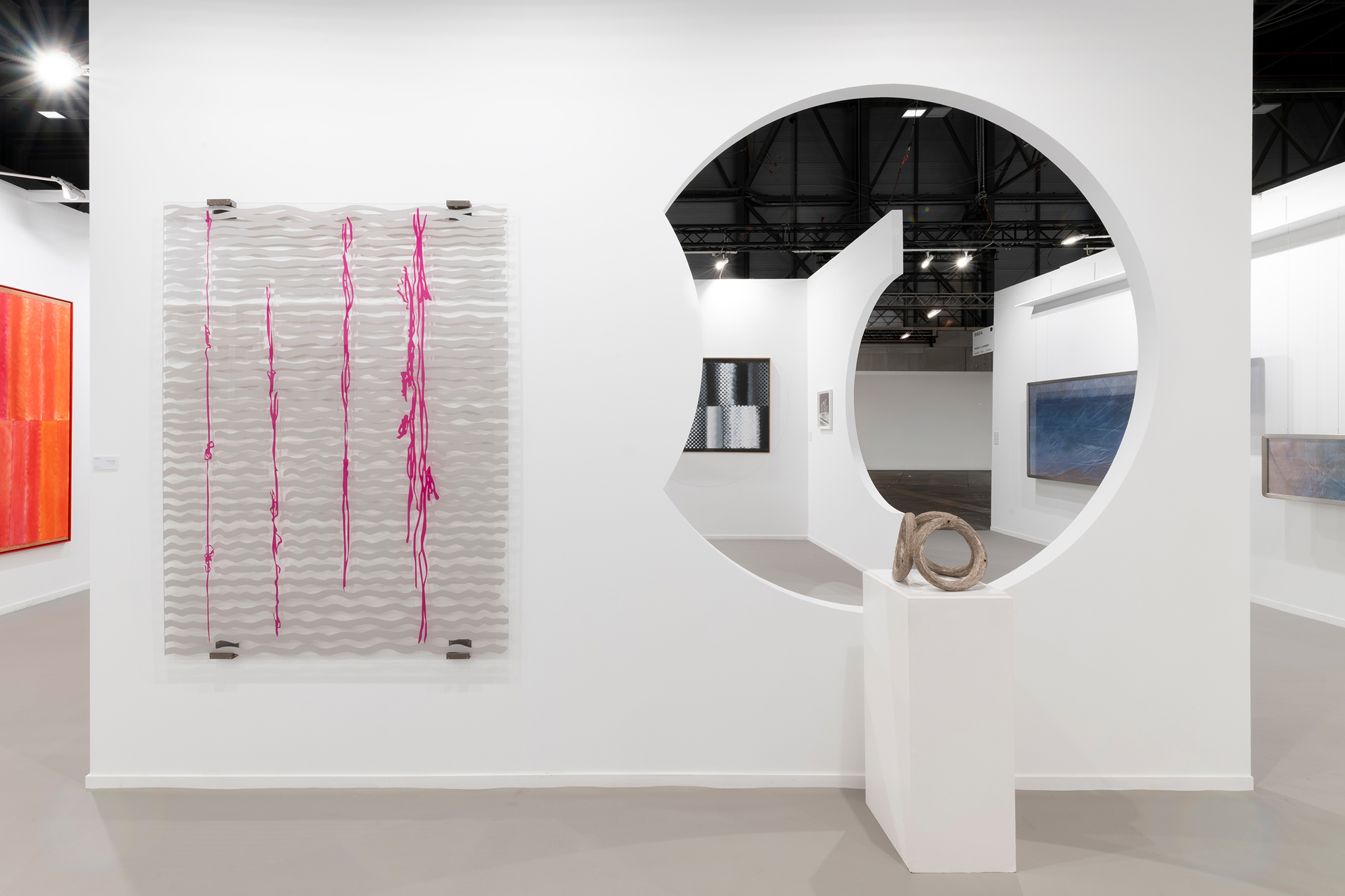
Basics on Composition / Informal Multitudes examines Federle’s important contribution in this field of abstract contemporary painting and pretend to spark a discussion of the creative project that he has pursued with singular perseverance along the years. By showing paintings side by side with works on paper and photography, it highlights Federle’s understanding of abstraction: much more than the absence of representation, it emerges in the space as a continuum that is woven into his personal creative evolution and transcends cultural divides.
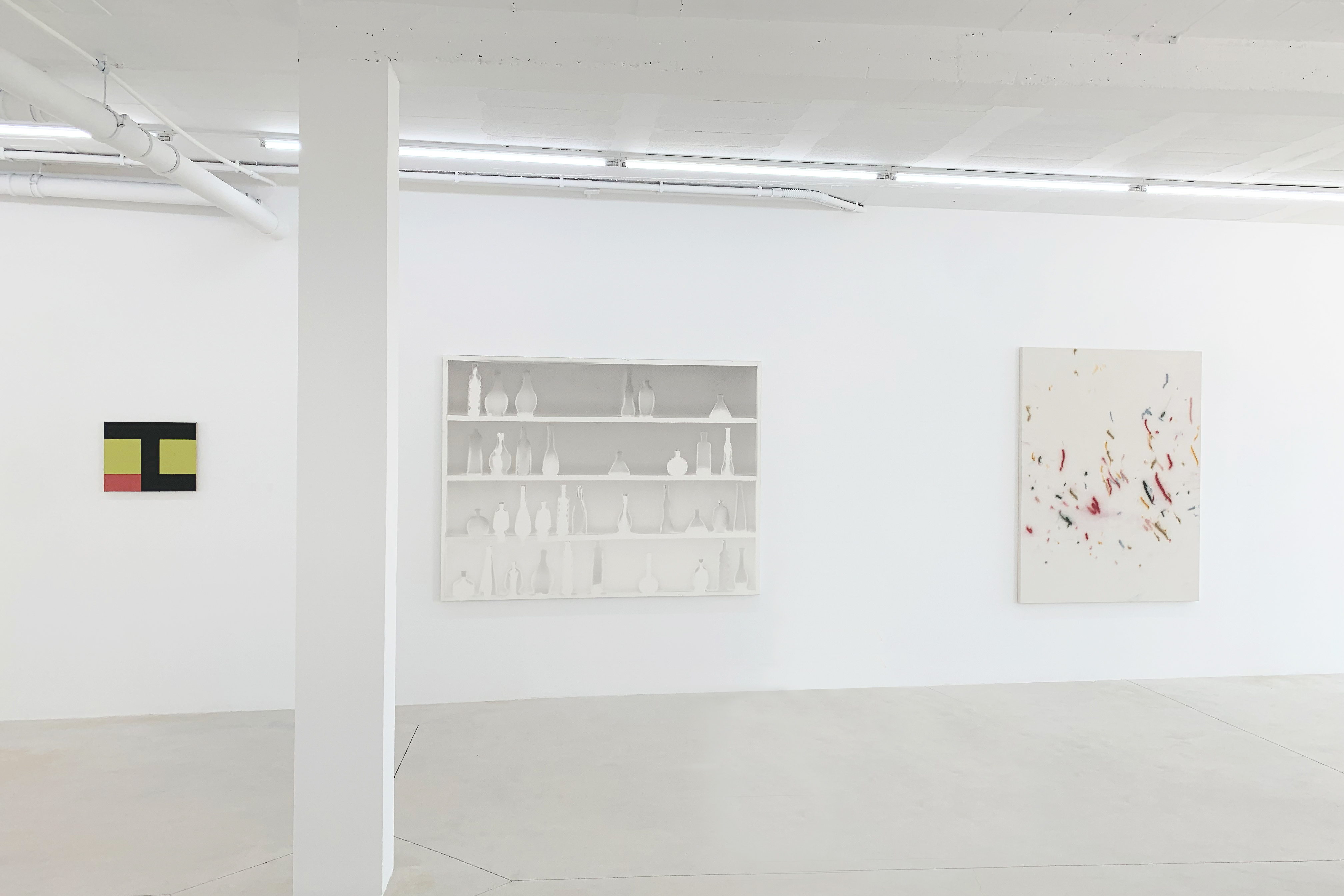
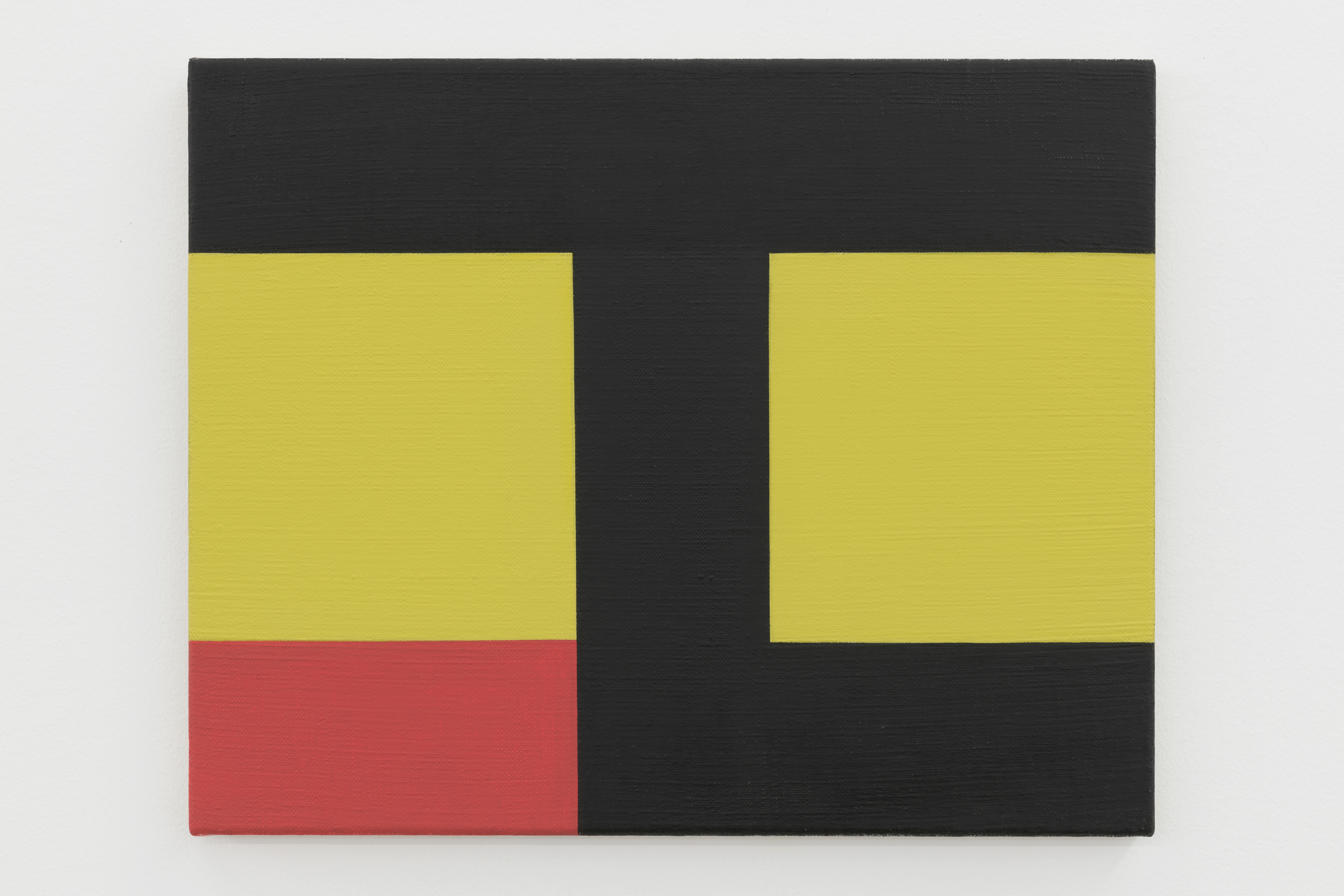
In the late 1970s and early 1980s Federle produced predominantly geometric paintings, grey-black in colouring. Subsequently, he painted several parallel sequences of images with interrelated colour surfaces. In the early 1980s a particular colour appears in his work, a kind of mercurial green-yellow that is being associated with angst. Since 1994, Federle has worked with variations on a picture format with a pale-coloured rectangular form (his Corner Field Paintings). It’s specially recurrent the use of horizontal ‘H’ and ‘F’ forms that refers to the artist initials. Most of his works are inmersed in a monochromatic background, creating a delicate lustre where figures and textures give a feeling of frottage where the geometric pattern and the identifiable letter emerge.
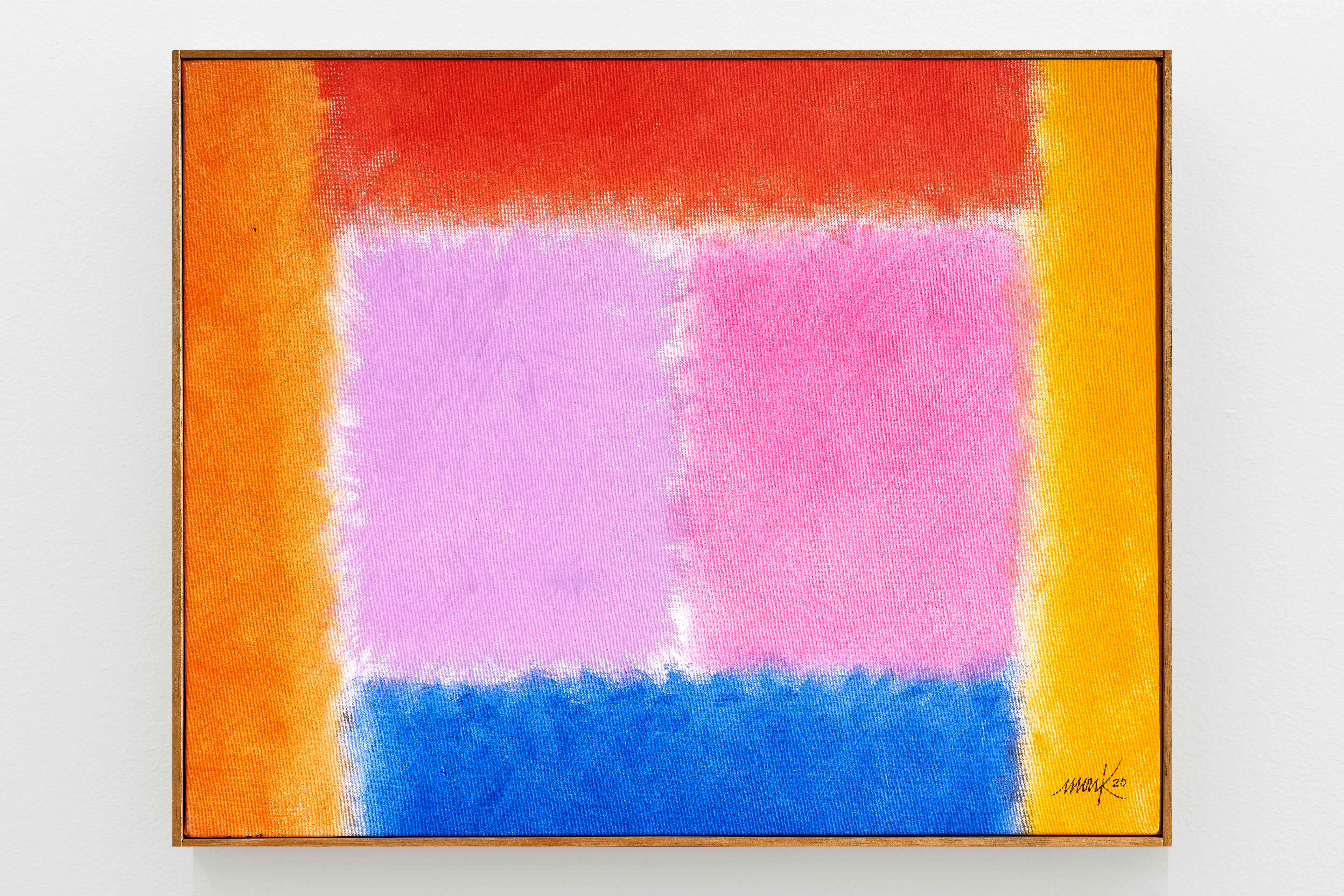
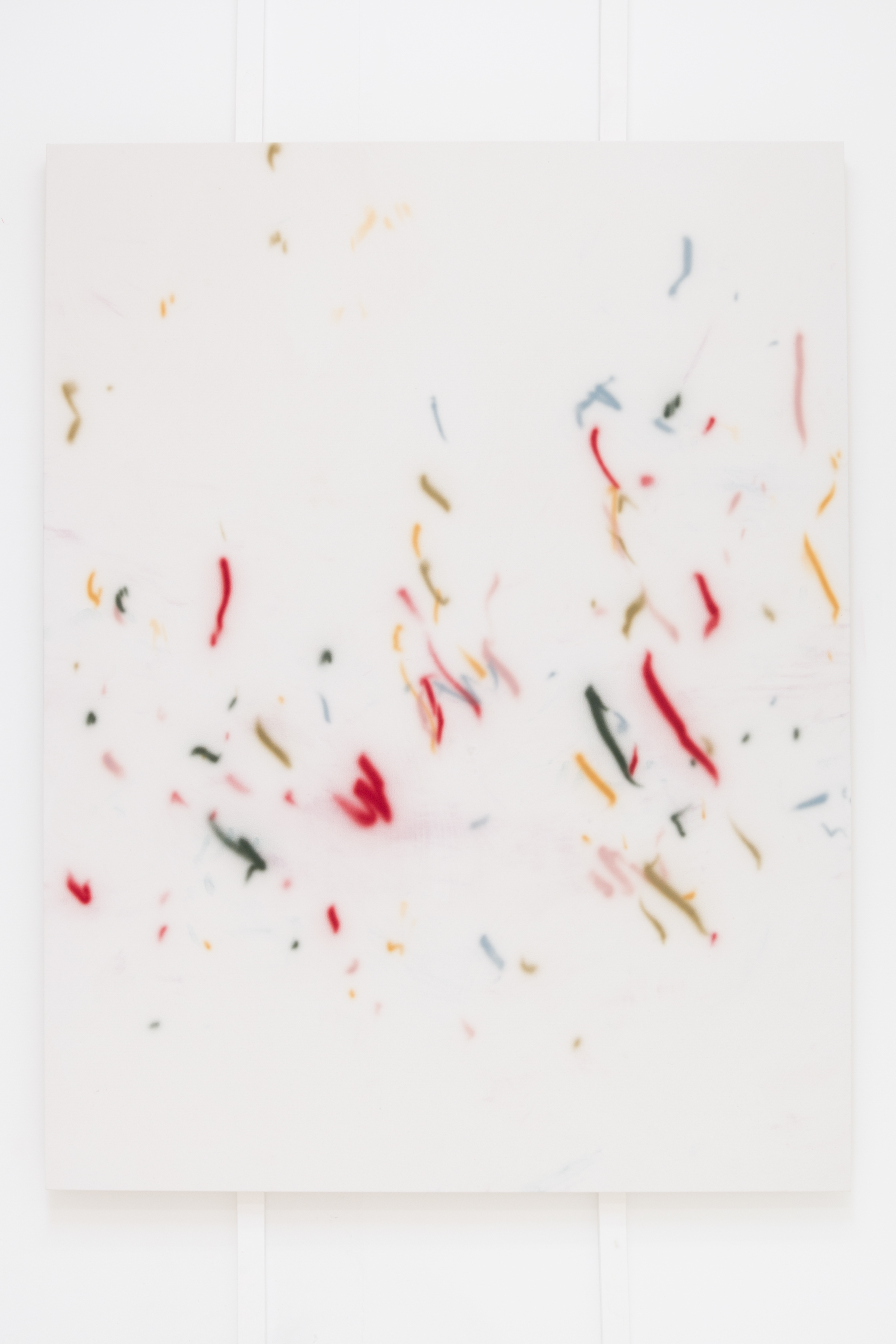
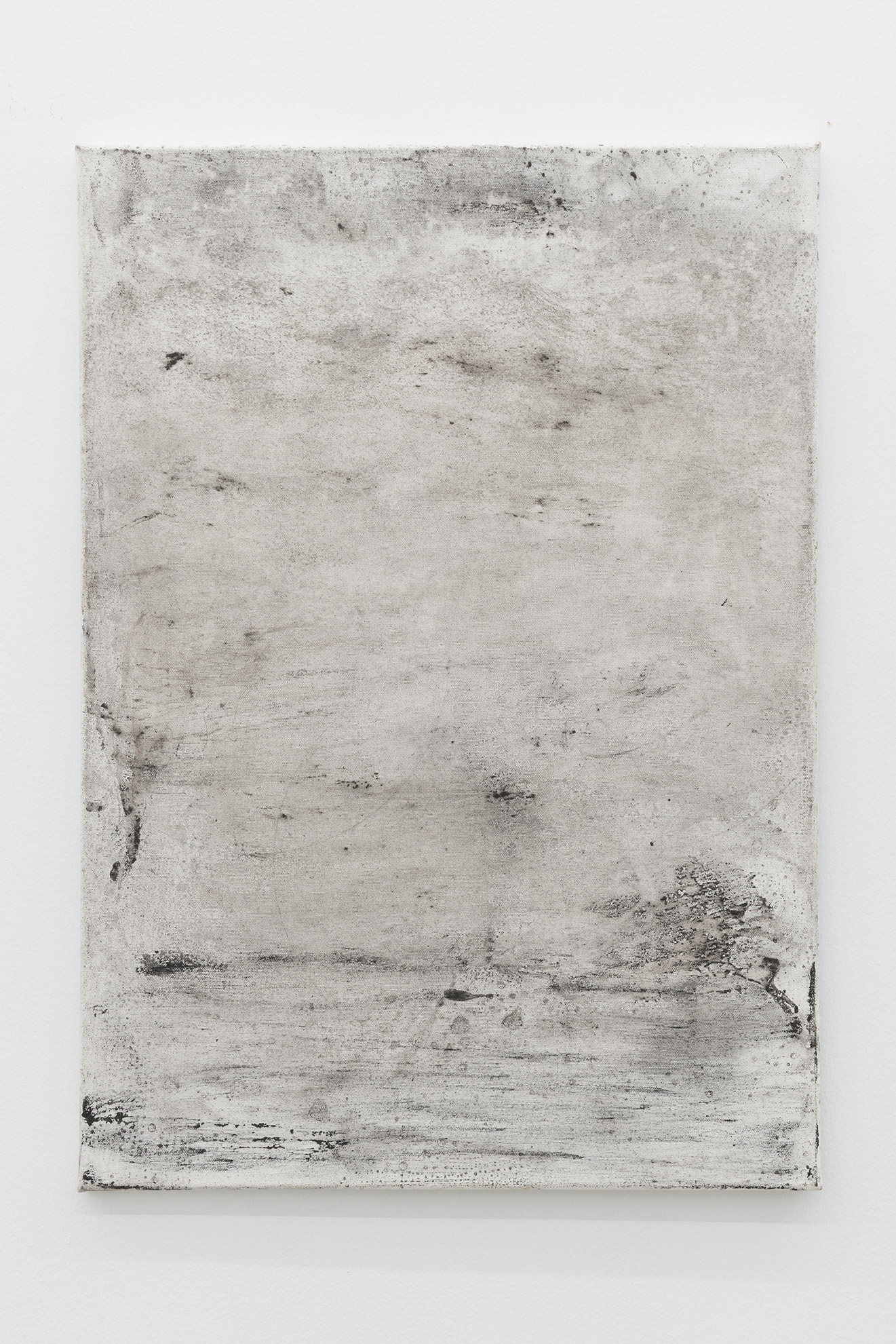
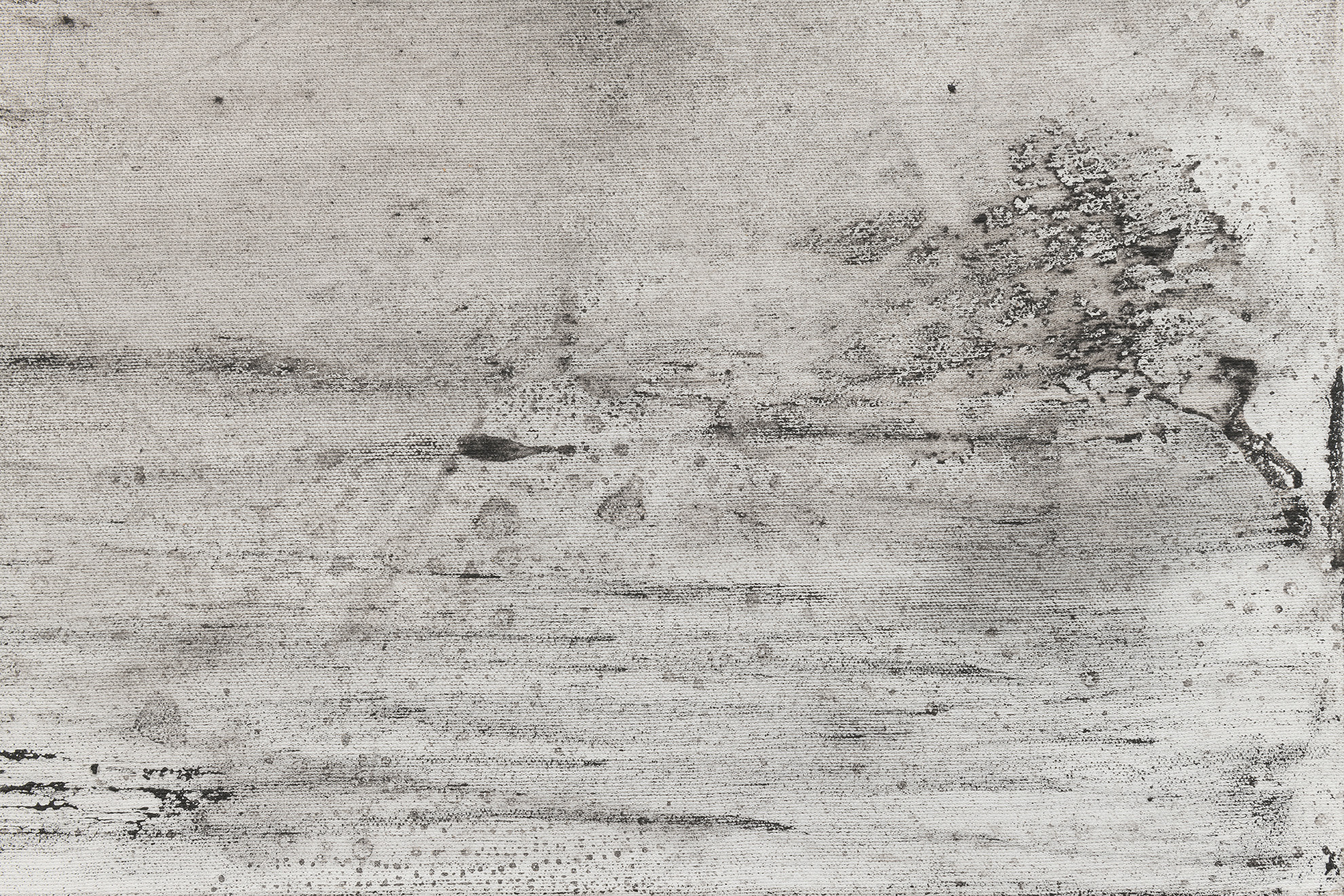
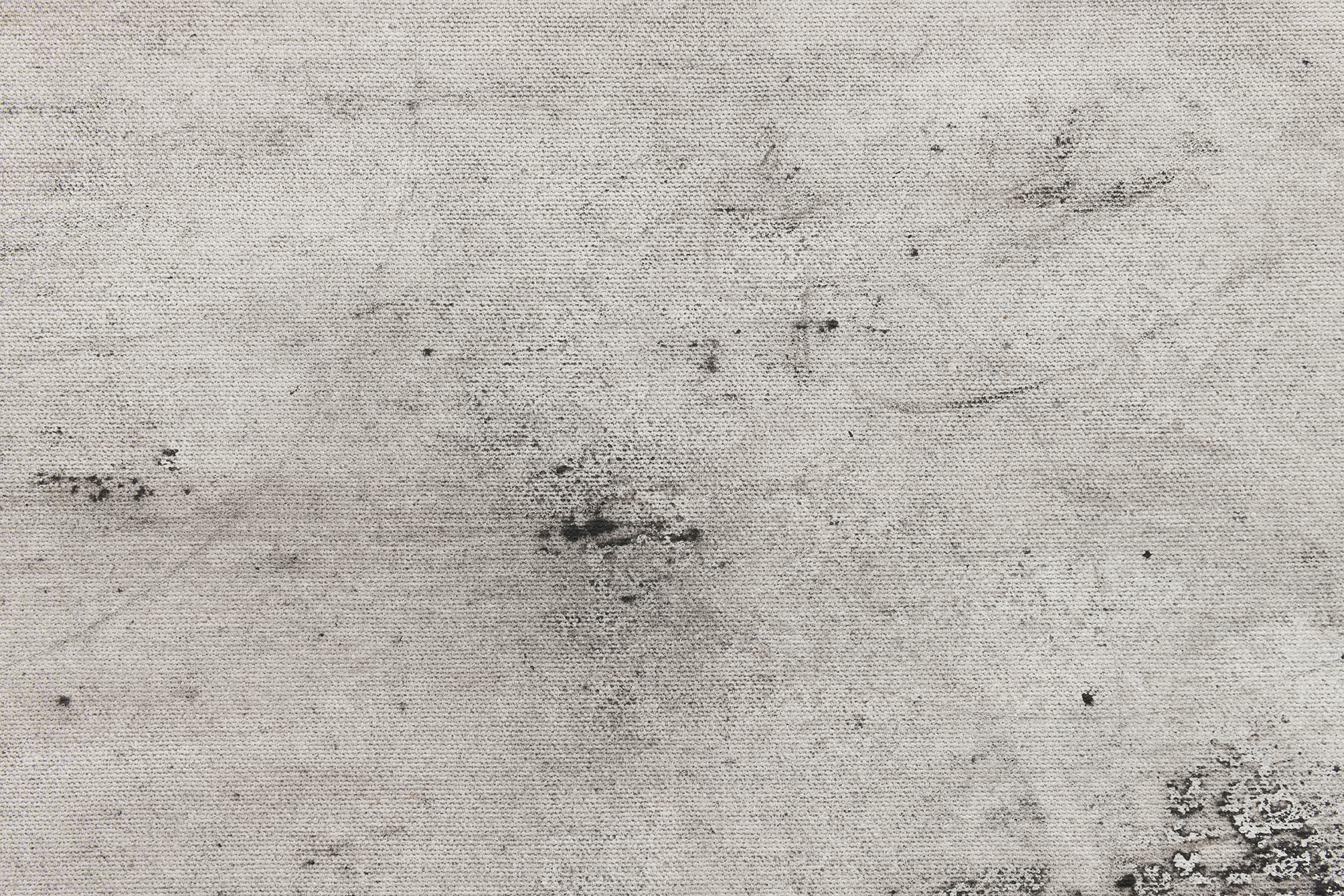
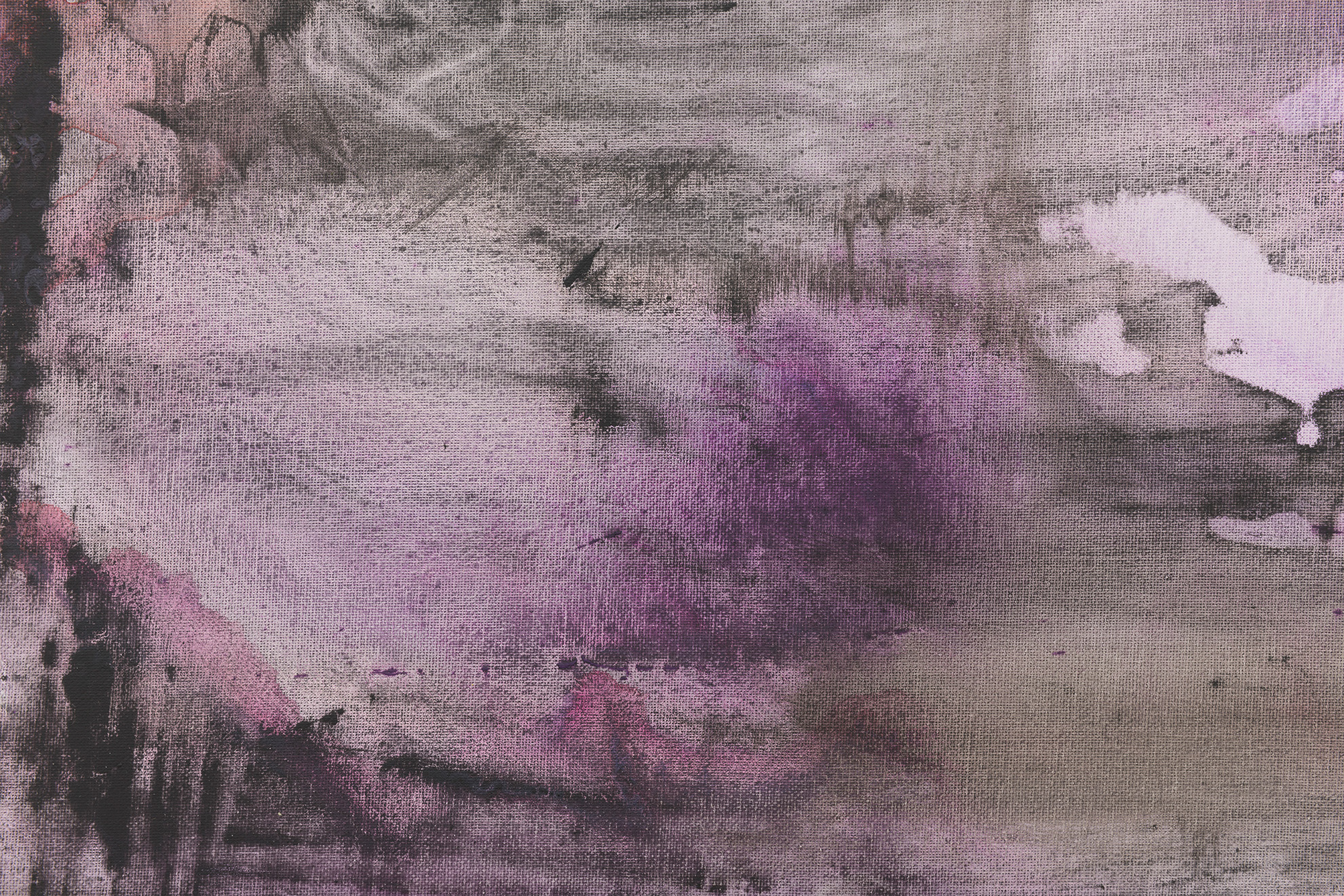
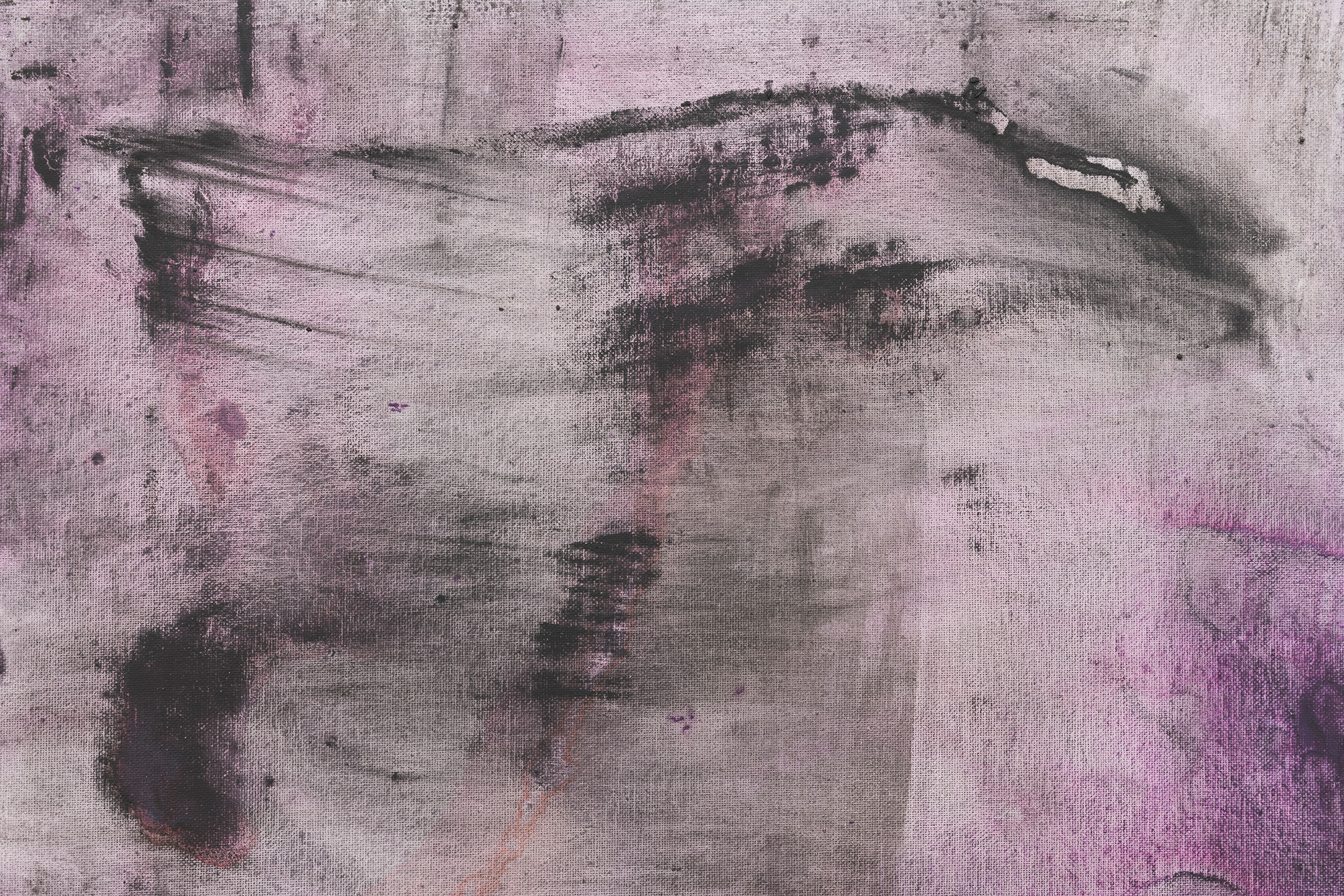
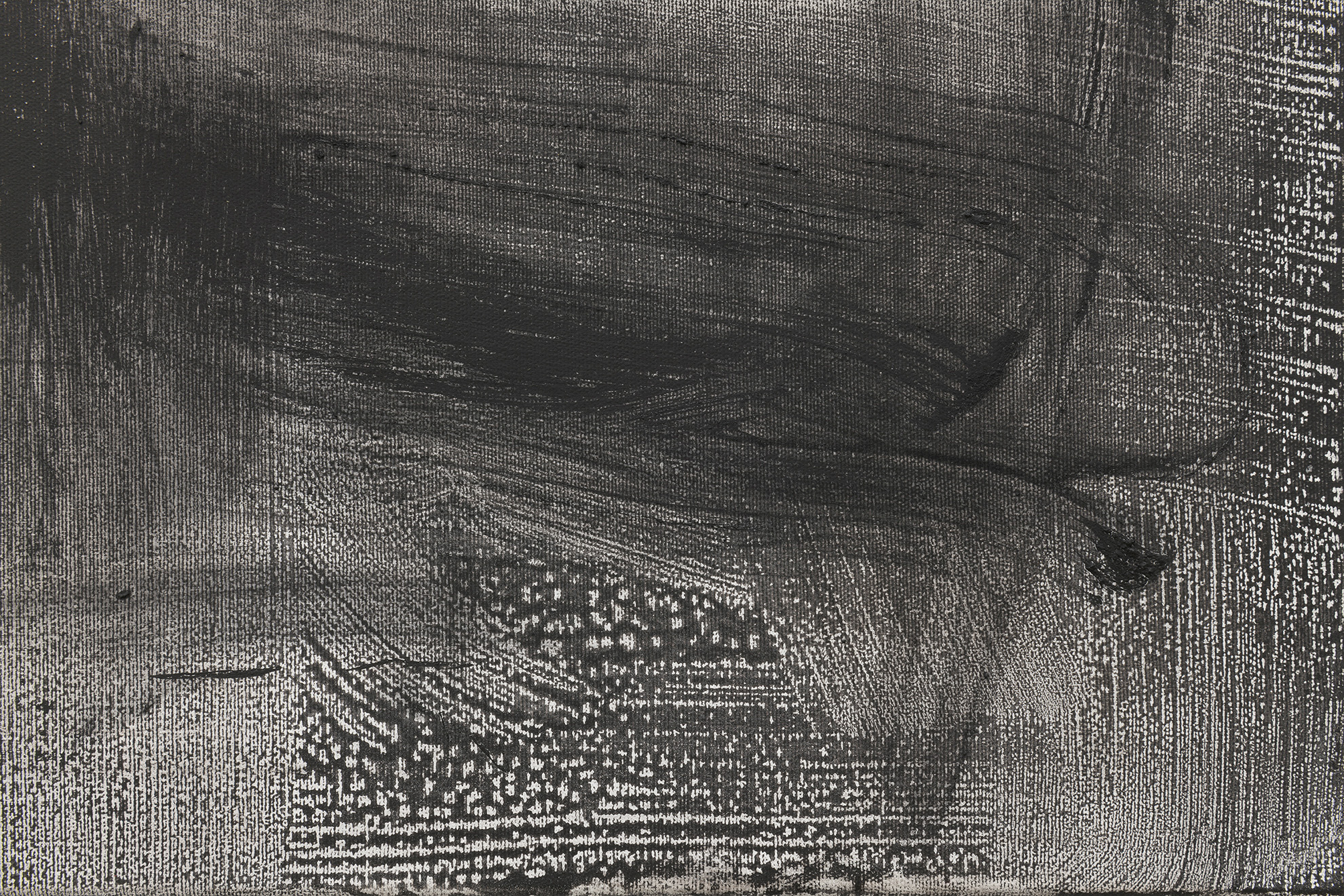
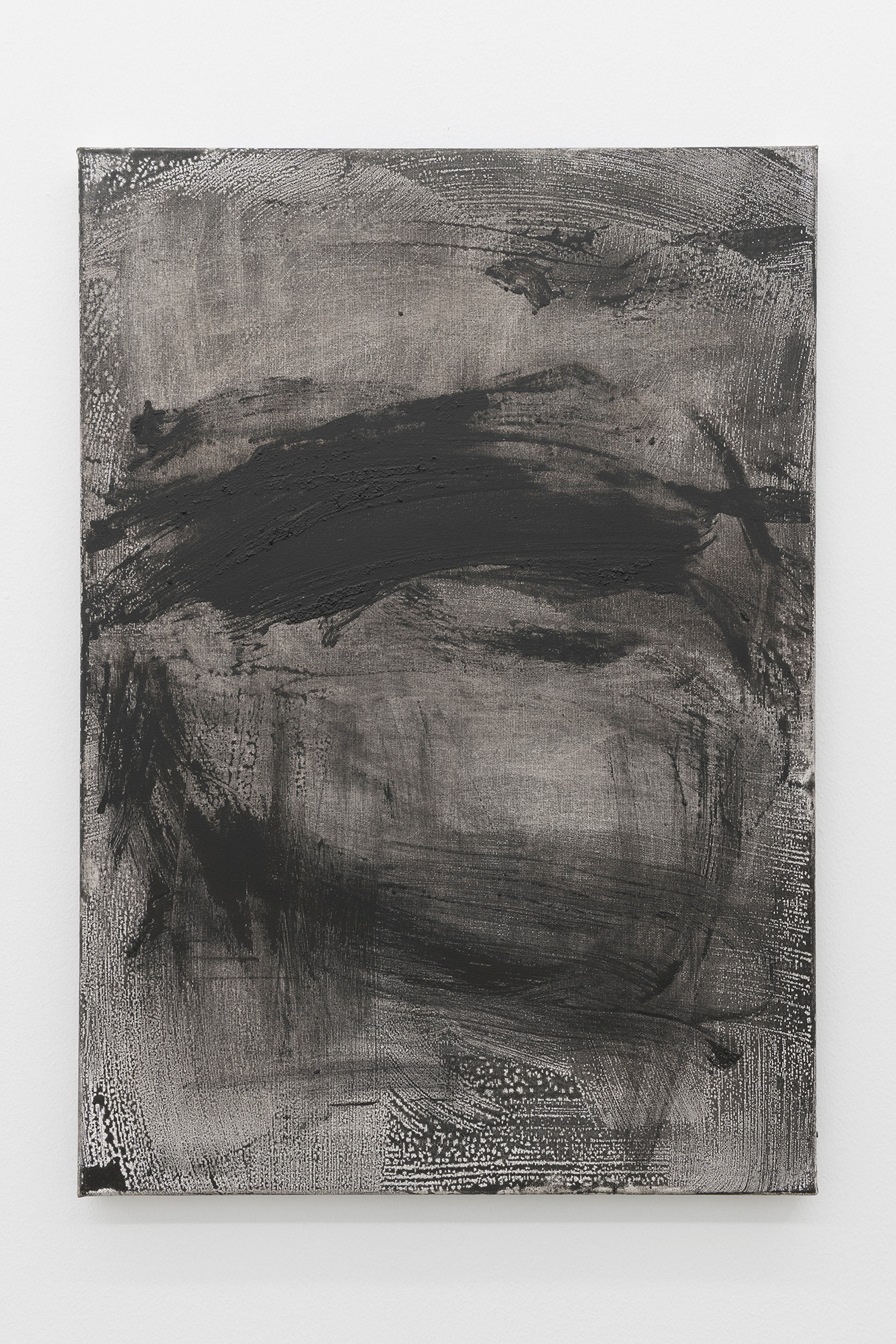
In Informal Multitudes, his new series of paintings, Federle focus on the surfaces. The painting obtains a spatial dimension directed into the depths. Federle uses a watery, non-opaque solution of paint, so the structure of the various layers of paint remains visible. The artist himself speaks not of paint but of “colored water”. He works from the bright to the dark and thereby reinforces the radiance of the bright background on which the paintings are constructed. This procedure resulted in a visual field of harmoniously ethereal forms.
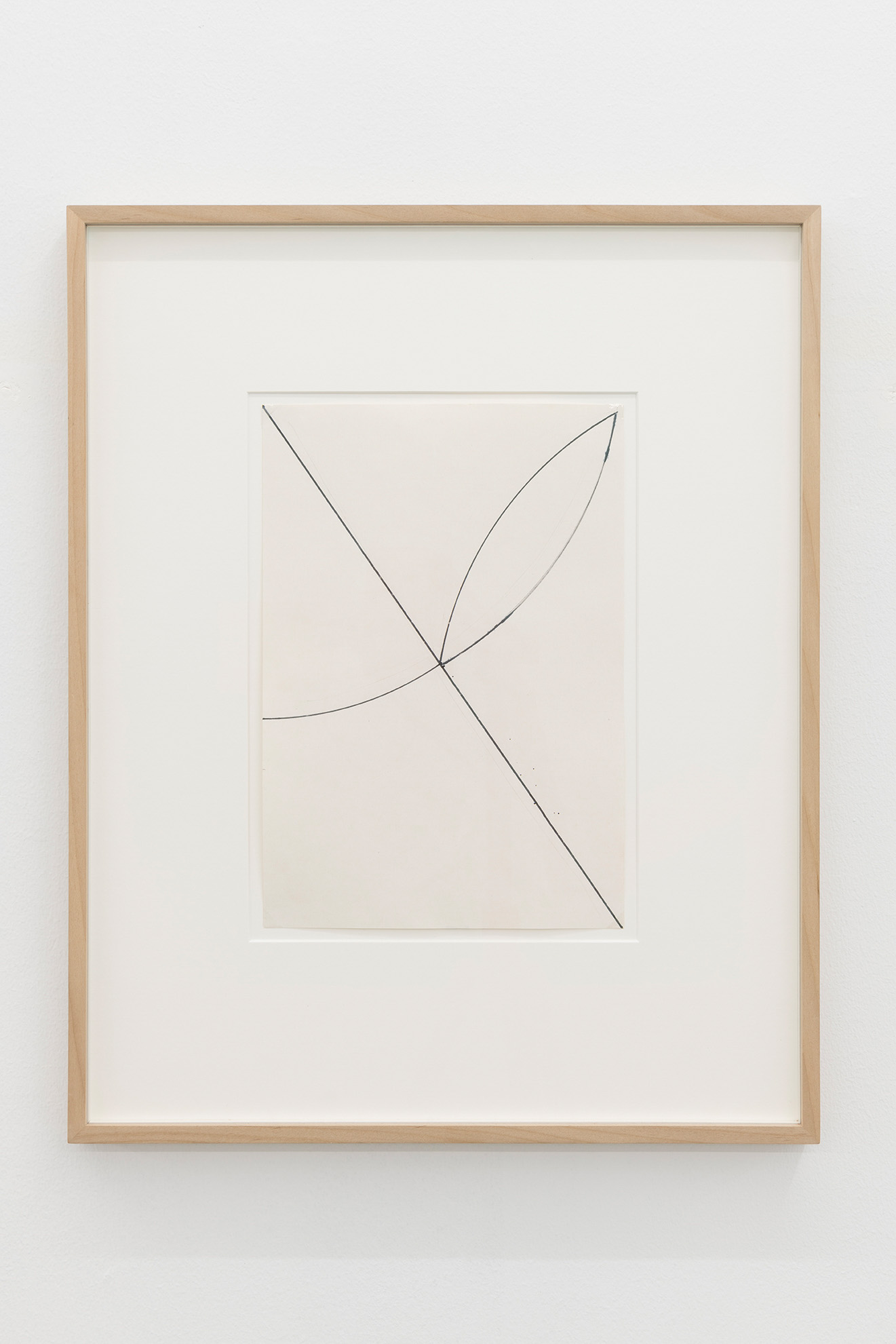
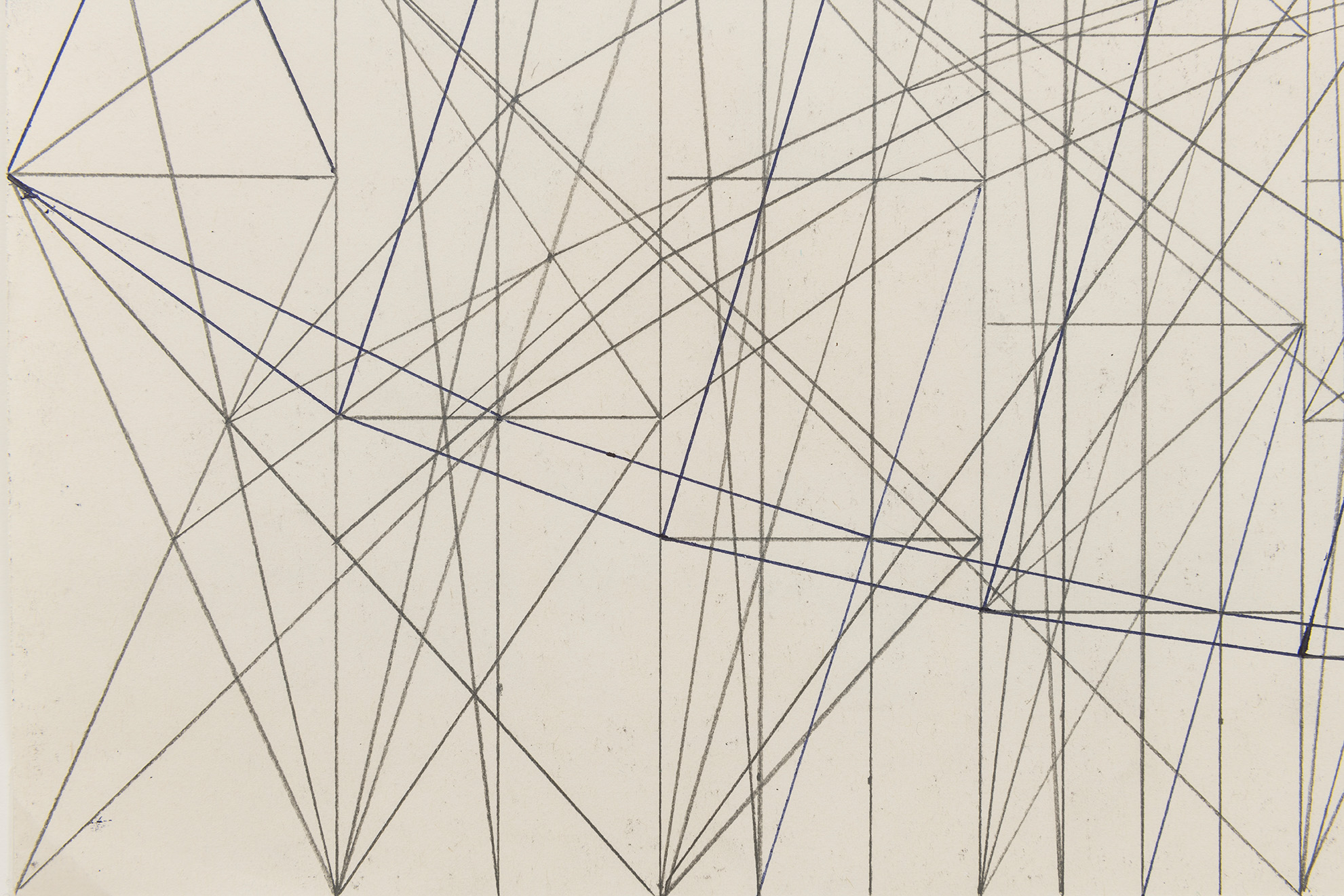
His work on paper has a wide variety of graphic techniques such as sketch lines, open or consolidated hatching, a variety of straight or gyrating strokes, grazing or forceful application of the pencil, distinguishing this graphic compositions on paper by its diversity of forms and media. Given that Federle himself characterised these pieces as a kind of memo to himself, it is hardly surprising that the paper he used was of widely varying. In keeping with his comparatively spontaneous practice; he naturally resorted to materials that were at hand.
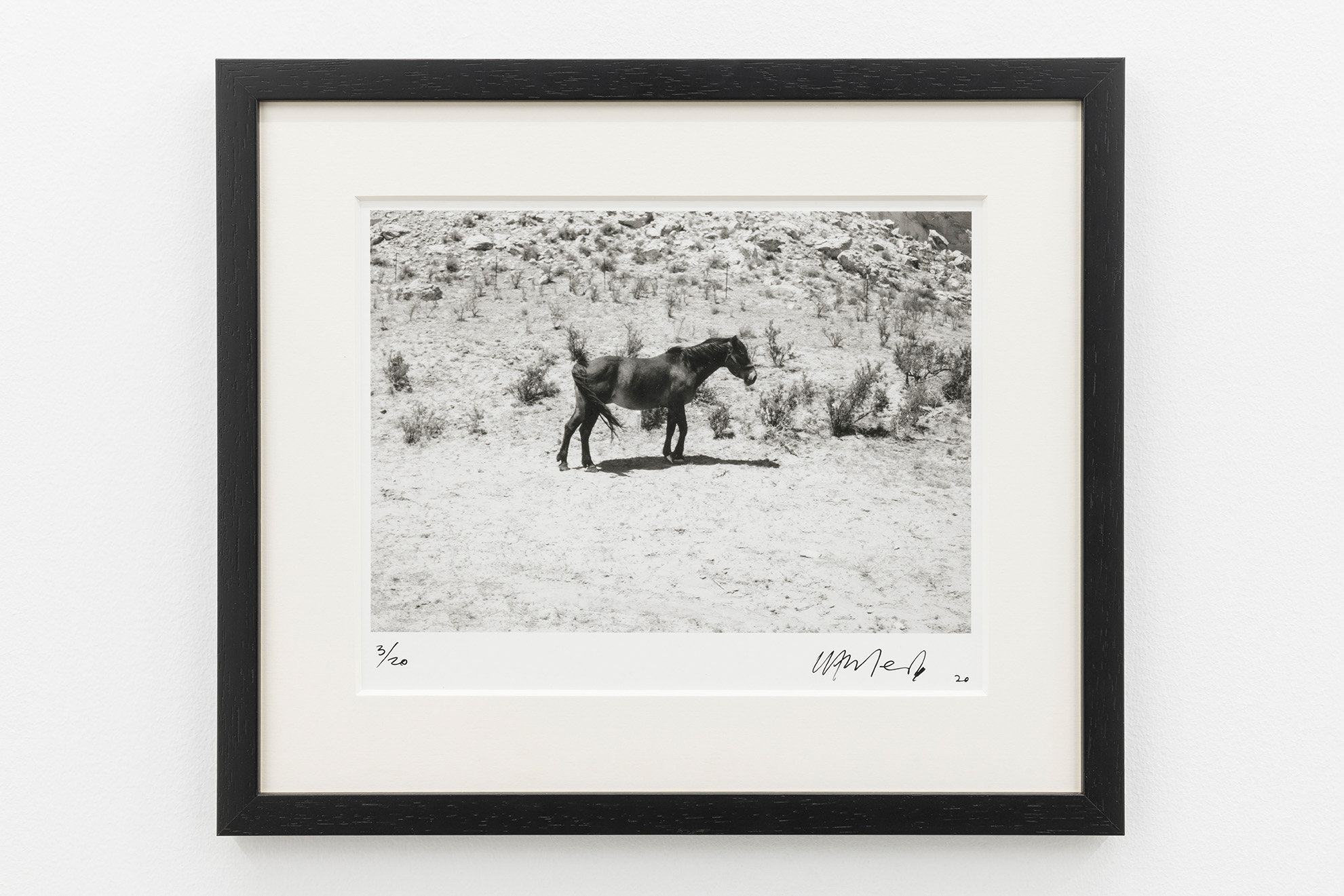
The photography Untitled (1986) was taken during one of Helmut Federle’s several stays in the Navajo Nation Reservation (Arizona), which he had already visited in the early 1970s. Federle is interested in all of American culture, which he approaches in this work with his own distinctive symbolism, spirituality and closeness to nature. The photograph explores the same type of content found in the 1998 work The Seven Sisters, whose depictions of animals refer to different geographical places and time. The artist’s first confrontation with American culture took place in 1979 and it was crucial for developing his vision and also forges his interest for the american literature. Some of these writers, among which are Kerouac, Burroghs or Walt Whitman, are represented in the bookshop curated by Helmut Federle that reflects his interest in this culture in addition to philosophy, poetry and architecture.
Helmut Federle has had solo exhibitions at the Museum für Gegenwartskunst in Basel, the Kunsthalle Zurich, the Moderna Museet in Stockholm, the Friedericianum in Kassel, the Galerie national du Jeu de Paume in Paris, the Kunstmuseum Bonn, as well as the Kunsthaus Bregenz. He also represented Switzerland at the 47th Venice Biennale in 1997. By this time, he had become internationally well-known primarily for his large geometrical paintings. However, his smaller pictures have also been exhibited many times in the last decade—for example, in the major exhibition American Songline in the Kunstmuseum Luzern in 2012-13. The Kunstmuseum Basel has devoted to Helmut Federle a solo presentation in 2019.
His works can be found in many museums and private collections, including the Kunstmuseum Bonn, the Tate Modern in London, the Reina Sofia in Madrid, the Moderna Museet in Stockholm, the Carnegie Museum of Art in Pittsburgh, the Centre Pompidou in Paris, and the Goetz Collection in Munich.