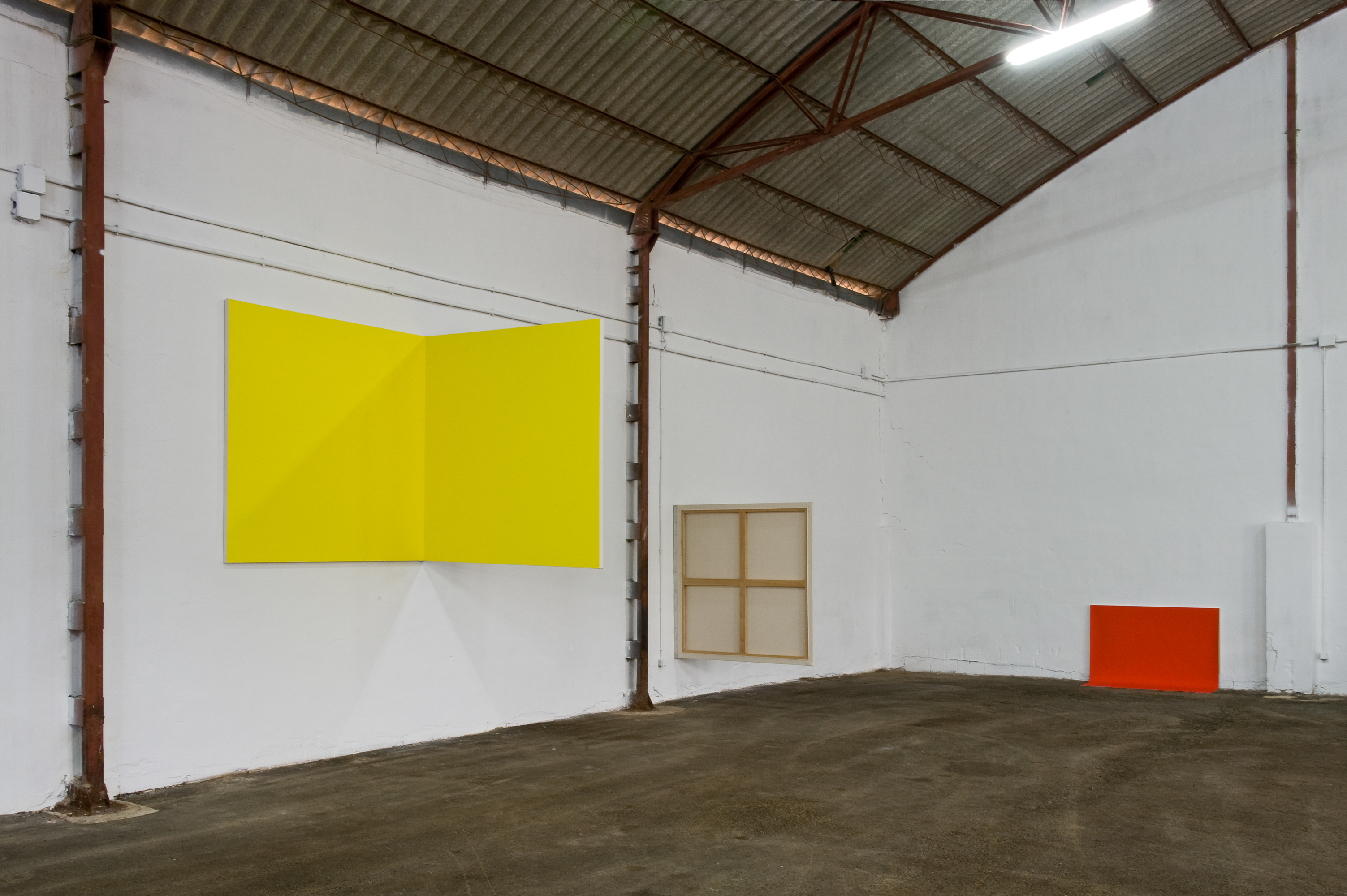
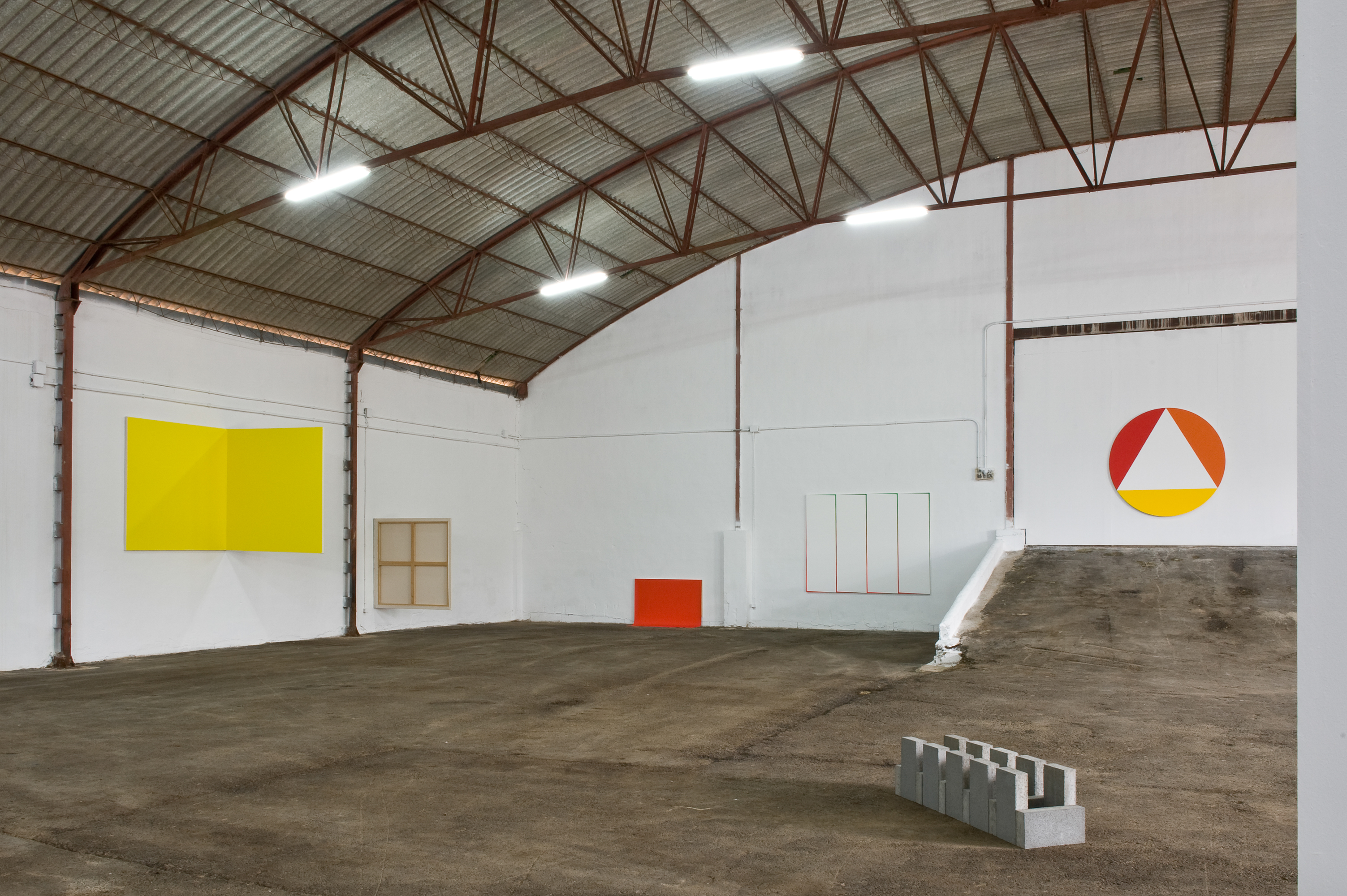
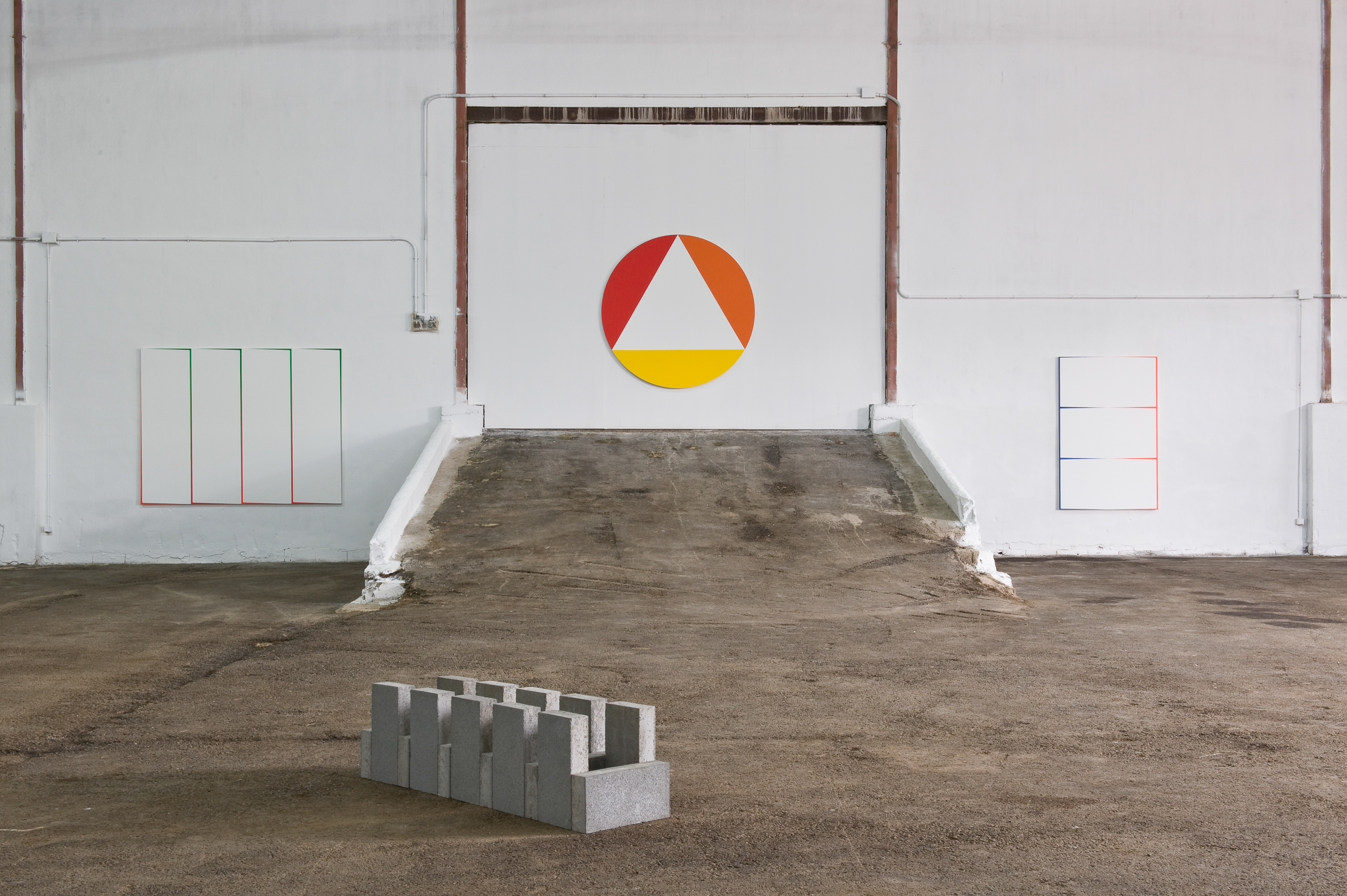
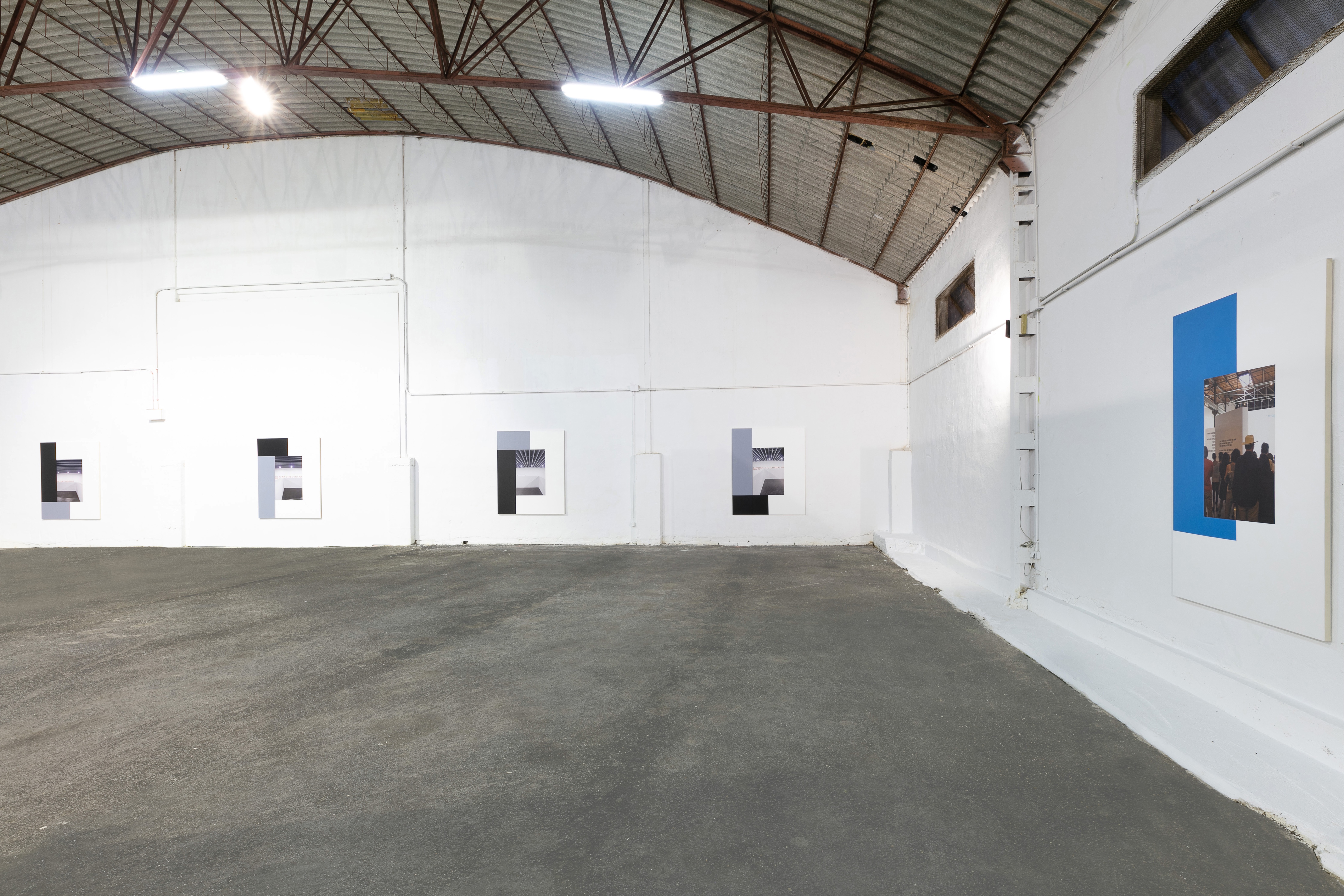
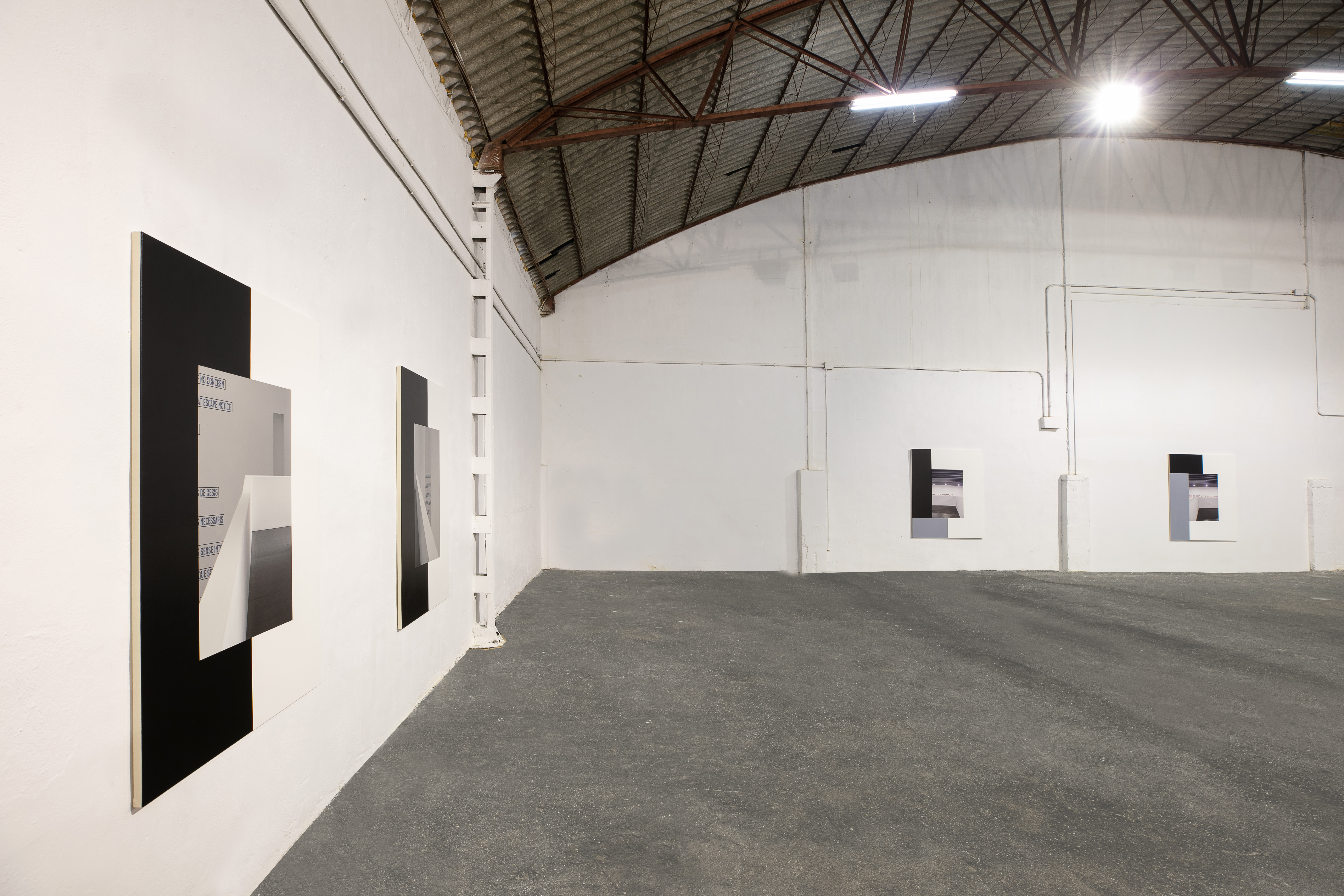
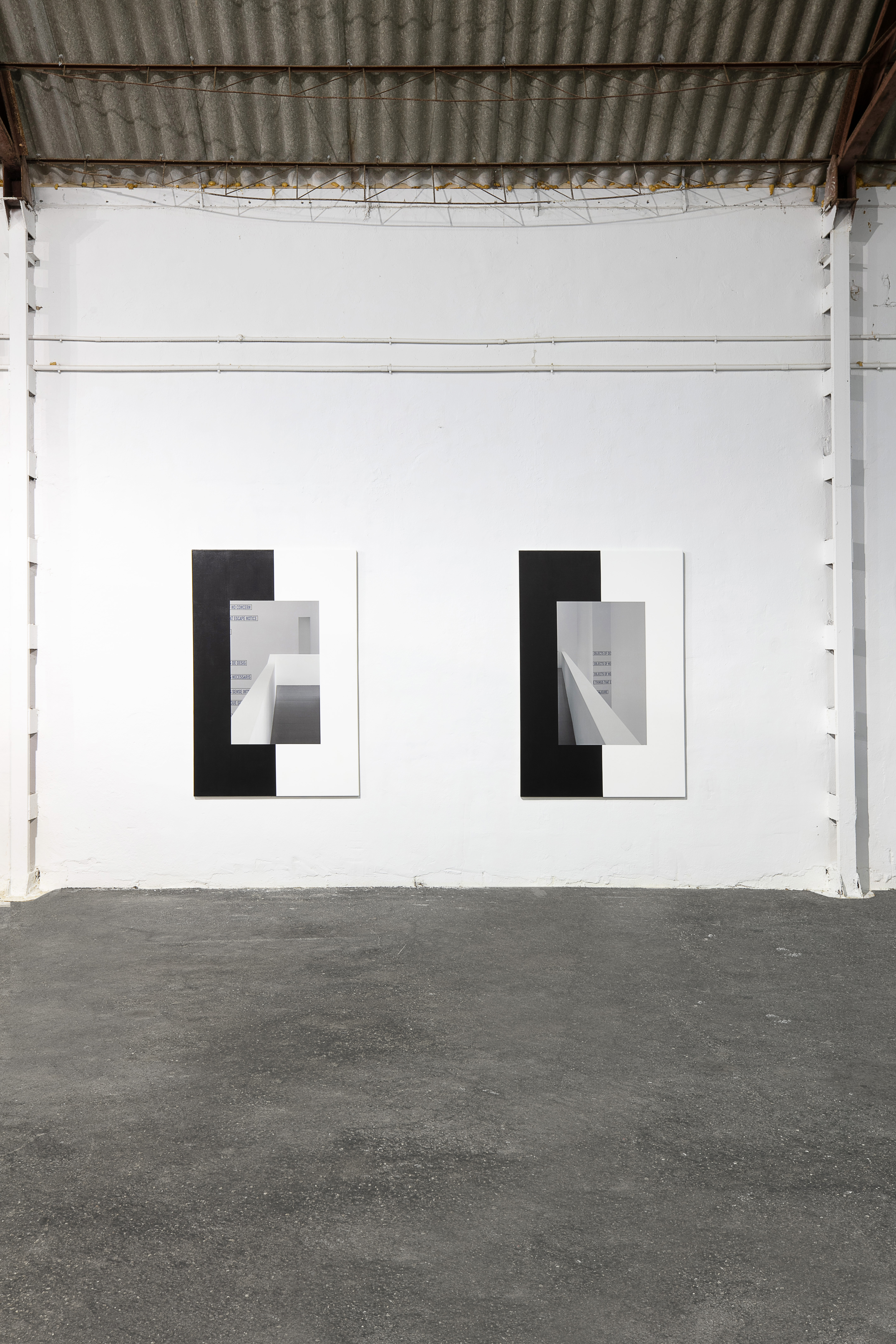
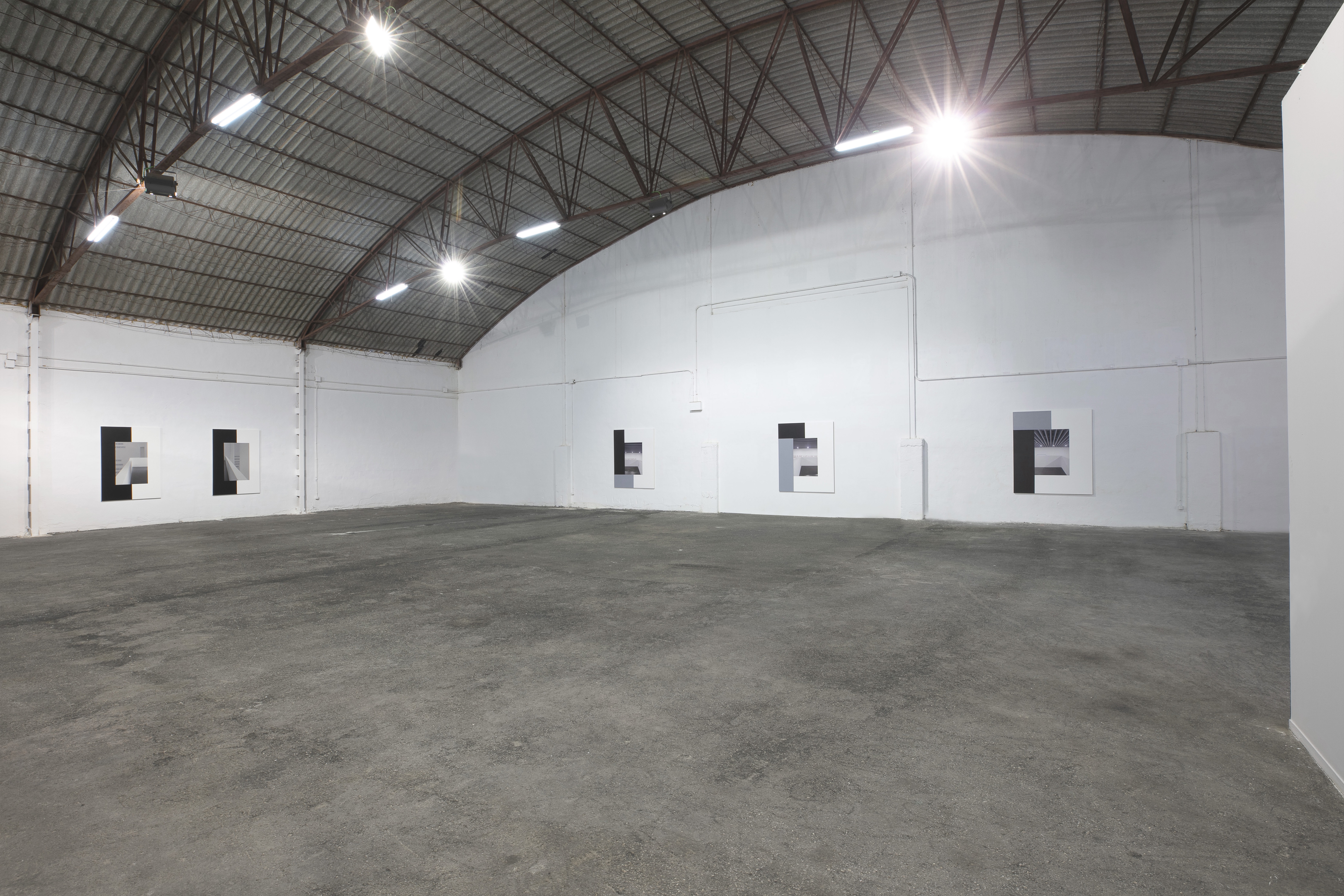
Caesura
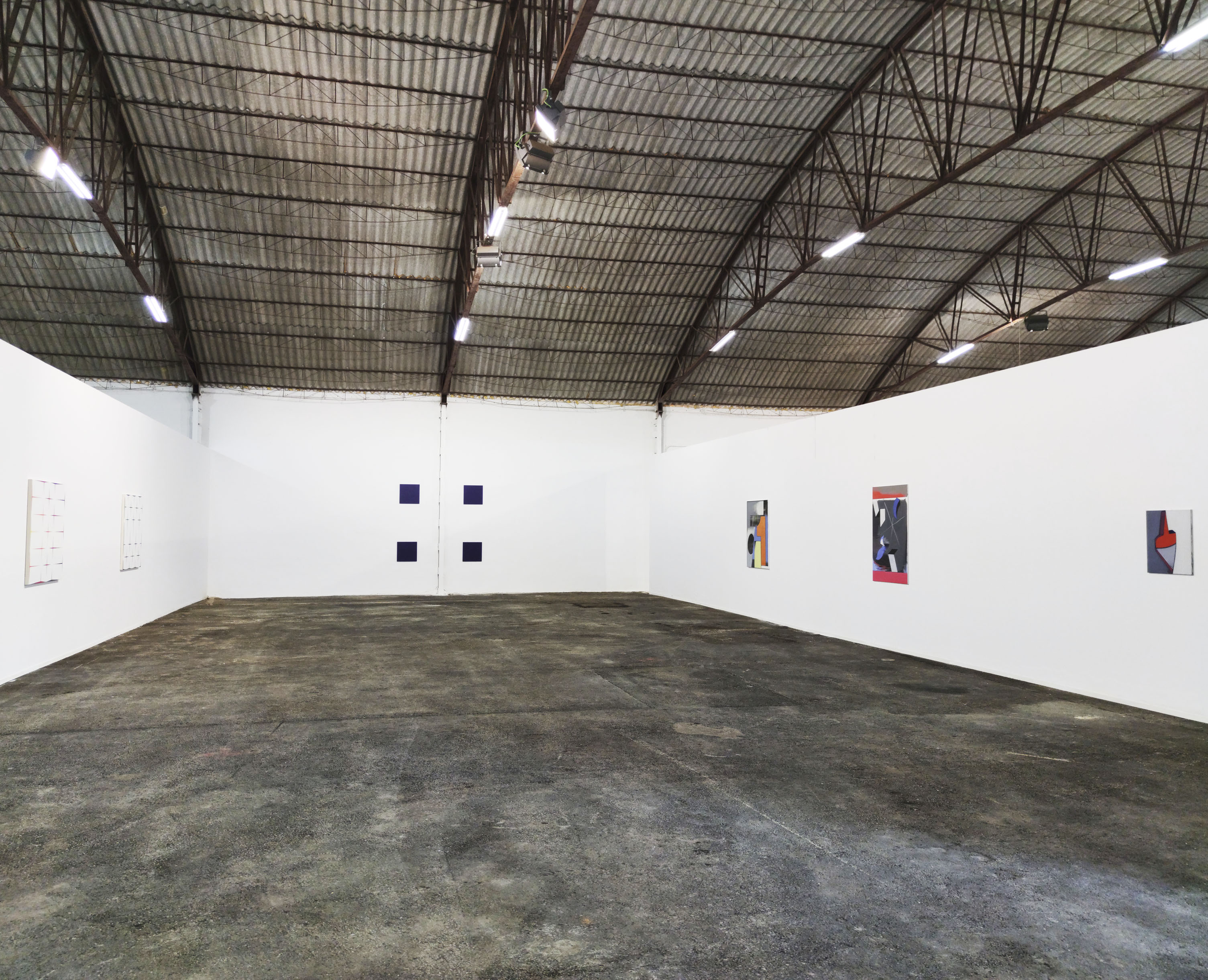
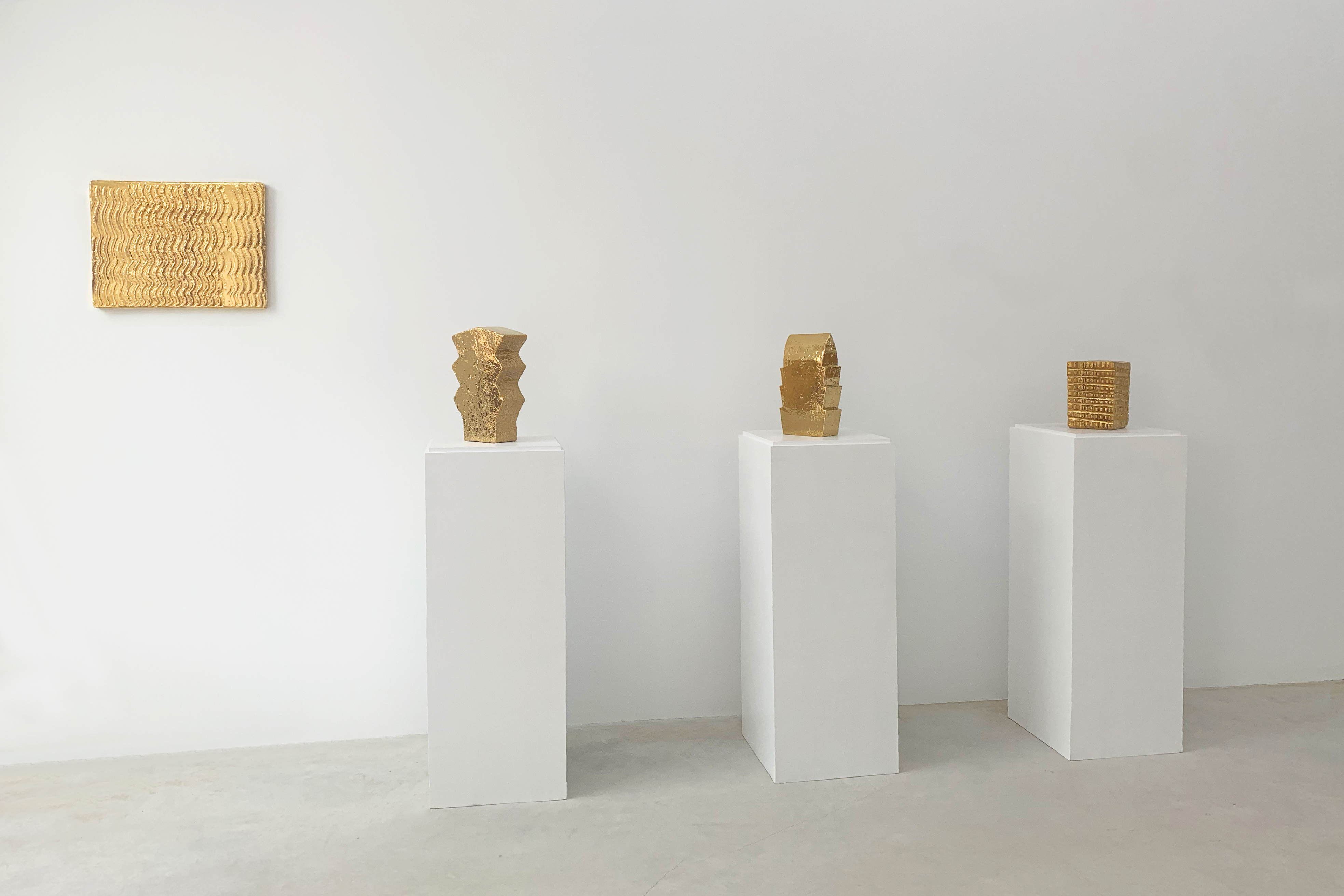
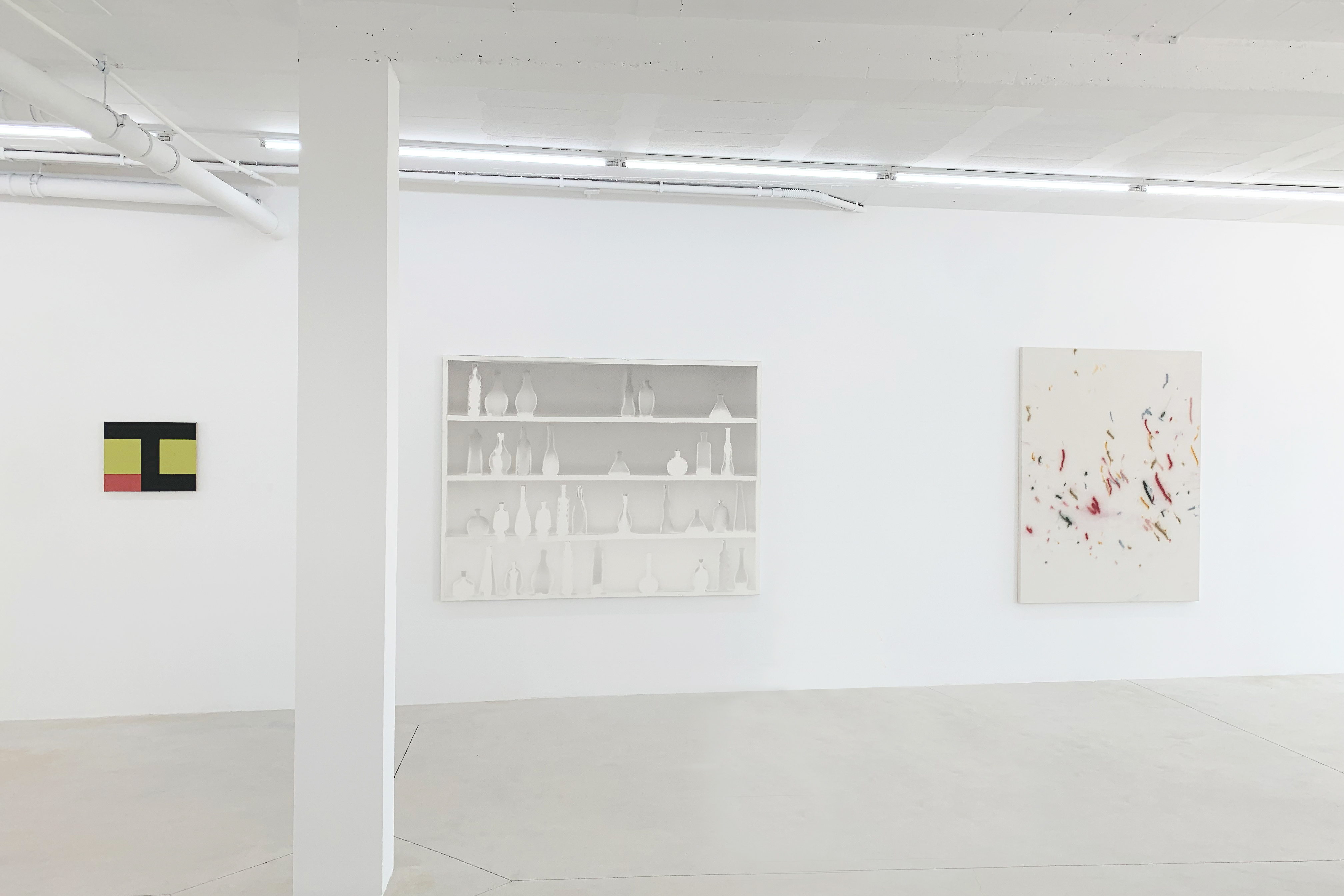
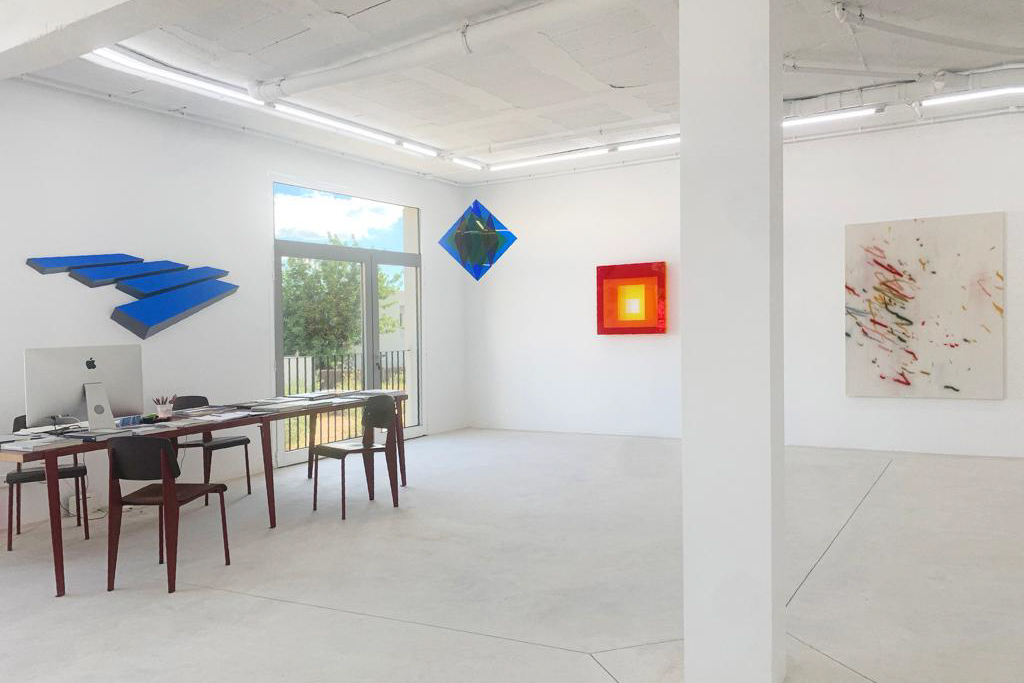
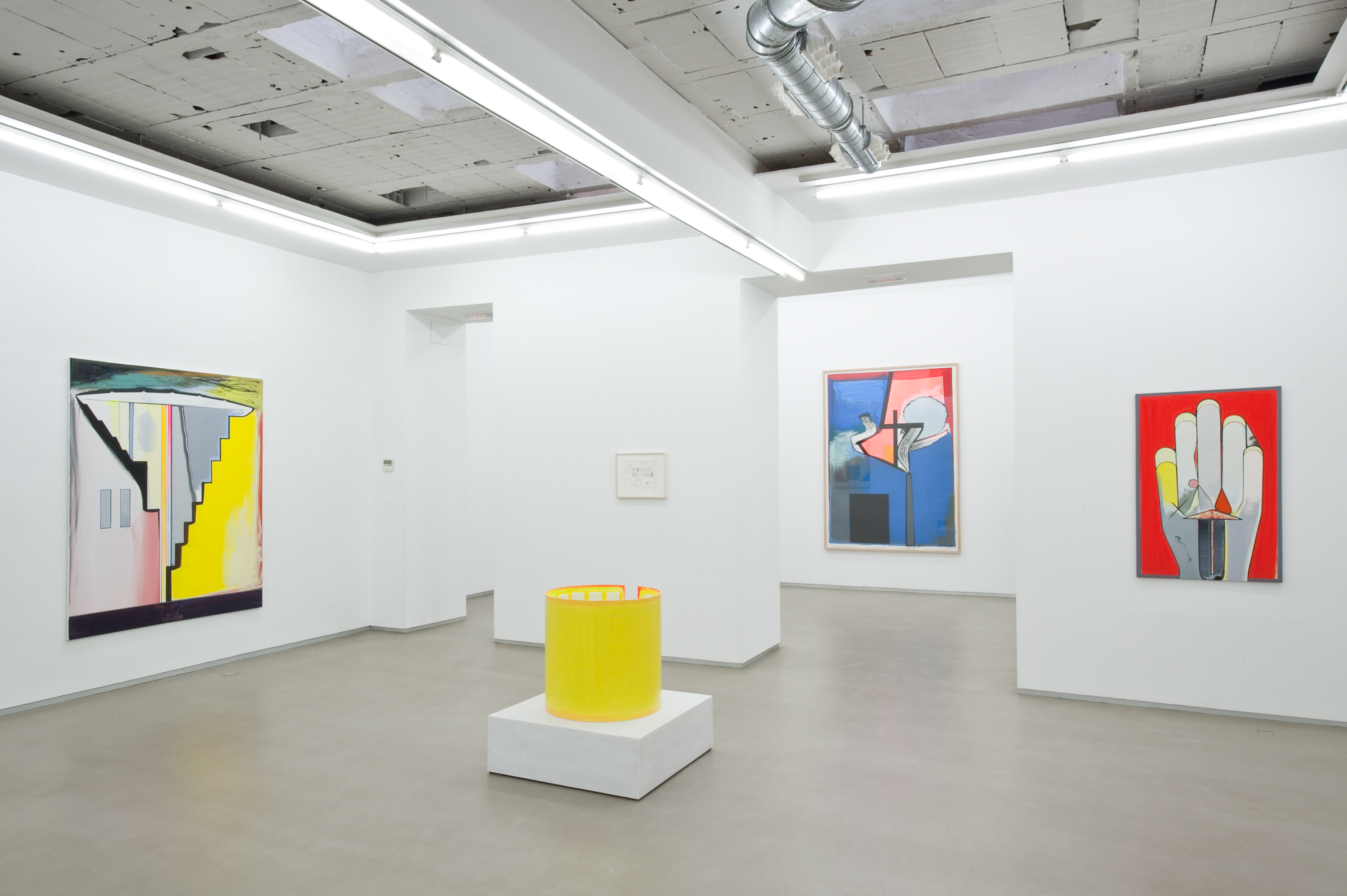
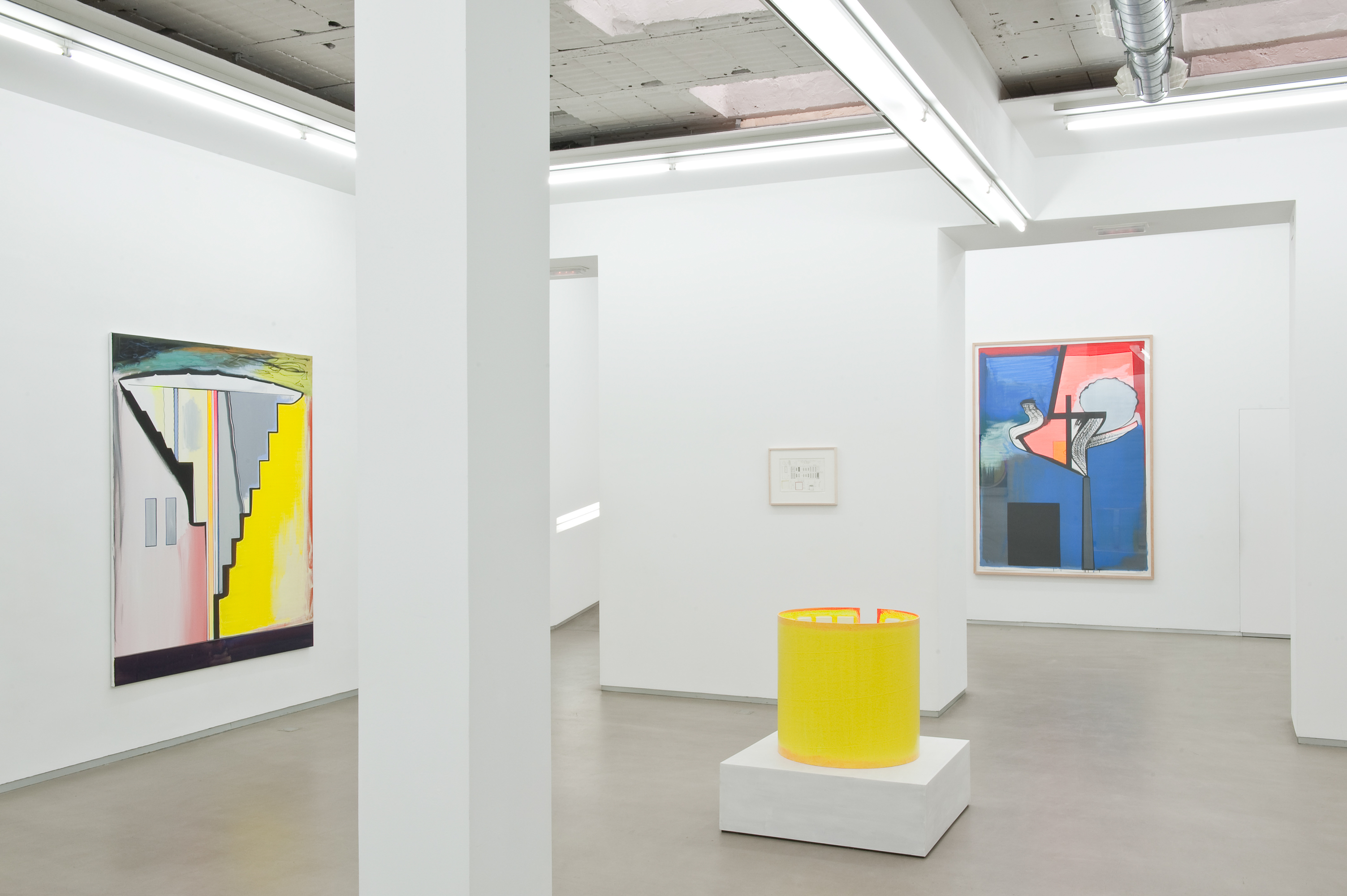
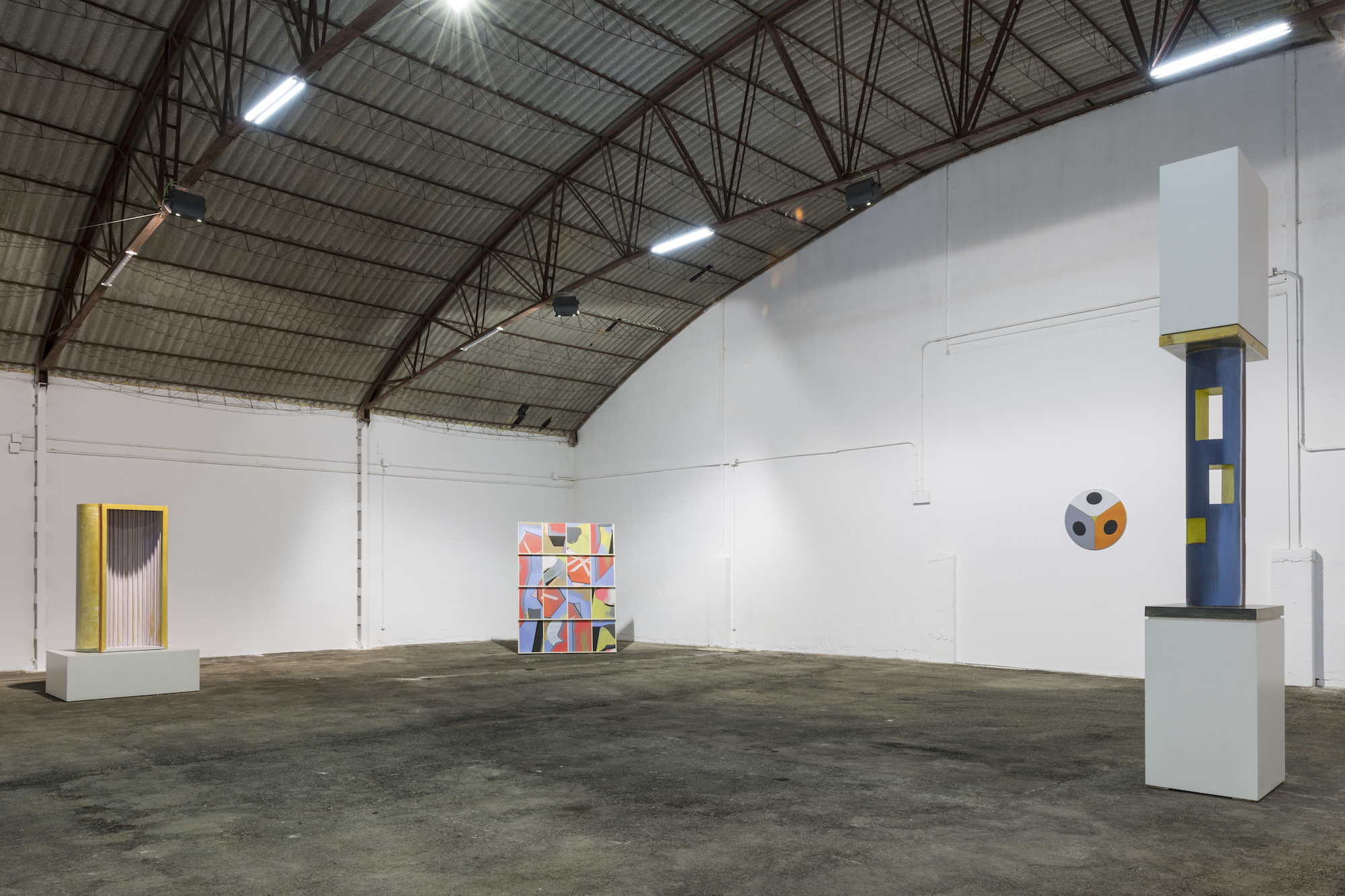
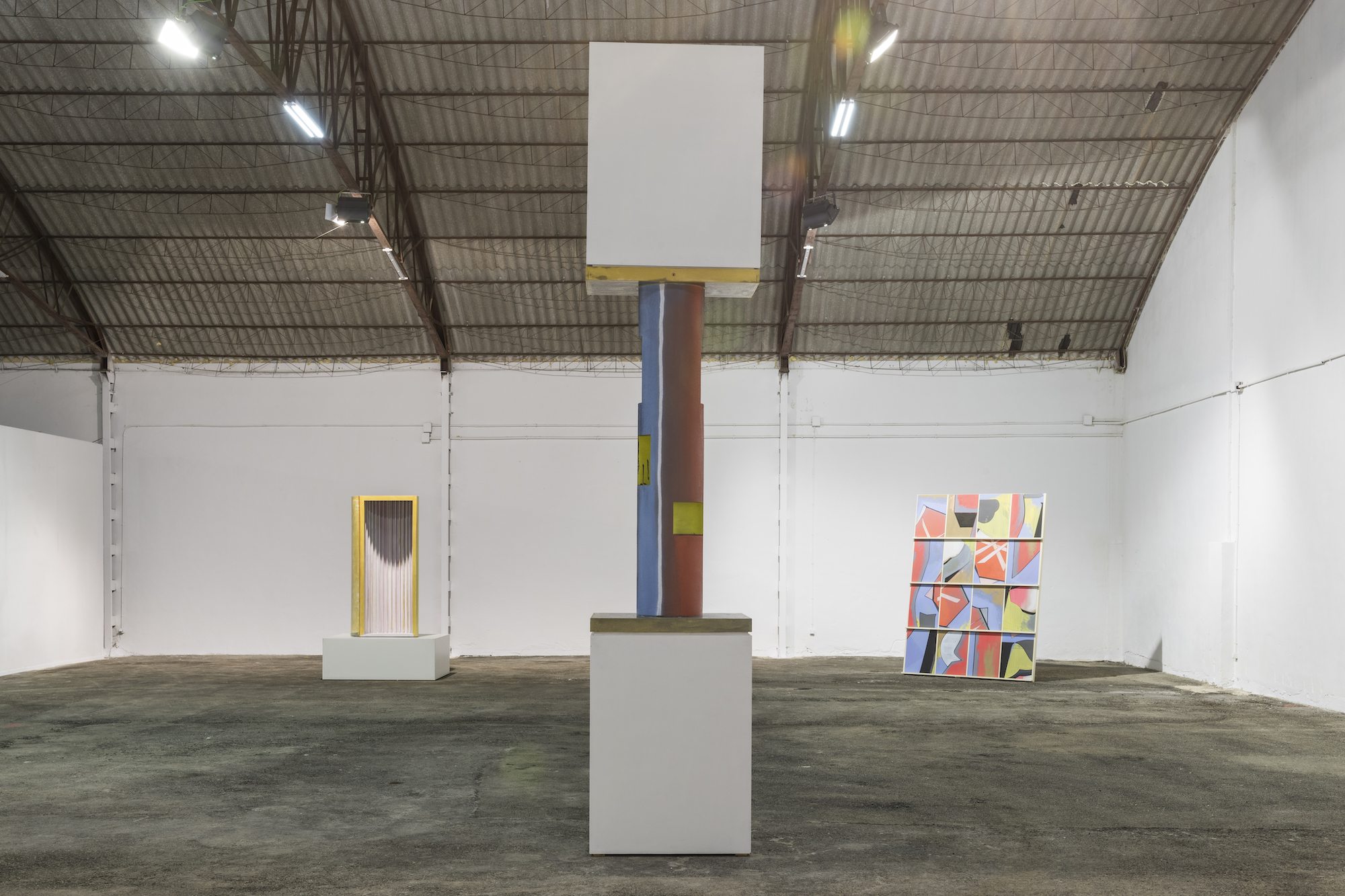
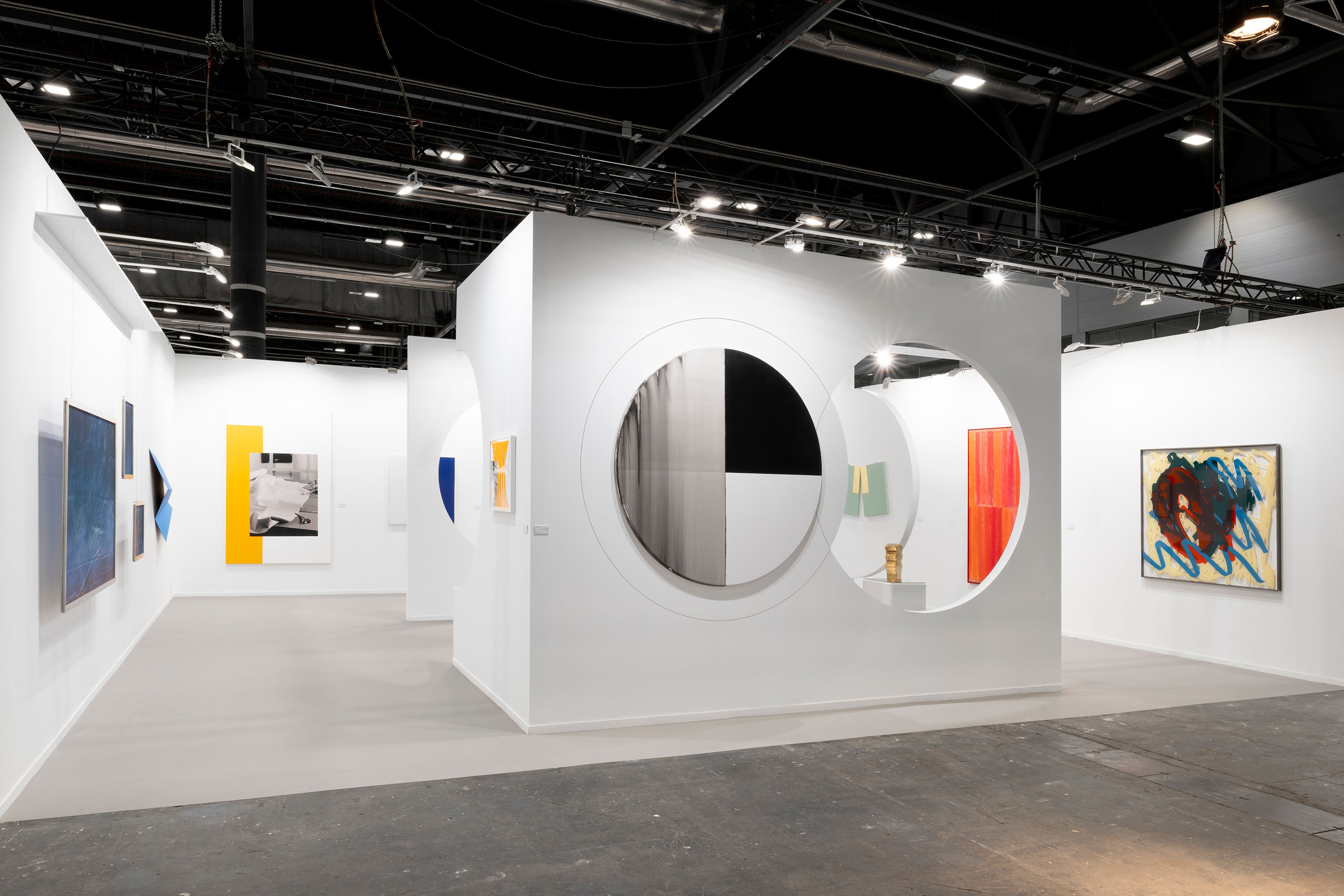
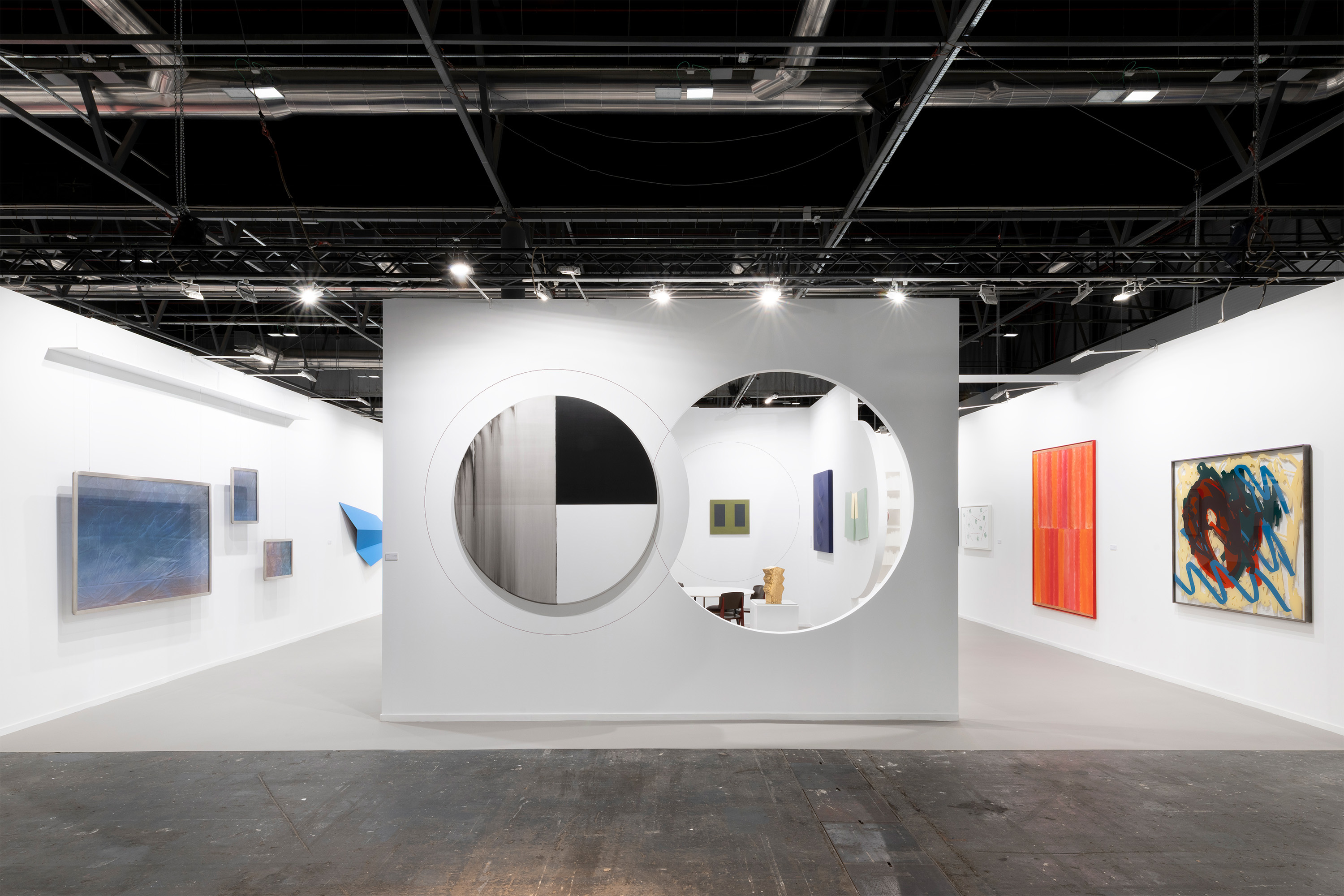
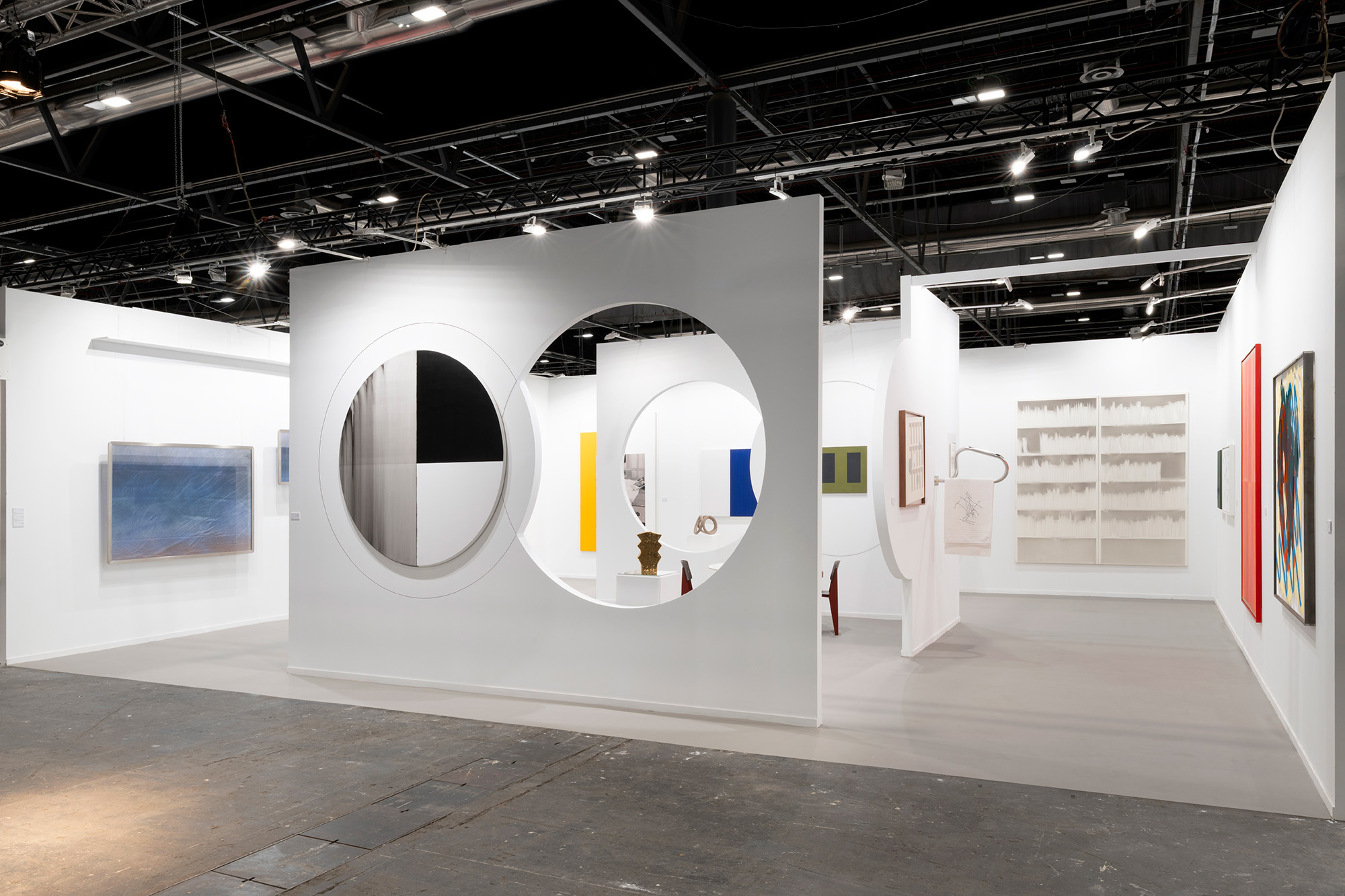
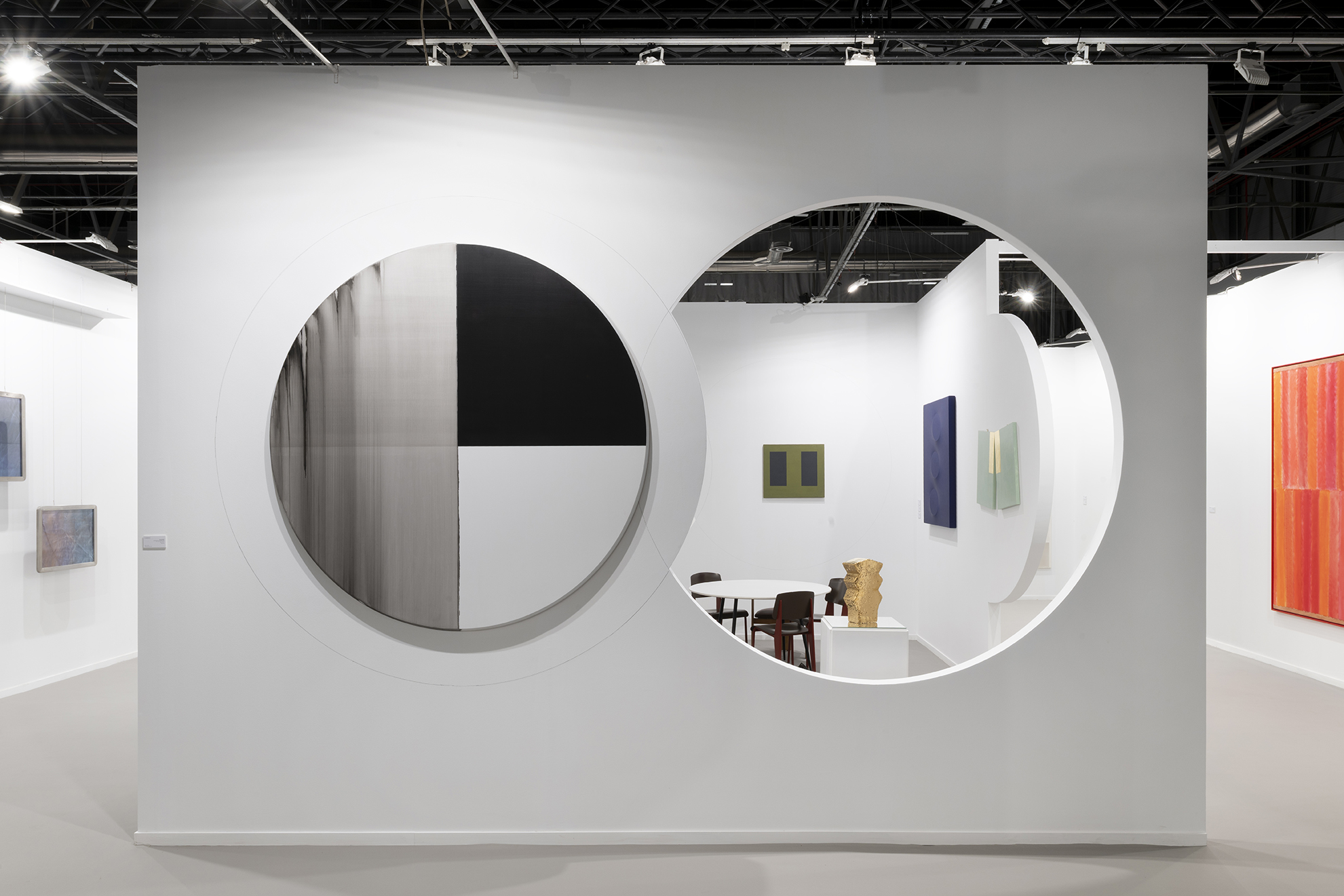
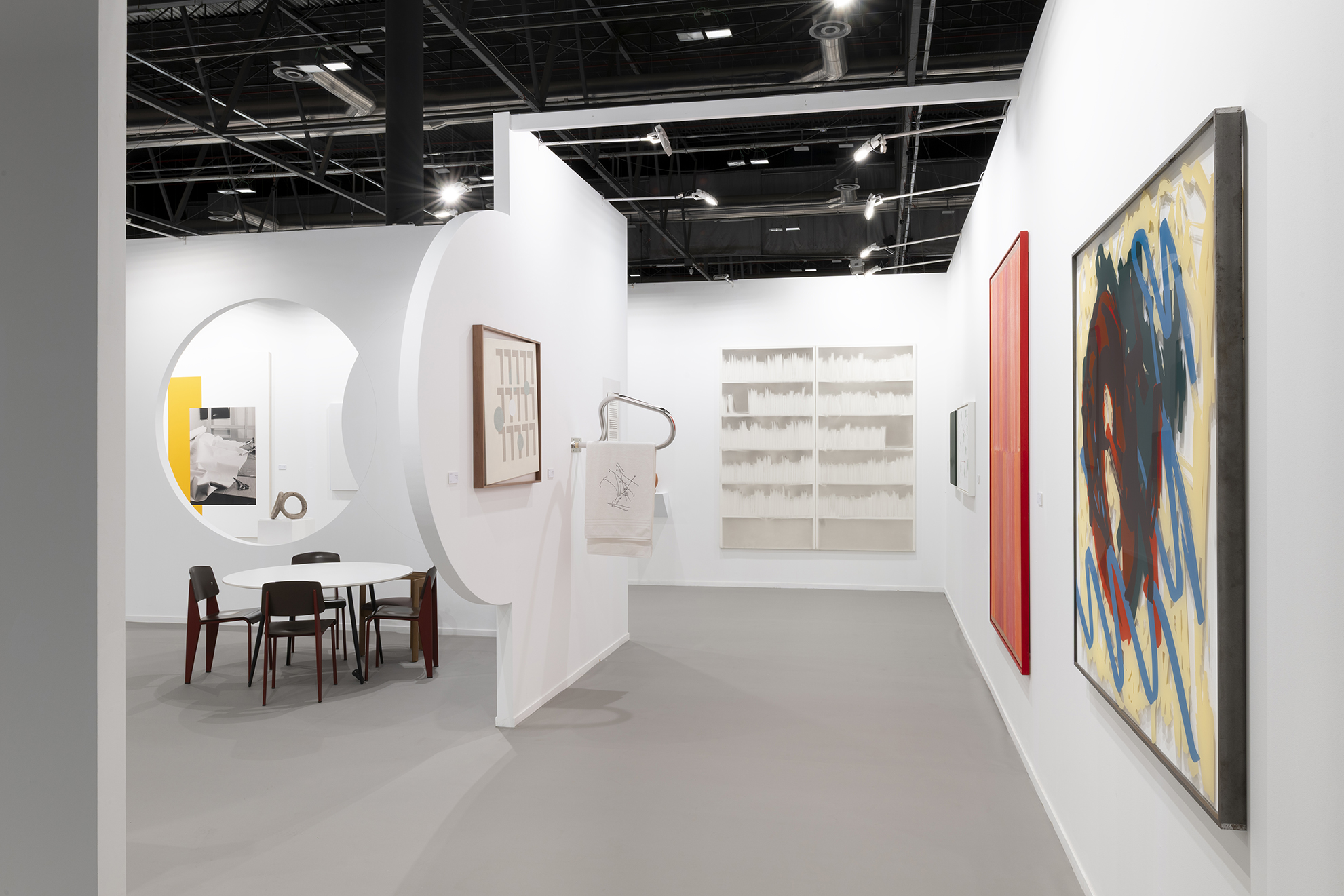
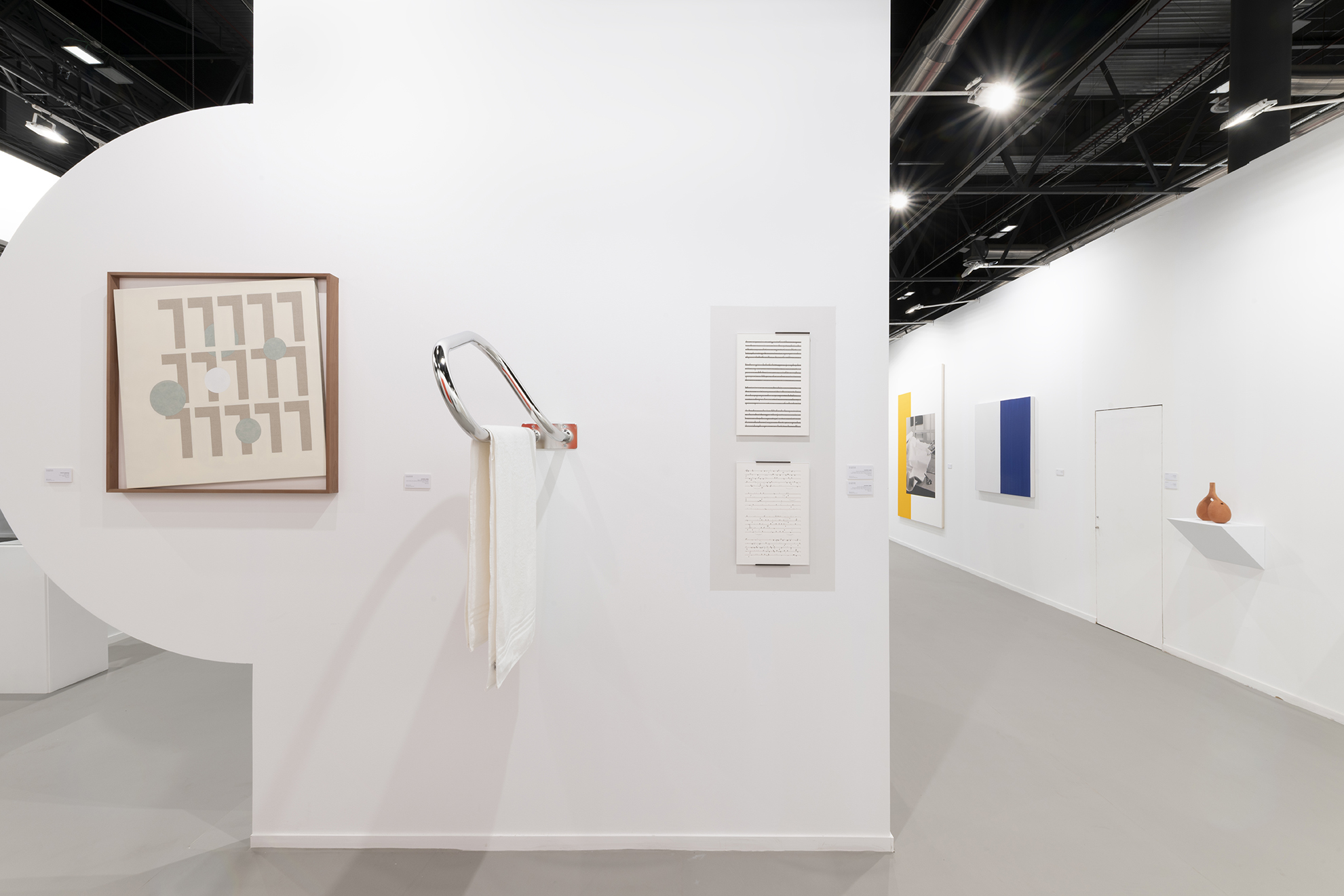
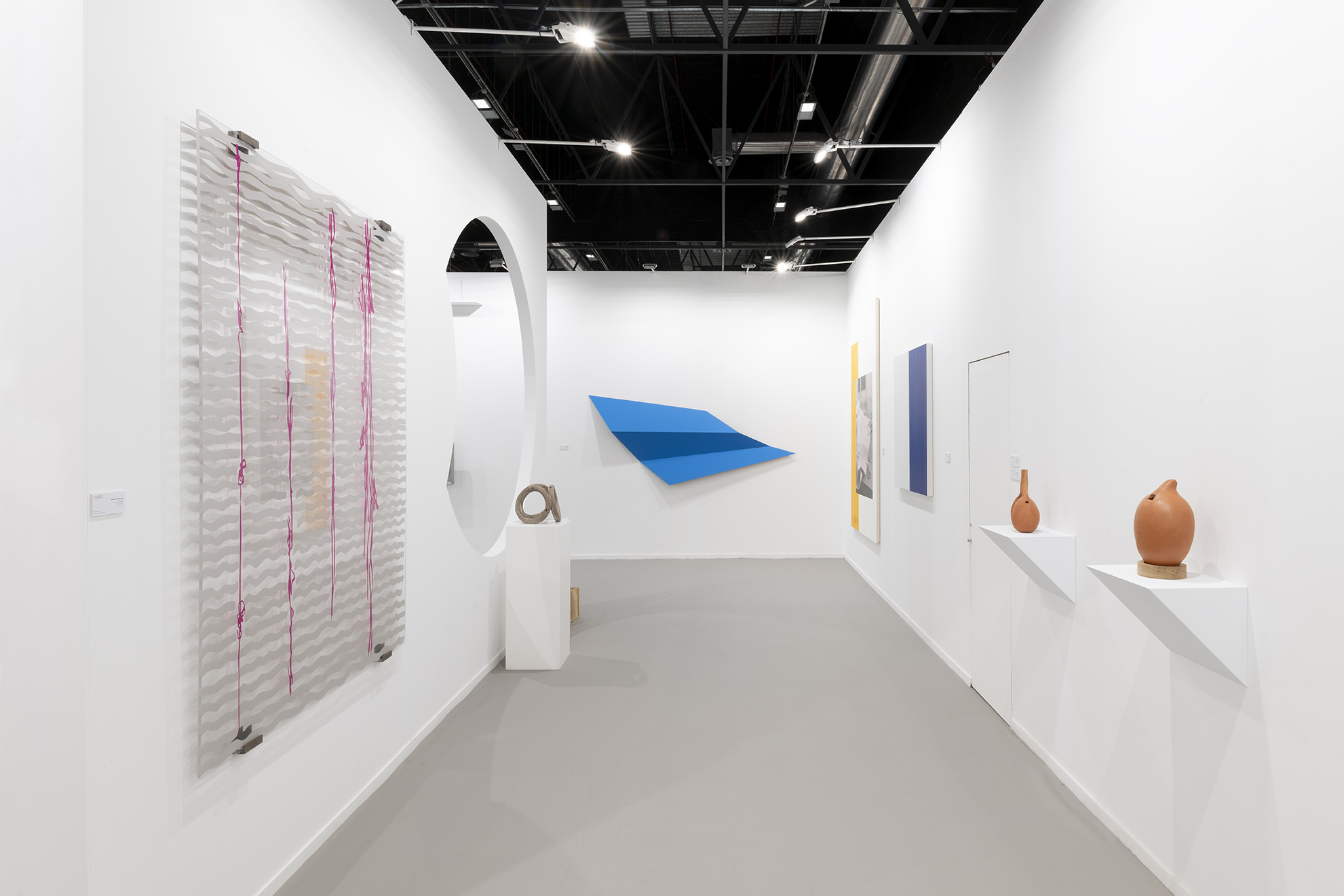
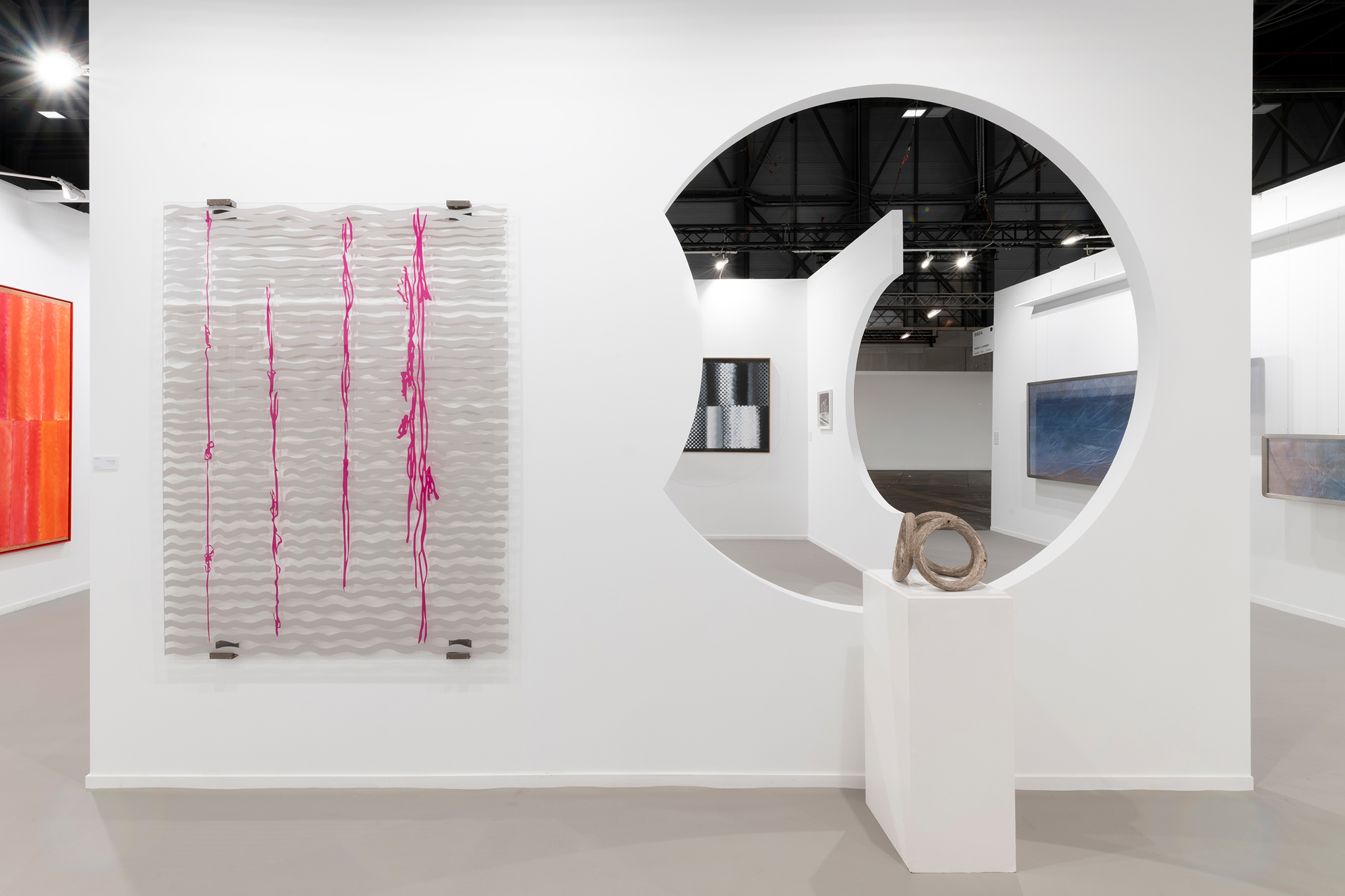
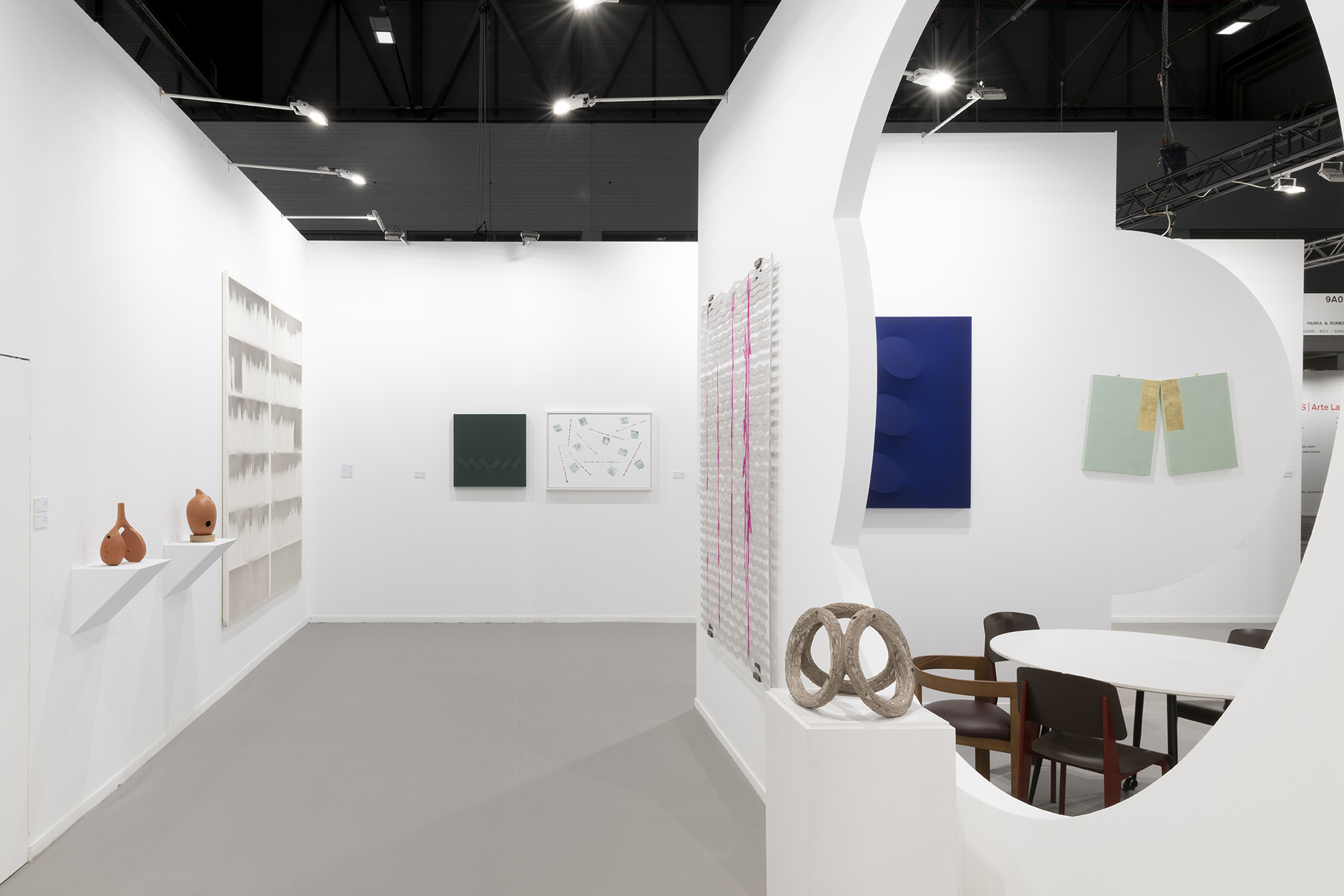
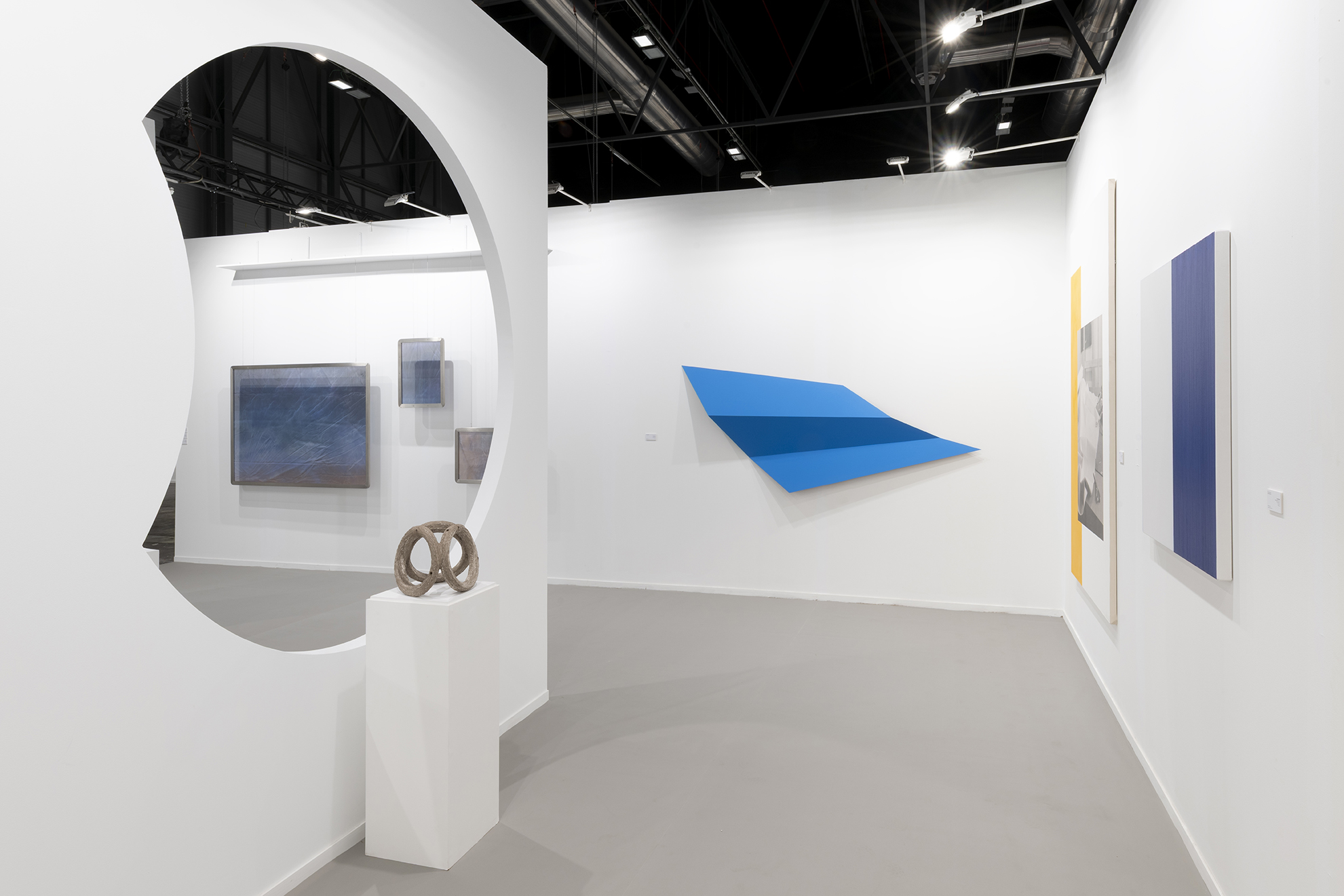
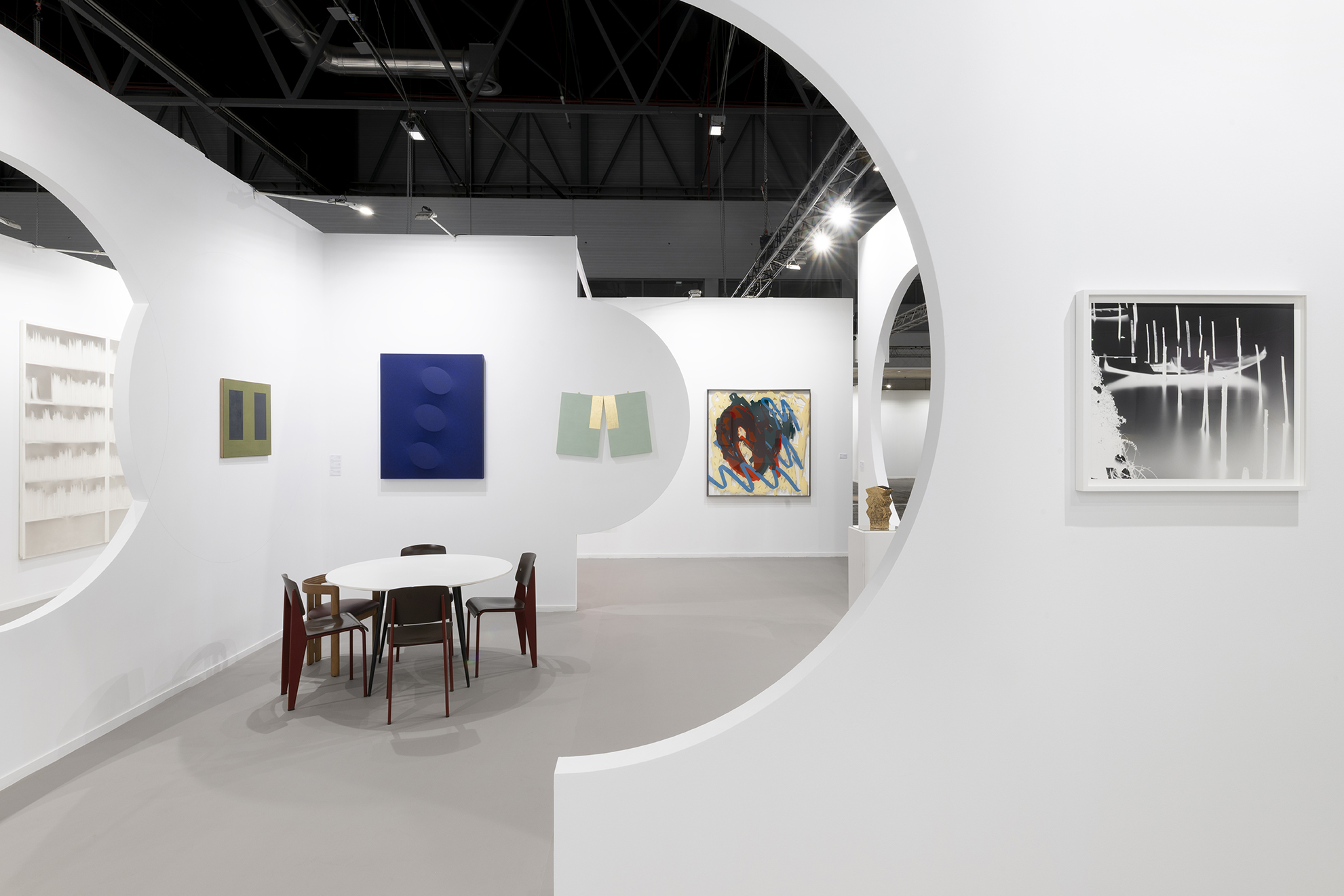
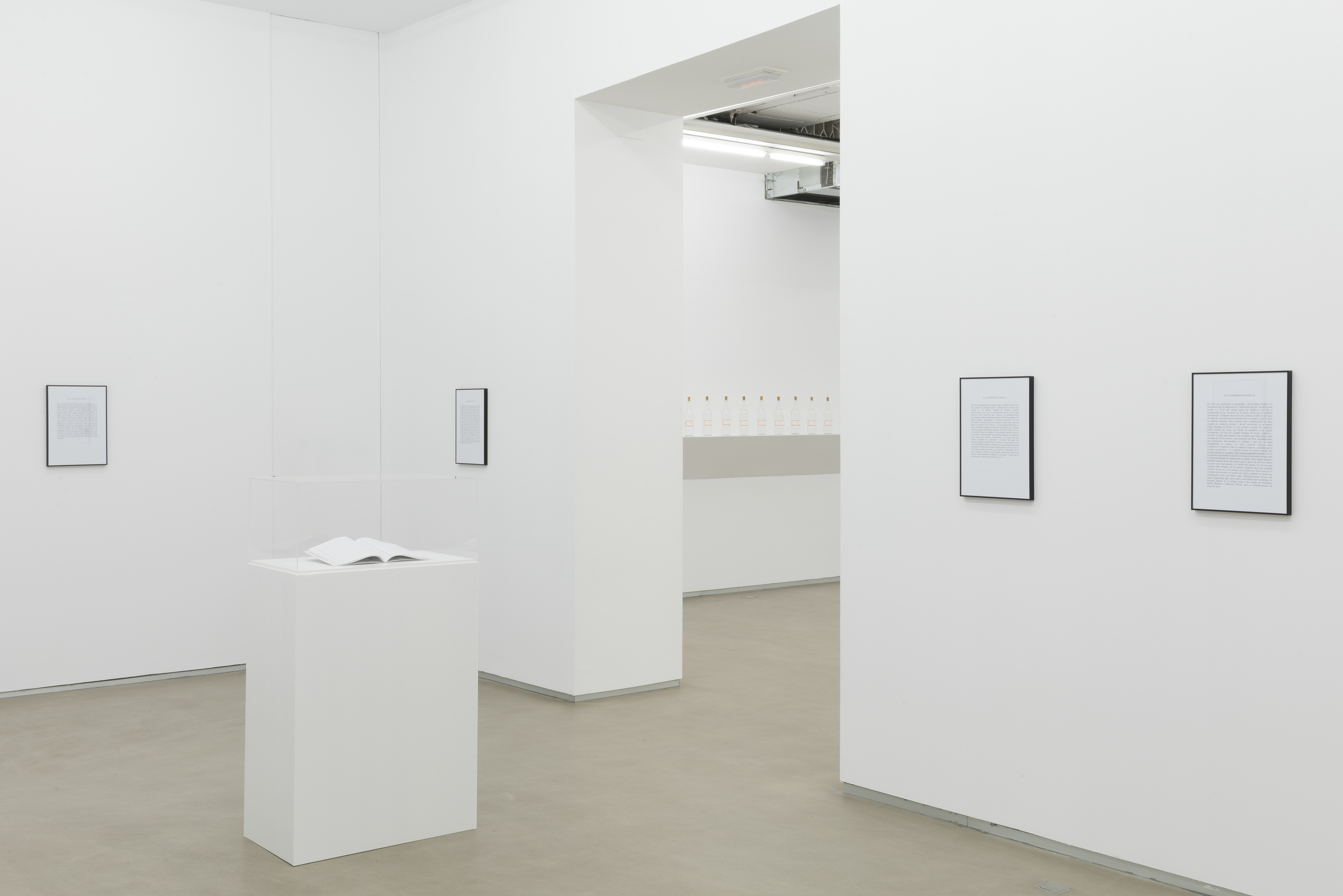
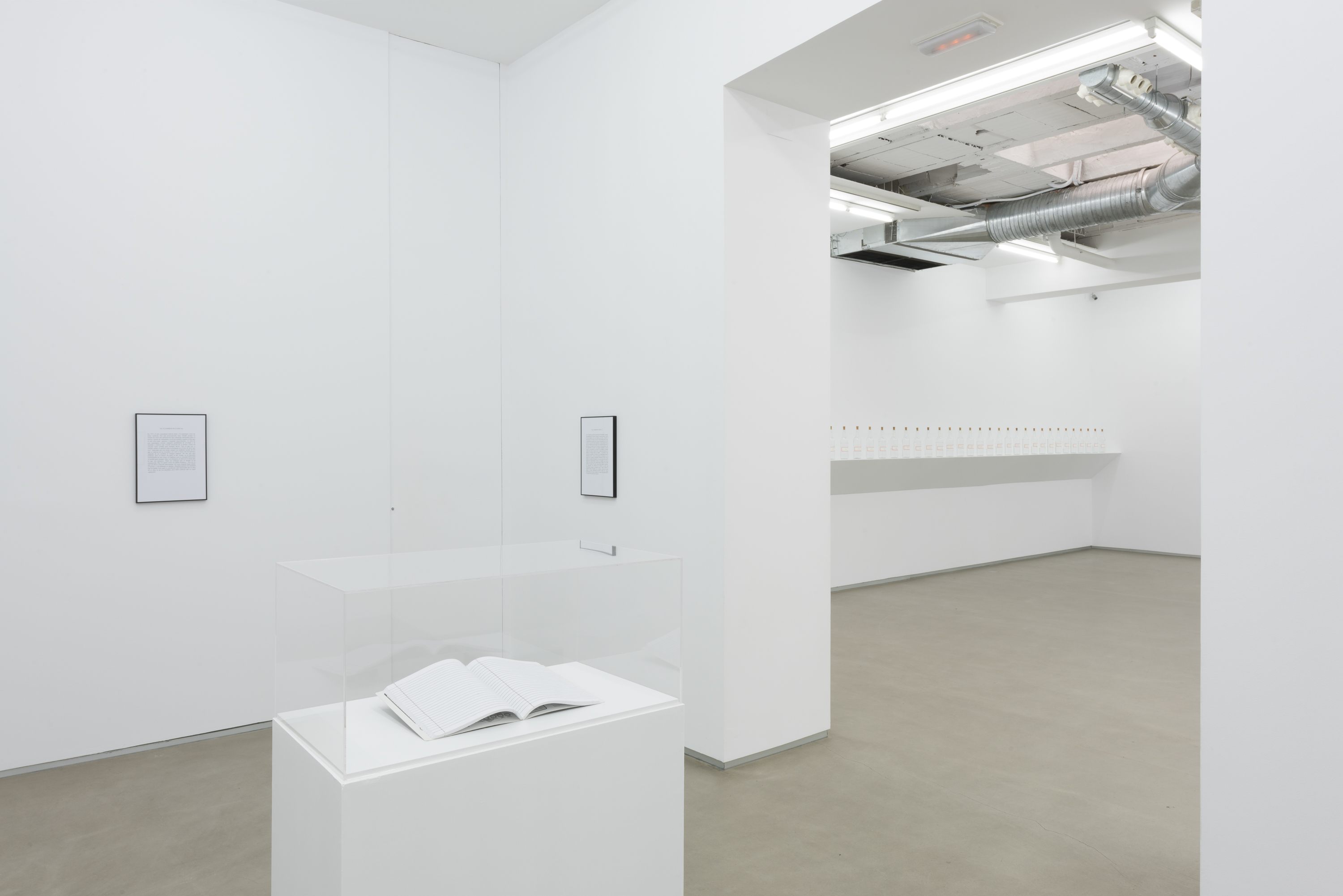
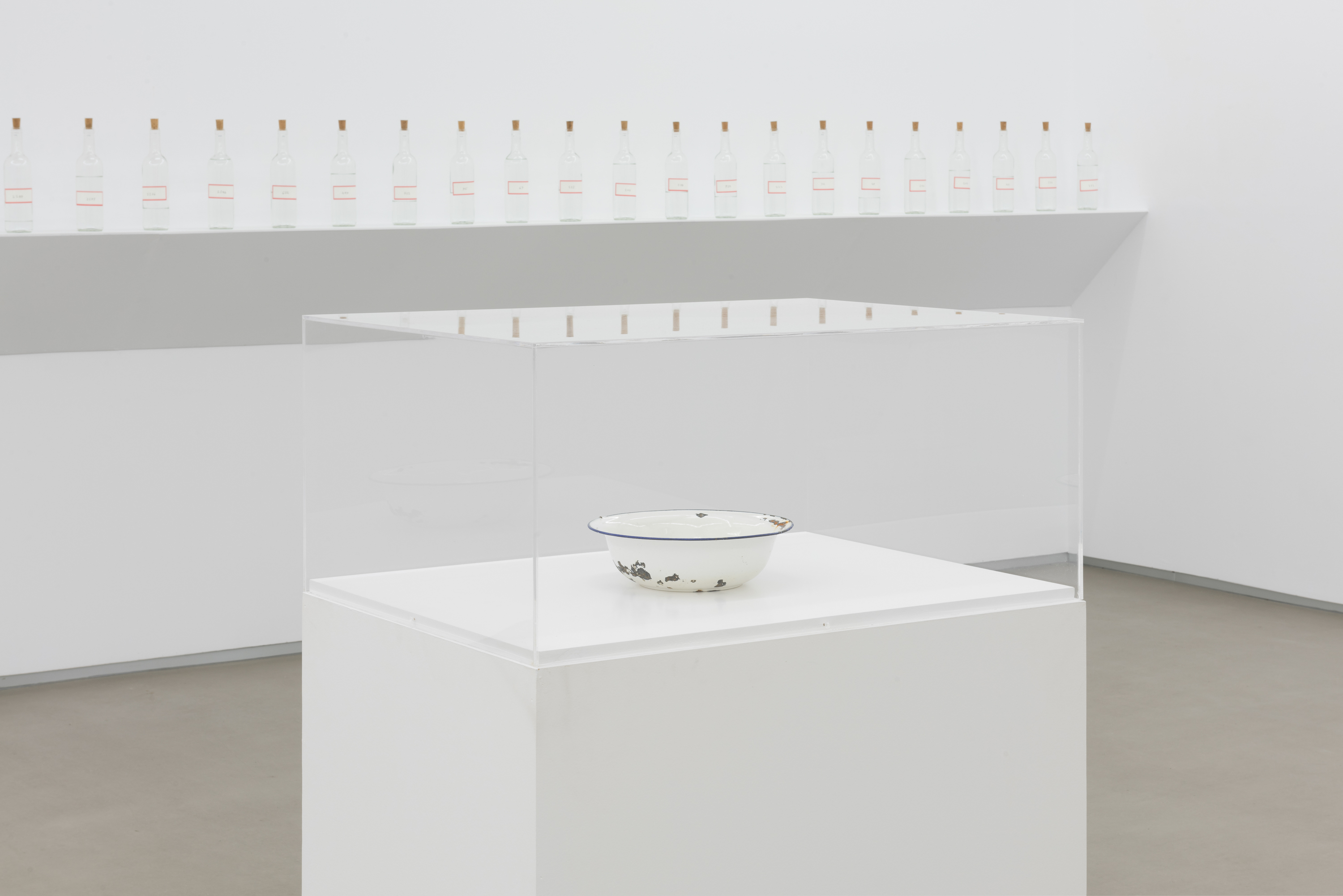
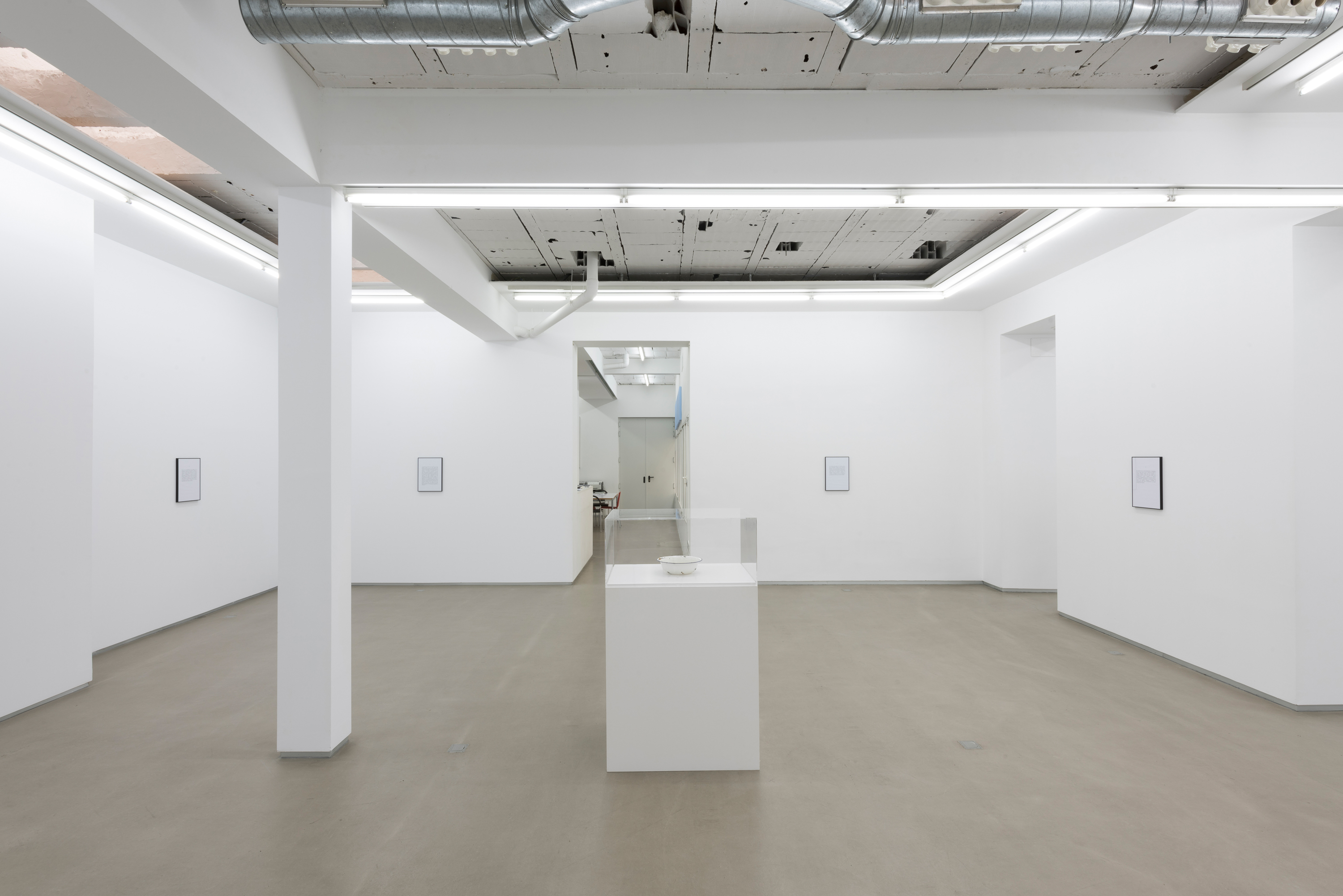
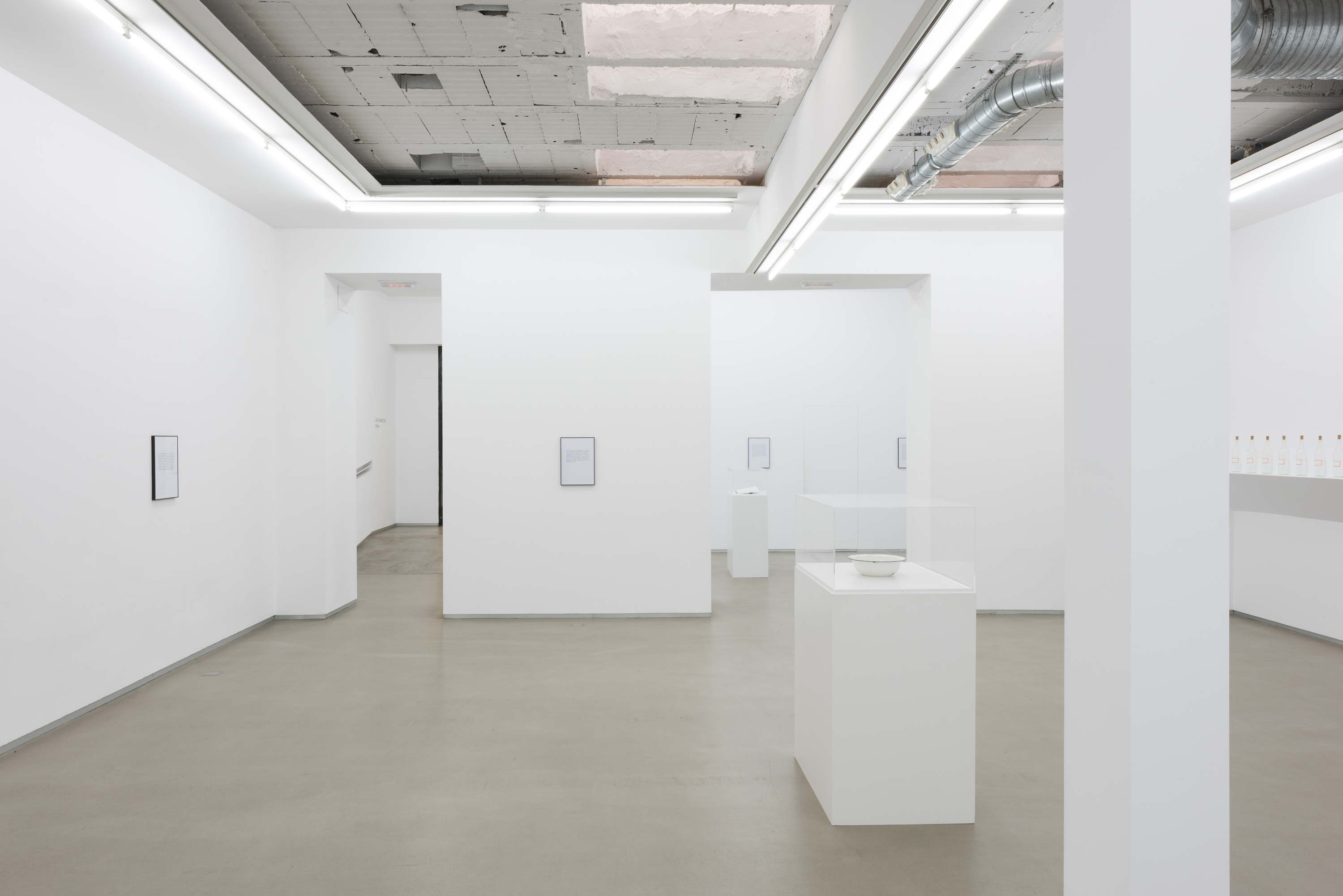
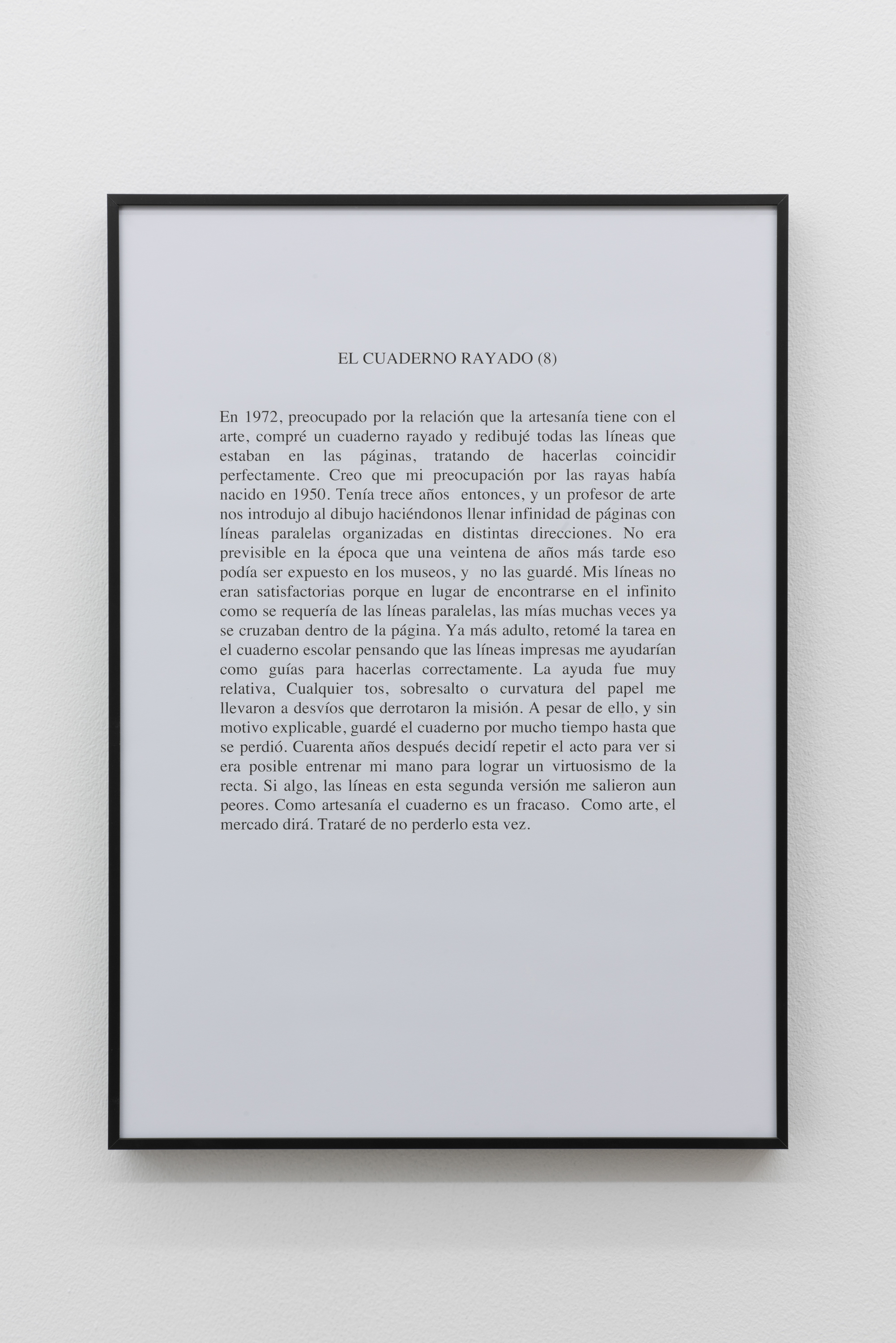
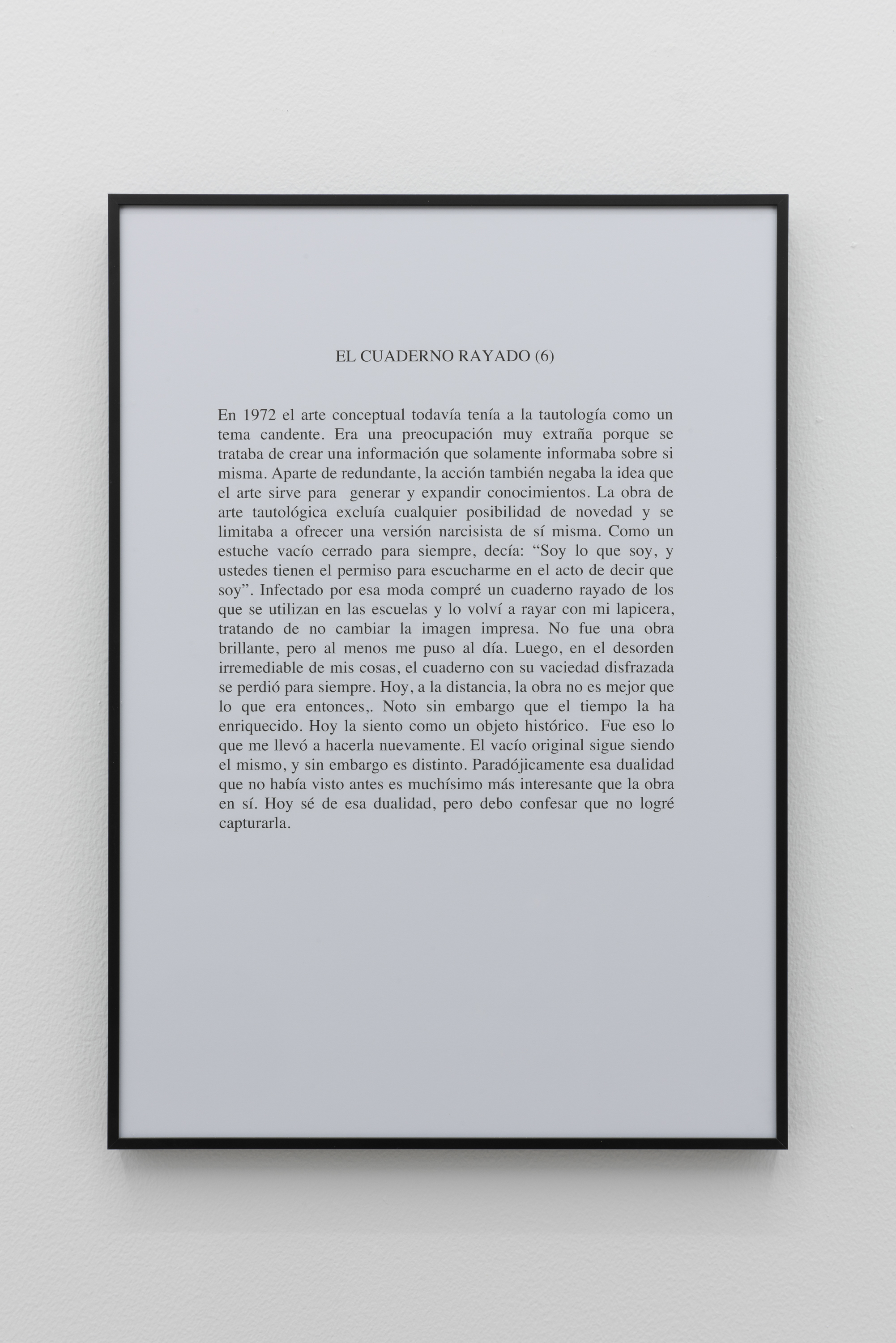
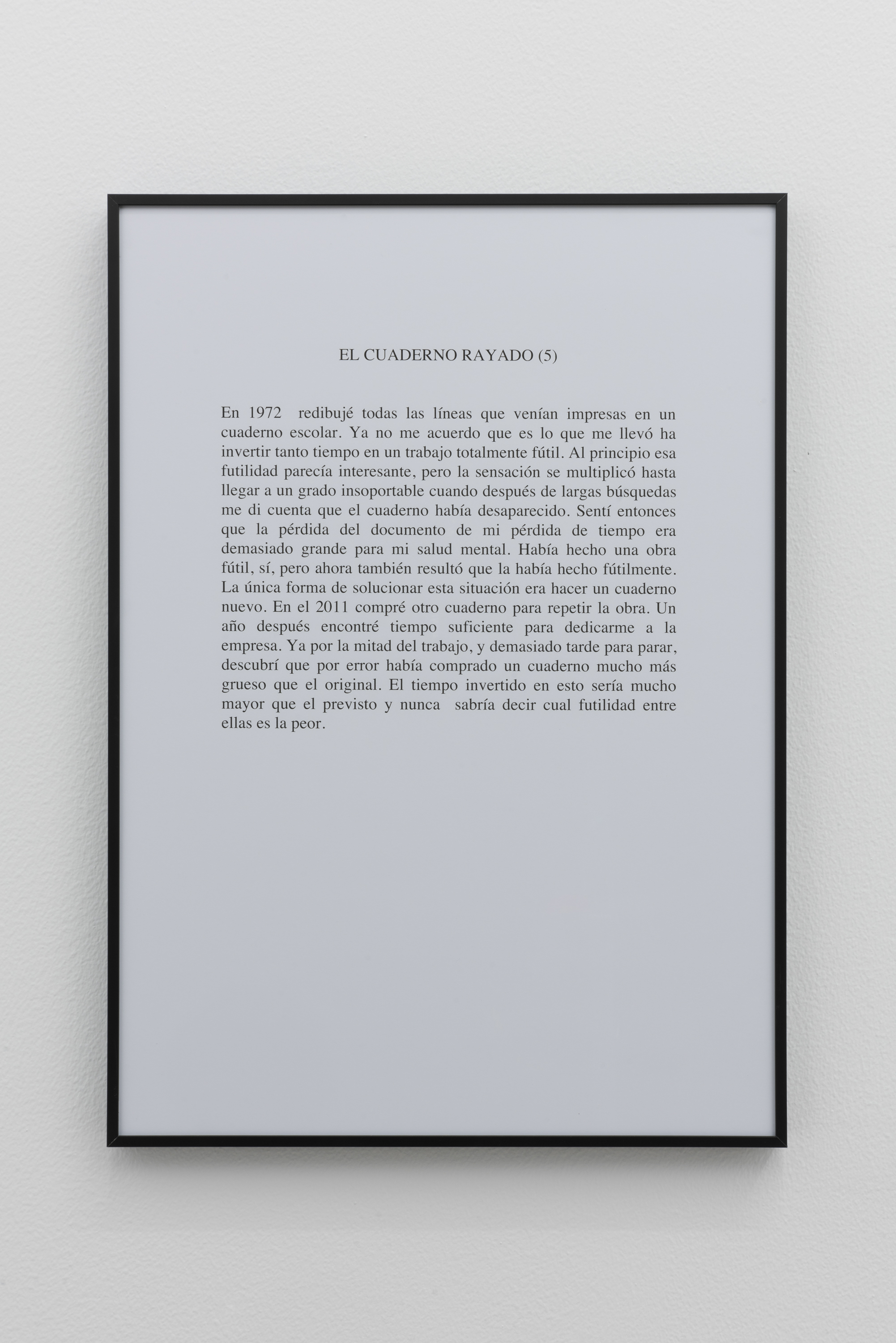
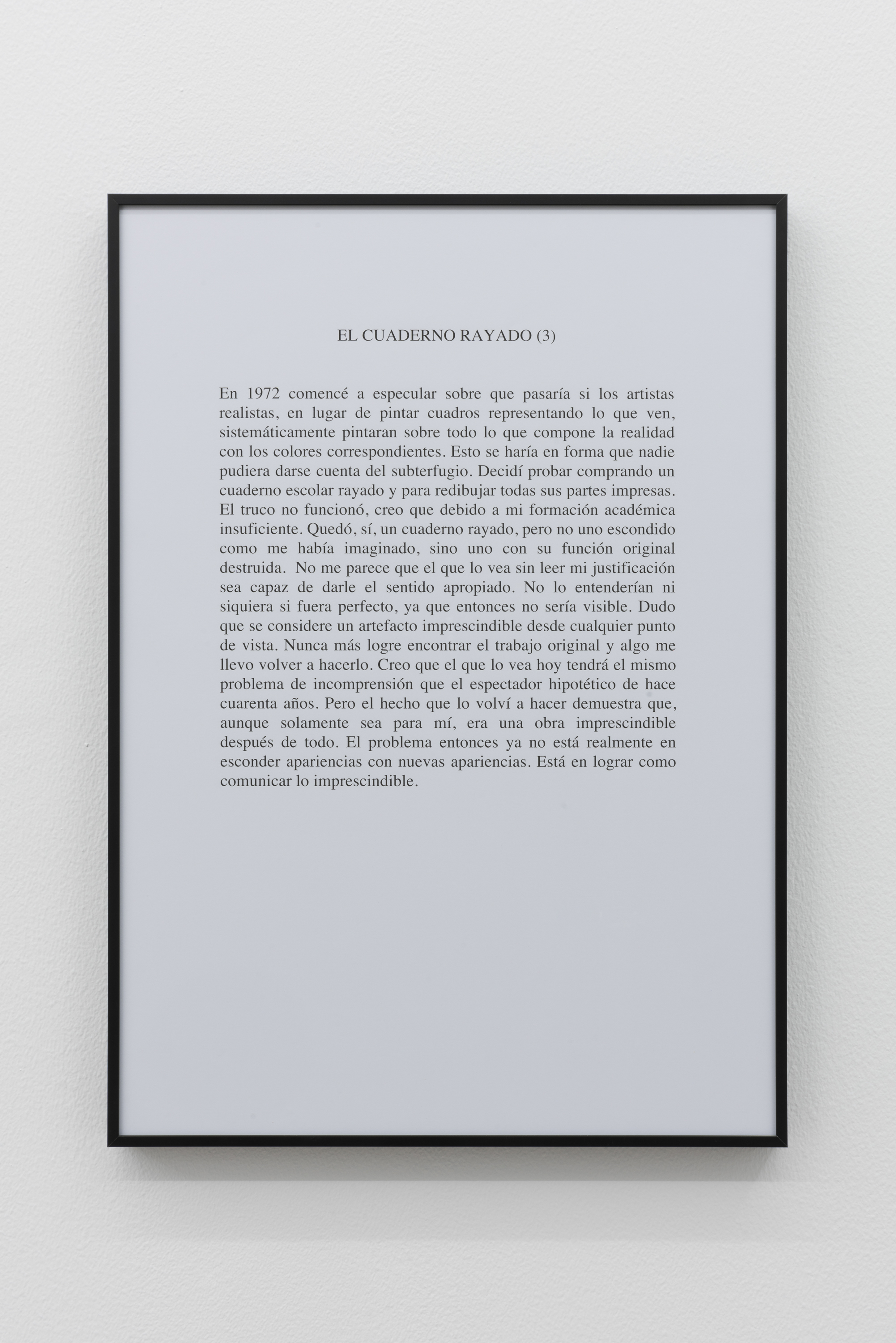
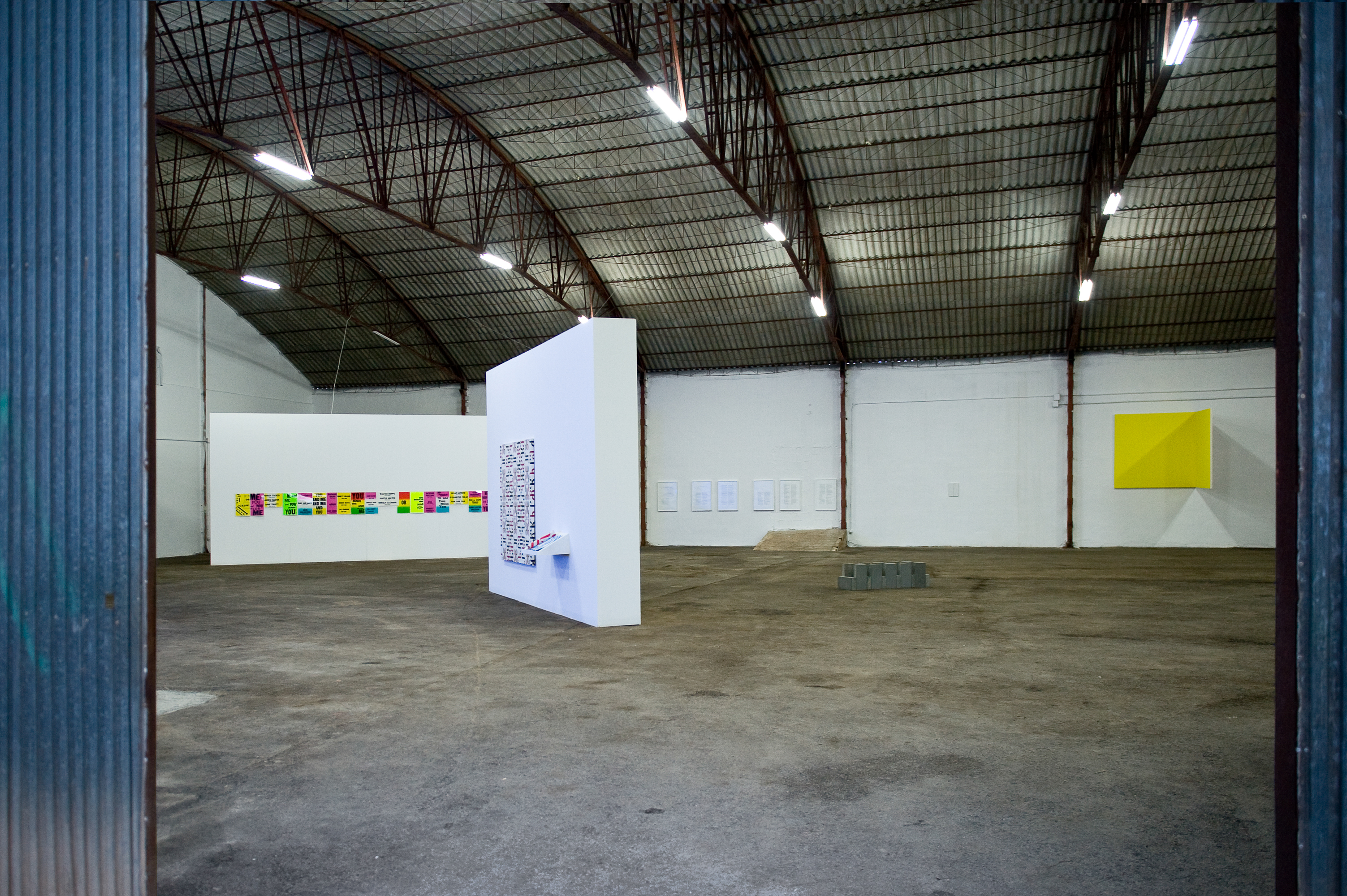
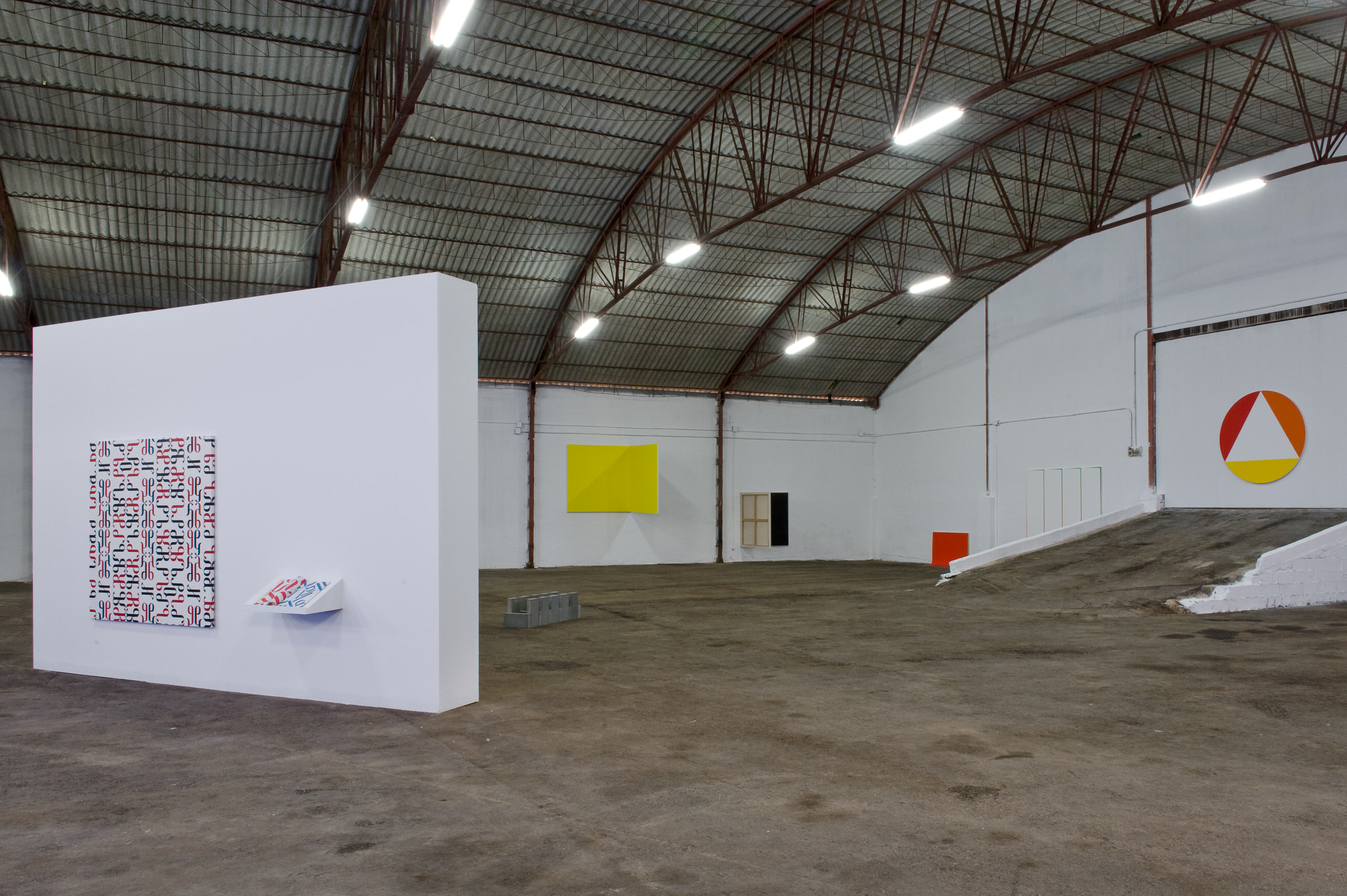
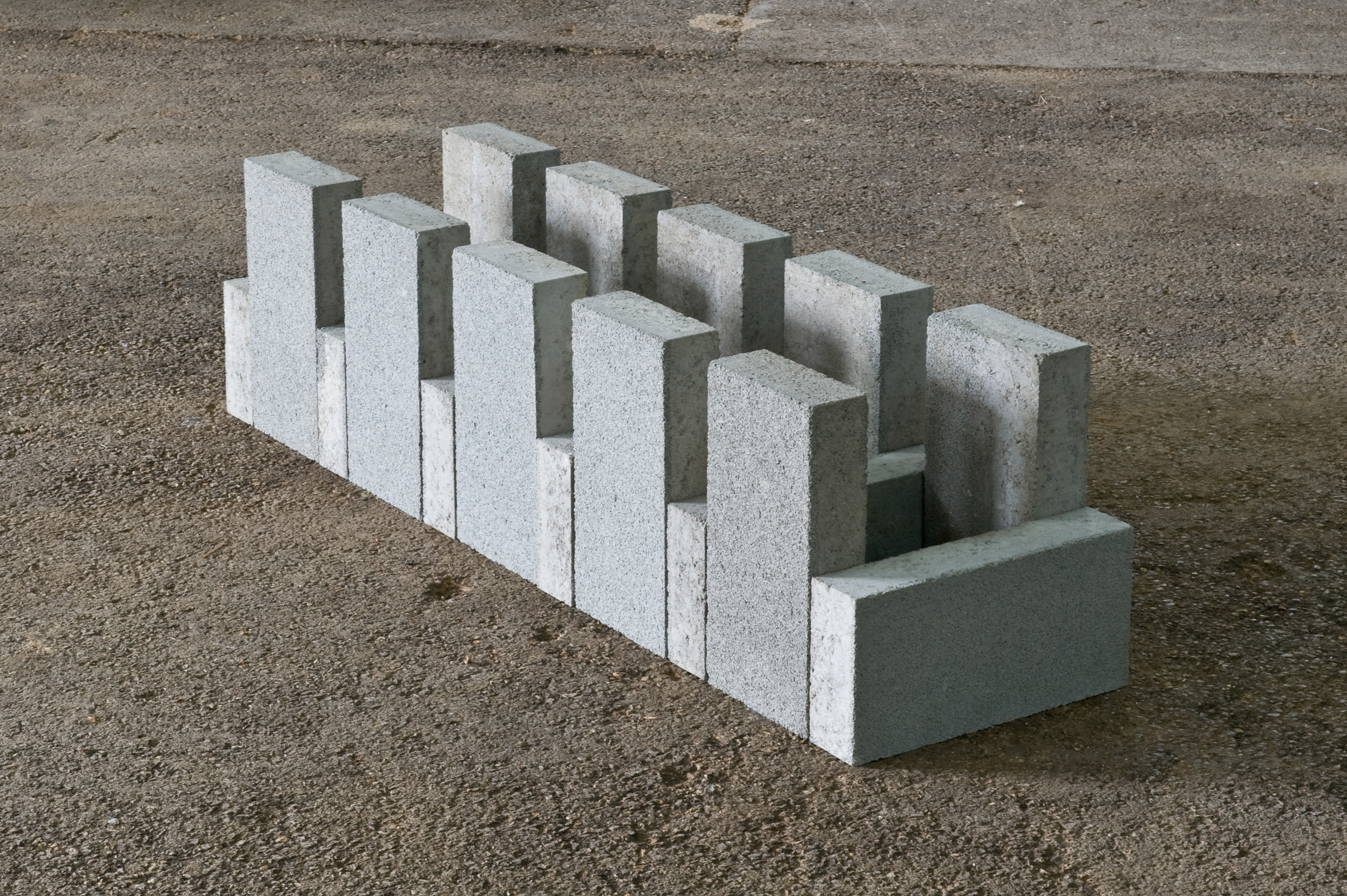
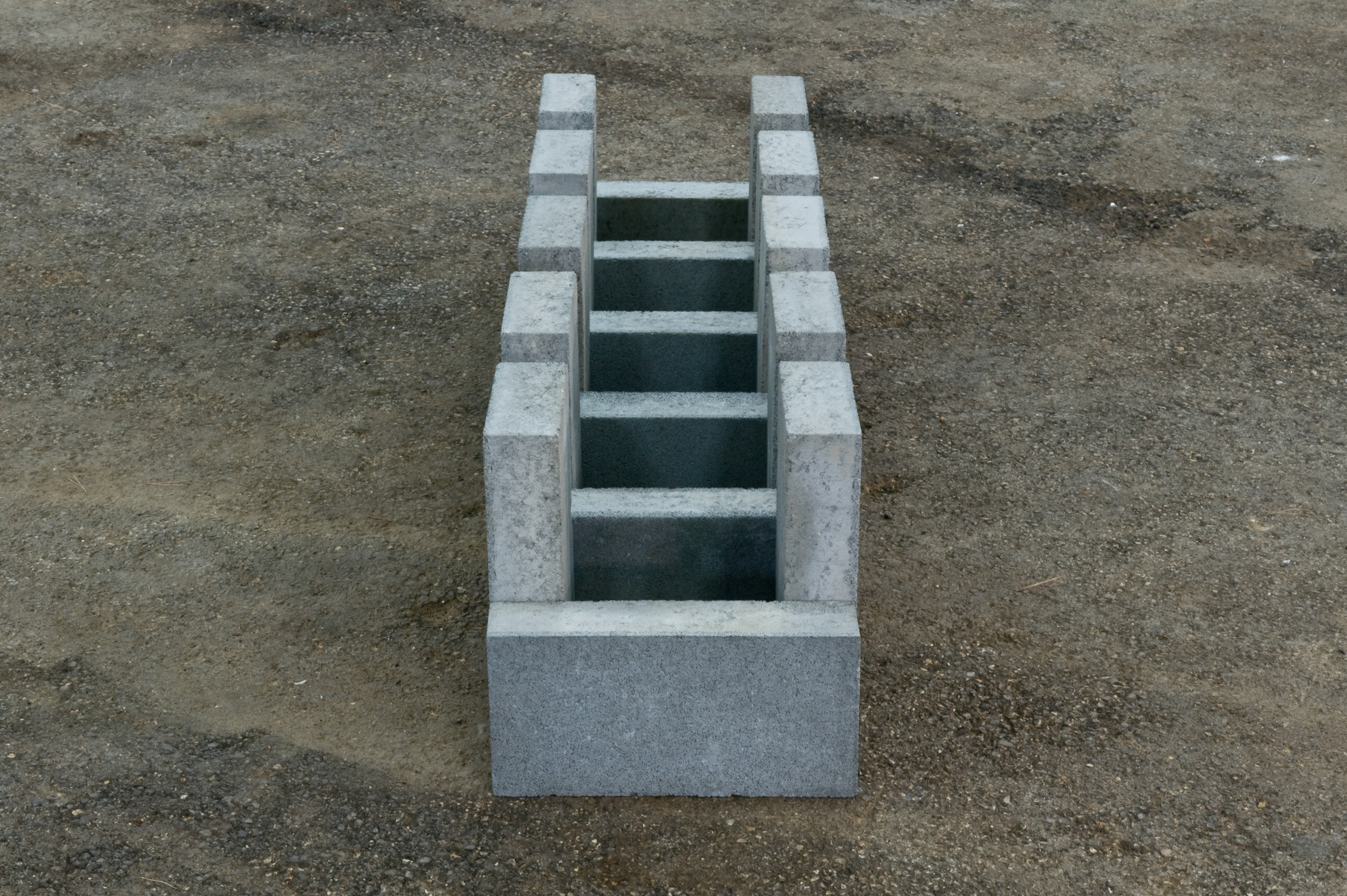
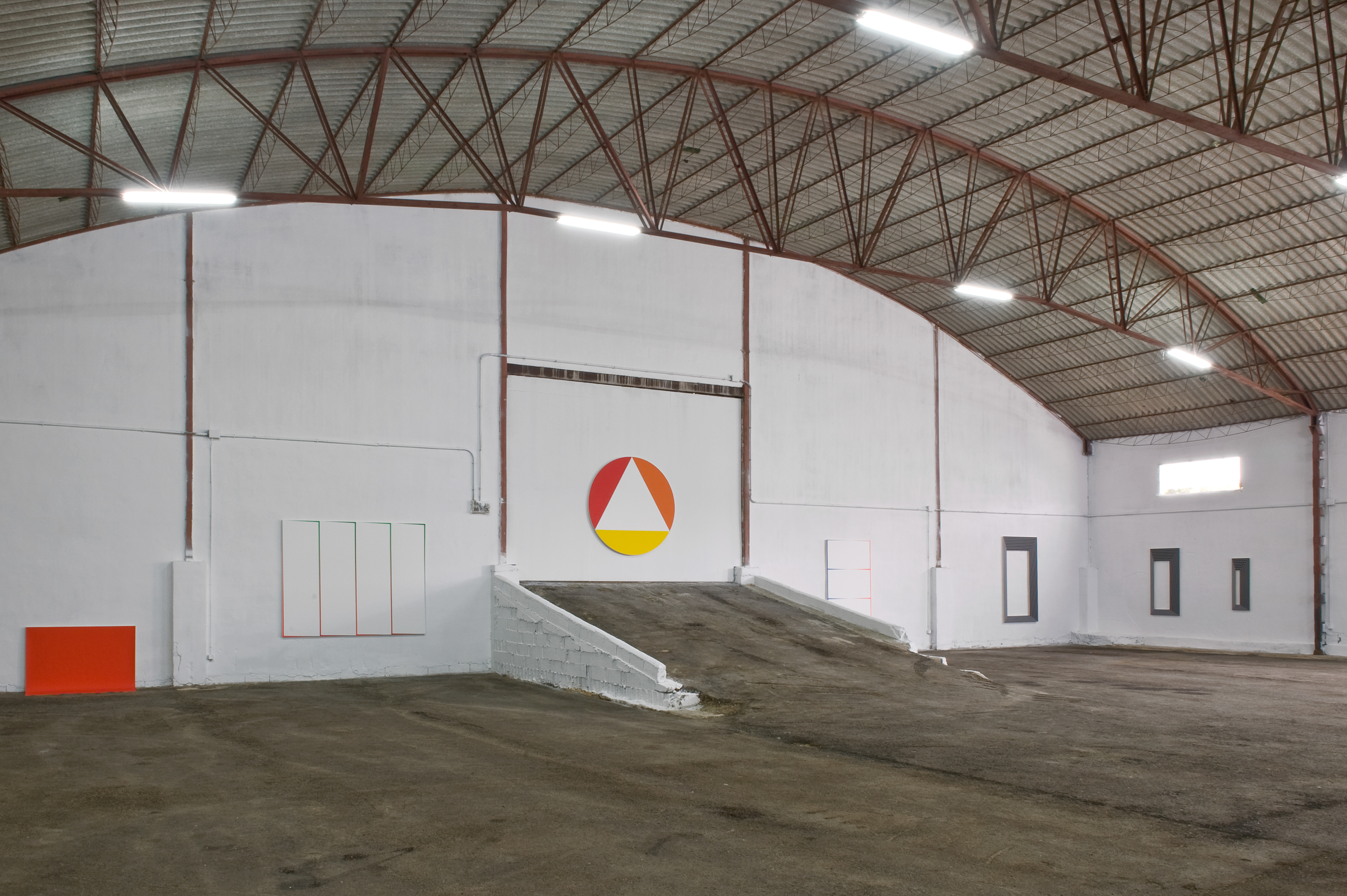
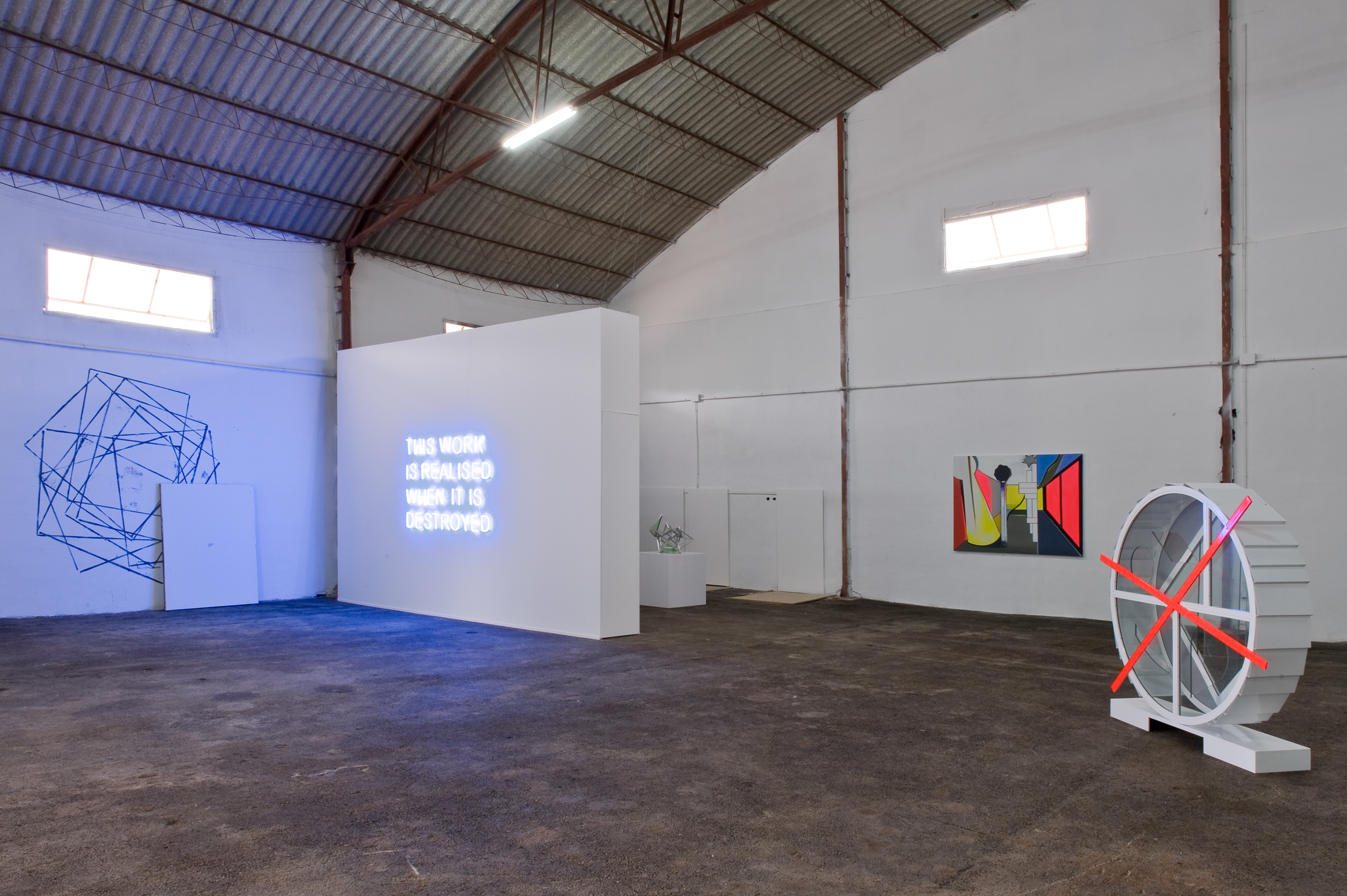
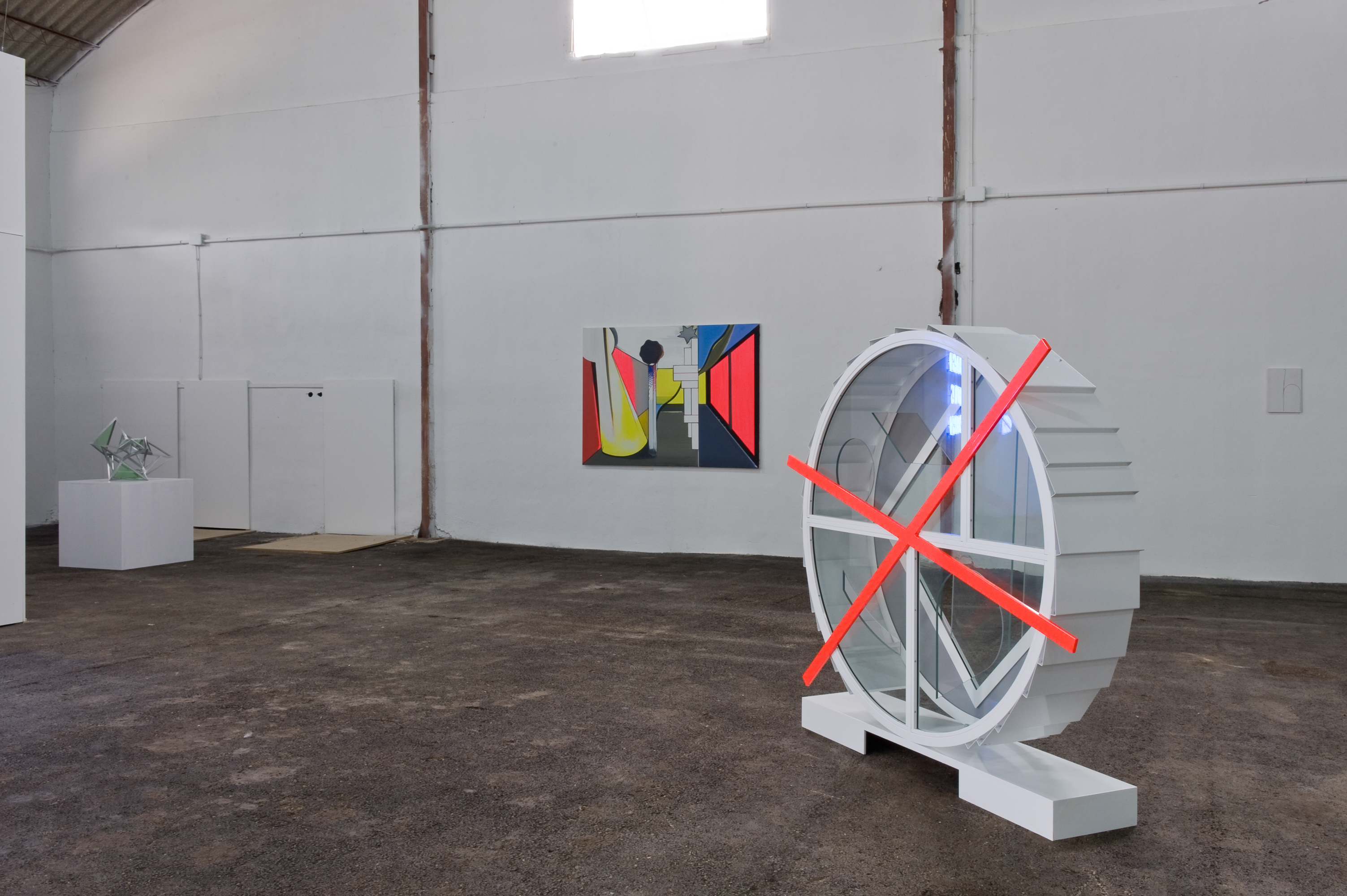
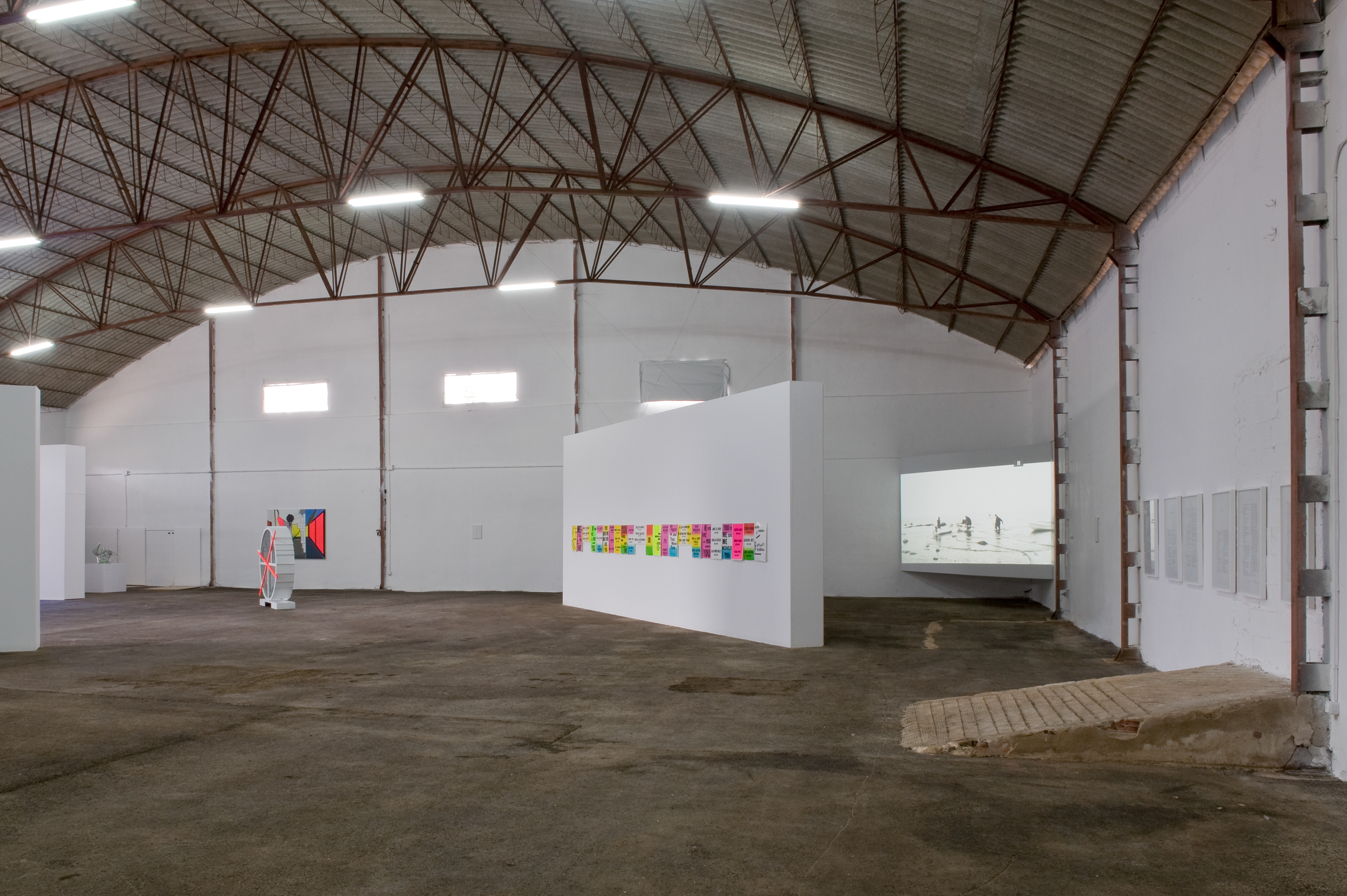
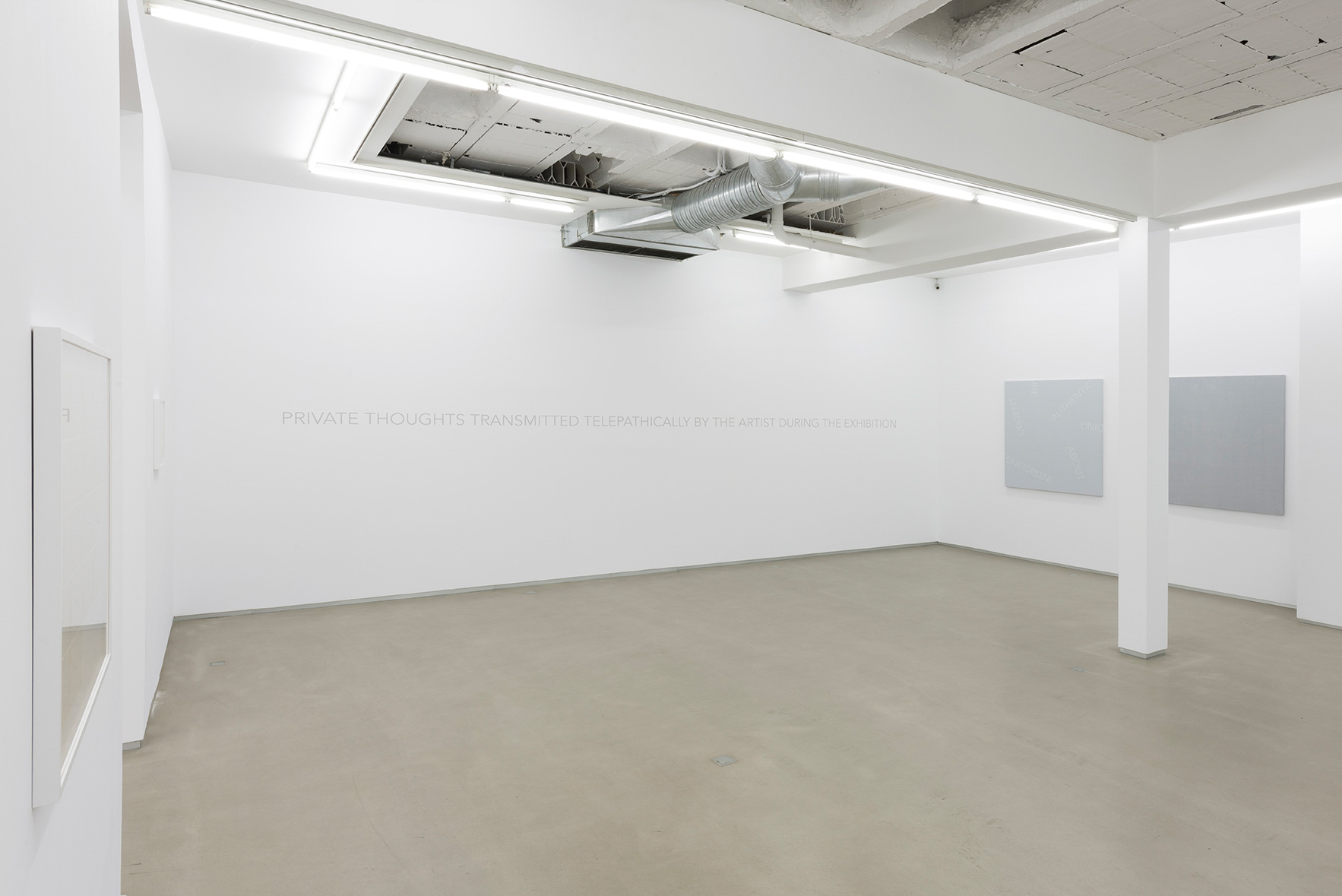
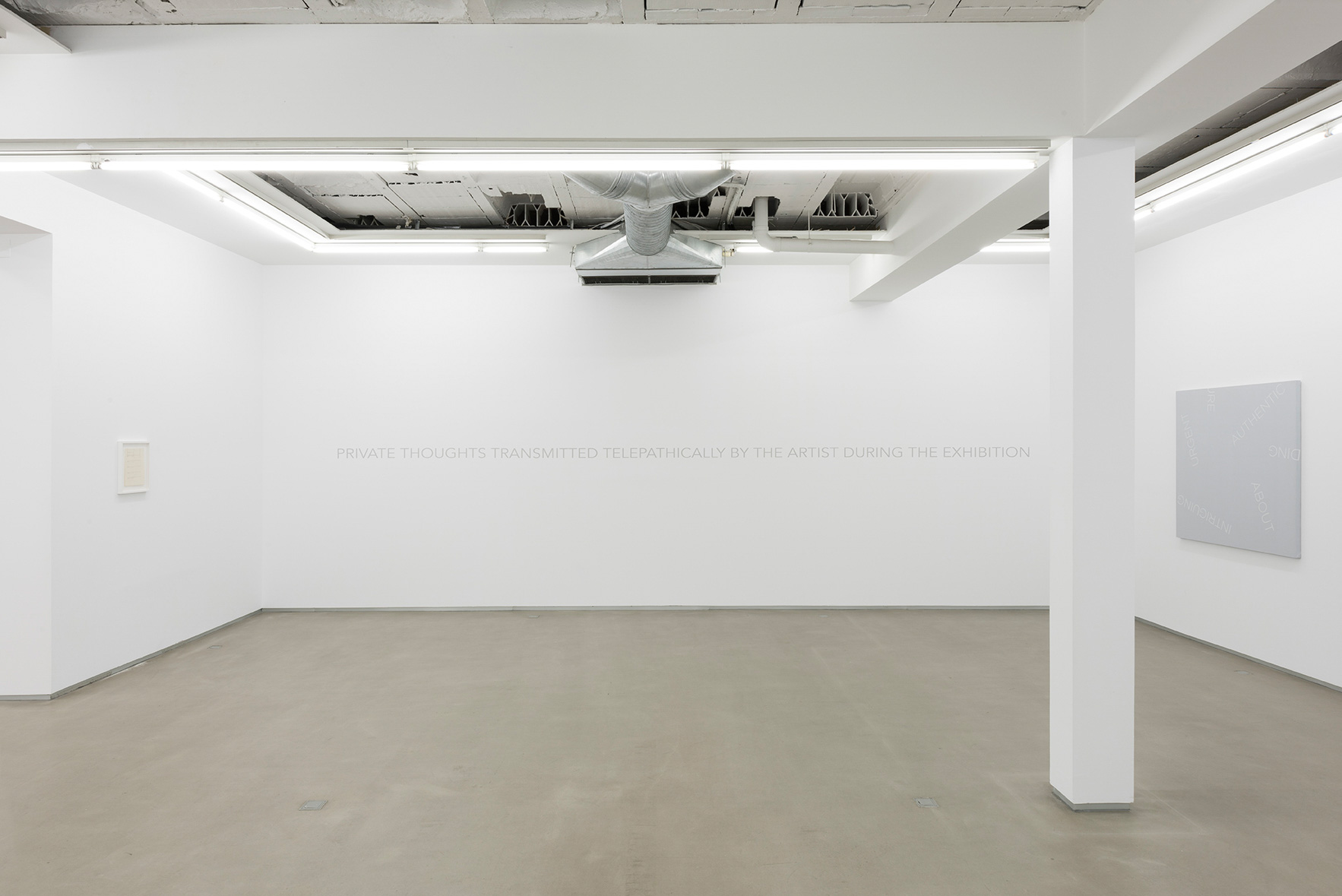
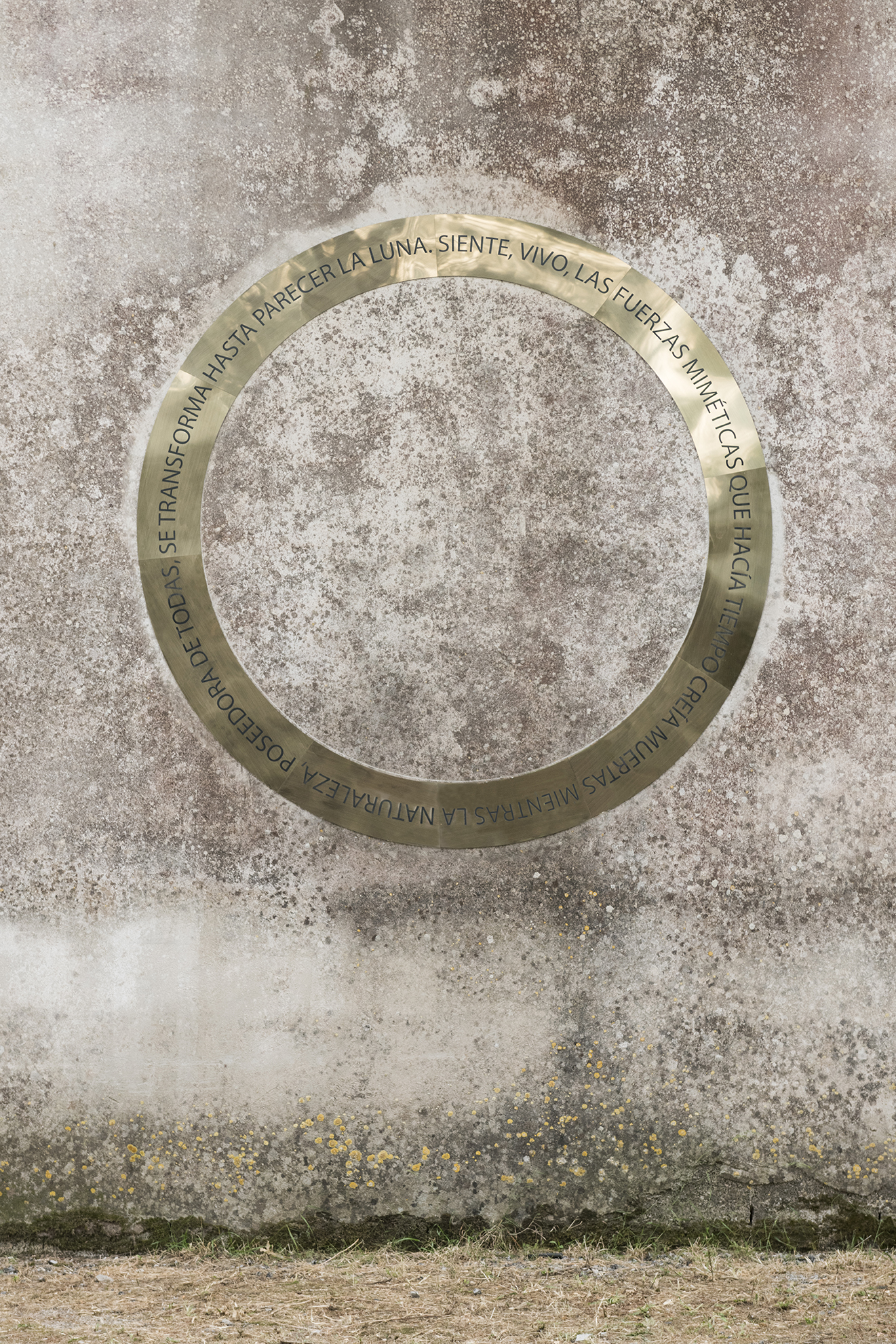
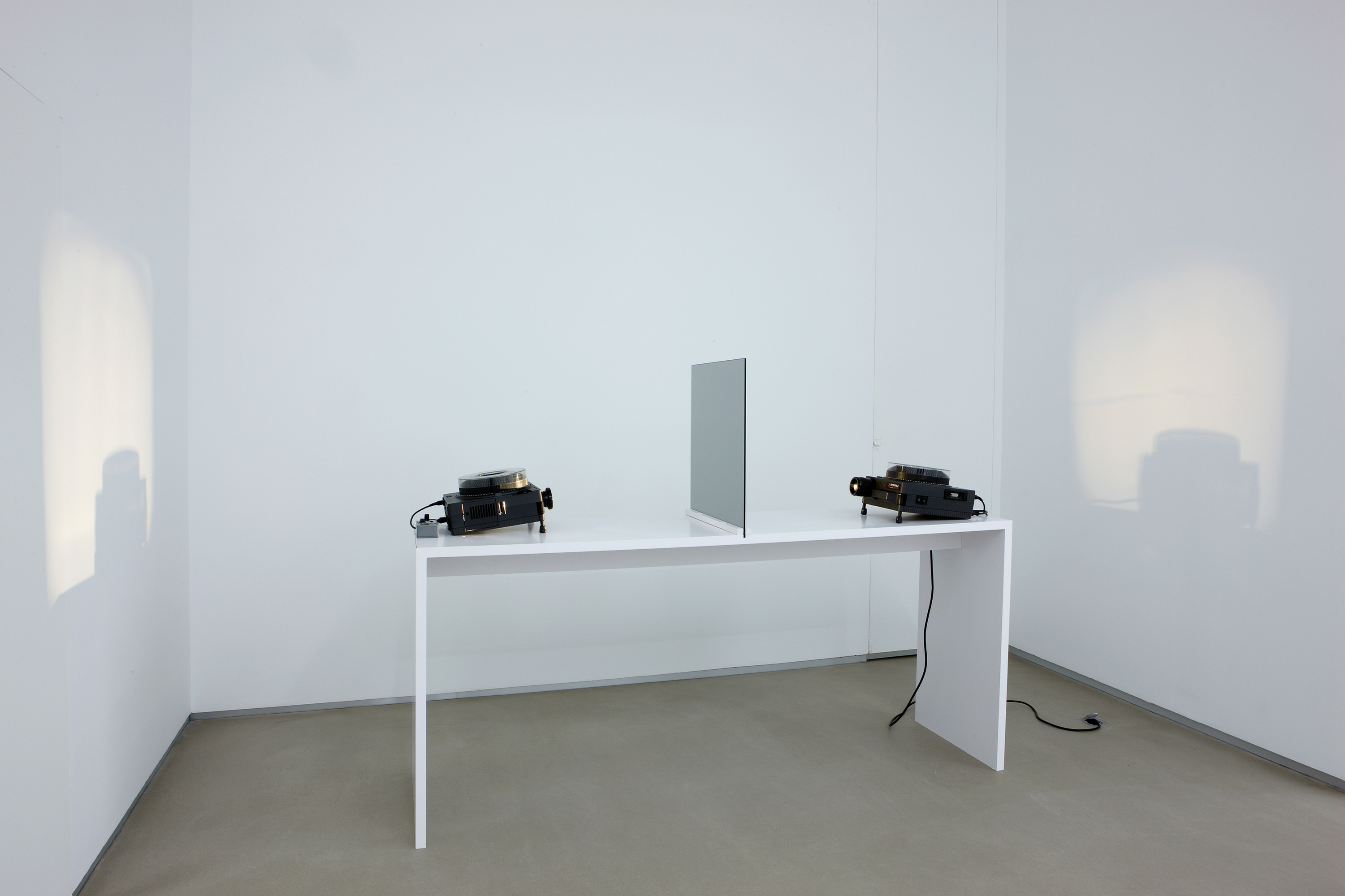
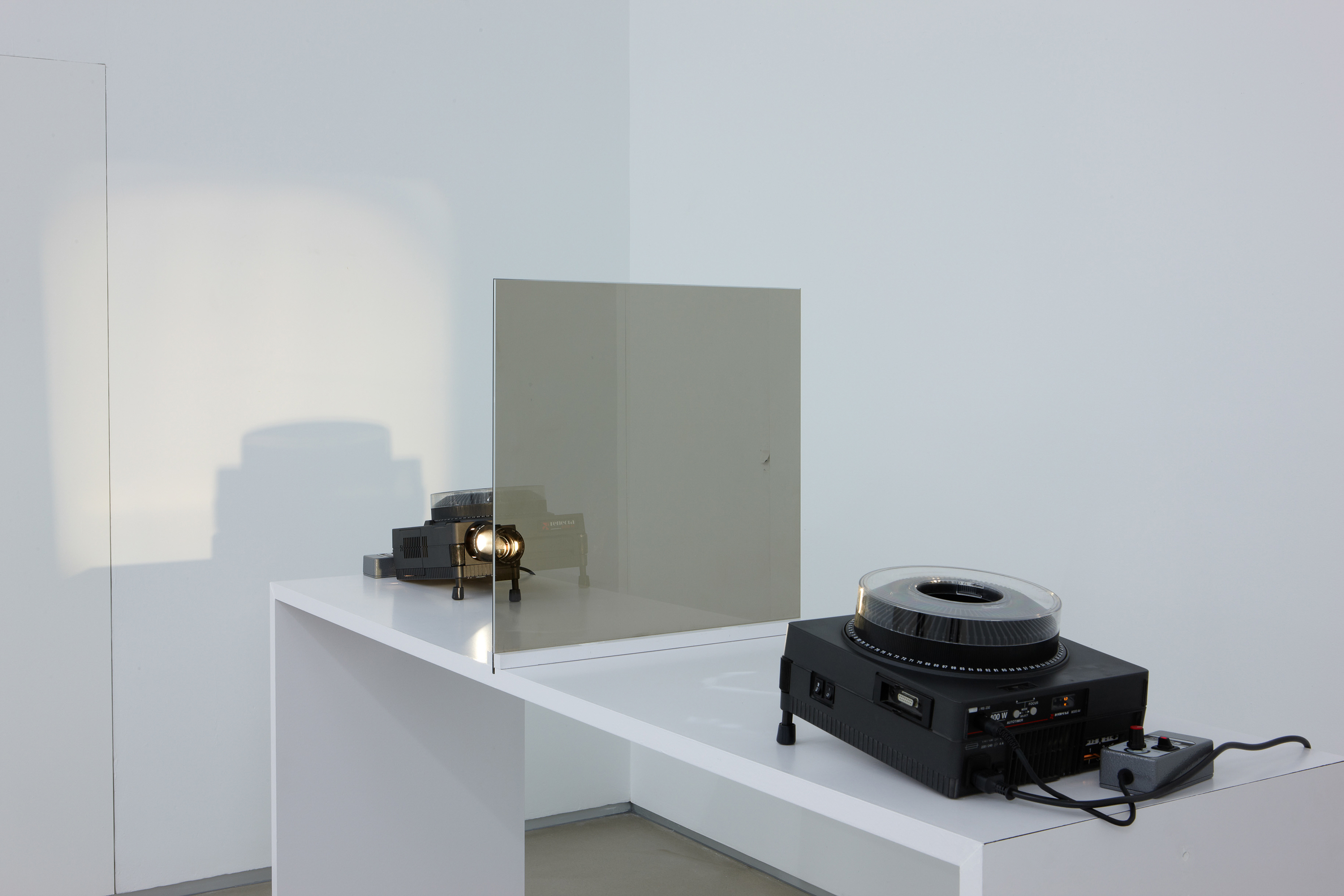
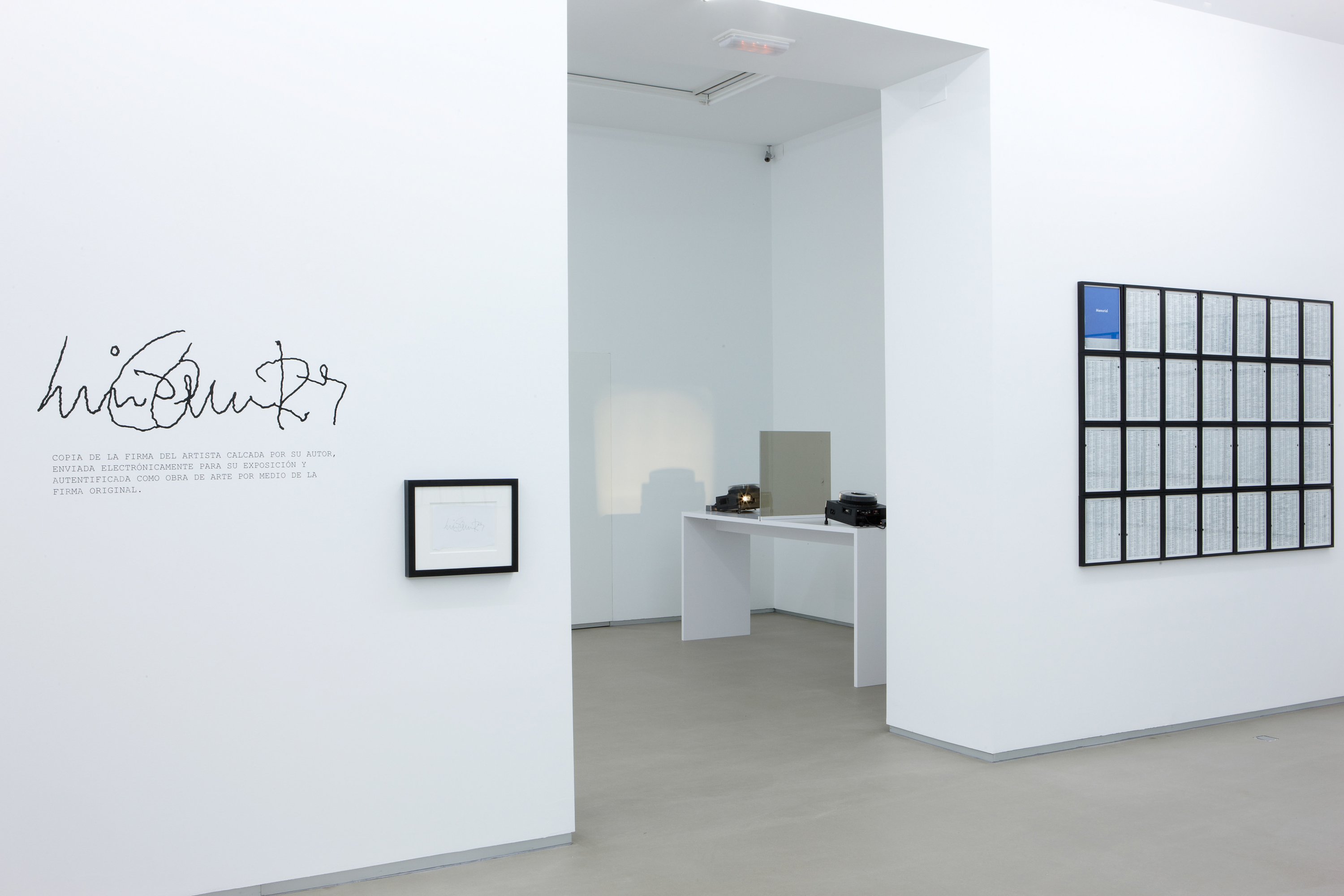
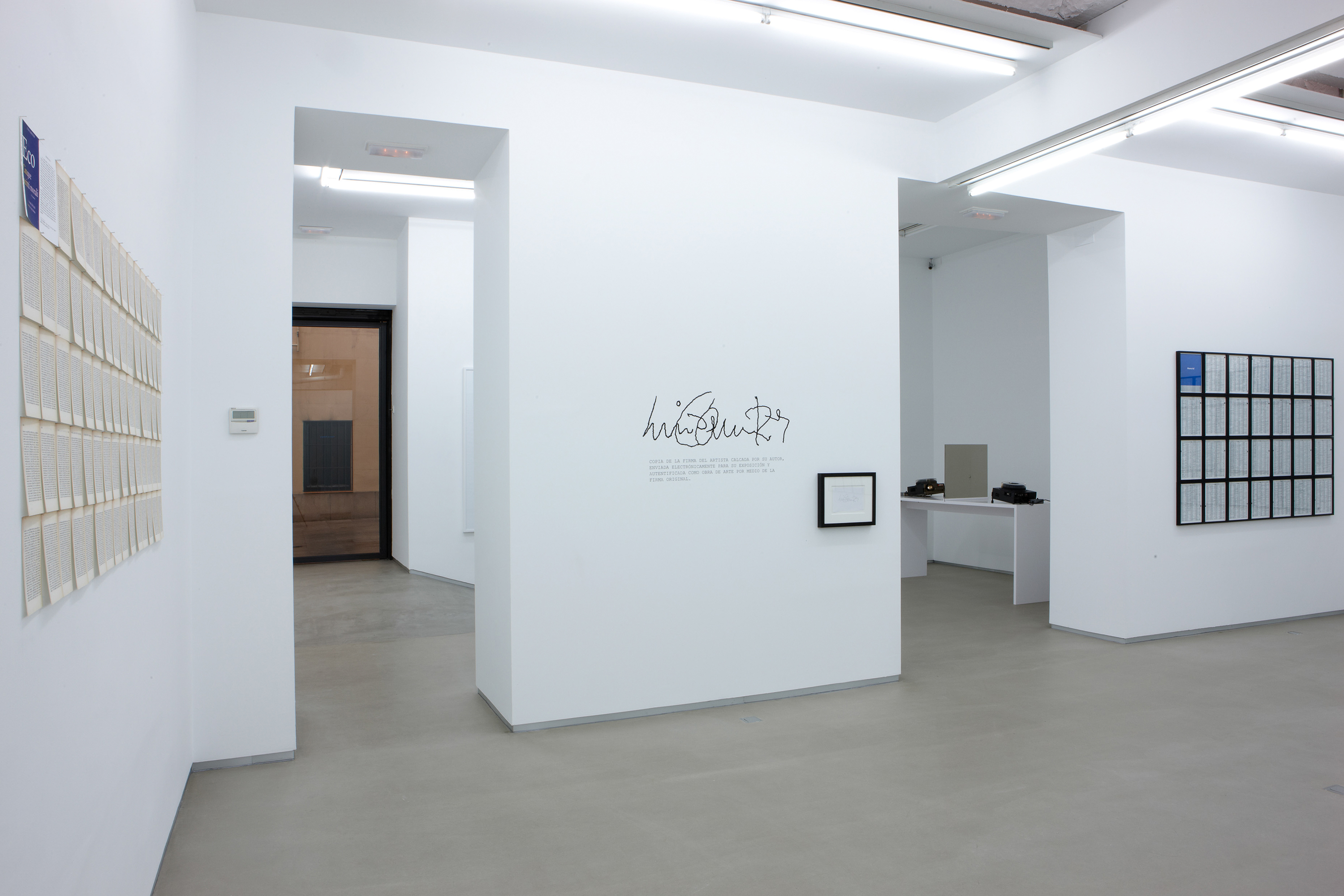
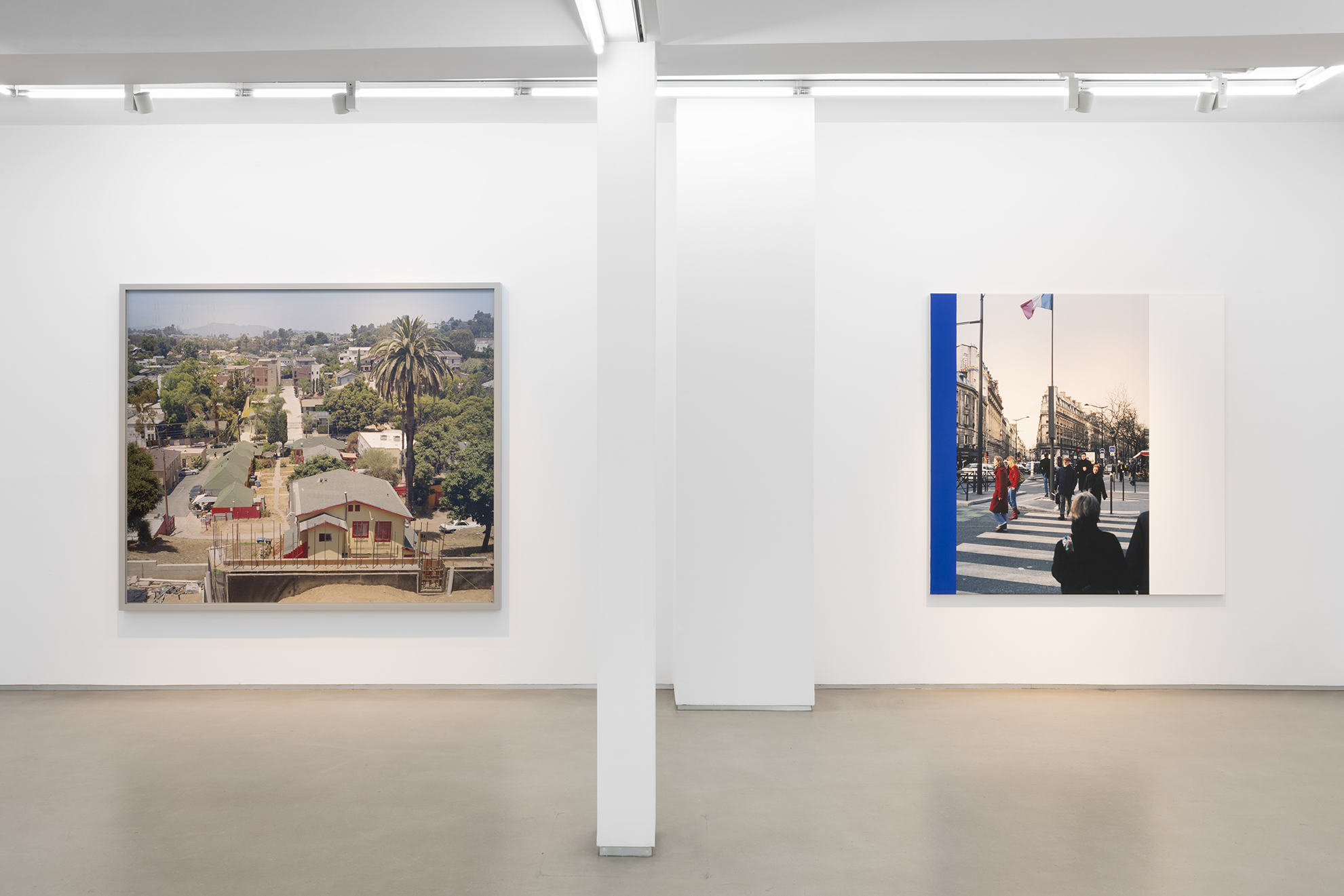
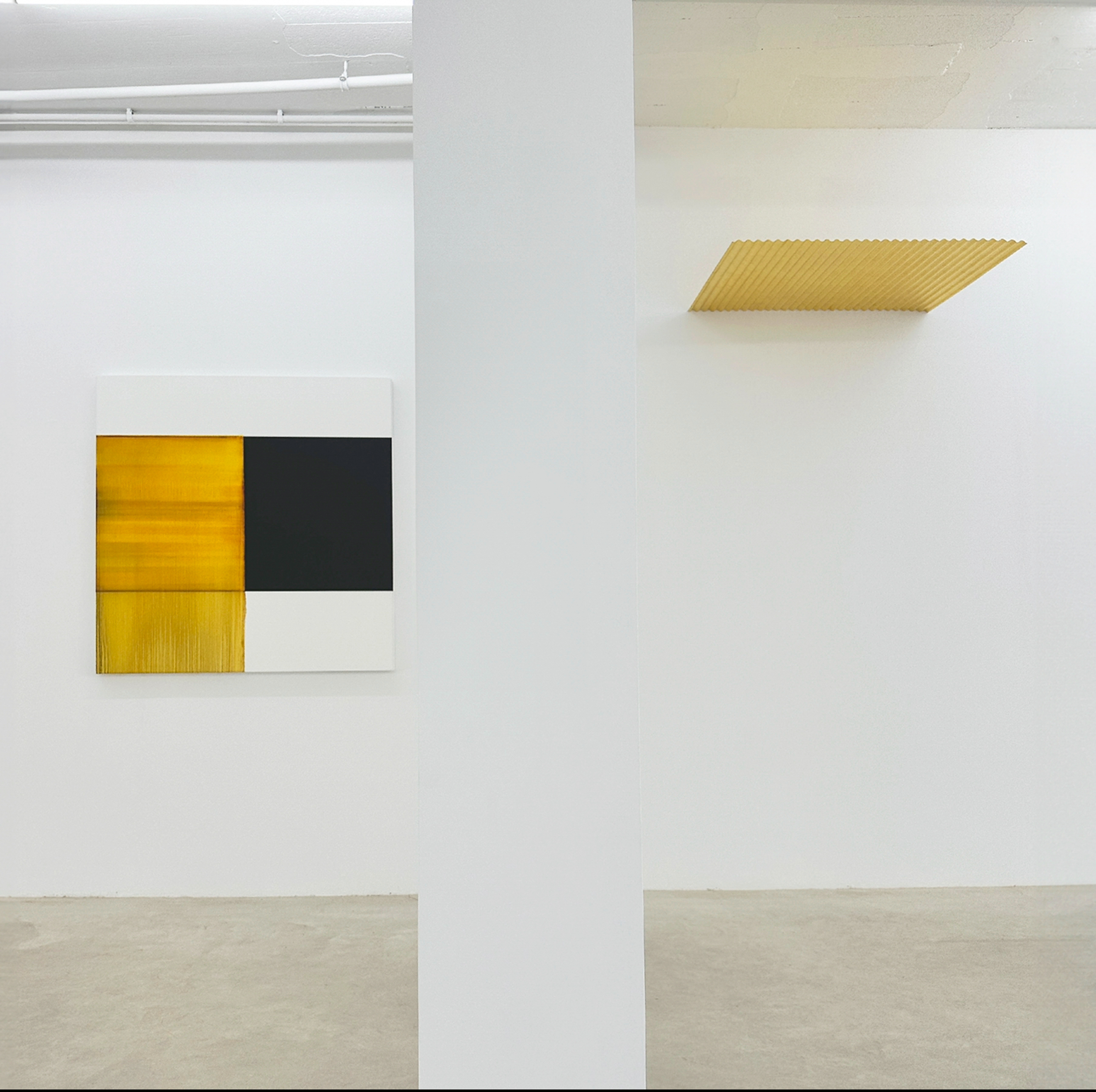
Silence is absolutely necessary in art, a change of rhythm that is evident in compositions. In poetry that ellipsis is sometimes made palpable through caesuras. A caesura is an abrupt pause located in the central or final part of a verse. It accentuates its rhythm, making and breaking the verse in two. That pause in the middle could refer to the relationship spaces between different pieces that coexist in the same place. We find some silences like this in musical compositions too. Experience tells us that these suggestive silences are far from being absolute. Basically, they constitute an invitation to listen to what surround us with more attention.
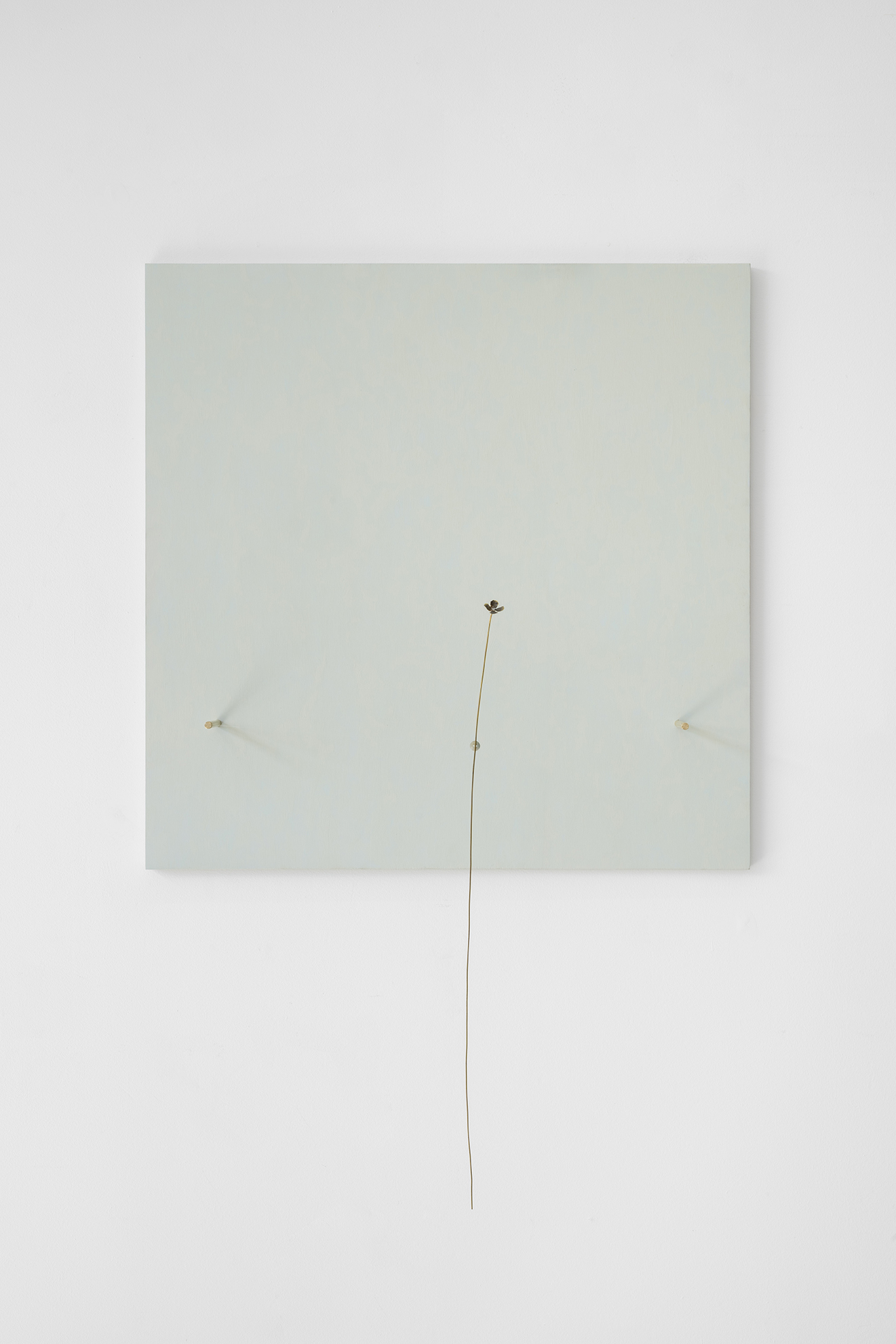
Caesura also allows us to spend time for reflection or taking breath. It becomes a necessary break. Poetics of emptiness us more present that ever in contemporary art. Bodies activate the works in an intimate dialogue with the artwork, which gives them the meaning for which they were created. In that border that separates the known surface of the work and the nuances that we reflect on it is where the space of experience is found. For Lao-Tse, emptiness was an active principle among things, a principle that makes them useful. A kind of emptiness experienced in a precise place and moment.
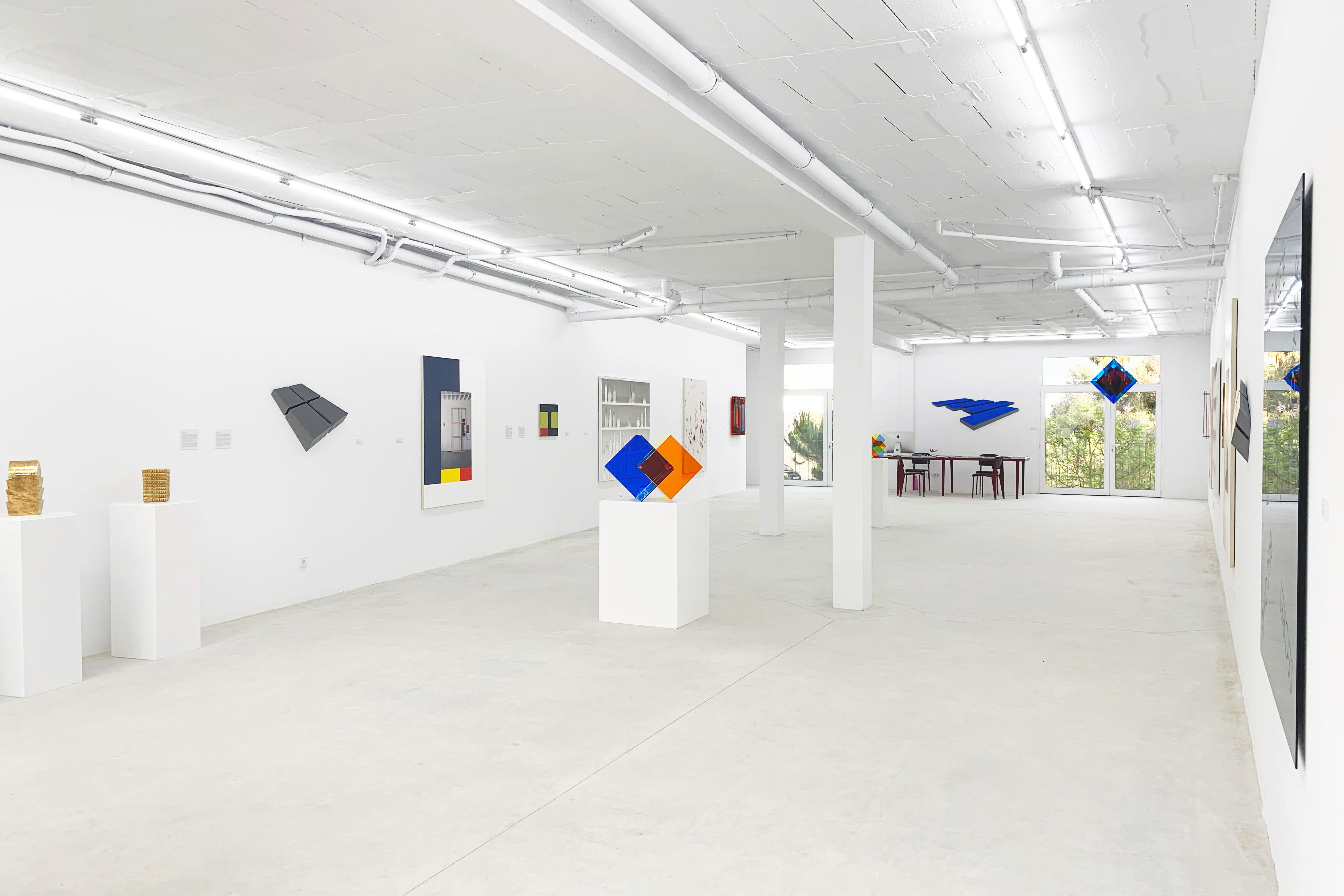
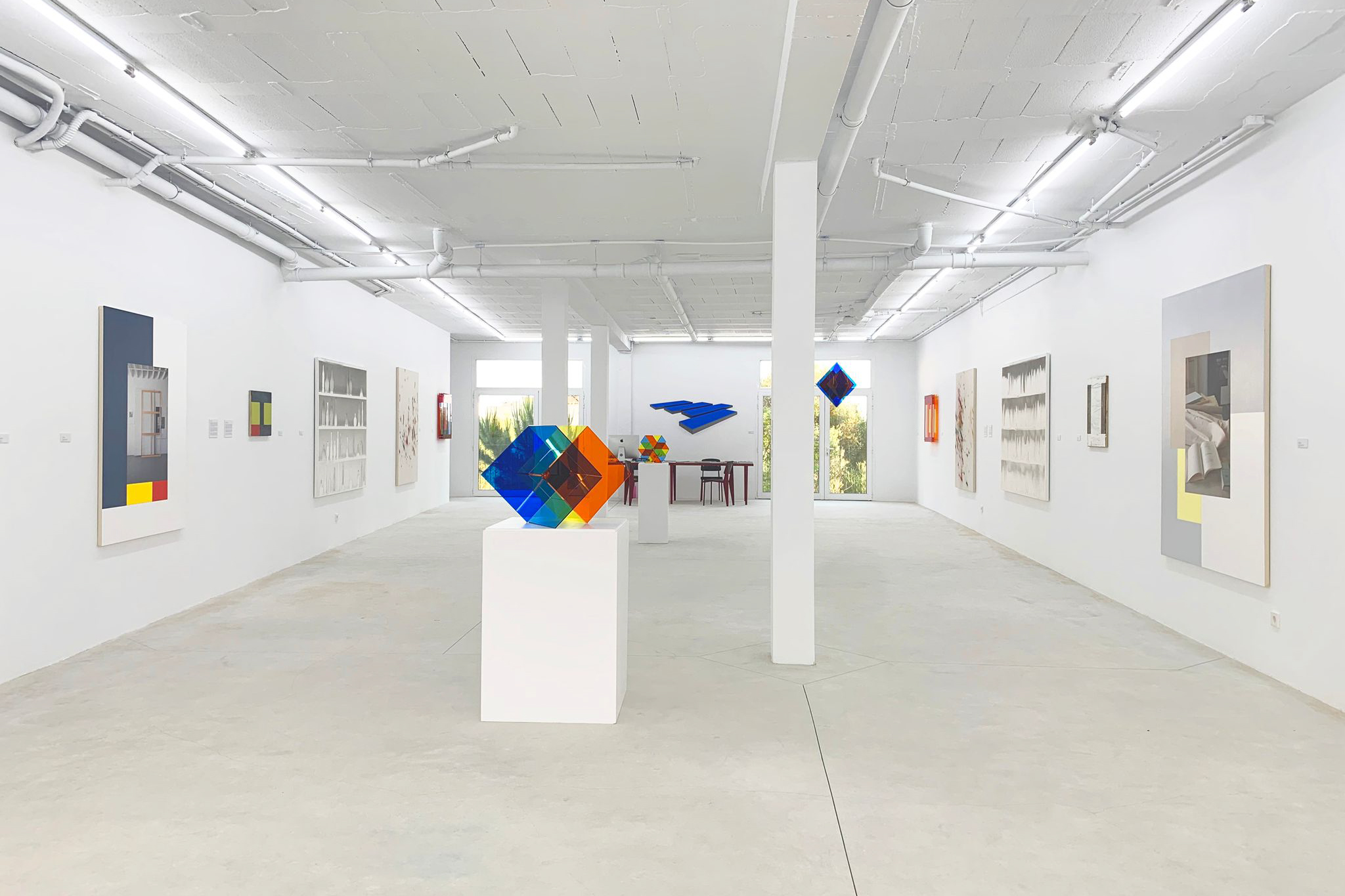
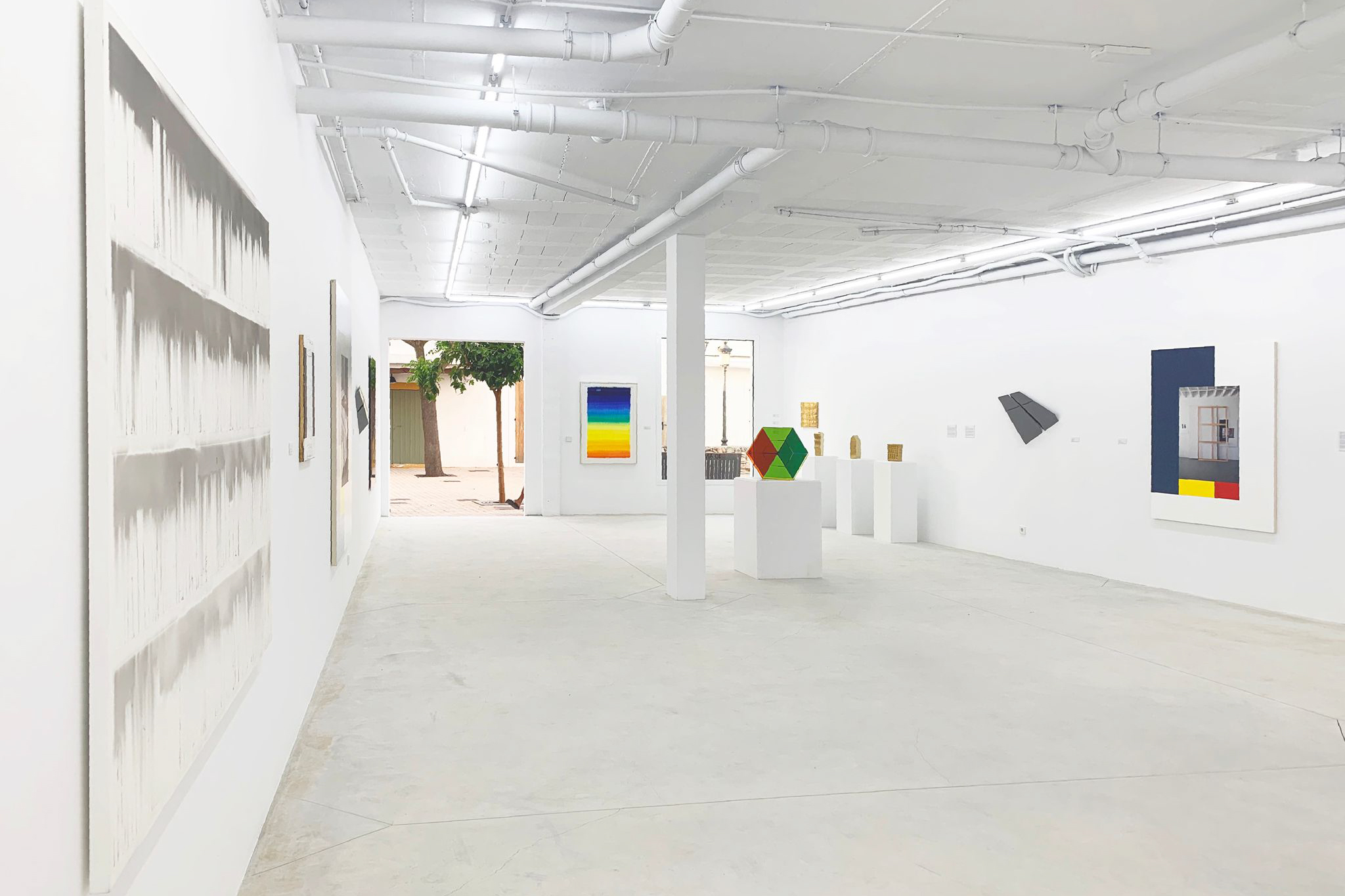
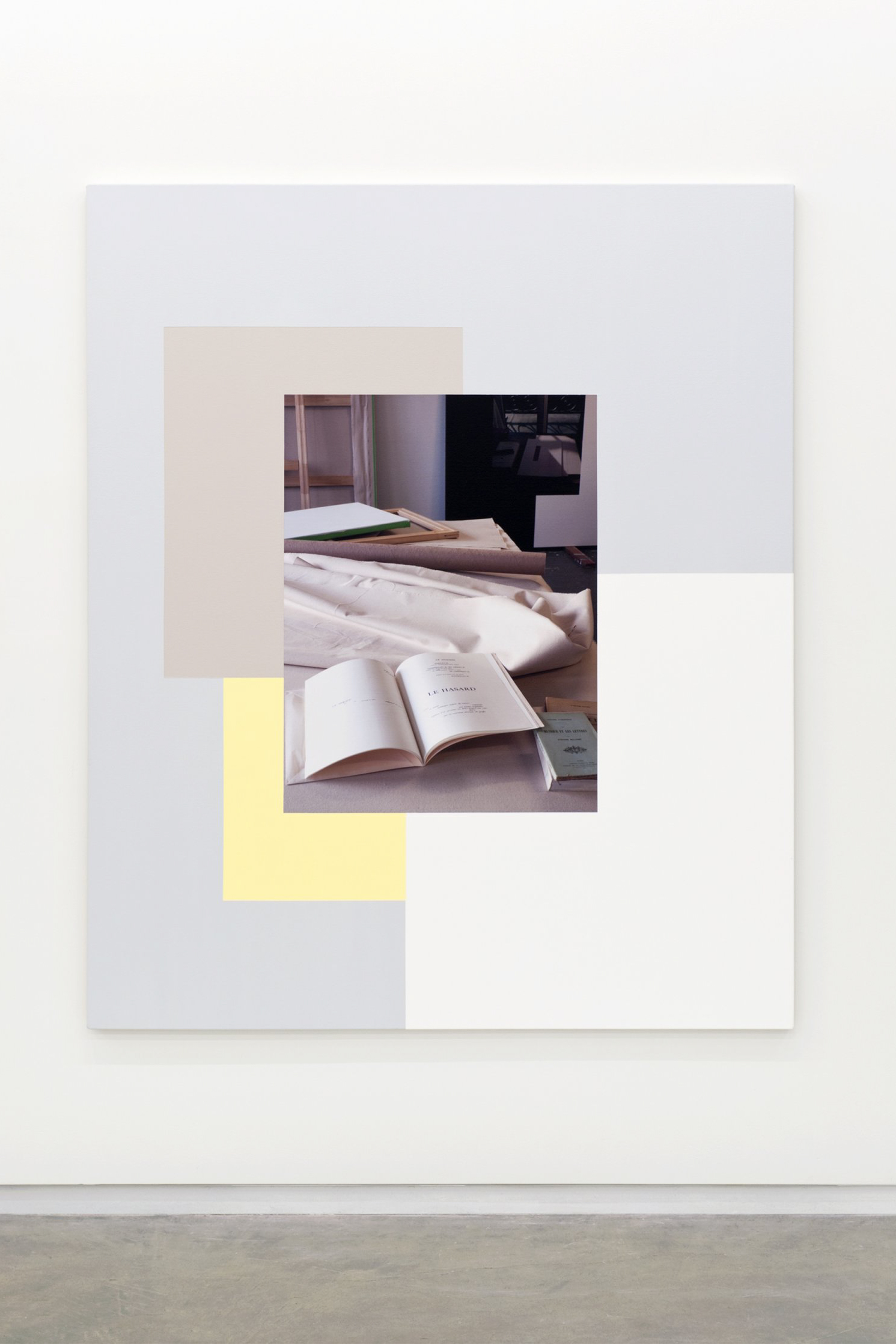
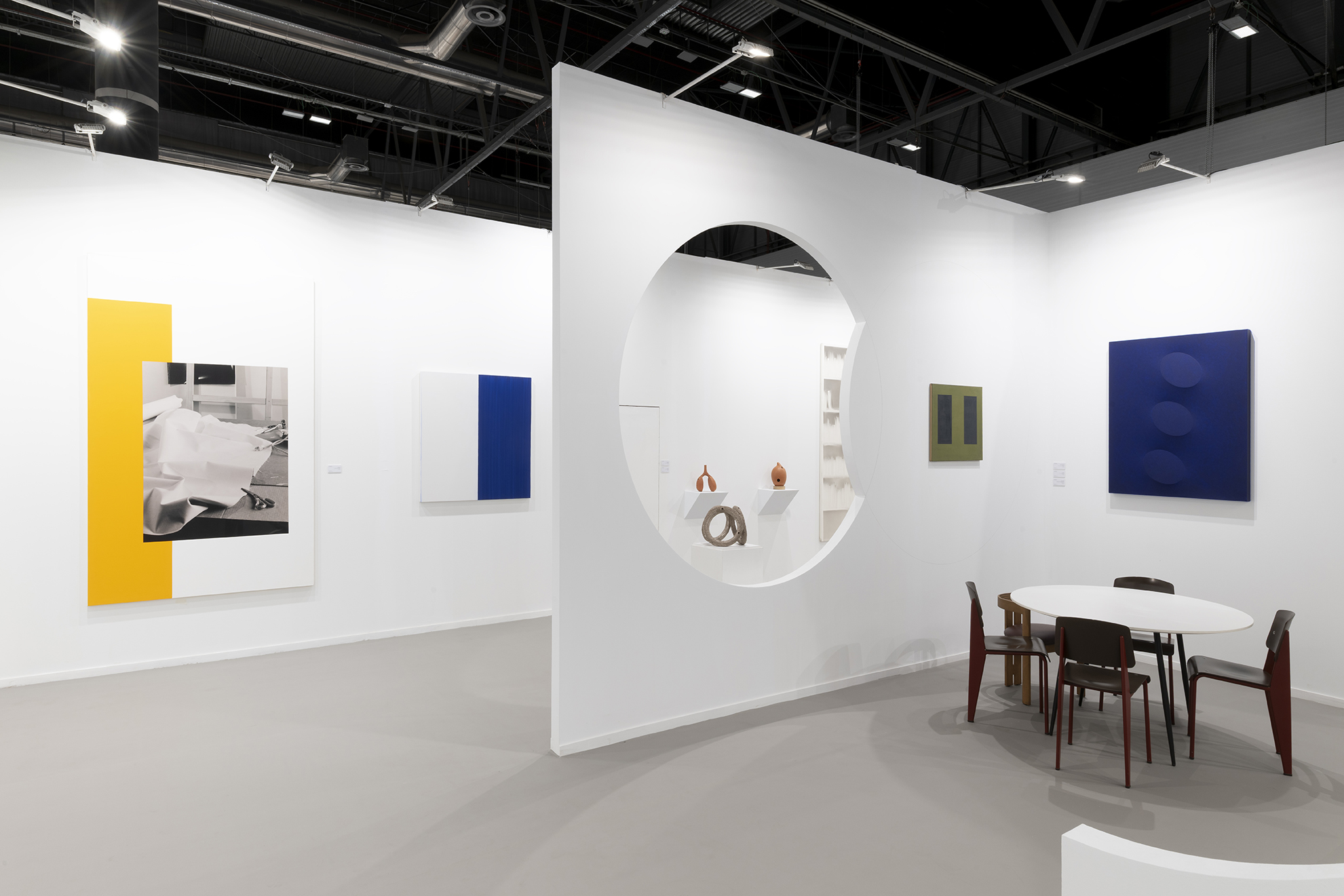
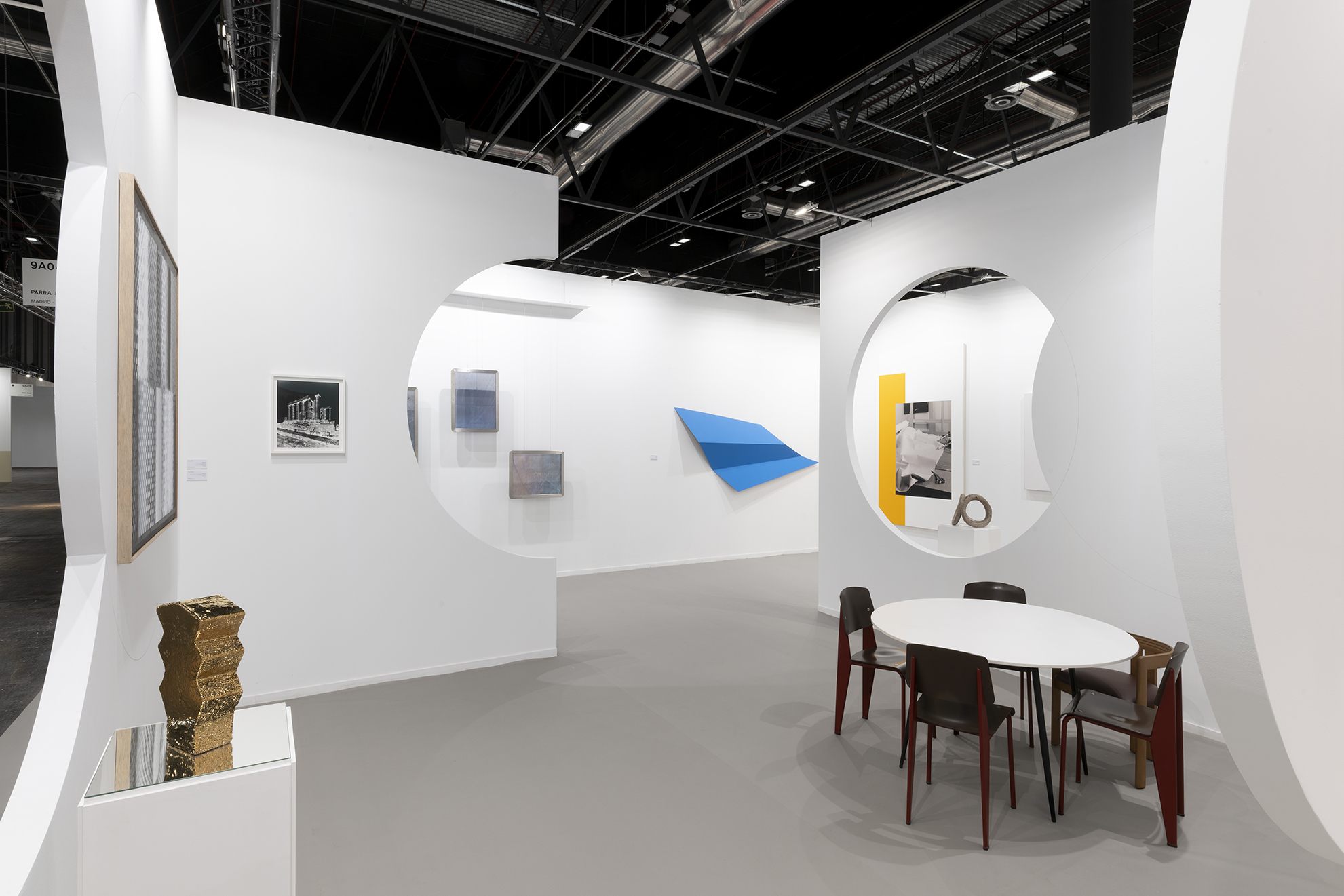
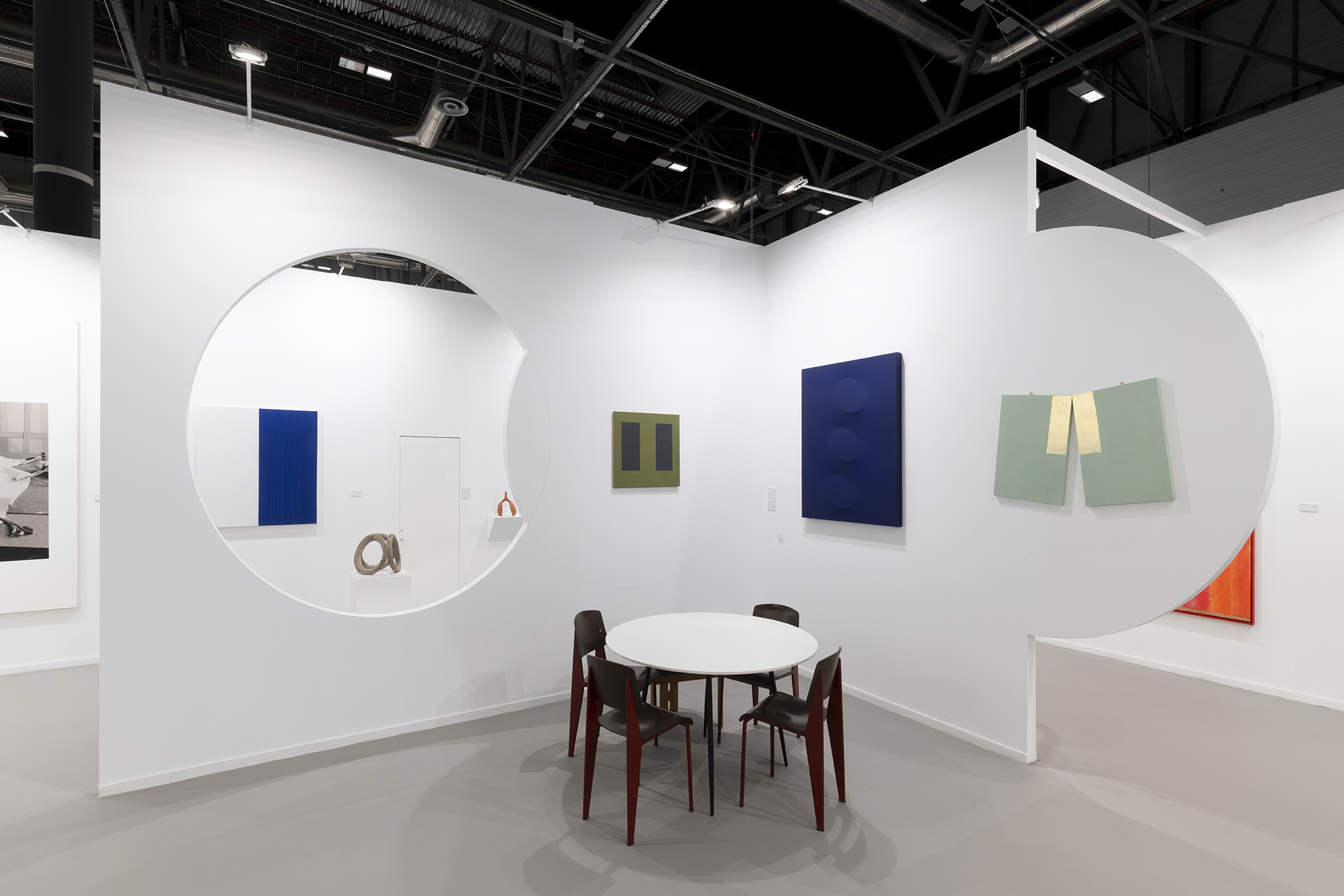
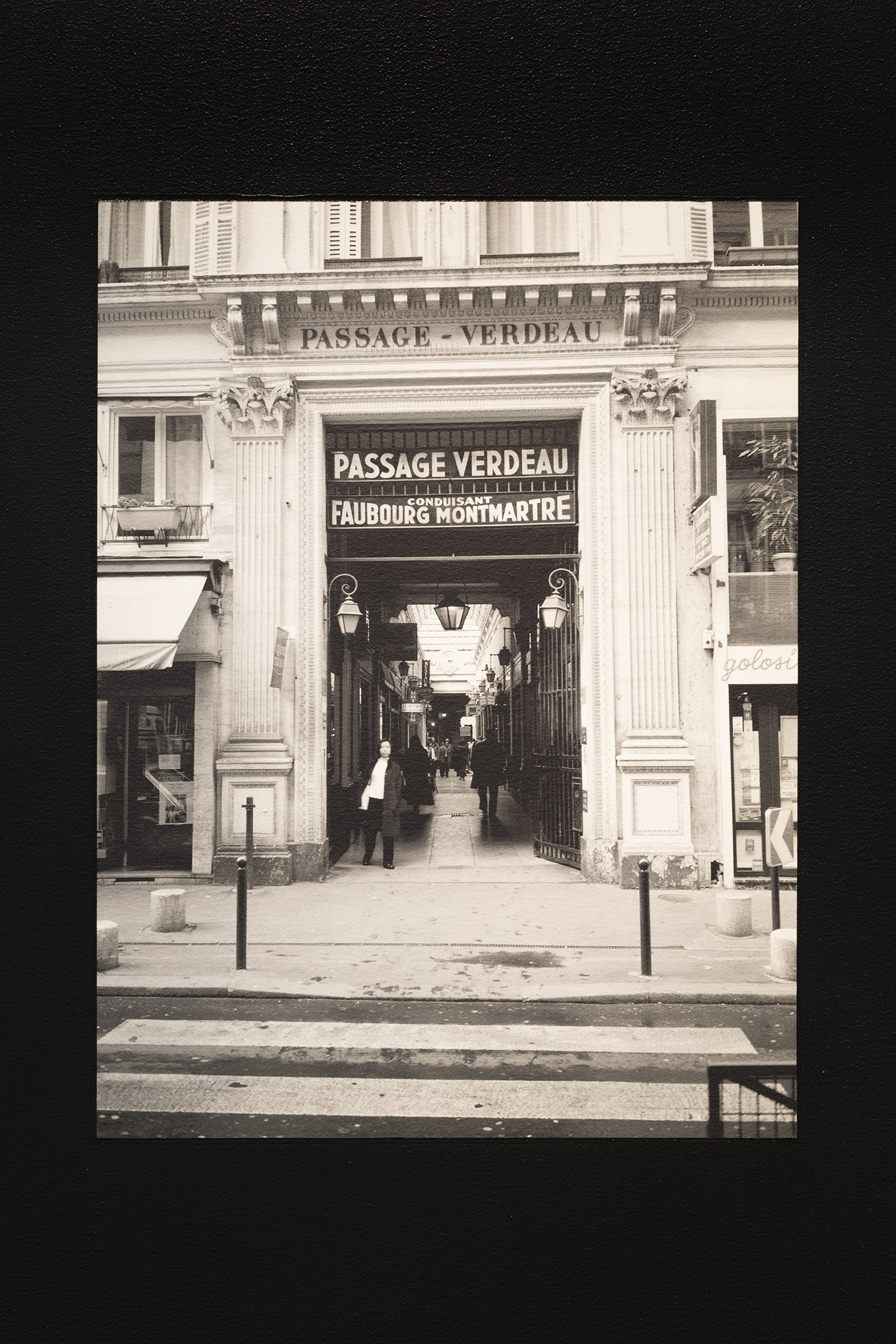
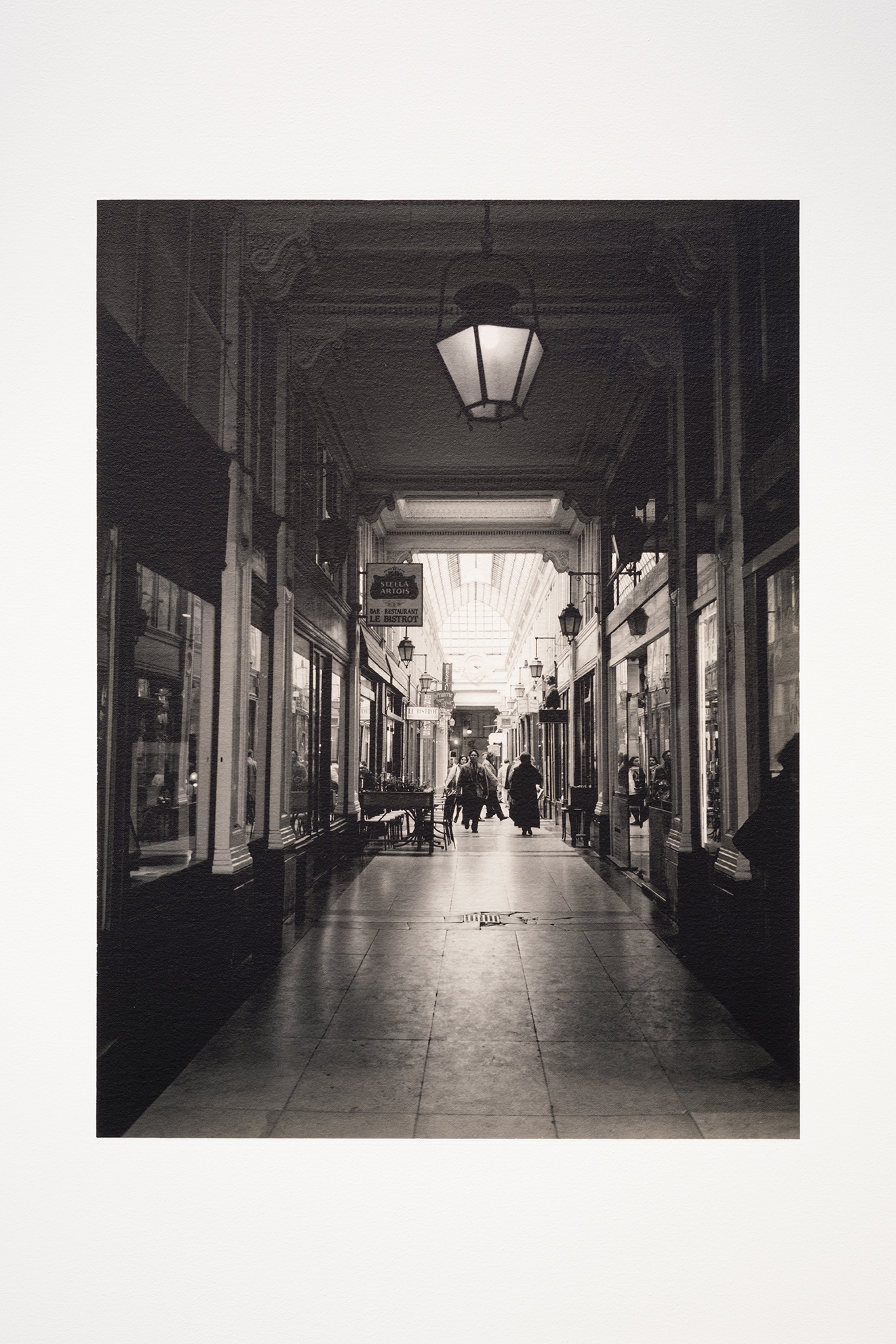
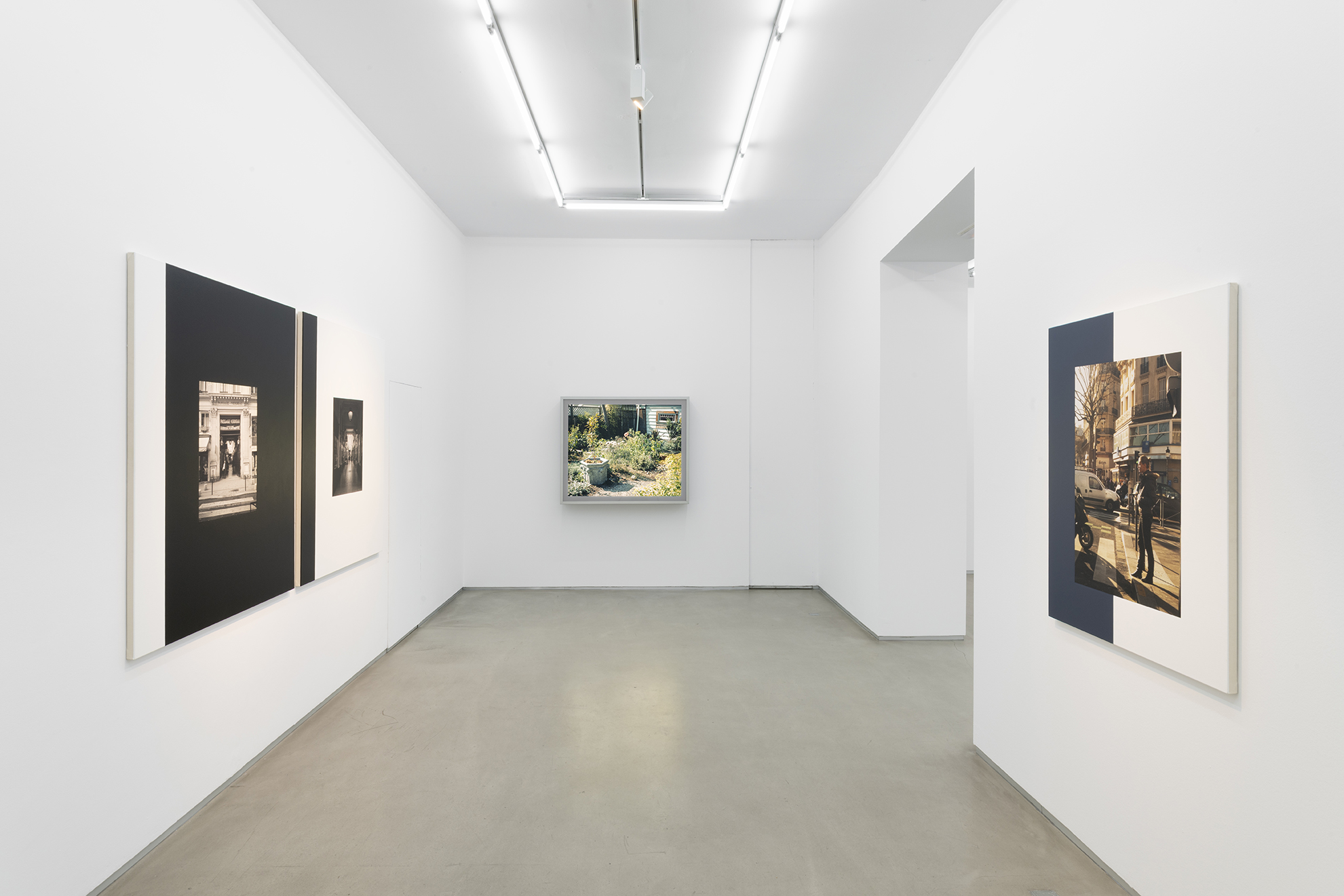
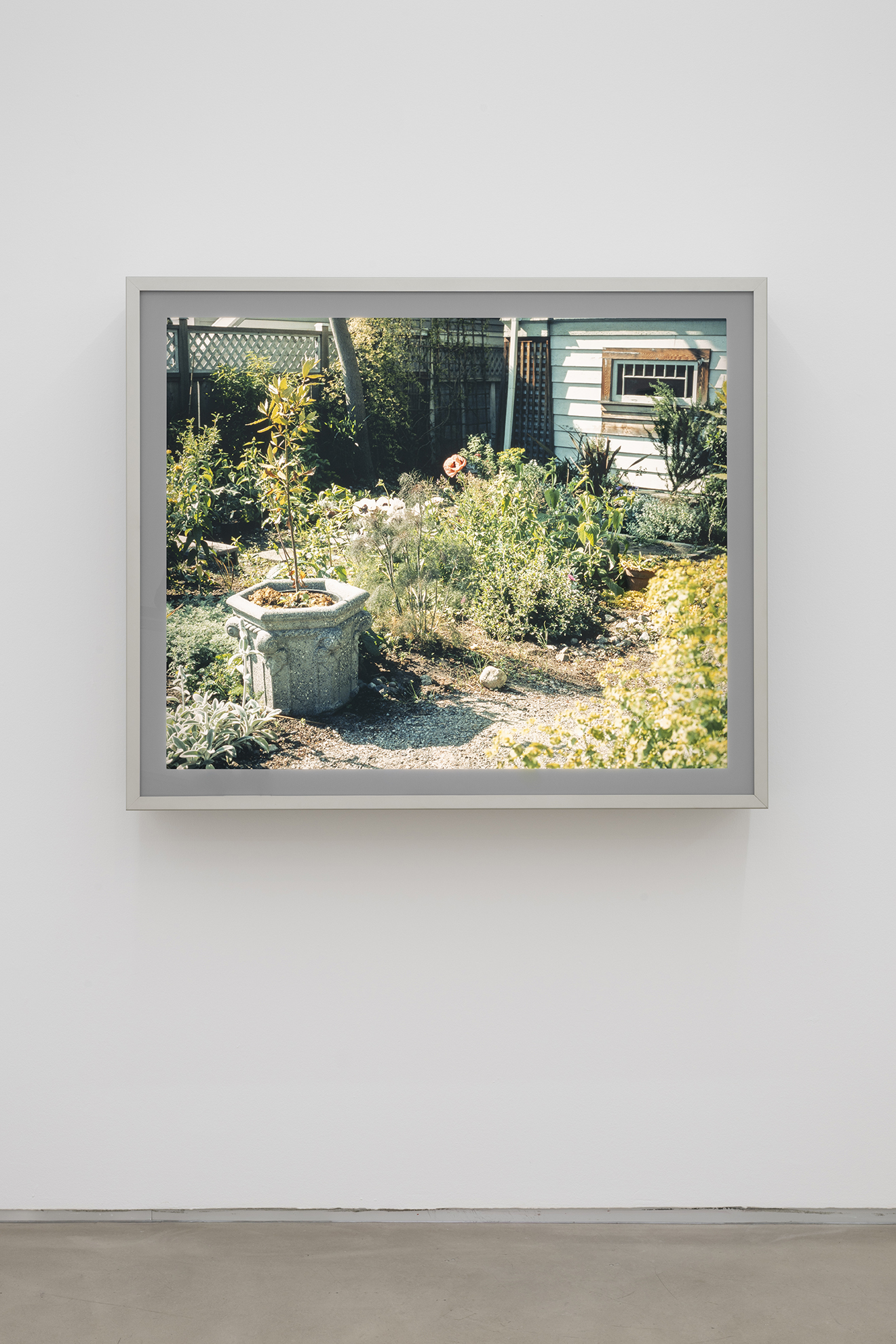
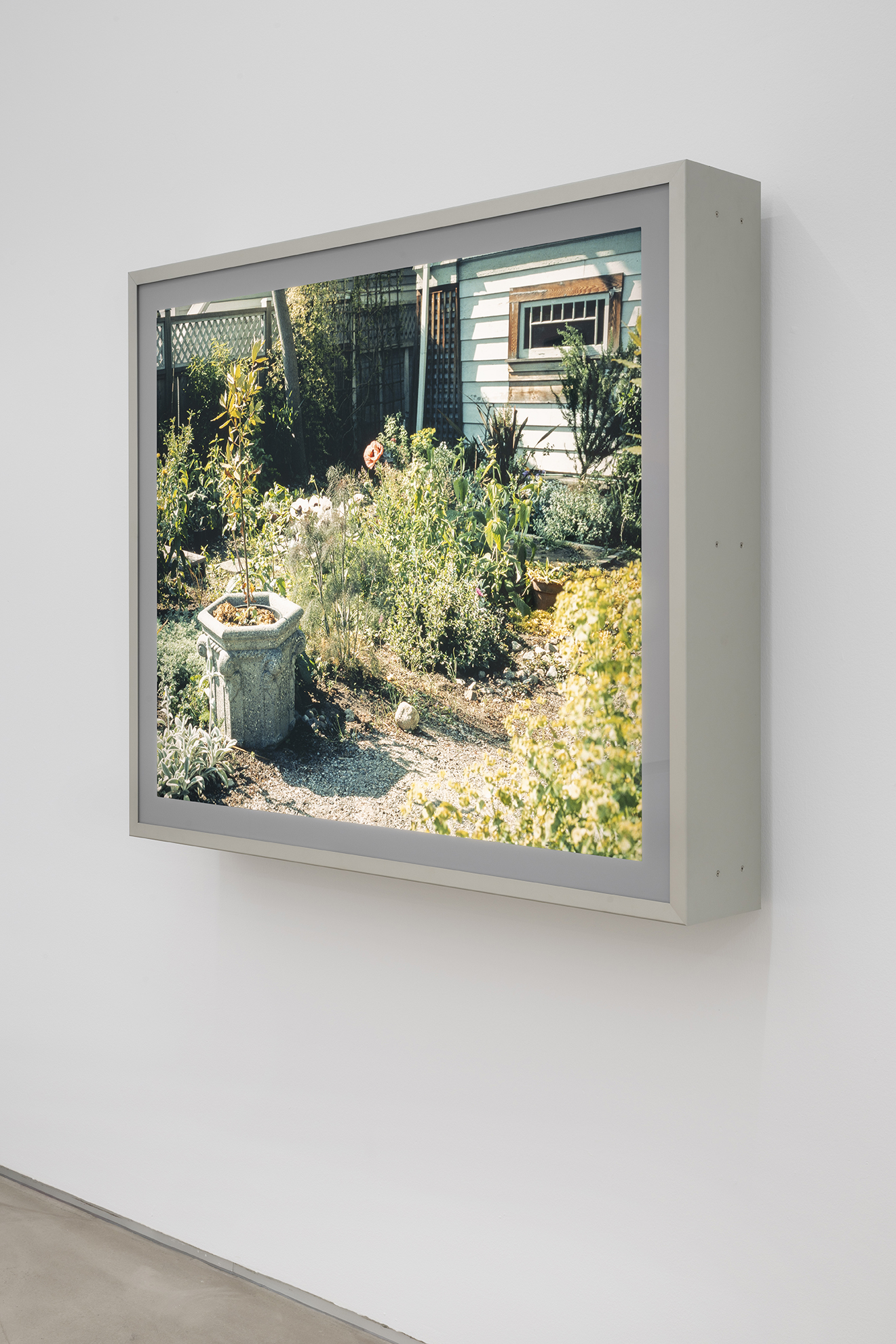
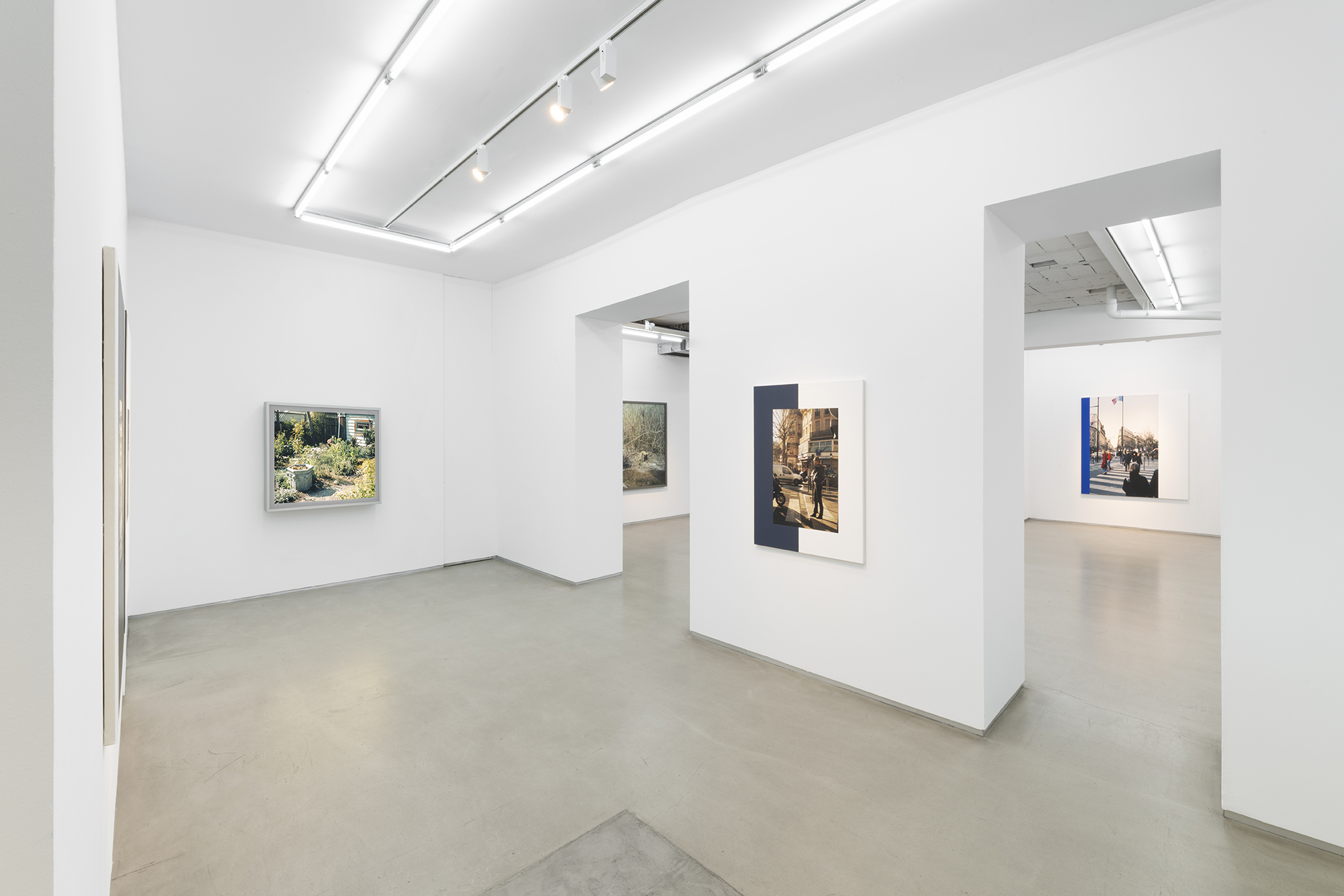
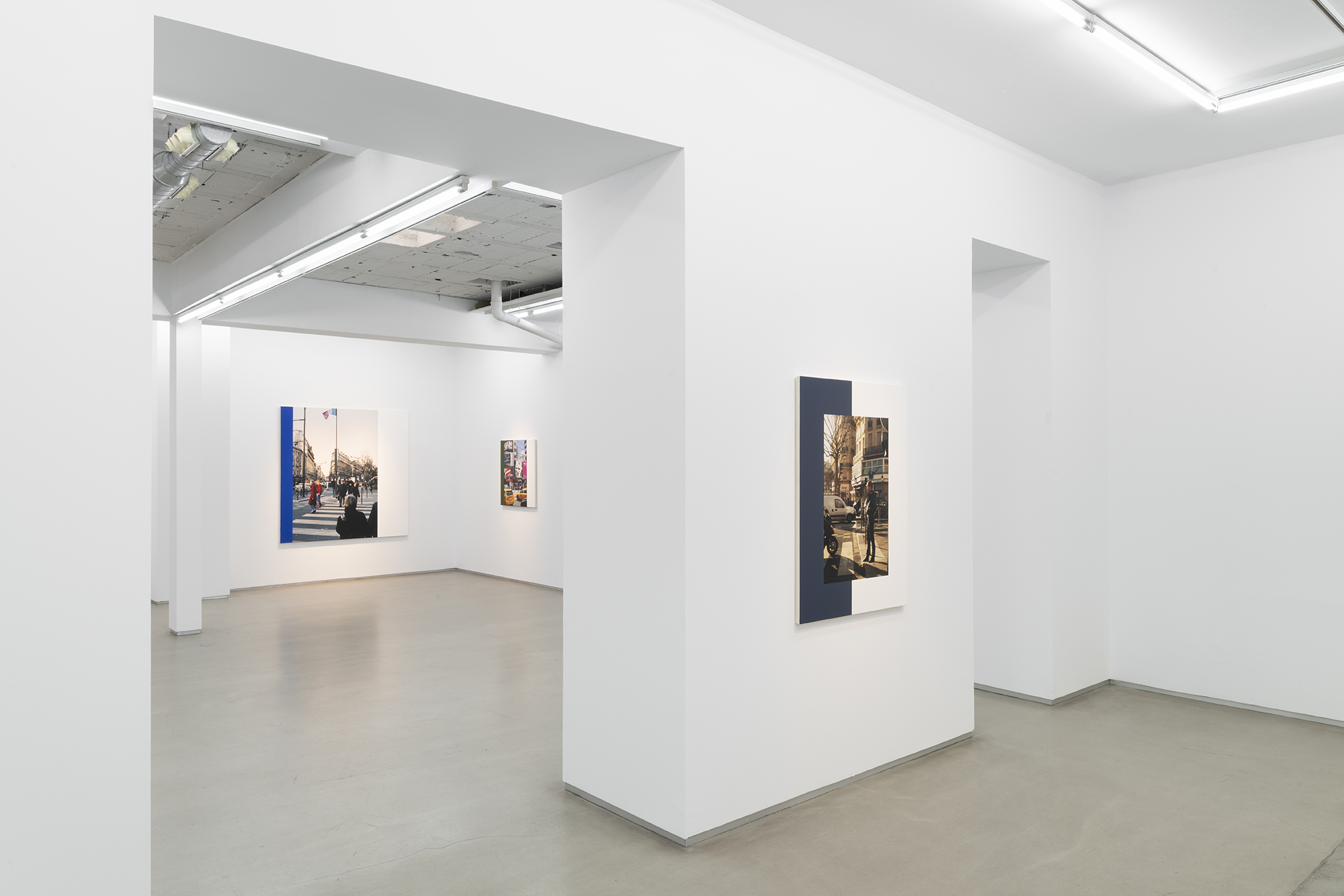
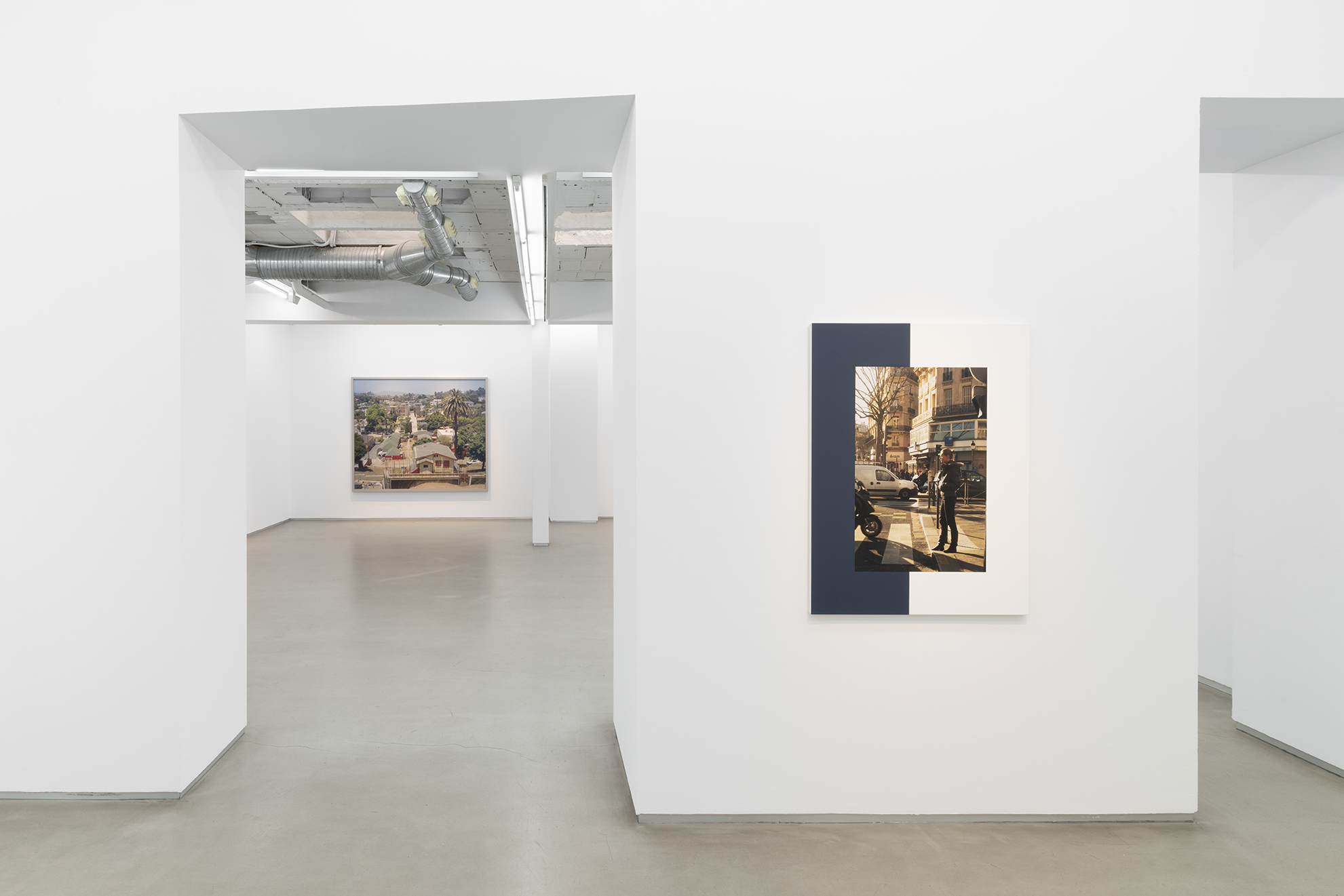
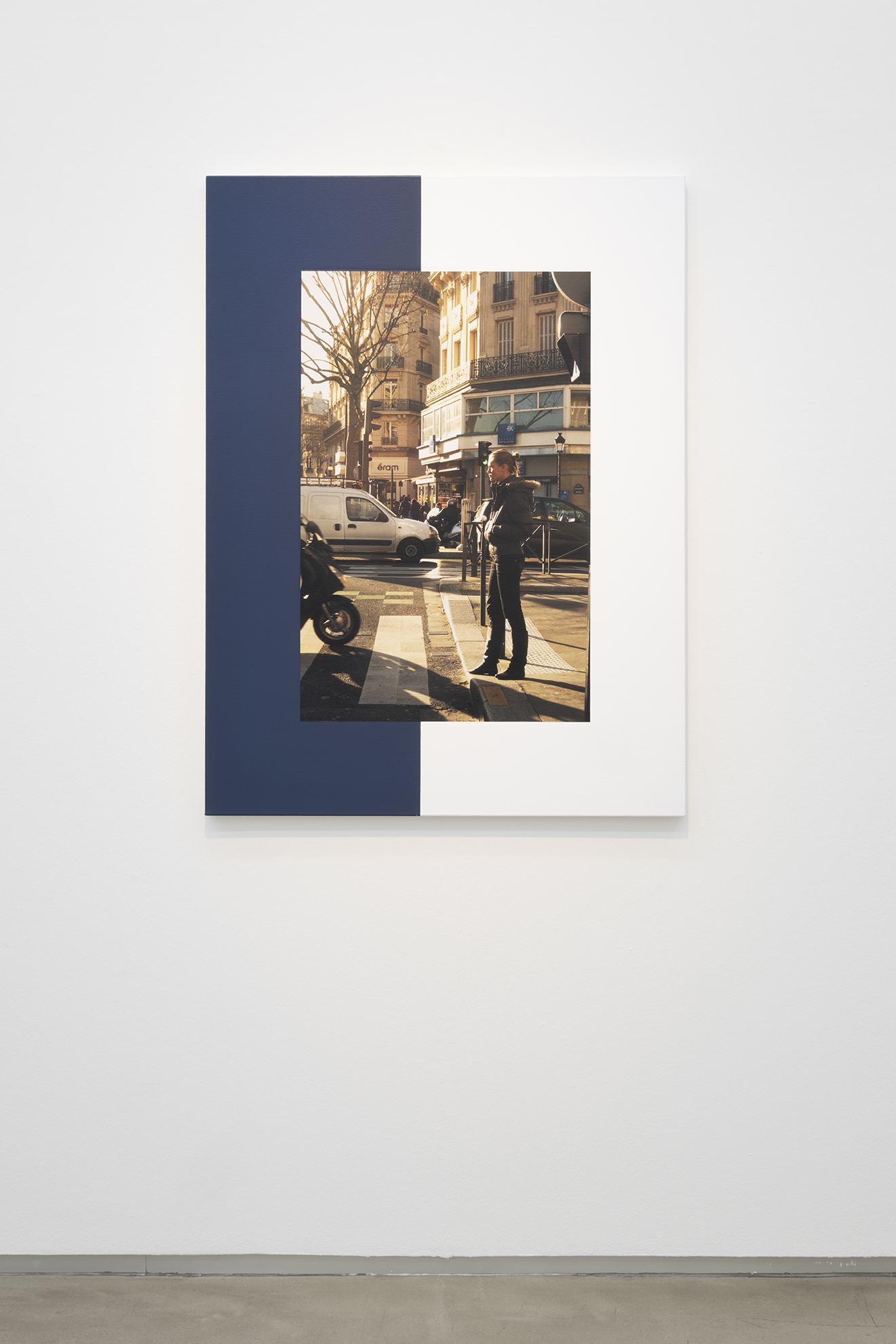
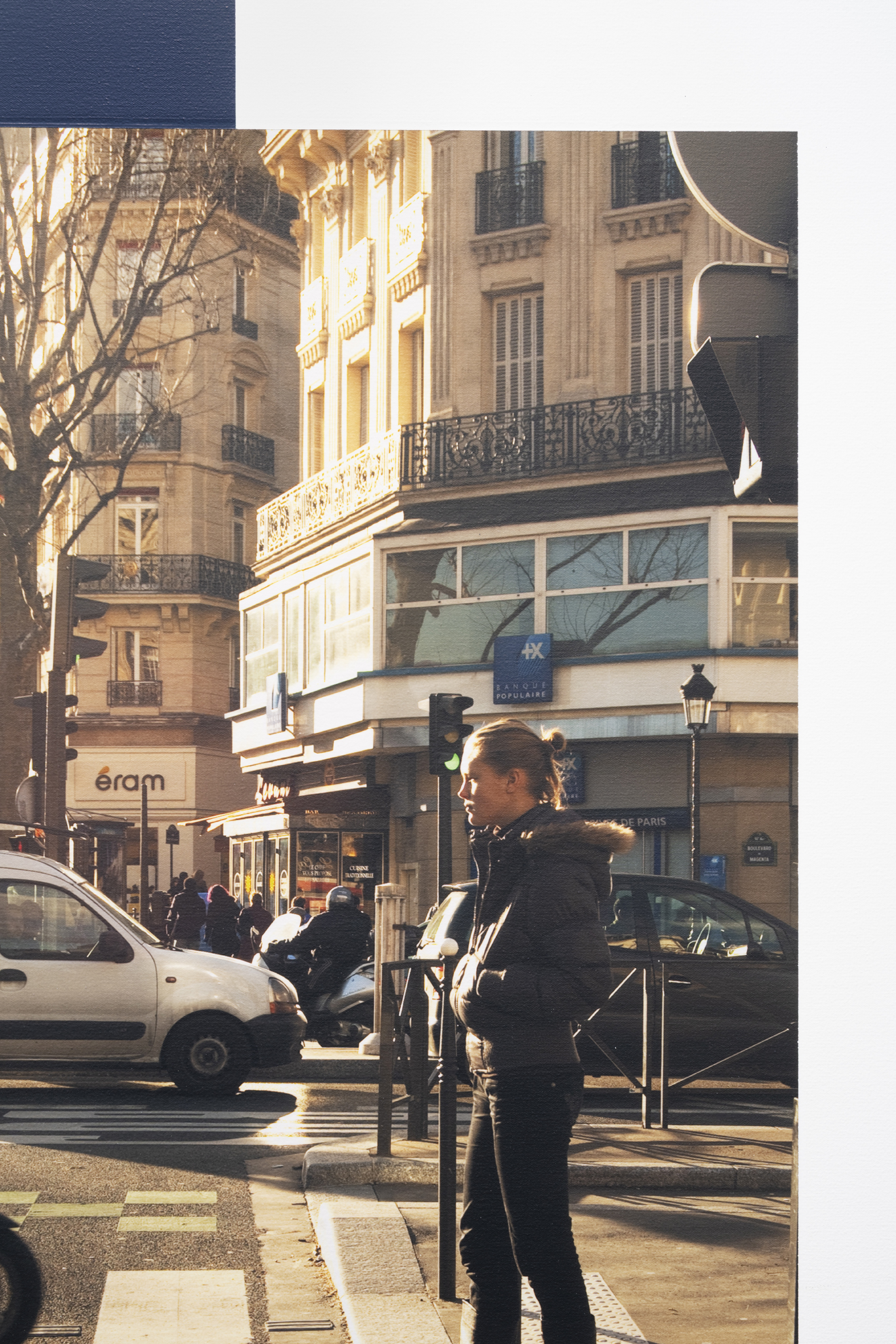
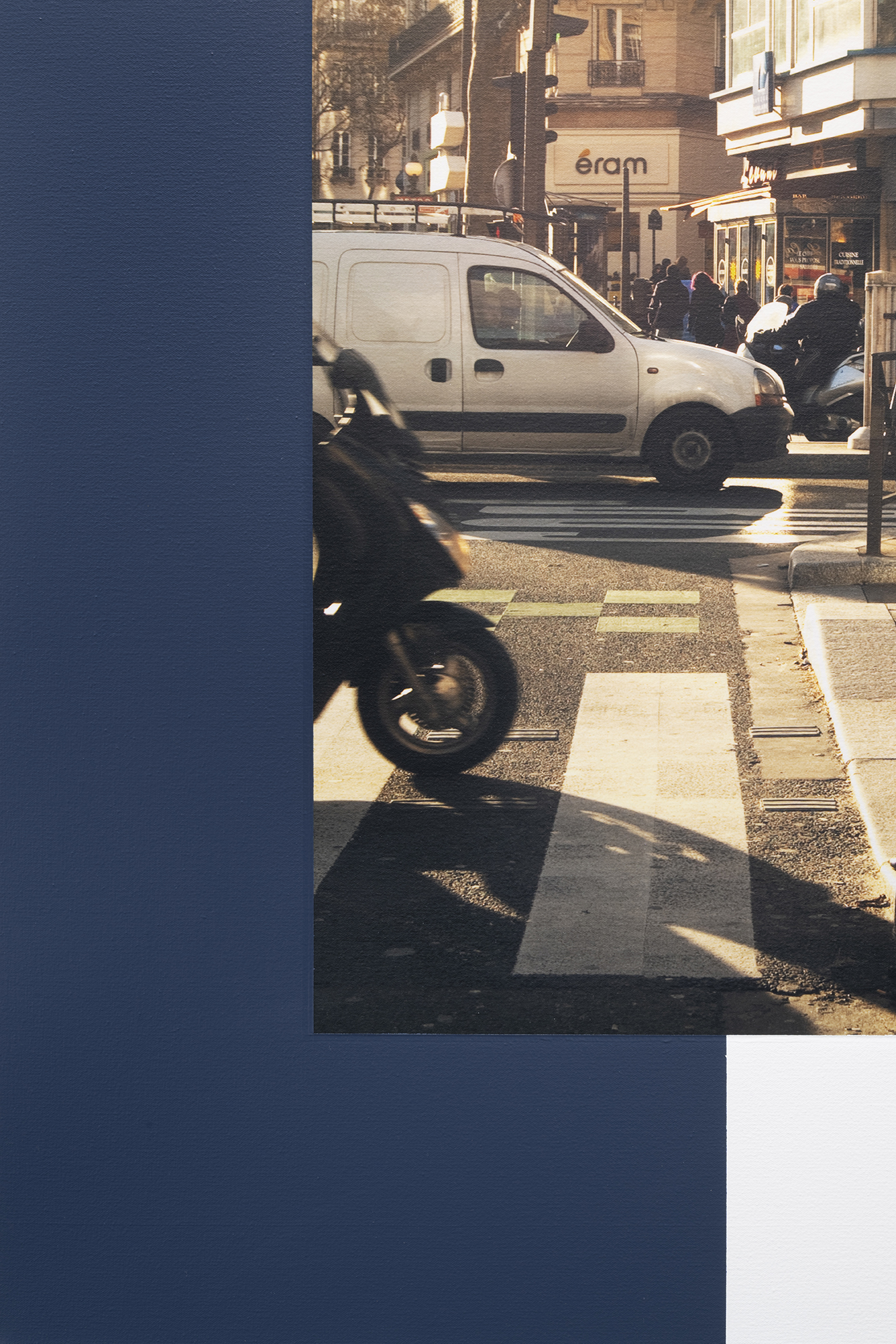
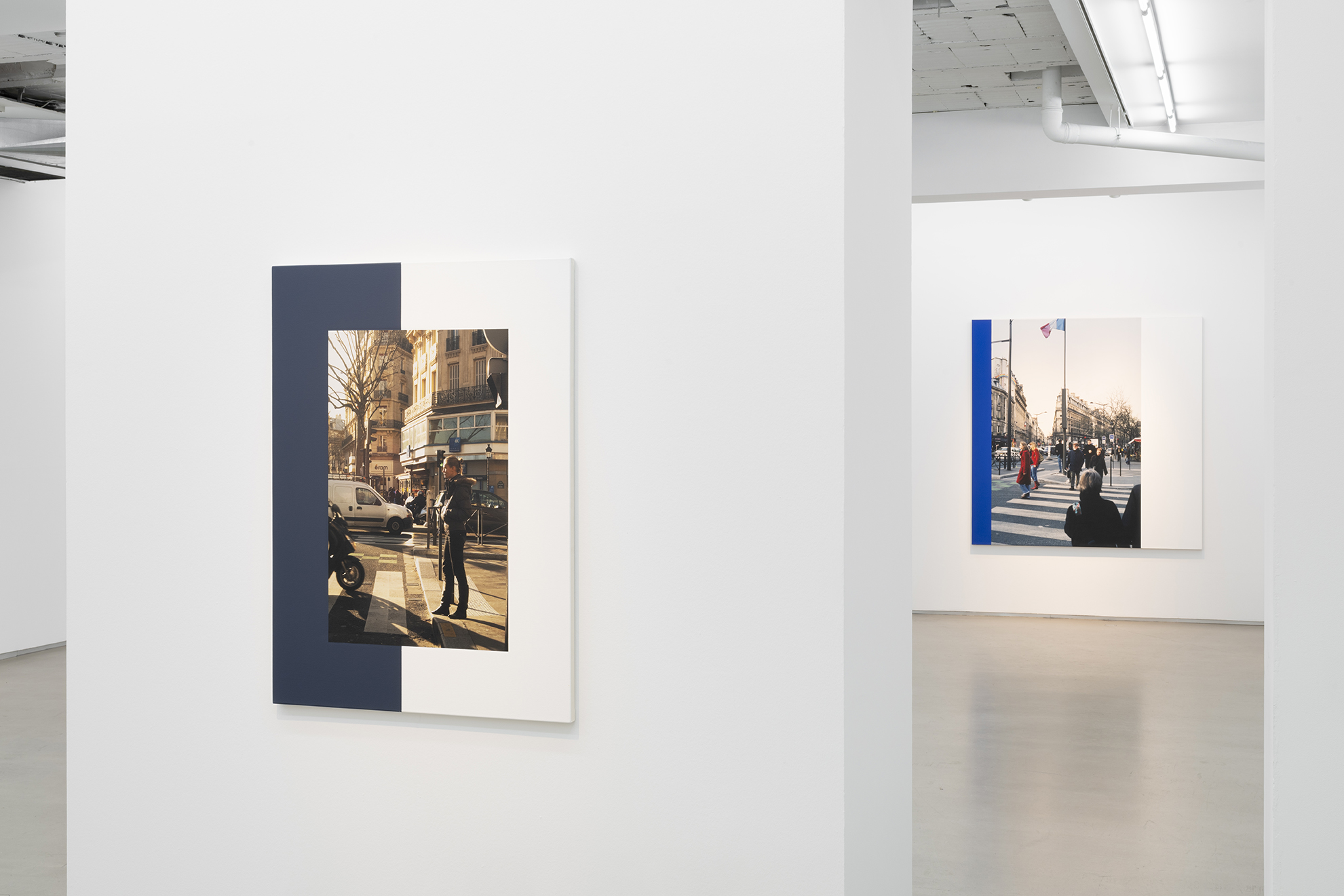
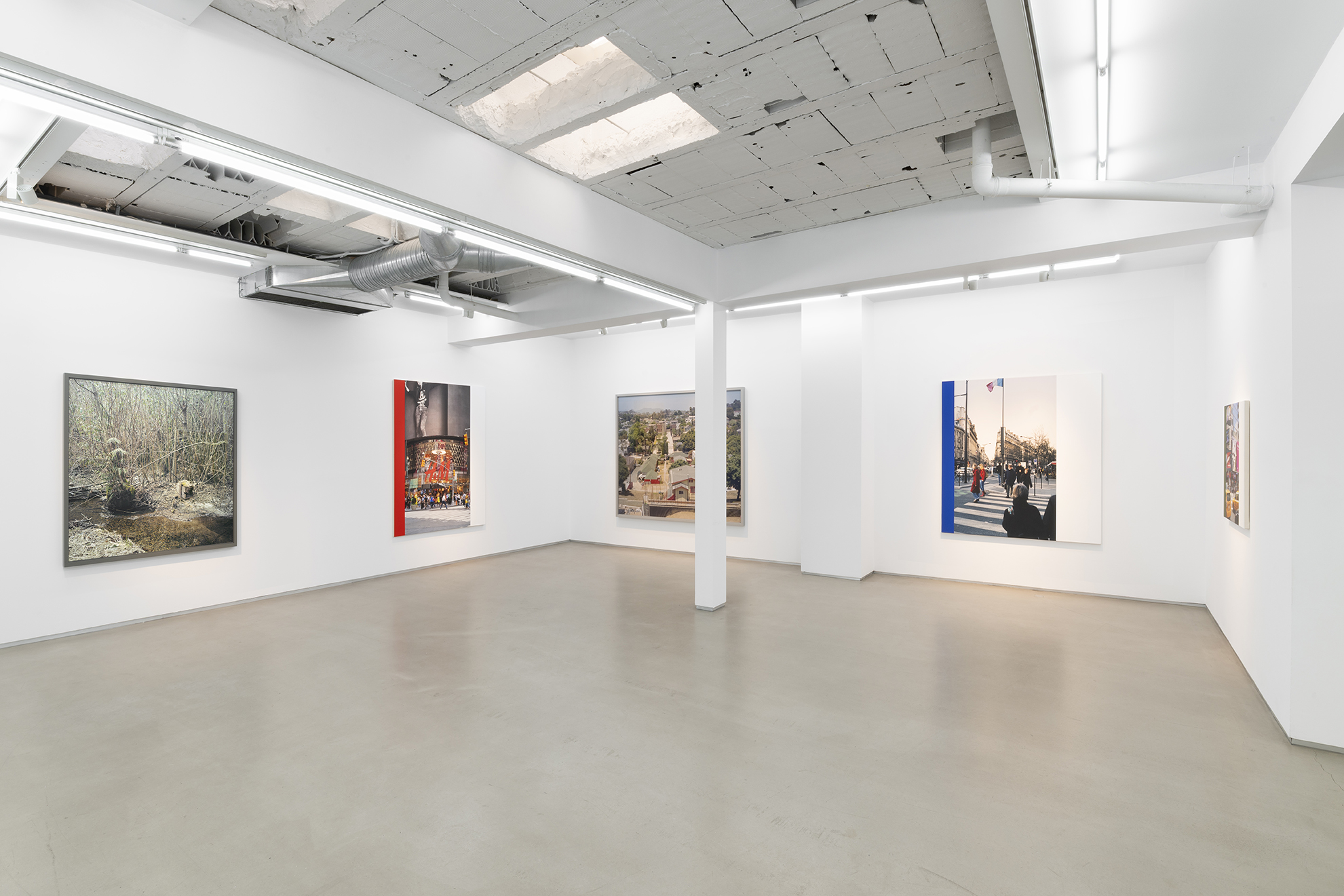
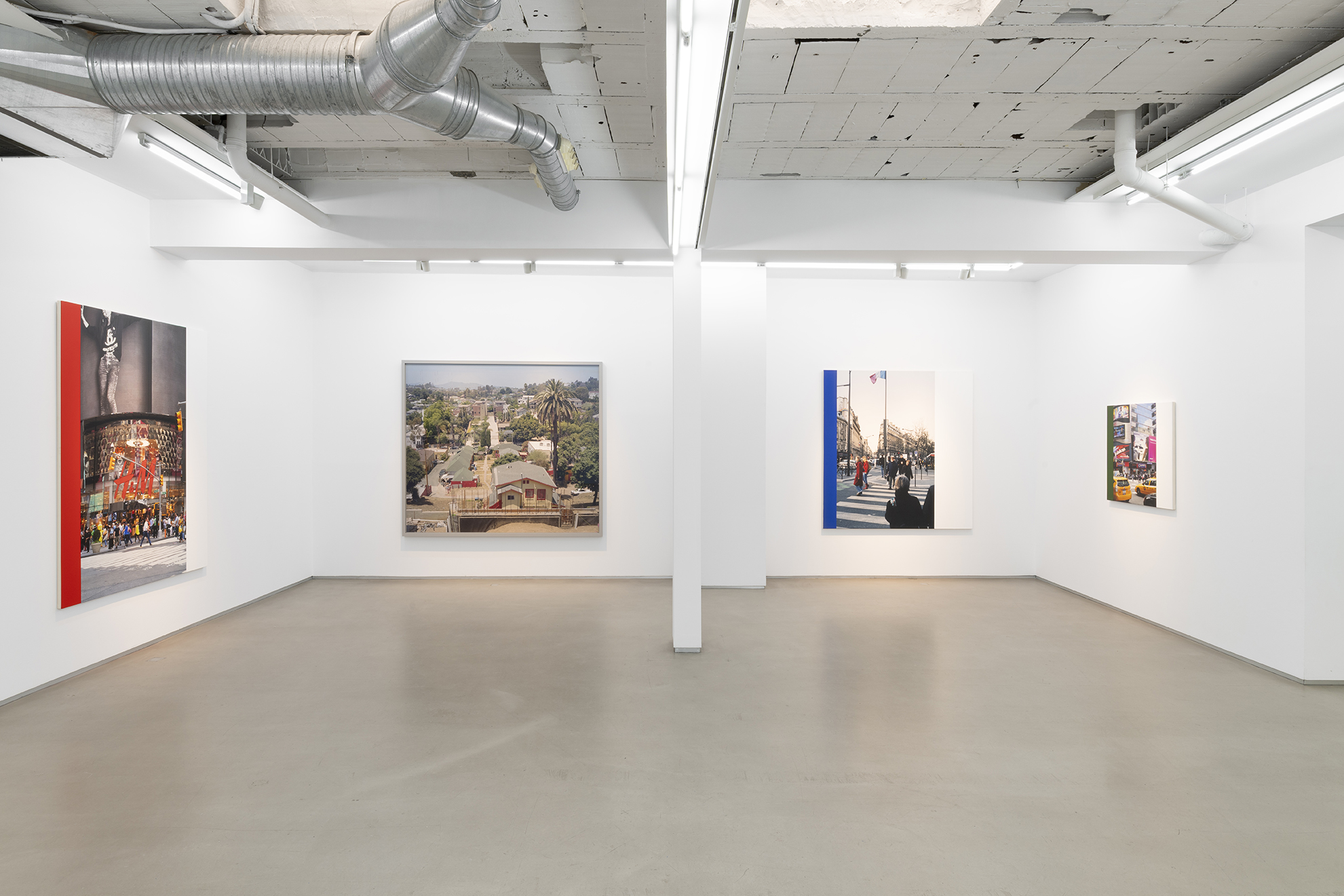
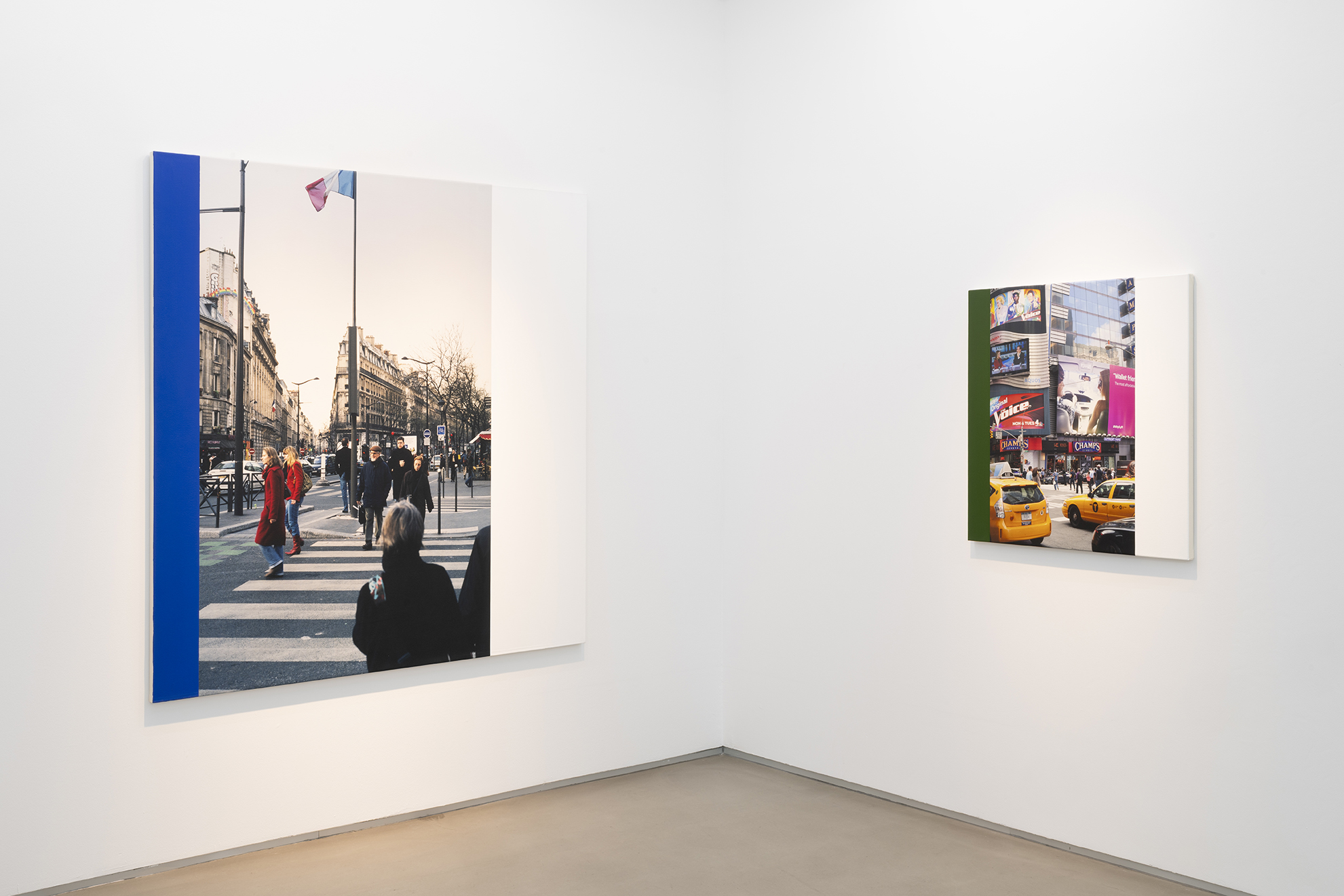
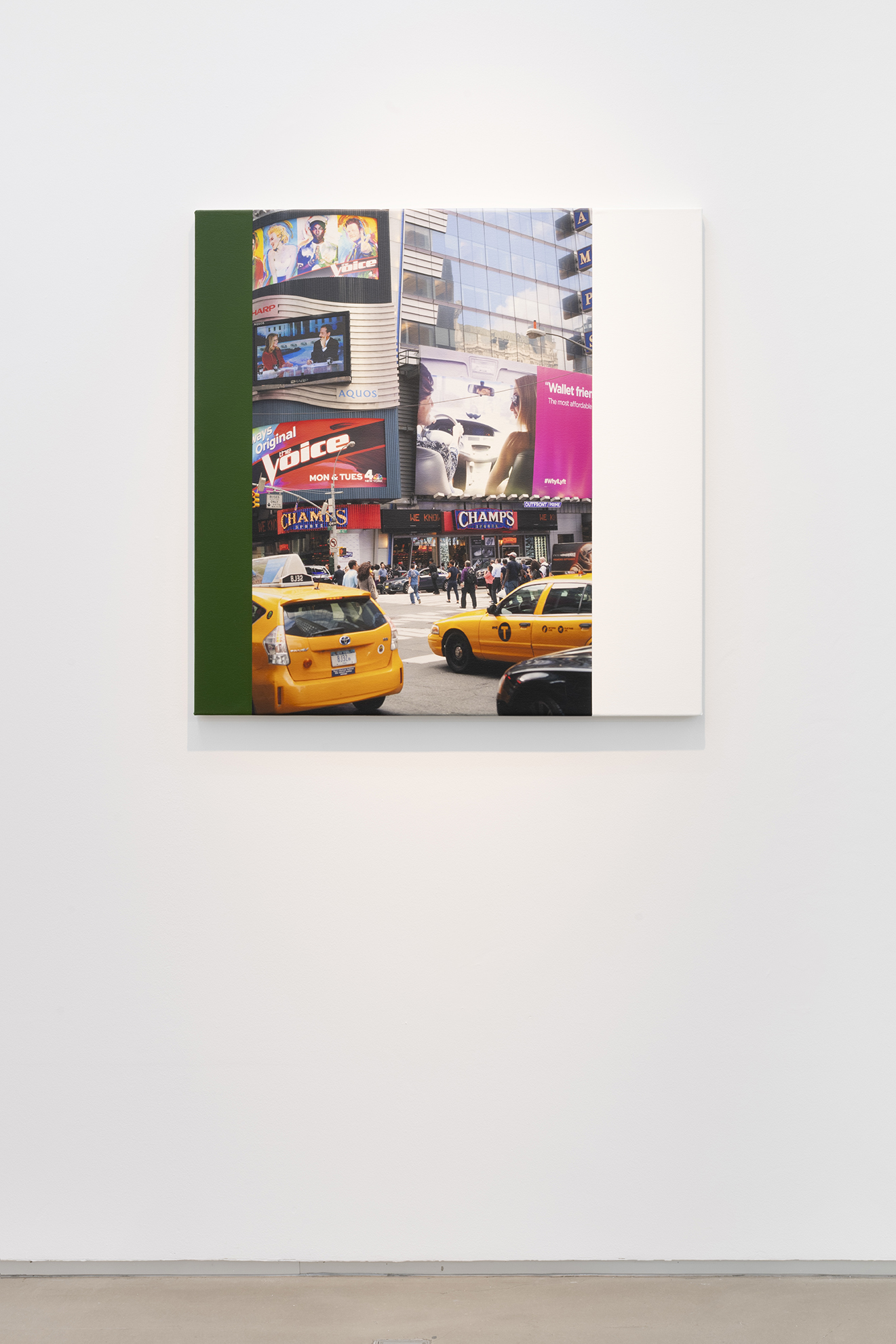
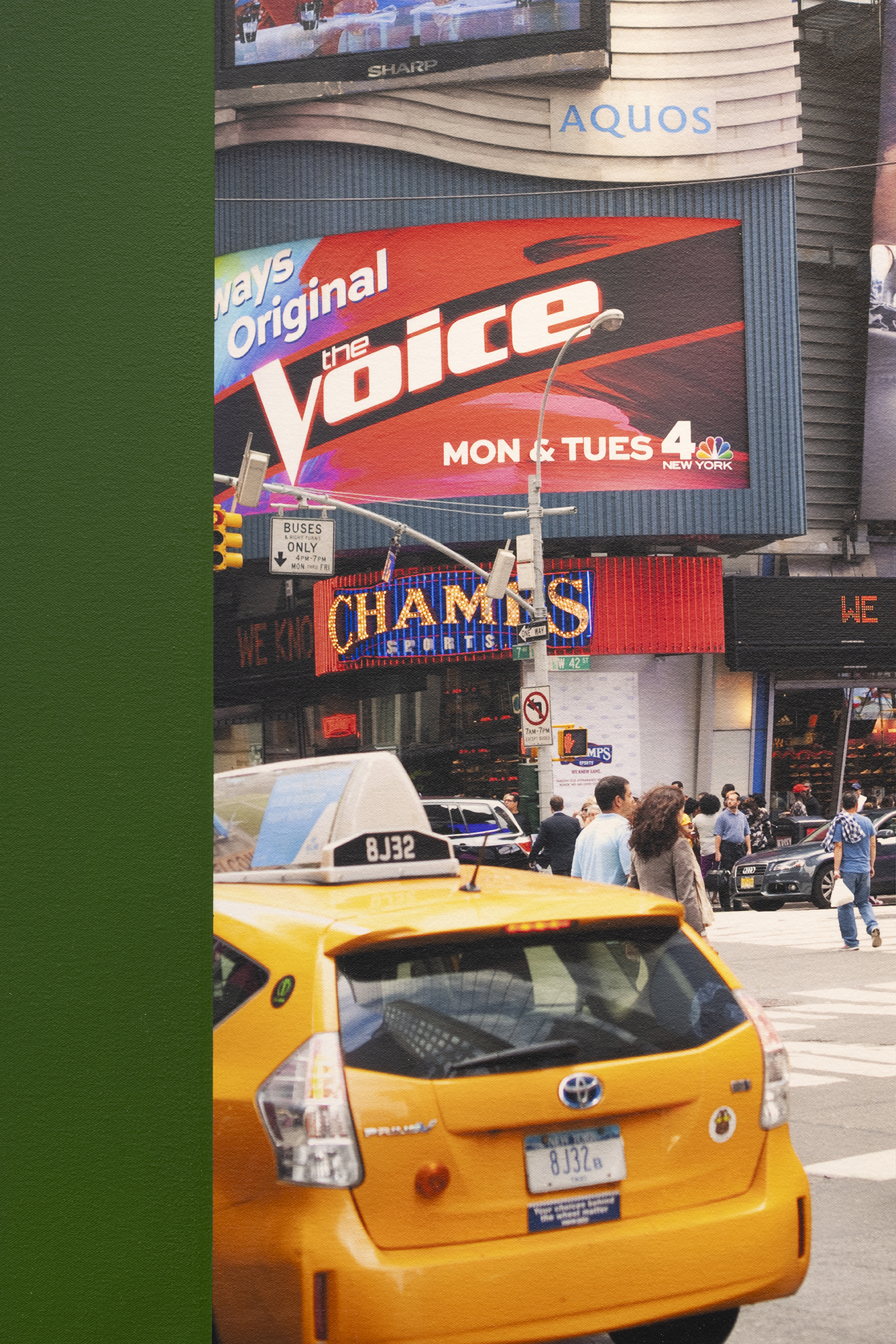
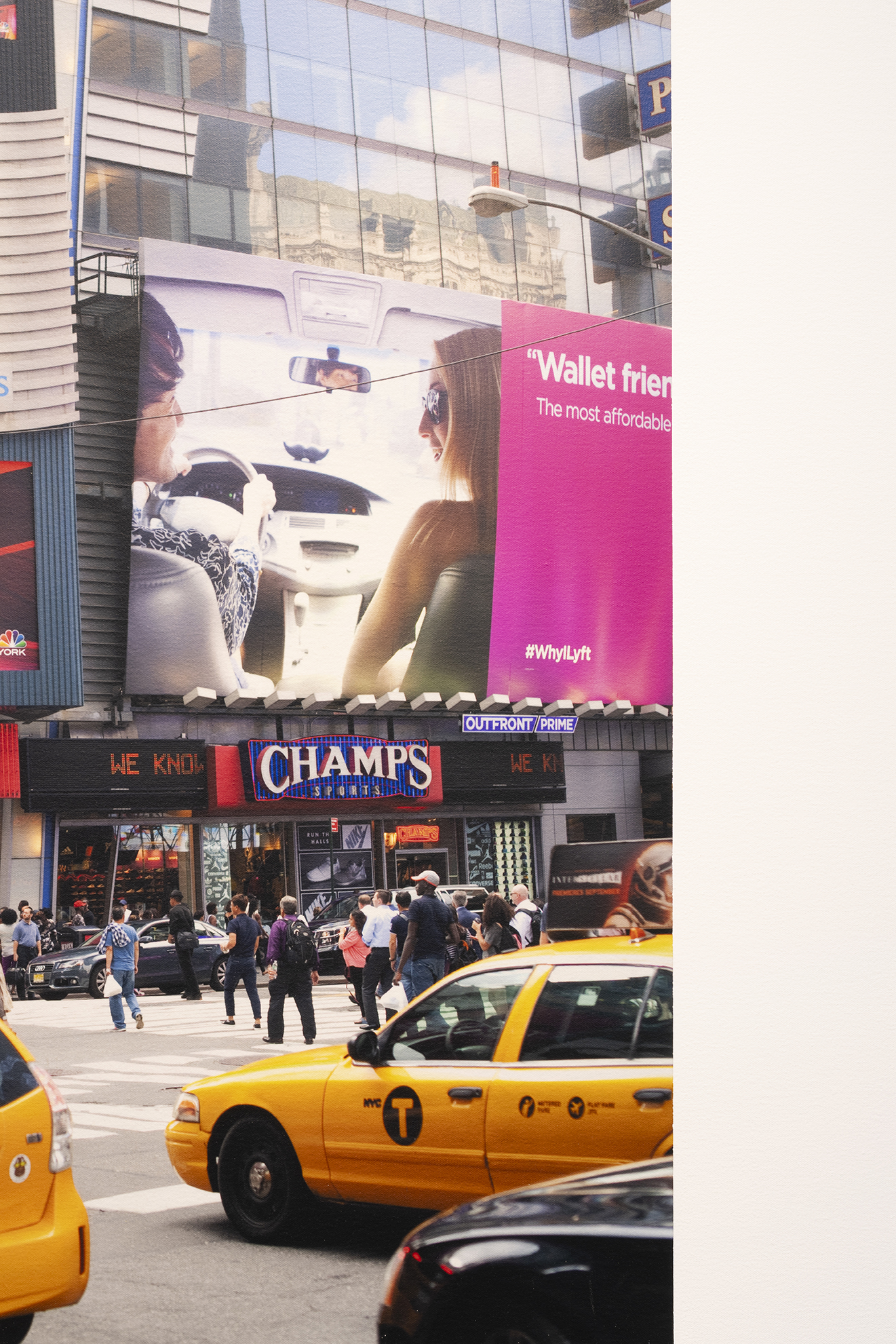
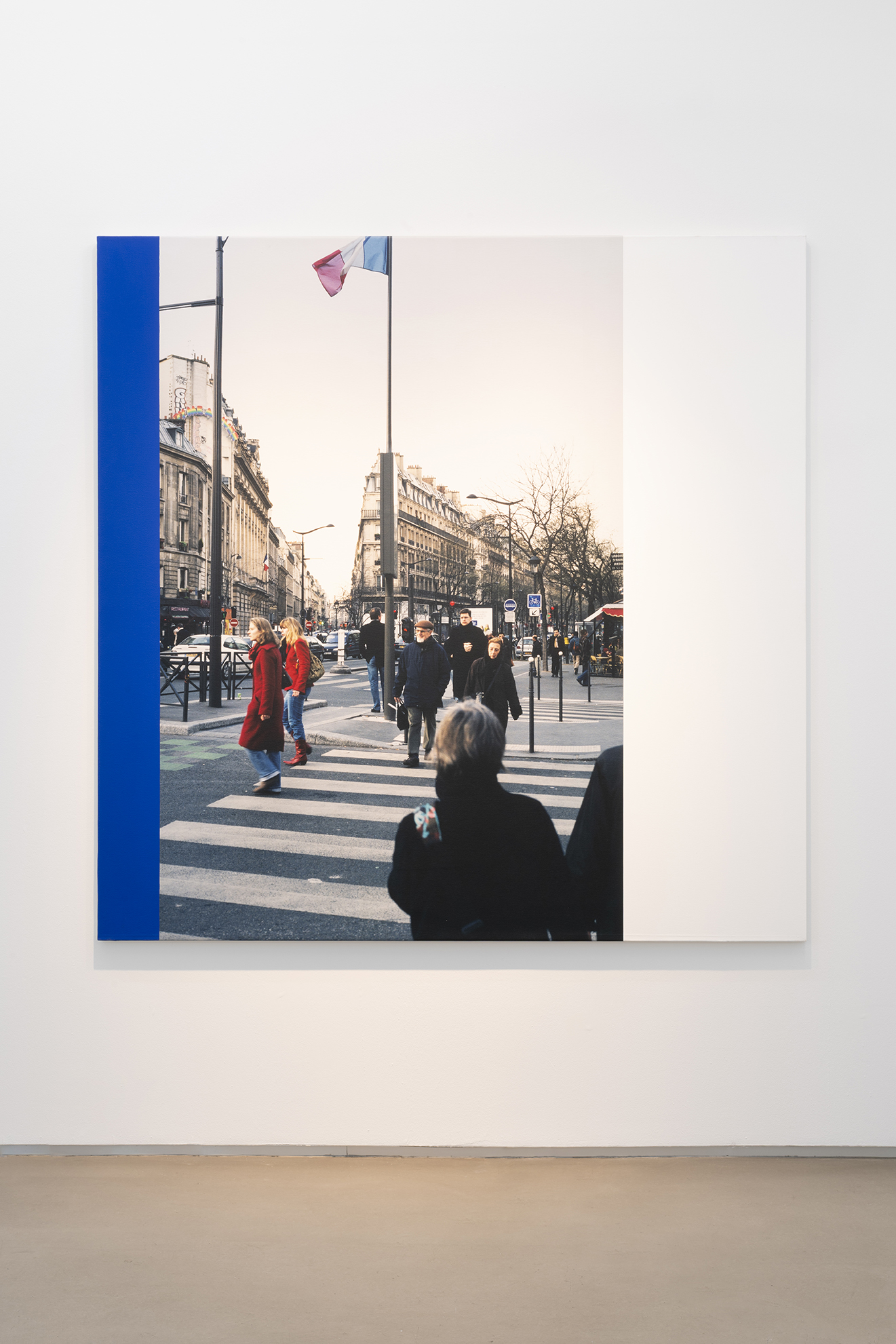
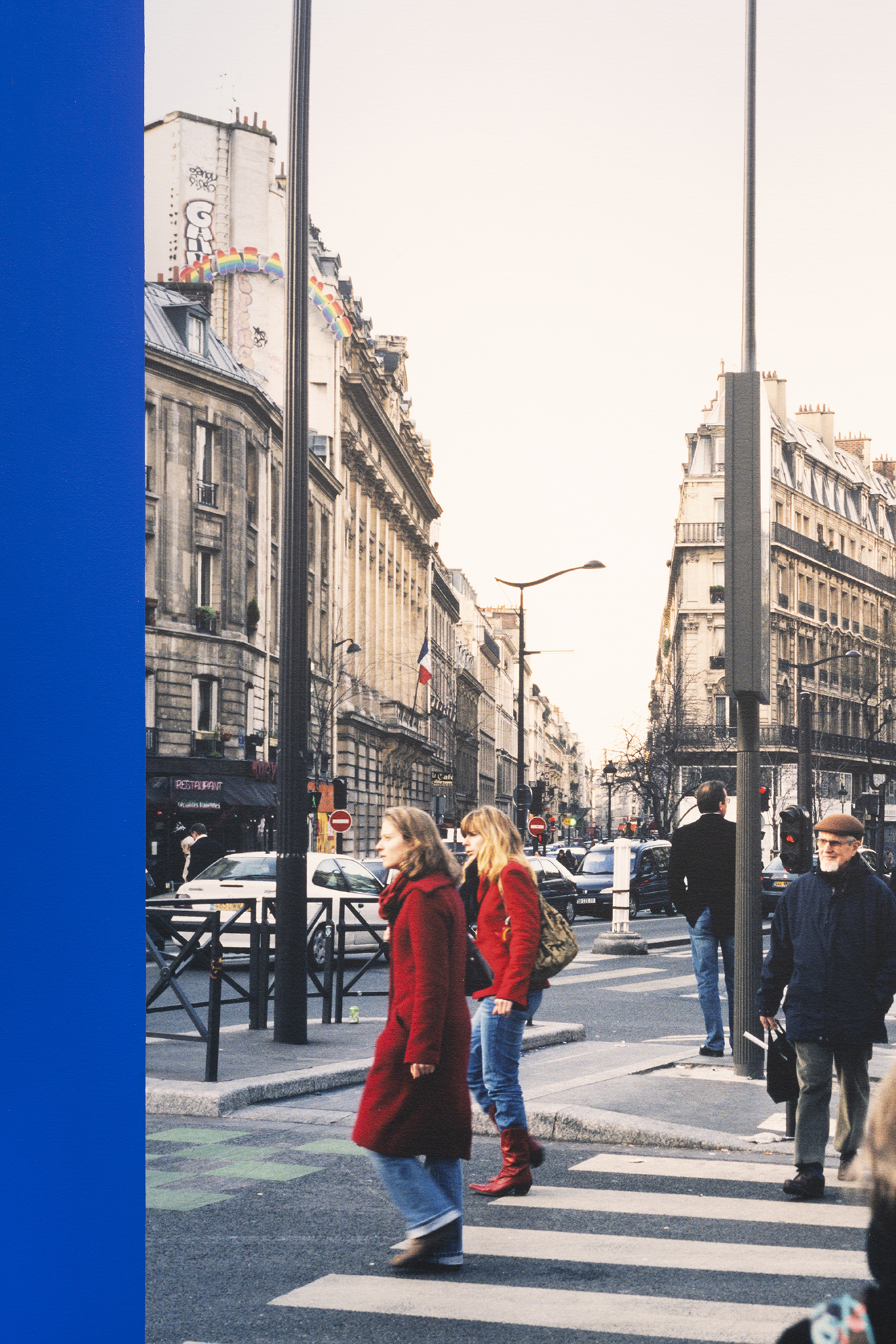
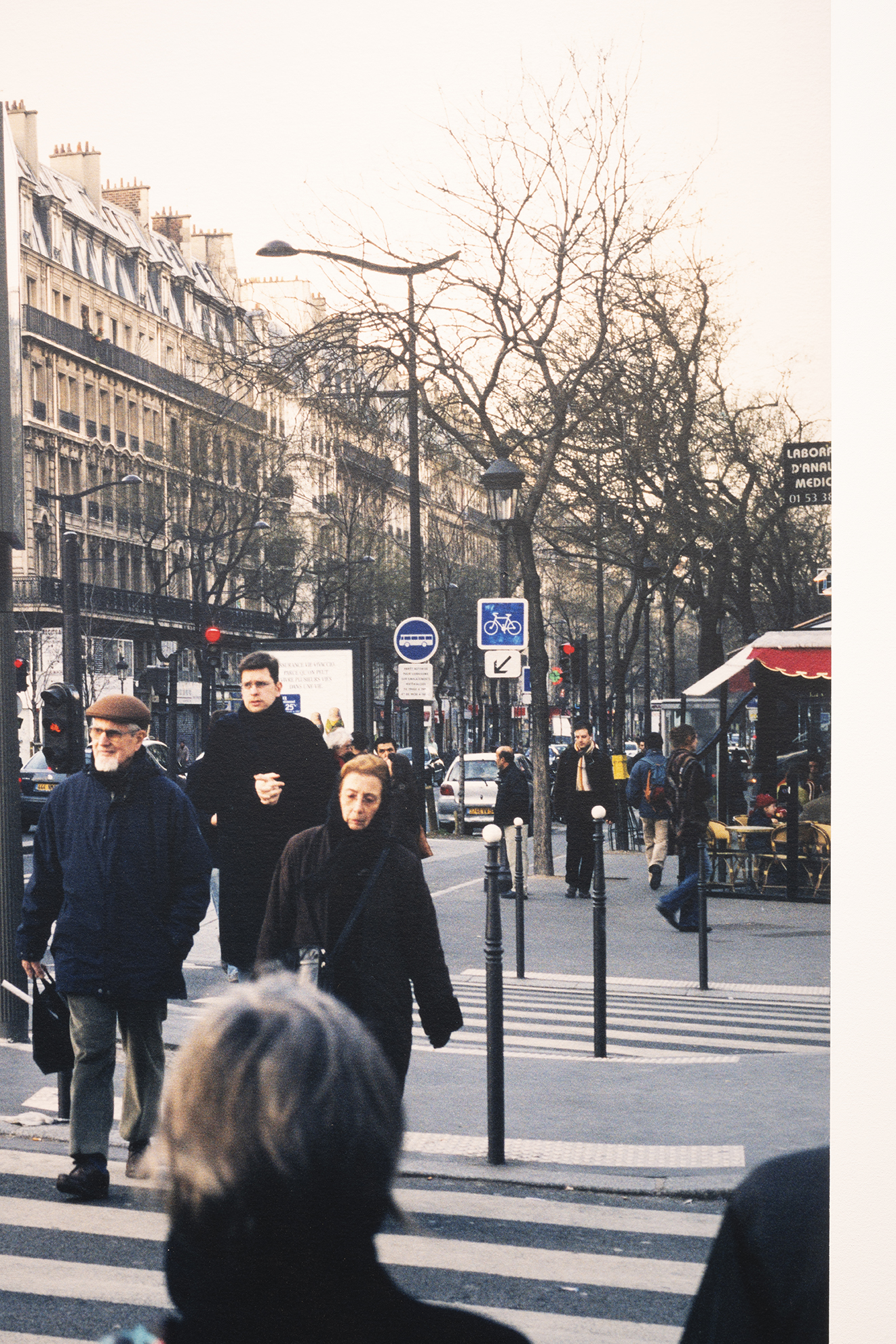
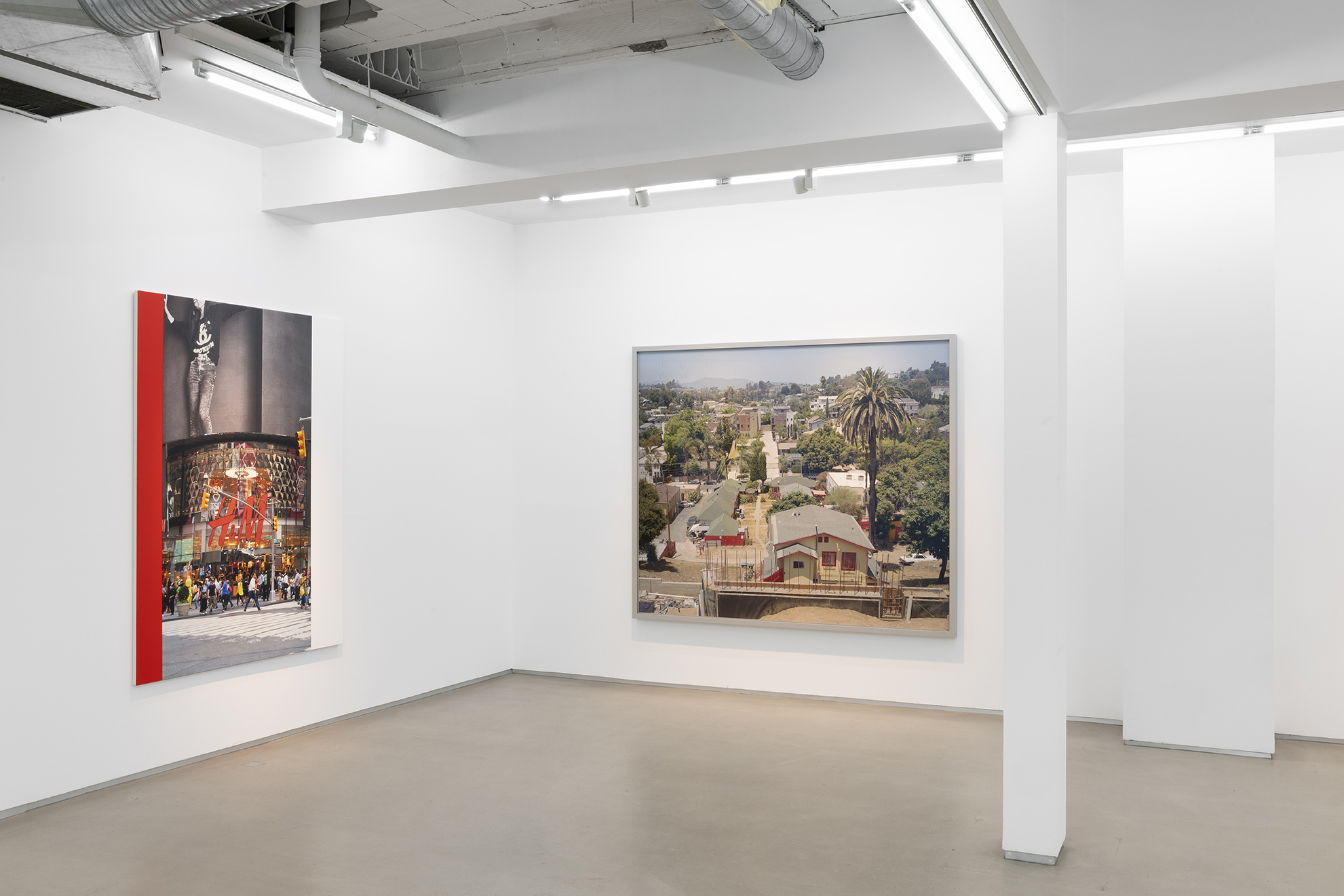
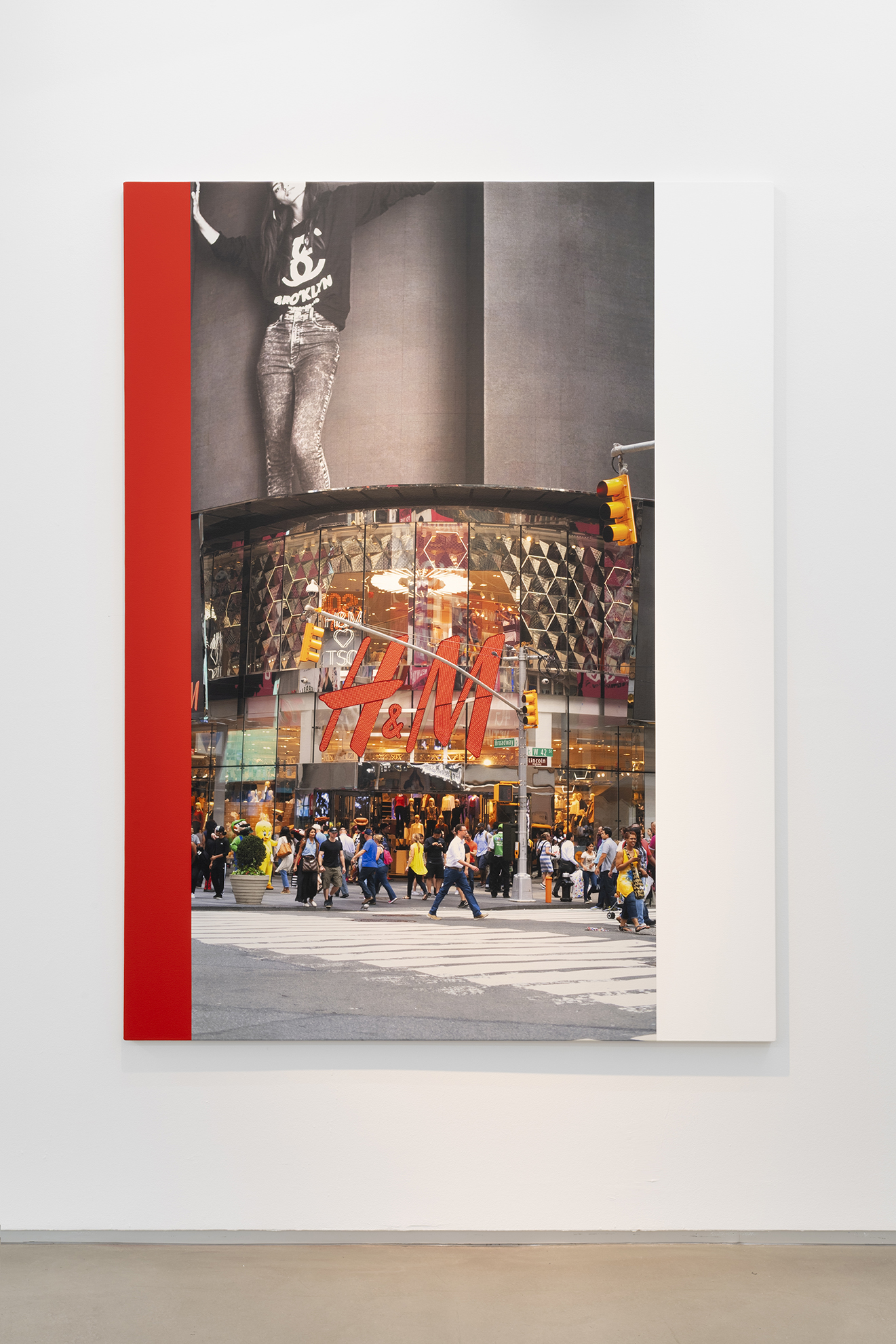
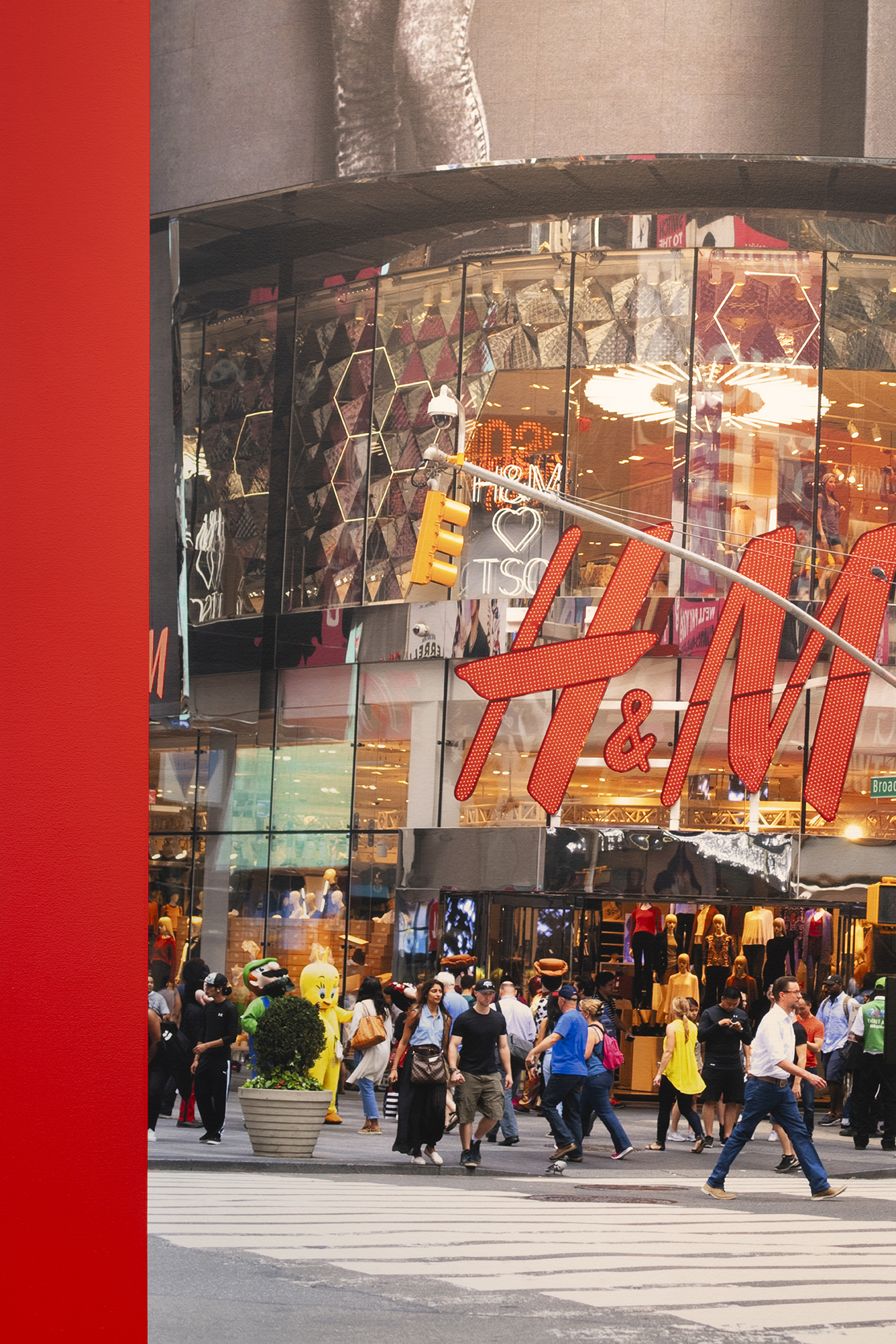
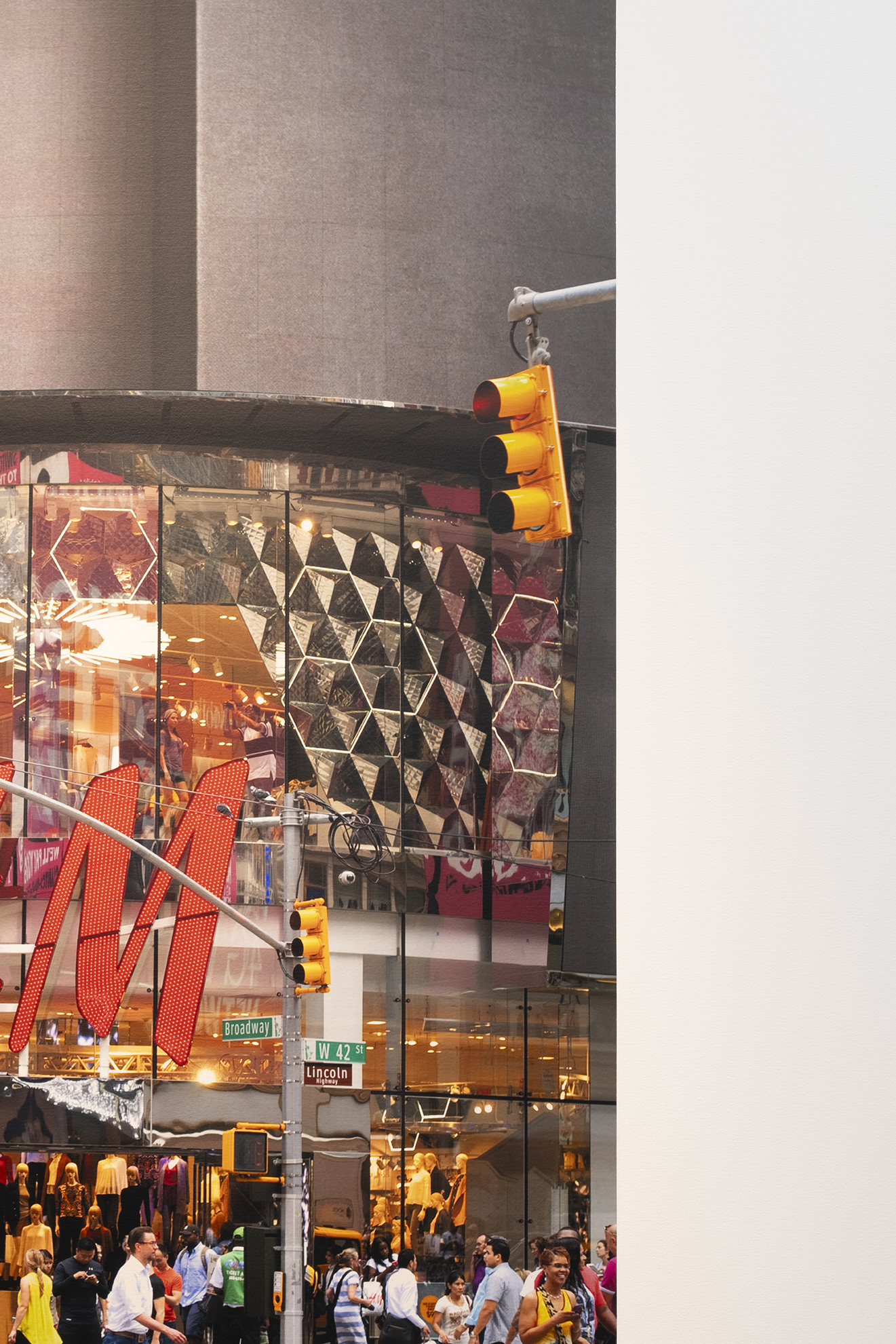
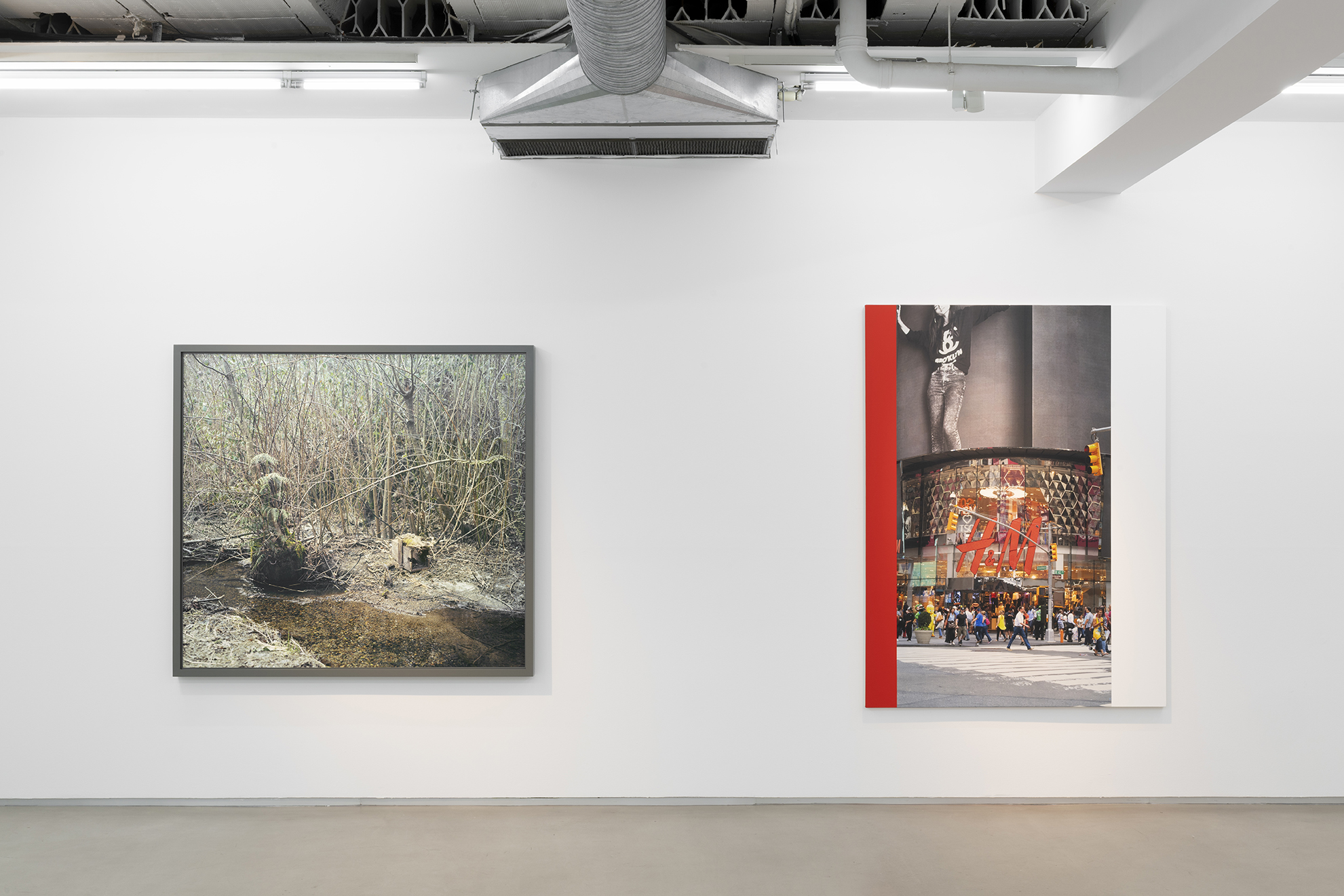
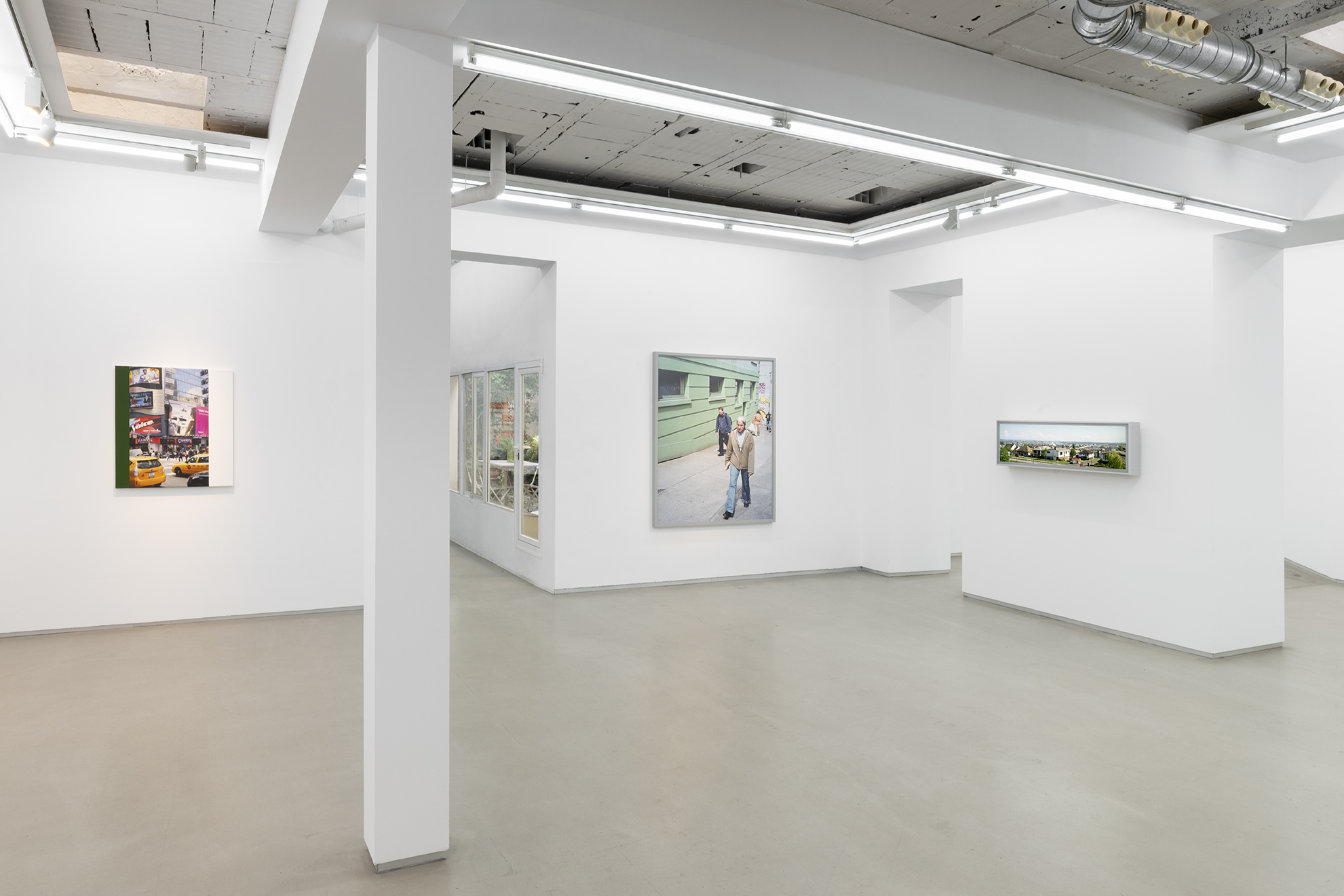
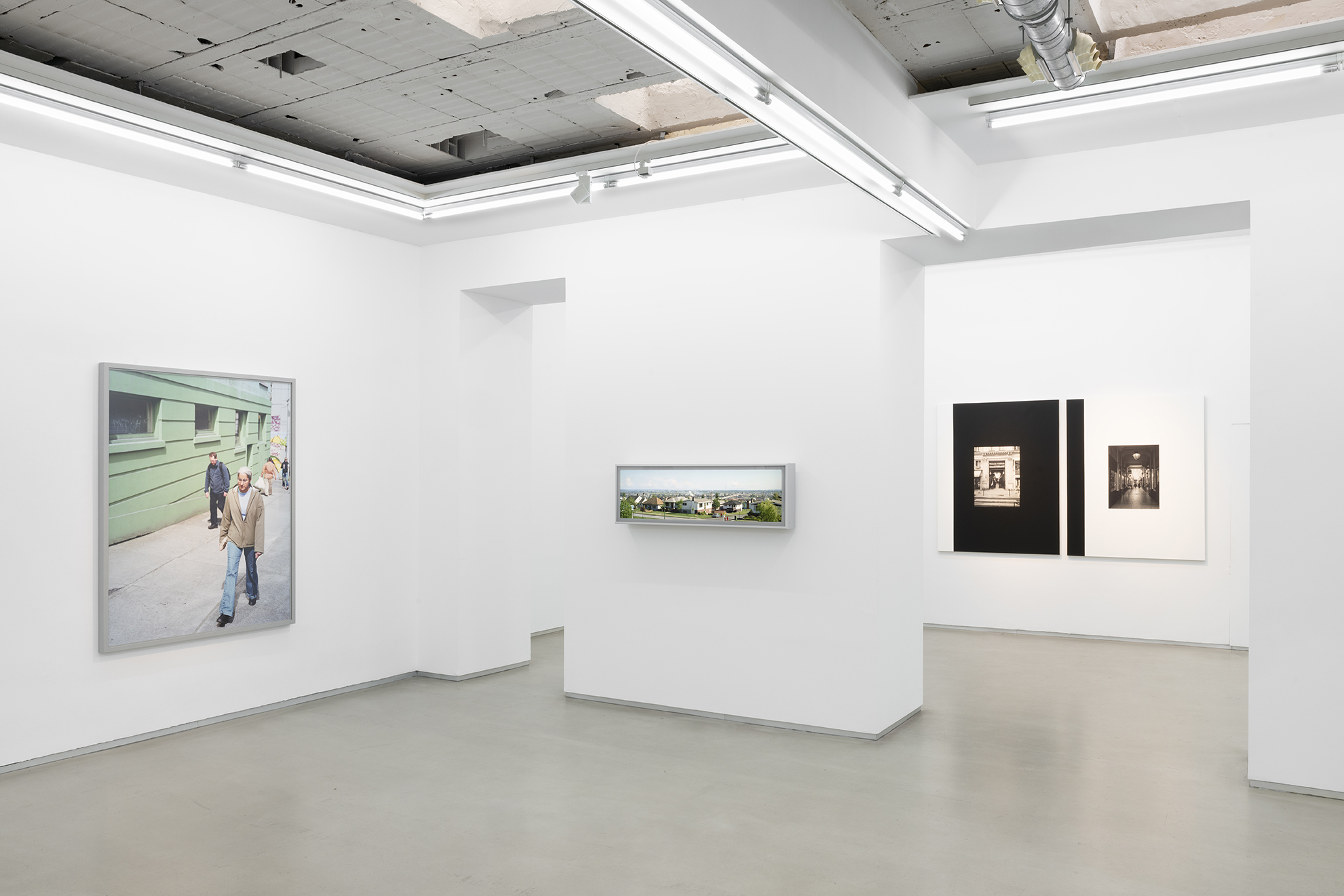
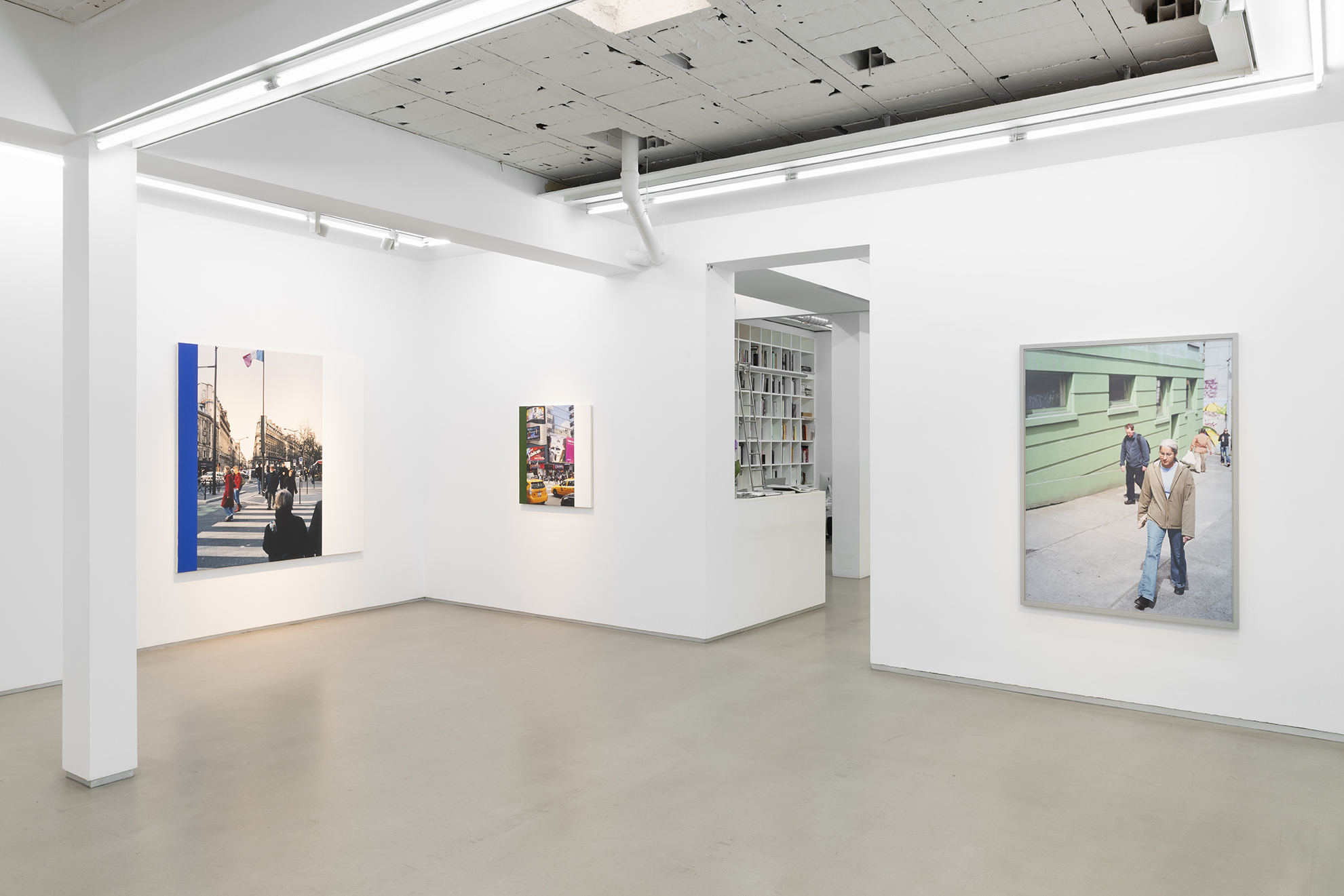
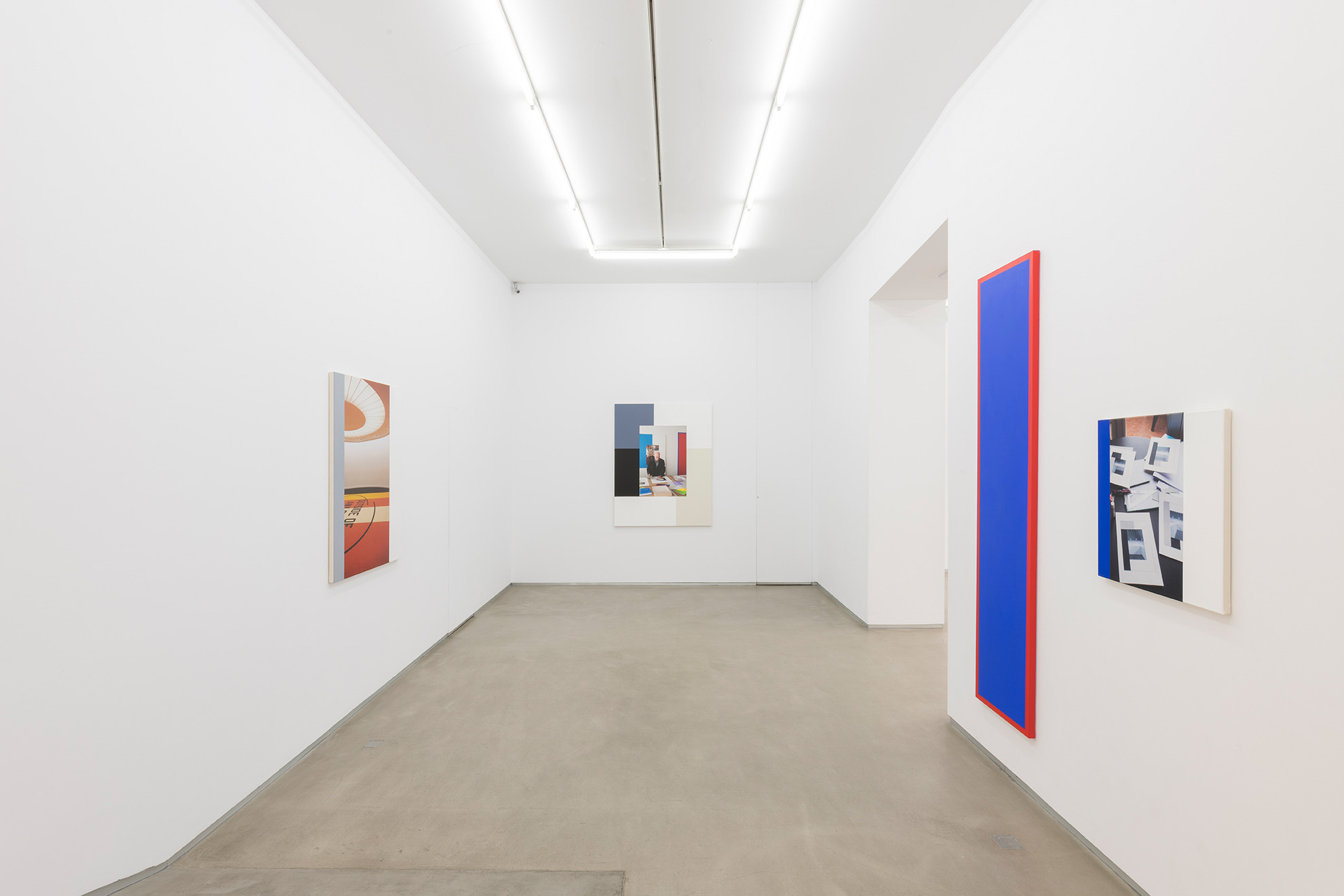
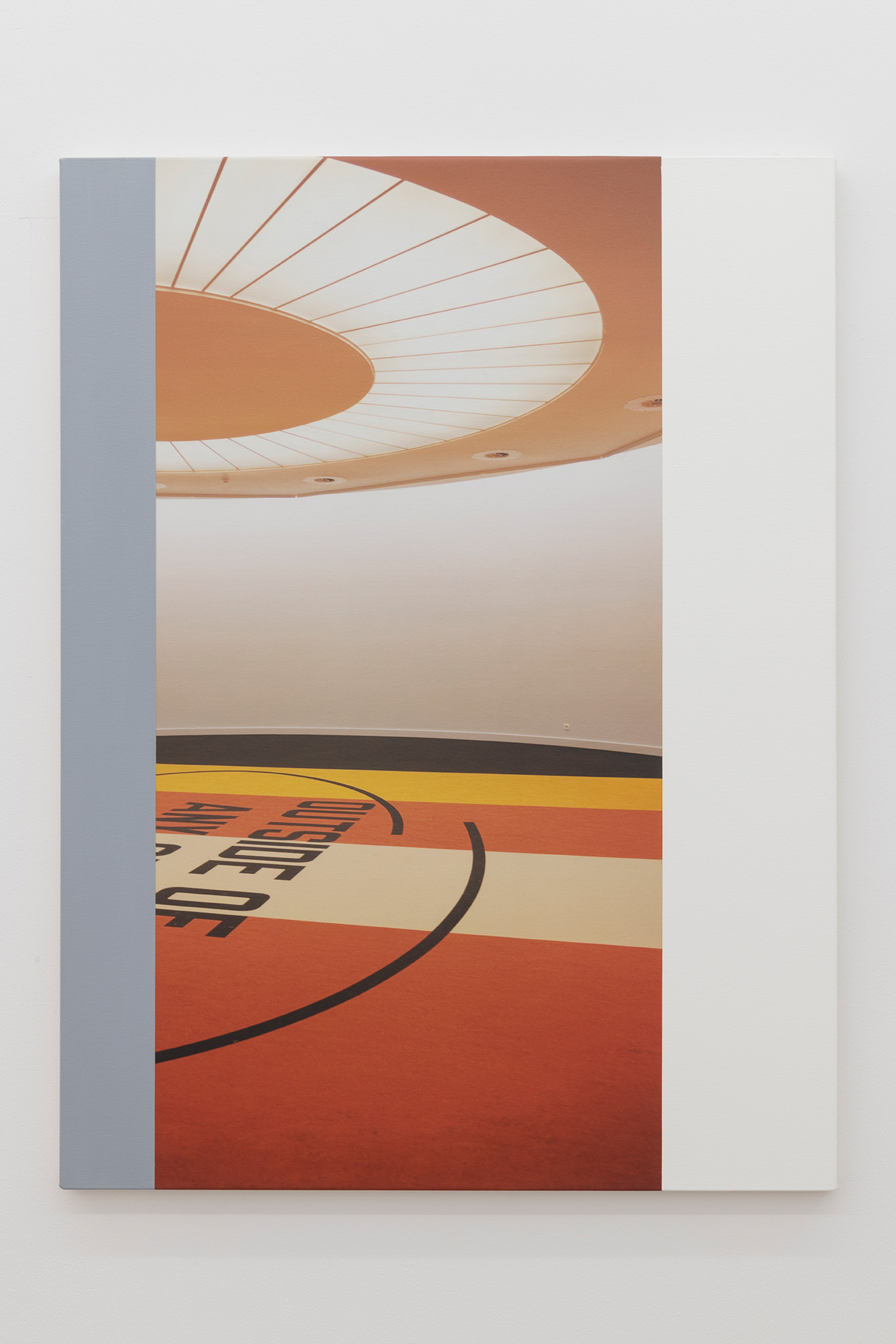
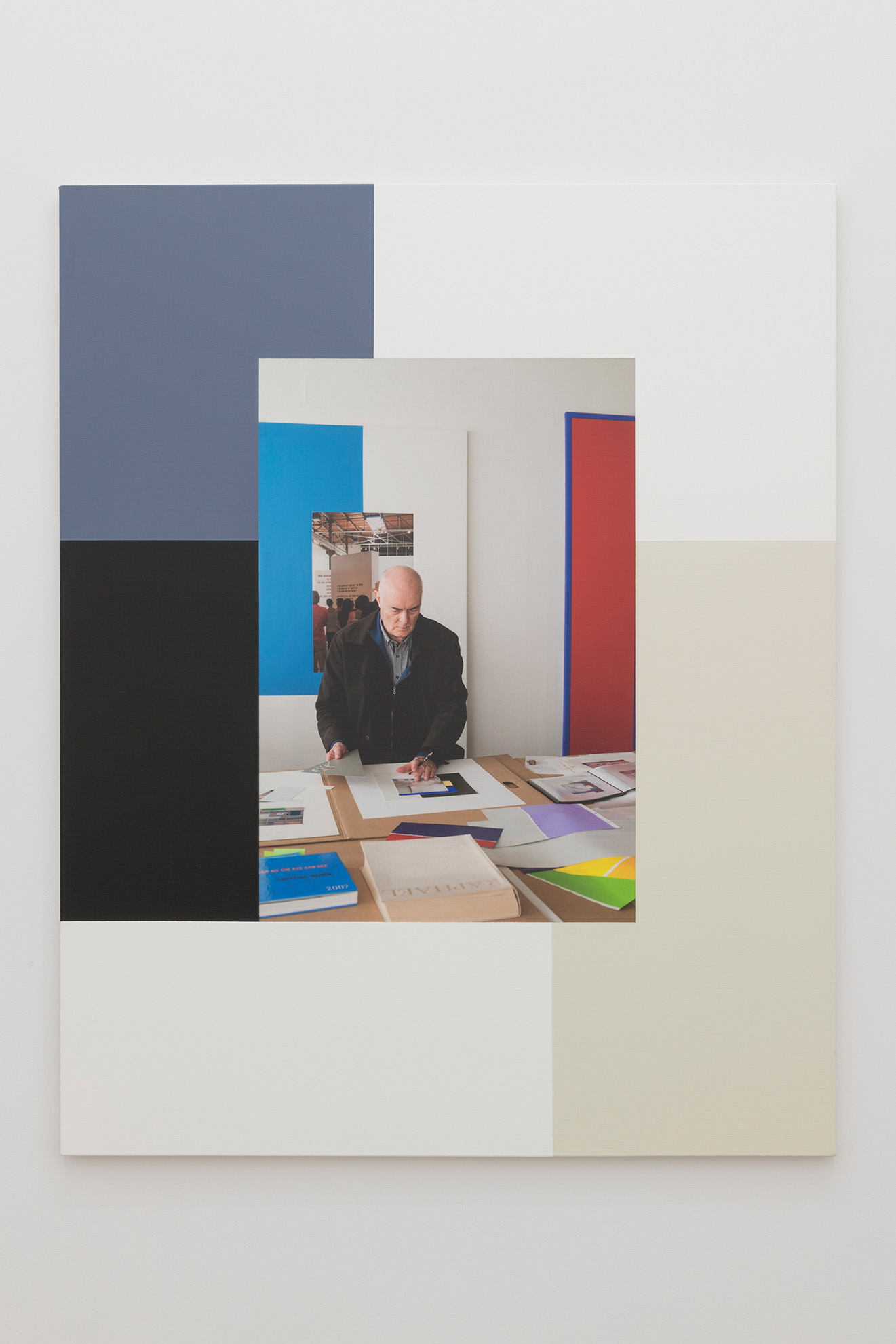
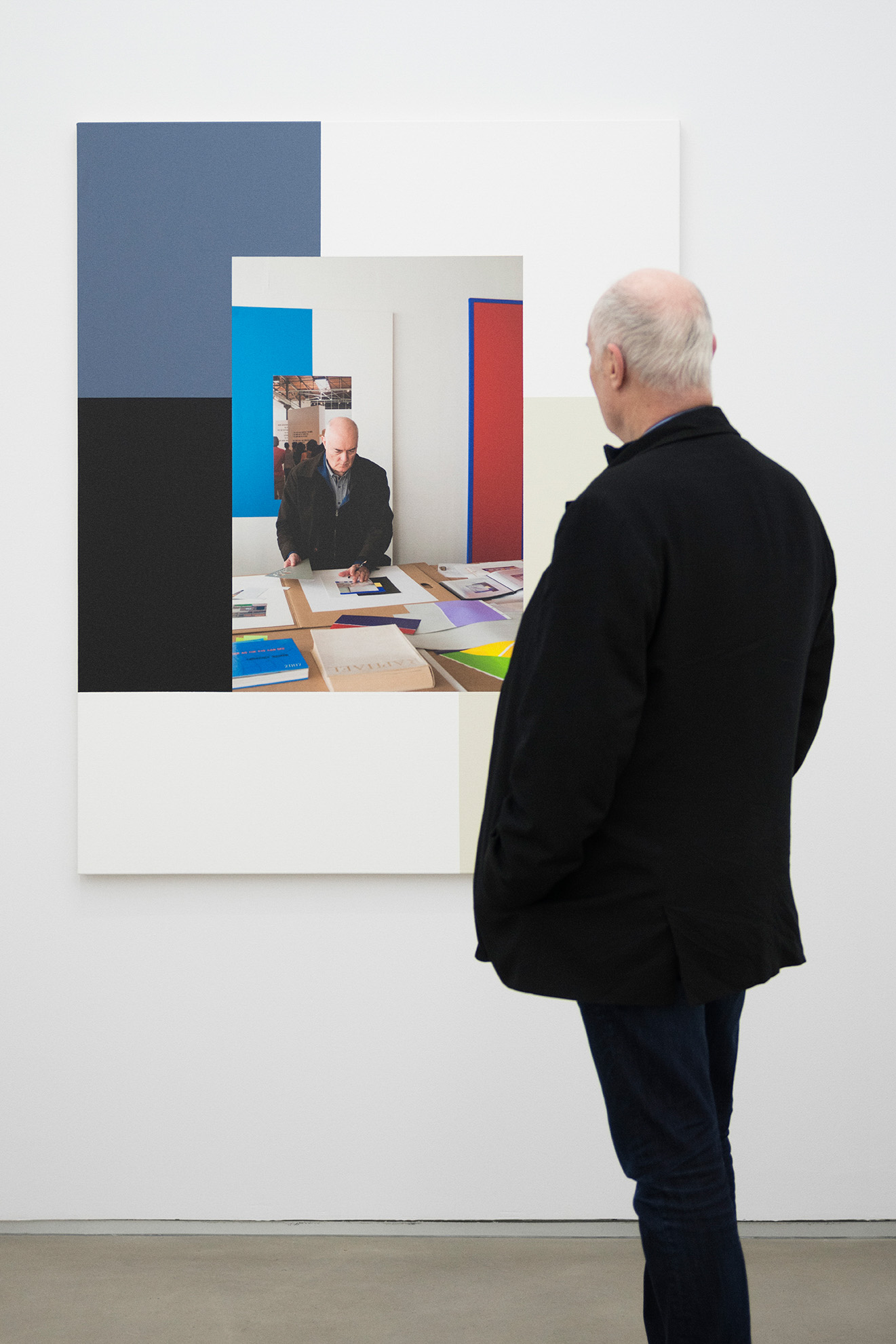
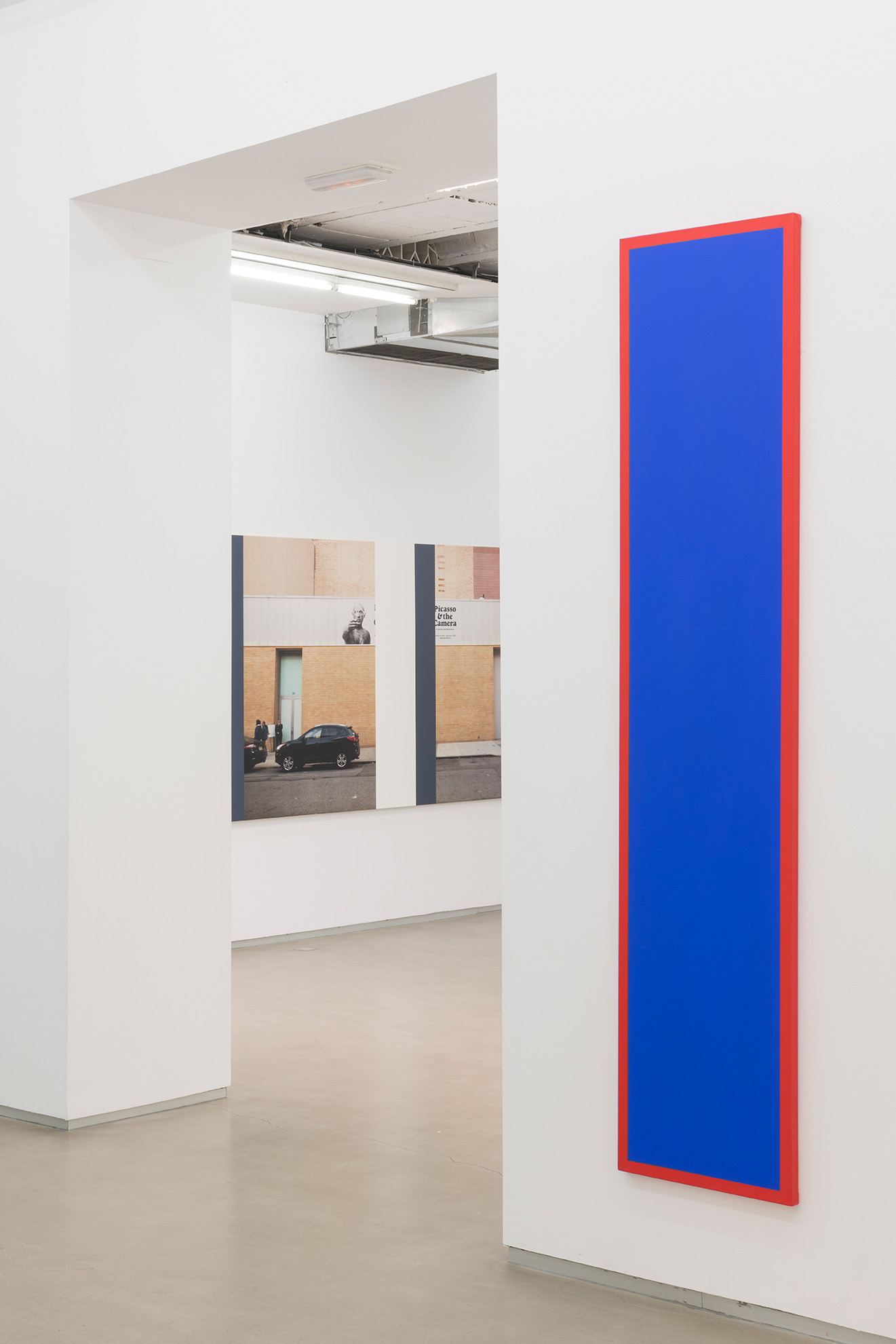
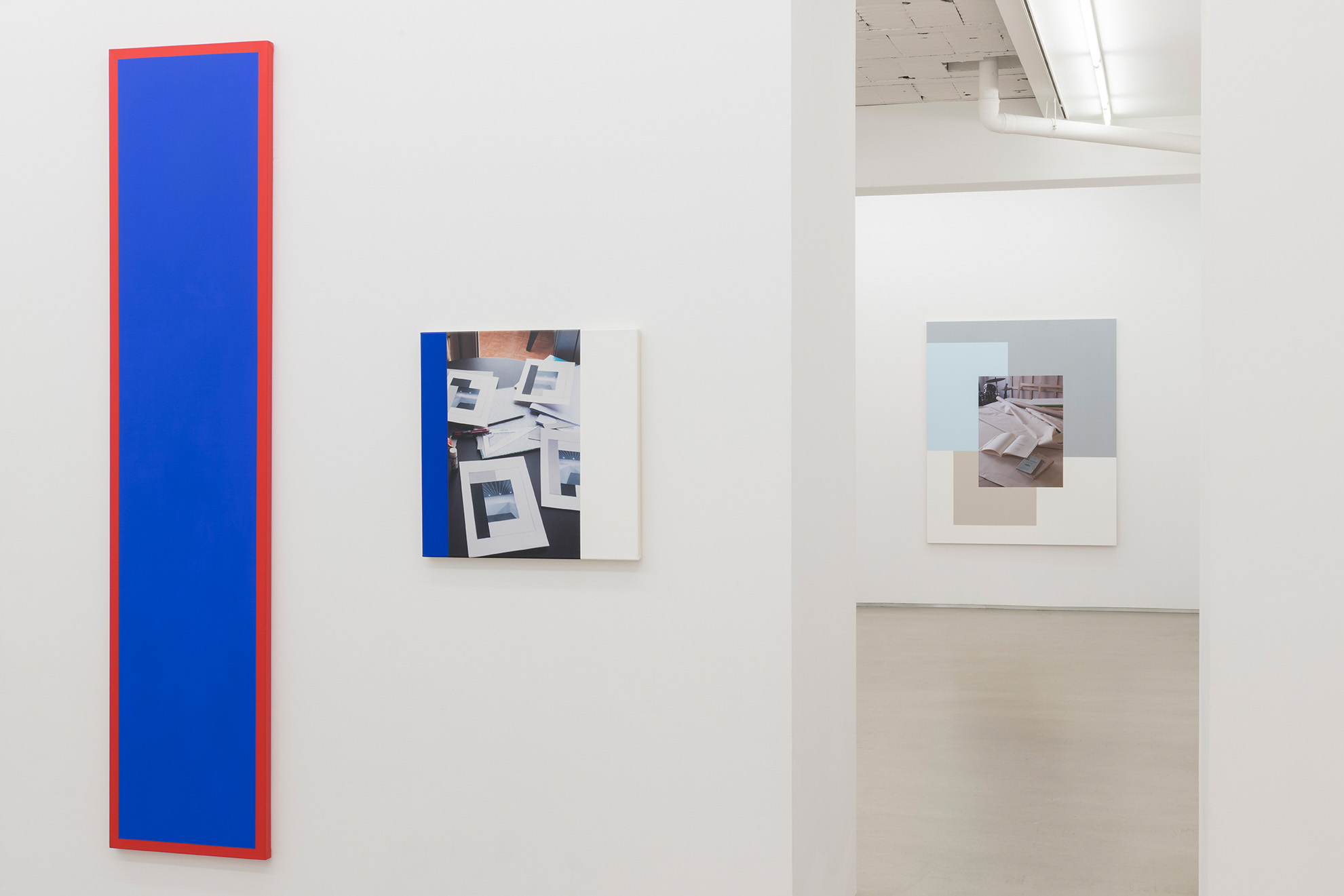
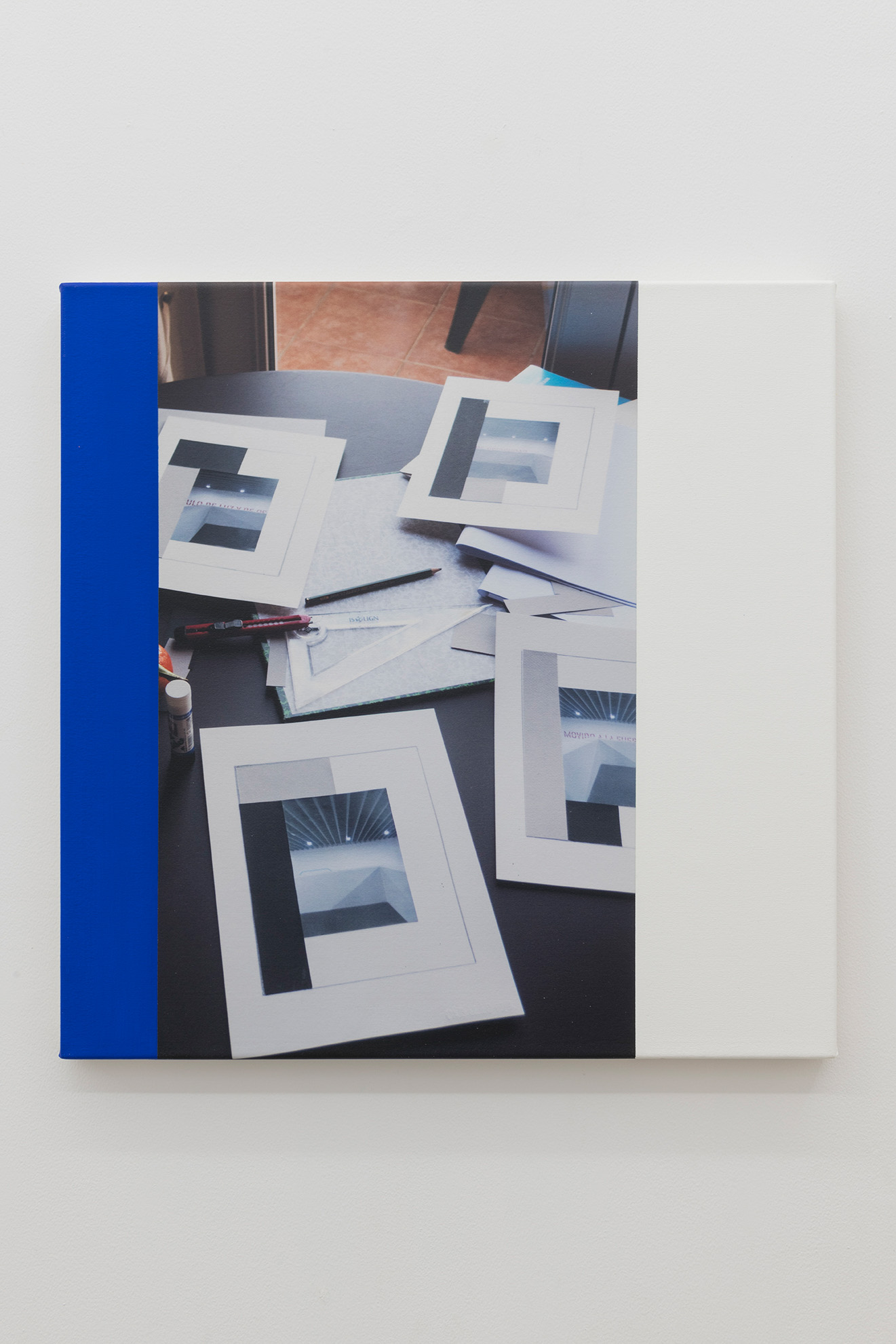
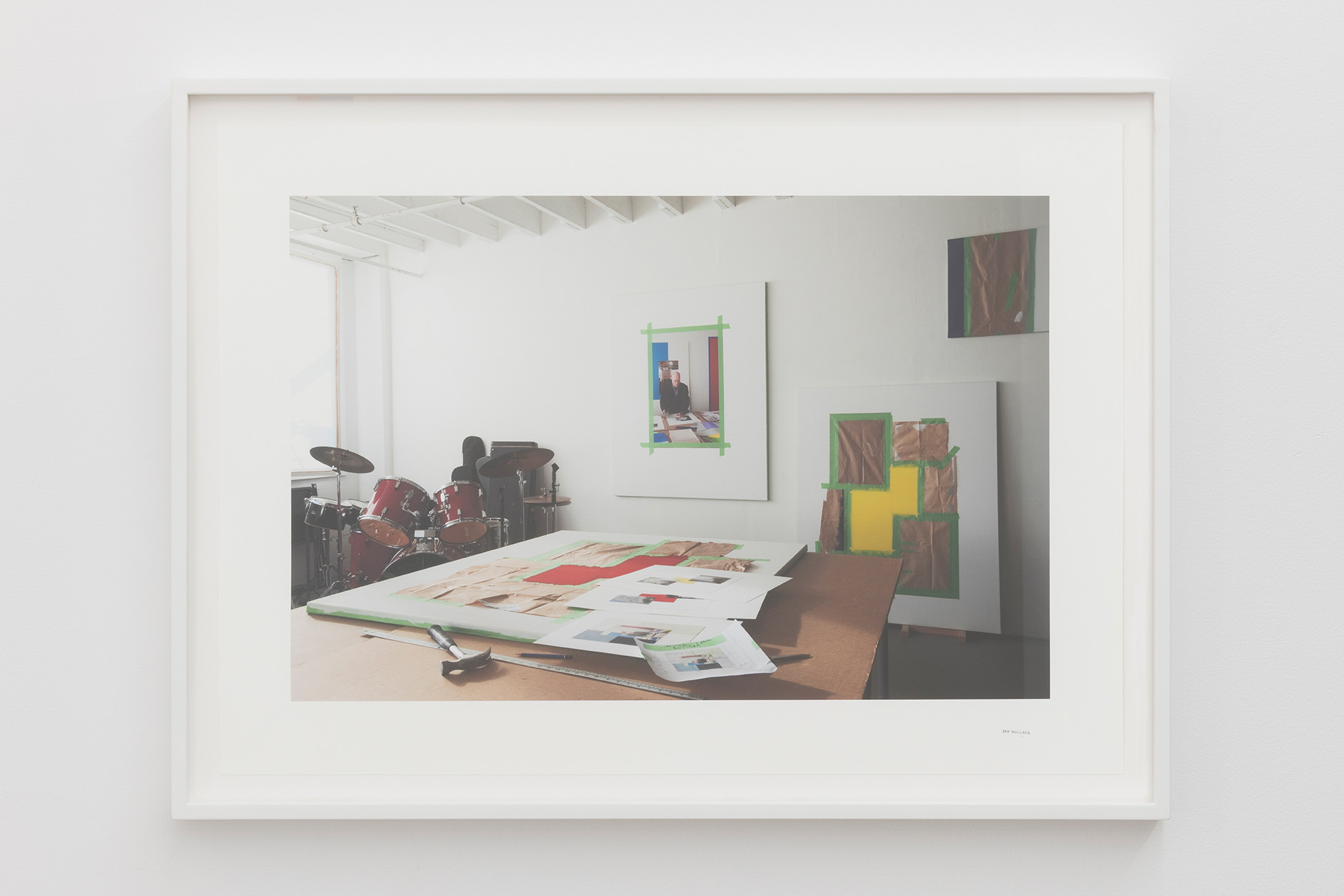
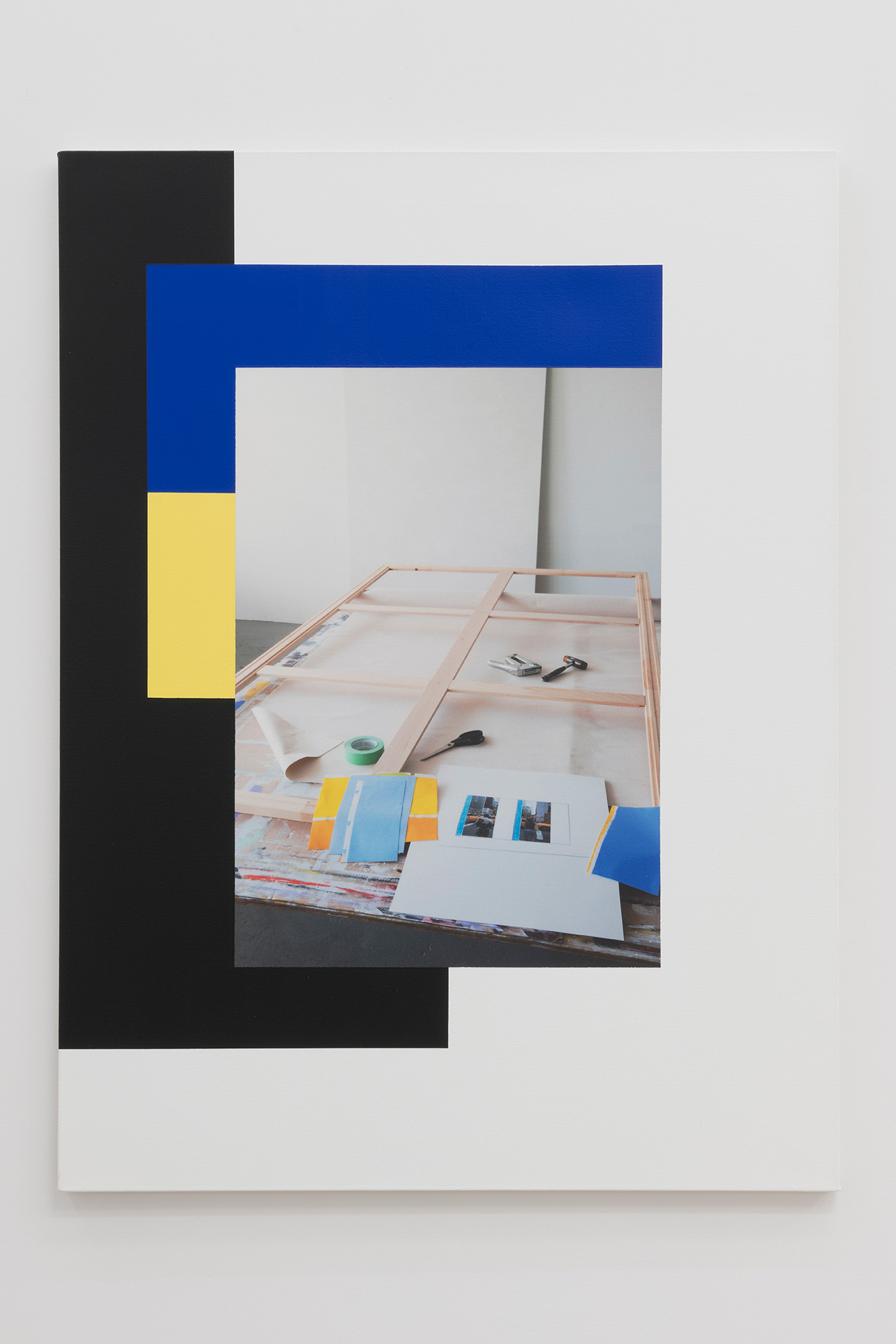
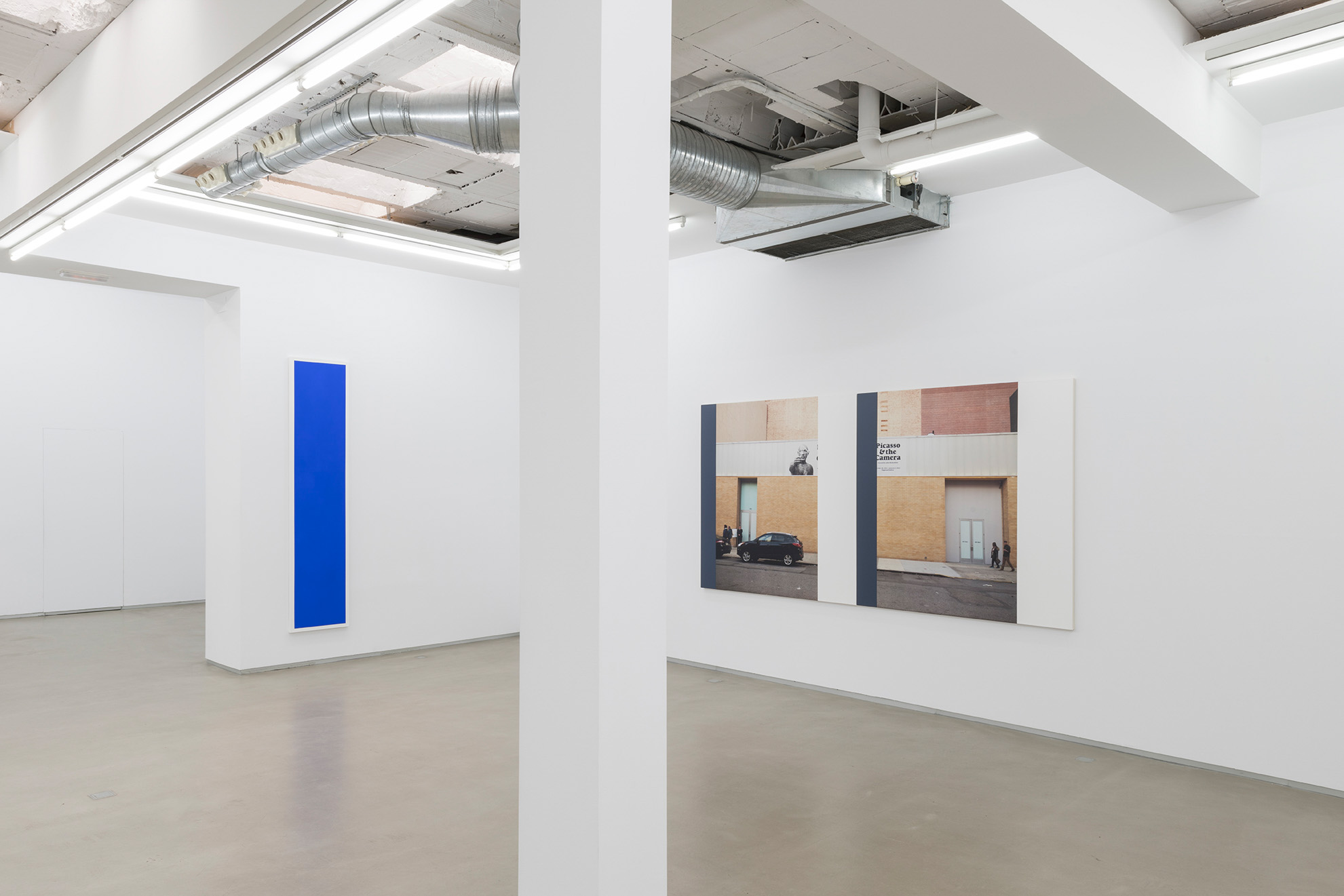
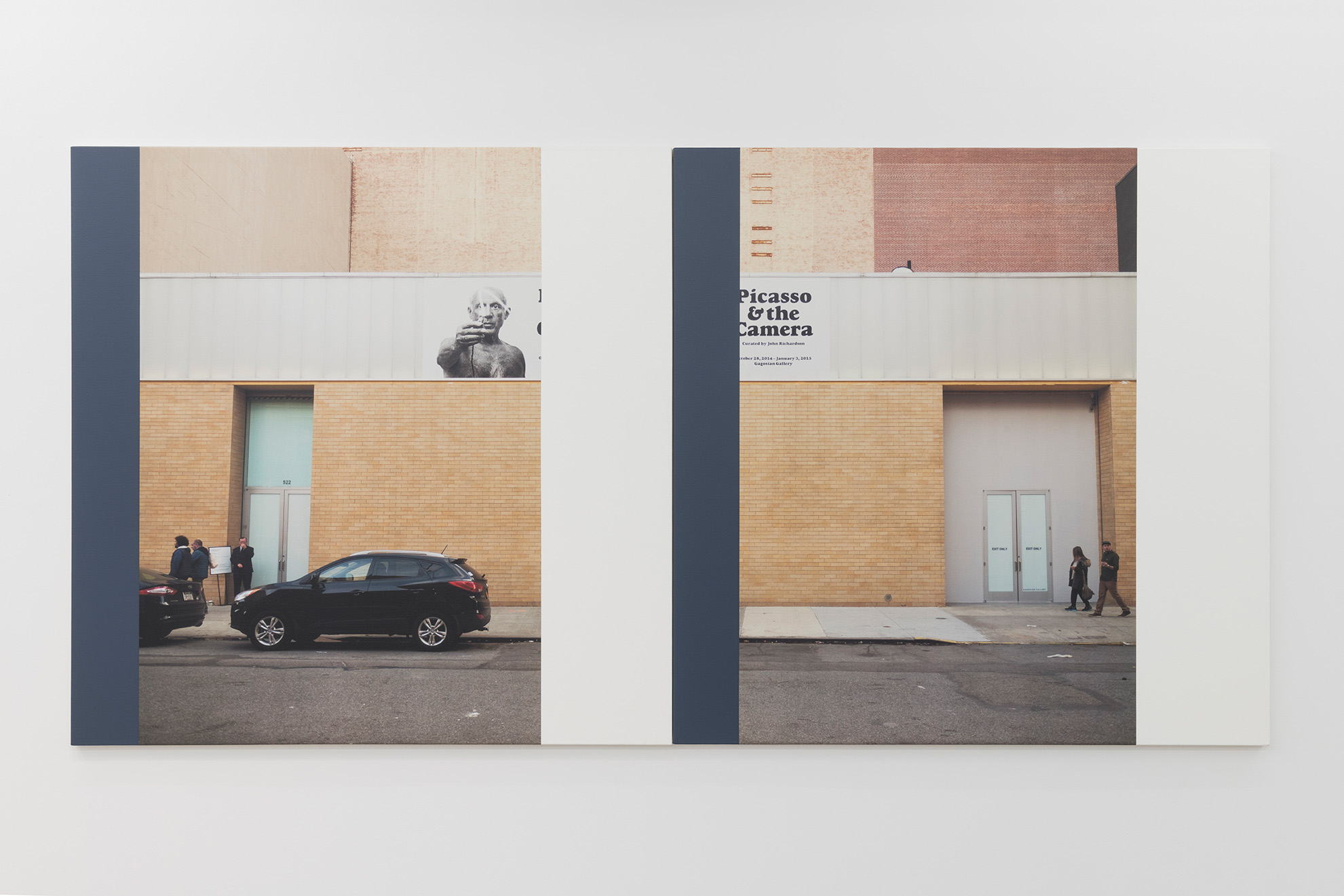
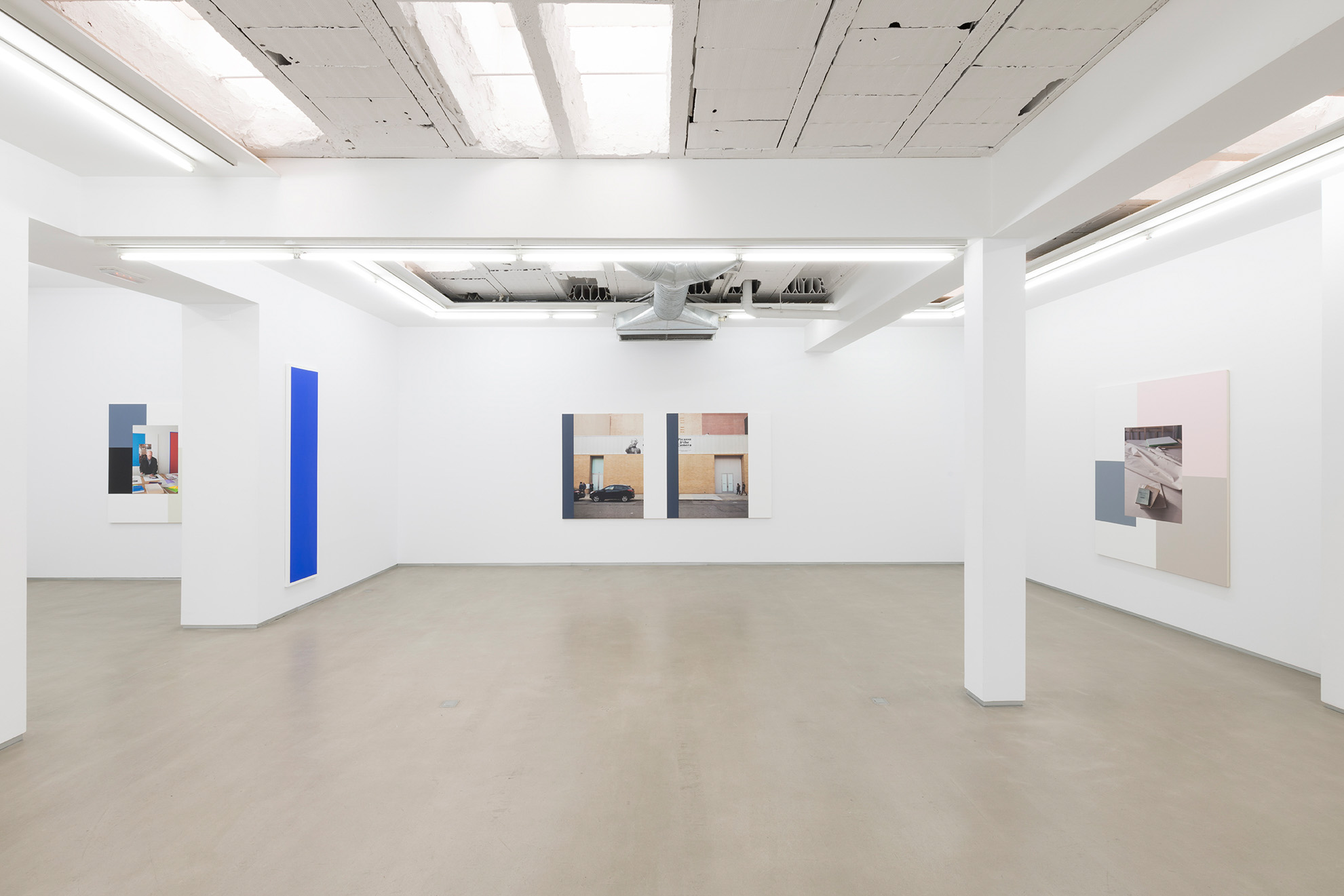
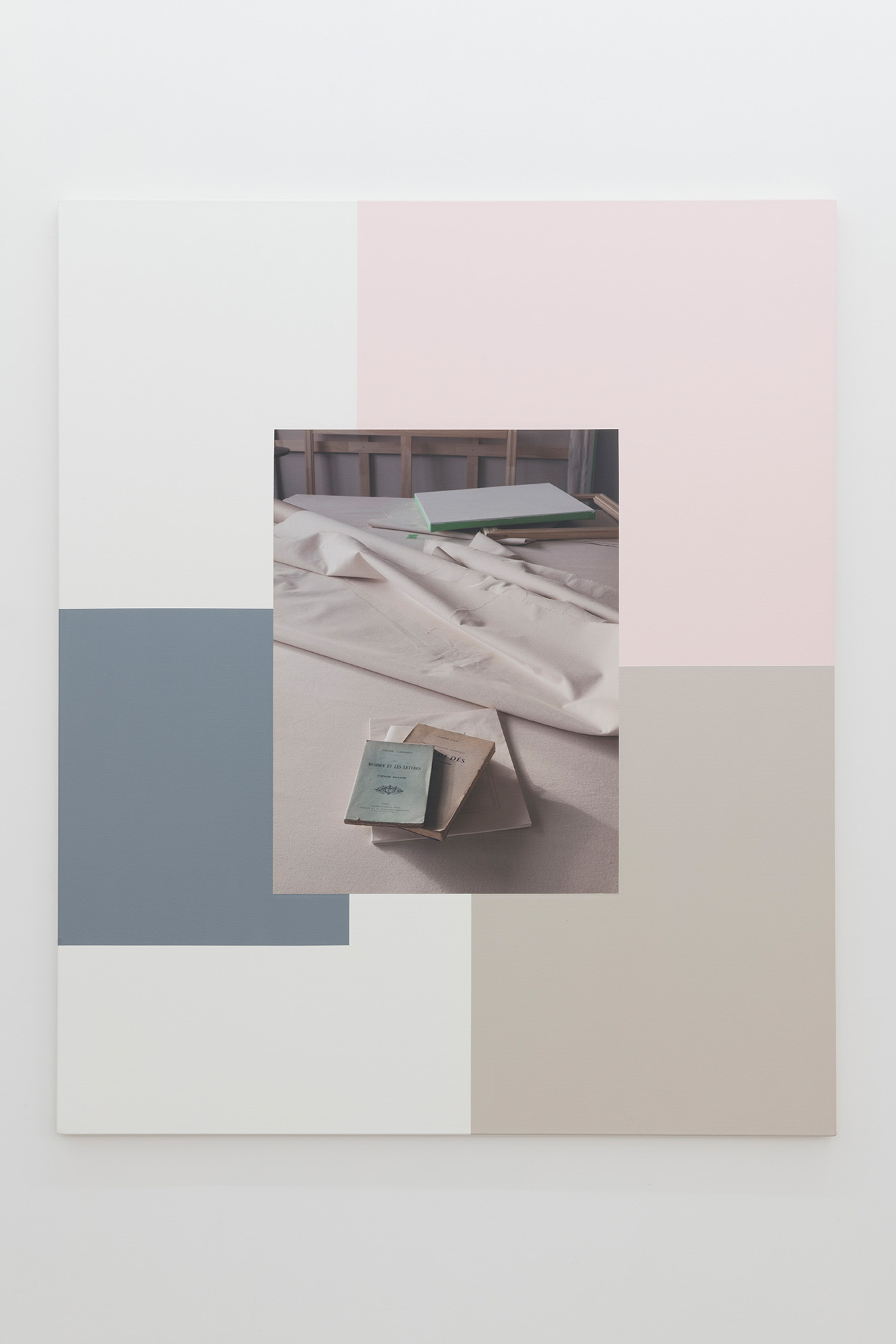
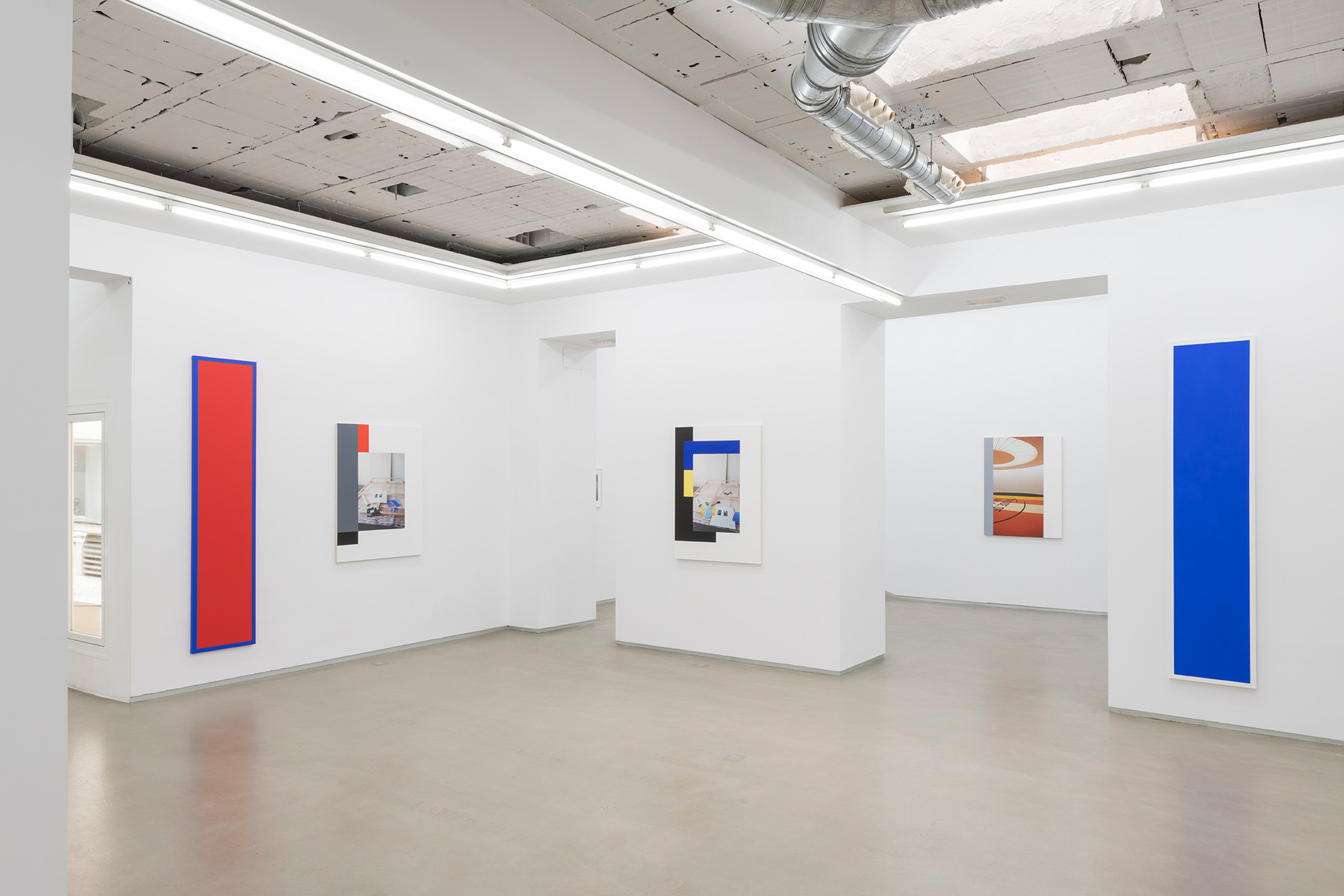
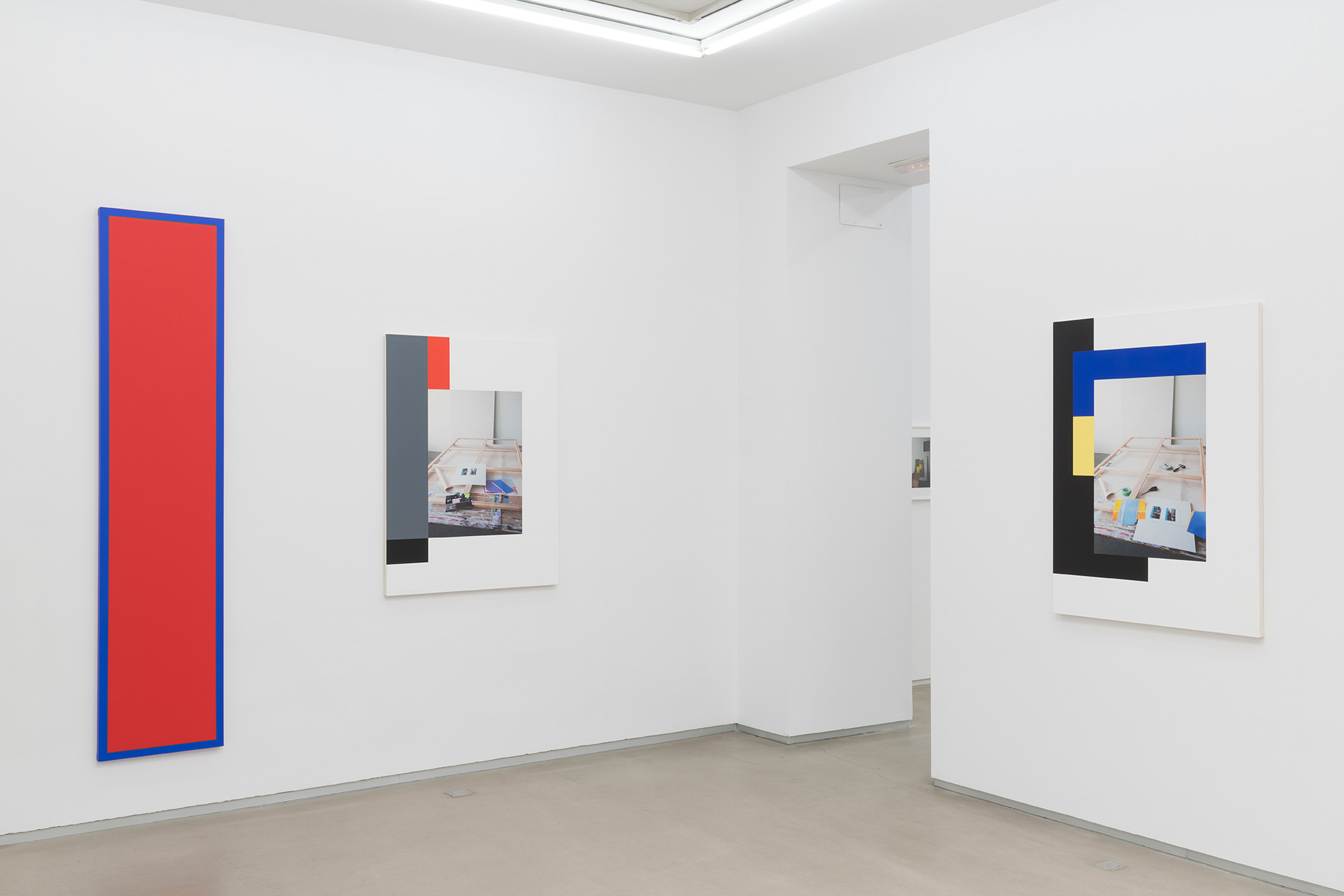
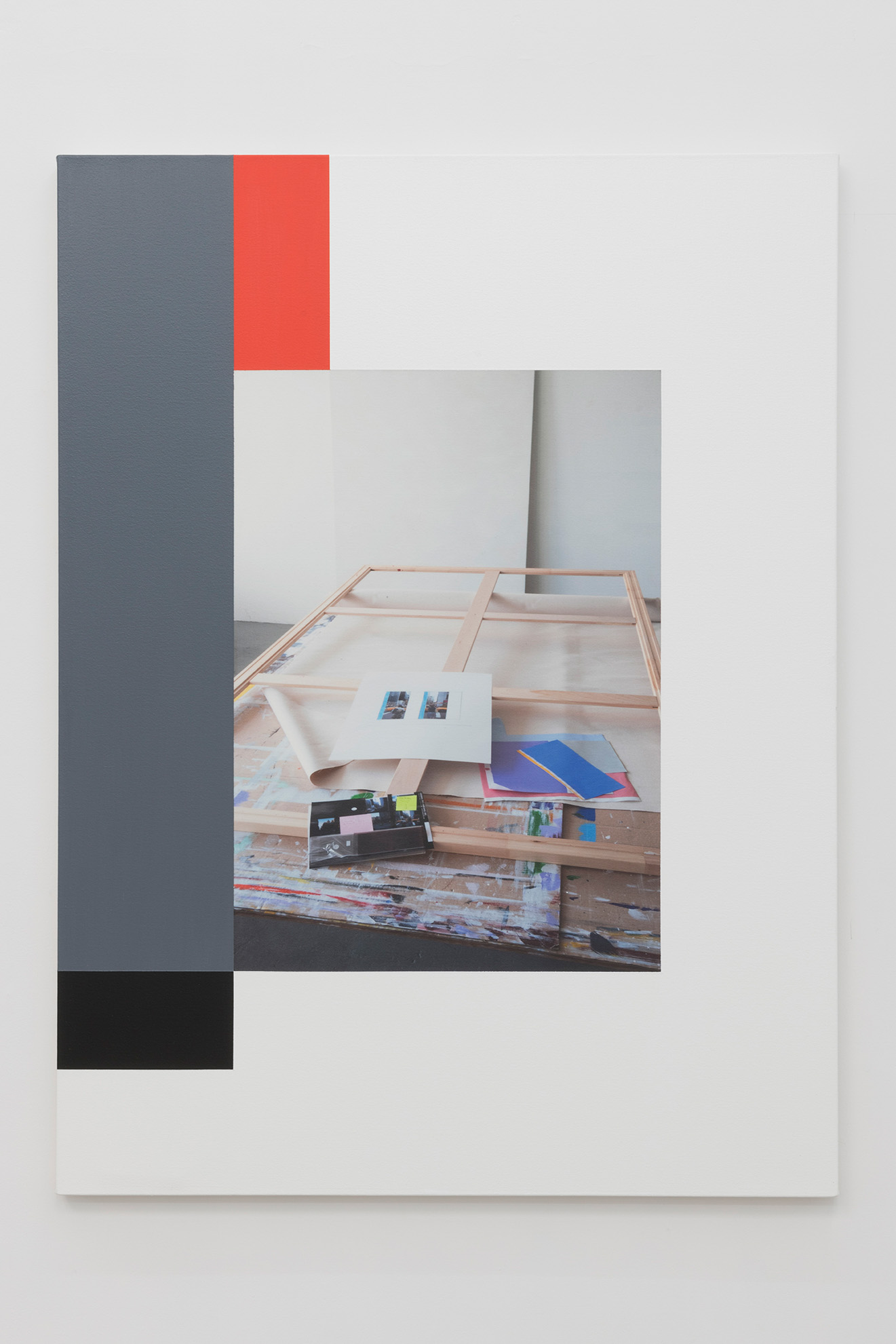
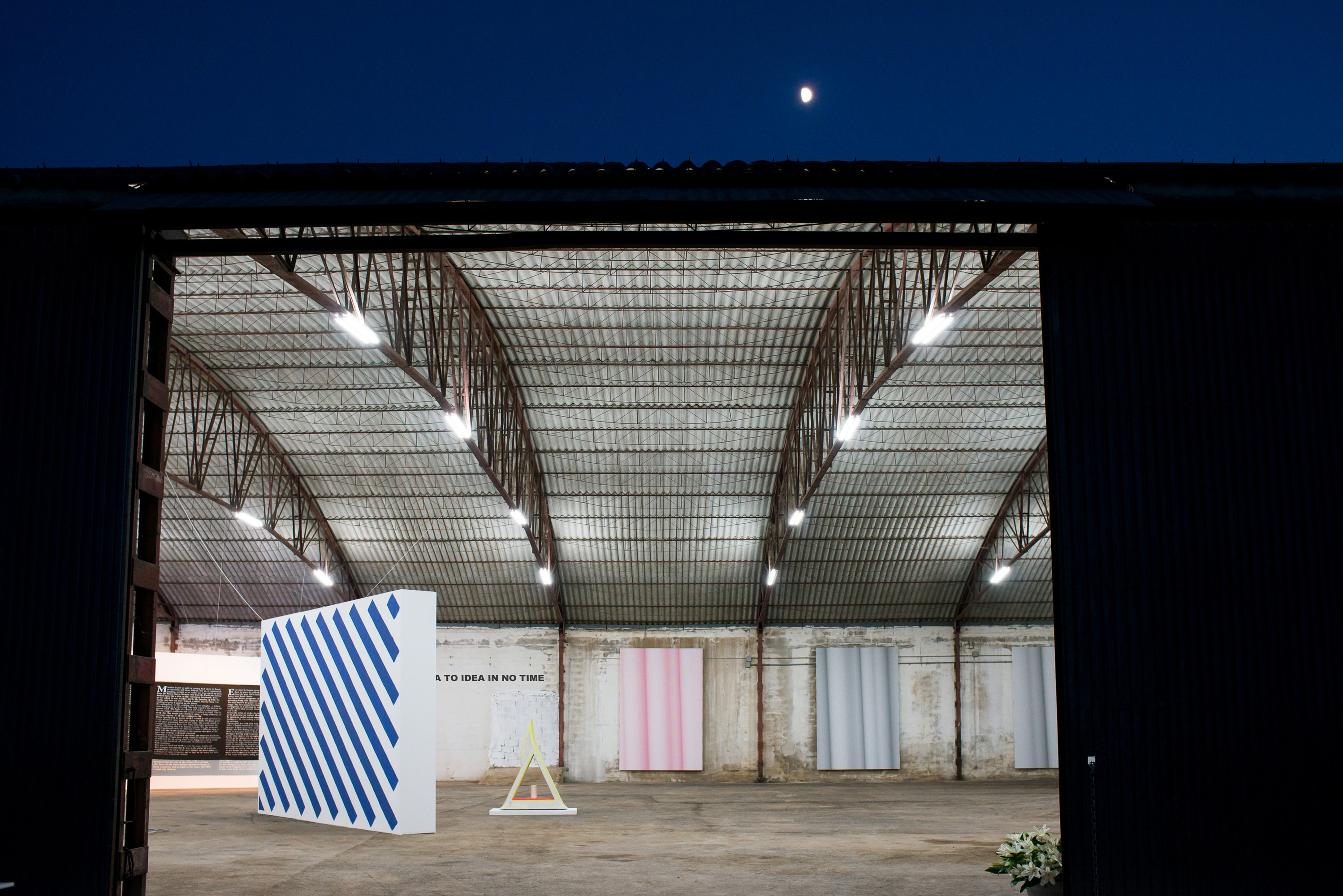
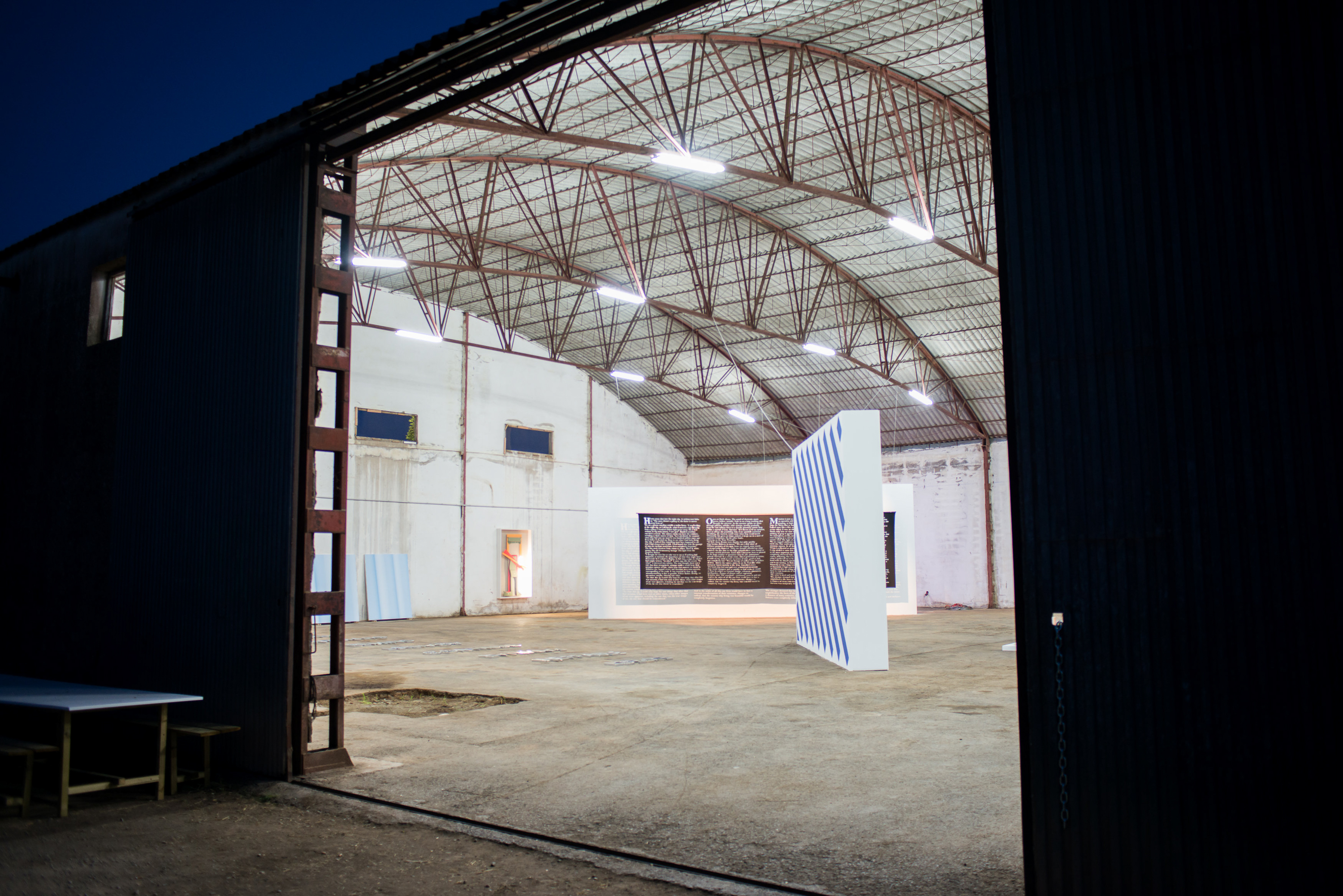
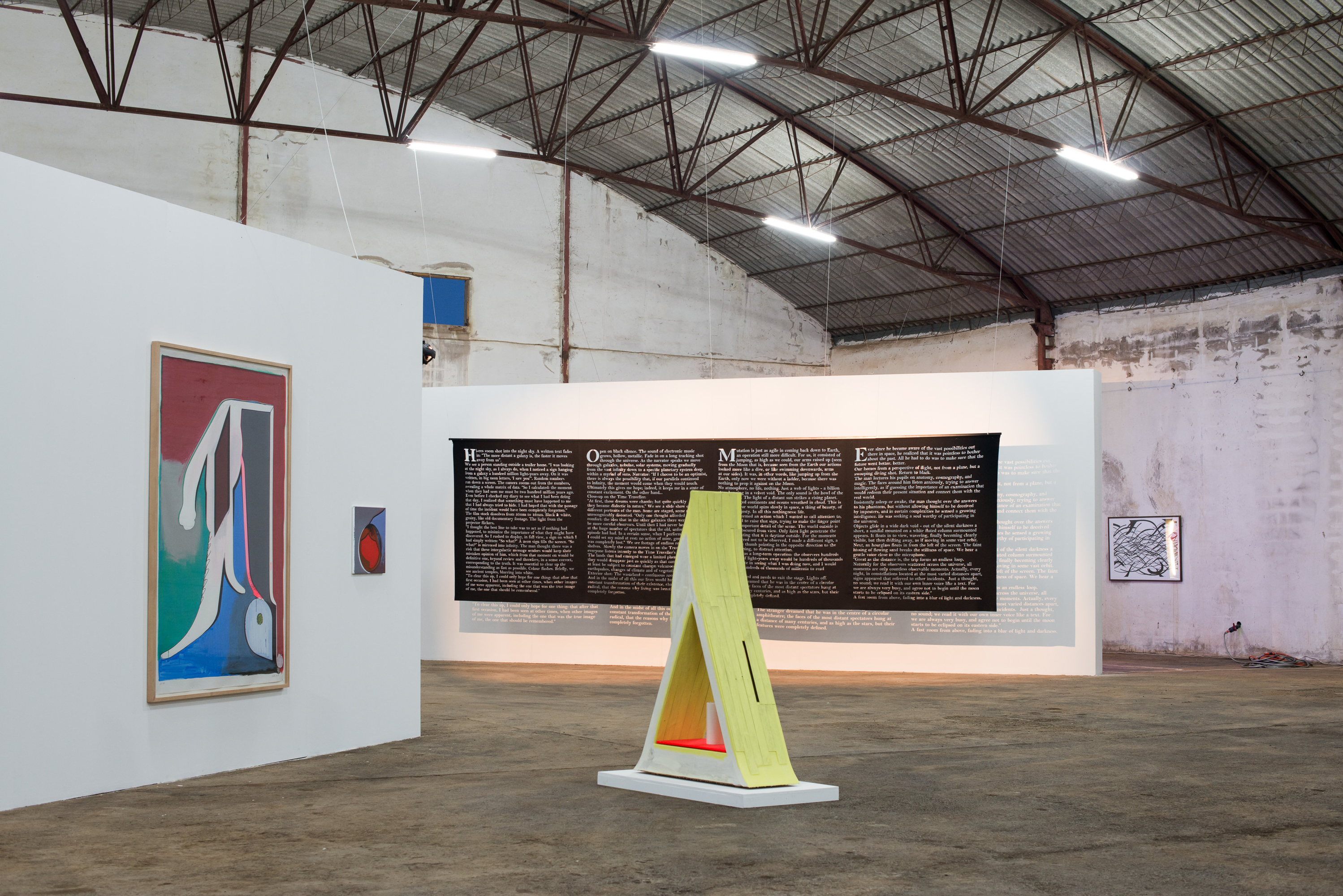
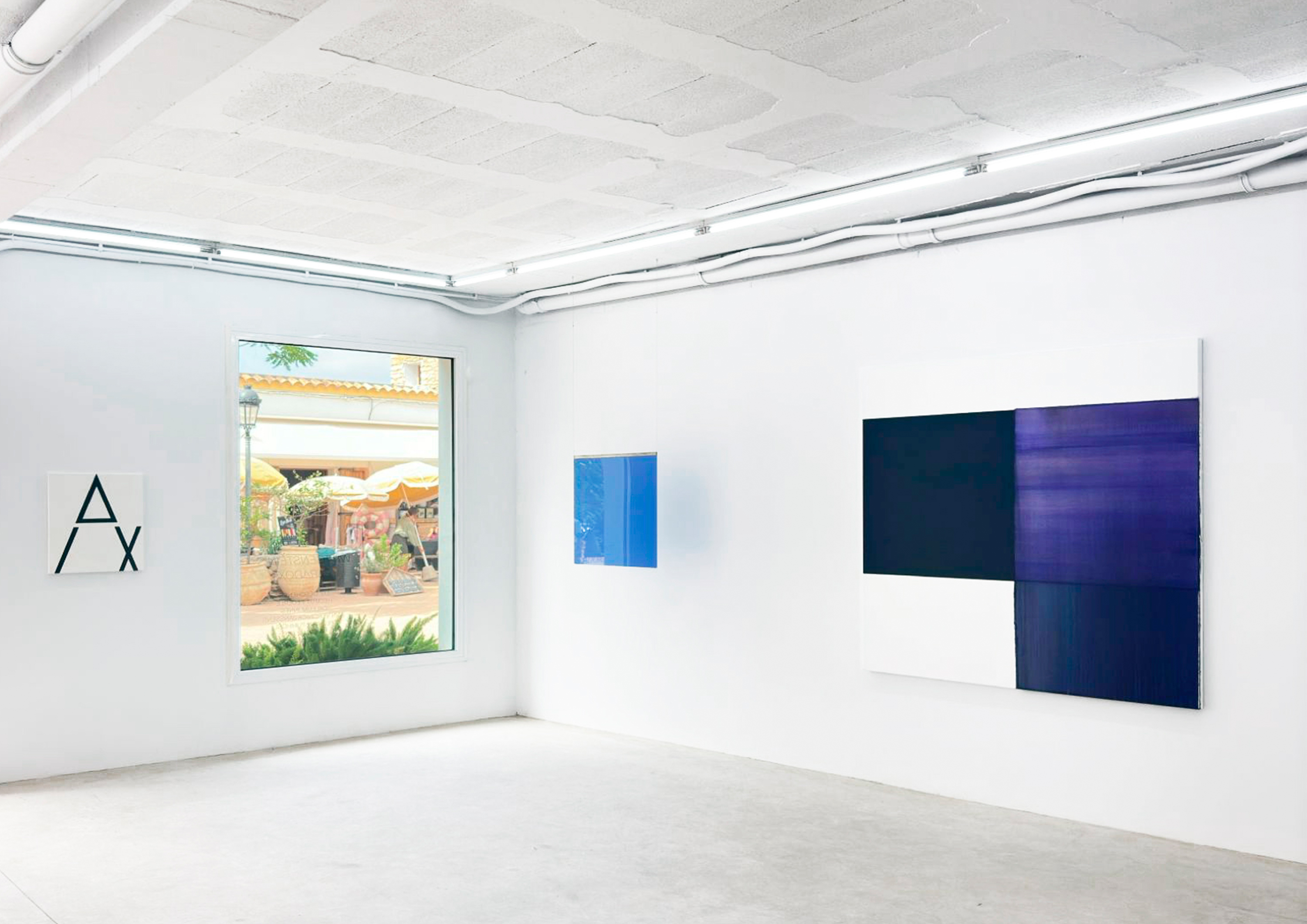
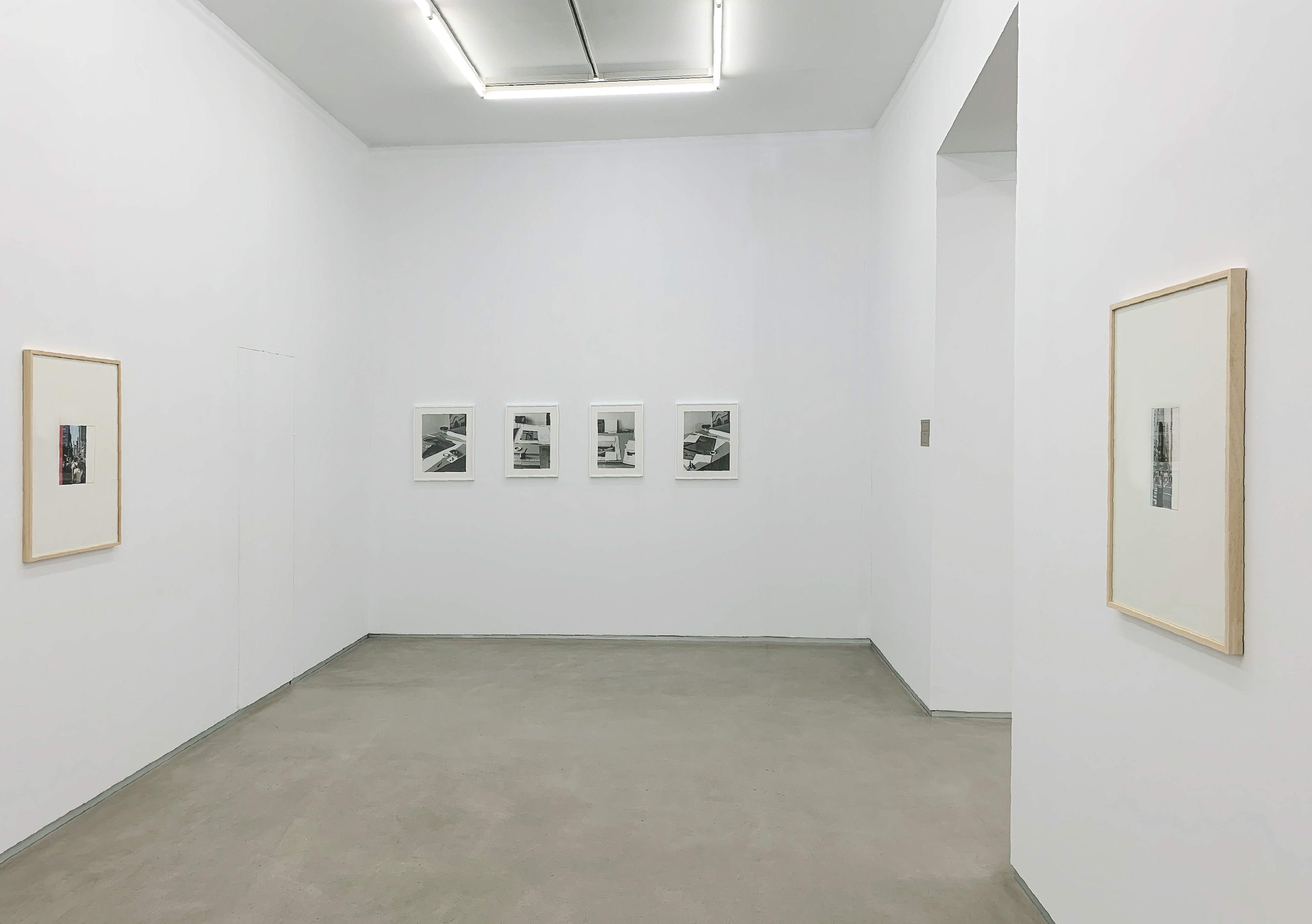
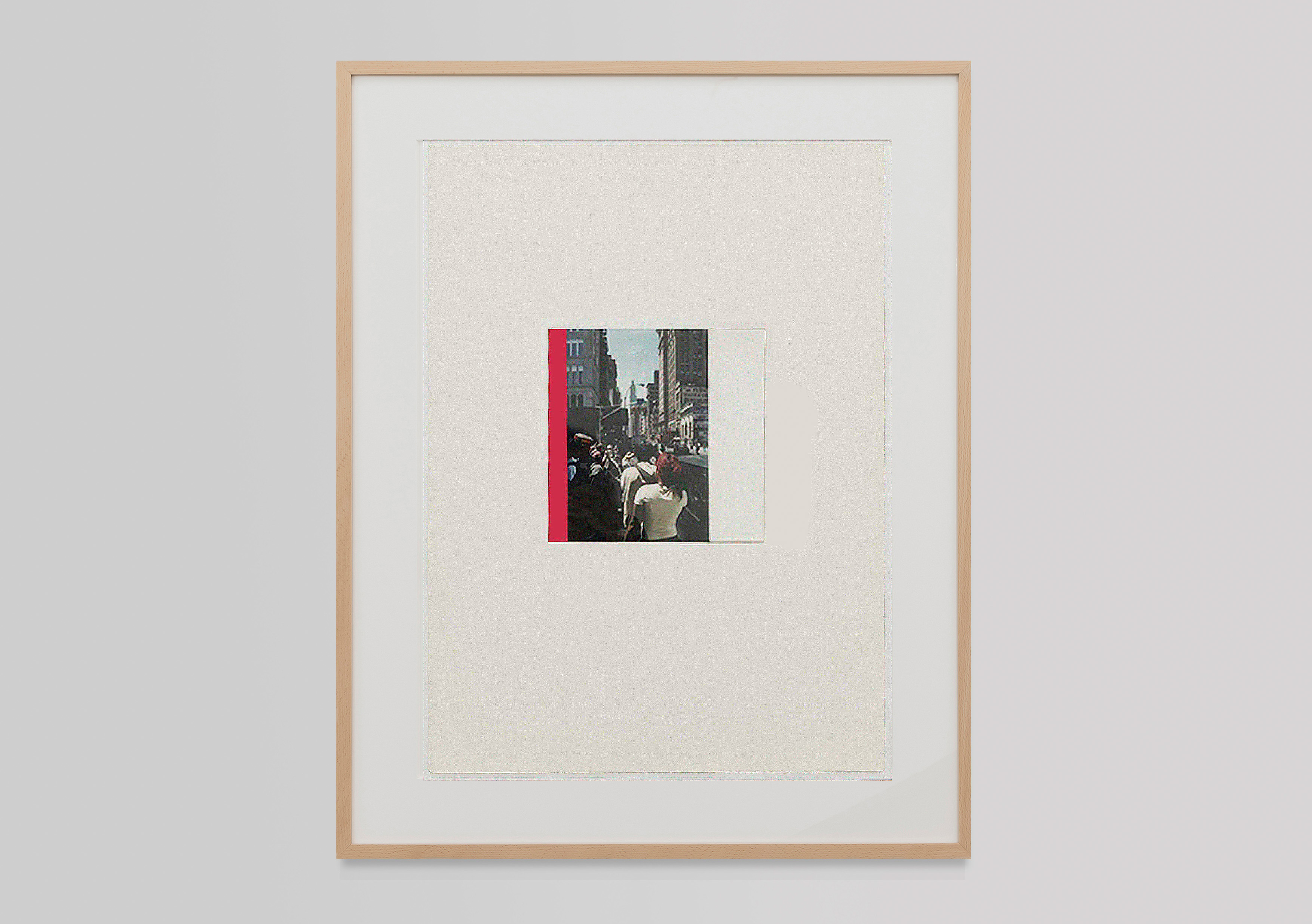
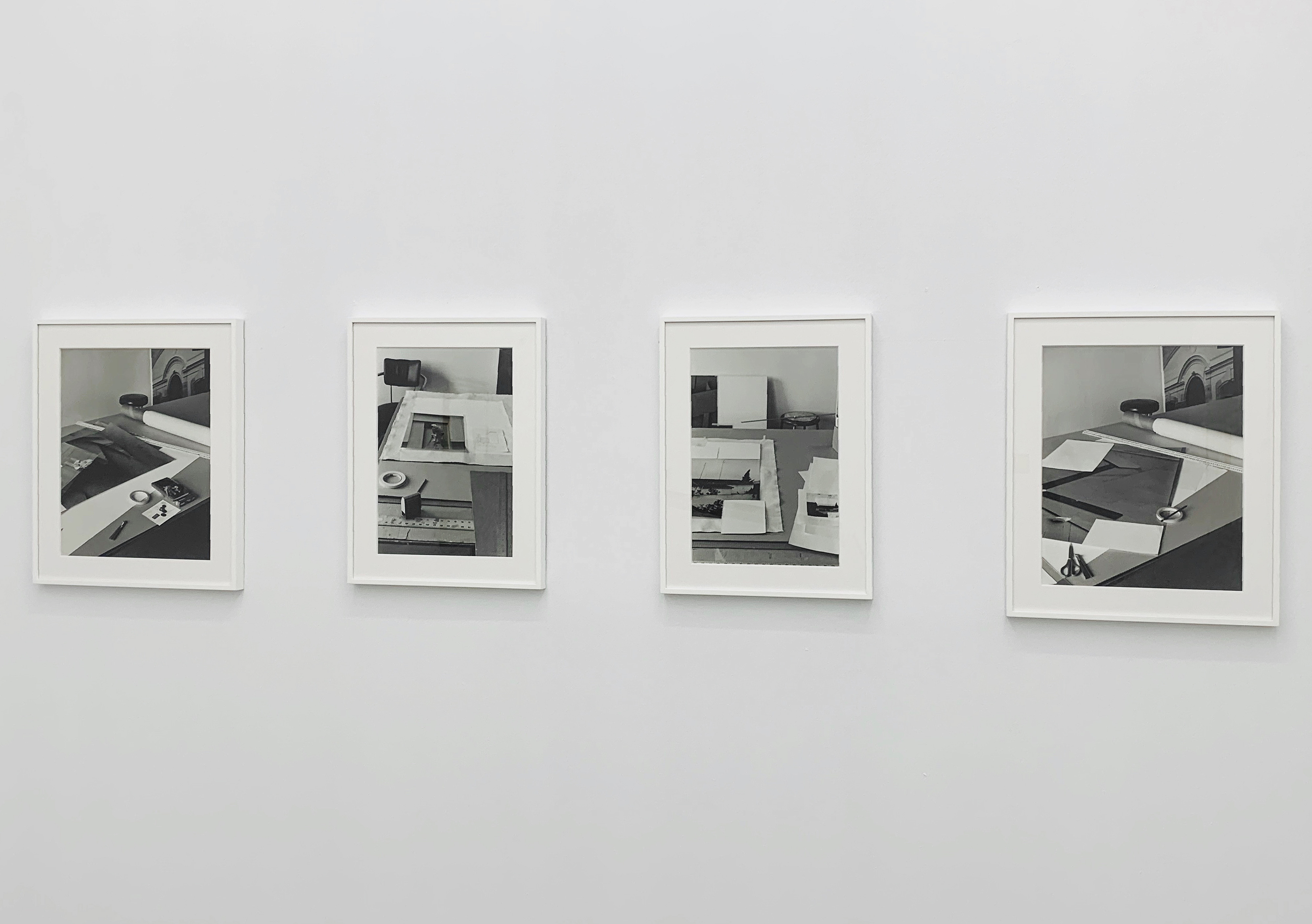
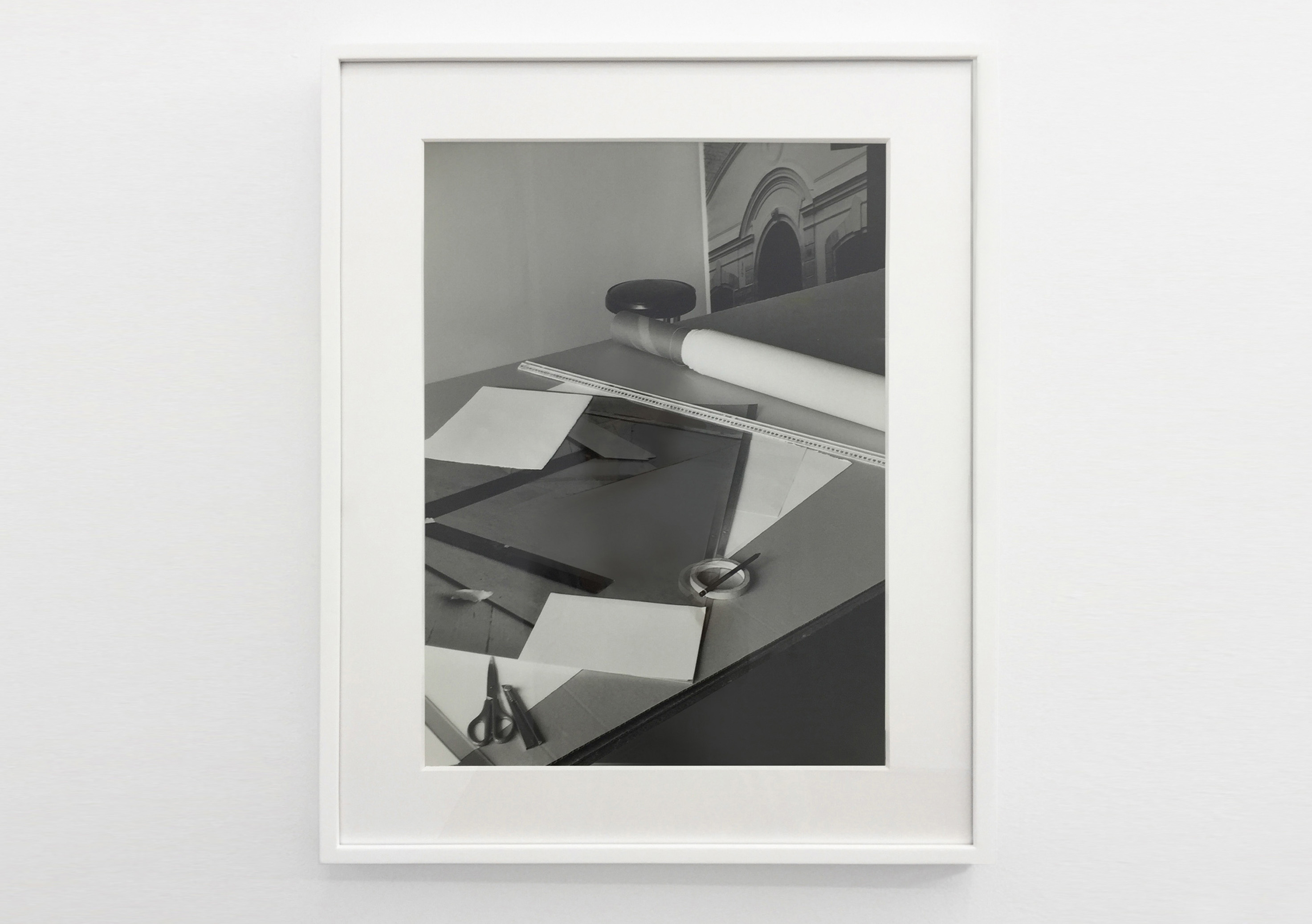
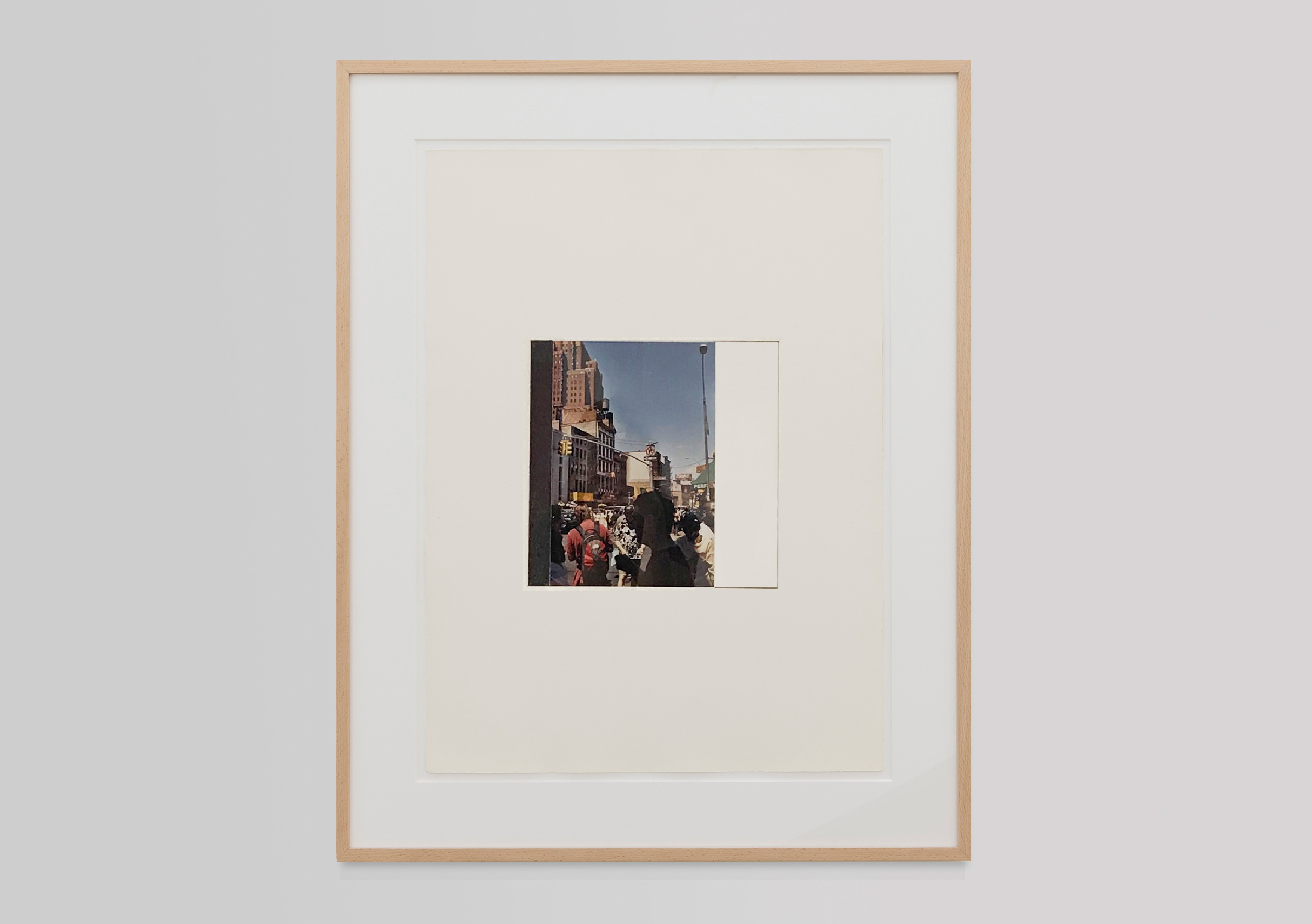
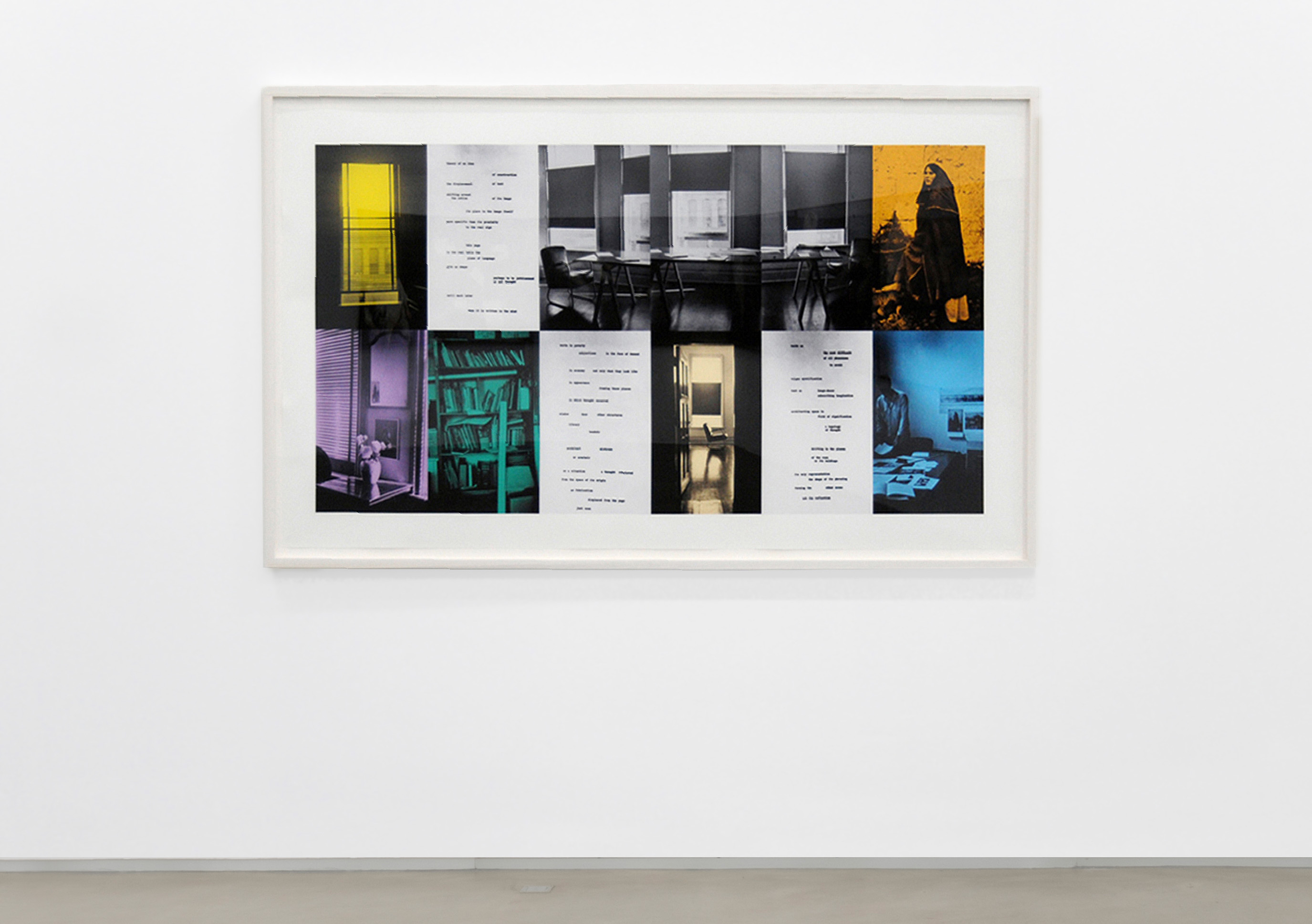
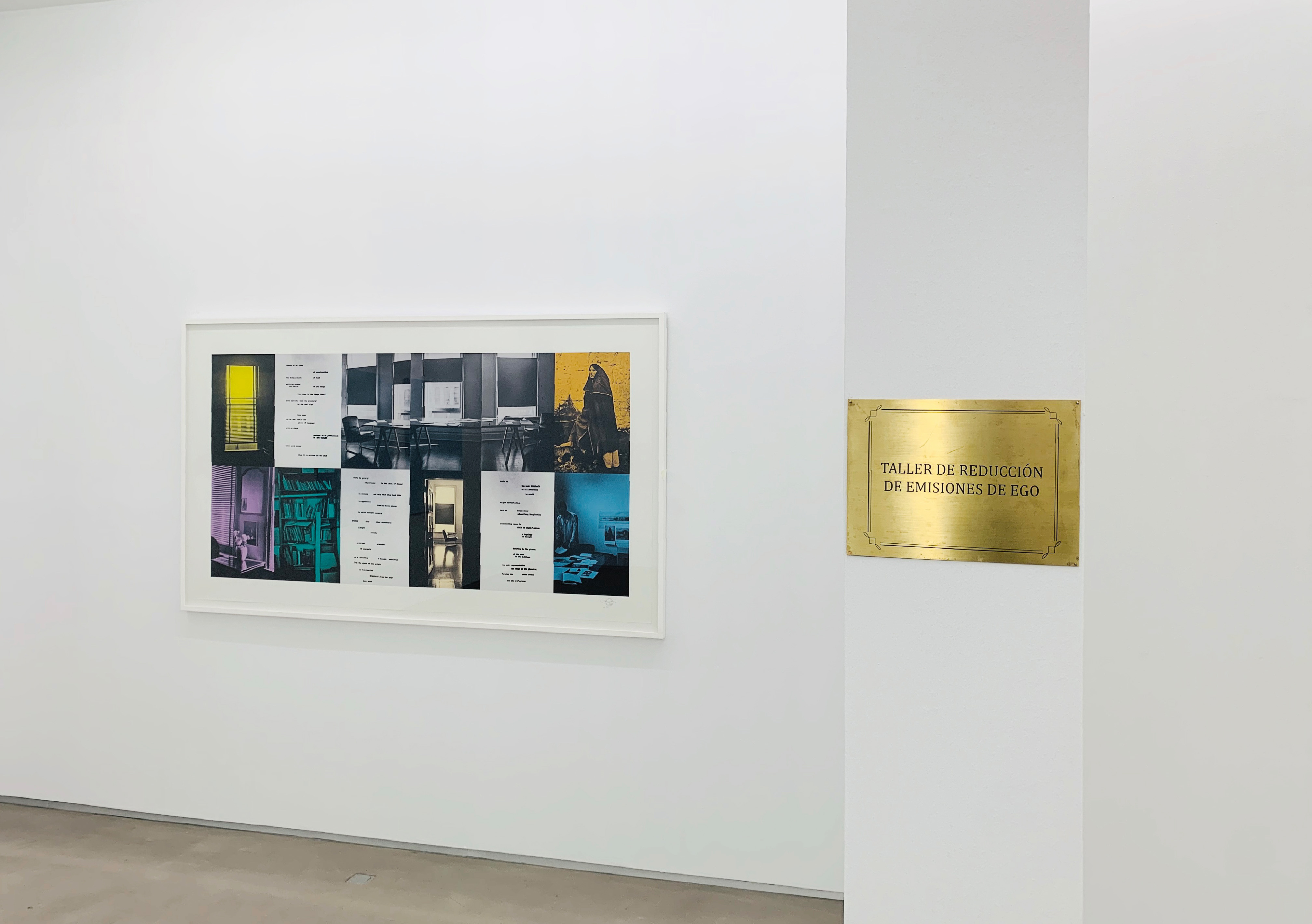
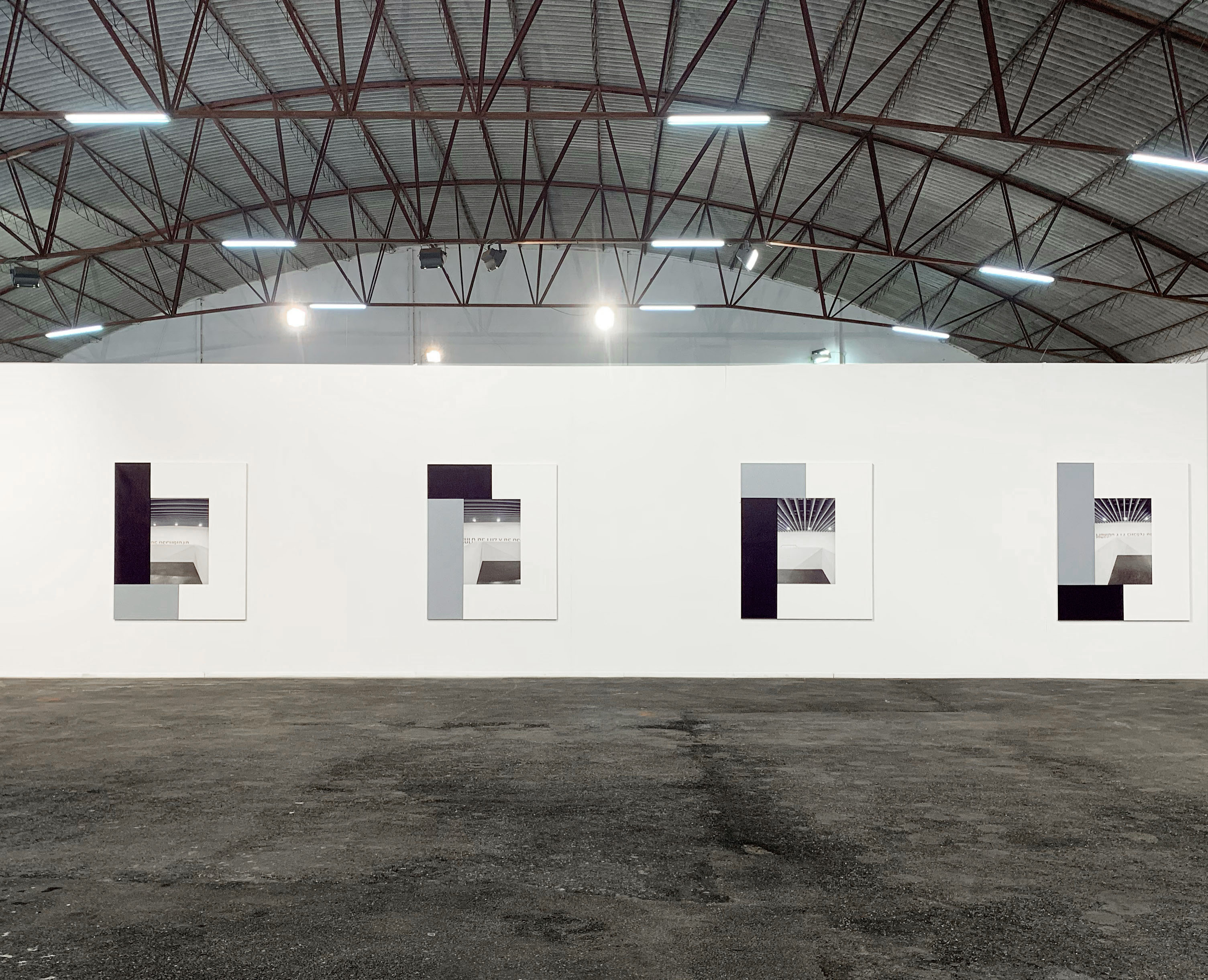
In Ian Wallace’s work, caesura is presented as a double element, either through his compositions, where the rhythm rests as in Chelsea Exterior, New York II (2014). Here the colour stripes marked by the artist establish two moments of temporal and spatial continuity. On the other hand, pieces such as Table With Un Coup de Des II (2011) include poetry directly within the composition, through a photograph of his workshop in which a copy of a book of Mallarmé’s poetry.
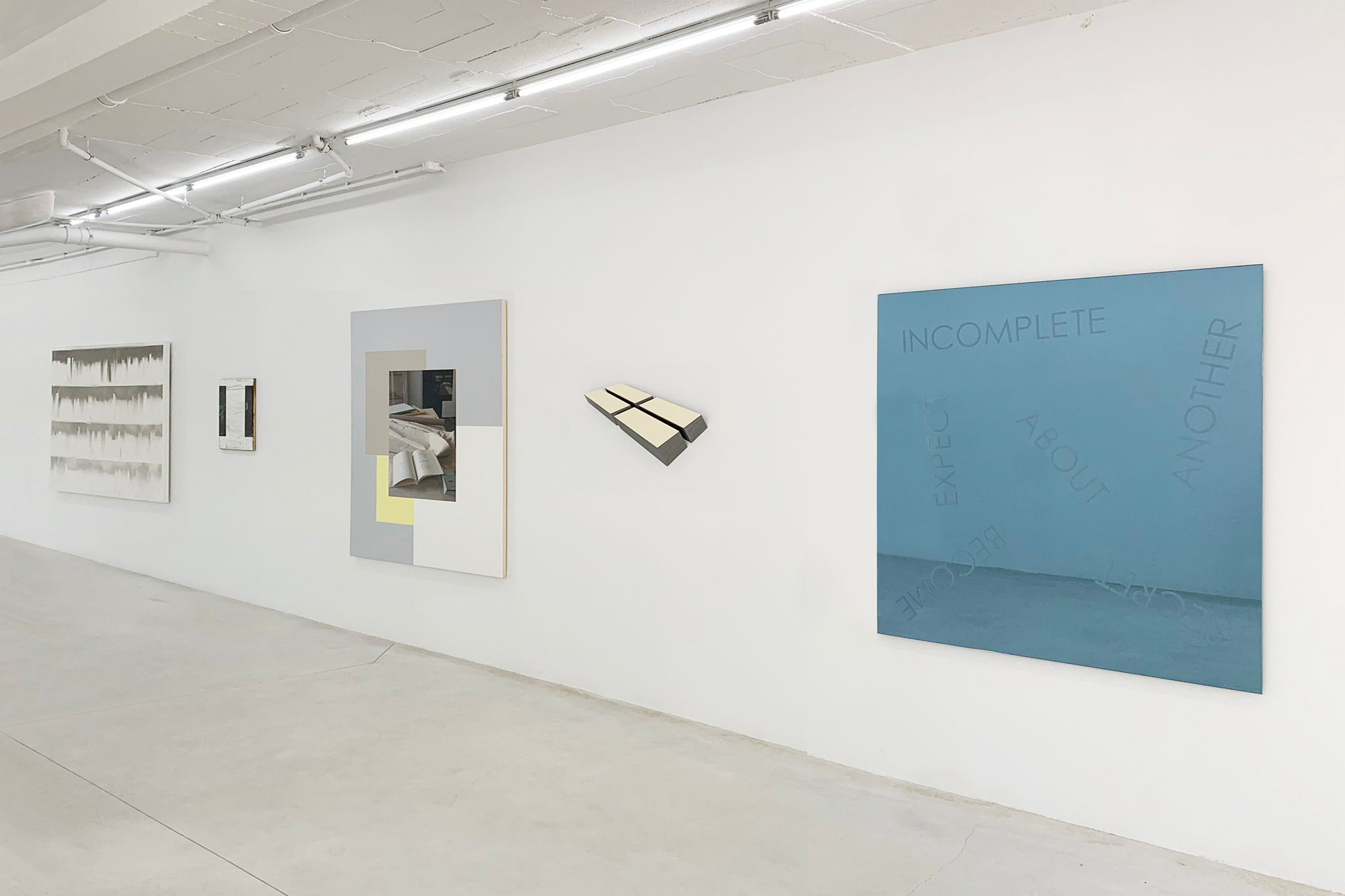
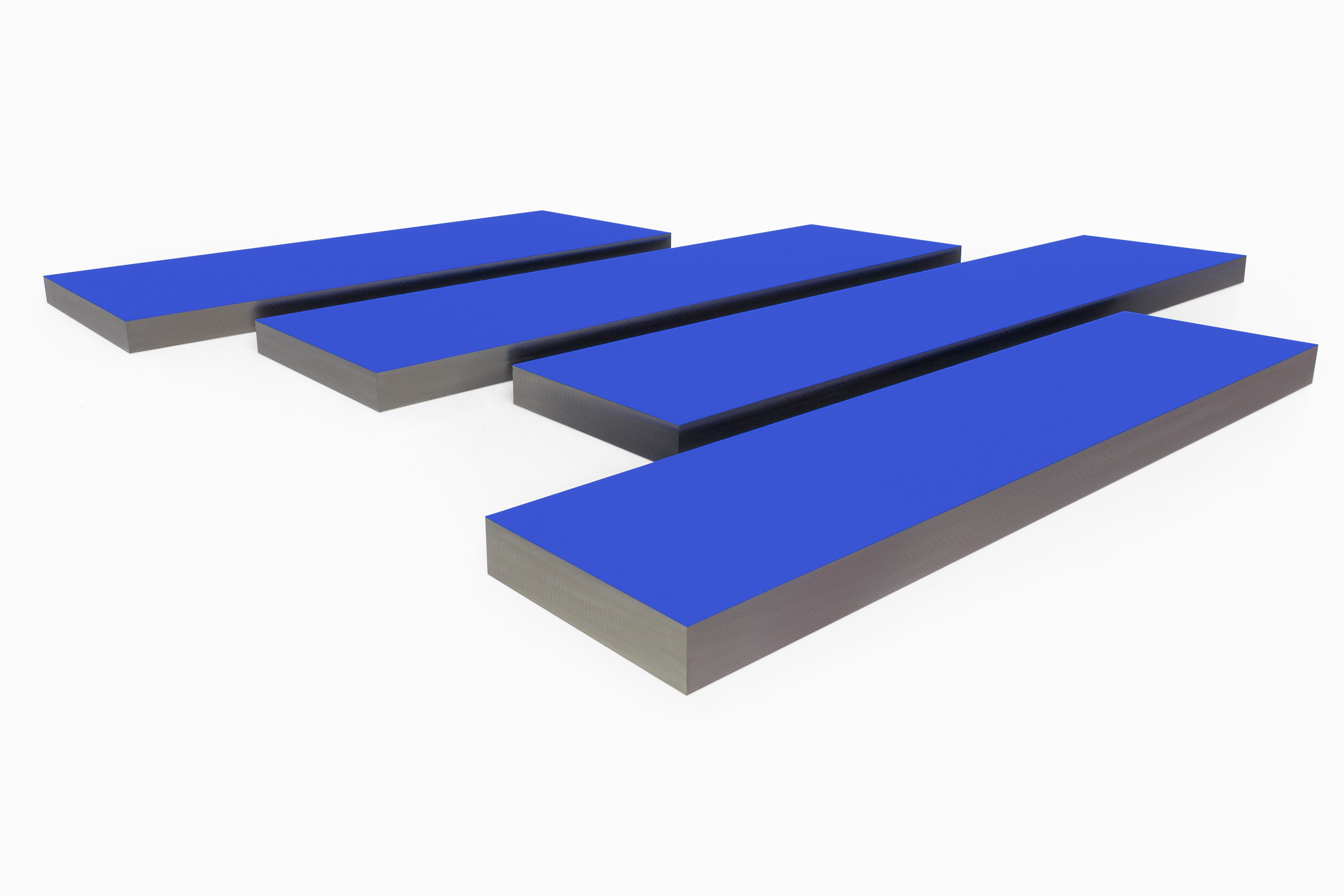
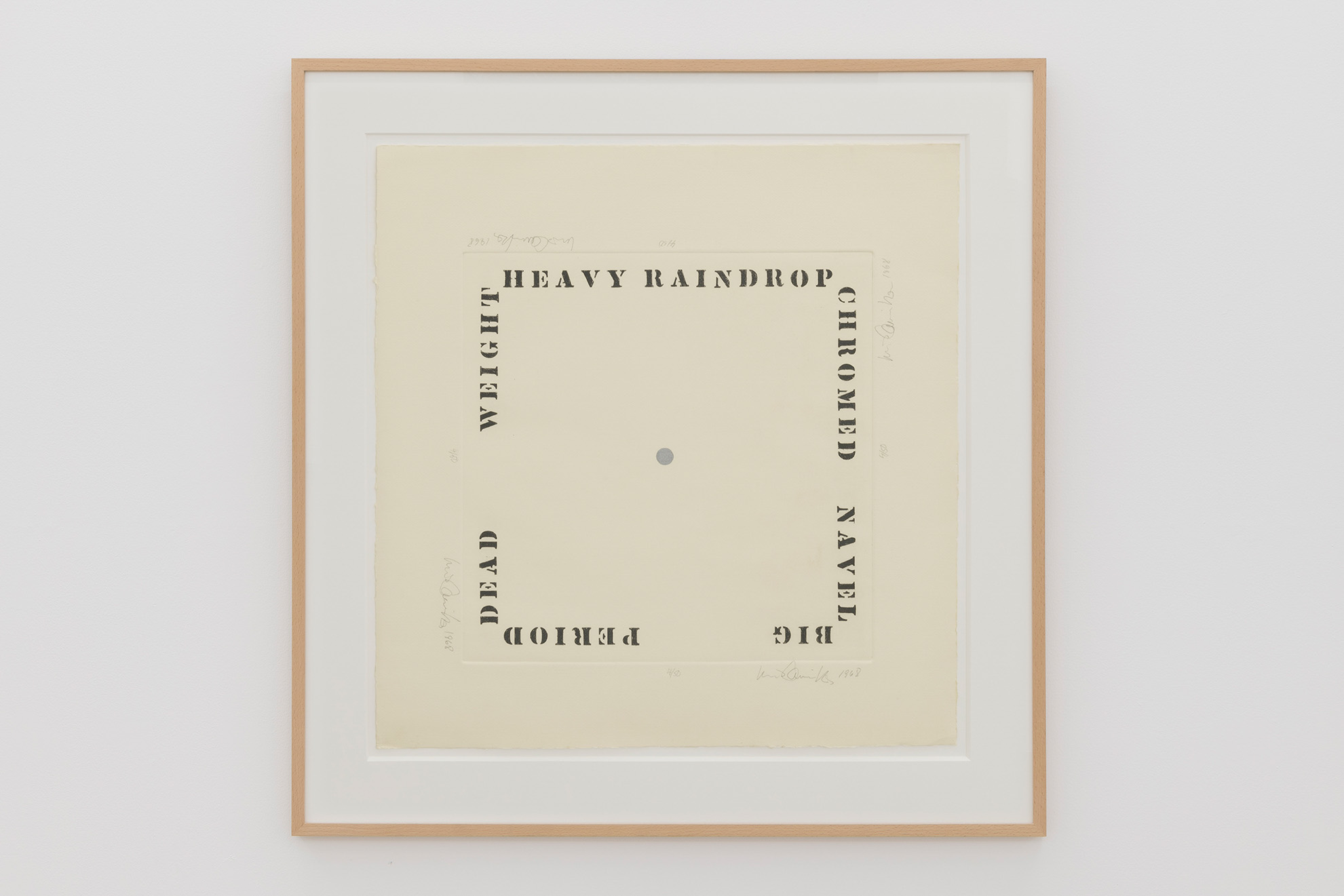
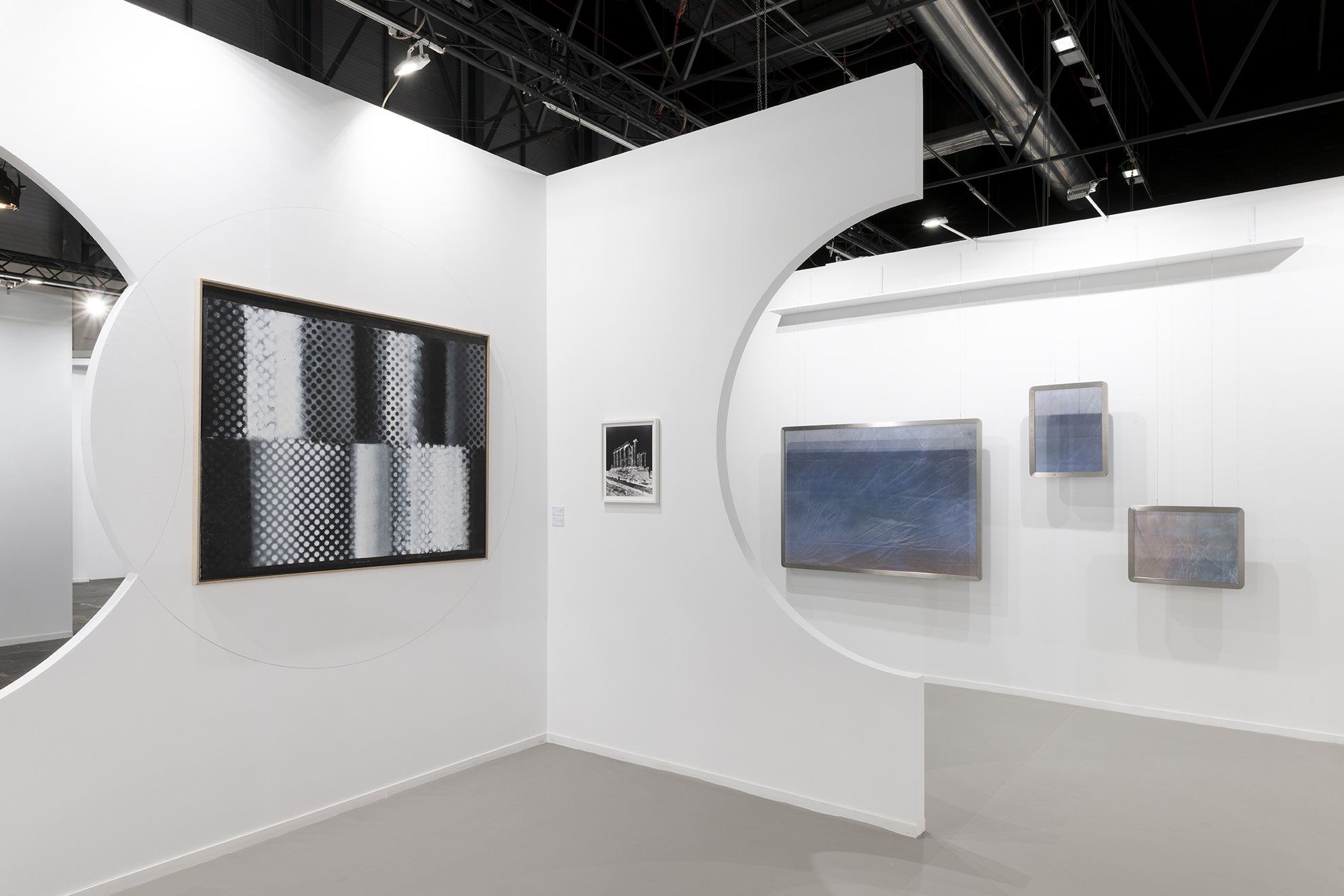
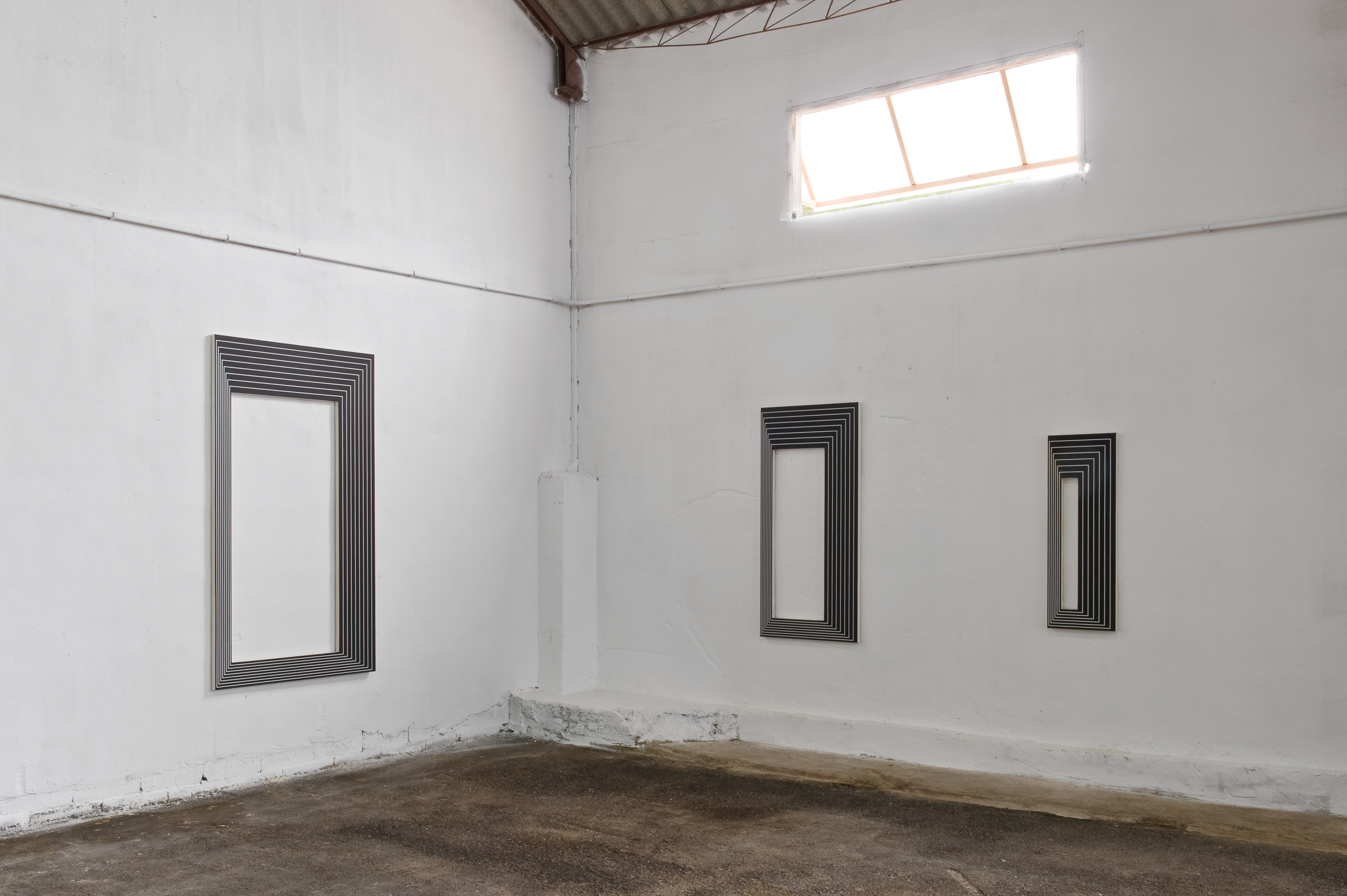
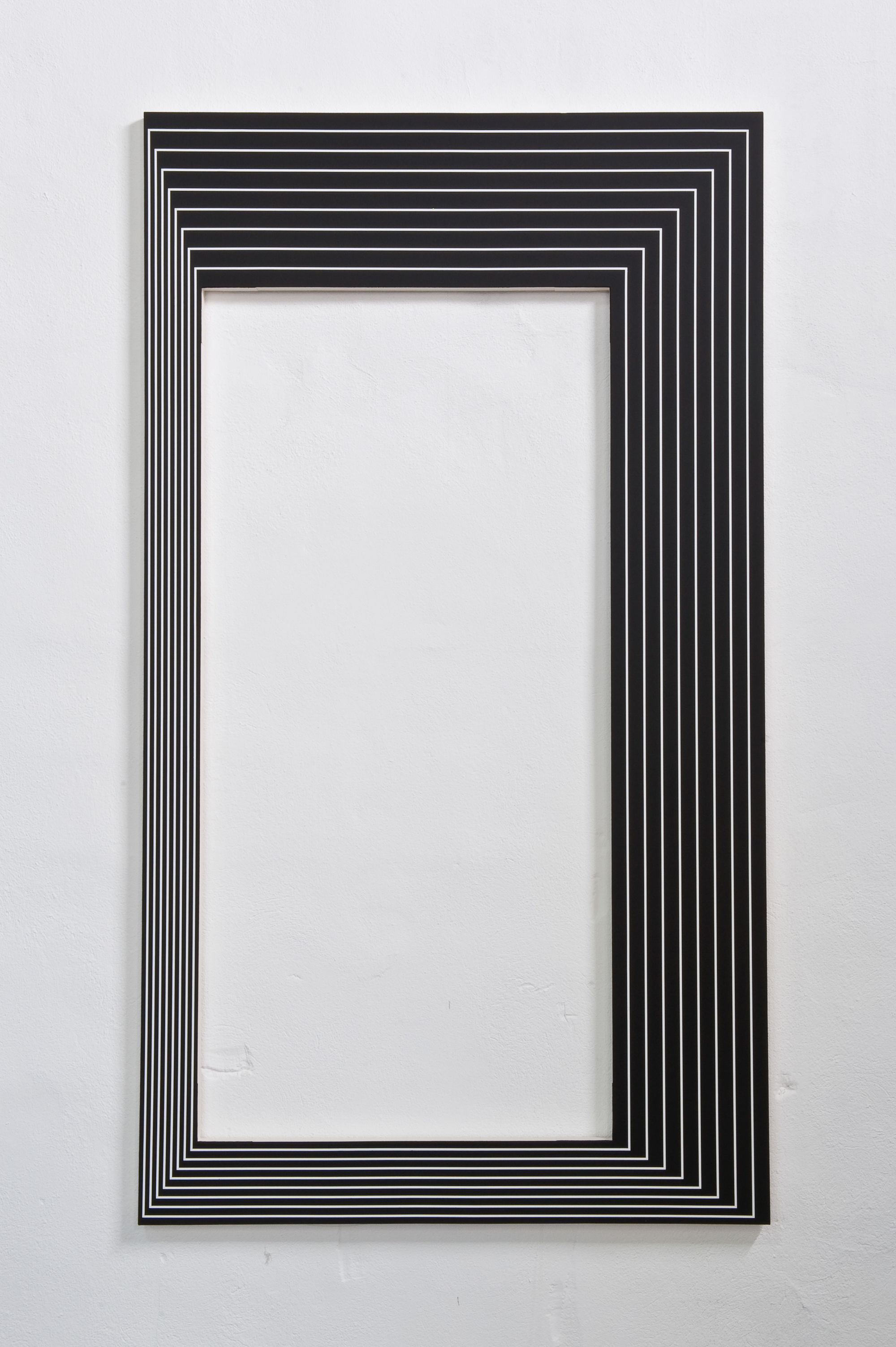
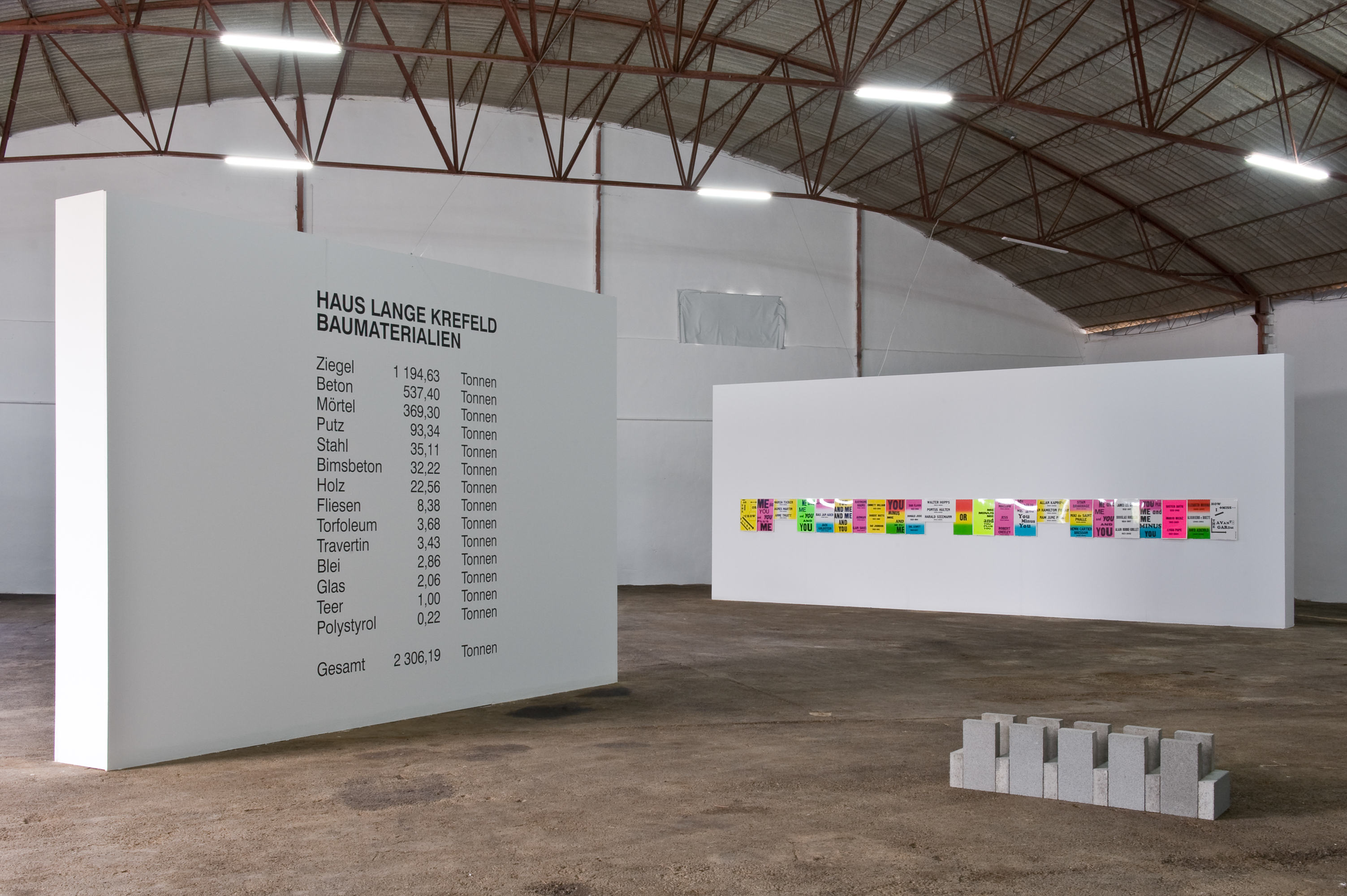
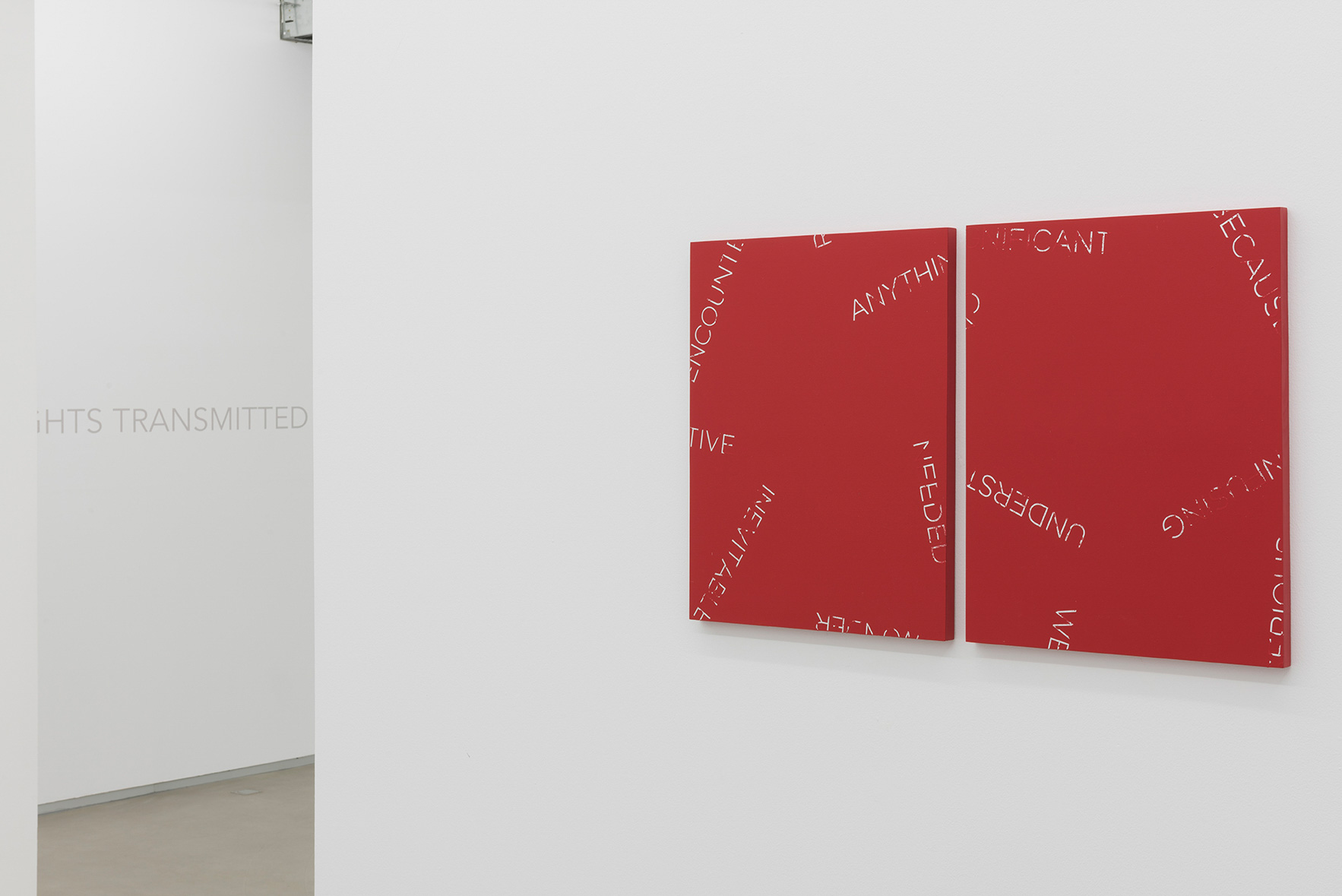
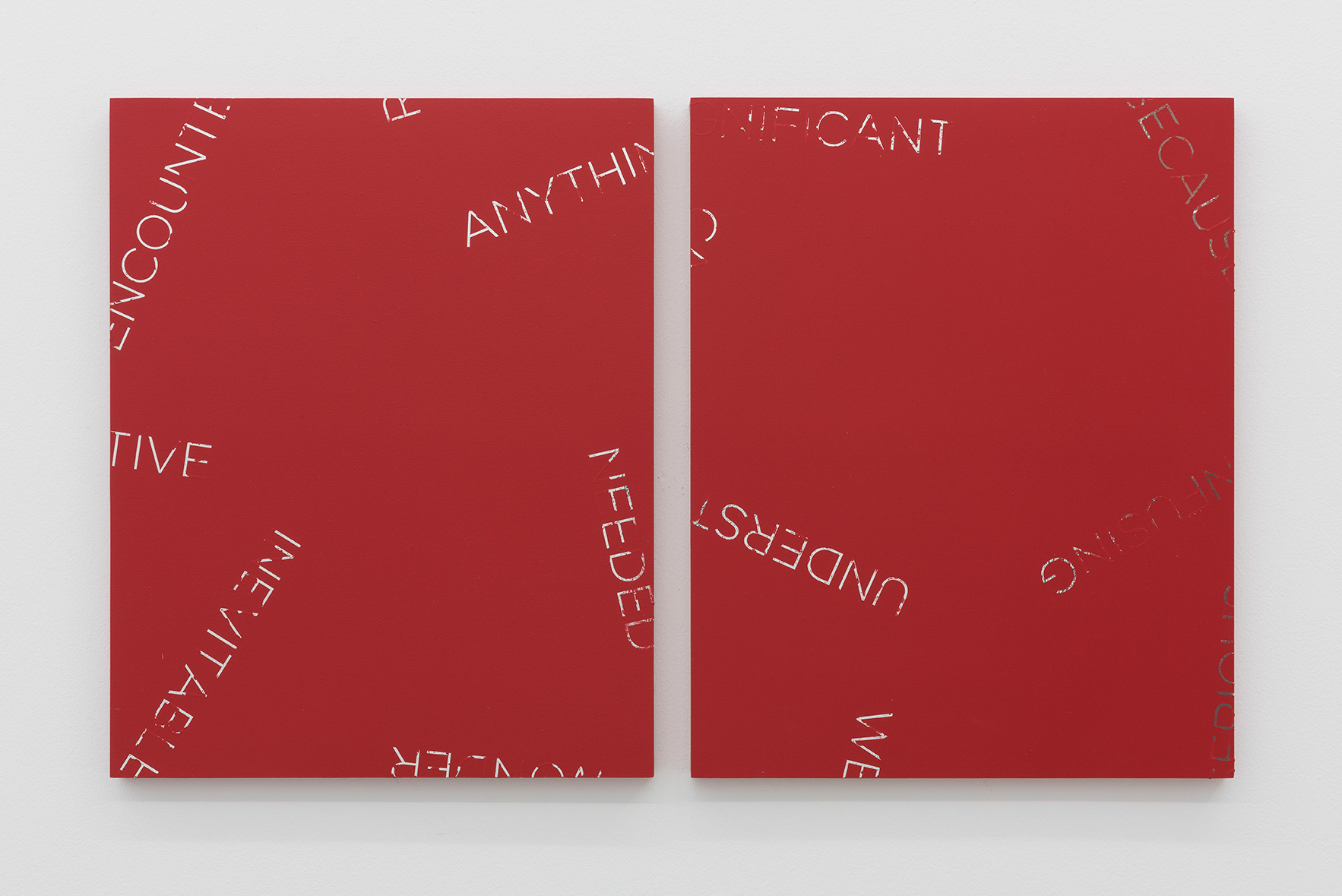
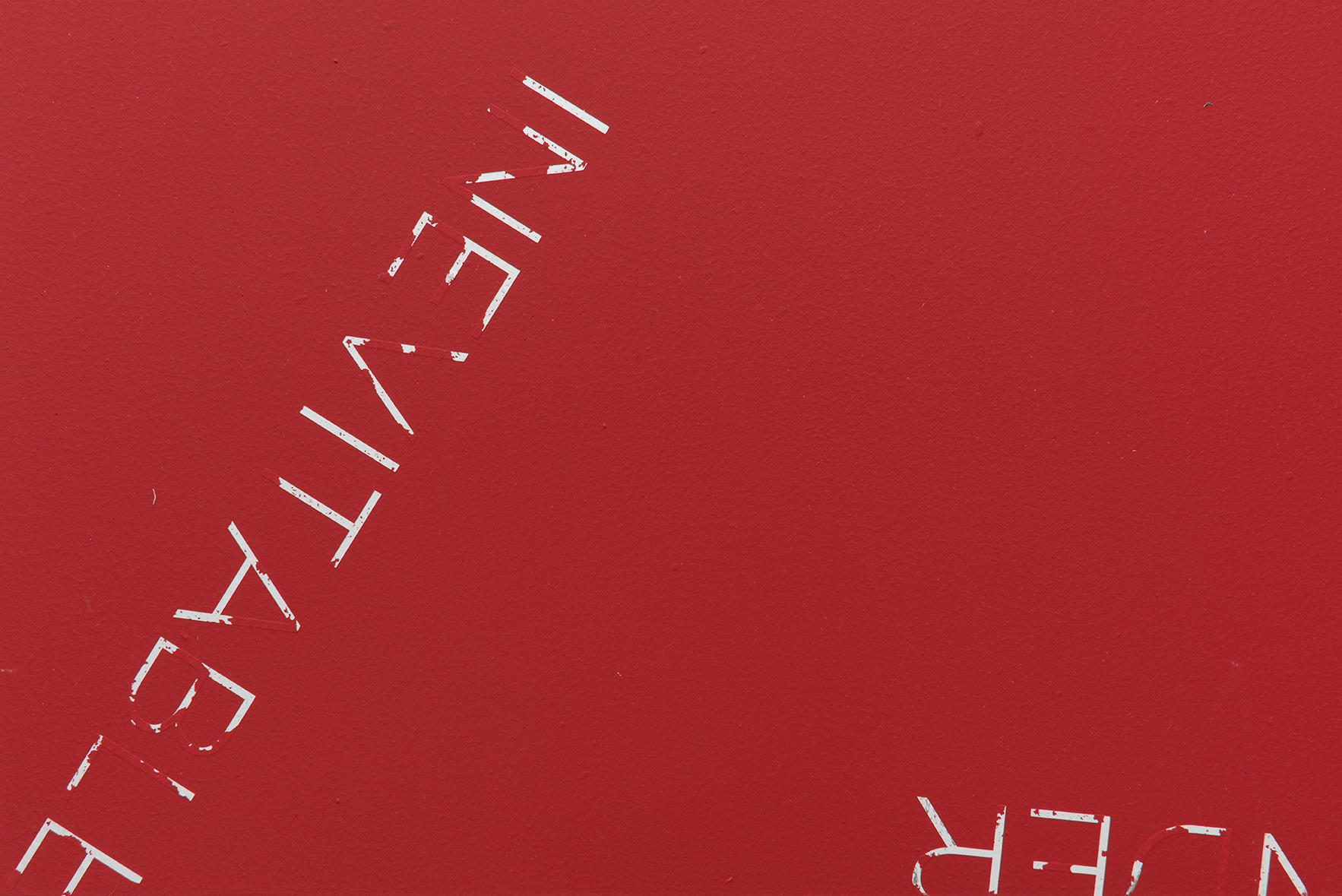
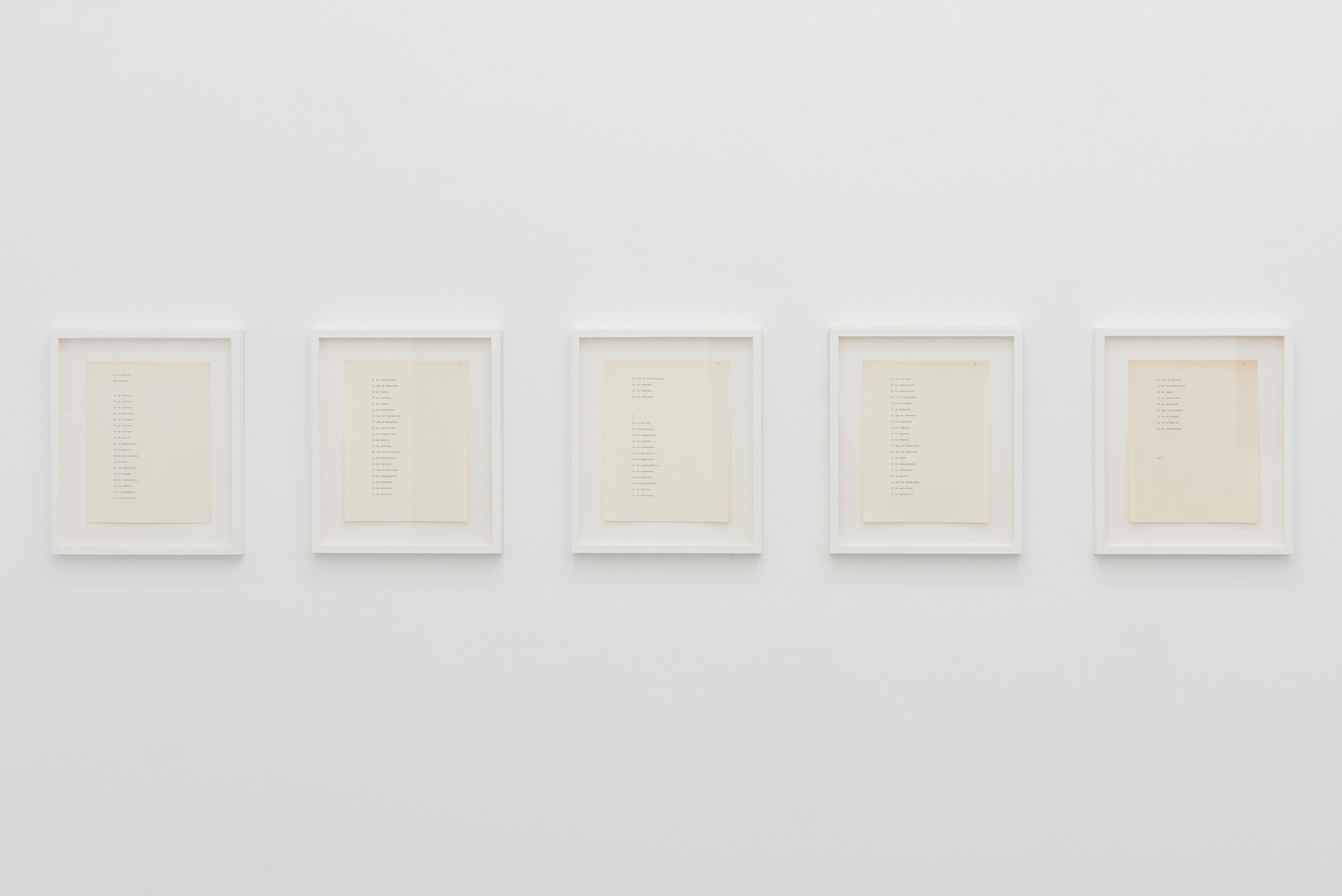
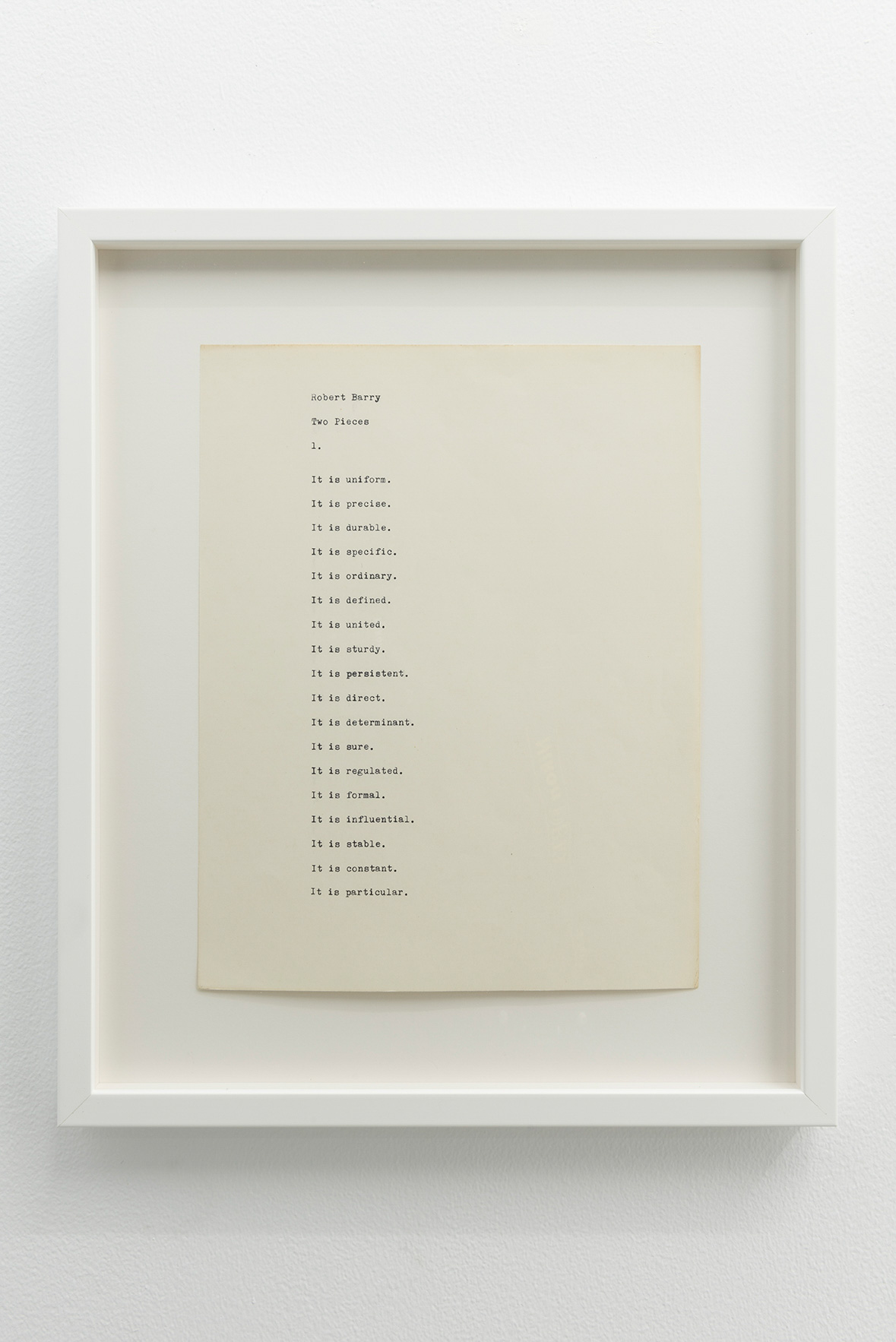
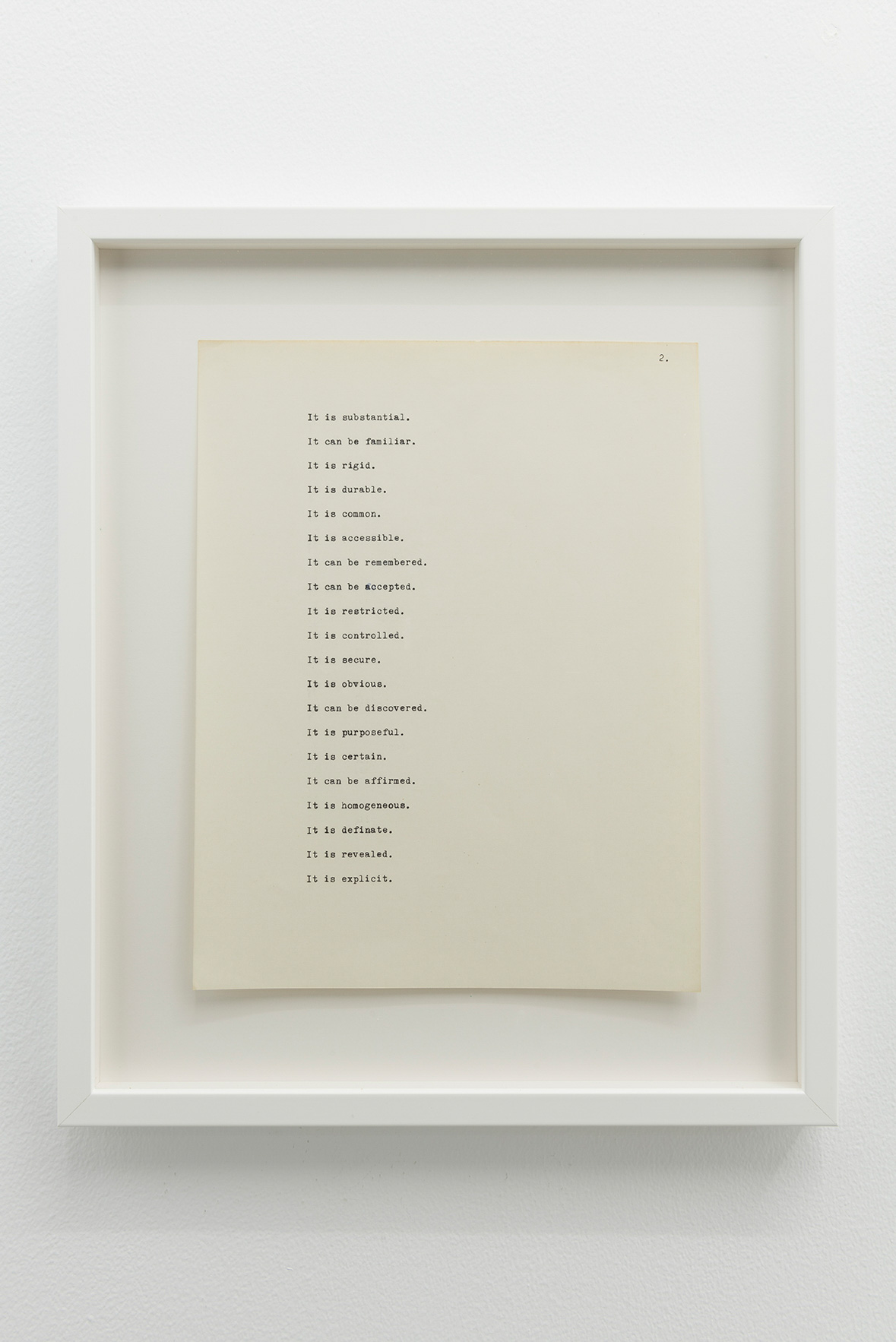
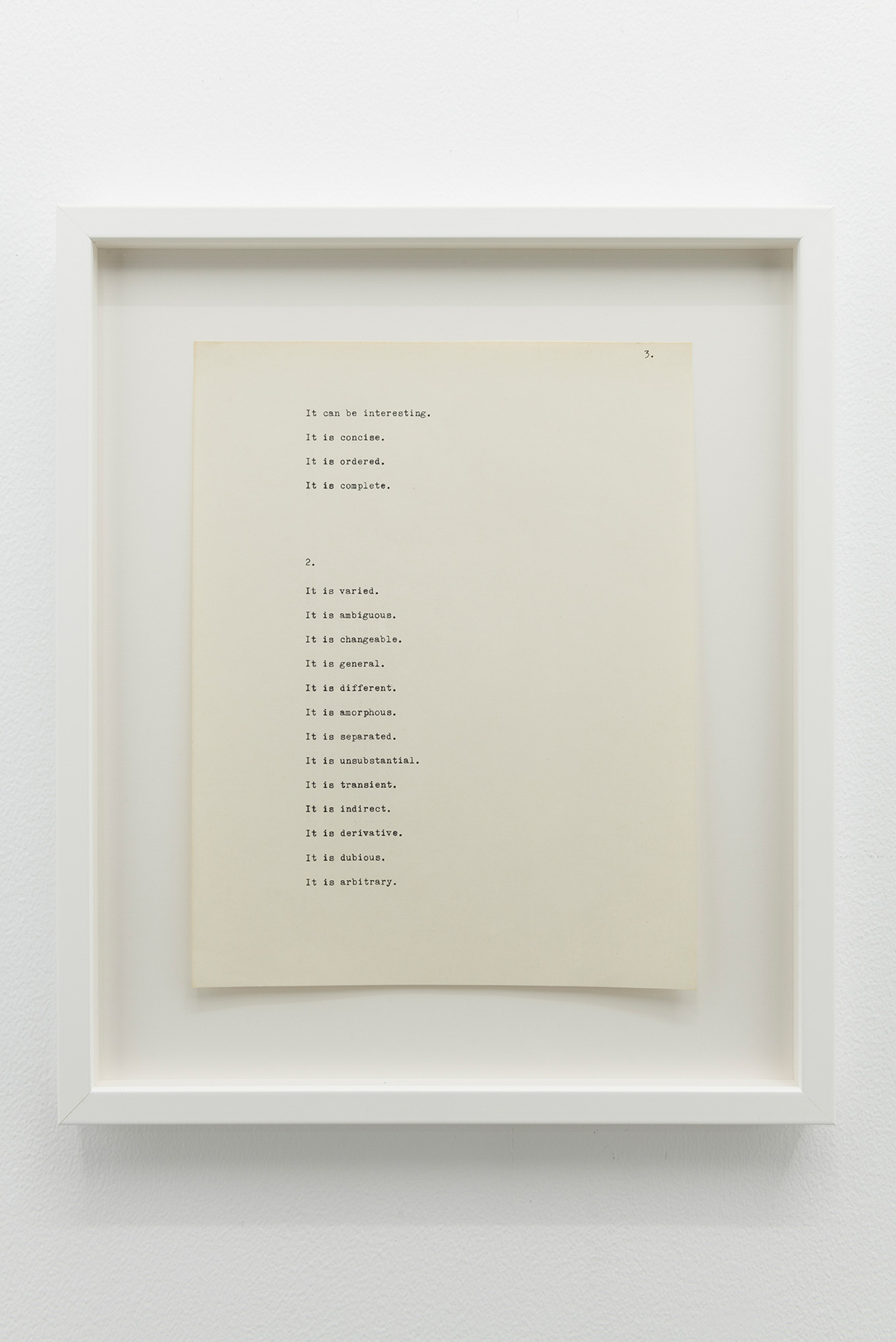
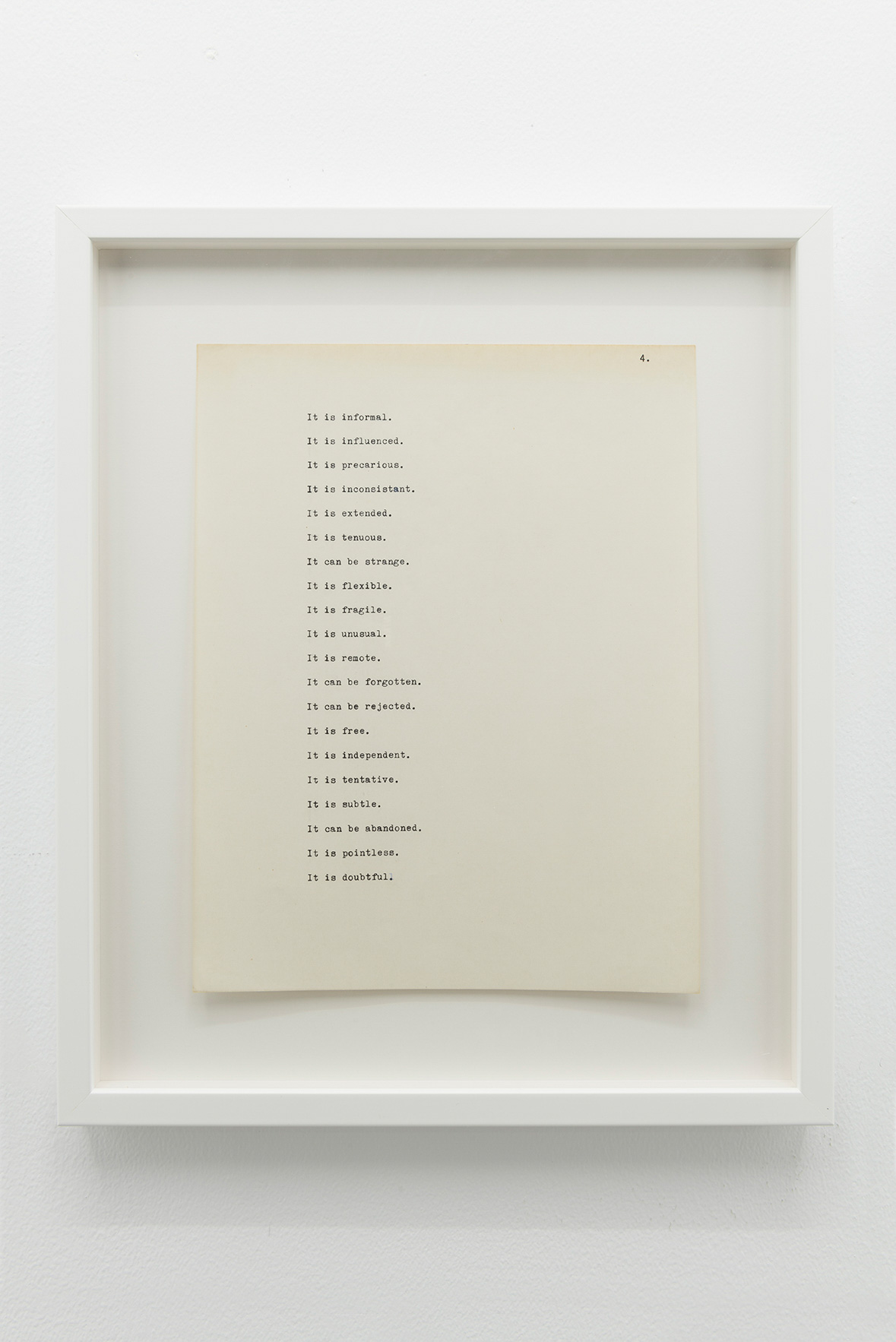
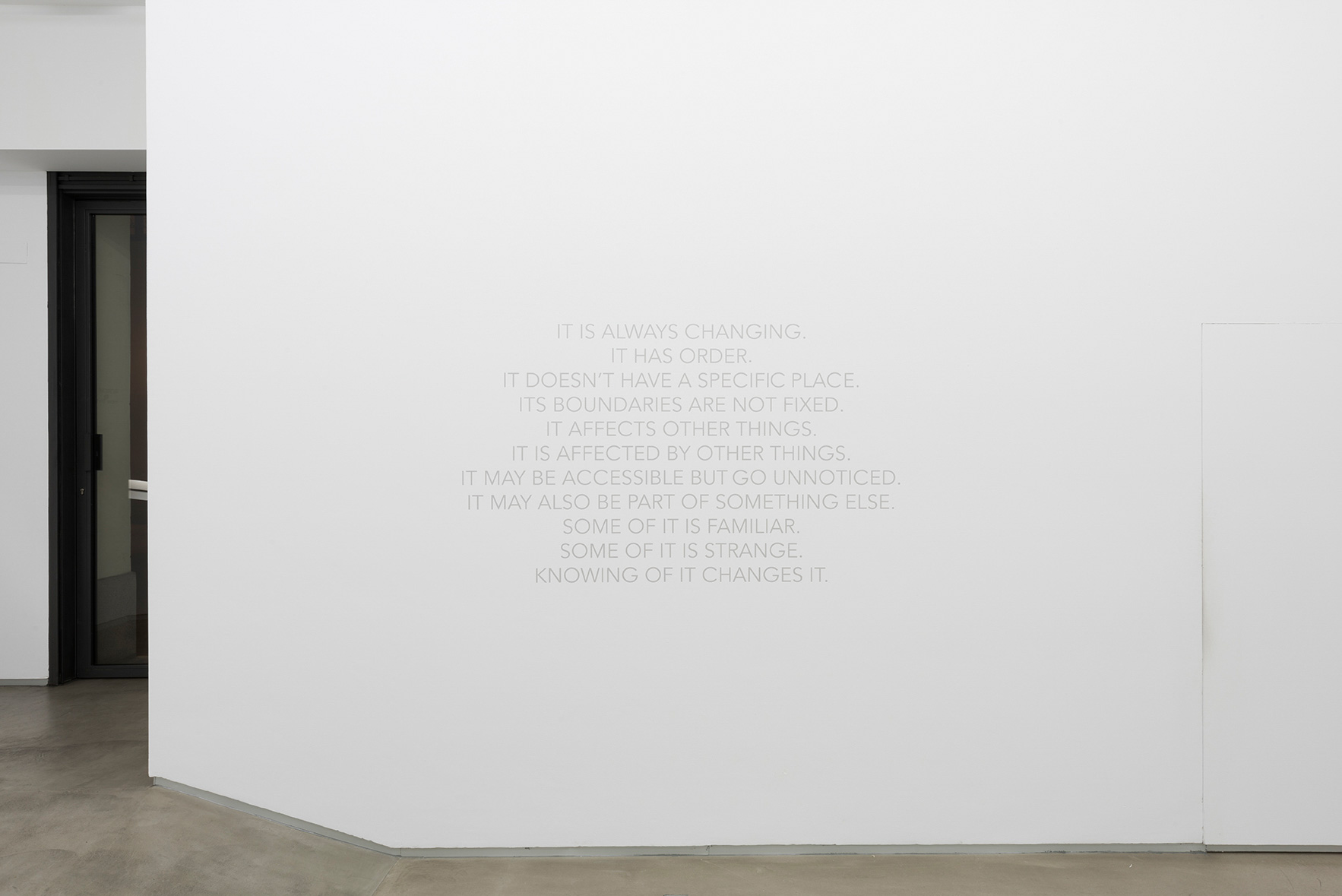
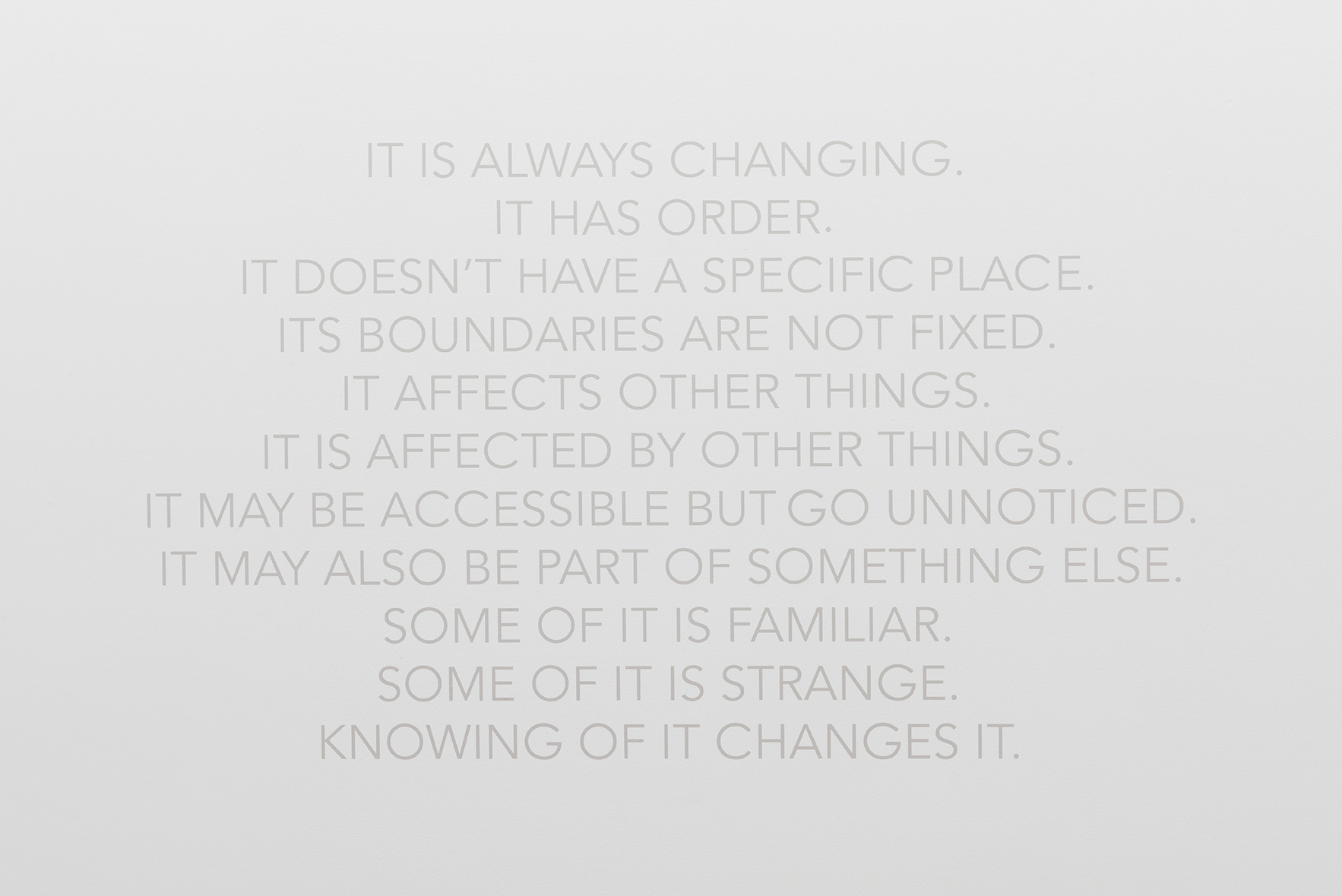
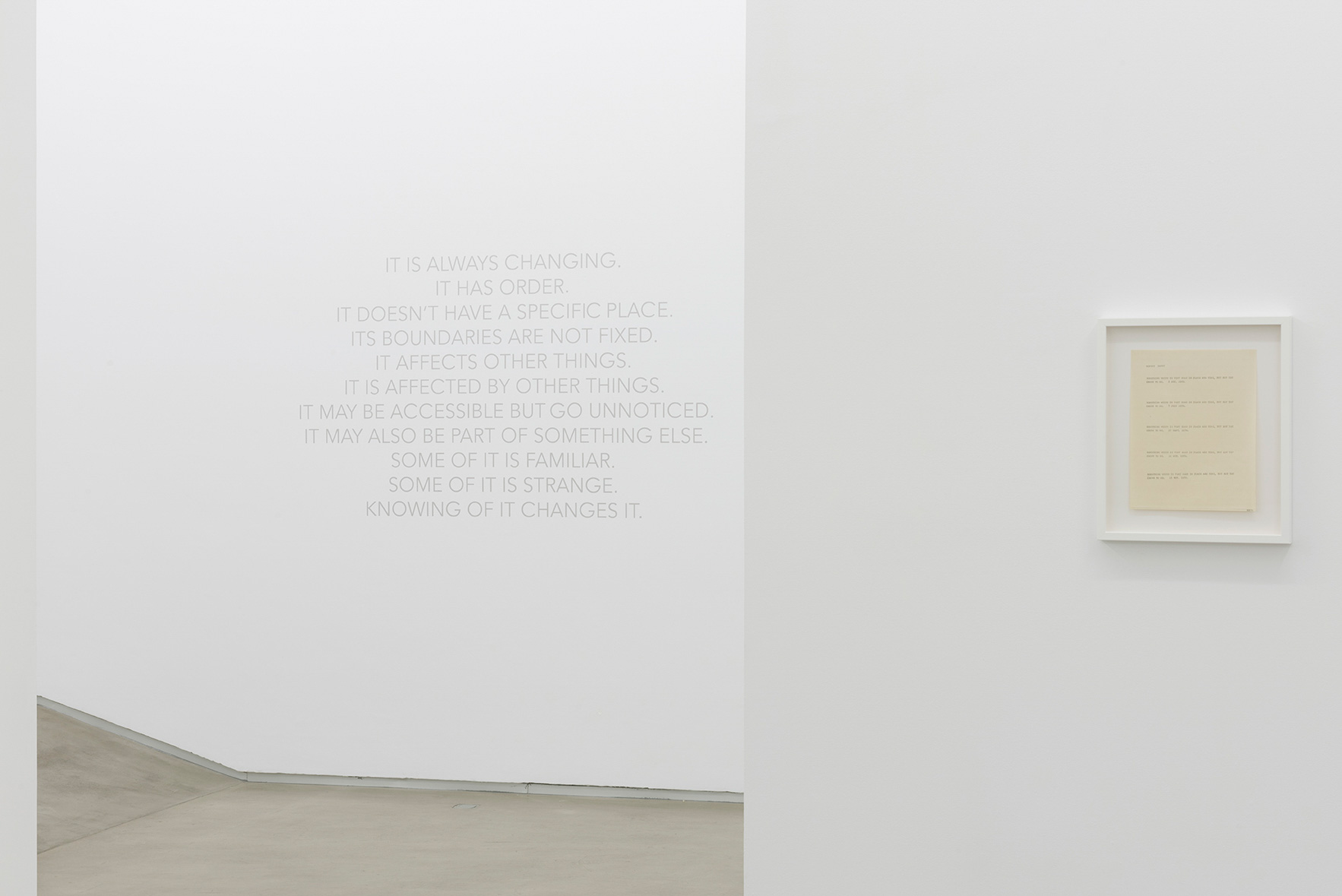
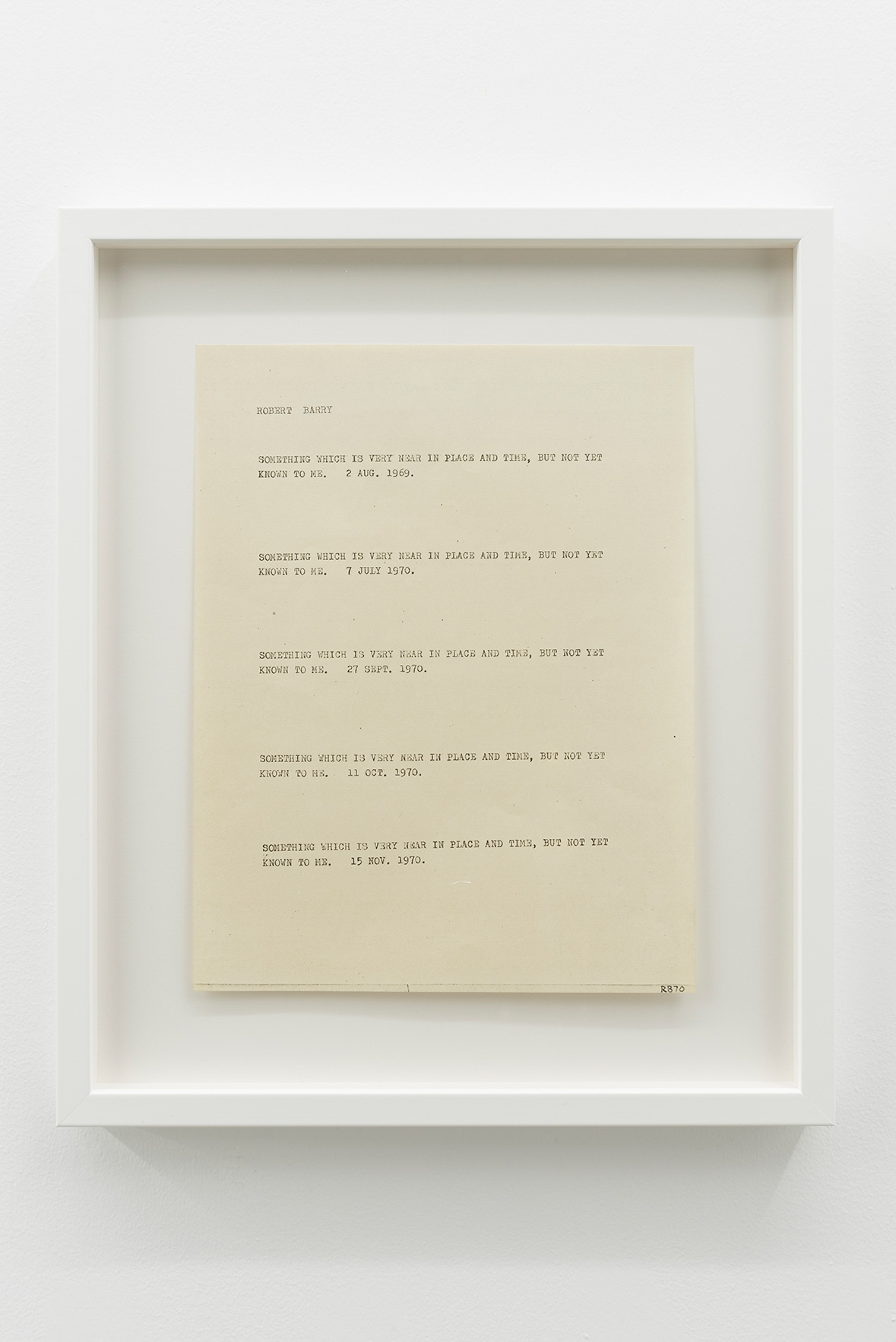
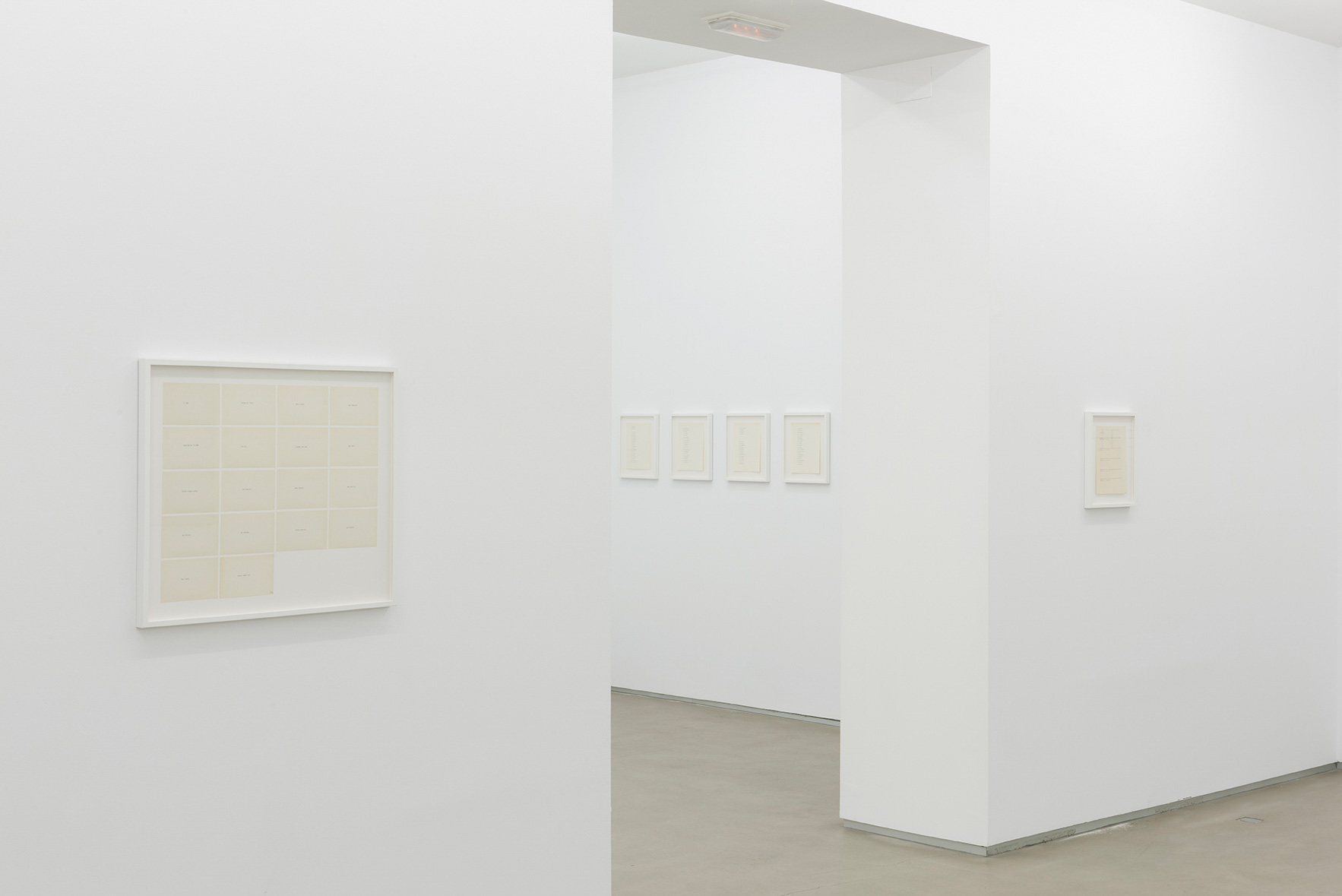
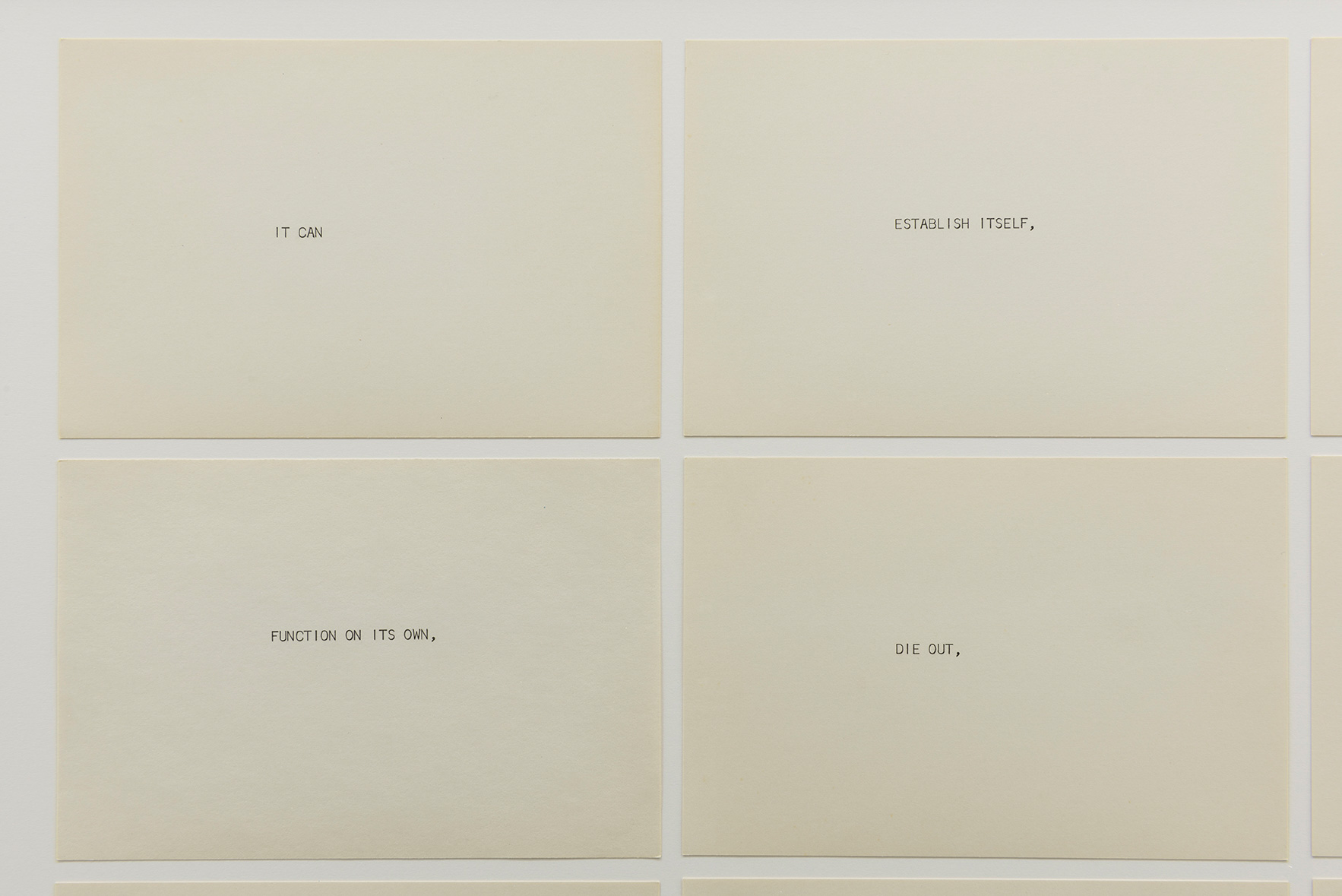
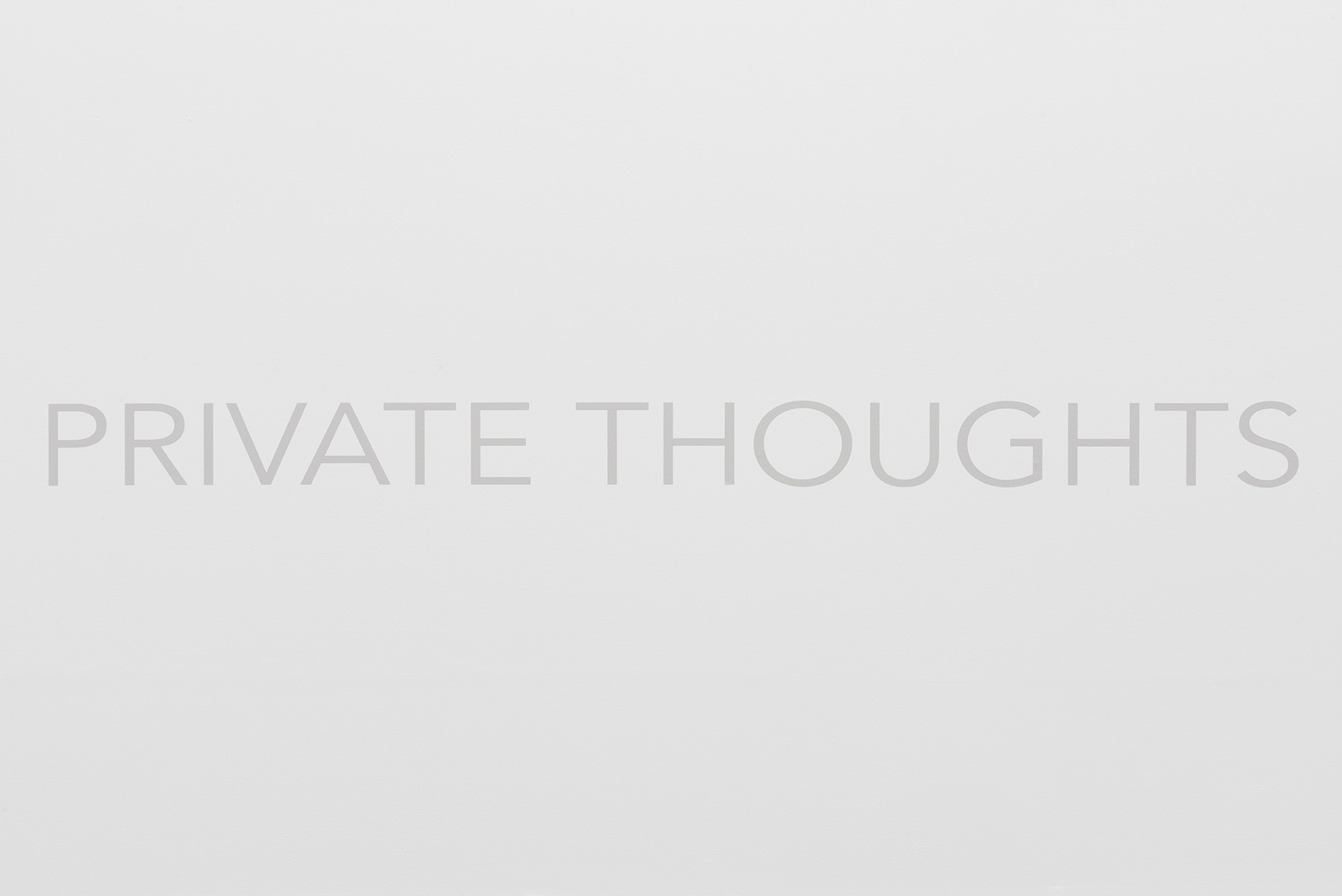
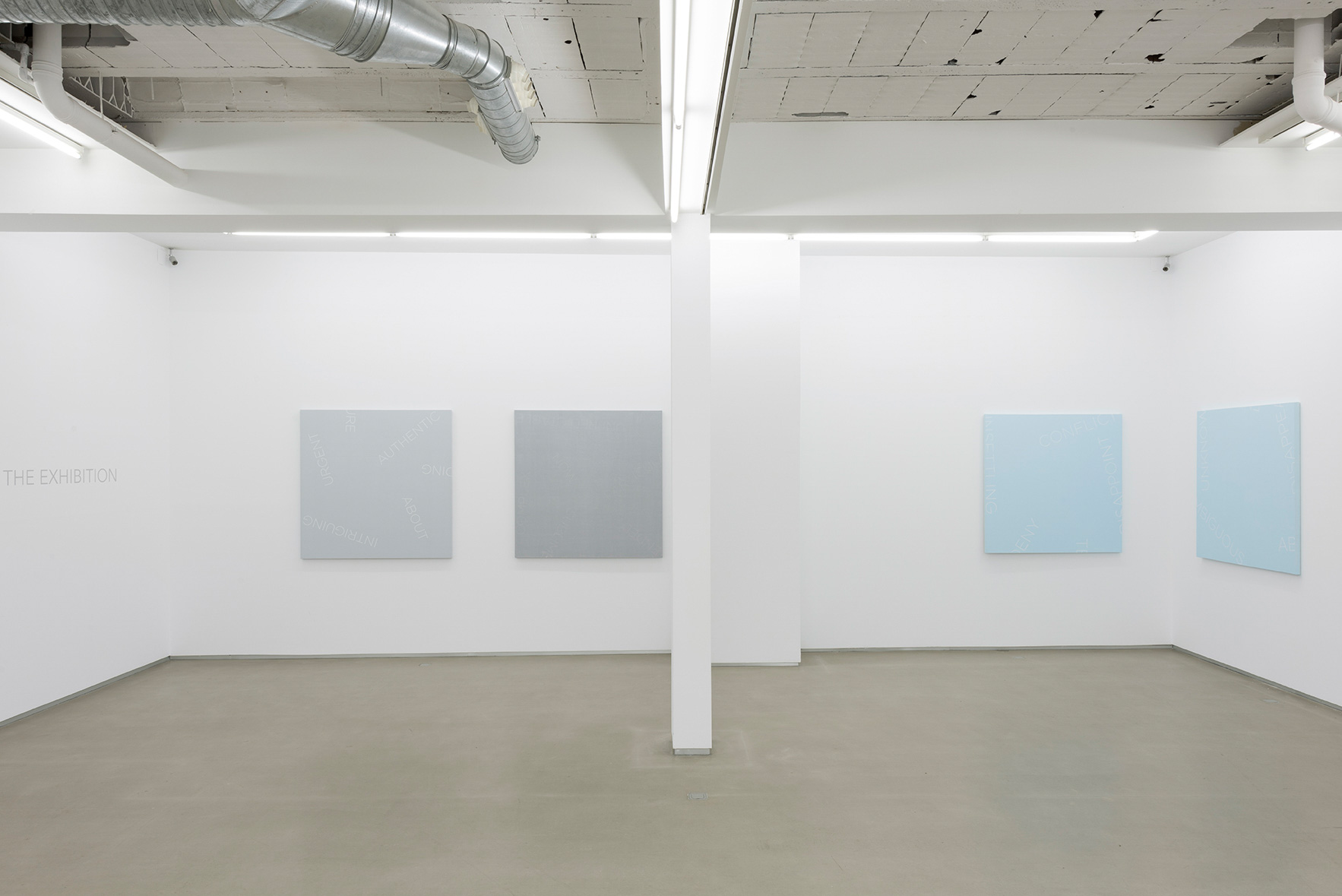
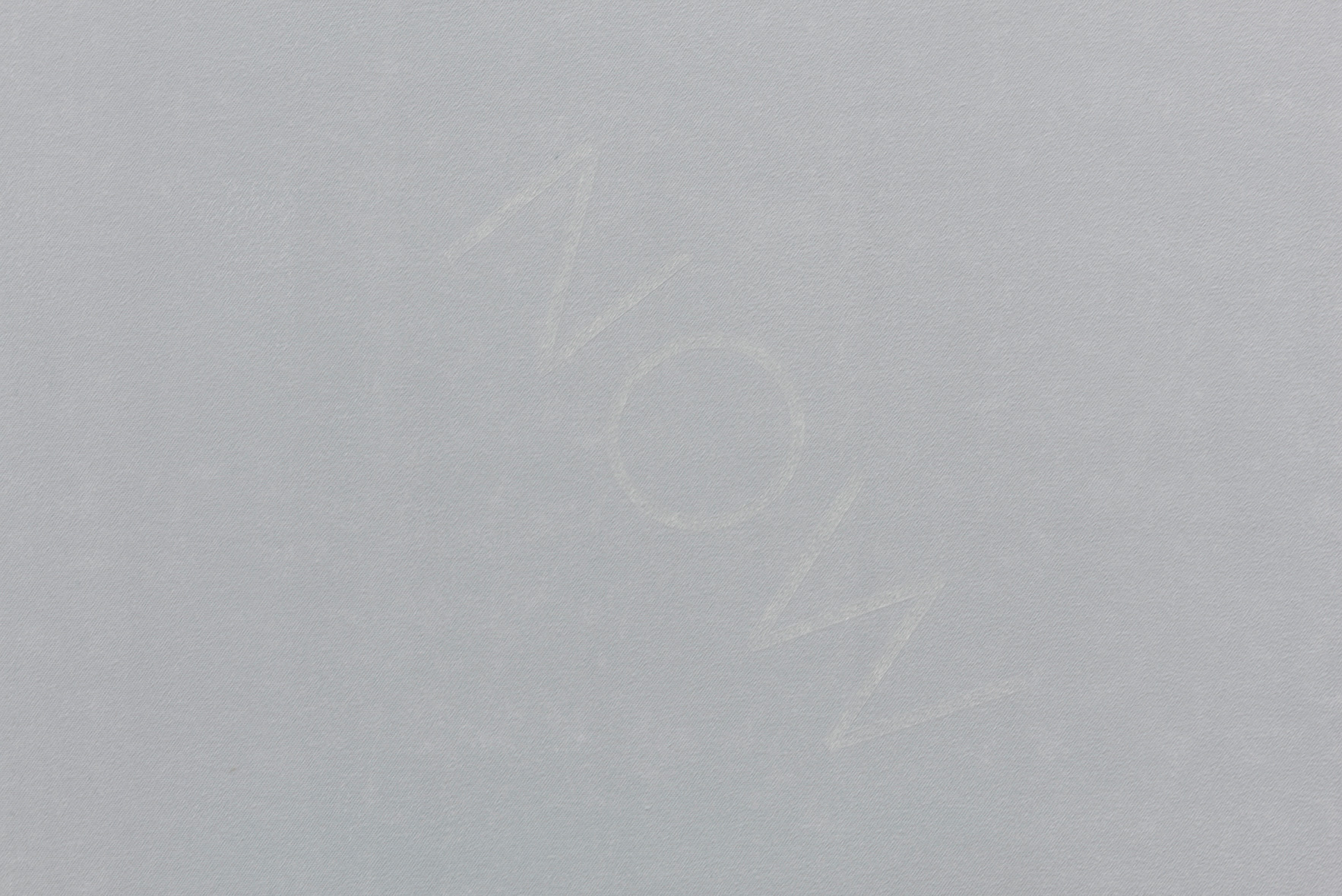
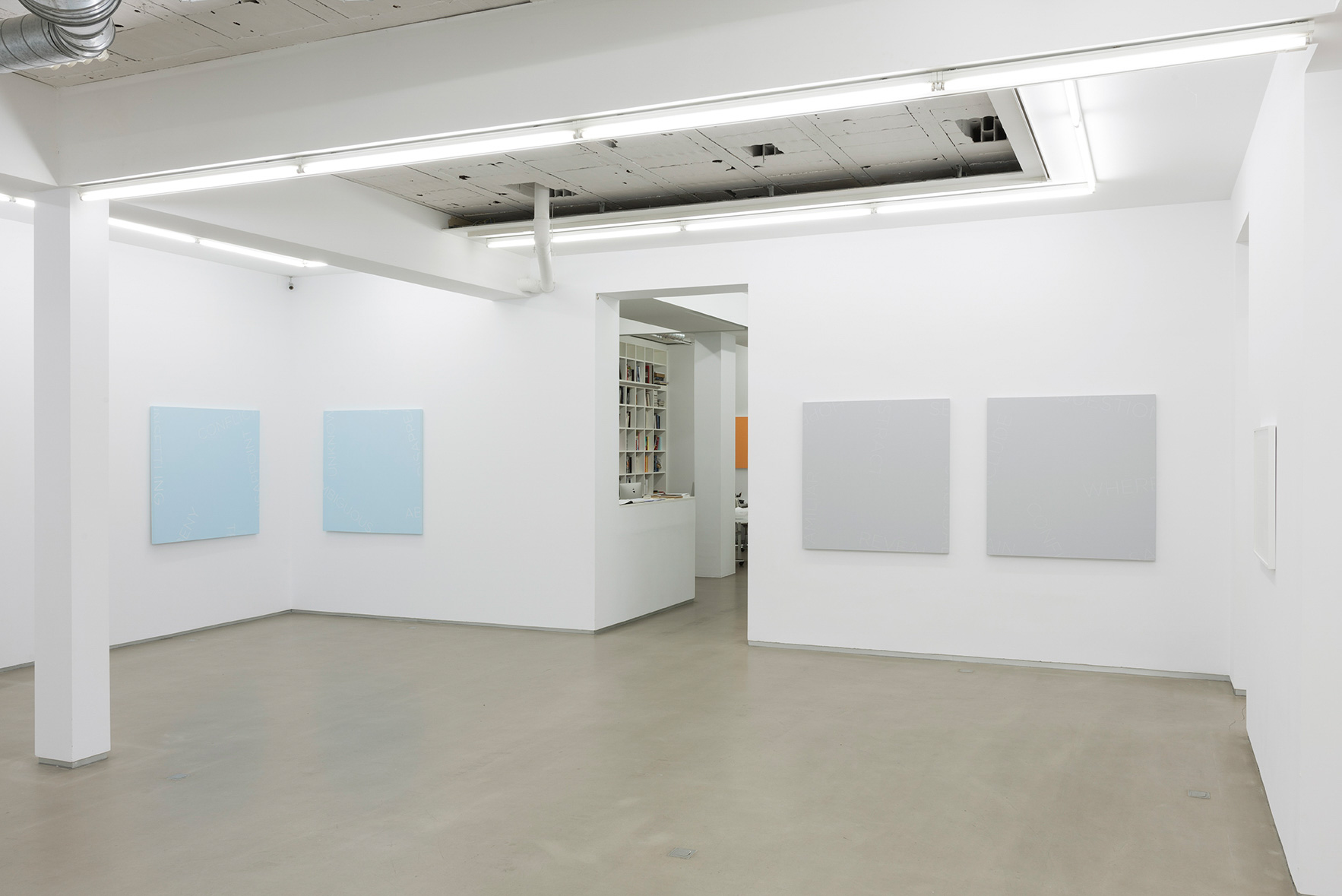
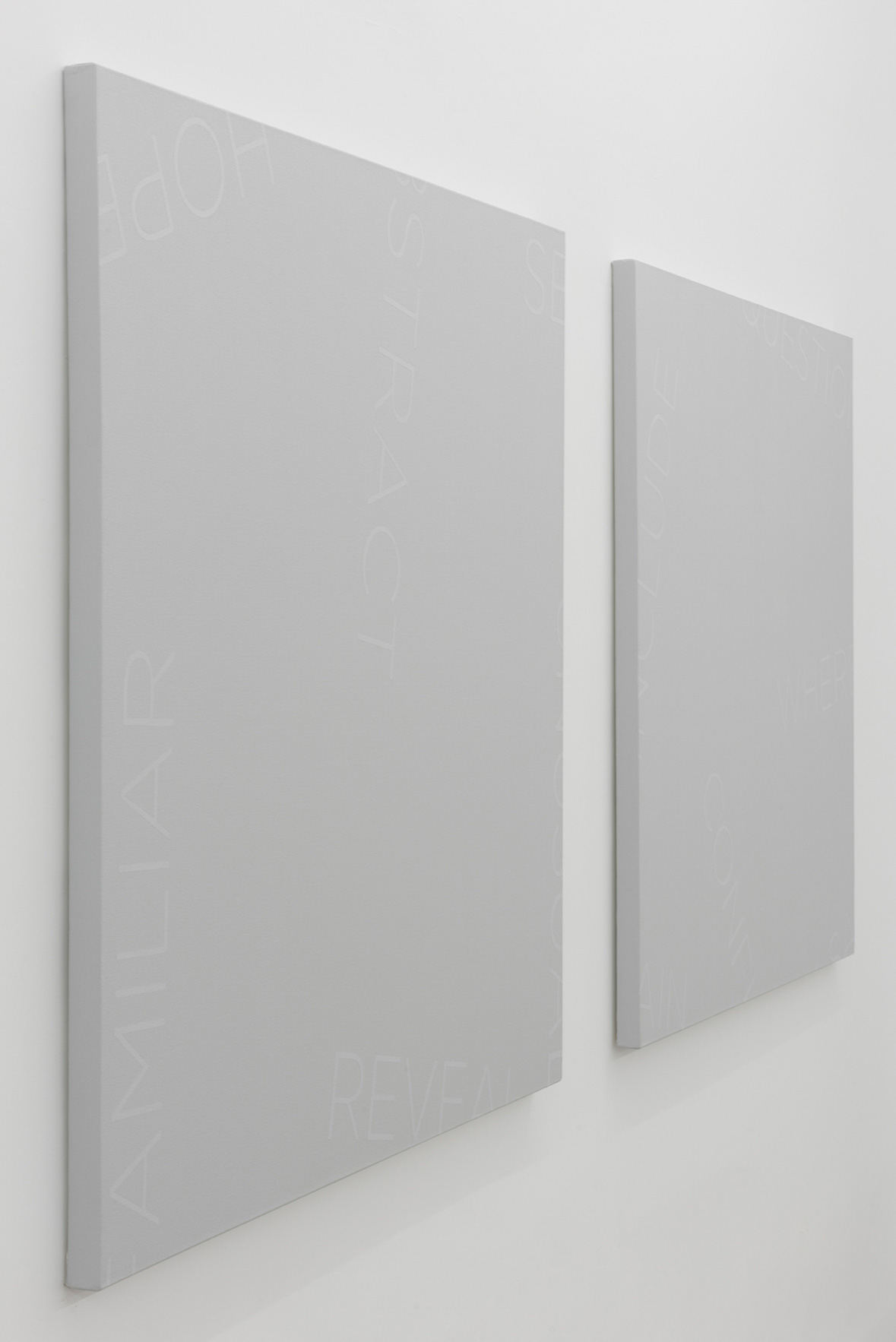
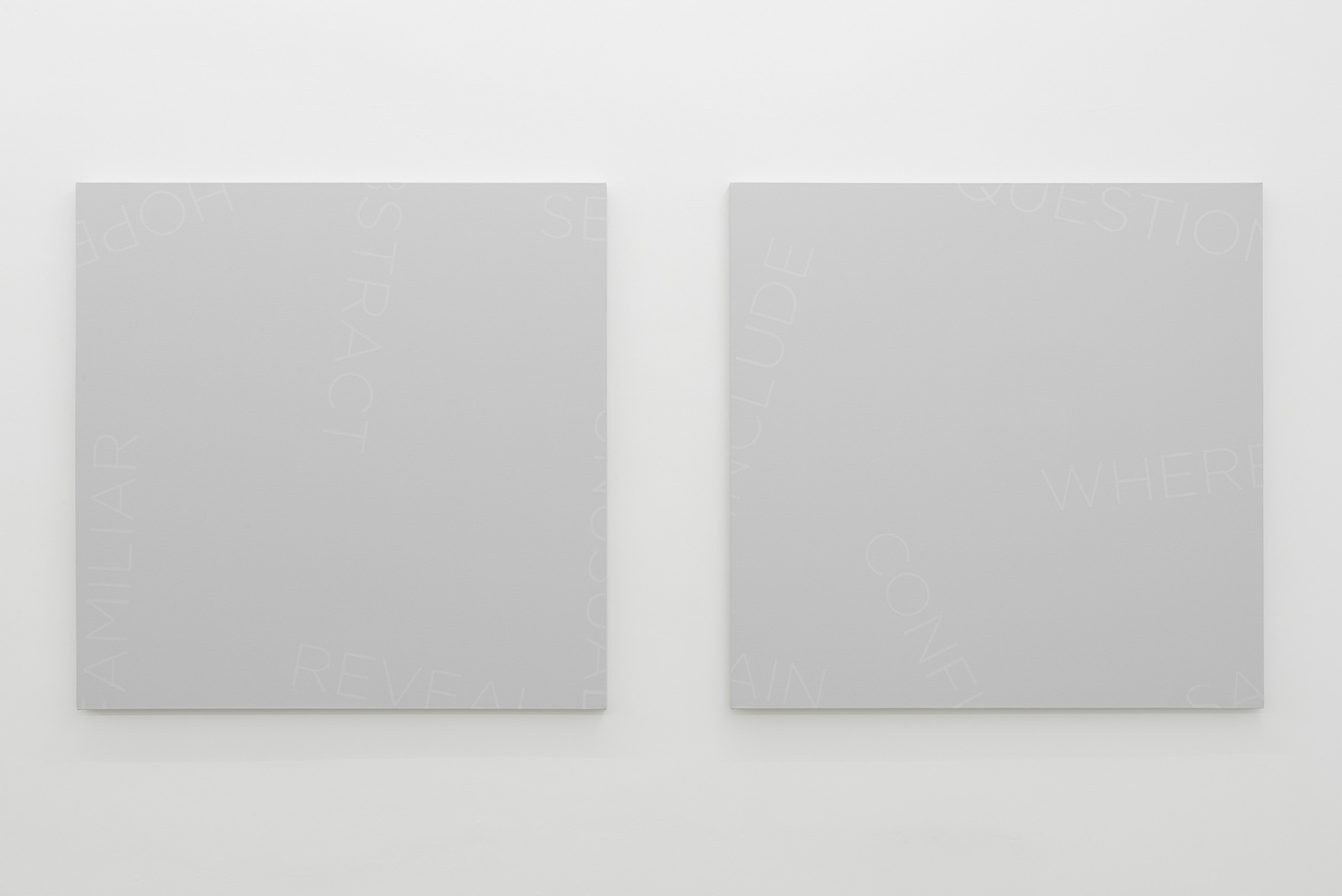
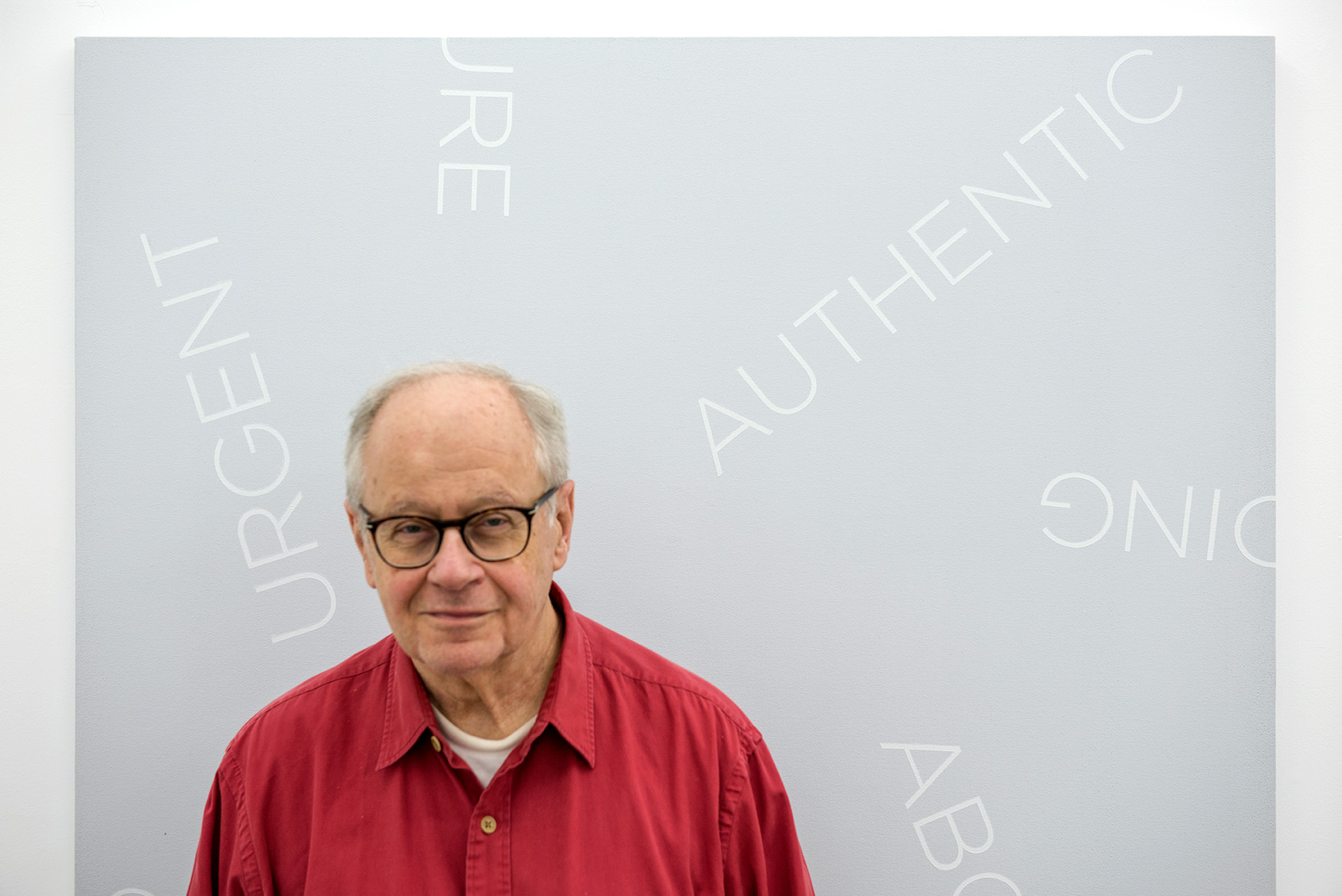
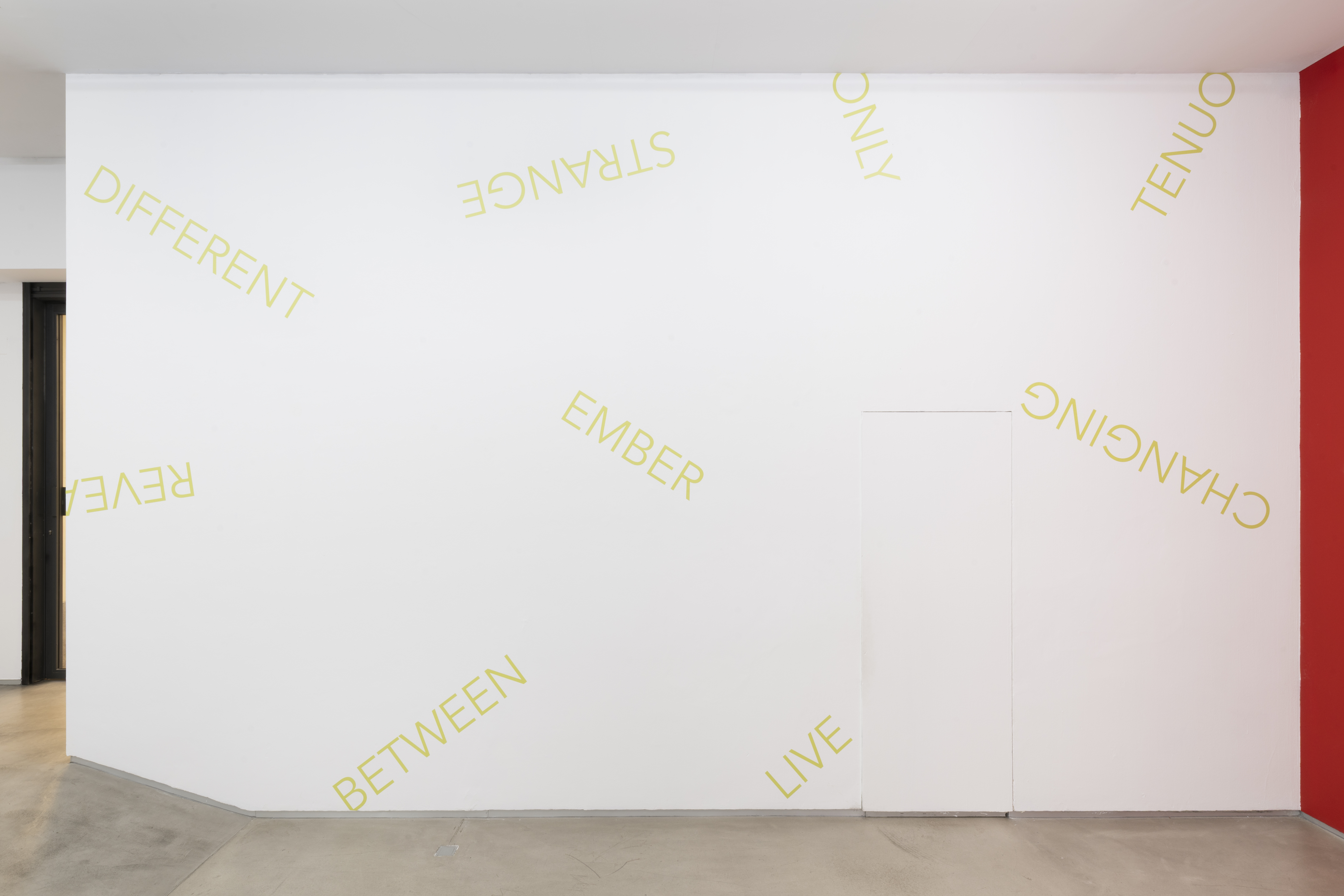
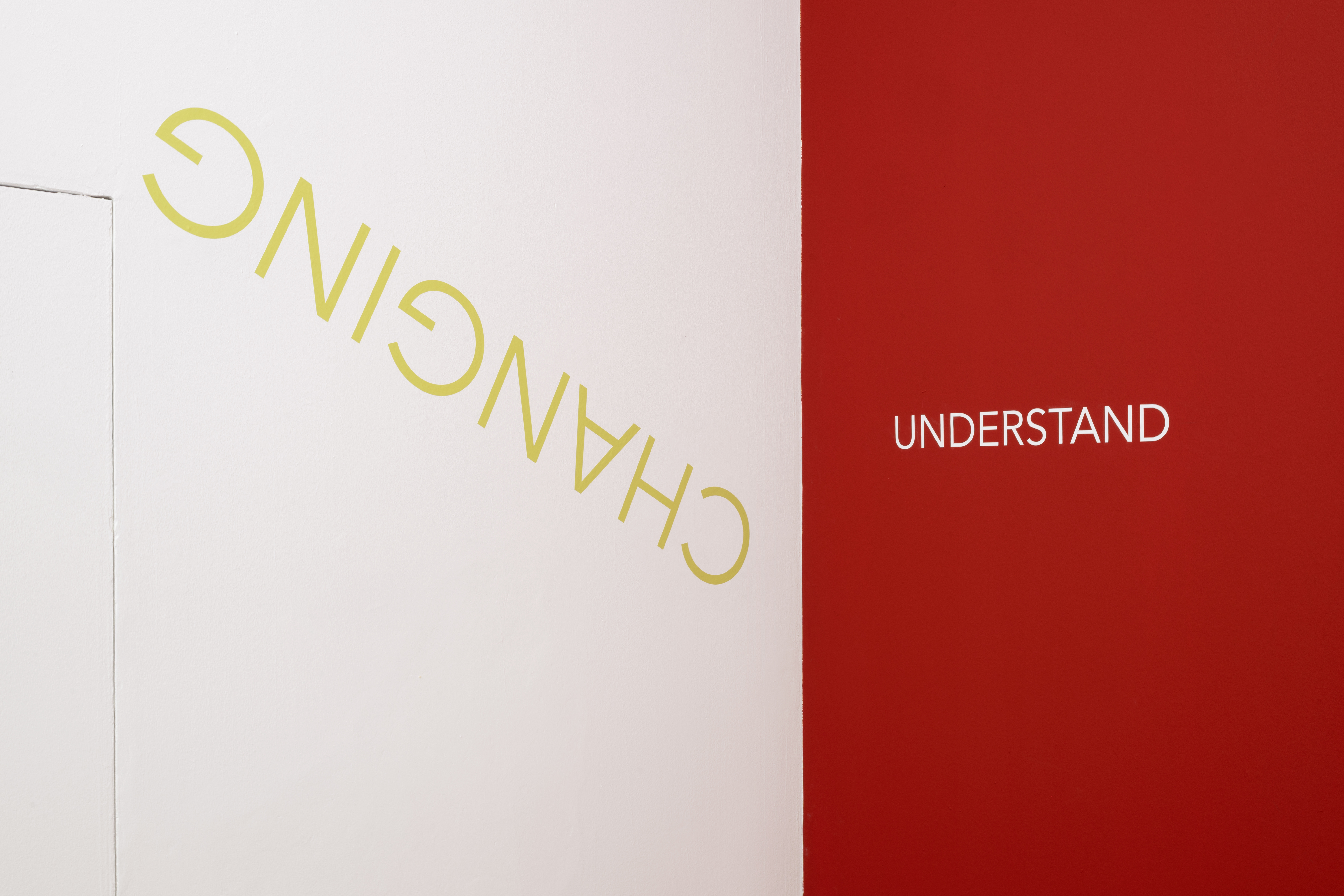

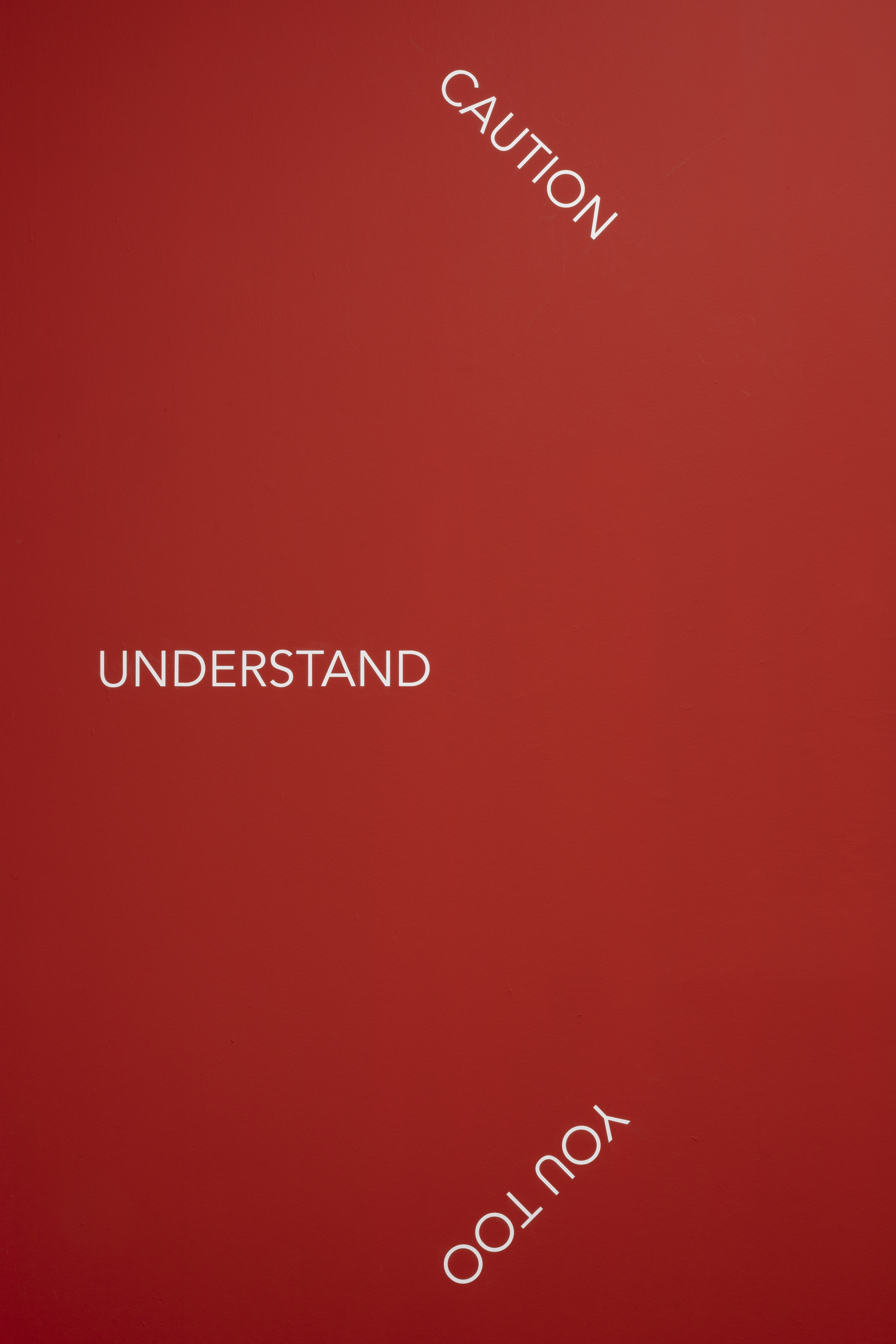
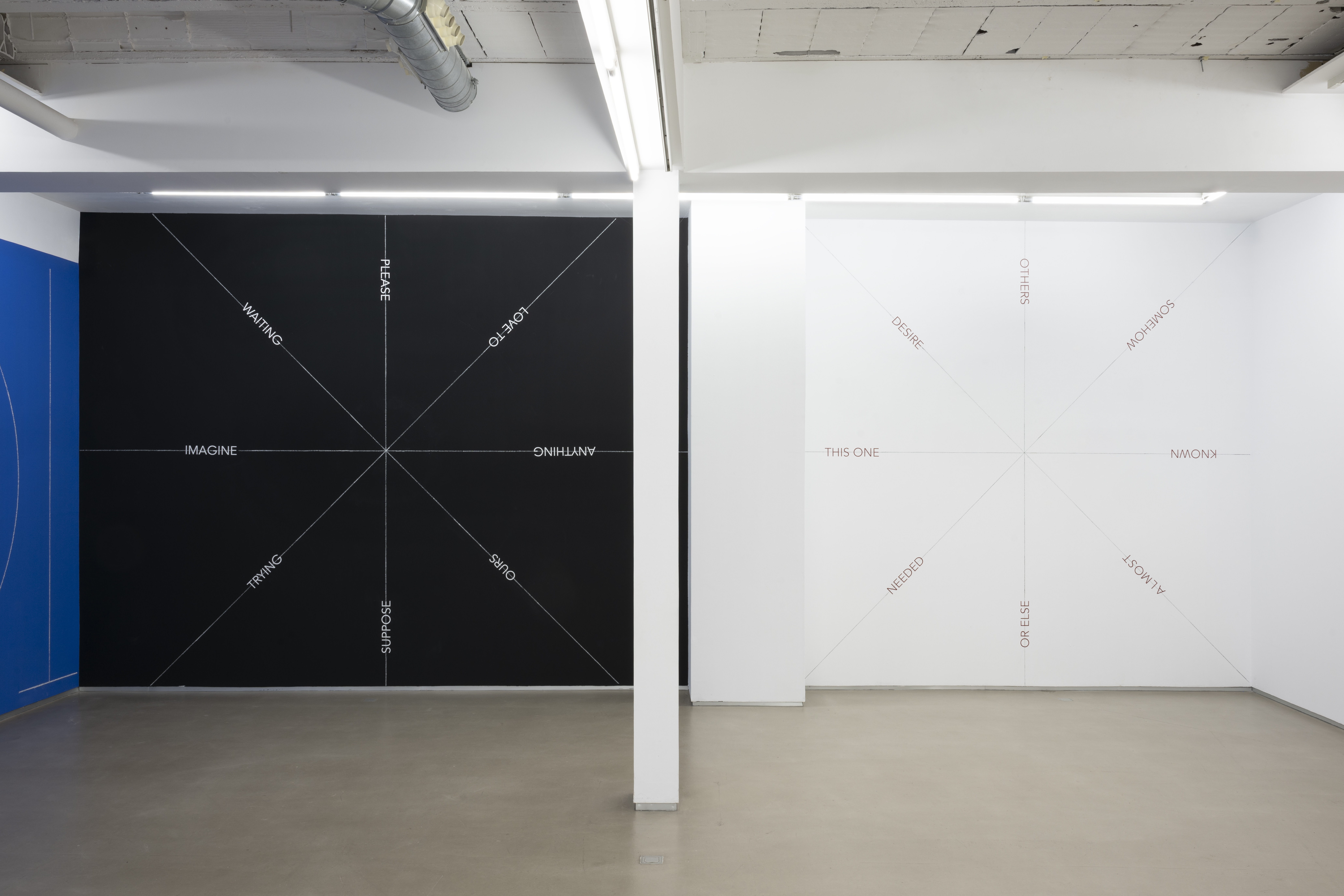
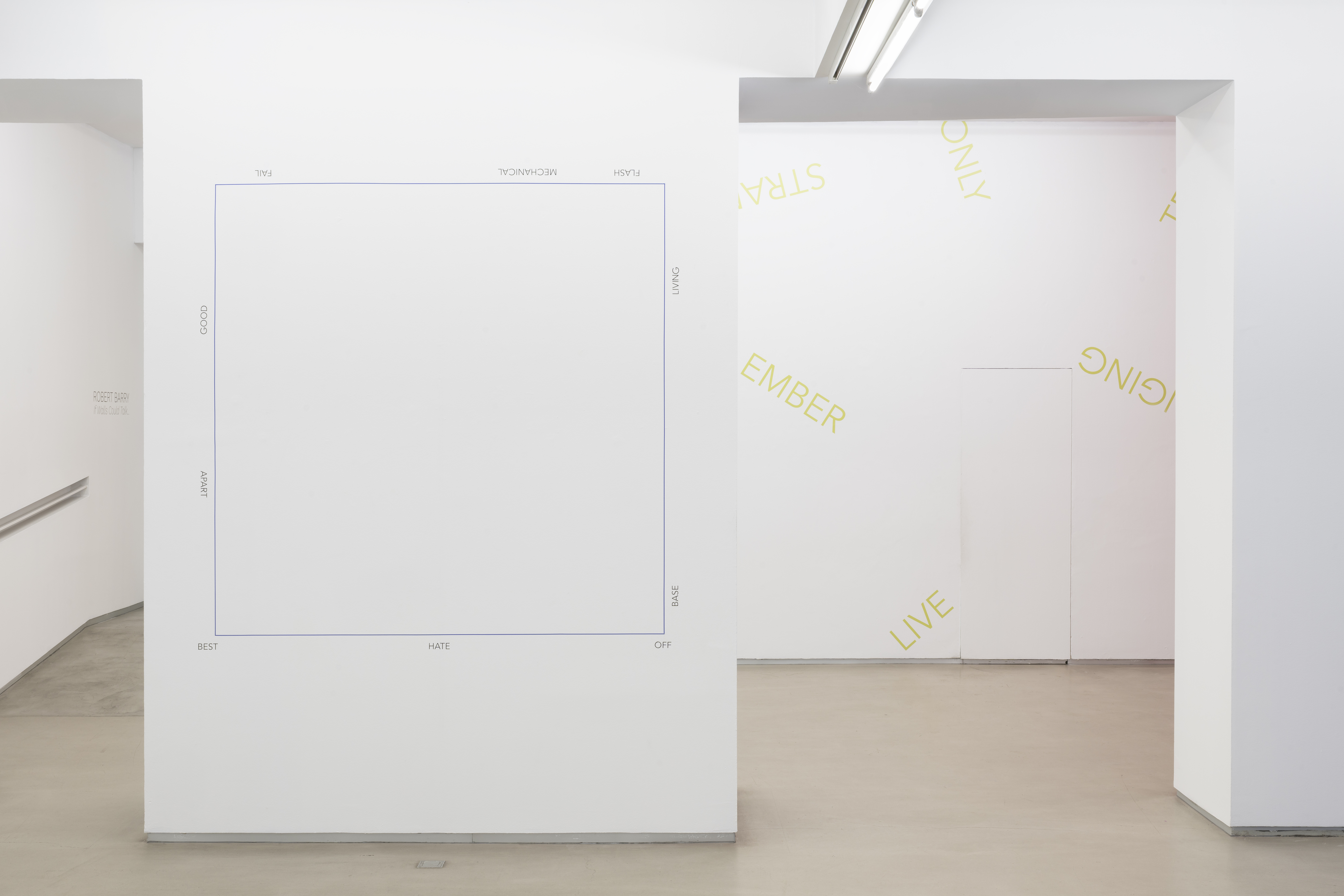
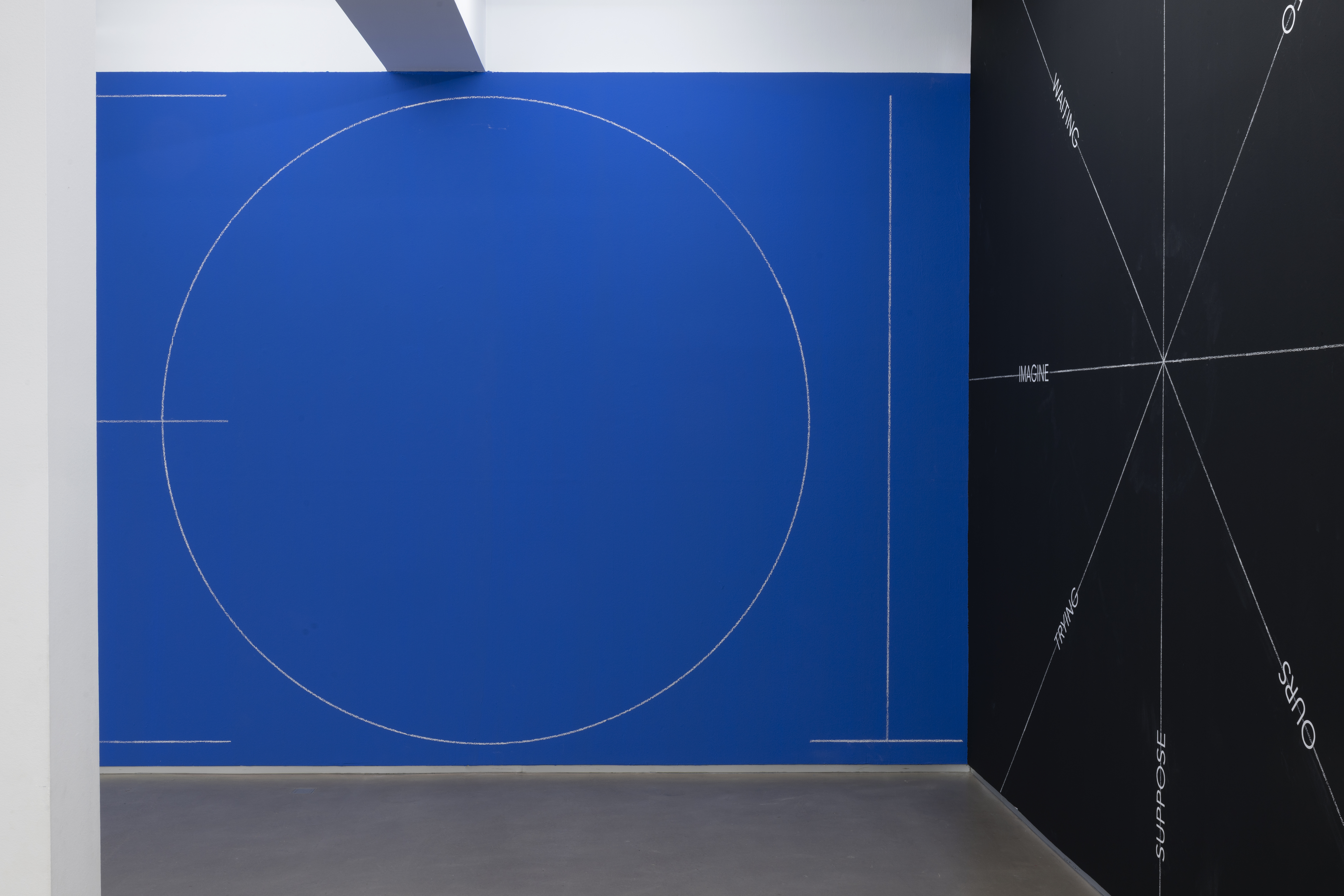
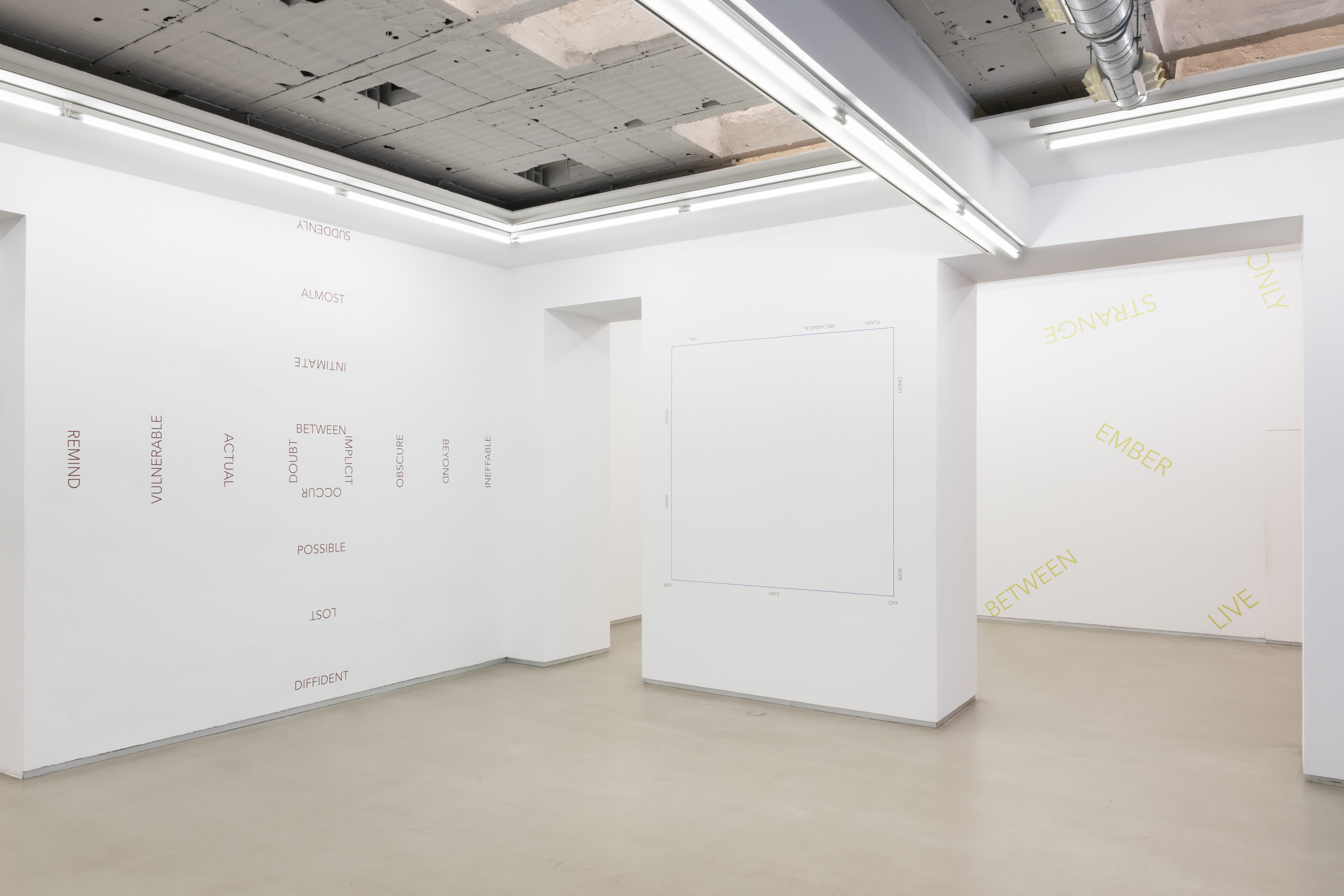
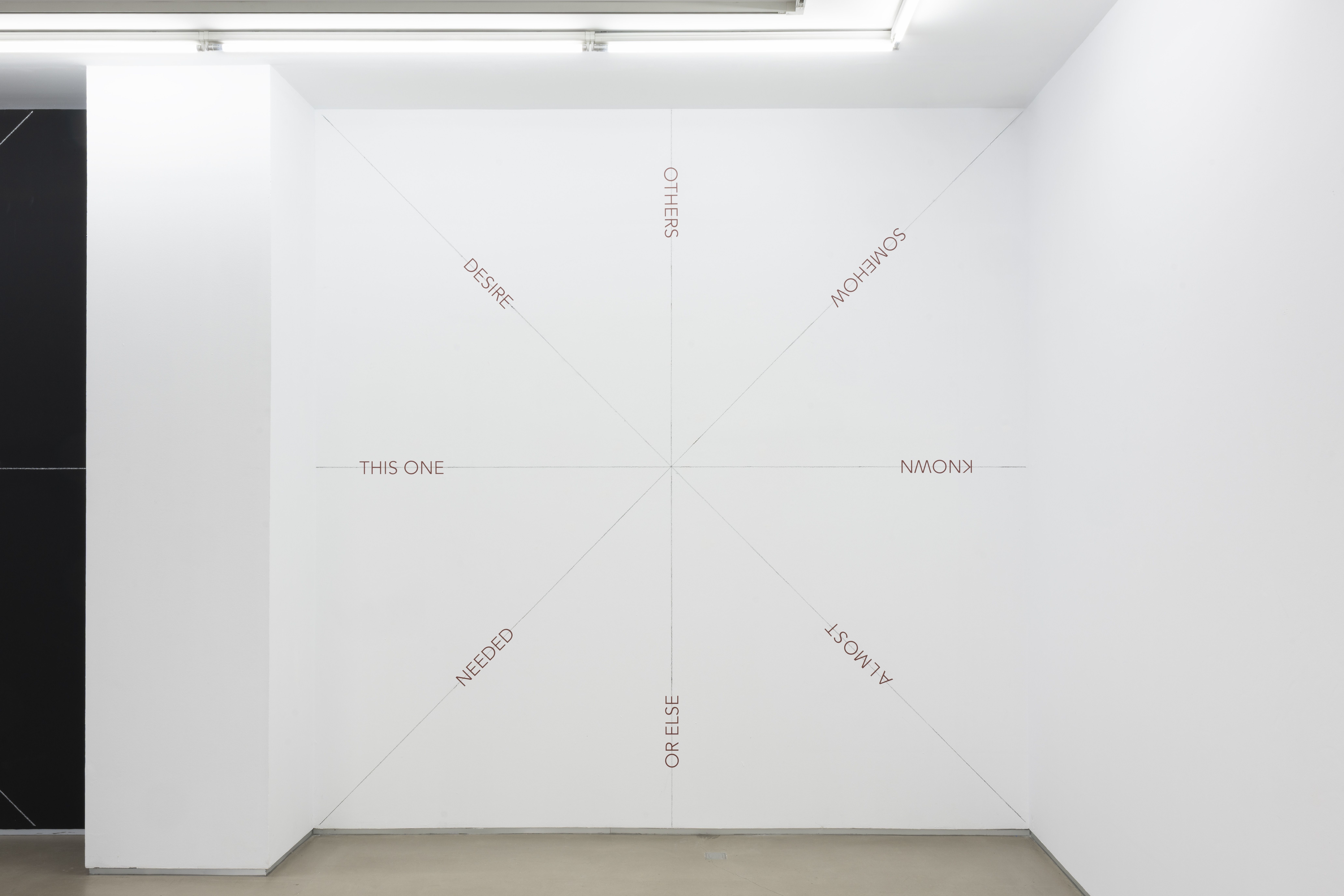
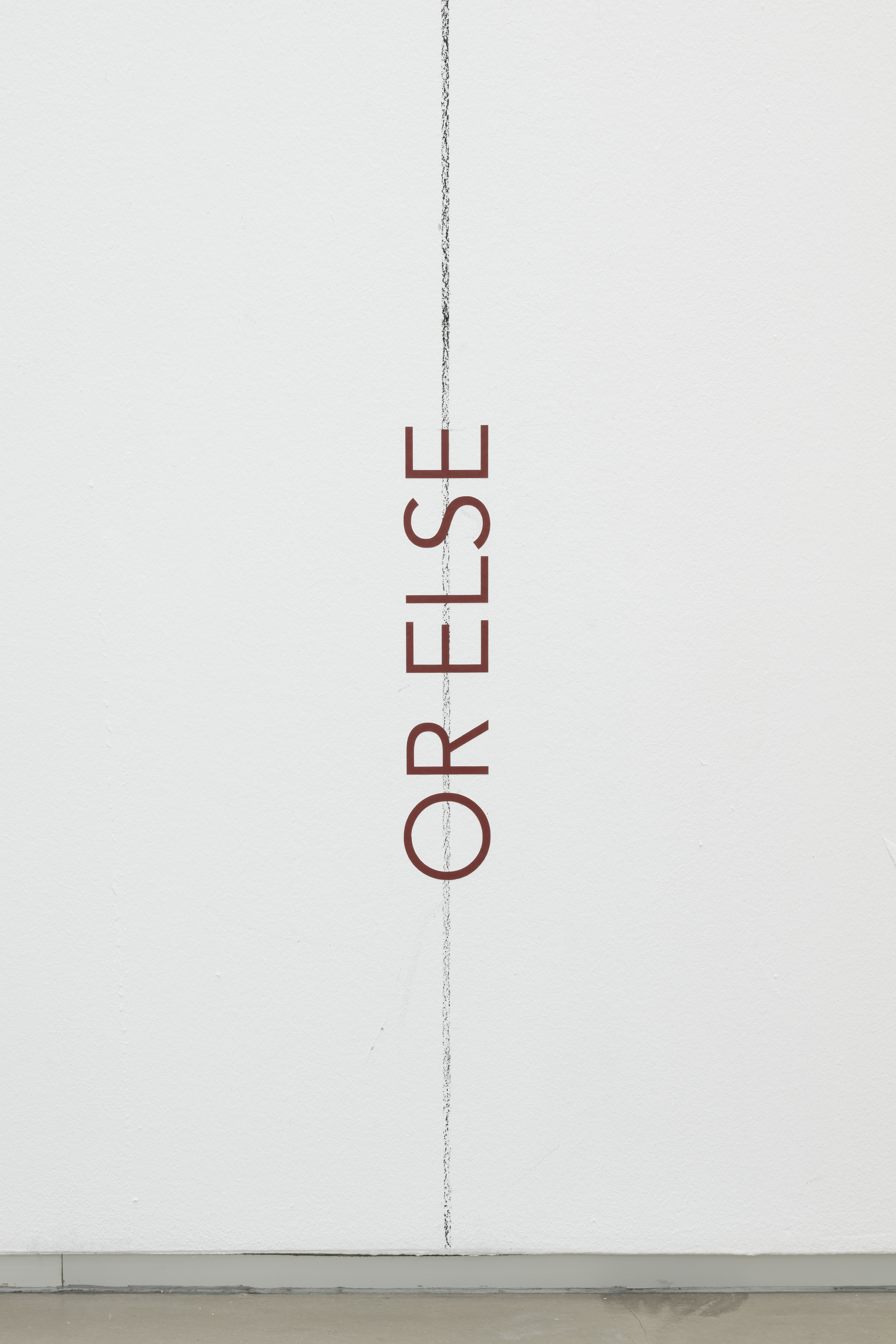
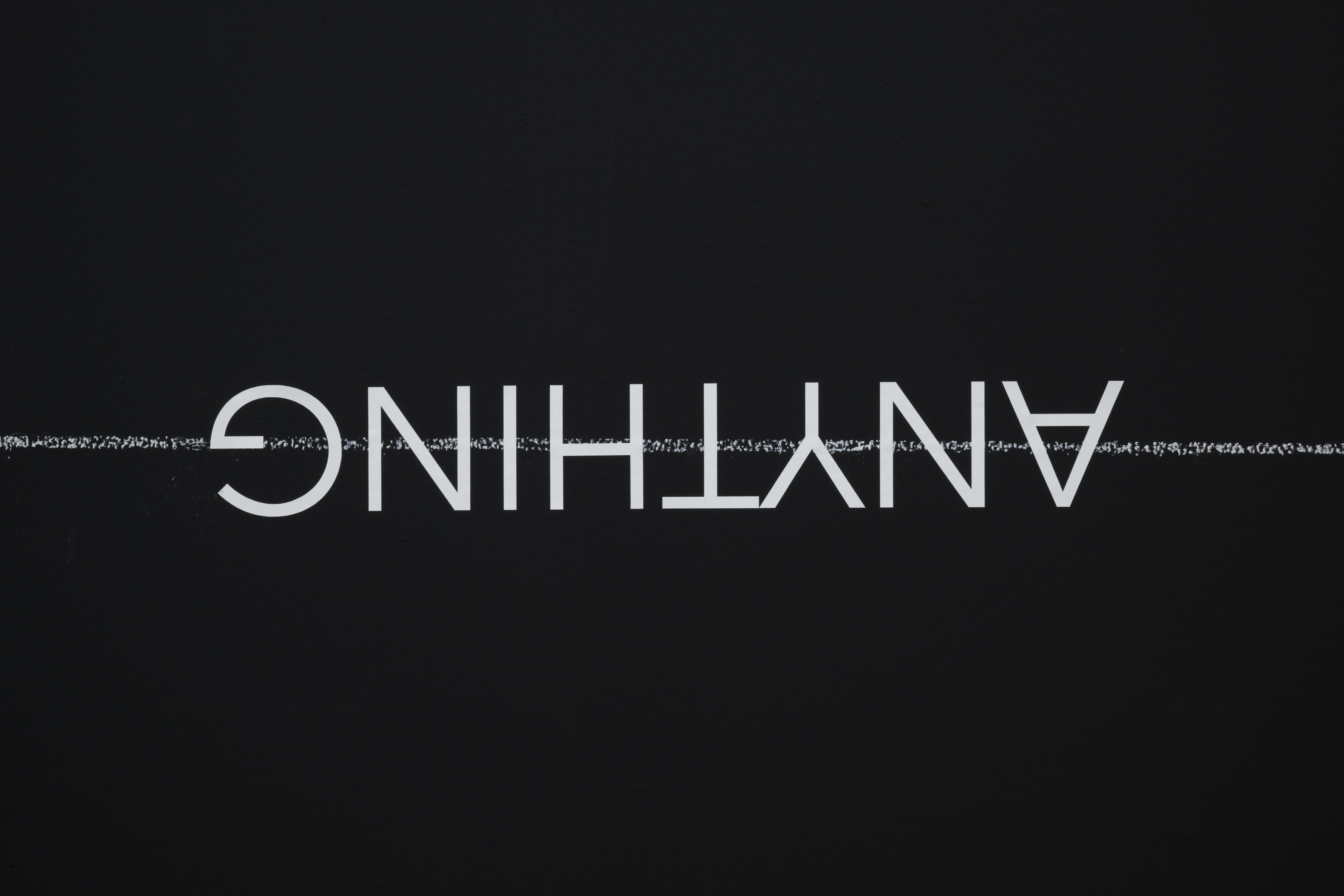

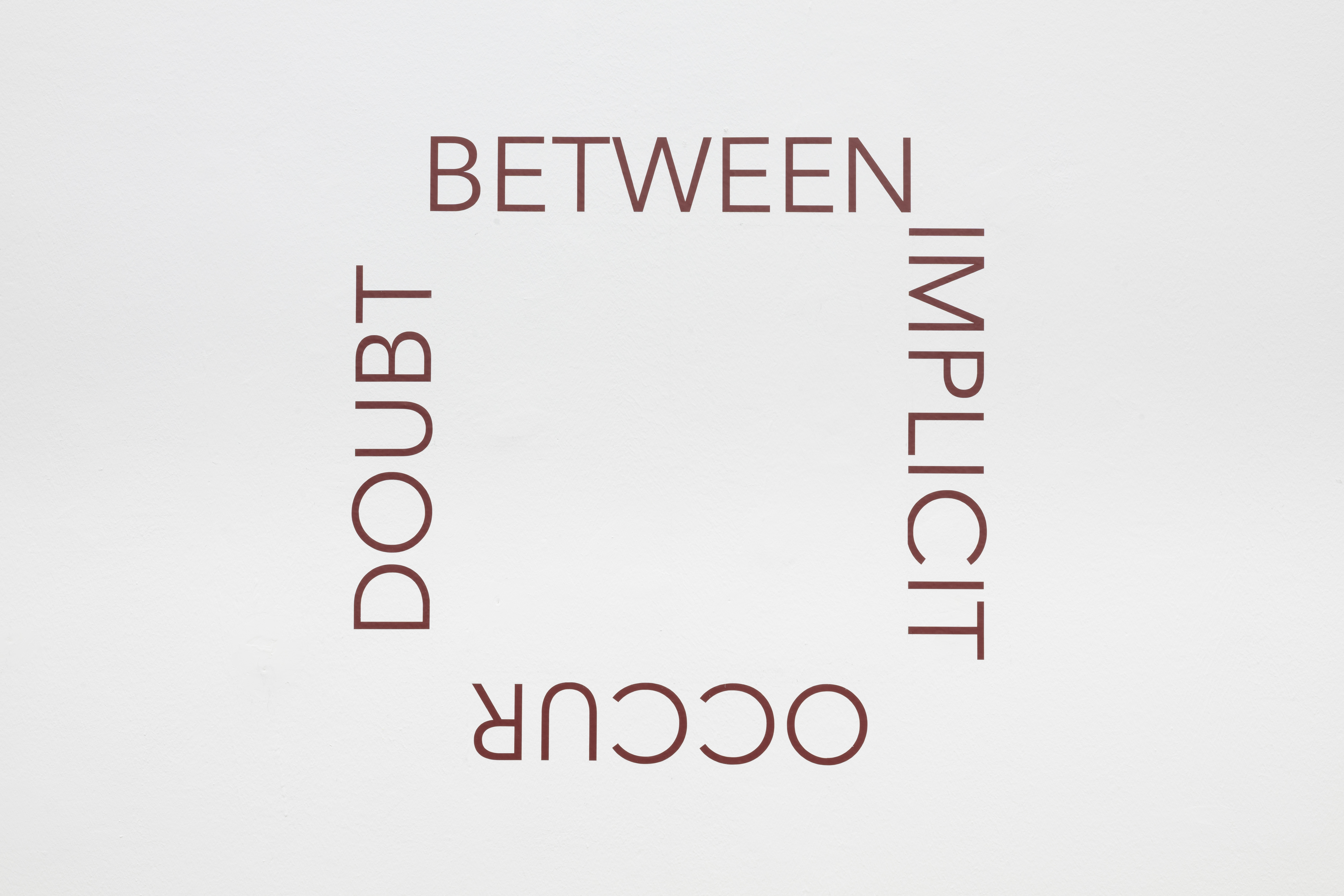
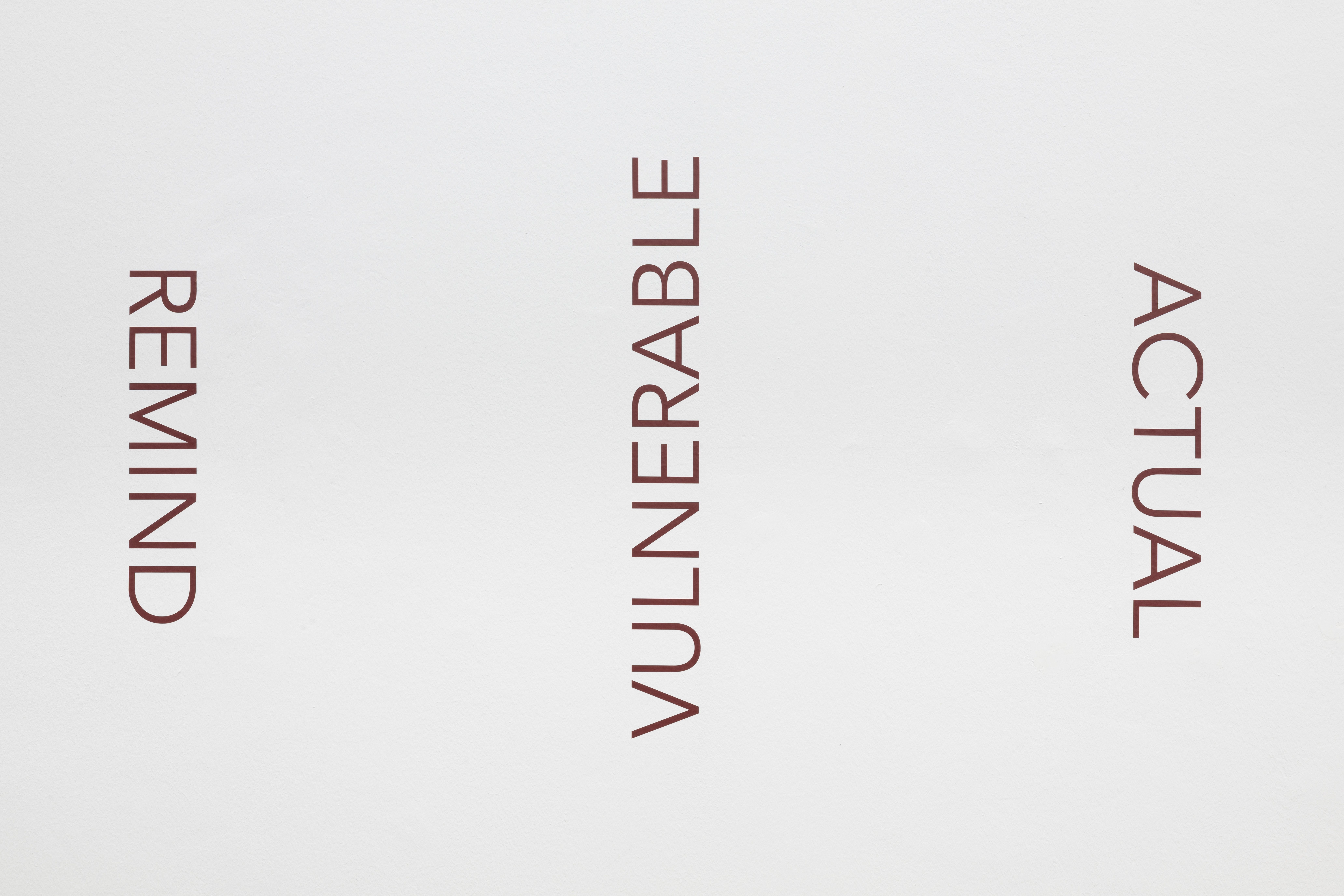
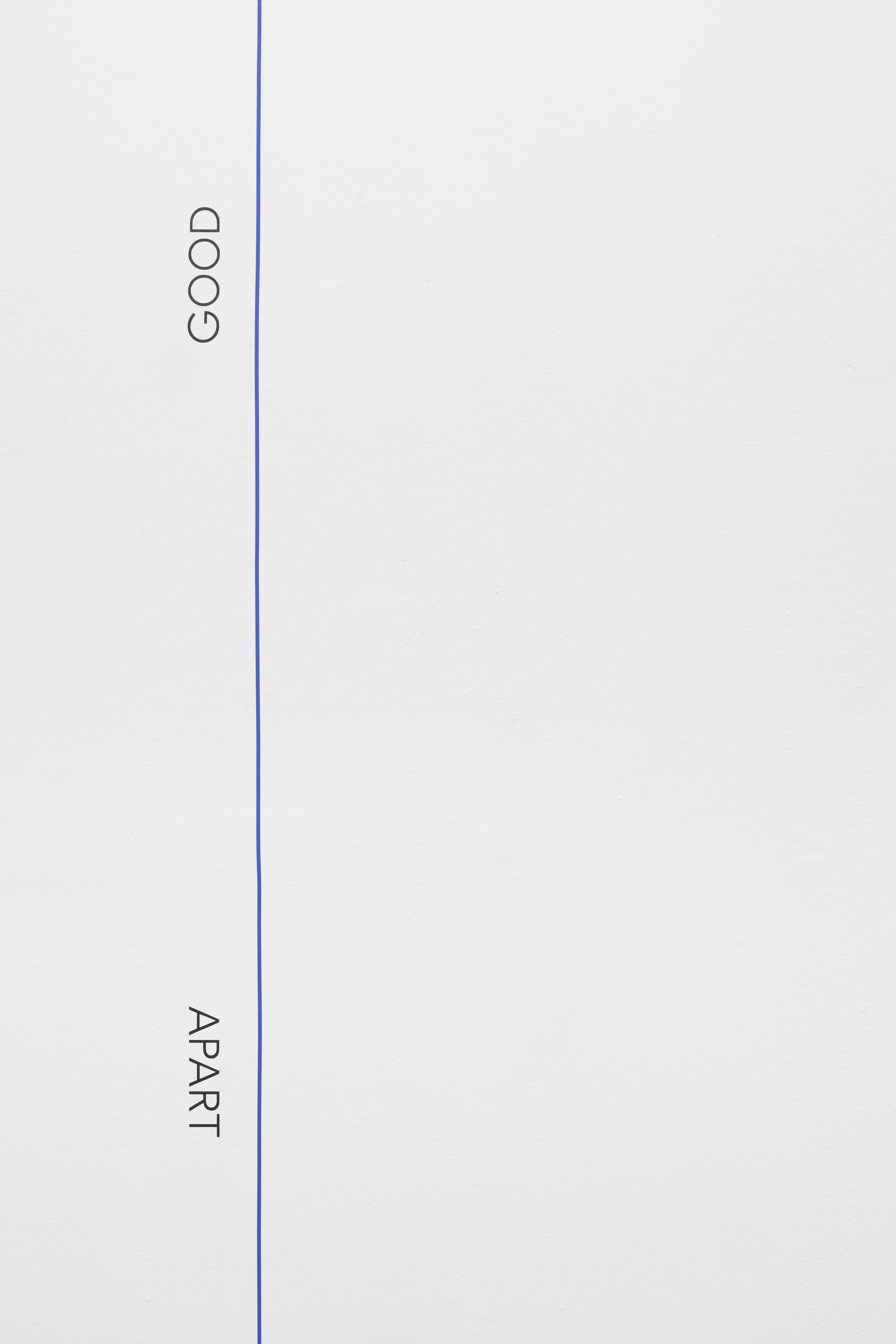
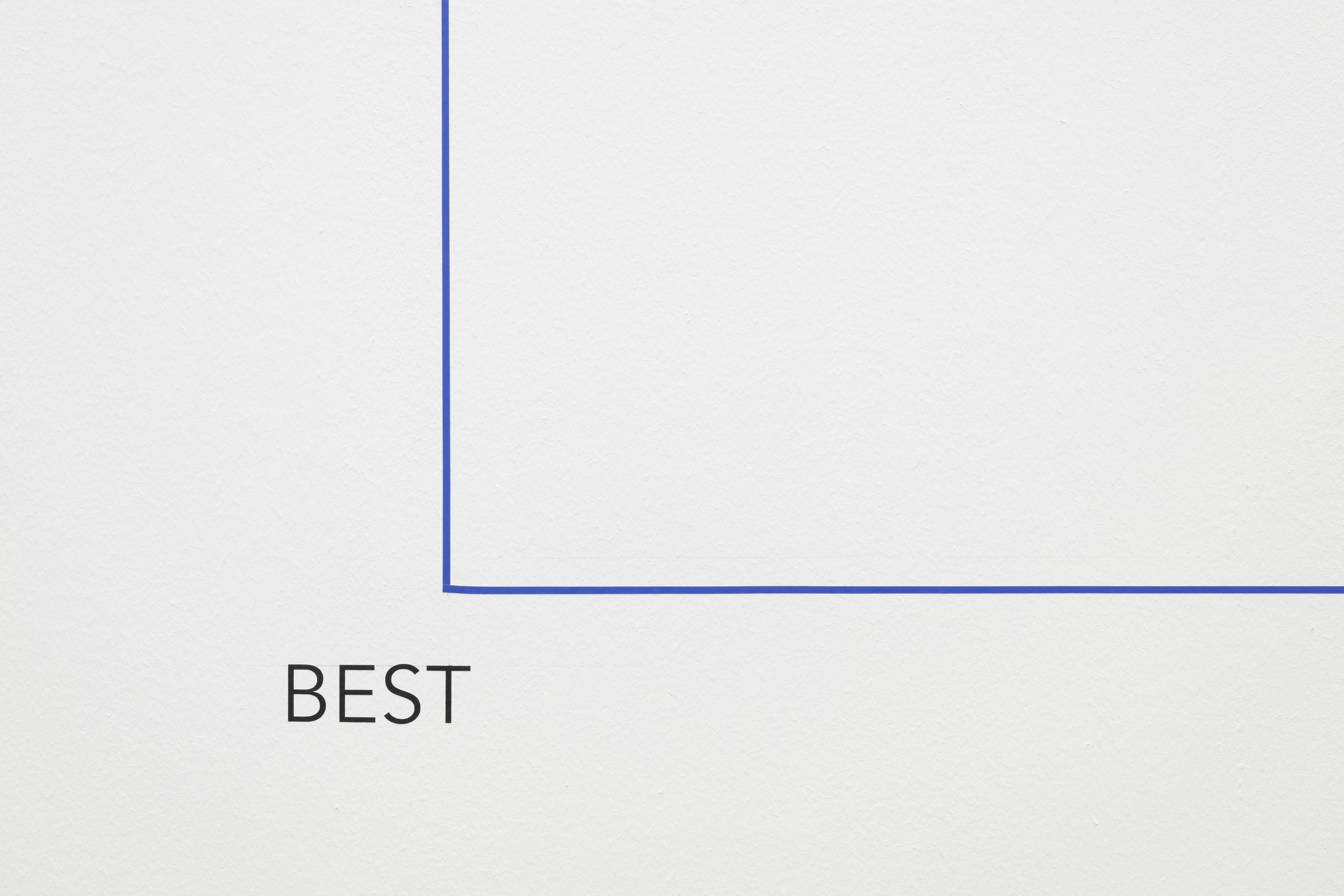
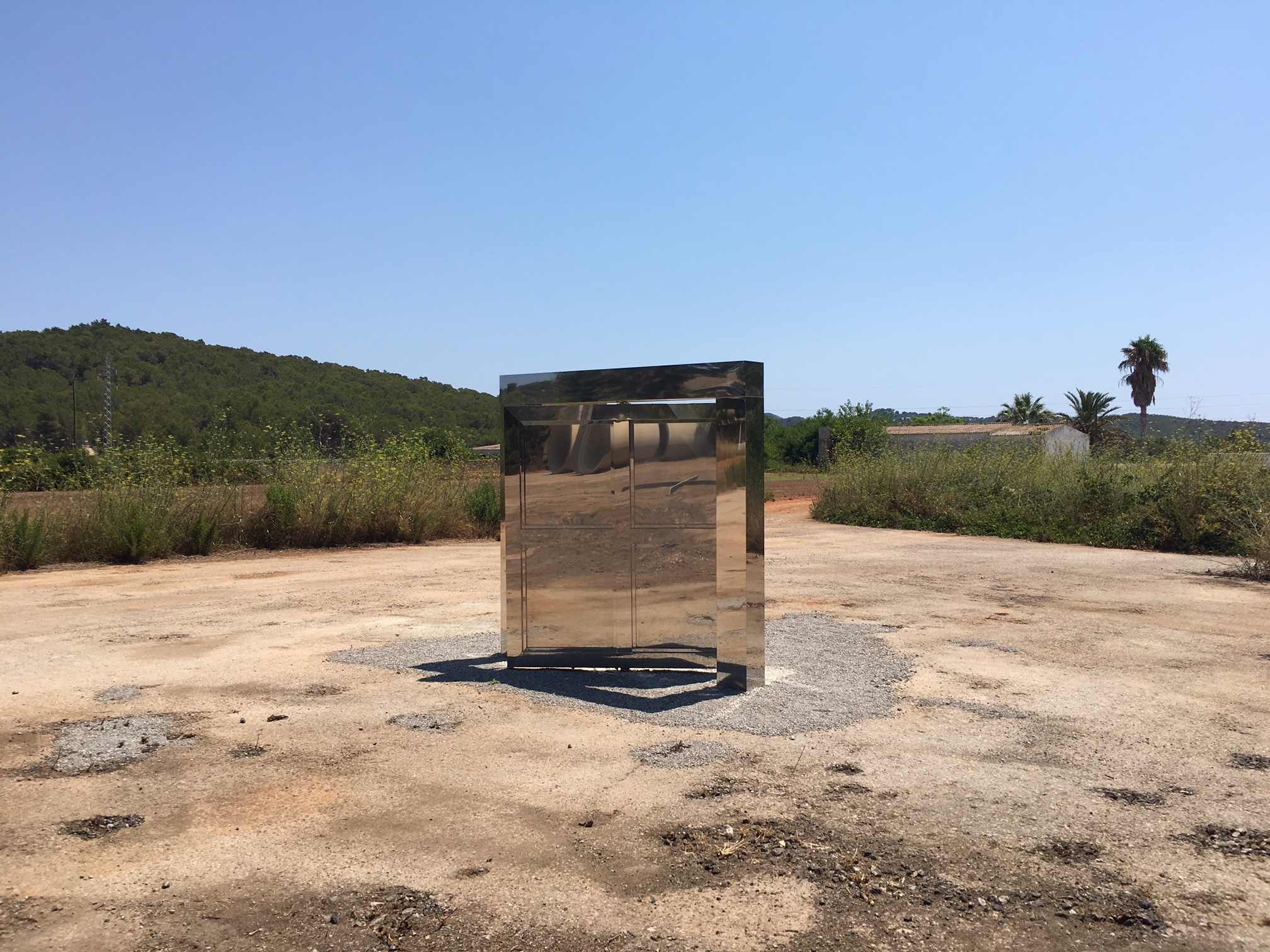
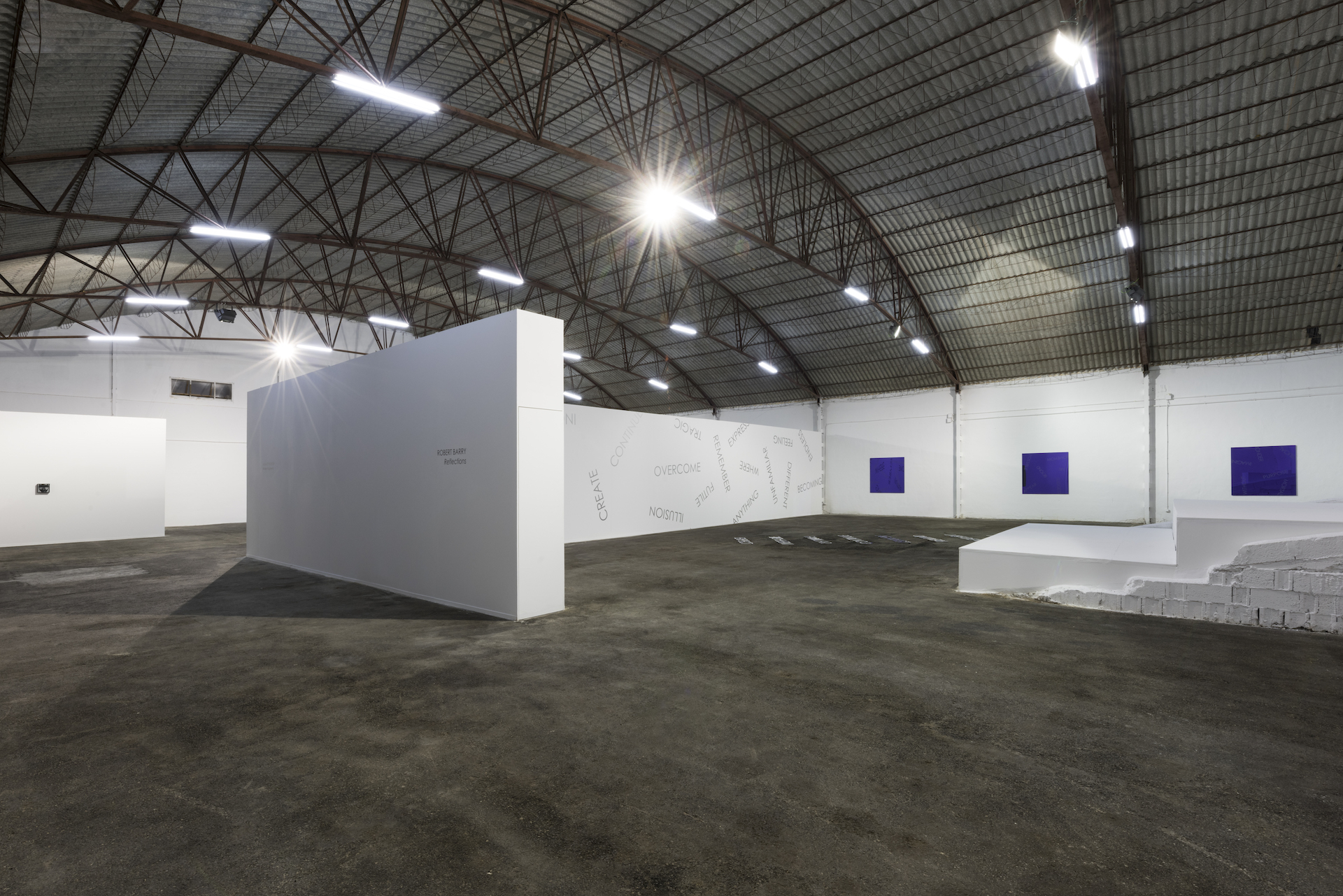
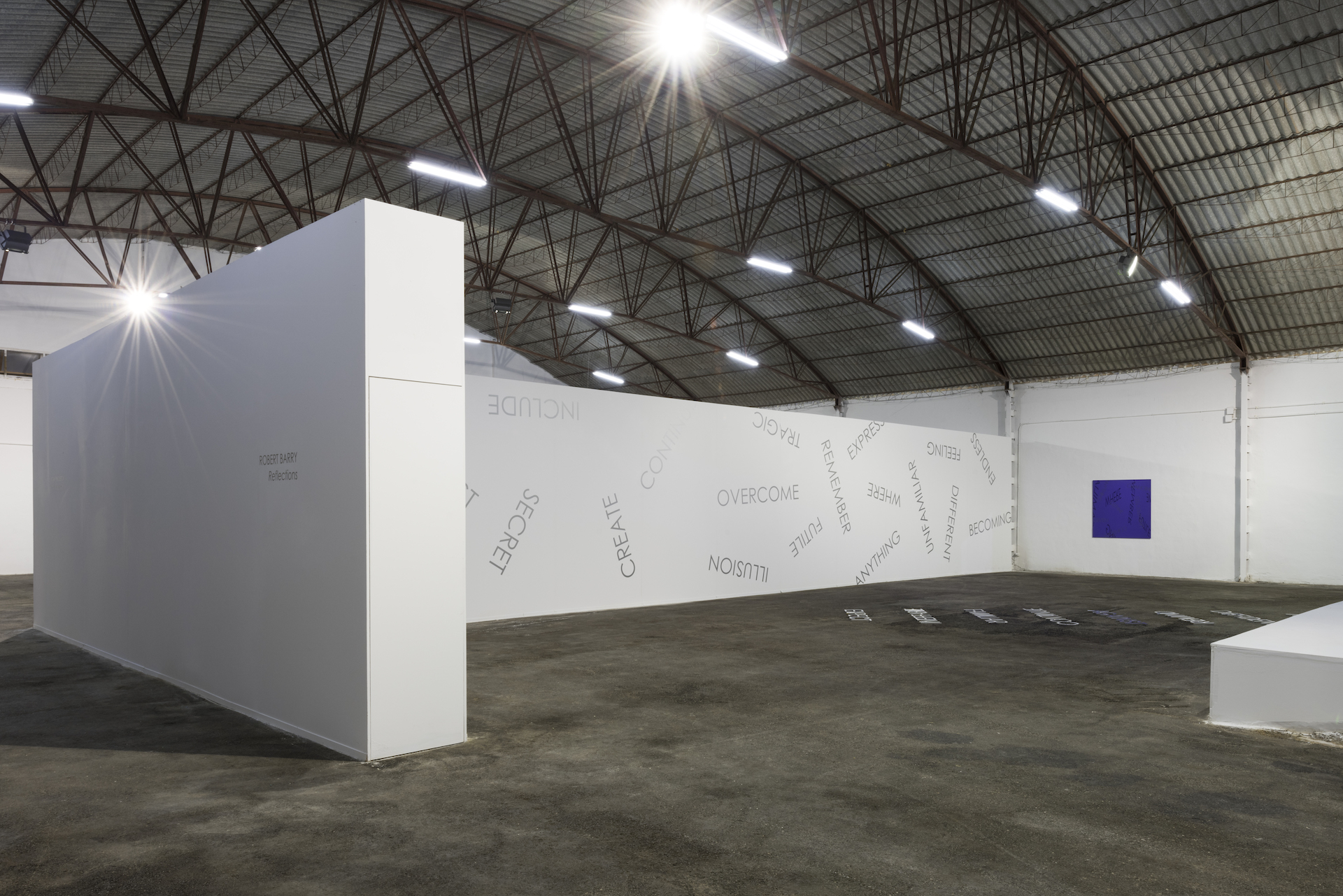
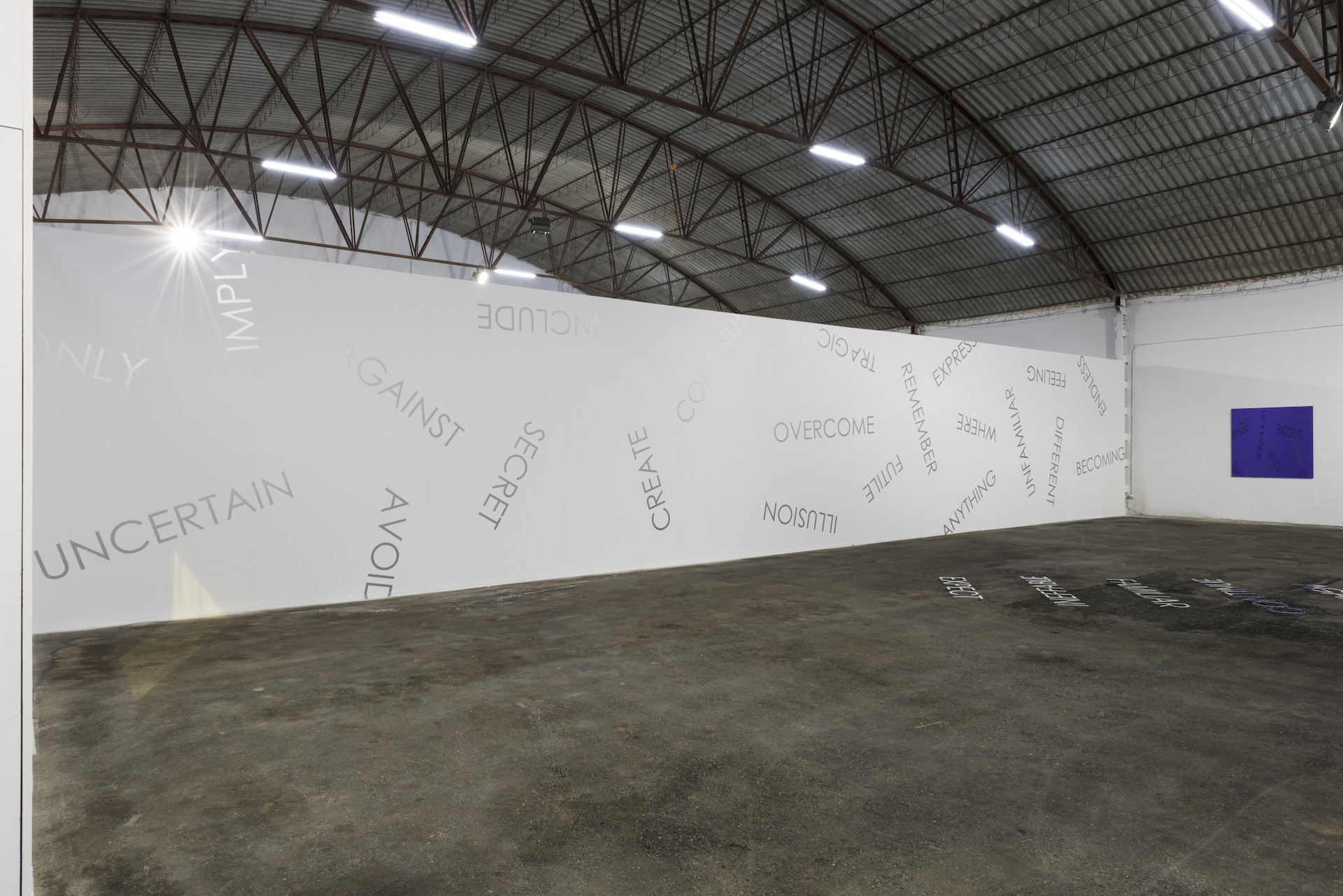
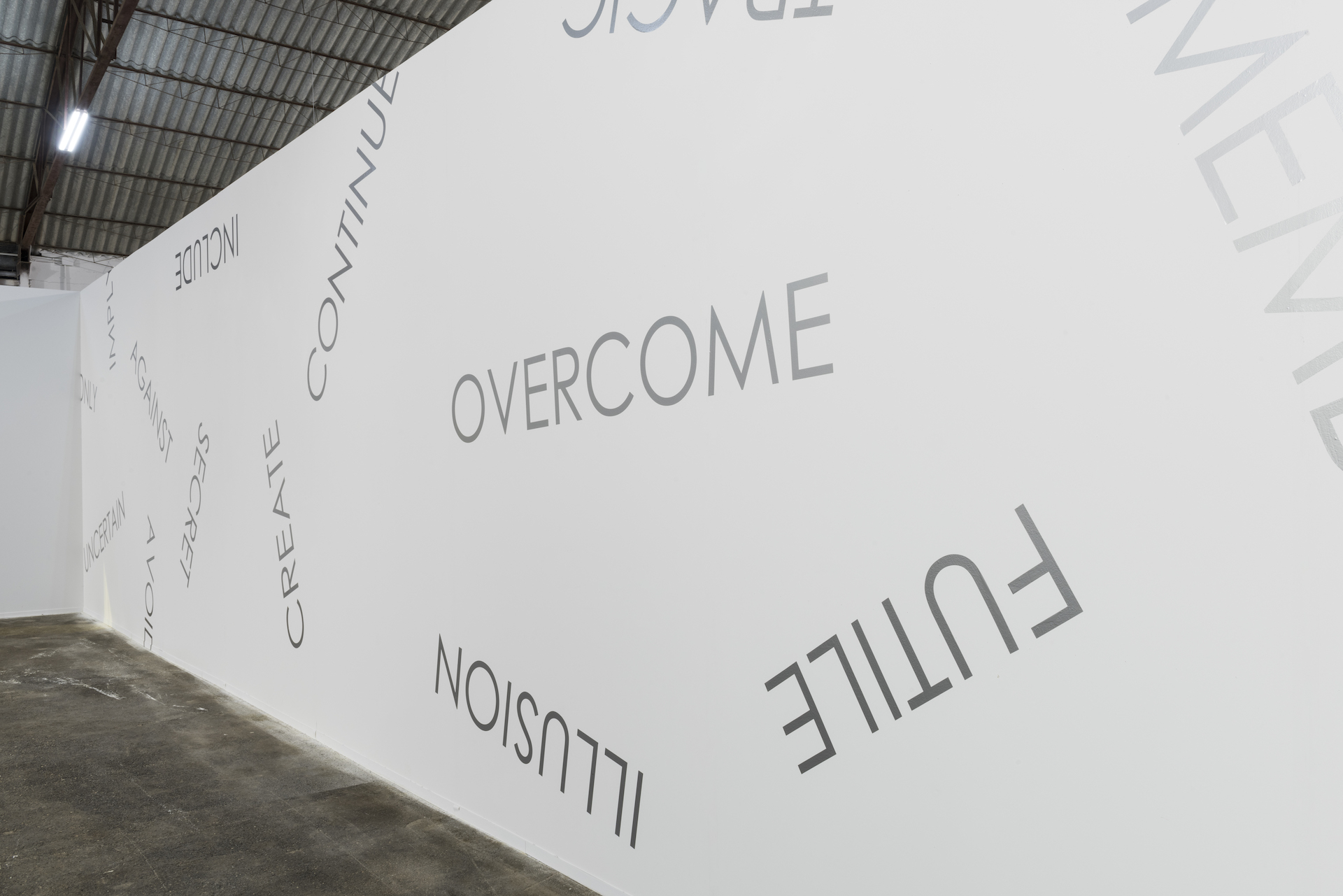
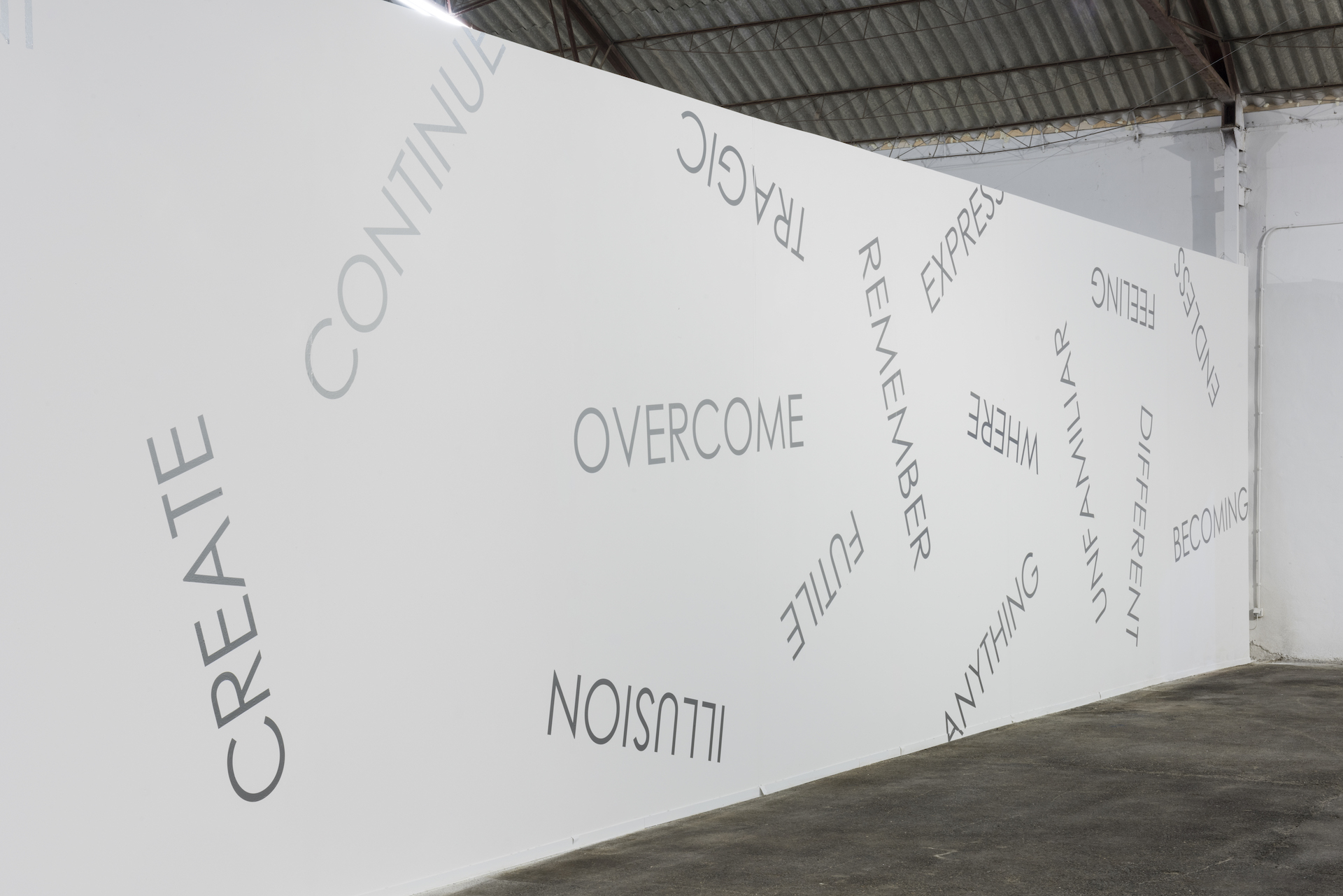
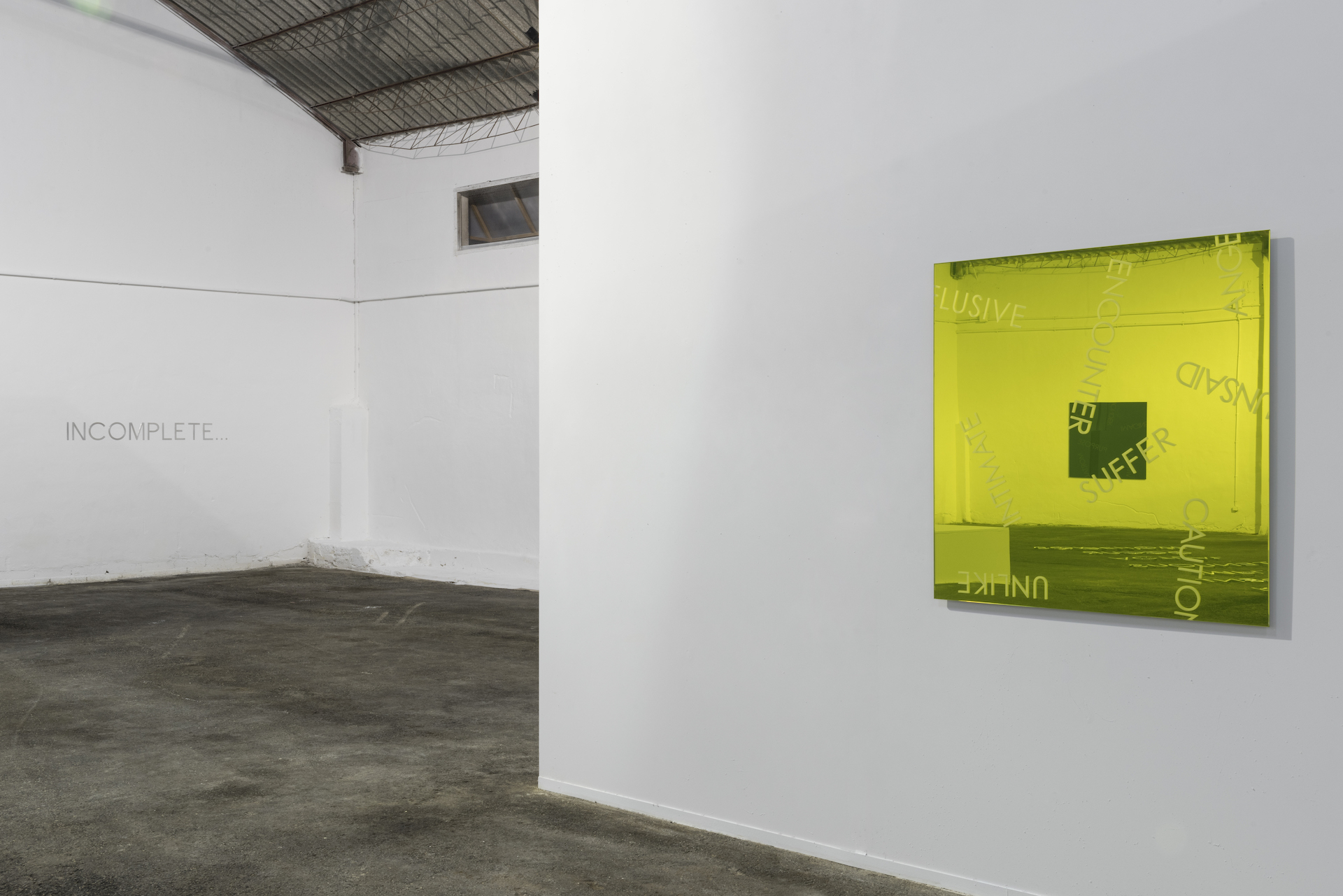
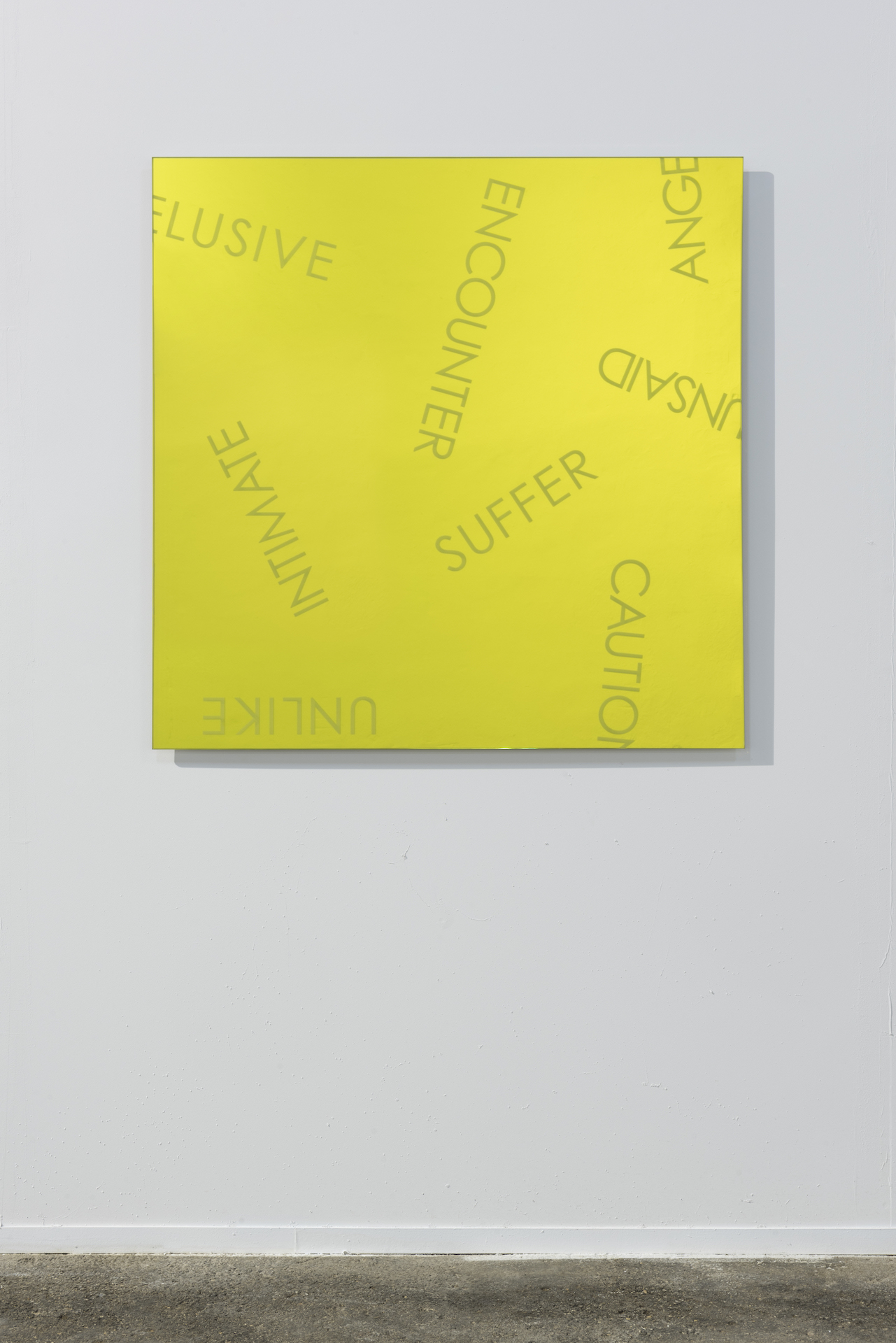
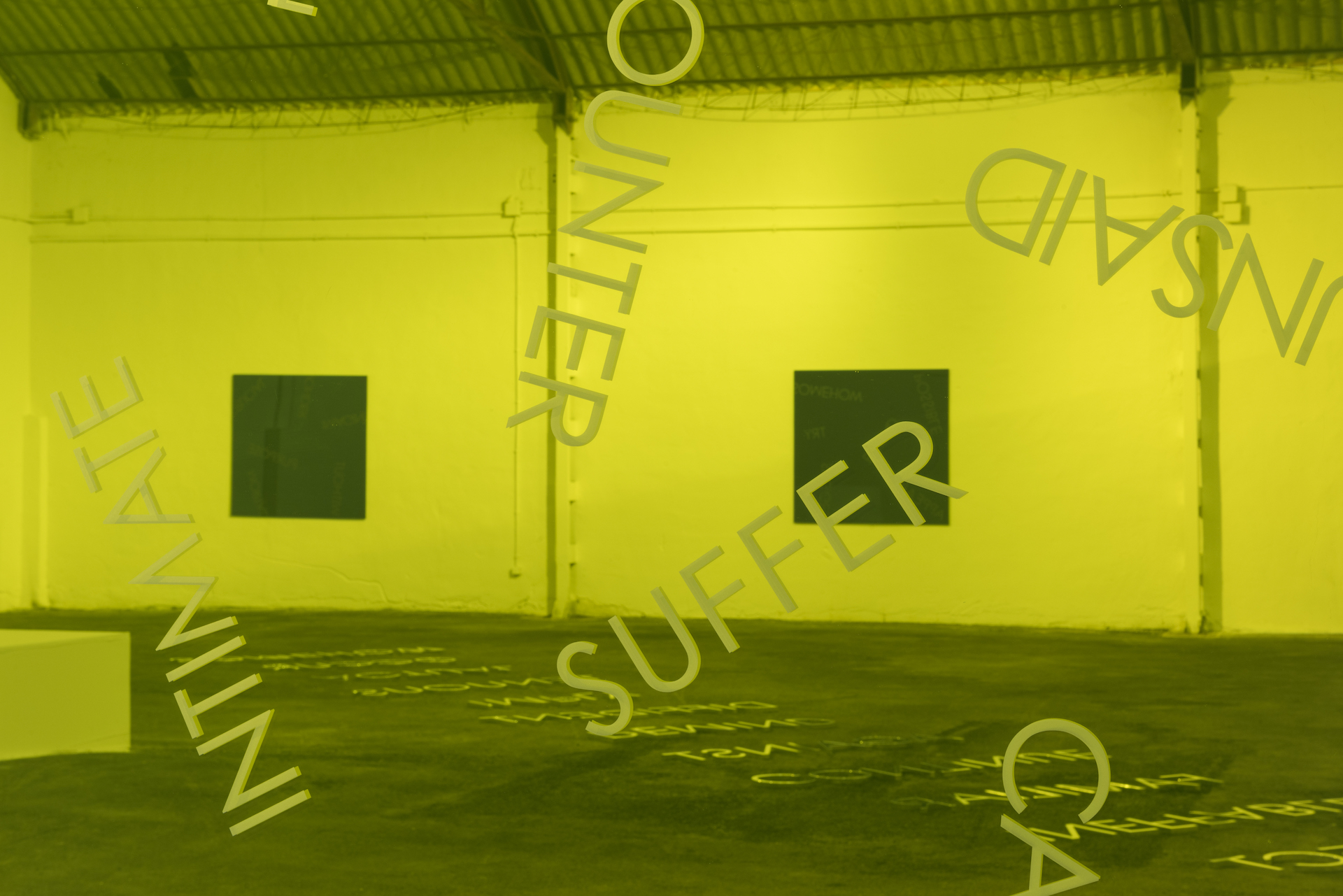
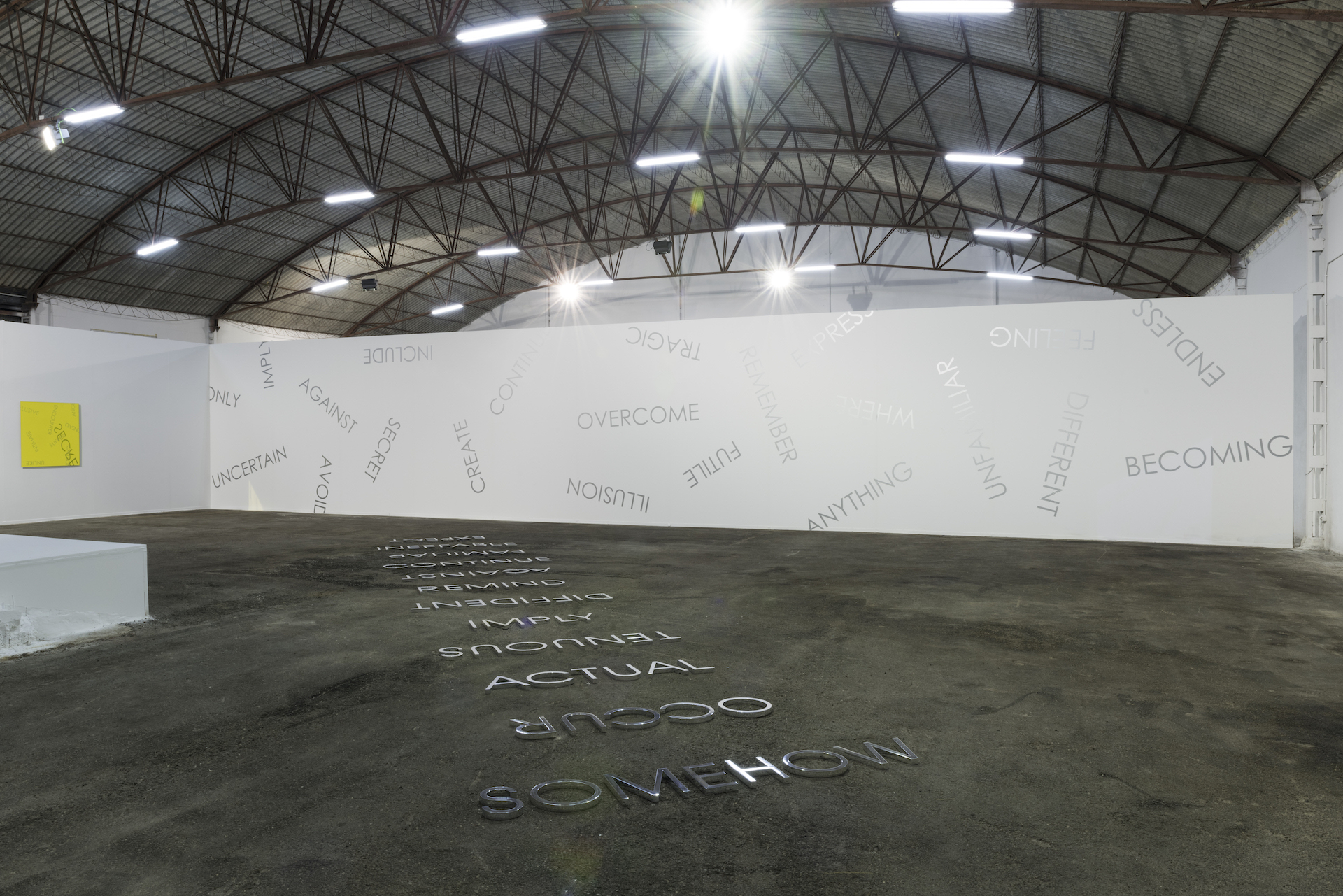
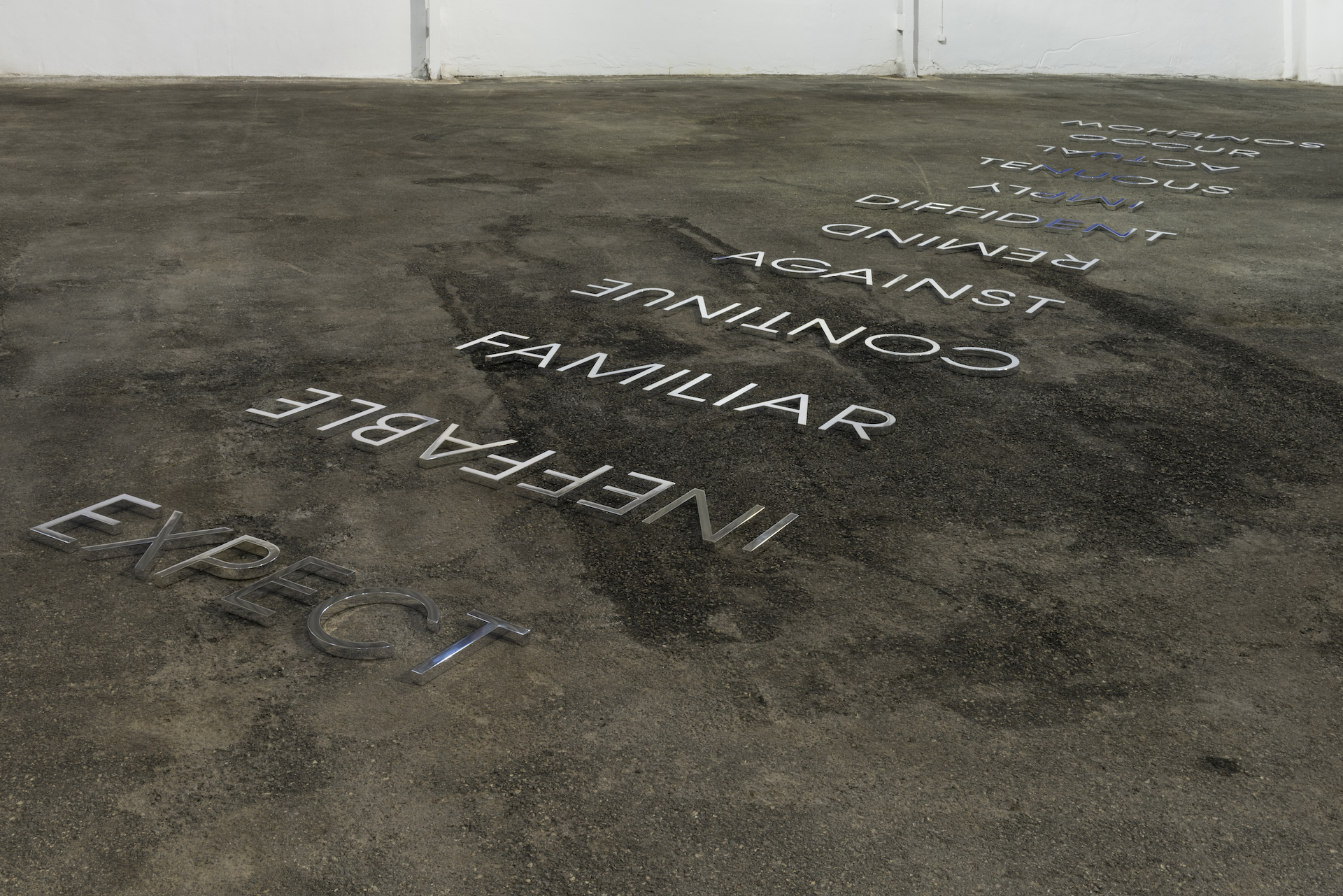
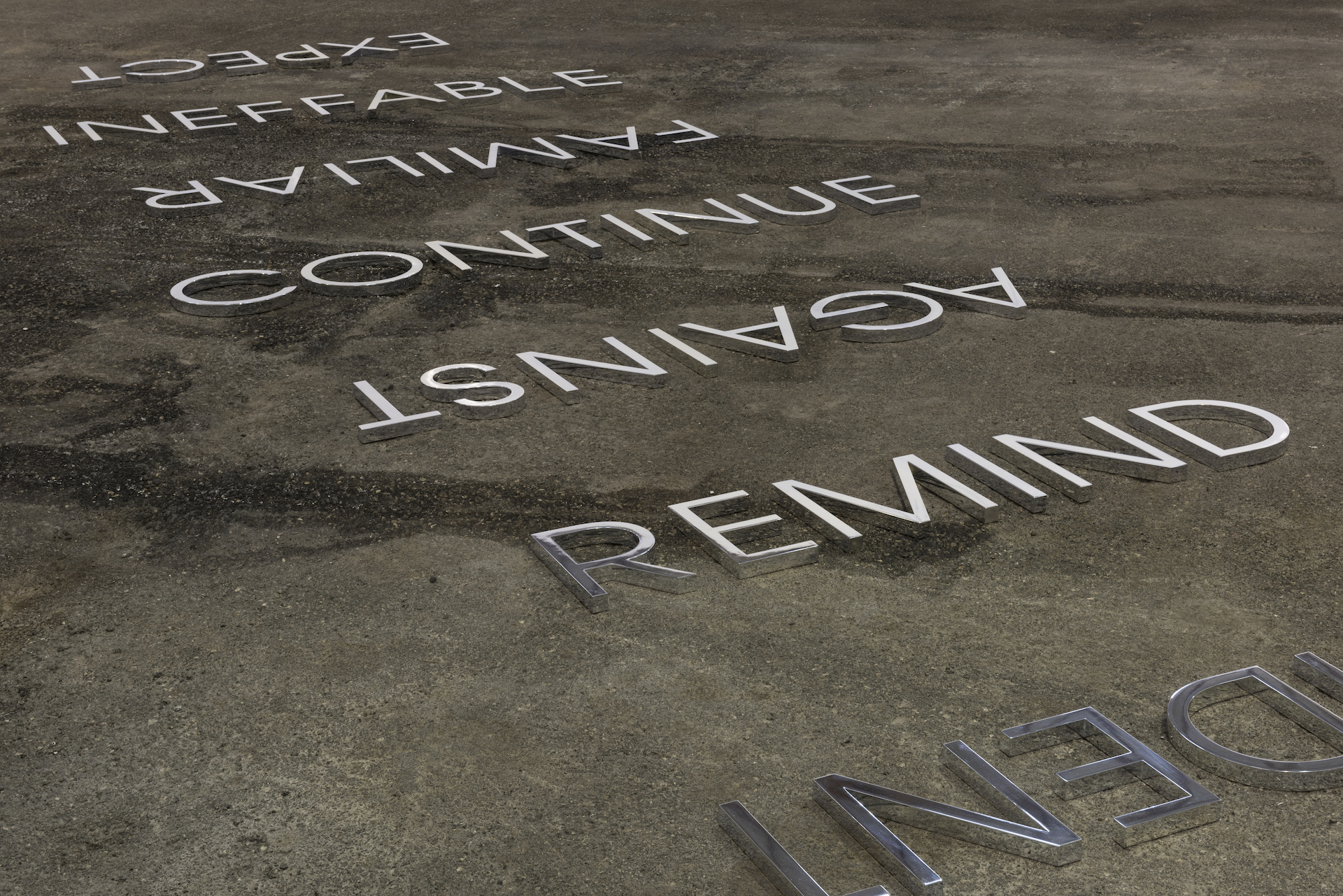
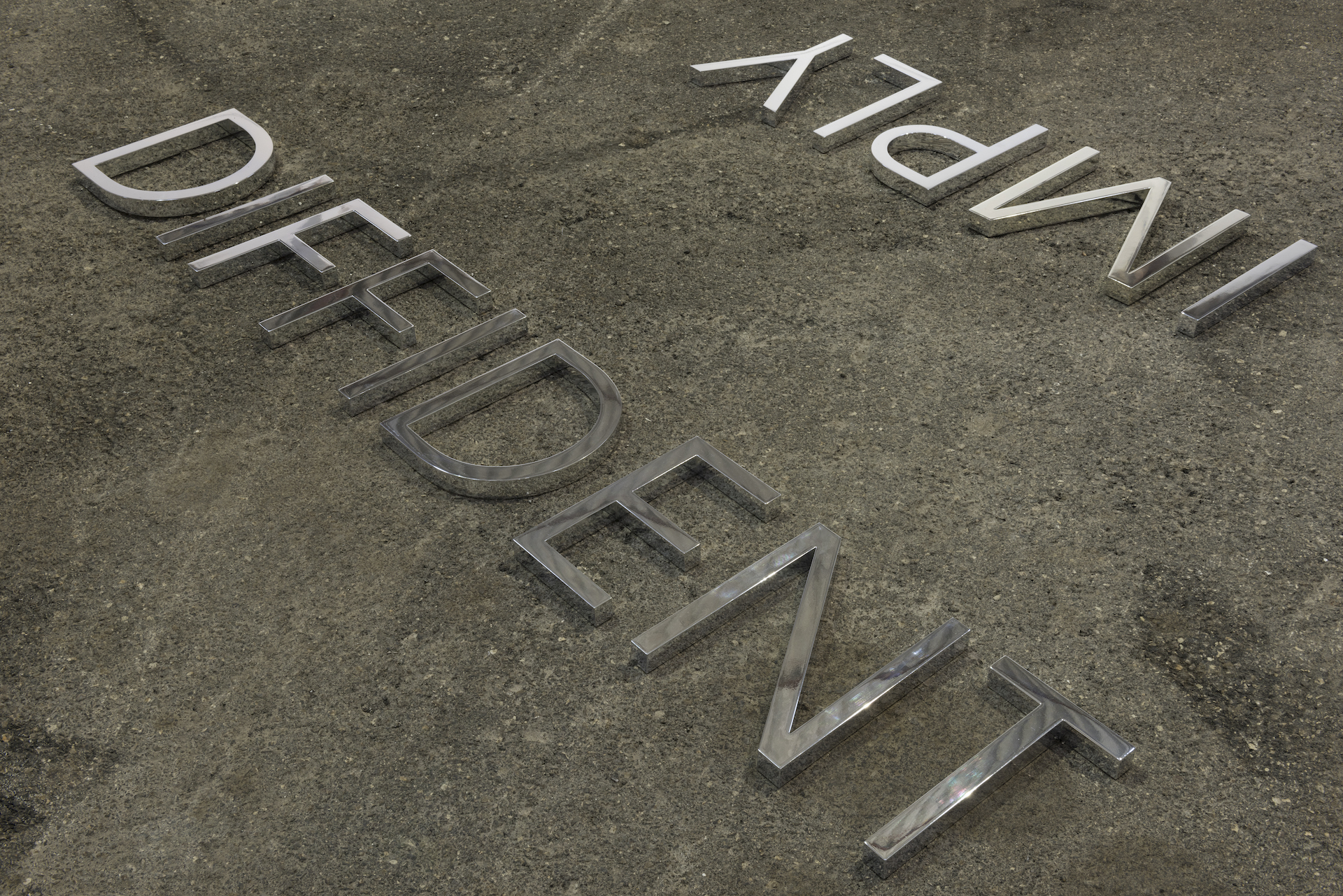
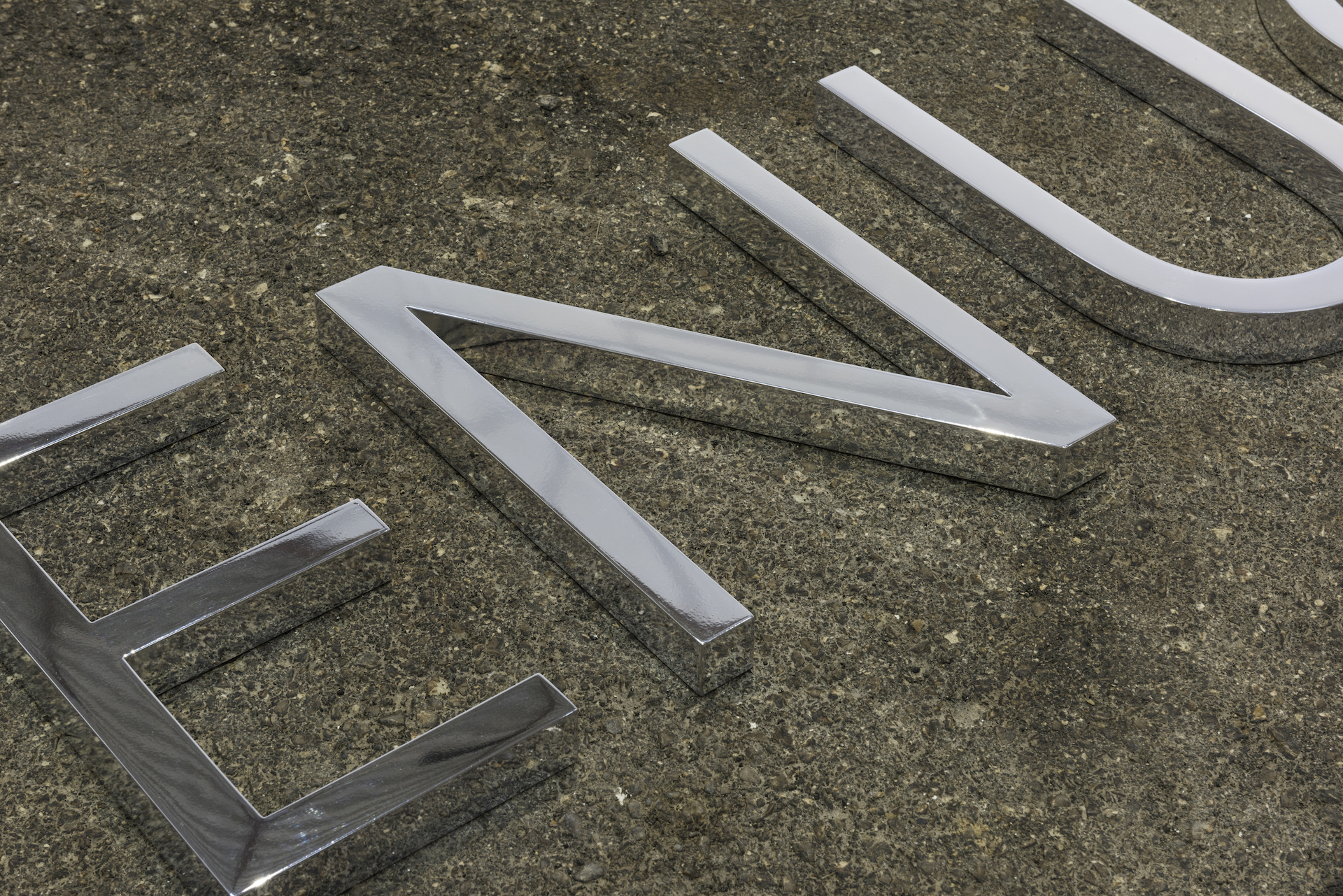
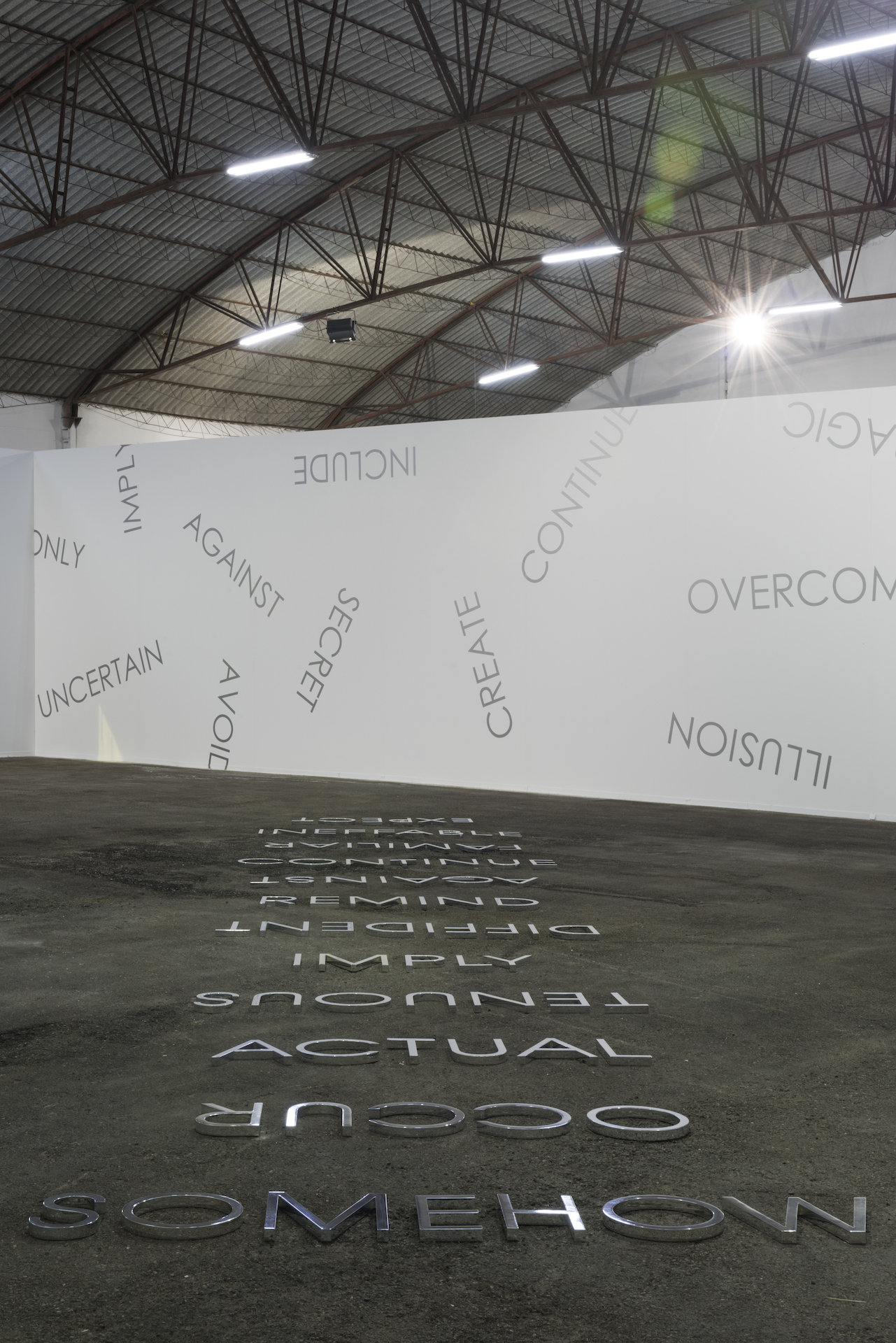
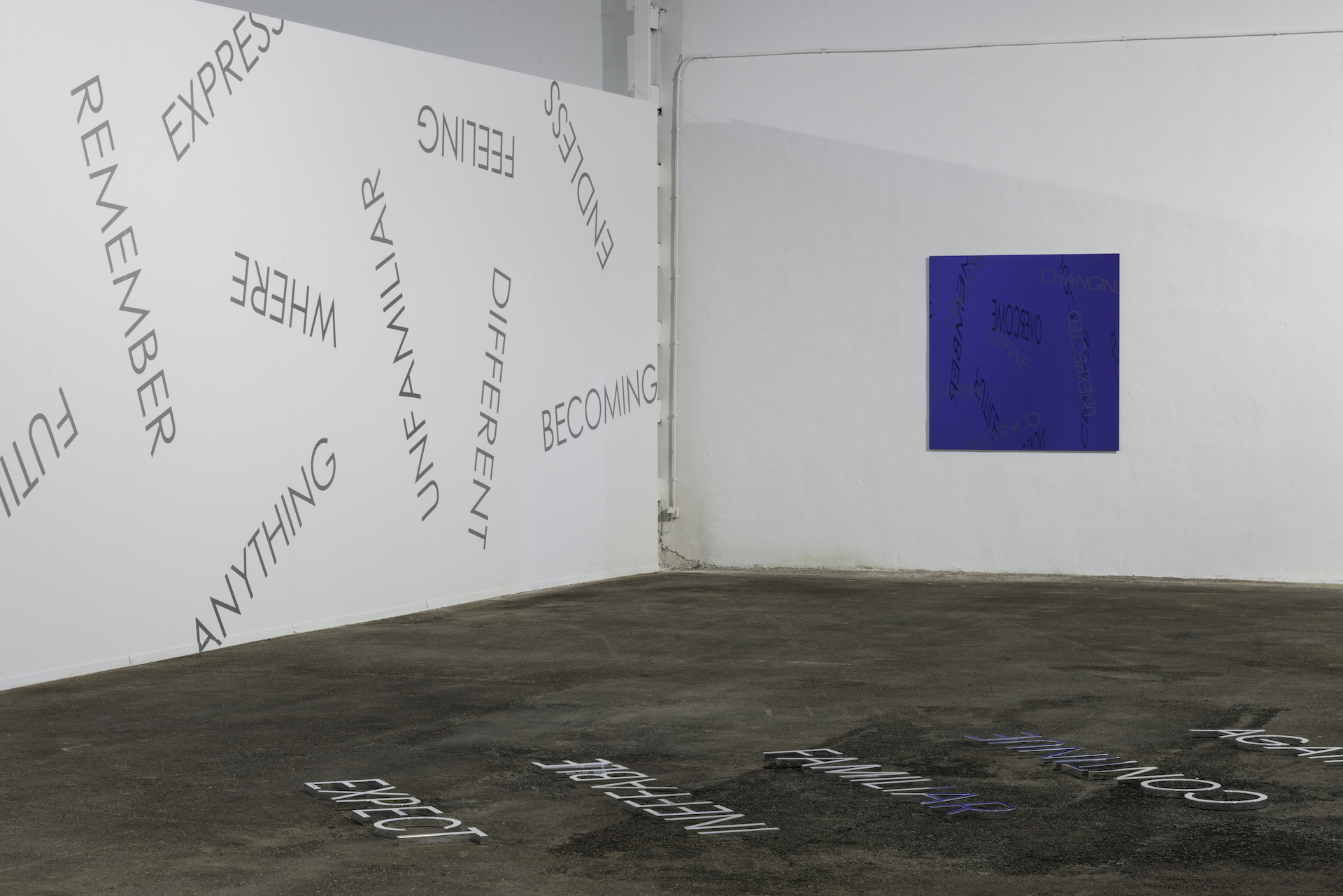
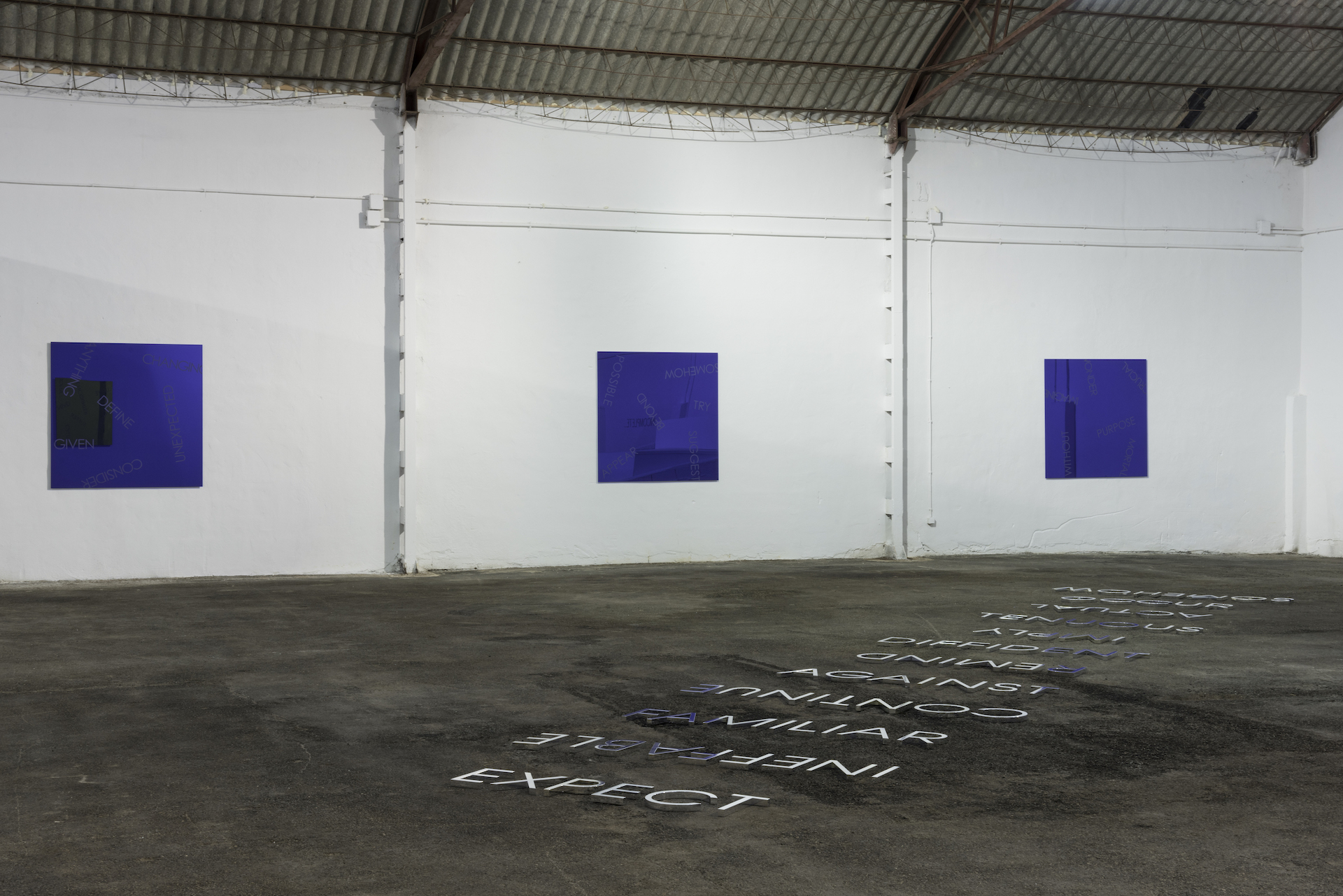
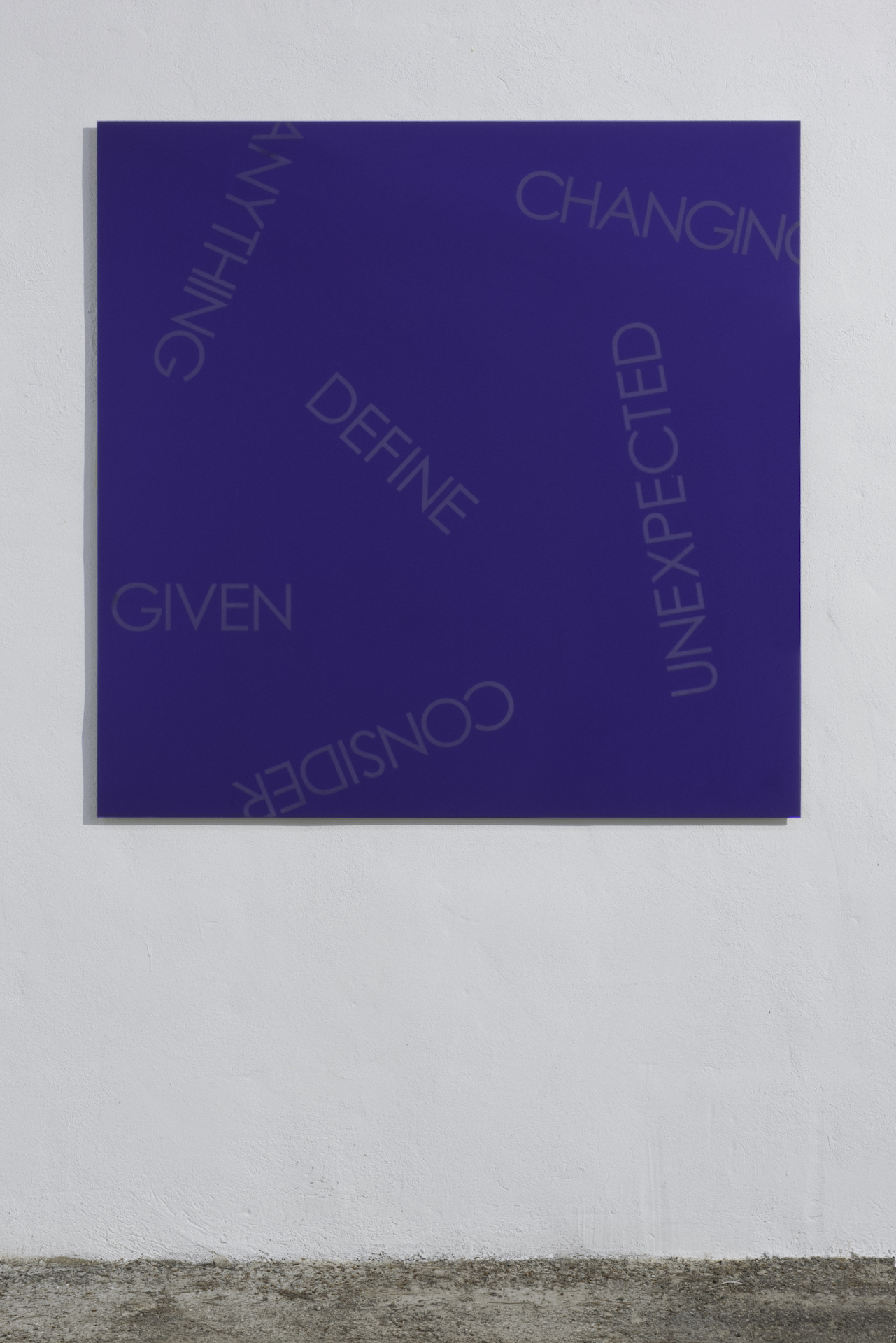
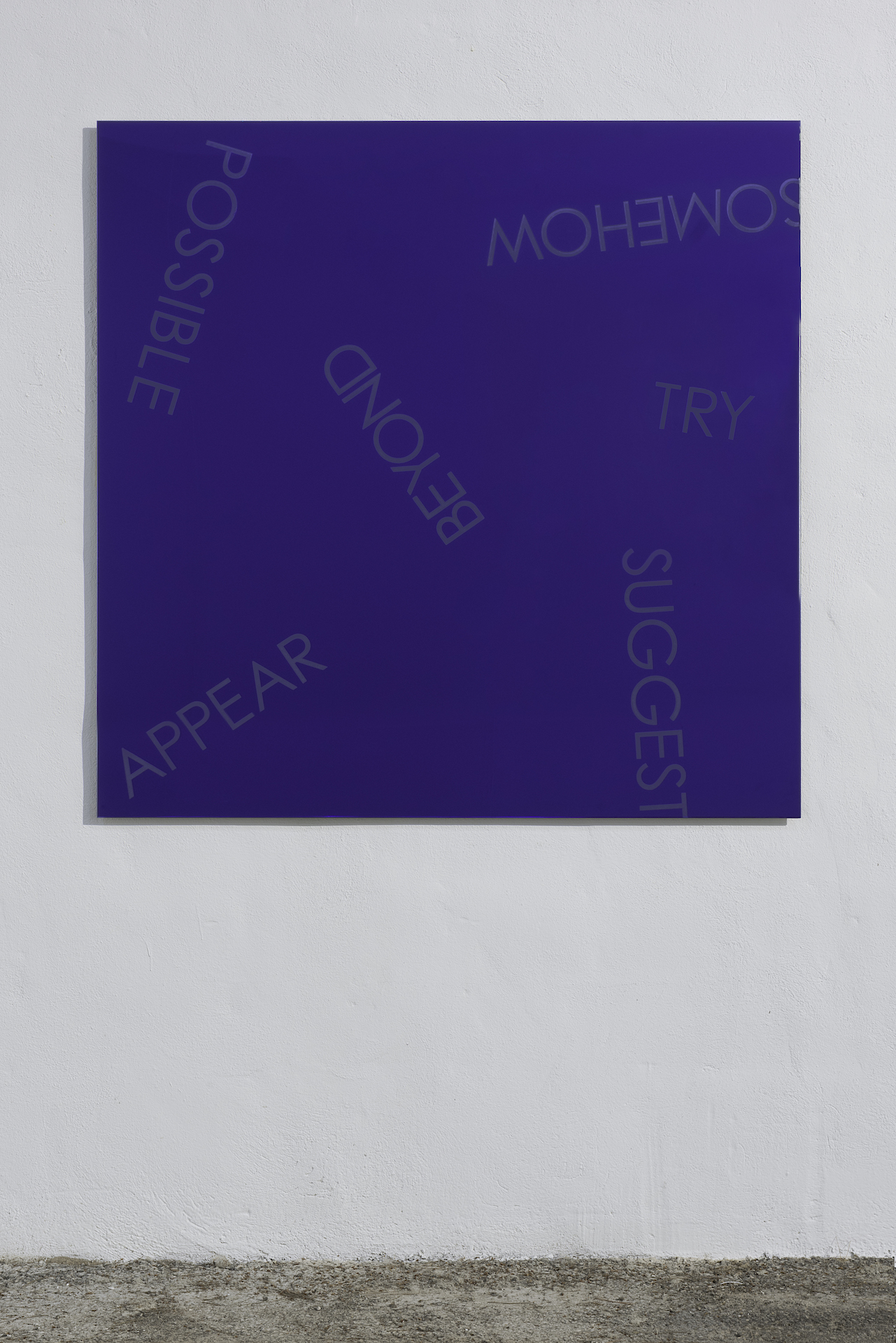
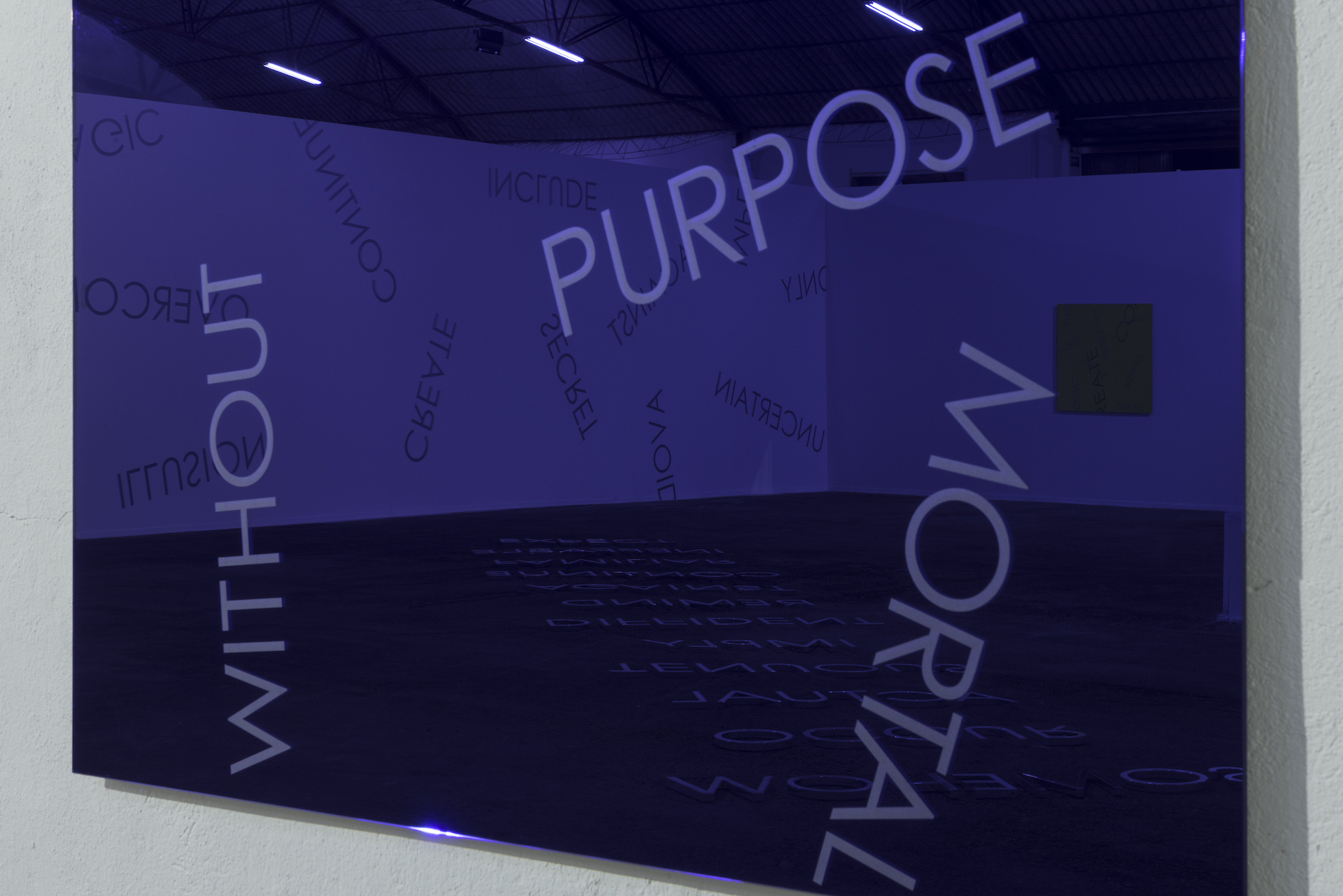
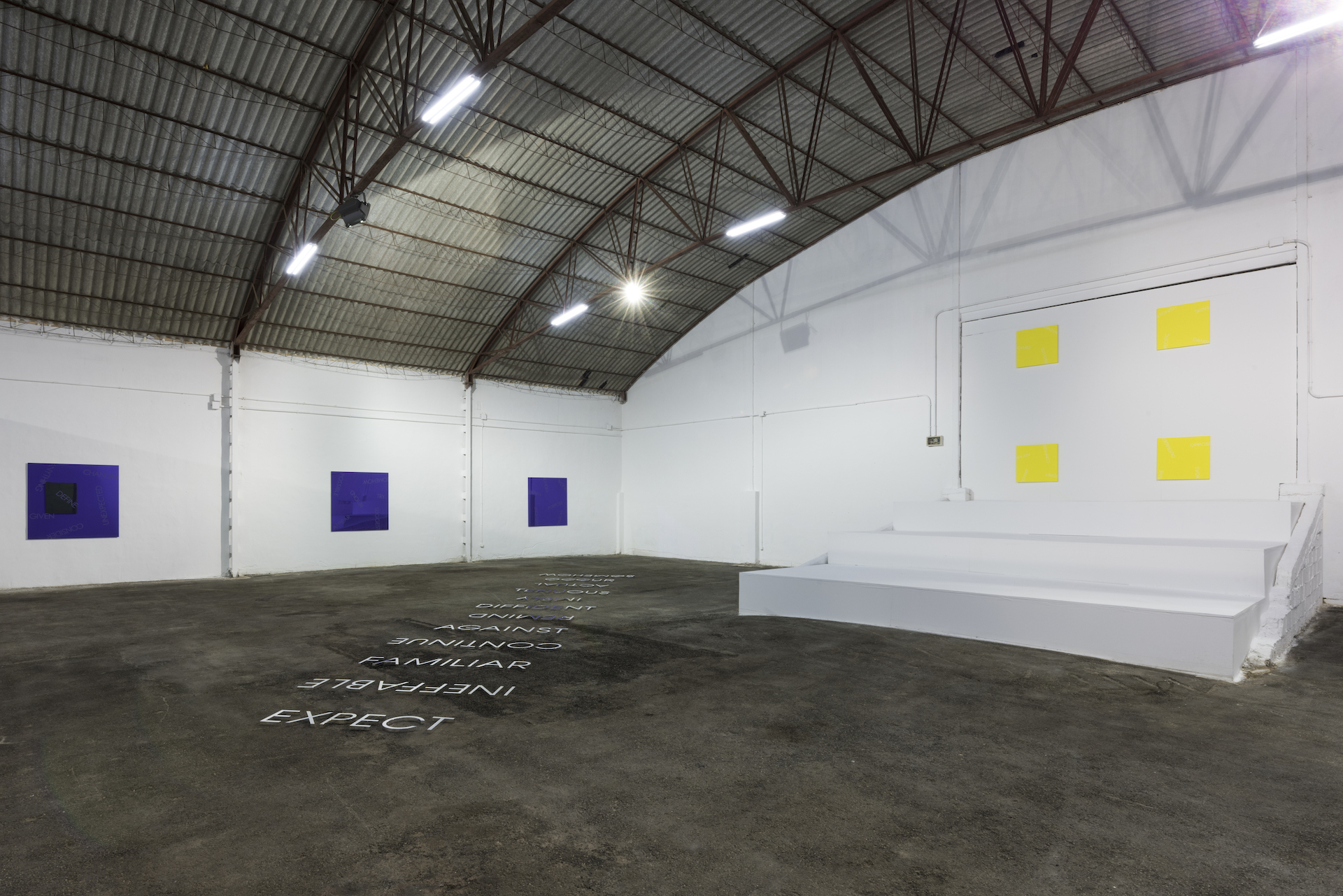
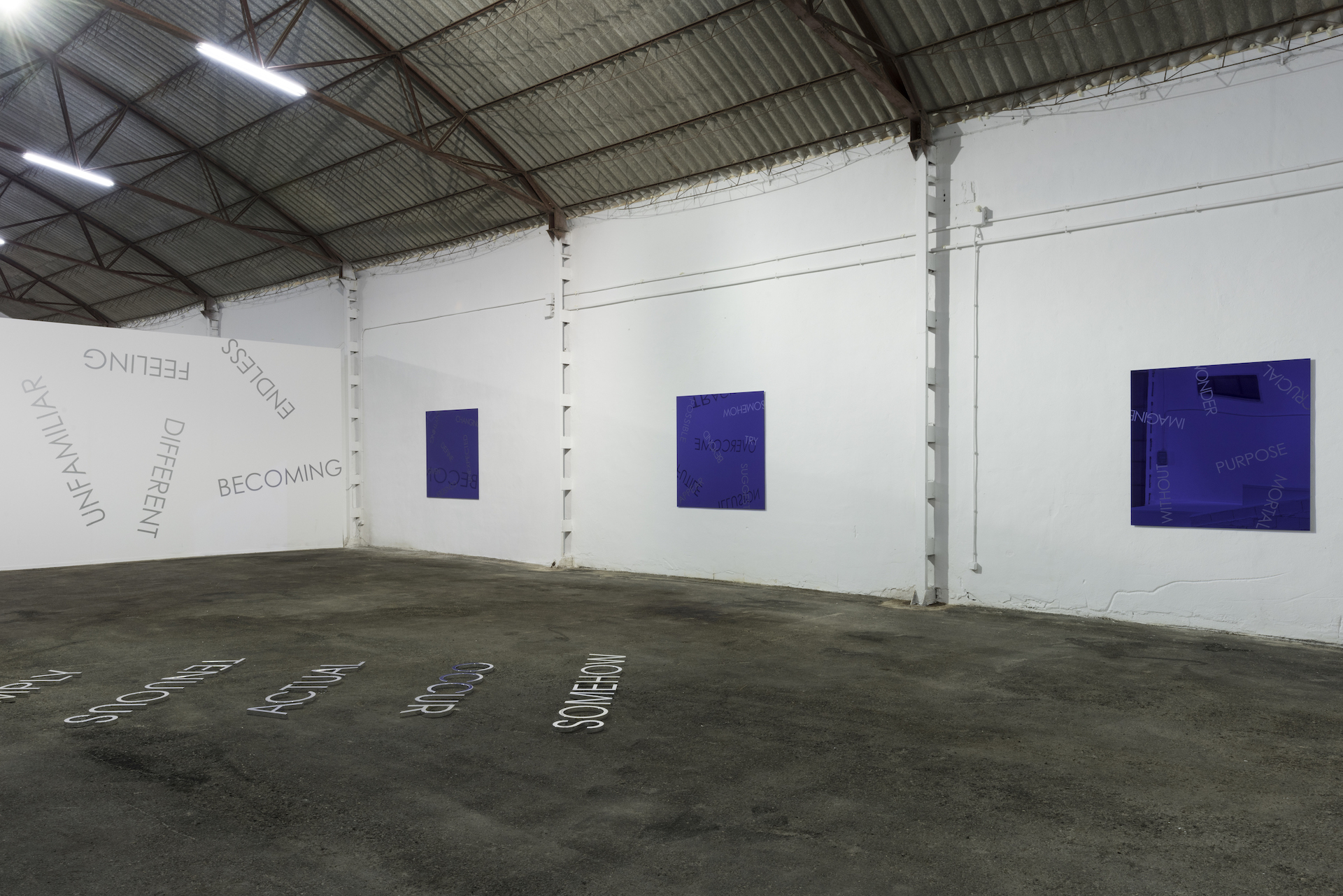
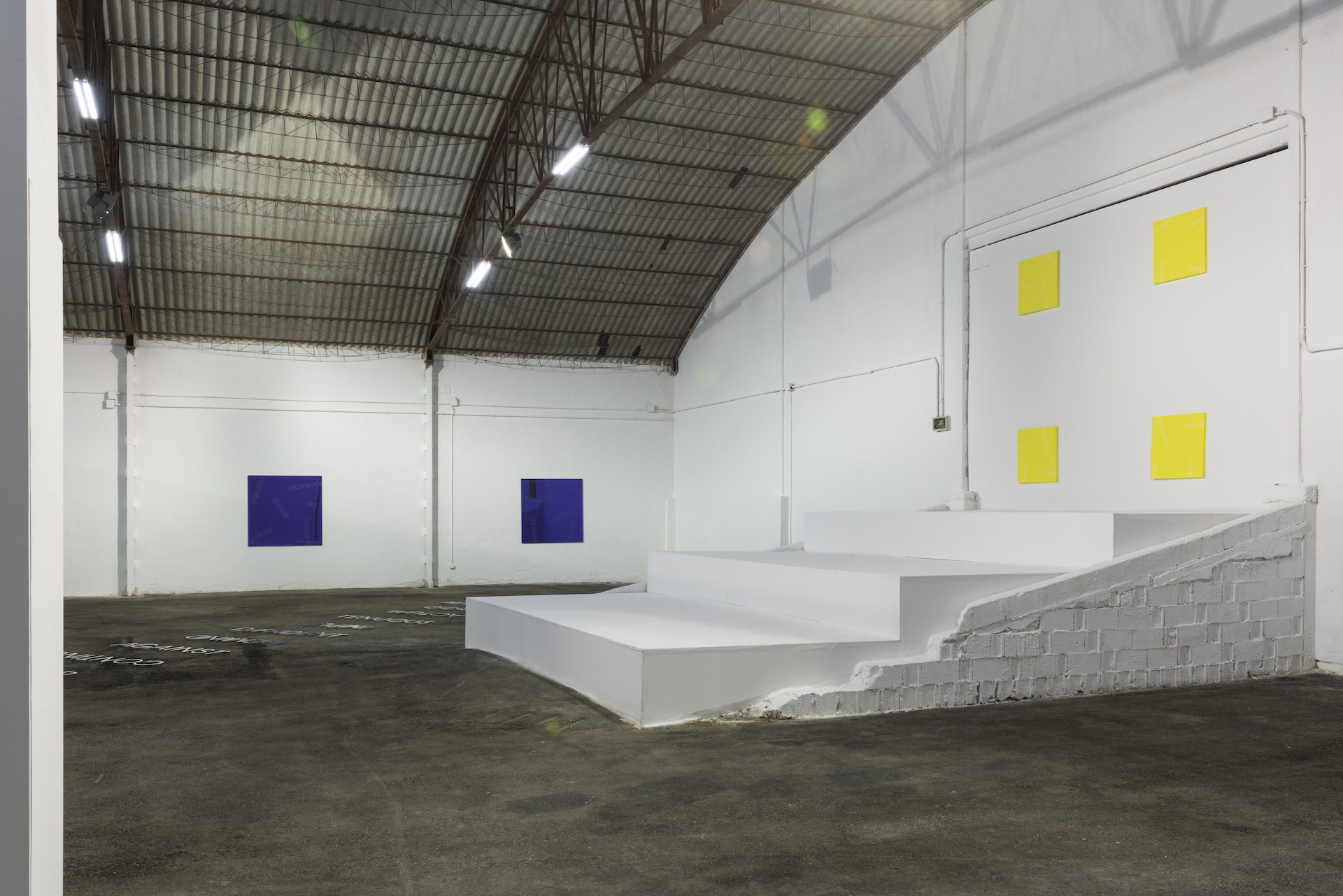
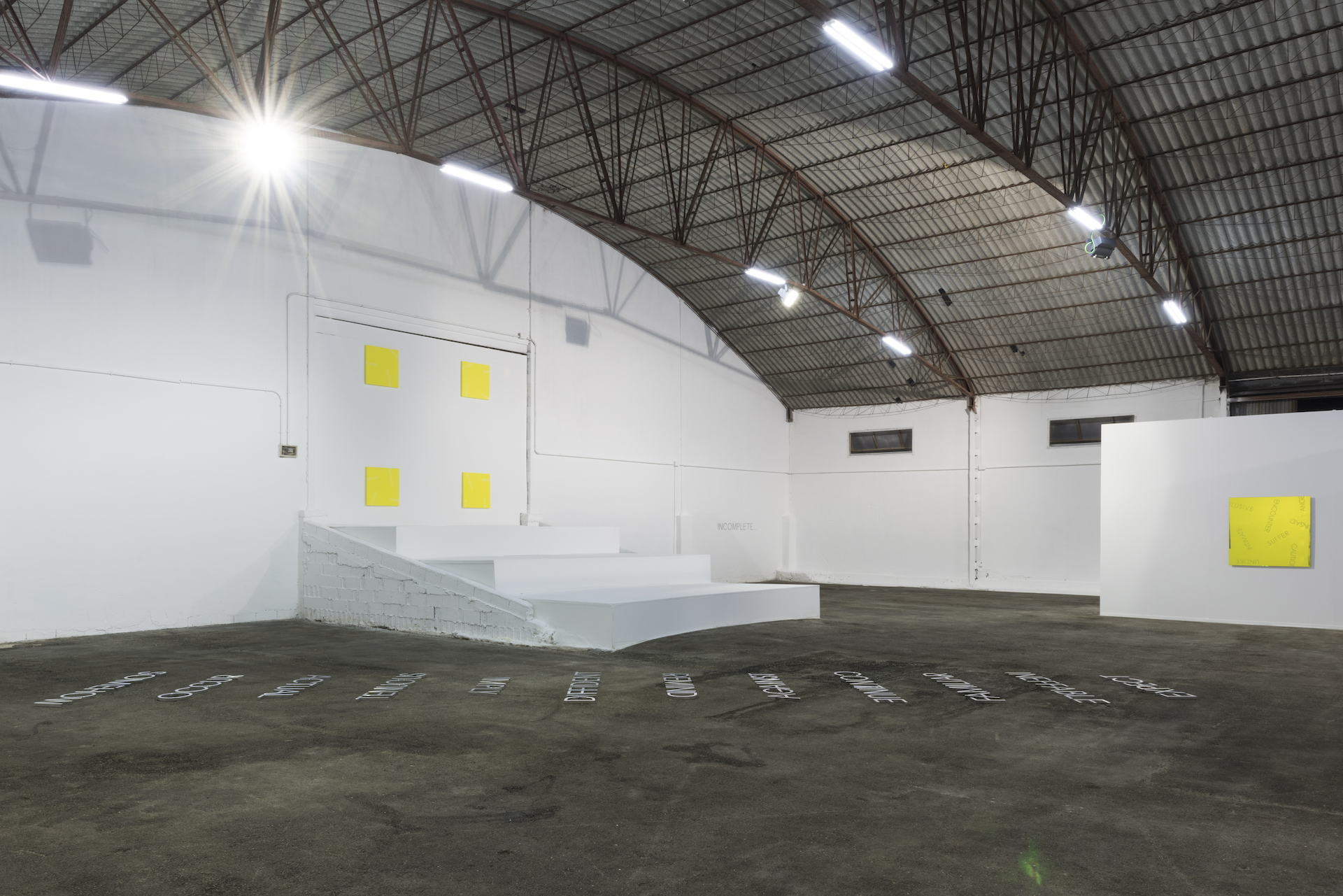
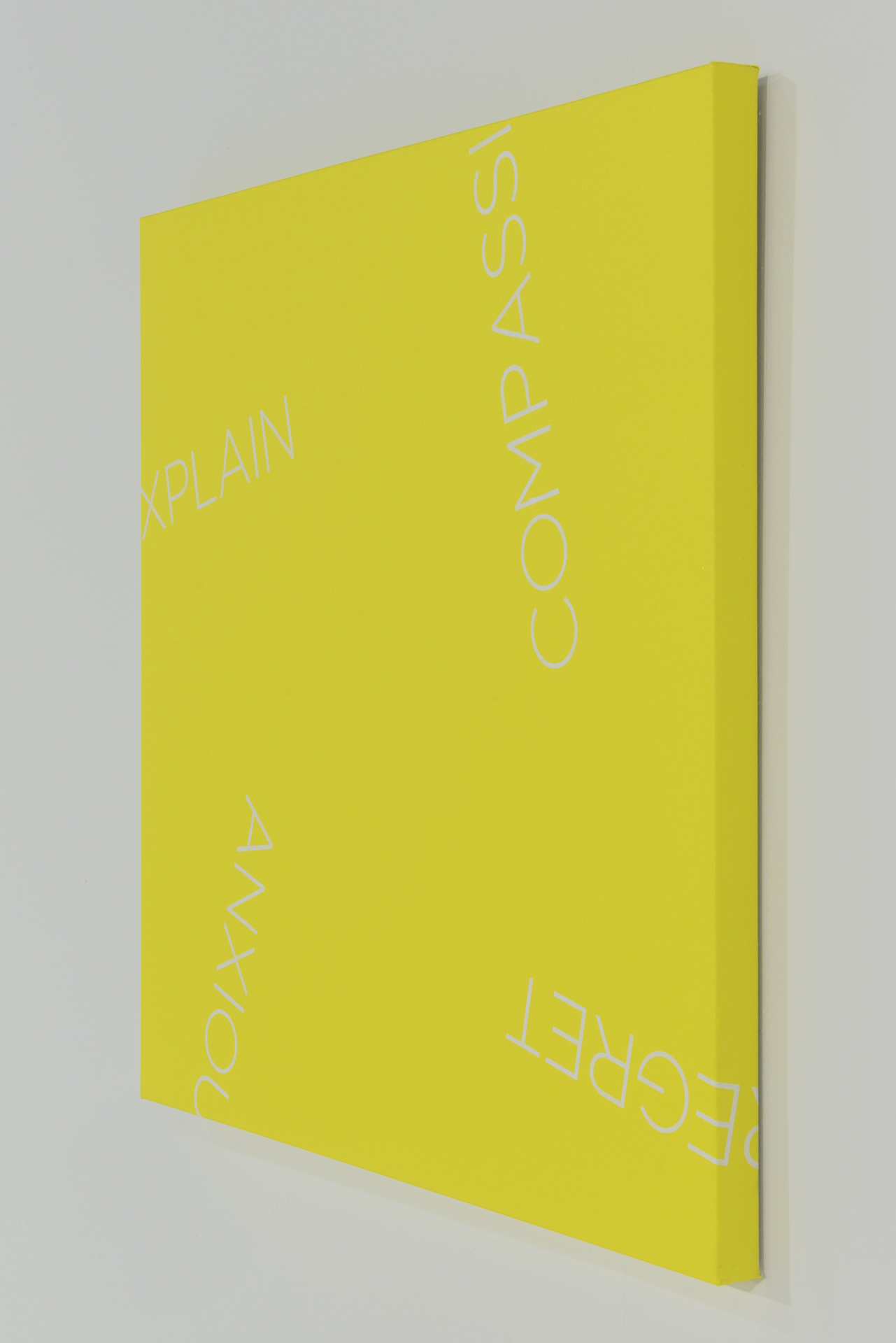
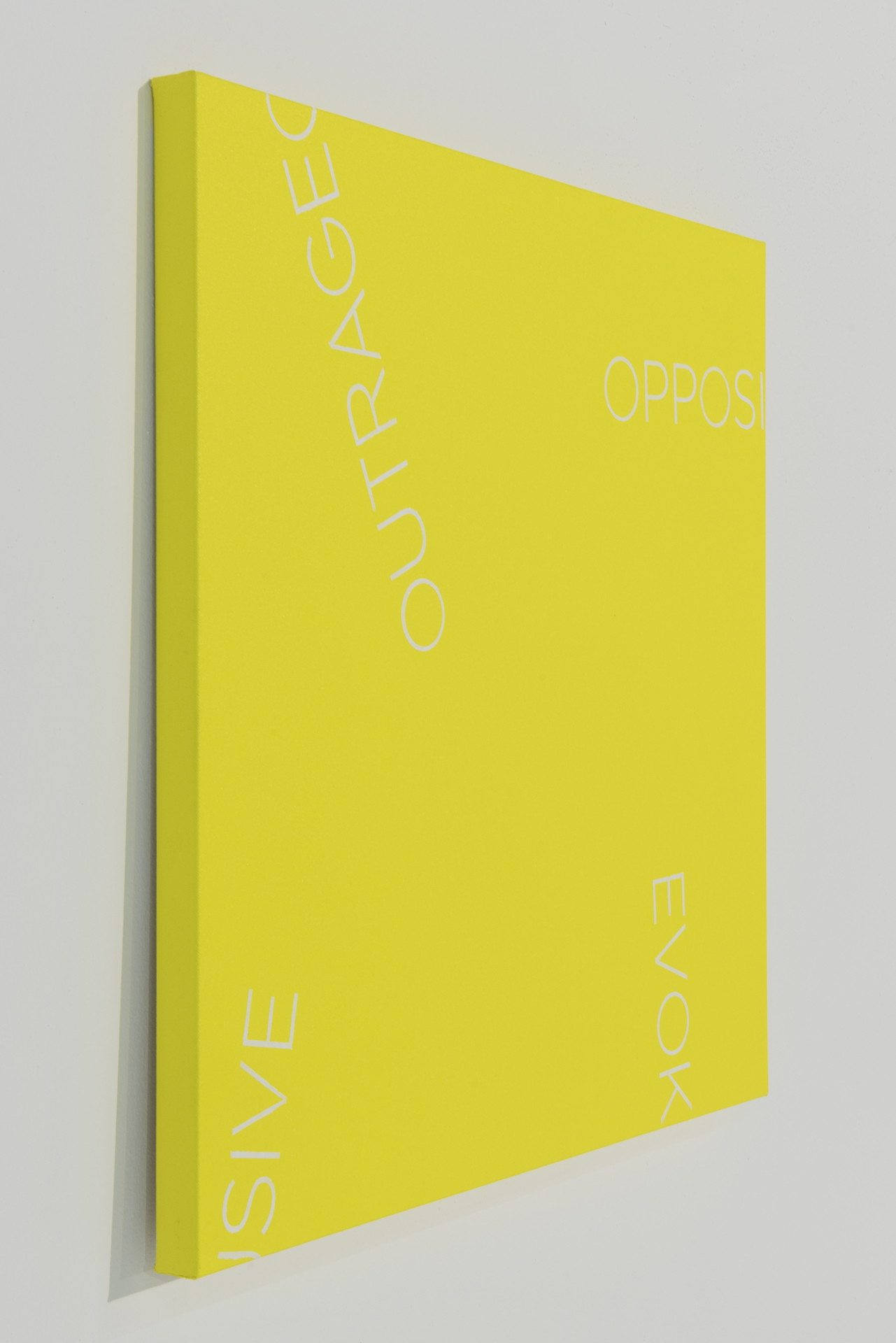
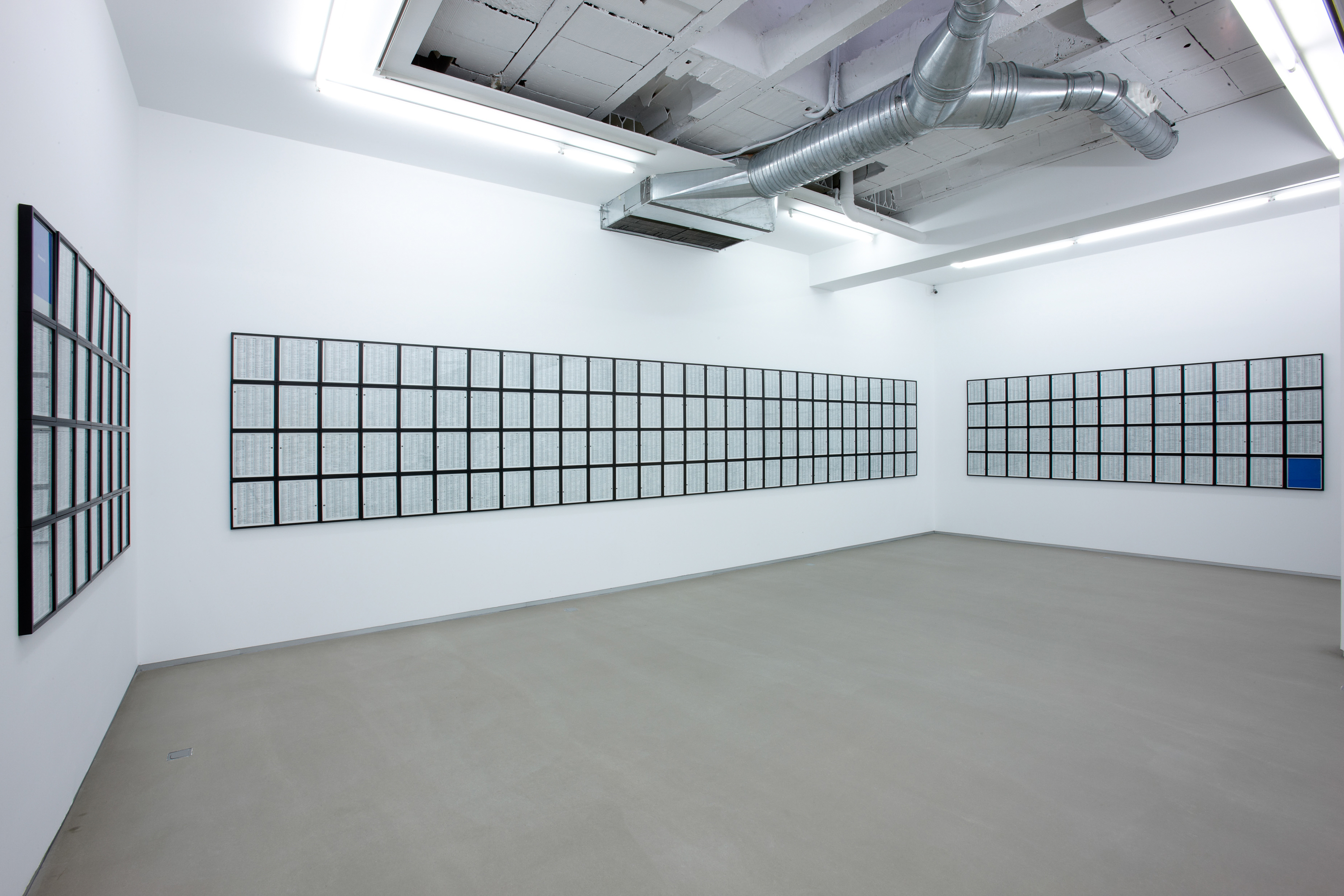
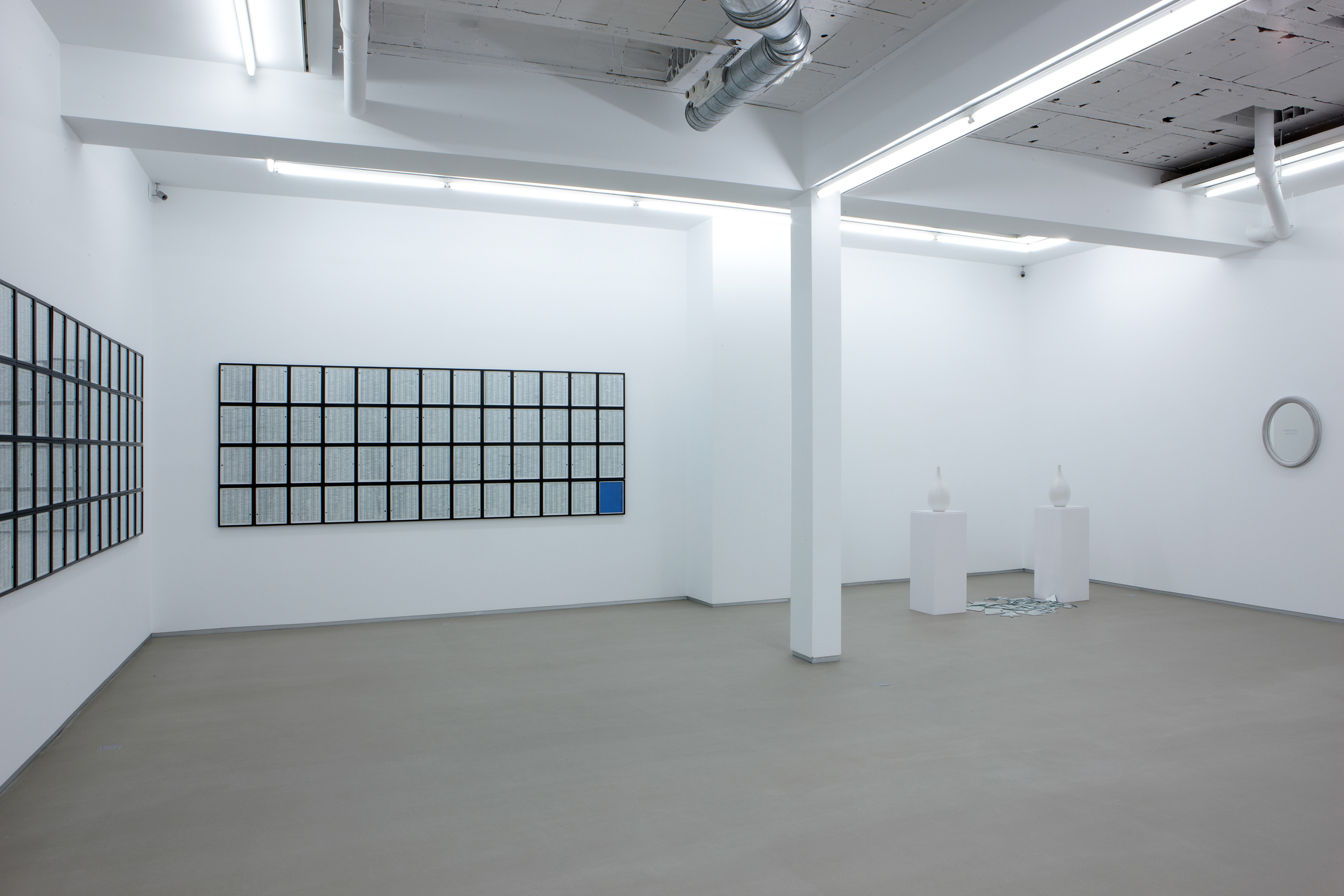
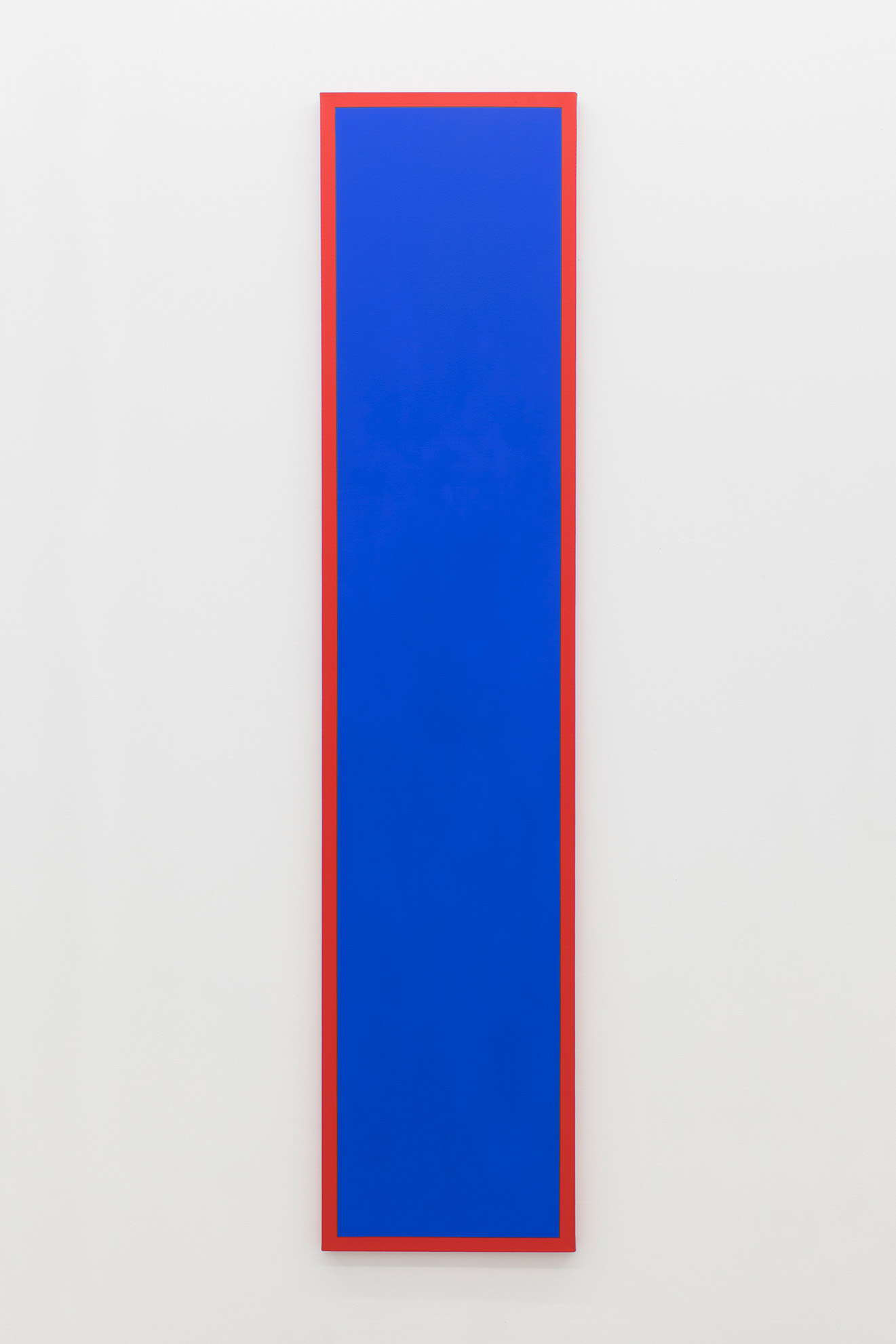
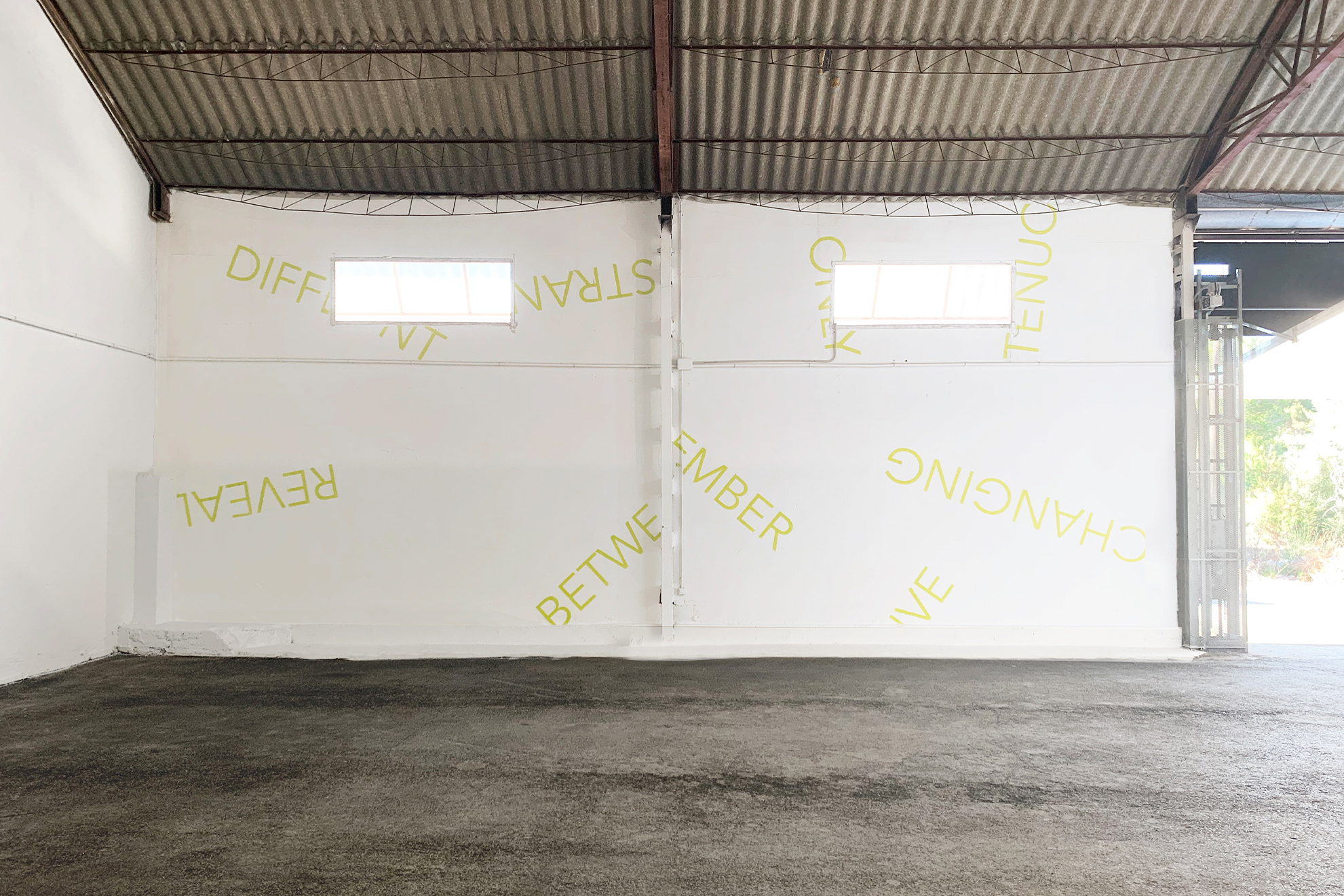
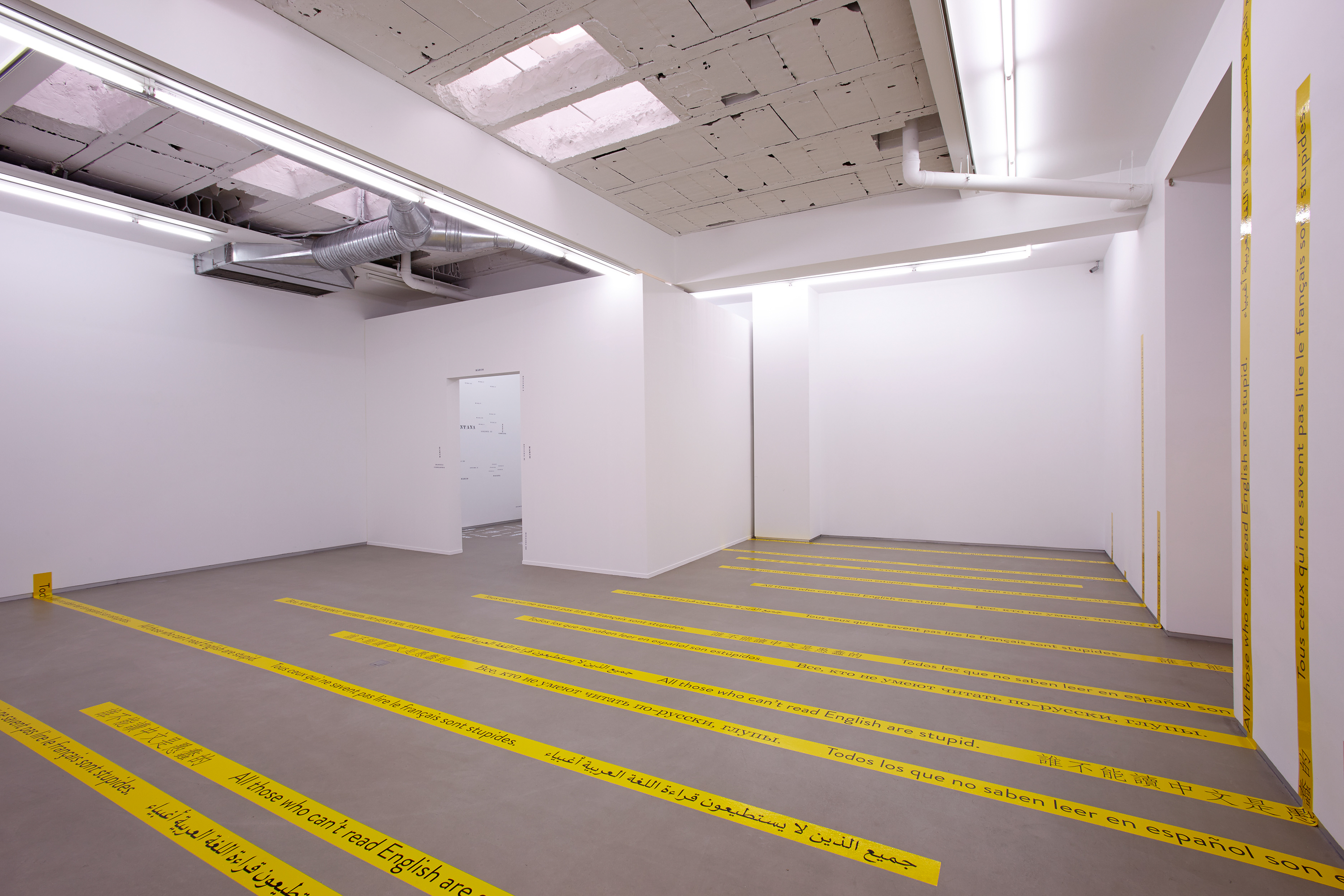
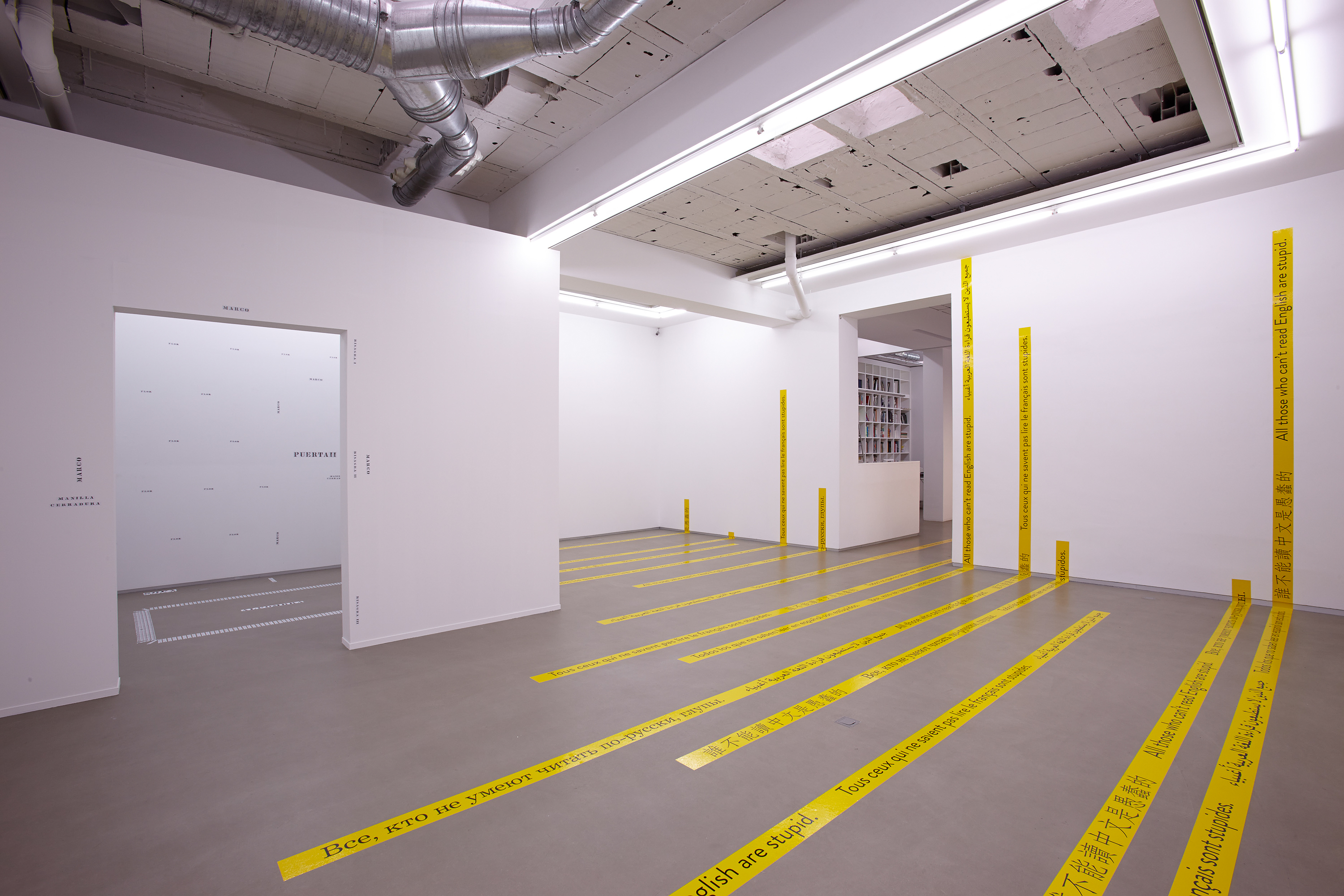
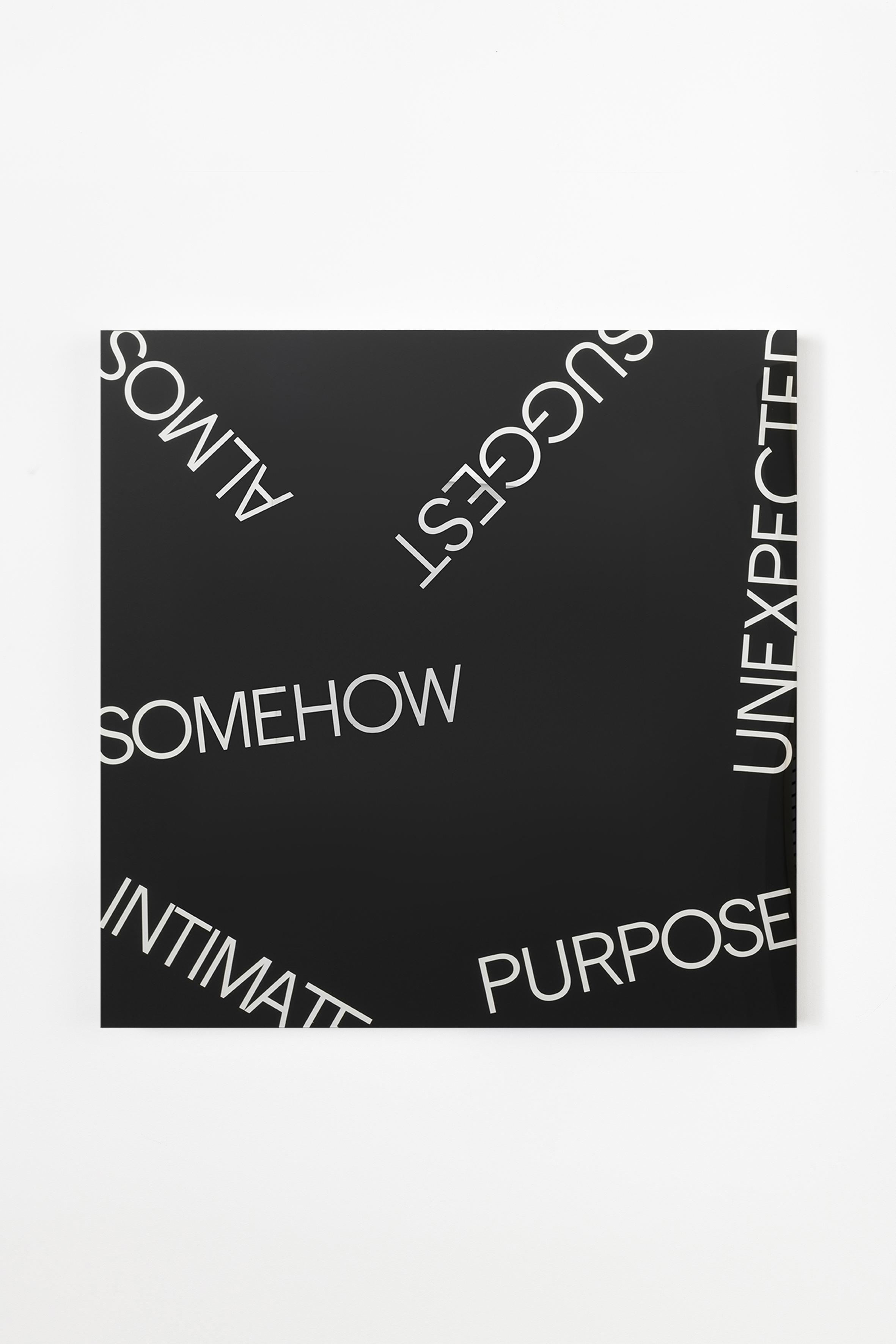
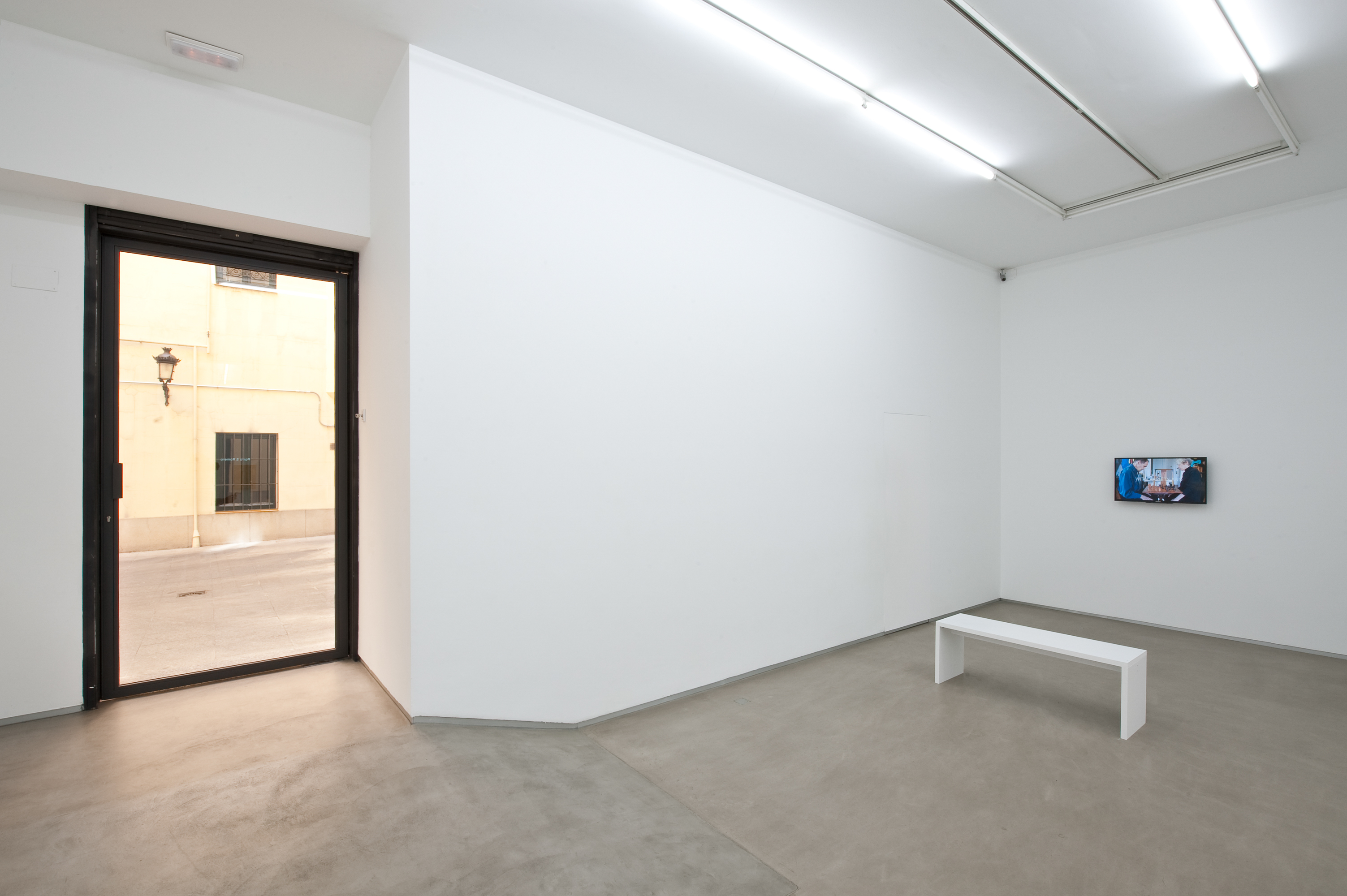
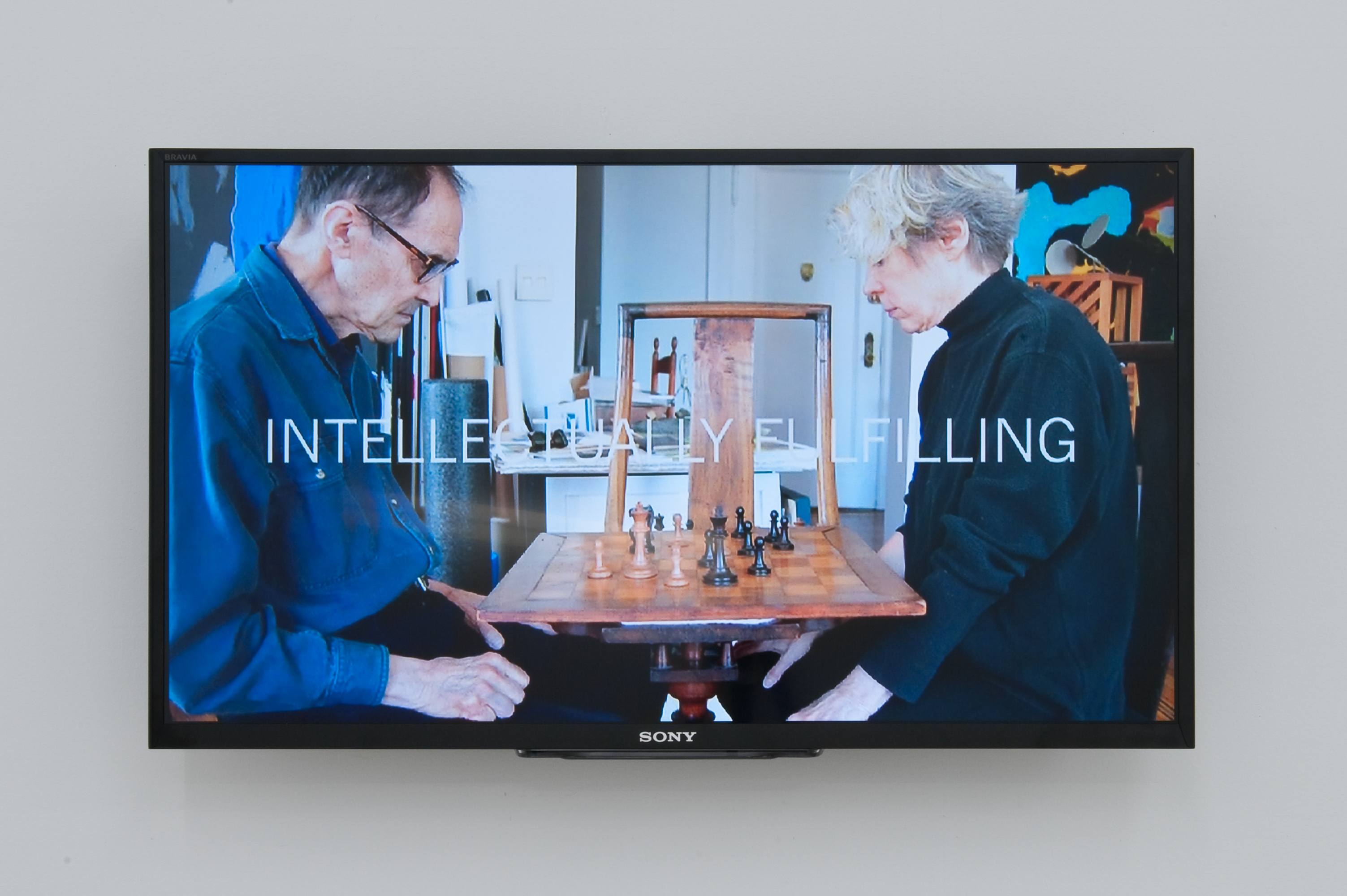
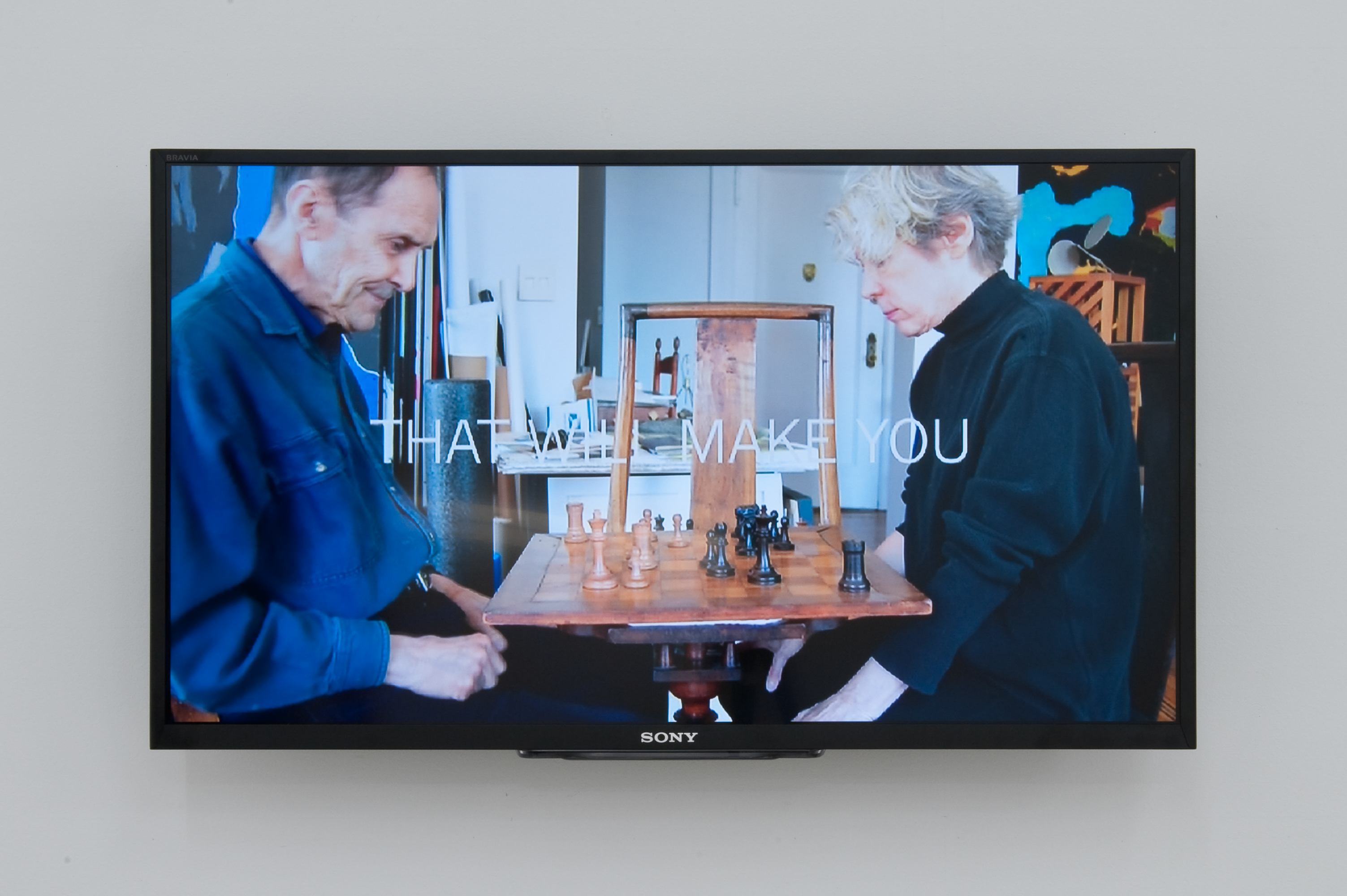
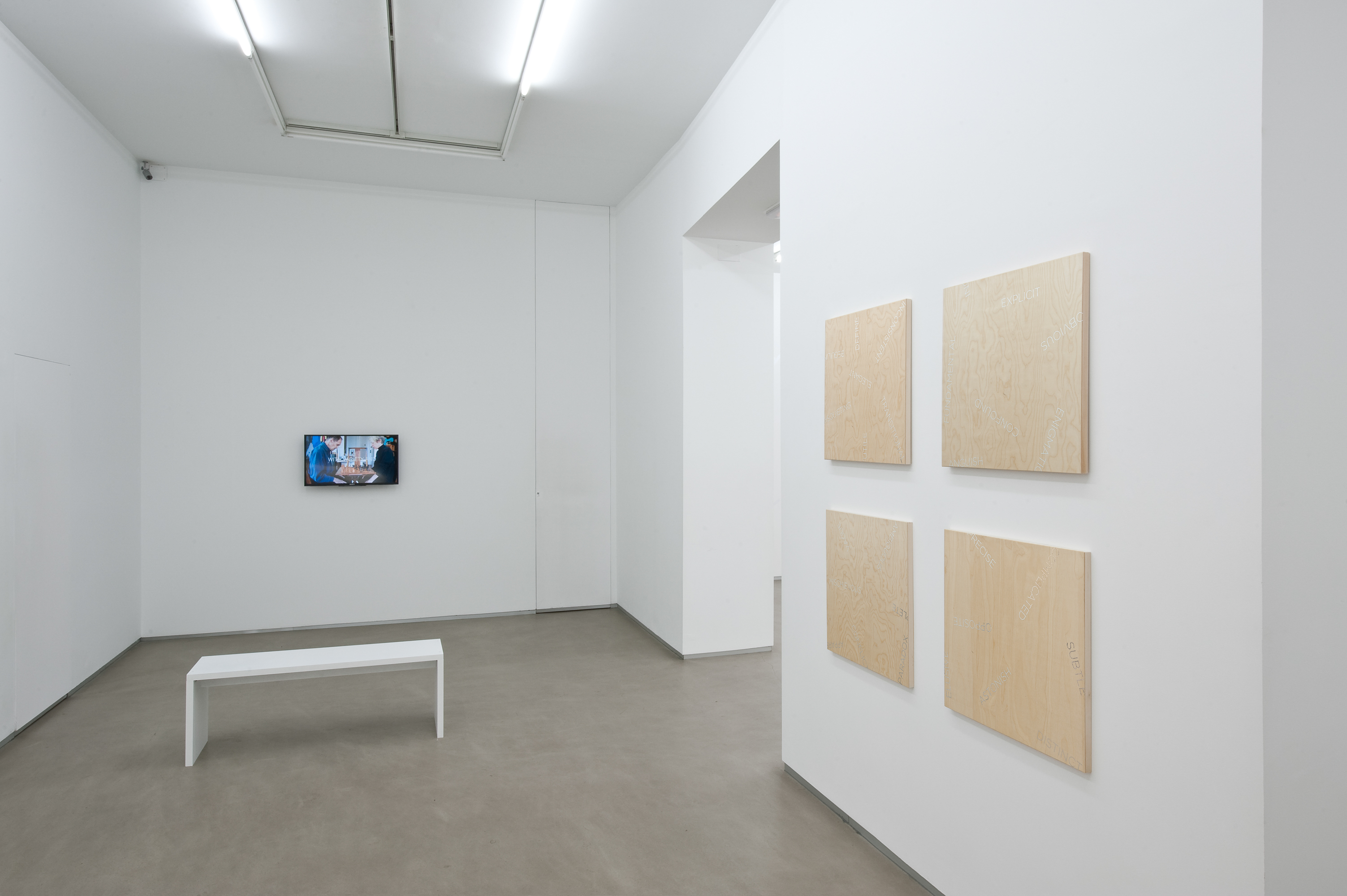
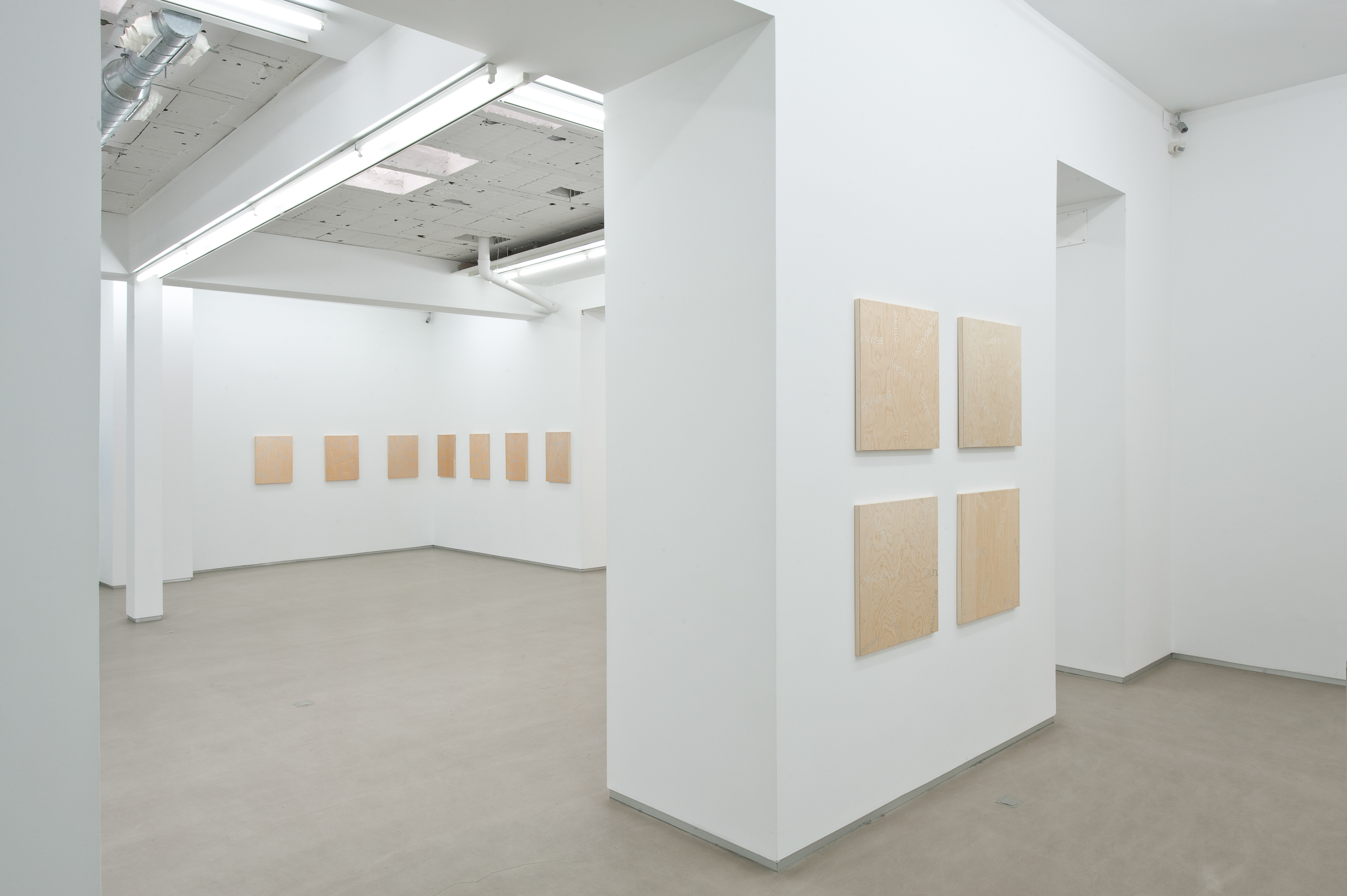
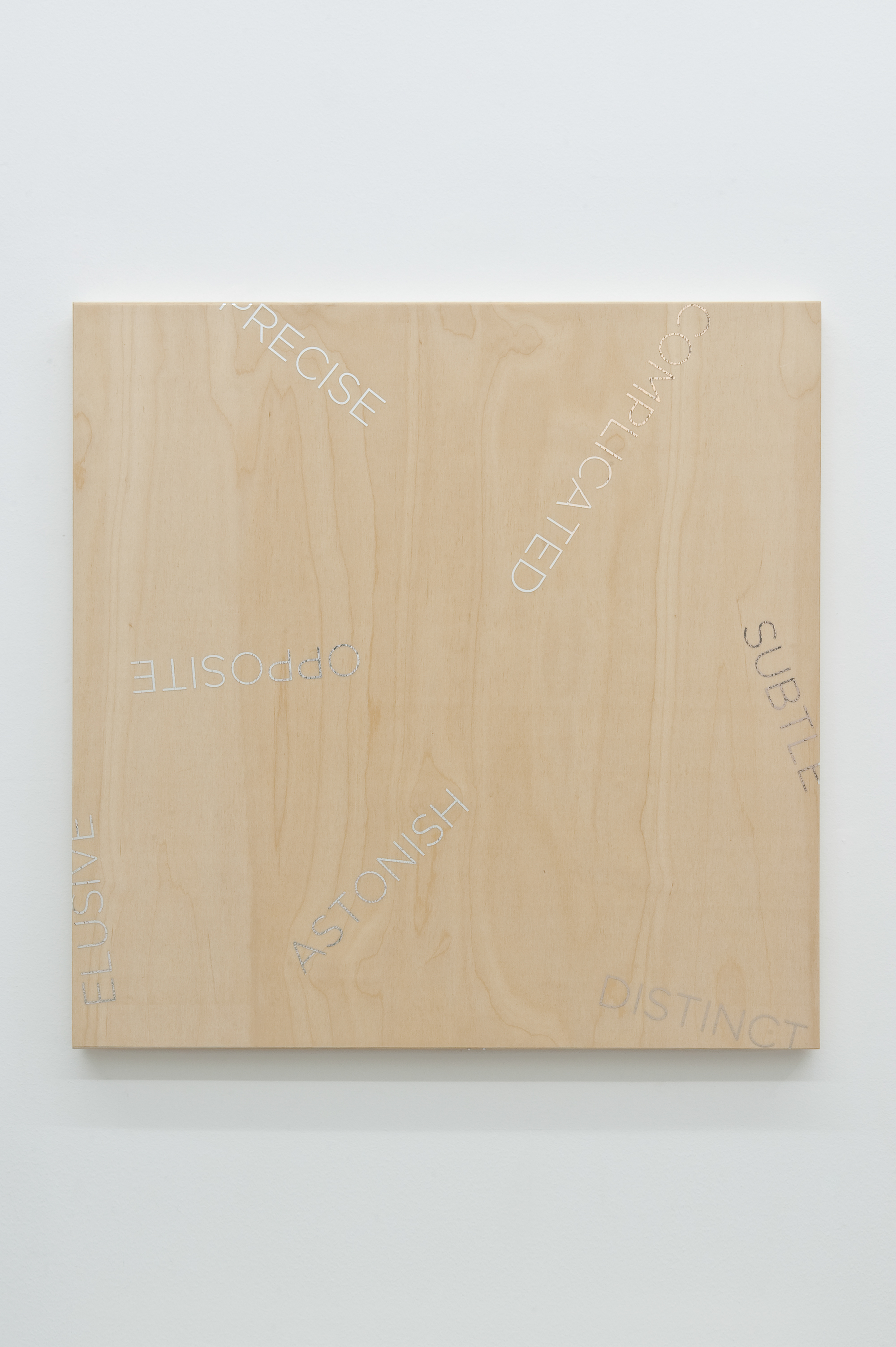
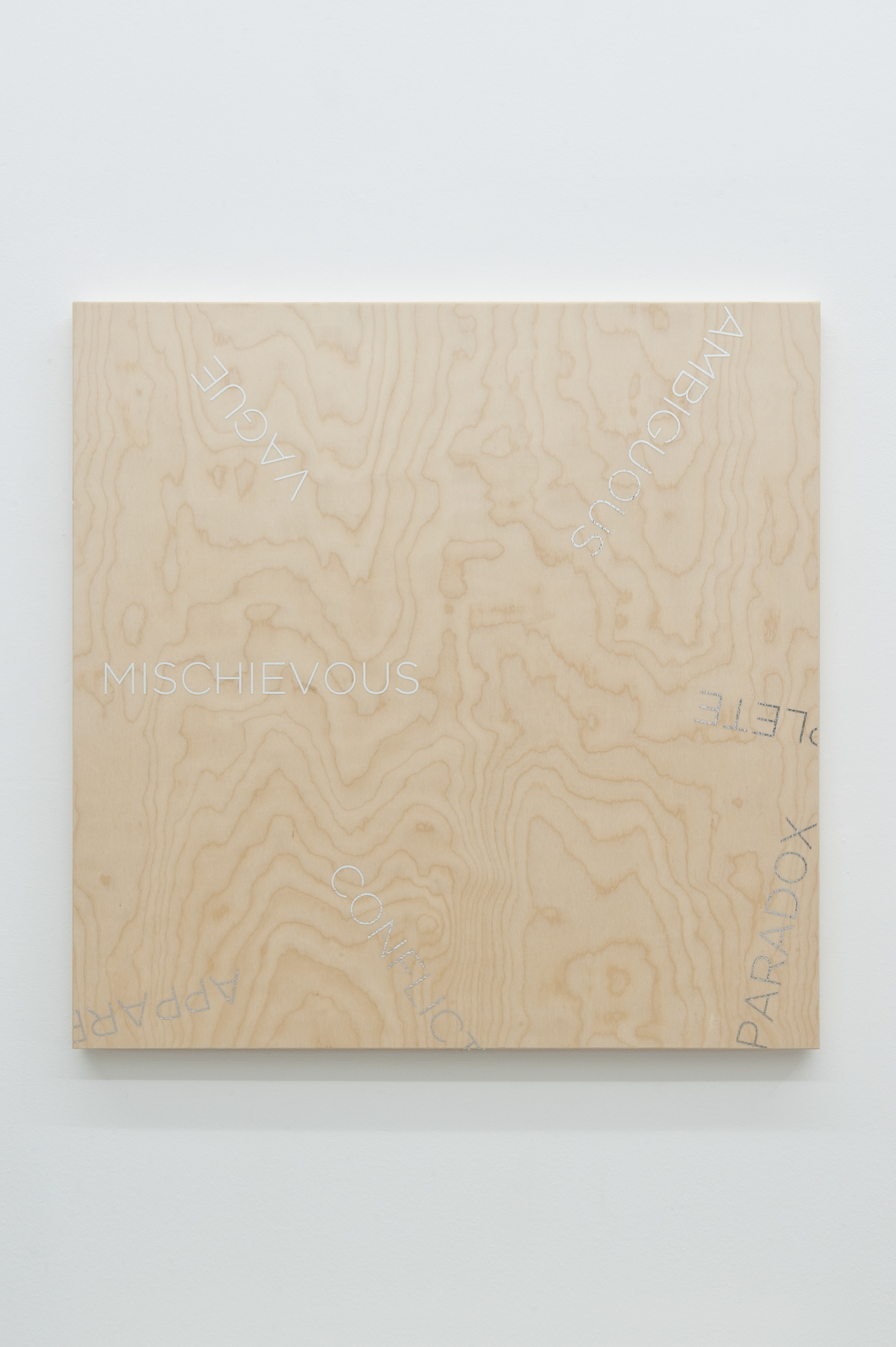
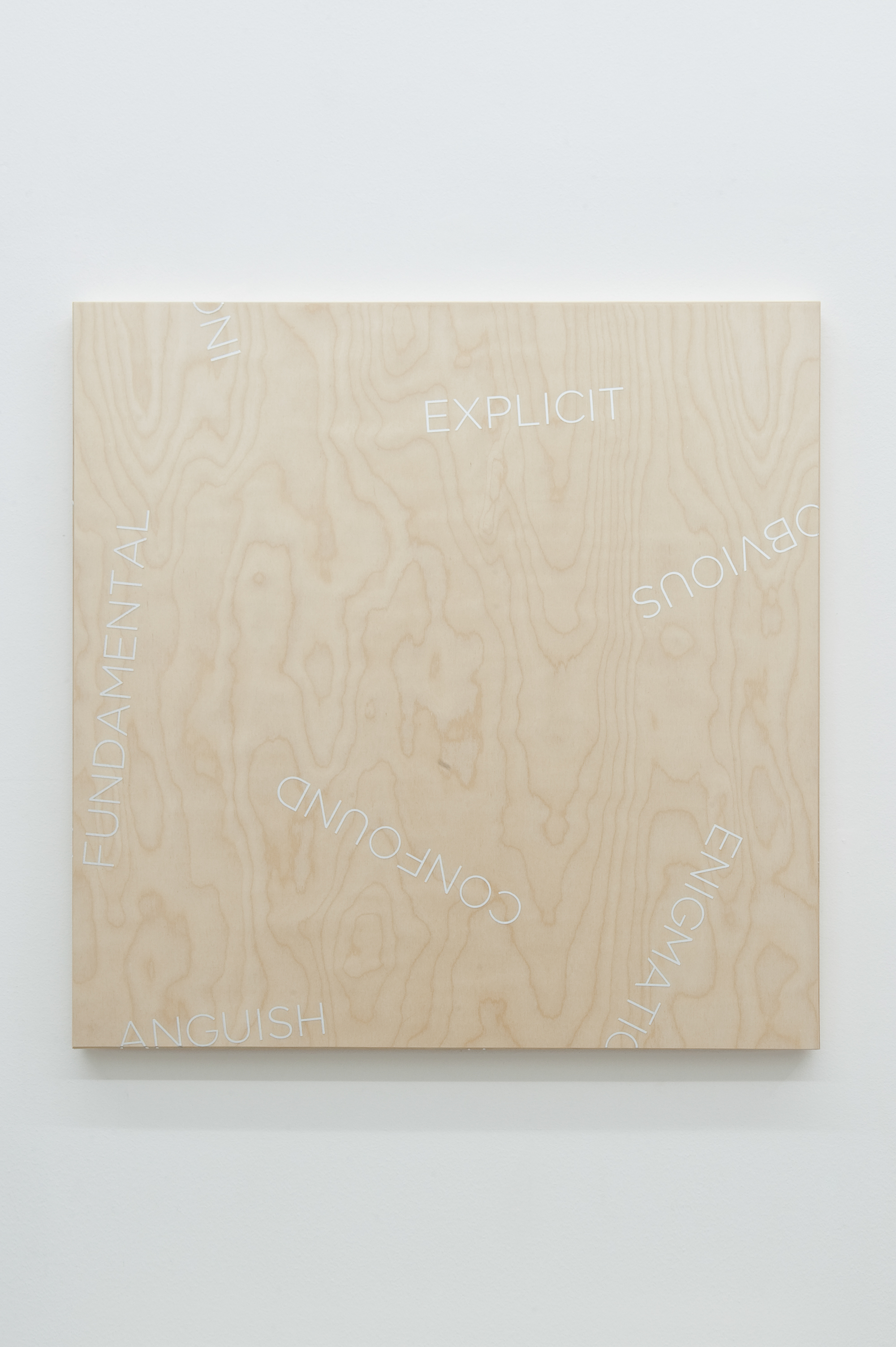
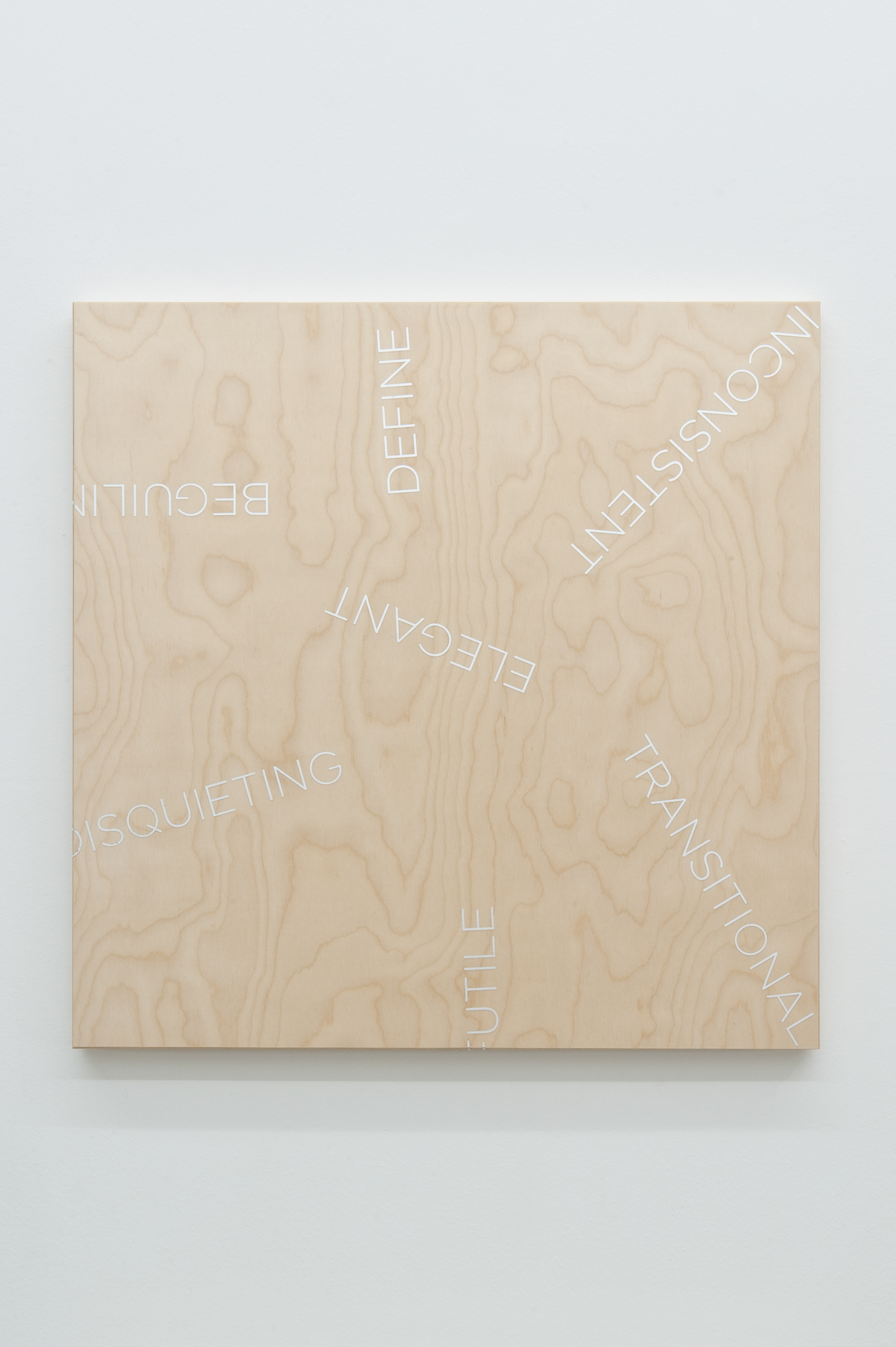
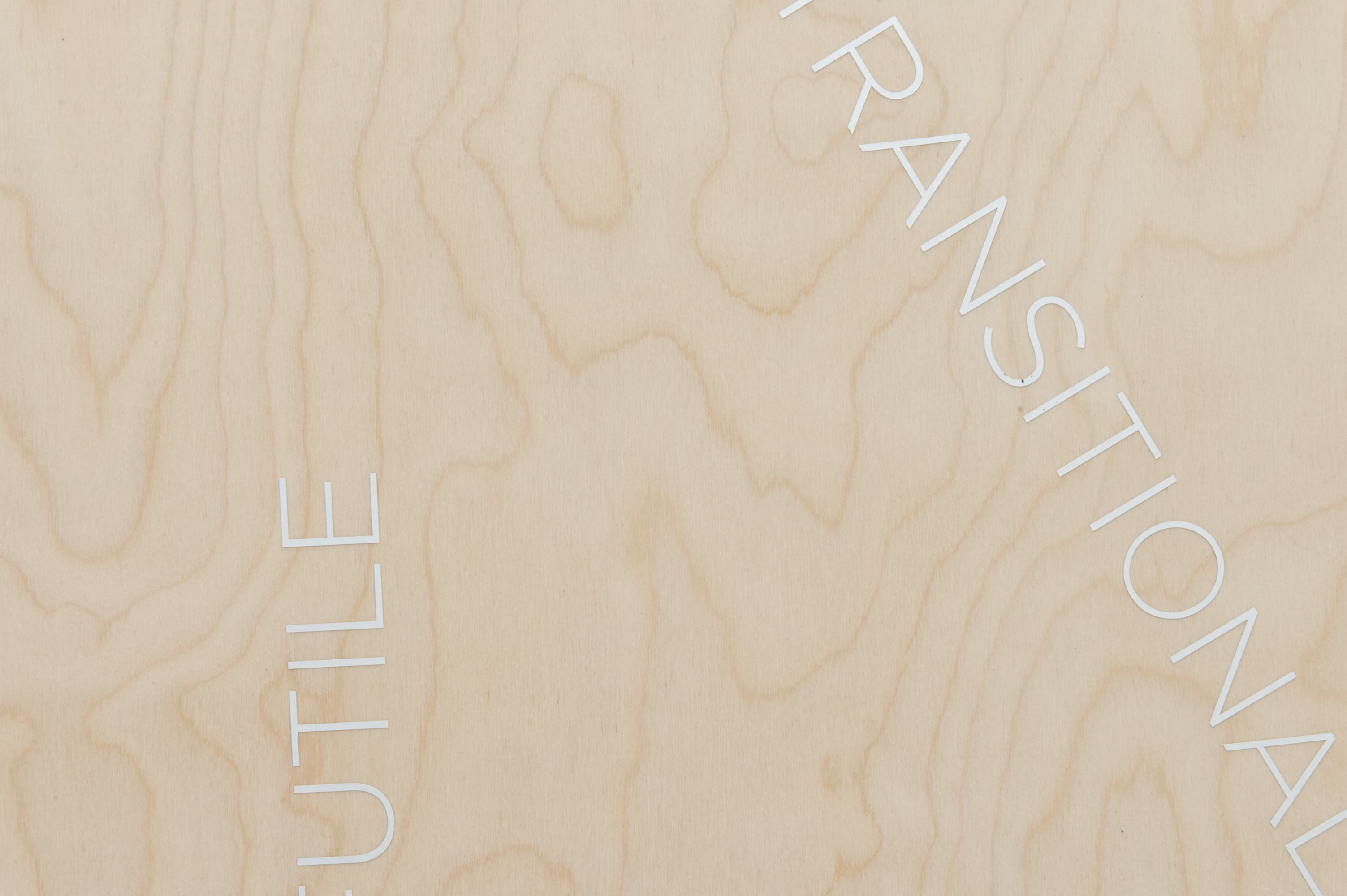
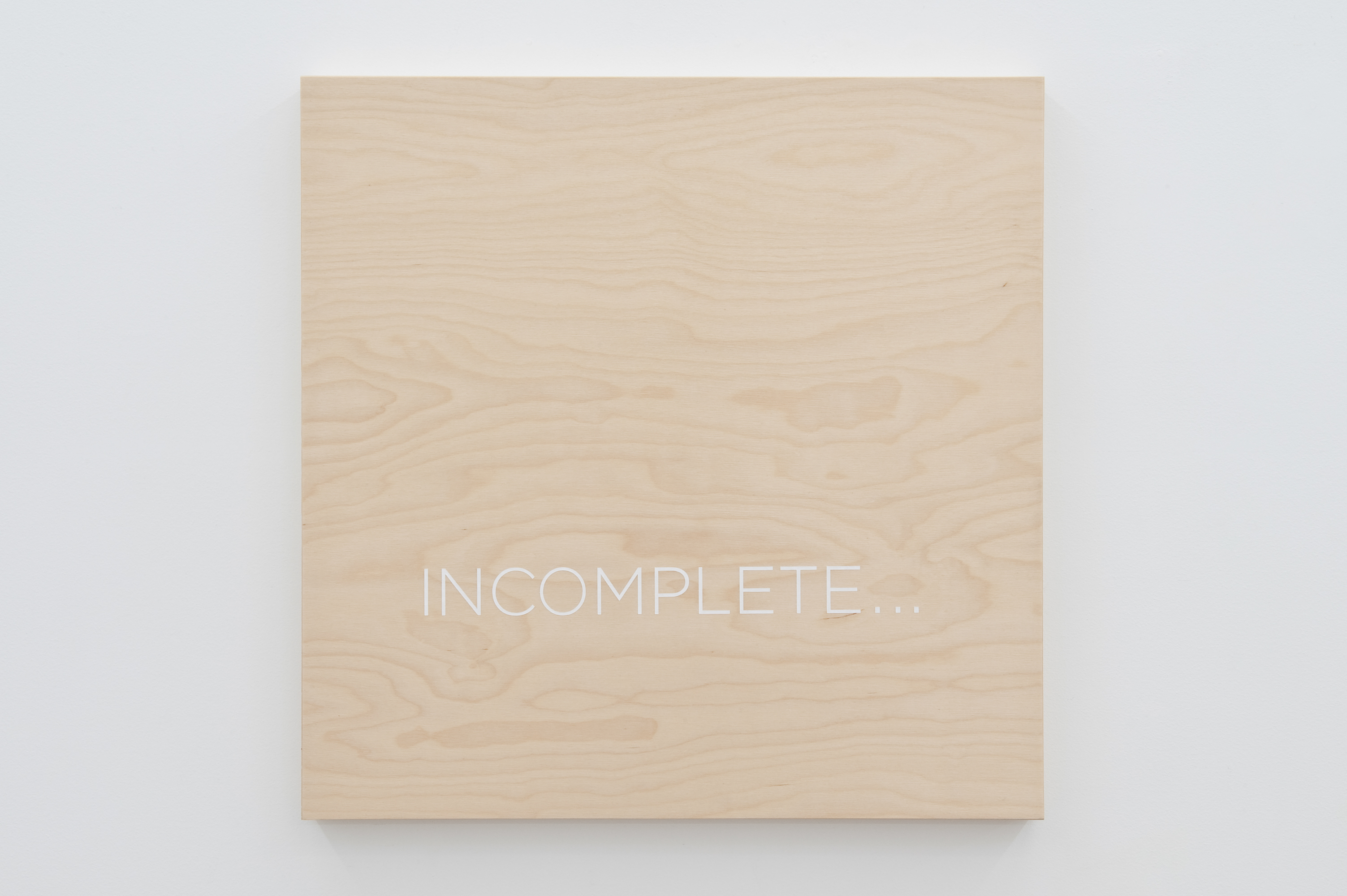
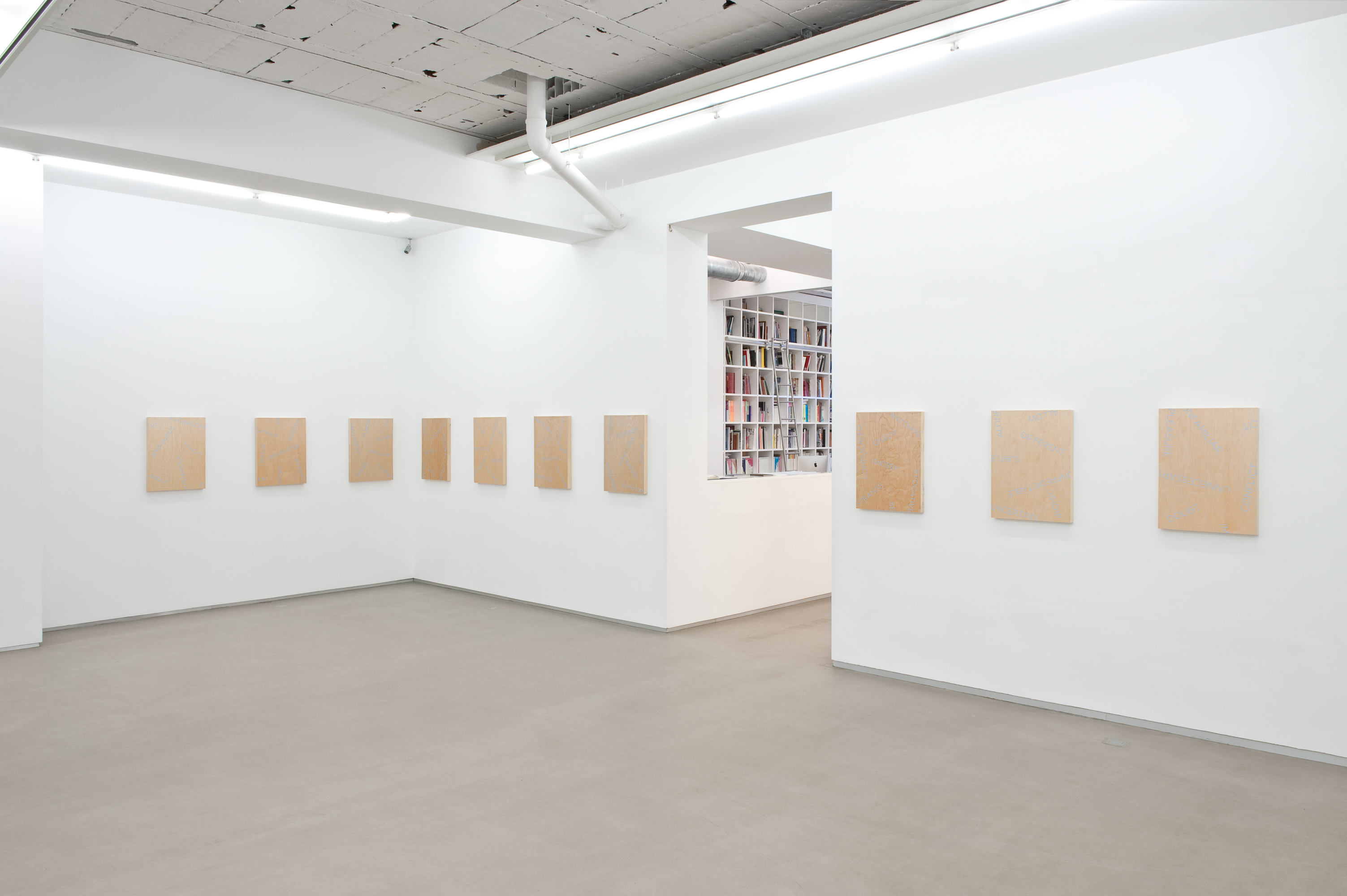
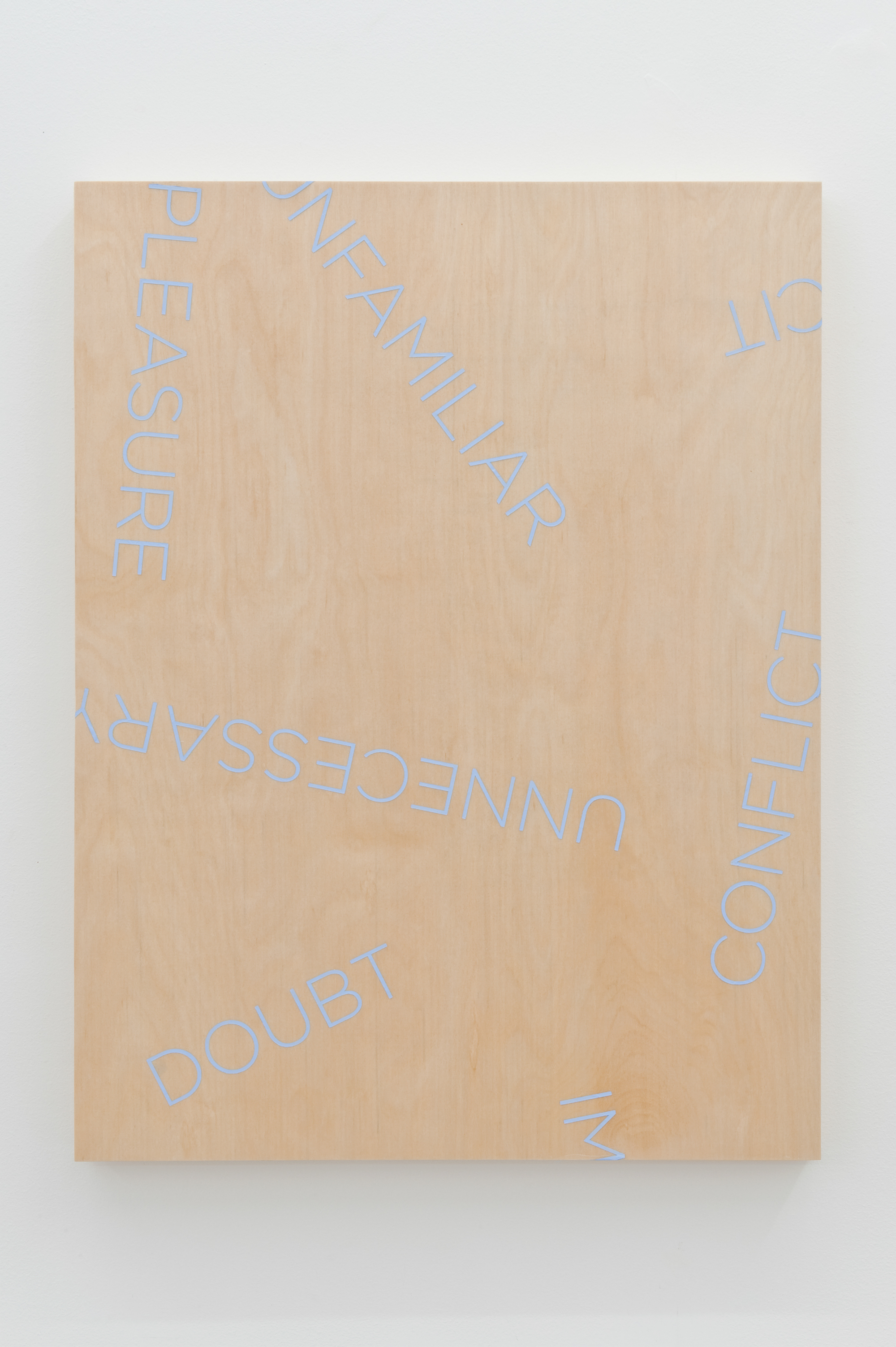
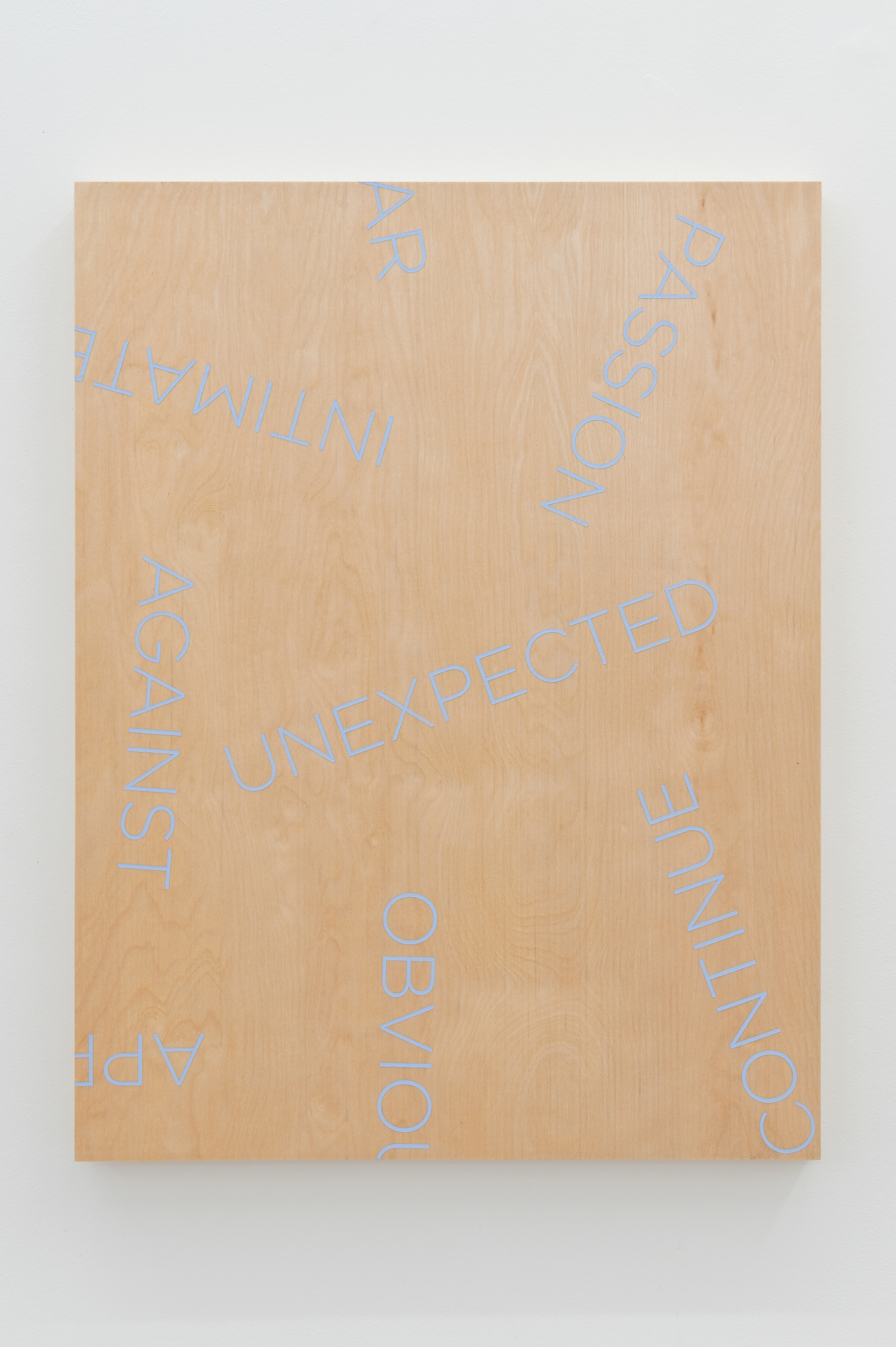
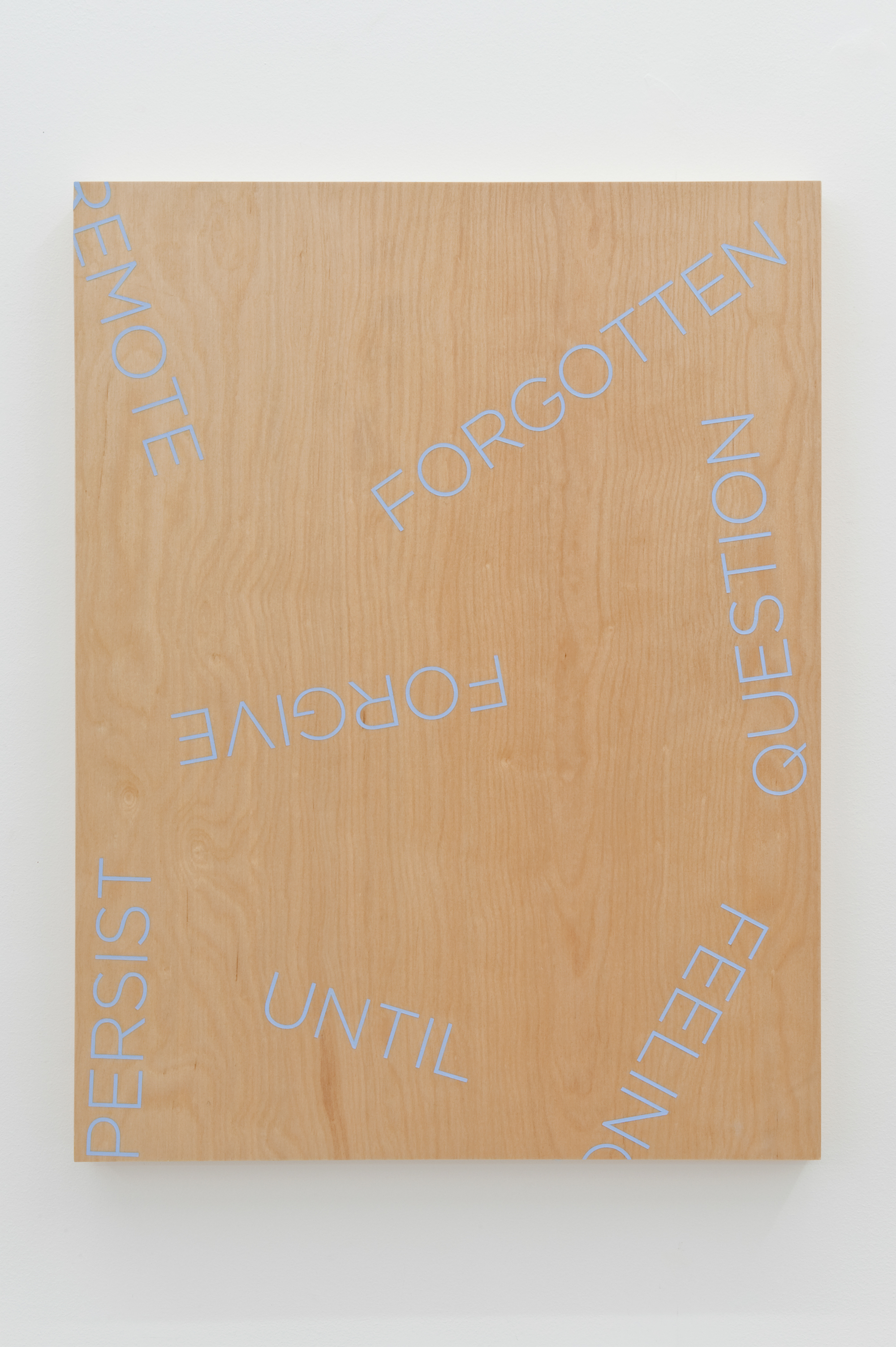
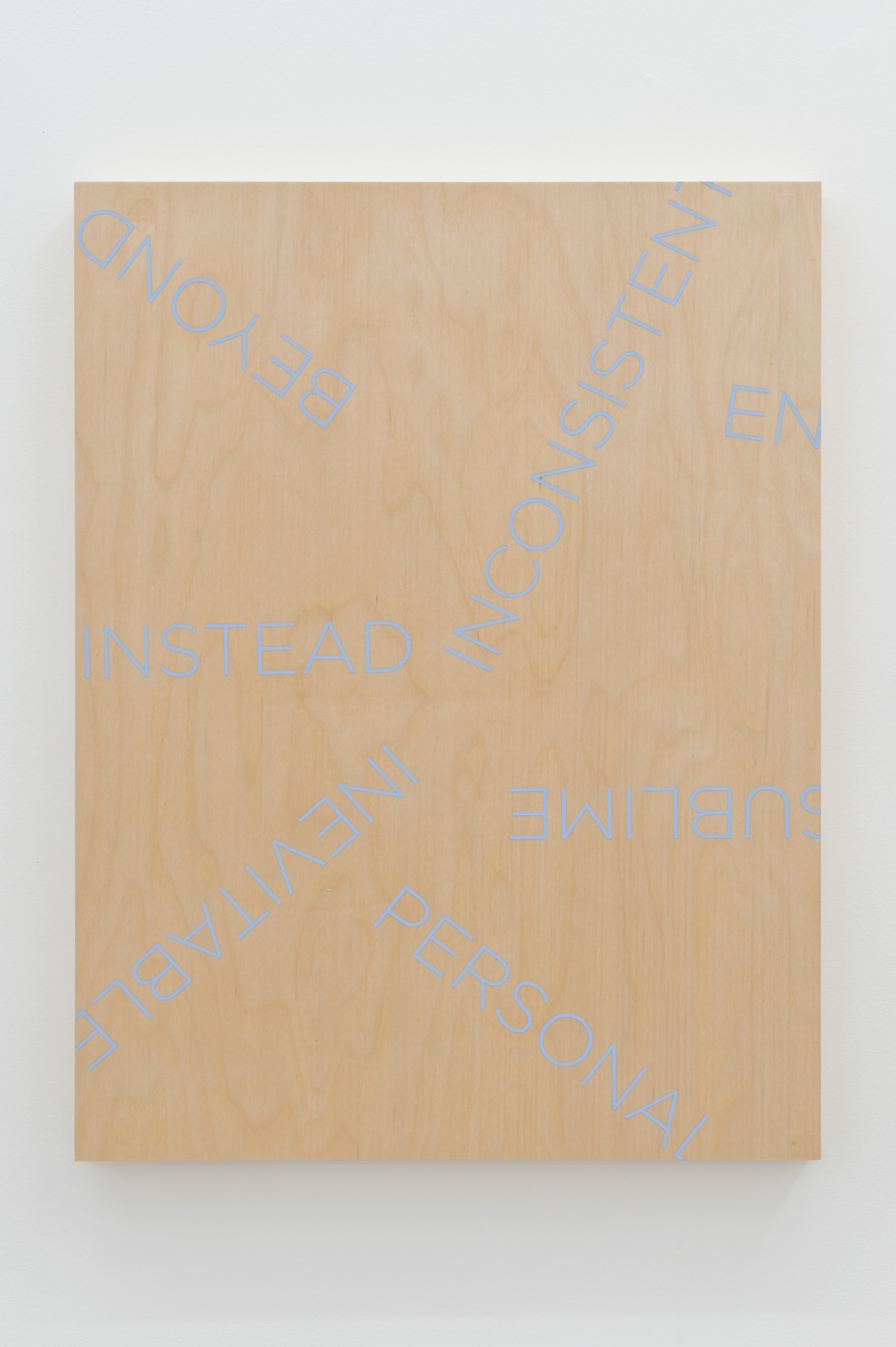
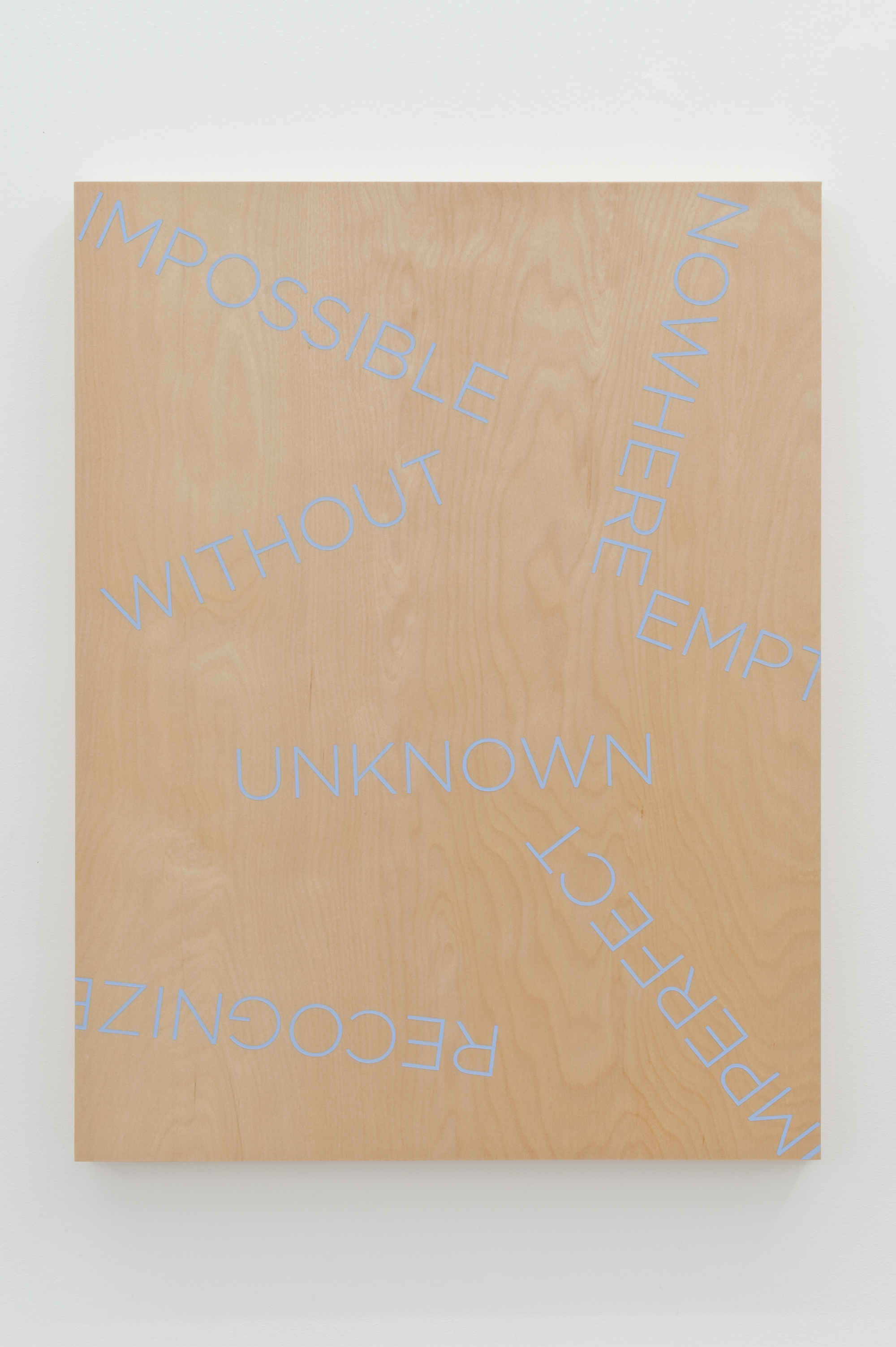
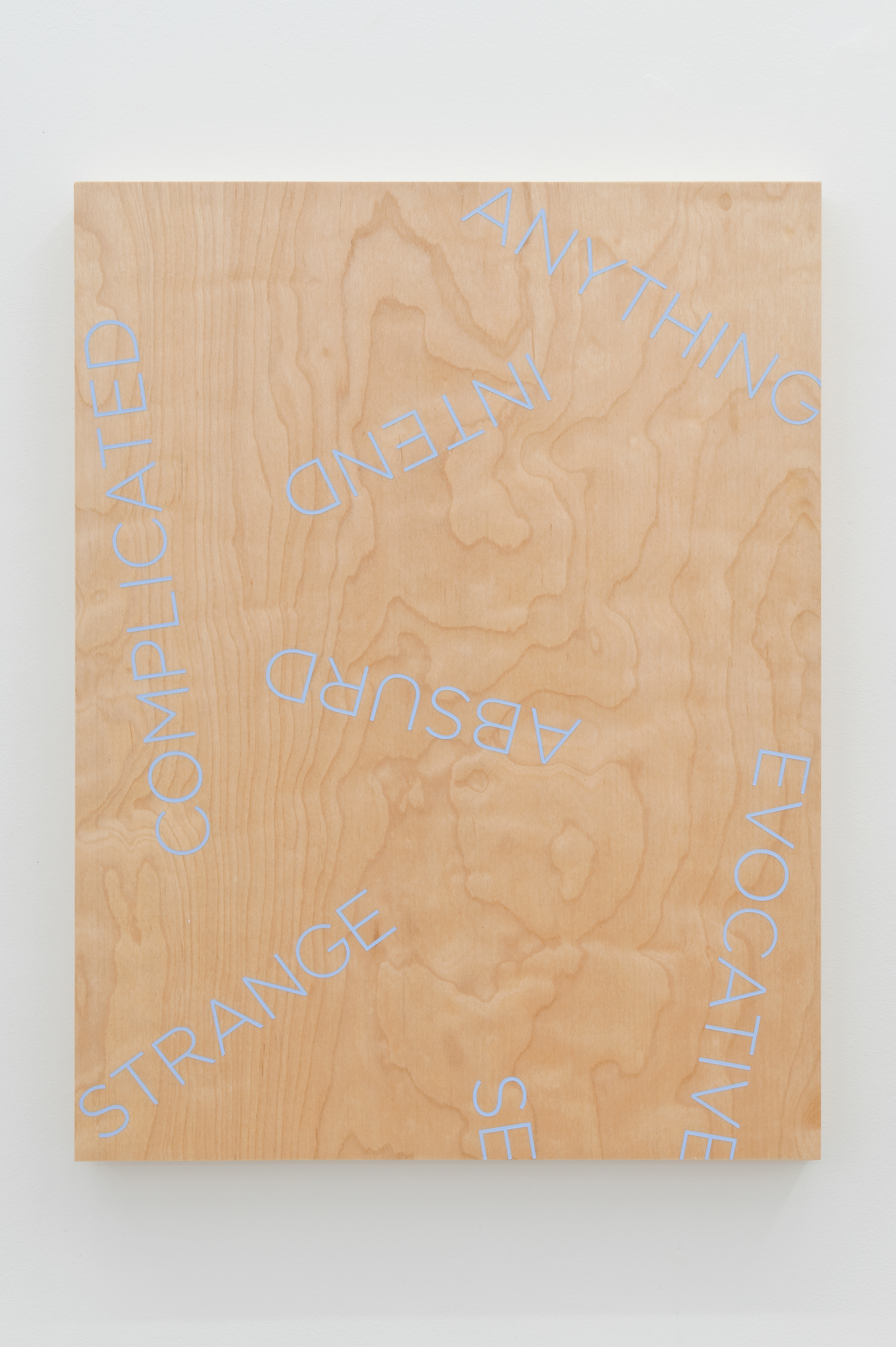
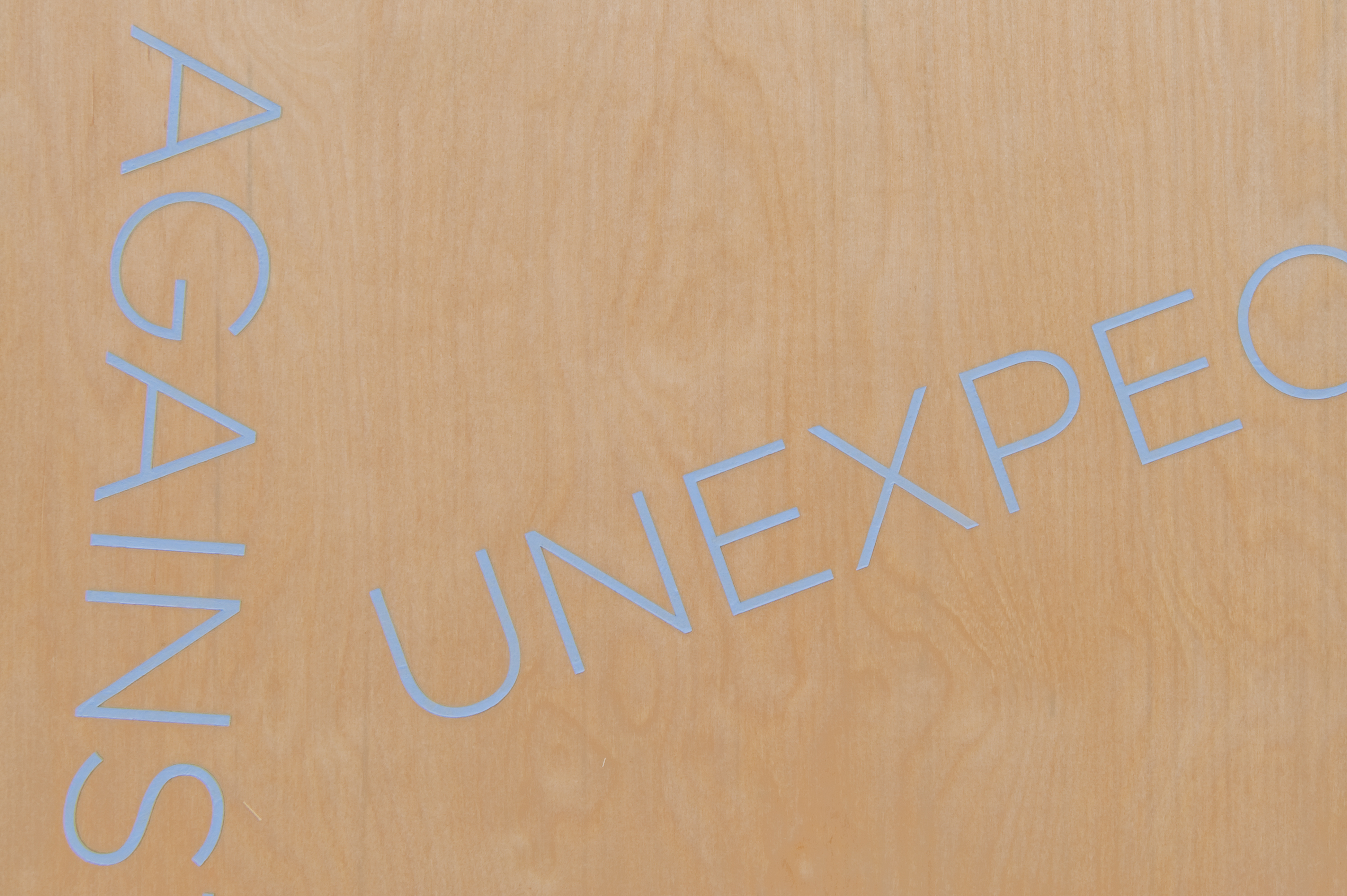
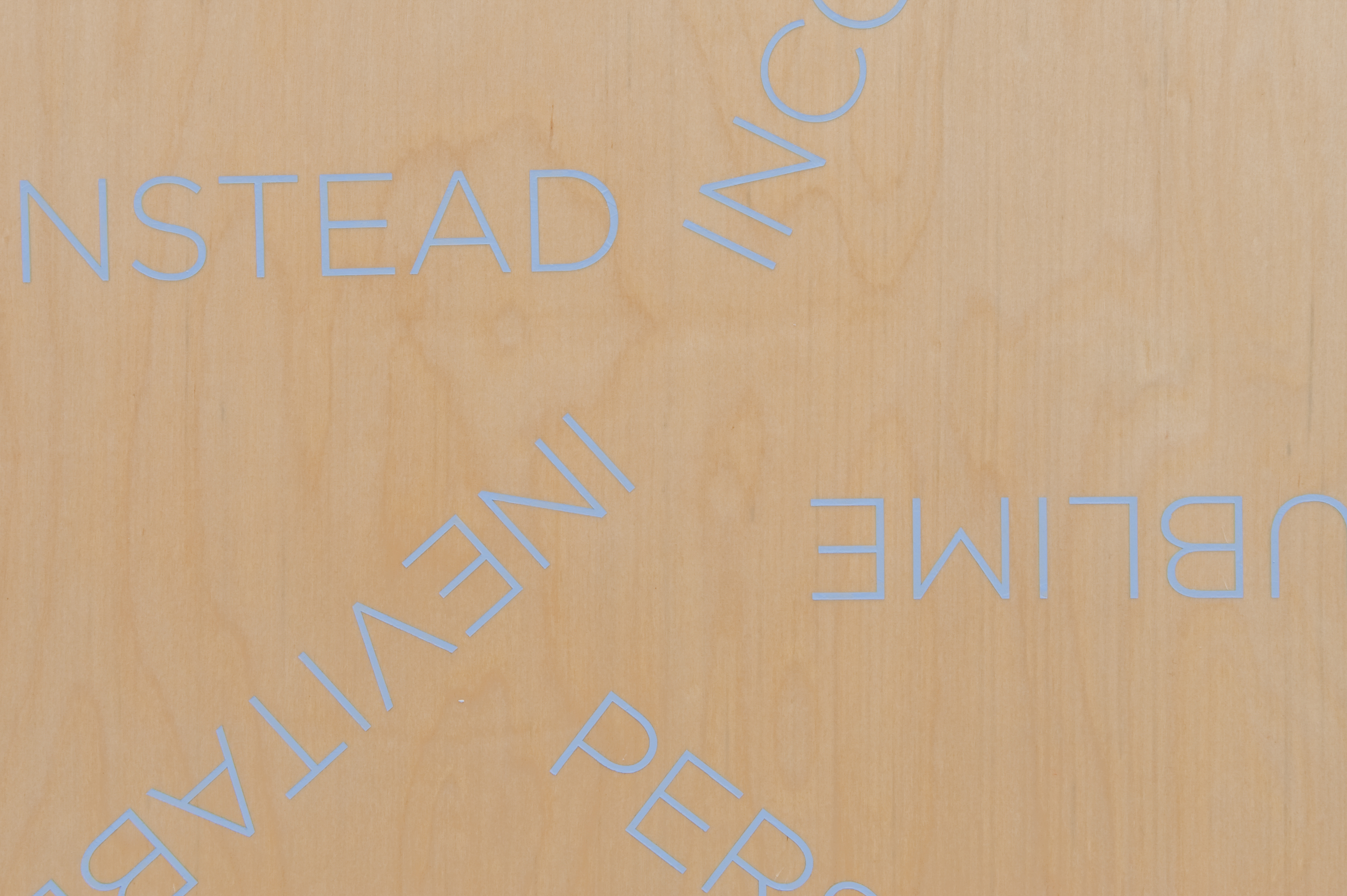
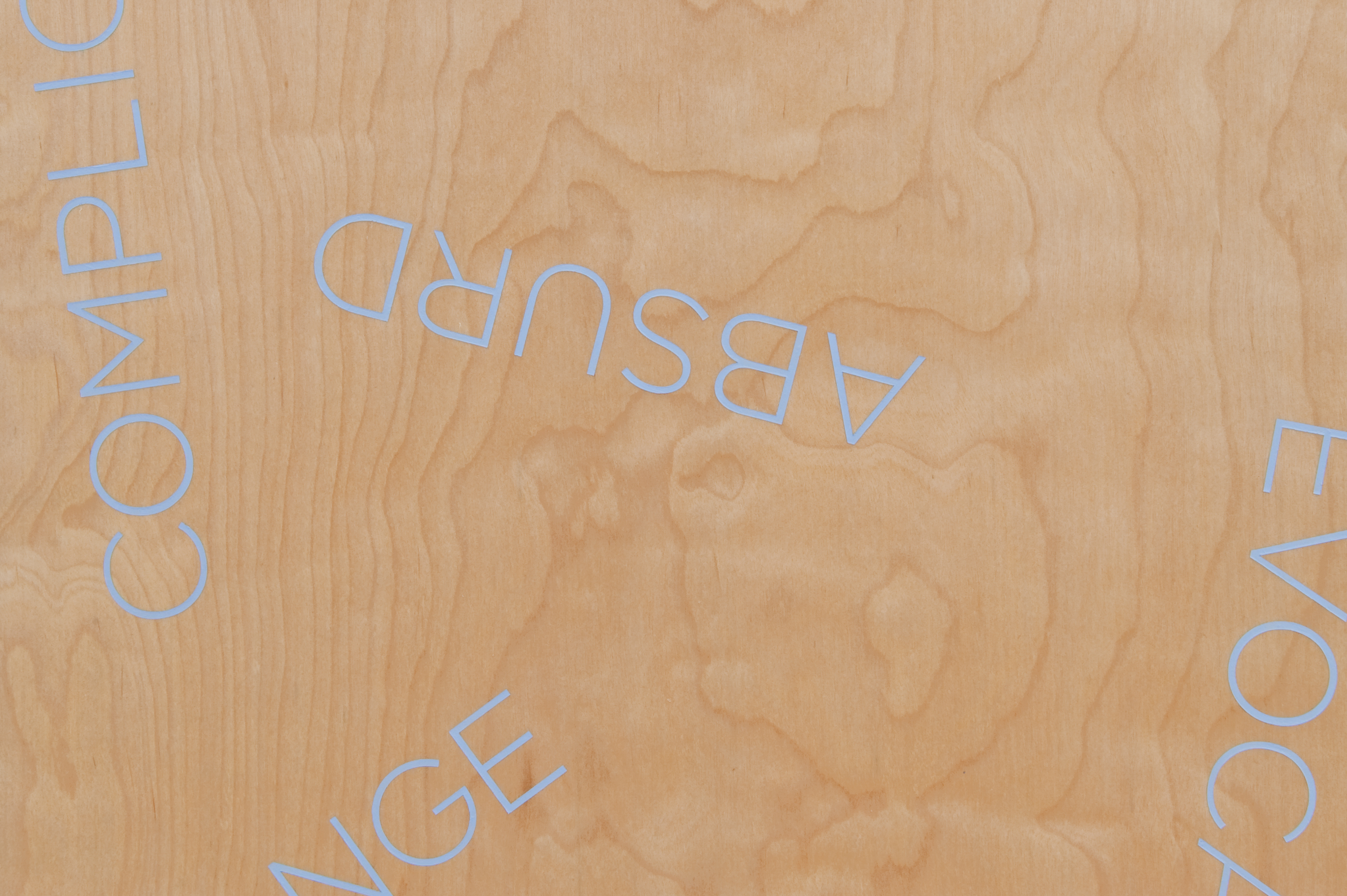
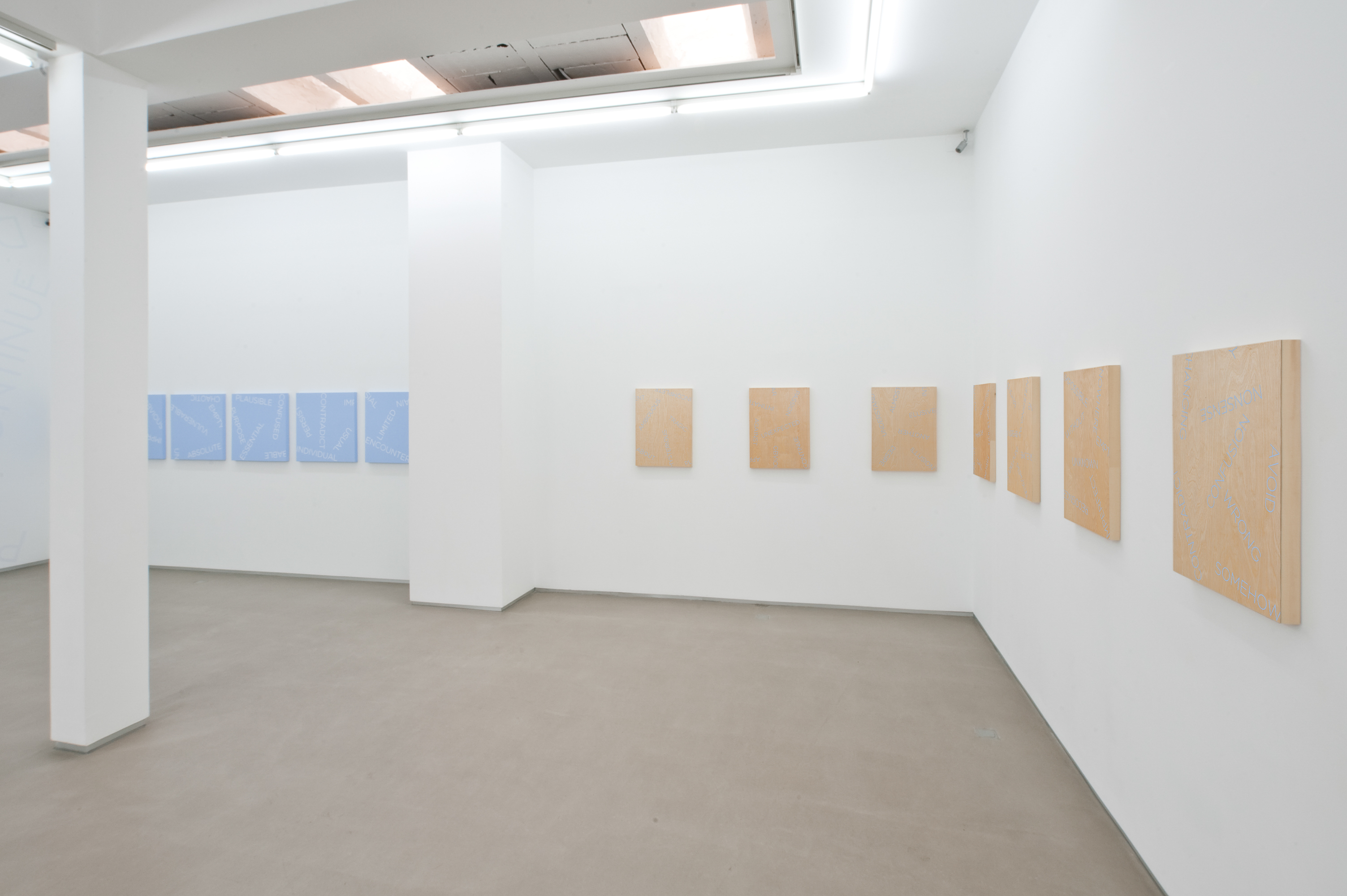
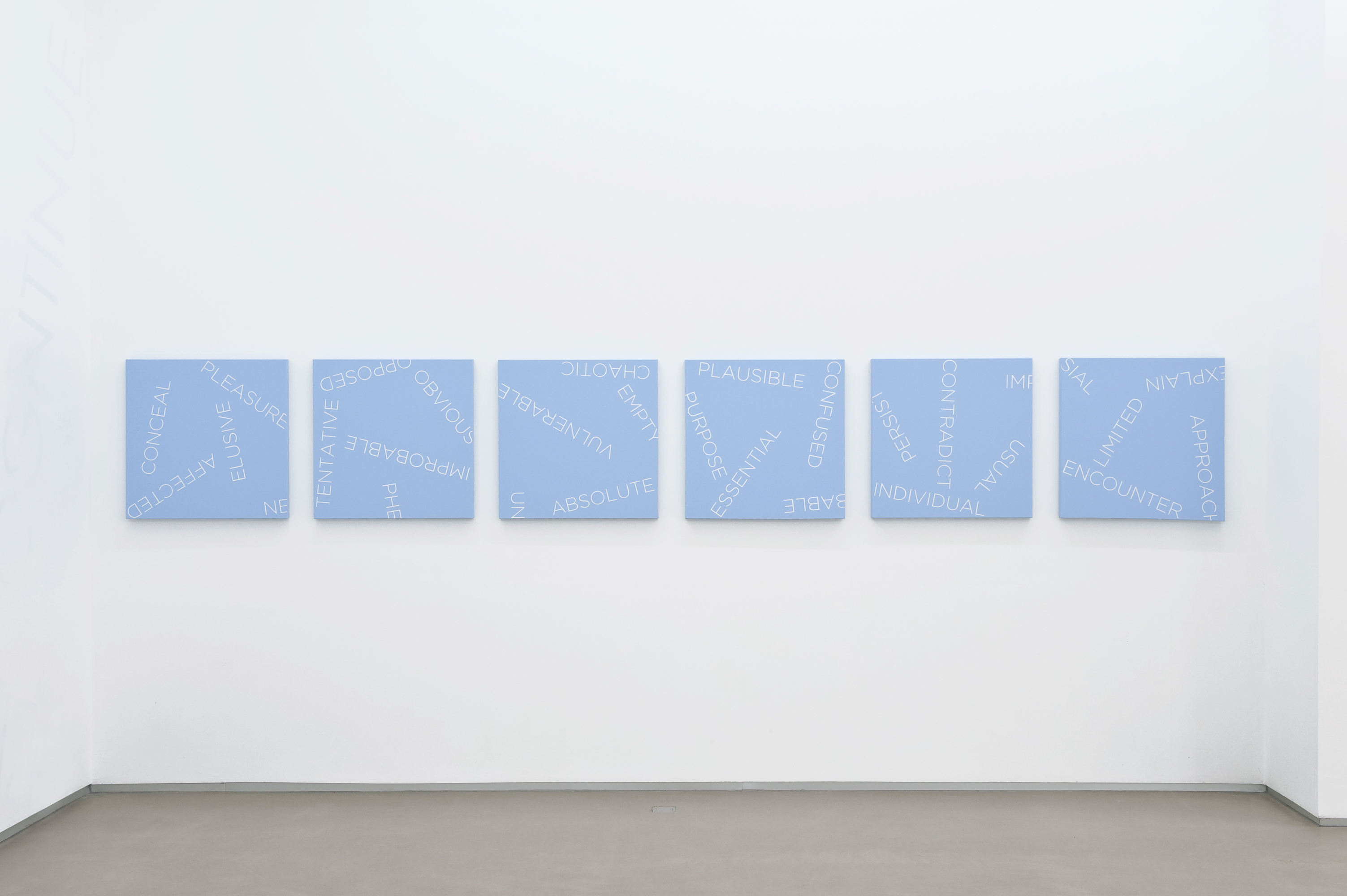
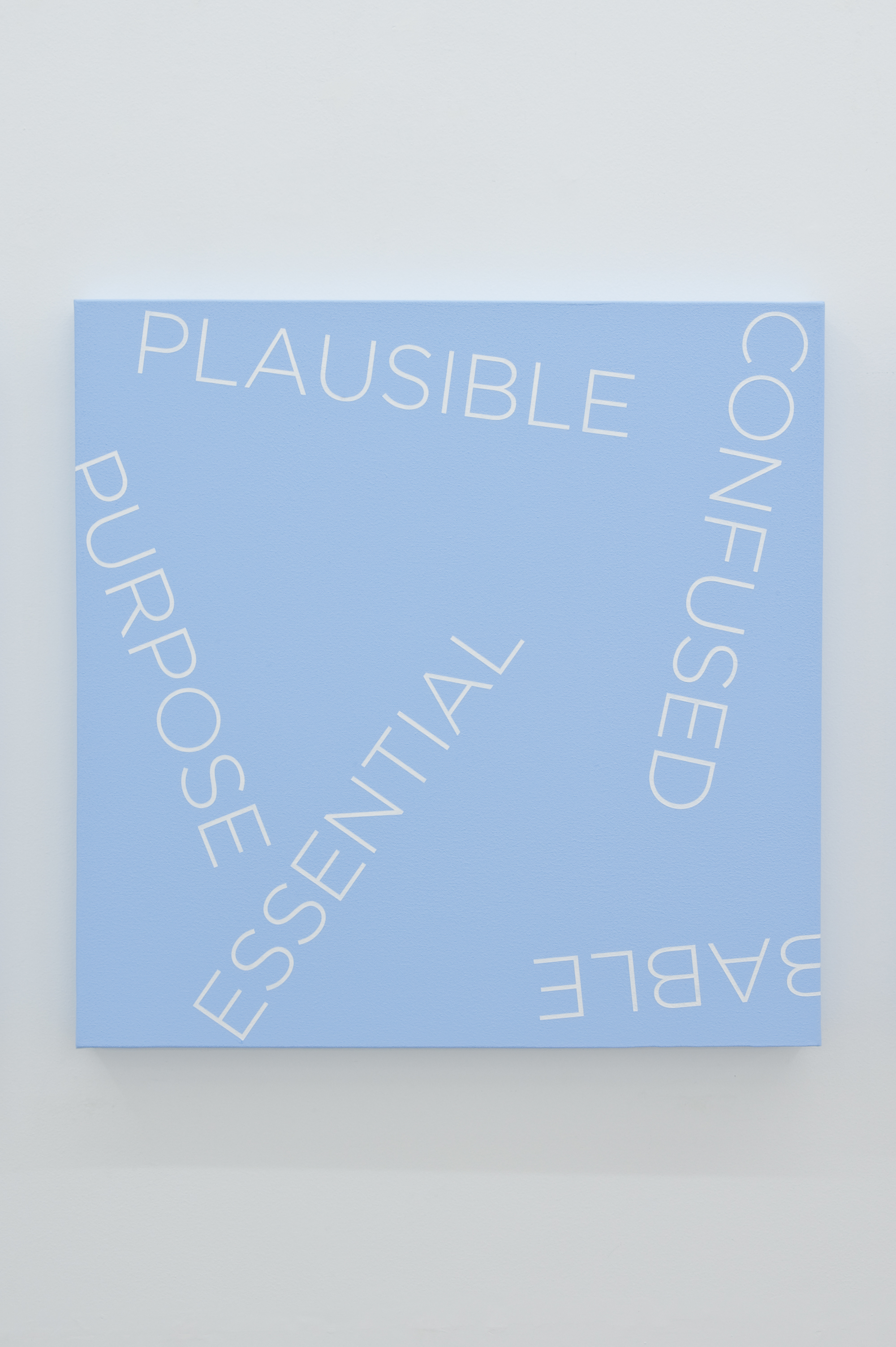
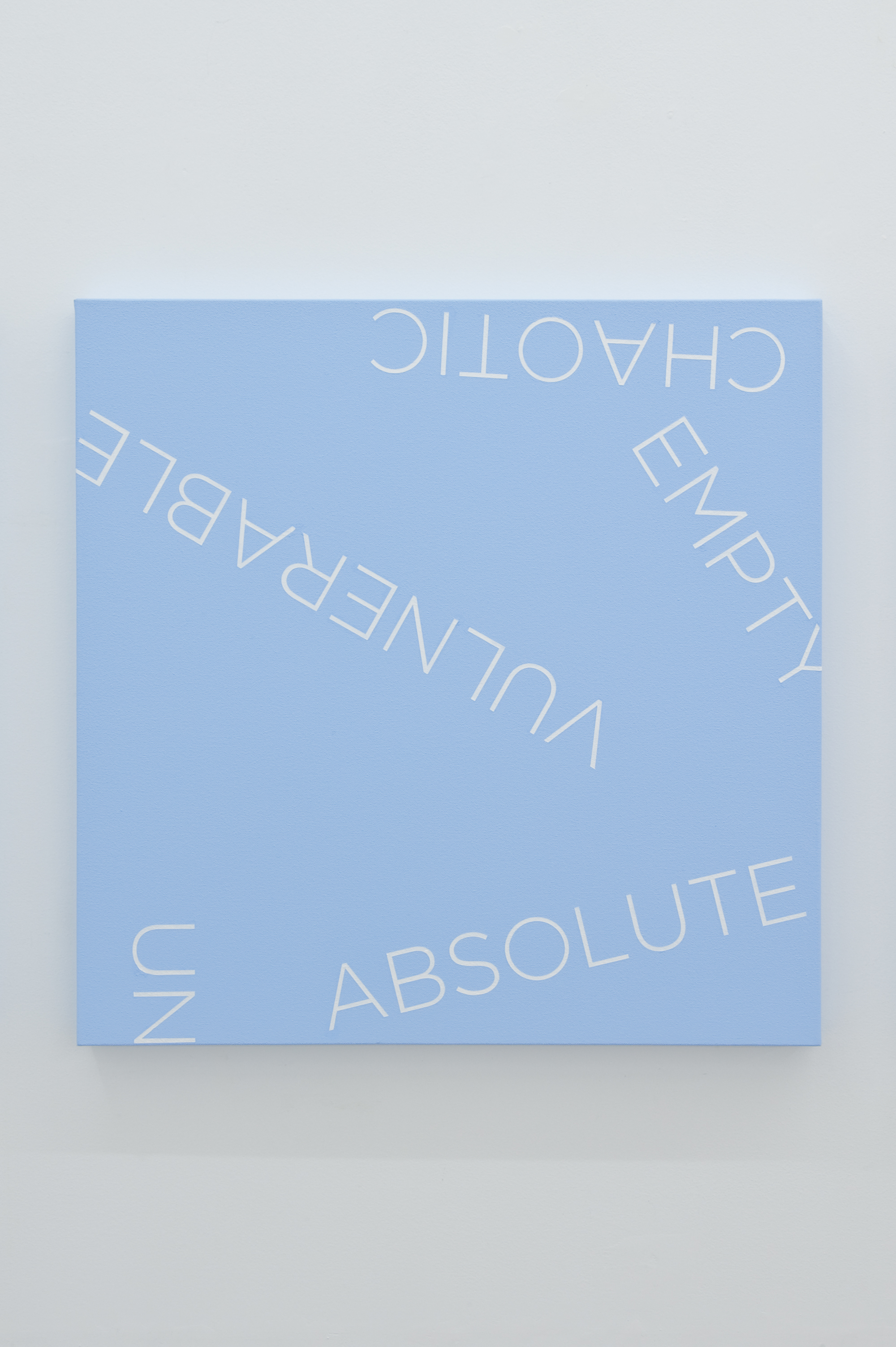
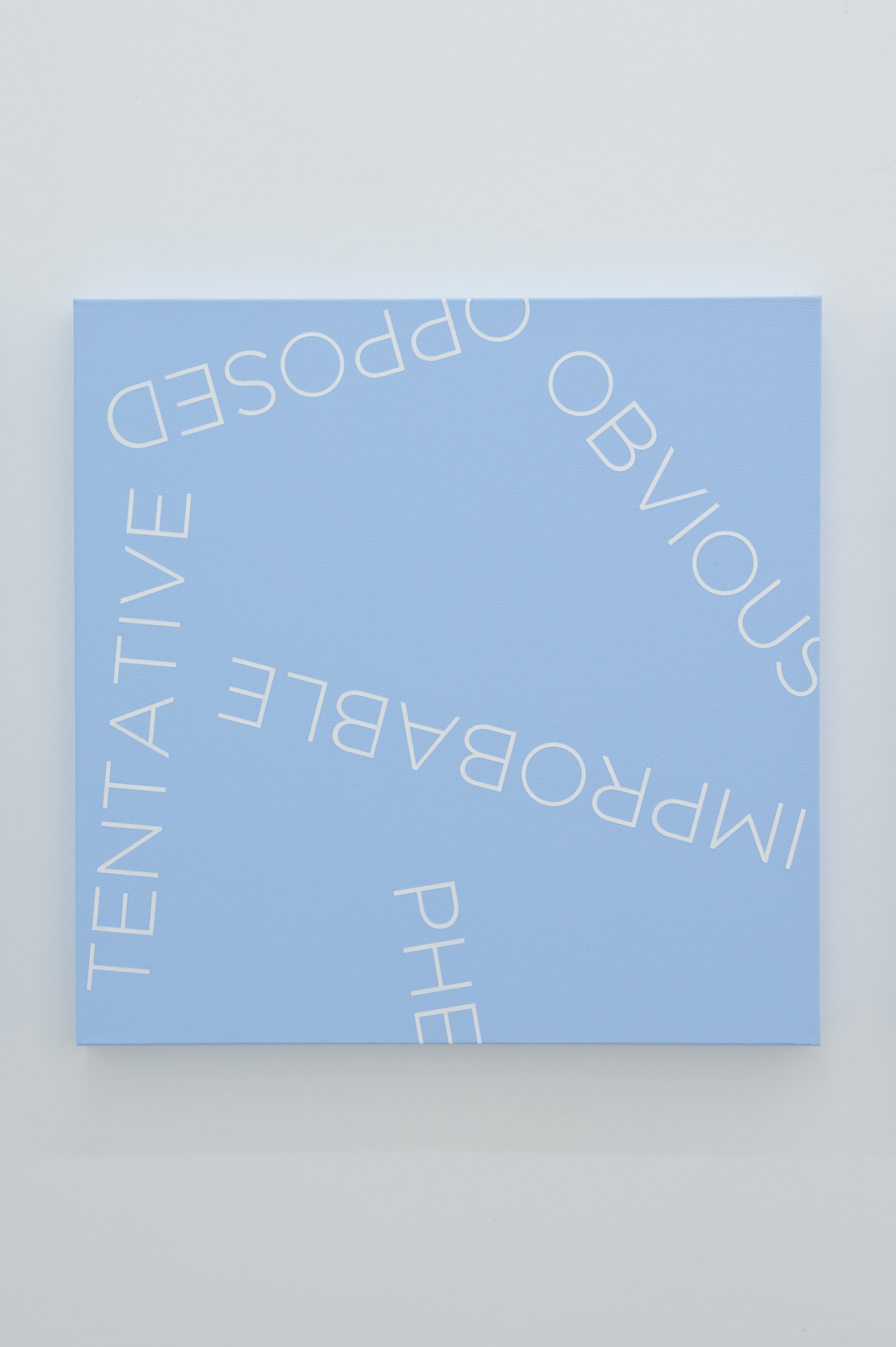
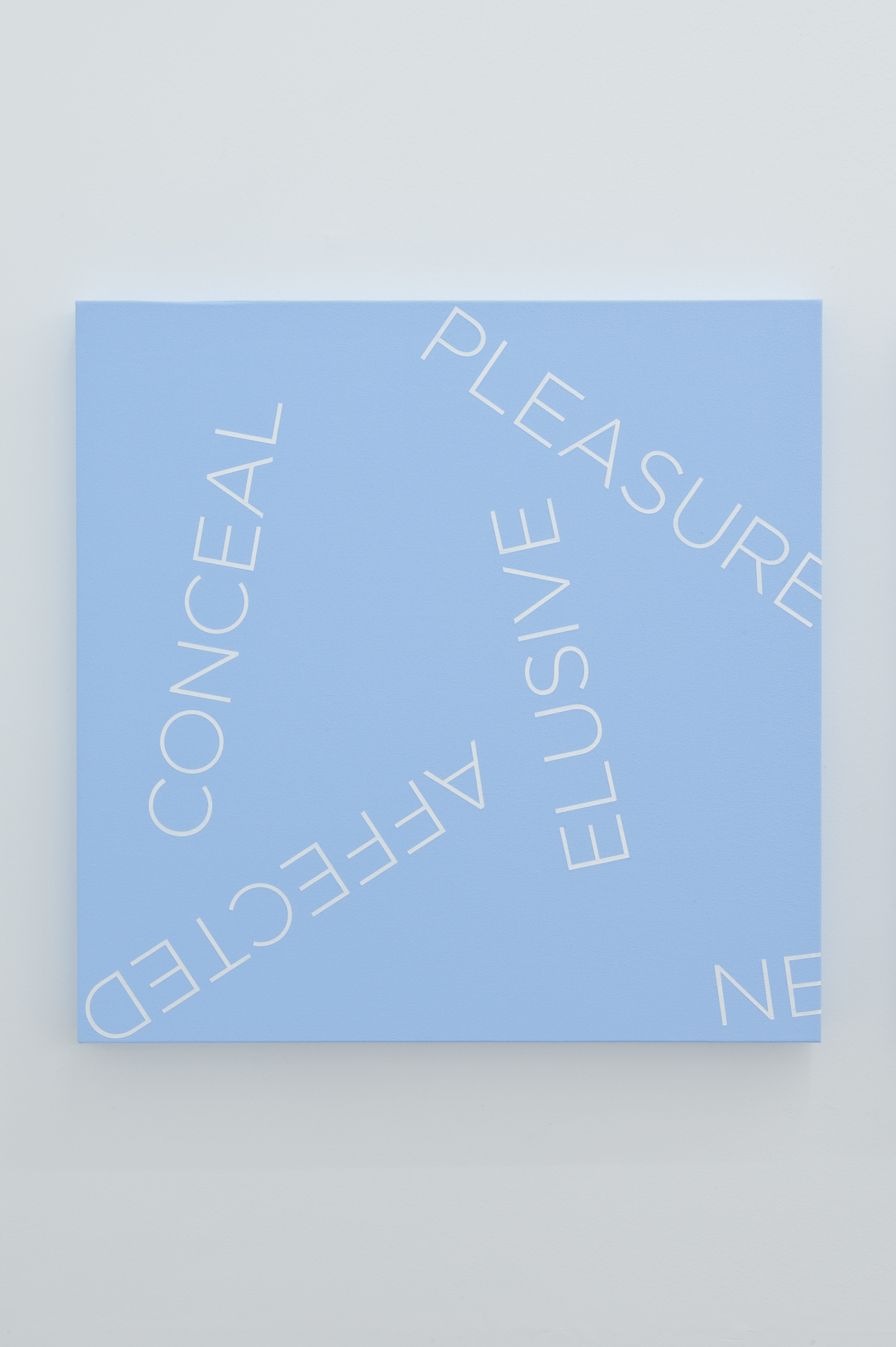
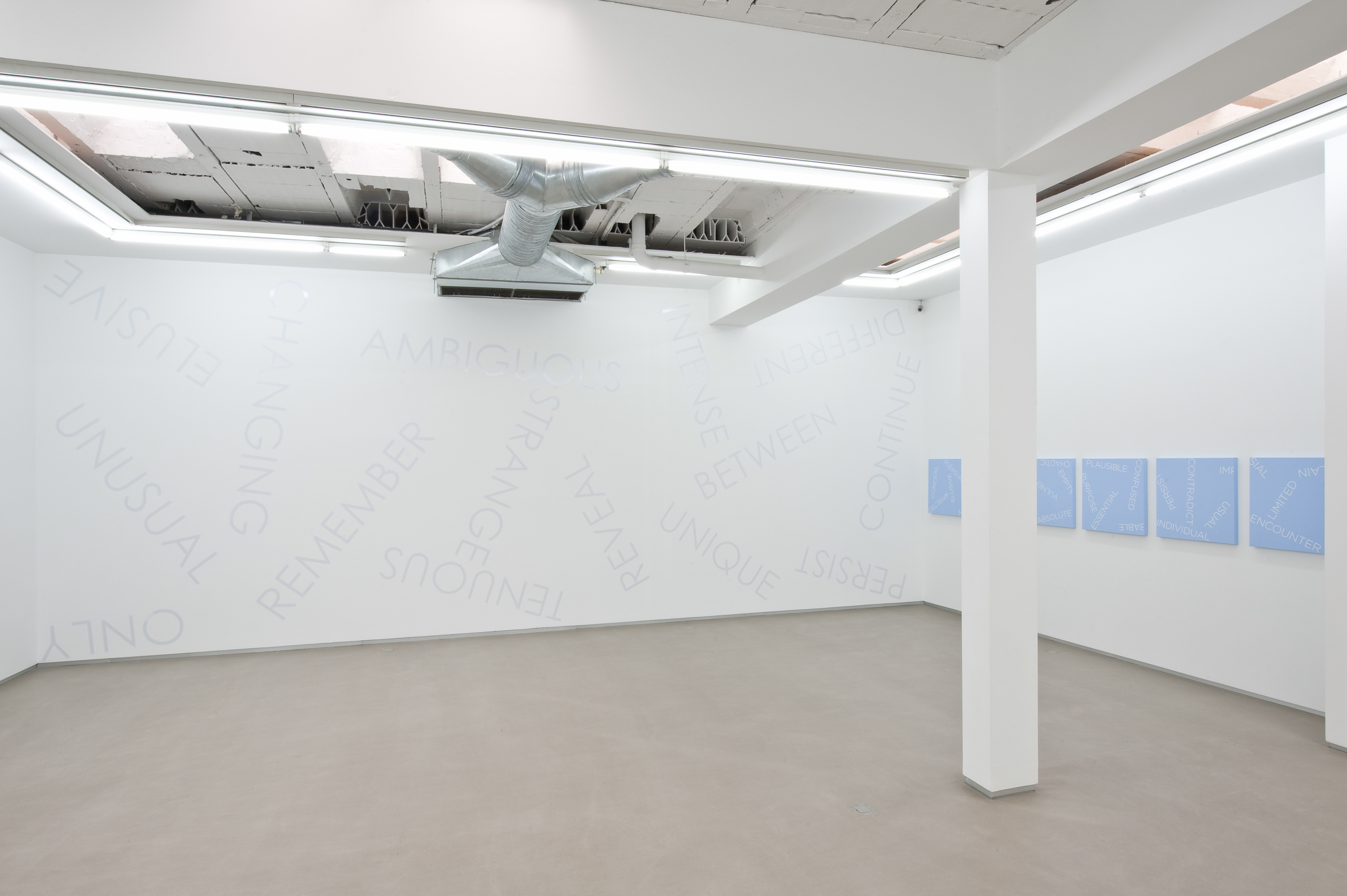
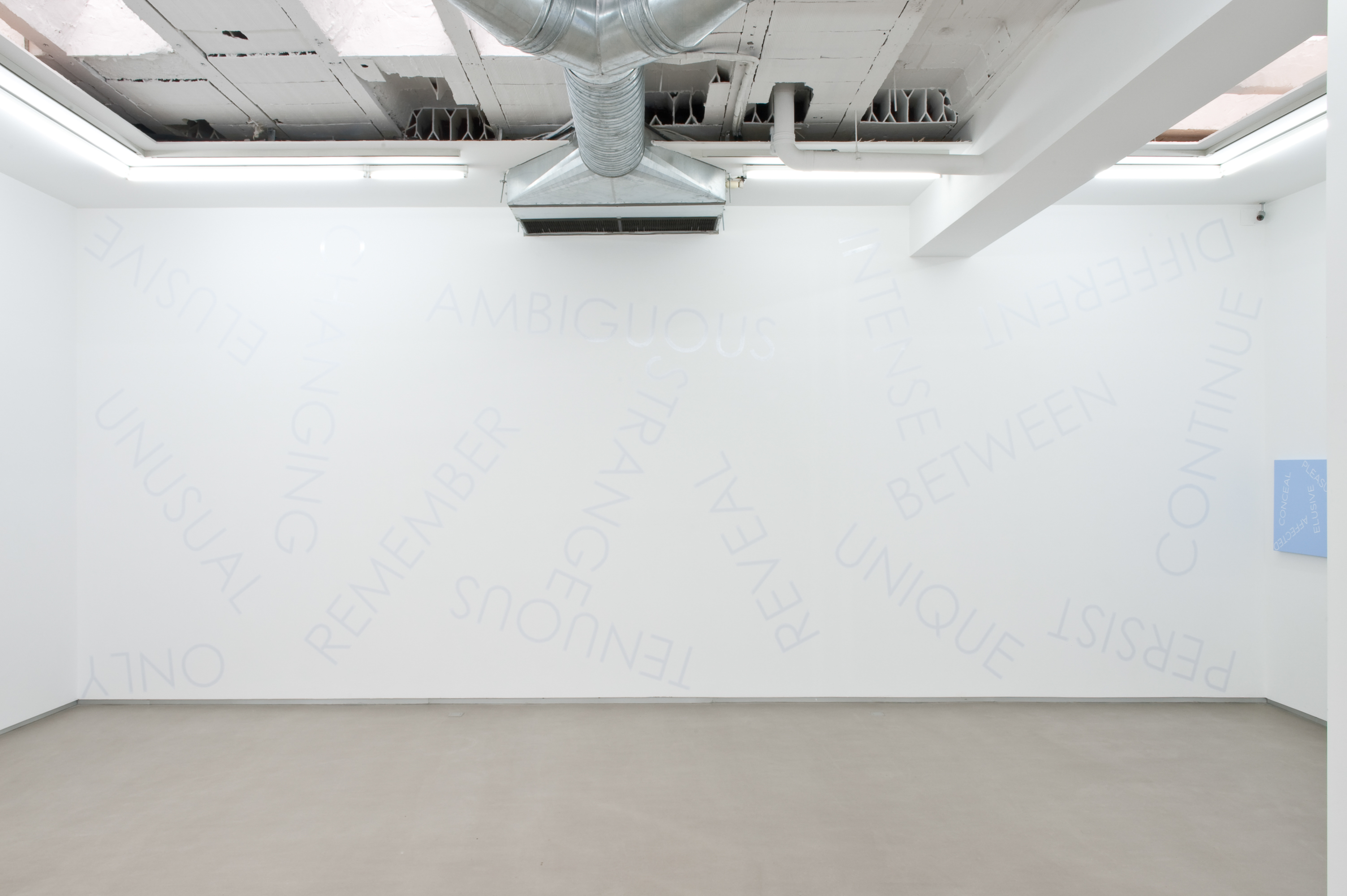
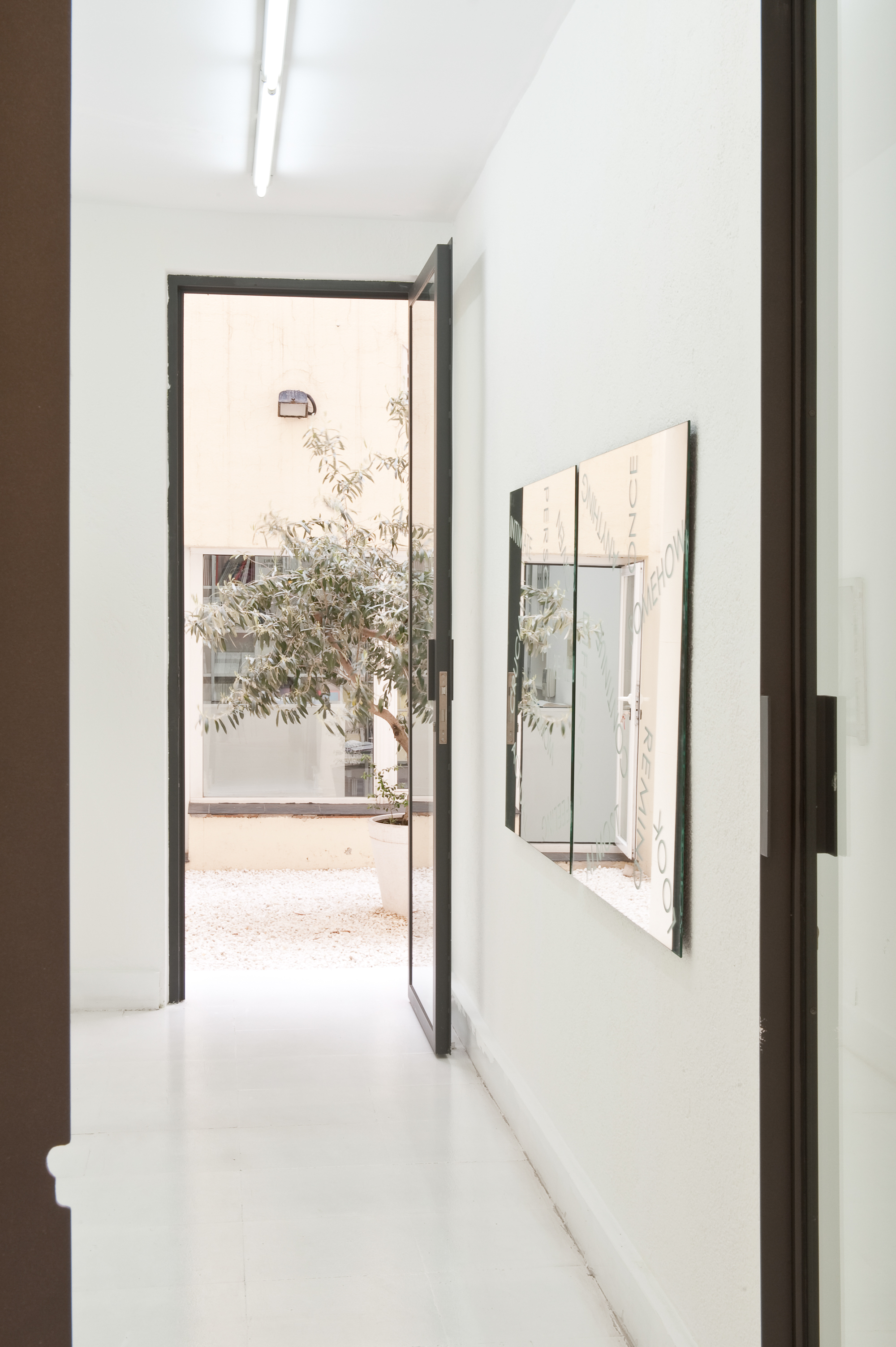
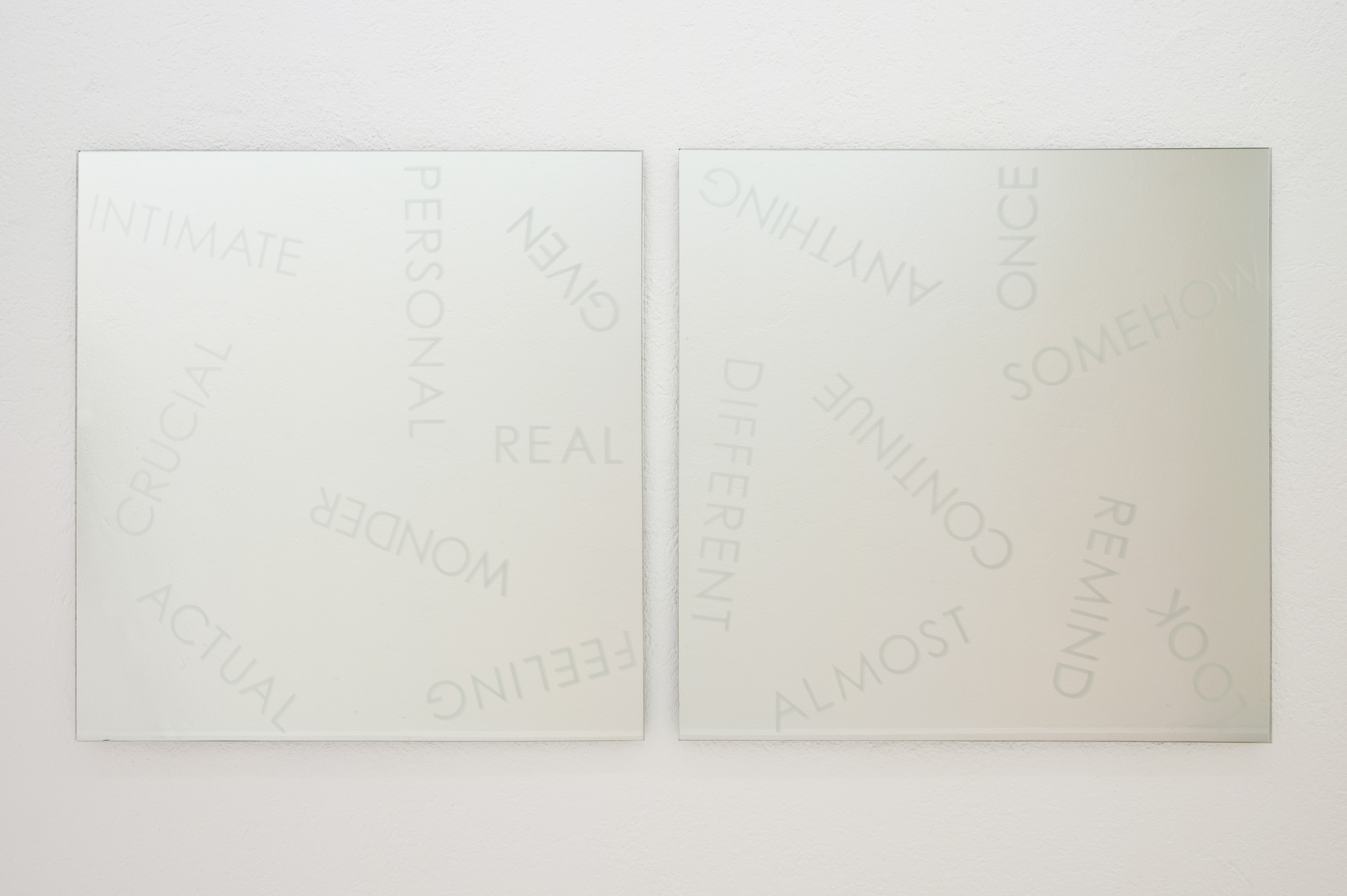
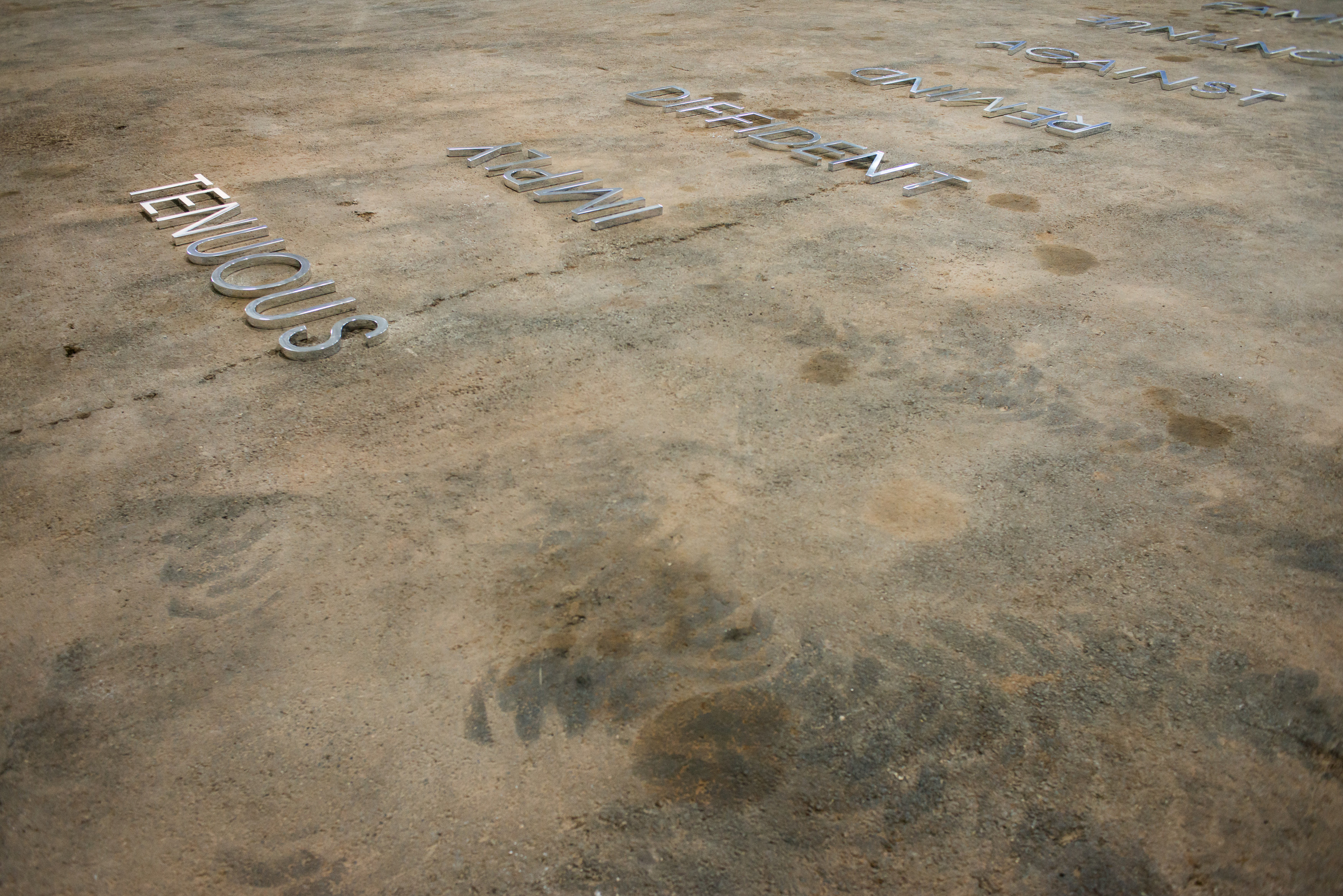
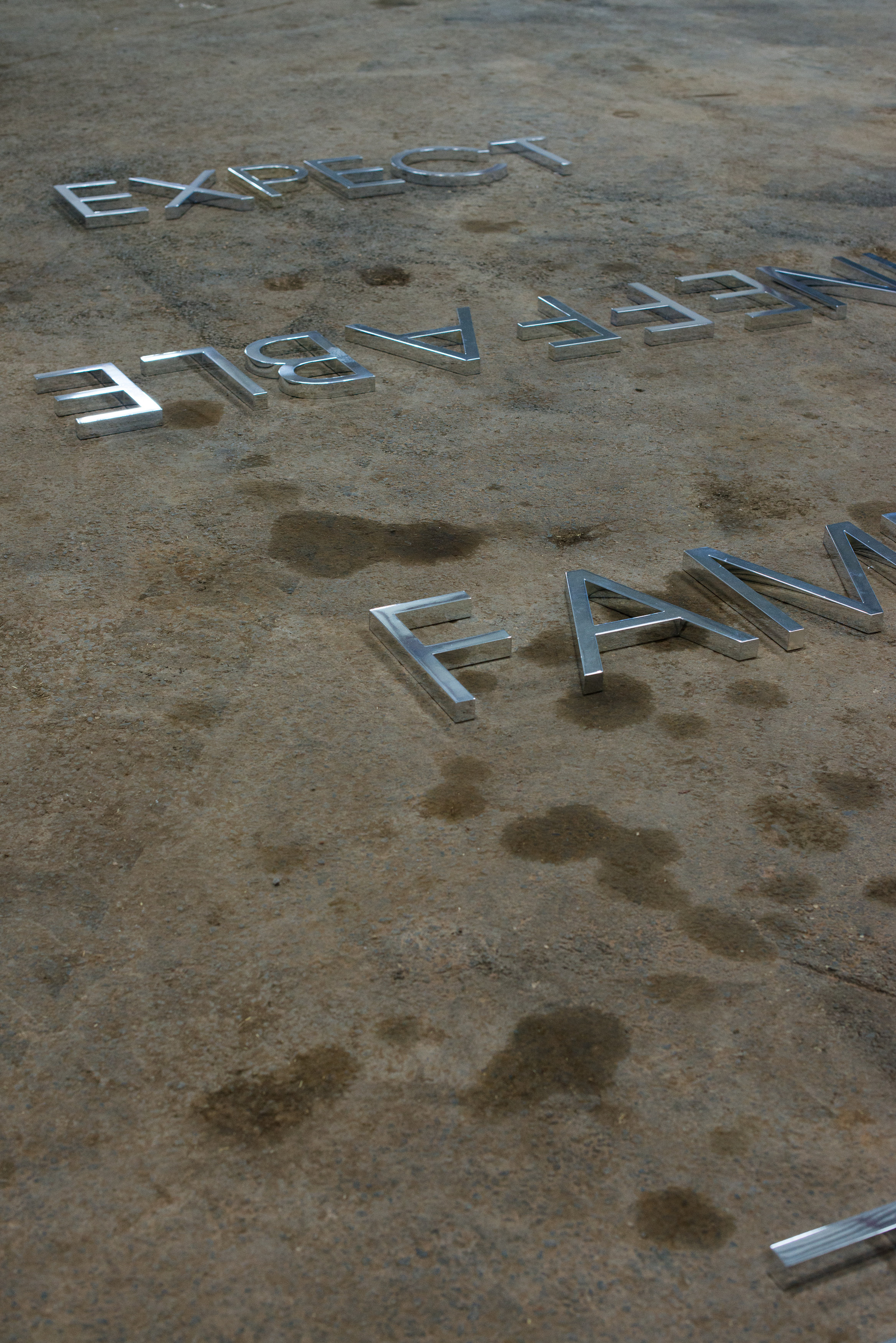
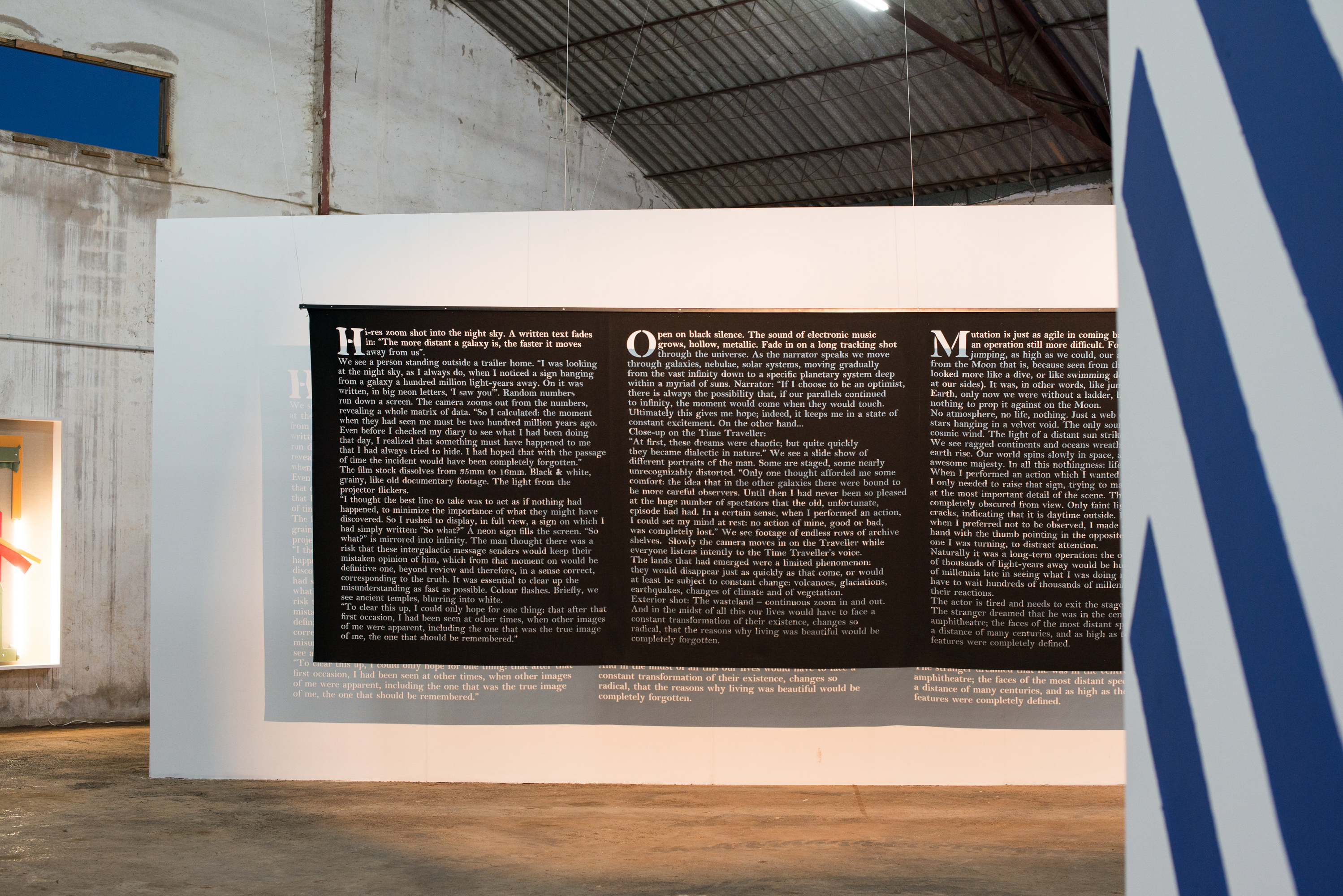
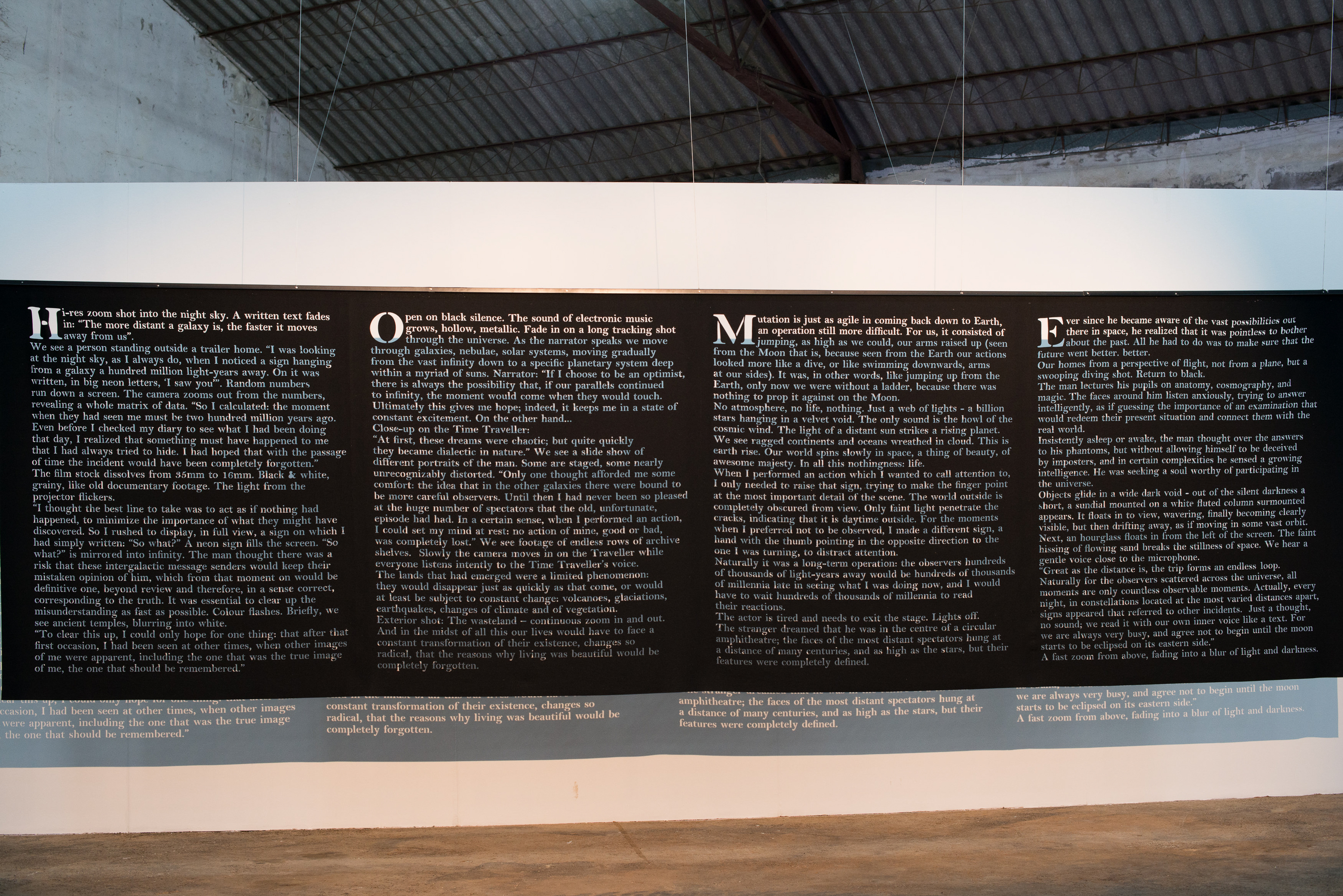
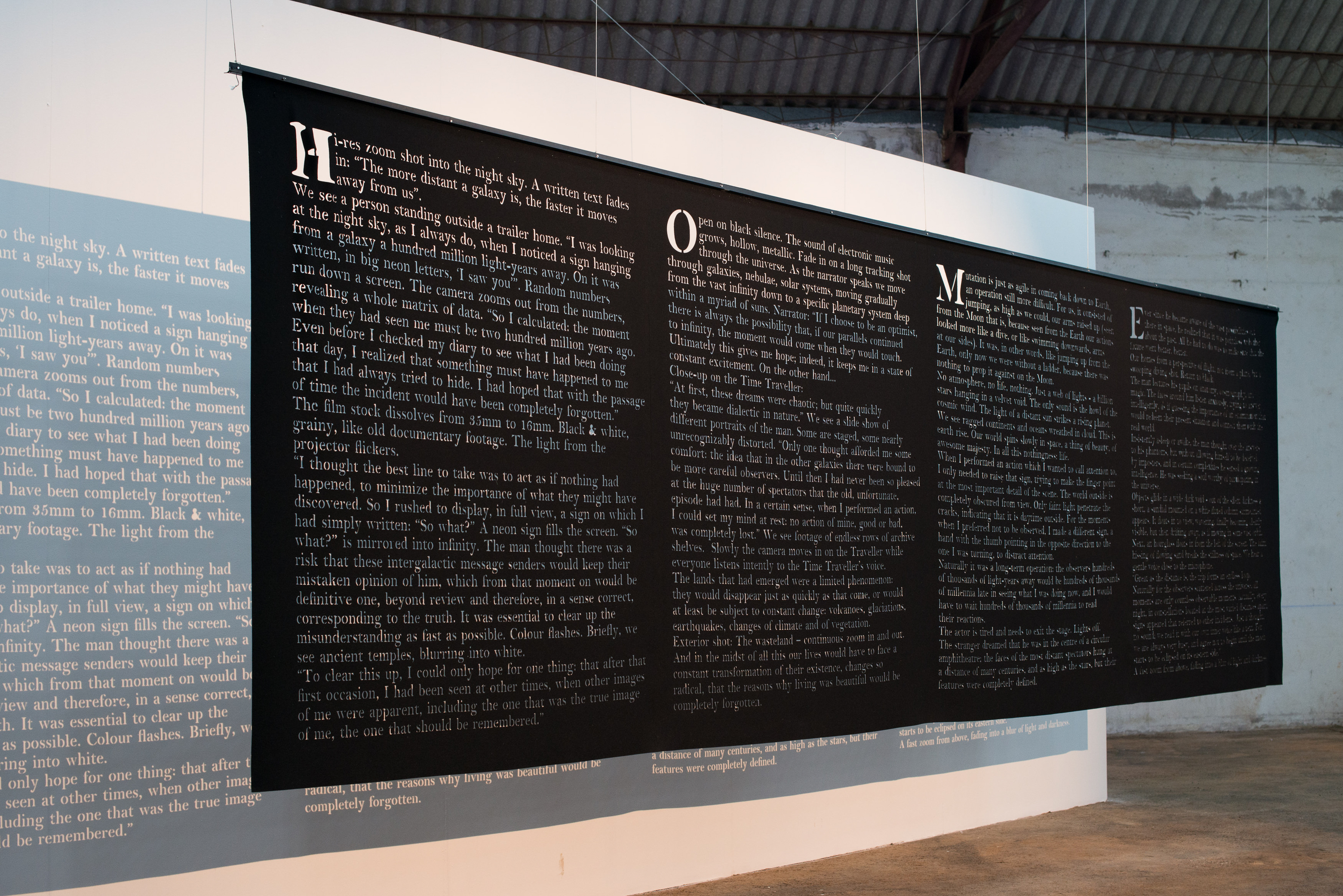
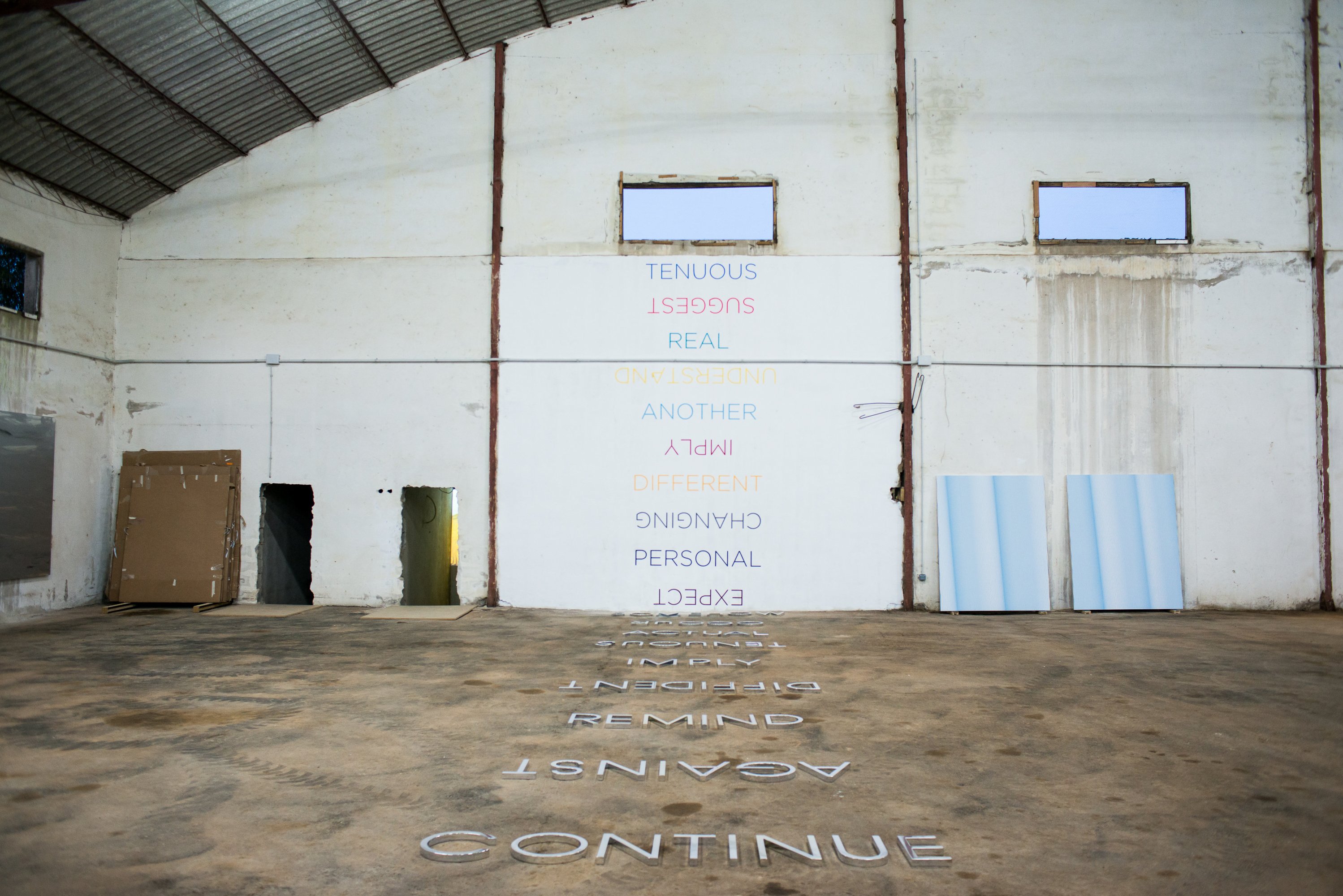
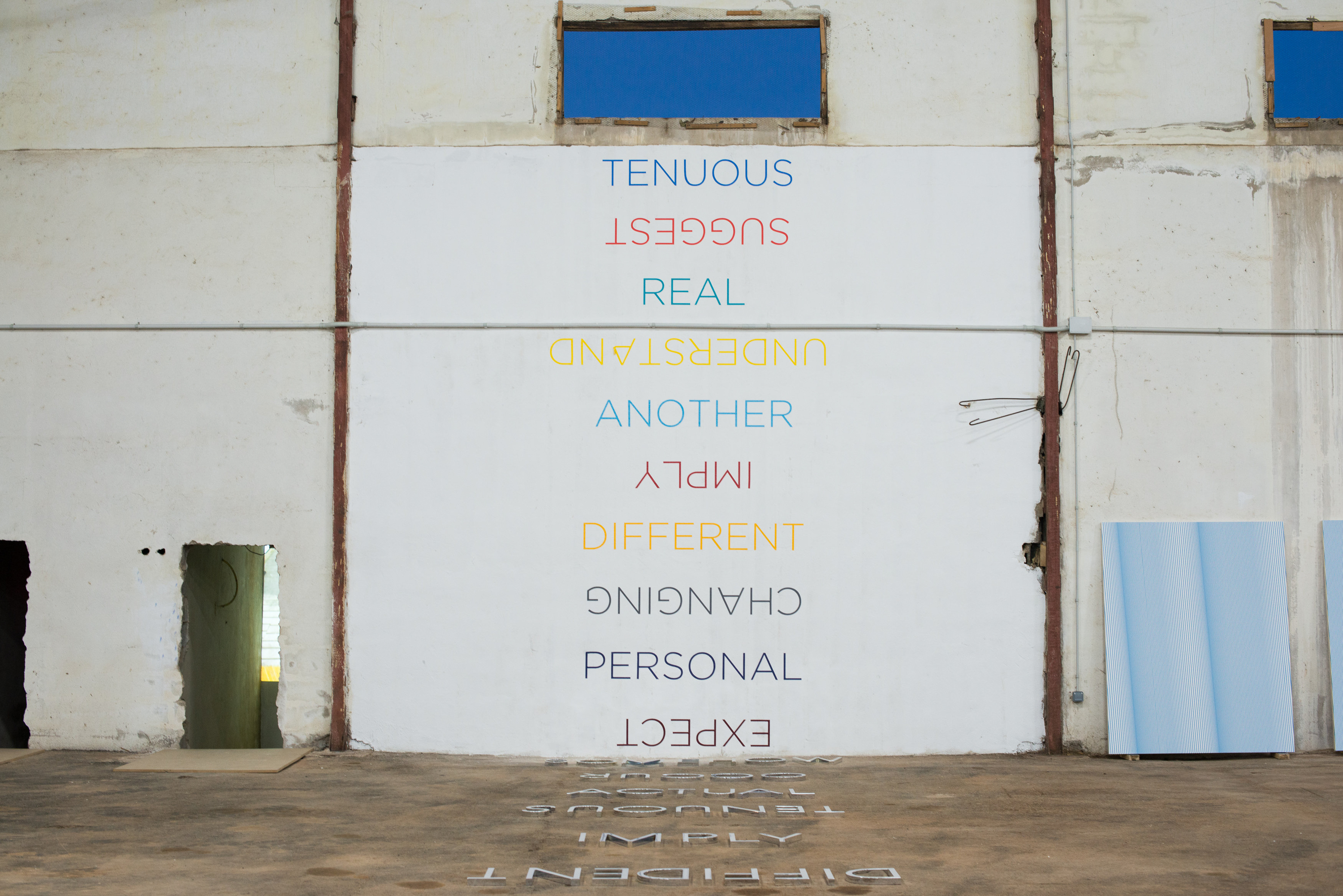
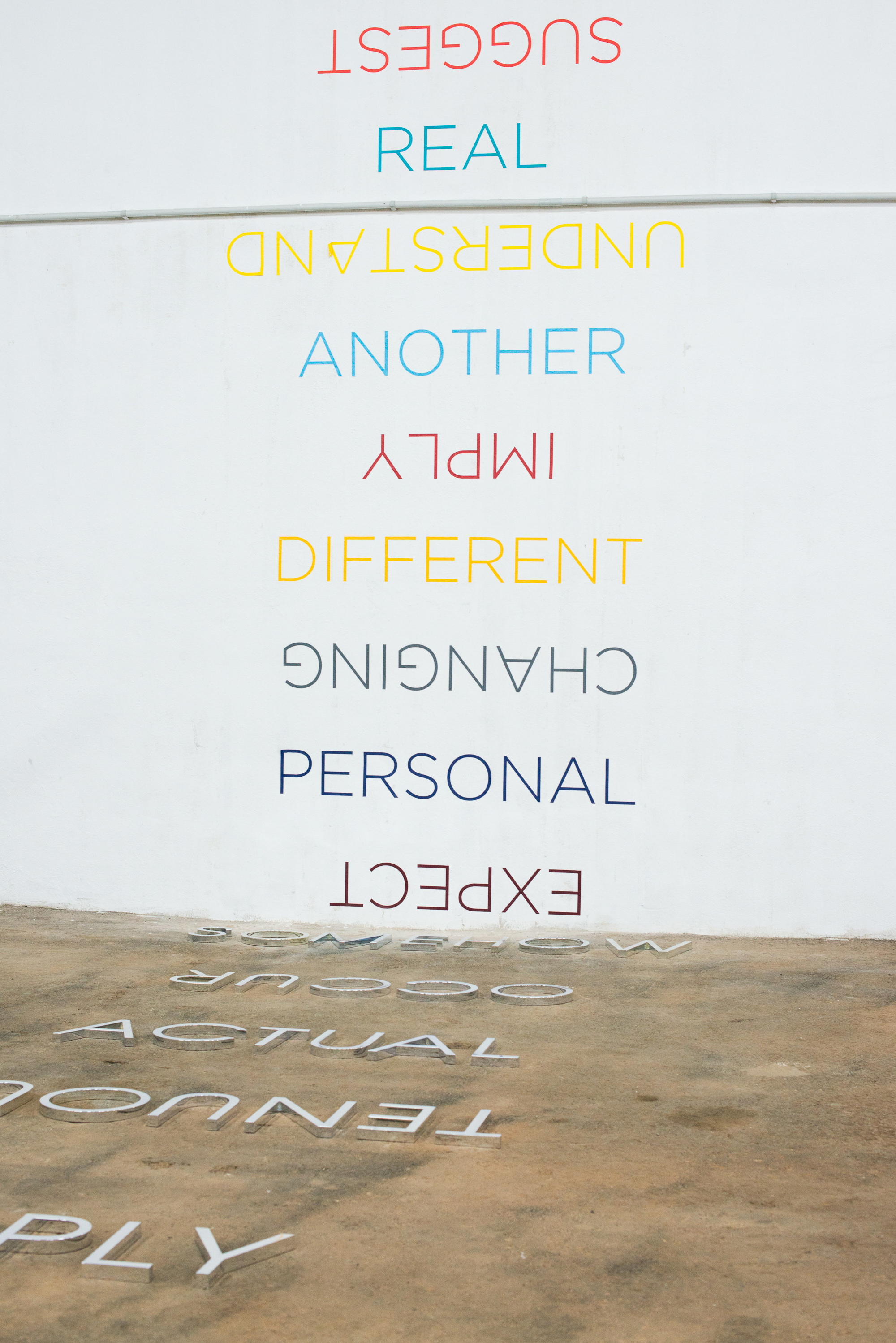
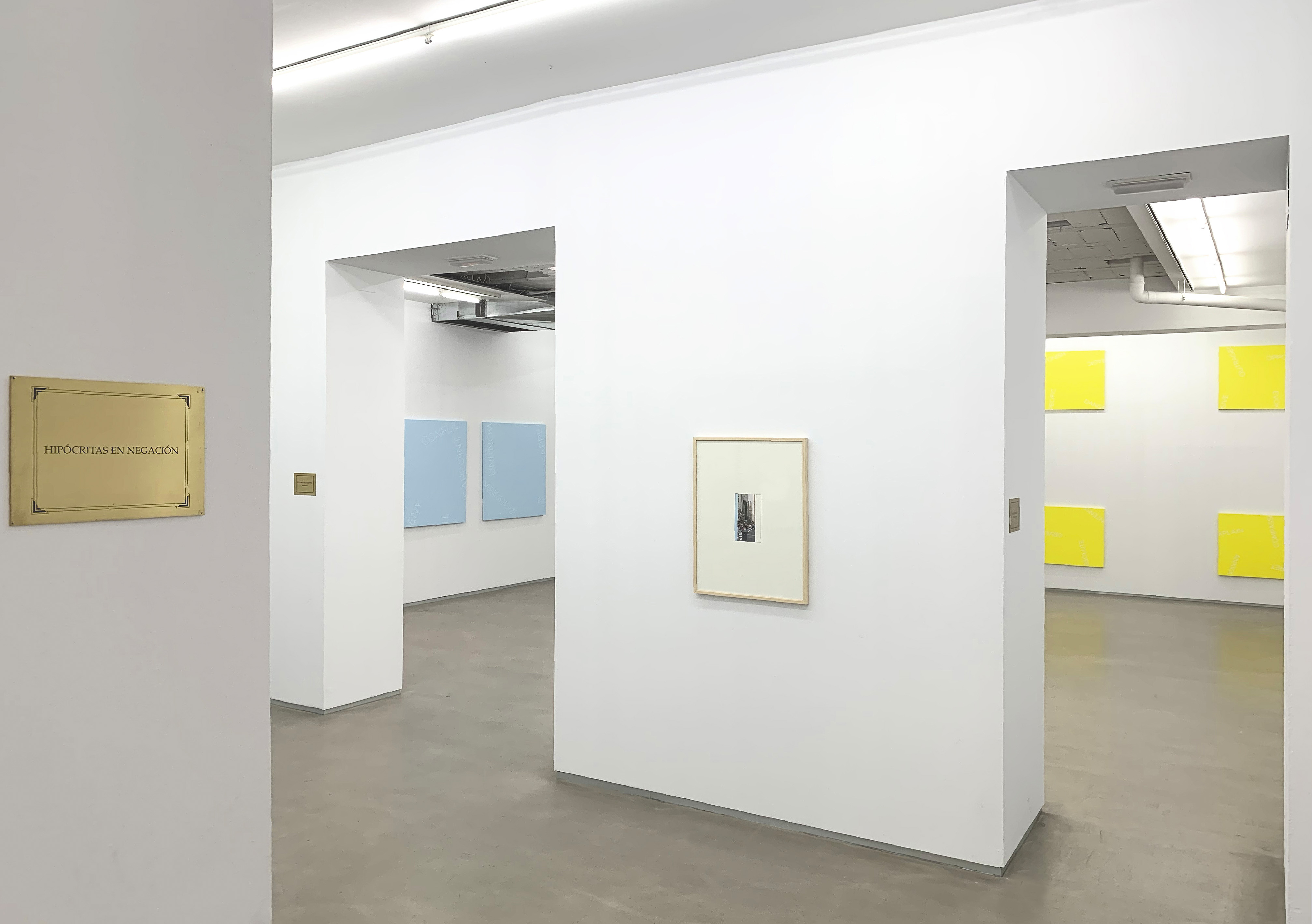
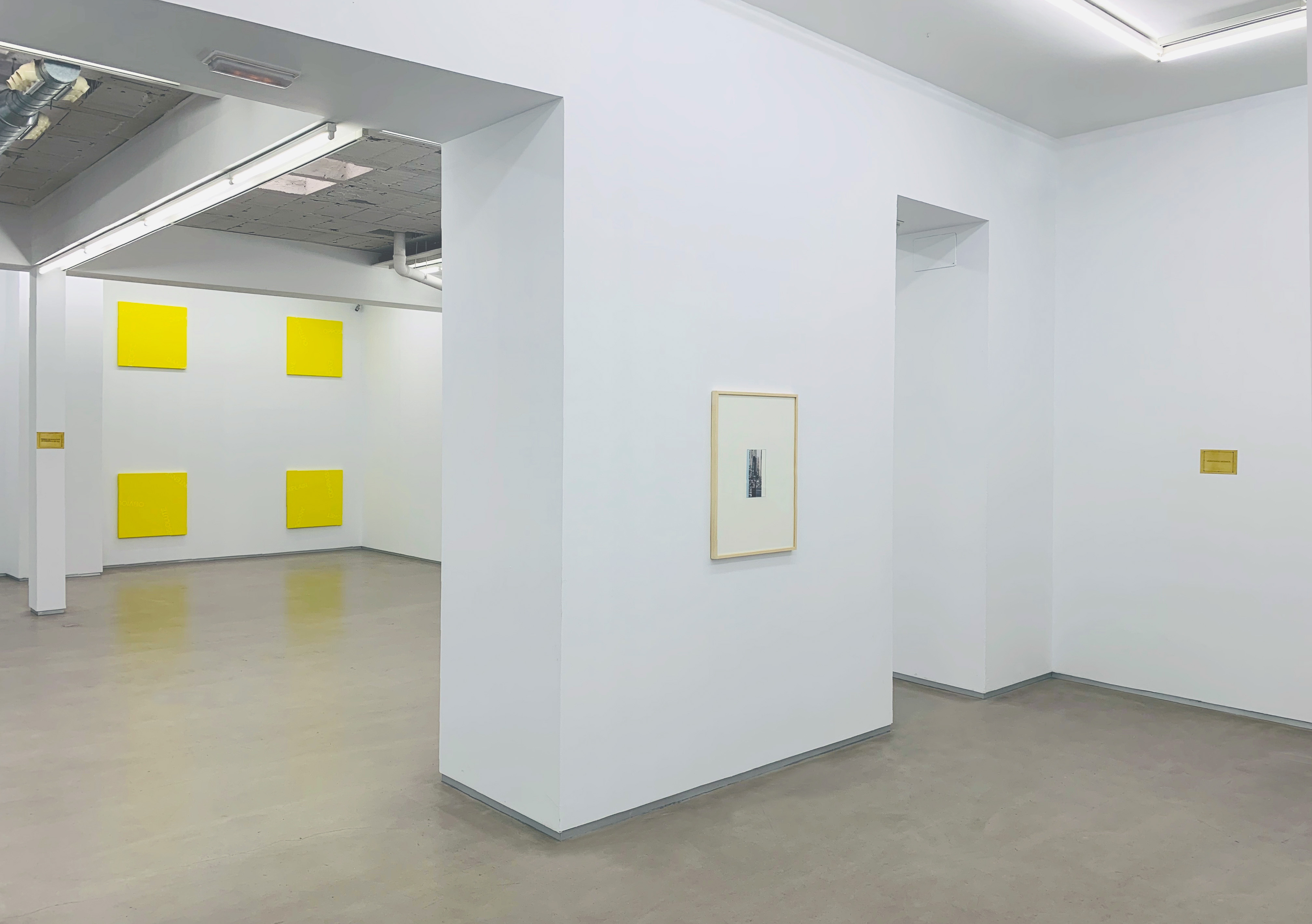
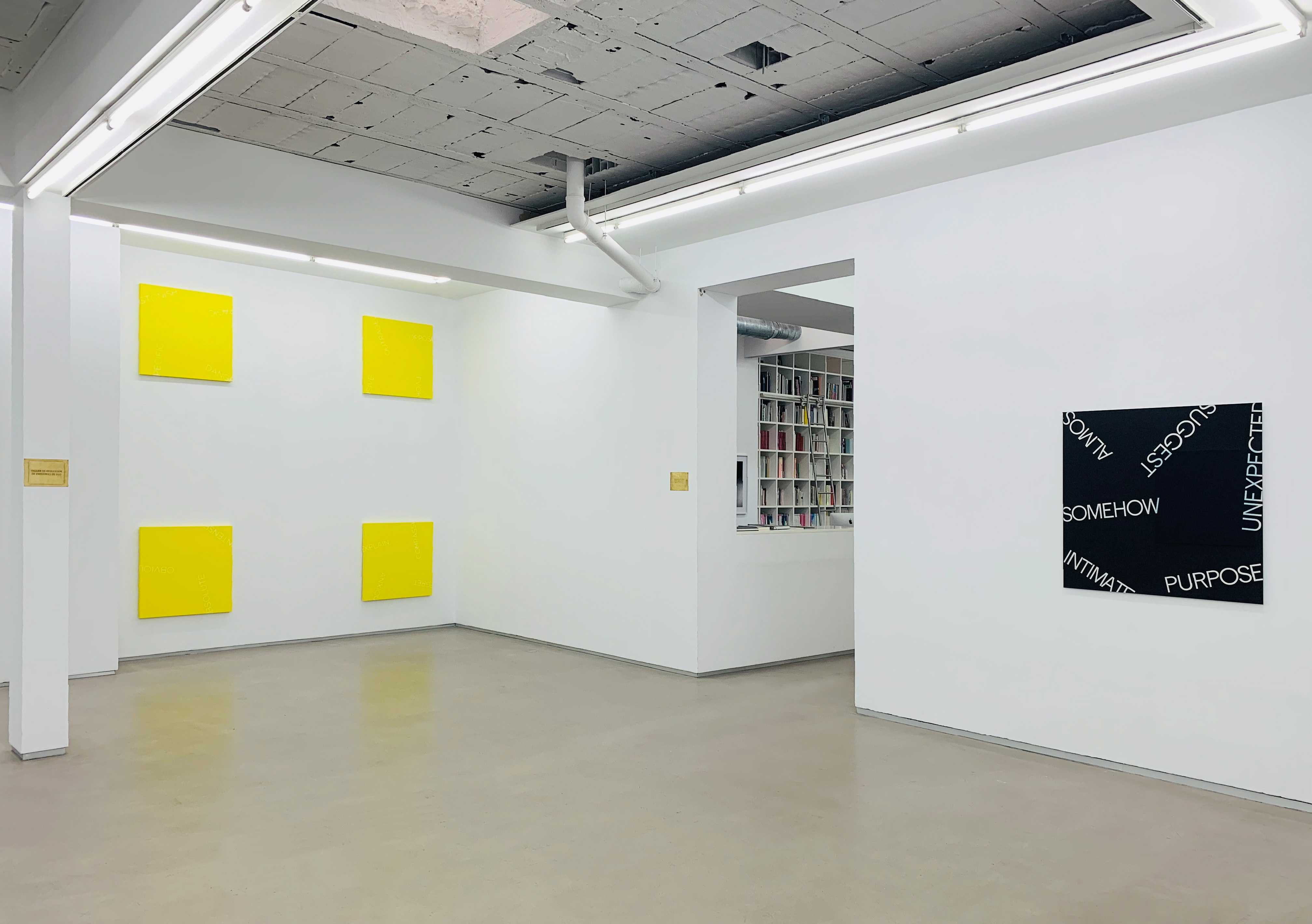
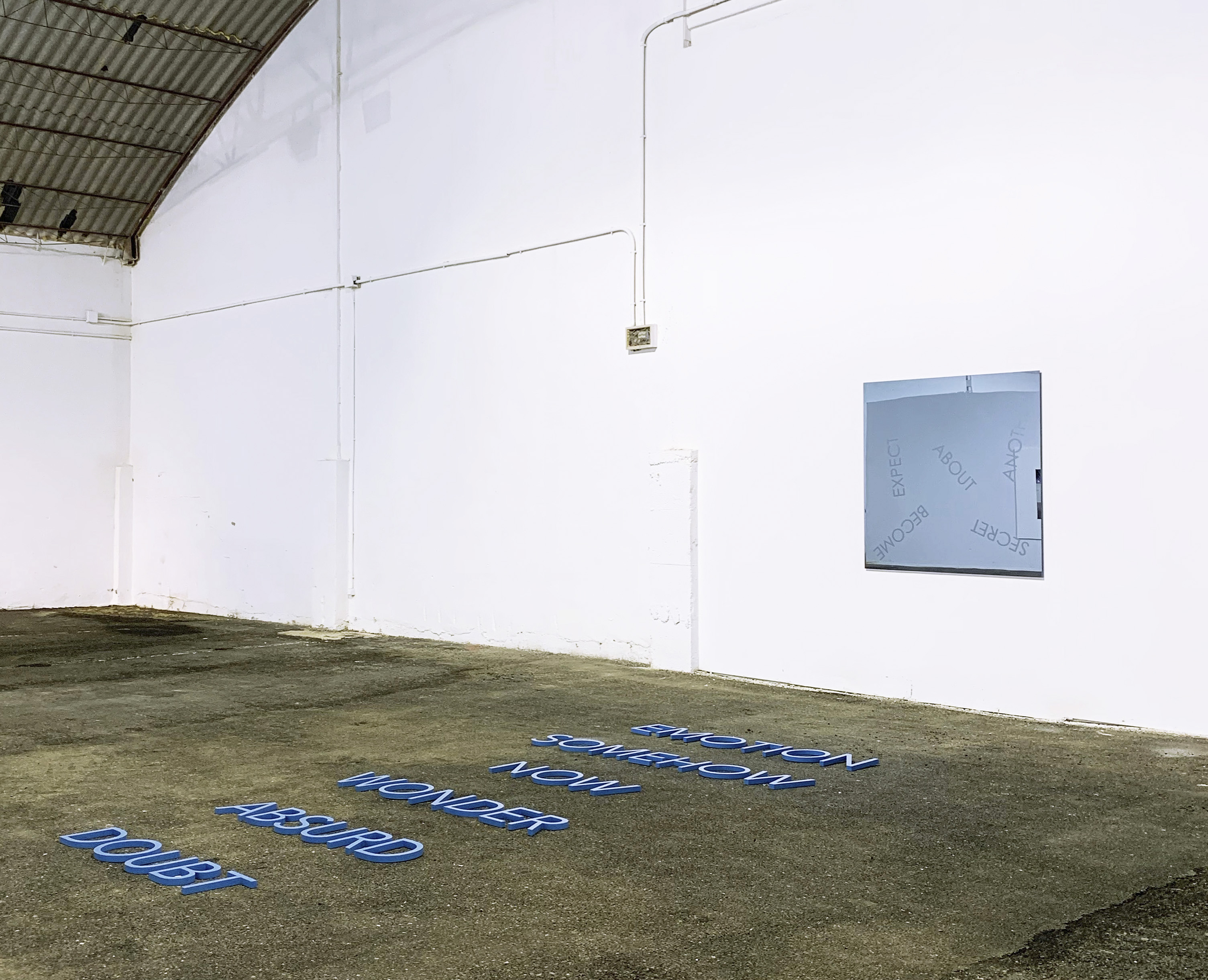
Facing a piece by Robert Barry, the viewer always seems to be in that uncertain position where the limits of the work cannot be distinguished. In his well-known serial compositions, the gap between the pieces is the most notable element of dialogue between the canvases and the architectural space. In others such as Word List (2018) the caesura is even more evident.
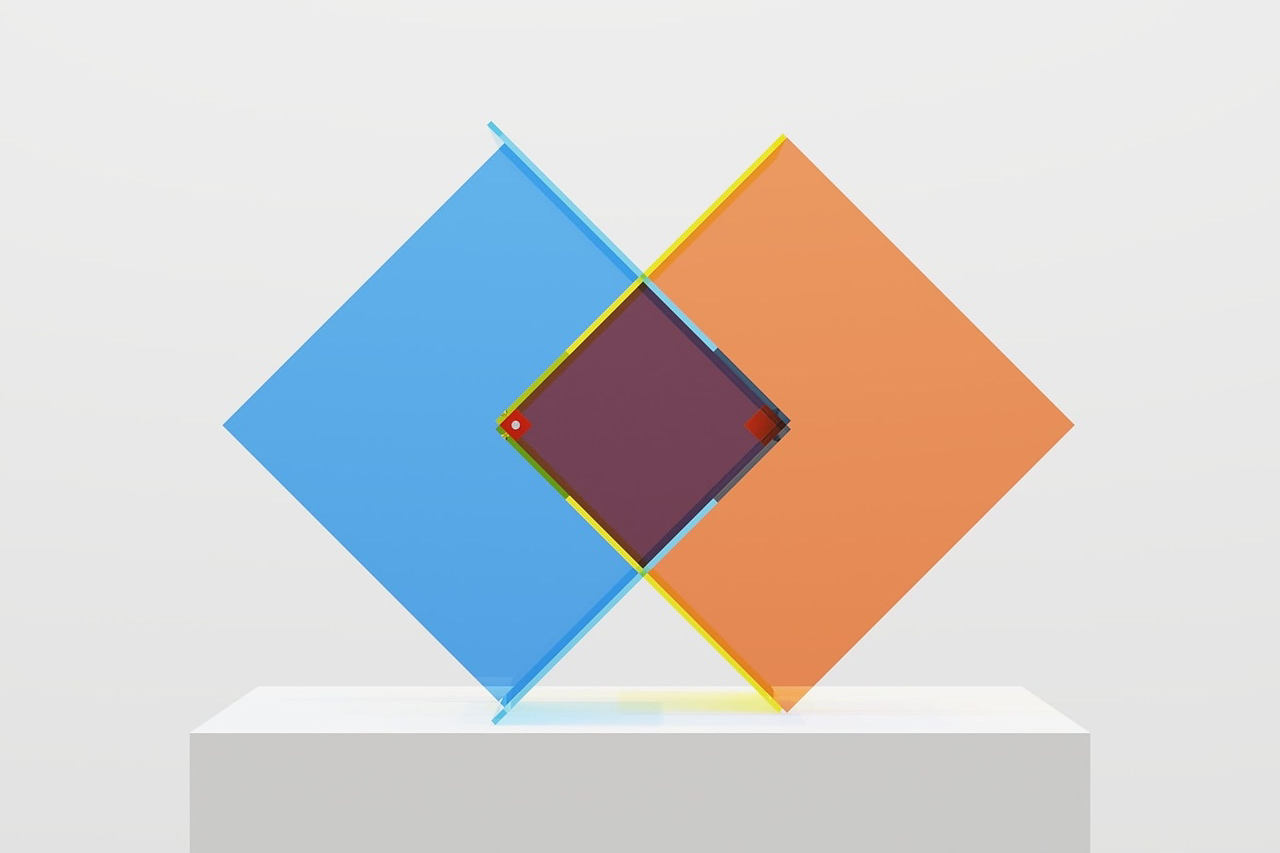
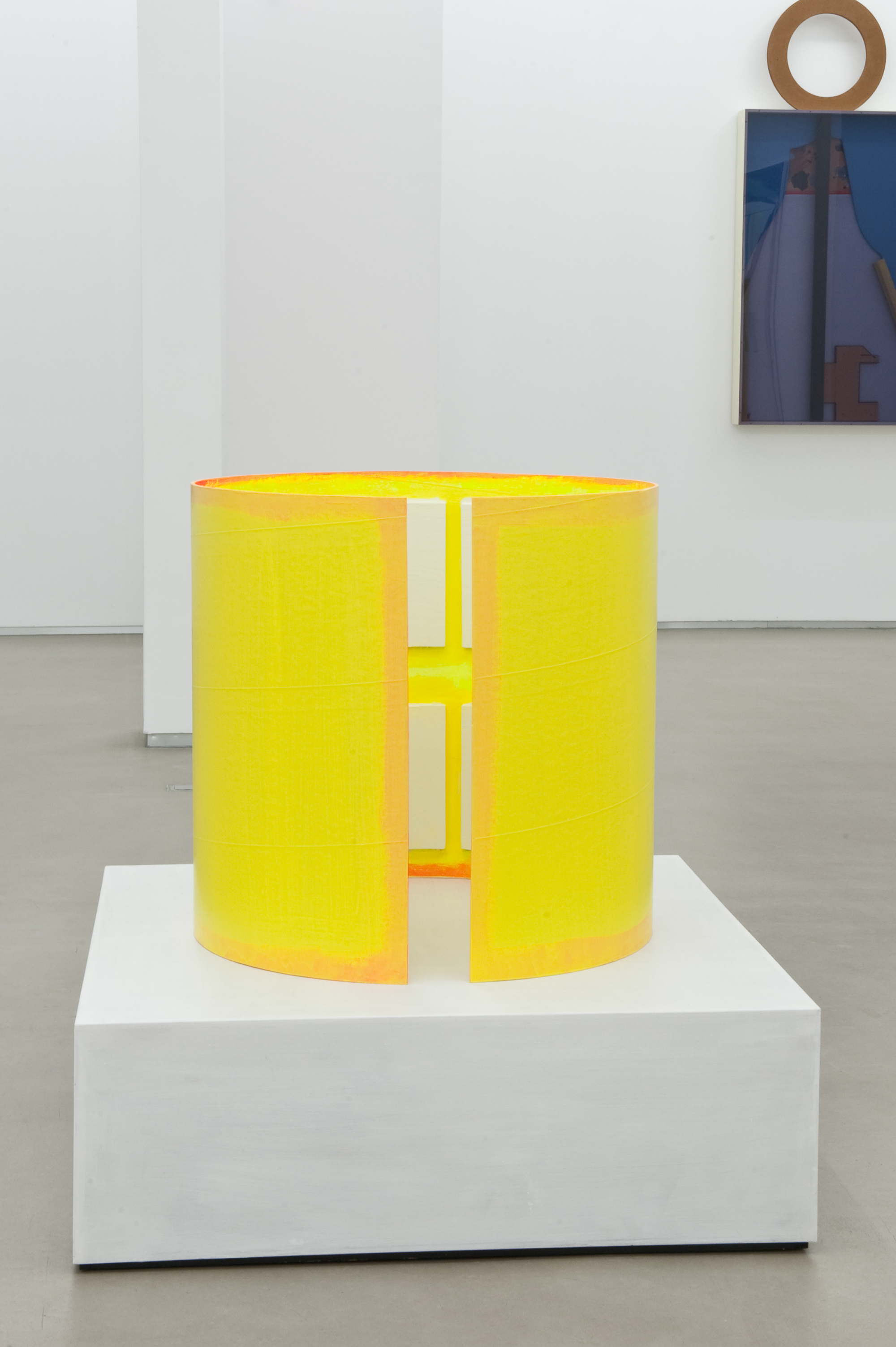
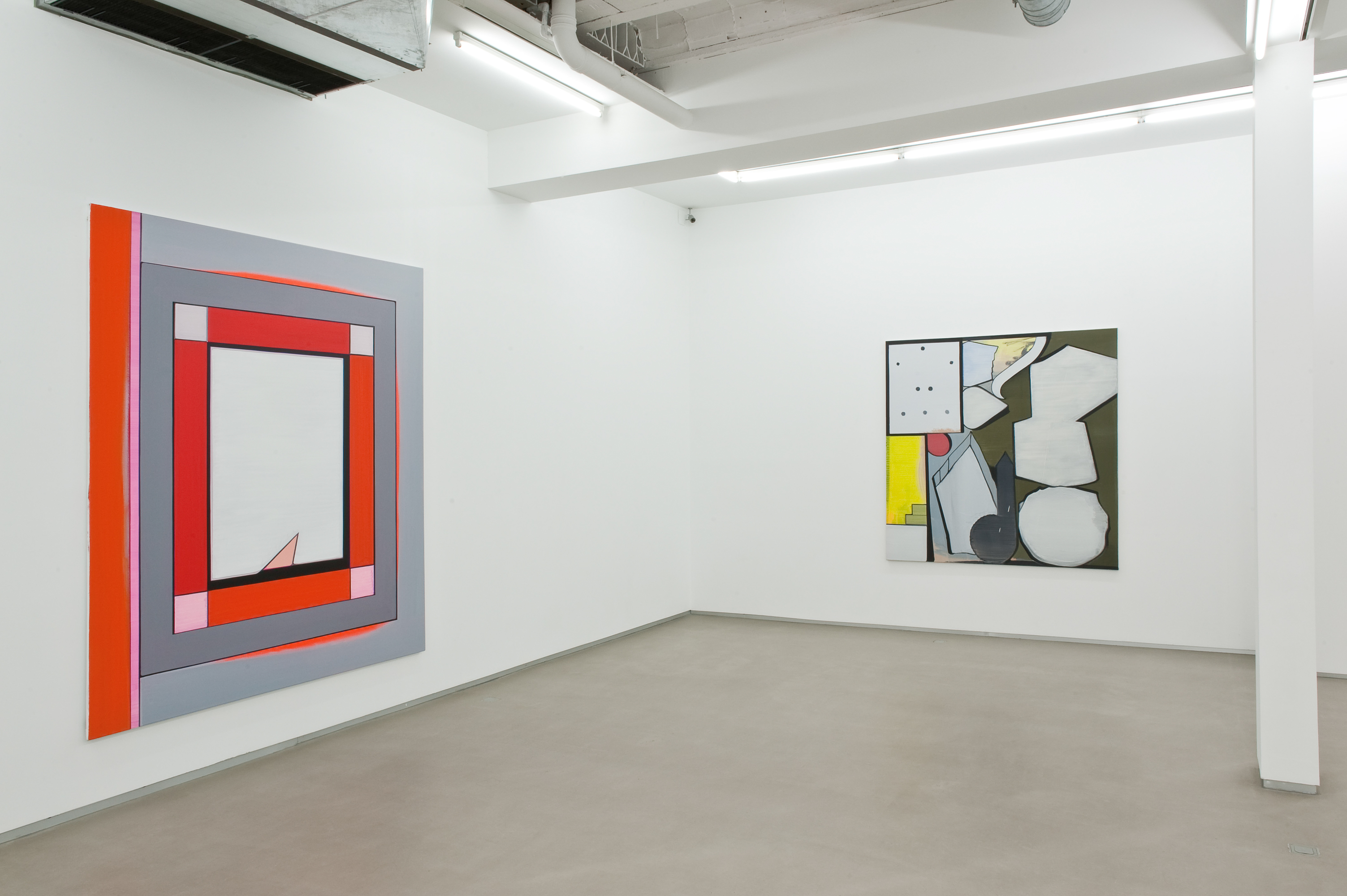
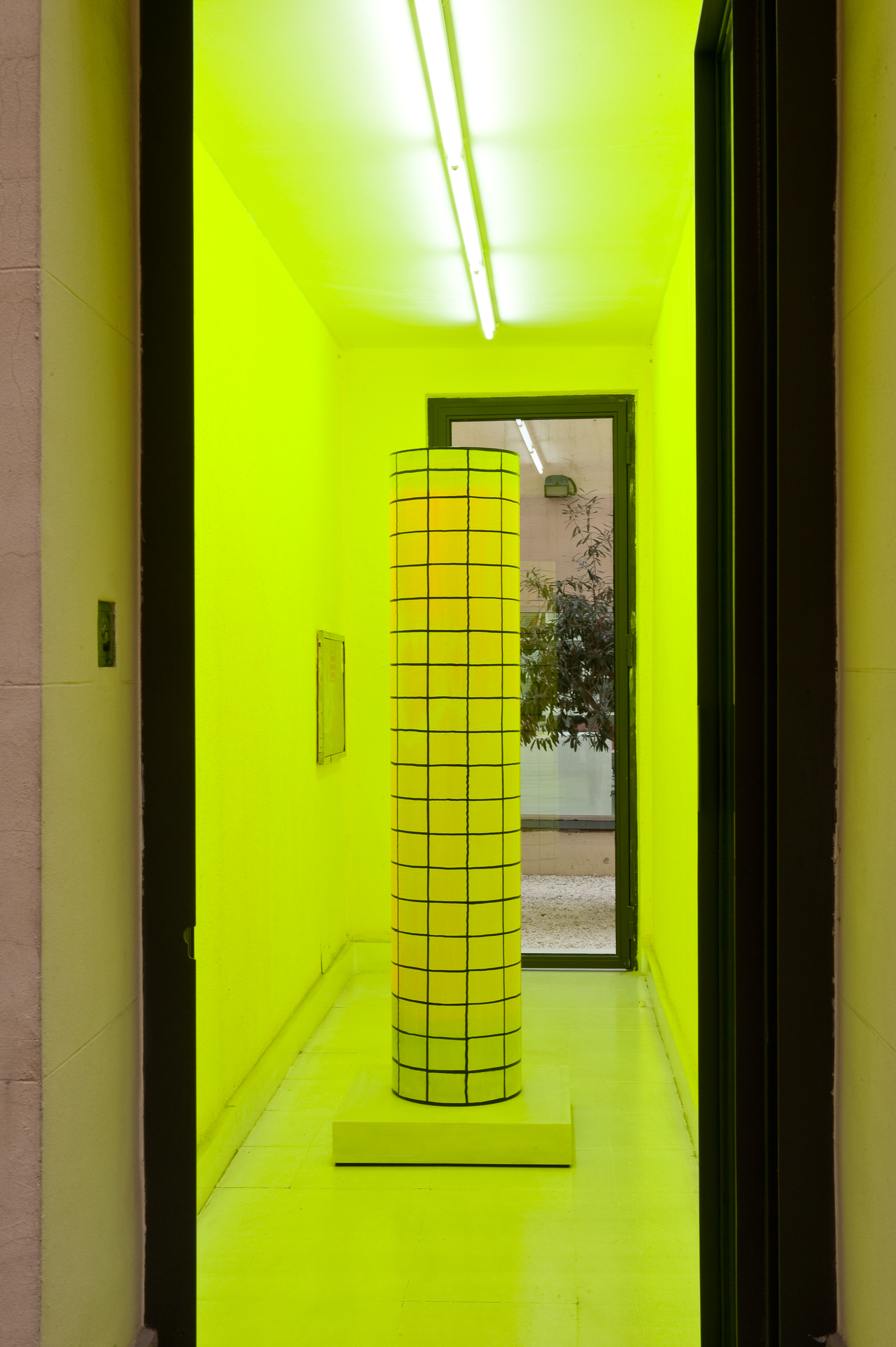
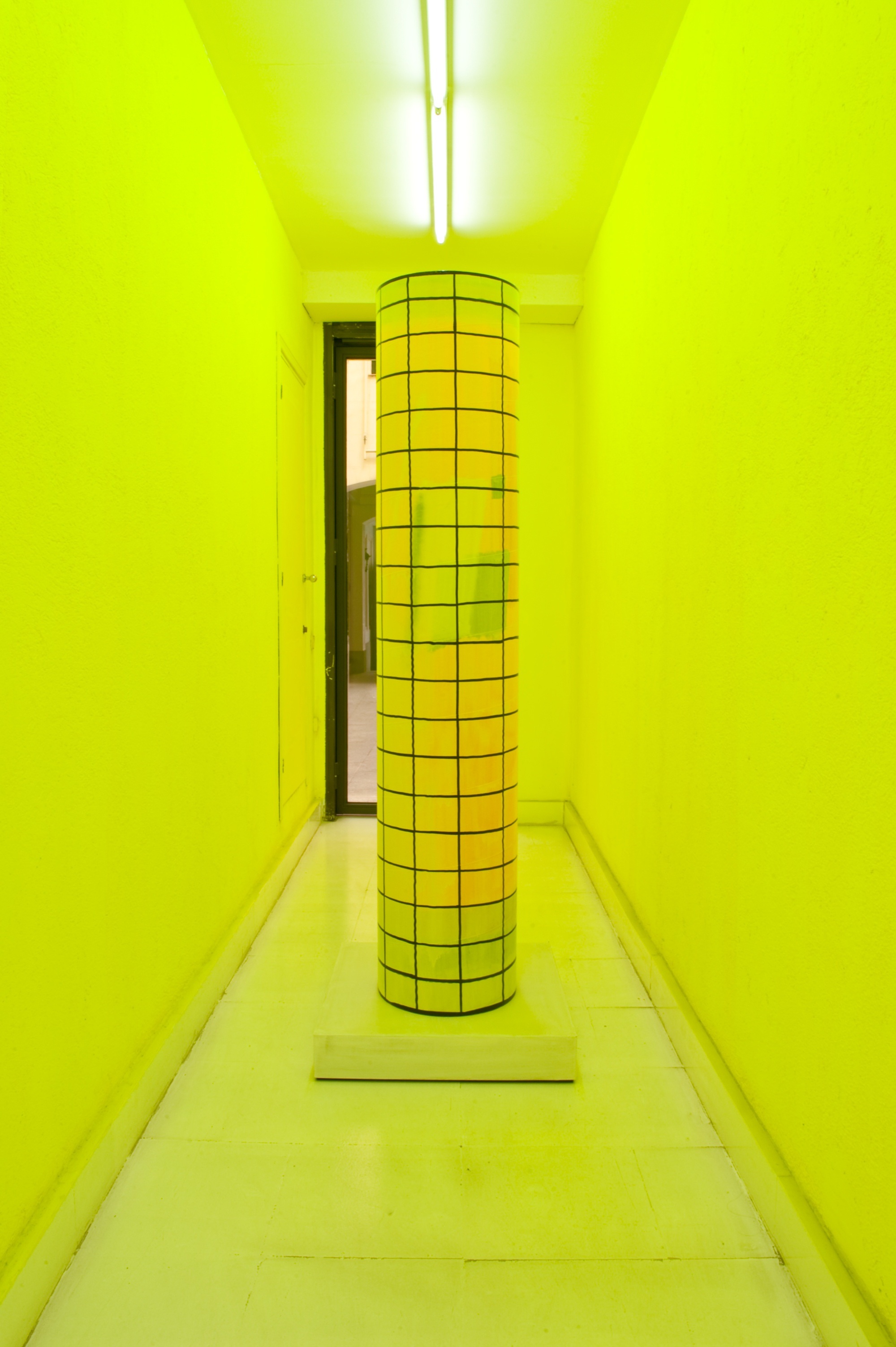
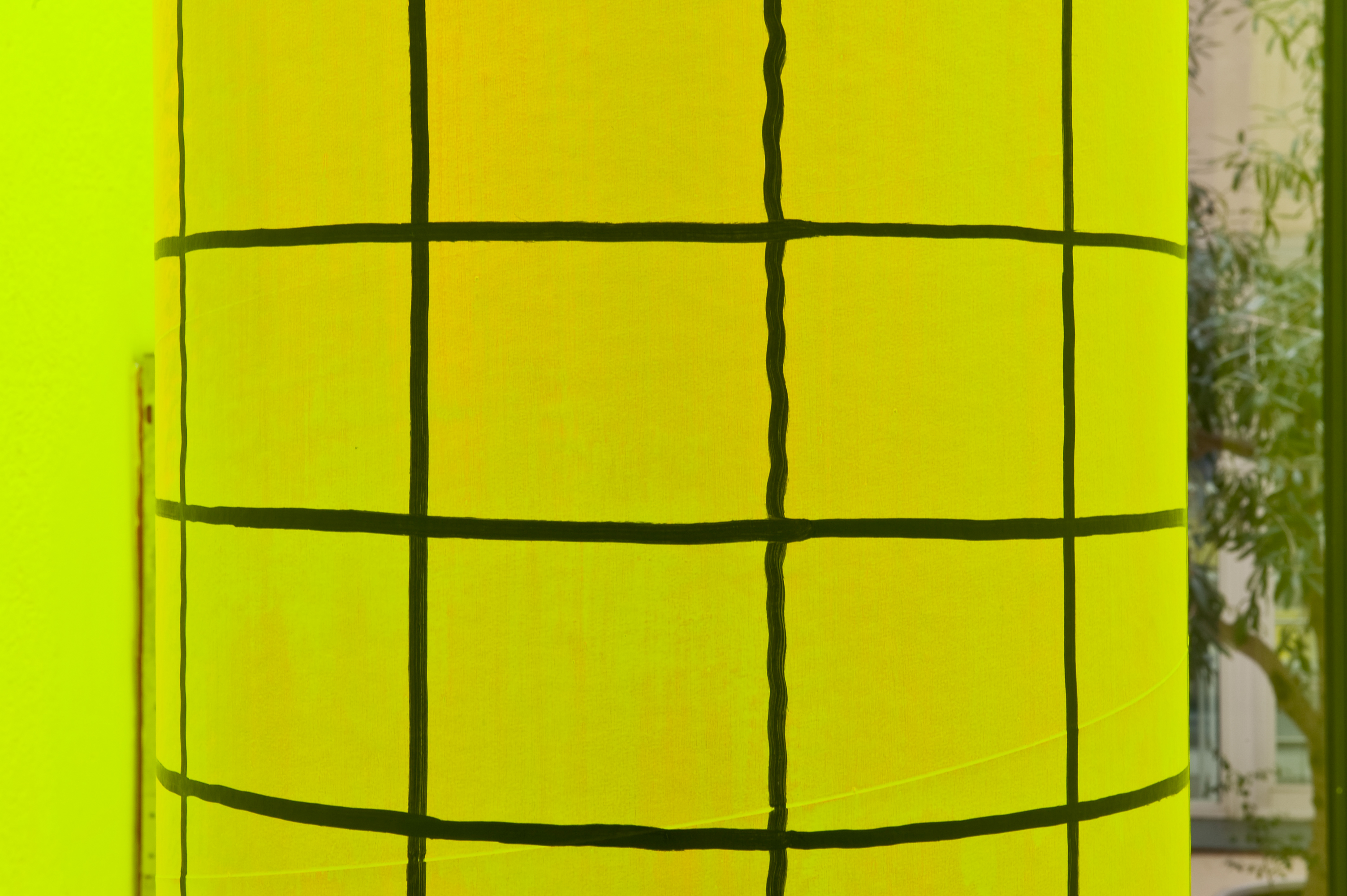
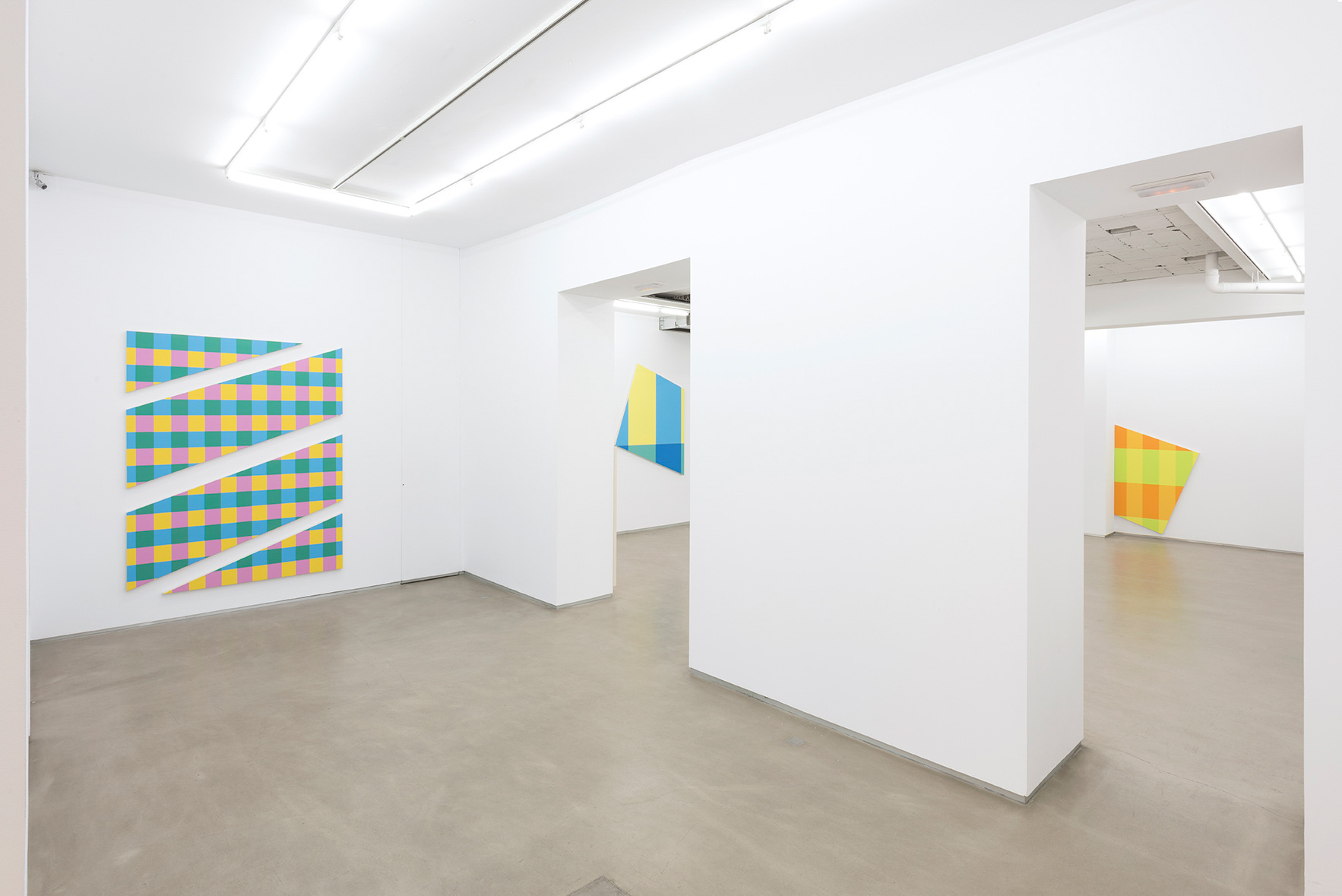
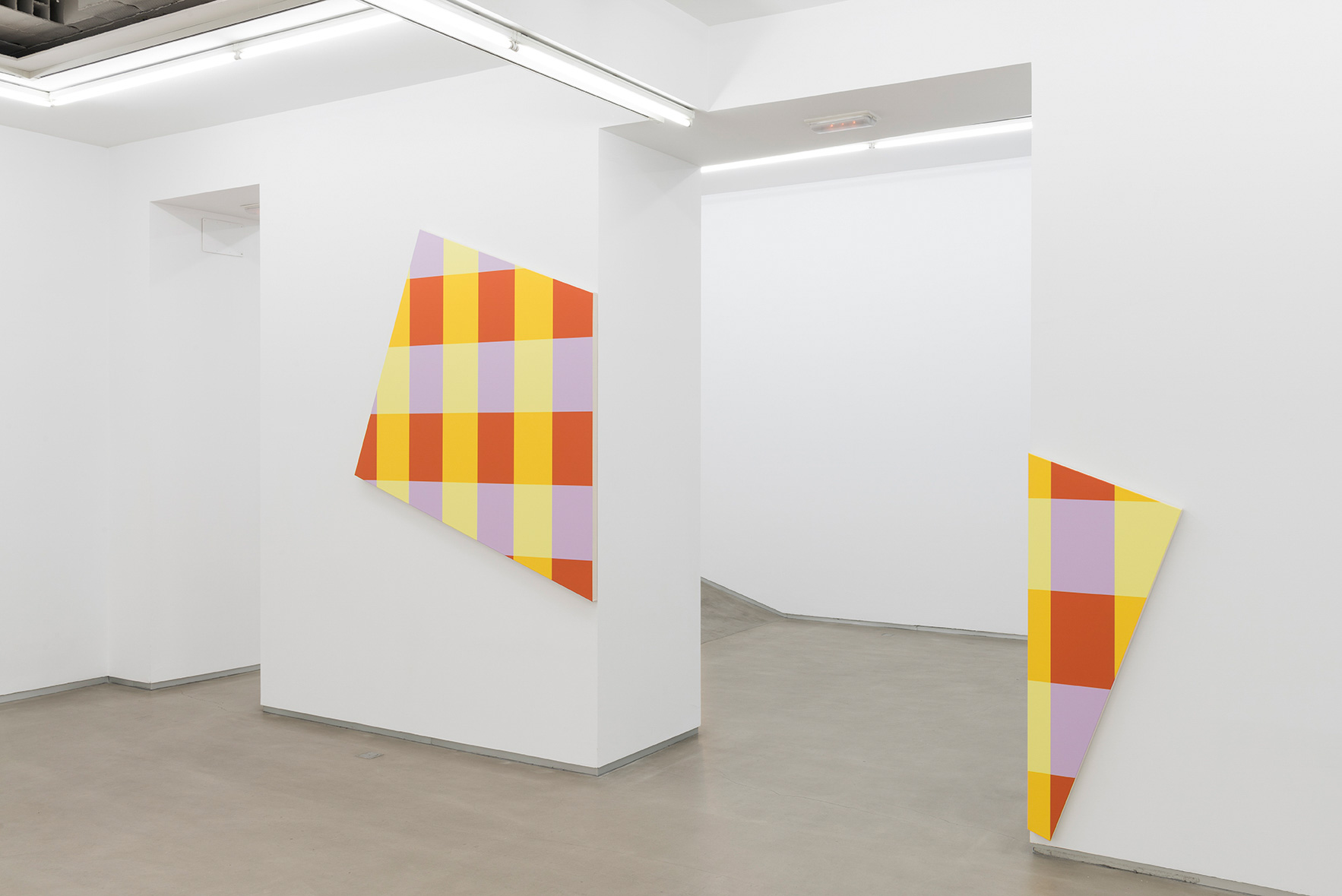
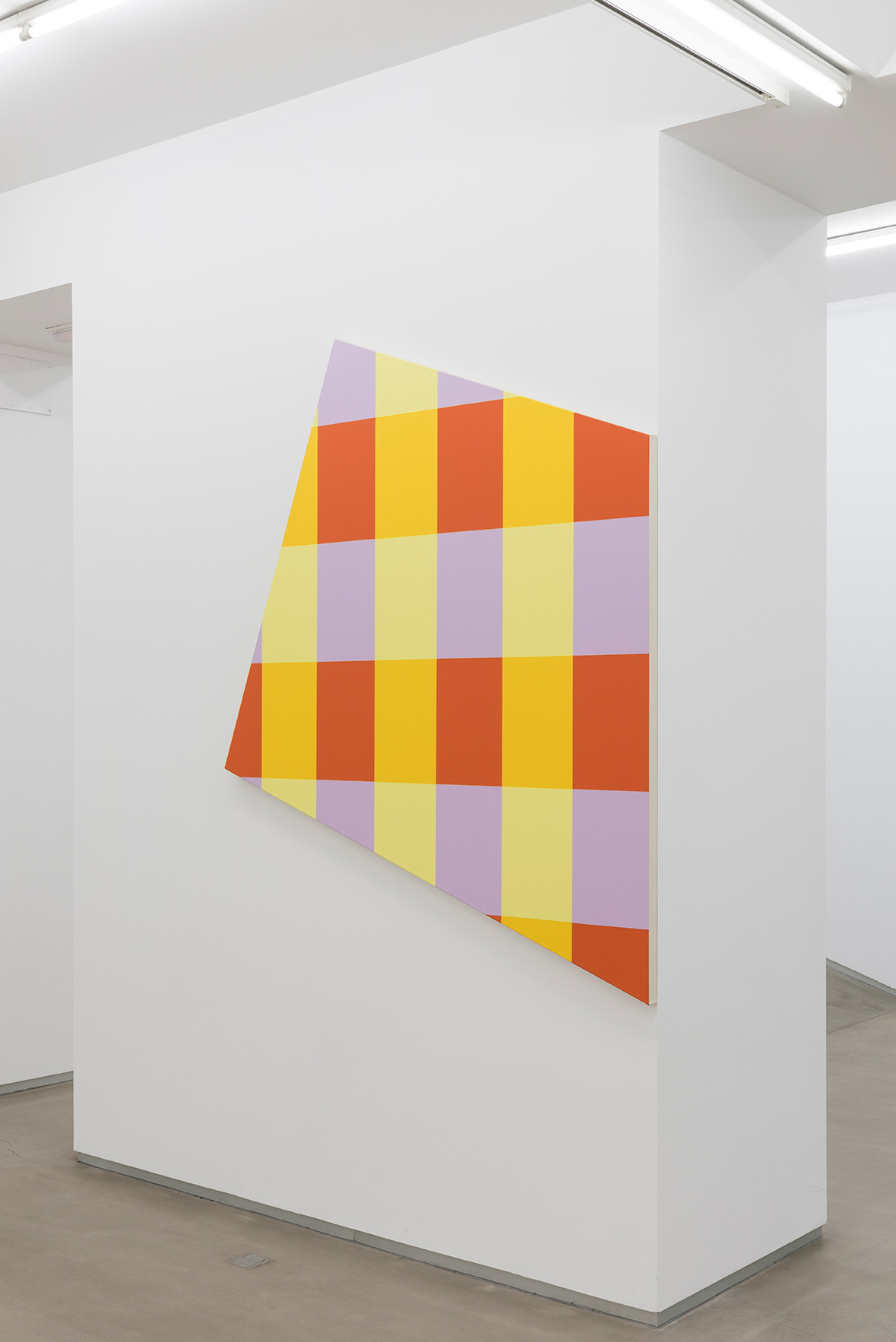
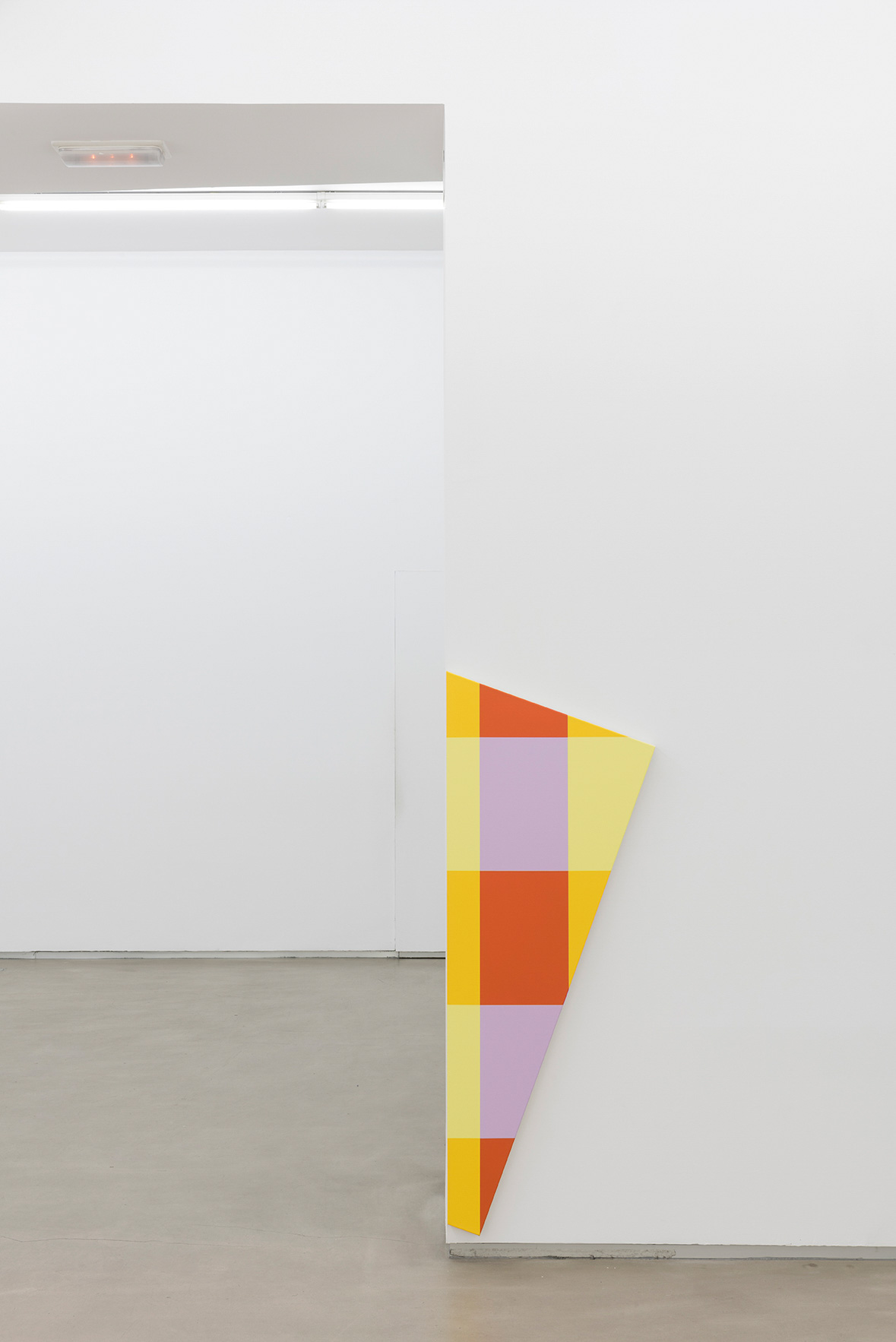
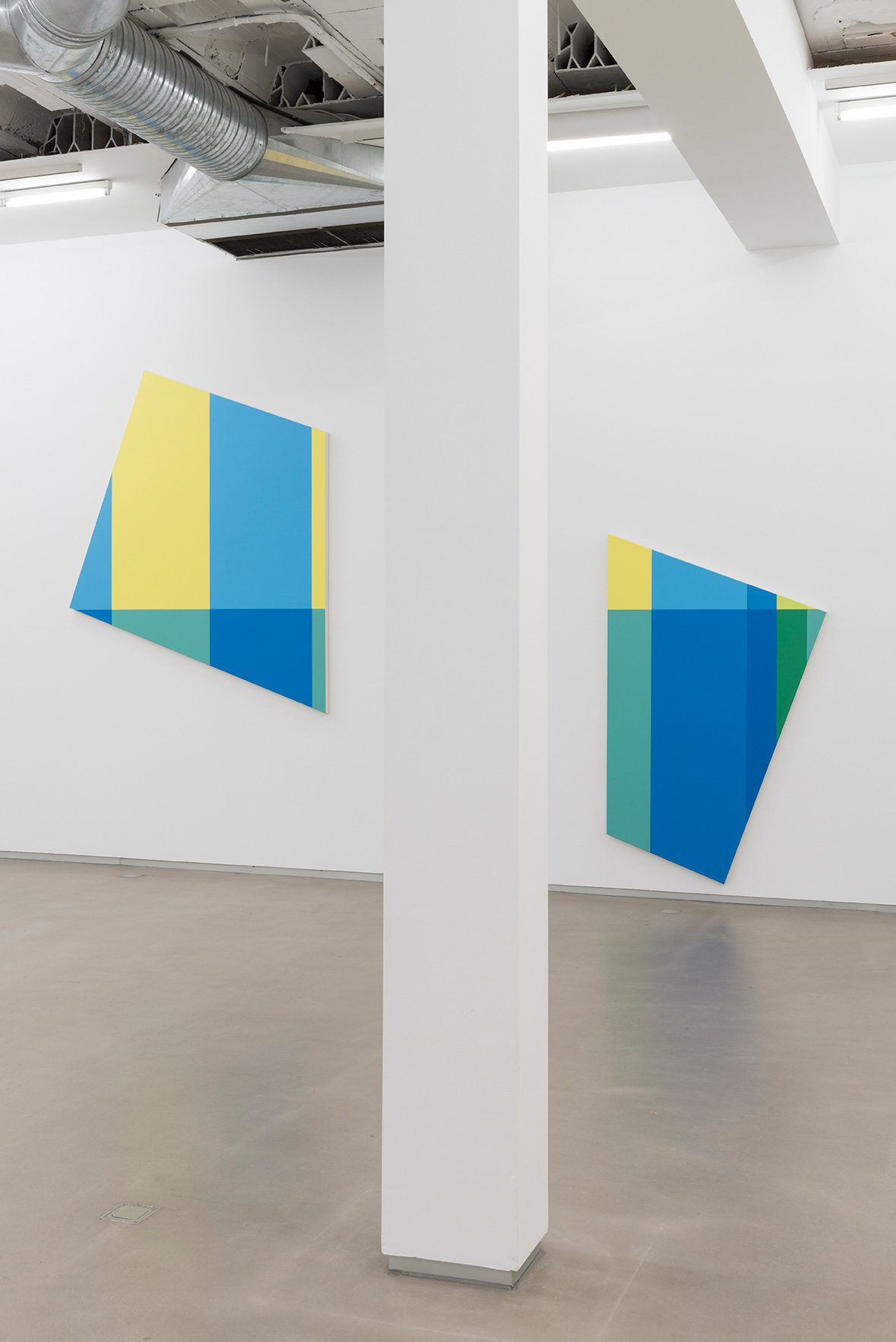
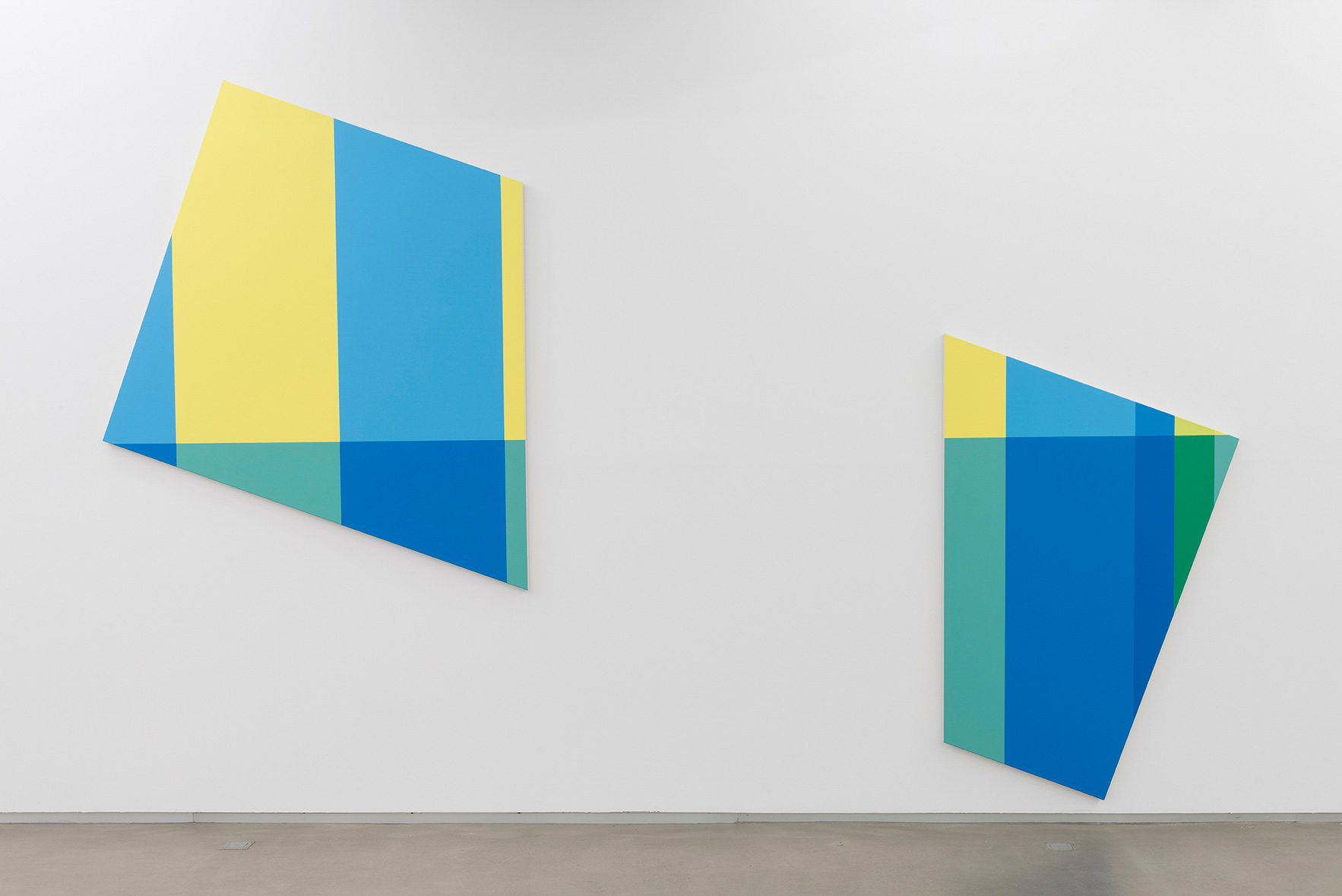
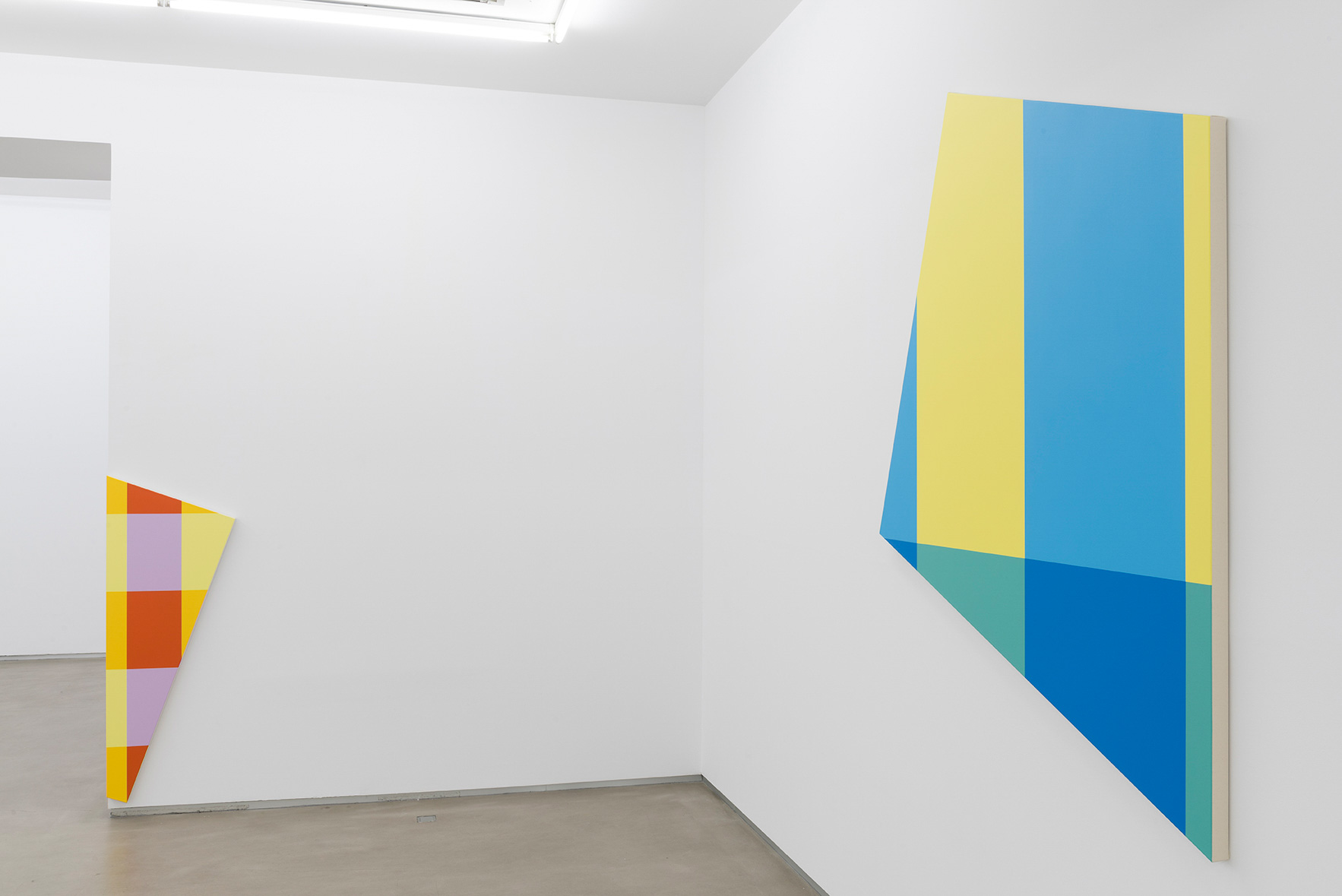
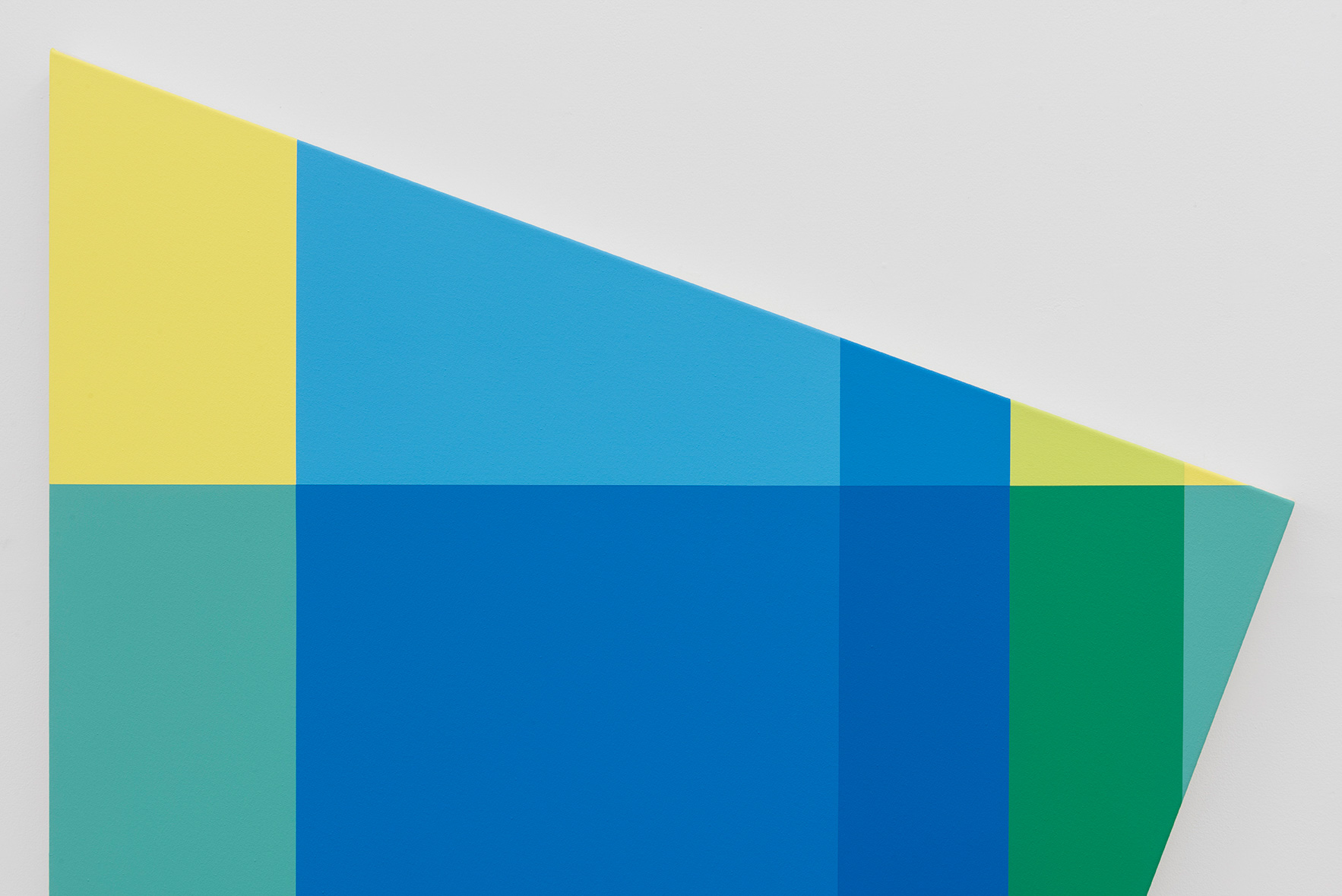
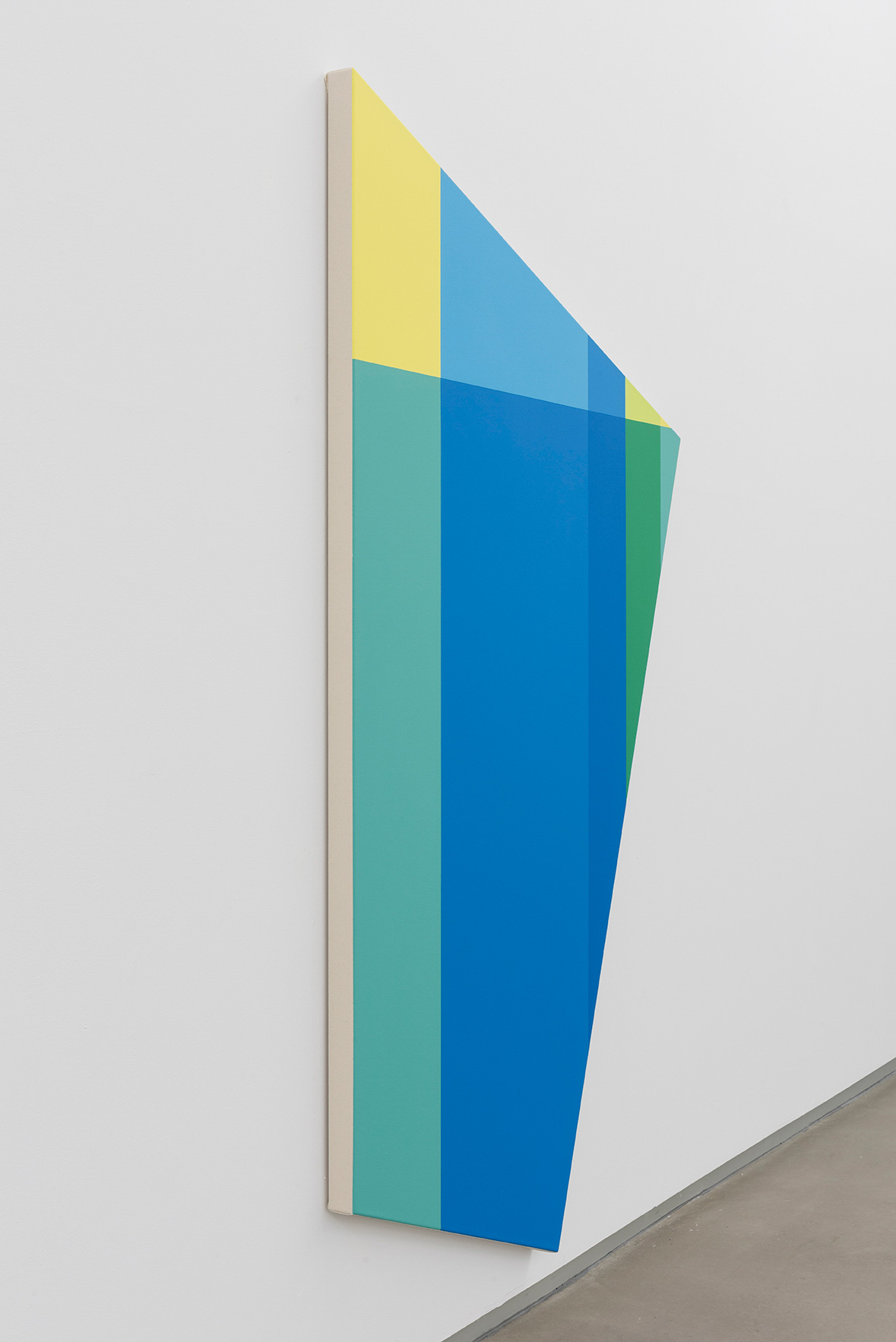
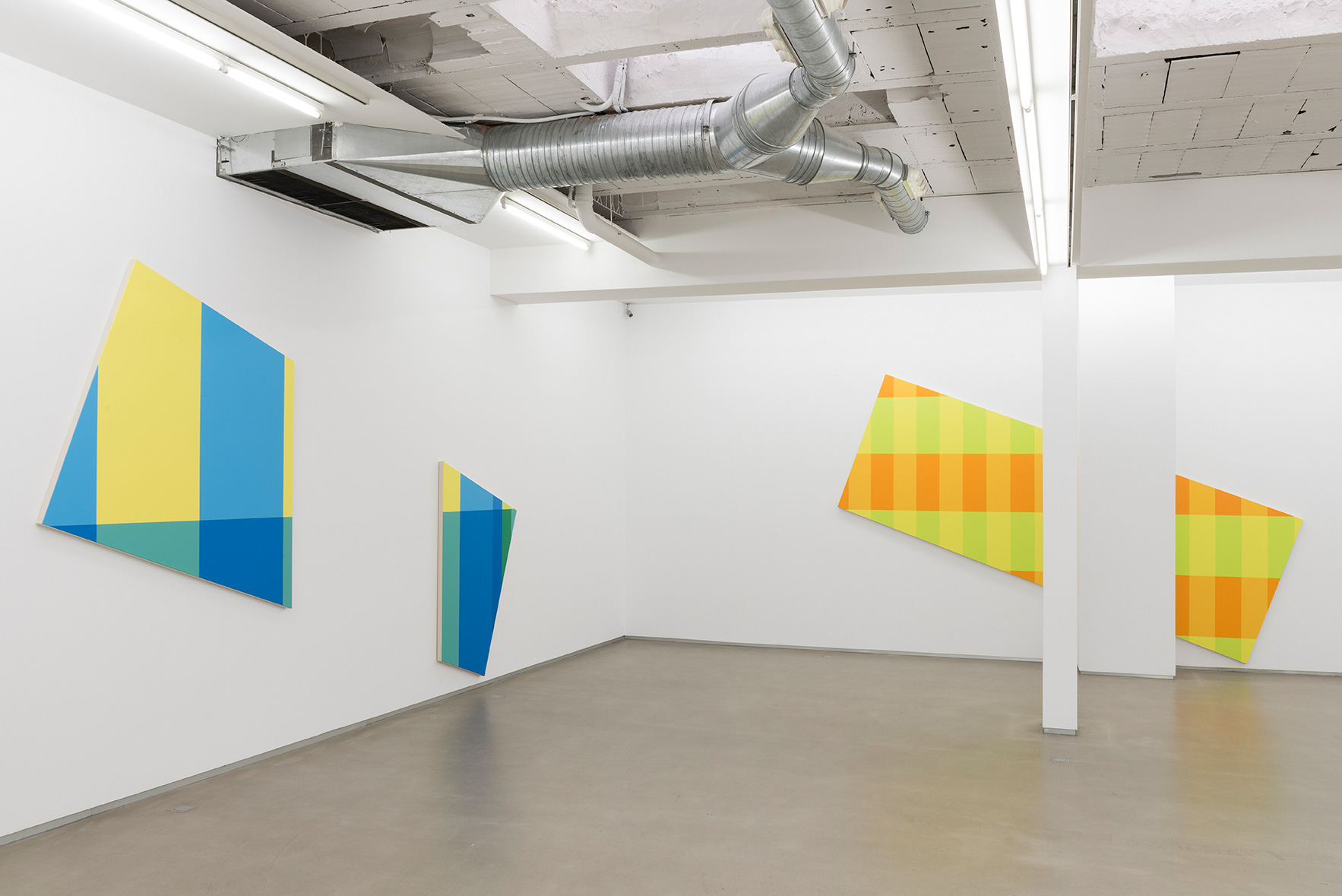
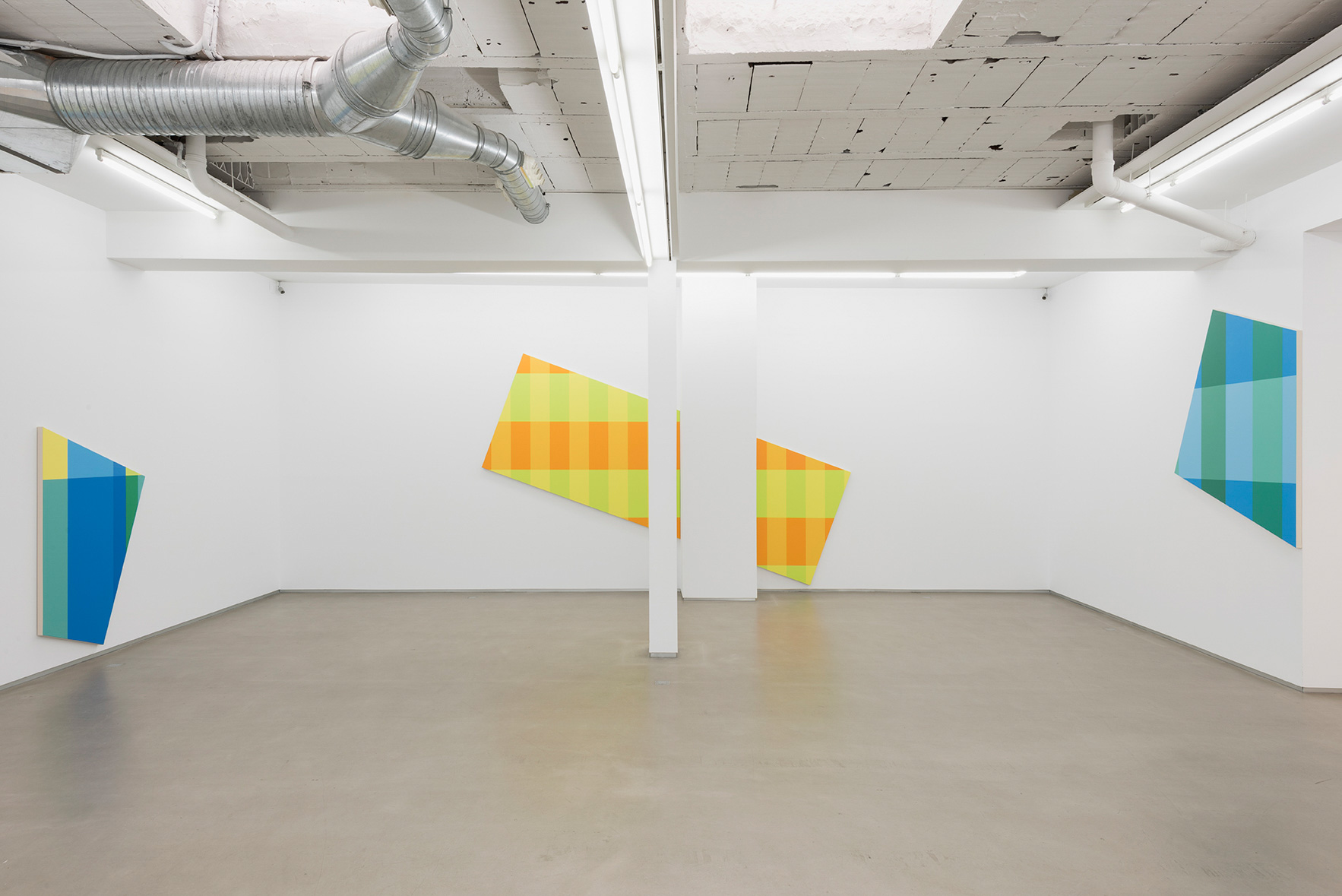
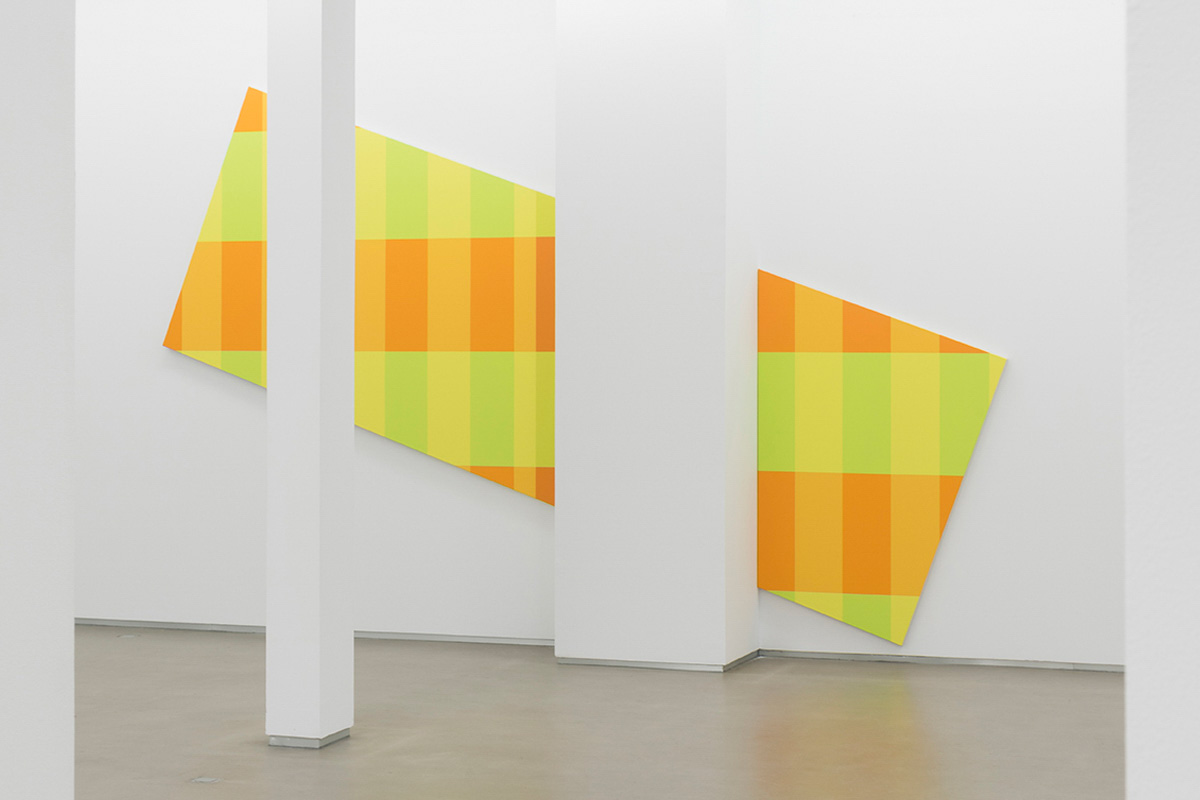
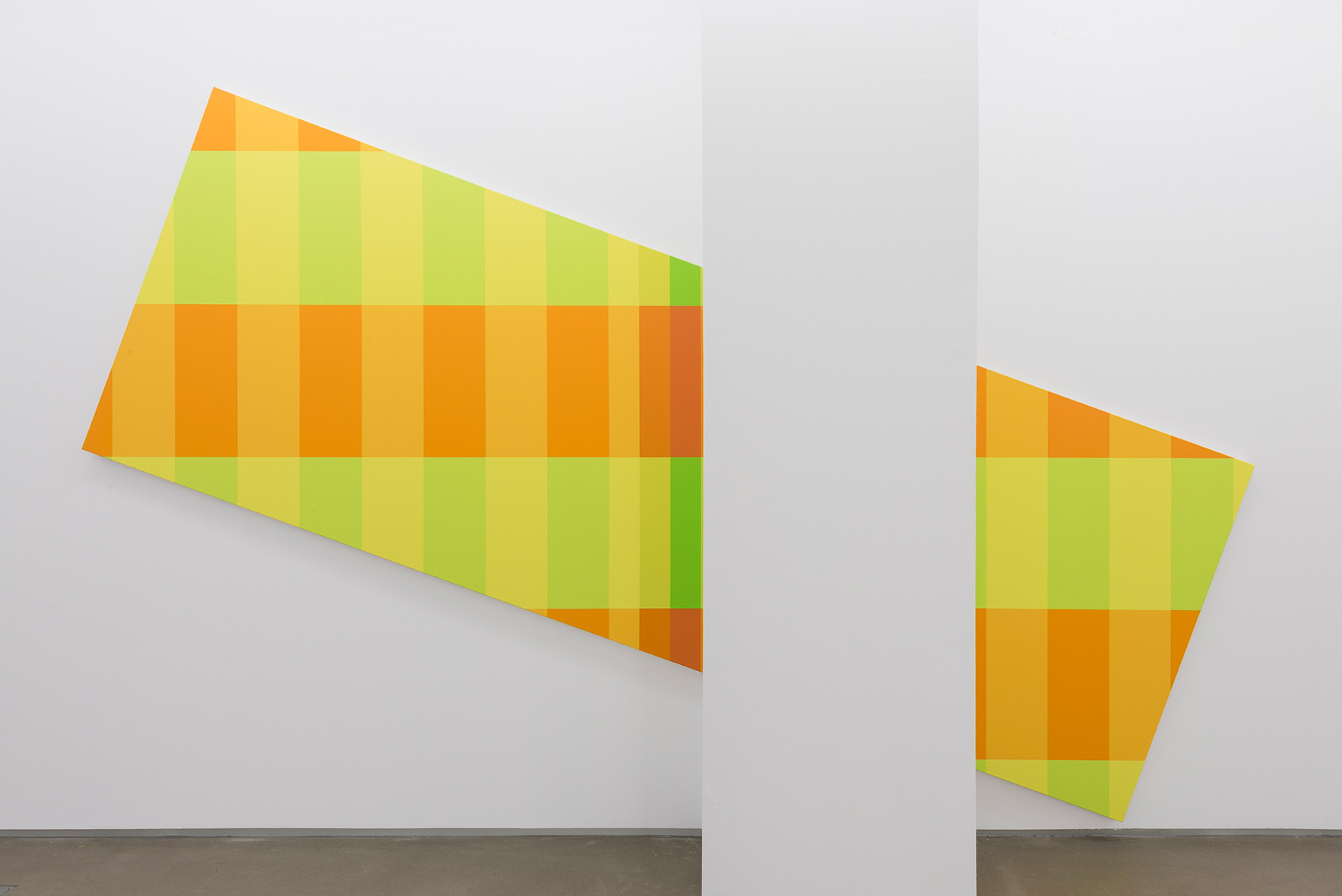
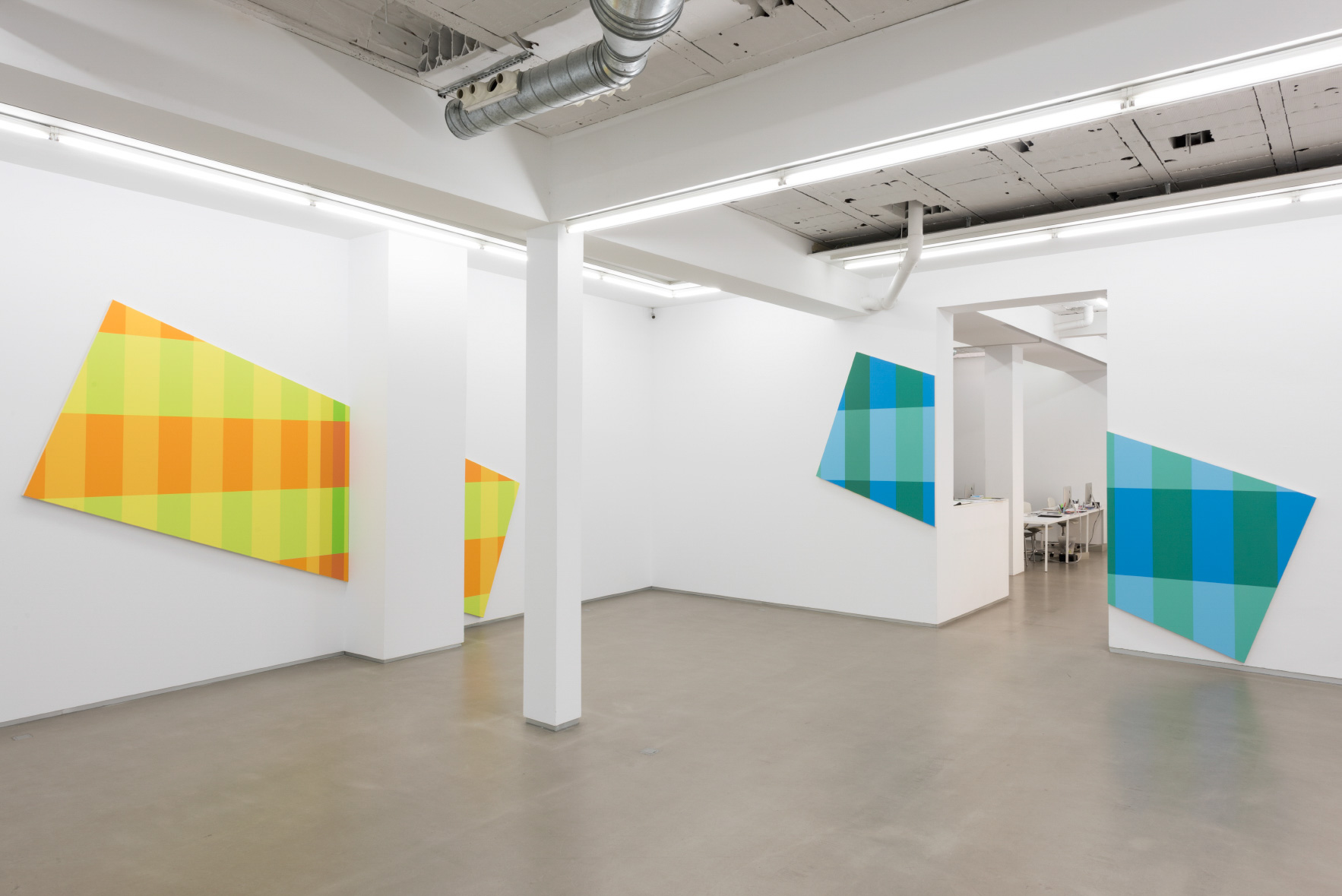
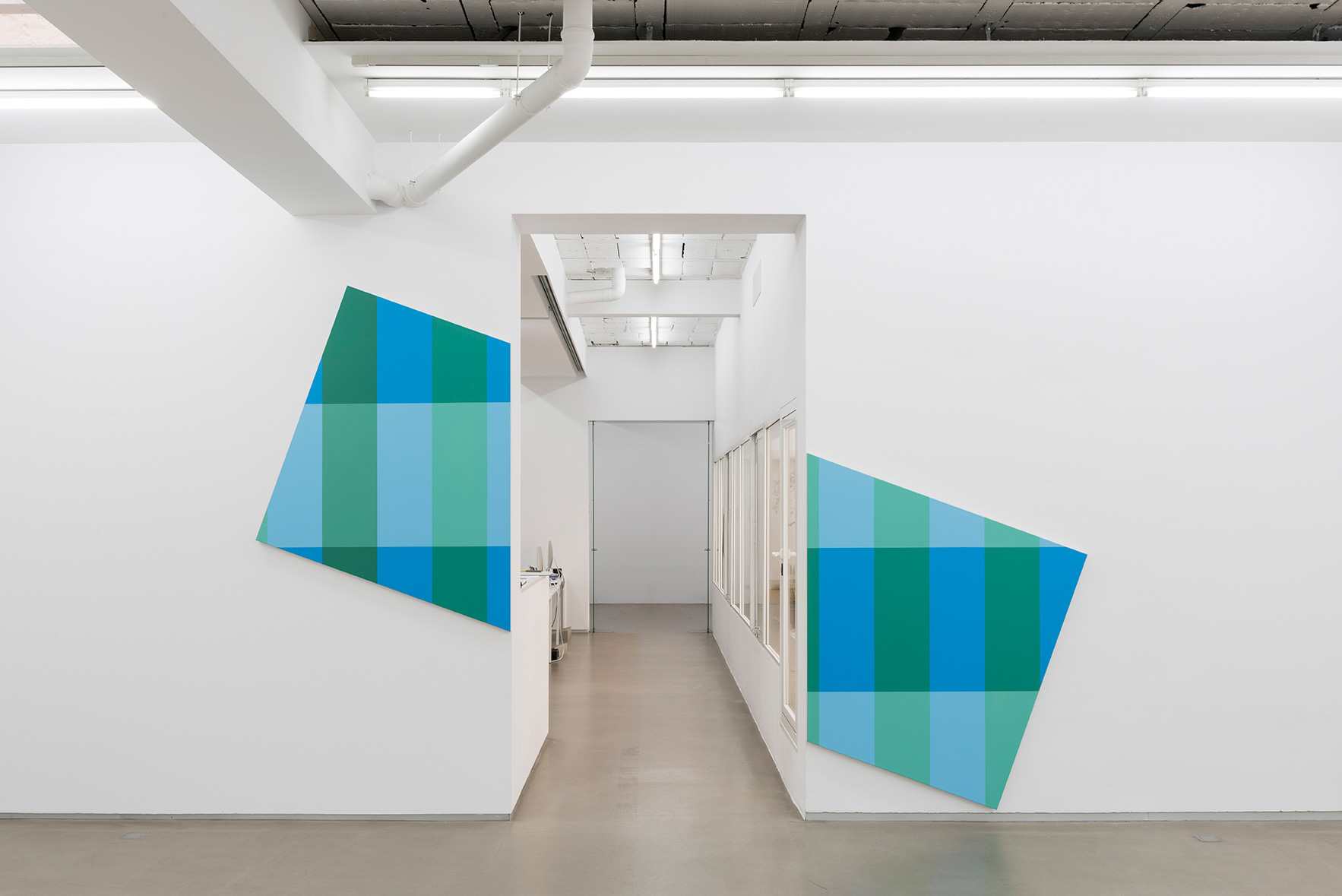
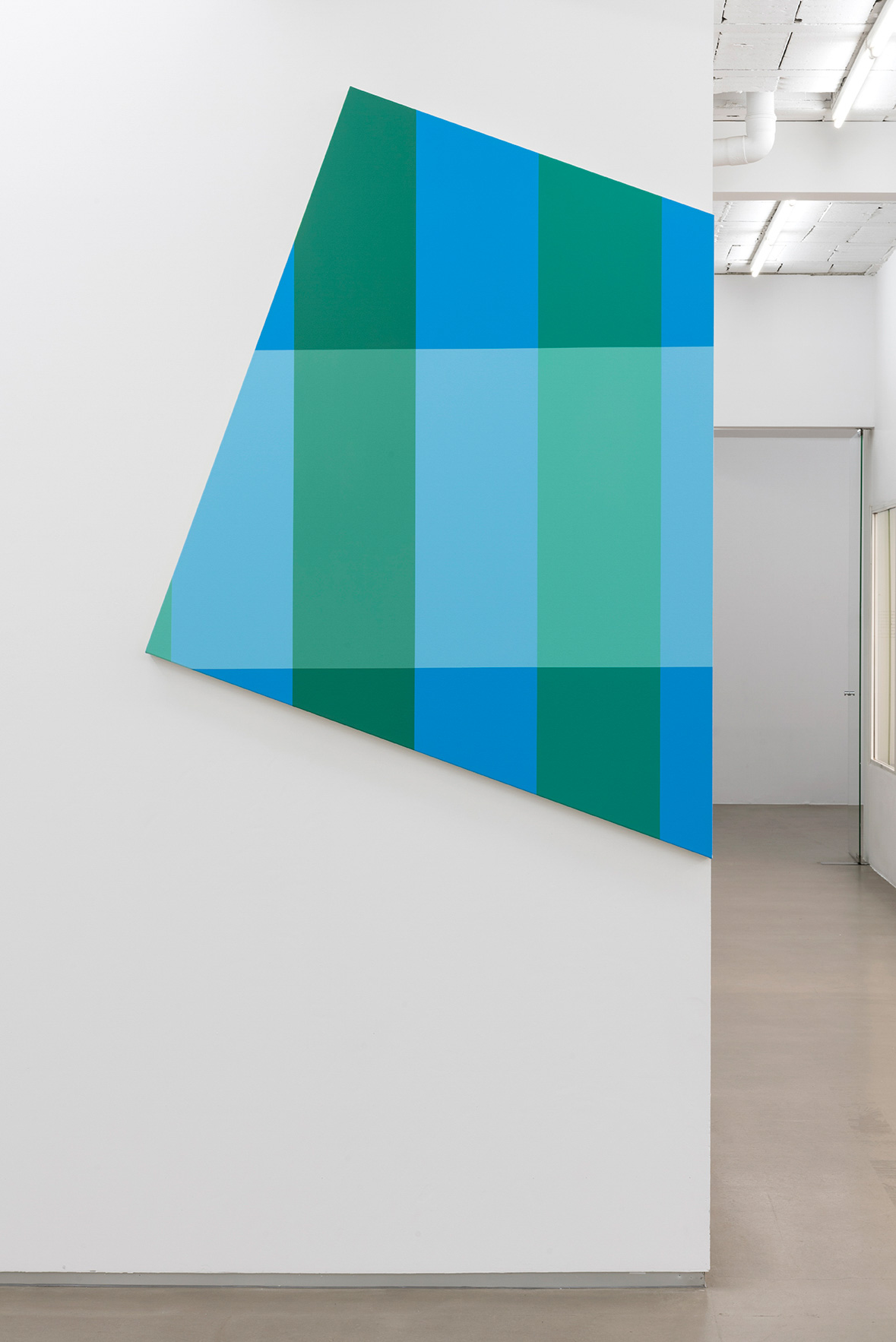
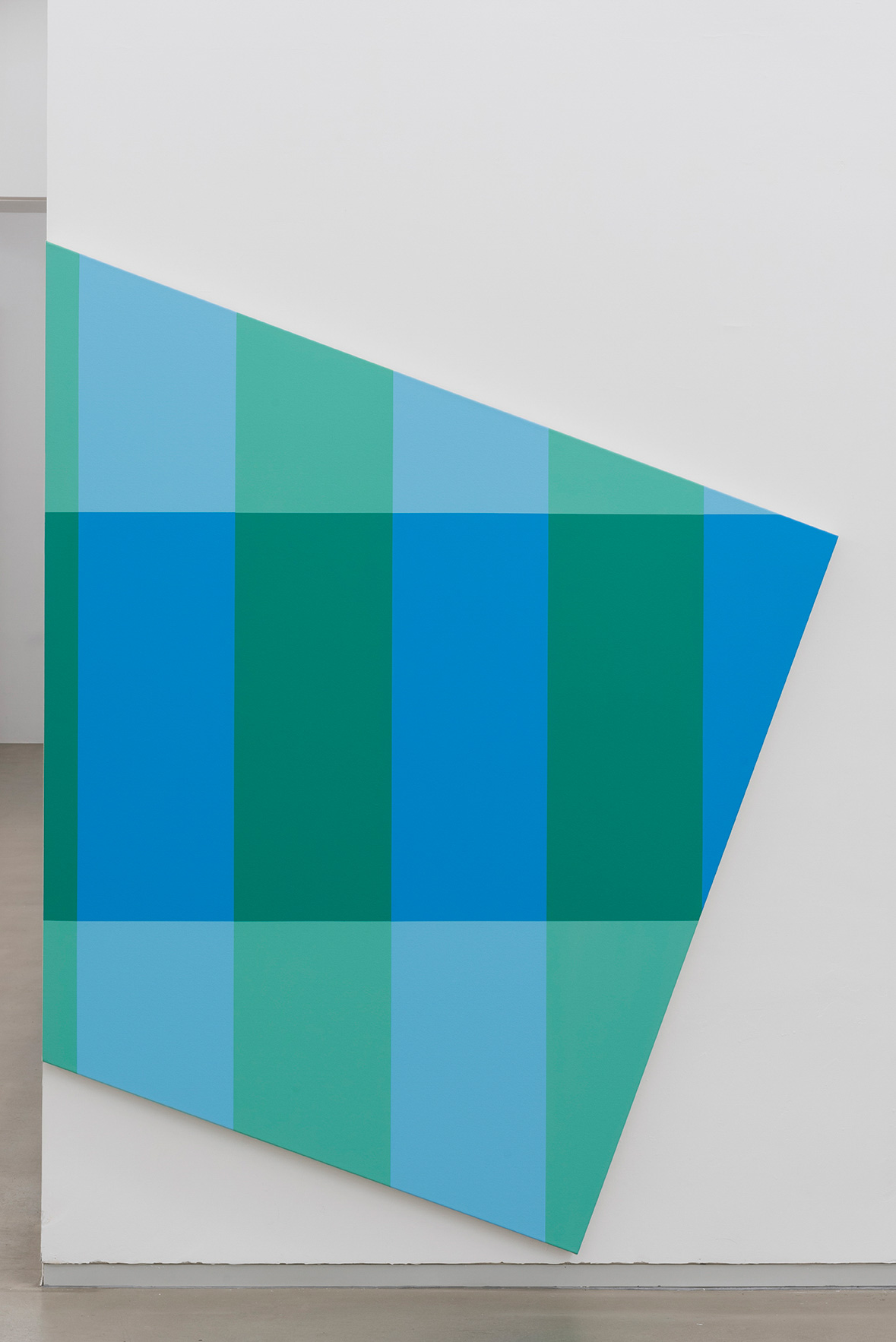
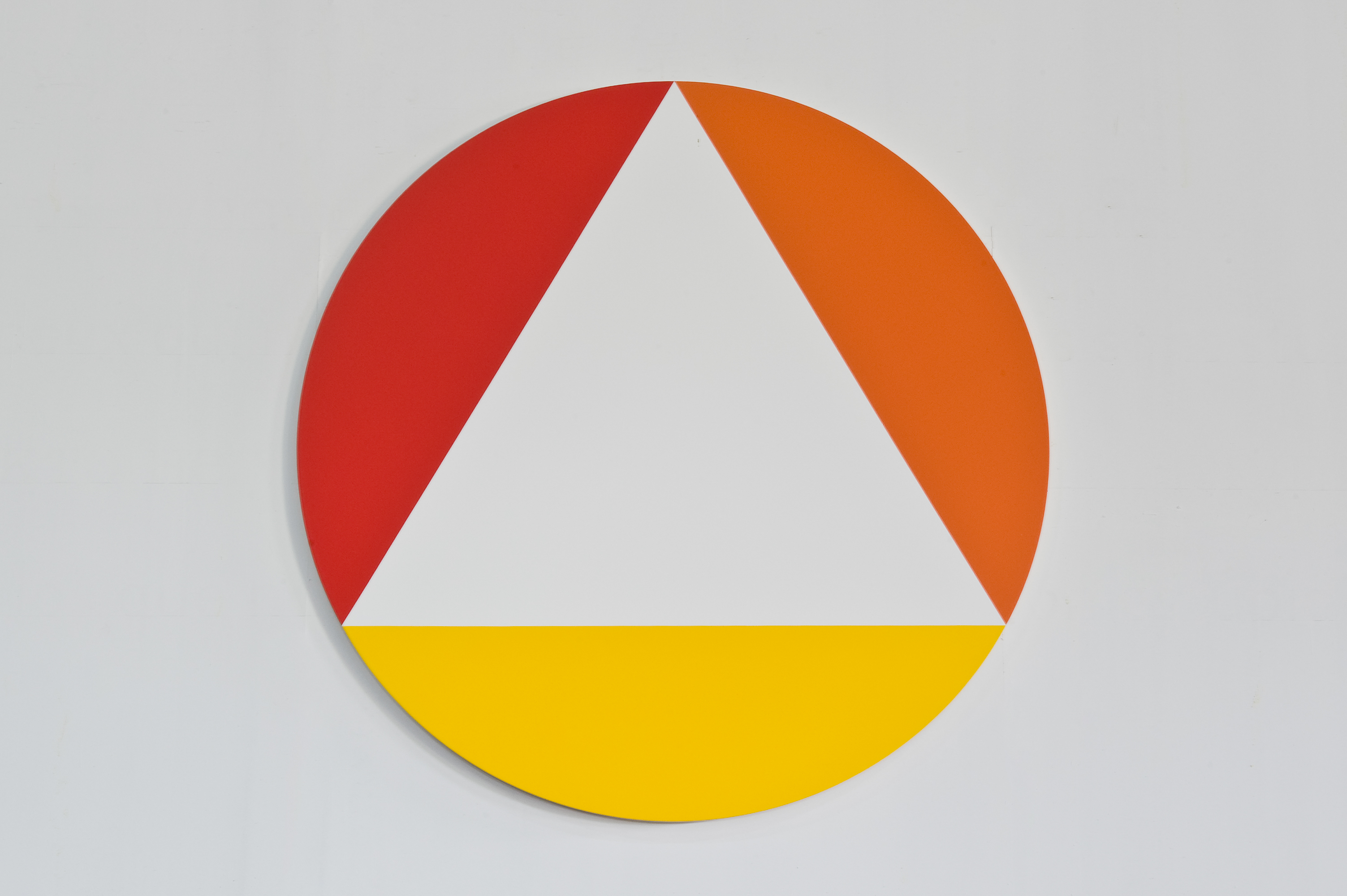
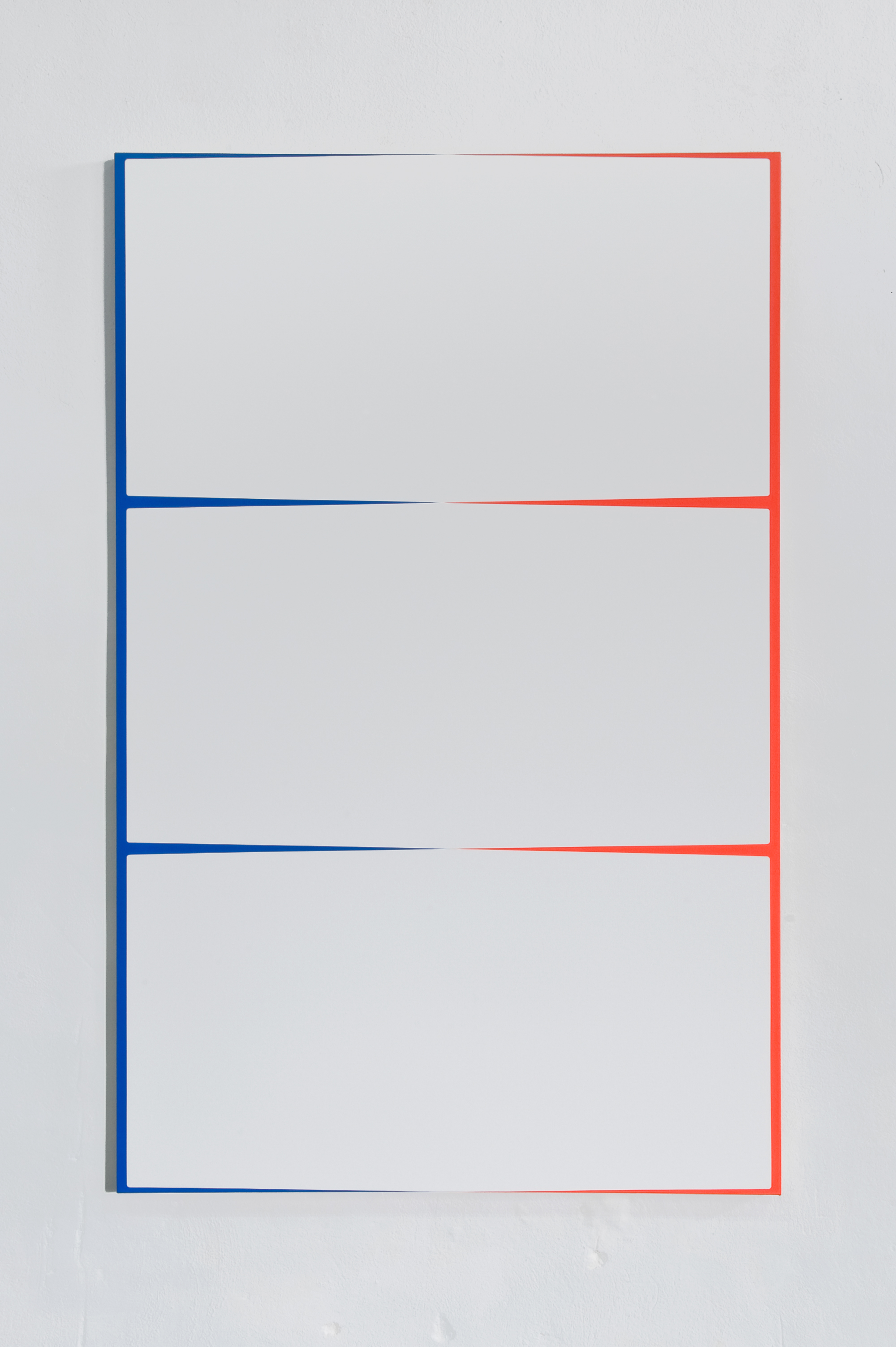
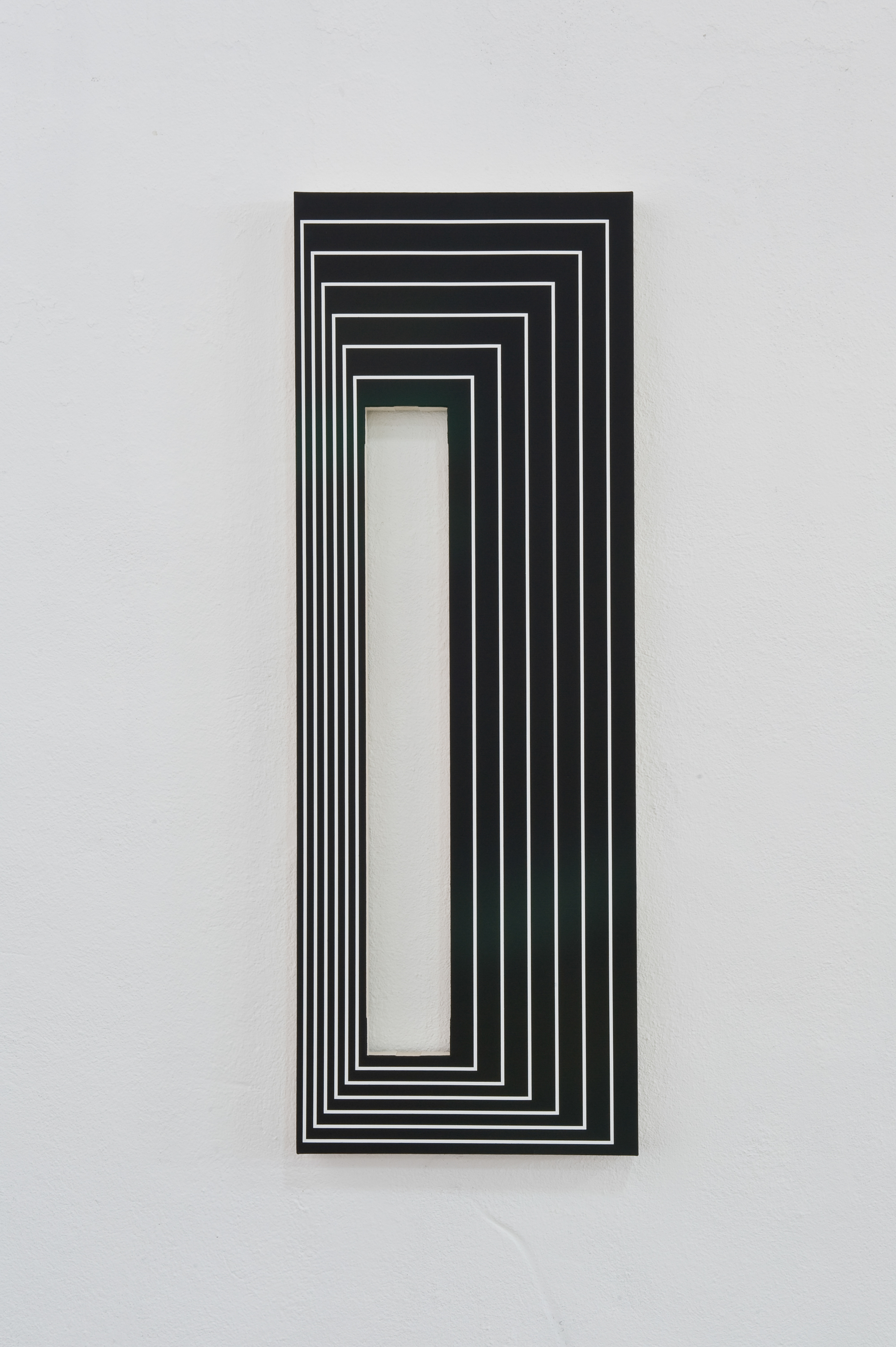
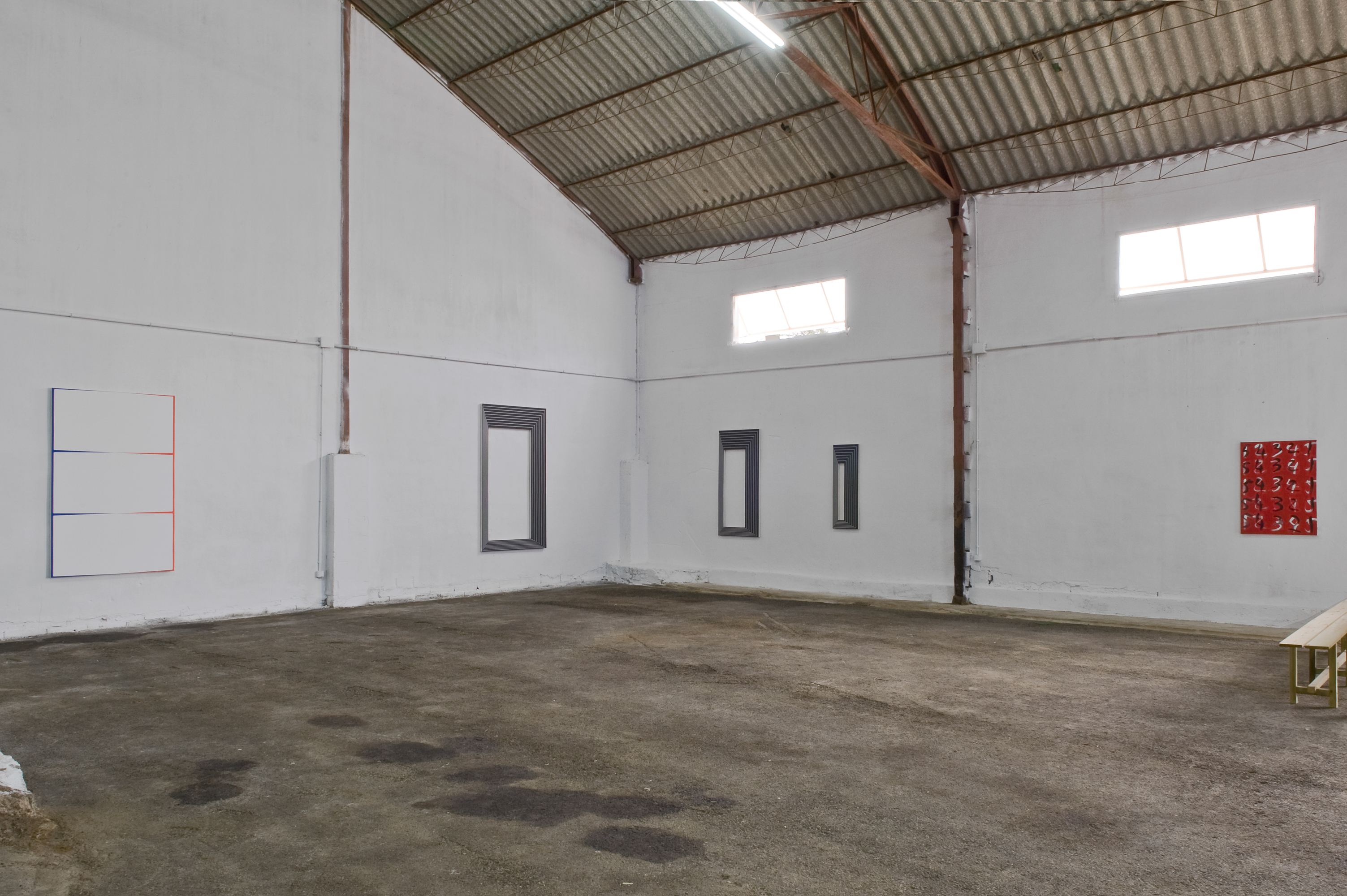
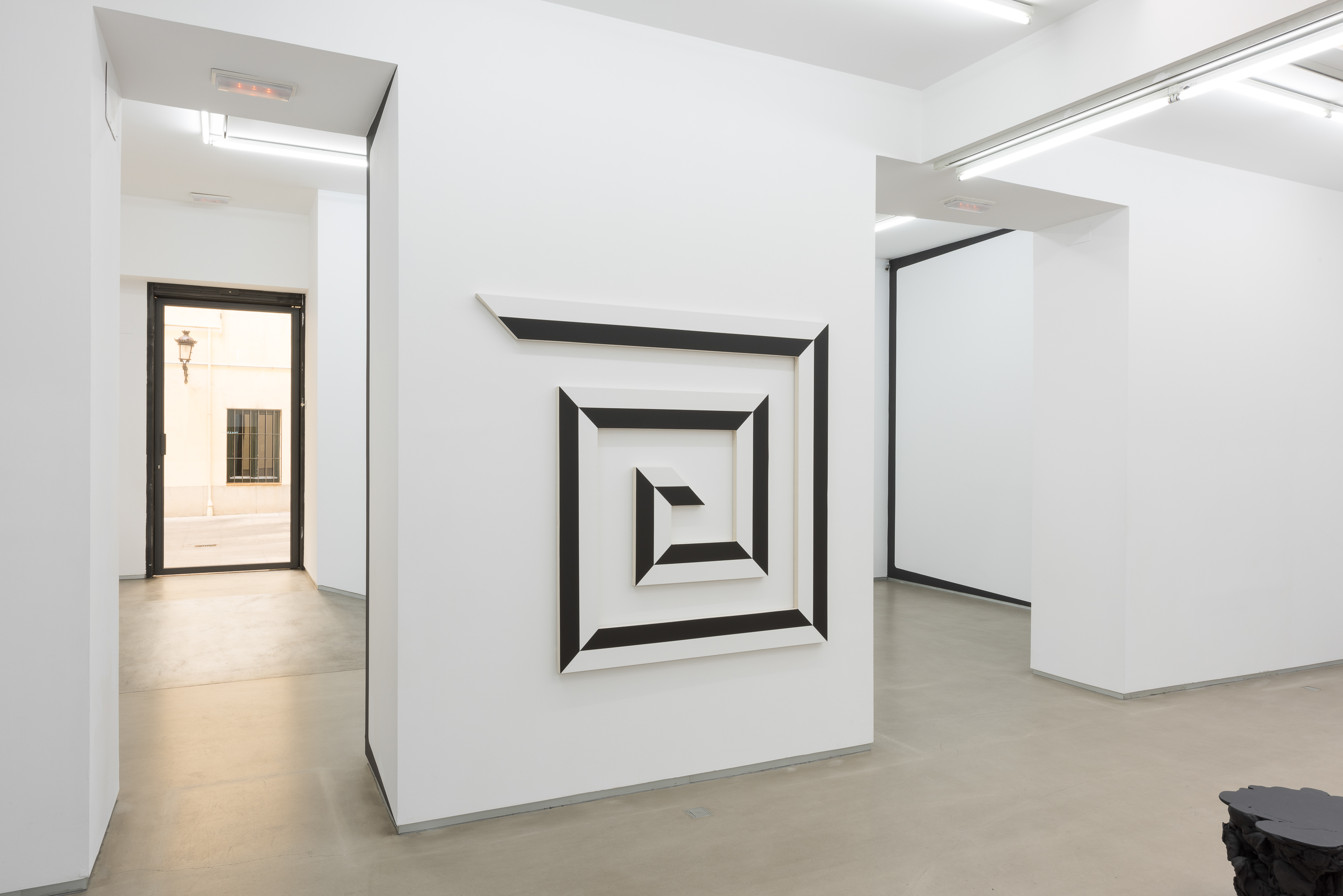
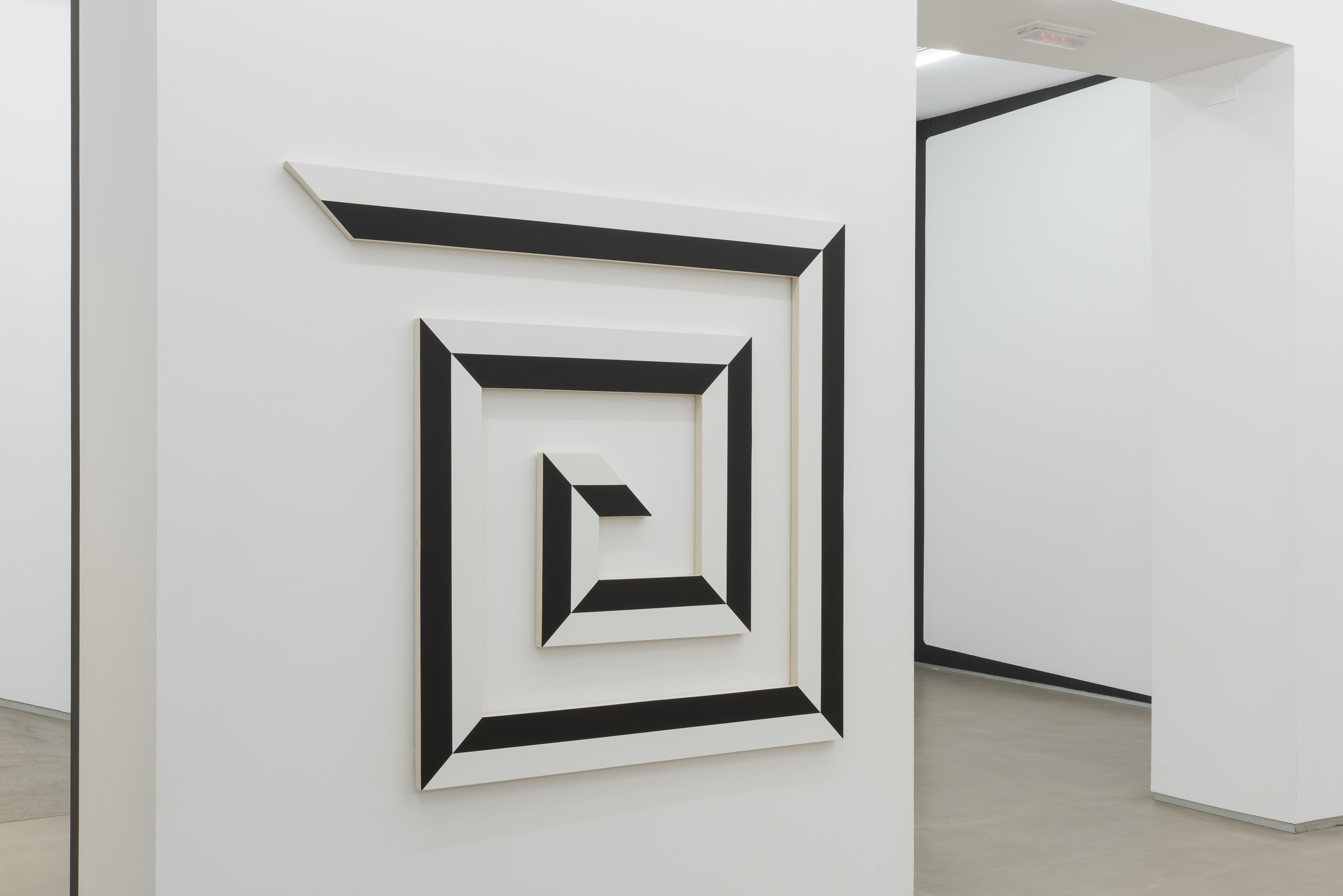
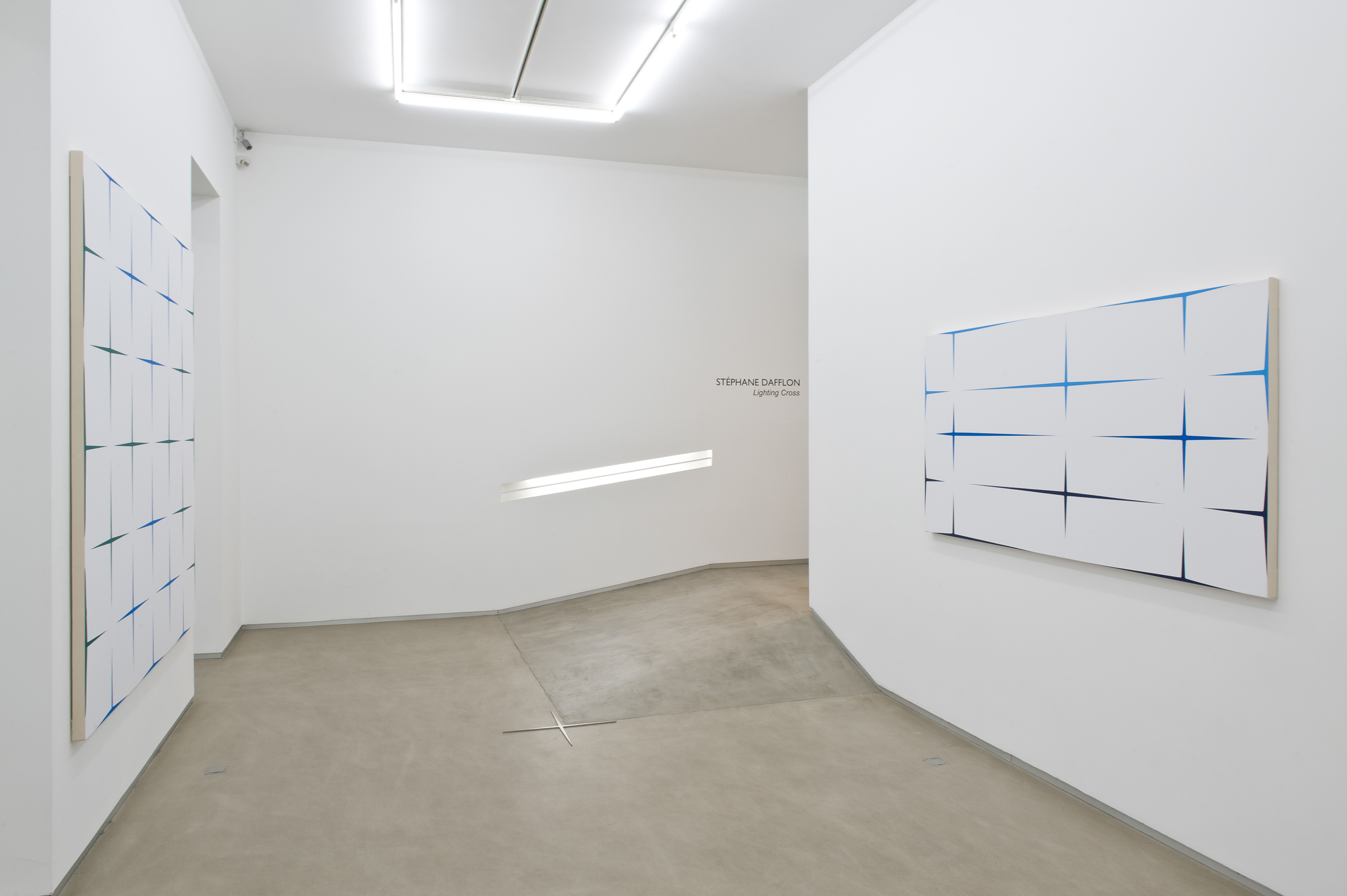
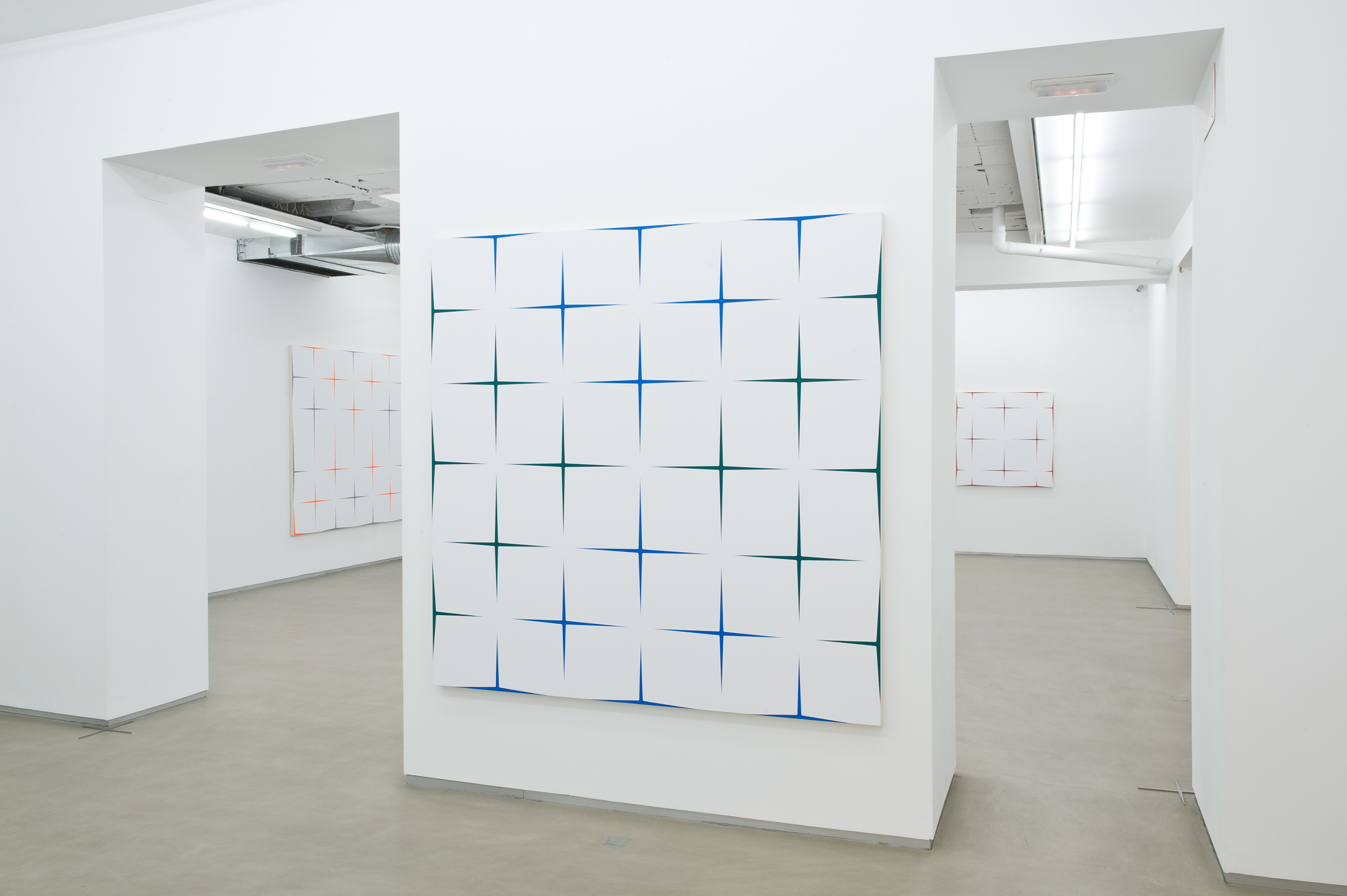
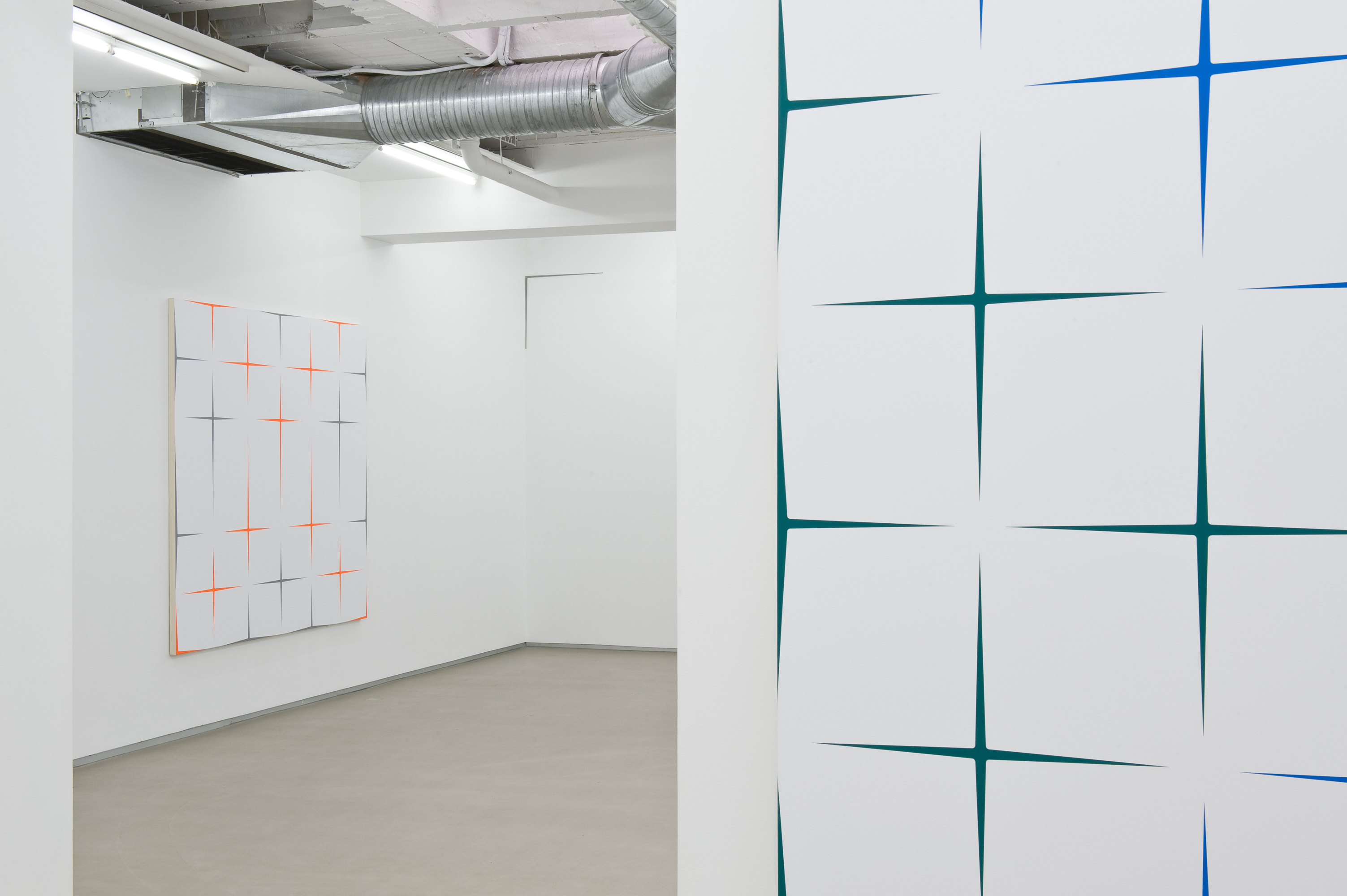
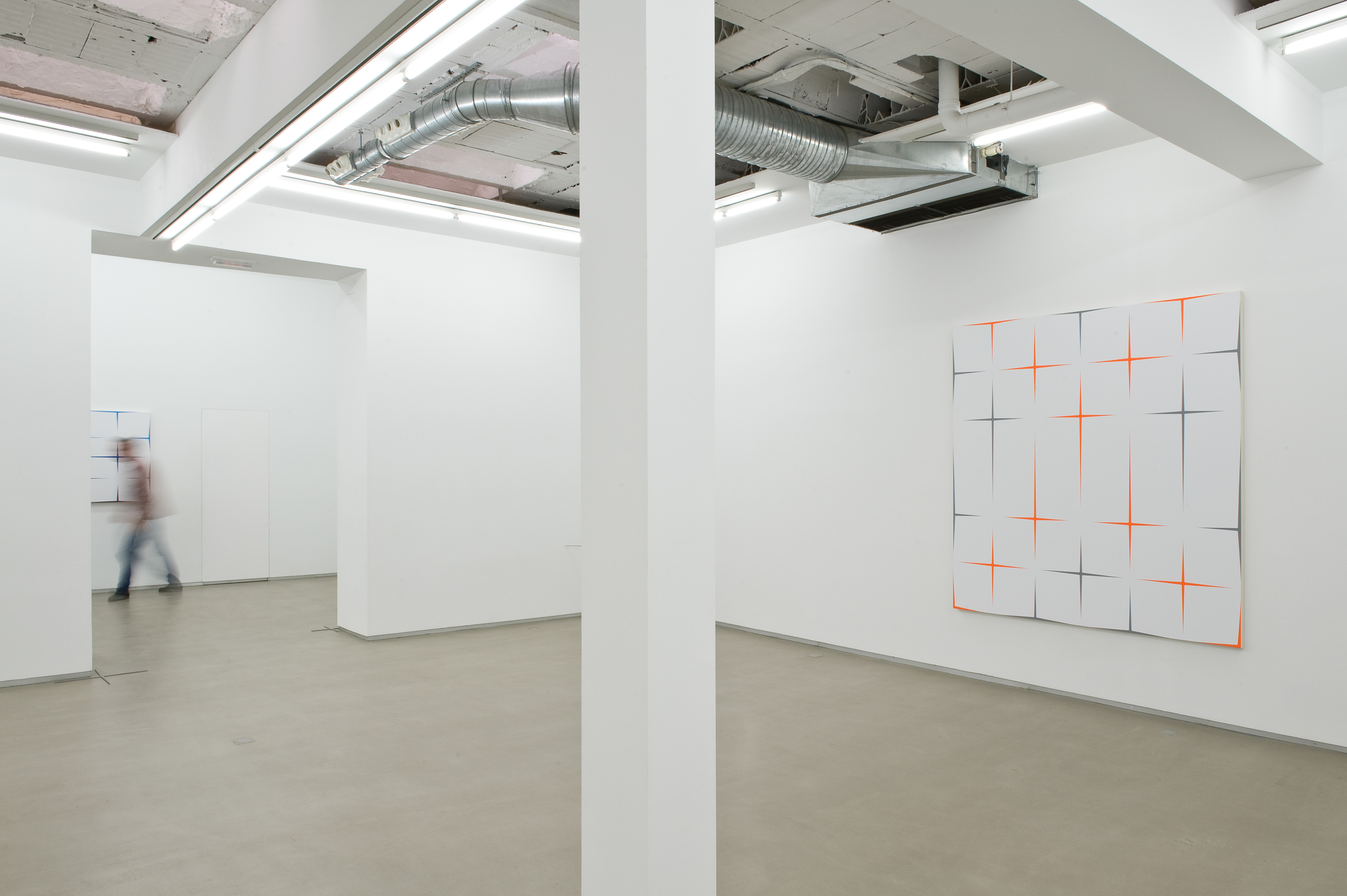
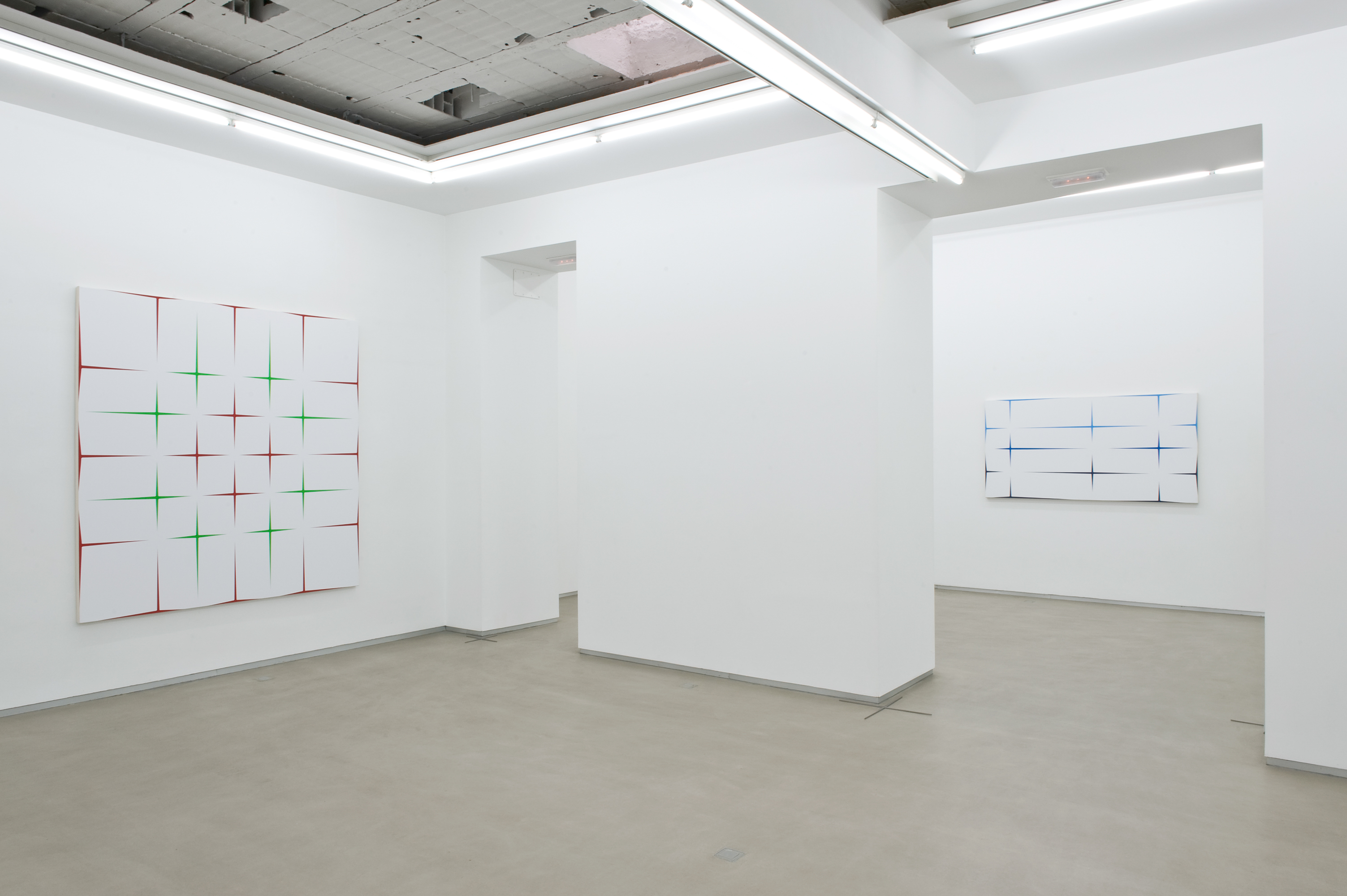
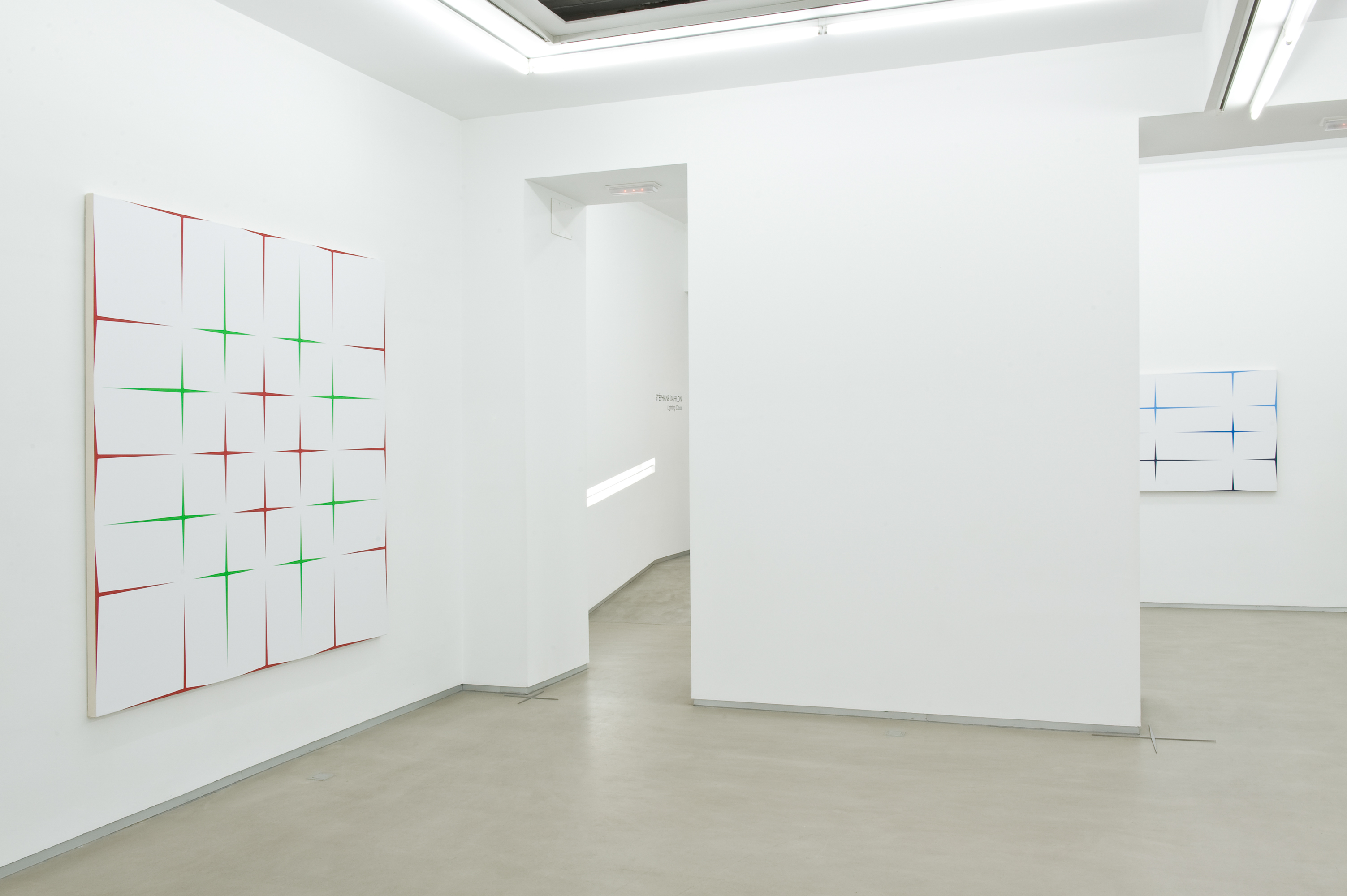
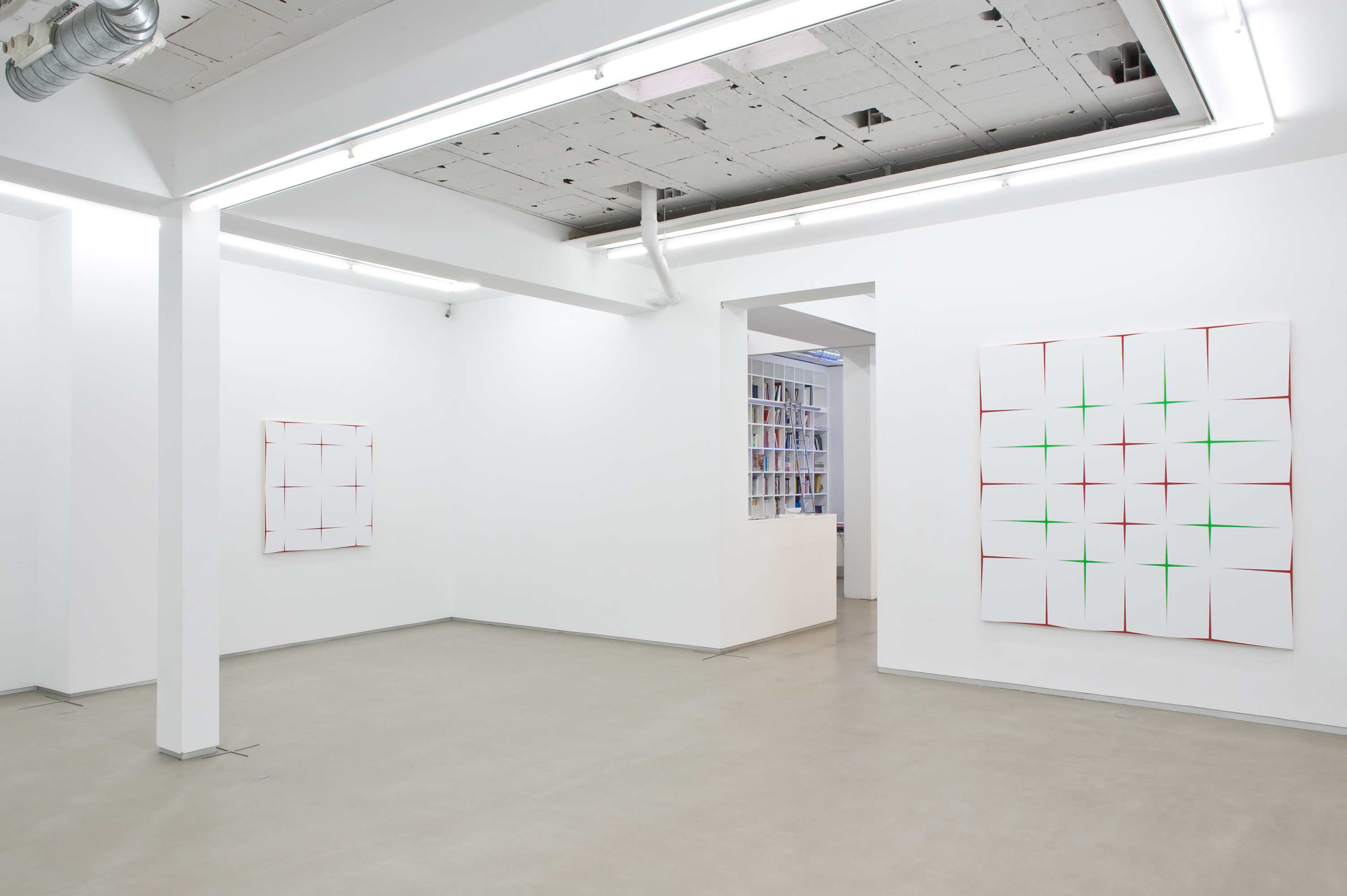
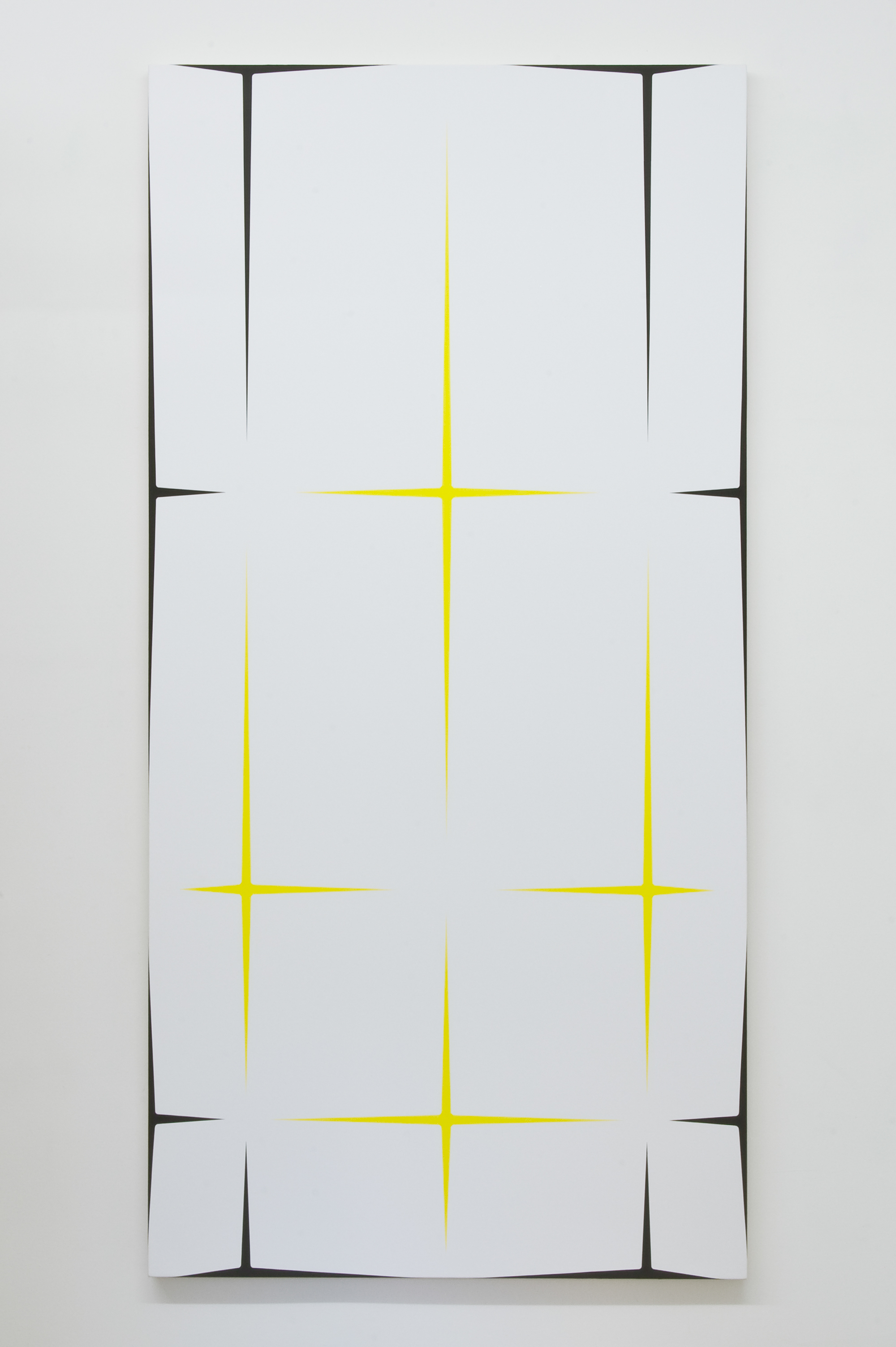
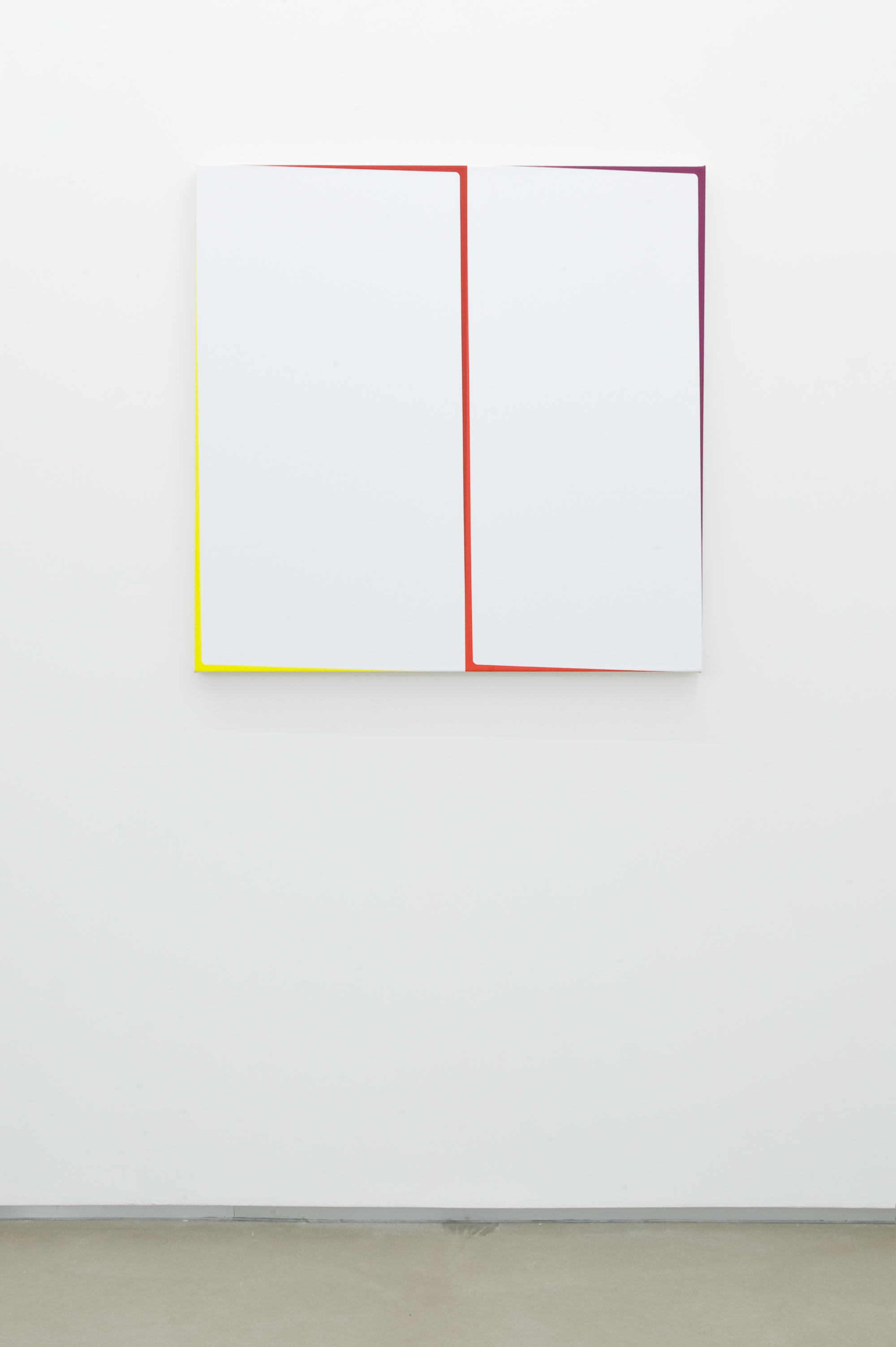
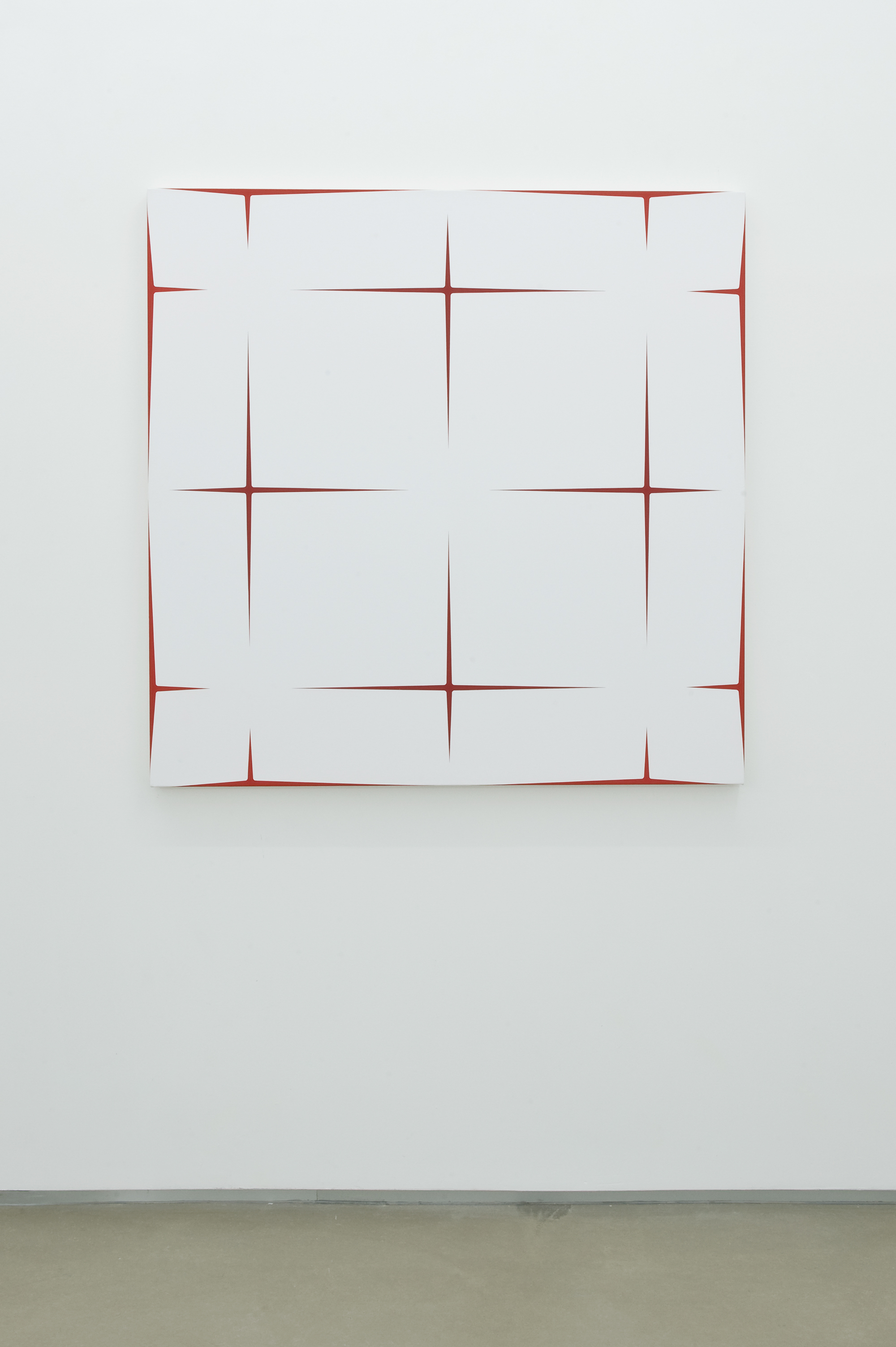
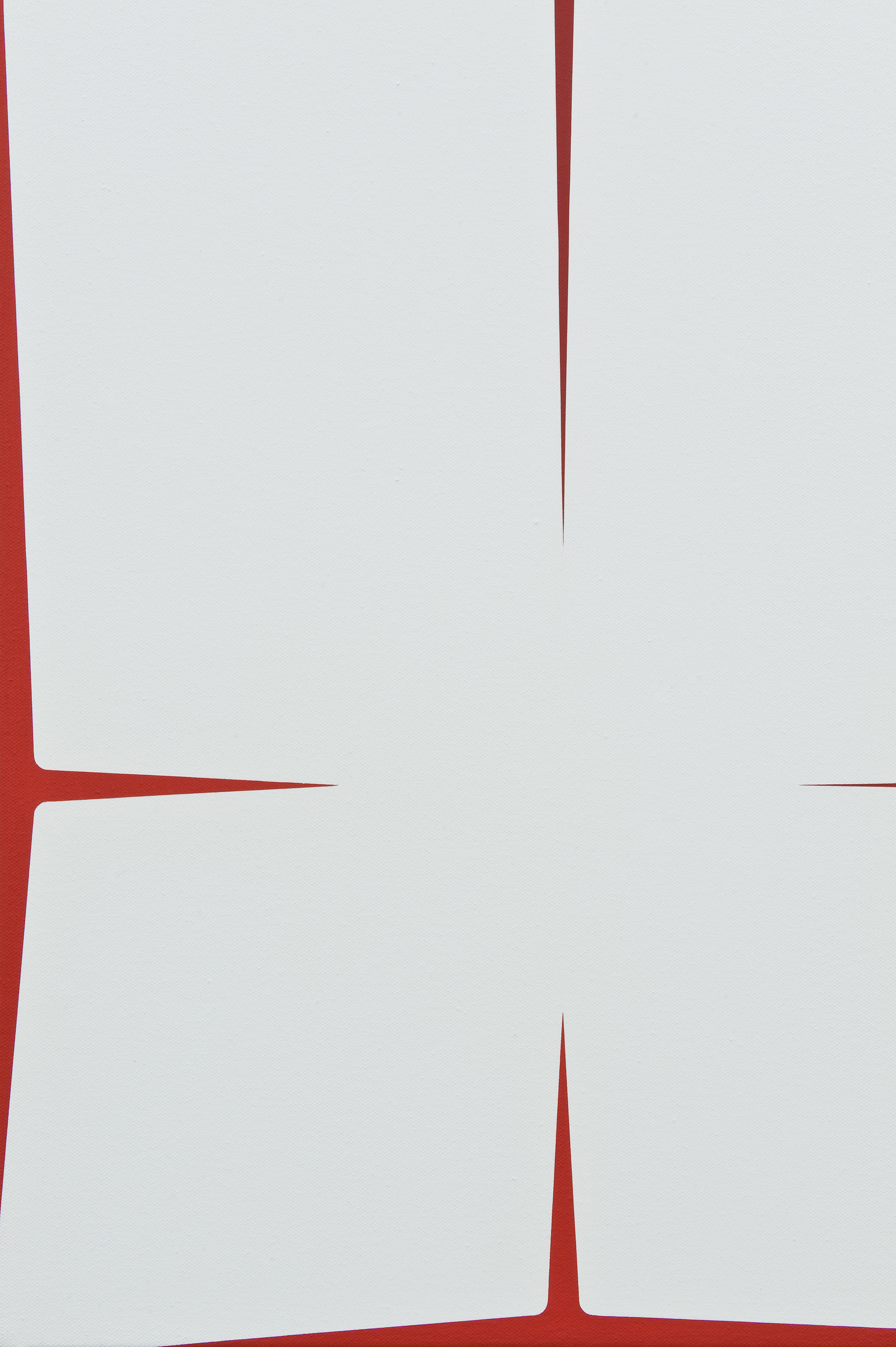
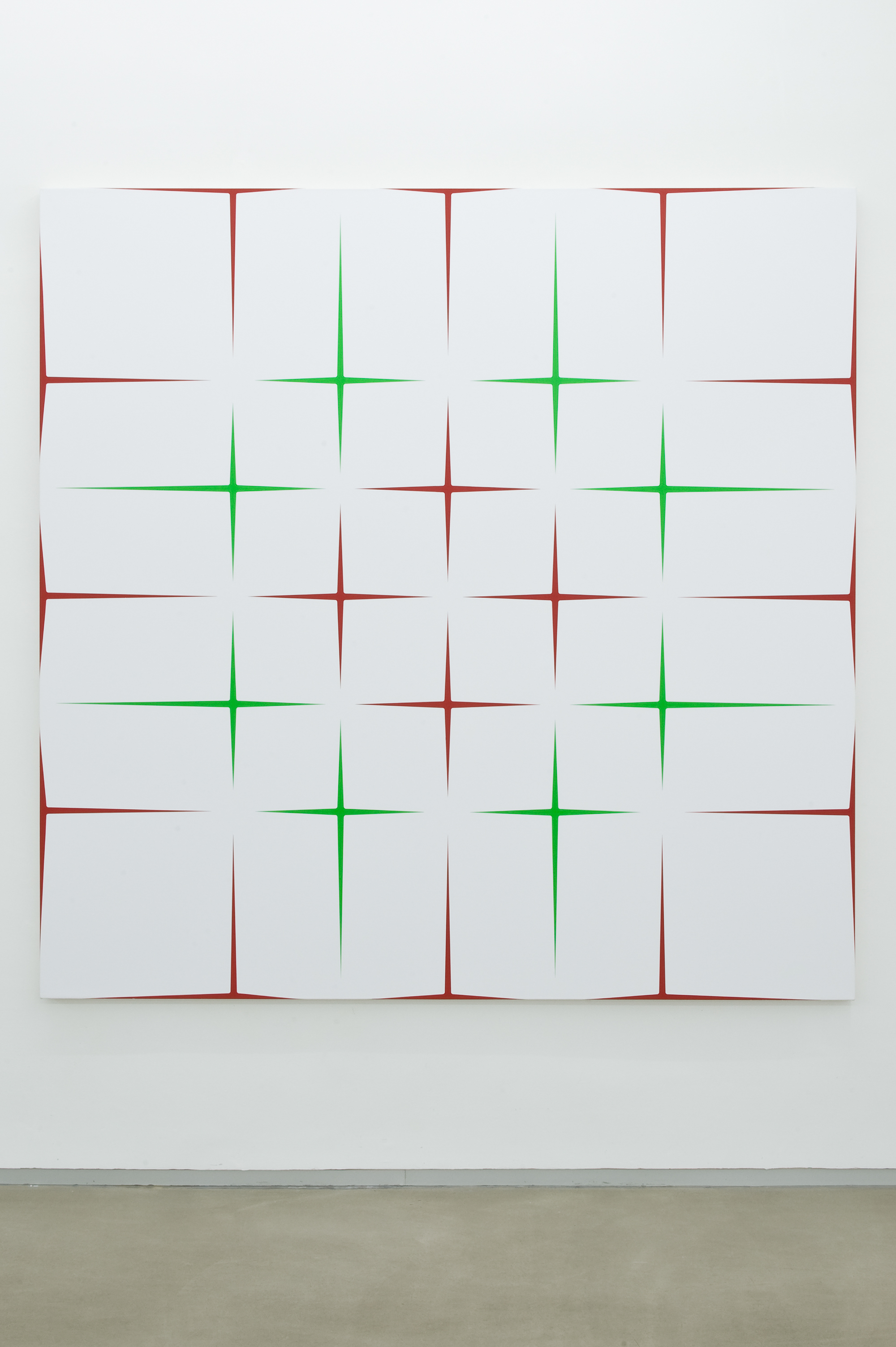
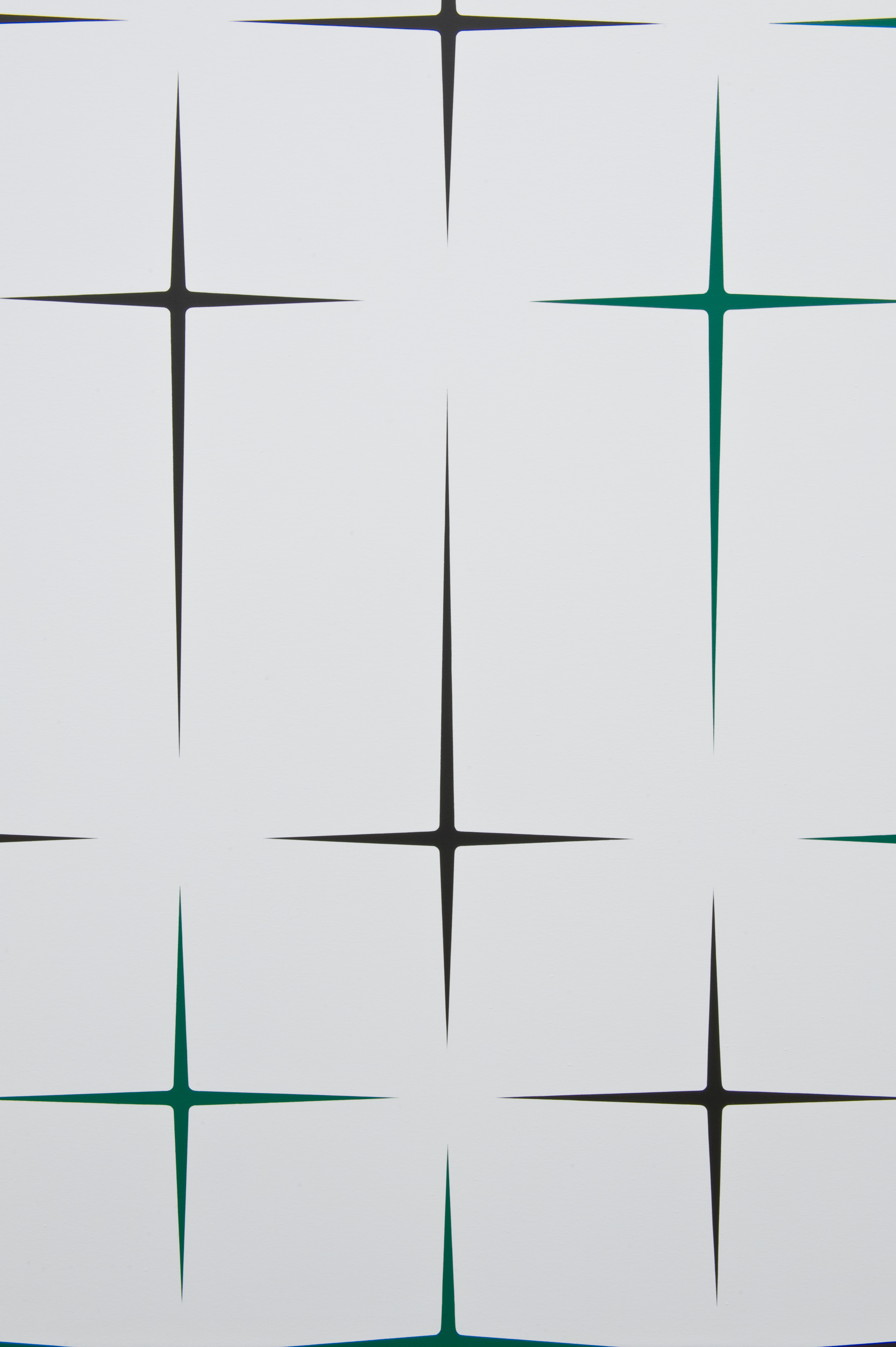
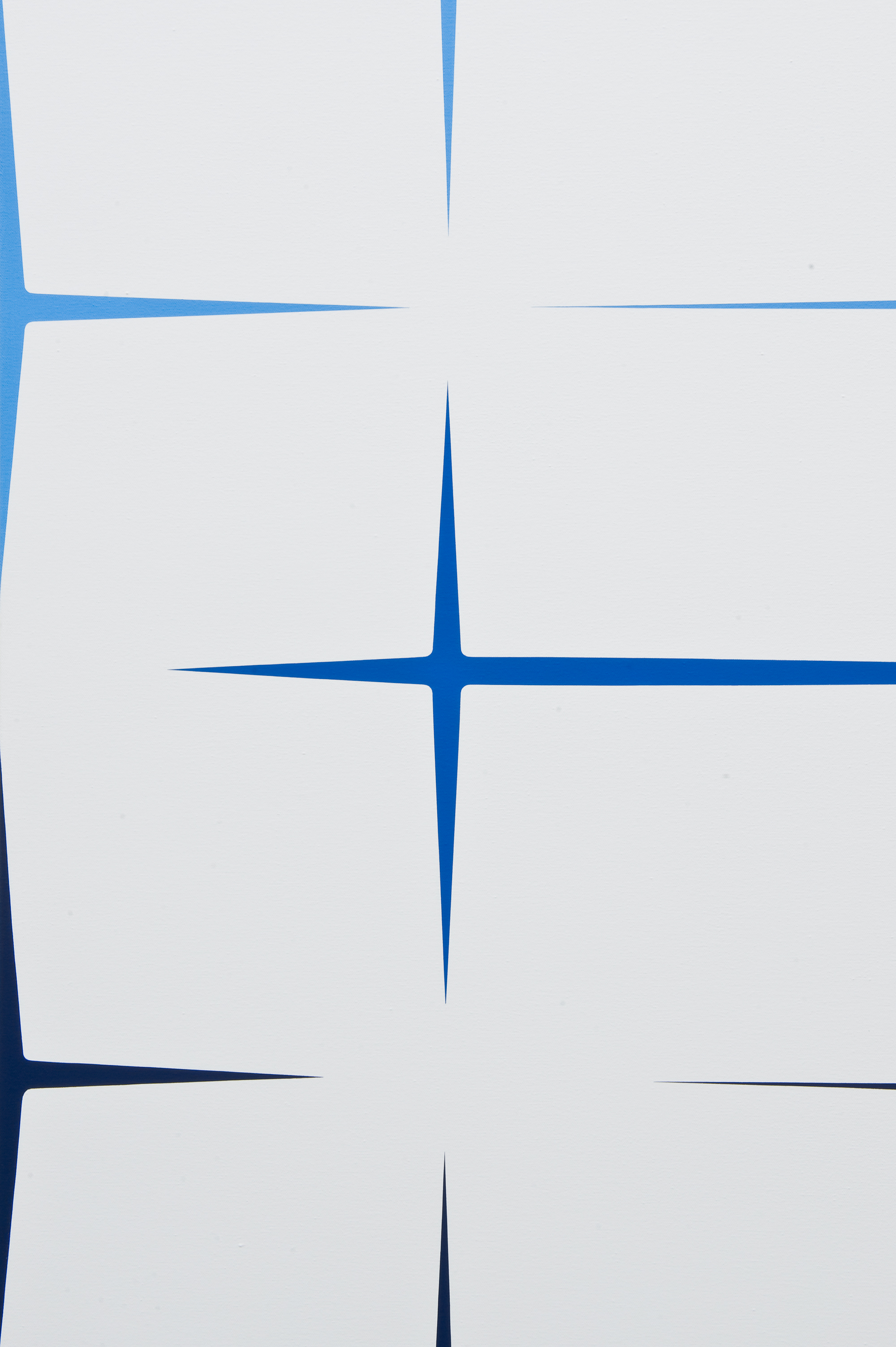
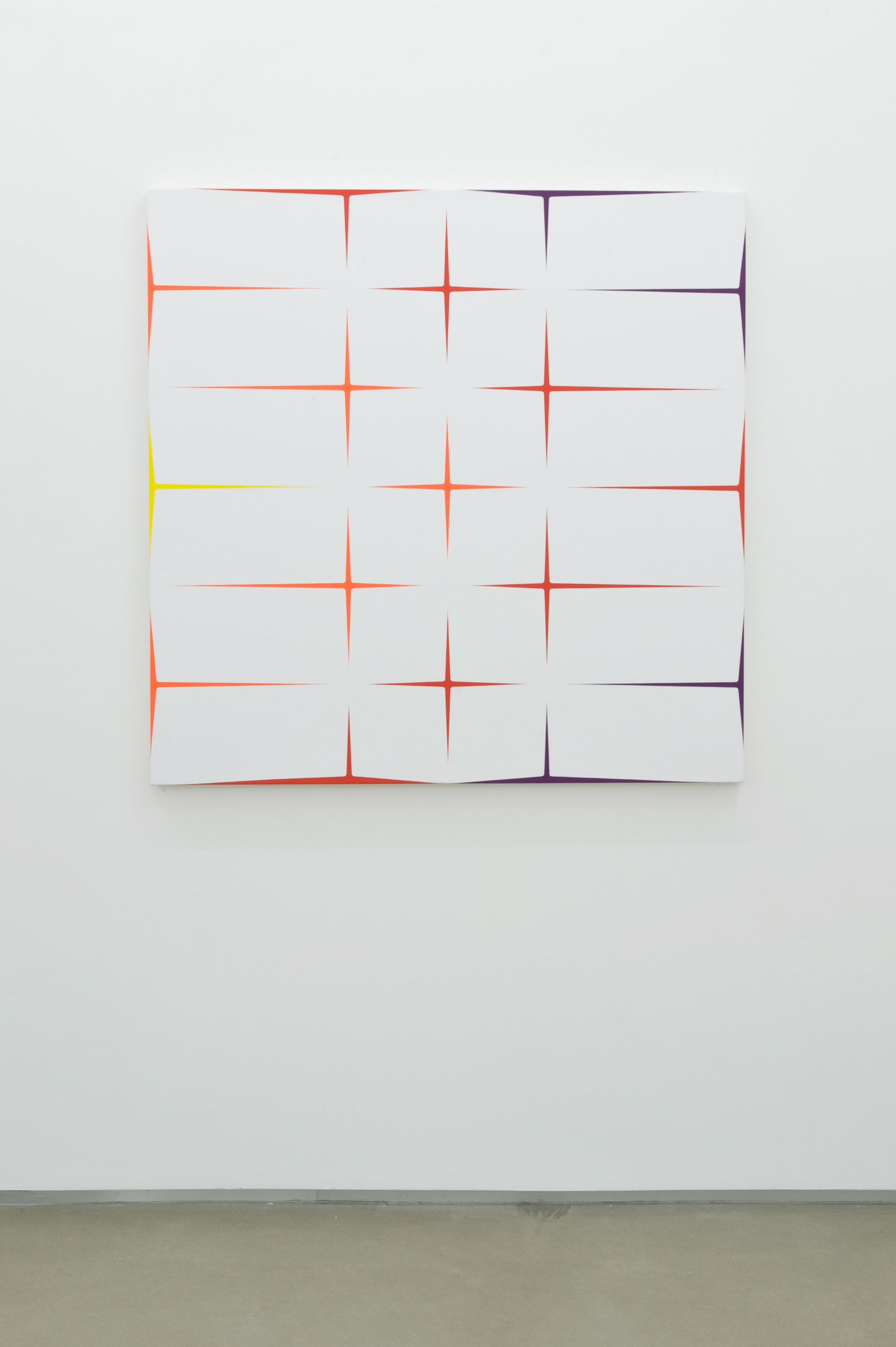
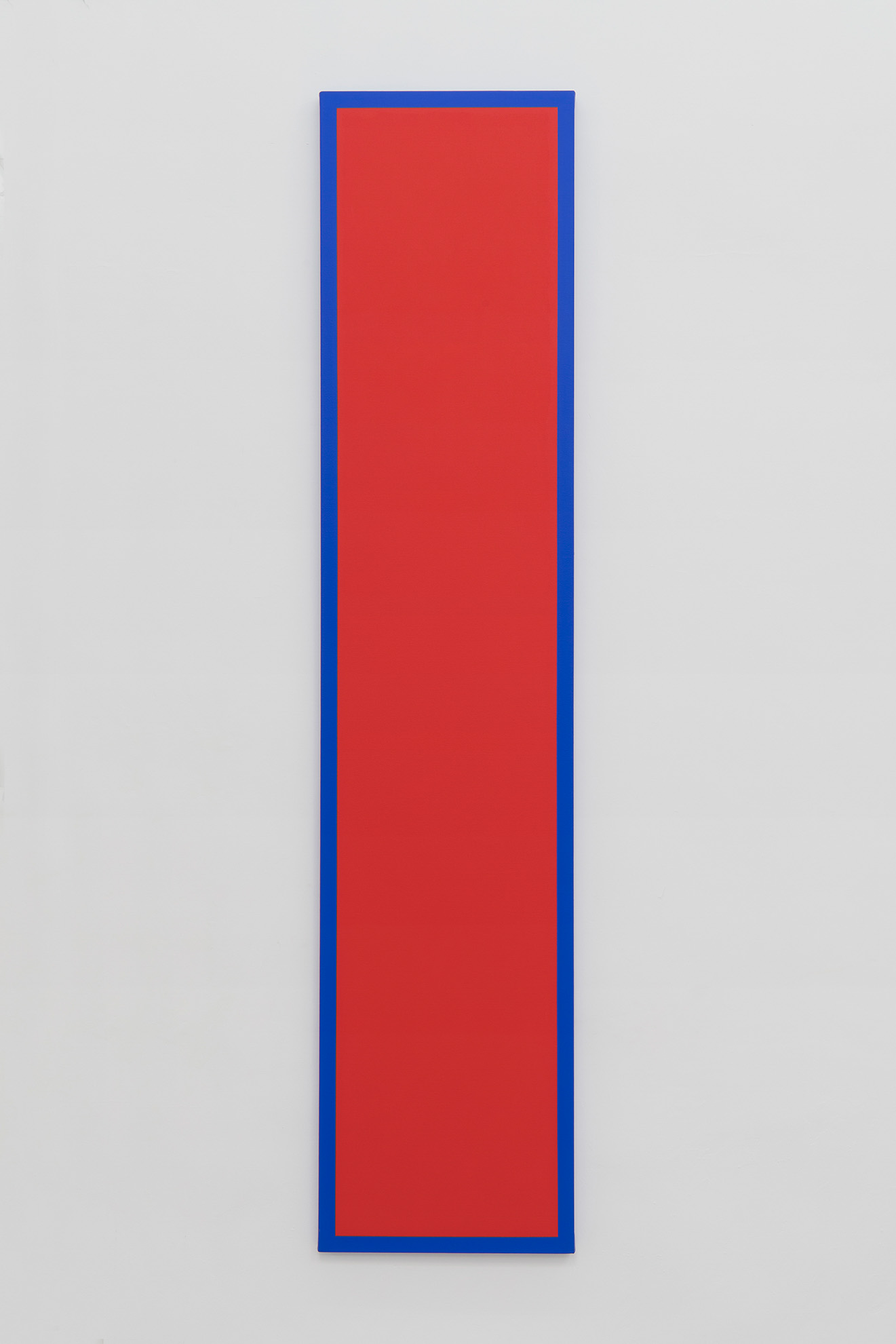
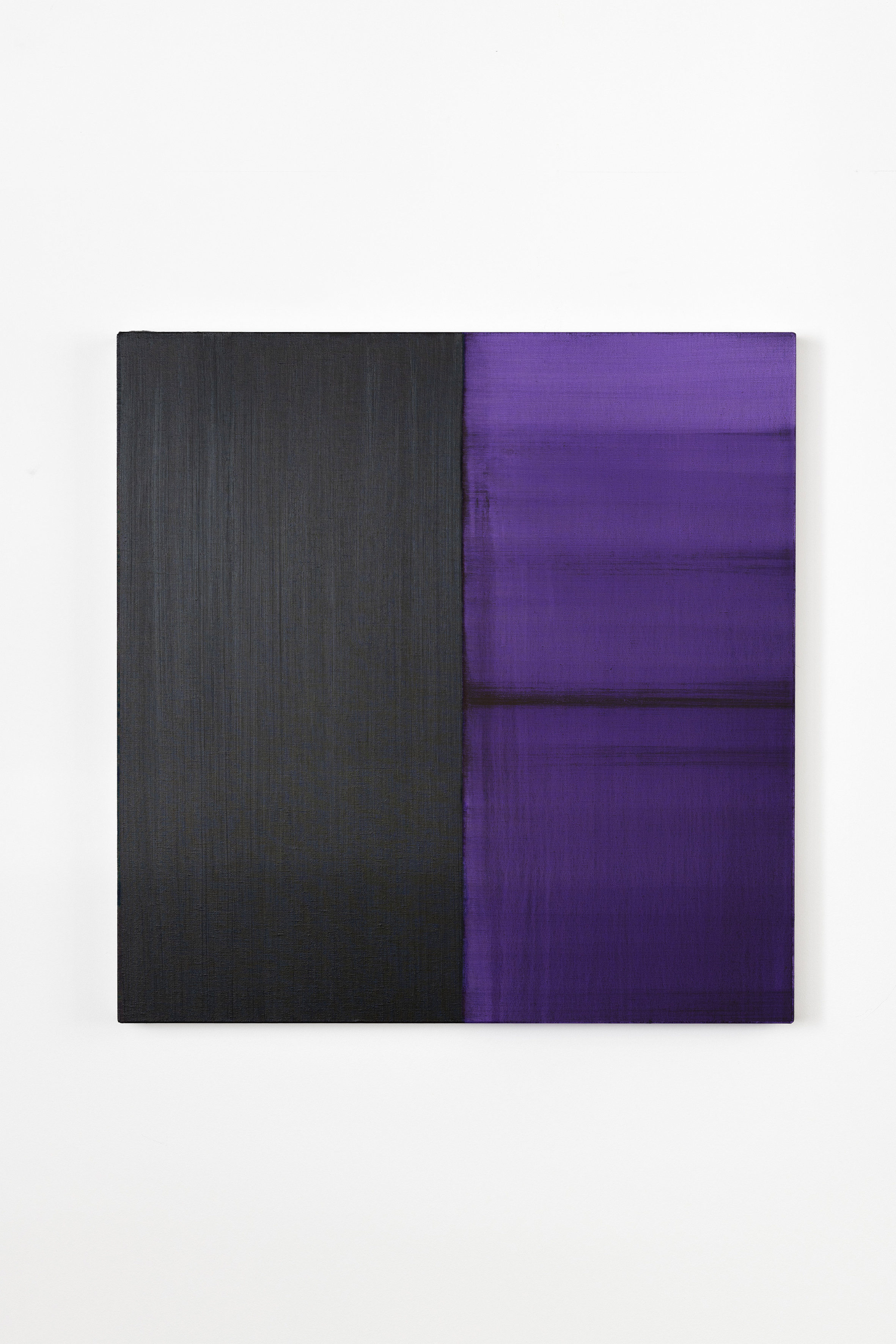
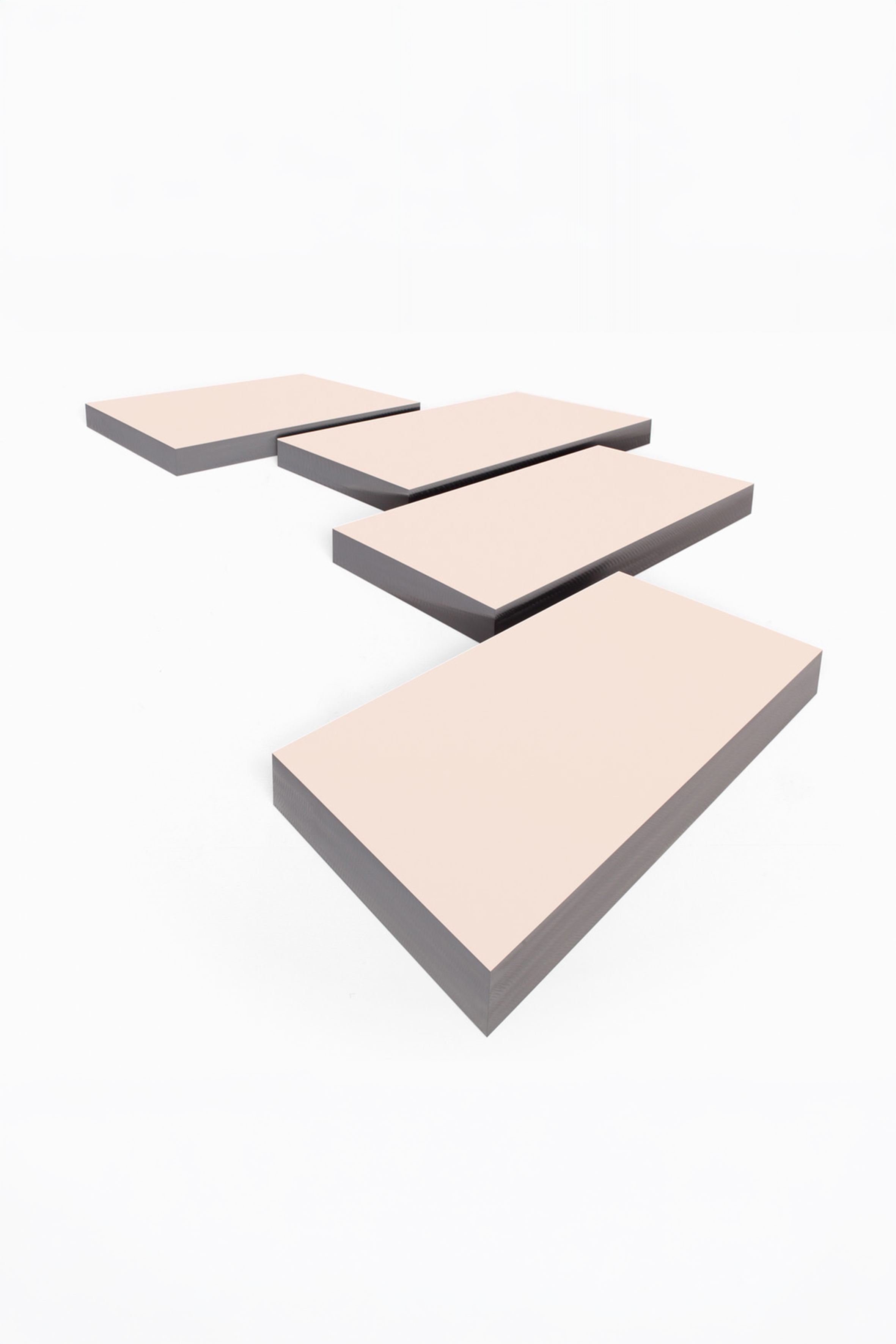
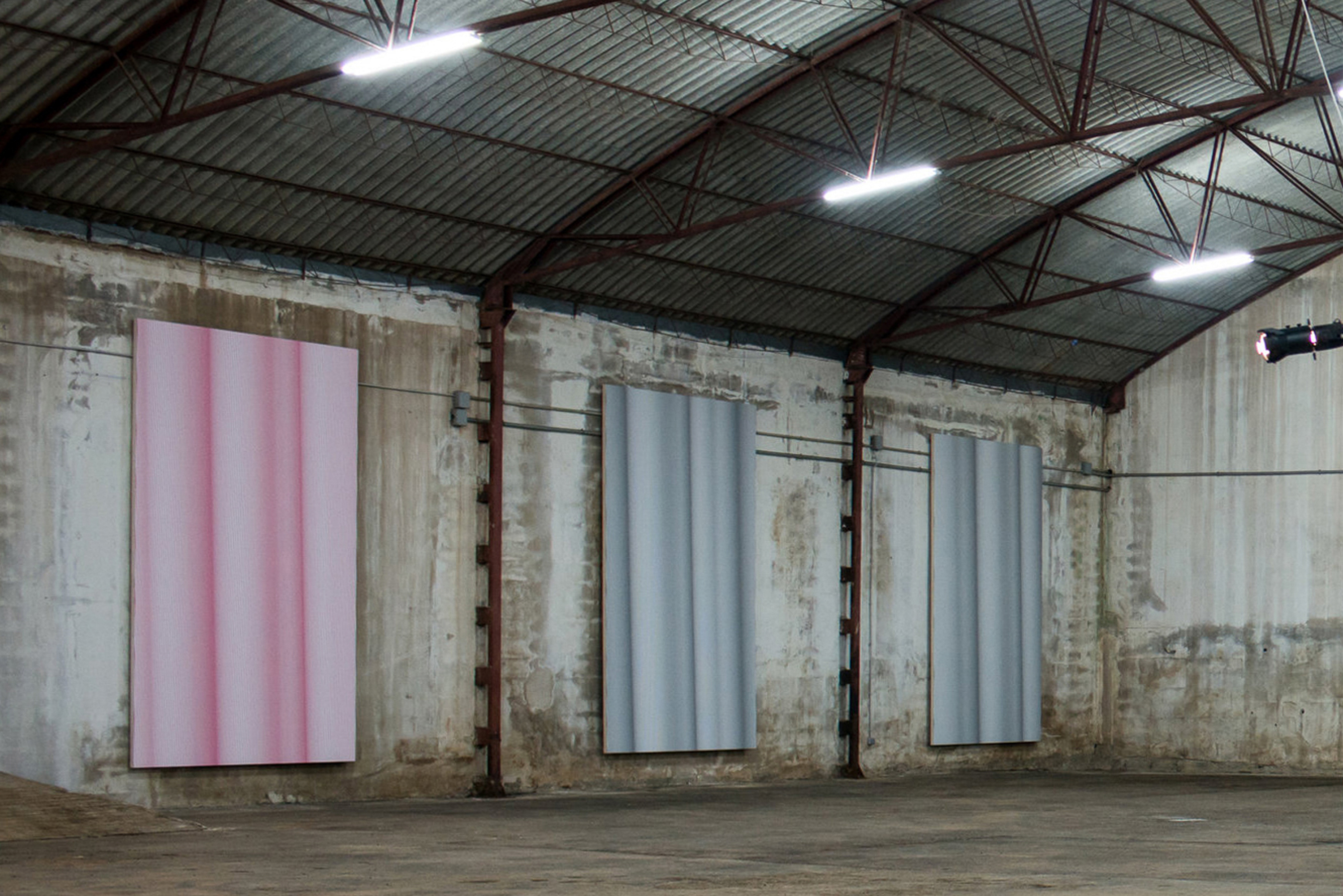
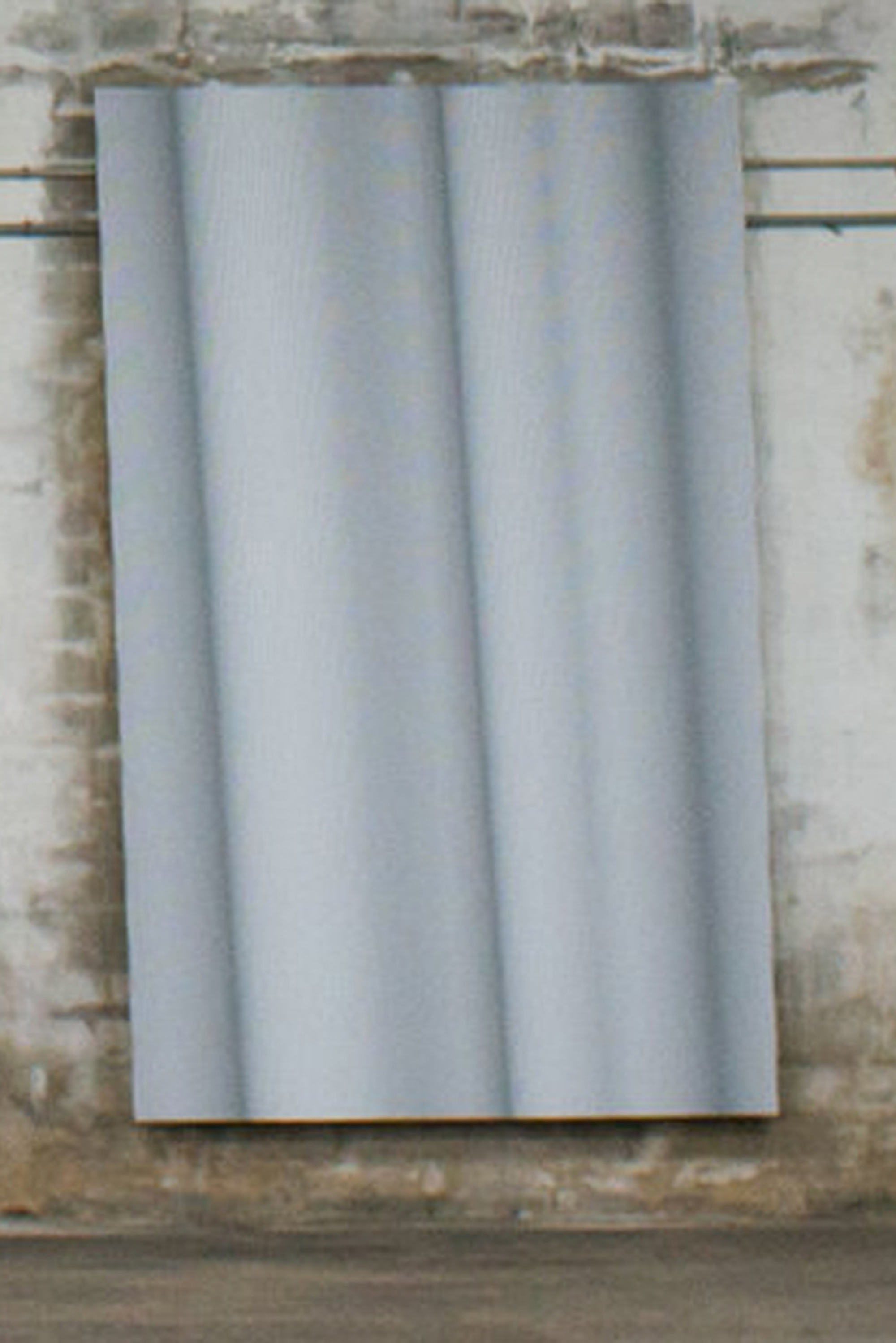
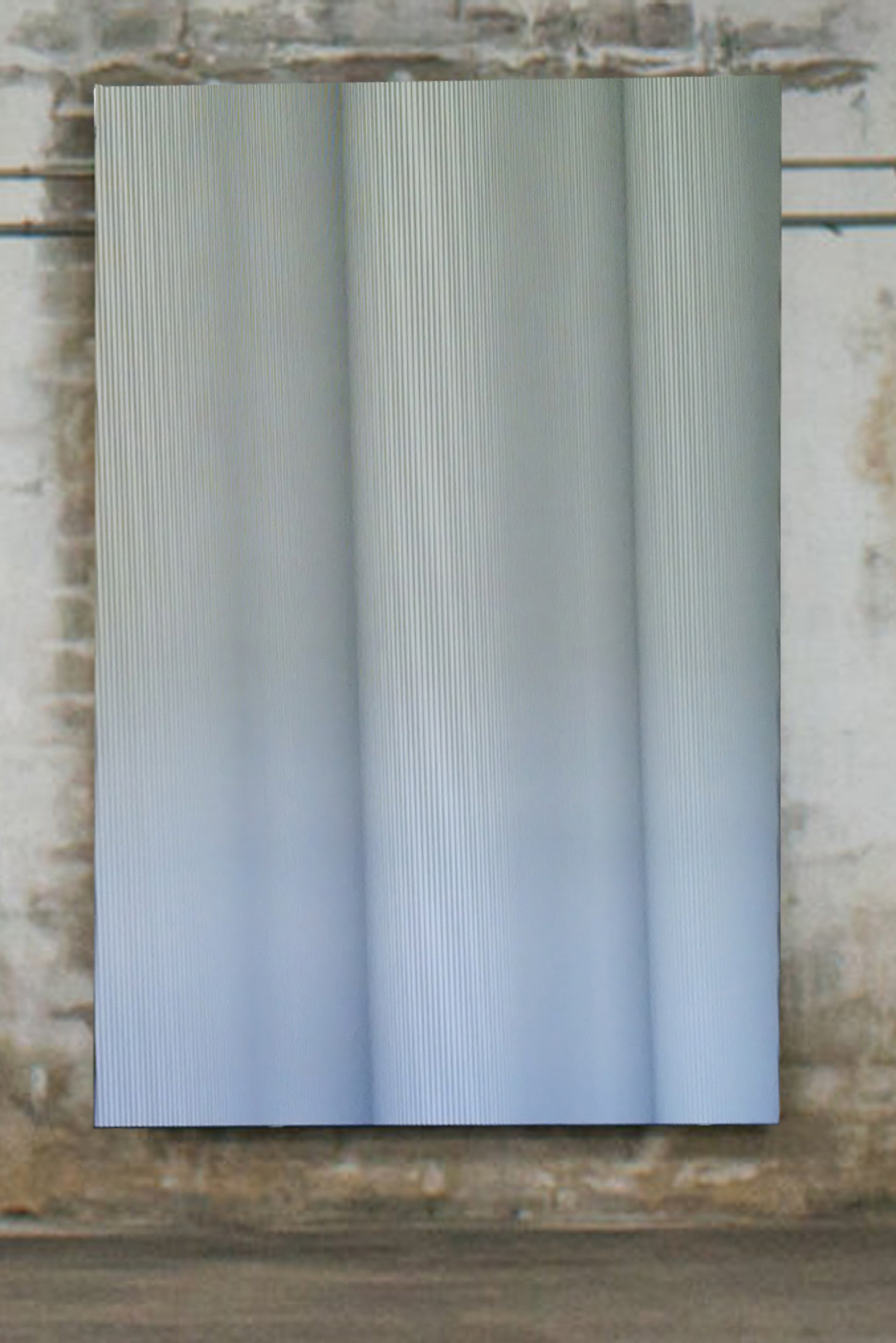
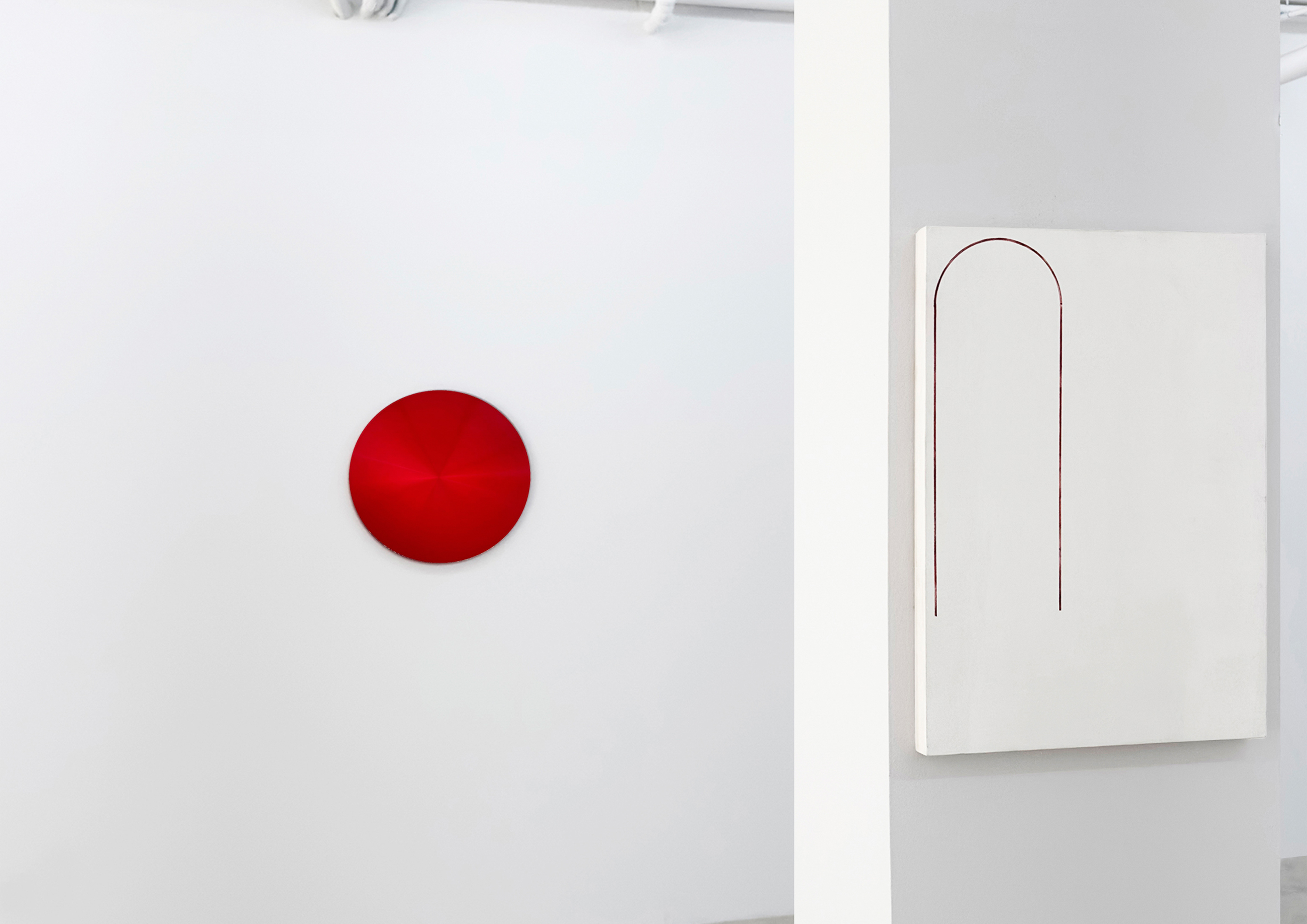
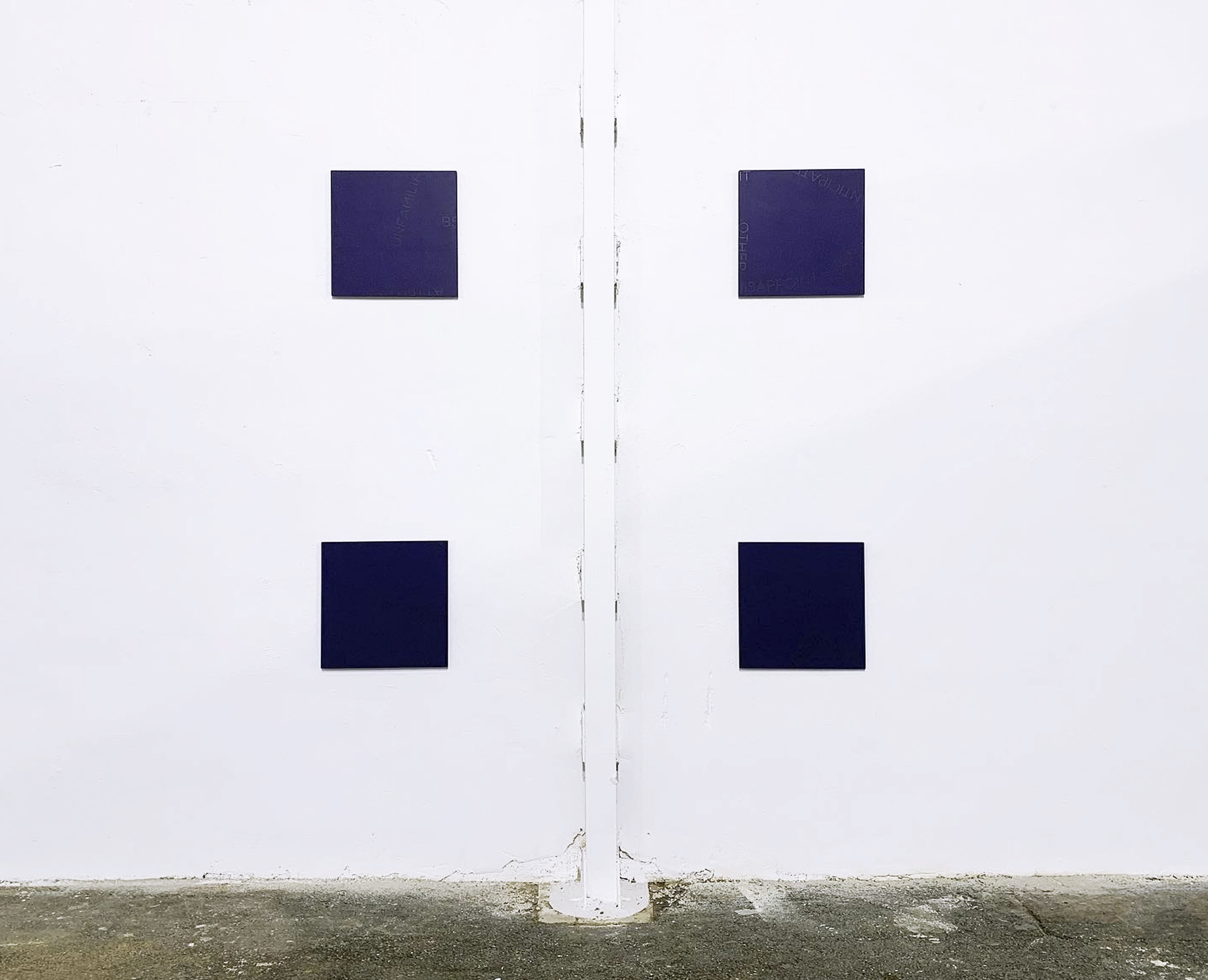
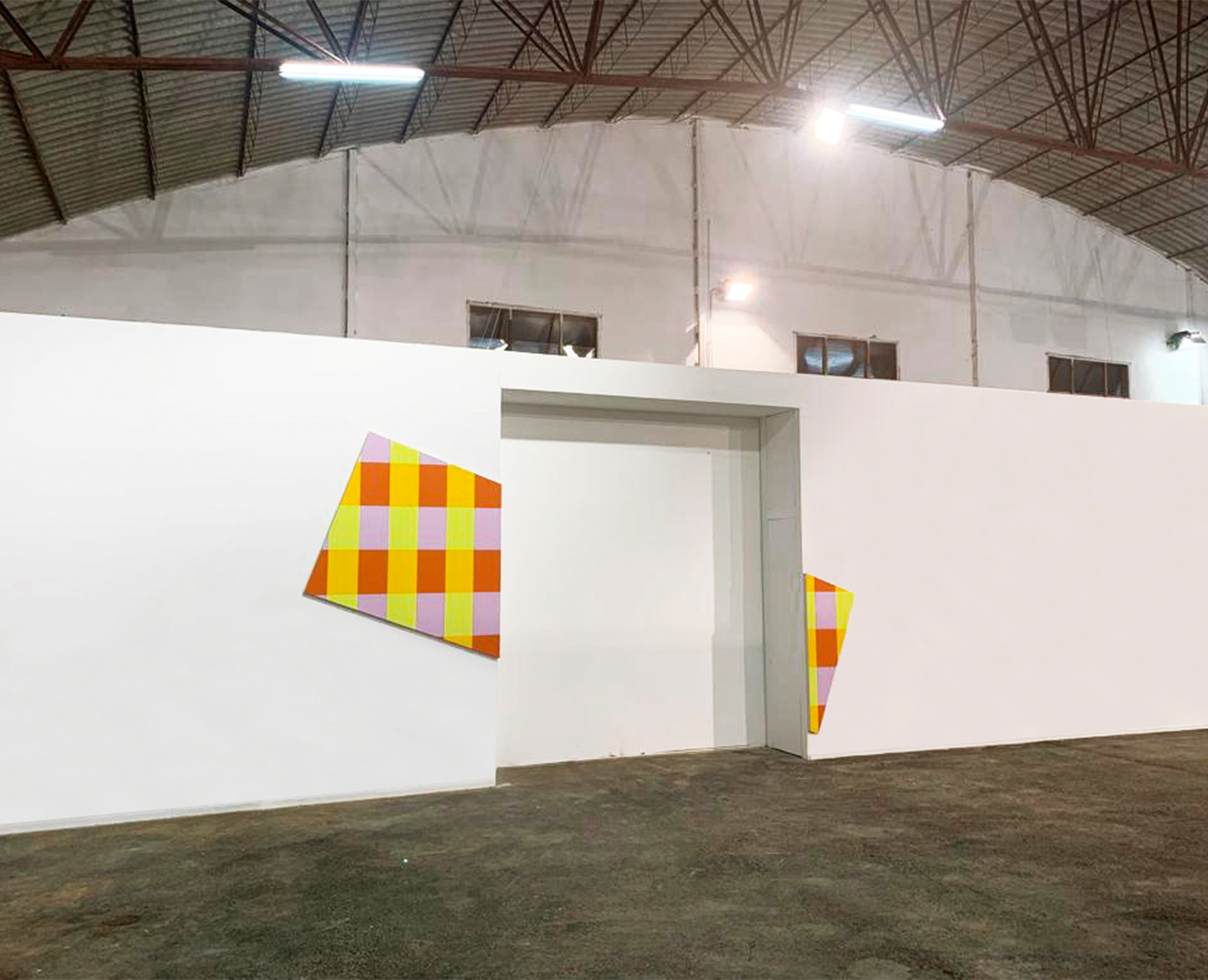
In Stéphane Dafflon’s compositions, what is materialized on the canvas is as important as what is assumed to exist but is in some way invisible. Again it is the viewer who completes the information that has been lost during that silence, like a song that is silenced at some point but whose rhythm does not stop playing in our head. Pieces like AST327 (2018) or AST324 (2018) are the celebration of an absence that accentuates the materiality of the work.
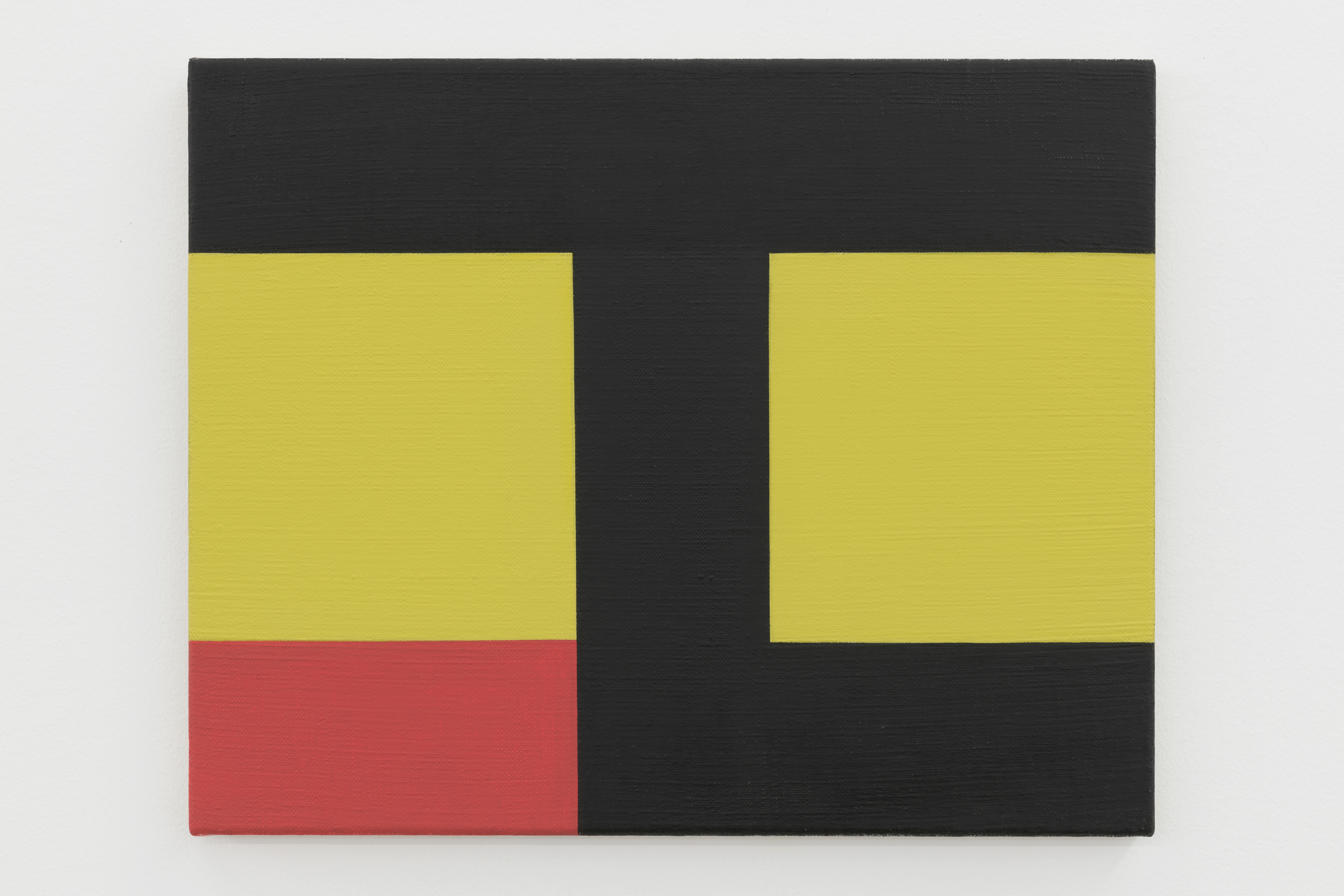
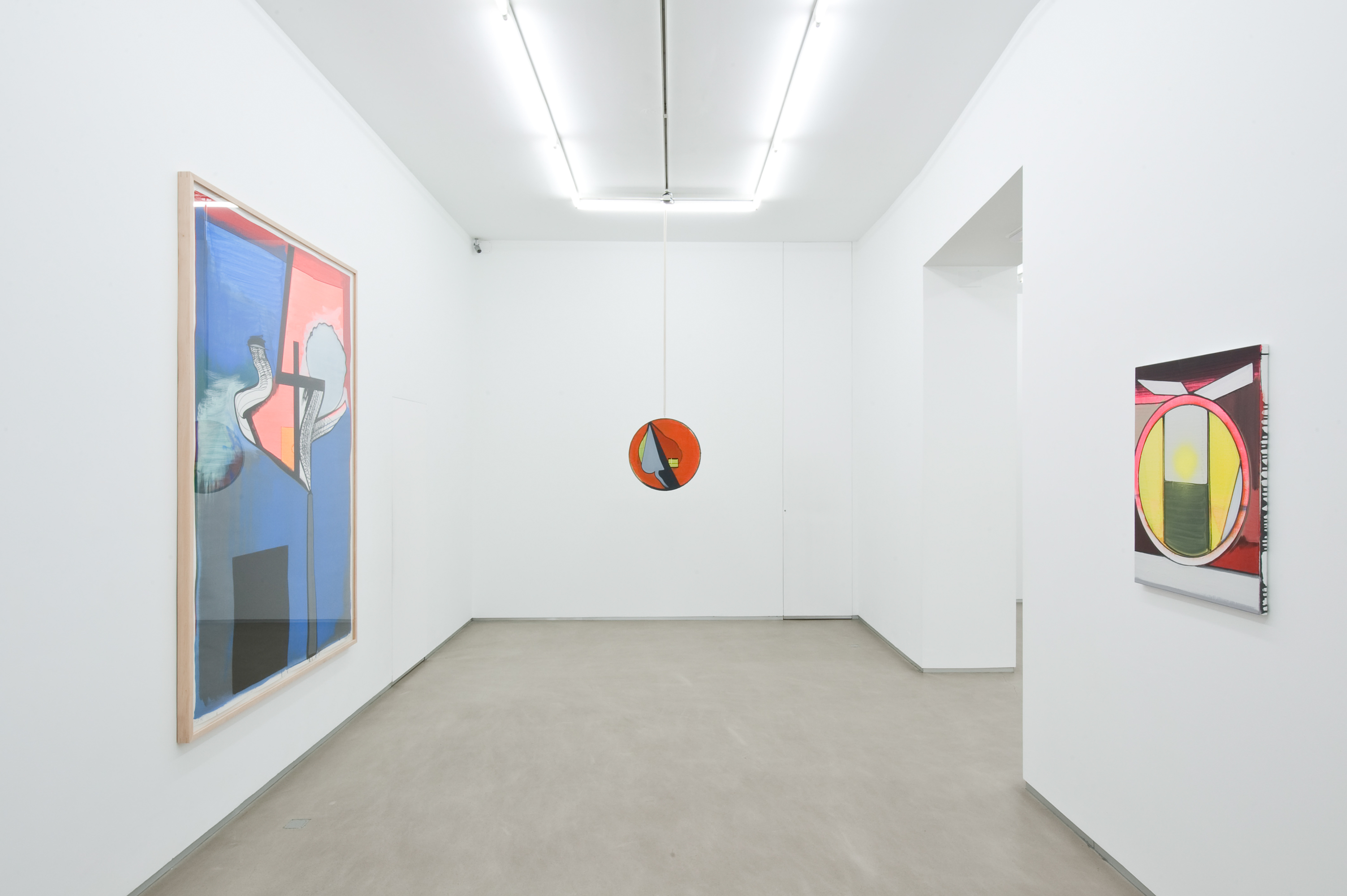
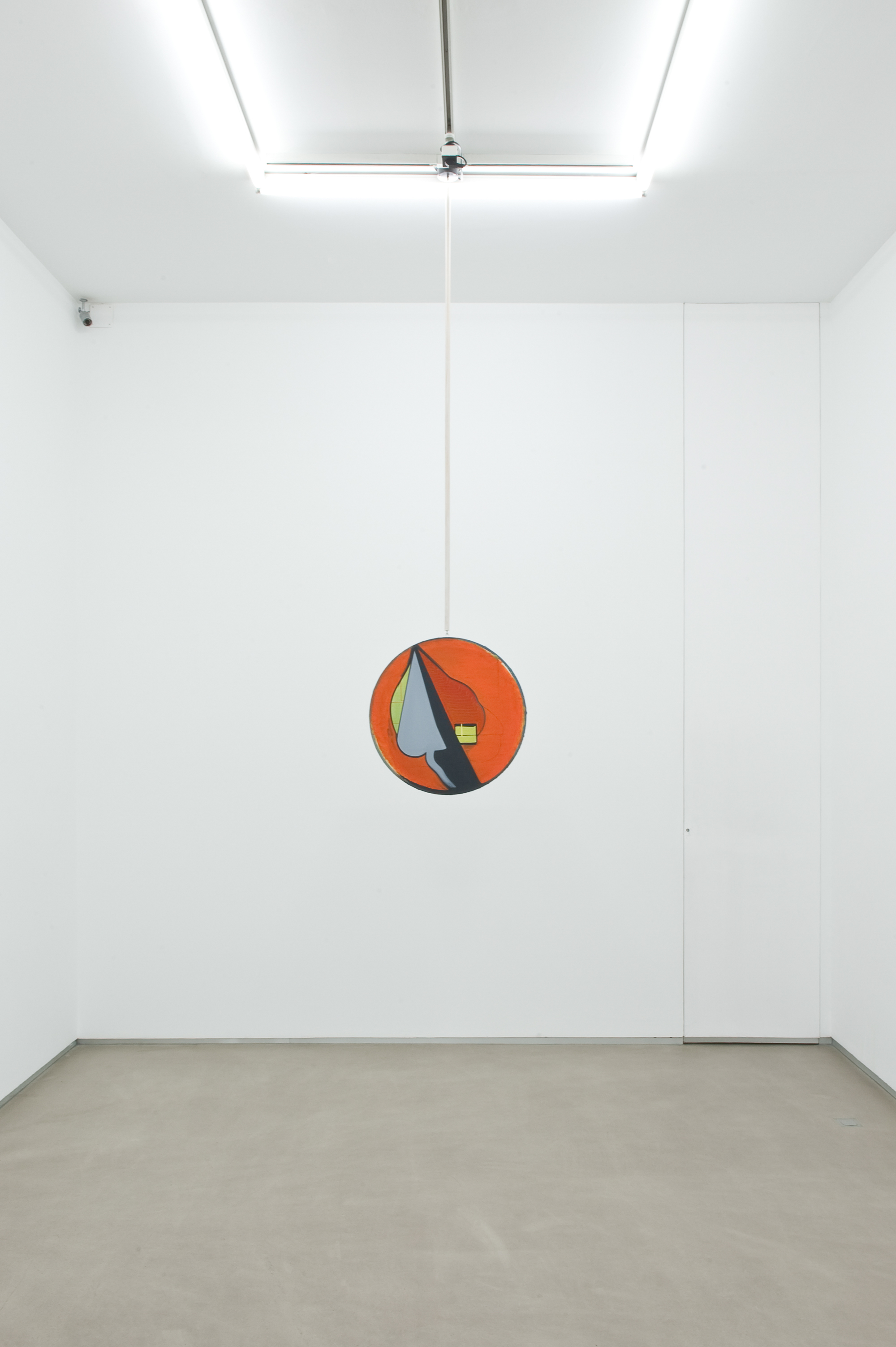
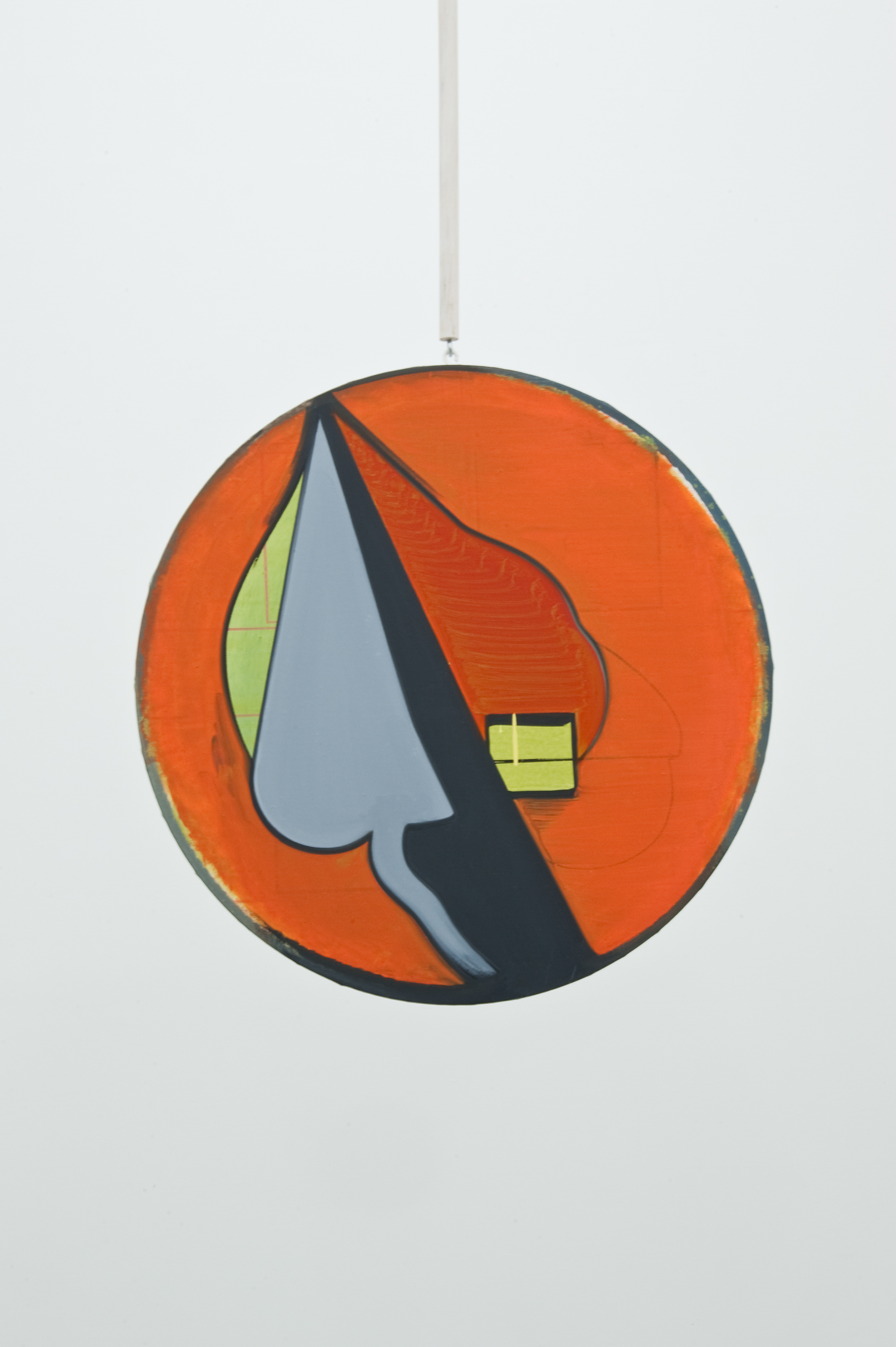
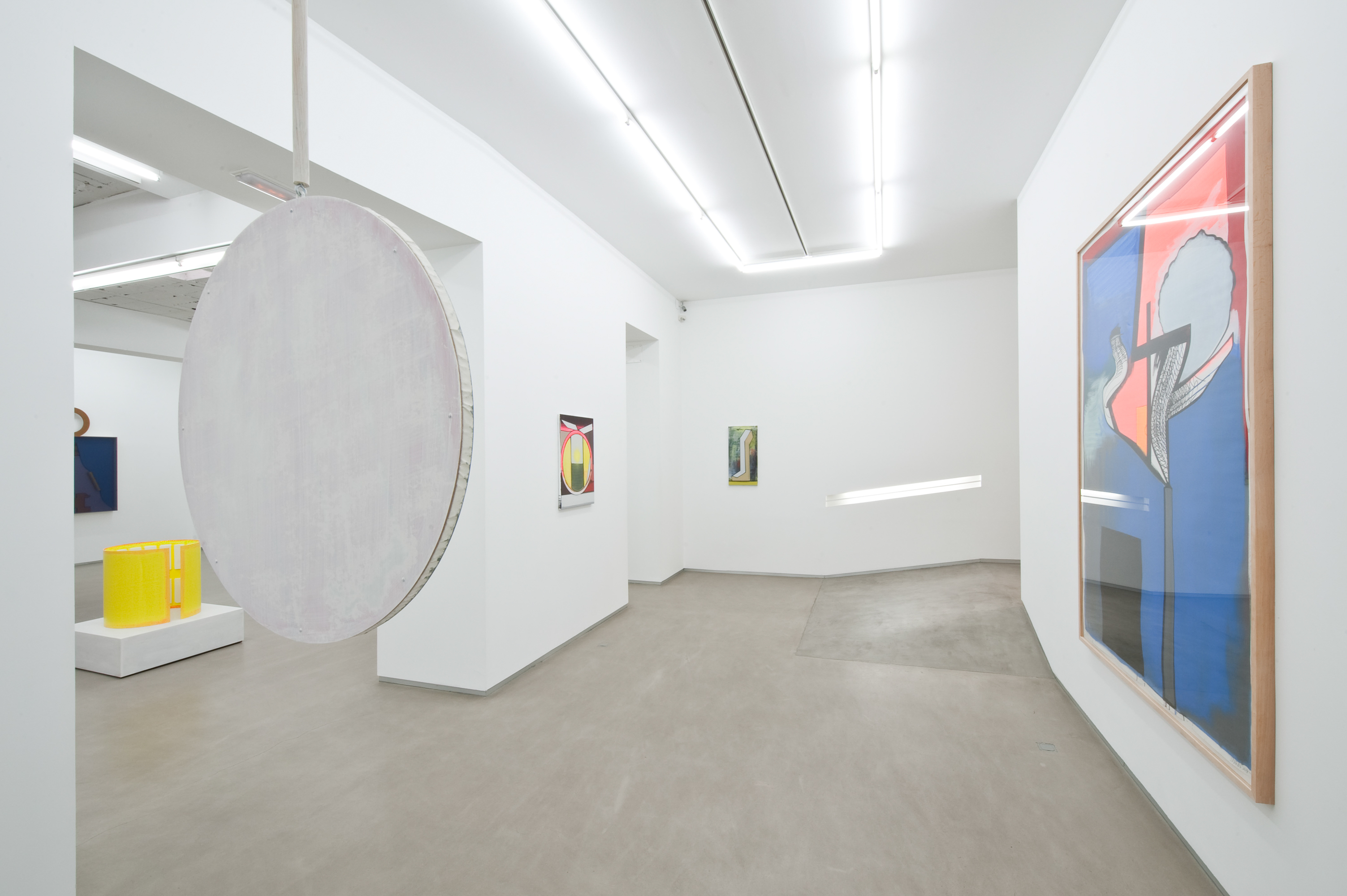
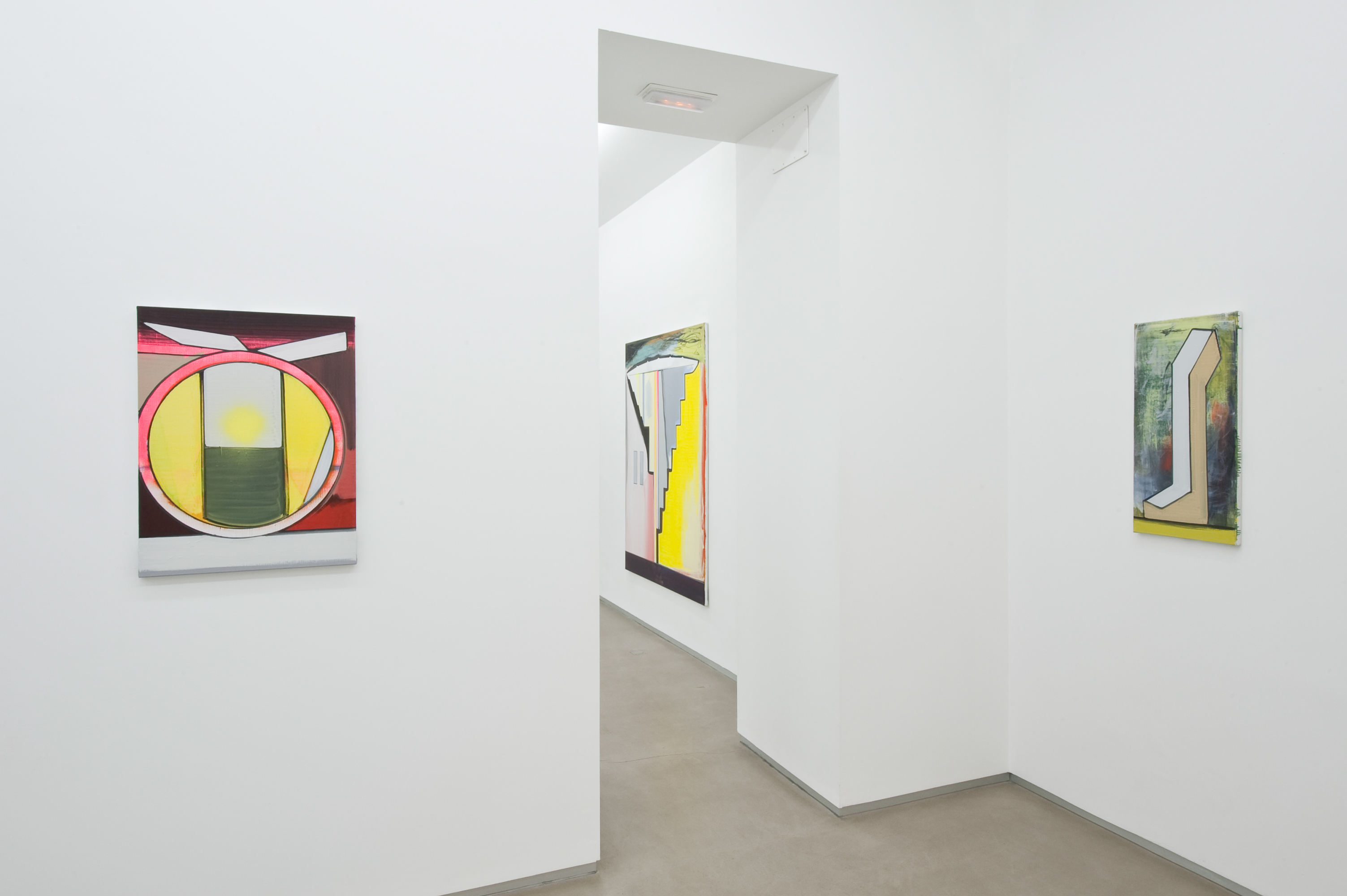
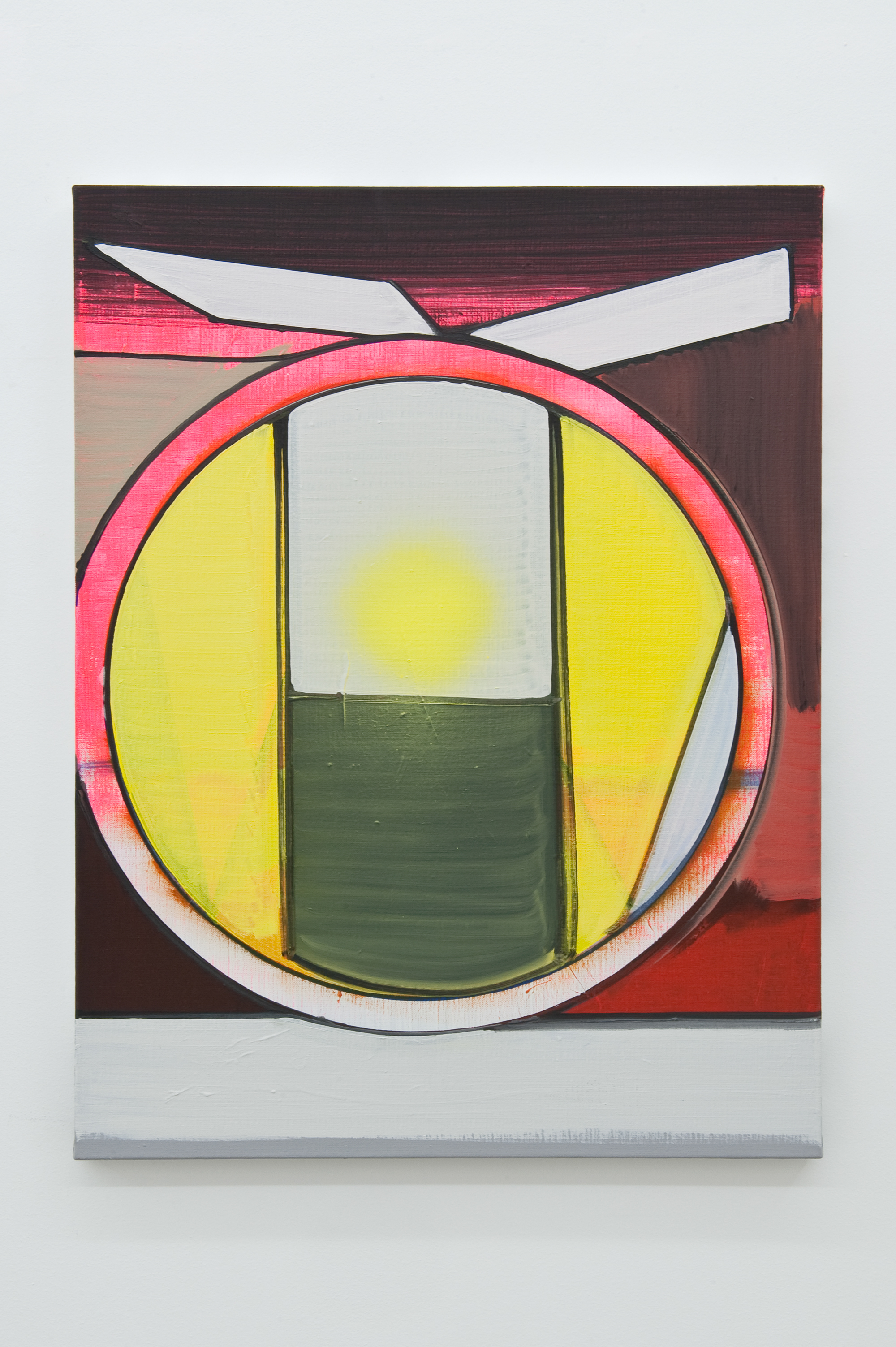
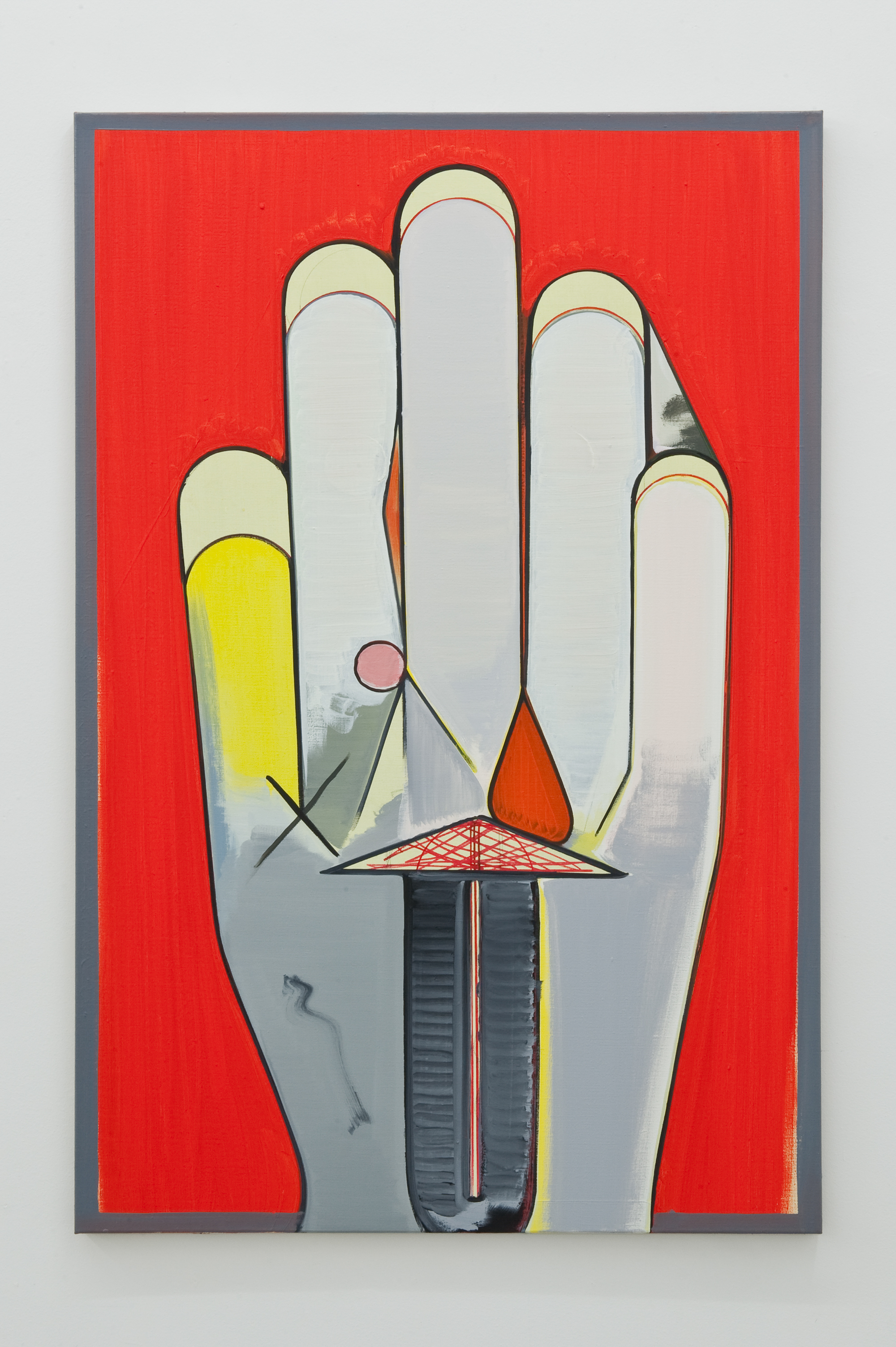
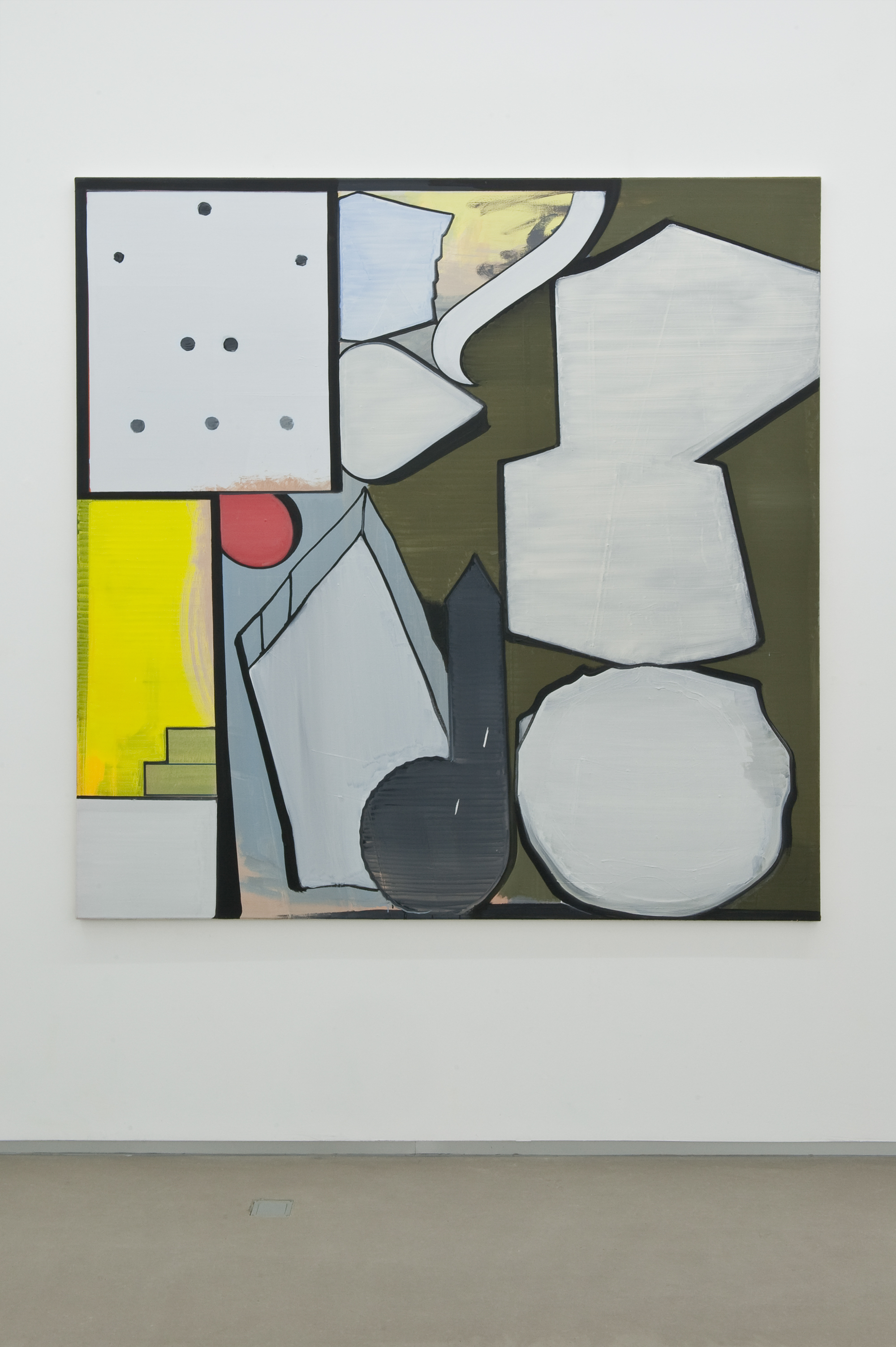
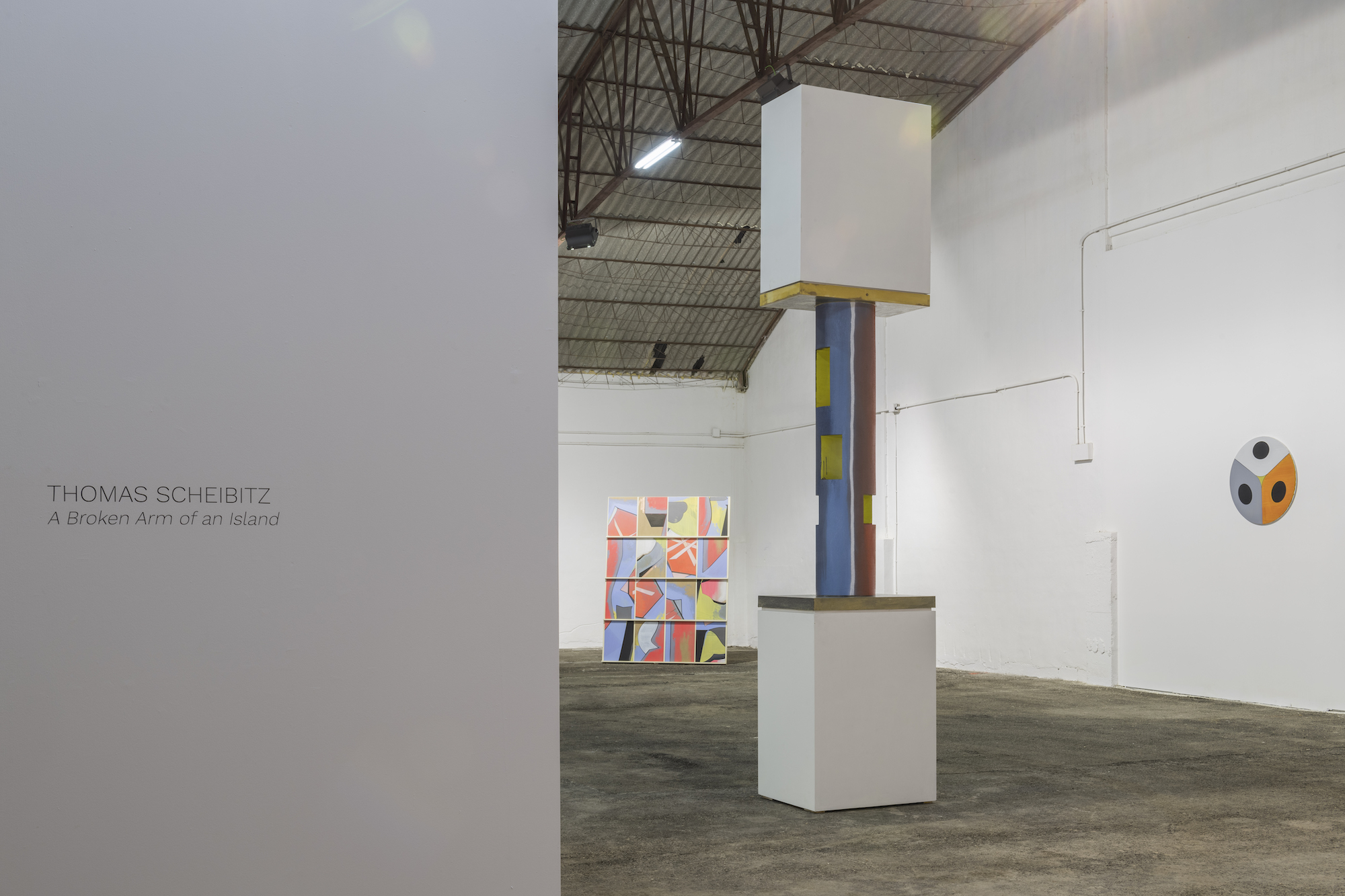
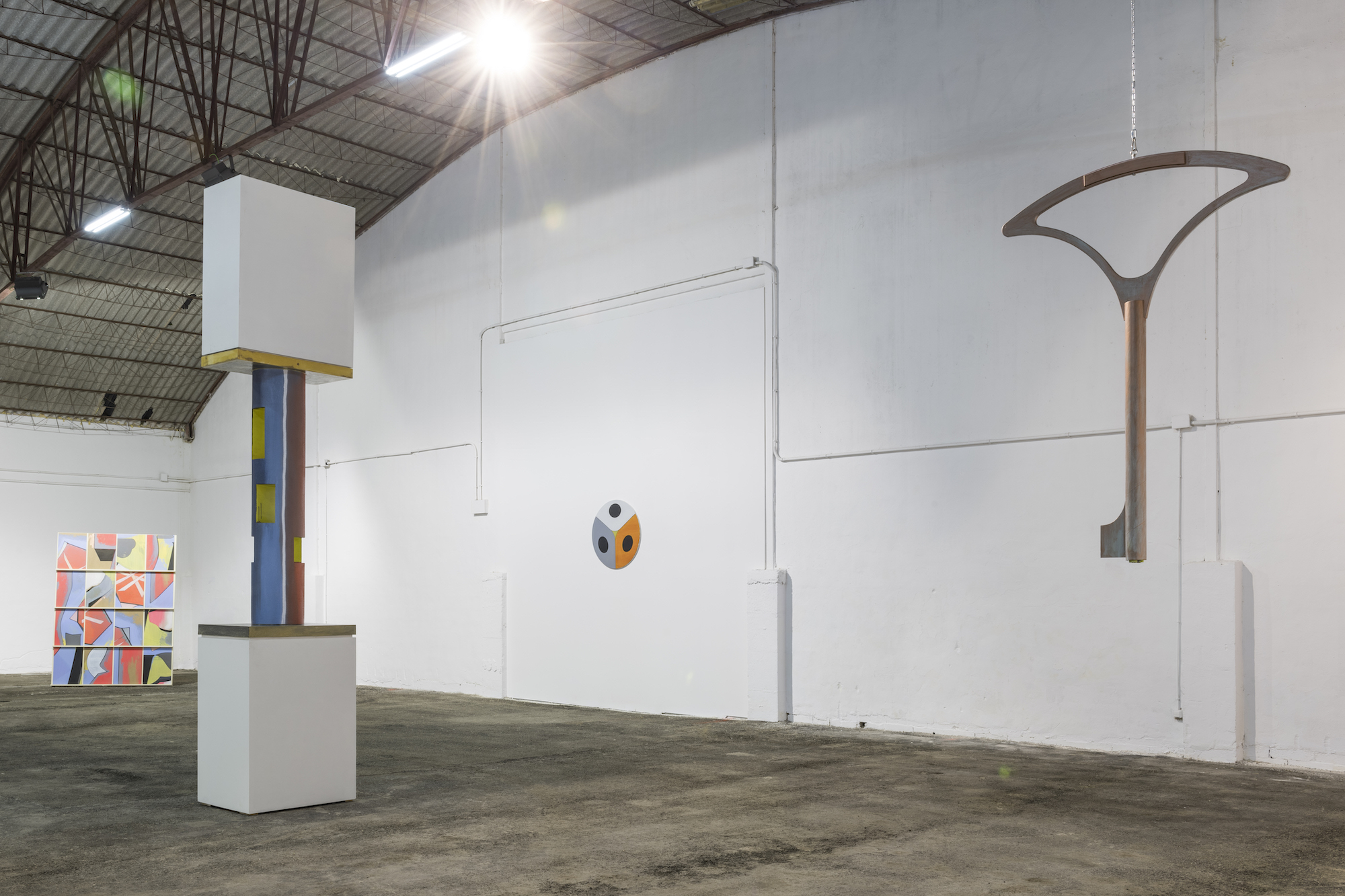
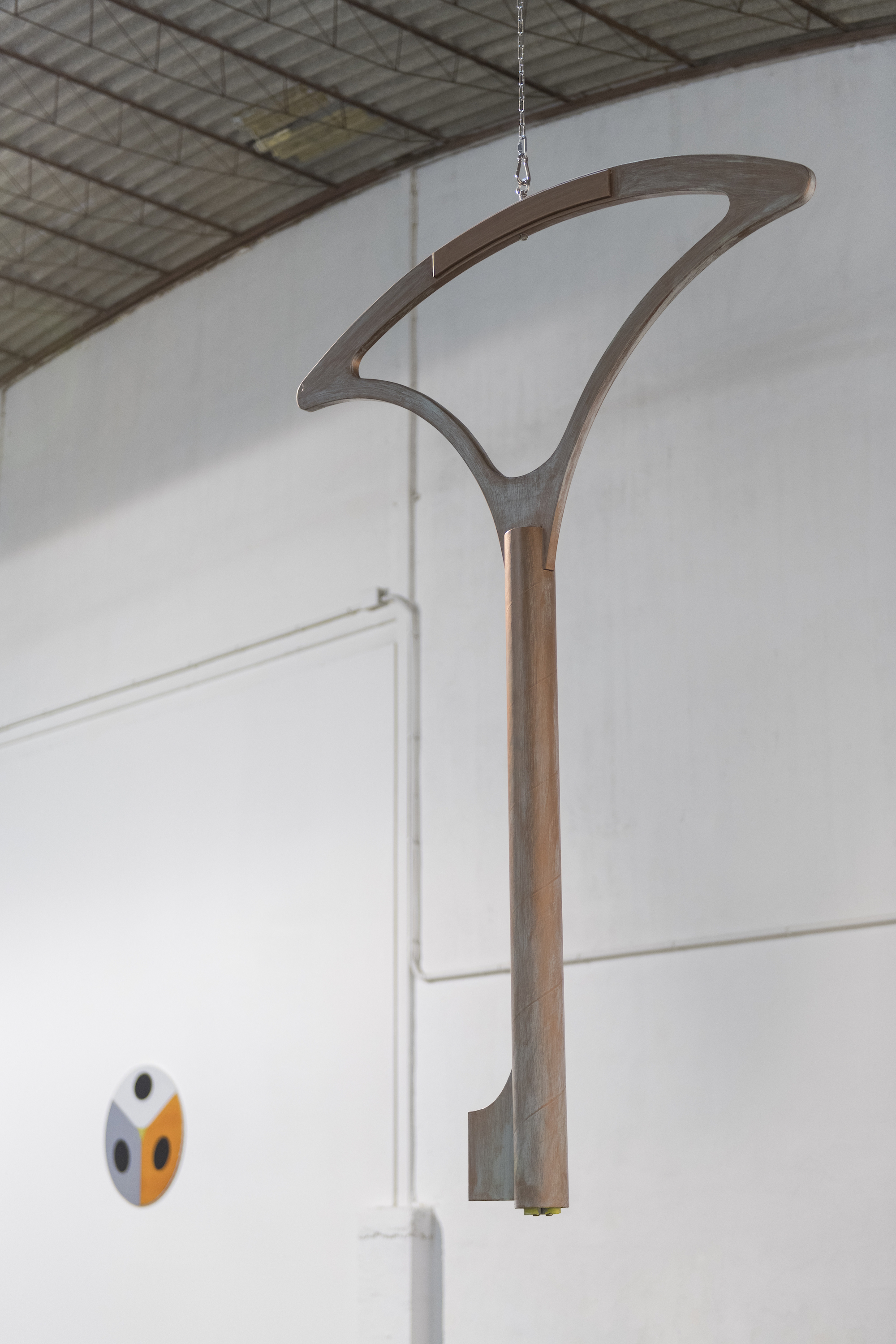
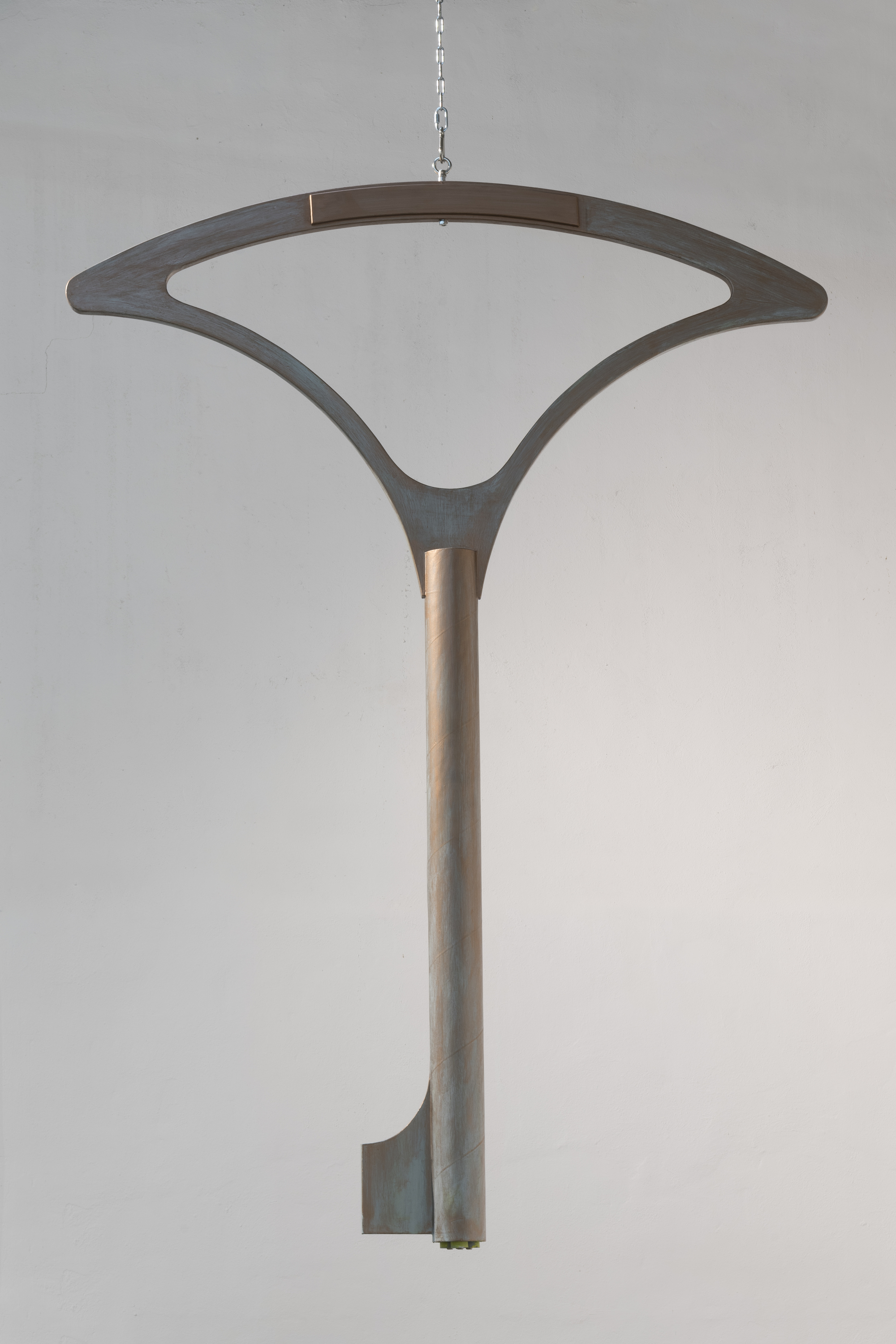
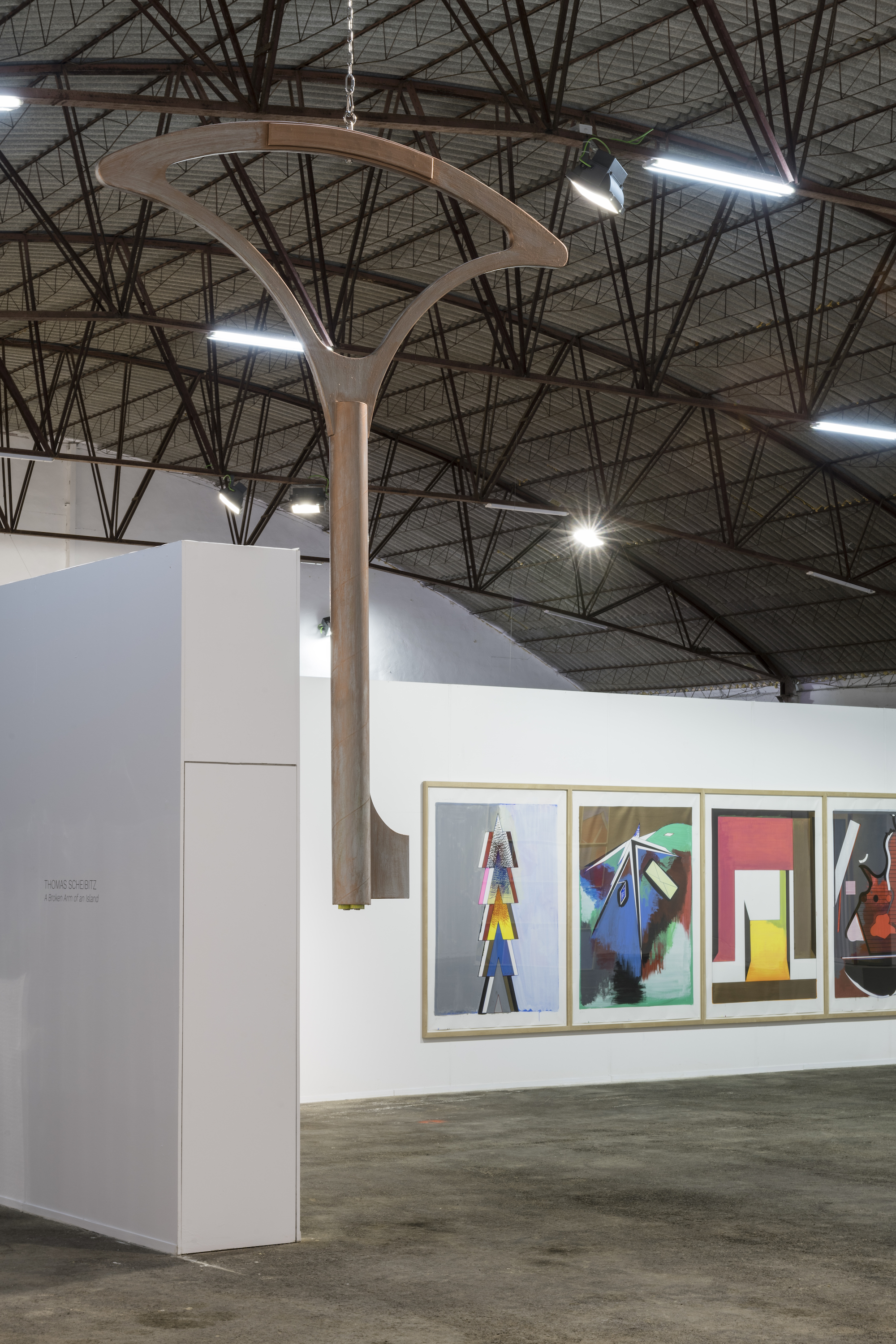
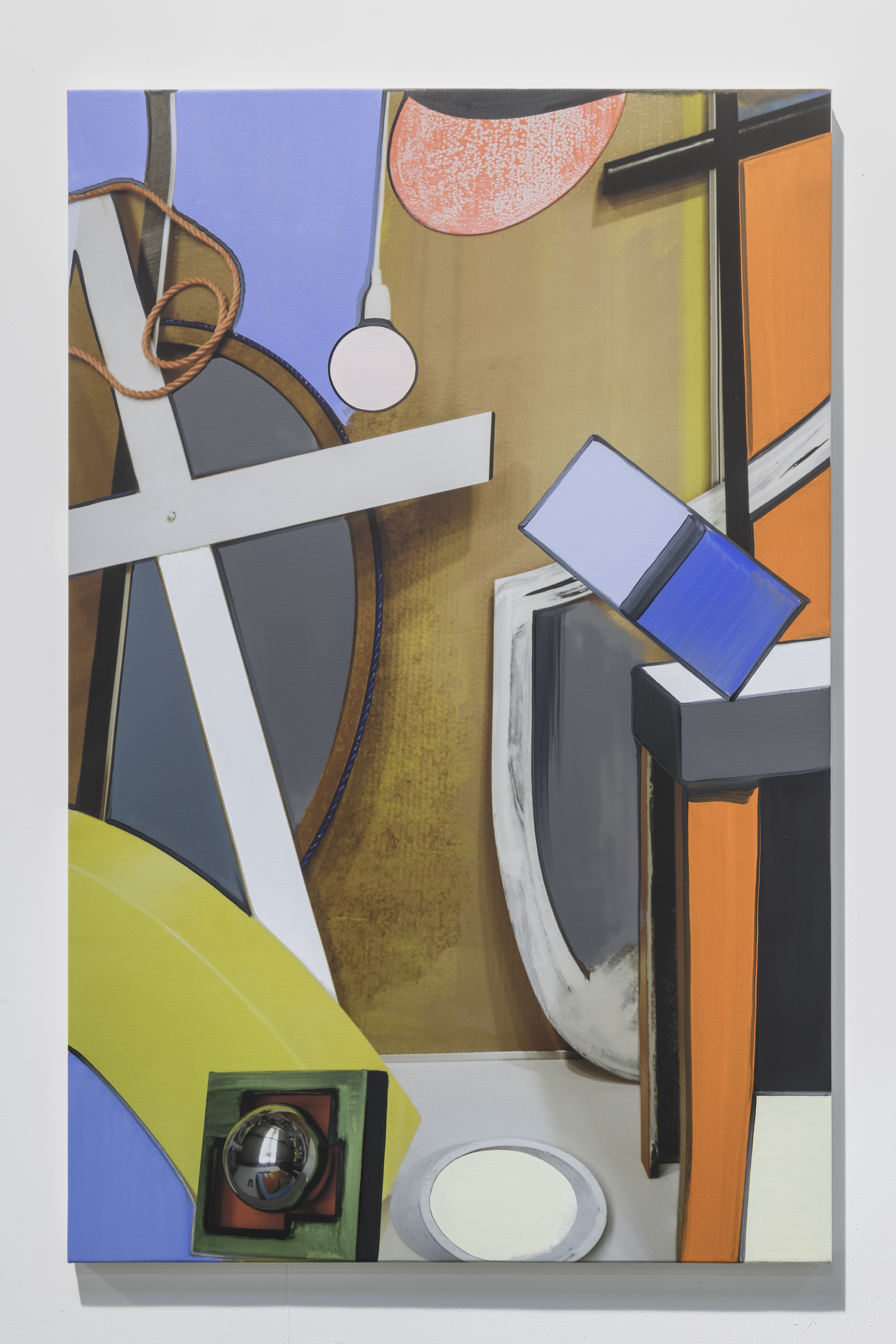
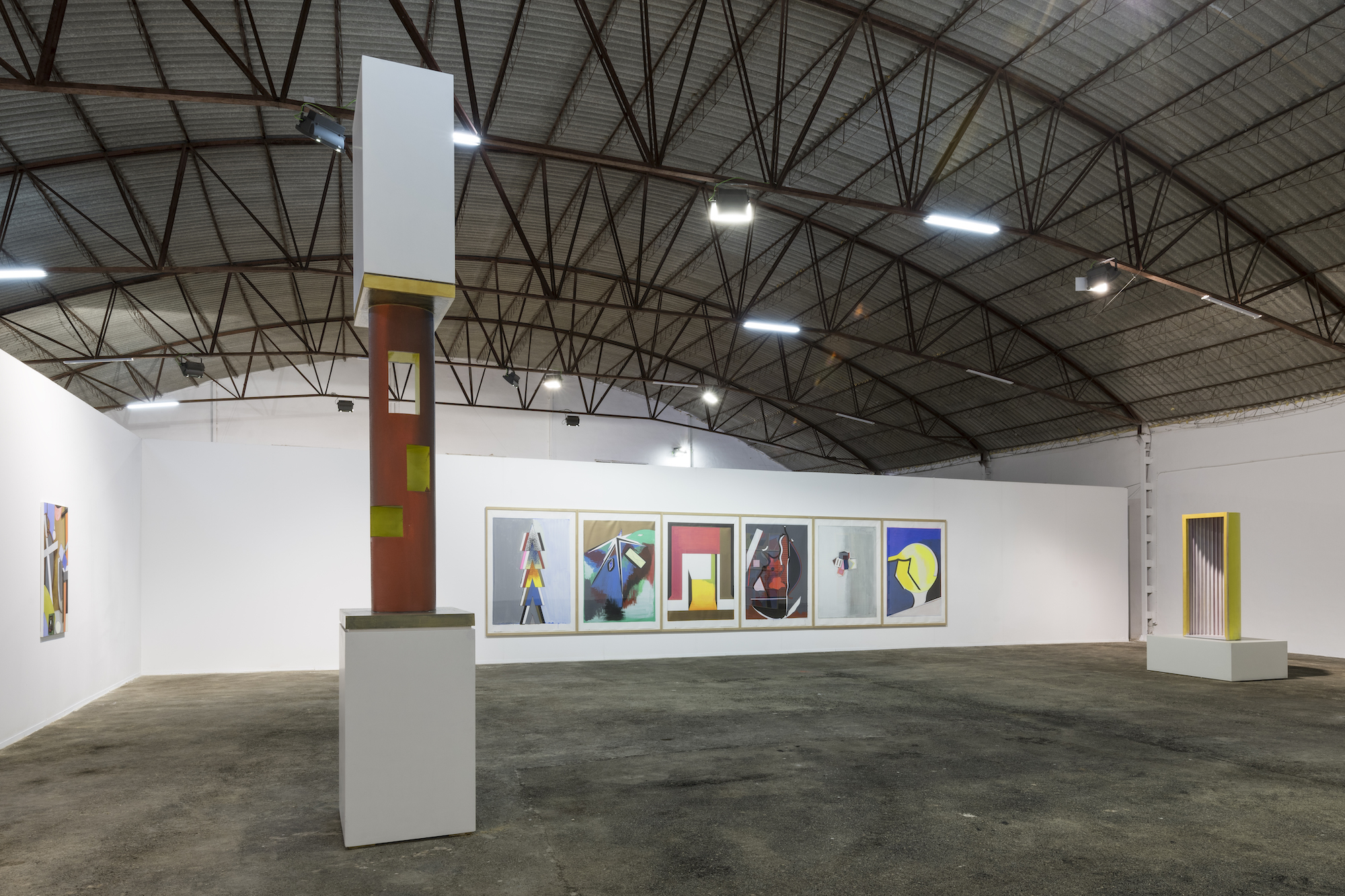
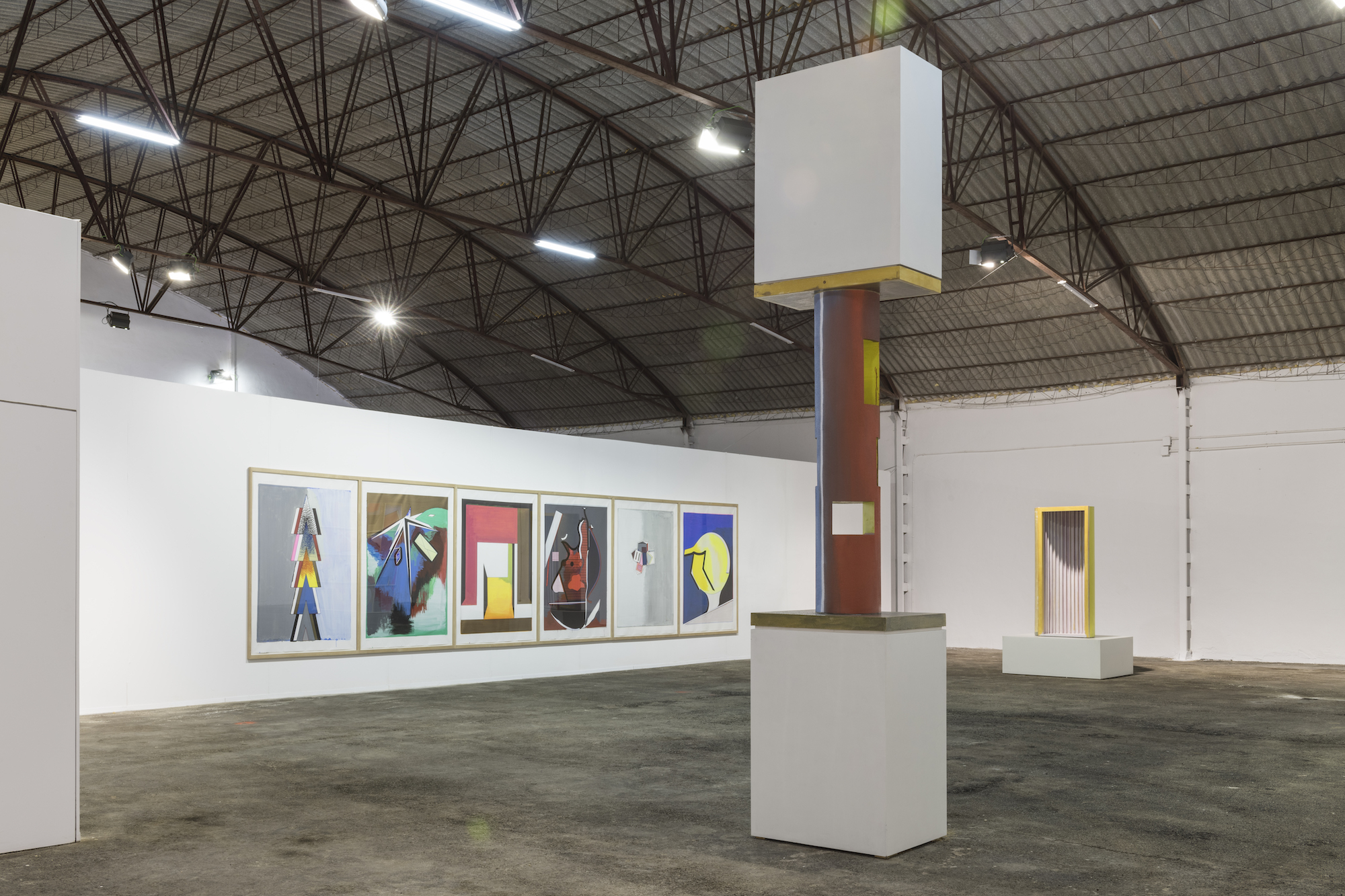
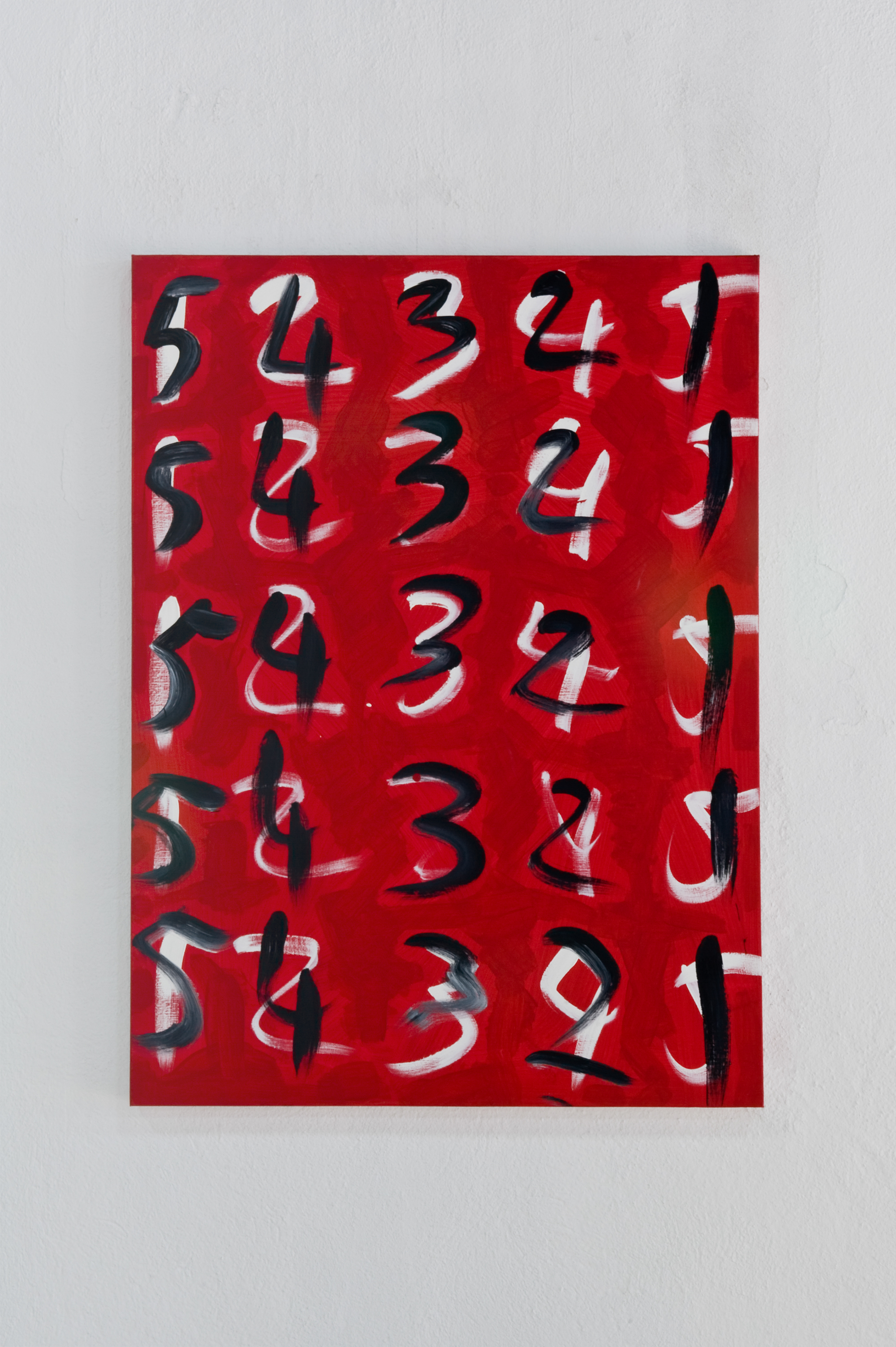
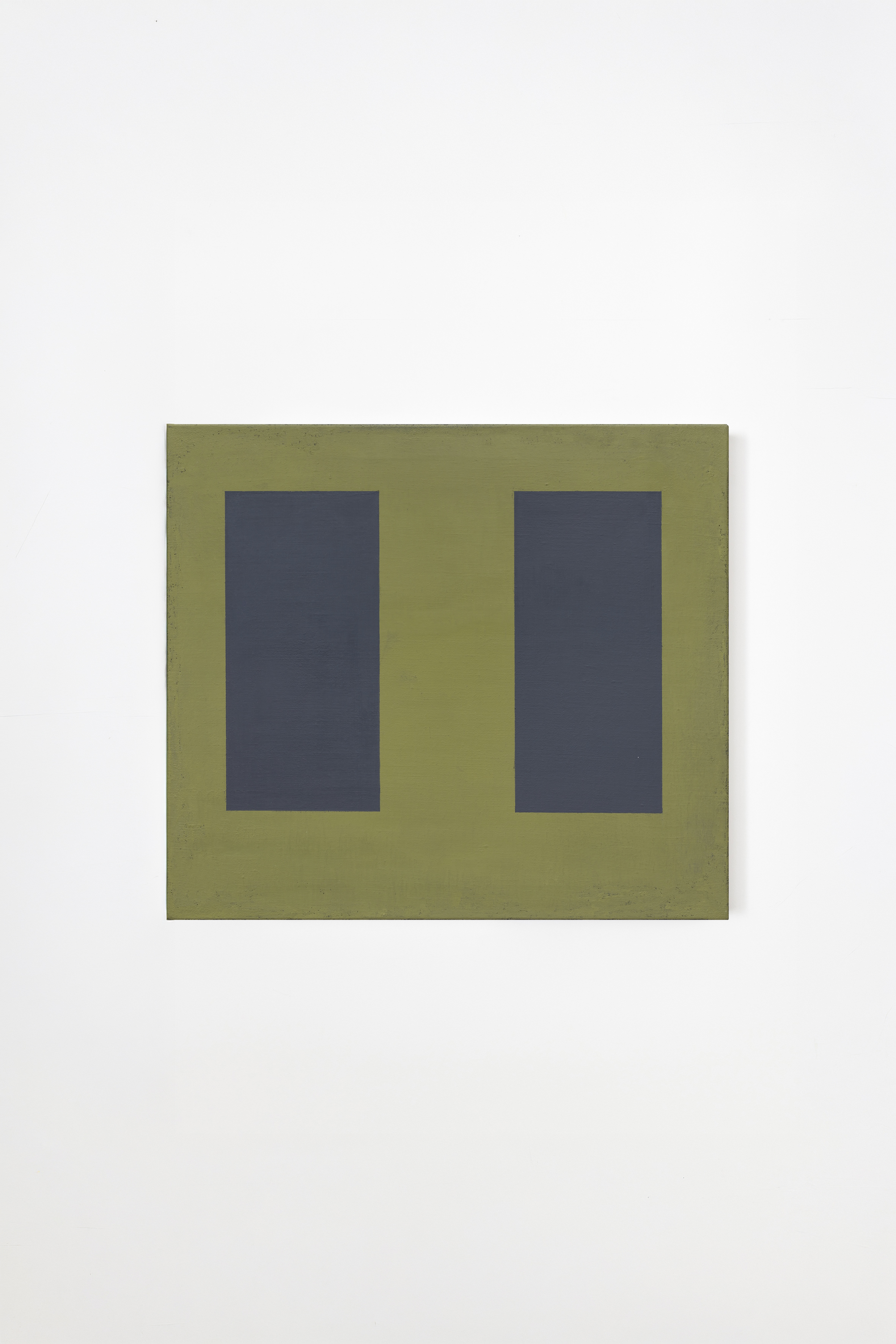
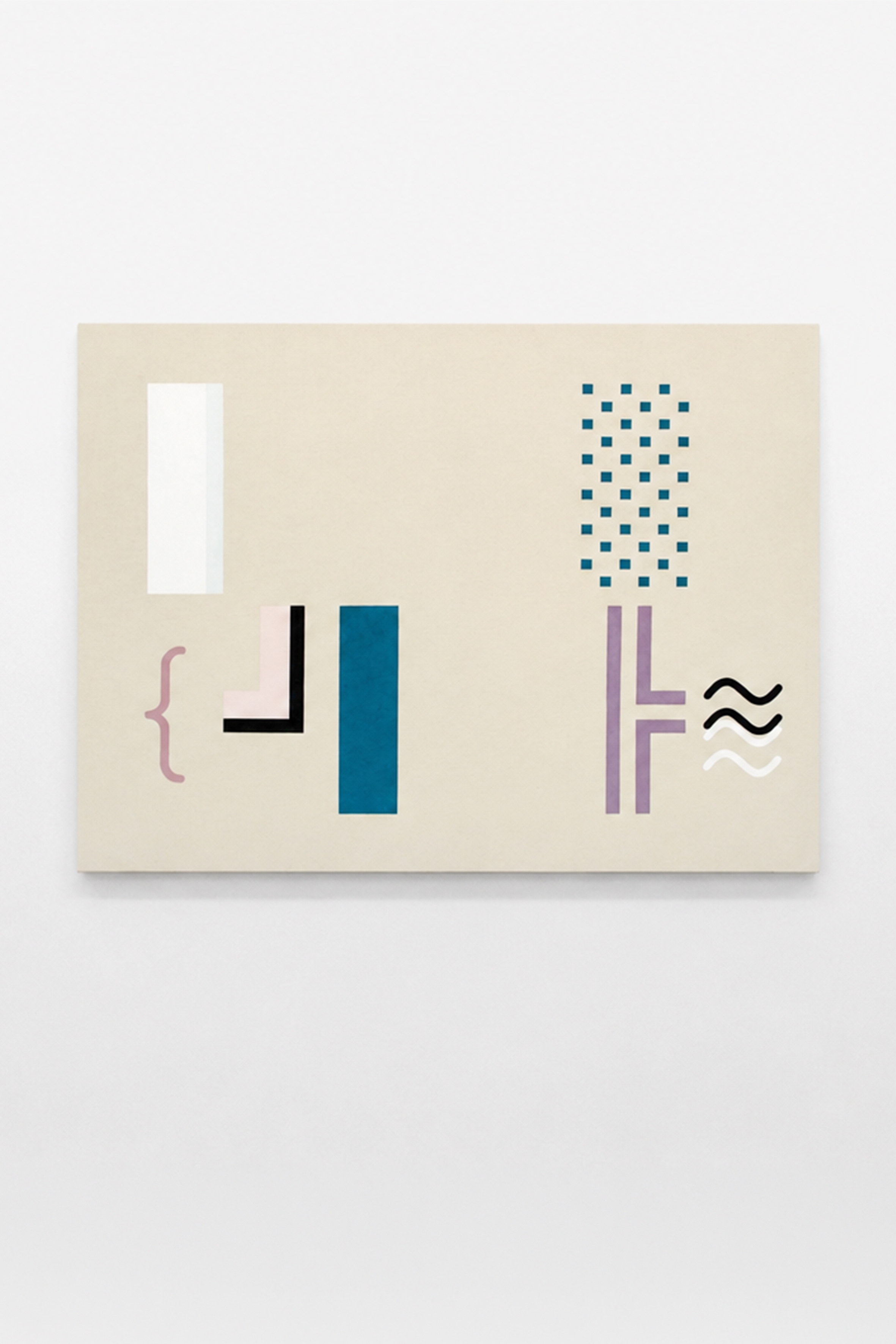
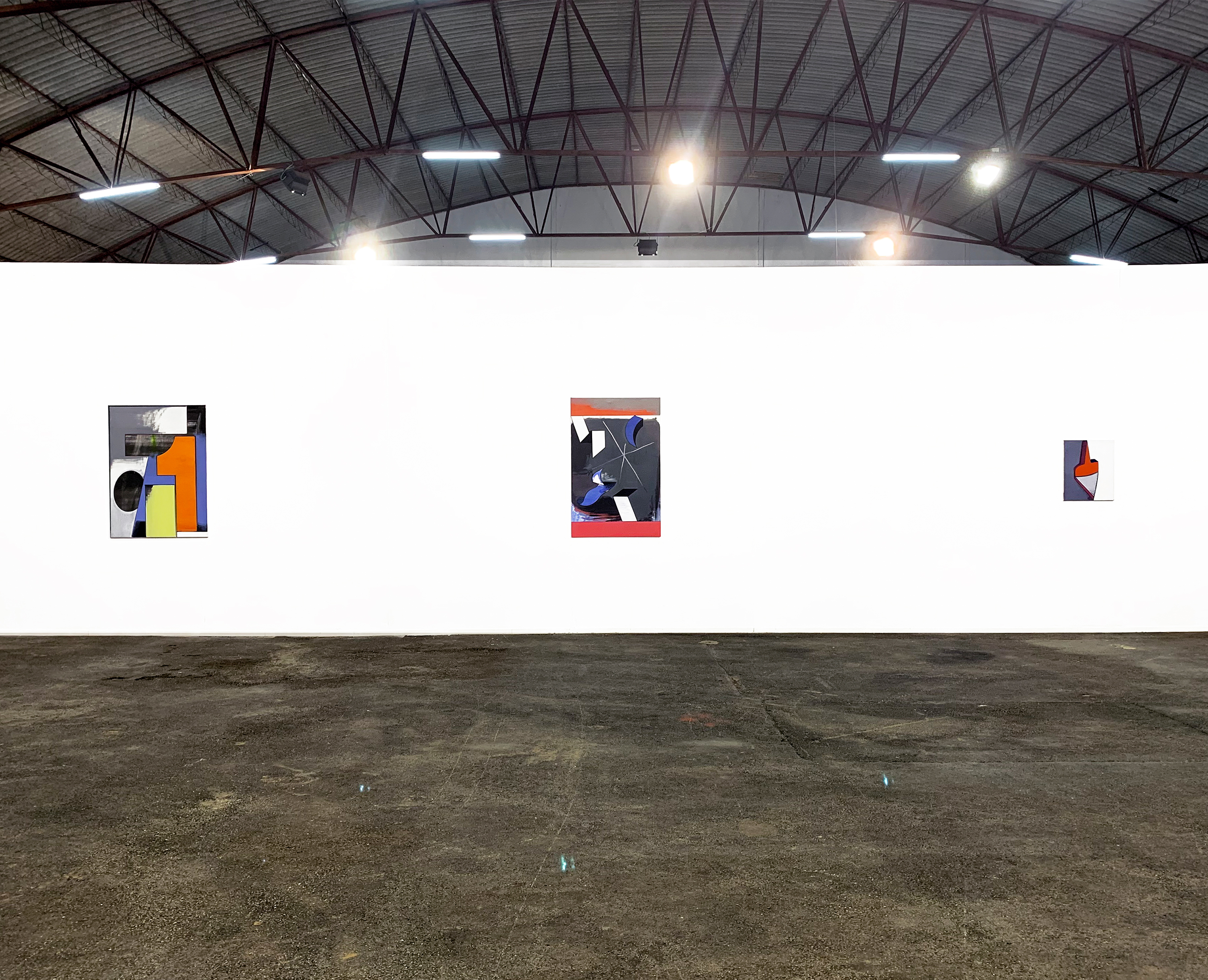
In the paintings by Thomas Scheibitz these absences are perceived in the contours of the works. Through them, we can feel his interest in spatially defining the elements of the composition. Caesura also appears in the dichotomy that exists between abstraction and figuration. It is again the viewer who is challenged to find the link between Scheibitz’s system and the masked reality.