CHRONOTOPES




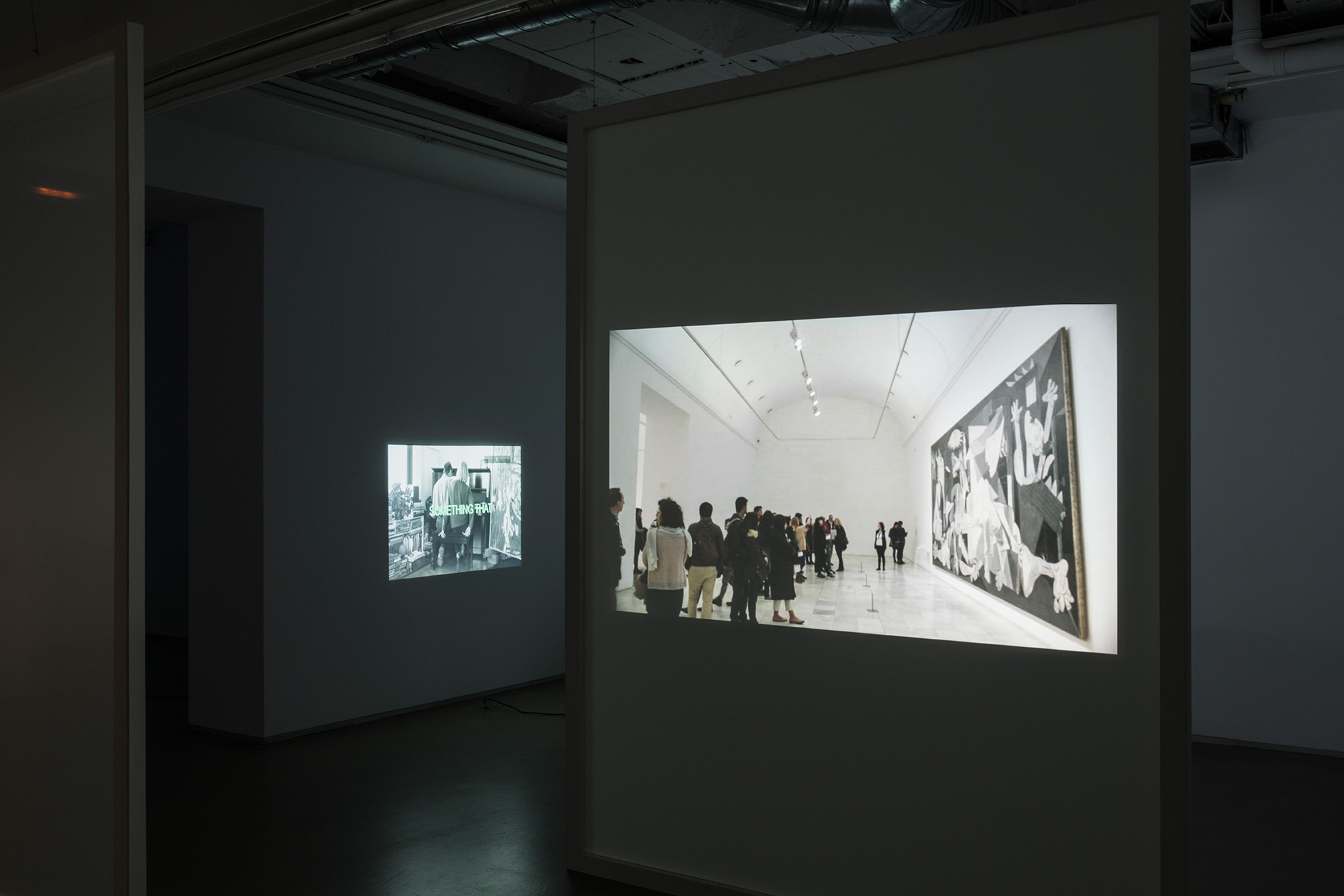
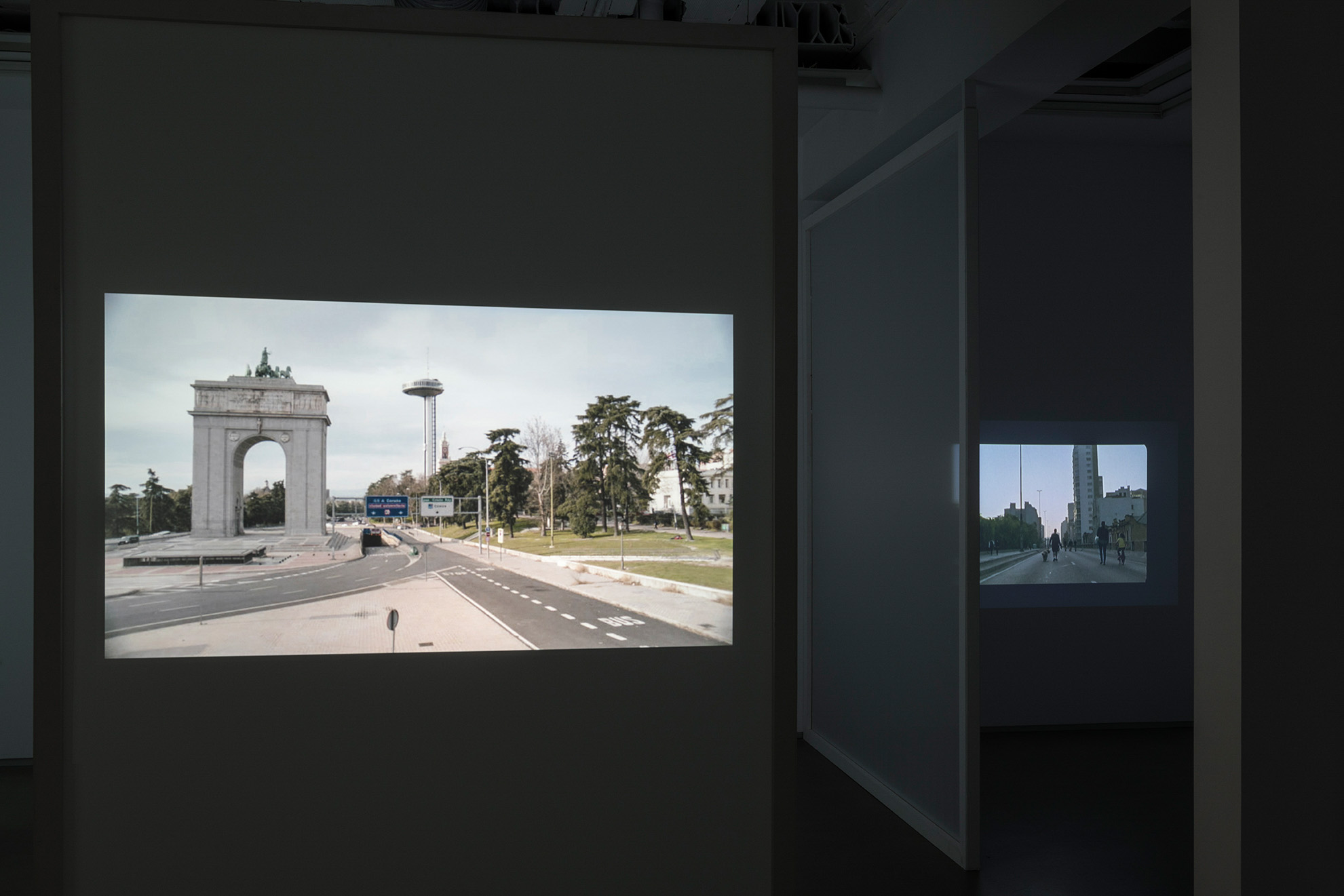


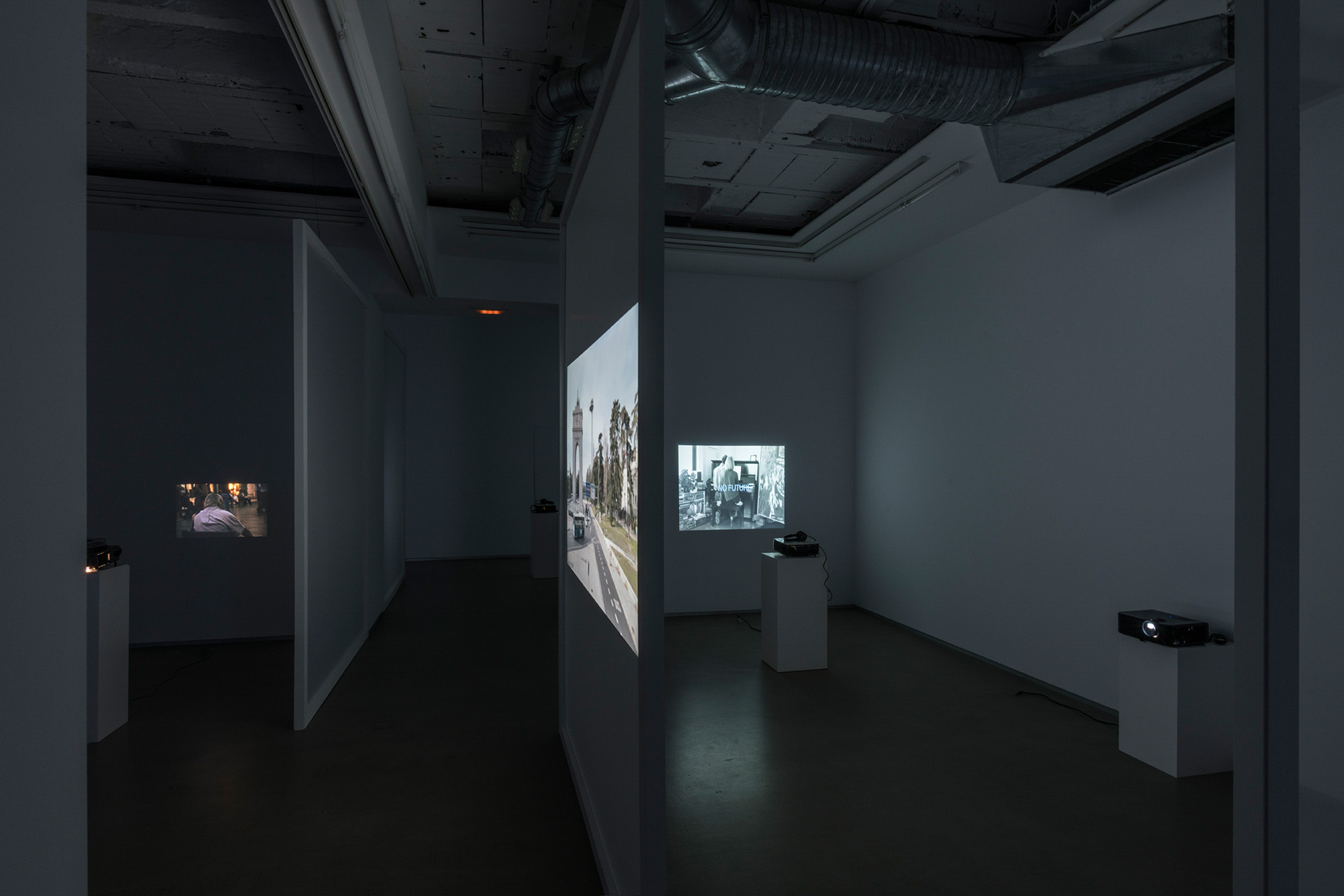
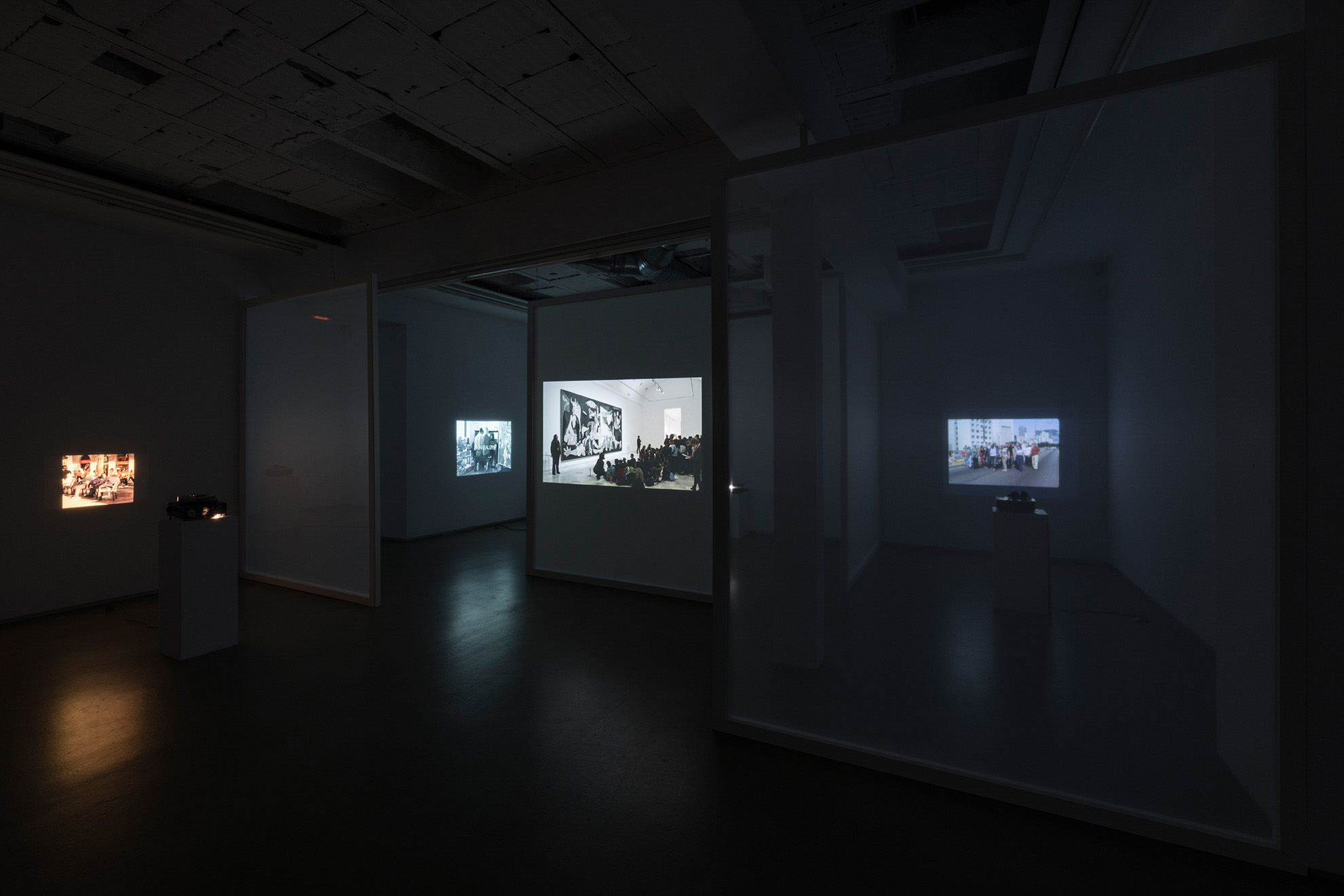






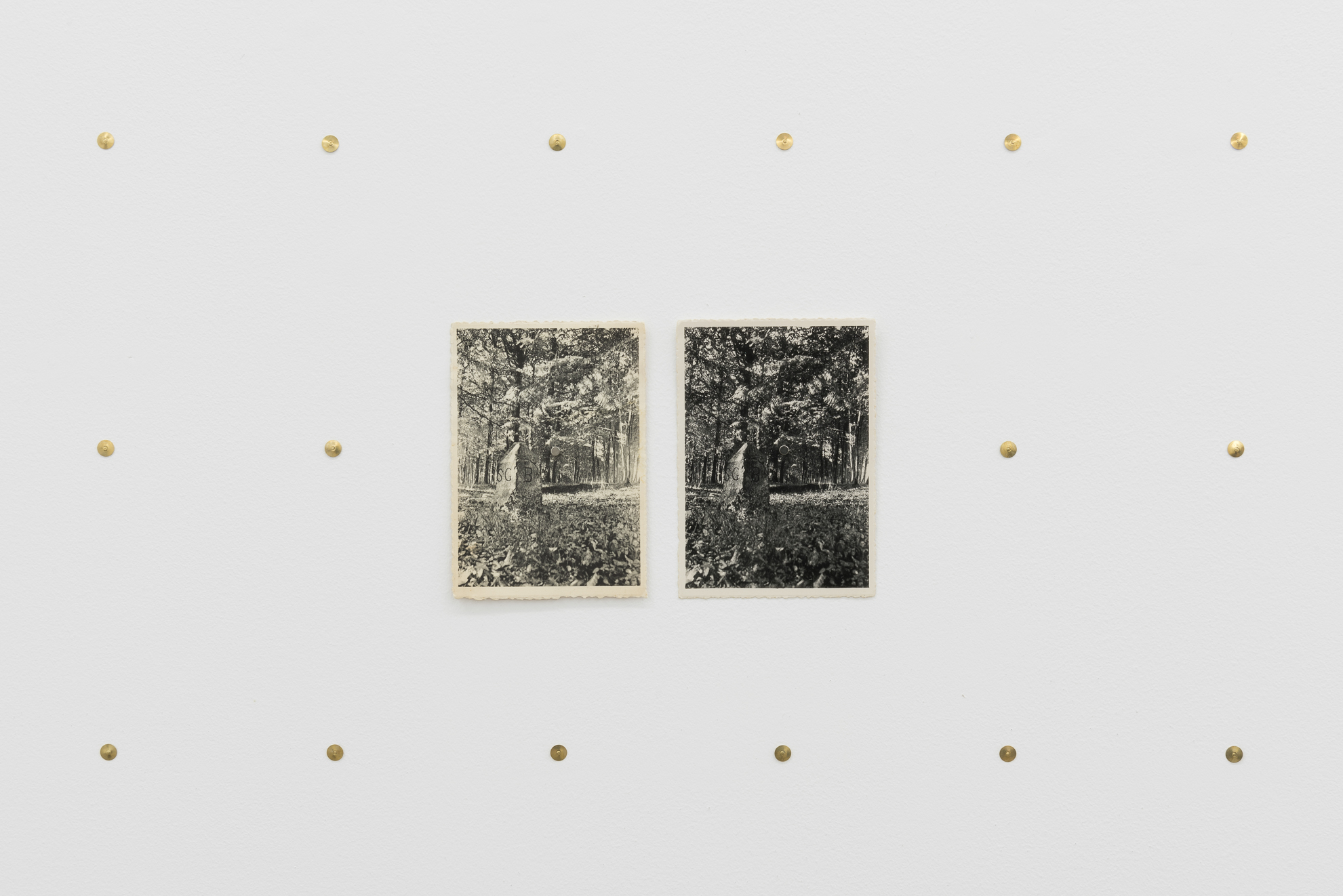
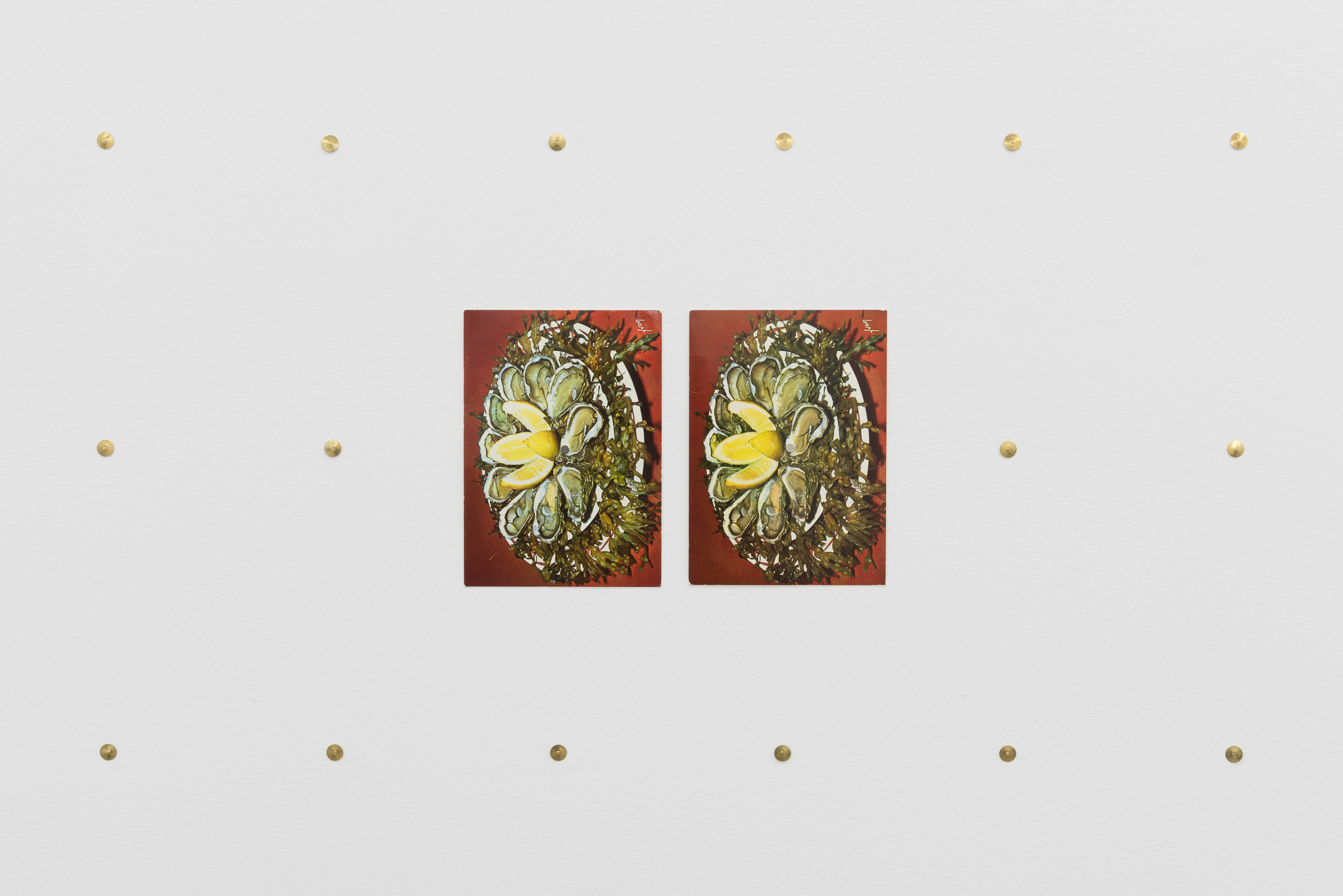
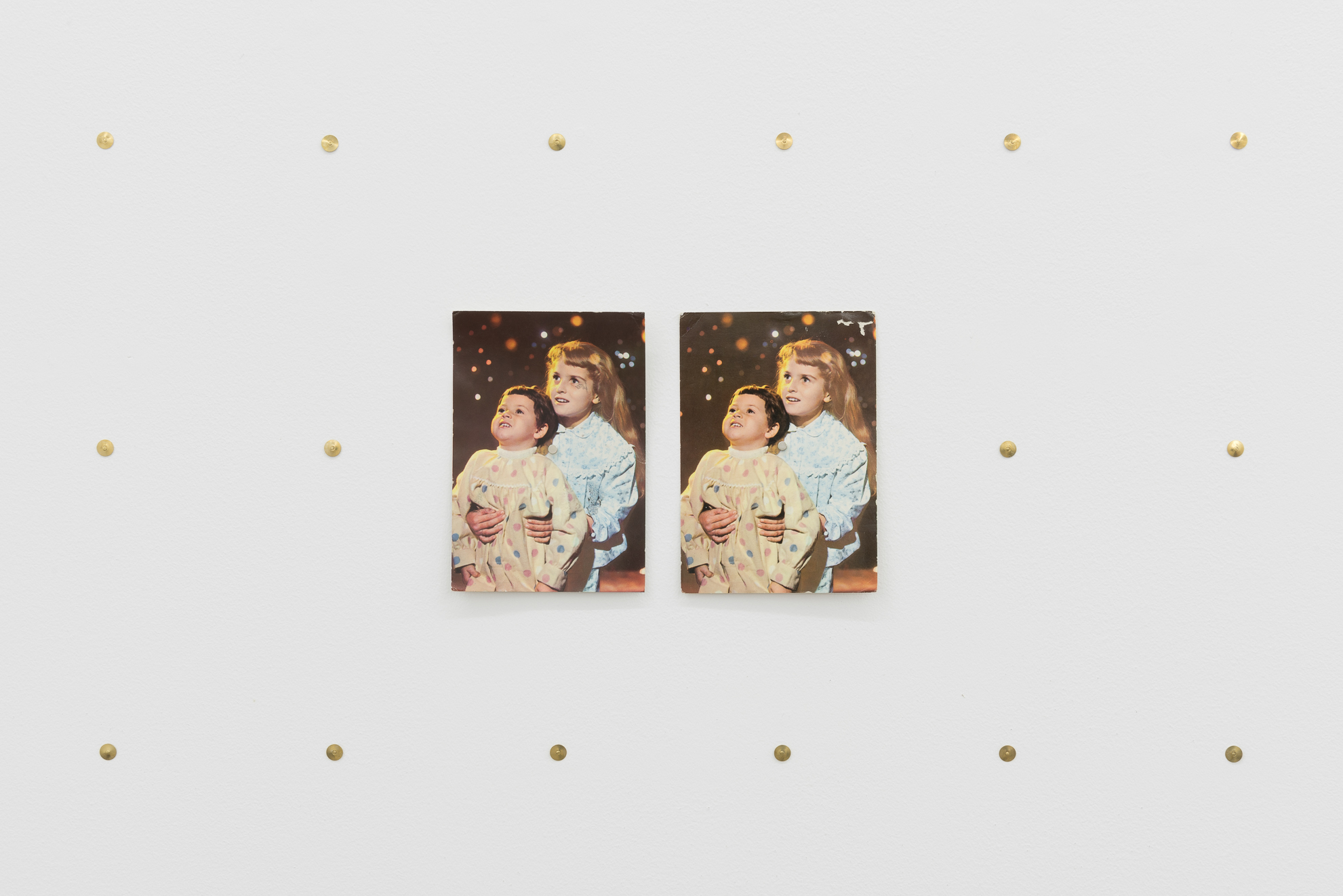
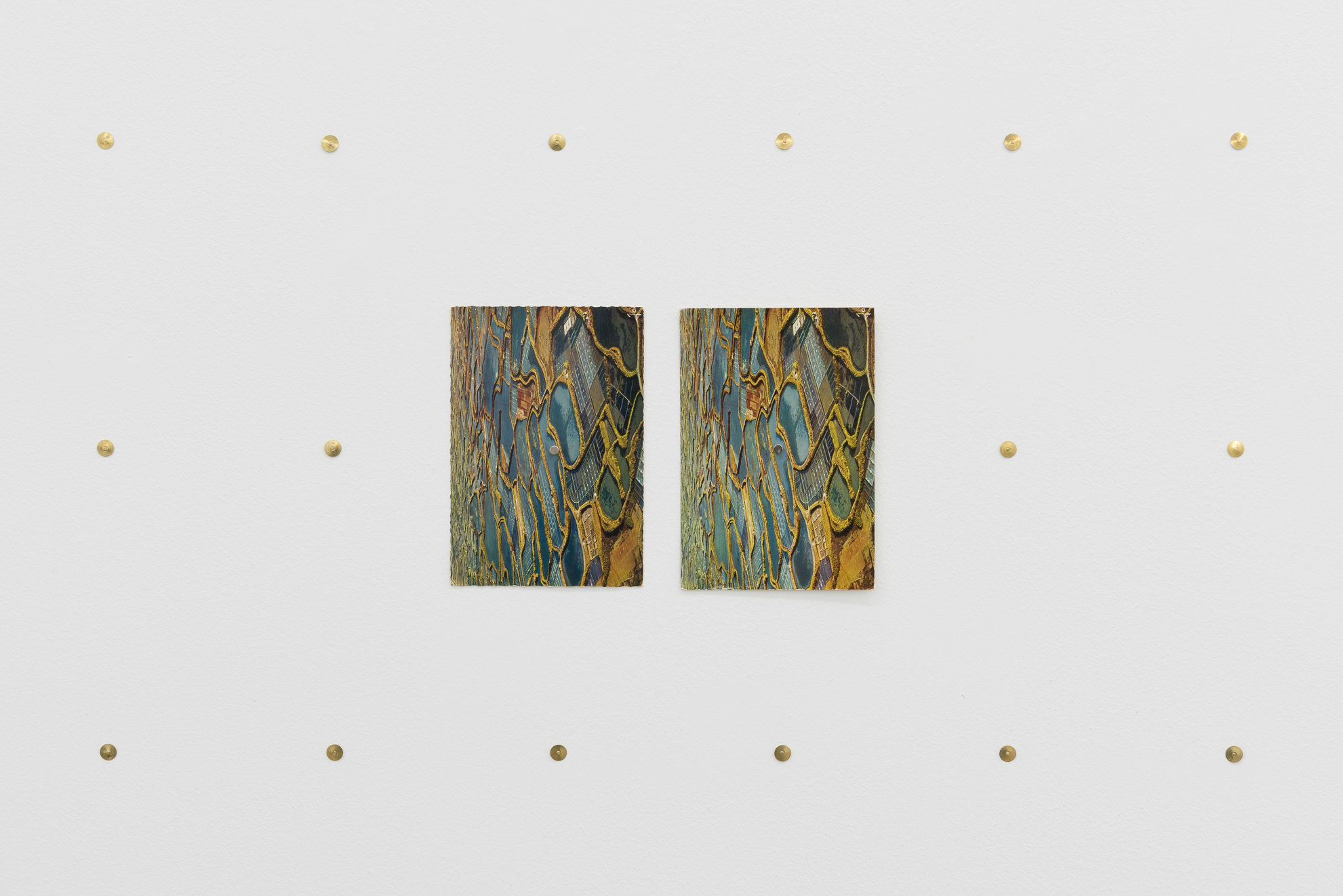
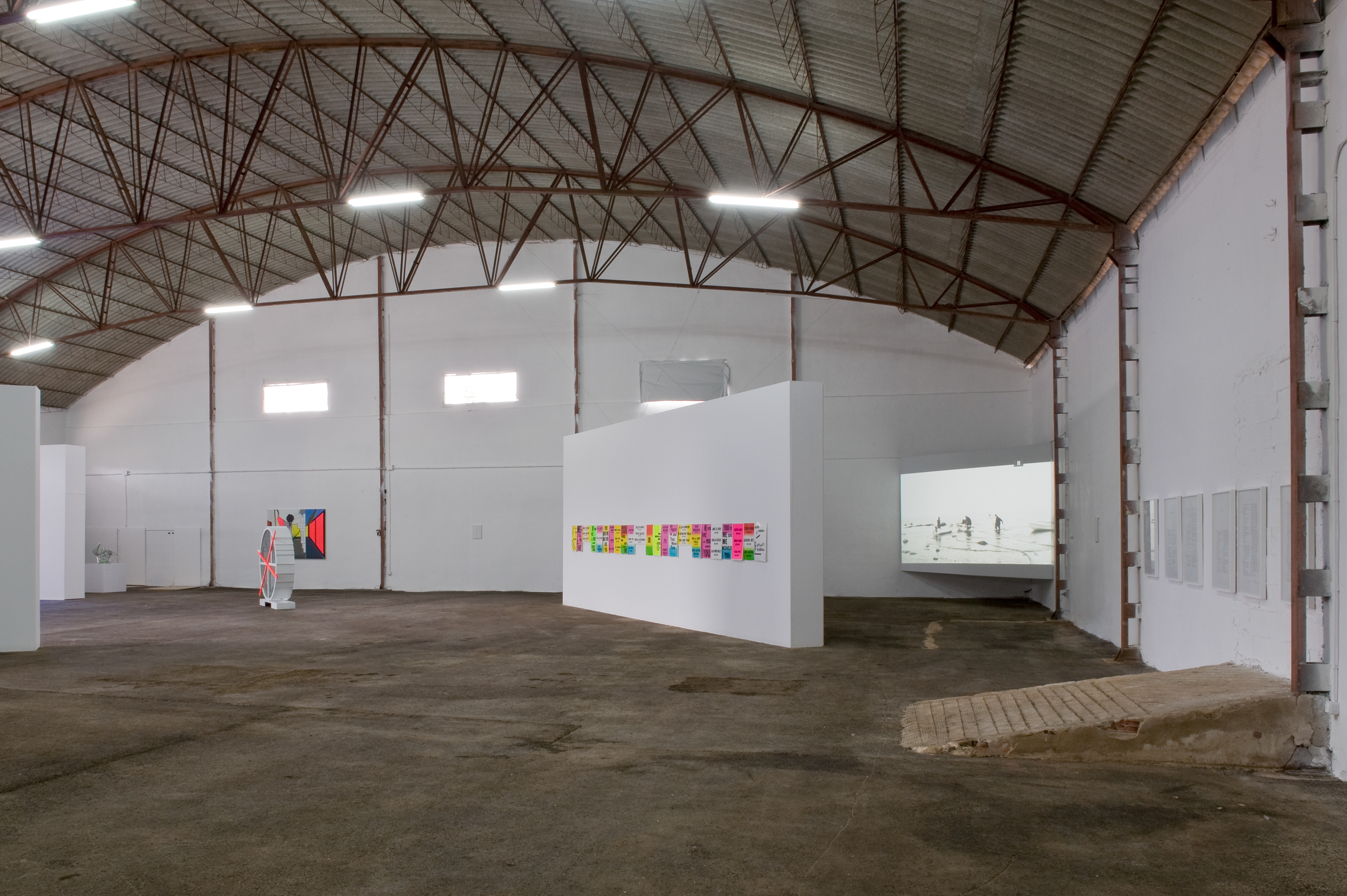
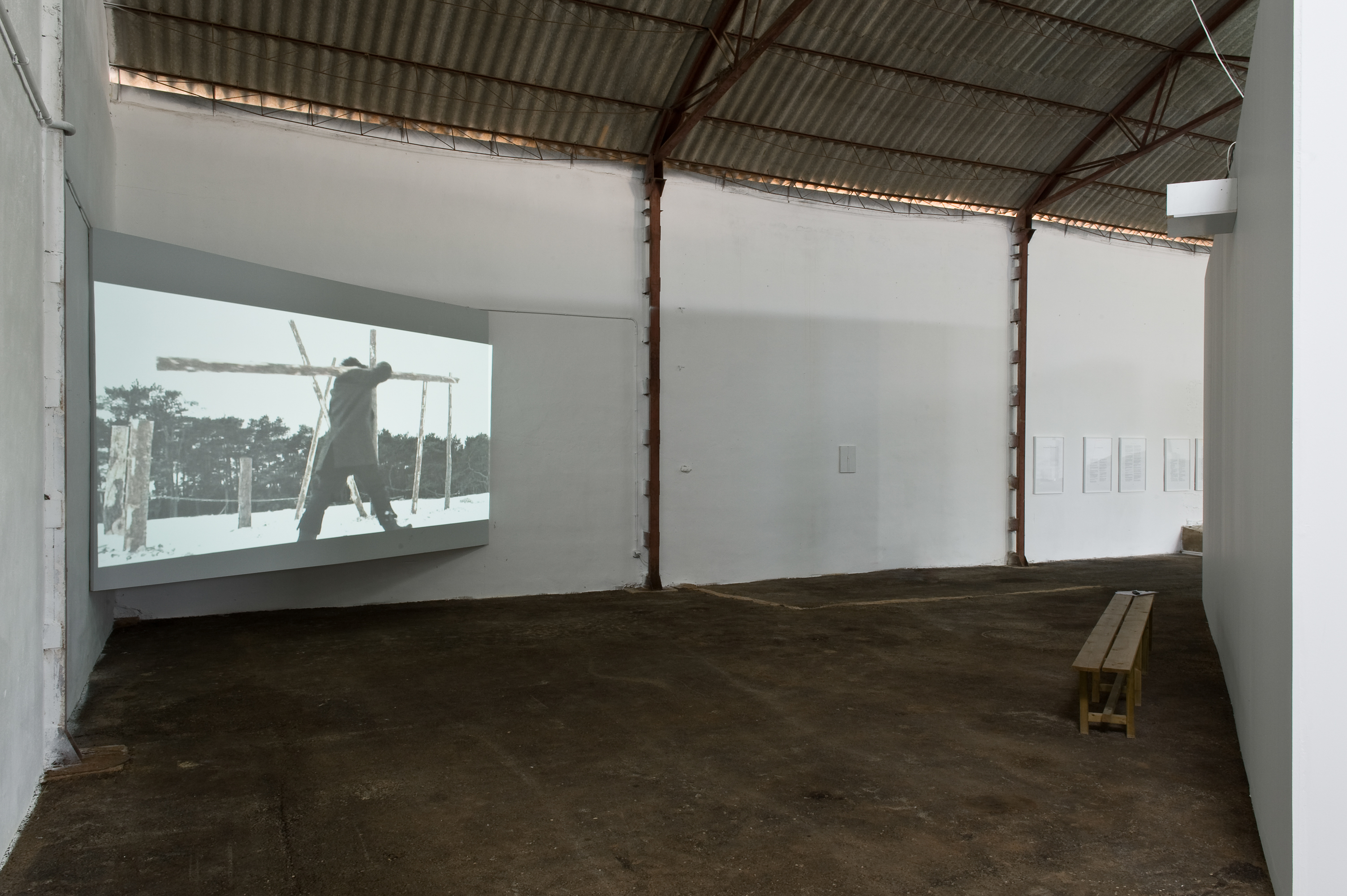
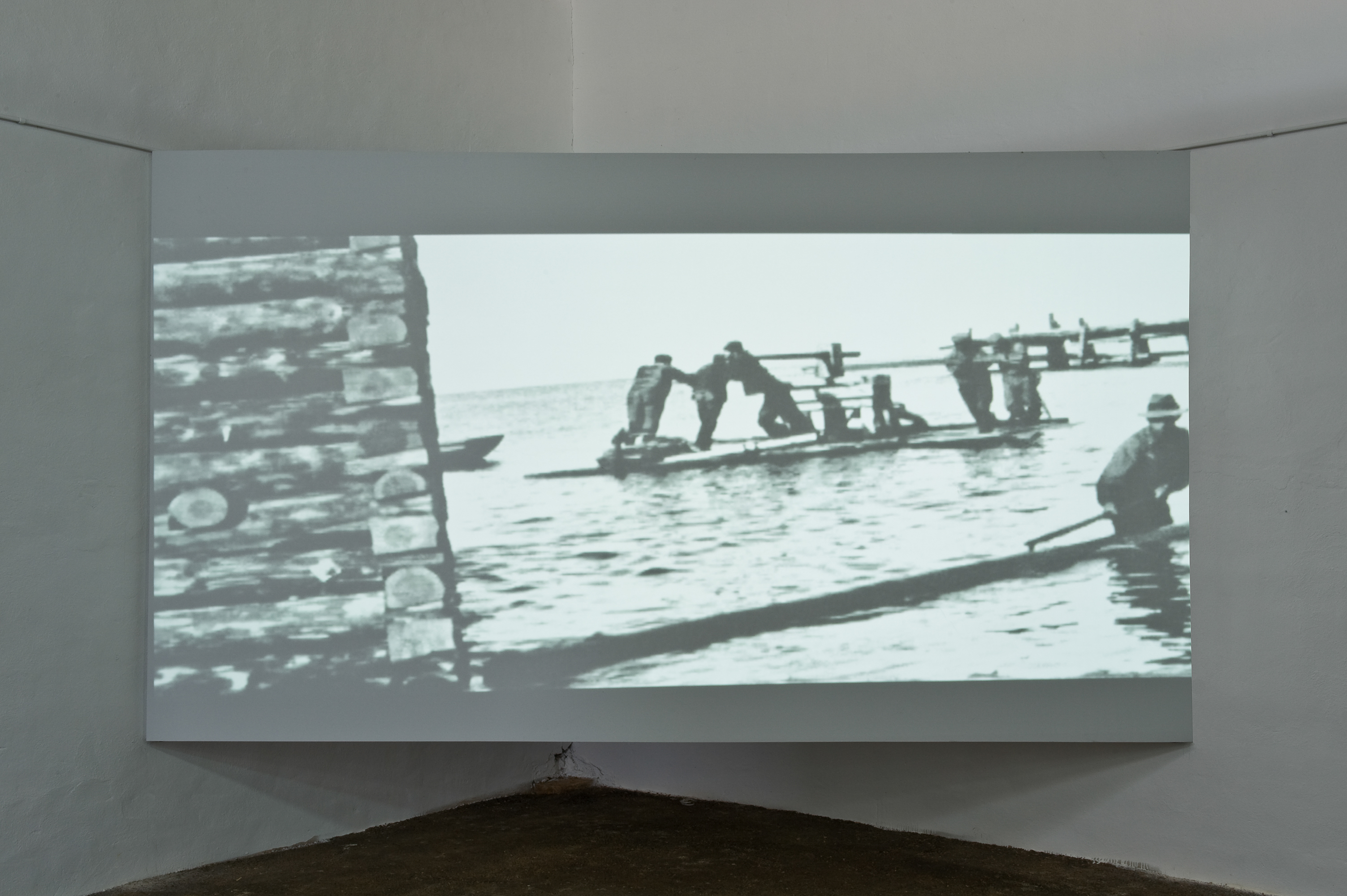
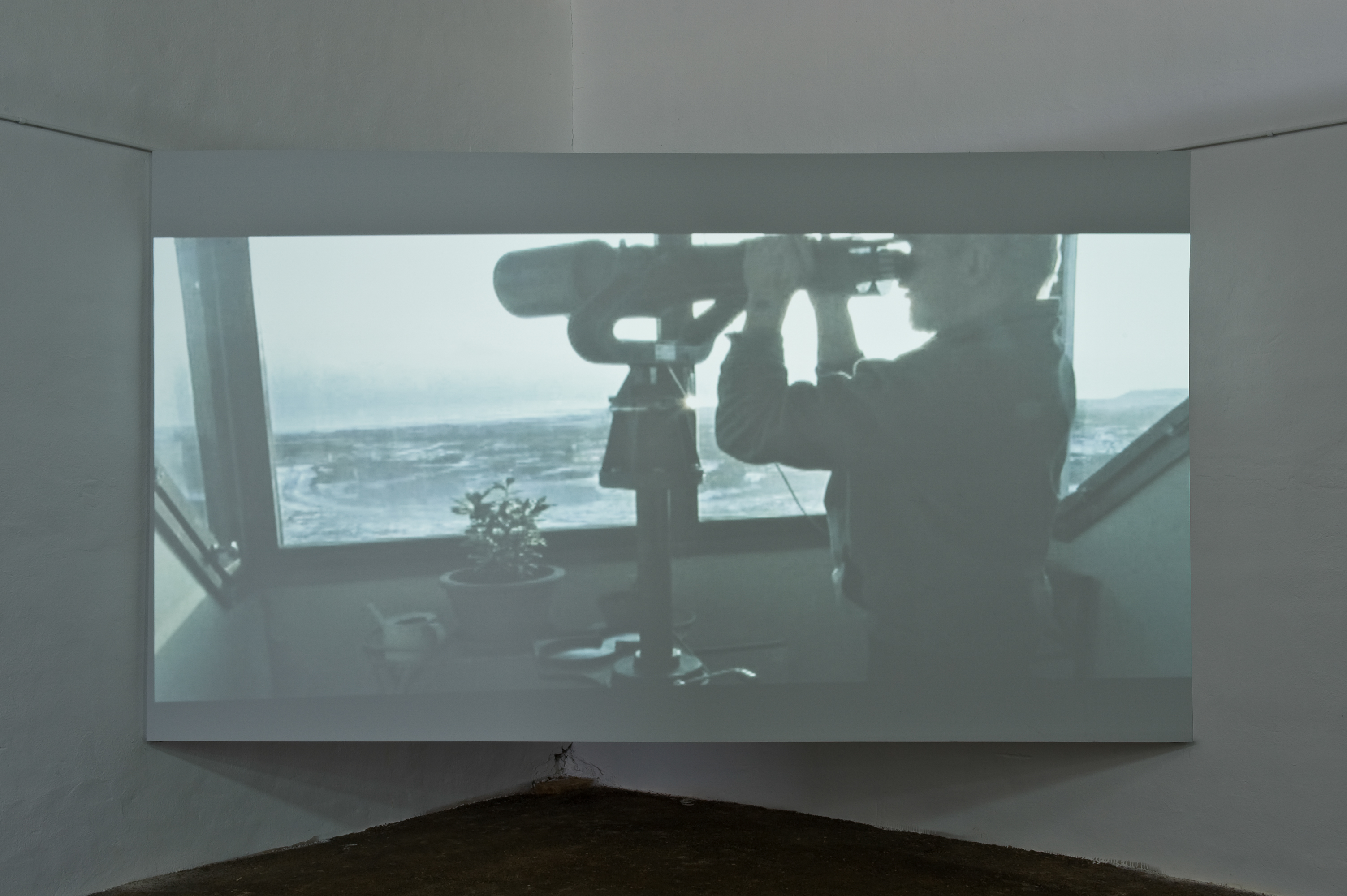
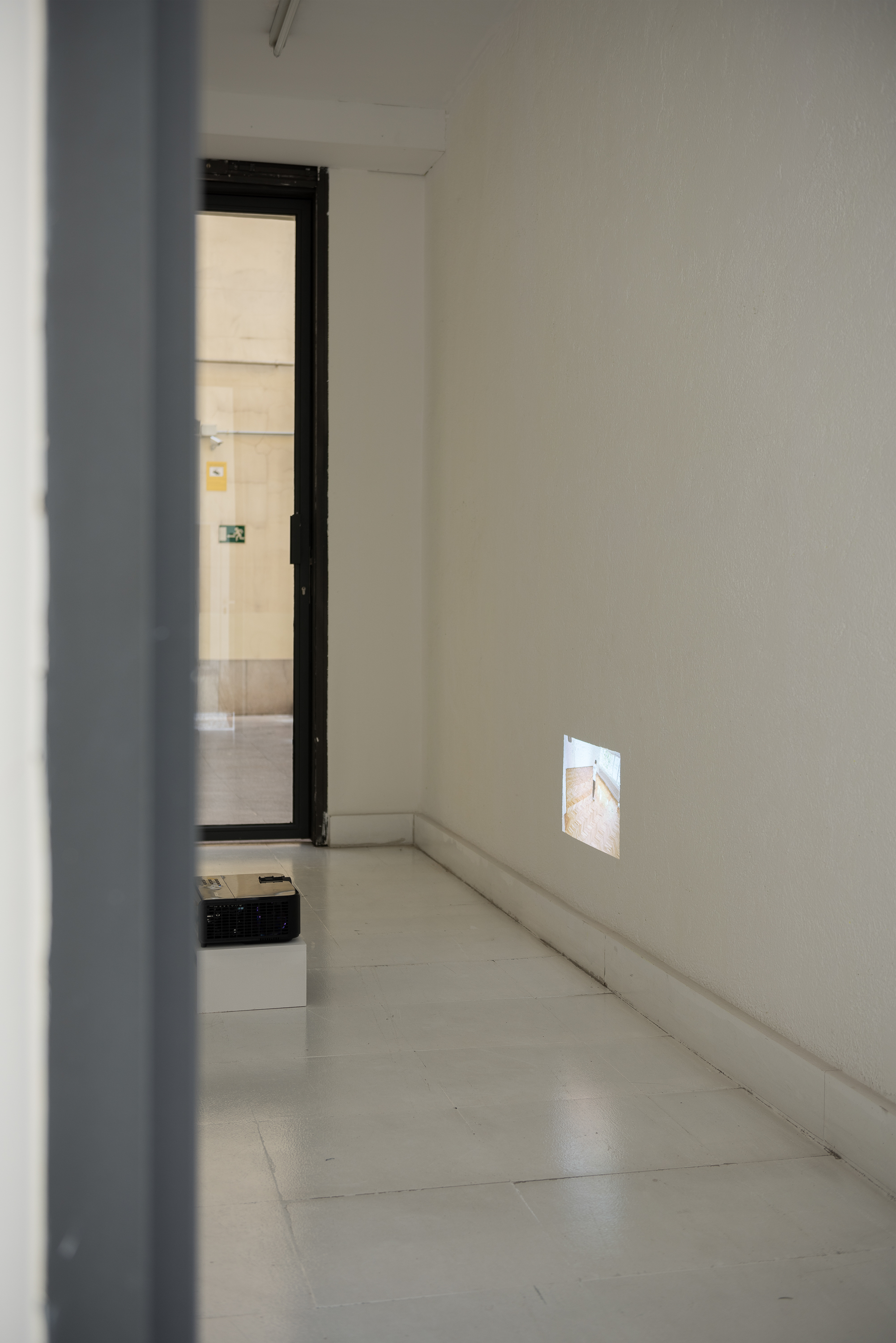
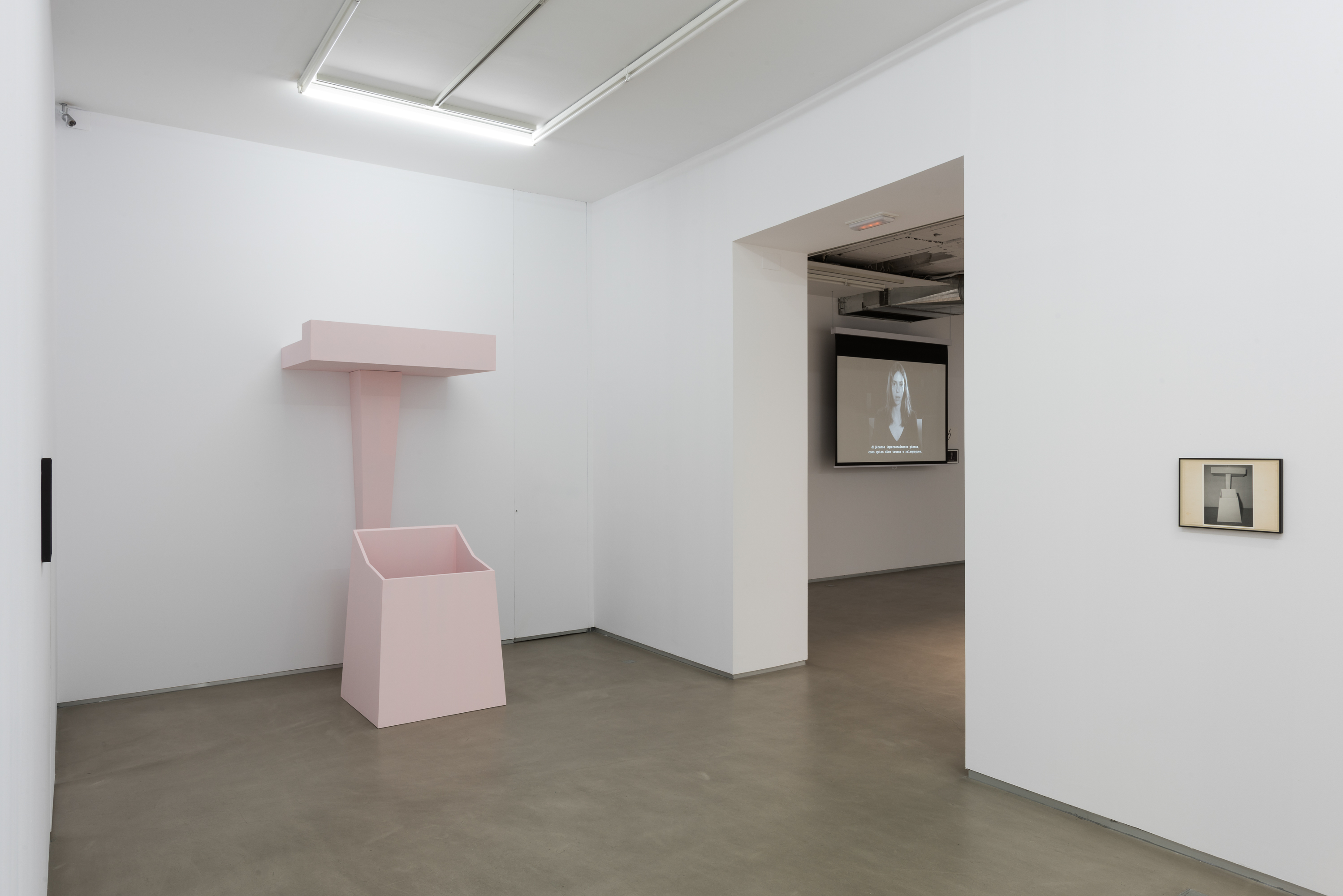
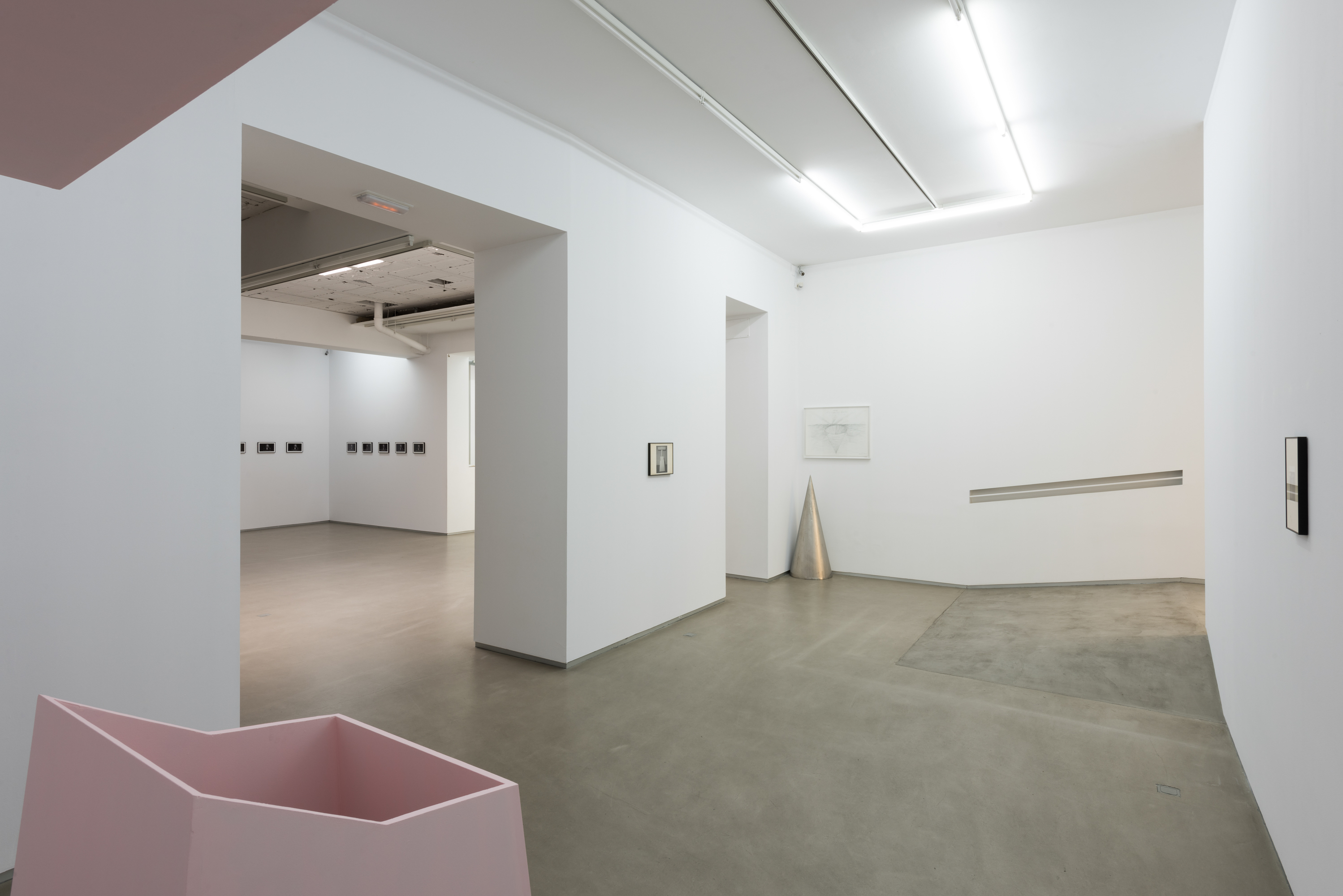
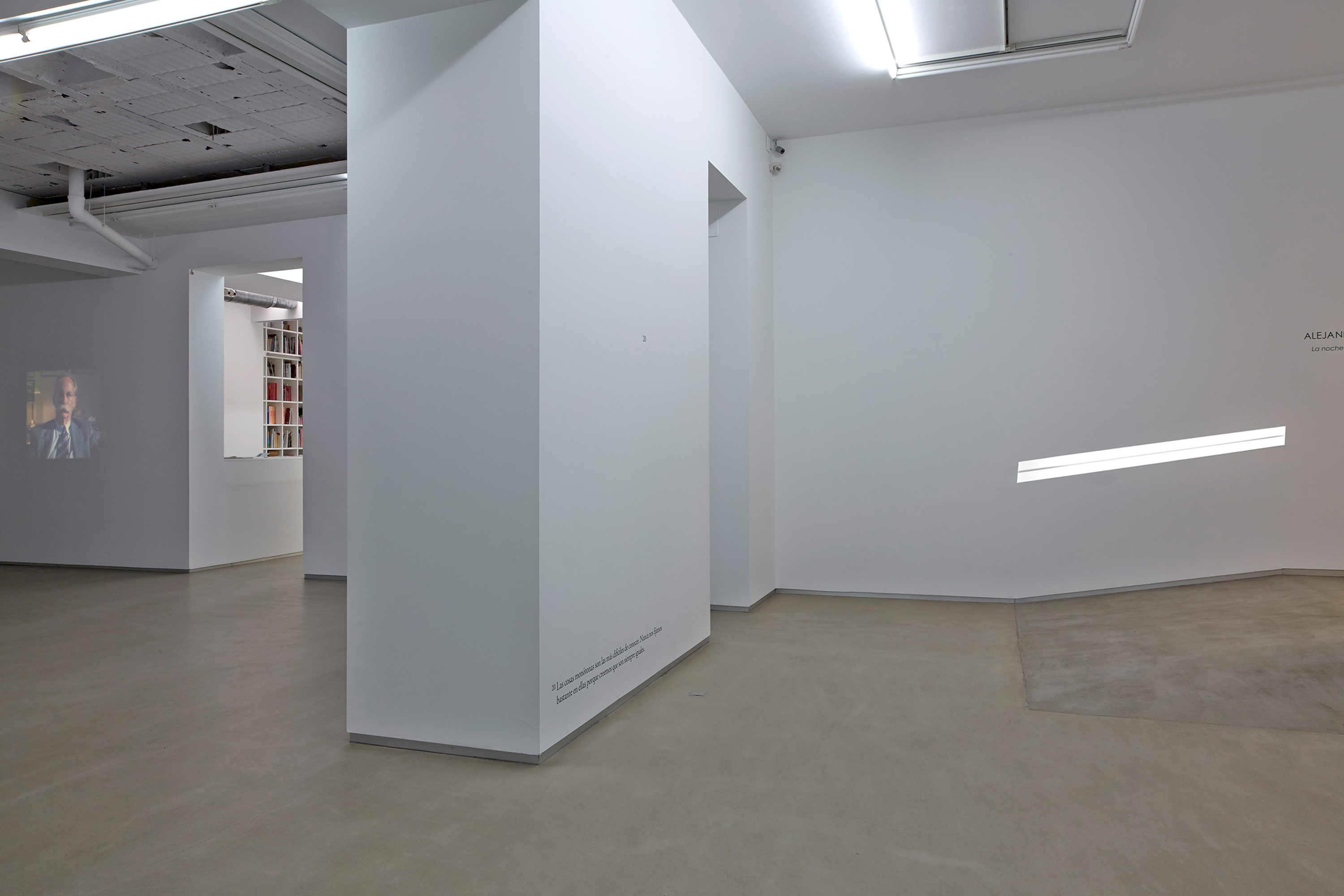
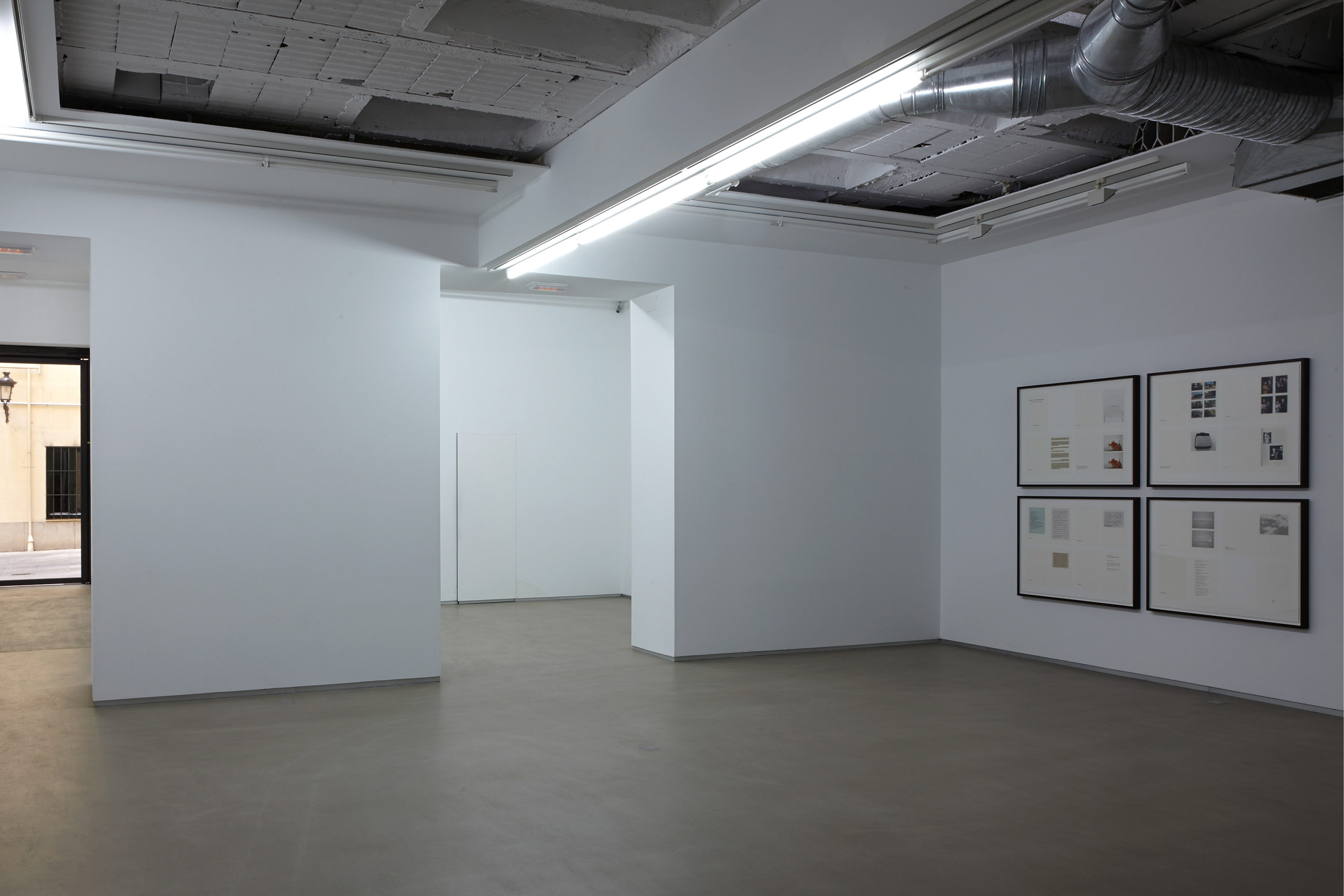
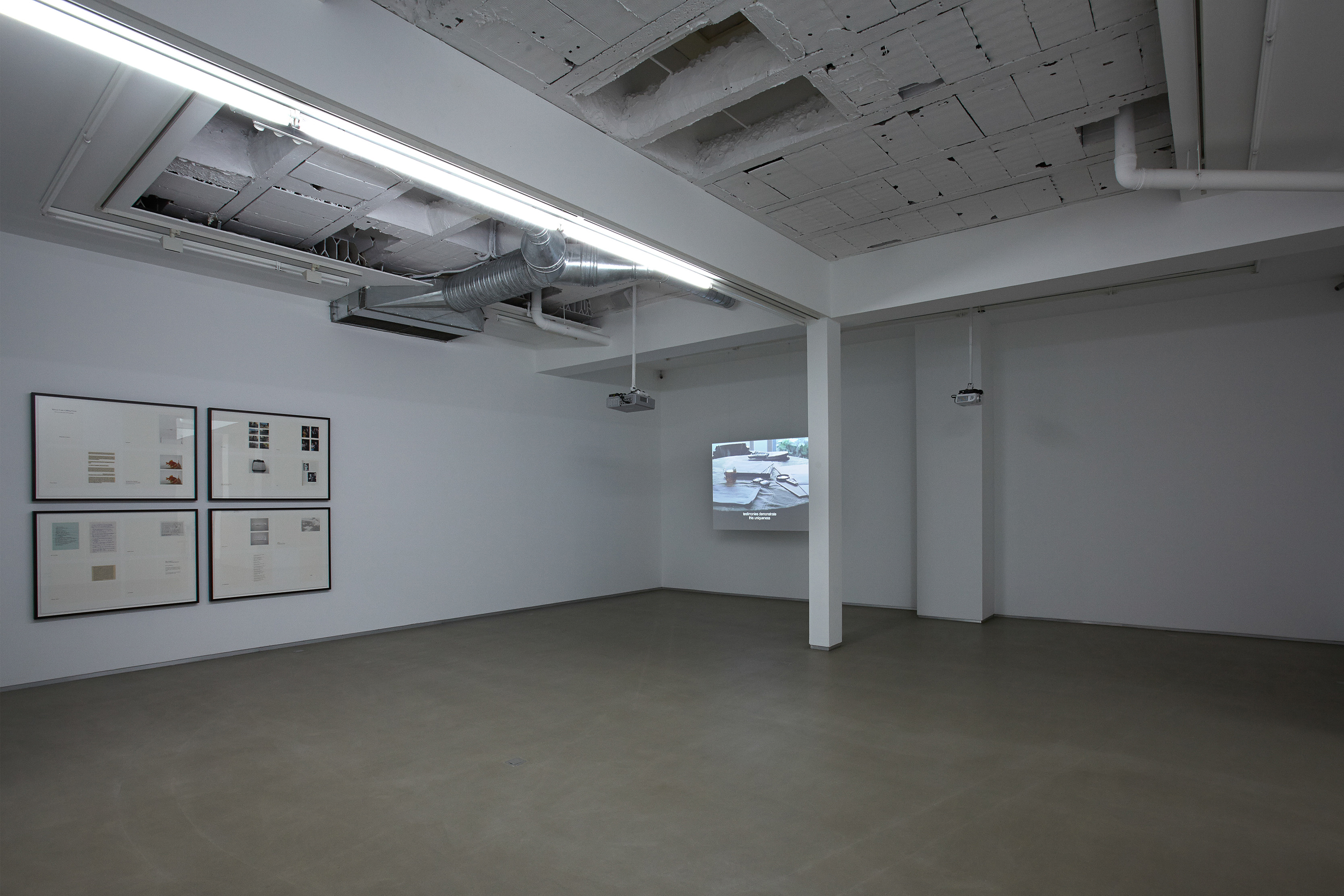
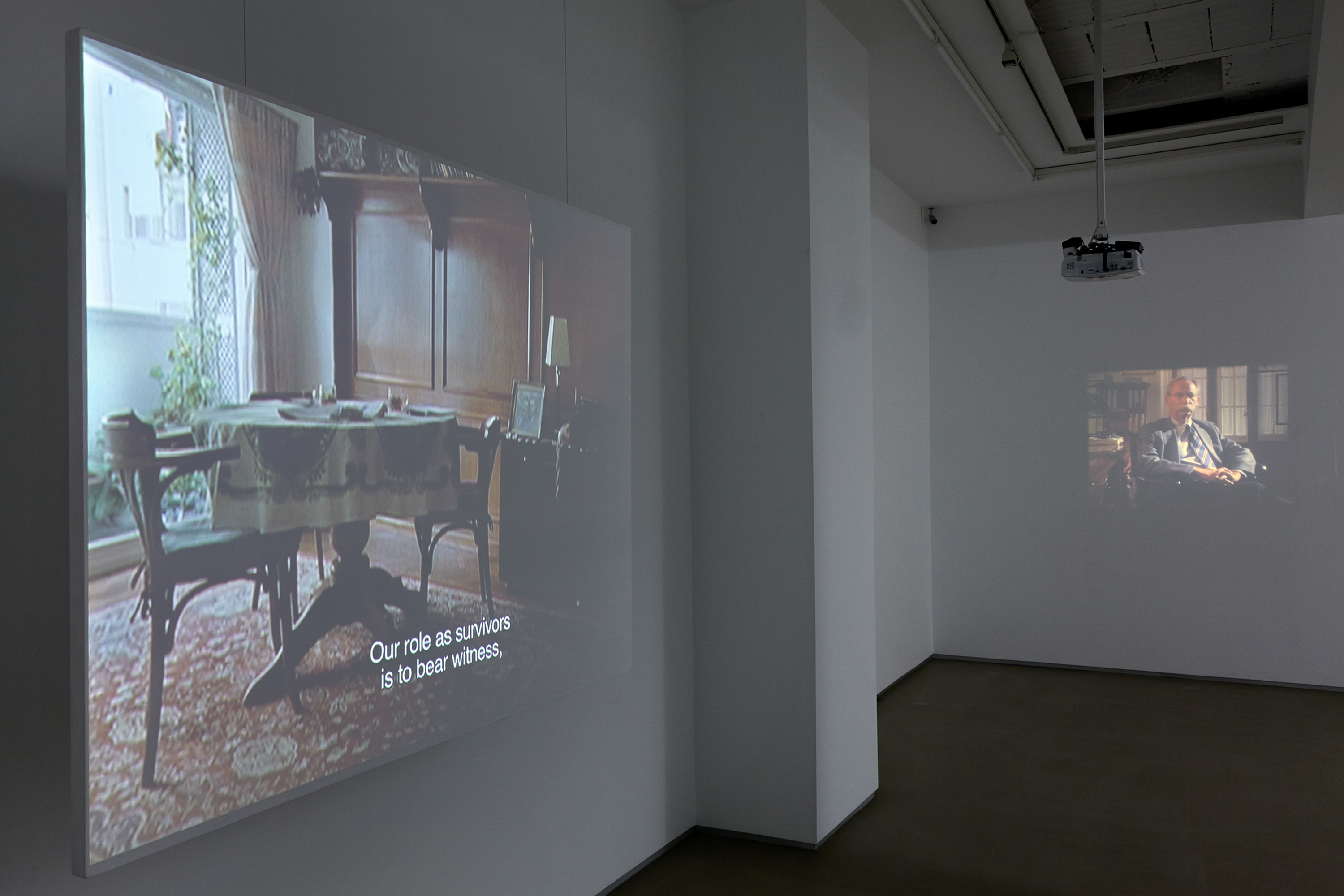
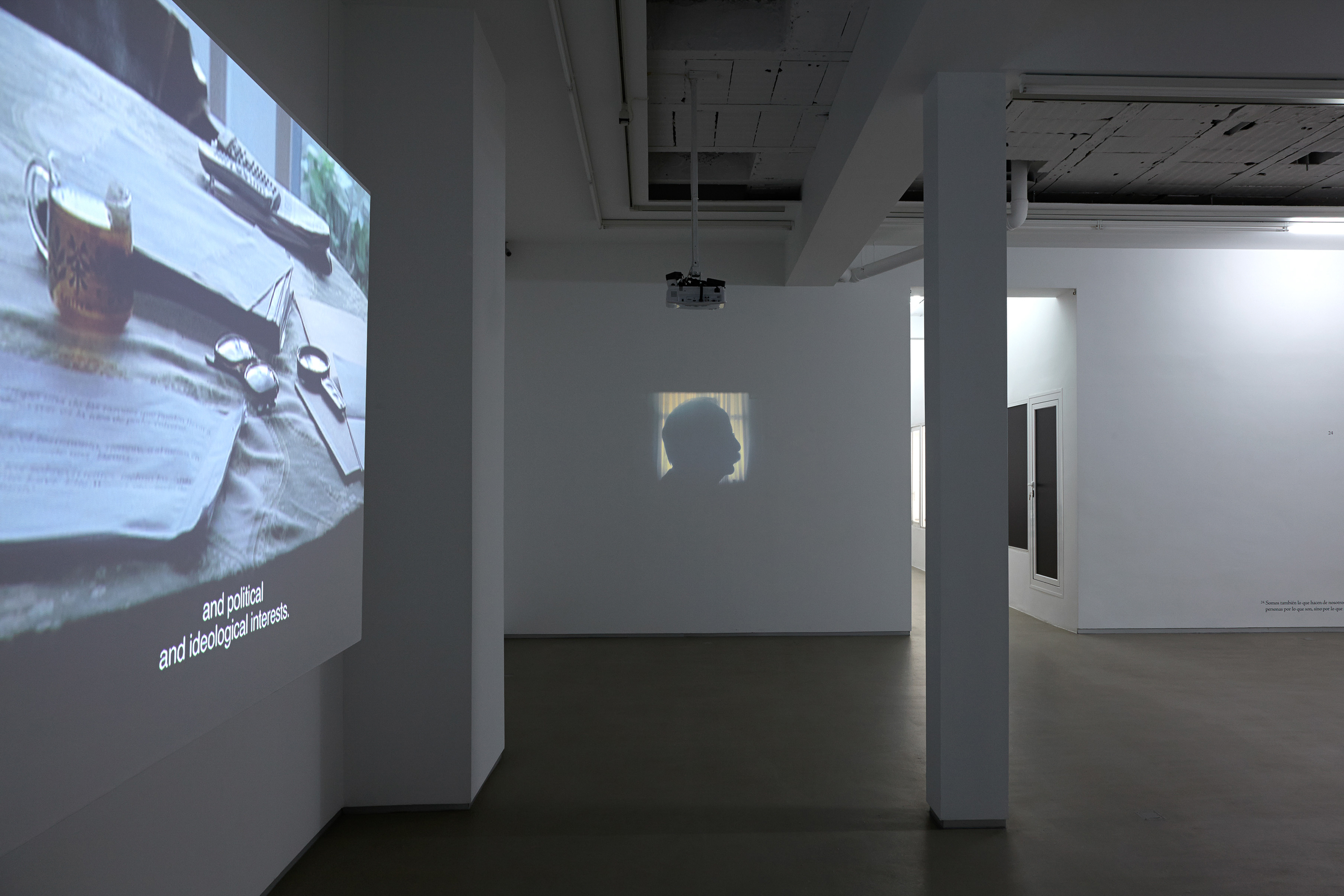
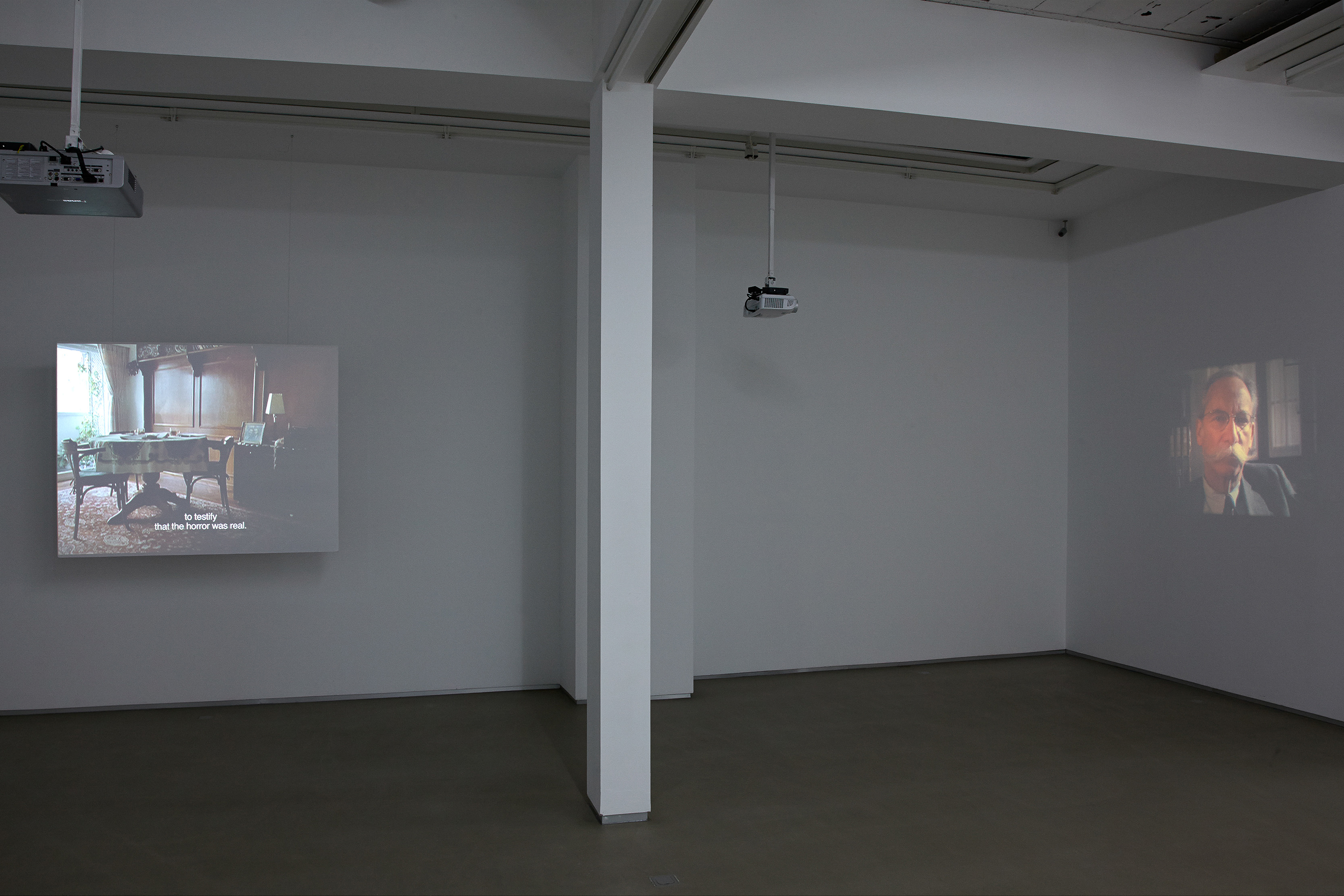
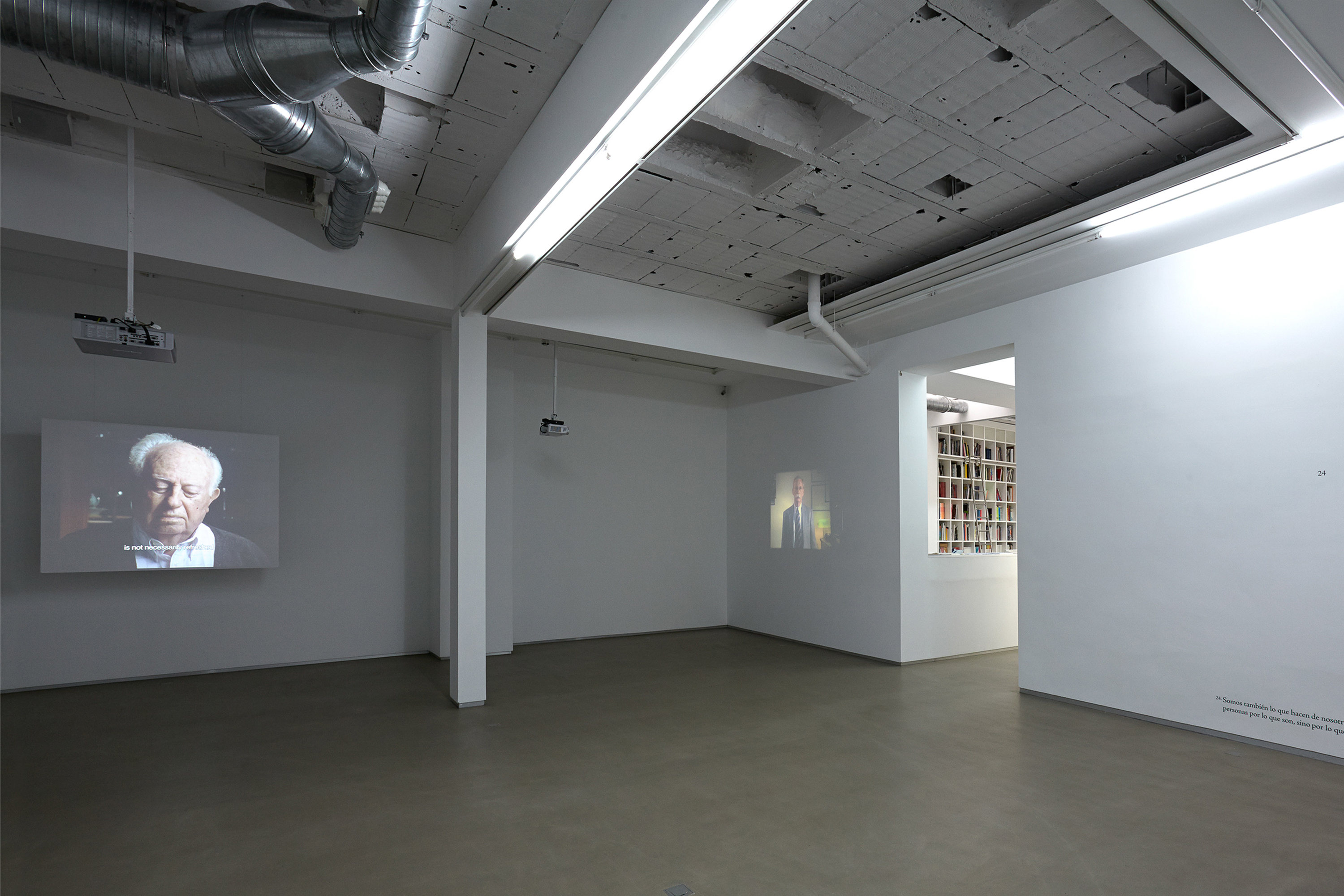
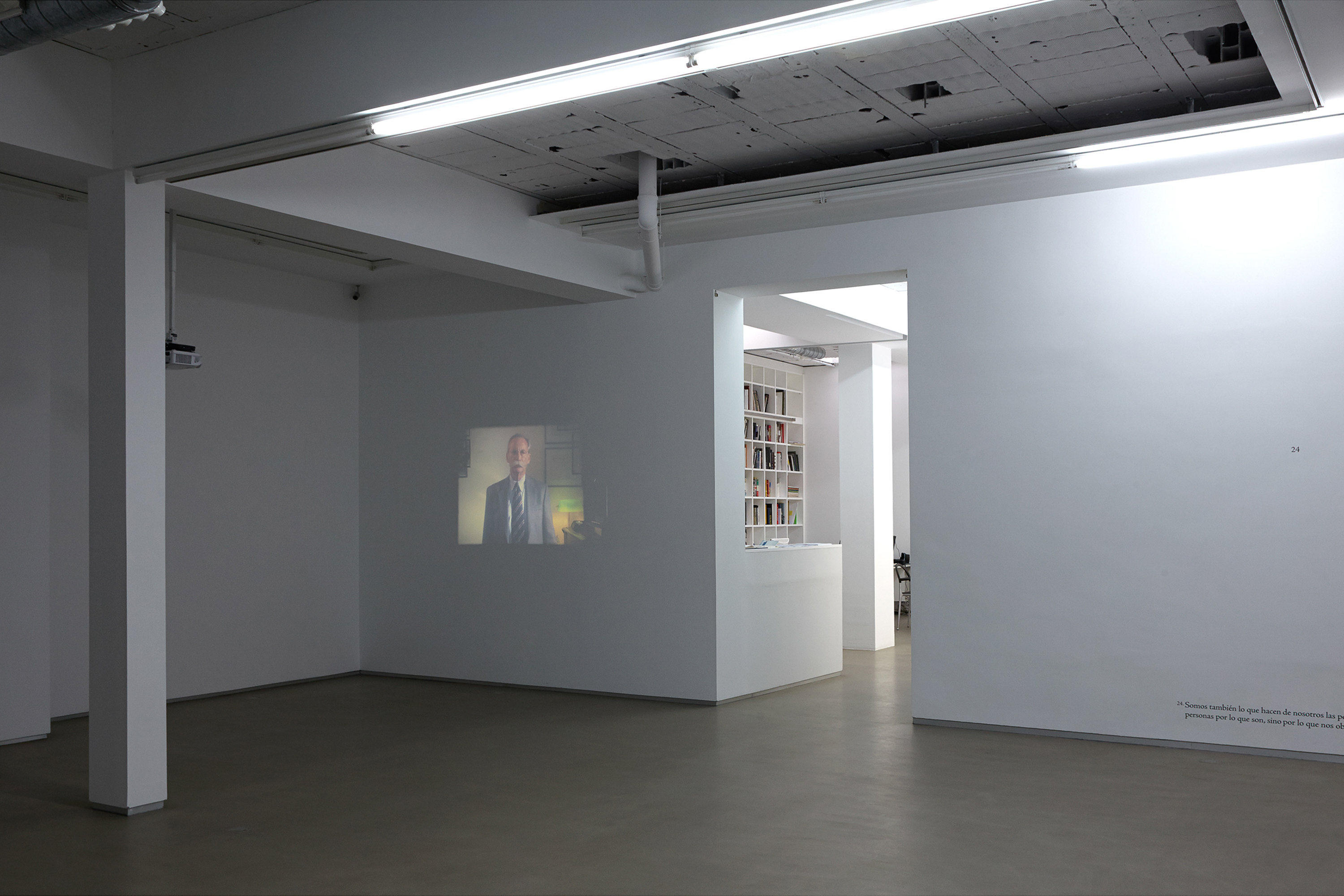
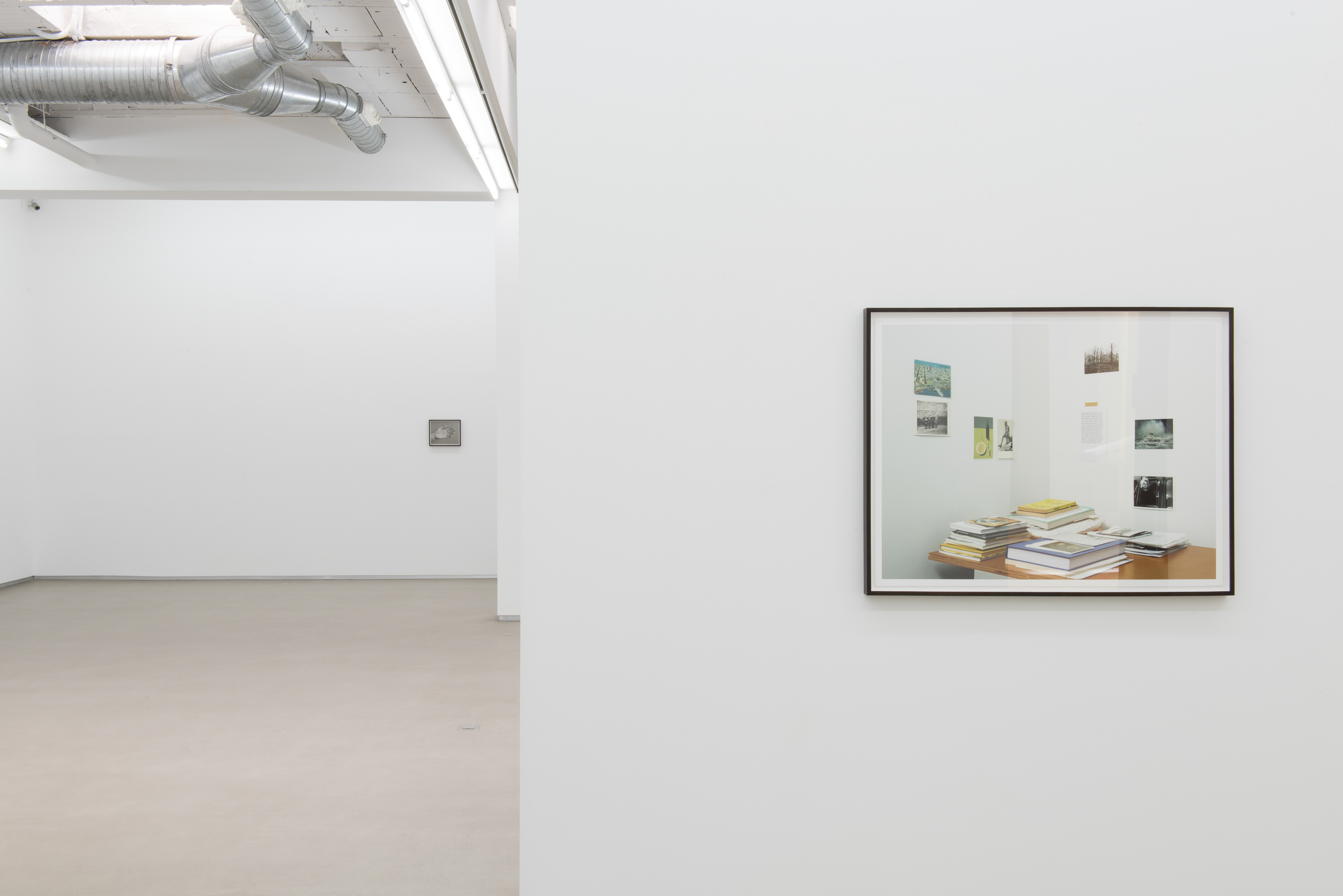
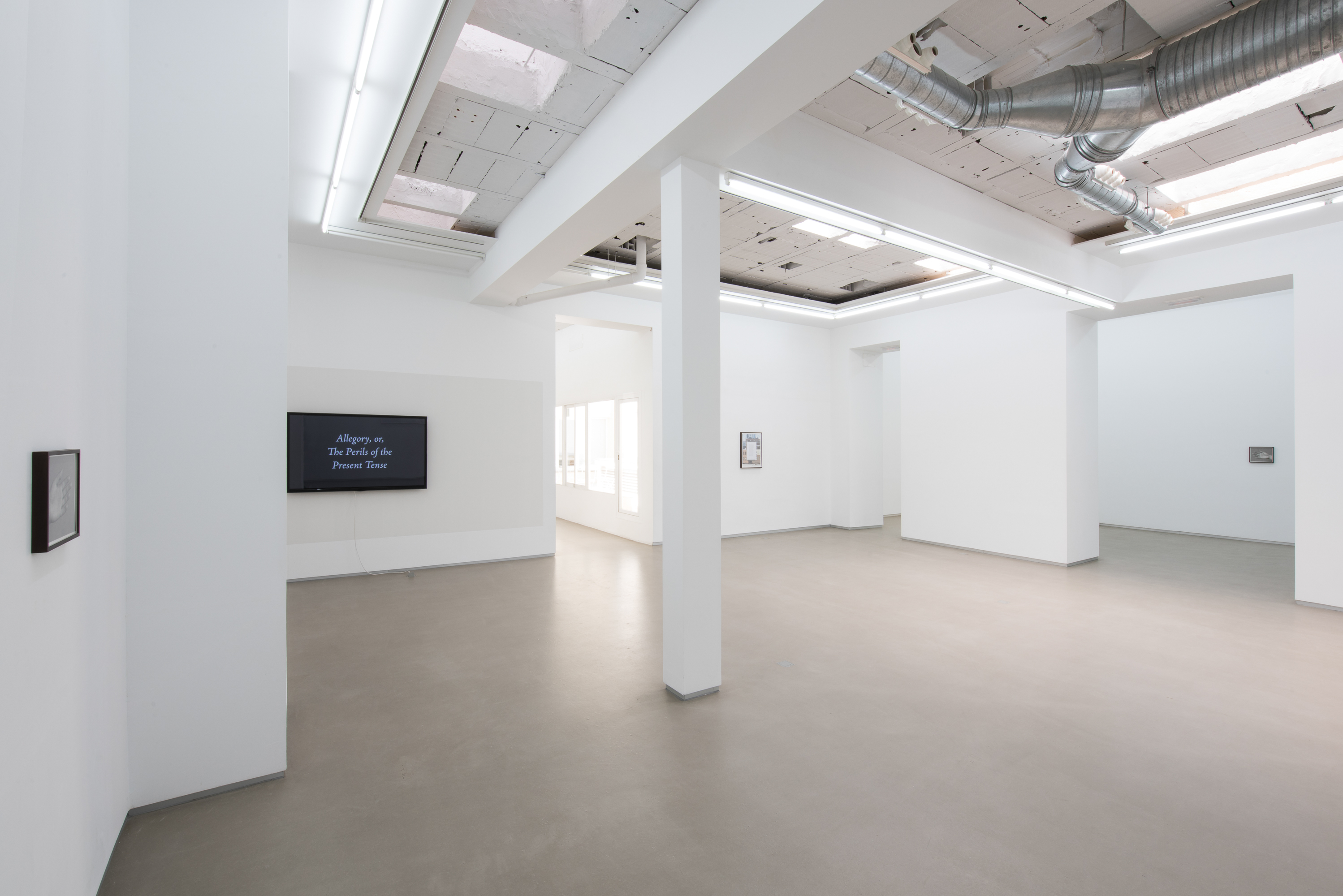
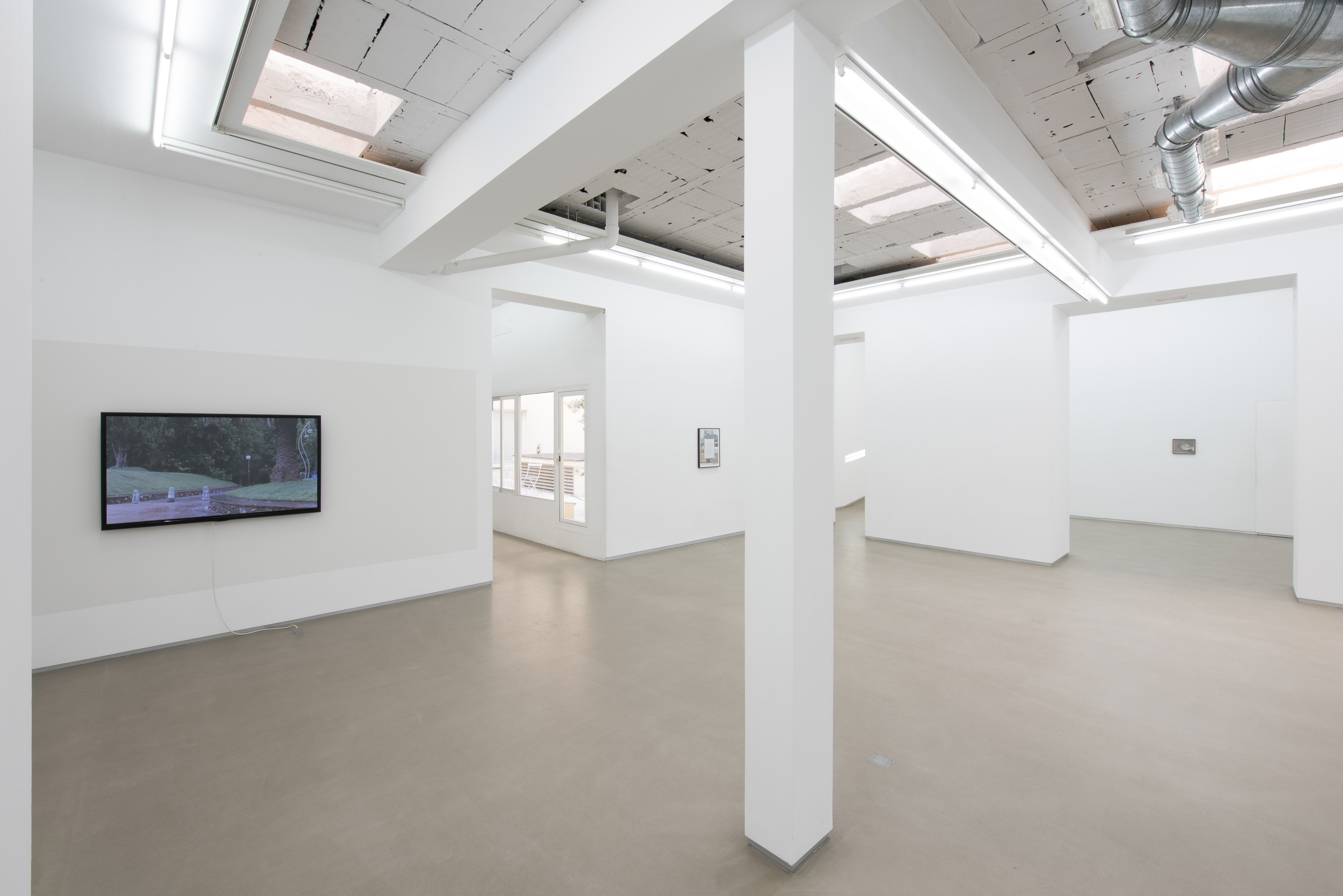
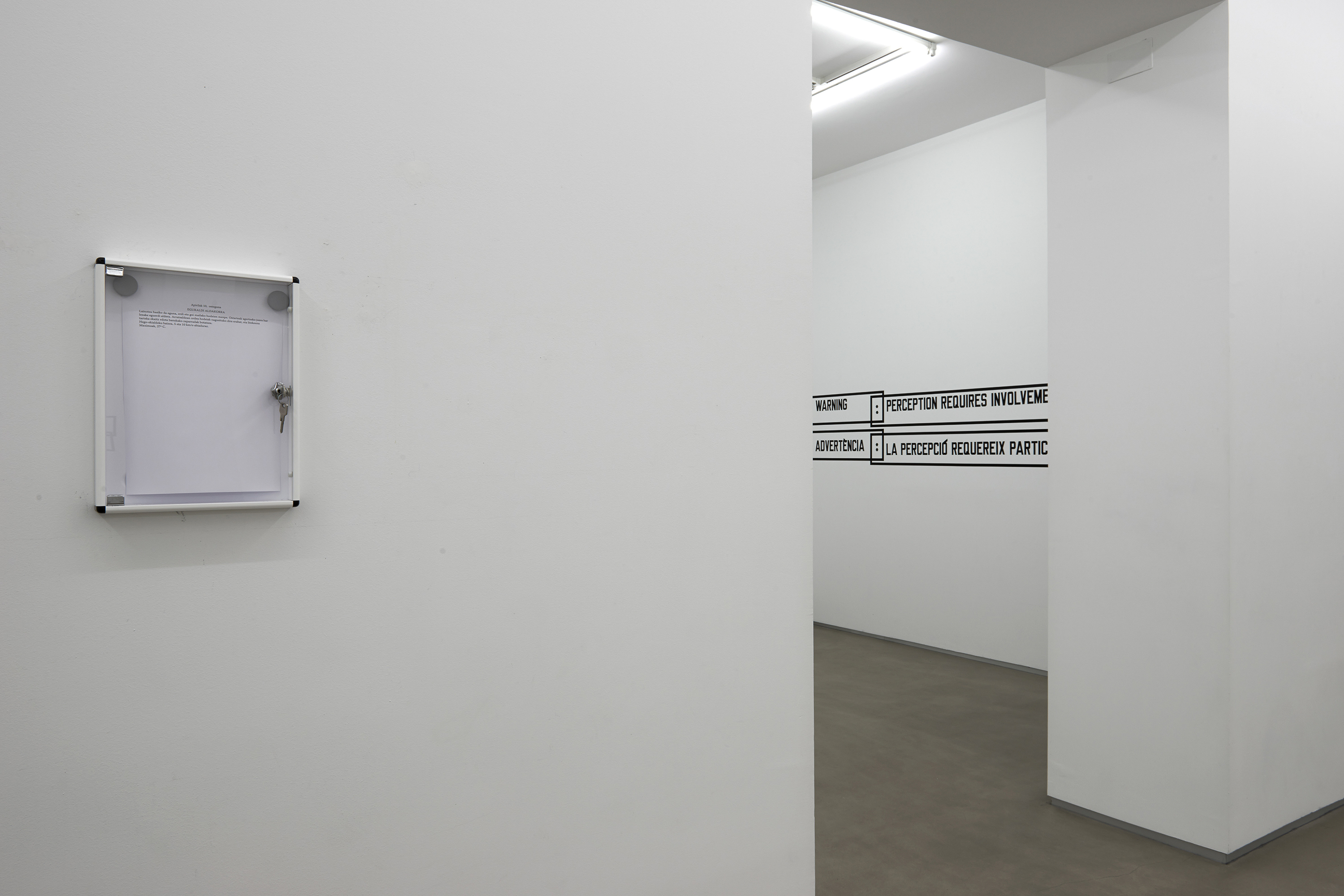
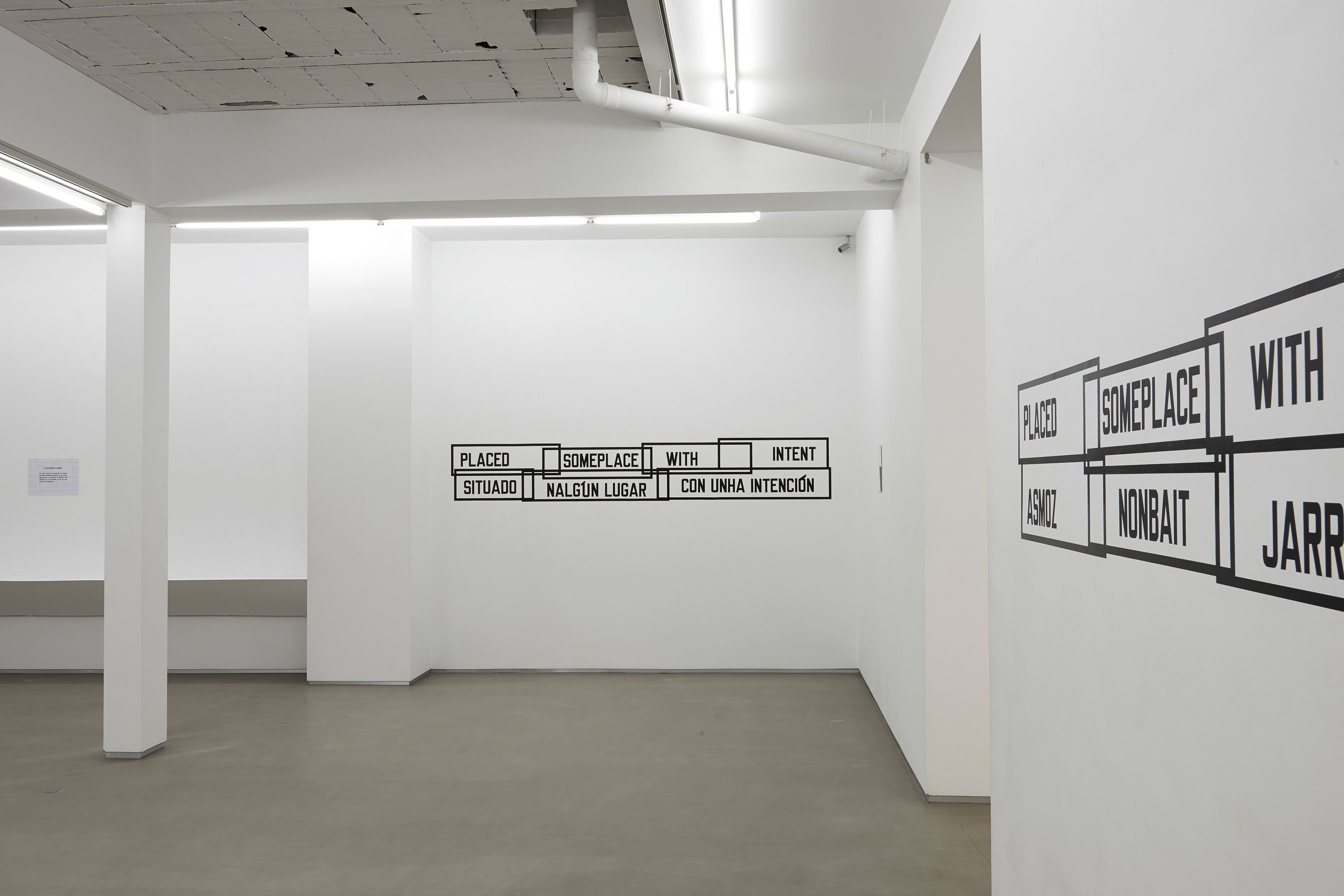
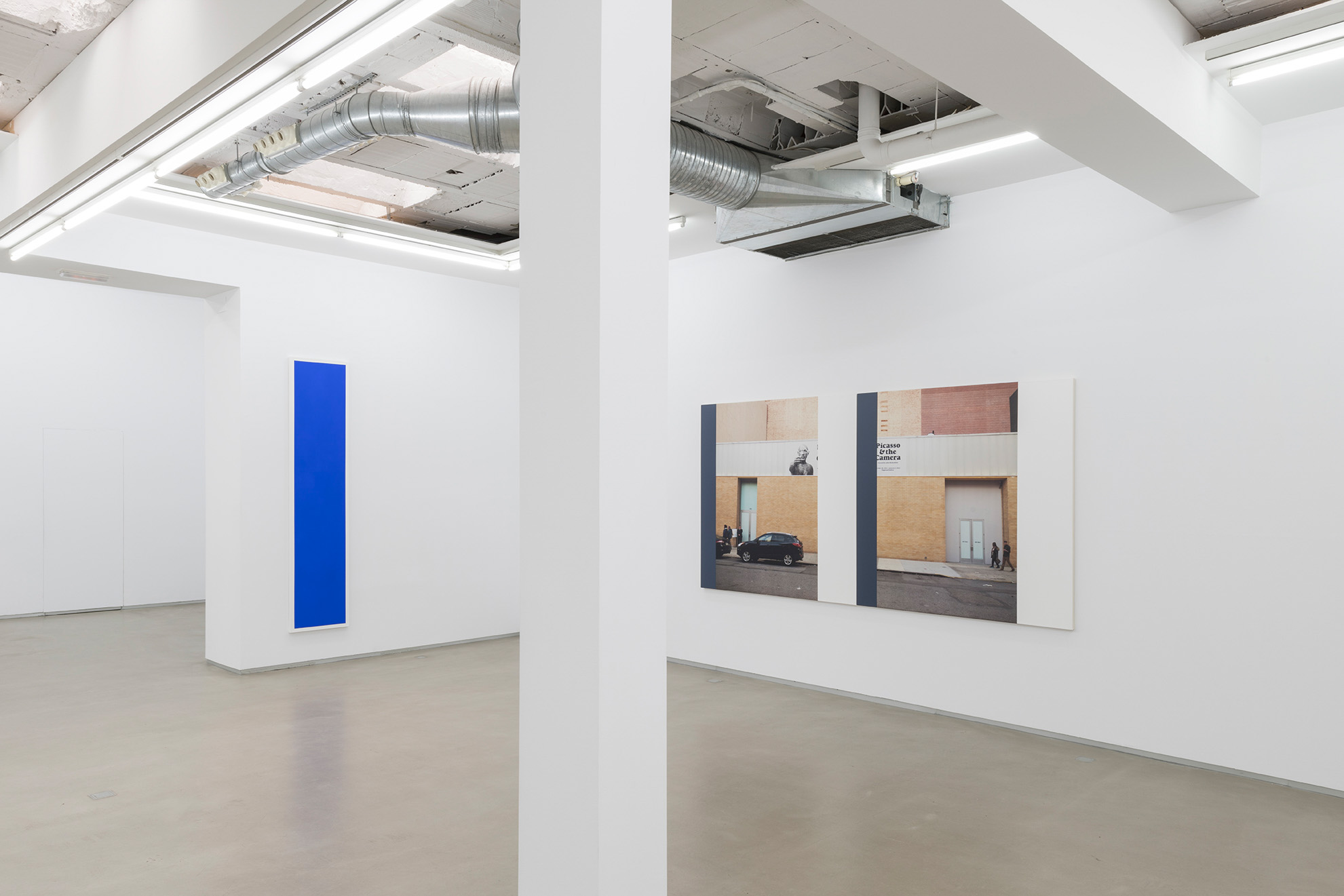
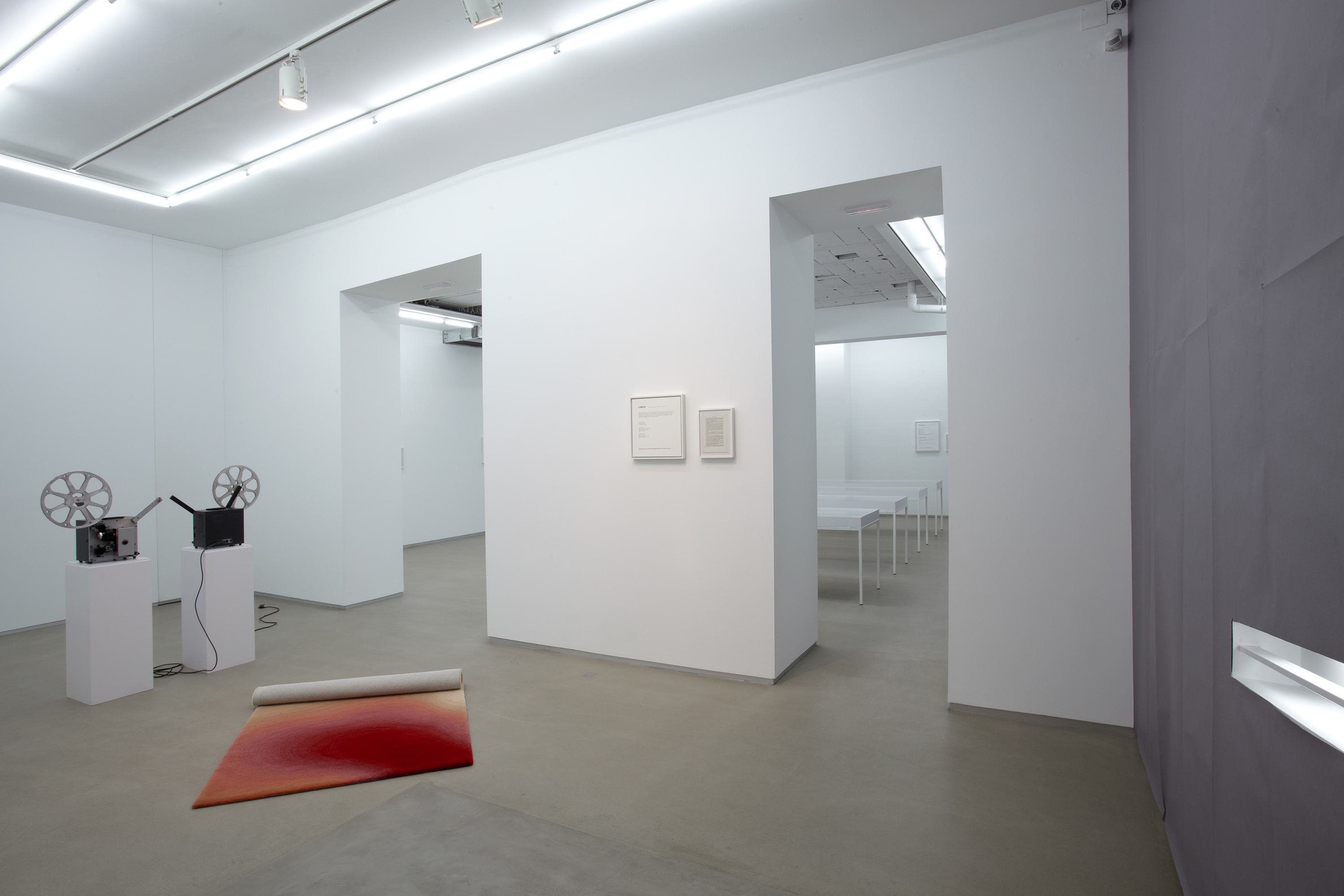
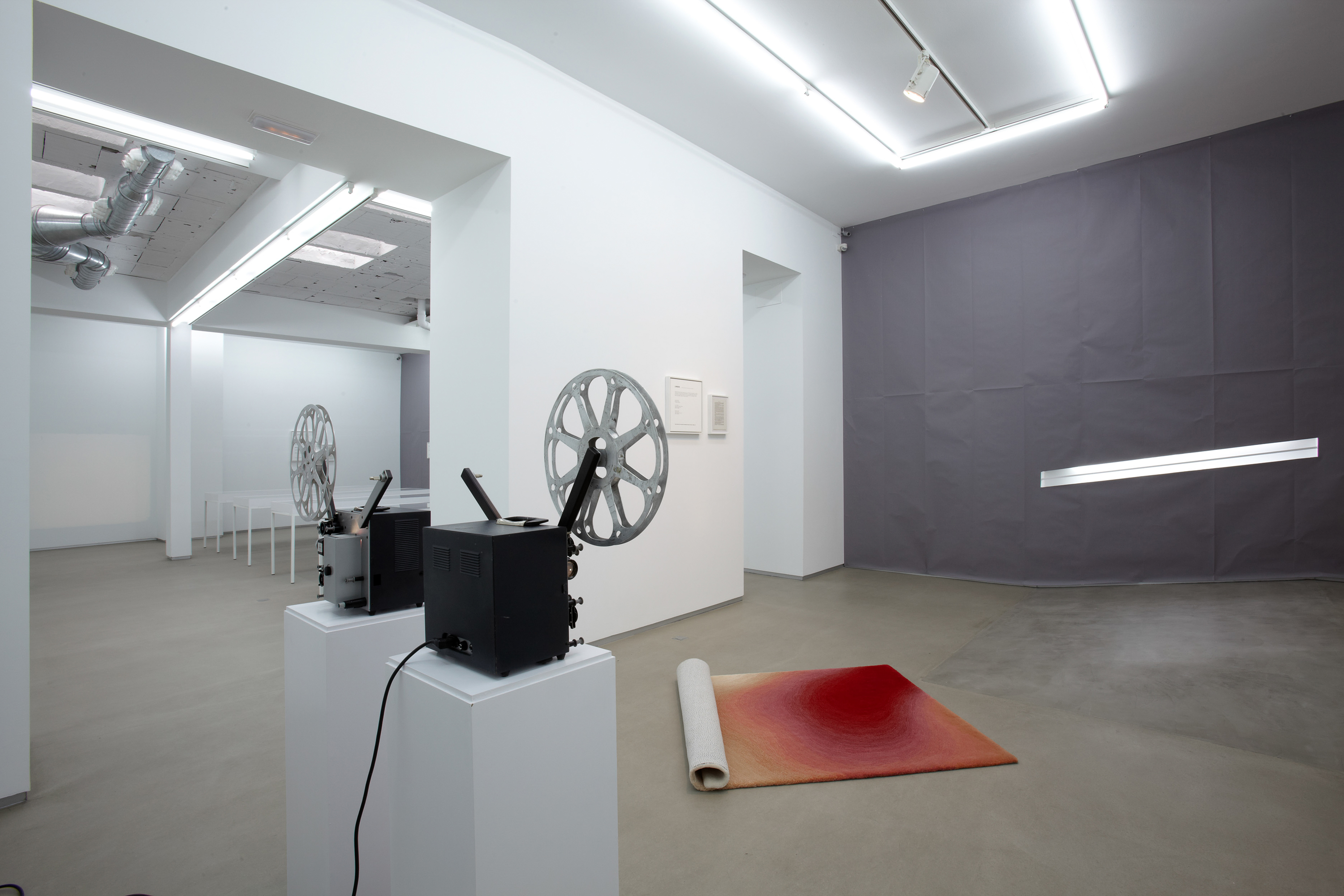
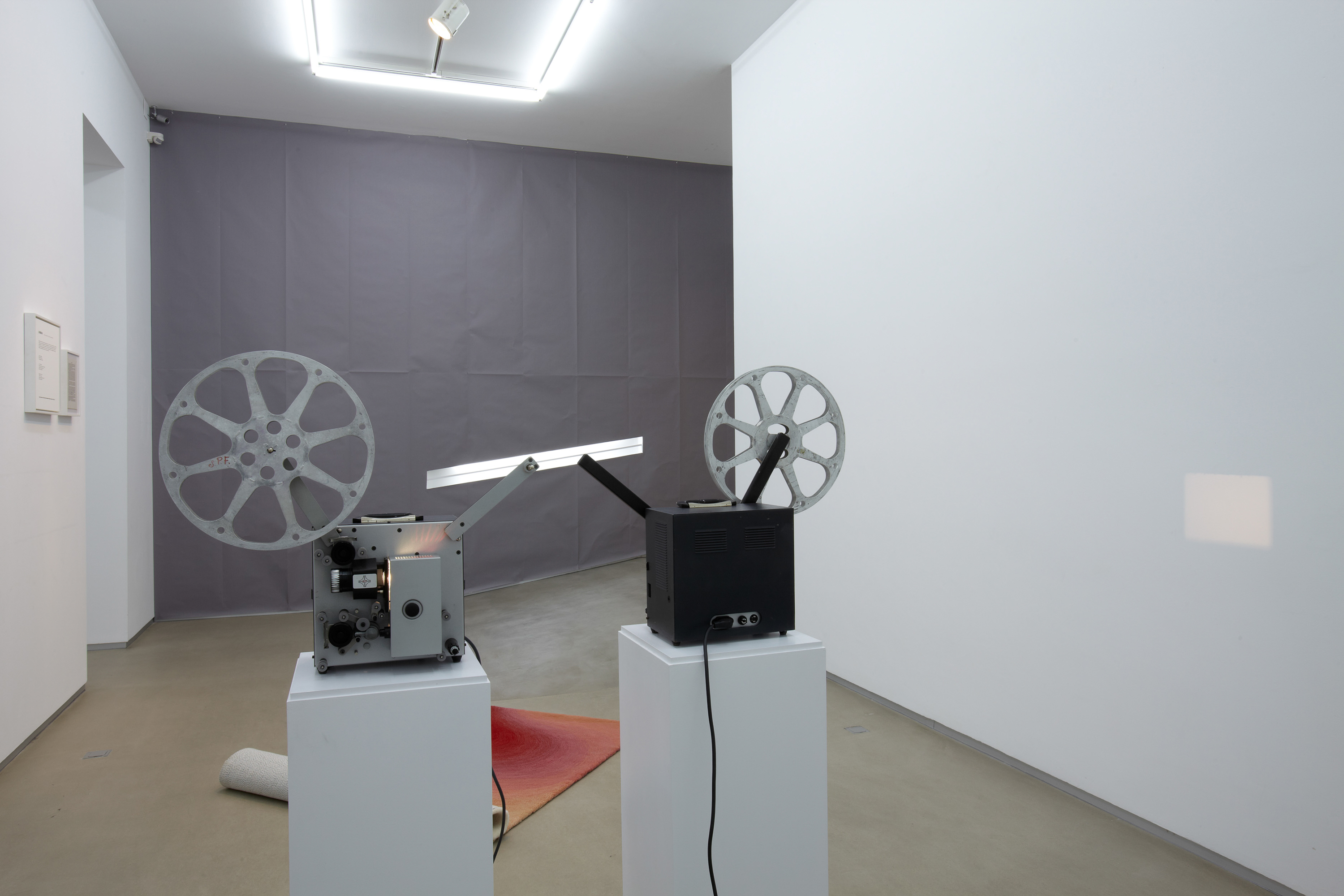
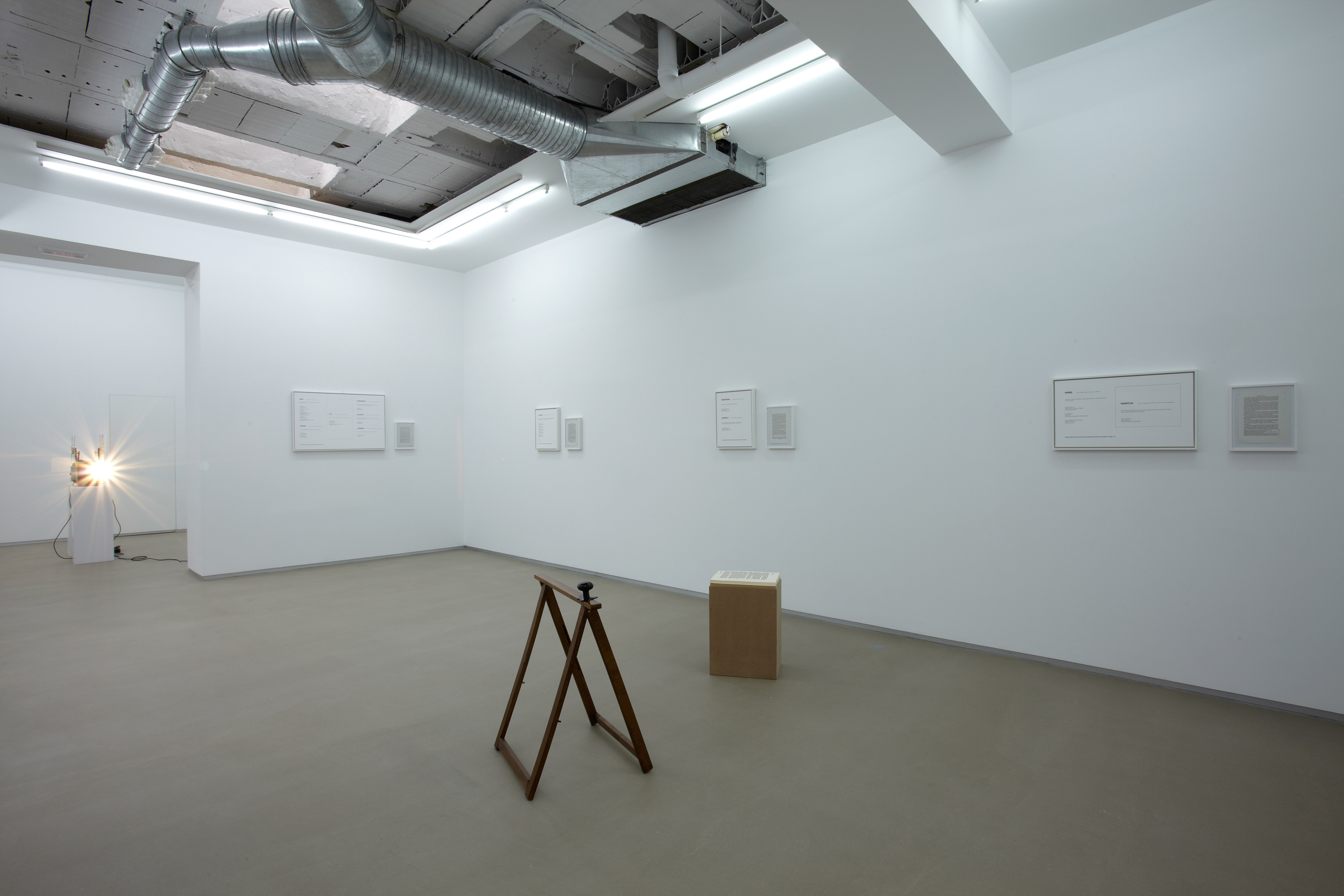
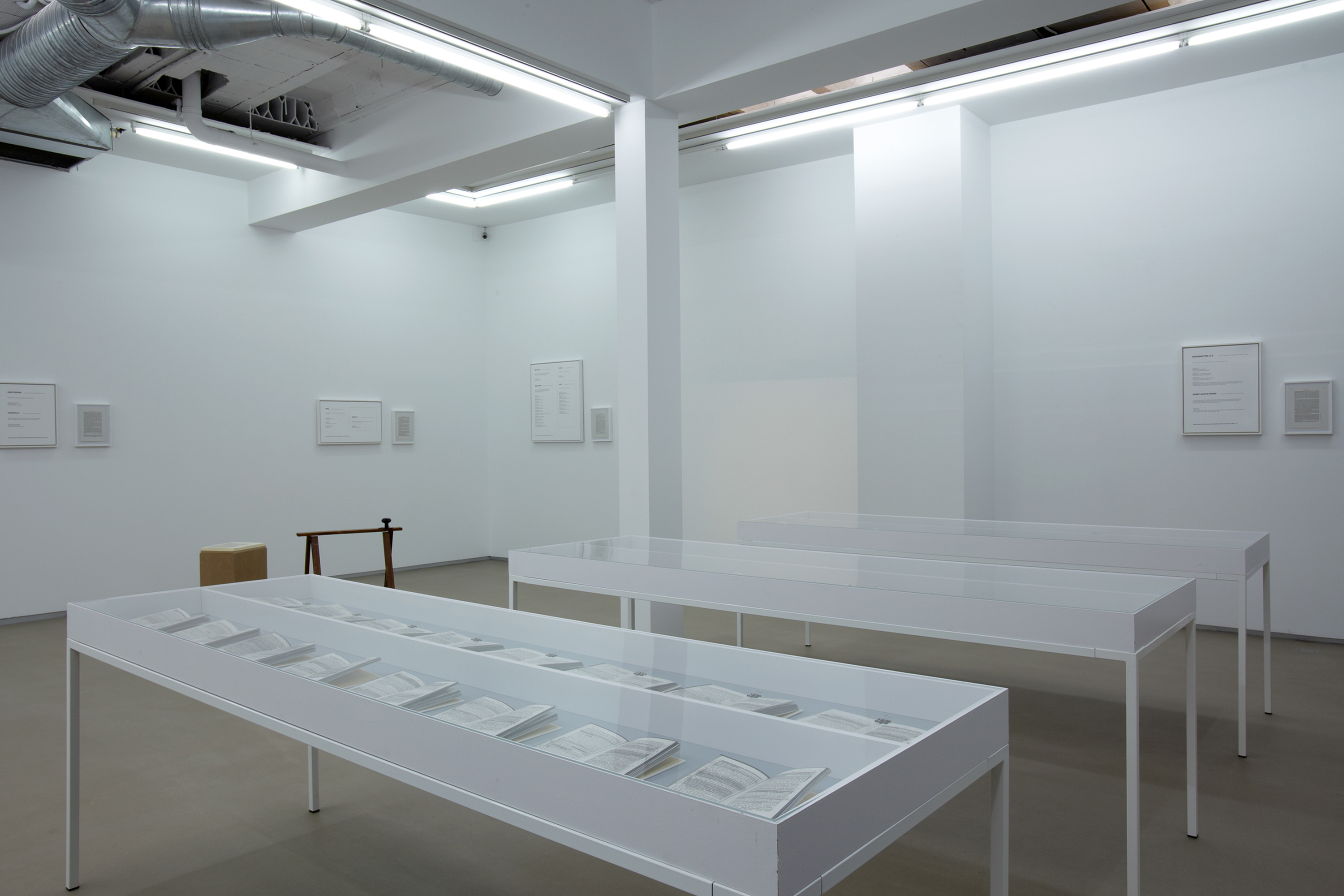
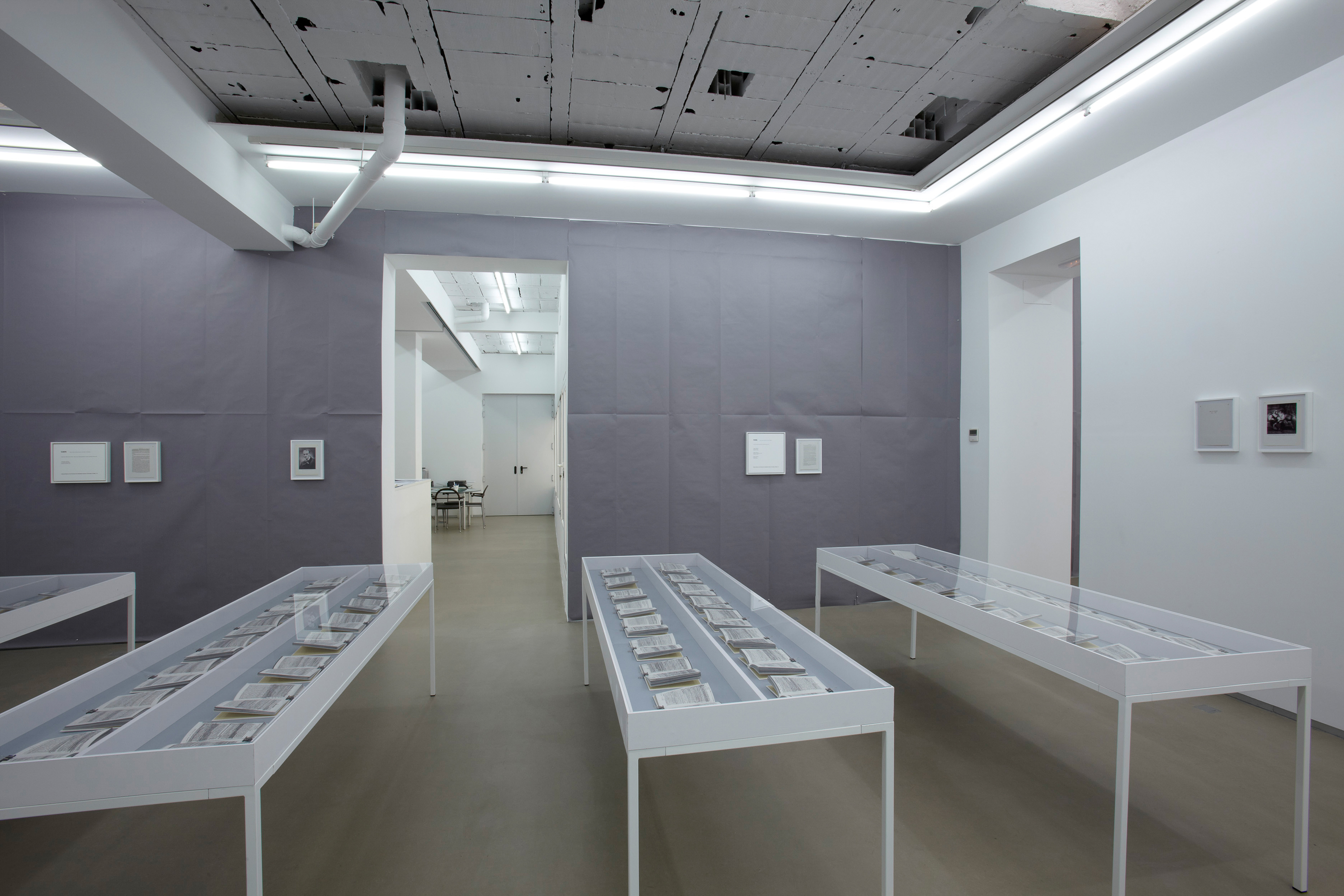
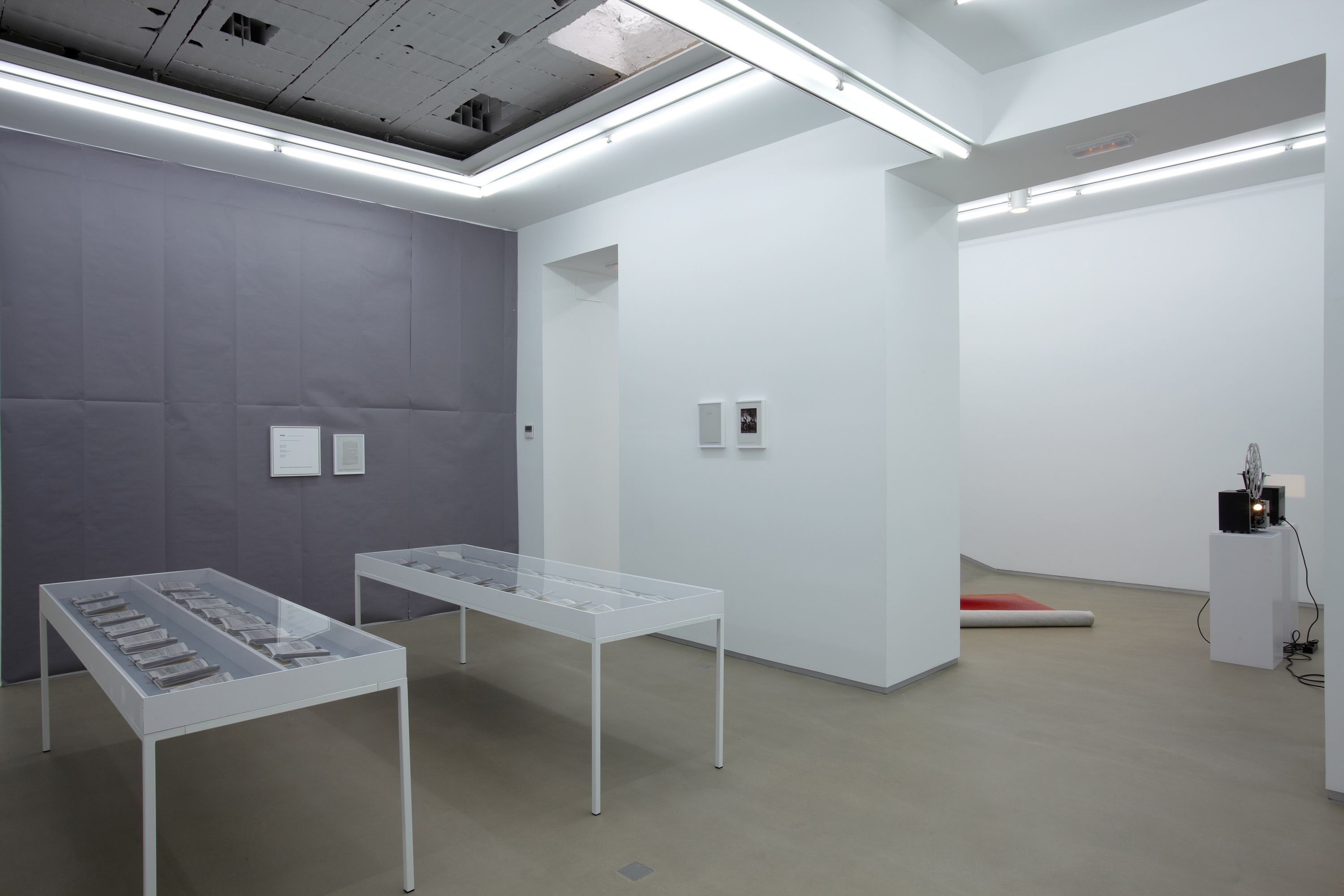
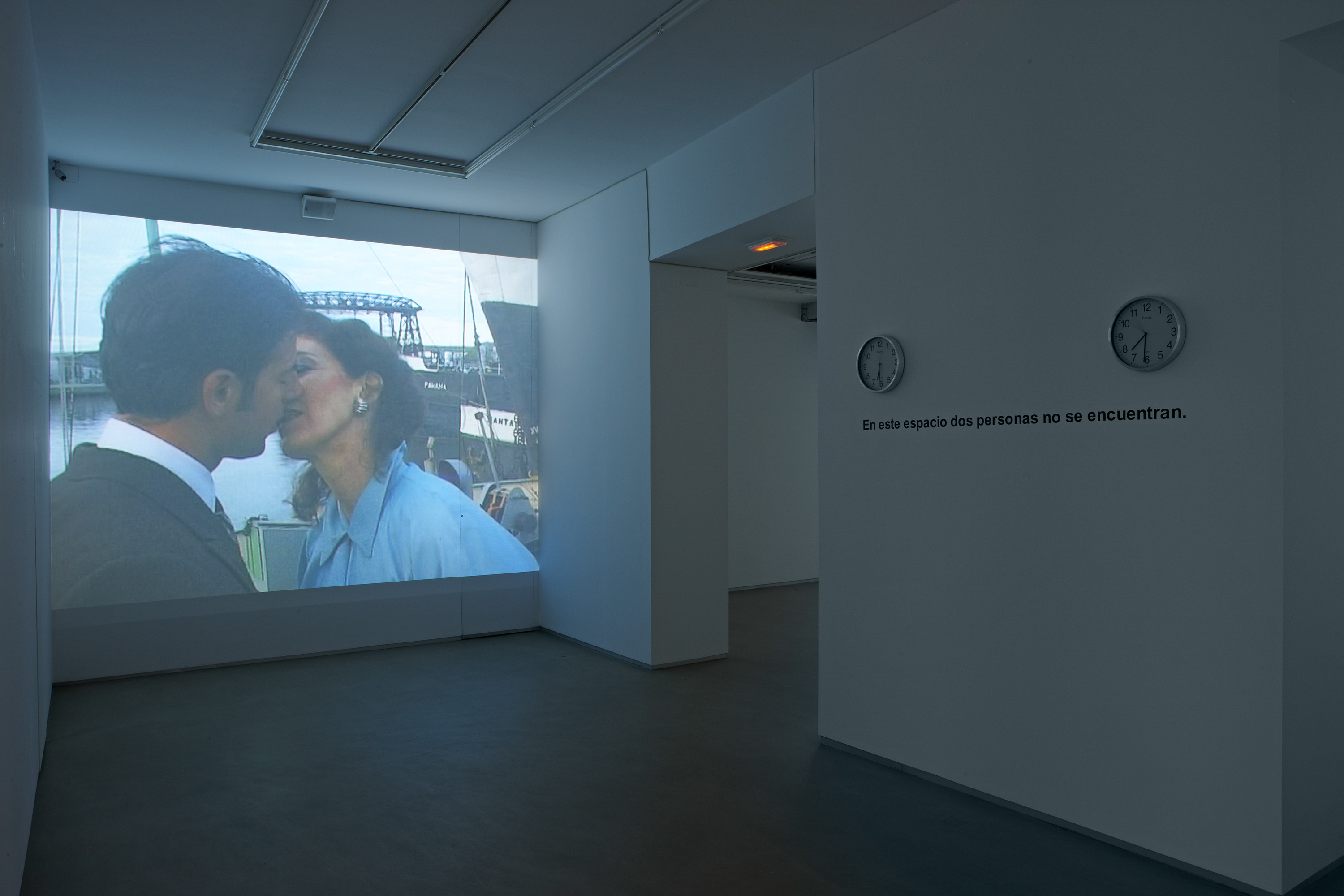
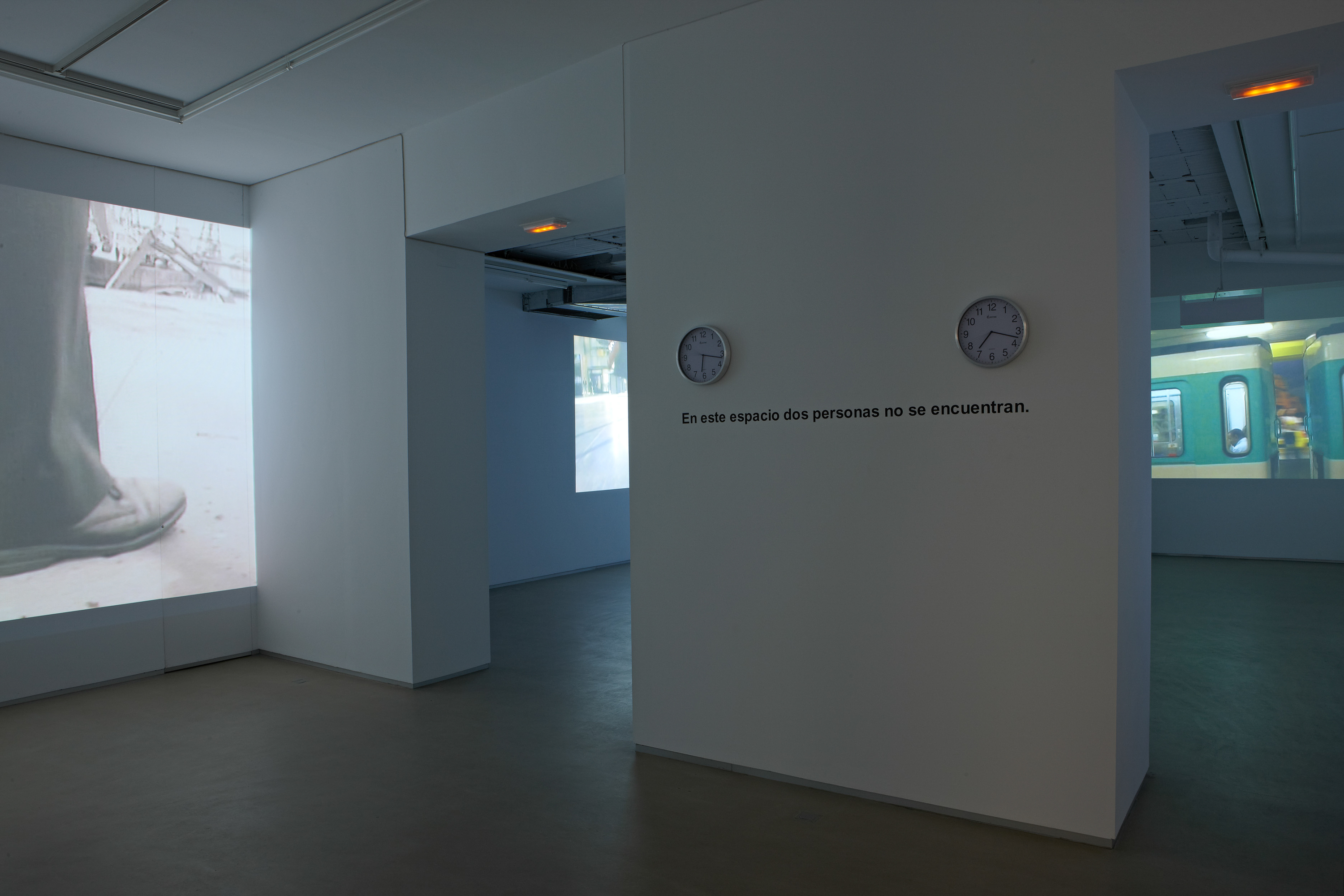
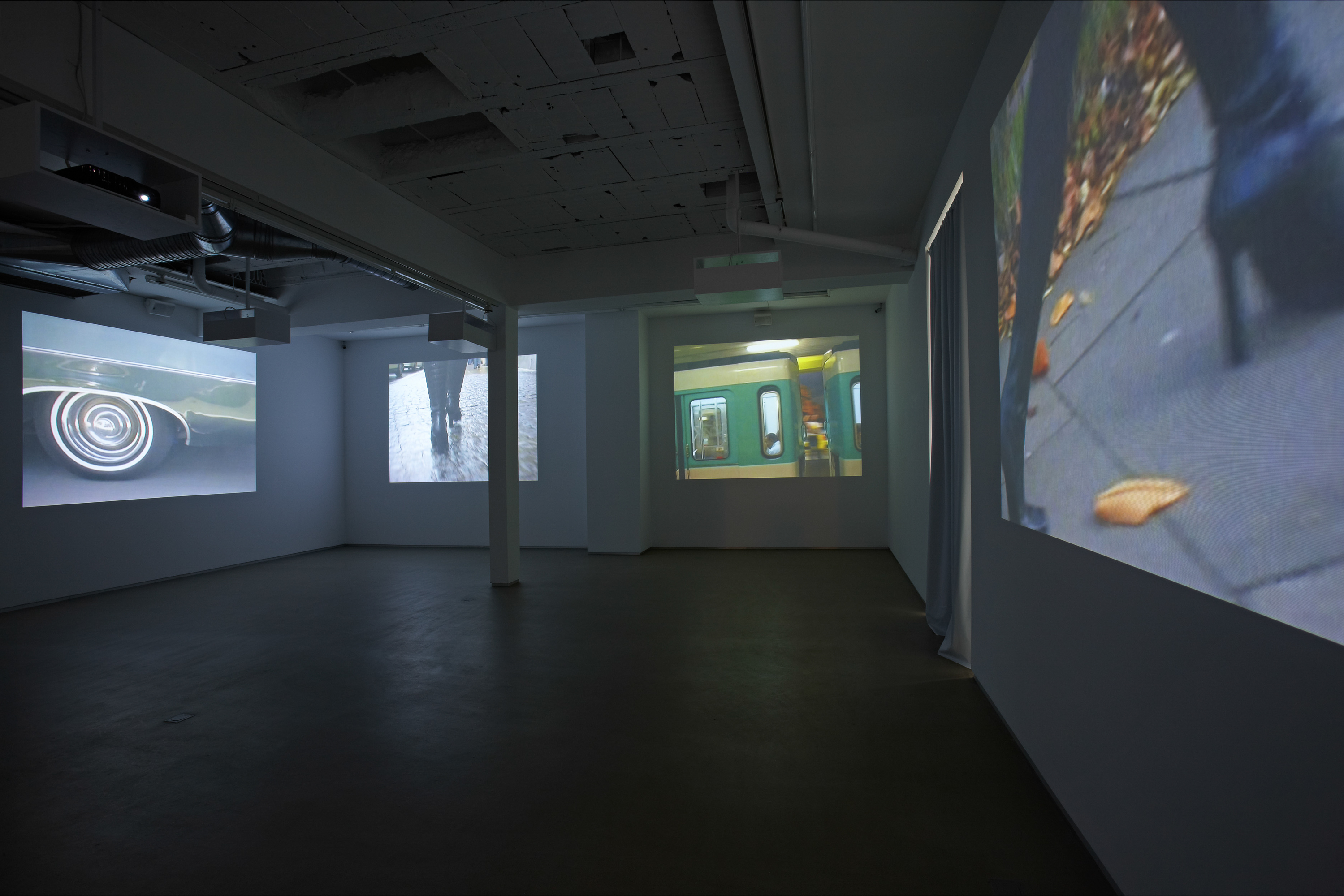
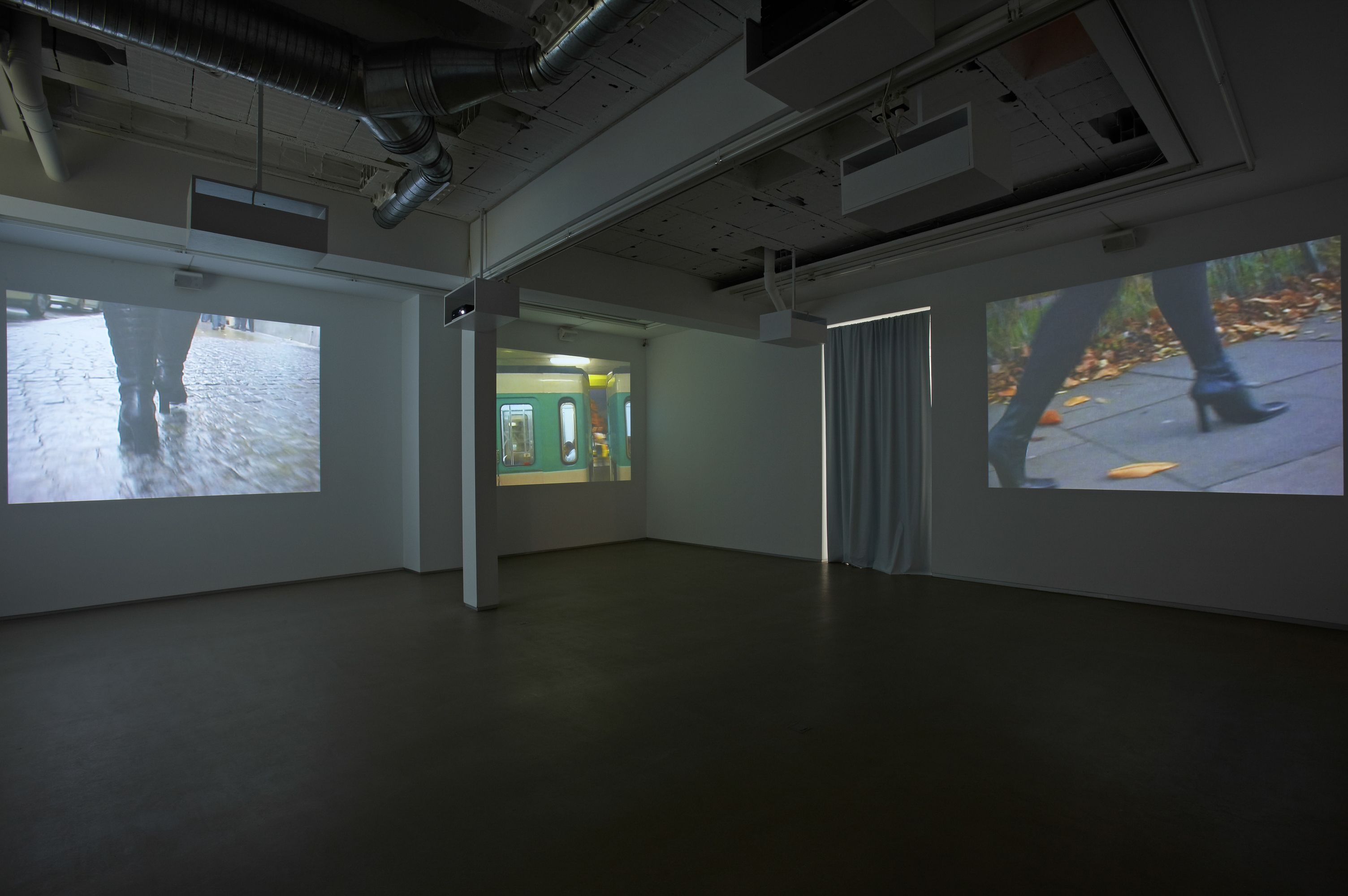
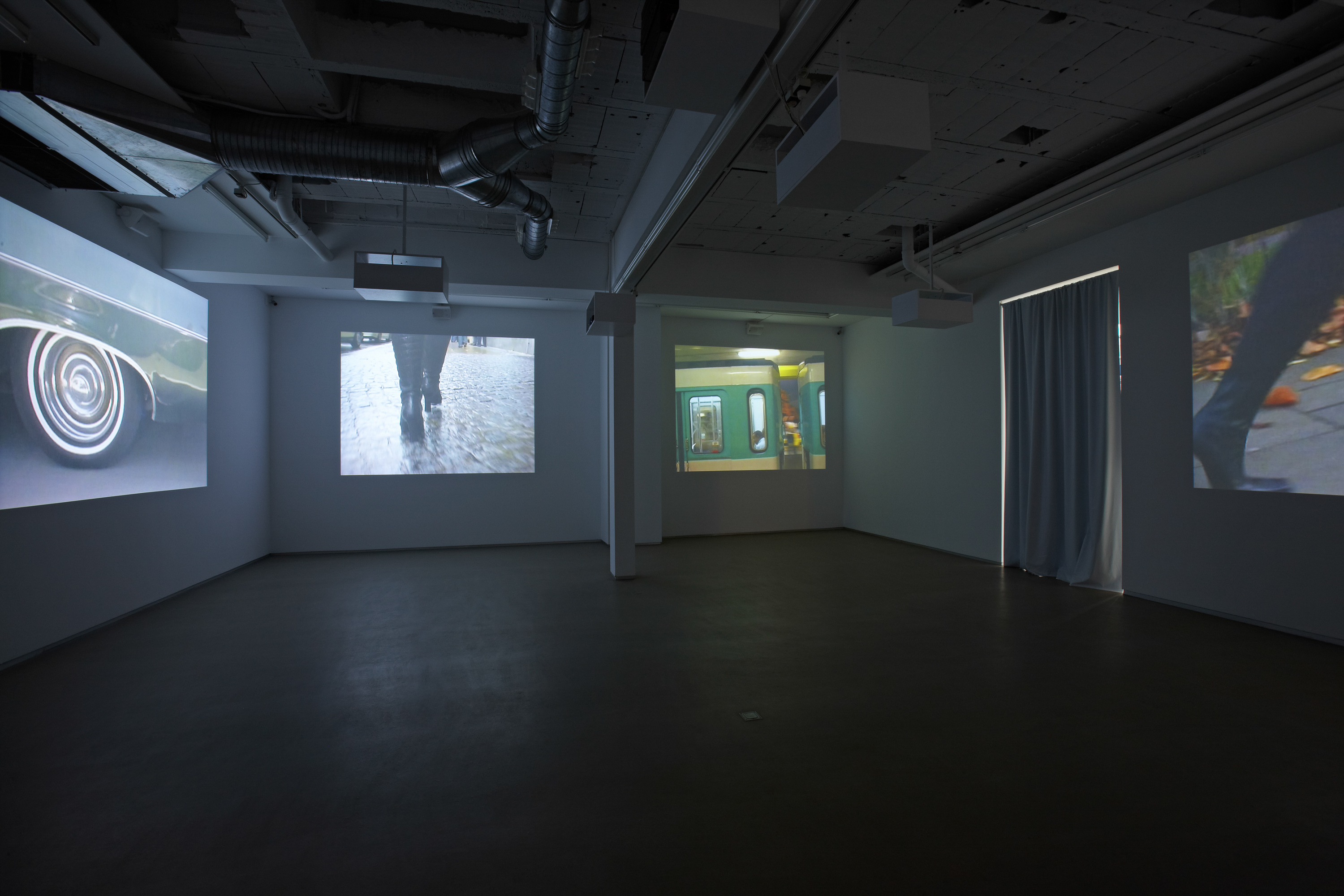
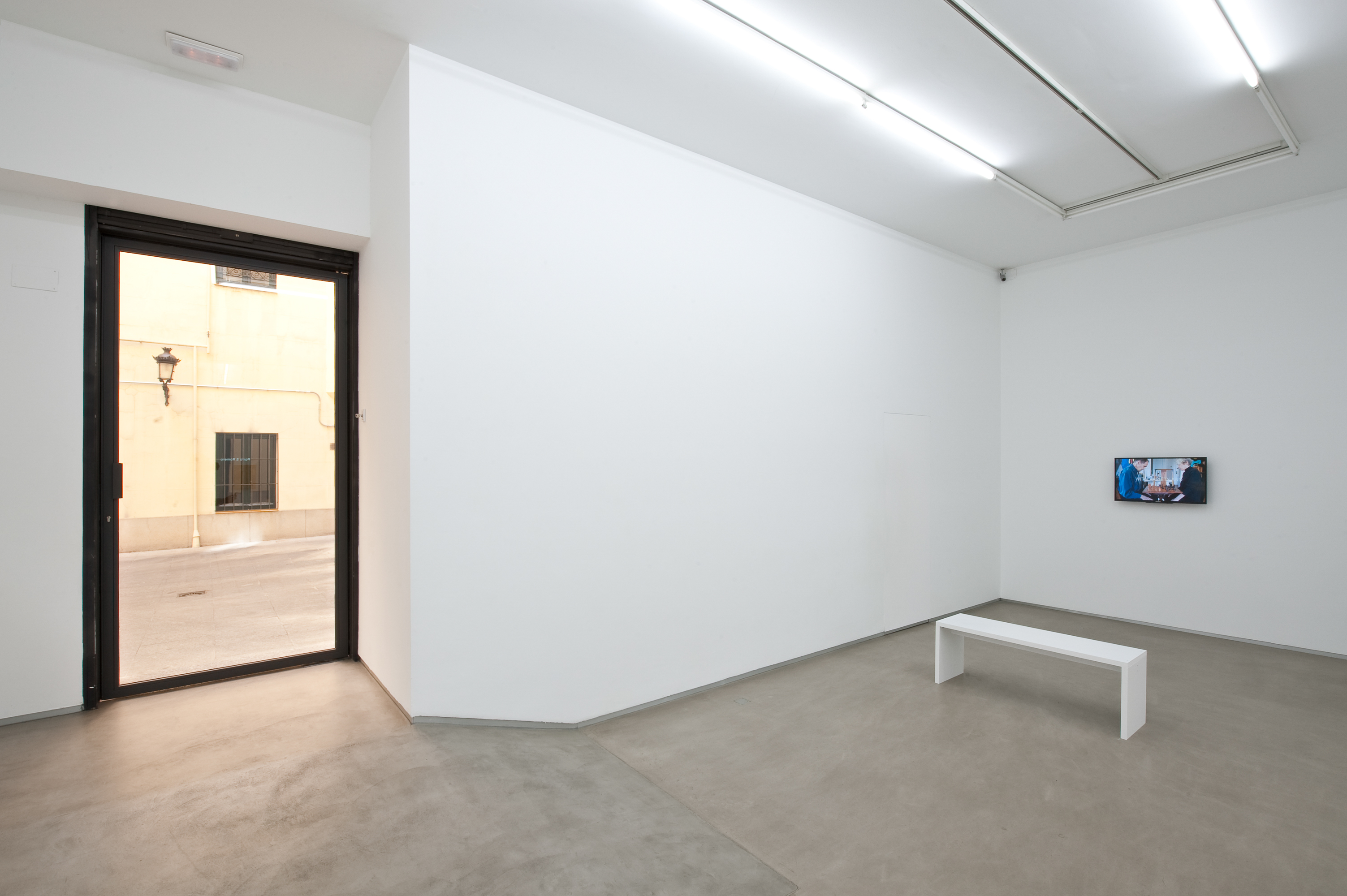
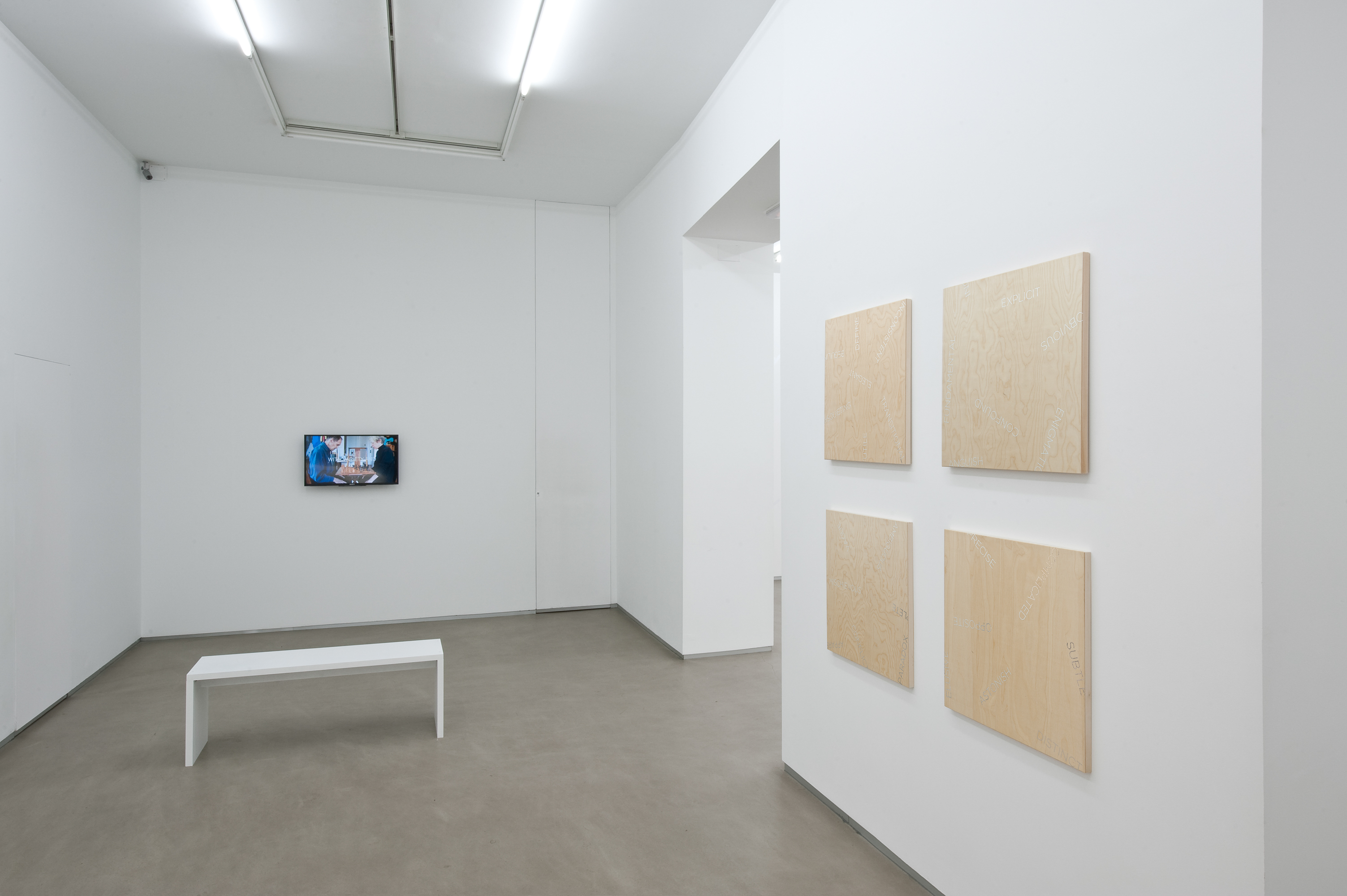
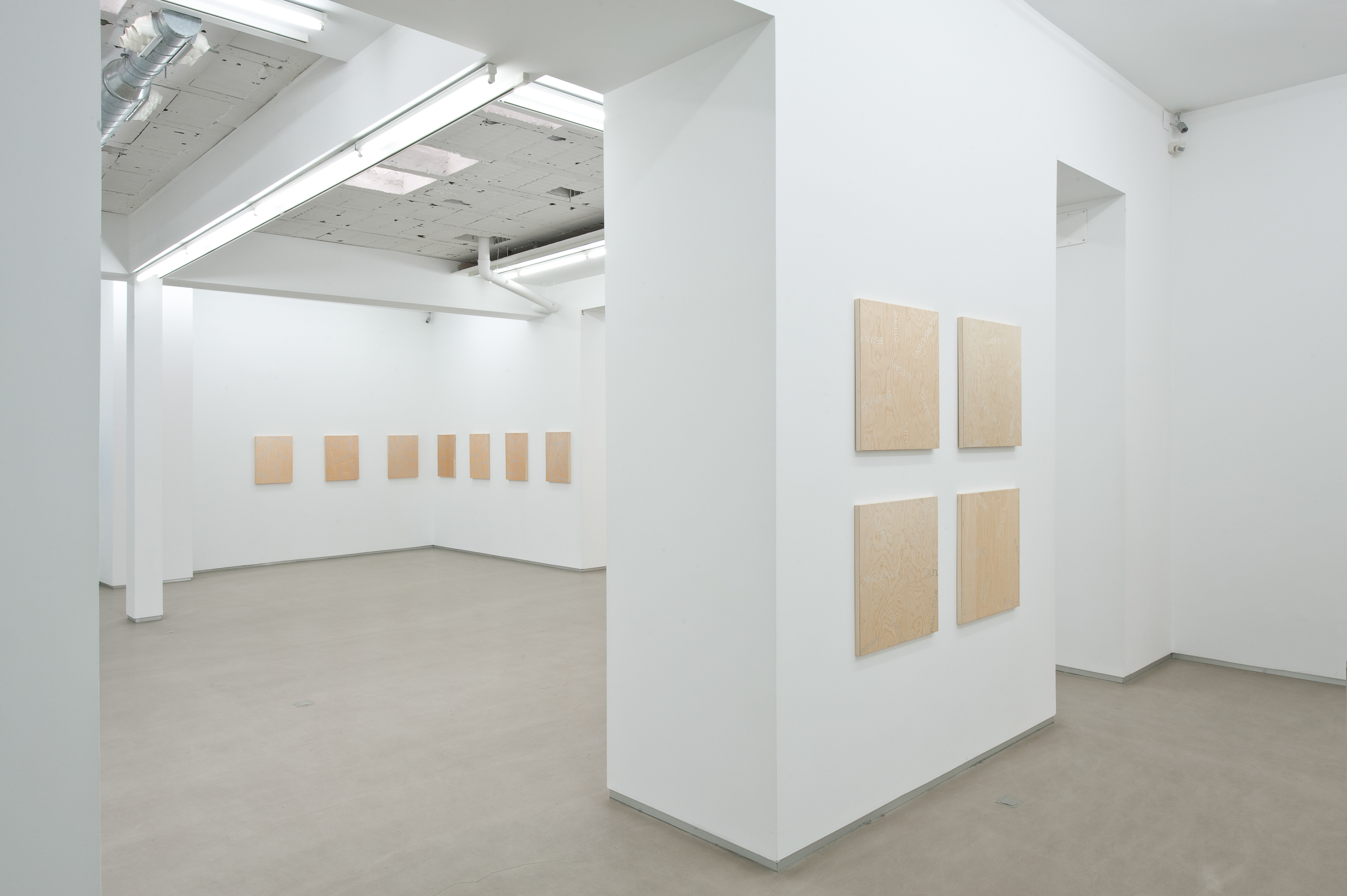
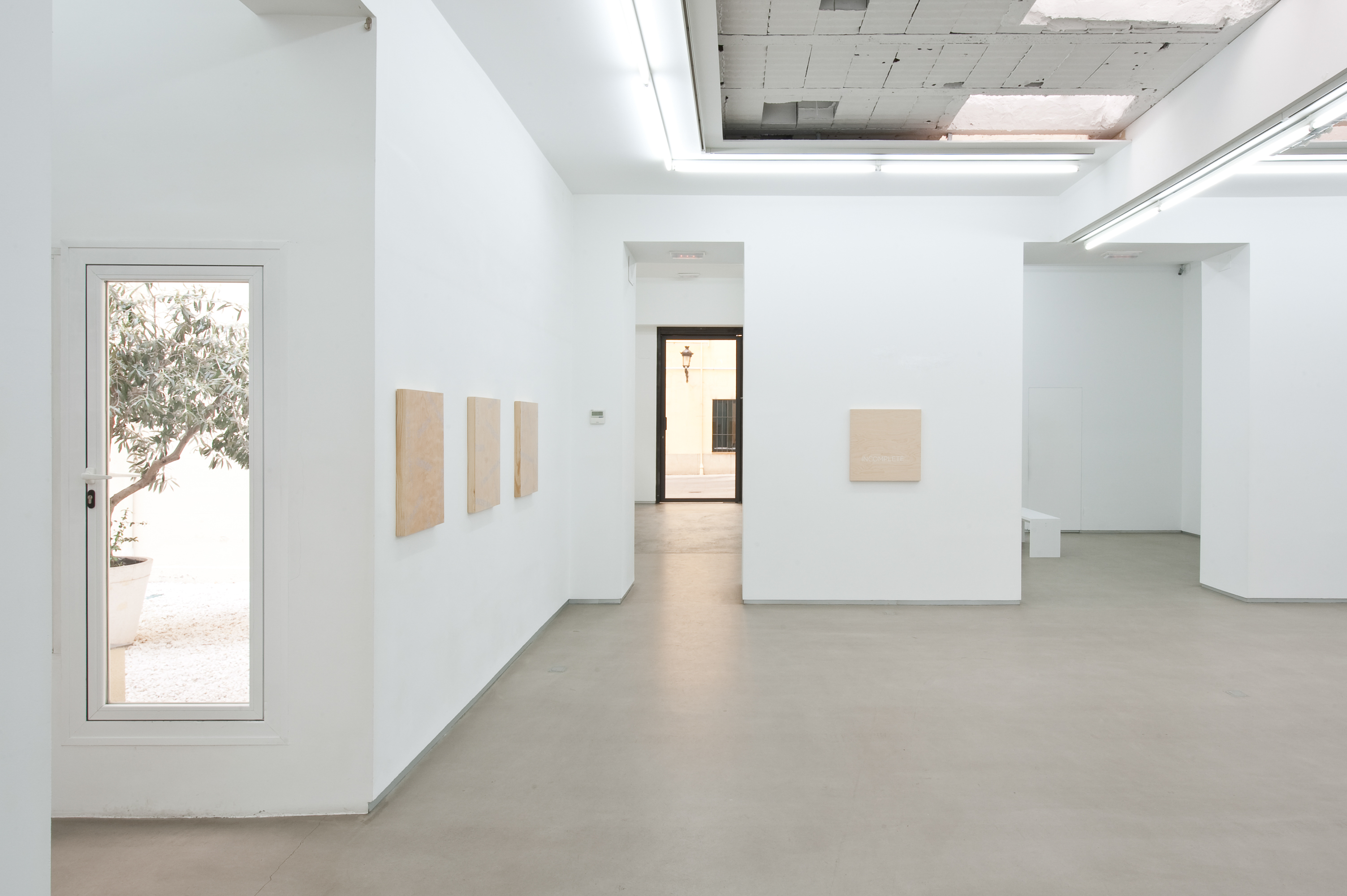
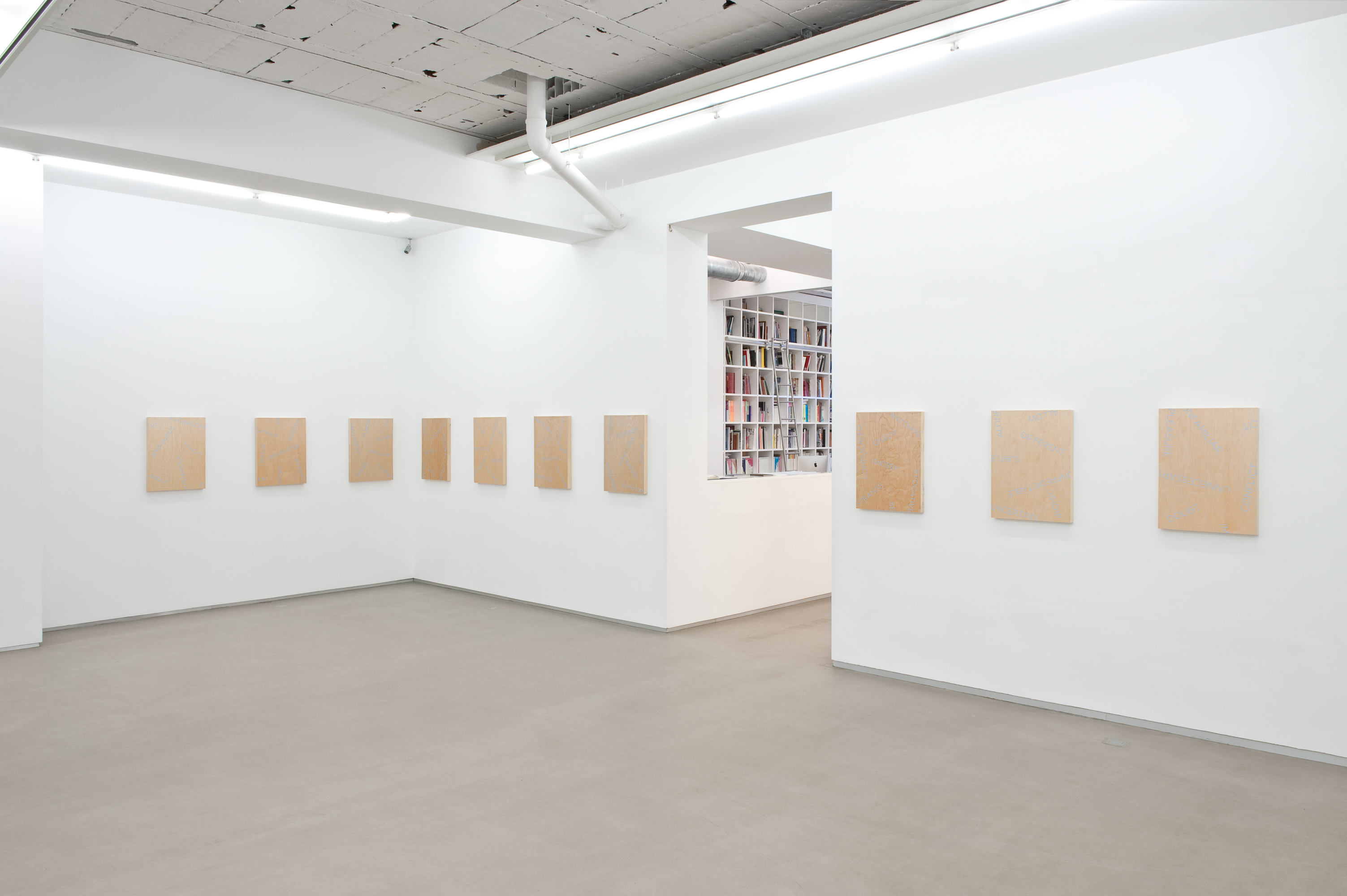
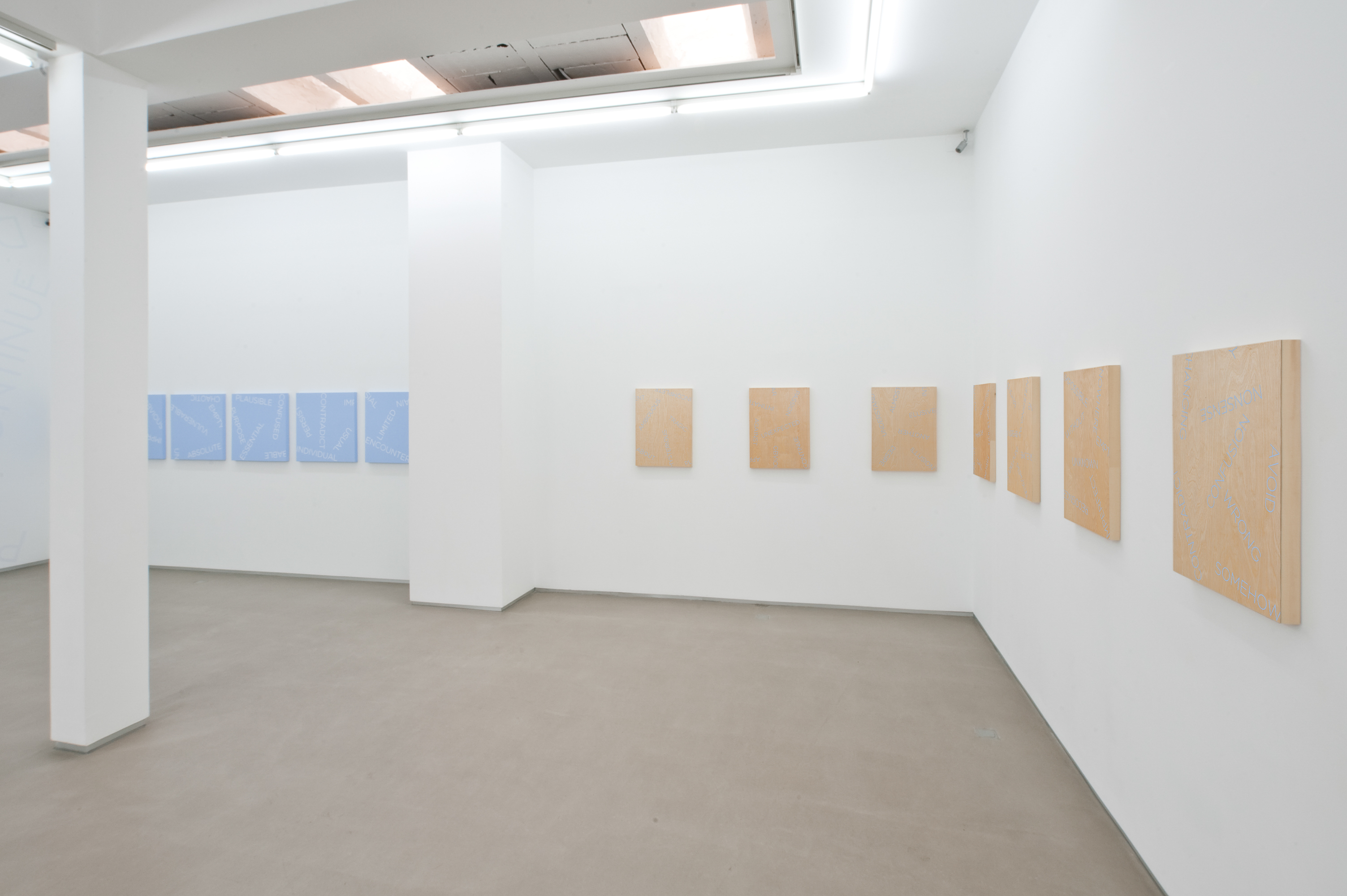
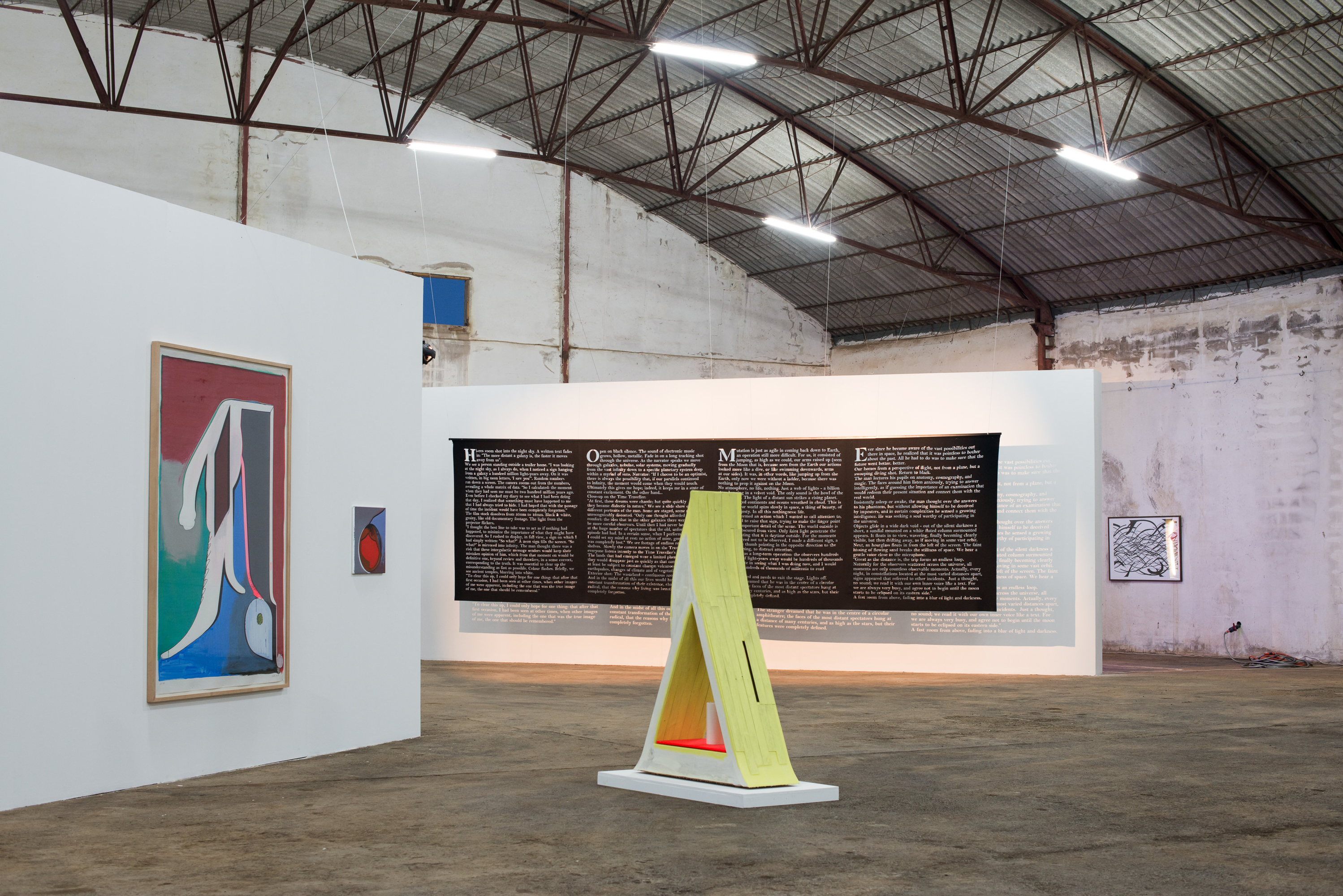
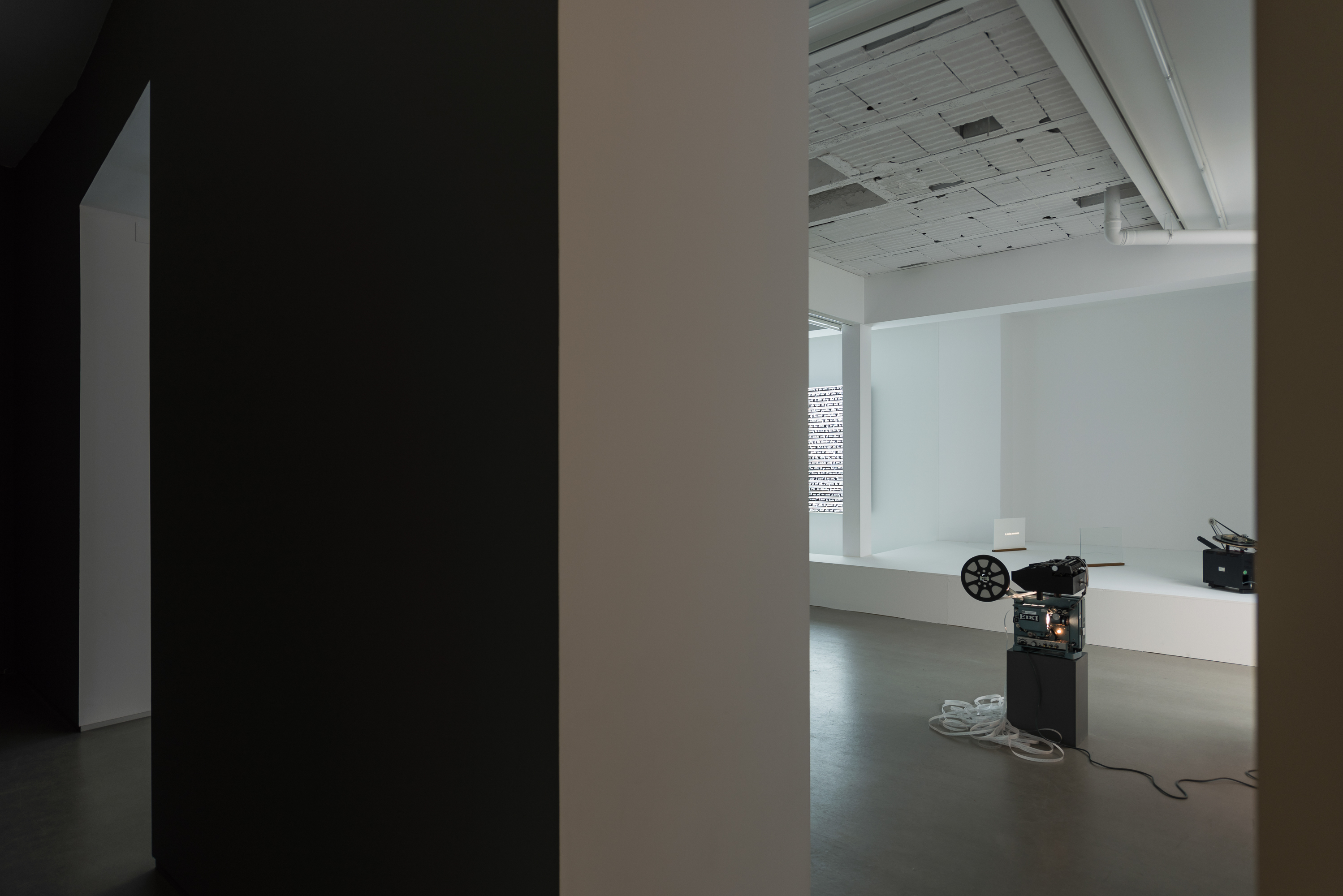
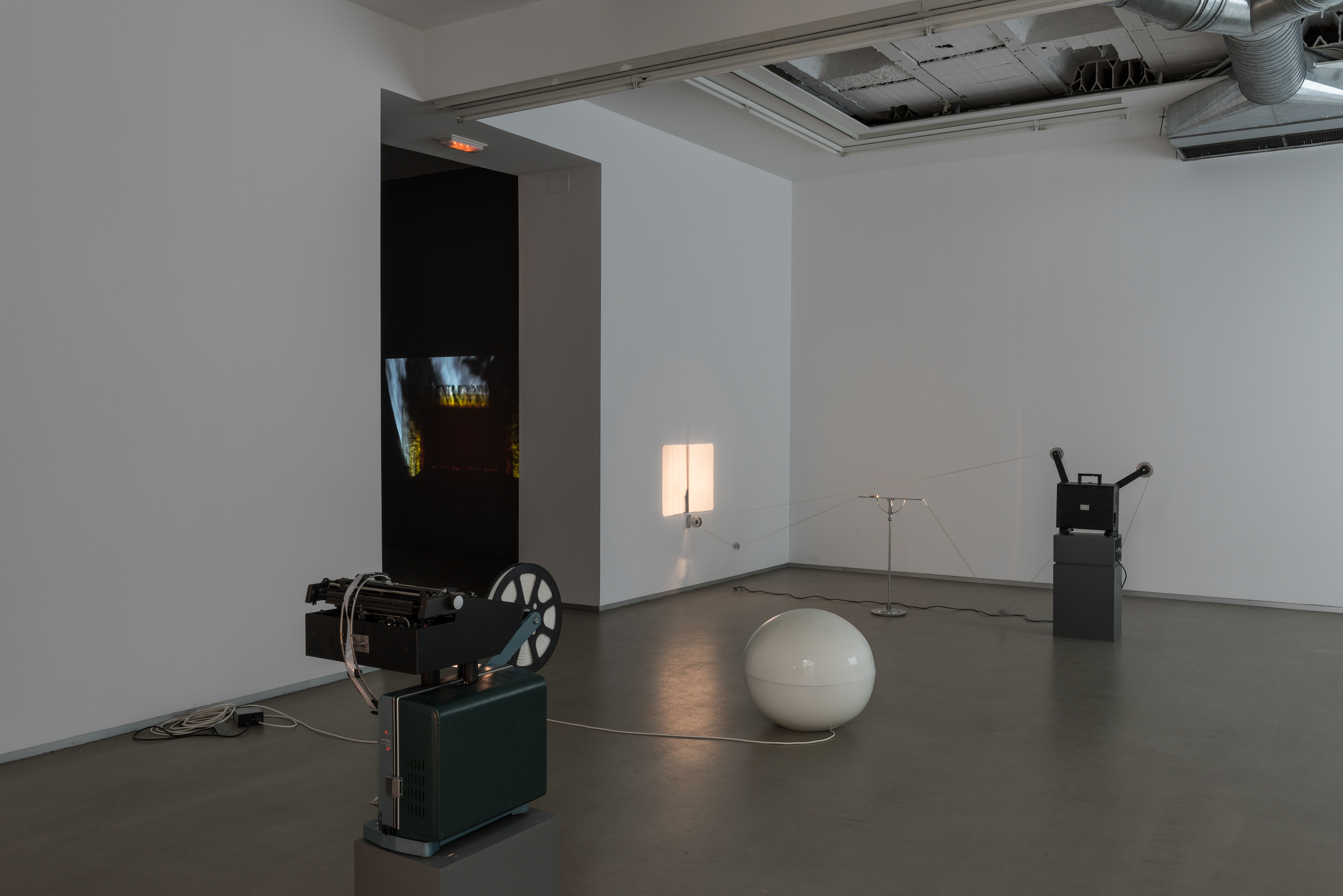
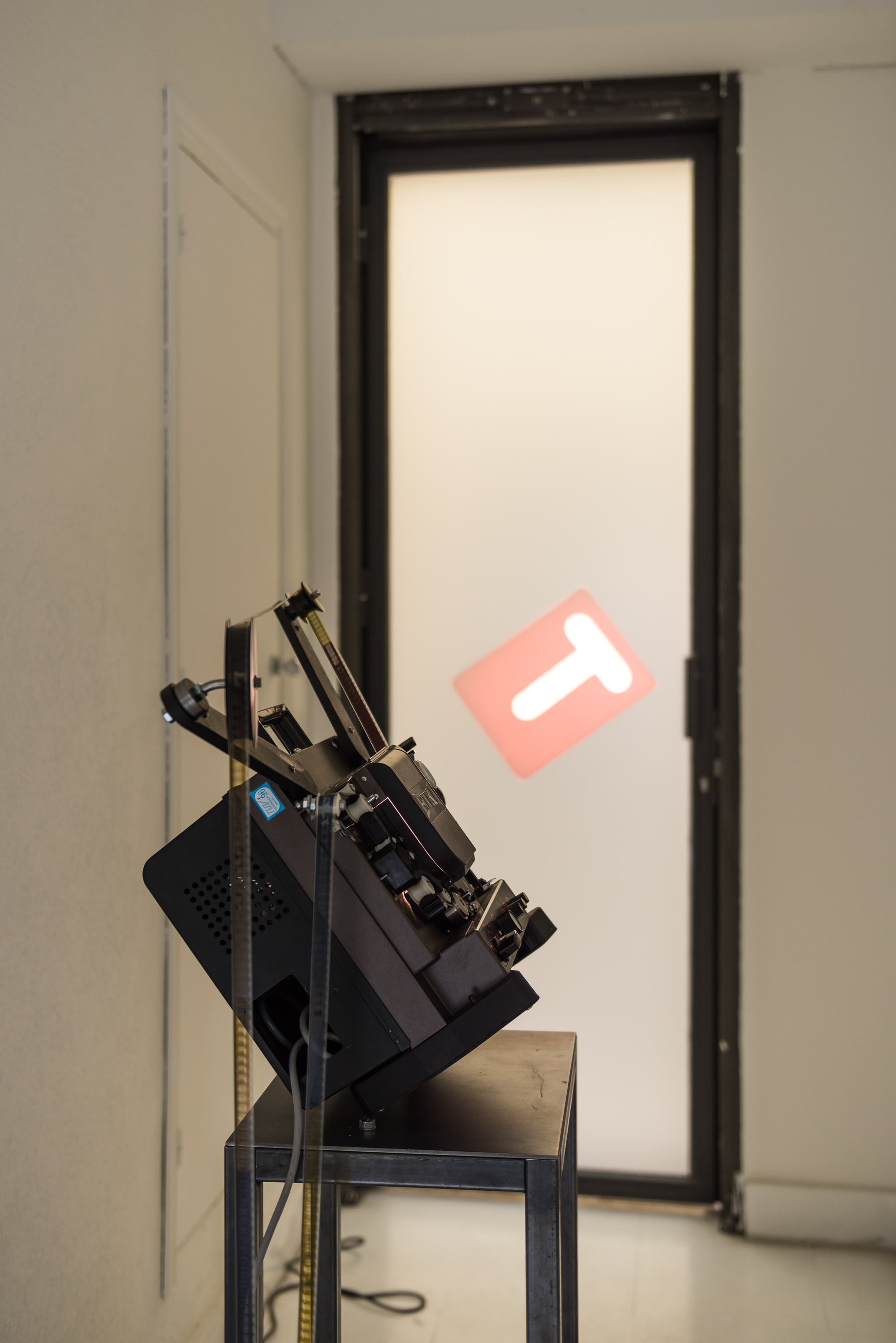
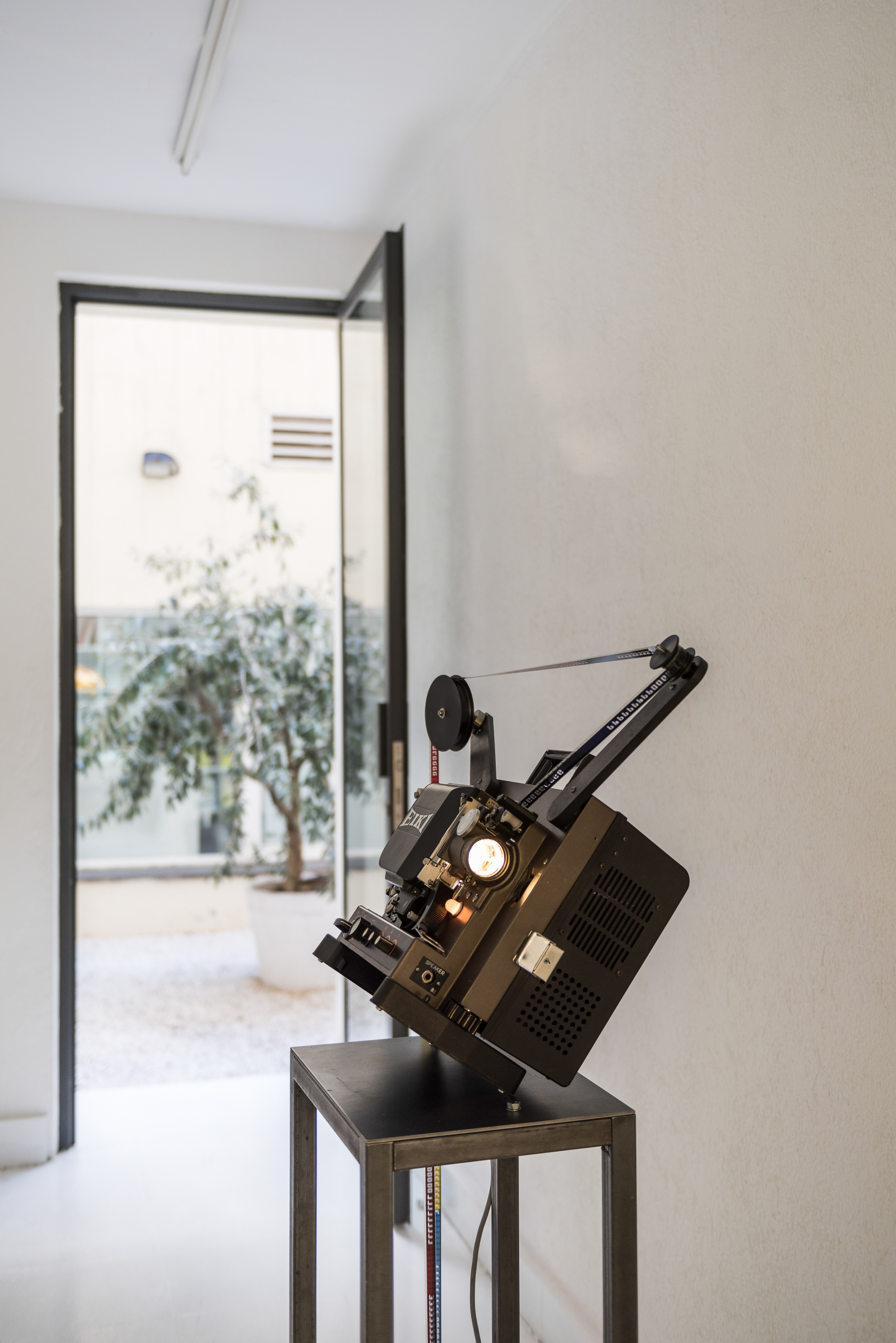
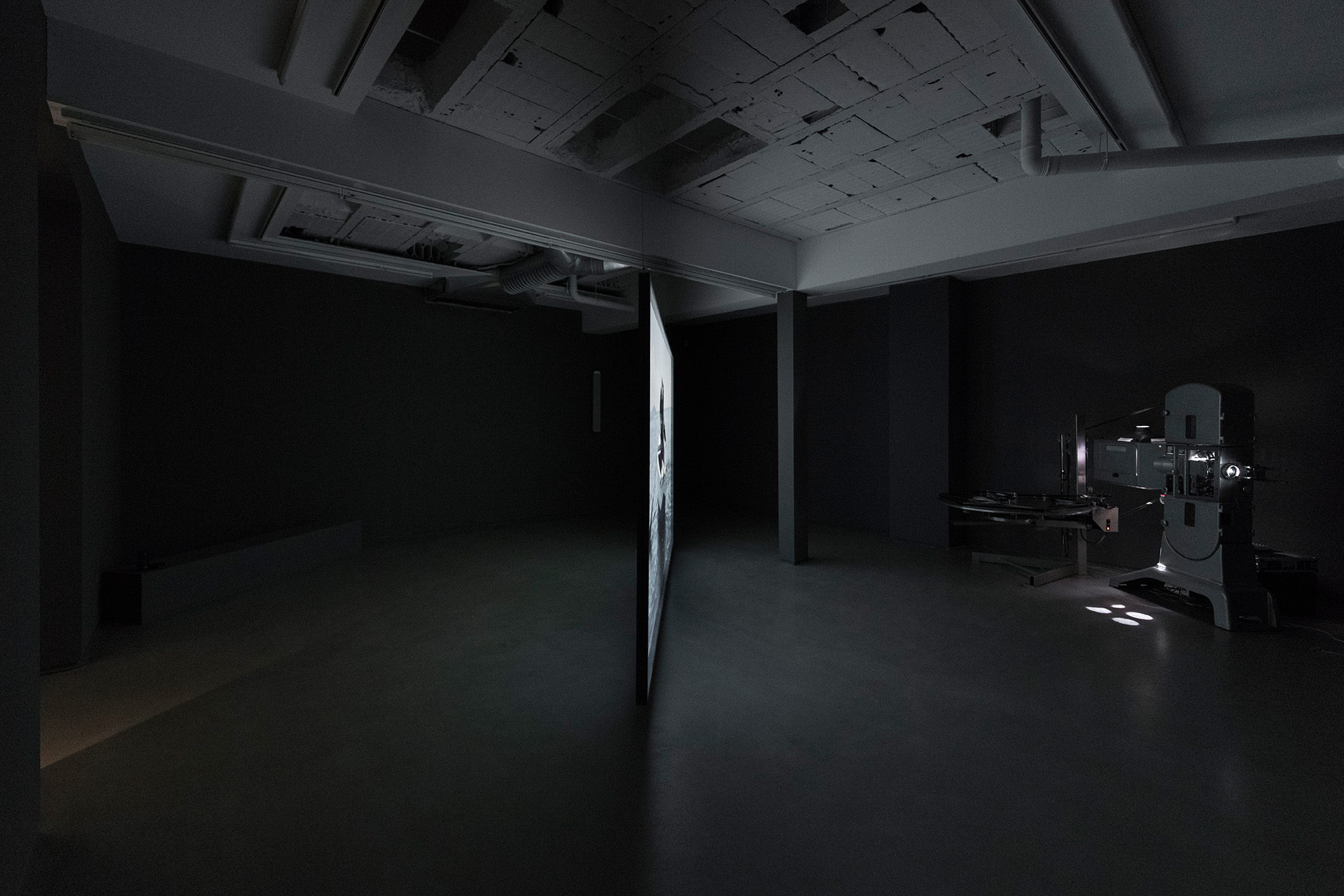
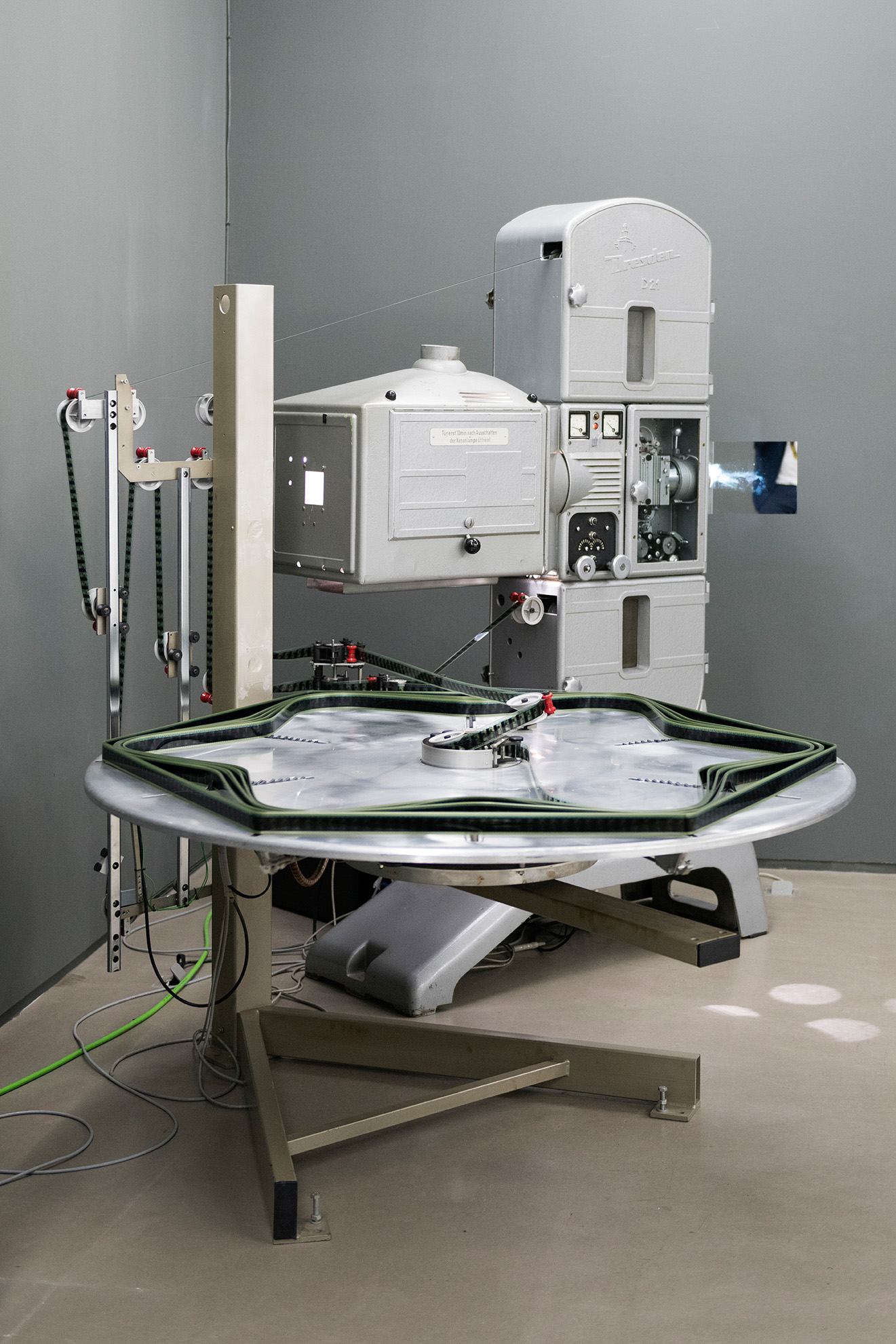
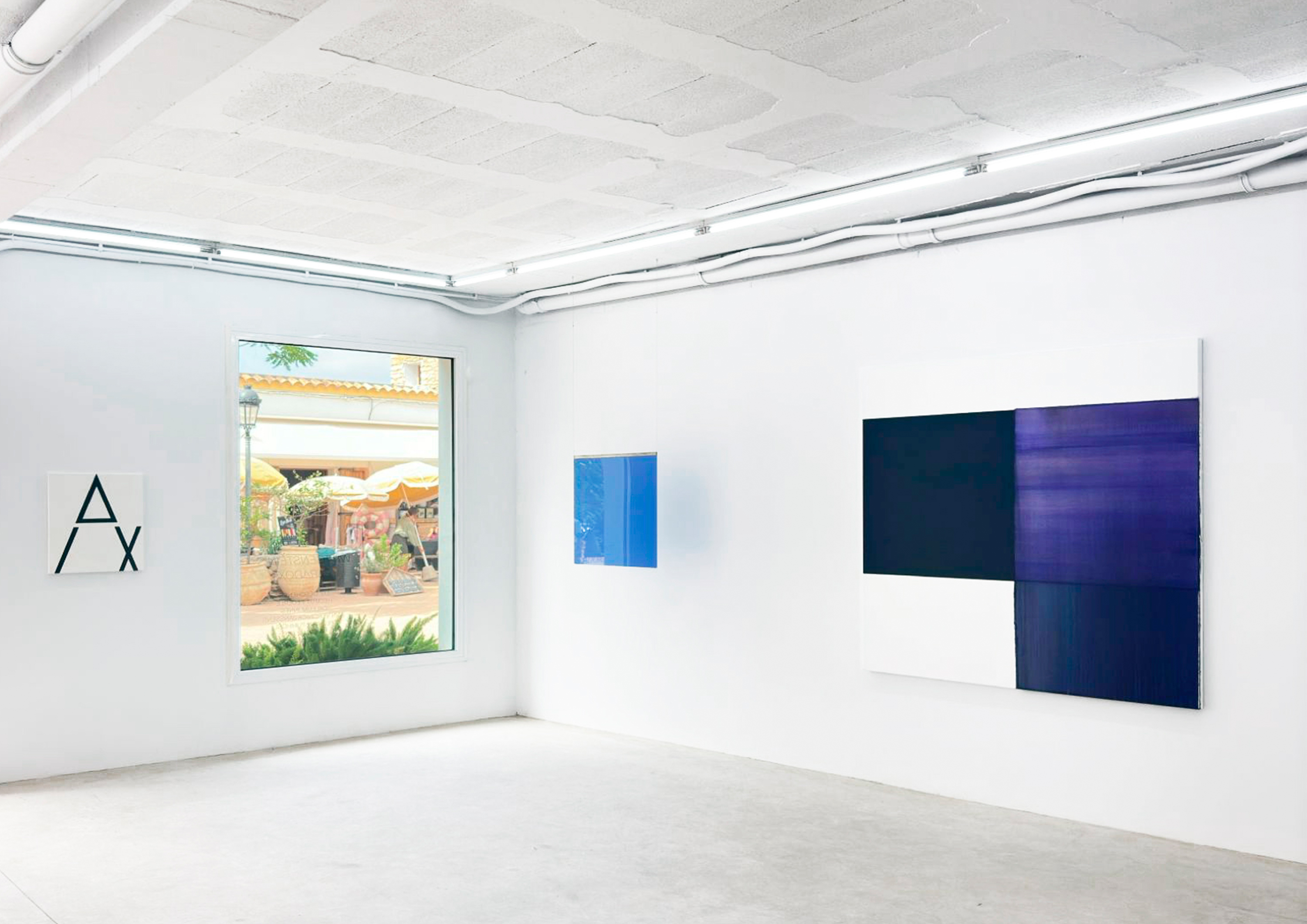
Originated in the field of literary theory, the term Chronotopes articulates this group show at Parra & Romero, specifically focused on video works by various artists of the gallery: Lara Almarcegui, Rosa Barba, Robert Barry, Alejandro Cesarco, David Lamelas, Oriol Vilanova and Ian Wallace.
The correlation between time and space is the guiding thread of all the works that make up the exhibition: temporality understood not as a linear succession of events but as a multiplicity of points that connect with each other in multiple directions, giving rise to a cartography.
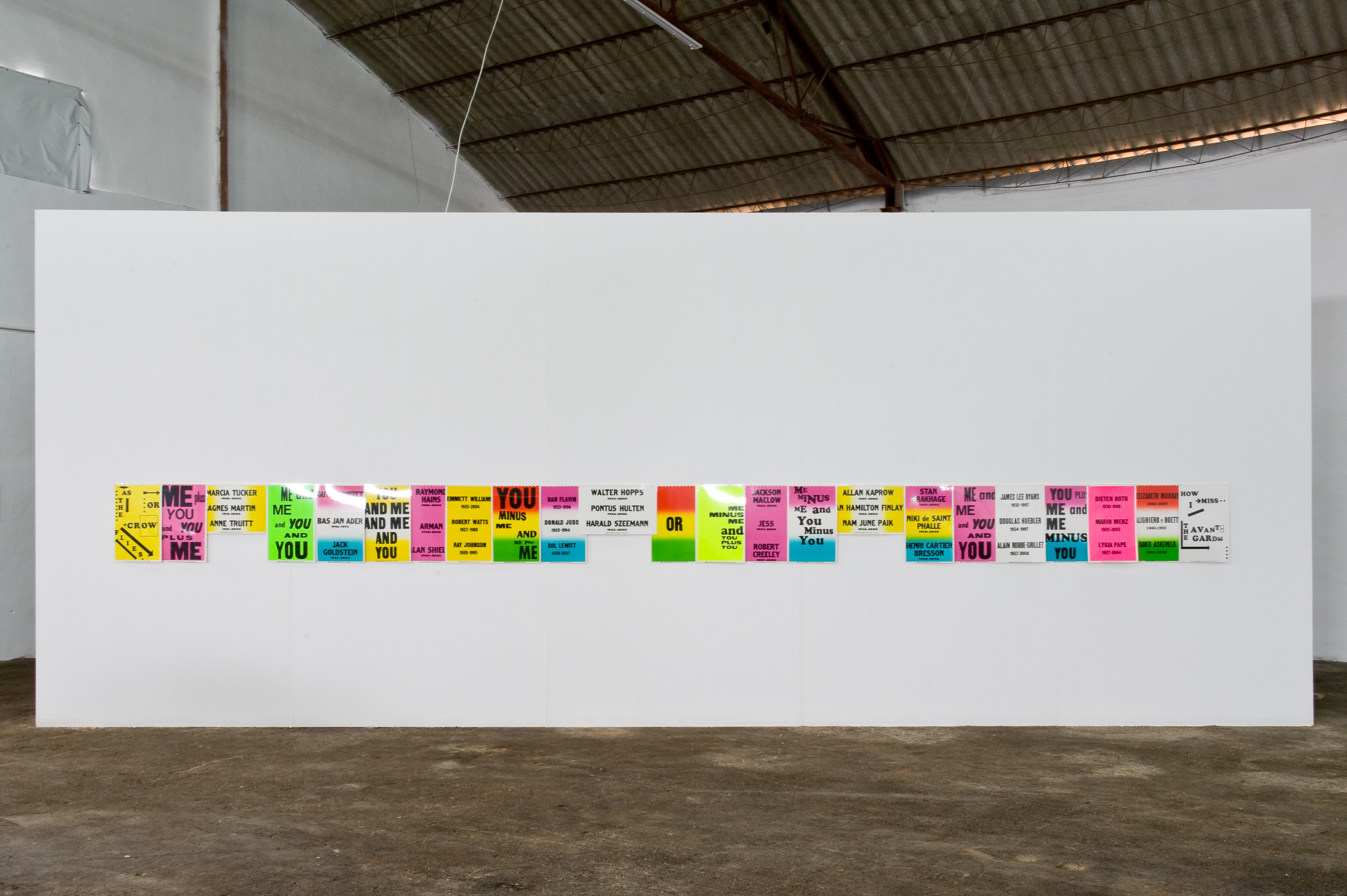
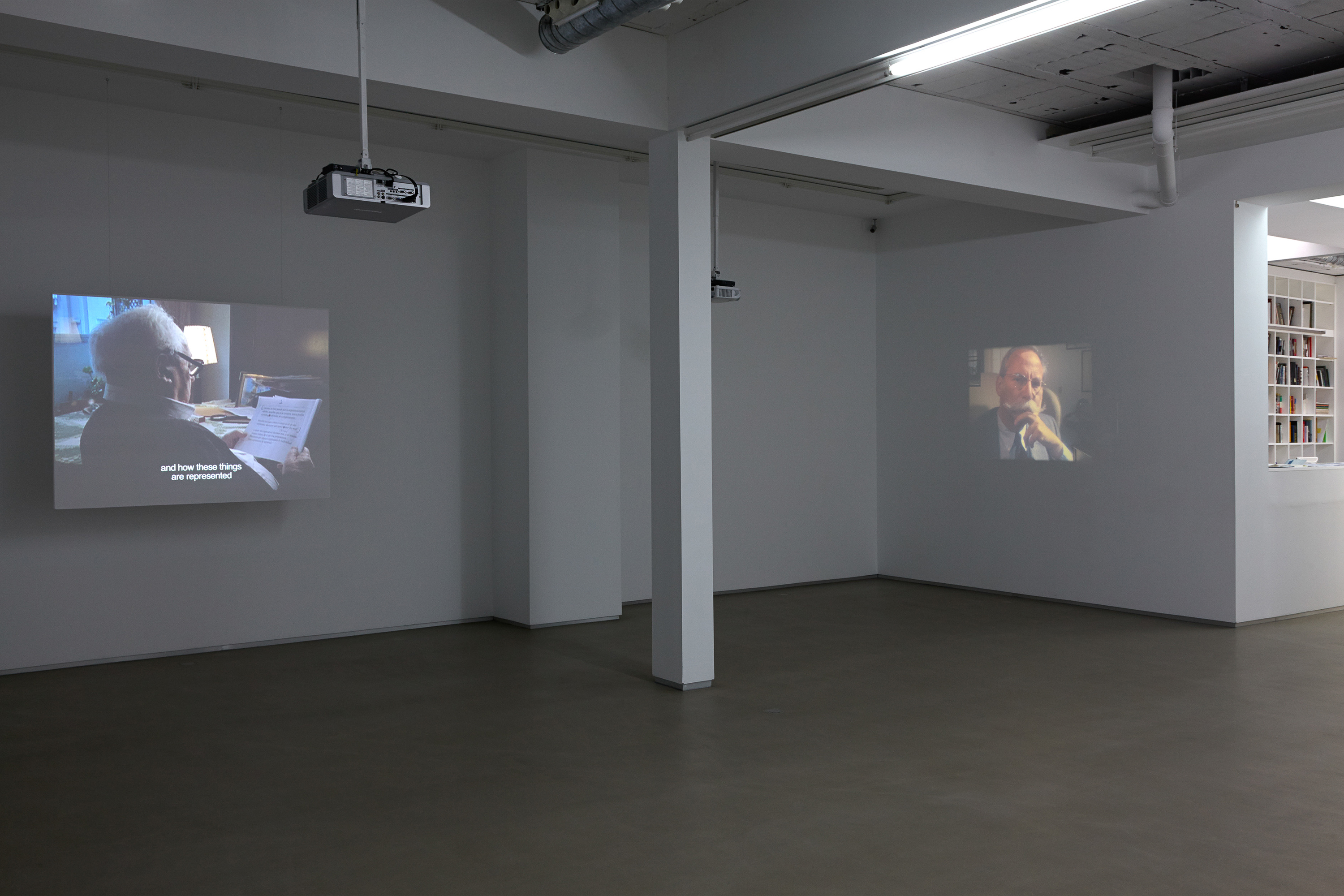
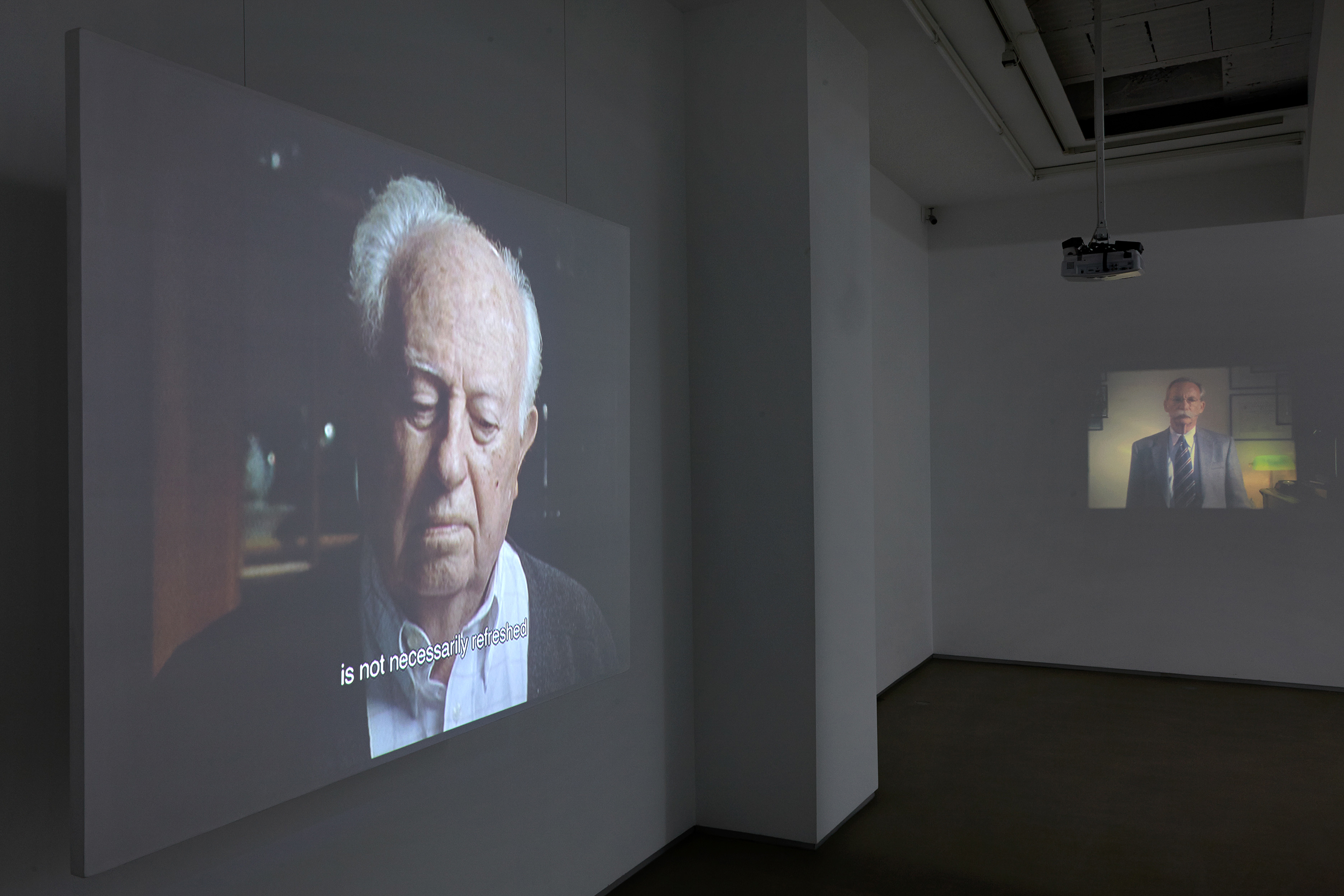
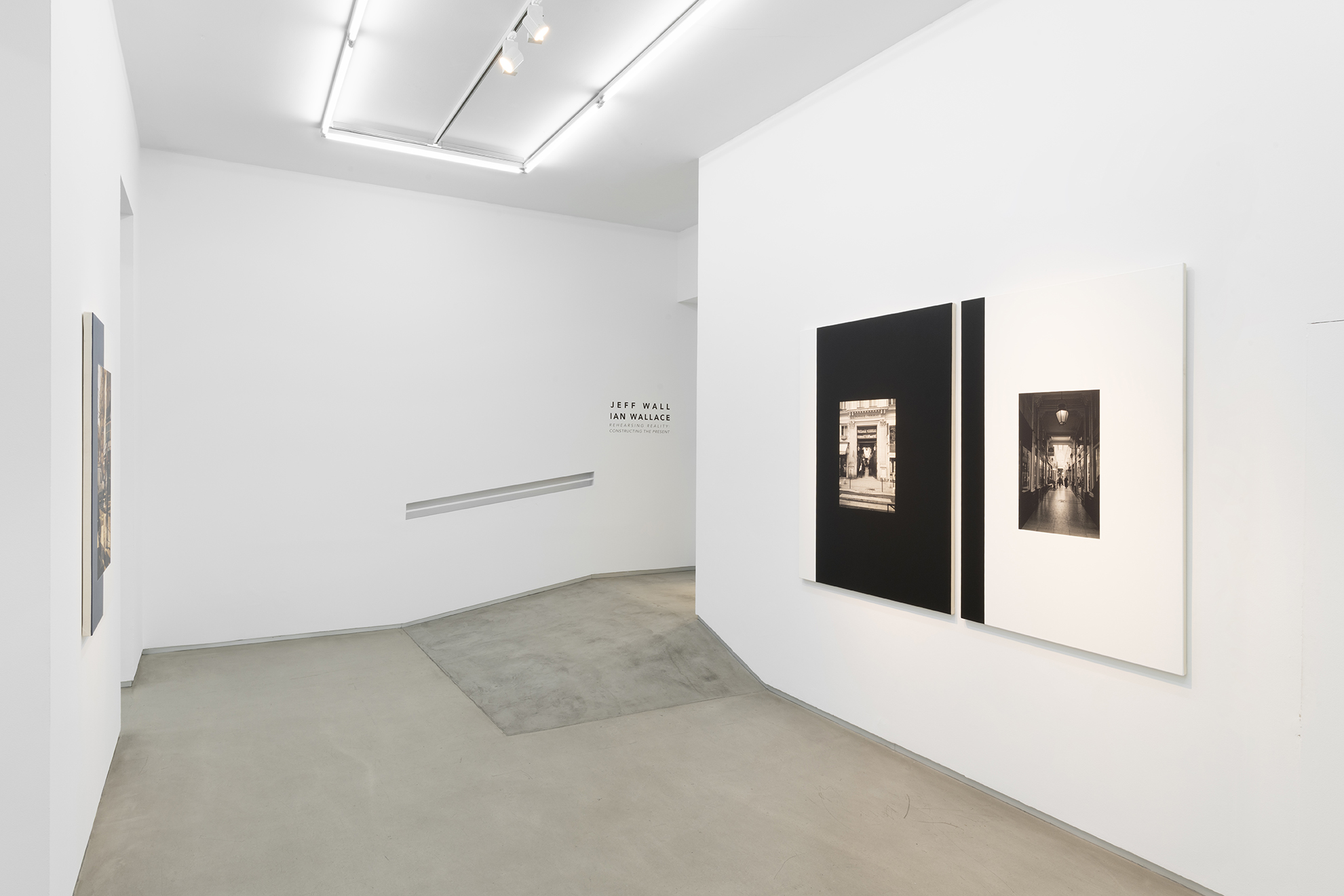
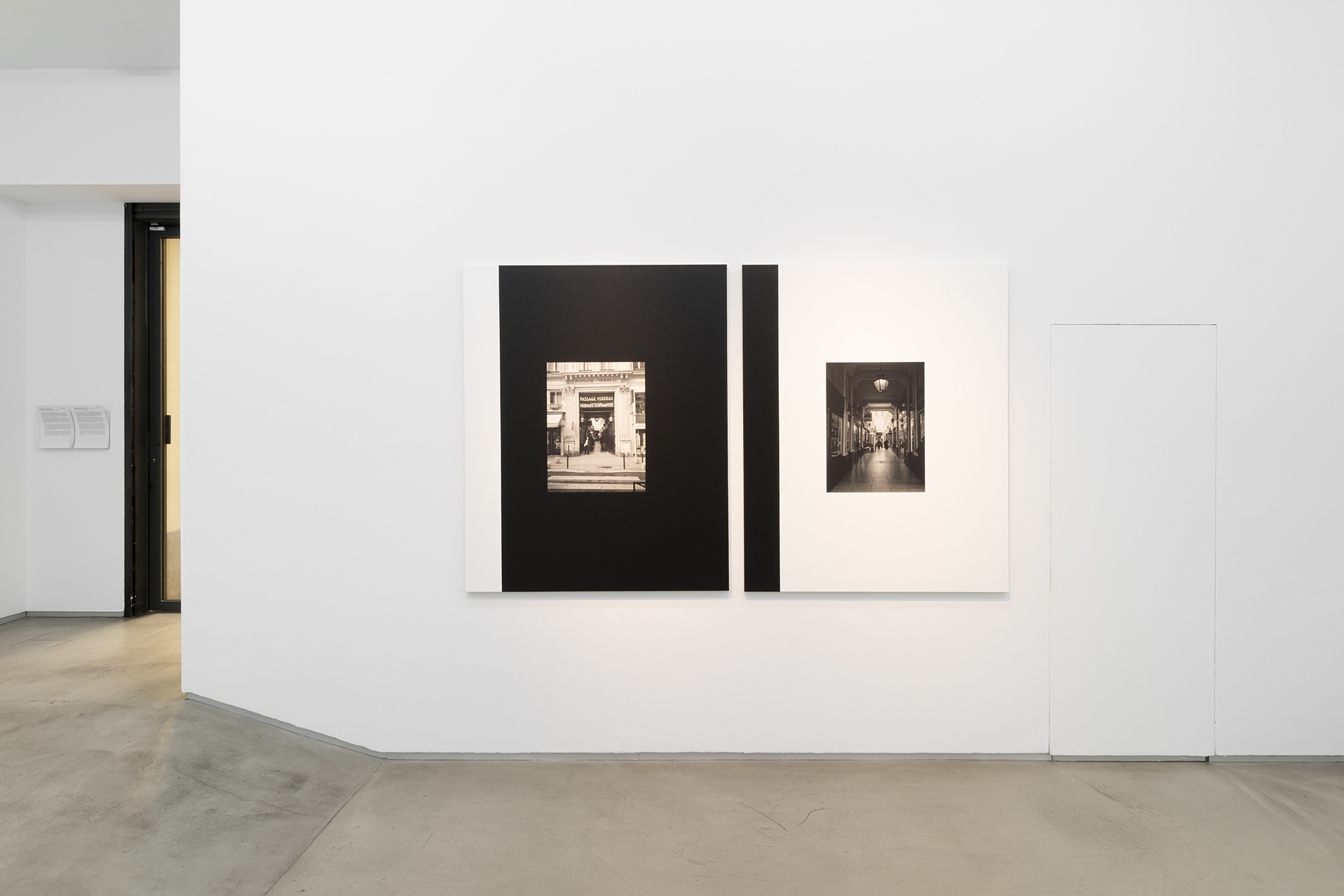
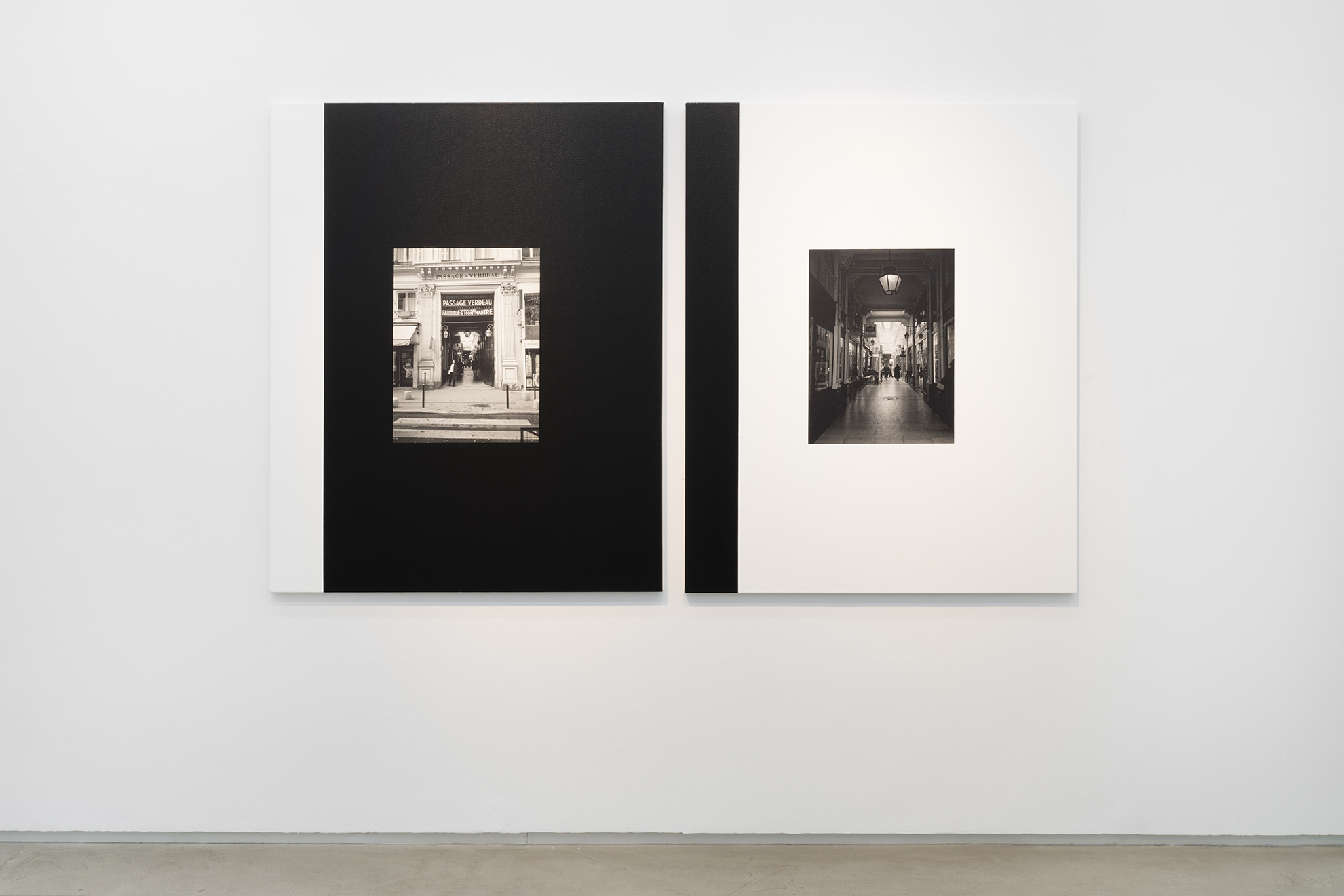
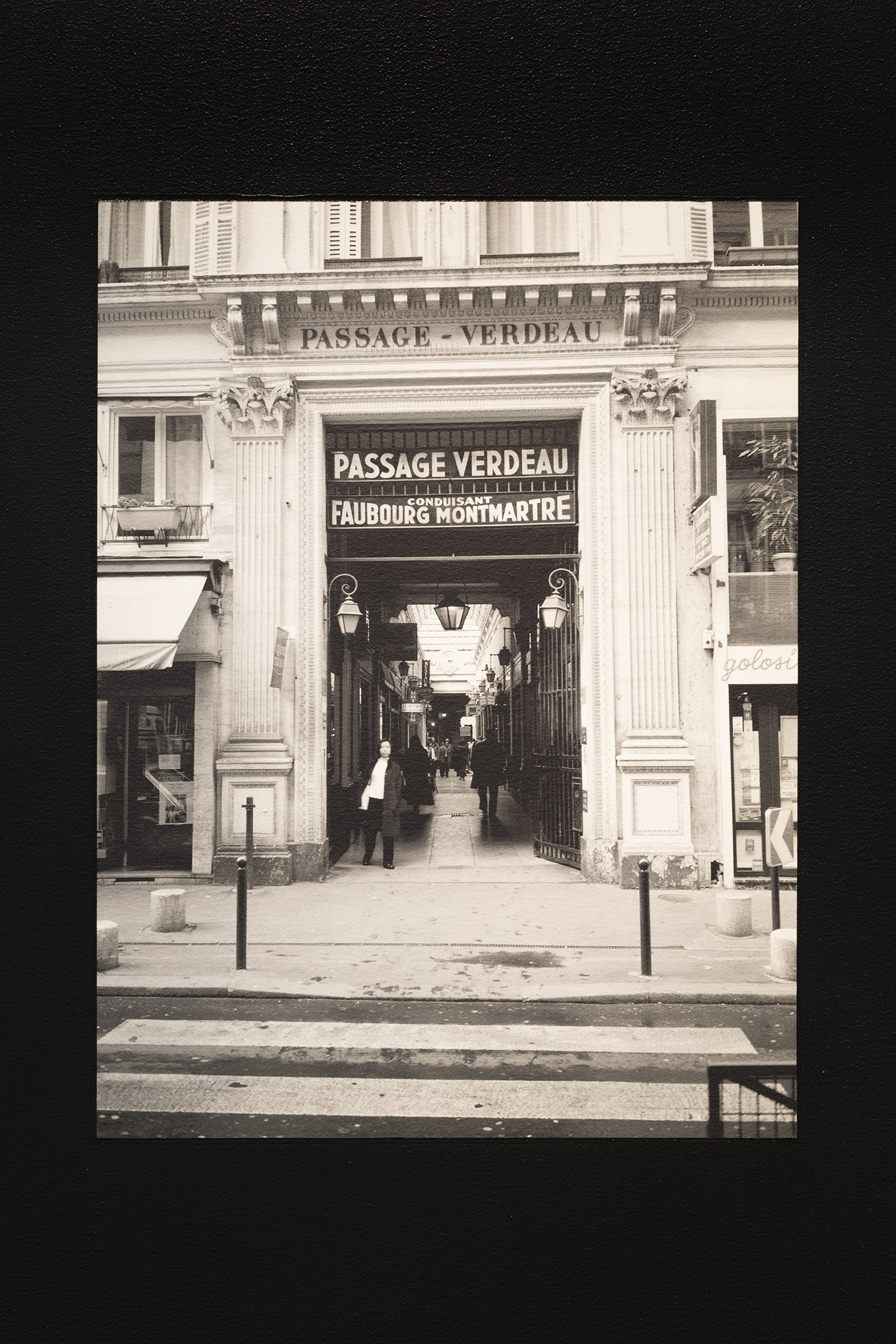
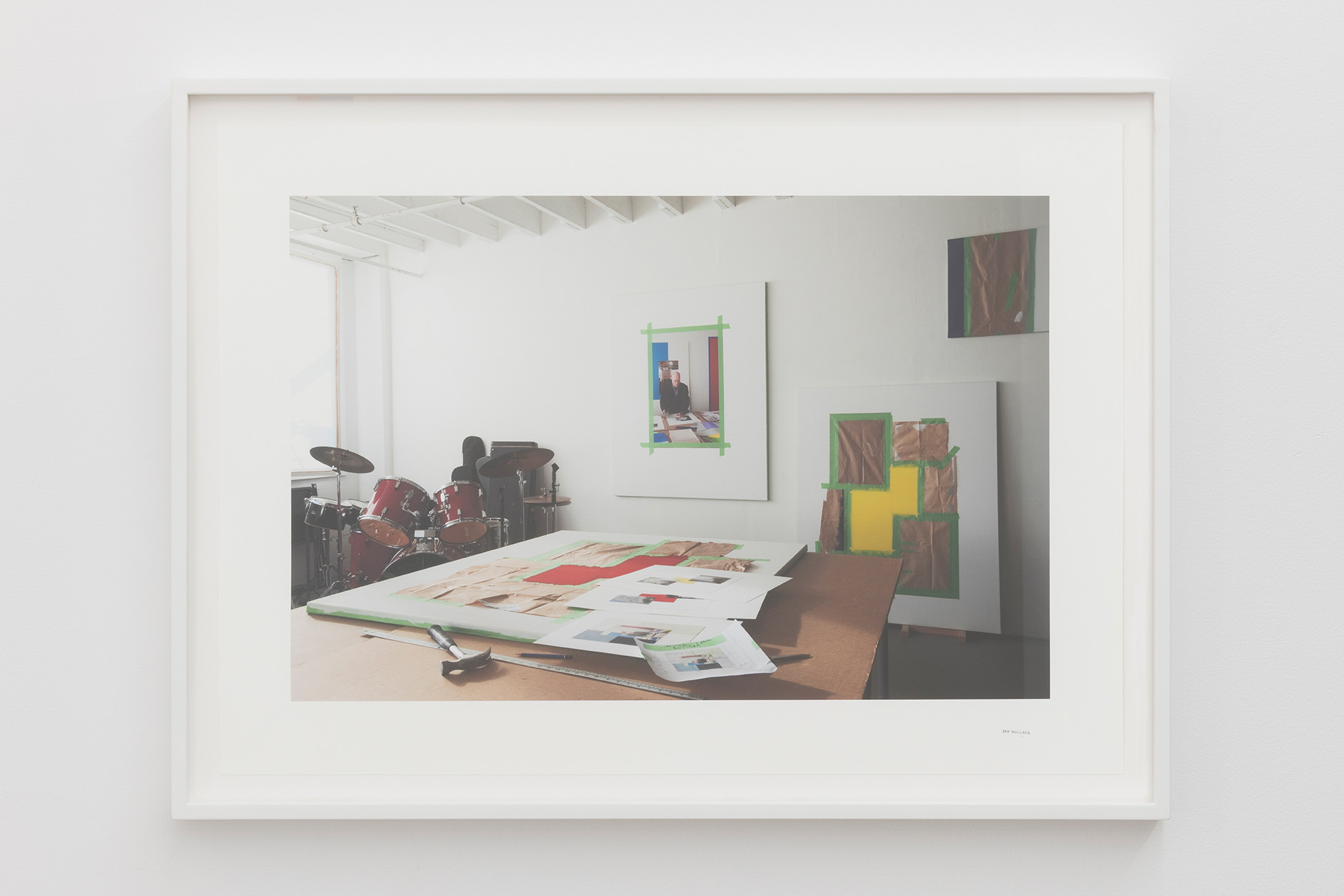
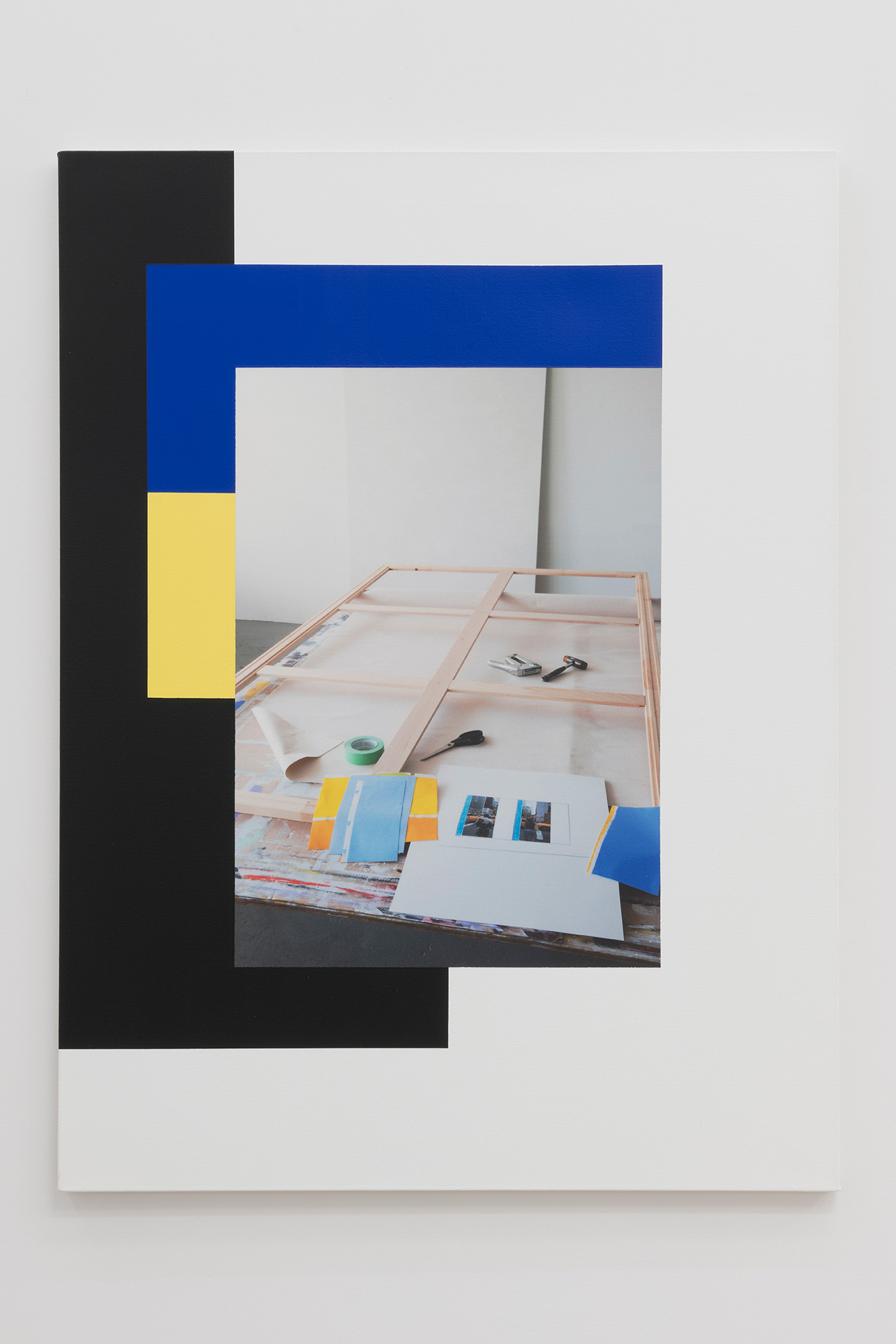
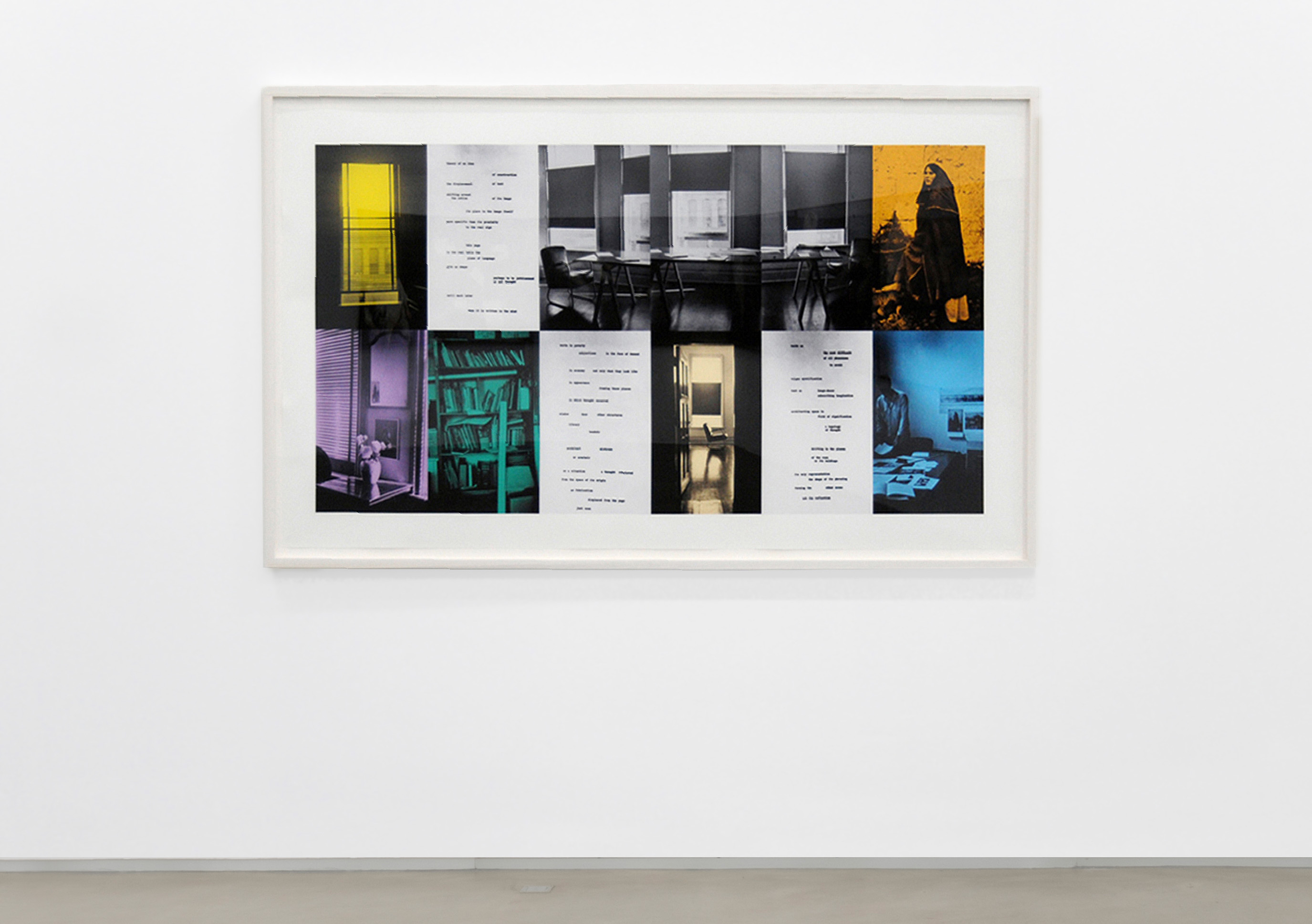
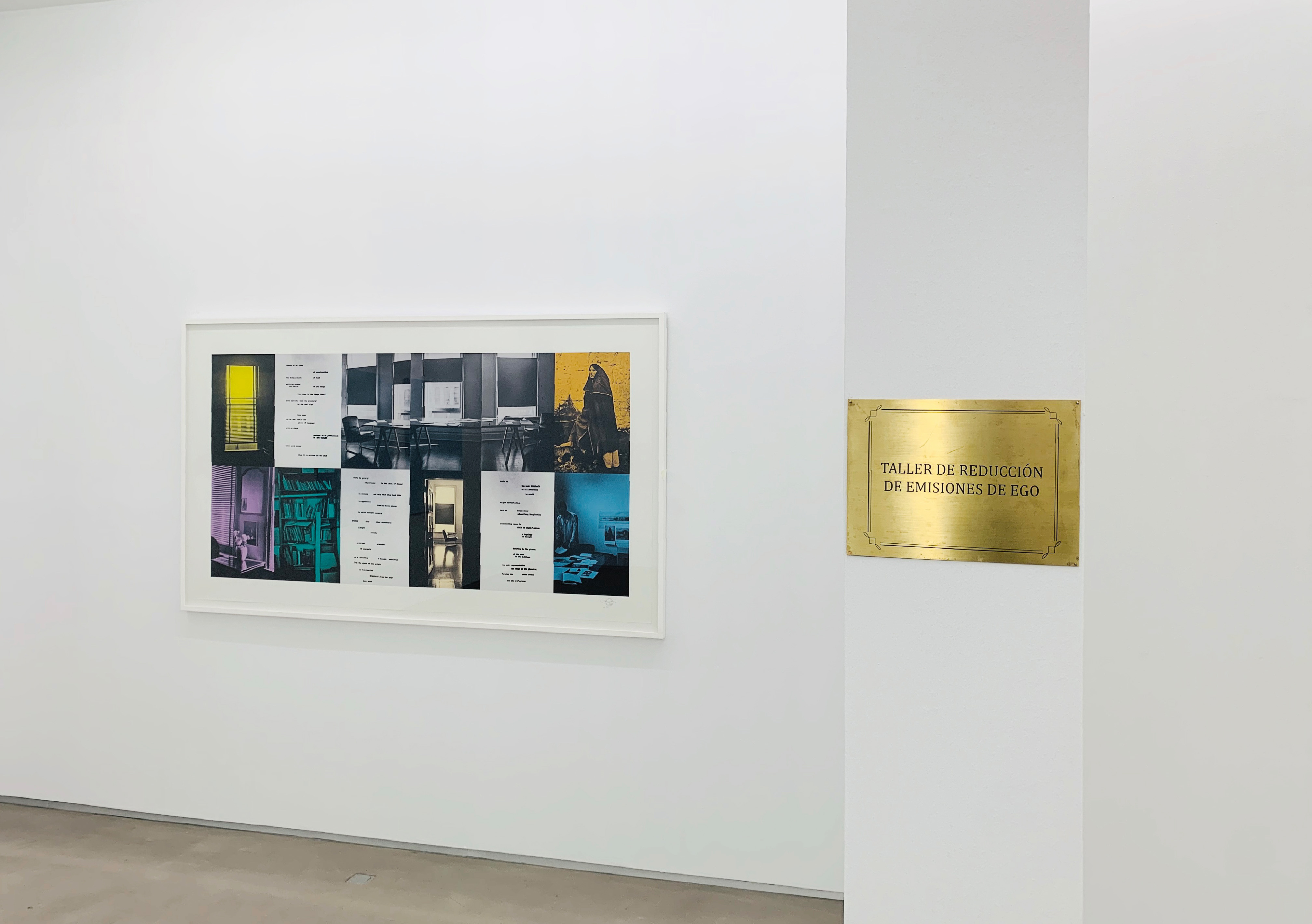
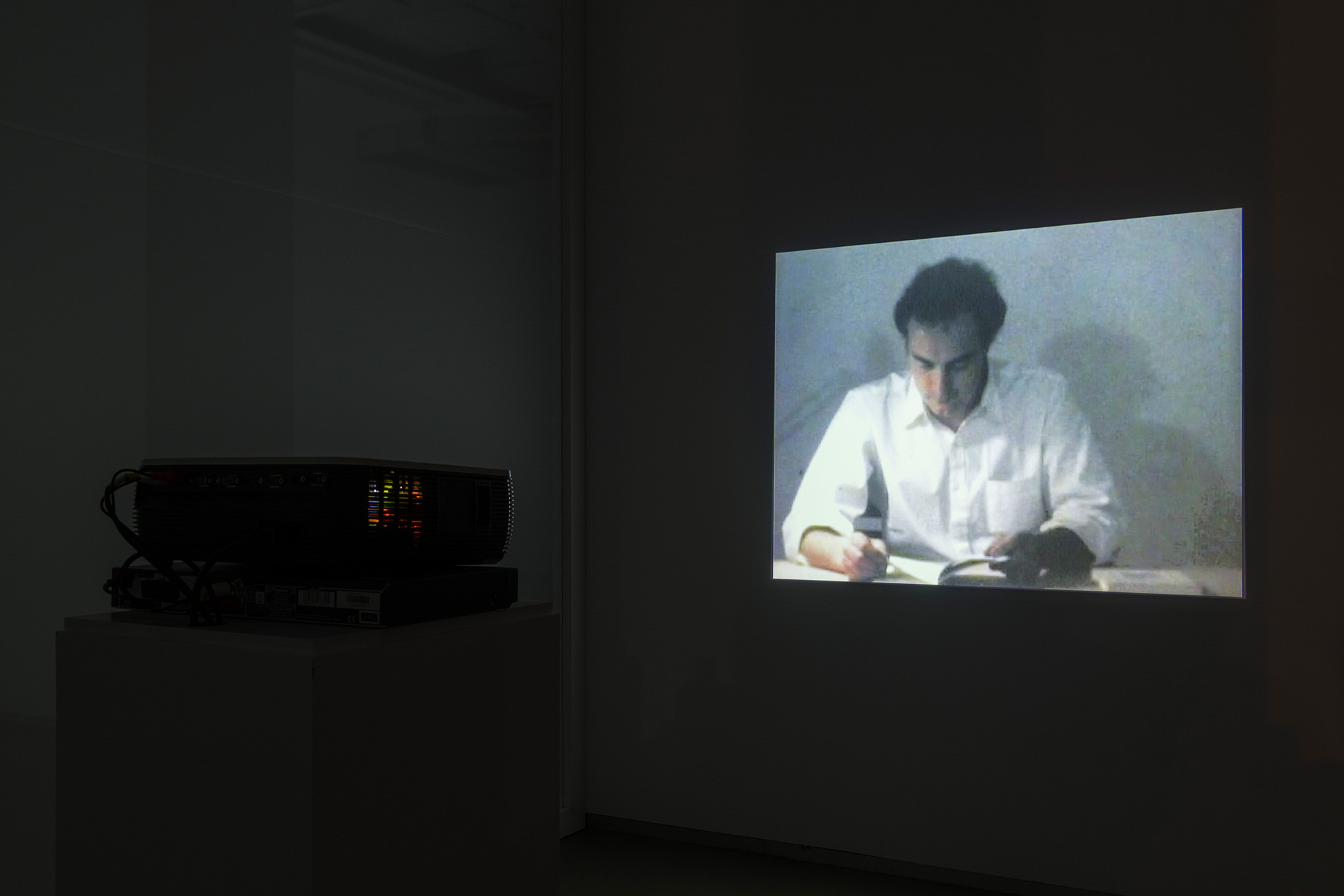
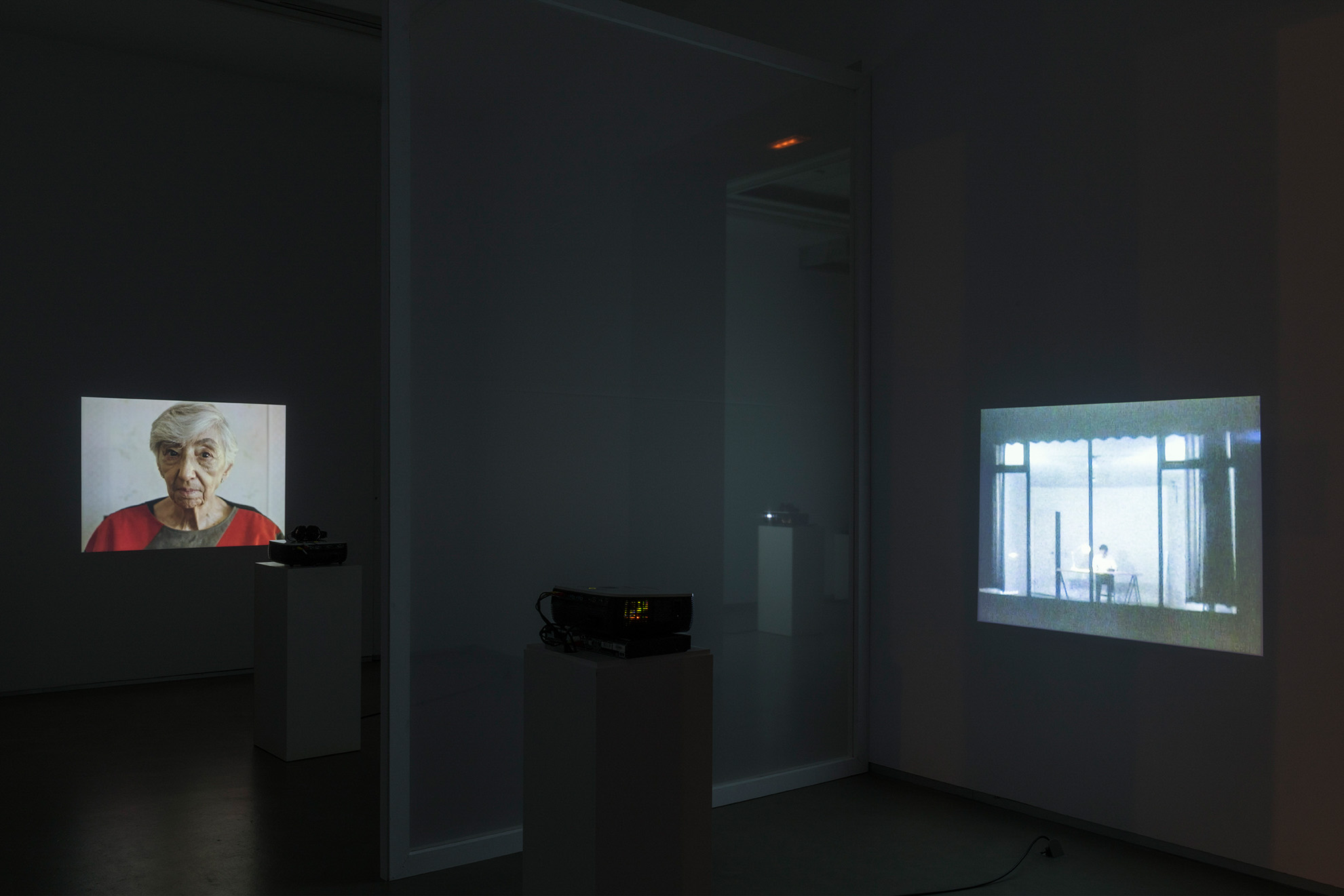
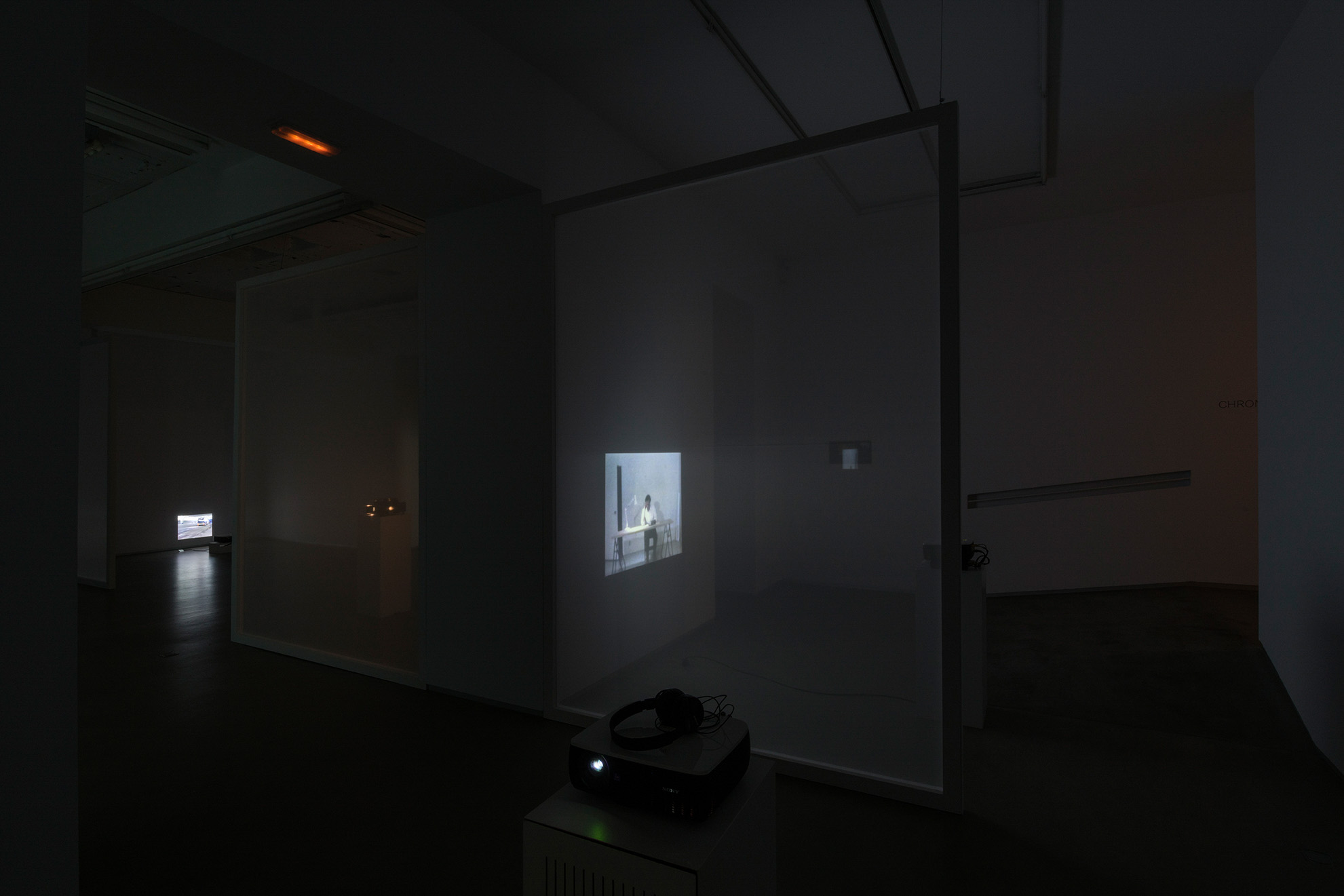
Ian Wallace’s At Work, 1983 documents a performance that he did in an independent space named Or Gallery, in Vancouver. During daytime, the curtains of the window facing the street were closed and, after midnight, they were open so bystanders could see the artist working inside all night long. Wallace, though, was not presenting himself working as a common visual artist, but as a Conceptual one, so he stayed there just reading Kierkegaard’s The Concept Of Irony : a book about Socrates, the philosopher who wrote nothing.
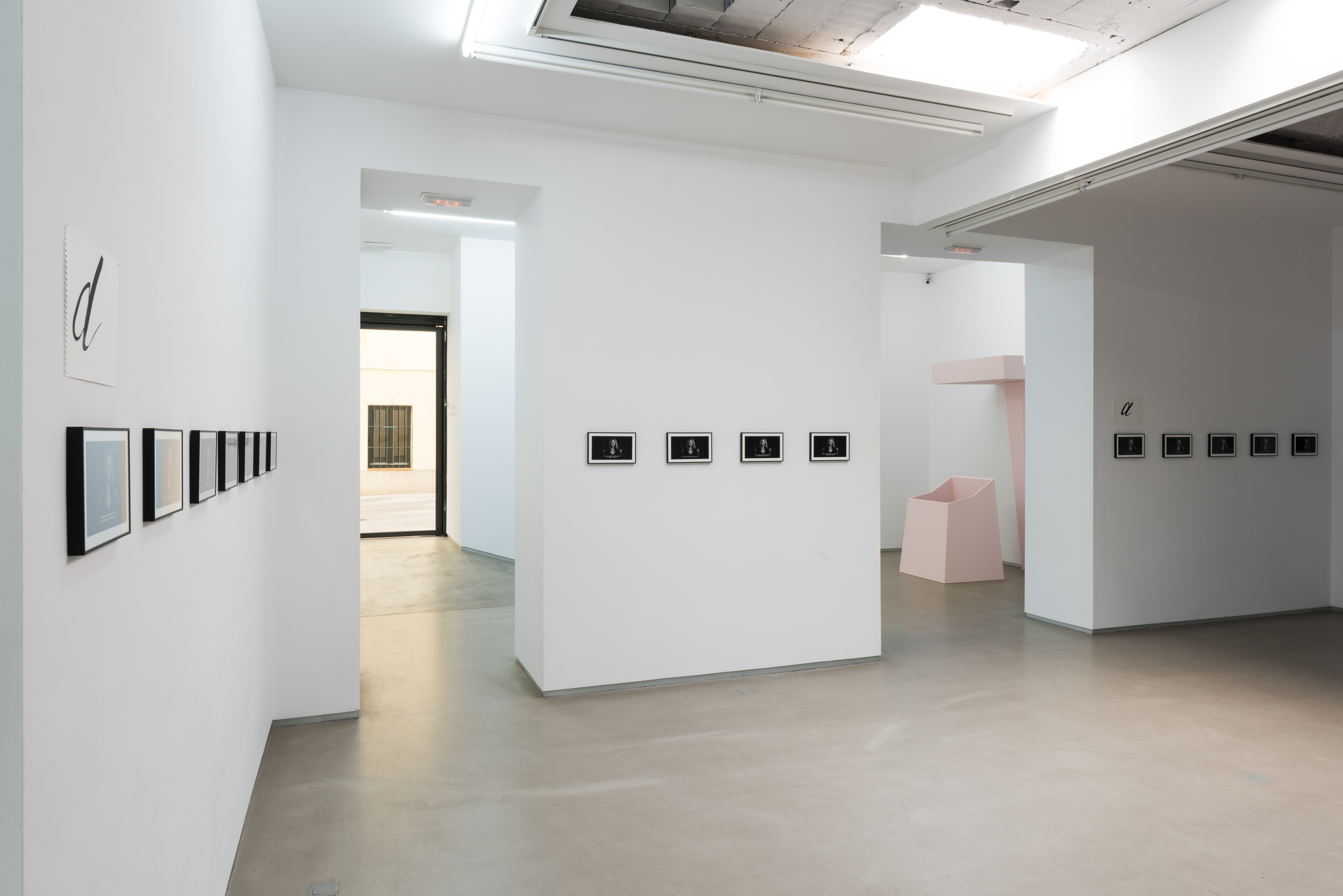
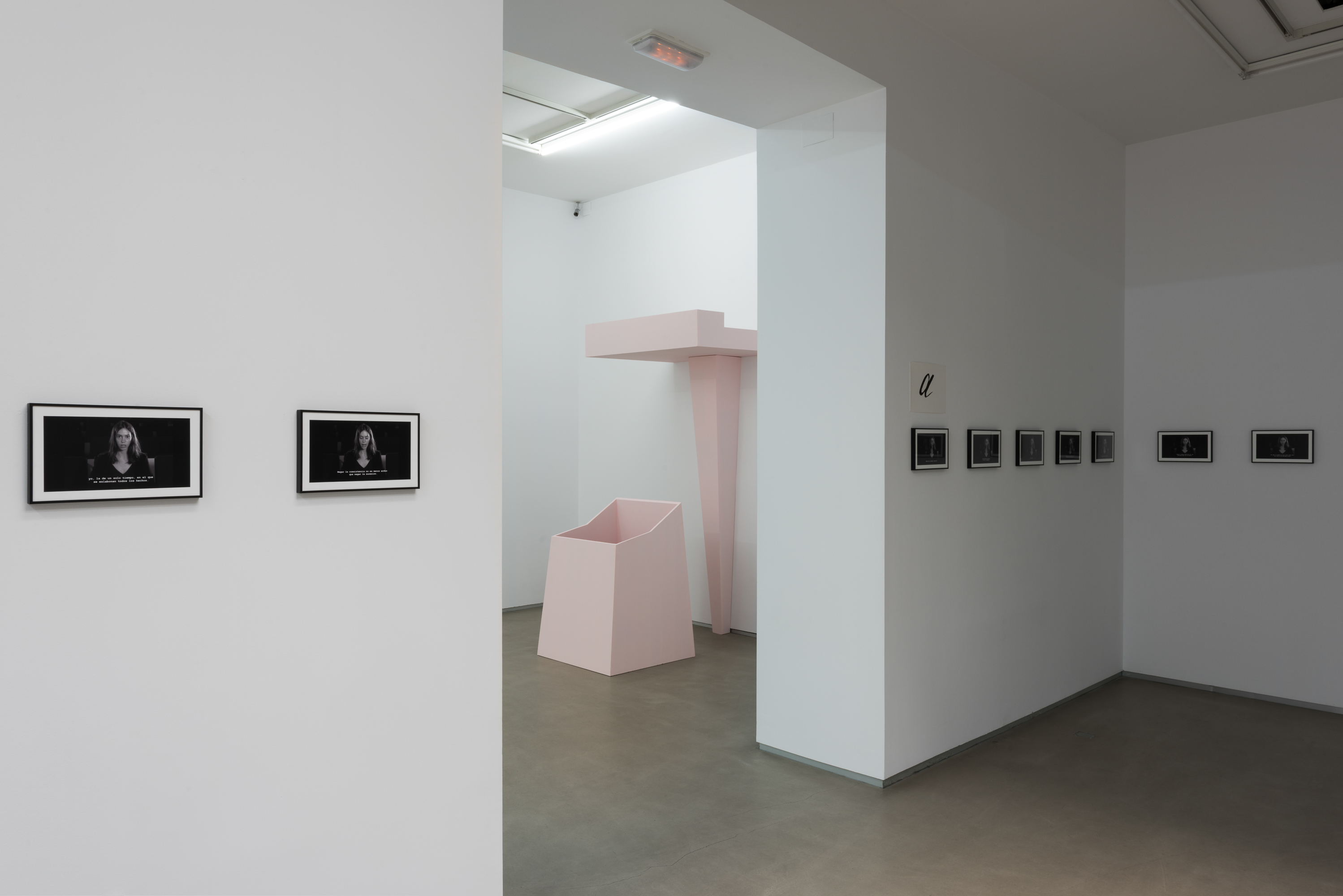
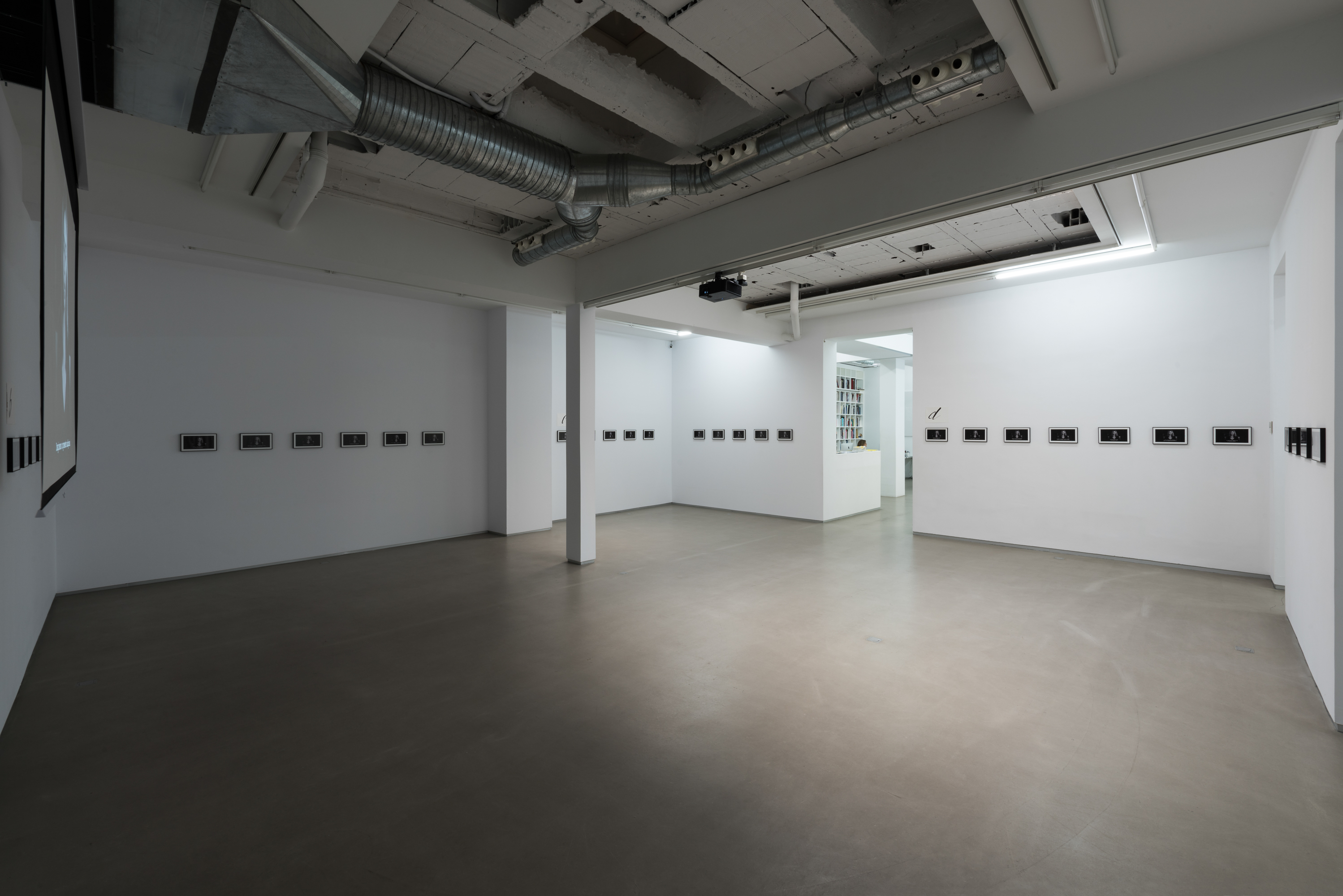
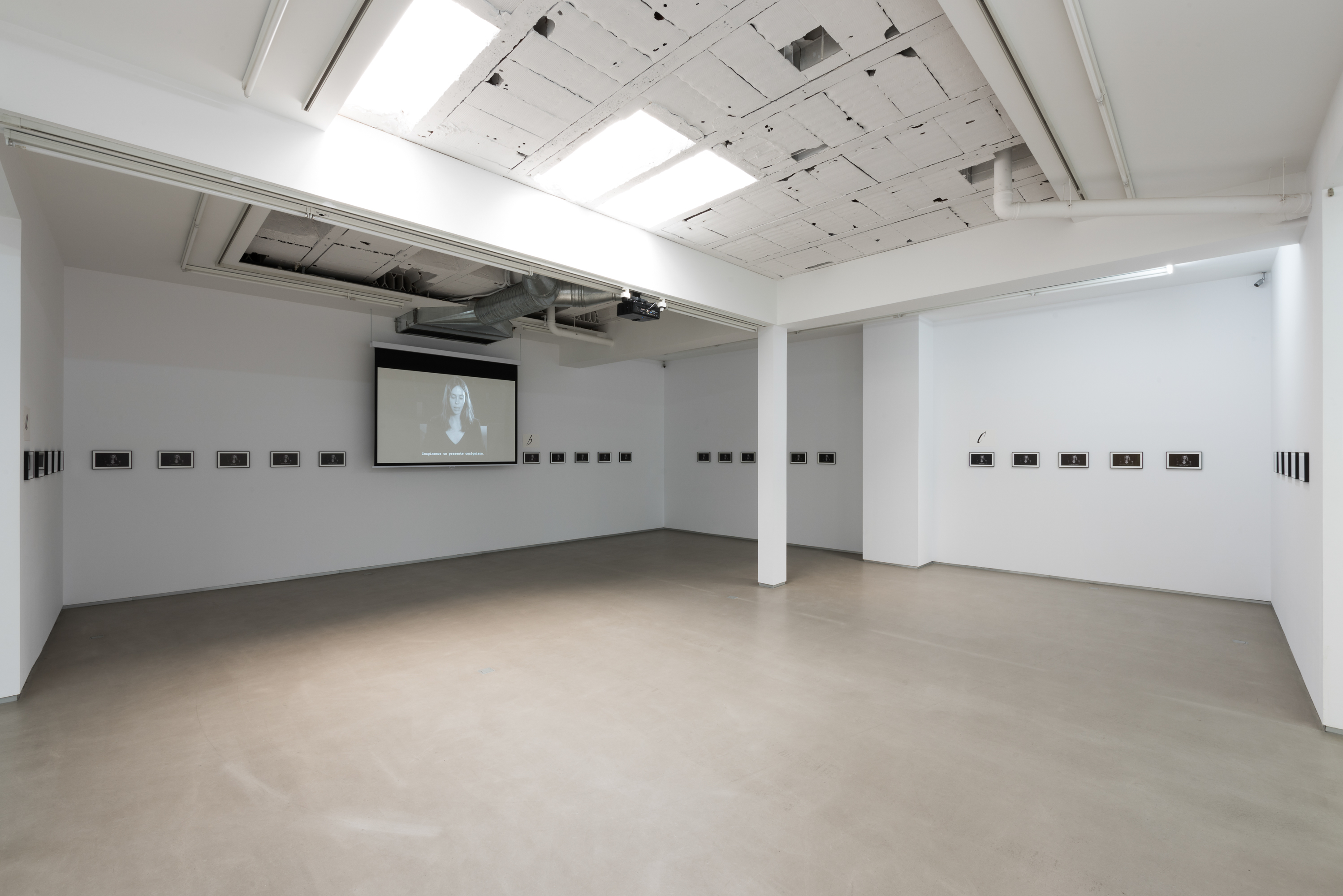
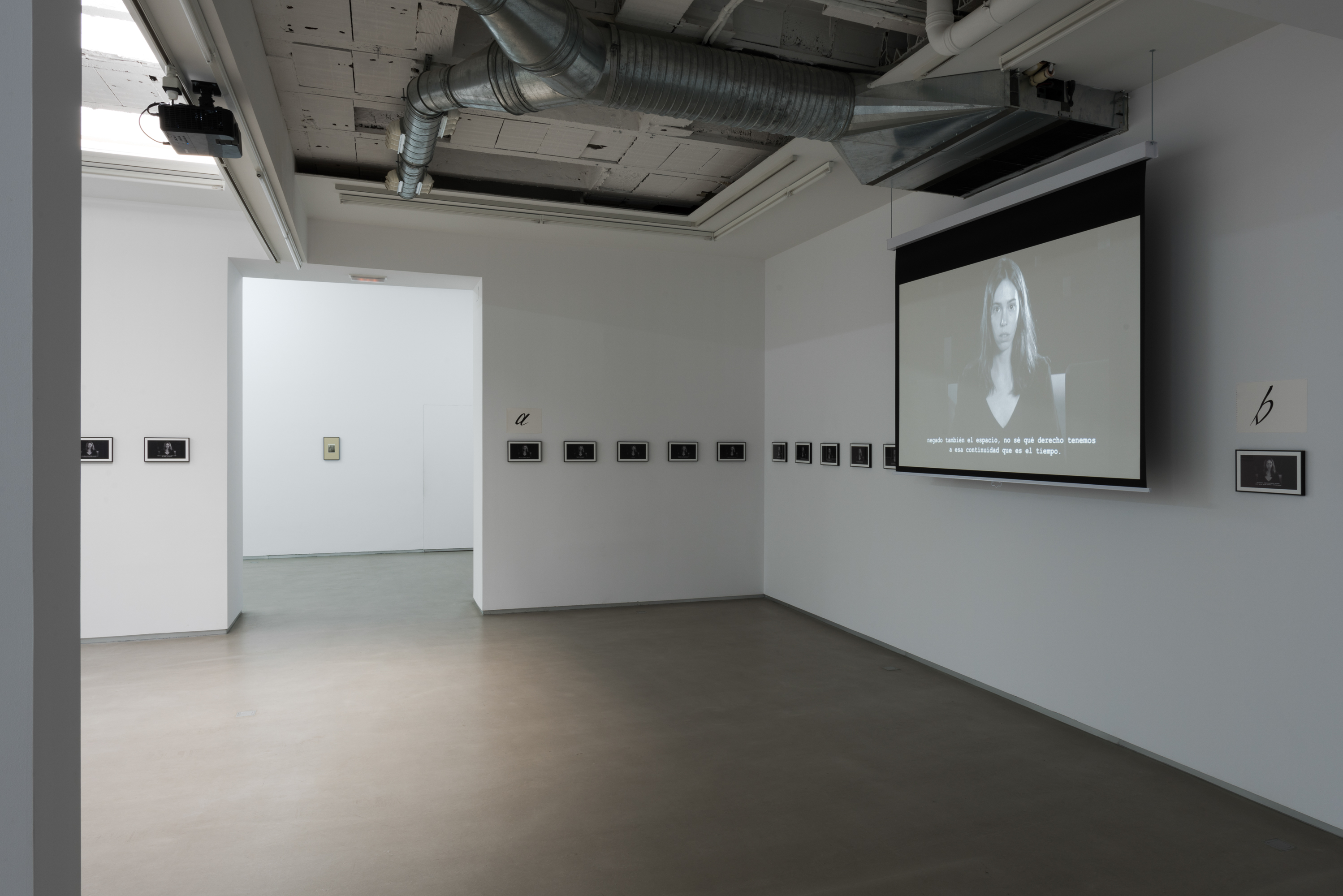
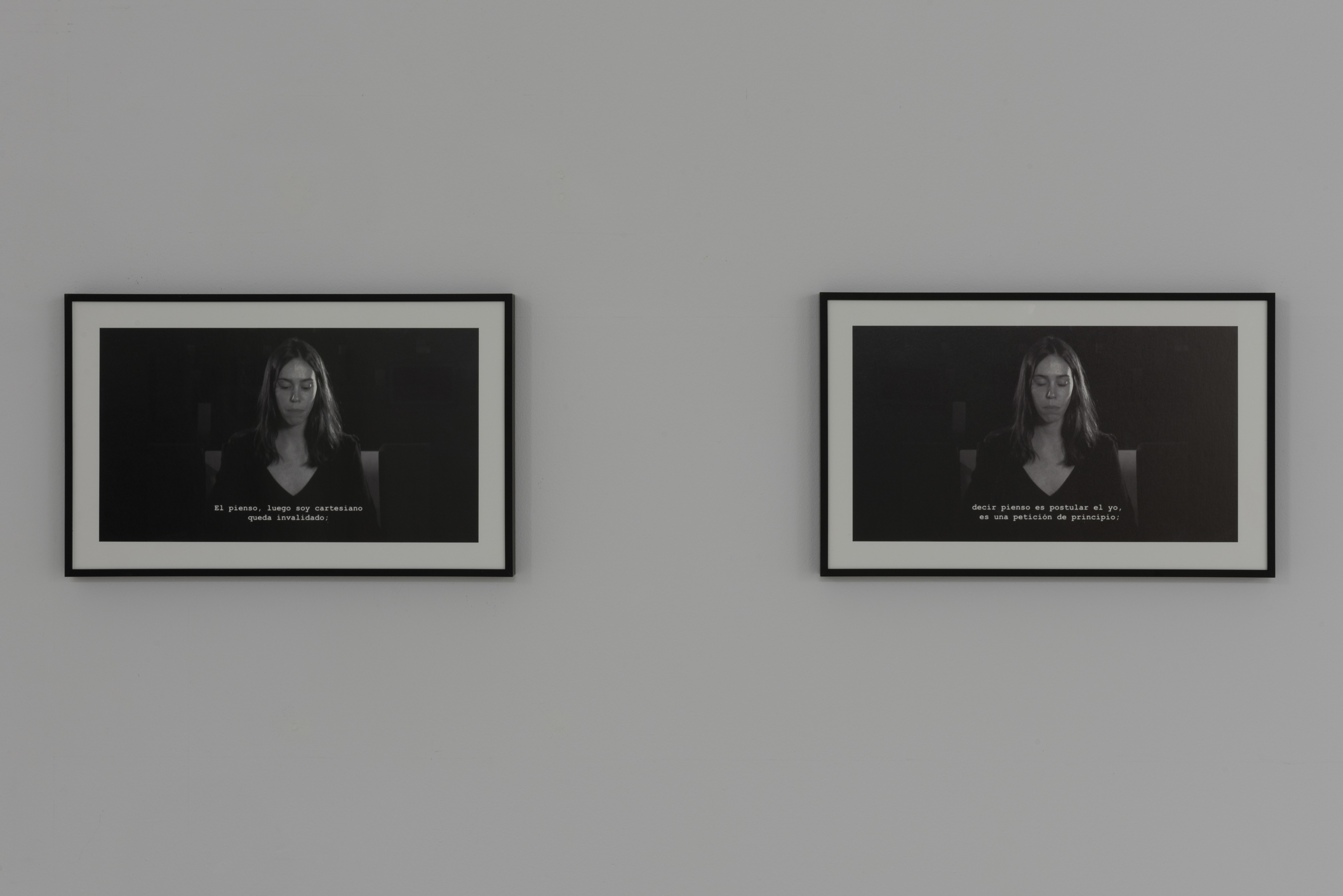
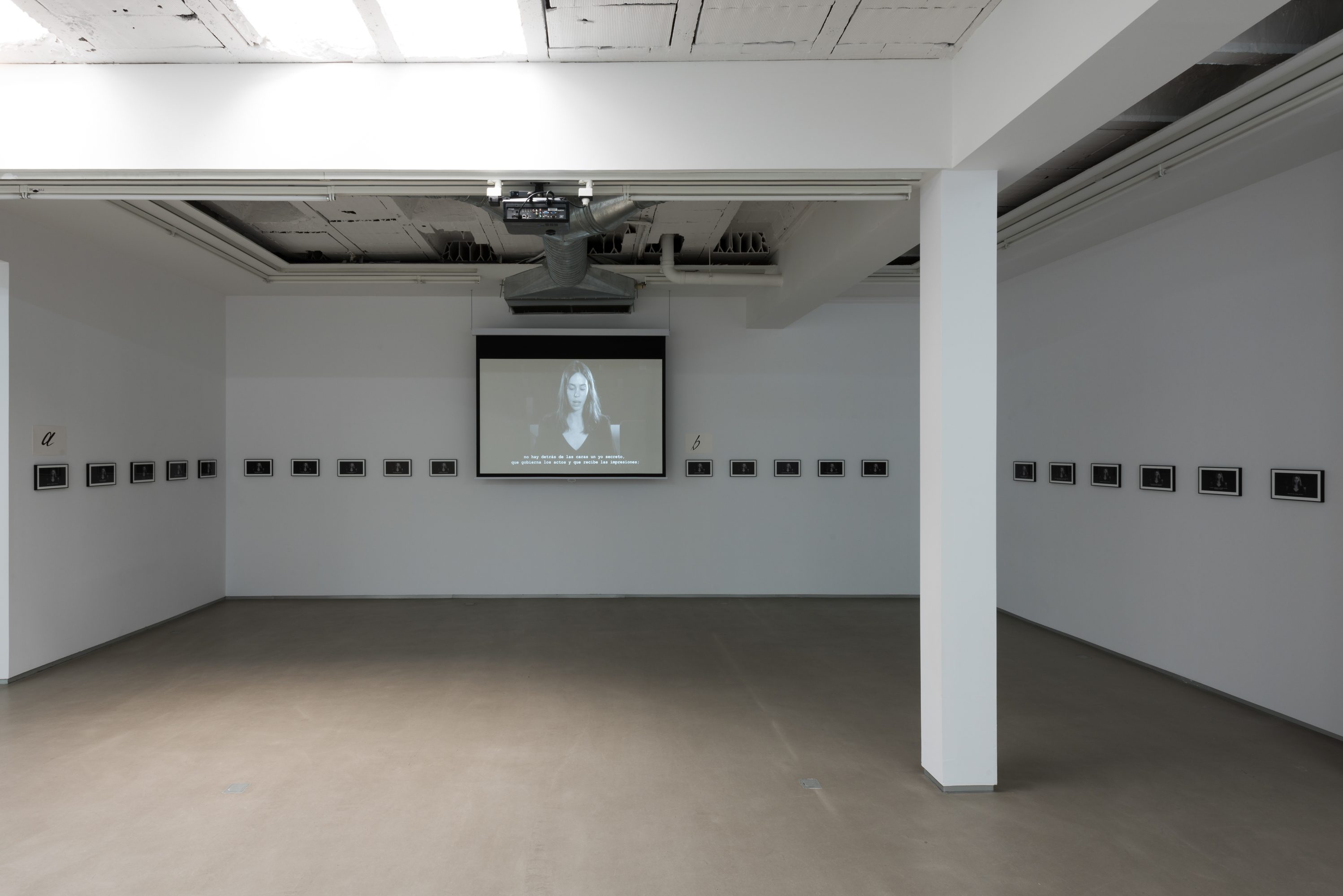
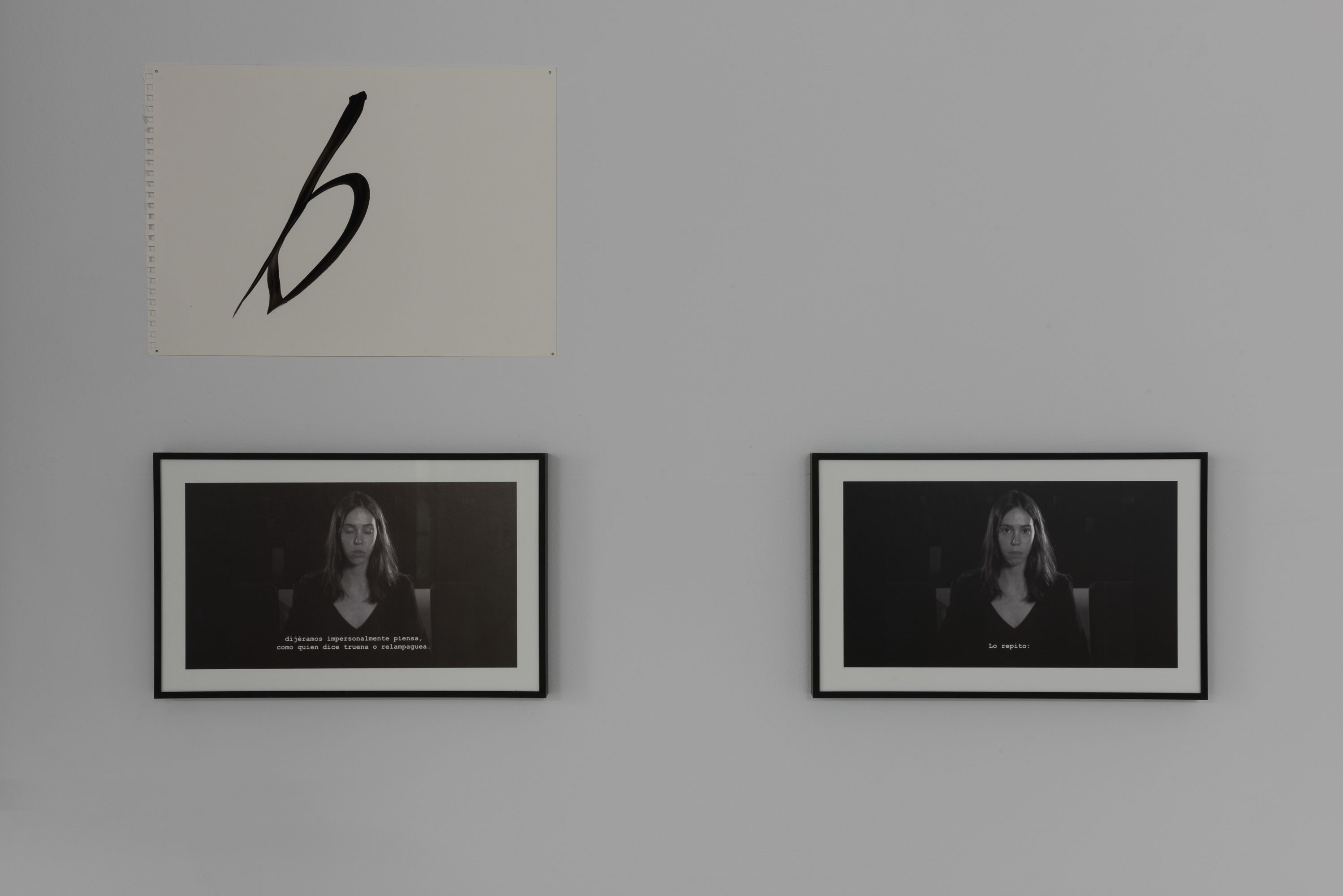
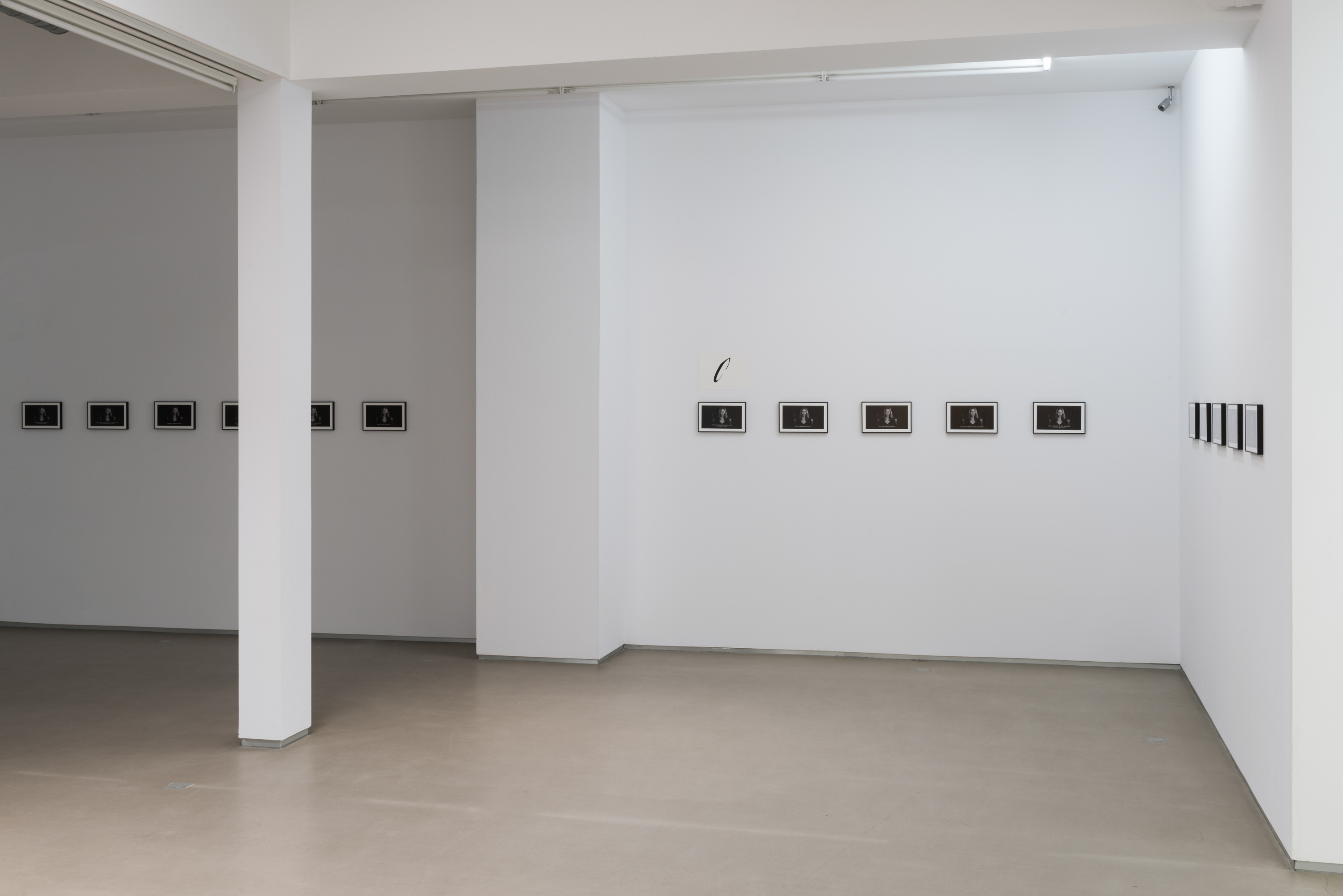
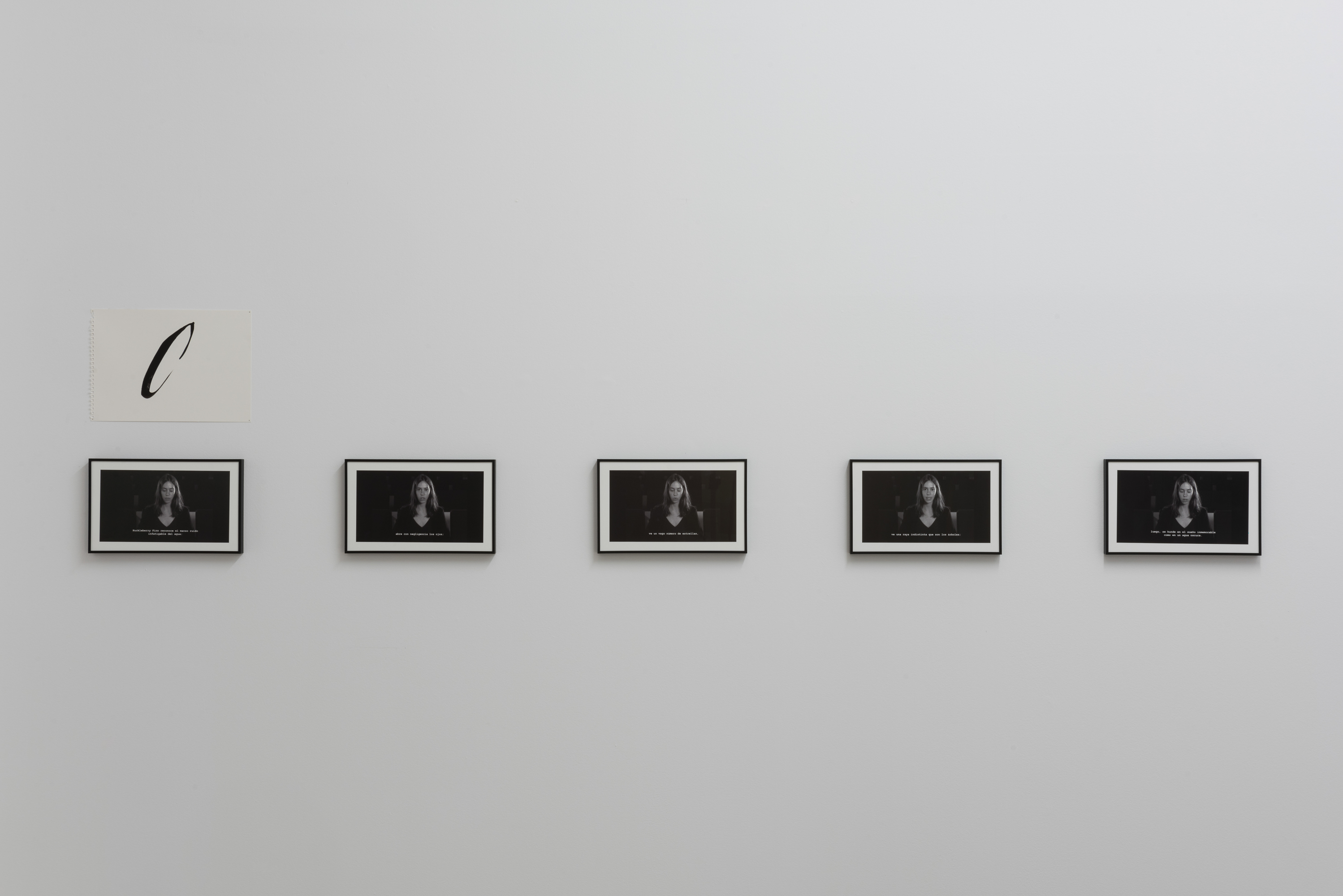
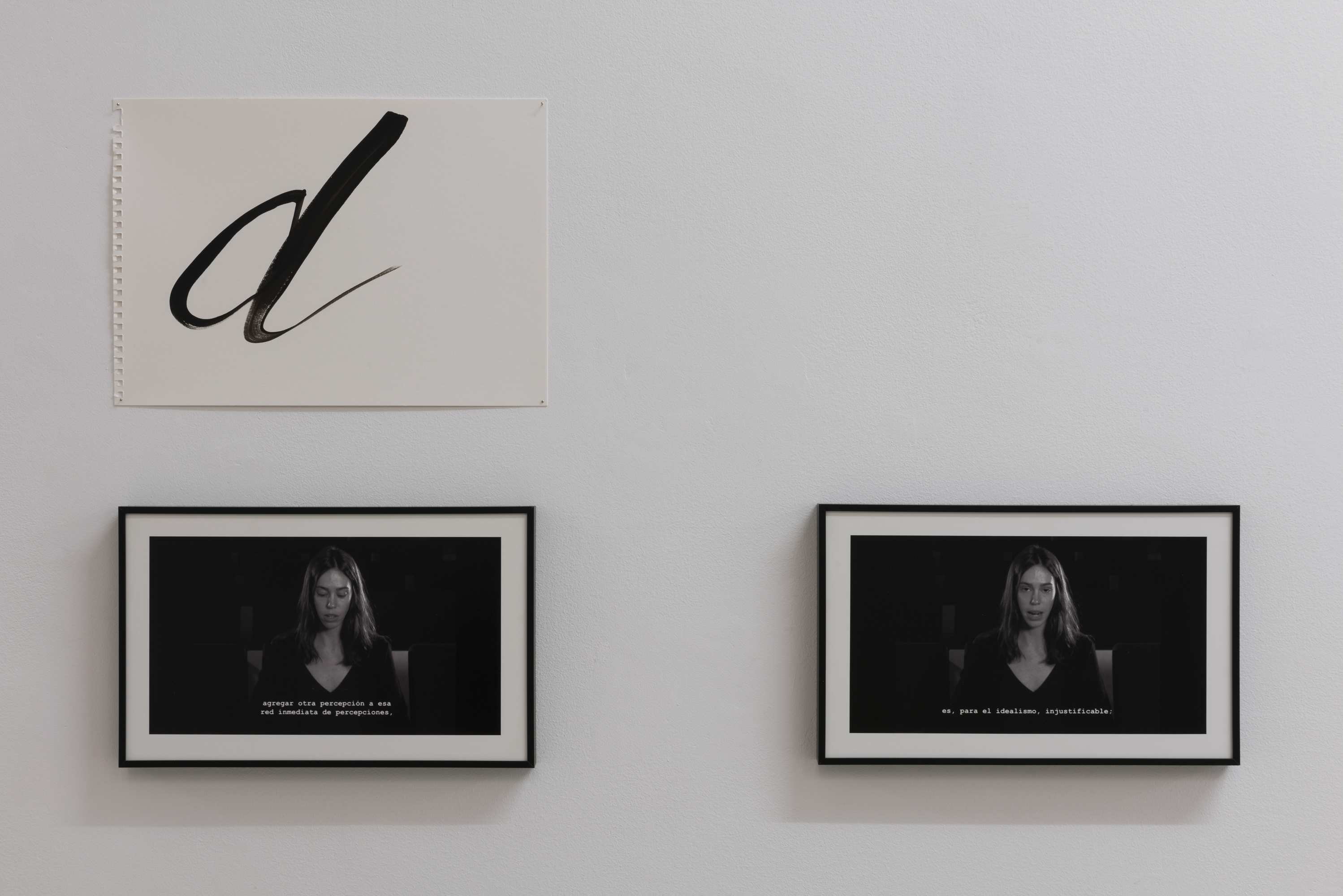
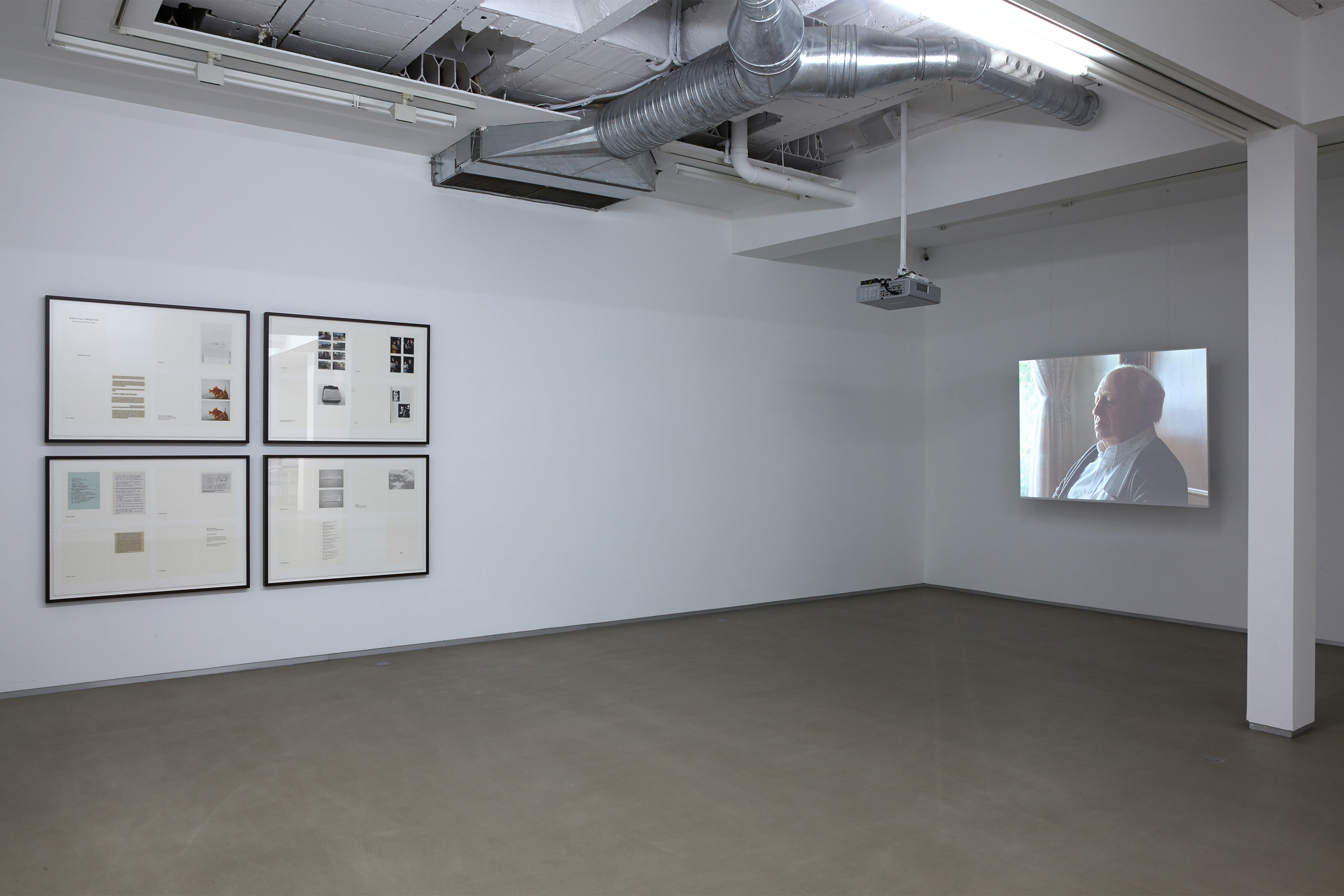
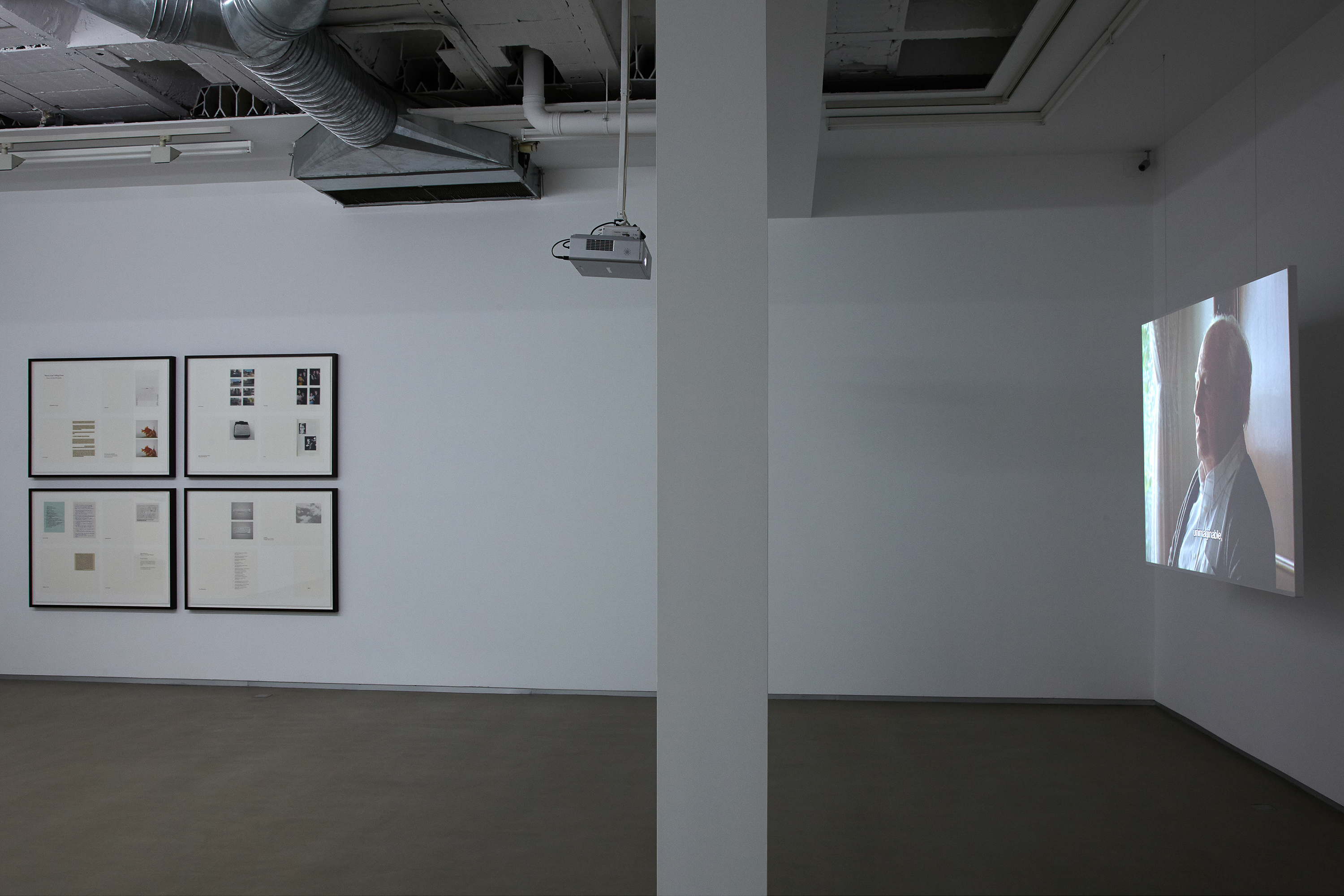
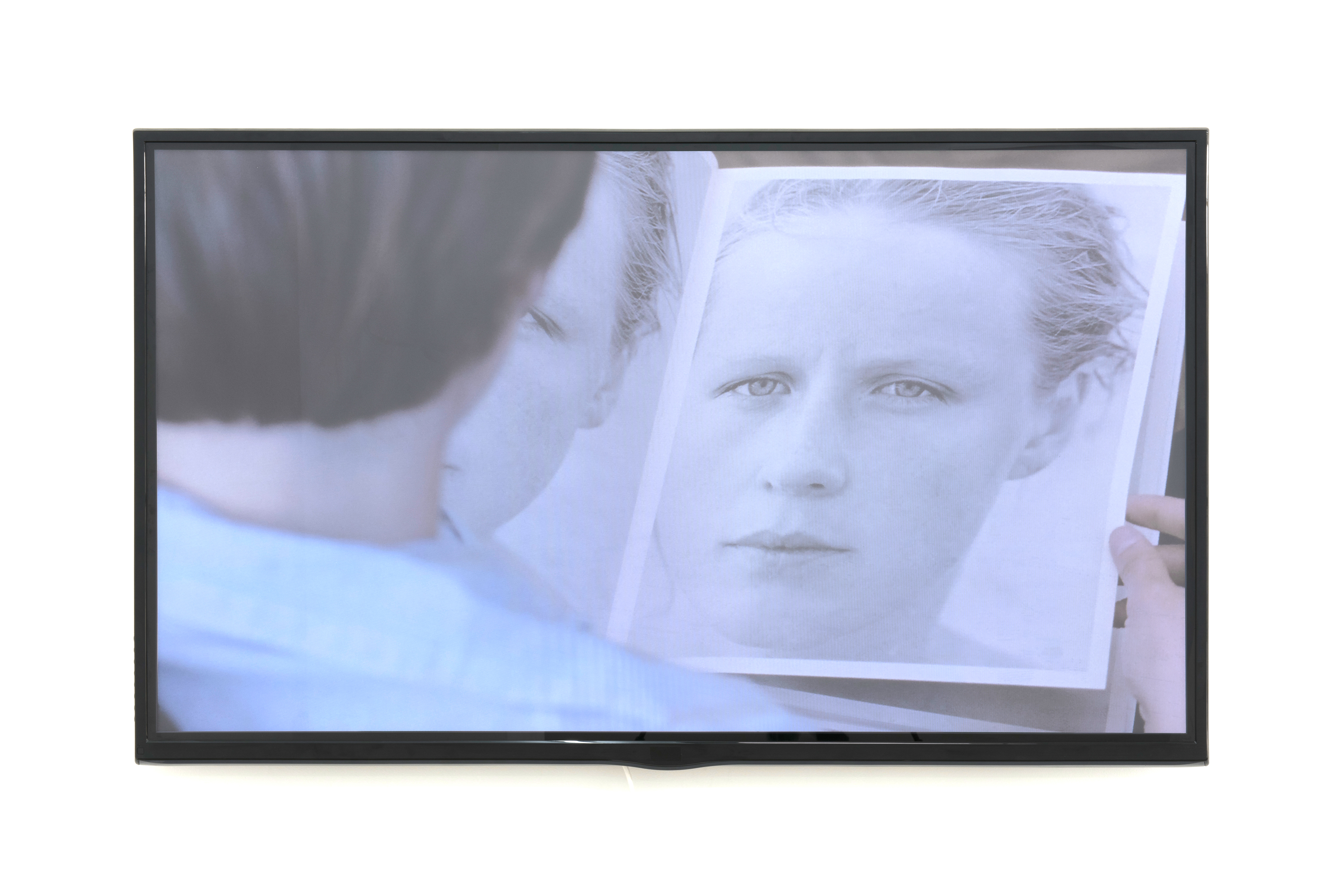
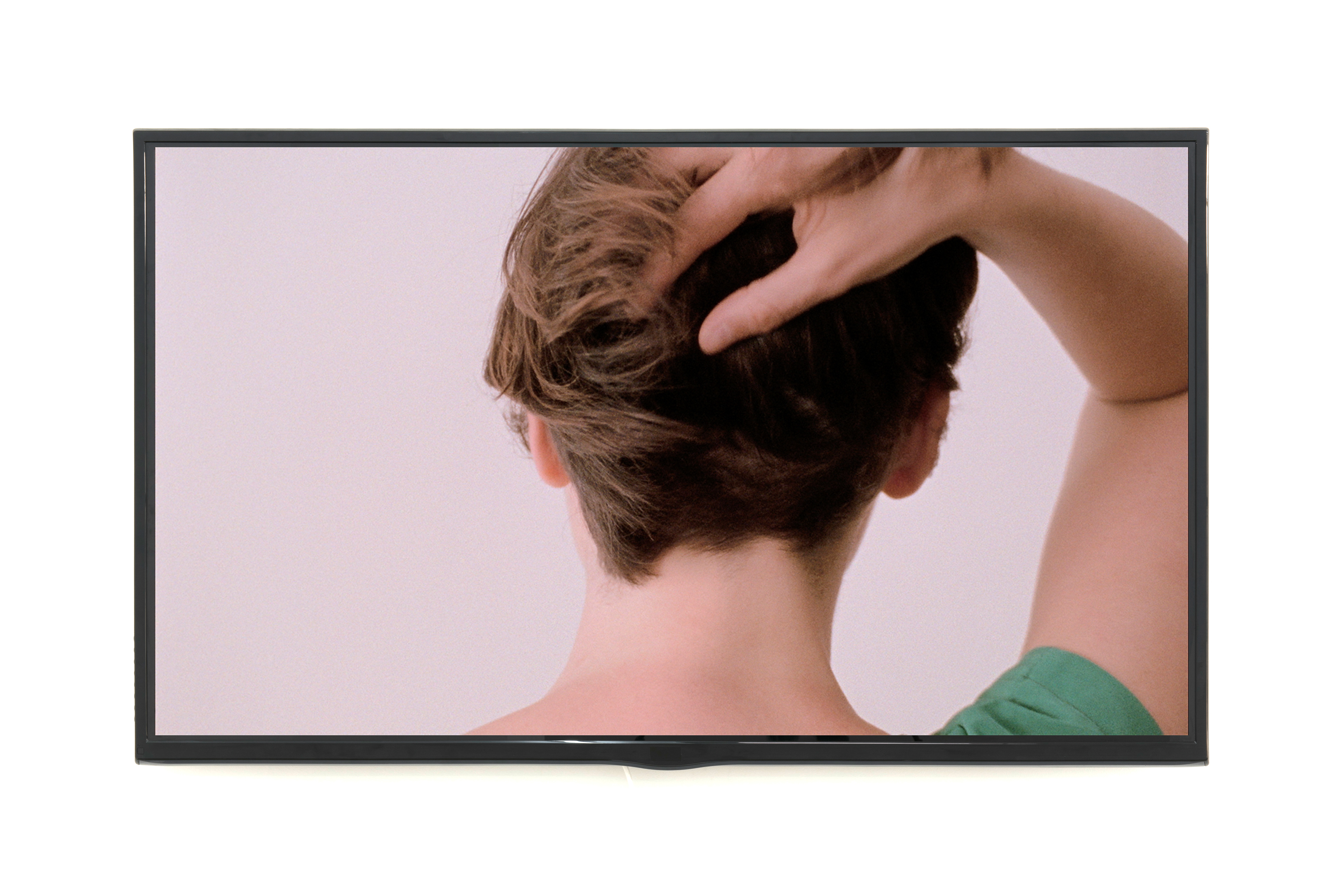
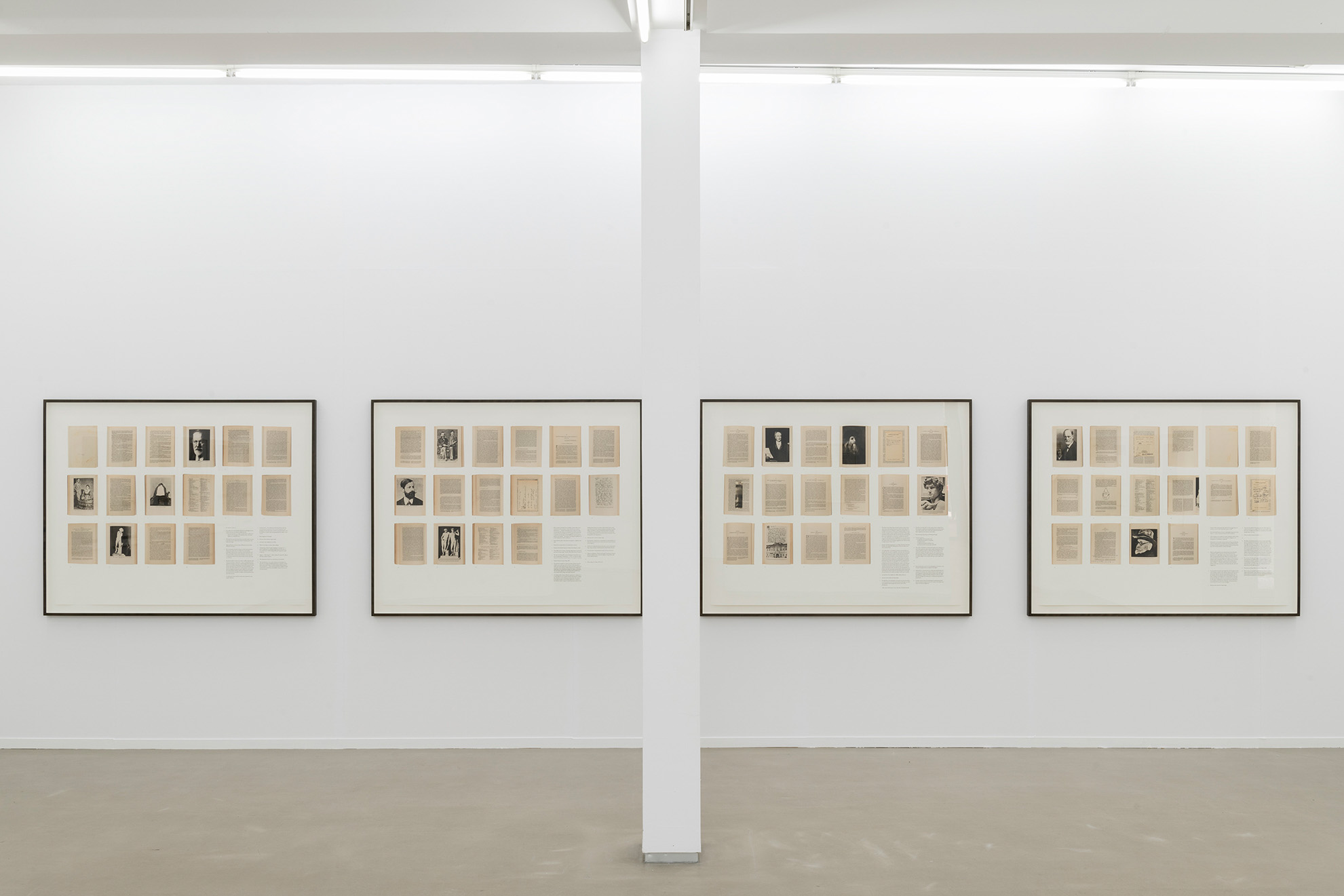
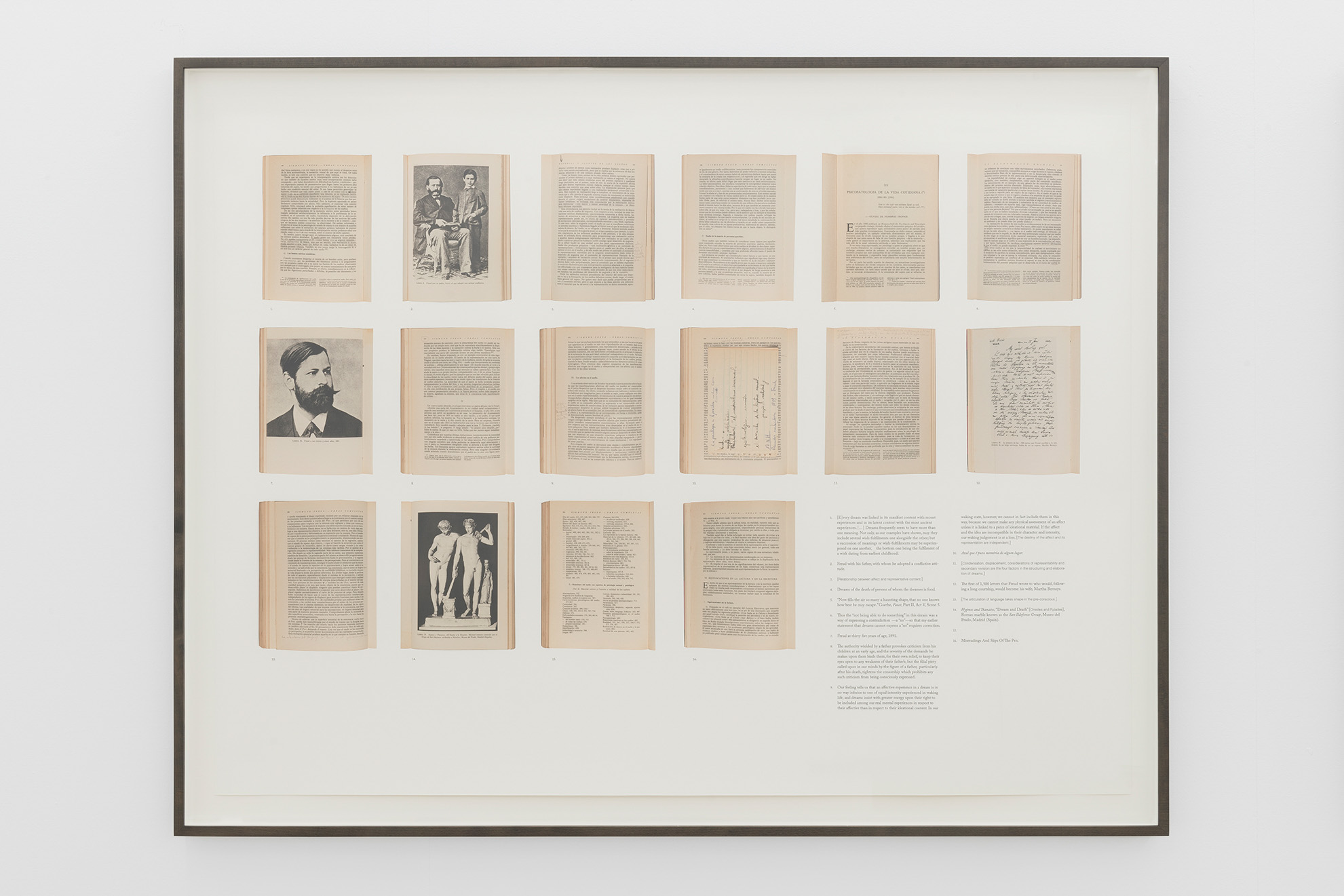
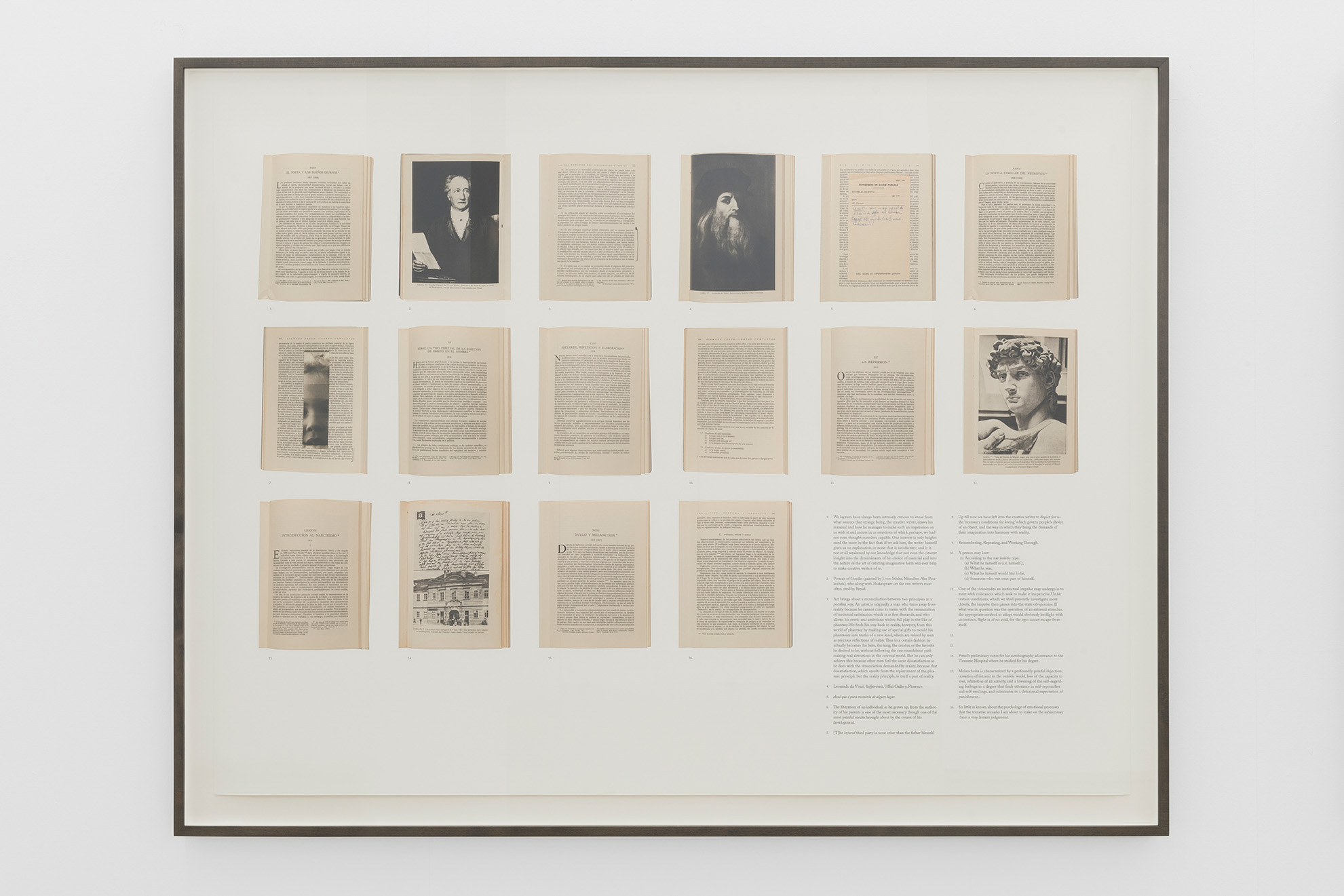
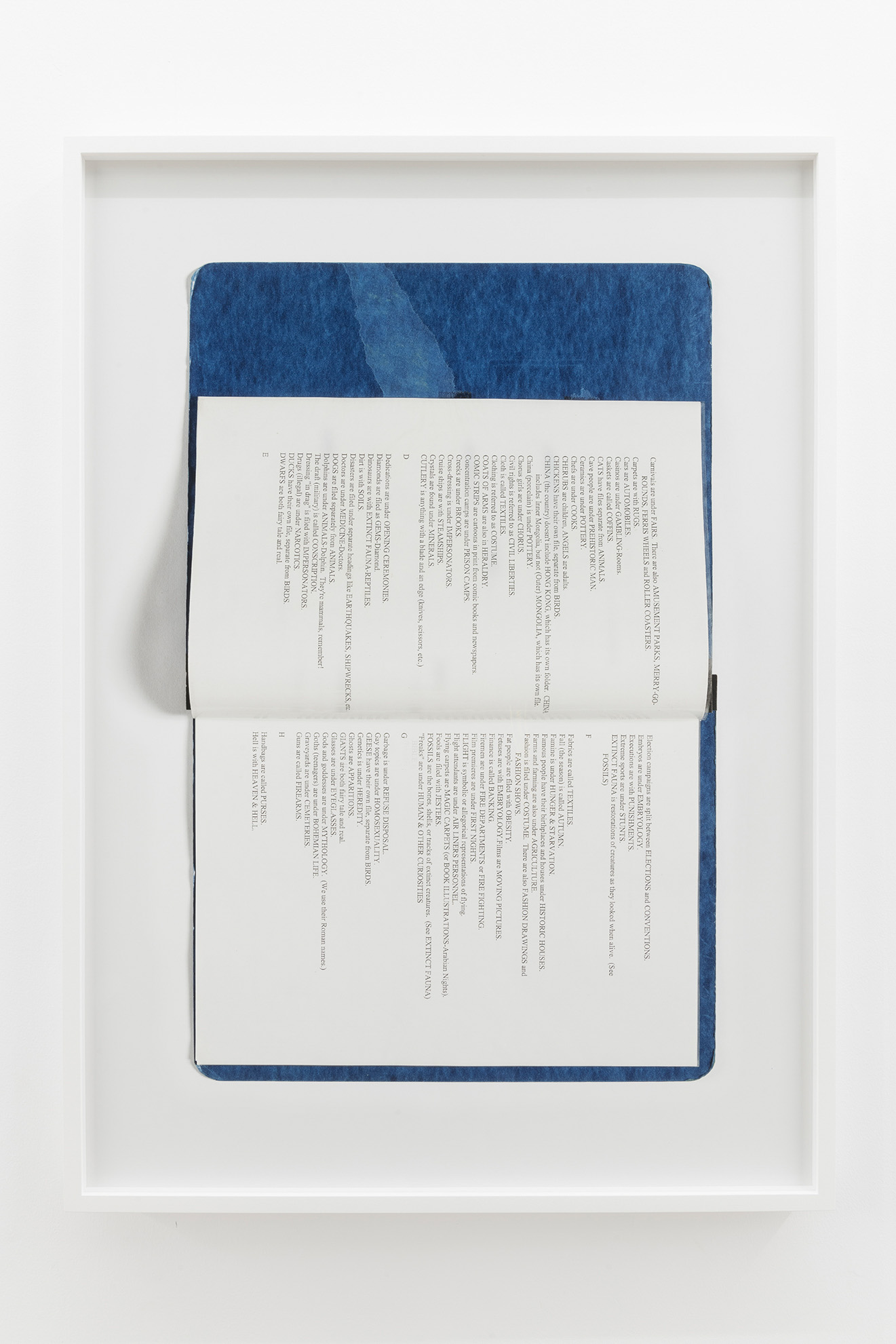
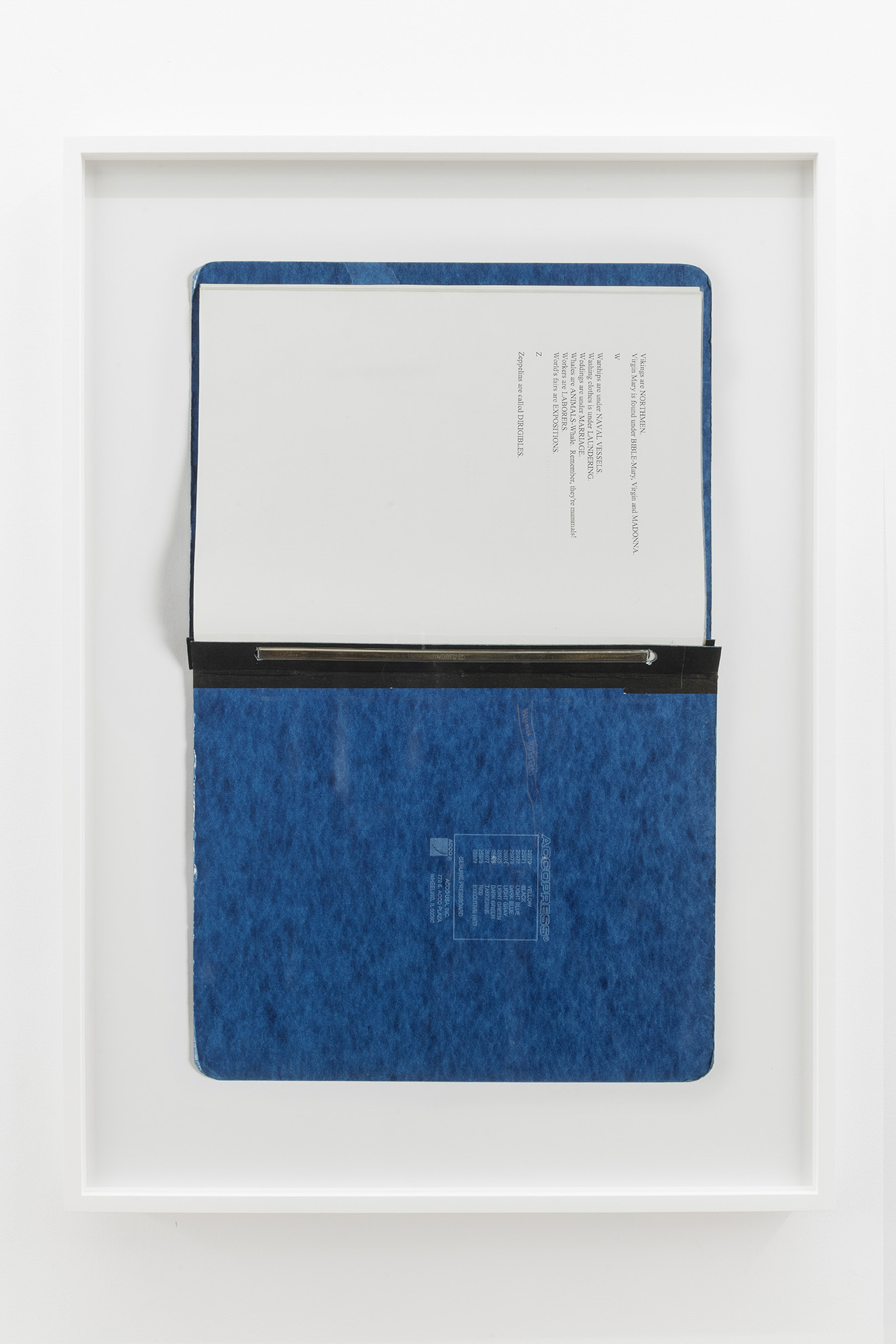
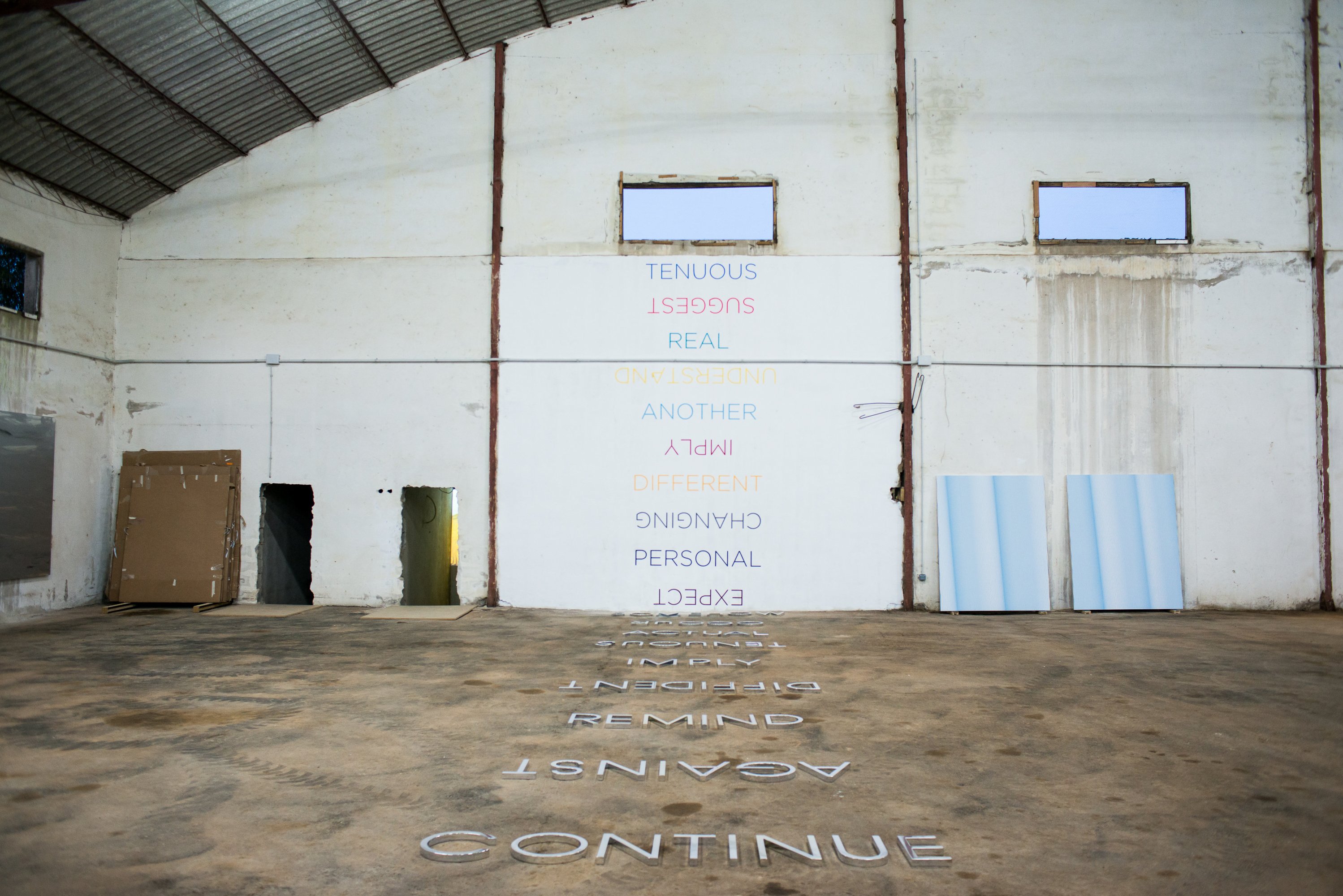
Learning The Language (Present Continuous I), by Alejandro Cesarco, is a video portrait of the Argentinan pianist Margarita Fernández, in which the artist borrows her vocabulary to formulate problems that run through his own work: mainly memory, repetition and regrets. Here he focuses on back and forth and possible translations – from music to film, from film to music, and so on. Language has become a matter of motifs, refrains and combinations, structured like a musical ensemble.
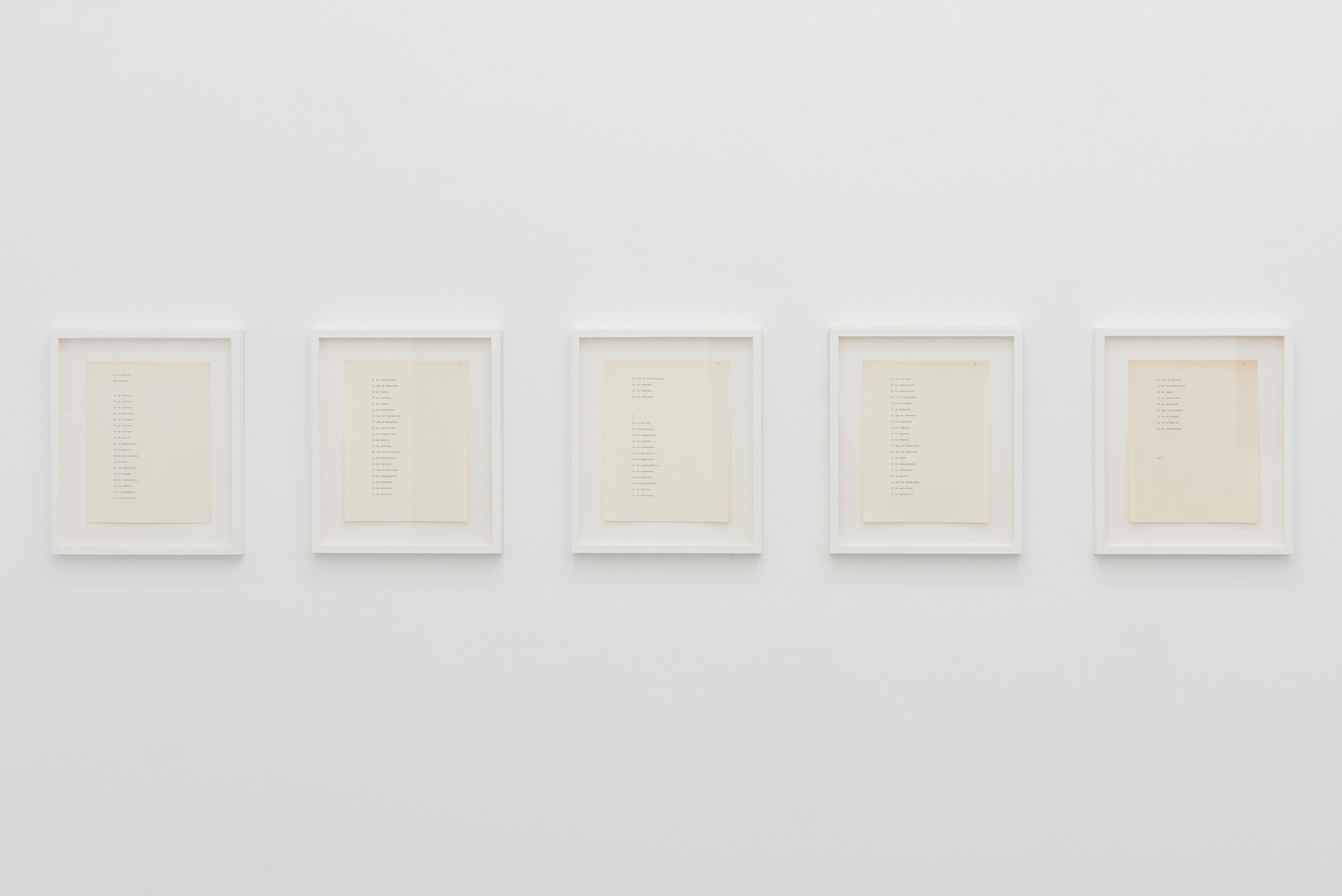
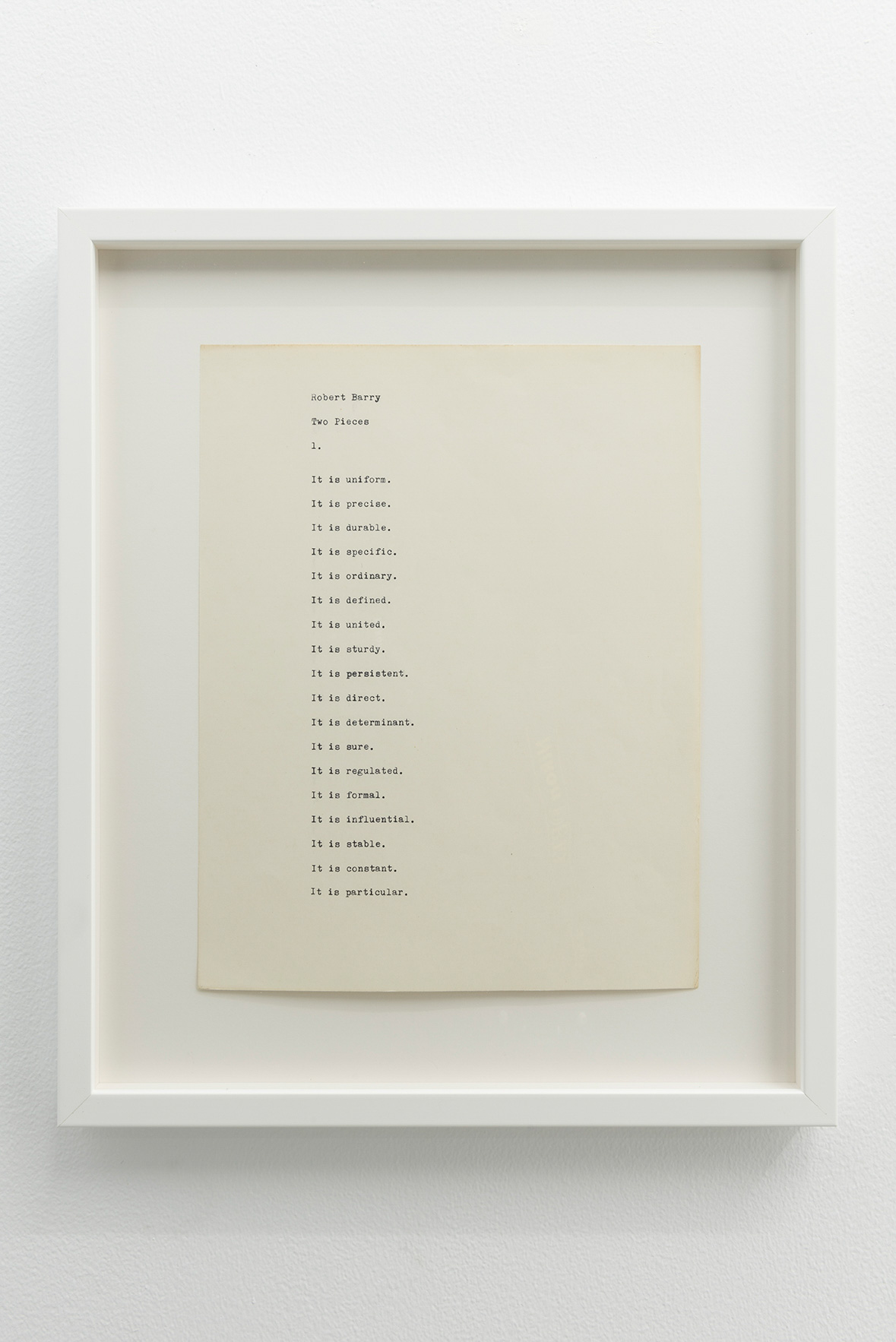
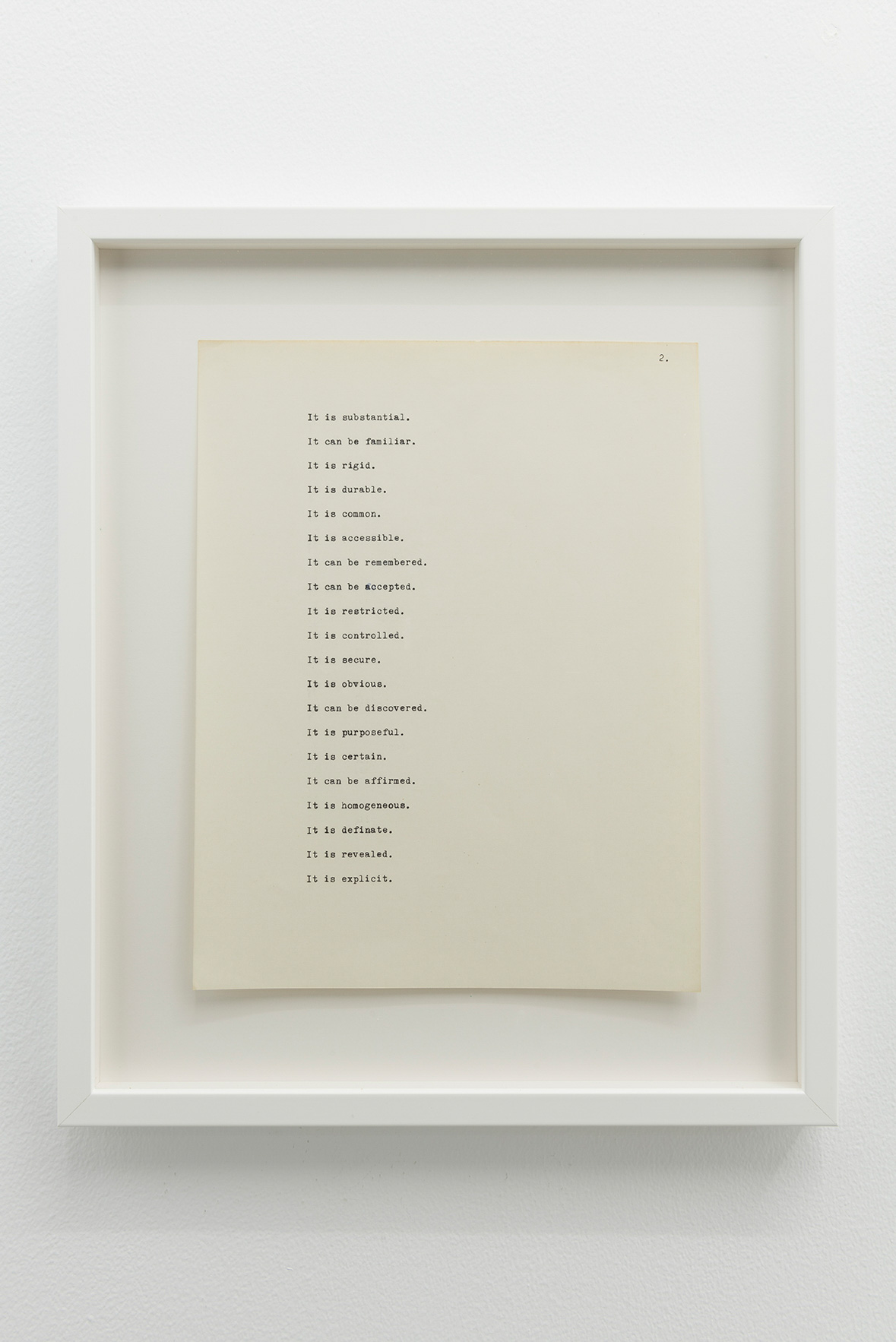
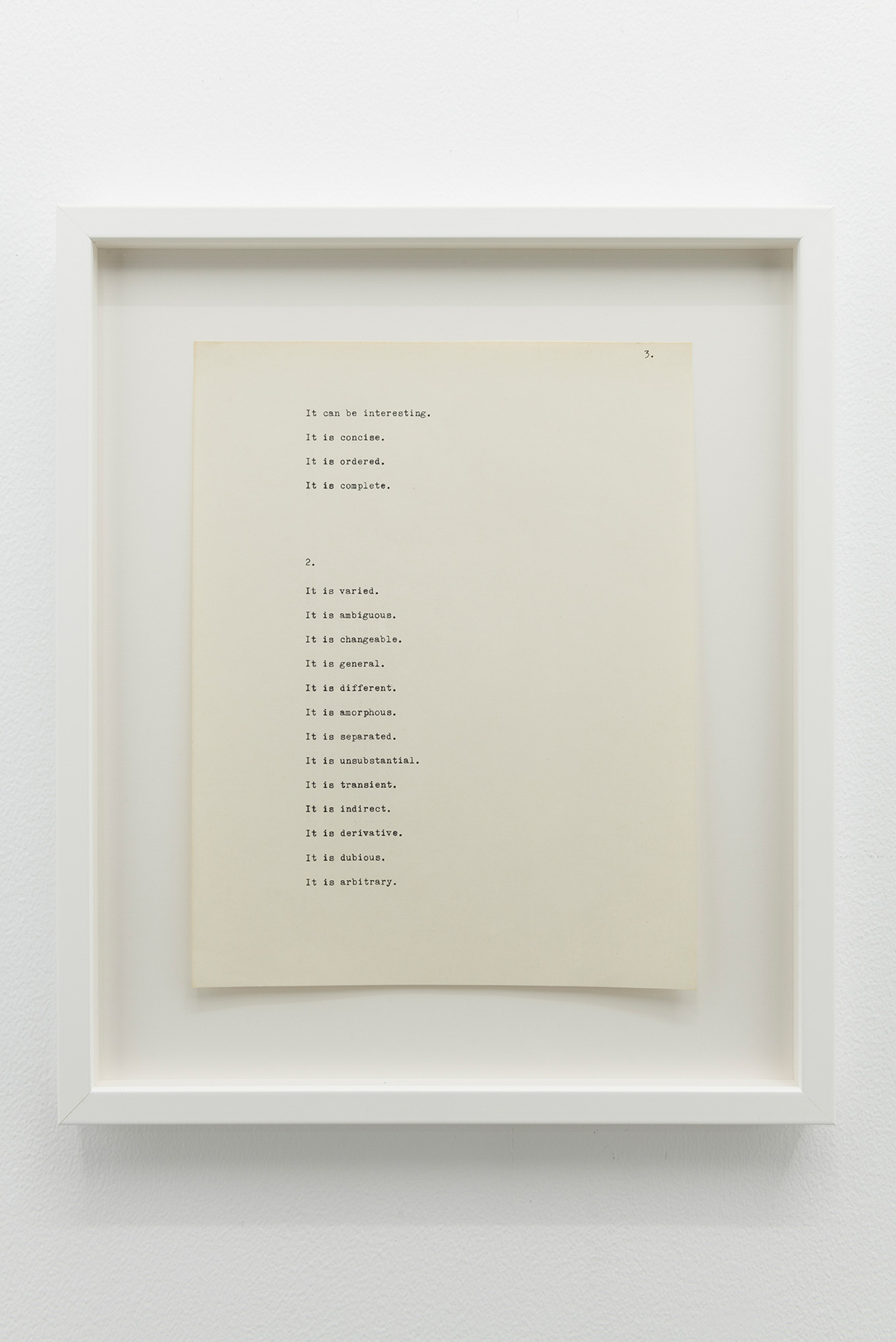
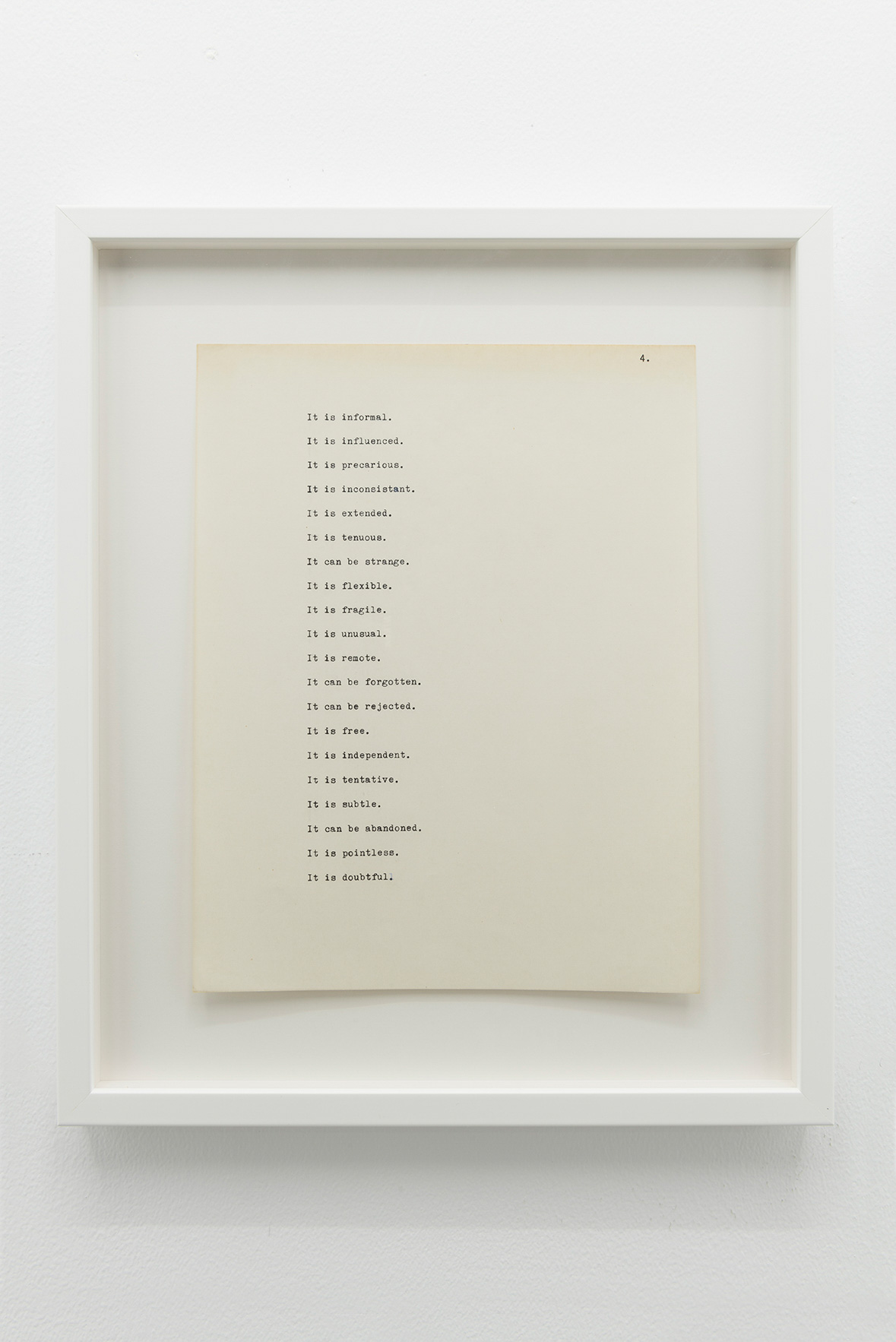
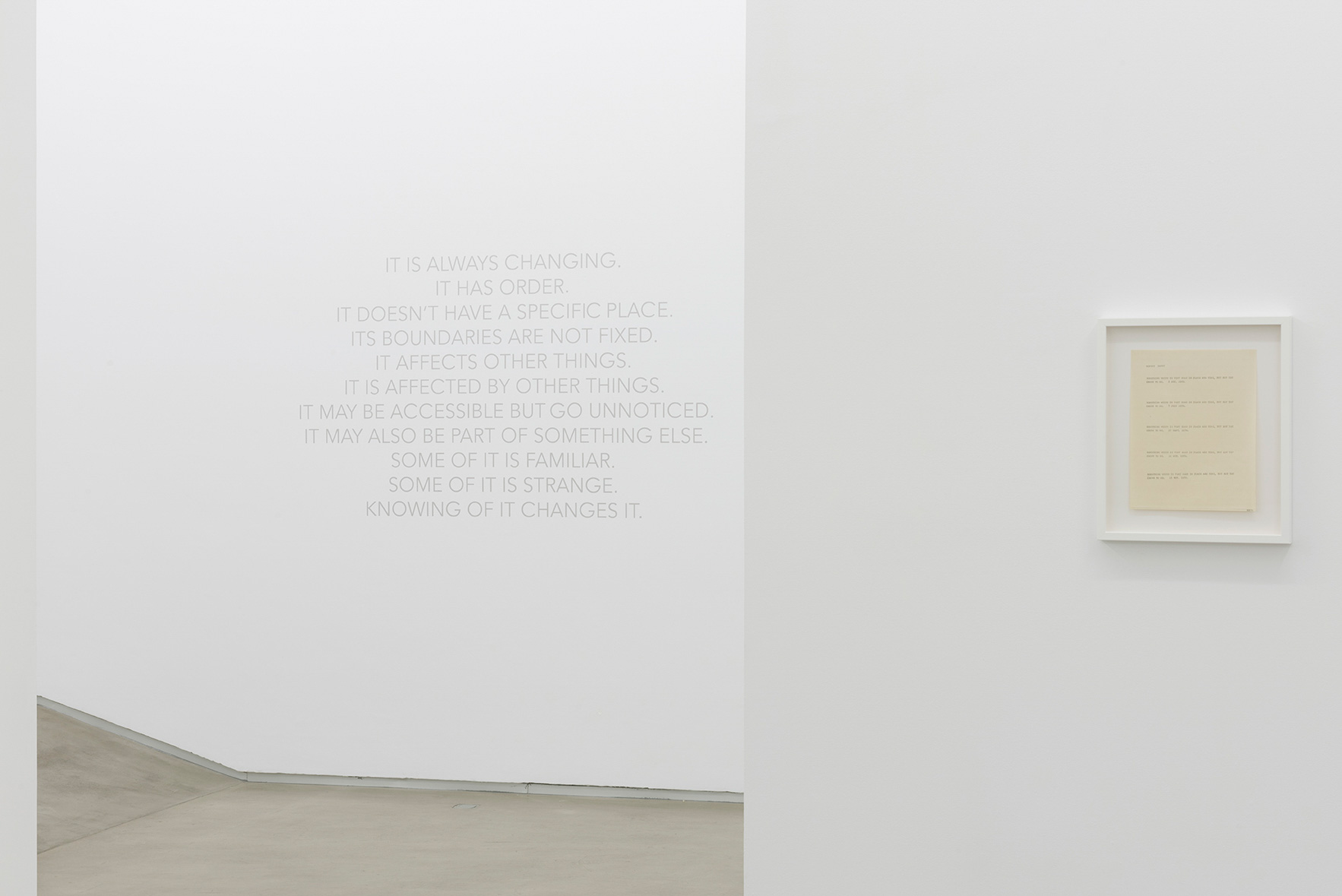
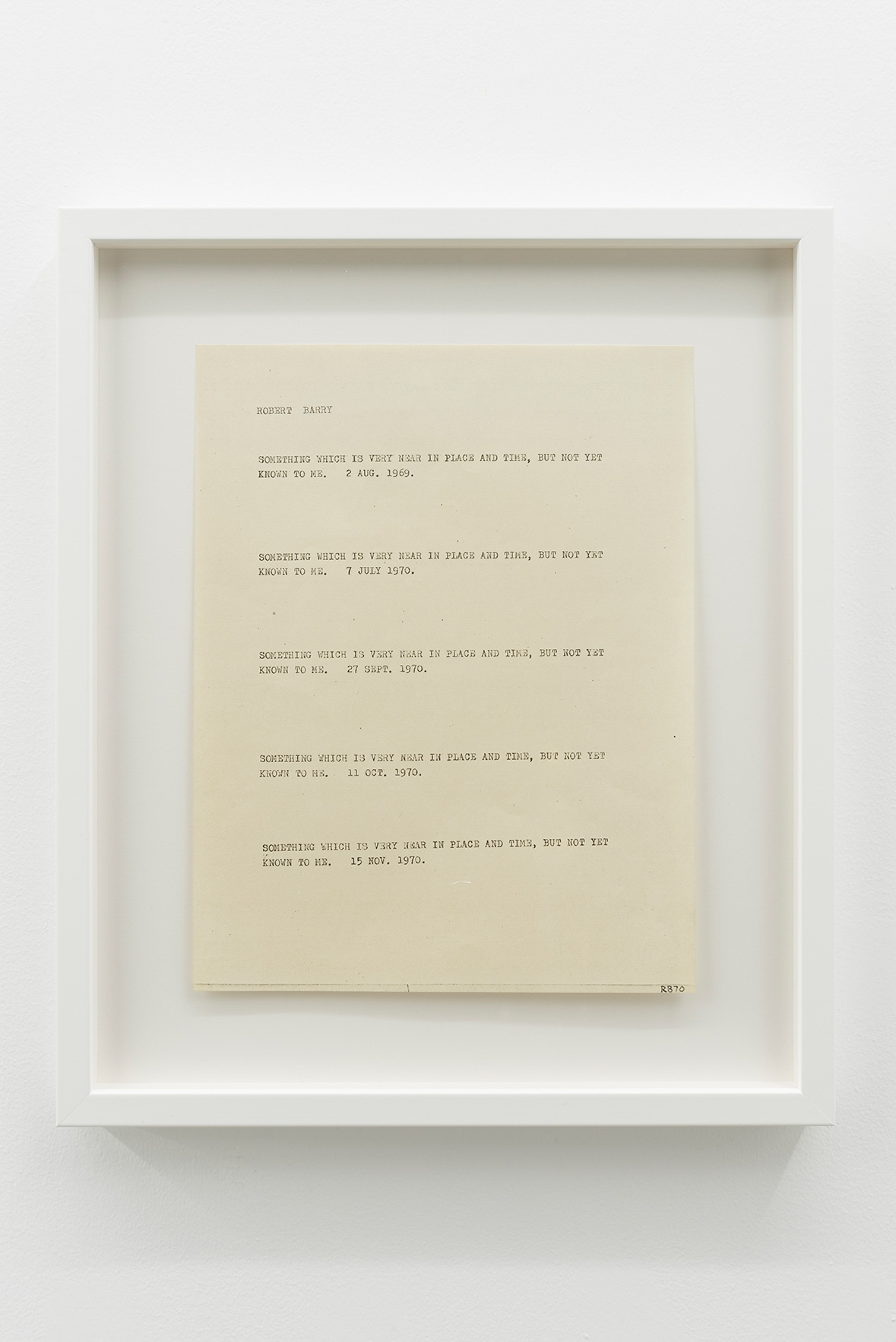

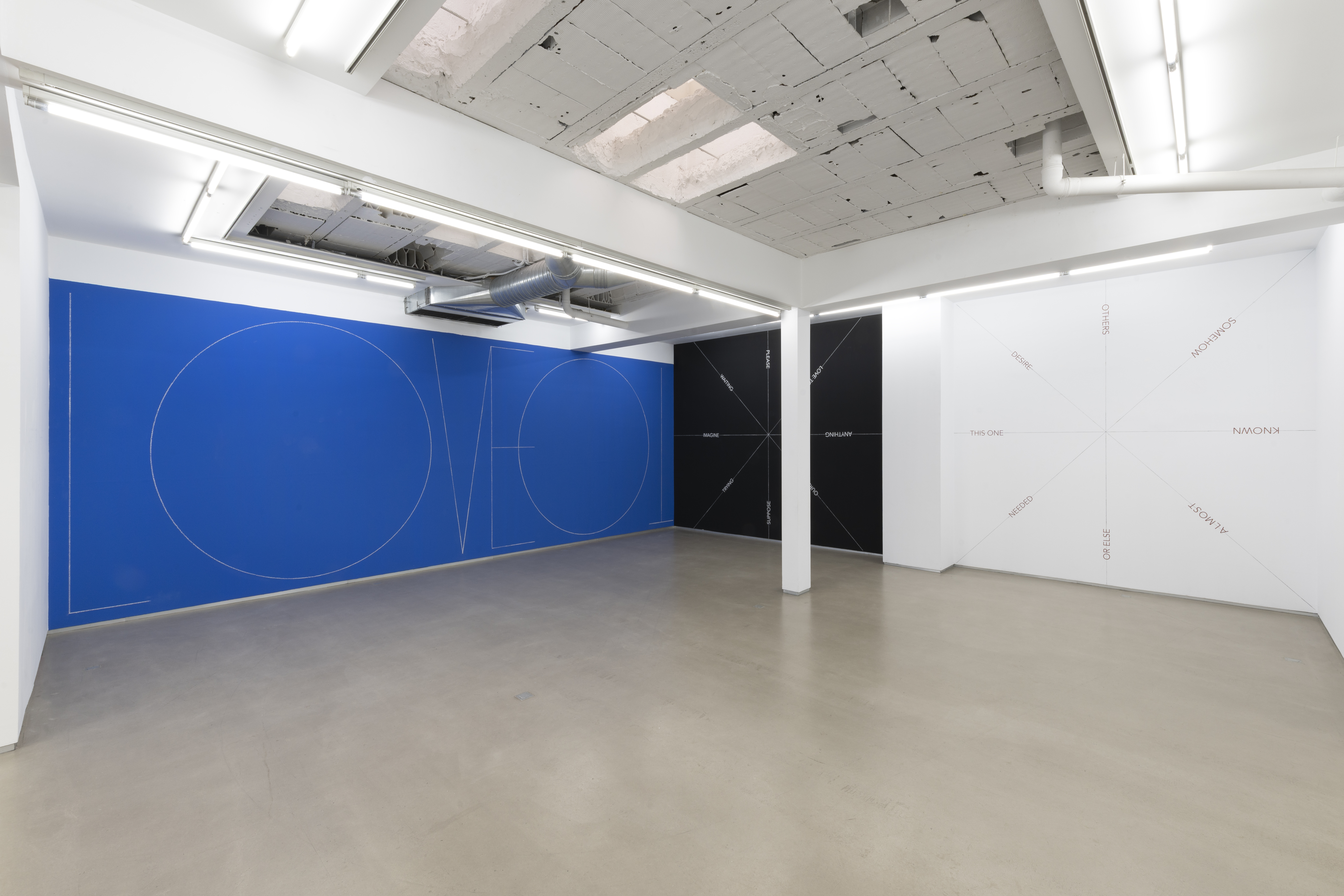
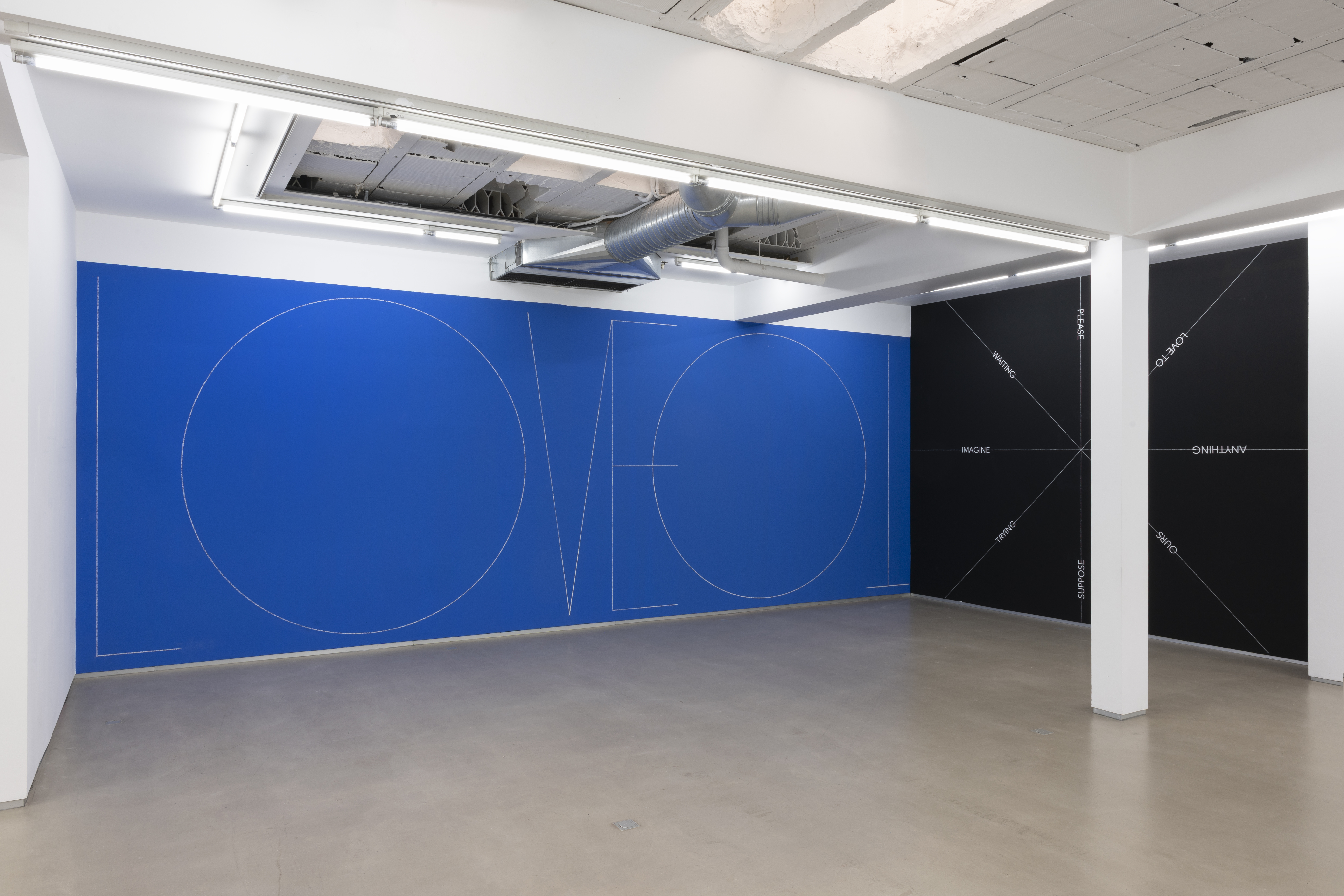
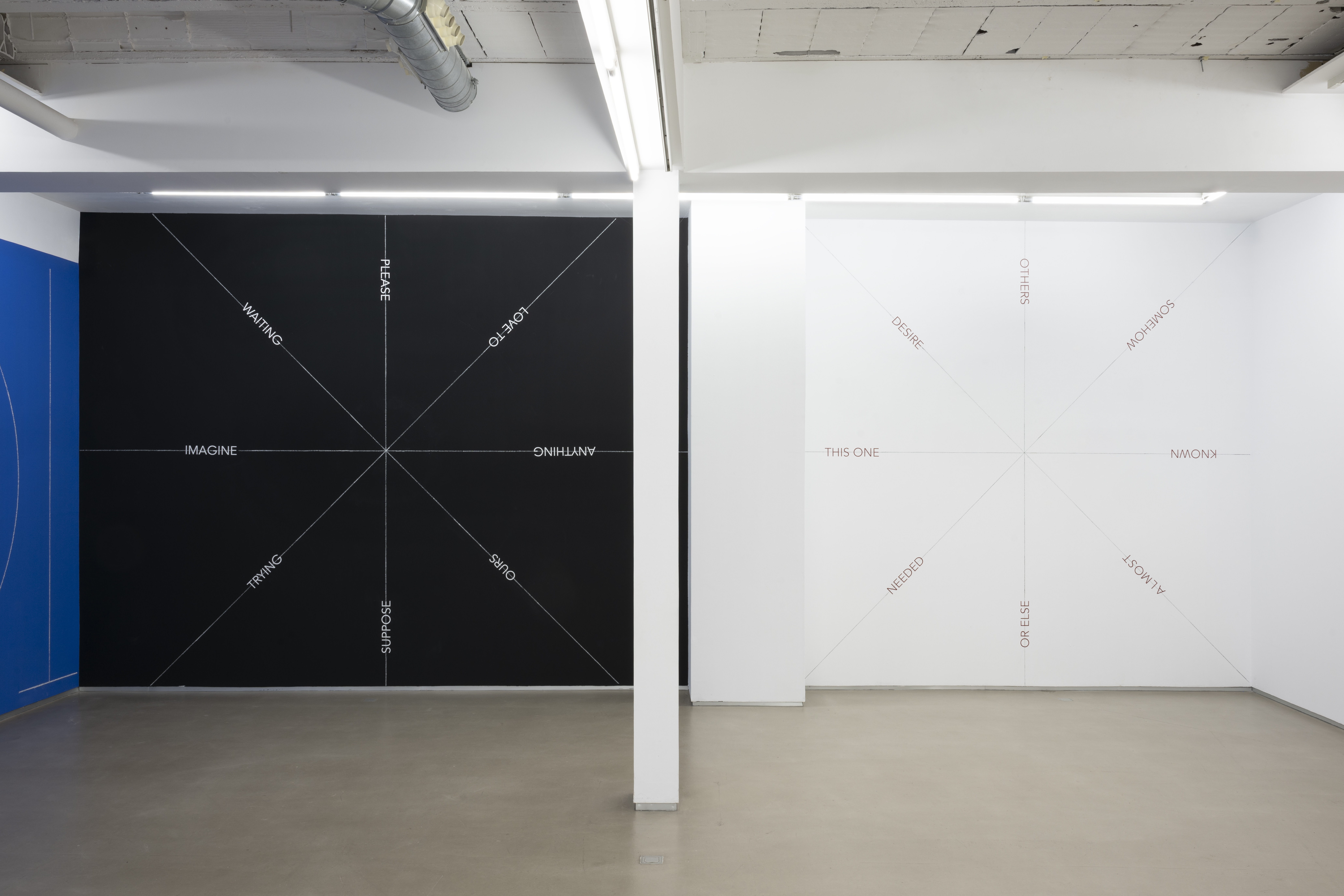
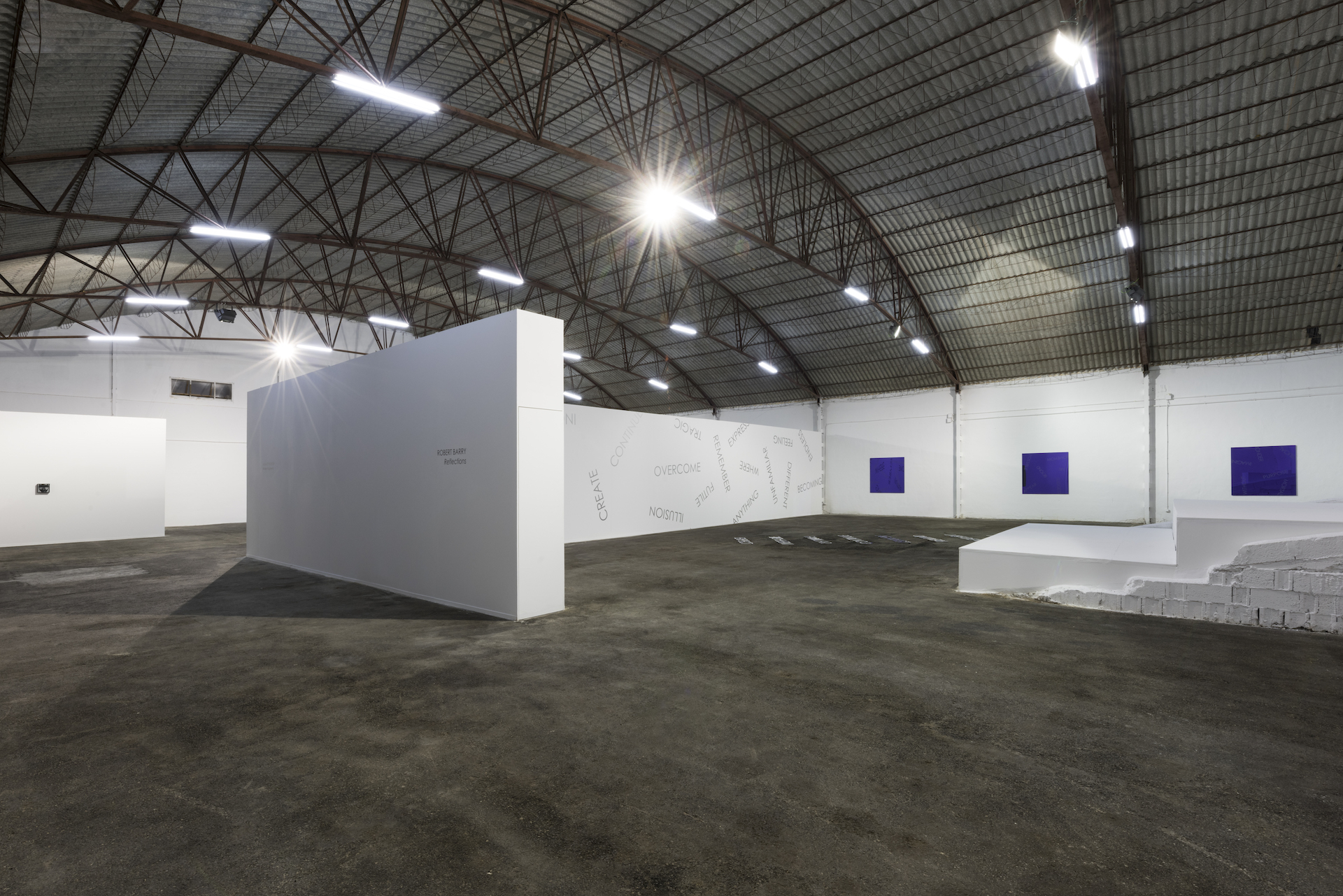
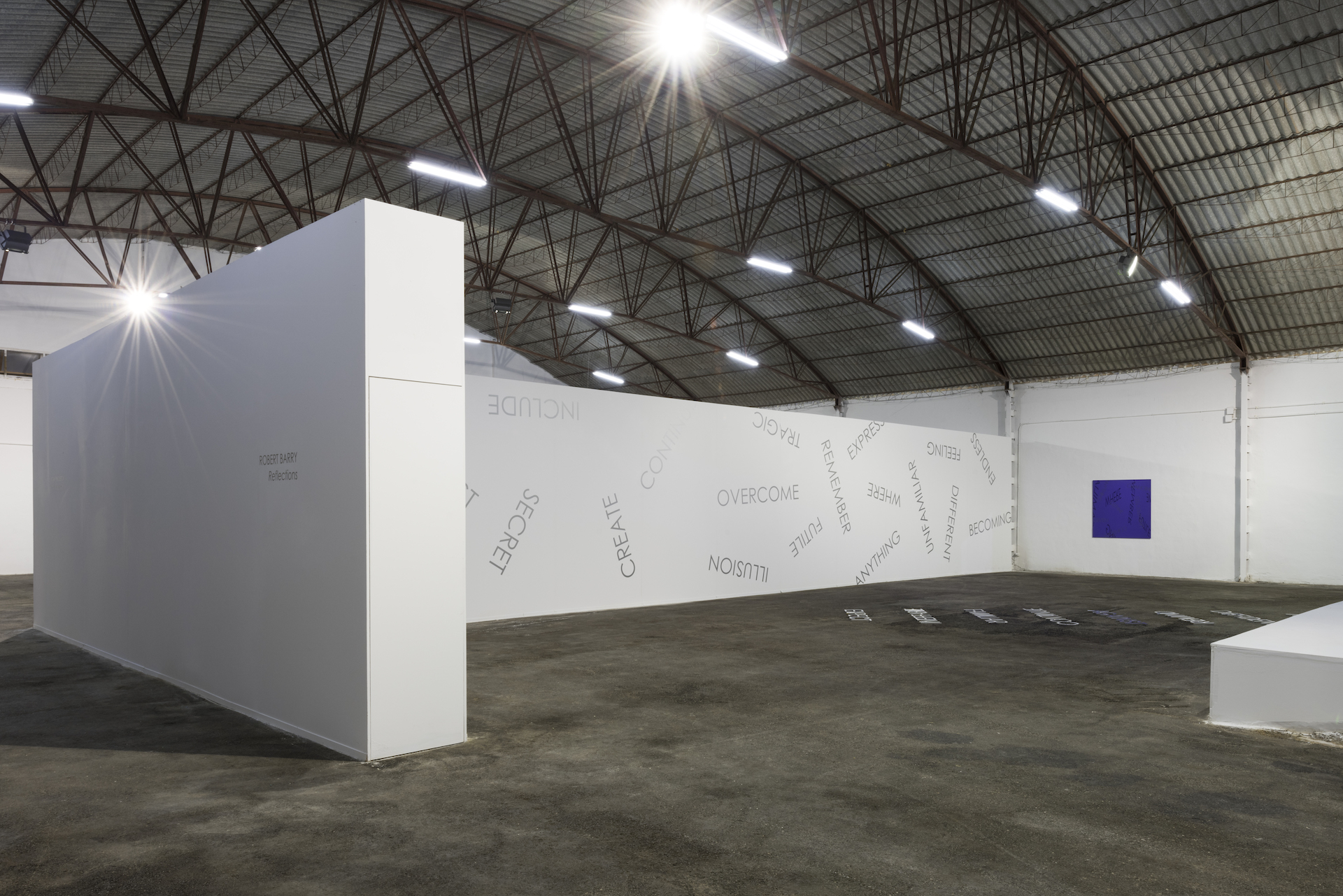
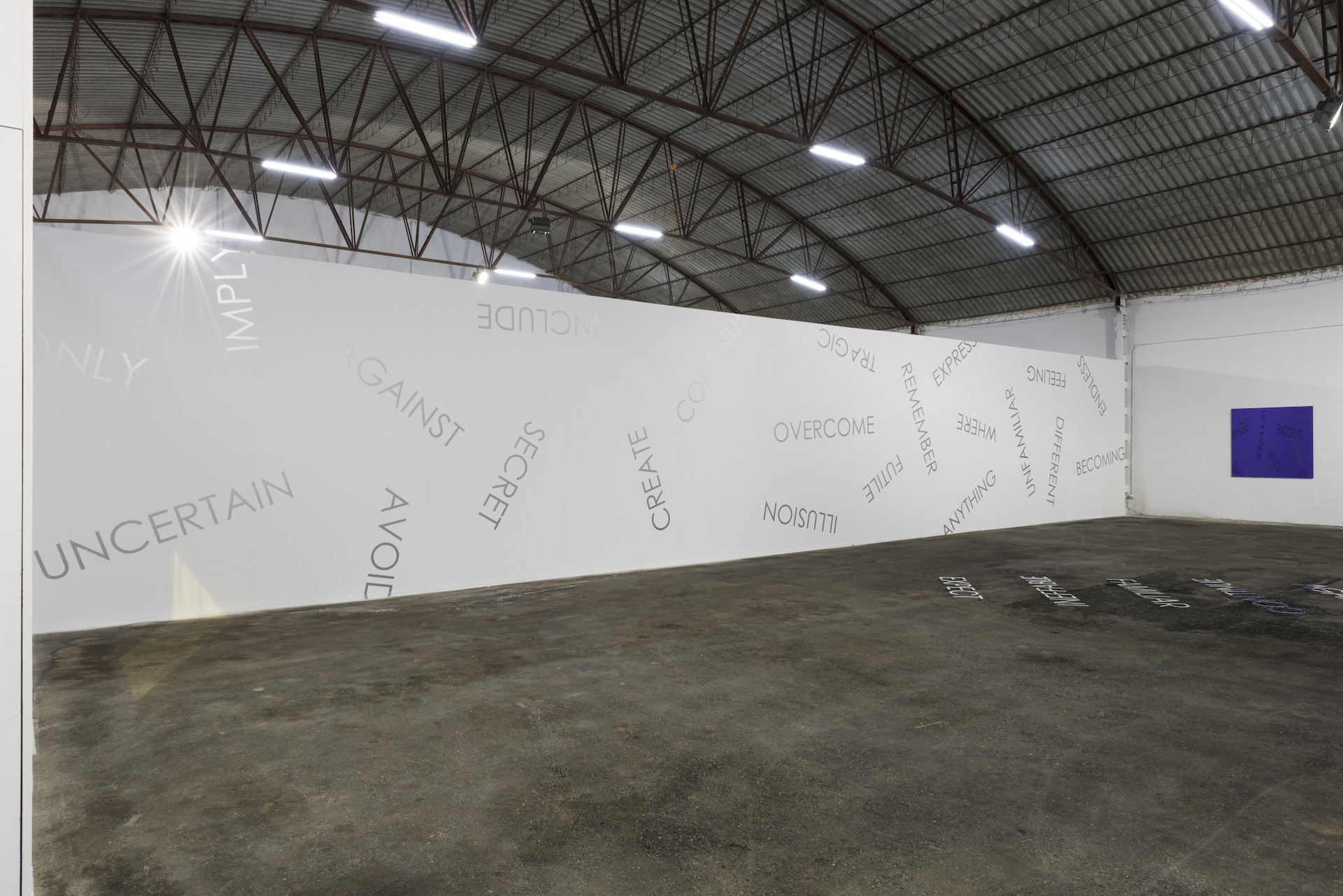
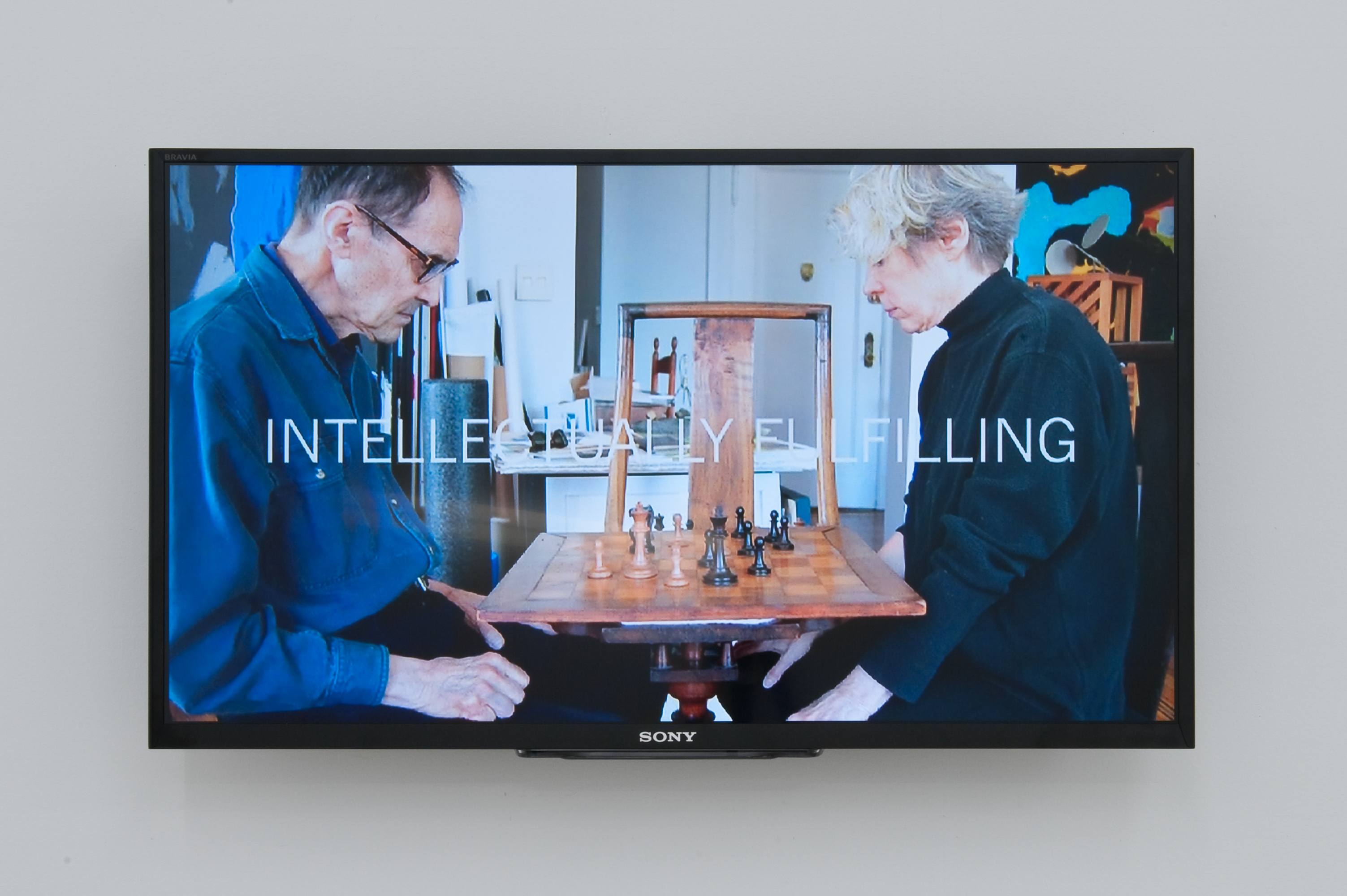
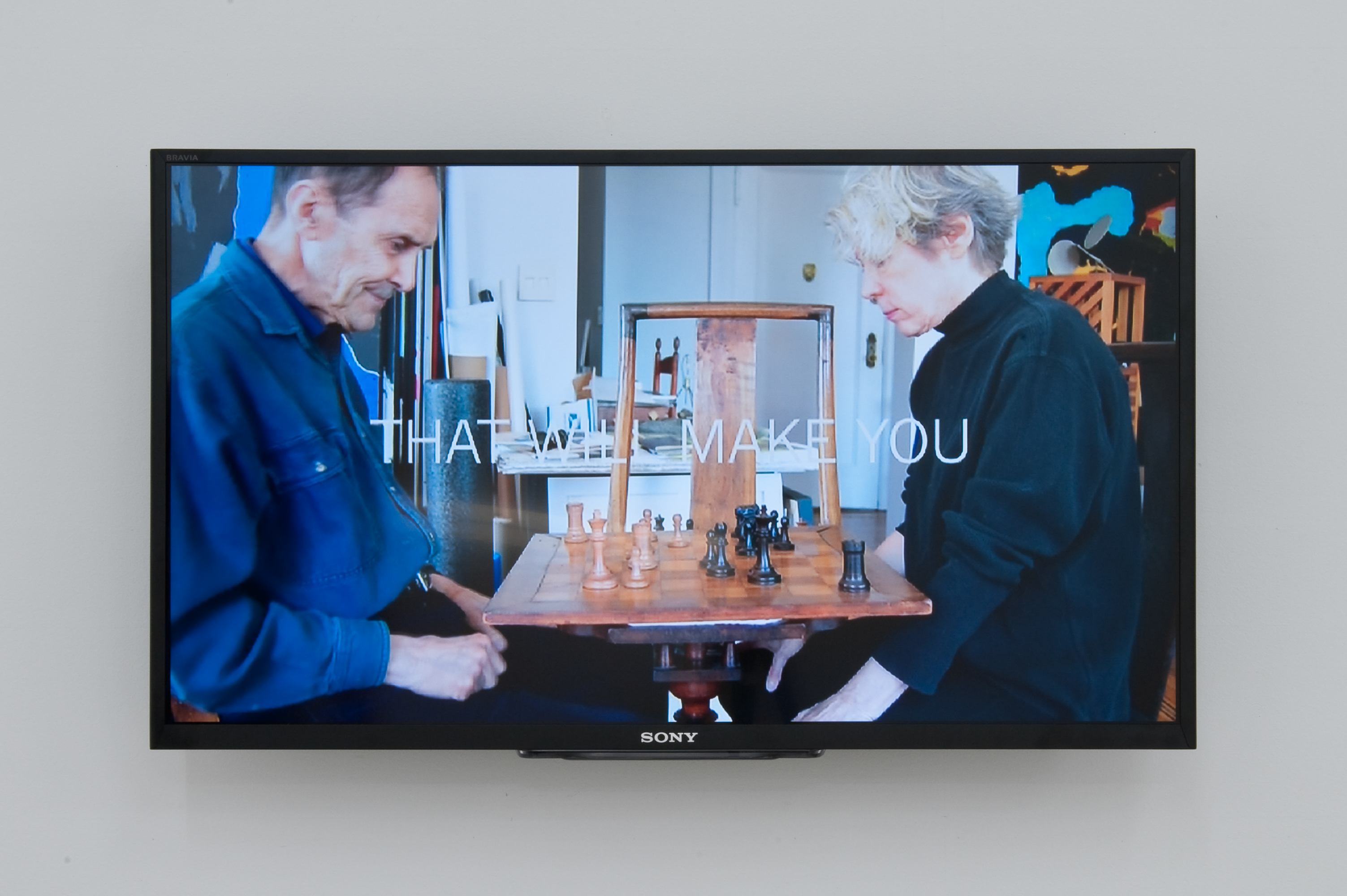
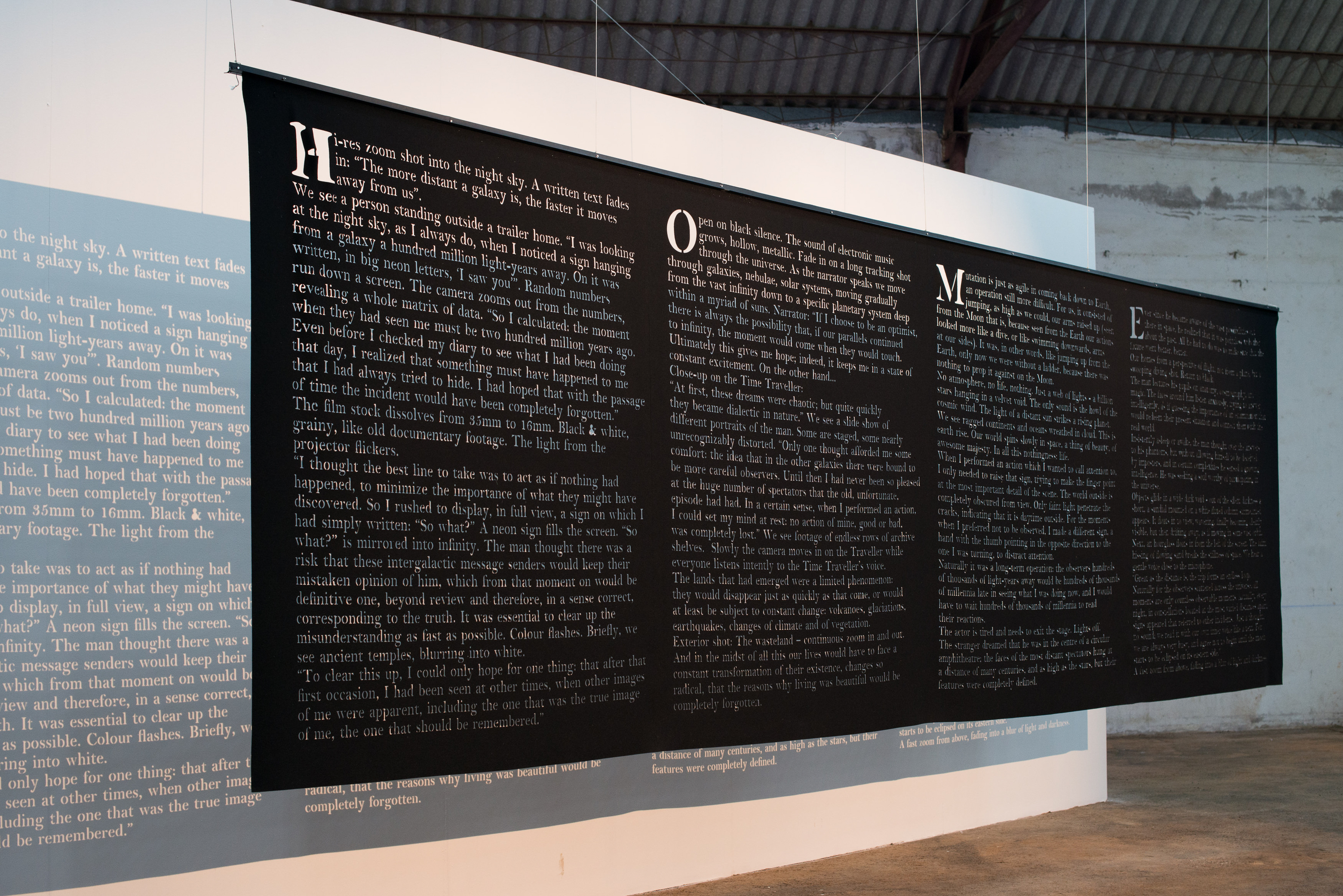
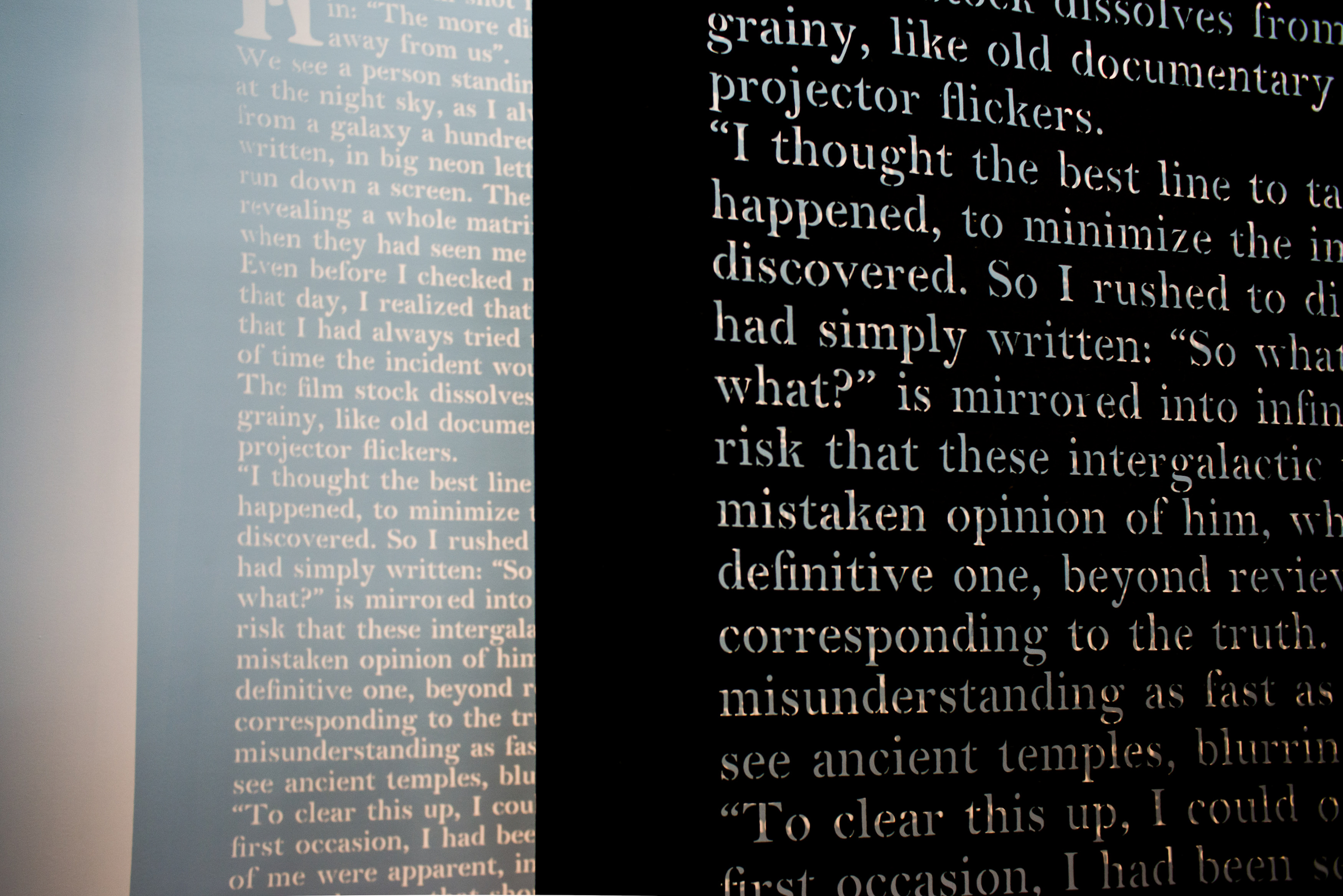
Love Songs, by Robert Barry, is a film from 2012 where the artist explores subjects that are recurrent in his work, through a medium that he has used in a few occasions only during his career. Without any cuts, the film shows a man and a woman playing and singing songs on the piano, while Barry’s characteristic non-narrative text is overlapped. Here, filmic time and real time are equivalent, and text and image help to understand each other.
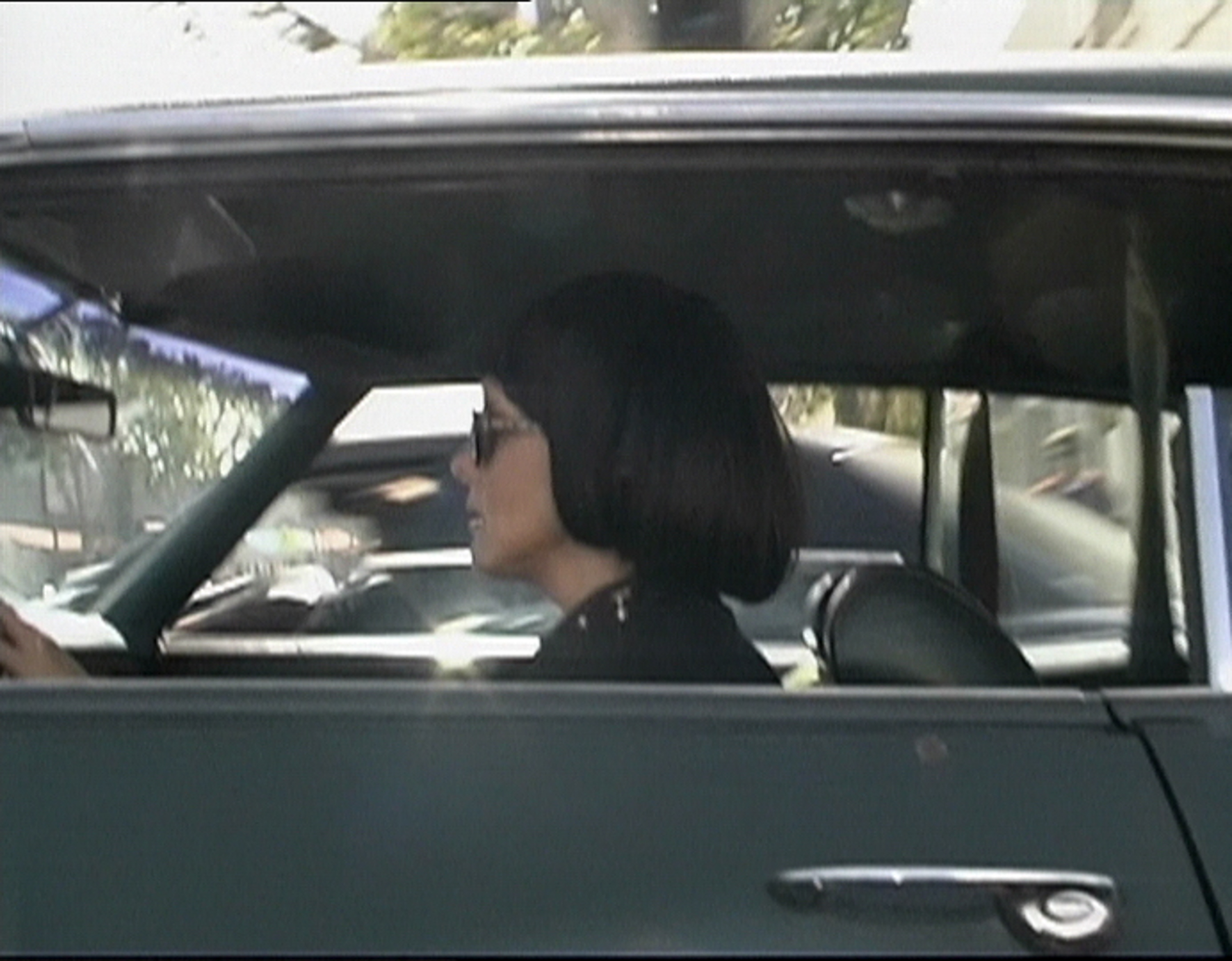
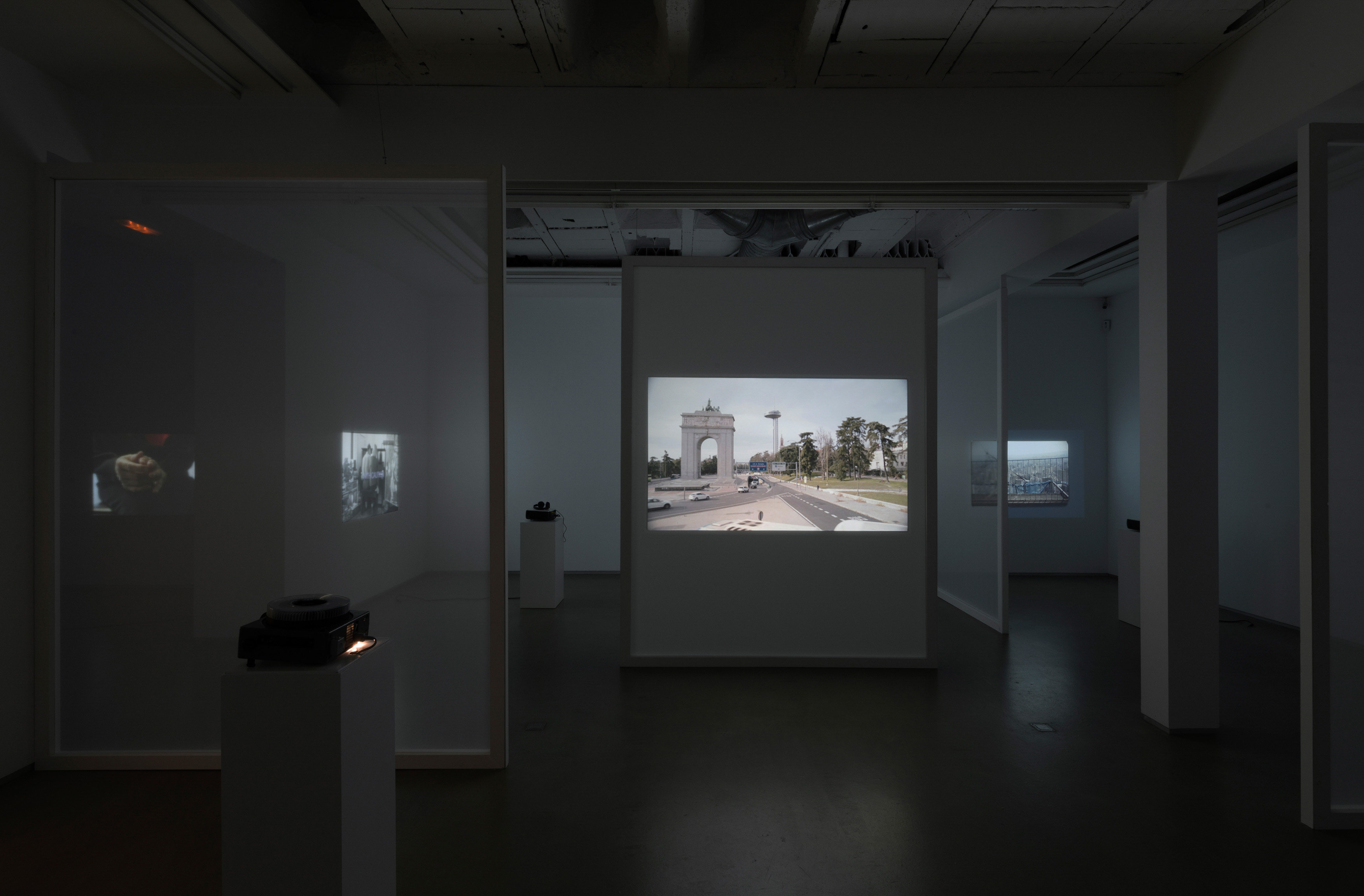
First presented at the Museo Reina Sofía in 2017, Time as Activity (Madrid) by David Lamelas is the latest of a series of films shot using a stationary camera in several different cities. By doing so, Lamelas relates the concept of time, as a human invention, to architectural and urban structures. Upon first glance, the work appears to merely document the daily rhythm of the city from three different locations. But before each shot, Lamelas informs us of its exact duration; with this gesture, he posits time as both subject and medium. The artist has described the work as a “time projector” that superimposes another time onto the “real time” of the viewers present moment; in this way, Time As Activity points to the impossibility of an unmediated representation of the world “as it is.”
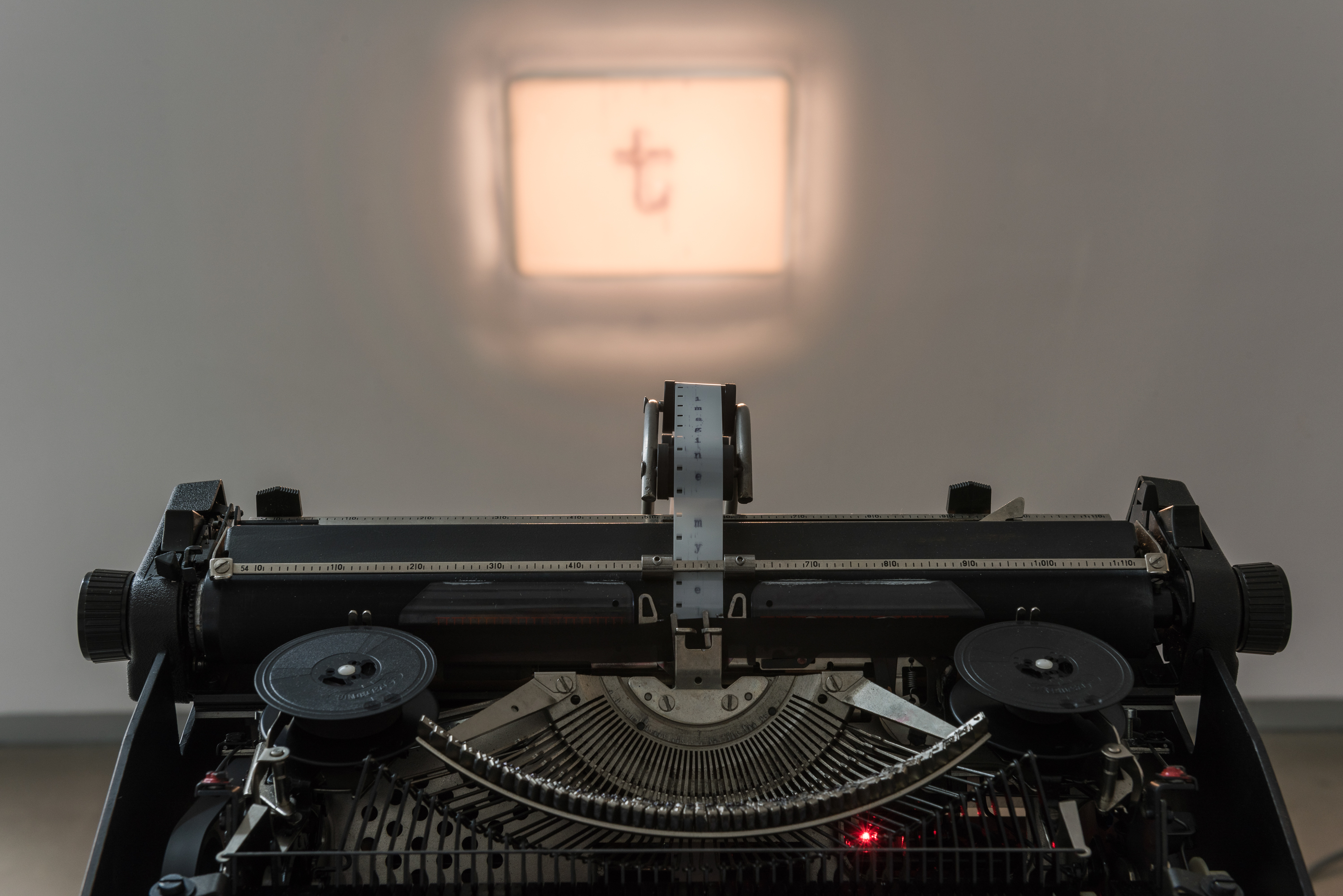
Rosa Barba’s Disseminate and Hold (2016) introduces us to the Minhocão —an elevated highway that runs through the heart of São Paulo. Built in the 1970s with the intention of doubling traffic capacity into the centre of the city, the highway has always been synonymous with darker political undertones. The film considers not just the history of the Minhocão, but also its current existence, examining the complex relationships between the road, the surrounding buildings and people of São Paulo. Barba reflects on the traces that history leaves on the landscape and urban environment, and suggests that these changes often only manifest themselves in a society’s subconscious.
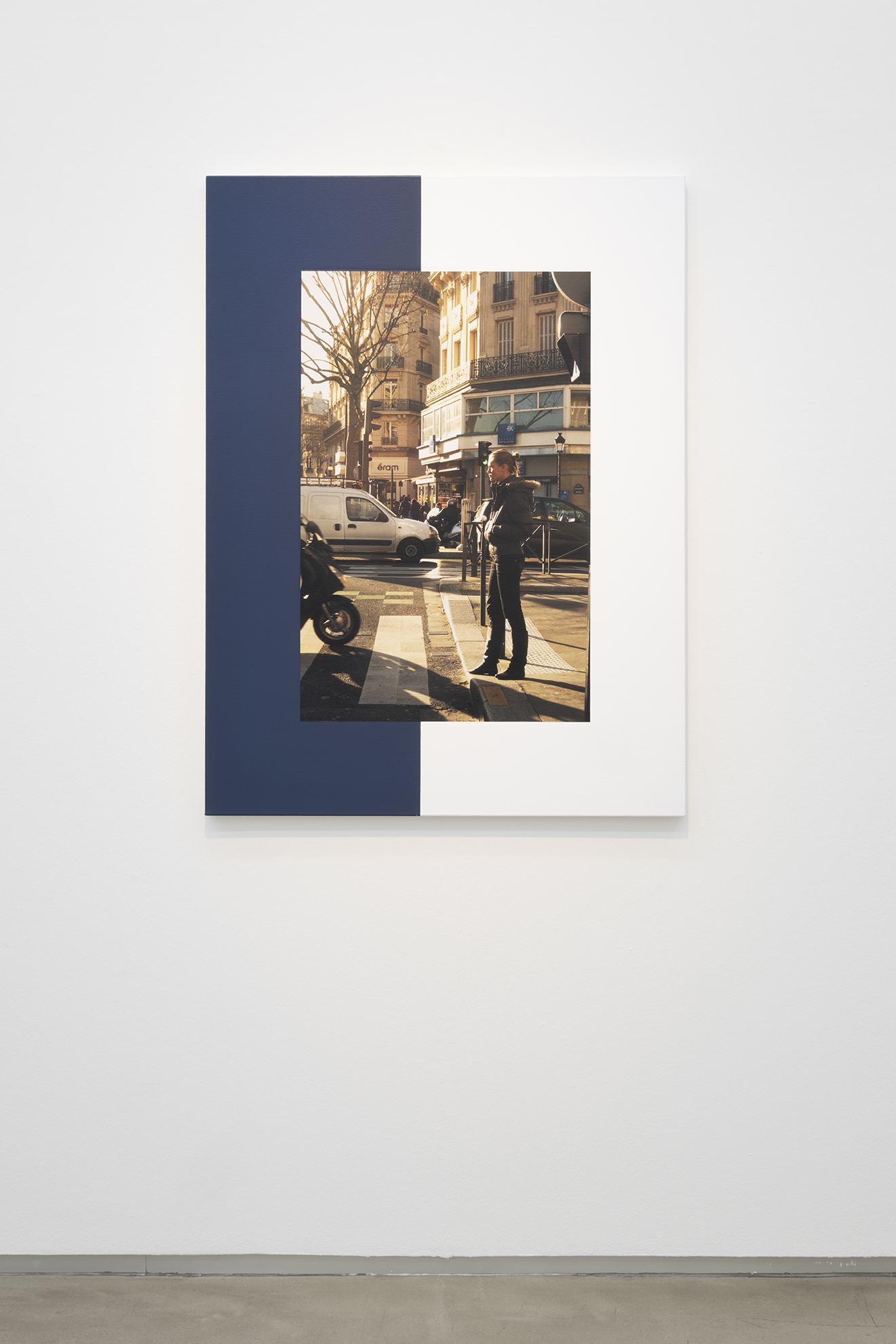
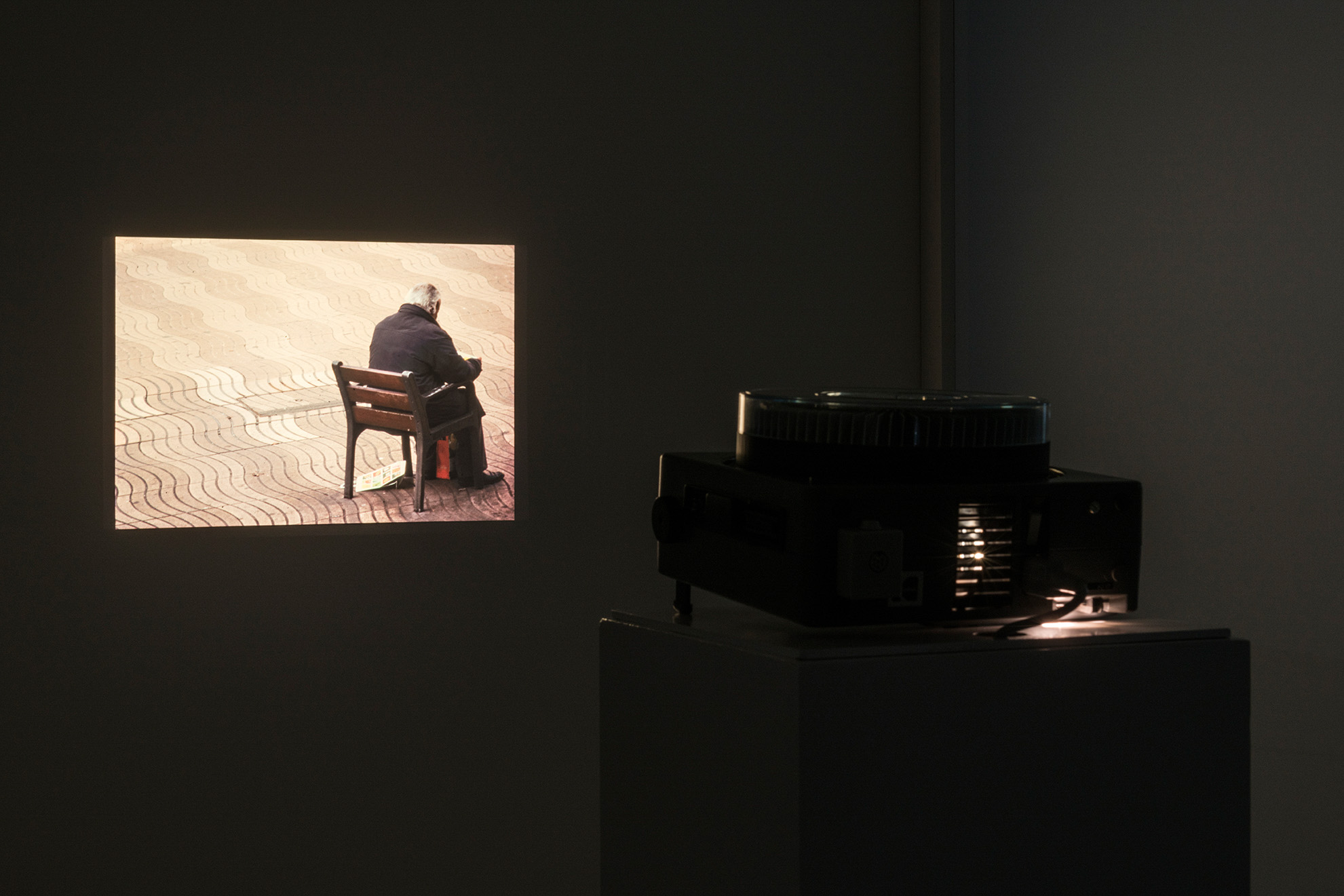
Oriol Vilanova’s La vie est dans la rue is a story based on a real character found in the Rambles of Barcelona, with a daily attitude of inactivity. He just observes the street: the theatre; like a metropolitan Bartleby. The work is a slide show composed by 81 images that build the main character.
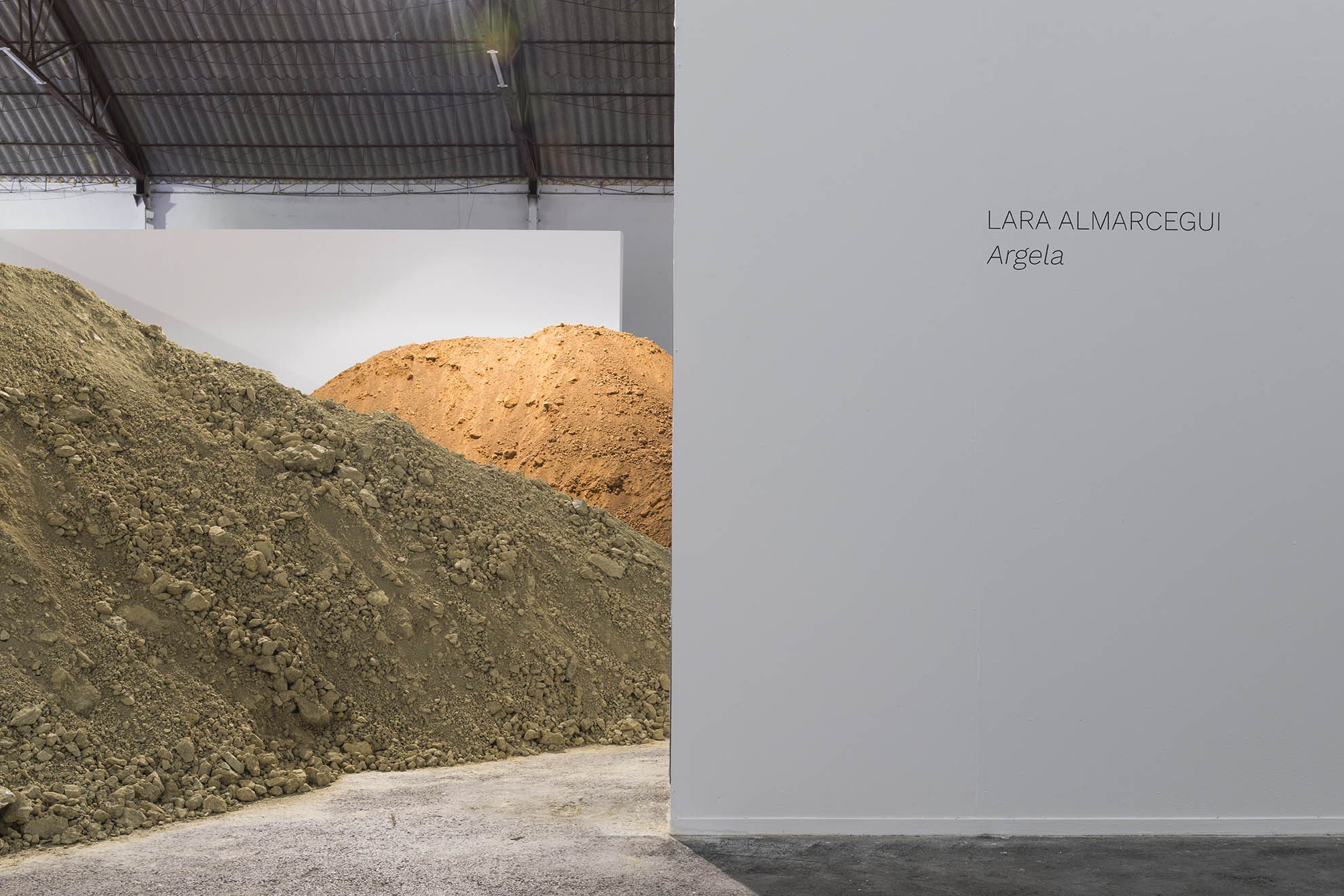
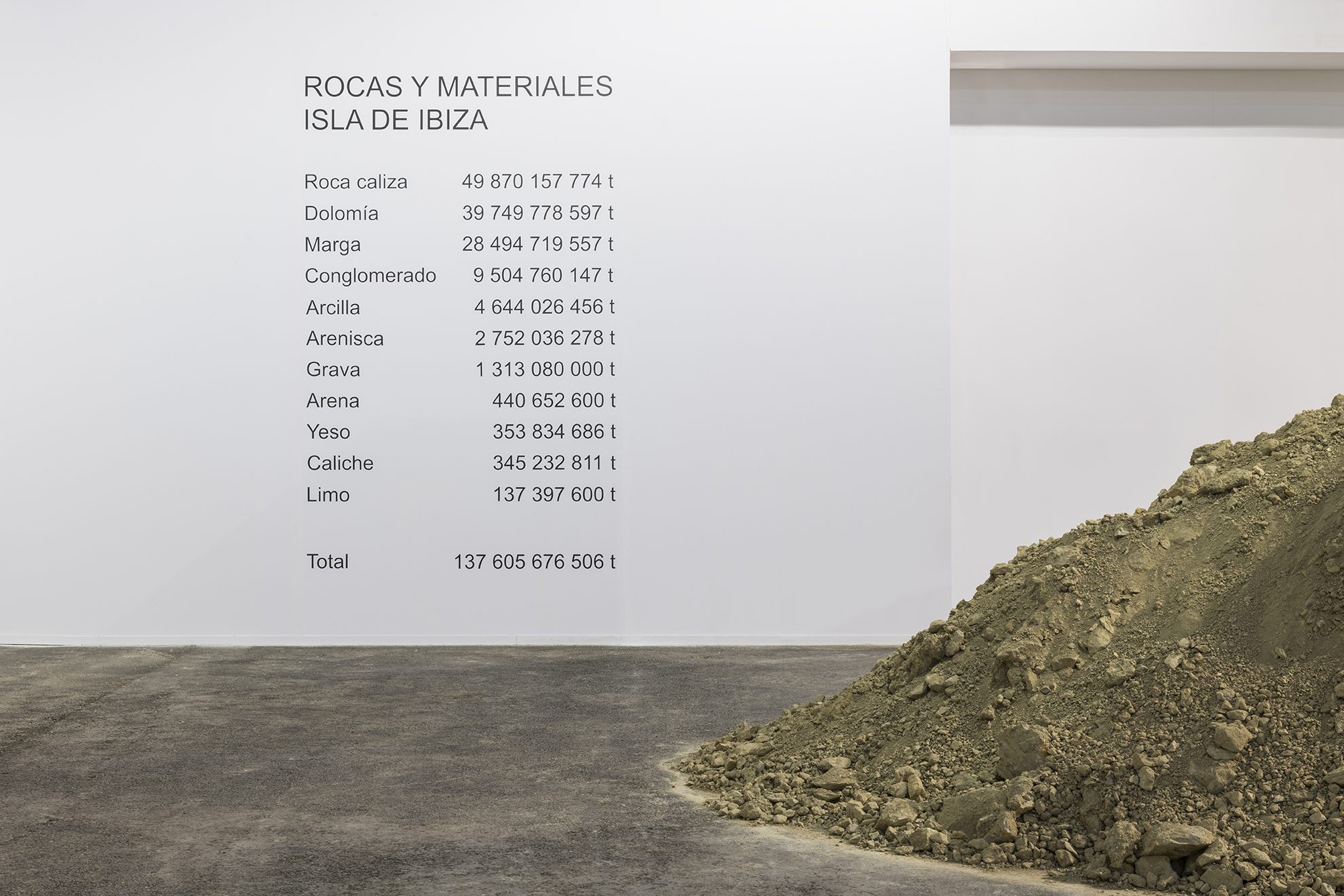
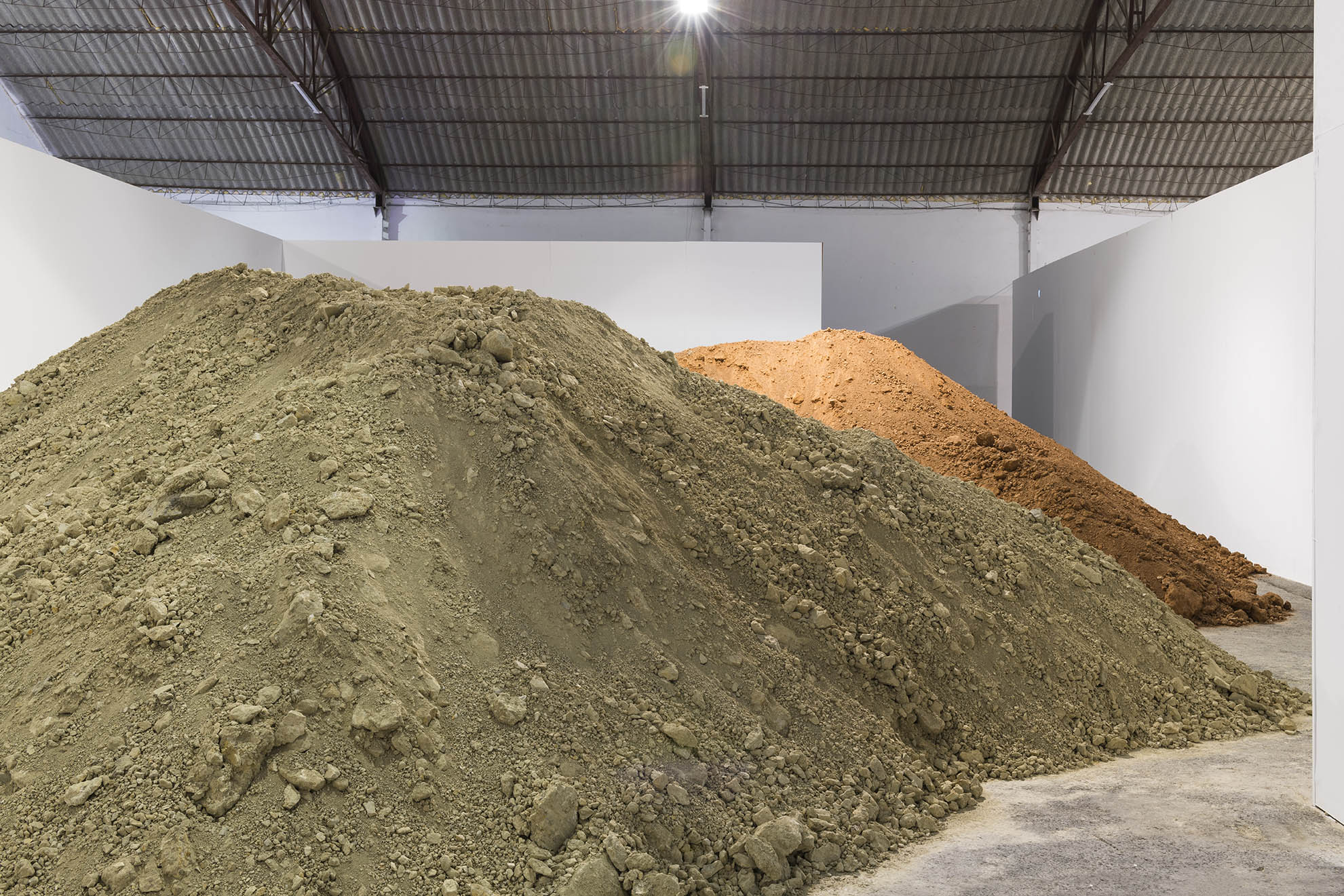
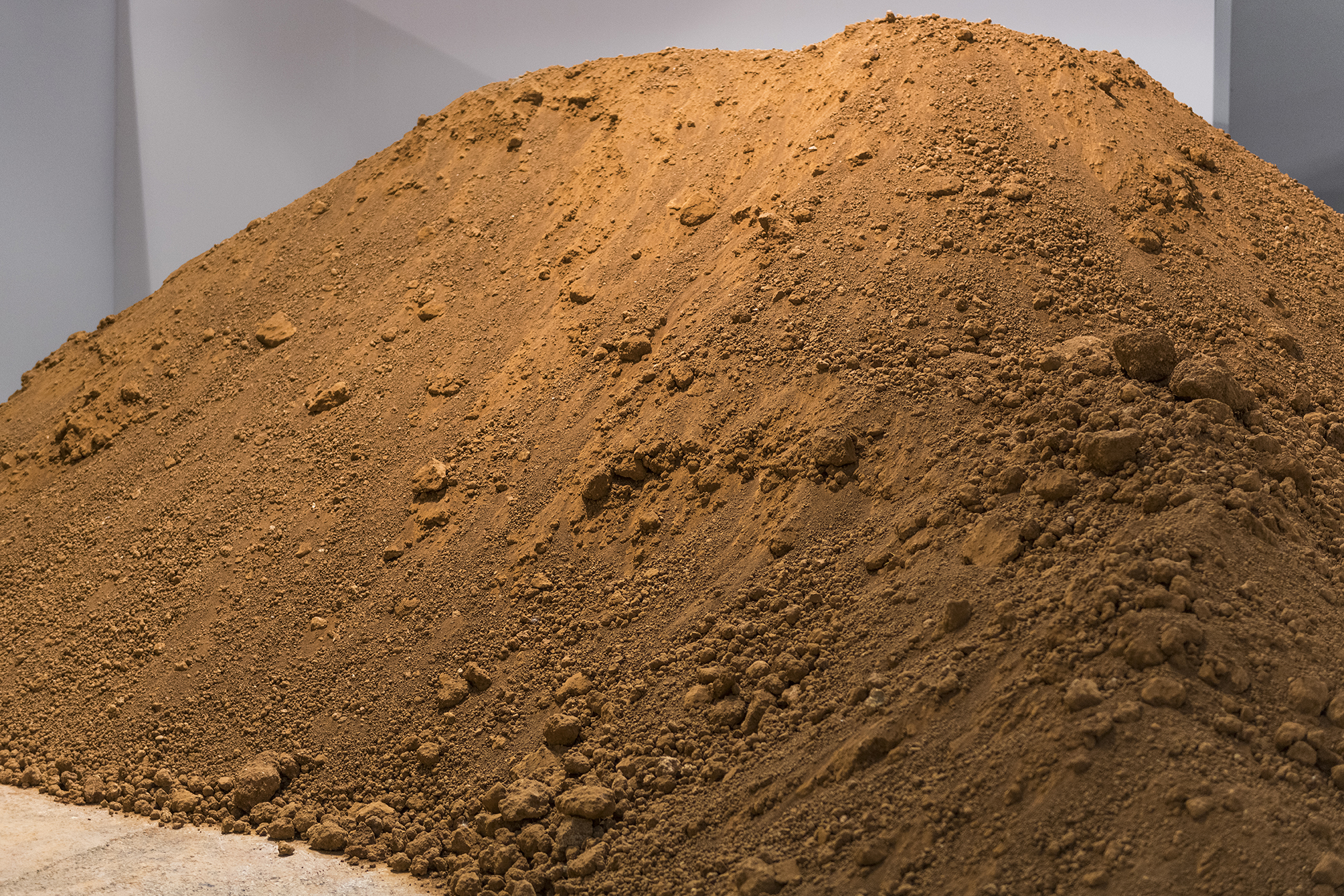
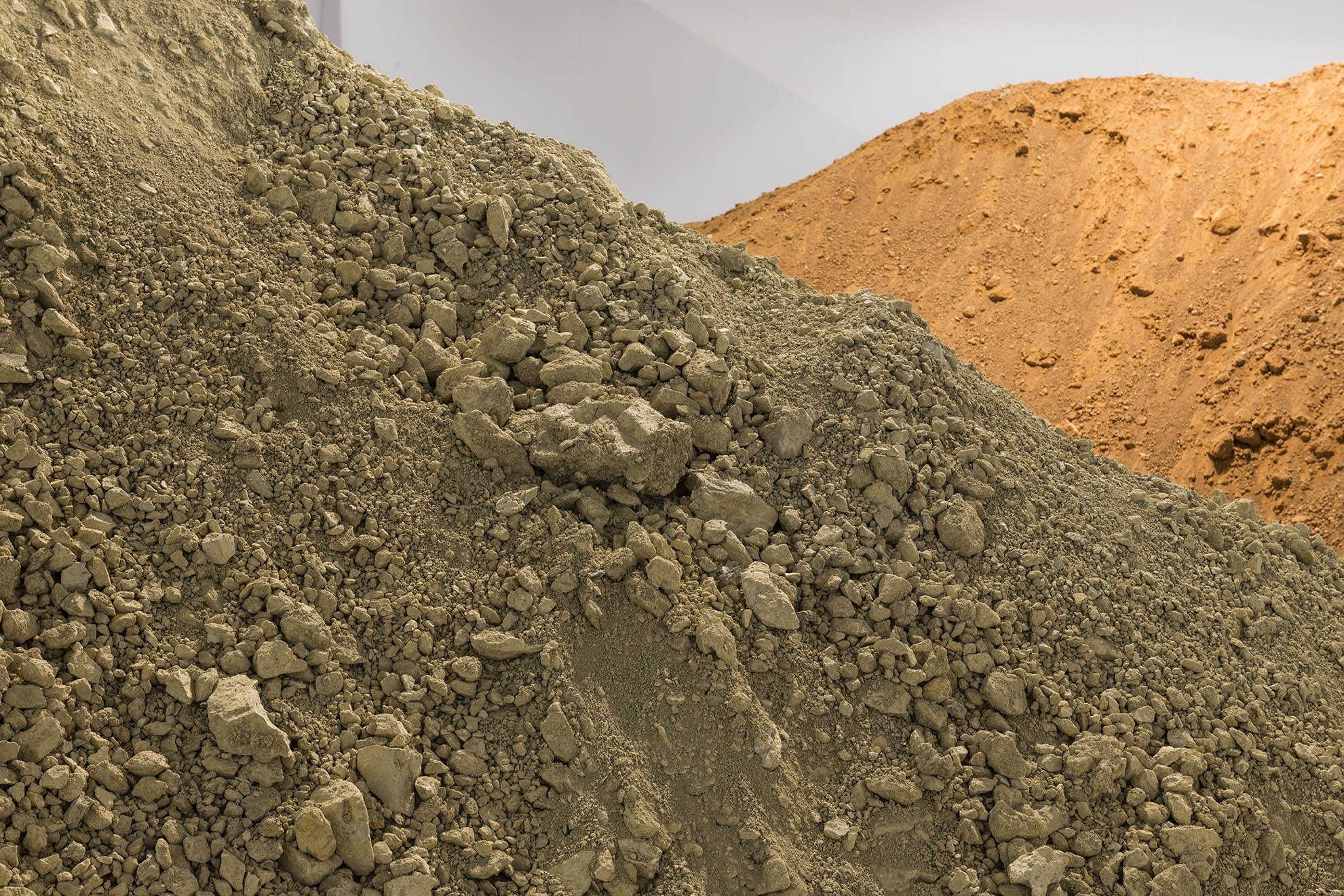
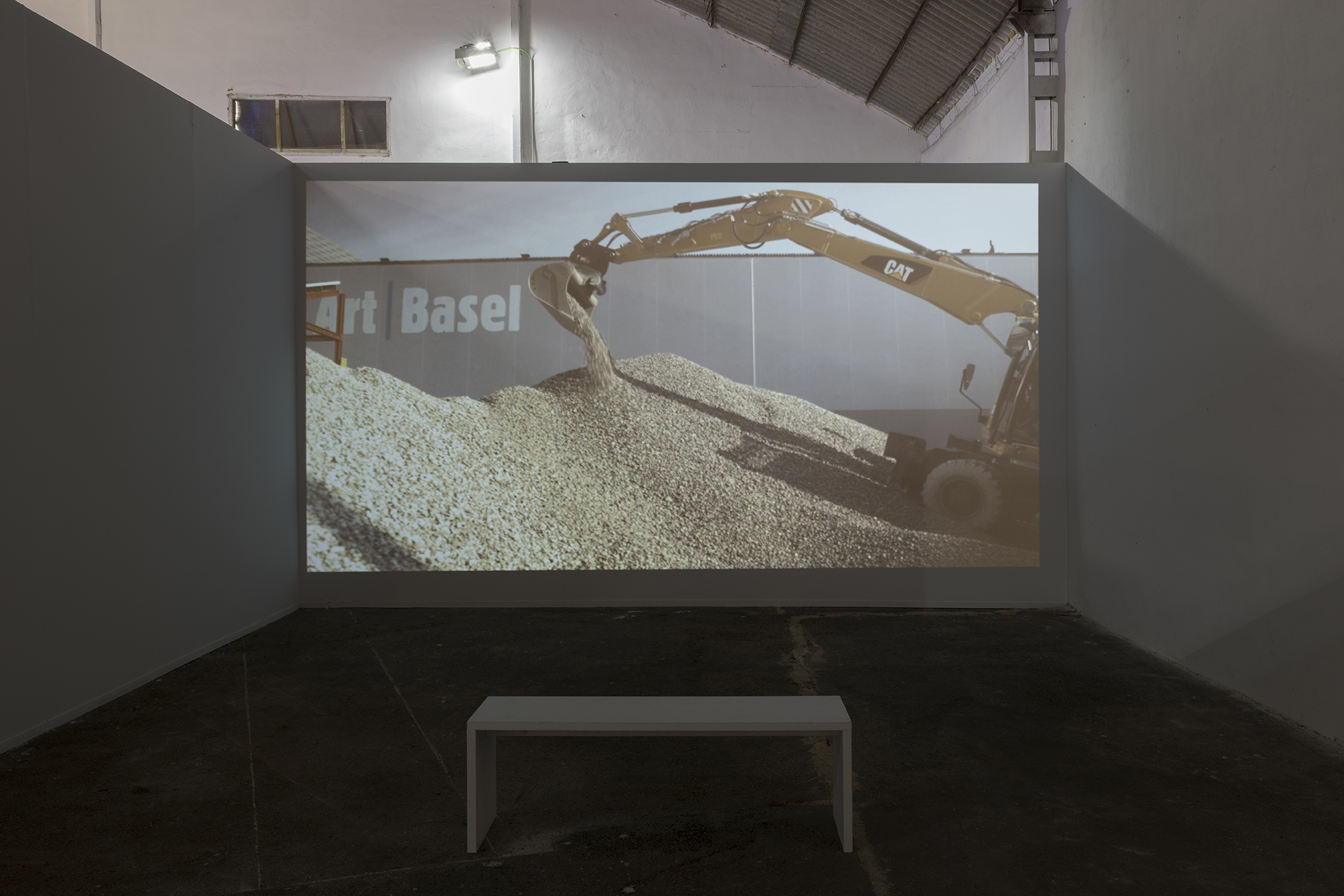
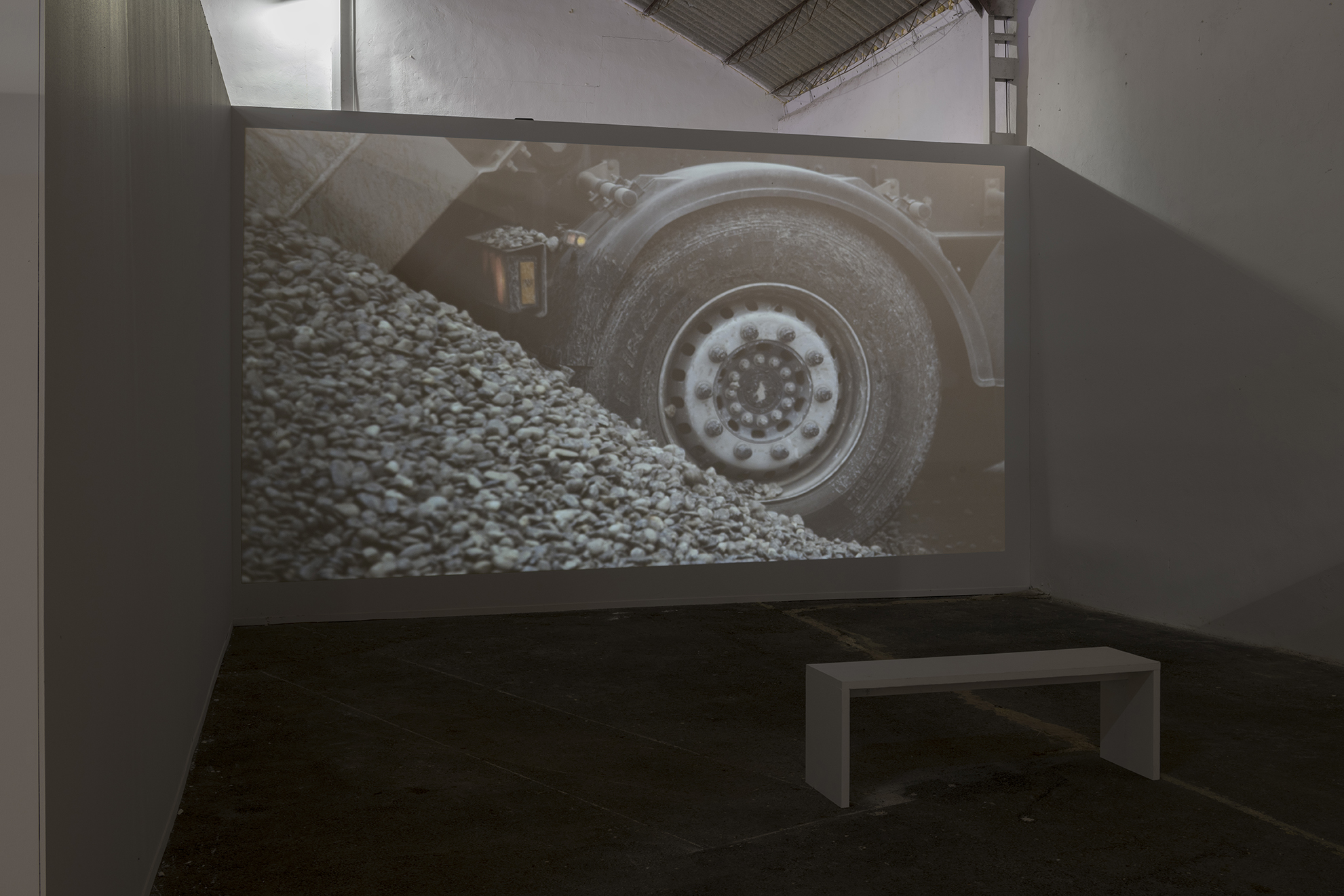
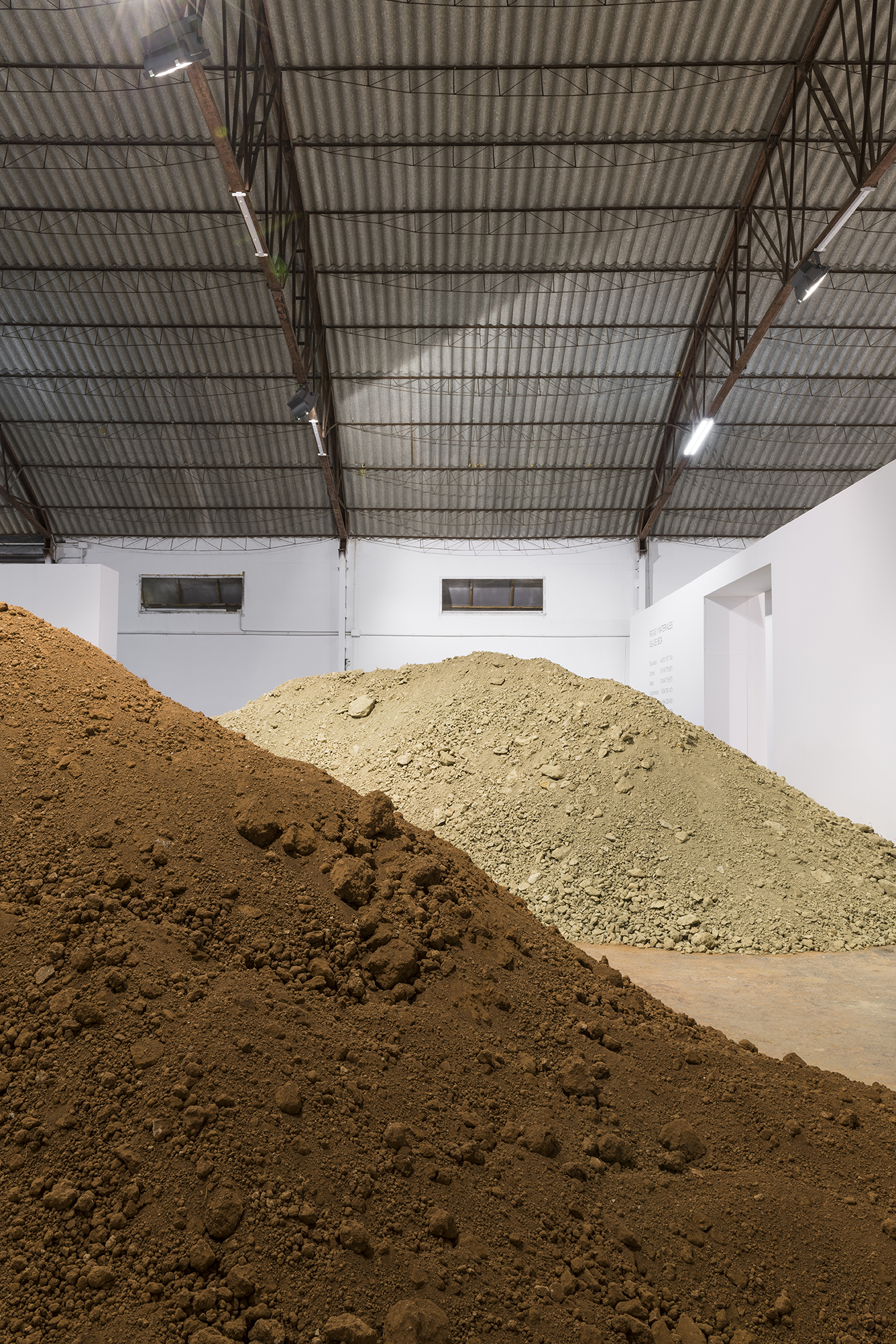
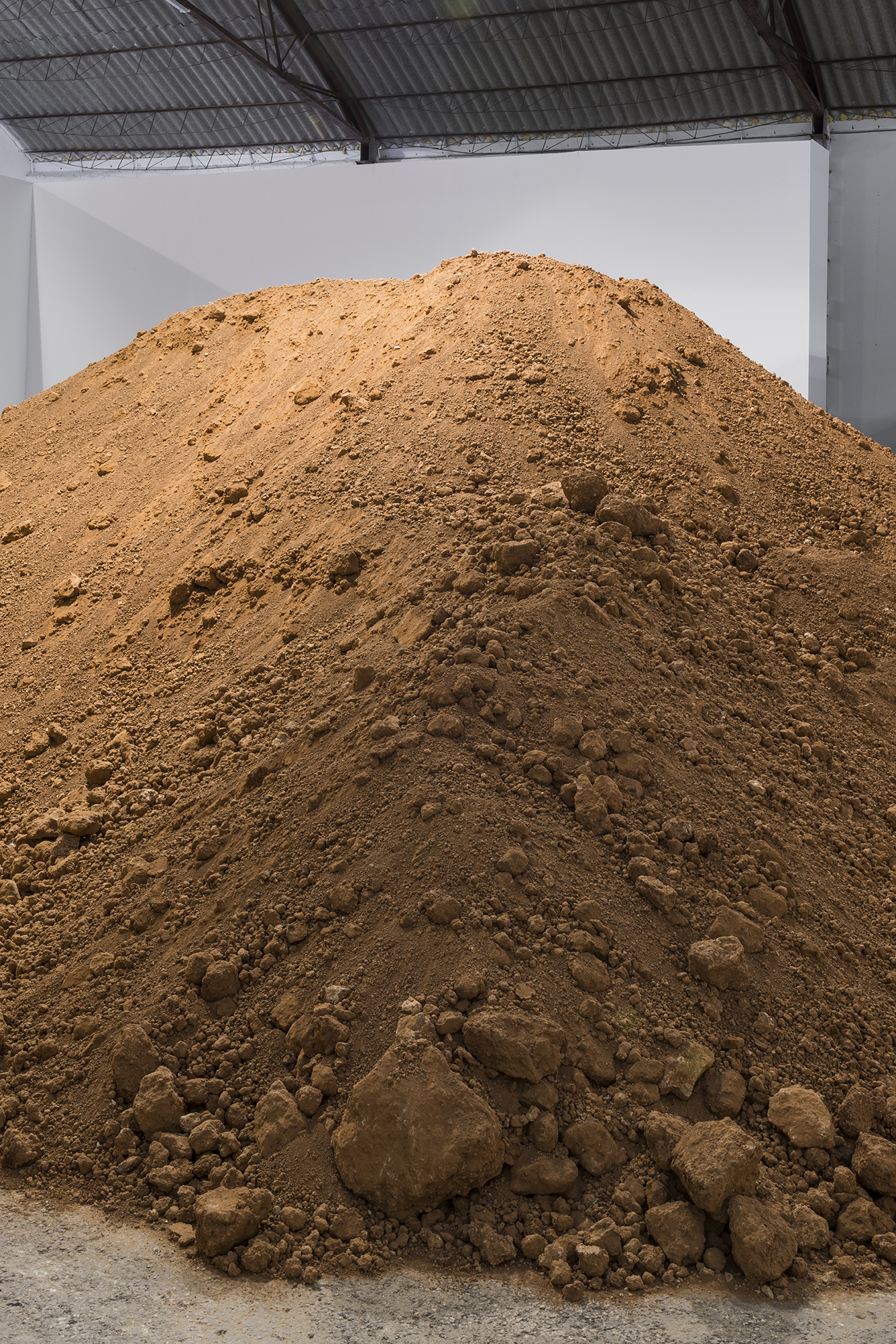
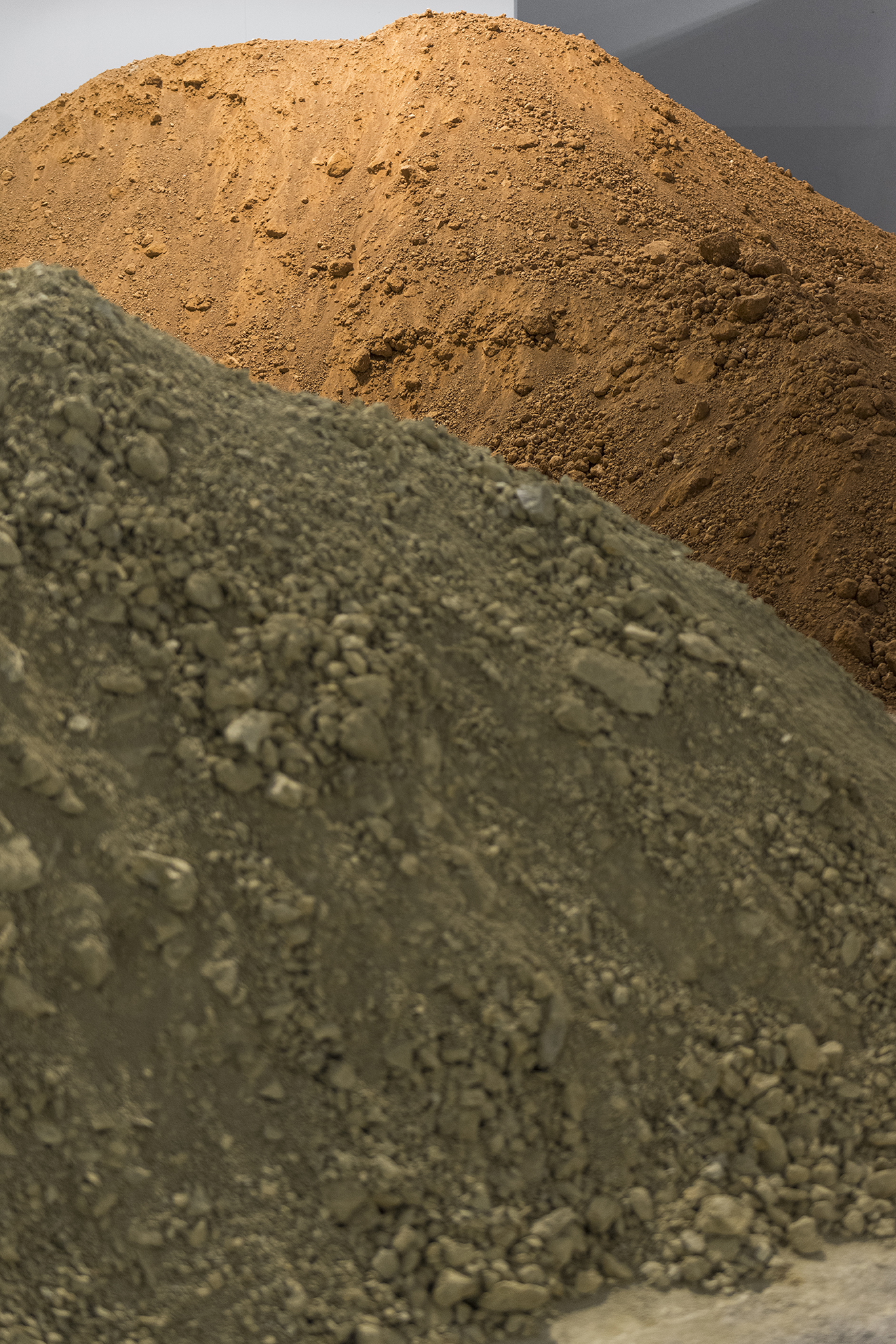
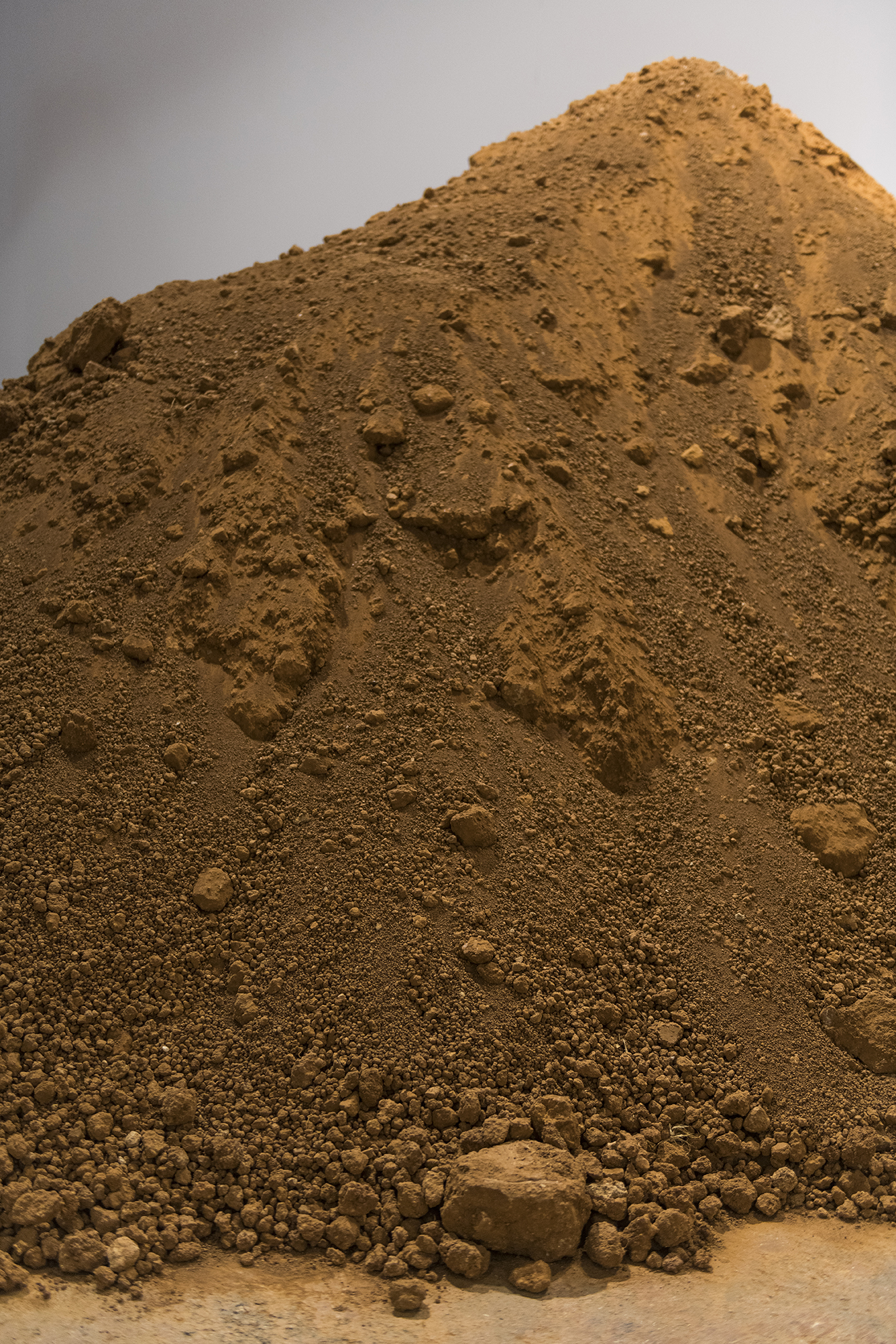
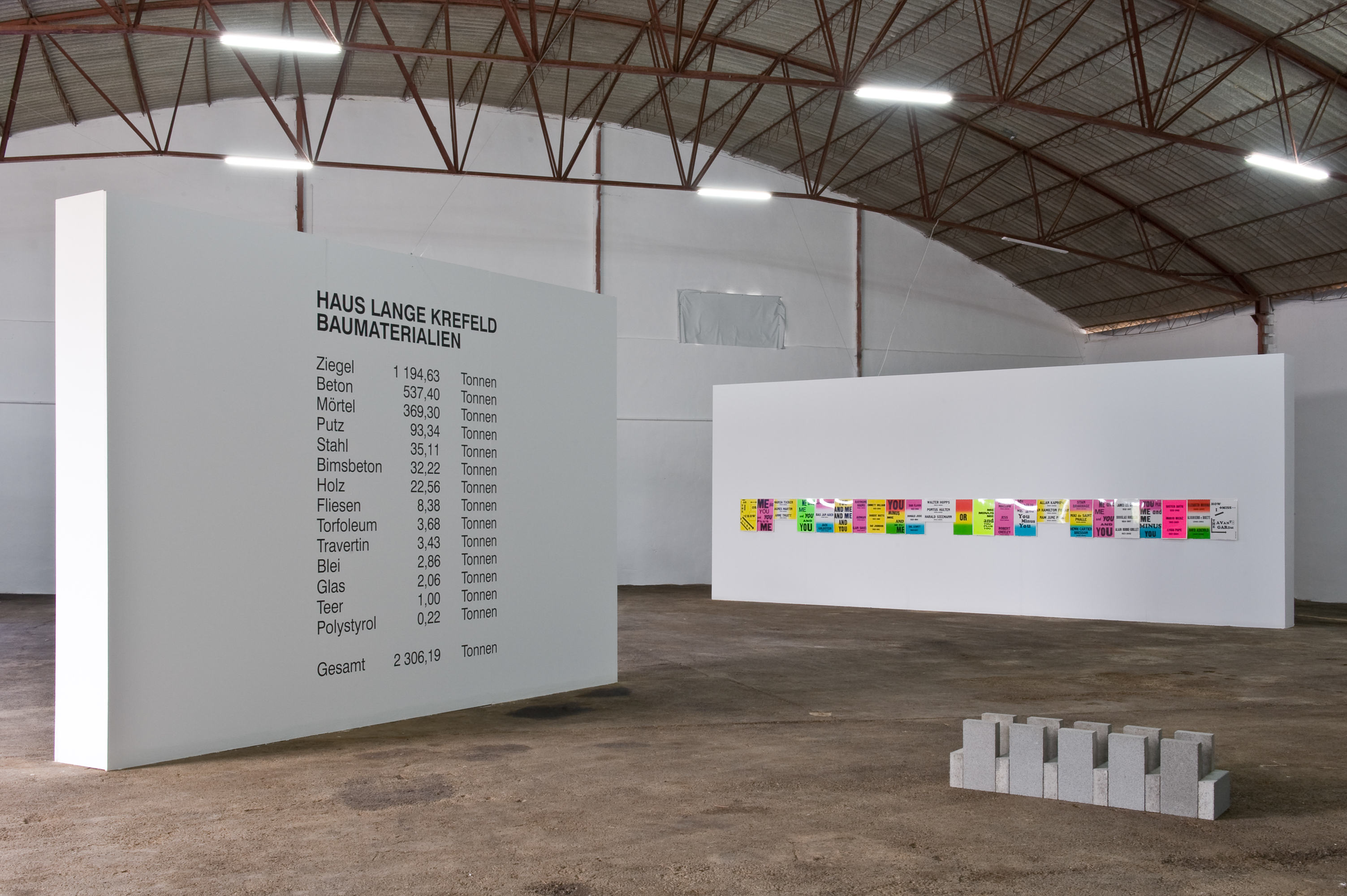
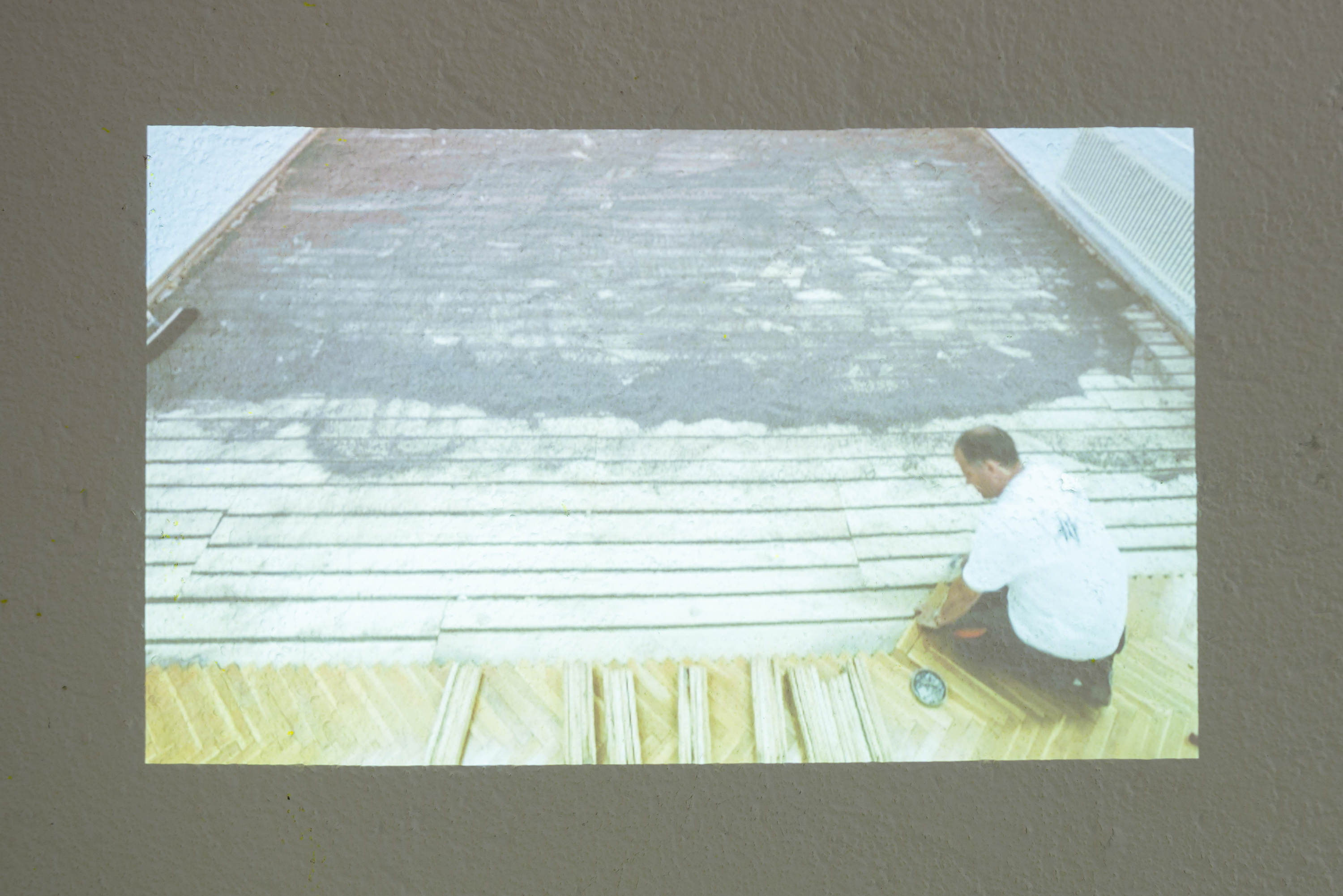
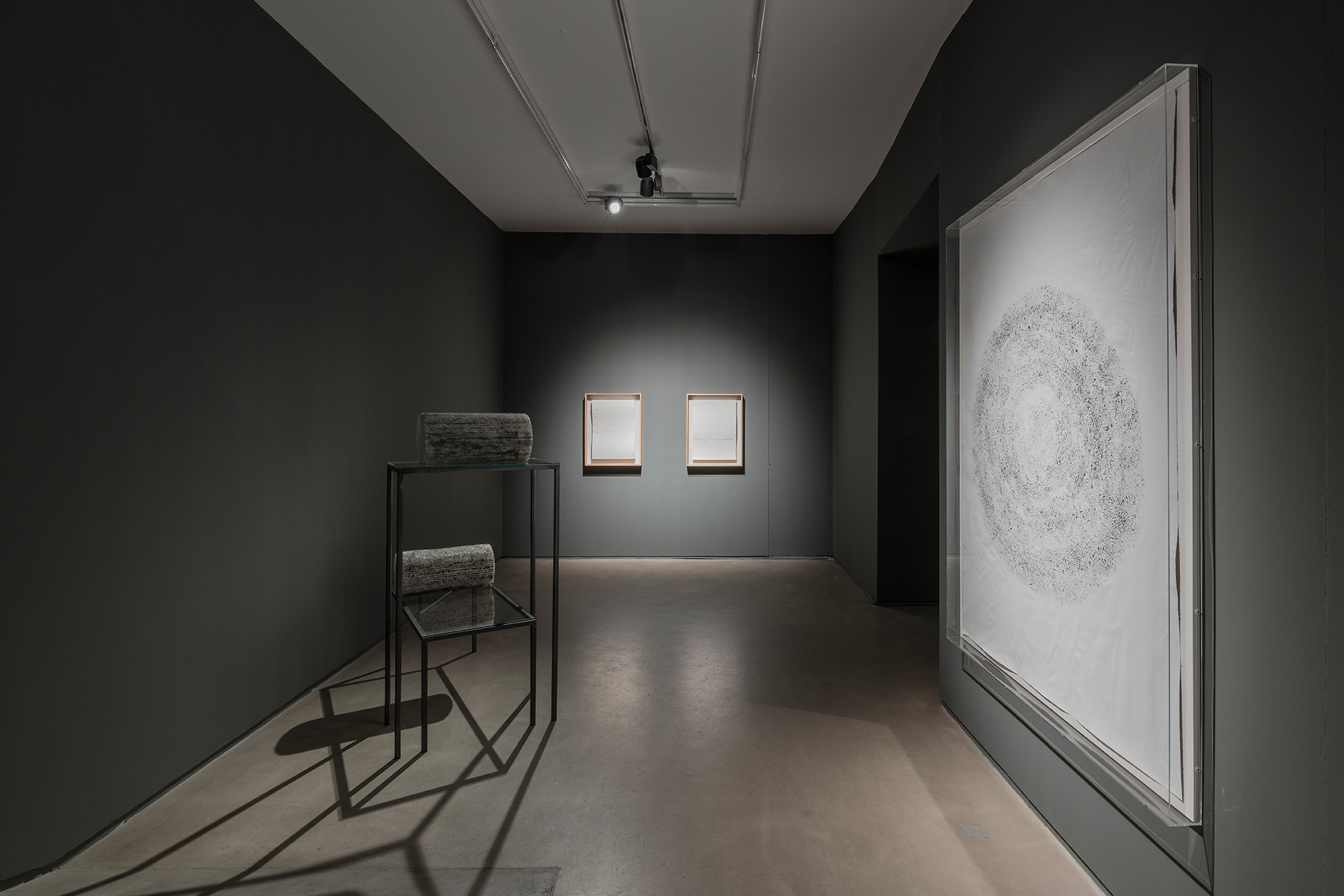
In 2004, Lara Almarcegui worked on removing the asphalt from the flooring of Amsterdam’s trade fair, documented the process and then quickly repaired it before the opening of KunstRAI. During the exhibition, no traces of the process were left: only the graphic material showing what had happened there few days before. The aim was to let visitors turn their attention on the physical conditions of the place where they are, becoming conscious of a process that has come to a conclusion and nonetheless remains present.