Claudio Parmiggiani
- C l a u d i o P a r m i g g i a n i
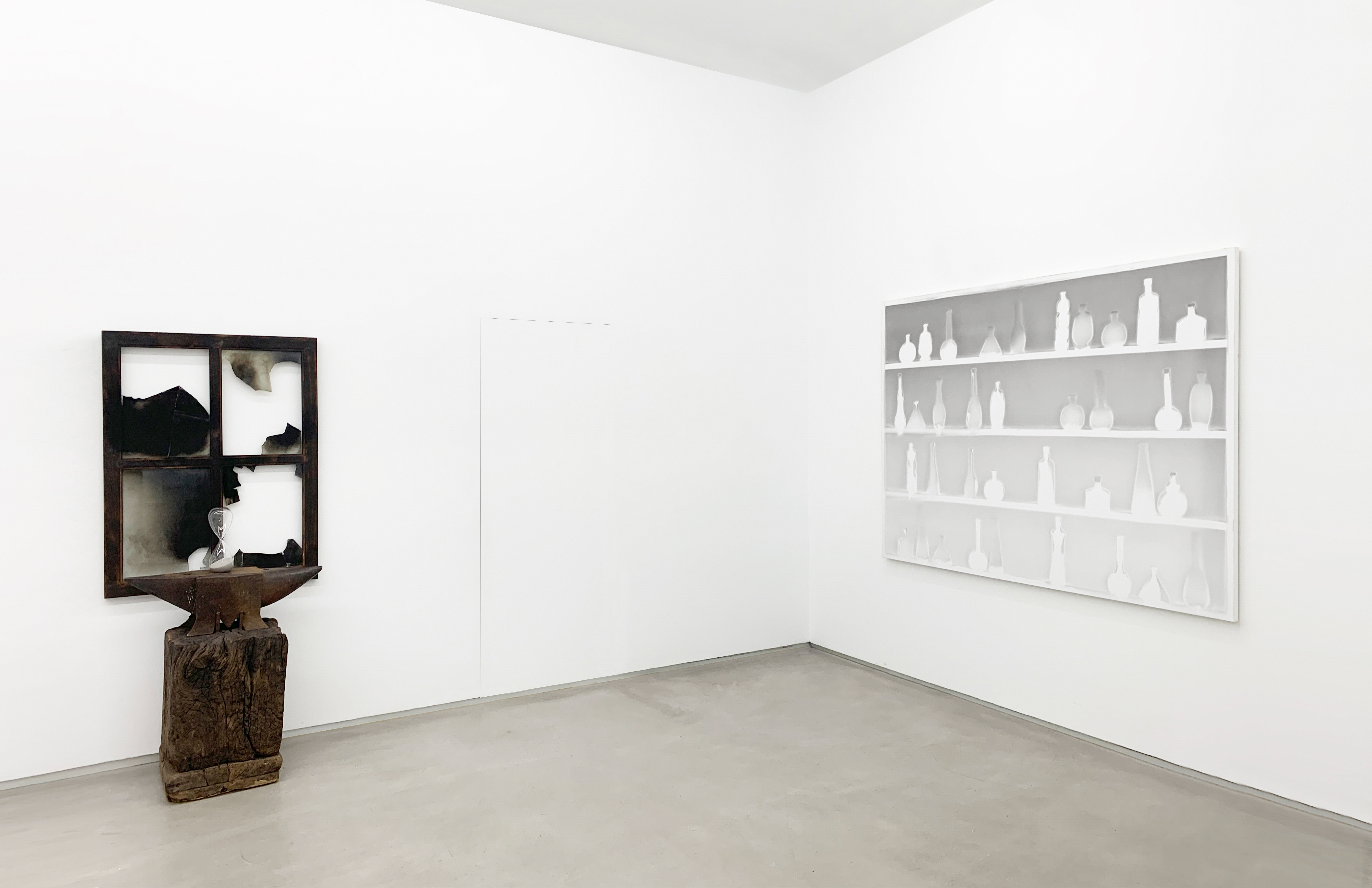

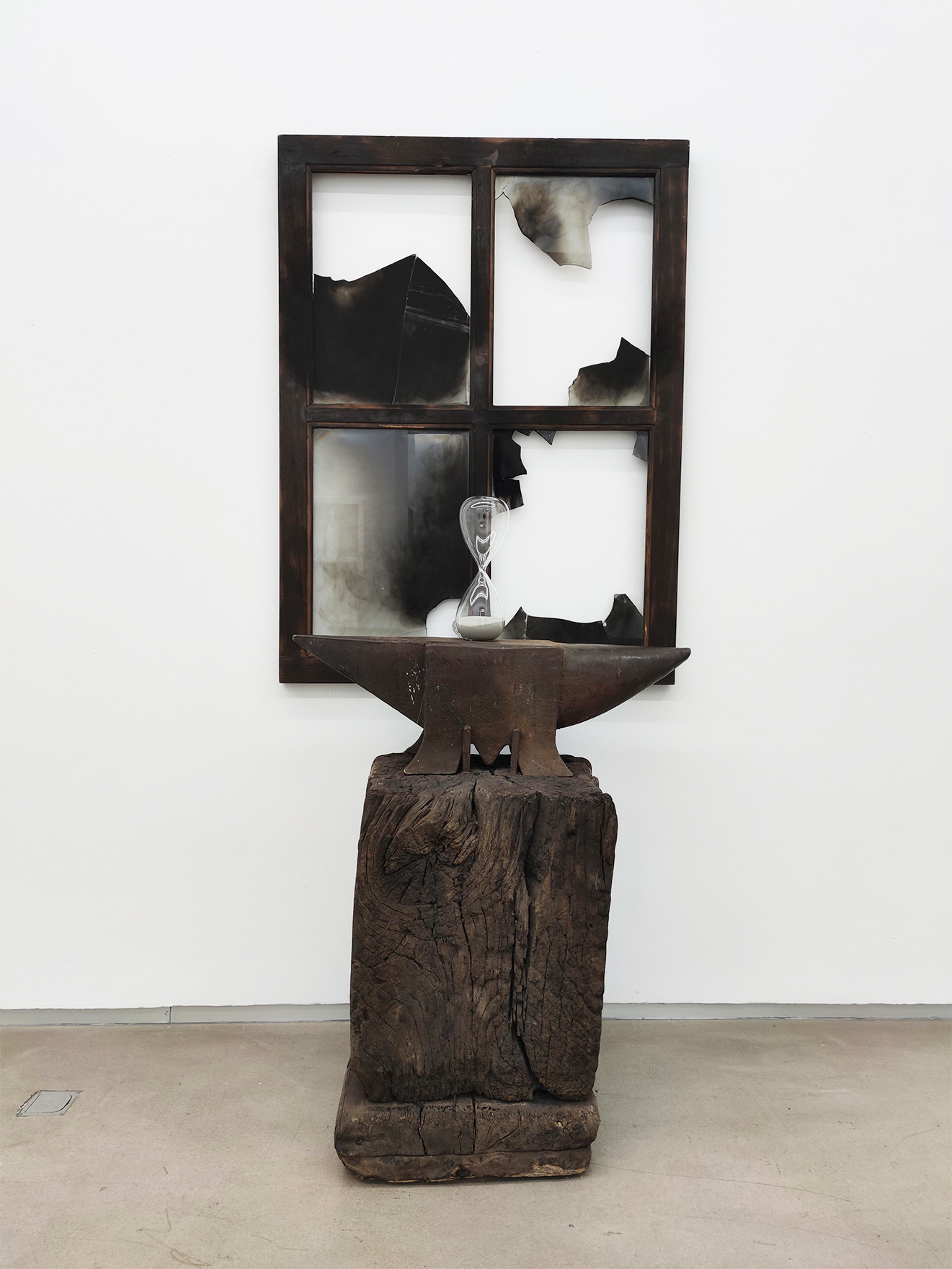


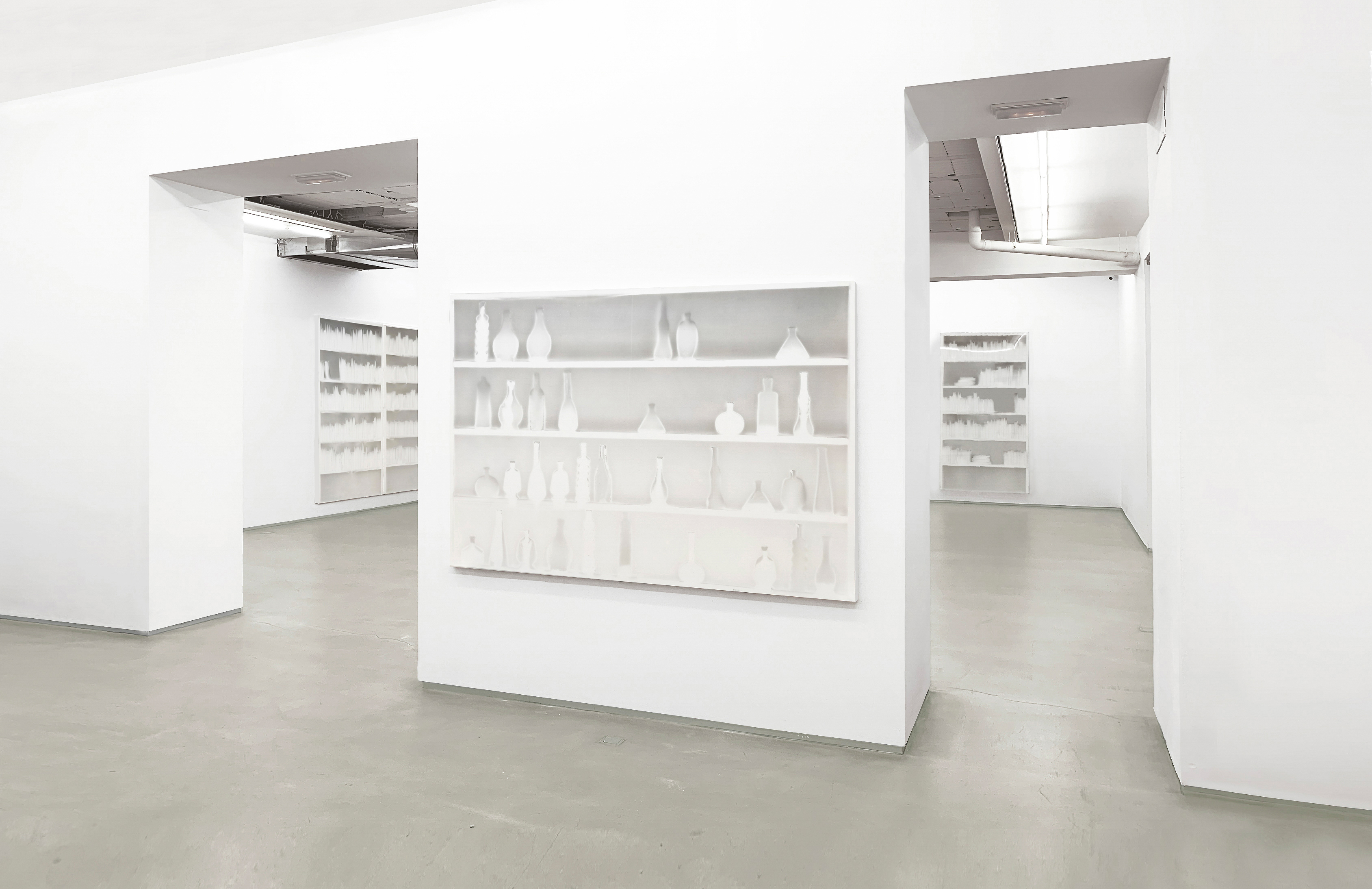
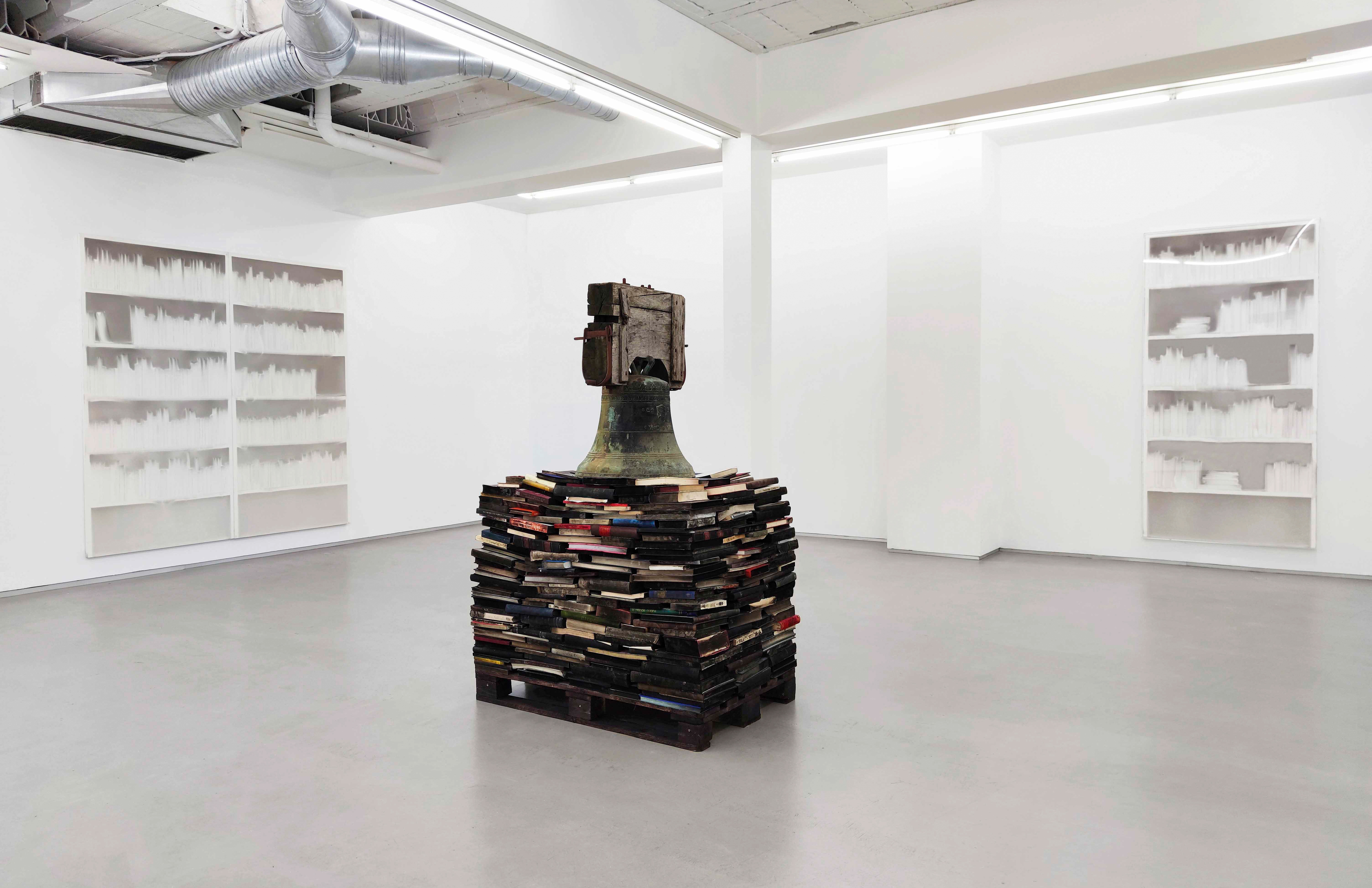
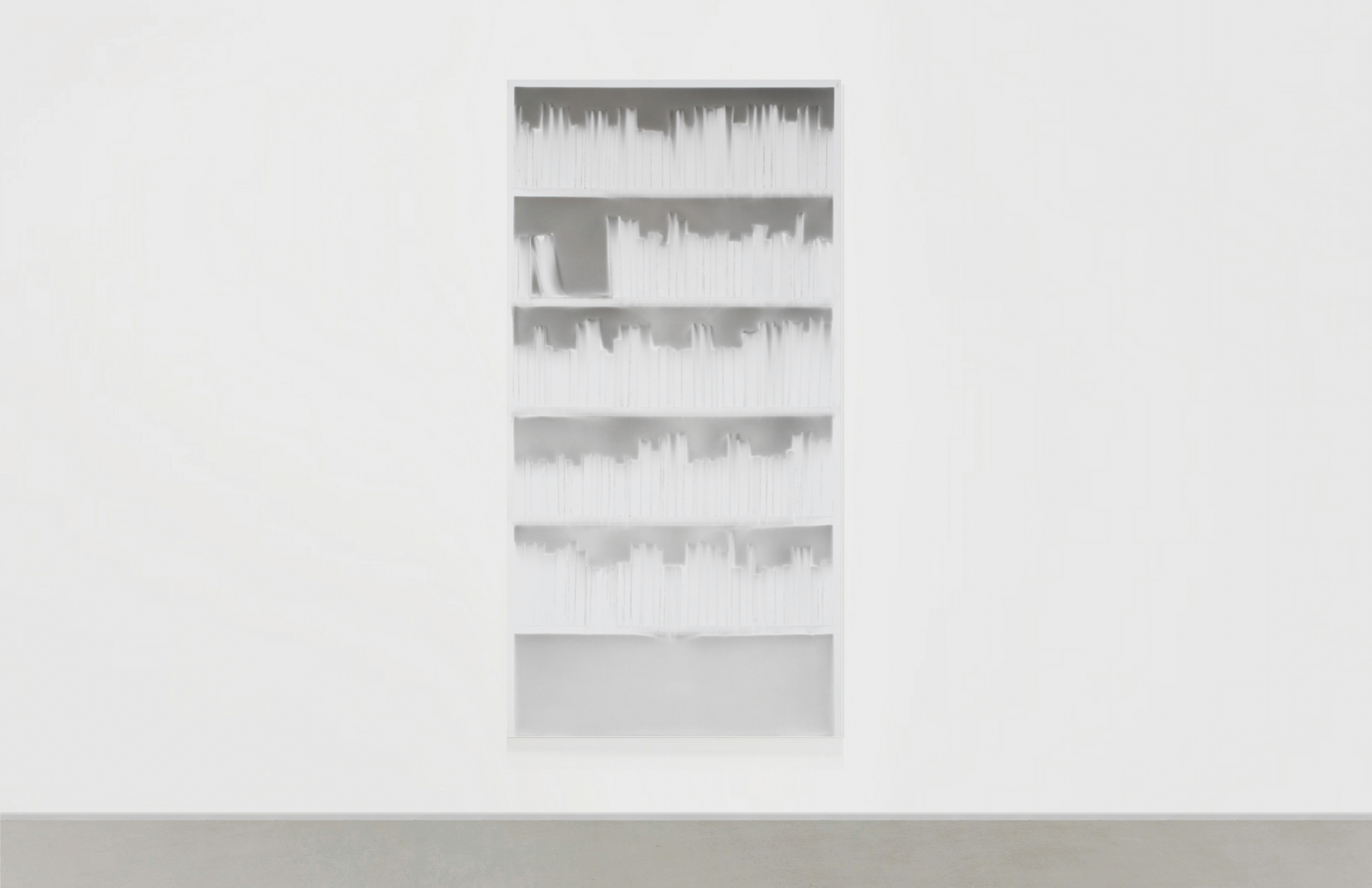
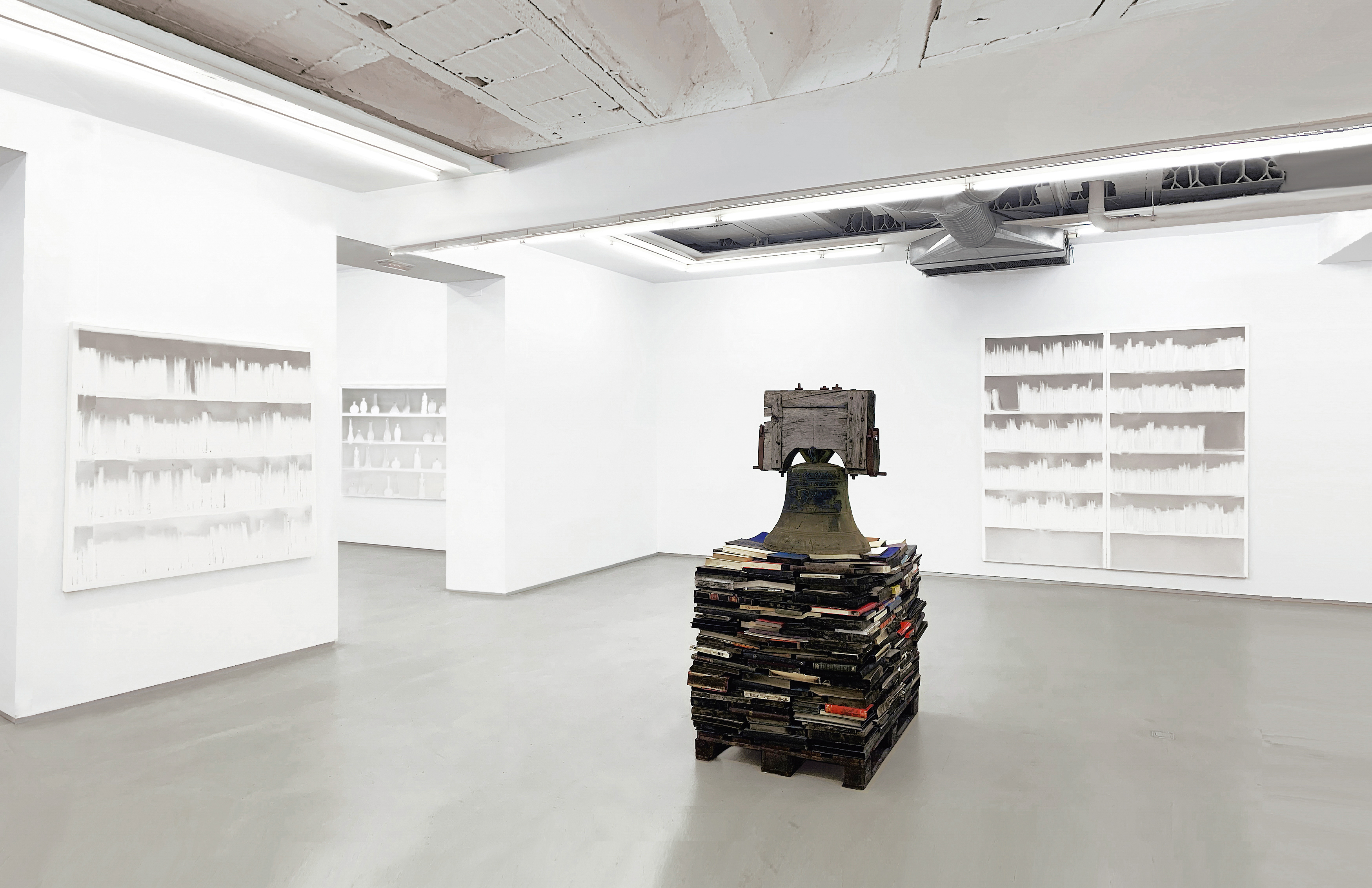
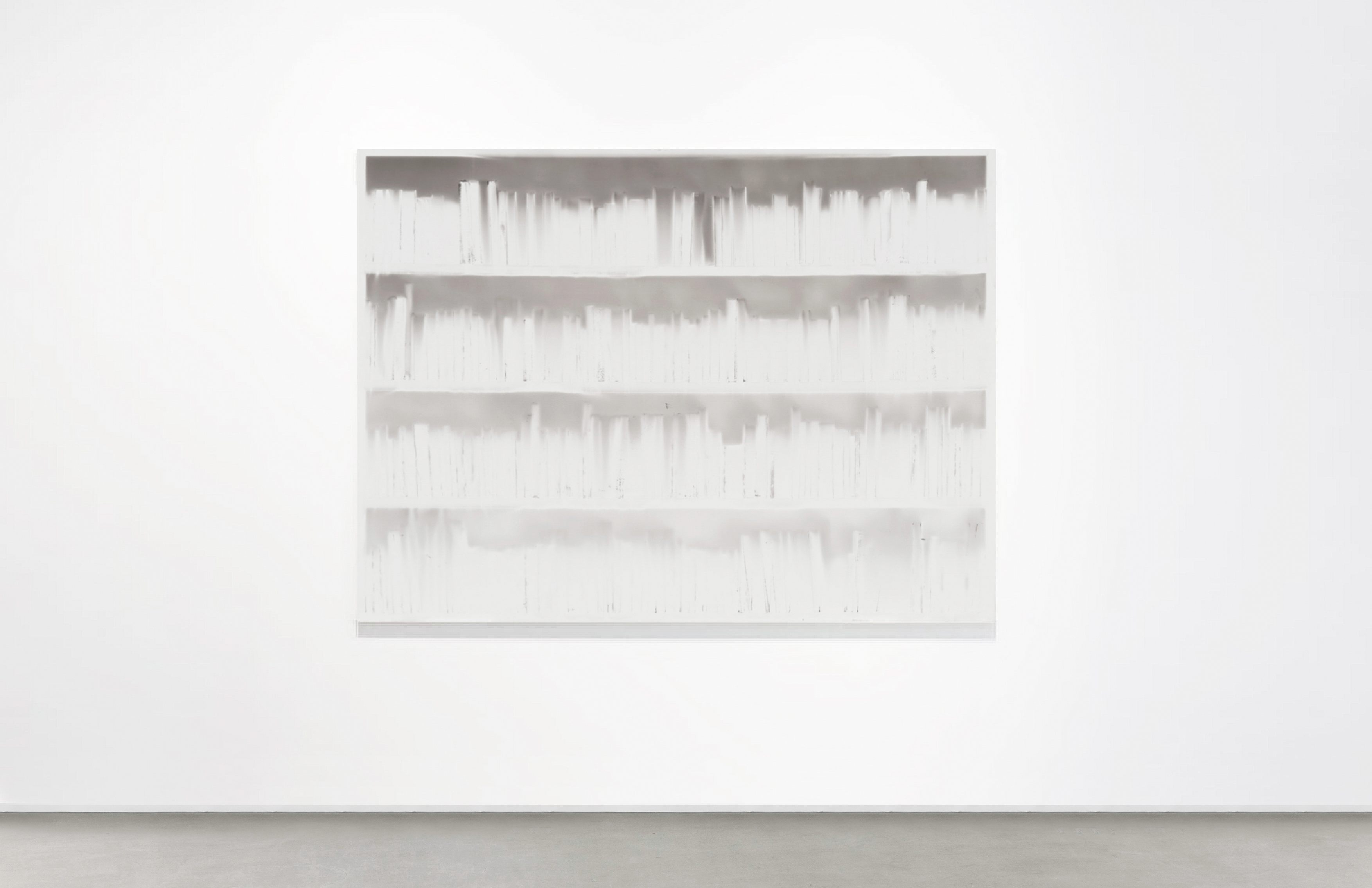
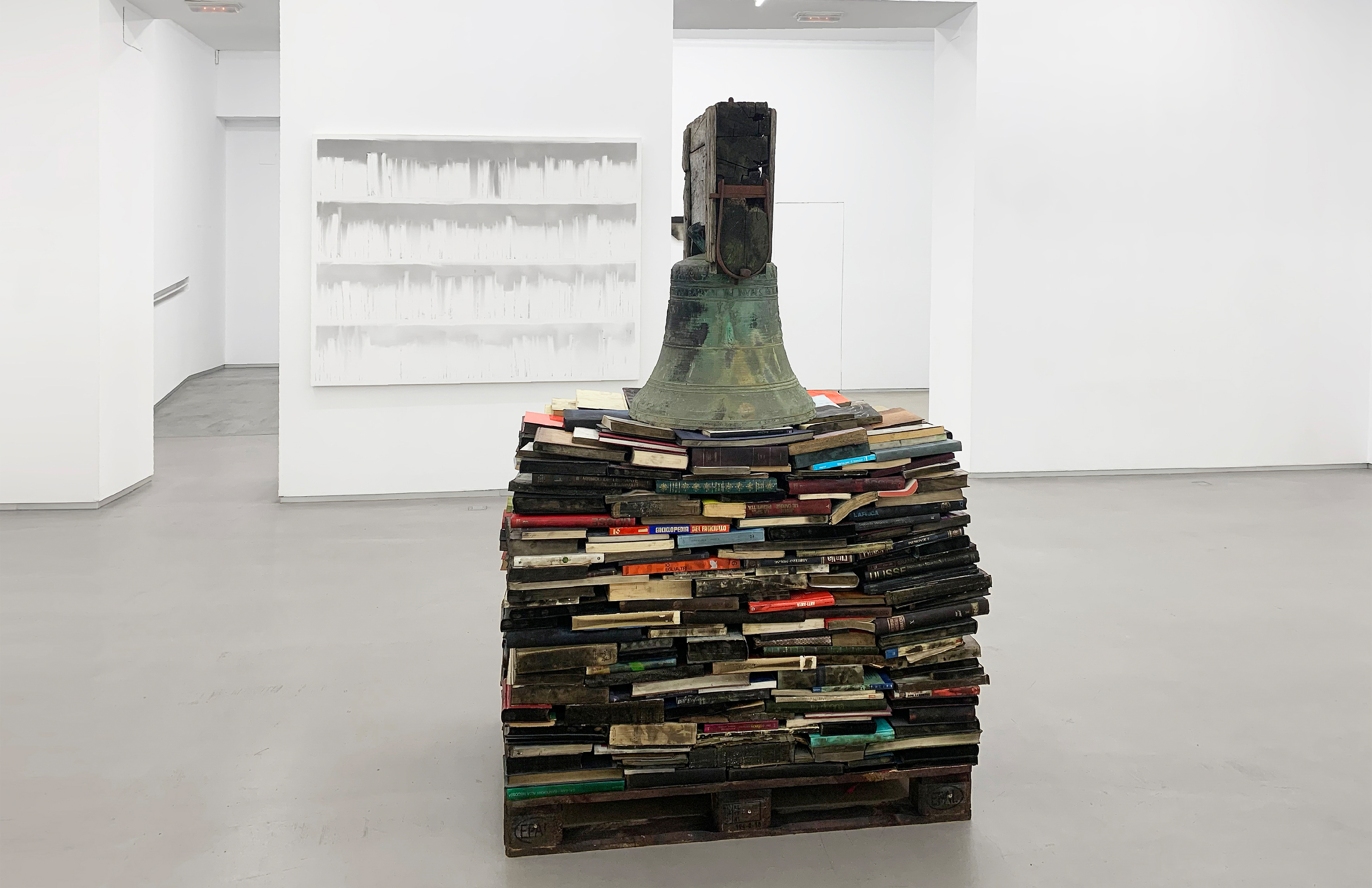
“It is with the shadow that the sense of birth and death are associated. It is the secret place where images and ideas are formed.“
Claudio Parmiggiani
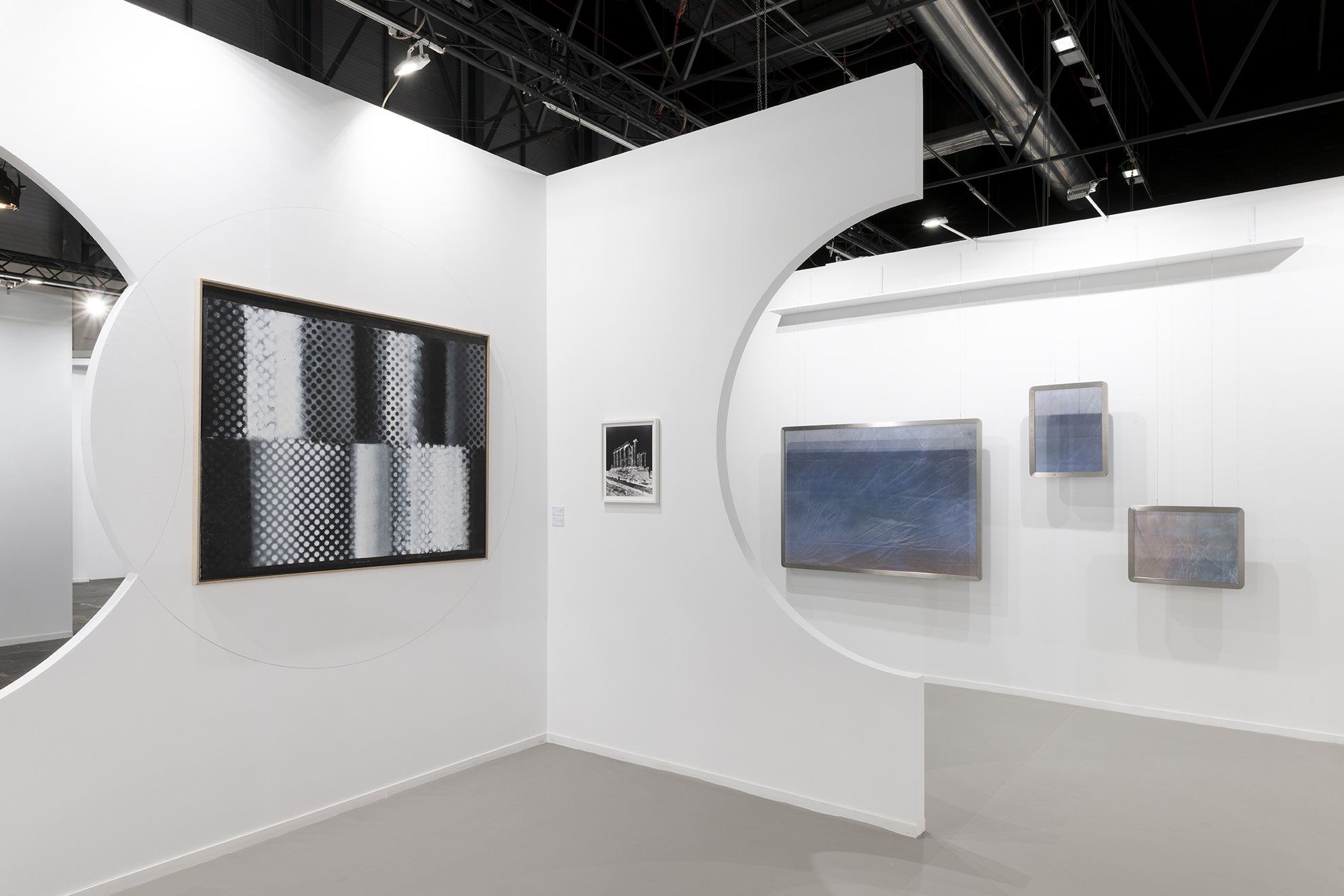
The work of Claudio Parmiggiani (1943, Luzzara, Italy) clearly reacts to the superficiality of our contemporary context: against the culture of the material, he proposes dematerialization; against noise, silence; against the object, the image; against presentism, memory; against presence, he proposes the absence; against the steps, the footprint, the trace.
Parmiggiani studied at the Istituto di Belle Arti di Modena between 1958 and 1960. During this time he frequented the studio of Giorgio Morandi, whose work influenced him deeply. The spirit of Marcel Duchamp and Piero Manzoni also manifested itself early in their manipulation and presentation of objects. Associated throughout his career with the Povera and Conceptual Art movements, Parmiggiani’s work resists any substantial connection to either. Despite this, his work shares essential characteristics with contemporaries such as Giulio Paolini, among other things a progression from a conceptual practice towards a fusion with formal and representational ways of making art. Parmiggiani’s general thesis is his search for an image, object, or assemblage that transcends time and individual experience to evoke a universally existential and perceptual truth. It is a quest that is at the heart of his practice, an excavation of history and mythology that becomes still, silent and impervious to time.
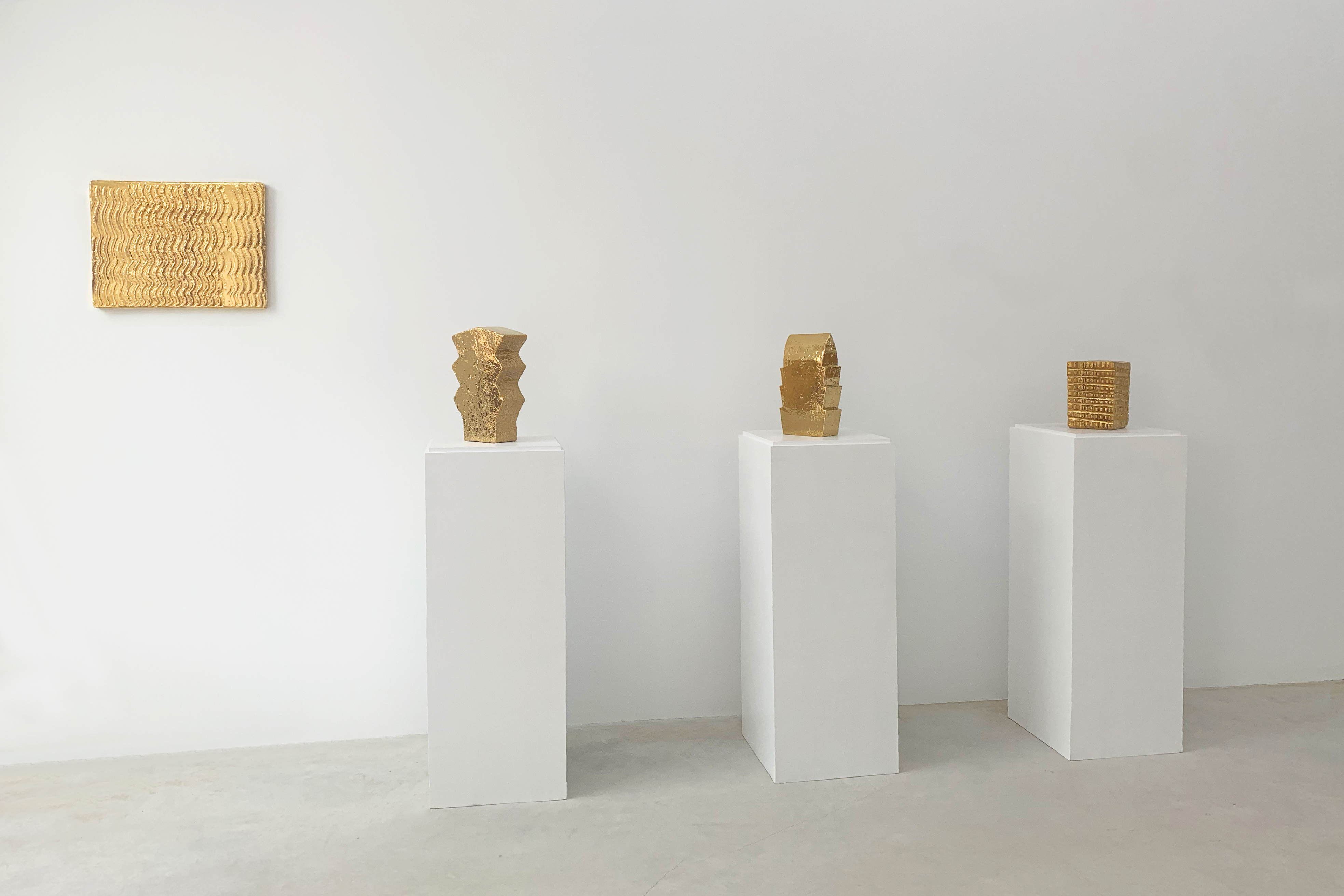
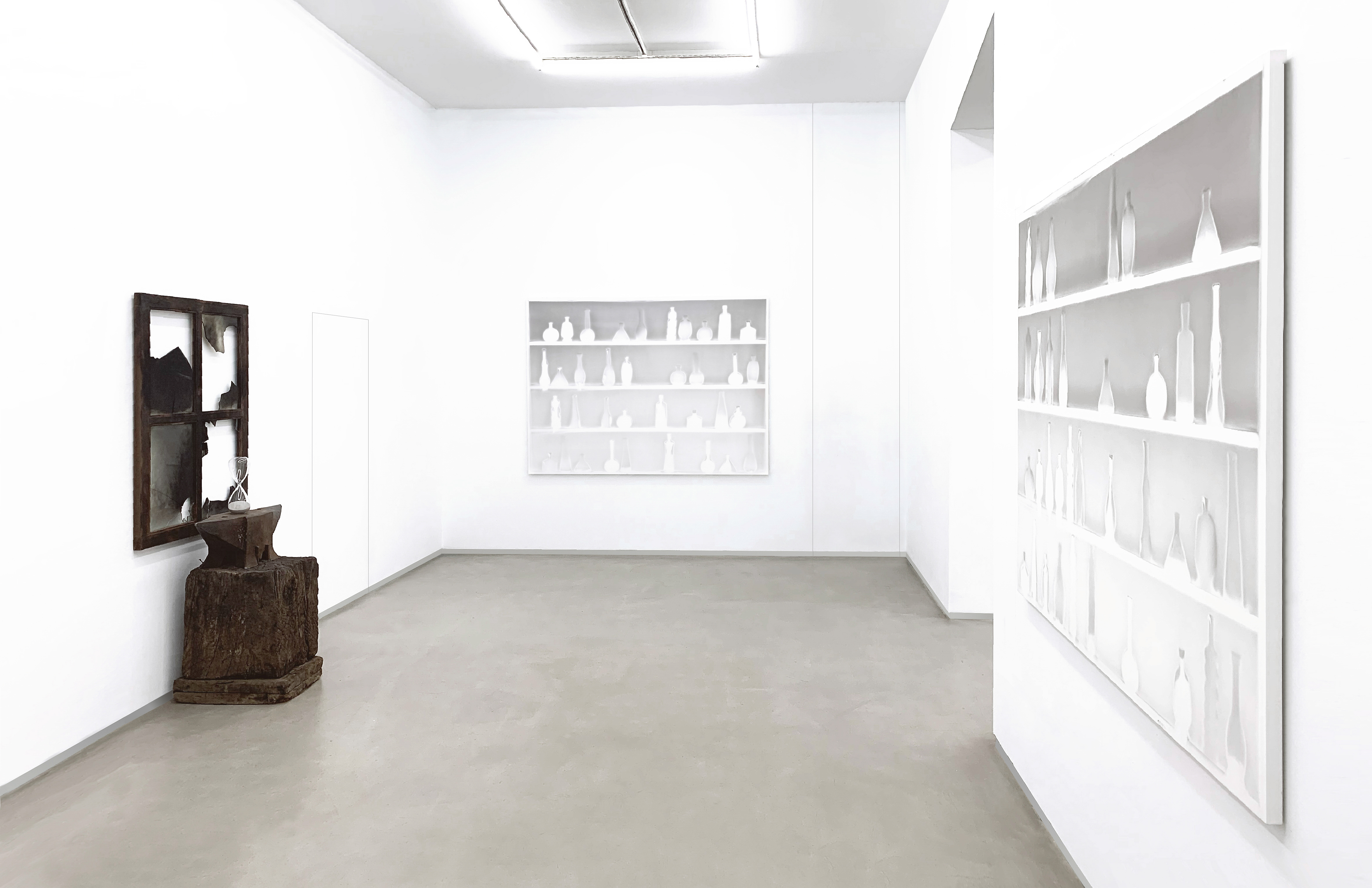
Claudio Parmiggiani is the artist’s first individual exhibition in Spain. His work tends to unify and put the concepts of light and shadow in dialogue. We could say that it has an “antiplatonic” vocation. If for the philosopher light (idea) and shadow (form) were dichotomous concepts, thus marking the antagonistic relationship and eternal enmity between them that has lasted until today, for Parmiggiani light and shadow are part of the same being. Shadow carves and shapes light, residing within it like the hidden bodies in Michelangelo’s marble blocks.
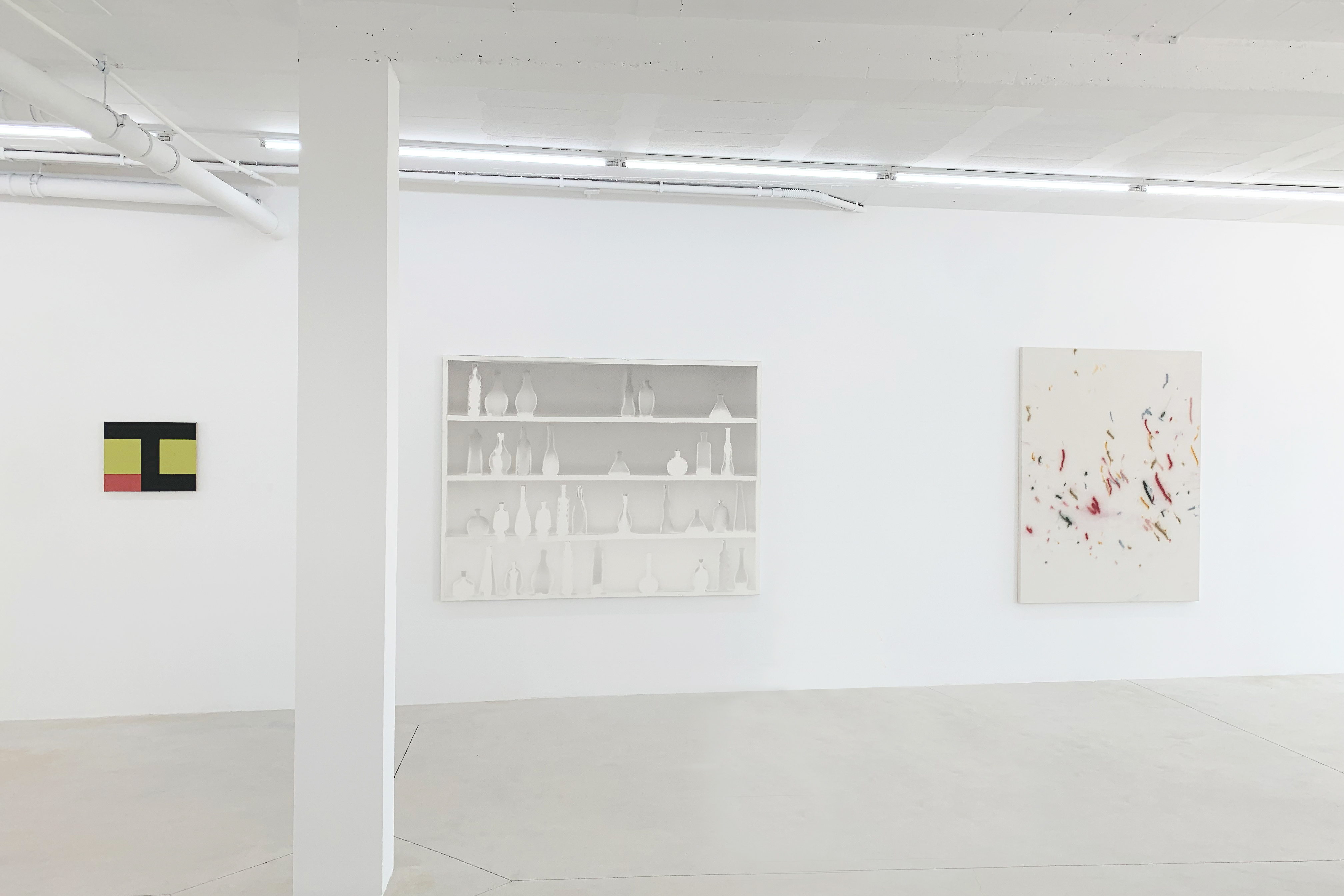
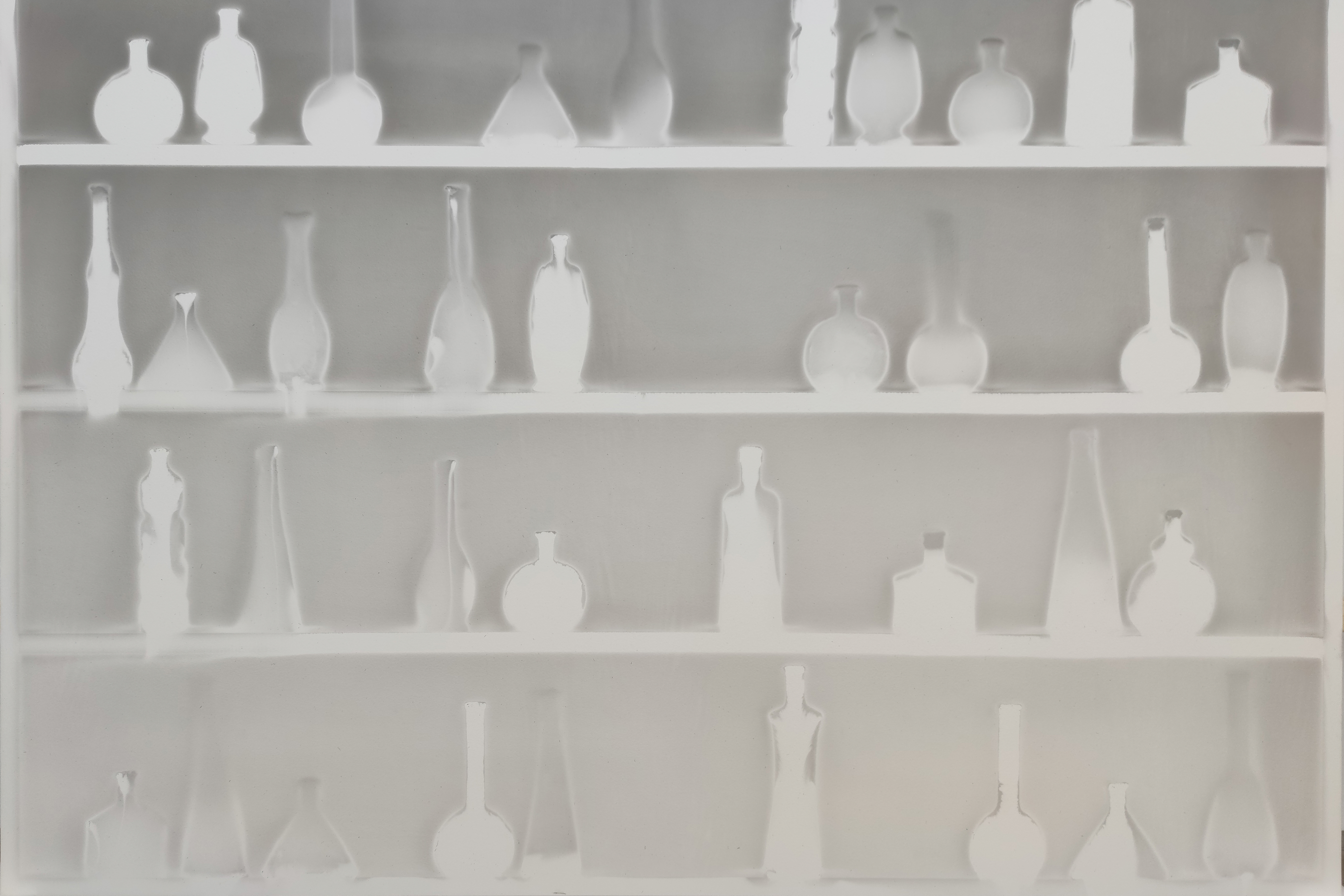
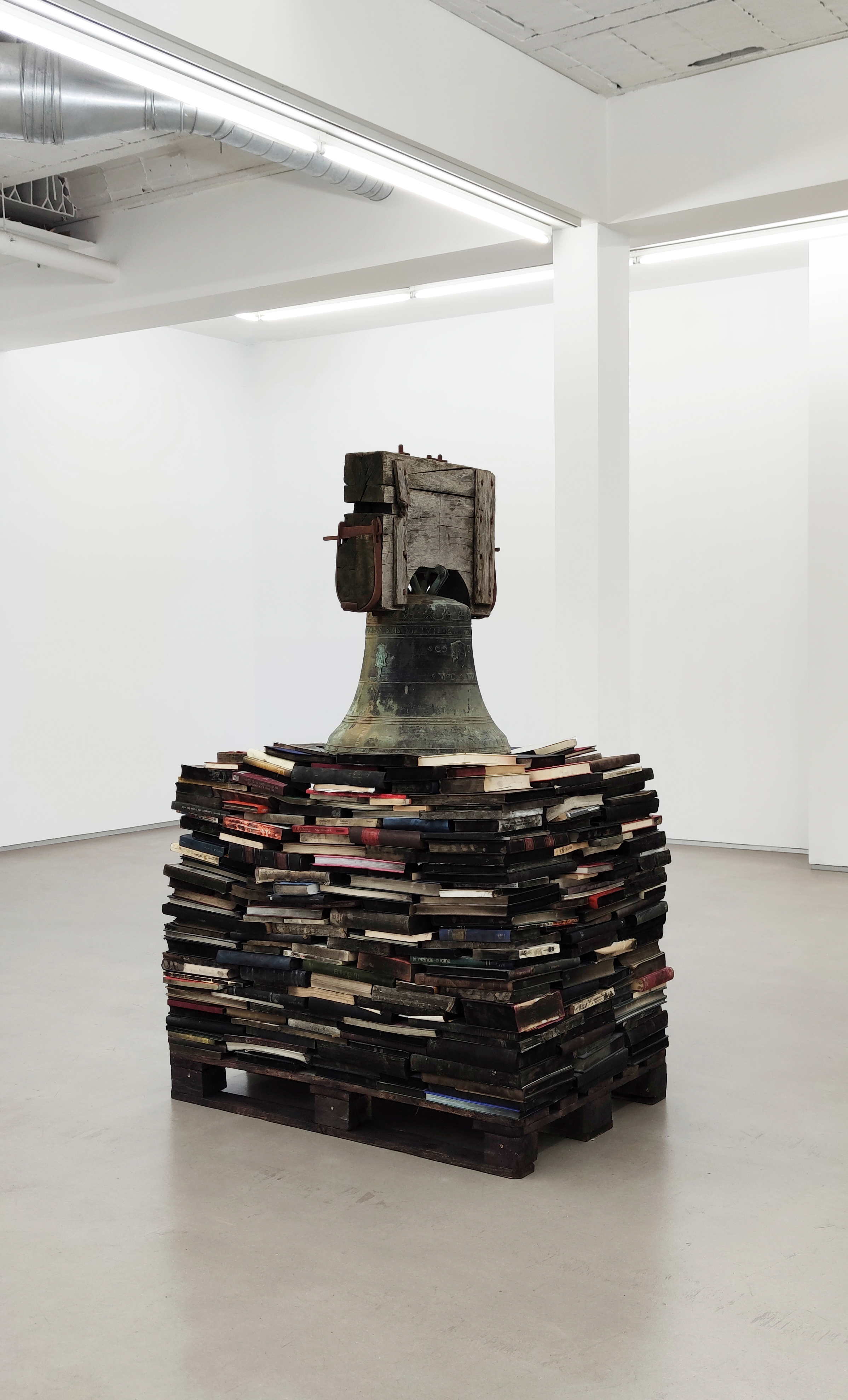
Time and memory are two of the great themes of his work. In his imaginary, it is common to find books, vessels, butterflies, clocks, crystals, anchors and bells. Parmiggiani has a vocabulary that moves between the heavy and the light, between what is present and what was present. It is no coincidence that his famous pieces of smoke and soot are called Delocazione (displacement) alluding to the transience of the objects that were there and, when they disappeared, left only their trace. Those shadows that last visibilize its absence. That is one of the great virtues of his work: to represent the untangible.
Claudio Parmiggiani (1937) works and lives in Parma. His work has been exhibited in important institutions and museums worldwide such as: Centre George Pompidou, Paris, France; 56th y 39th Venice Biennale, Venice, Italy; MAXXI, Rome, Italy; MAMCO, Geneve, Switzerland; Teatro Farnese, Parma, Italy; Villa Medici, Rome, Italy; Frist Art Museum, Nashville, USA; Finch Museum, New York, USA; Boghossian Foundation, Brussels, Belgium; BOZAR, Brussels, Belgium; Museum Moderner Kunst, Vienna, Austria; Museo d’Art Moderne de la Ville de Paris, Paris, France; FRAC, Bourgogne, Dijon, France; Fundación Miró, Barcelona, Spain; Musée des Beaux-arts, Nantes, France; Museo Nacional de Bellas Artes, La Havana, Cuba; Museum of Art, Tel-Aviv, Israel y Fonds Régional d’art Contemporain de Corse, Corse, France among others.