If the Eyes Were not Sun-Like…
- H e i n z M a c k














“If the eyes were not sun-like, the sun’s light would not see”.
-Johann Wolfgang Von Goethe.
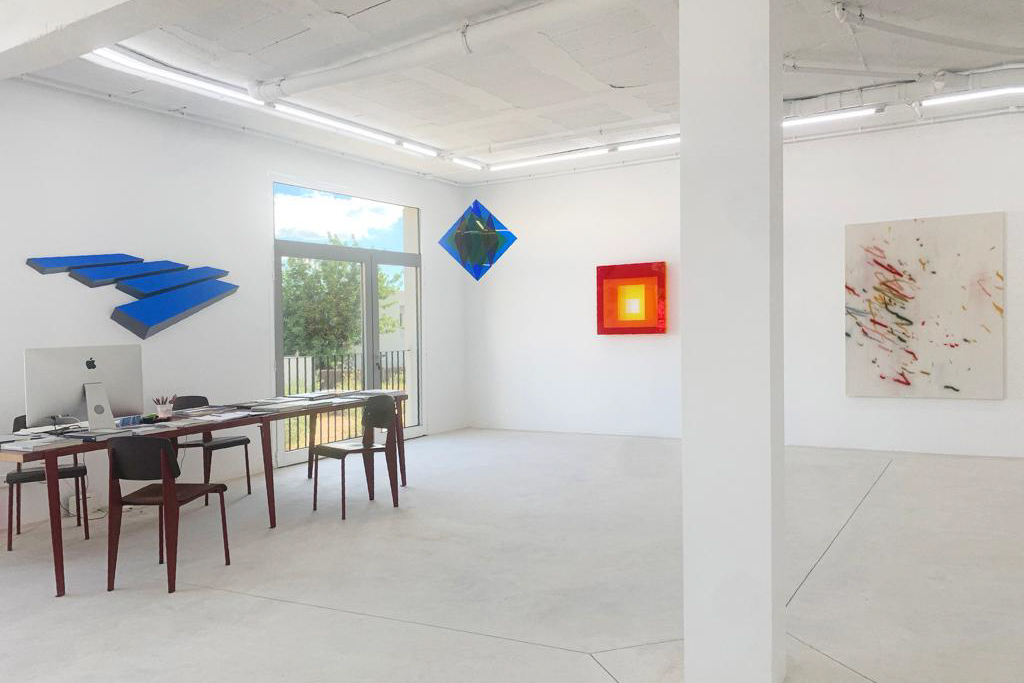
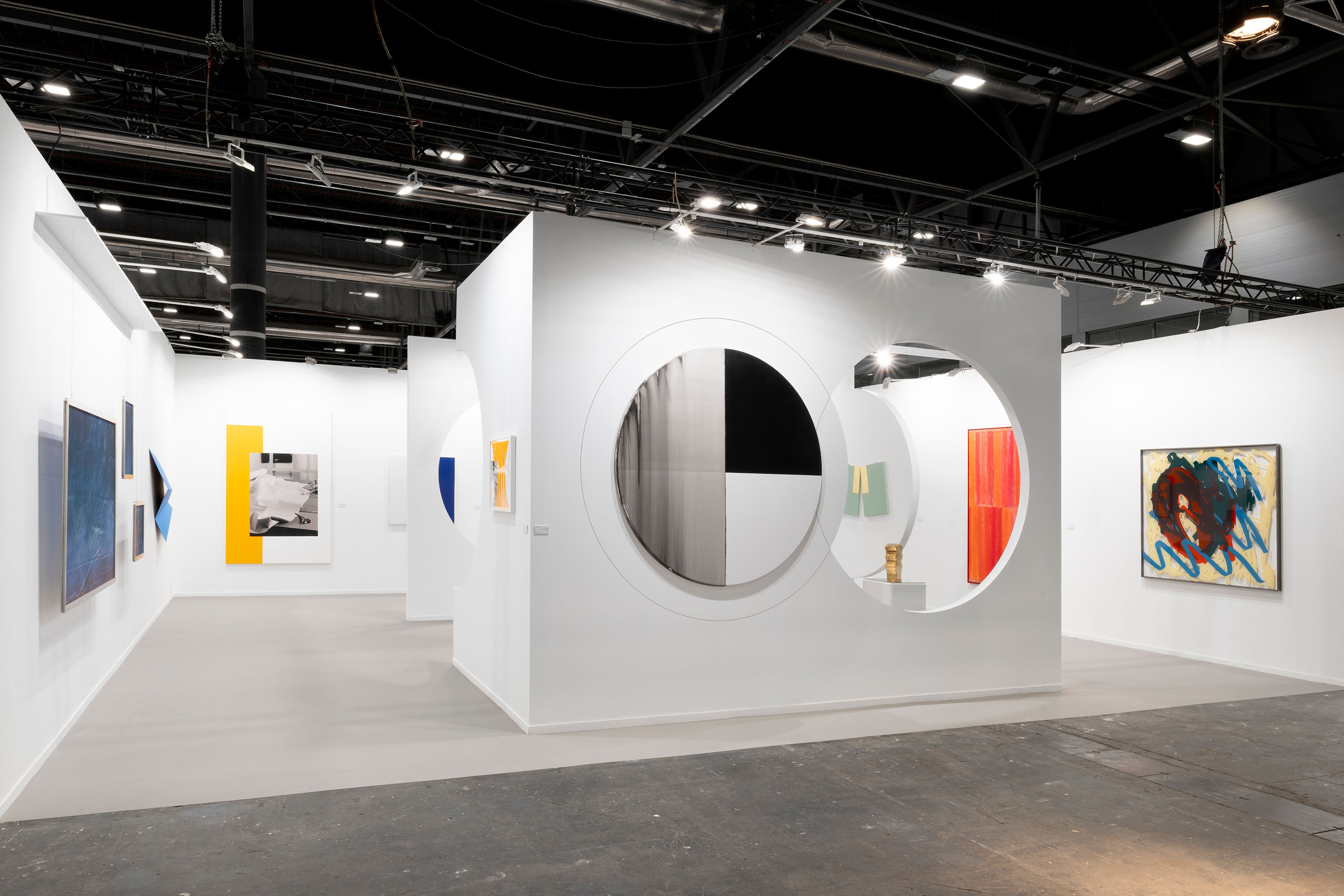
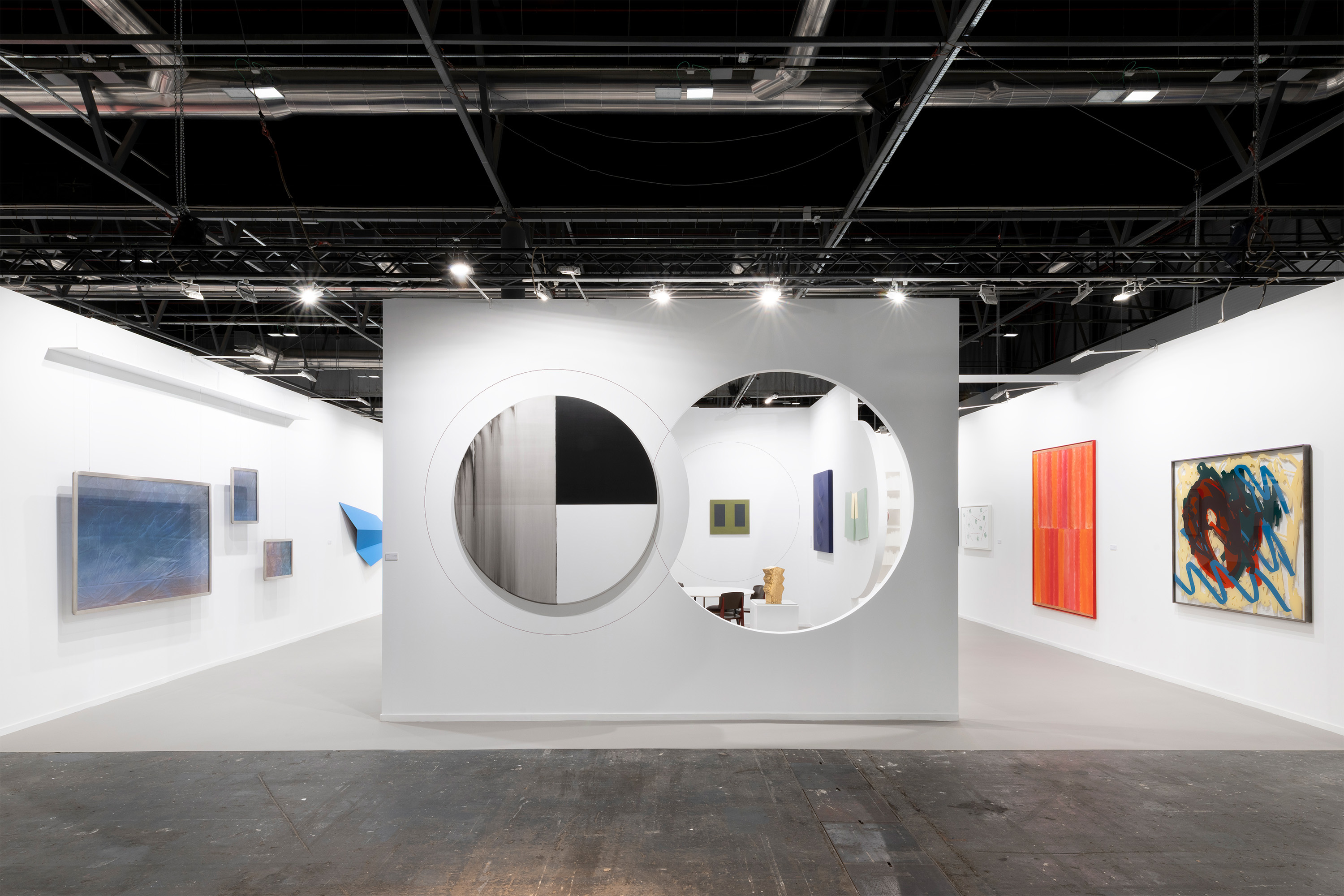
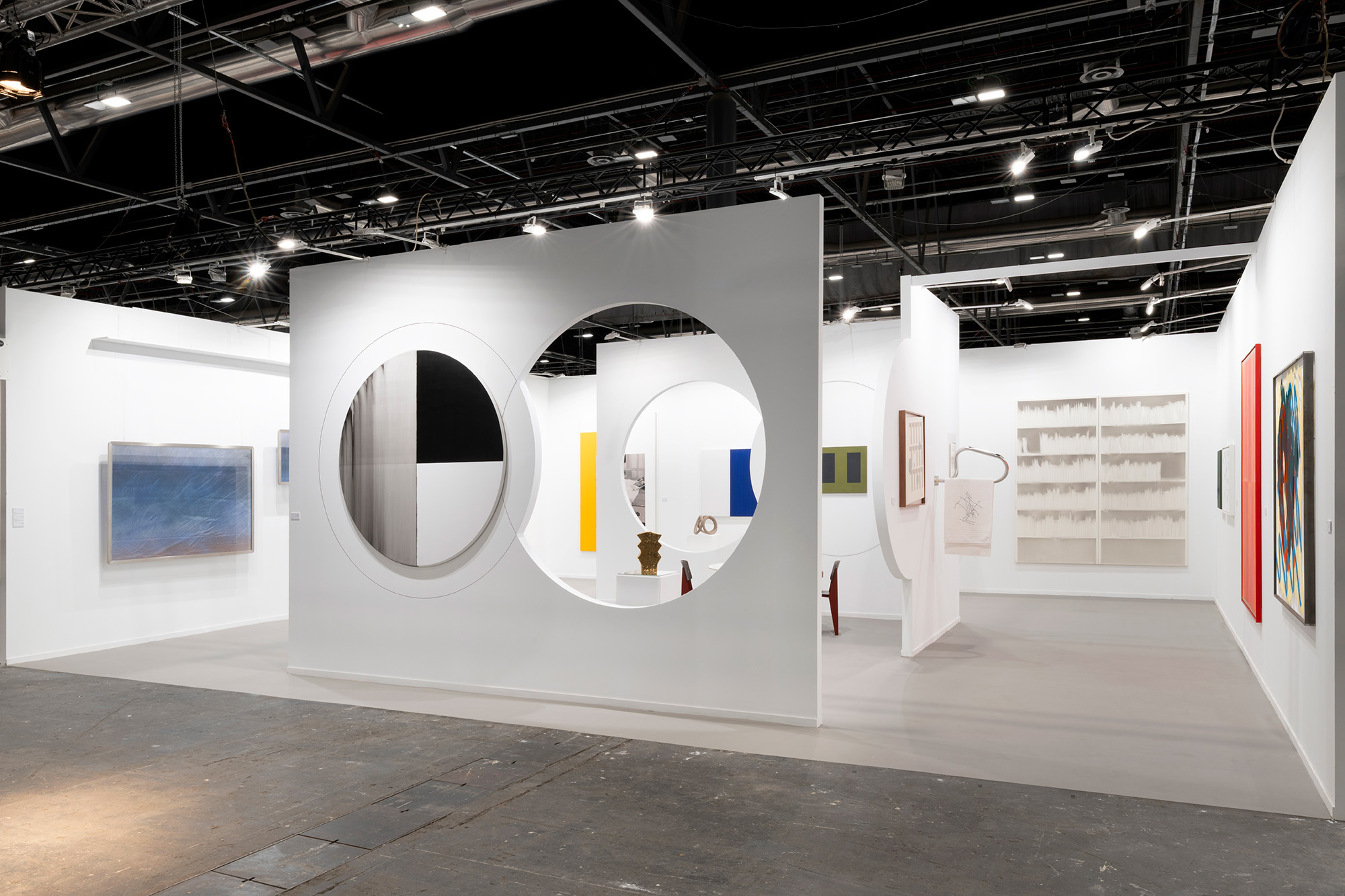
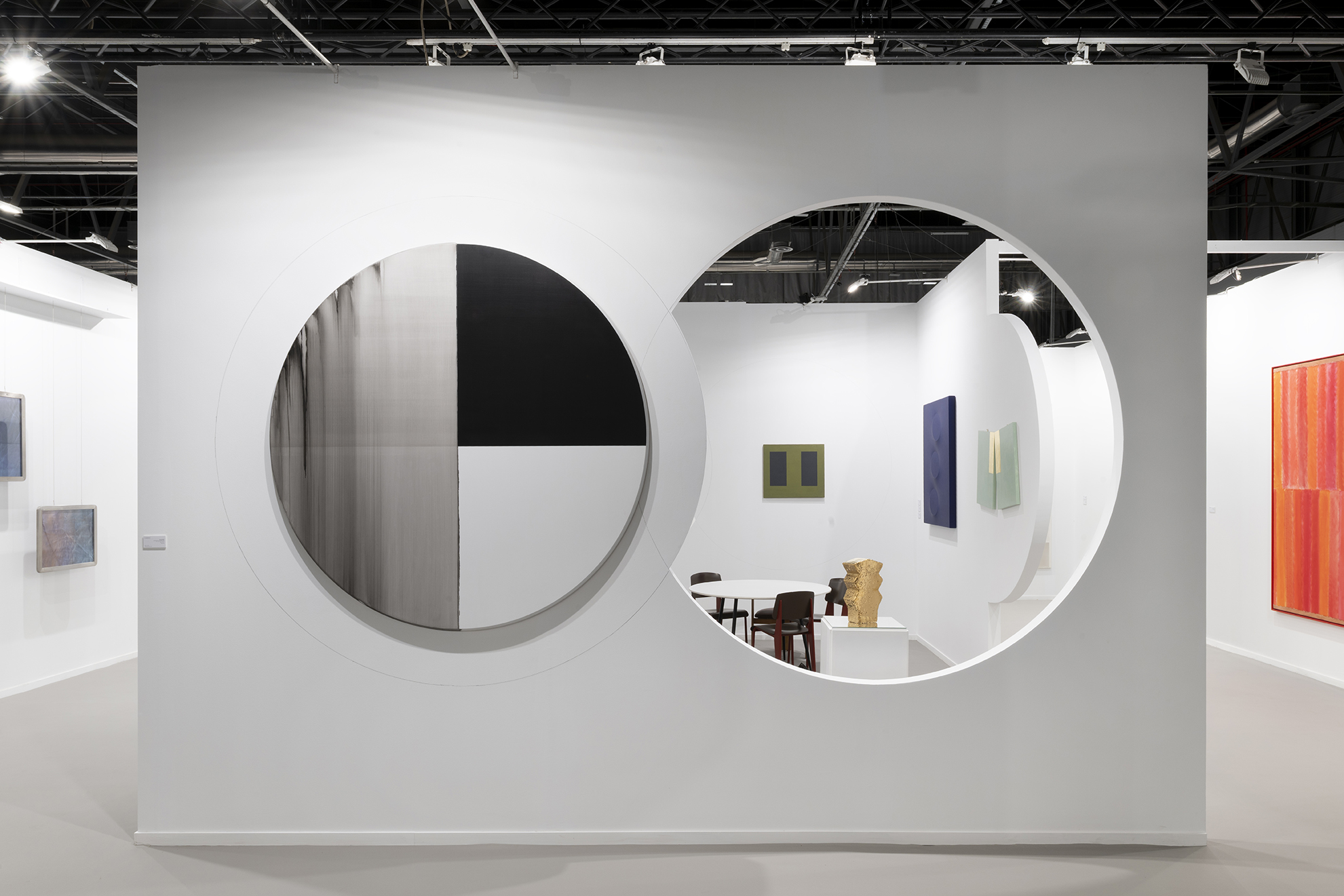
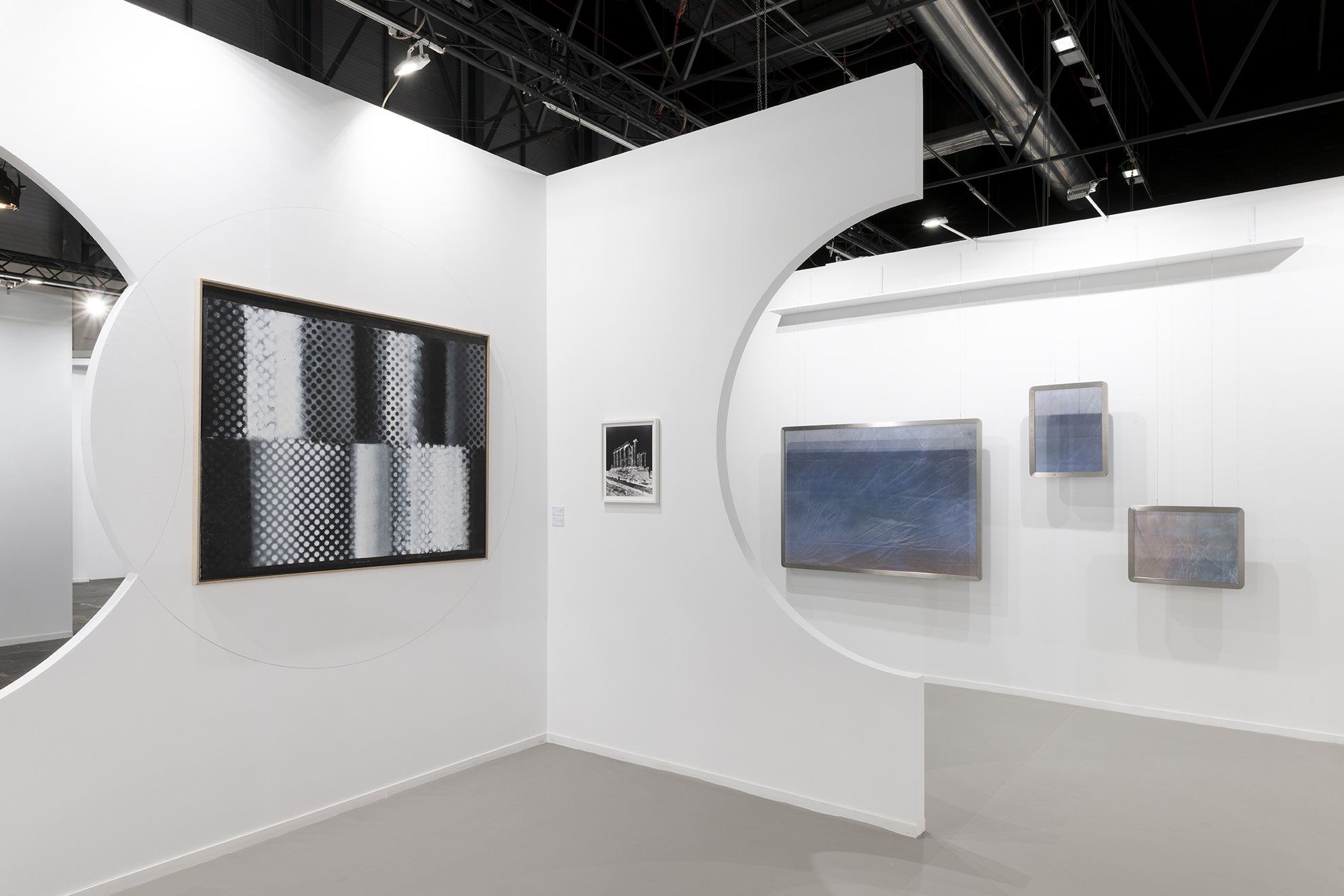
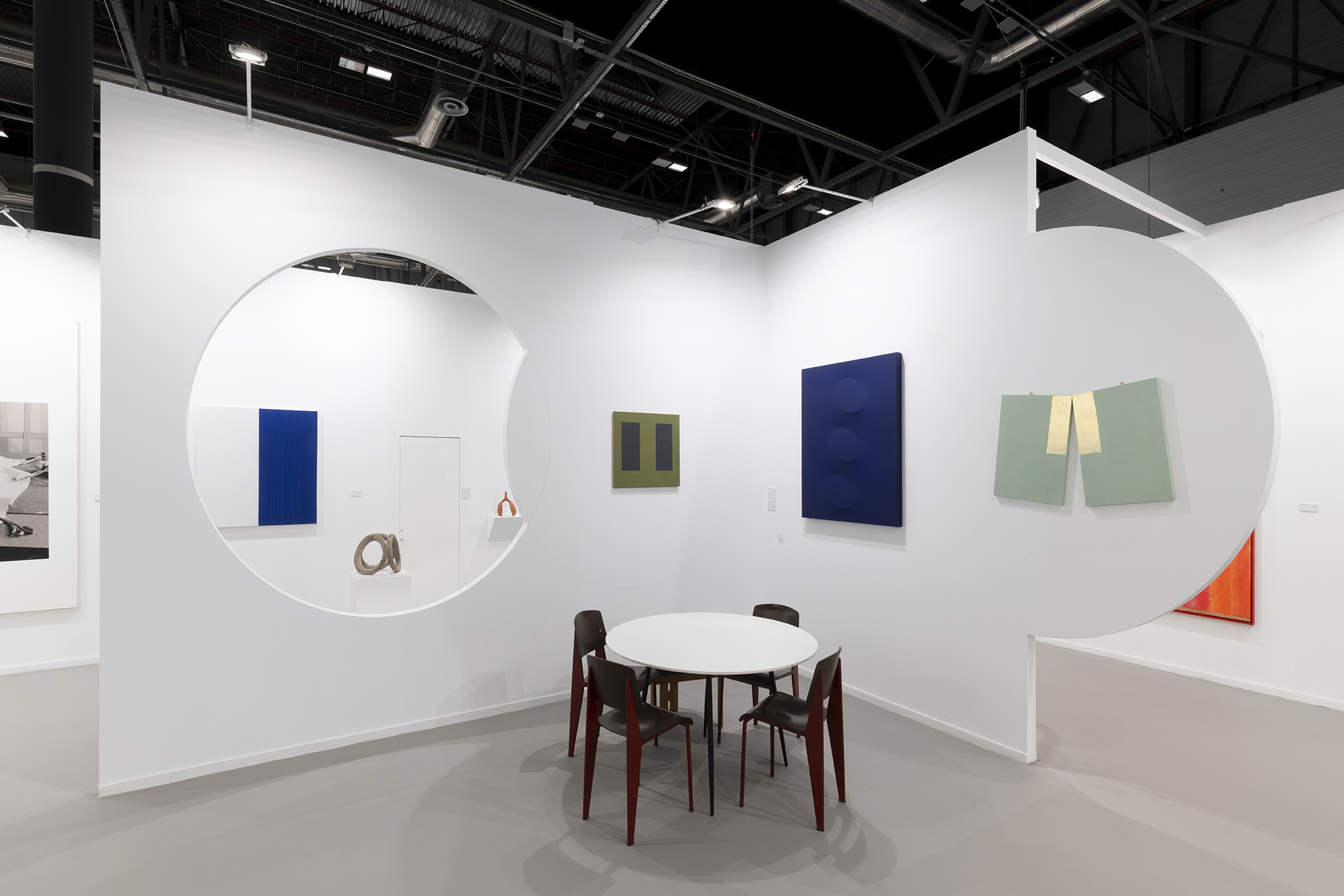
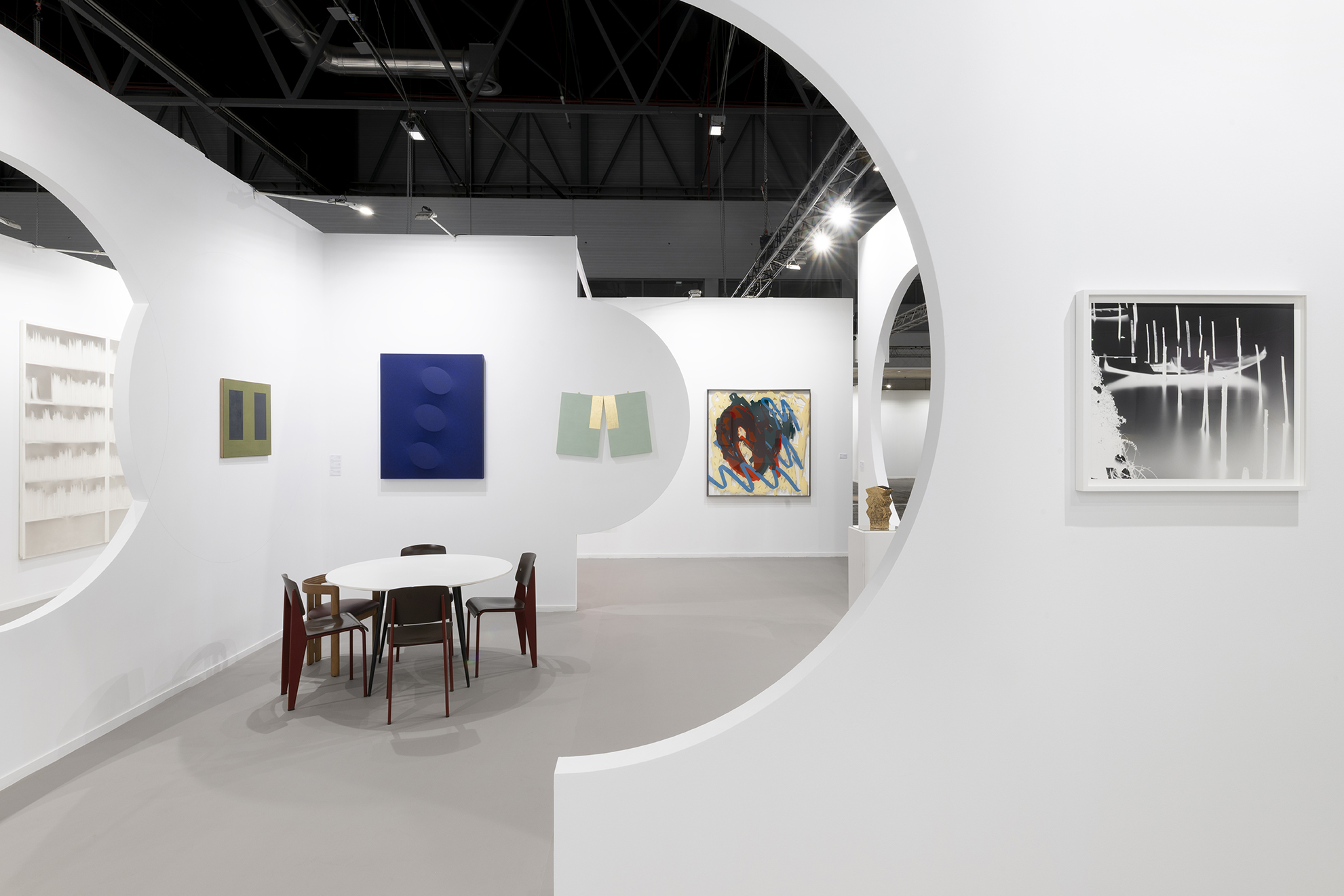
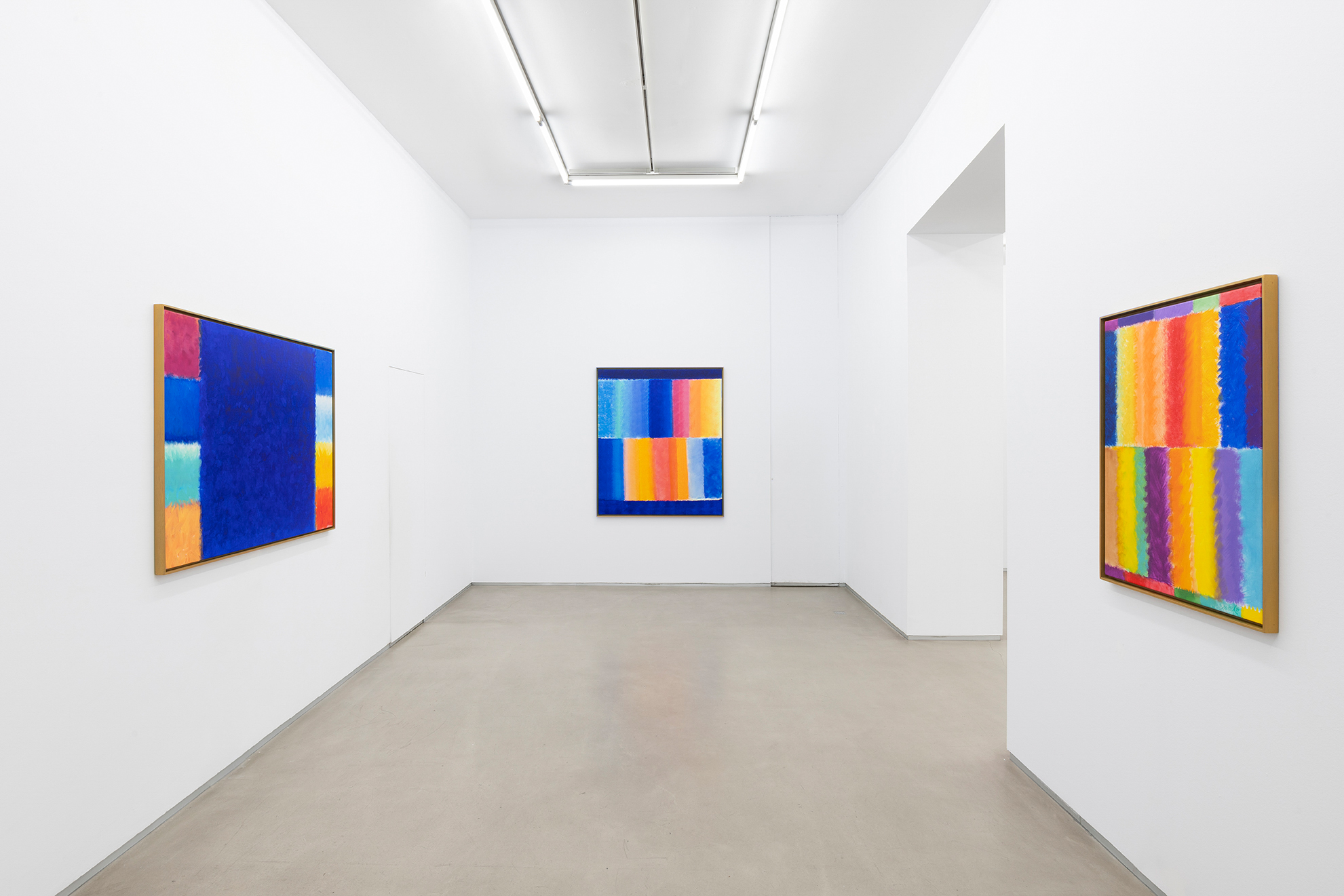
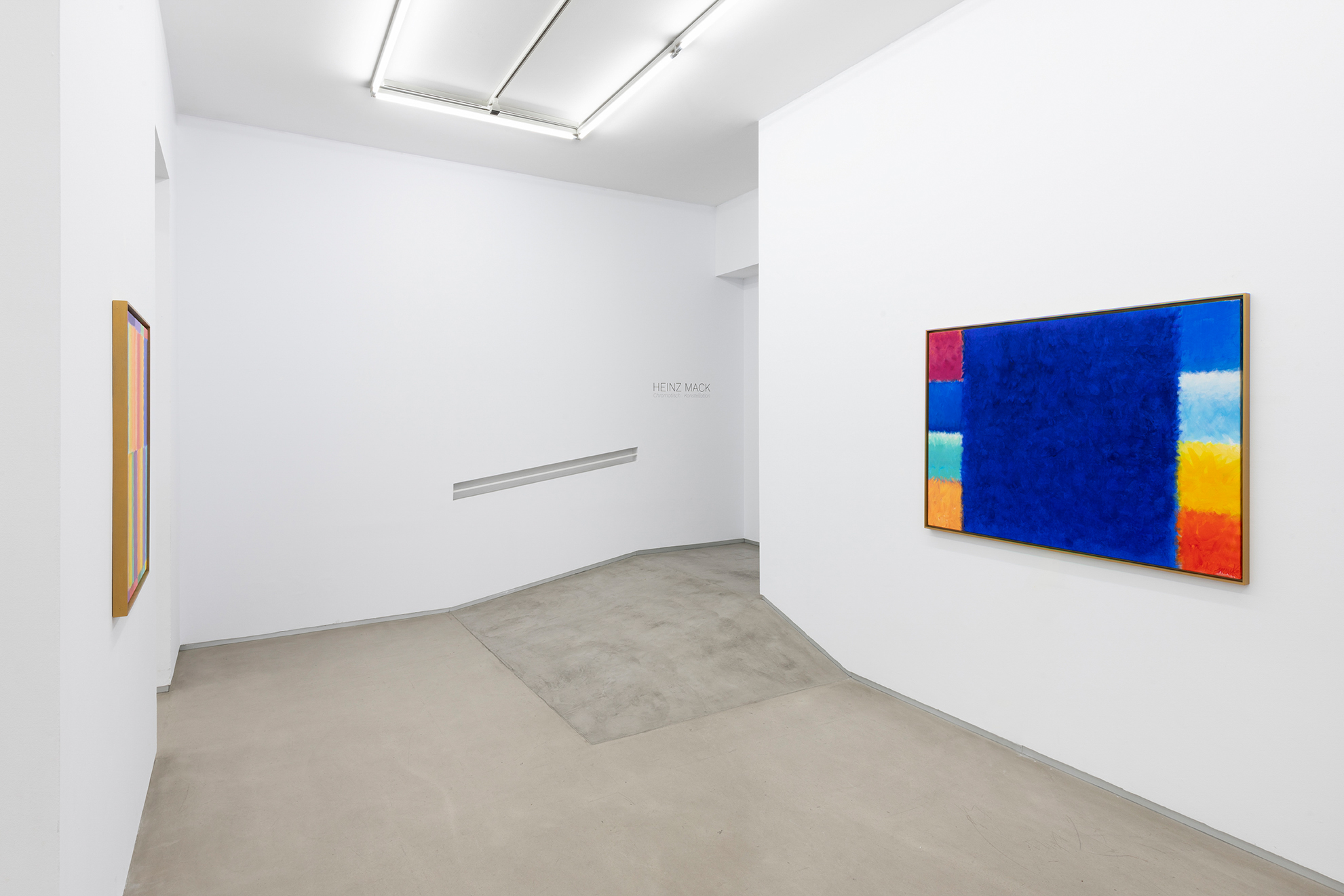
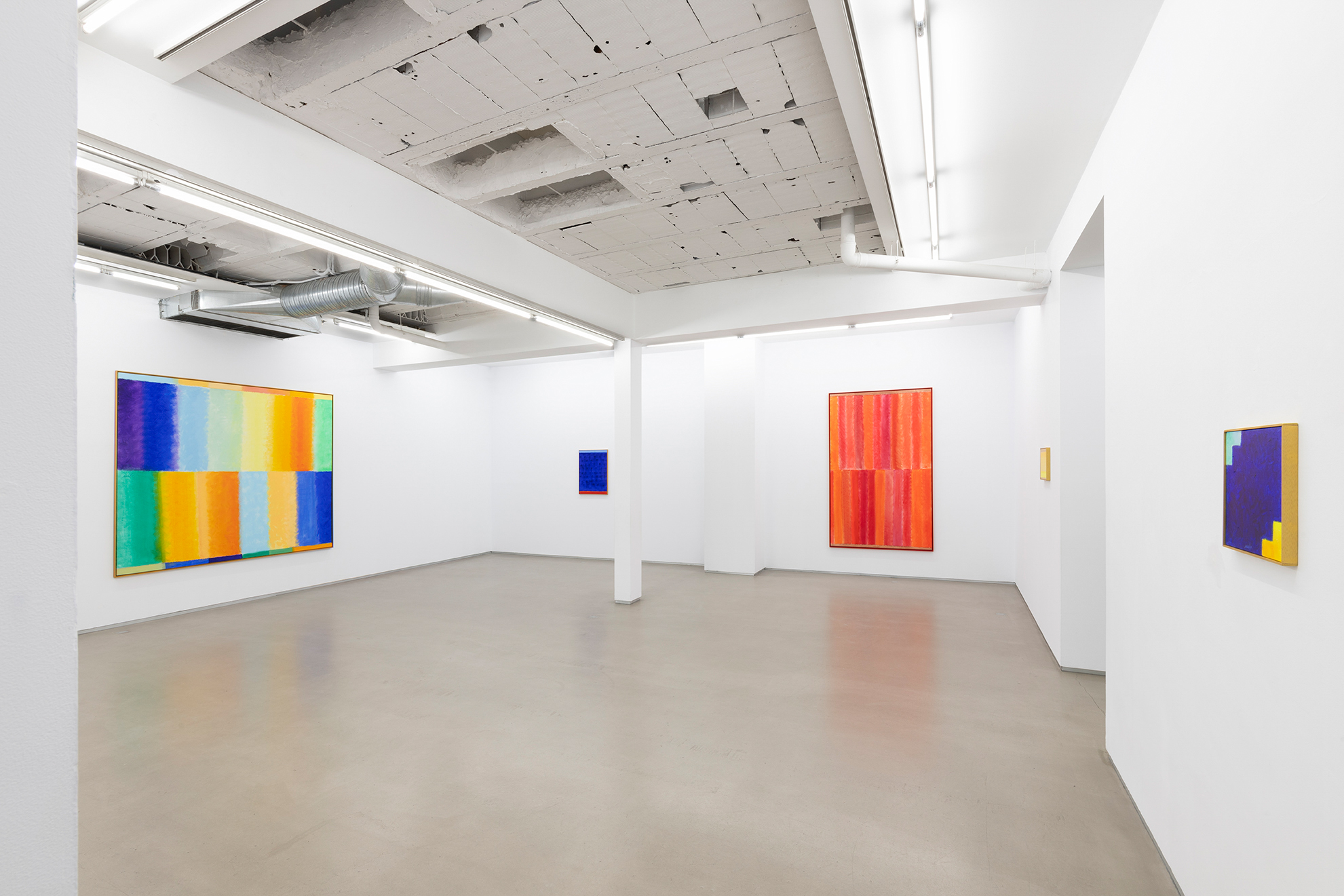
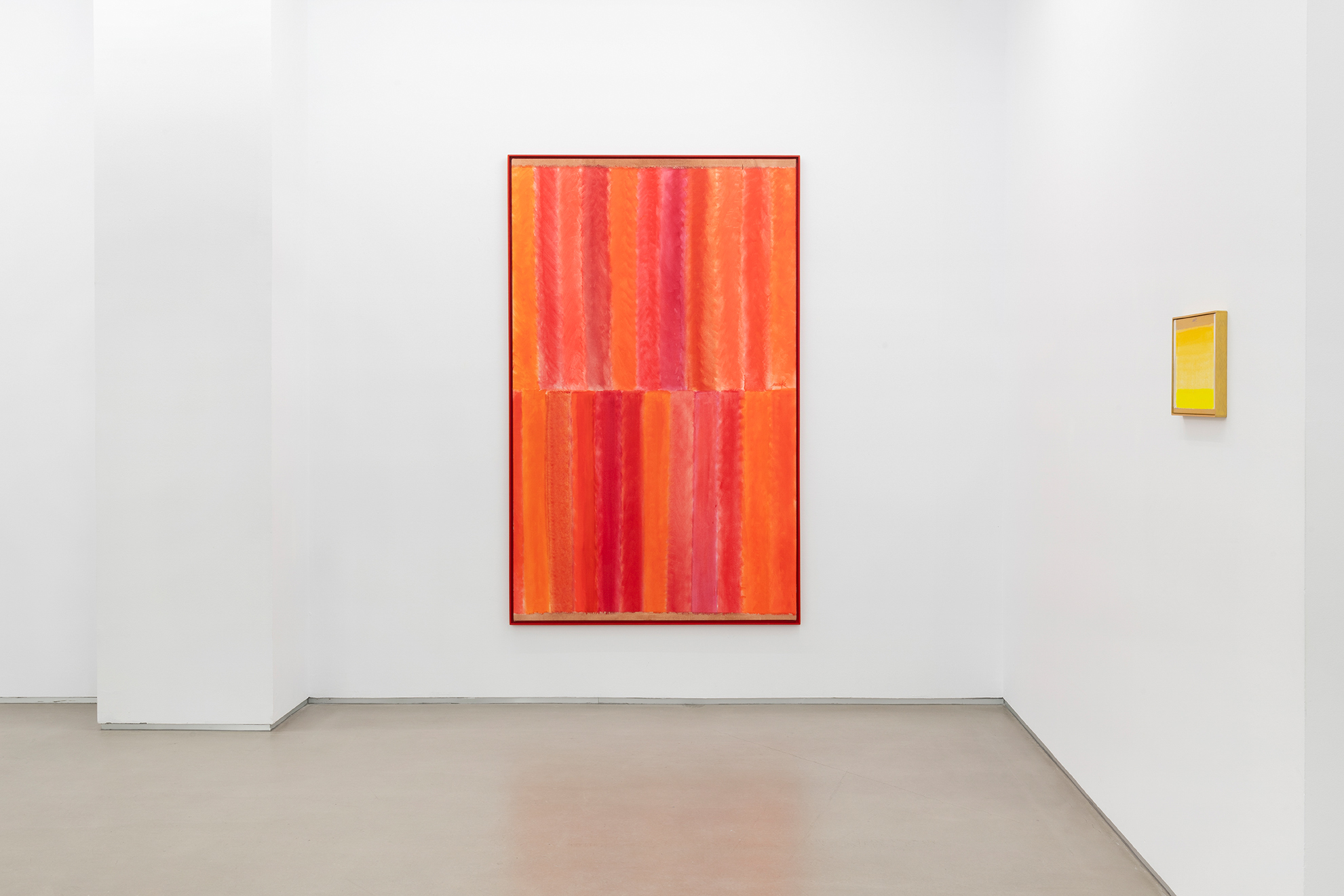
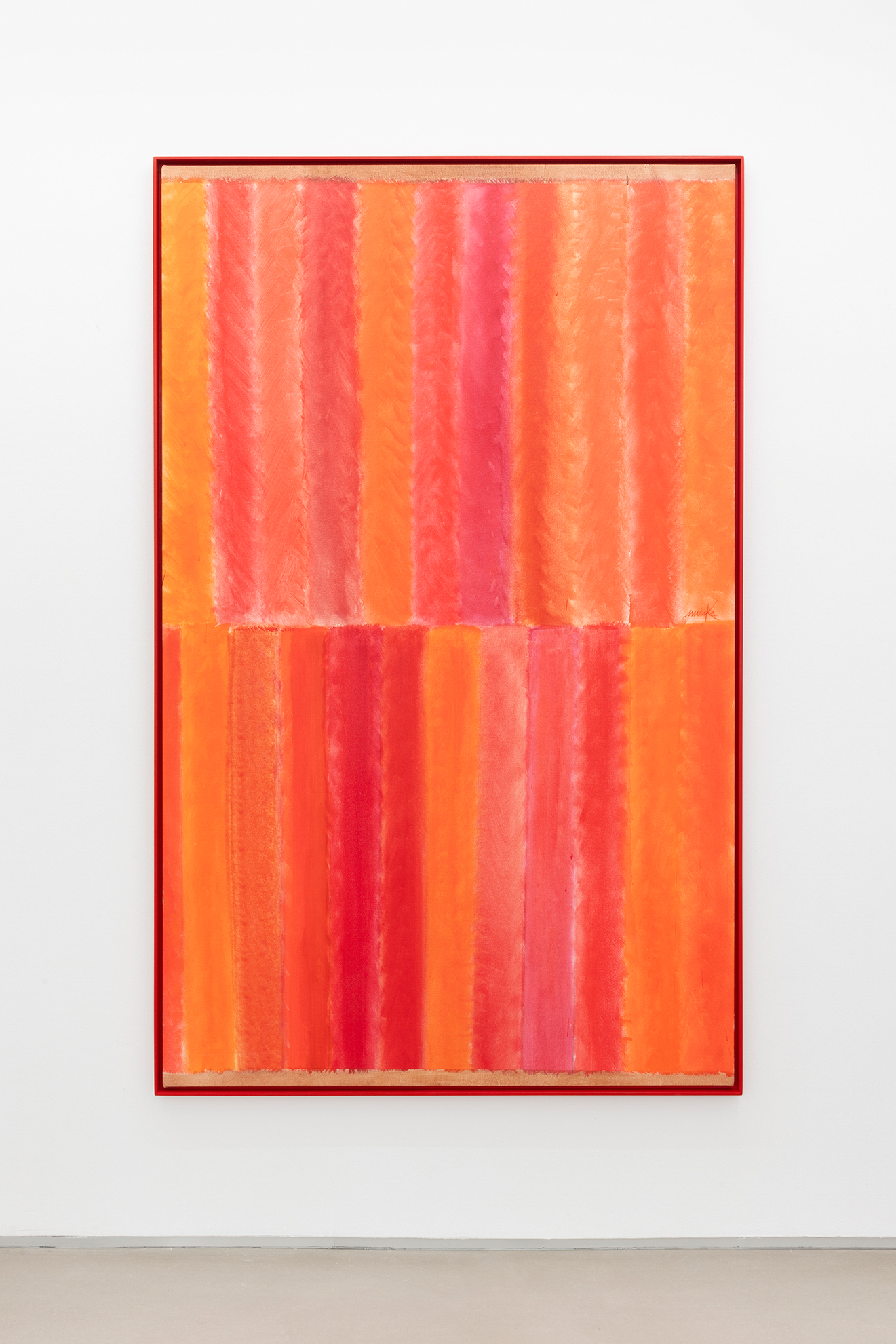
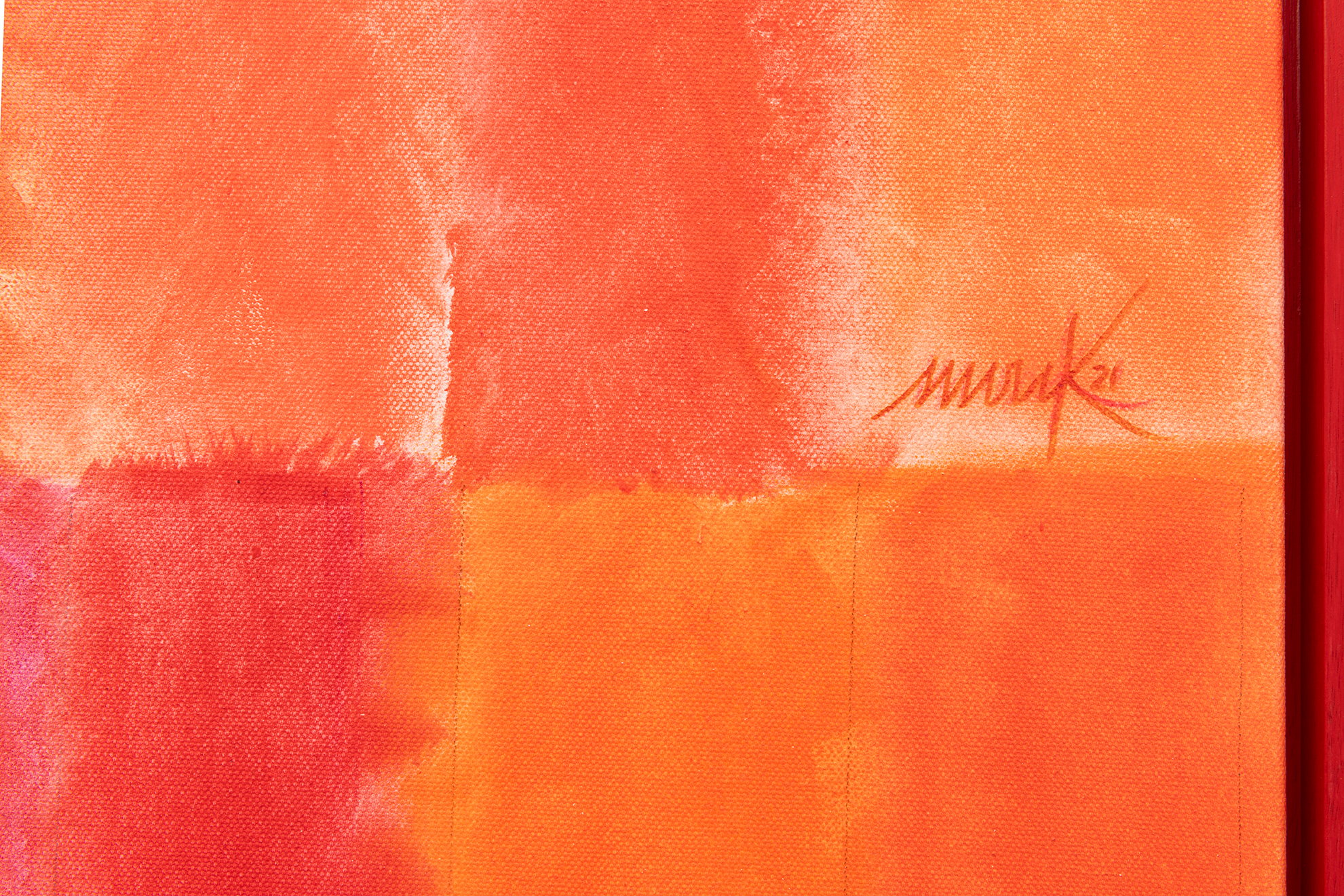
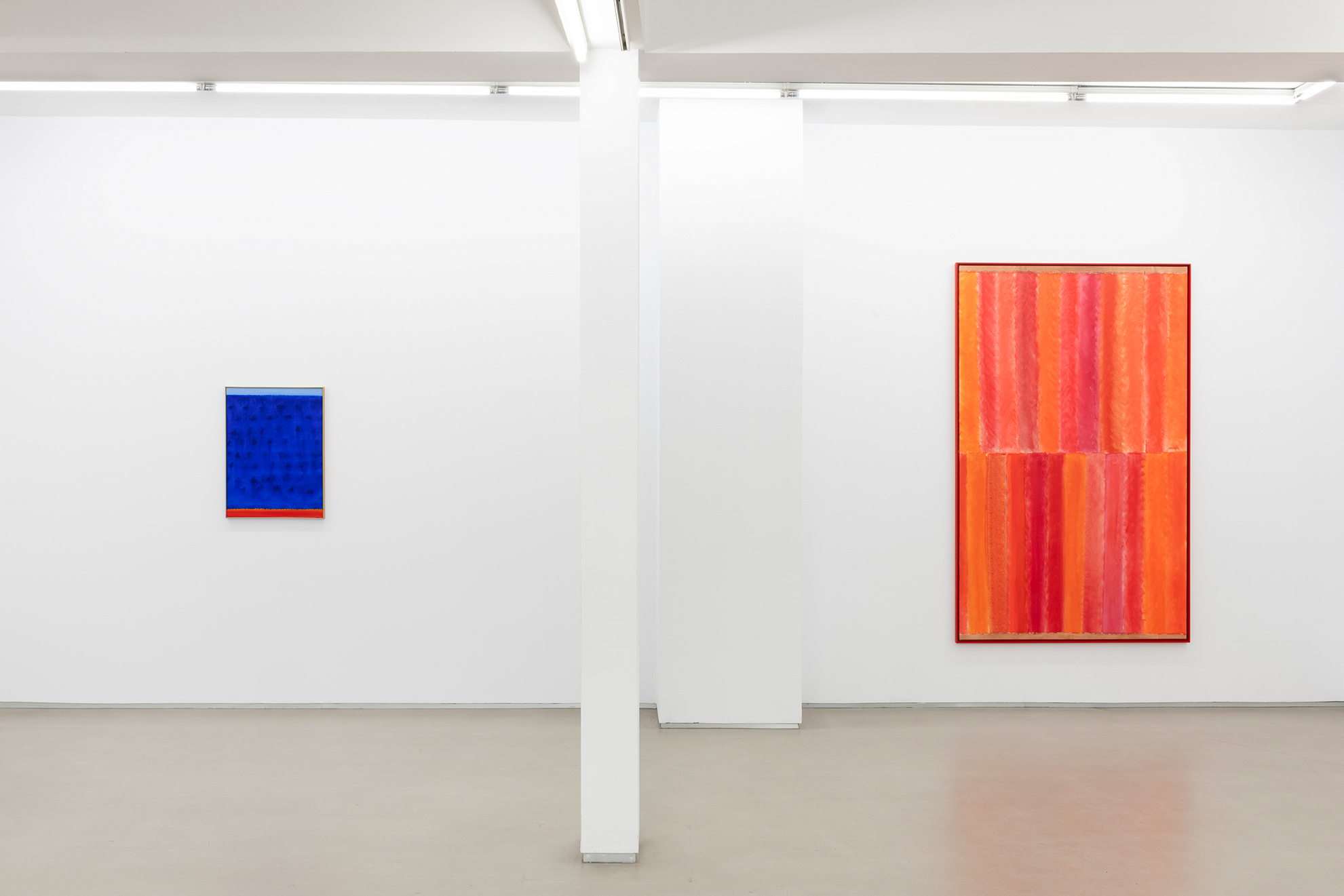
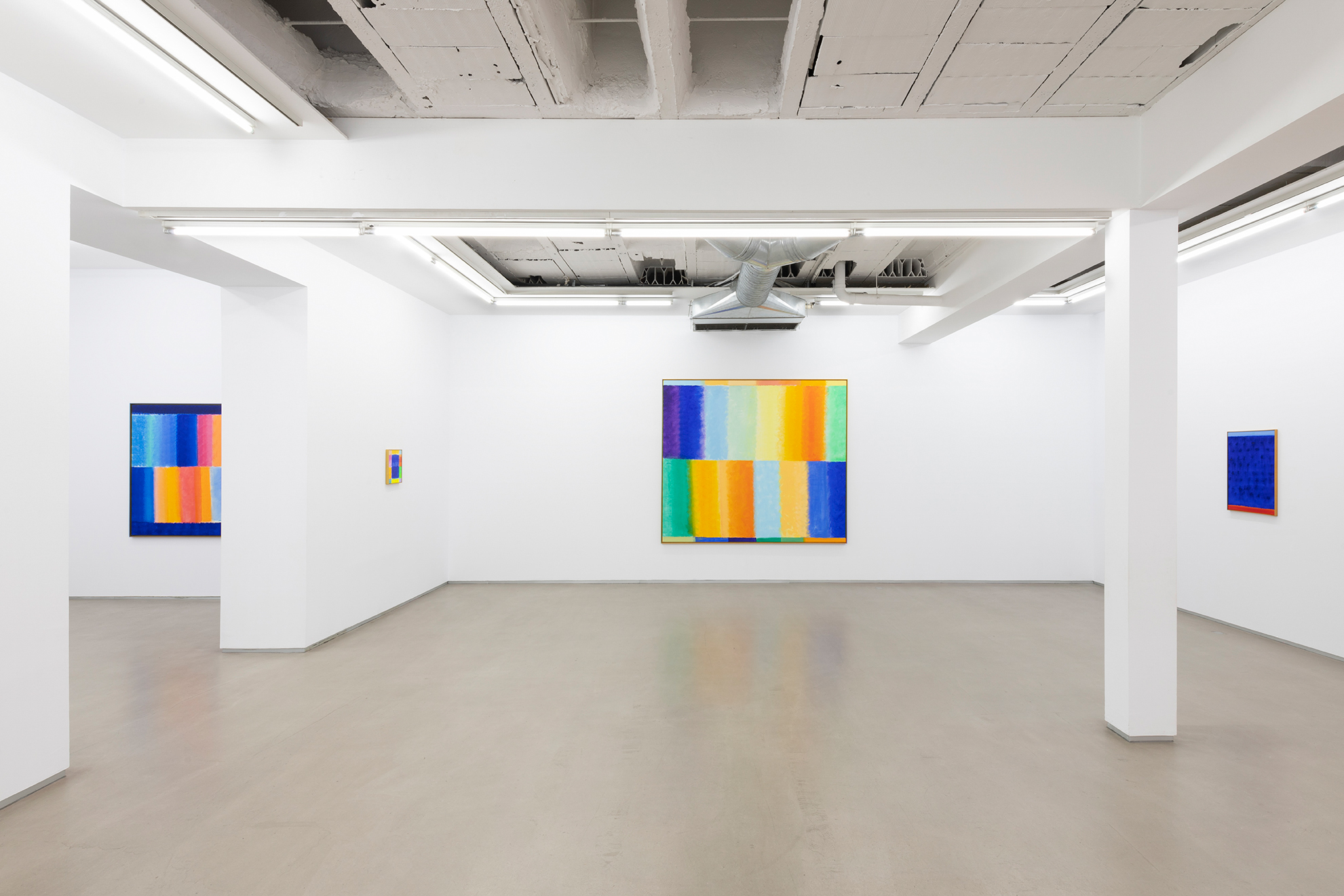
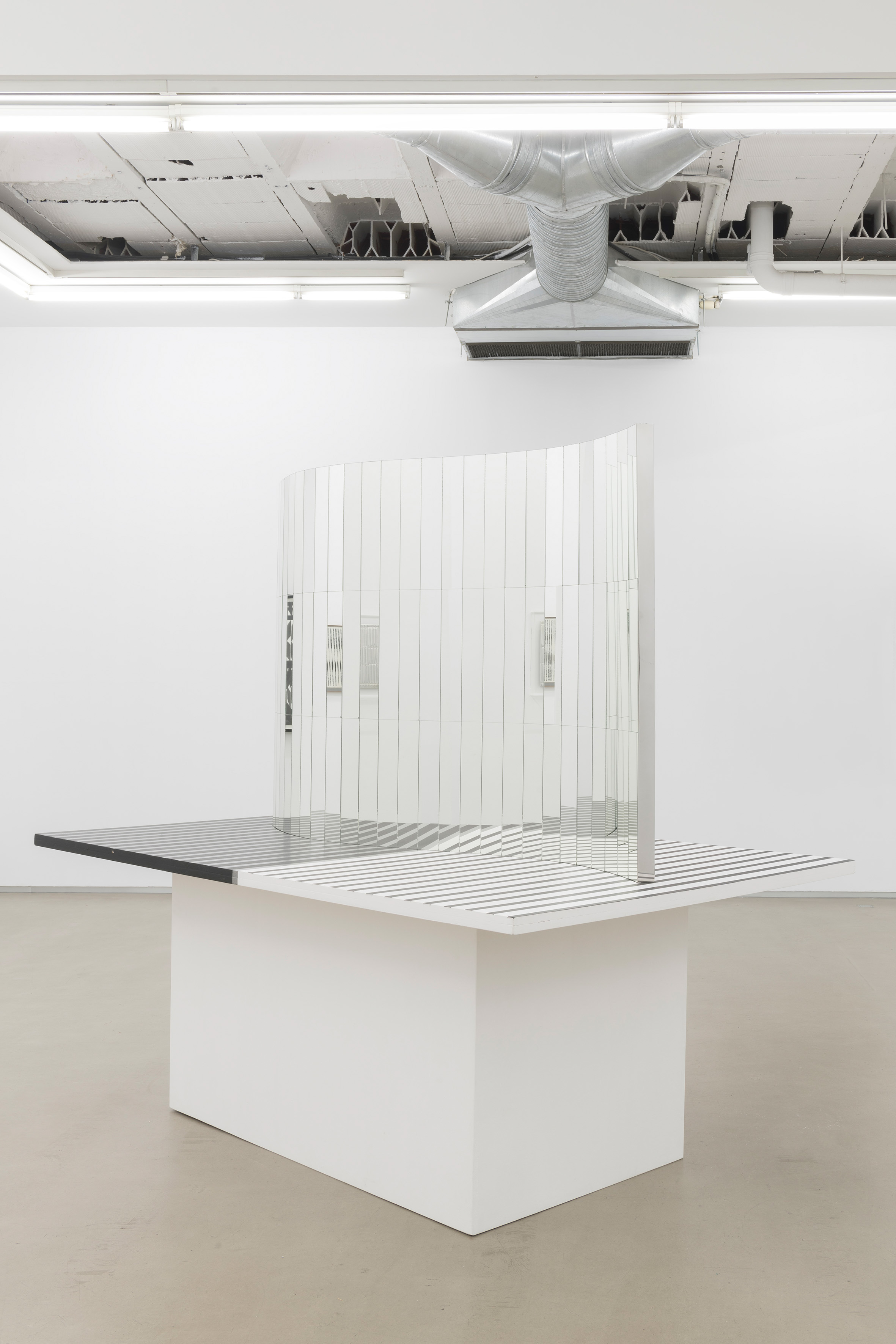
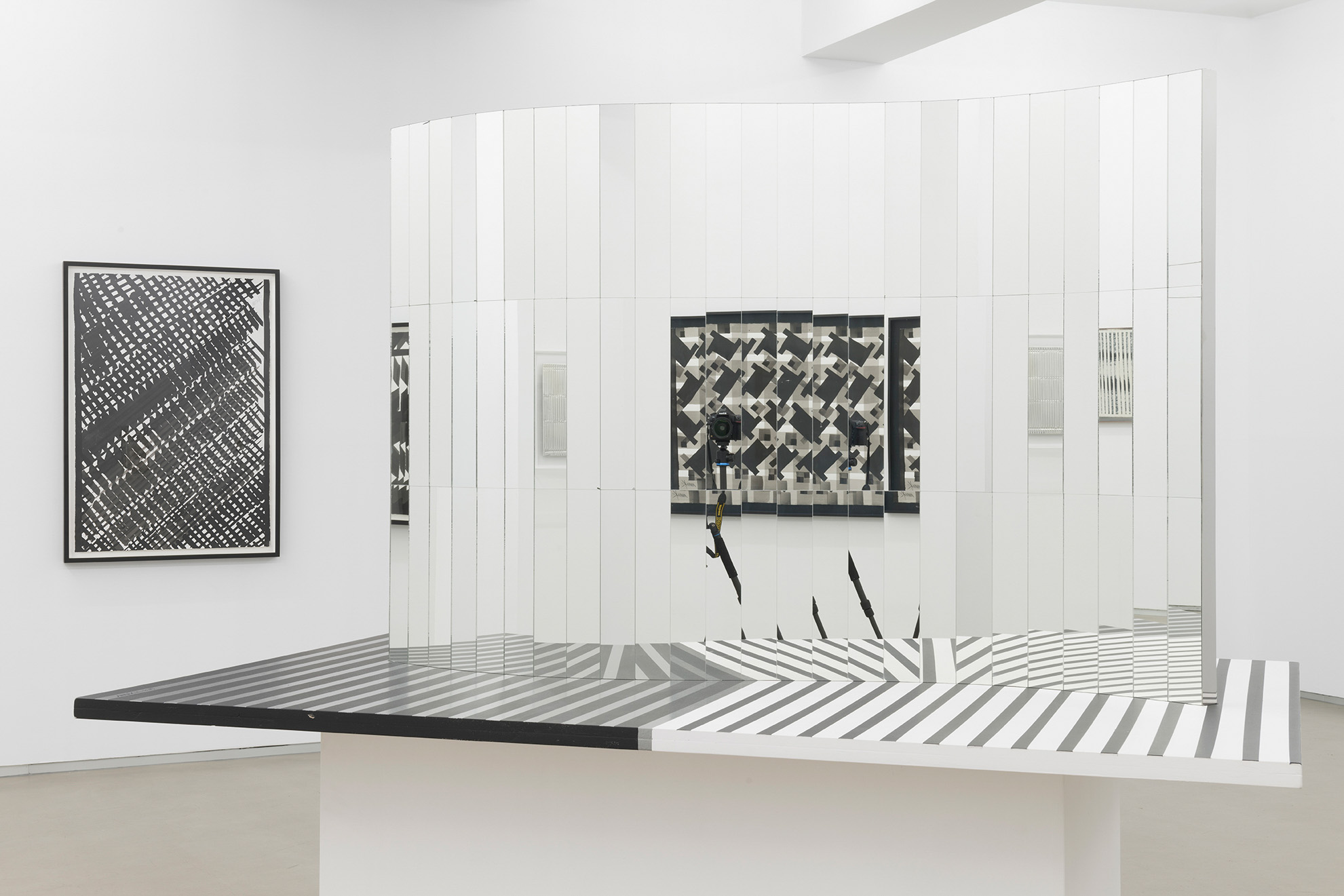
Parra & Romero is pleased to present Heinz Mack’s first exhibition in its space in Madrid. The show presents a selection of canvases, works on paper and a sculpture bringing together some historical pieces and his more recent work.
In 1957, two art and philosophy students, Heinz Mack (b. 1931) and Otto Piene (b. 1928-2014), founded an artists group they called ZERO with the hope that, after post-war, art could bring hope to a devastated world. This art should be new and different. They wanted to break with tradition and the apparently indissoluble relation between German art and Expressionism. Consequently, they expressed an affinity with the Minimal aesthetic and emphasized light, motion and space as their main focus. Time after, some other artists such as Günther Uecker, Lucio Fontana, Yves Klein or Yayoi Kusama joined the group.
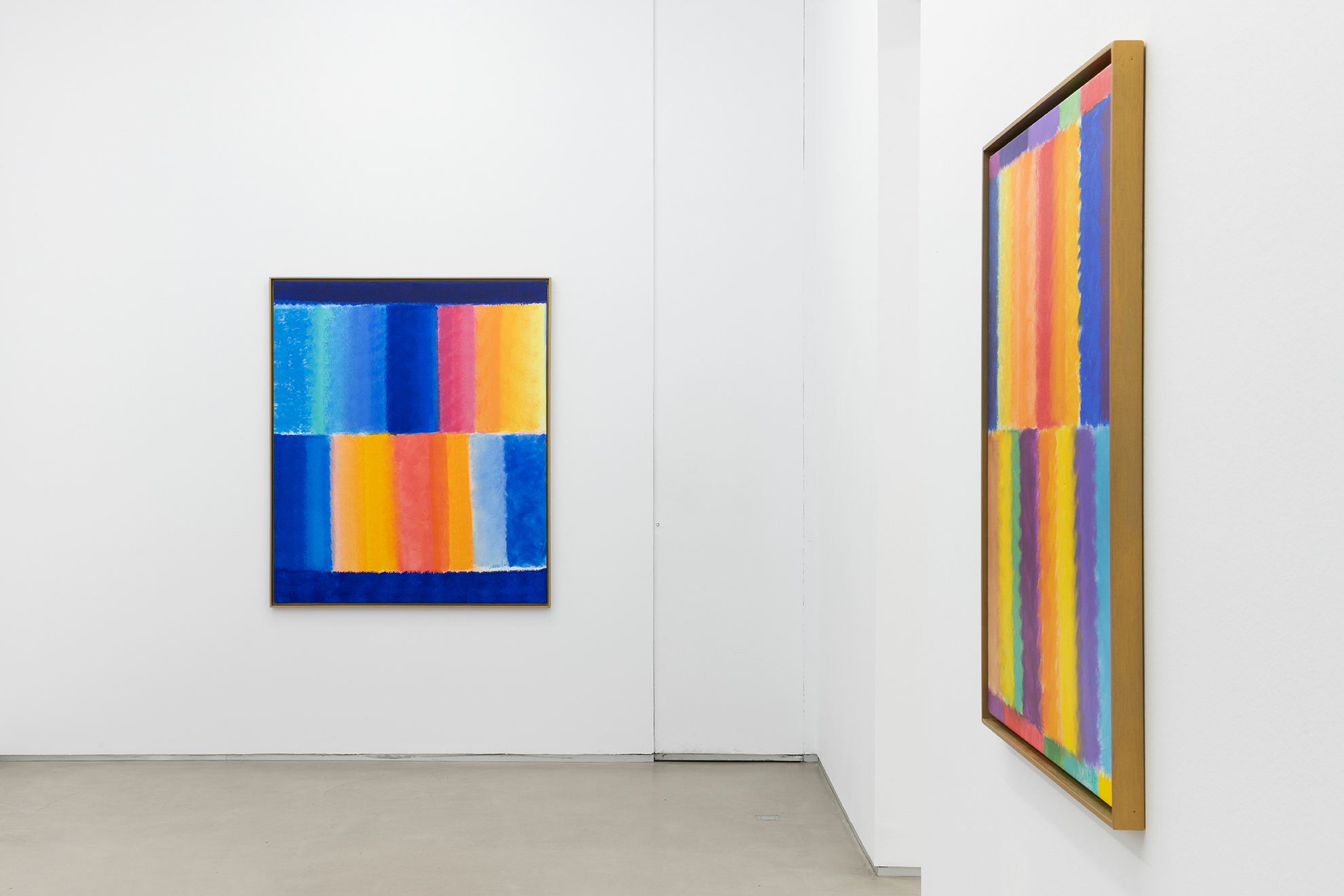
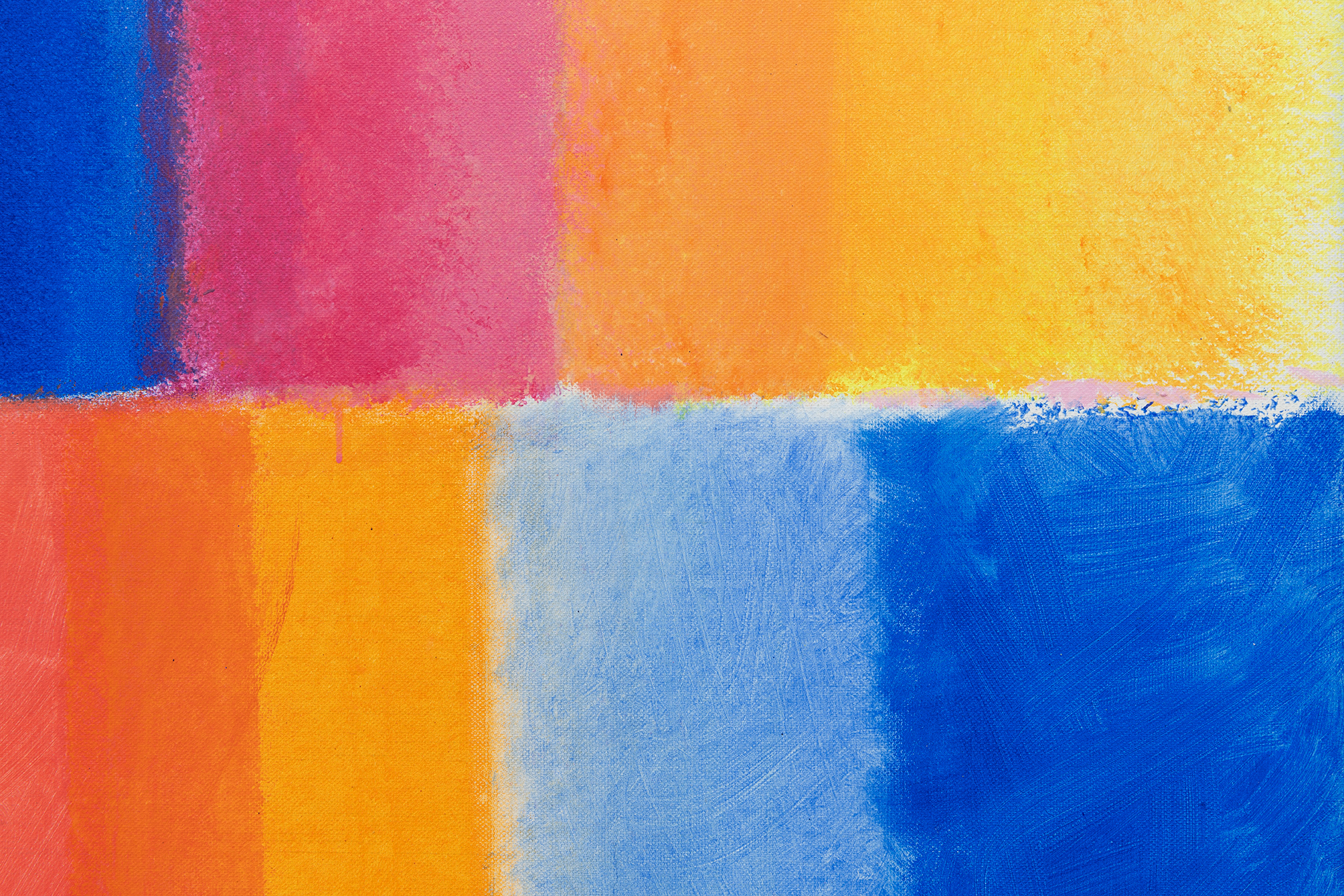
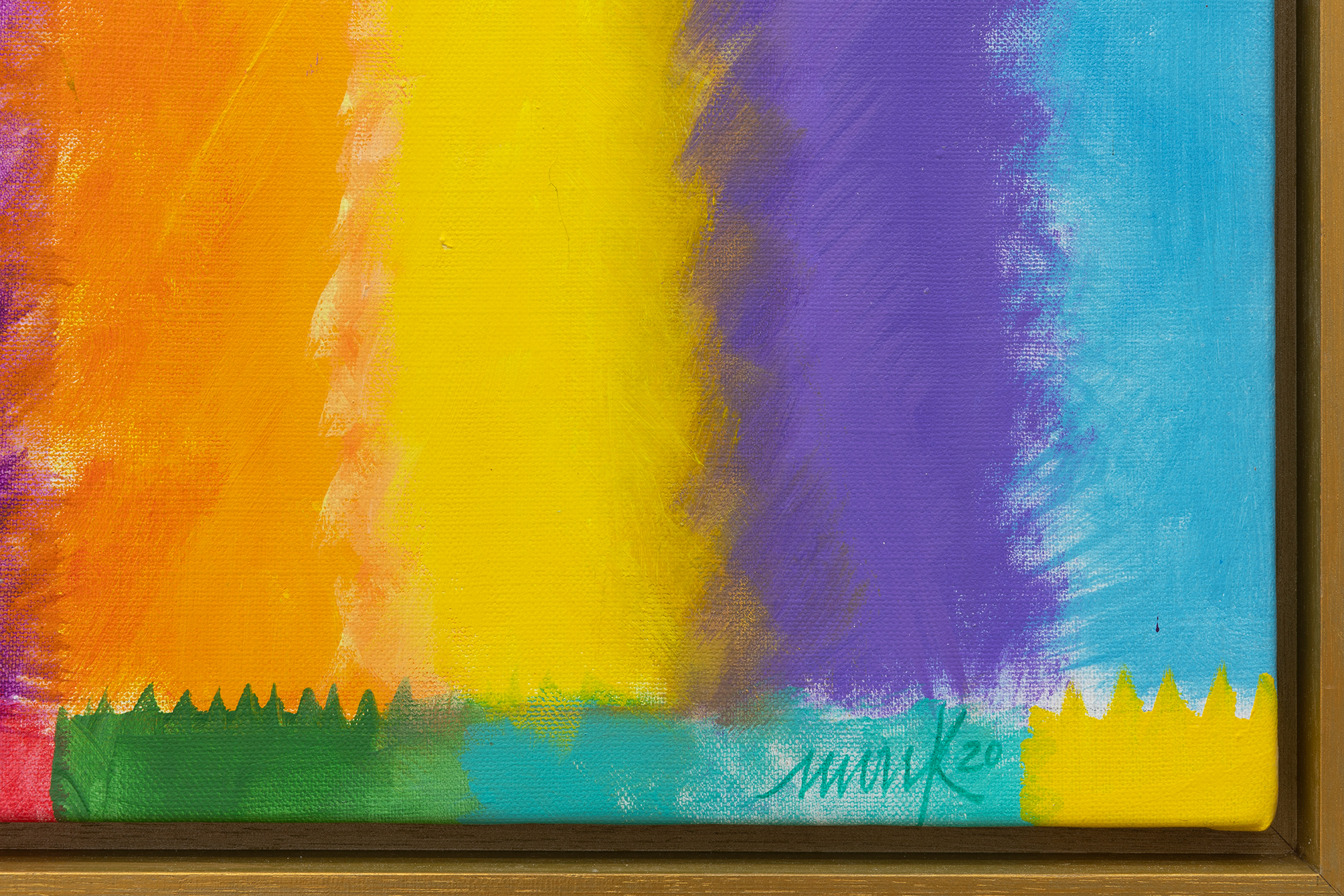
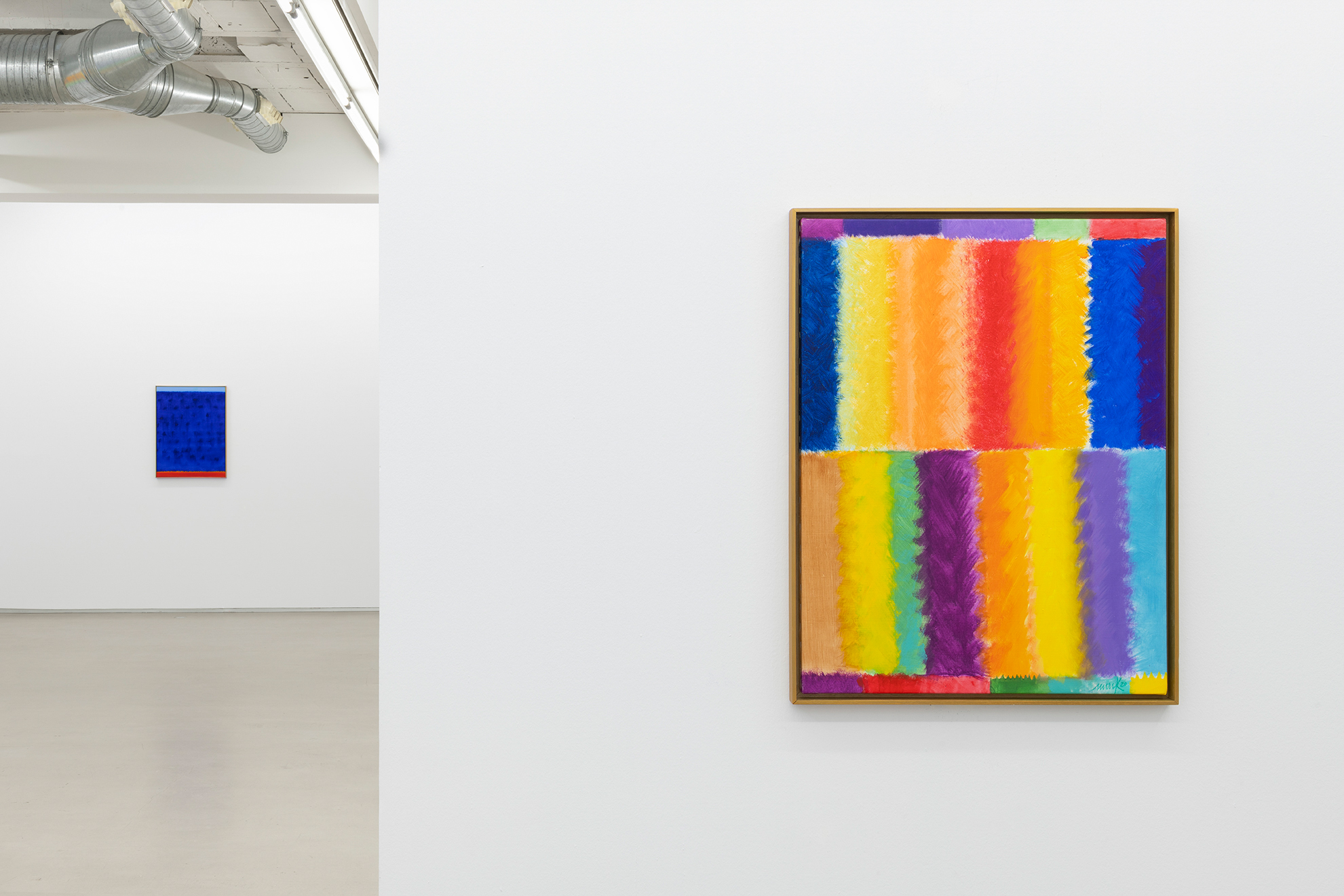
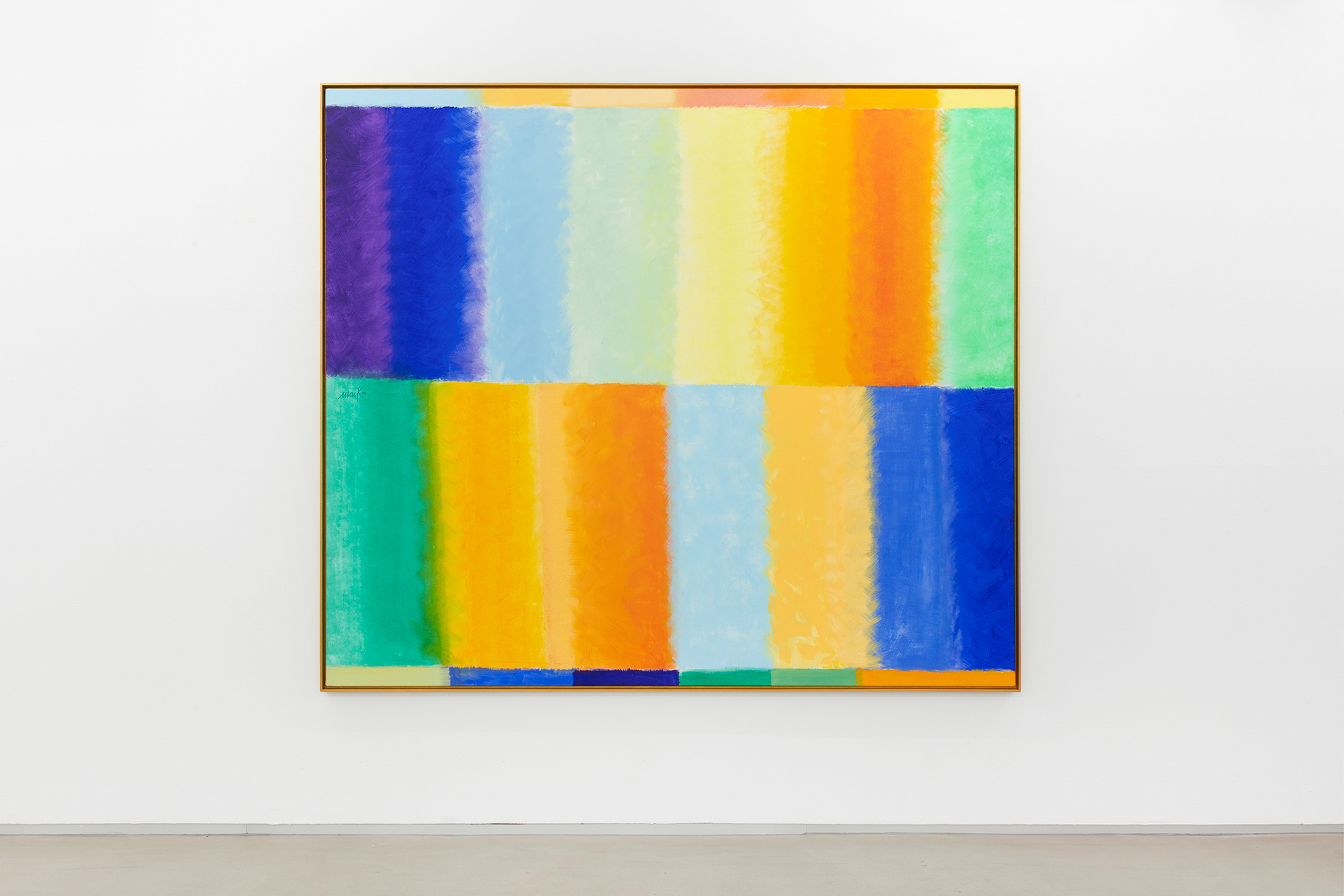
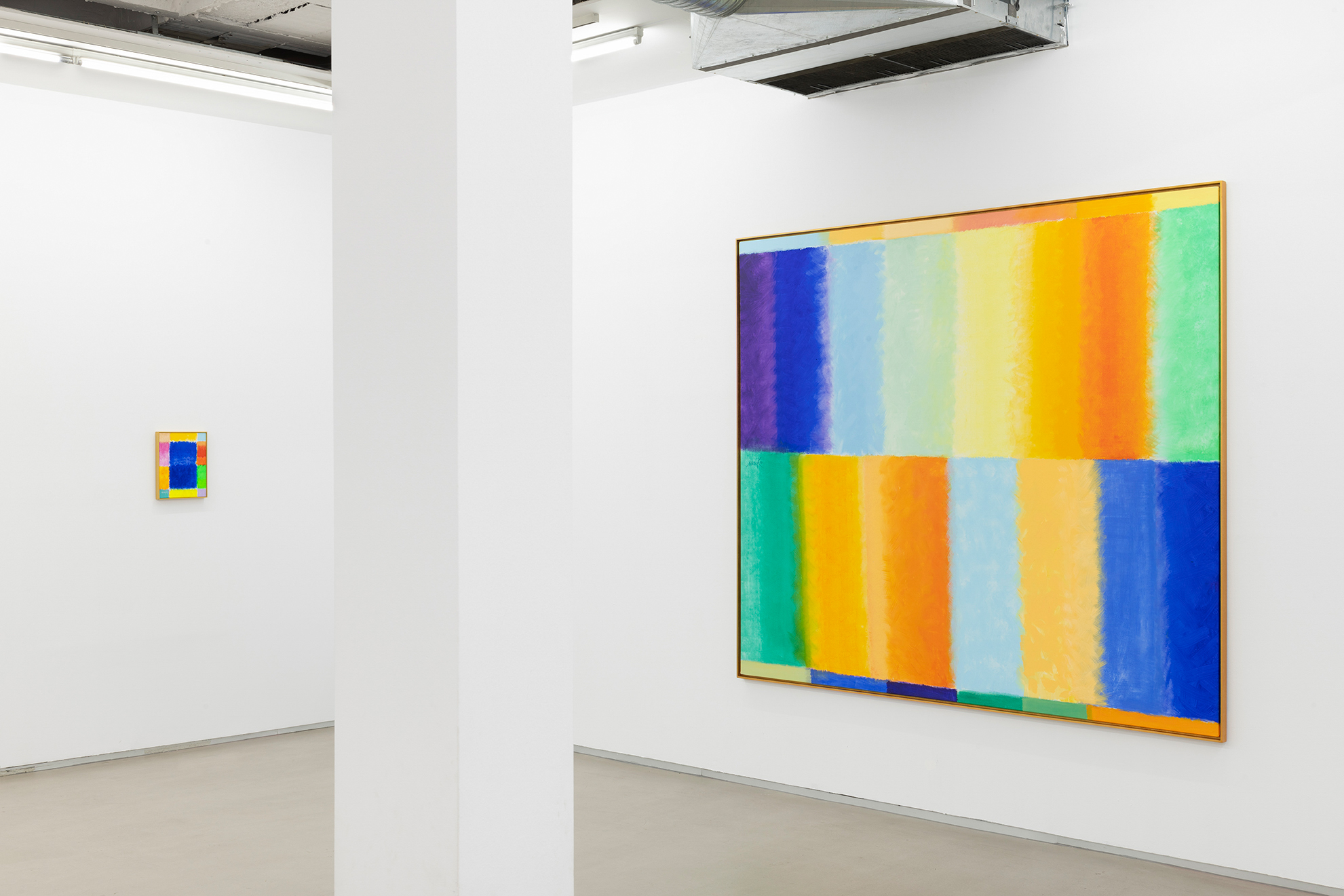
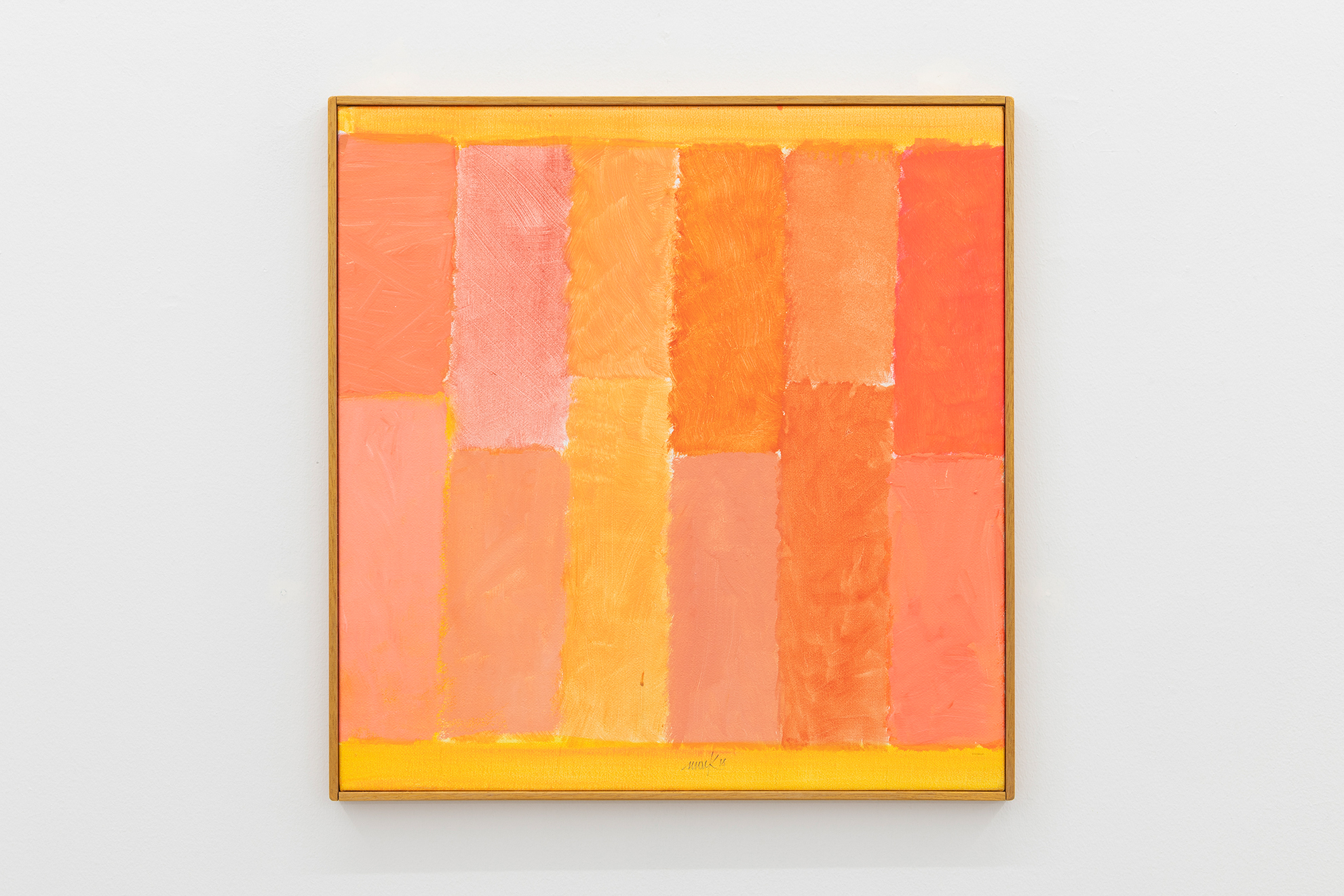
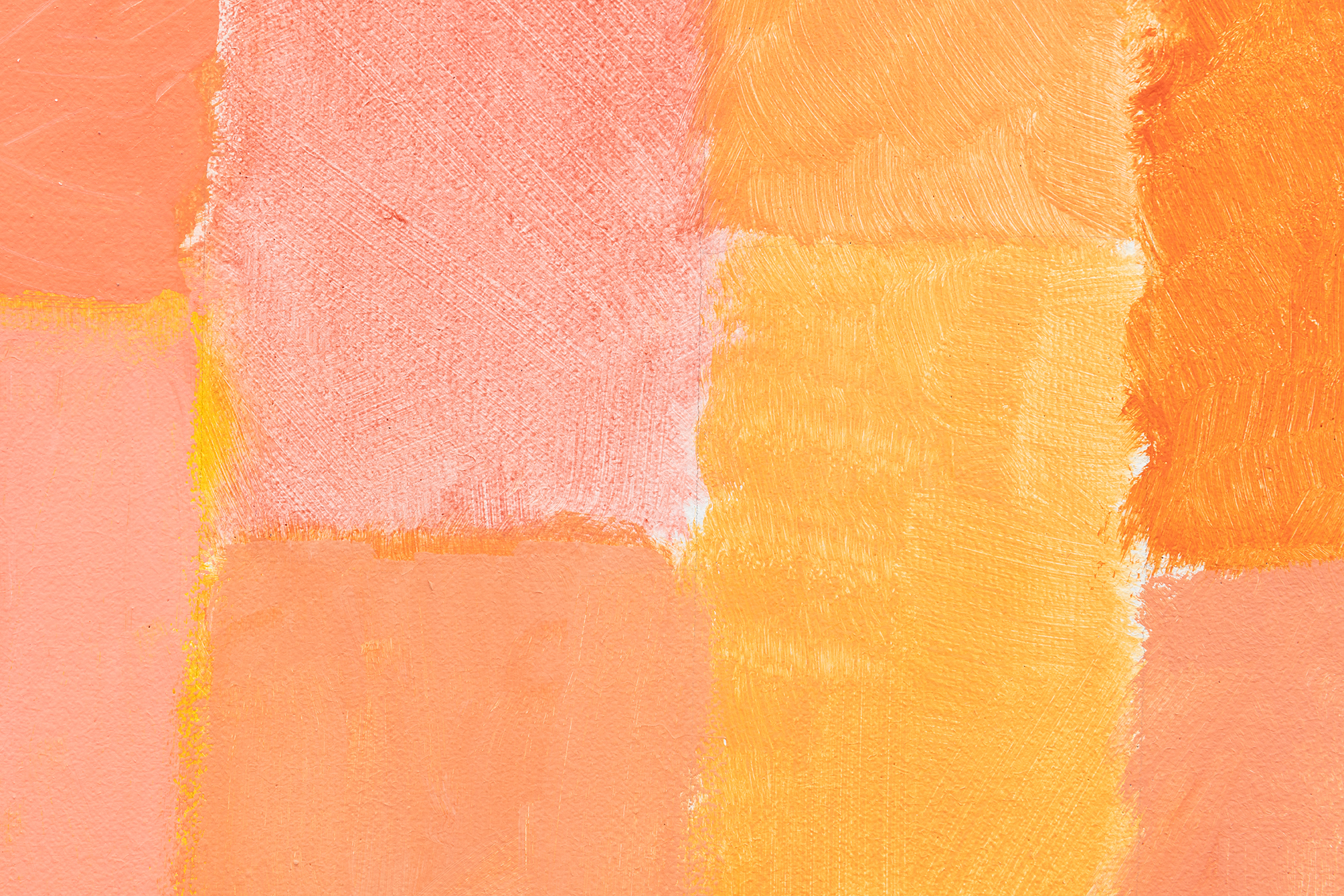
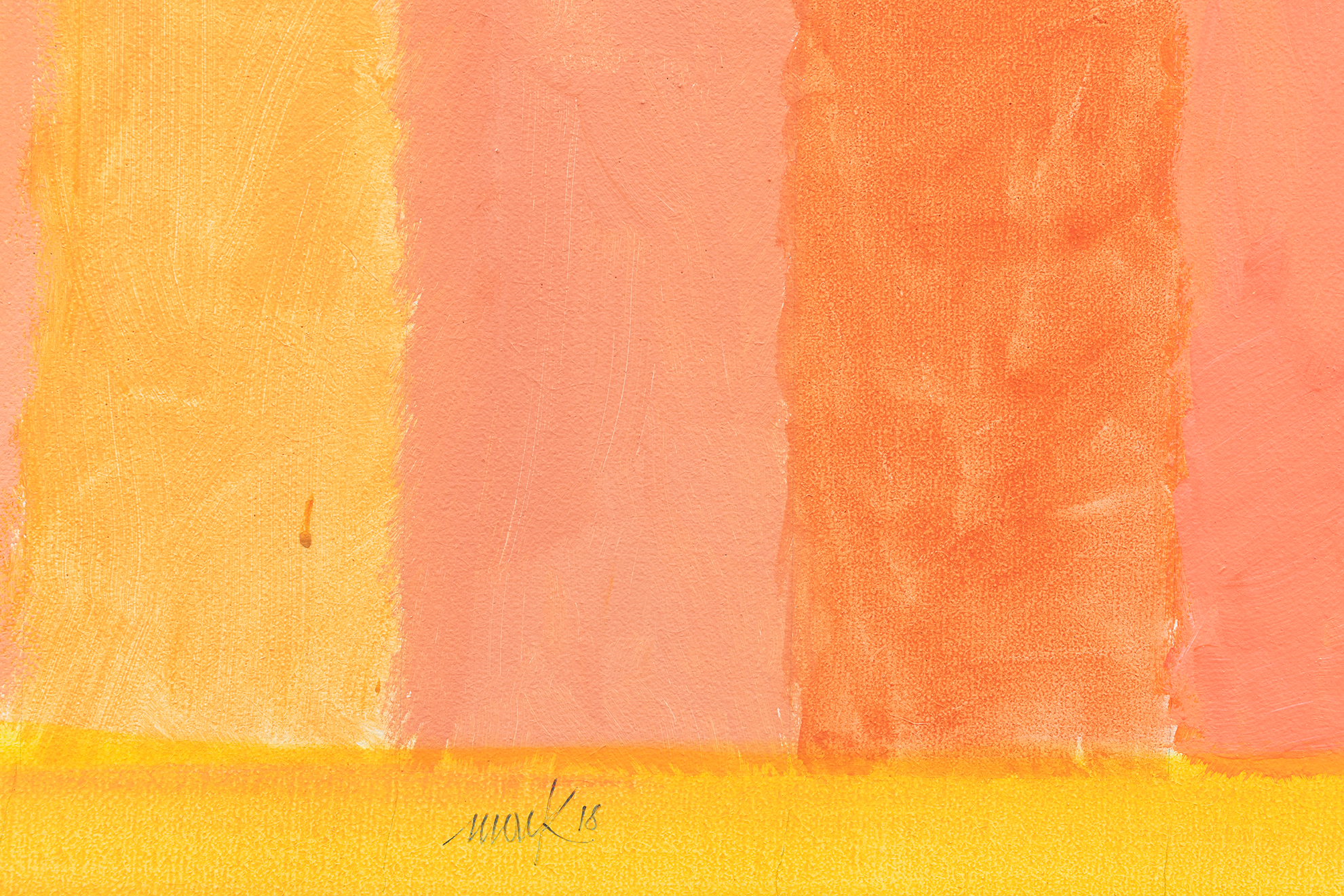
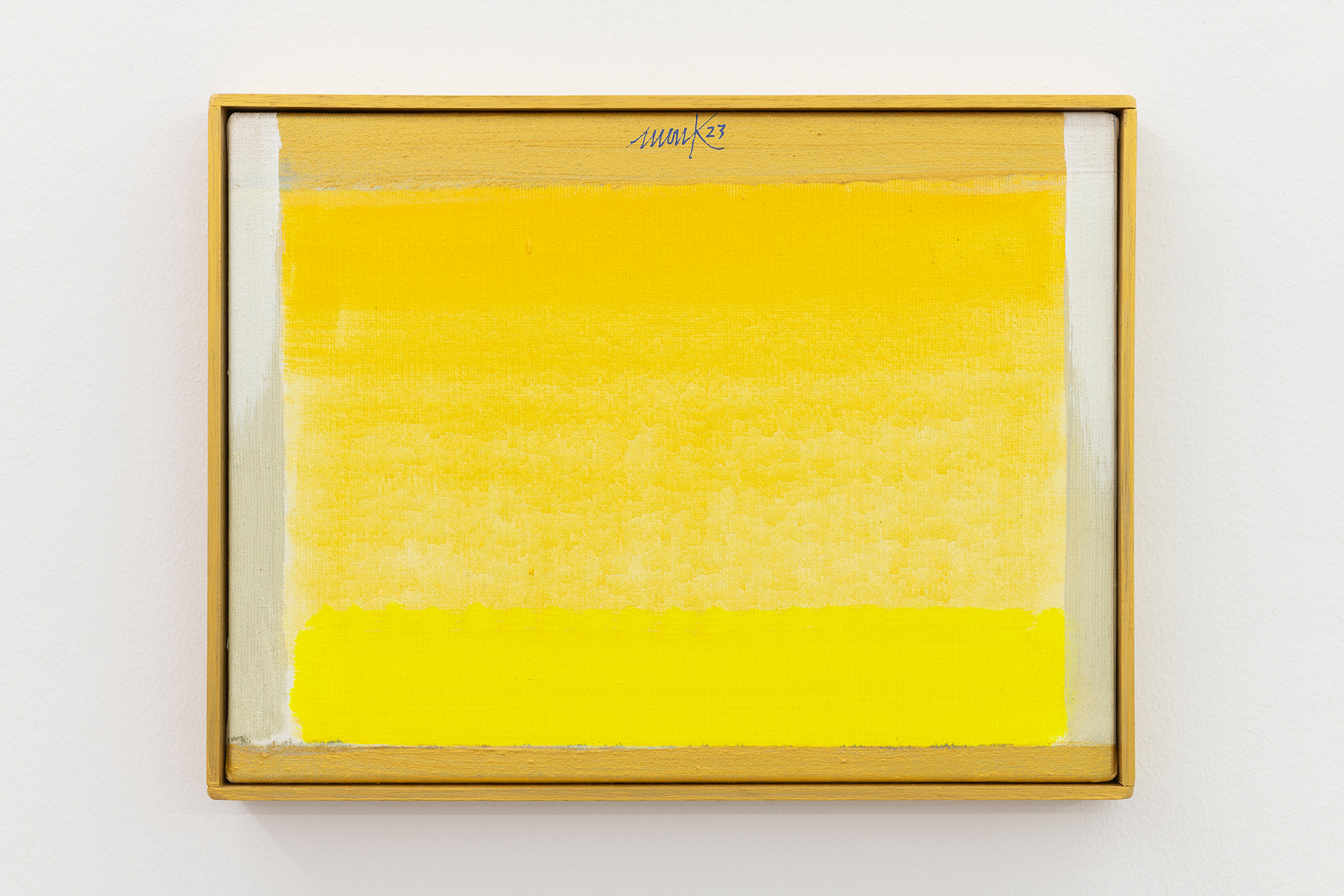
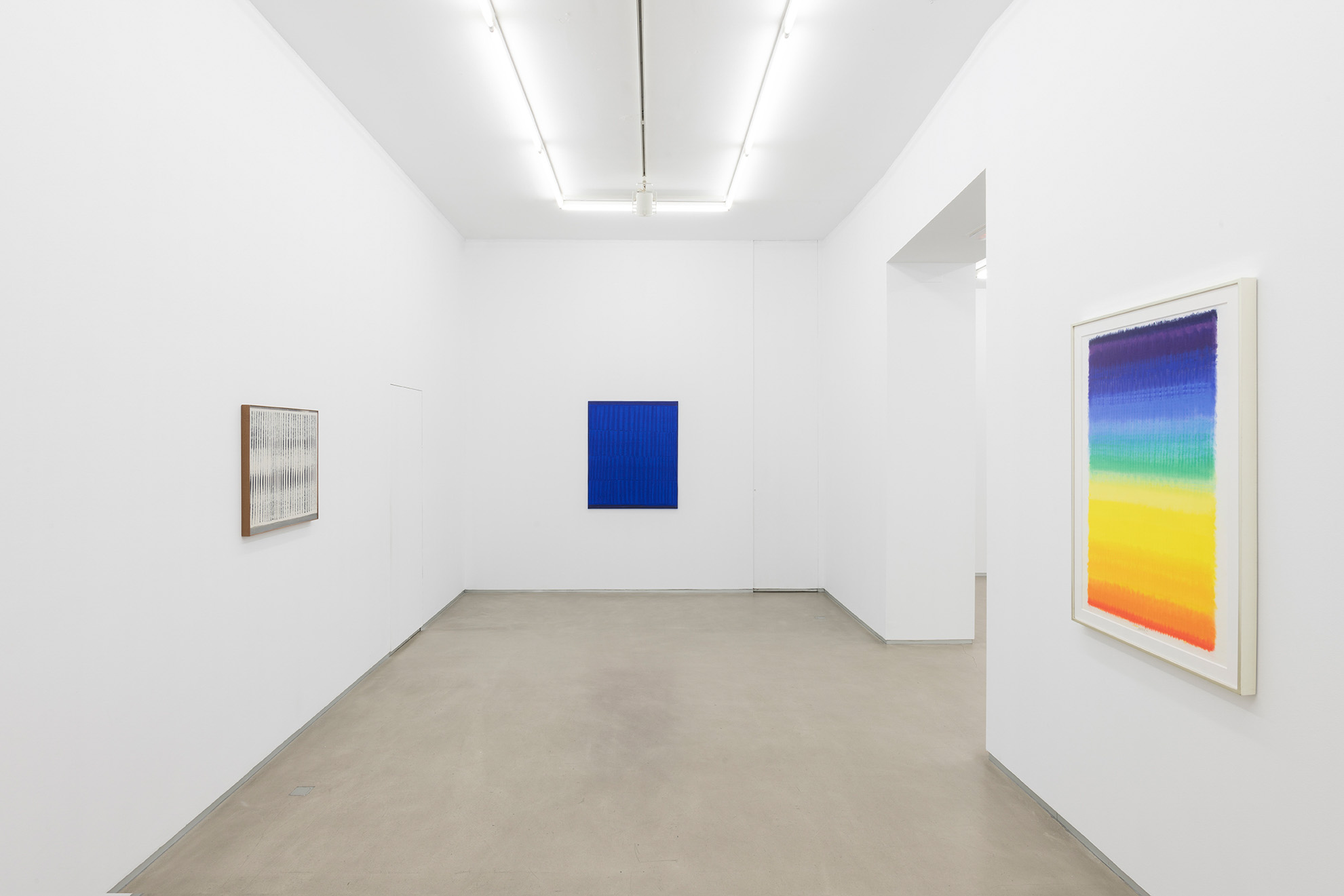
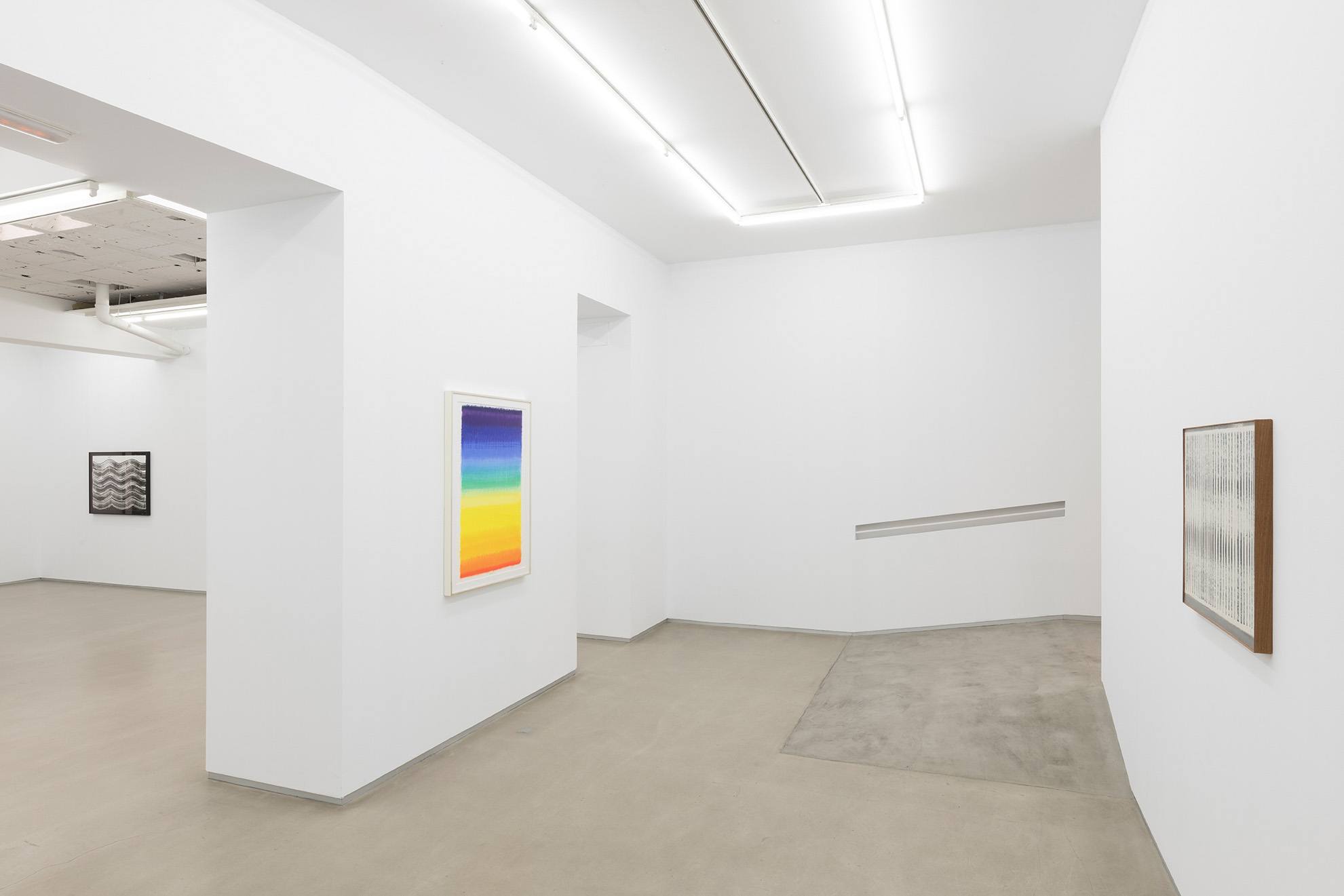
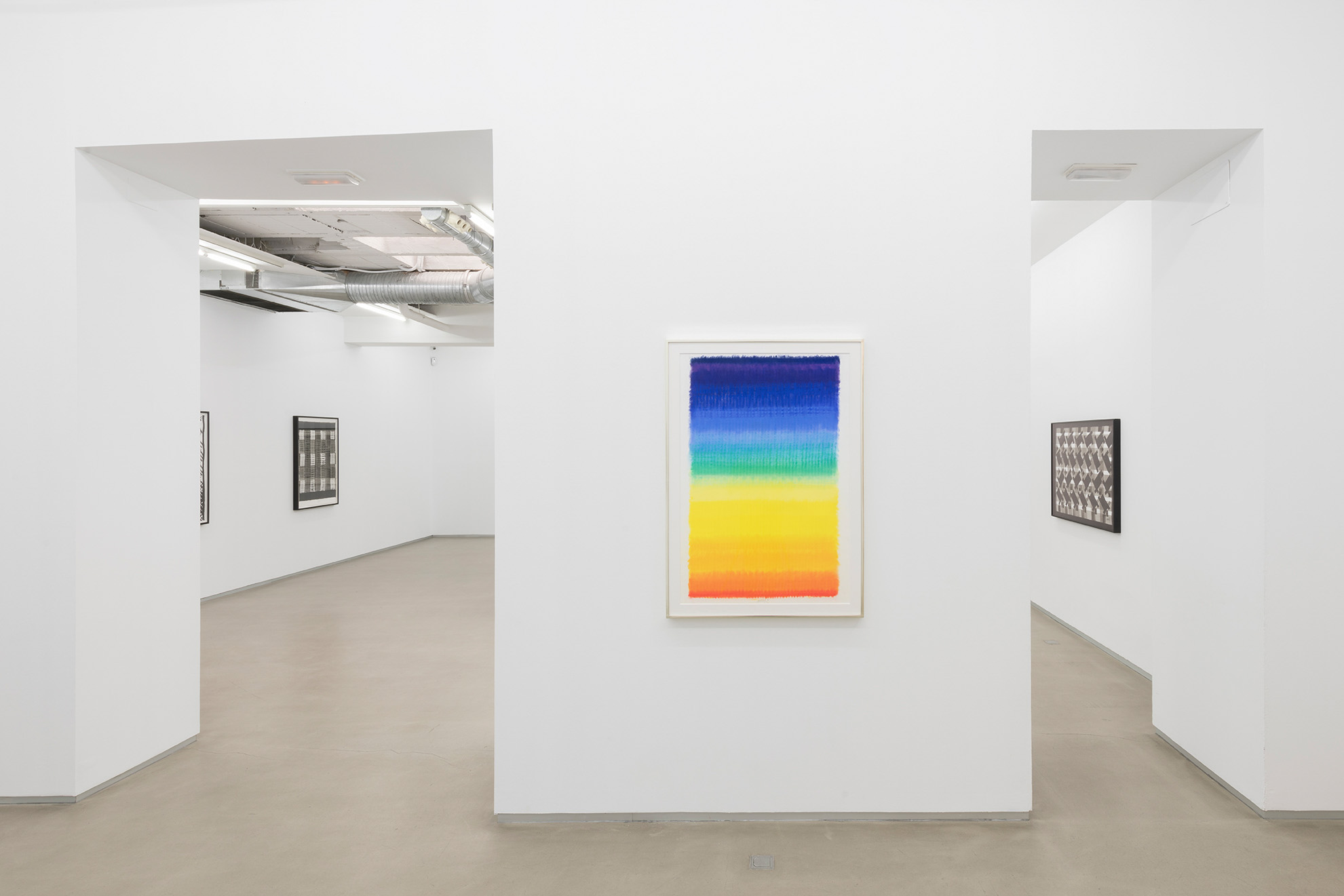
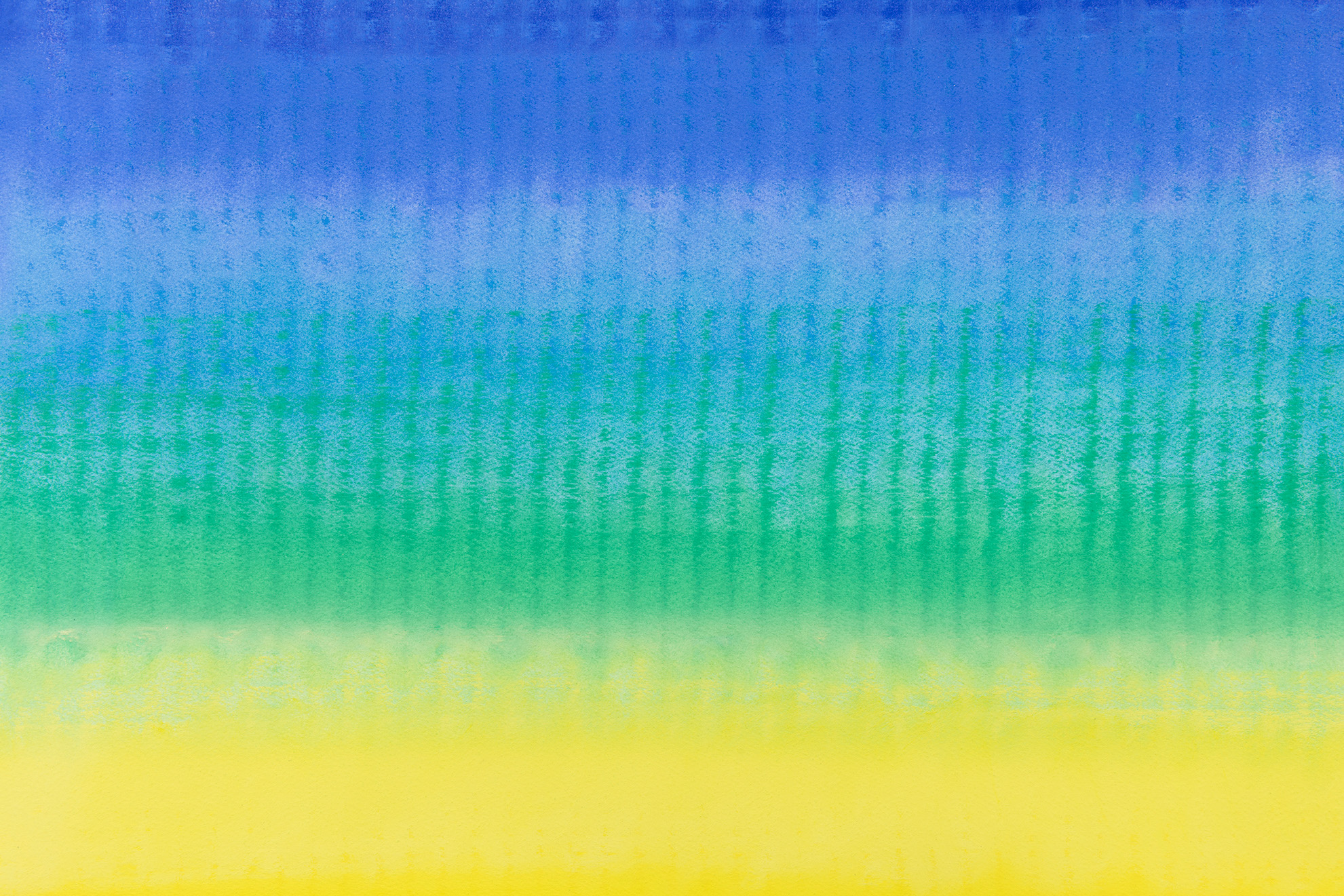
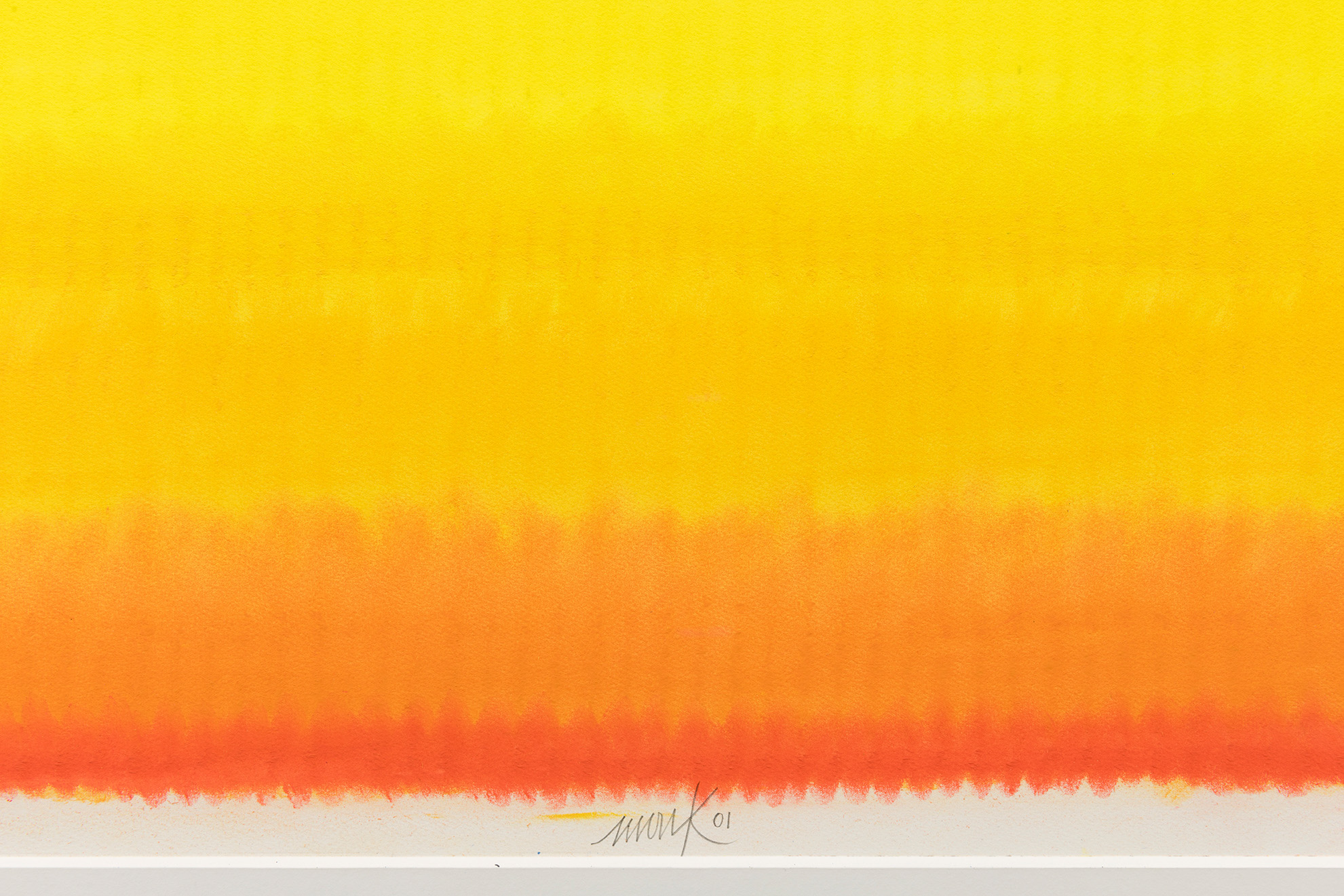
Vibration, movement, rhythm, light and the absence of it are some of the topics that surrounds If the Eyes Were not Sun-Like… The title is a reference to a quote by Johann Wolfgang Von Goethe. The Theory of Colours by Goethe has an important influence on Heinz Mack’s oeuvre. Pieces as Ohne Titel (Klassische Chromatik)(2001) are the proof of the artist’s interest in this scientific approach to colour. The artist use the colours that conforms the phenomena of rainbow to compose these chromatic pieces. As becomes evident in Untitled (1958), white is always present as the base for light to bright:
“Alongside all the ‘colors of light’, I need white as the canvas, as the background, as a reflective area for light. Therefore, white always plays a crucial role in the purity and brightness of the colors…Here color becomes an emanation of light, which occurs as both part of the spectrum and as the spectrum. This emanation effects the appearance of the color, which is itself emanating from the canvas and which fills the room”.
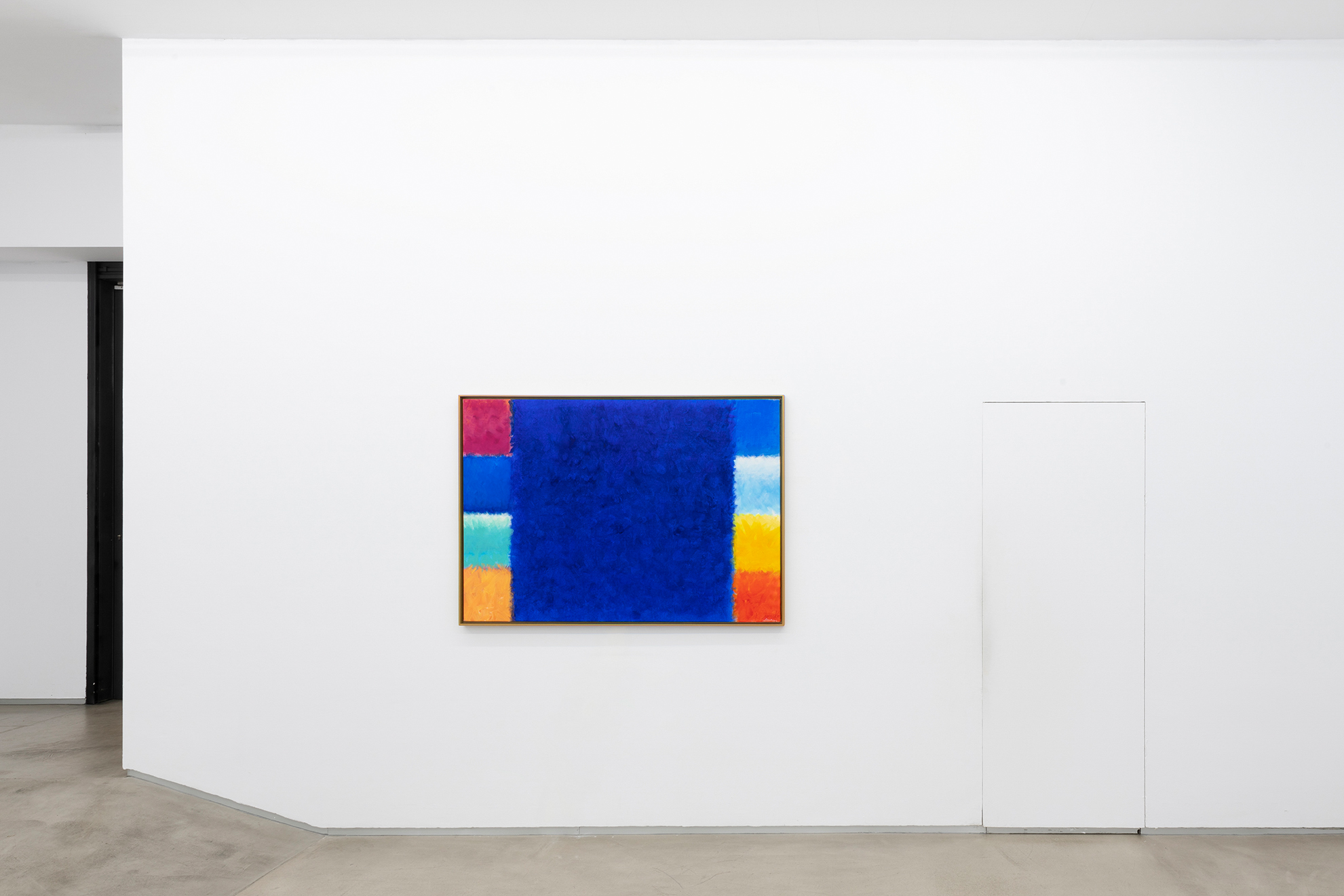
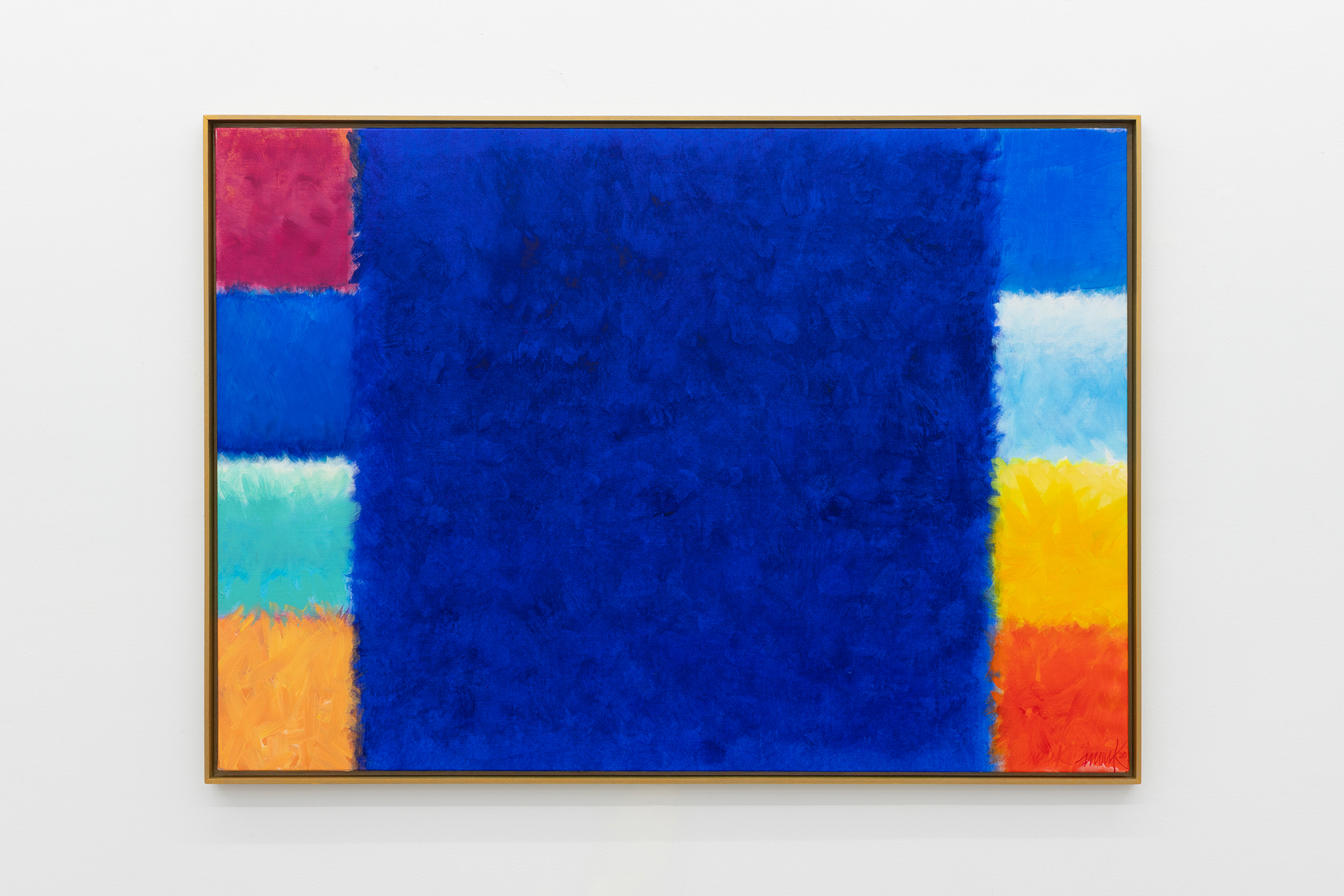
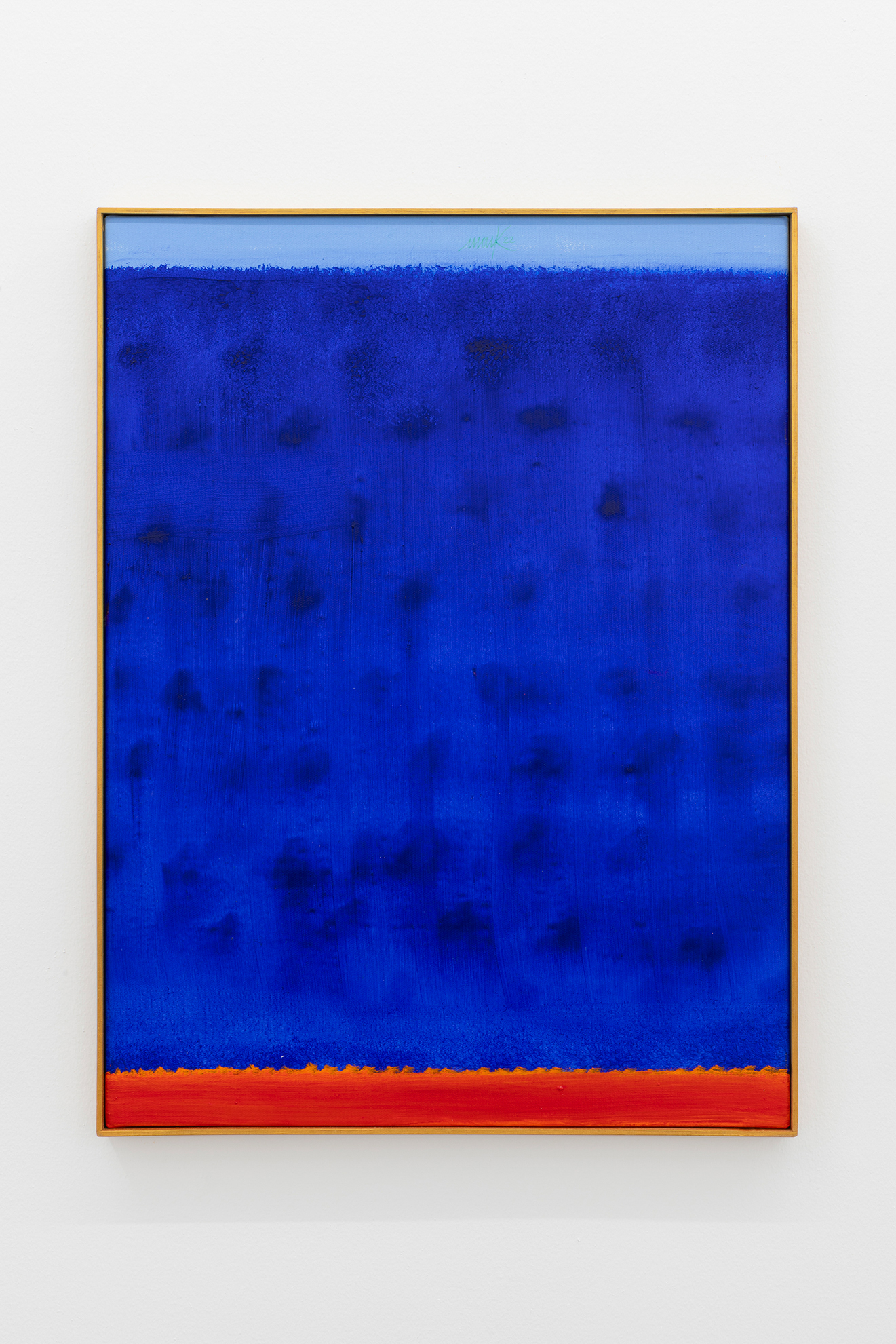
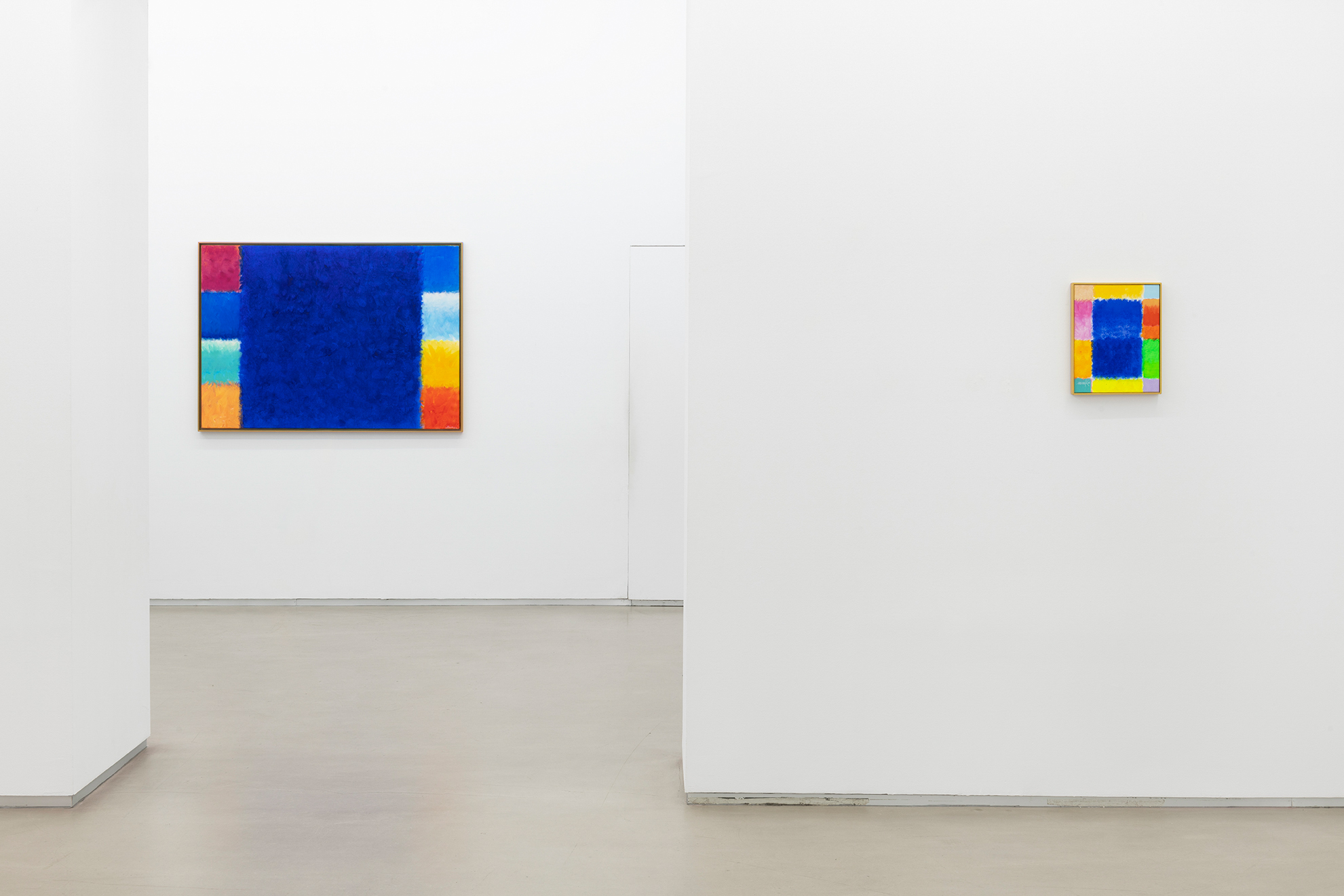
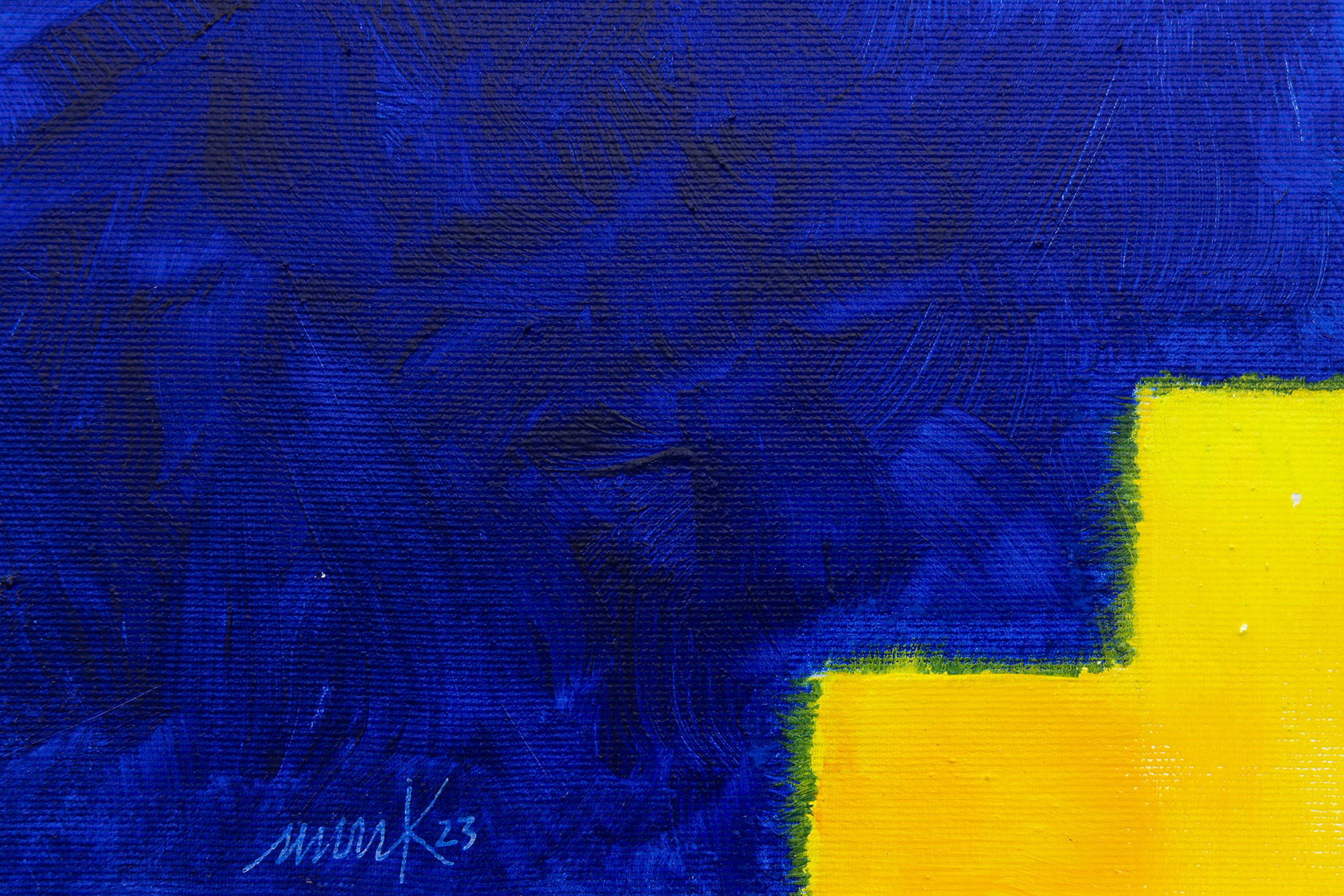
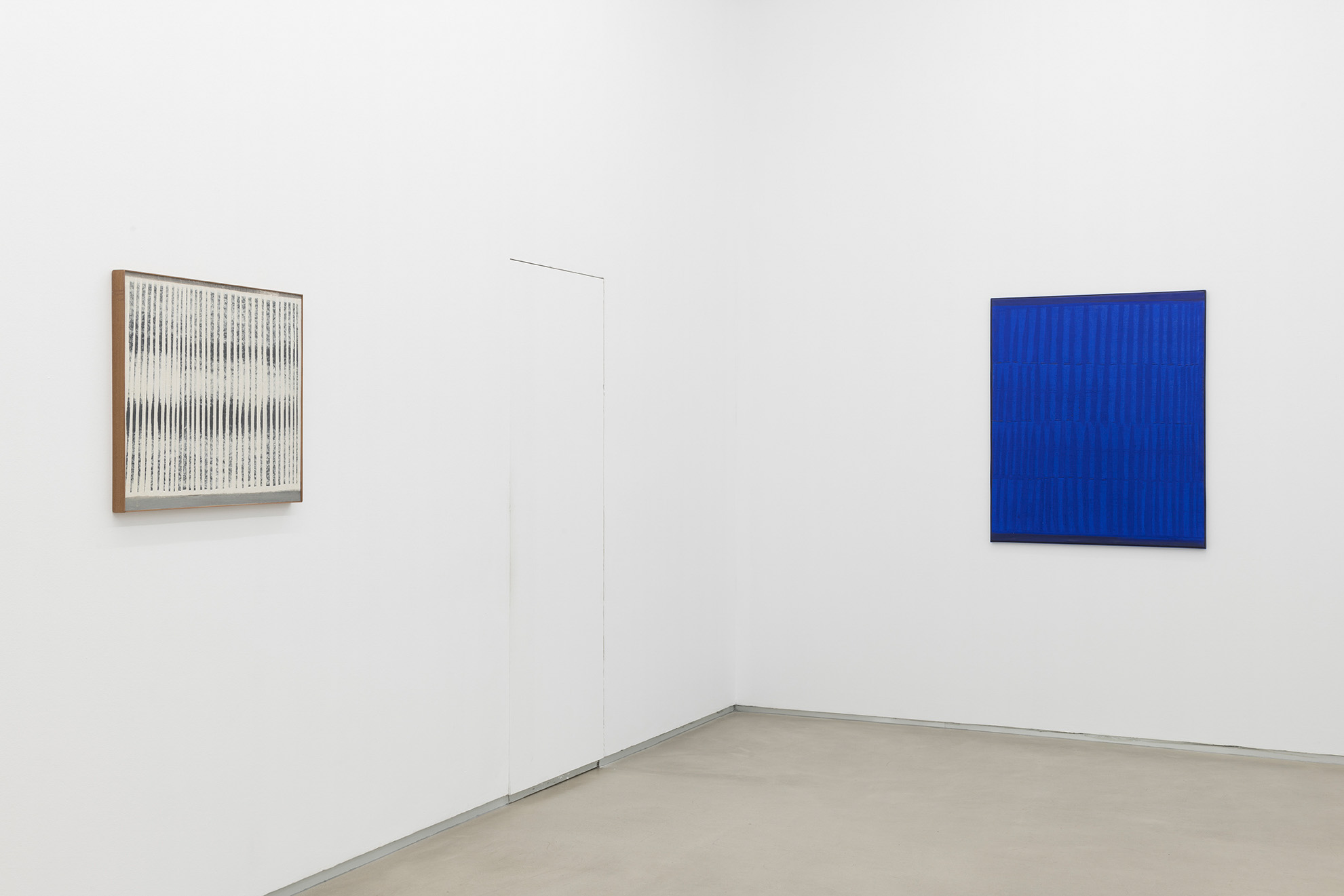
There are three important colours in Goethe’s theory; blue is one of them and one of the ‘closest colours to darkness’. It is also an important part of Mack’s oeuvre. It usually appears in his work surrounded by the other colours of the spectrum, as in his Chromatic Constellation series. In his historical piece Blue Dynamic Structure (1958) blue is the undisputed protagonist and the evidence of another important concept of Heinz Mack’s work: the dynamic structure.
Structuralism is a philosophical school that emerged in the 1920s in the field of linguistics but soon it was extended to visual arts. Between 1950s and ‘90s, the third generation of structuralists arose. As a philosophy student, these ideas were integrated into his artistic production. Mack is one of the most consistent structuralist in the field of sculpture but also we can notice this in his pictorial work. In the first Issue of the journal ZERO, published in May 1958, the German artist wrote a text were he used for the first time the idea of ‘The New Dynamic Structure’. In this text he defines the concept:
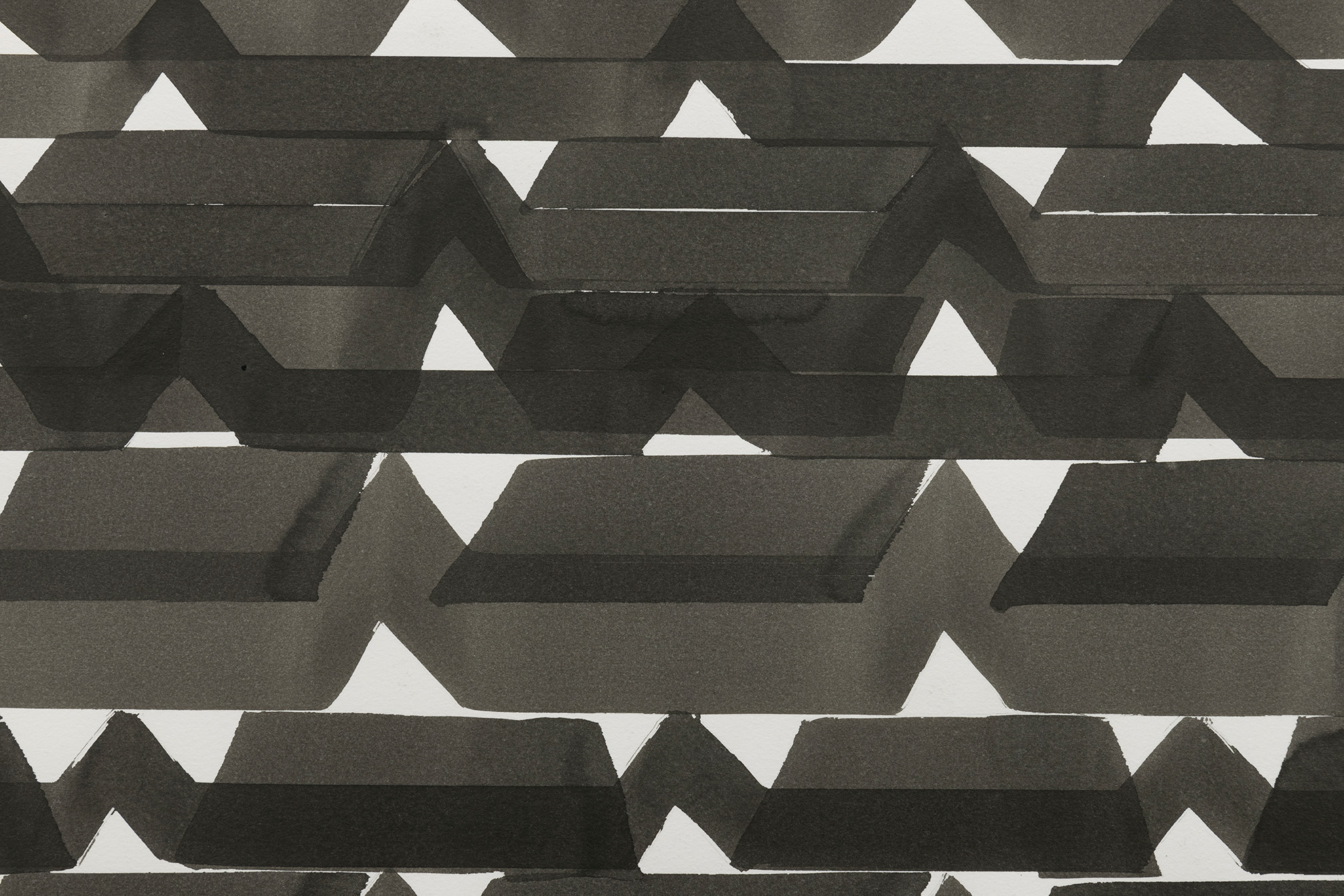
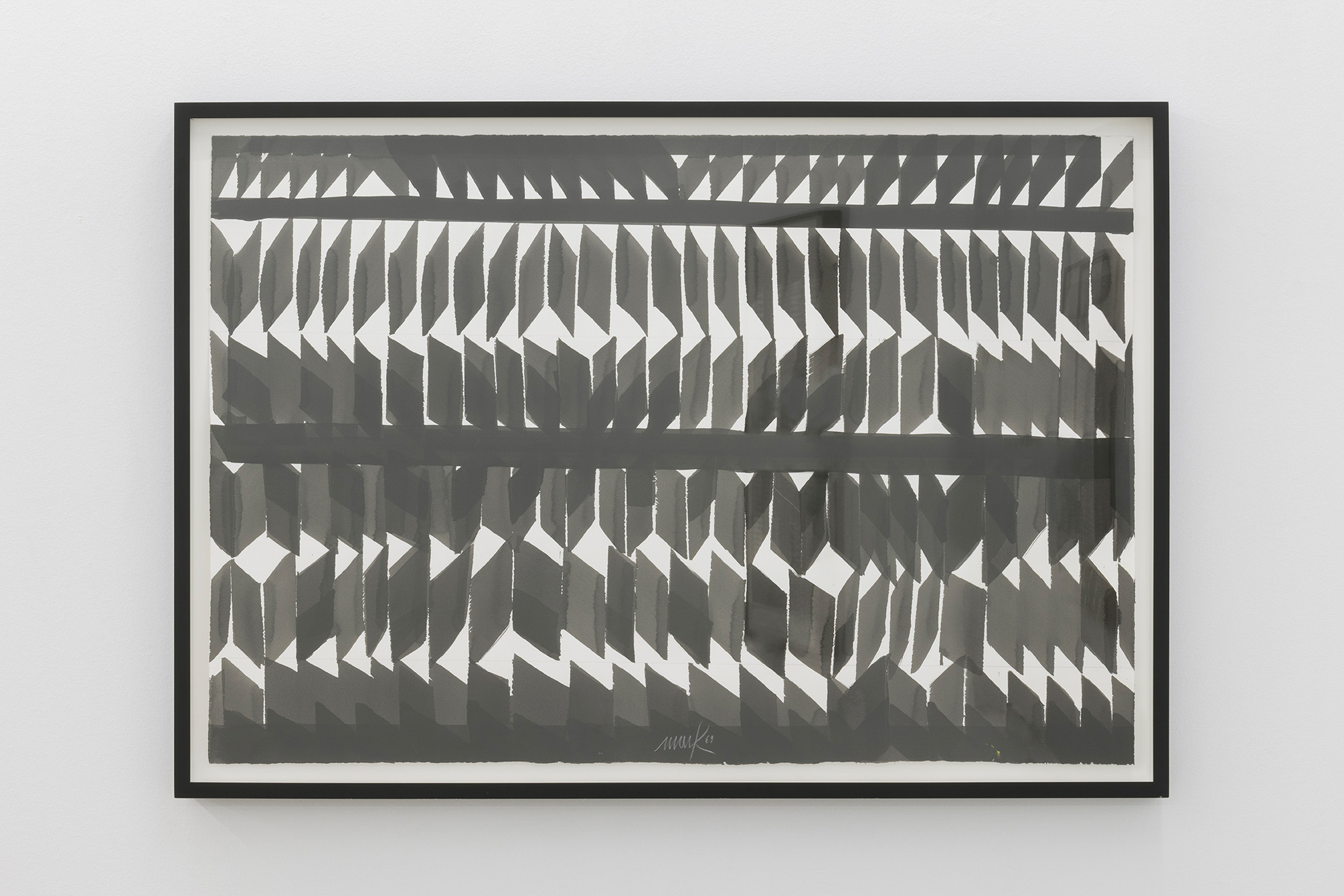
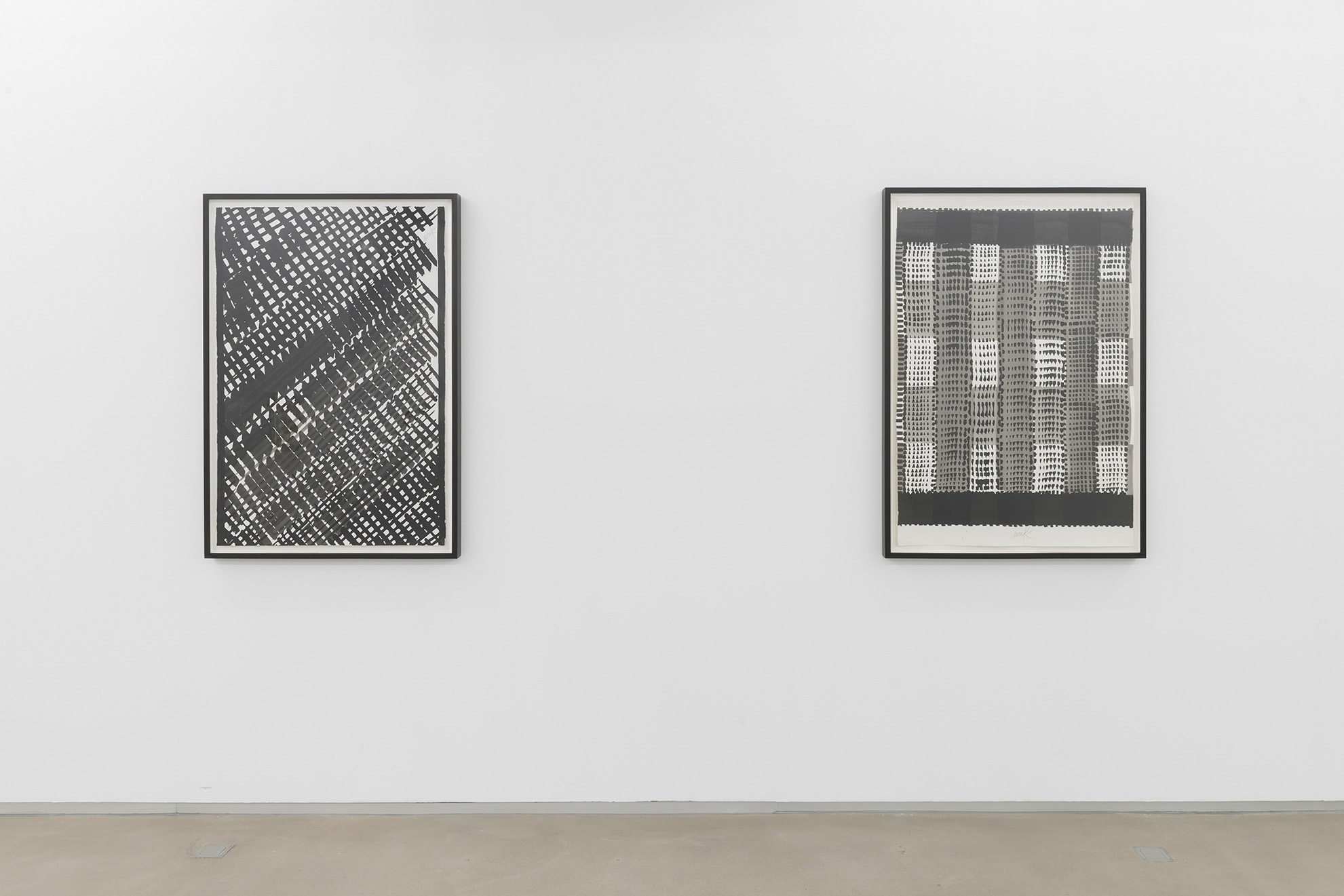
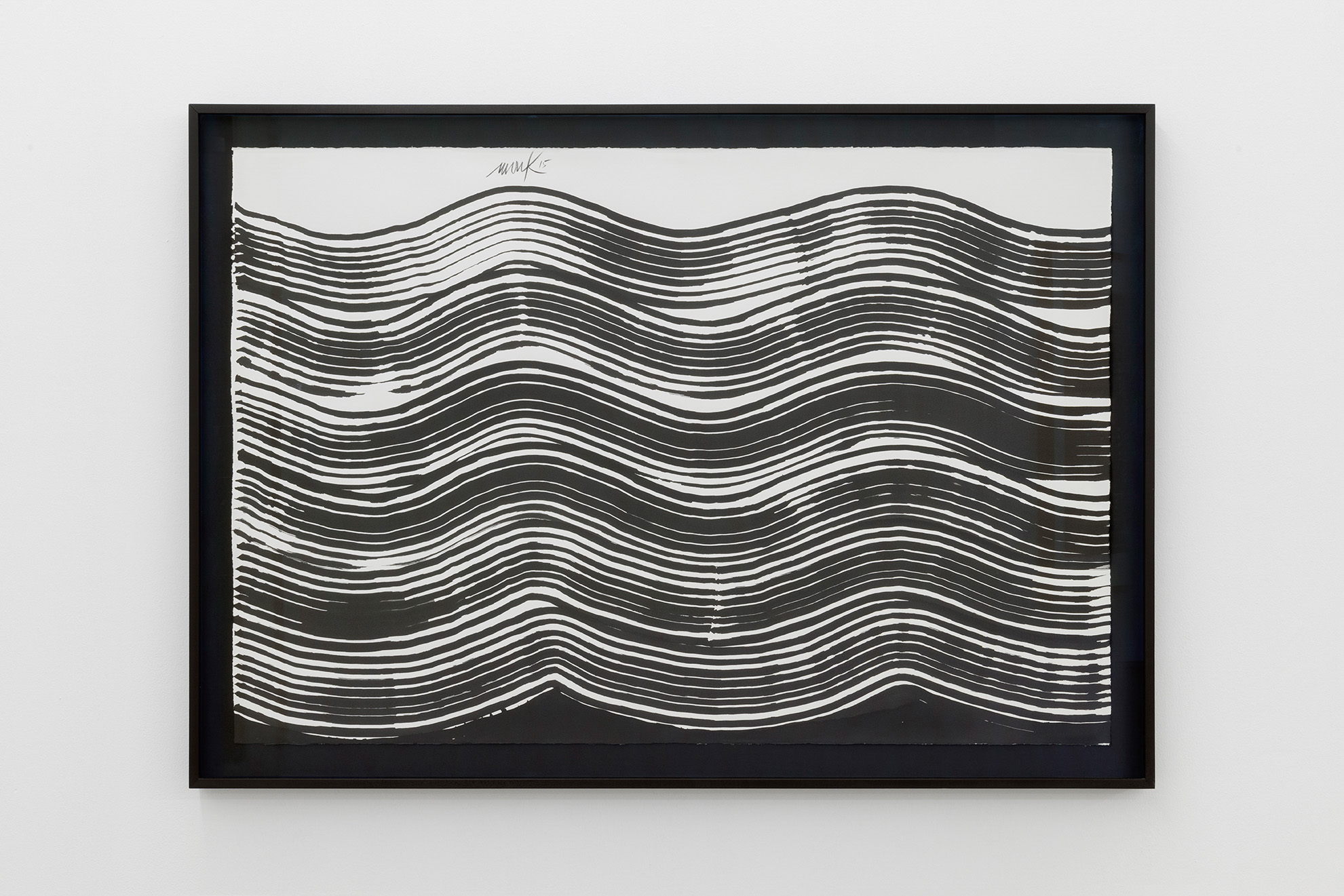
“The painterly medium […] is an open mechanical sequence. The mechanics of painterly action are unsettled and determined by the sensitivity of the hands. […]. All parallel zones have the same intensity of presence; in this respect as well, it is no longer possible to speak of a composition or variations on a formal theme. This contradicts the pictorial structure. The aspect of pictorial structure is a dynamic one. The parallel zones have not only static, but also a dynamic existence. From the dialectical synopsis of static and dynamic elements result the virtual vibration, that is to say, pure and a constant artistic movement, which cannot be found in nature”.
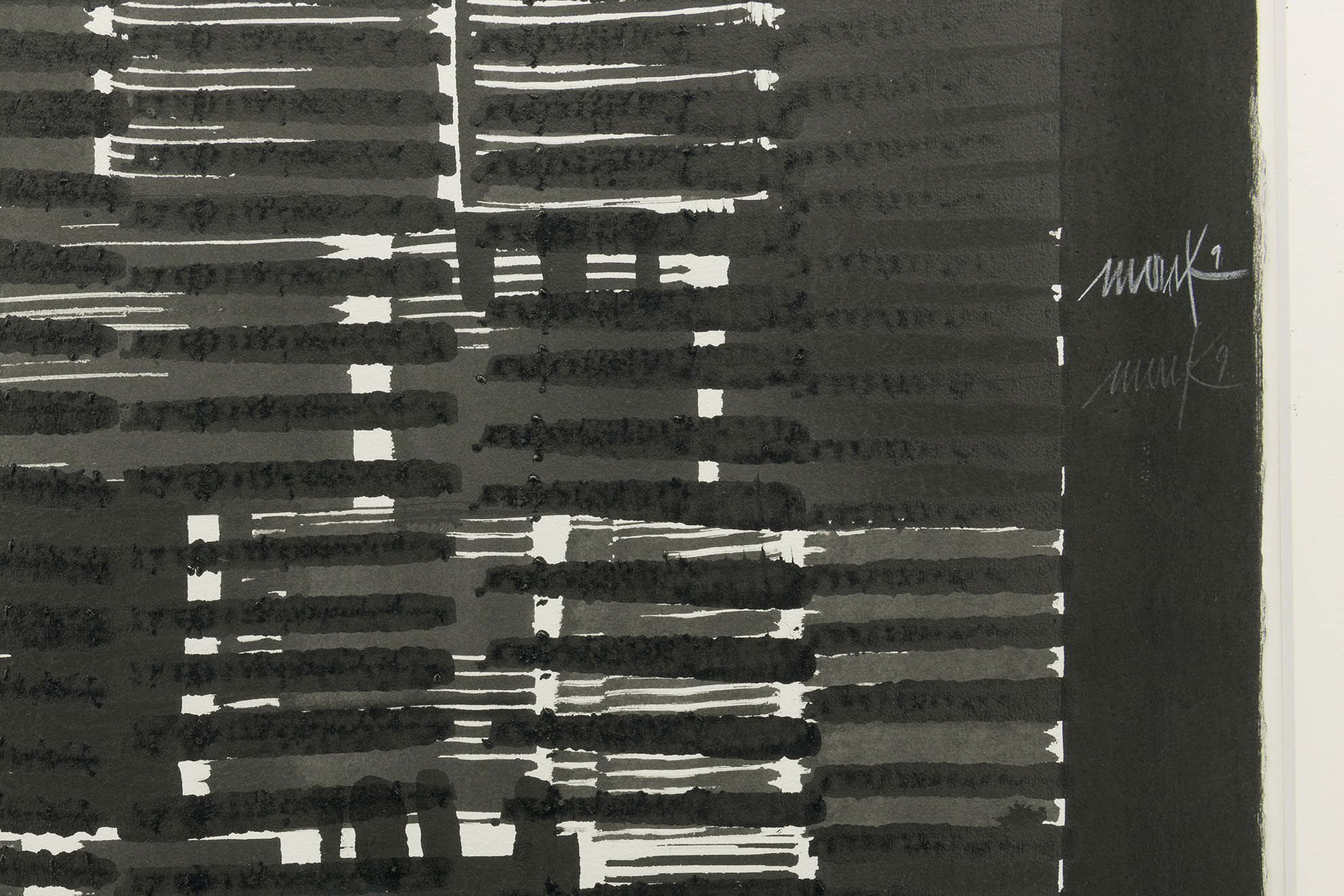
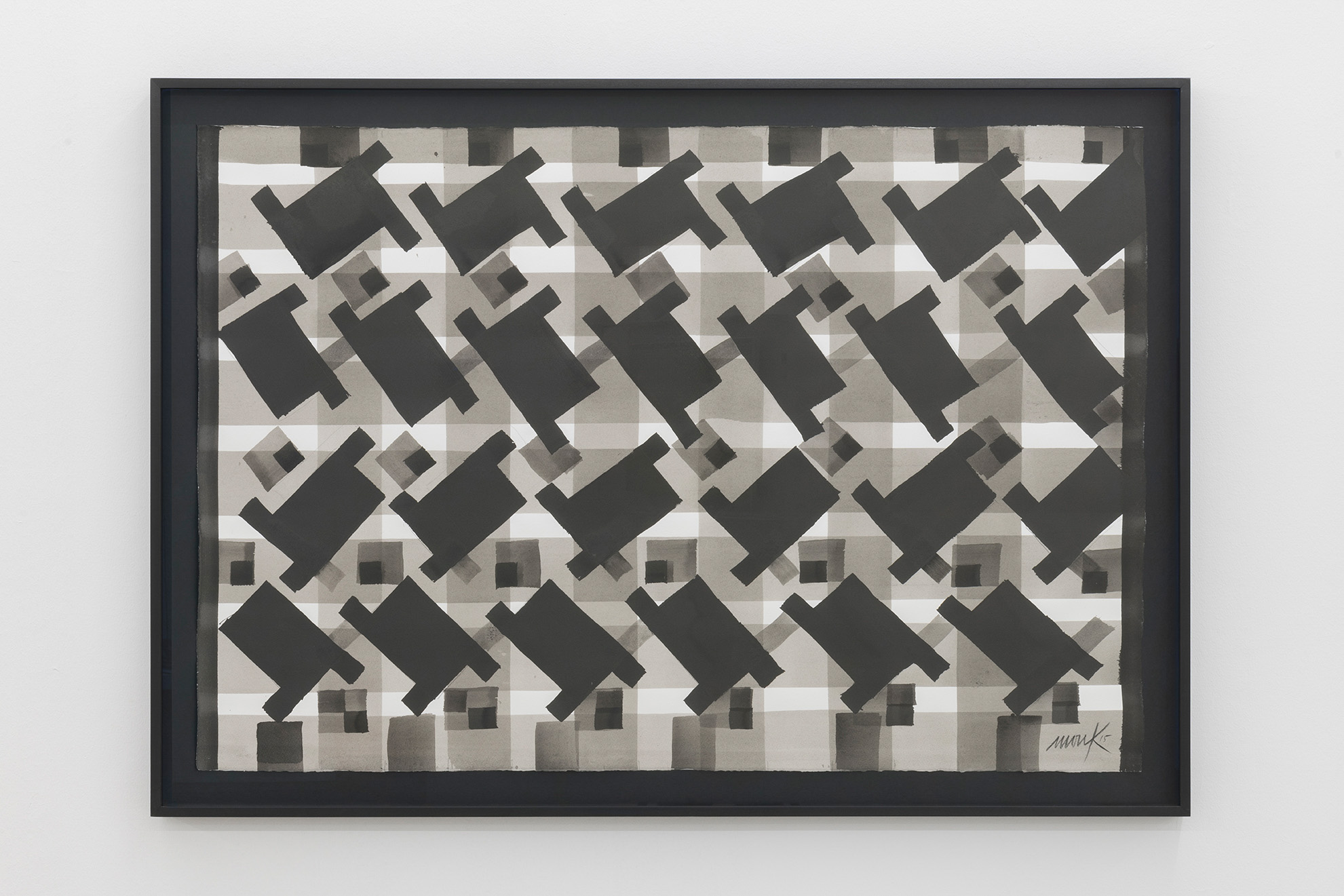
The series of black compositions installed in the second room are the materialization of this idea of a well-known quote attributed to Leonardo that the German artist once subscribed: Light is waning darkness and darkness is waning light. The ink painting on paper consists solely of repetitions creating a tension between the white background and the black zones. The structure supersedes and overcomes the composition. These internal structures of constant regularity generate a sense of dynamics. Combining structure and dynamics is a fundamental feature of all Heinz Macks works. The concept of vibration is also significant. He experiments with this idea in works such as Vibration (1959), but with a new medium: aluminium. In the 60s, Mack discovered the material’s possibilities. But also, in the white on black compositions from this period it becomes clear how the artist acquired the means to make light as such visible in the surface of the paintings. This investigation of aluminium as a material for art is also present in one of the most iconic projects of the artist, The Sahara Project where the interaction between light with sculptures, aluminium pieces and his own body was the main focus.
Heinz Mack lives and works in Mönchengladbach and Ibiza. His work has been exhibited internationally since 1959 and can be found in some of the most prestigious institutions and private collections including Museum of Modern Art, New York; Tate Modern, London; Centre Pompidou, Paris; Solomon R. Guggenheim Museum, New York; Peggy Guggenheim Collection, Venice; Stedelijk Museum, Amsterdam; Staatliche Museen zu Berlin, Berlín; Walker Art Center, Minneapolis.