INTERSECTION
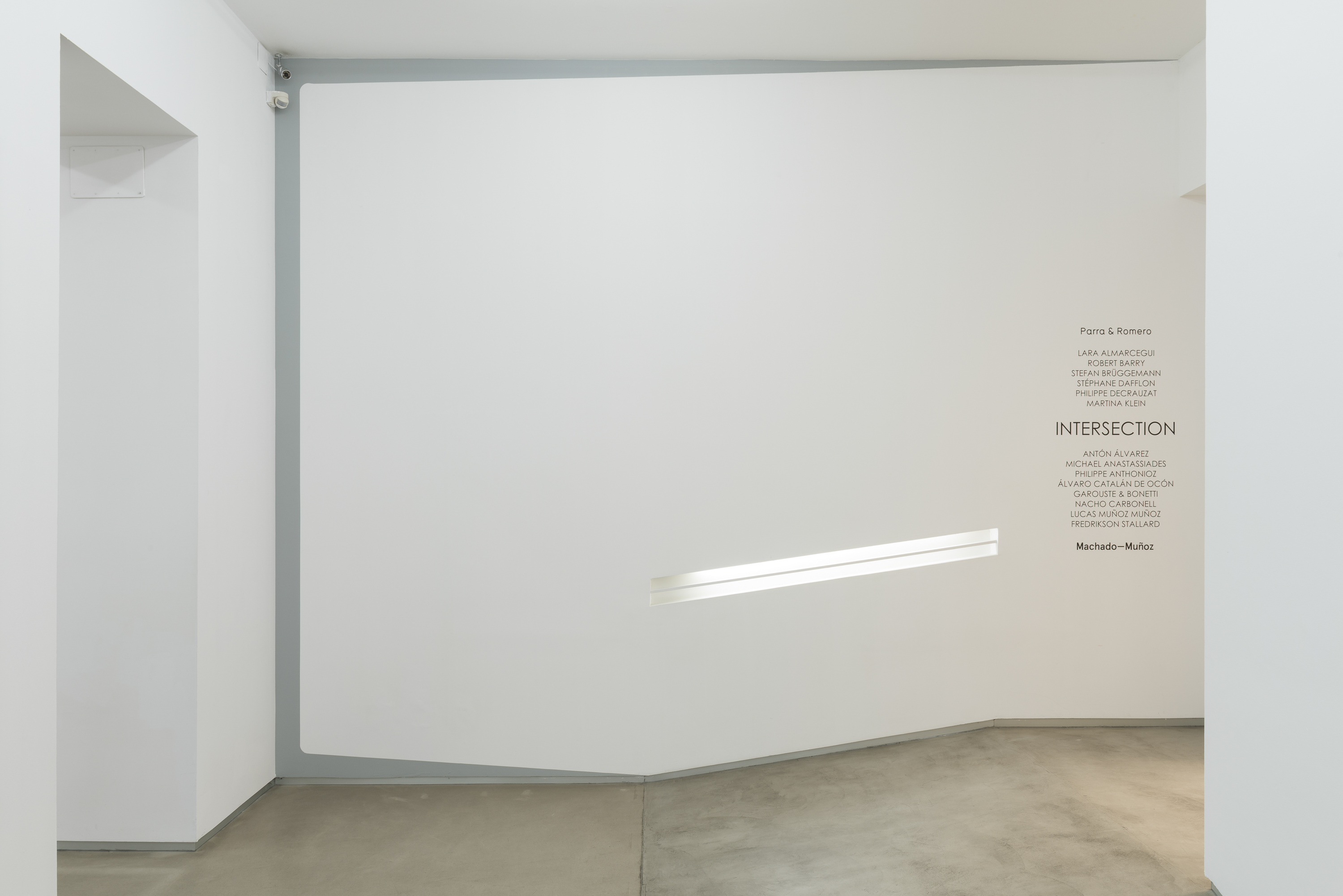
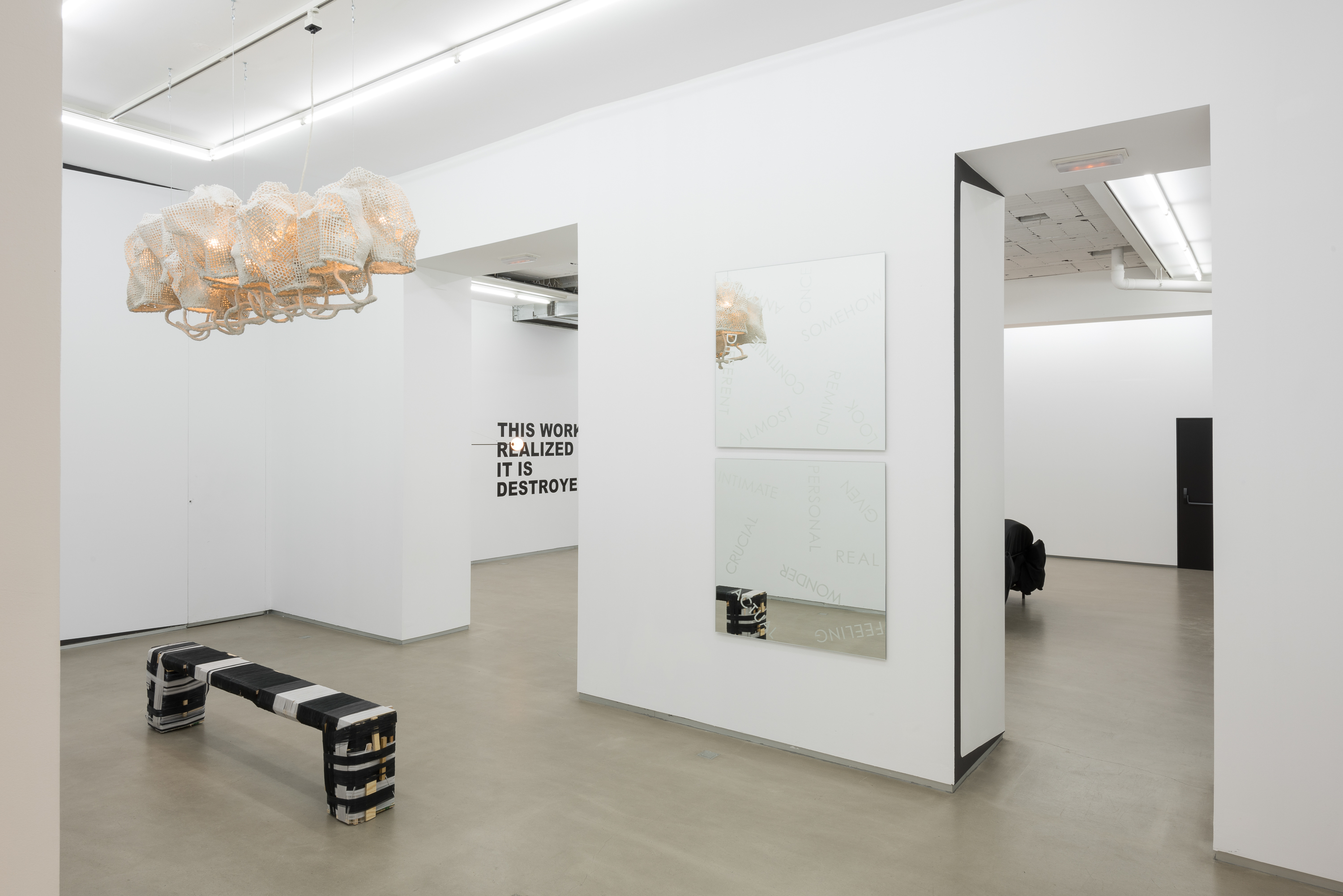
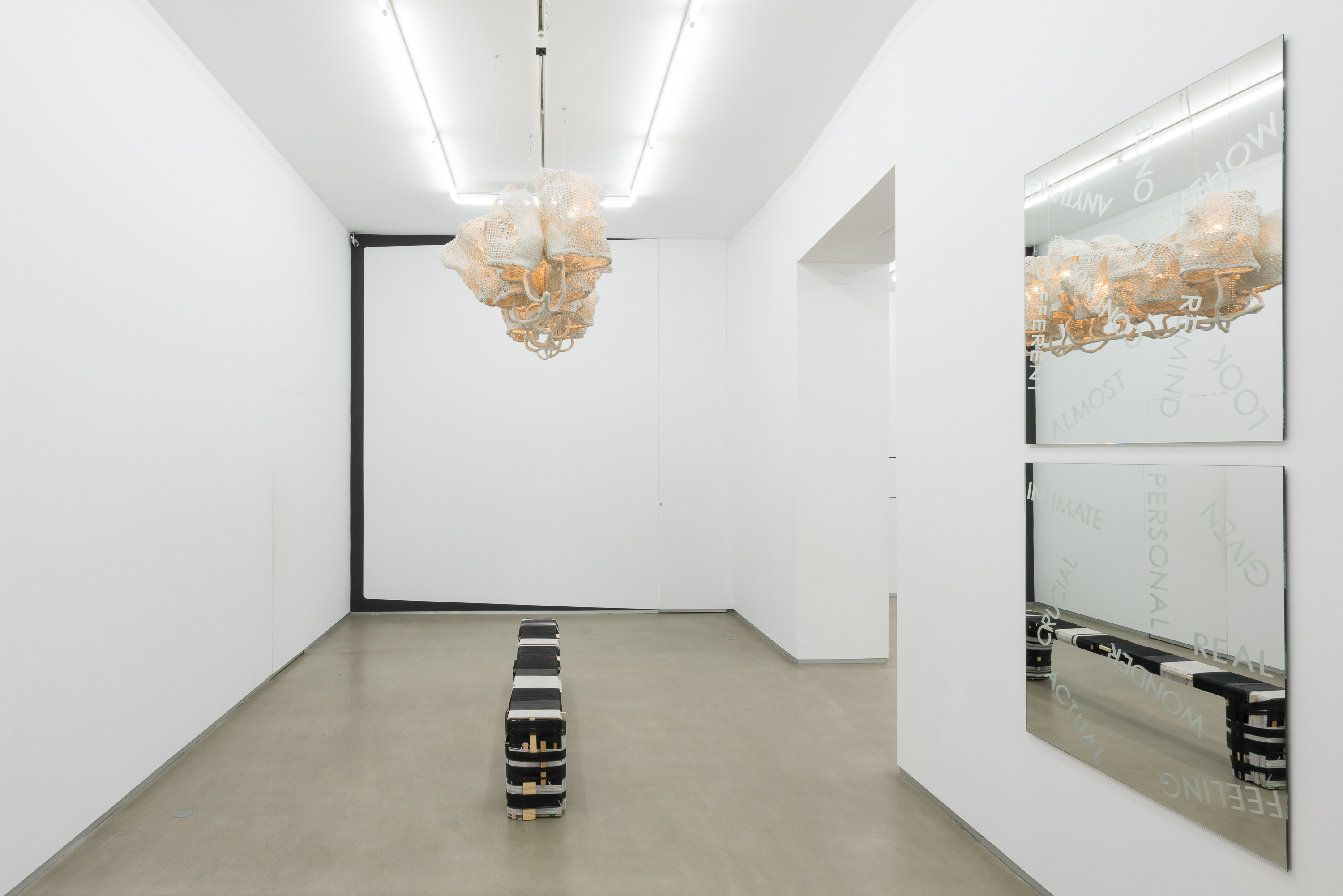

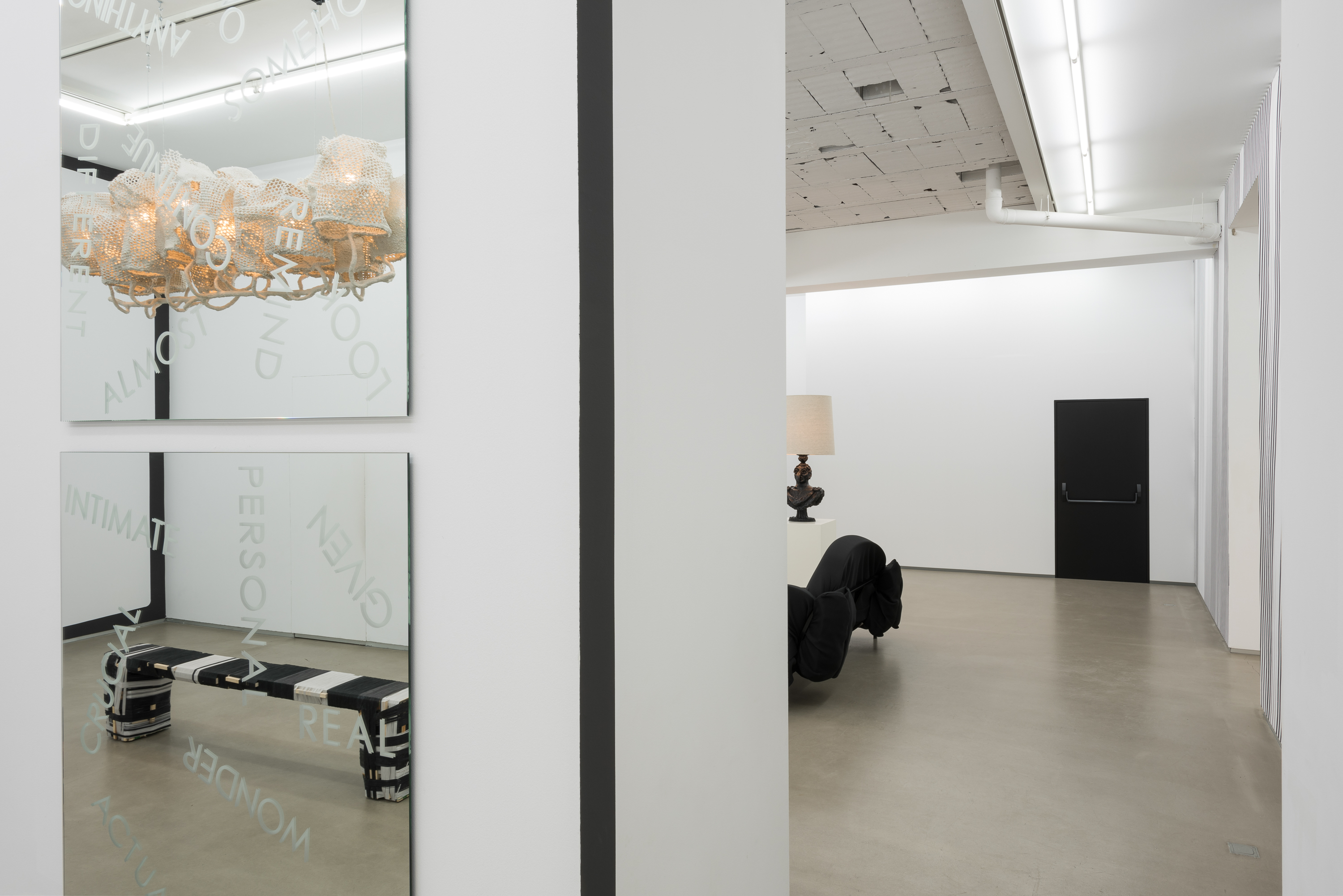


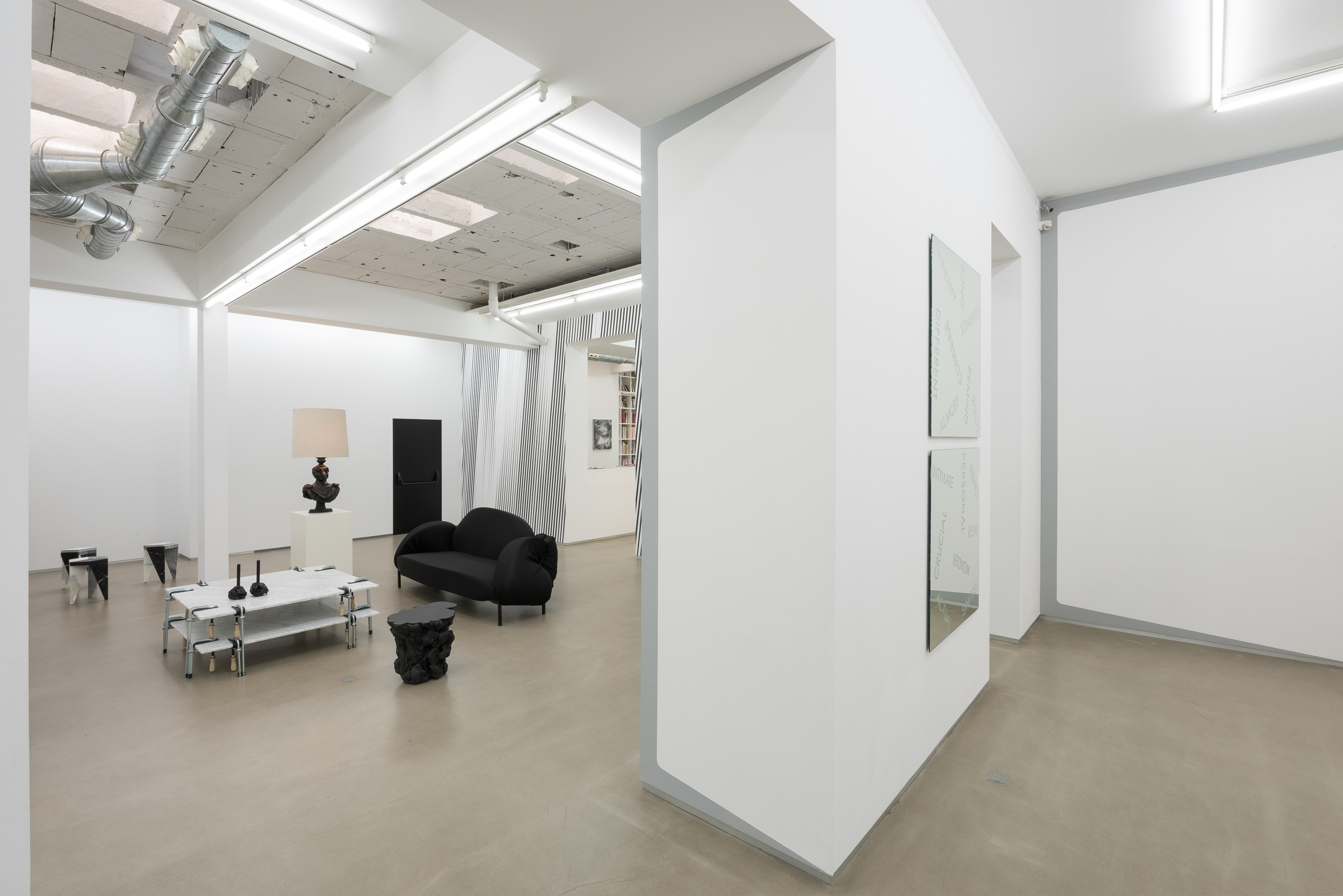

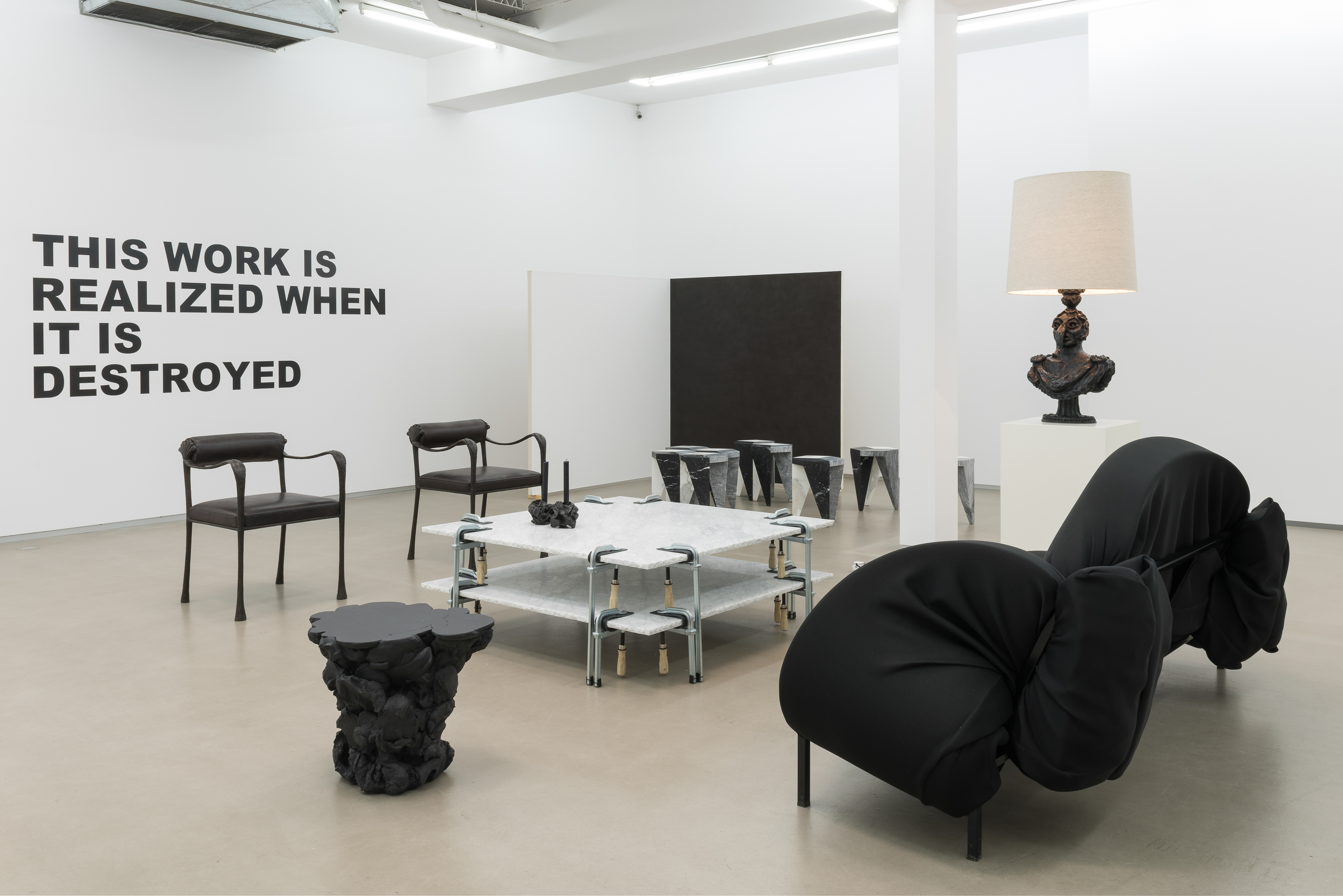


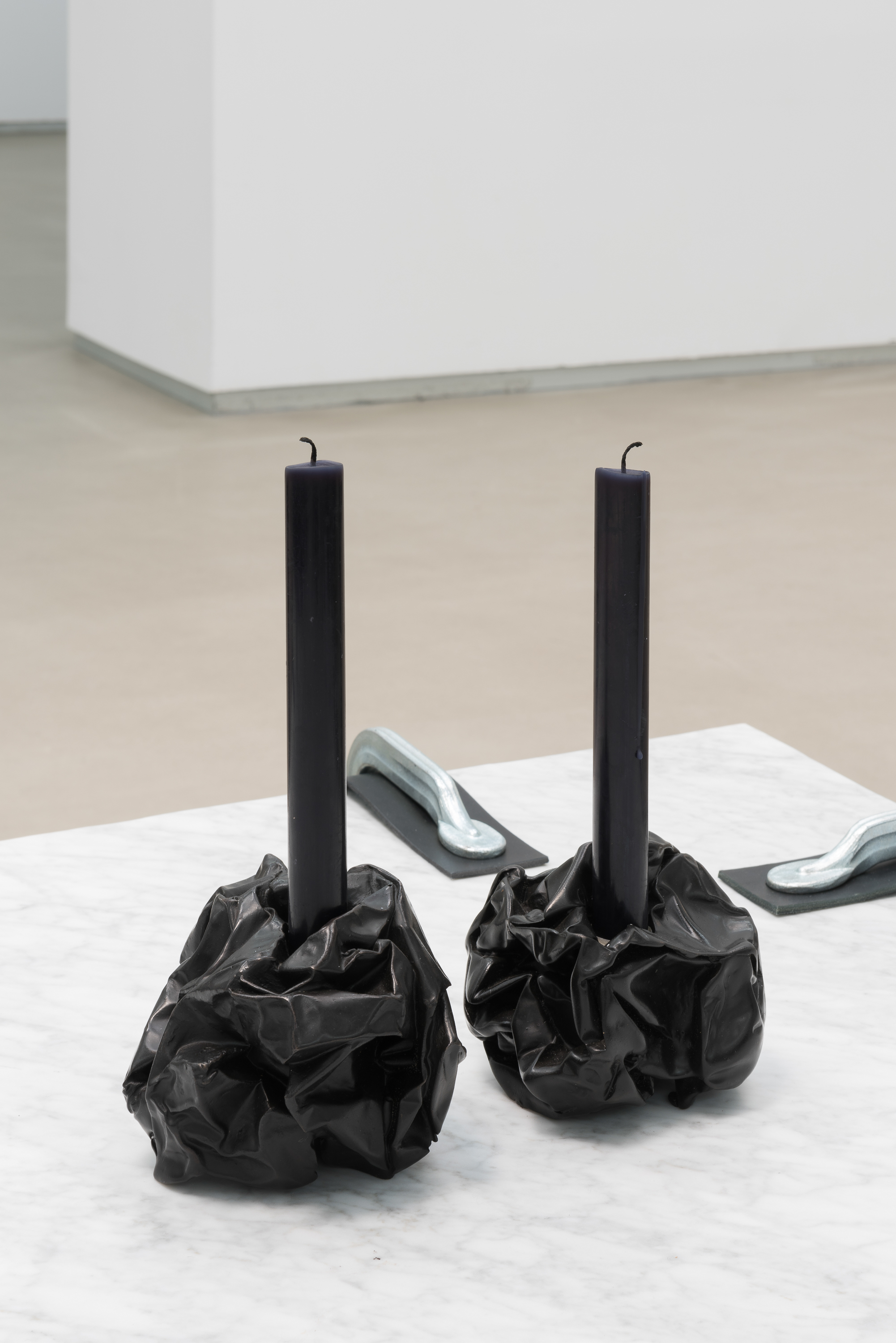
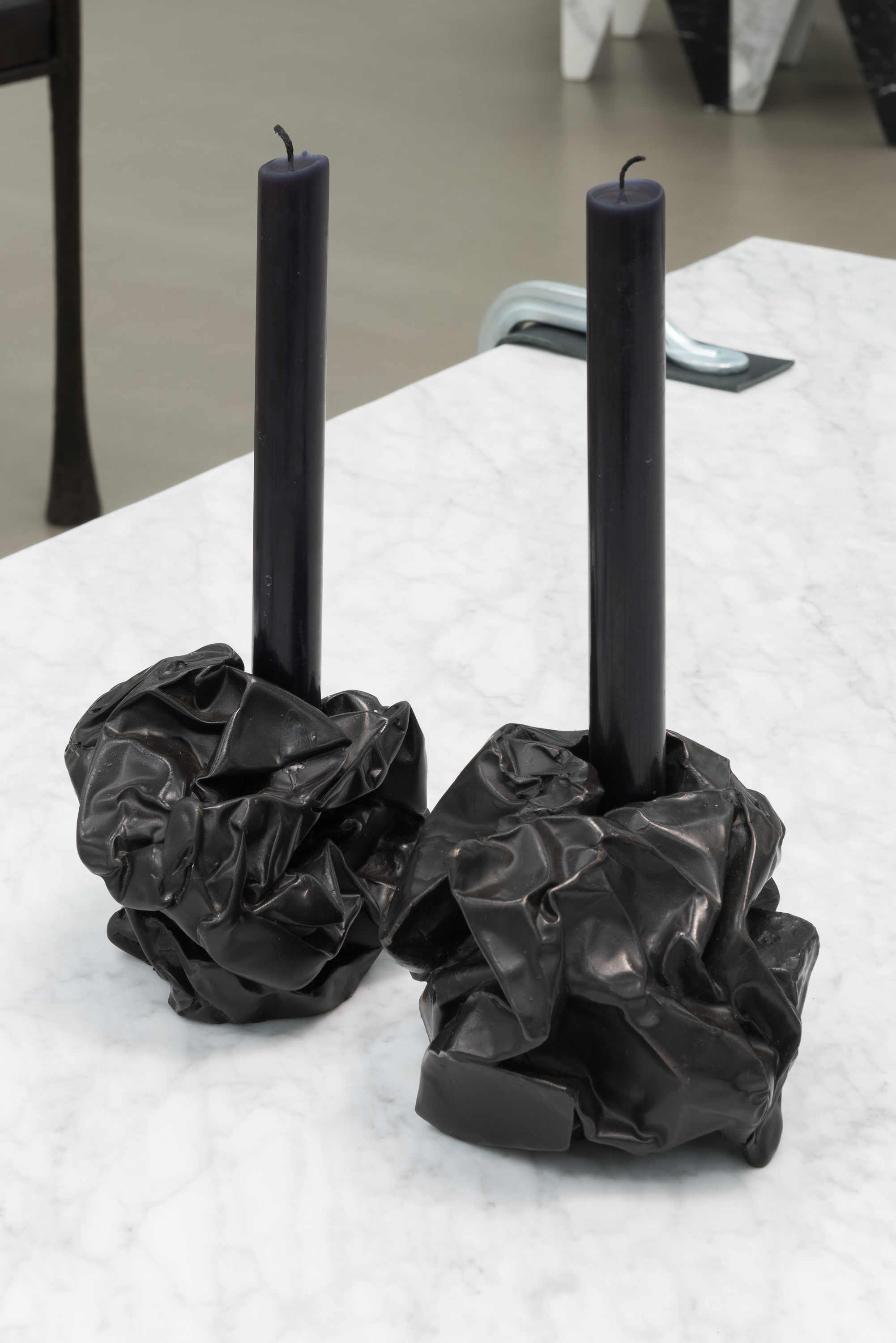
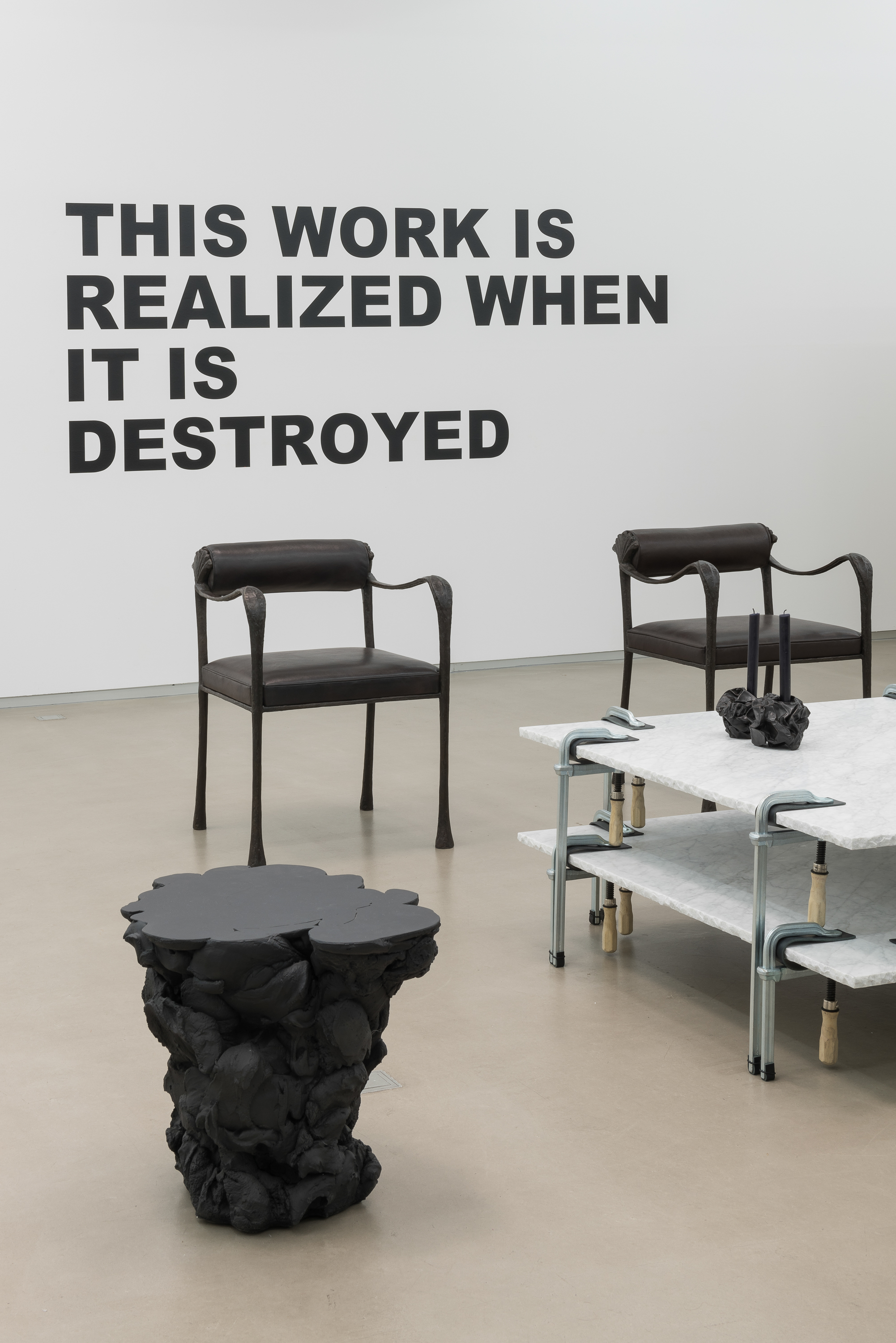

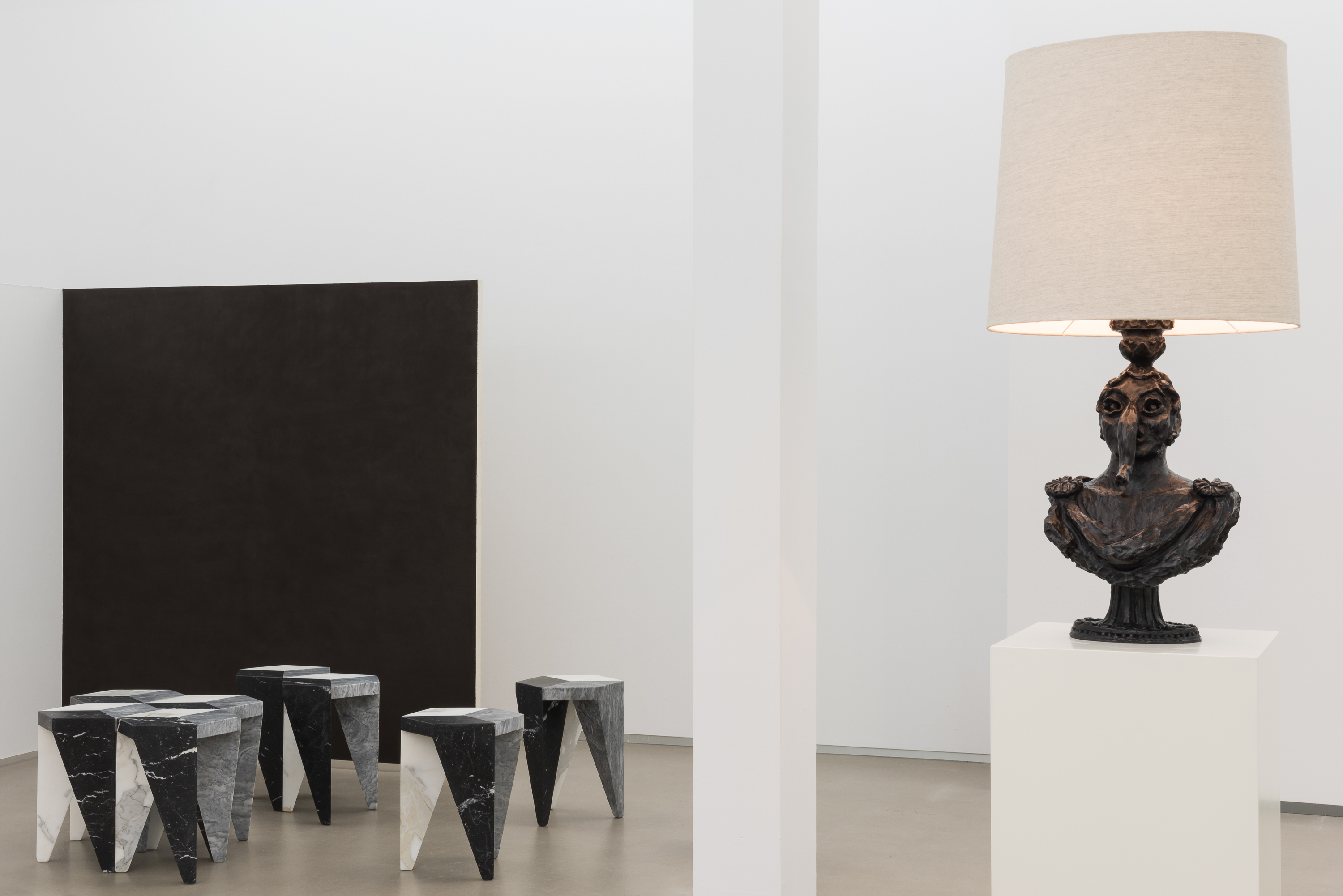
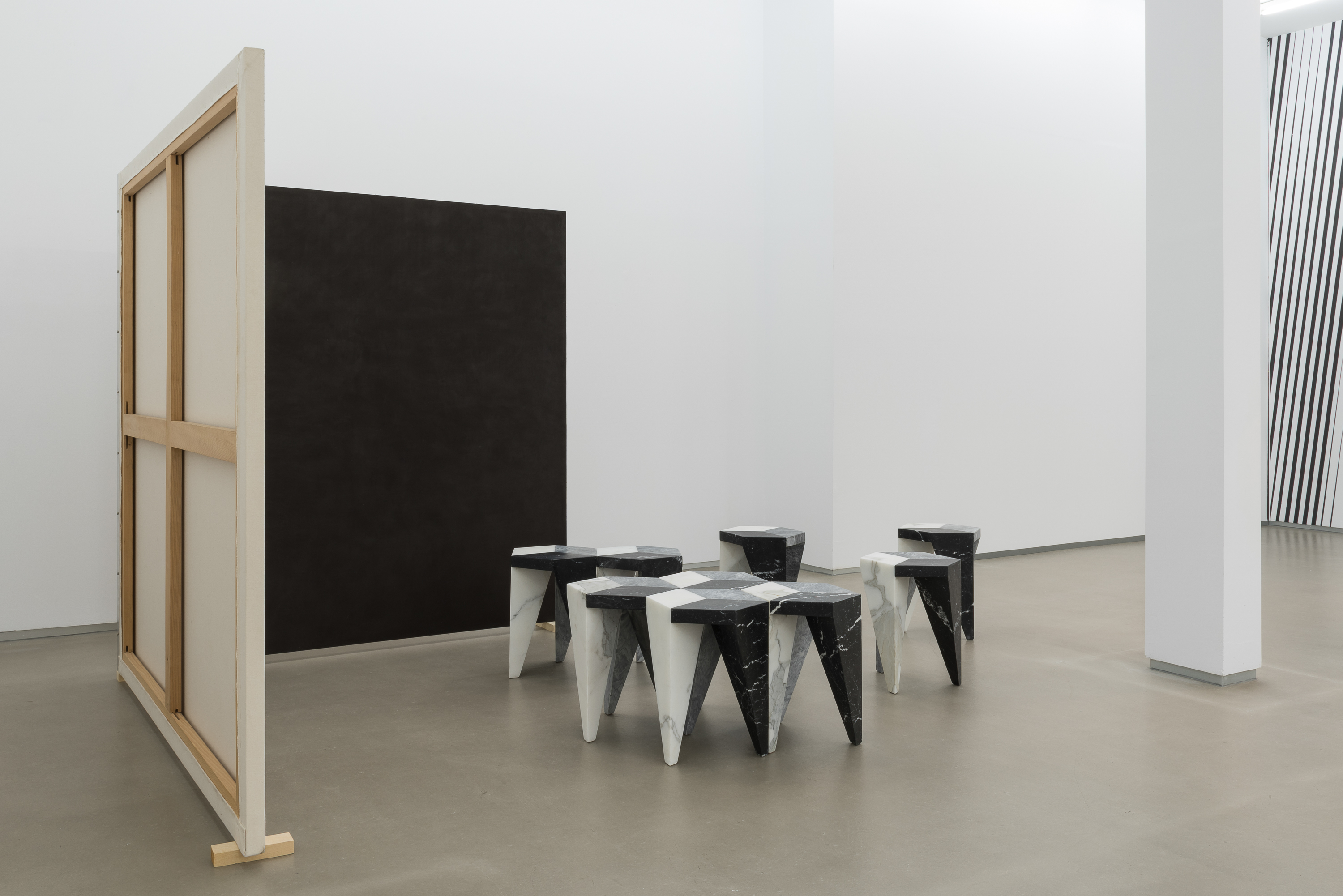


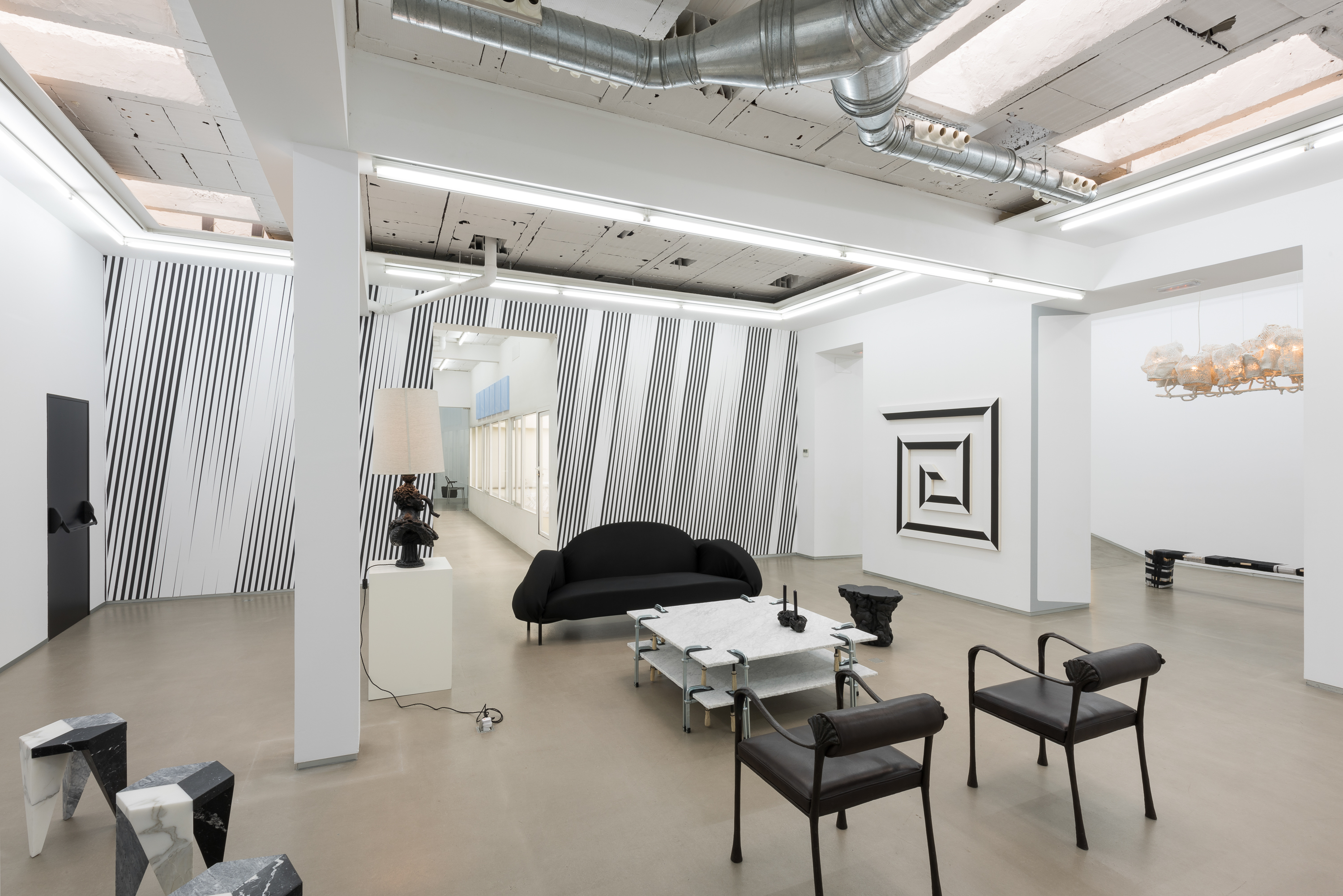



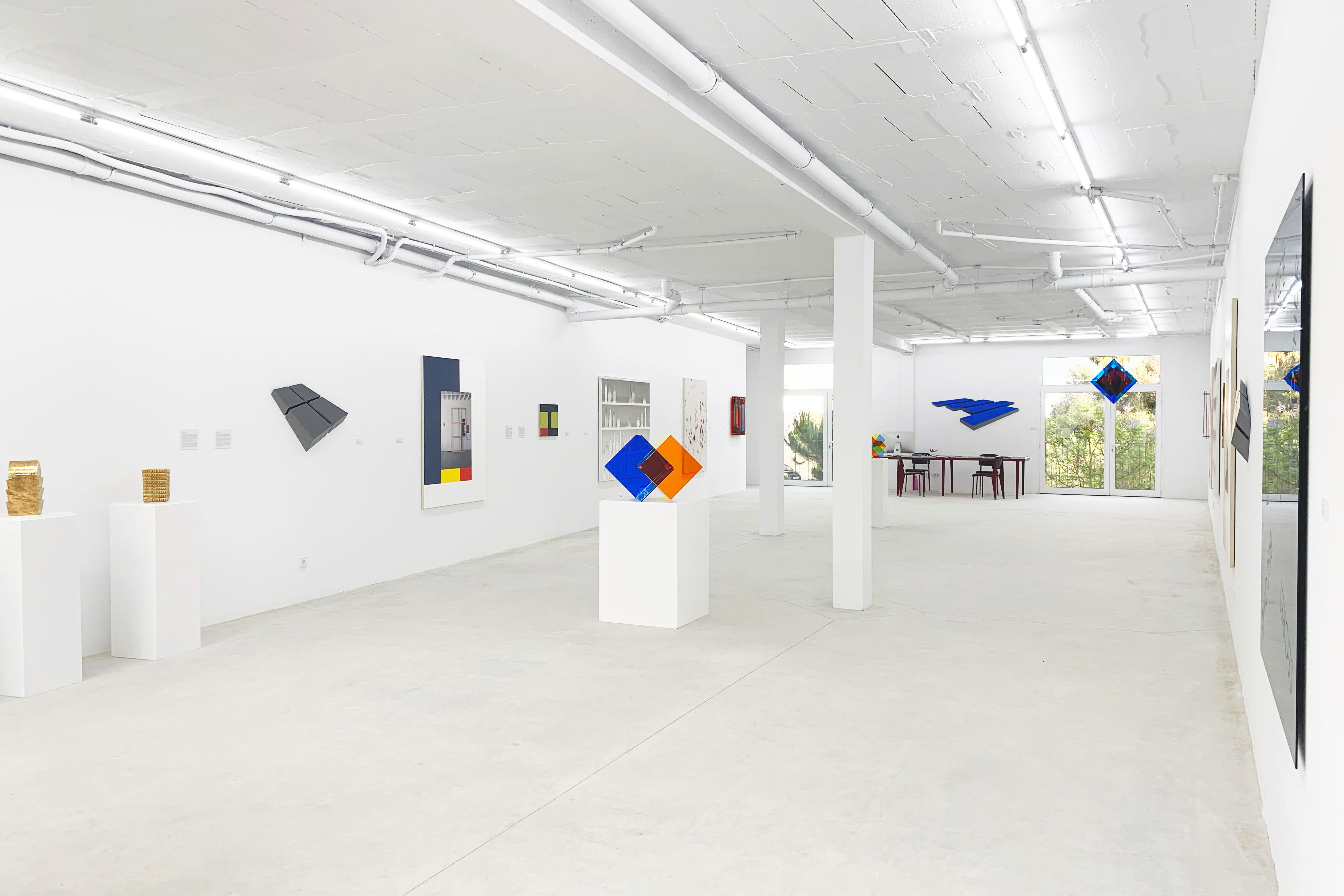
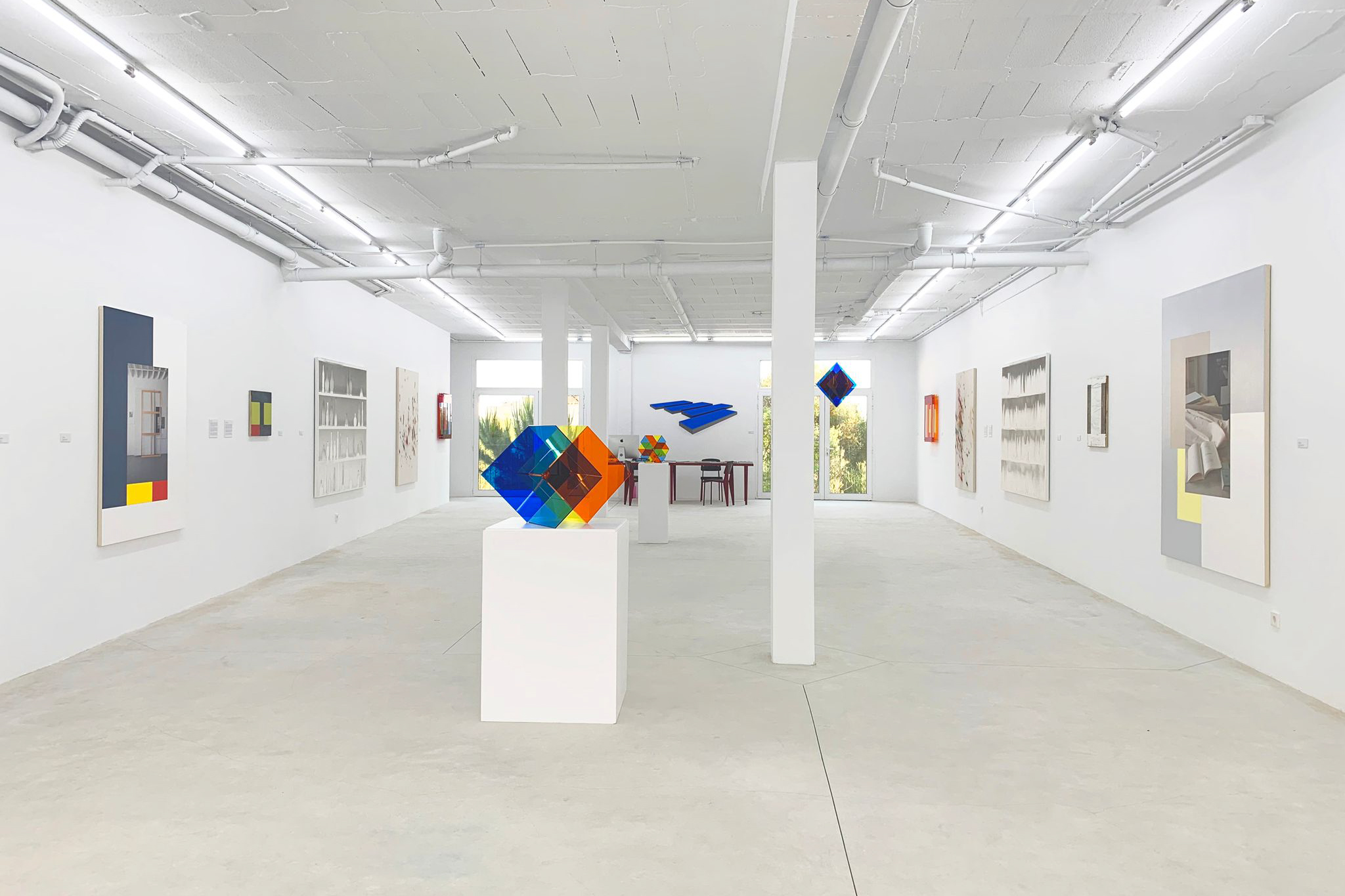
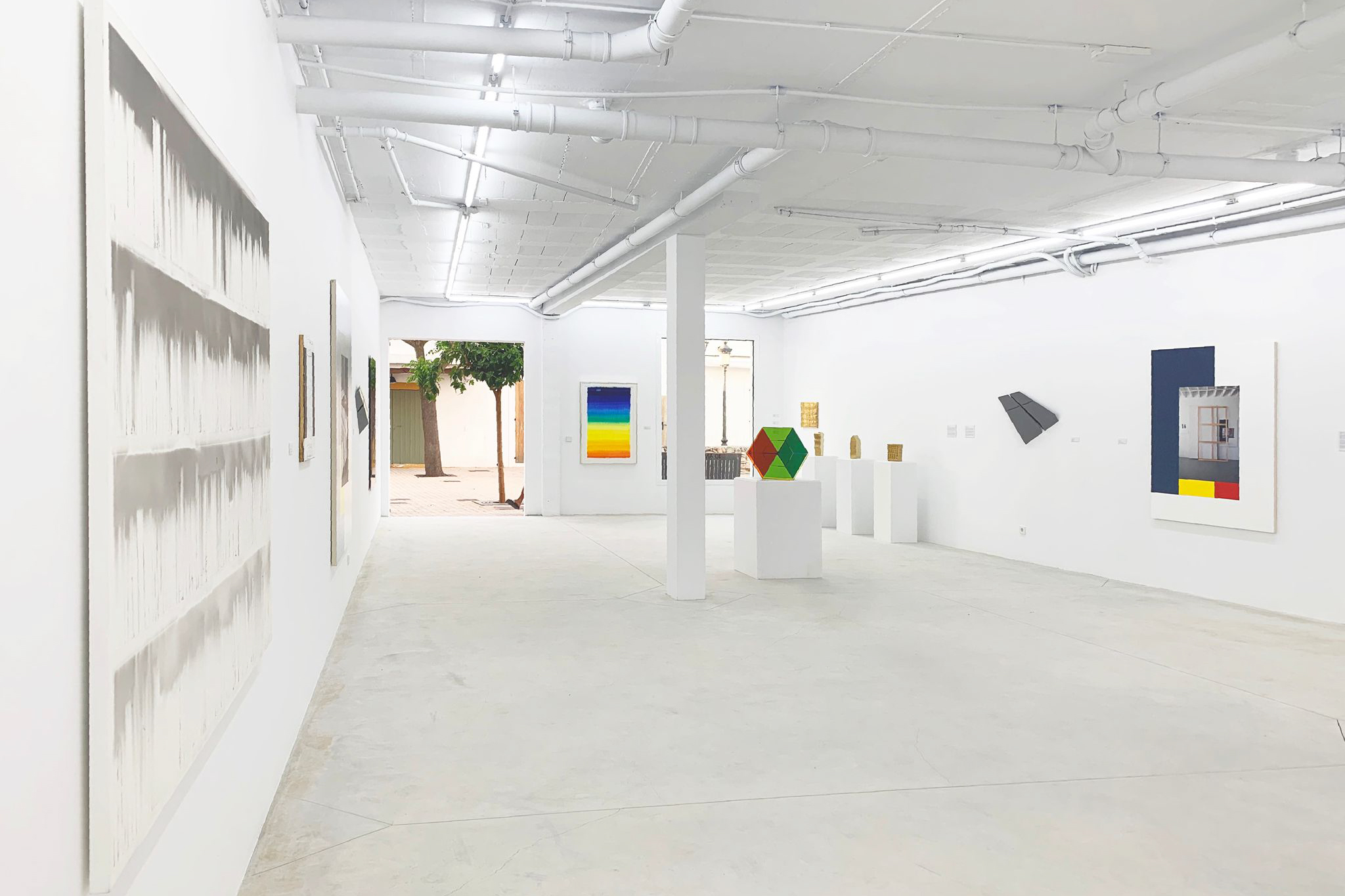
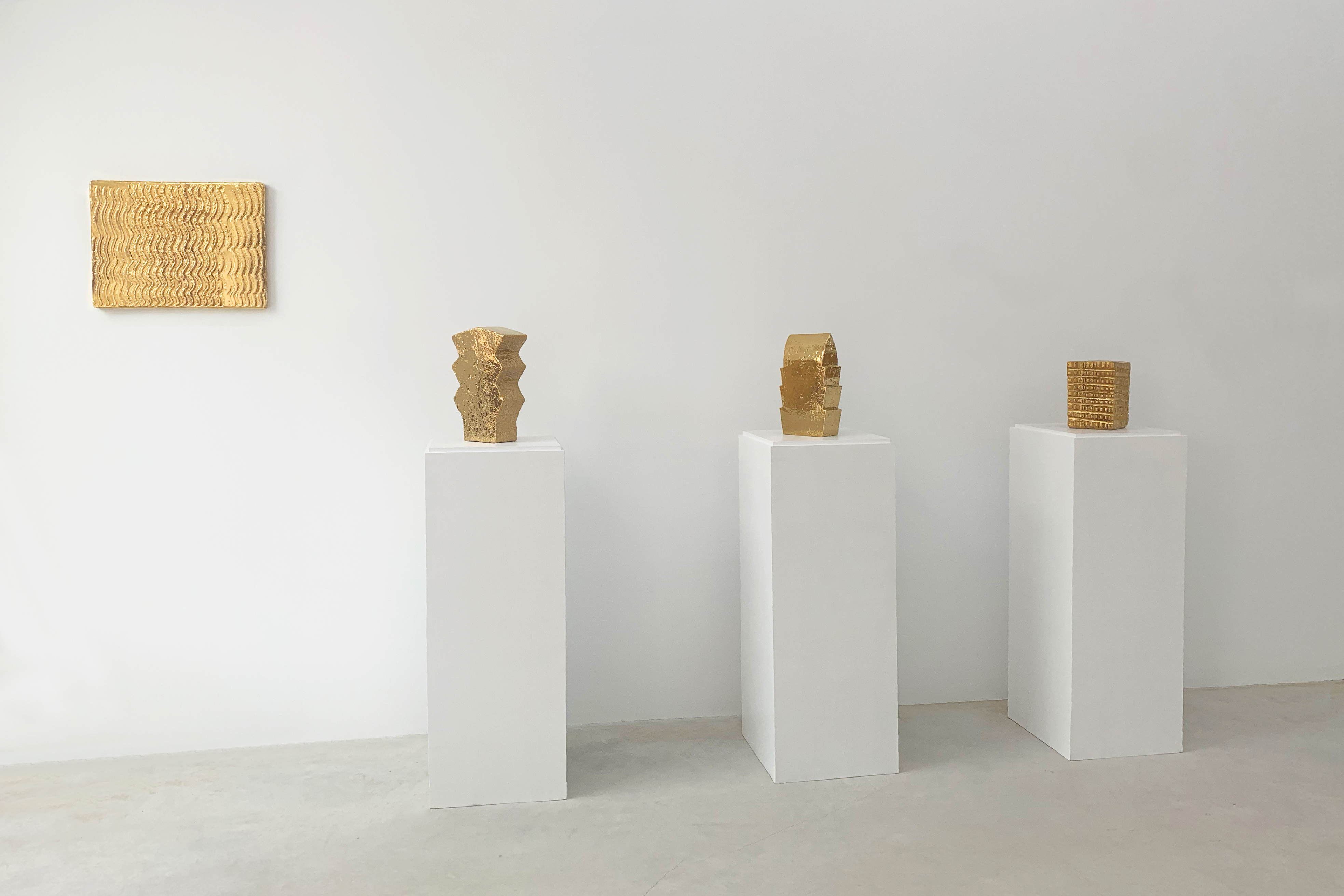
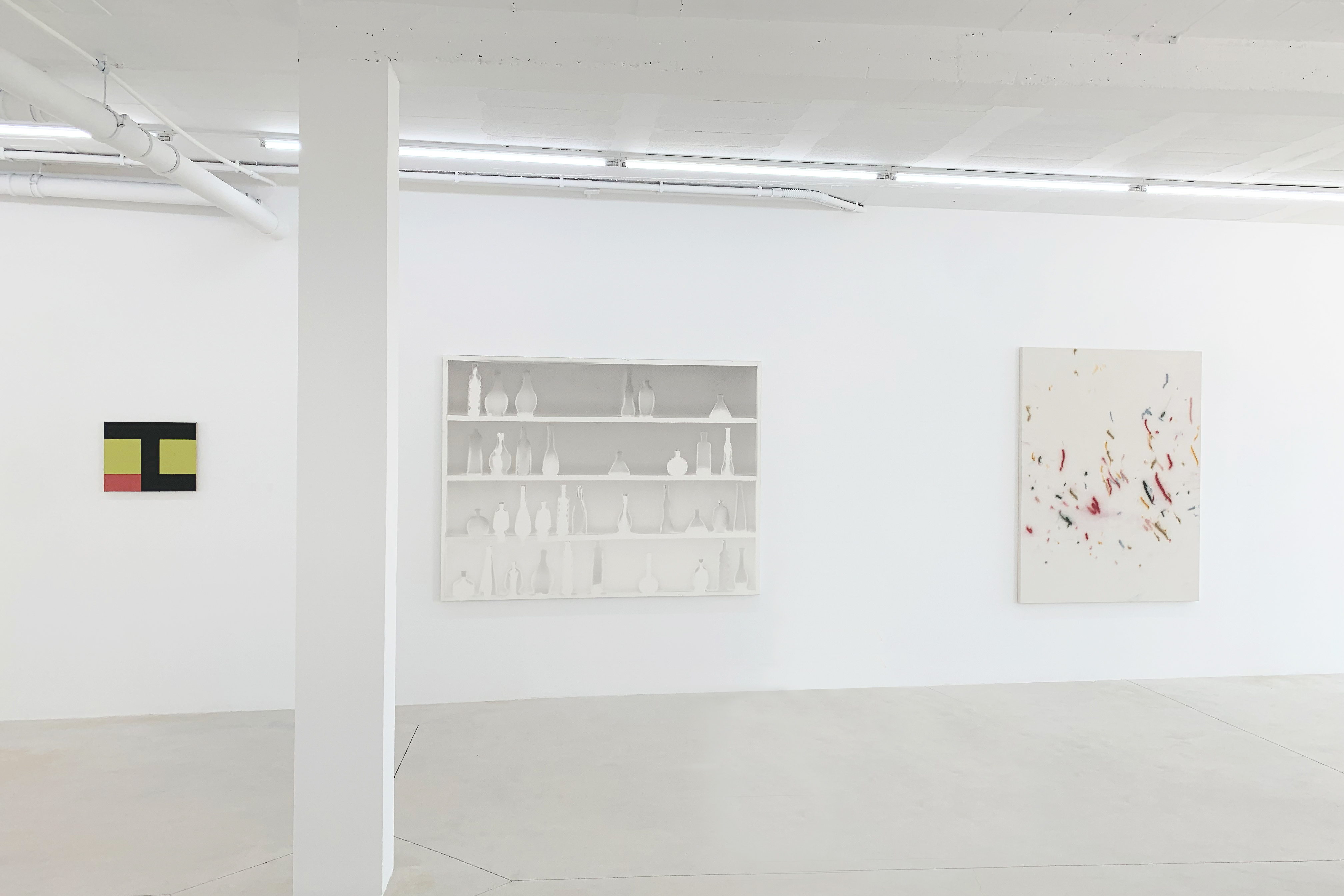
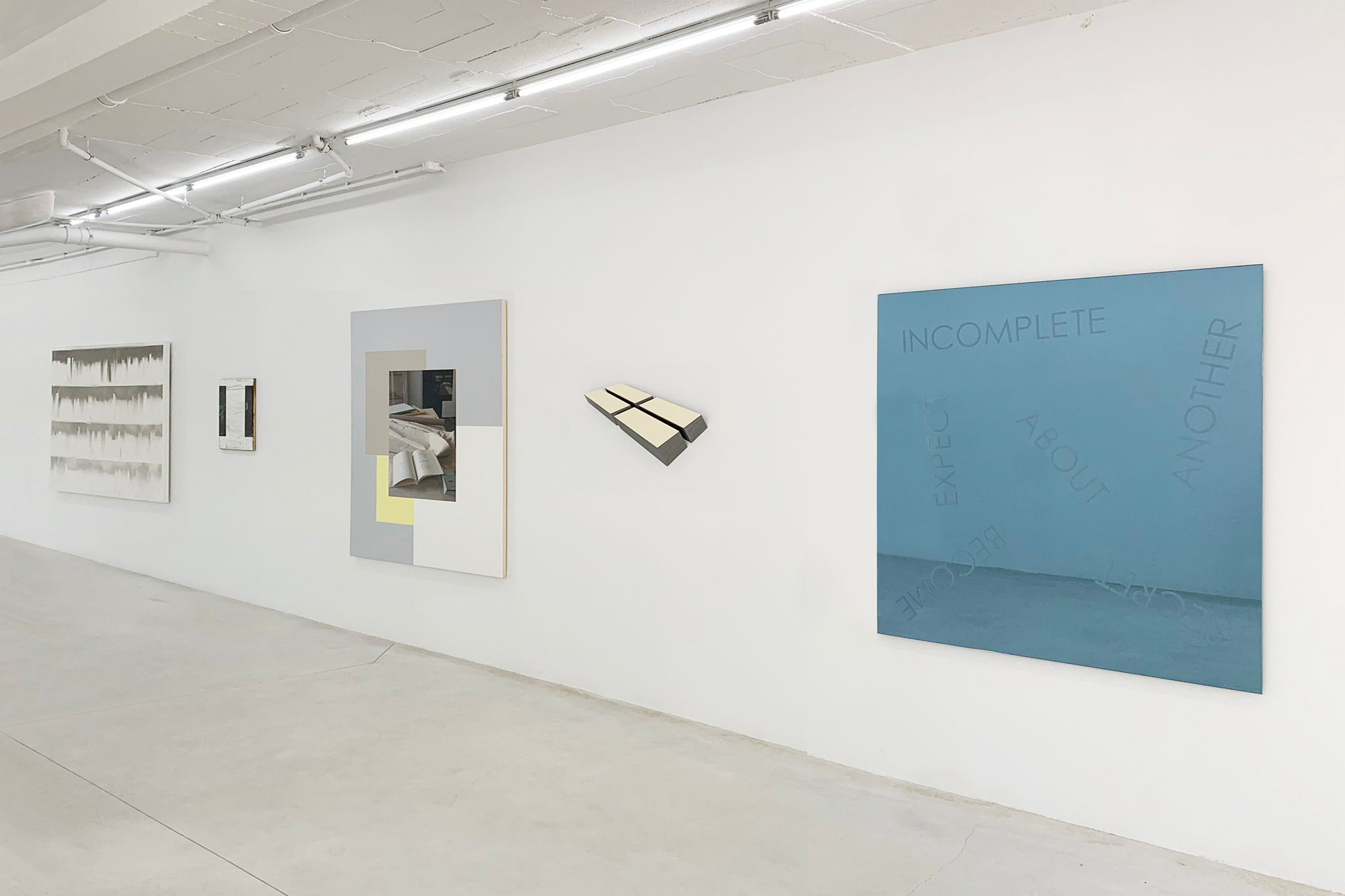
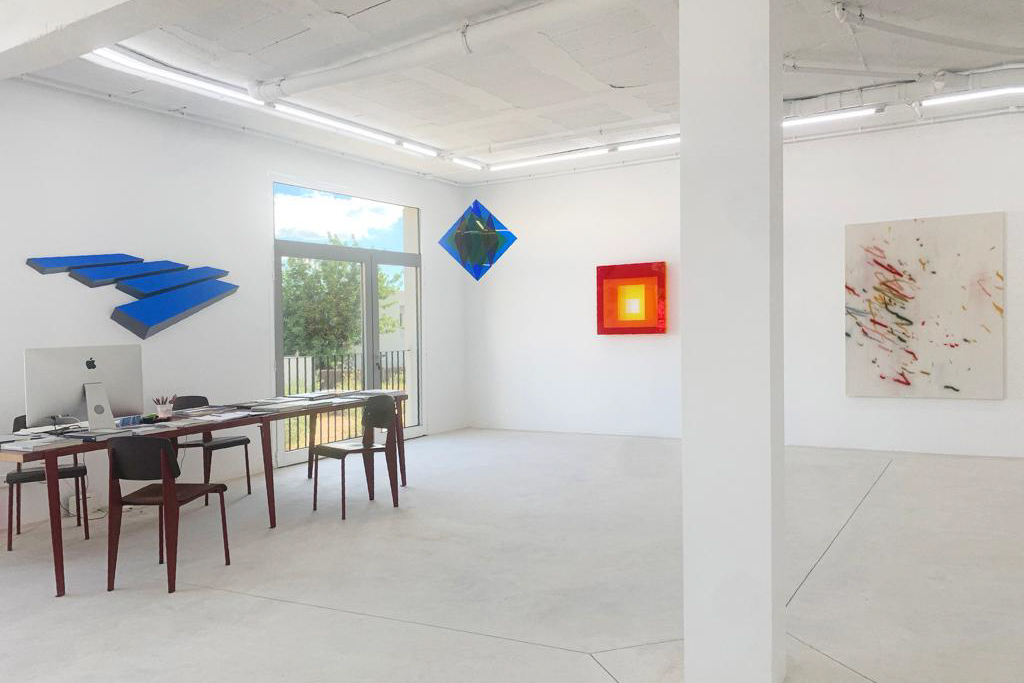
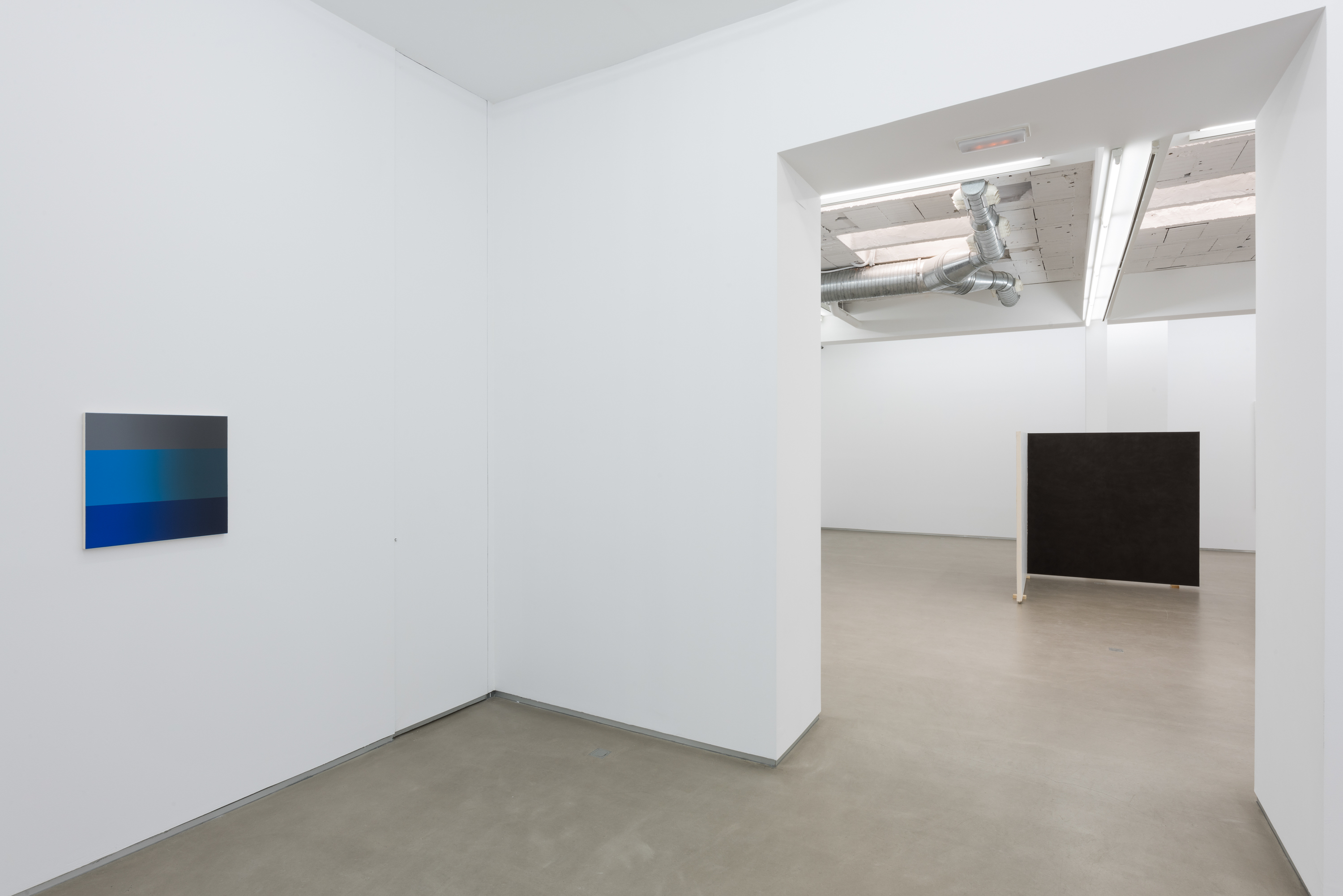
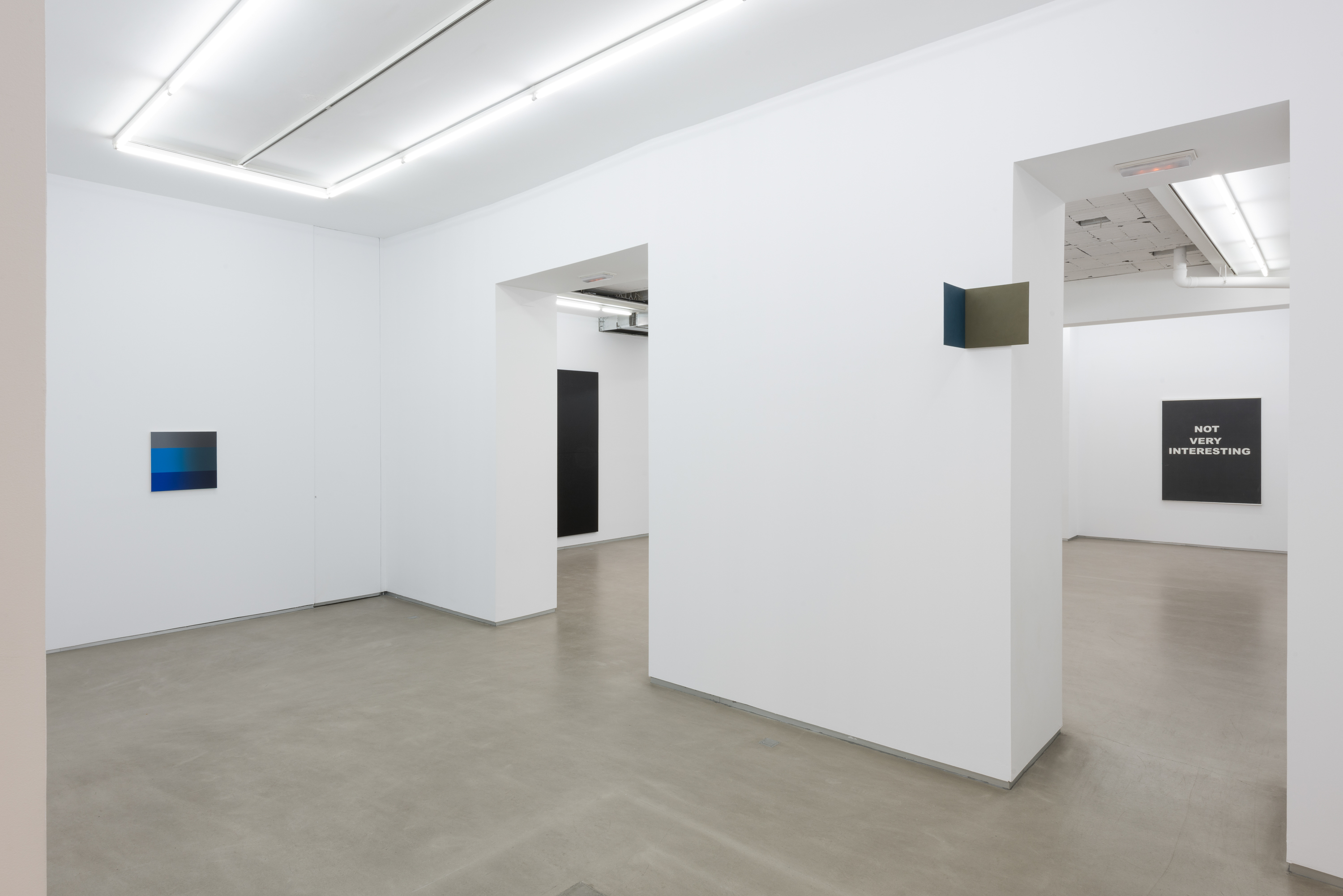
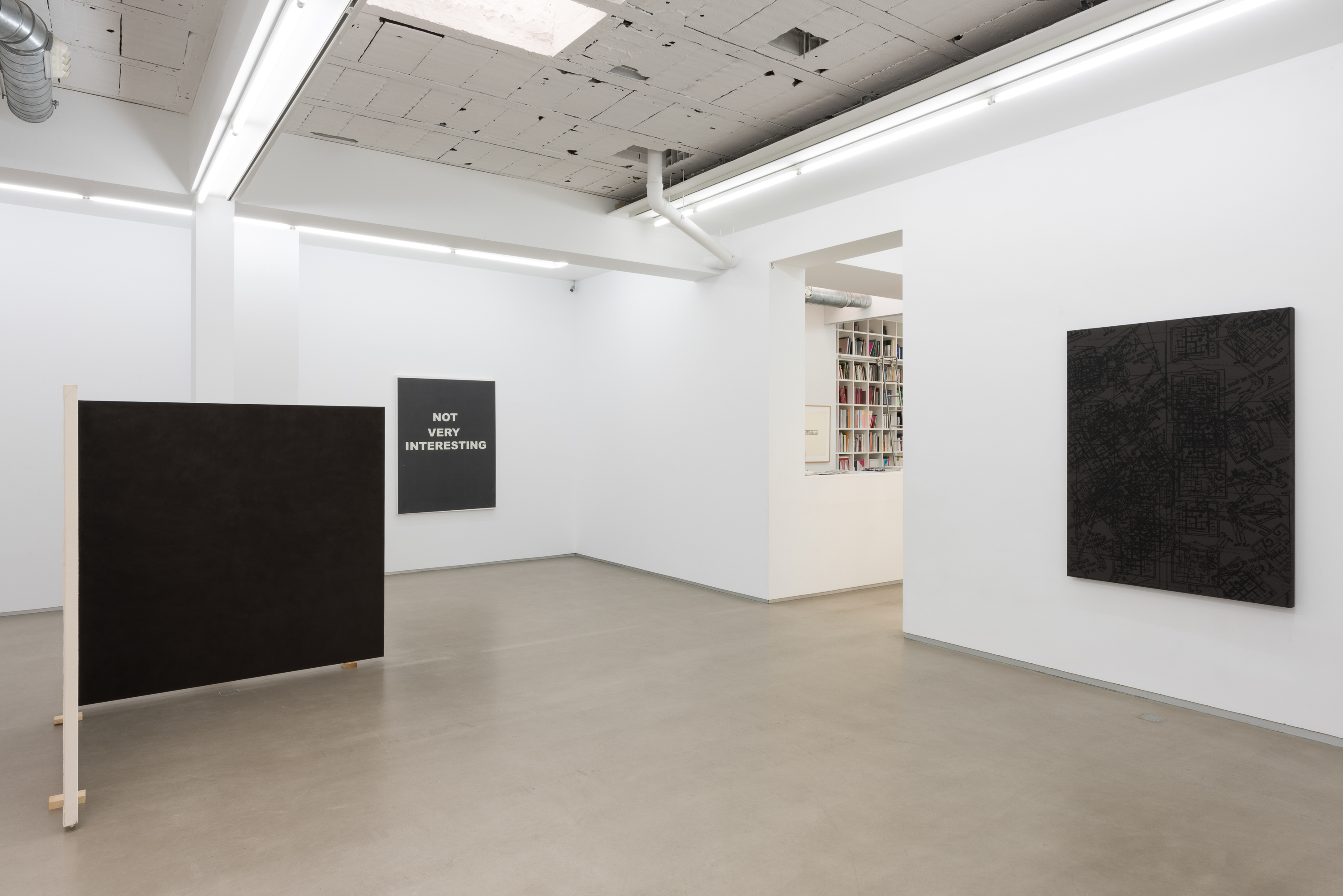
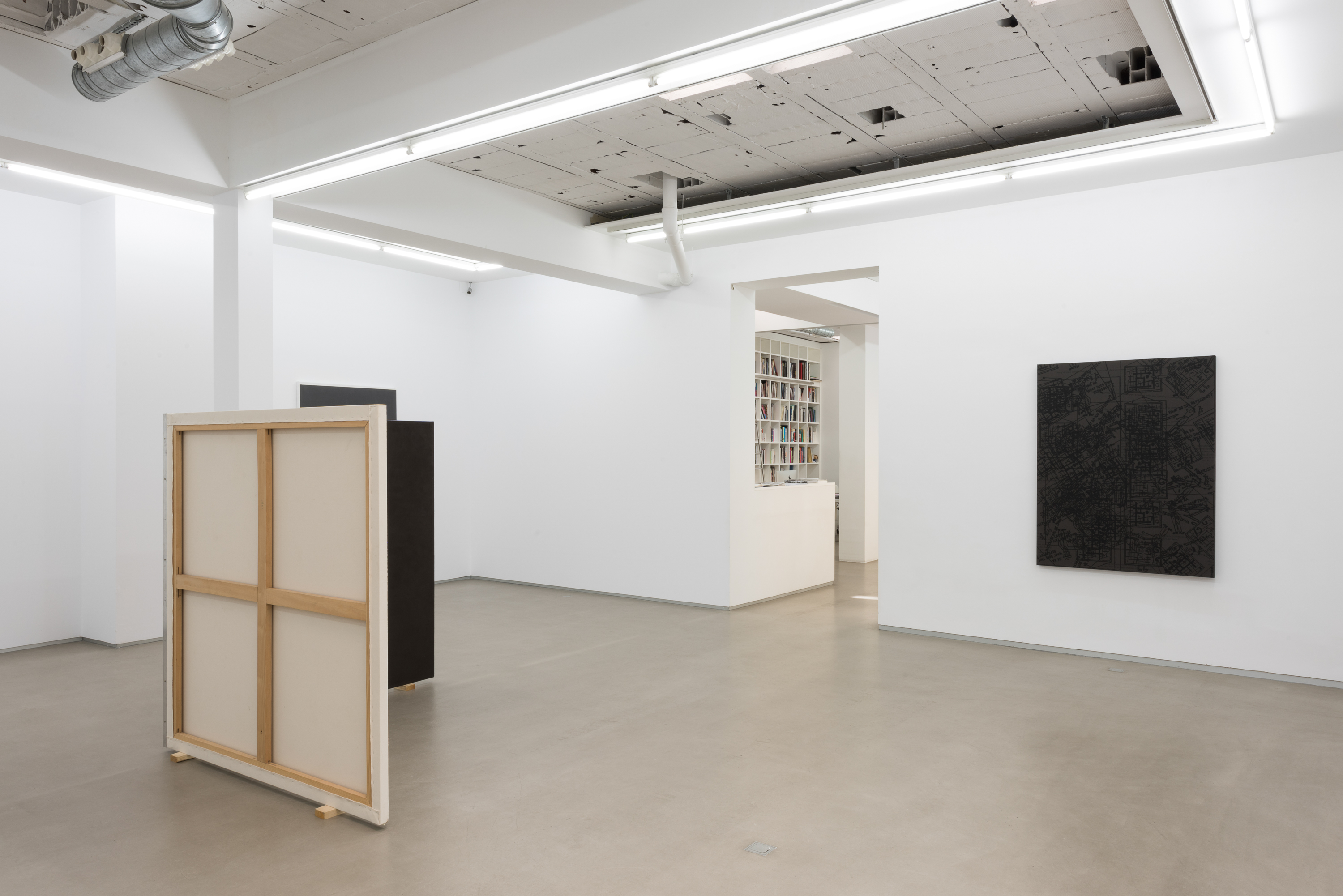
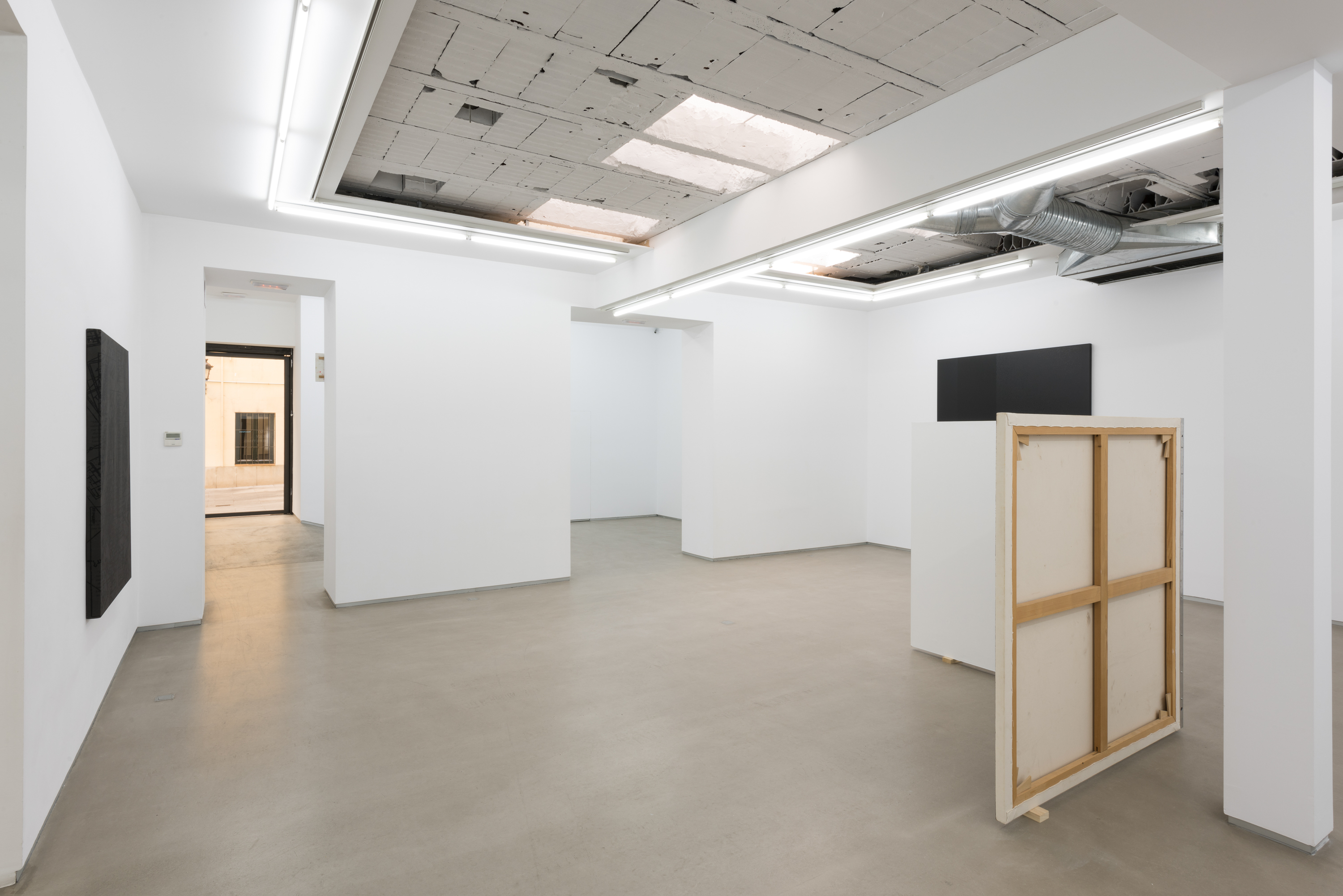
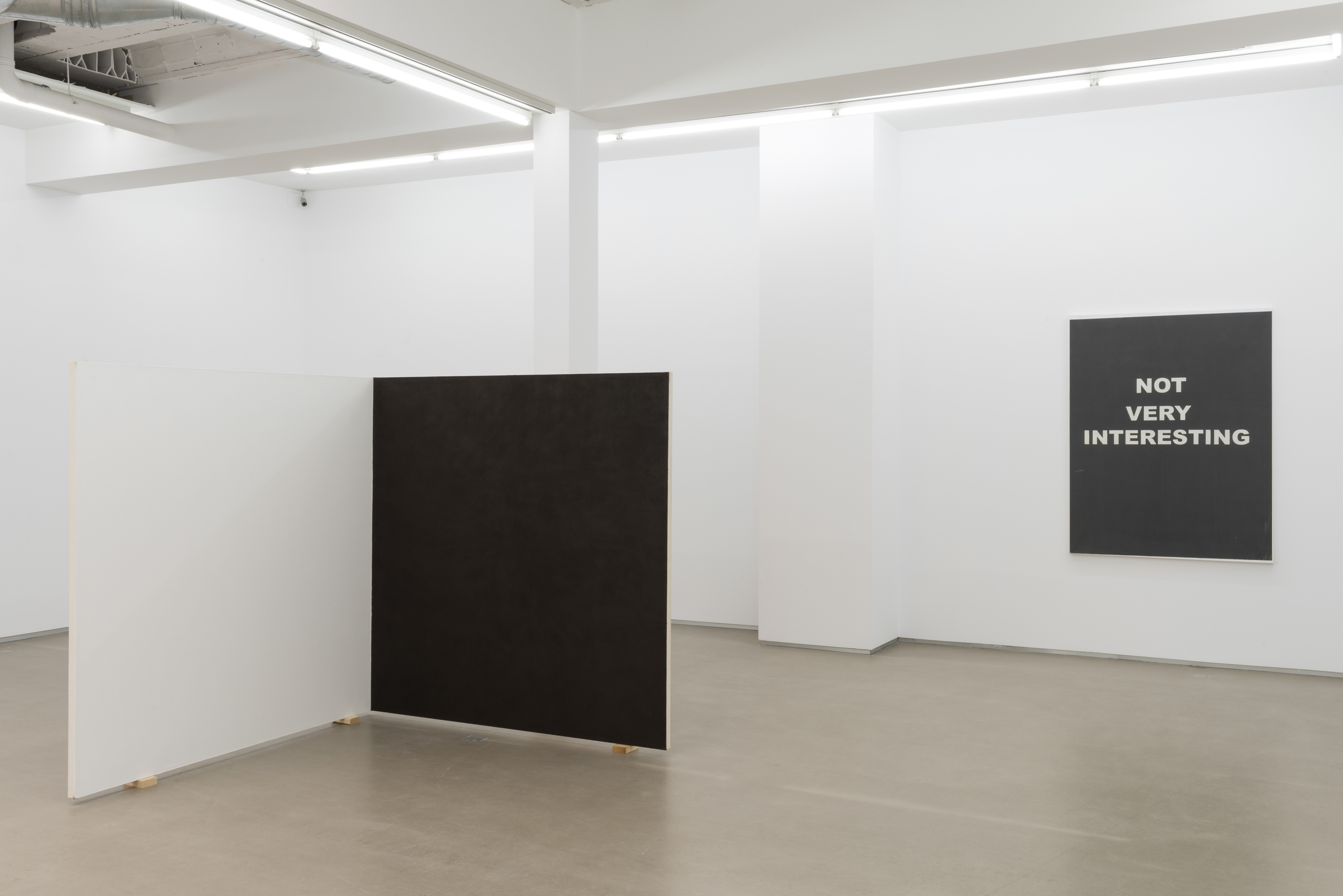
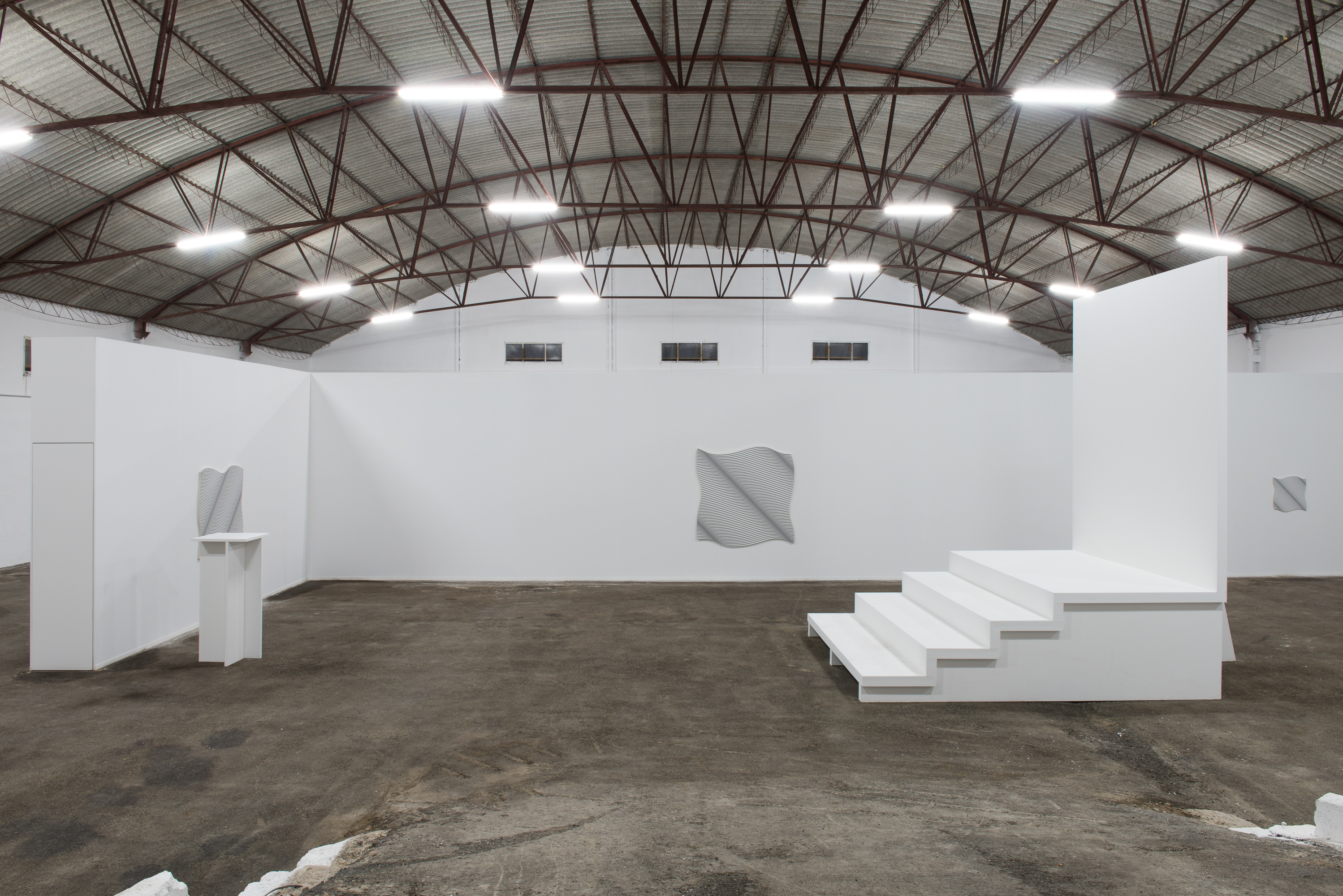
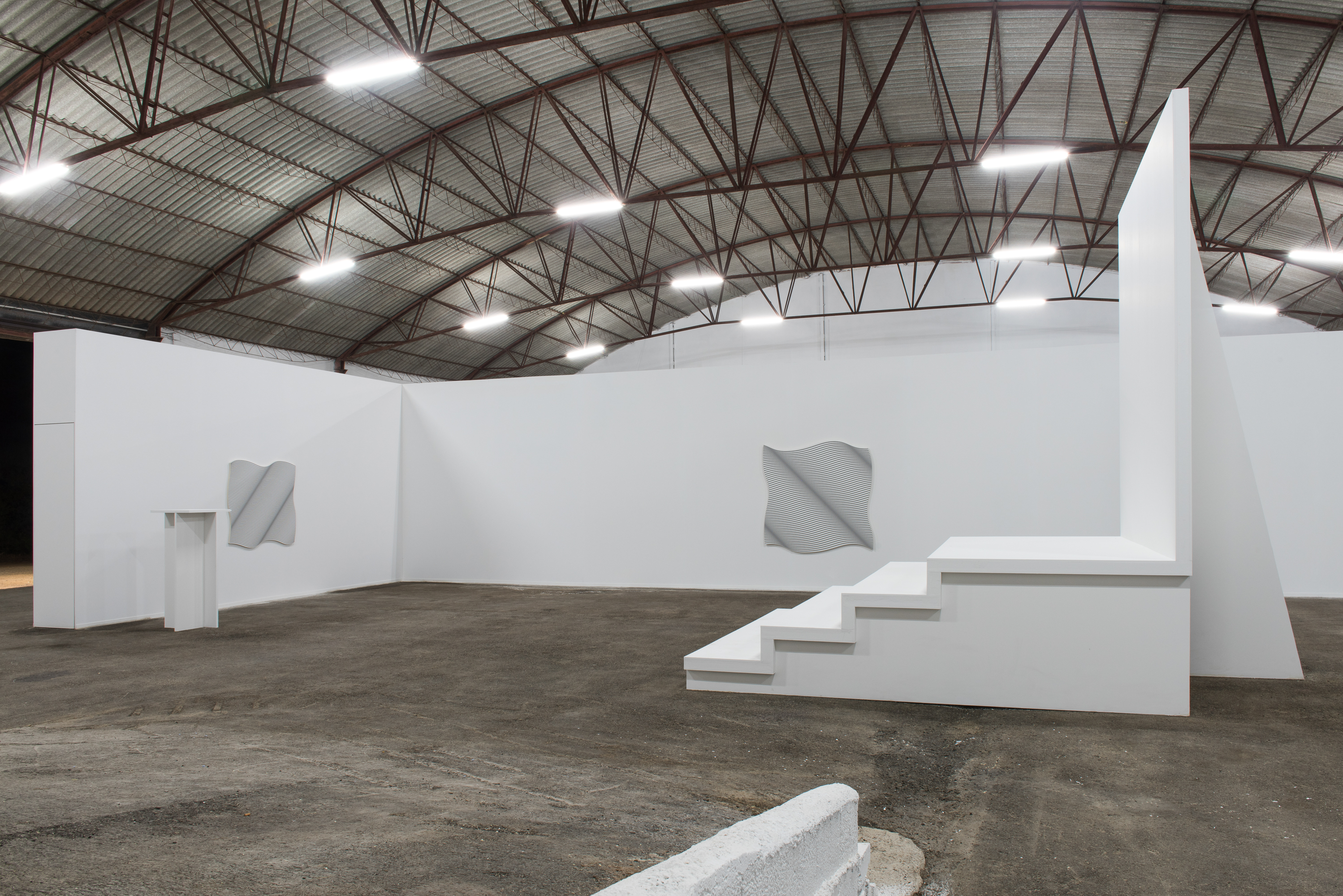
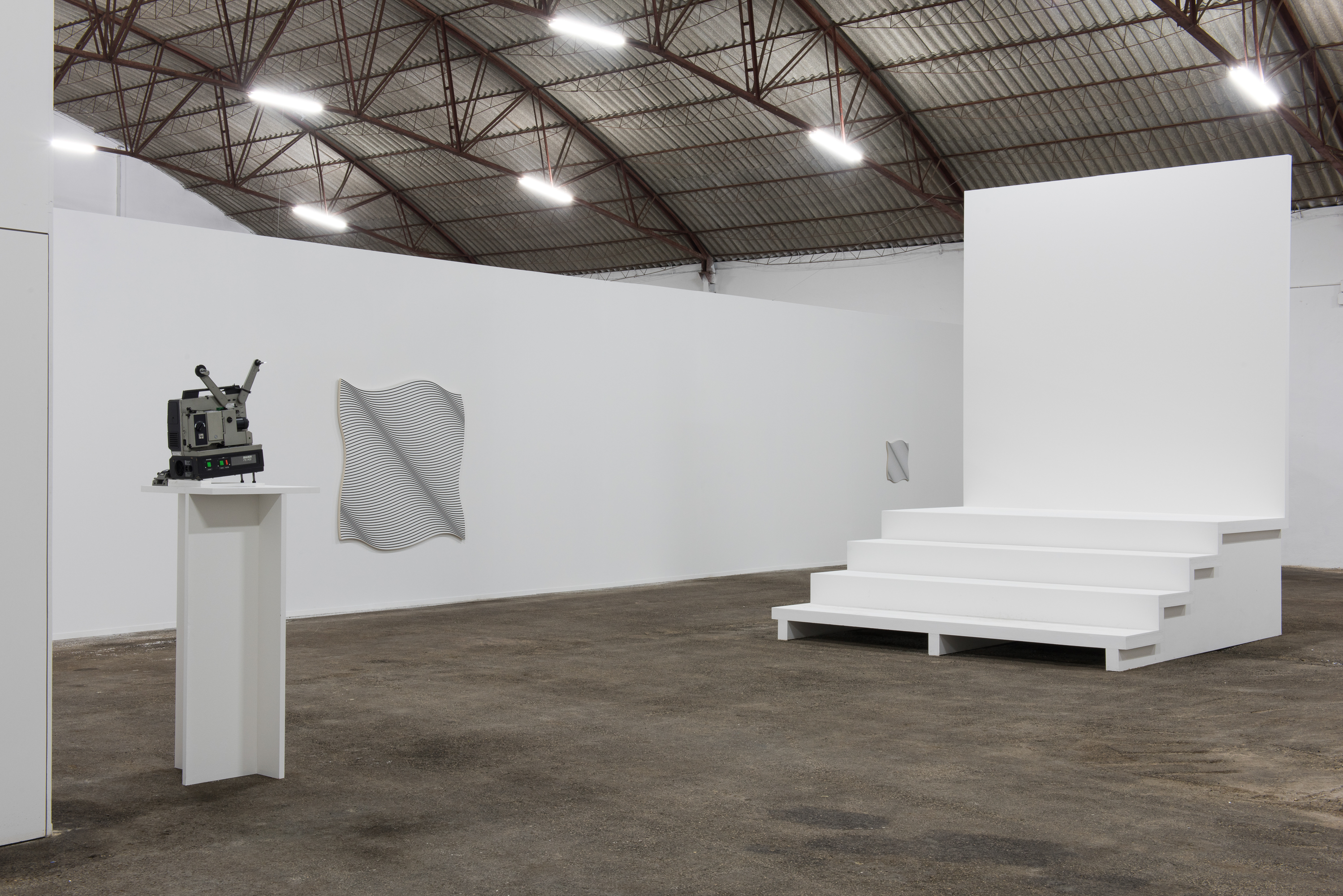
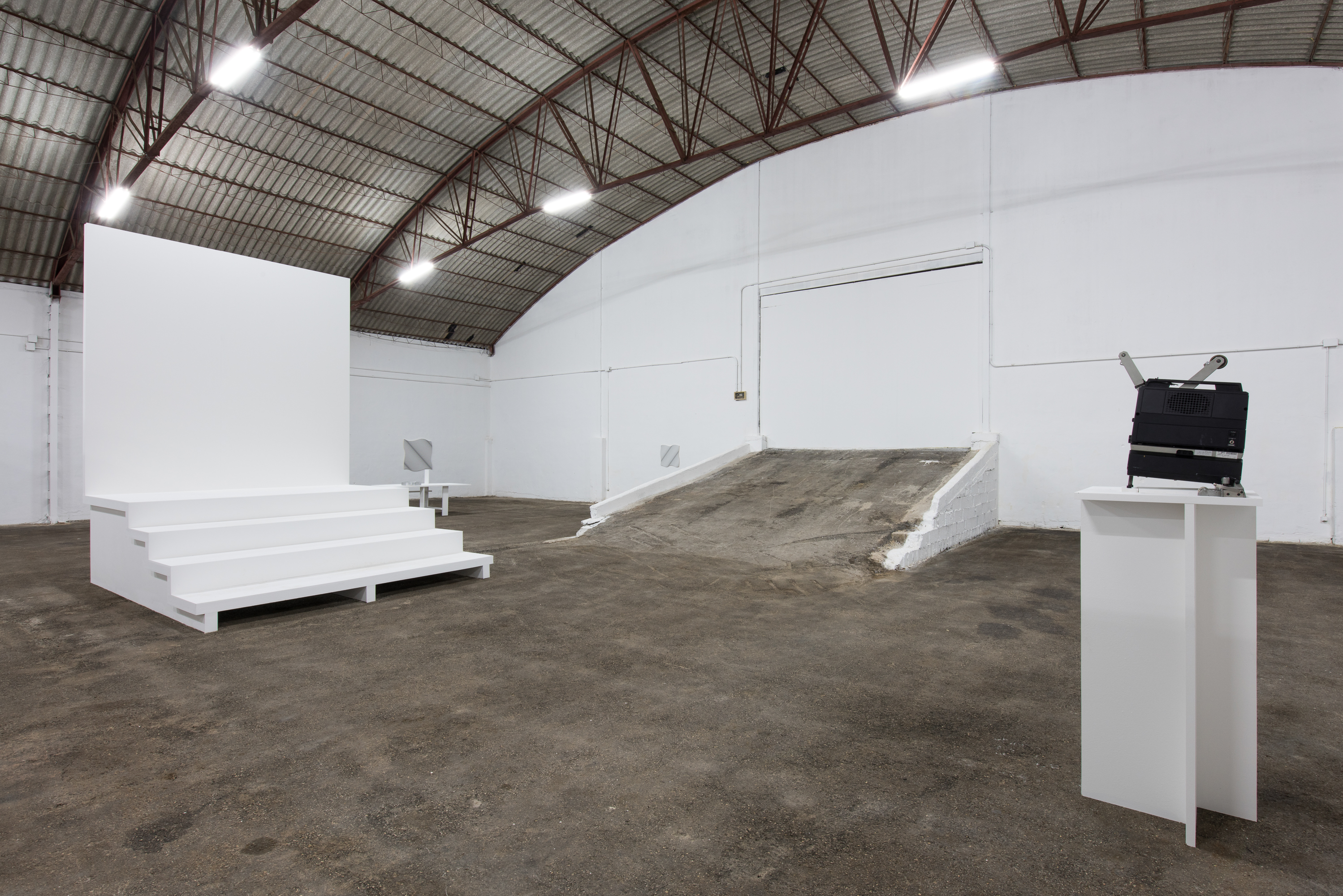
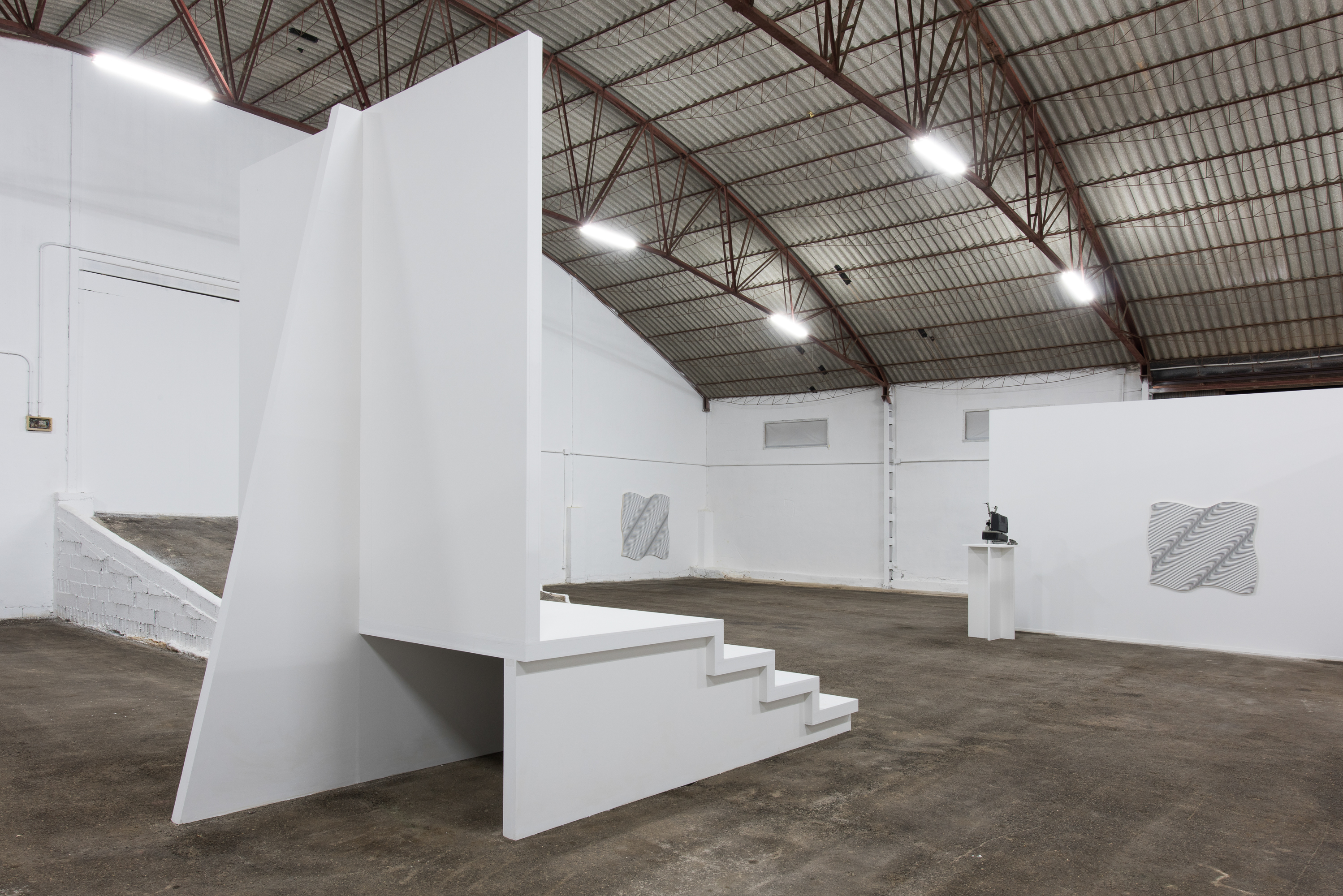
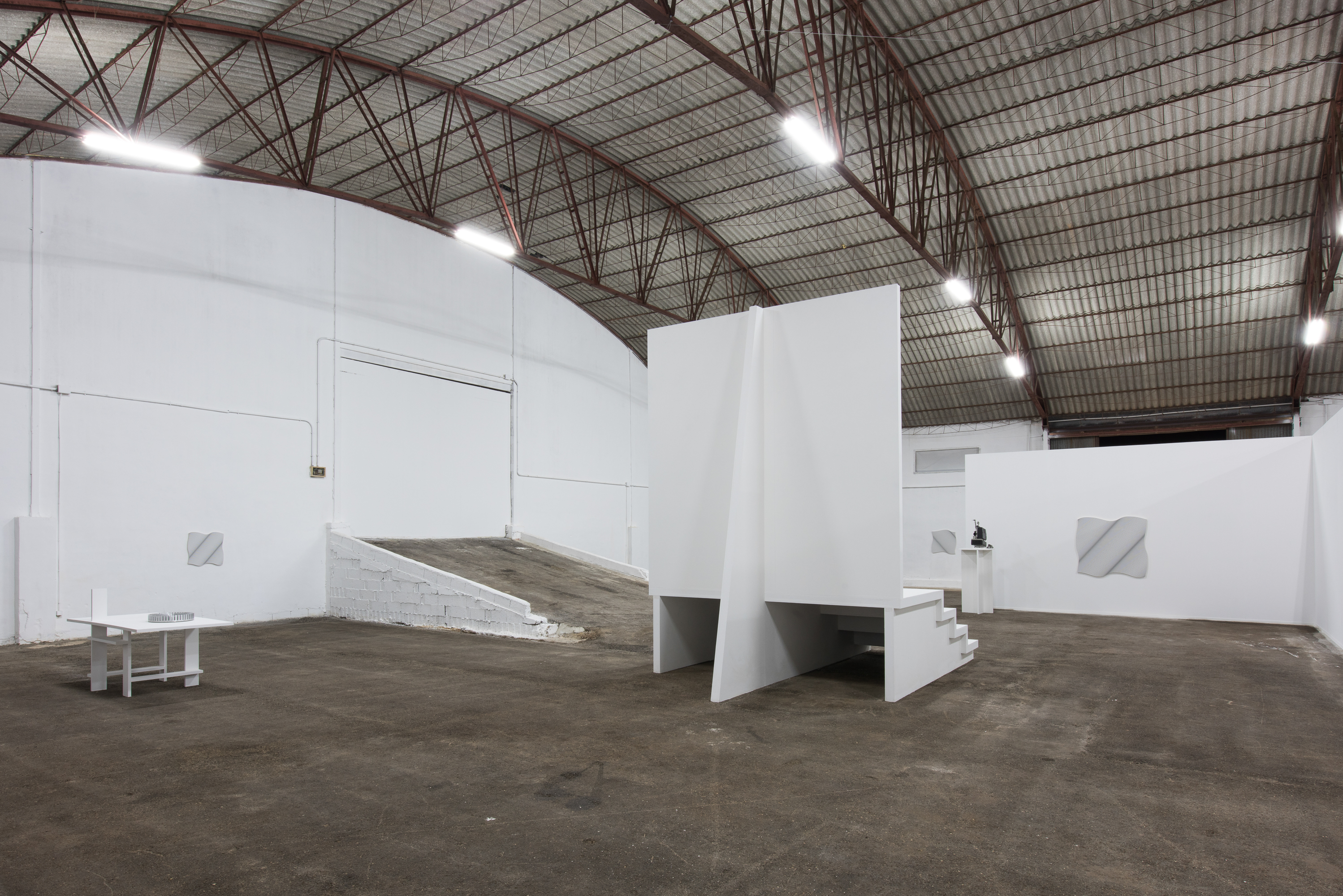
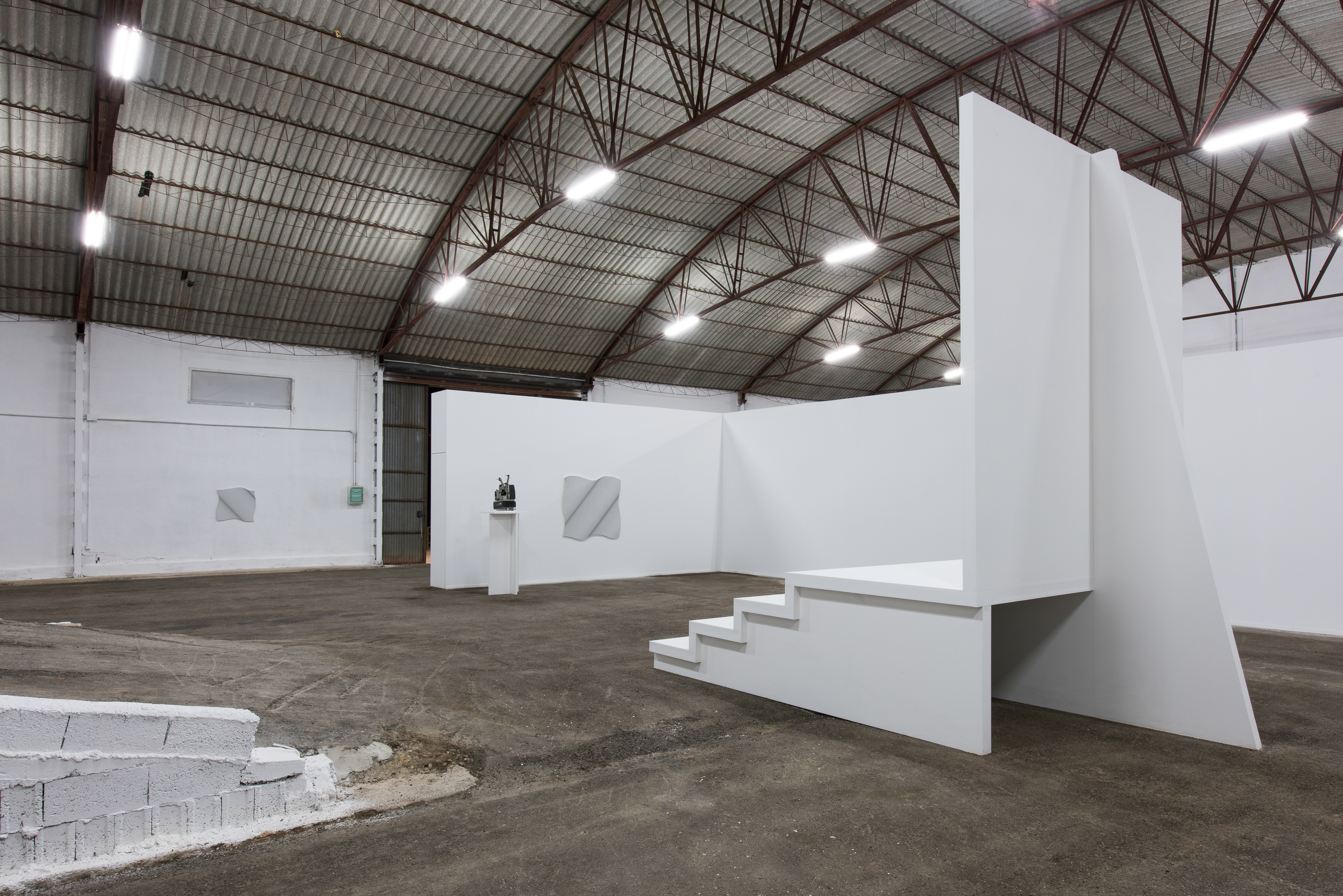
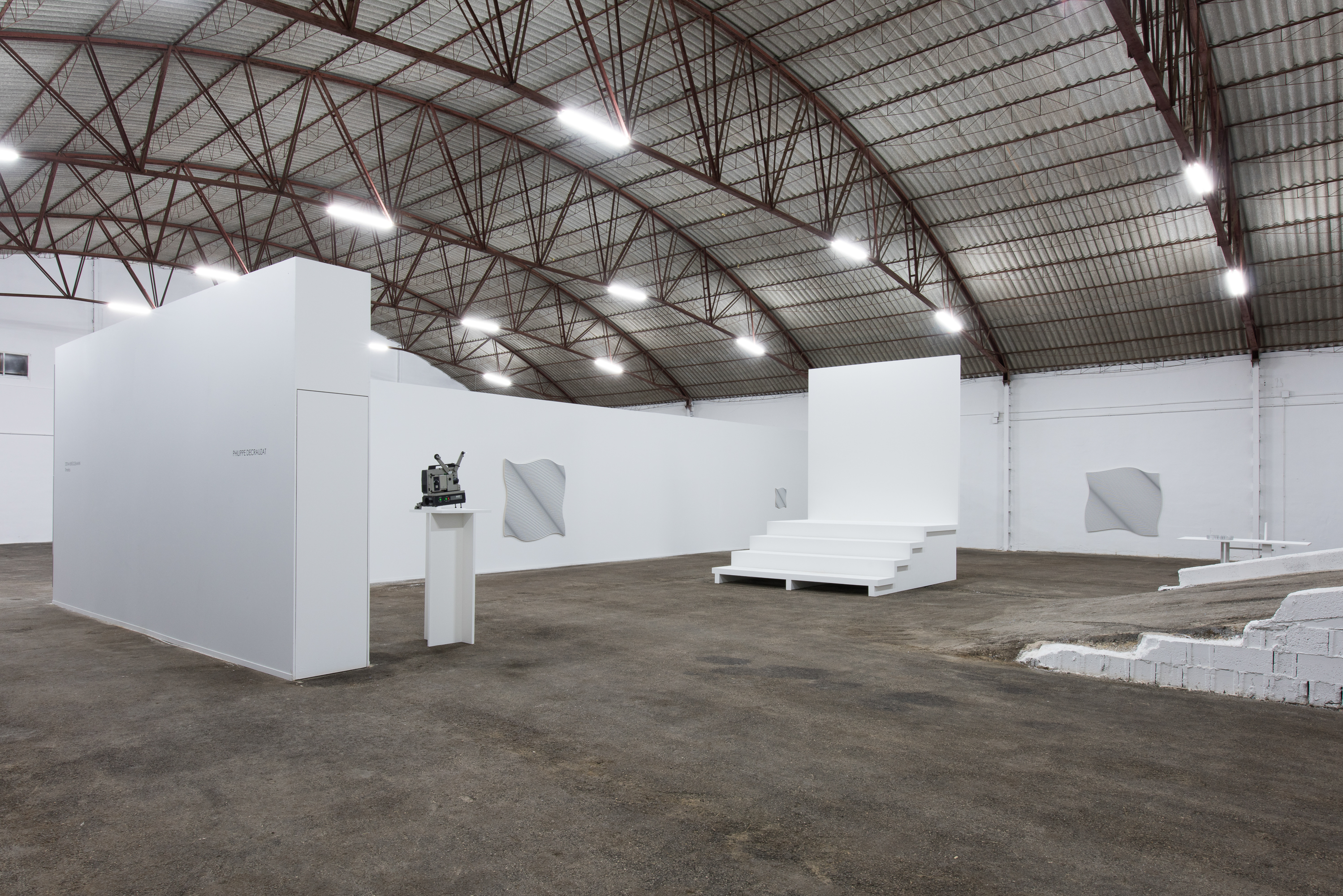
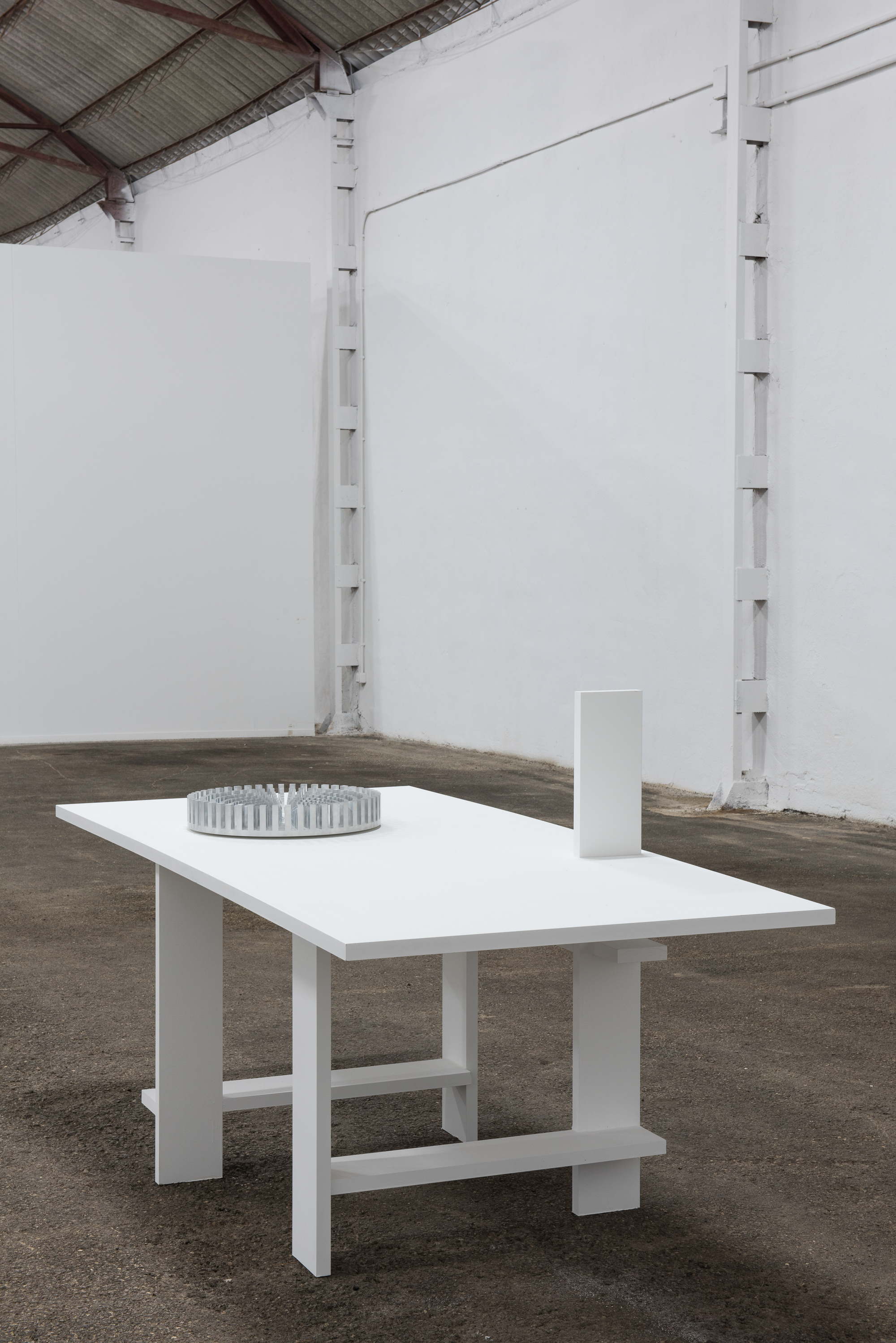
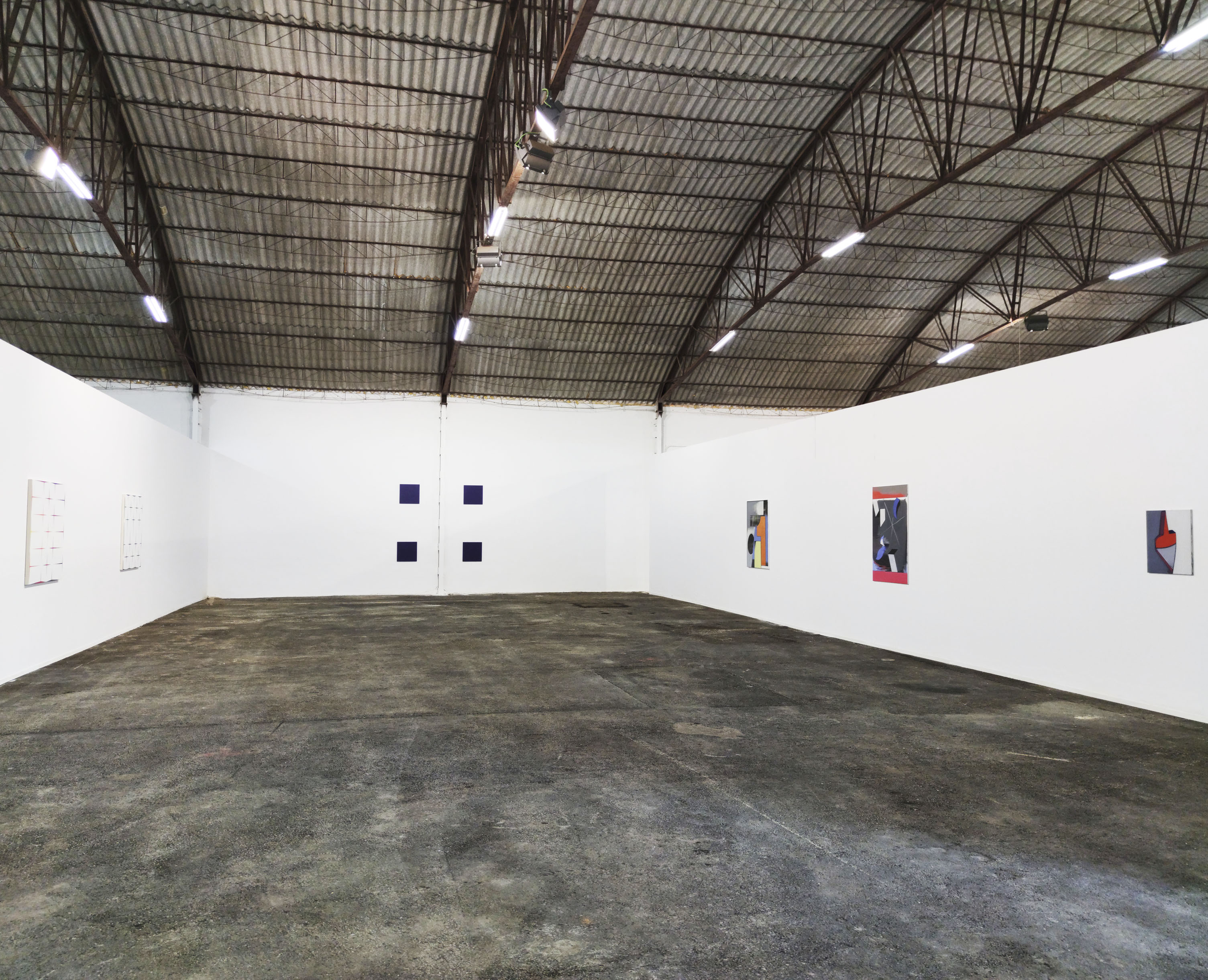
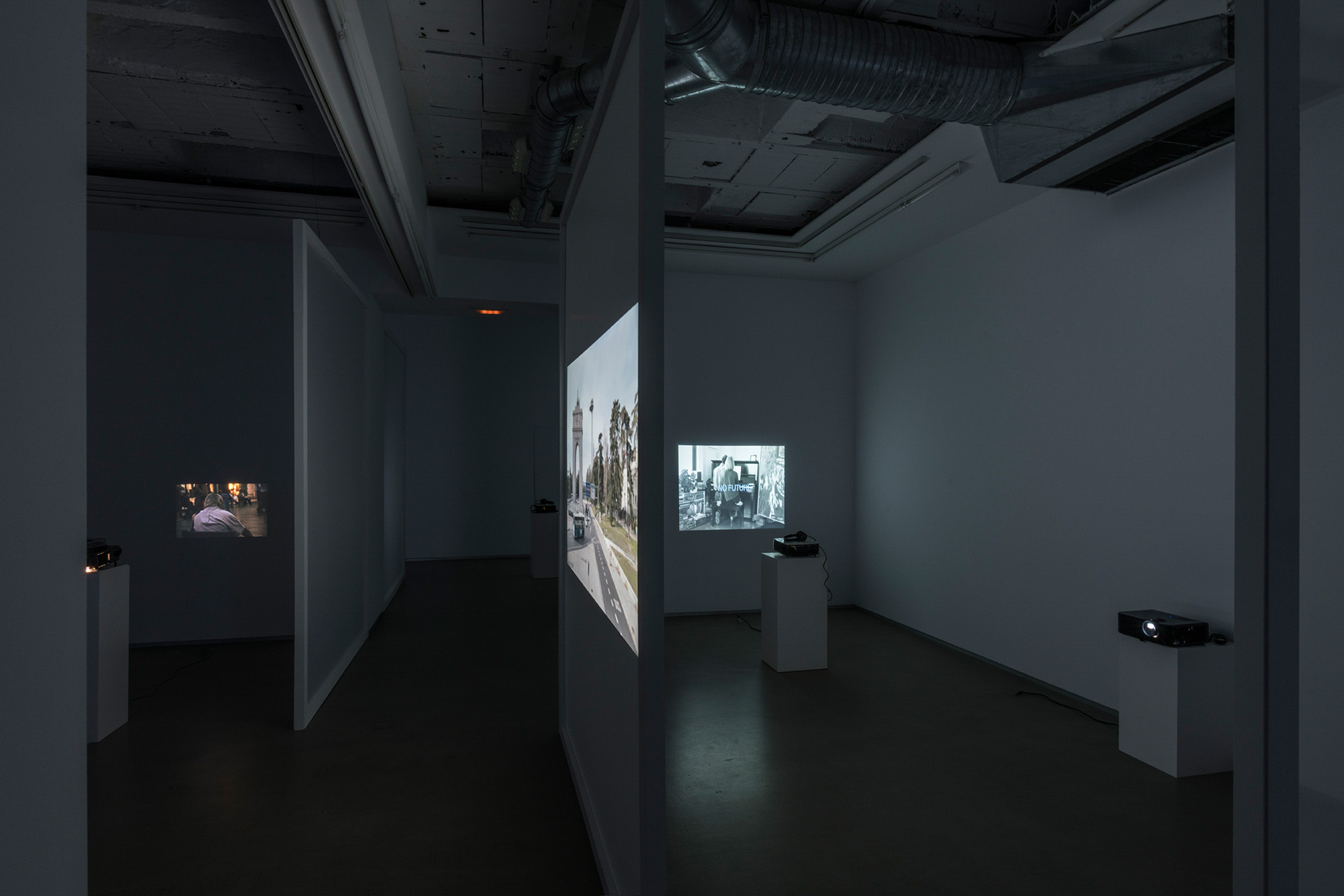
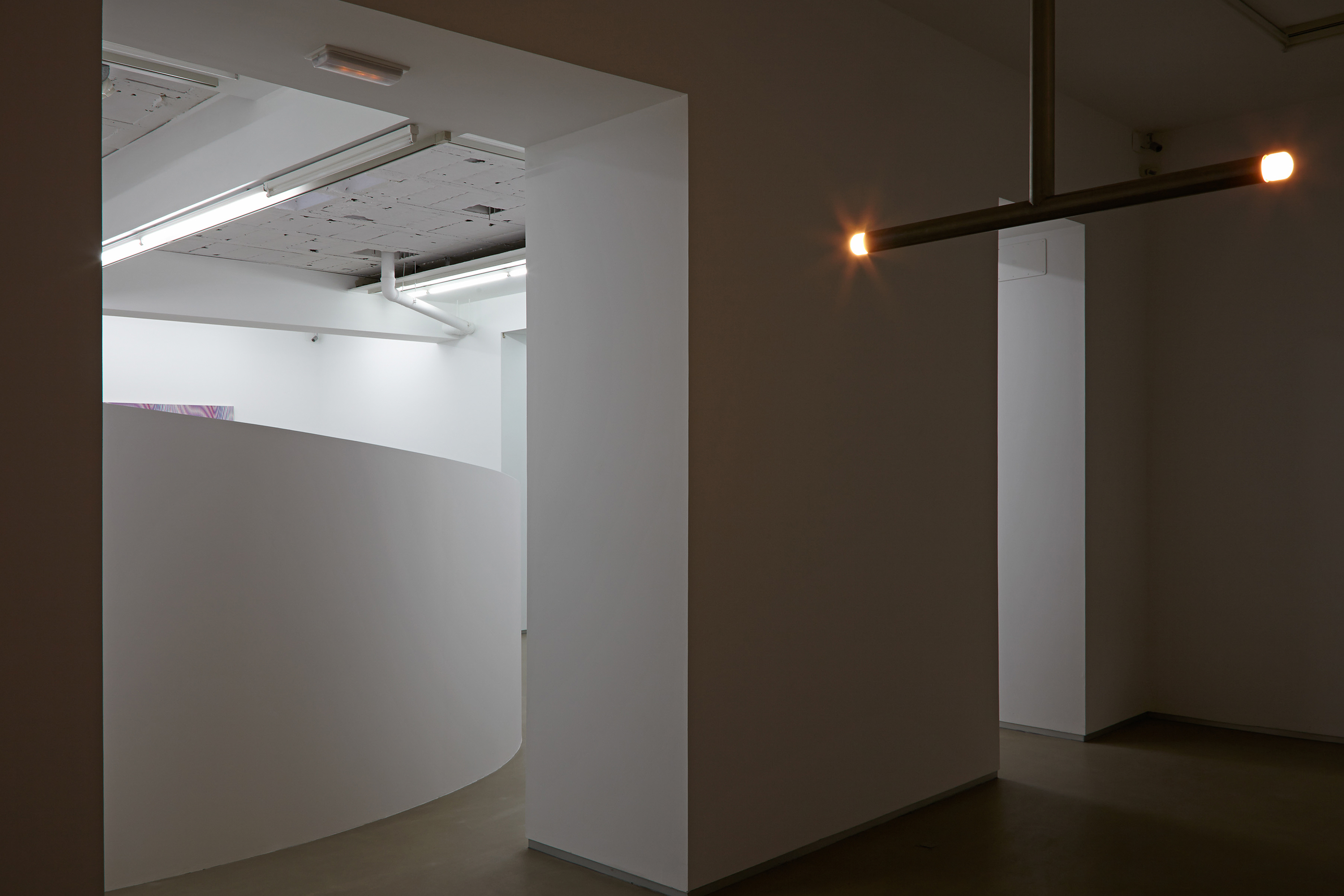
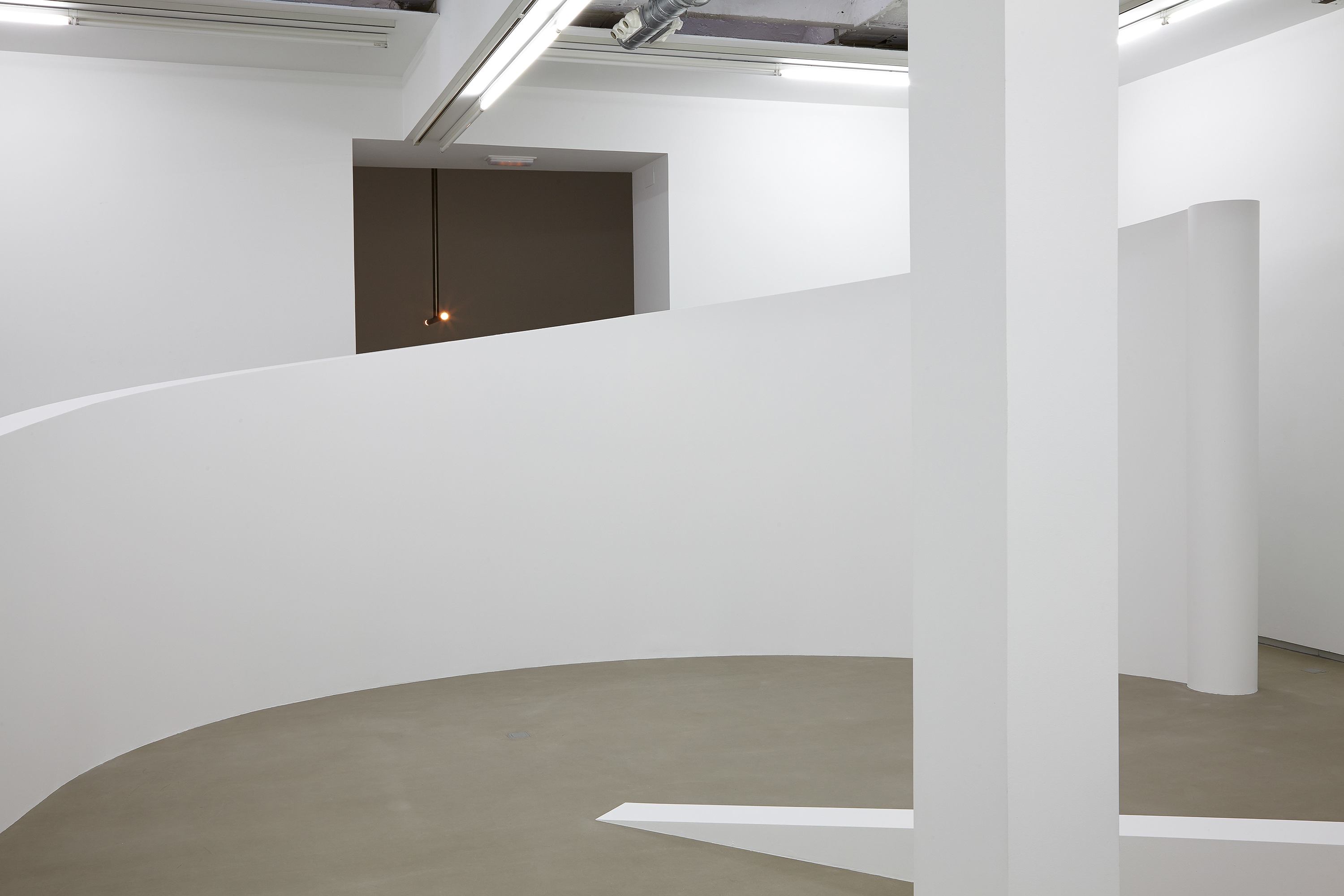
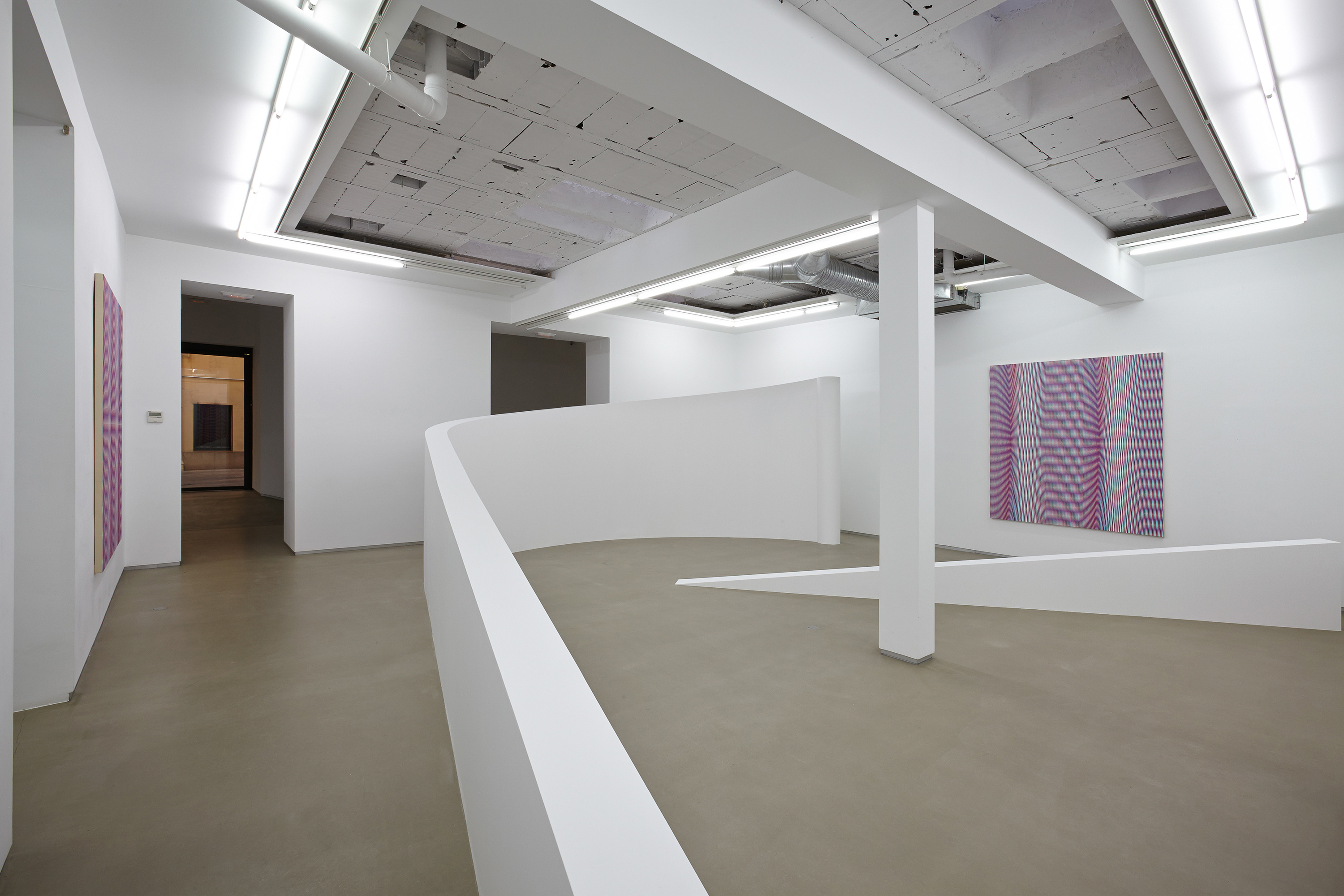
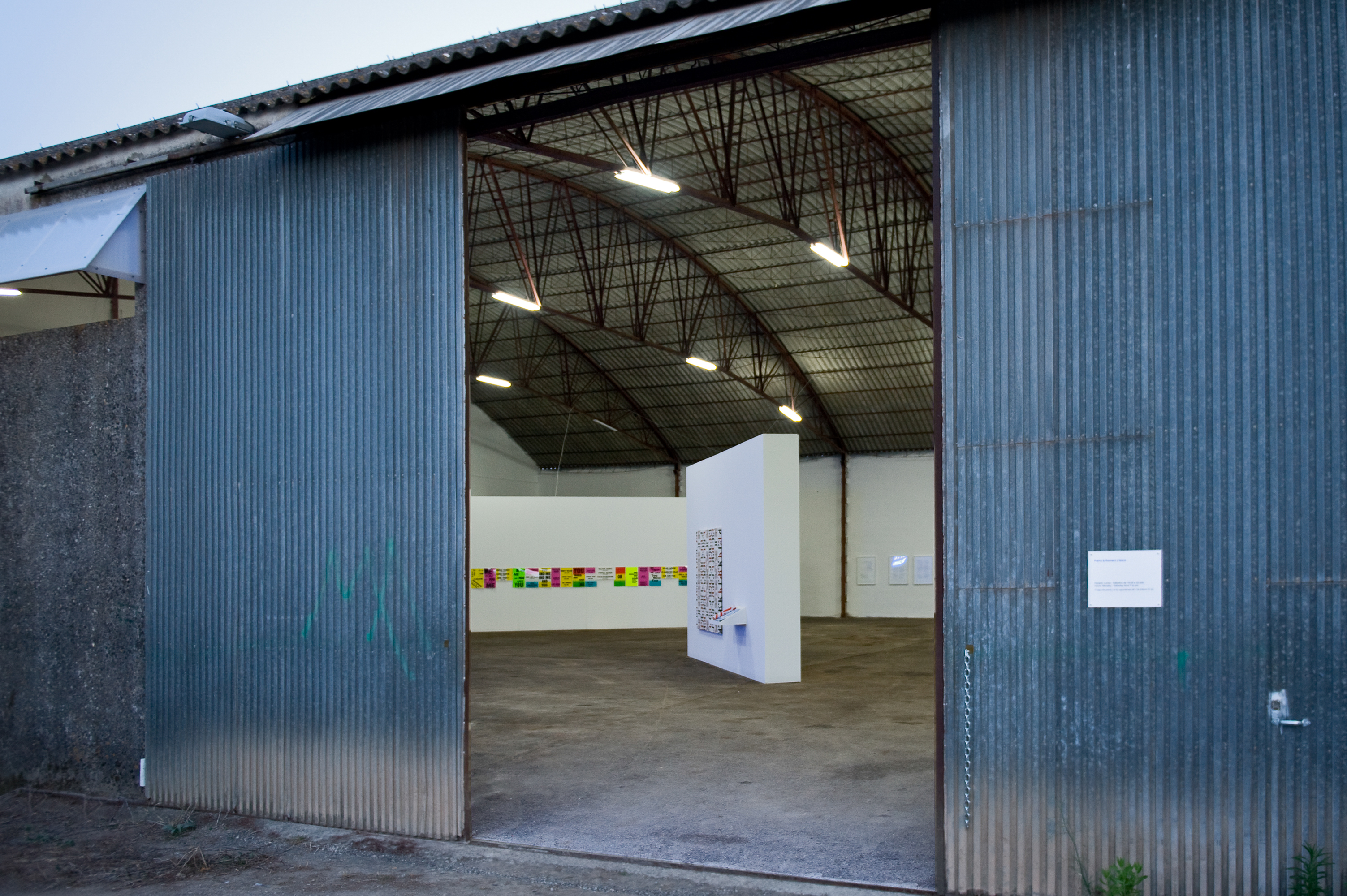
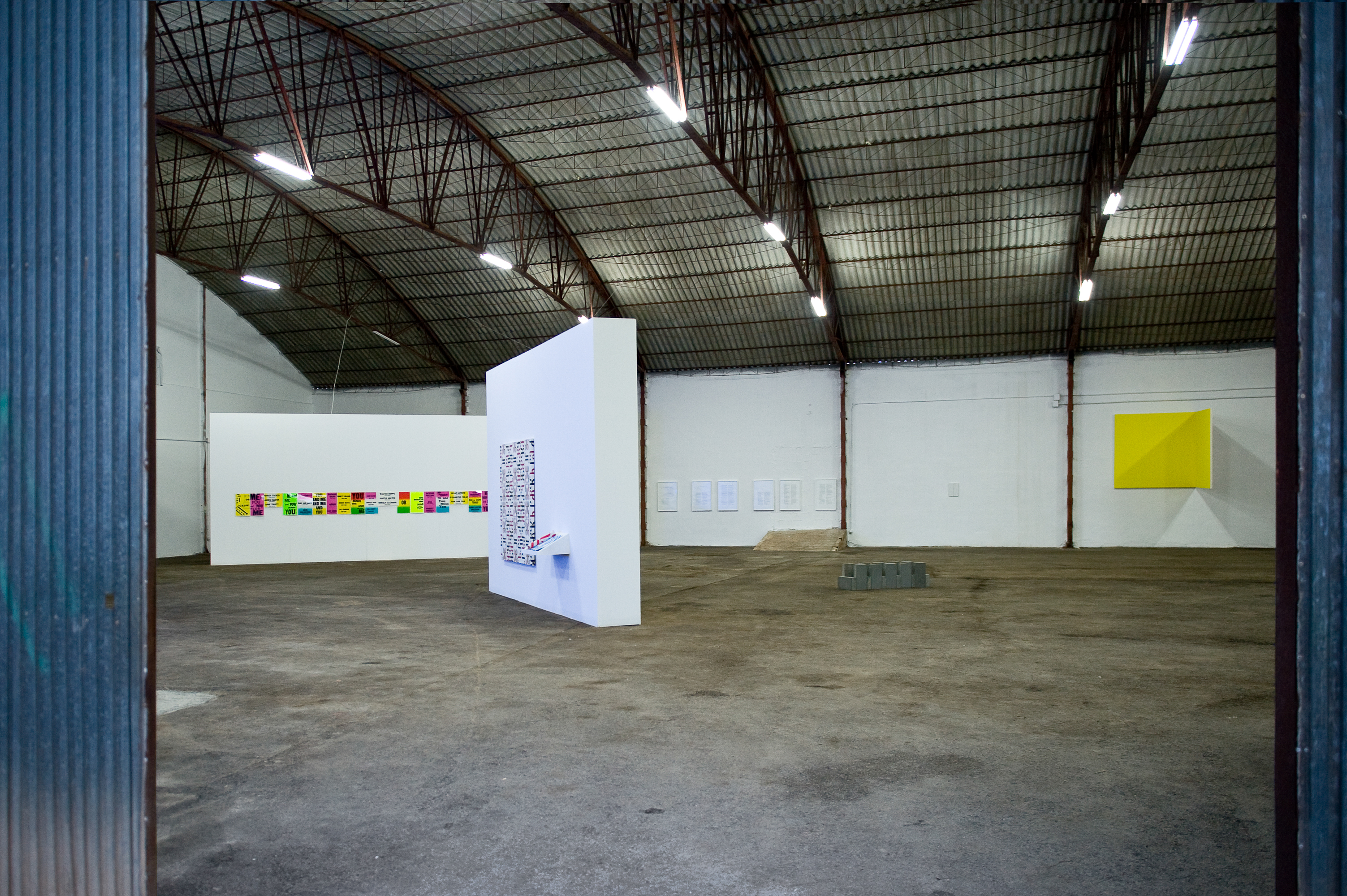
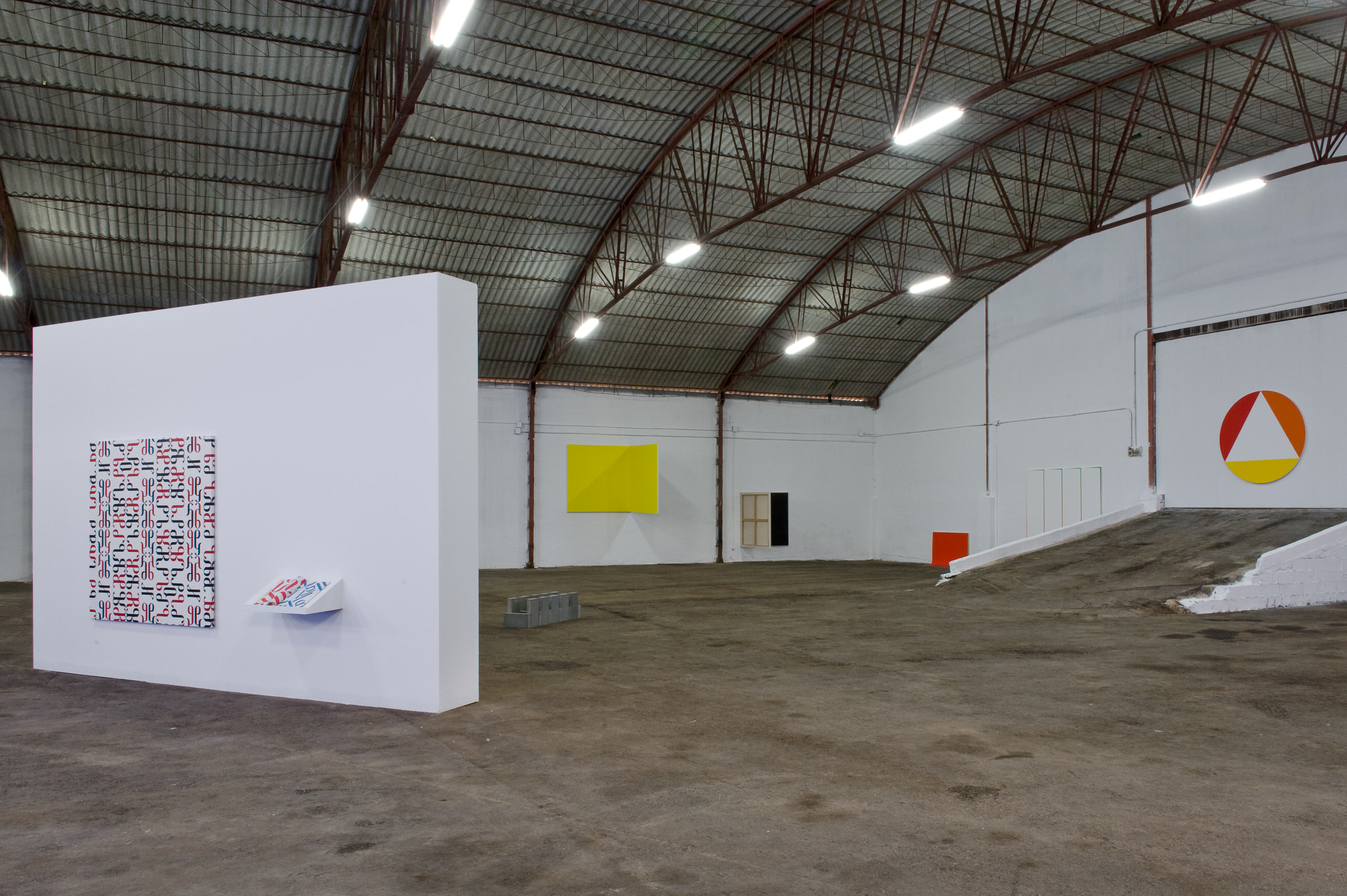
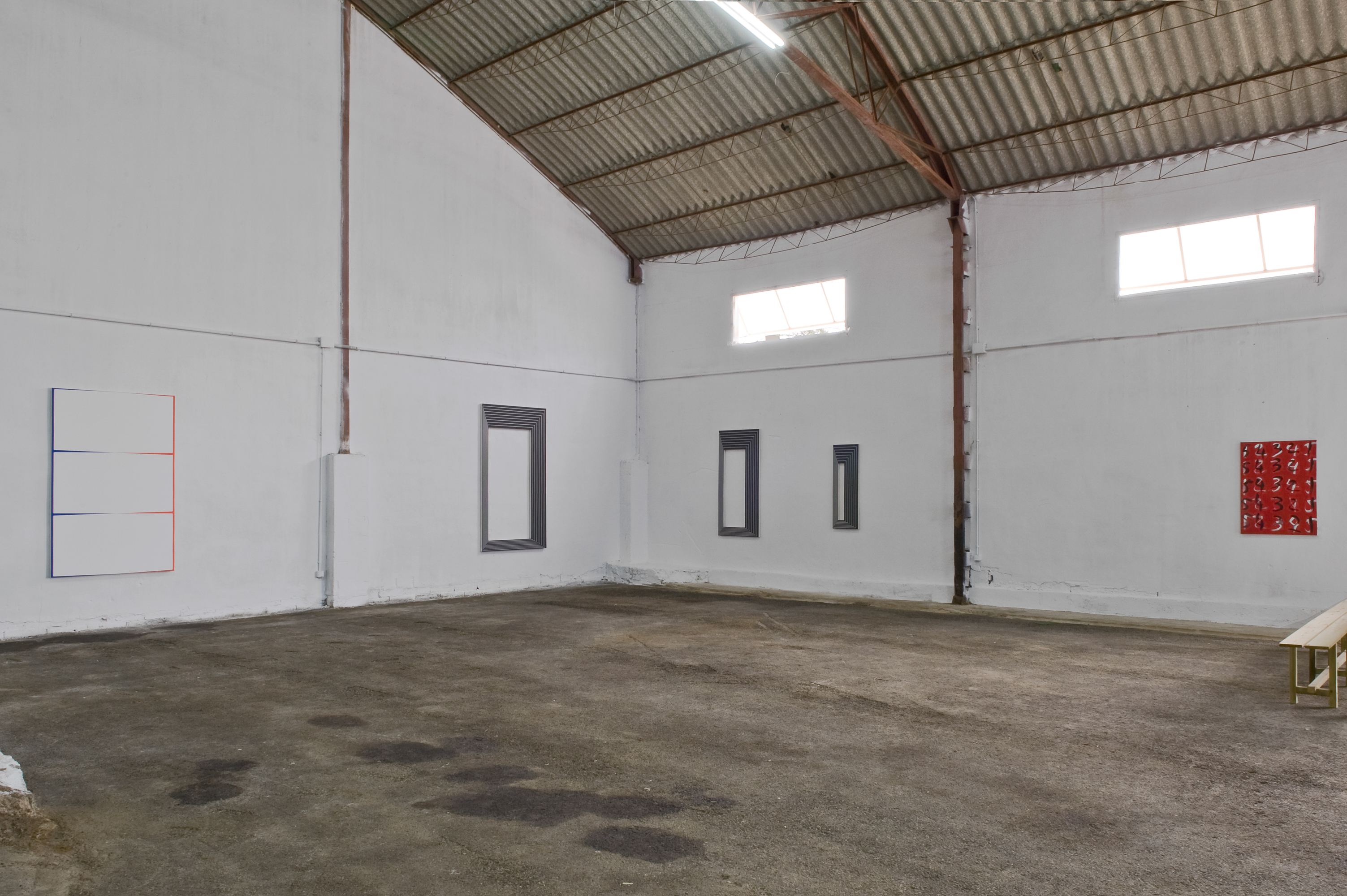
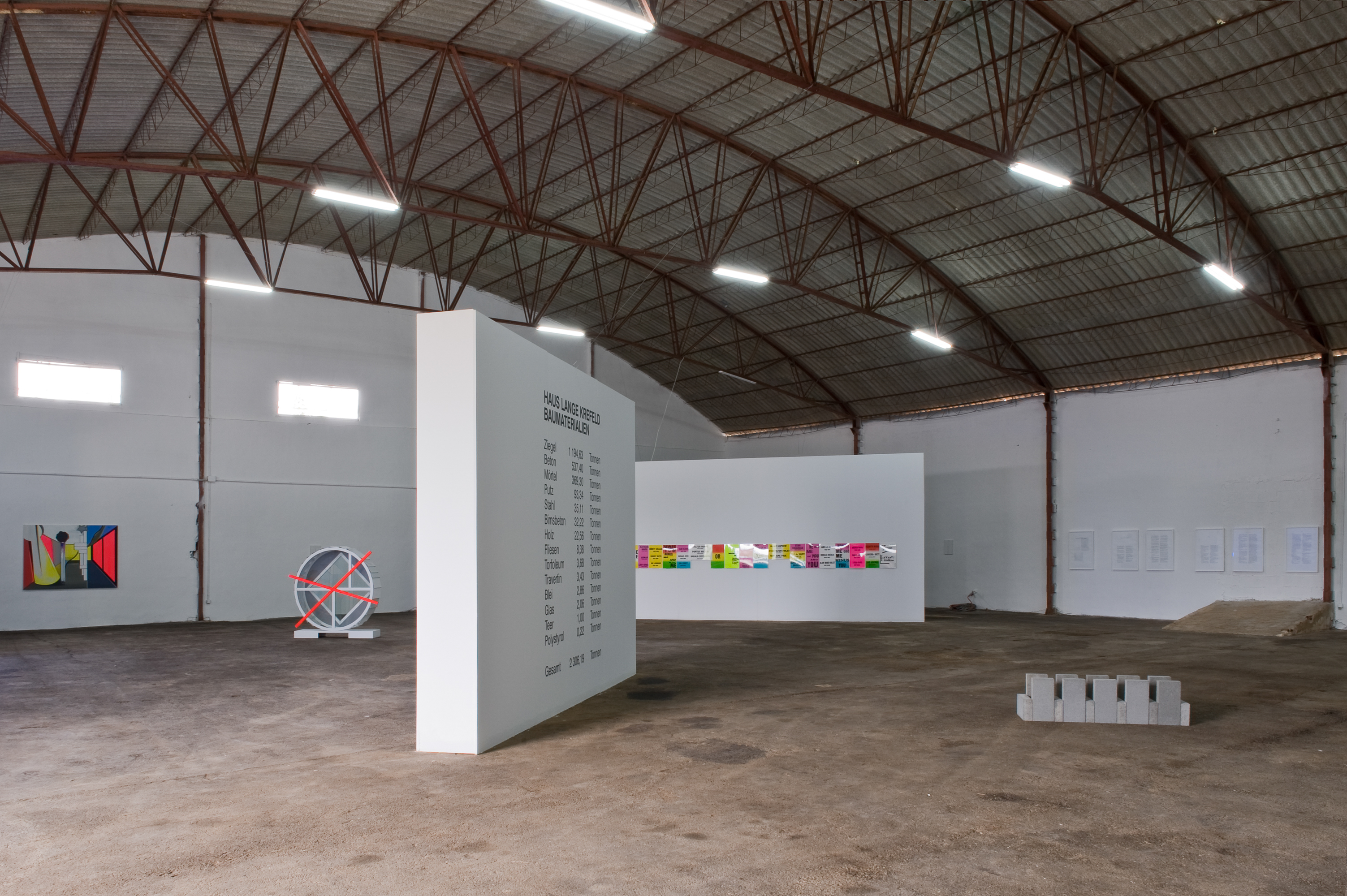
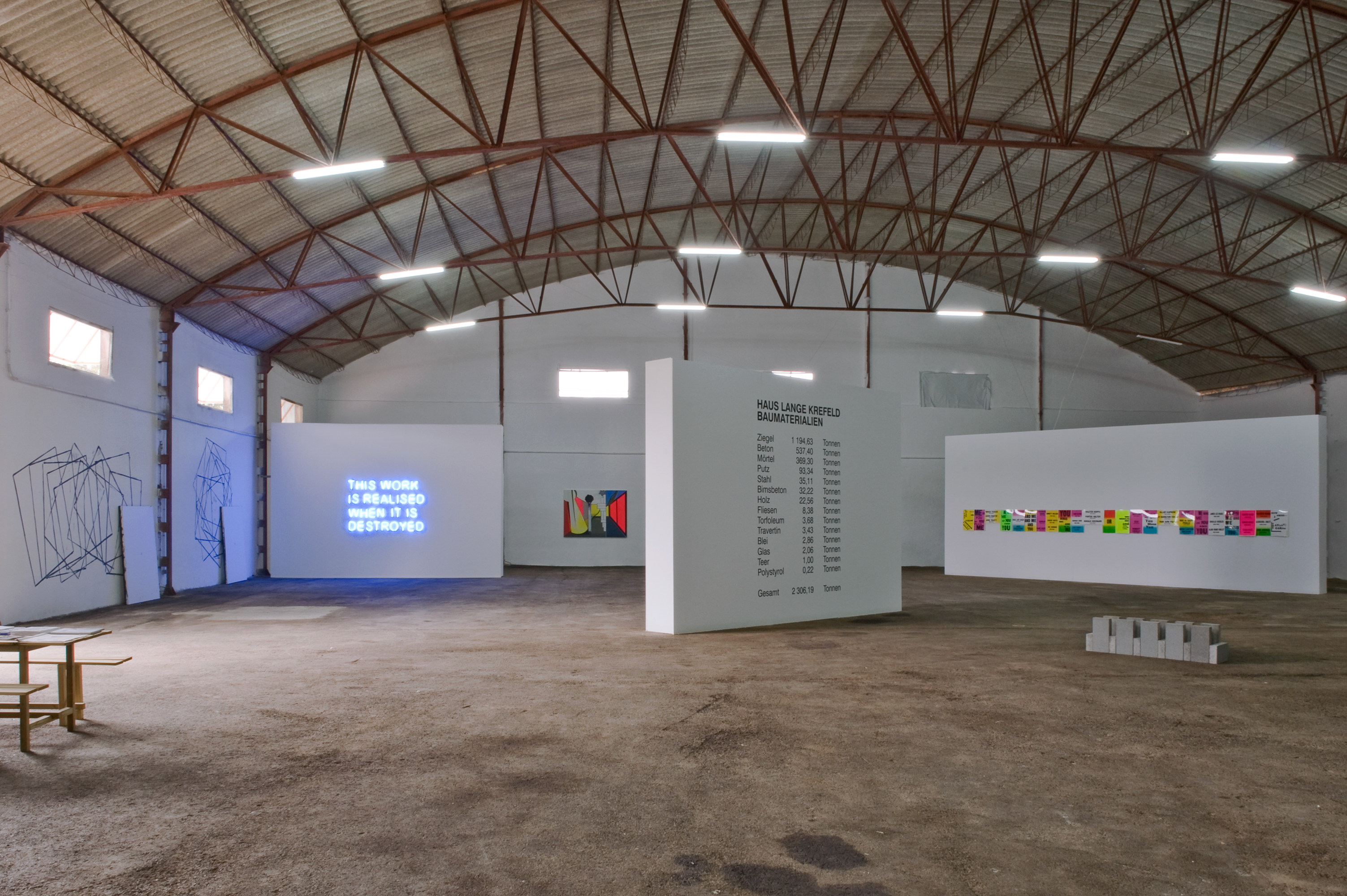
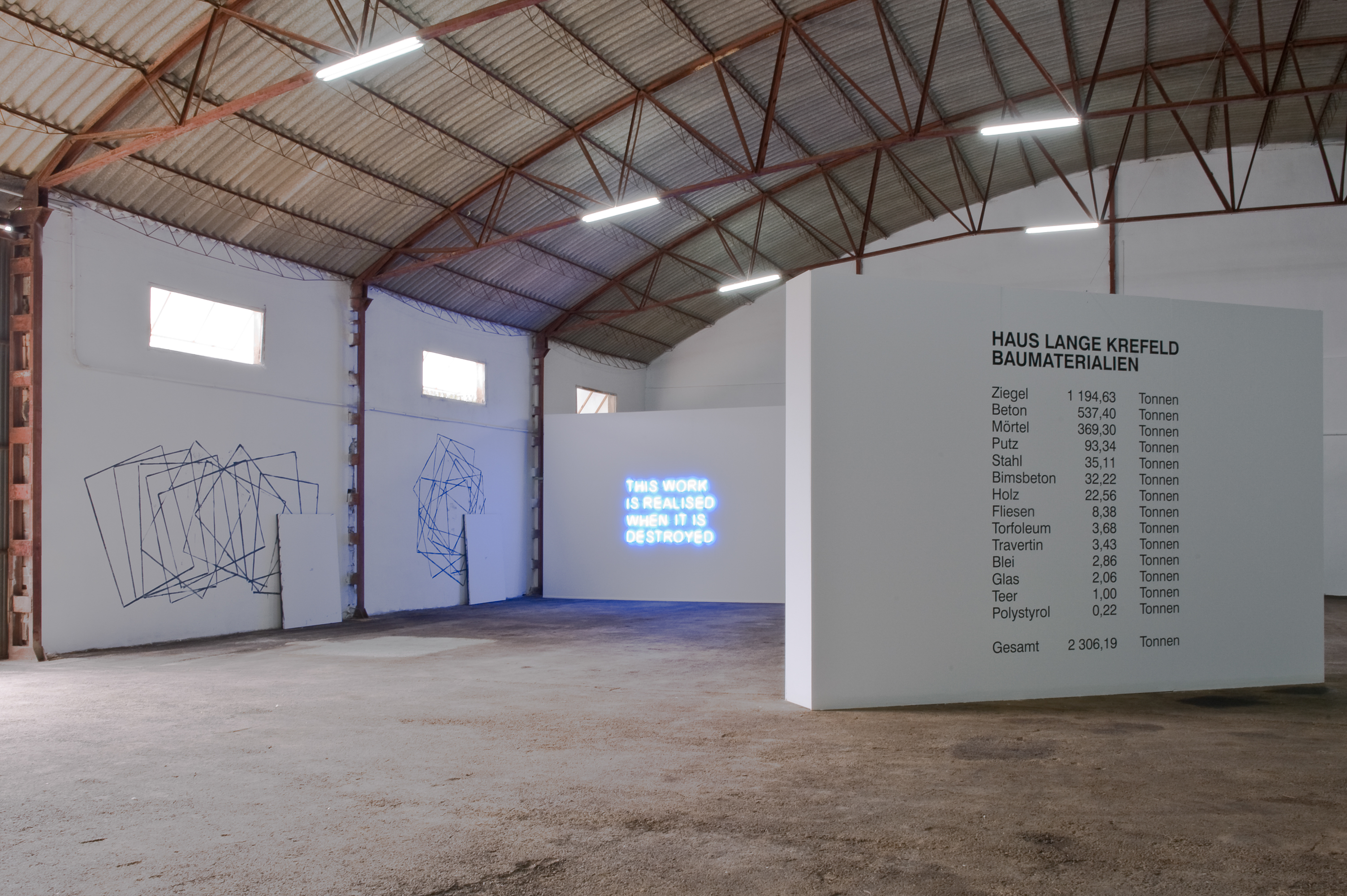
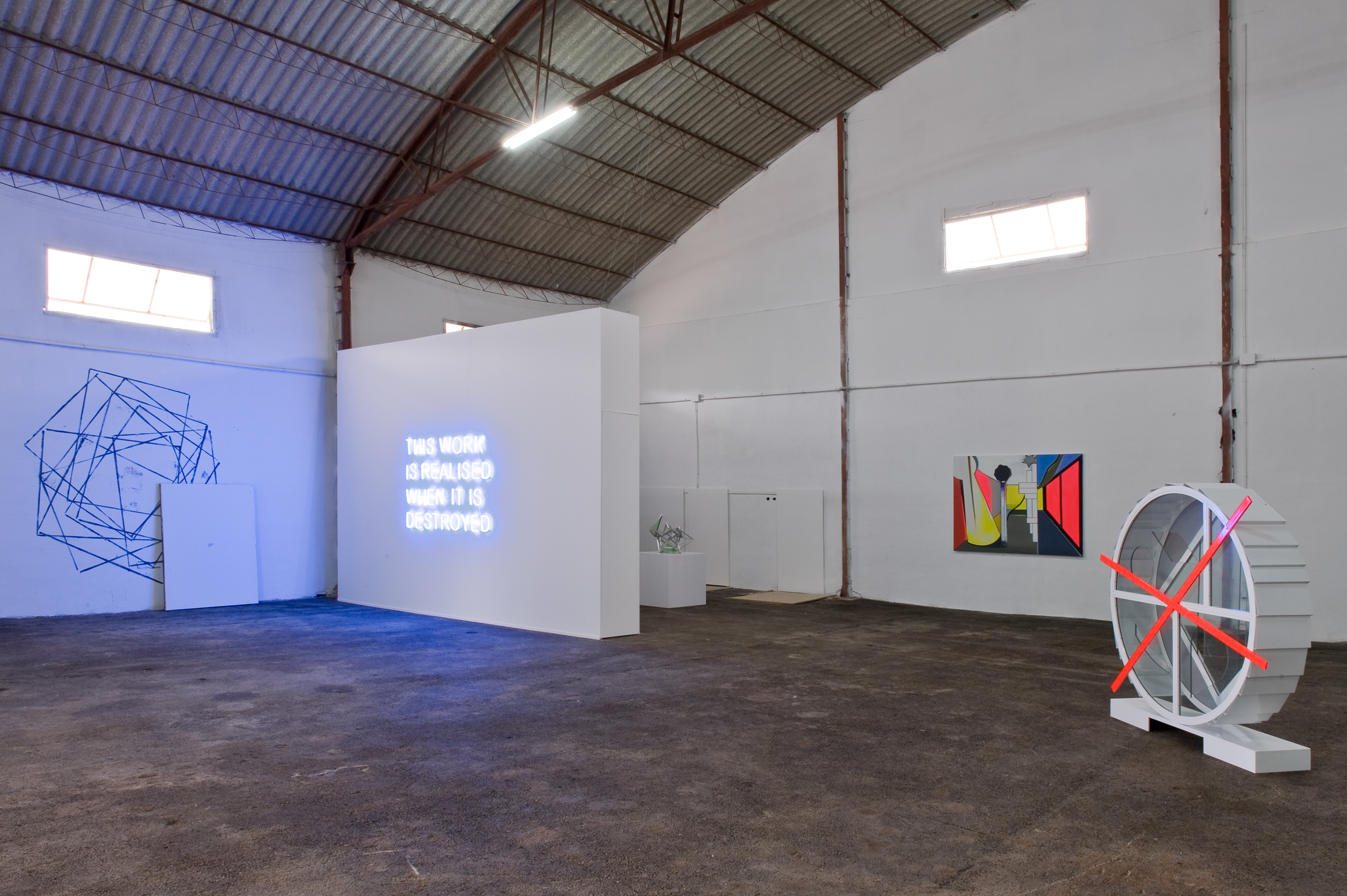
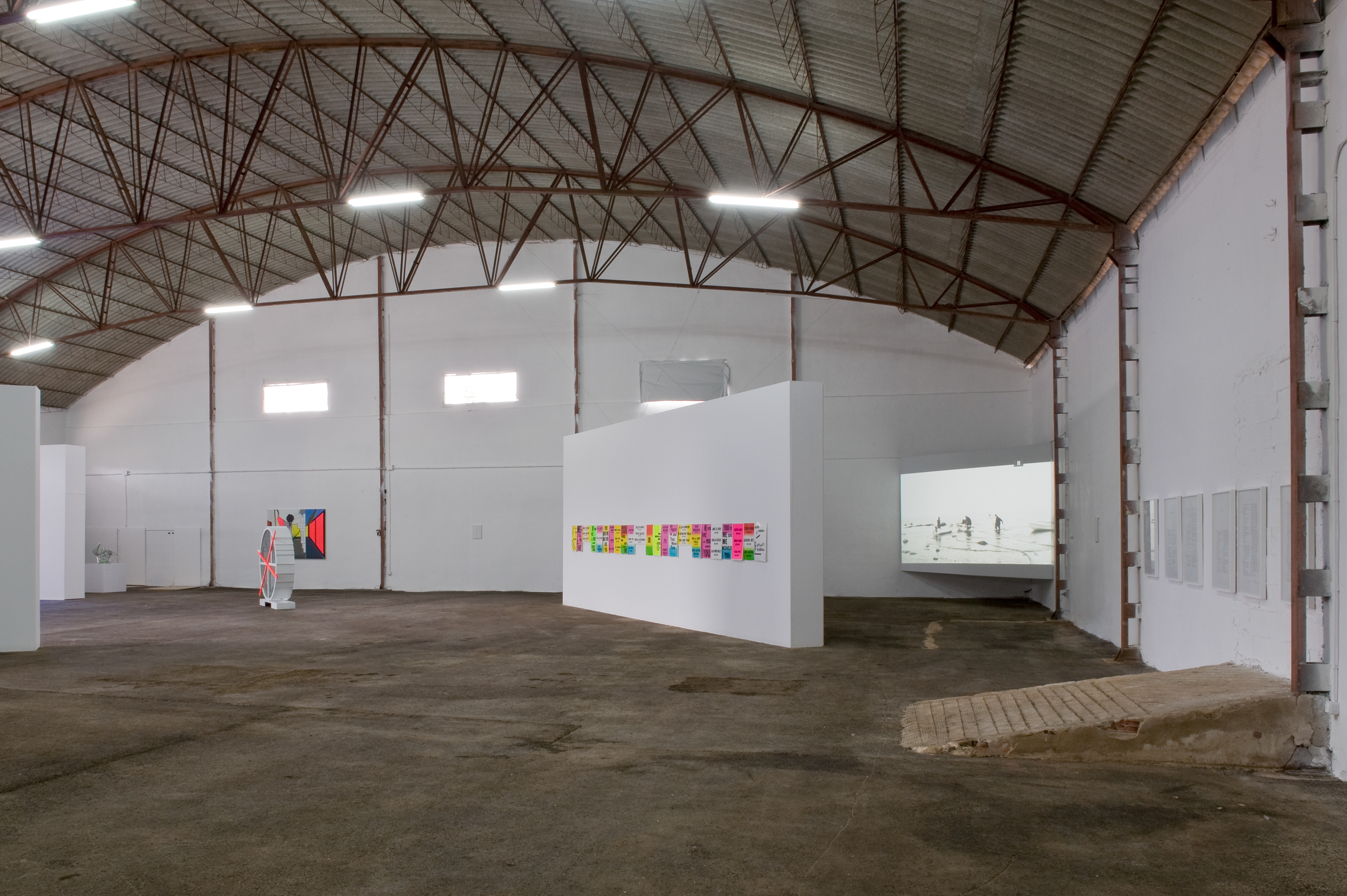
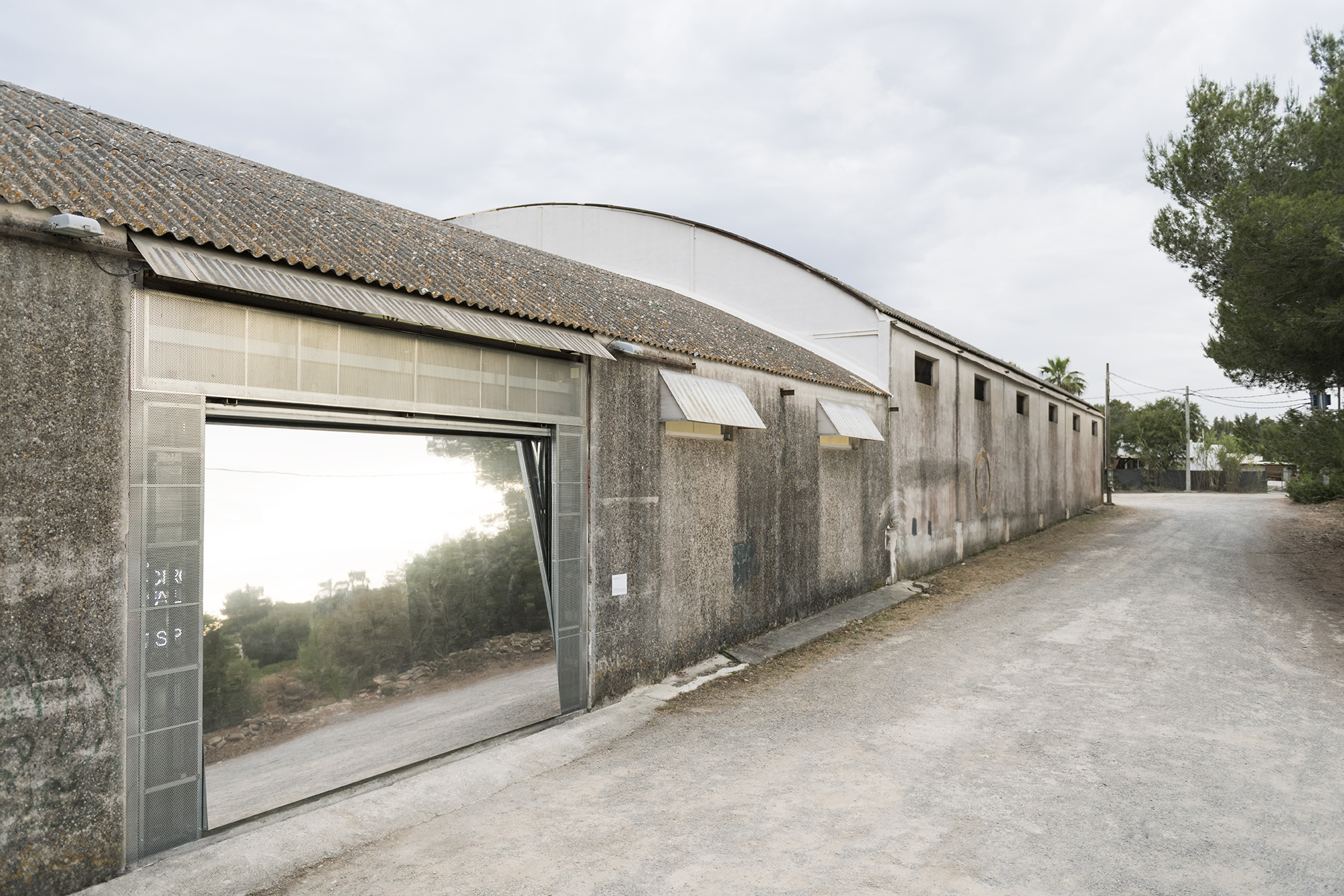
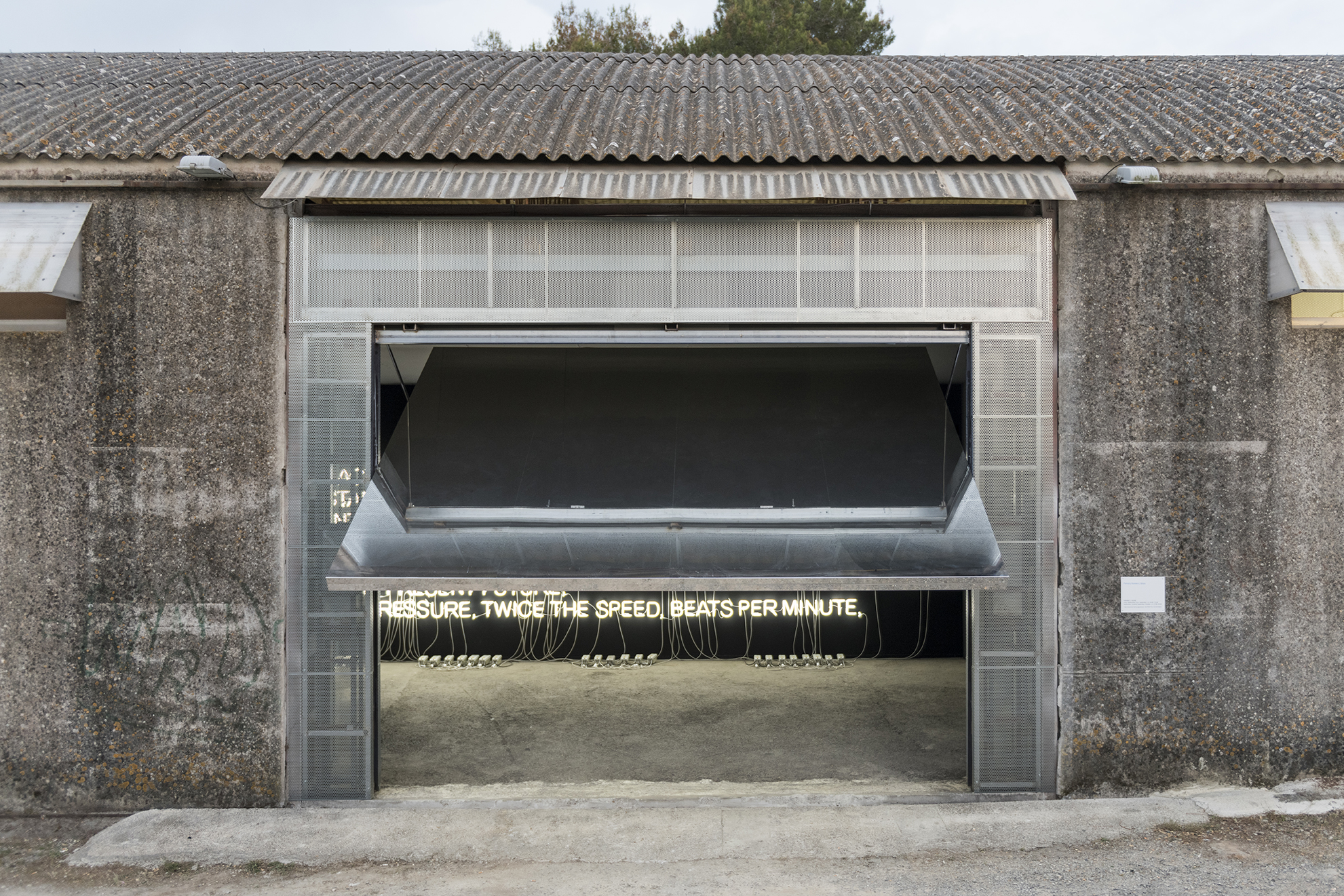
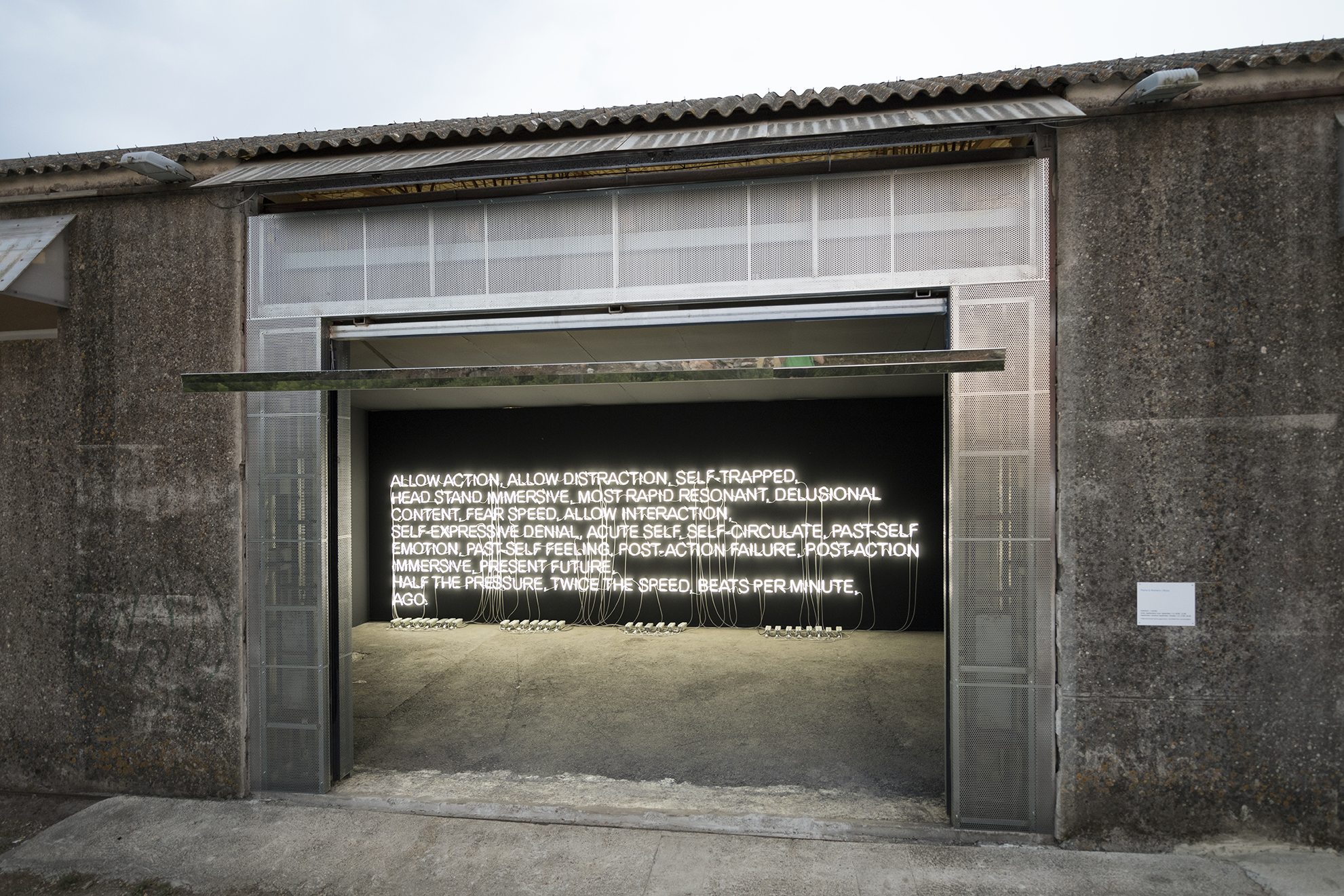
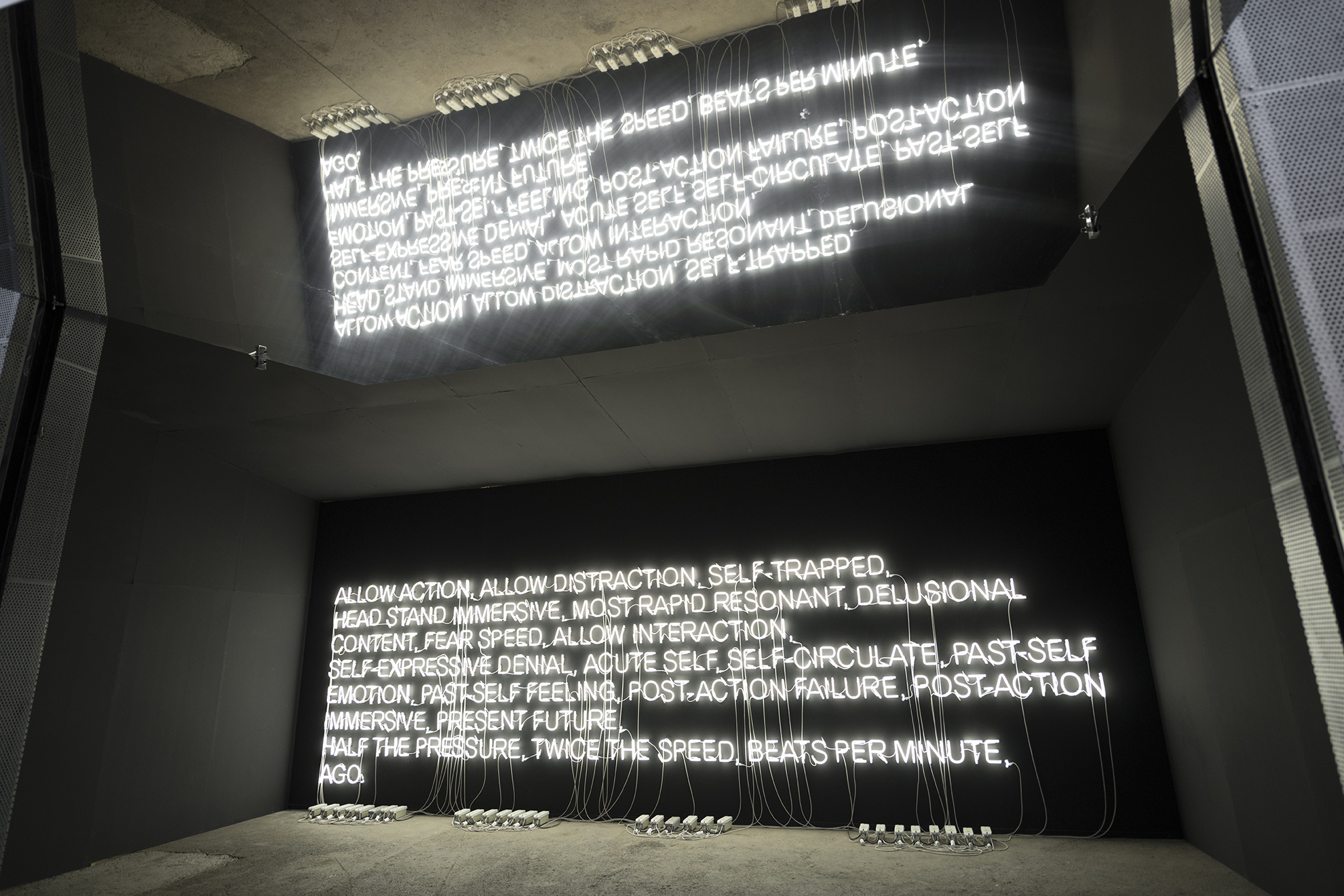
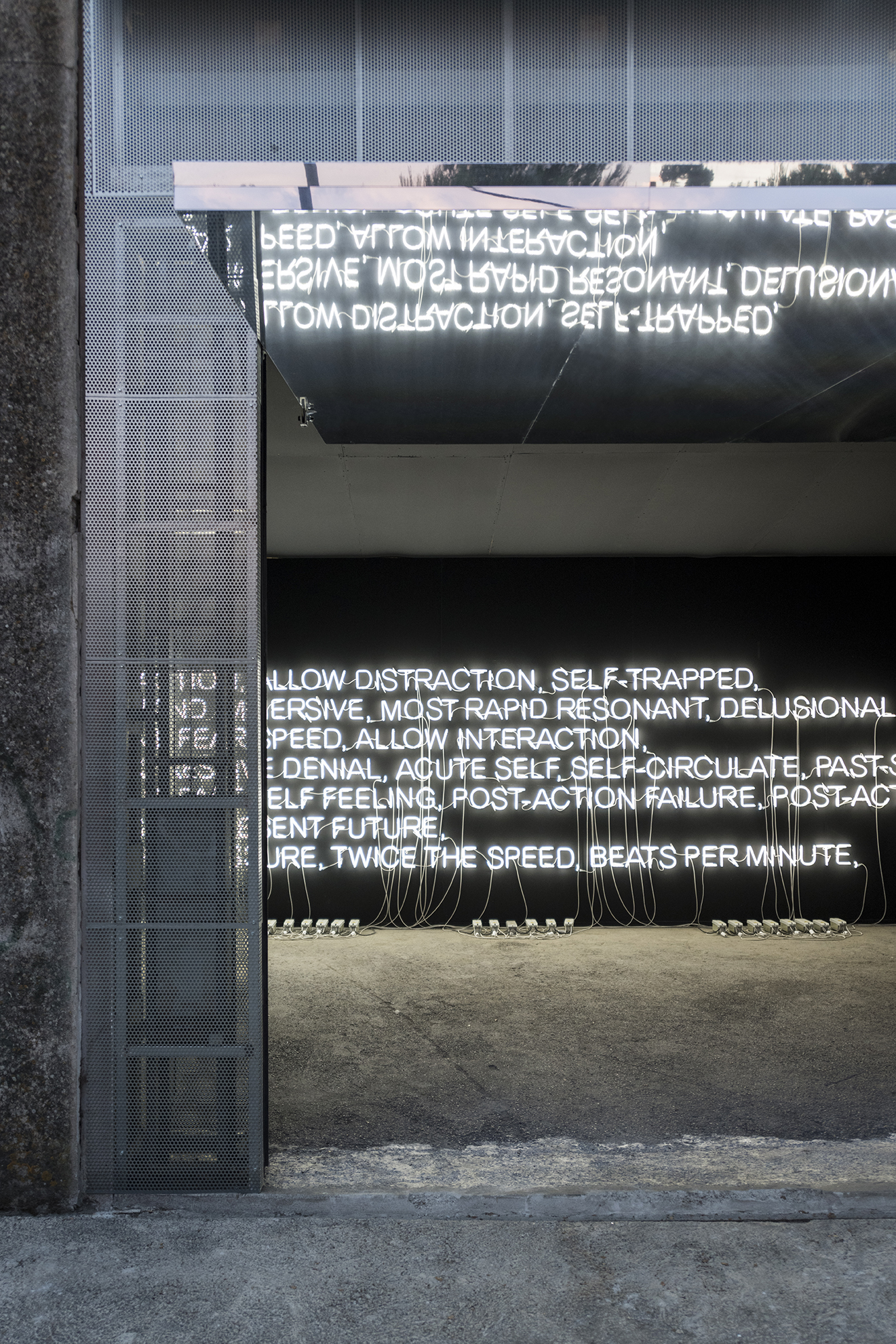
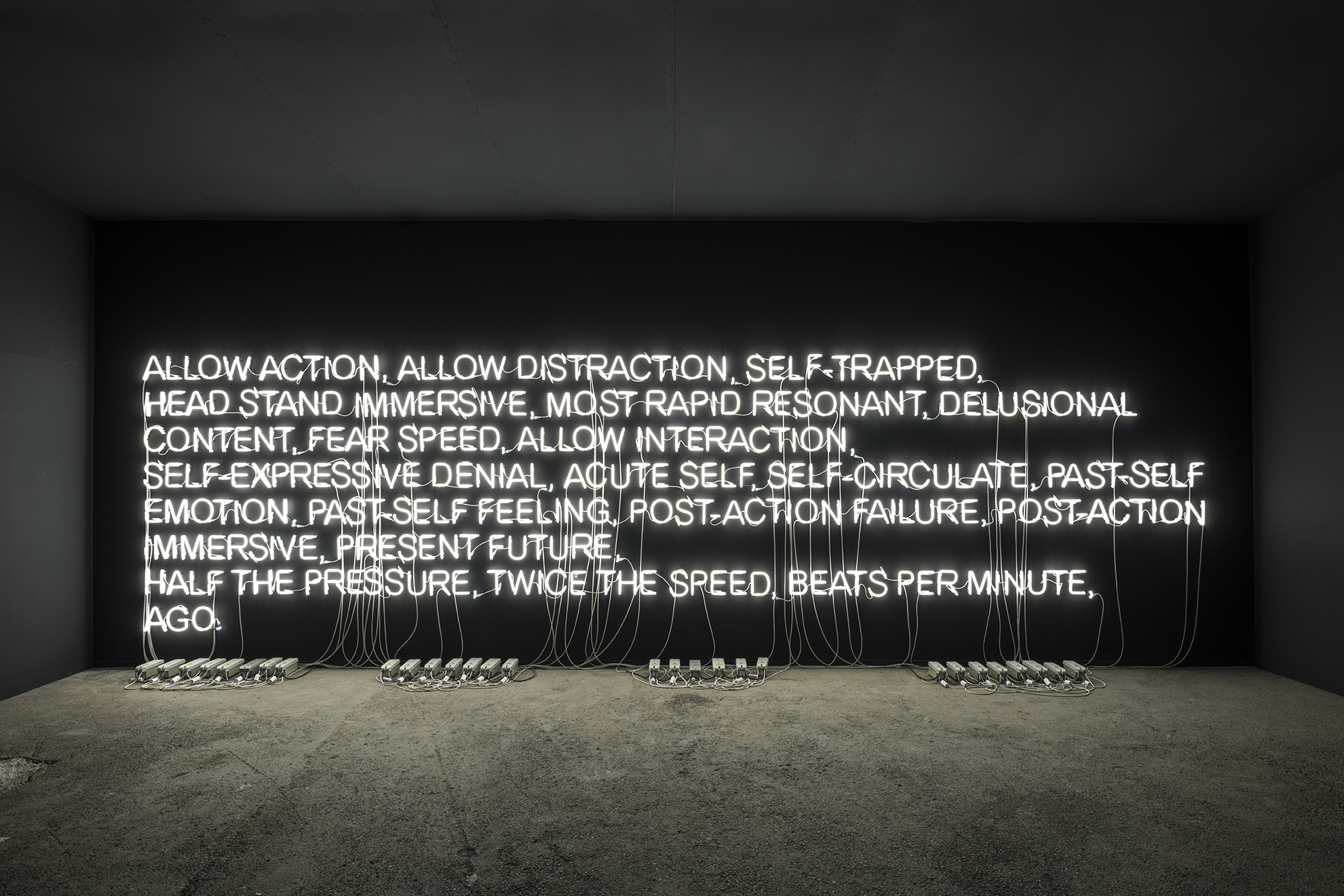
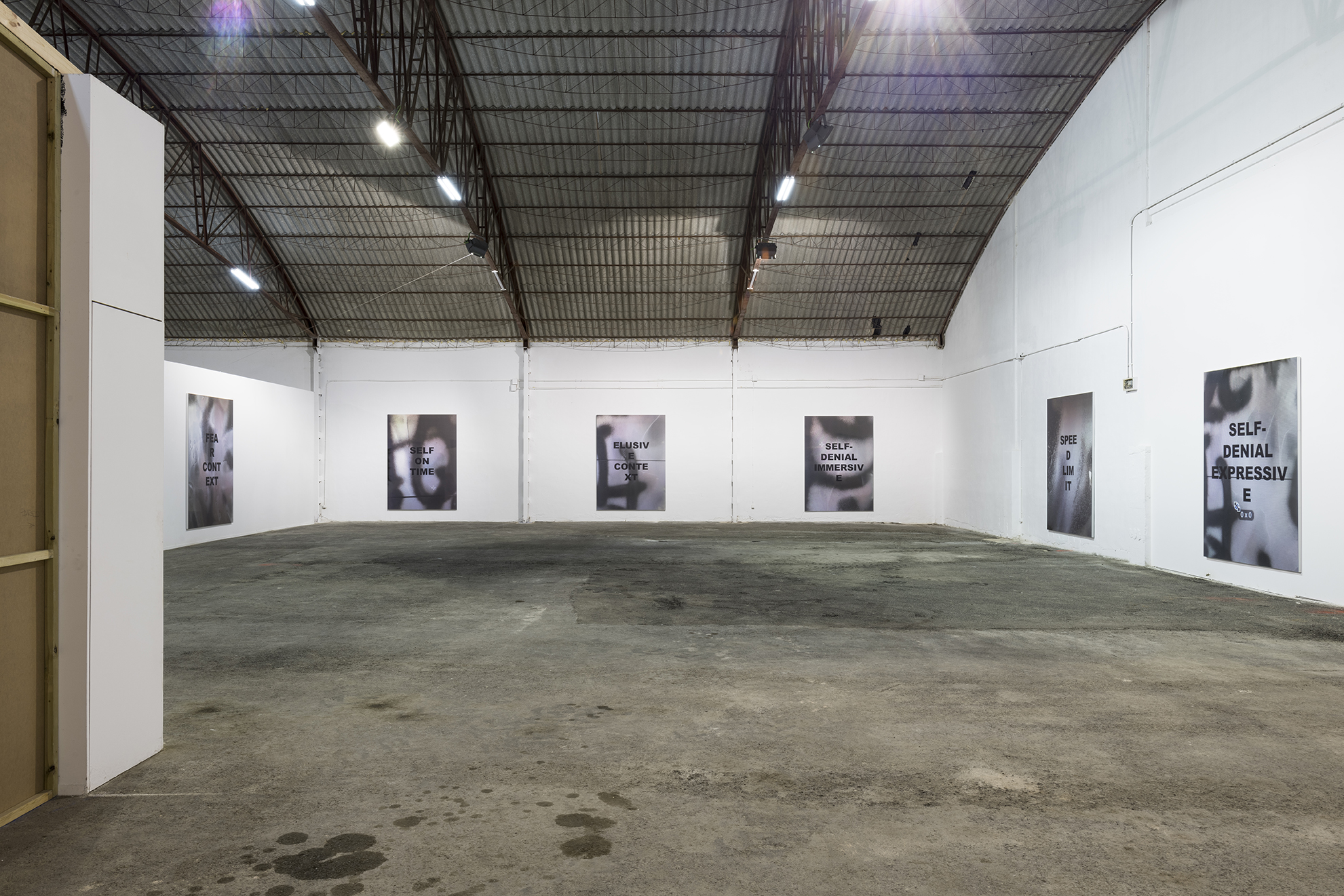
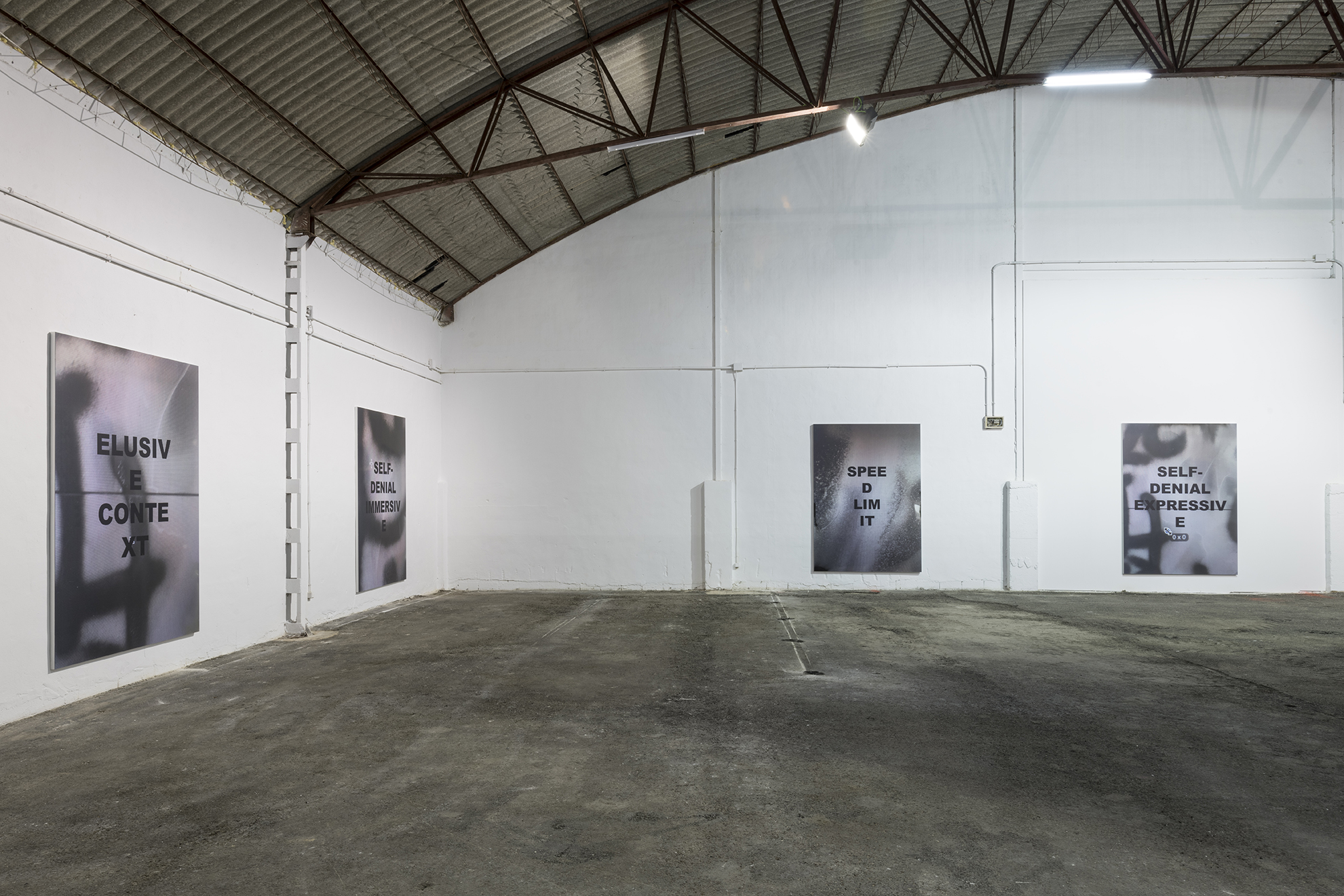
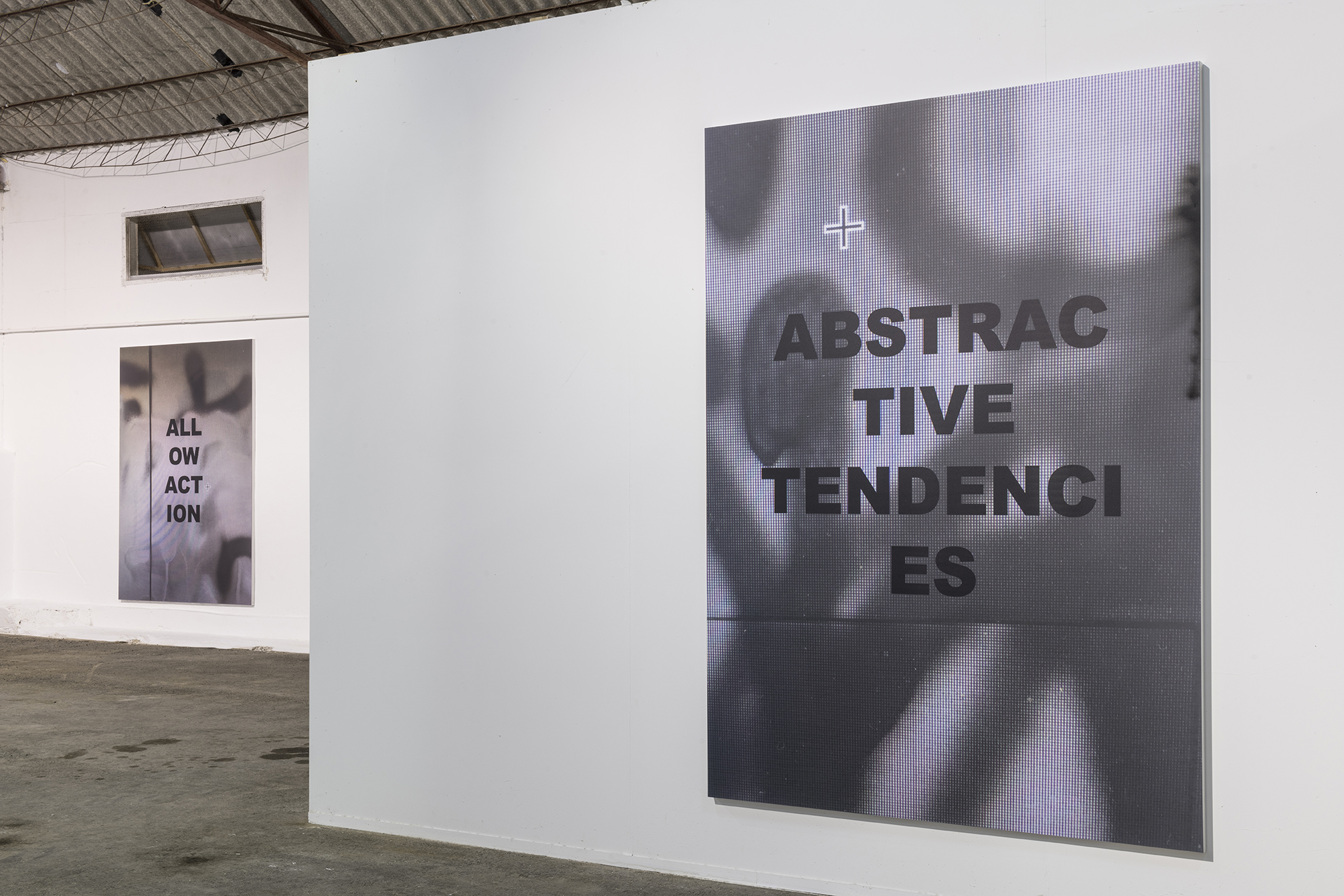
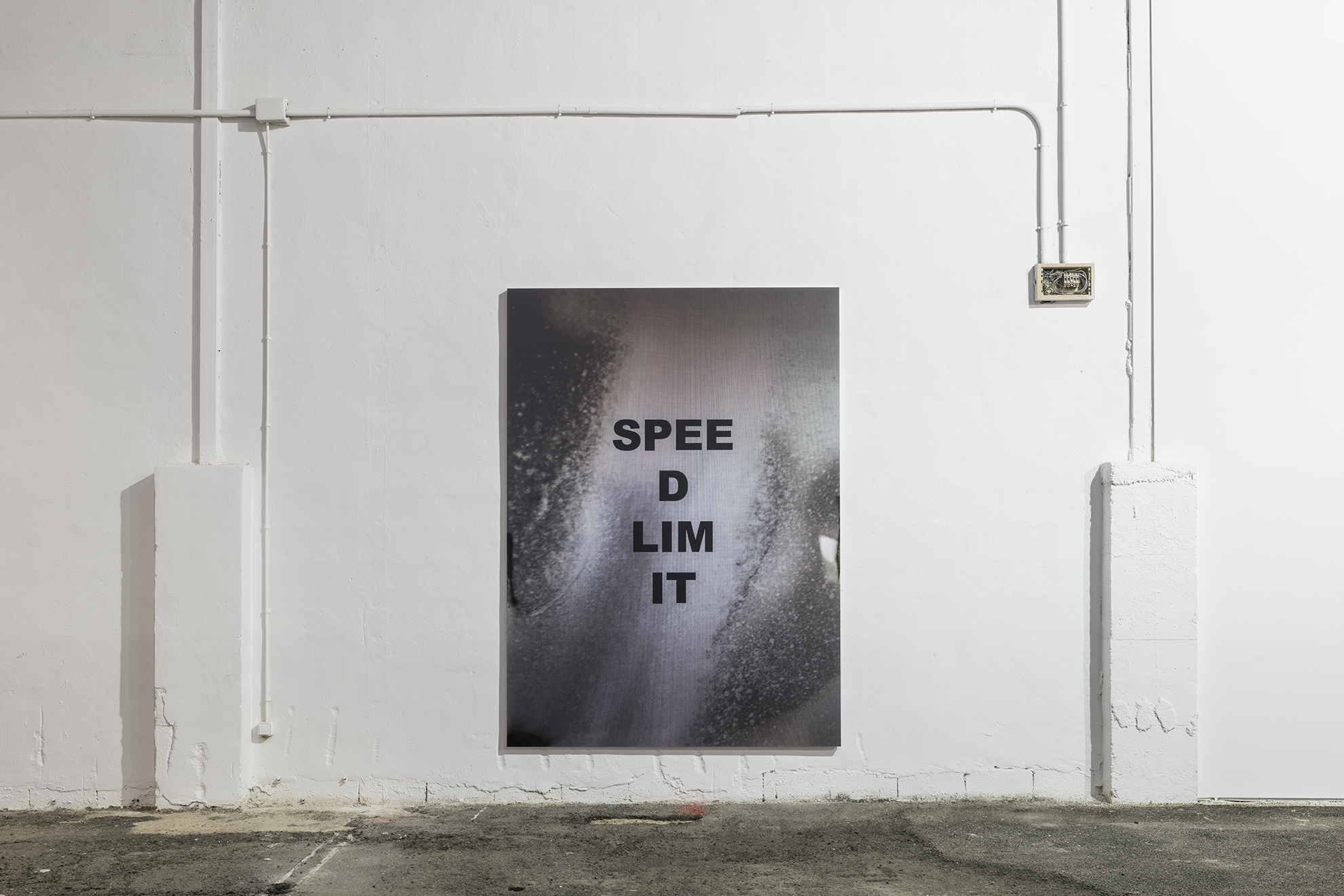
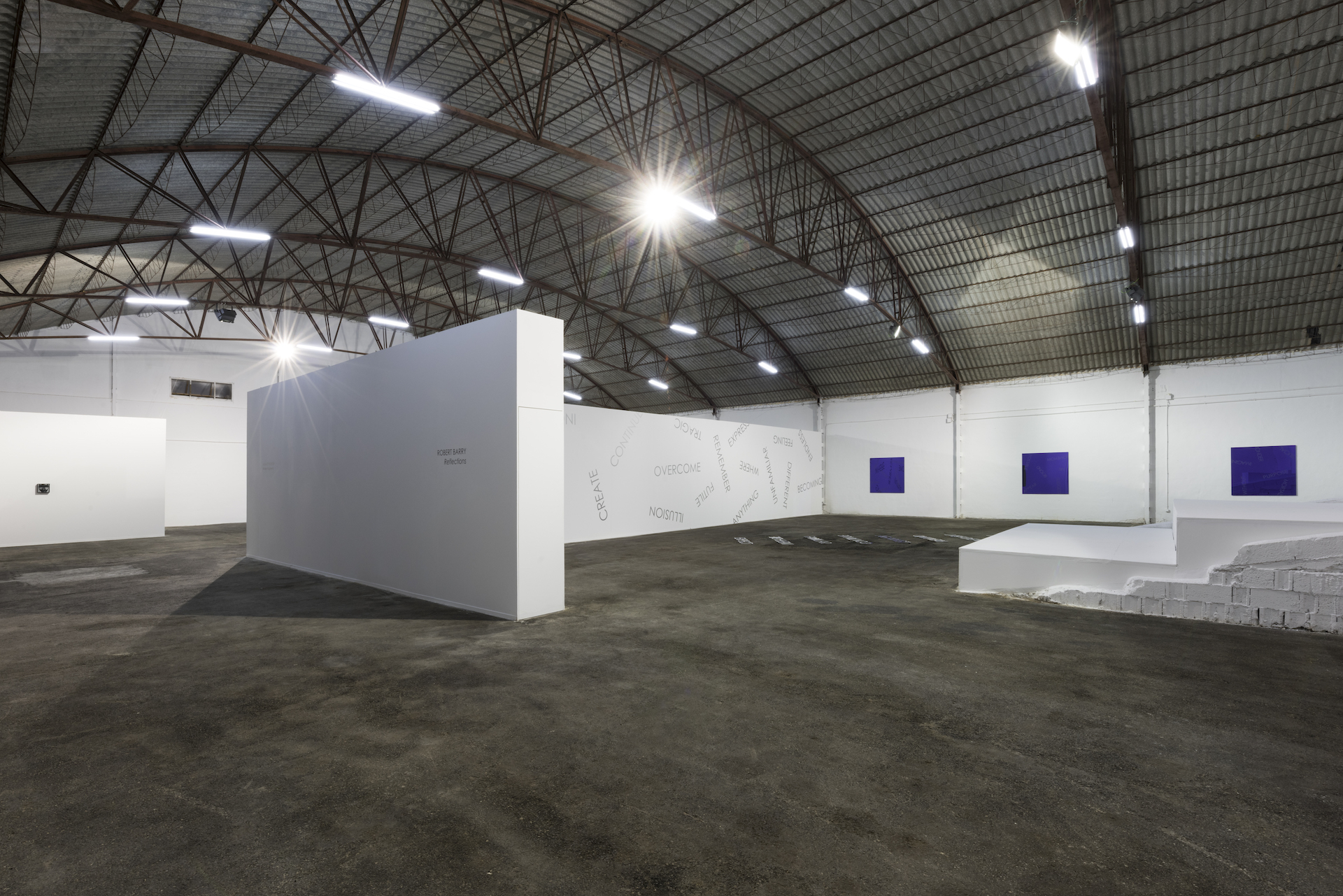
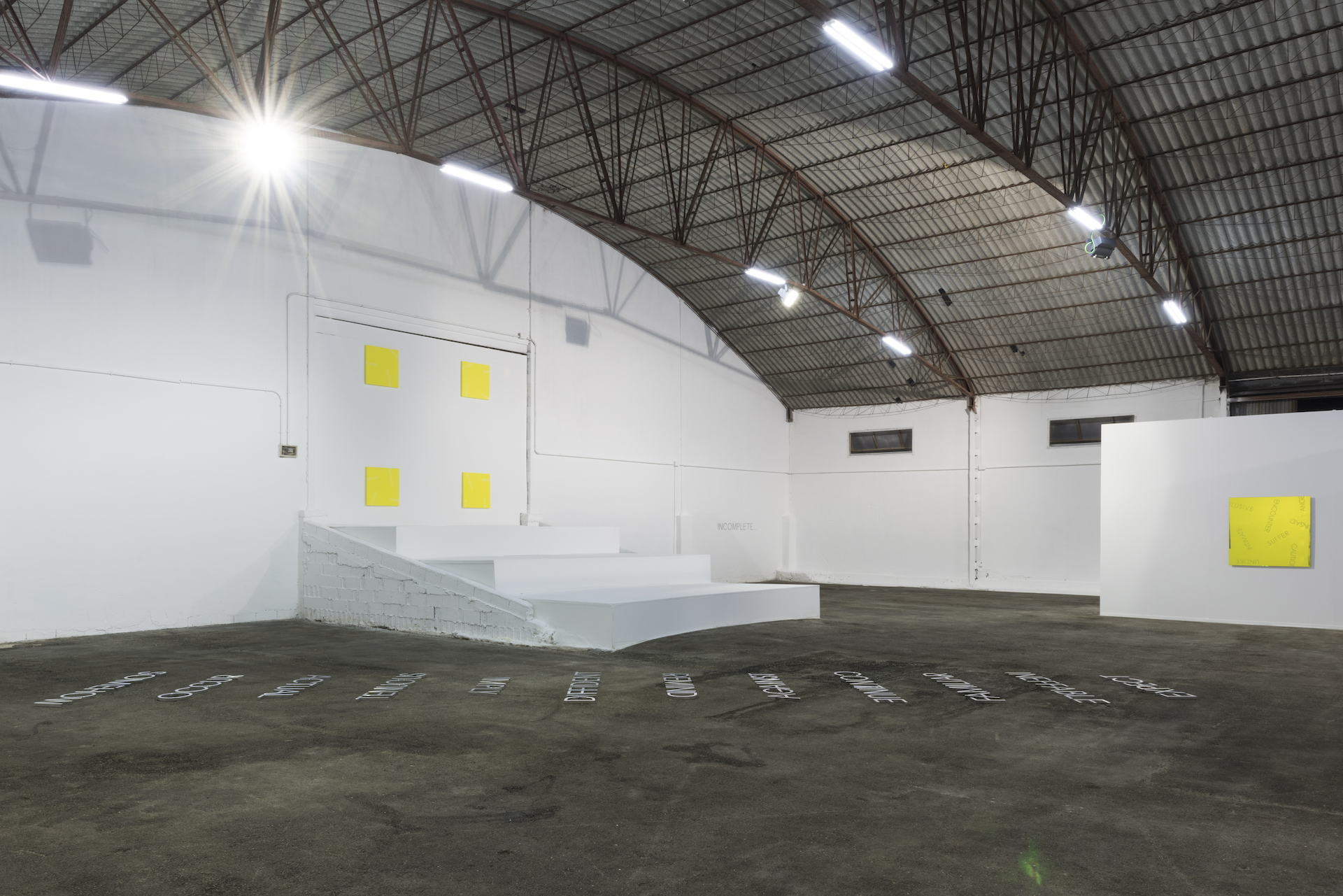
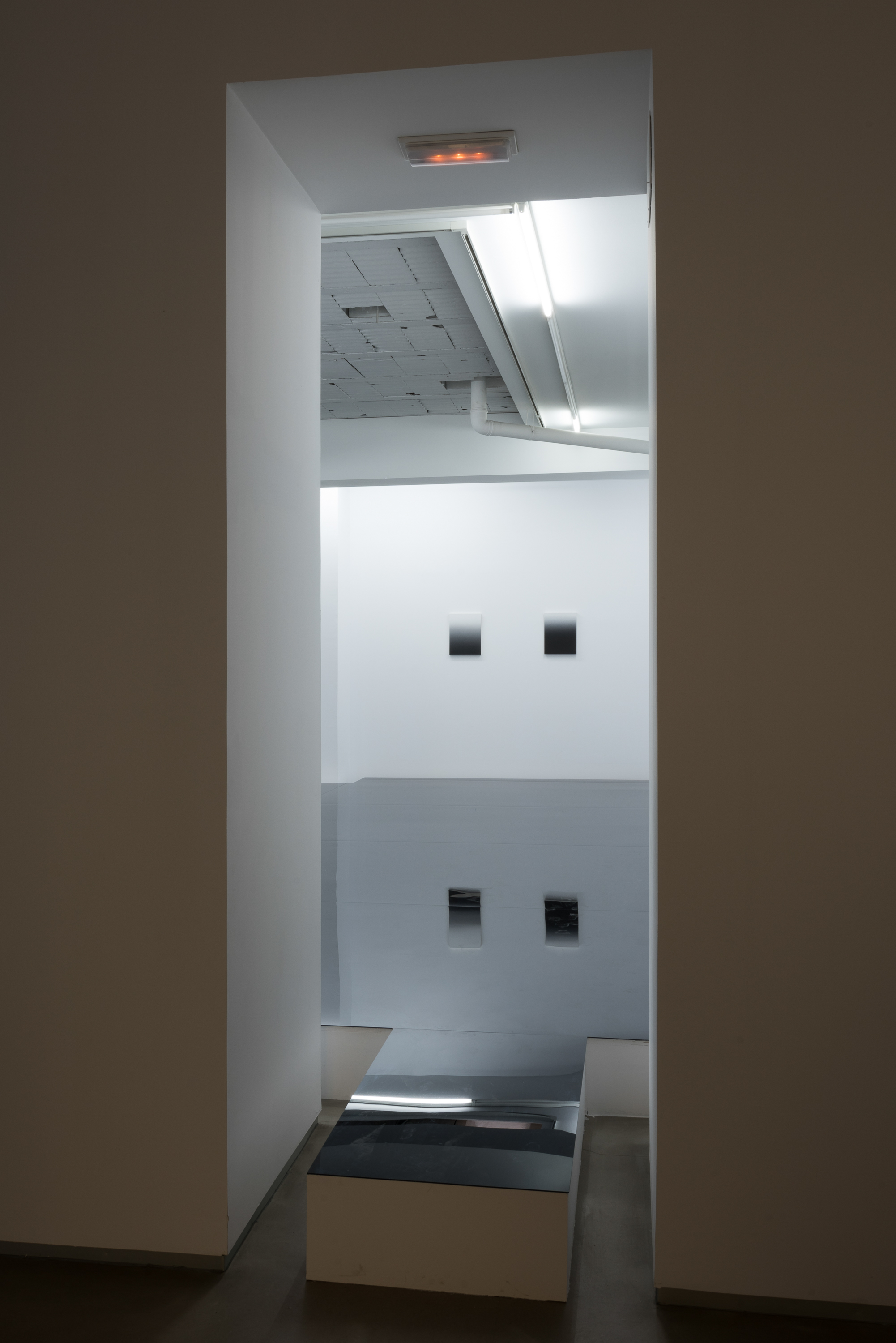
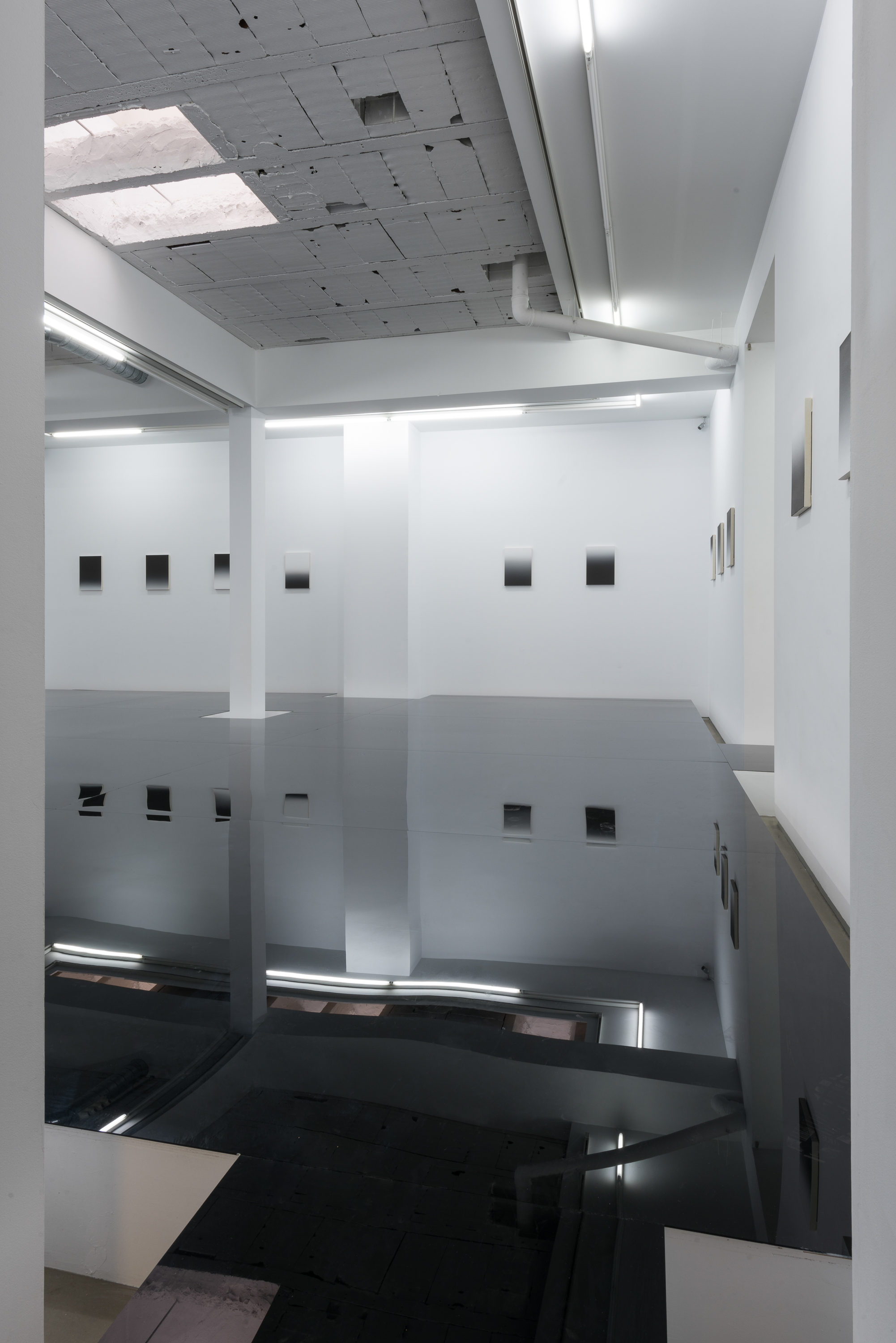
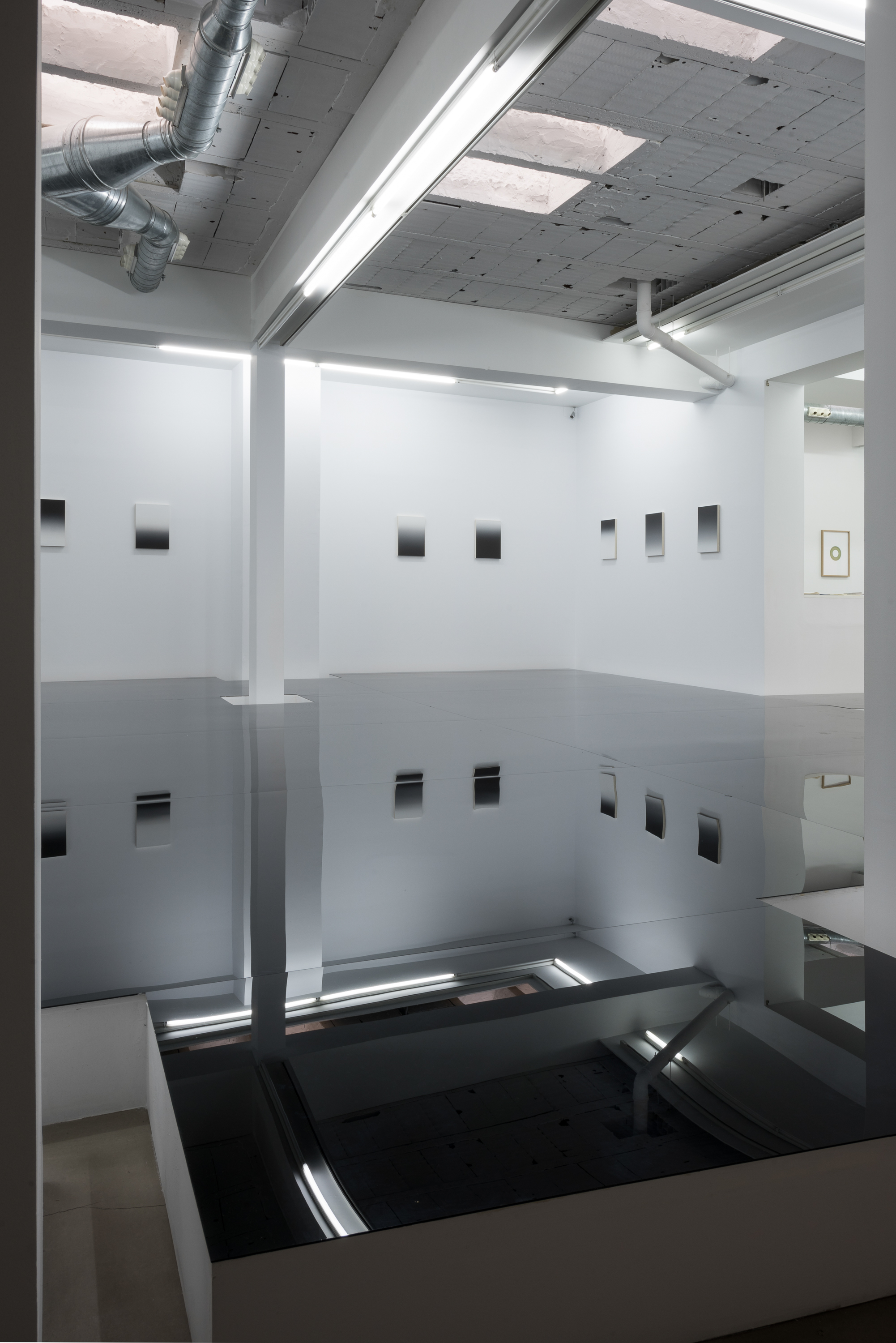
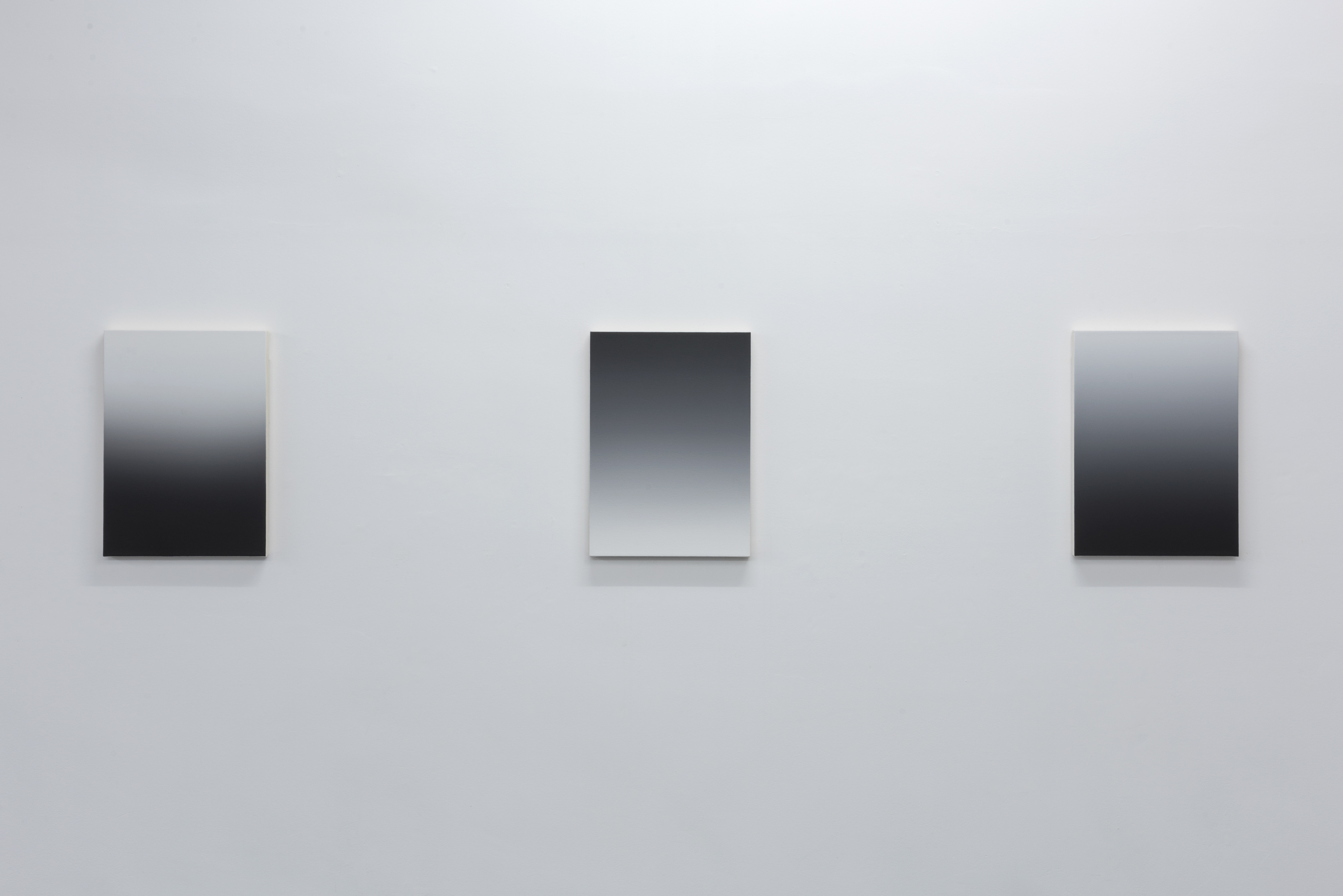
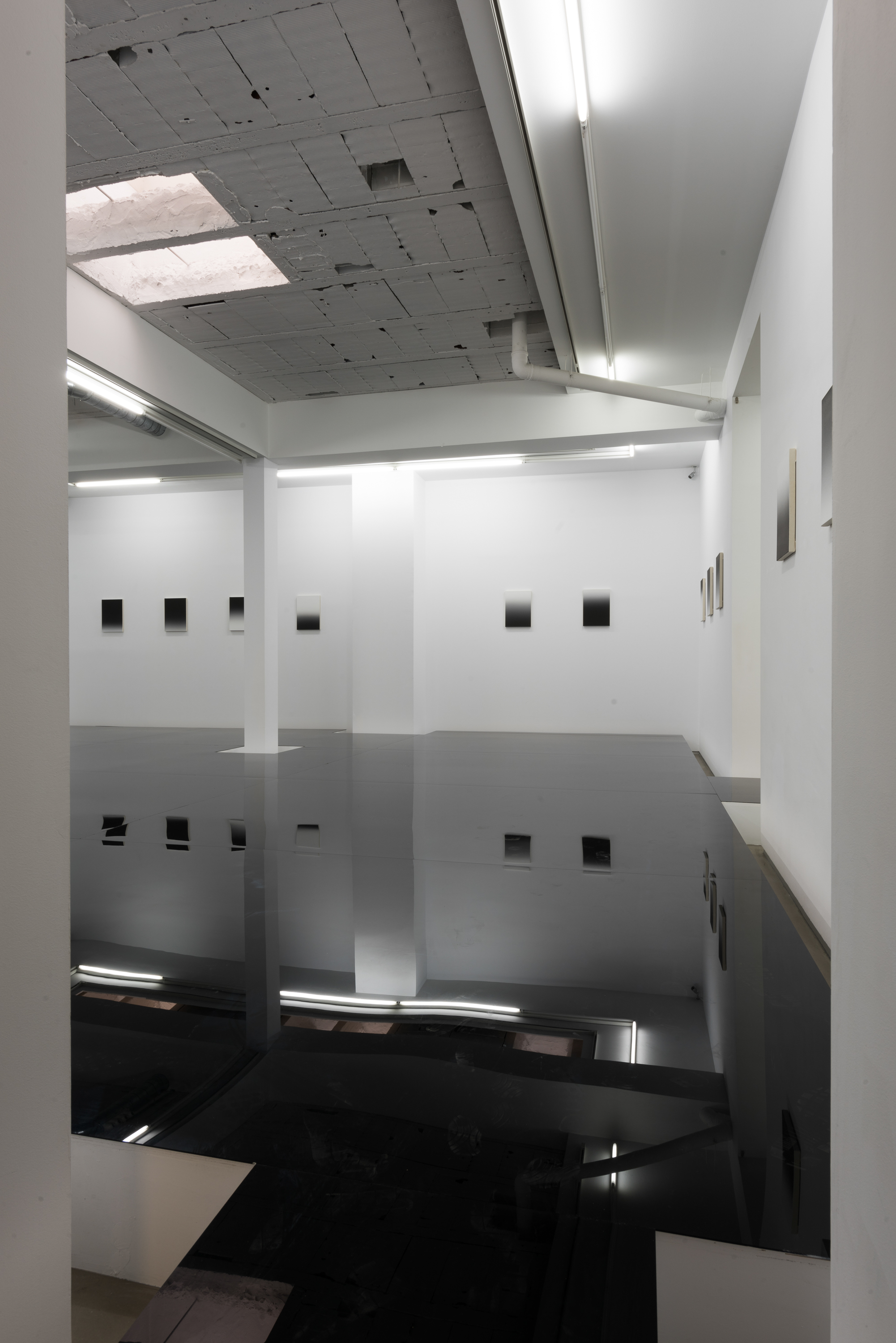
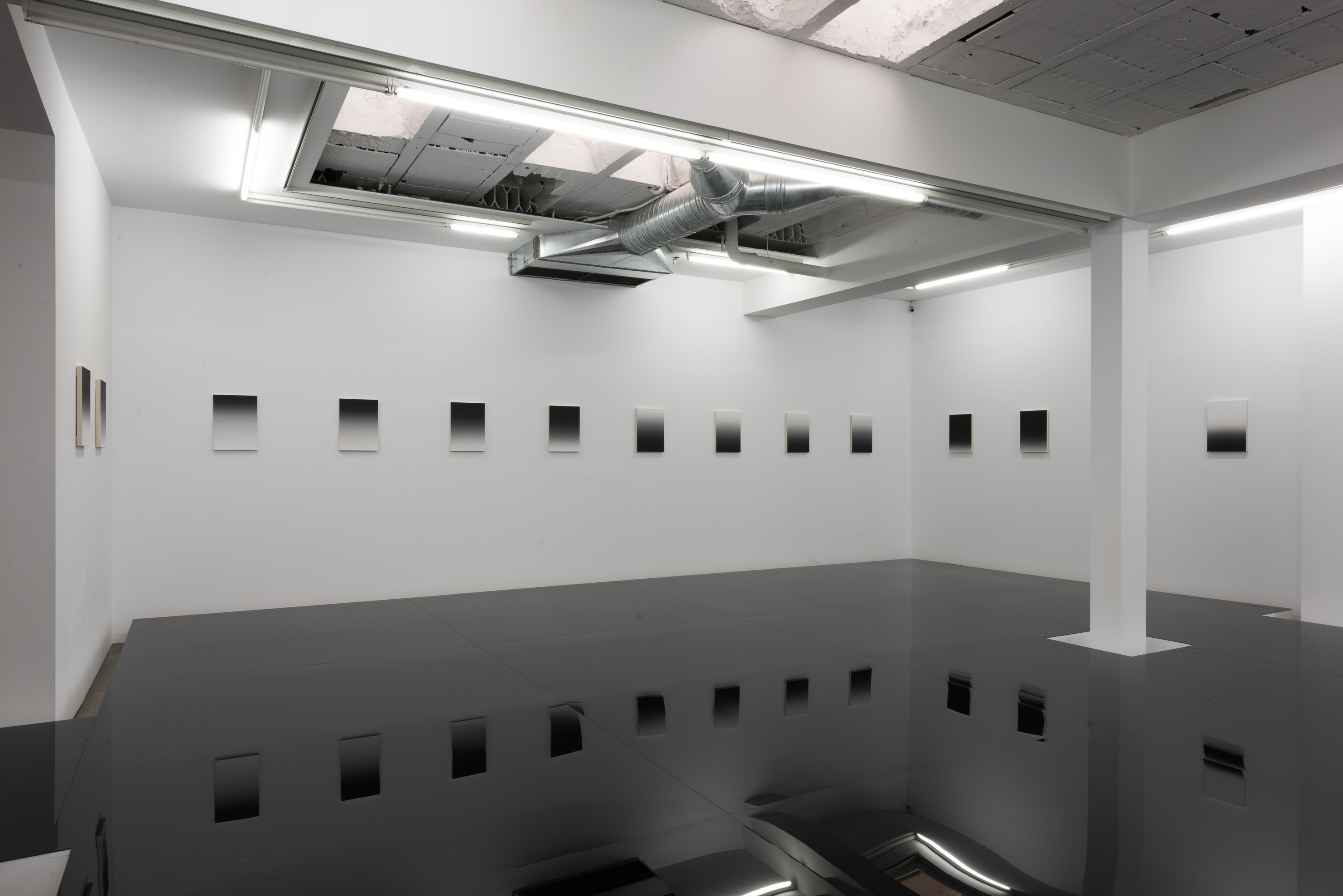
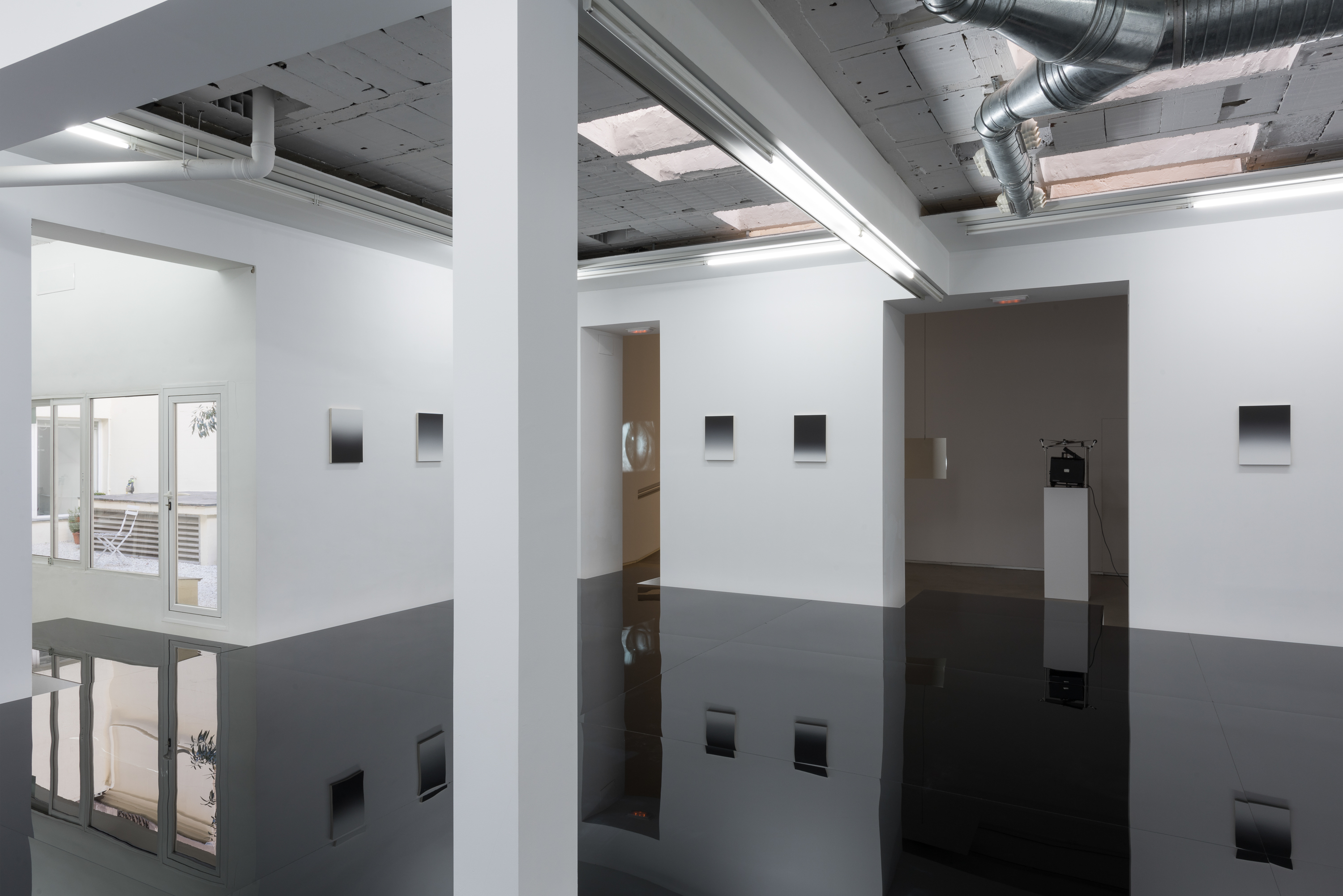
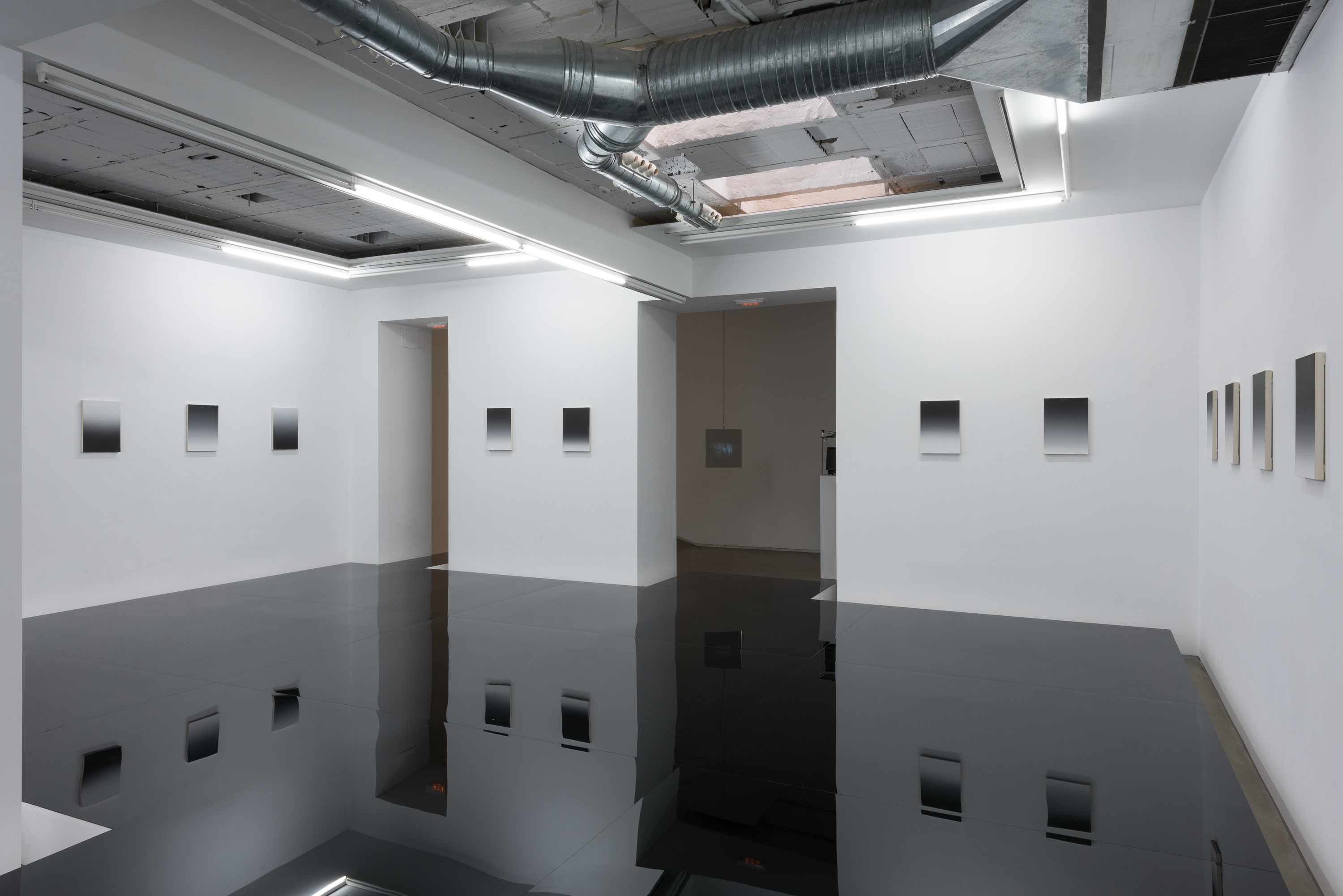
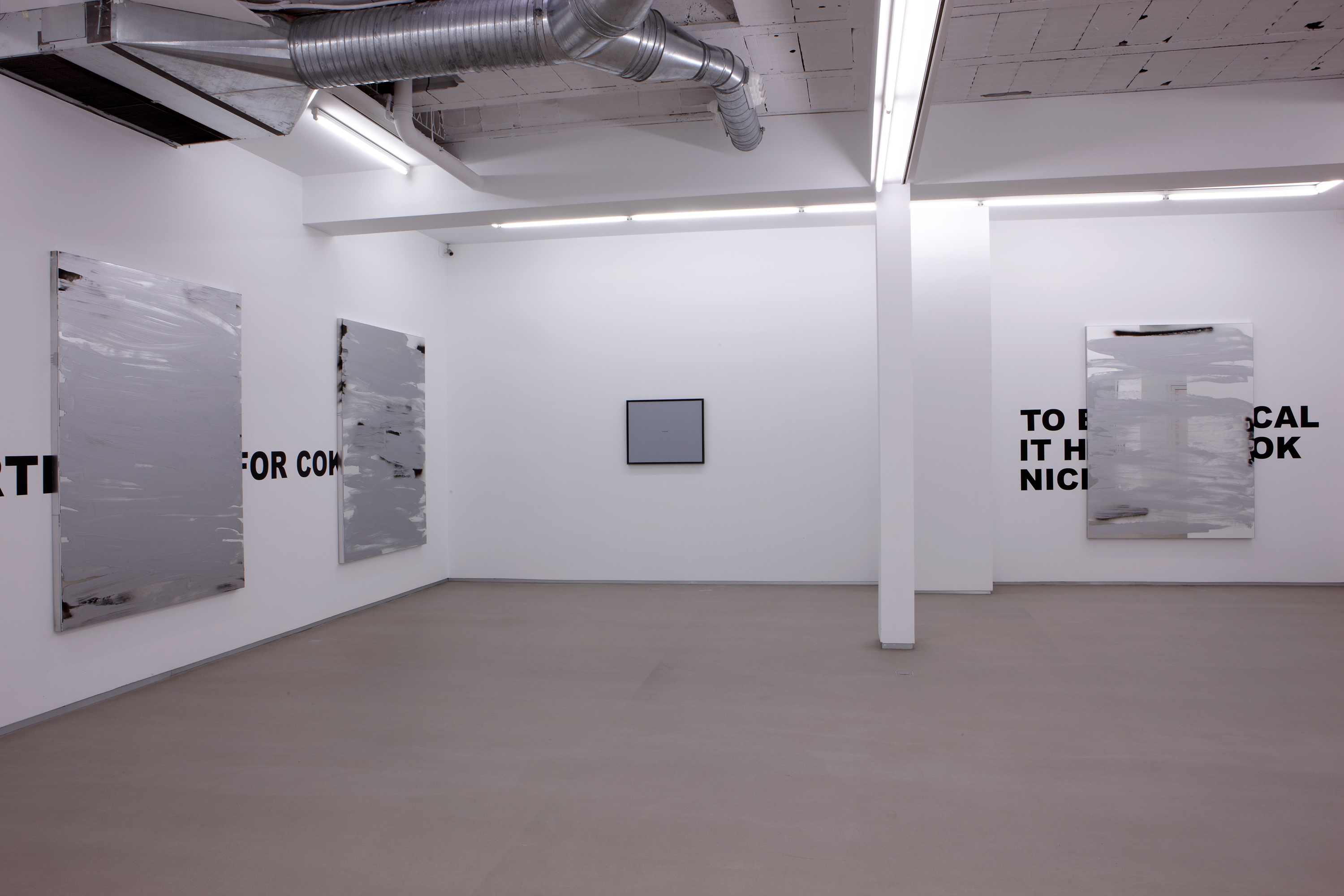
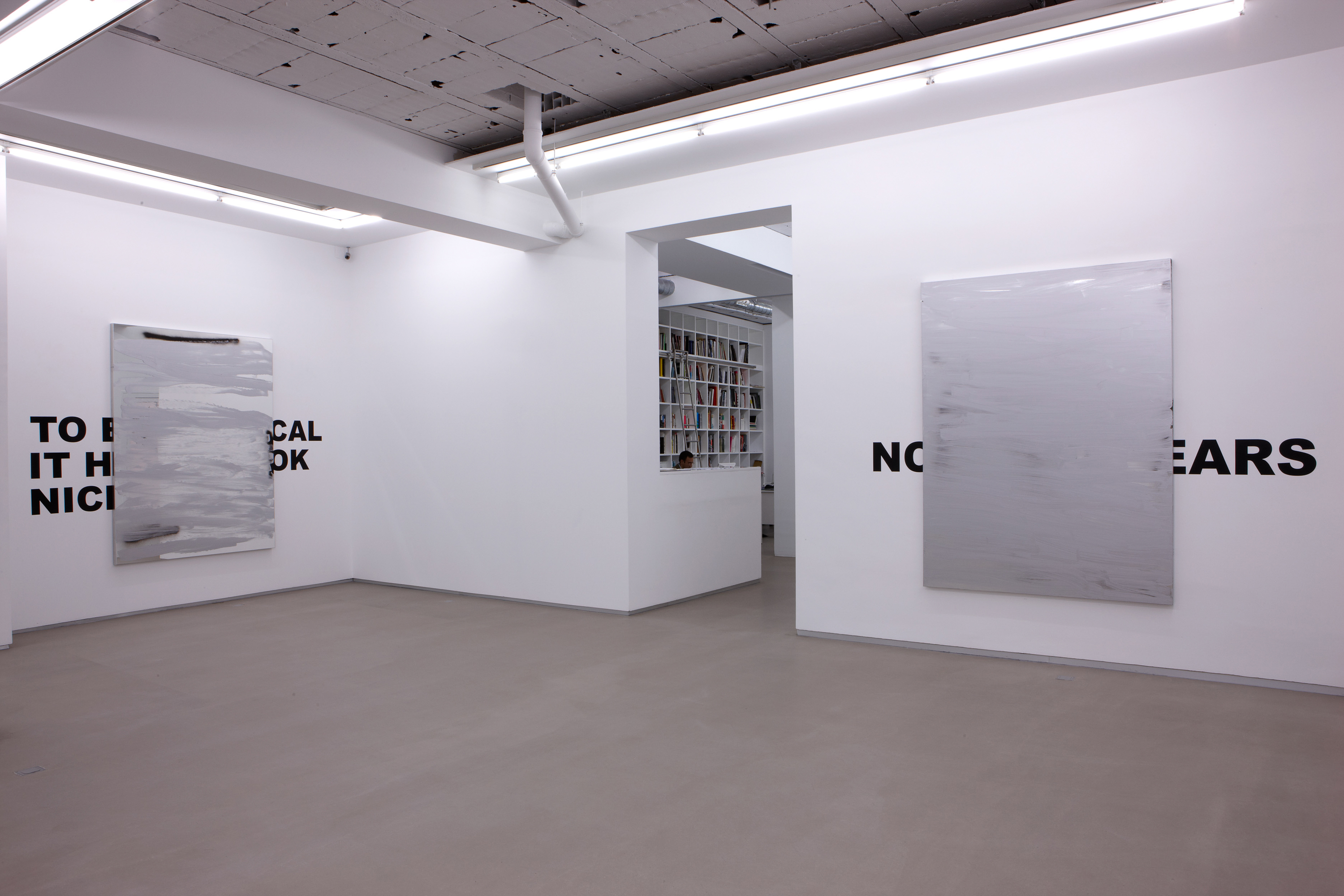
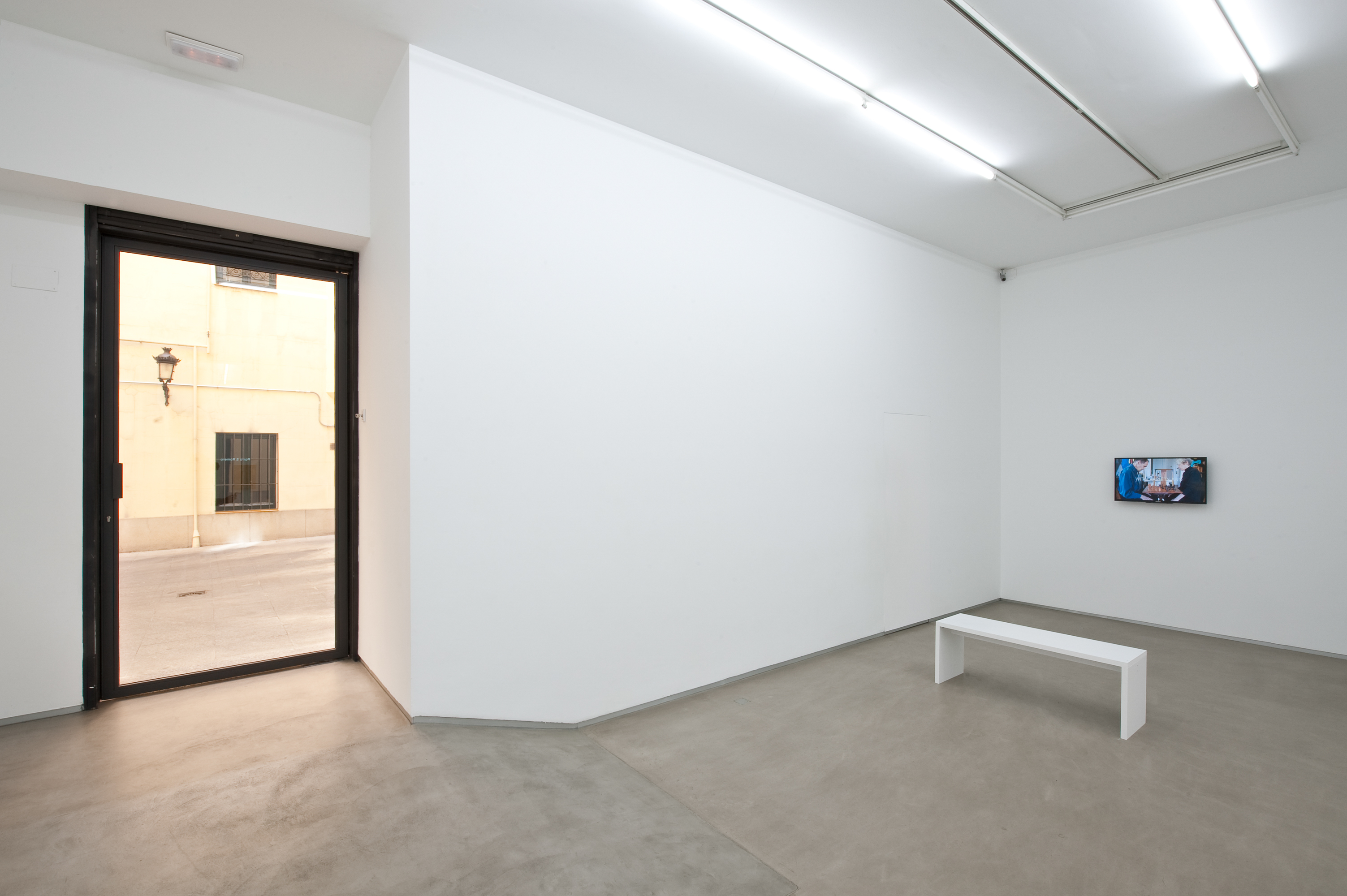
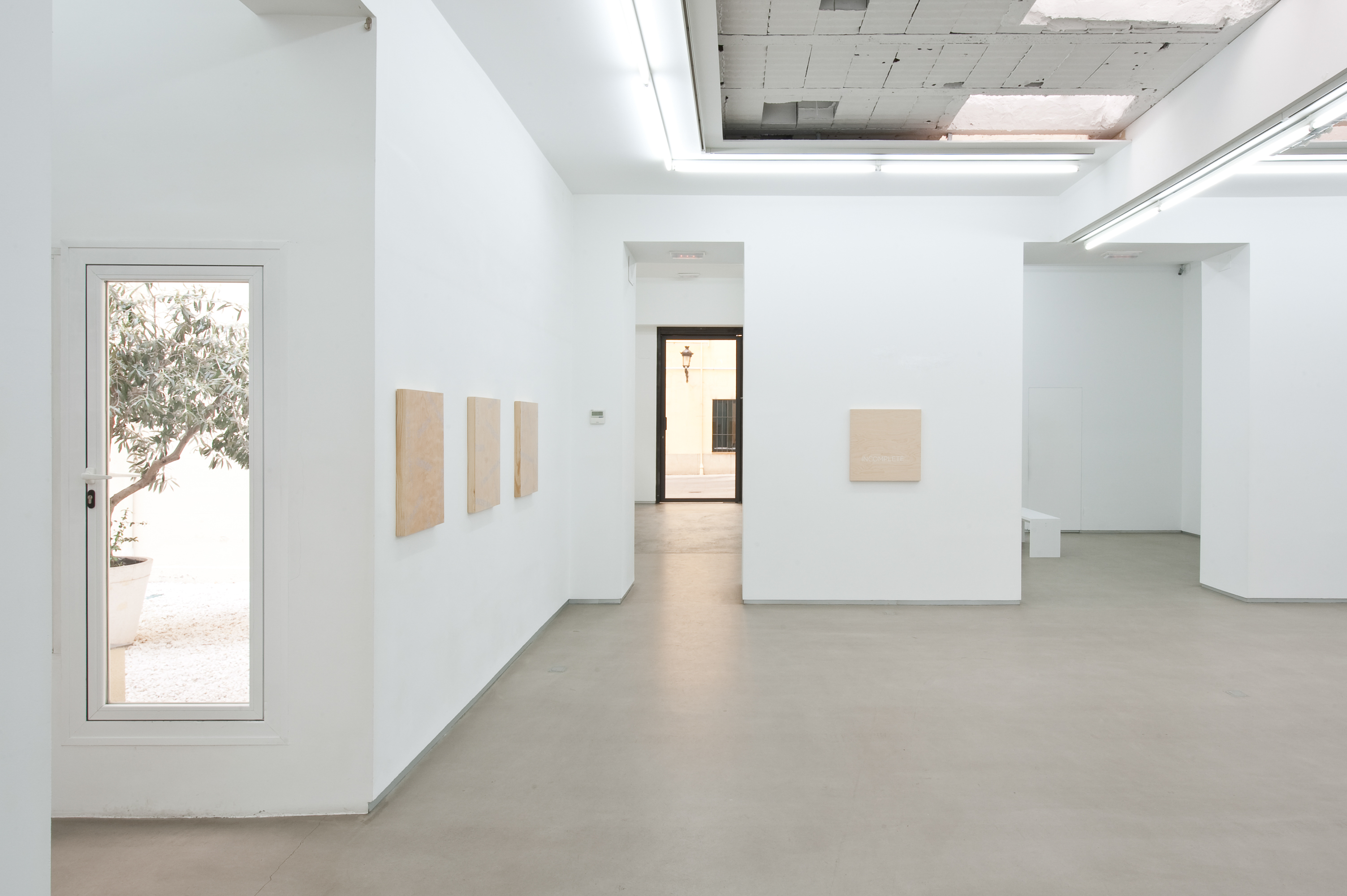
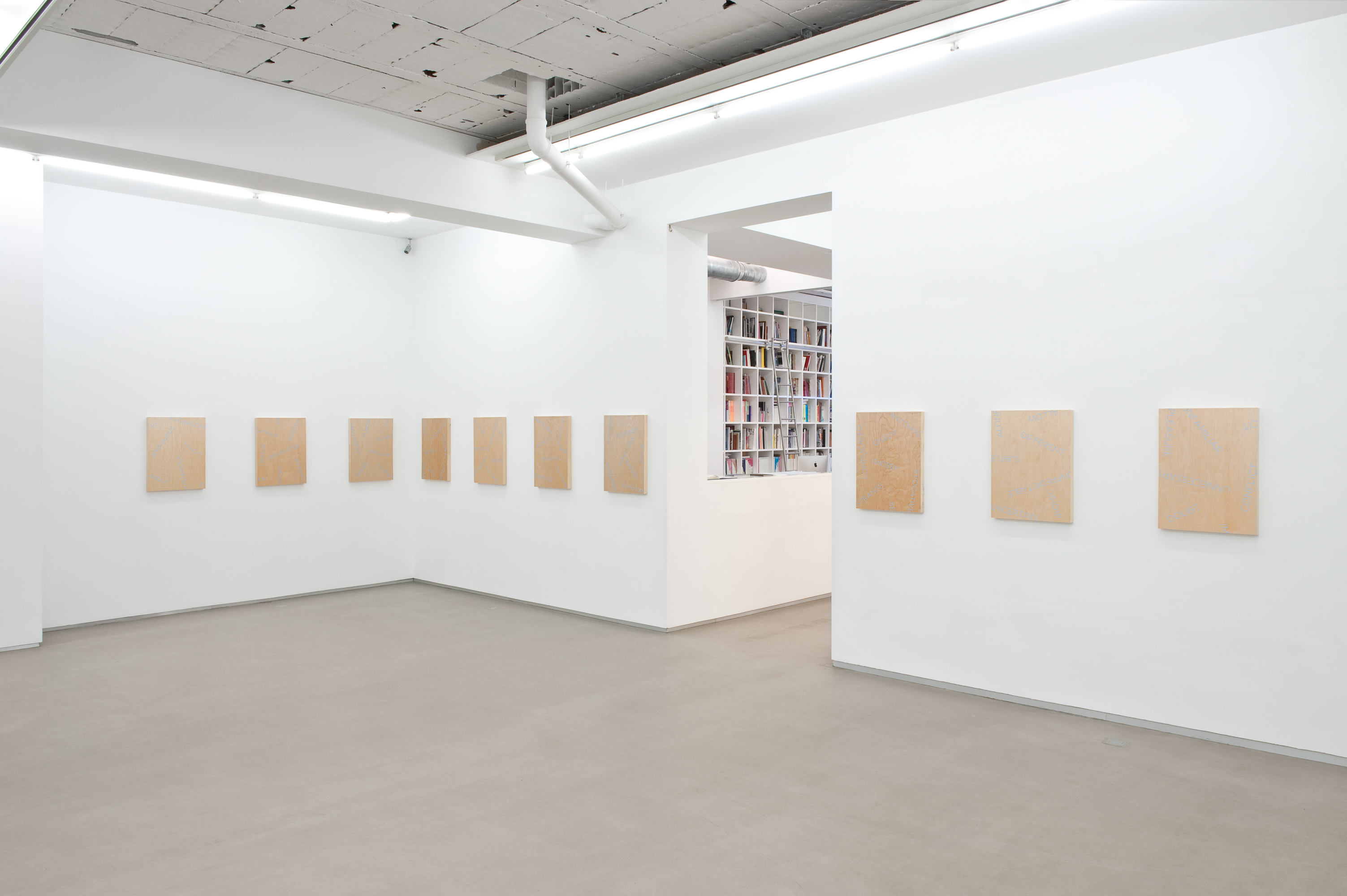
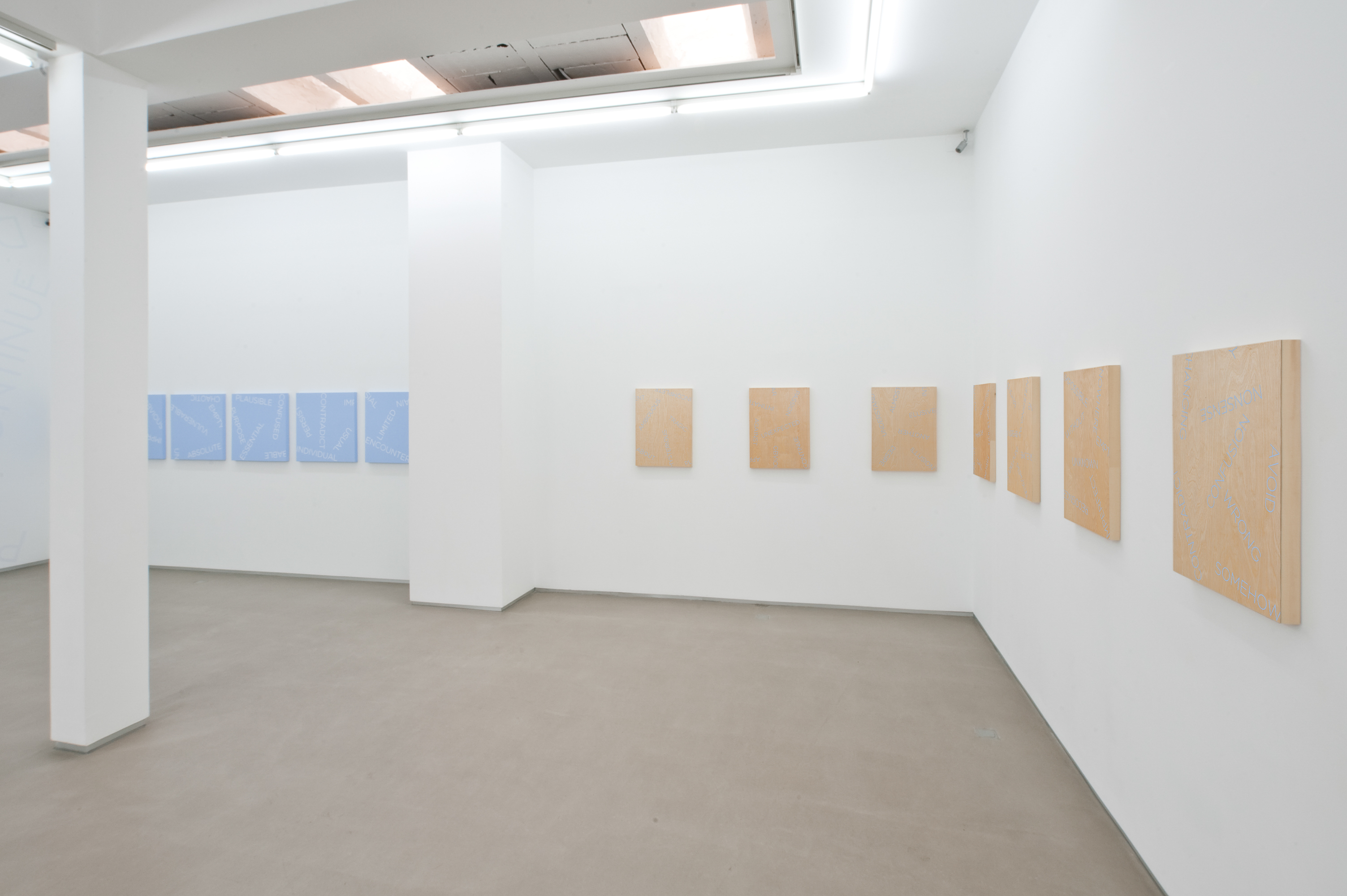
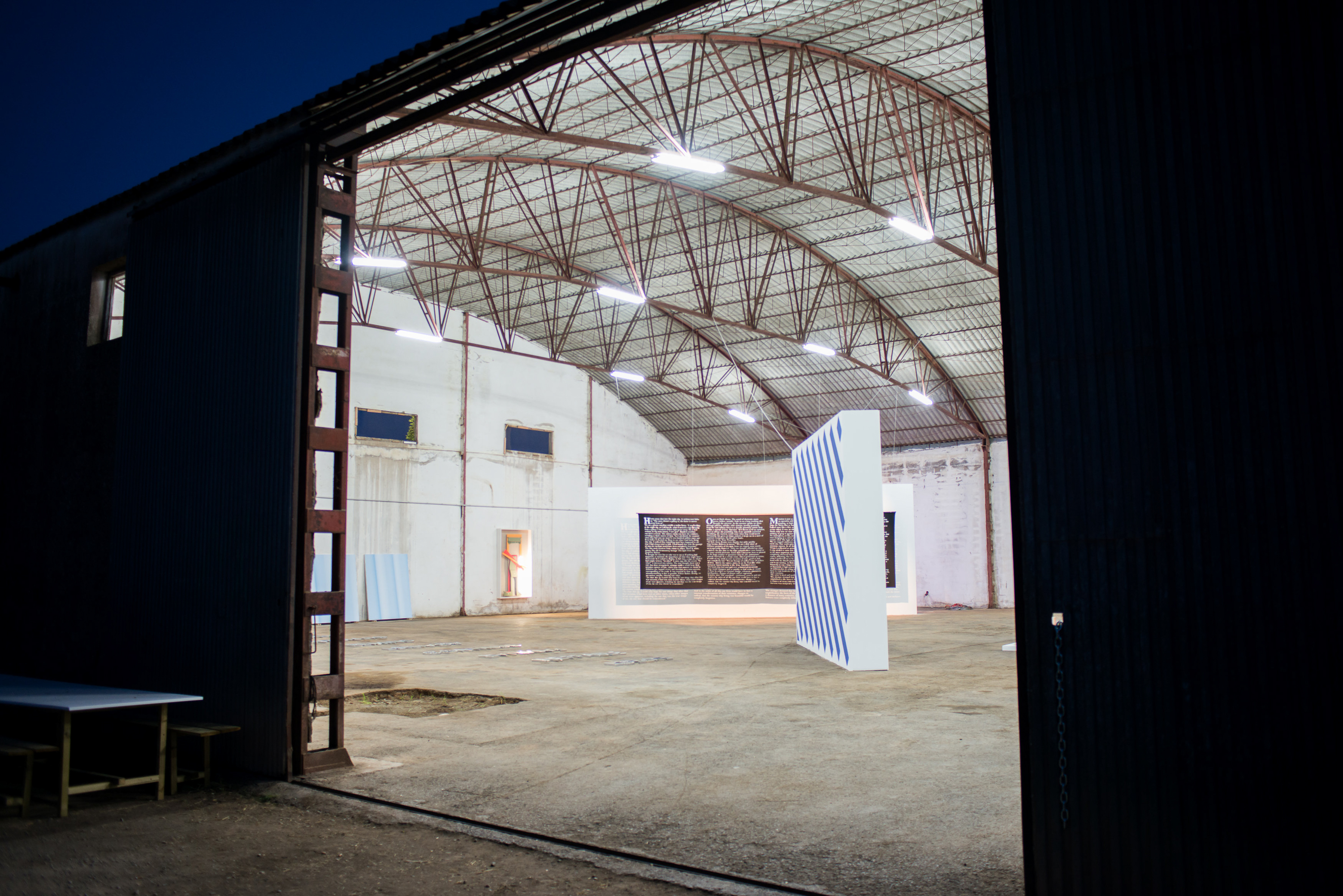
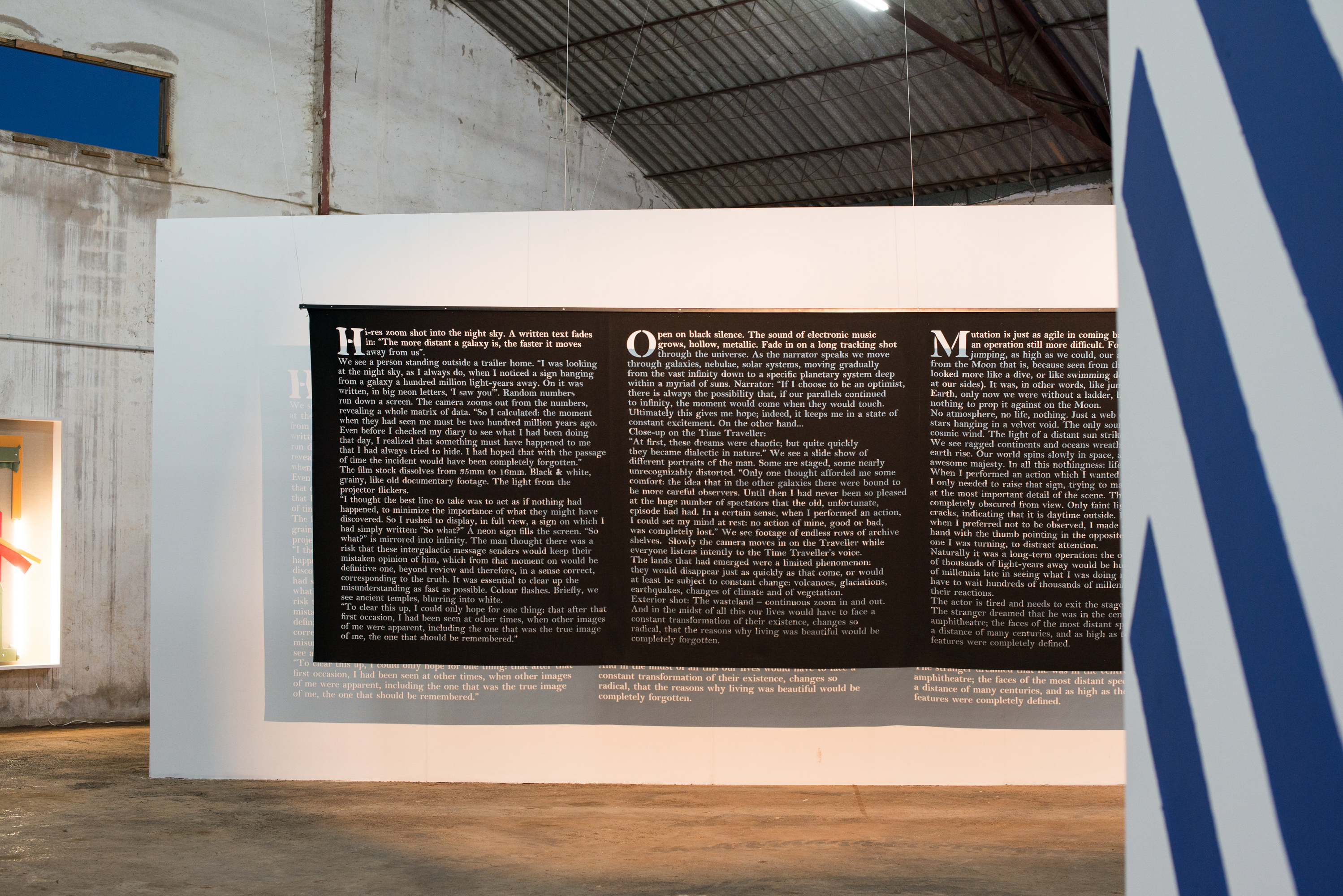
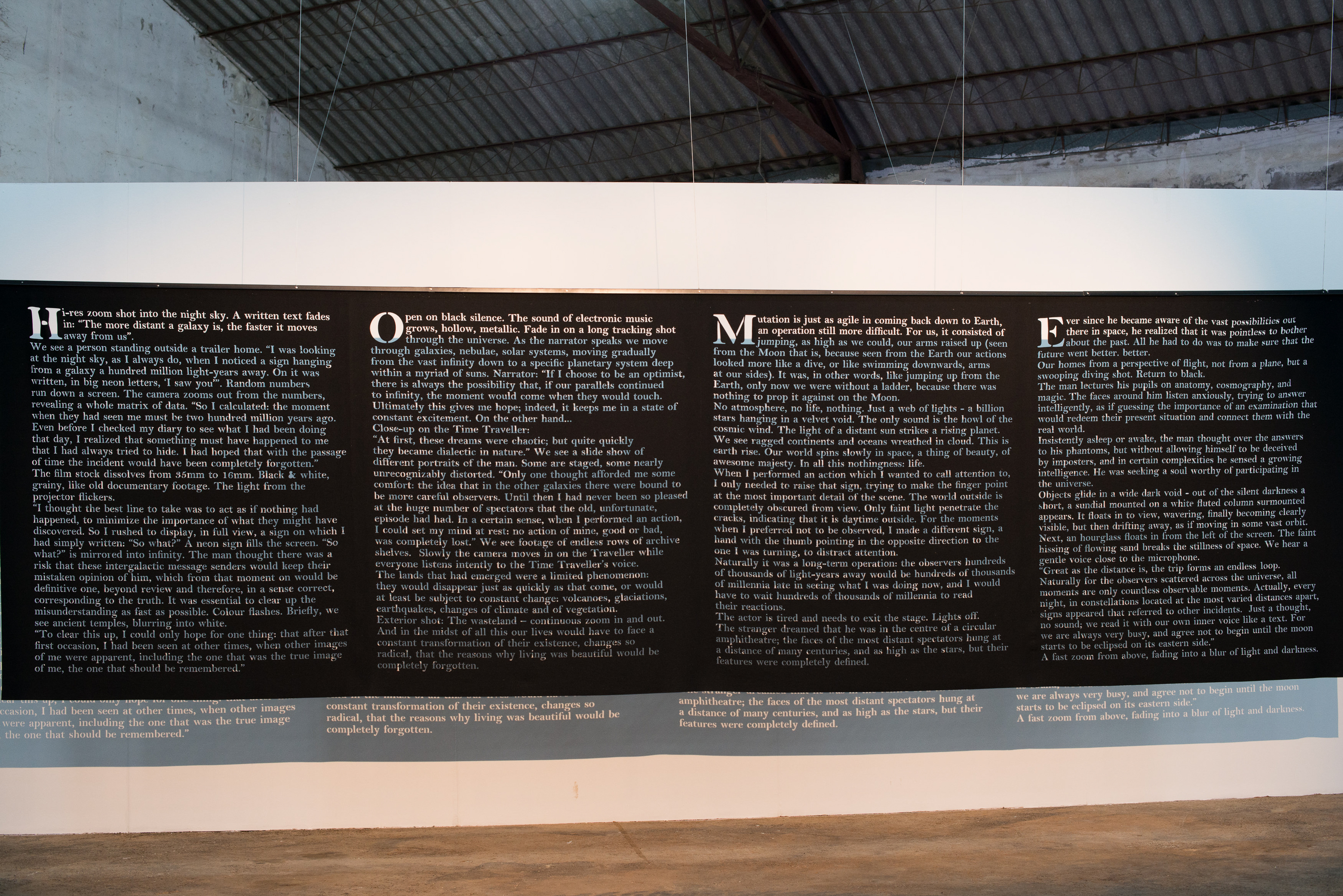
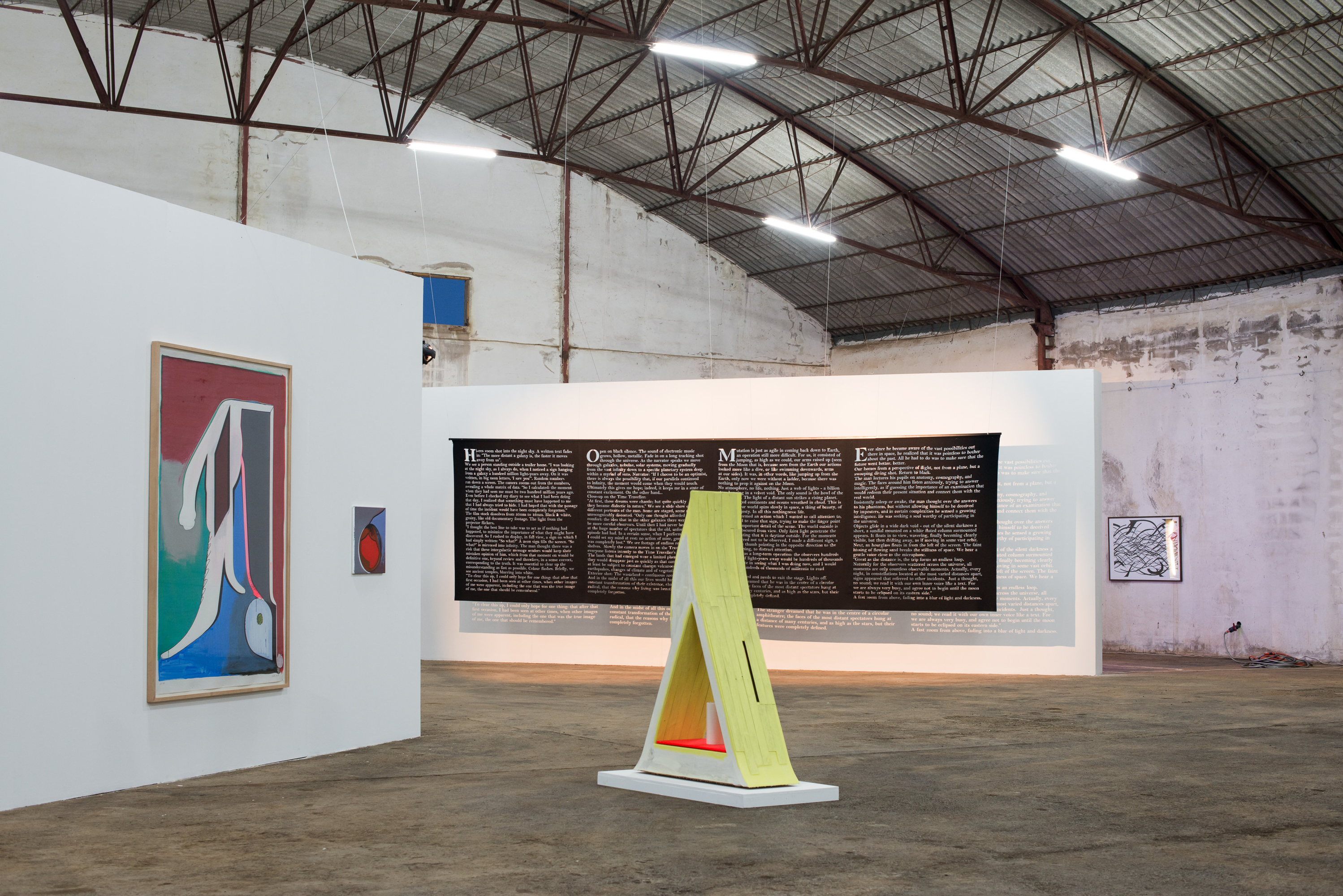
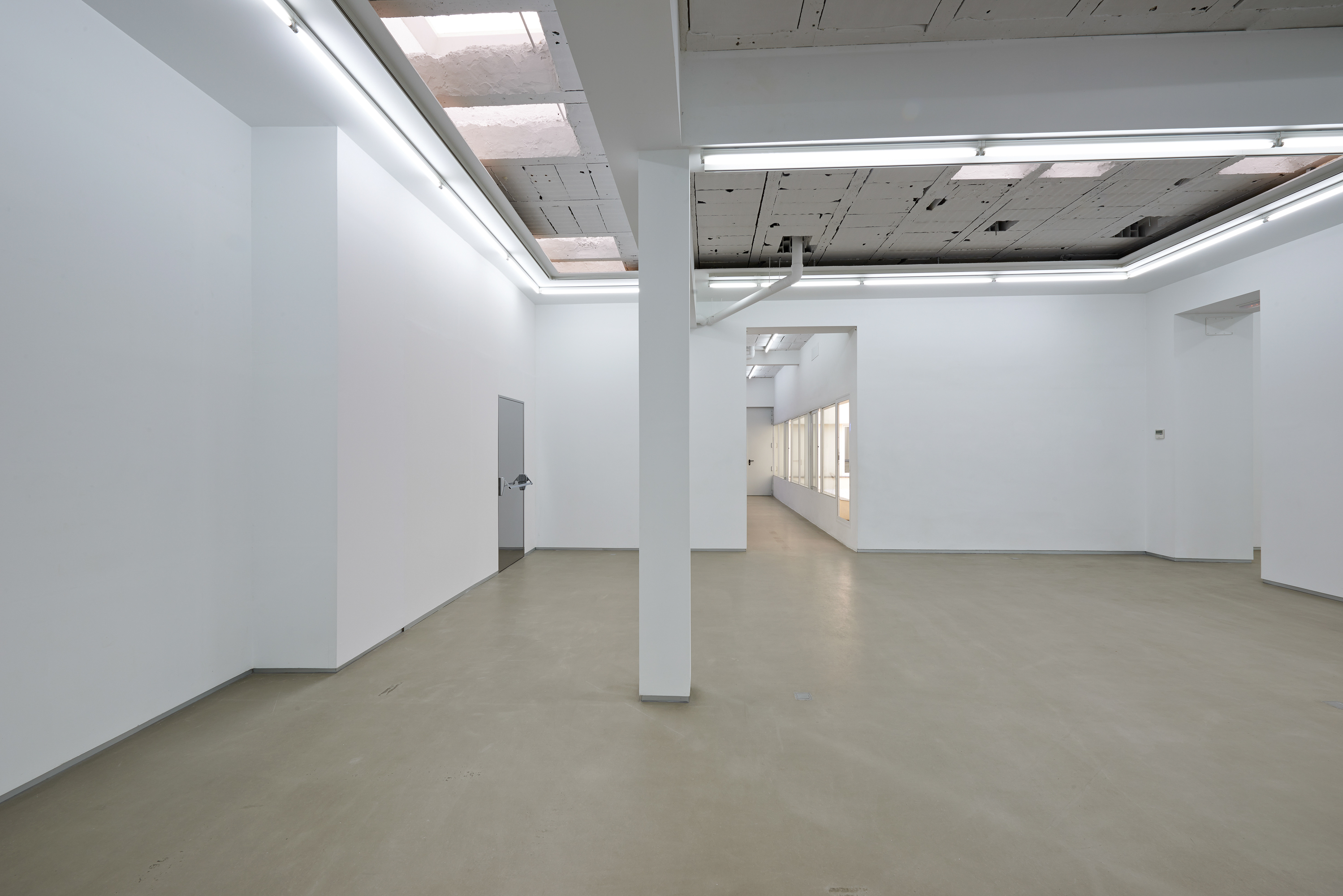
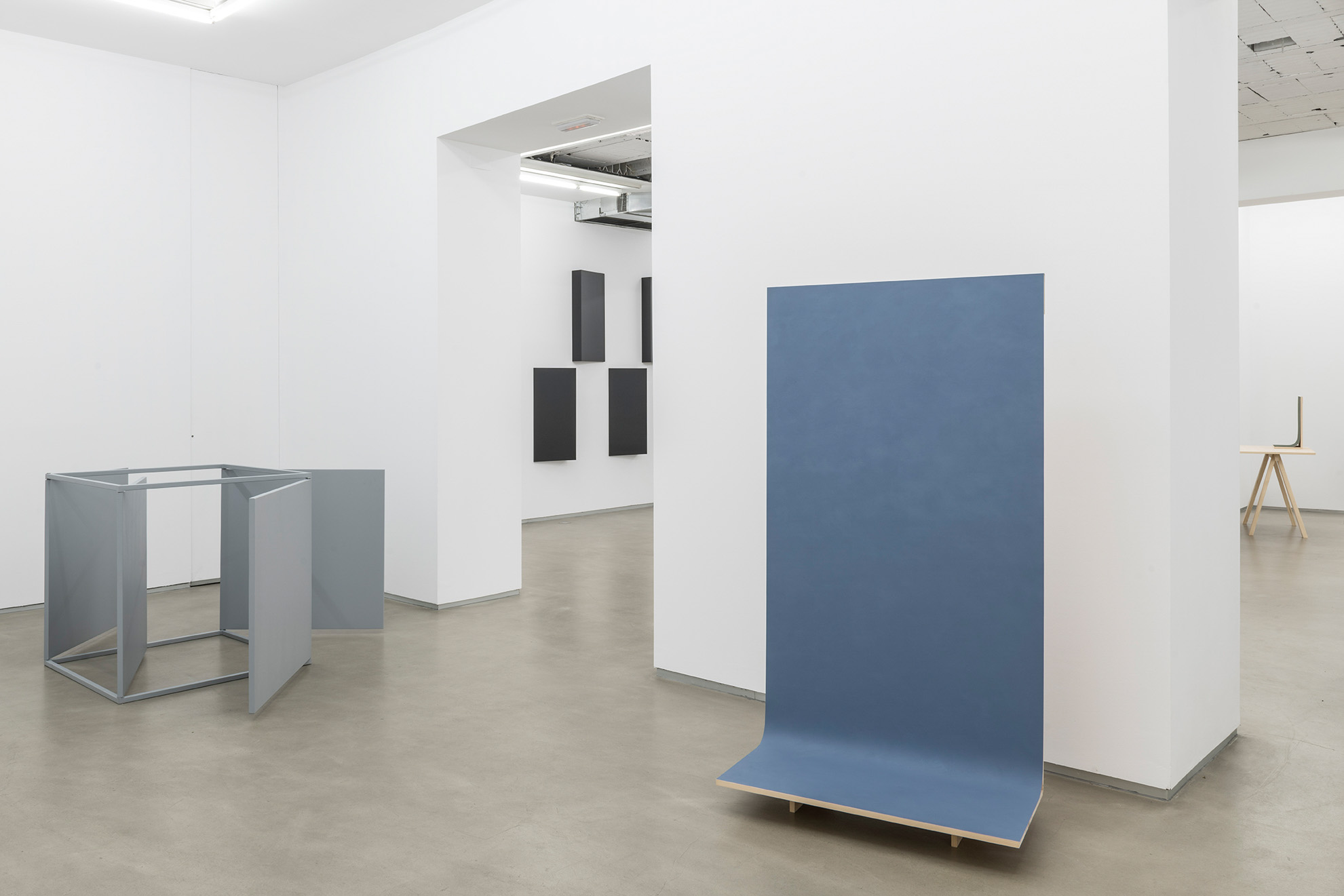
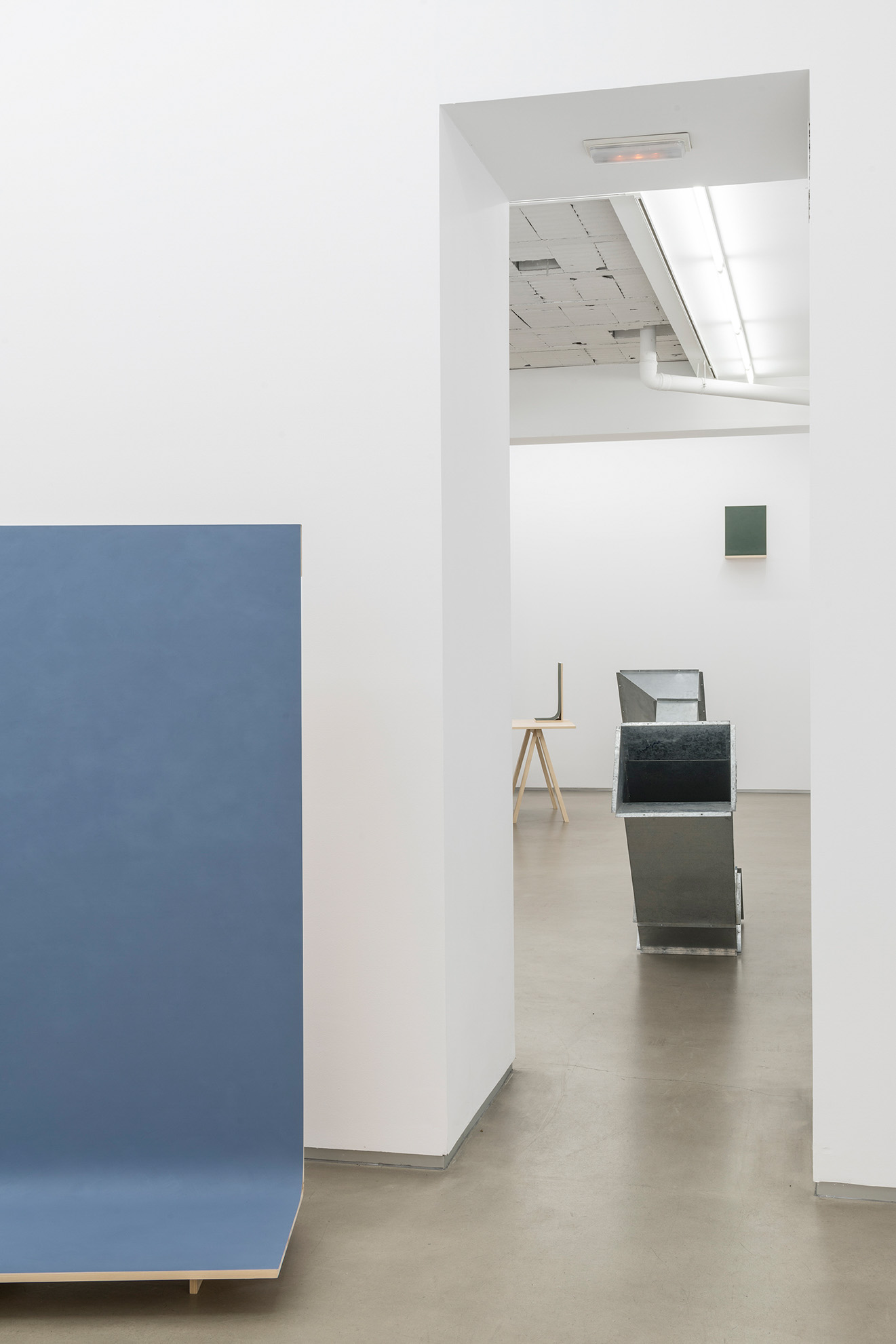
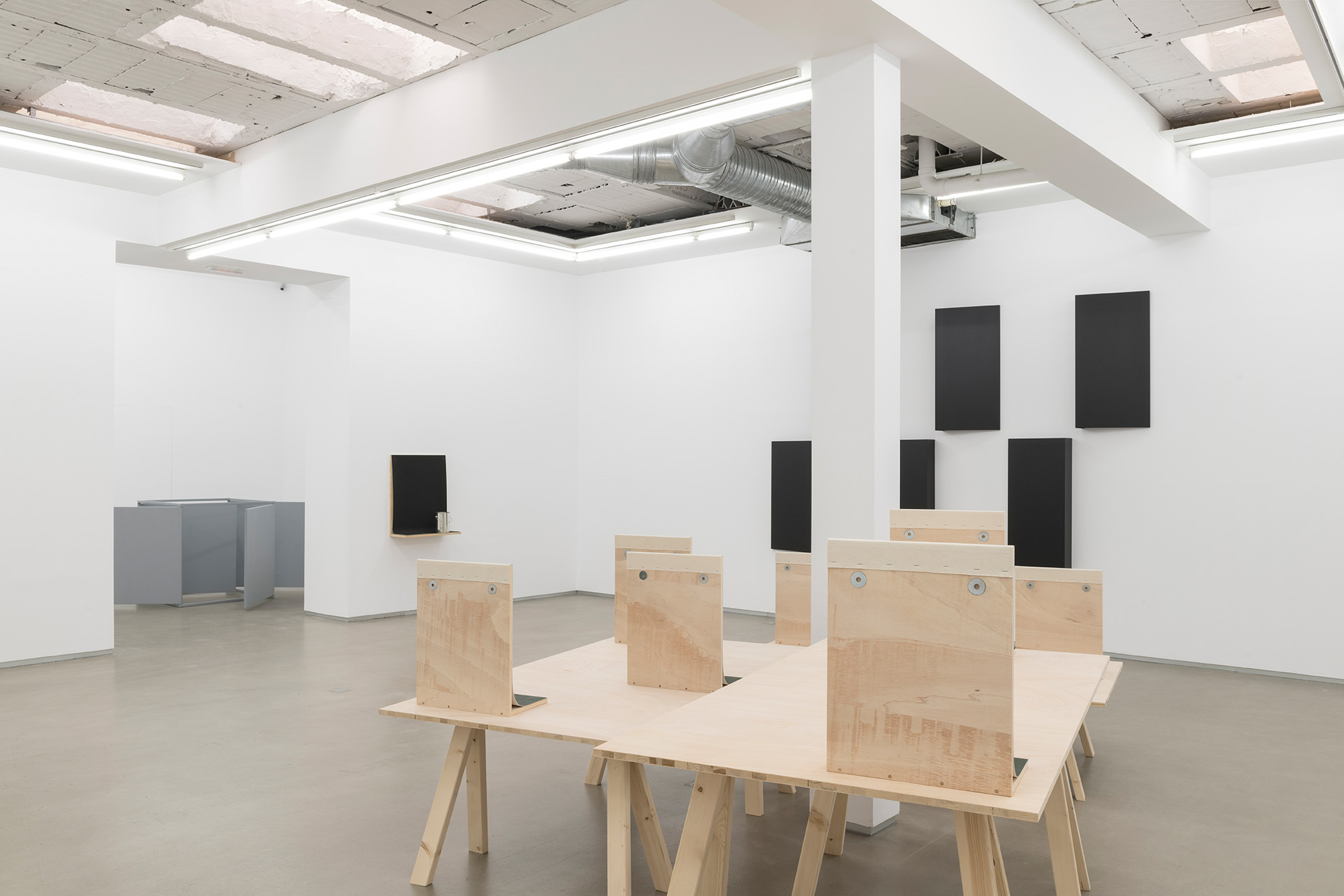
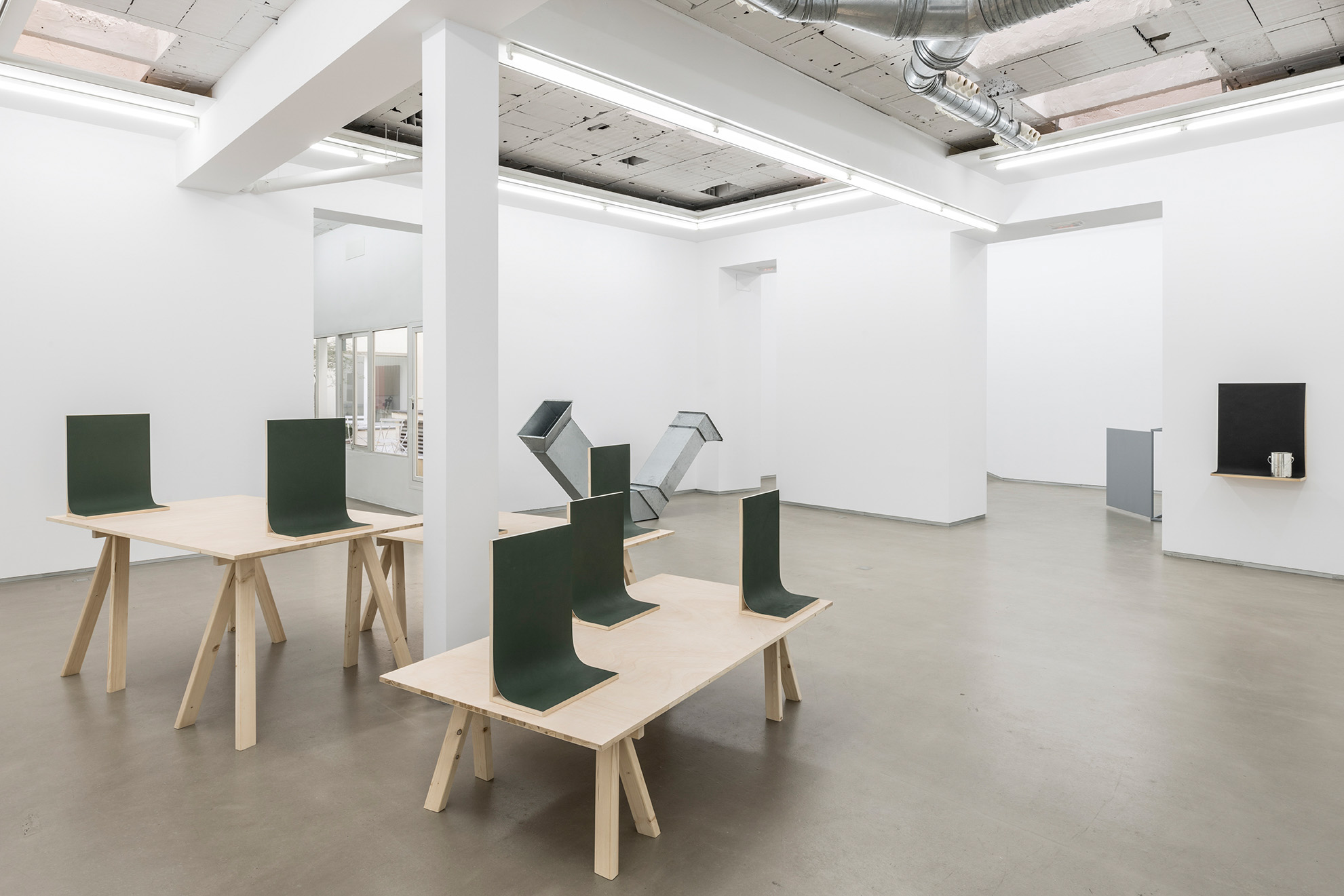
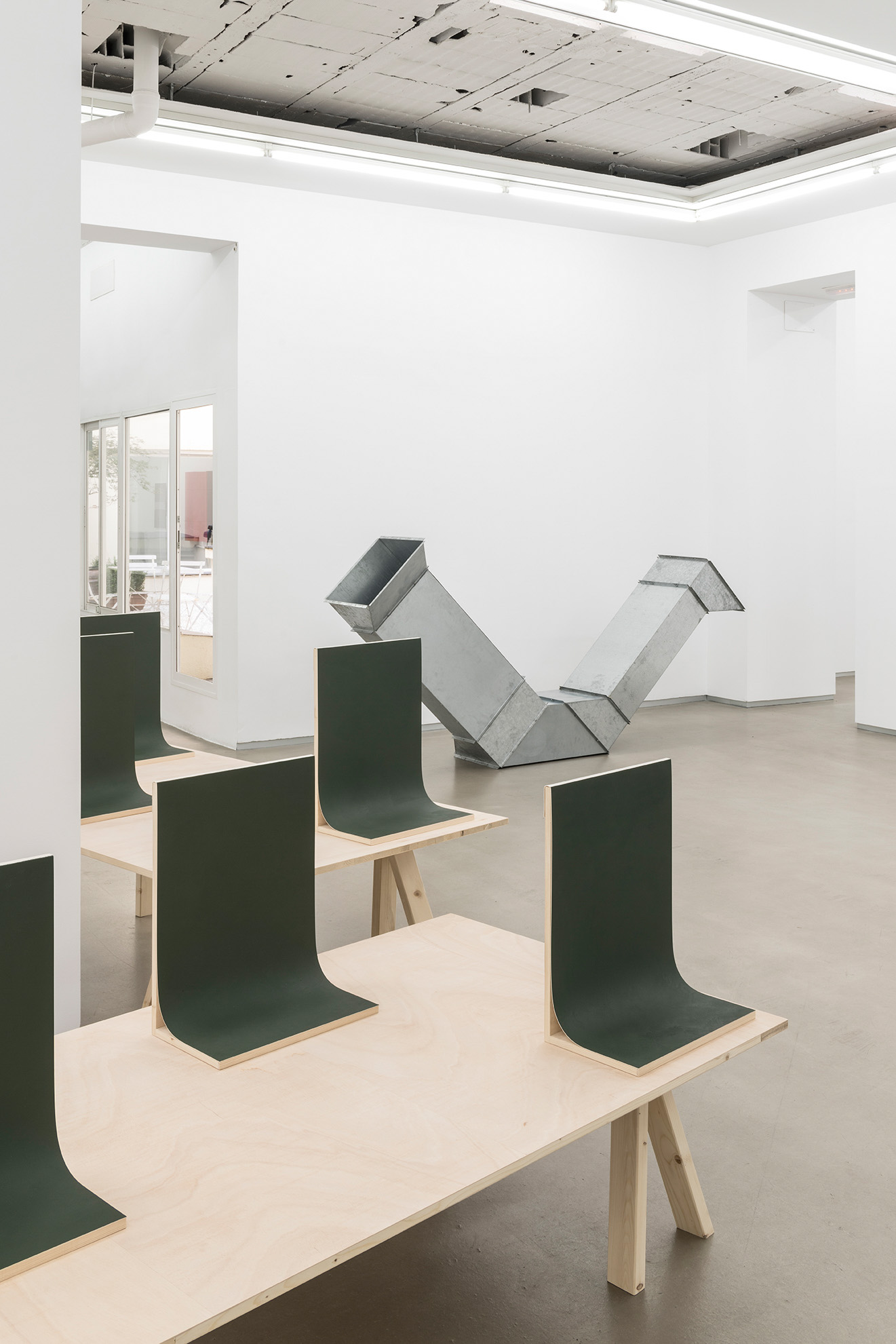
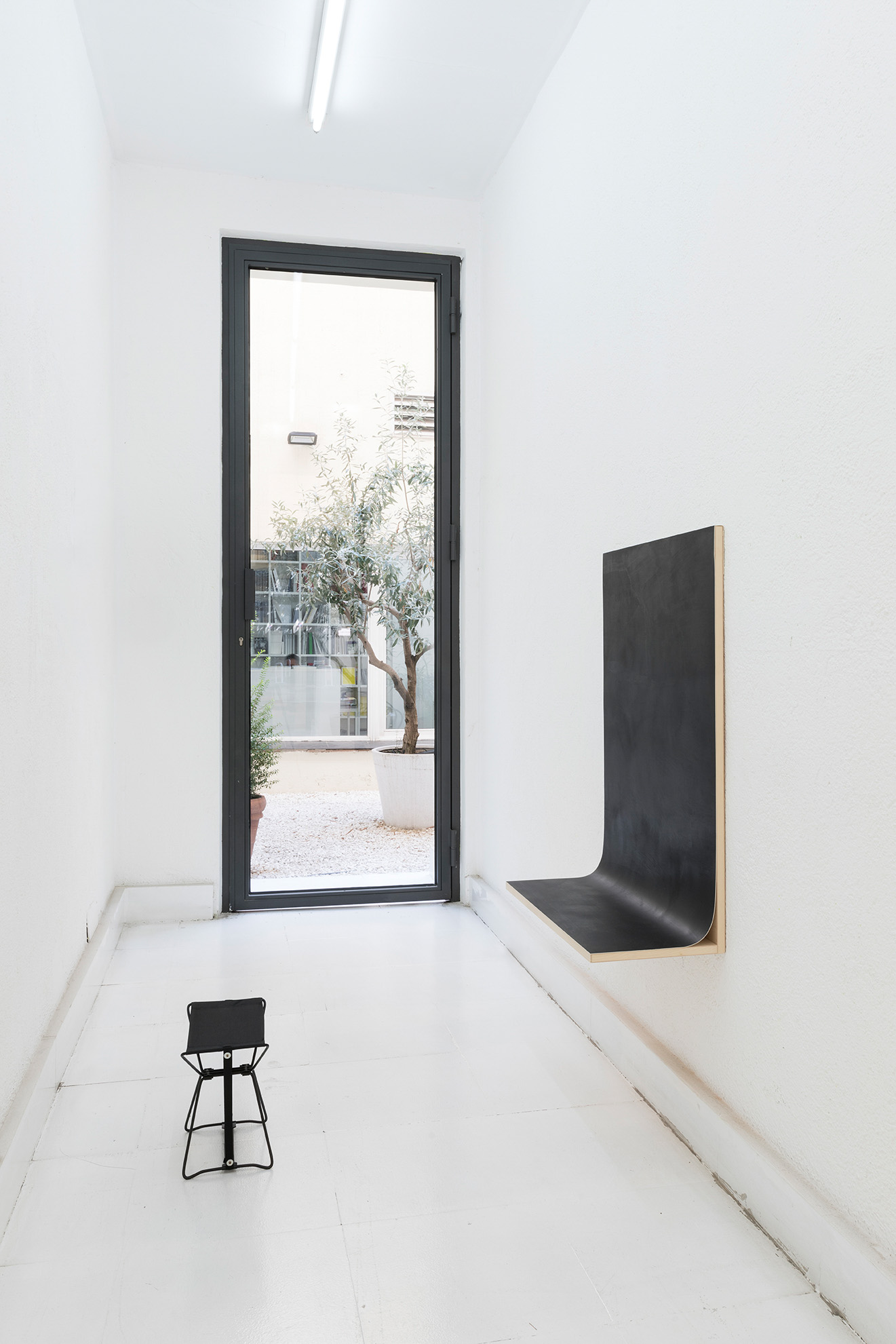
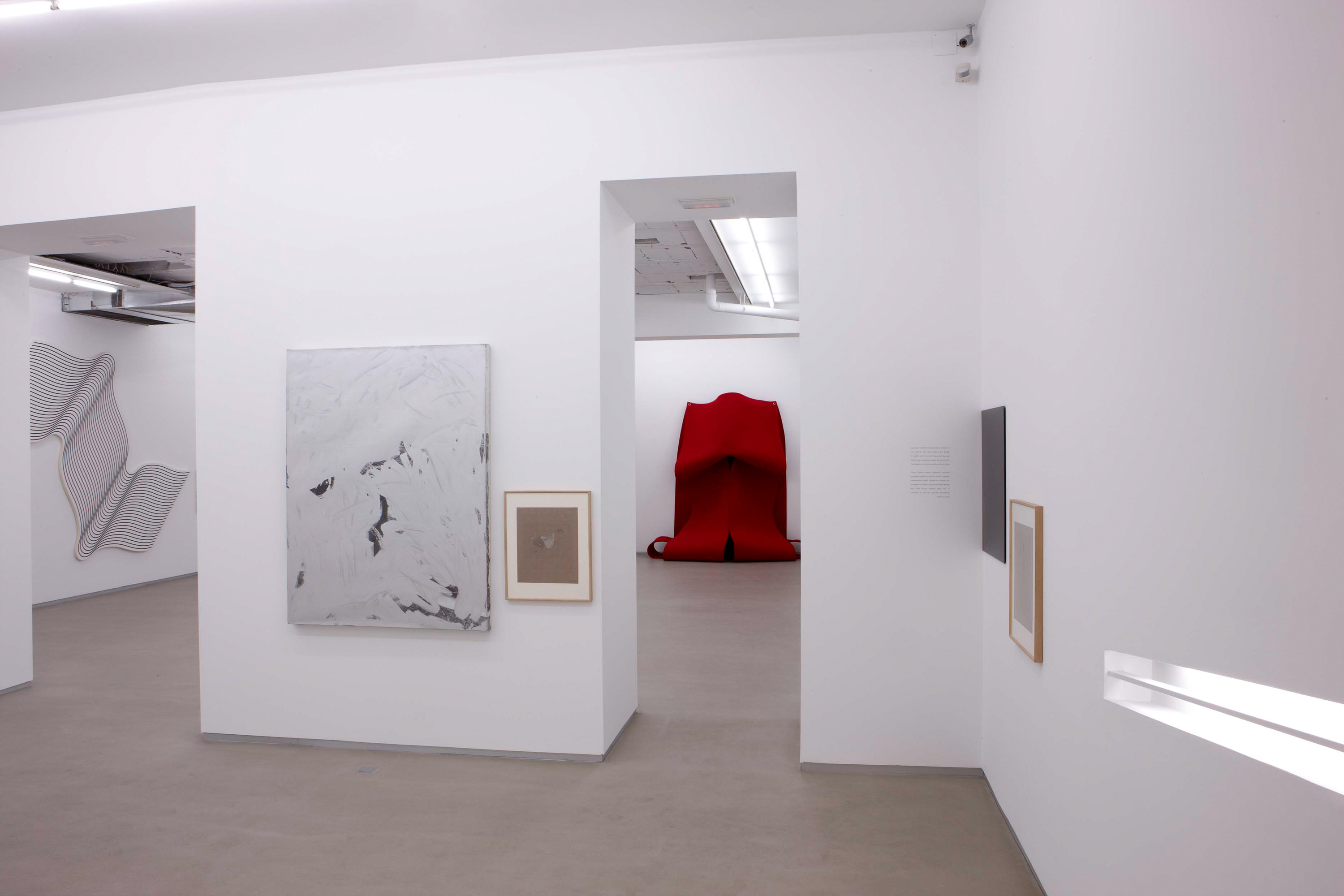
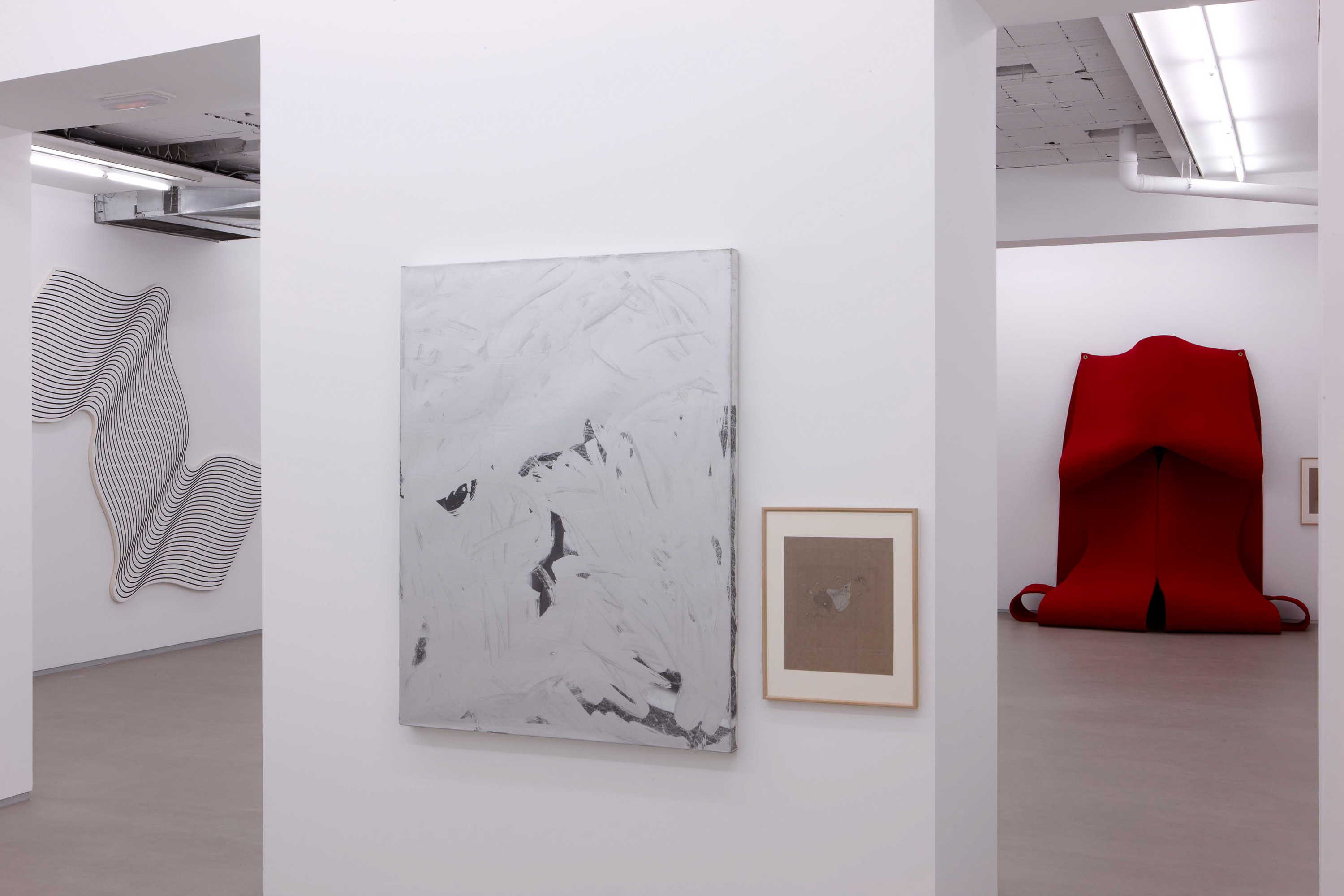
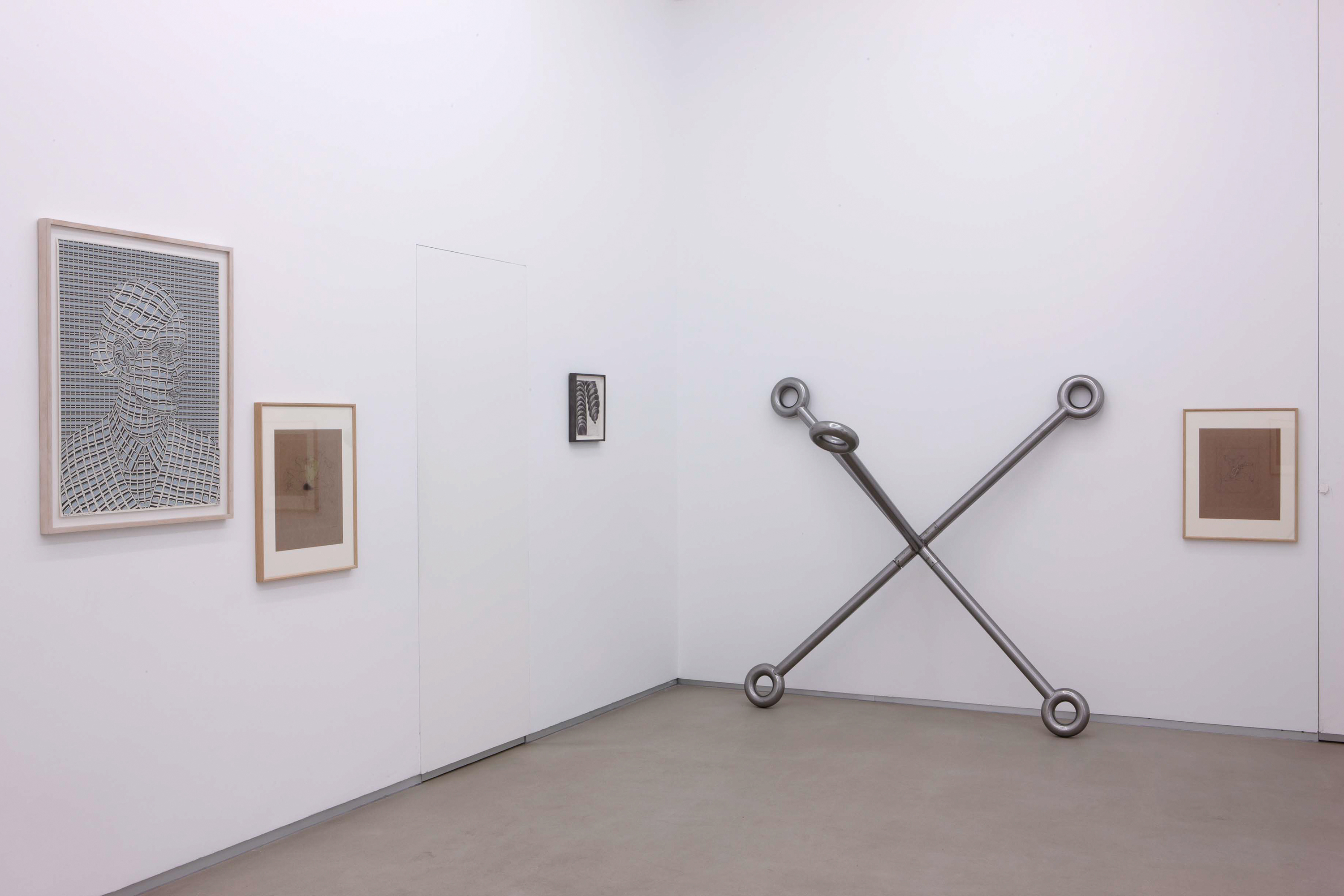
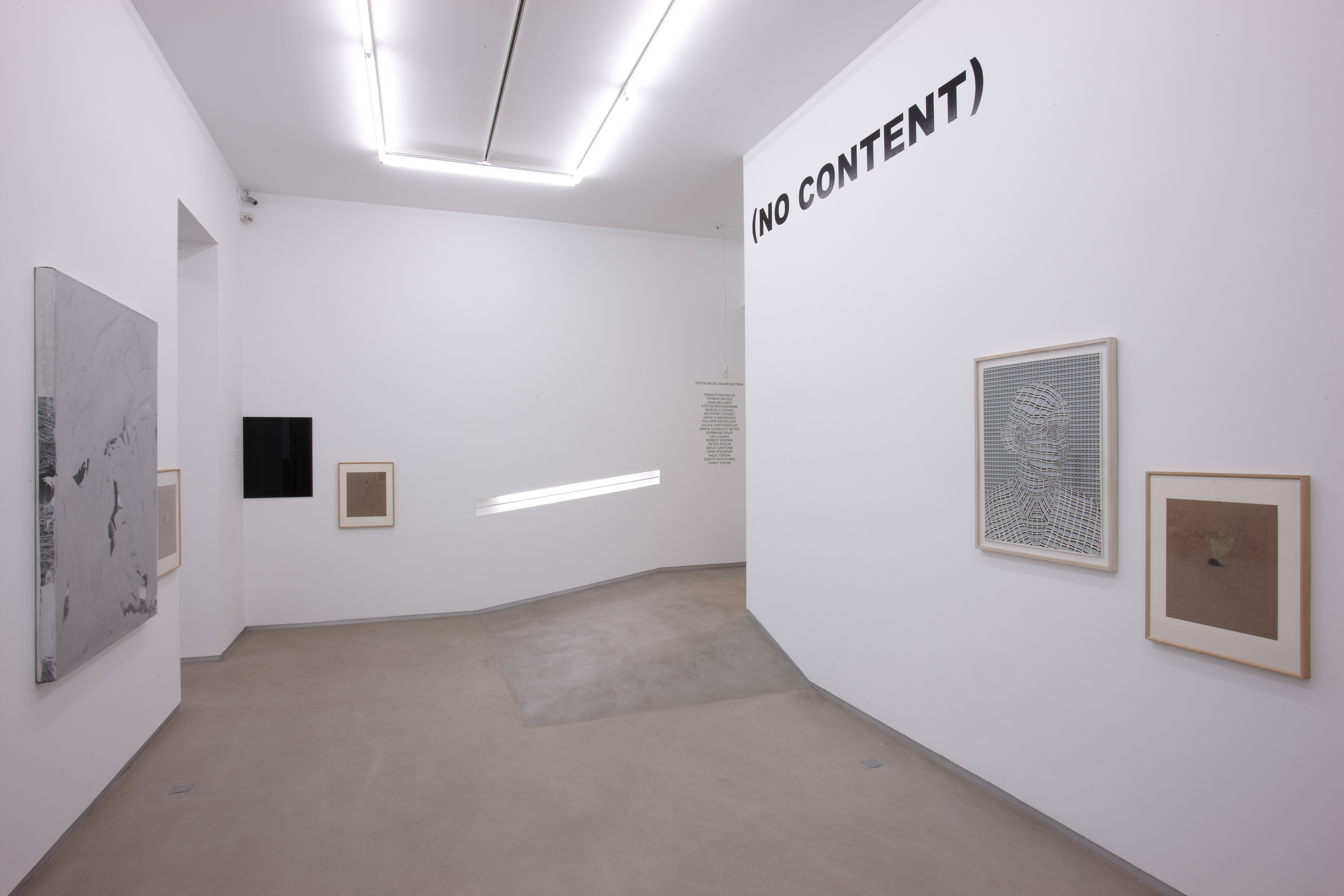
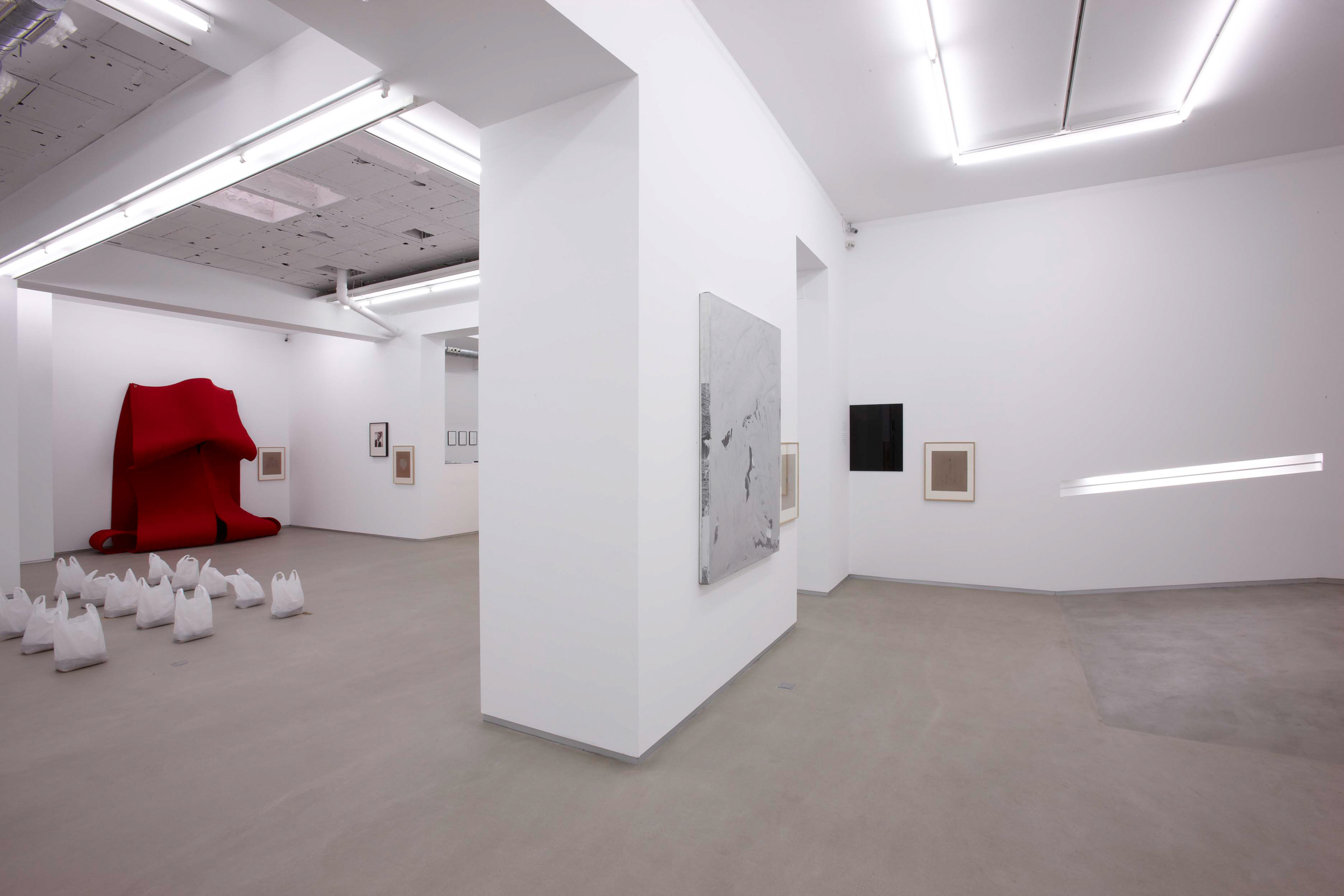
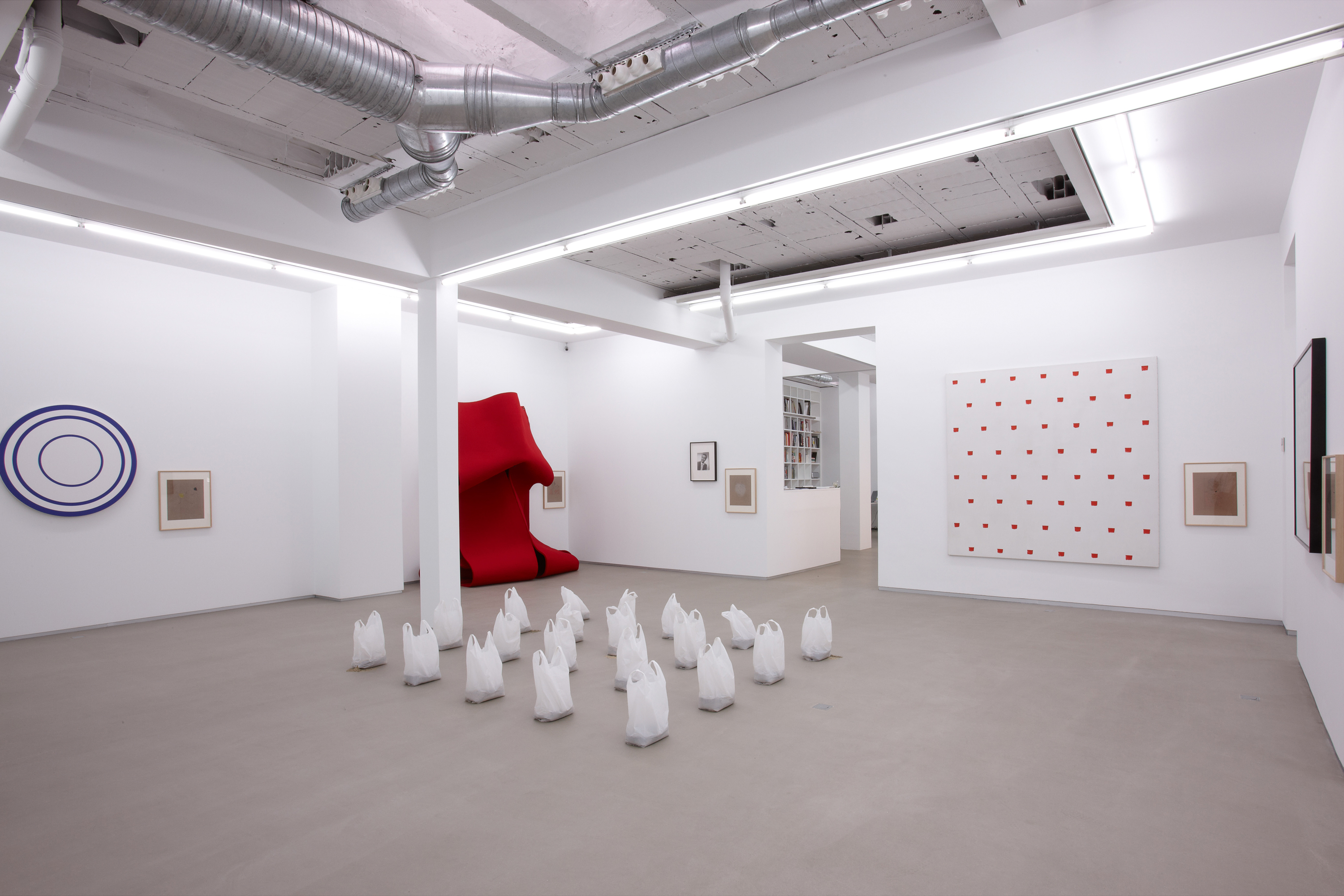
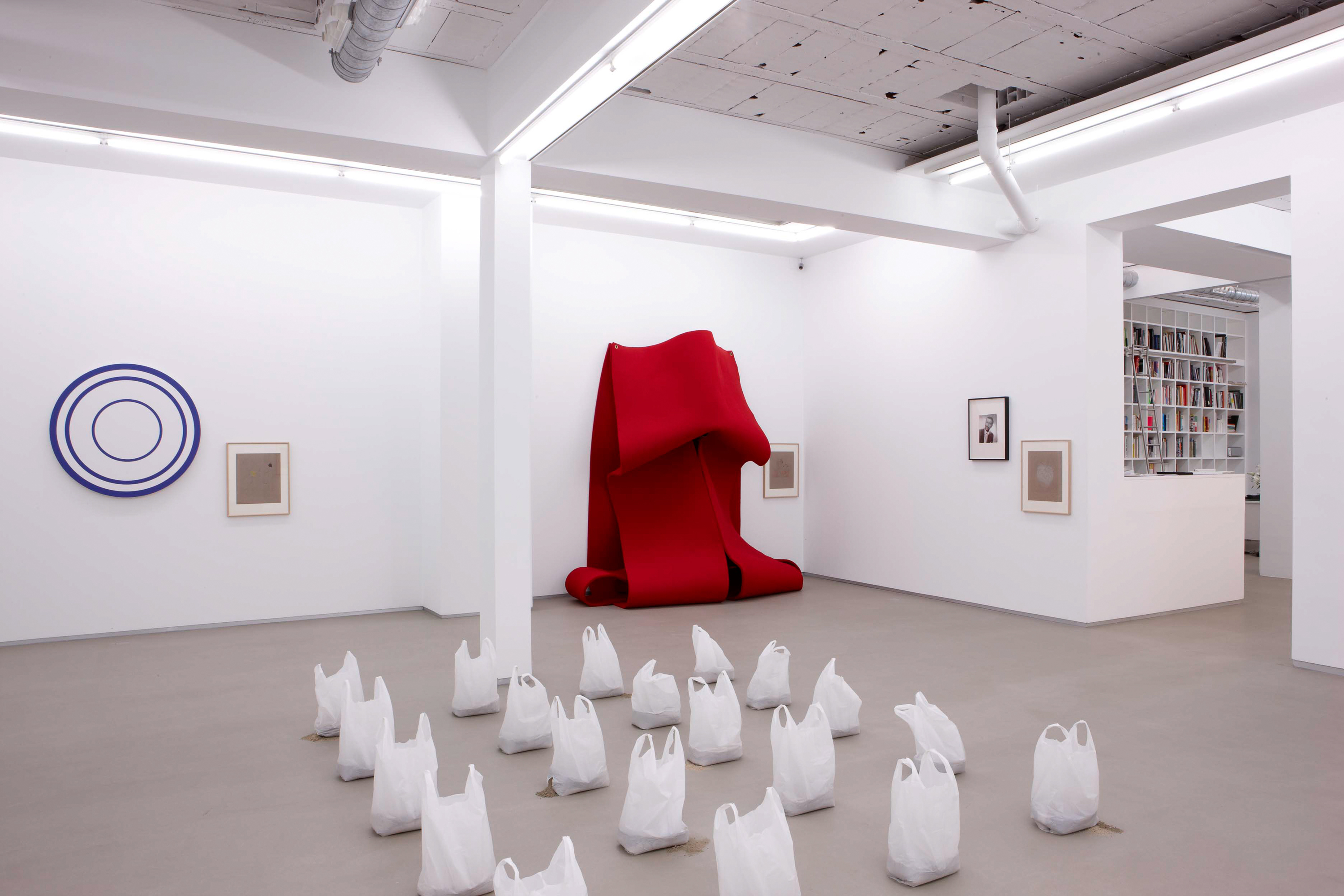
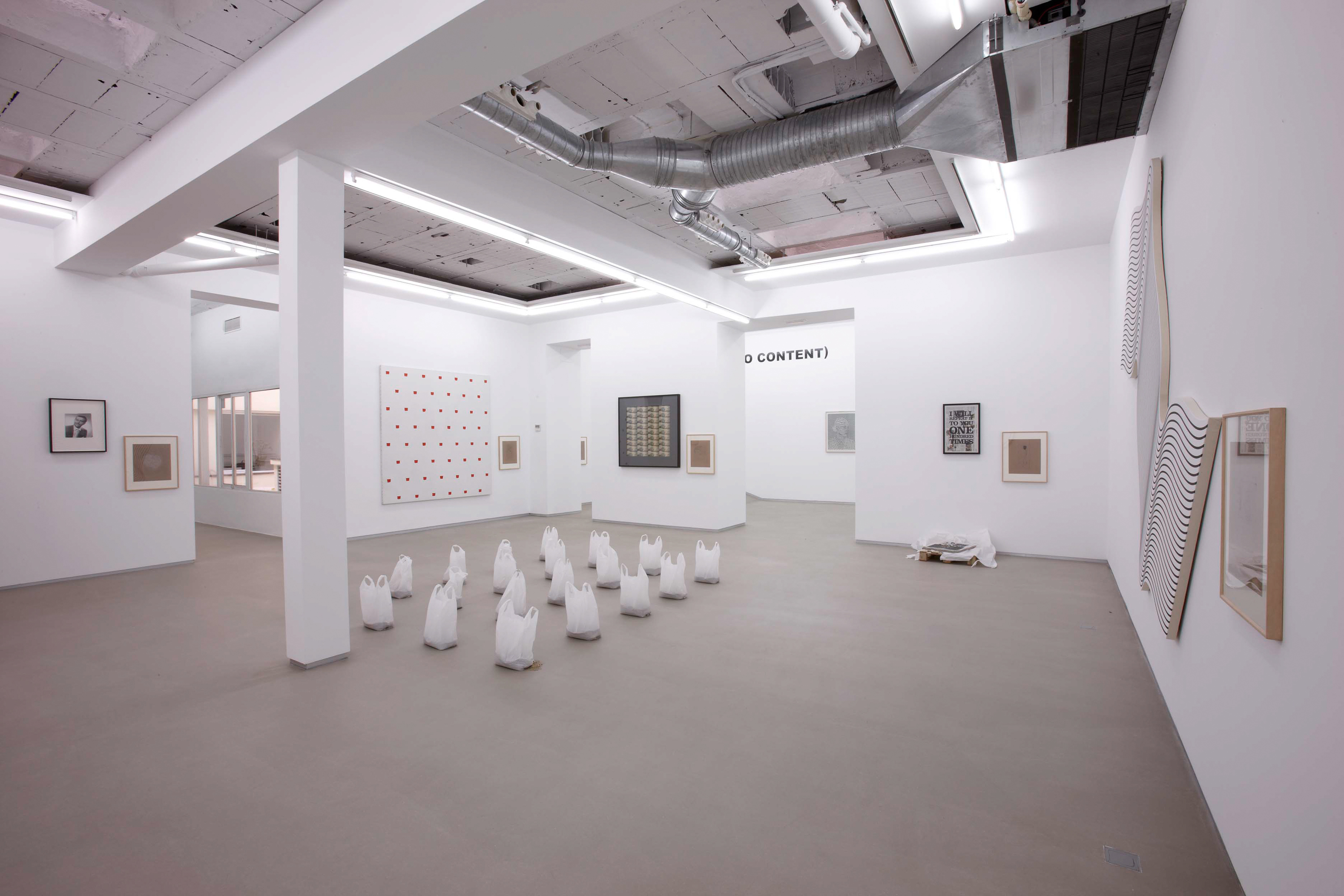
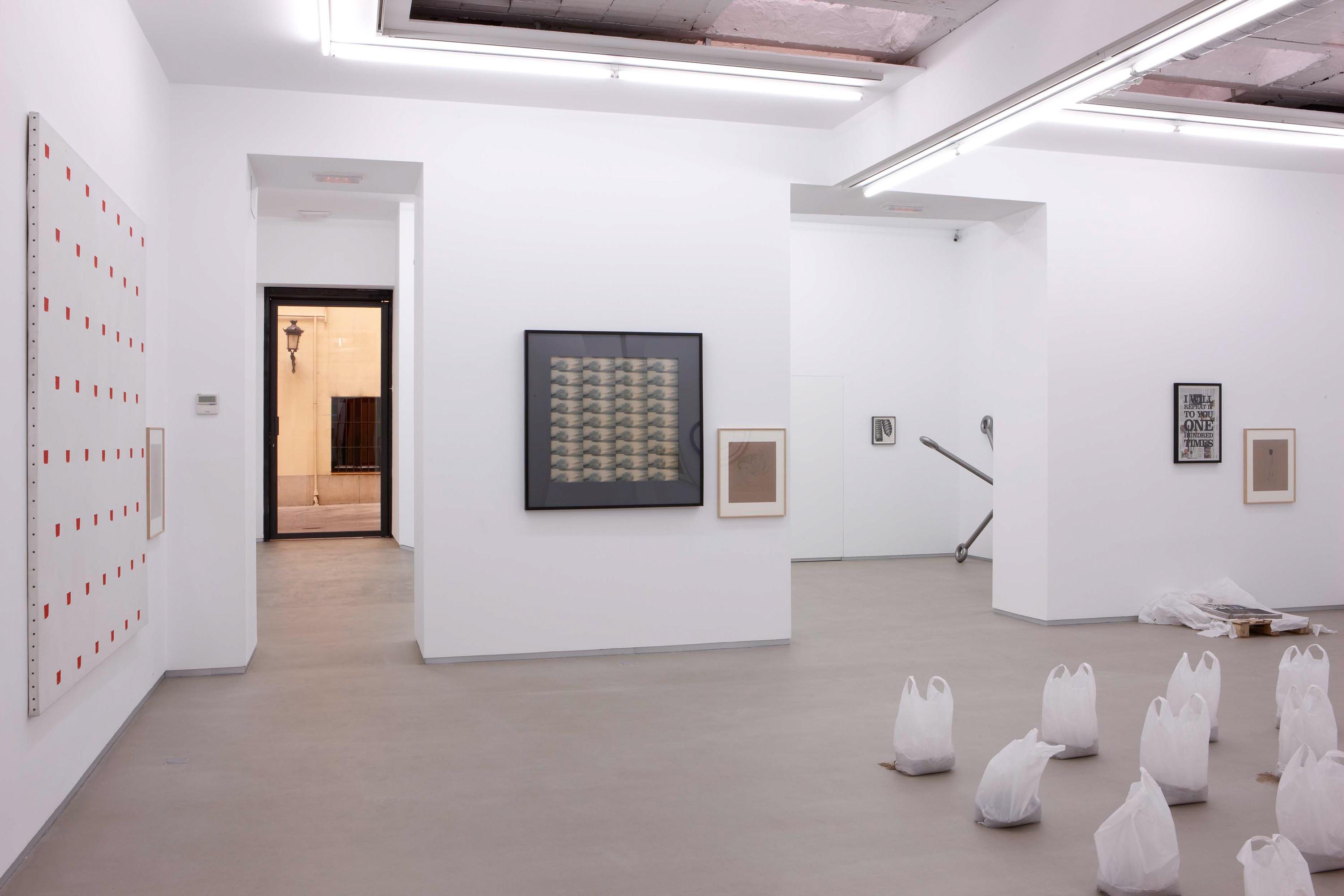
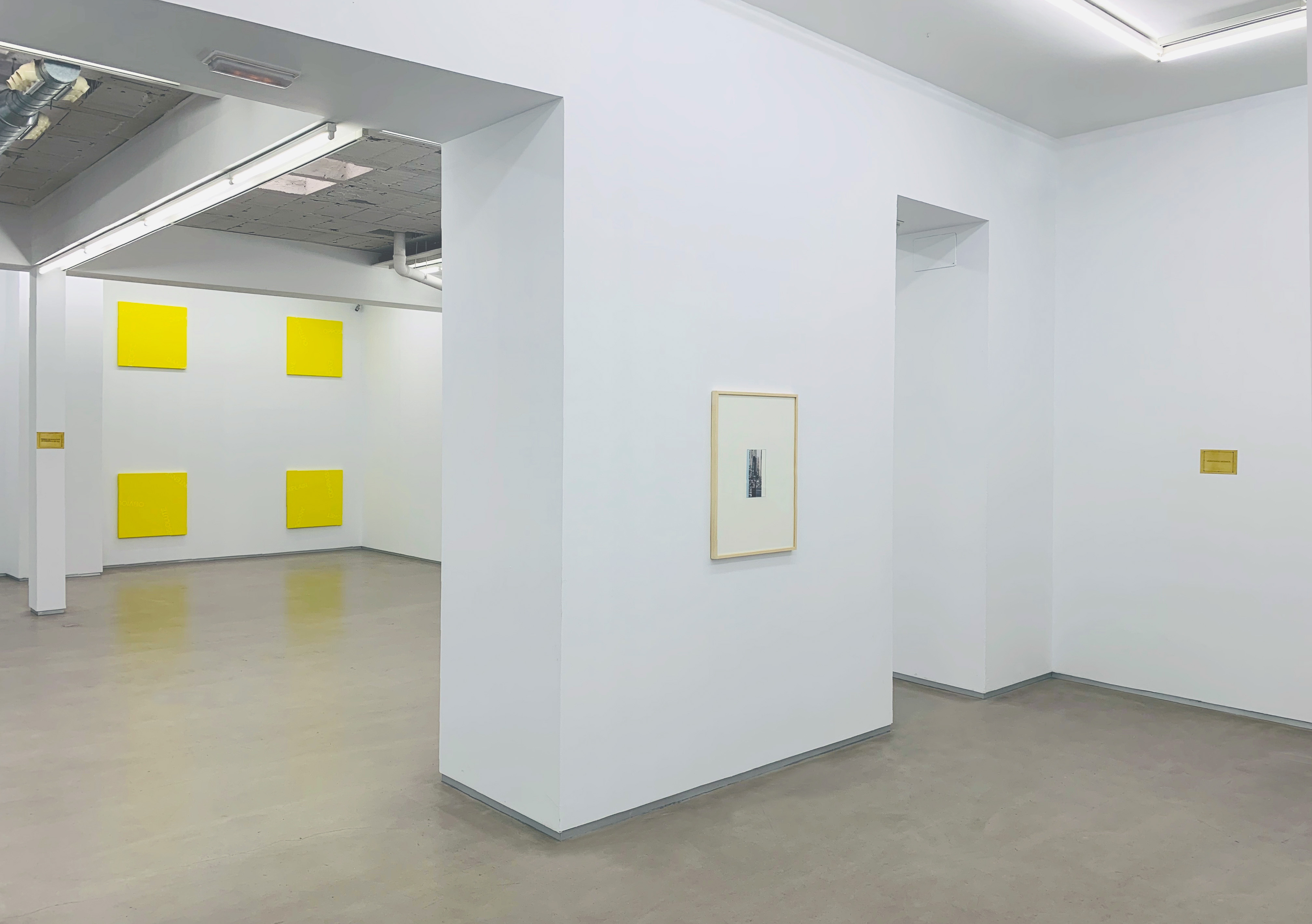
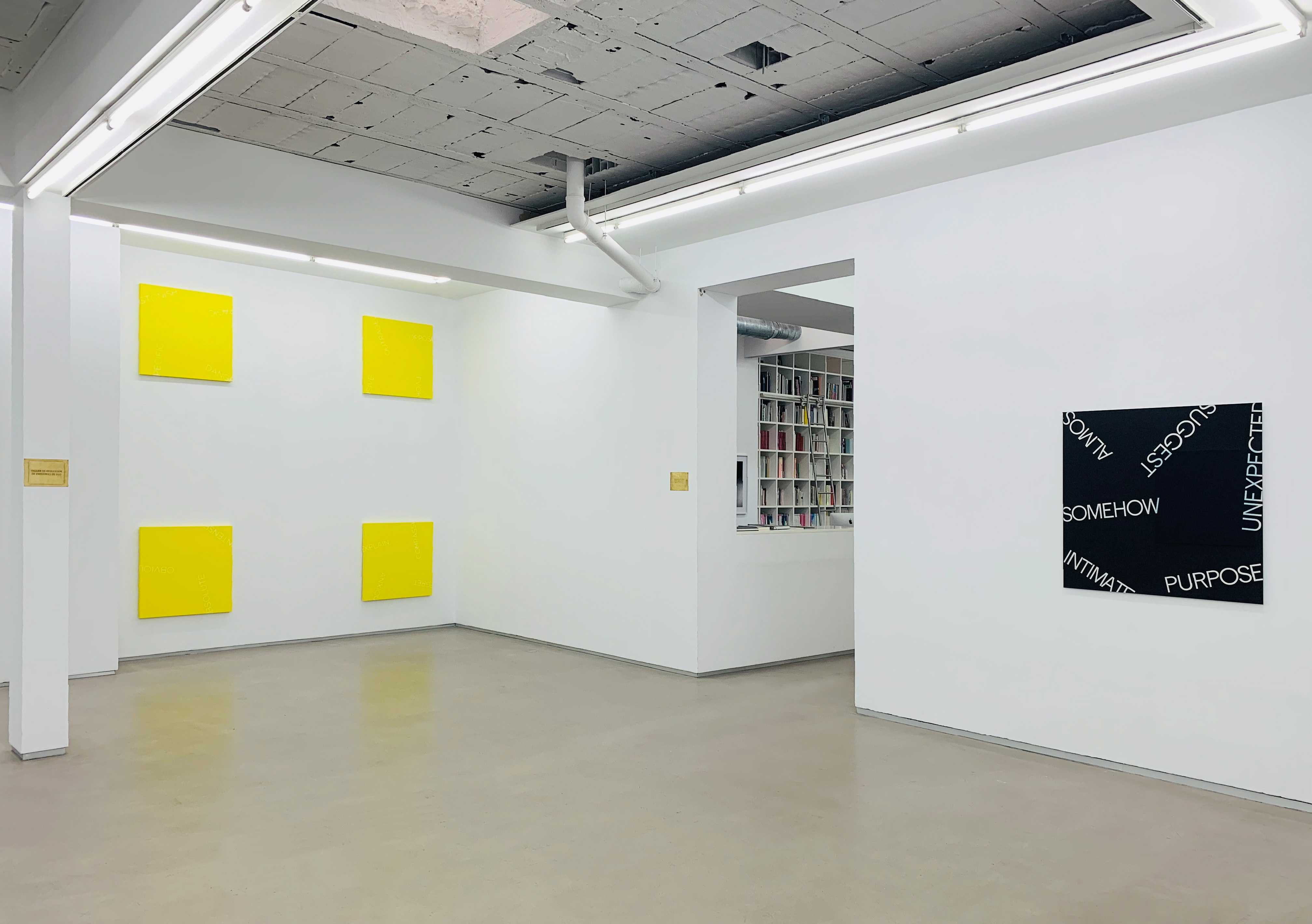
INTERSECTION is born from the collaboration between two galleries from Madrid: Machado-Muñoz, focused on design objects, and Parra & Romero, on contemporary art. Just as the title indicates, the exhibition implies an intersection between some design pieces and a series of works that abstract the traditional concept of artwork, tending to dematerialize it. The marked formal and aesthetic parameters on which the lines of each one of the galleries is based permits to bring together objects coming from both, in a black and white space in which the visual, functional, architectonic and even sound element are bond and merged.
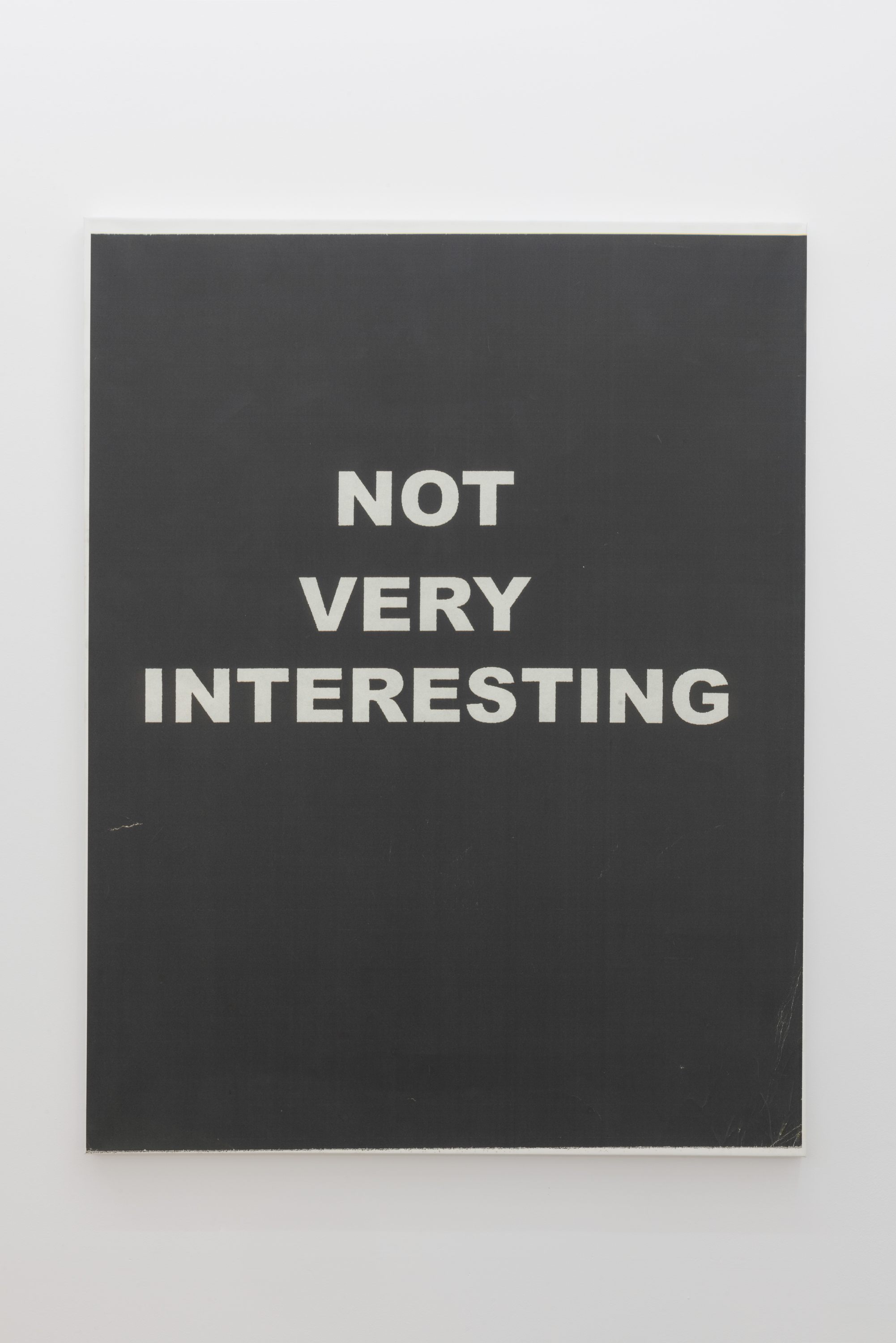
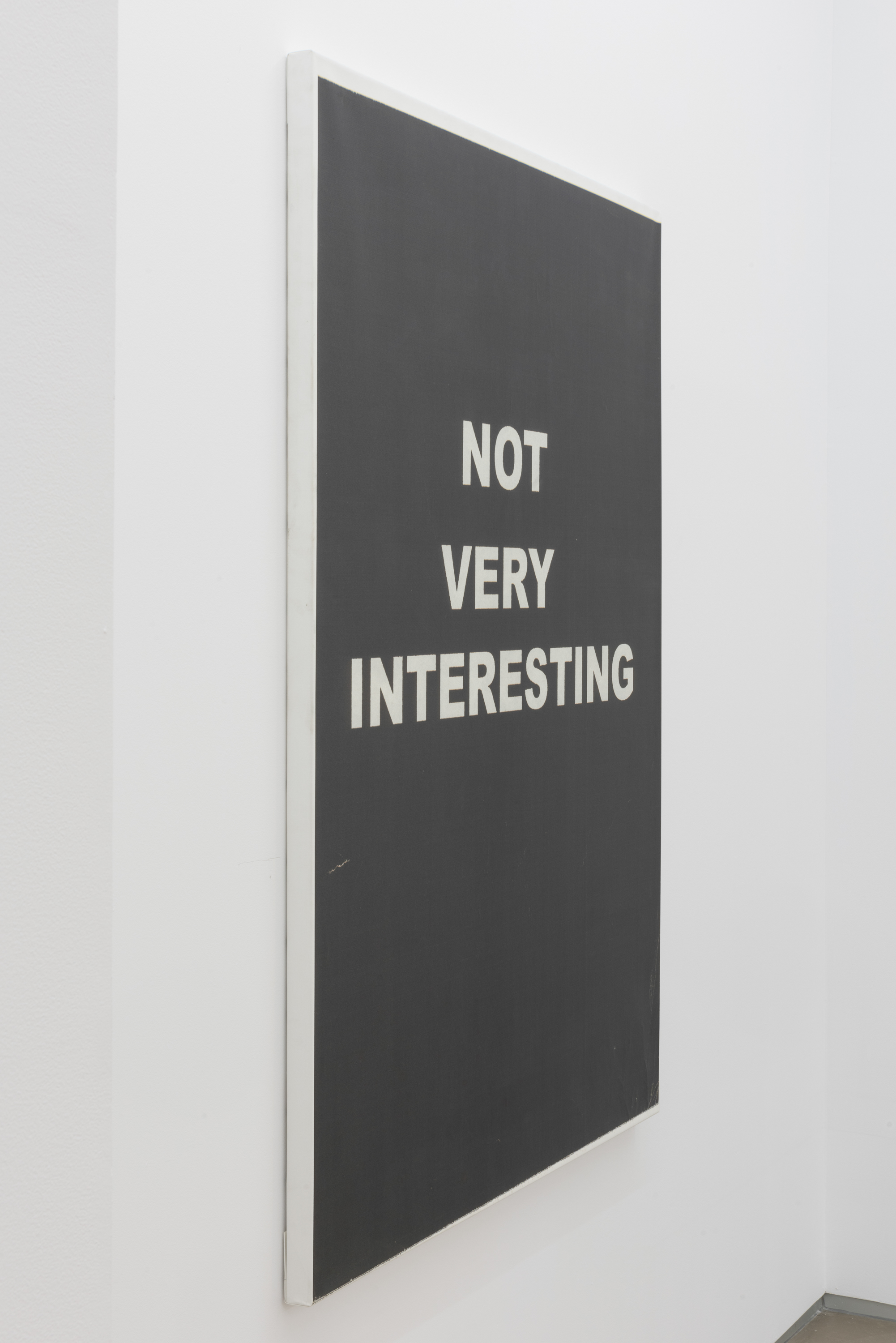
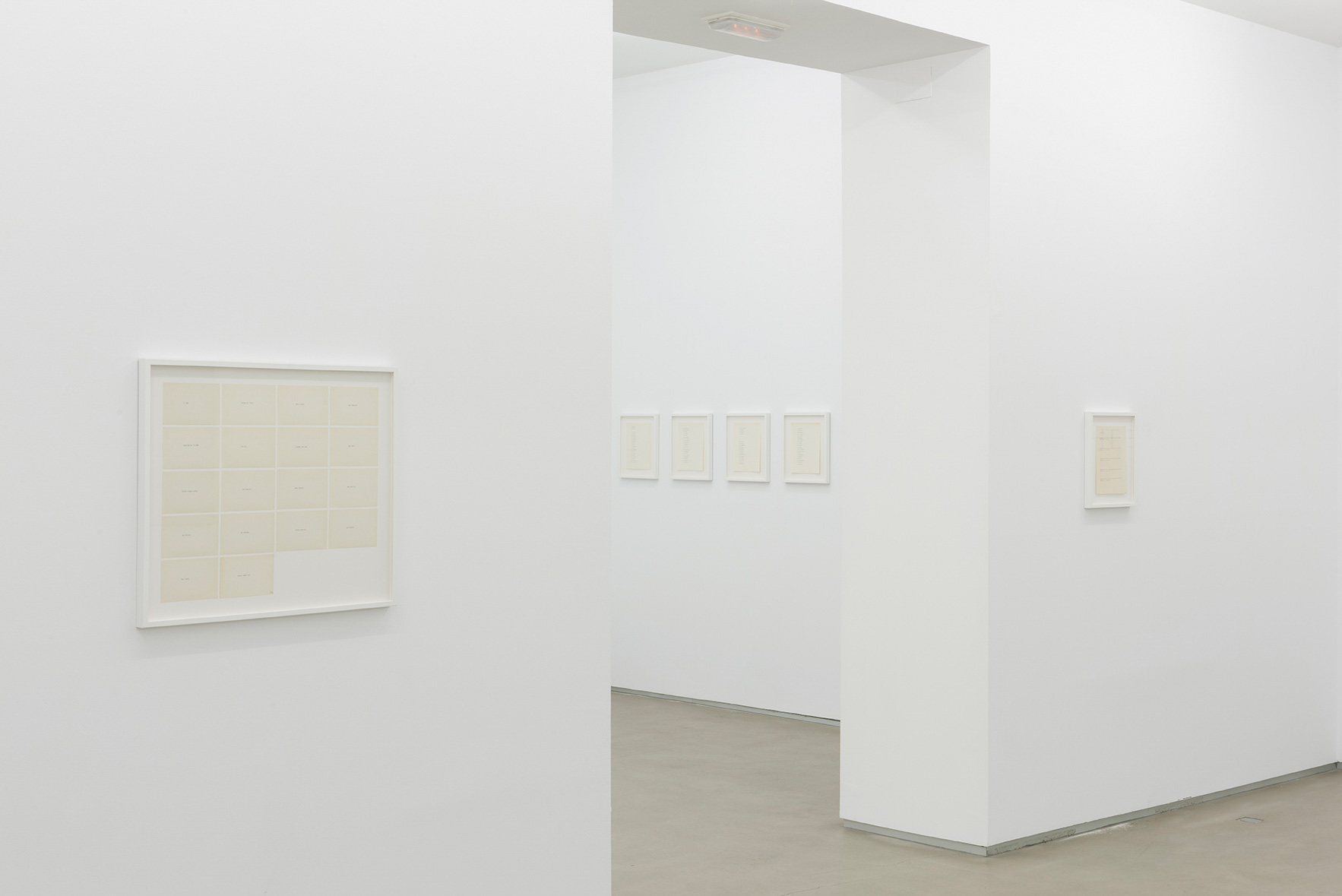
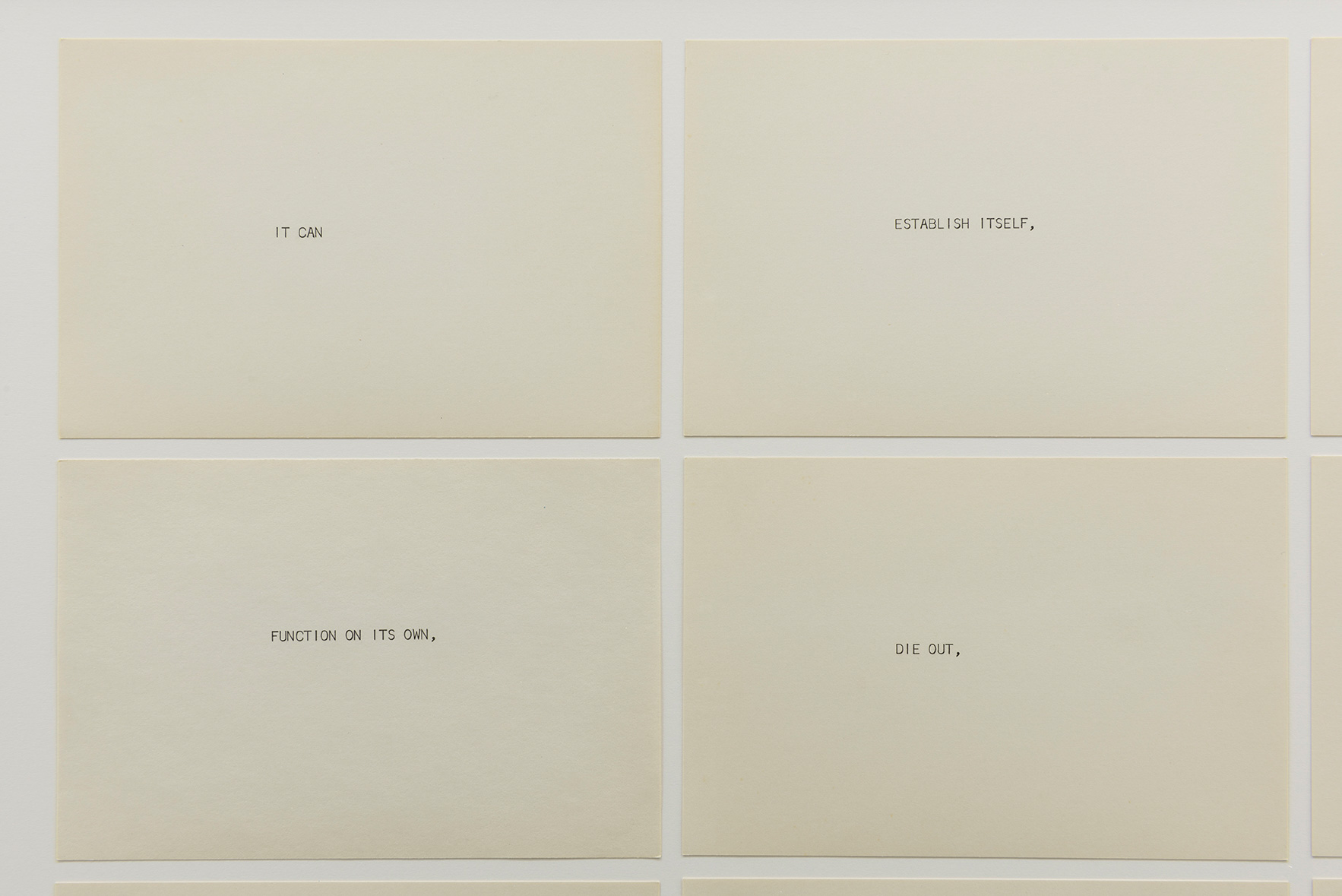
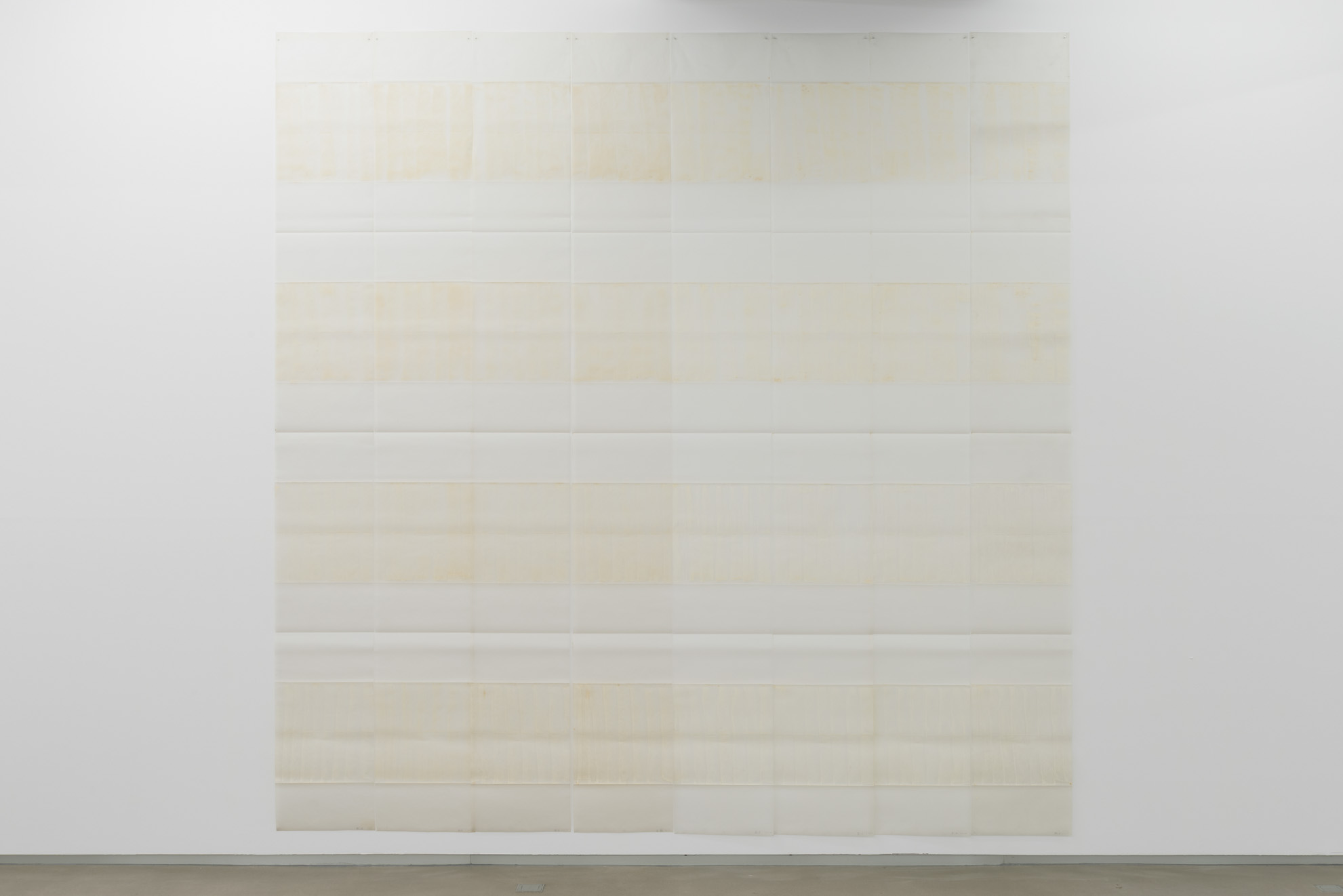
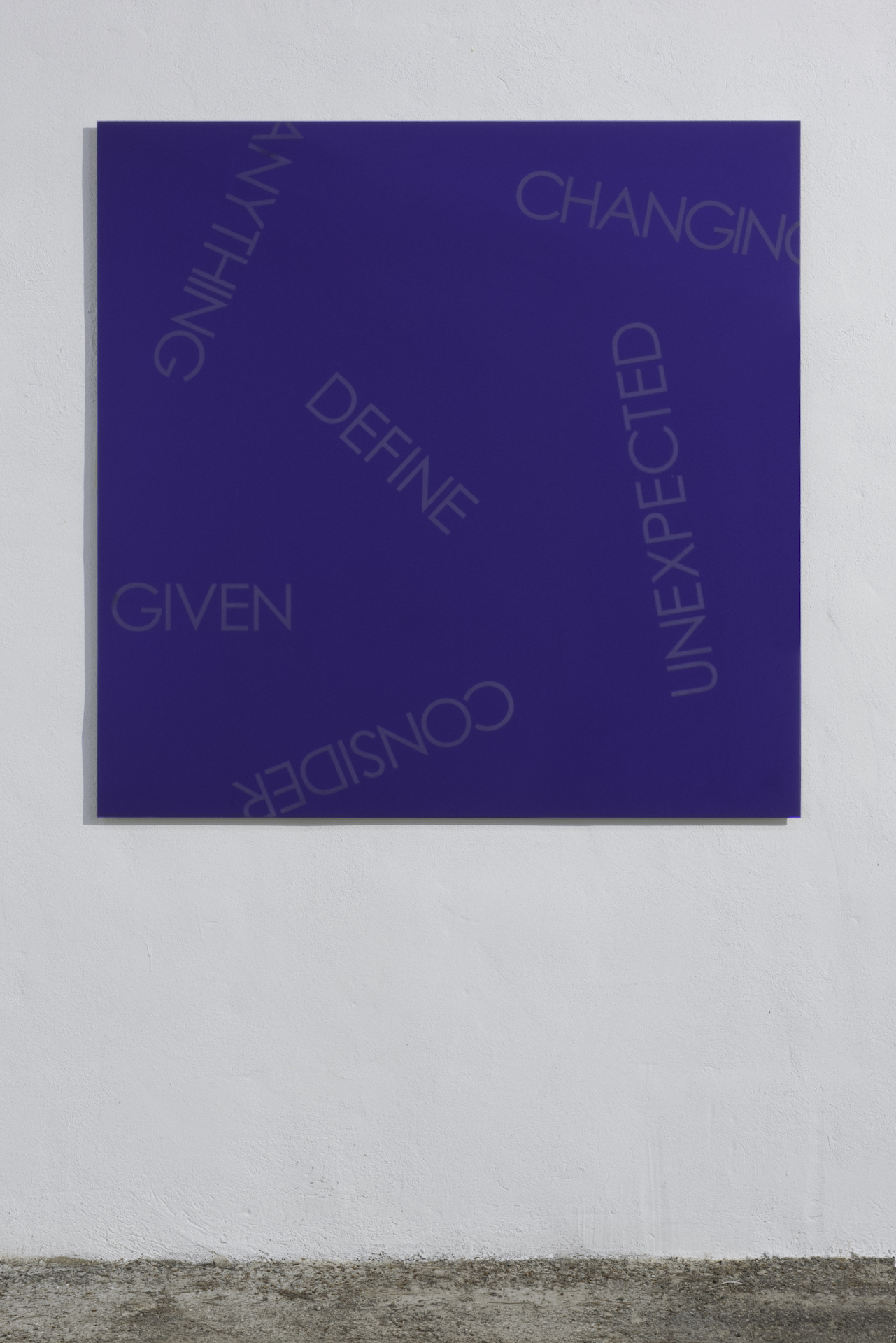
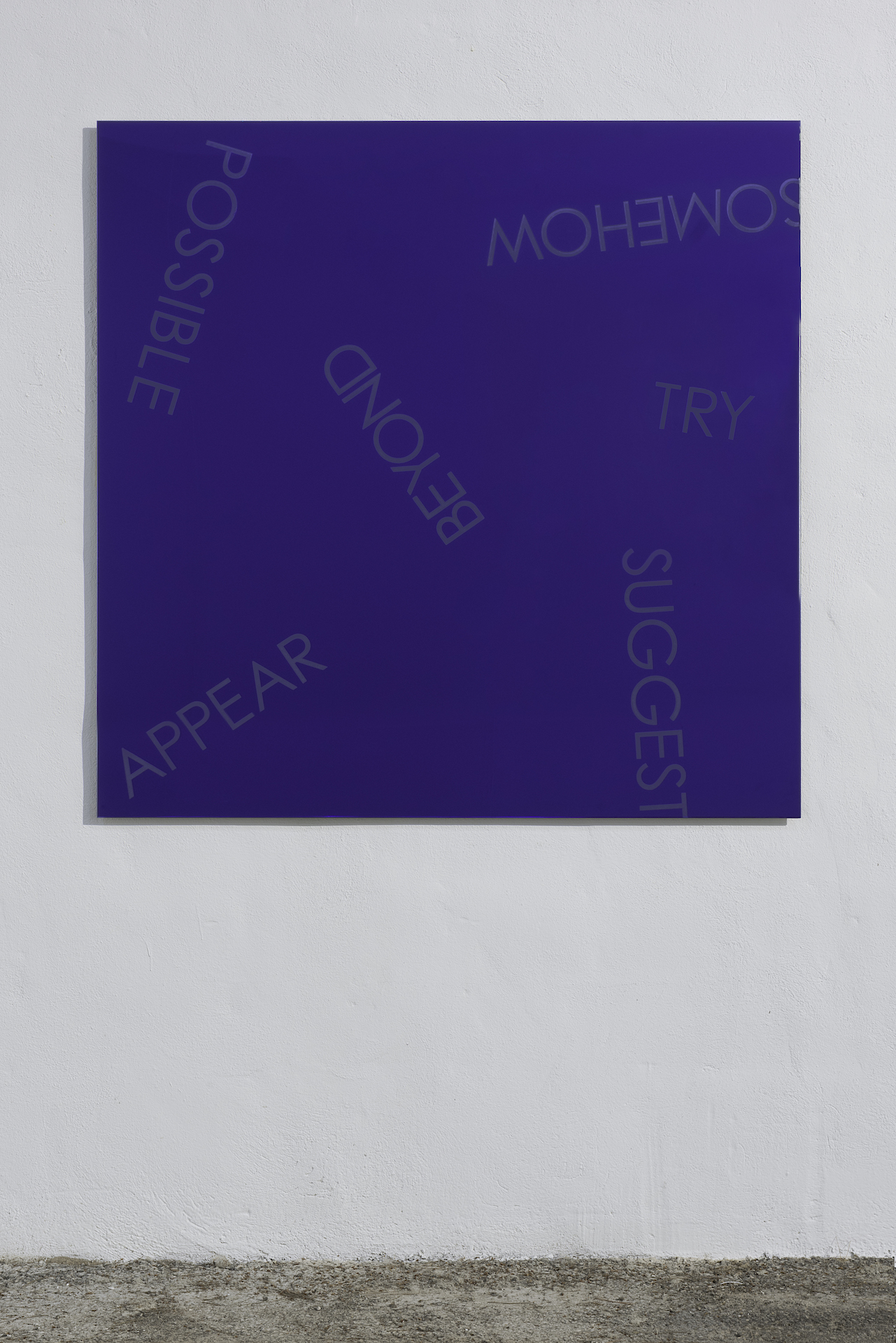
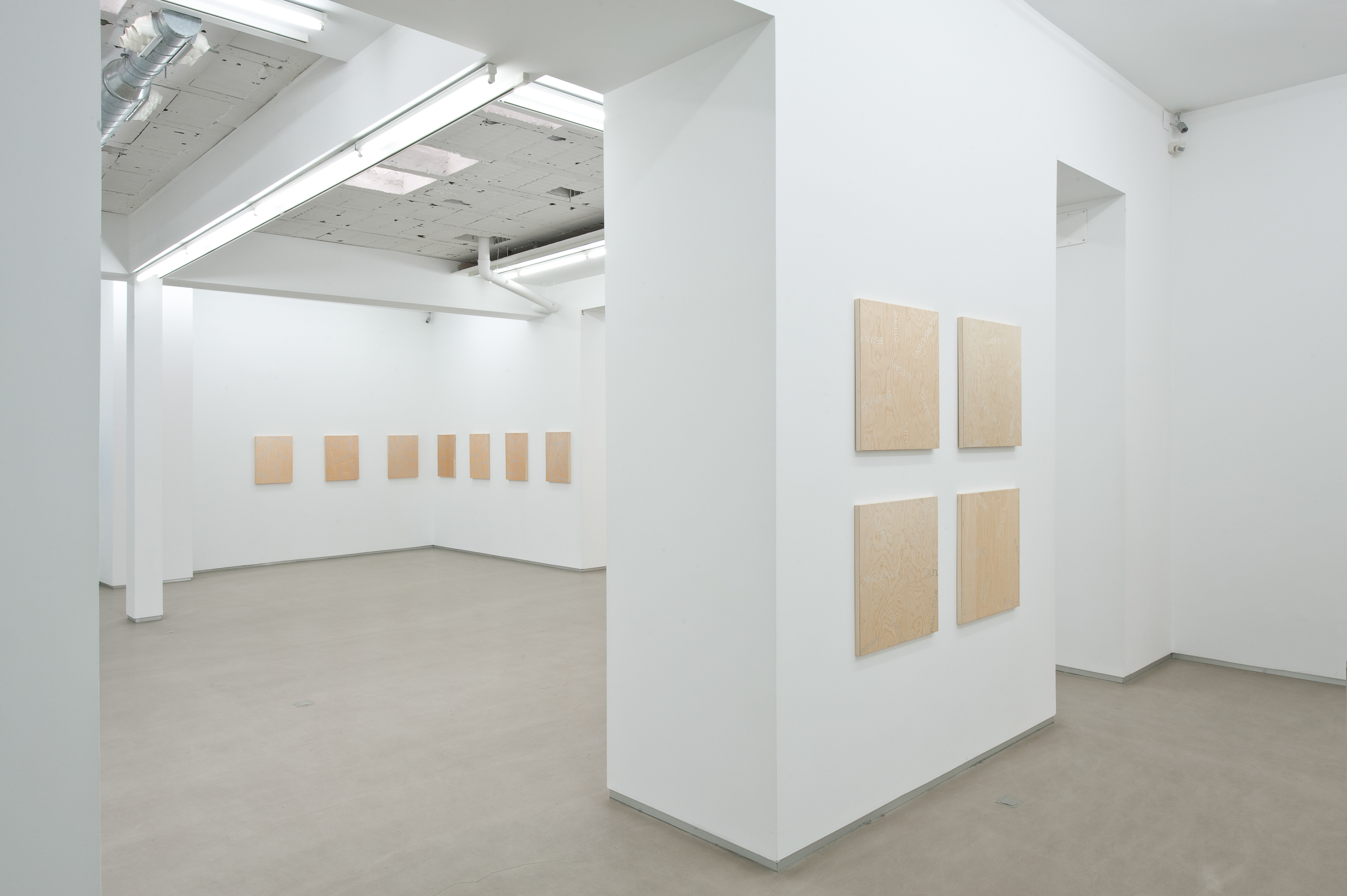
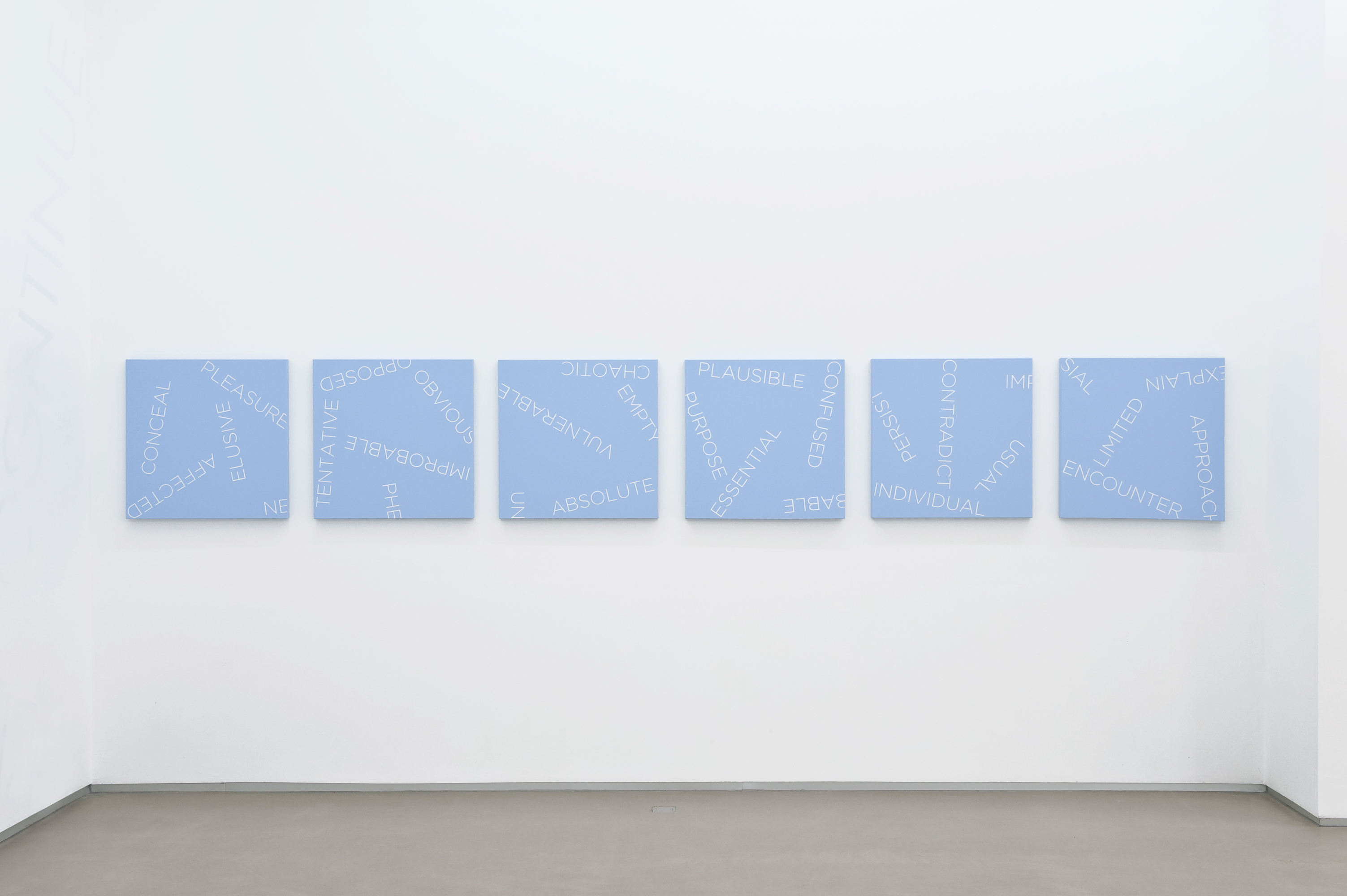
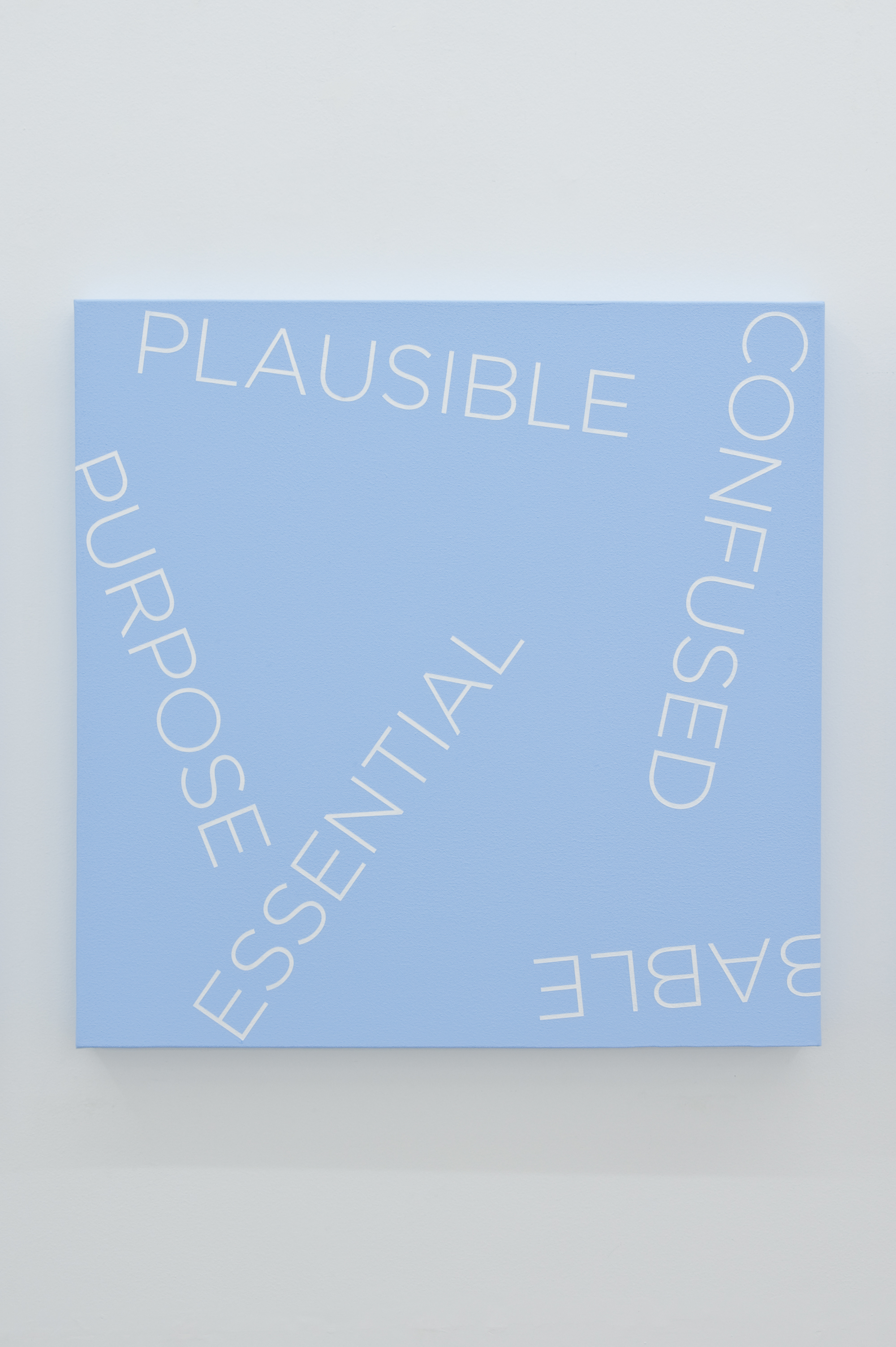
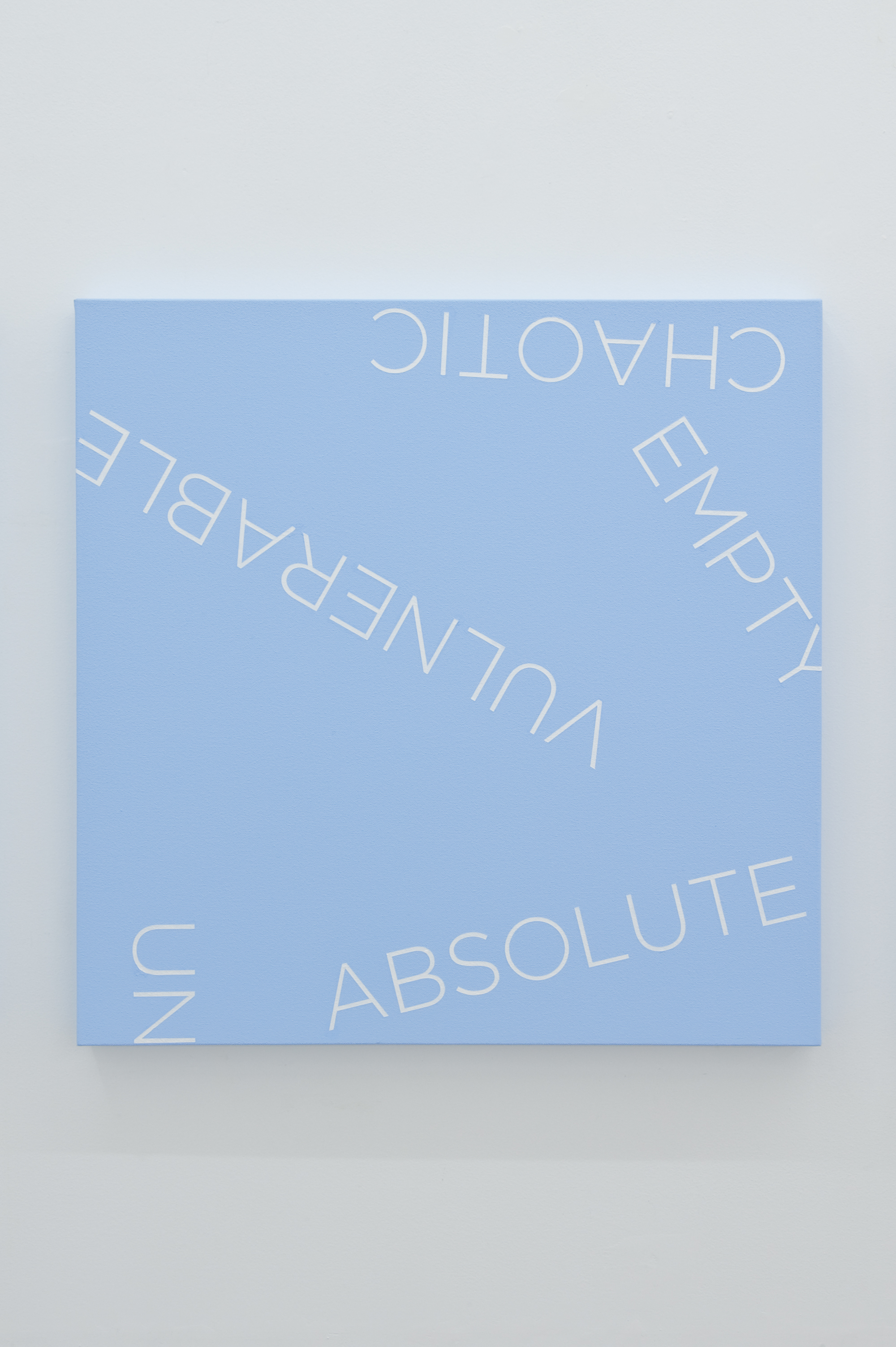
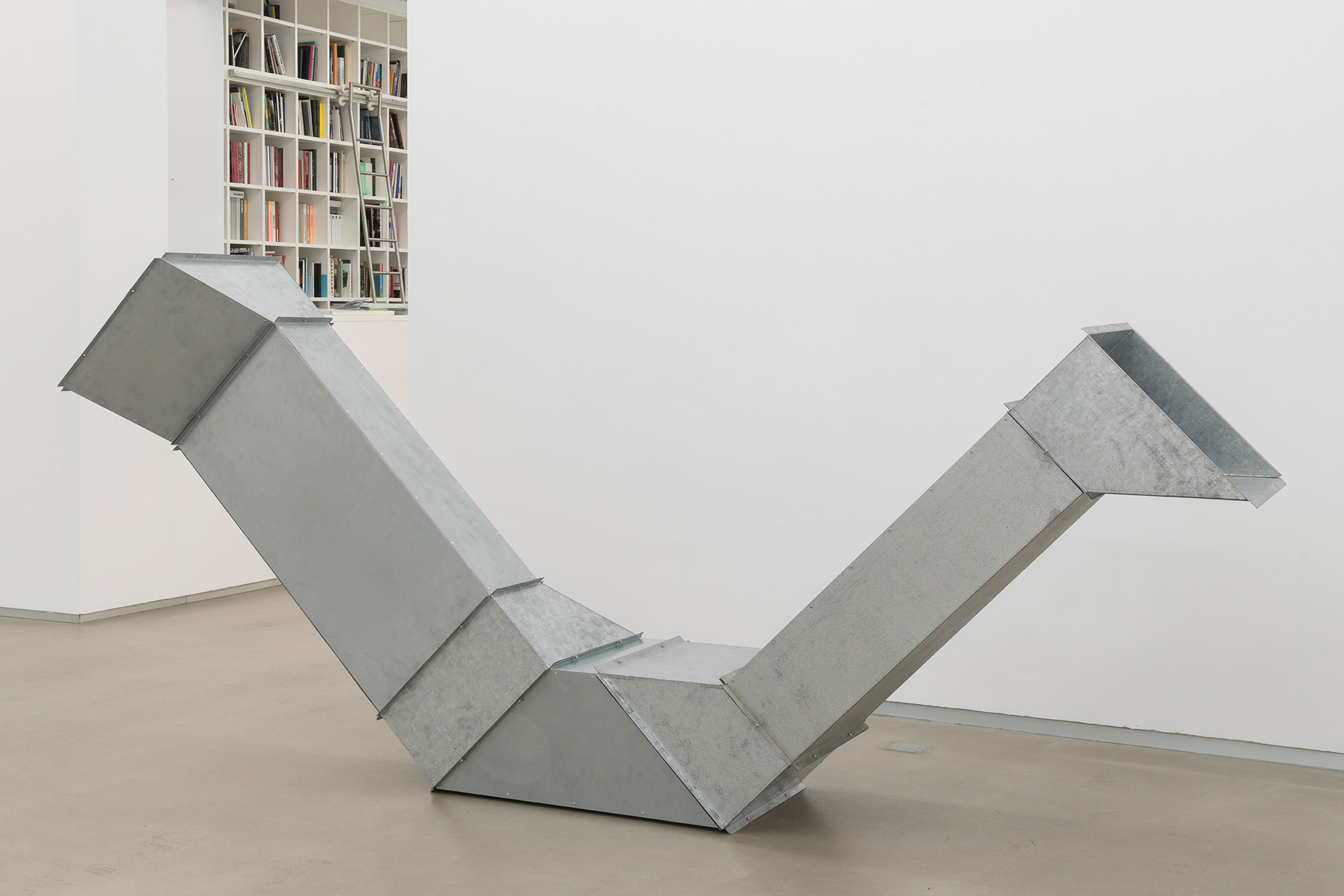
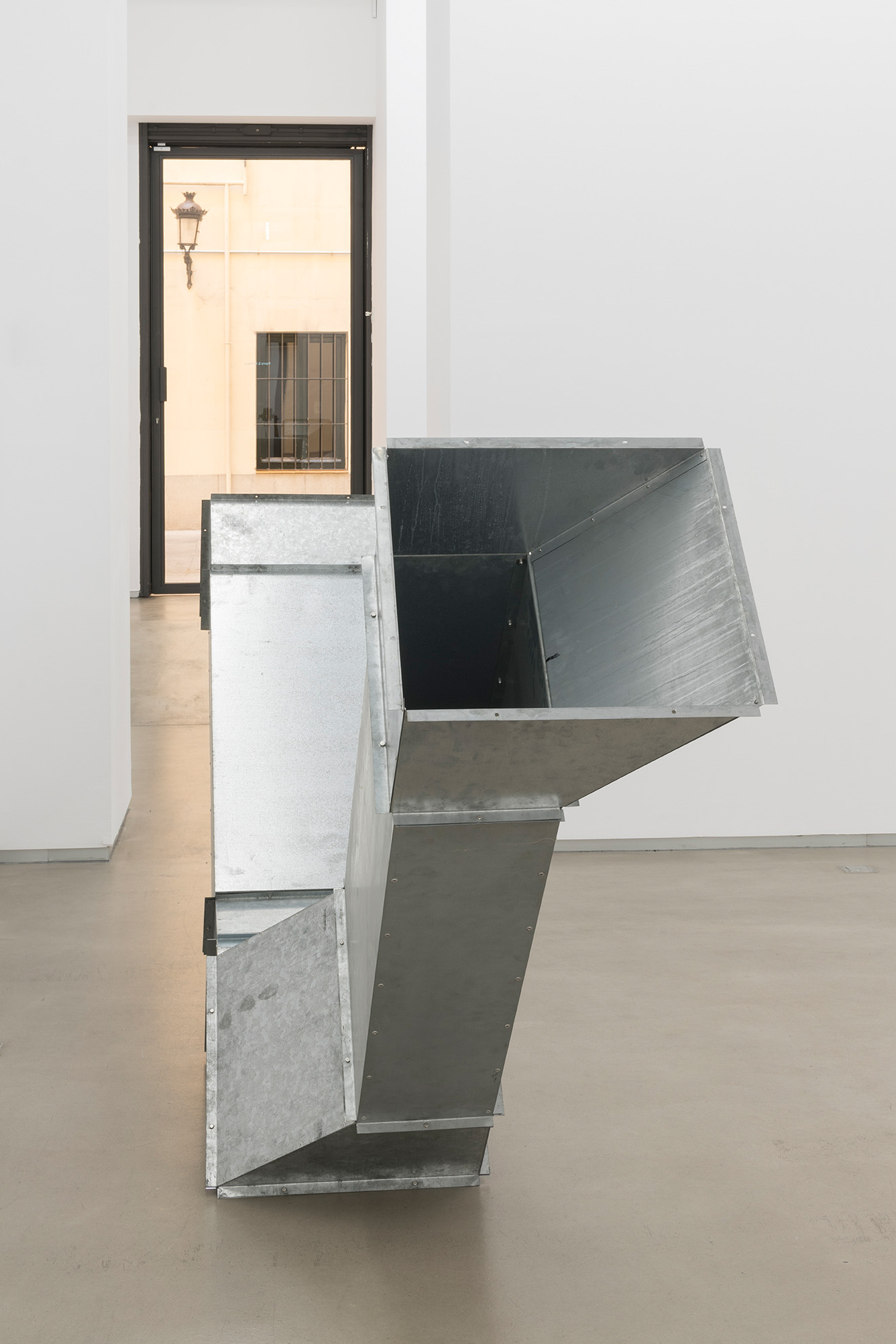
INTERSECTION, brief, proposes a juxtaposition between art and design that escapes and challenges the traditional categorizations of distinction between one and other. It is not about repeating the founding postulates of the Bauhaus, claiming for an indistinction between art and design, but to demonstrate that the current ways of producing objects, being from one or another kind, leave poor and obsolete the traditional categories that used to define and delimitate them. INTERSECTION’s proposals take to the limit the canonical definitions of the artistic and design object –dematerialized works, unique and at the same time useful pieces, artworks camouflaged as common objects and vice versa- to put on the table the difficulties and contradictions that involve in our time to establish definitions and taxonomies, both in the fields of art and design, either referred to questions as function, purpose, uniqueness, beauty, manufacture or even objecthood.
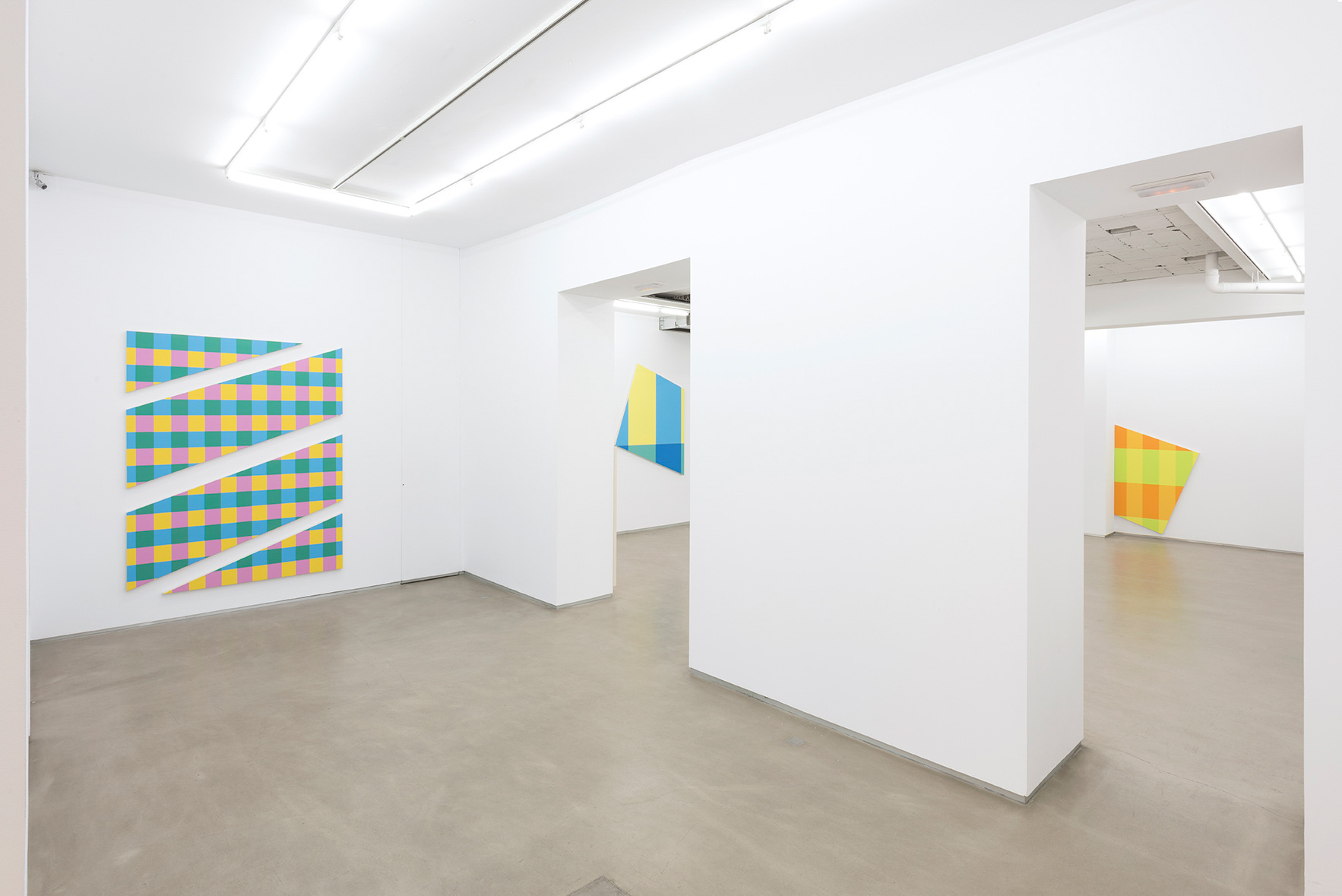
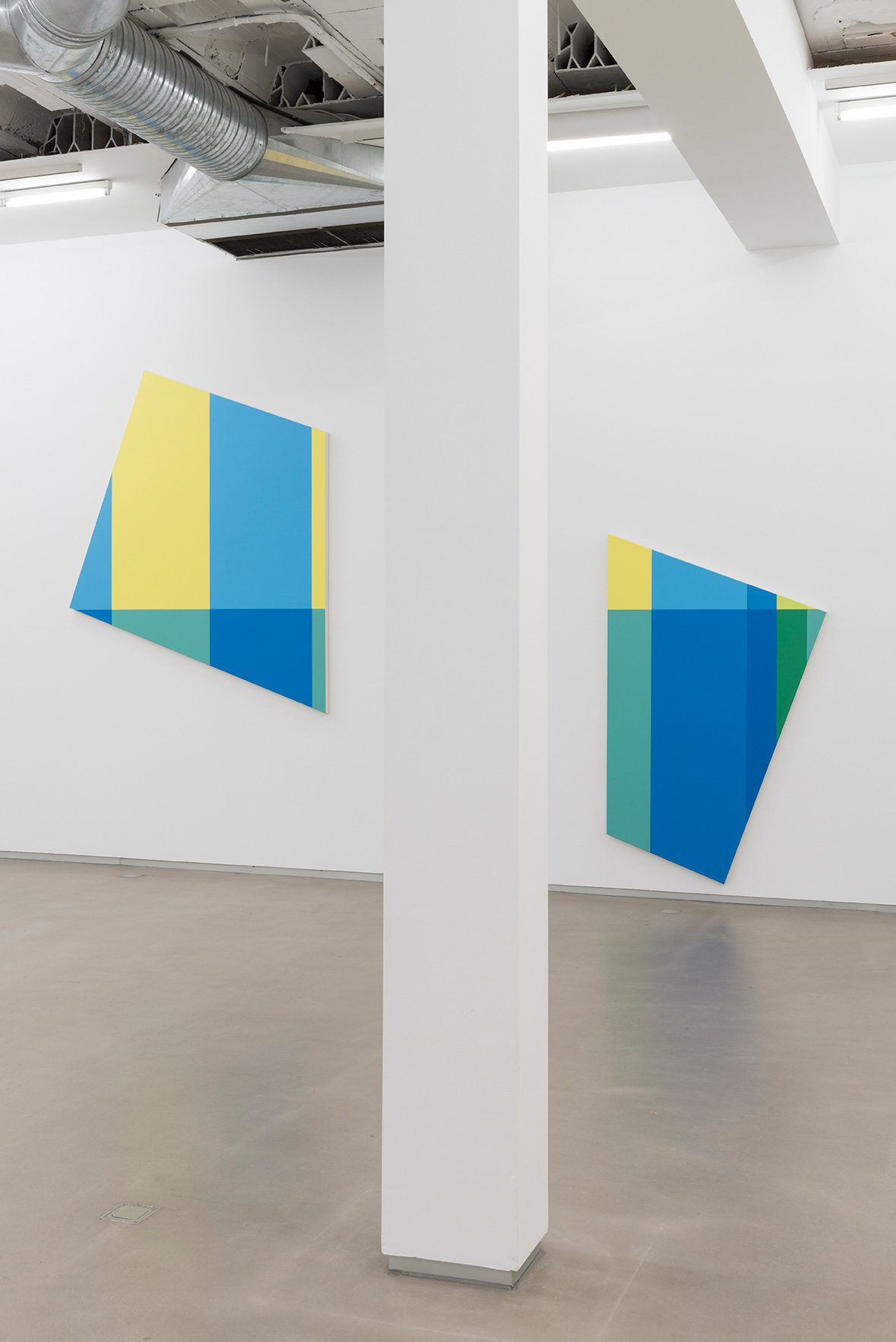
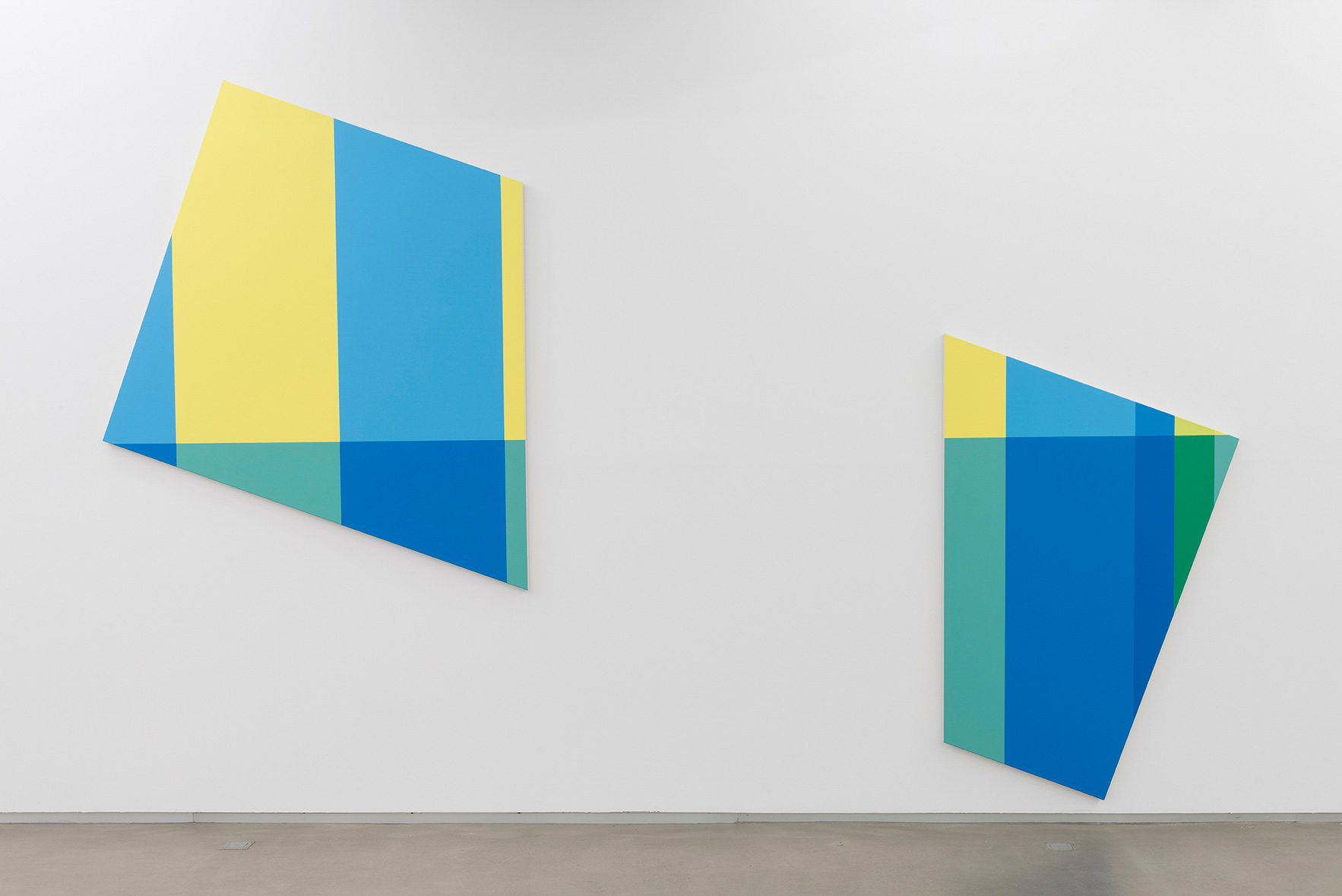
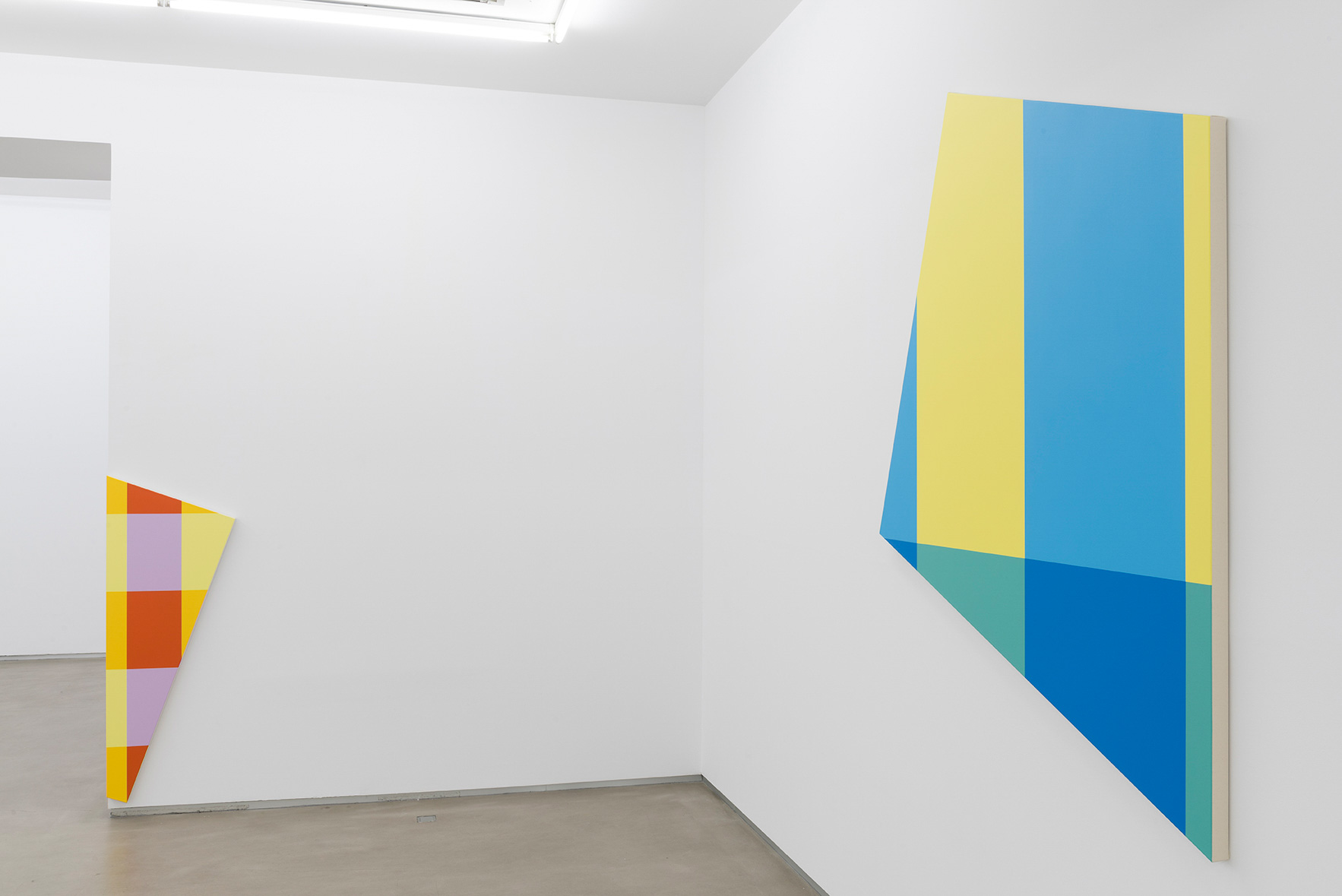
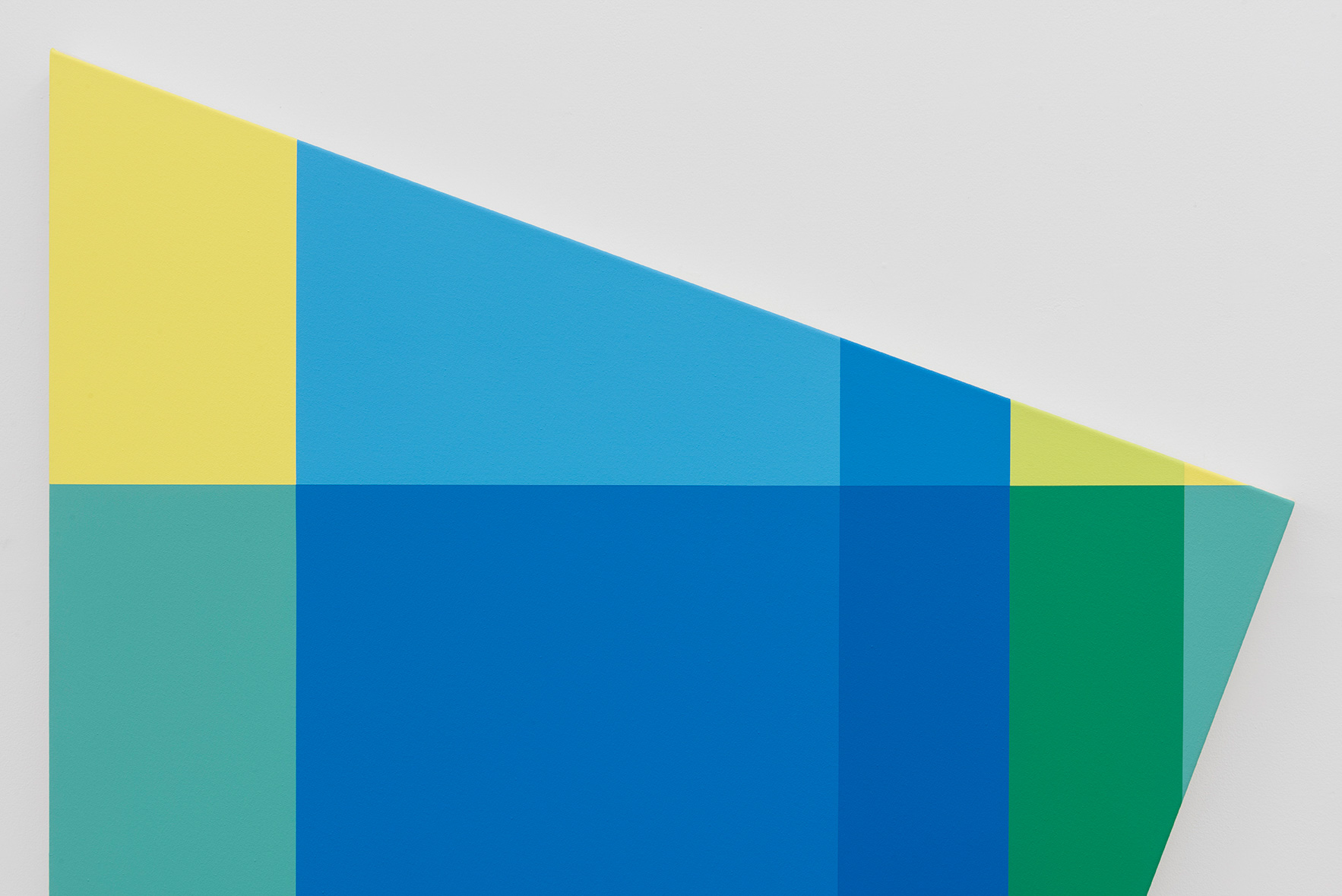
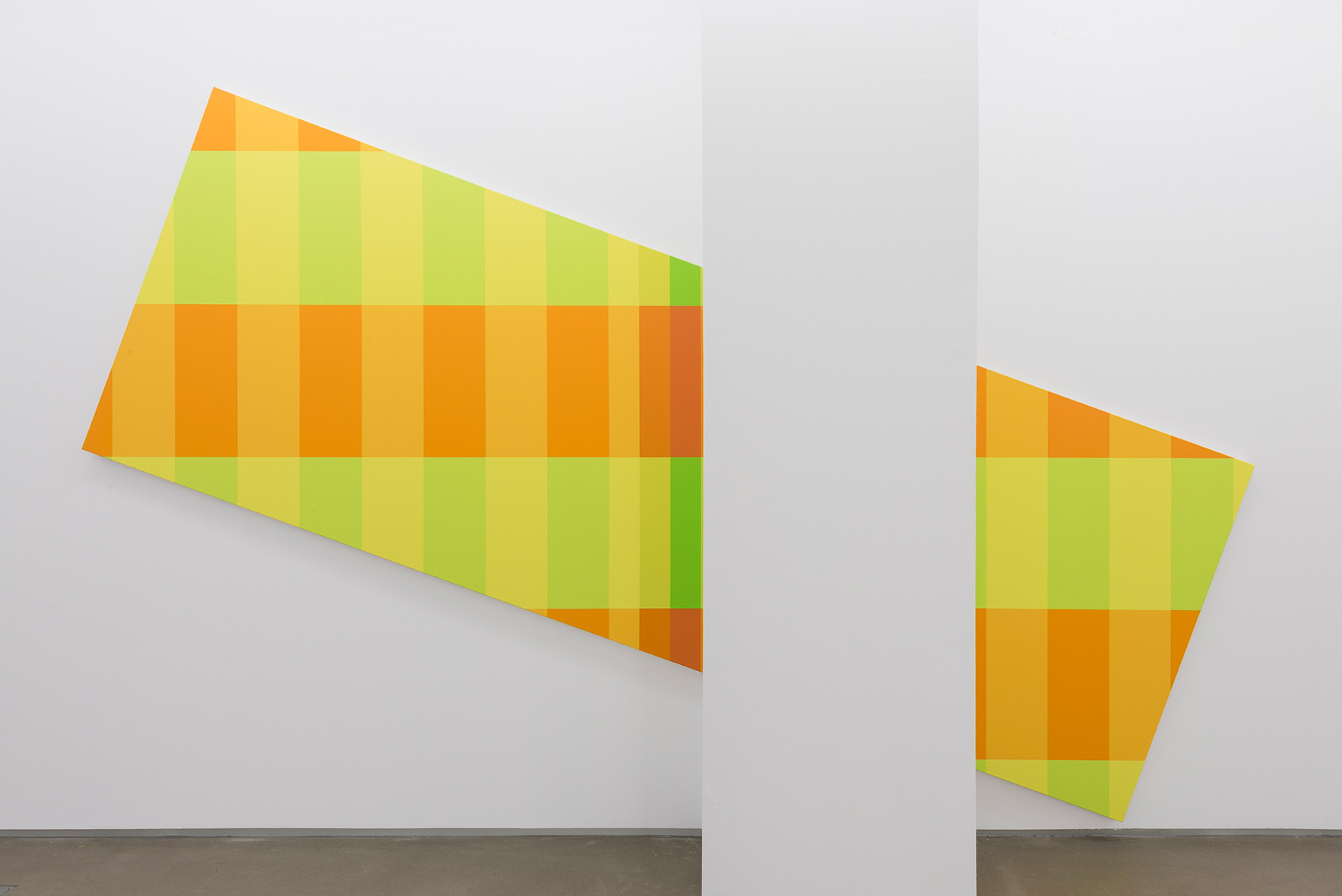
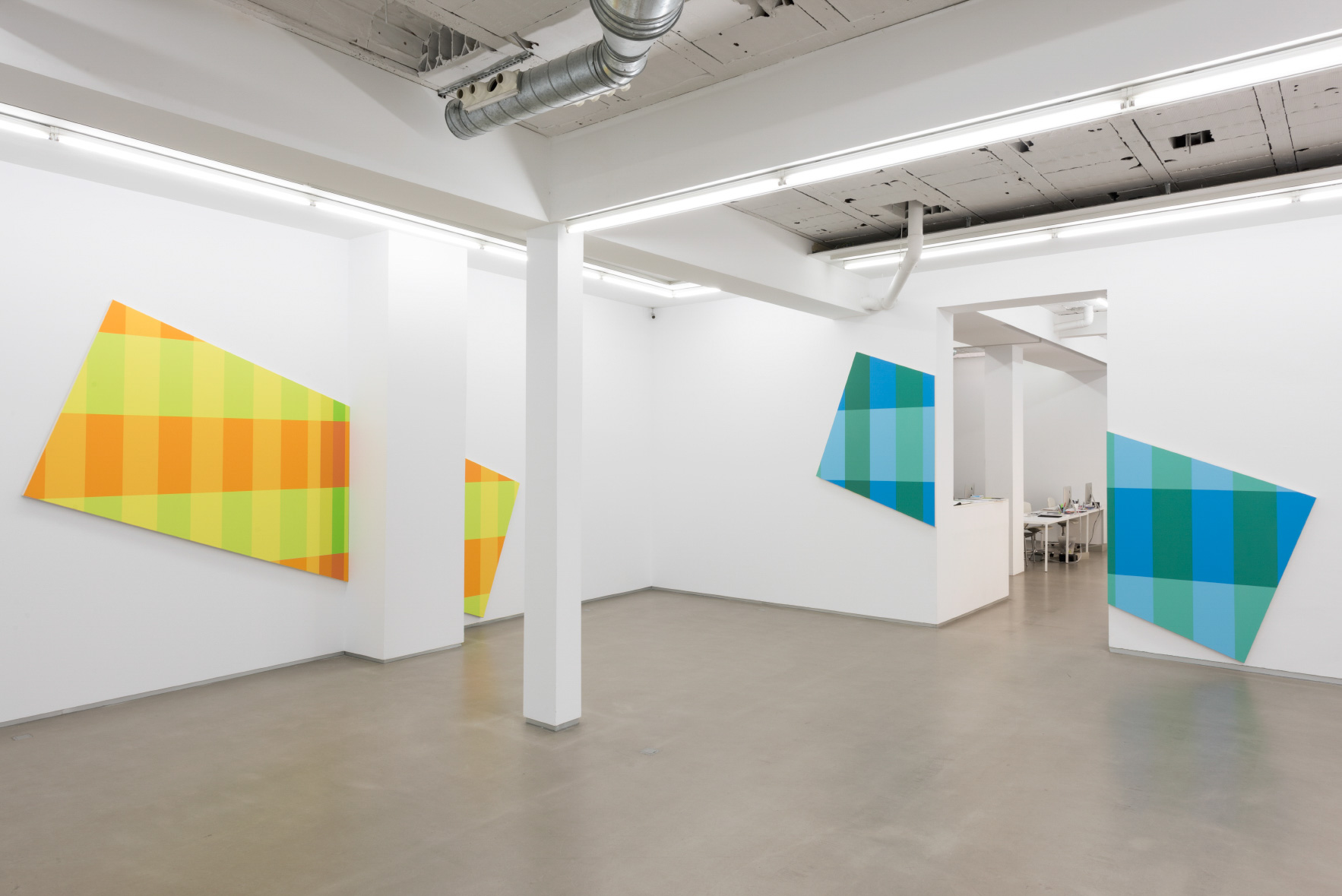
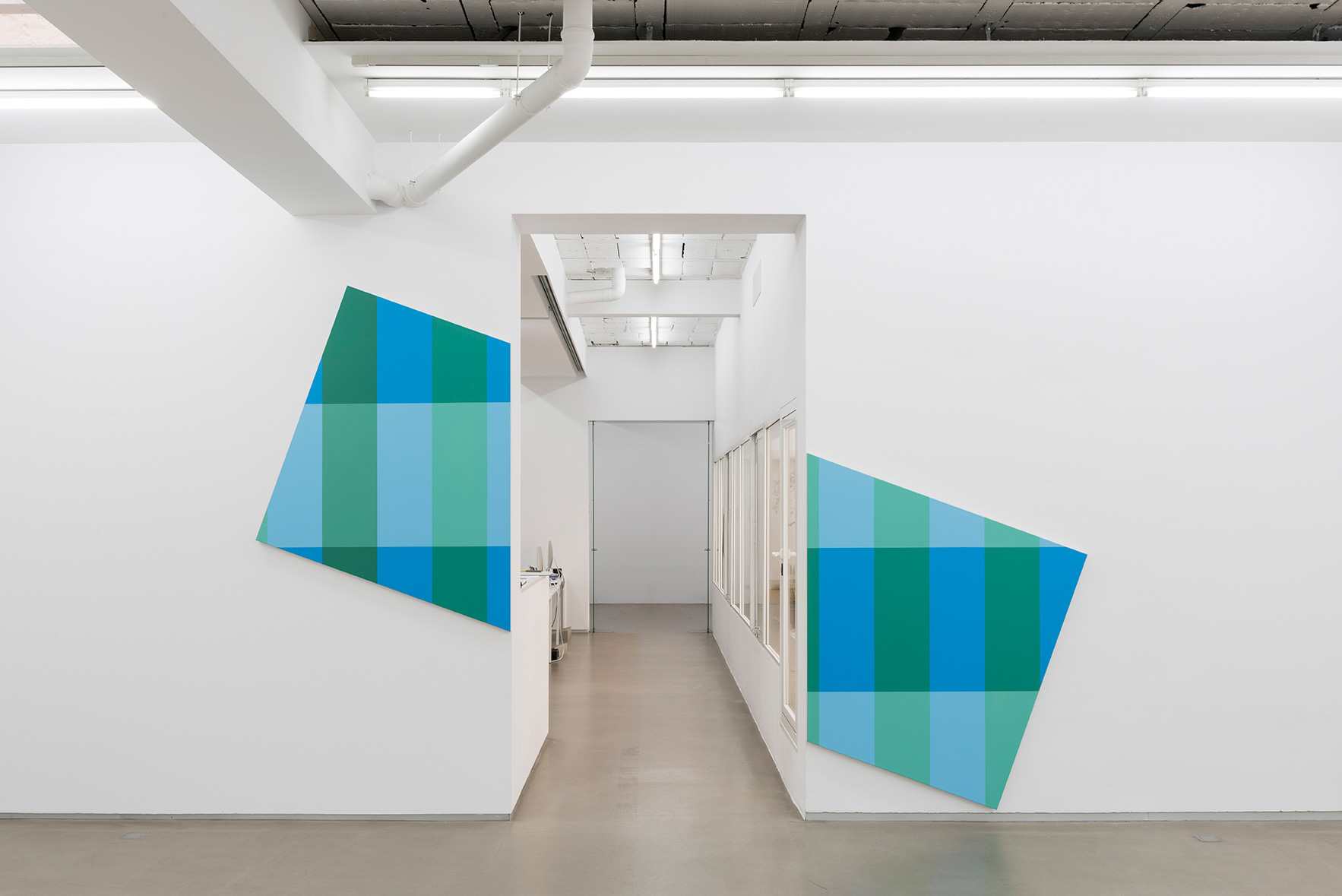
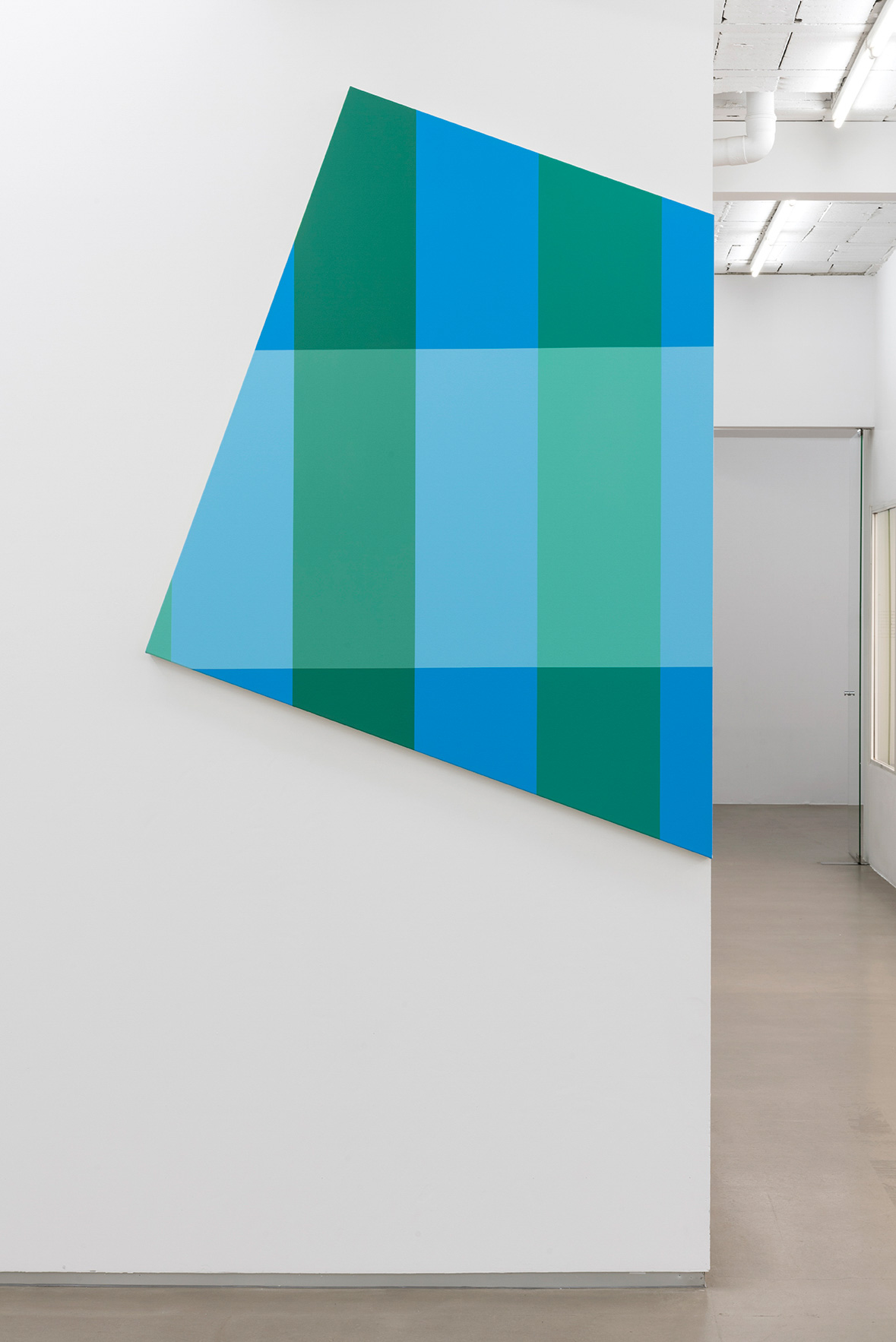
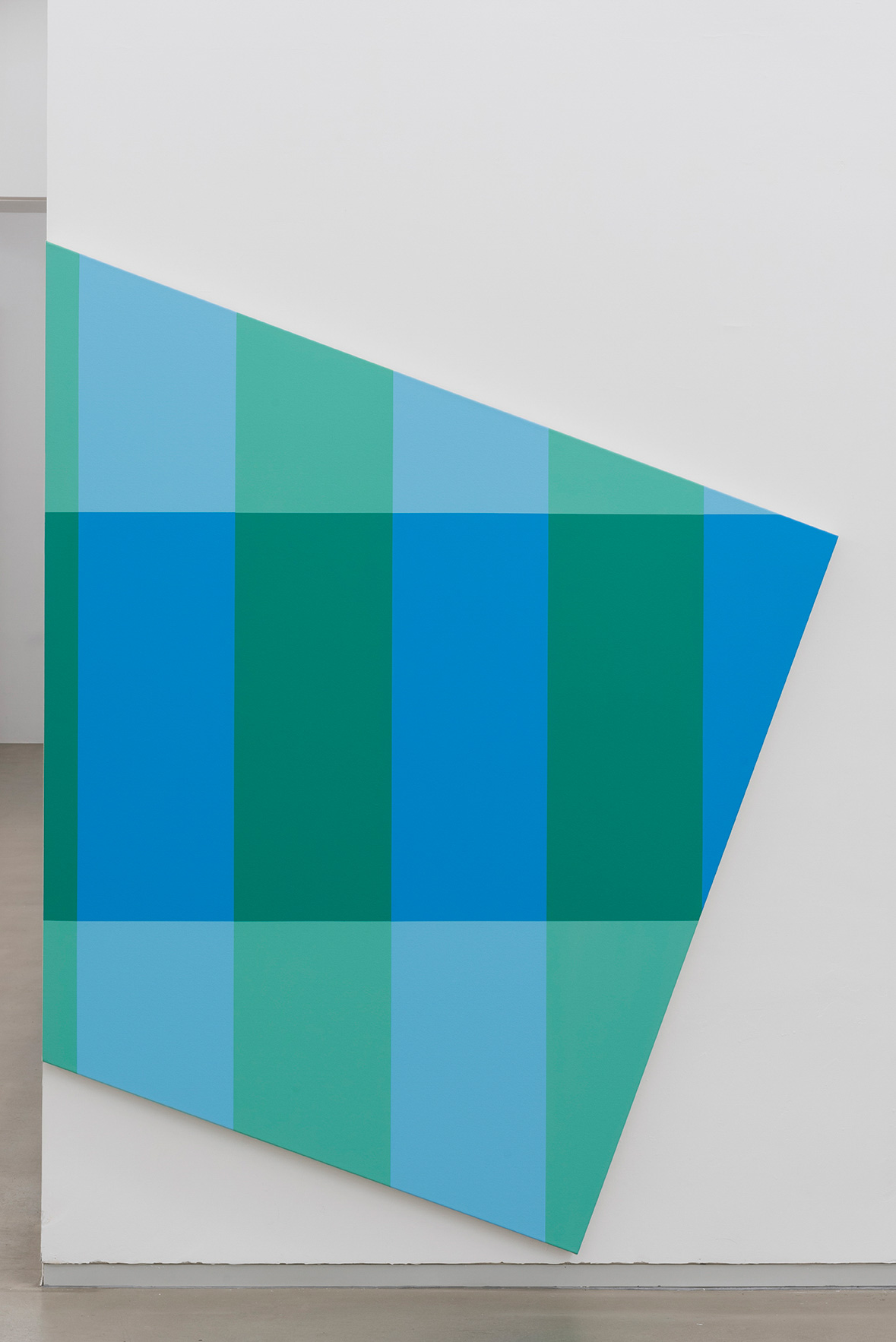
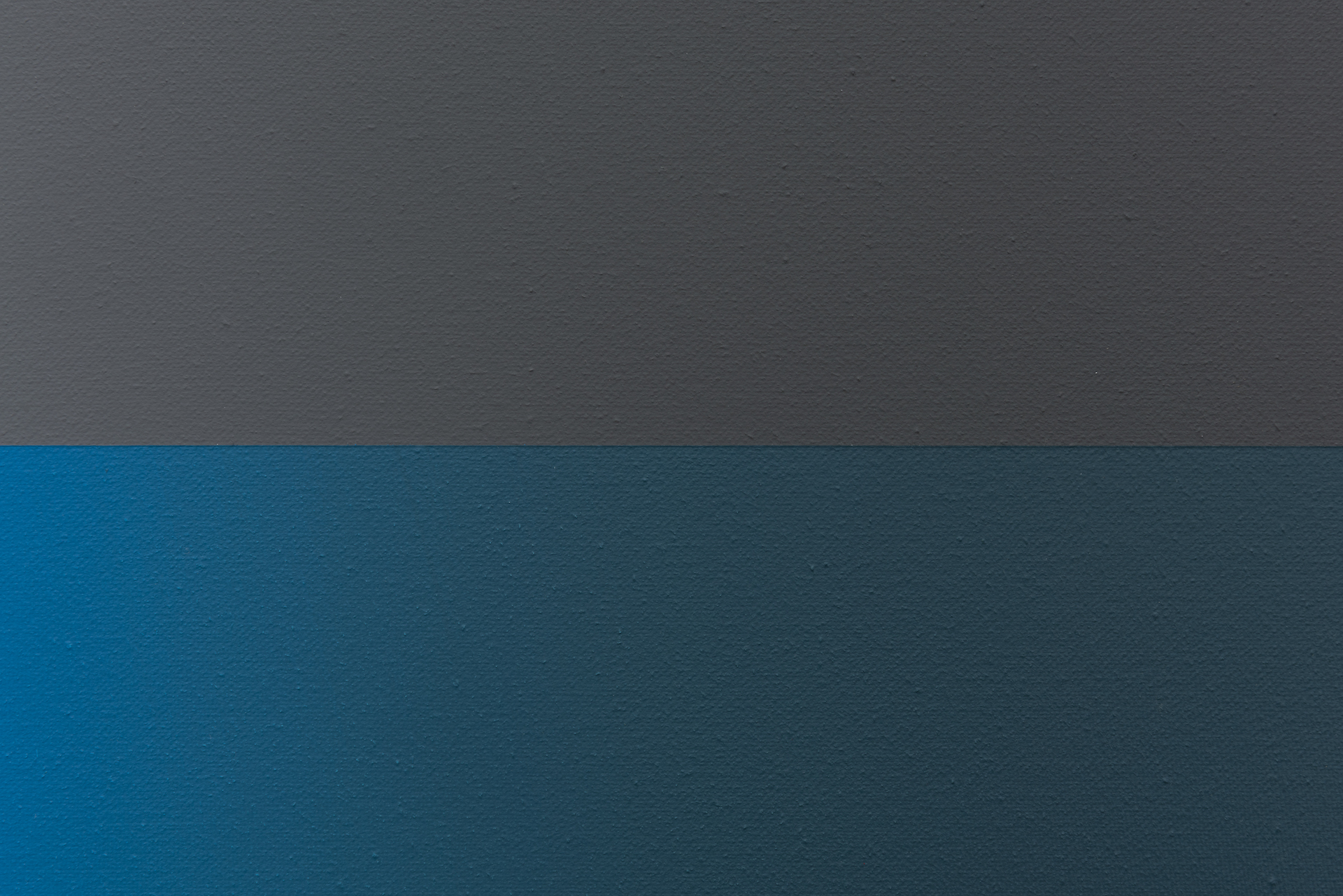
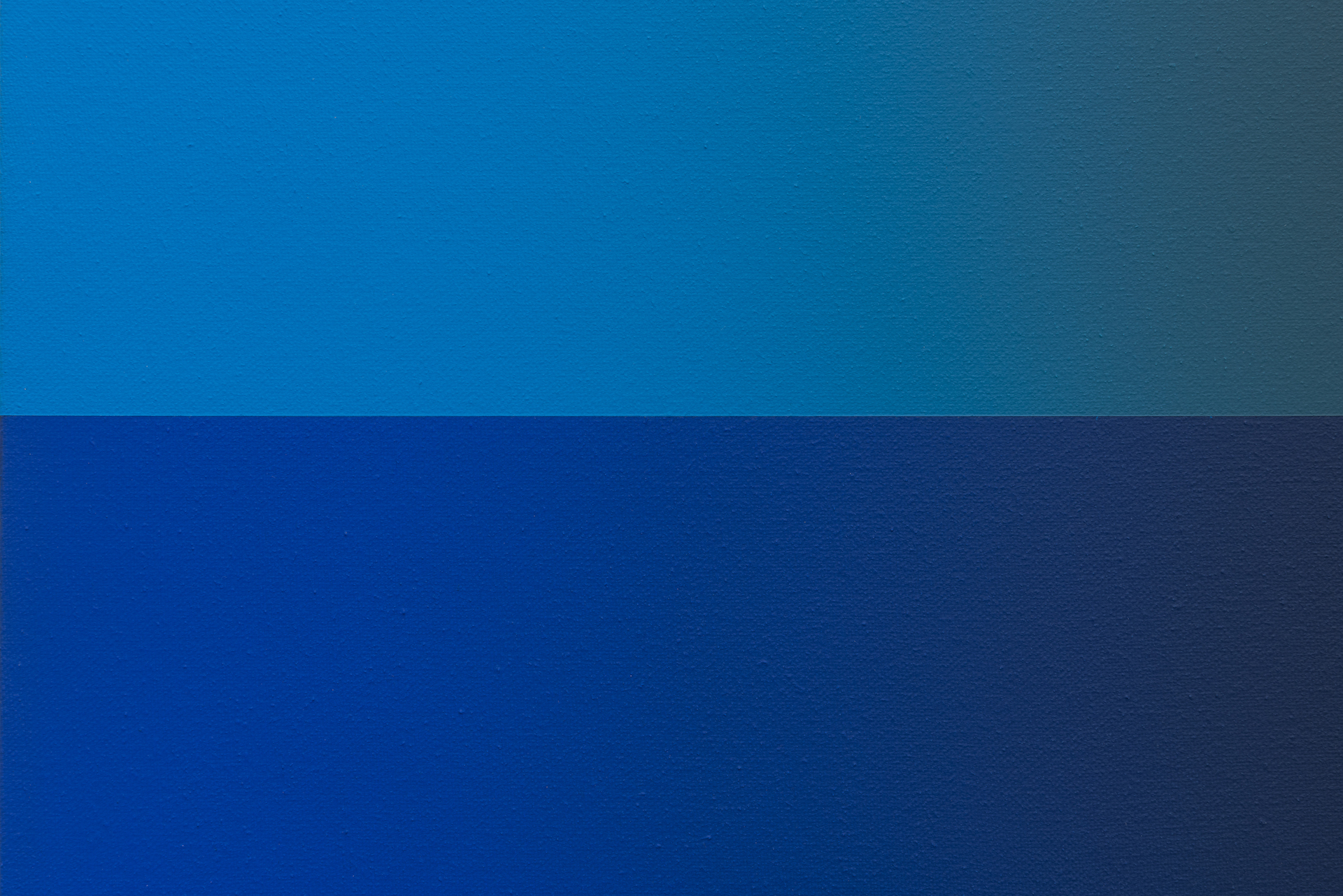
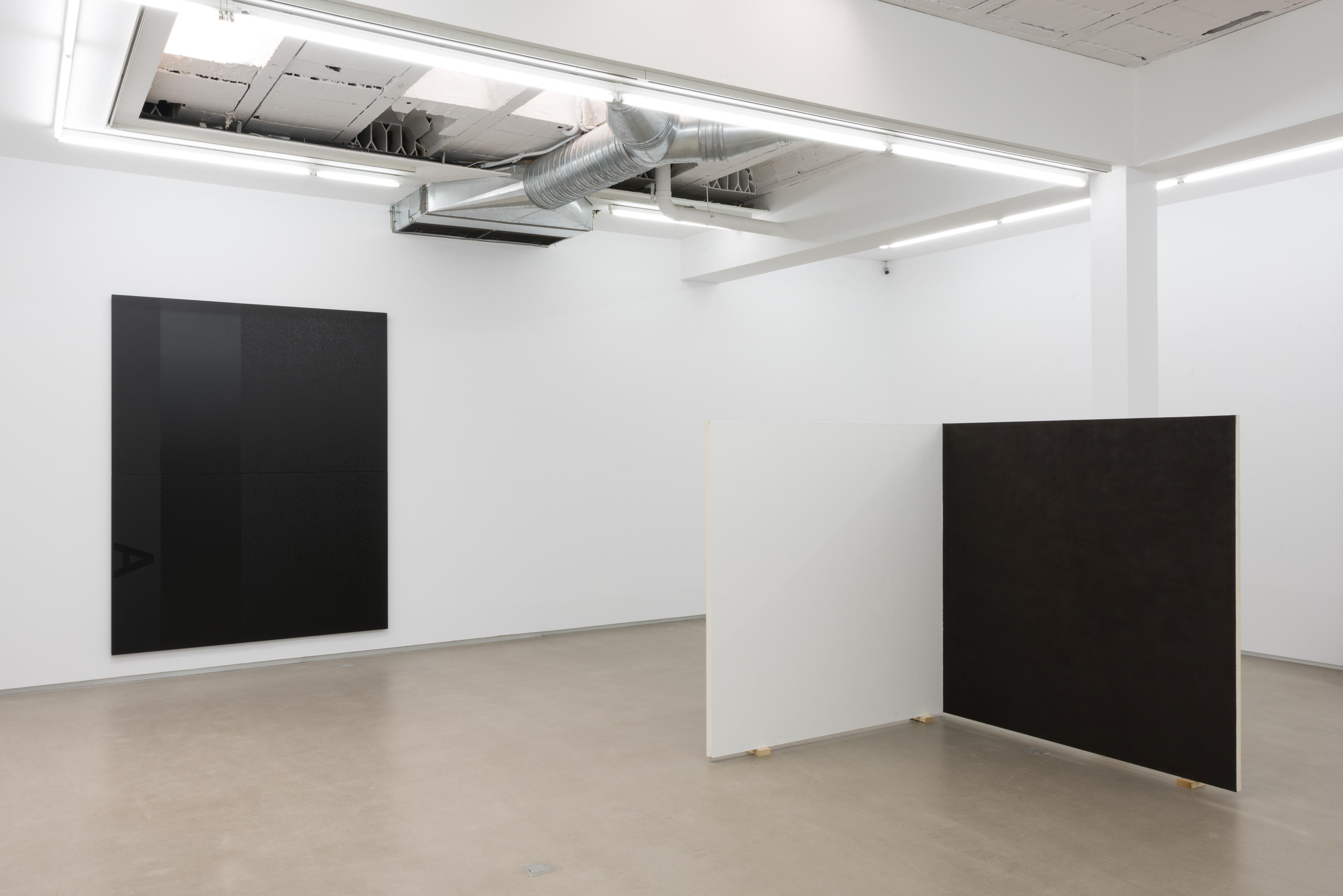
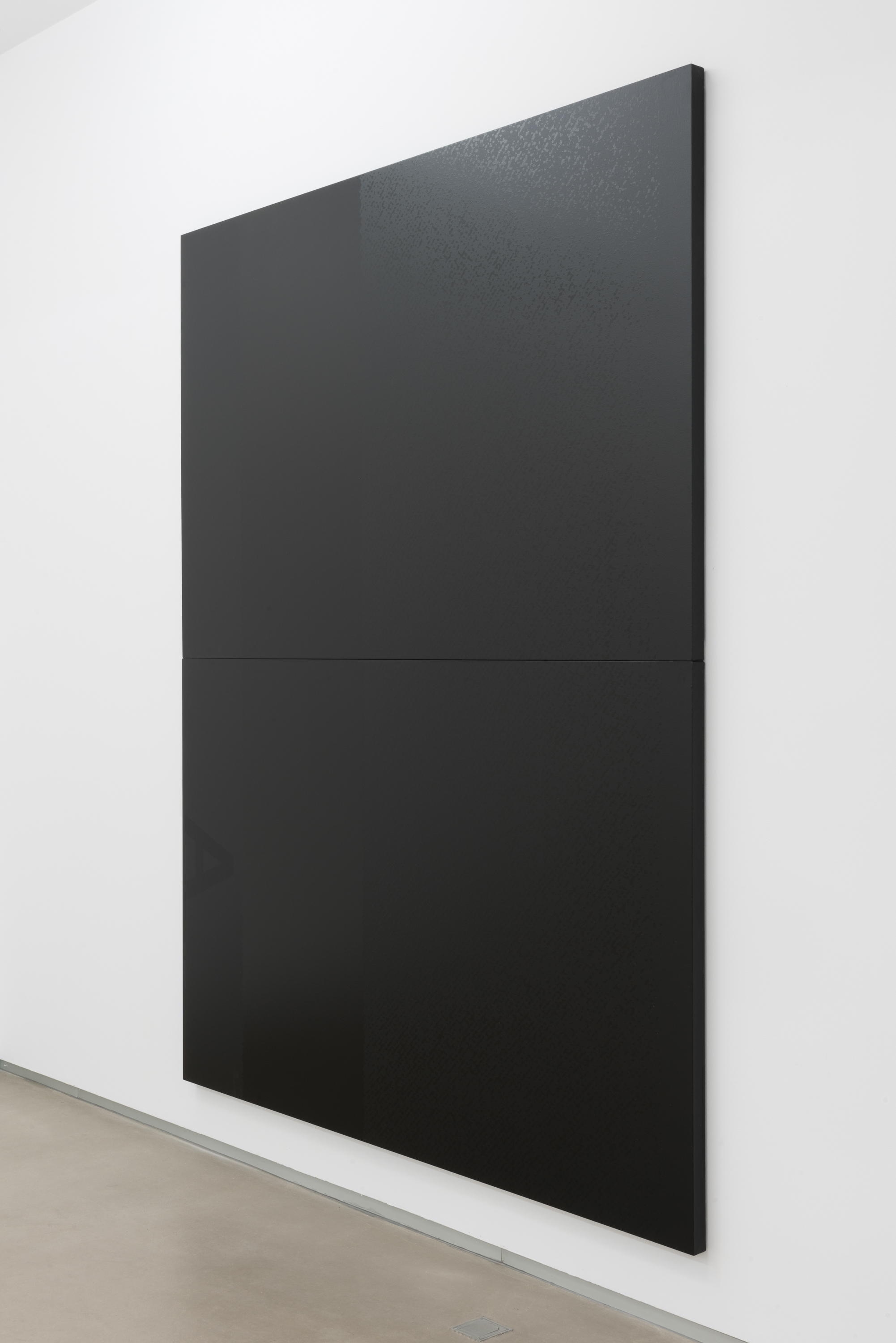
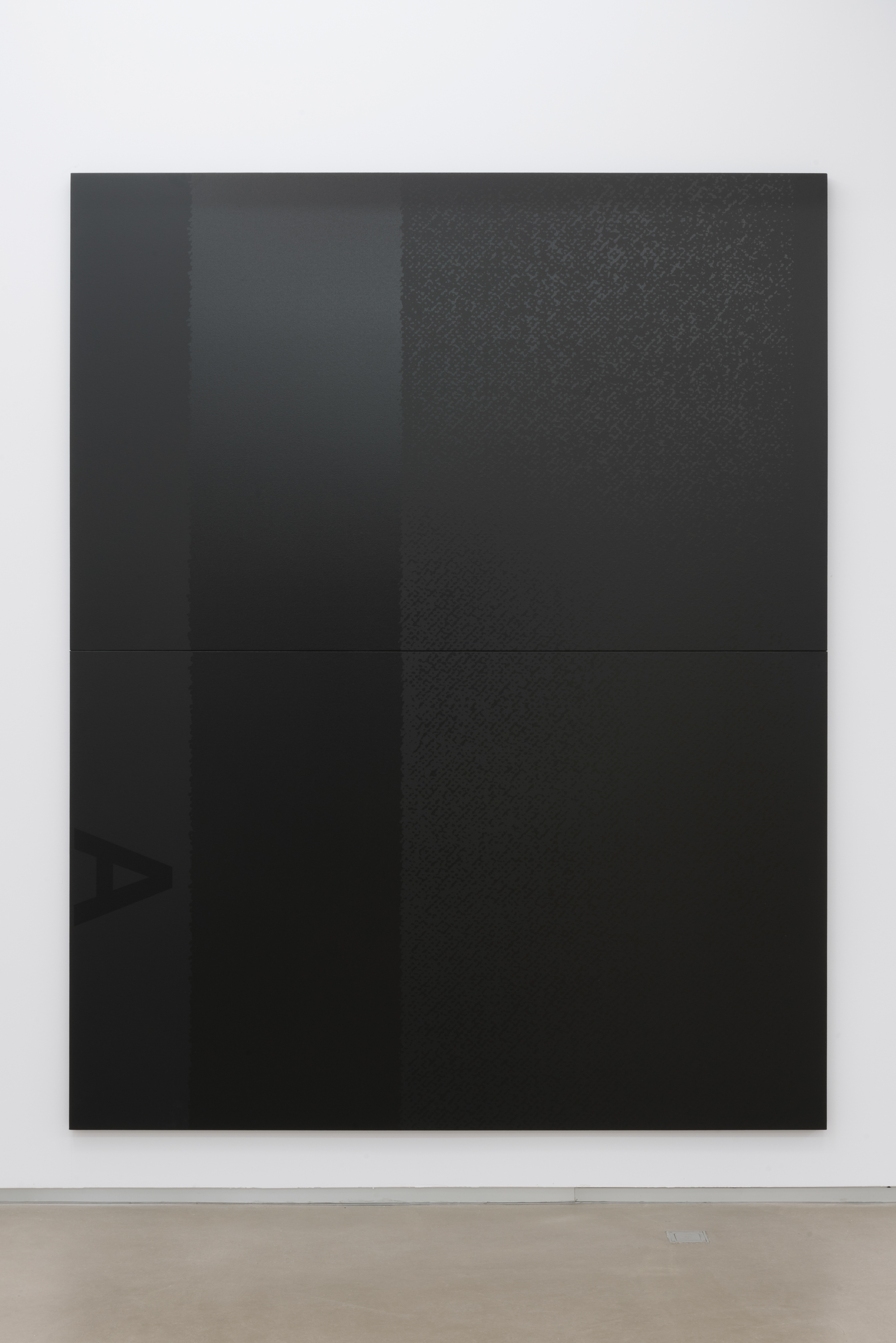
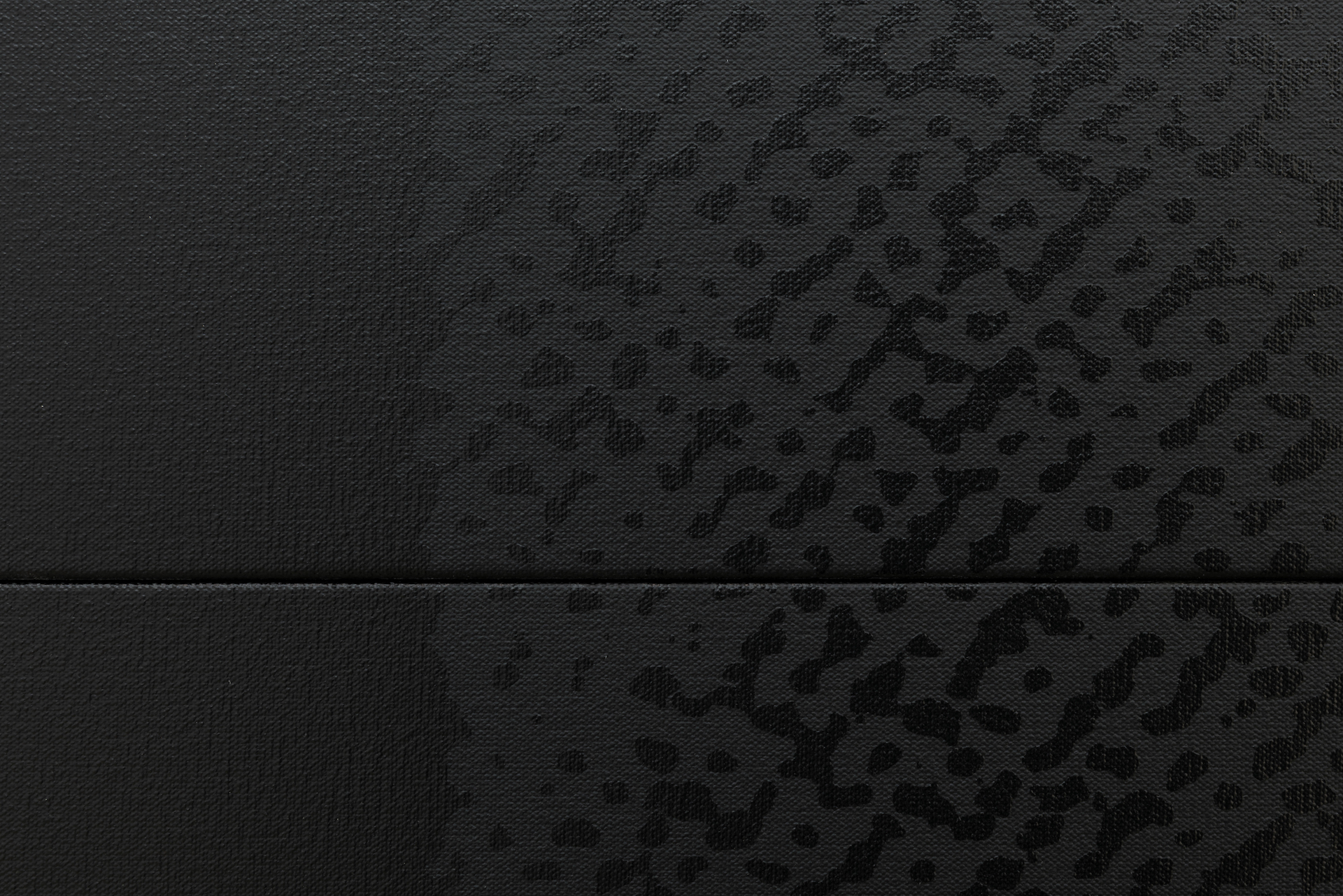
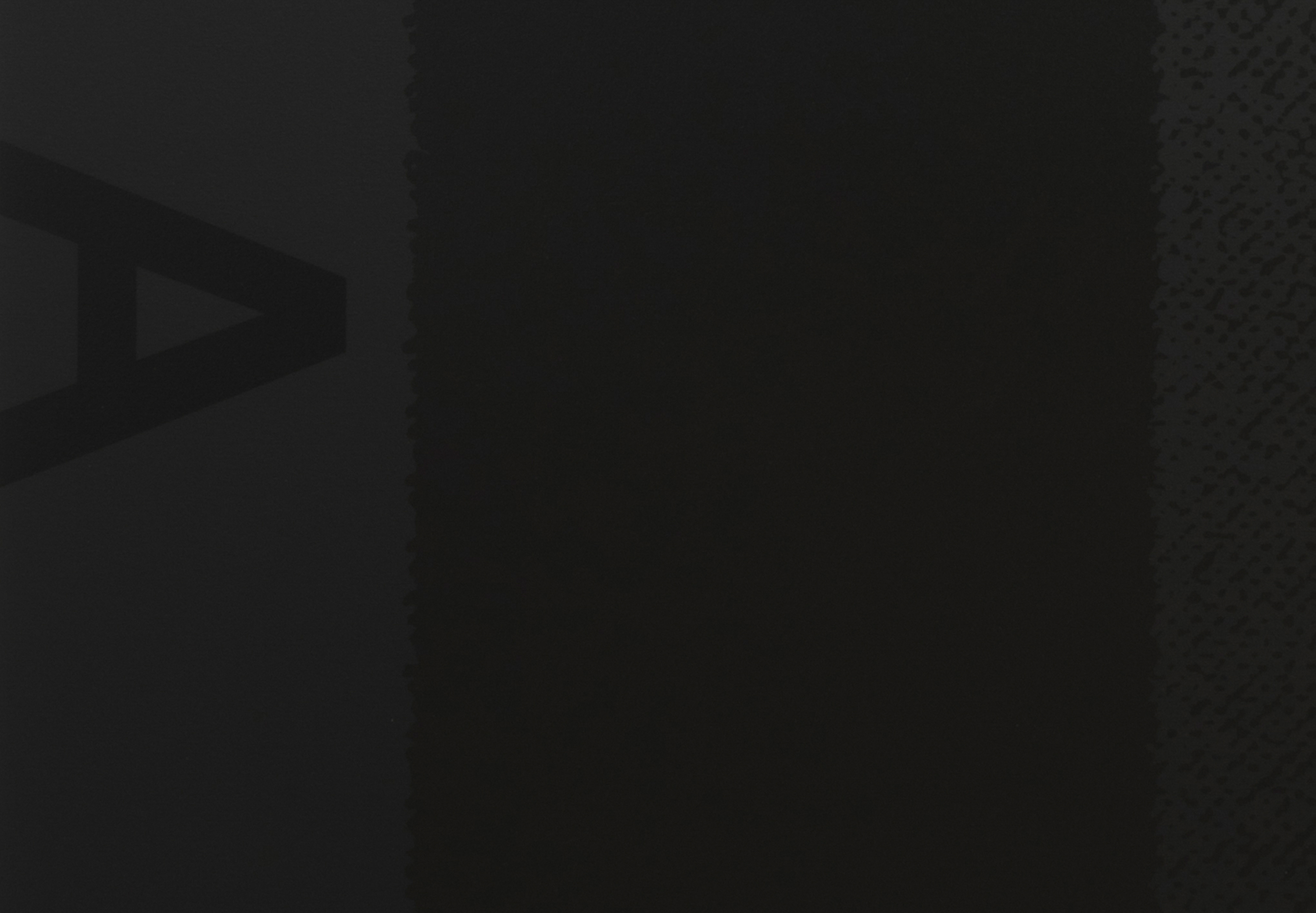
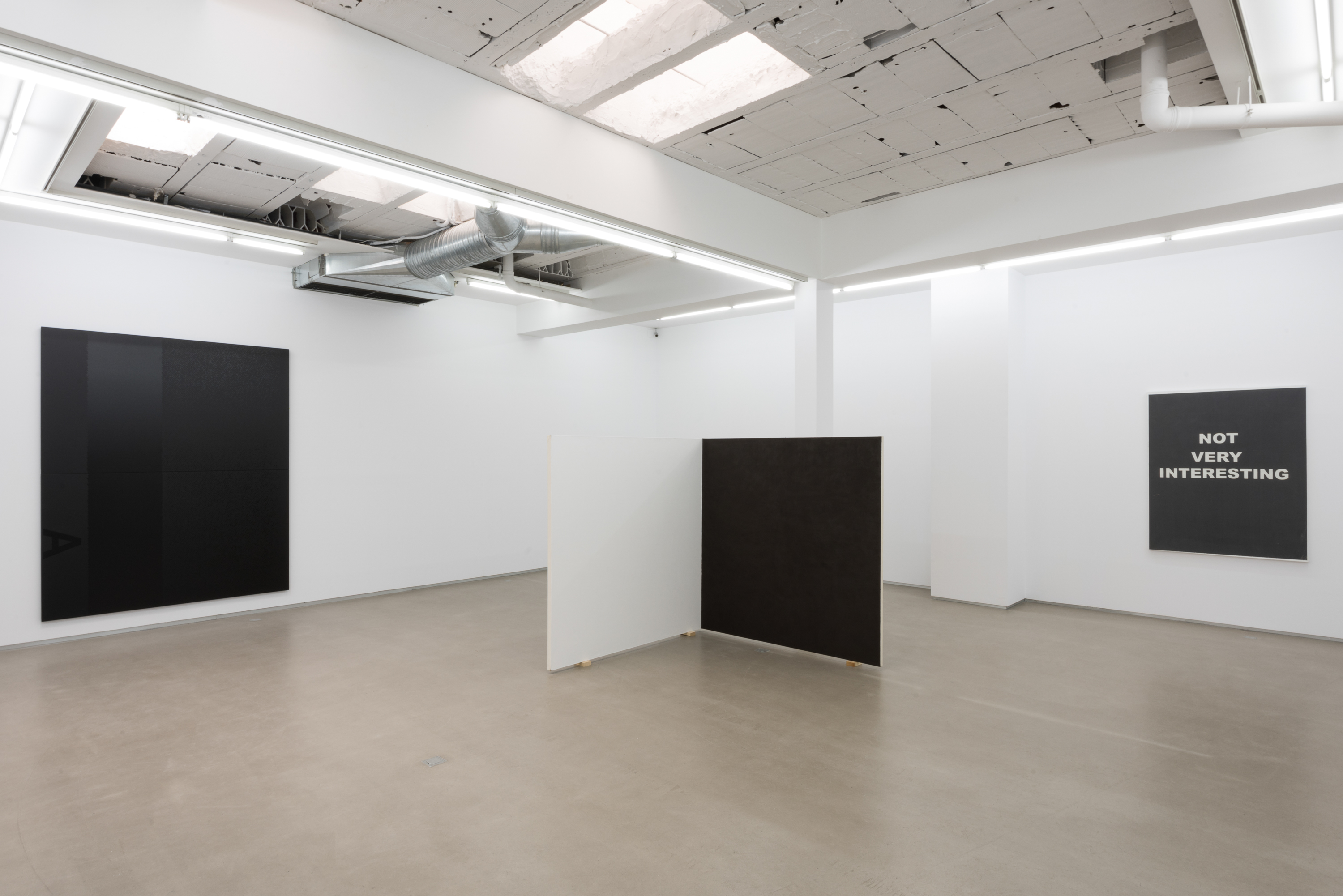
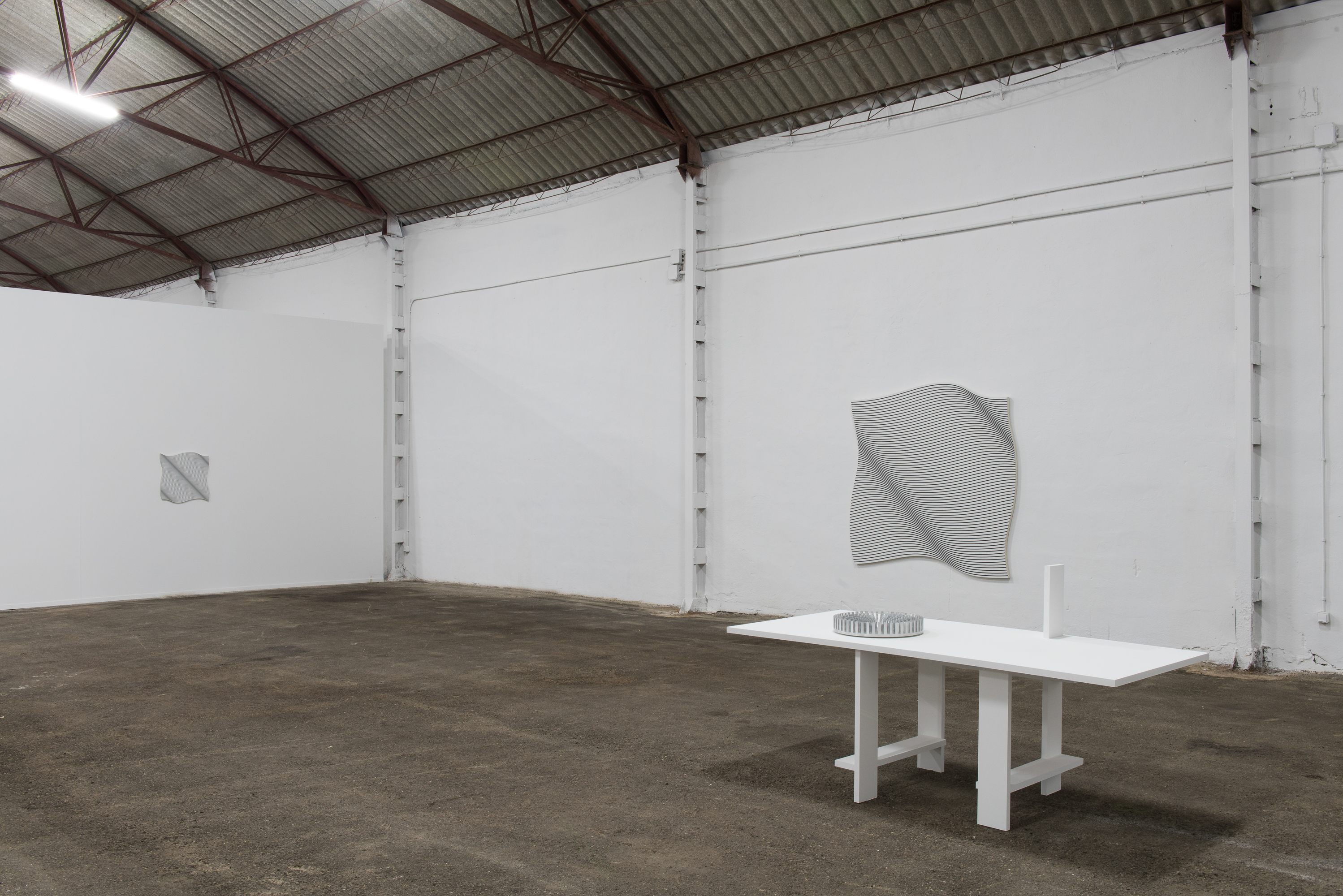
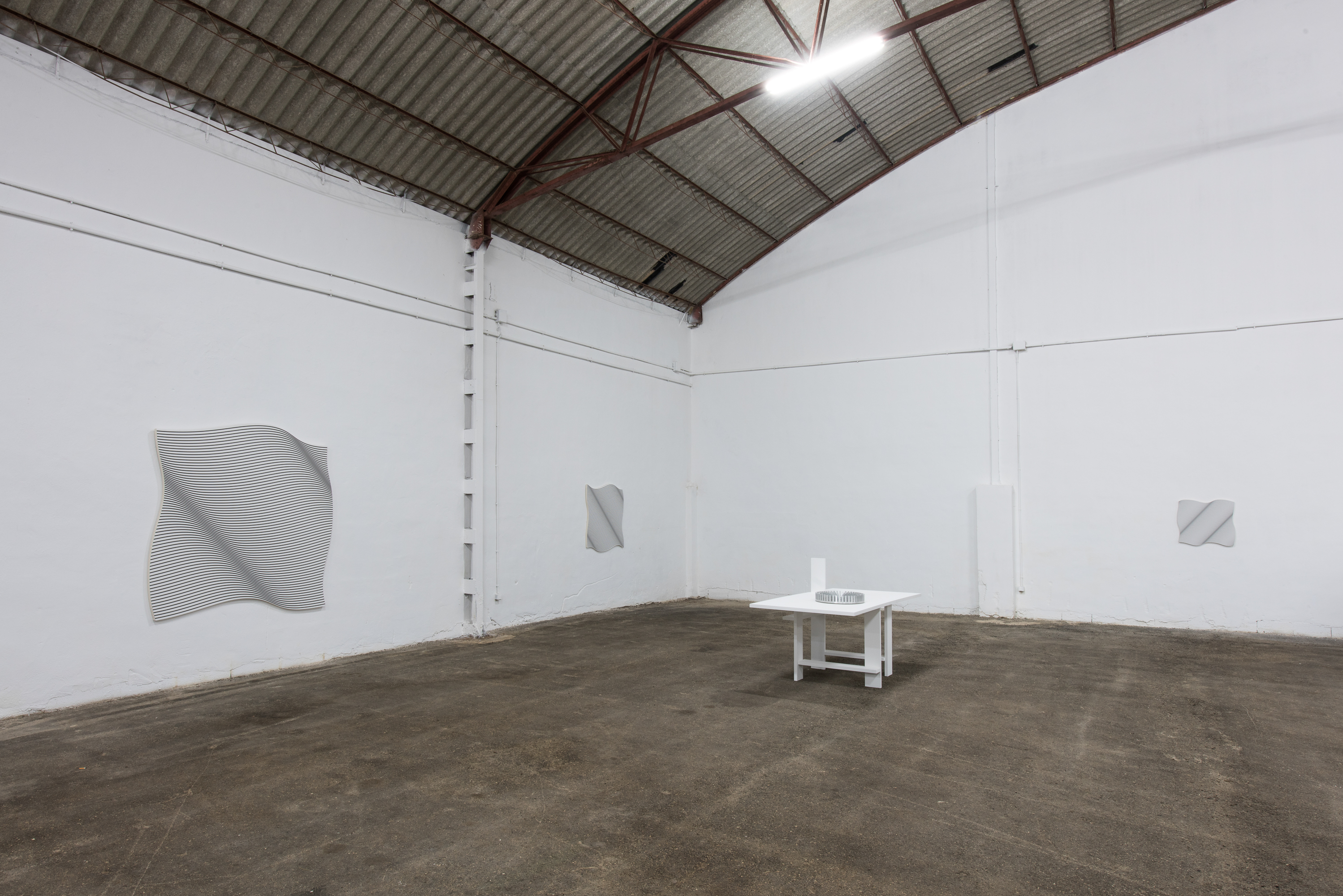
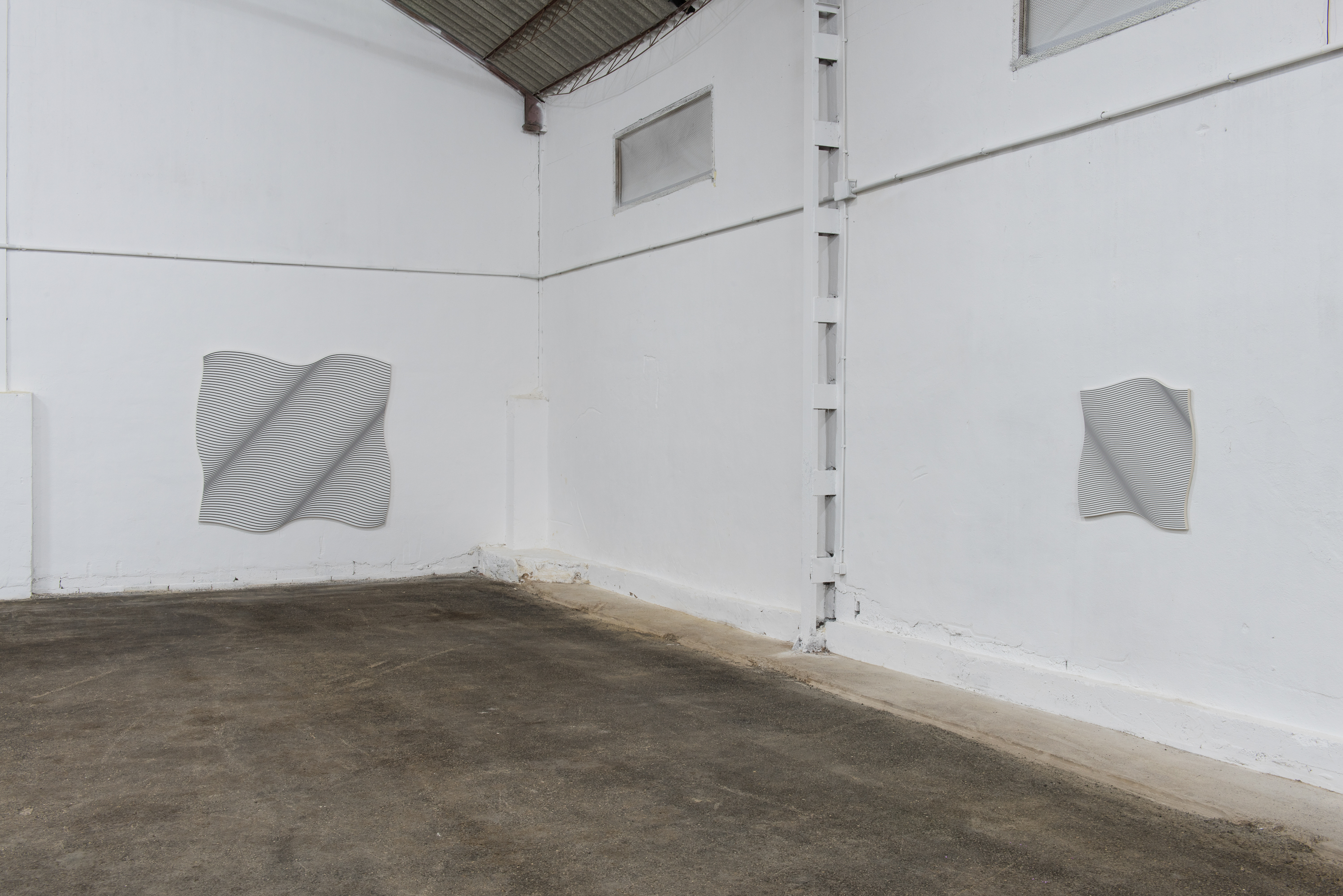
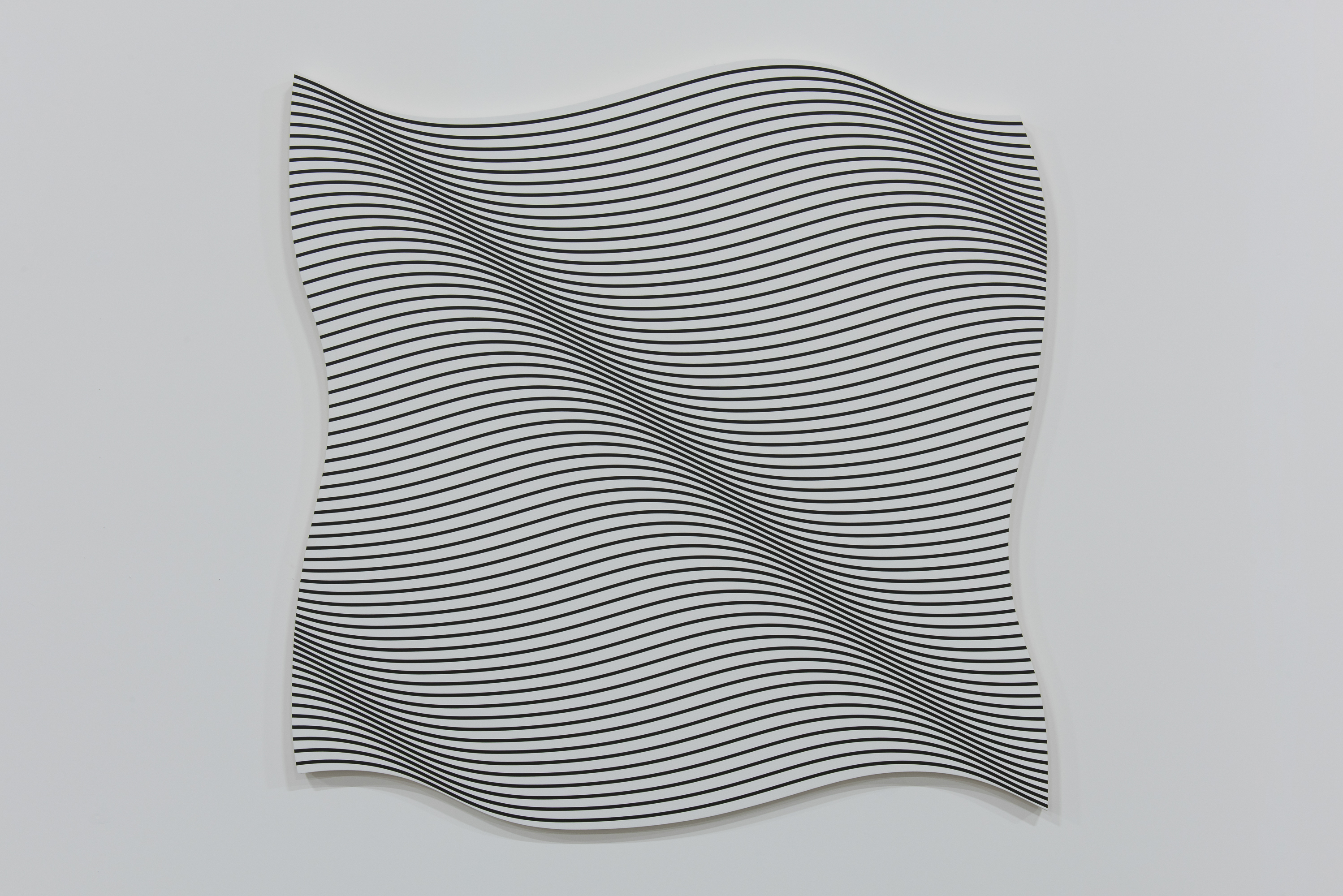
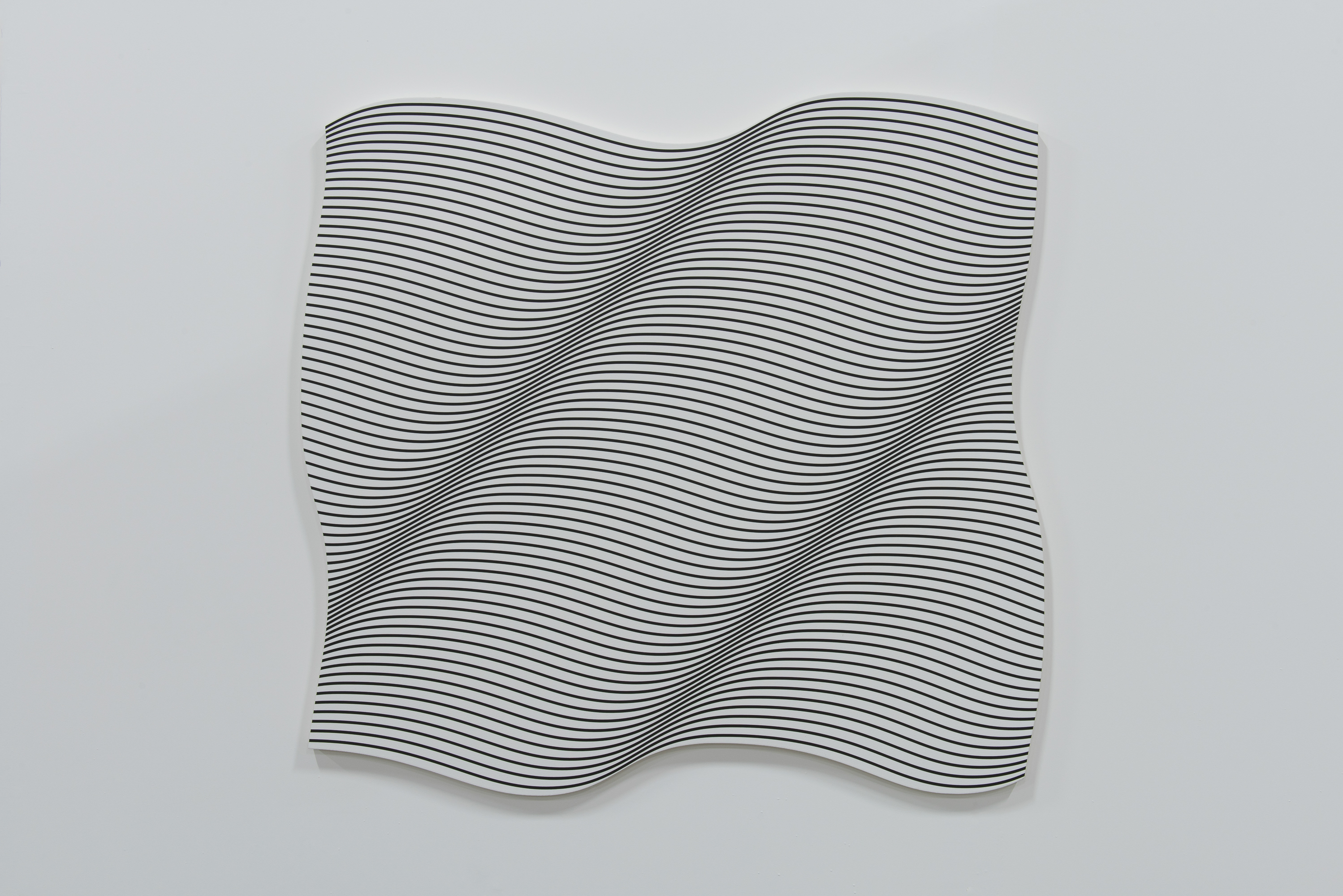
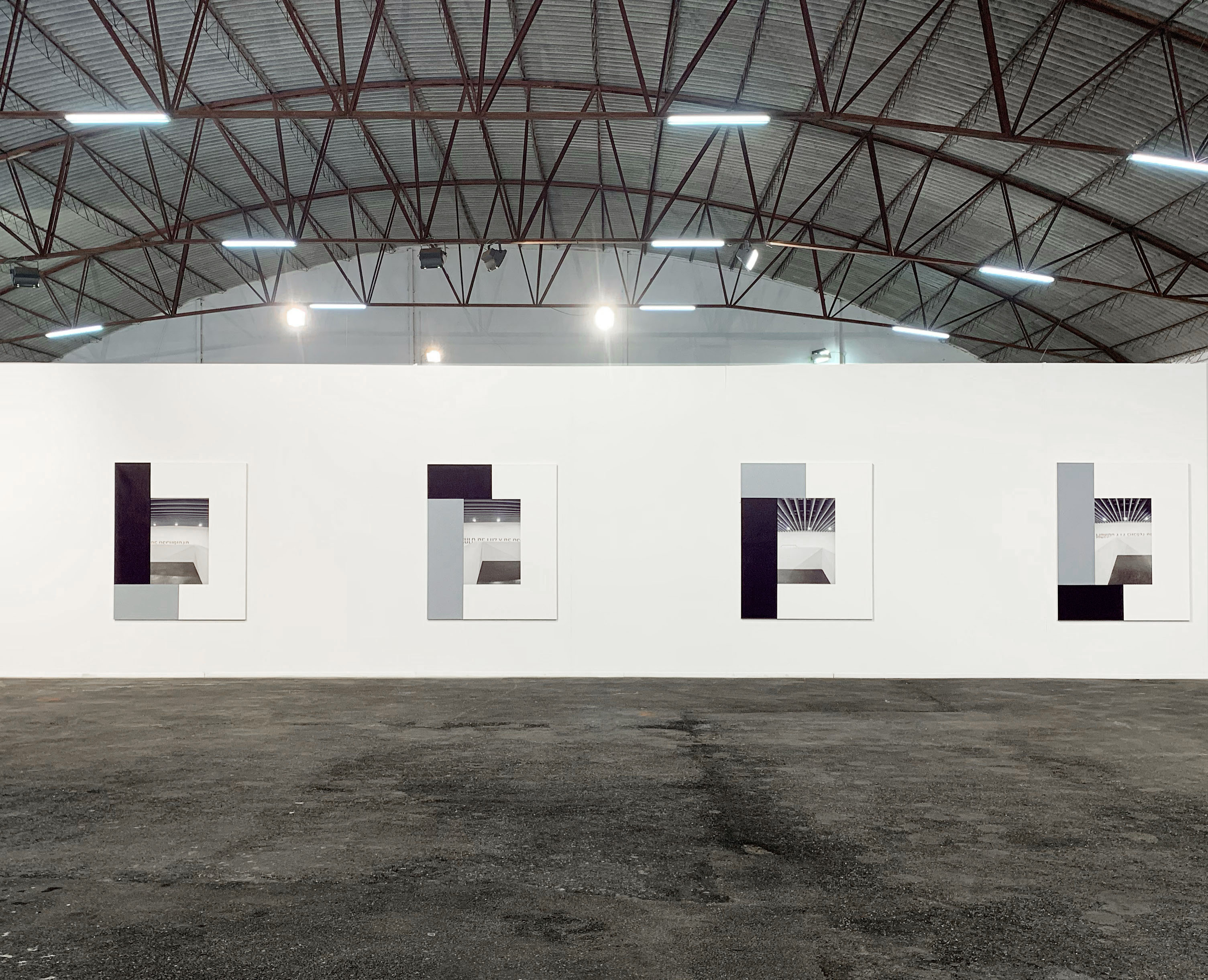
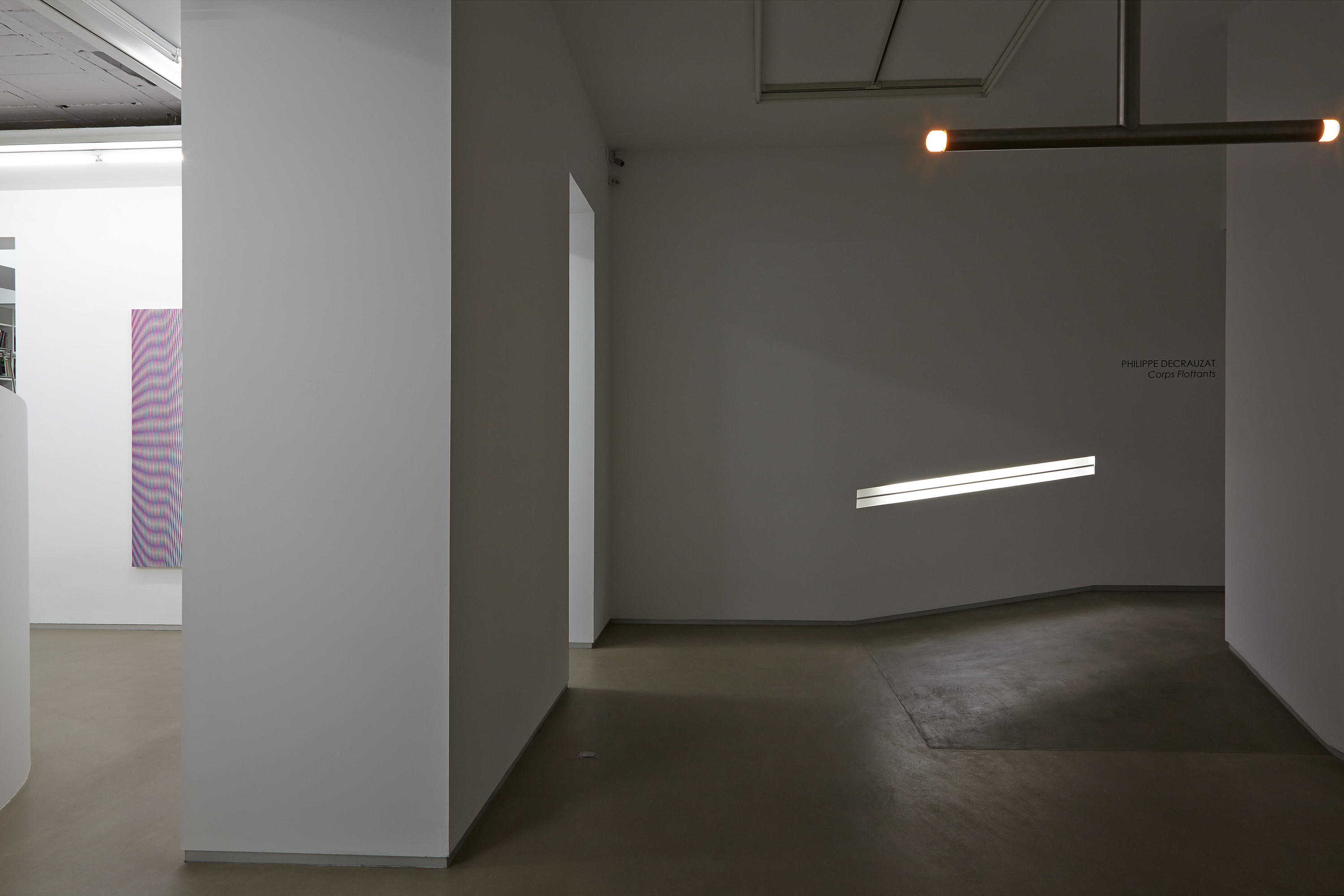
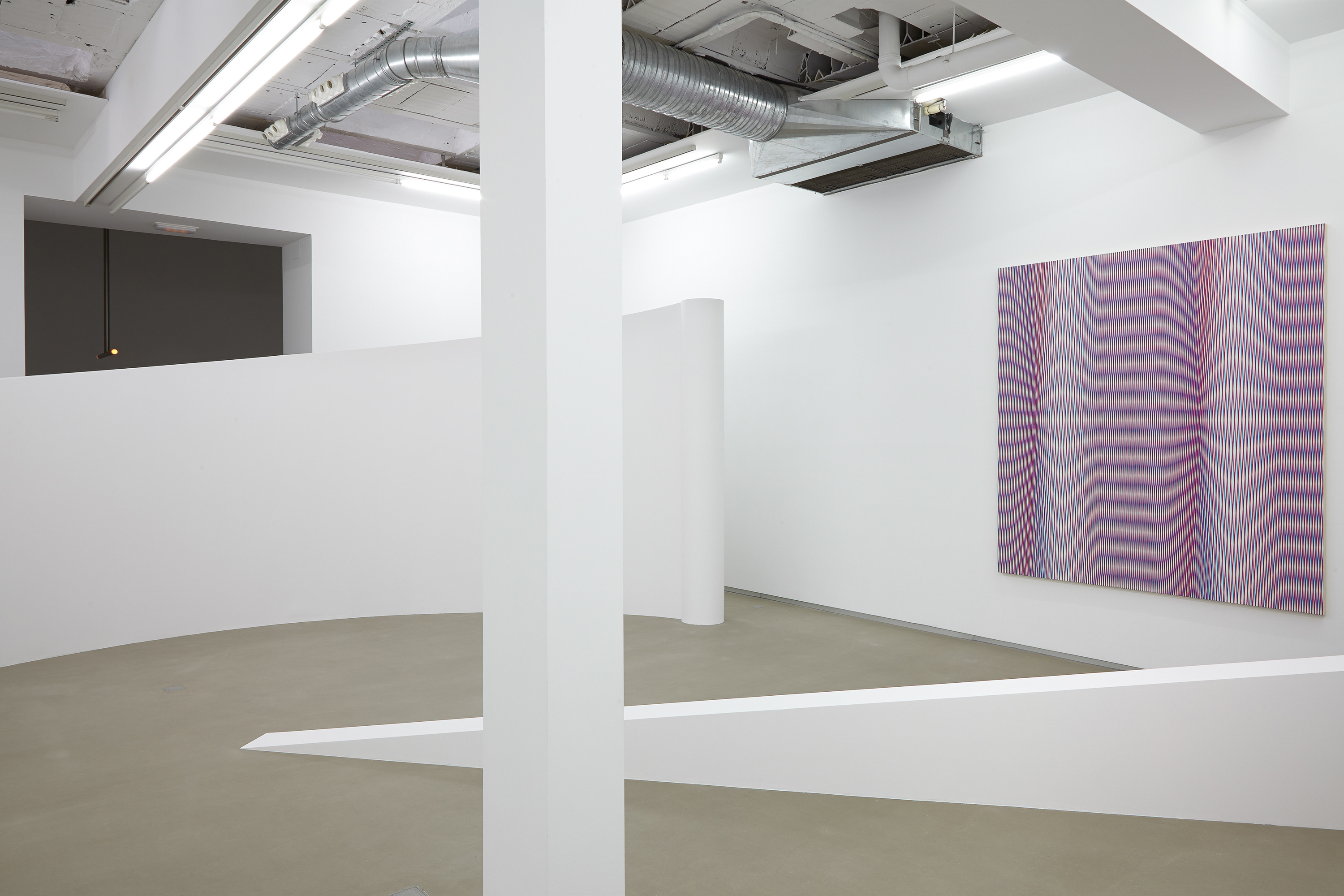
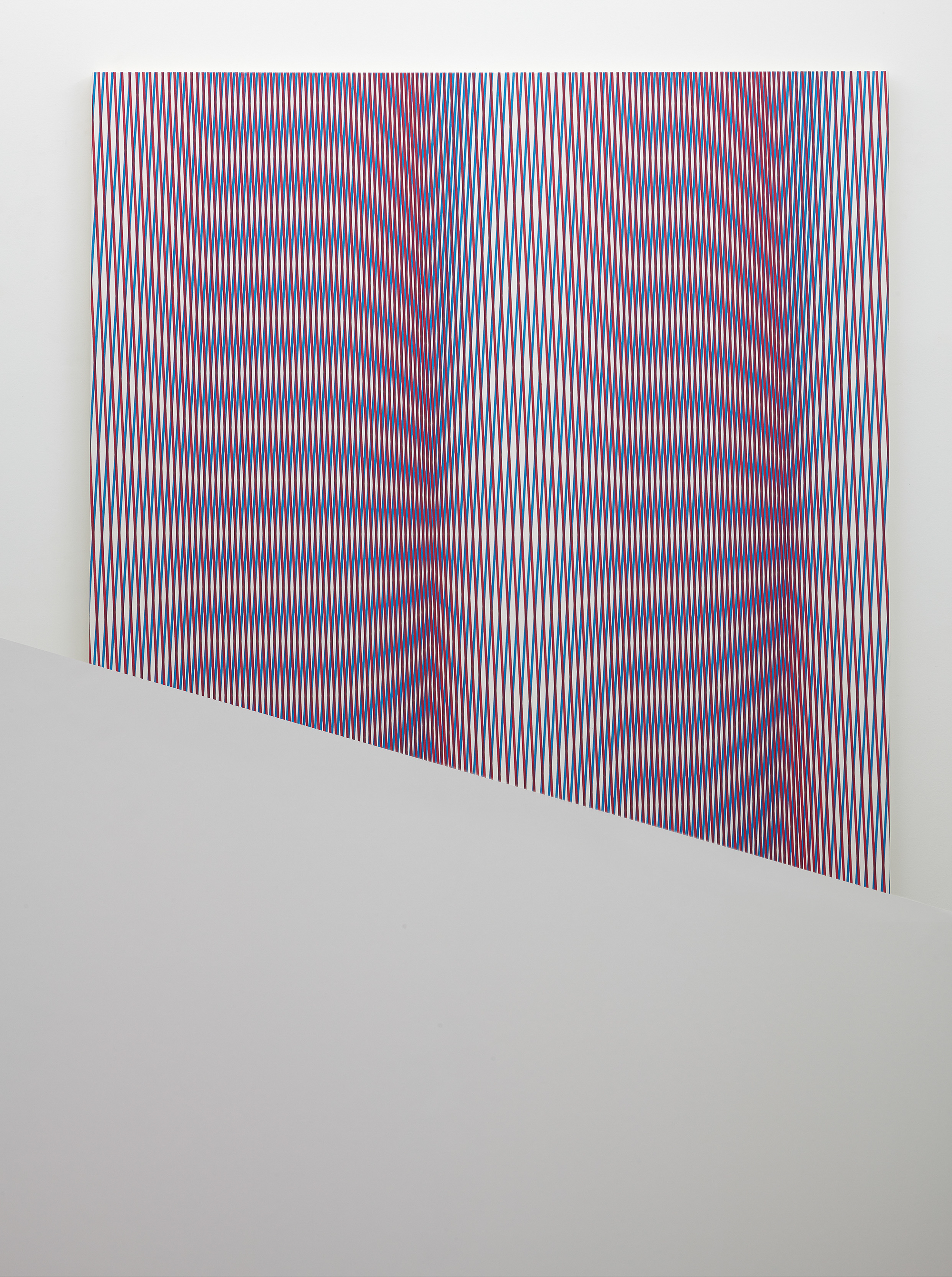
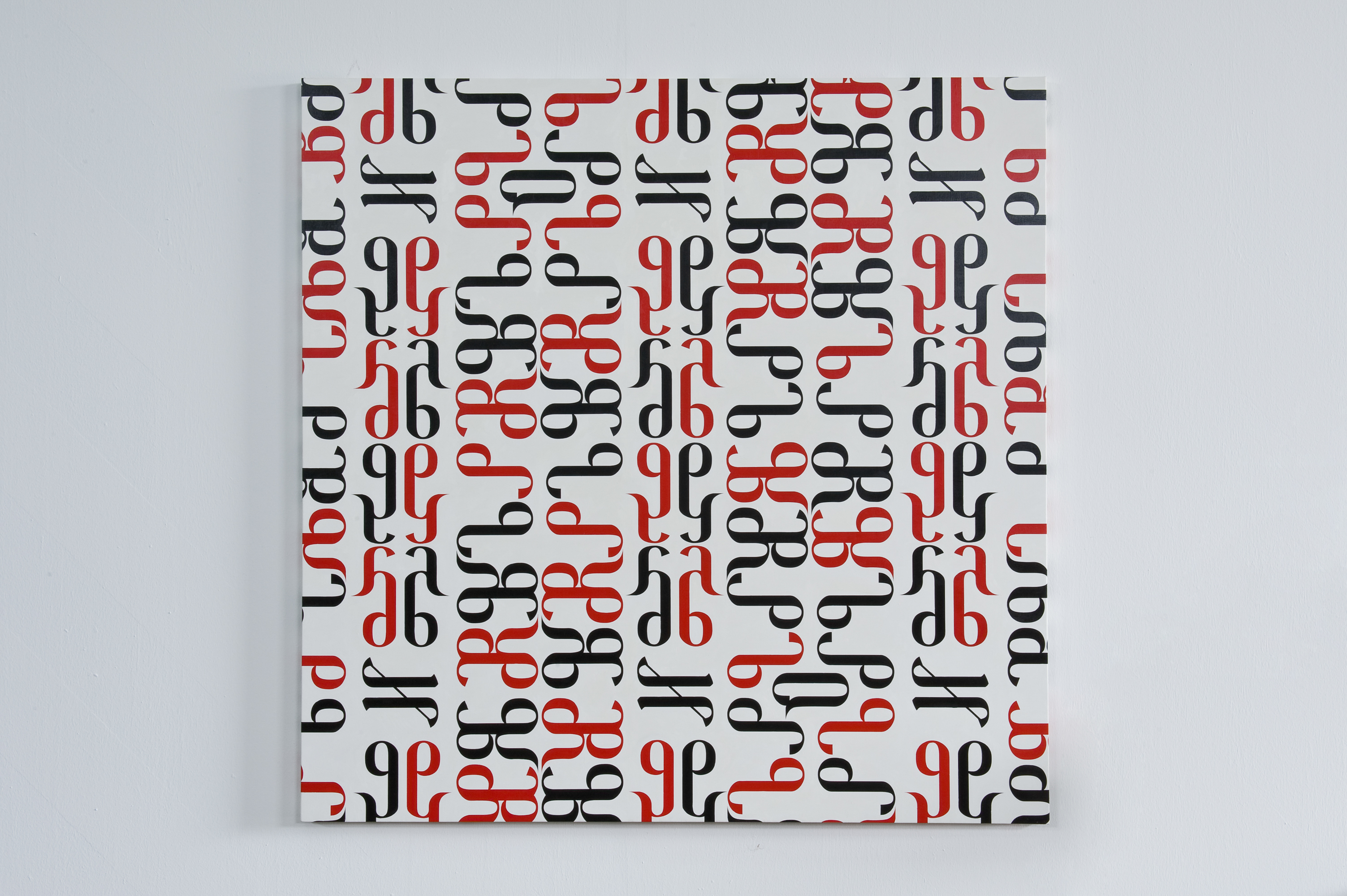
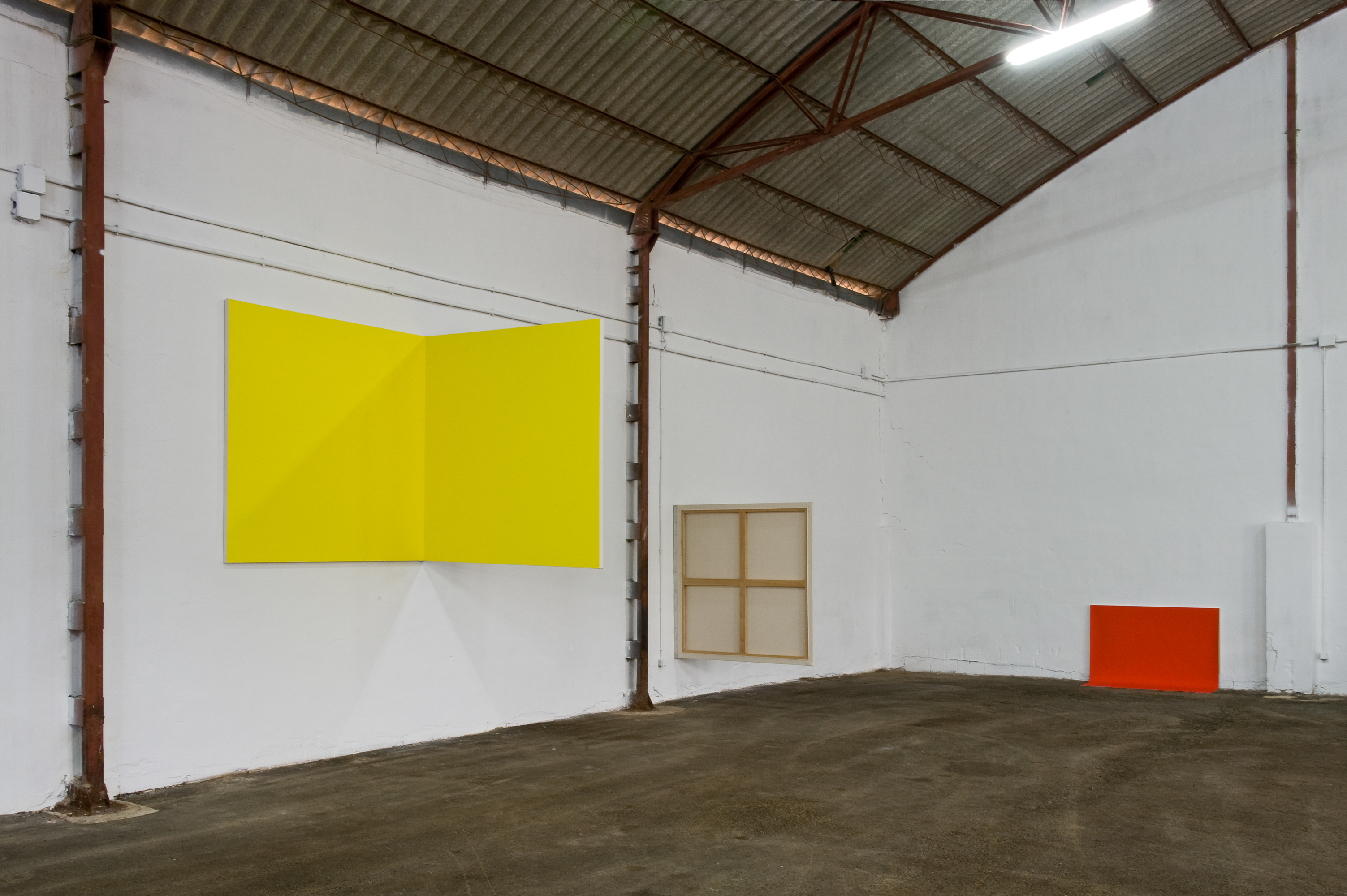
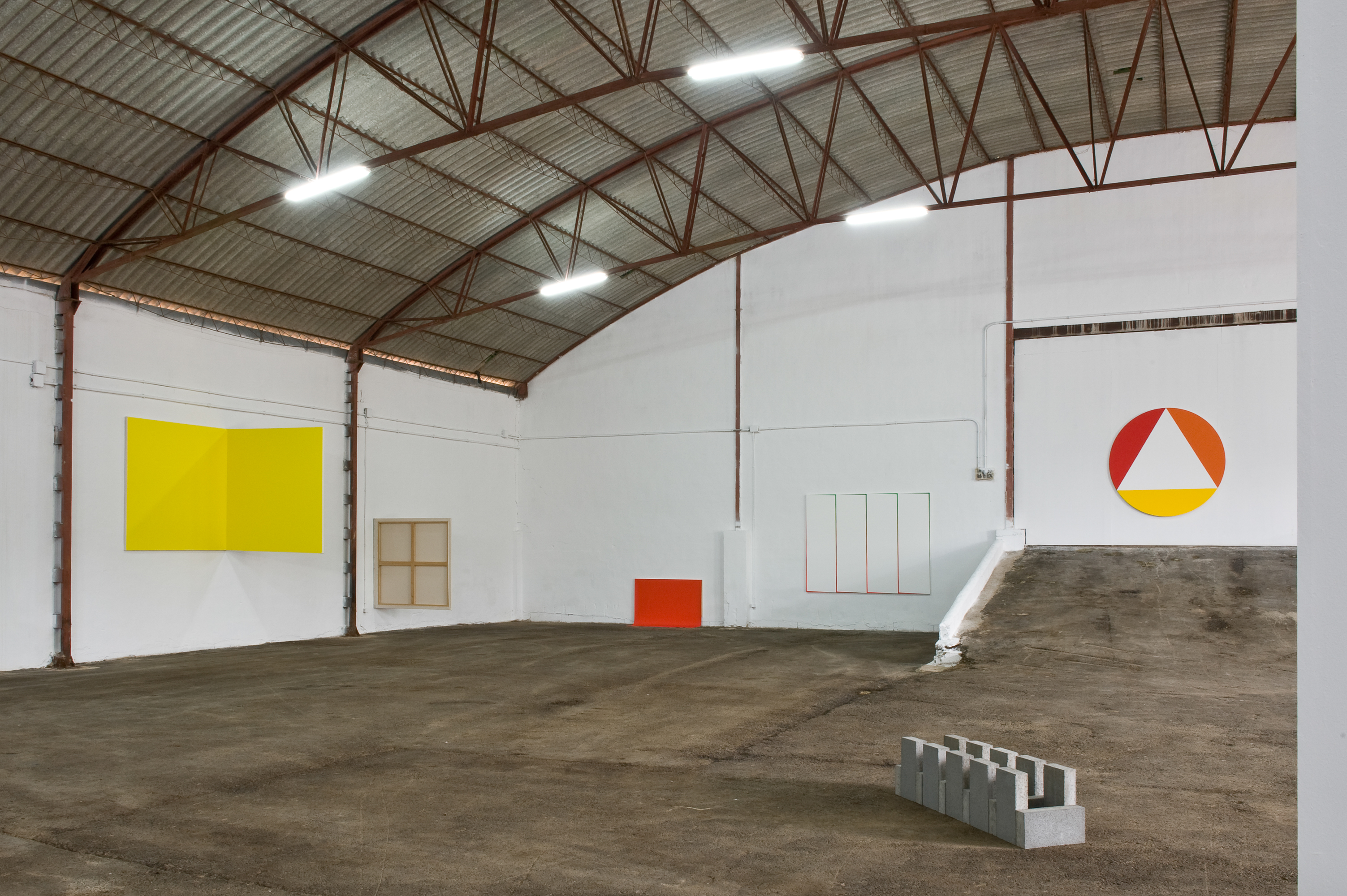
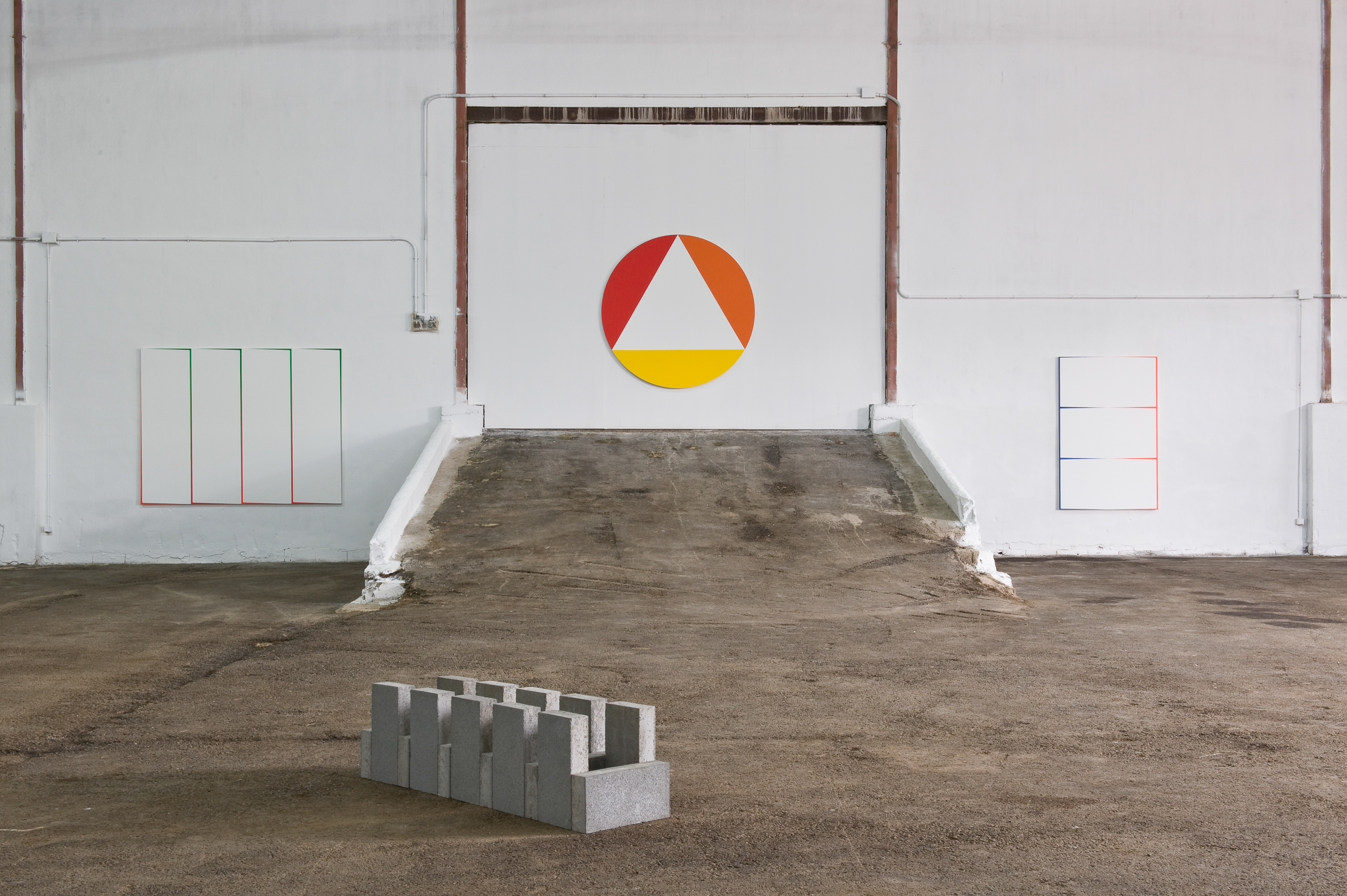
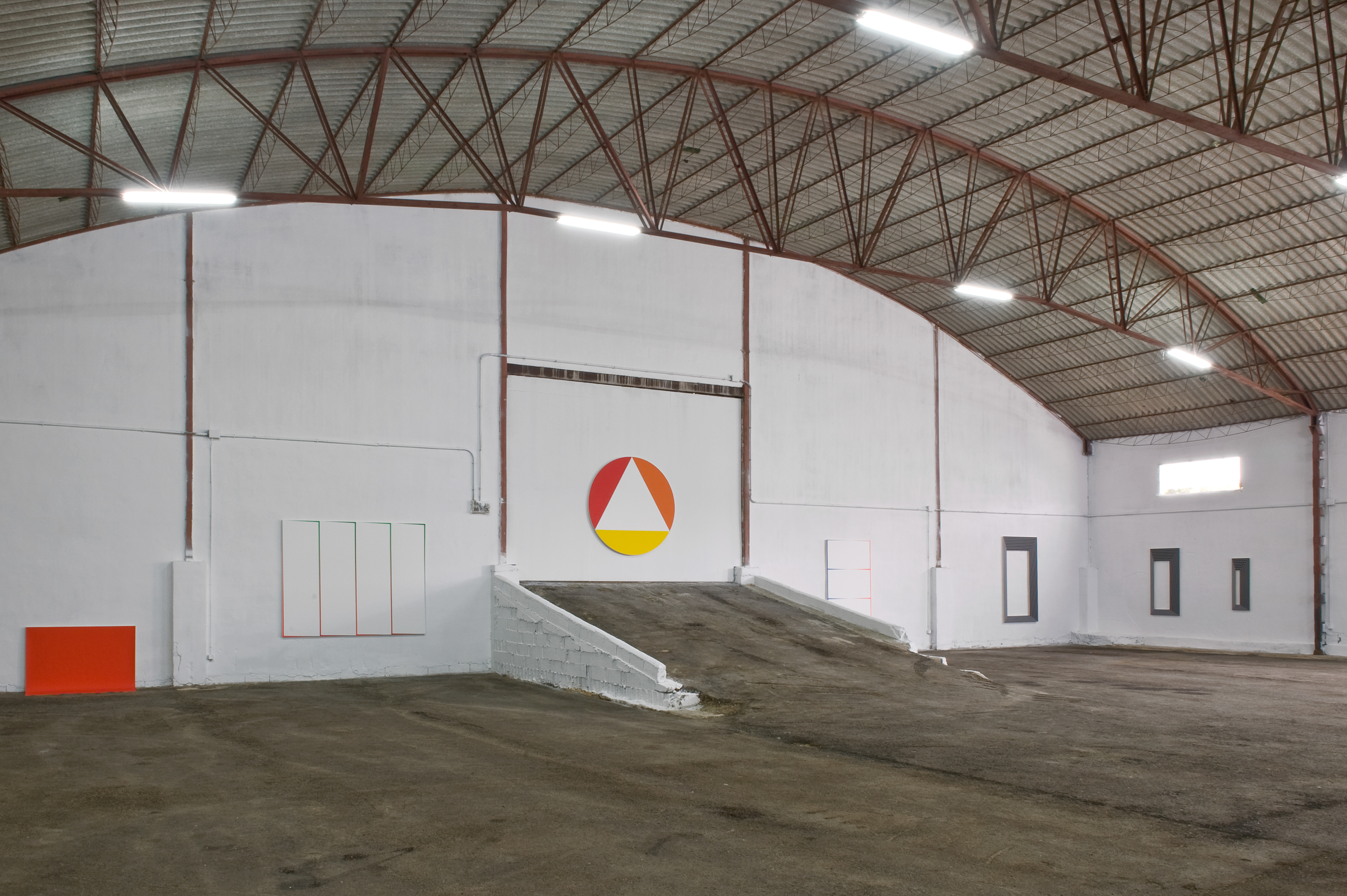
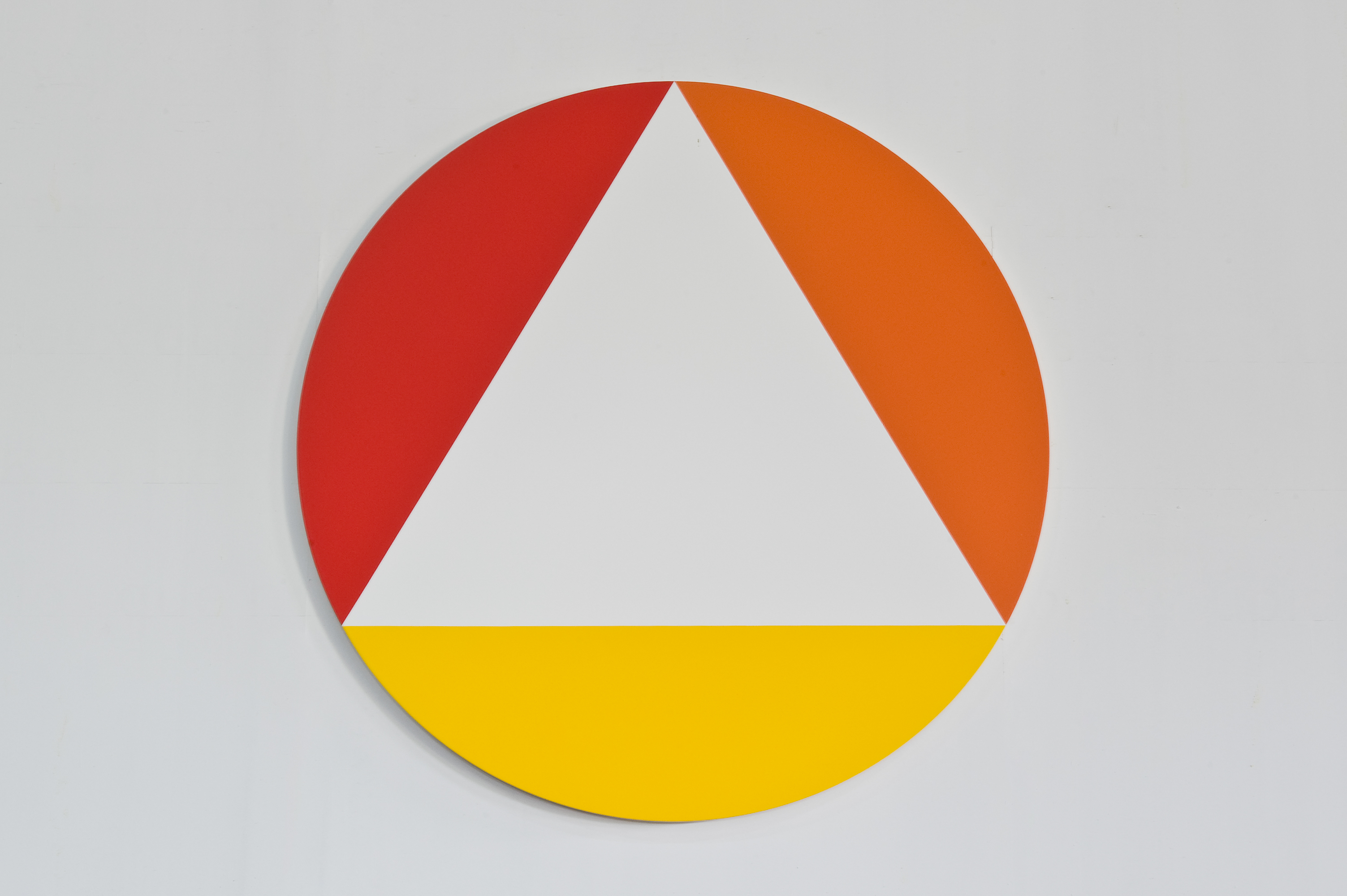
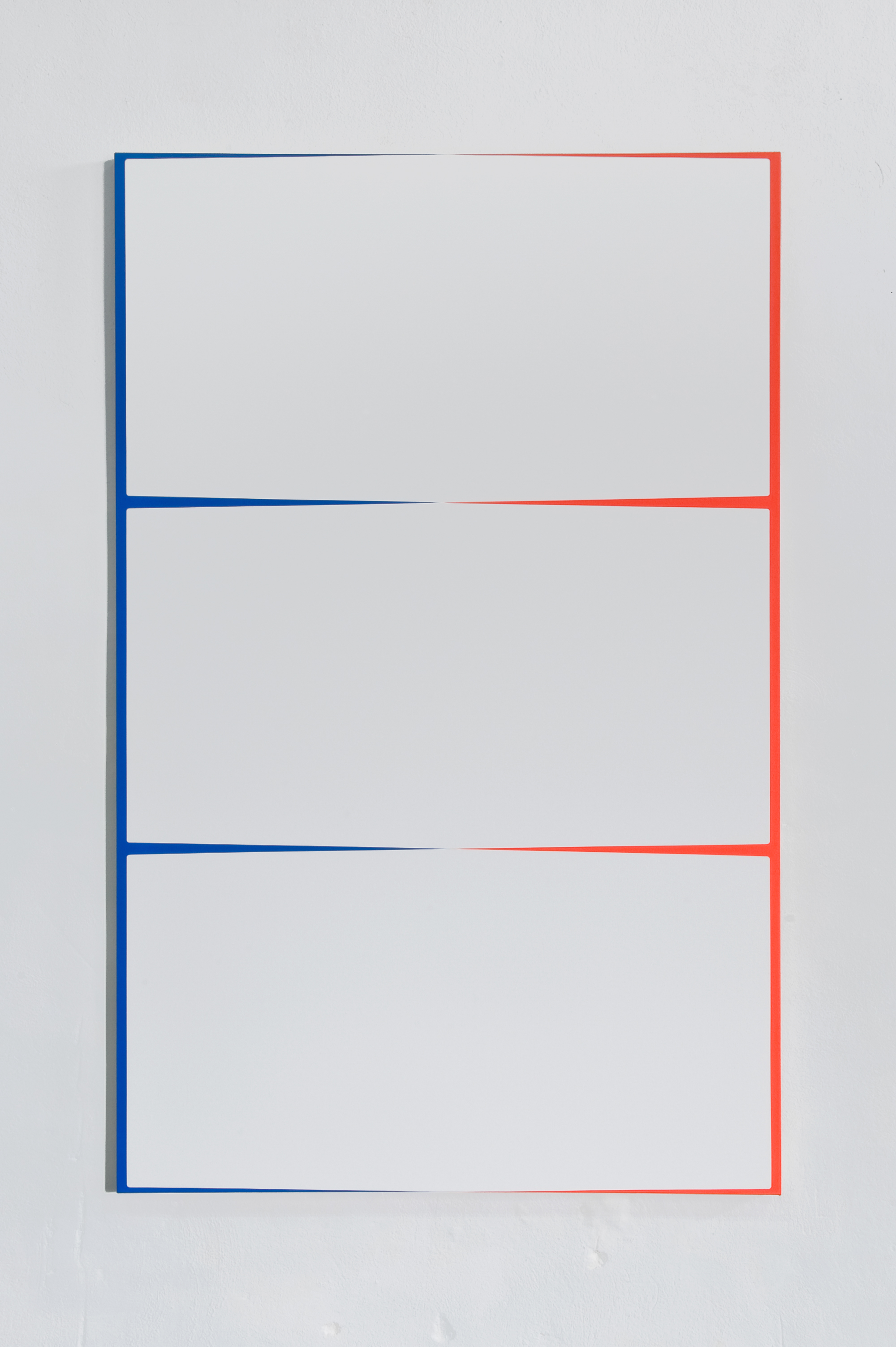
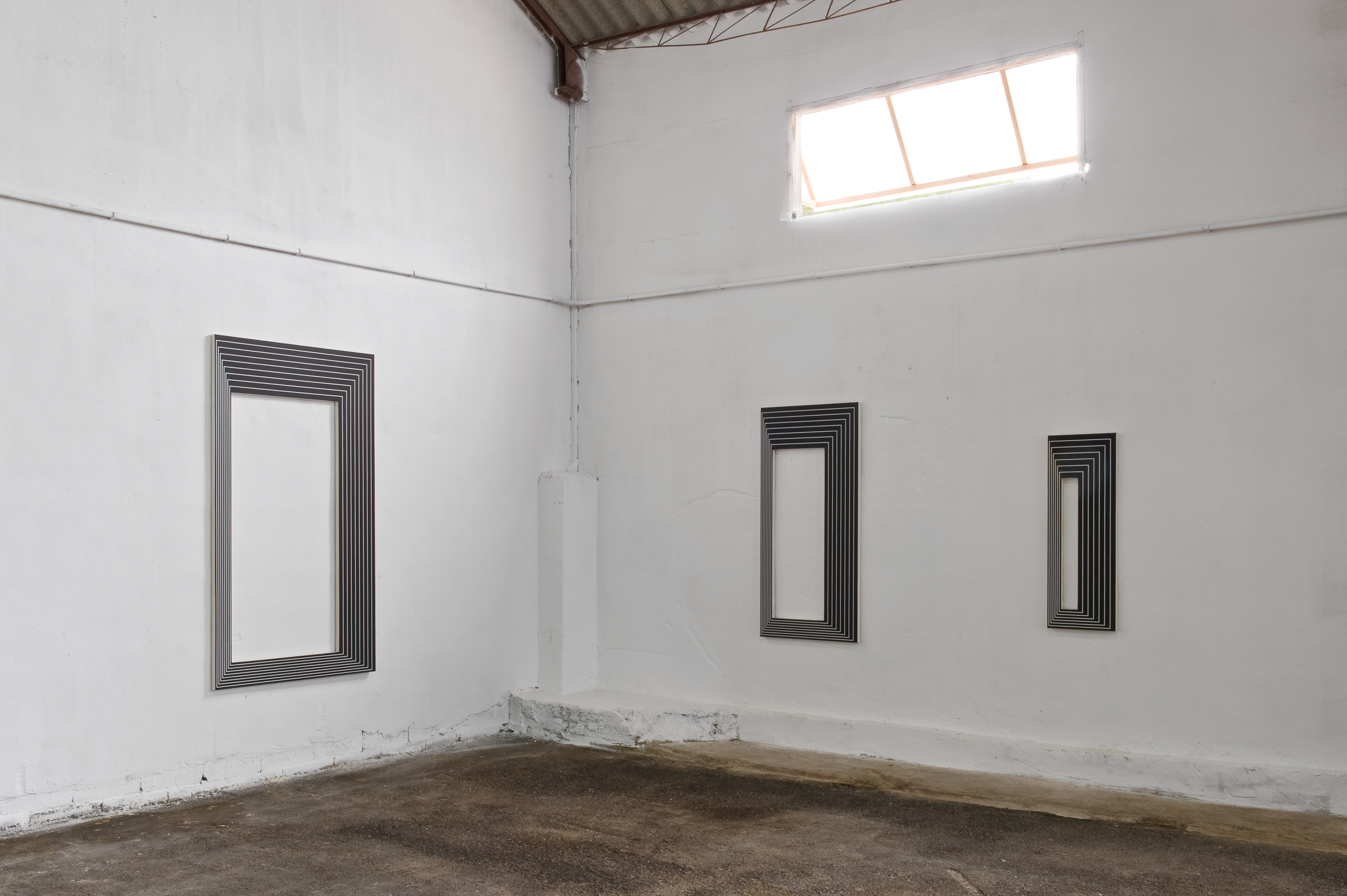
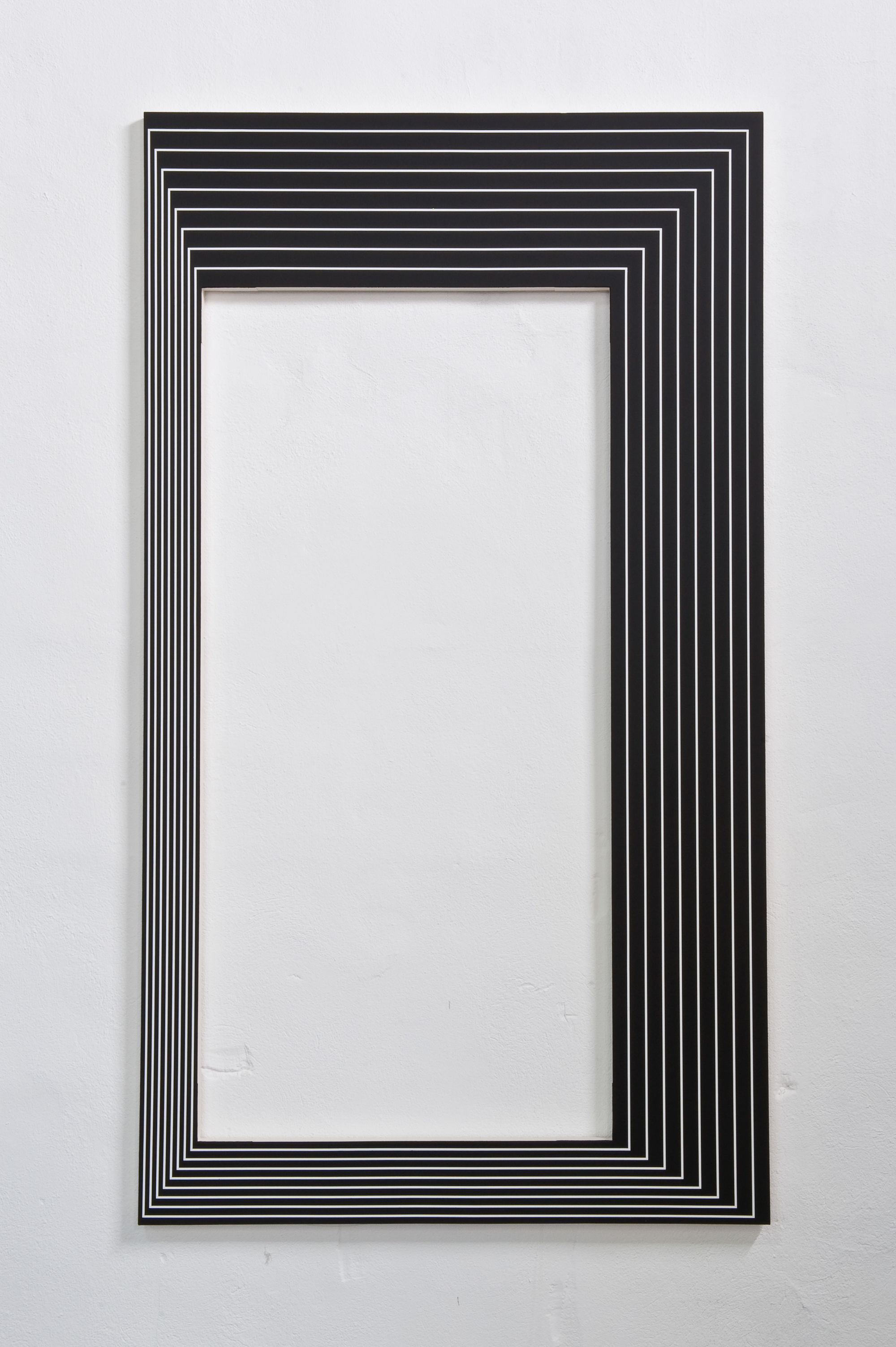
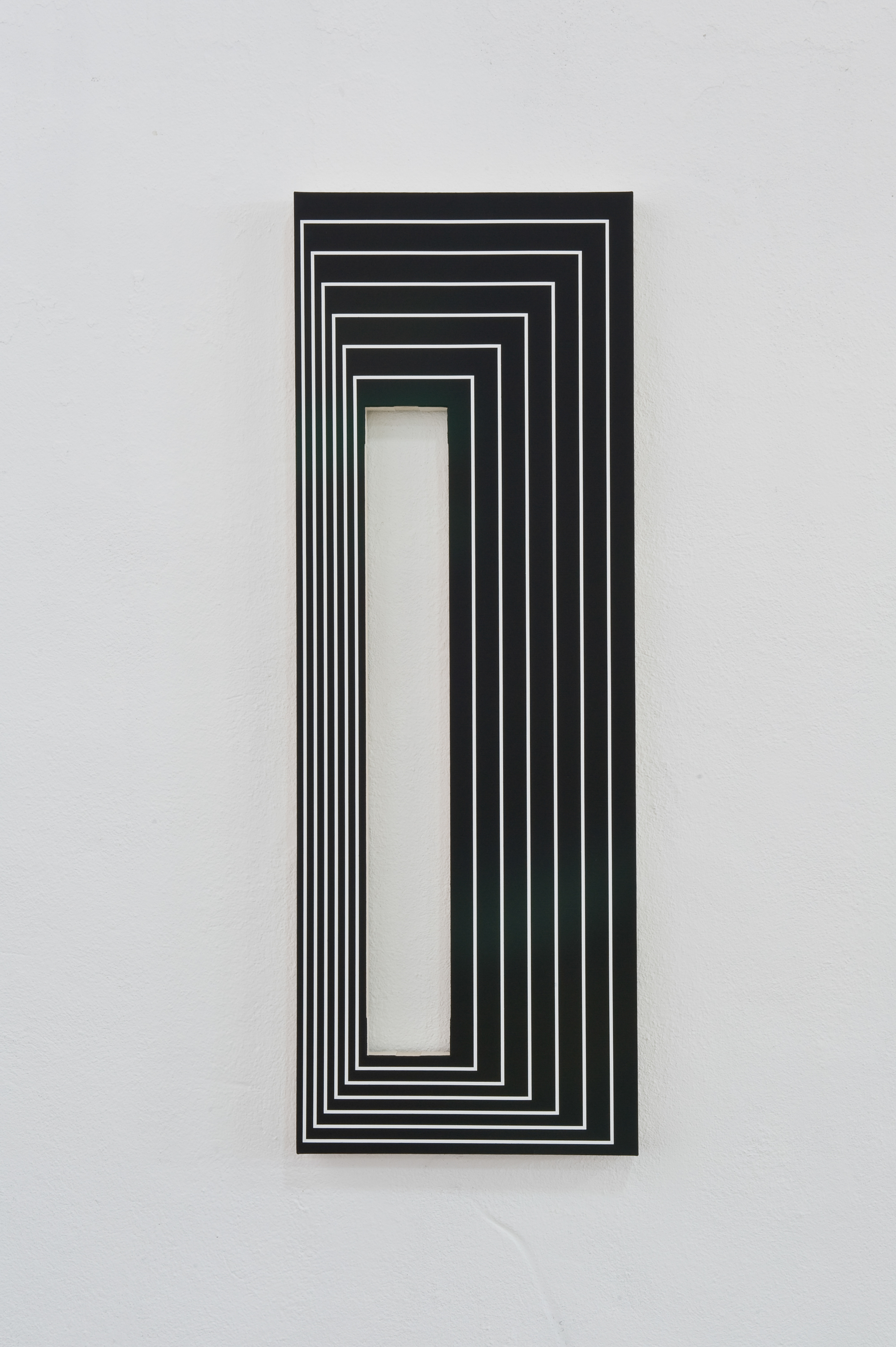
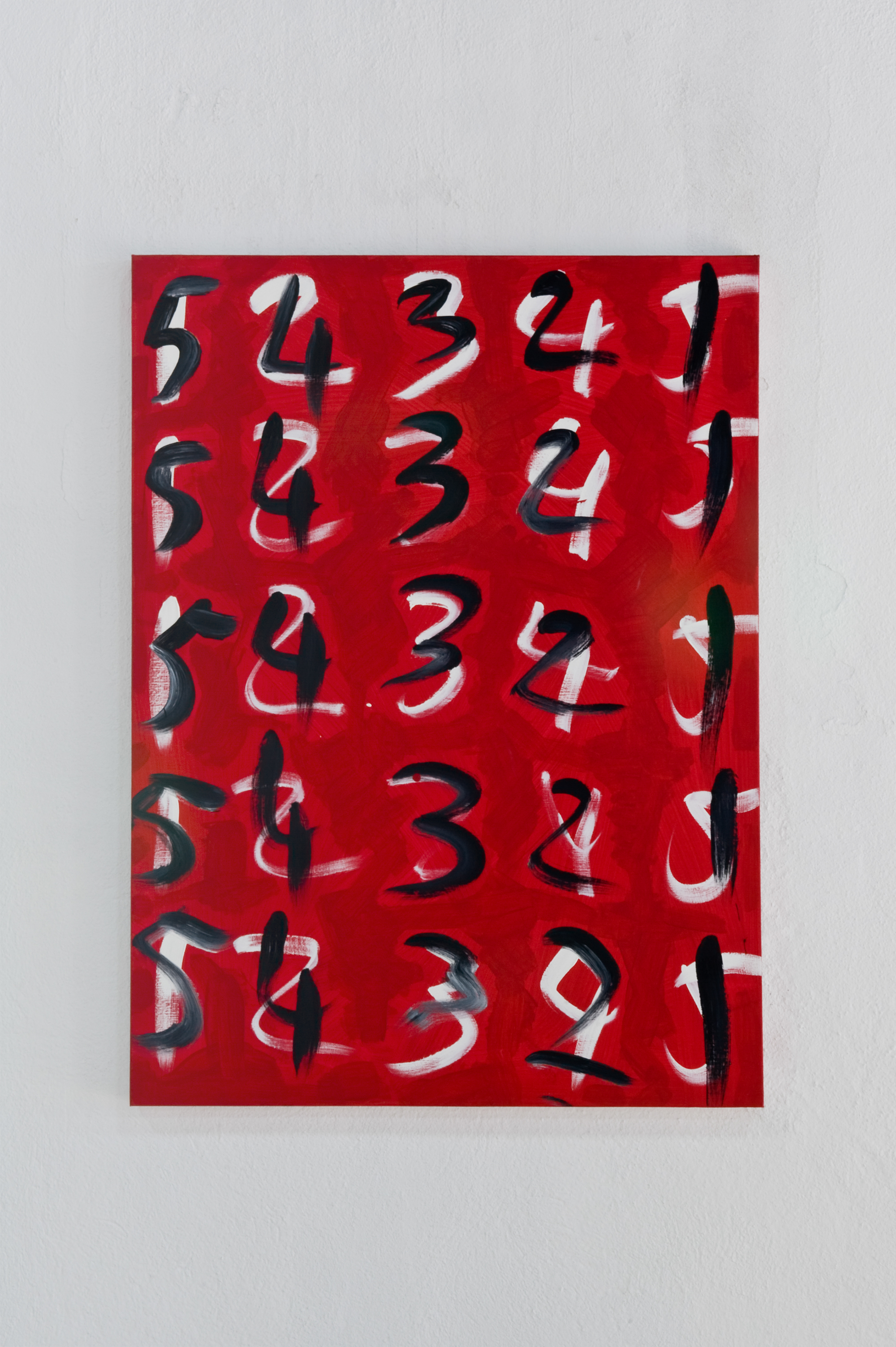
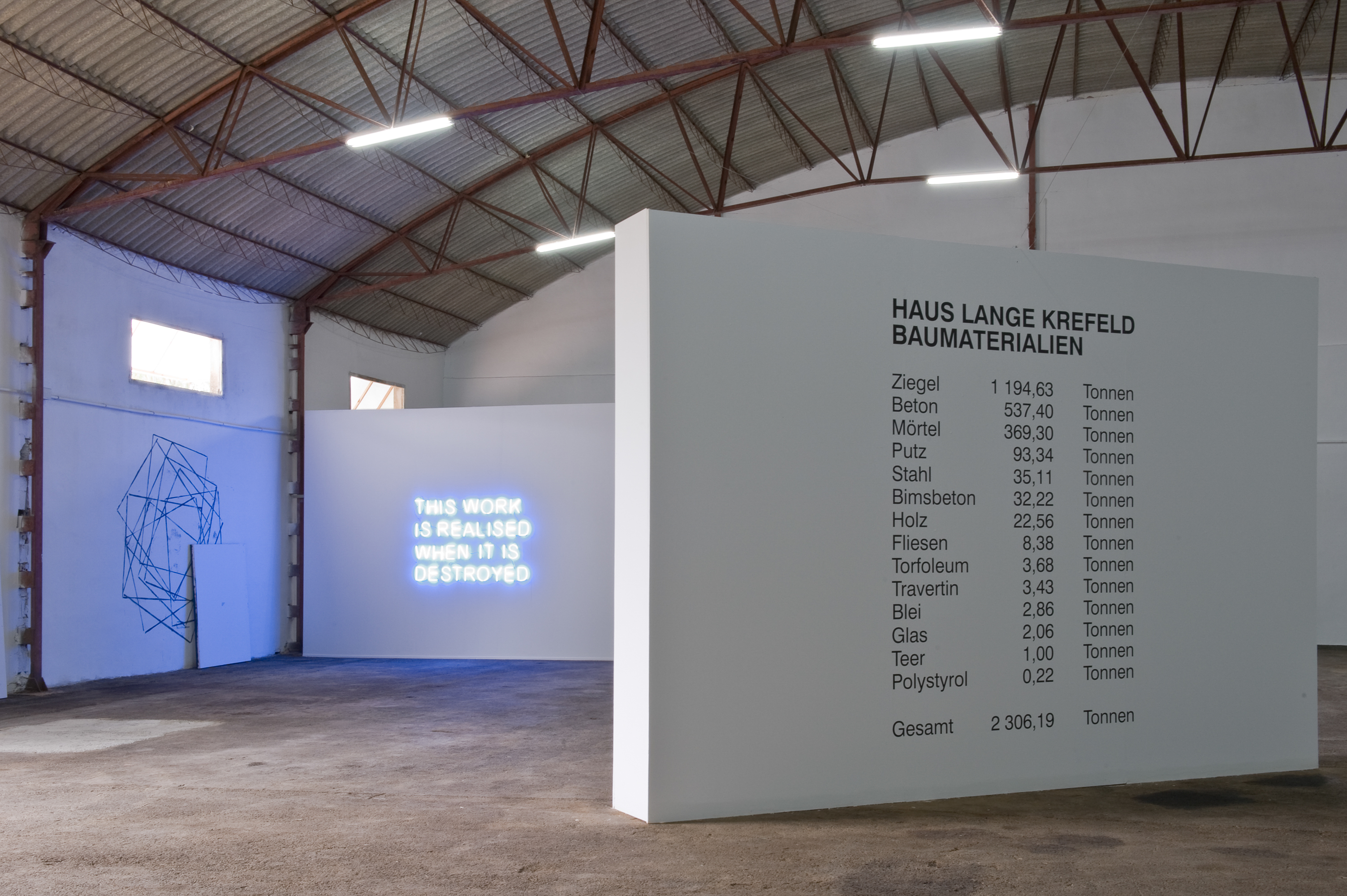
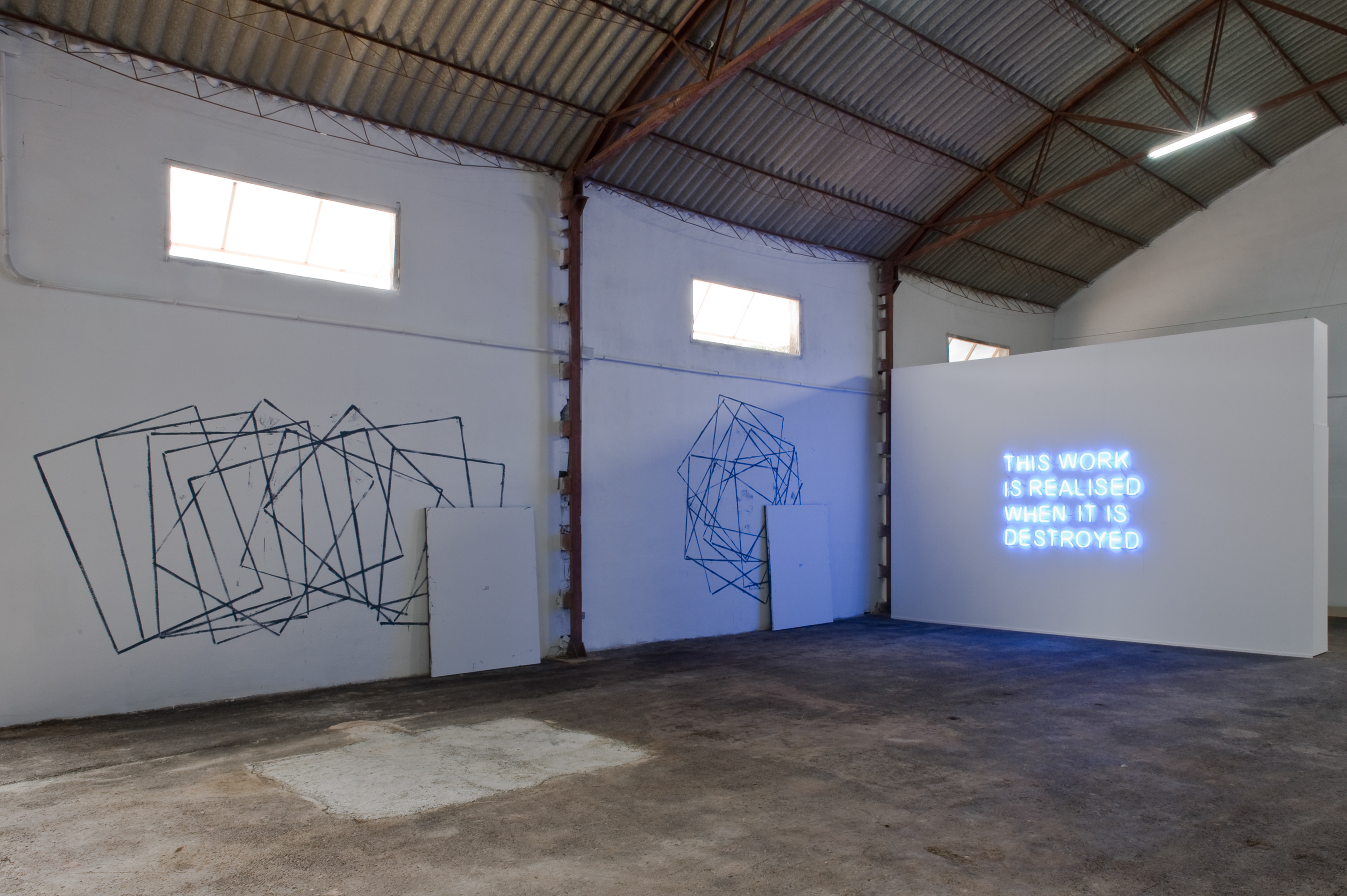
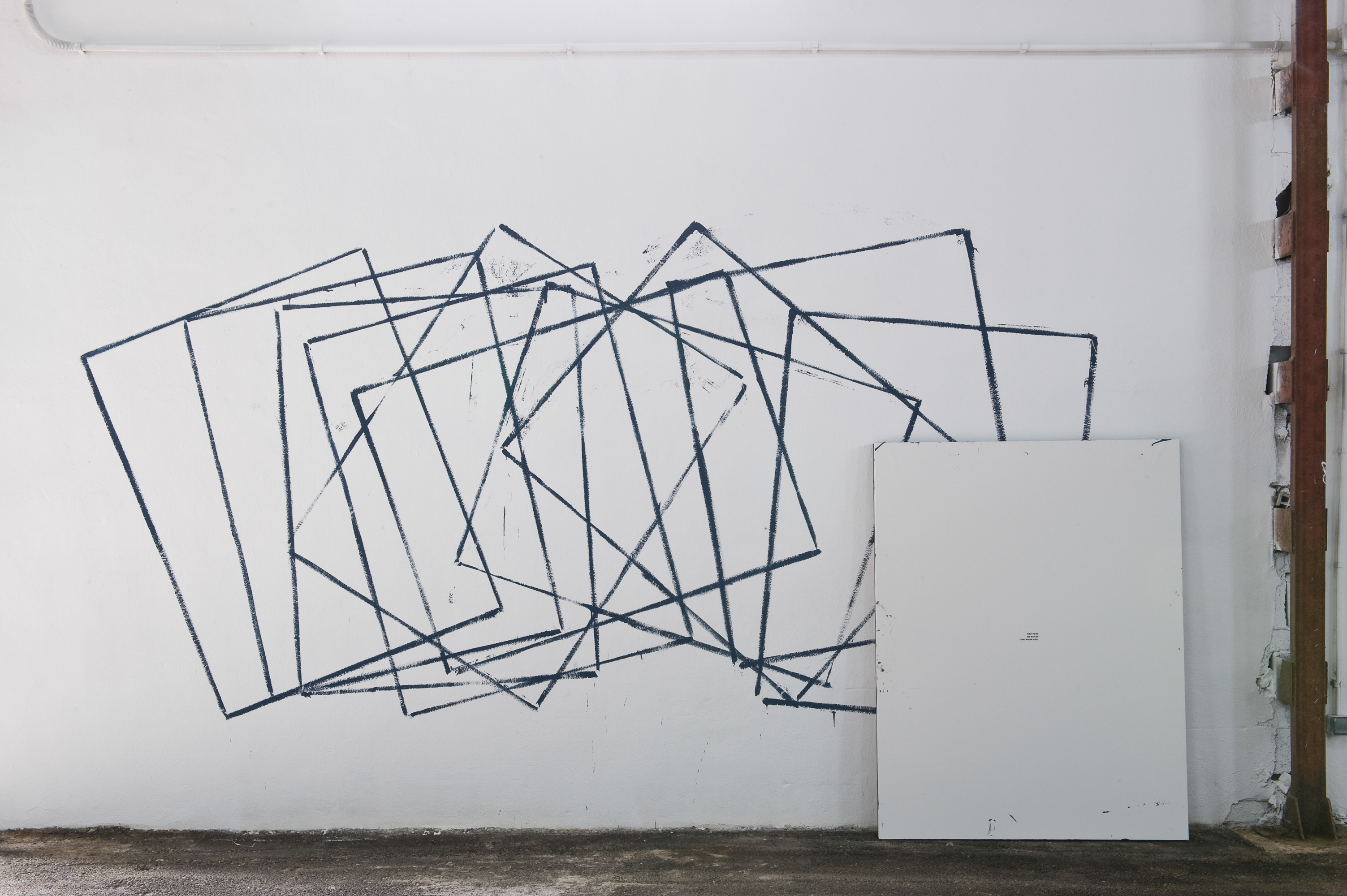
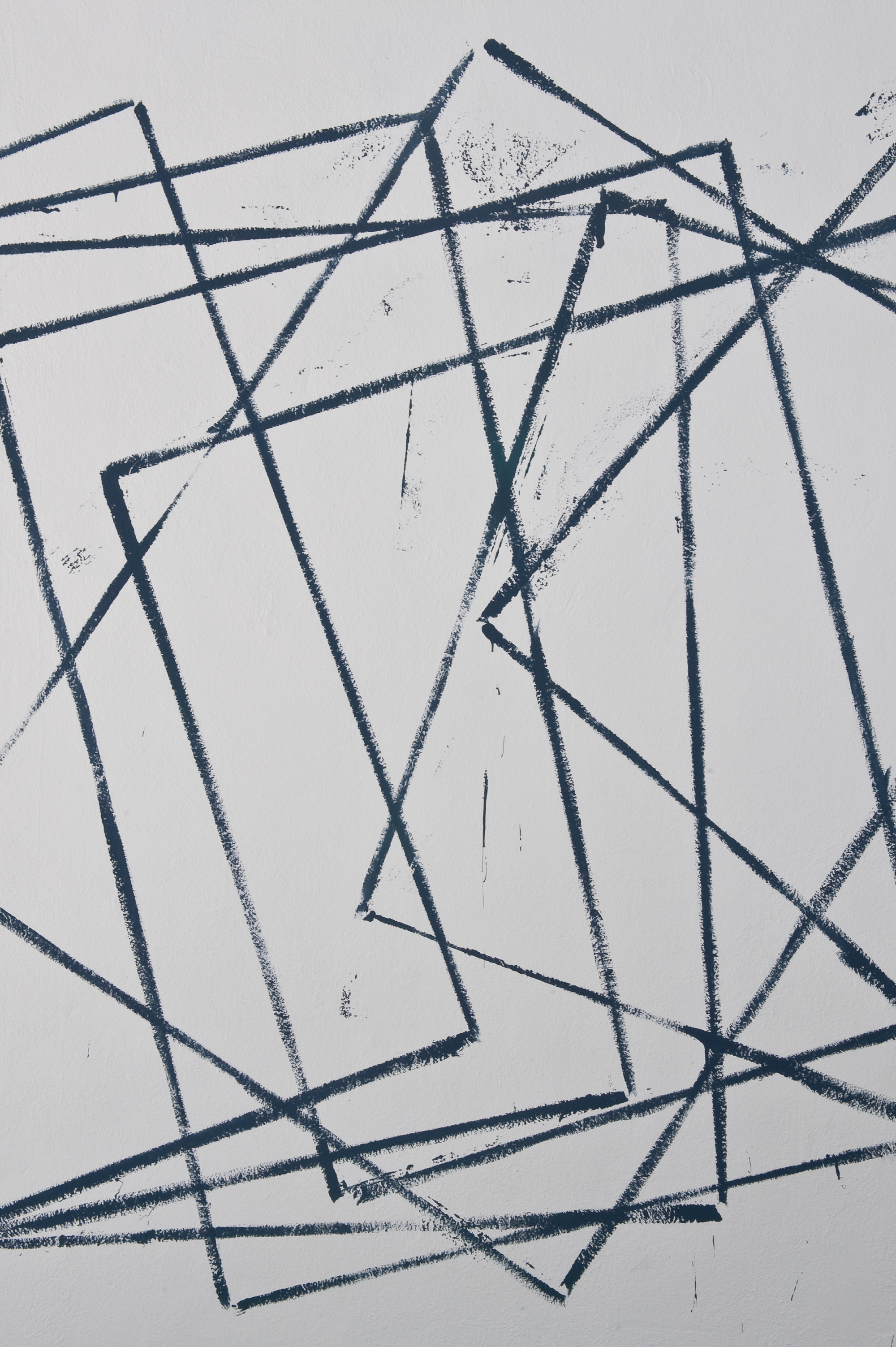
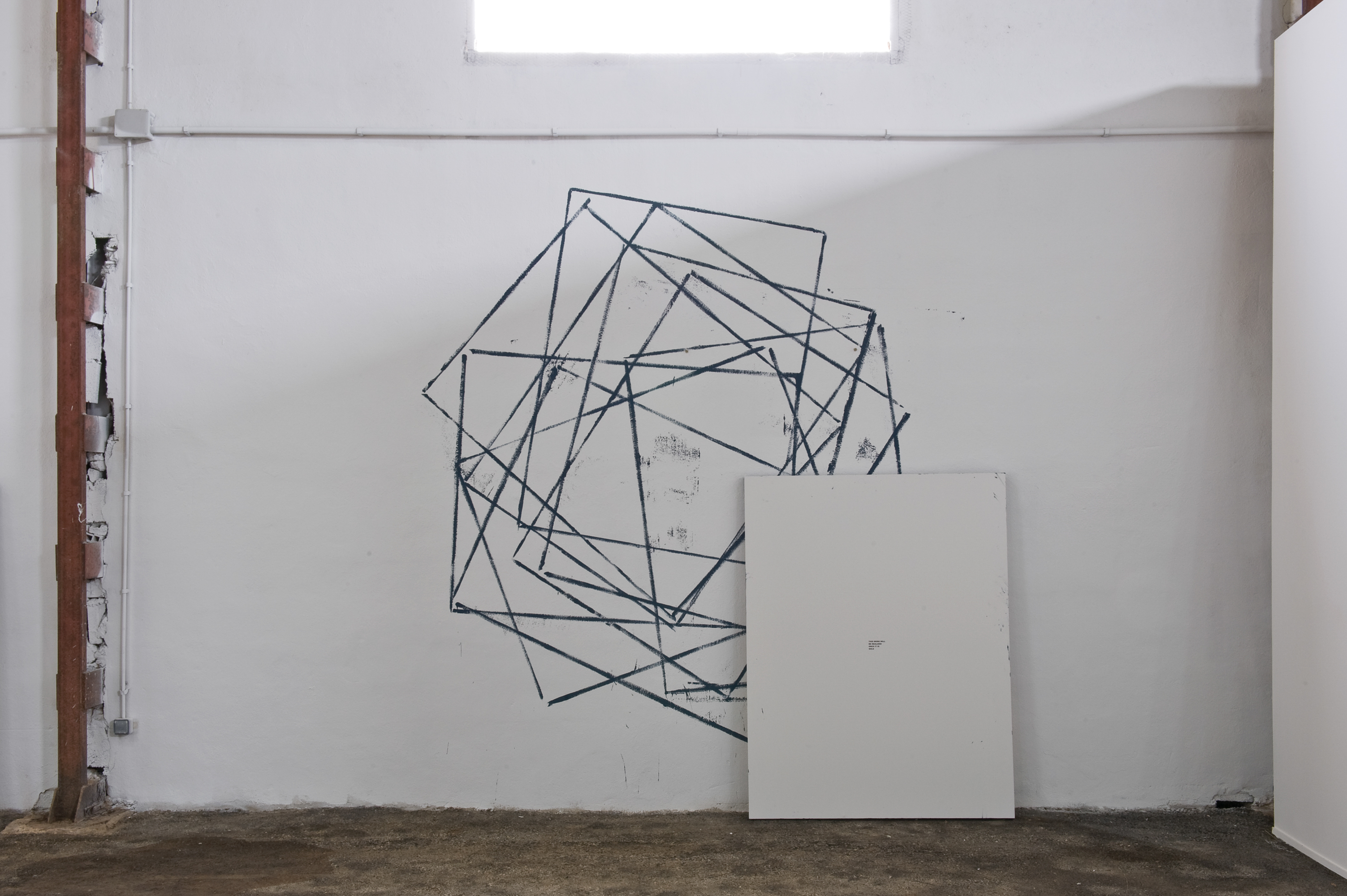
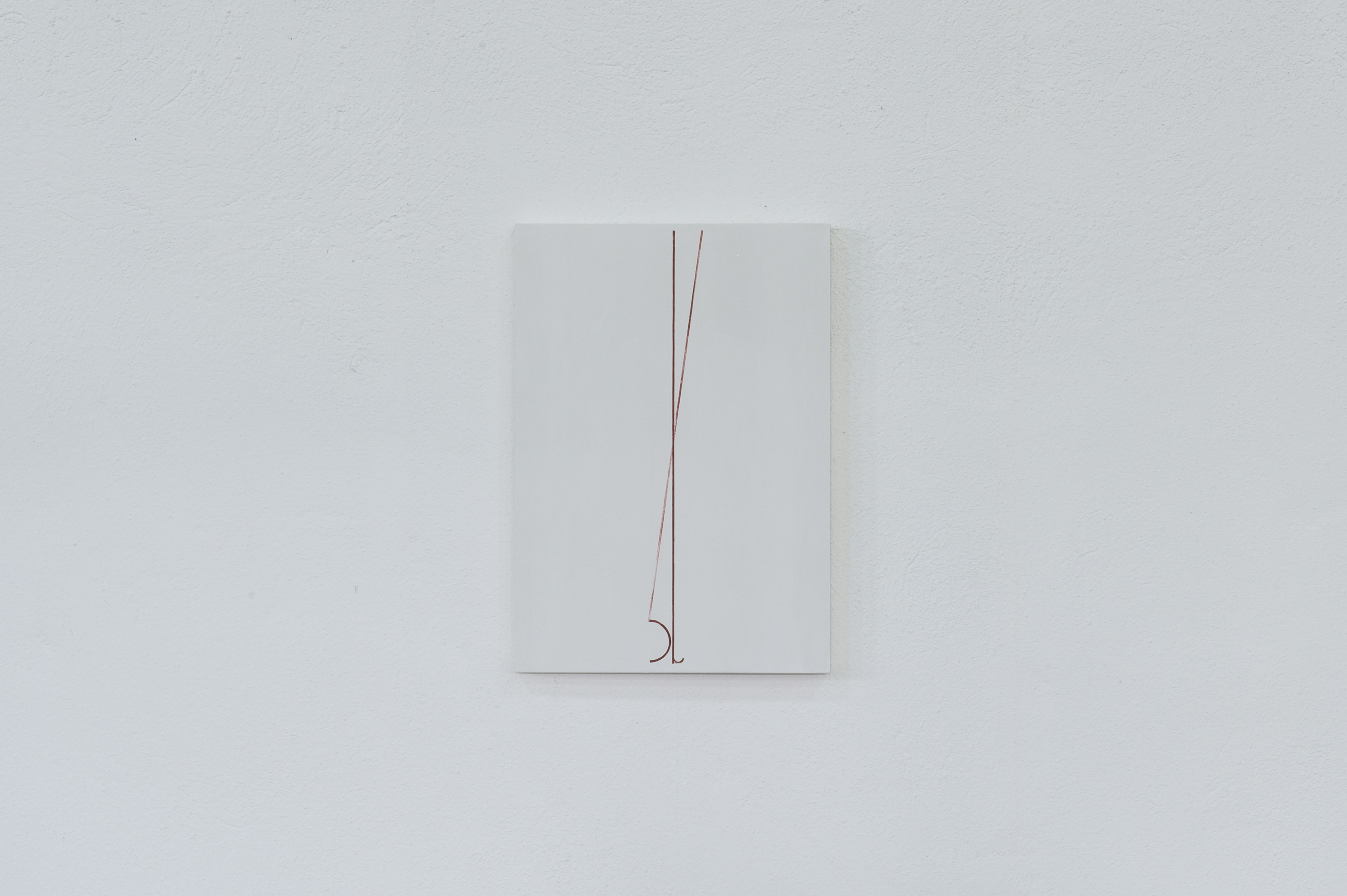
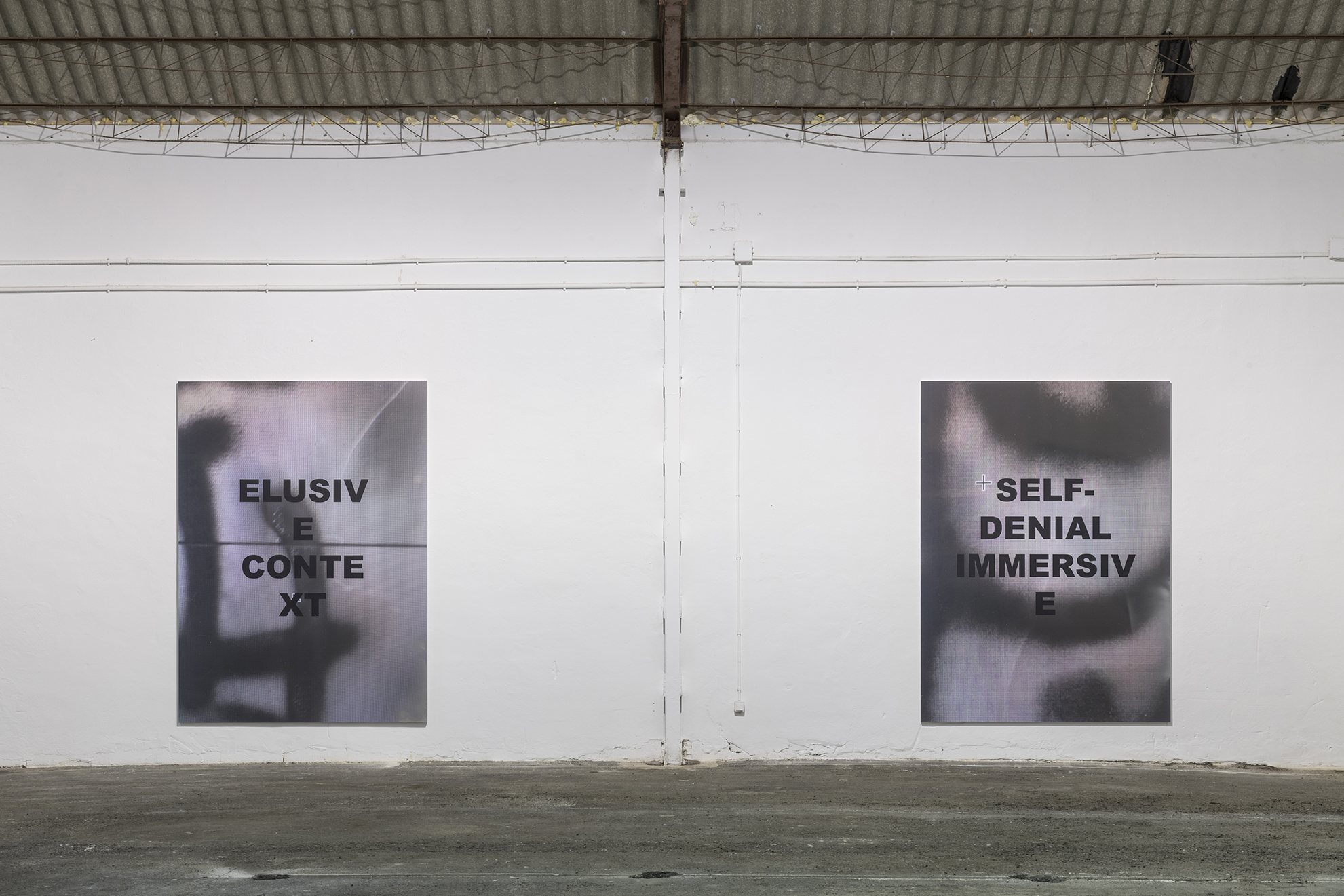
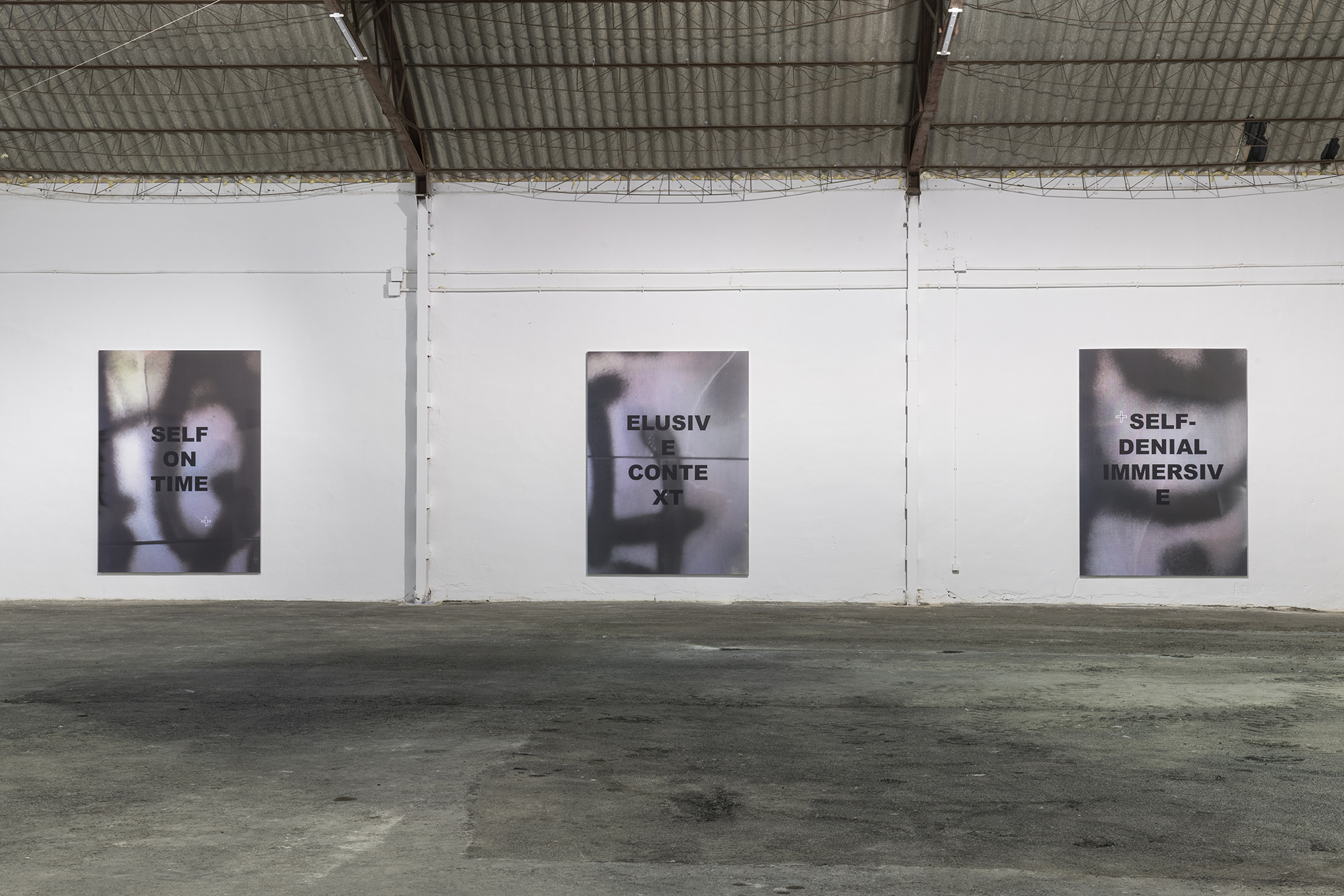
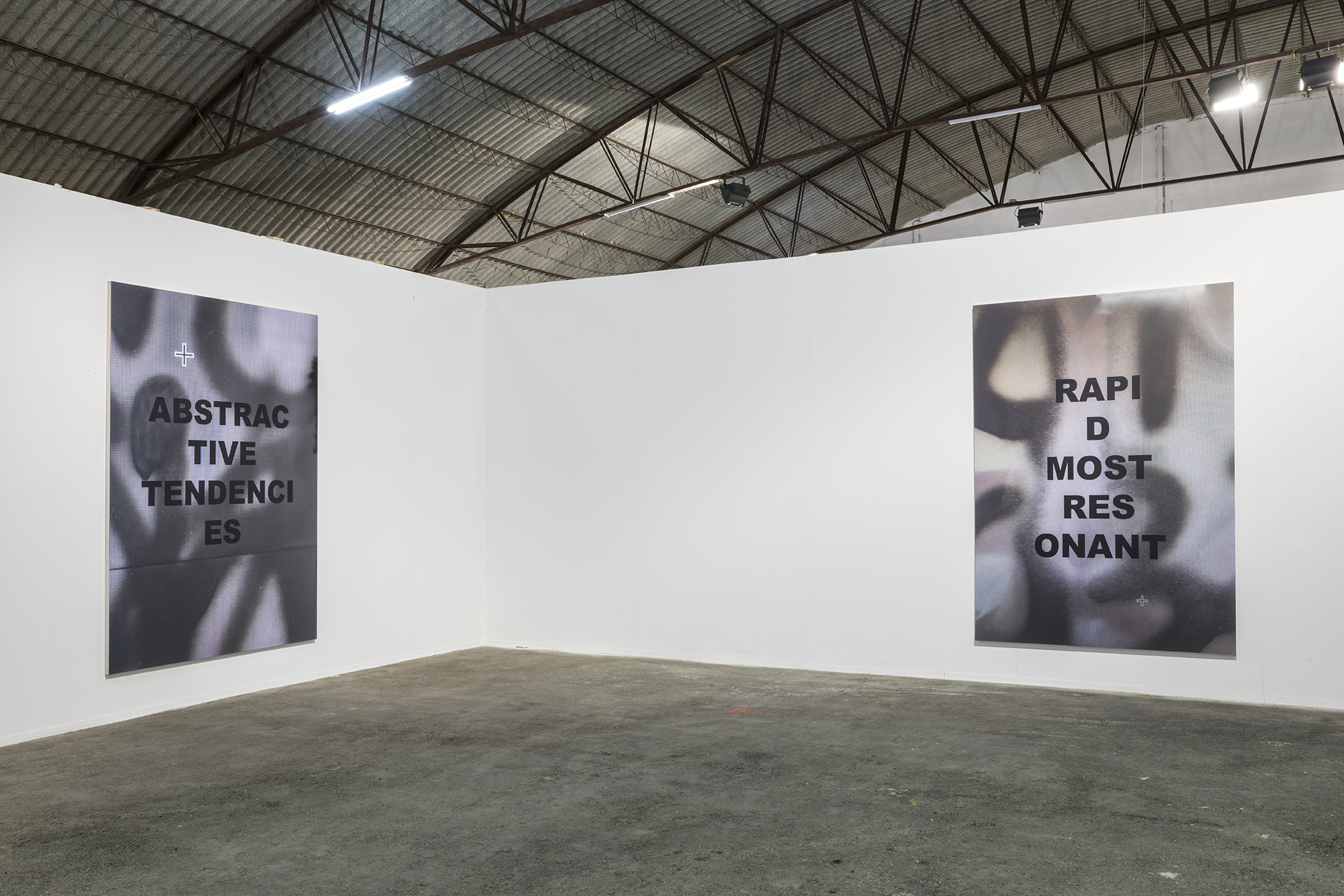
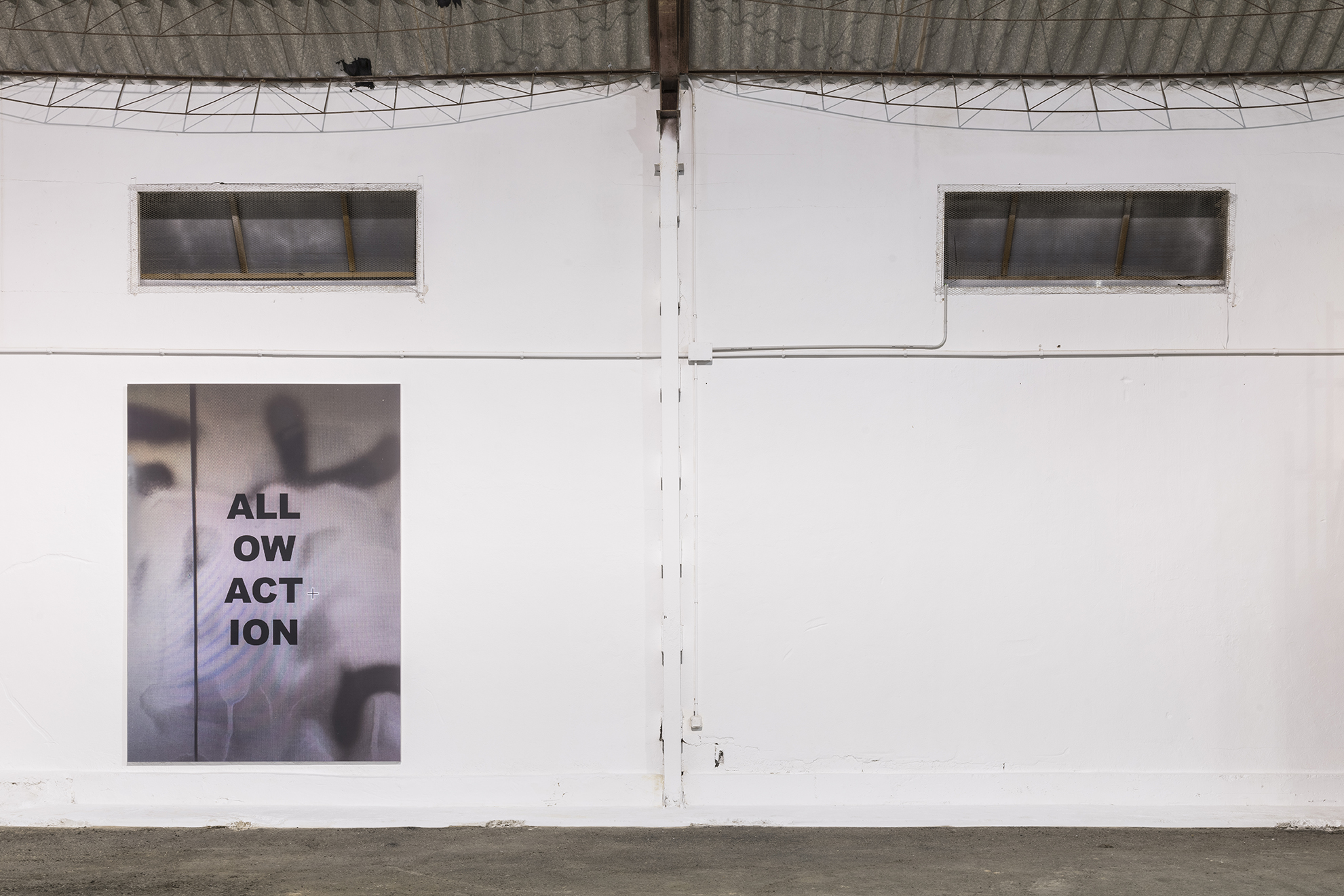
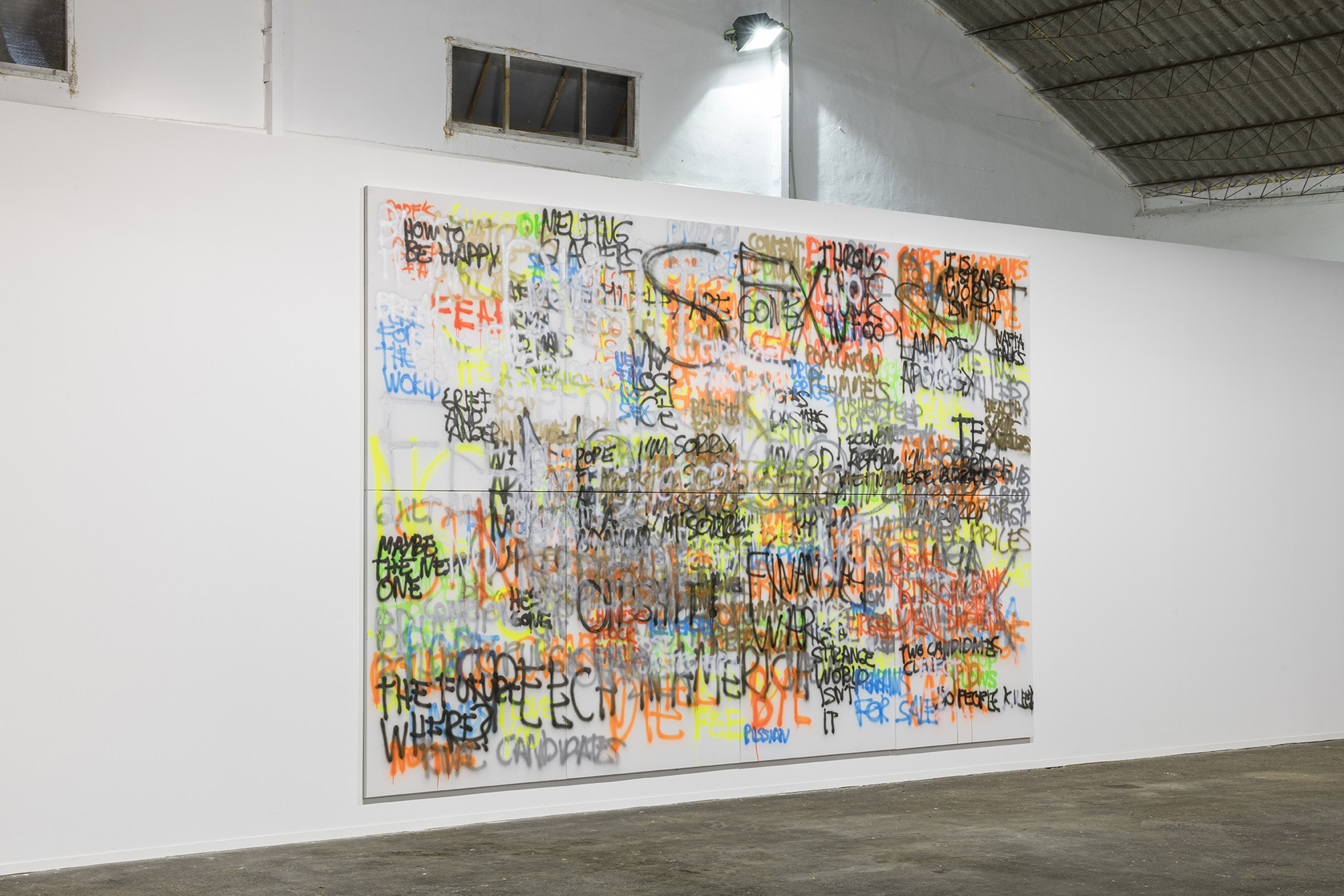
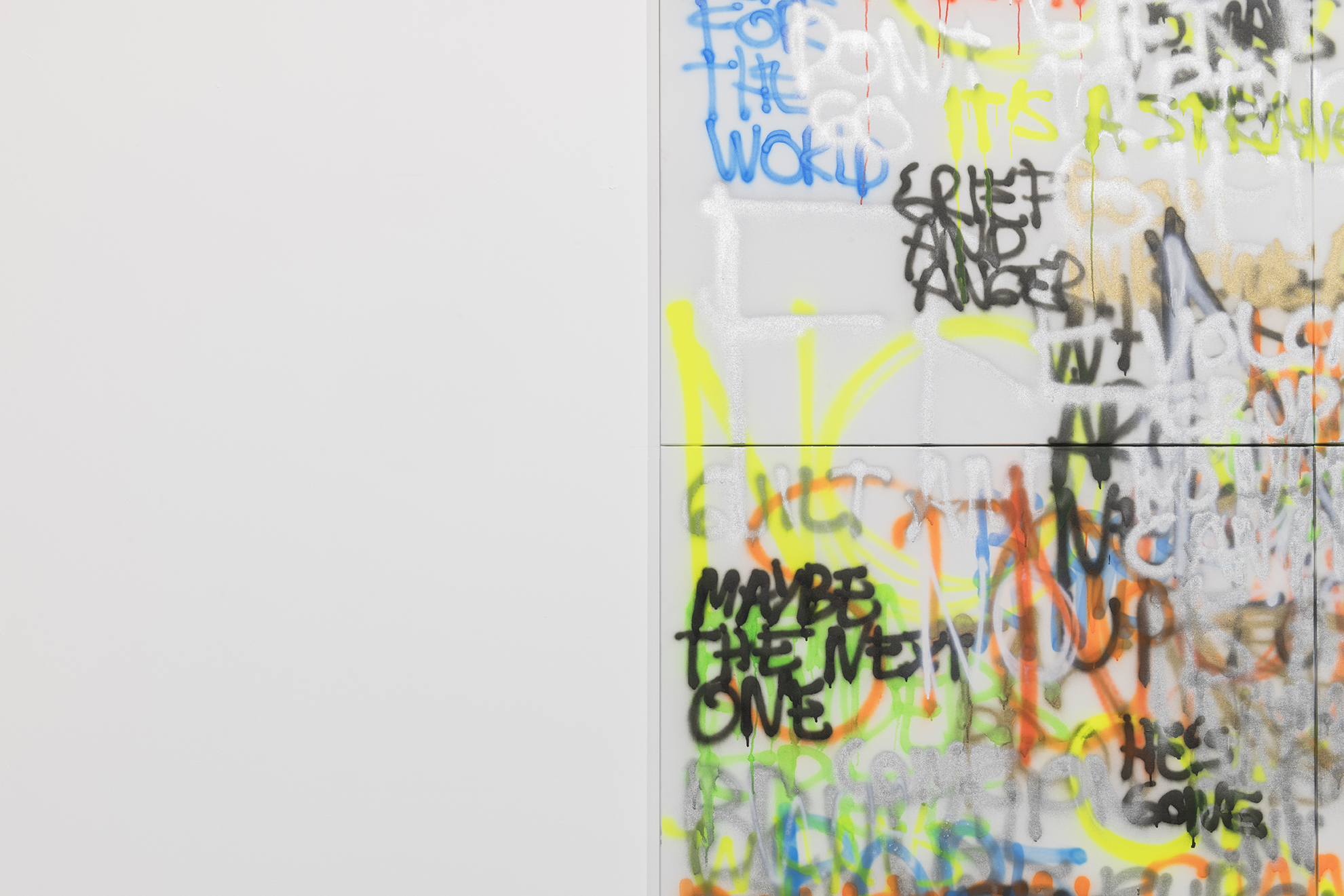
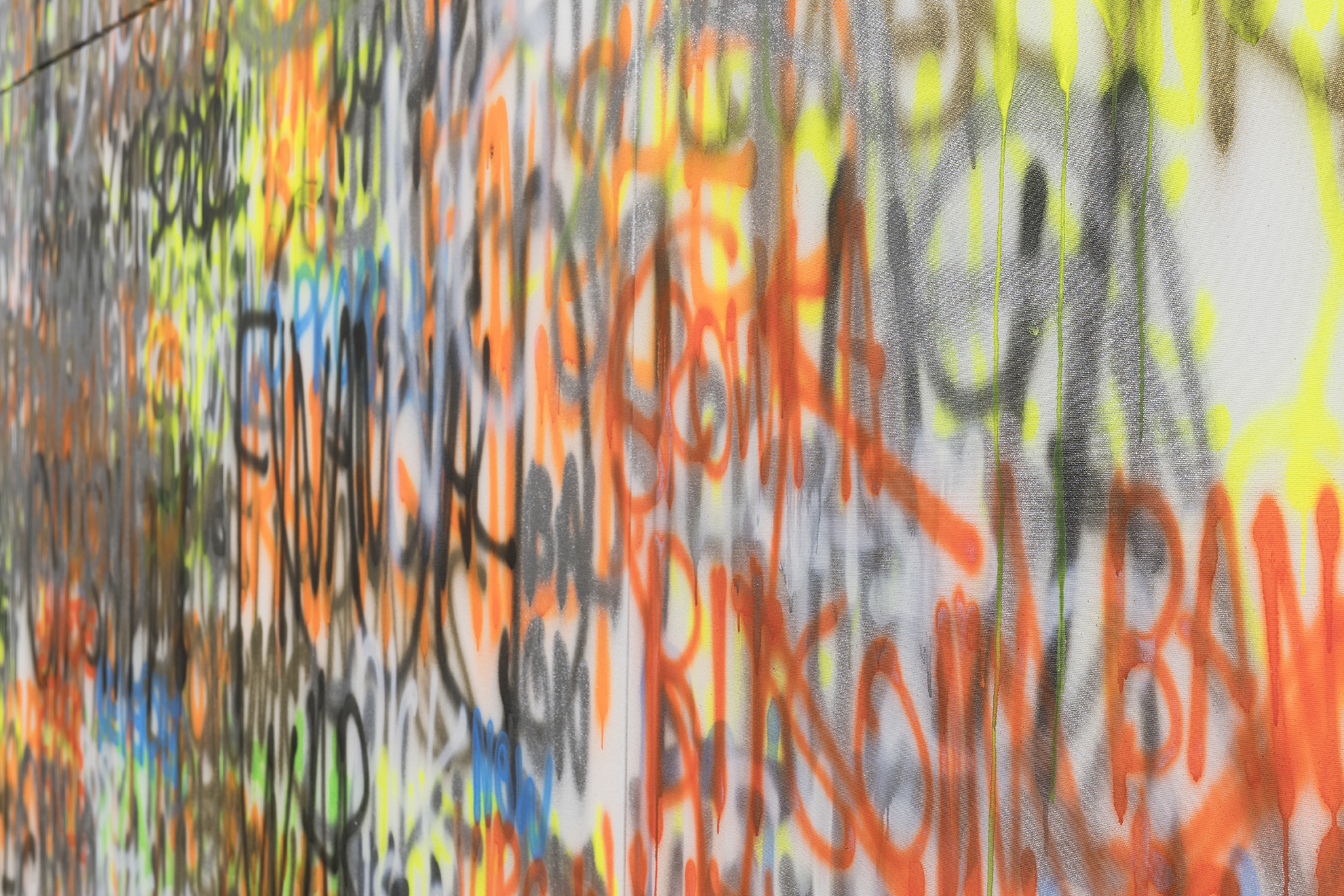
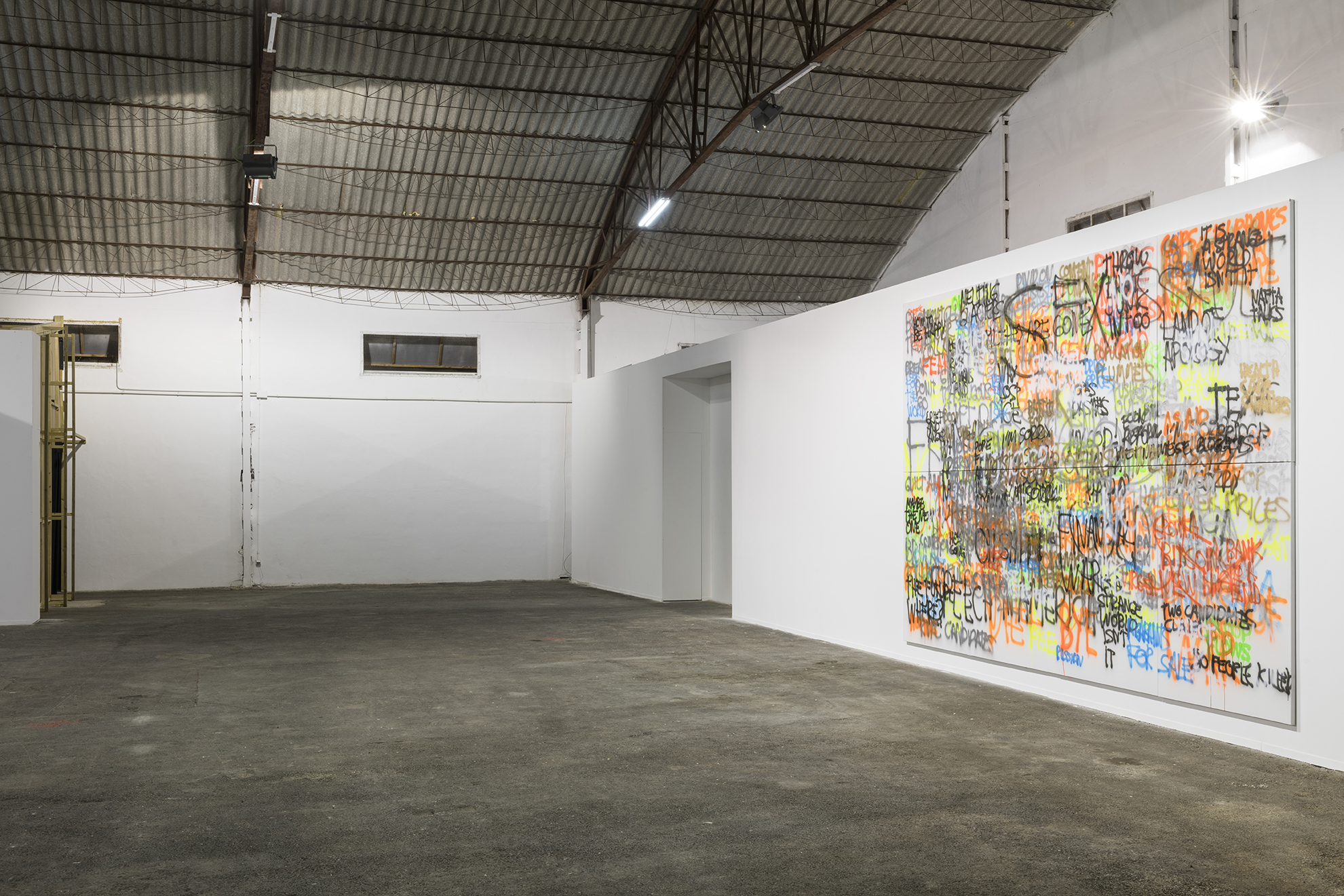
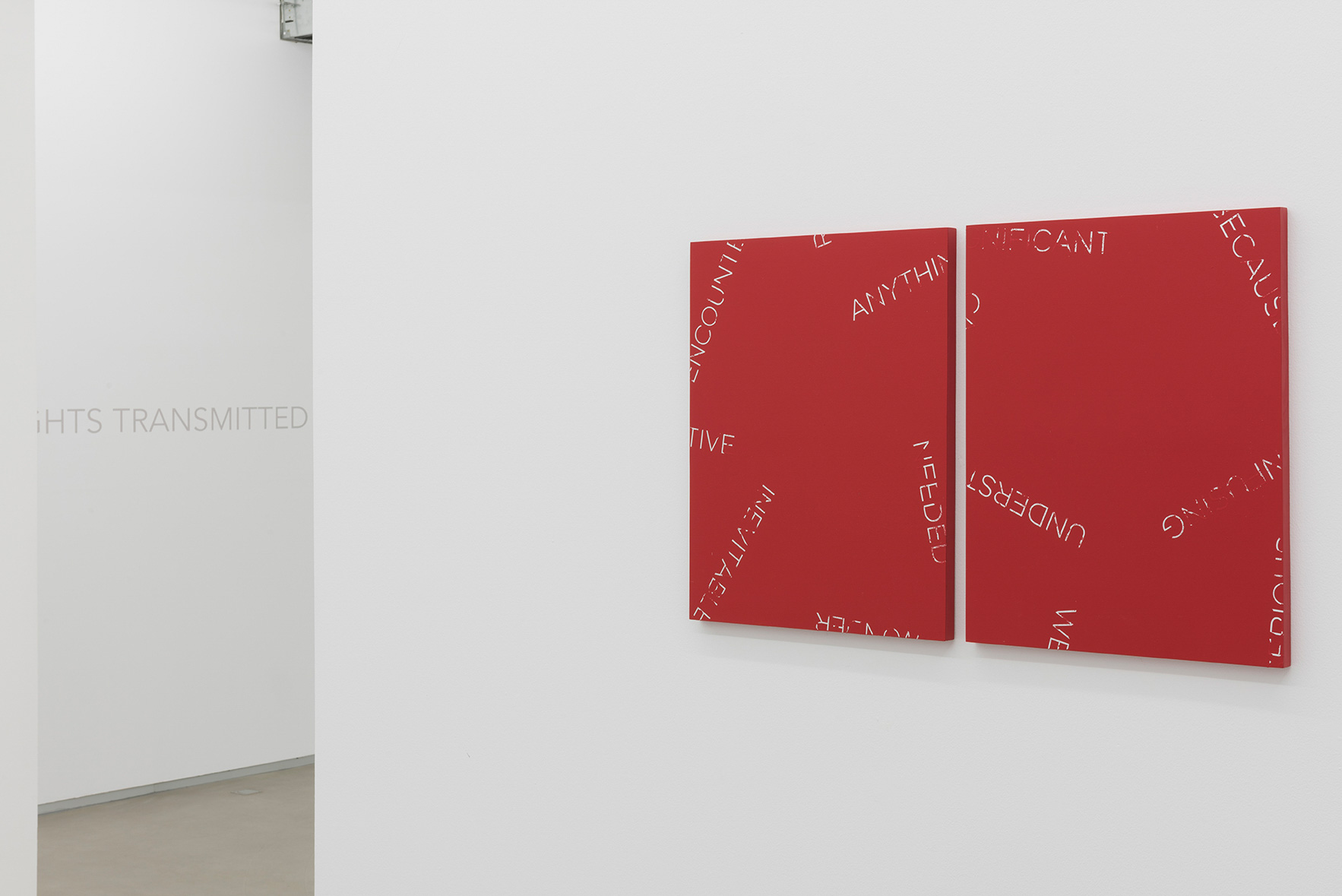
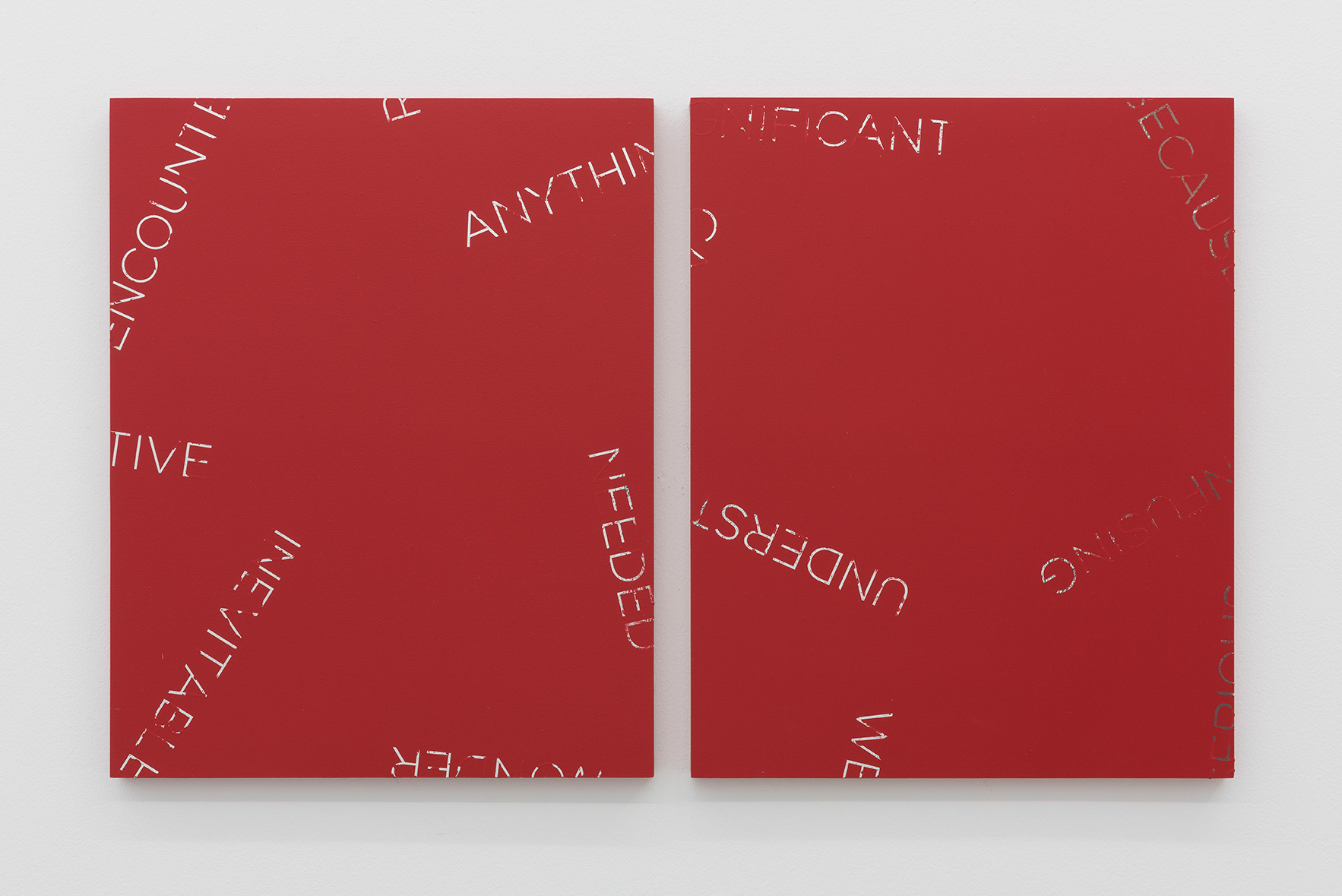
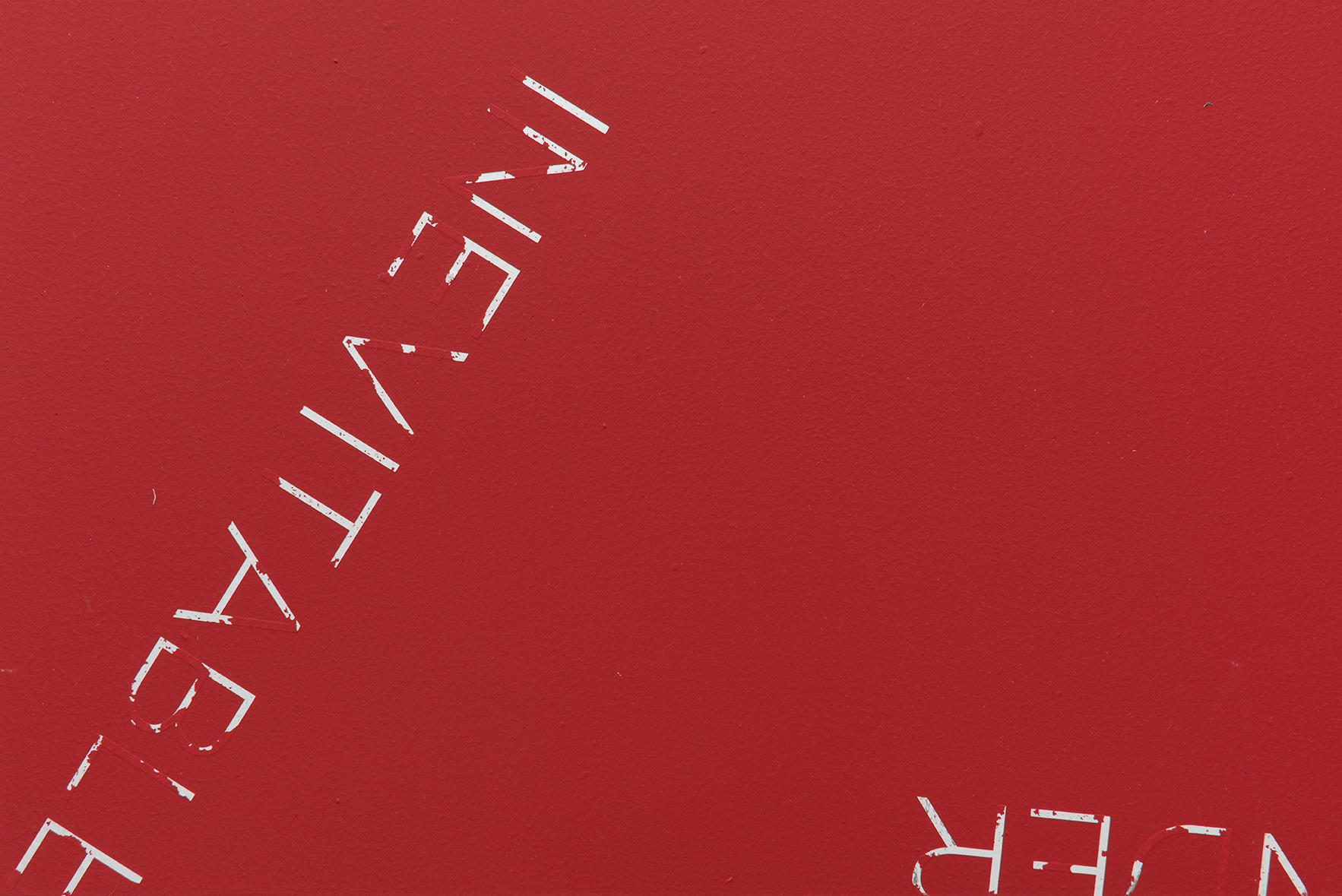
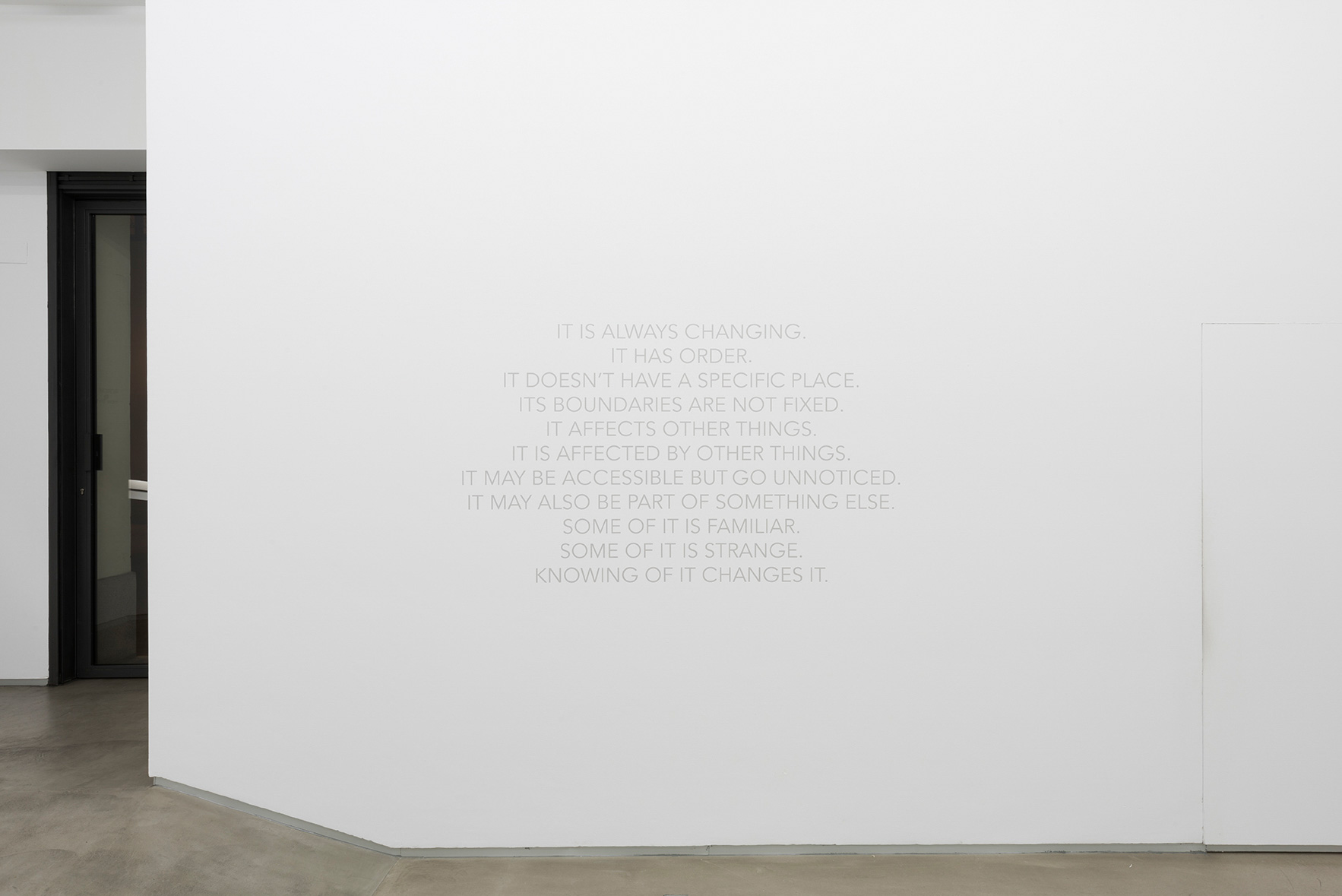
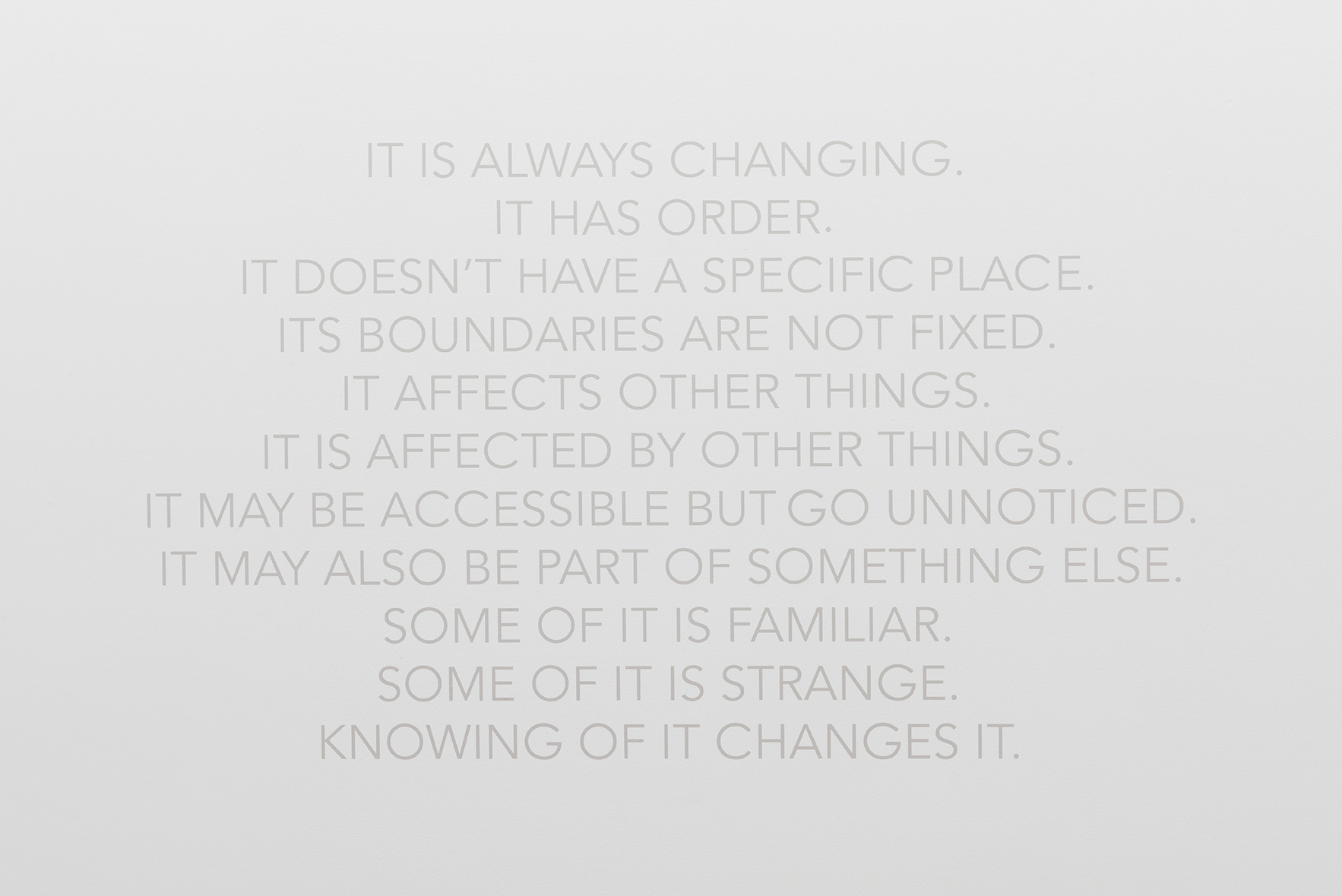
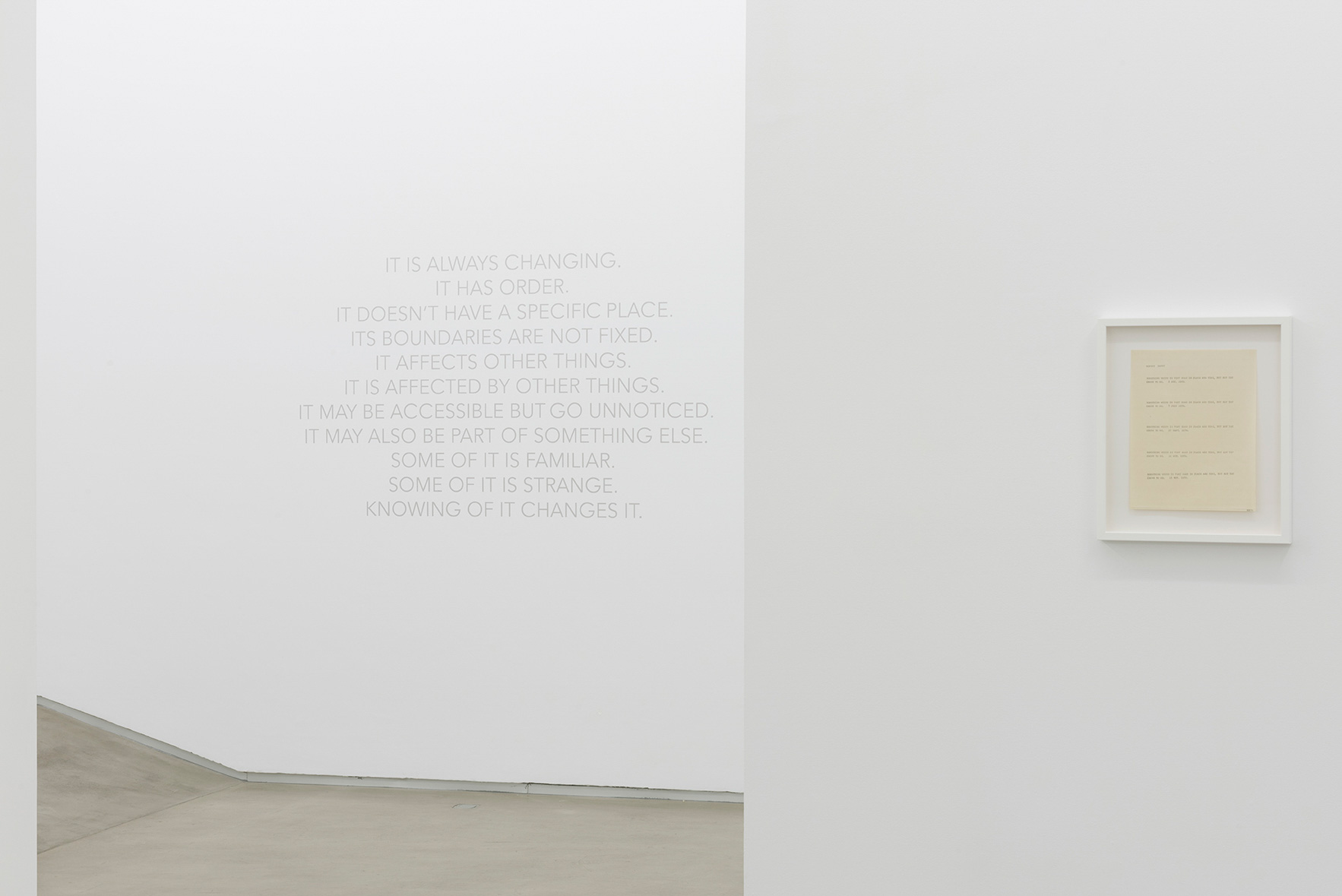
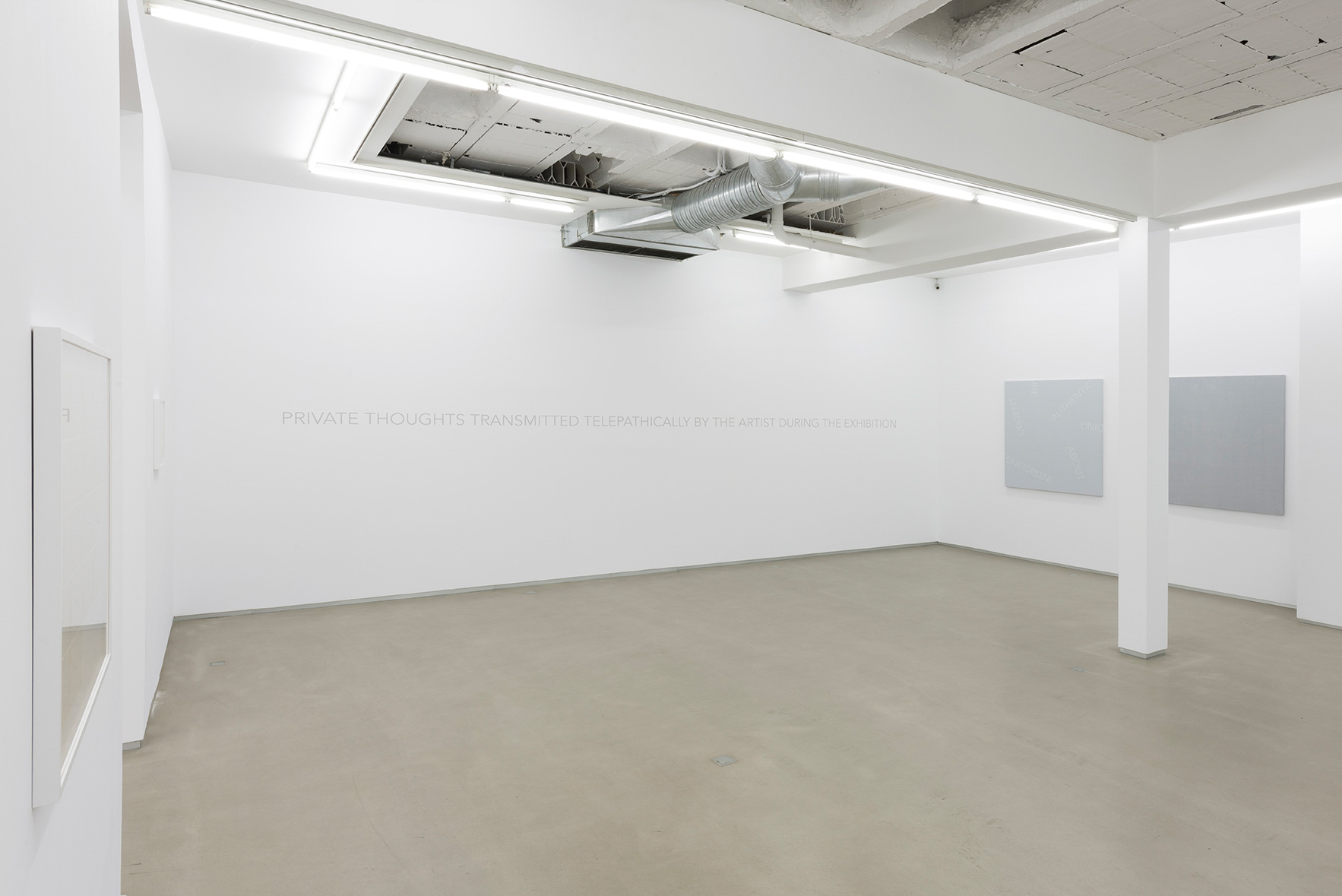
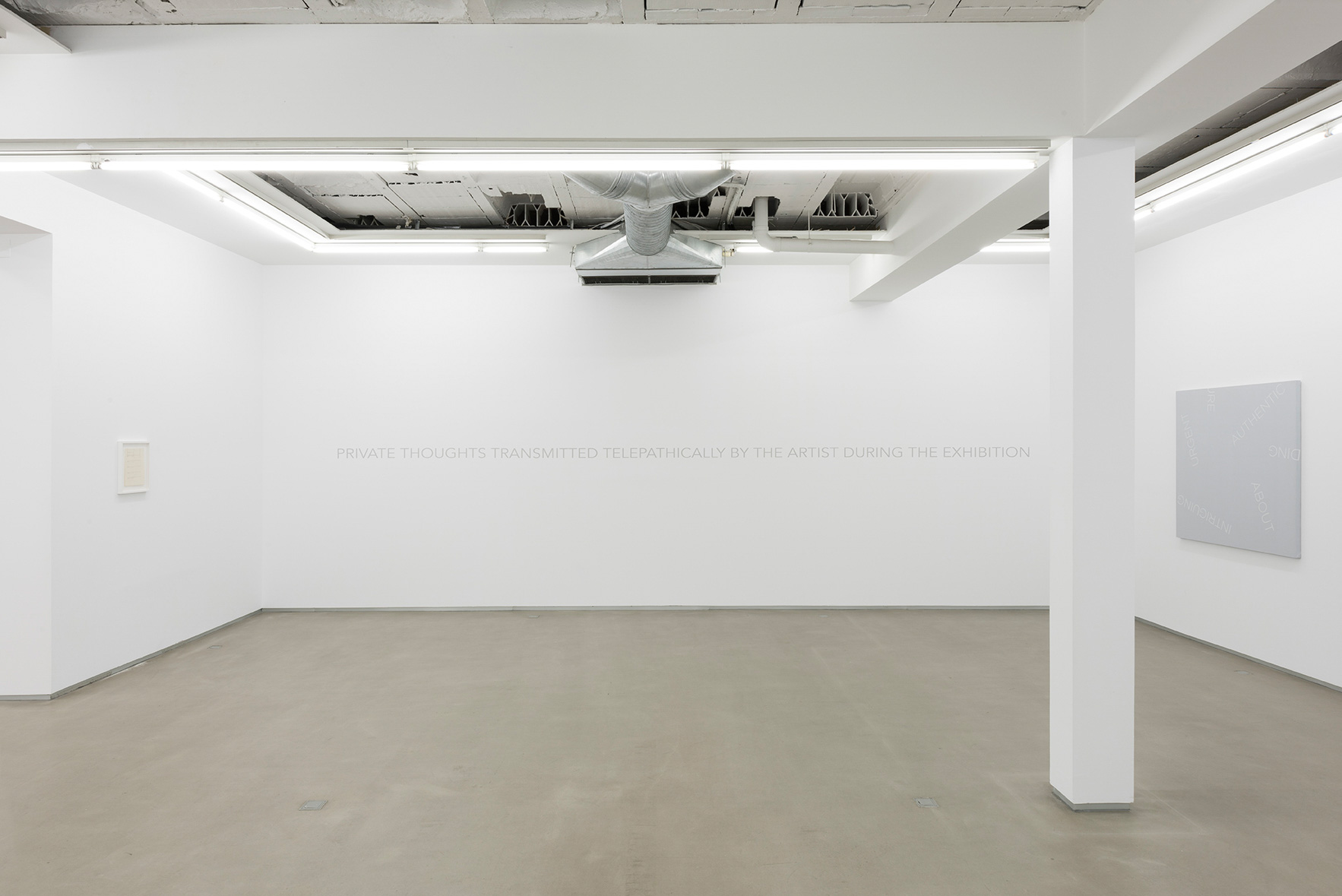
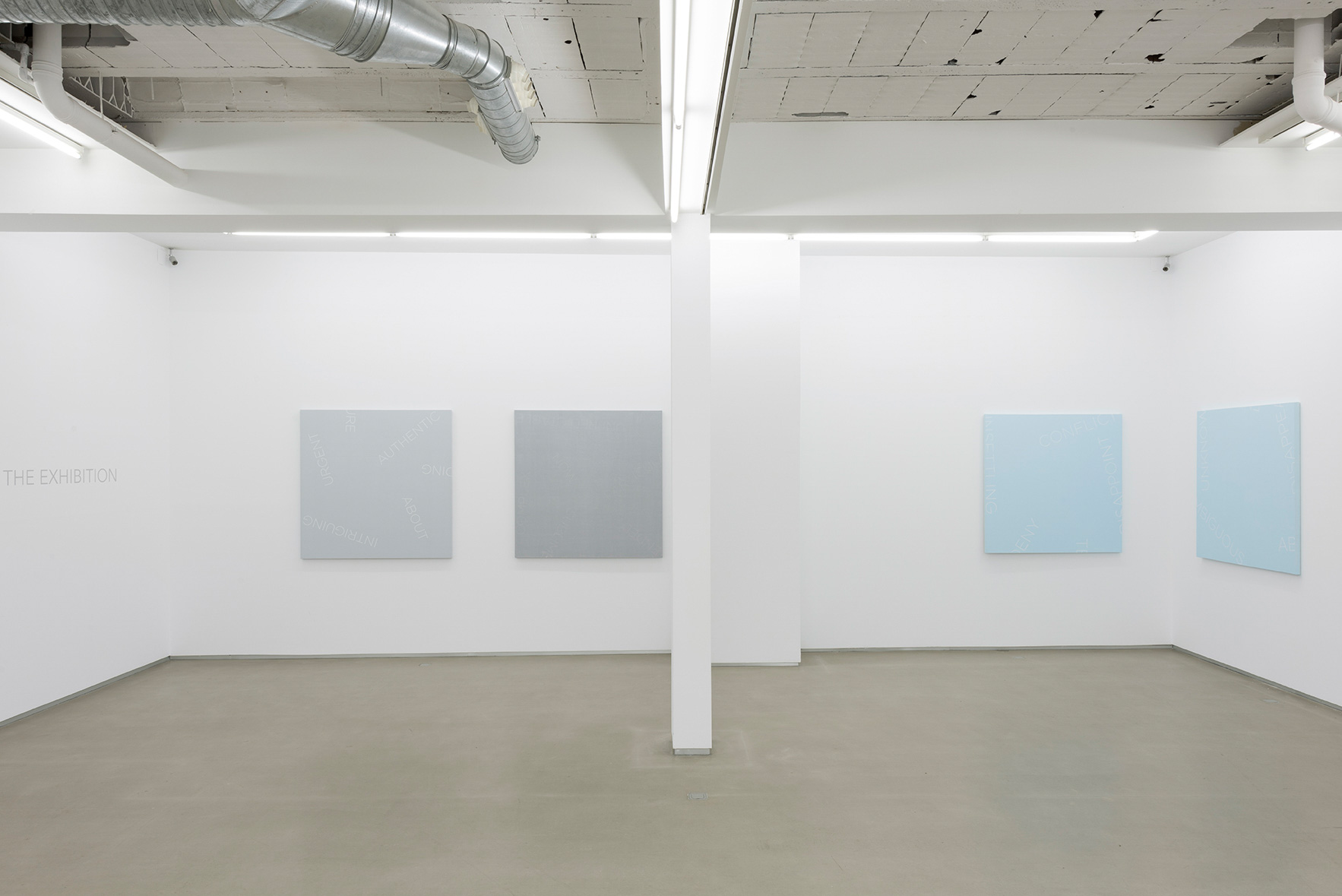
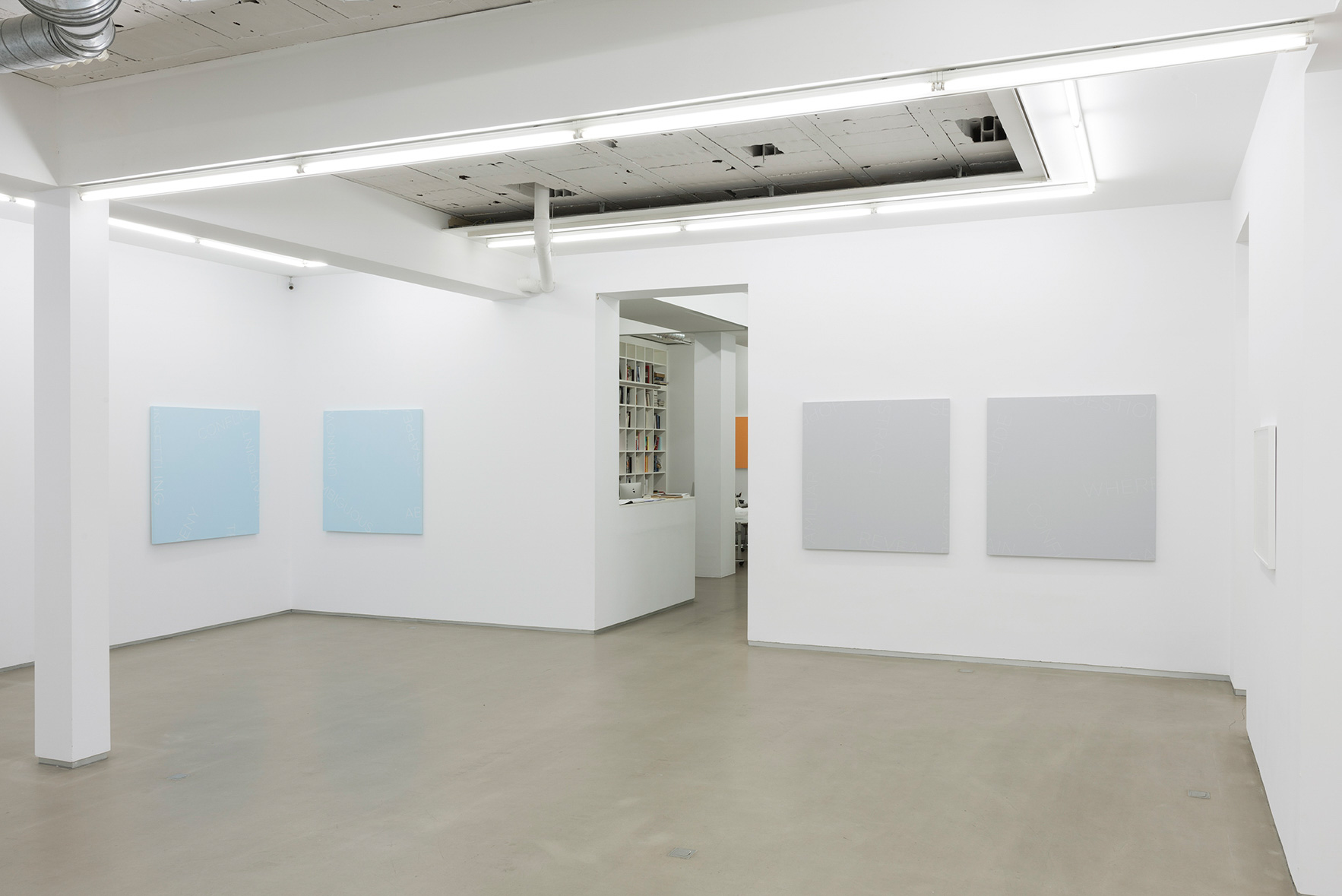
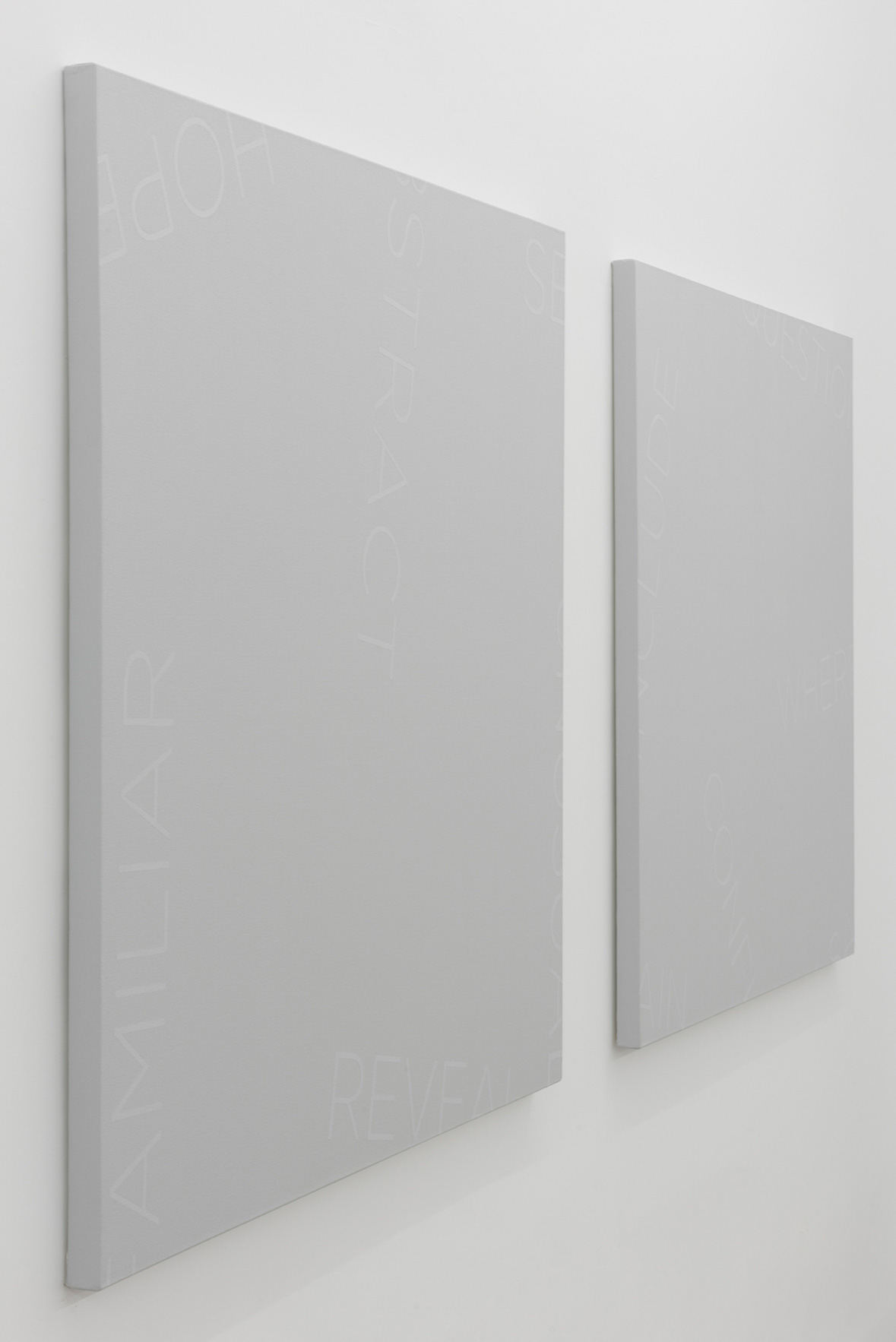
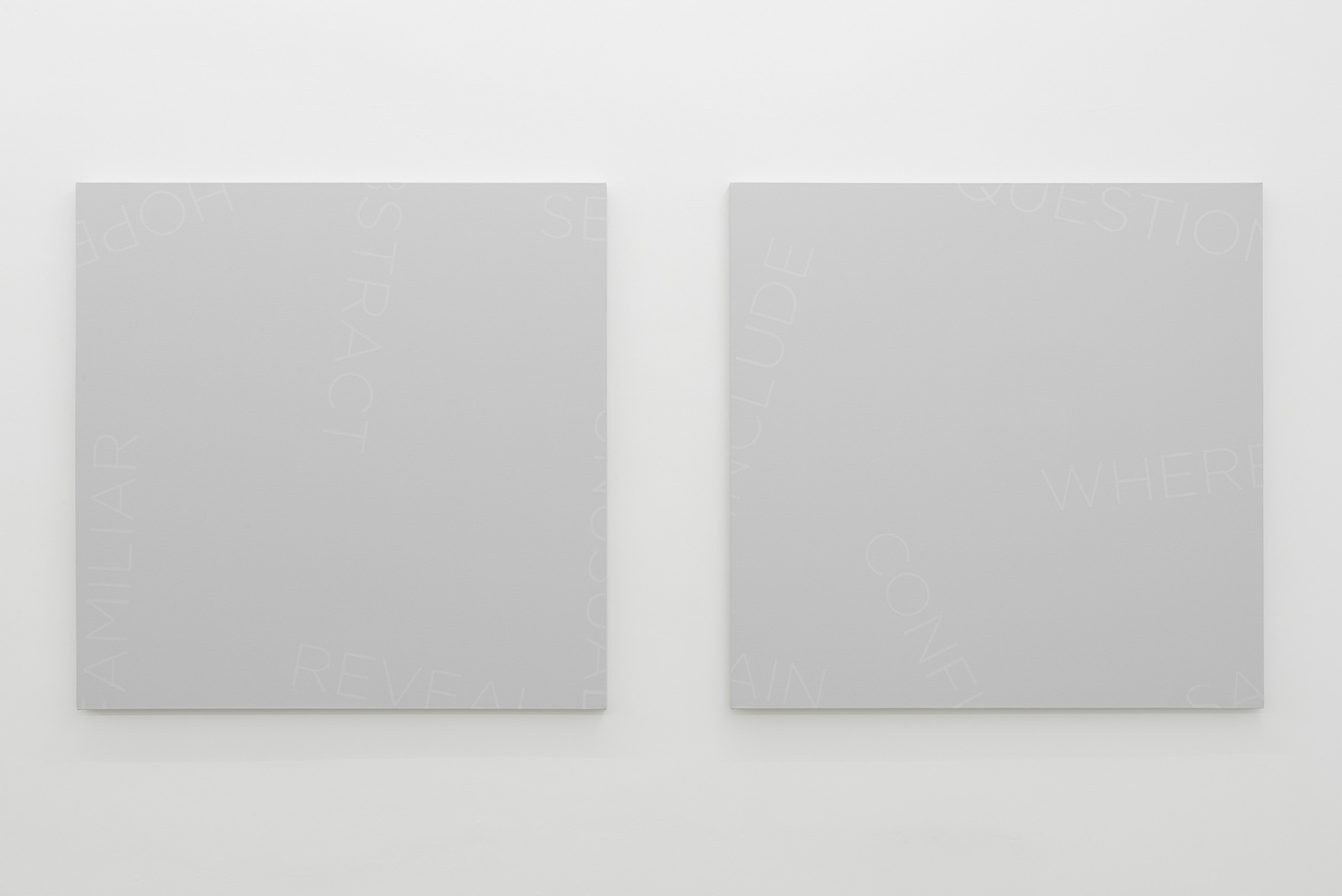
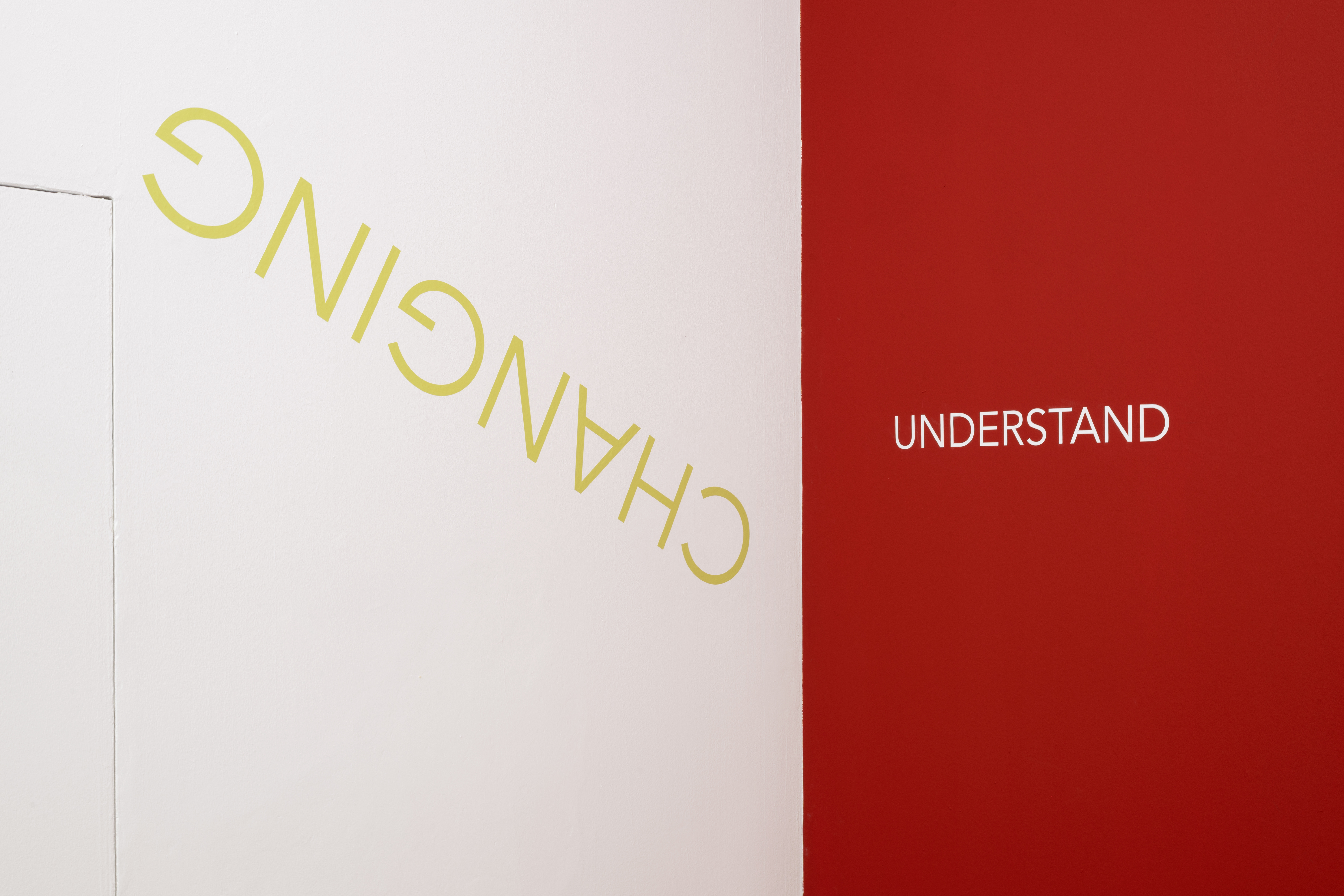

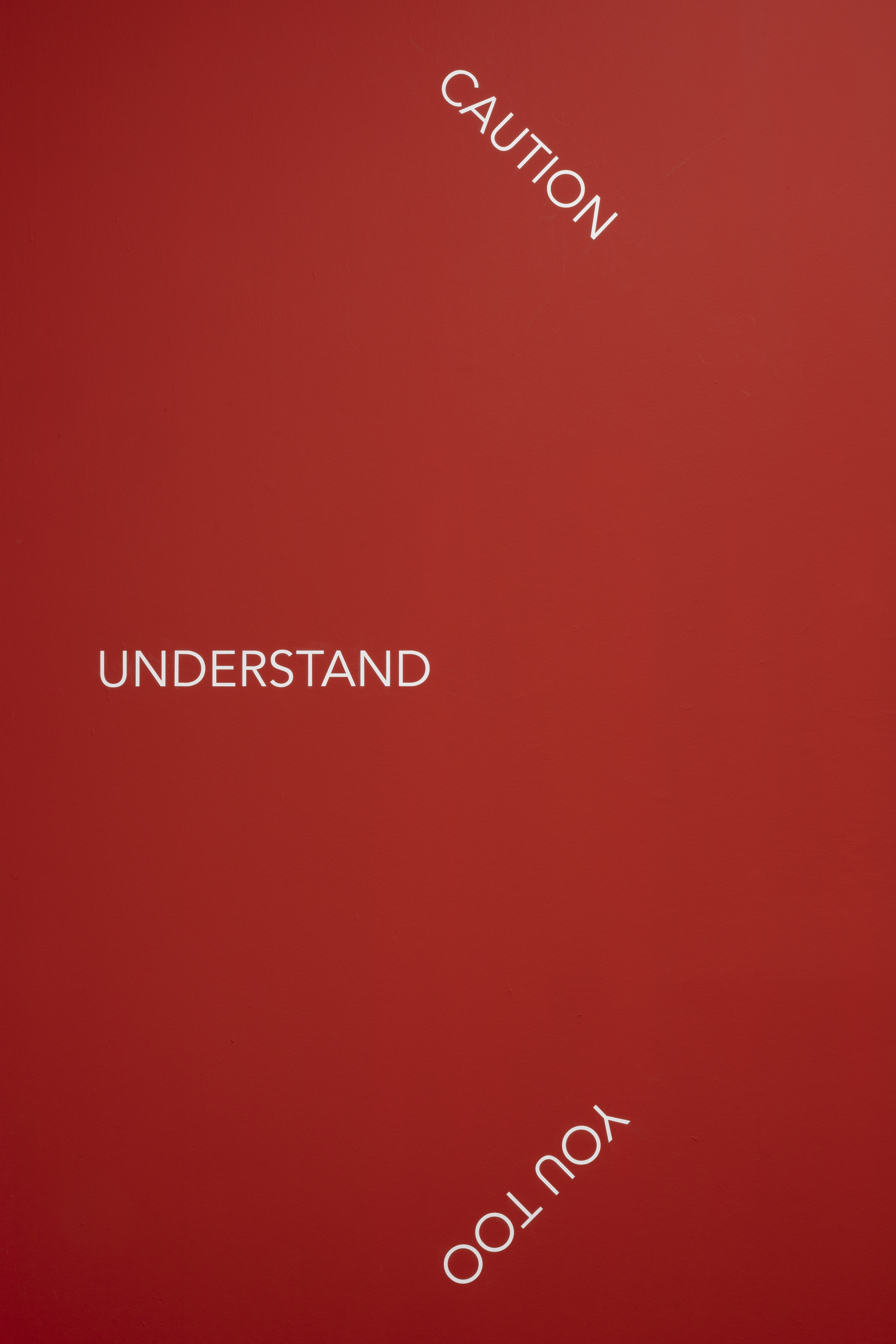
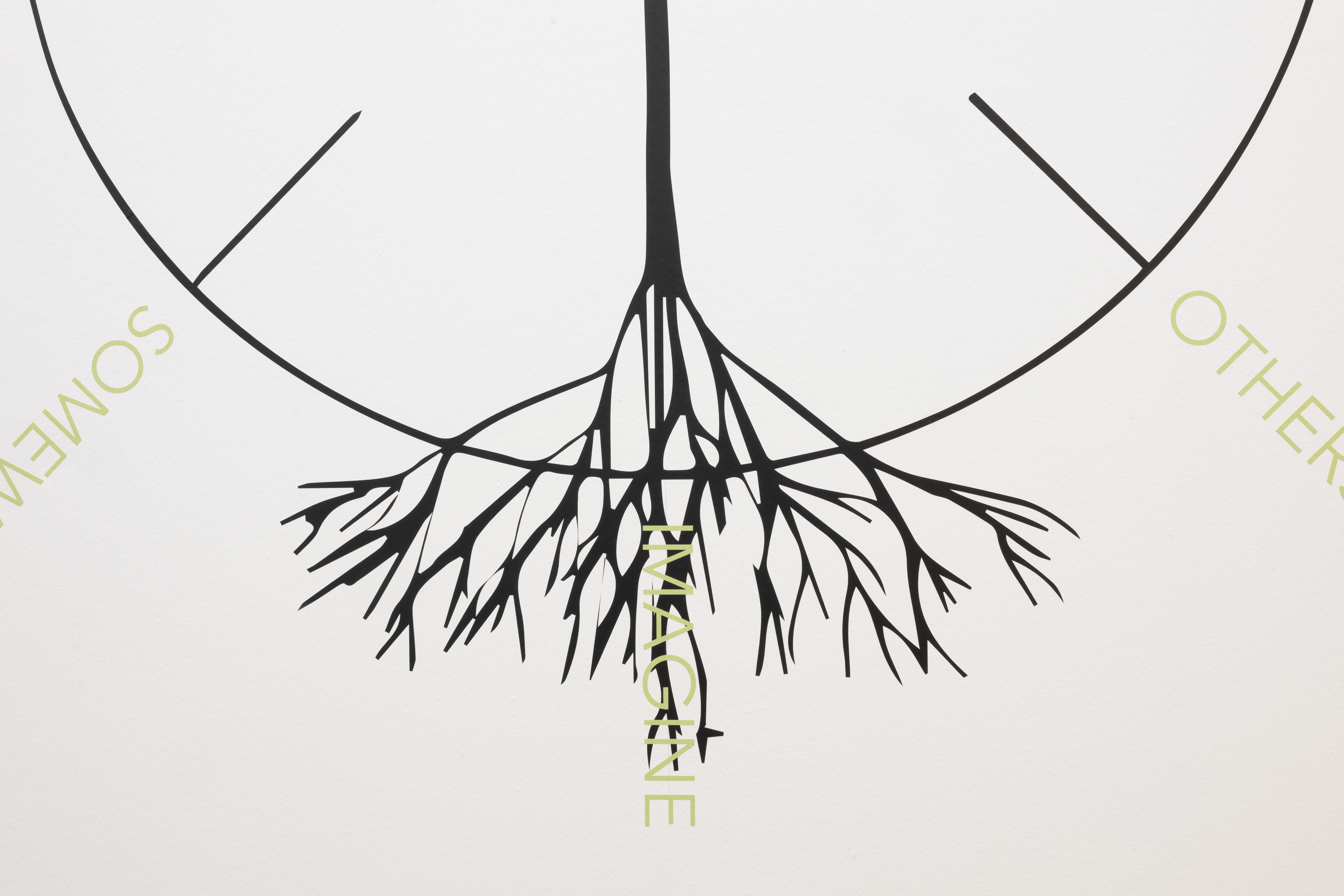
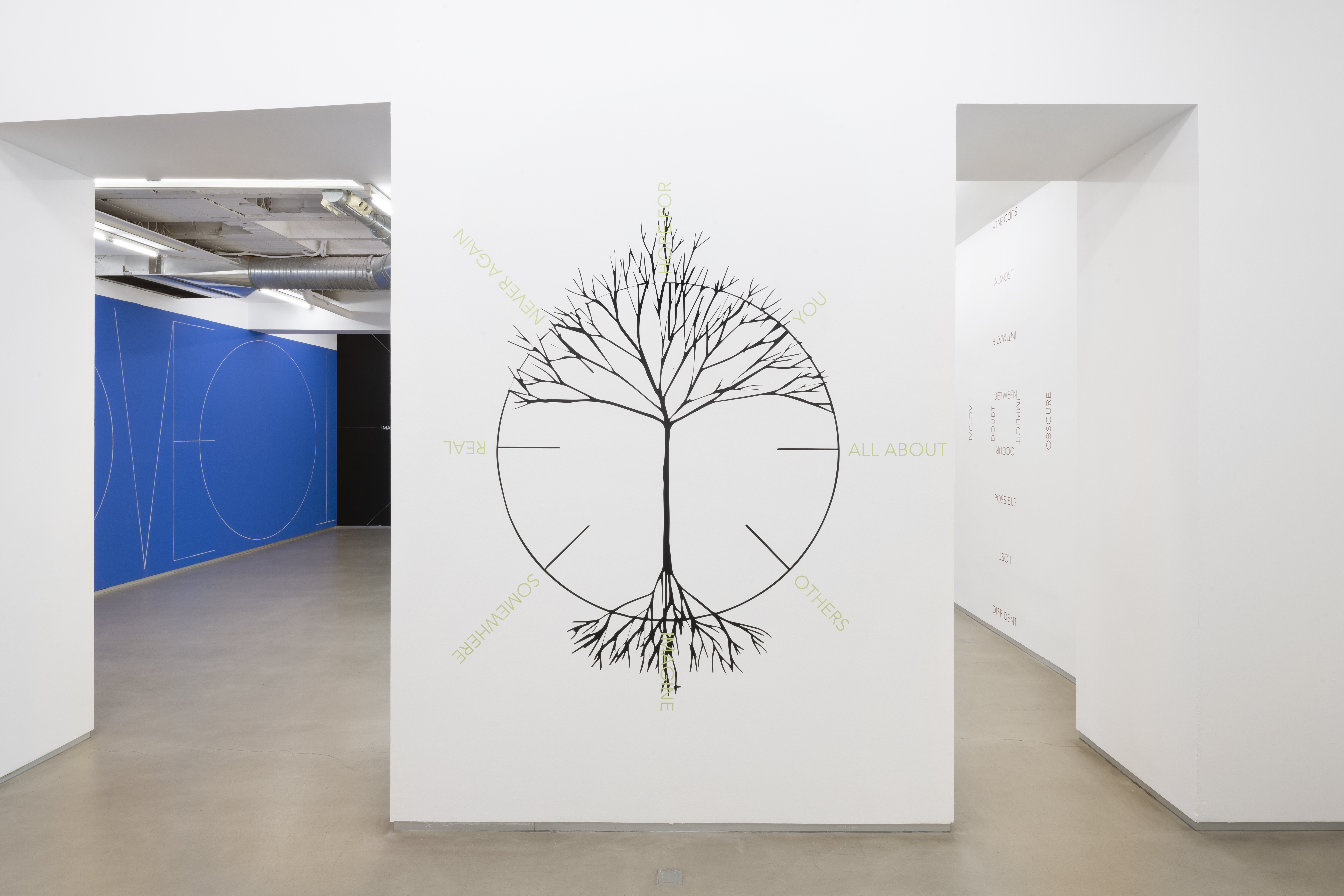
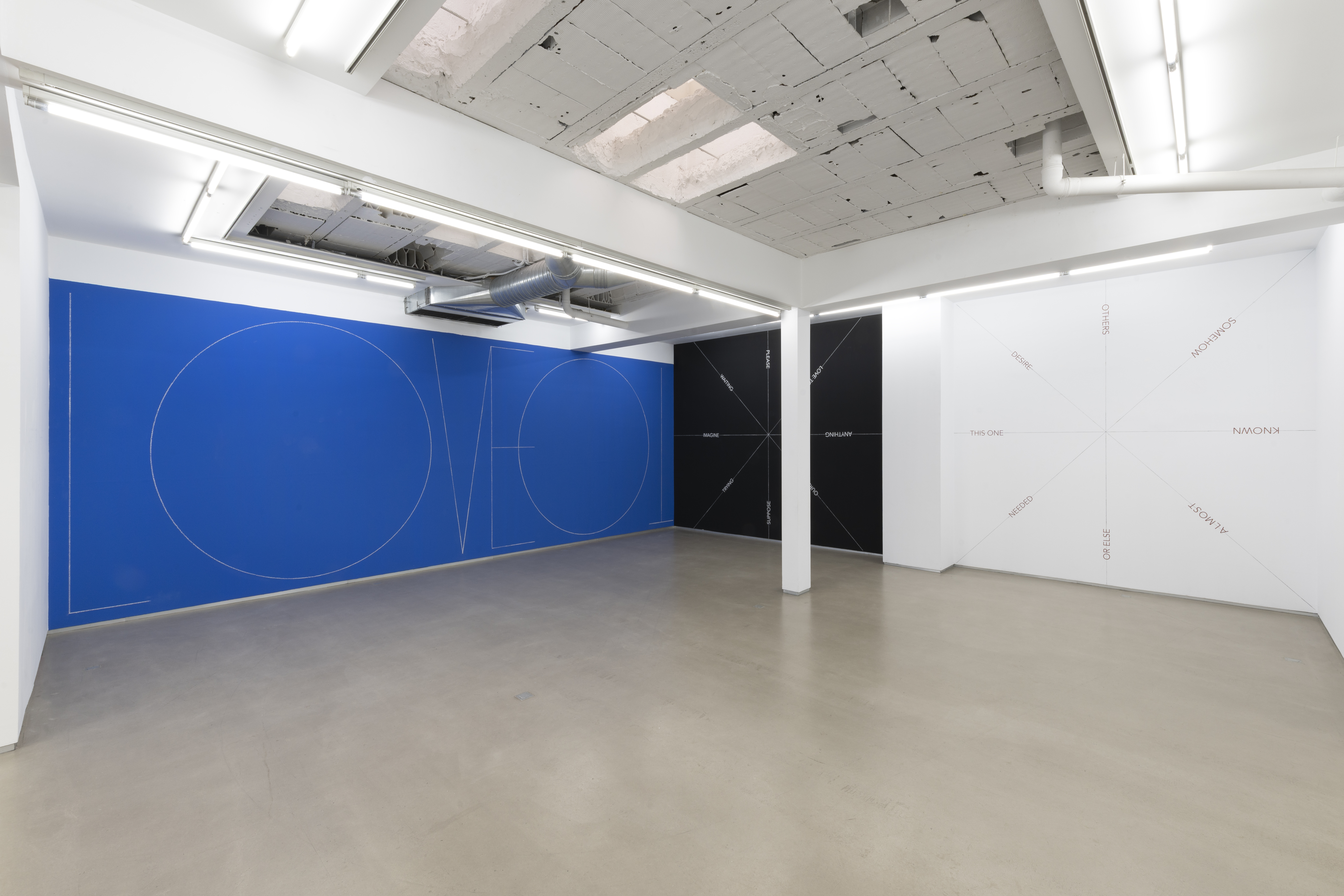
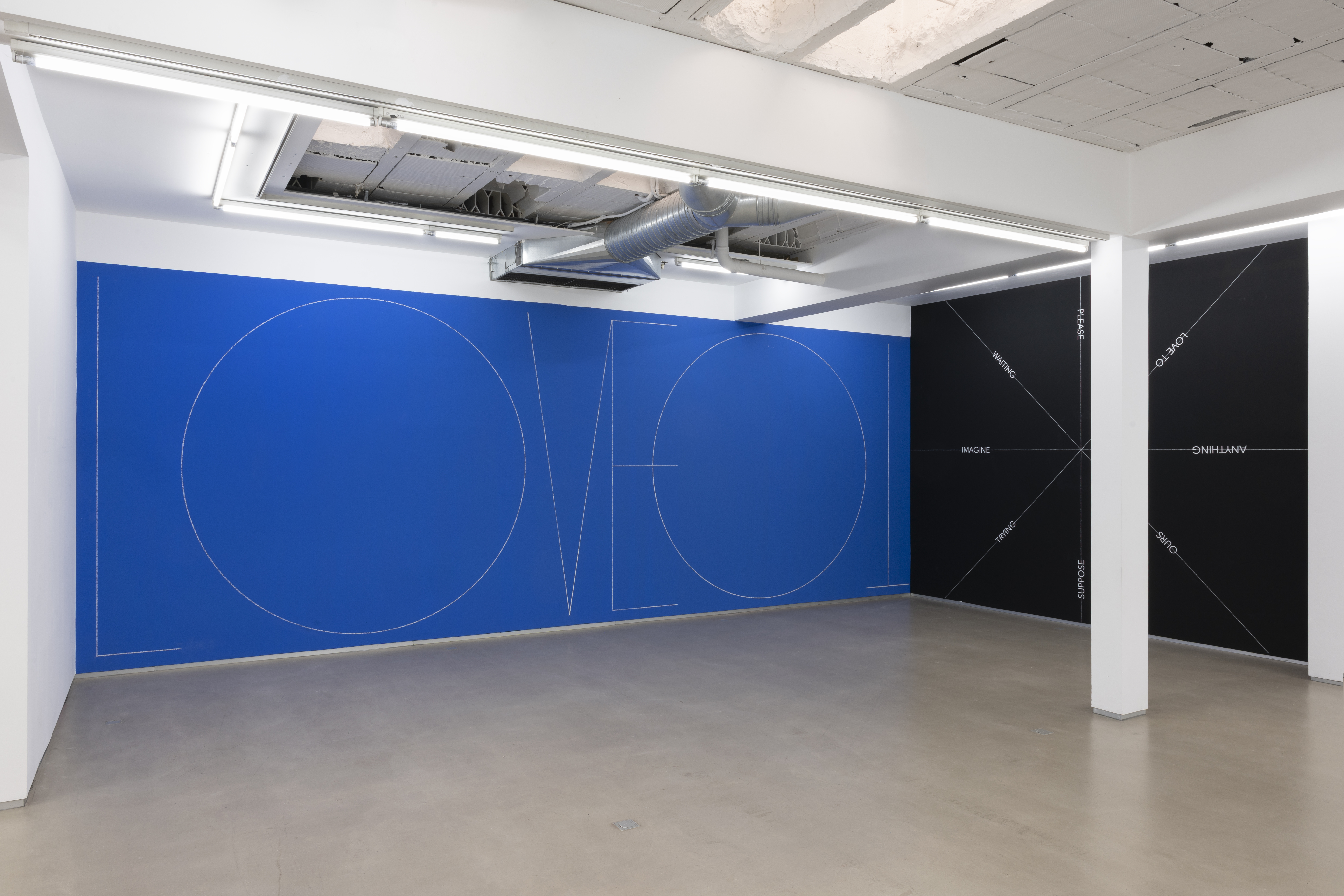
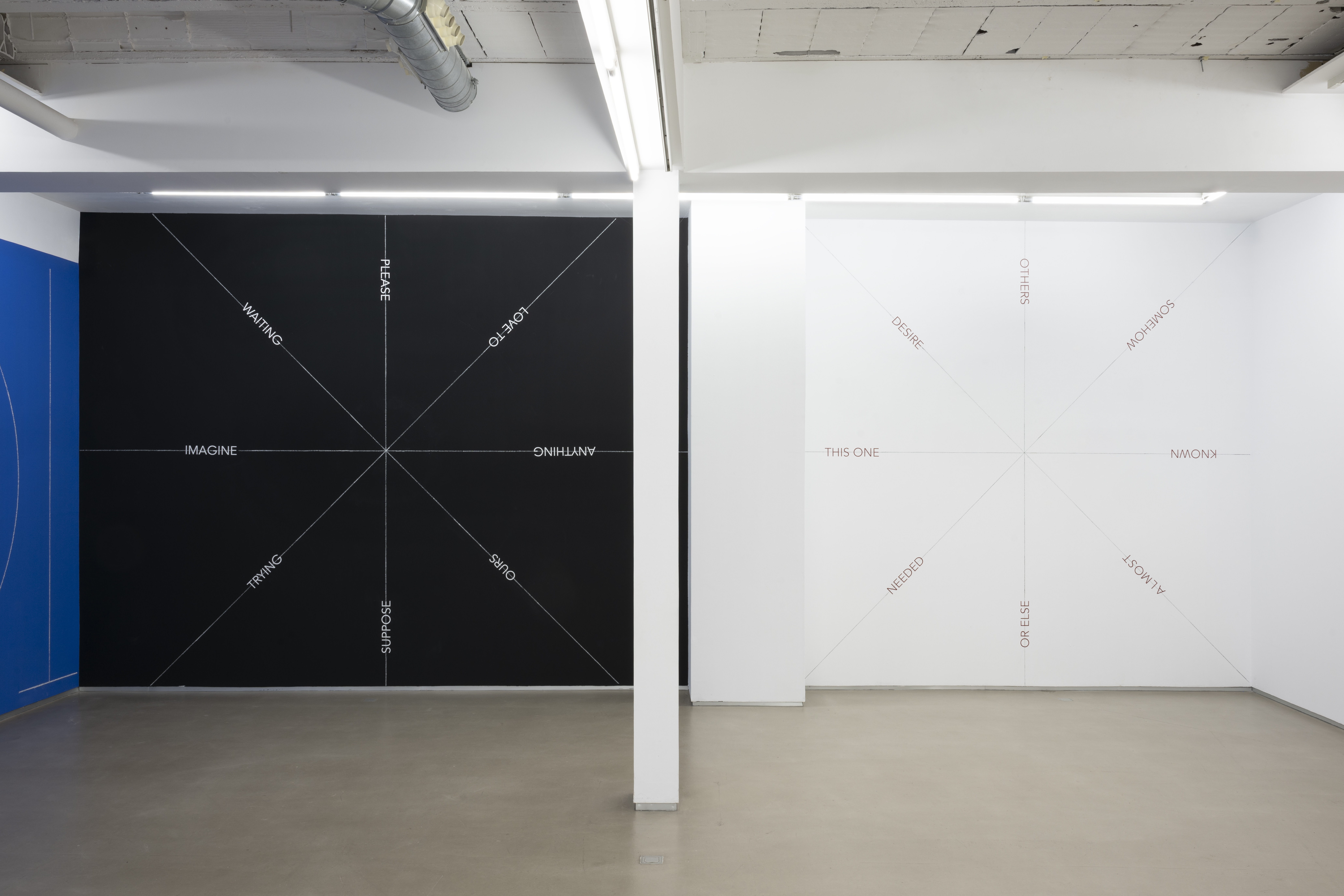
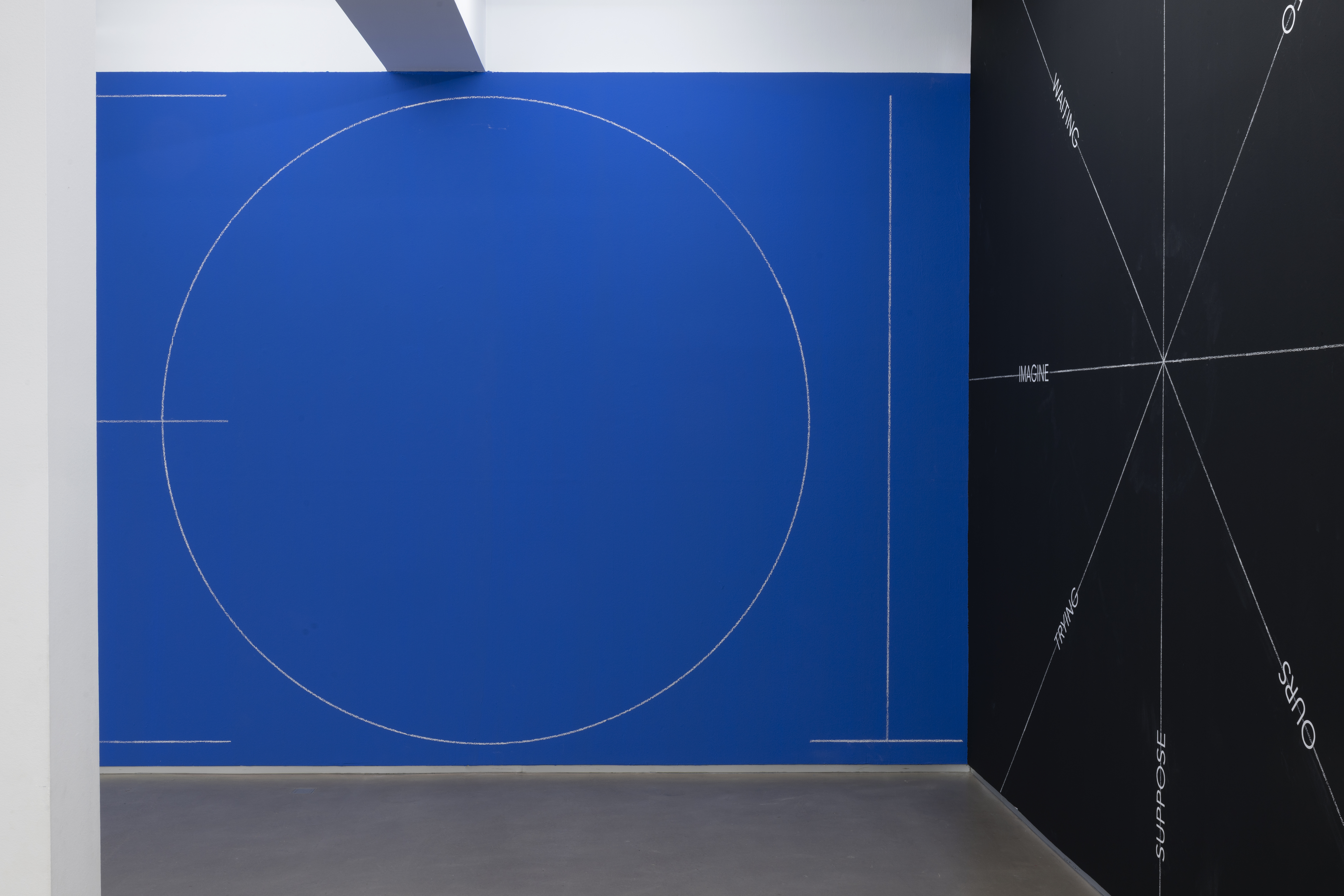
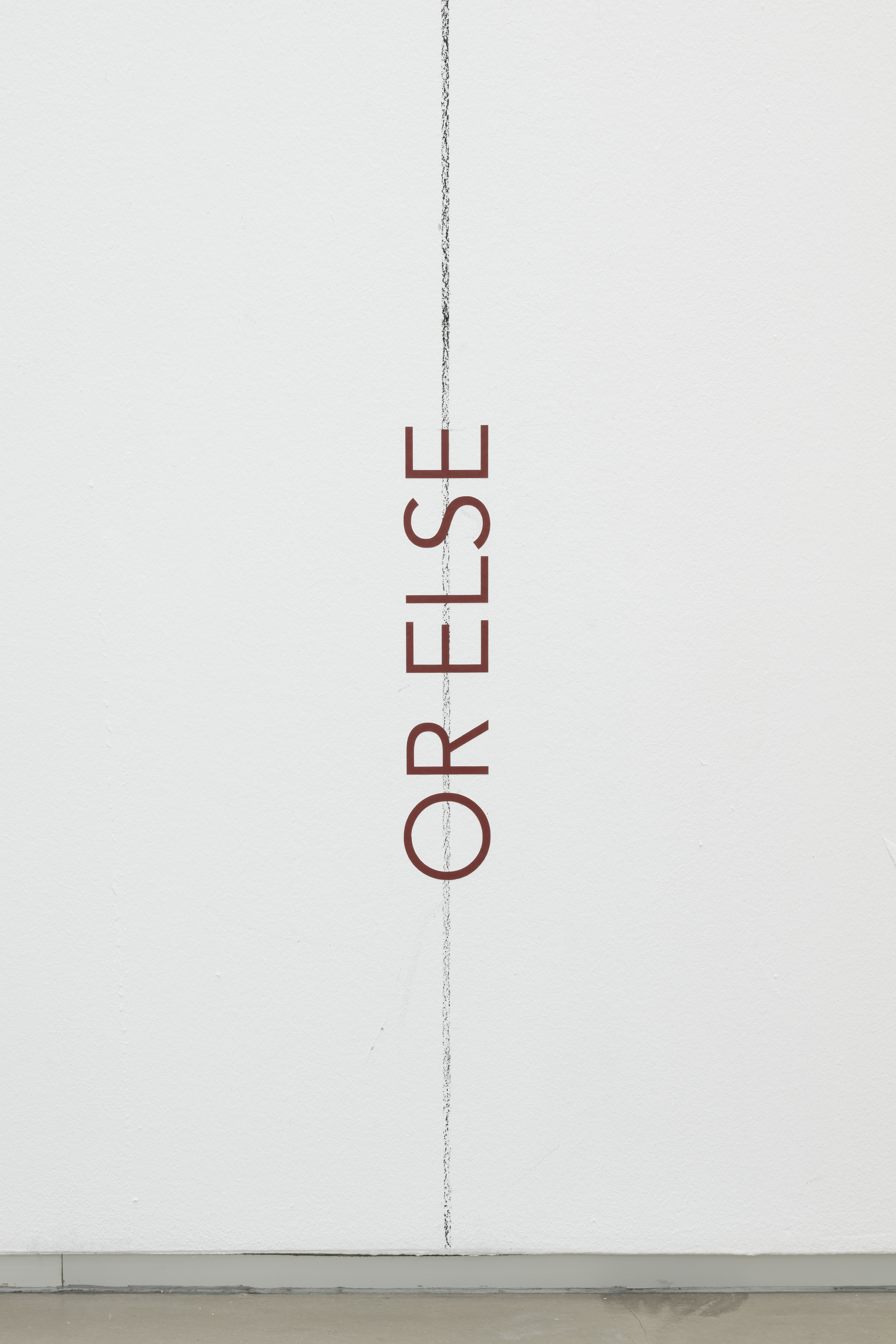
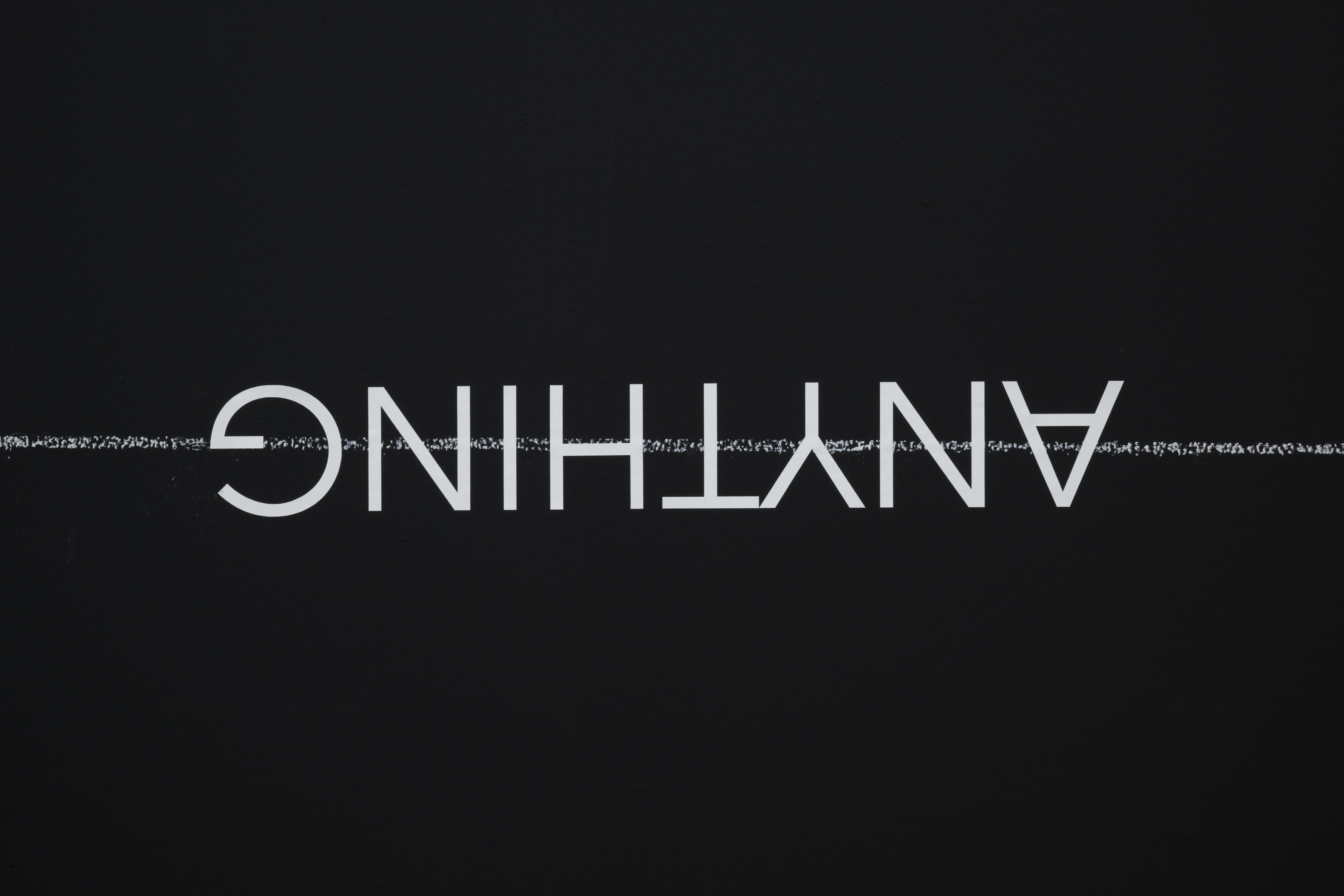

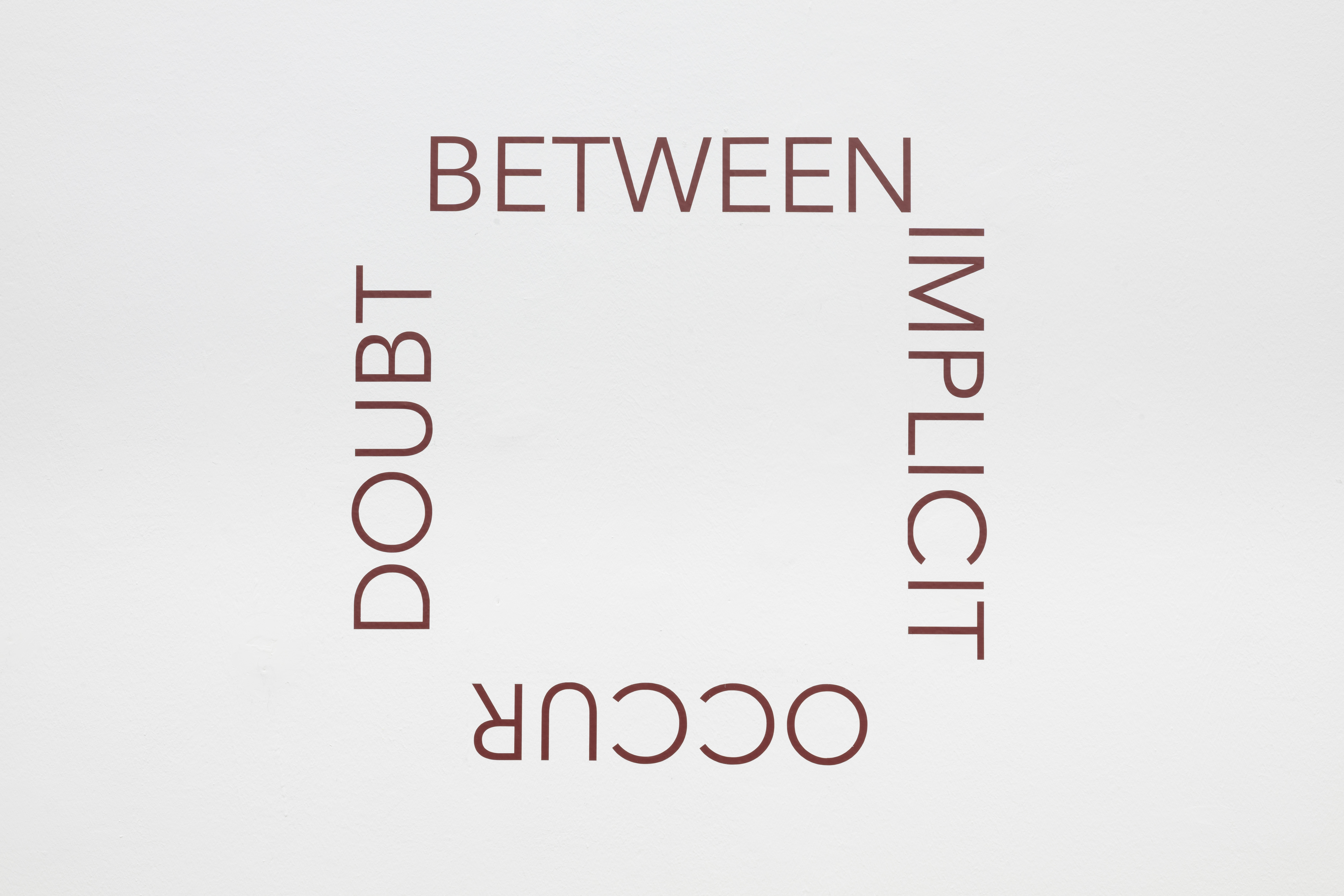
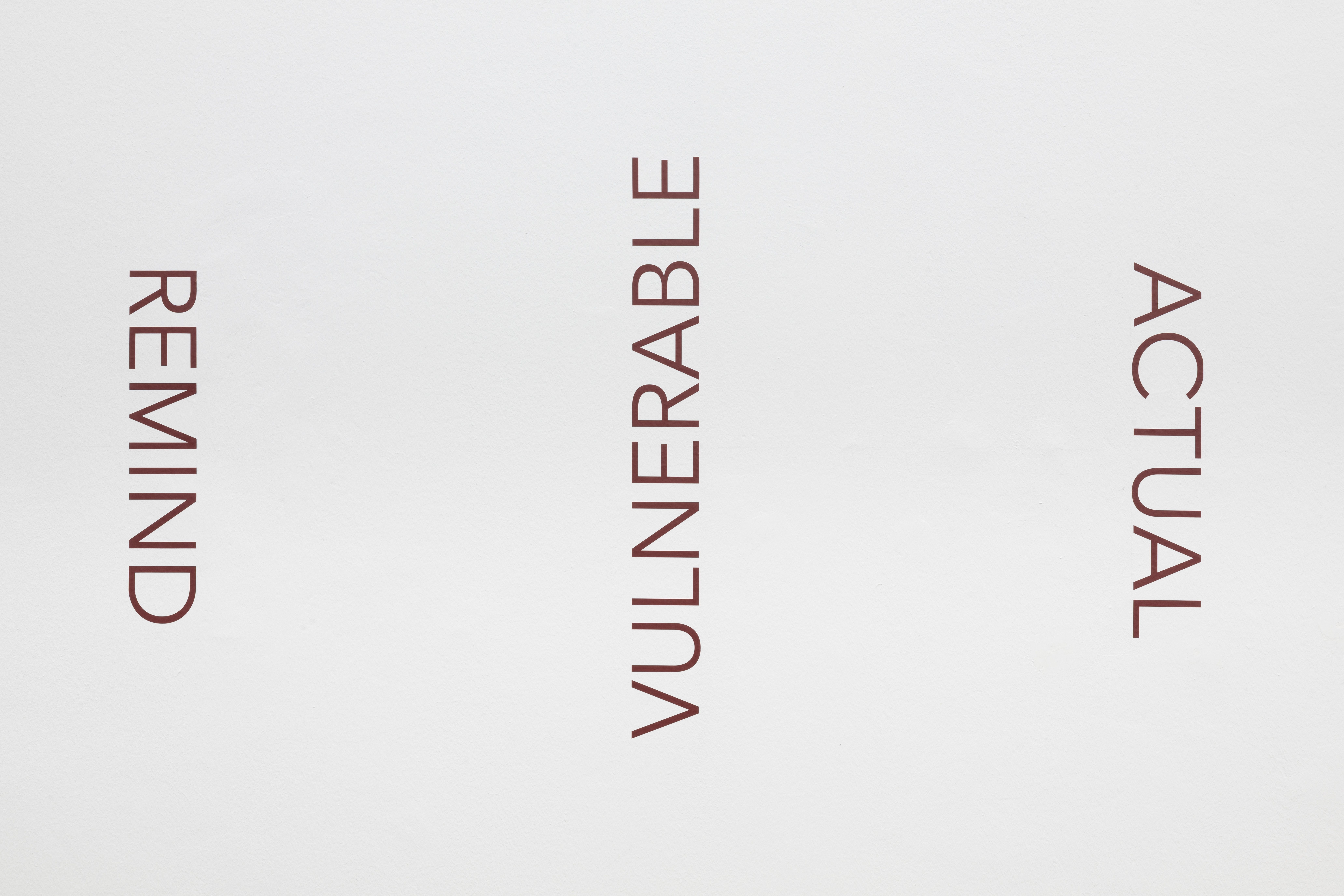
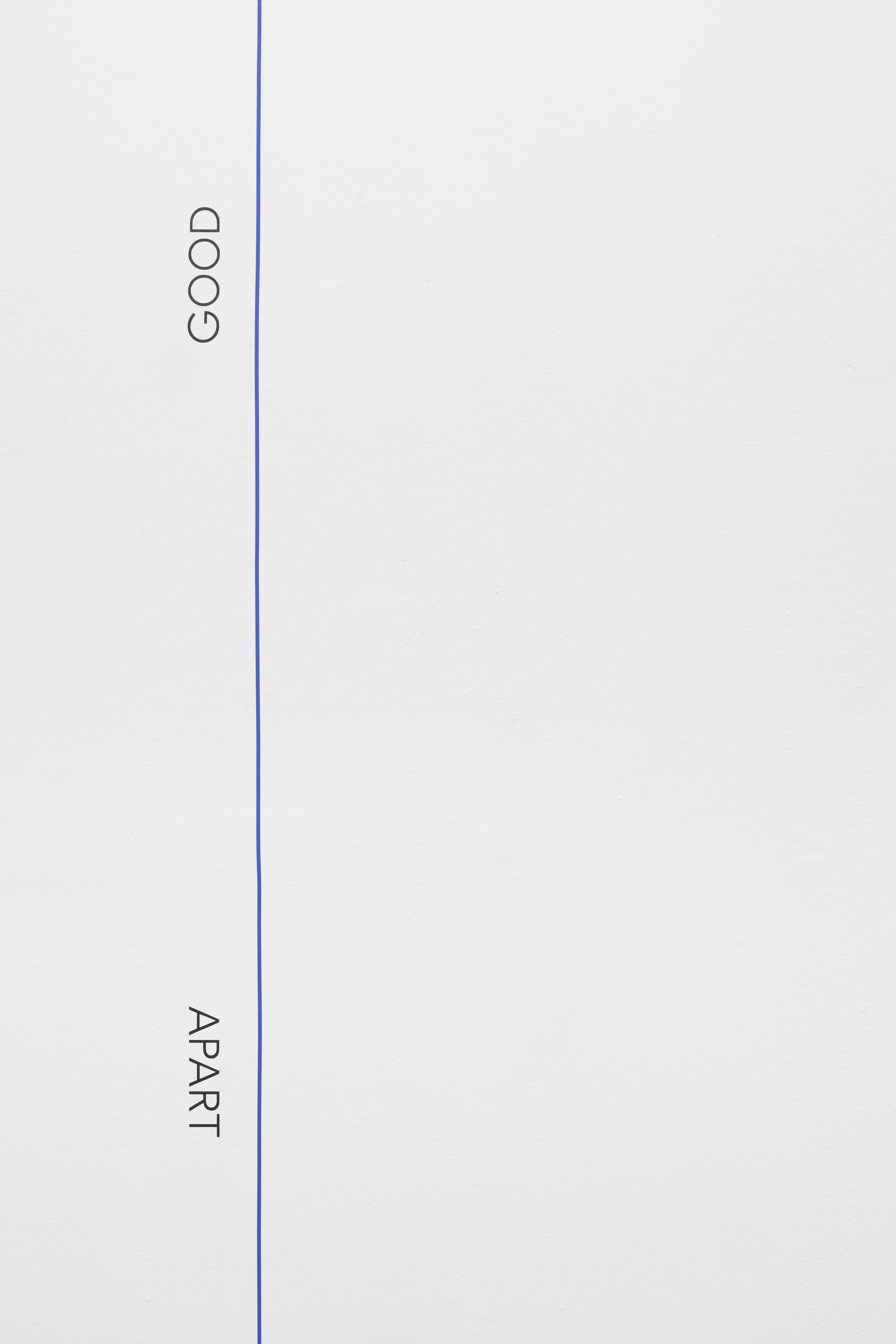
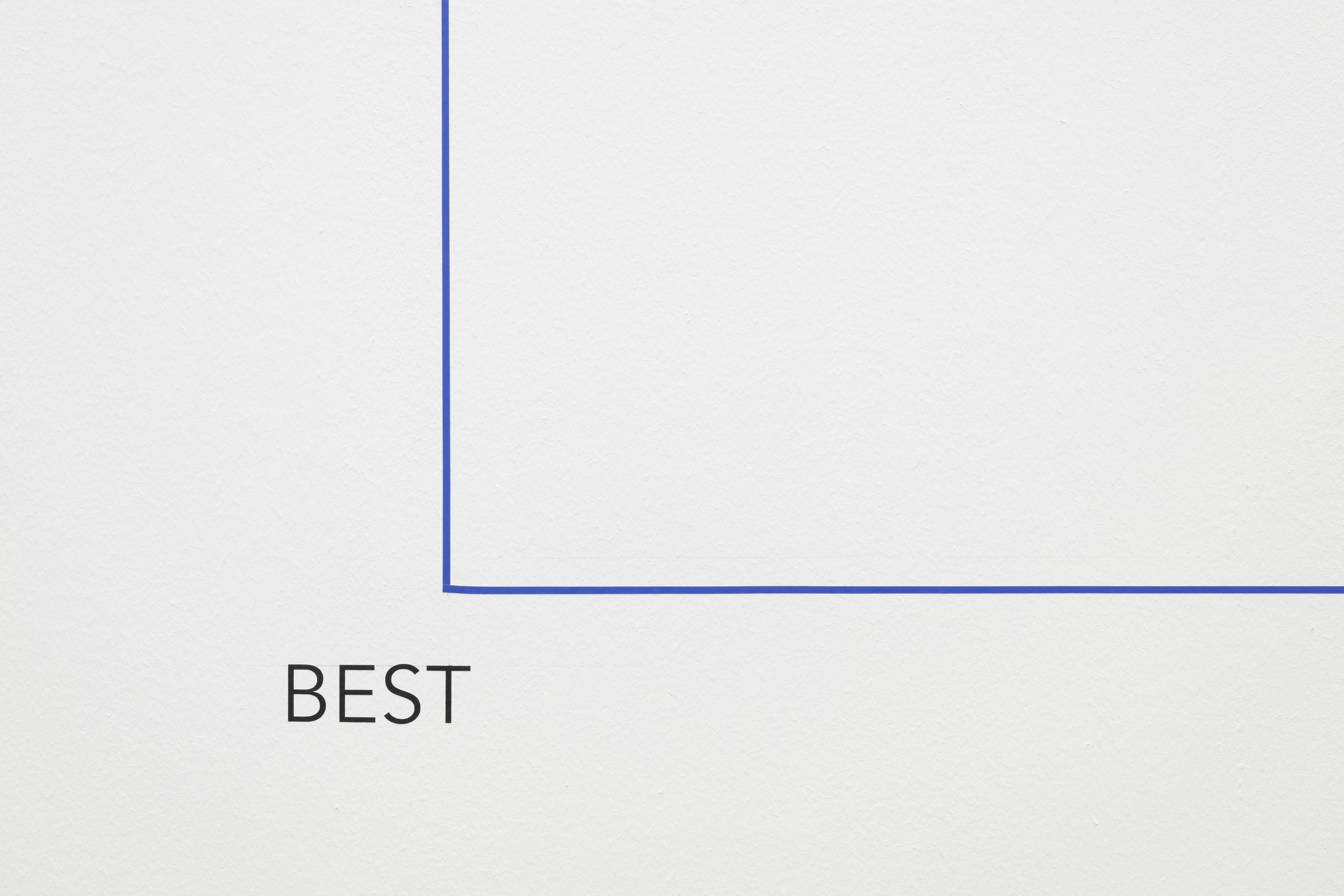
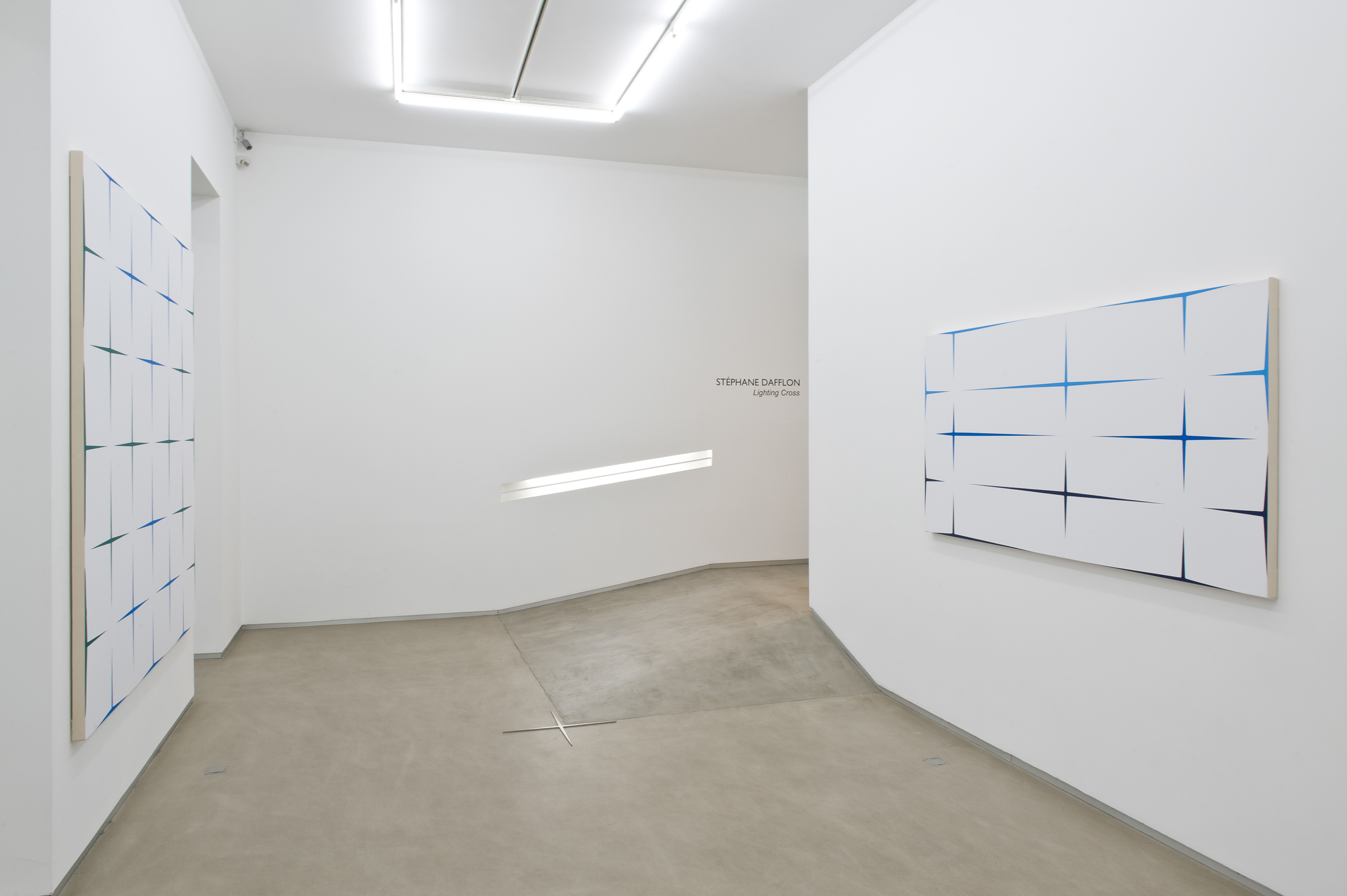
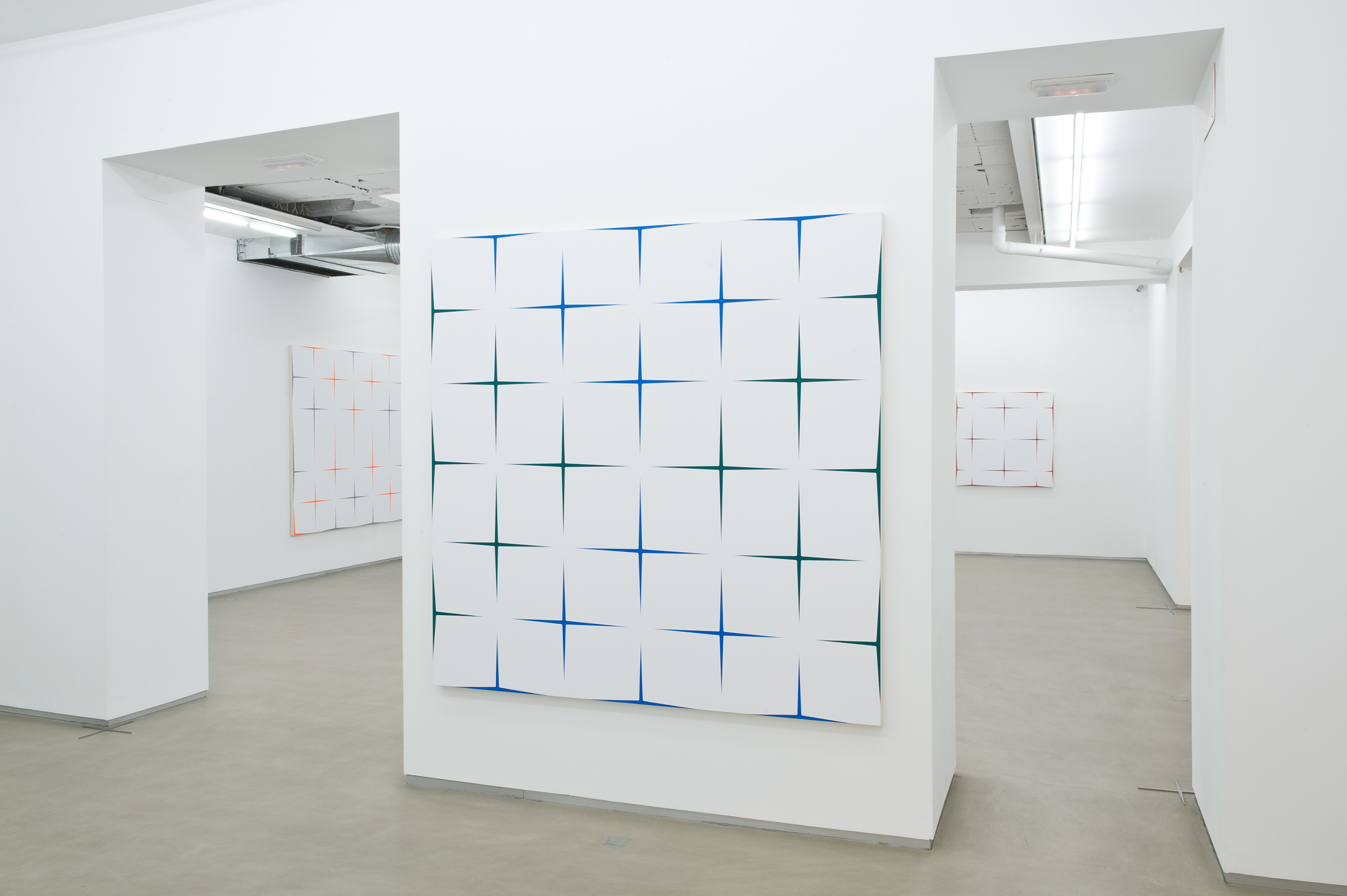
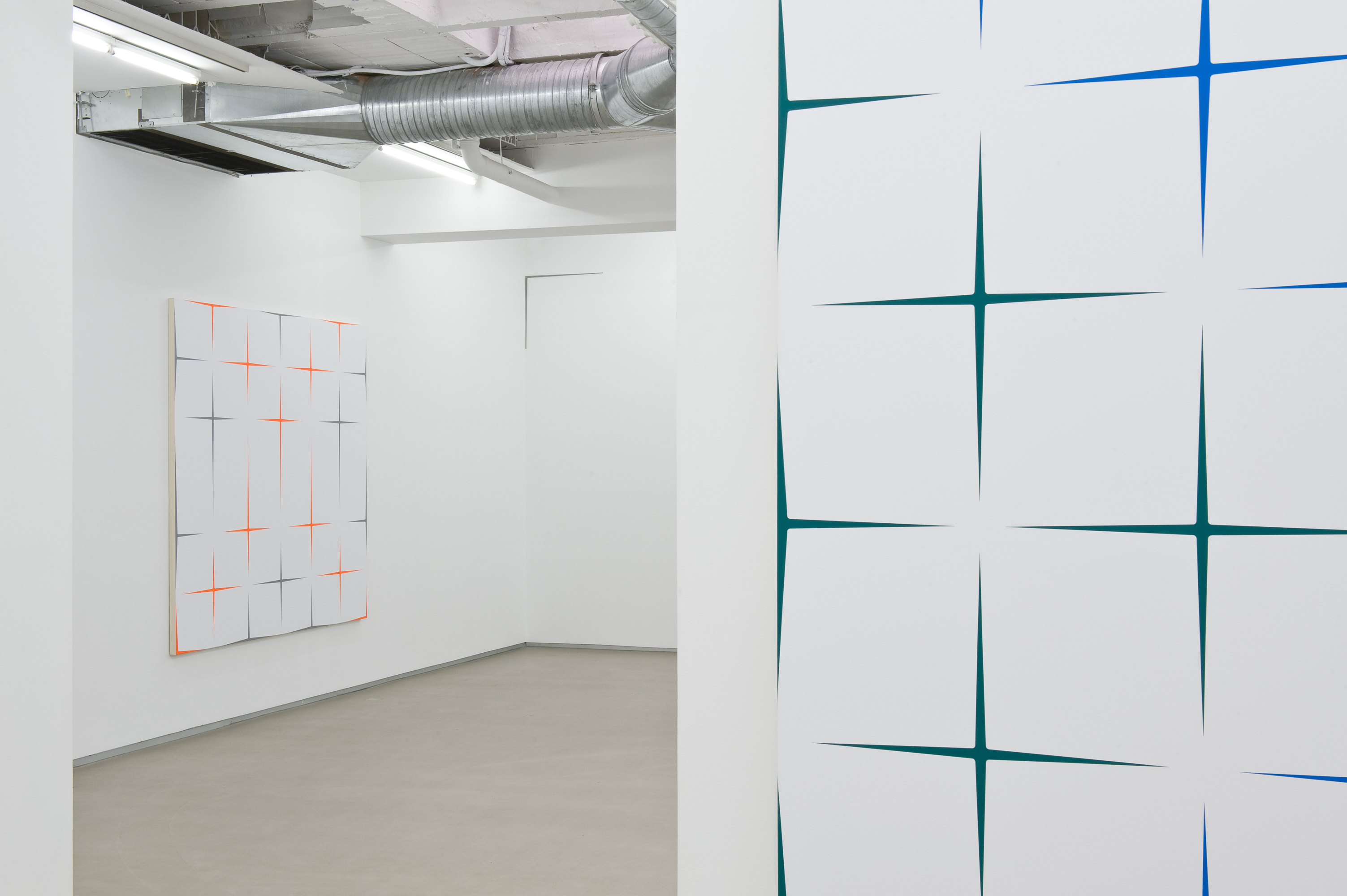
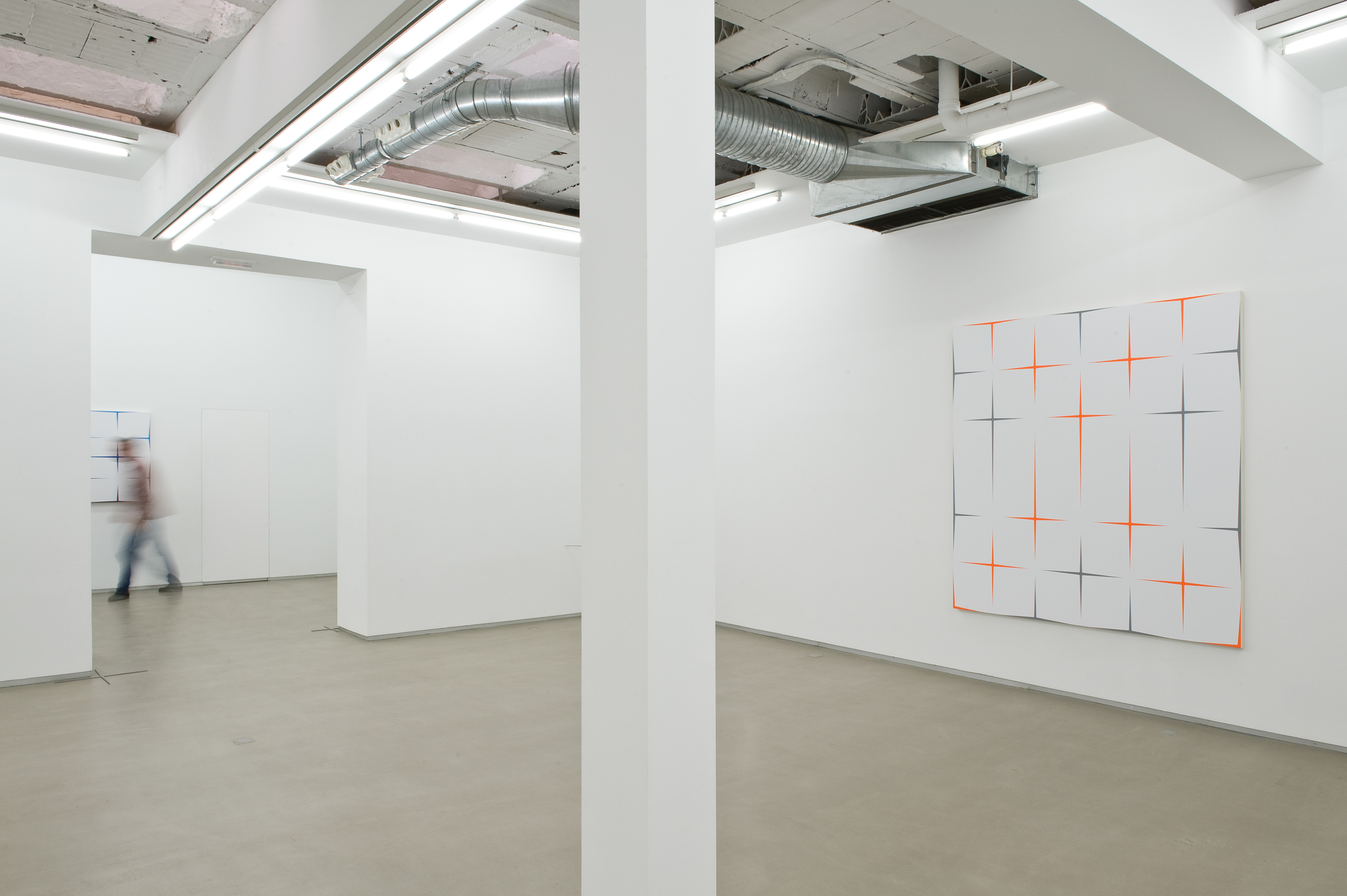
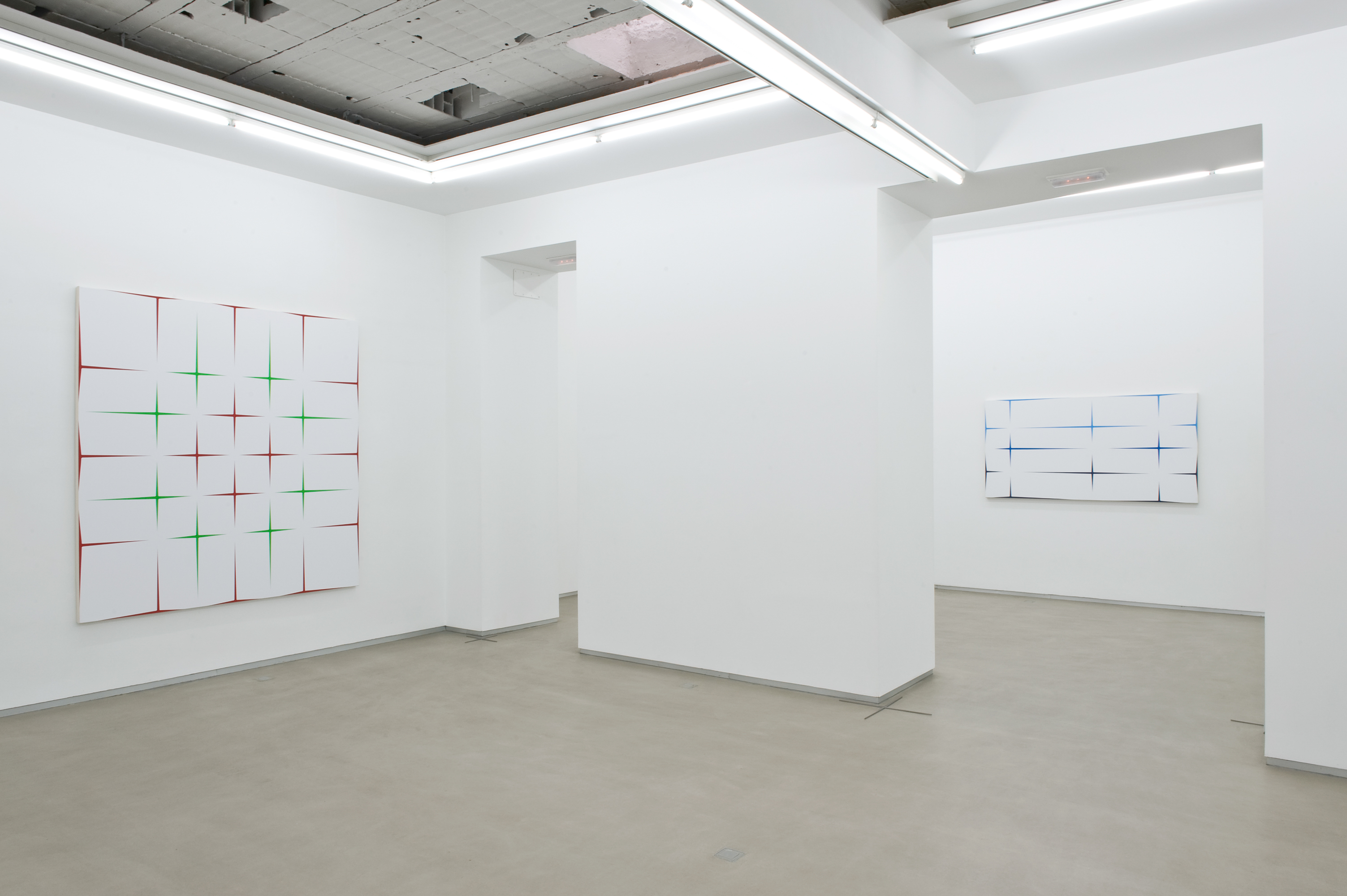
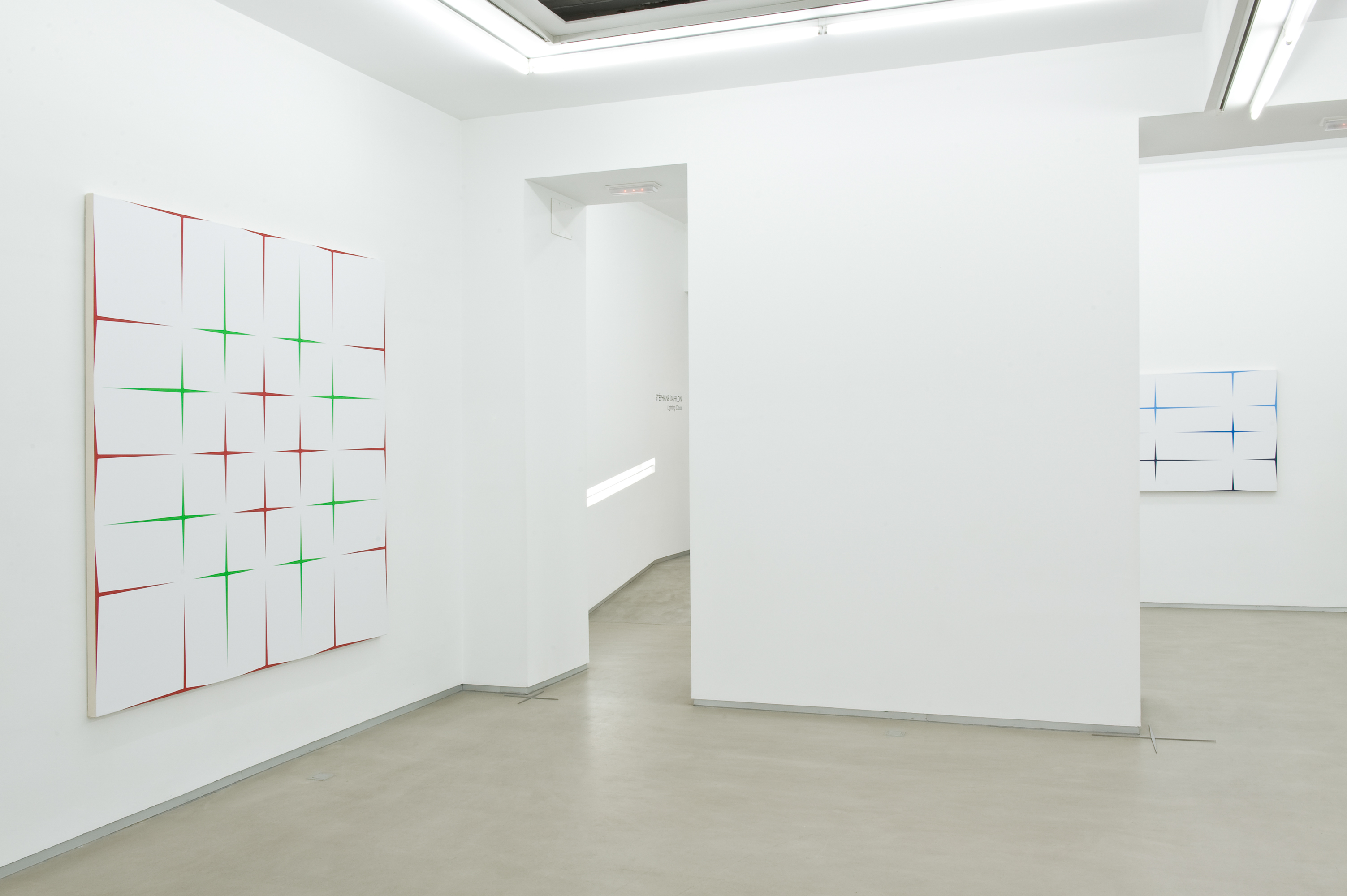
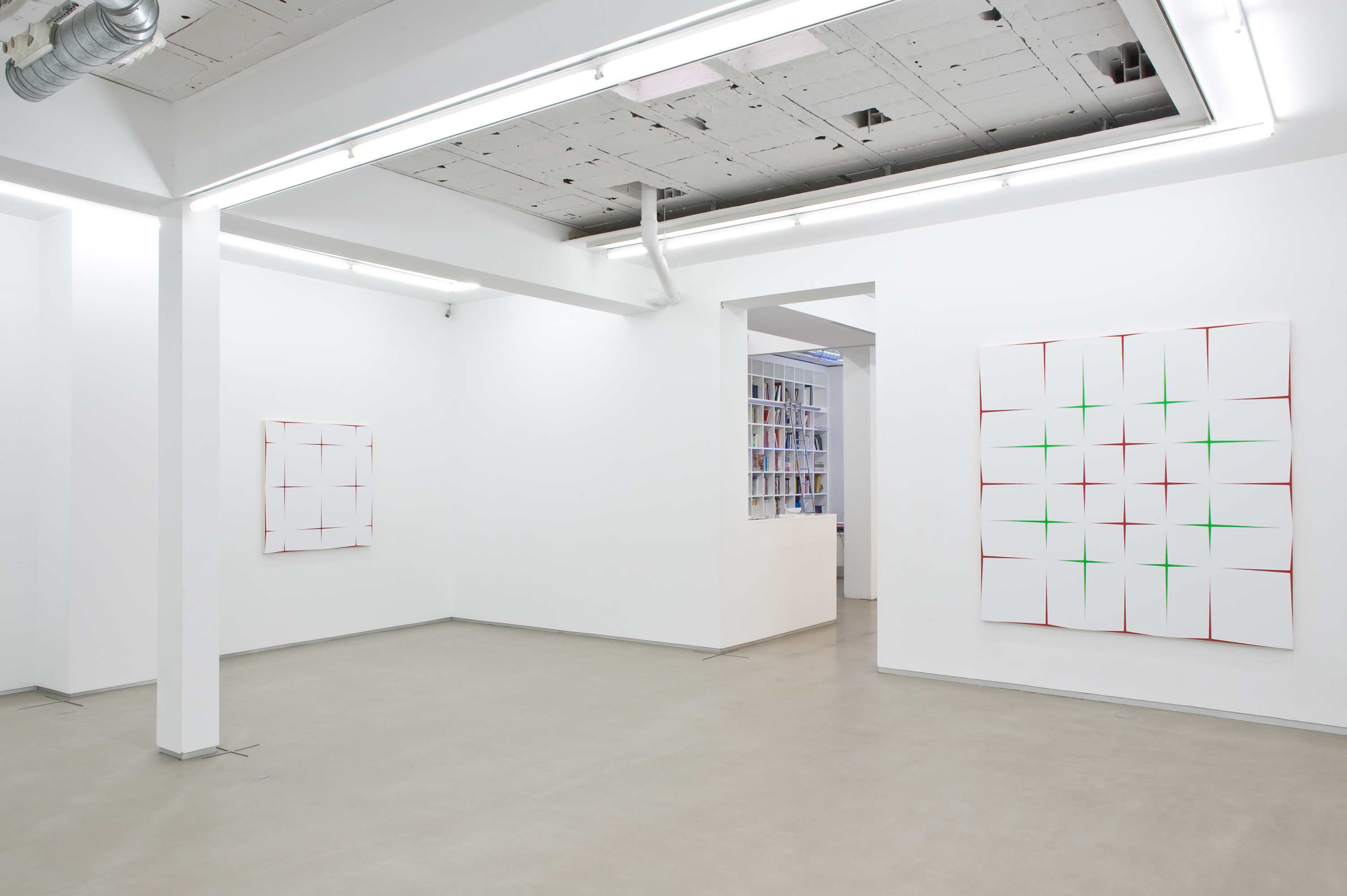
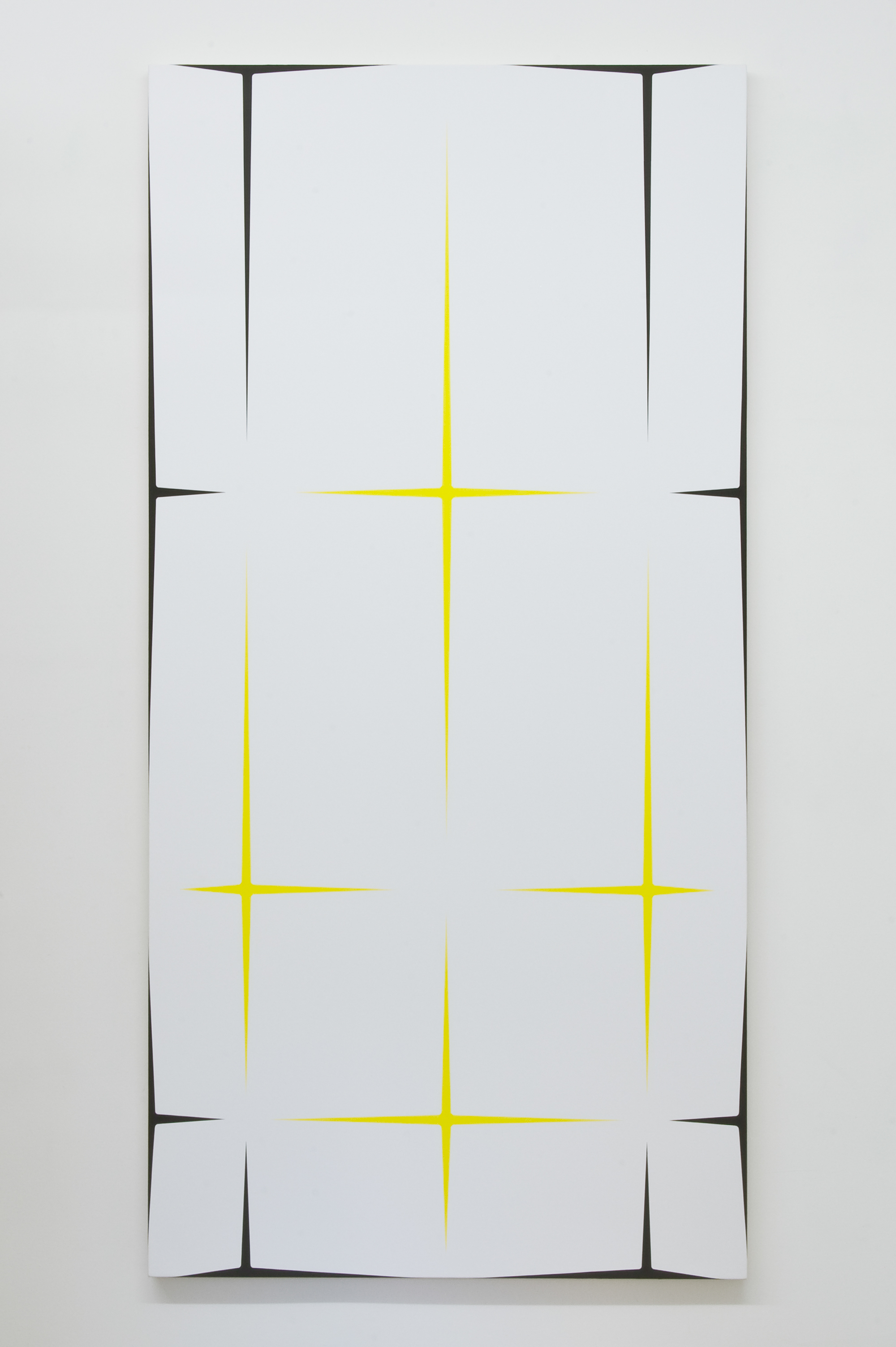
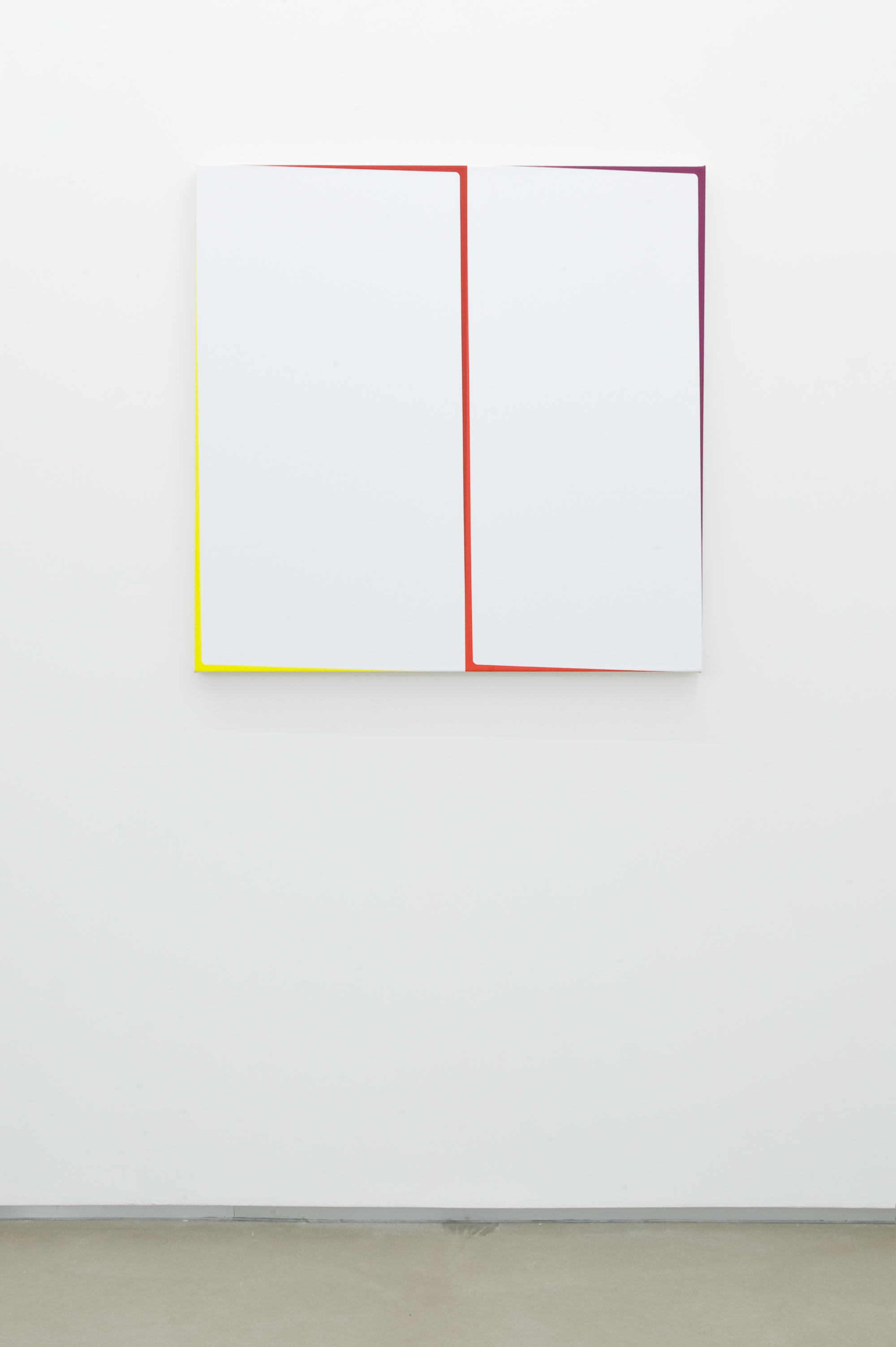
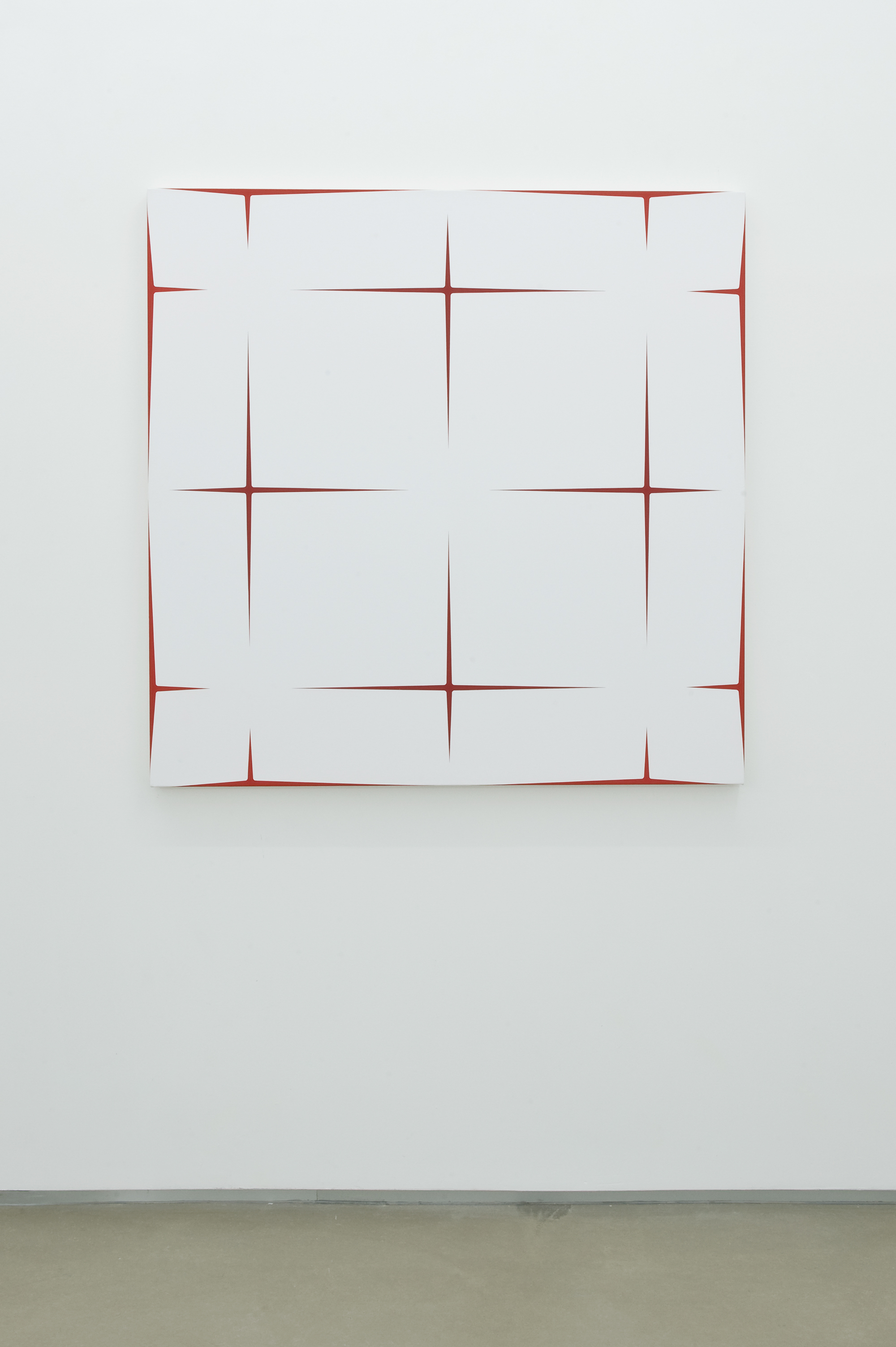
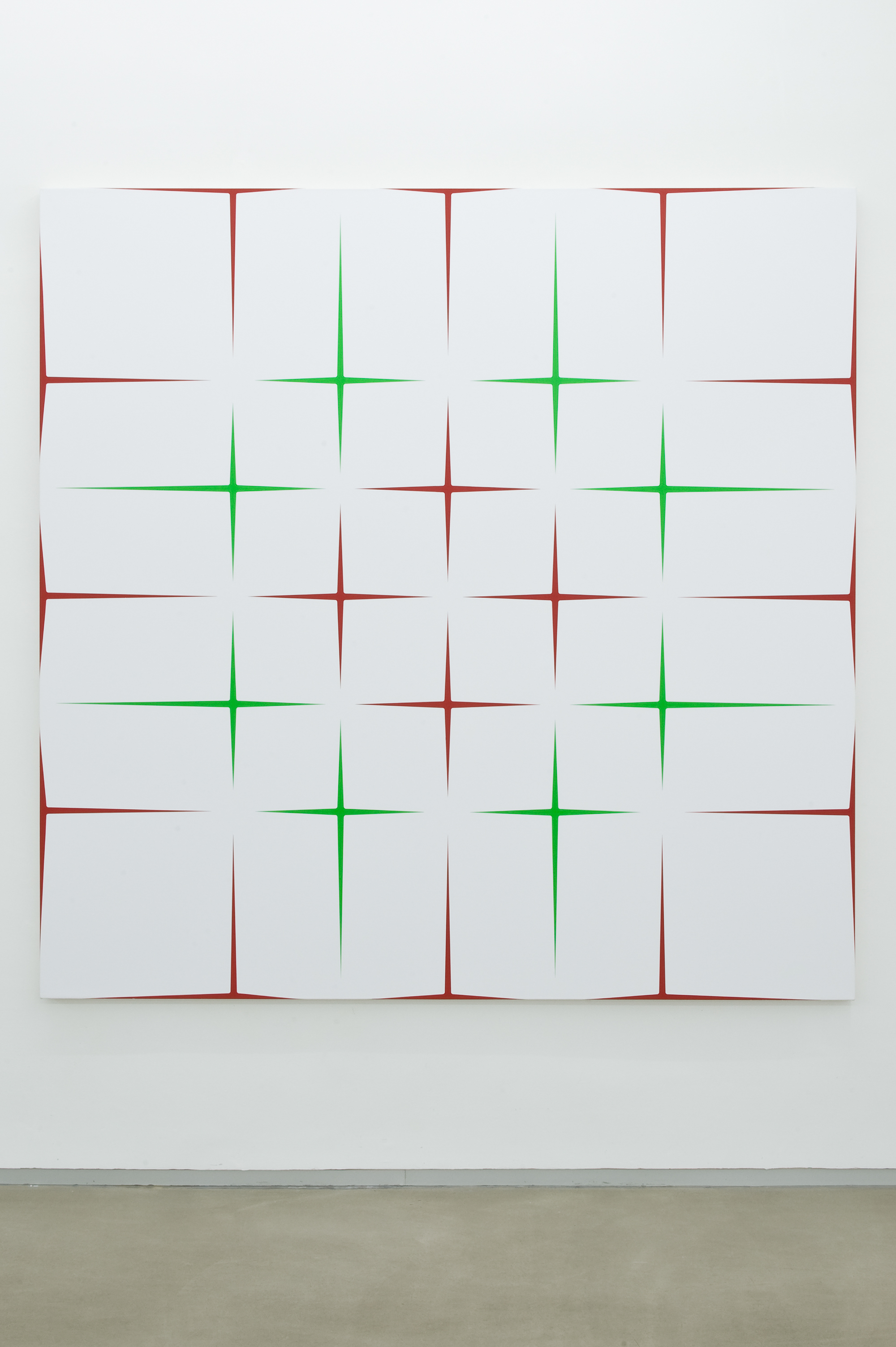
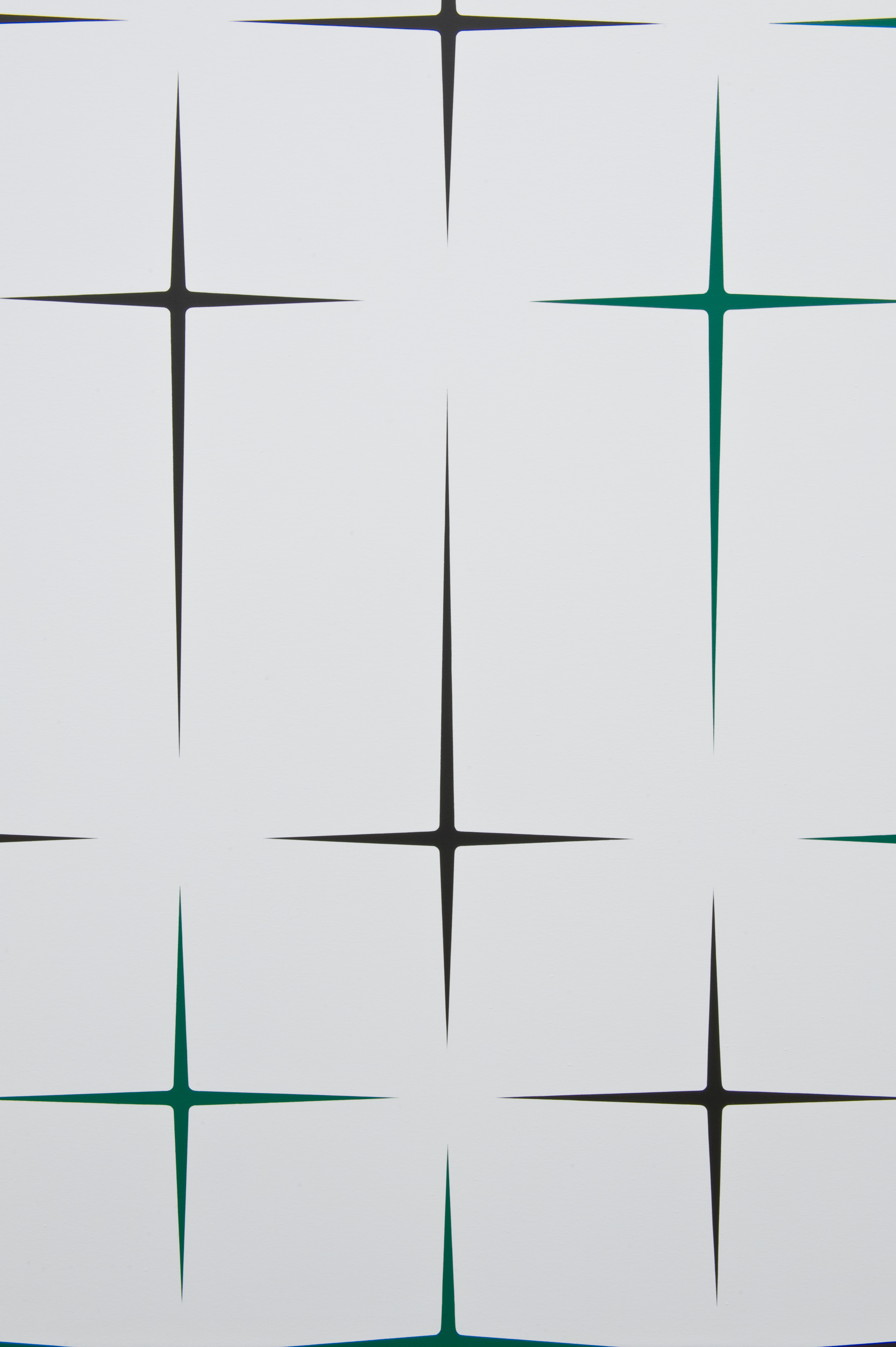
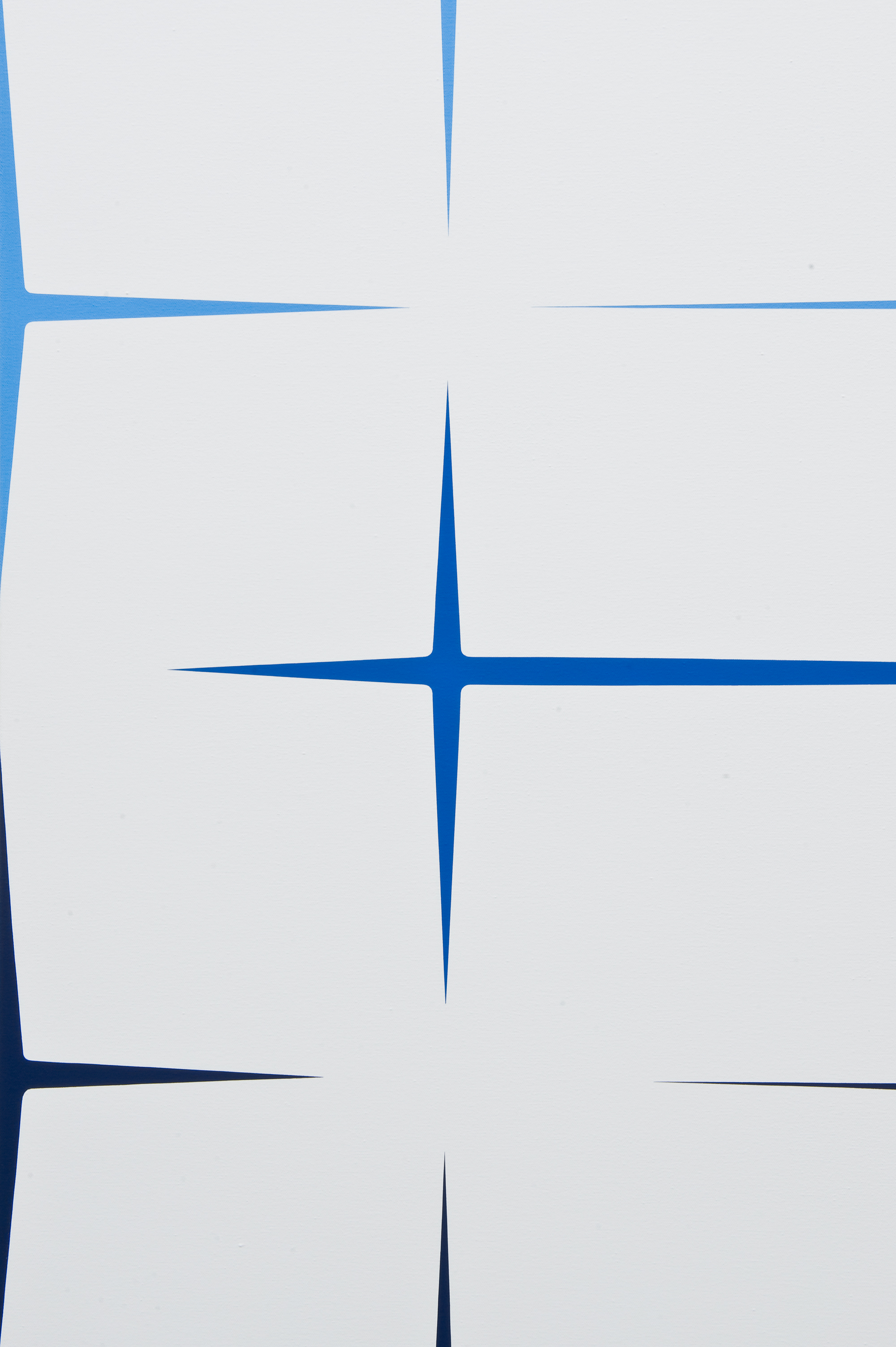
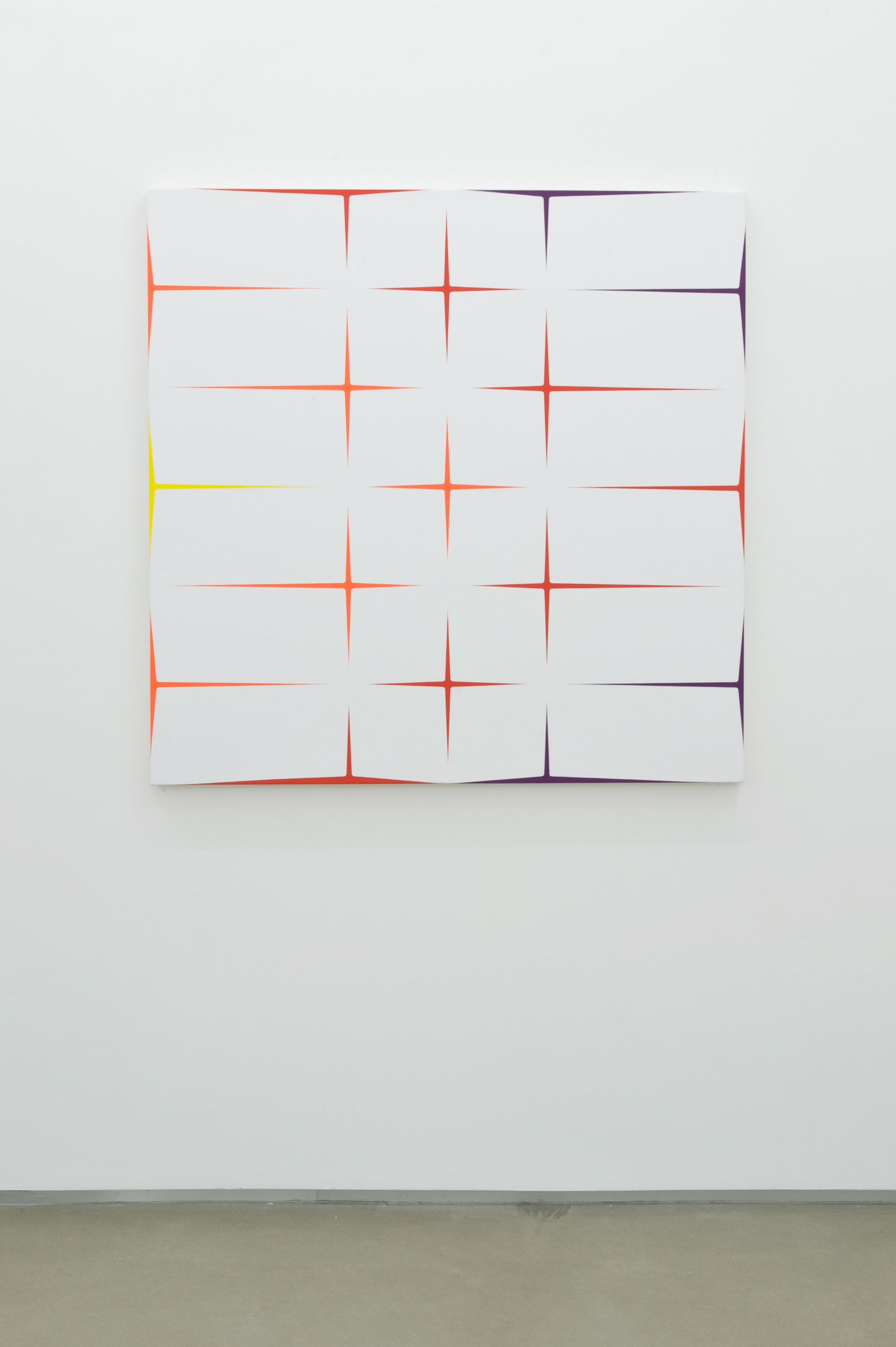
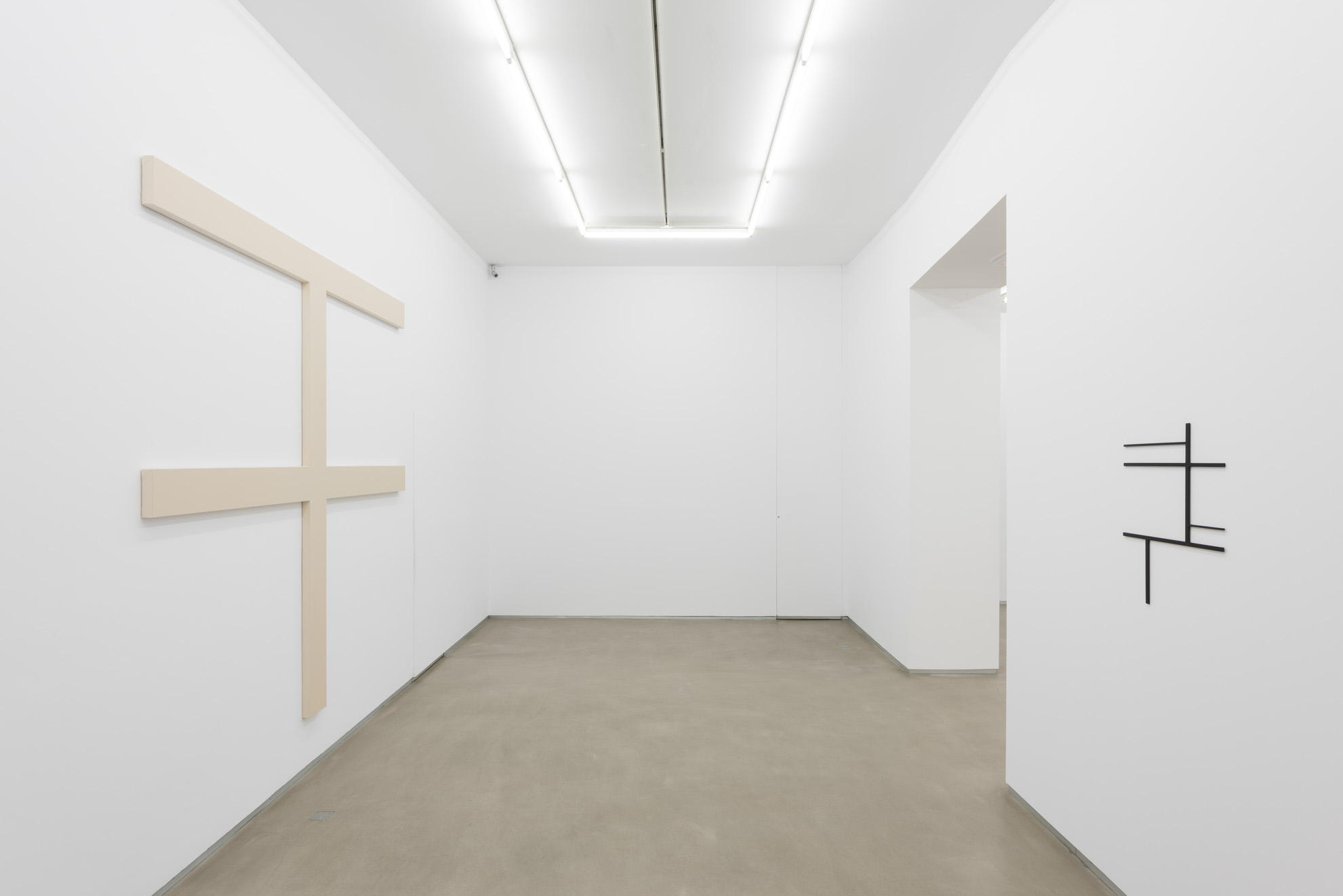
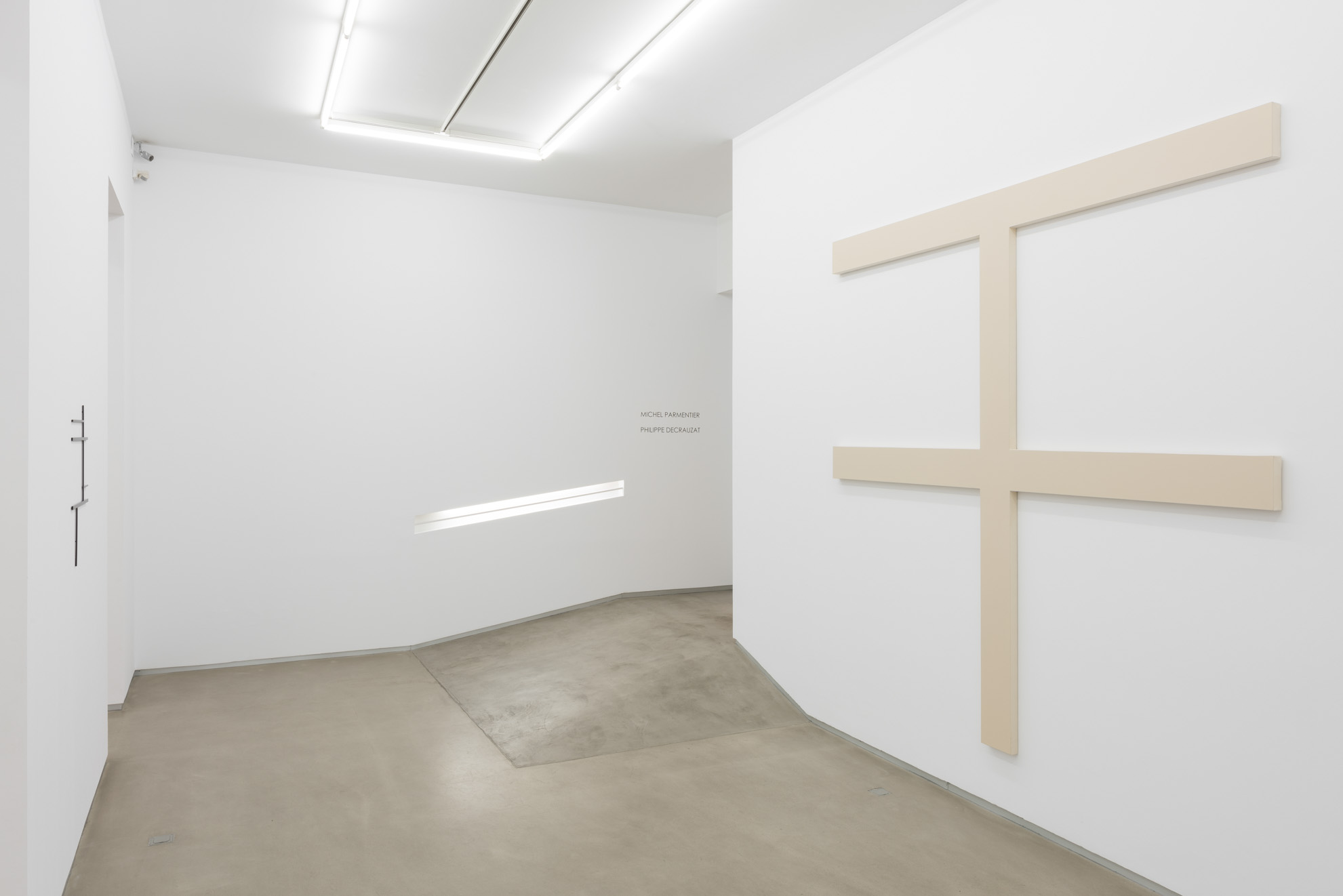
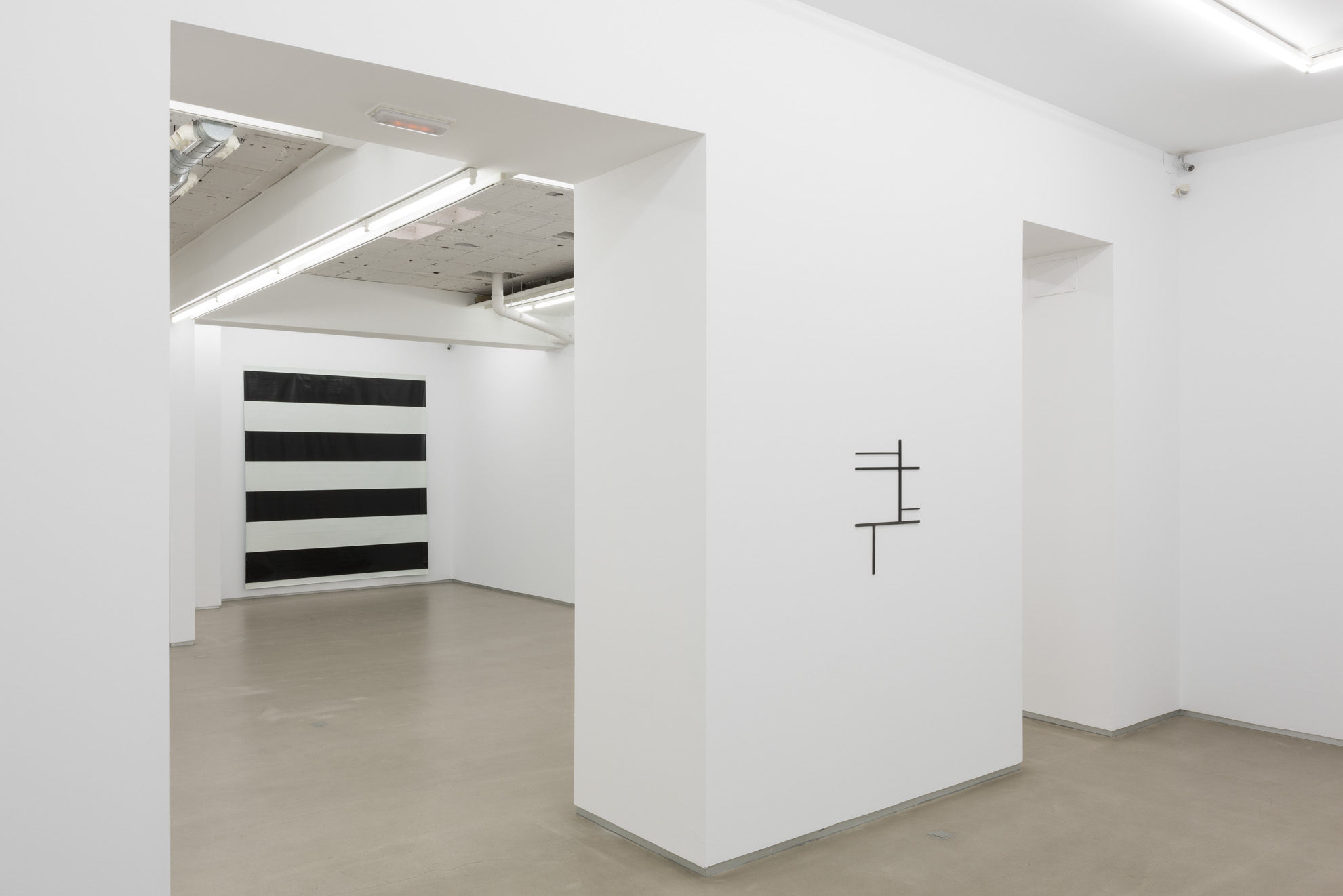
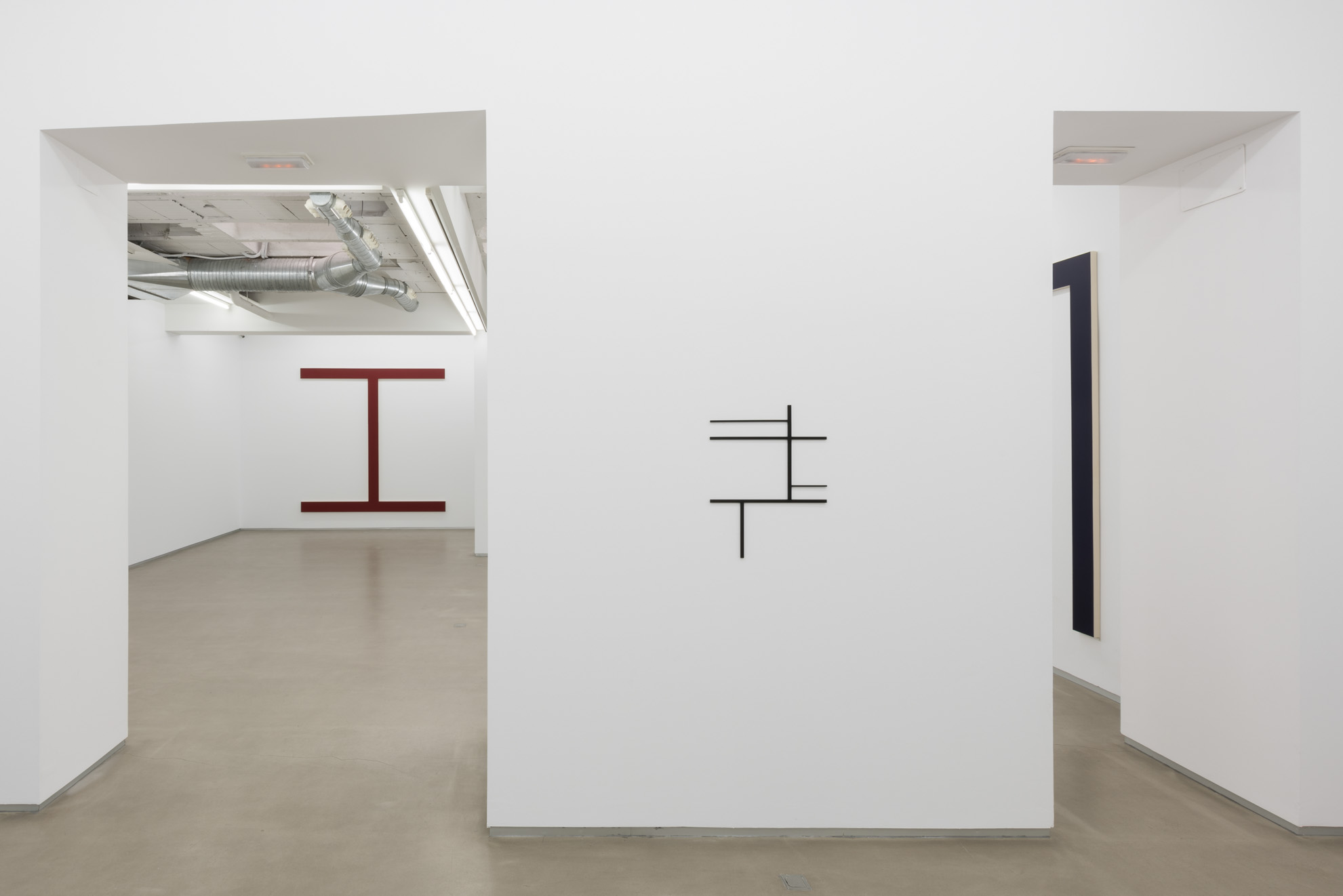
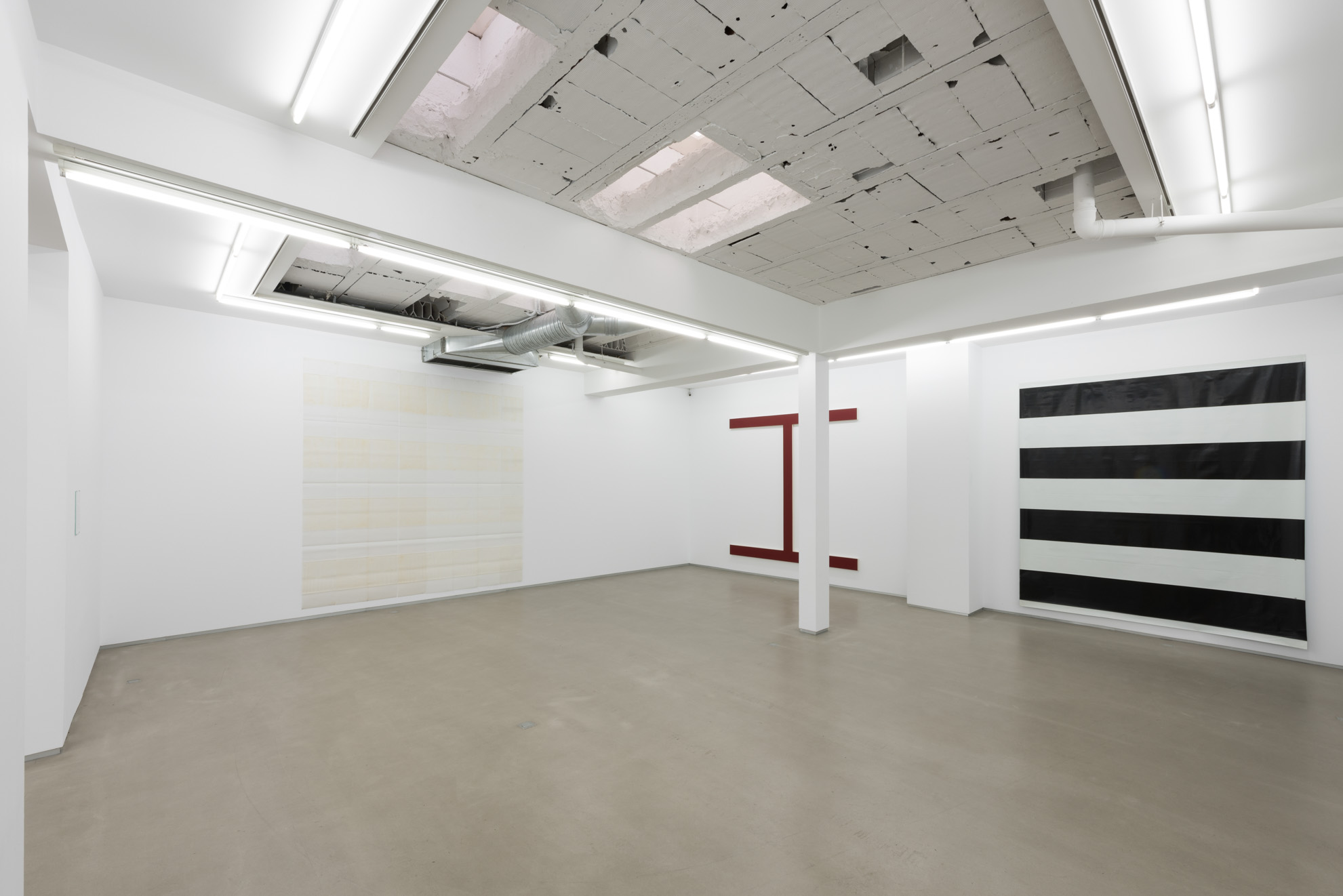
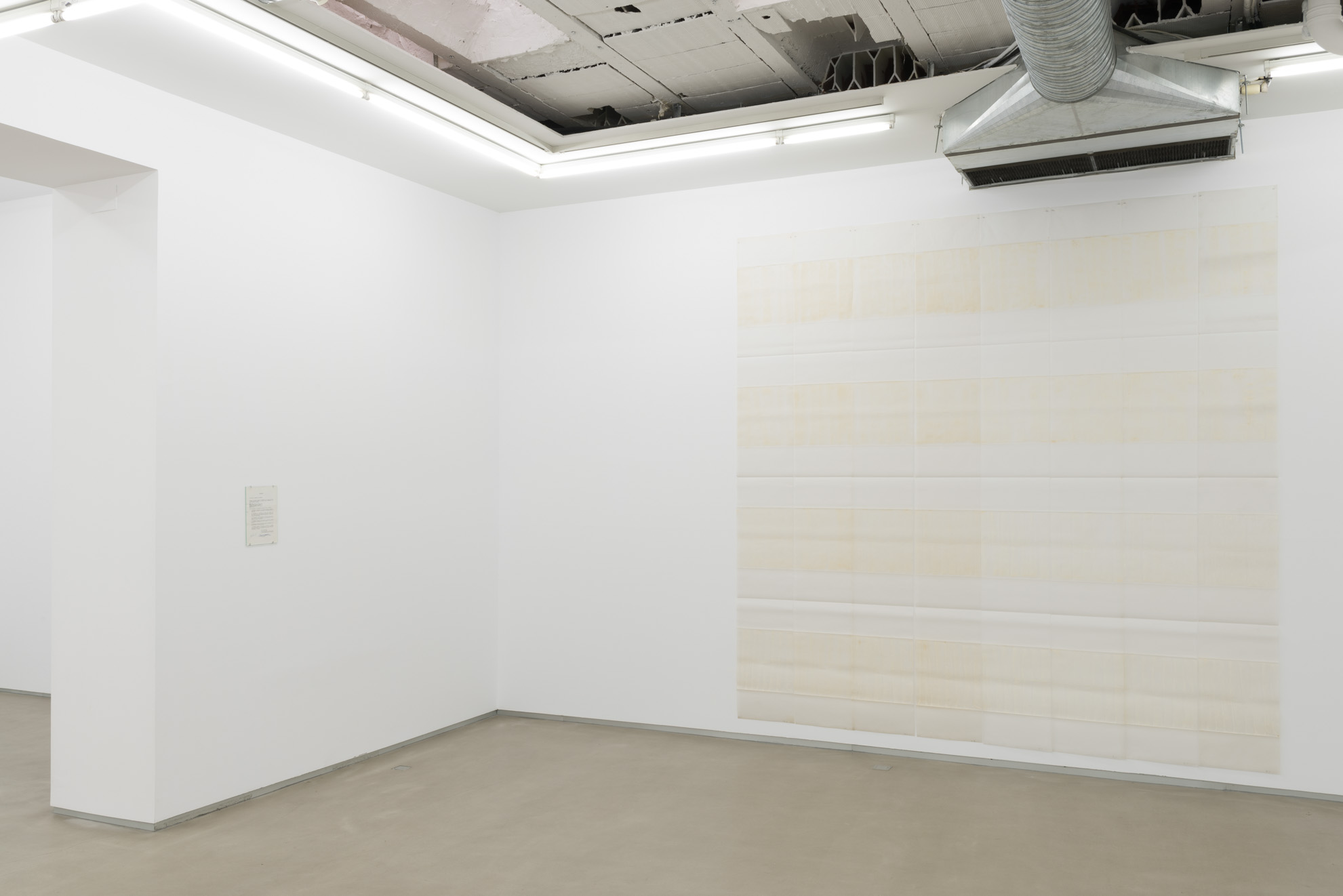
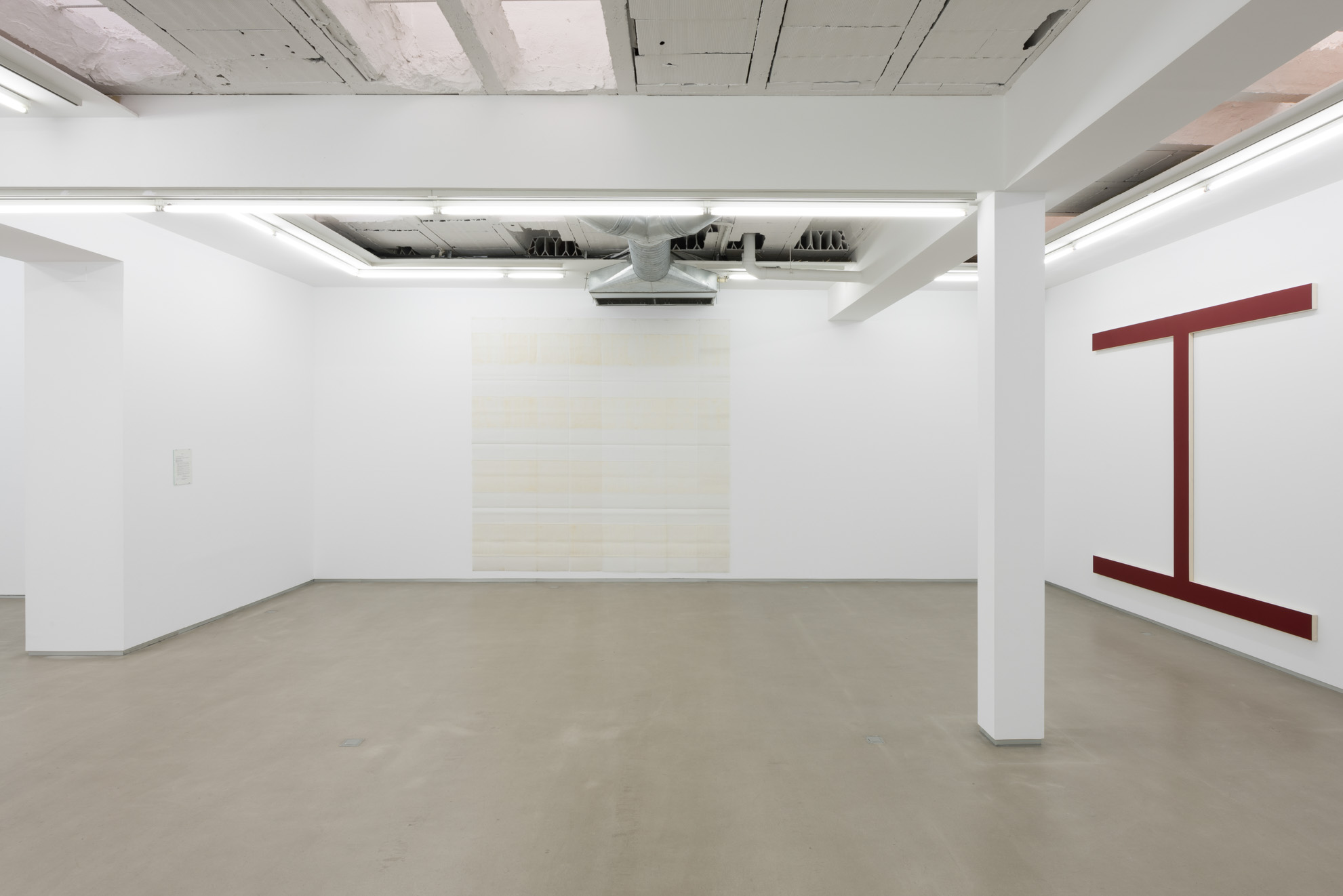
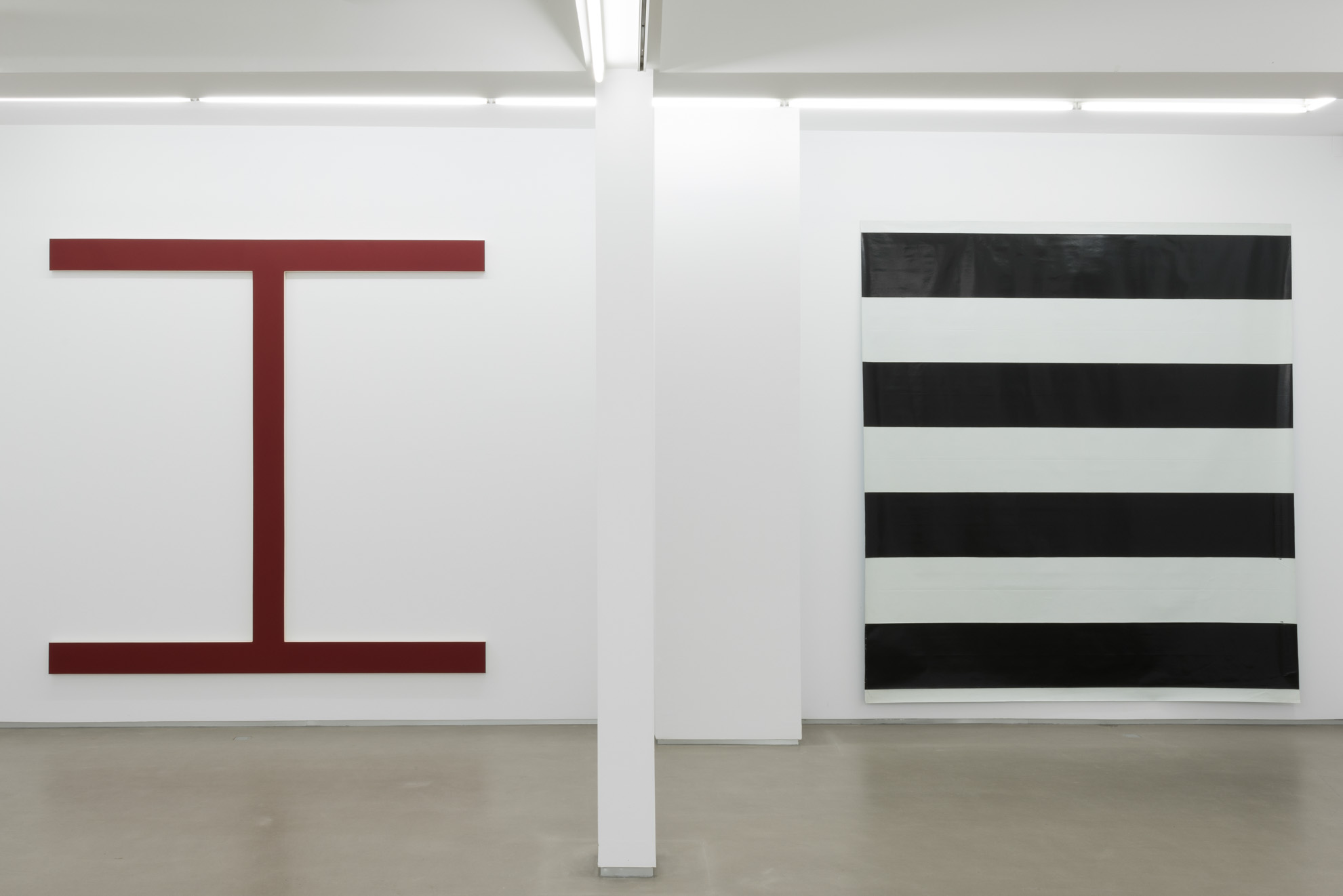
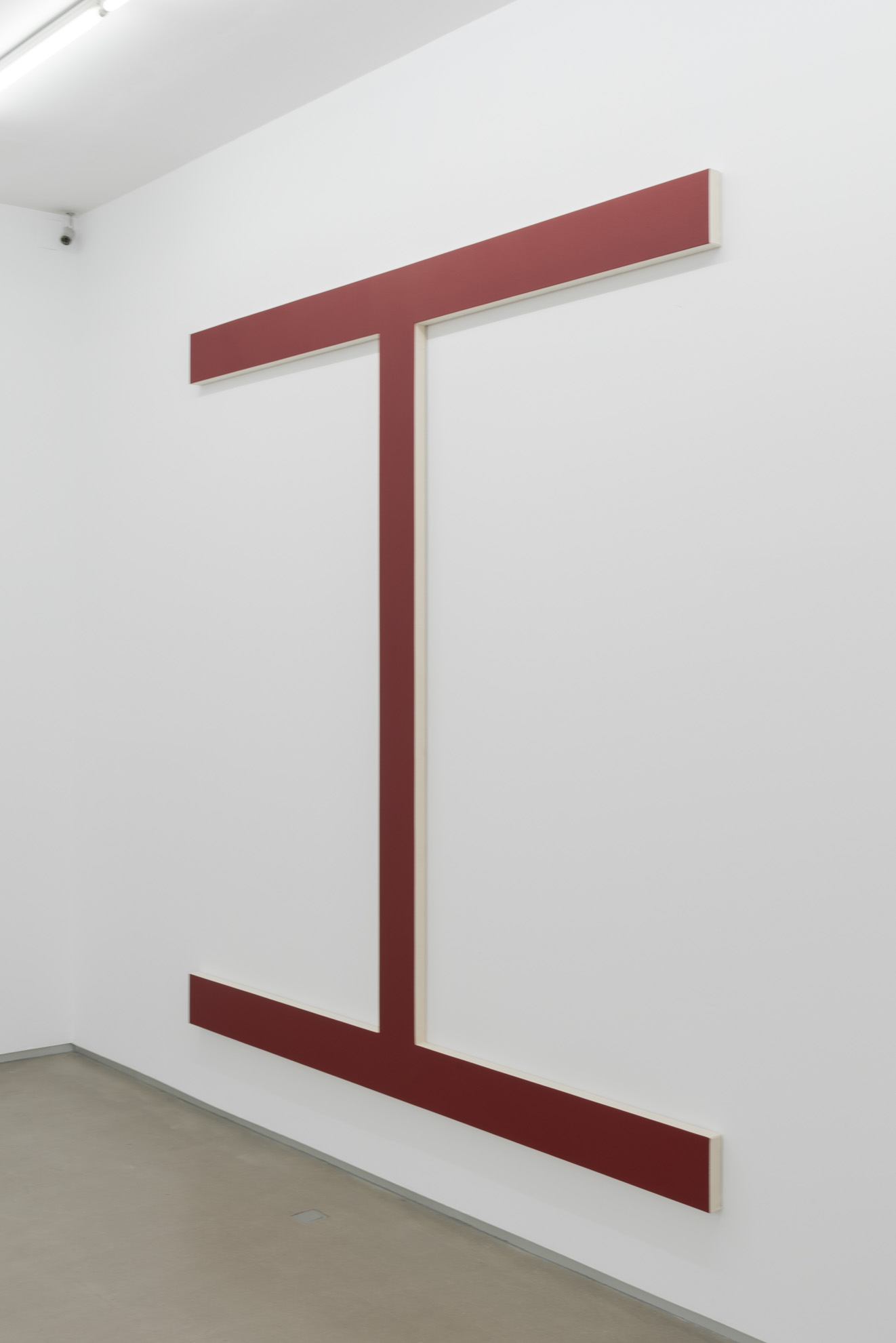
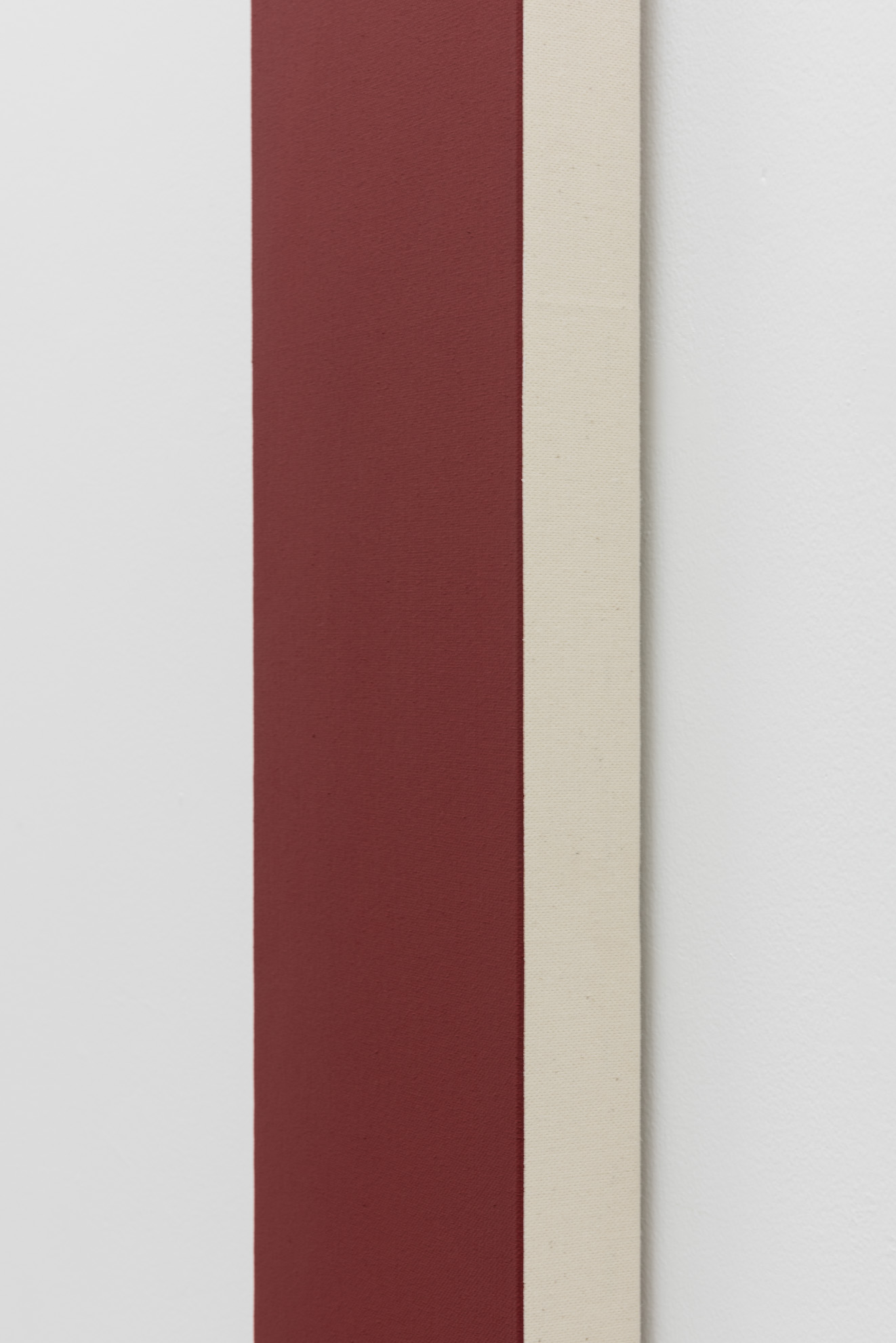
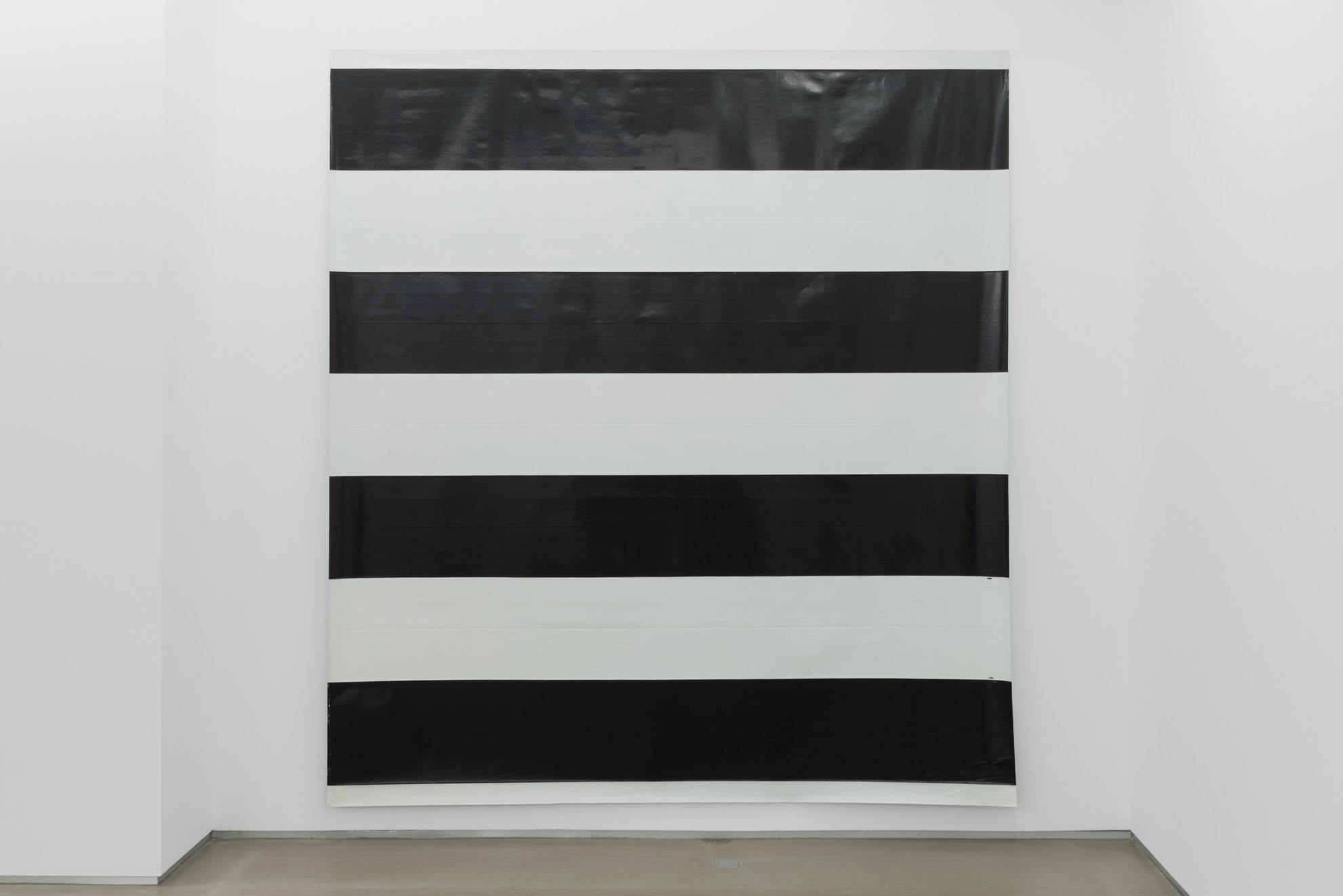
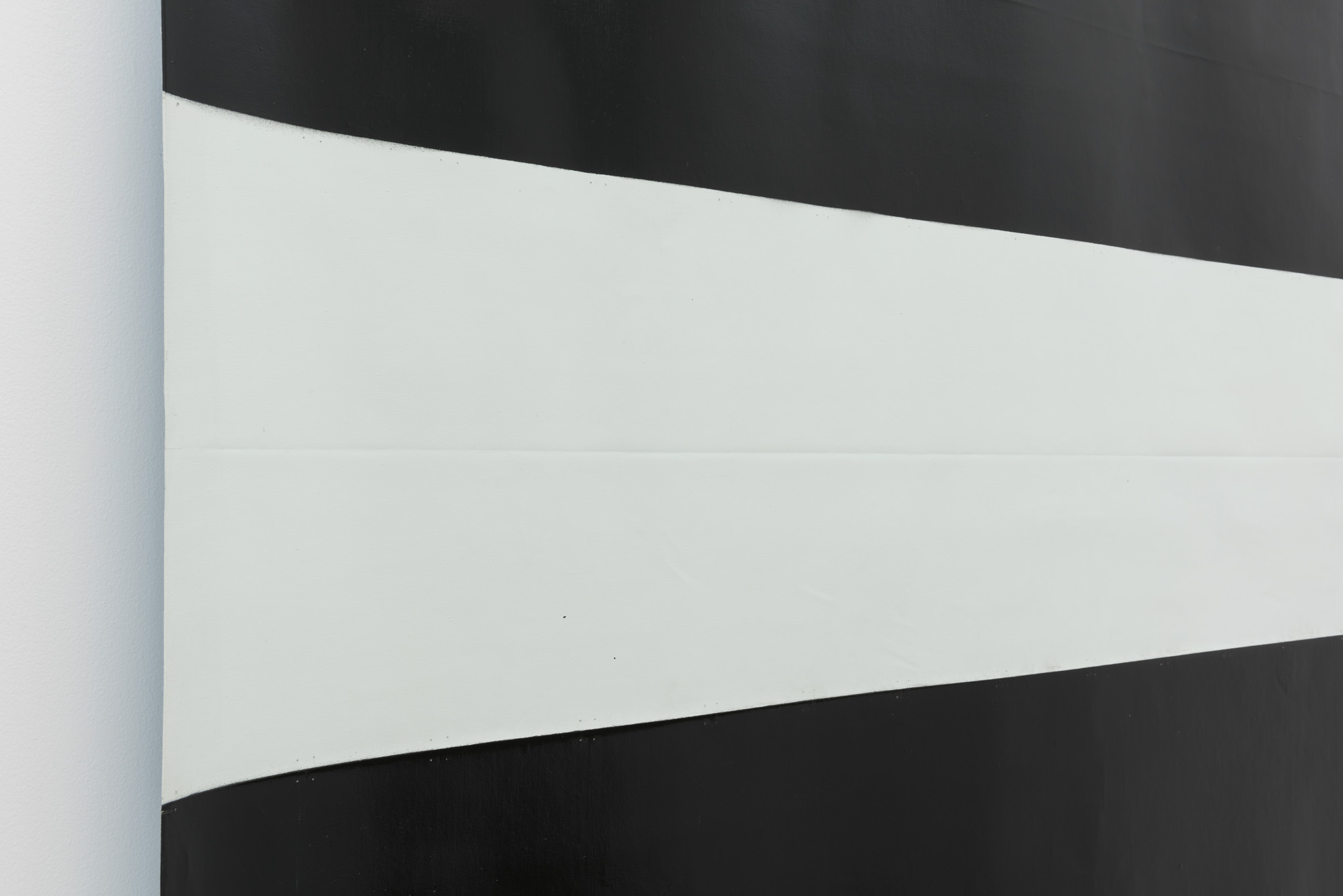
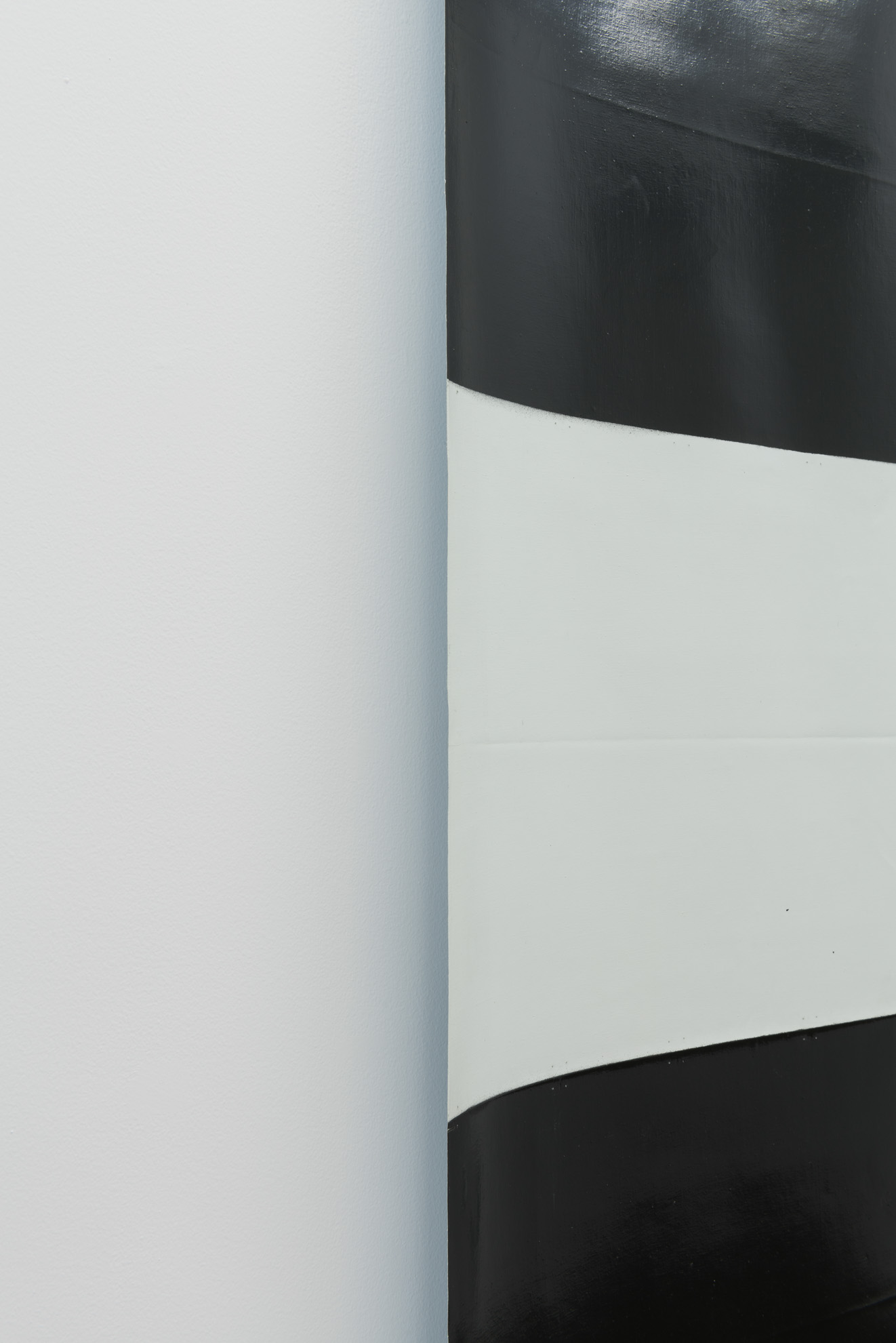
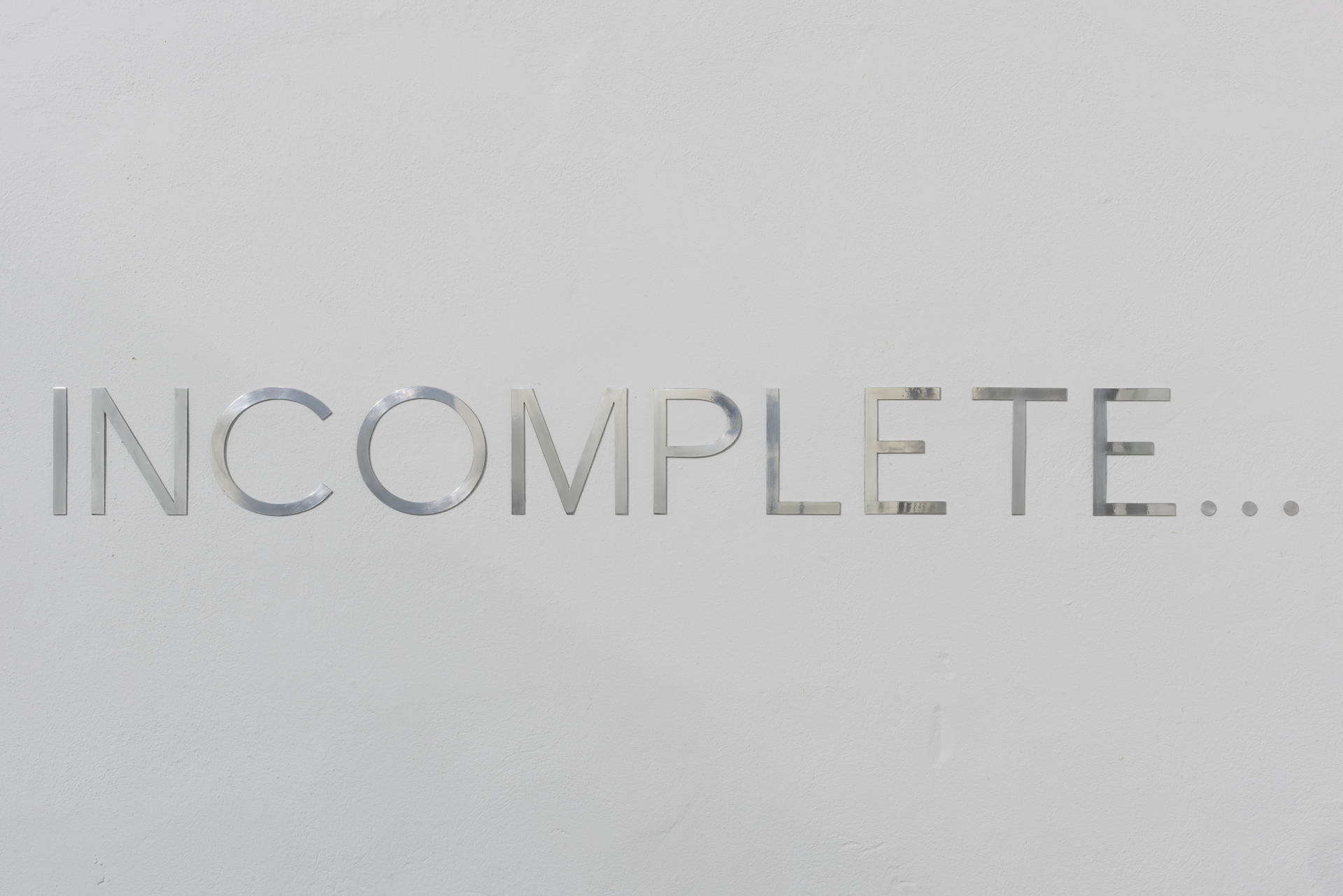
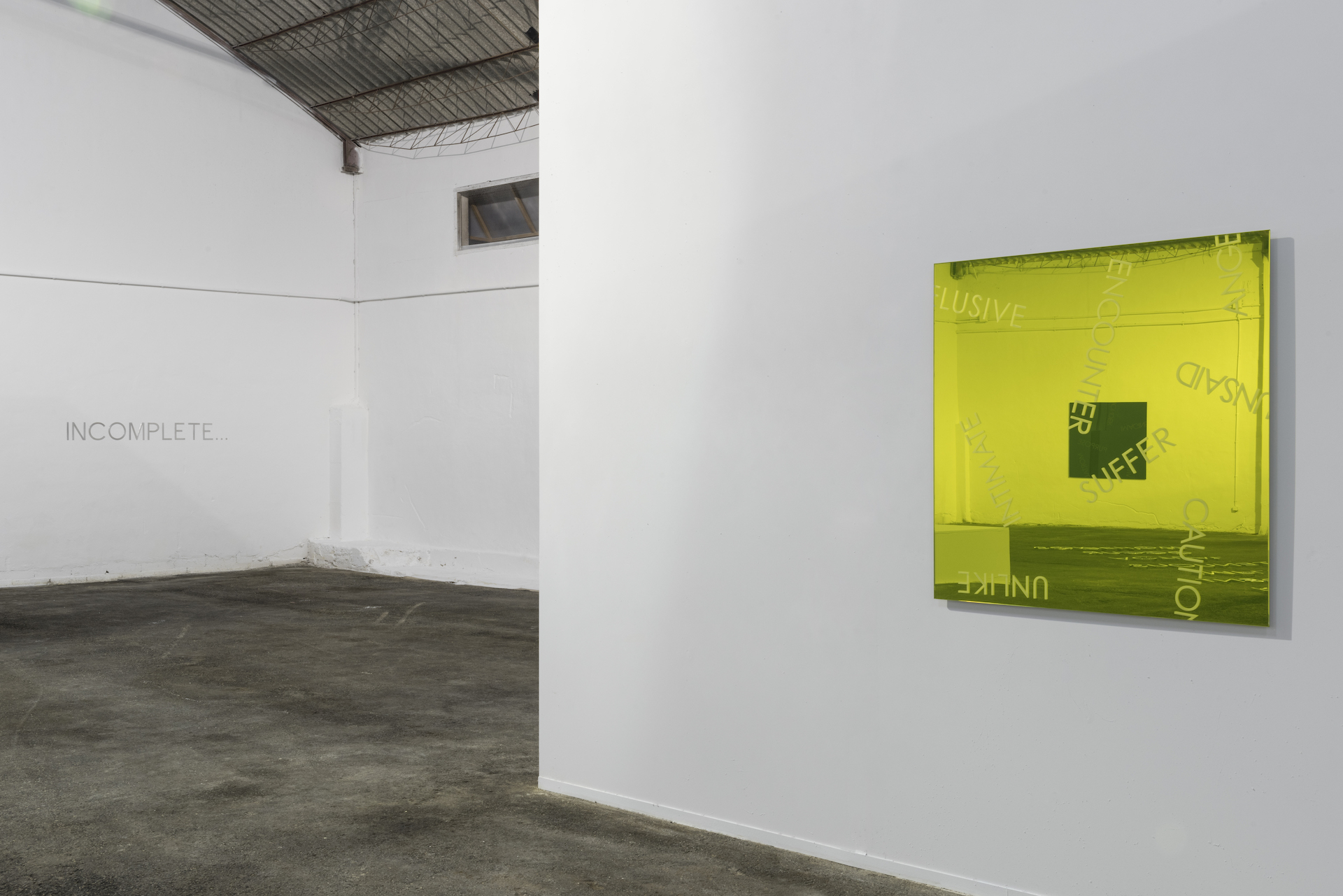
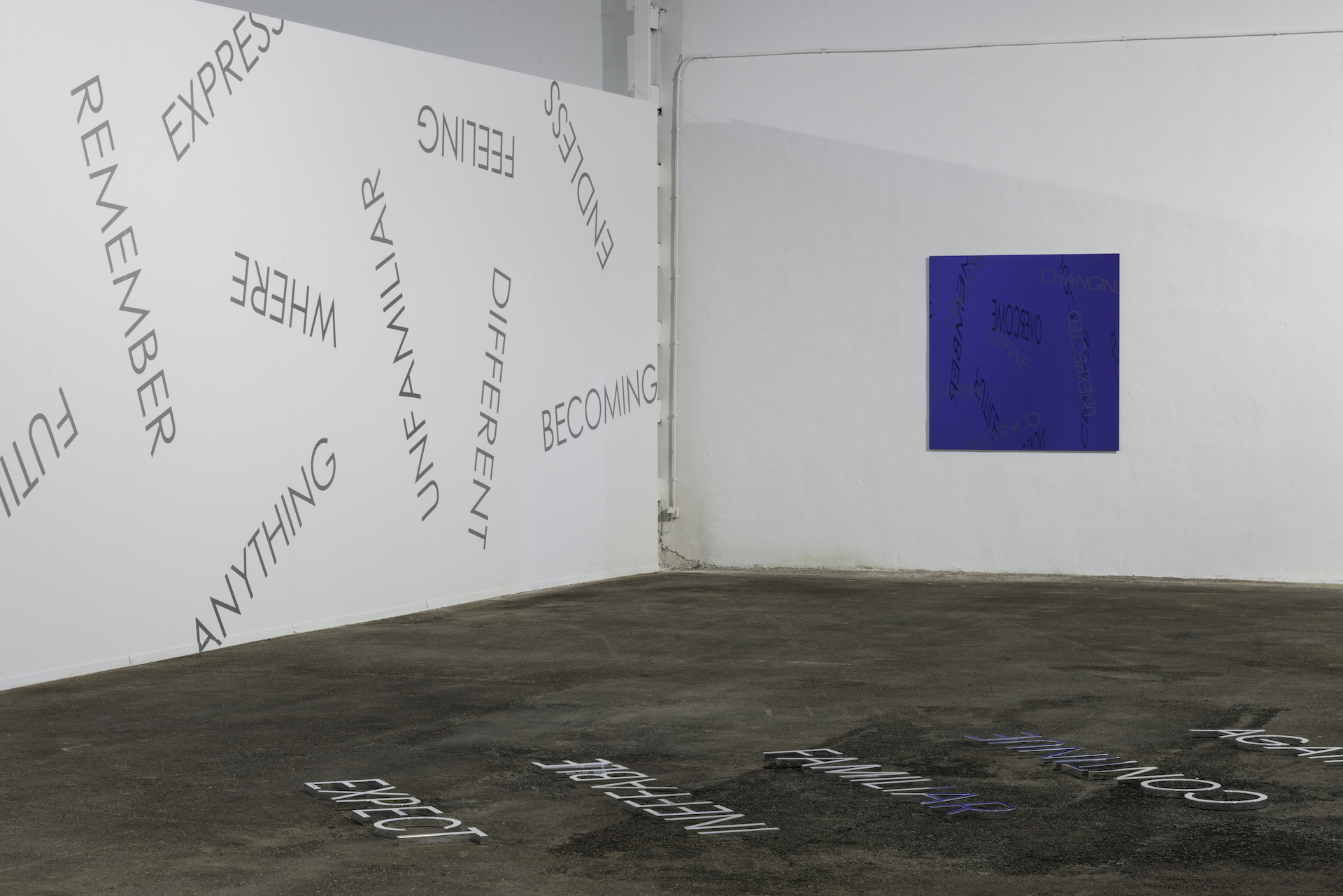
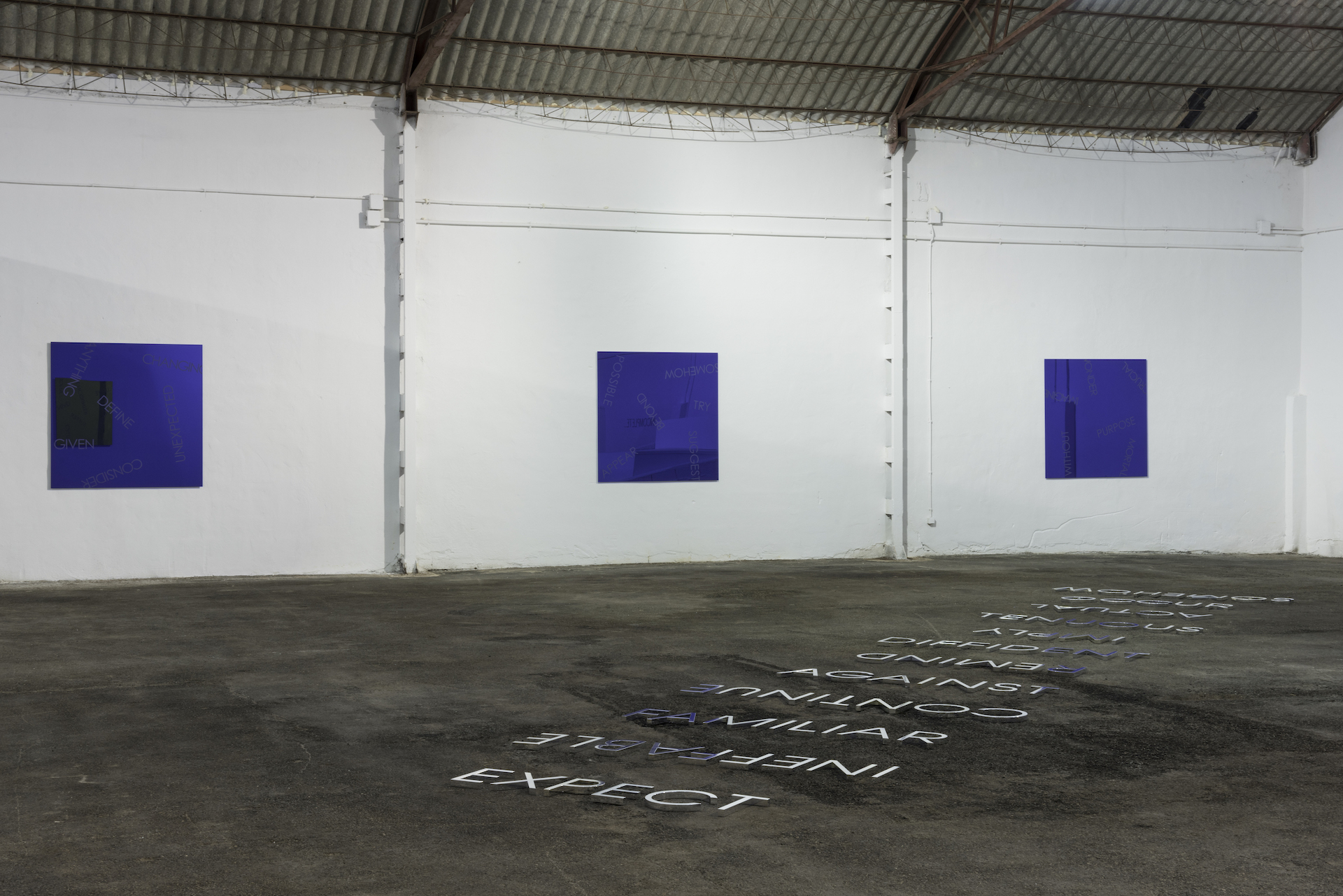
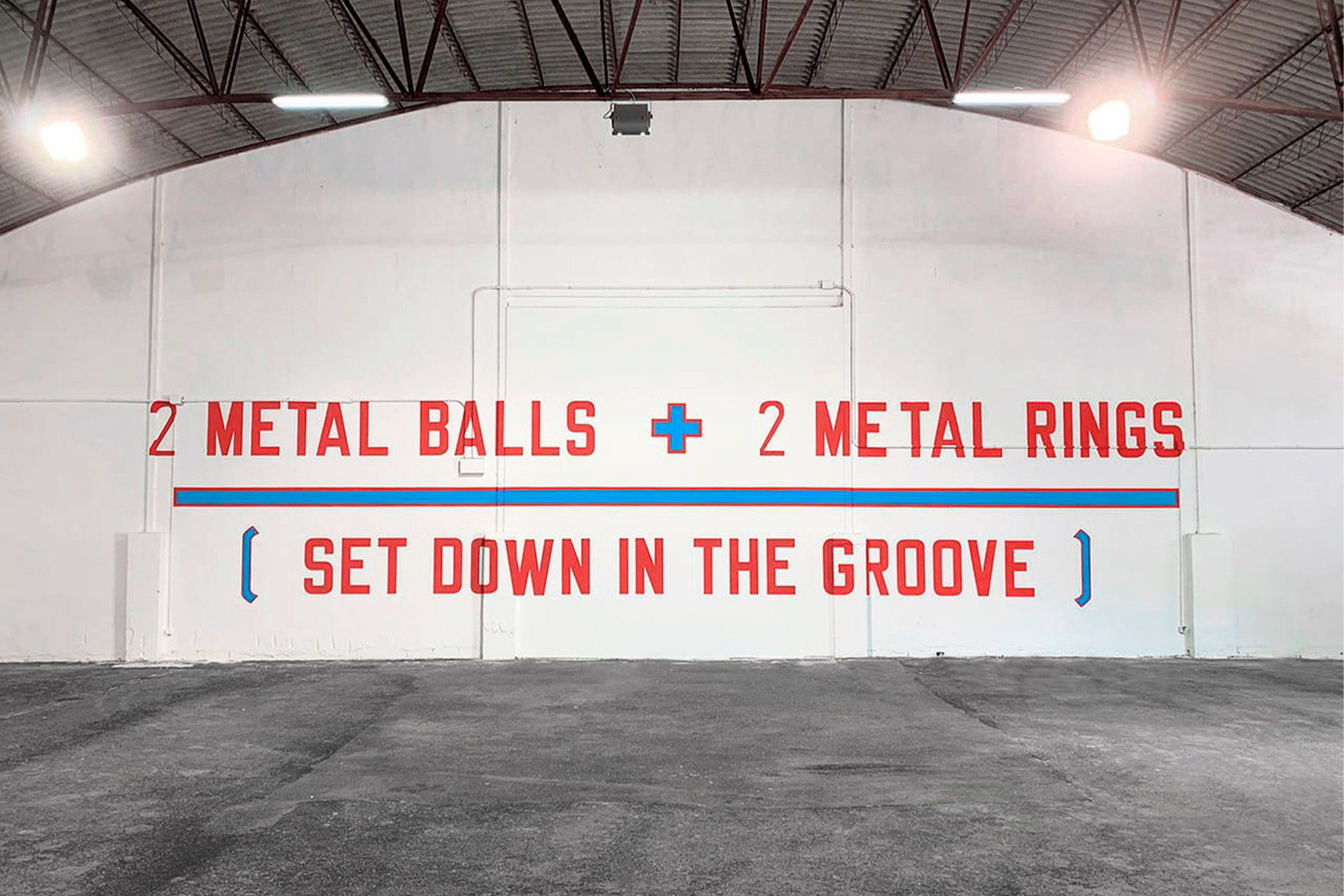
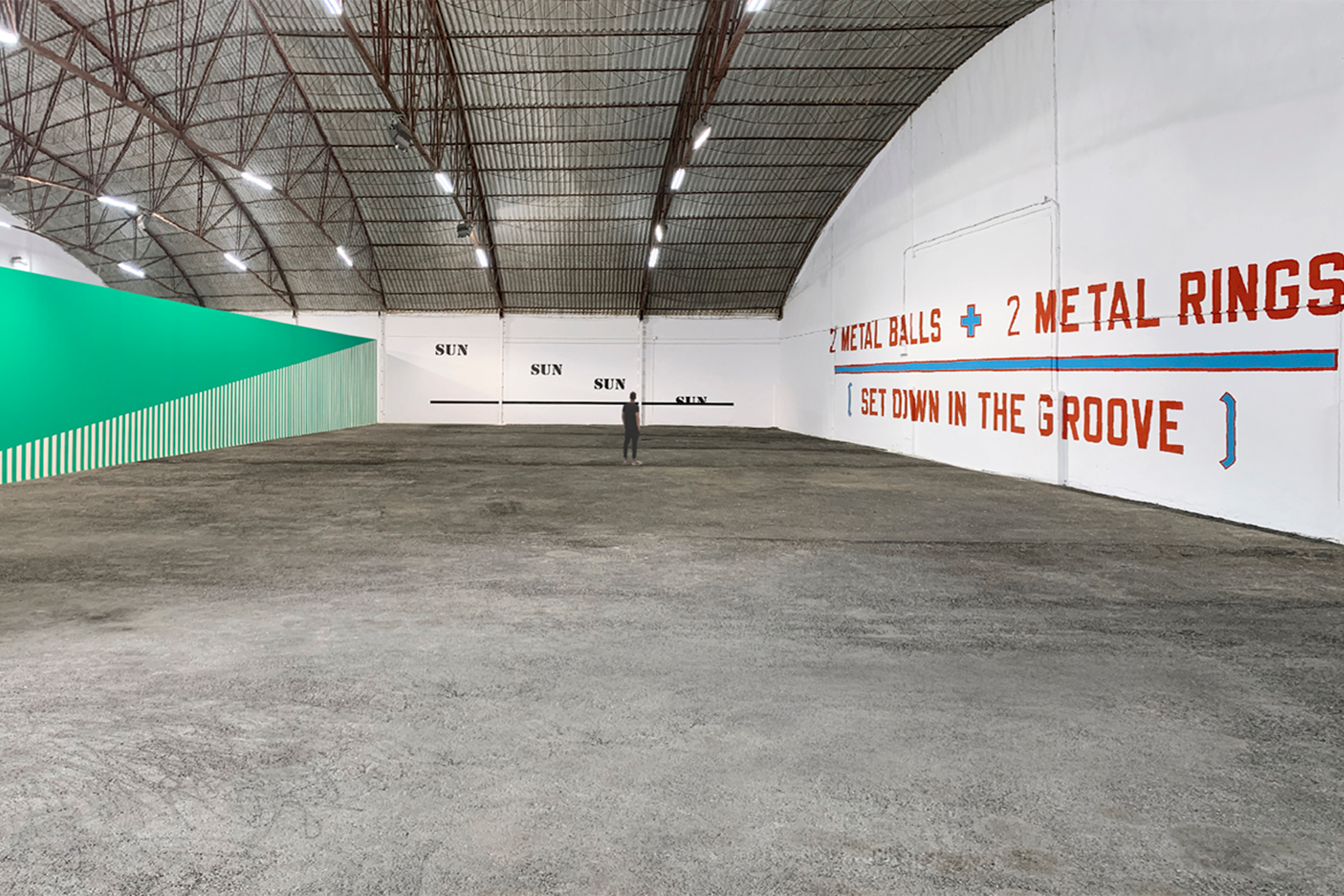
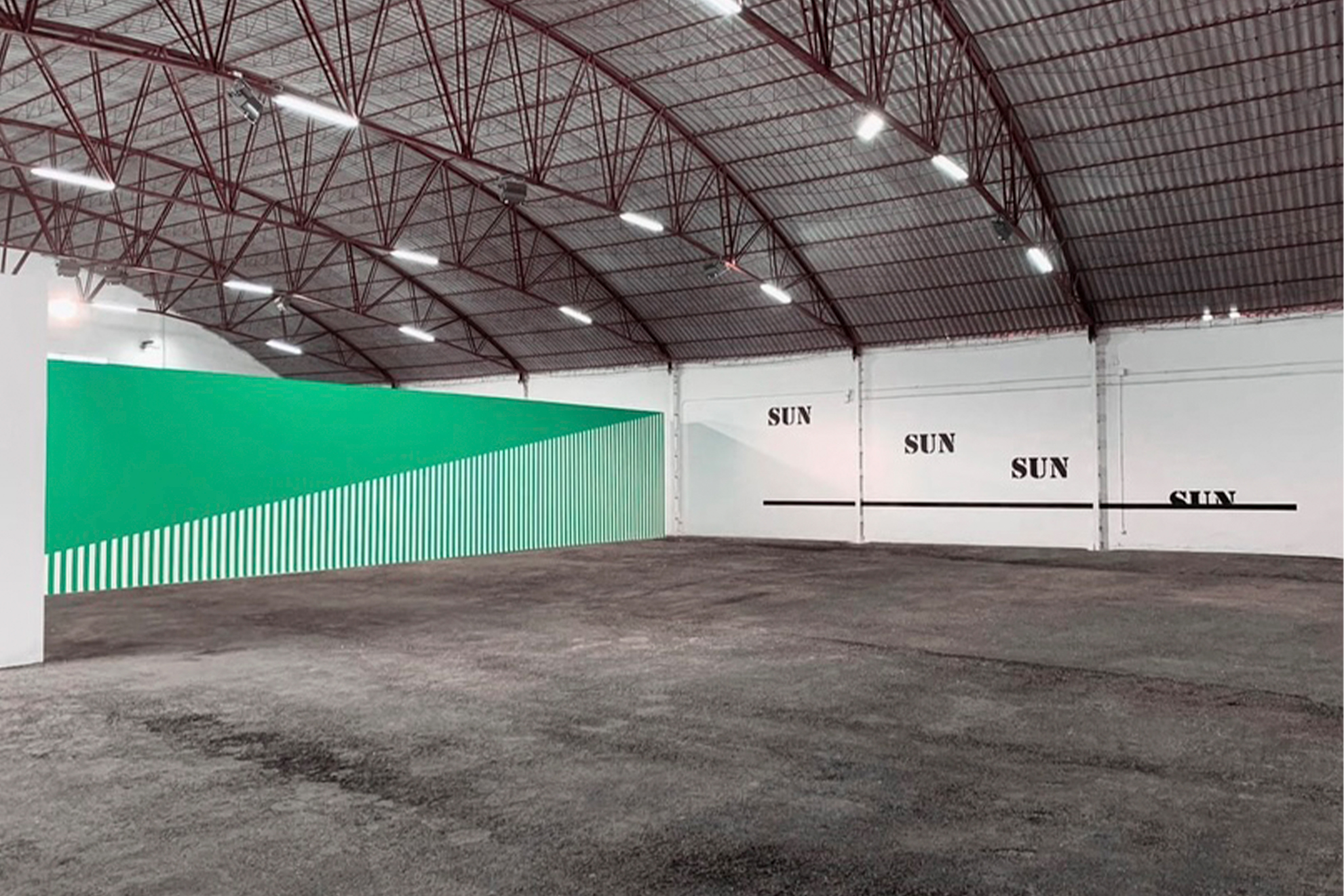
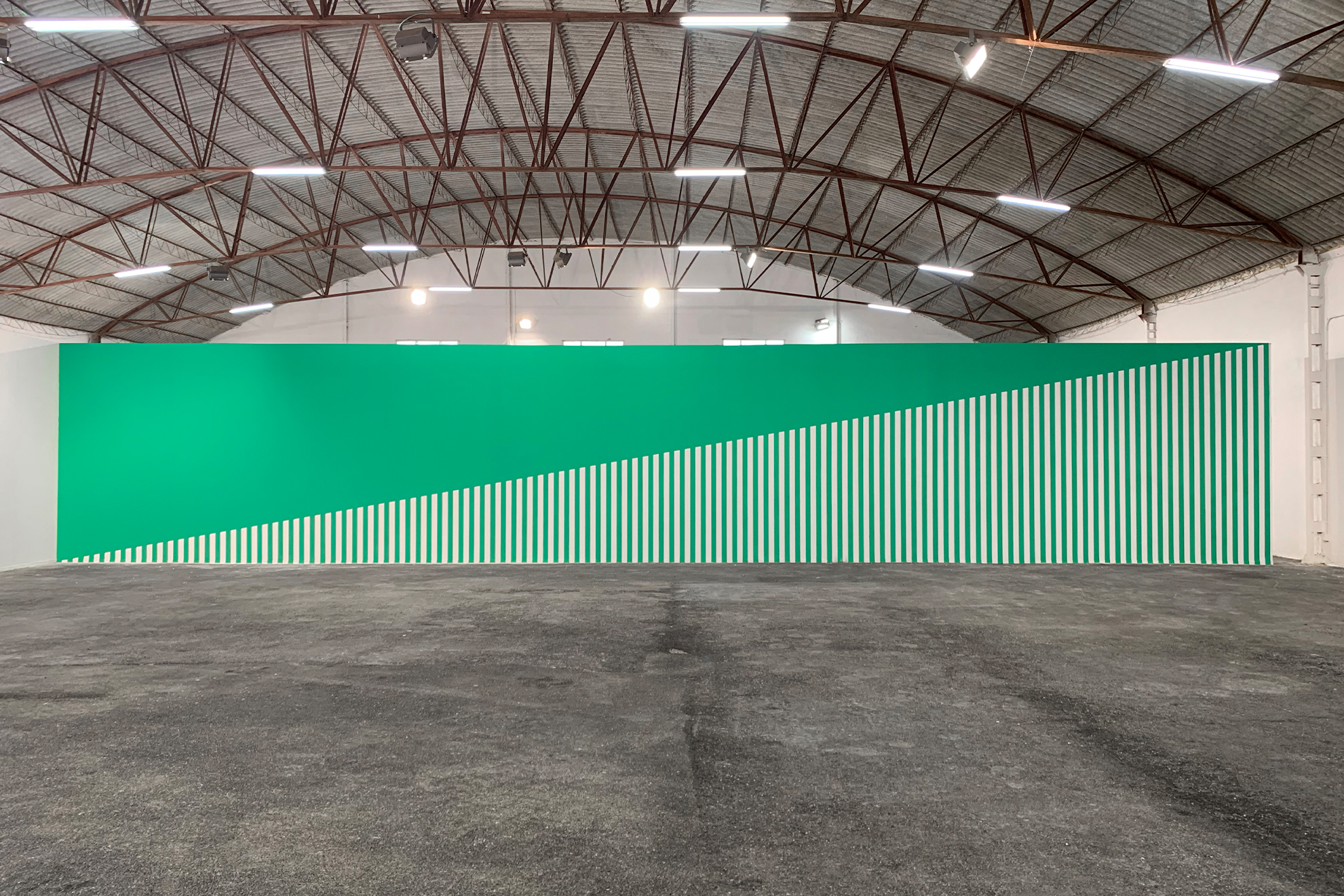
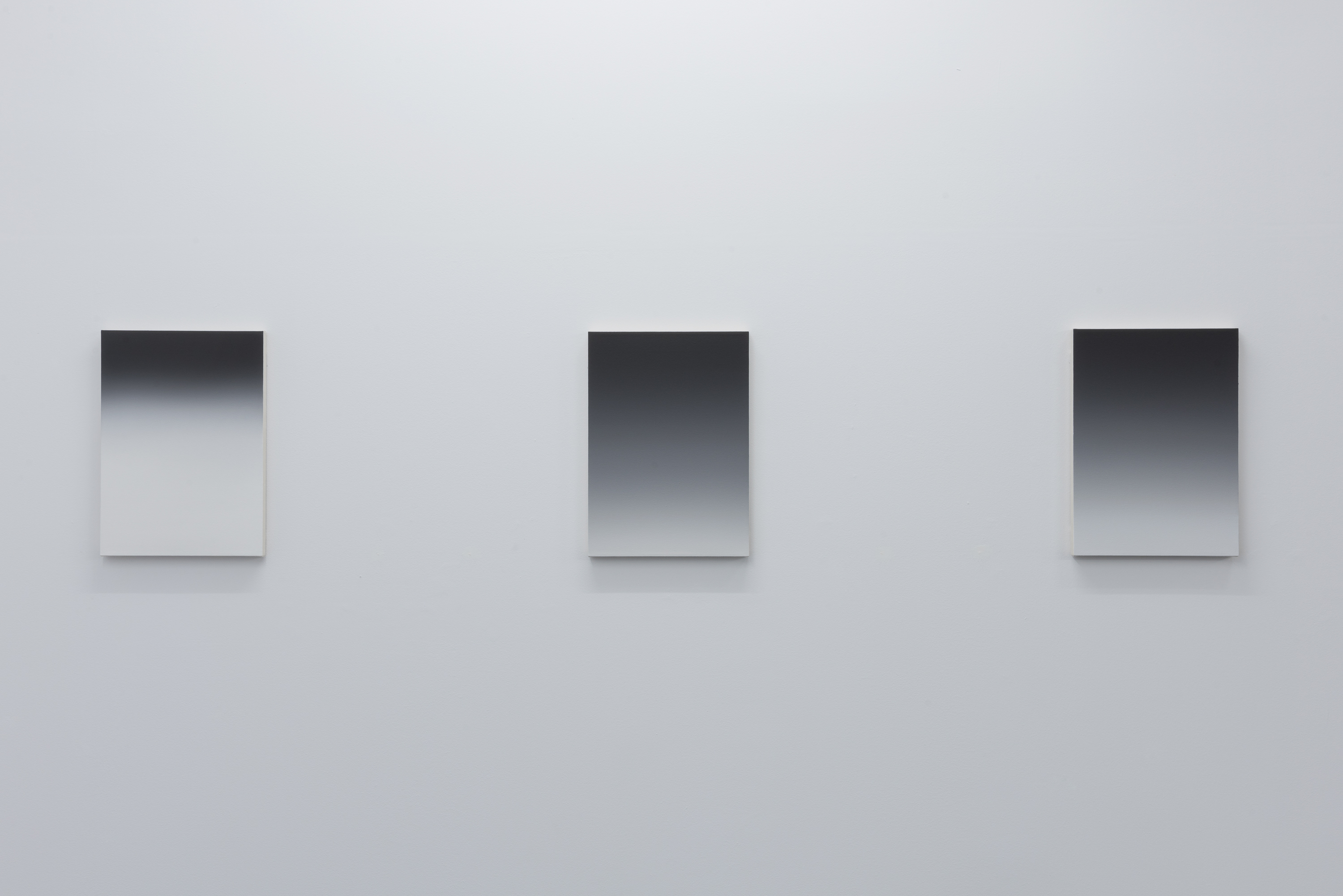
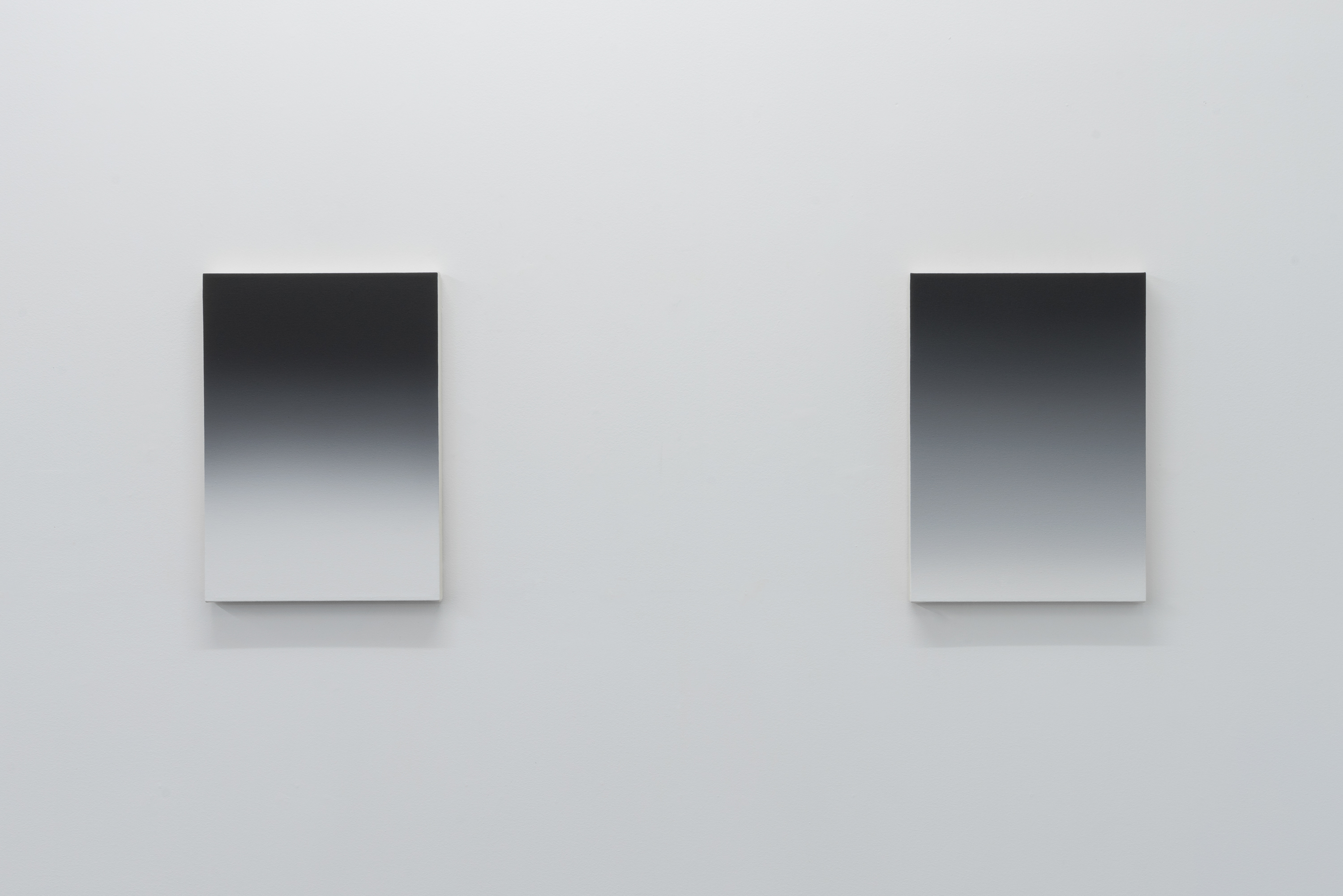
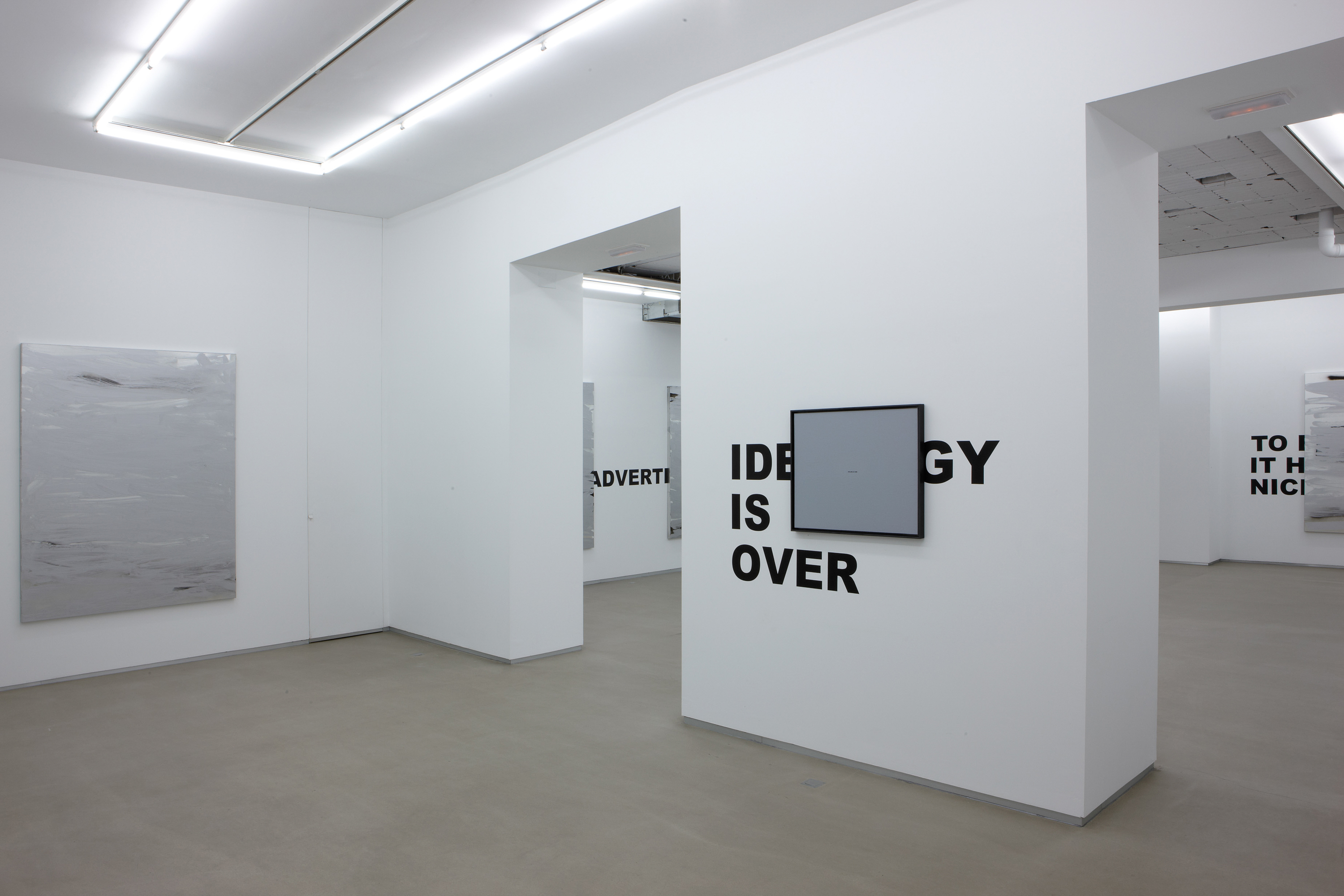
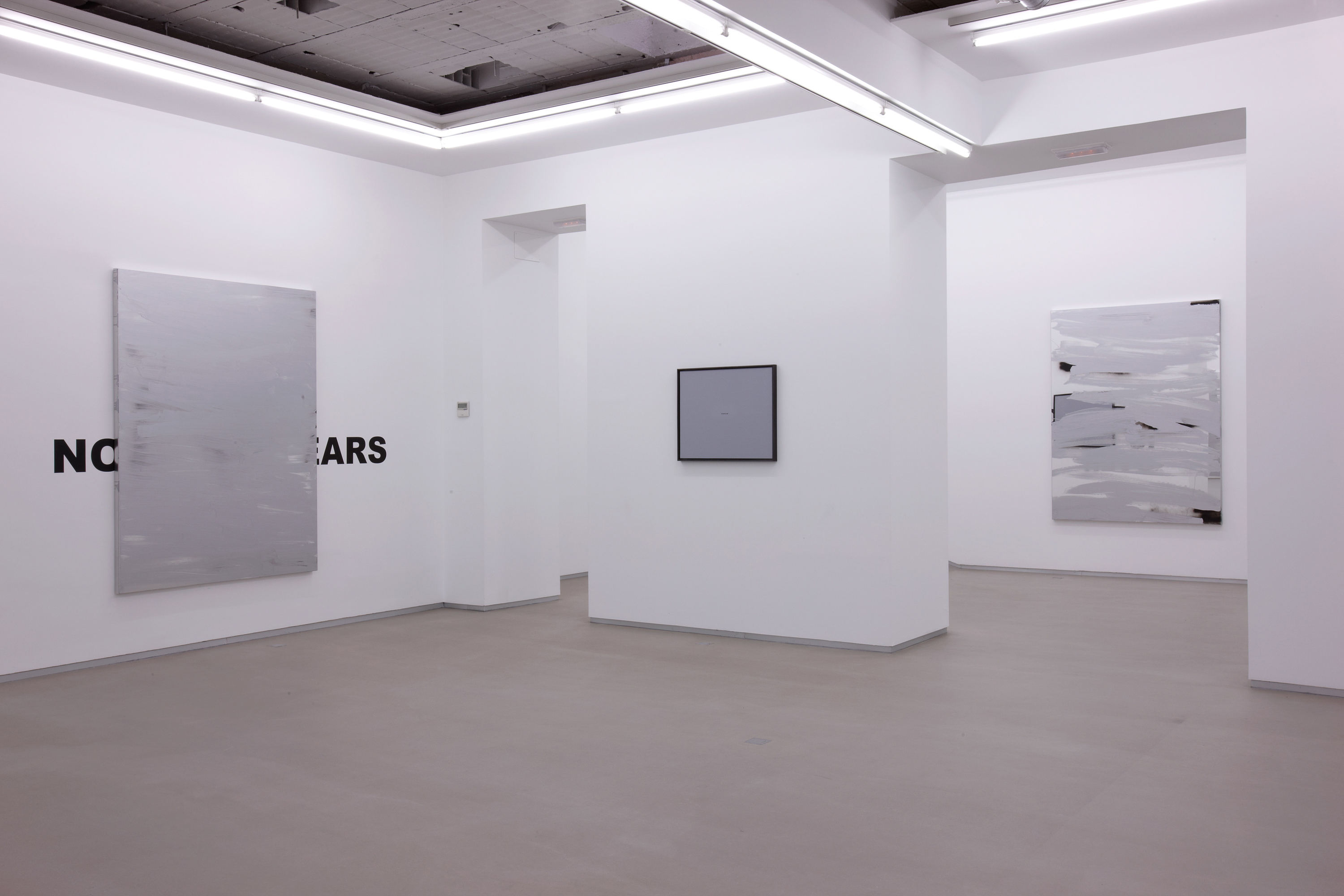
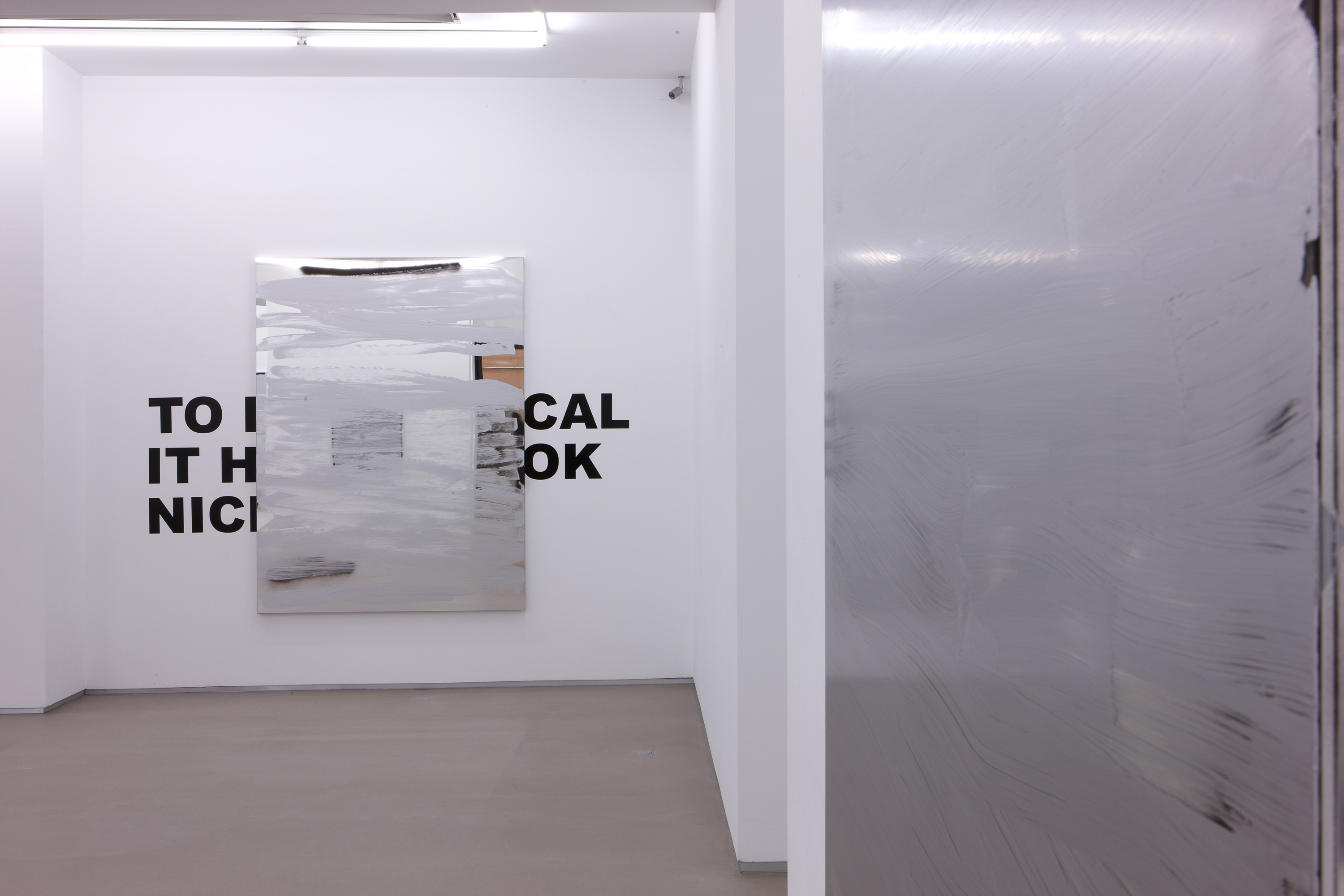
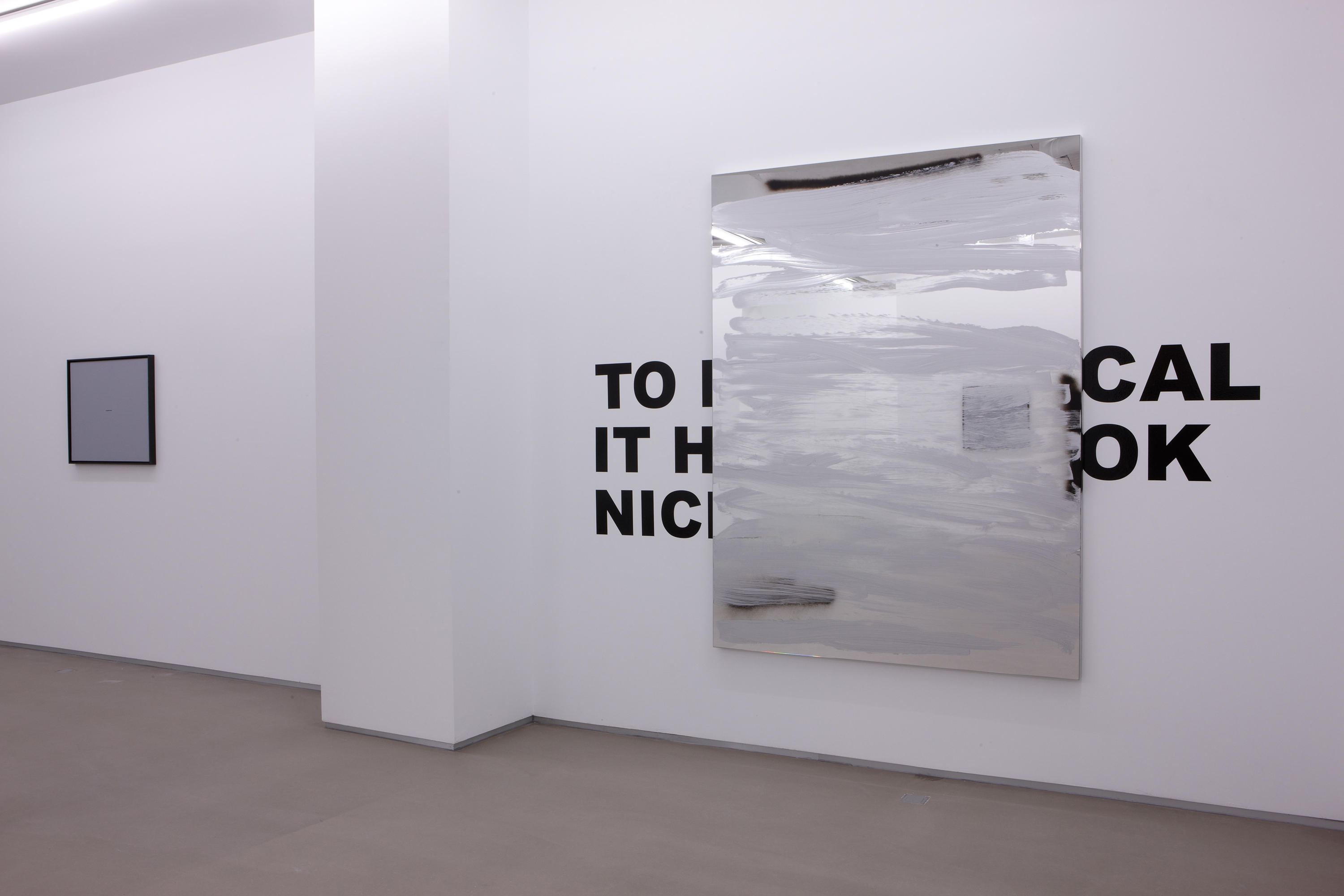
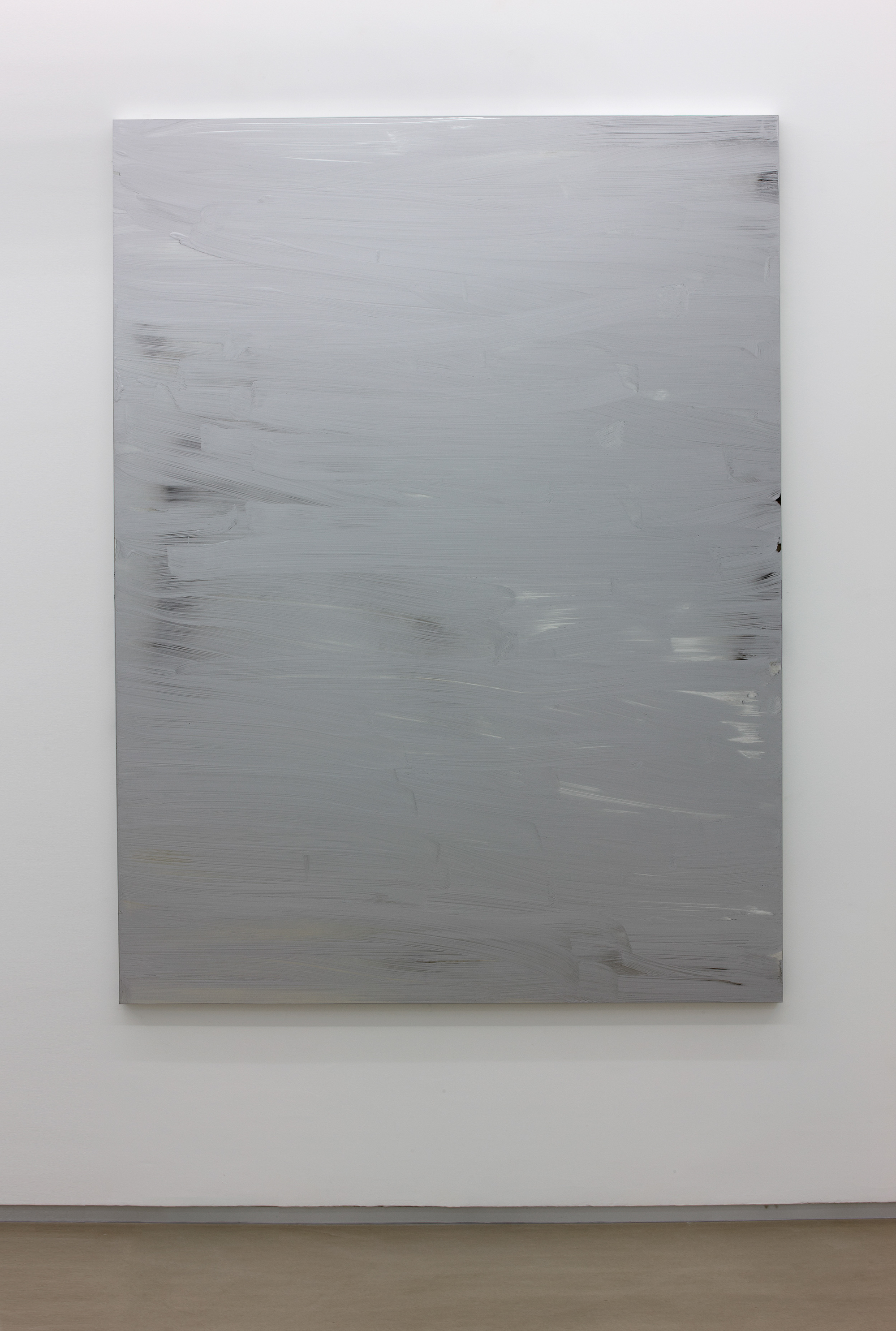
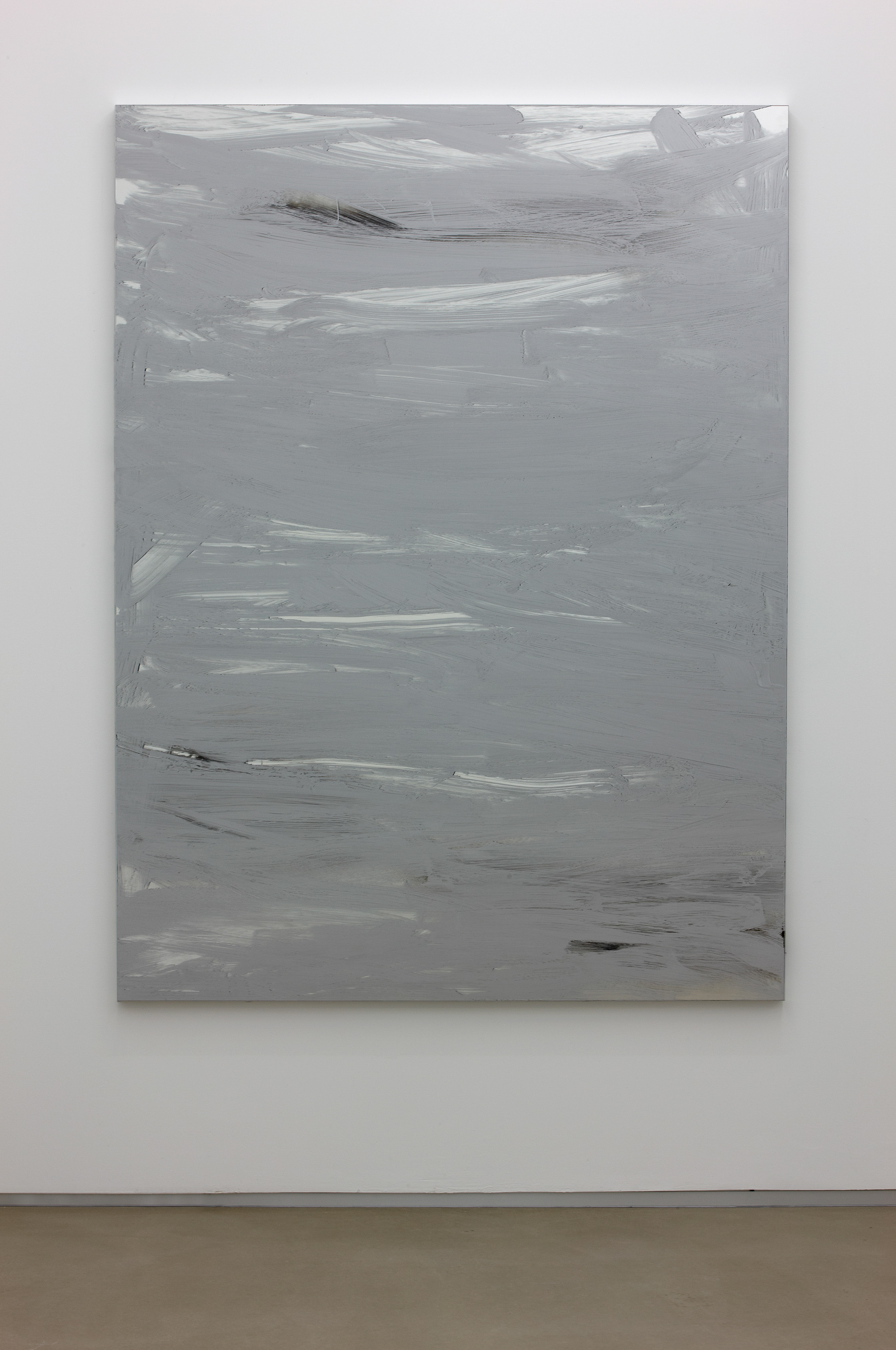
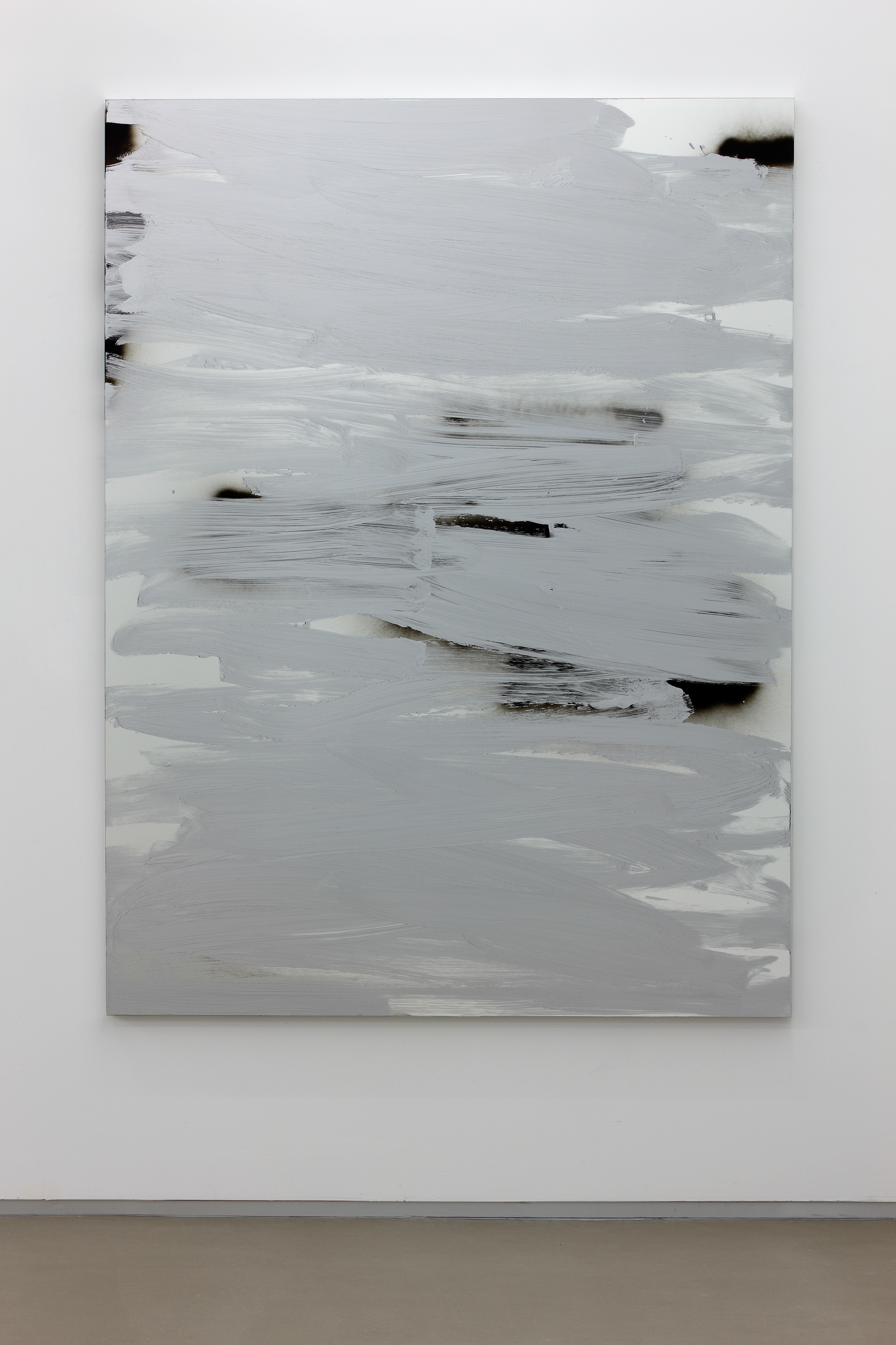
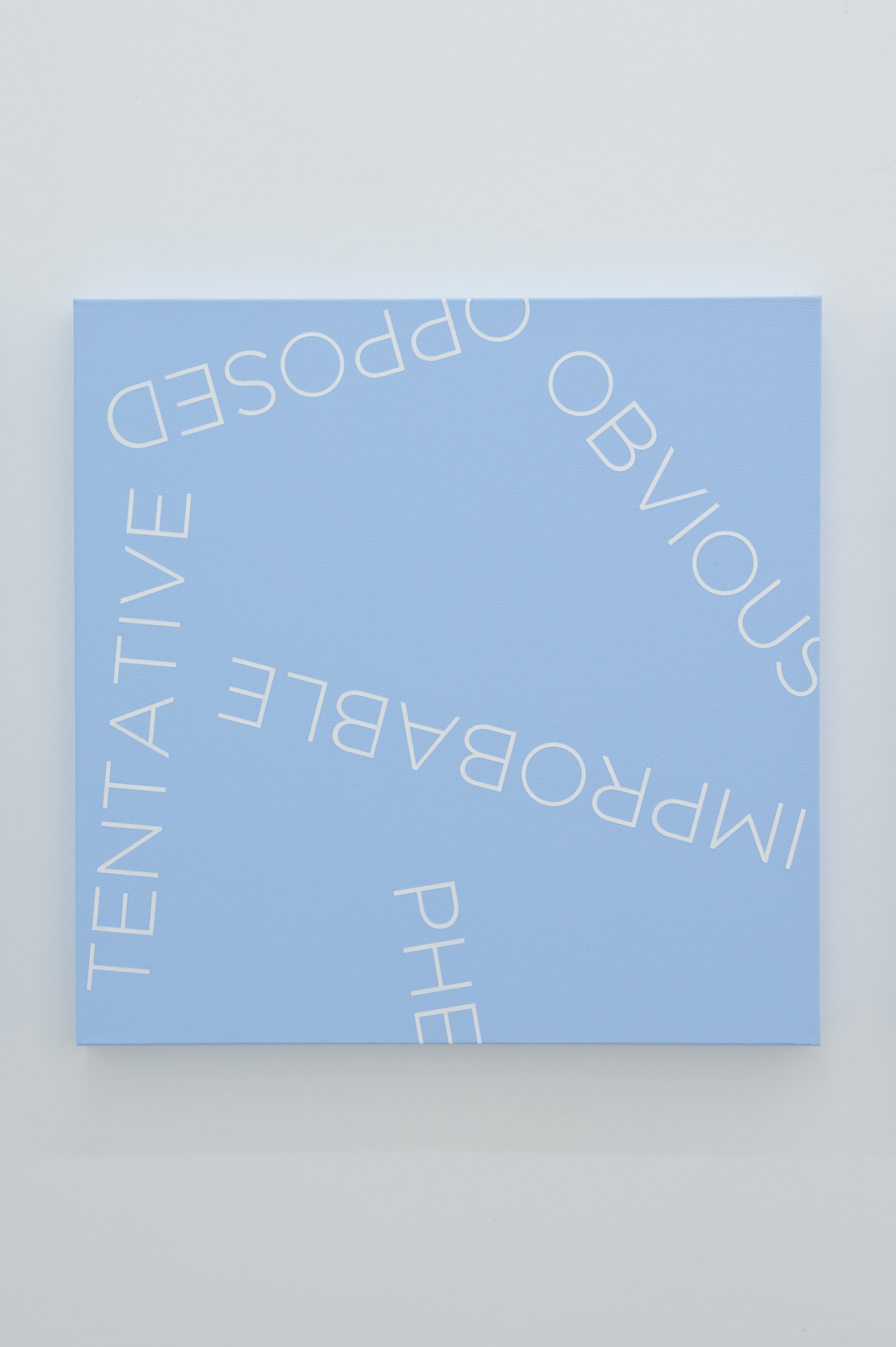
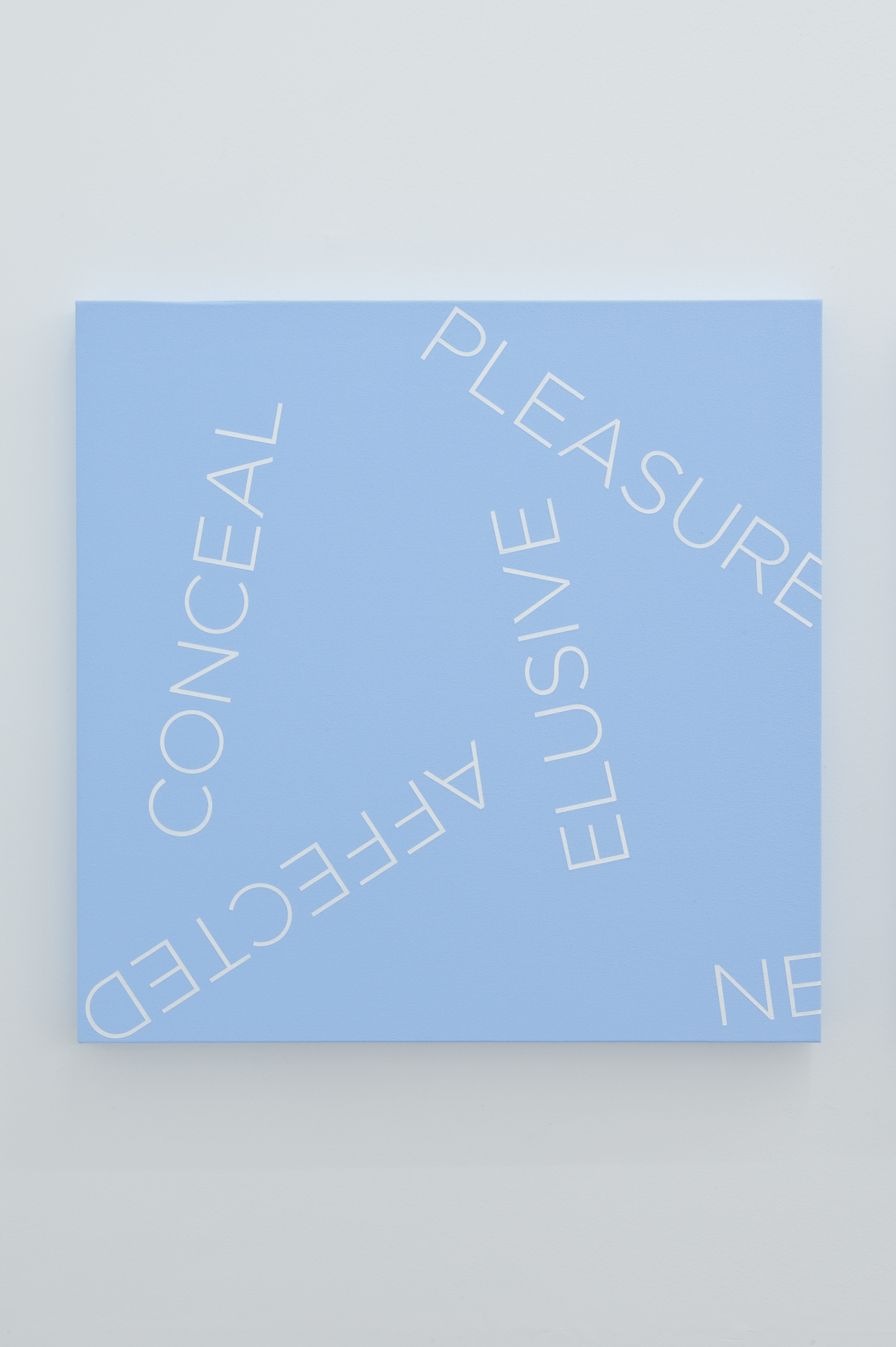
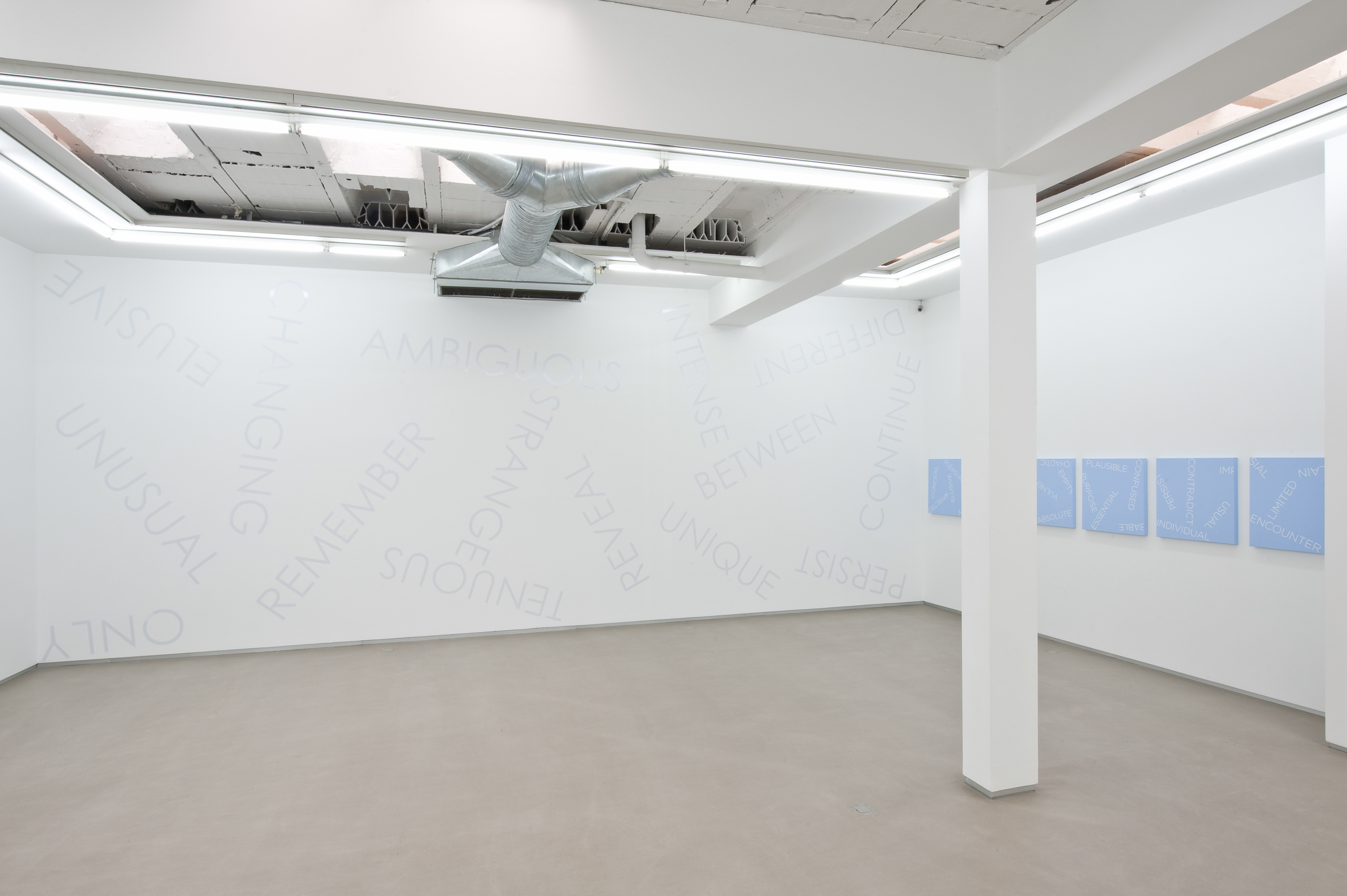
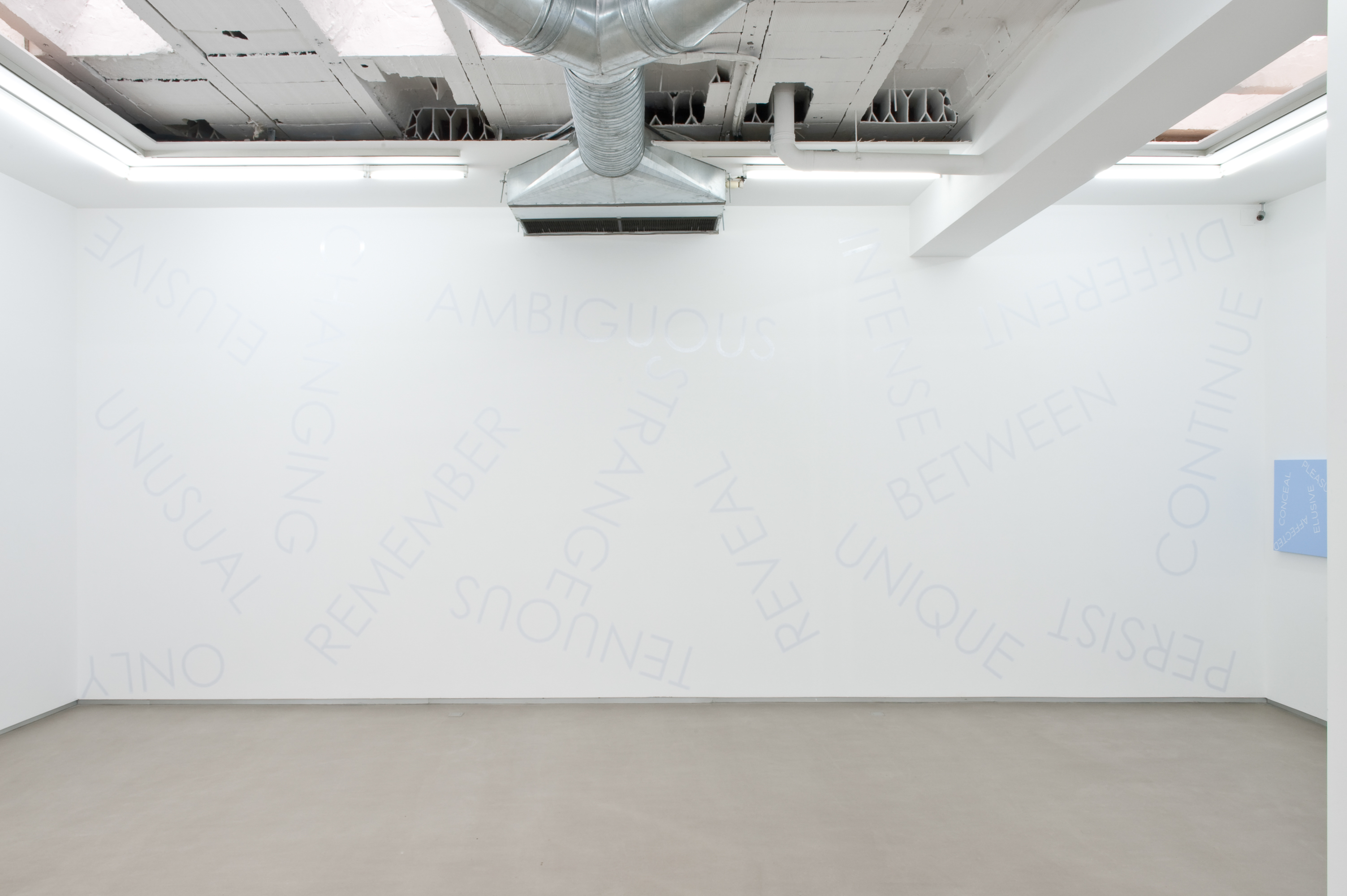
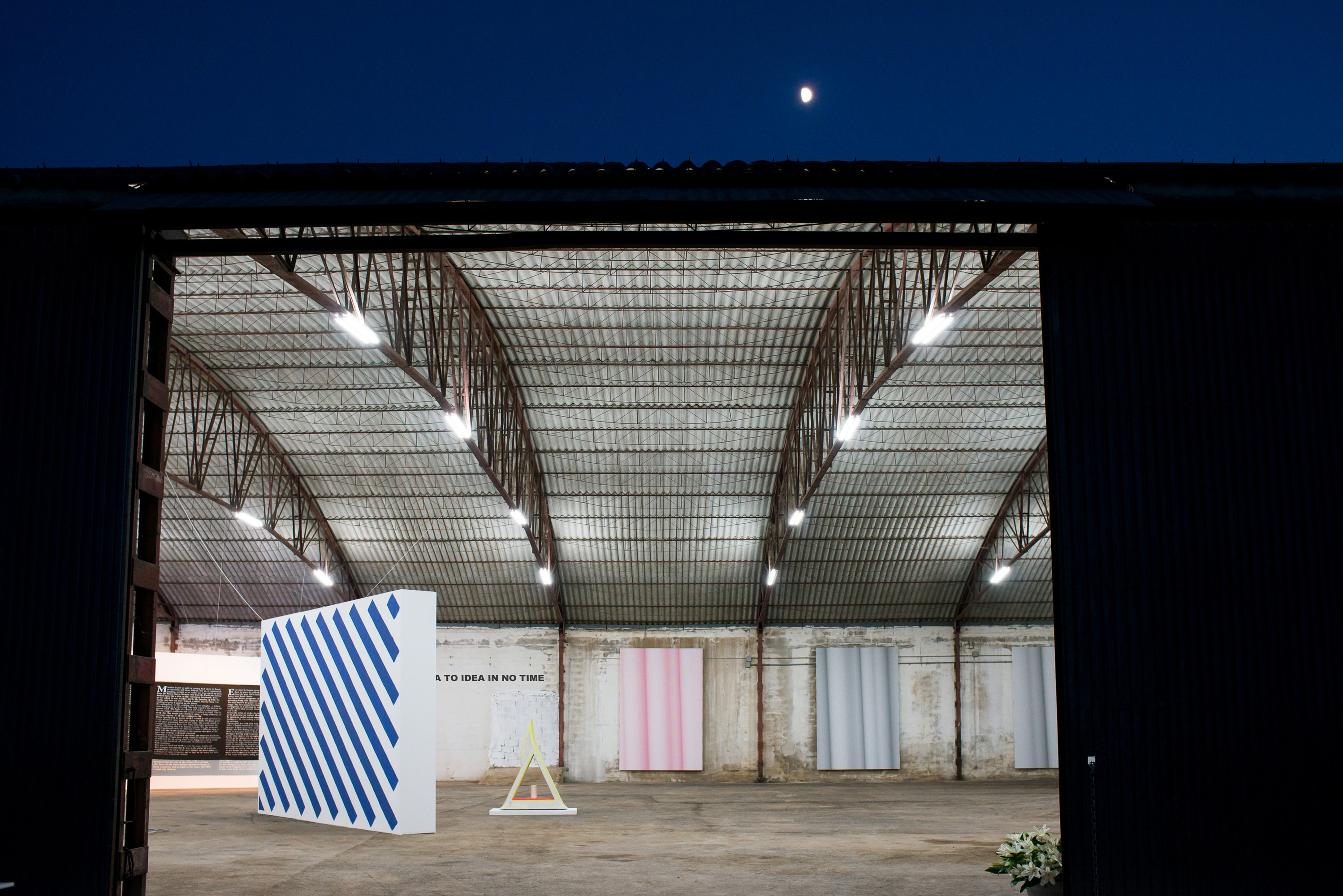
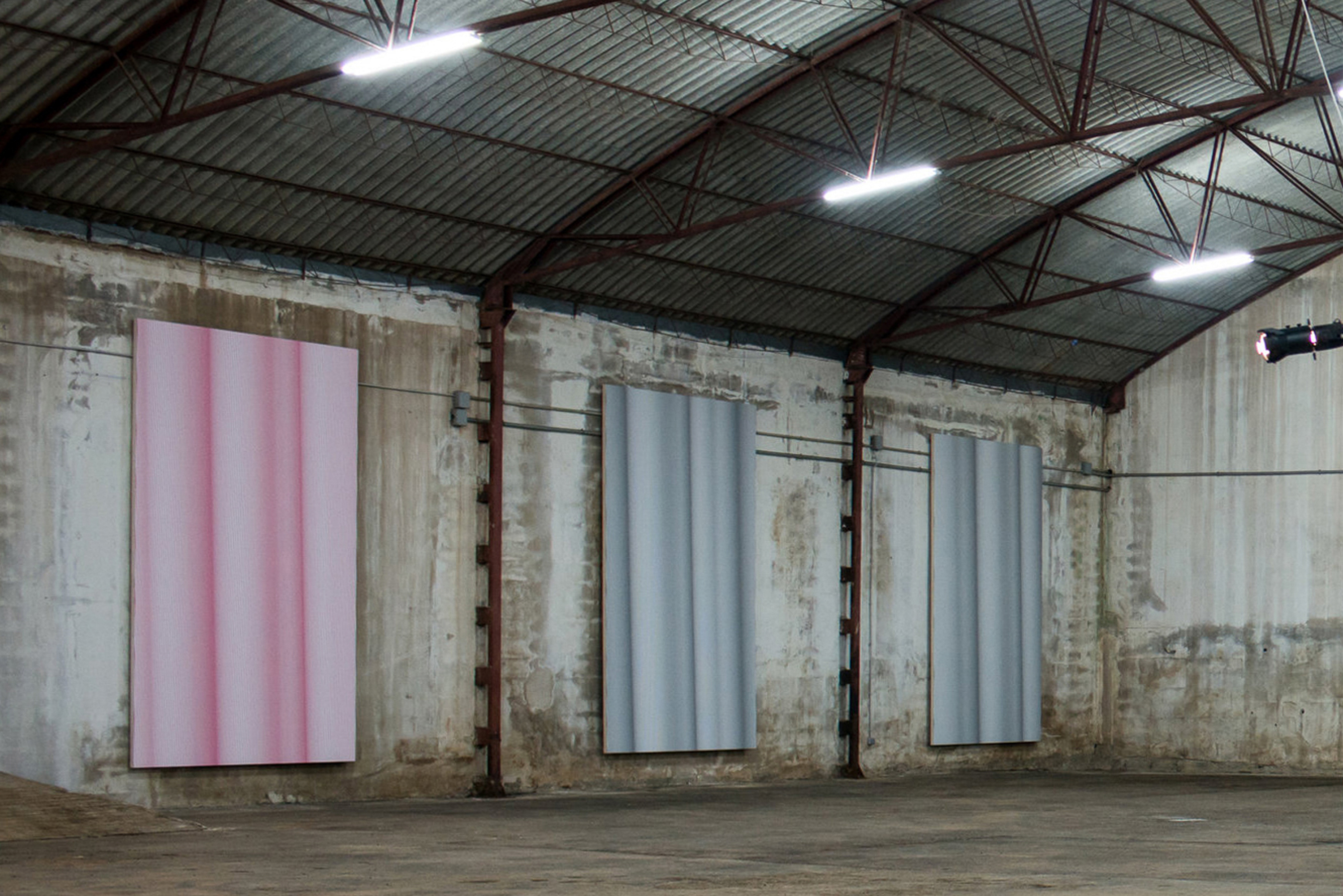
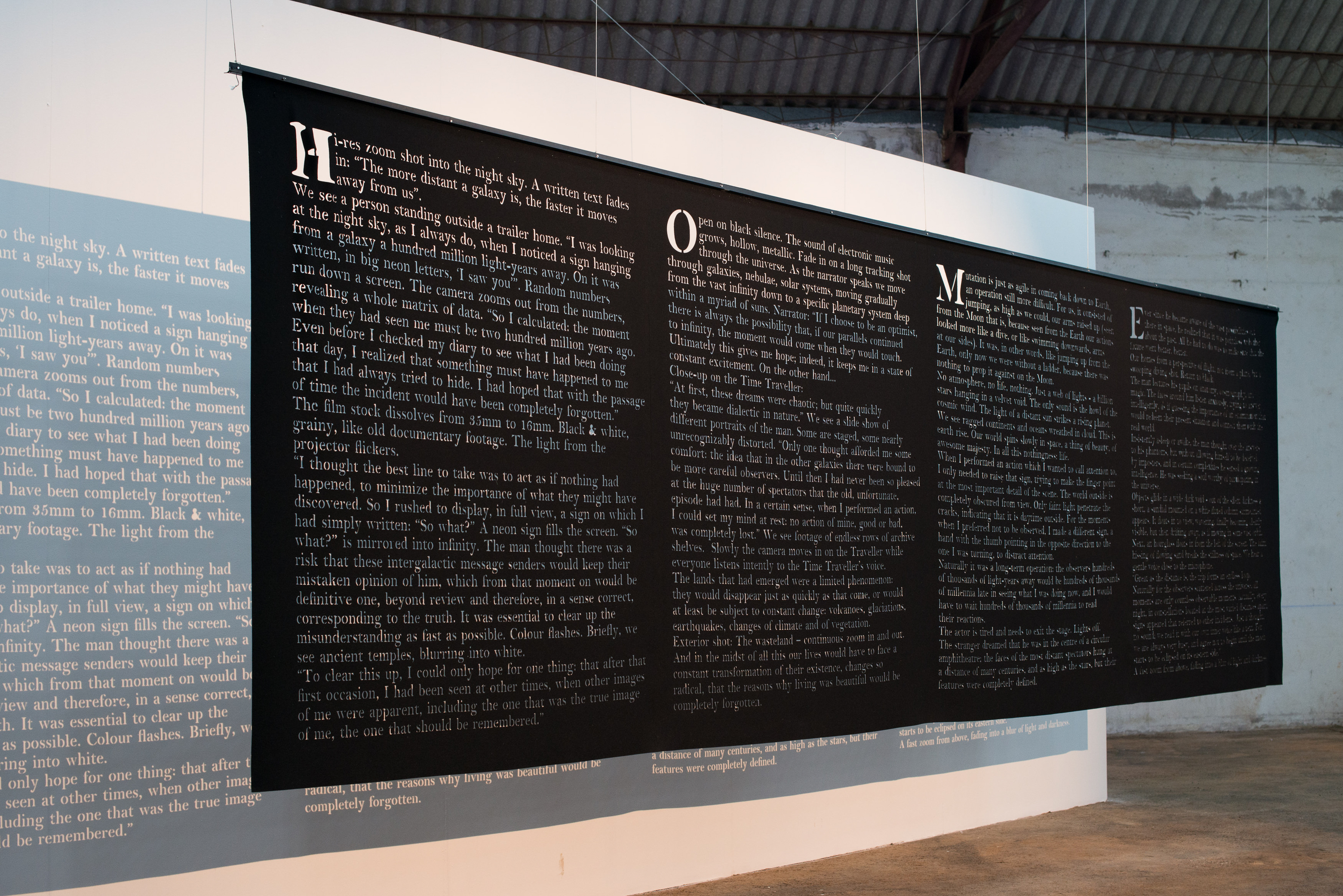
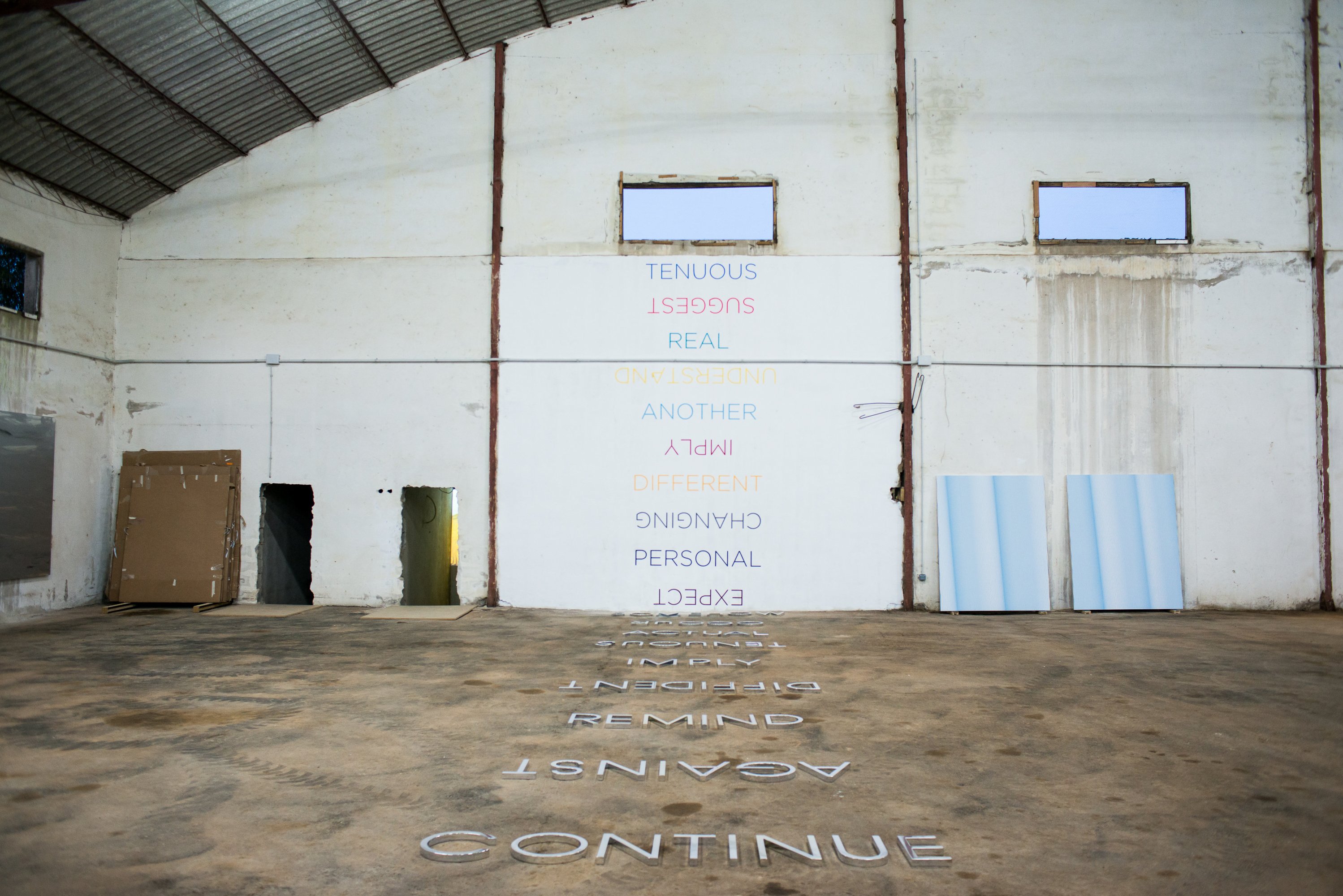
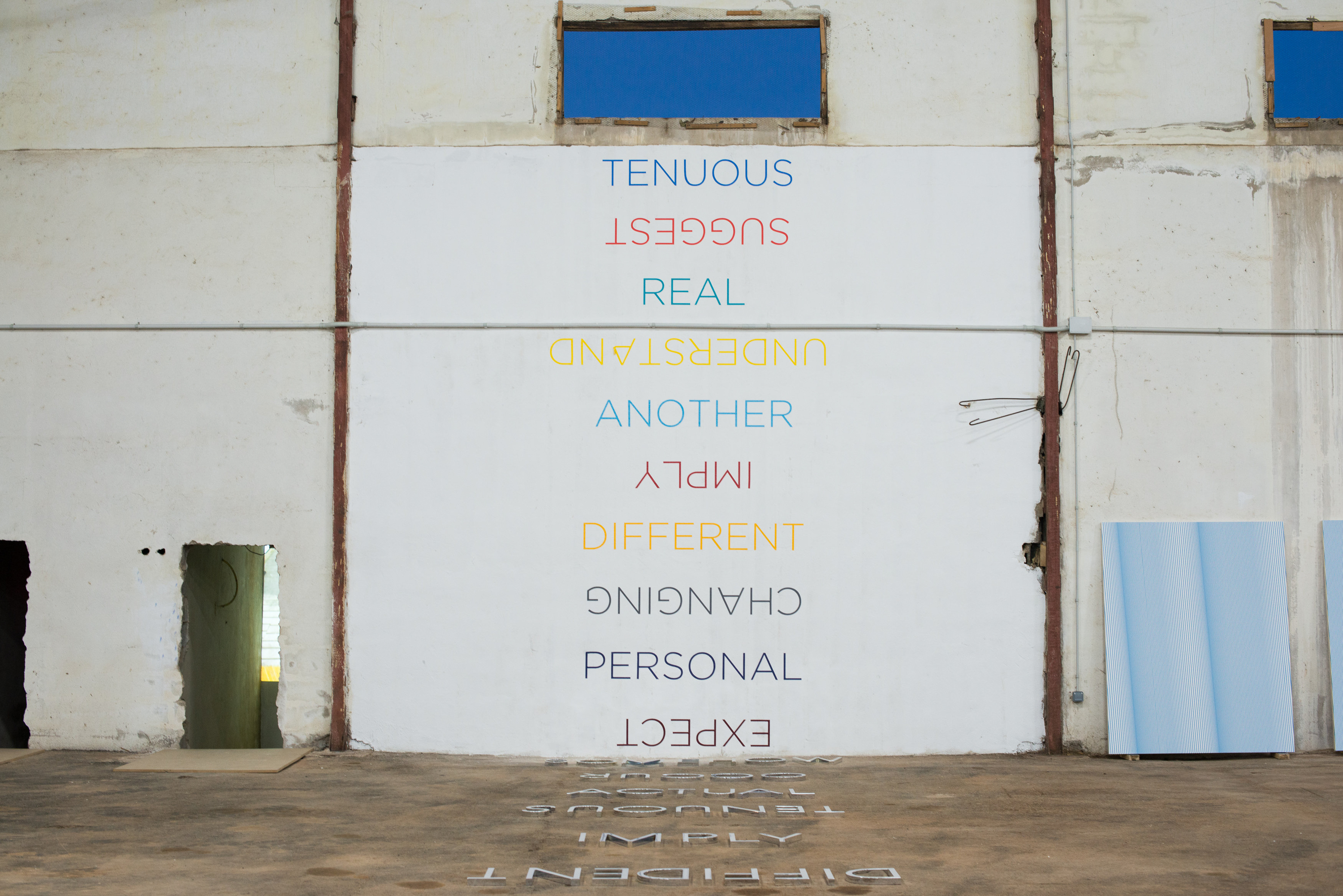
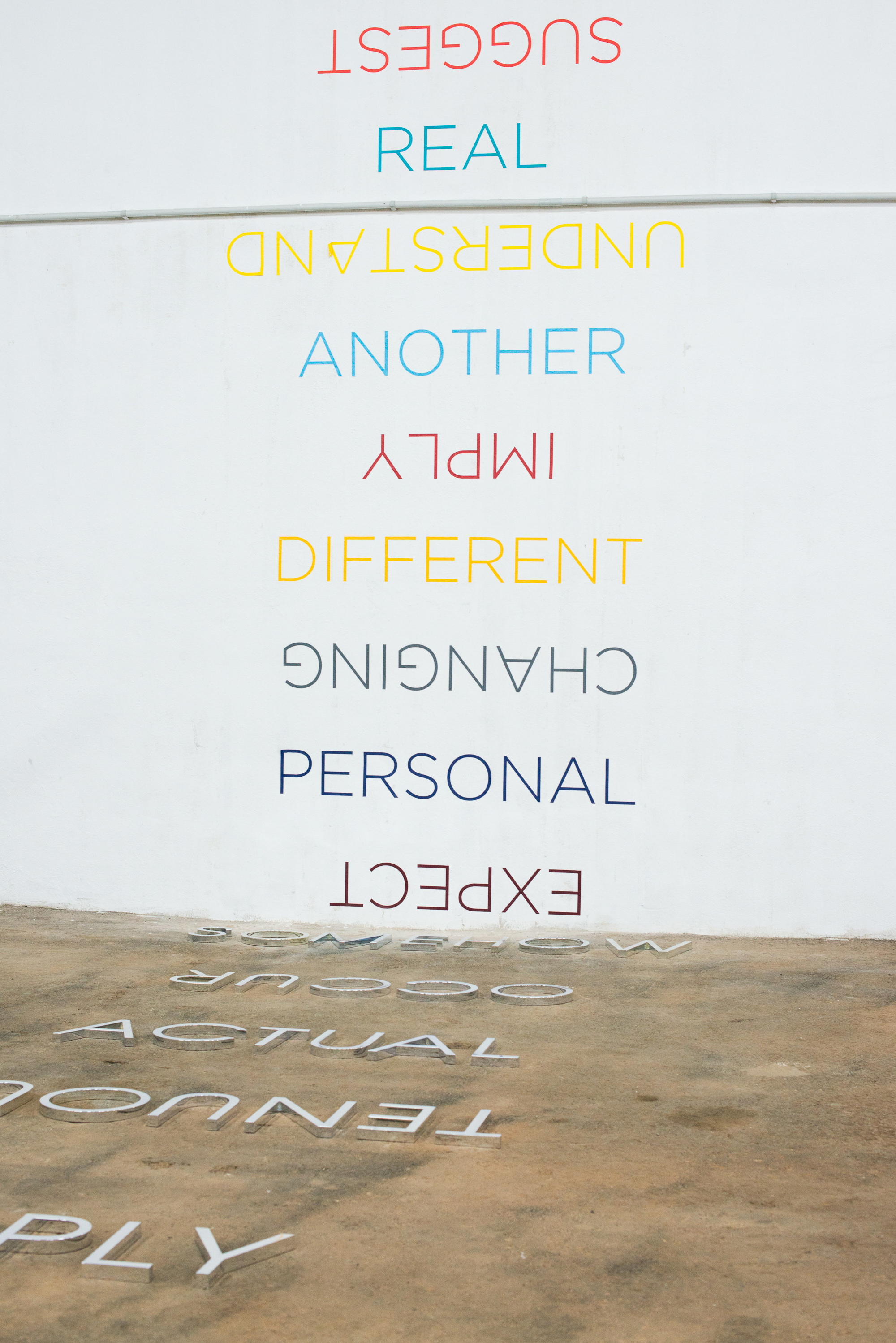
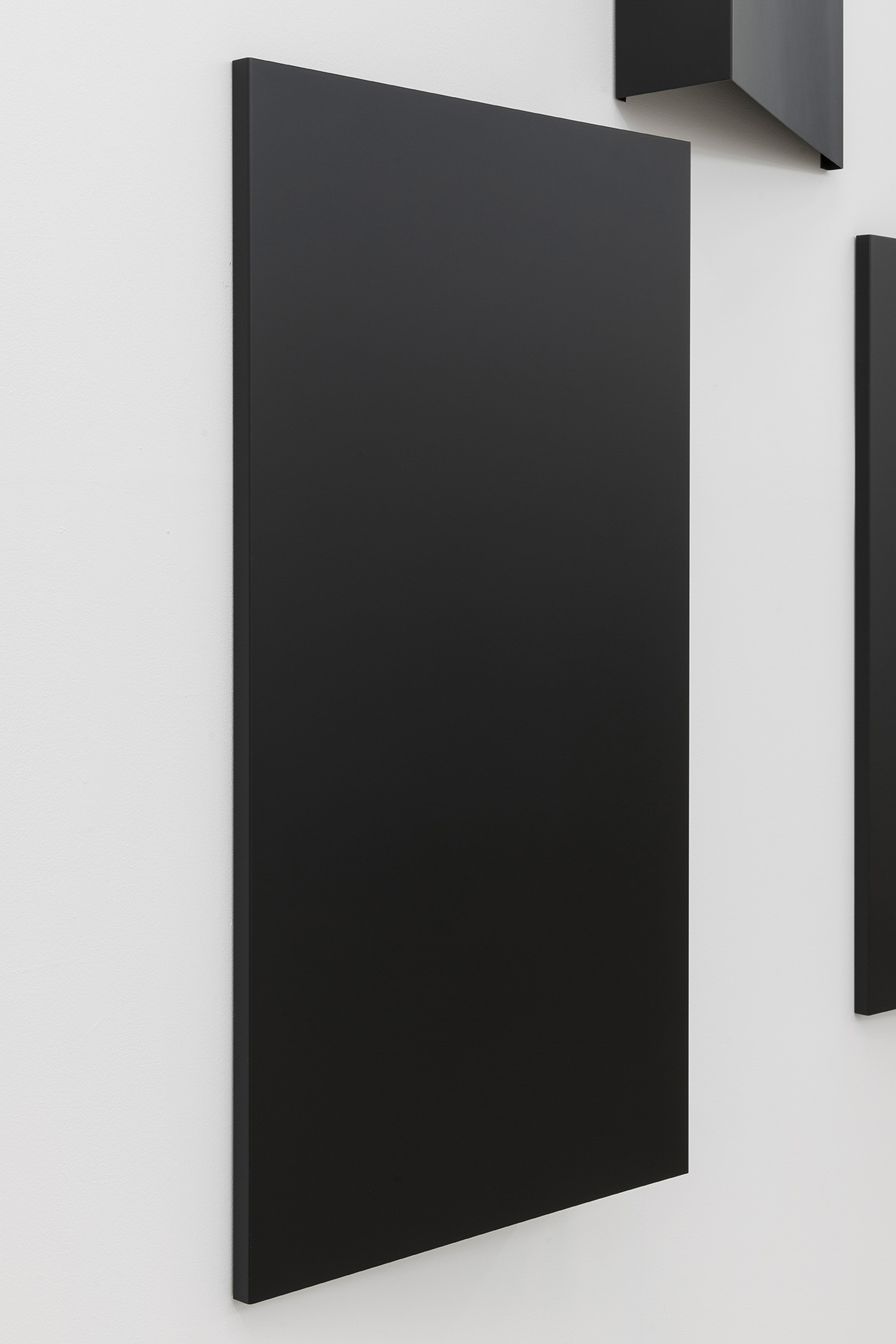
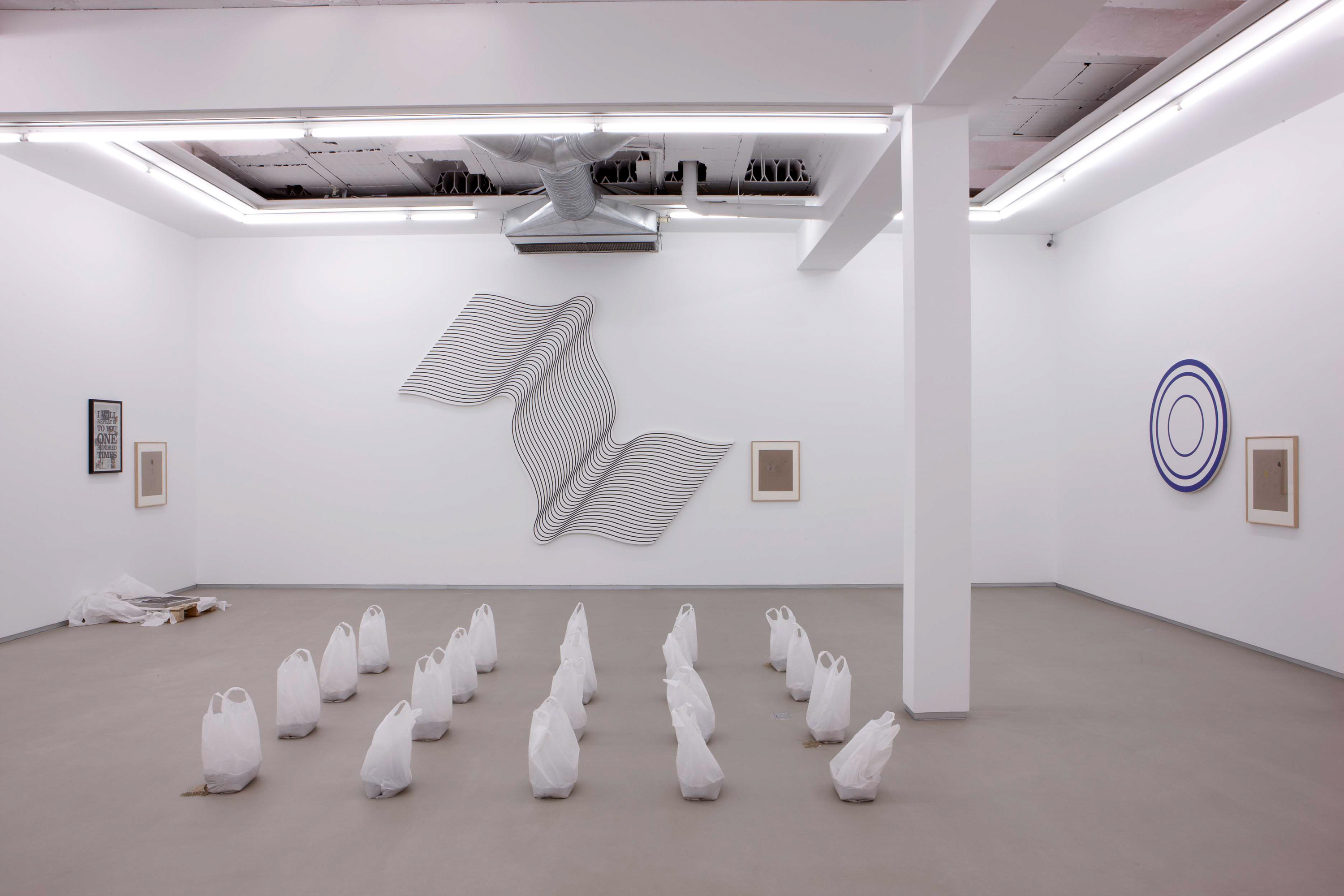
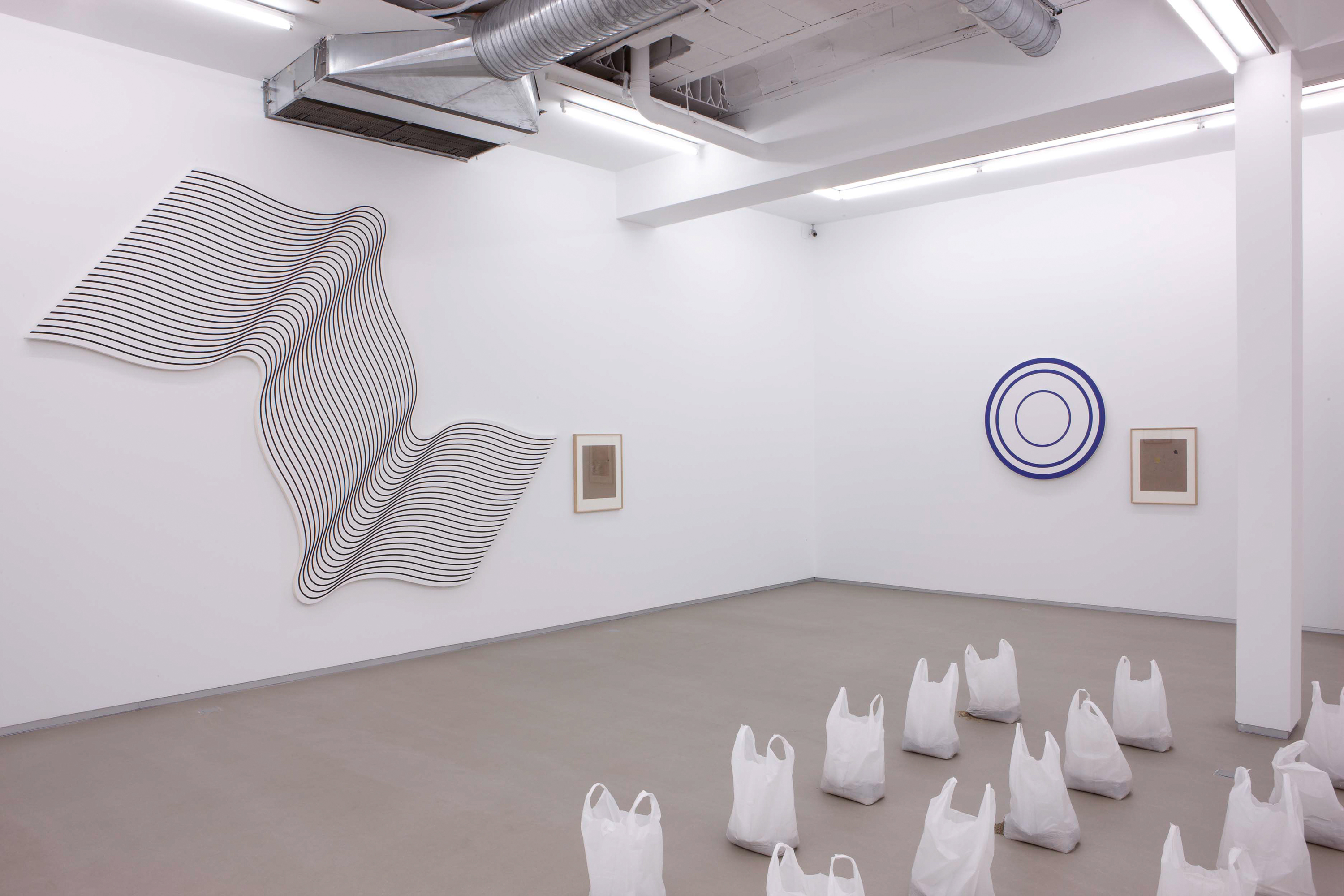
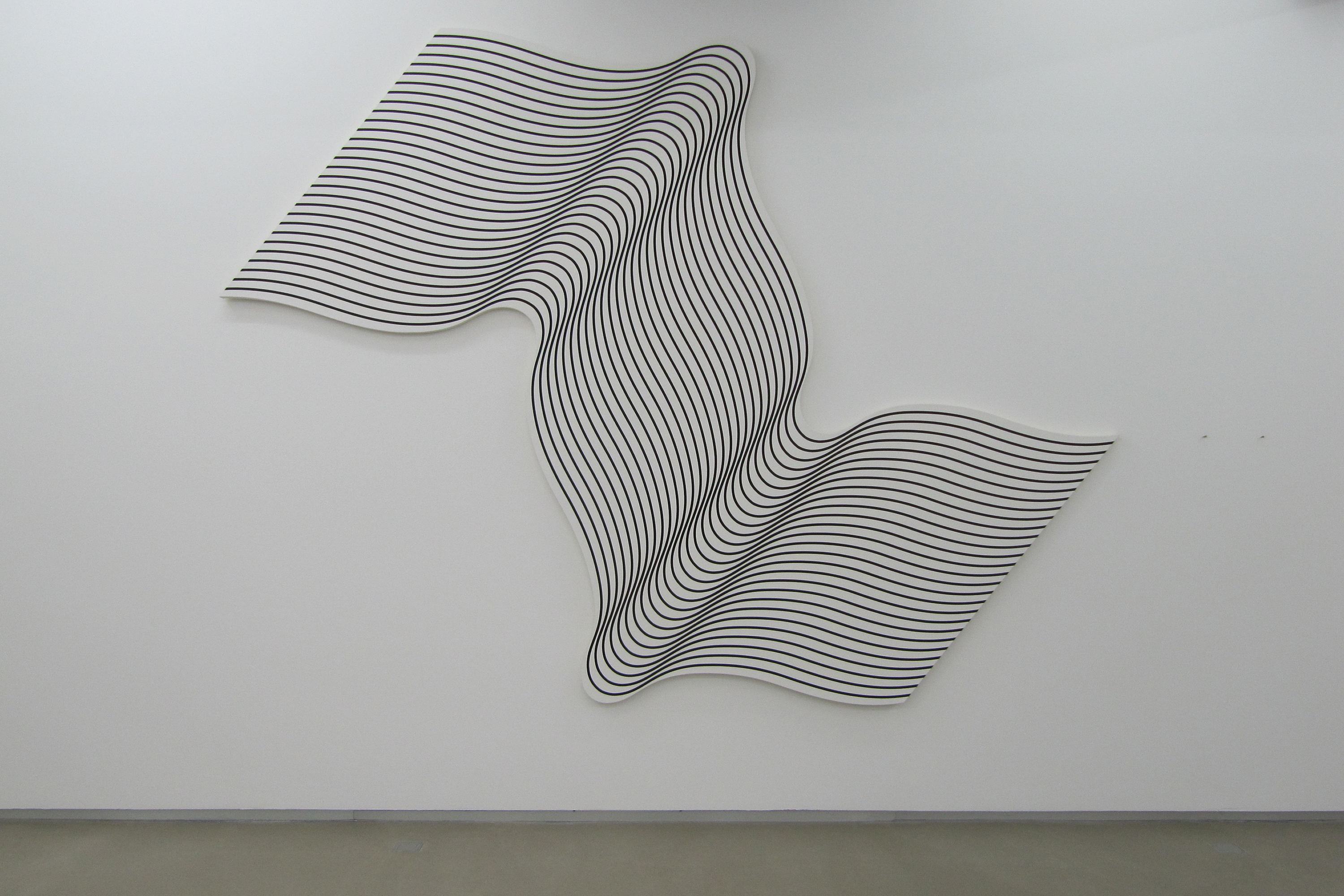
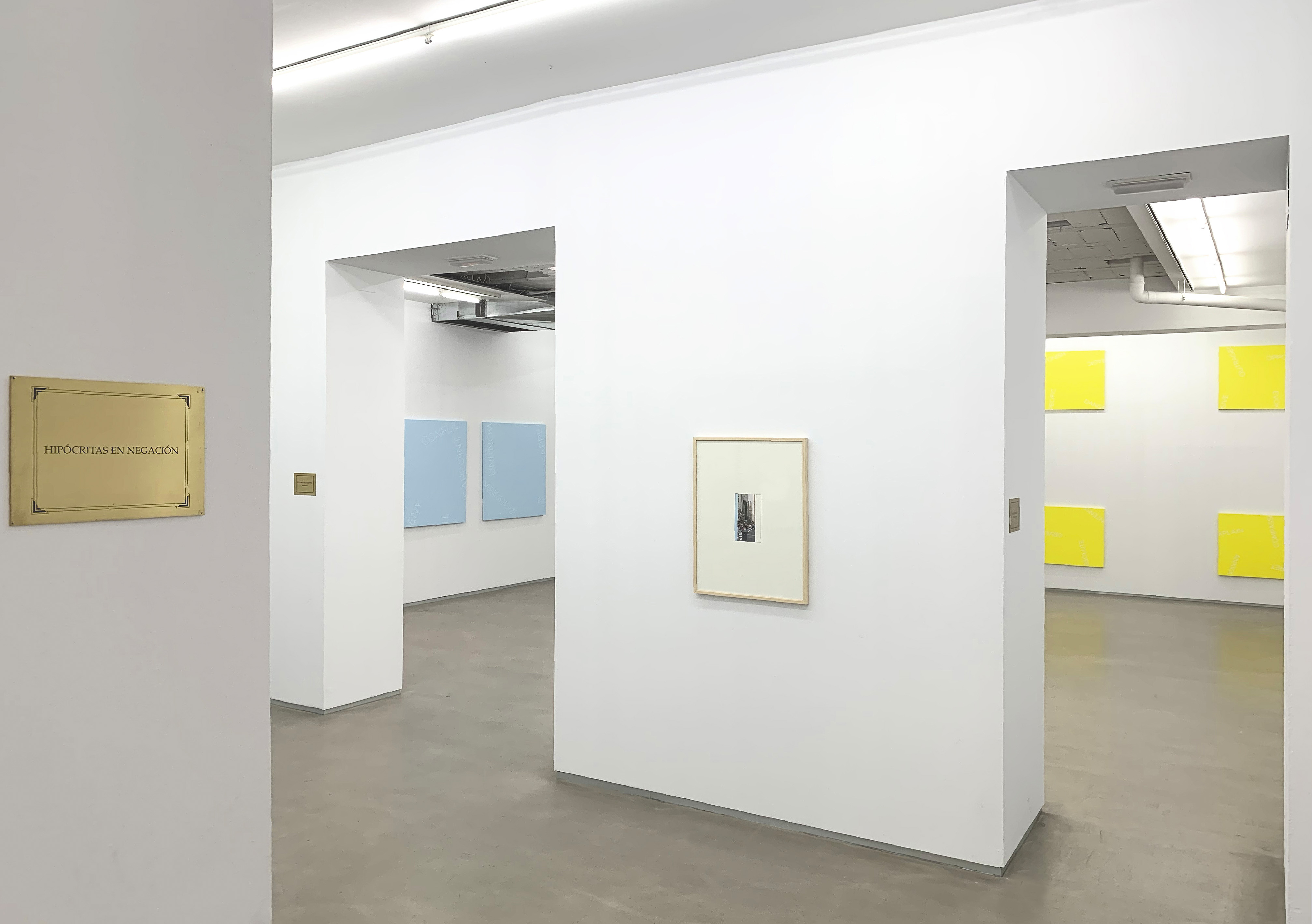
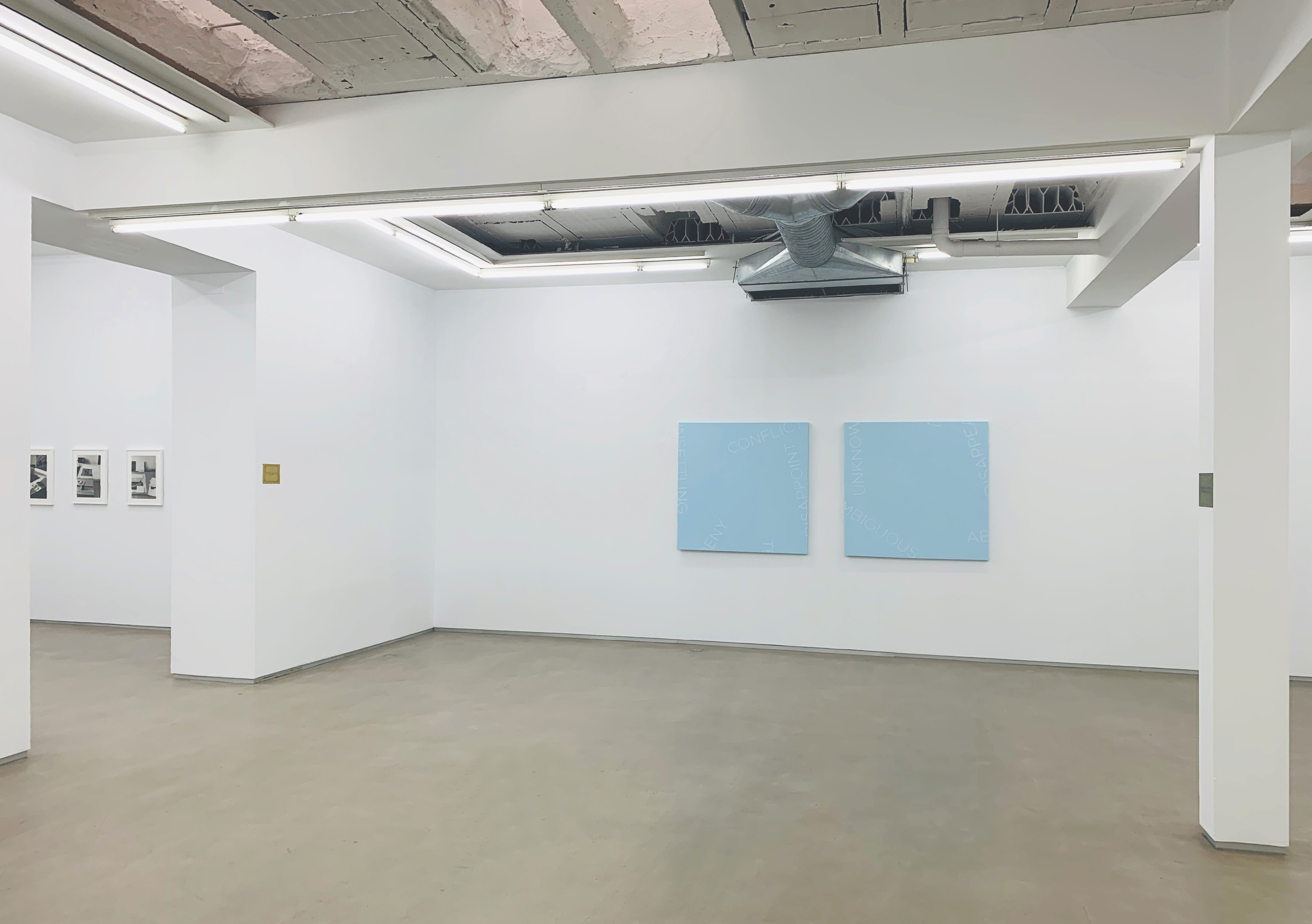
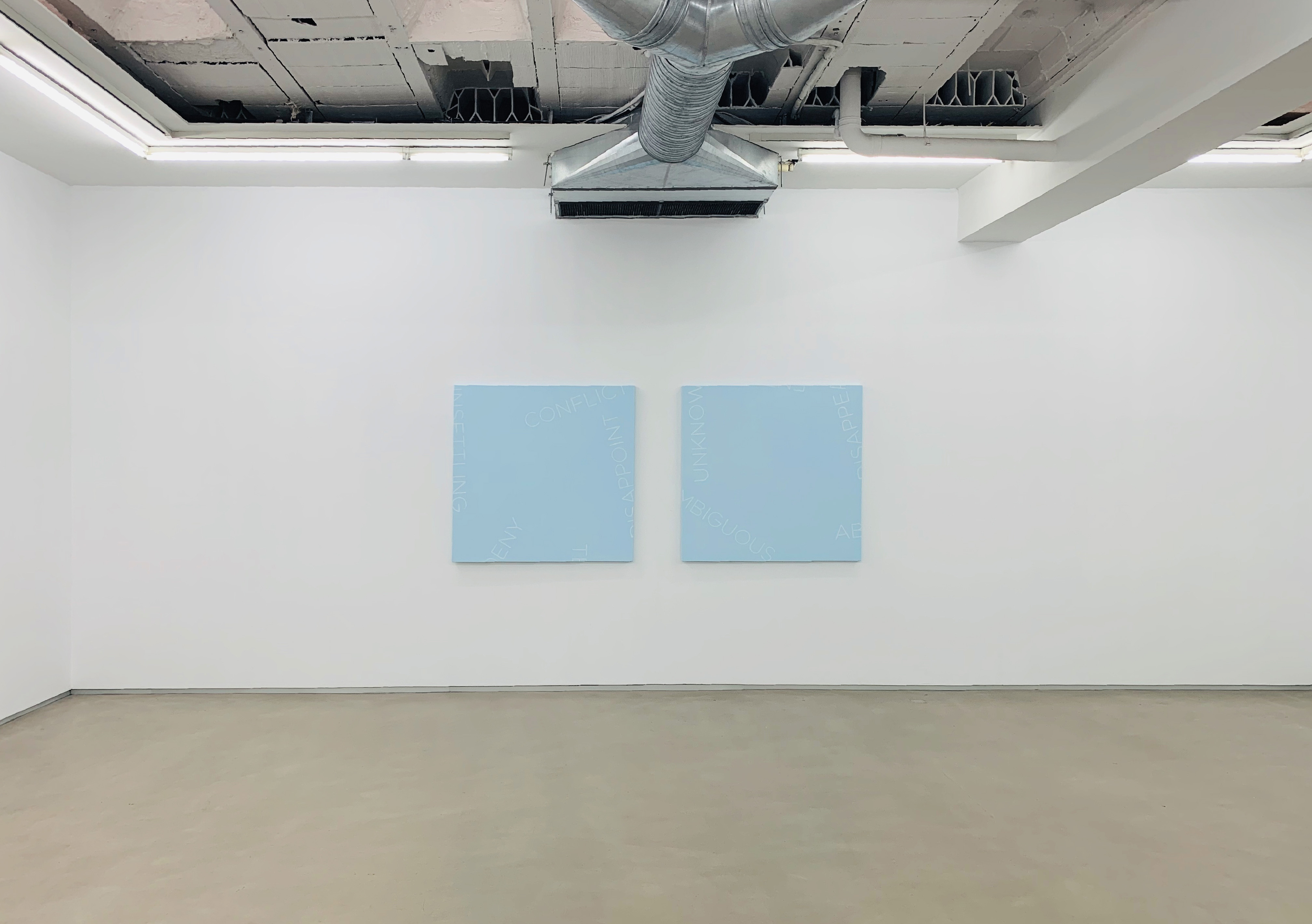
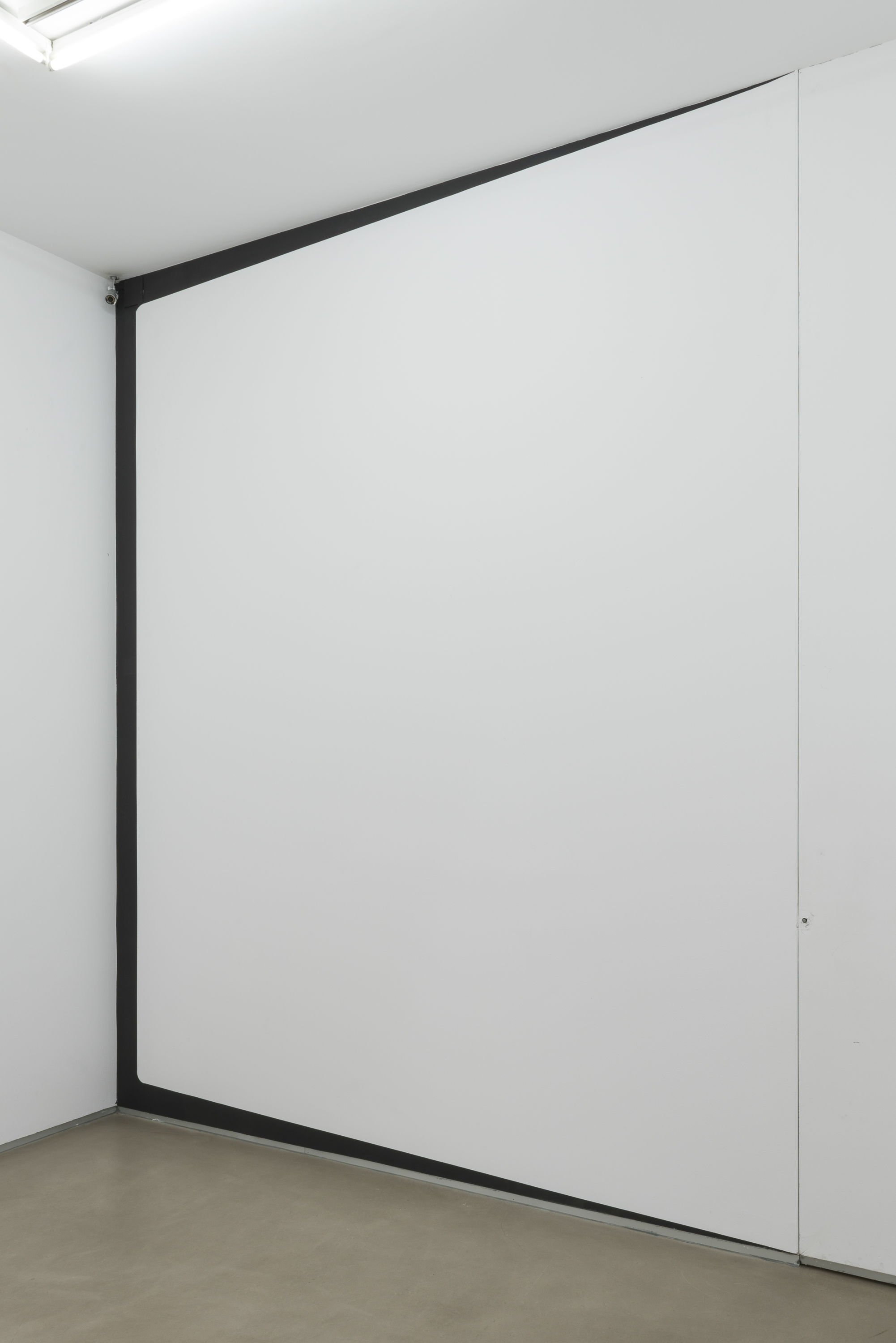
The wall paintings by Stéphane Dafflon and Philippe Decrauzat work as a frame for the rest of the exhibition, camouflaging their presence on the walls at the same time that they alter, in a more or less subtle way, the spatial perception of the rooms.
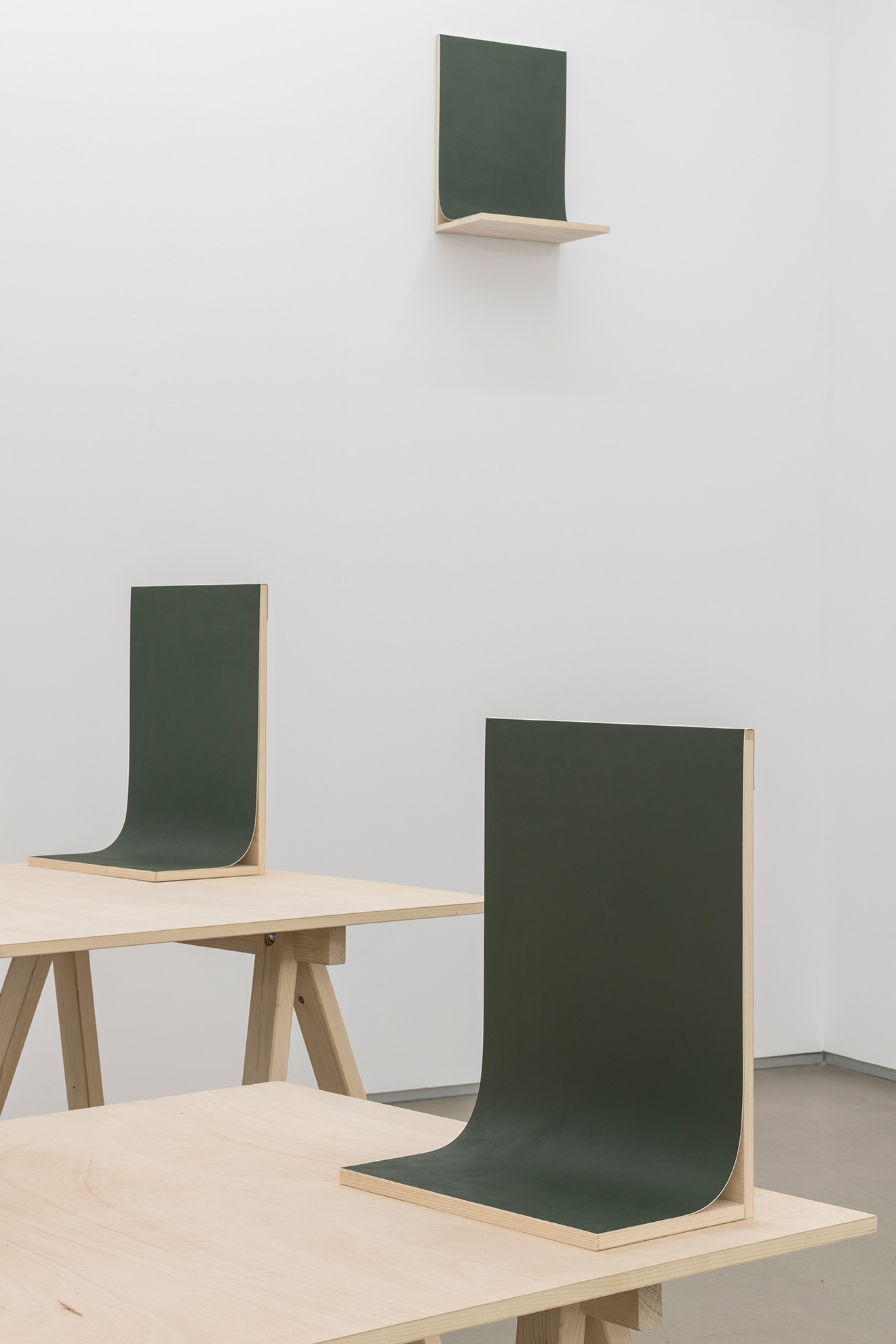
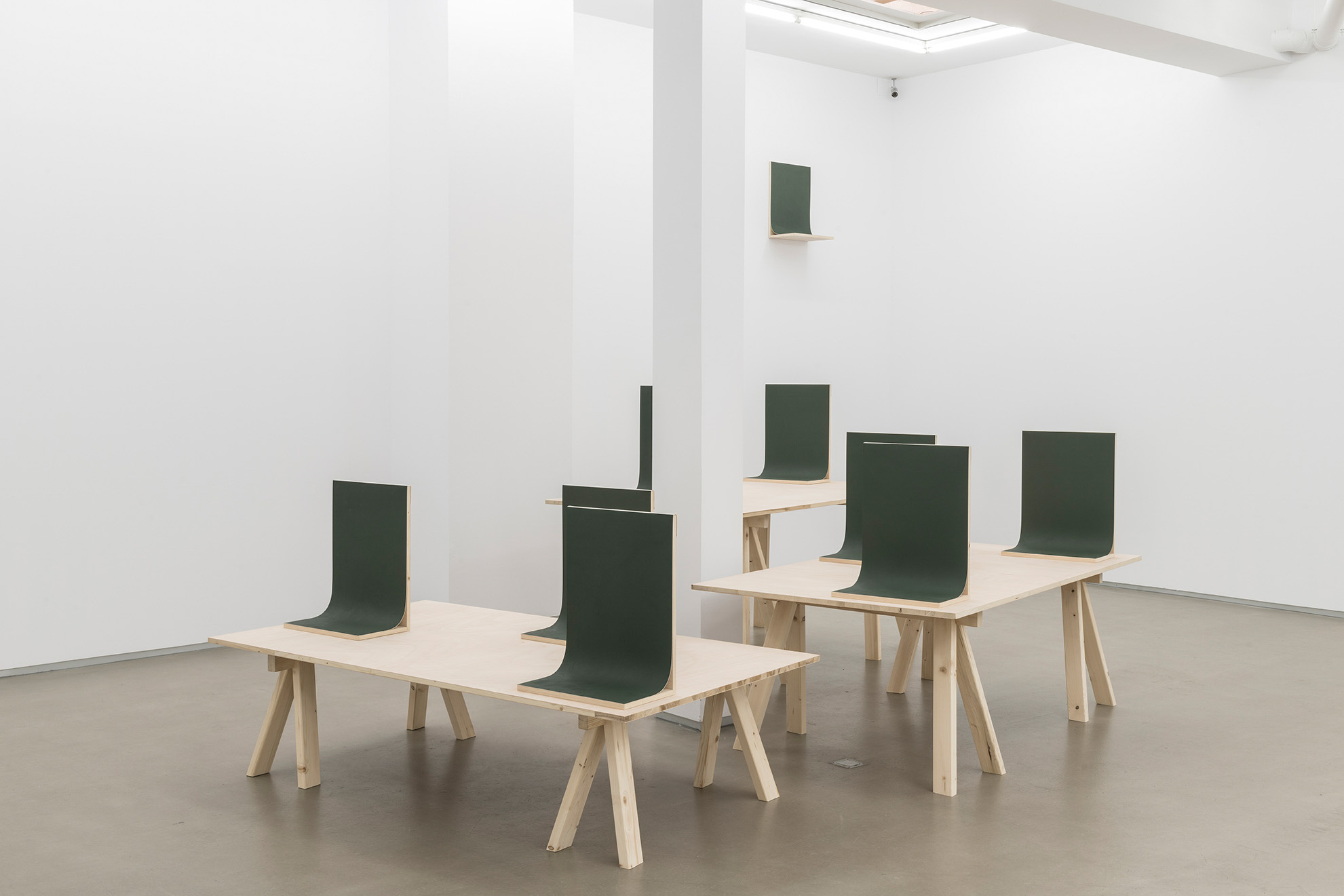
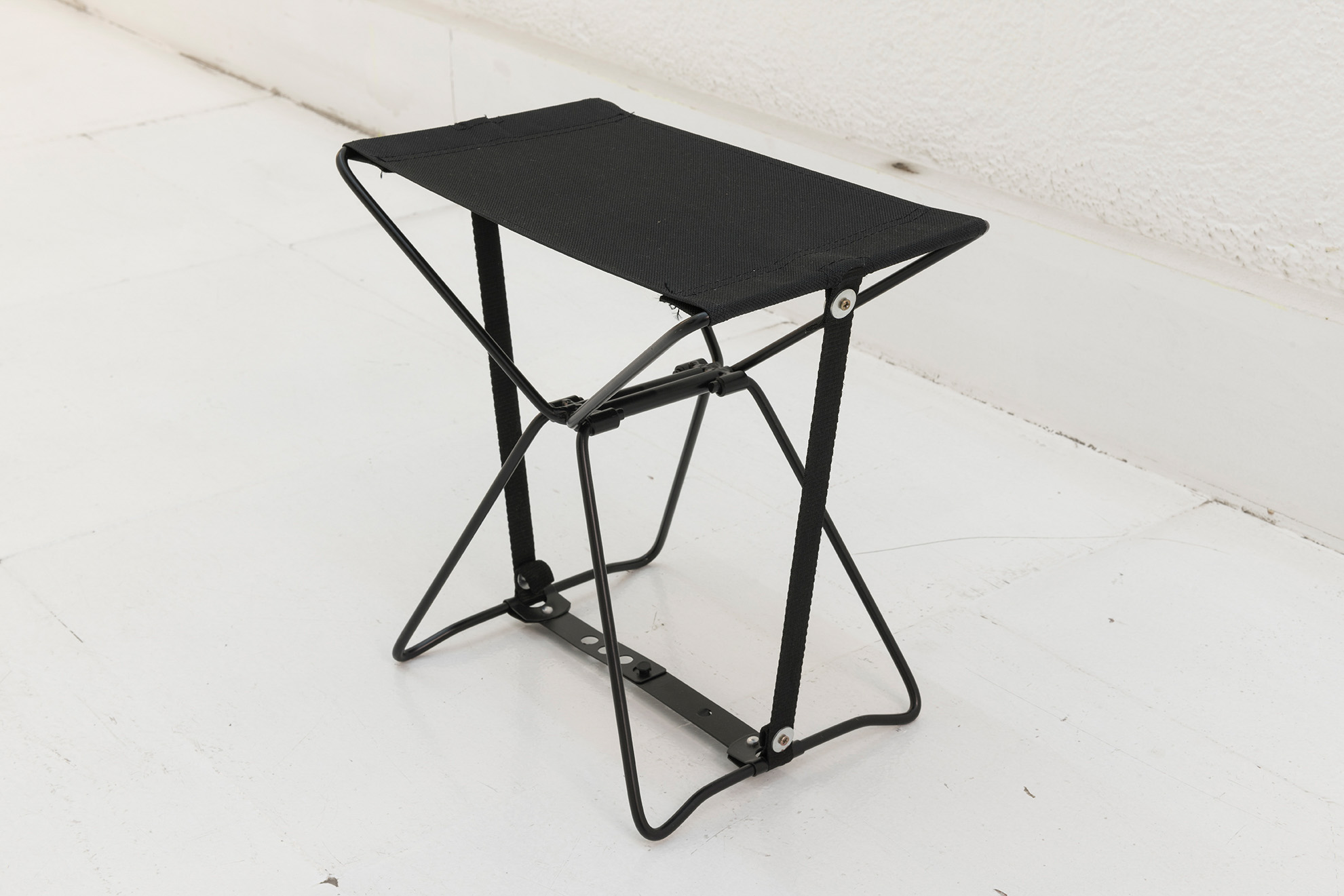
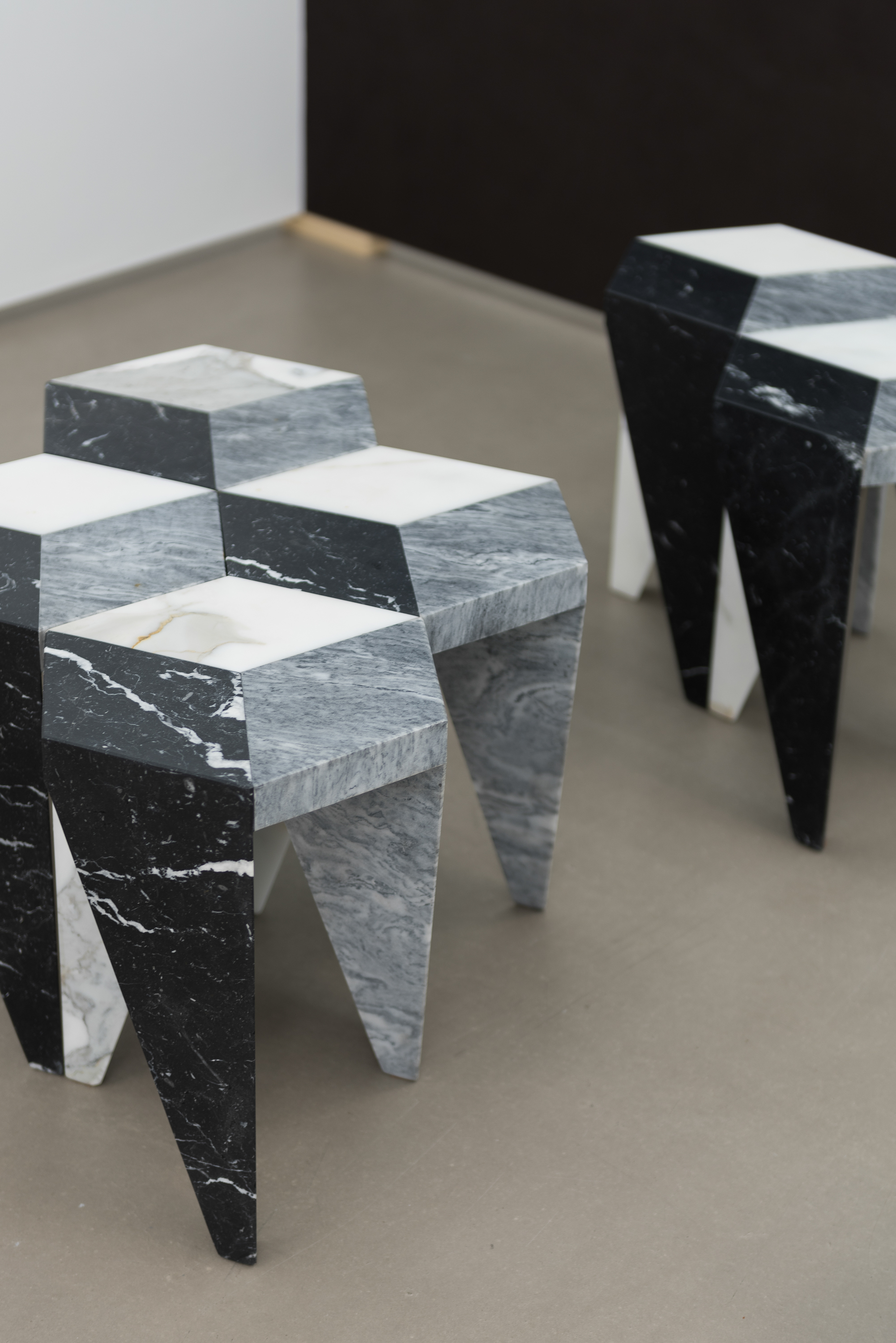
Álvaro Catalán de Ocón’s Rayuela stools observe how the repetition of a single module can give birth to a new and different entity. Thus, the repetition of a triangle forms a rhombus, and at the same time, this can generate a hexagon; the combination of a big number of stools generates a new surface that looks like an elevated floor; the combination of flat surfaces in three different colors creates an illusion of three-dimensionality, etc.
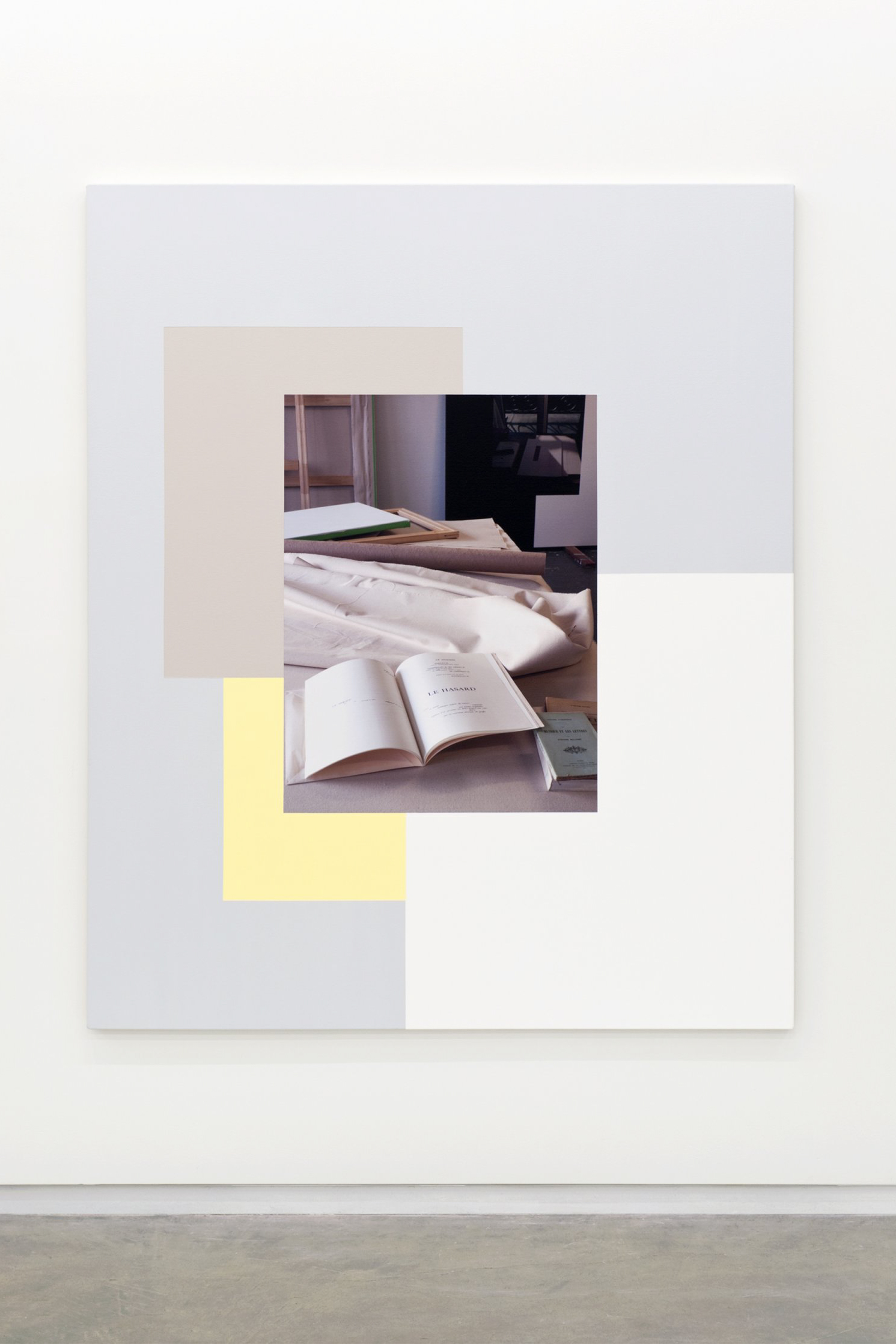
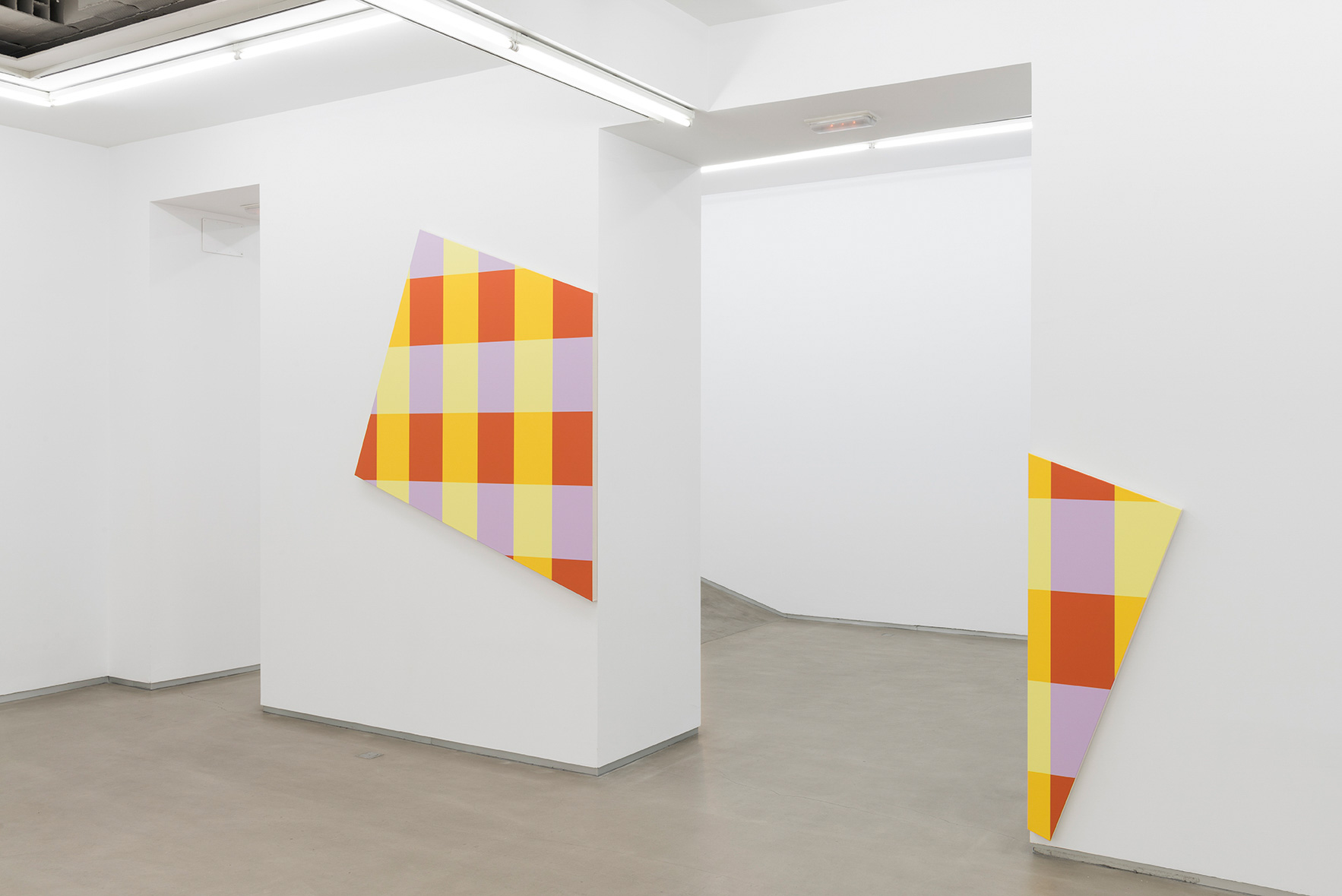
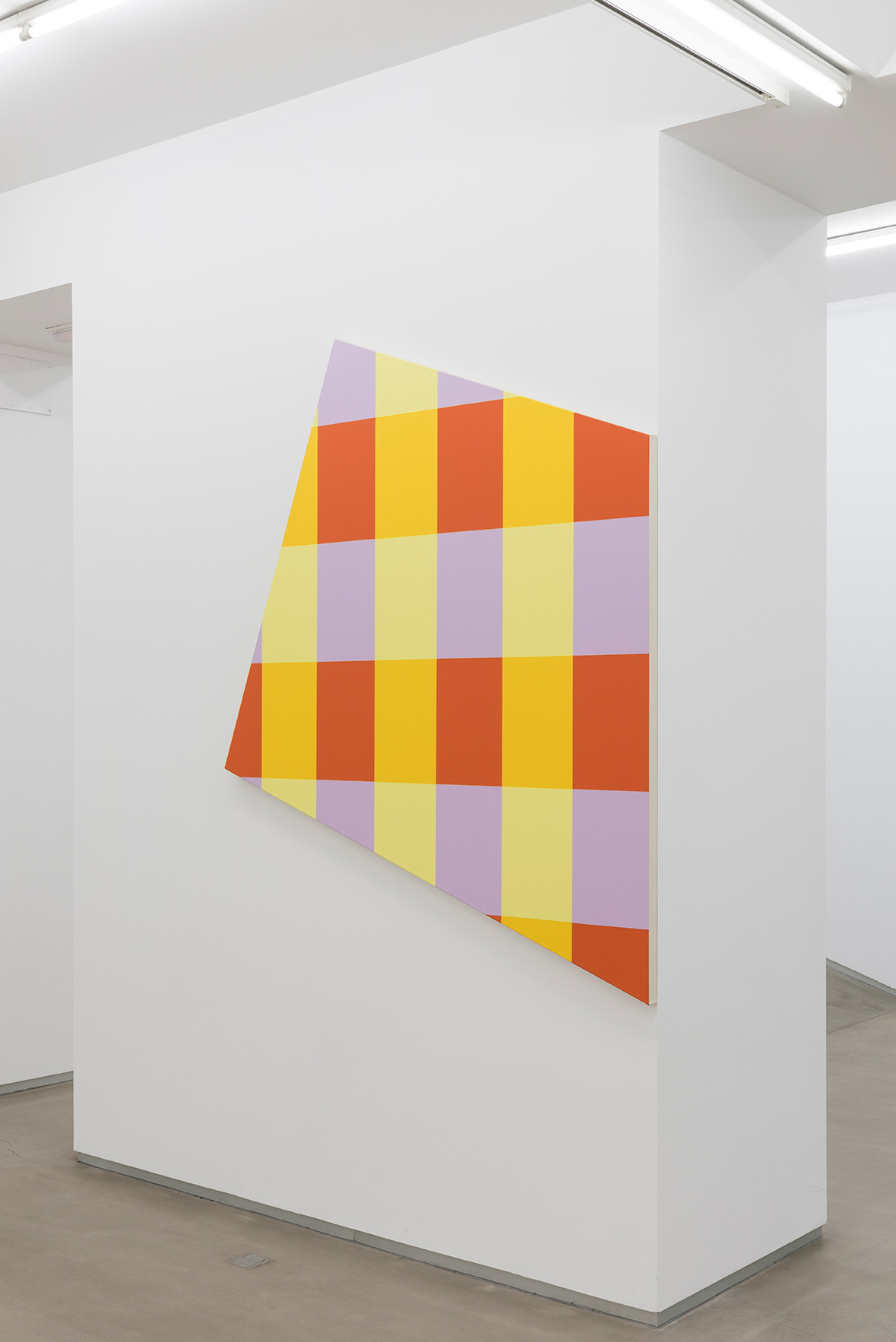
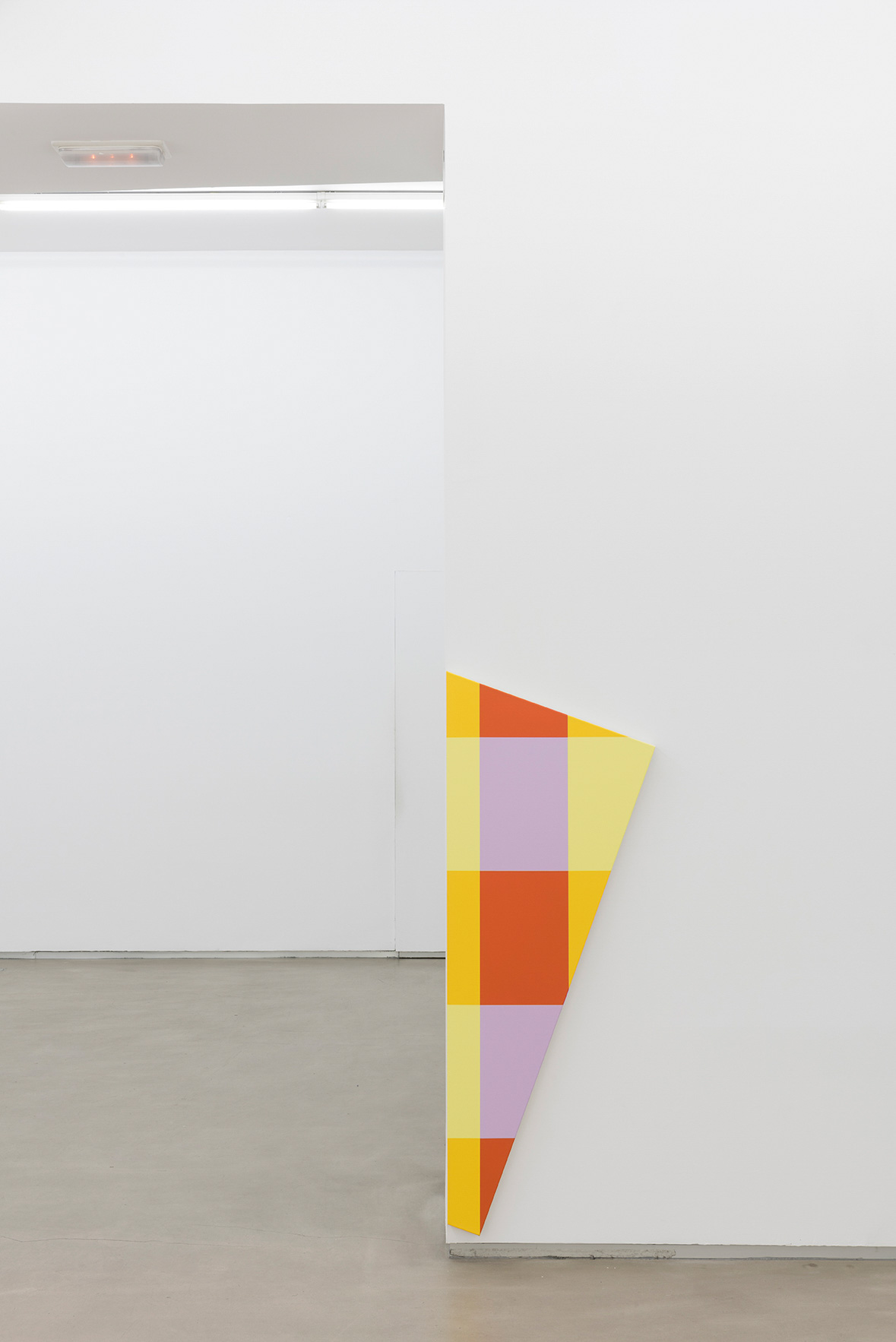
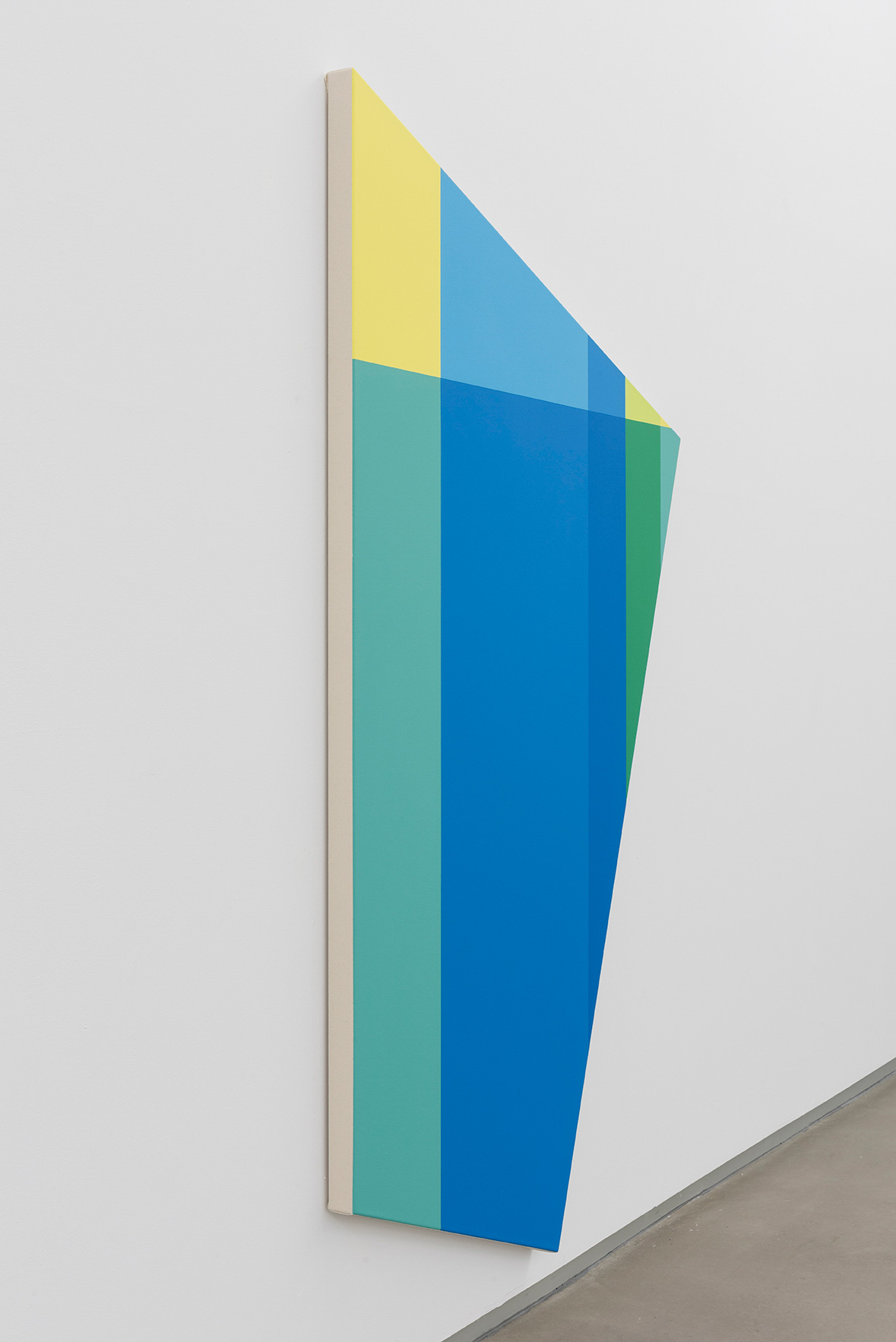
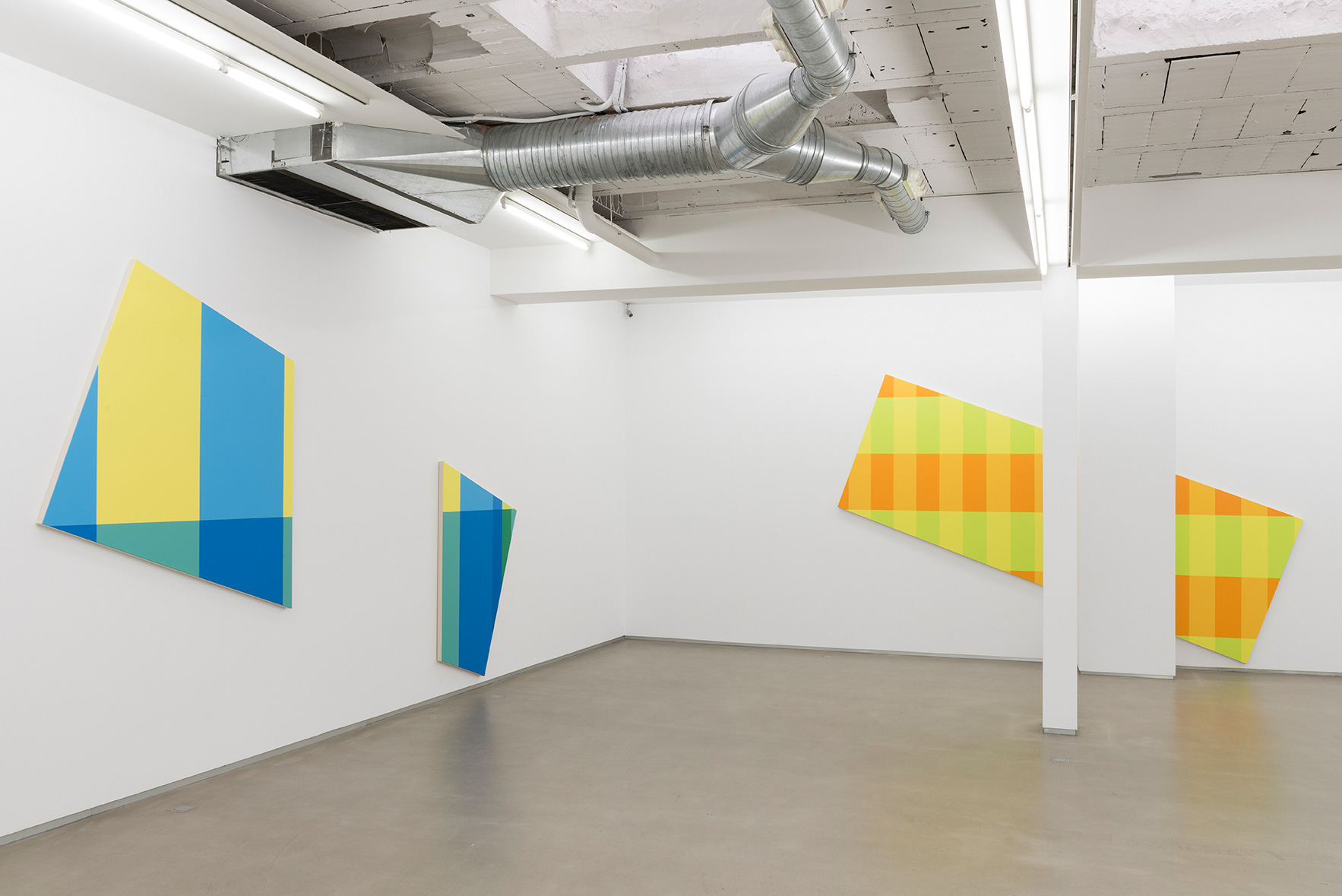
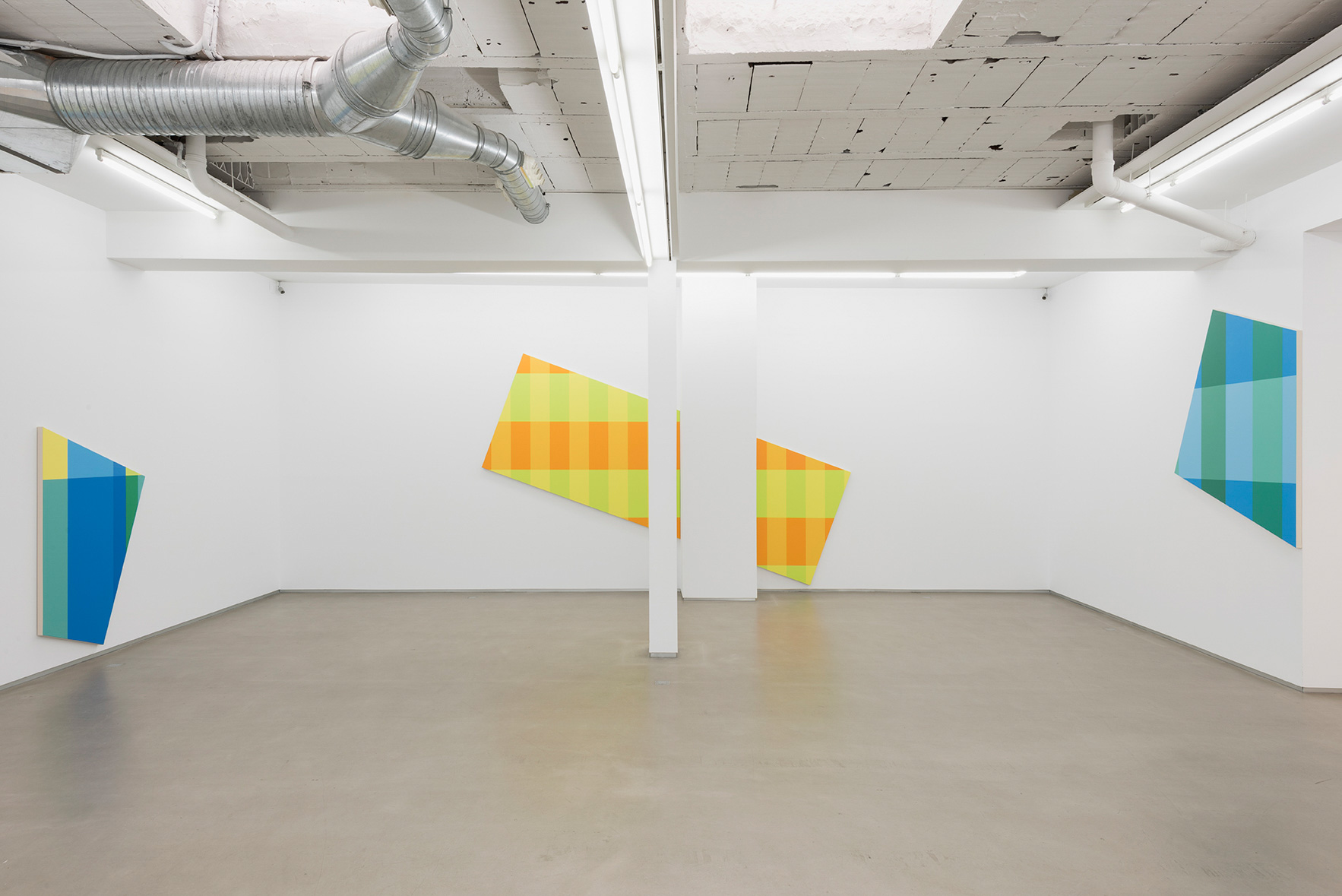
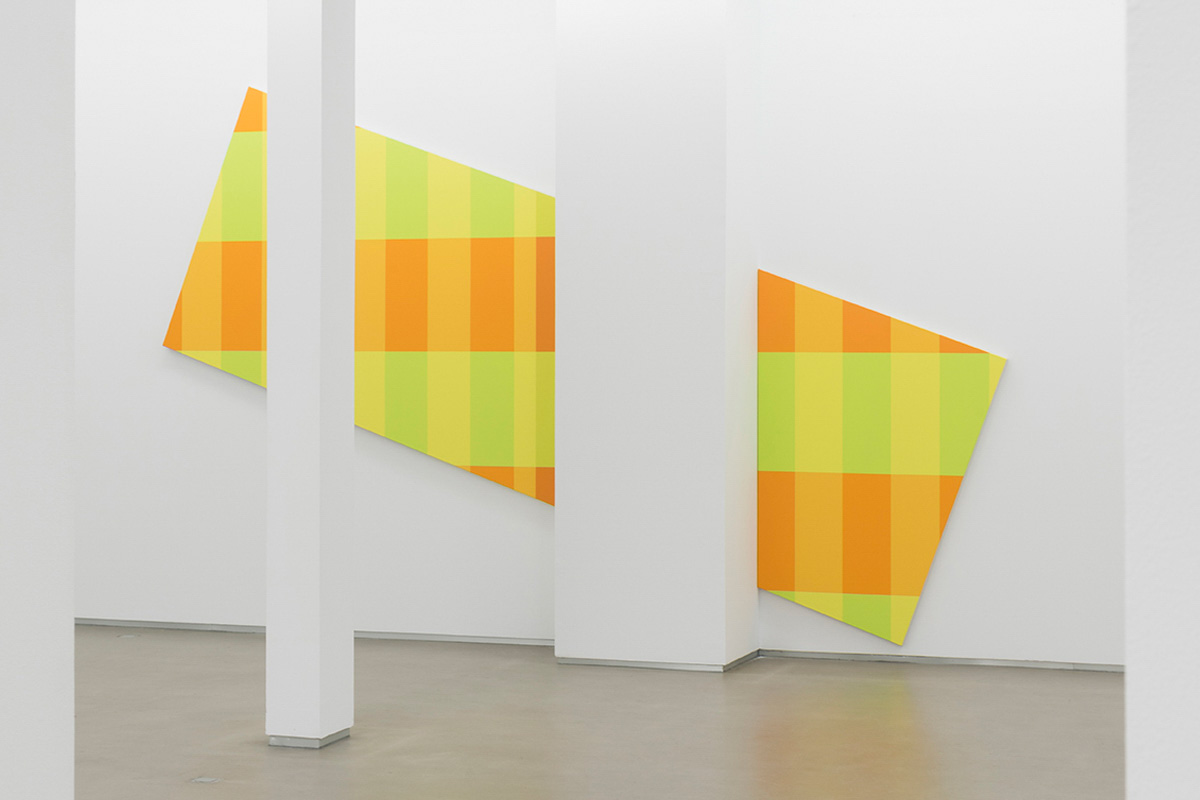
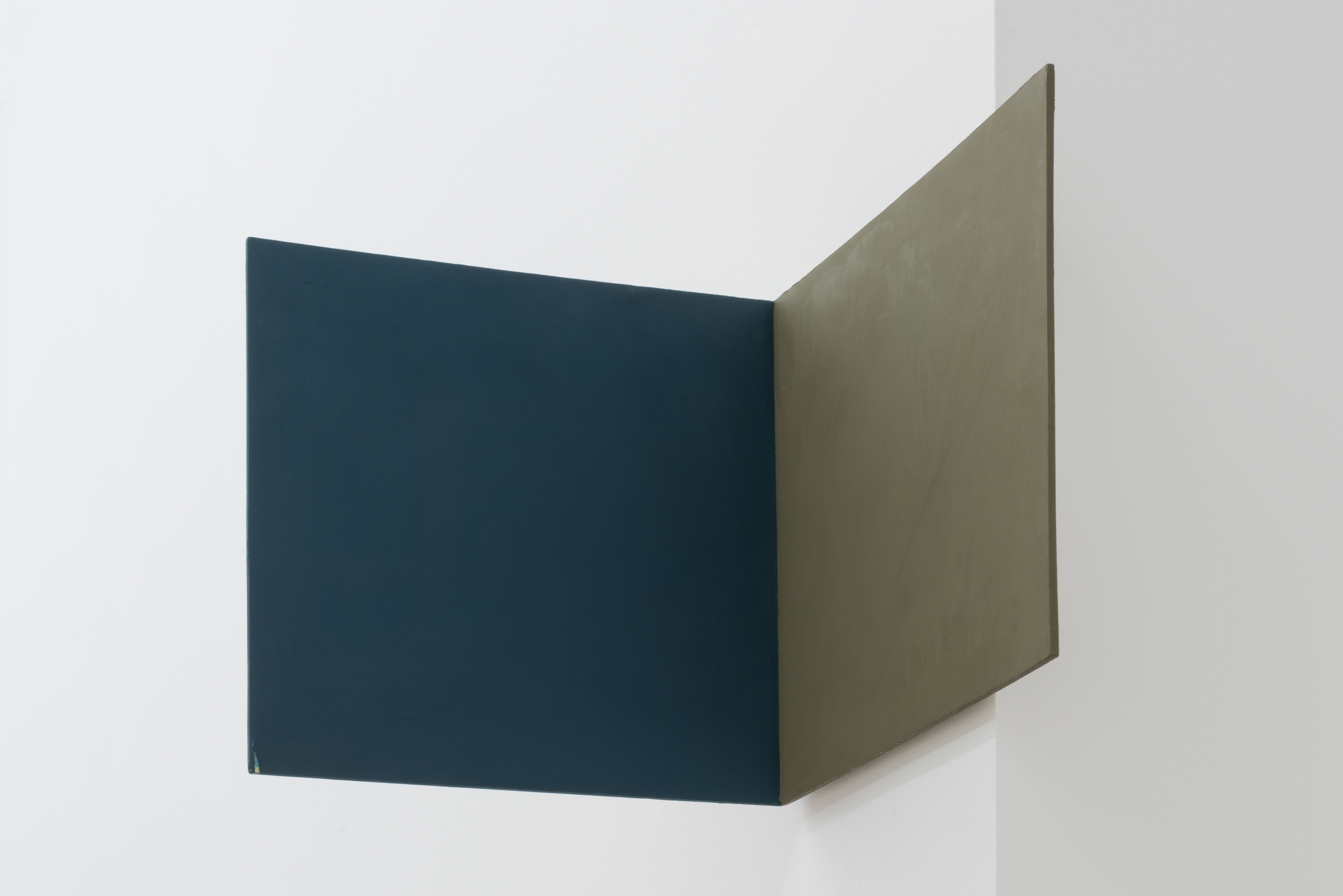
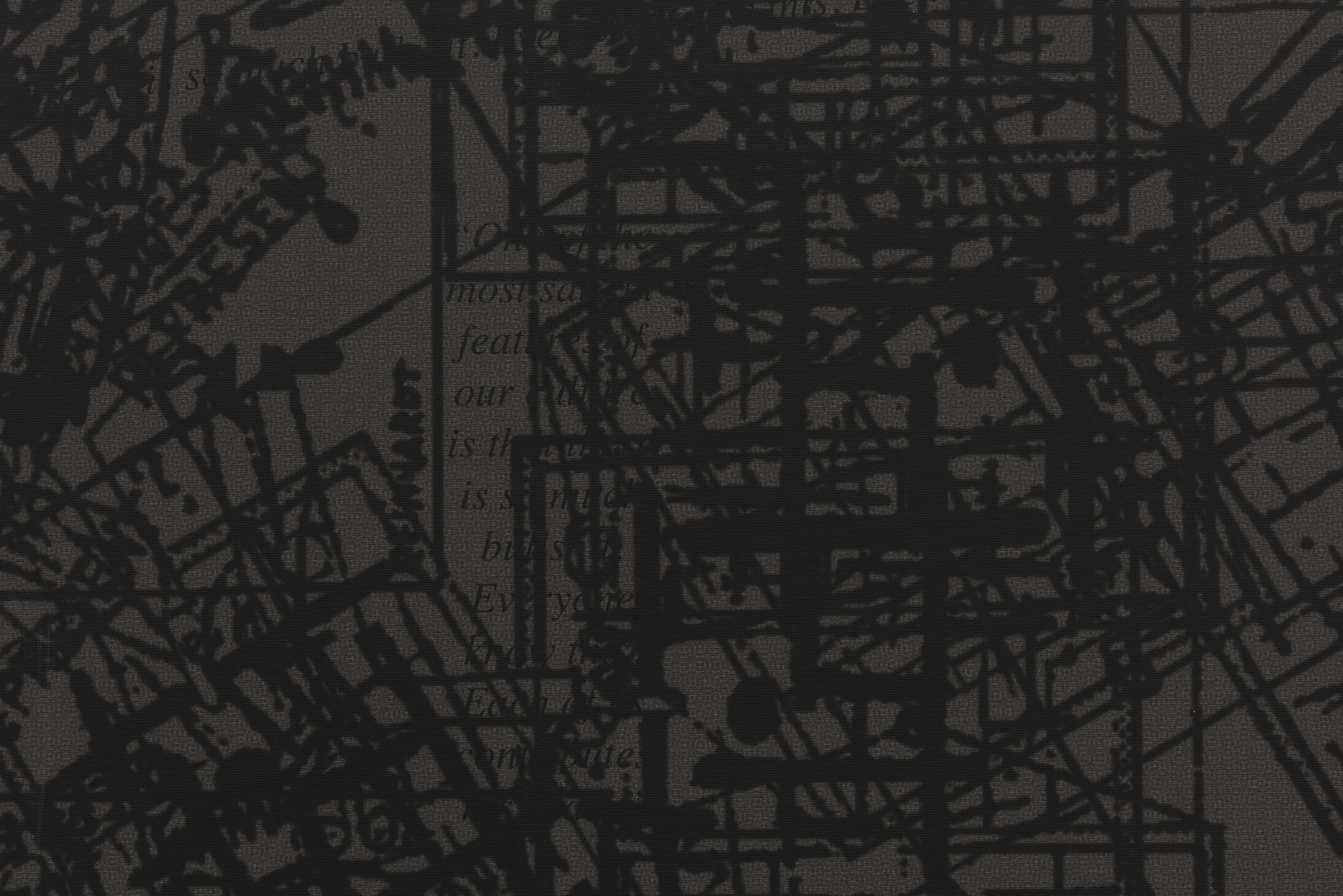
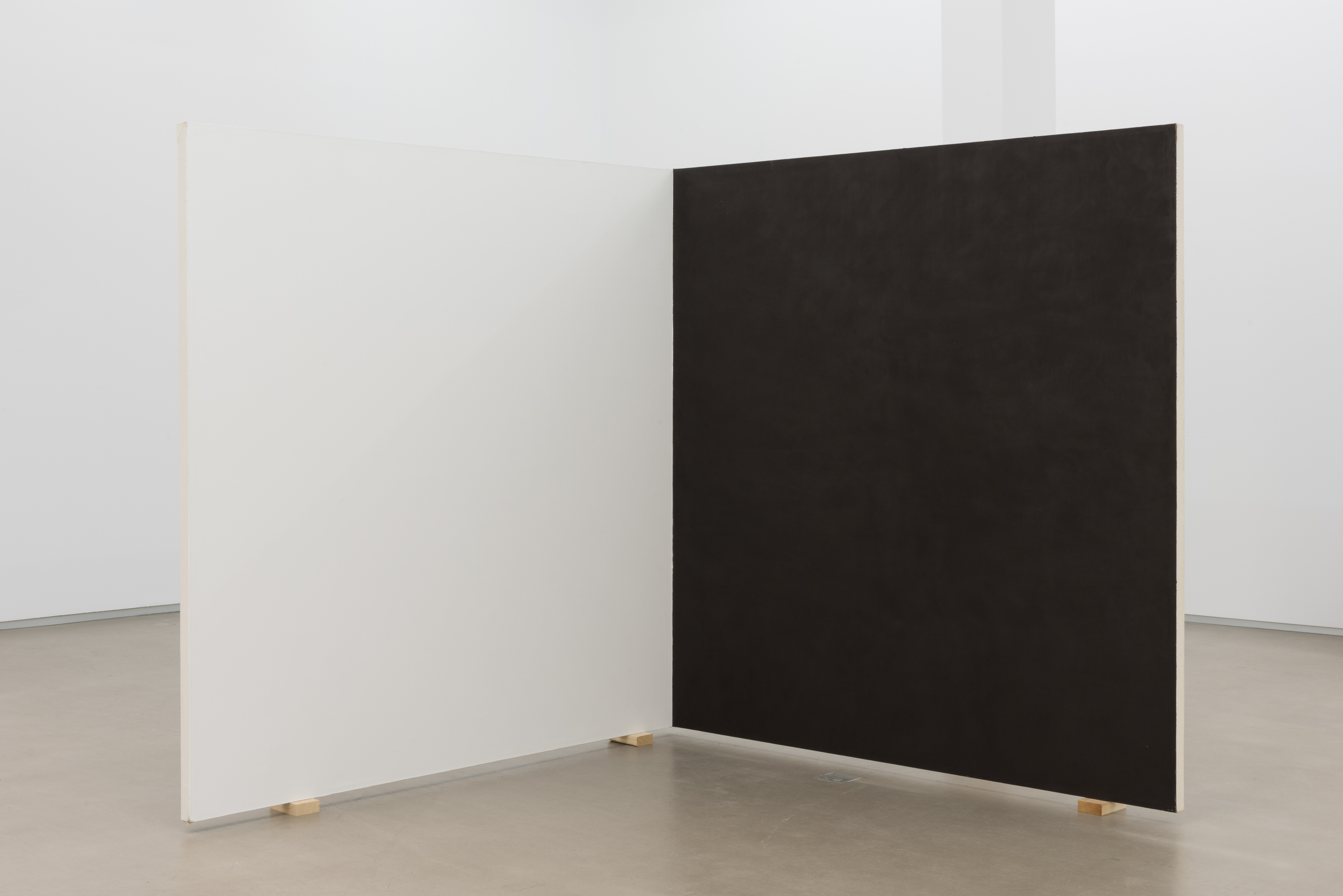
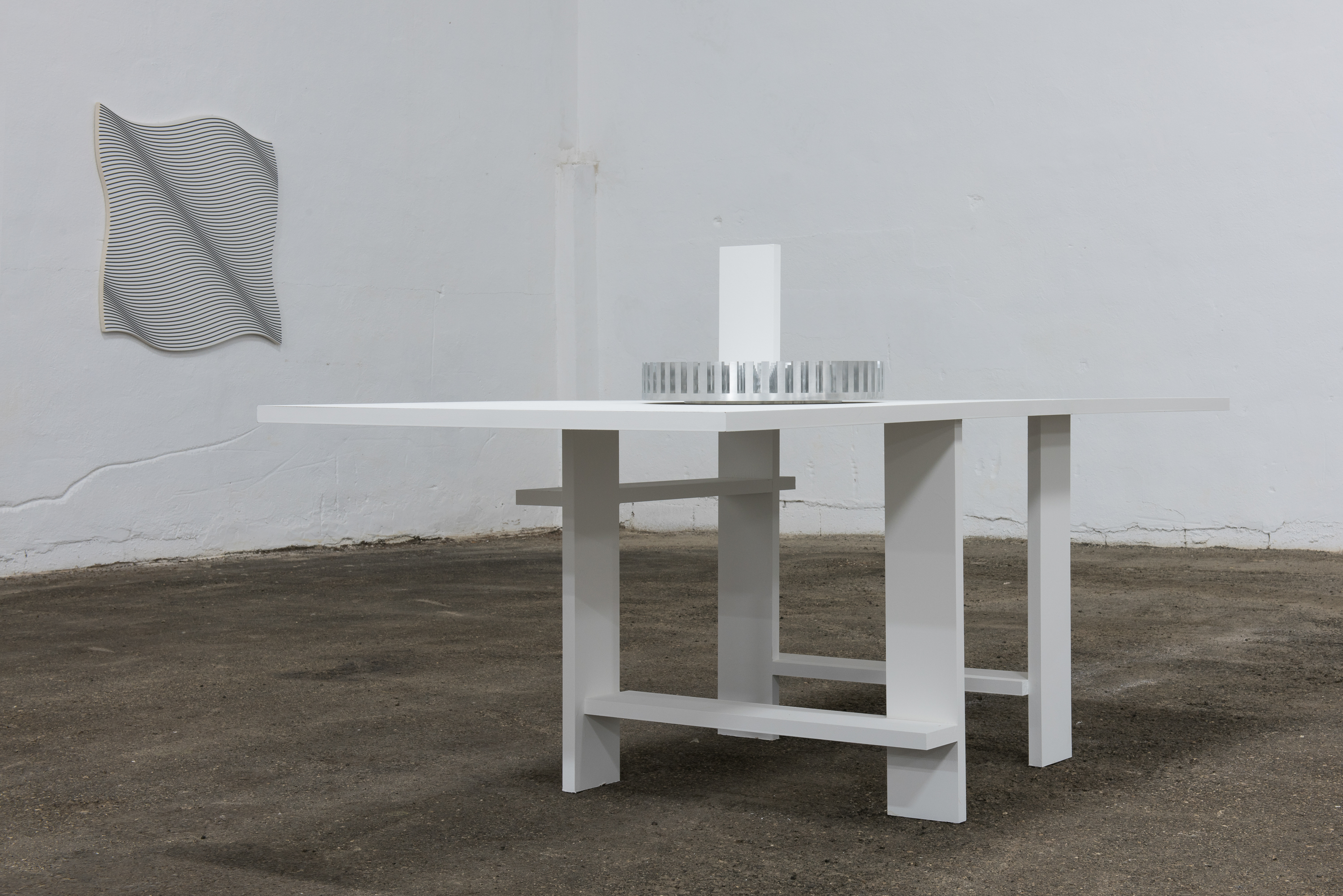
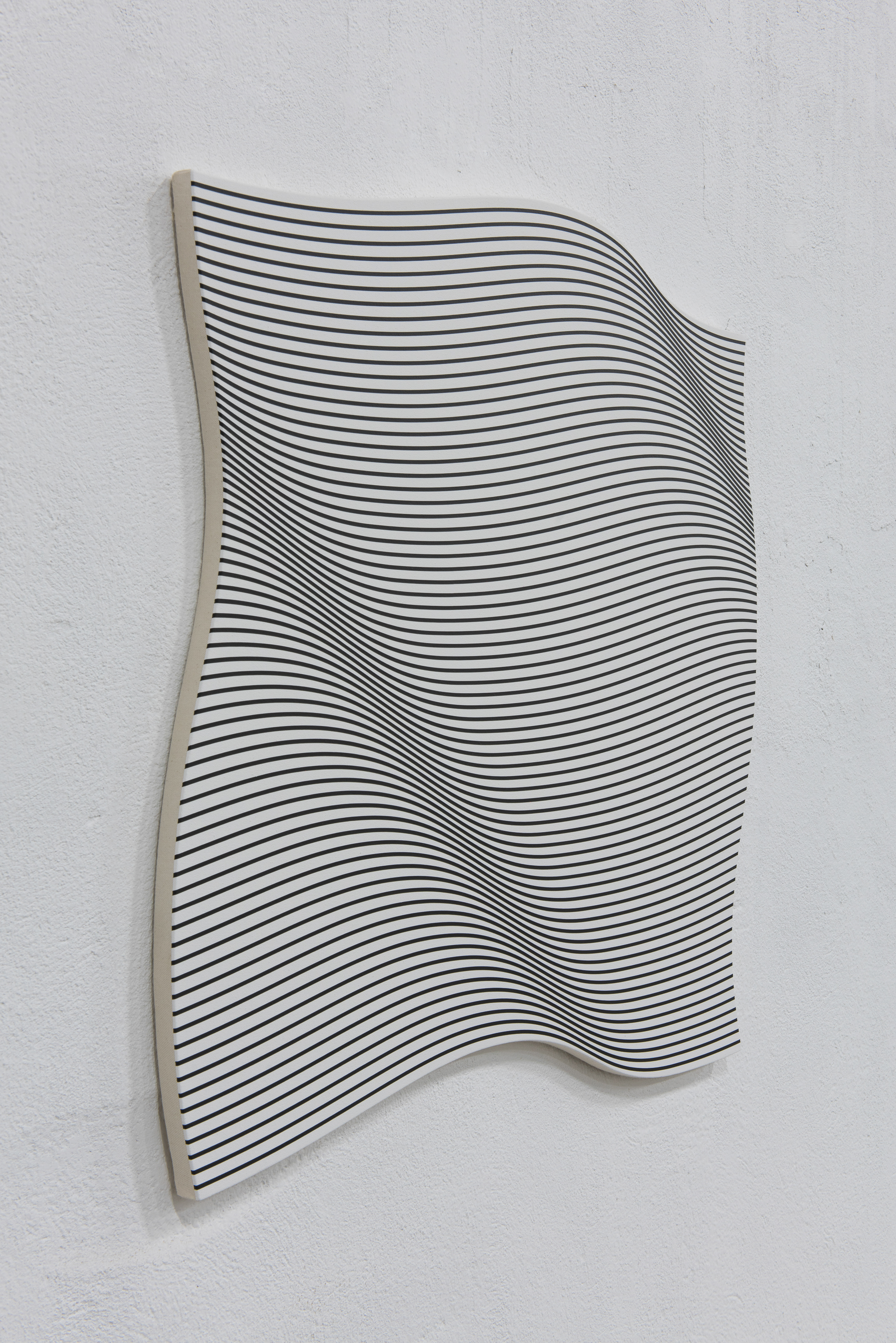
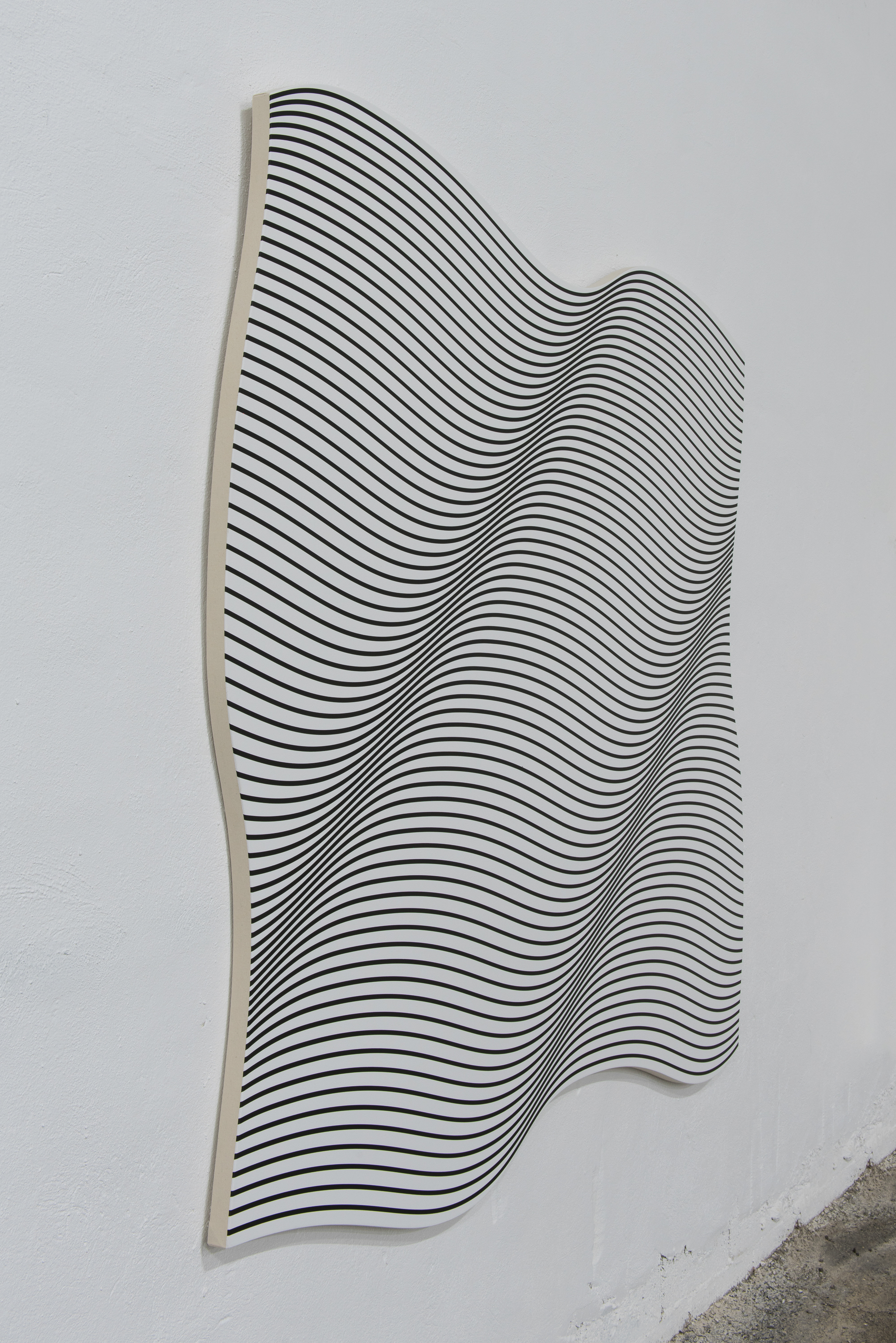
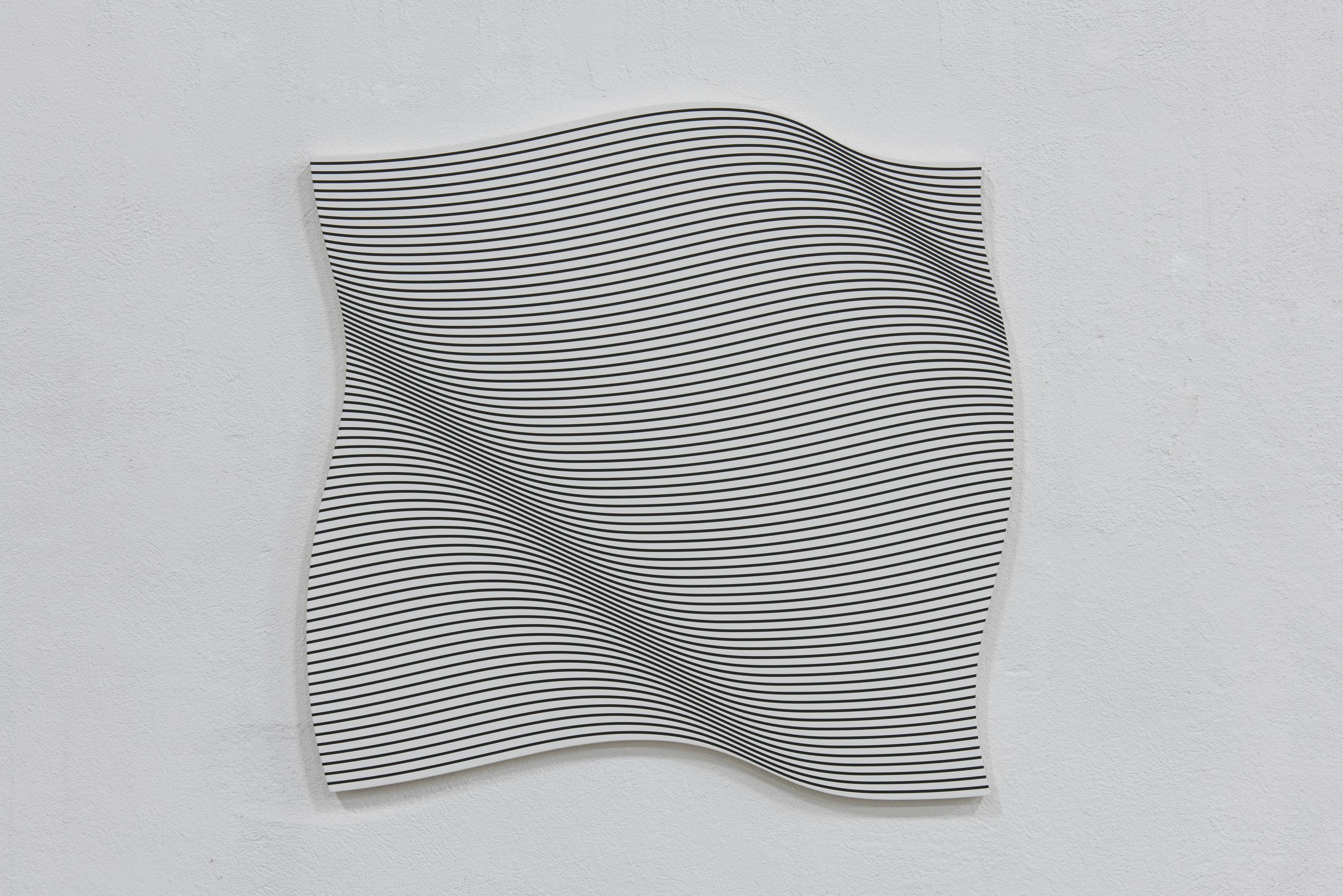
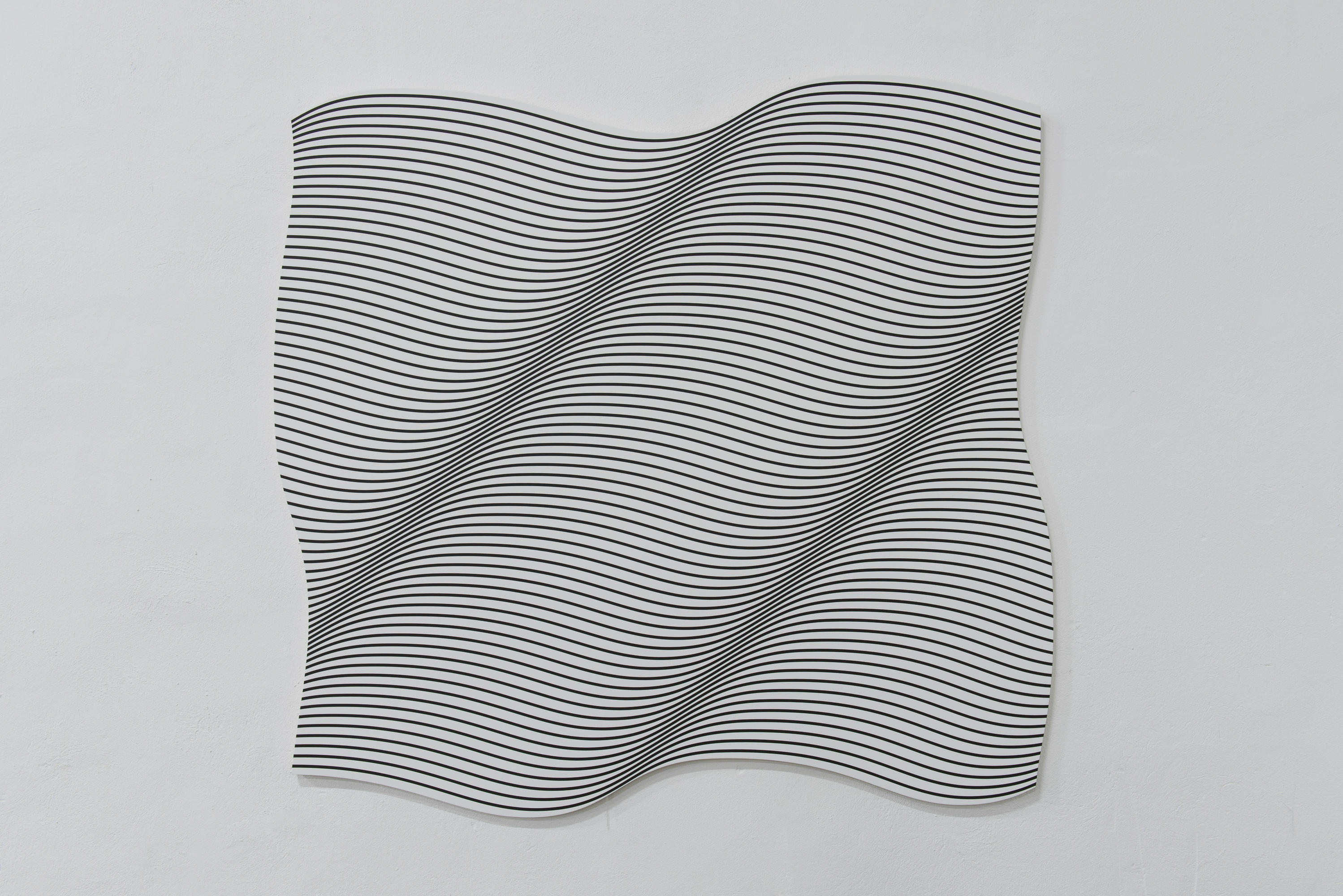
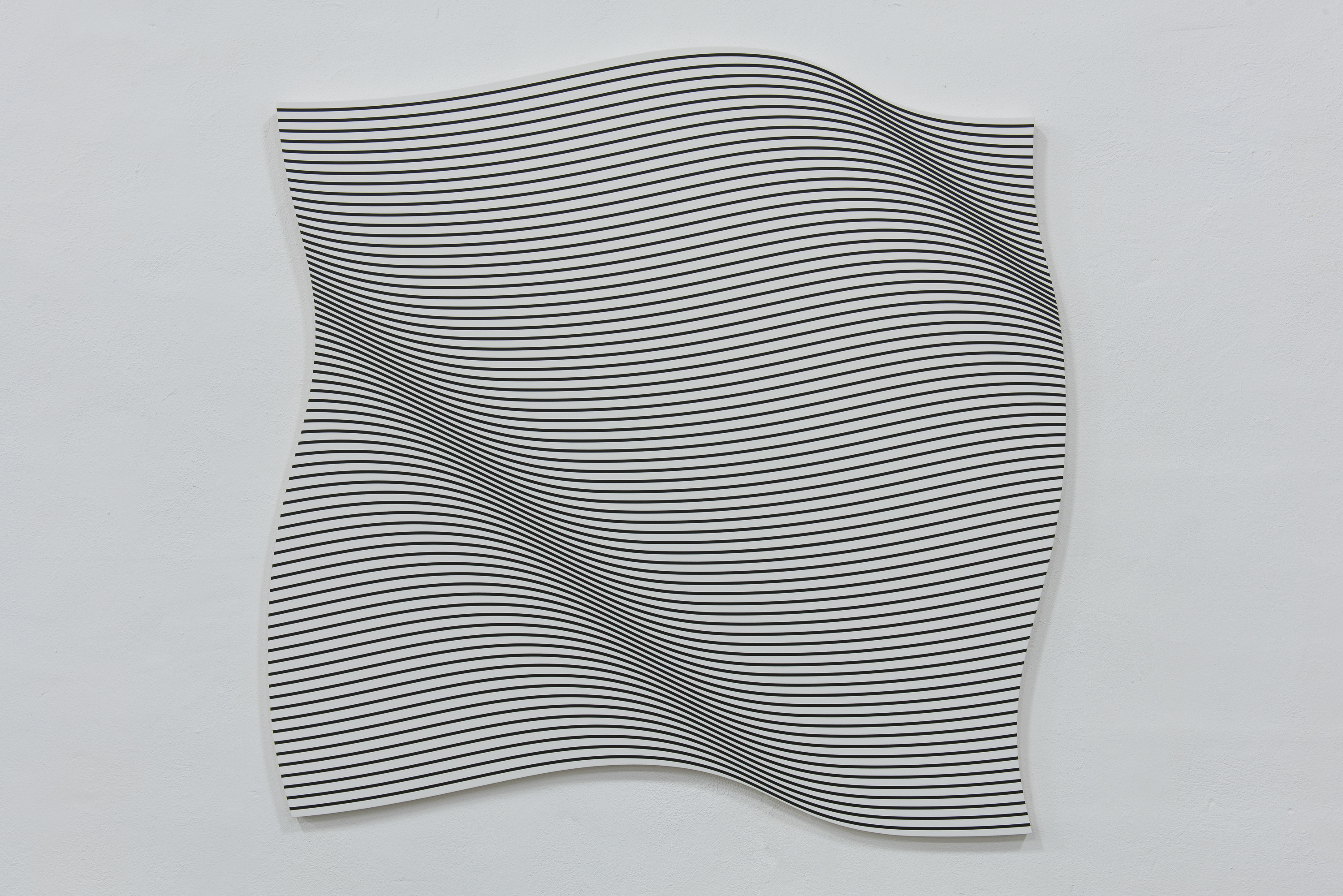
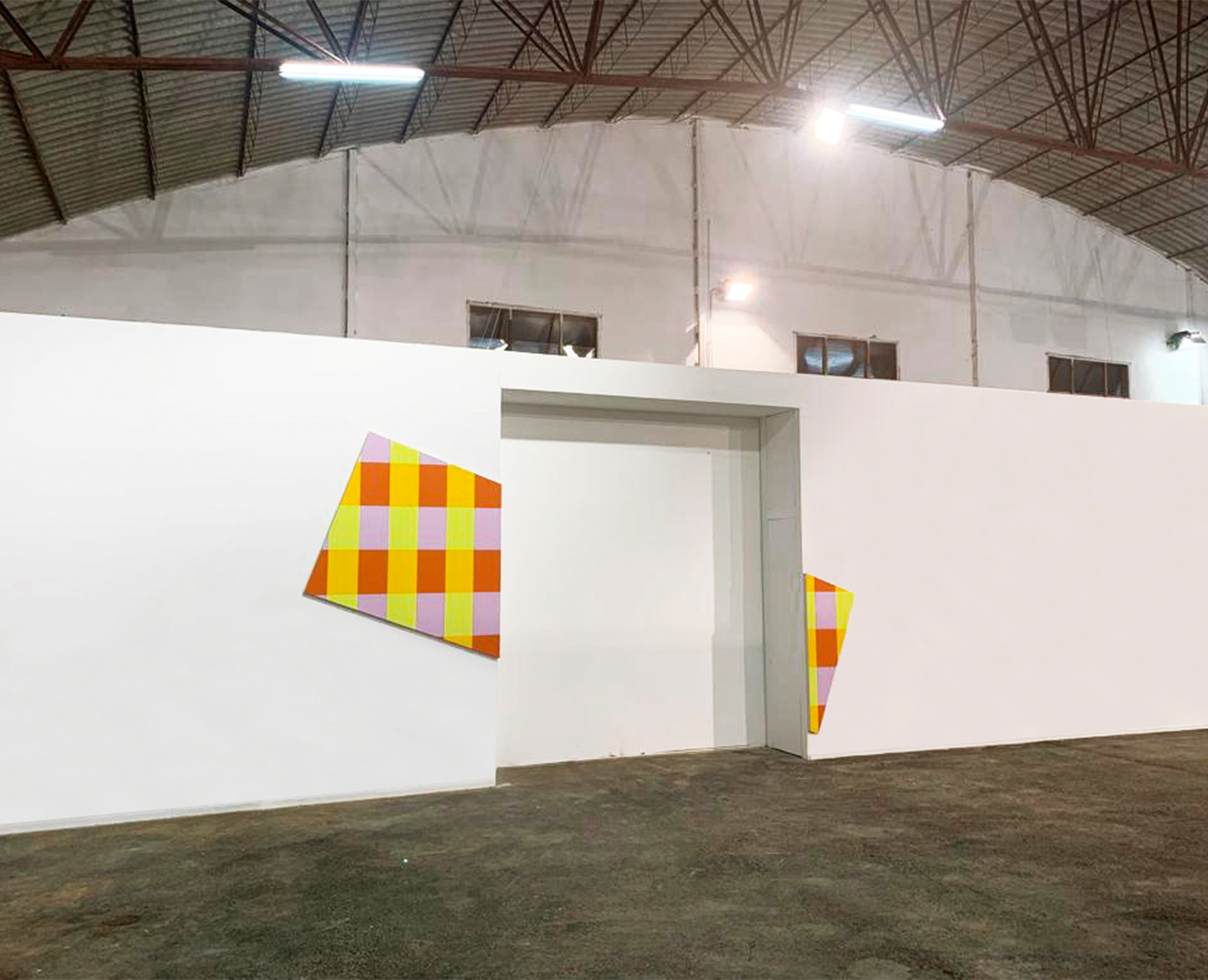
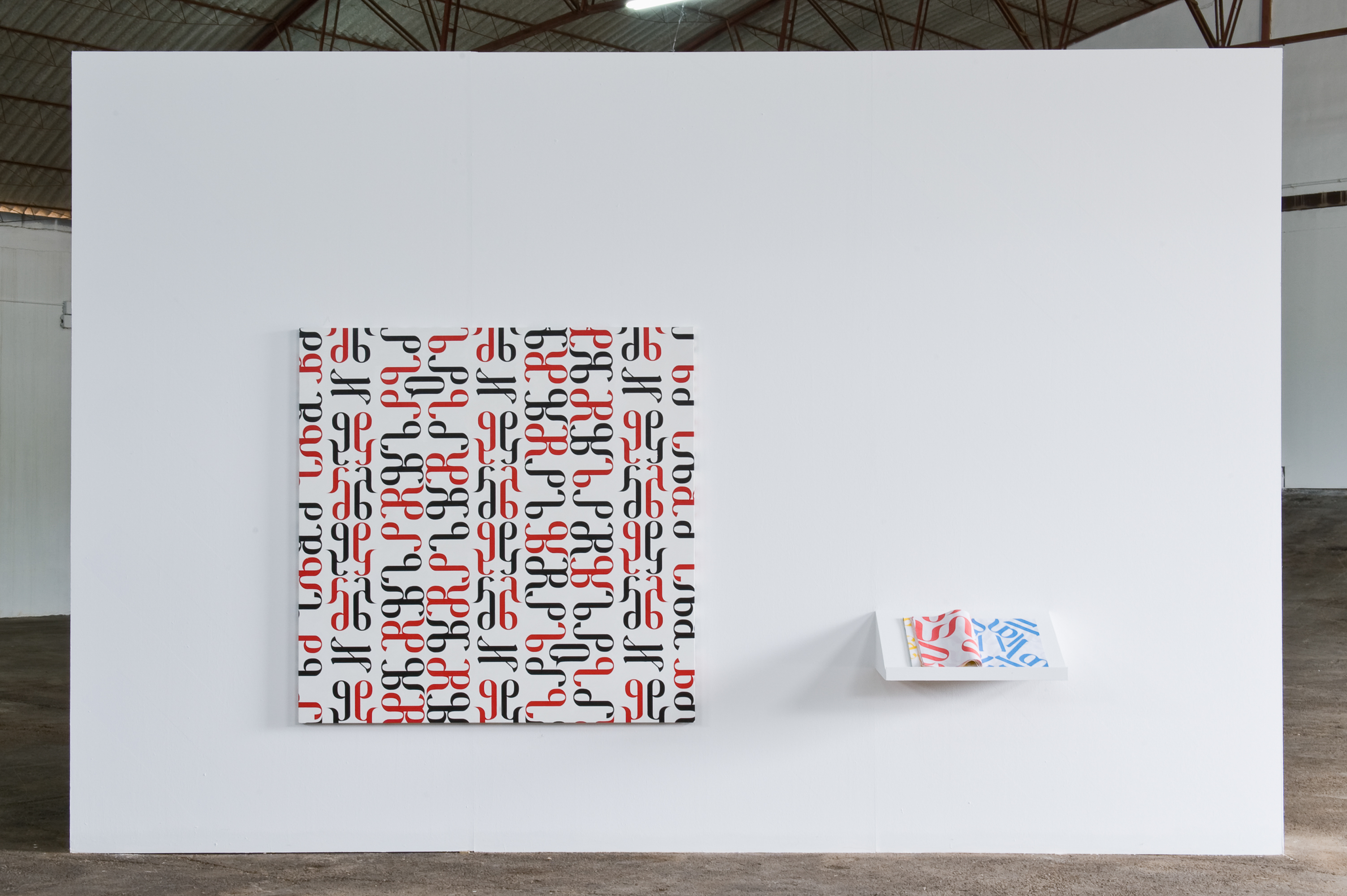
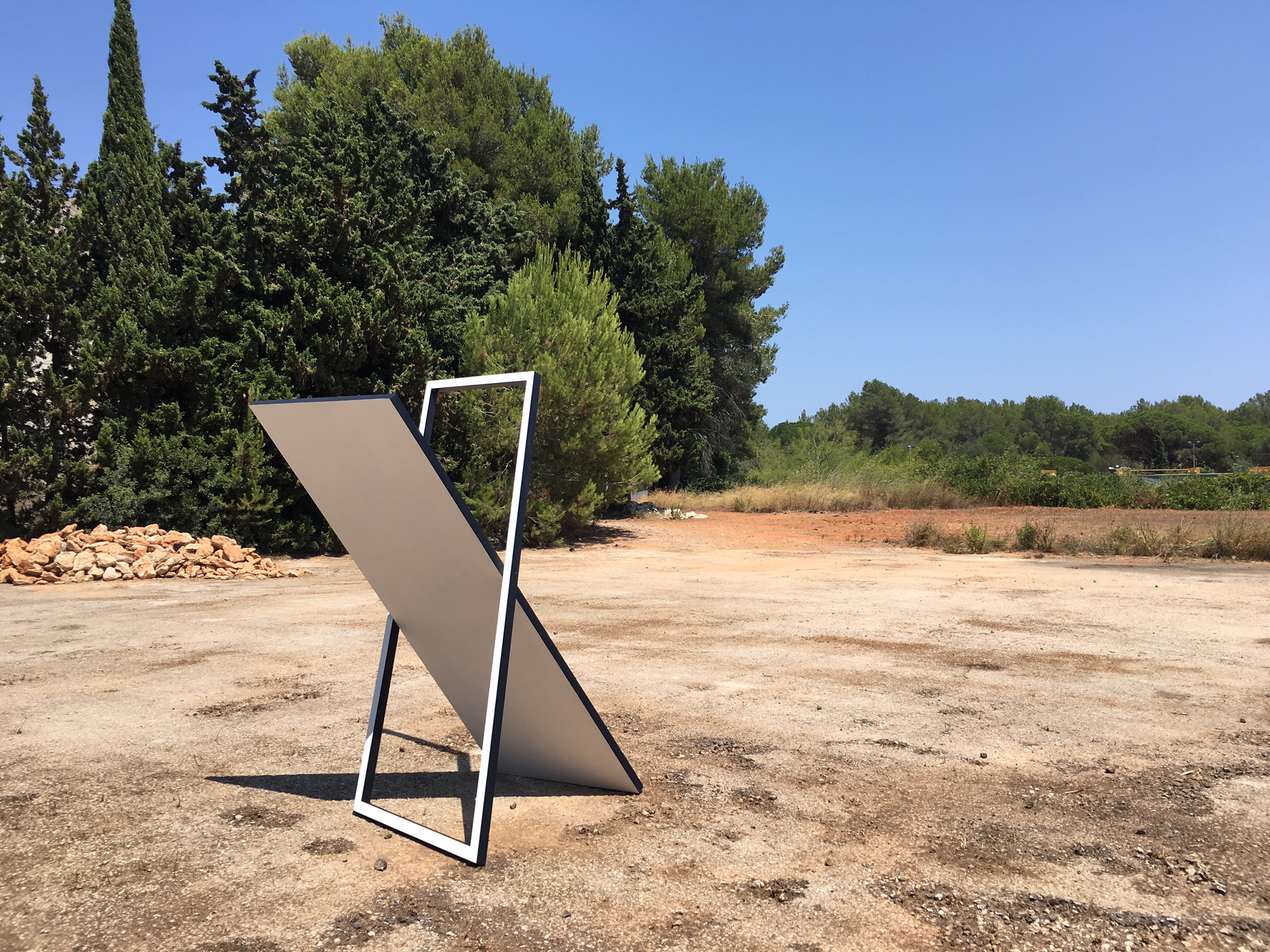
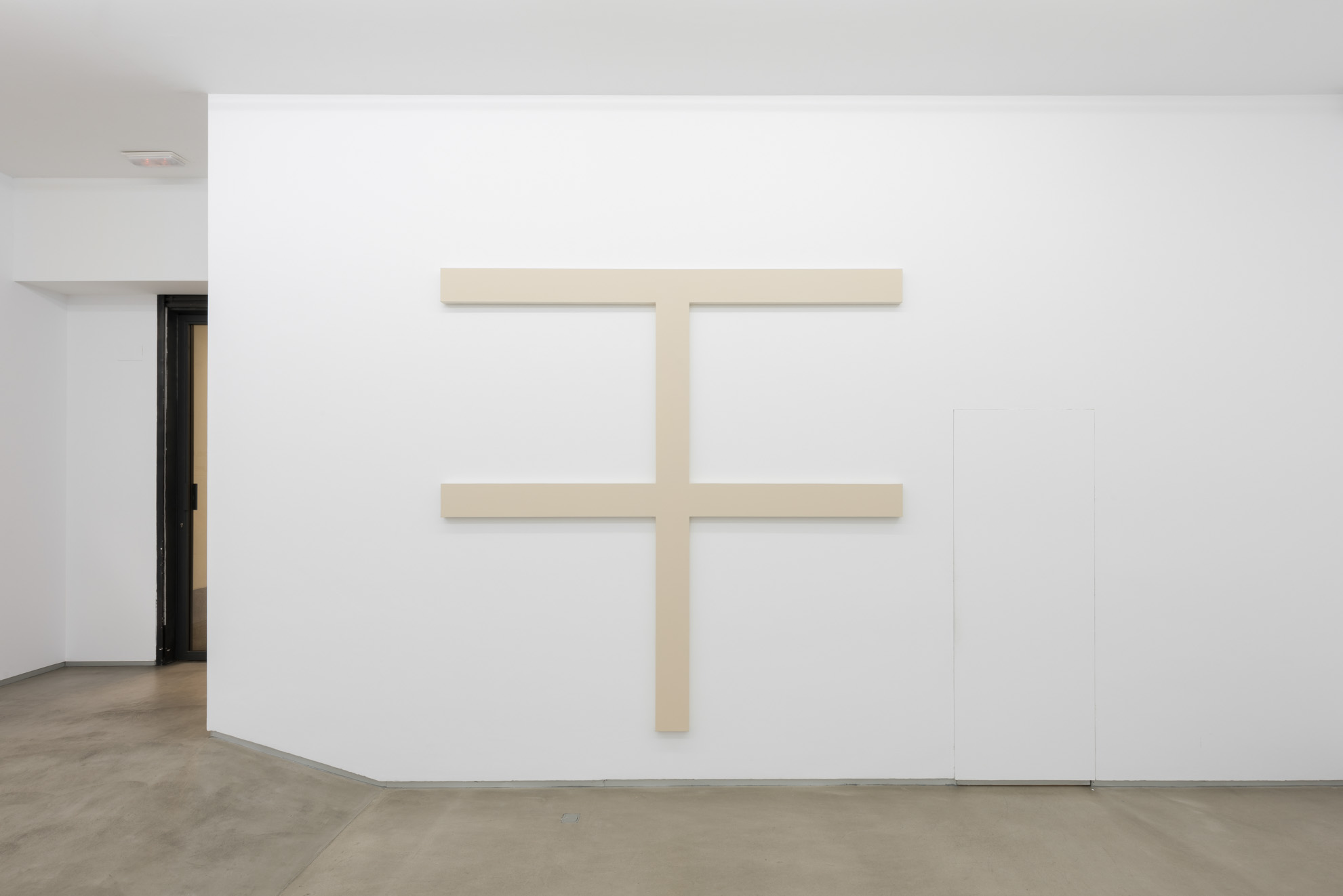
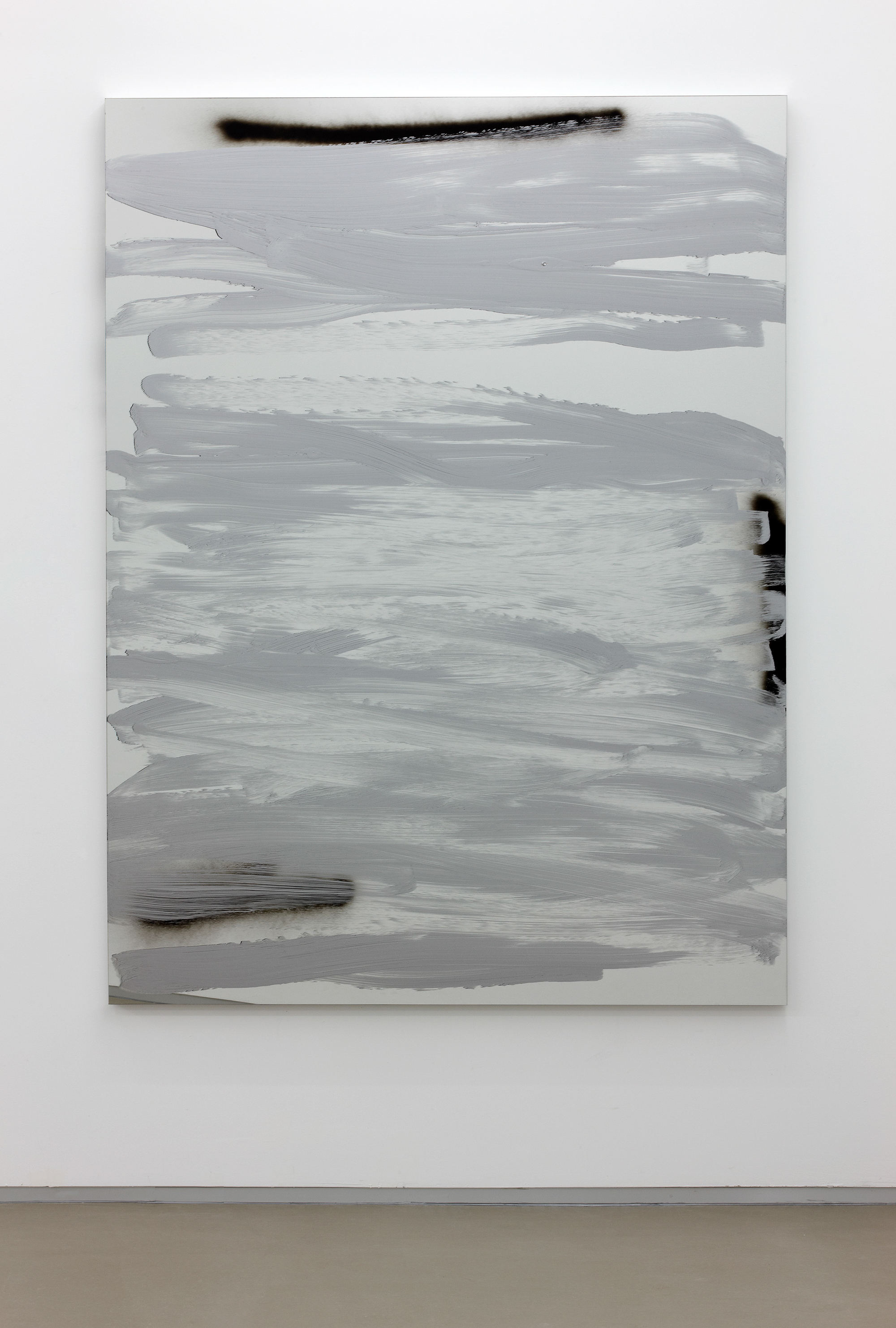
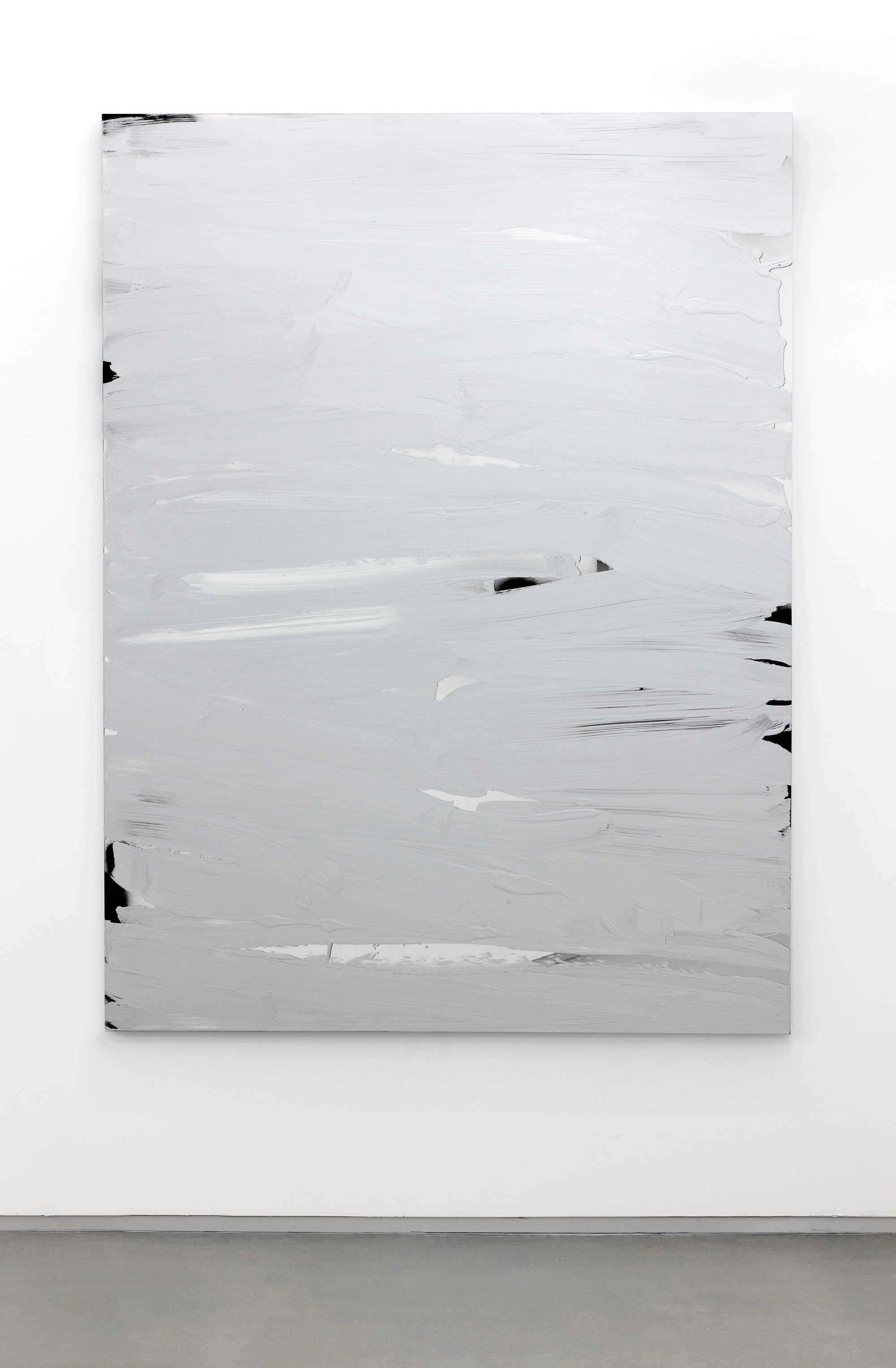
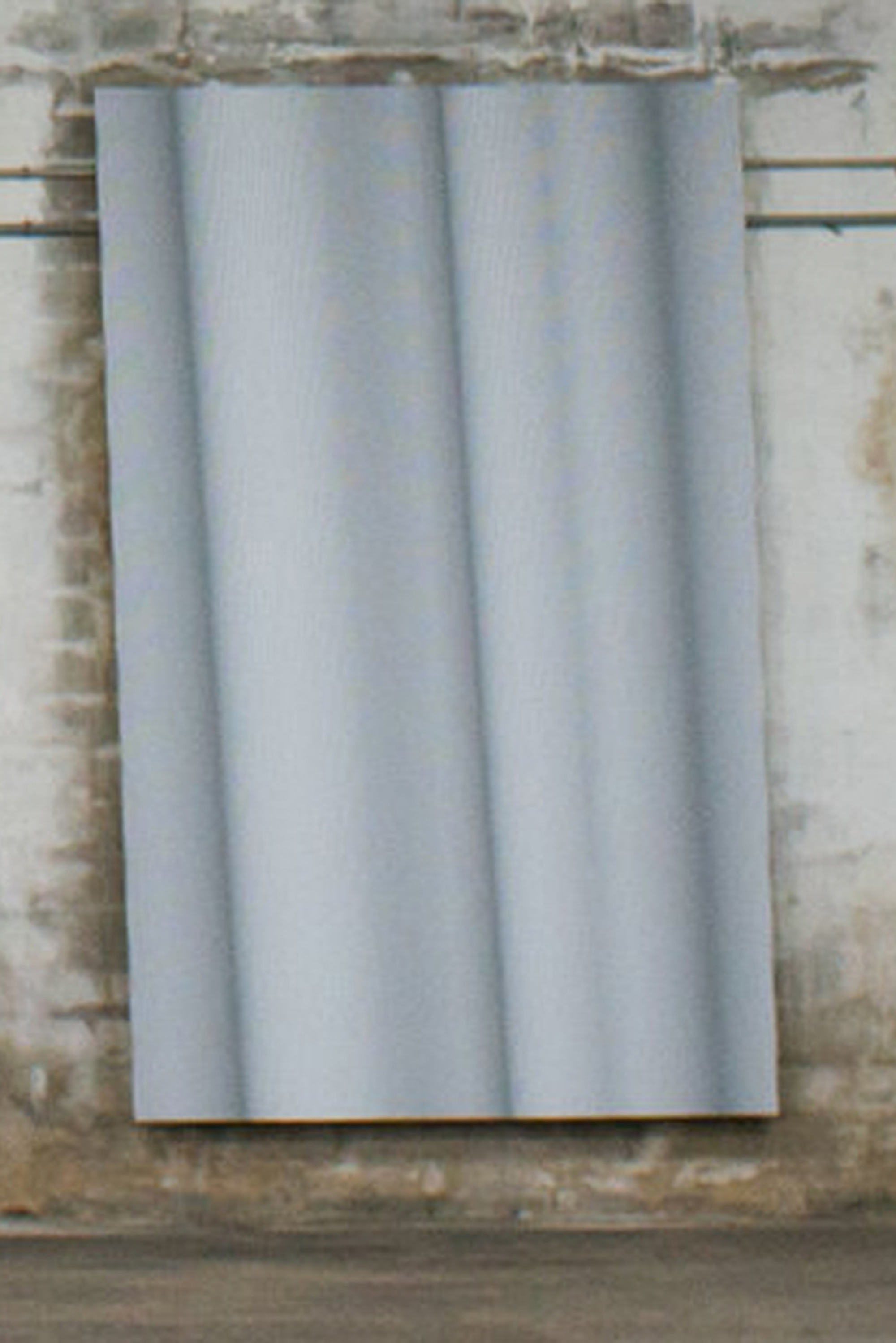
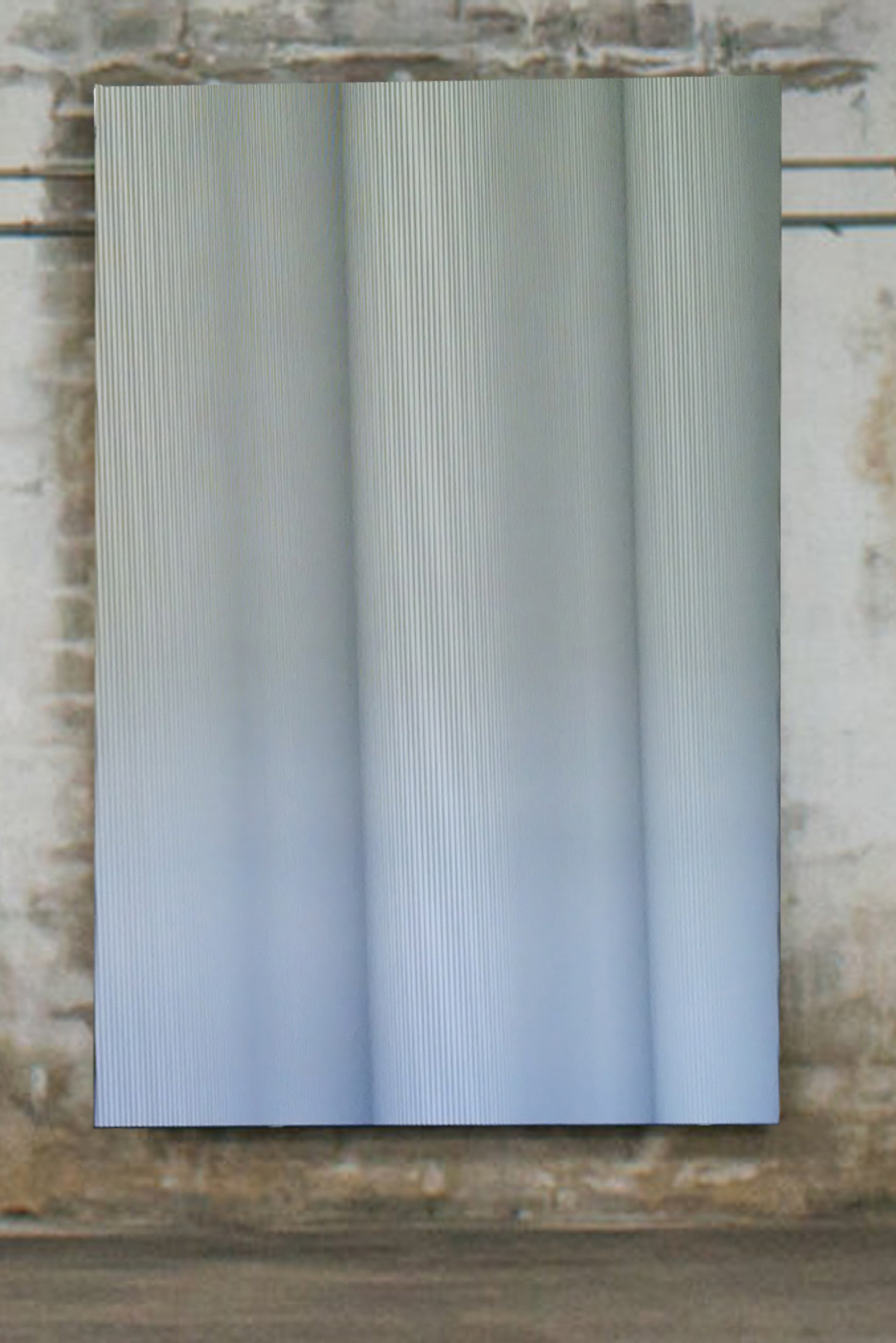
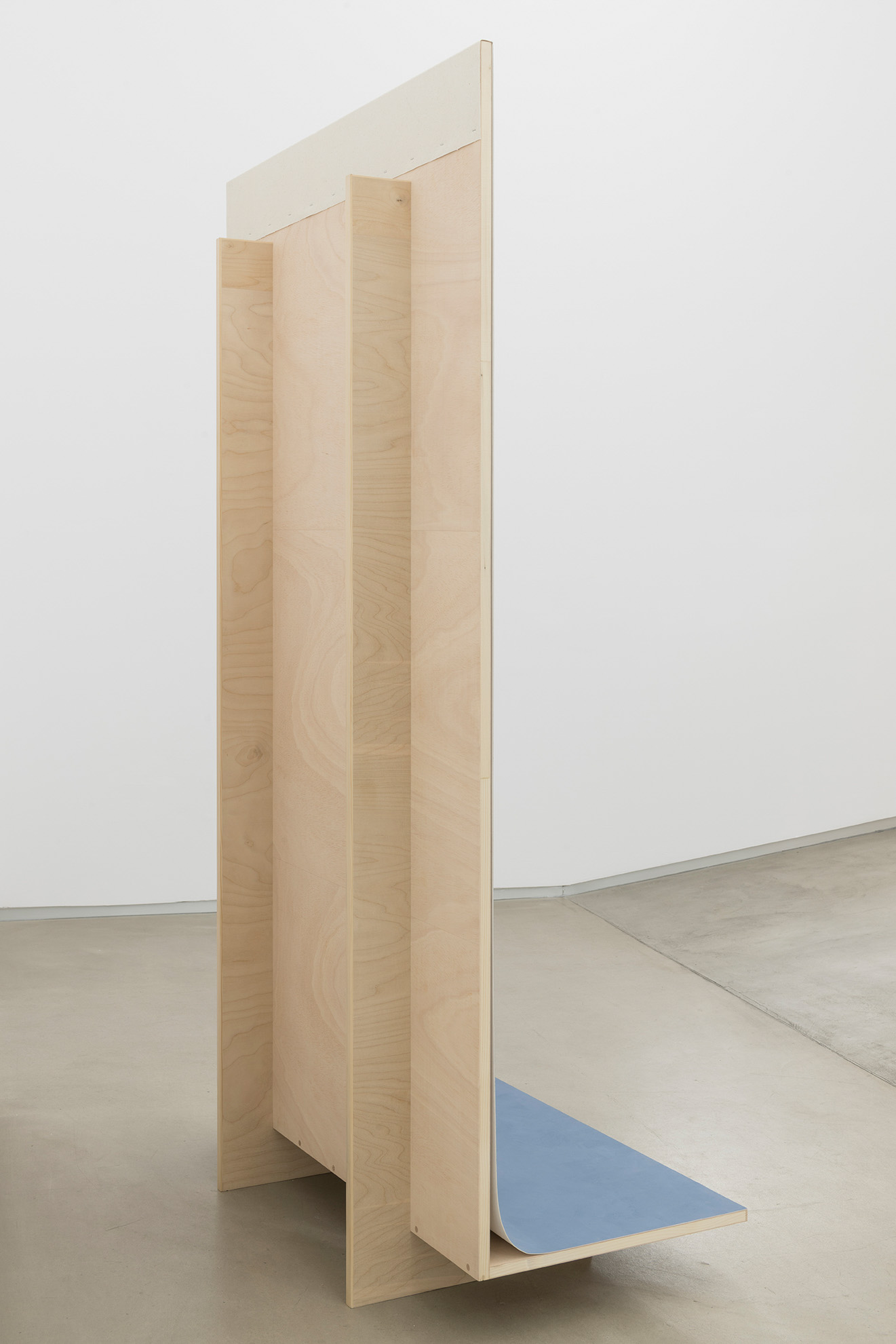
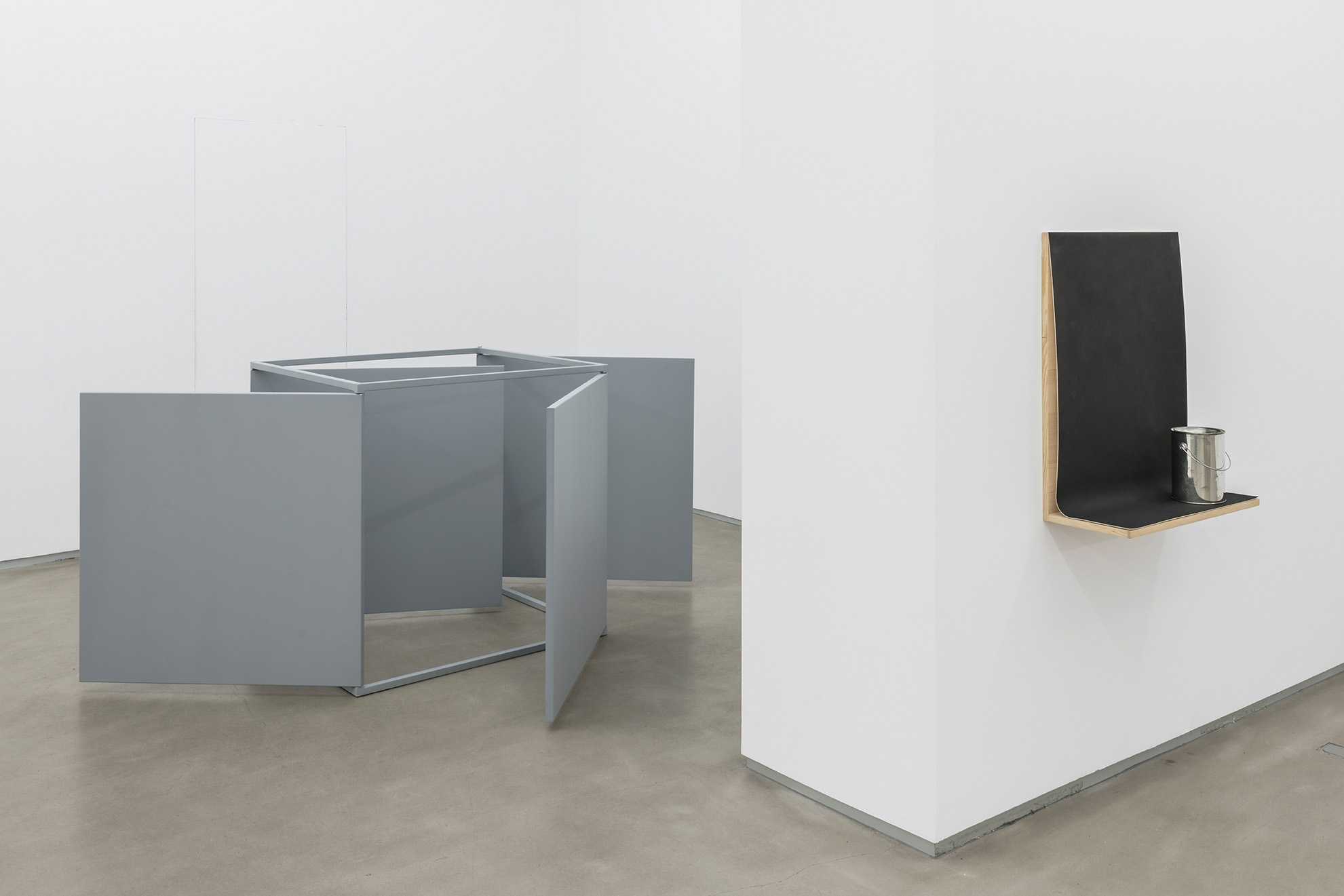
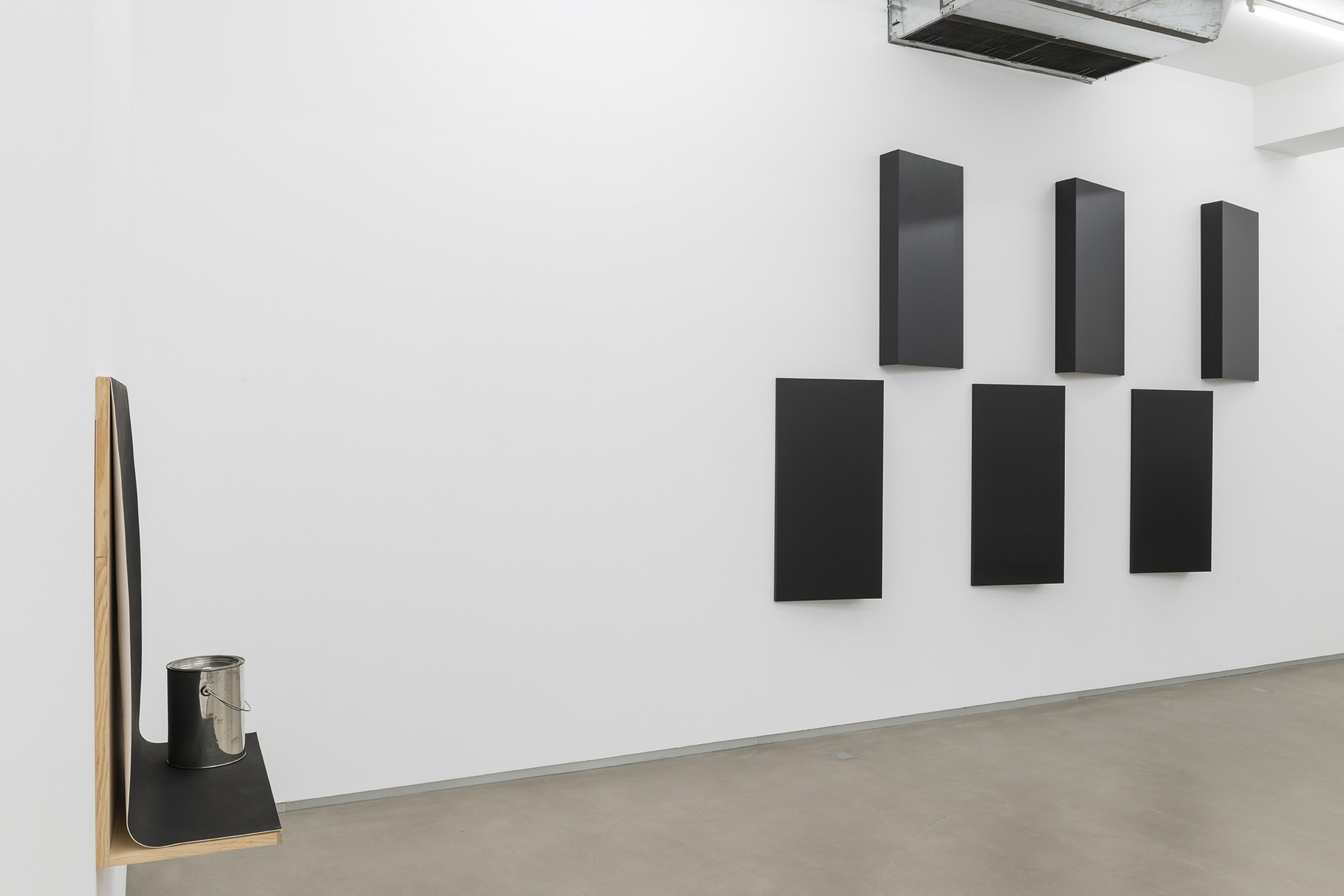
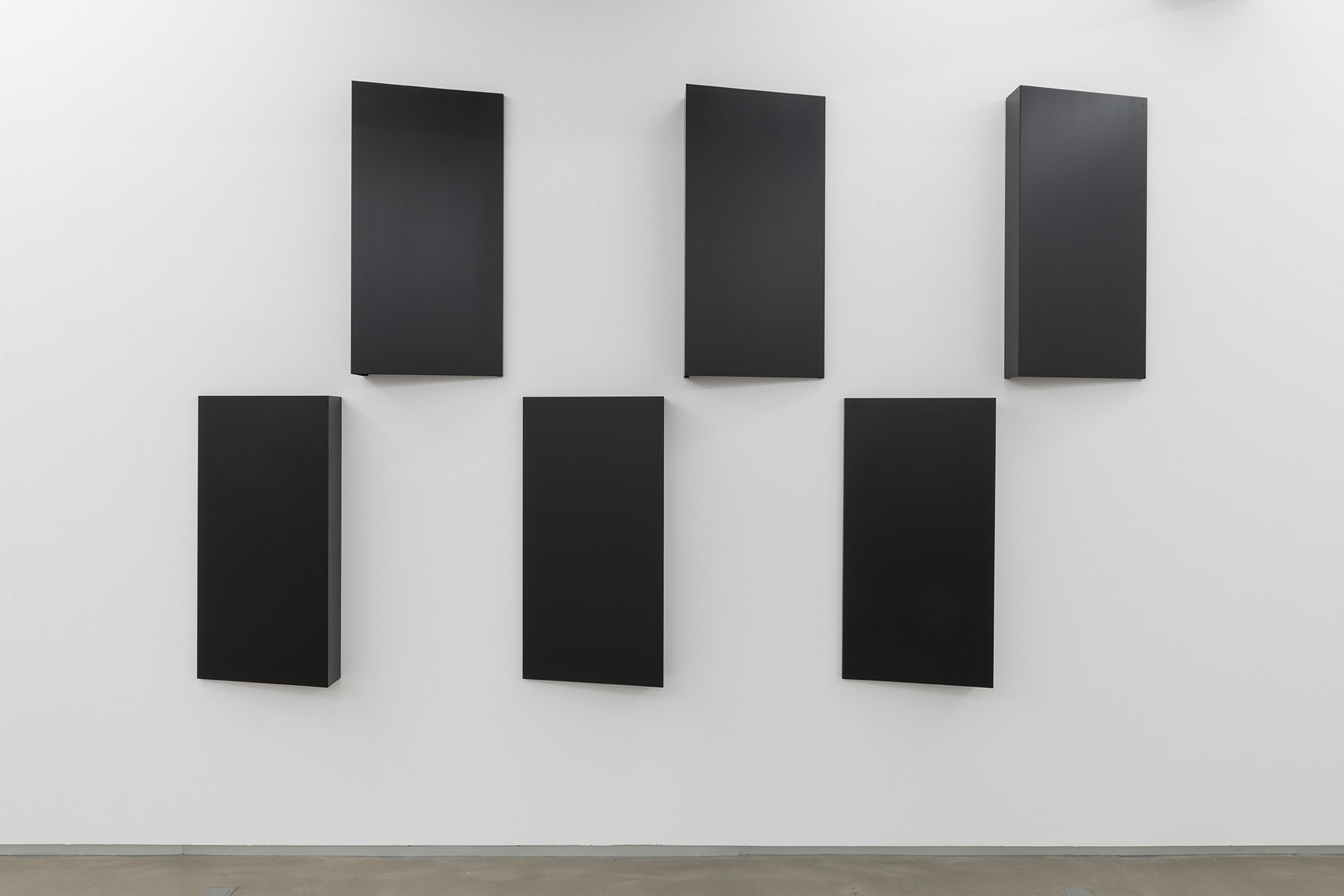
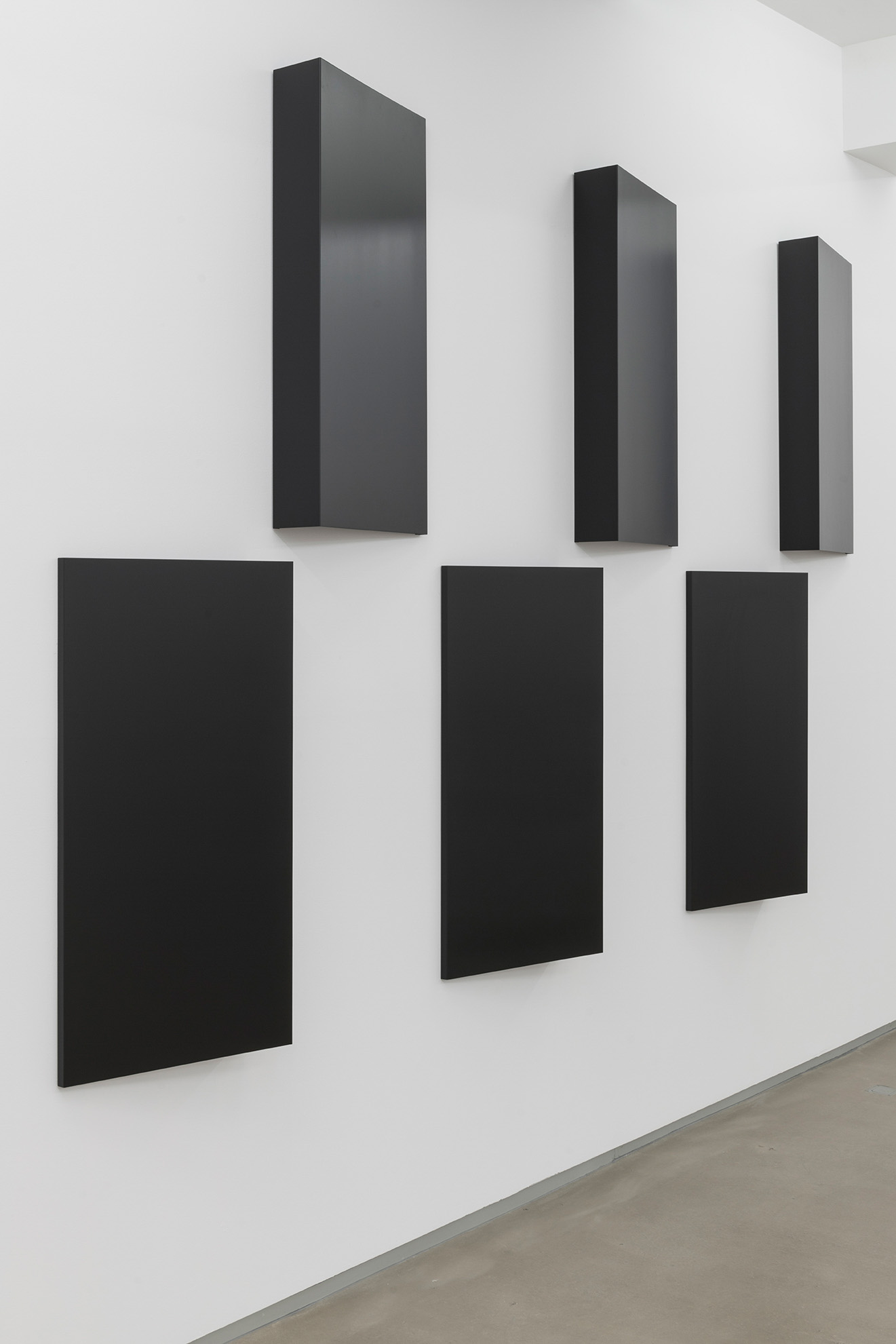
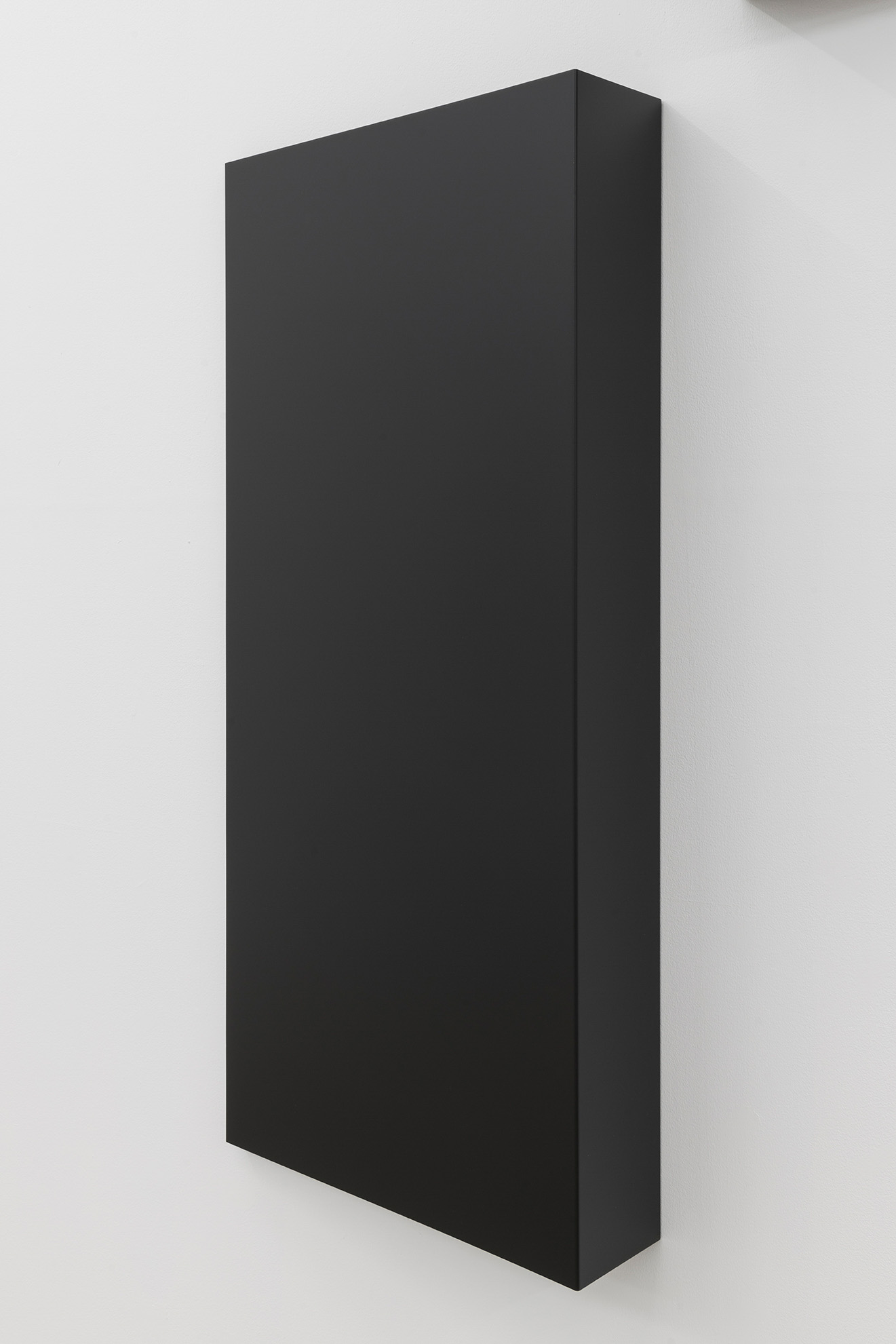
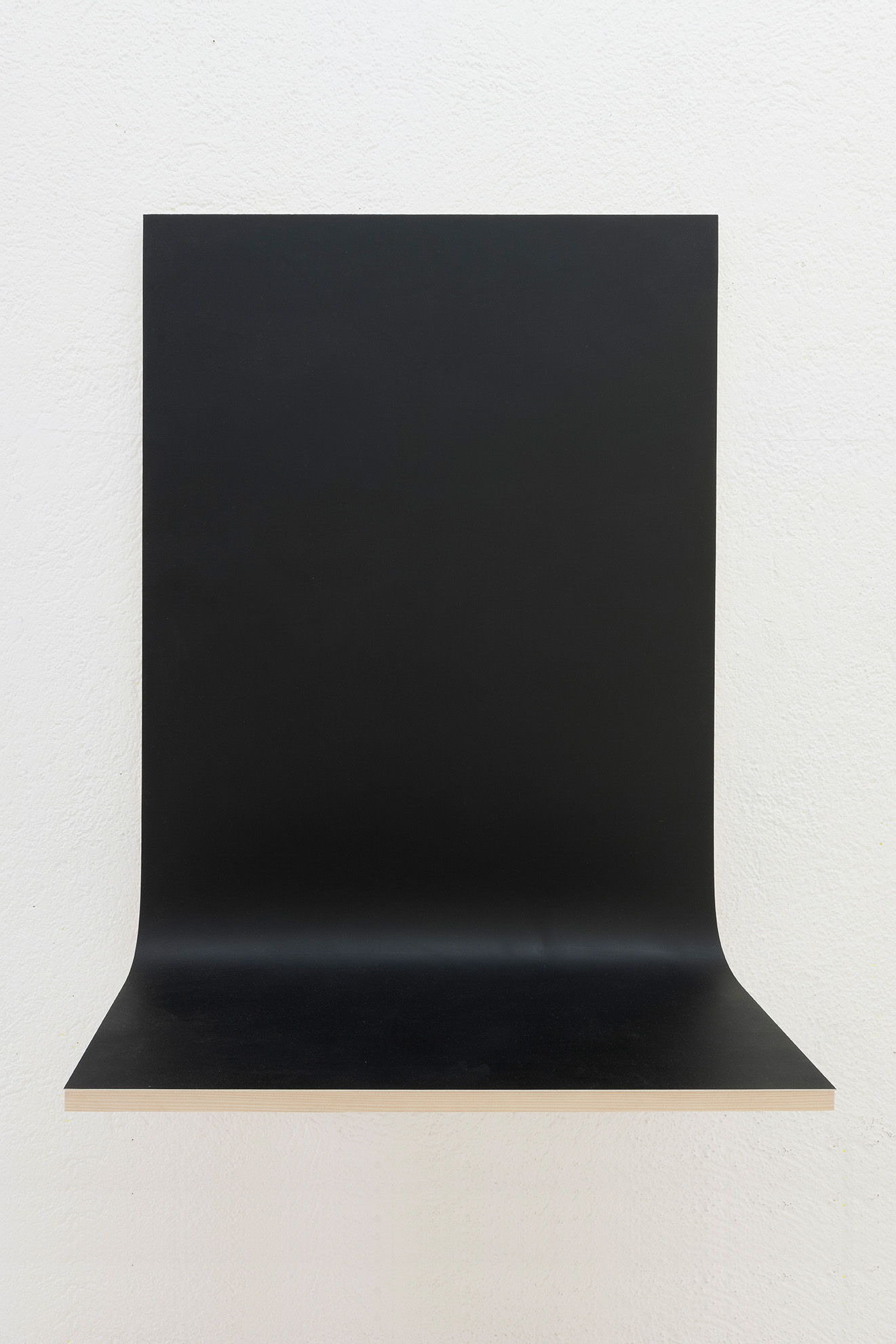
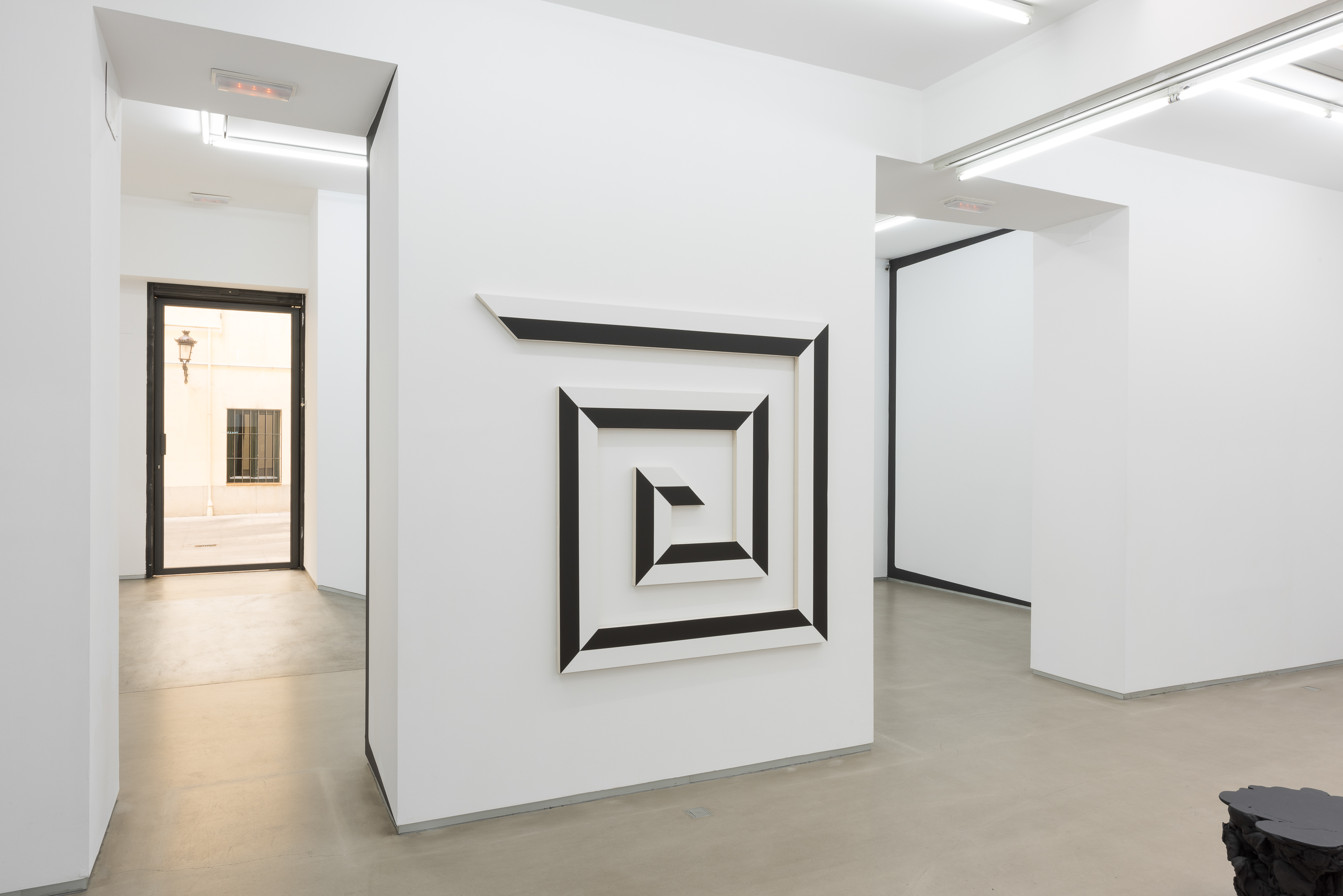
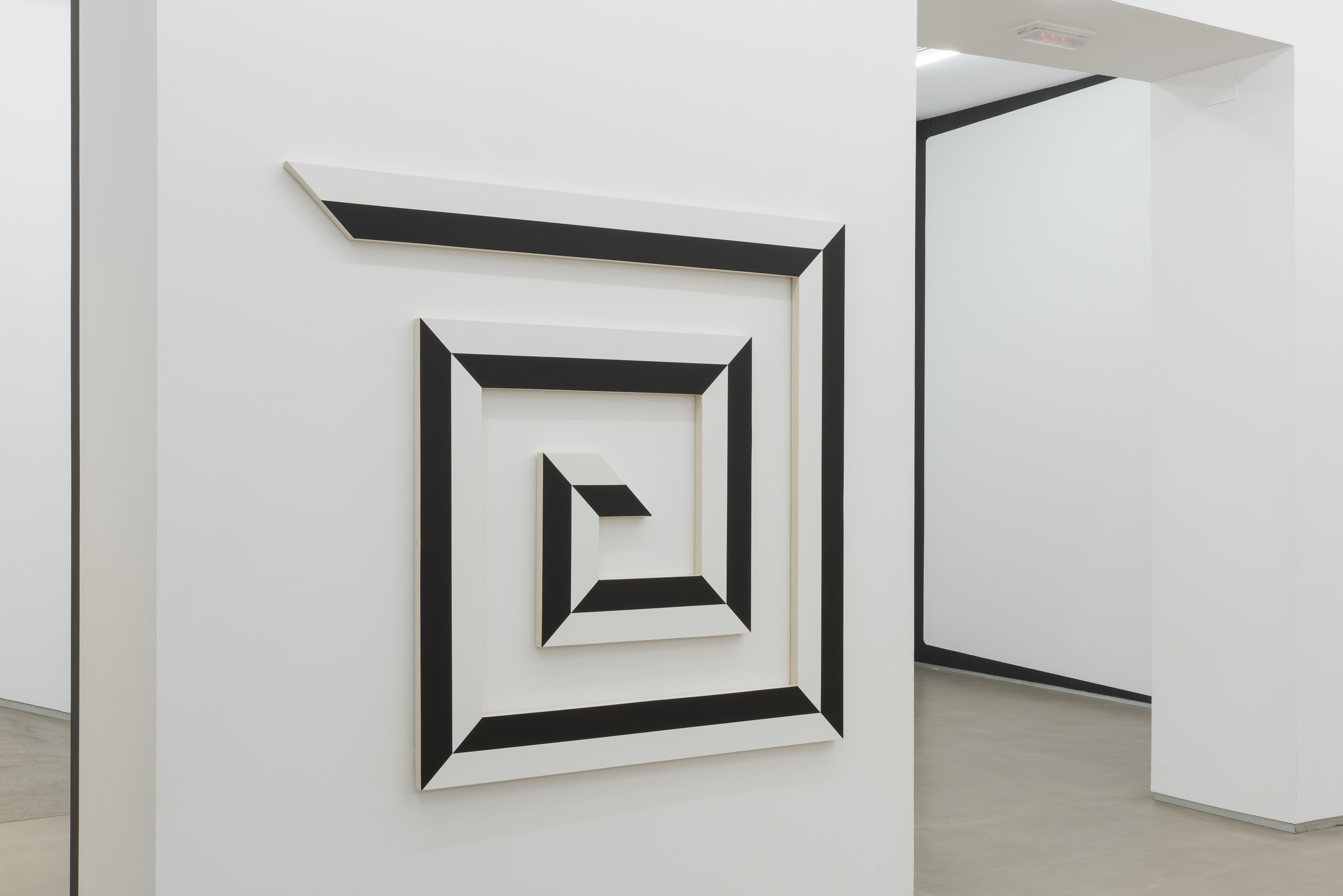
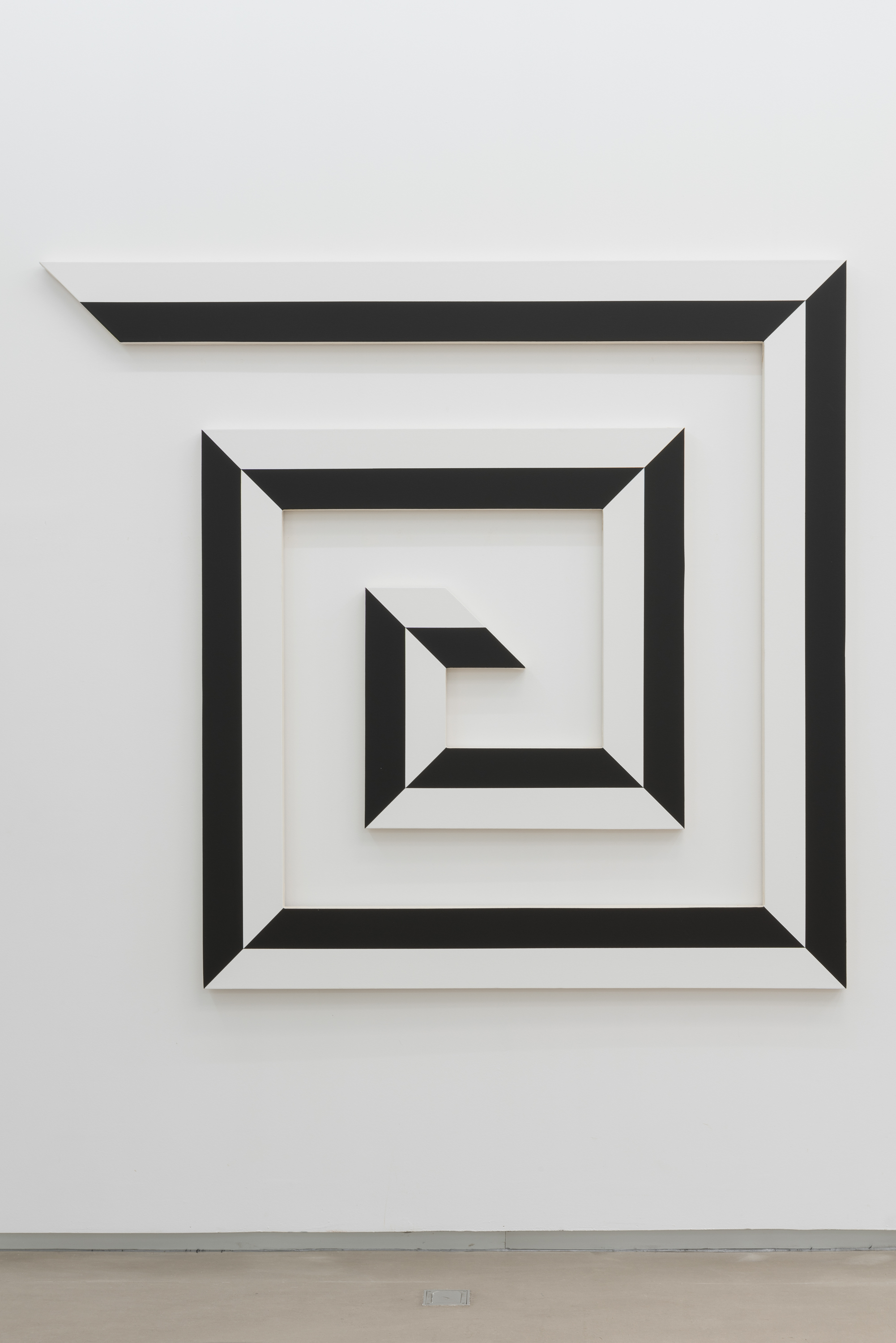
Another architectonic camouflage is made by Martina Klein’s painting, but this time it doesn’t merge with the walls but it emulates them. The composition appears articulated in space instead of the painterly surface, giving the viewer an unusual chance to walk around the painting. In a similar way, Philippe Decrauzat’s Maze suggests, from the flatness of the canvas, an illusion of volume through a contrast in black and white.
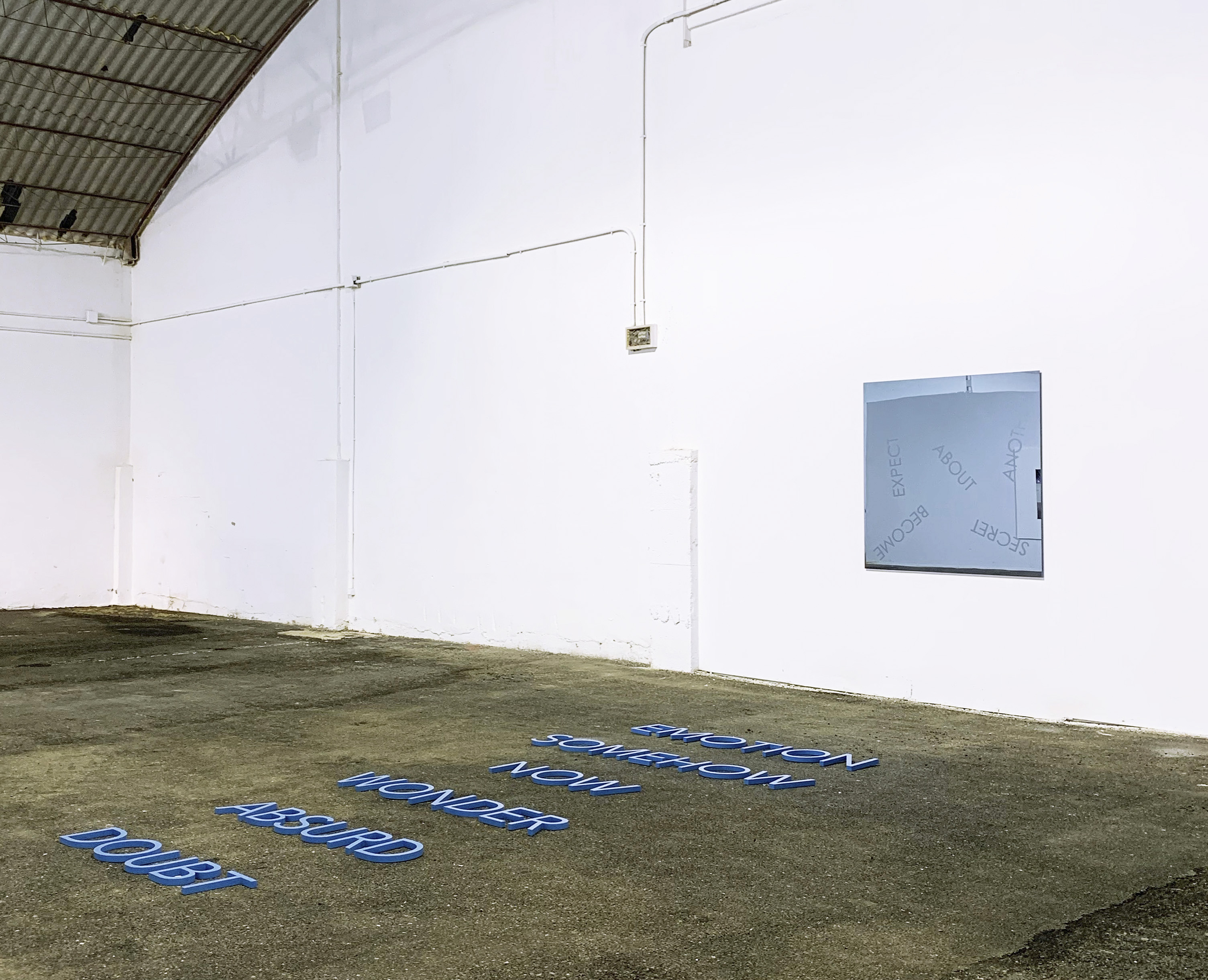
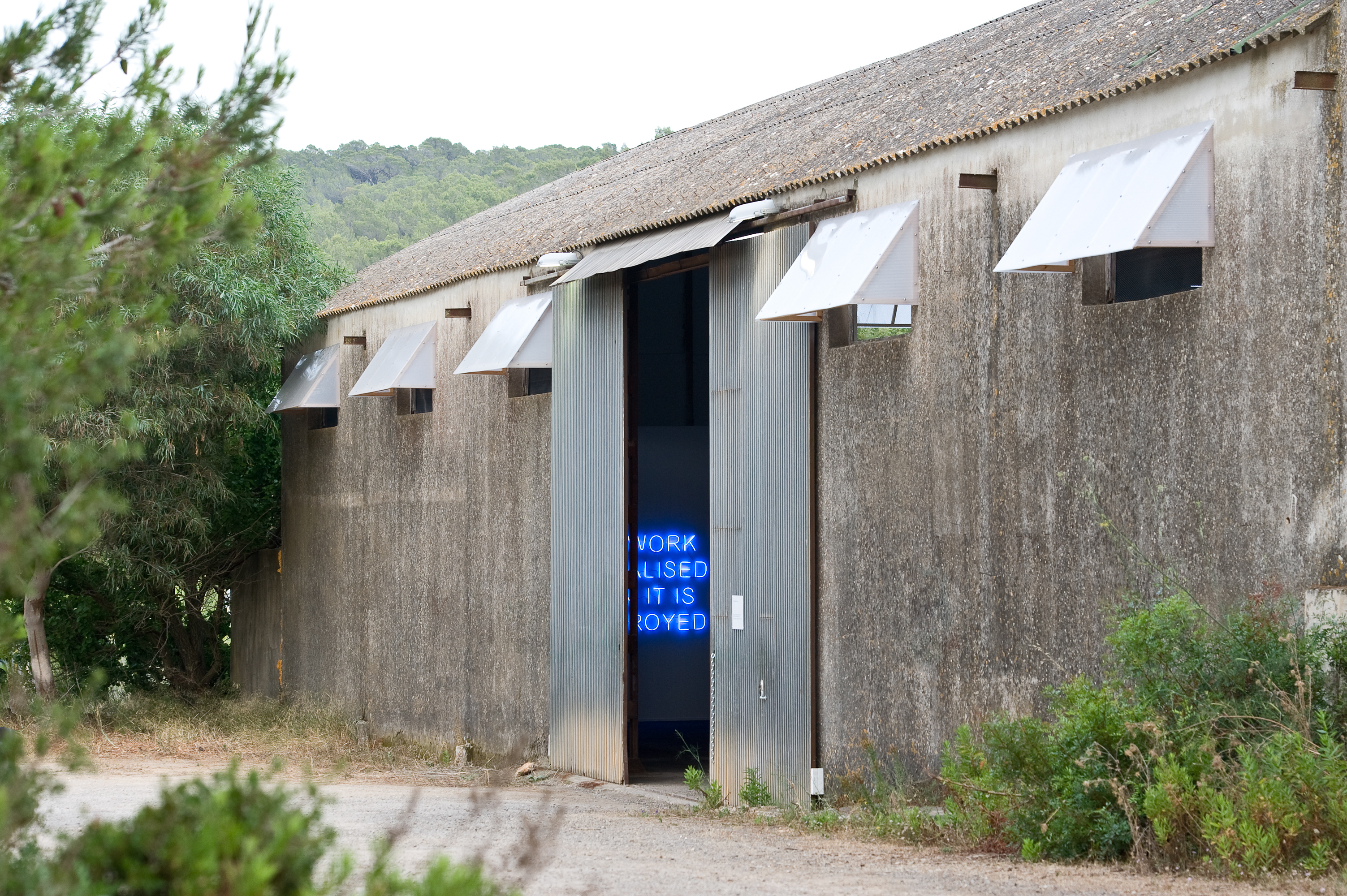
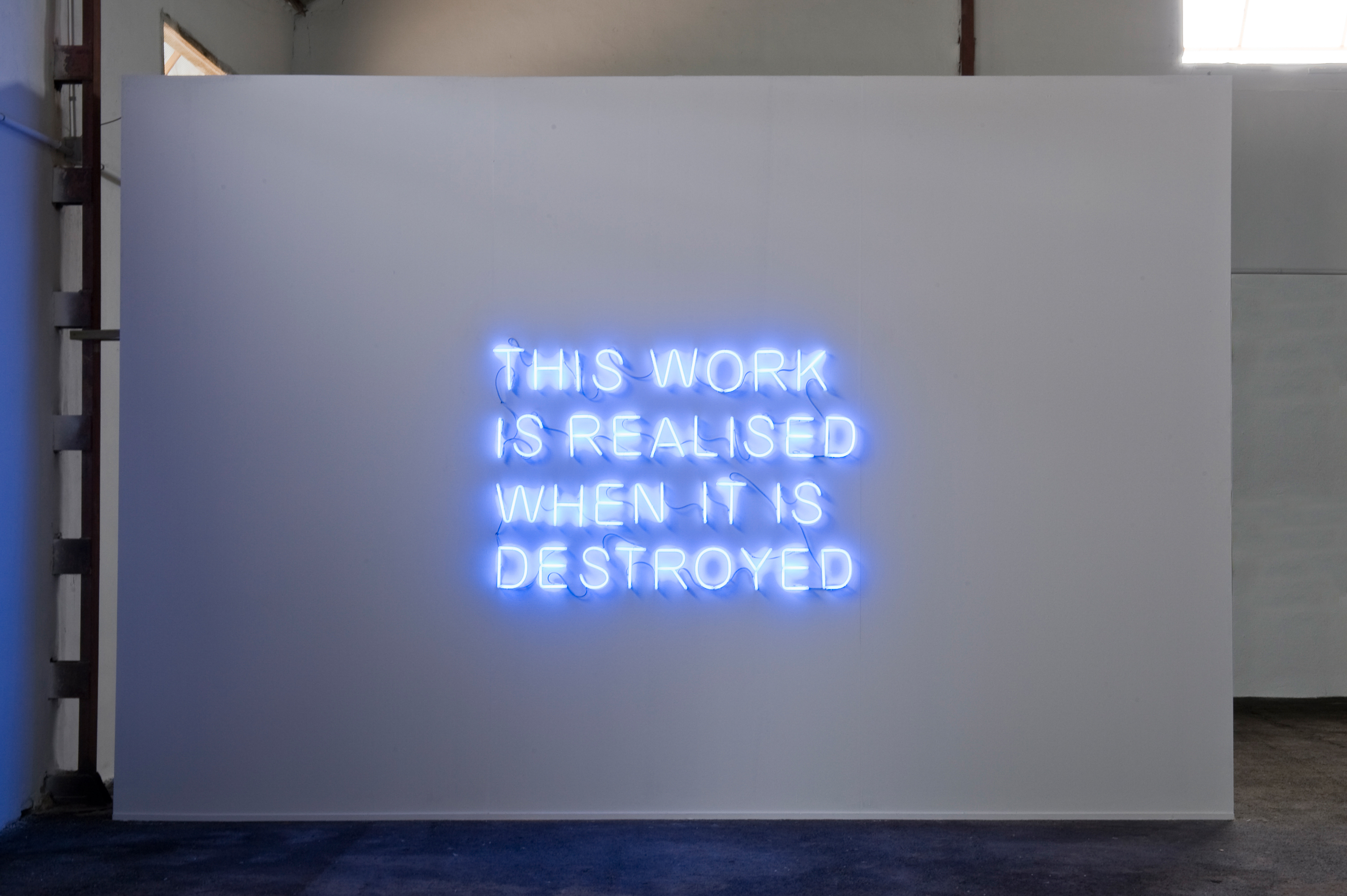
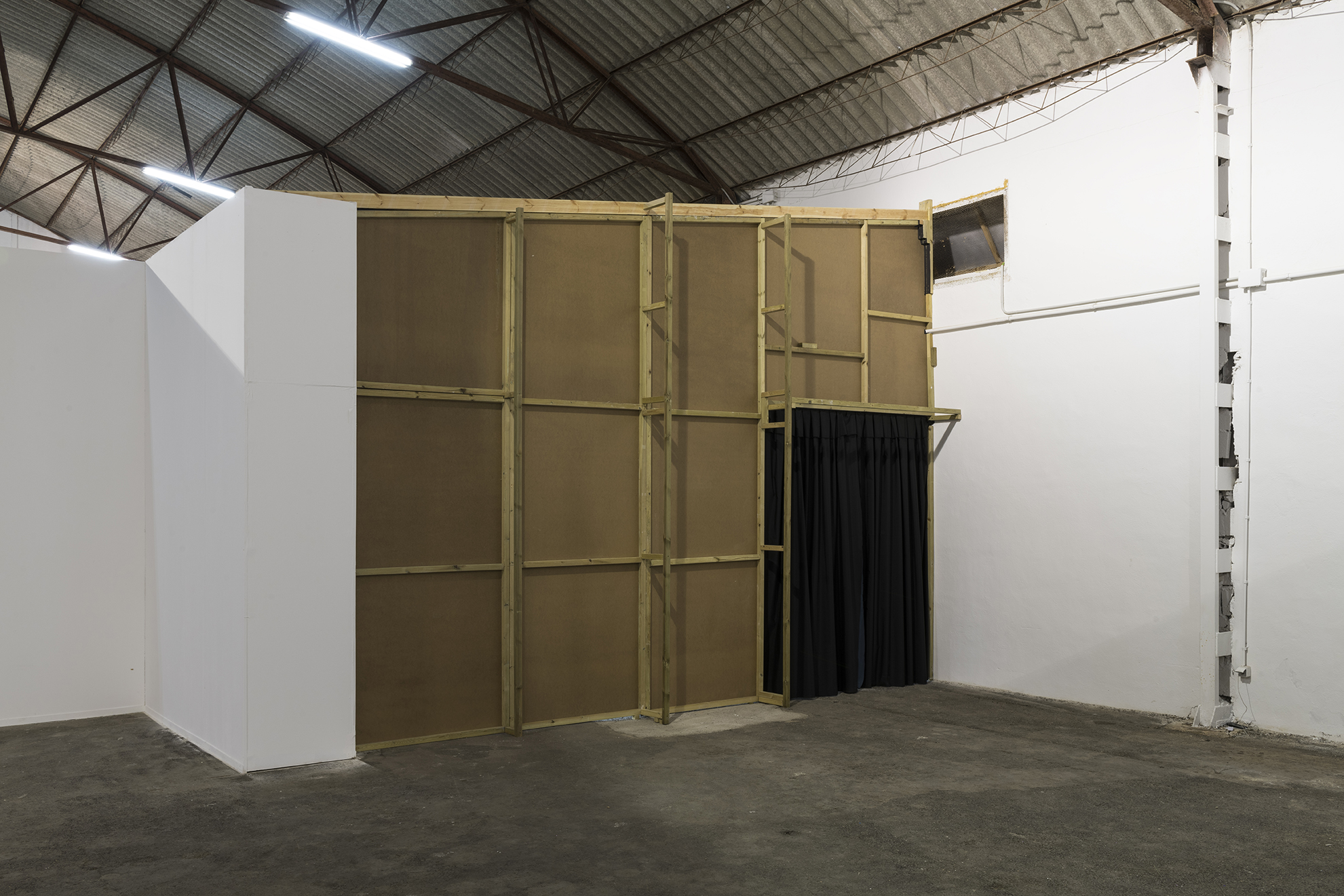
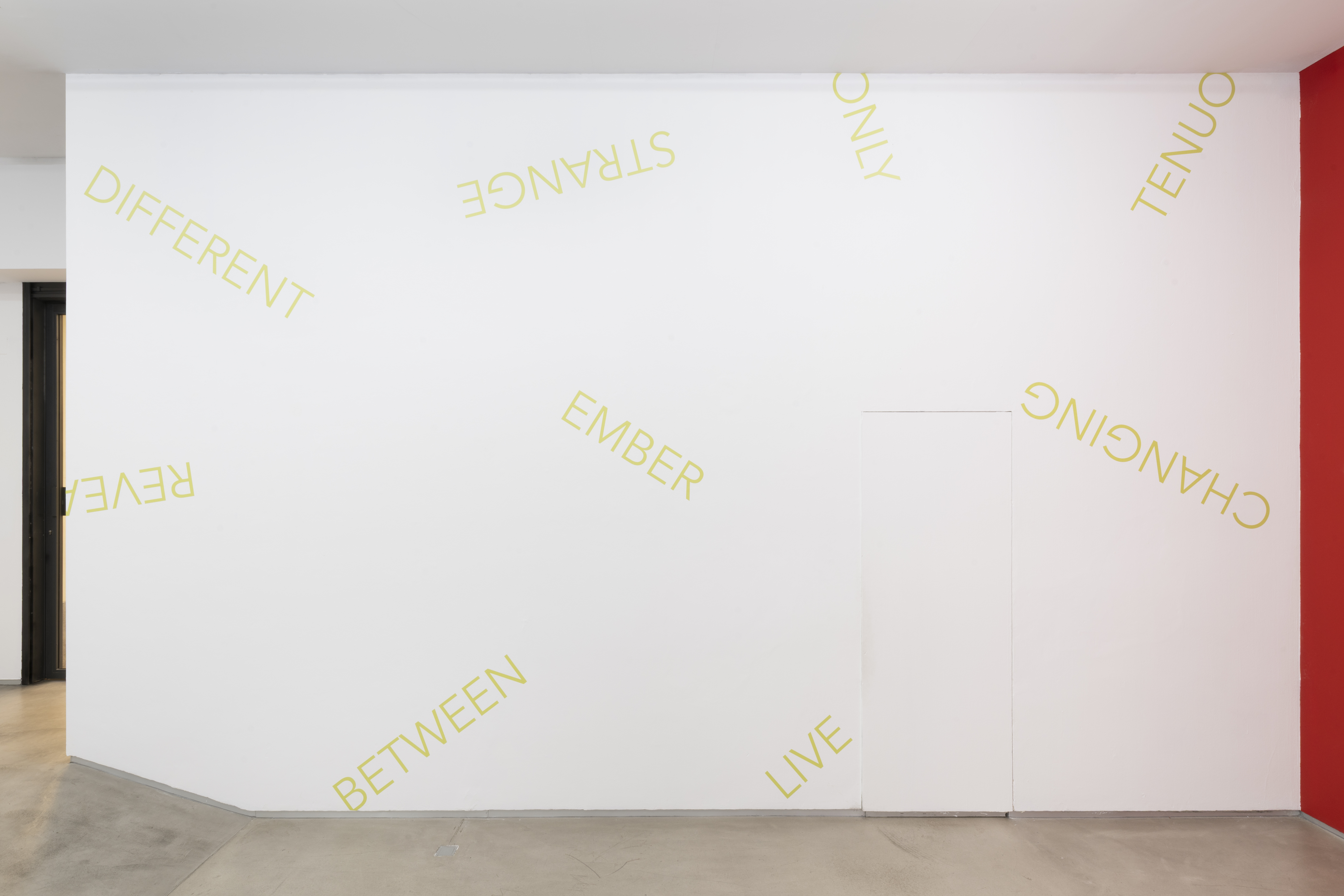
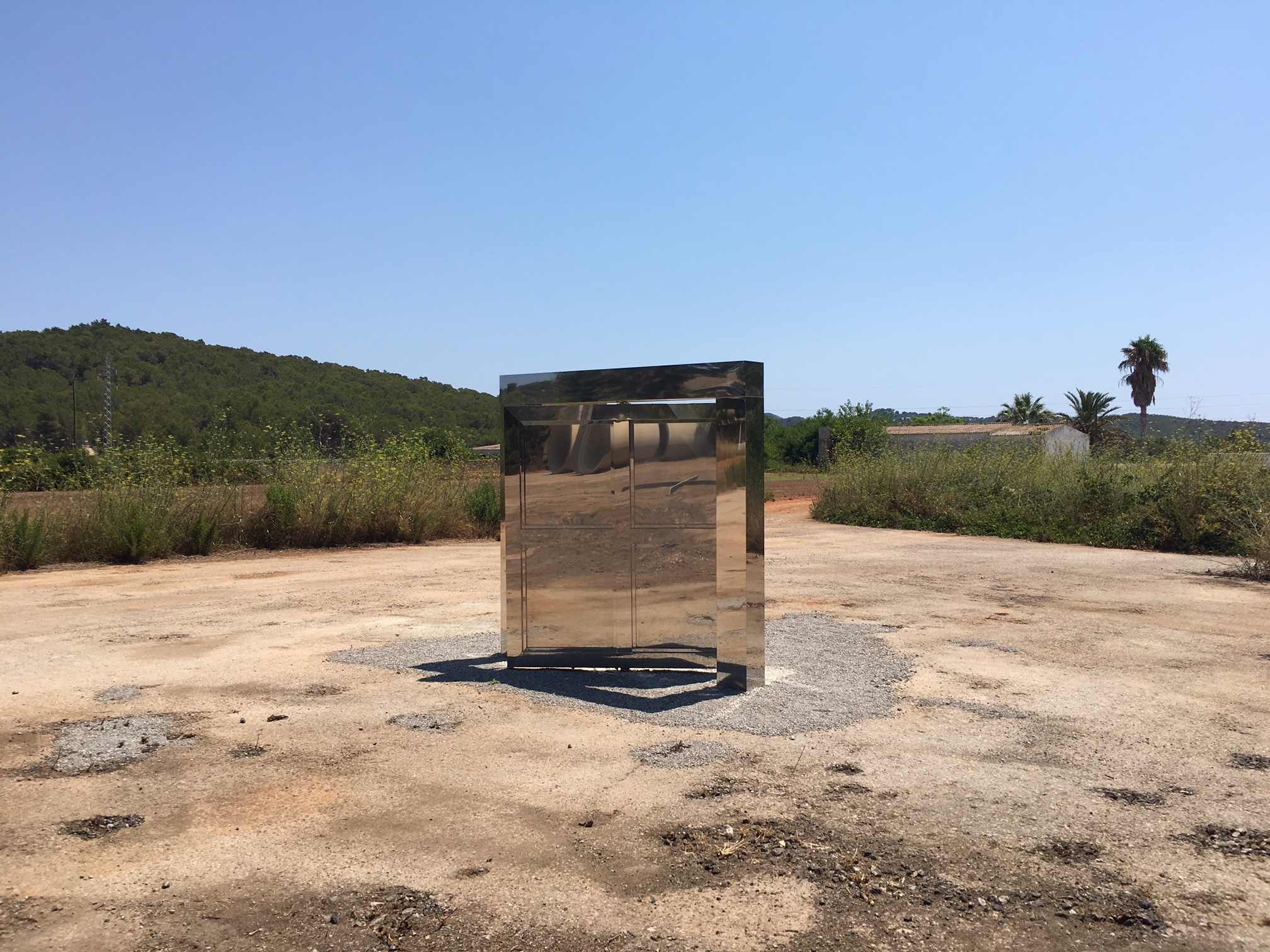
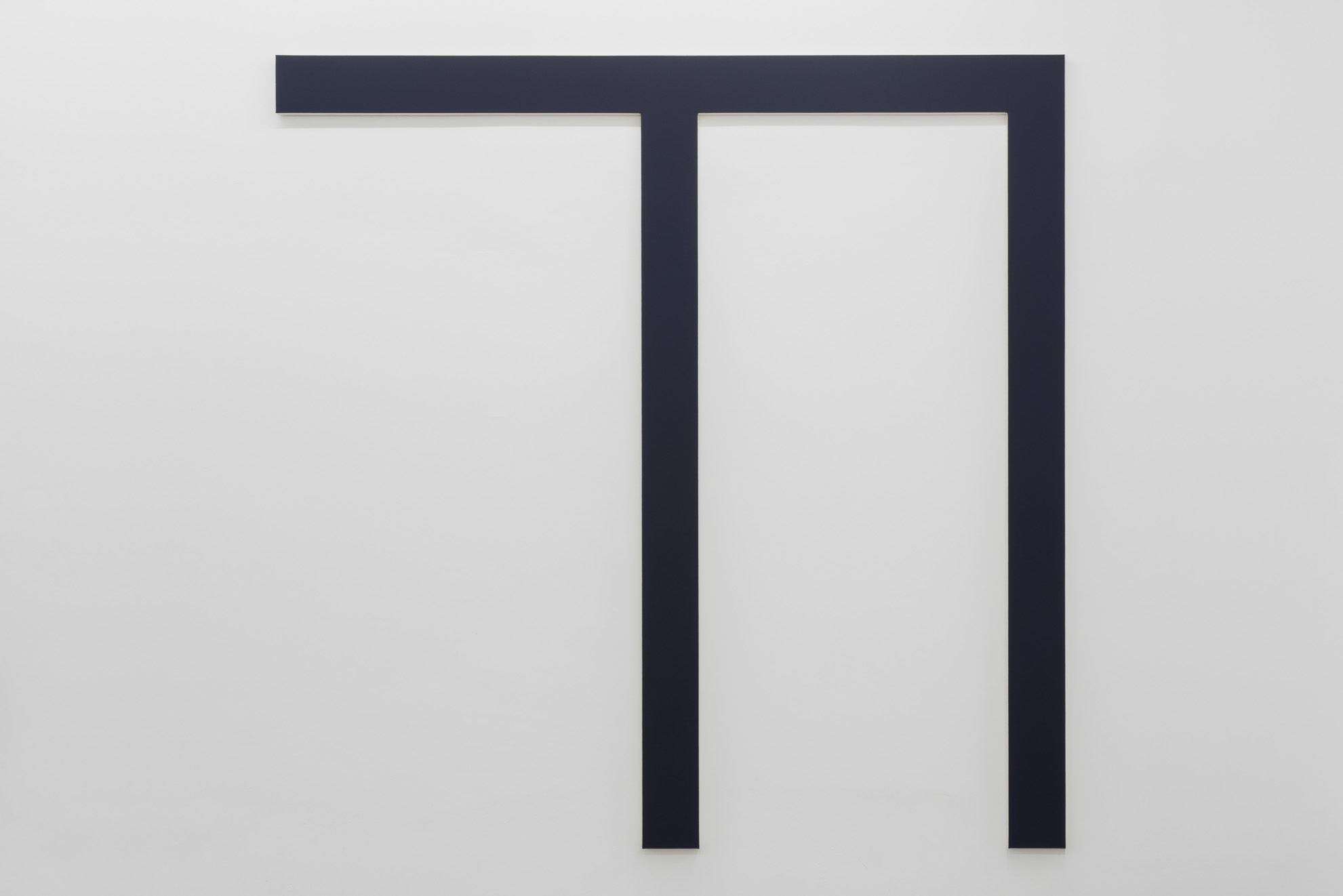
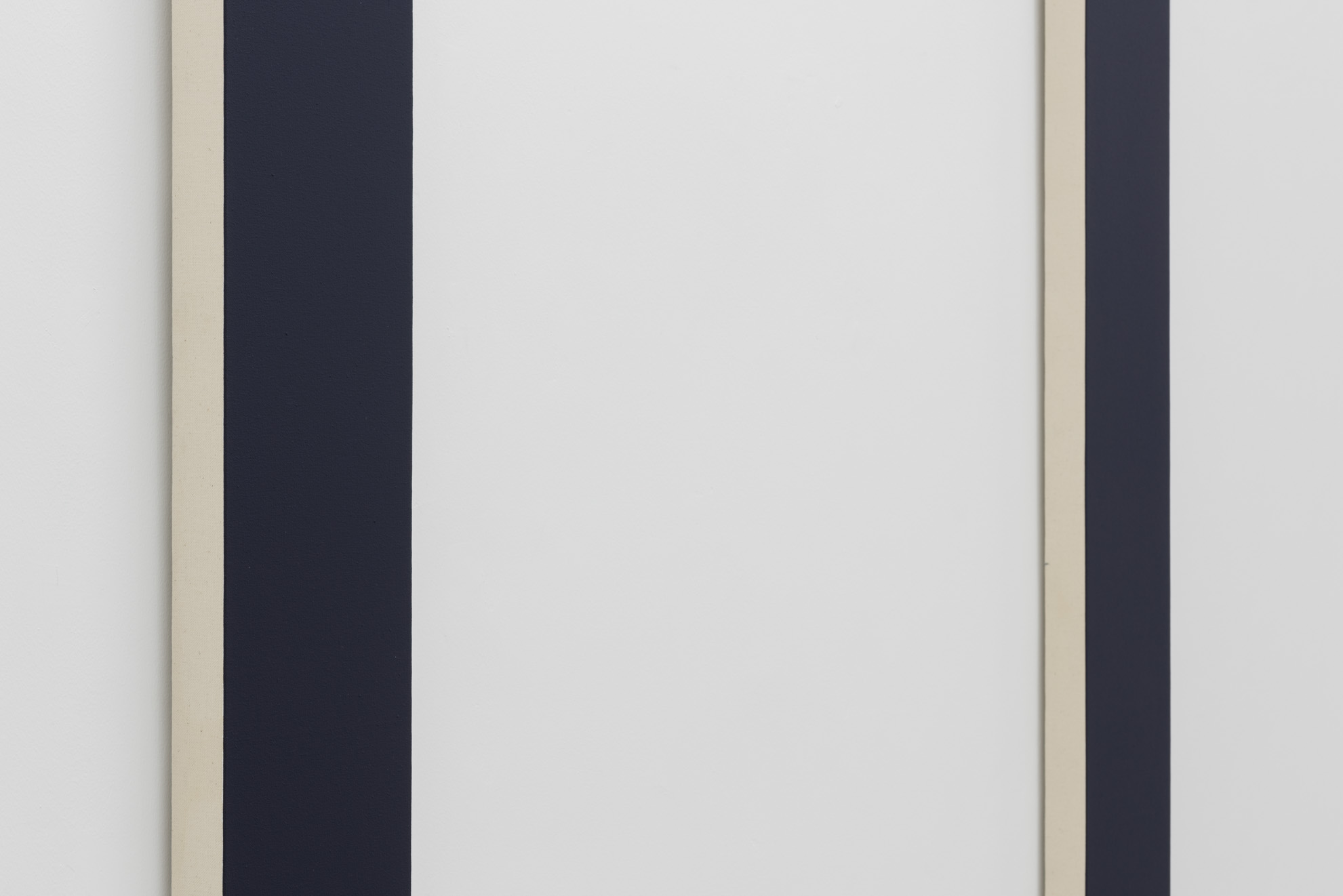
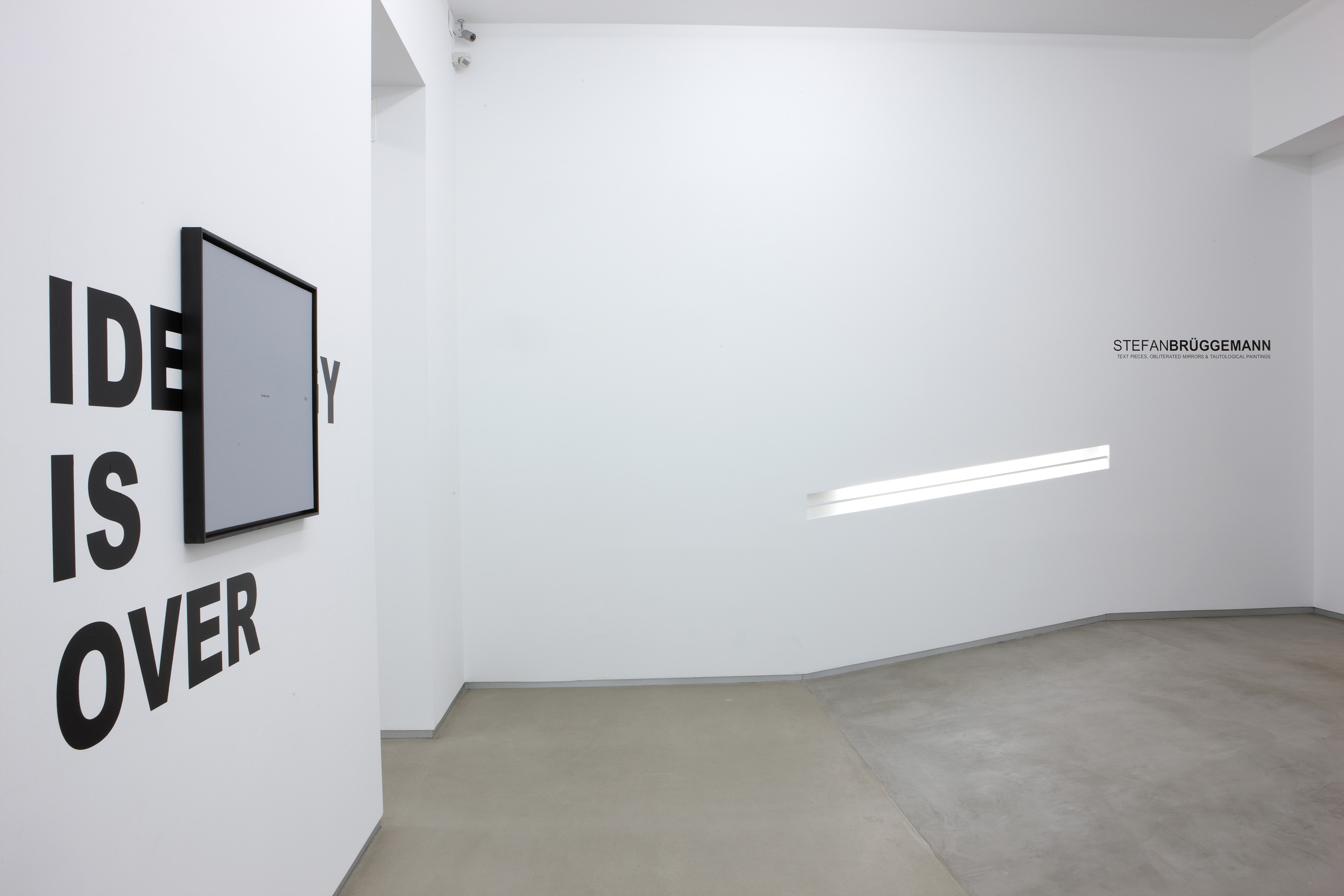
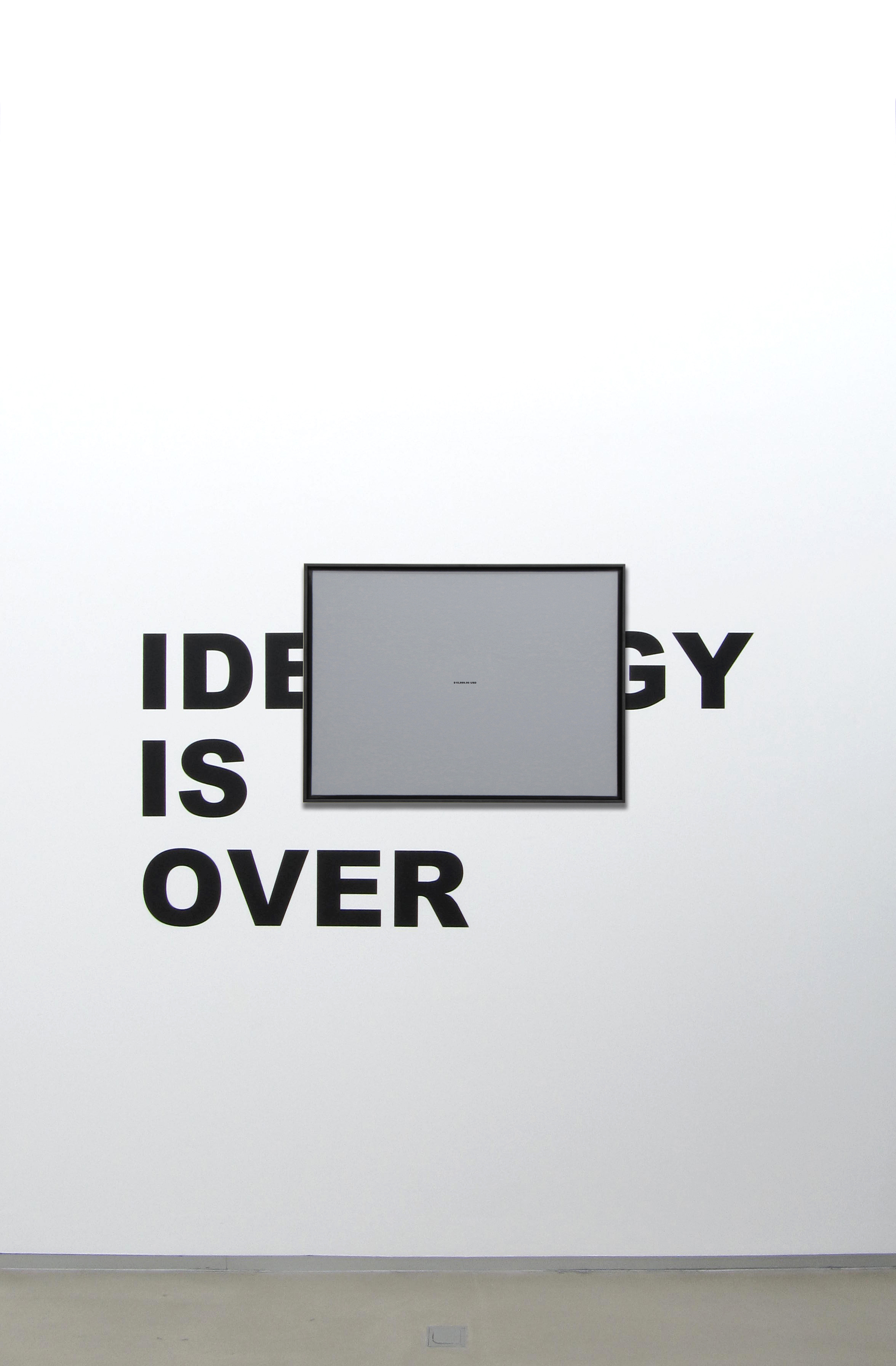
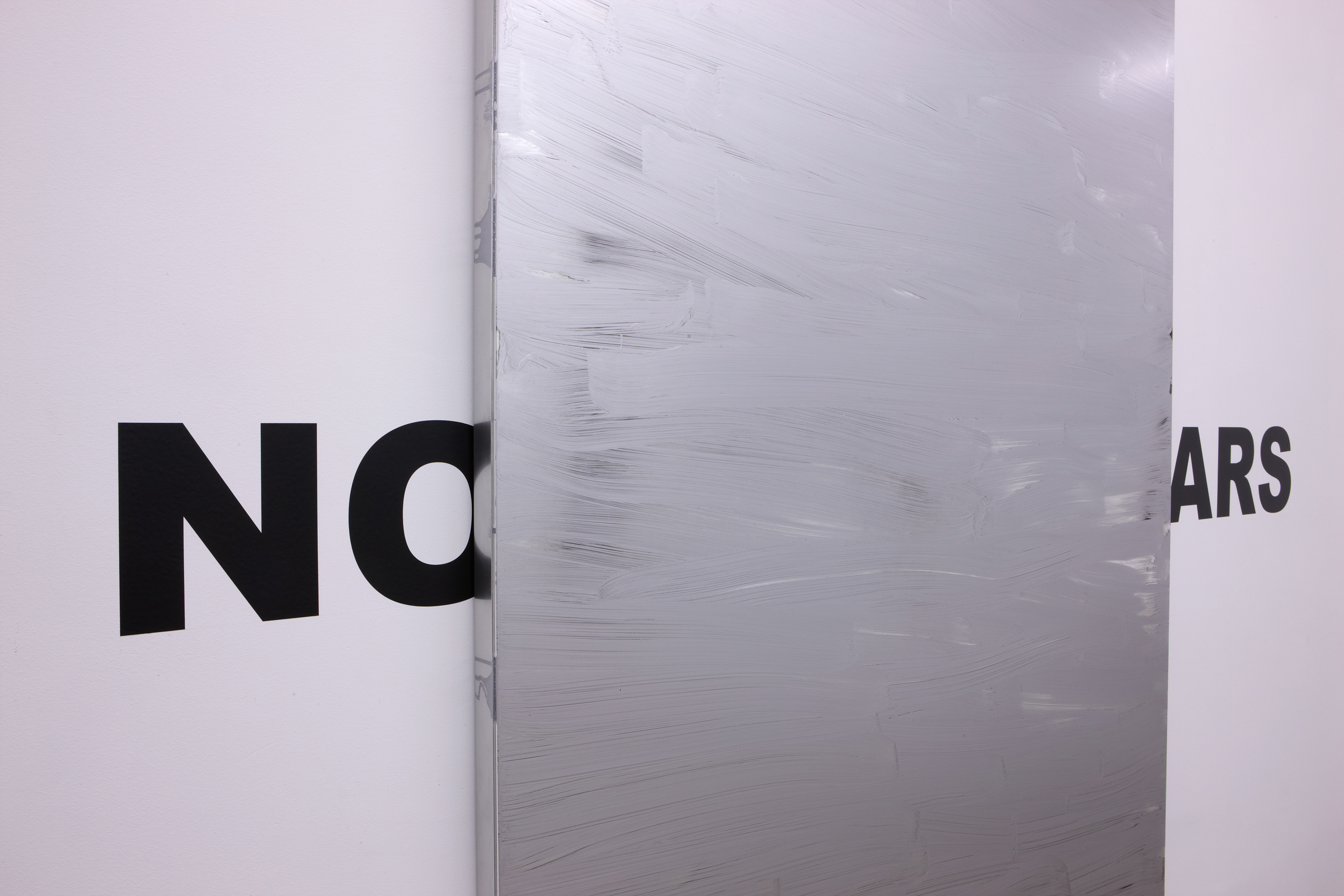
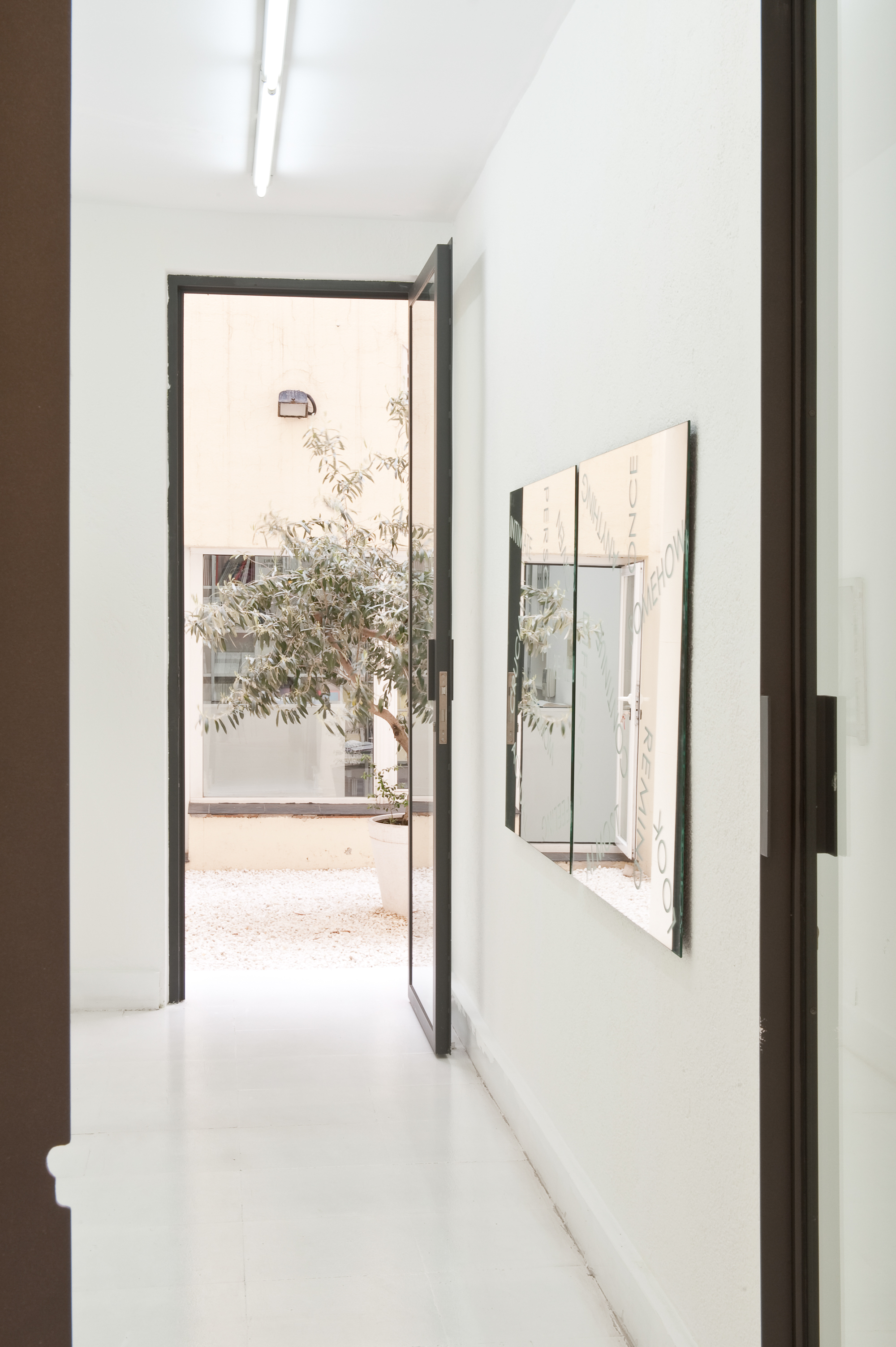
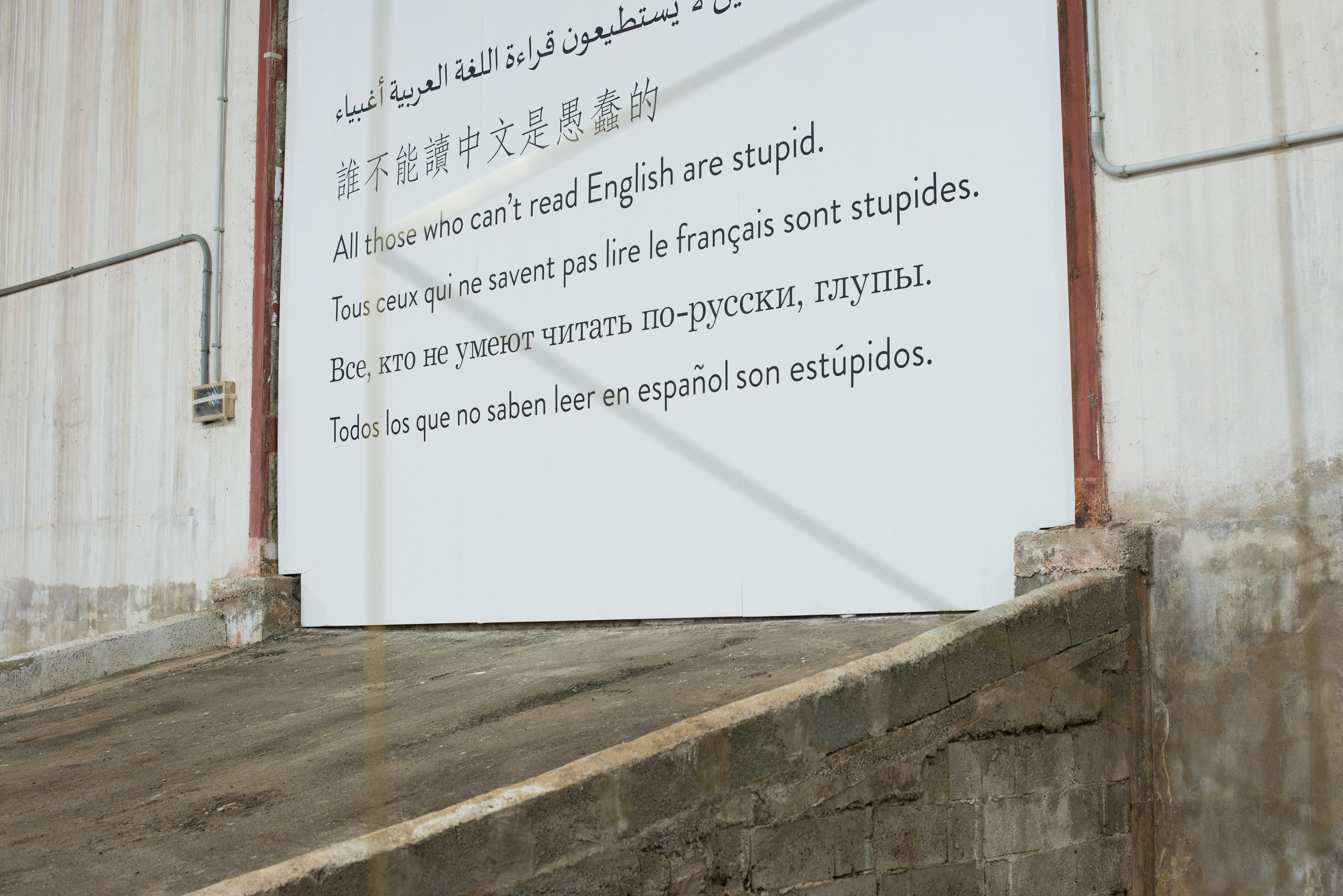
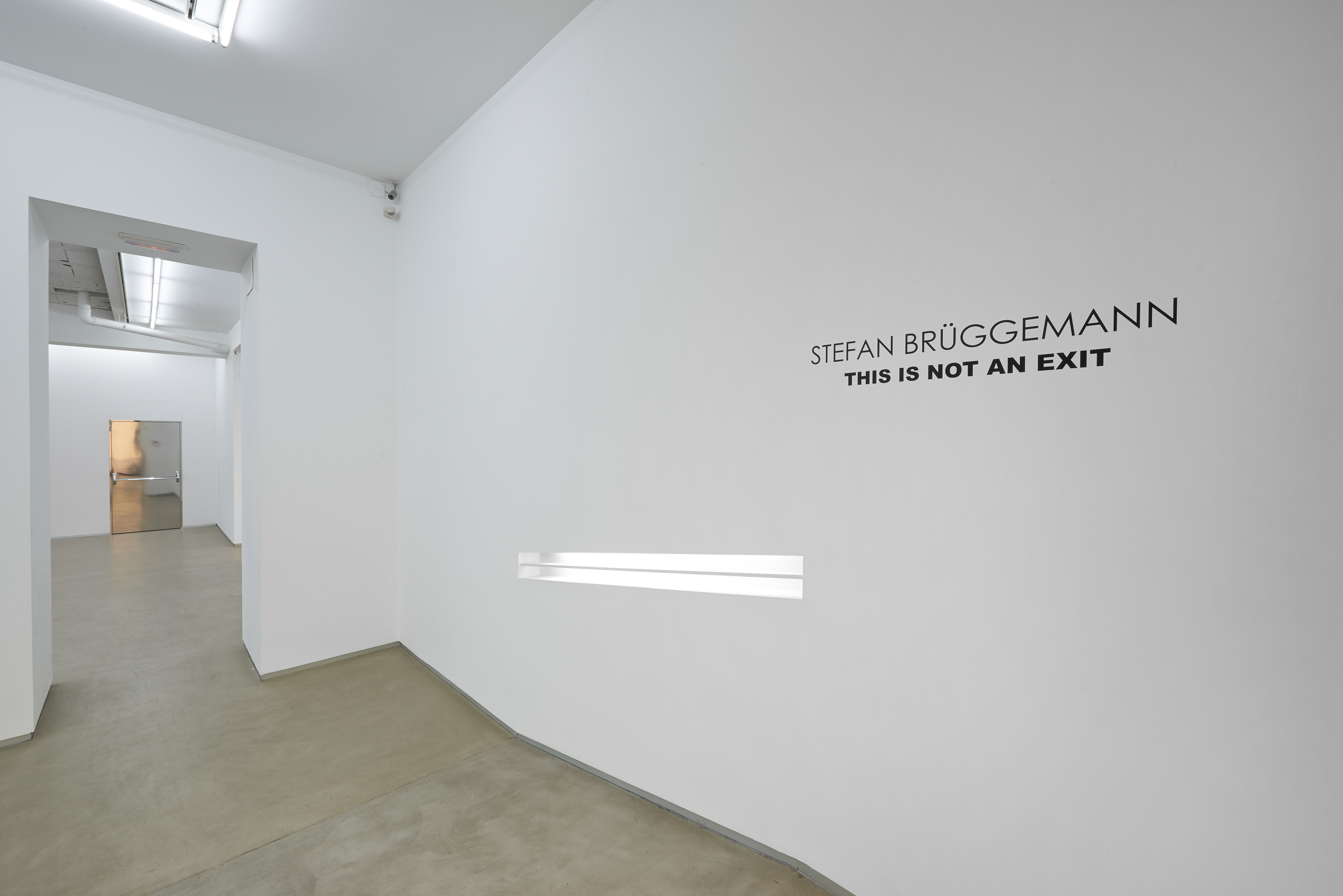
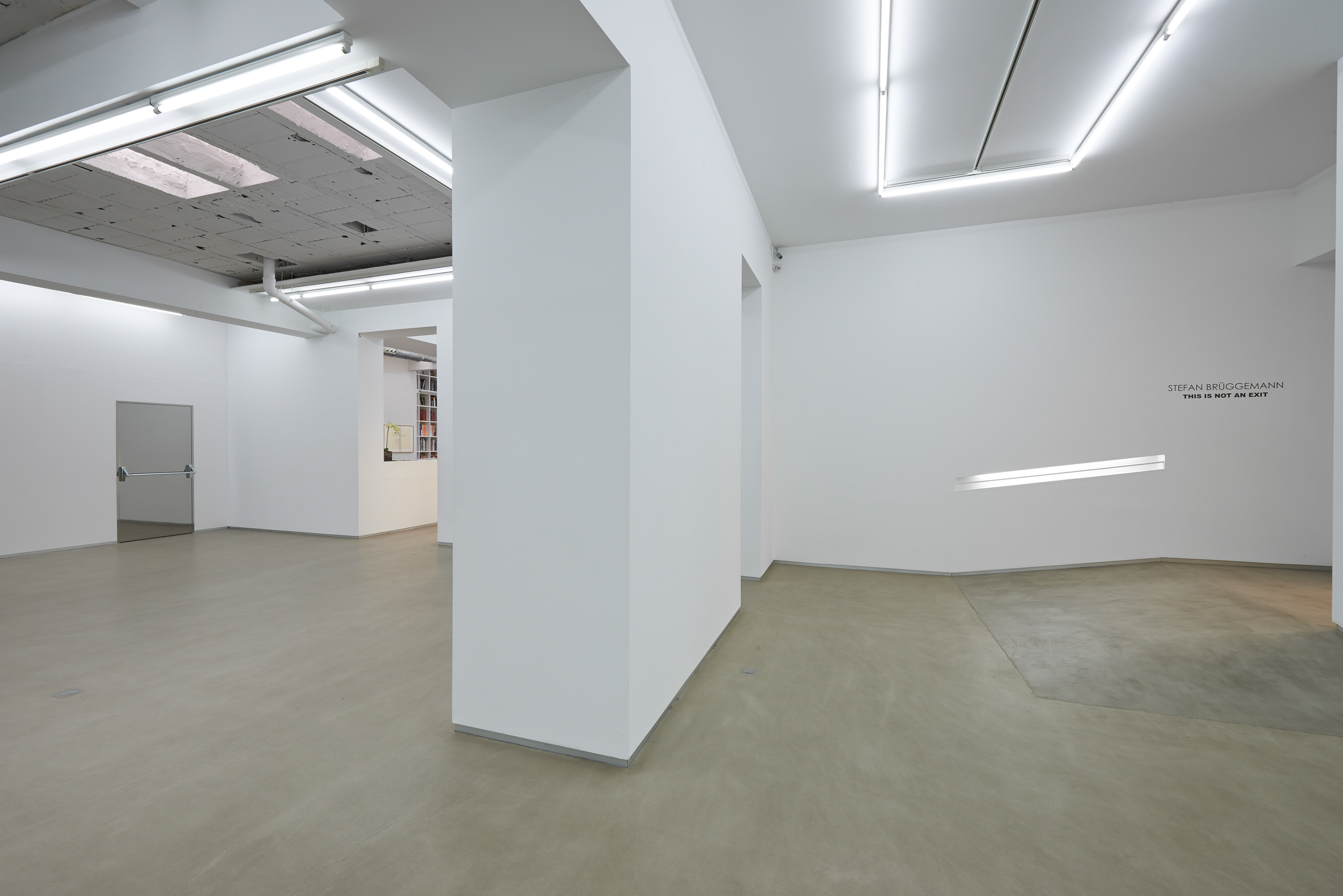
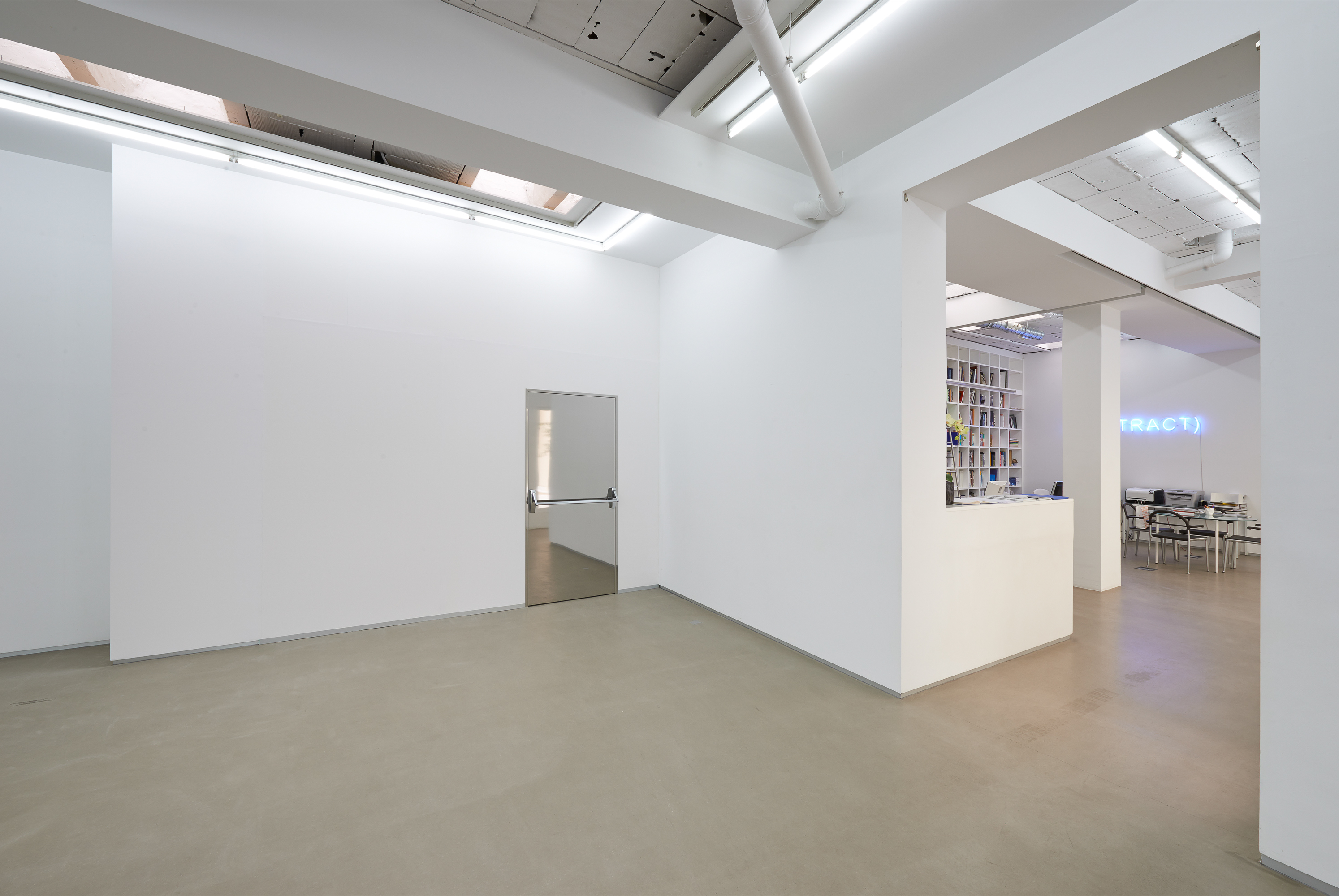
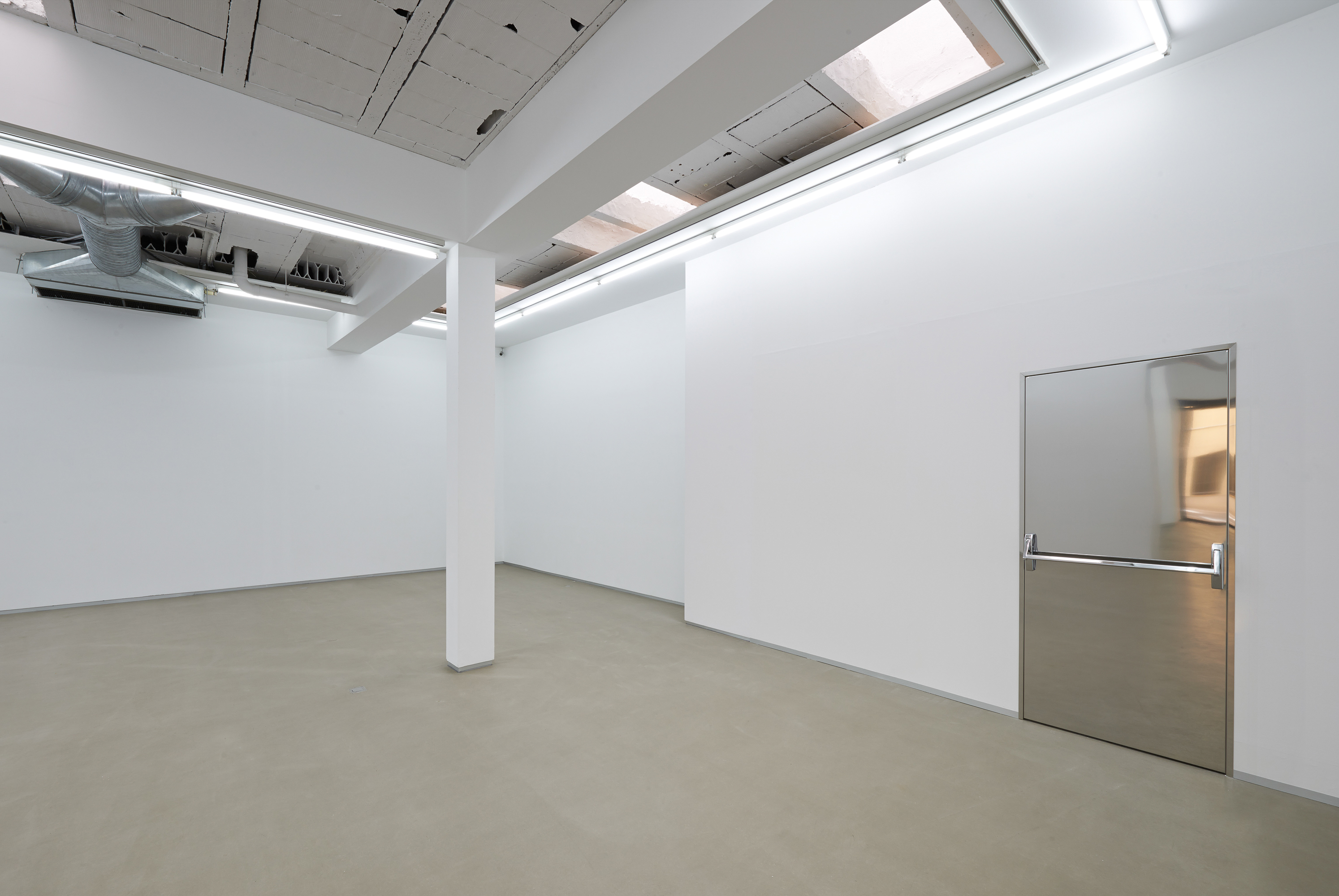
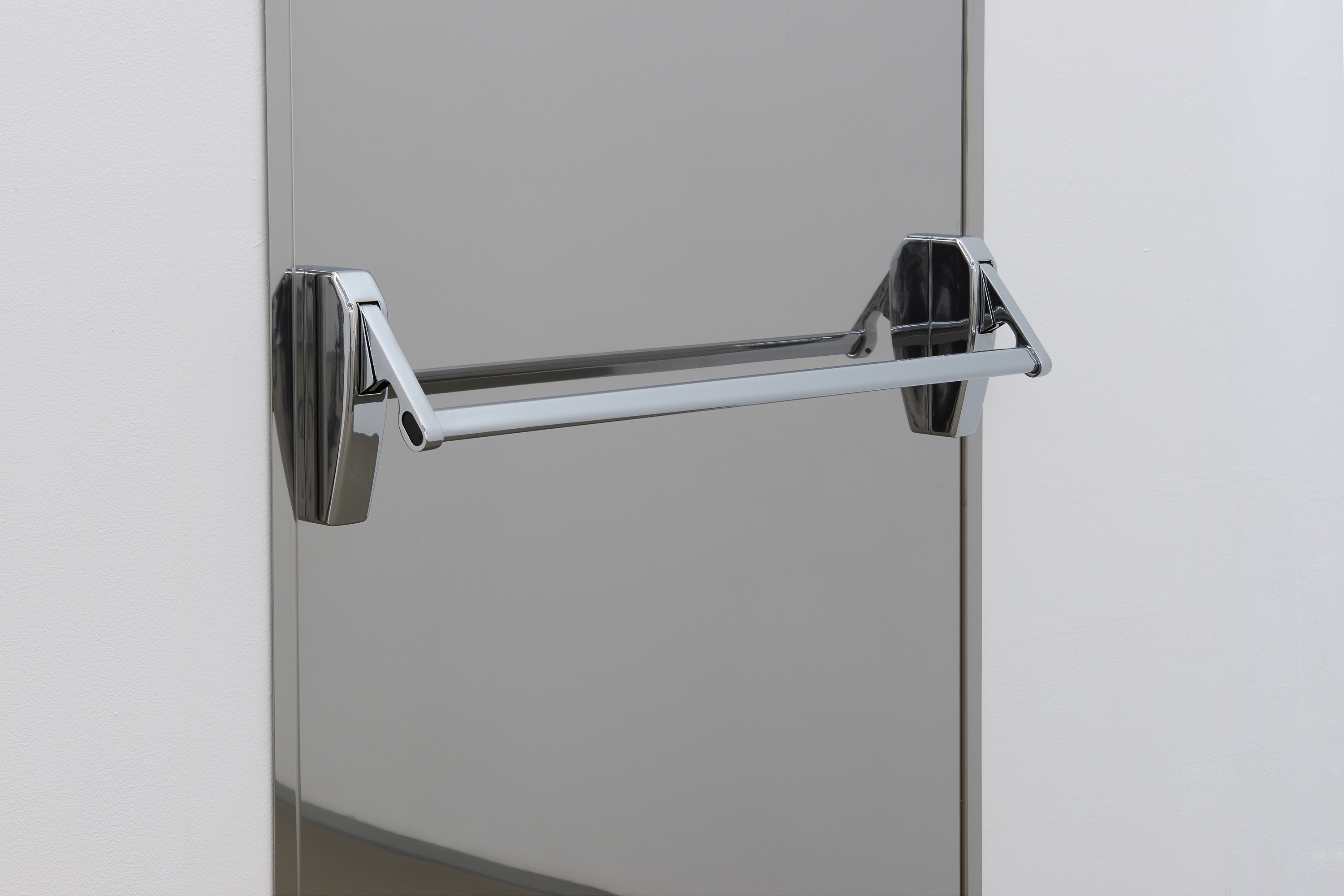
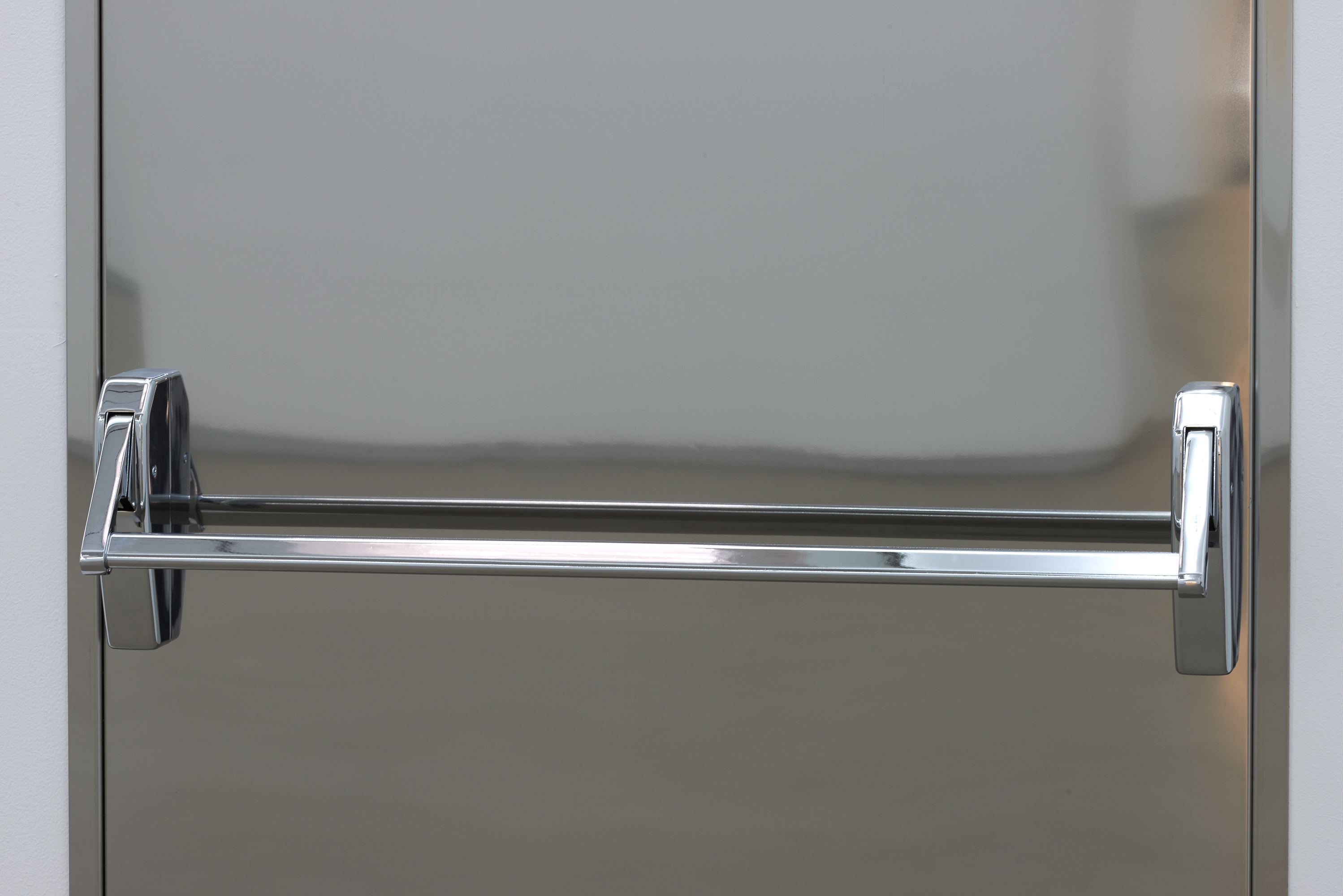
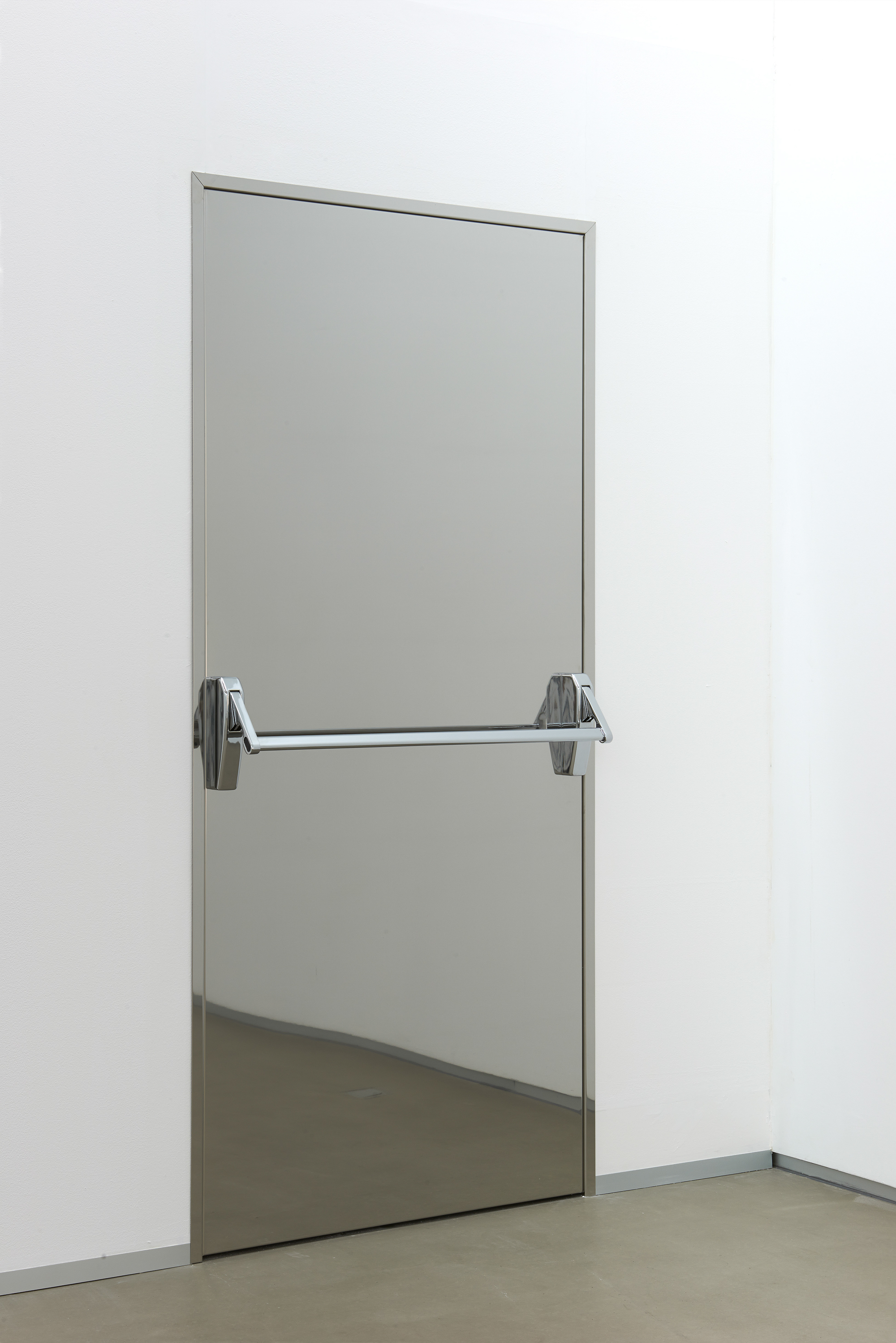
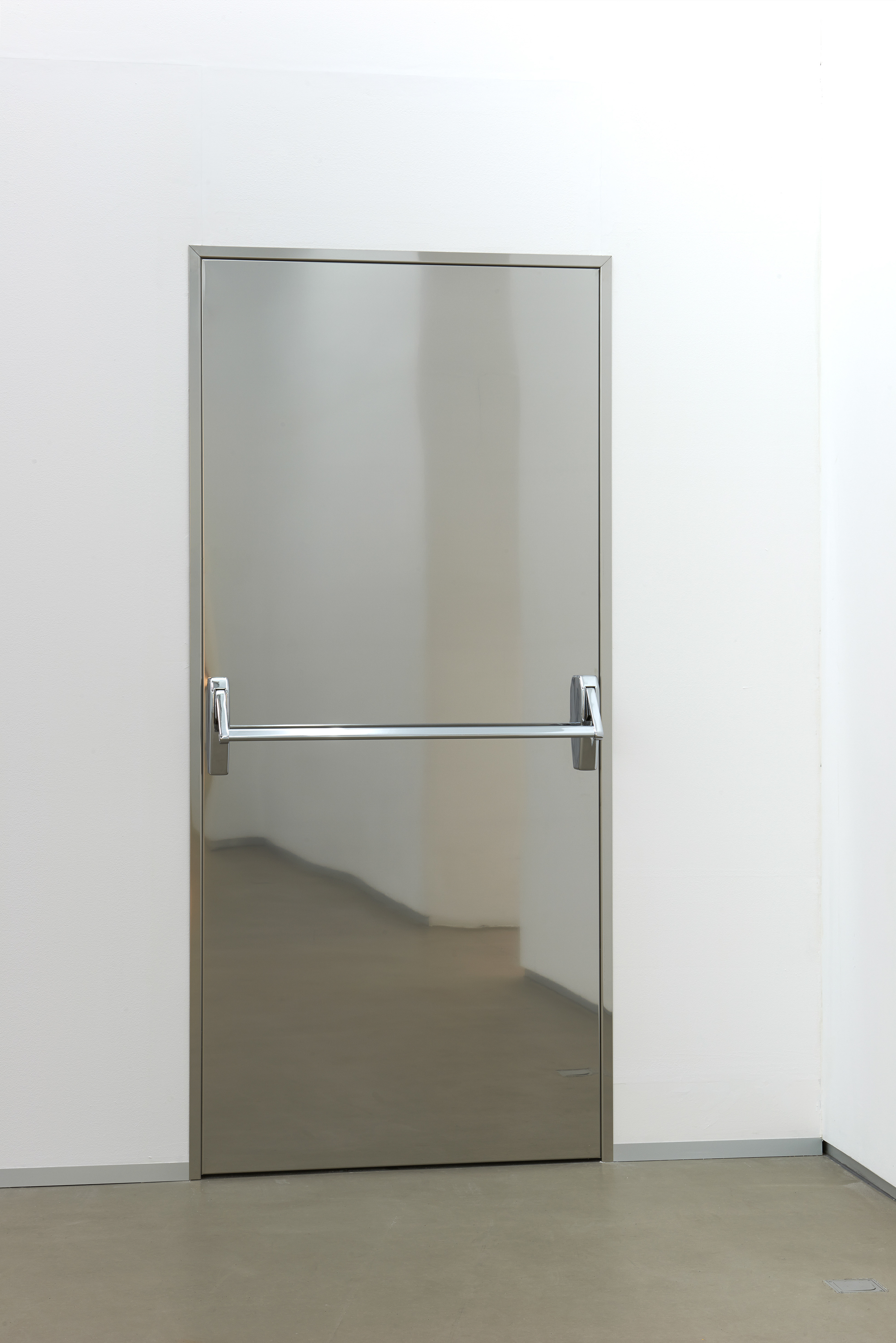
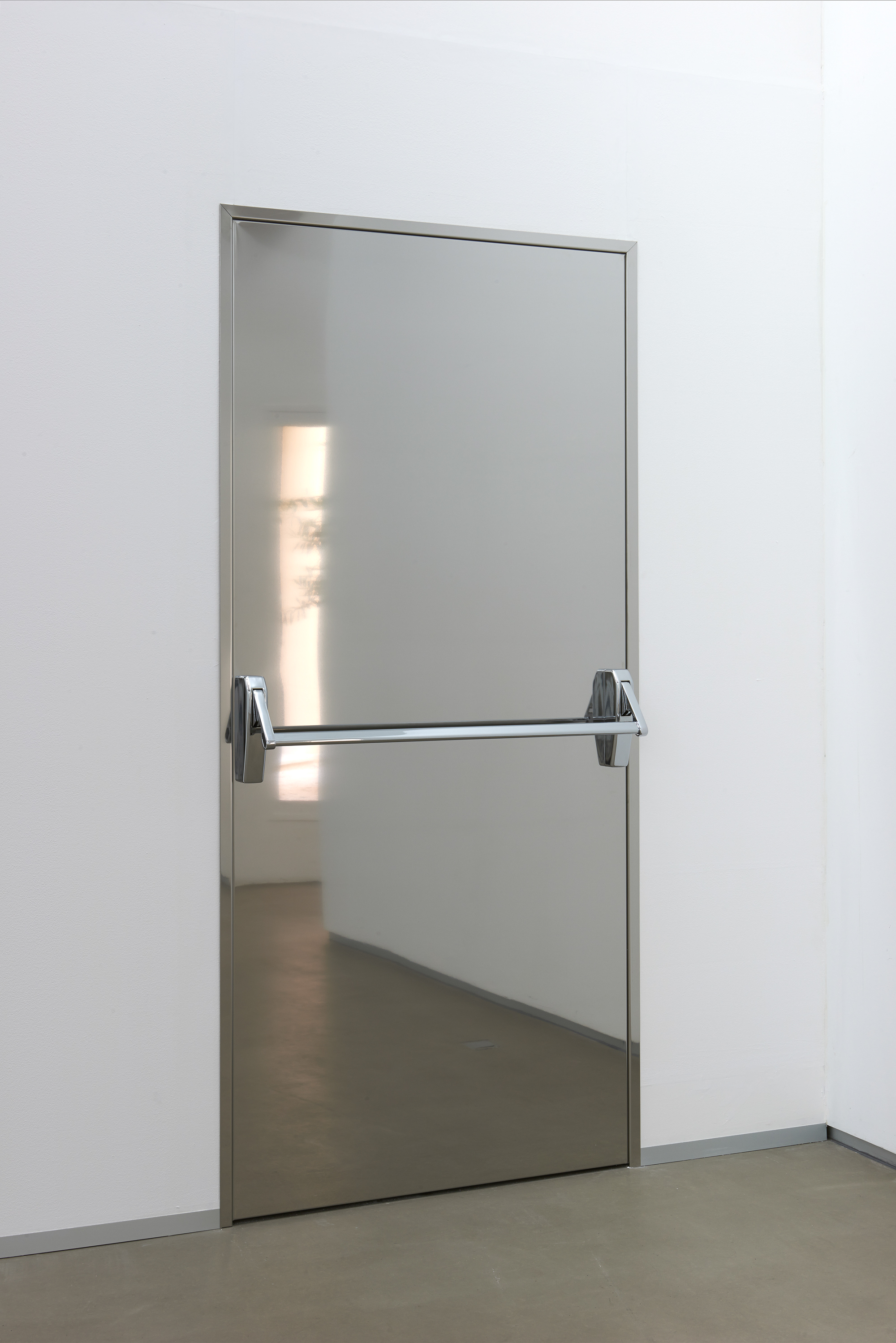
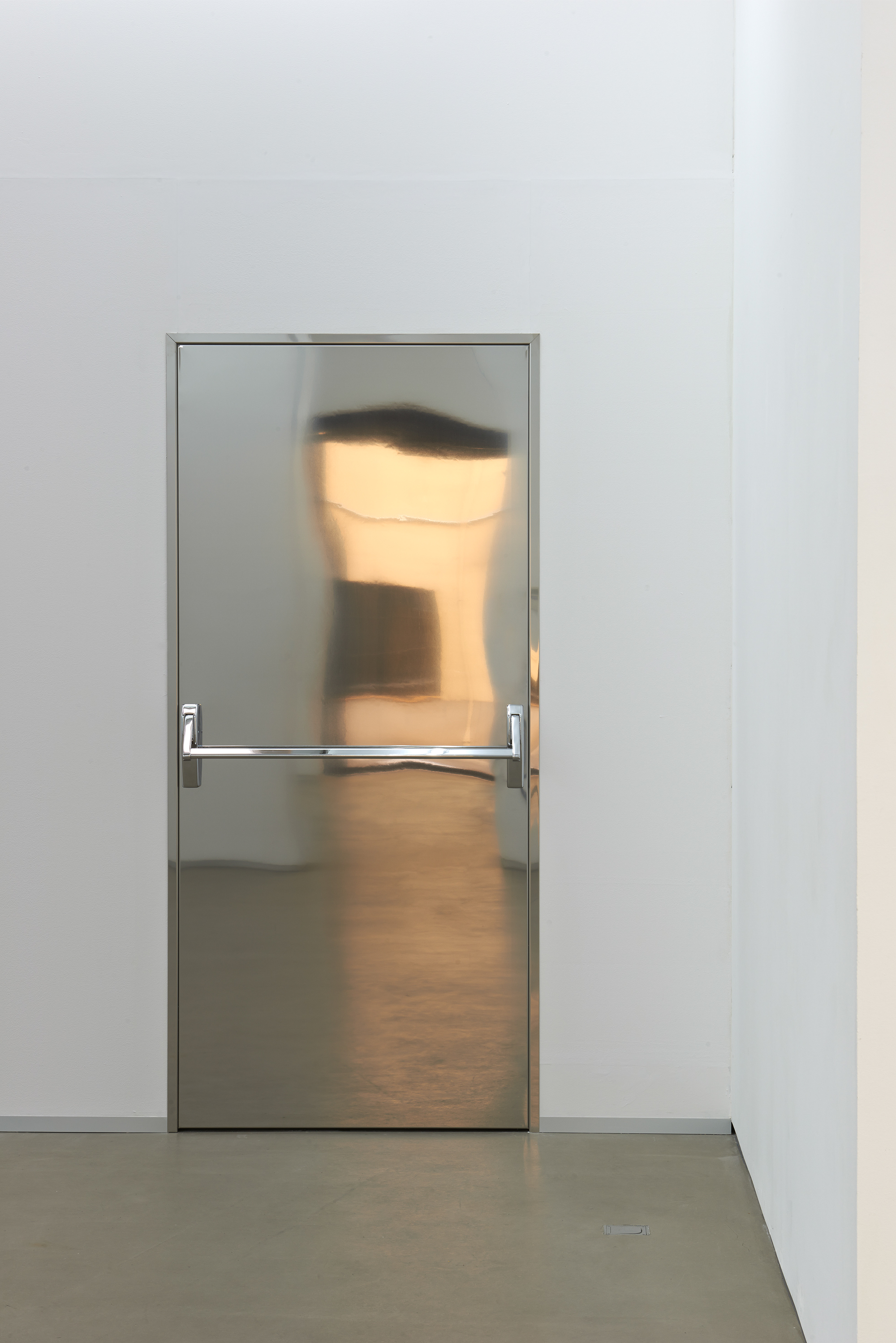
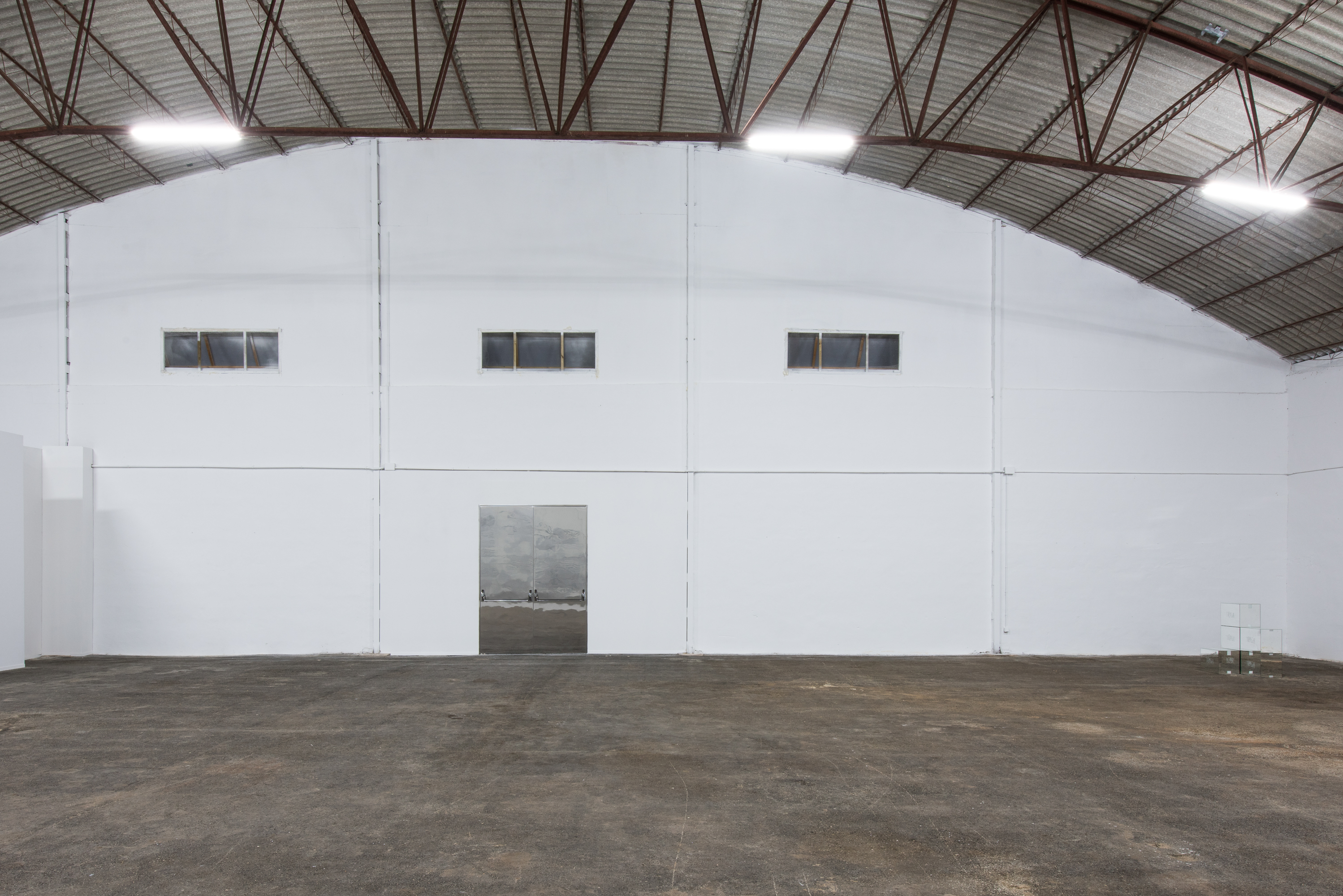
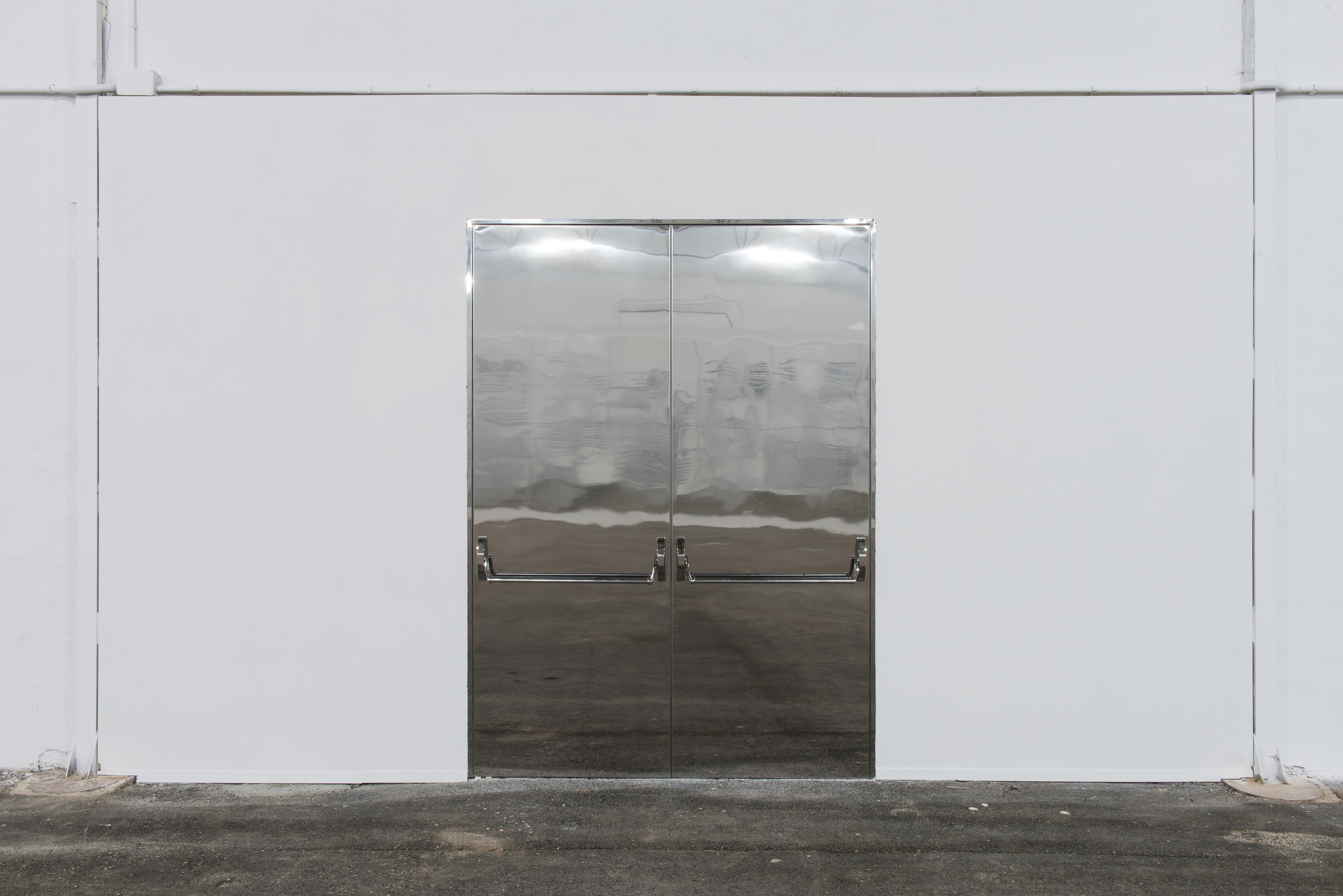
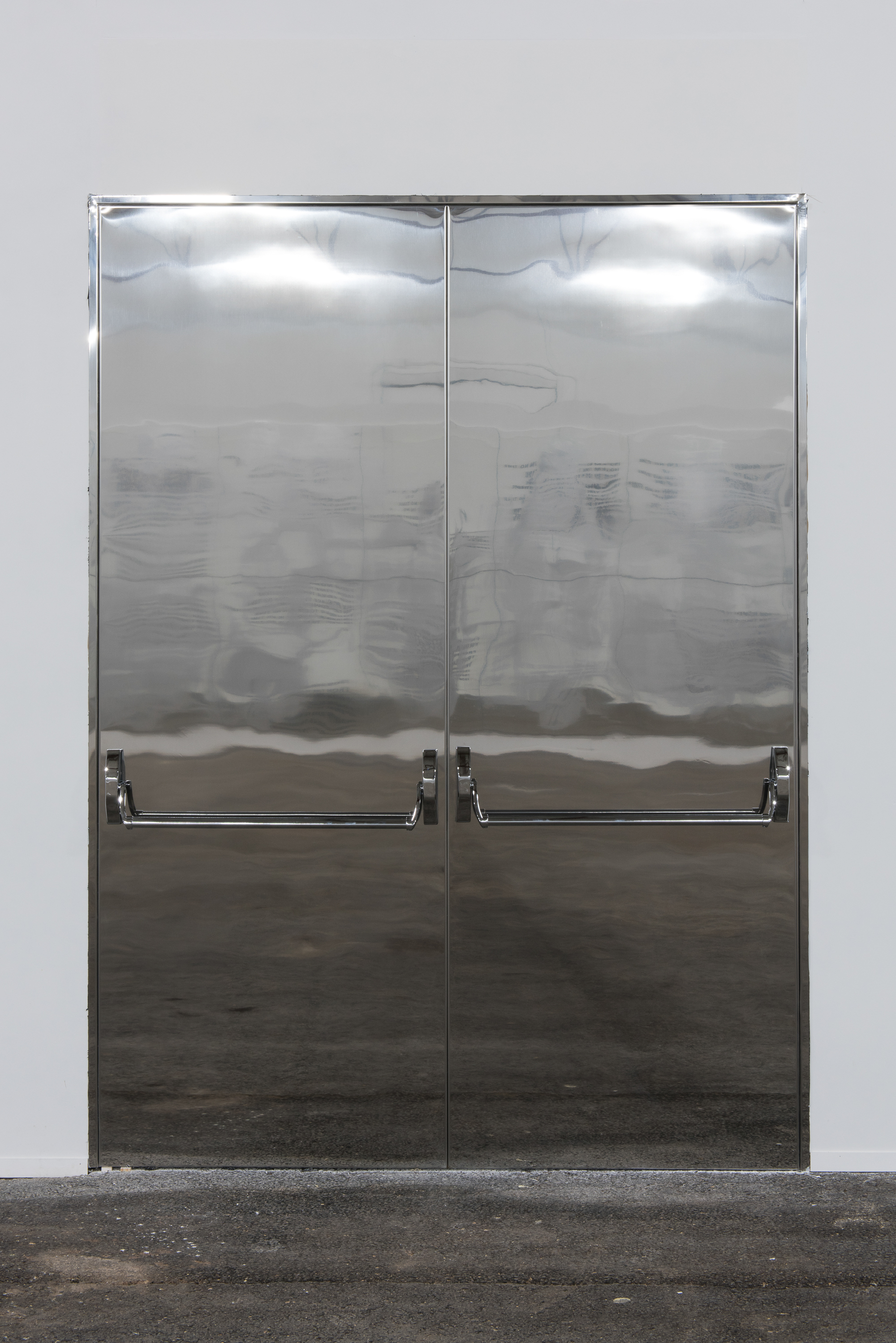
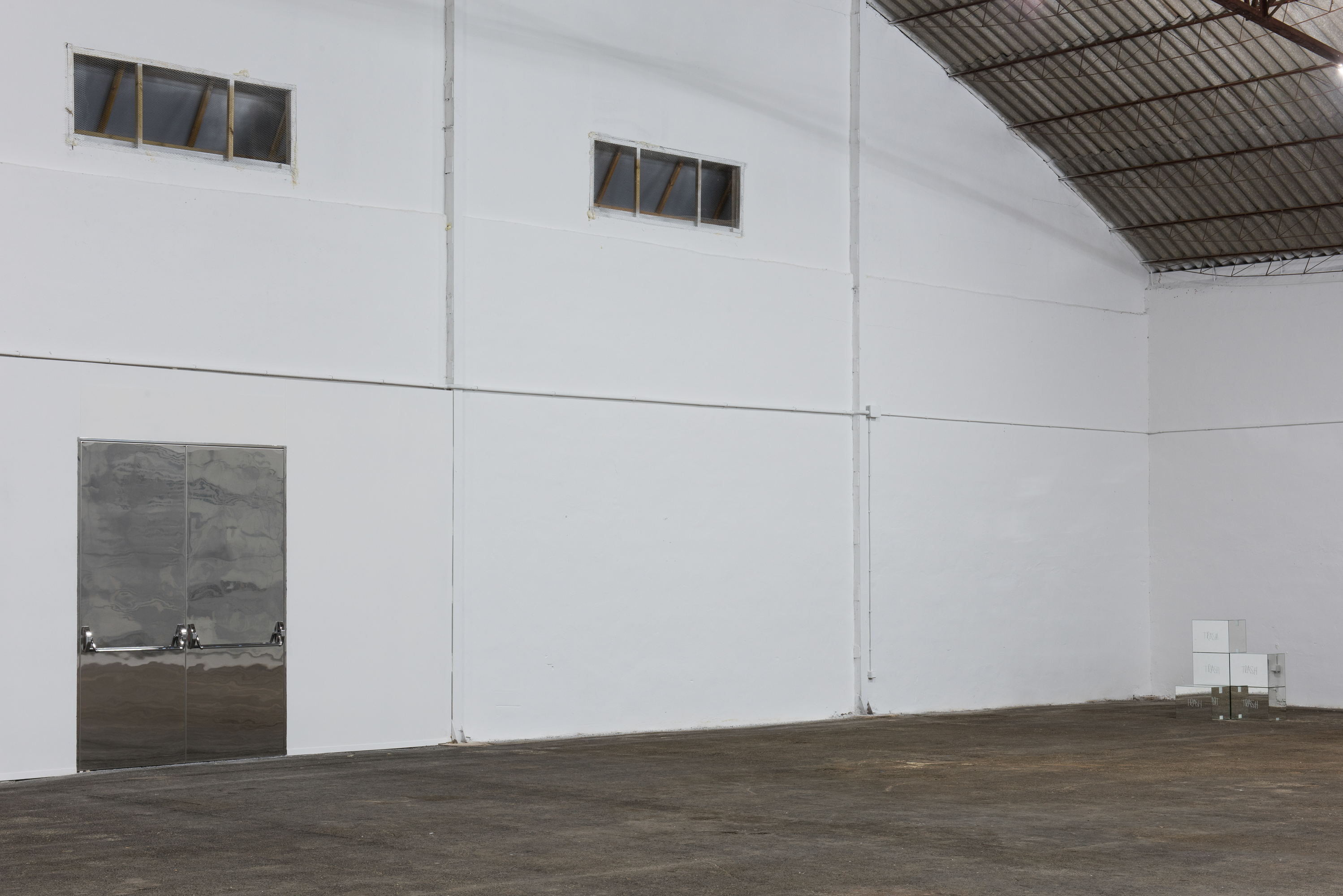
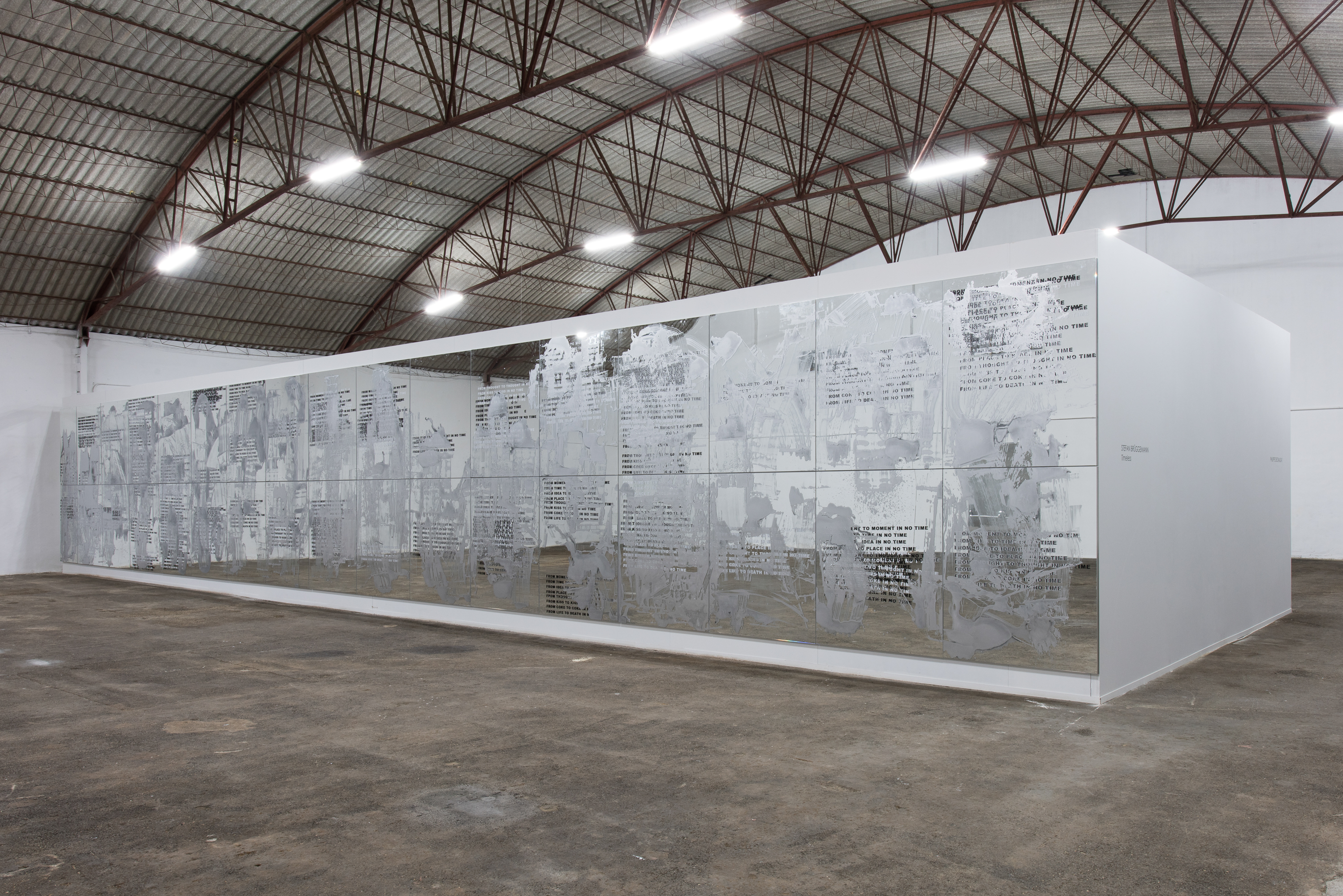
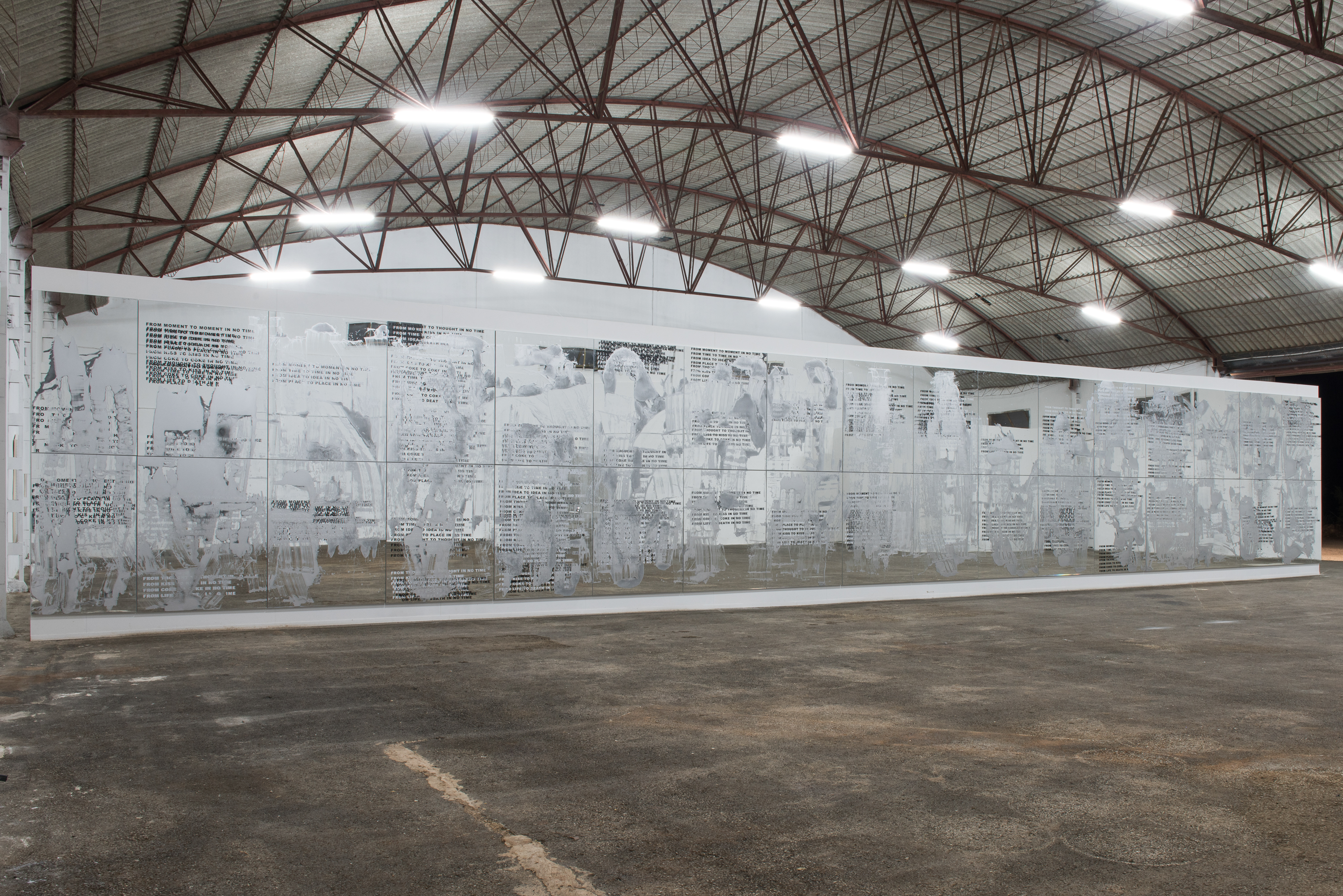
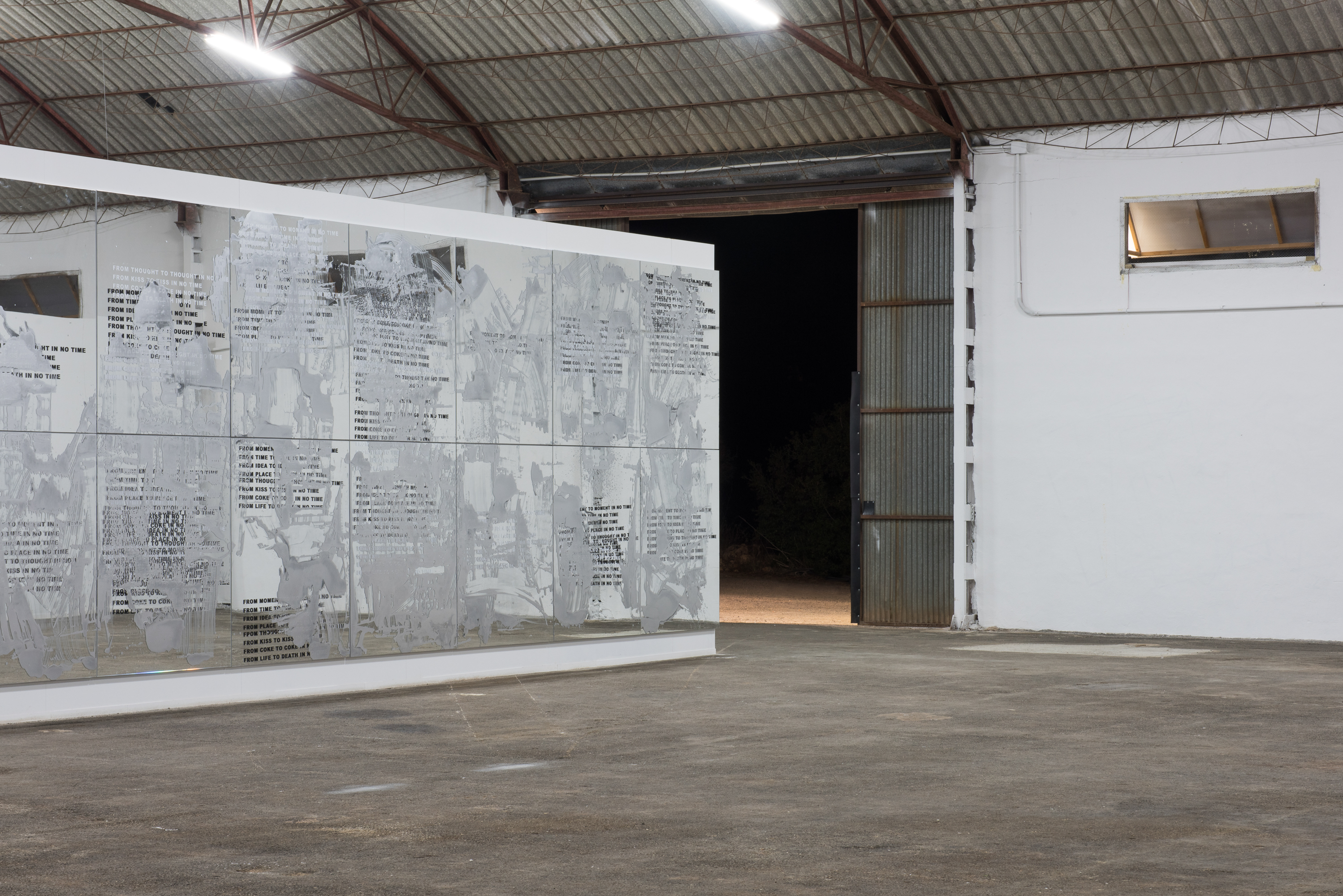
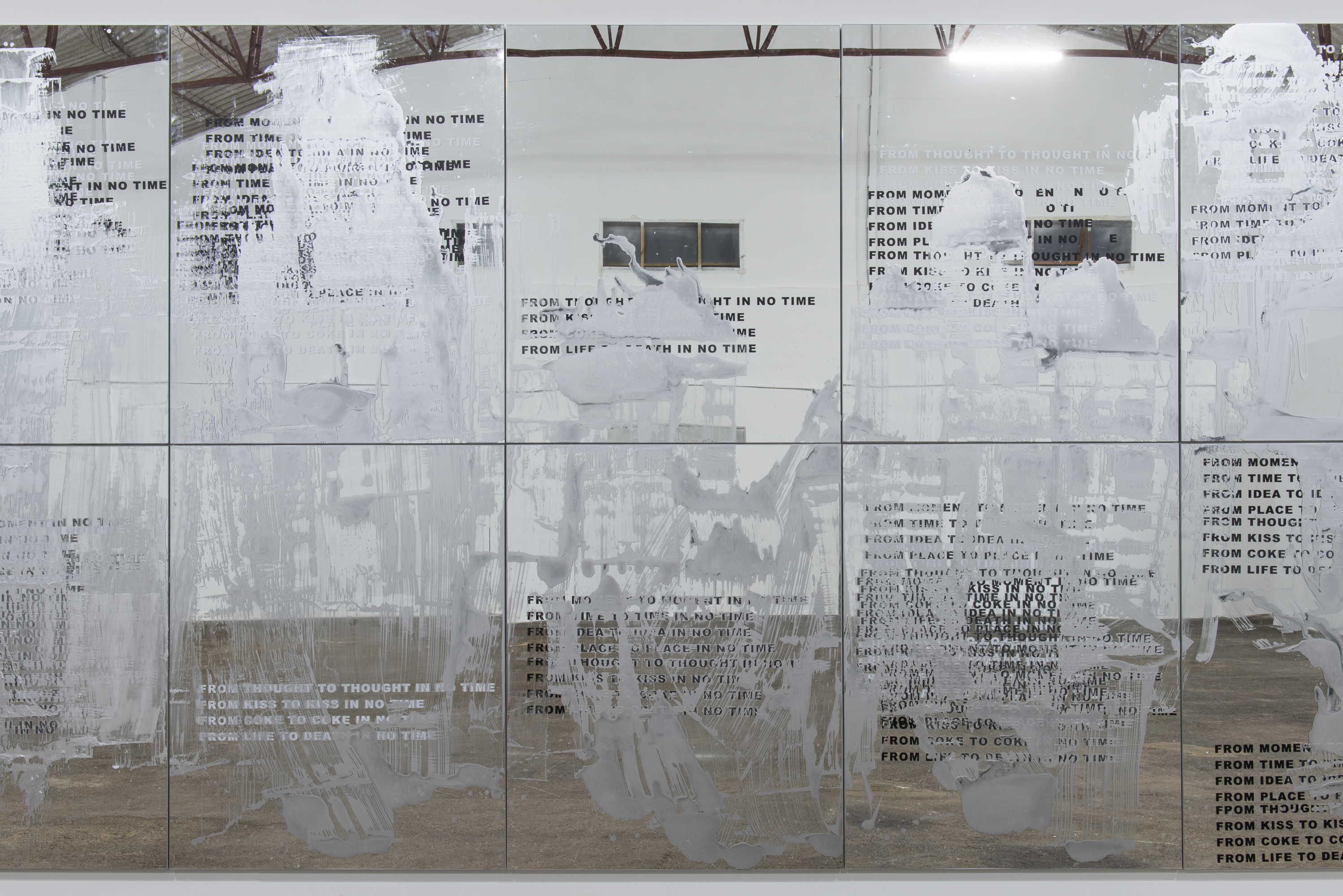
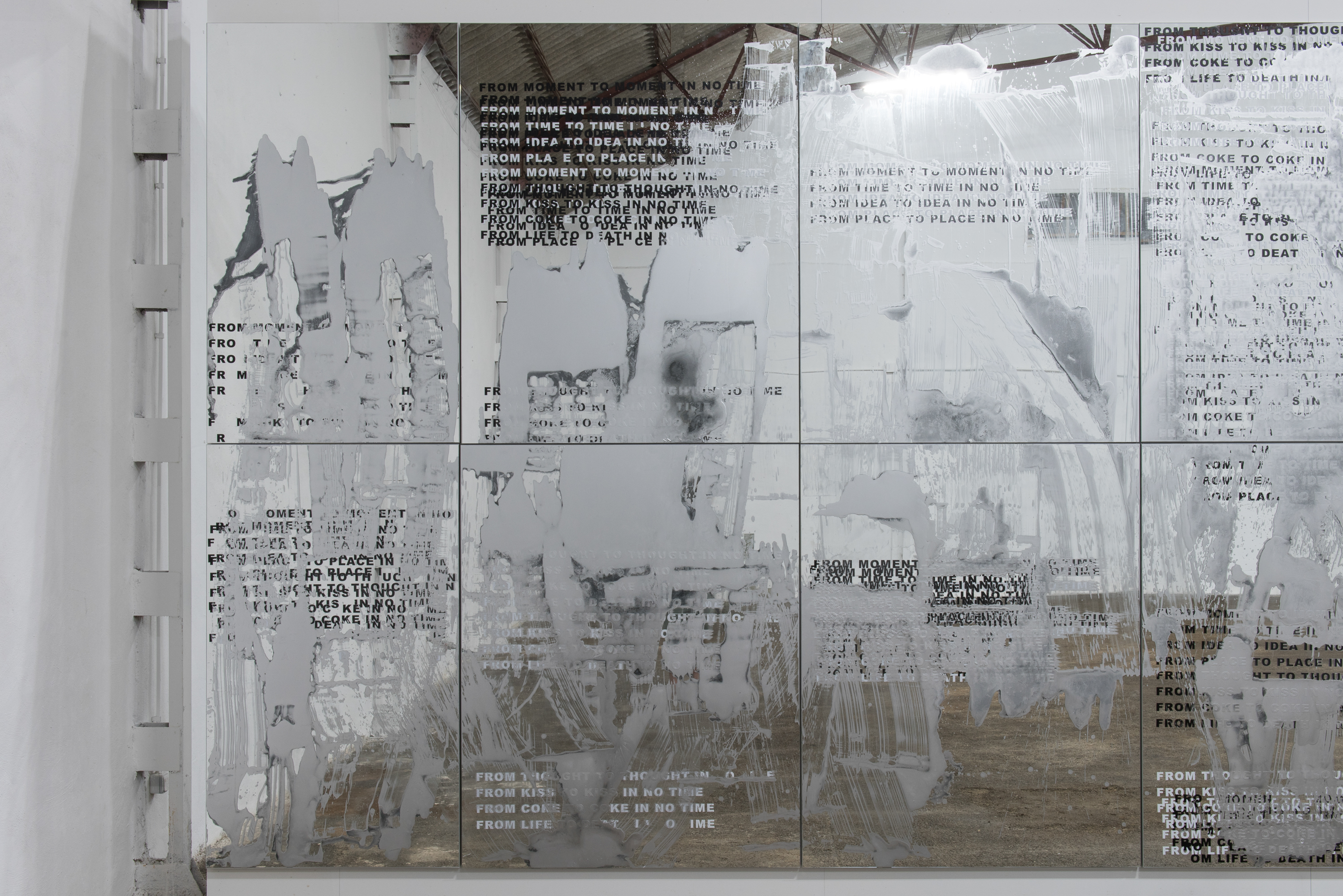
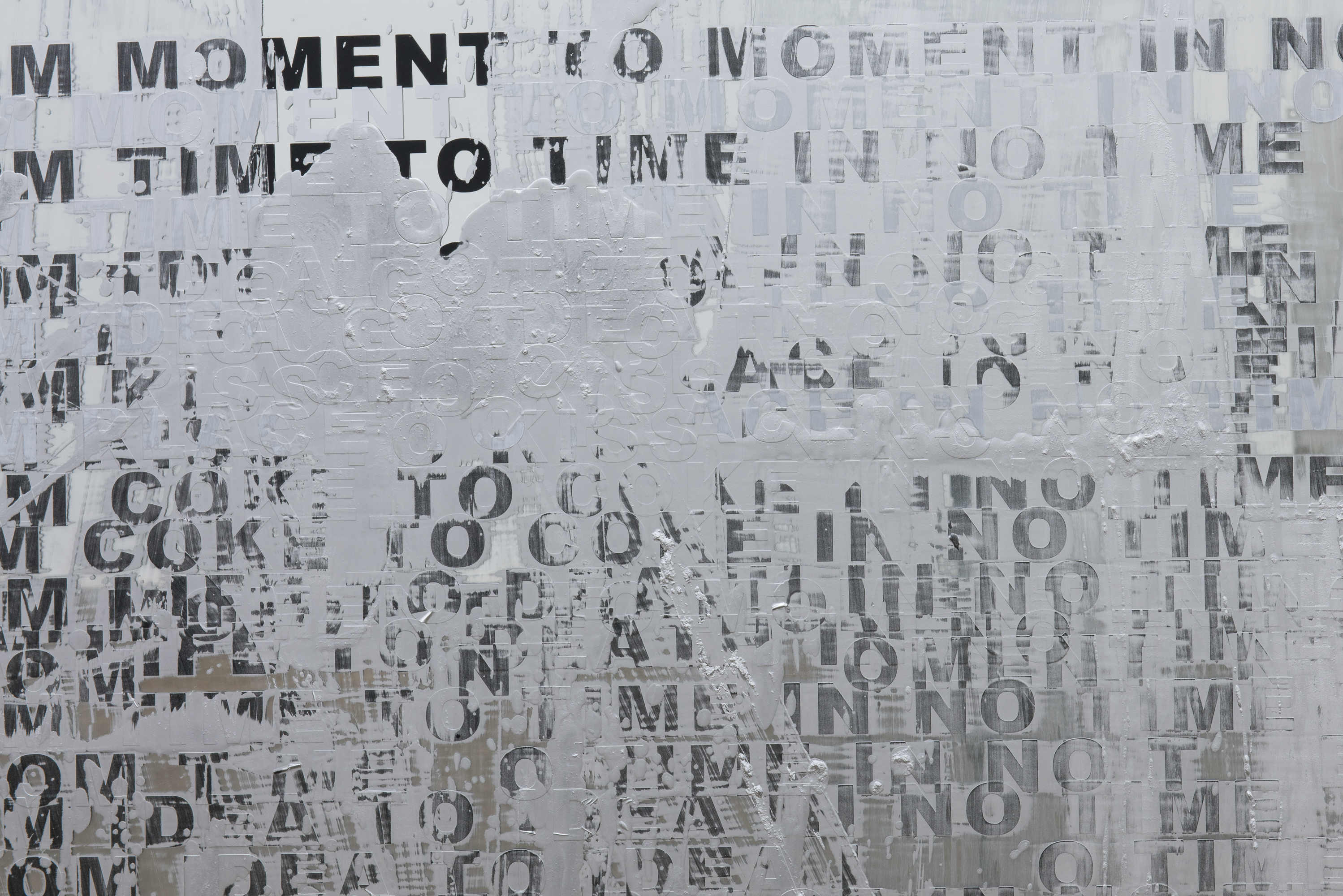
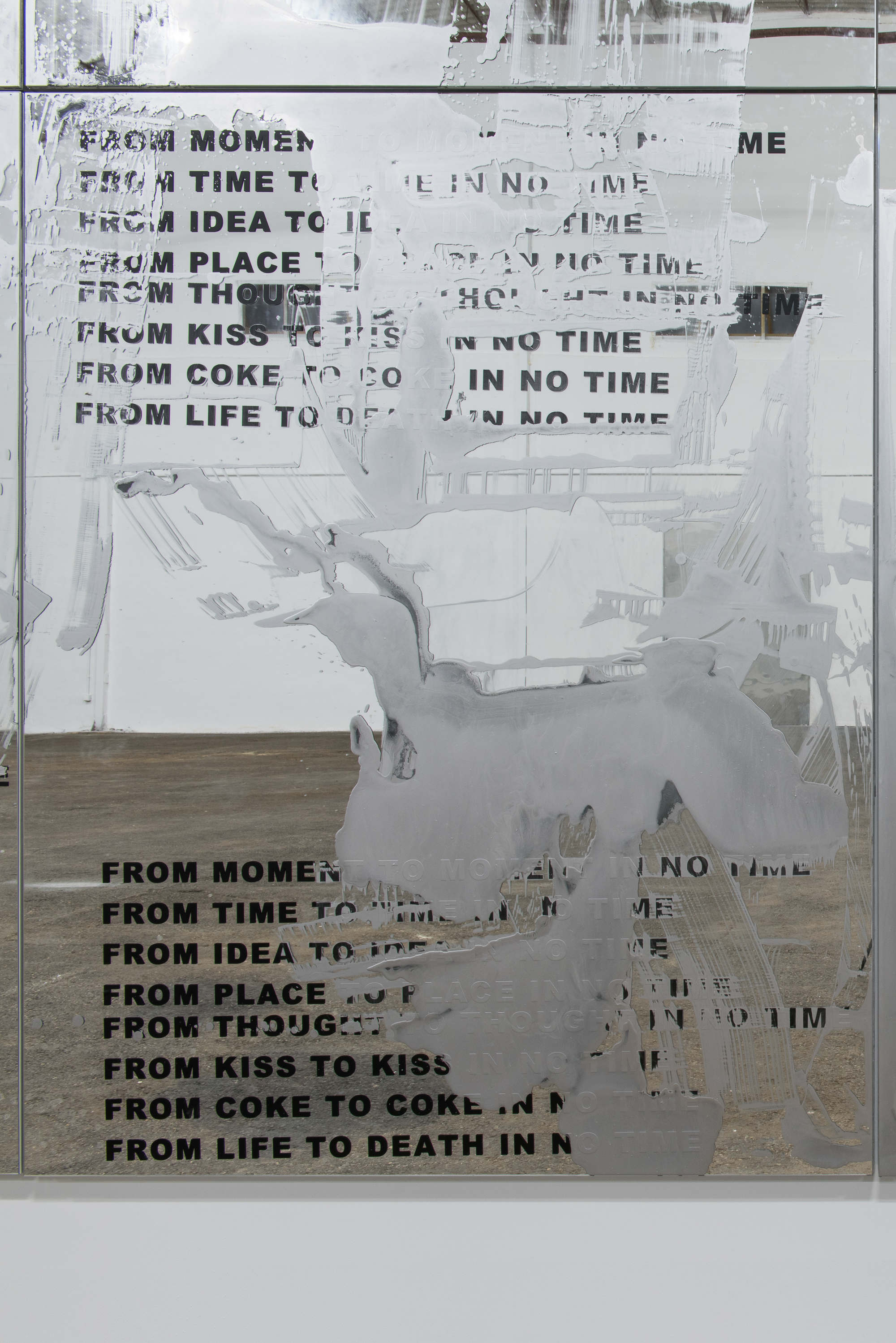
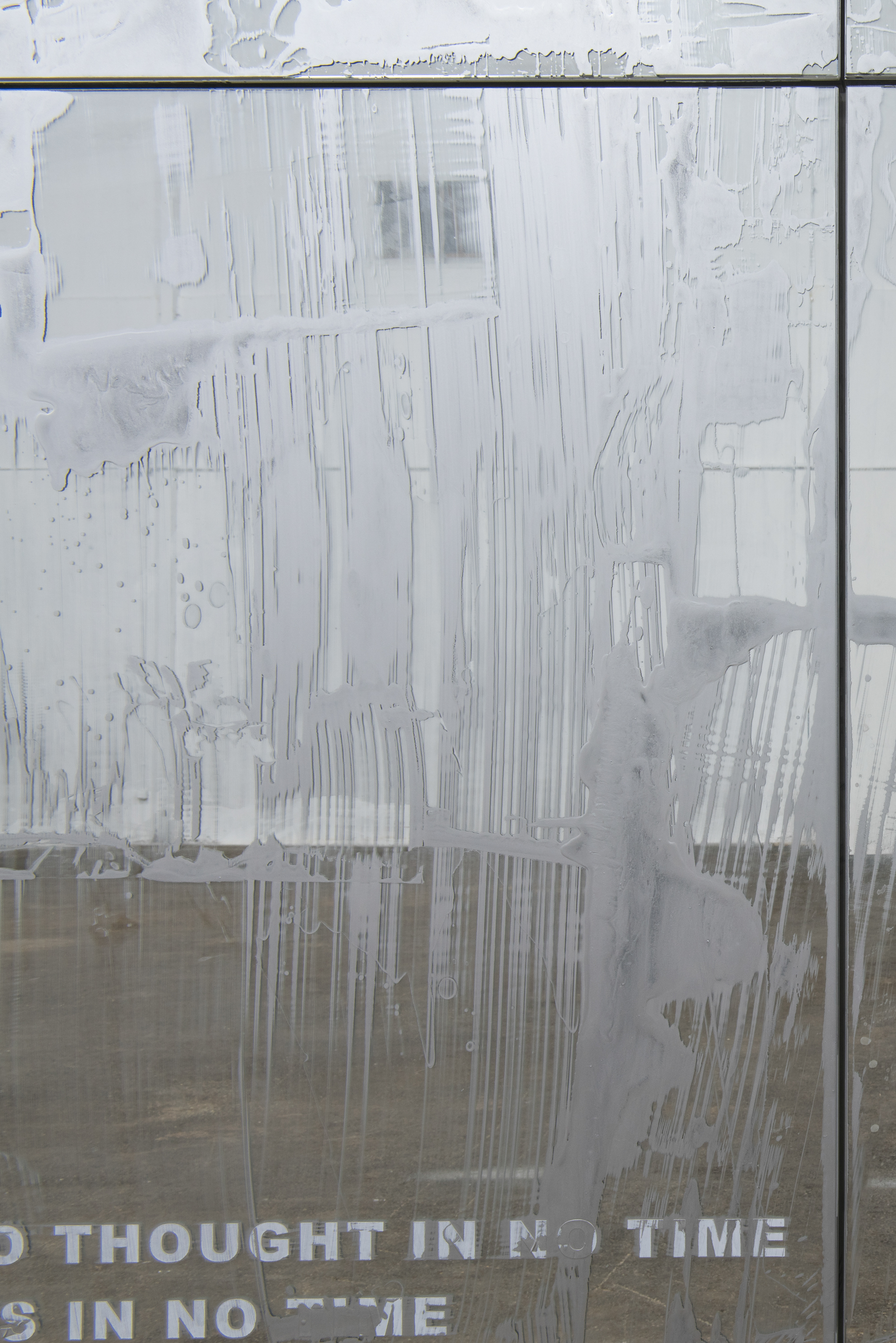
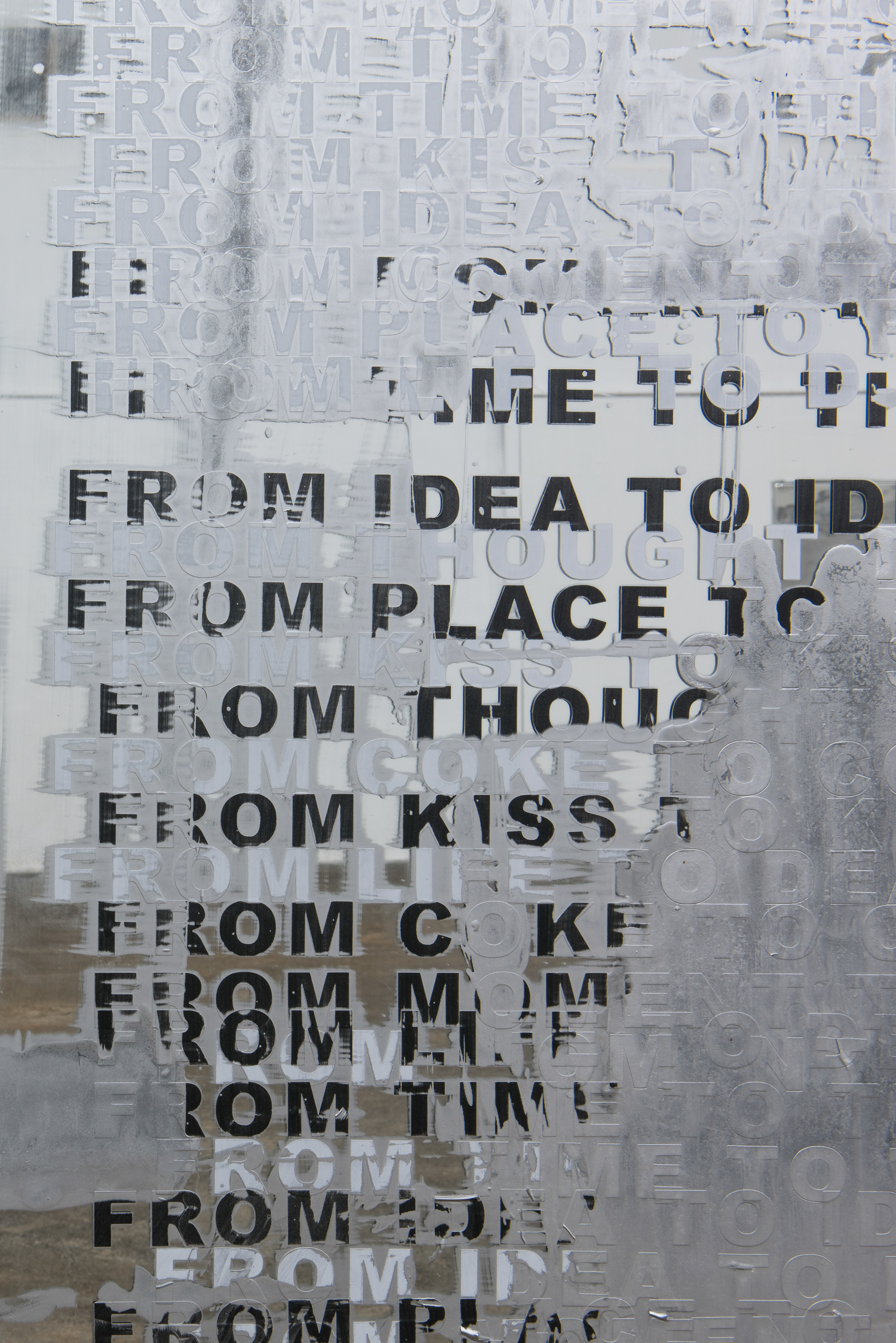
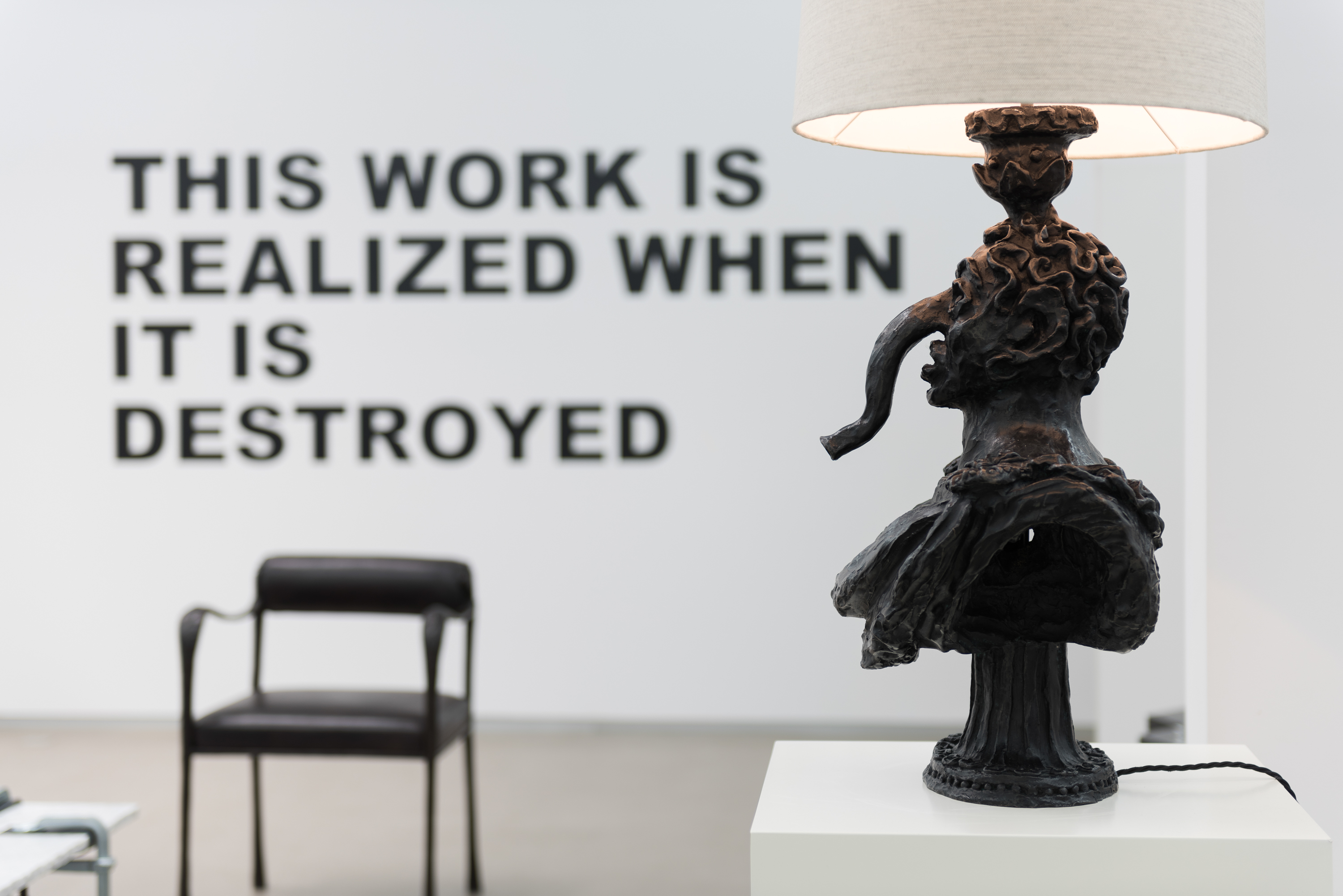
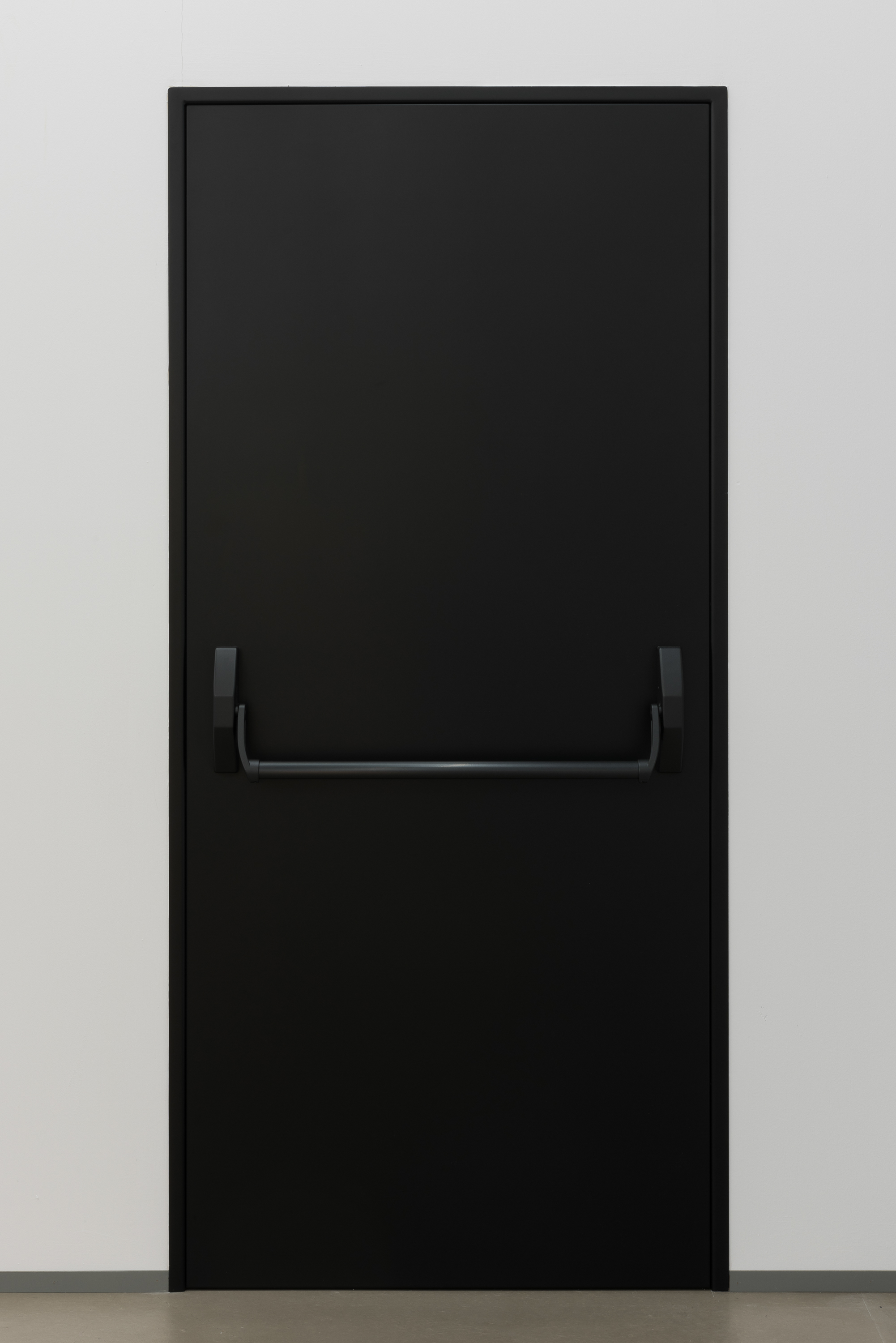
Stefan Brüggemann’s false door also plays to go unnoticed, and also to the visual deception, simulating to be something that it is not. This sense of perfect mimesis, that makes confounding art with reality, is an issue that has been present in the whole History of Art since Zeuxis and Parrhasius’s myth, but this time it is imbued with the ironic, contemporary and nihilist tone that characterizes Brüggemann’s work: there is no exit (though it seems there is). The negation of both its own existence and its artwork character is also present and multiplied in the wall vinyl by the same artist This work is realized when it is destroyed.
With his Temporal Exercise 4, Lucas Muñoz Muñoz presents one of the pieces conceived within the collection TEMPORAL, that he has exclusively designed for Machado-Muñoz. It is a tribute to the vibrant vision of using design qualities to transform the transformation of the object in another thing. They are objects in a state of becoming, still transforming themselves as a result of a minimal action: functional objects with a very small design intervention.
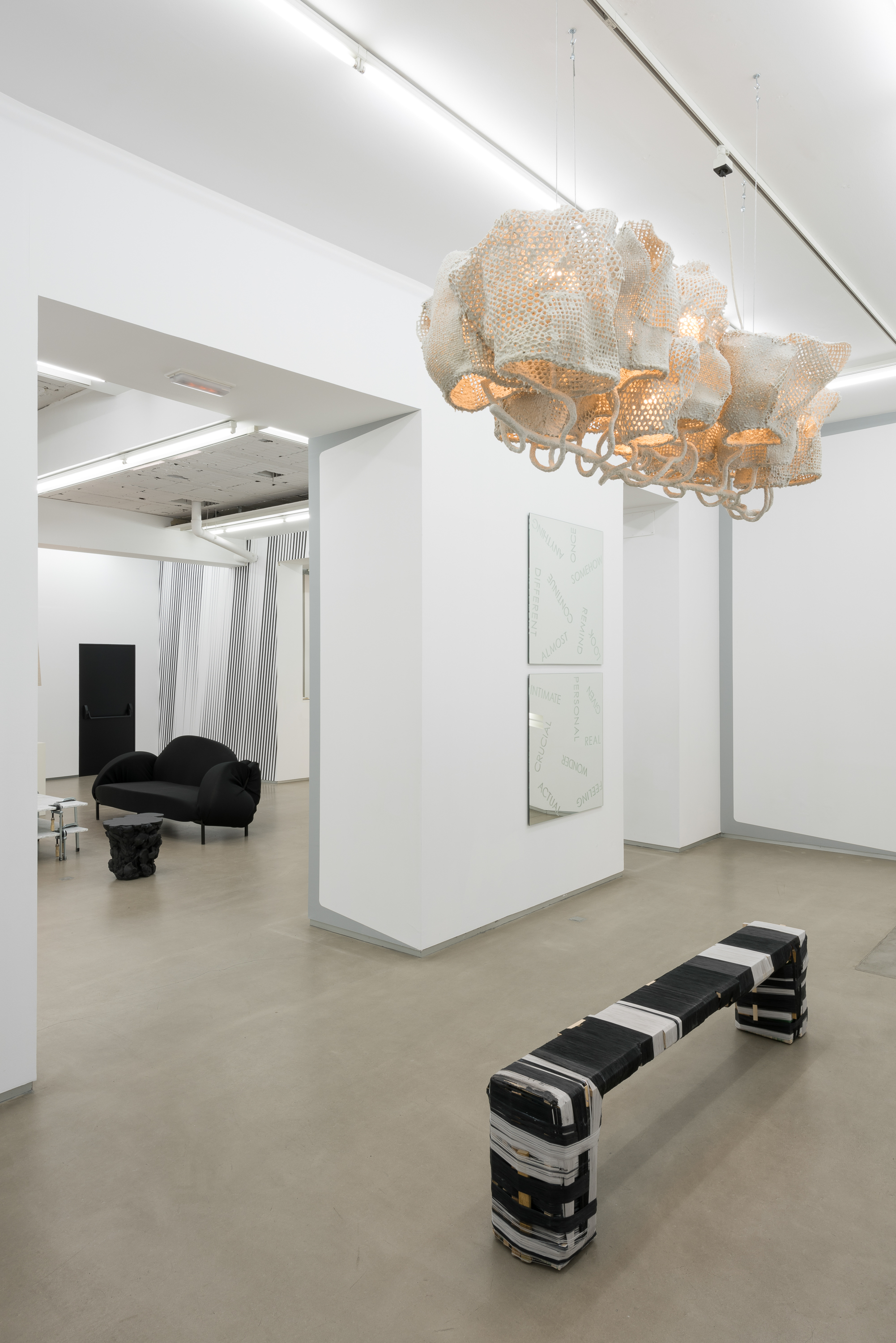
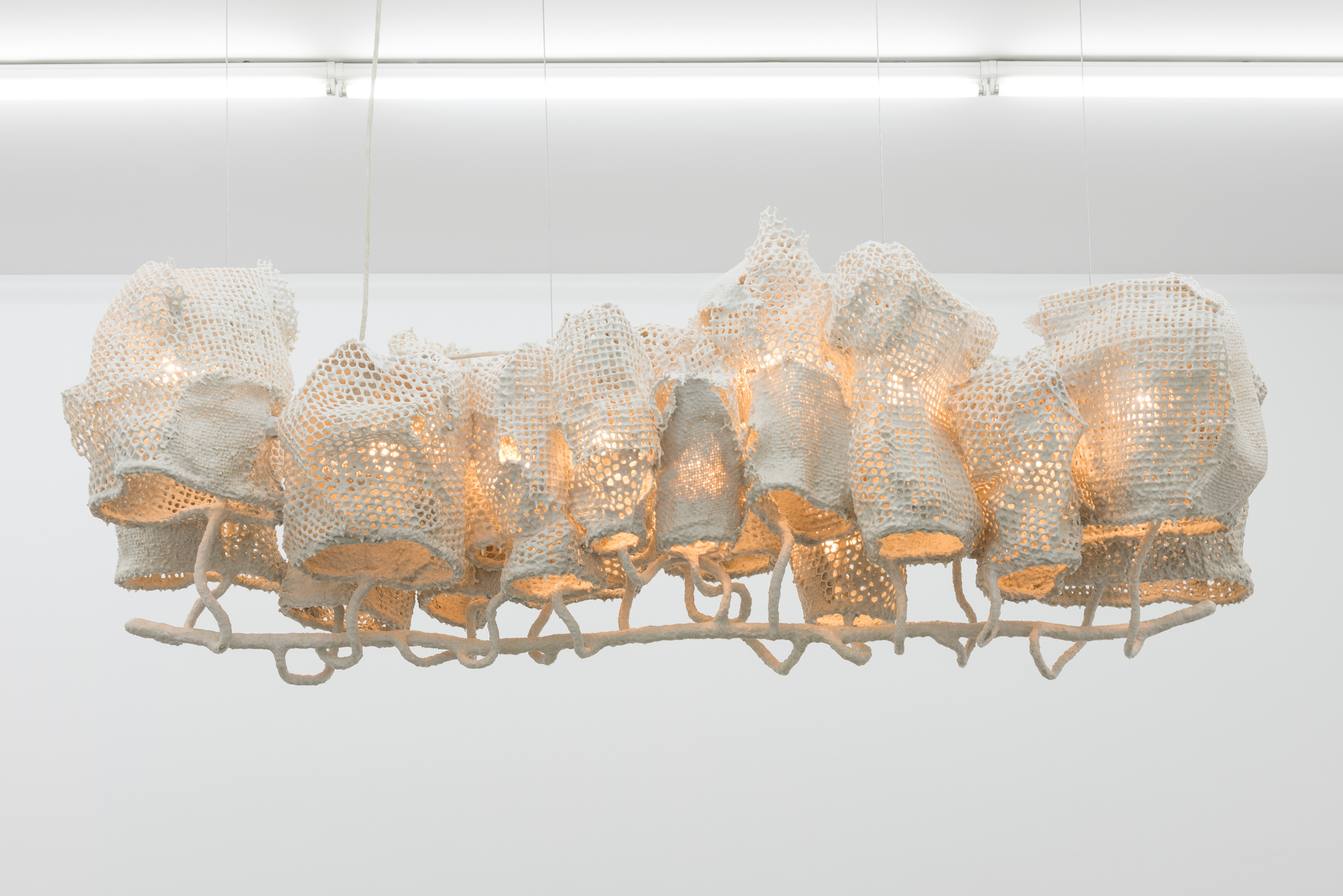
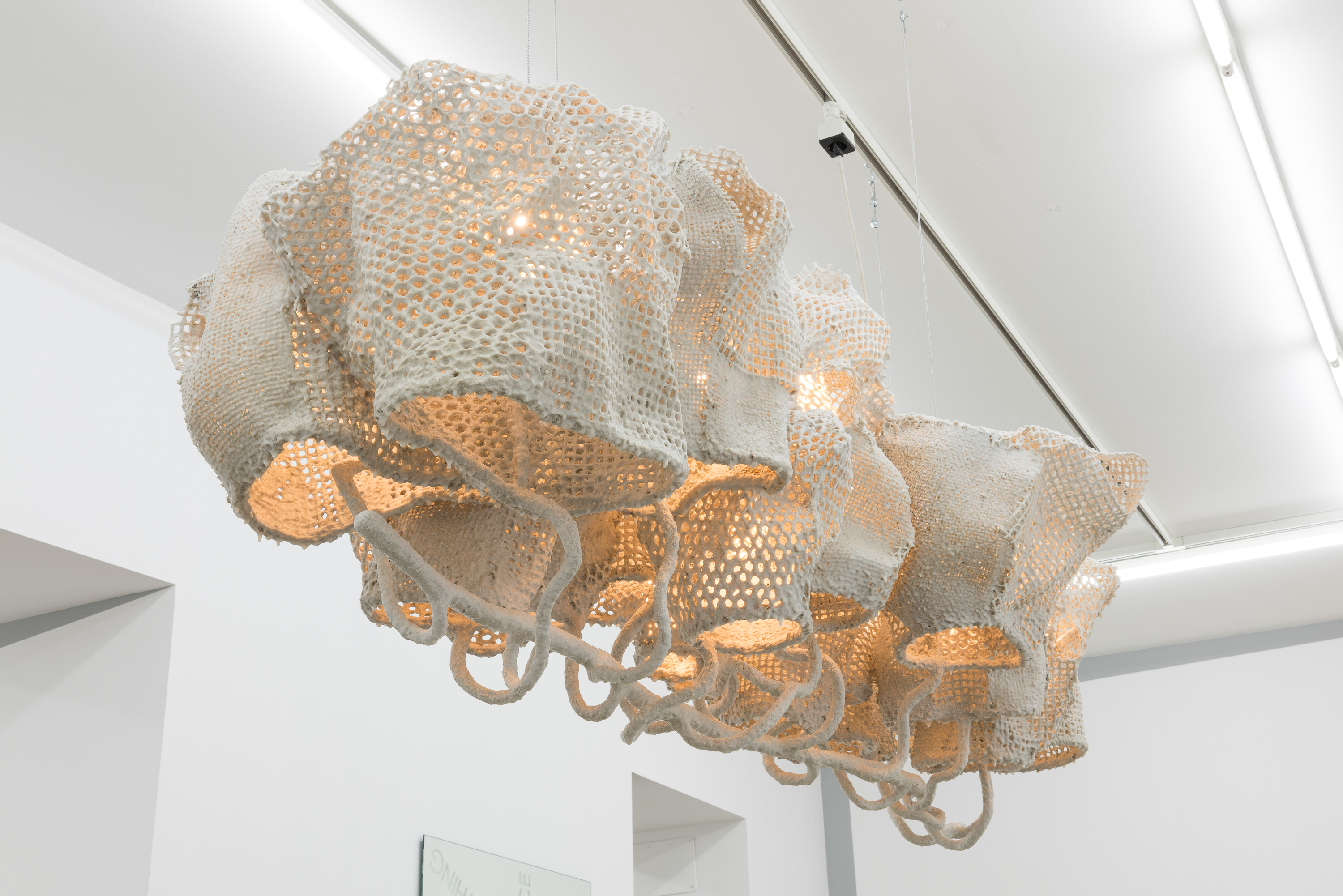
Nacho Carbonell’s Cocoon Chandelier perfectly depicts his vision of objects as living organisms. Carbonell creates objects with his own hands to transmit them his personality, making them become communicating things, able to awake the senses and escape from the routine at the same time.
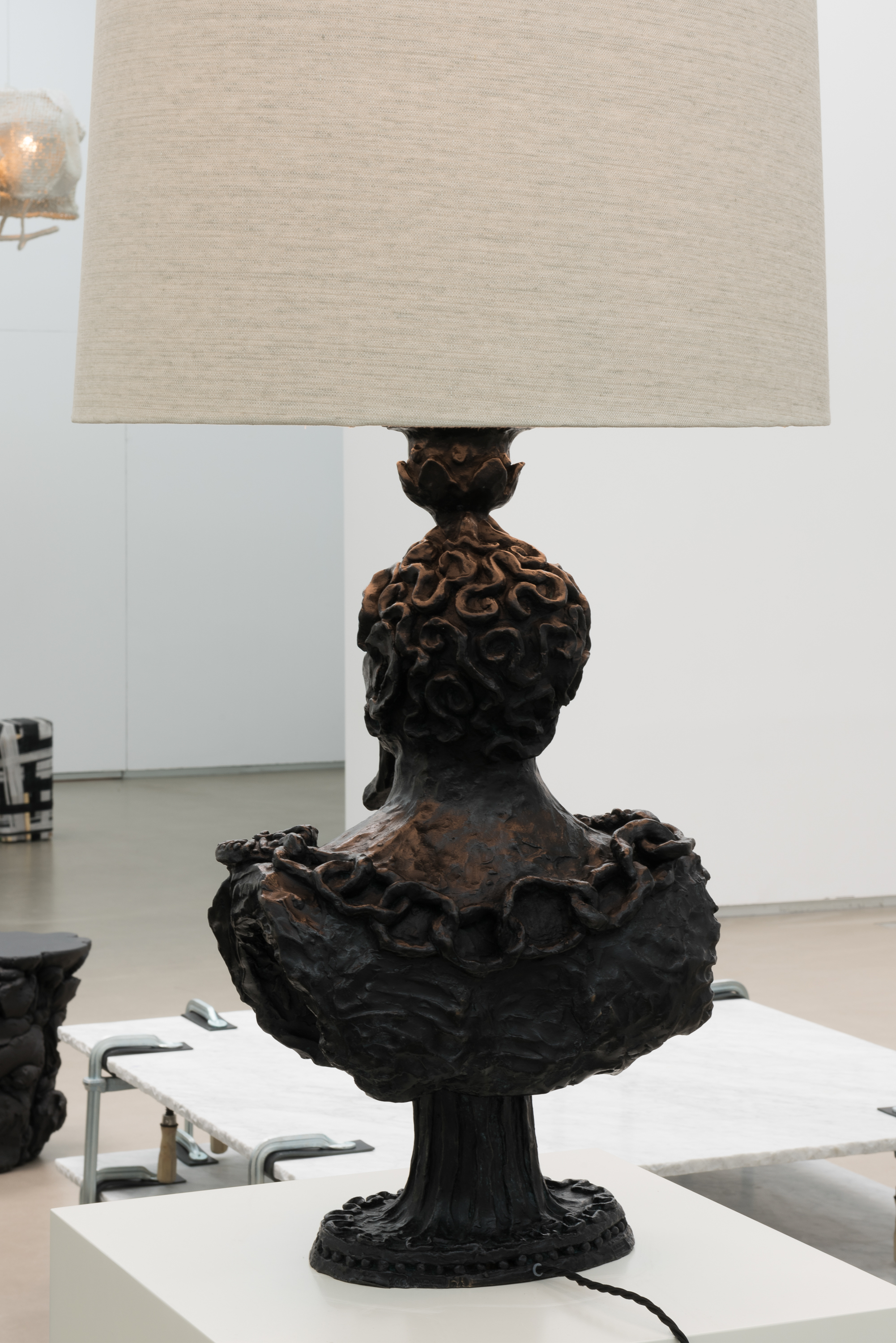
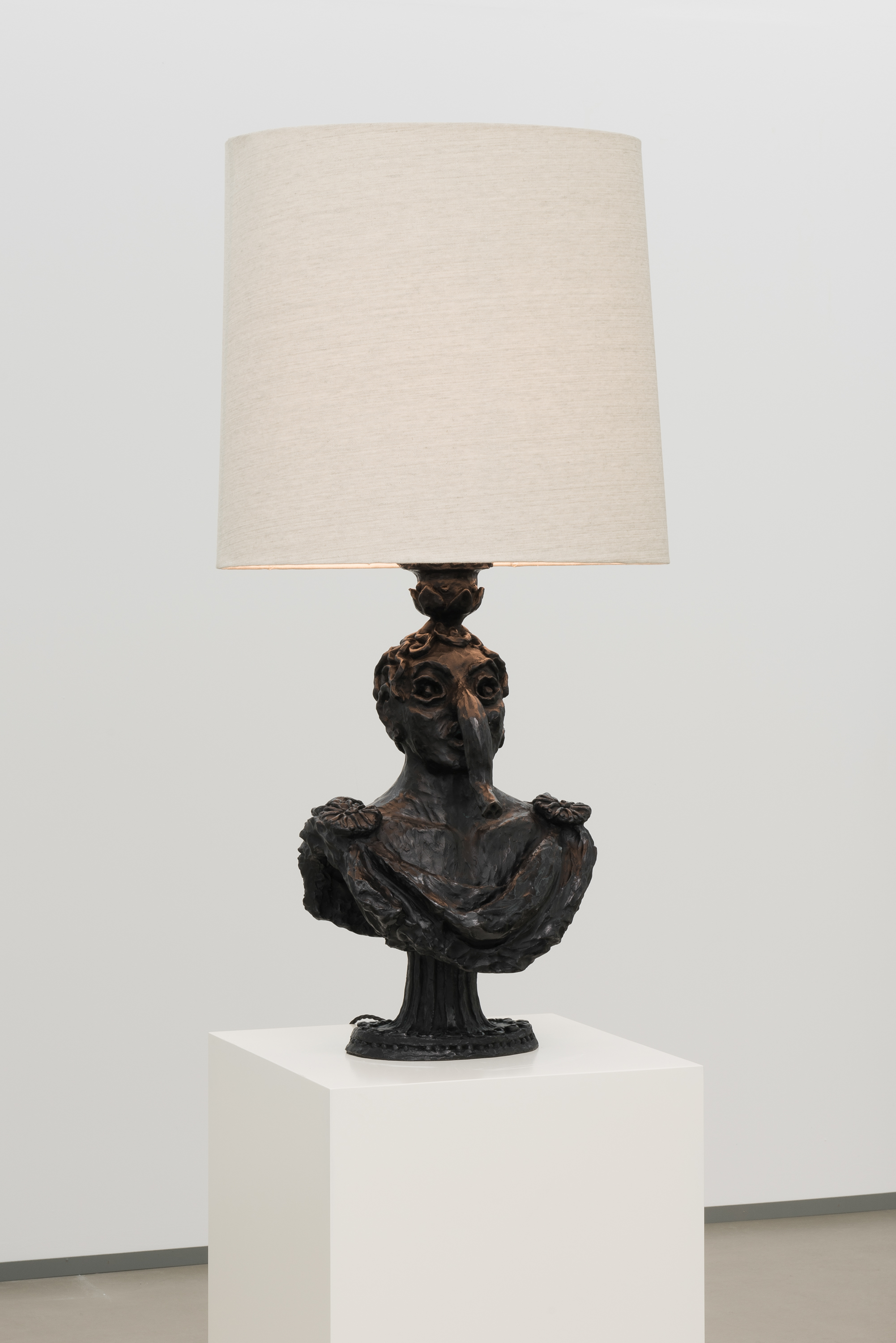
Something similar happens to Emperor, the lamp designed by the duo Garouste & Bonetti. Their intention, as they affirm, is to give people freedom of election about forms. Without rules and with a deliberated tendency to cast doubts, the appearance of their pieces is fanciful, surrealist and even eccentric, while having an incredibly peculiar, inventive and neat character.
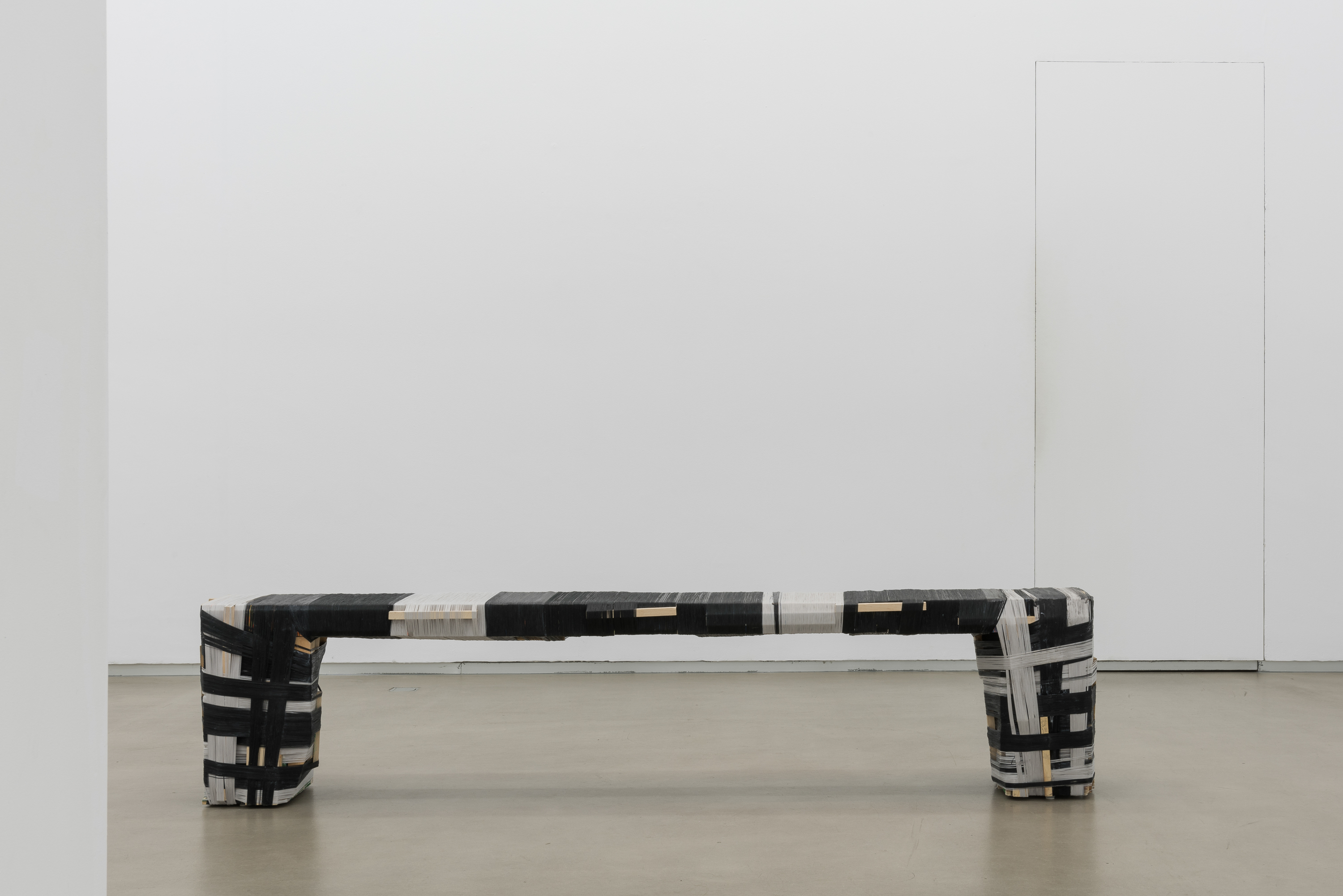
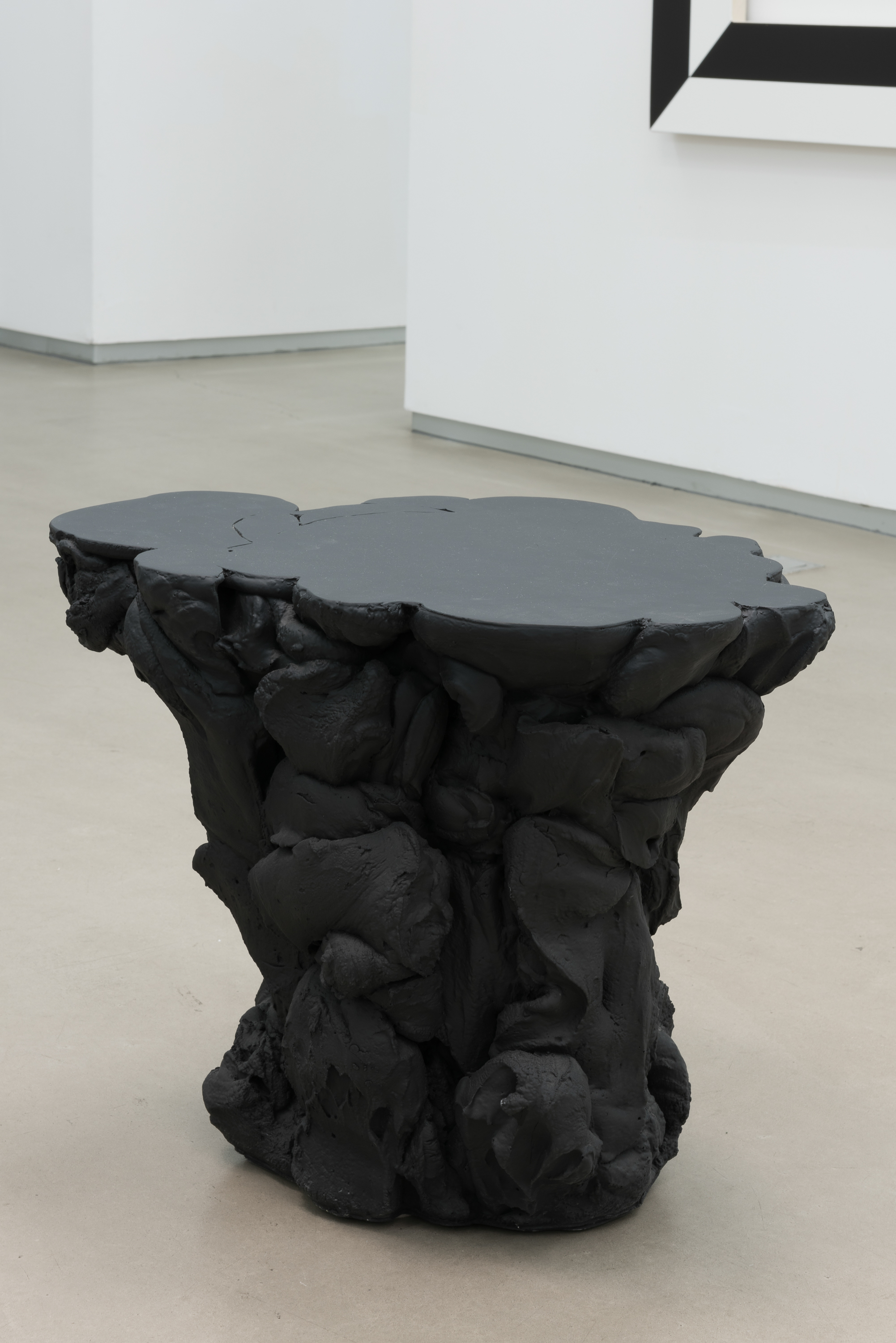
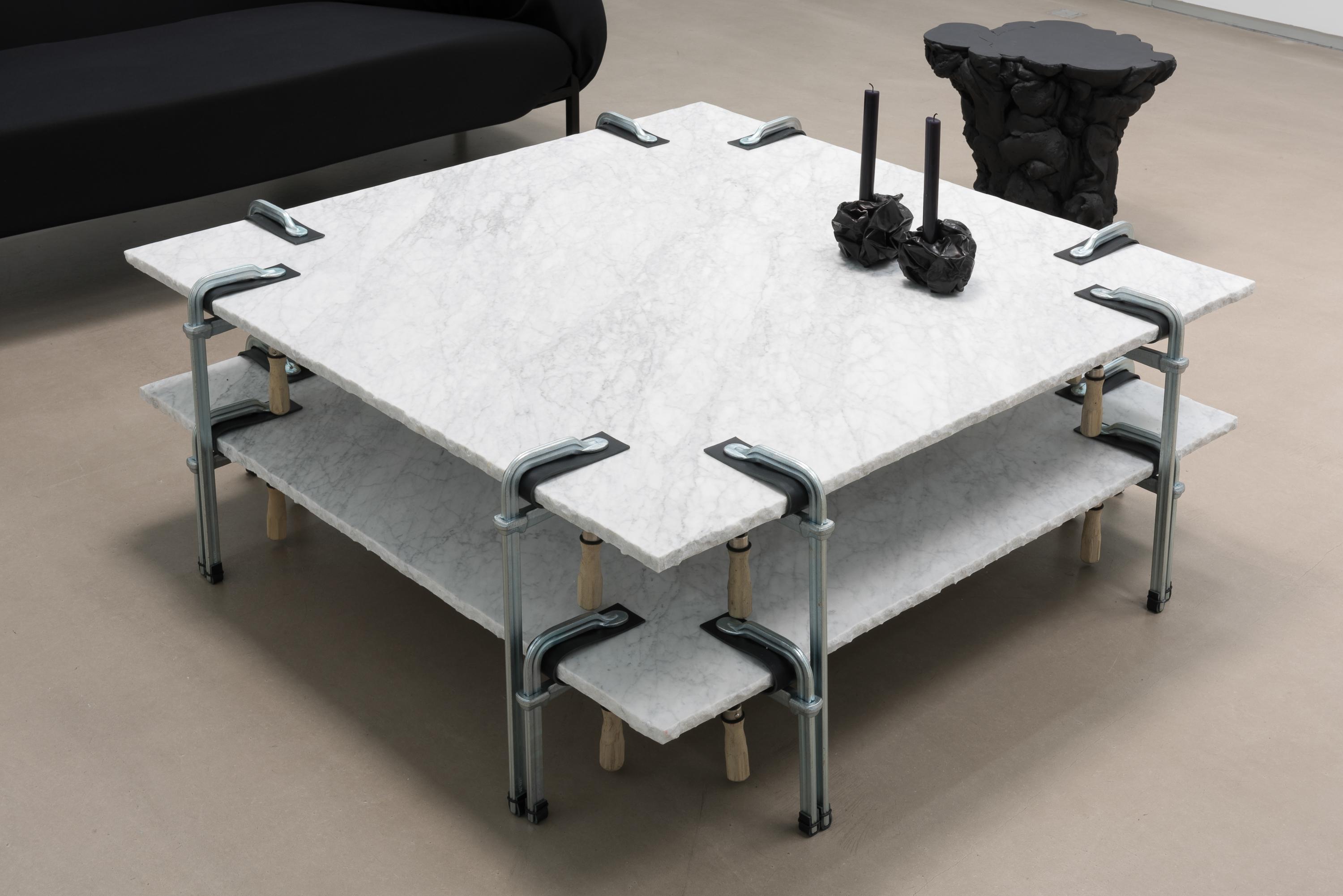
The Thread Wrapping Machine and Side Table Rubber Black, by Antón Álvarez and Fredrikson Stallard respectively, are focused on their own systems of production and how to provide new possibilities thereon. Álvarez’s work subverts the traditional method of carpentry by replacing the internal structure of the piece by an external one, as some kind of exoskeleton that keeps the parts together and provides at the same time a decorative element. Stallard’s piece, on the other hand, tries to establish a significant relationship between the work made by a computer and the handmade work, showing his capacity to combine the material’s unpredictability with the technical precision.
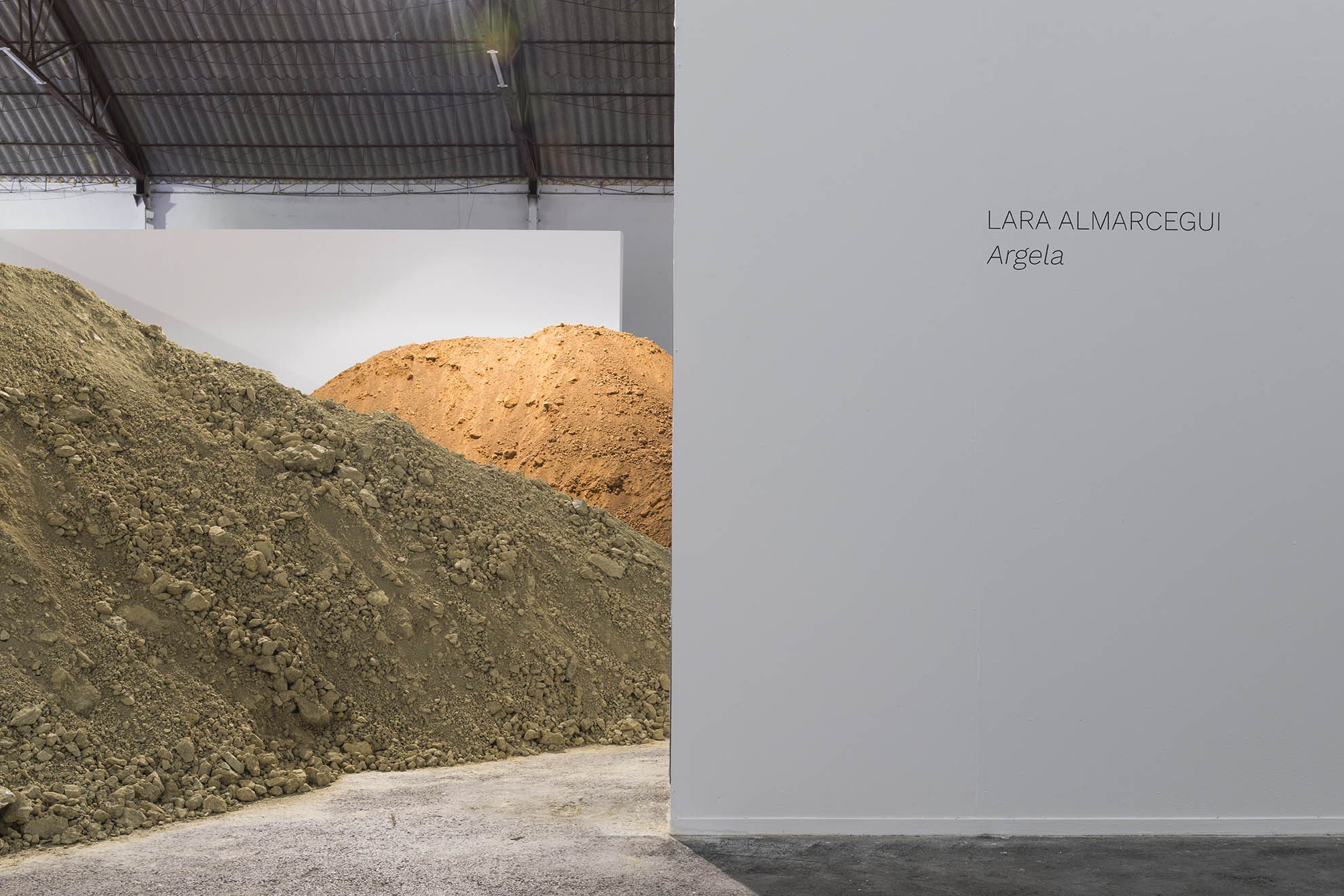
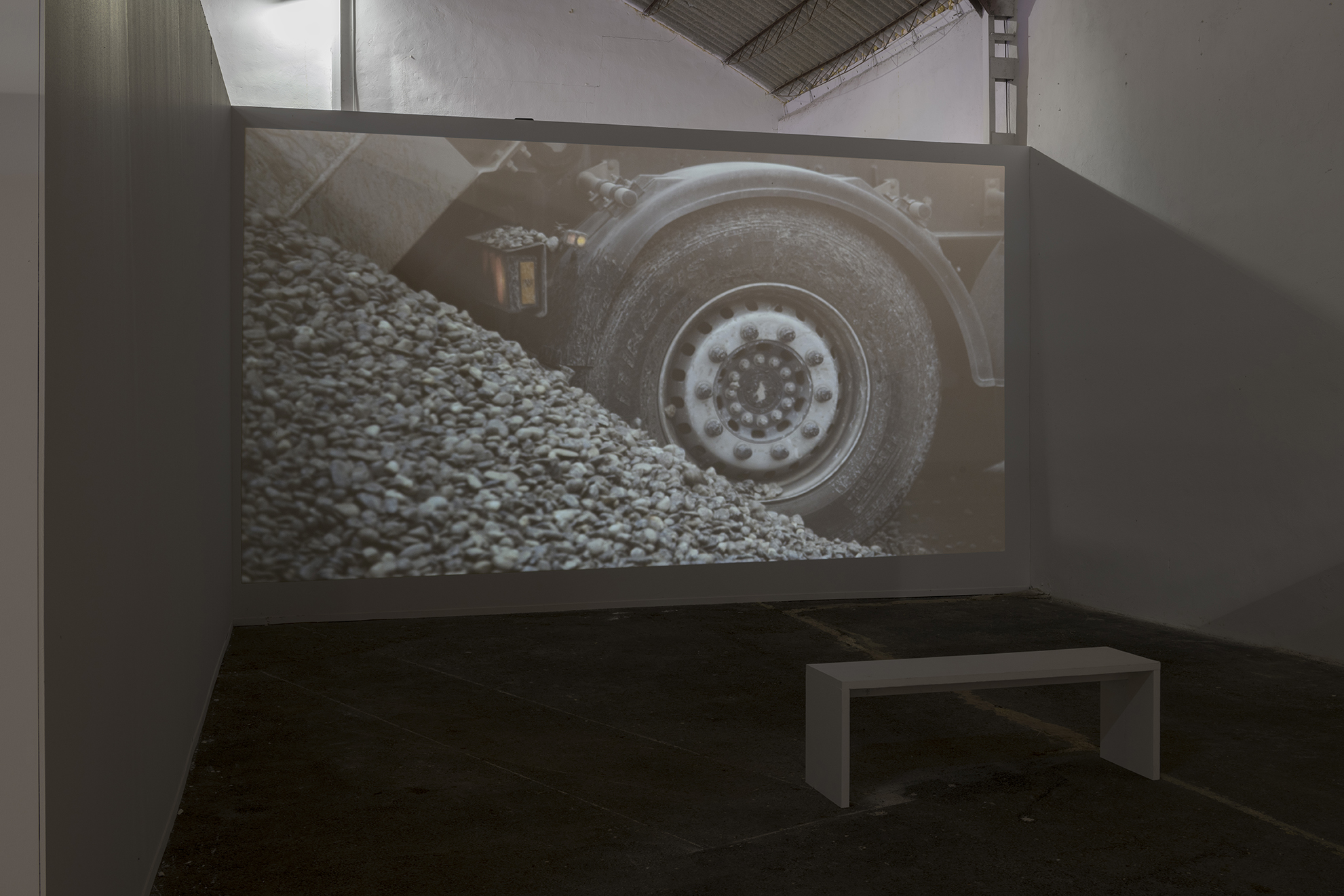
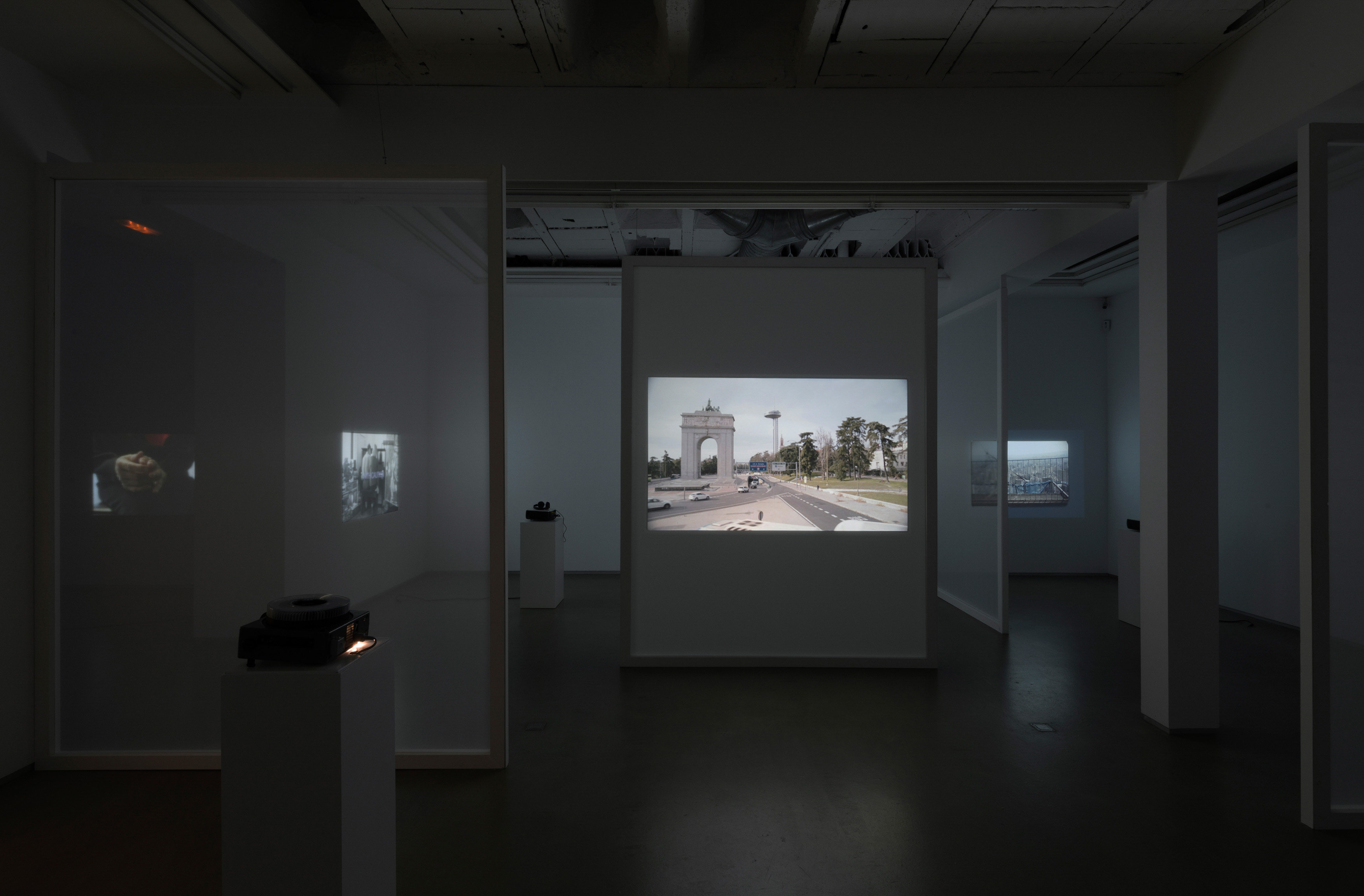
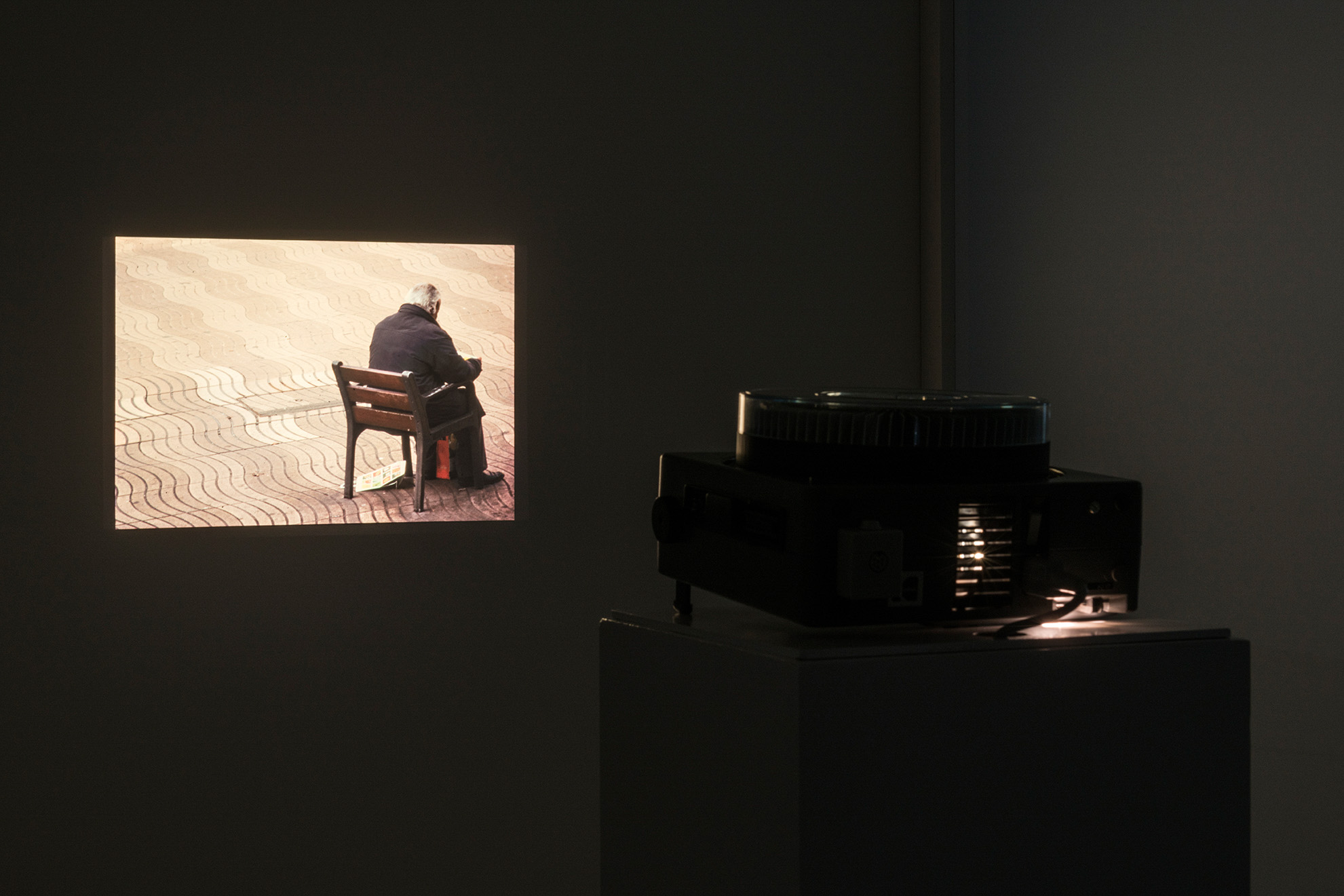
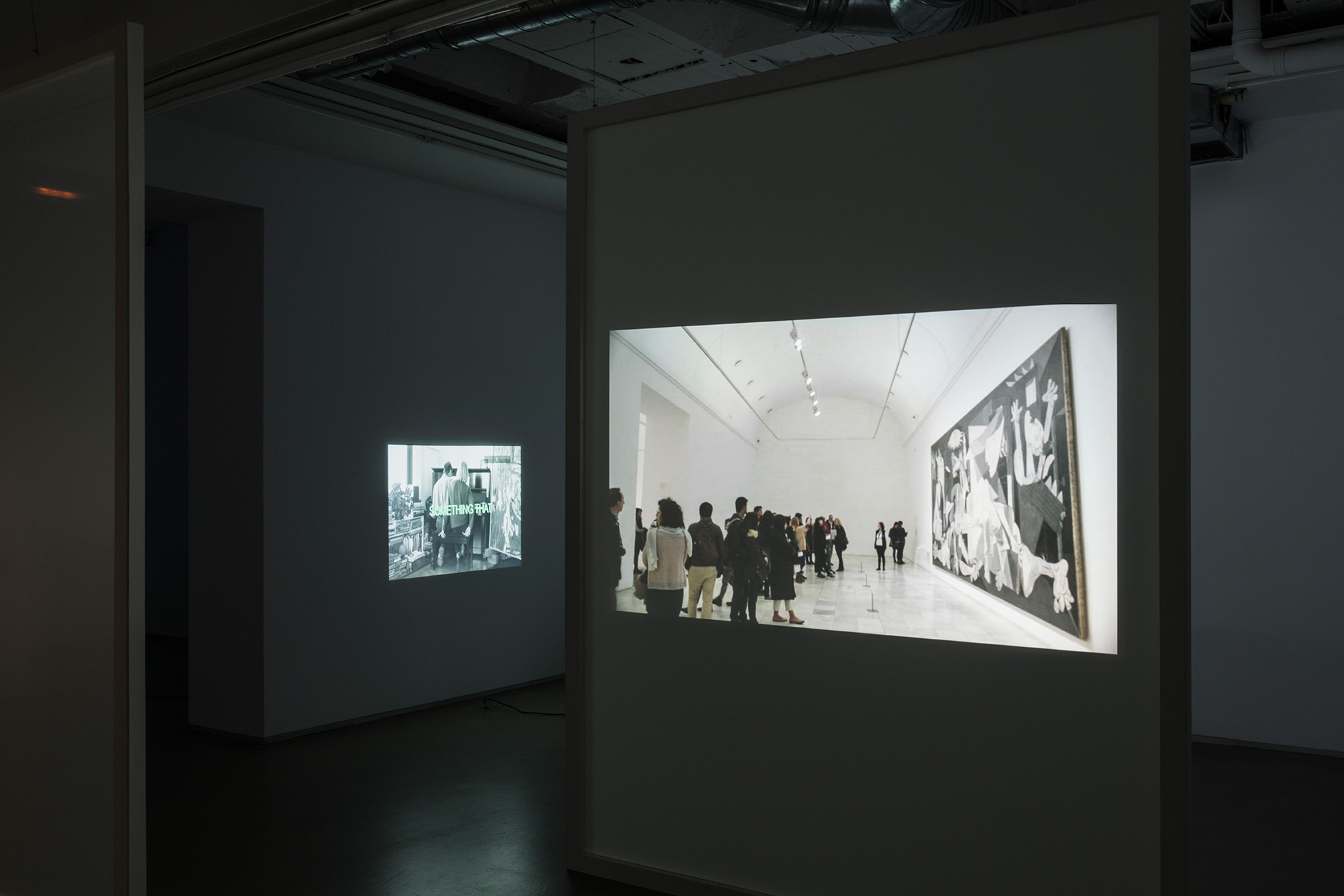
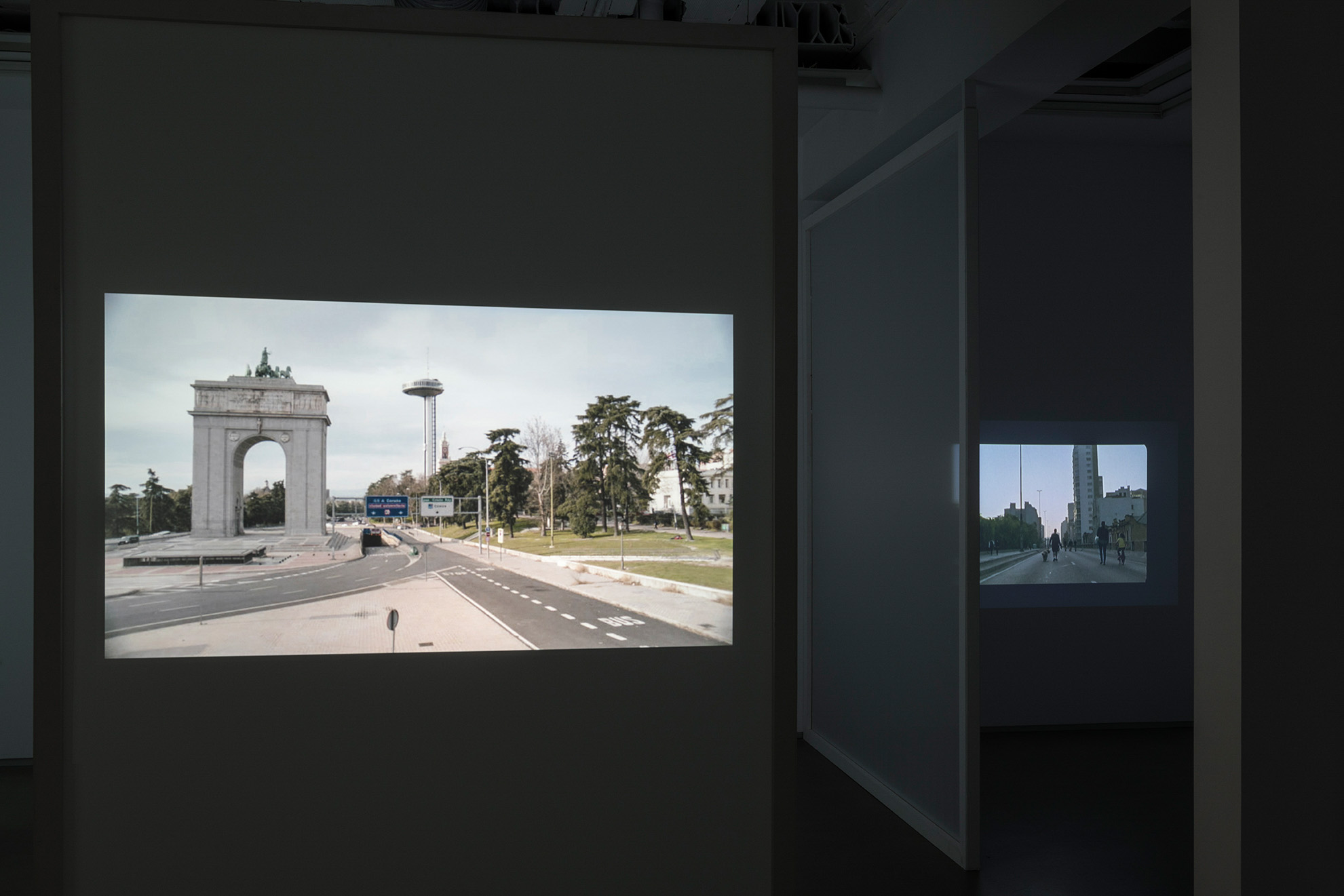
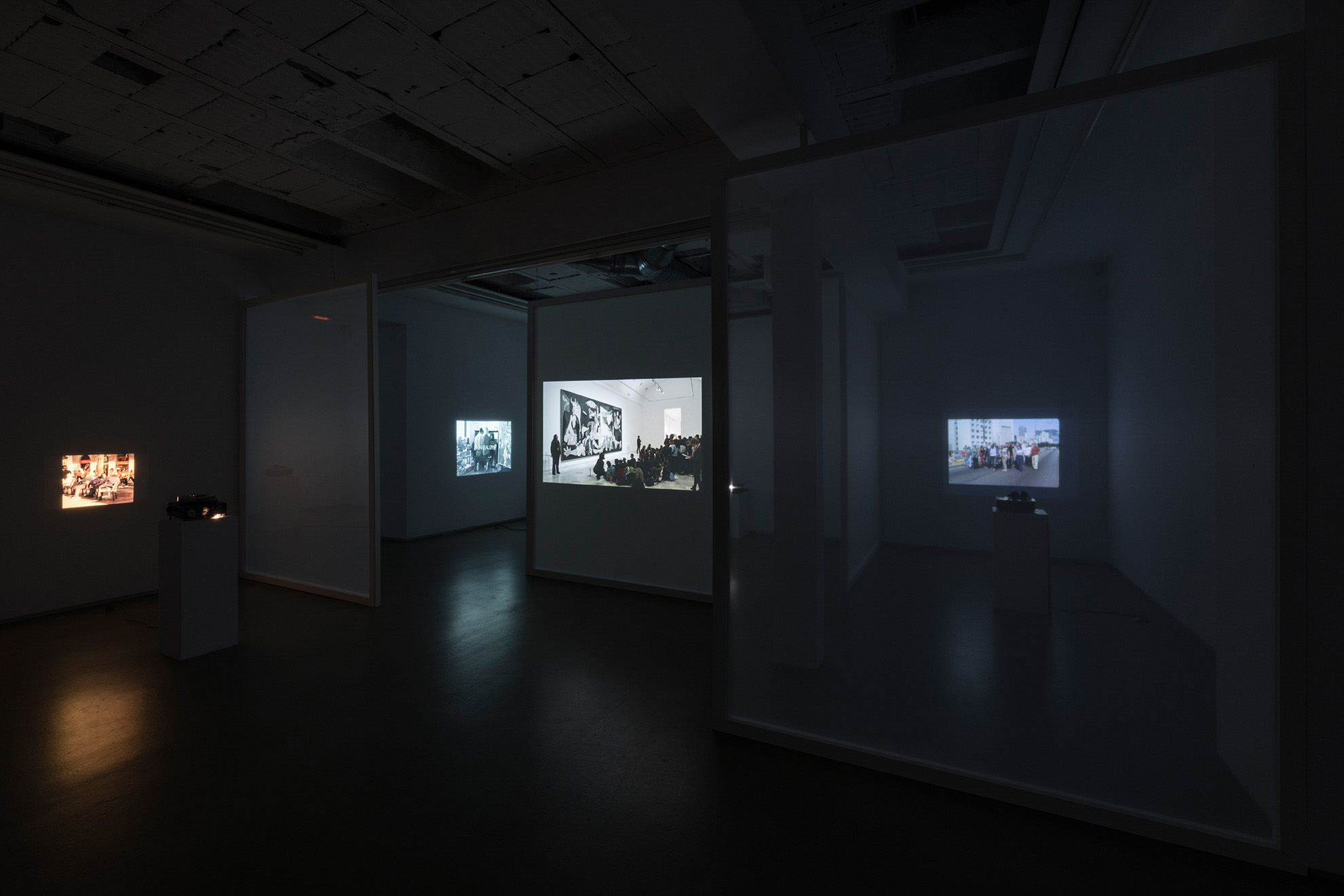
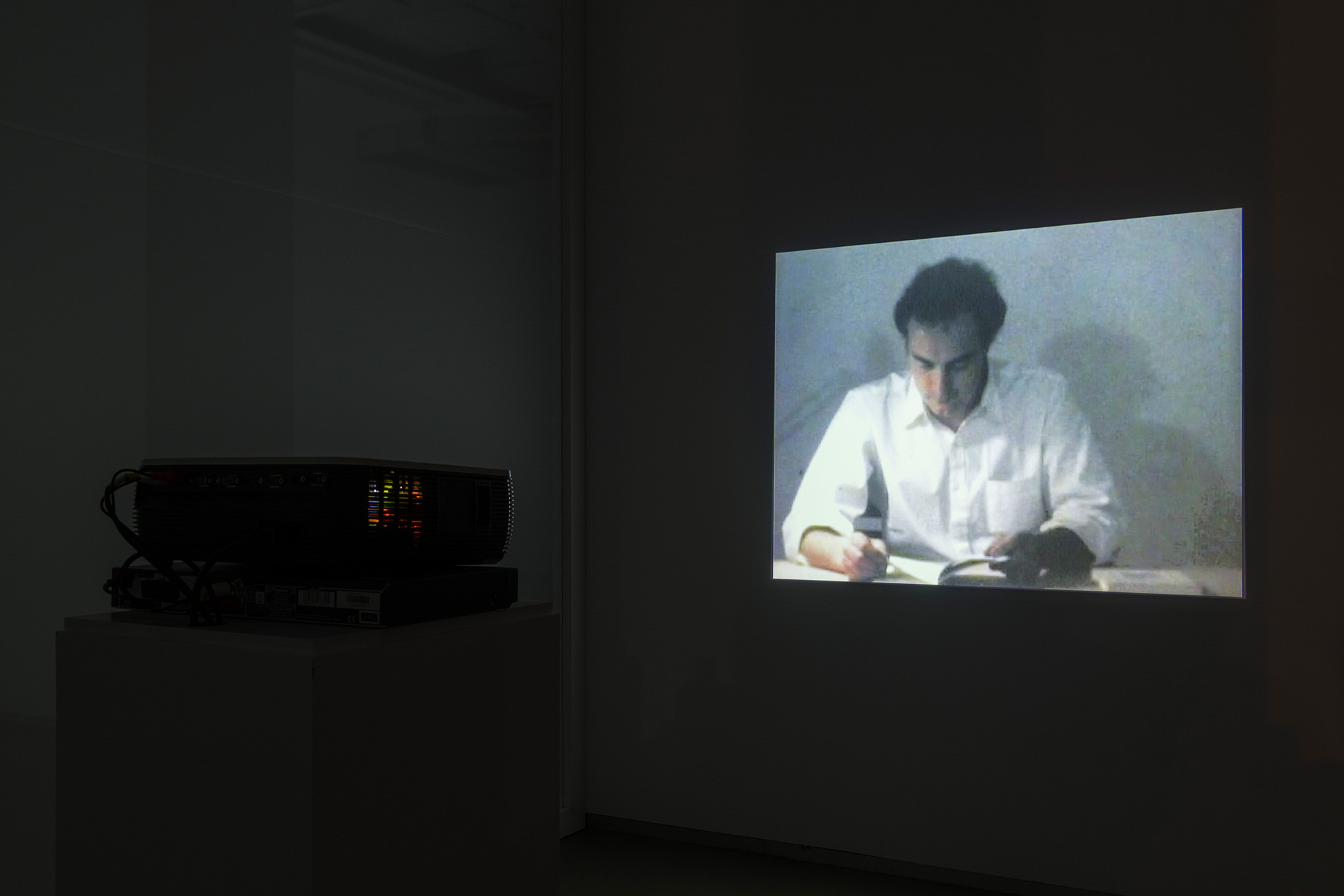
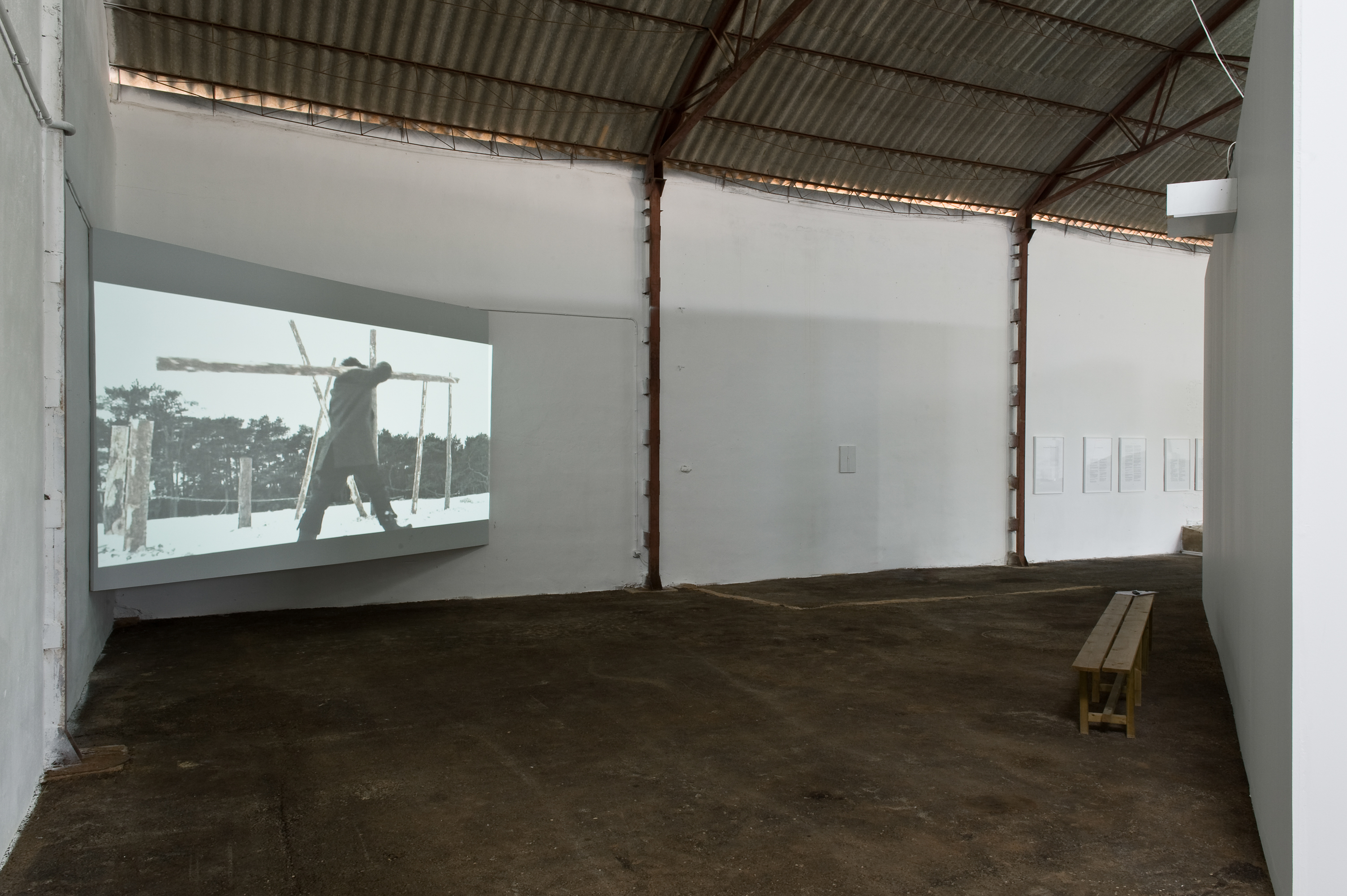
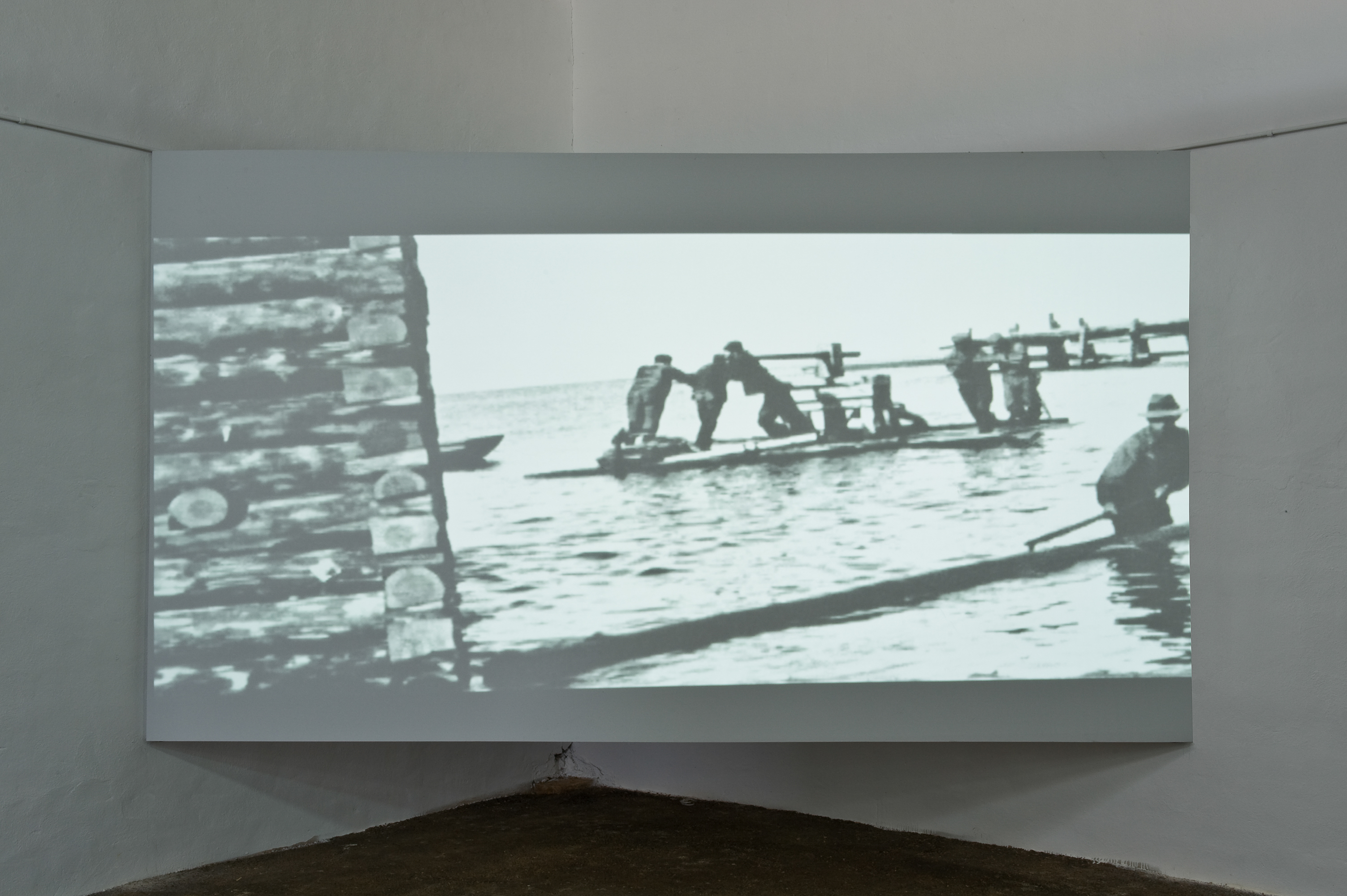
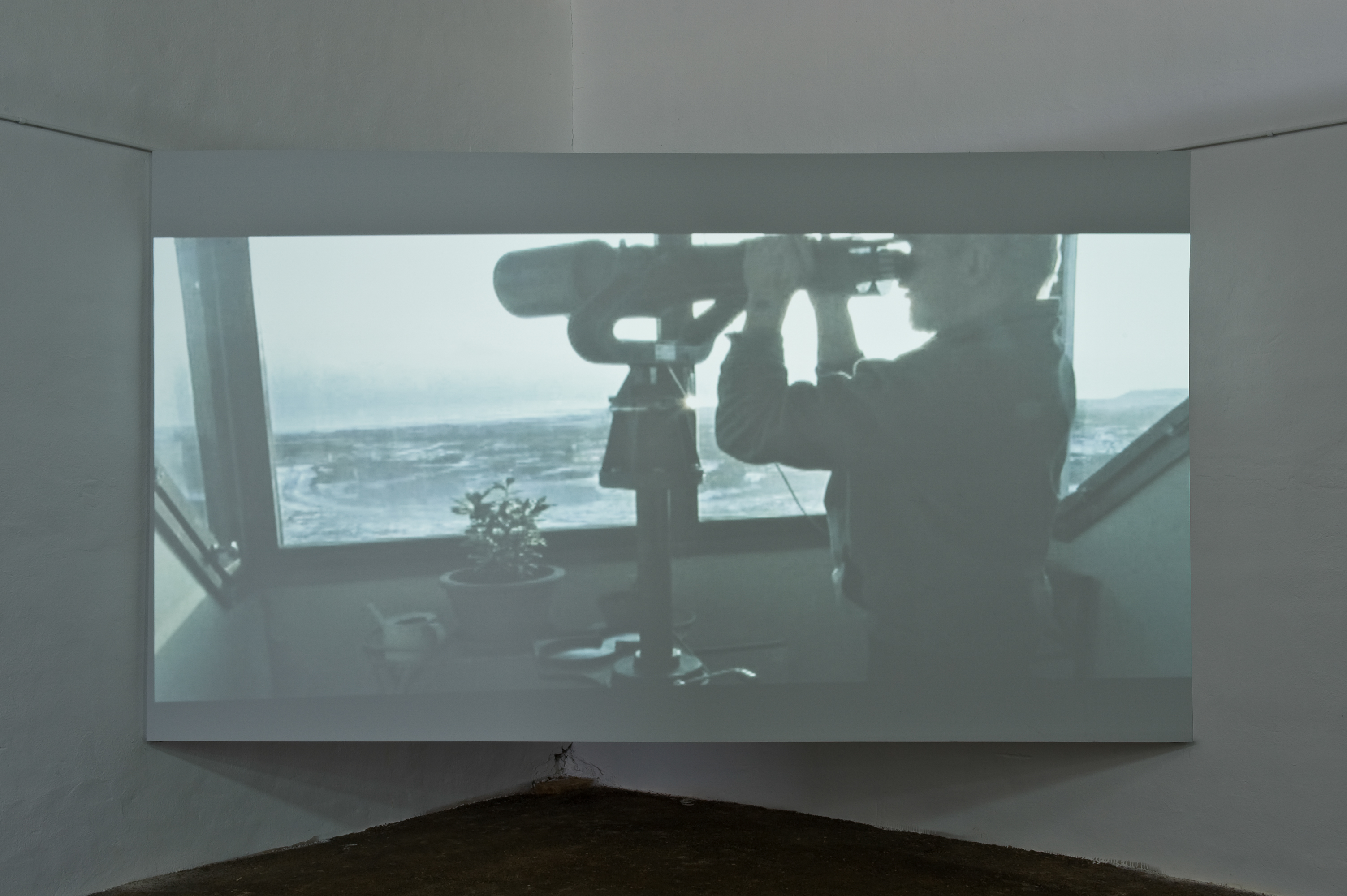
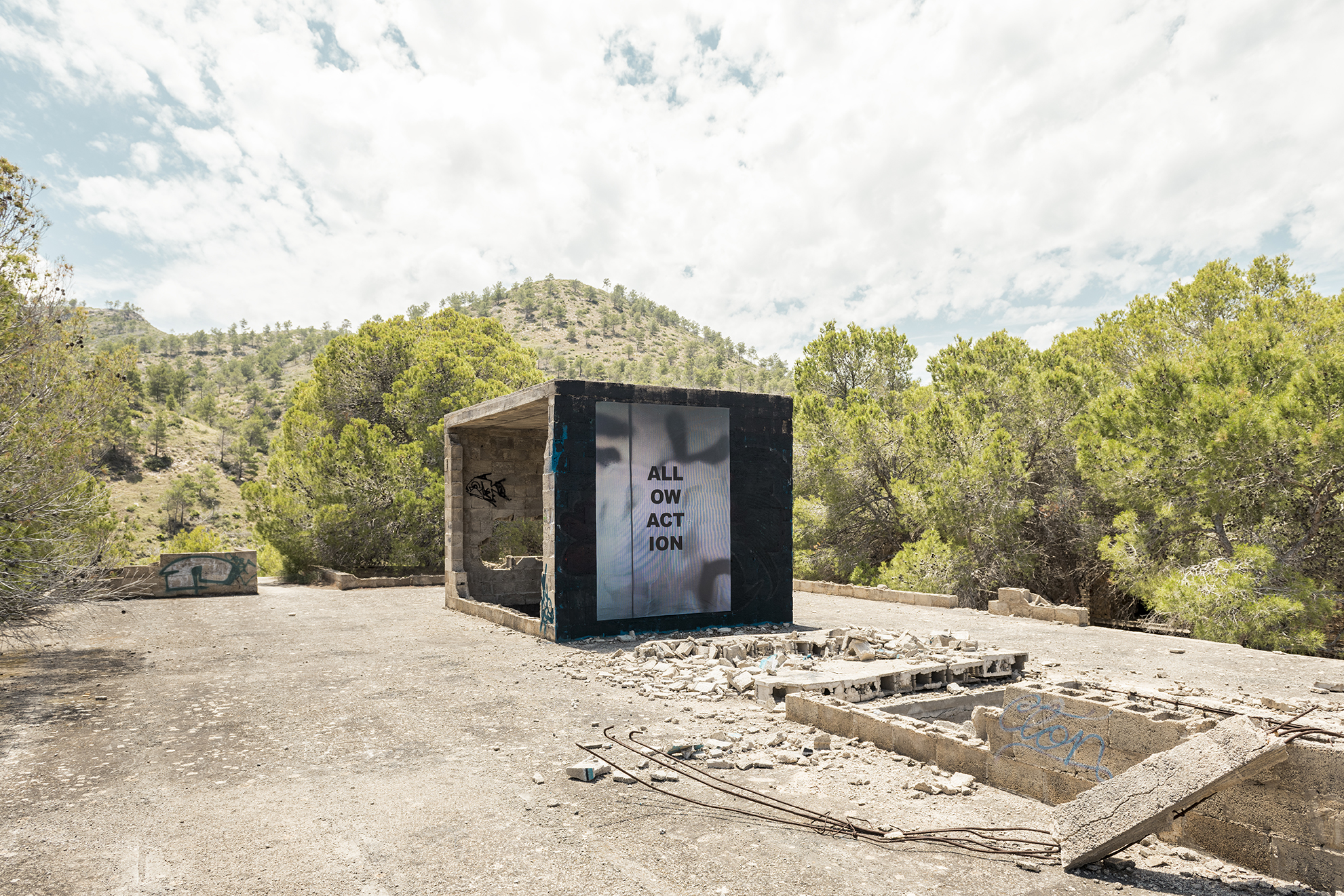
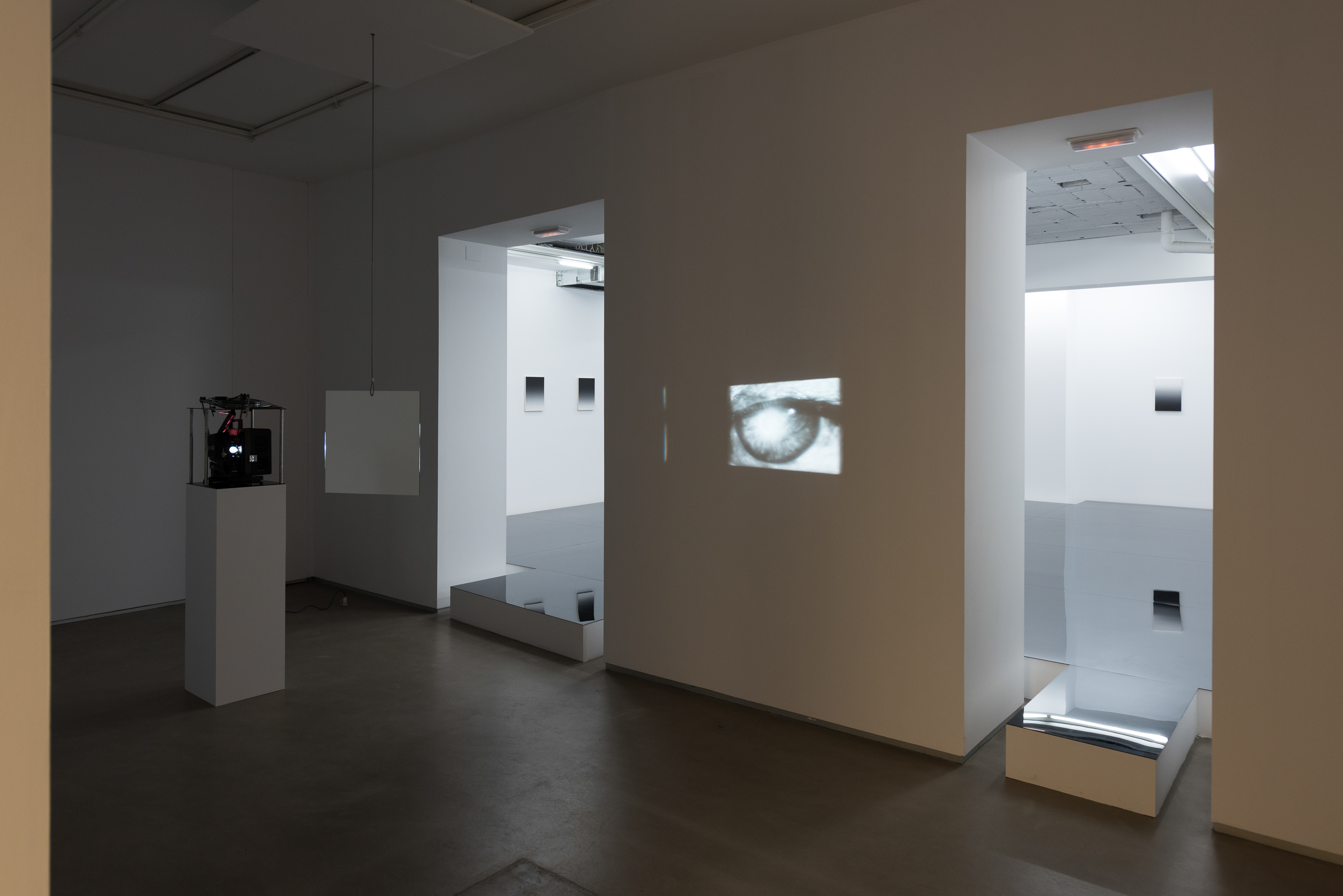
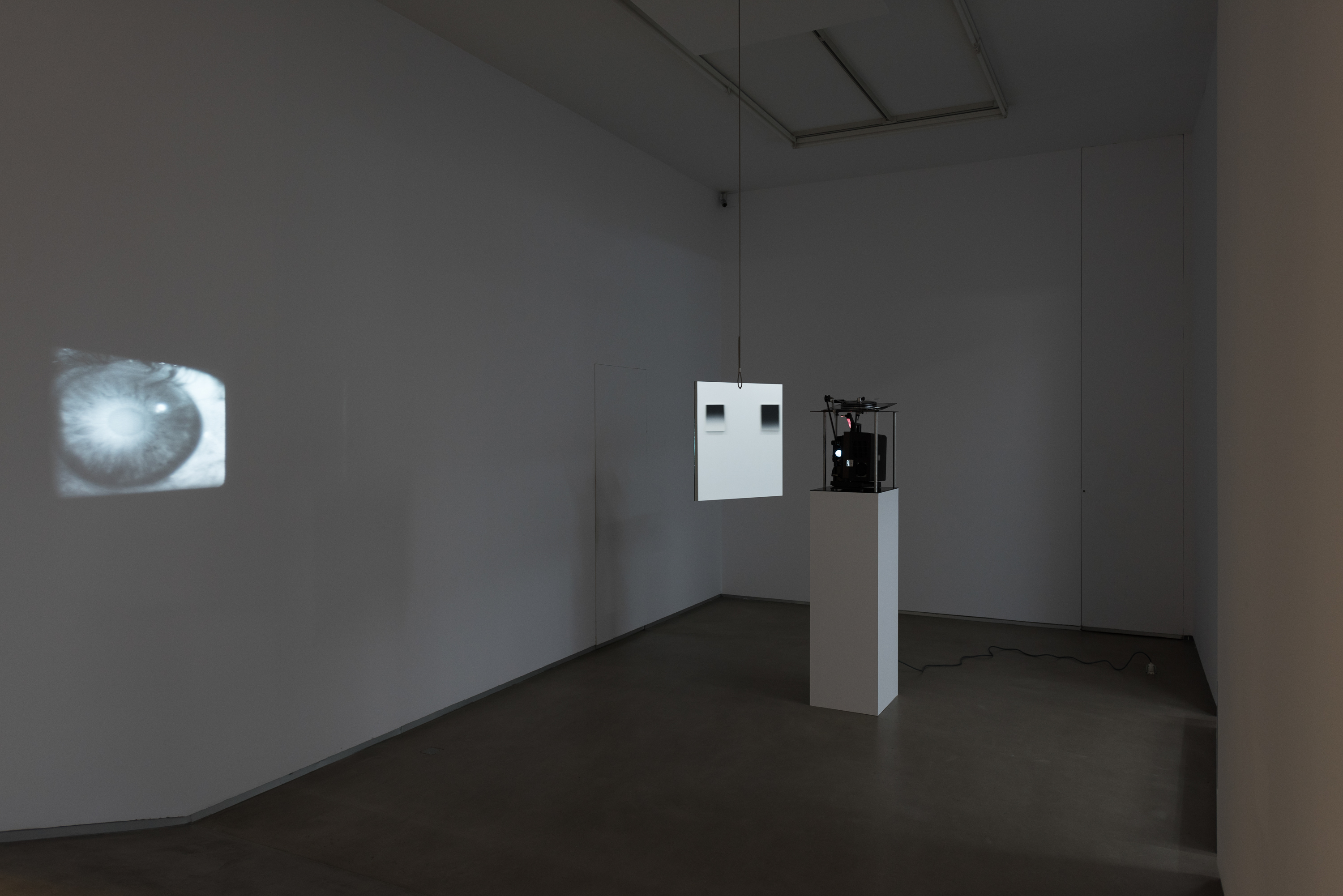
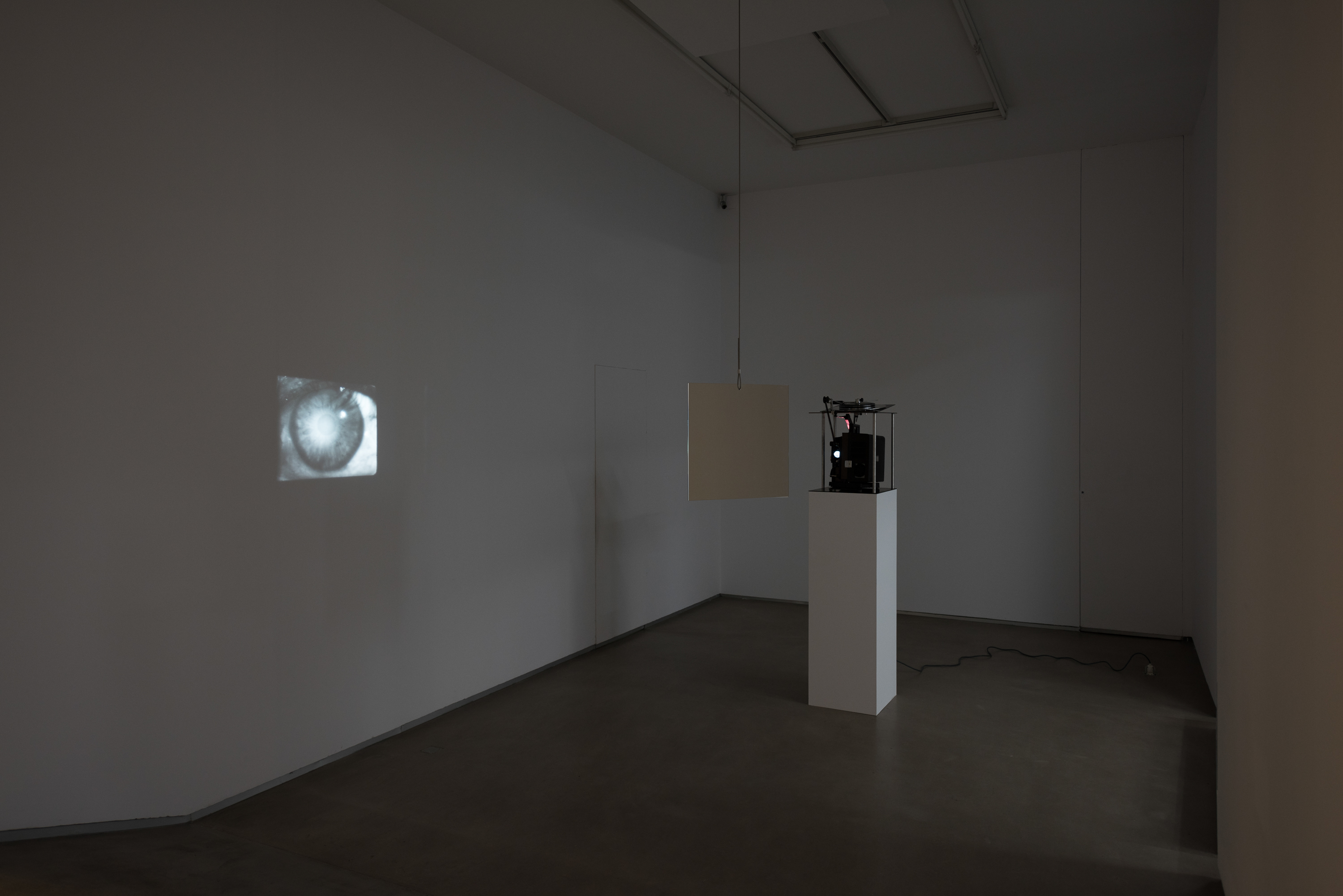
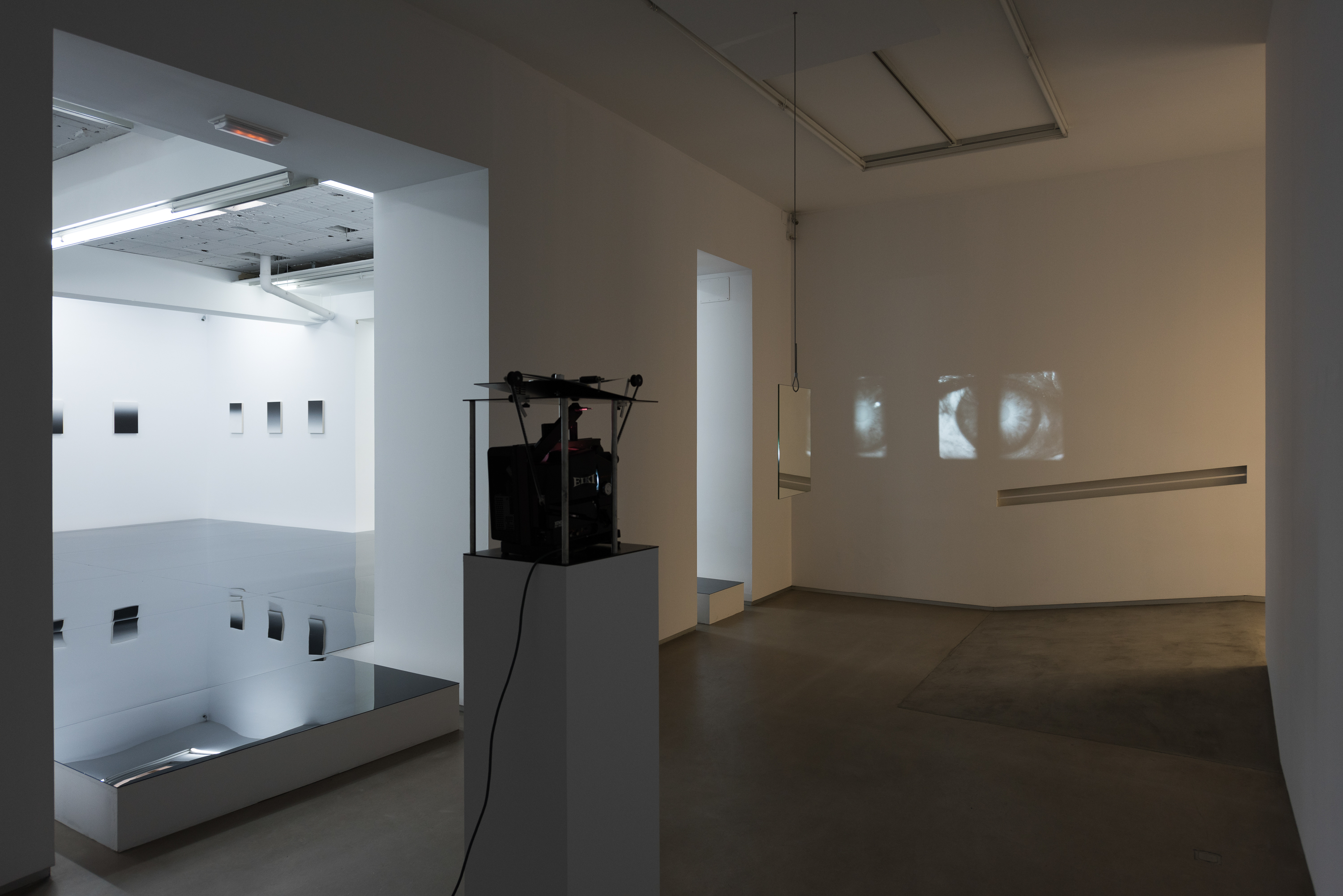
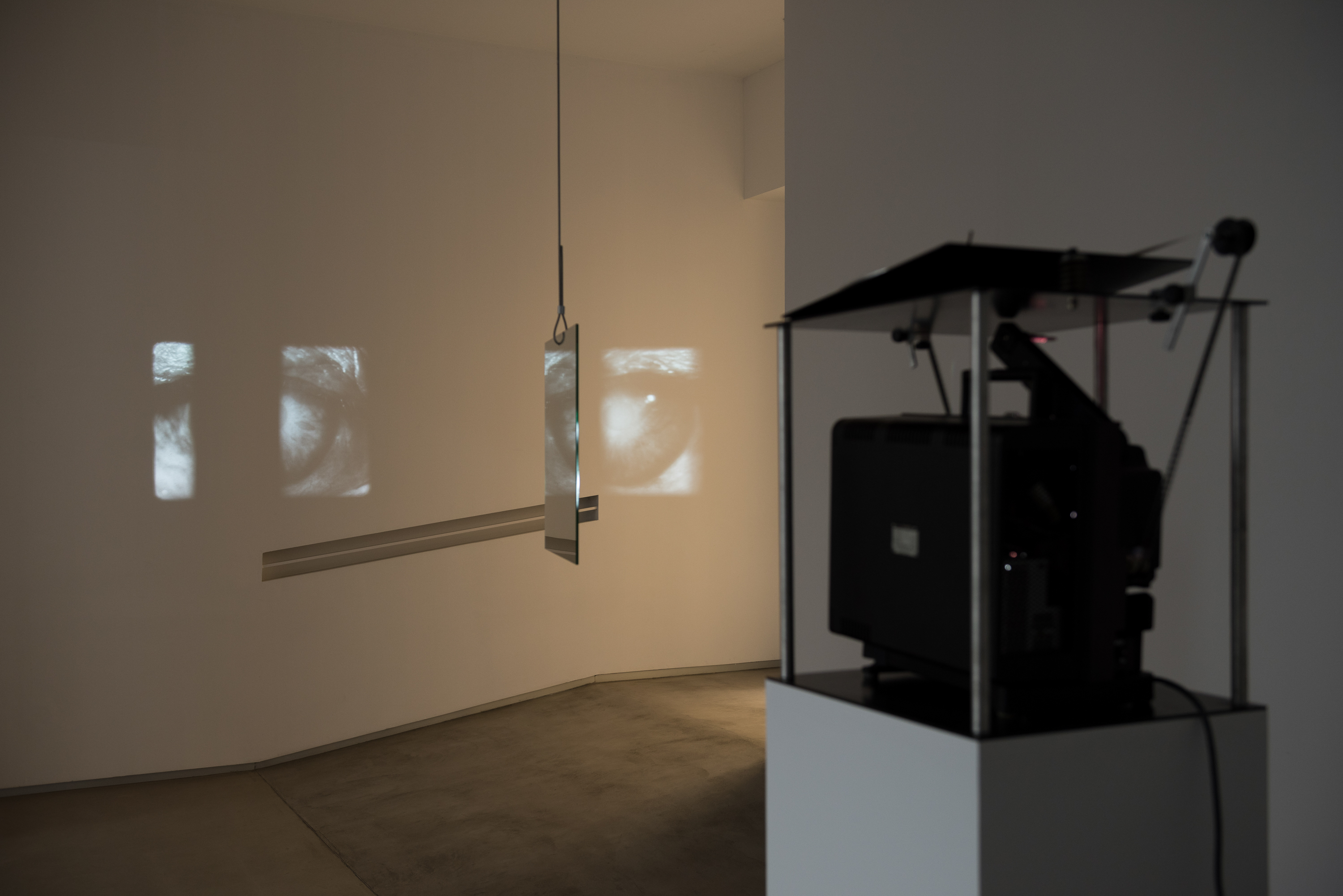
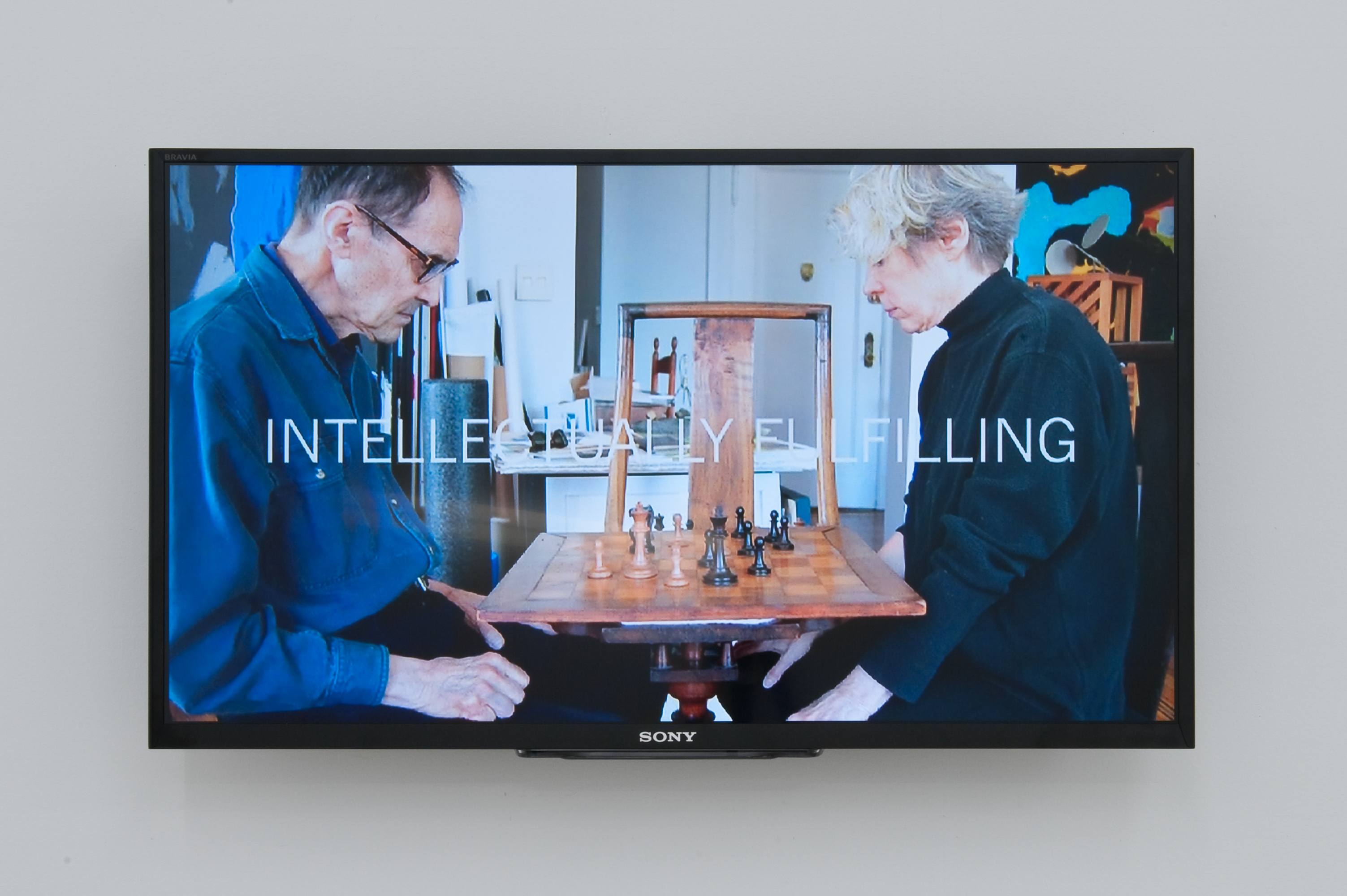
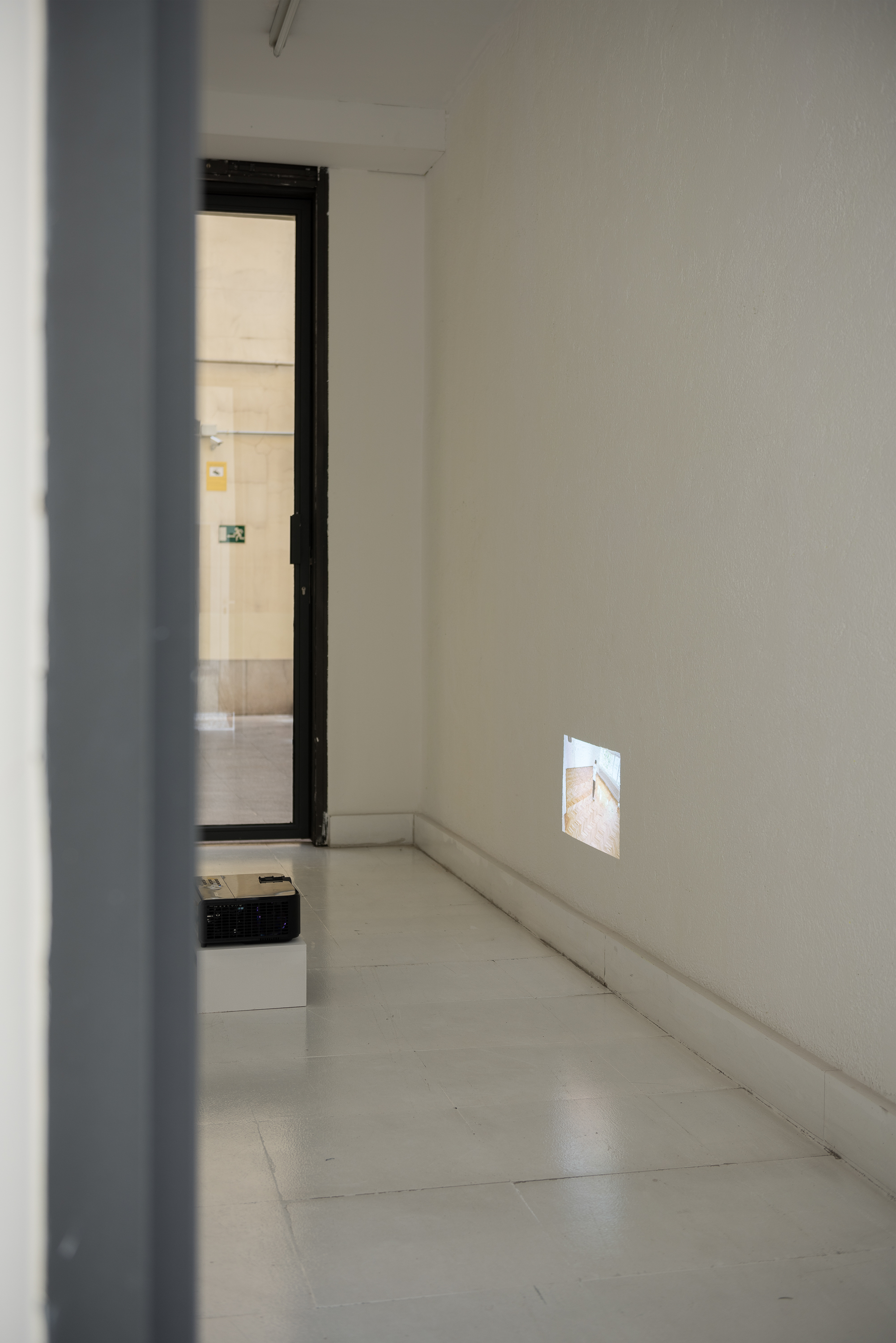
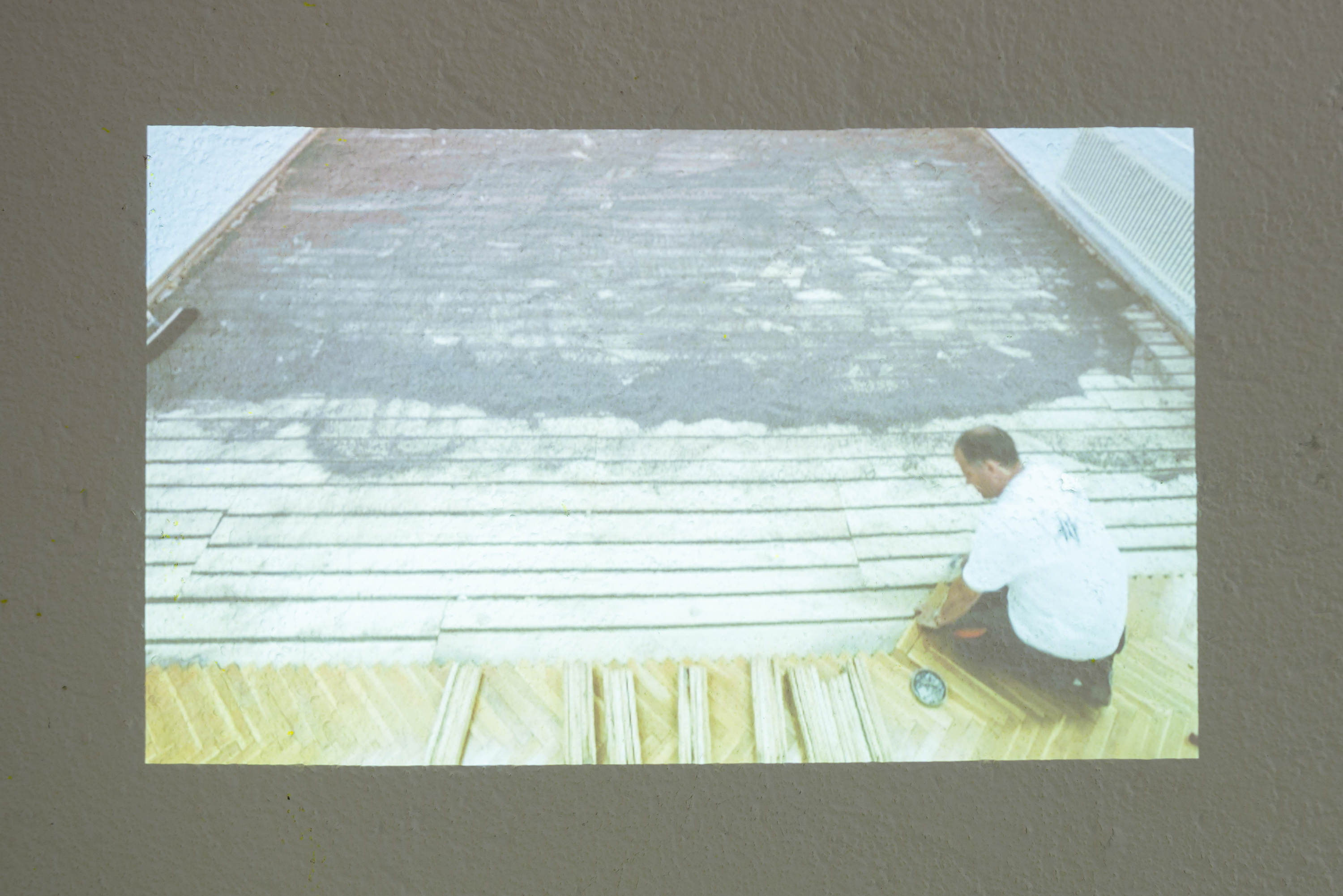
Removal of the Wooden Floor, by Lara Almarcegui, is a video projection showing workers removing, cleaning, sanding down and then replacing the intricate herringbone floor of Secession in Vienna. The relic of a past action, the video is a document without which the modification of the floor would have gone unnoticed. As in all her works, Almarcegui draws attention to our overlooked surroundings, and provides a hint of what went into their making.
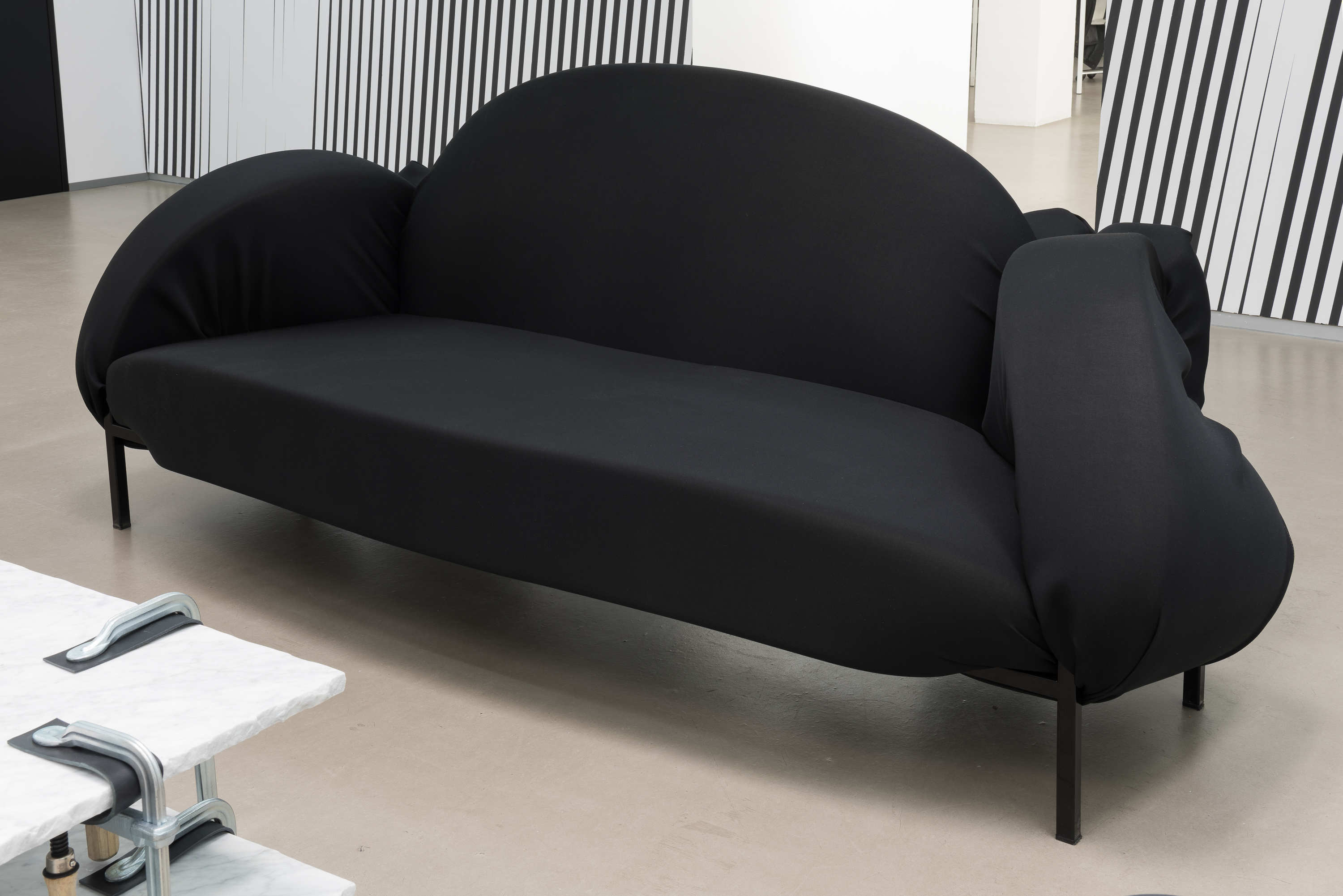
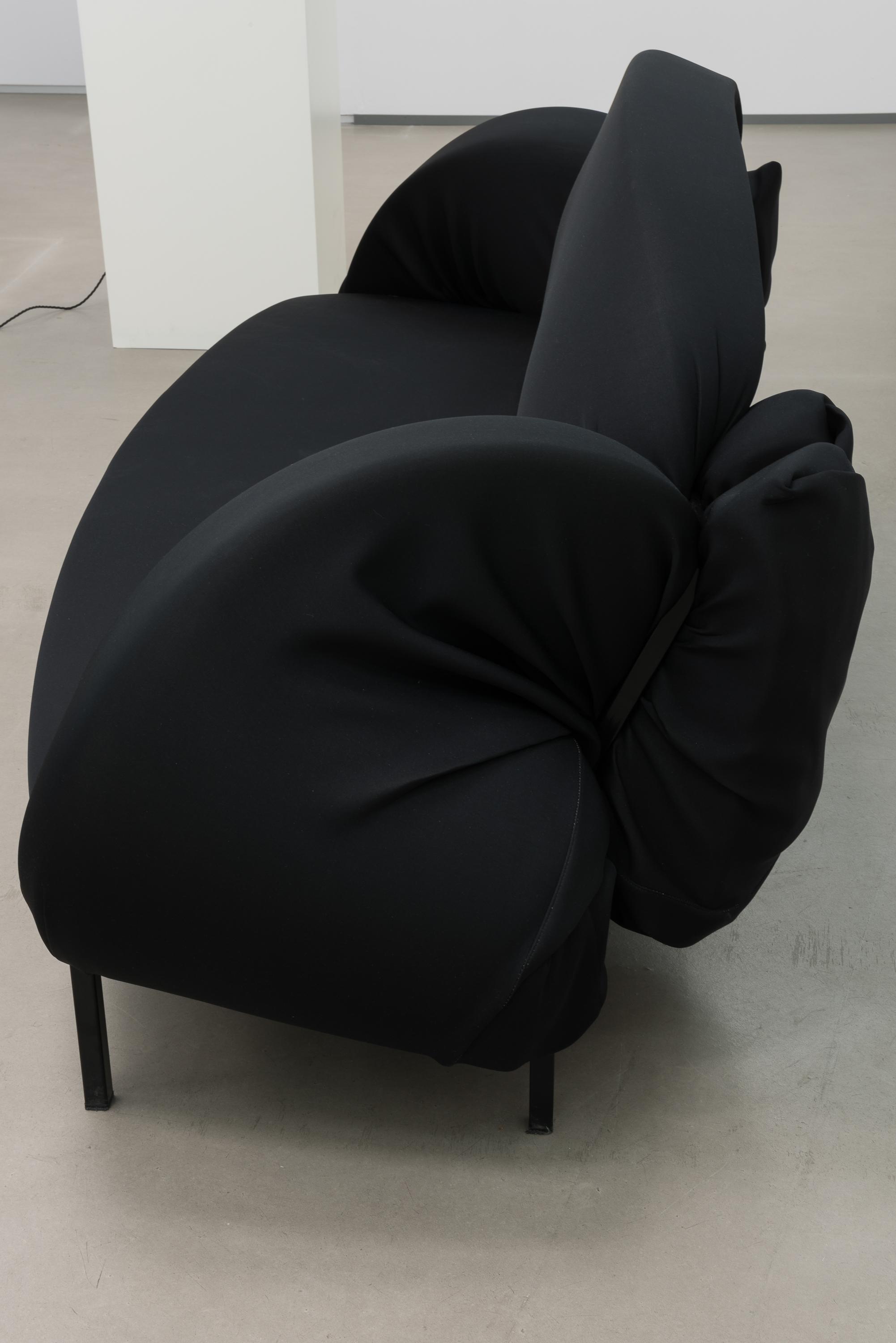
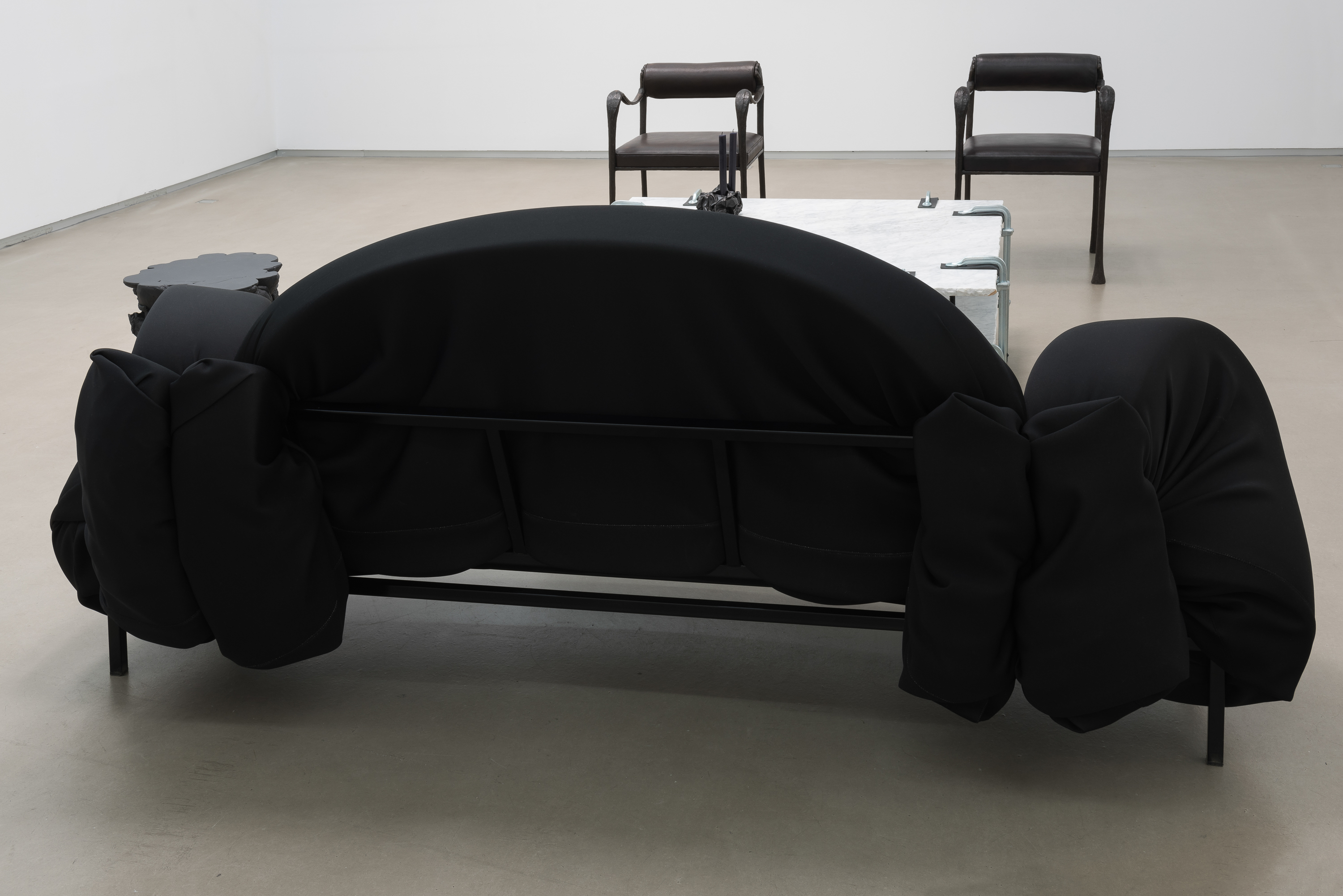
Bently is a sofa by Lucas Muñoz that is composed of three elements only: iron frames, big blocks of foam rubber and neoprene cases. The designer develops a technique with which he manages to articulate such a complex furniture piece while getting rid of screws, nails, springs, glue, wood, or any other concealed material.
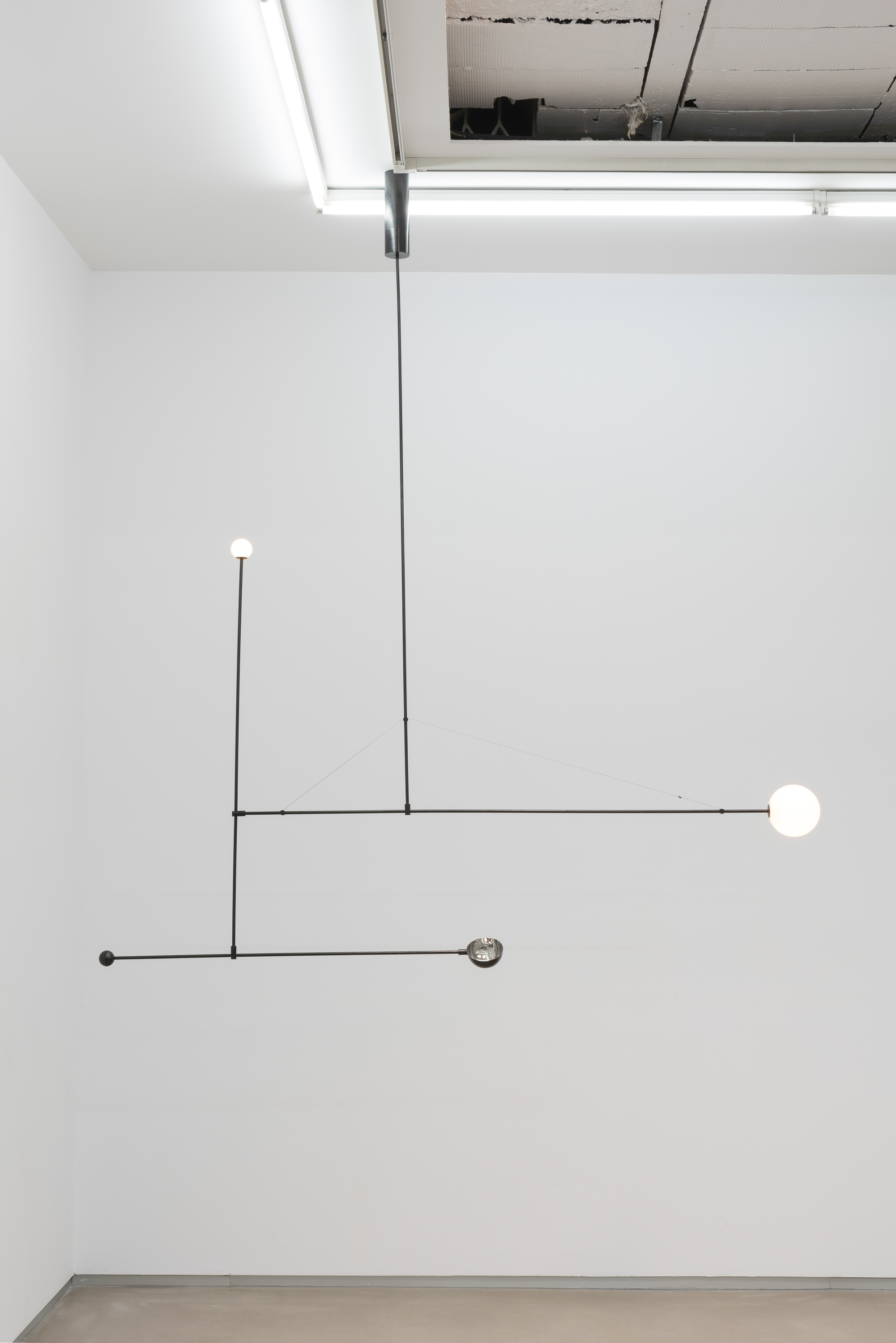
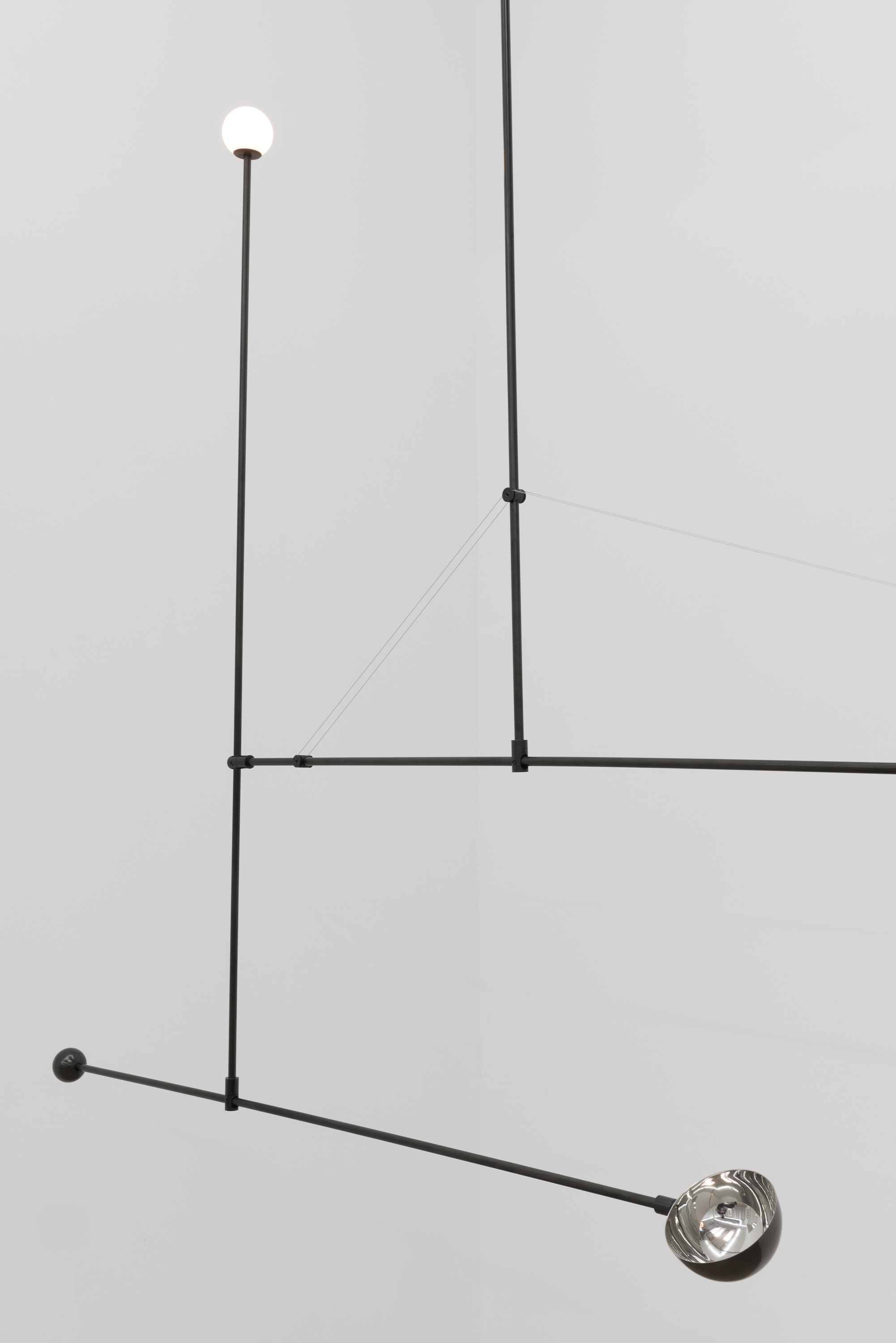
In the flawless work of Anastassiades, there is no sign of the manual labor of the craftsman. Mobile Chandelier is visibly a result of his meditative, austere and disciplined way of working, always giving rise to pieces with a taste of proportion and a sense of timelessness. This subtle and light piece contrasts with Philippe Antonioz’s, which are dense and opaque; the result of a very different way of working in which the unexpected events of the creative process and the imprints of the handcraft of the creator are put in value.
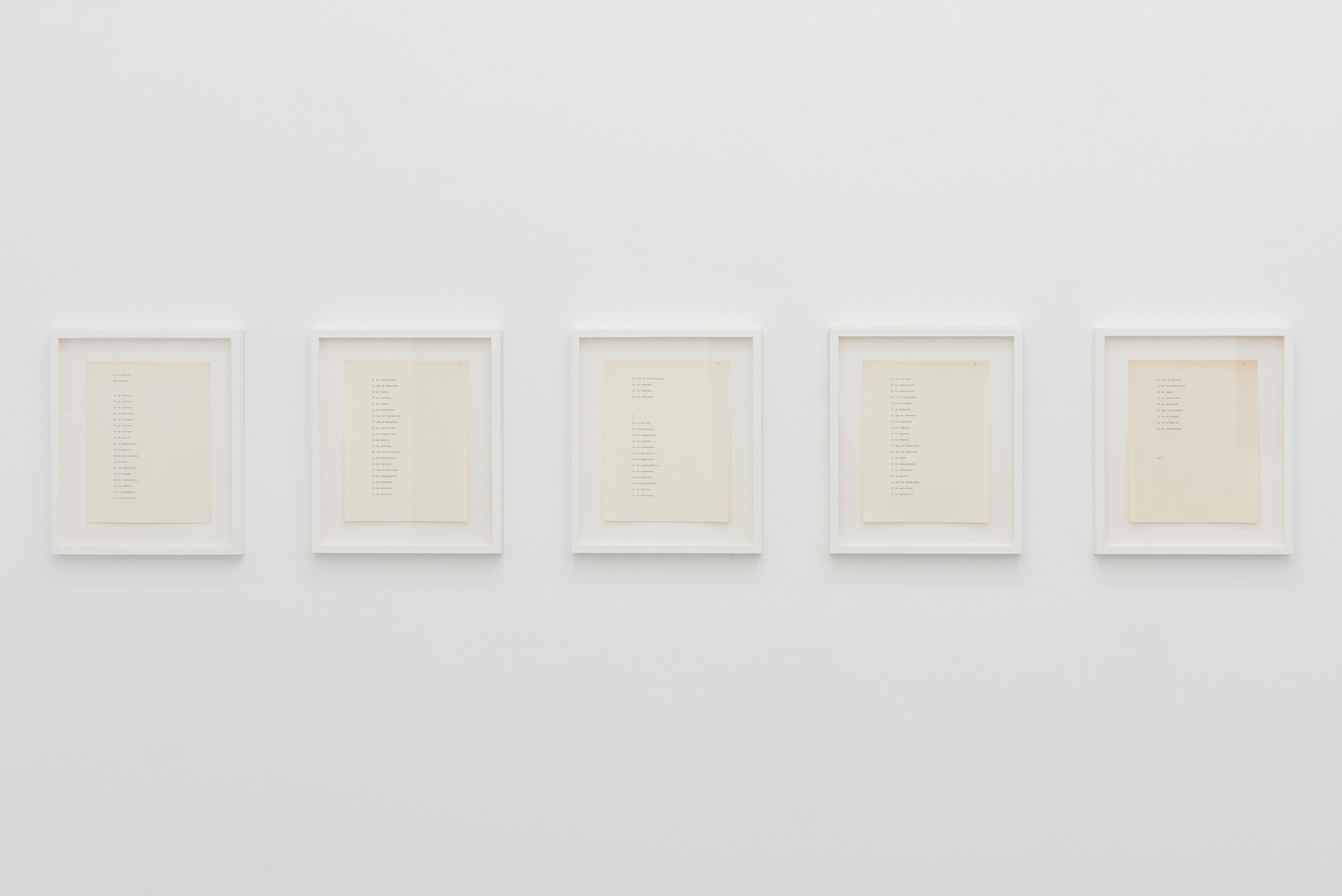
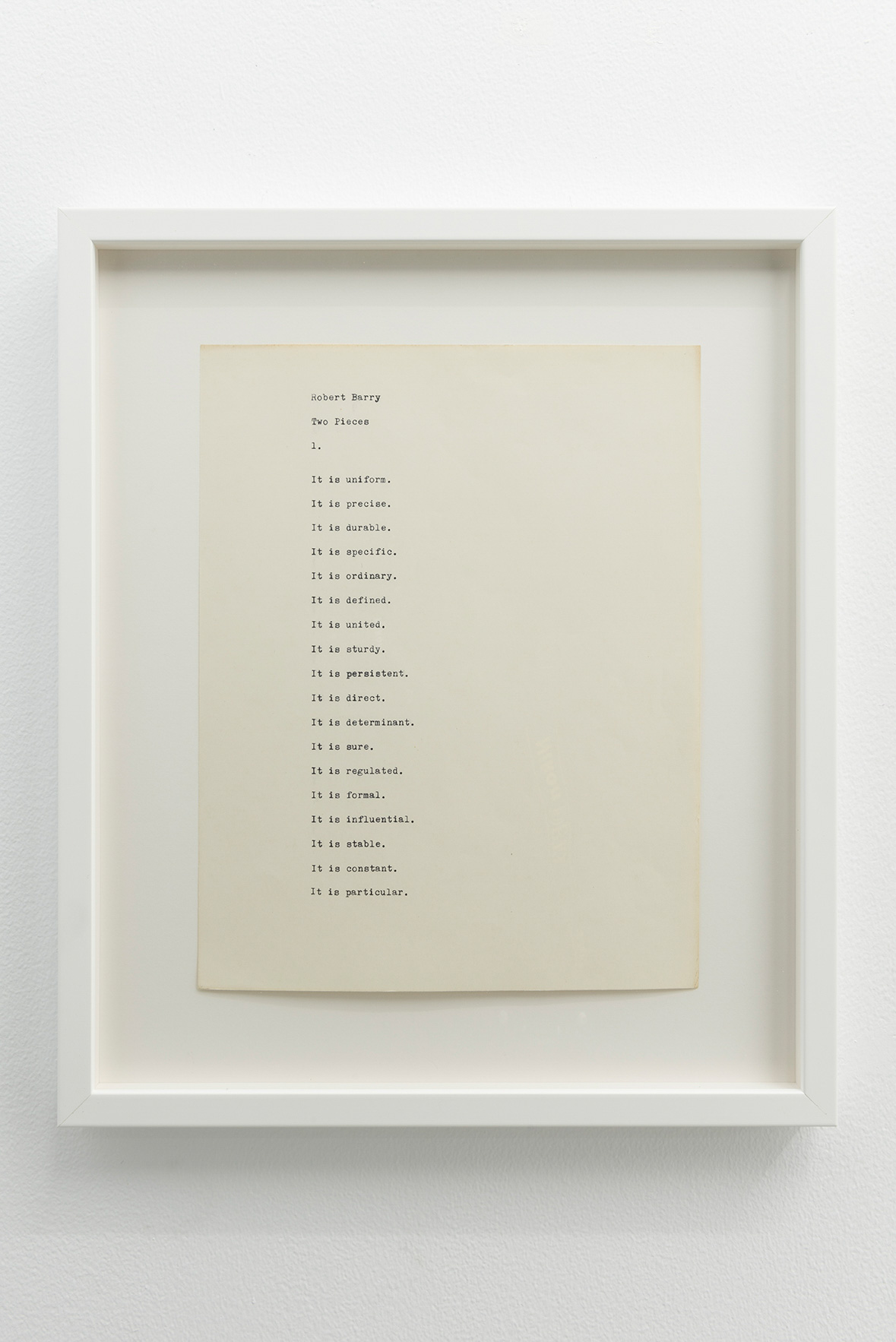
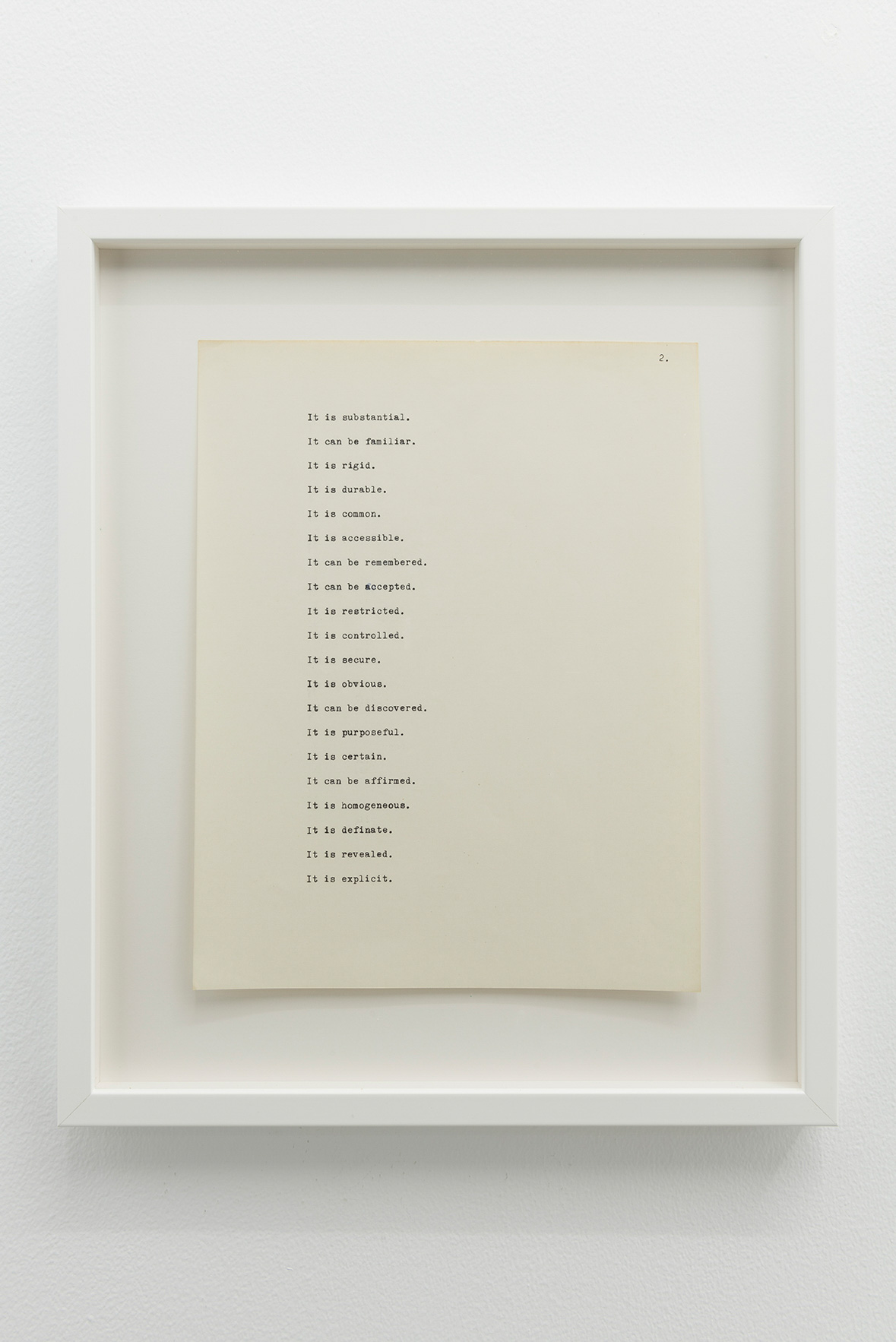
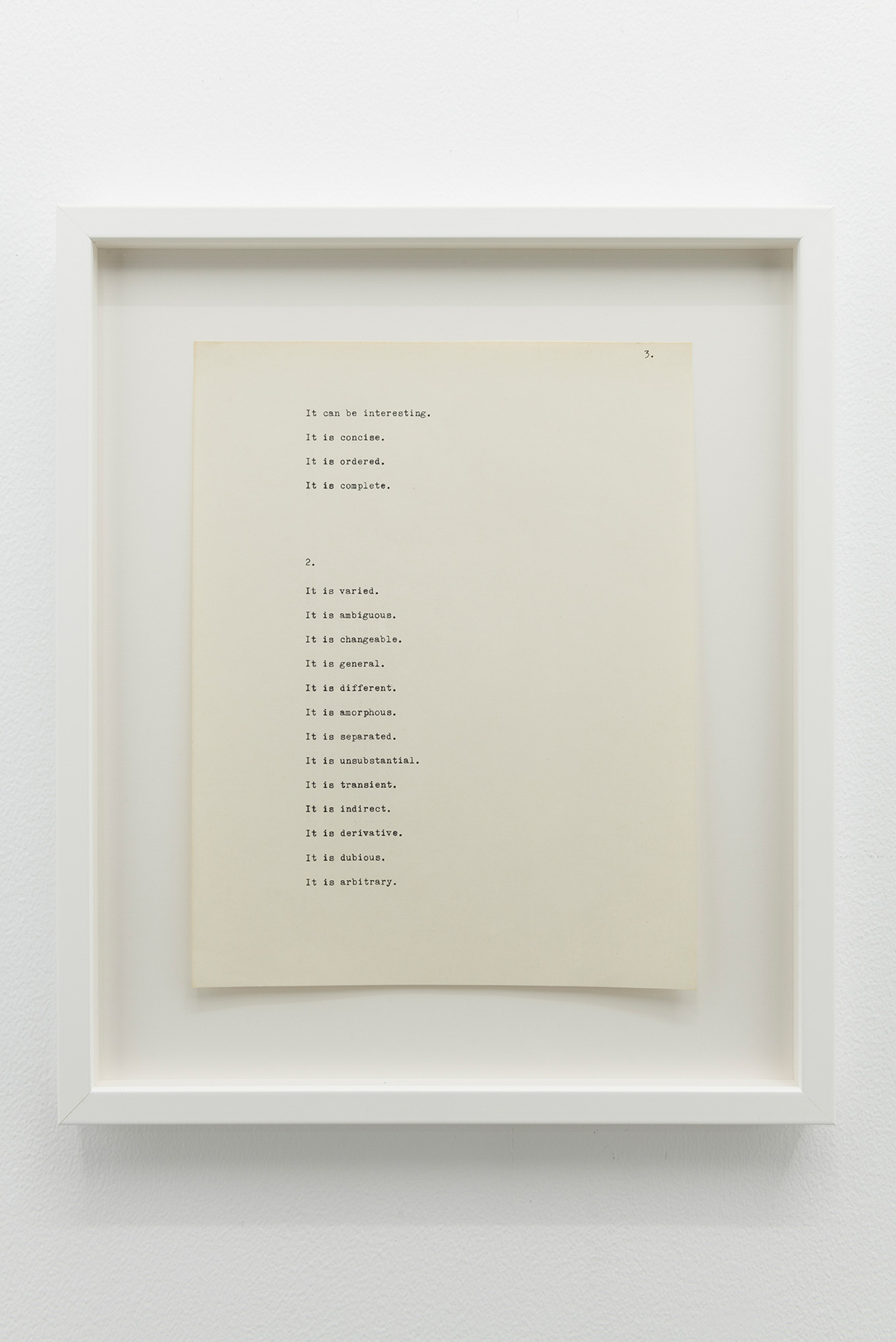
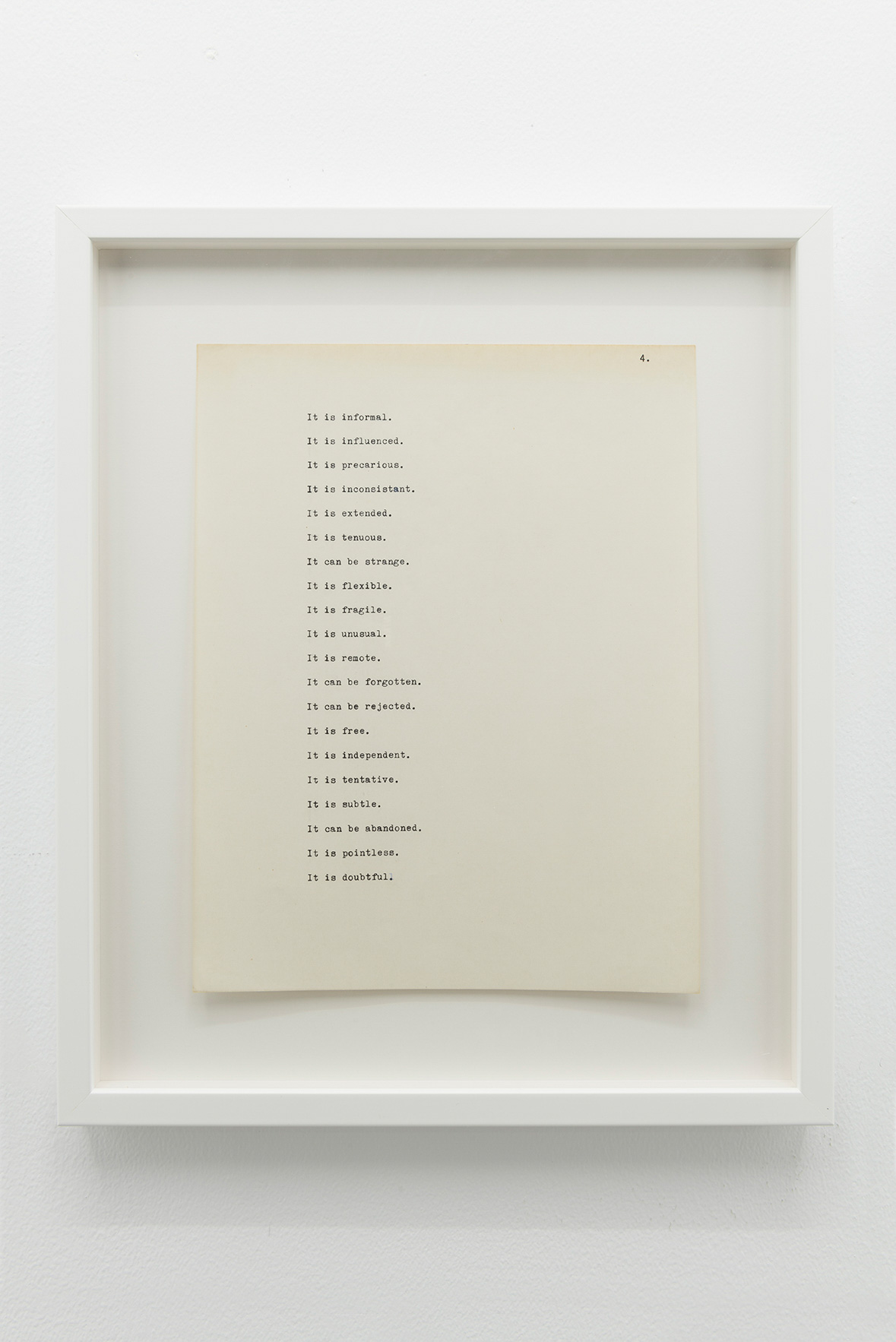
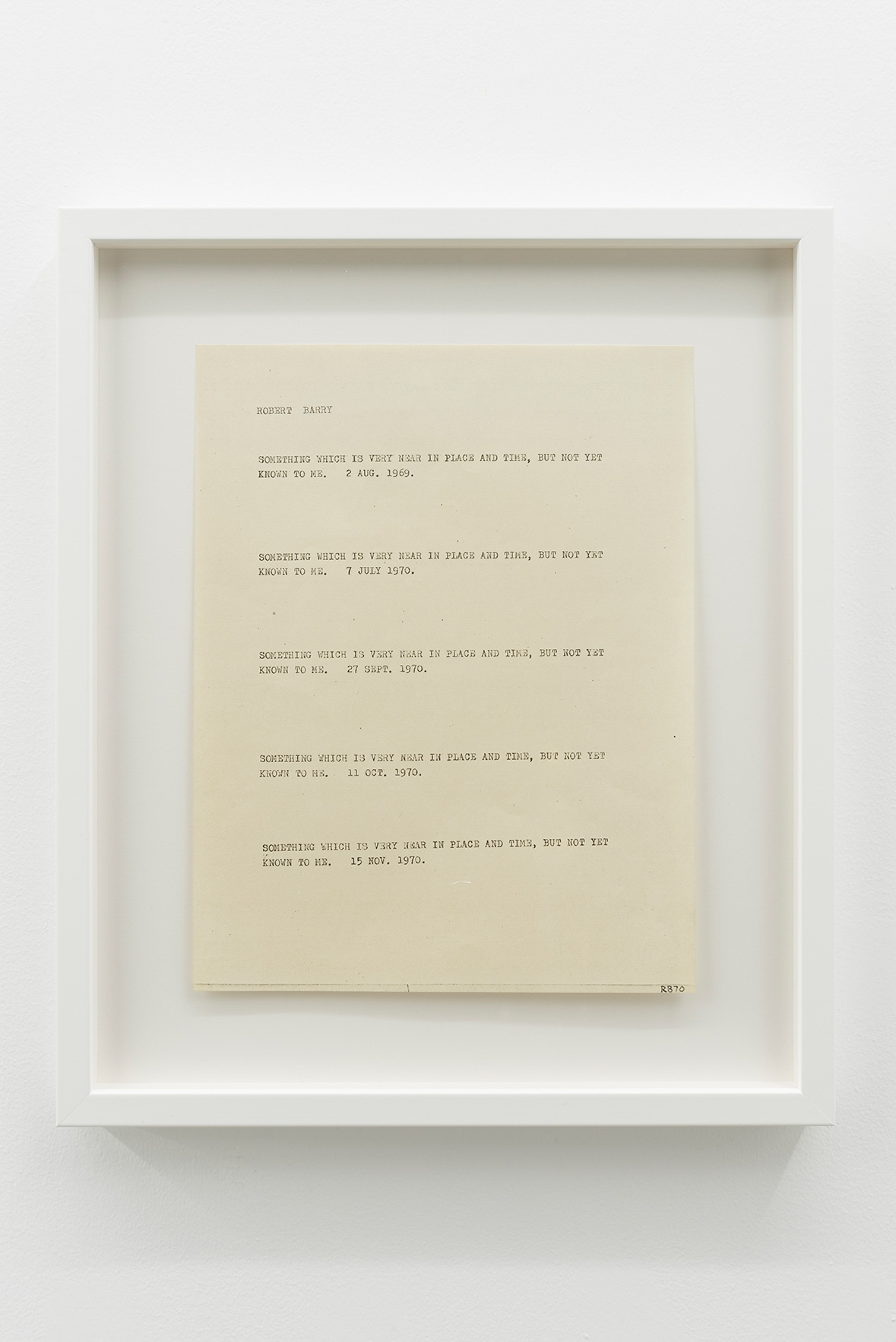
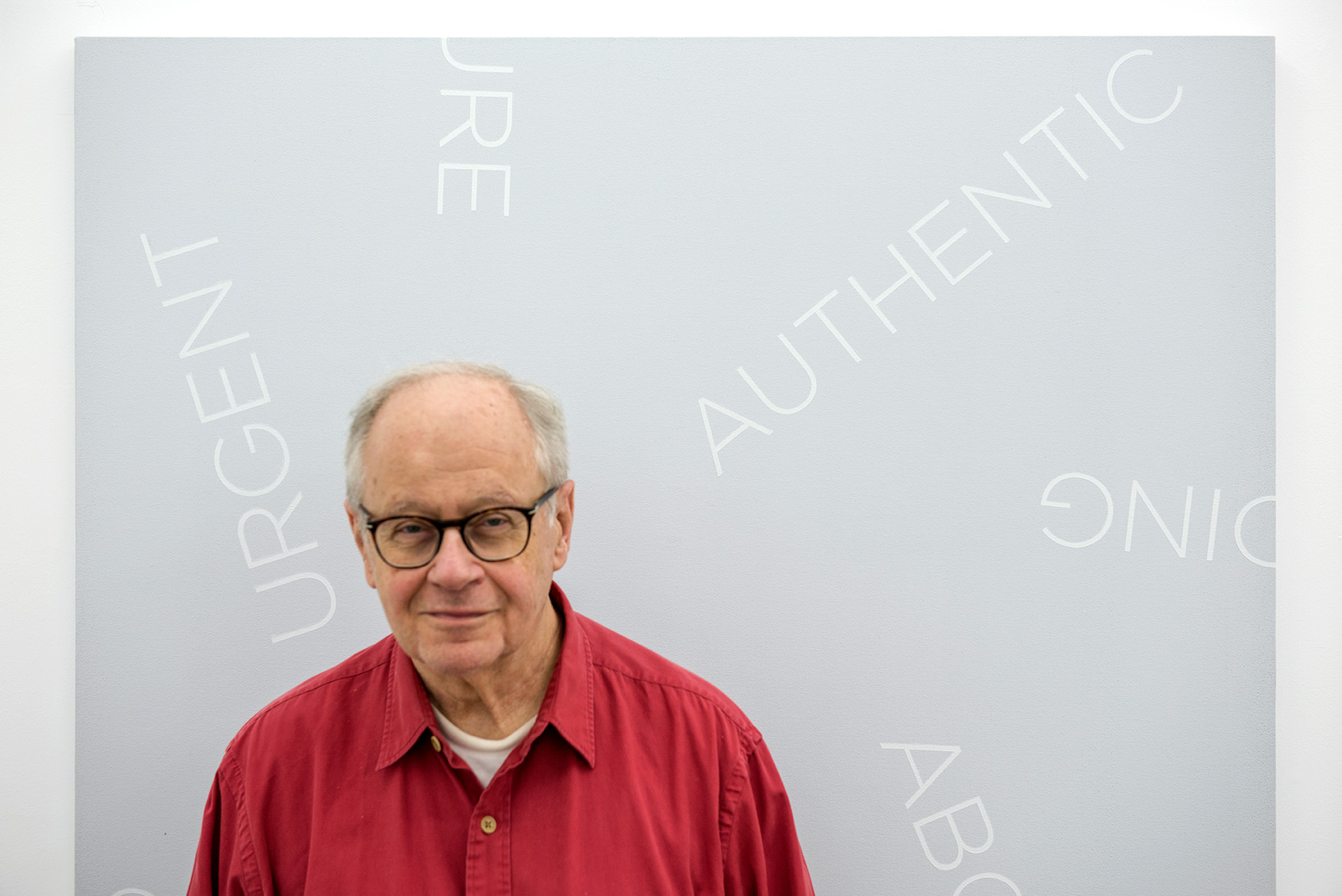
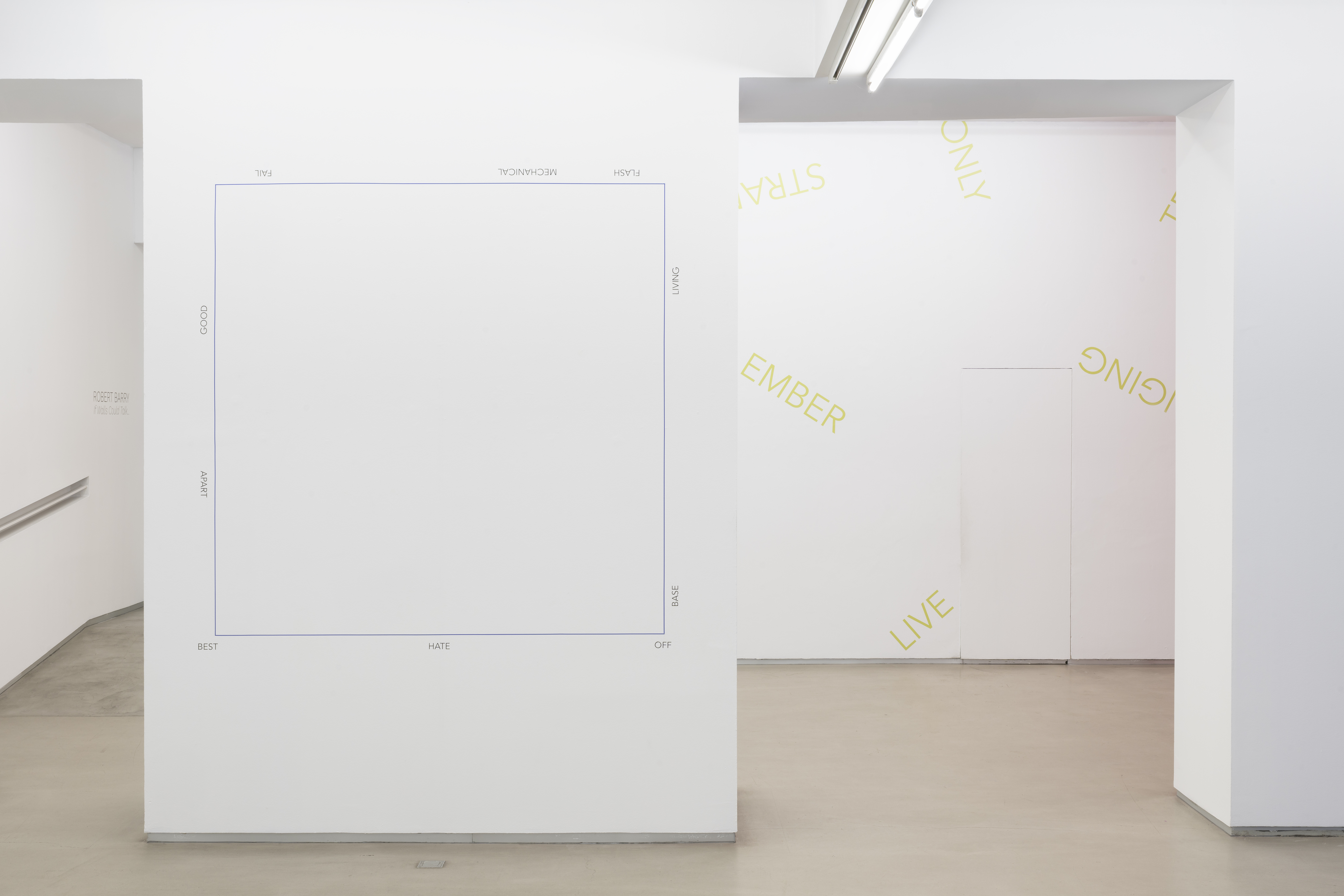
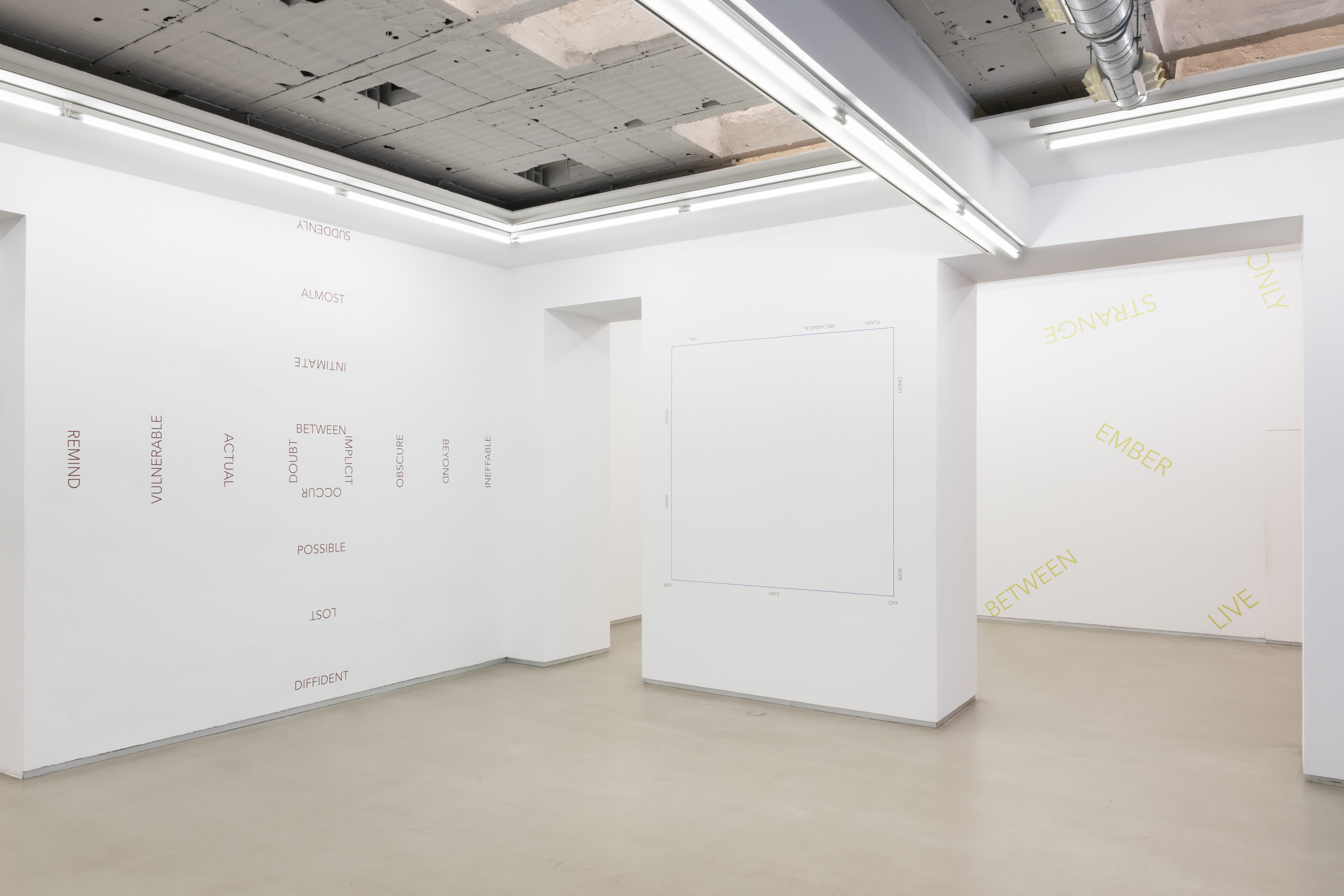
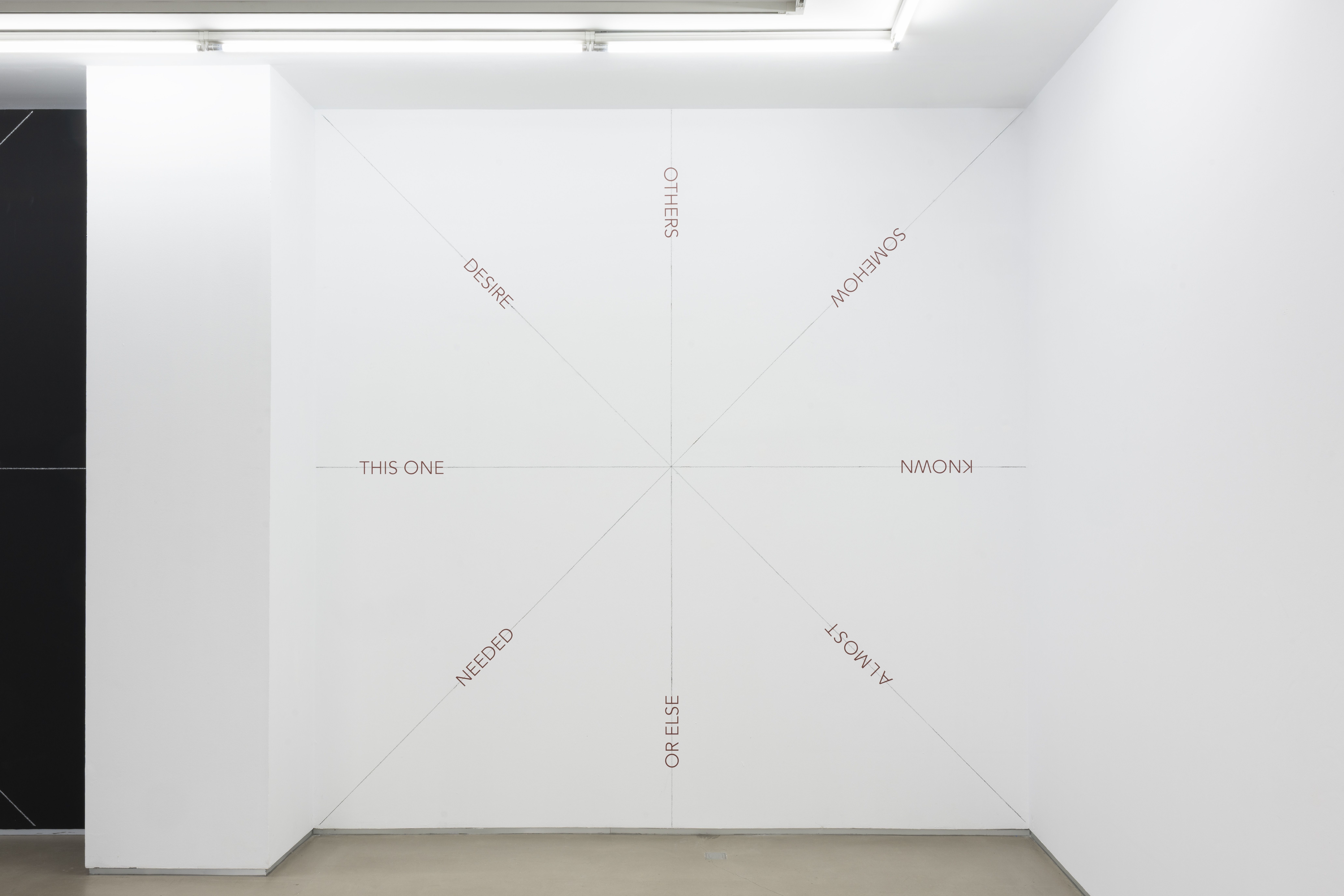
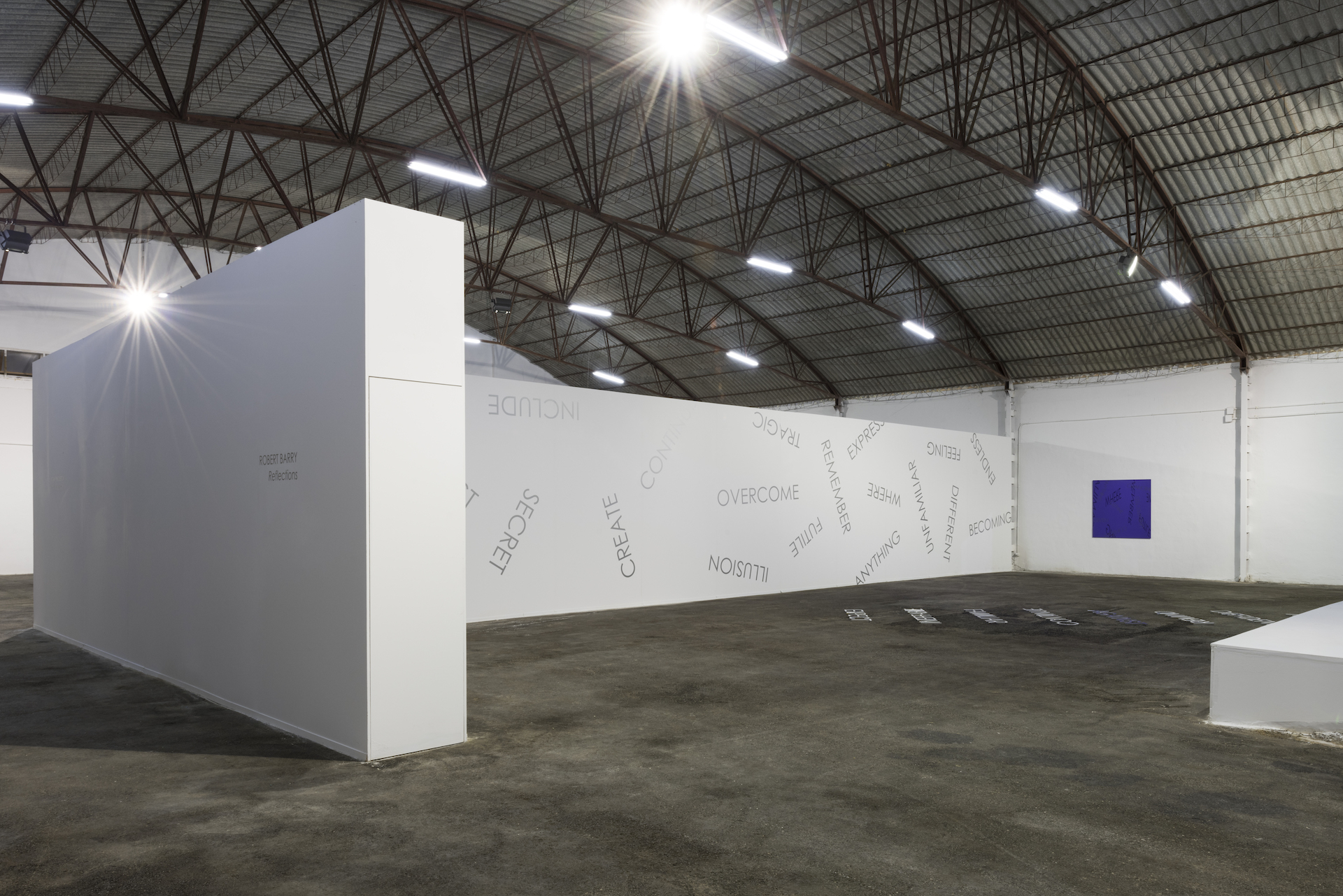
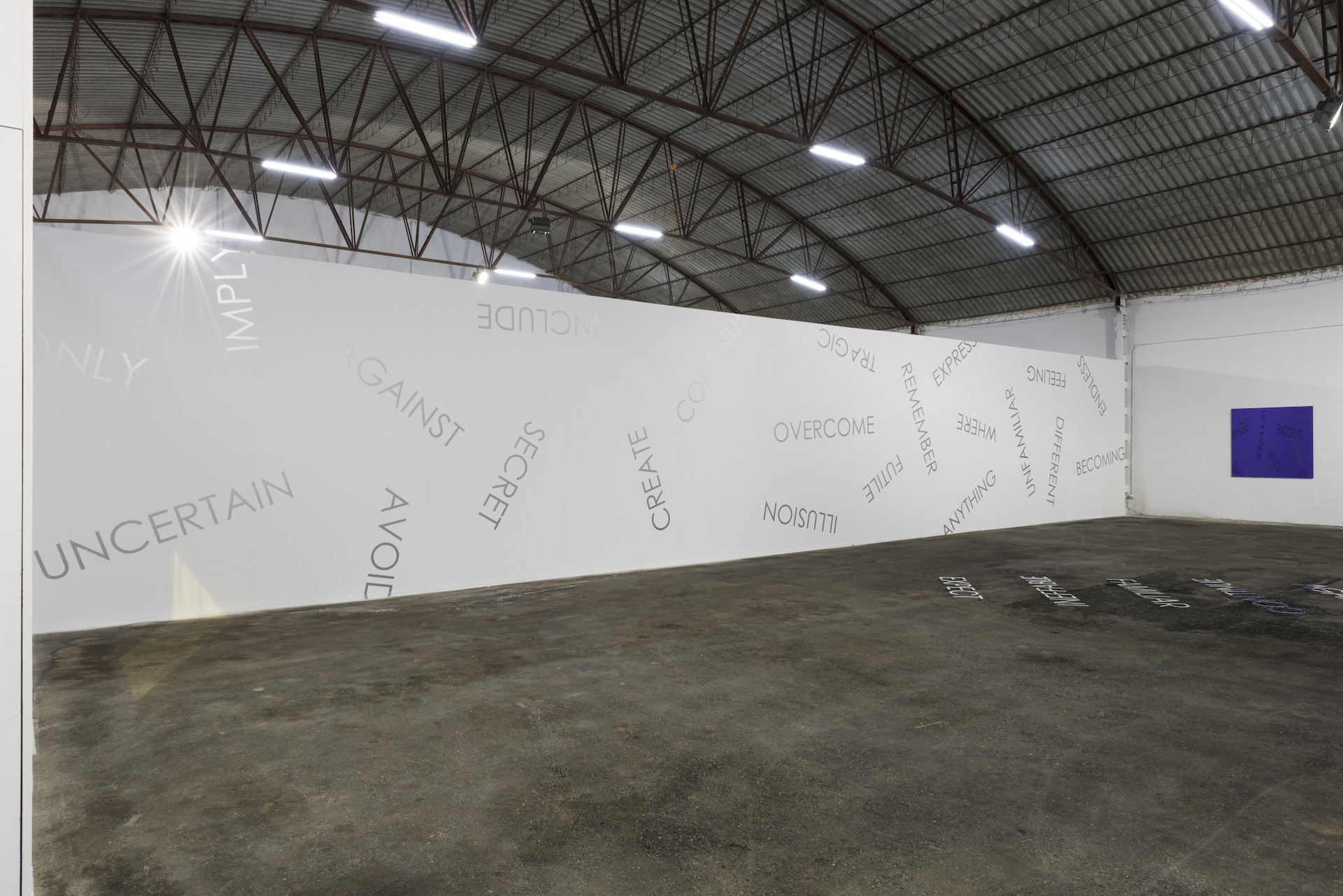
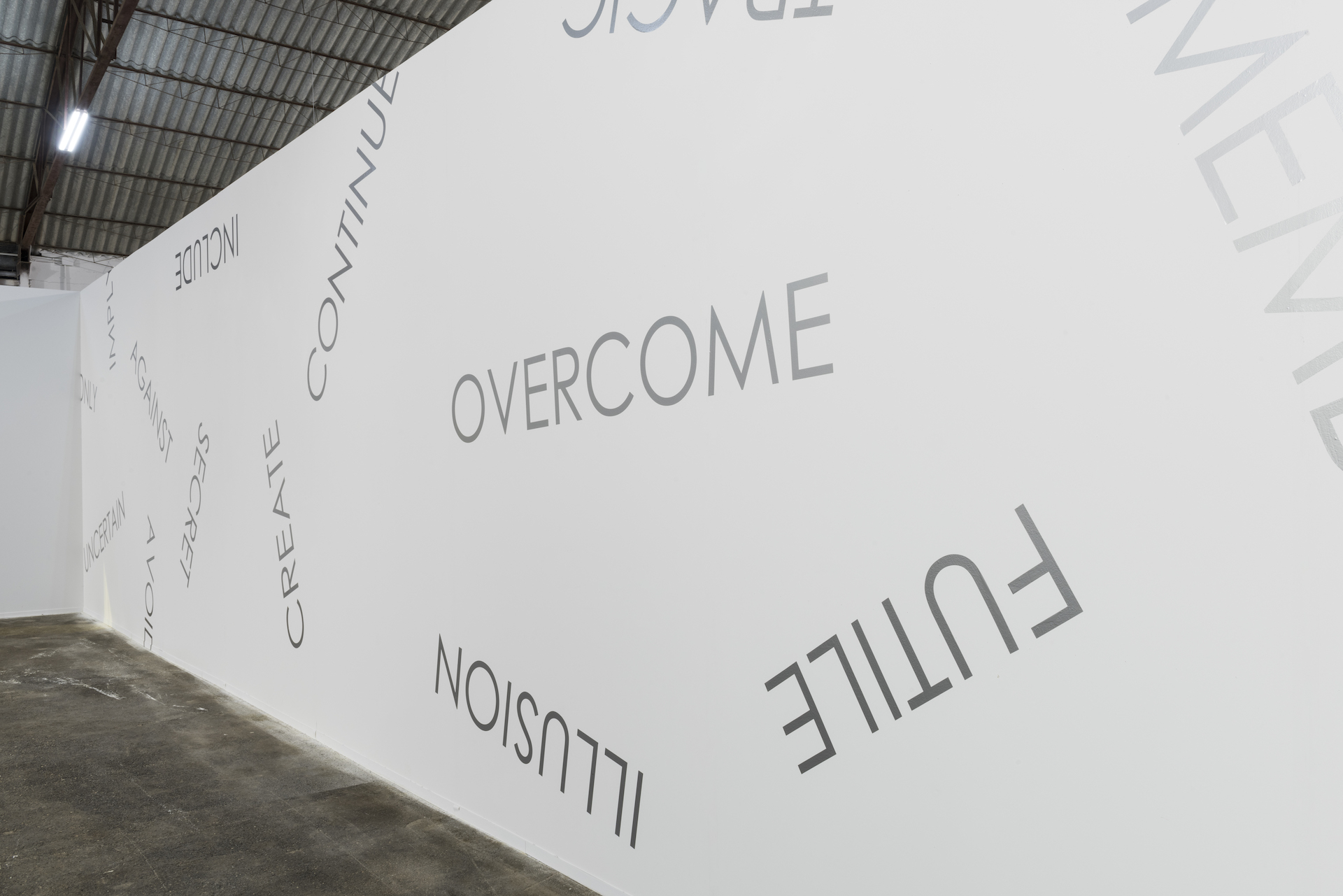
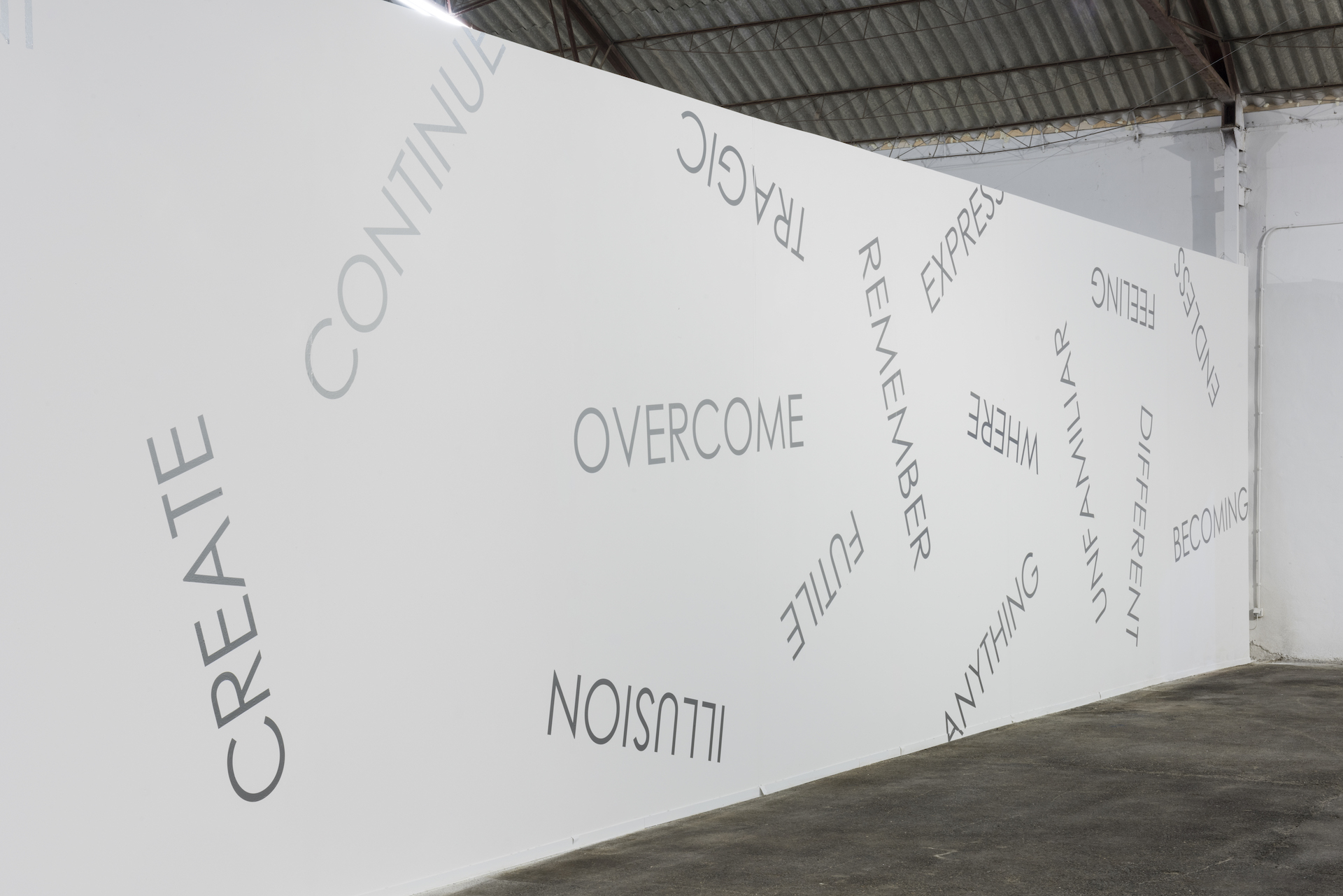
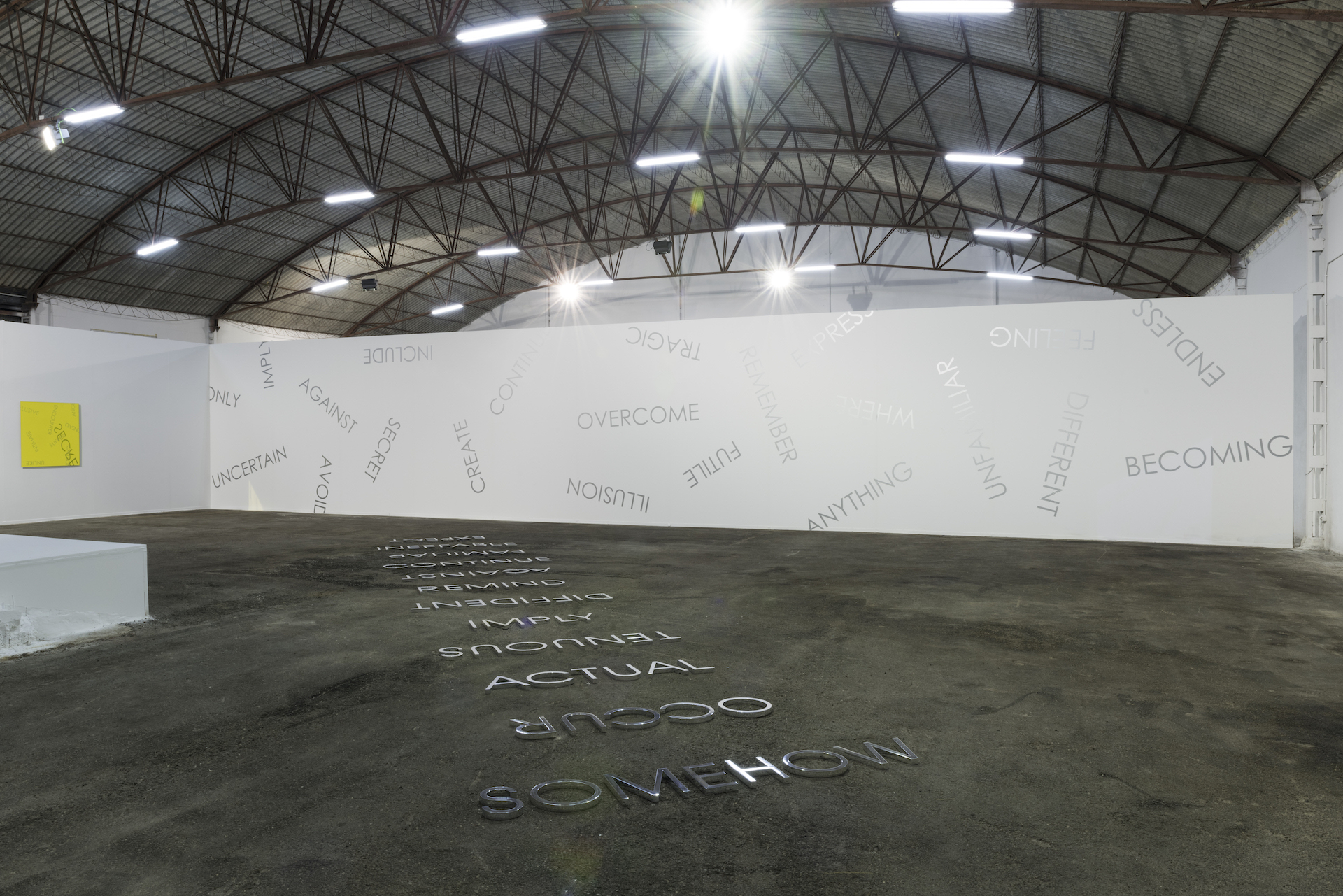
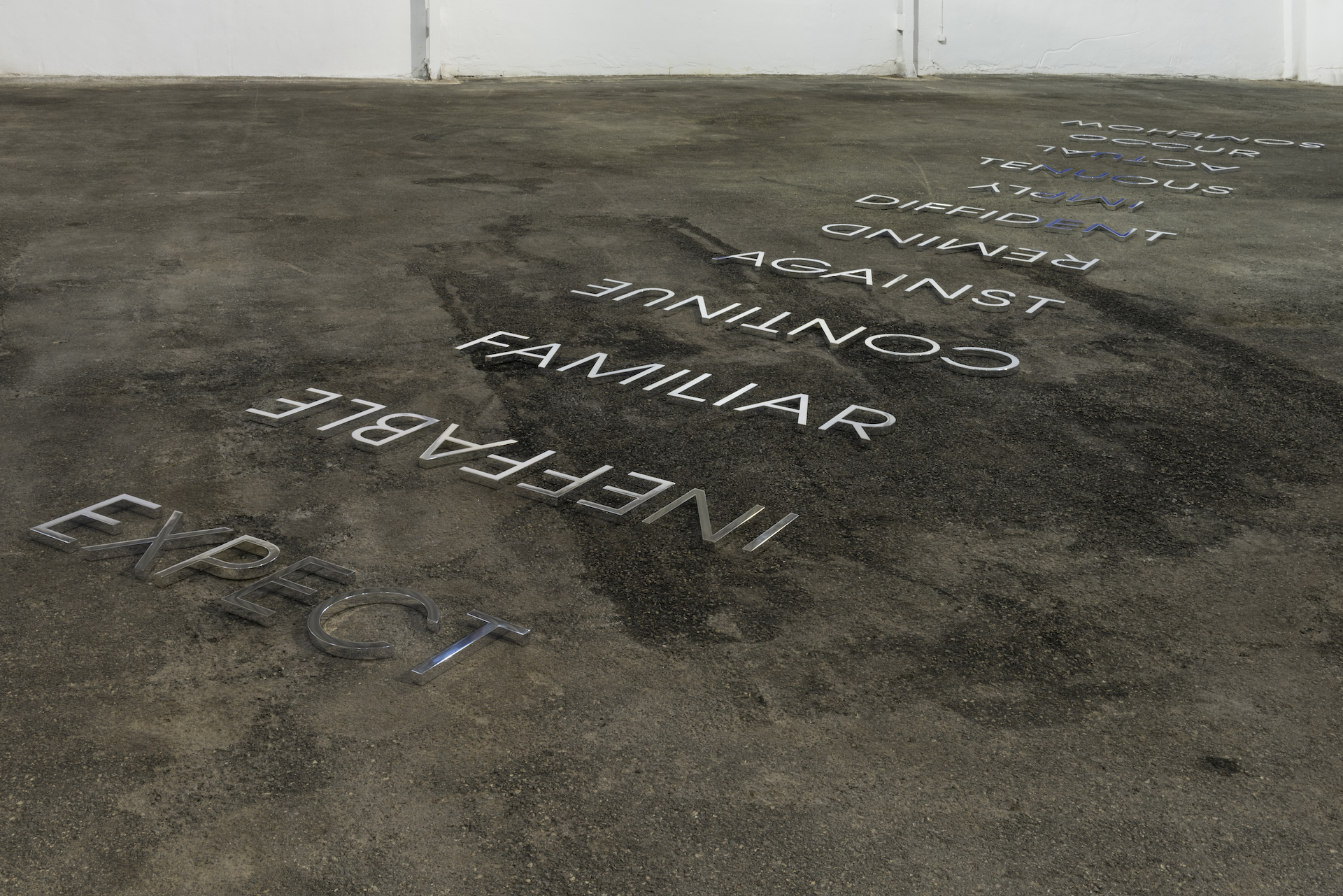
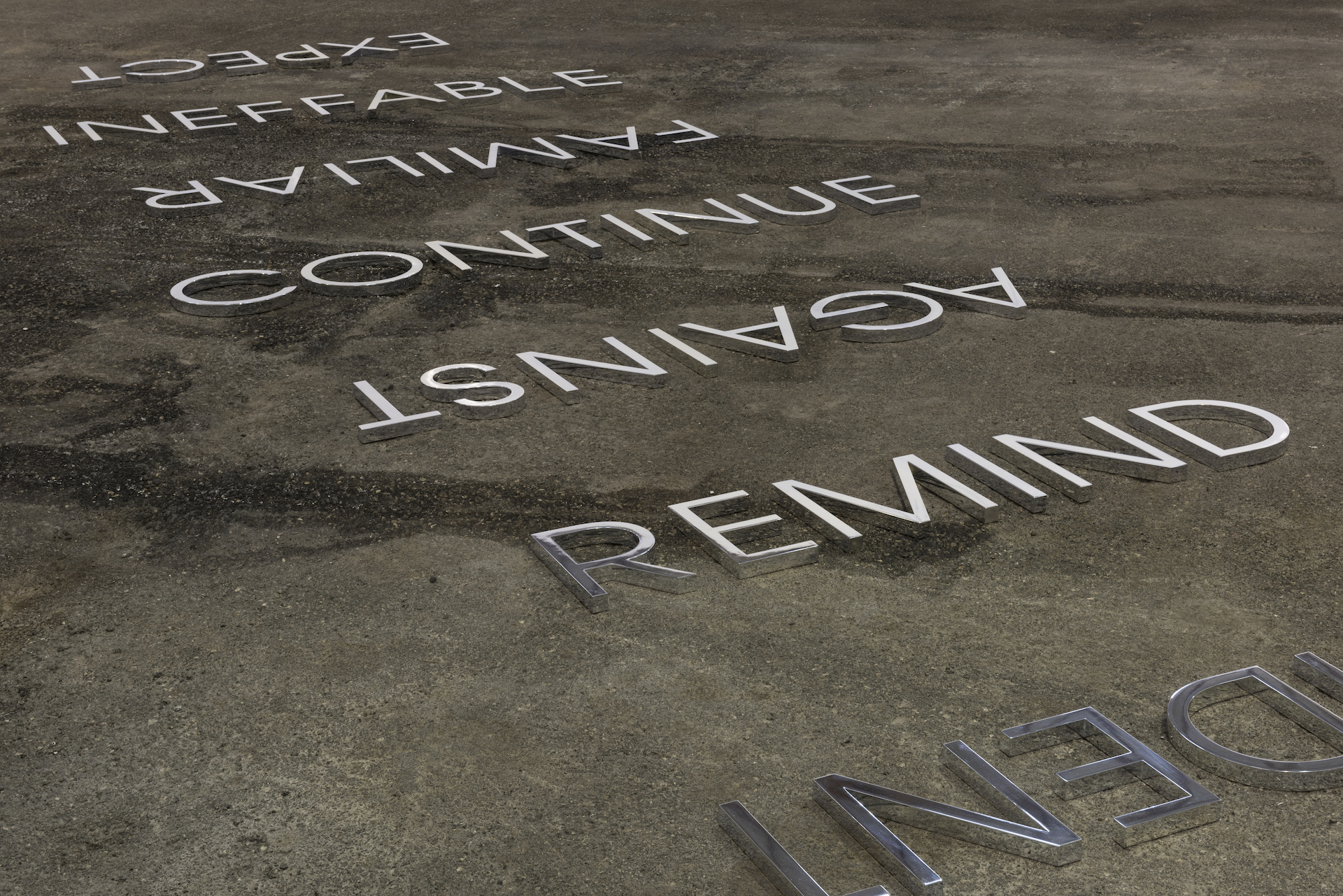
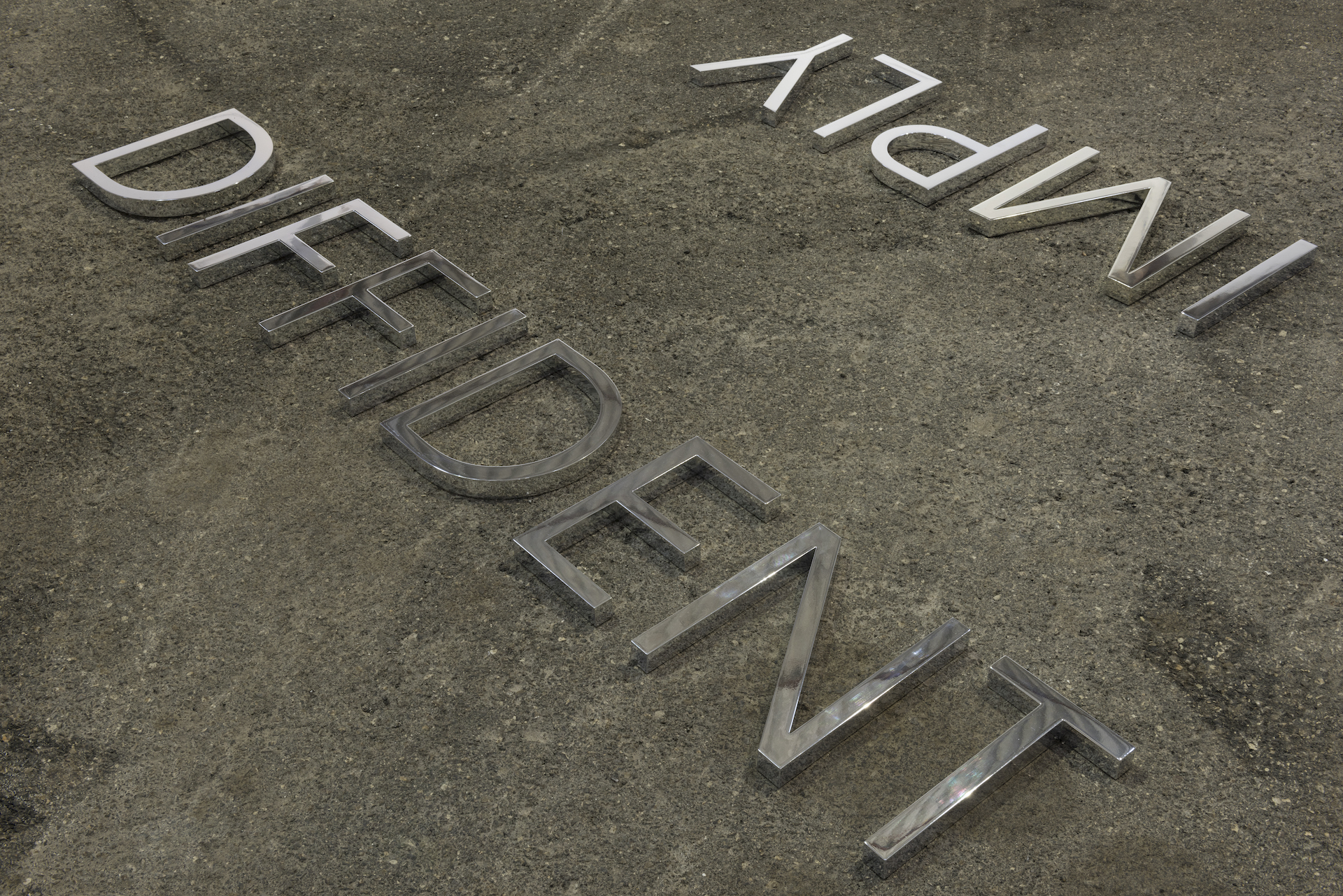
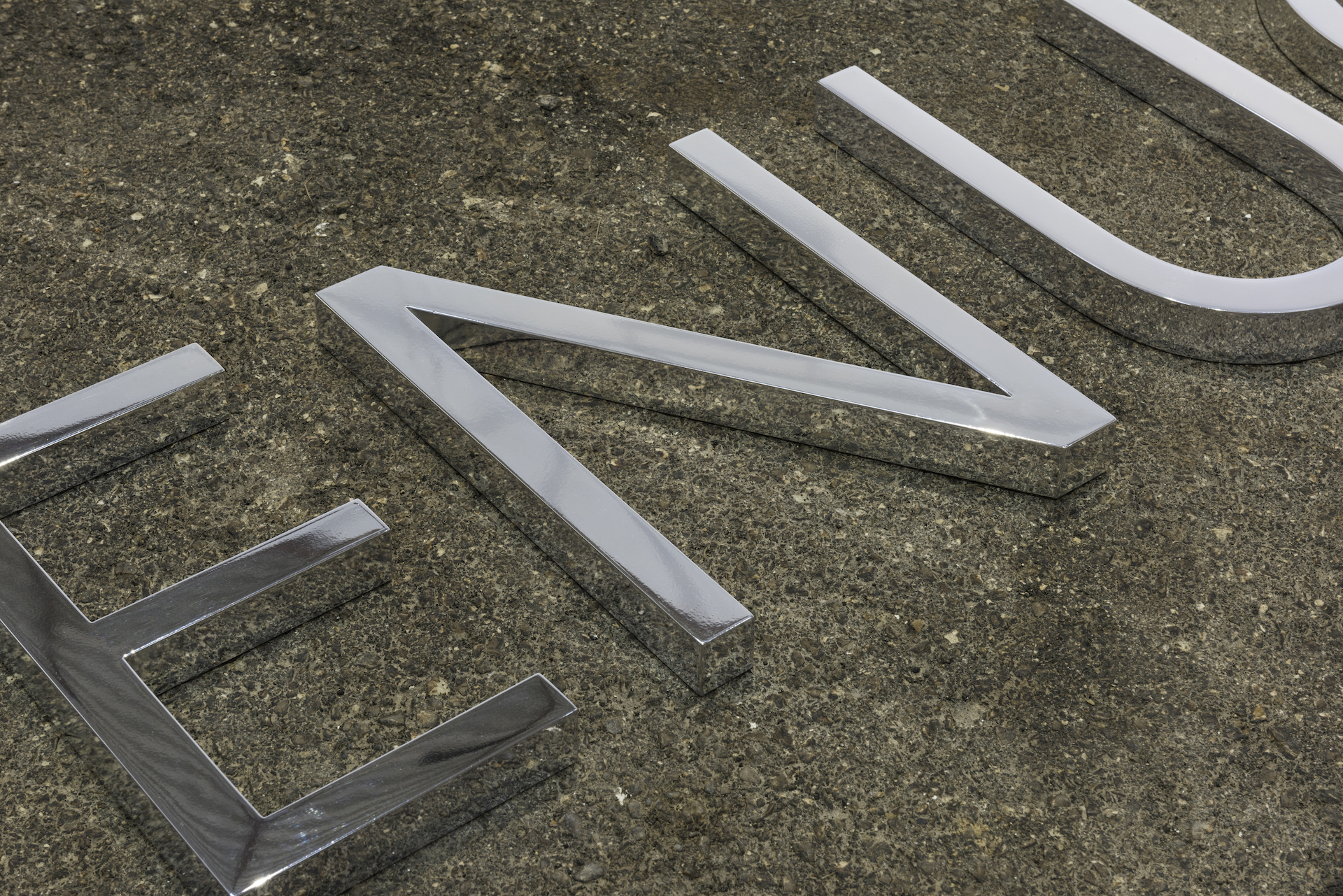
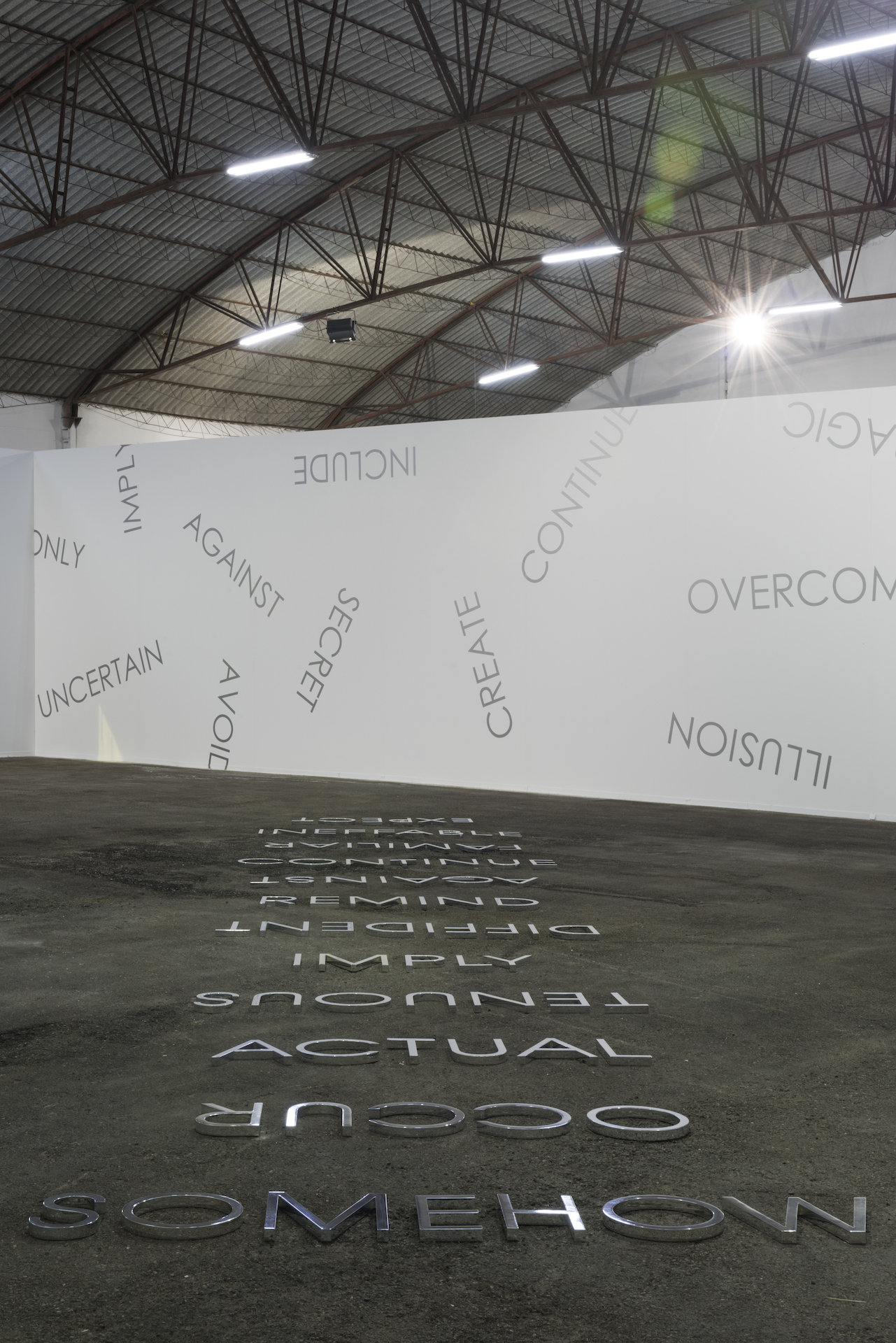
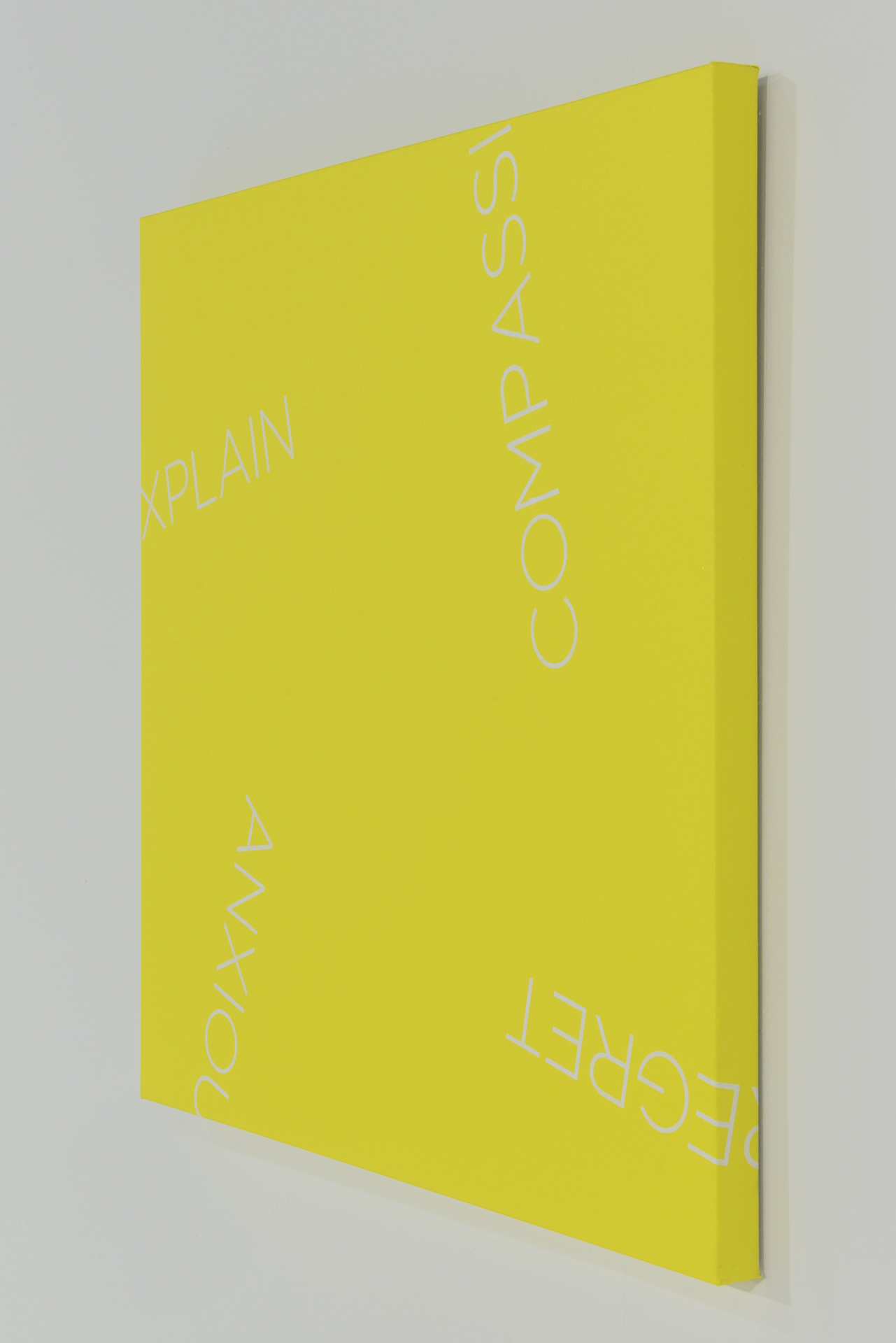
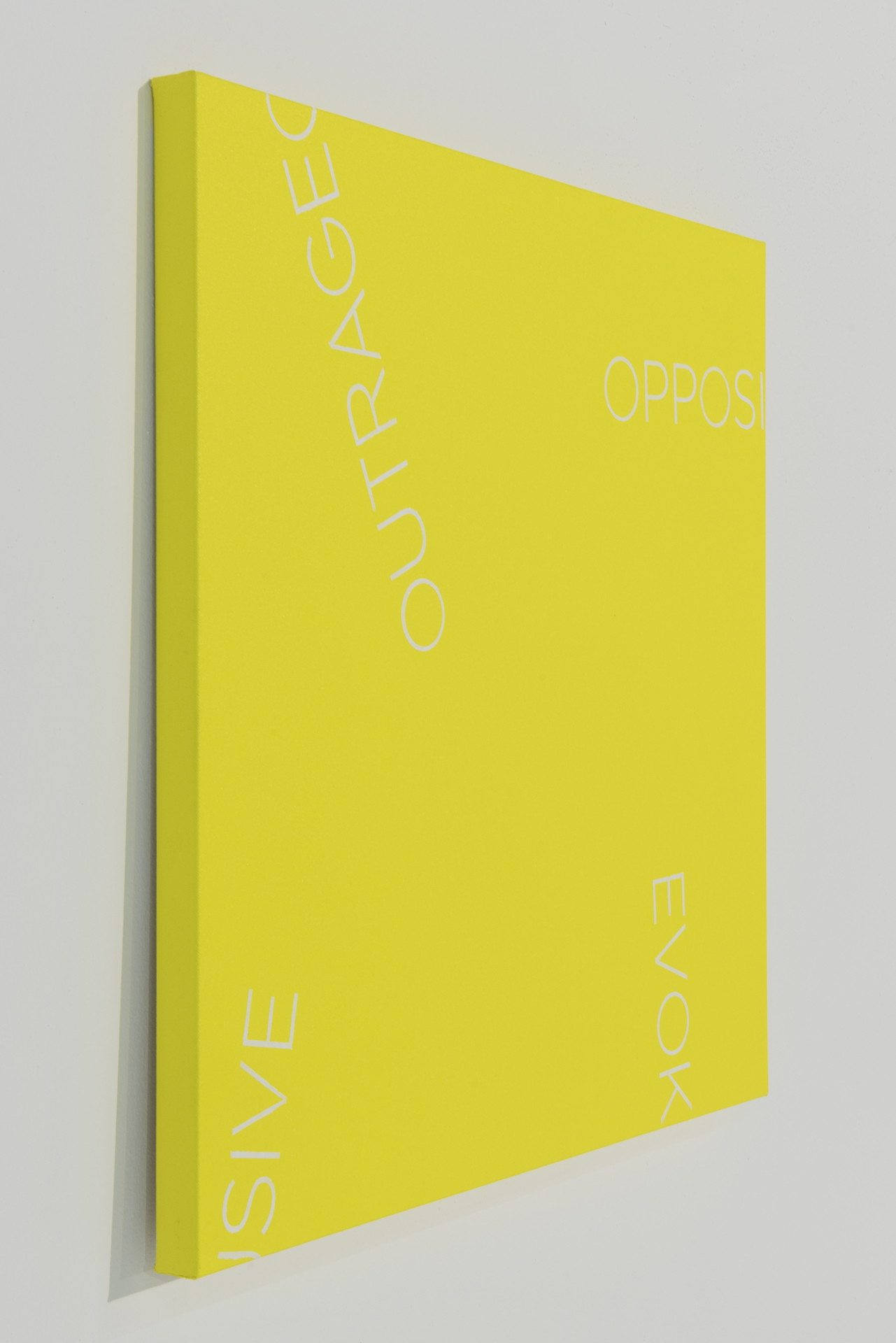
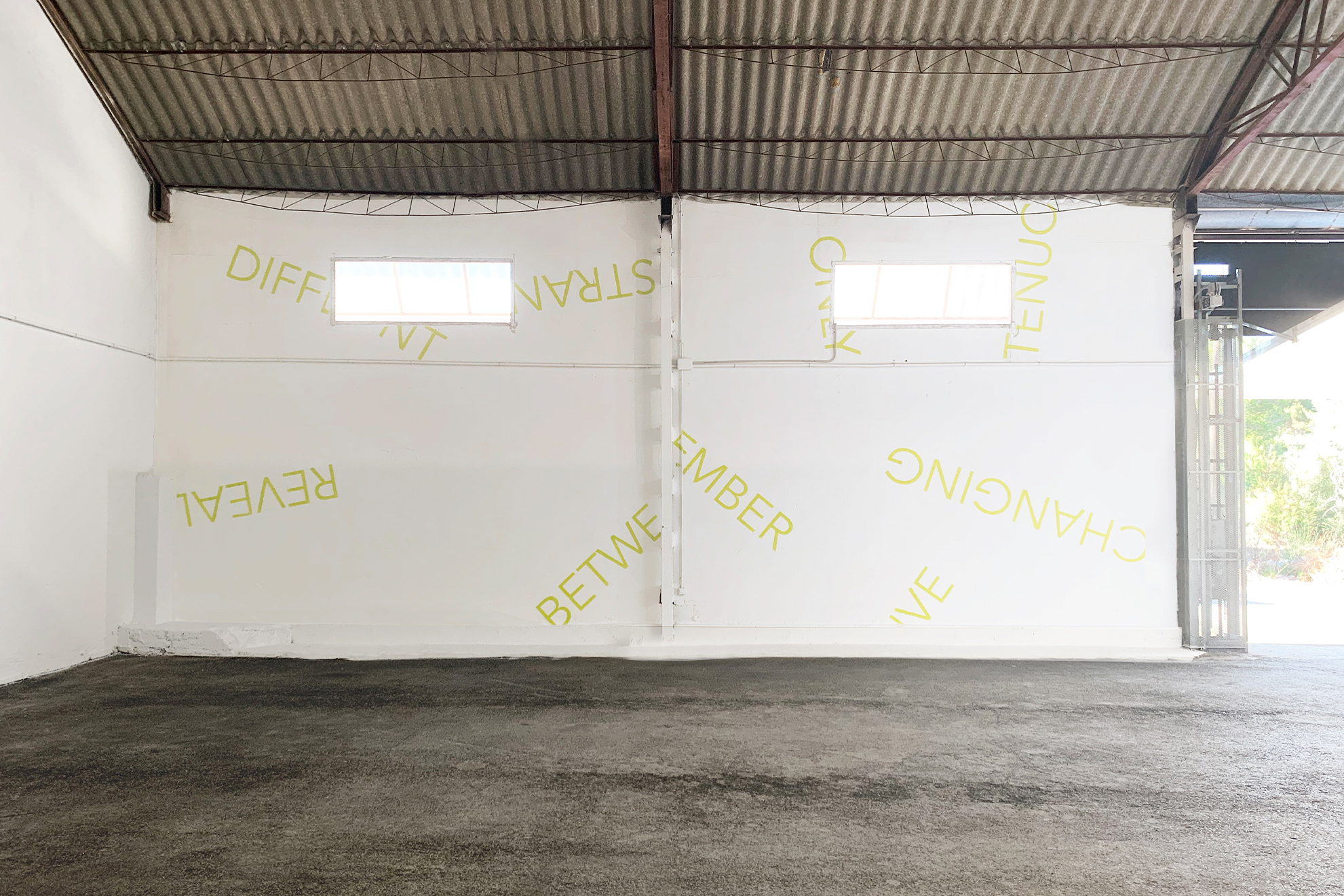
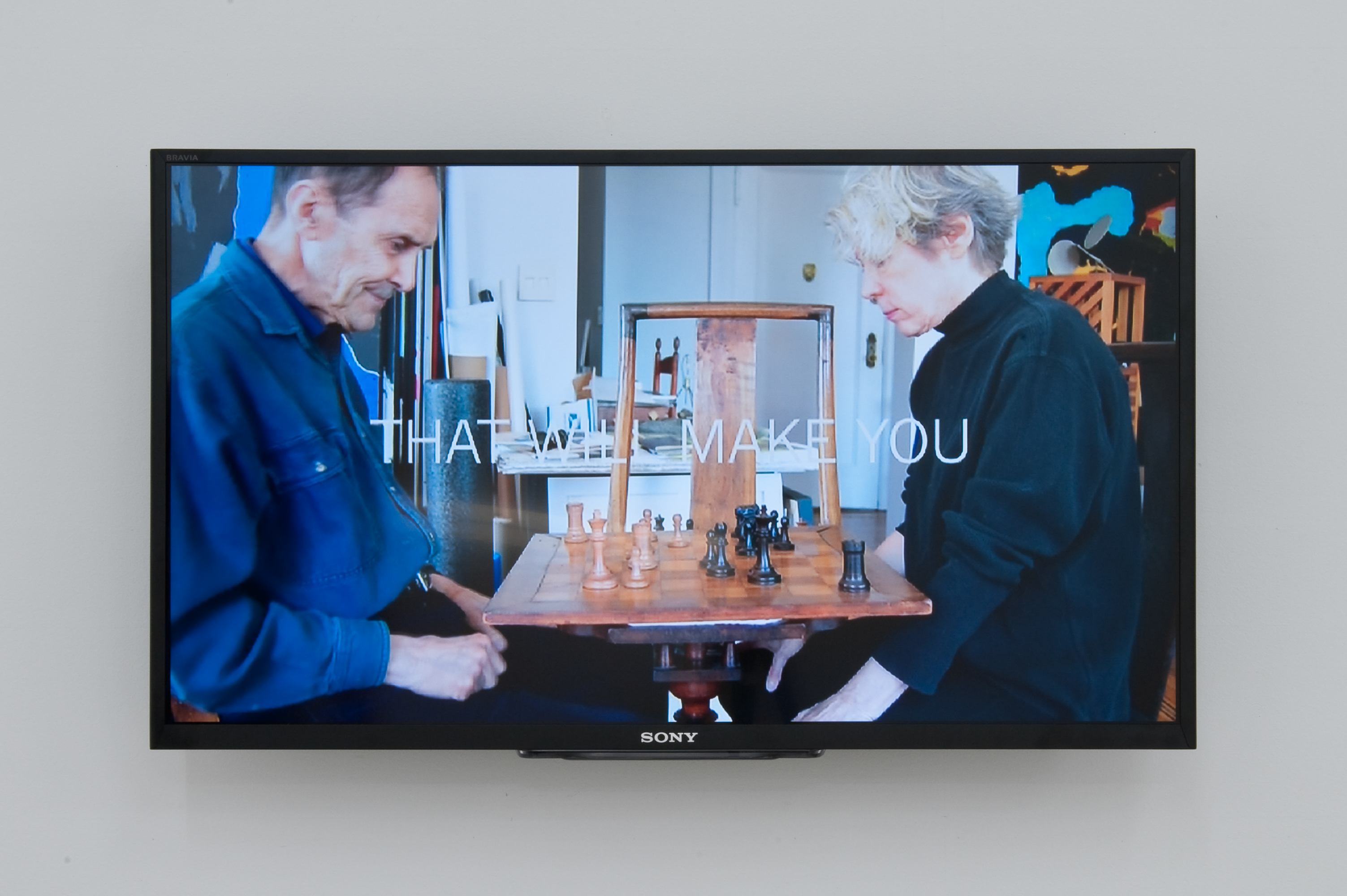
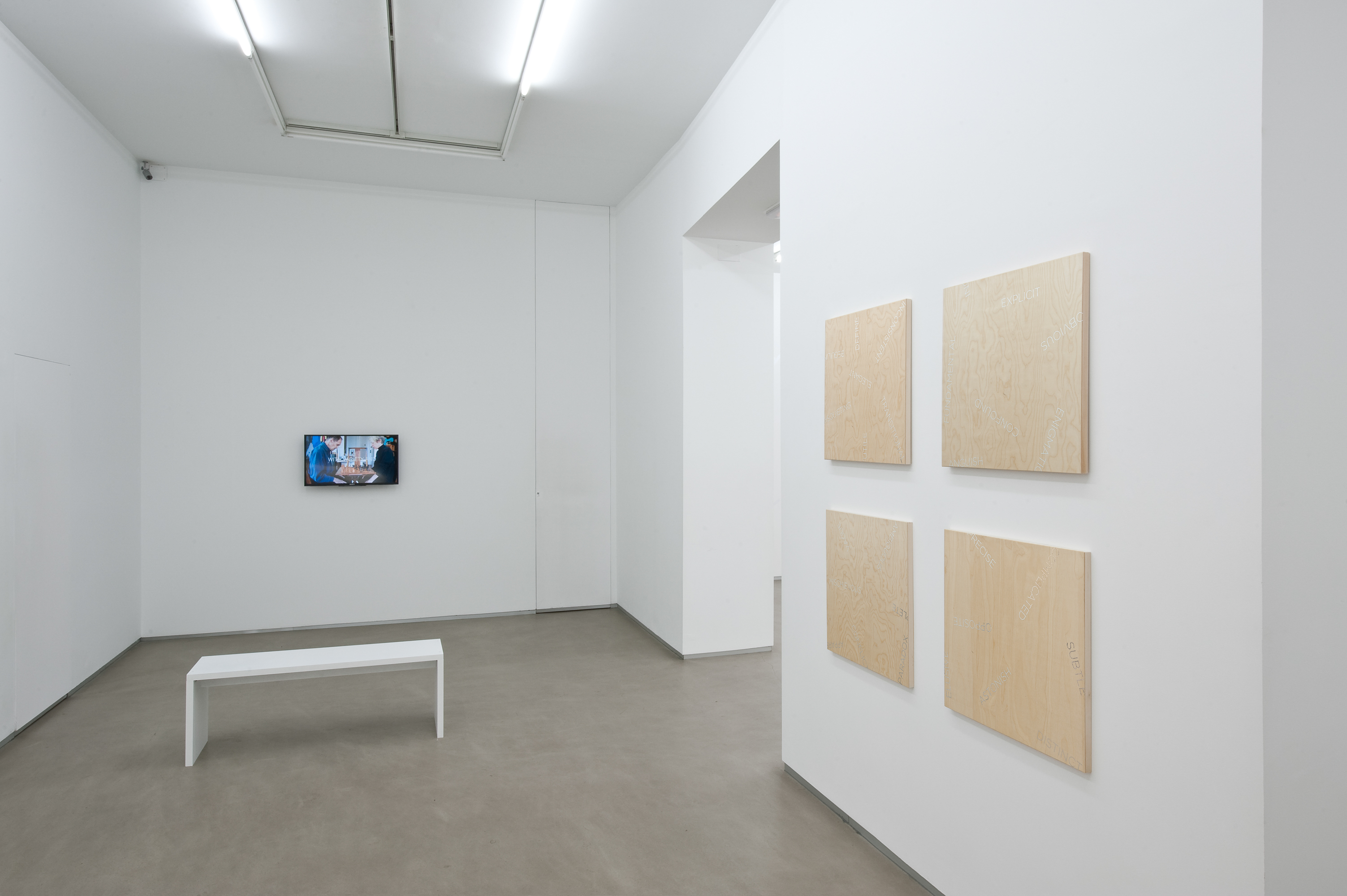
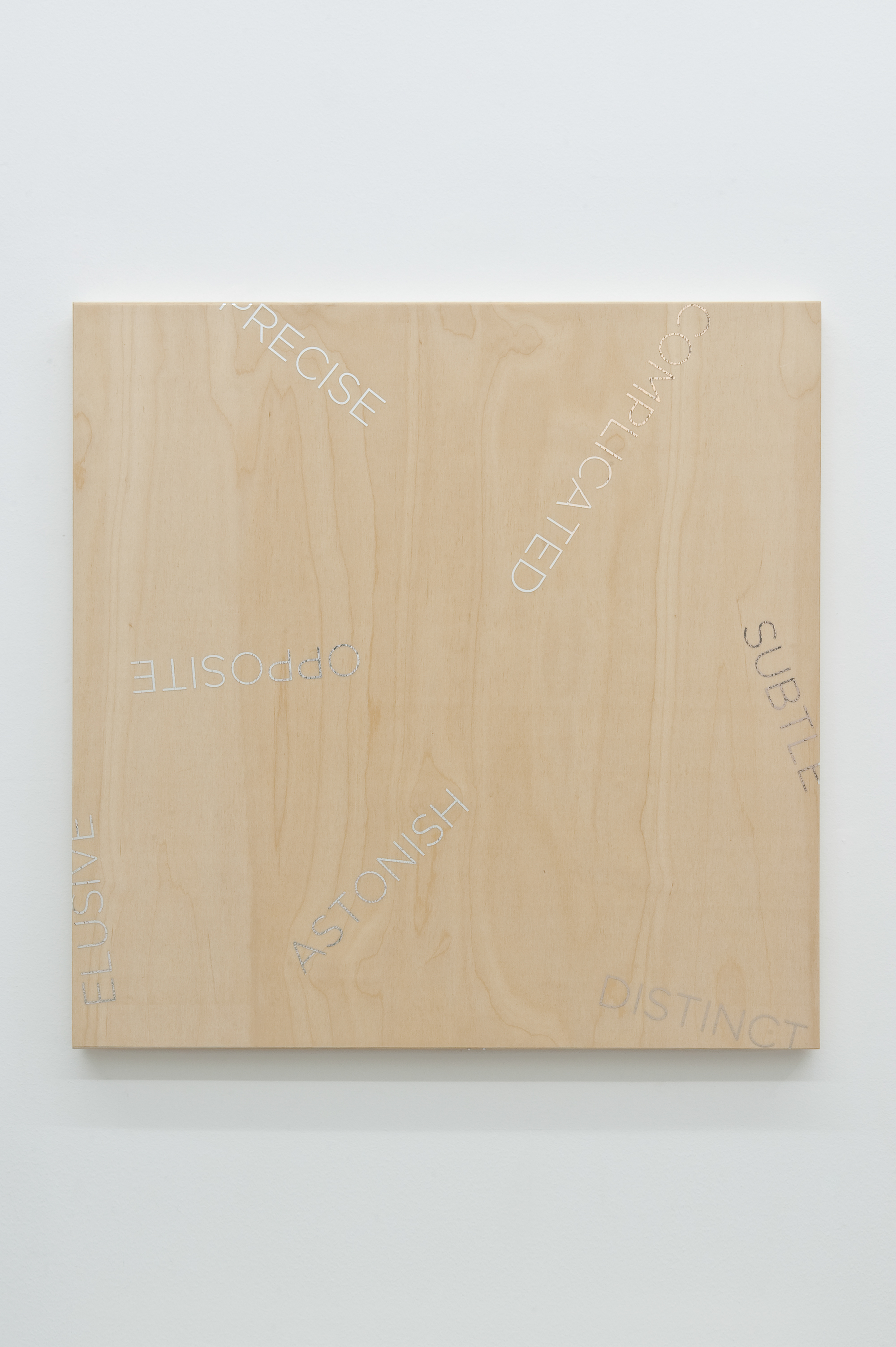
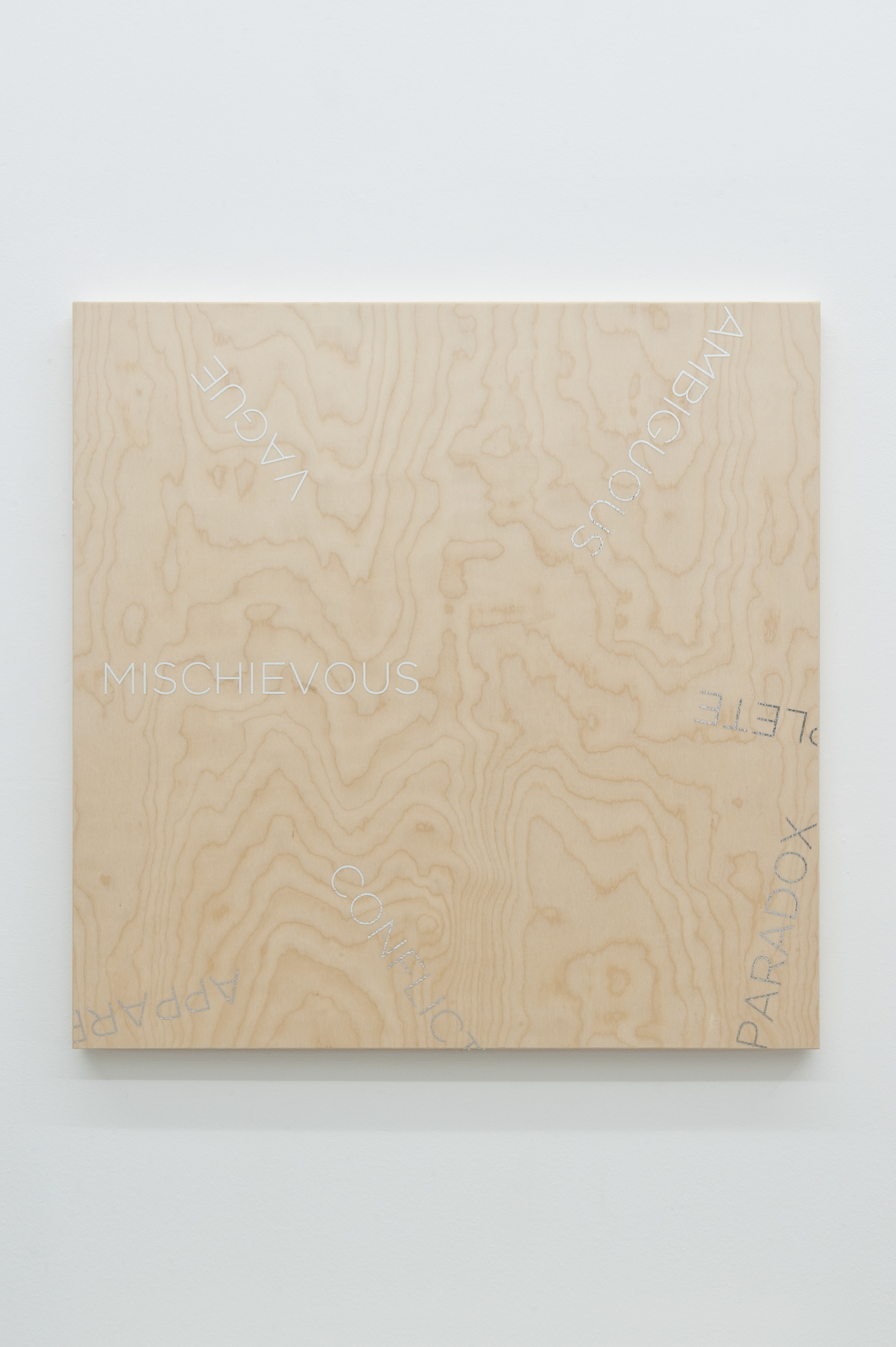
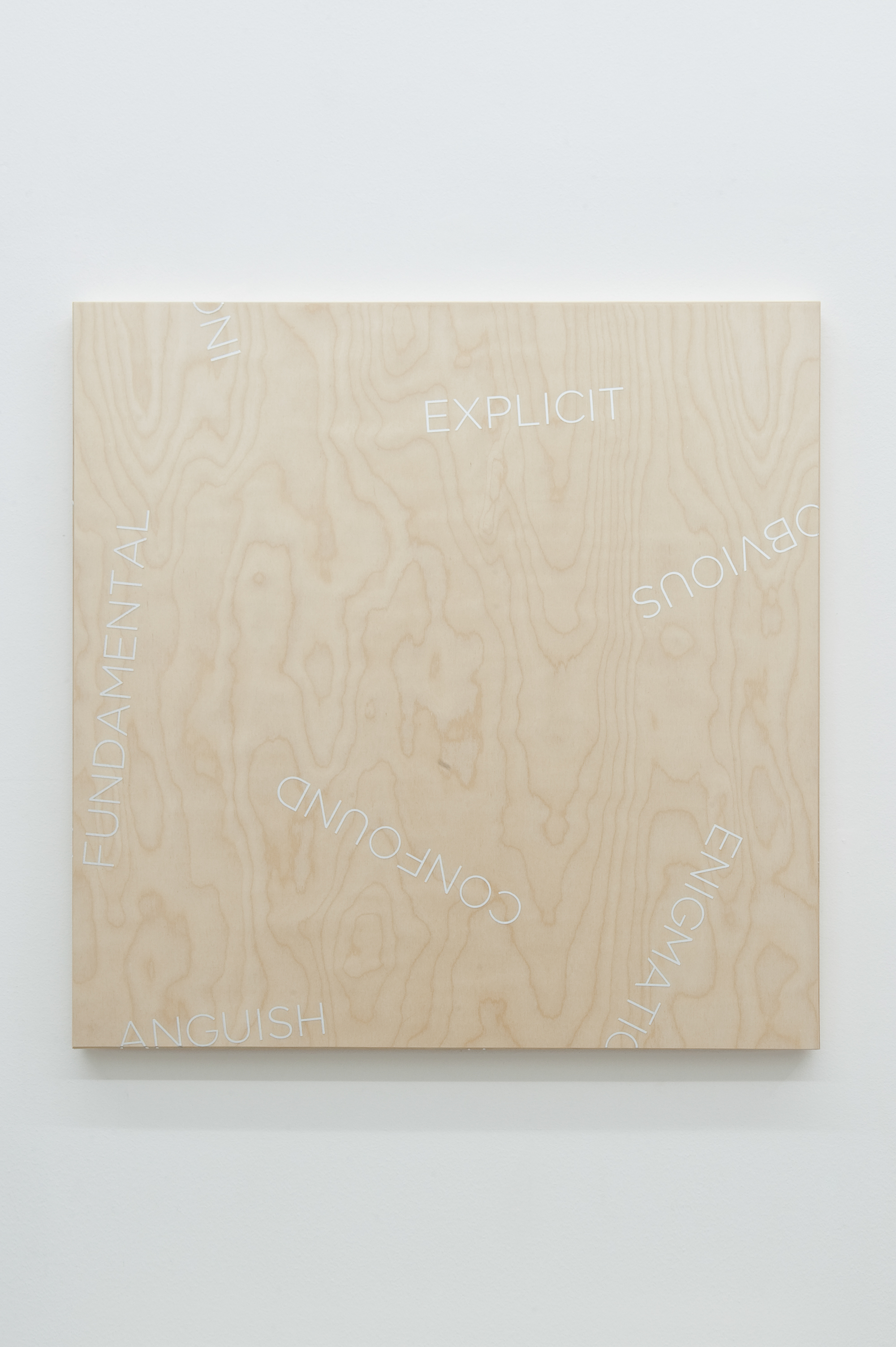
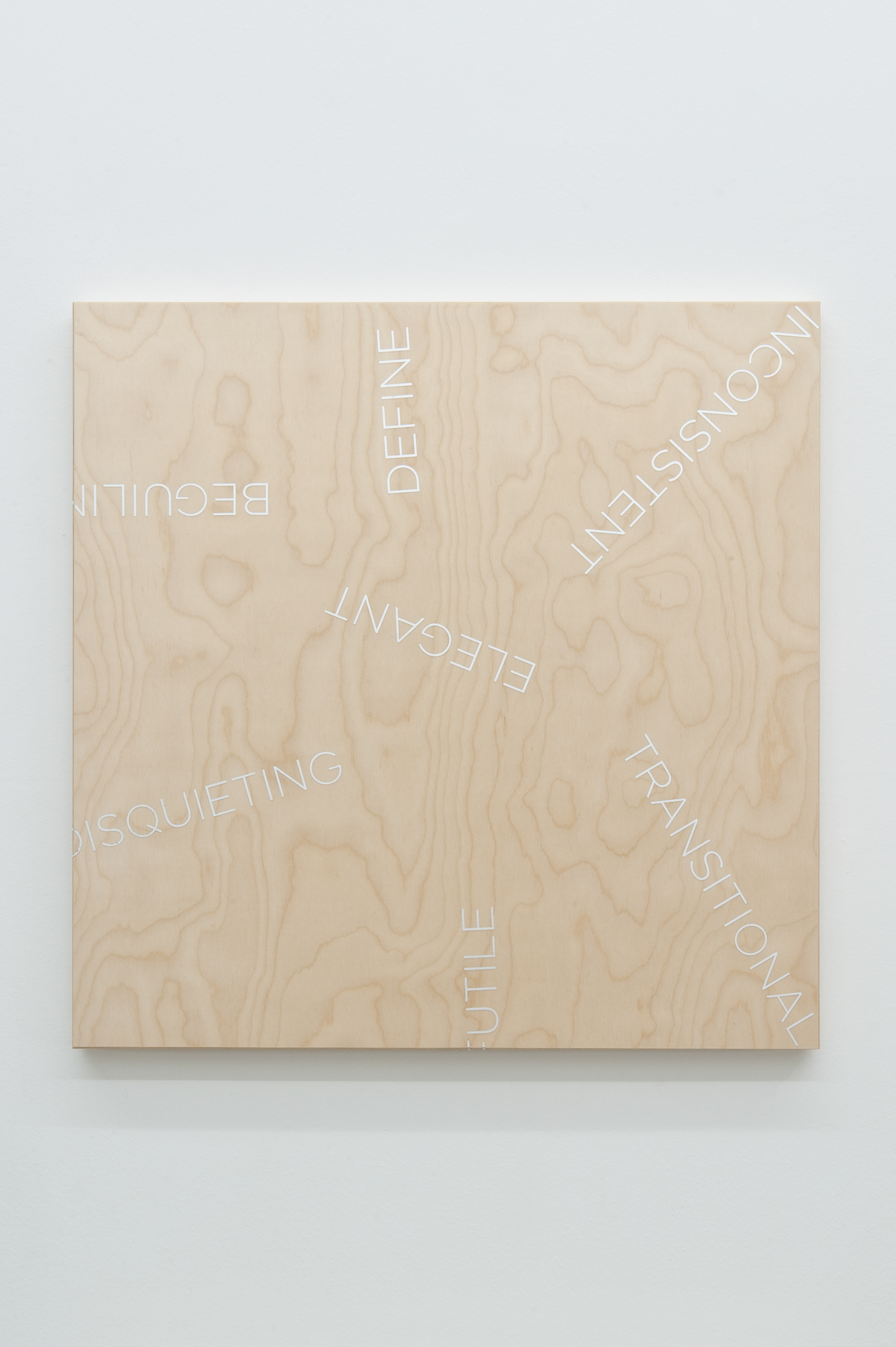
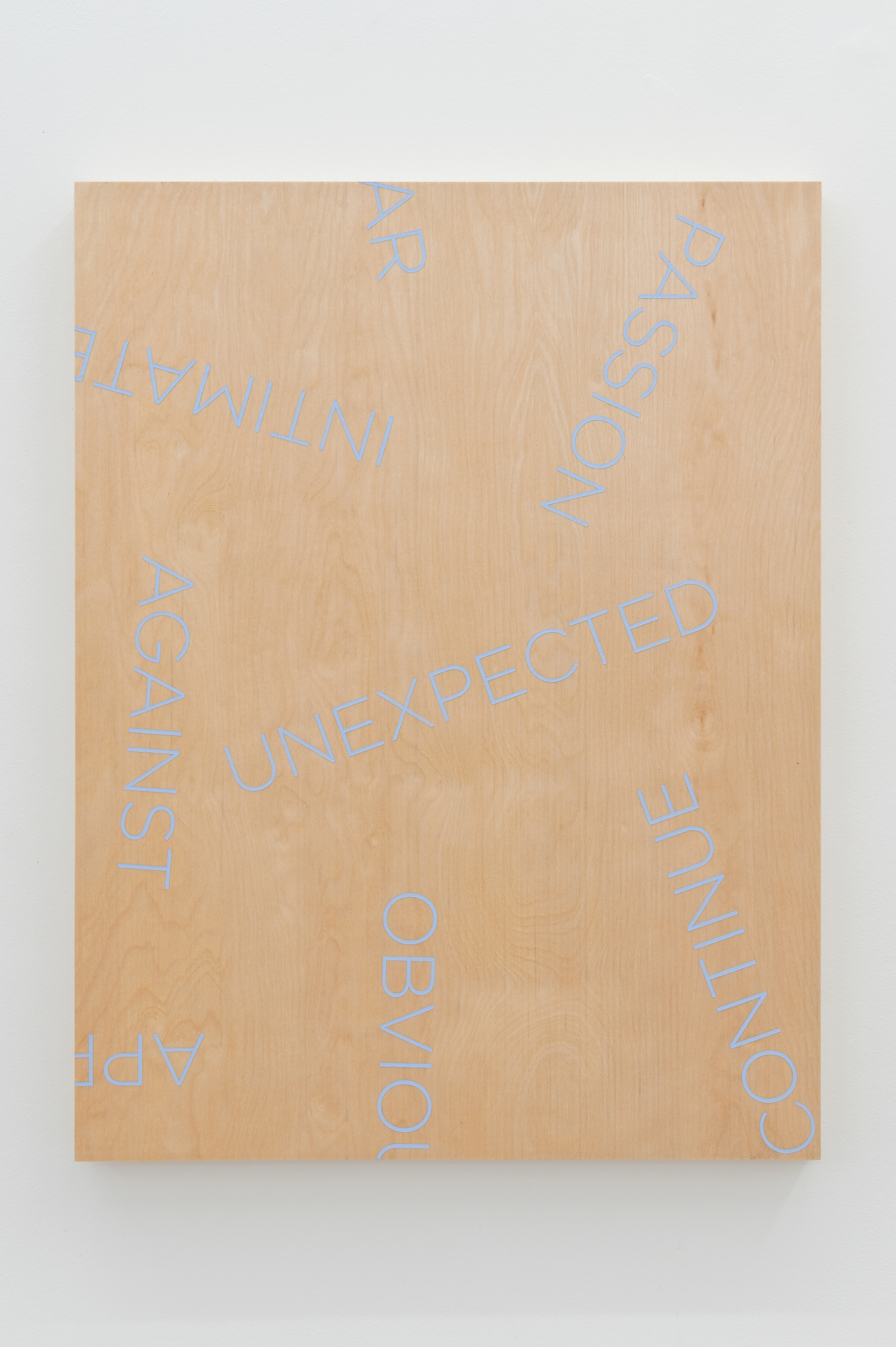
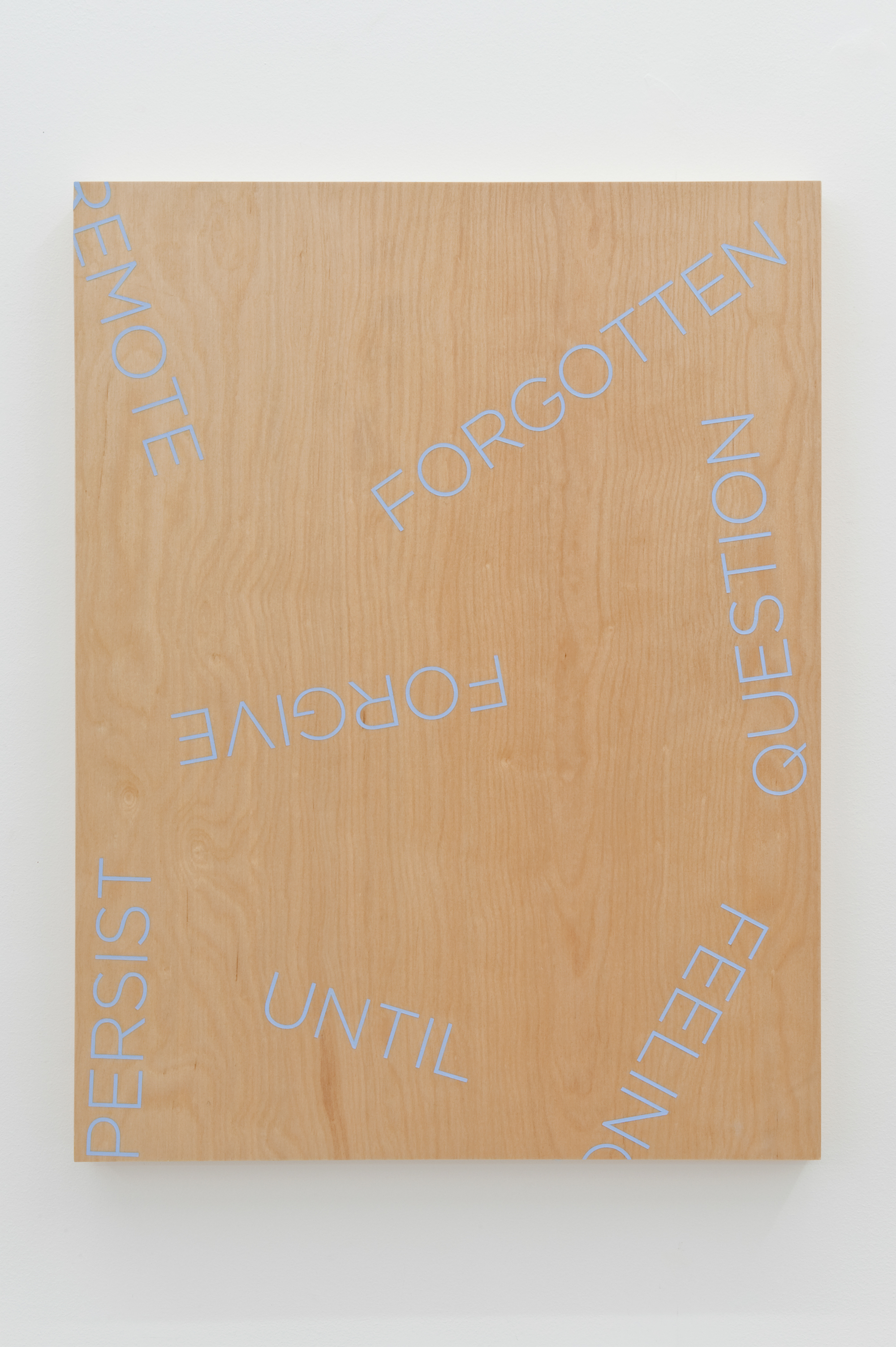
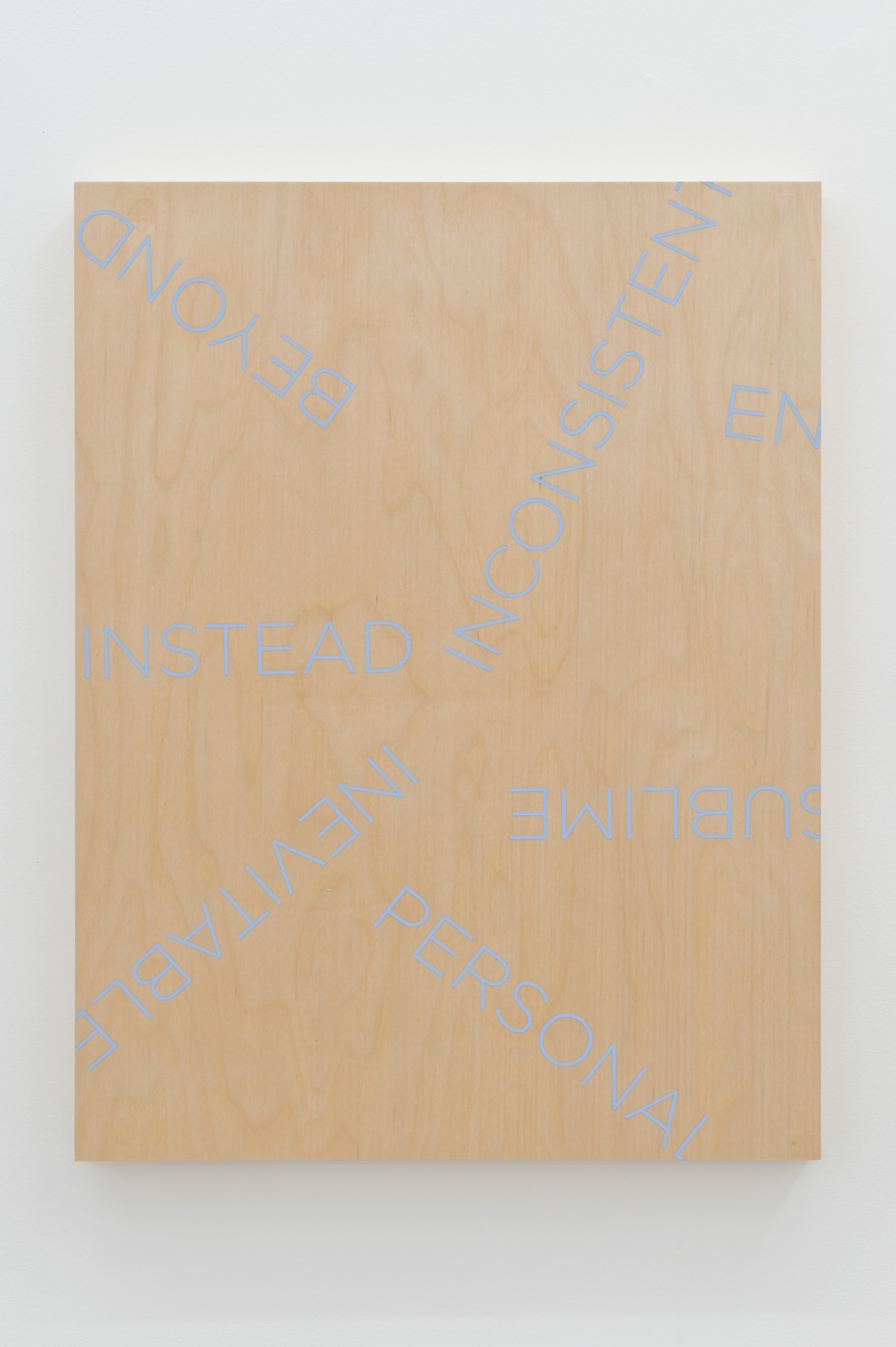
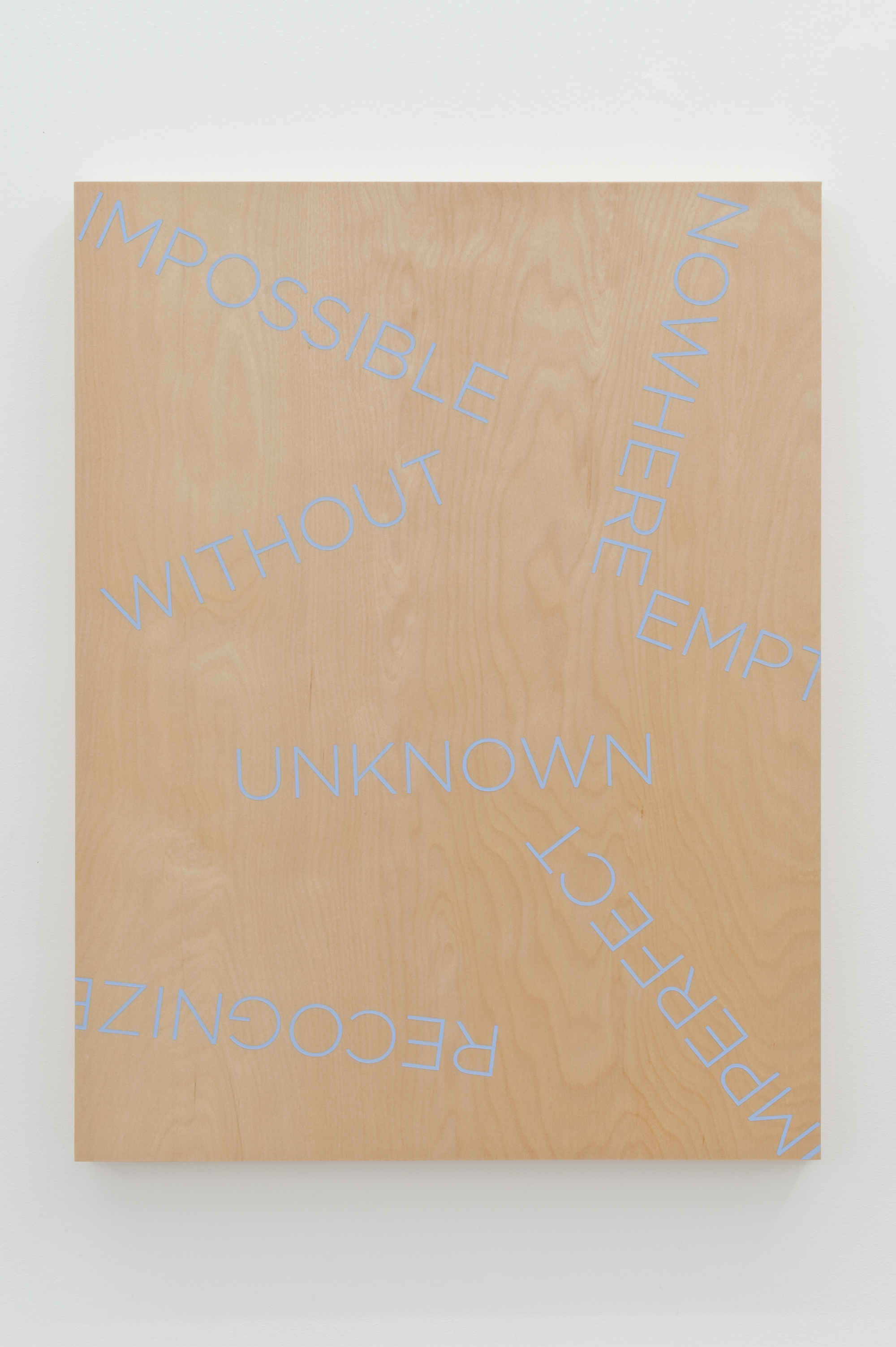
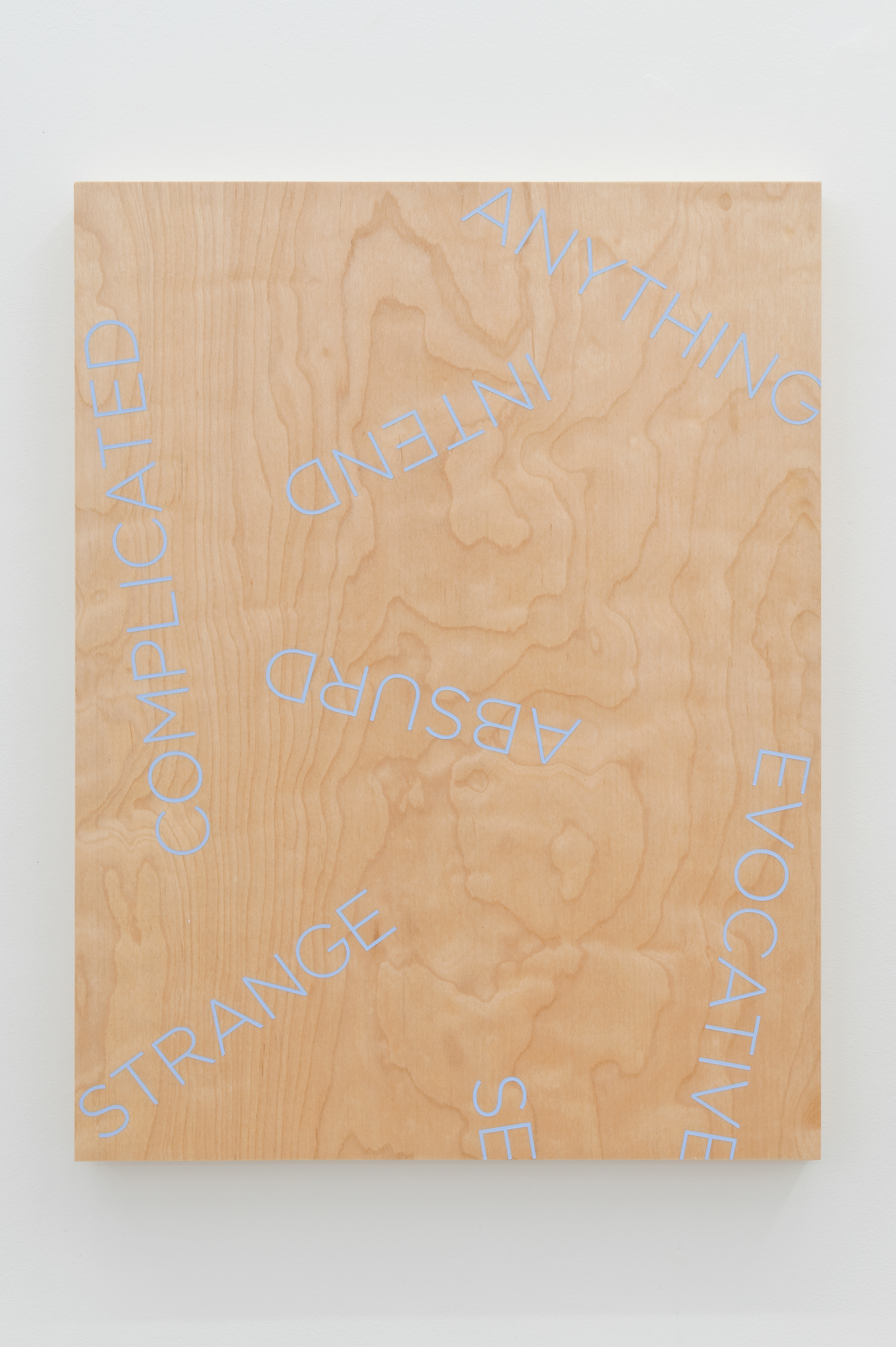
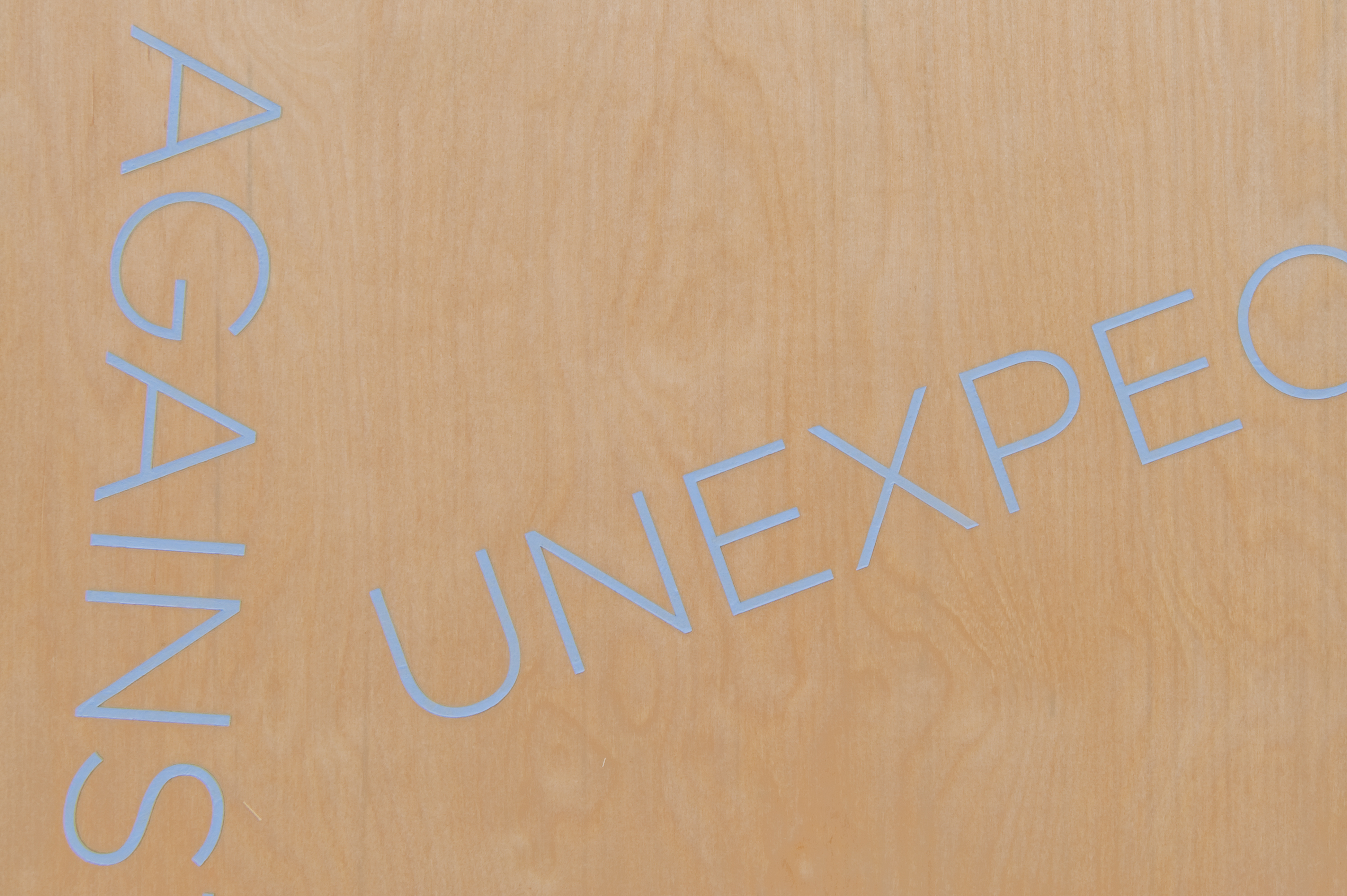
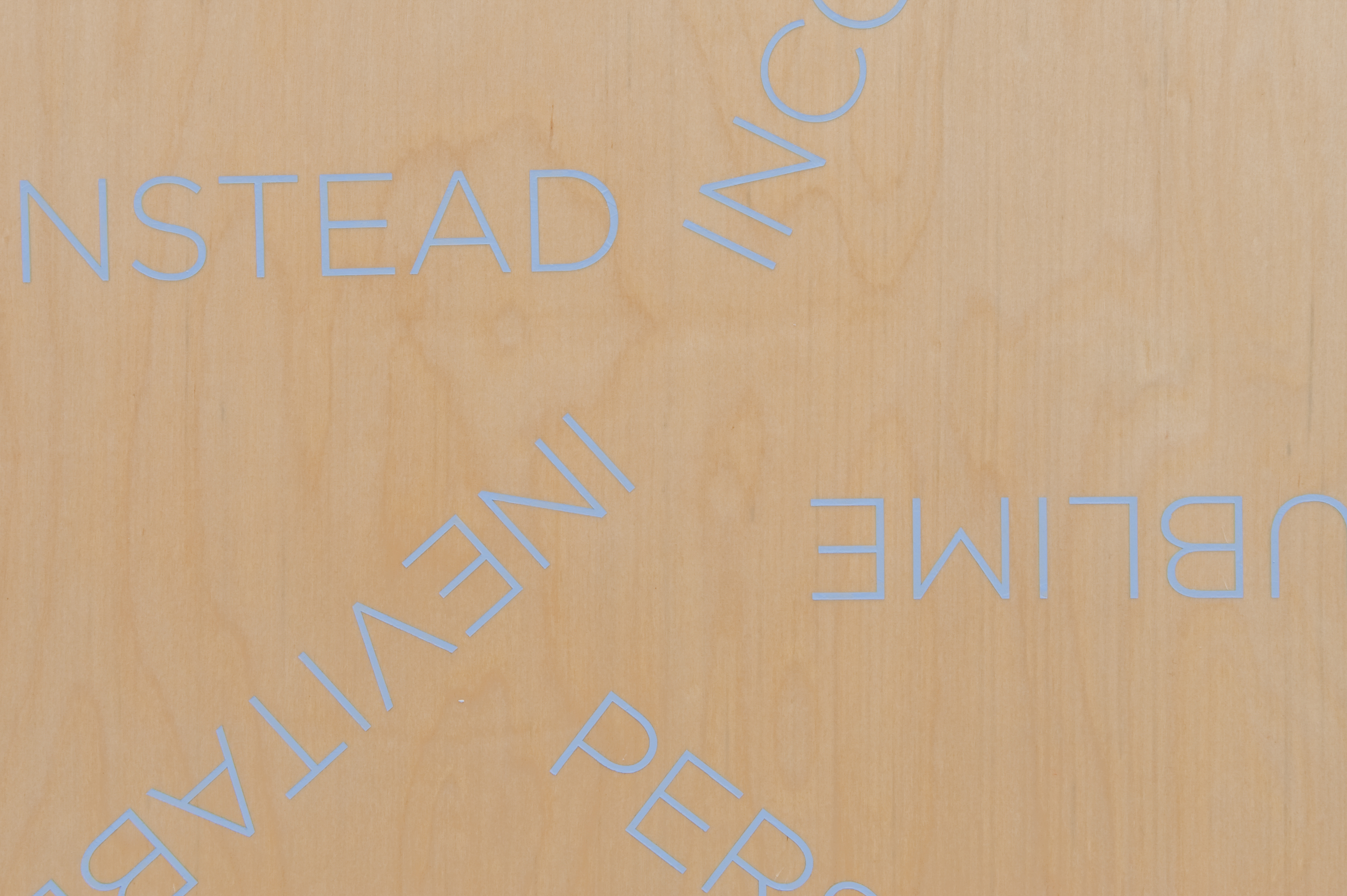
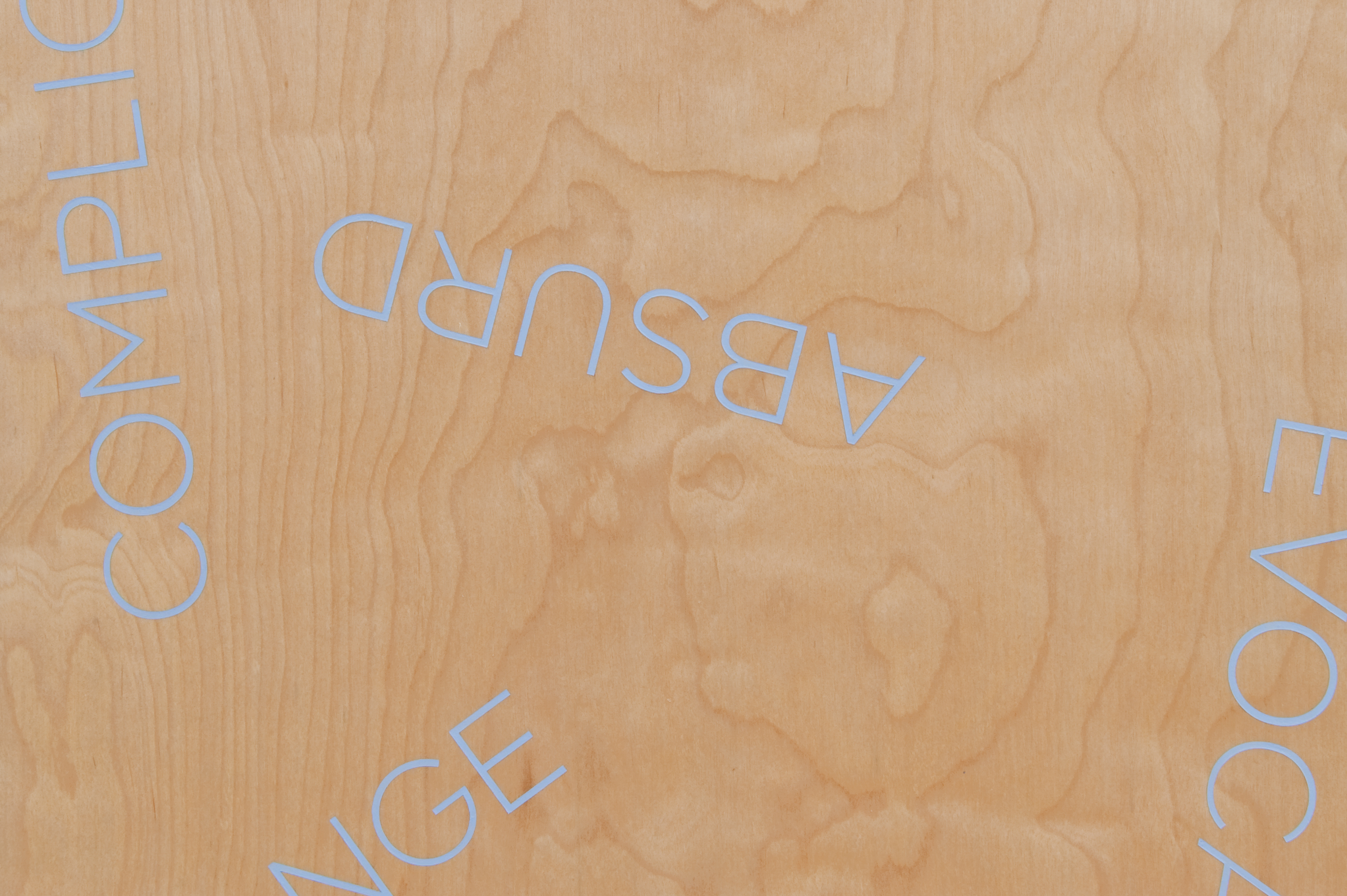
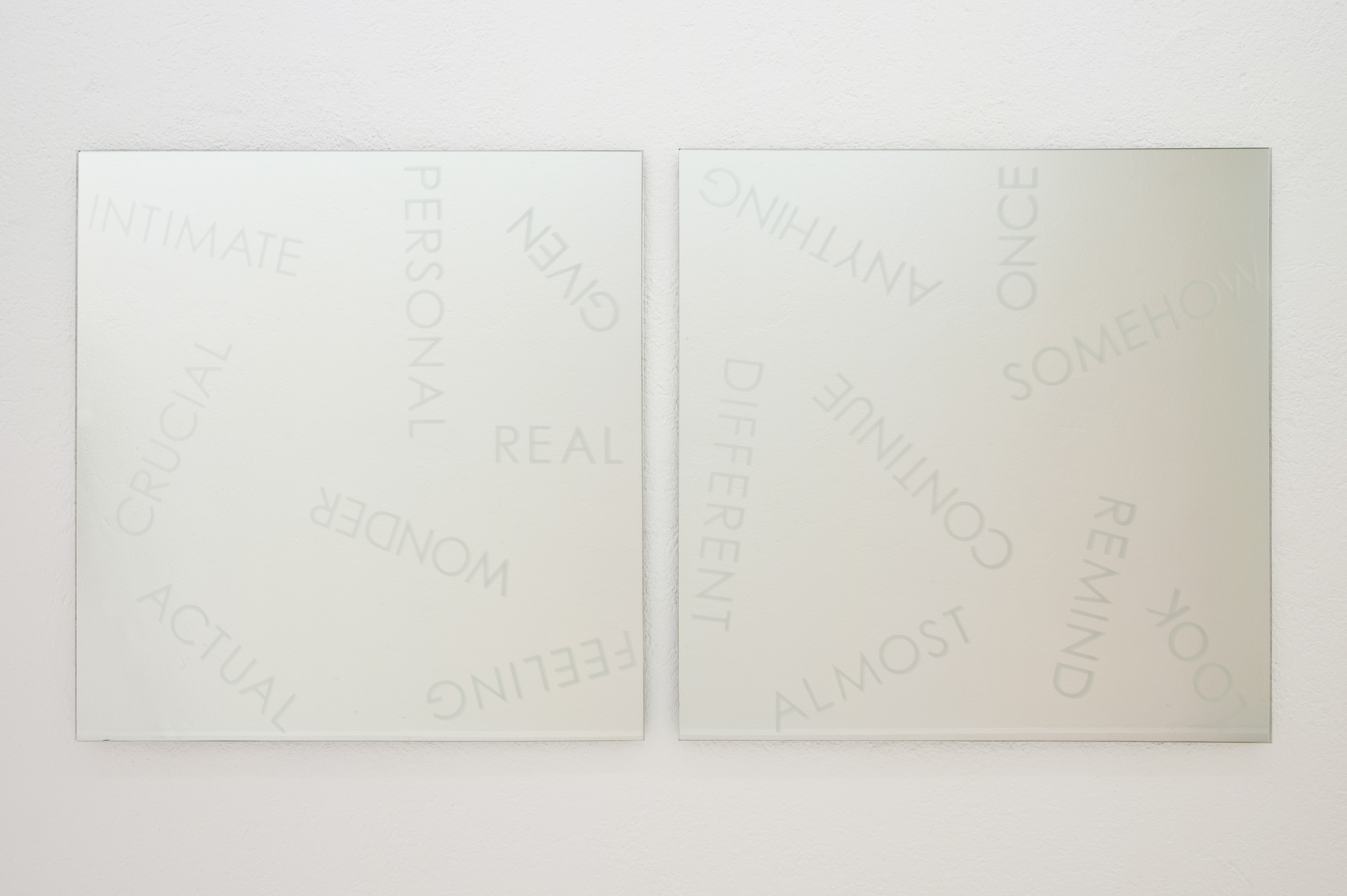
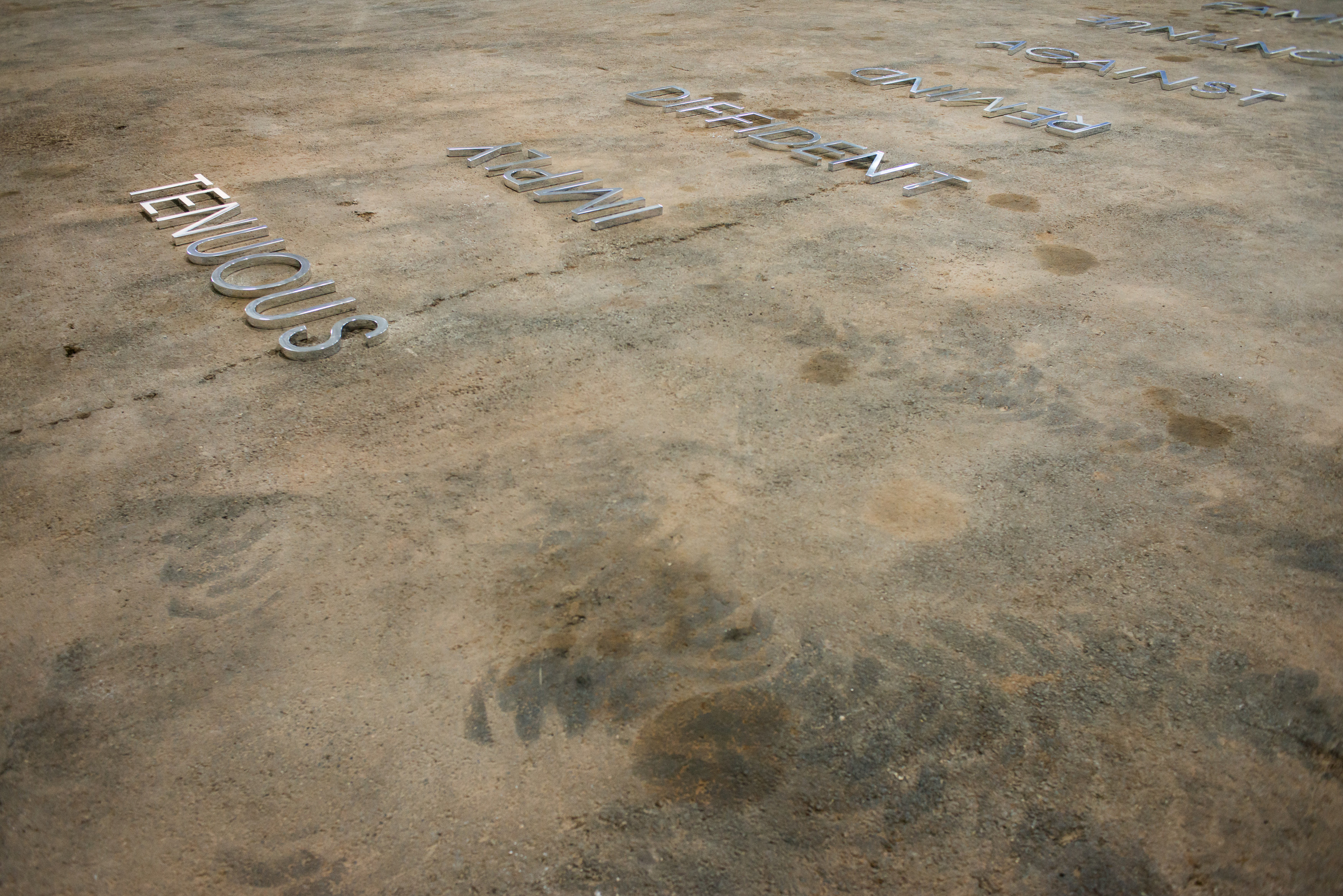
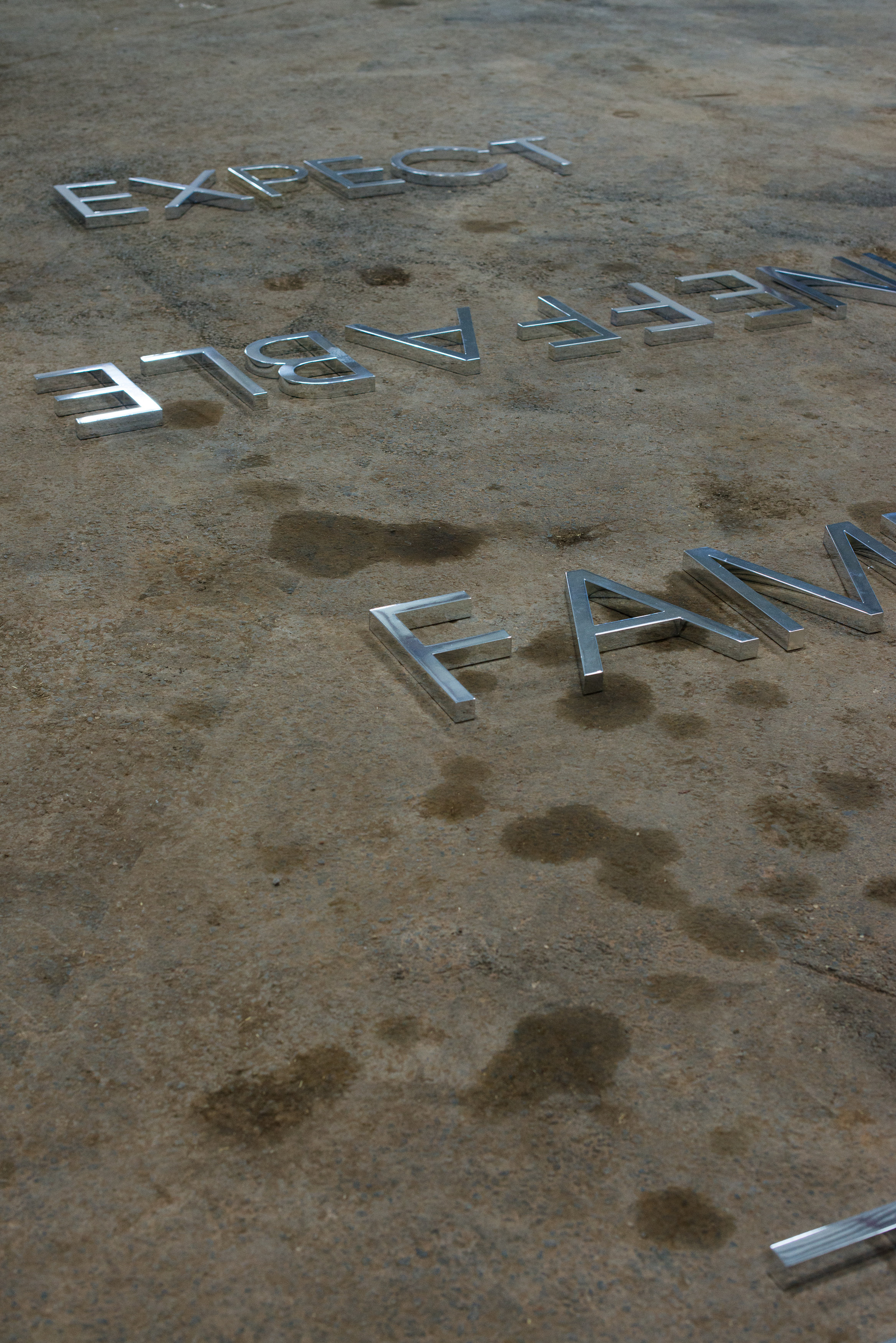
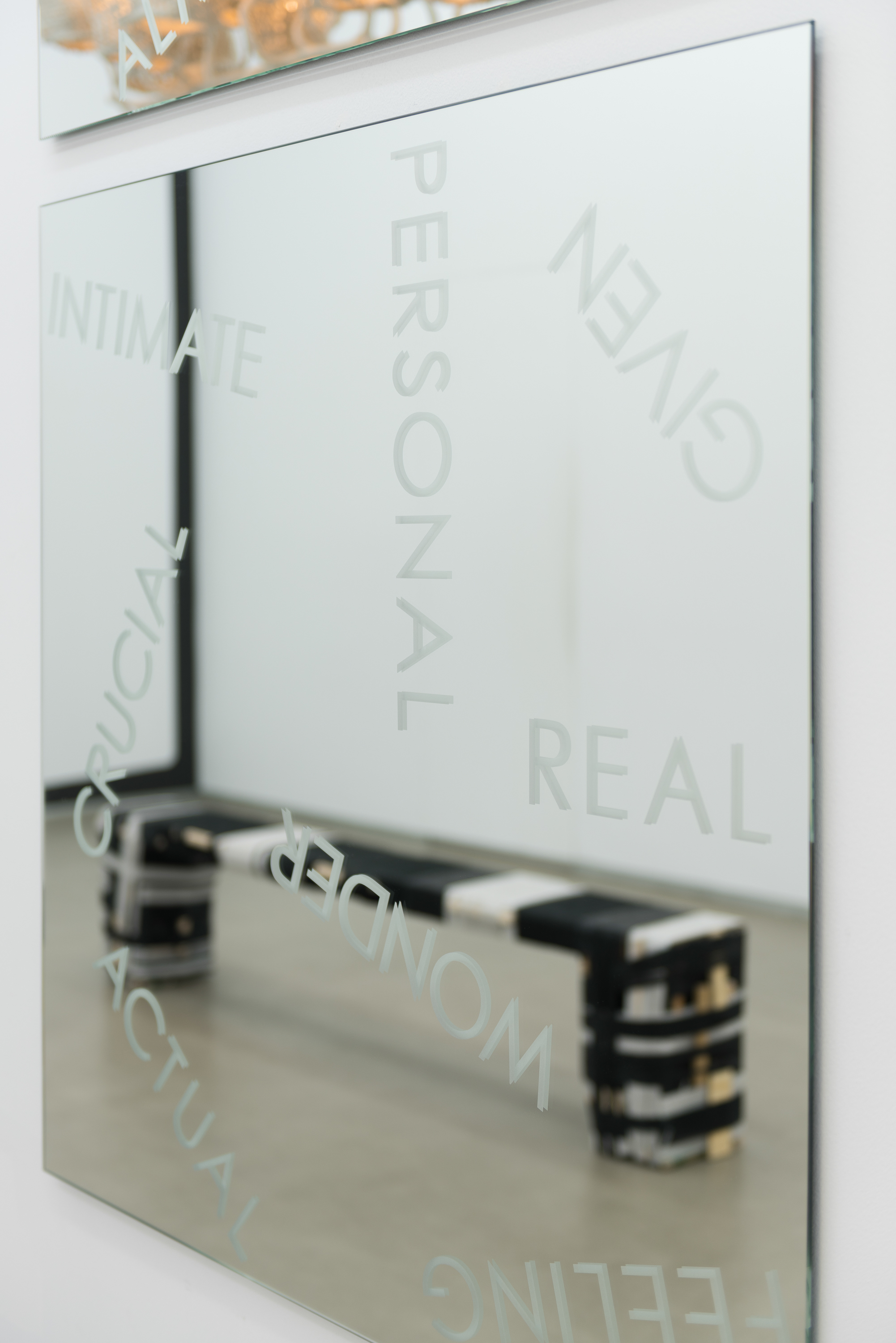
The most immaterial of all the pieces exhibited is Robert Barry’s sound piece Variations 6, that throws a word to the air every 30 seconds. In that way, the silence, the non-recorded sound, becomes the main character; it takes relevance itself since it constitutes the waiting time for the word to arrive; a word that is pure sound, rhythm, deprived from its meaning.