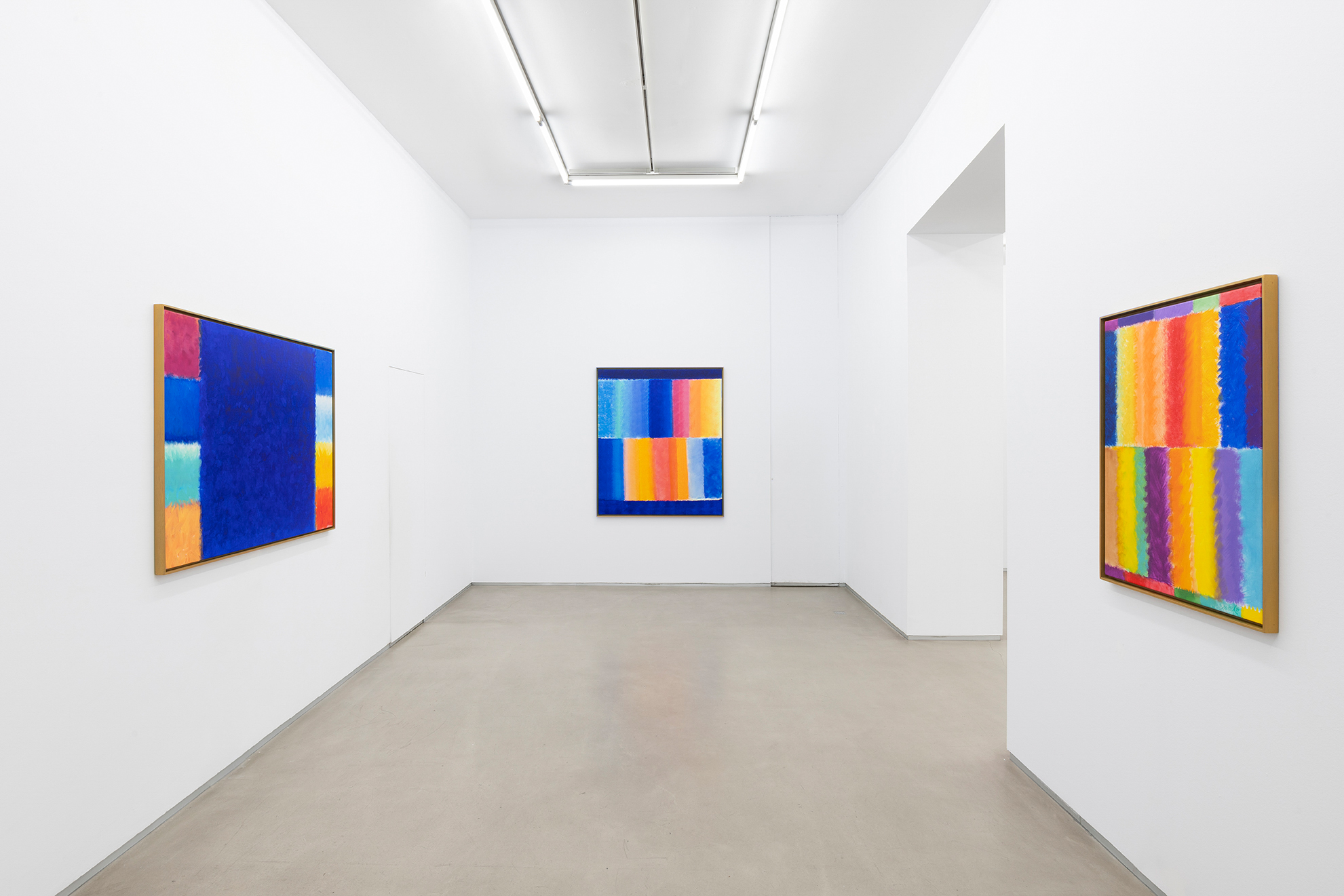
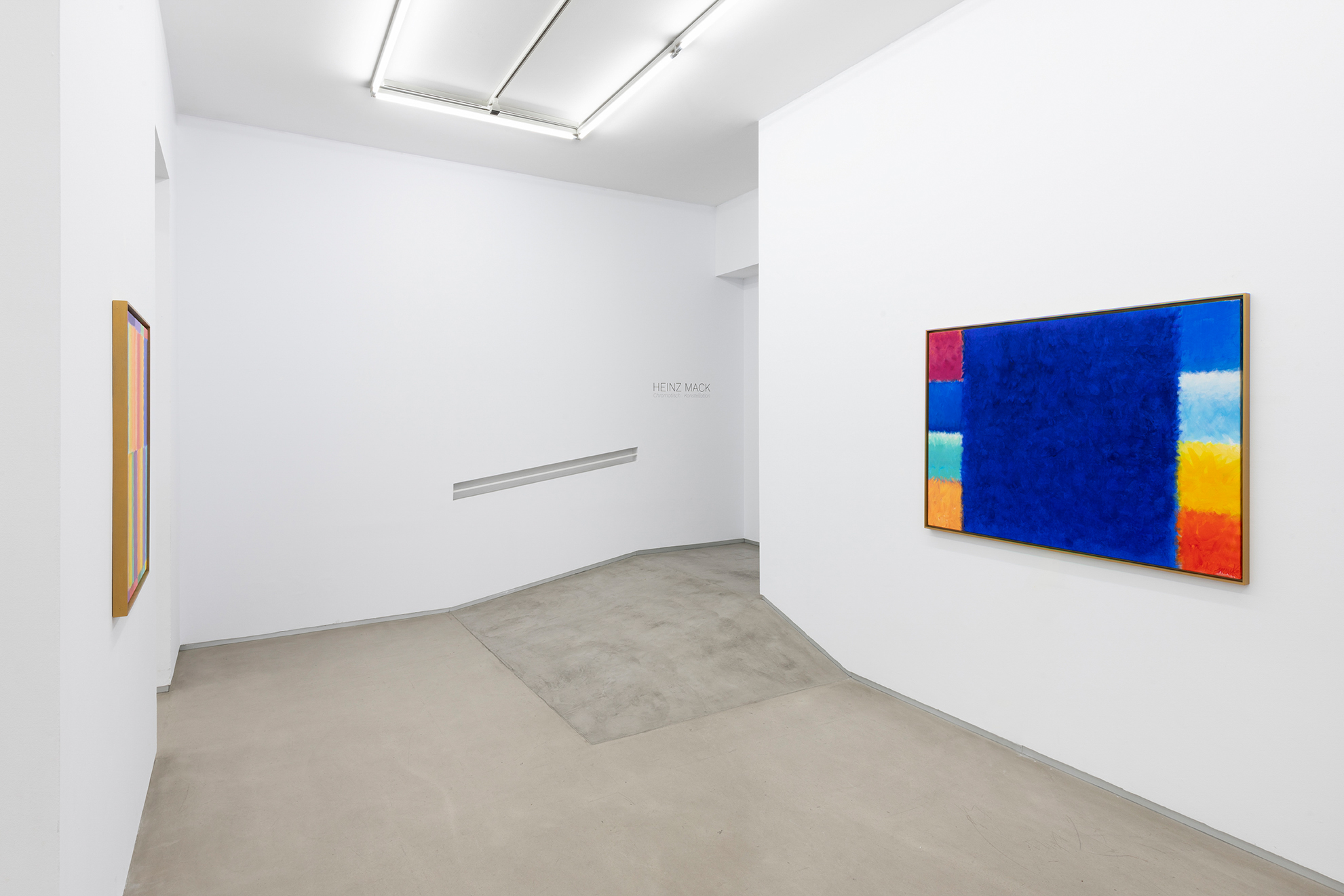
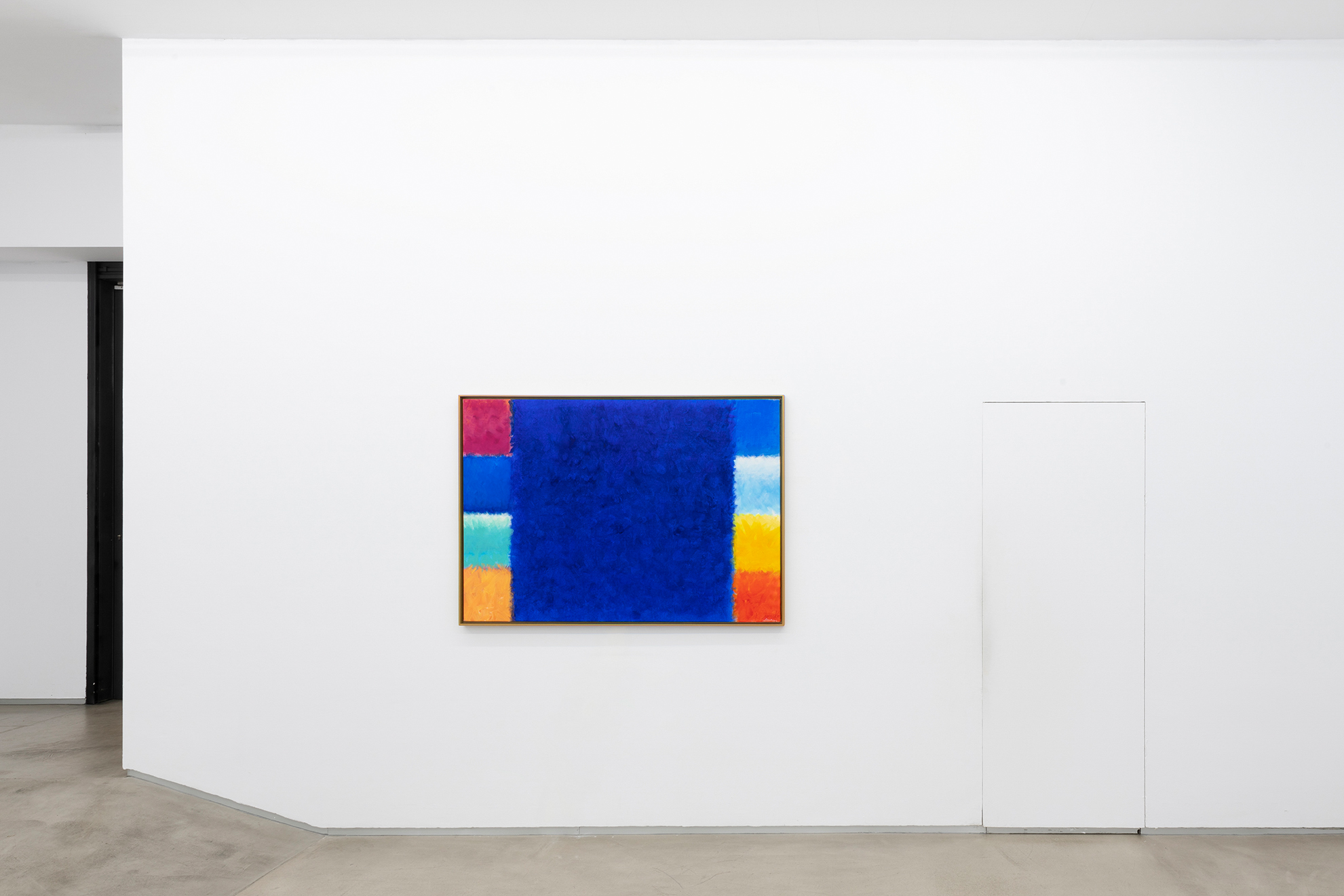
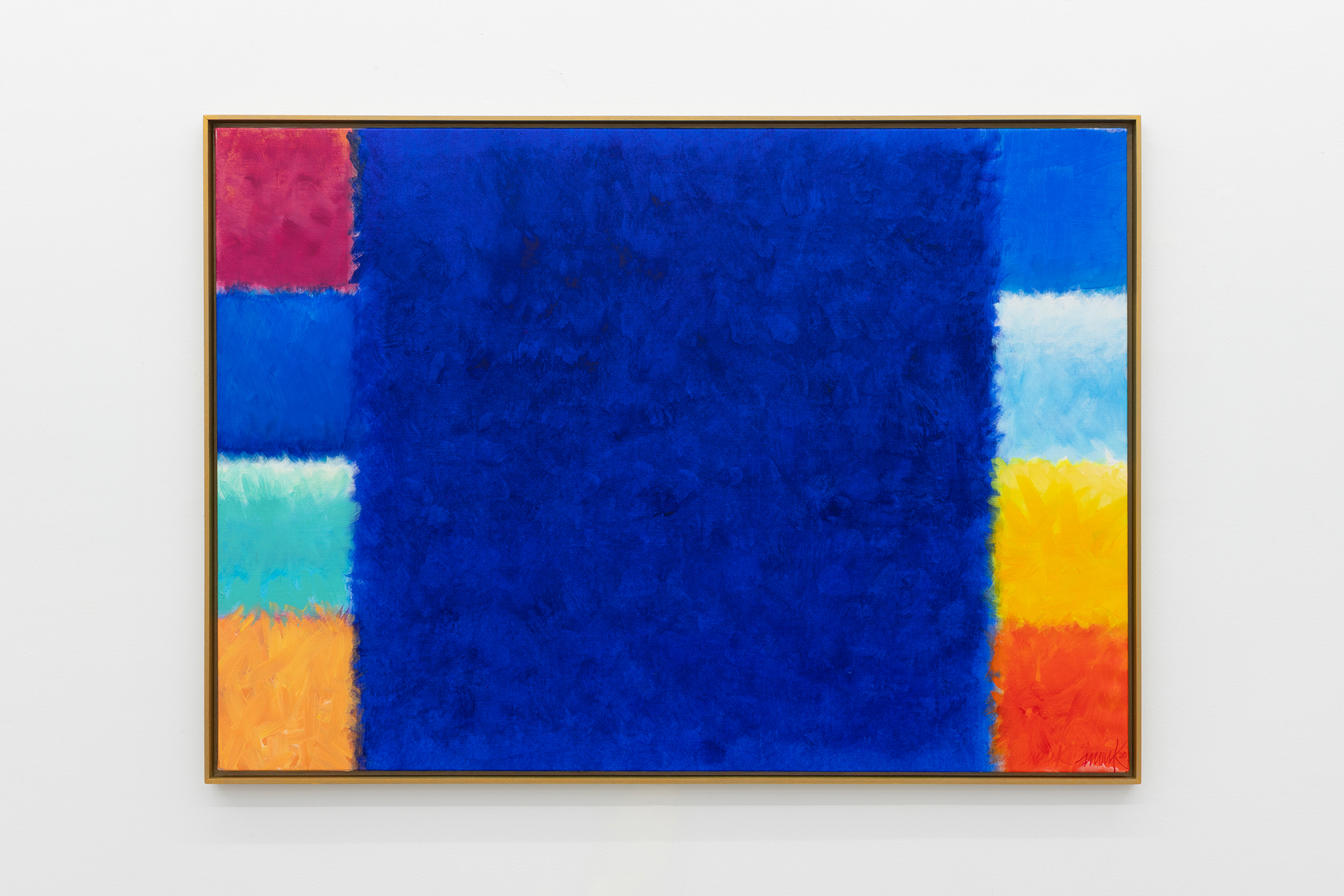
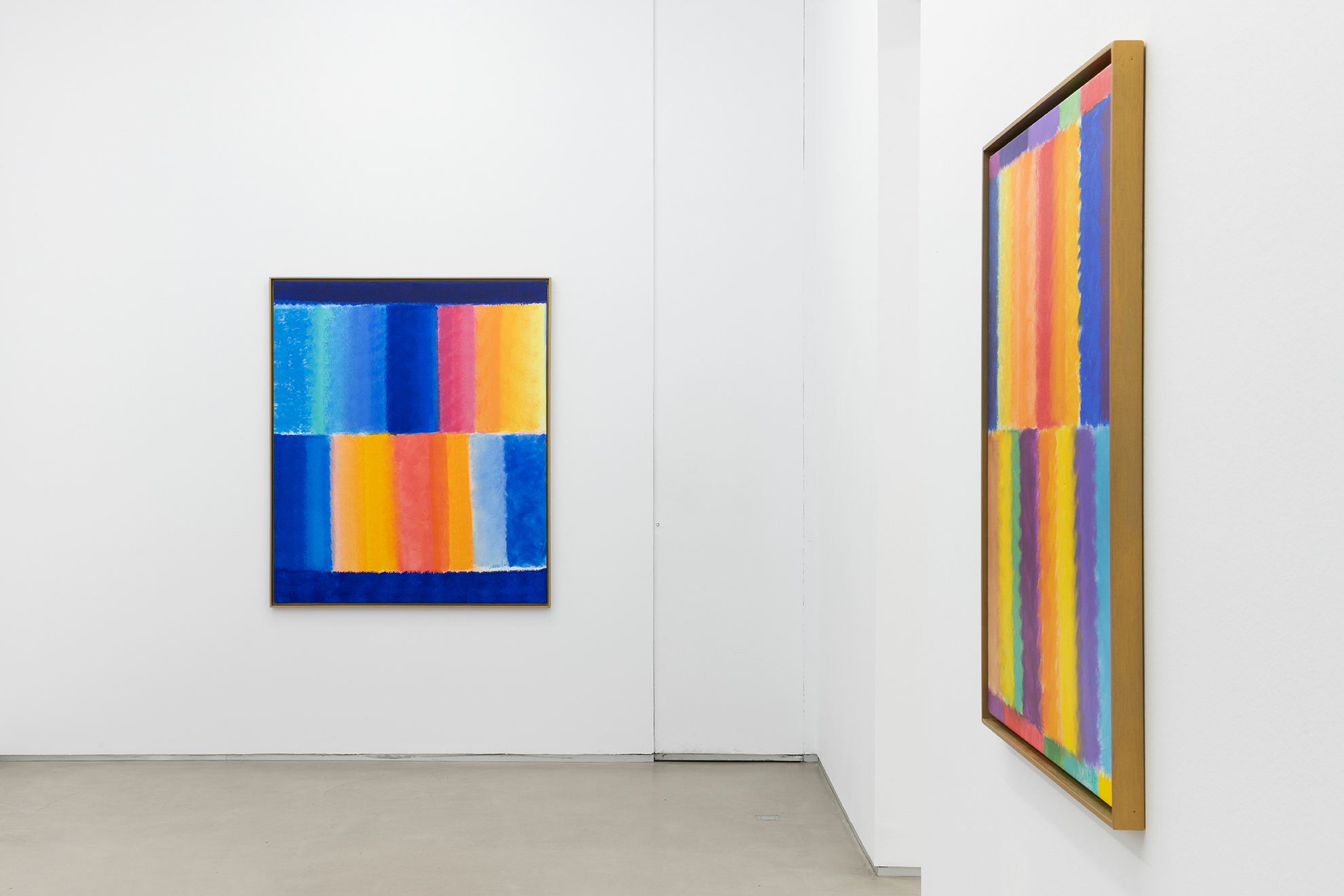
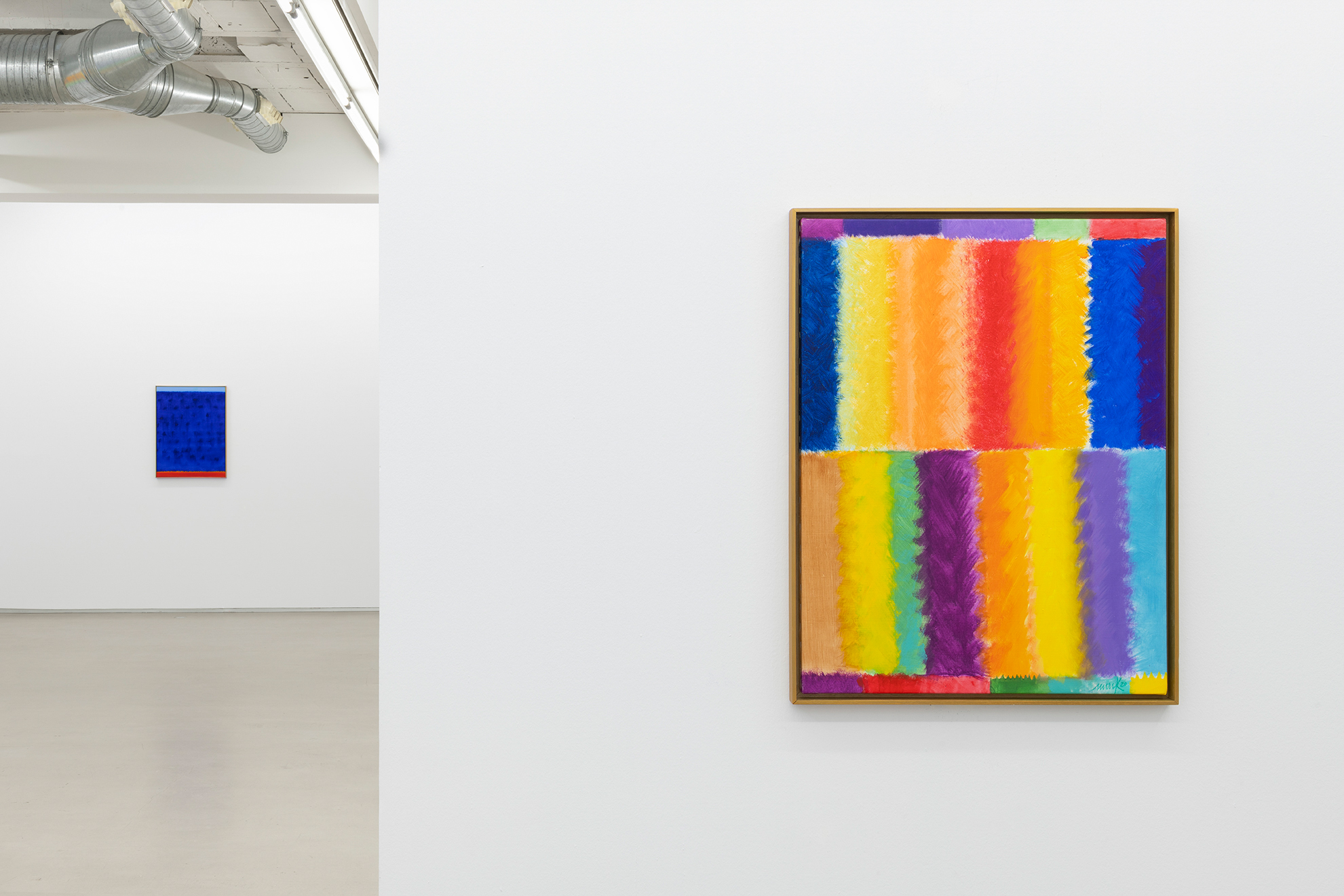
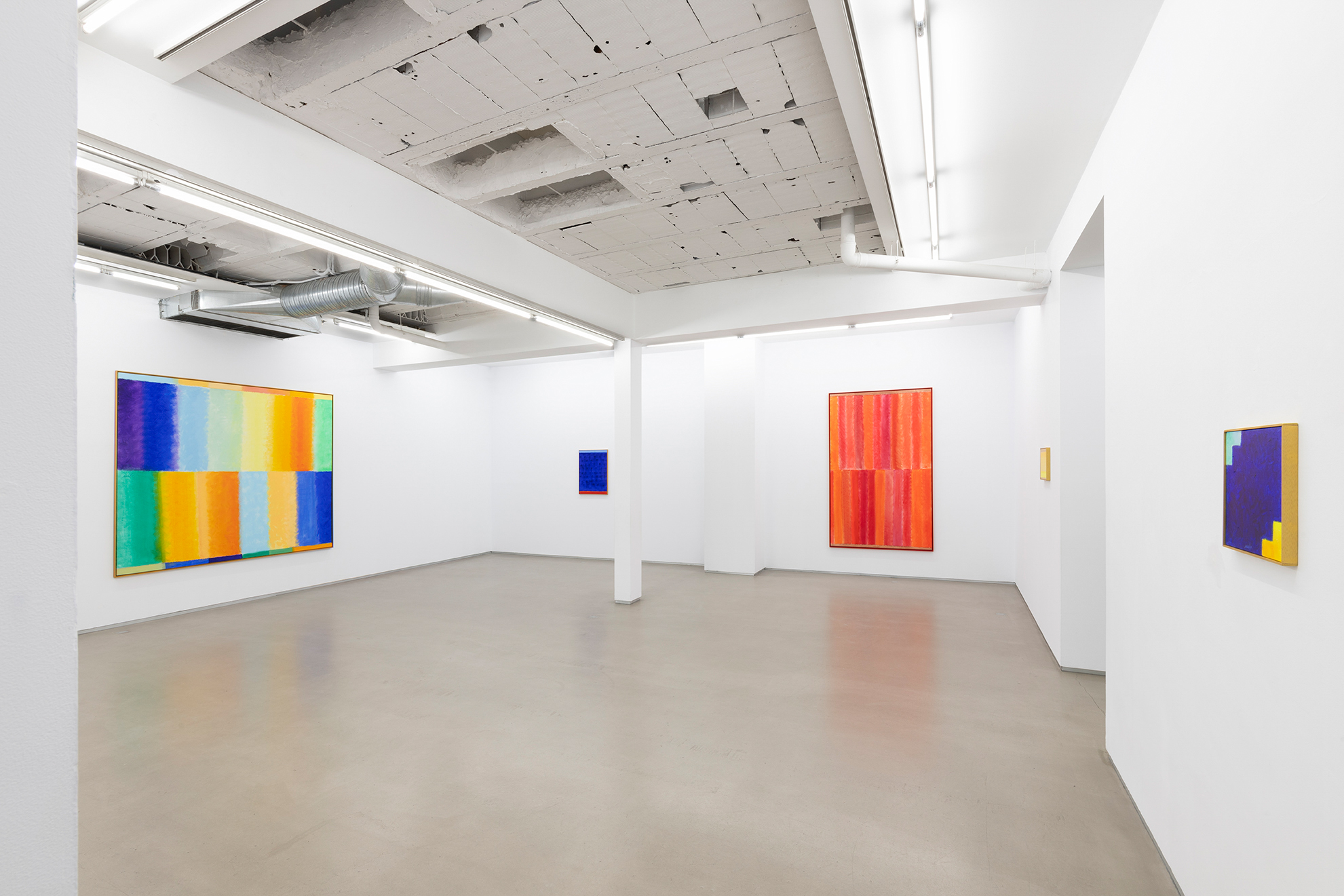
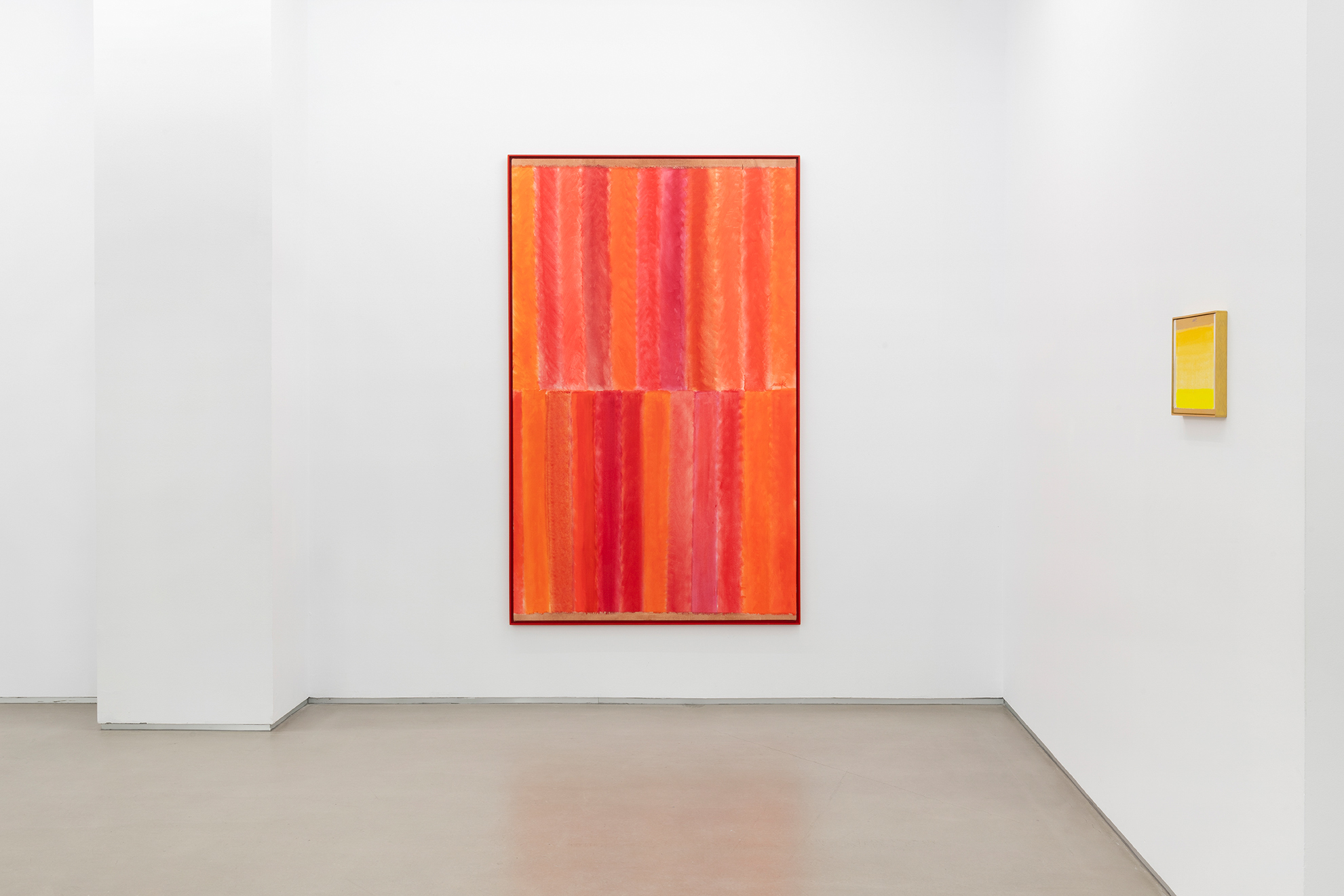
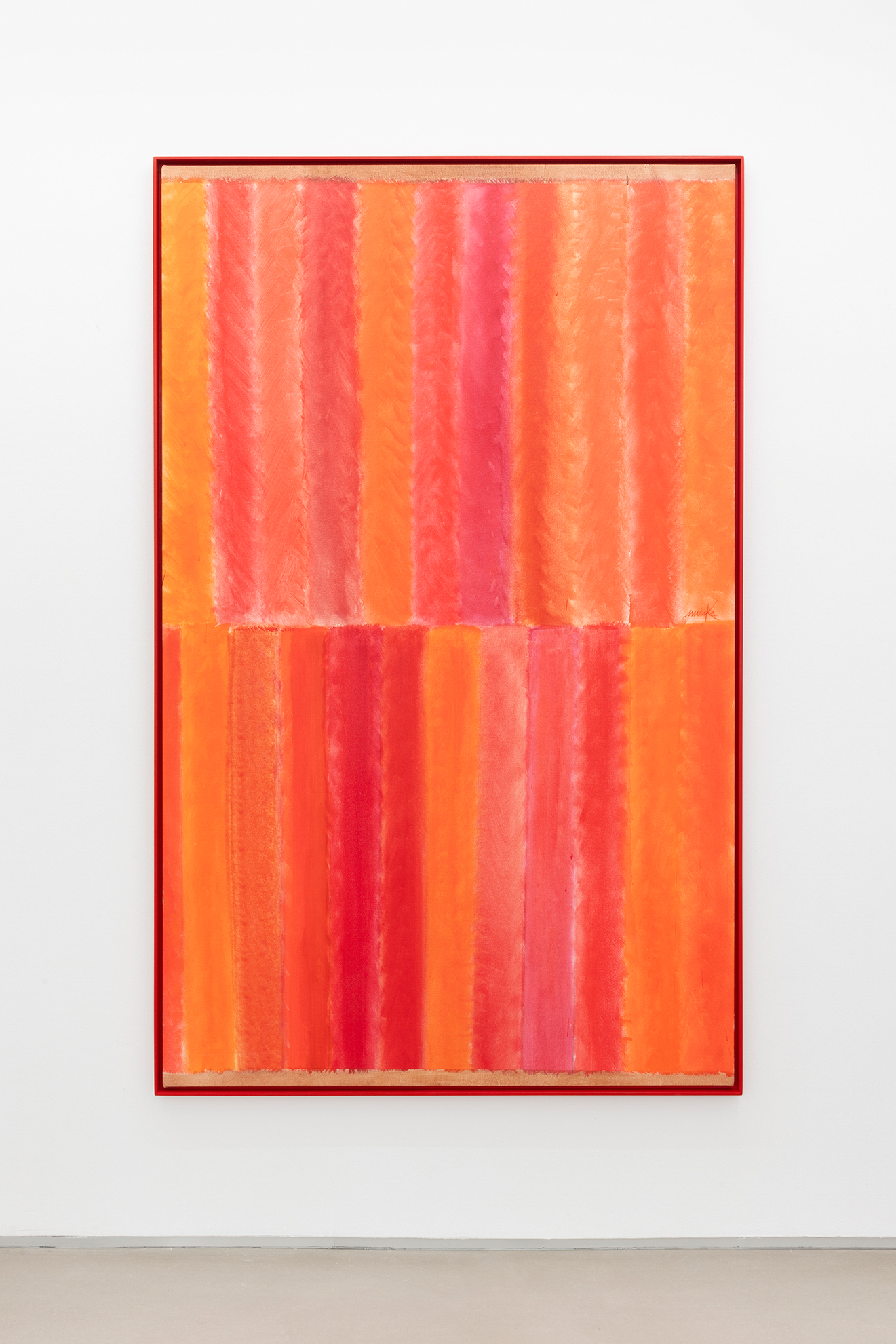
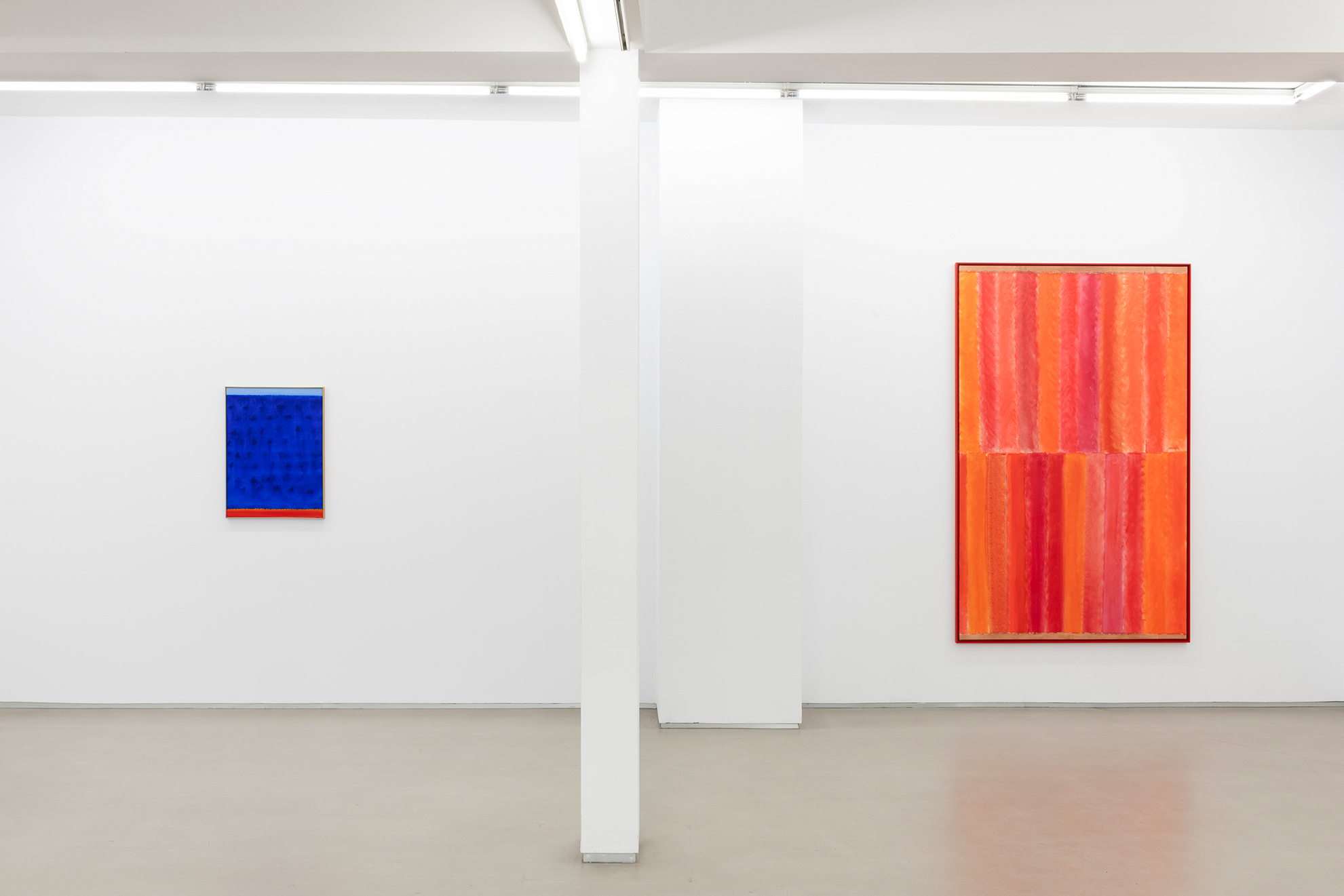
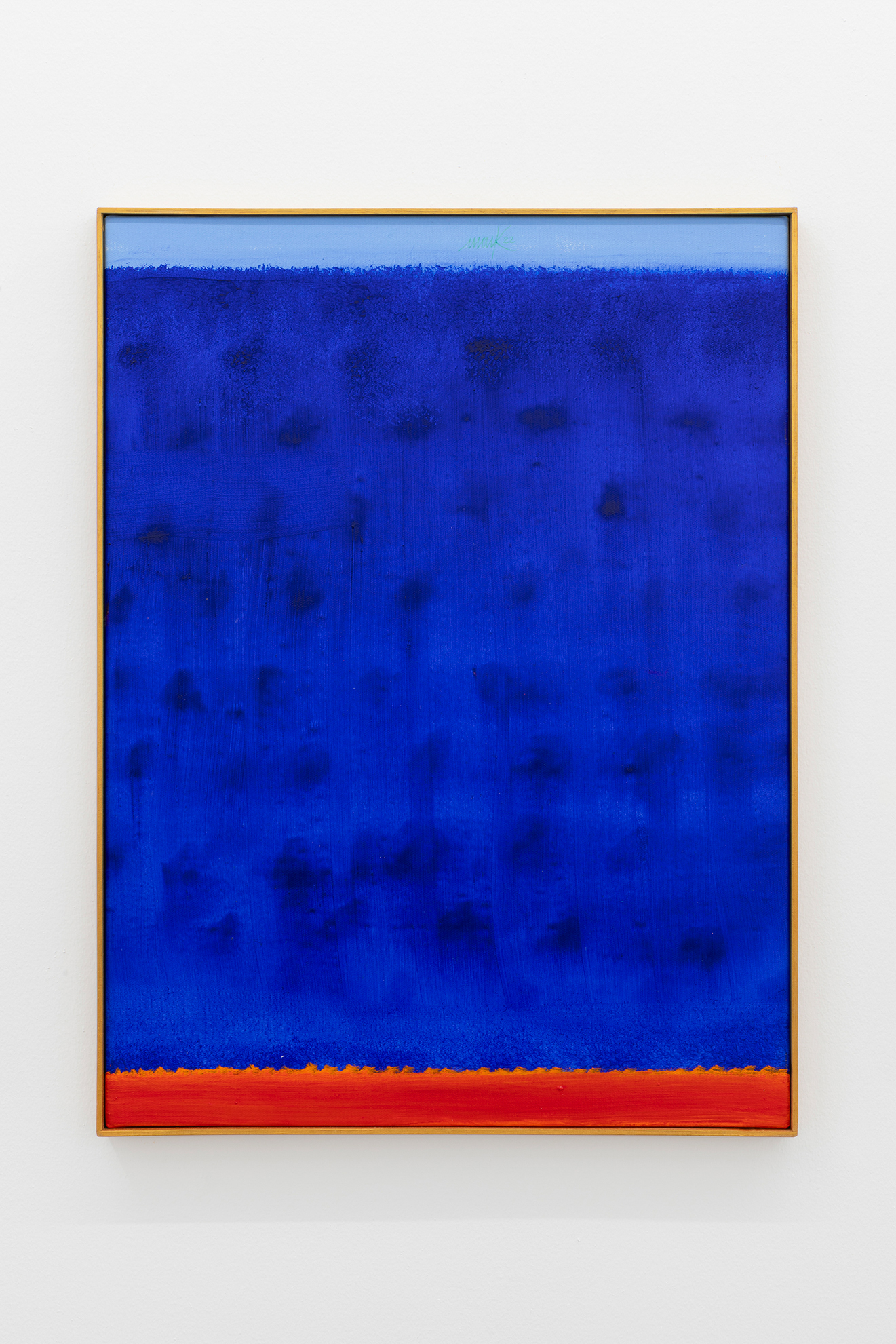
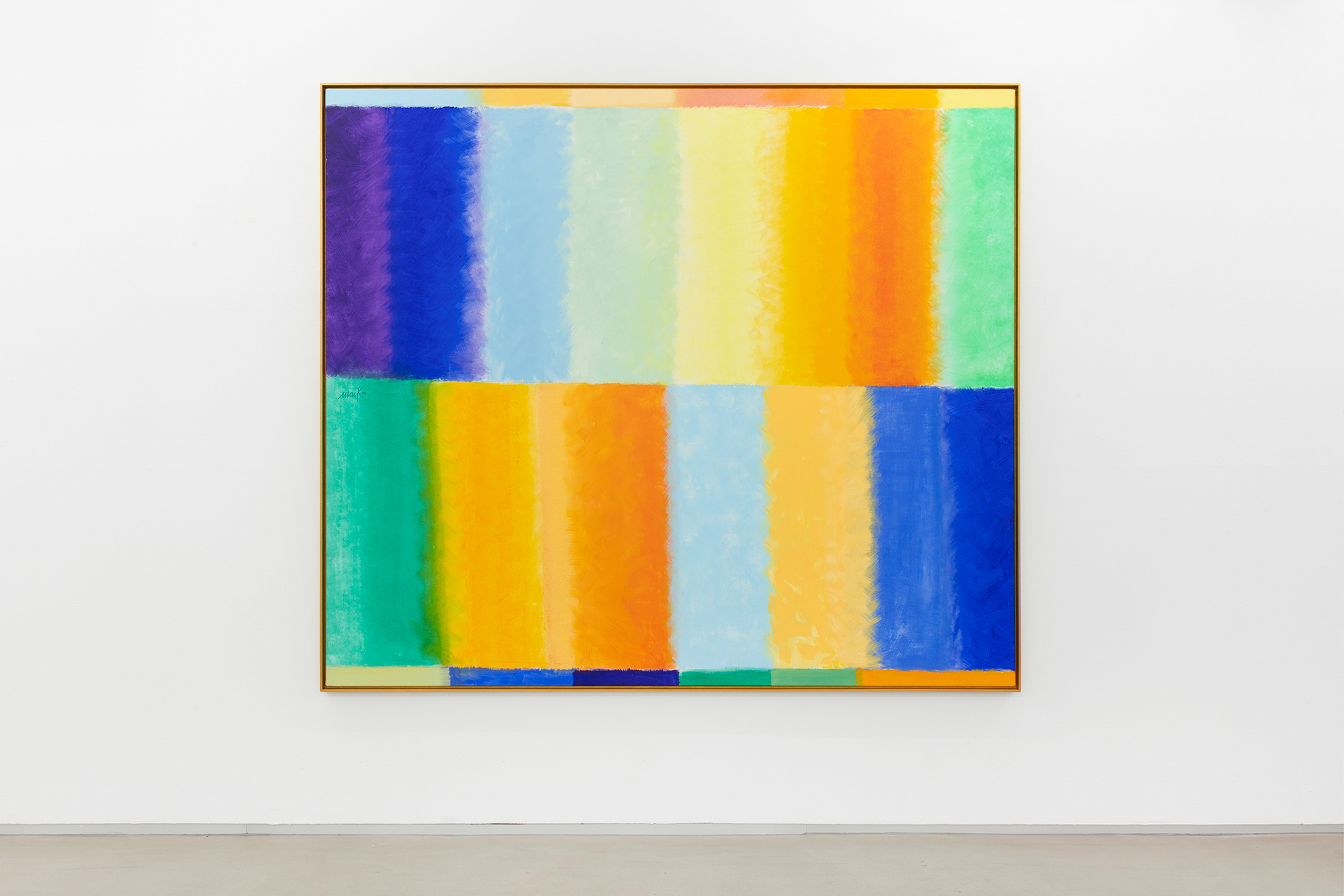
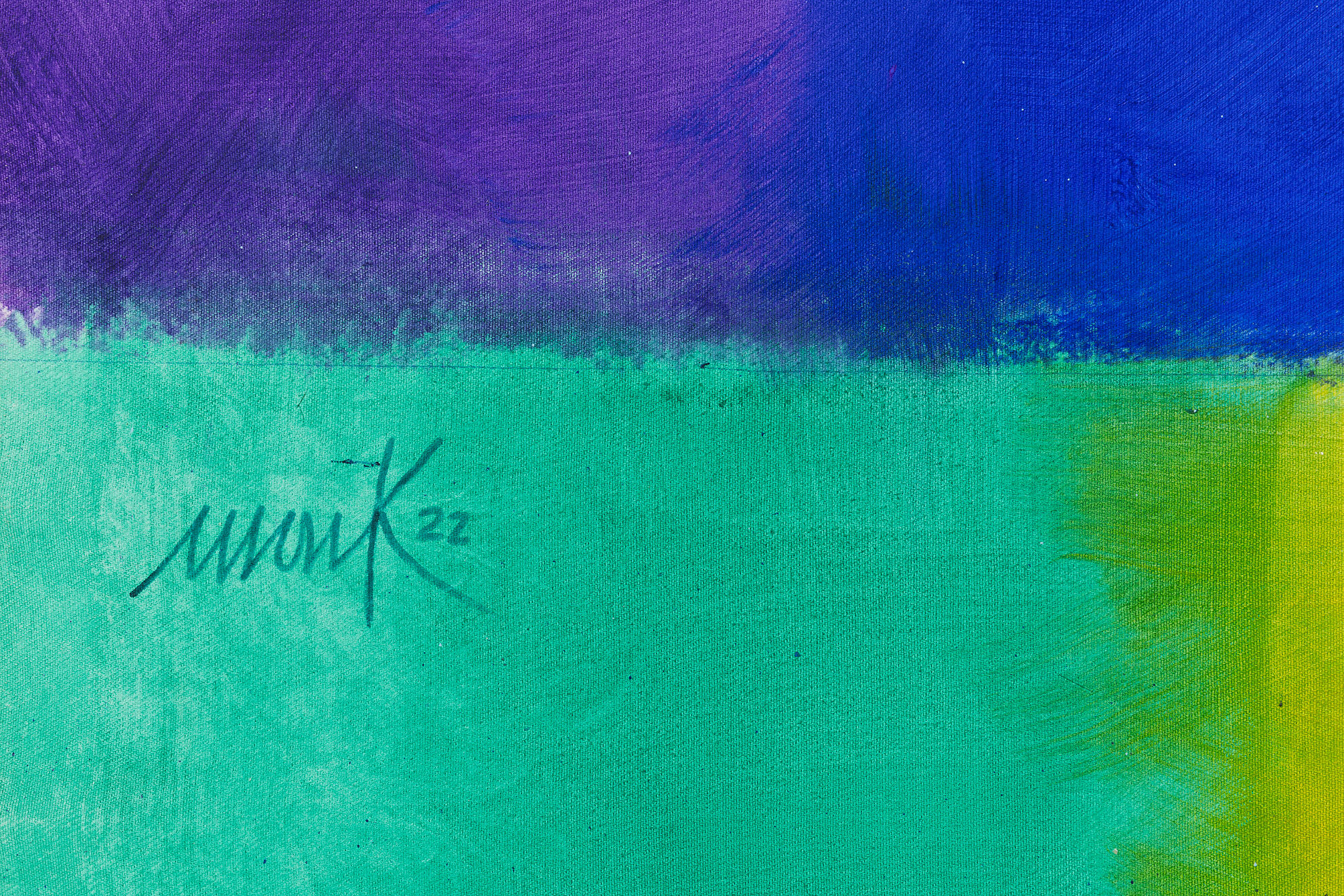
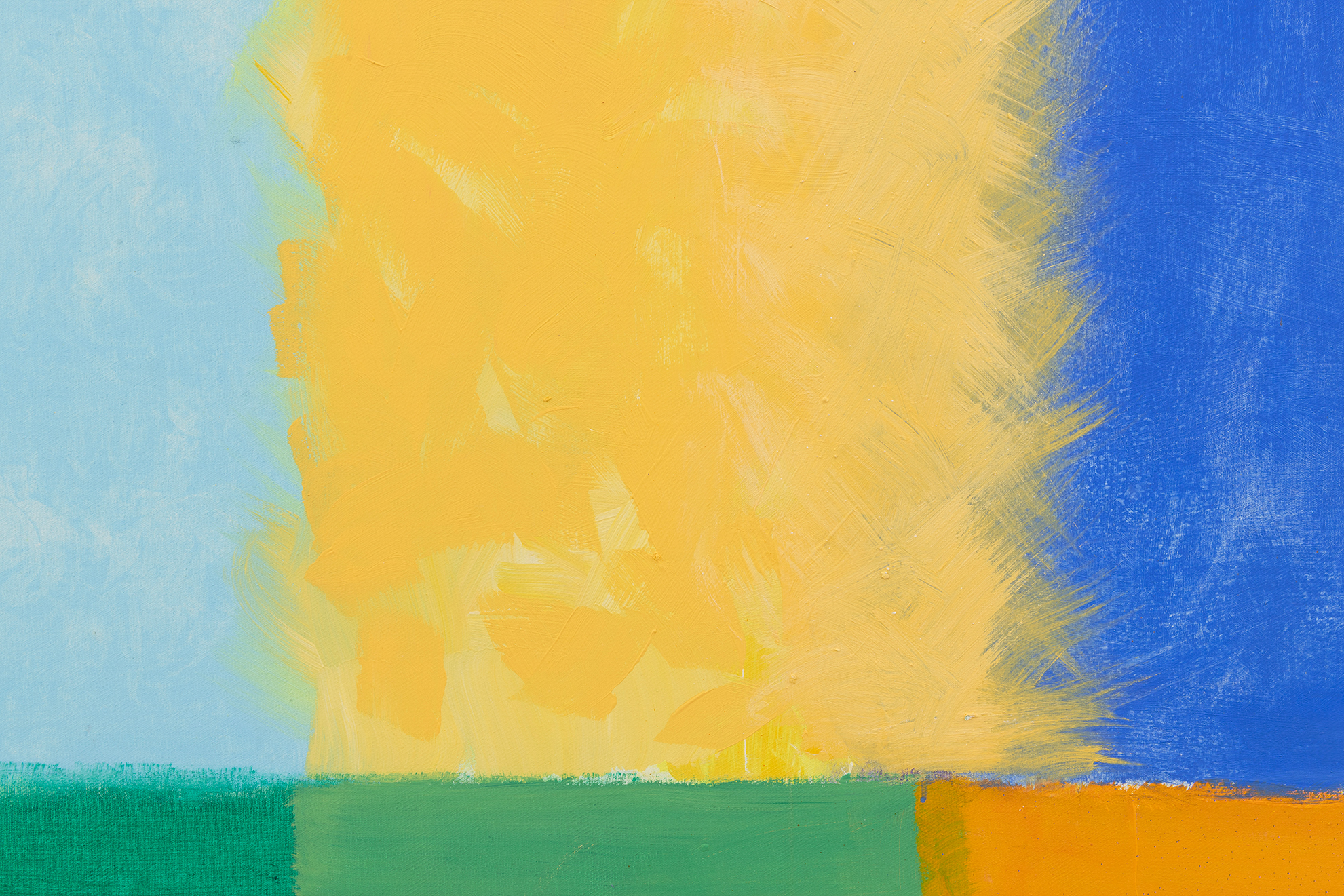
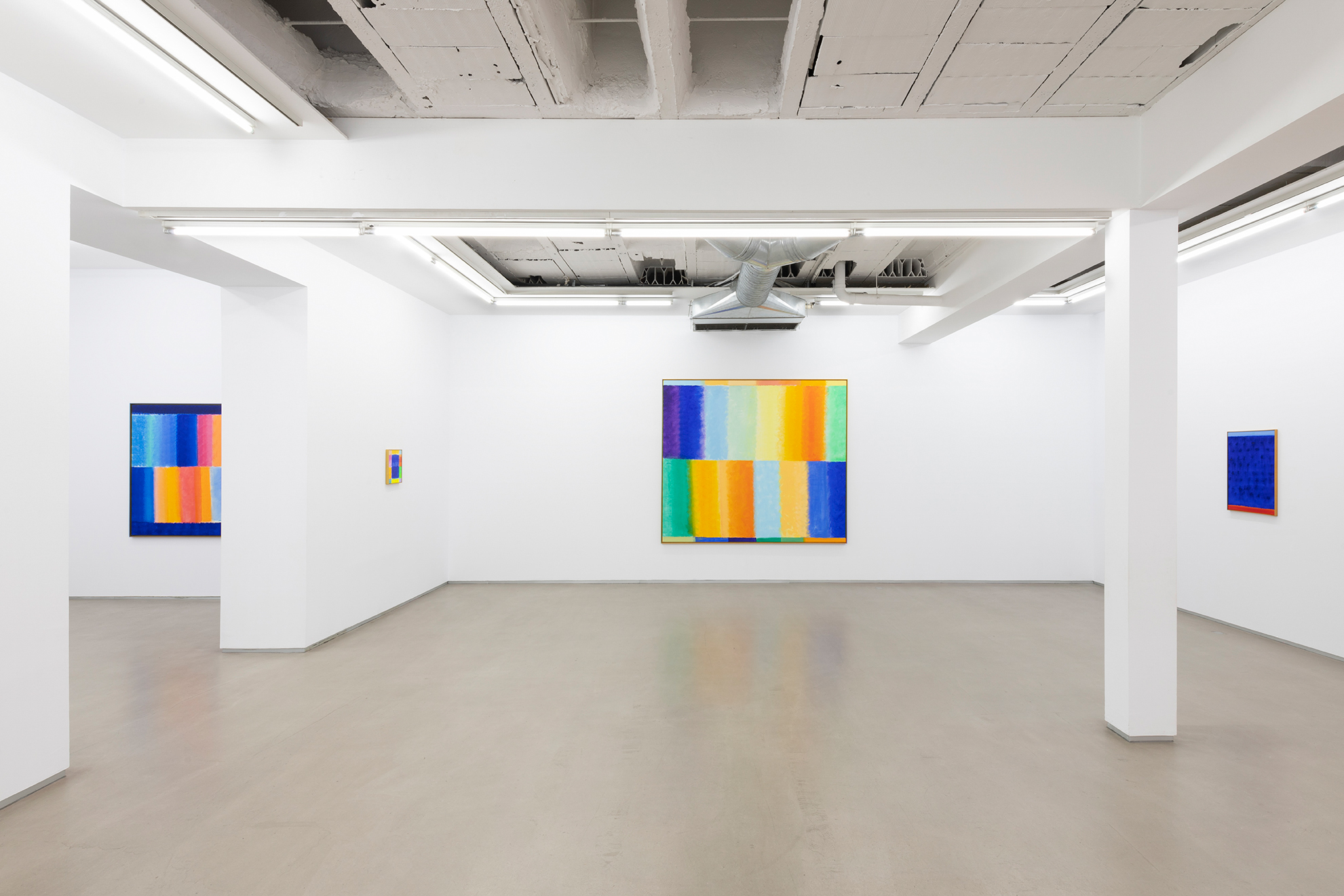
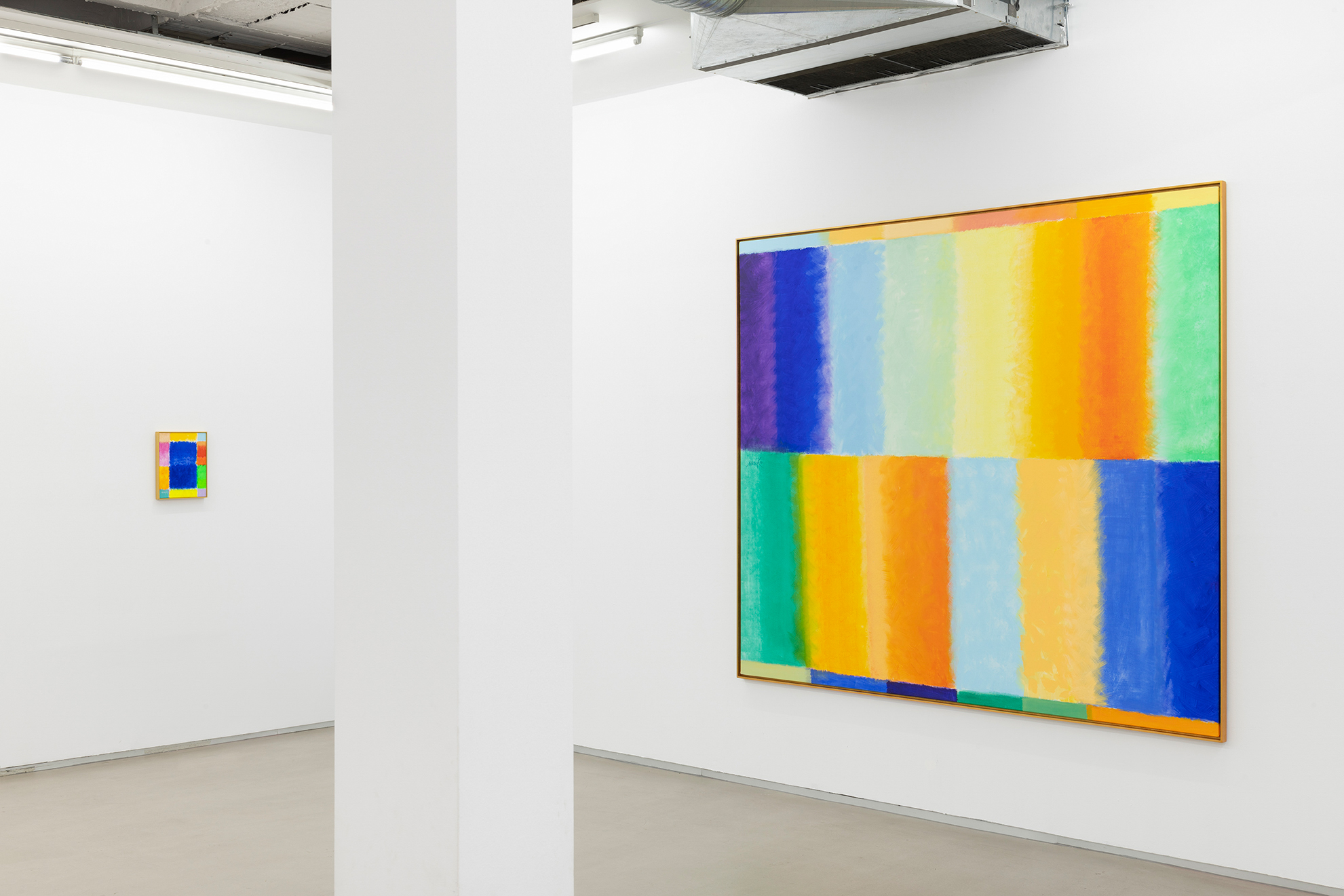
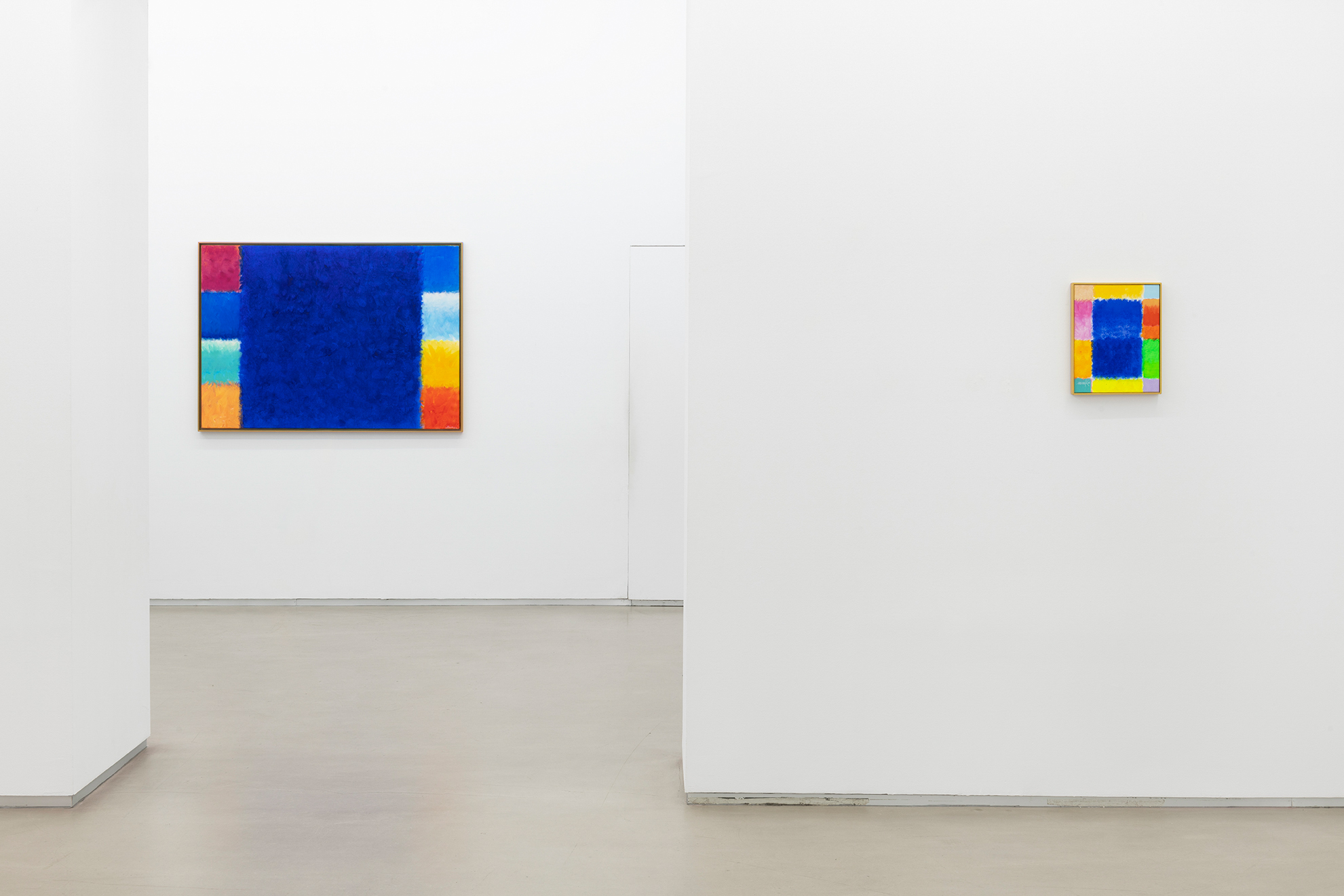
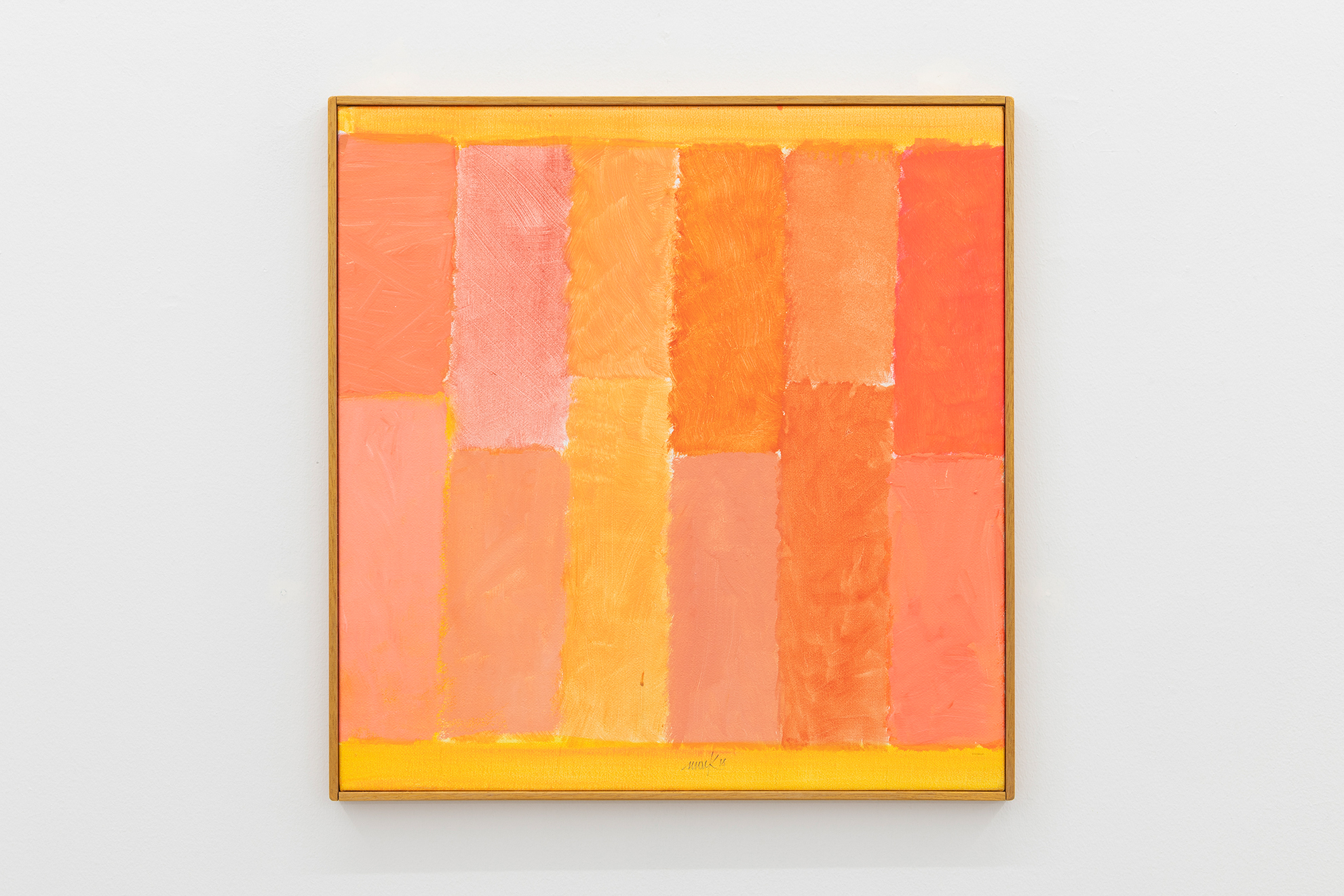
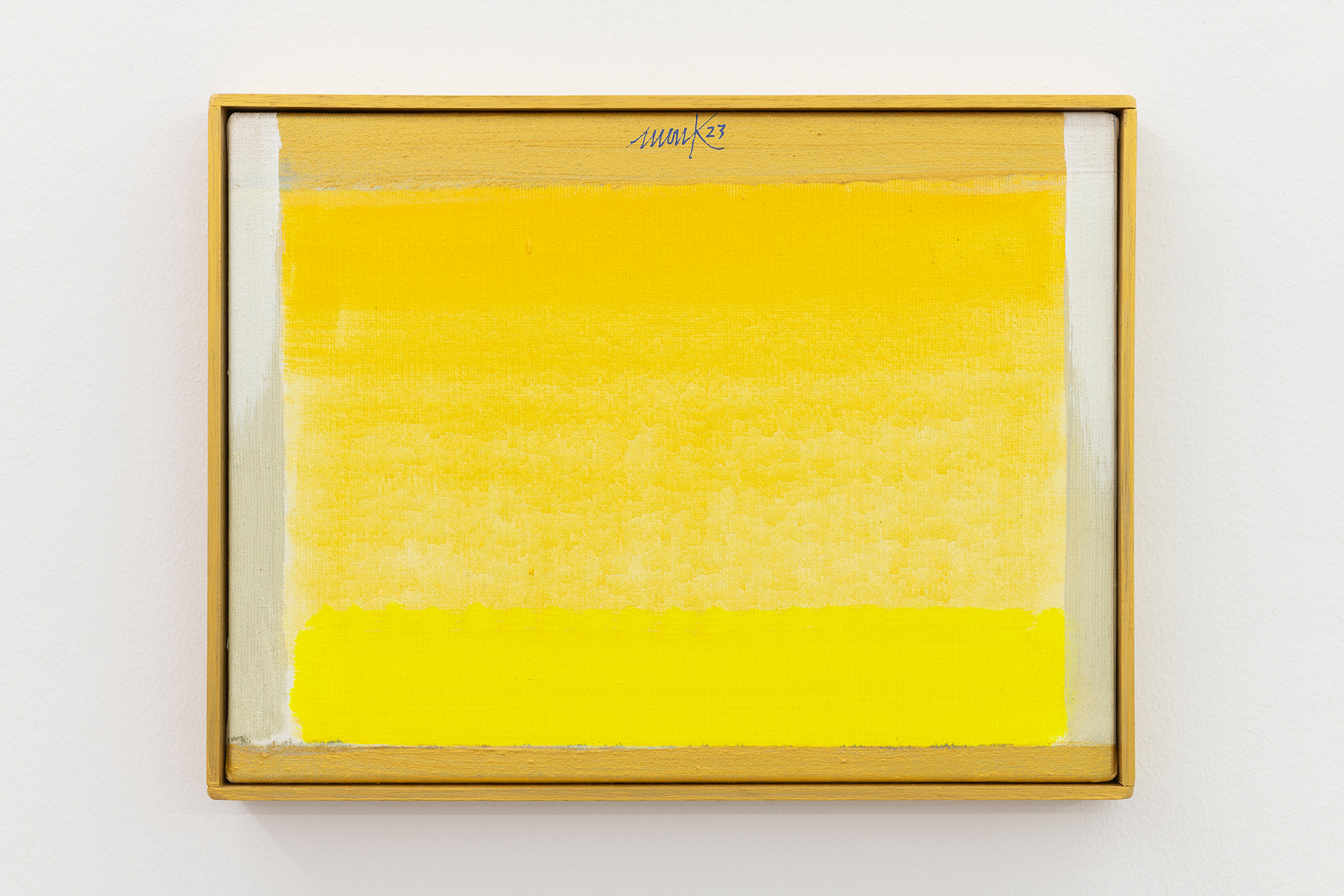
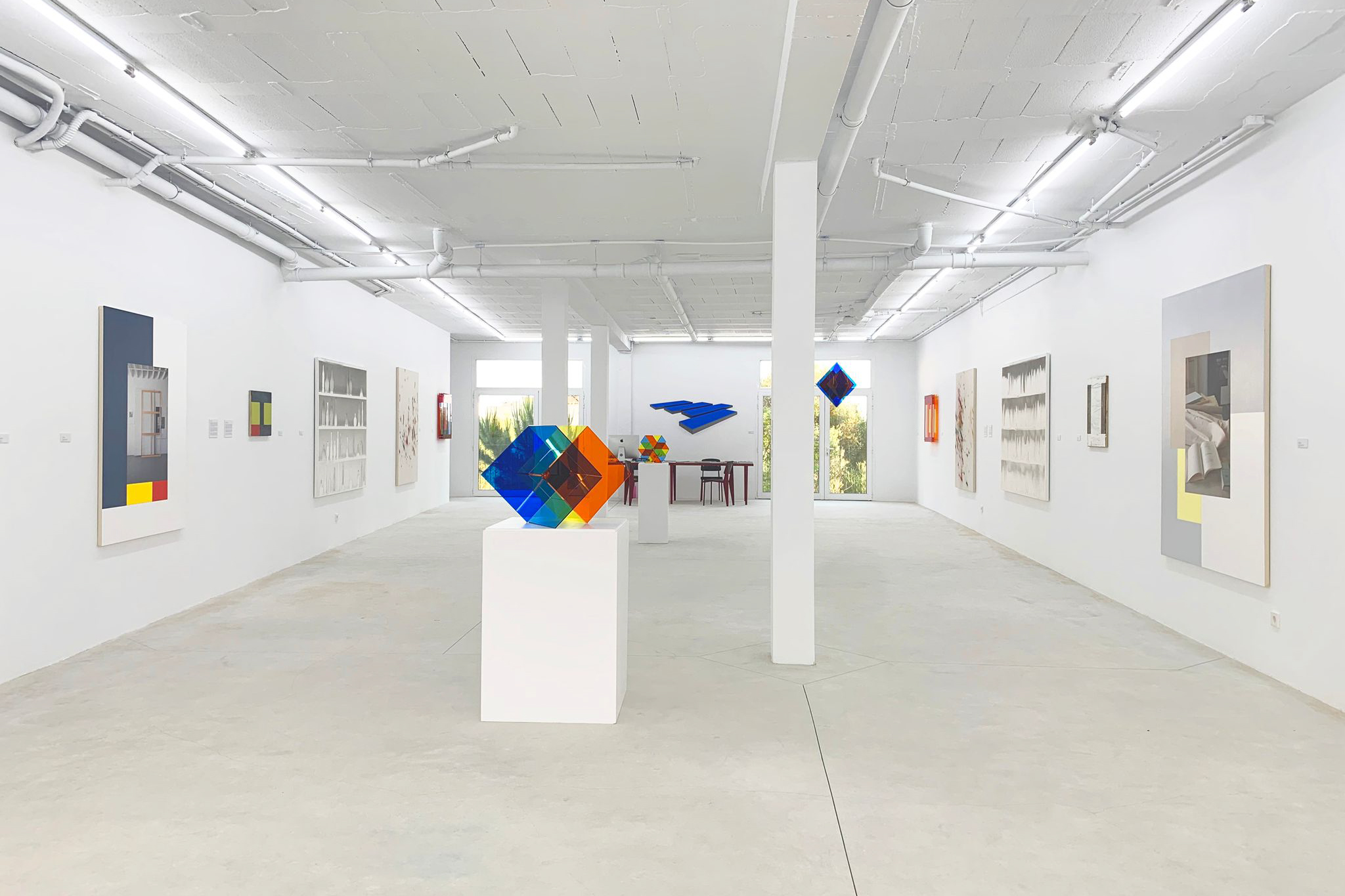
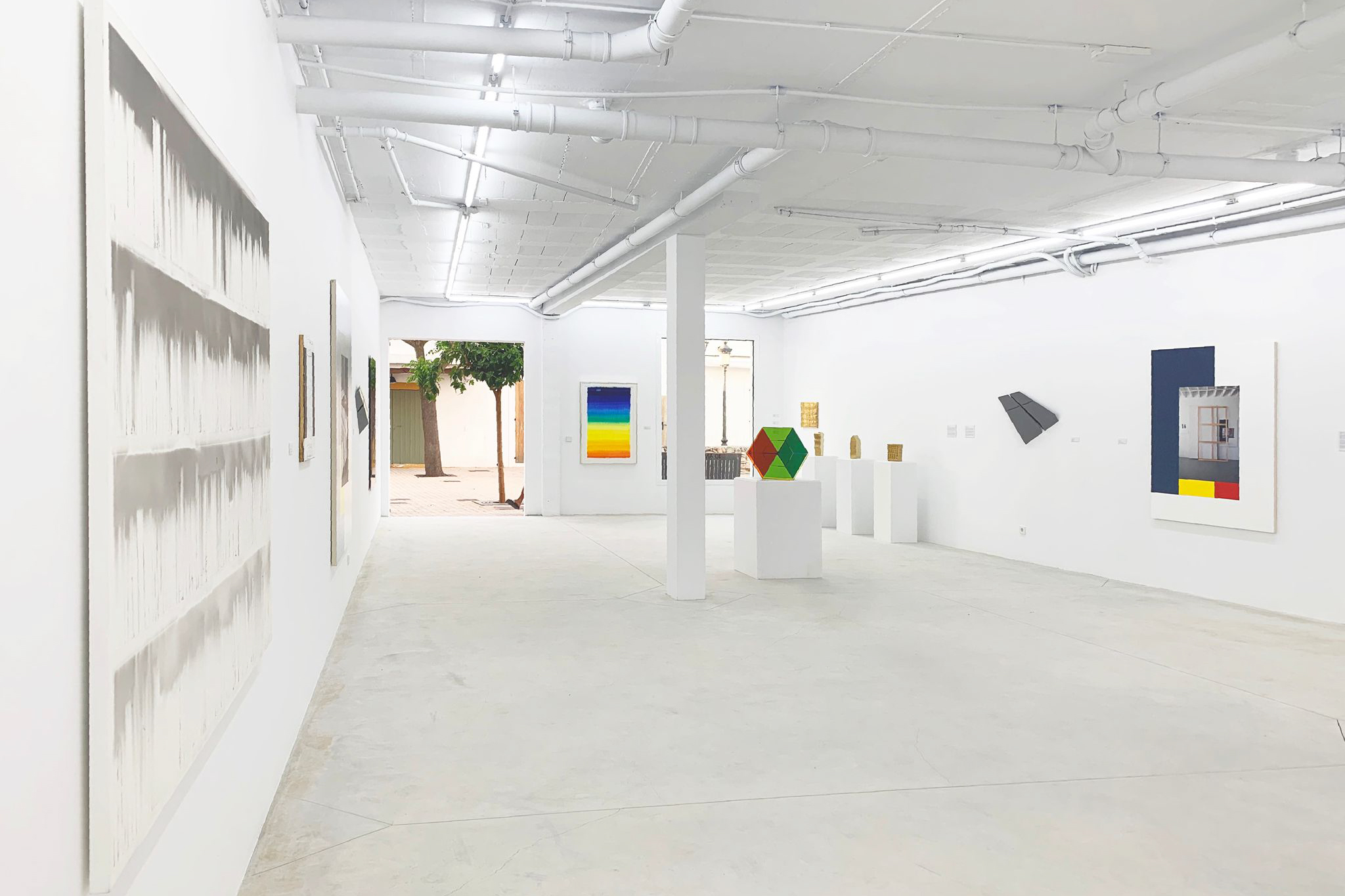
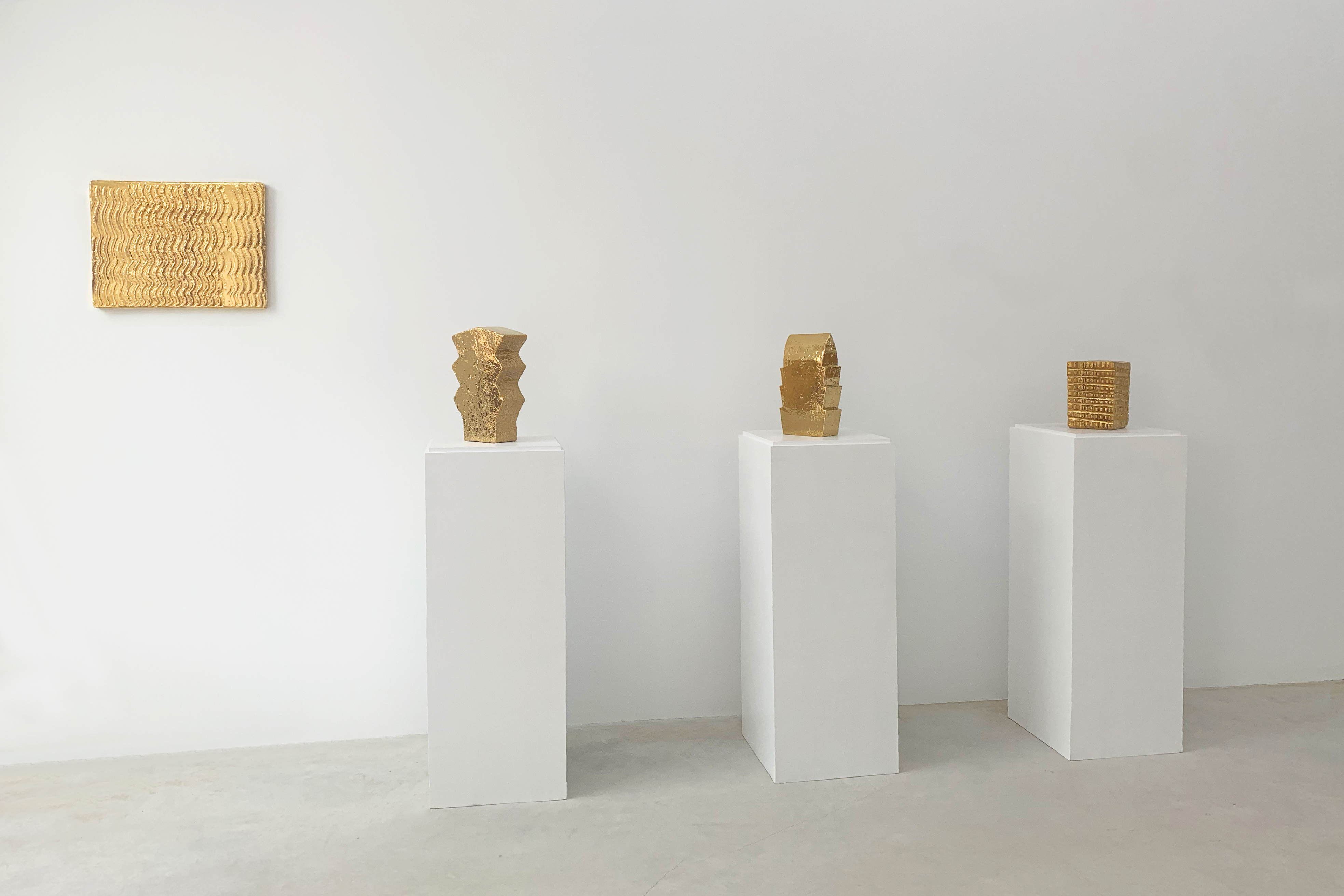
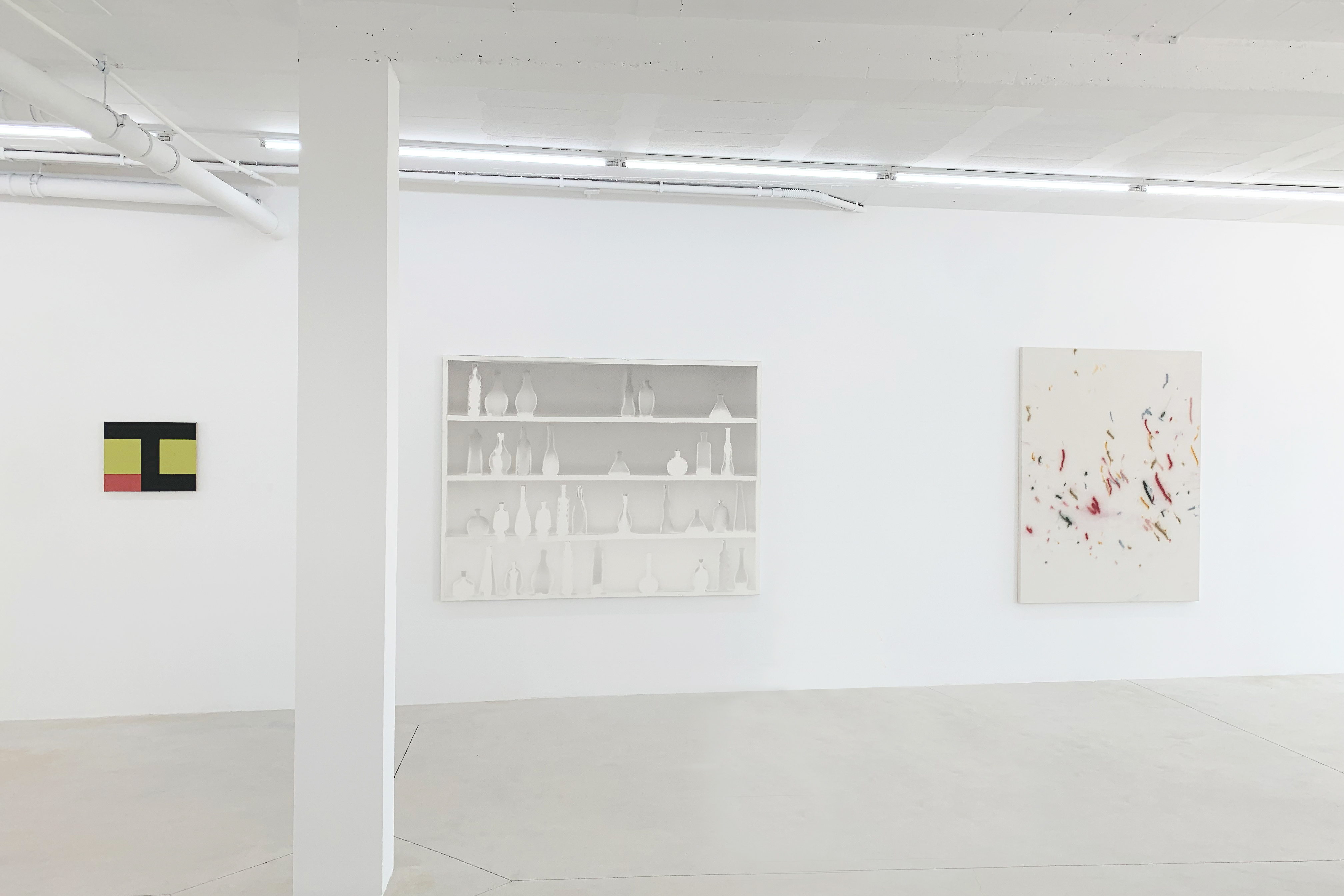
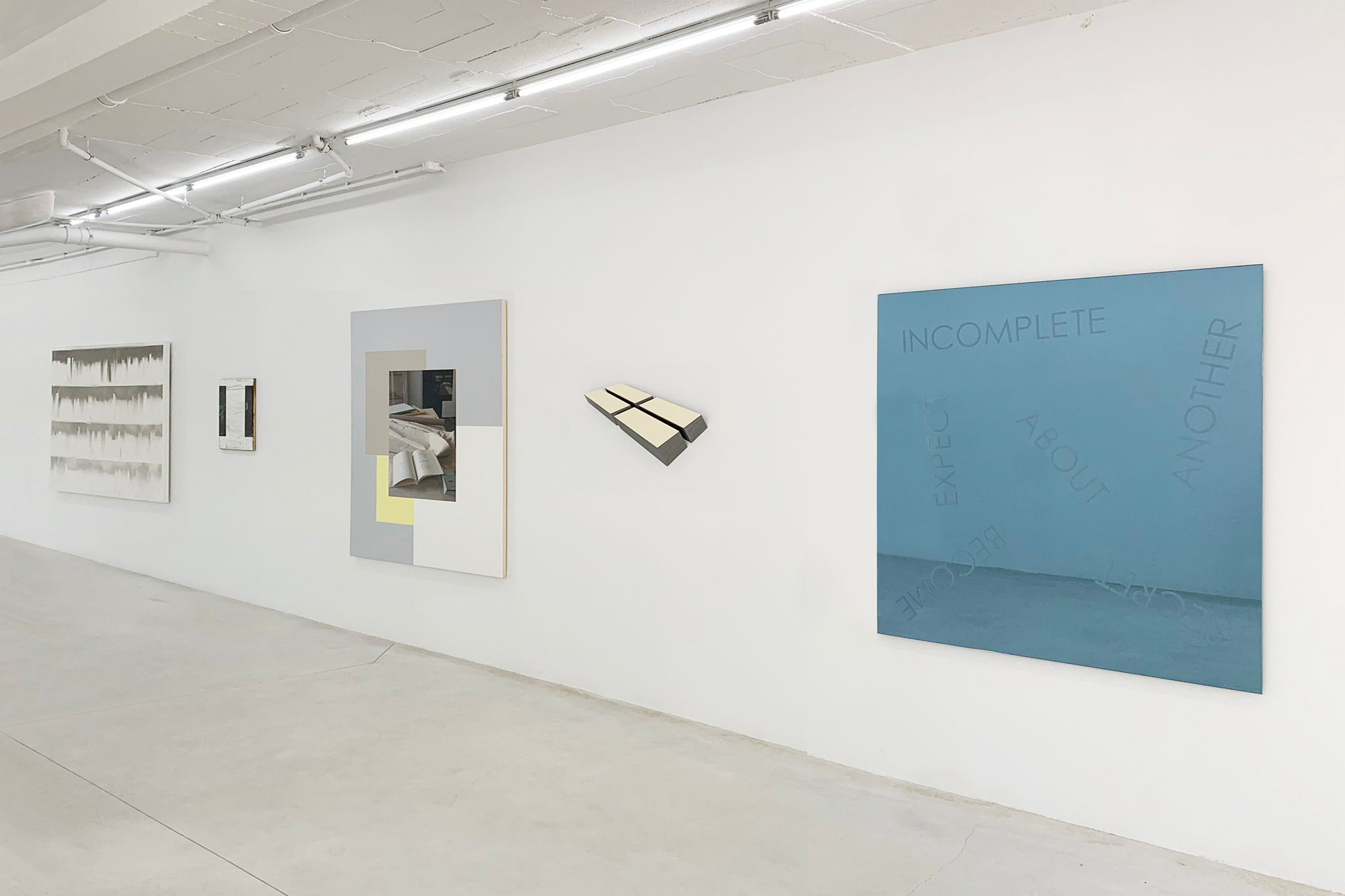
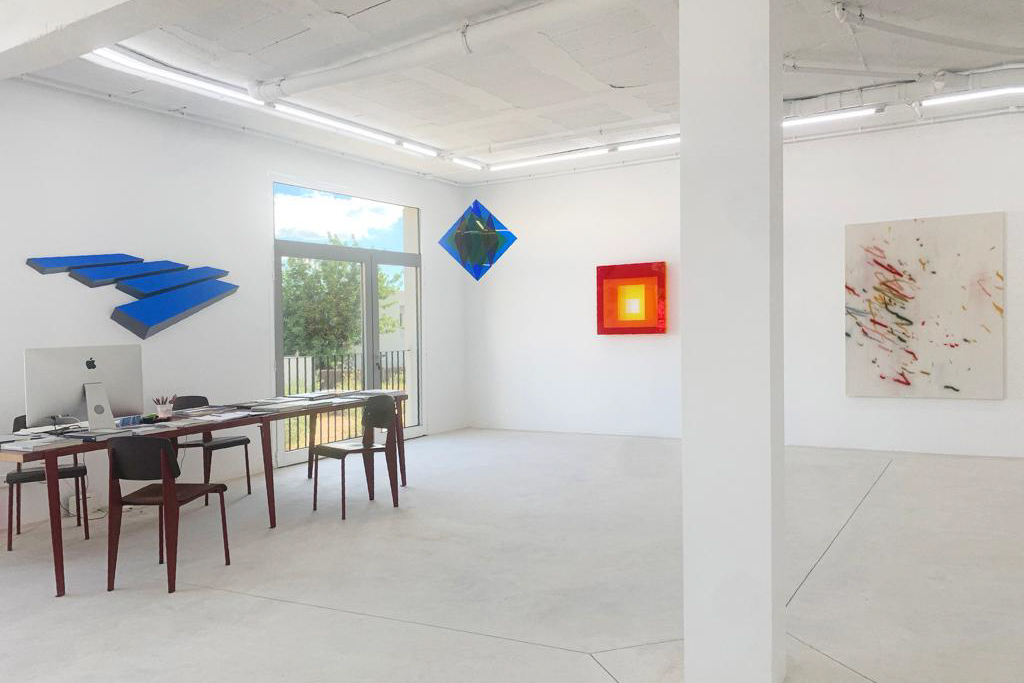
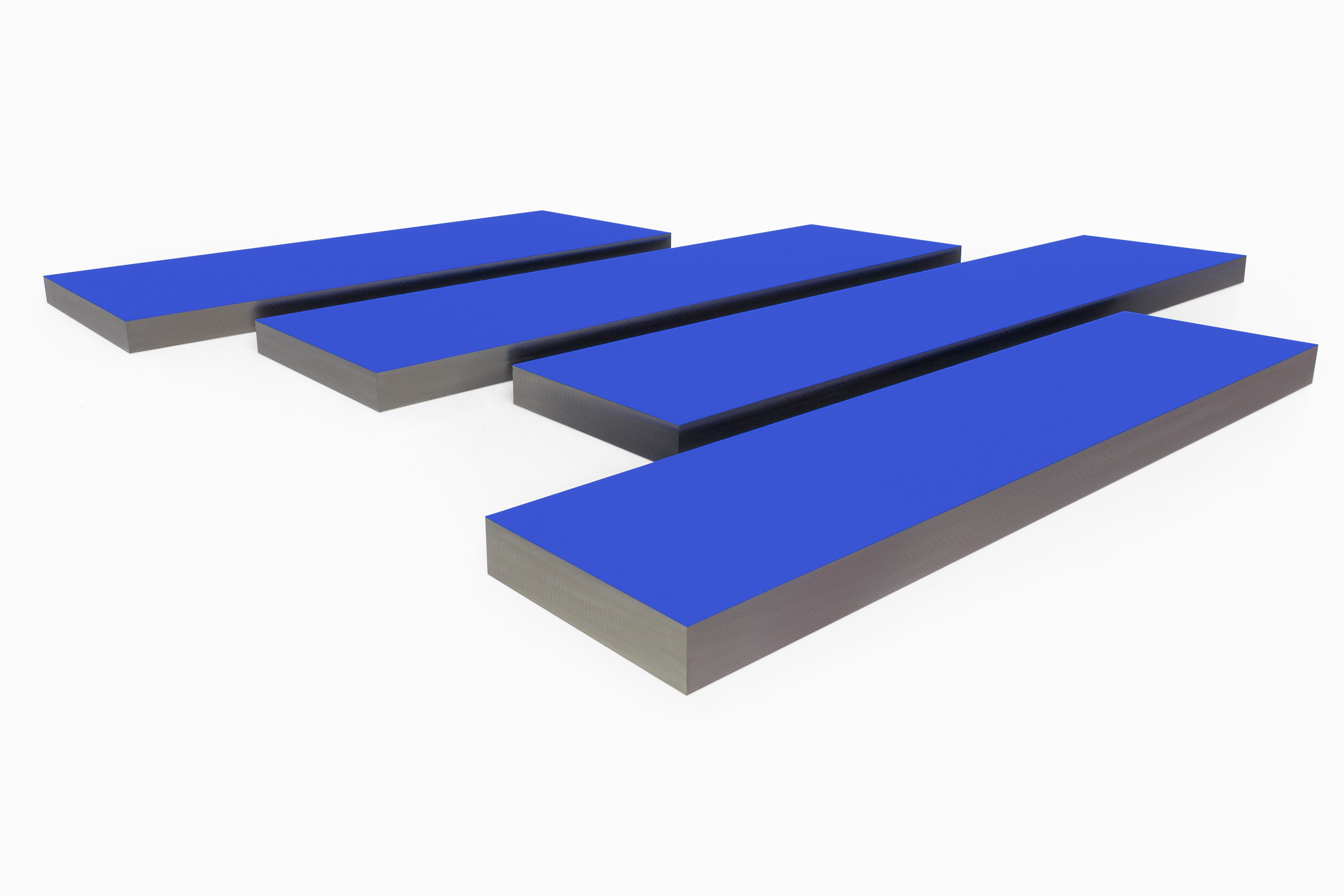
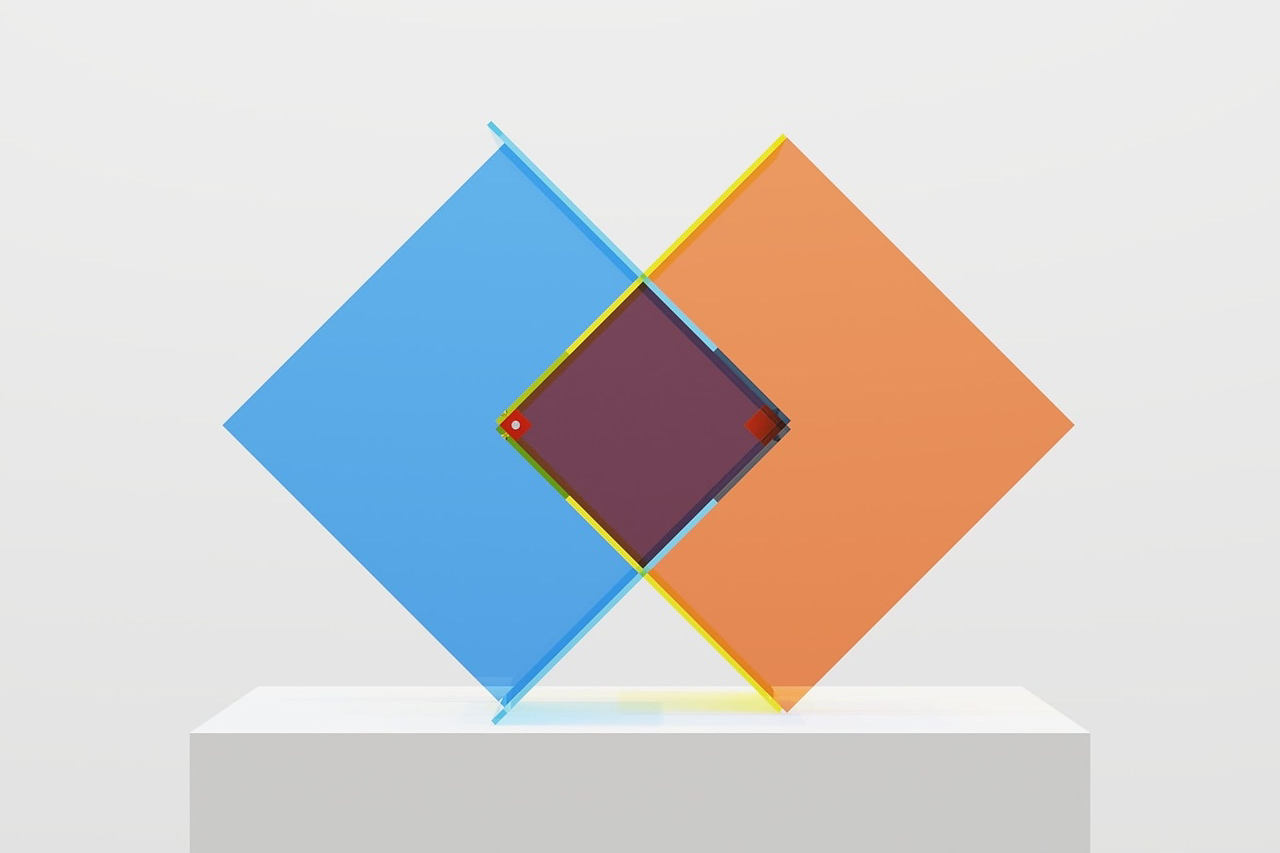
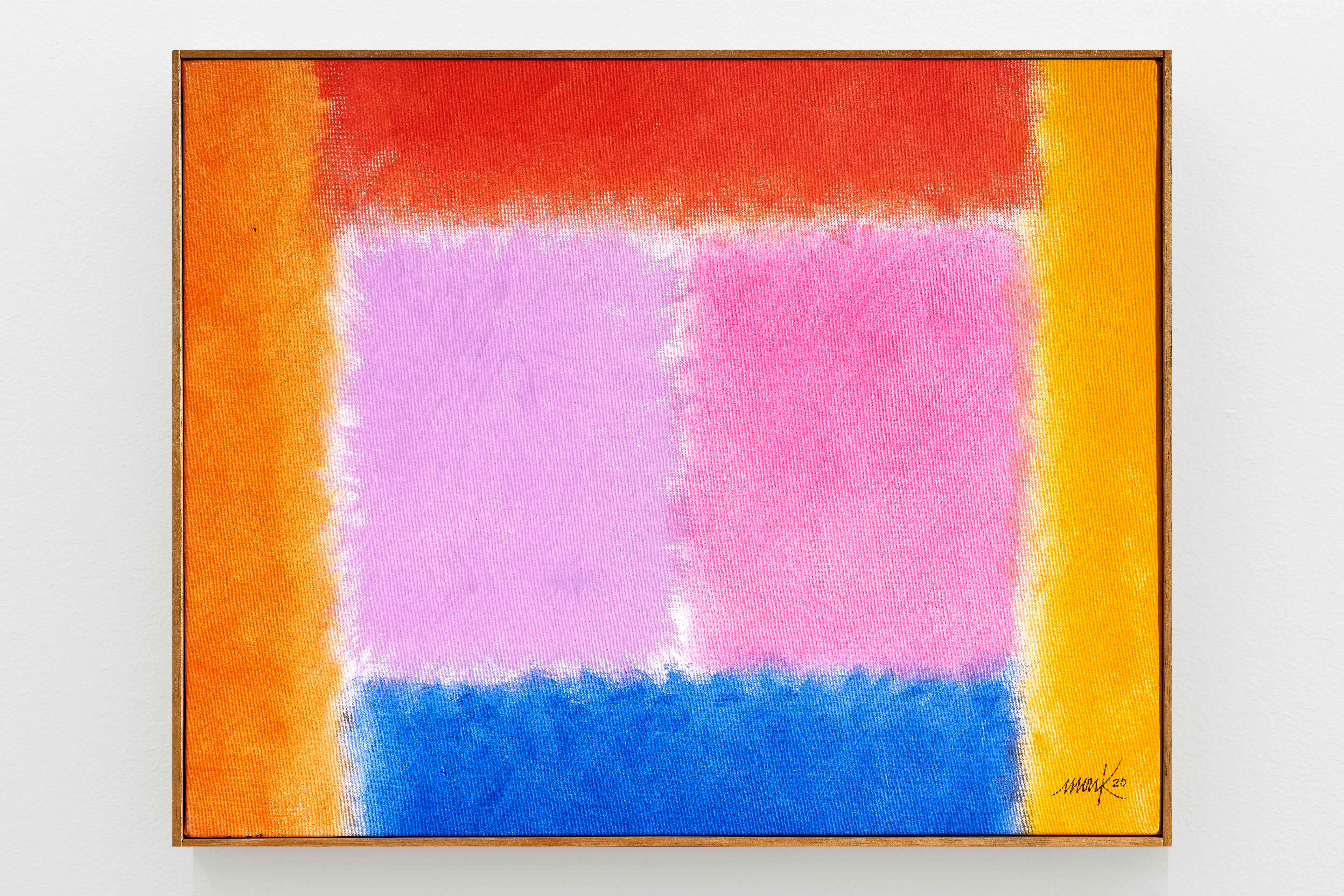
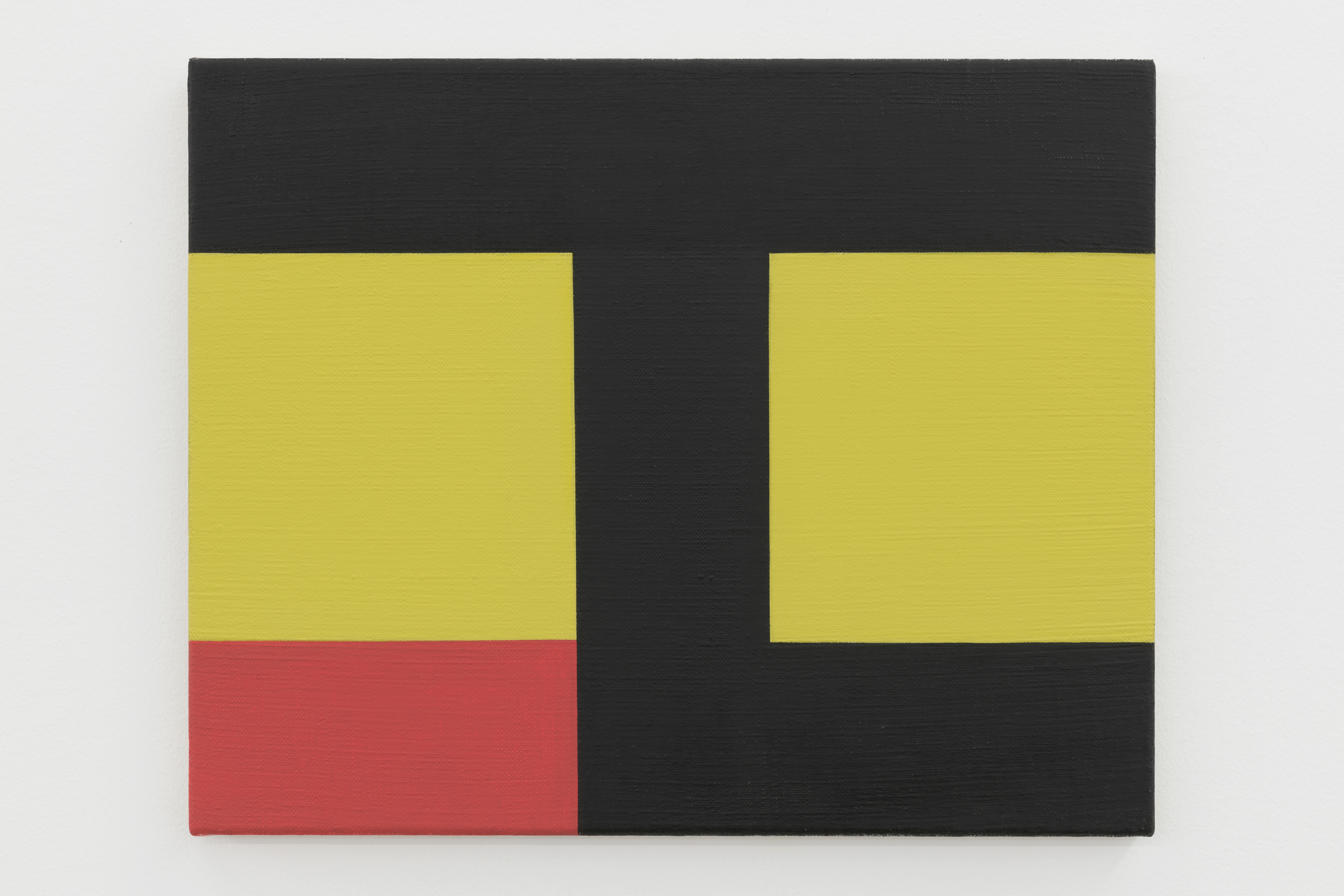
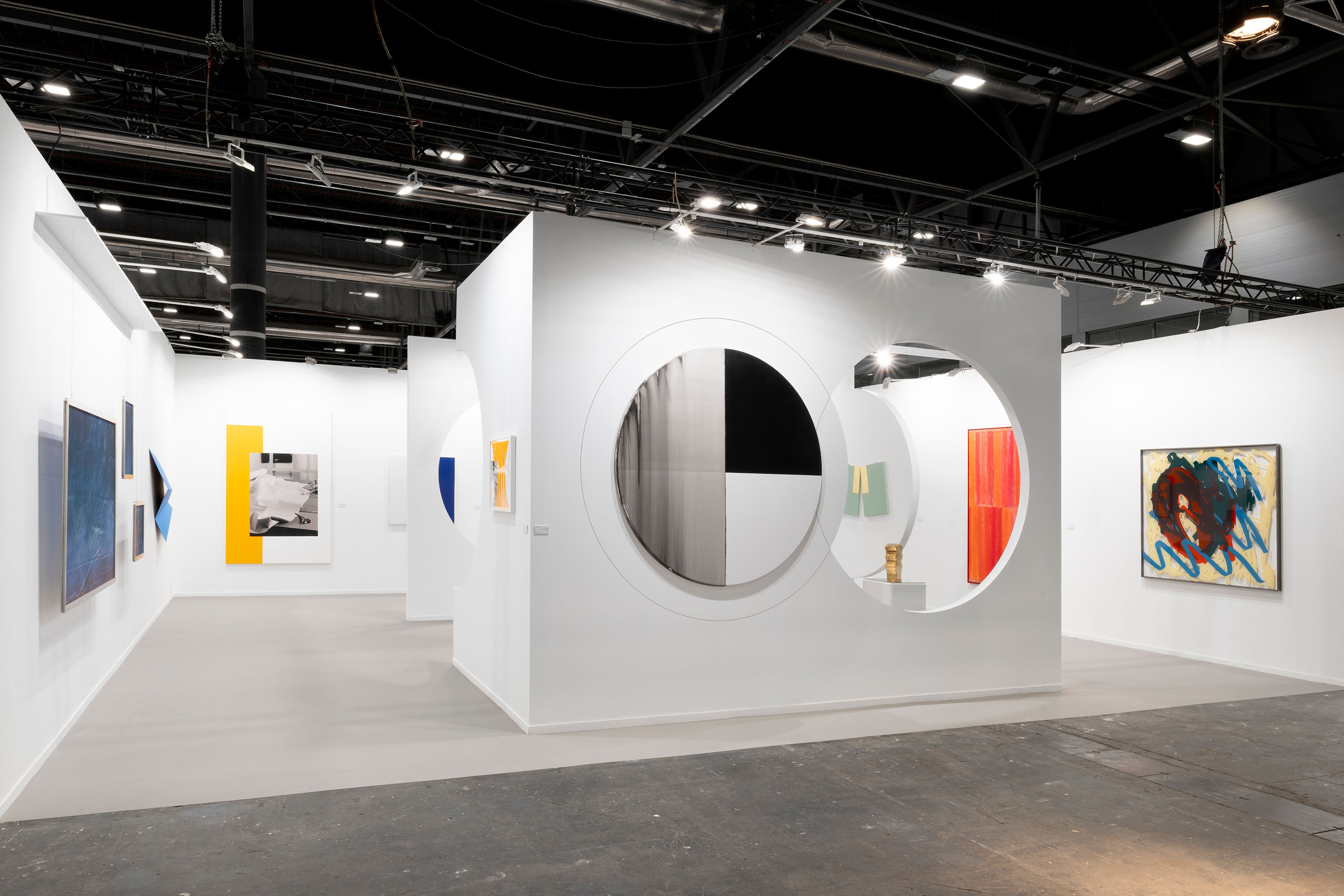
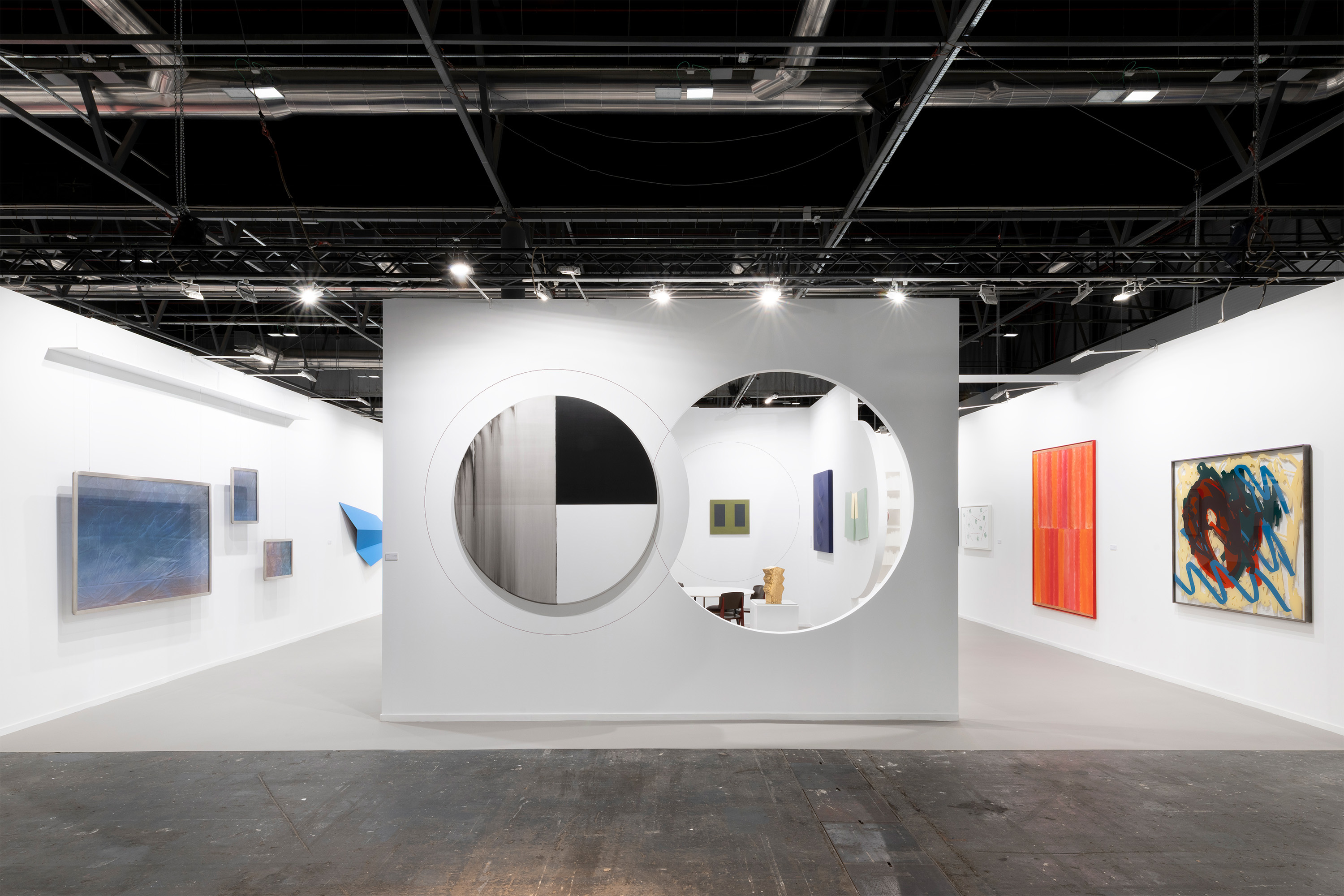
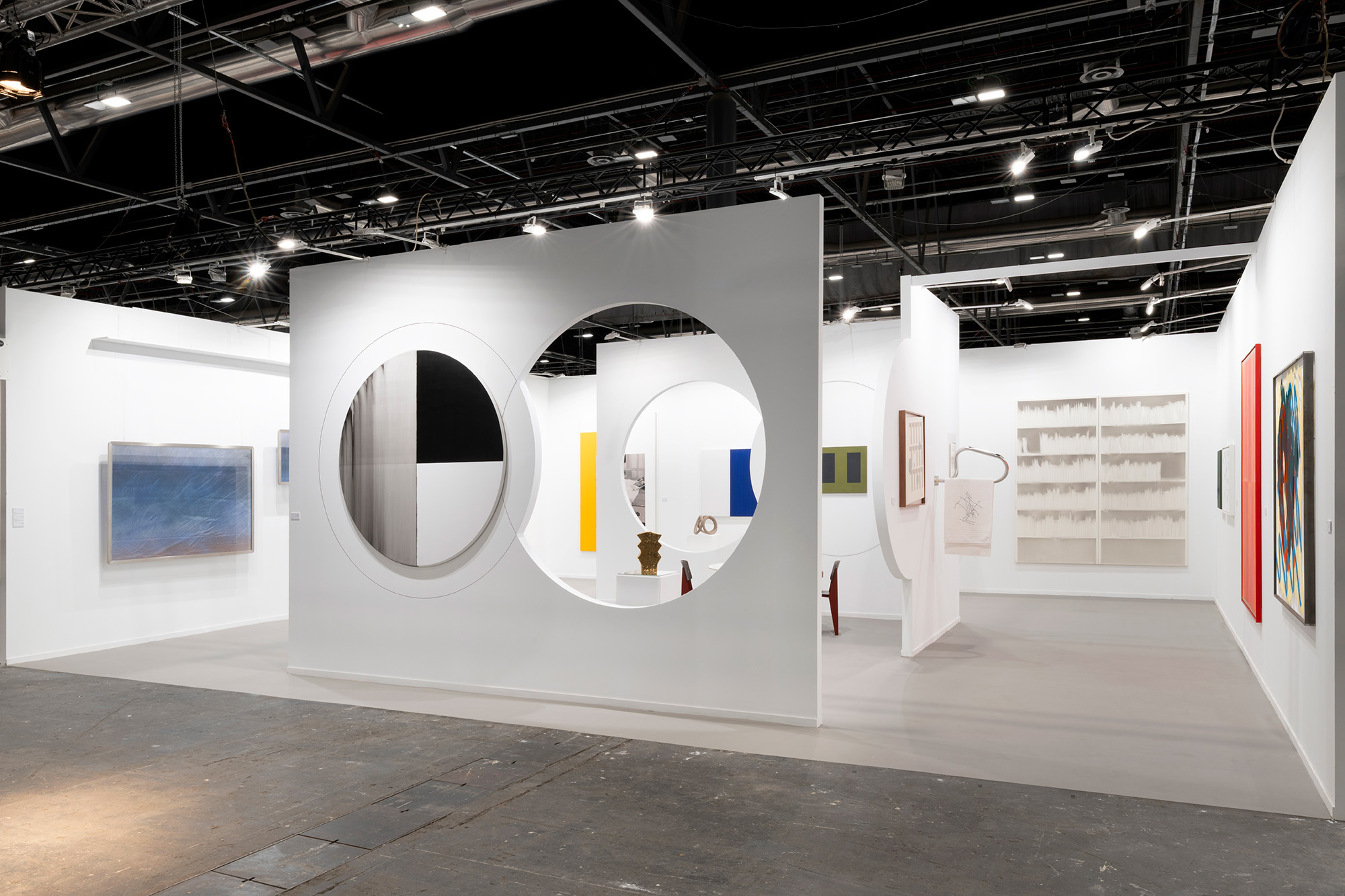
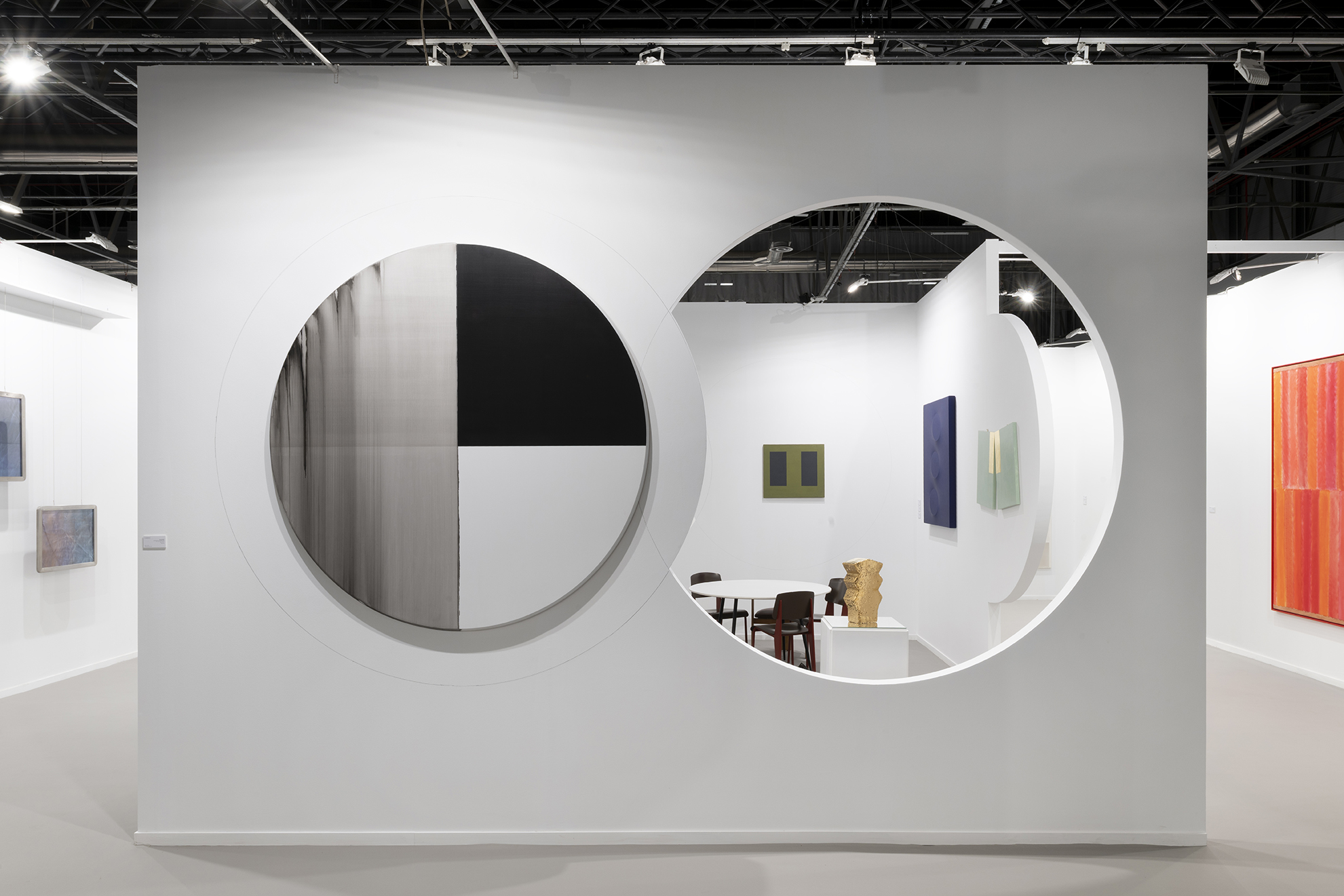
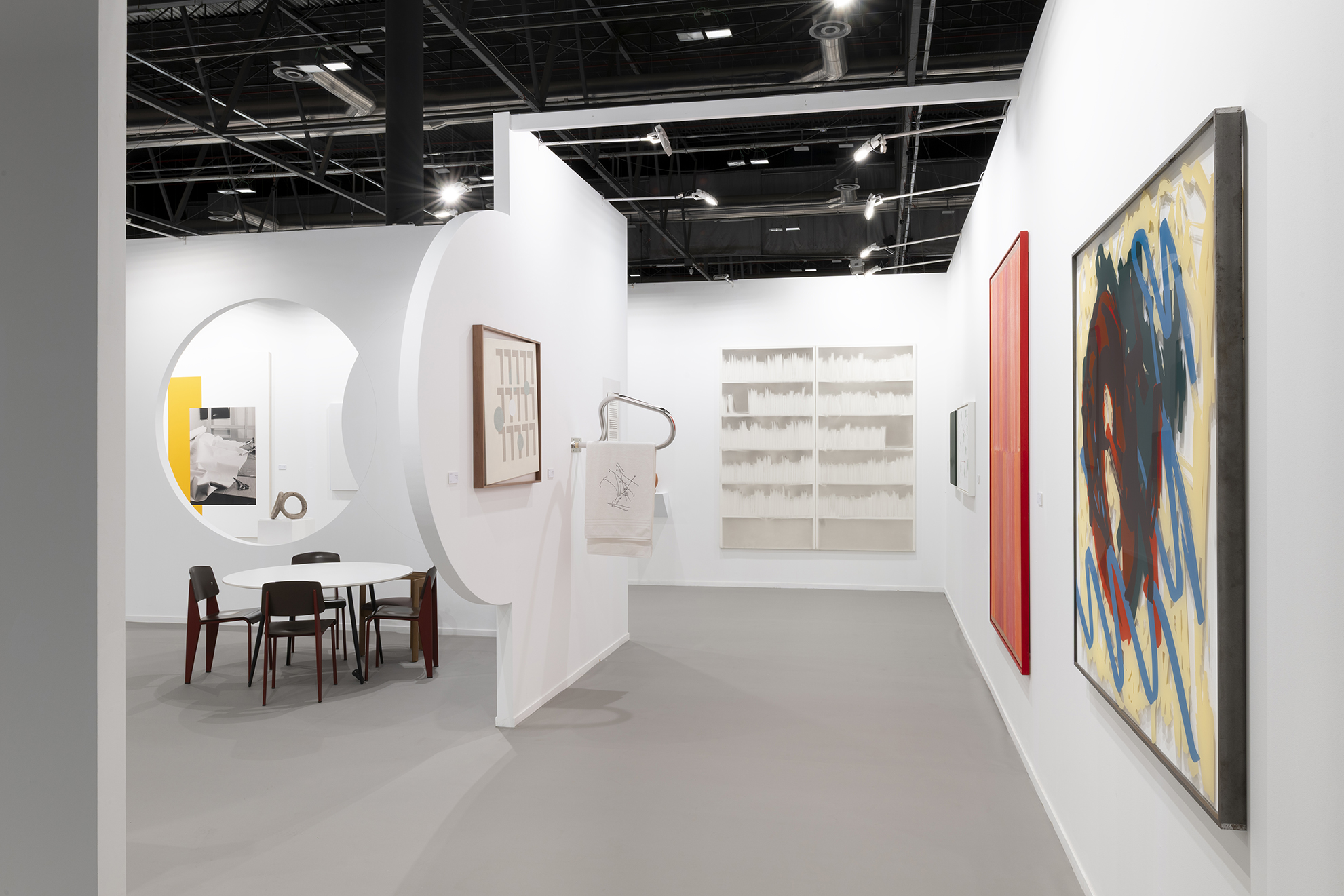
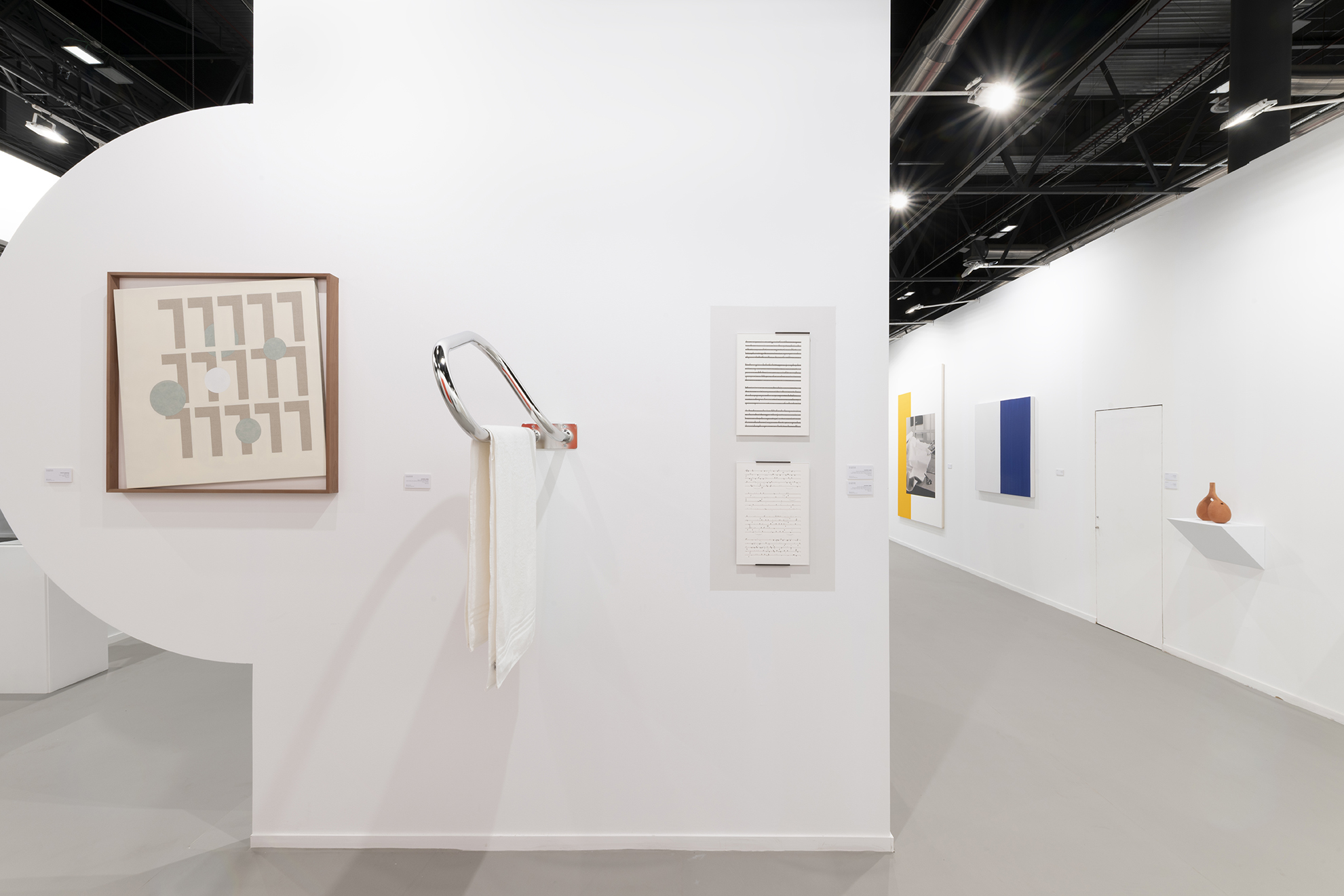
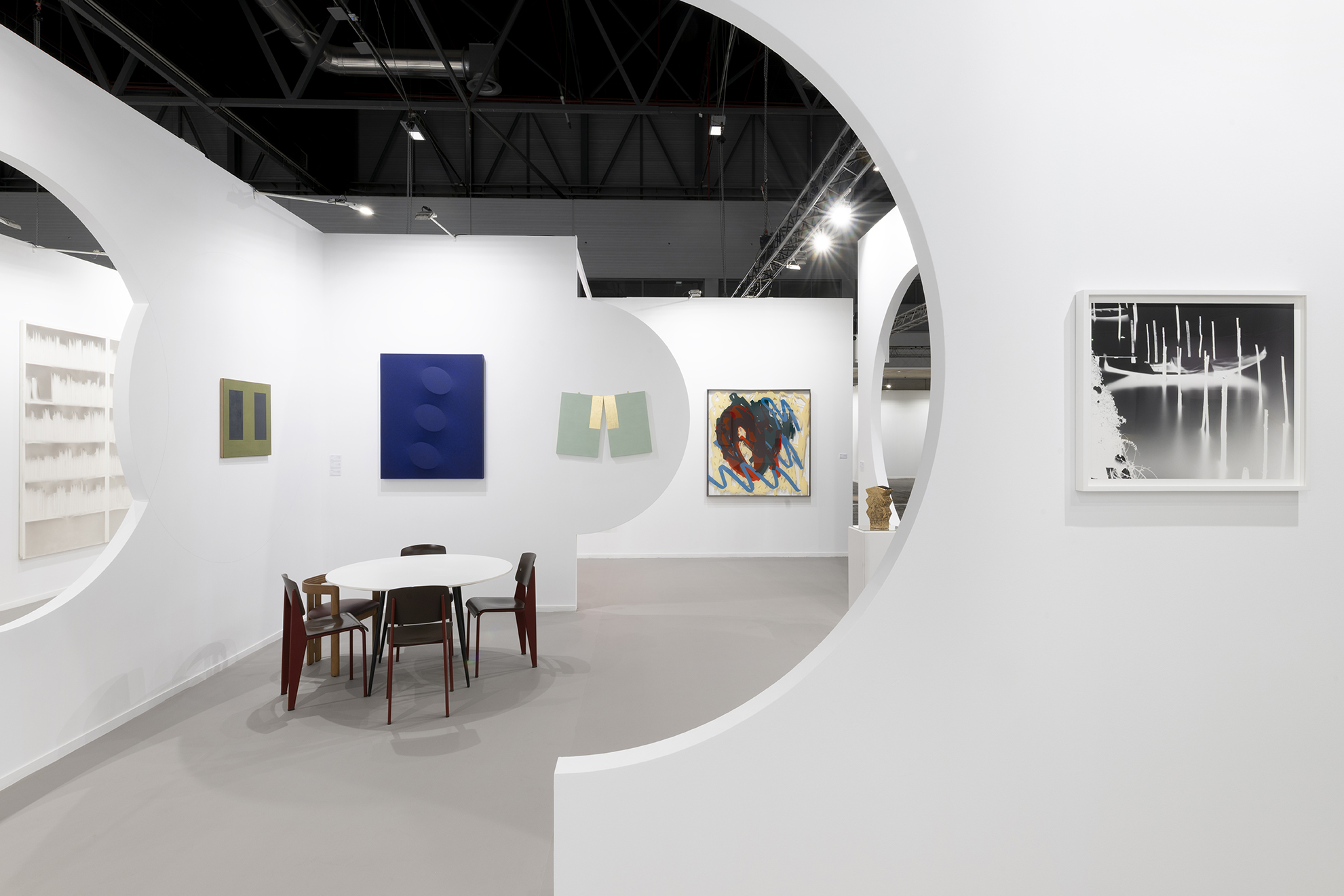
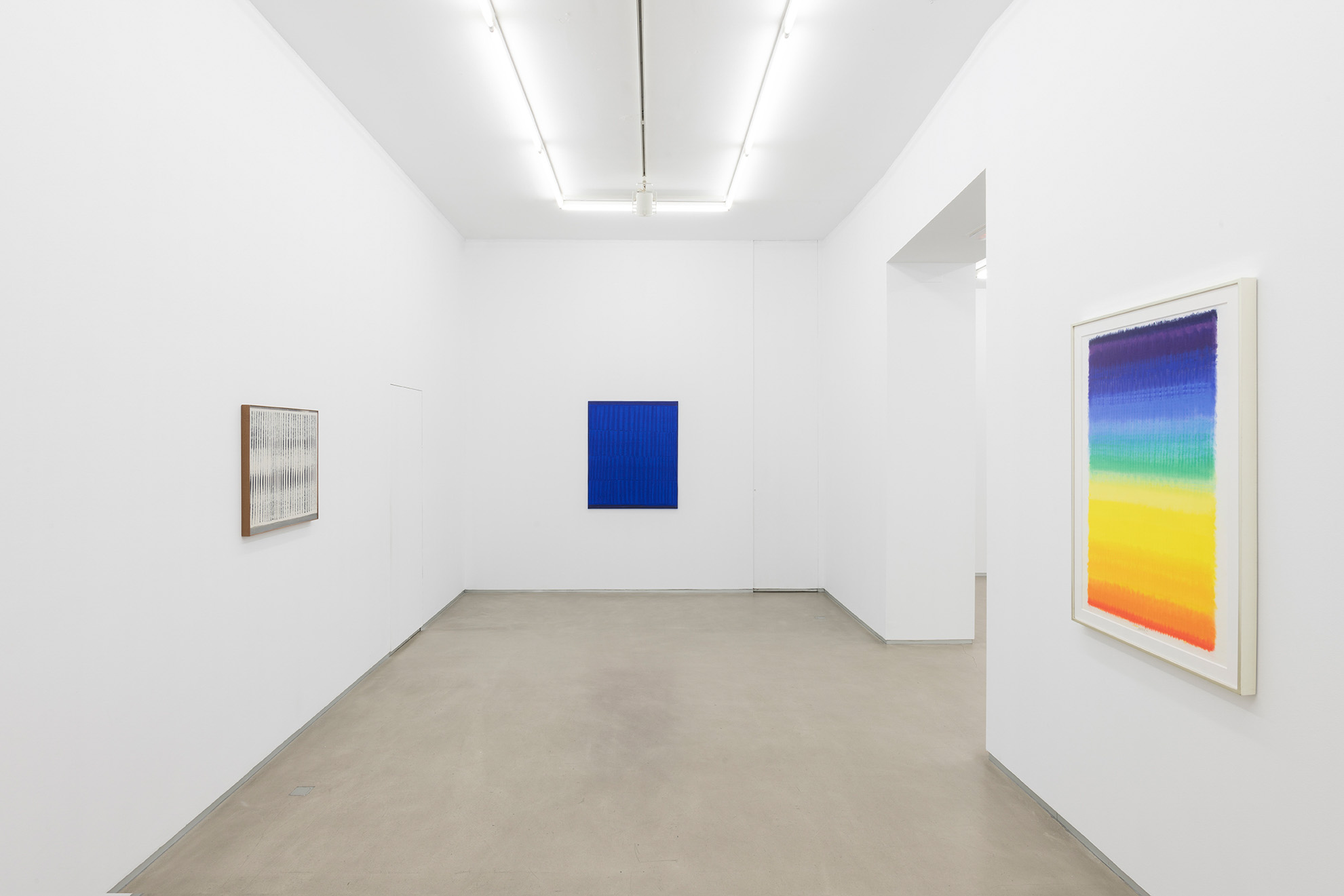
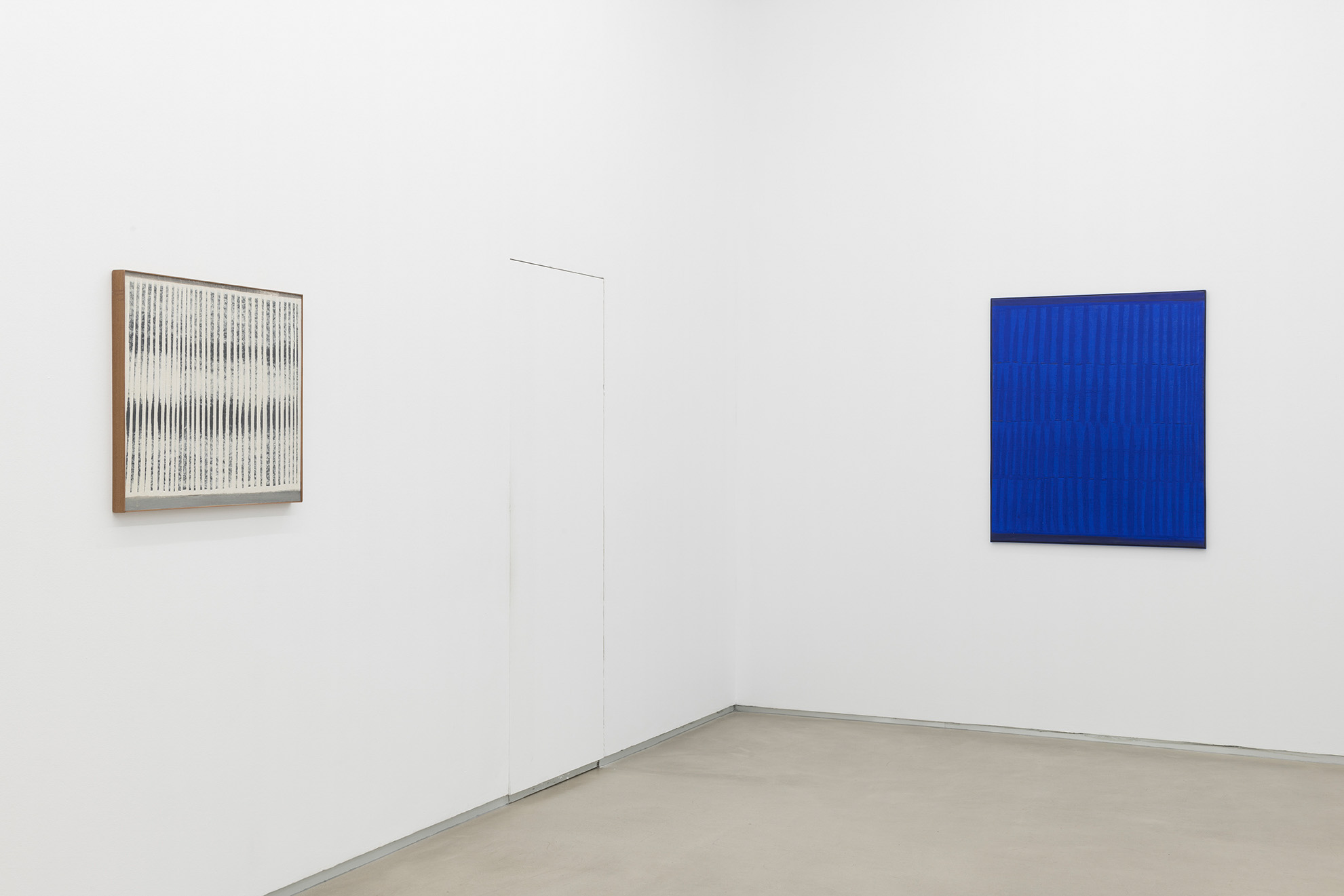
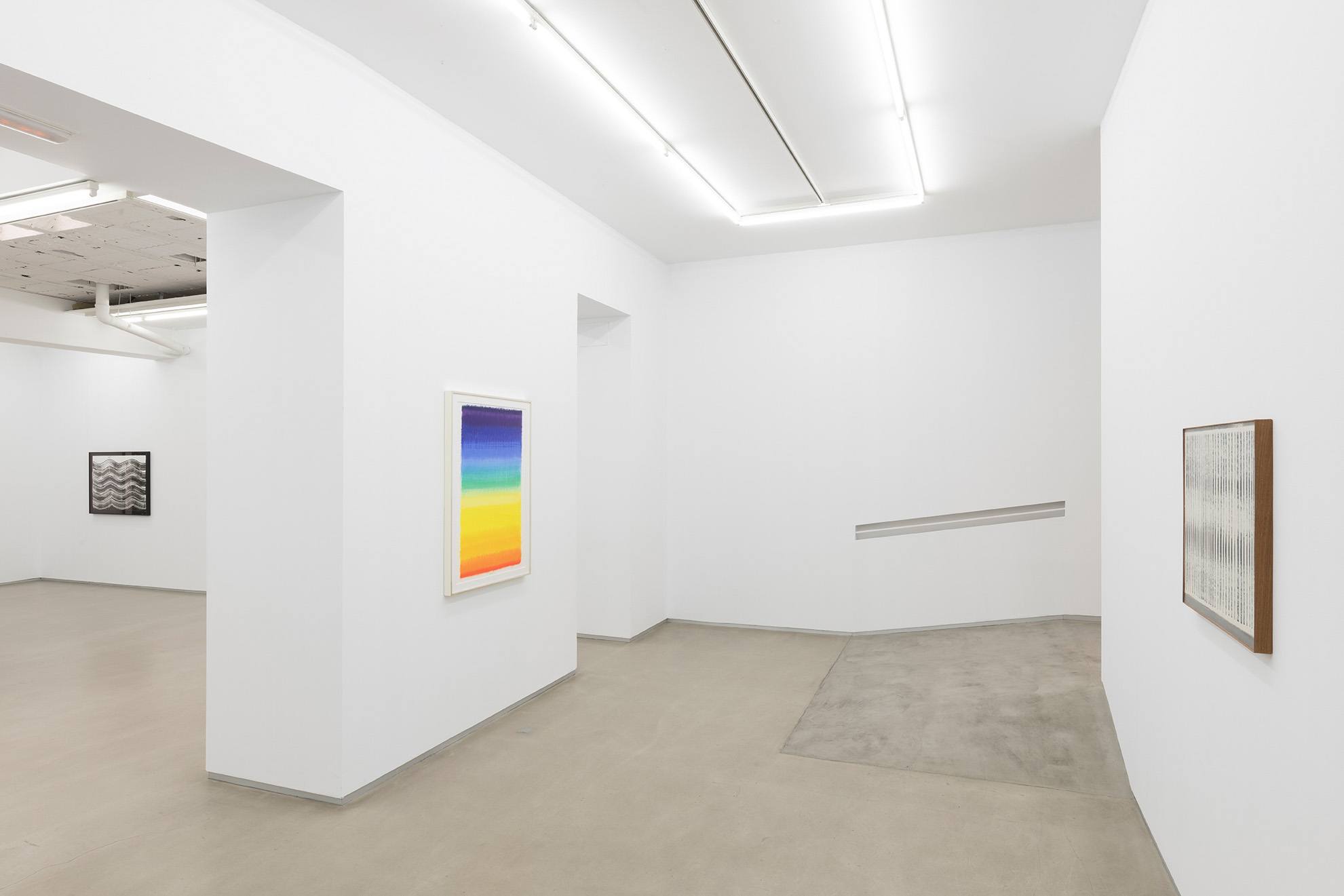
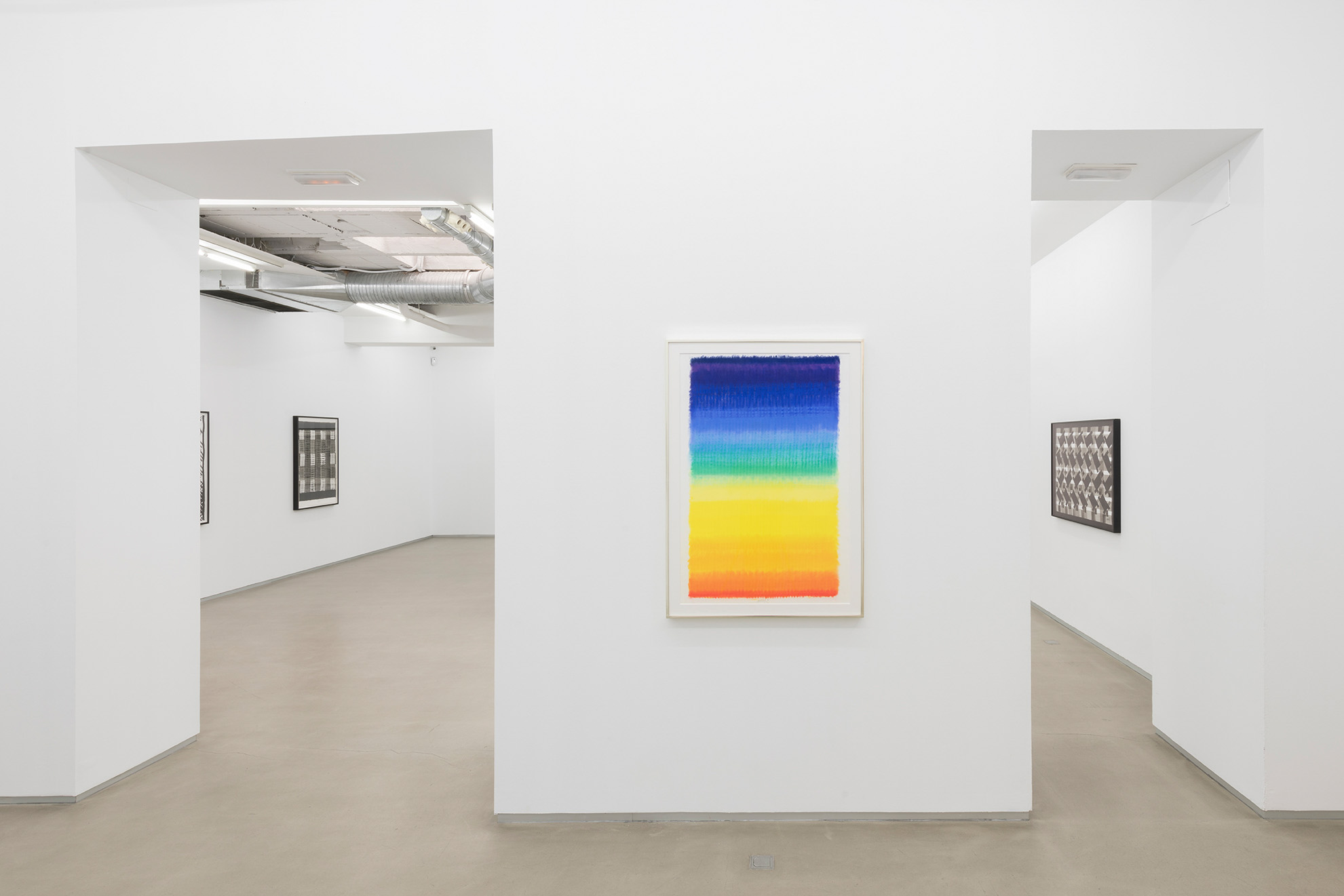
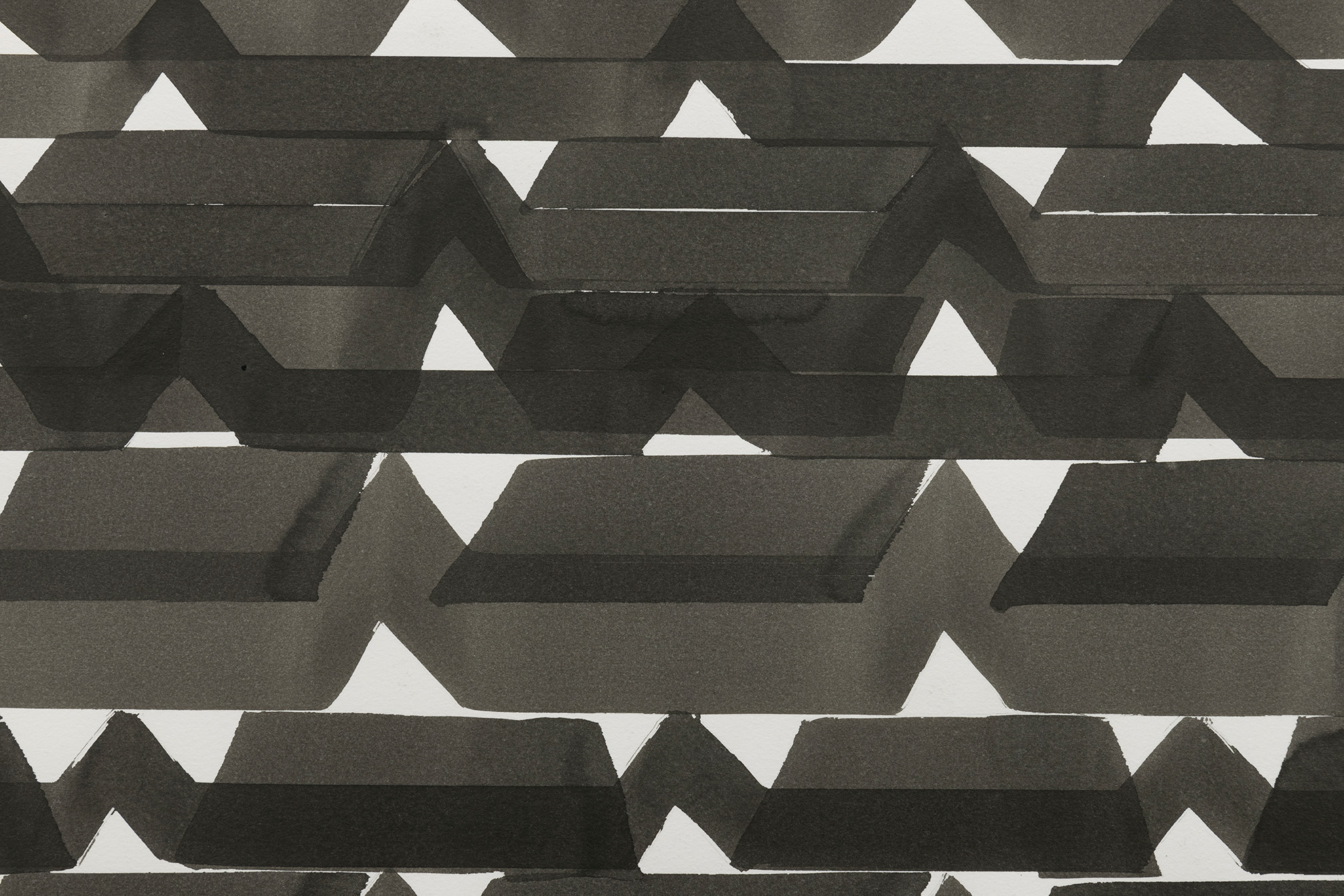
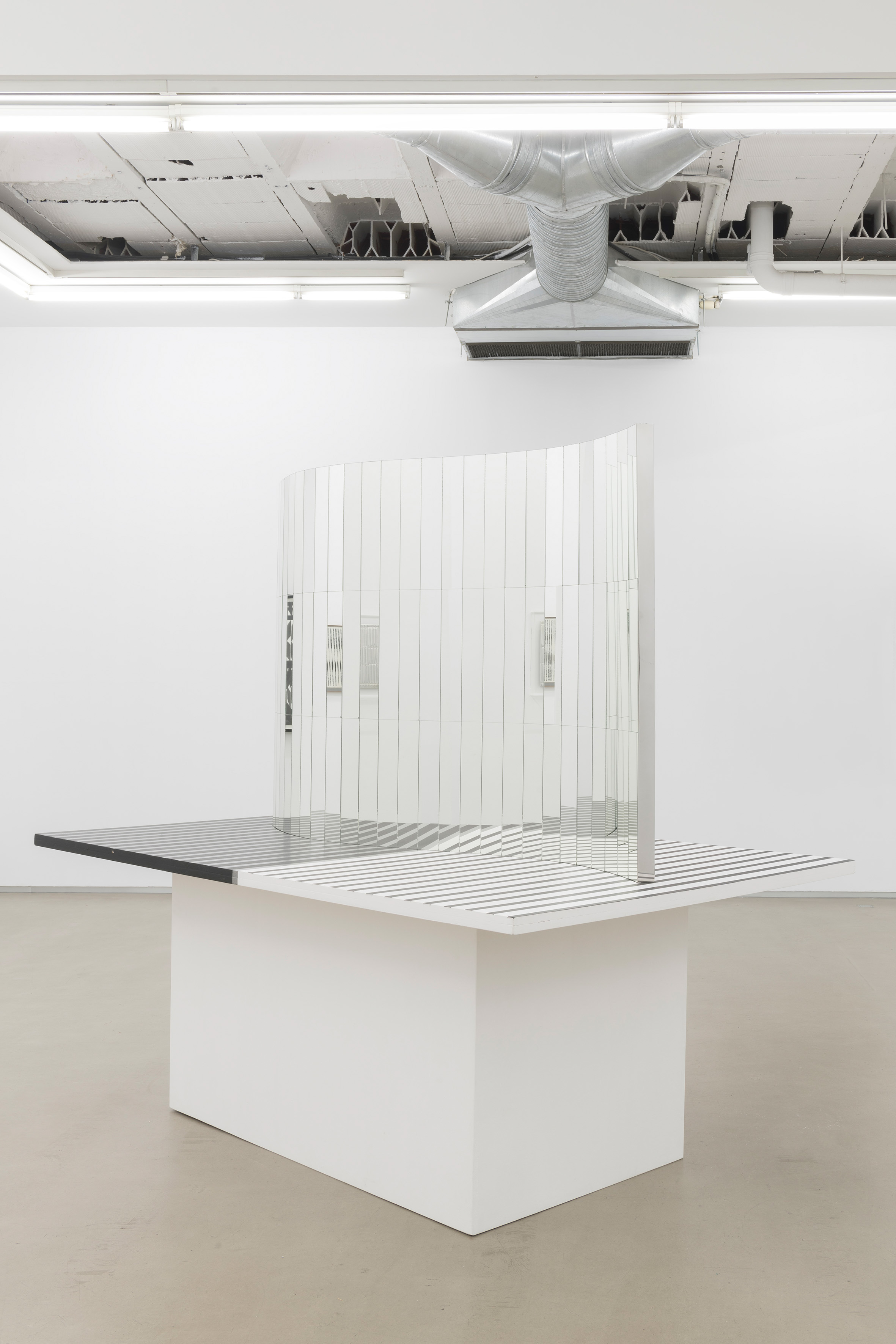
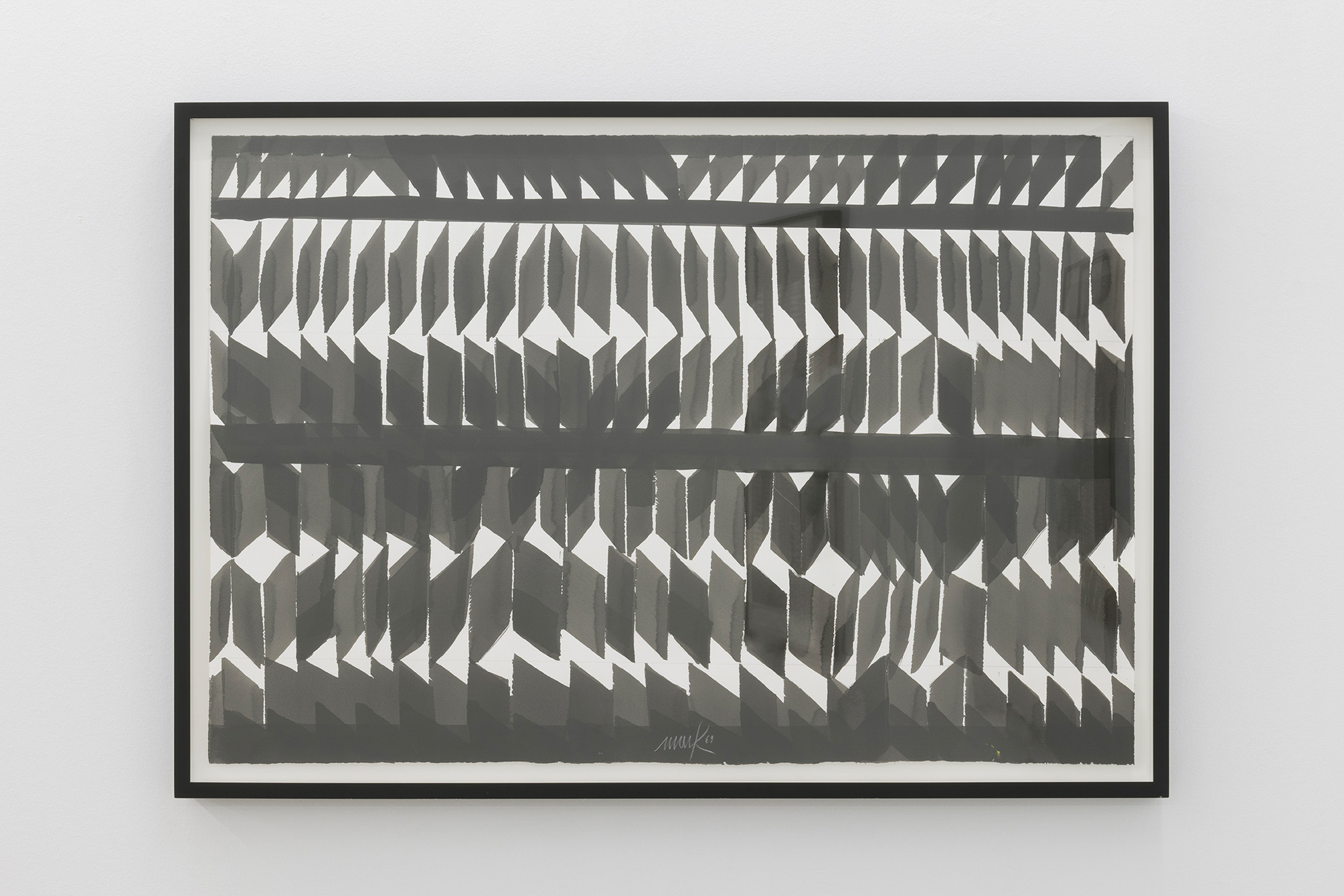
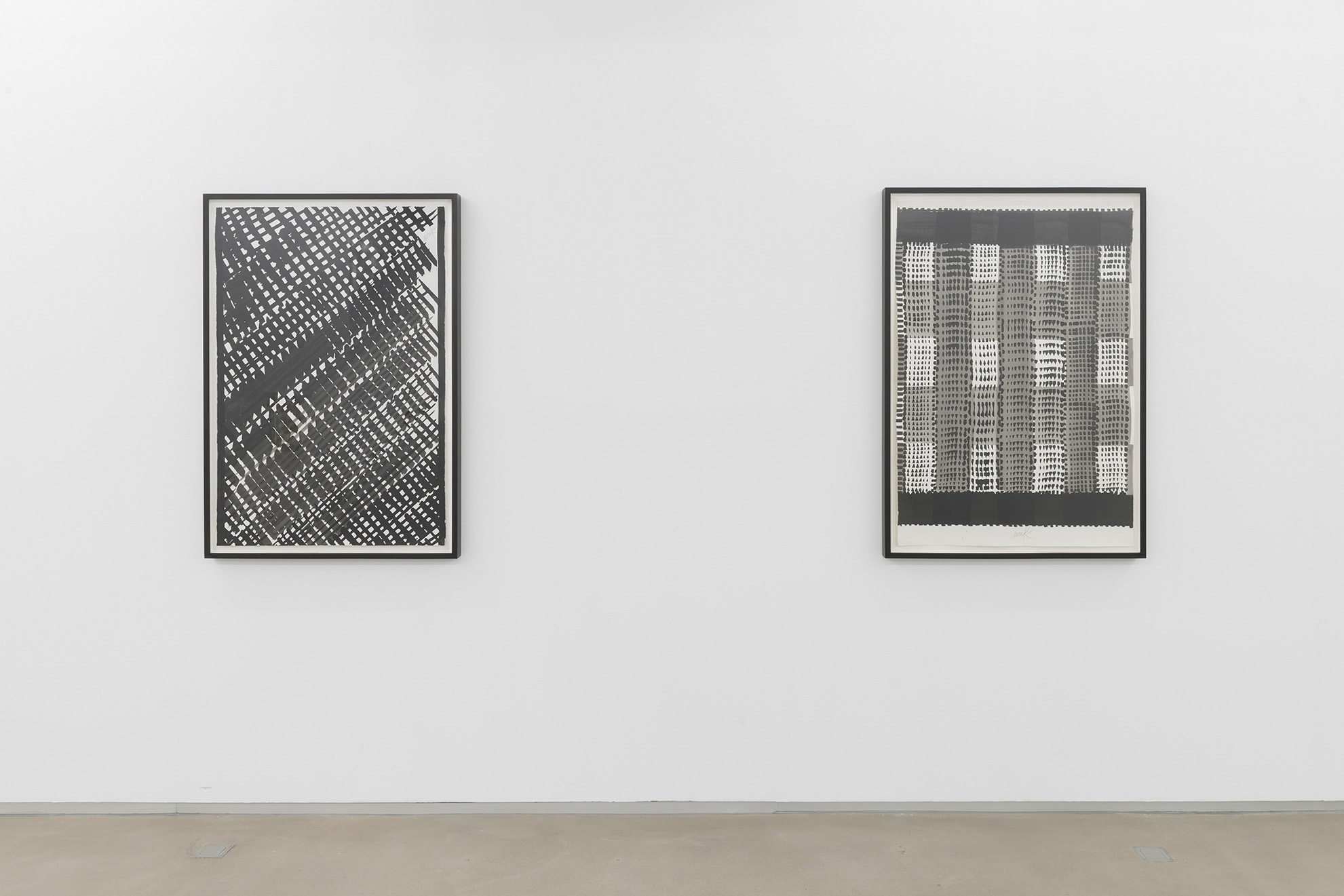
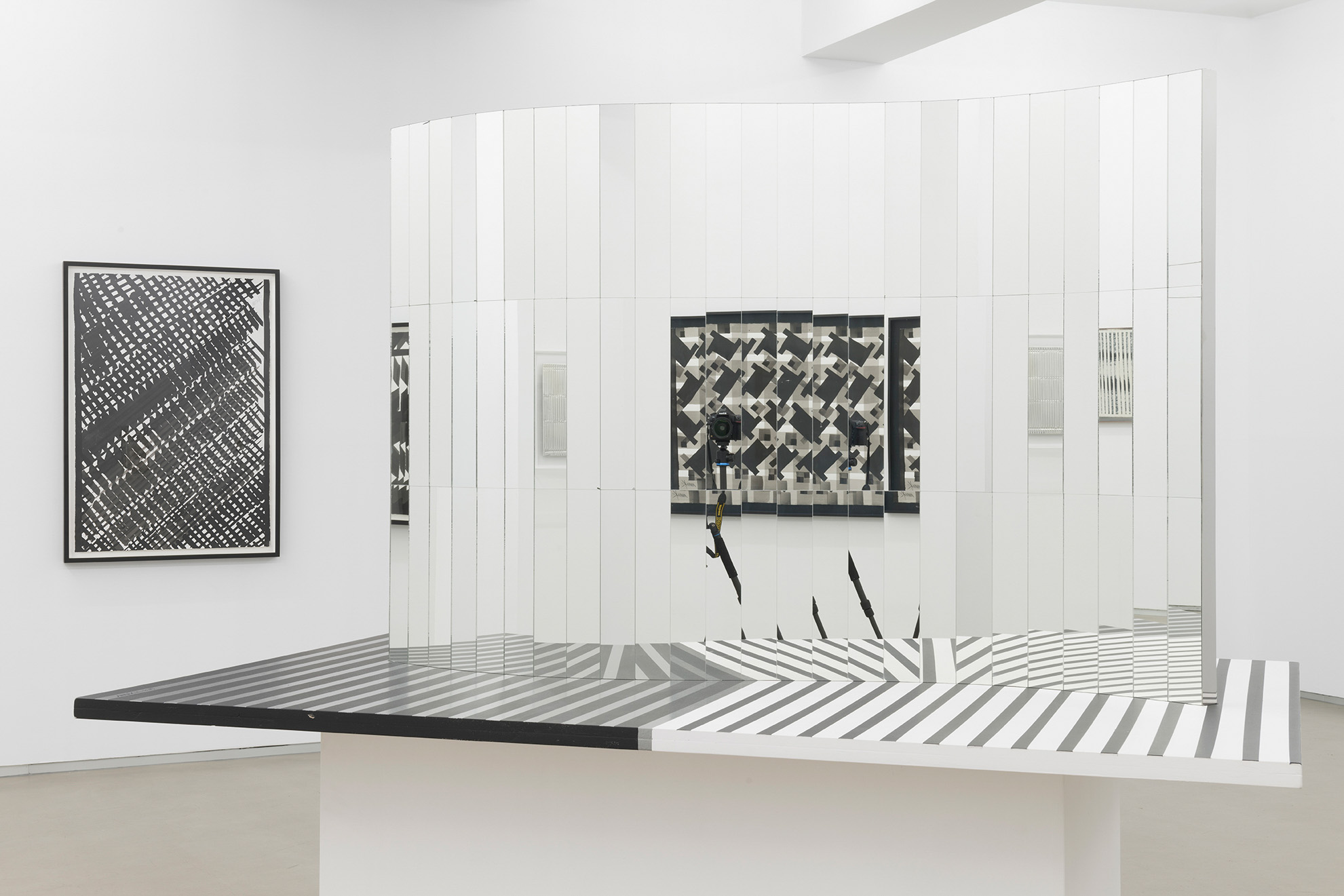
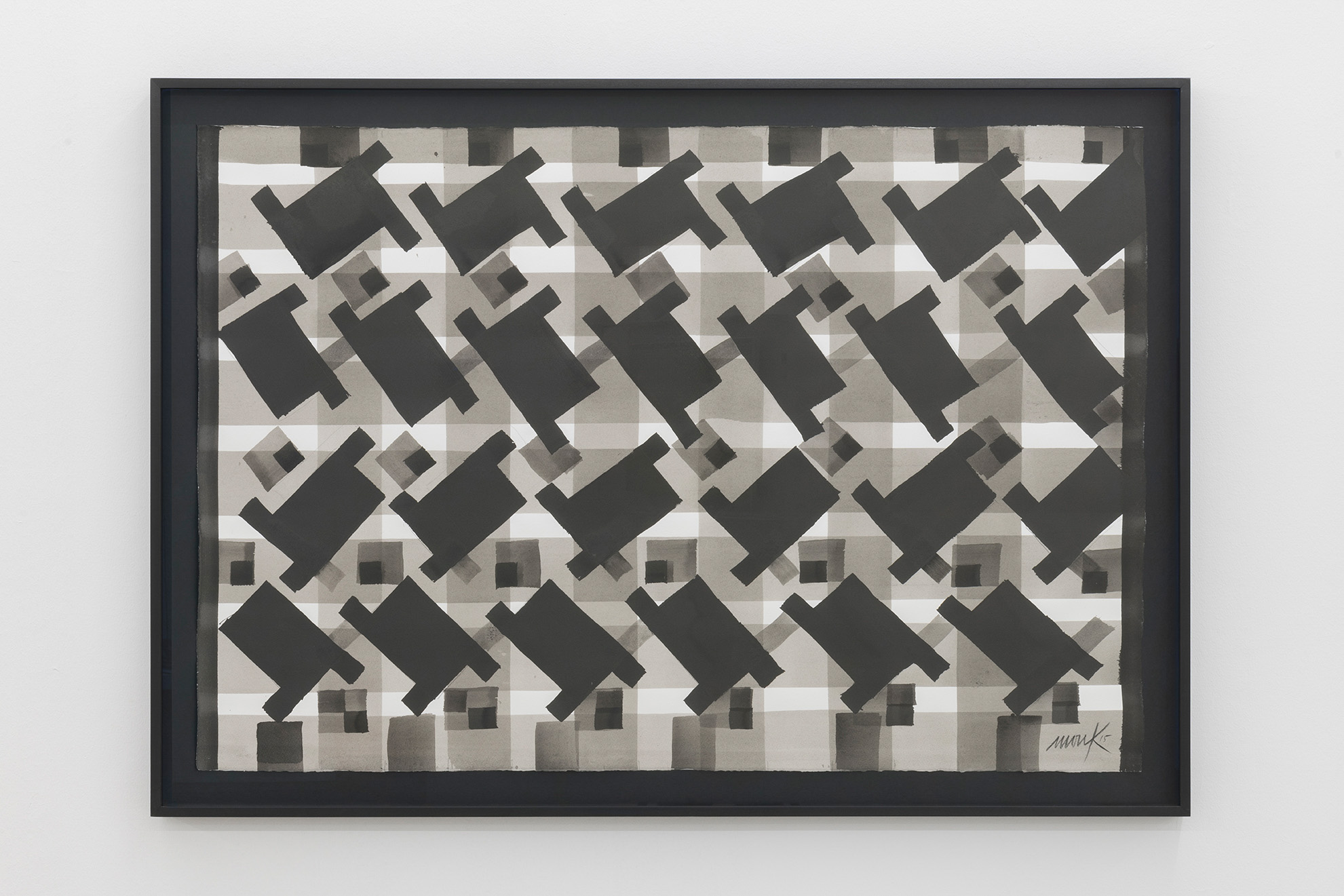
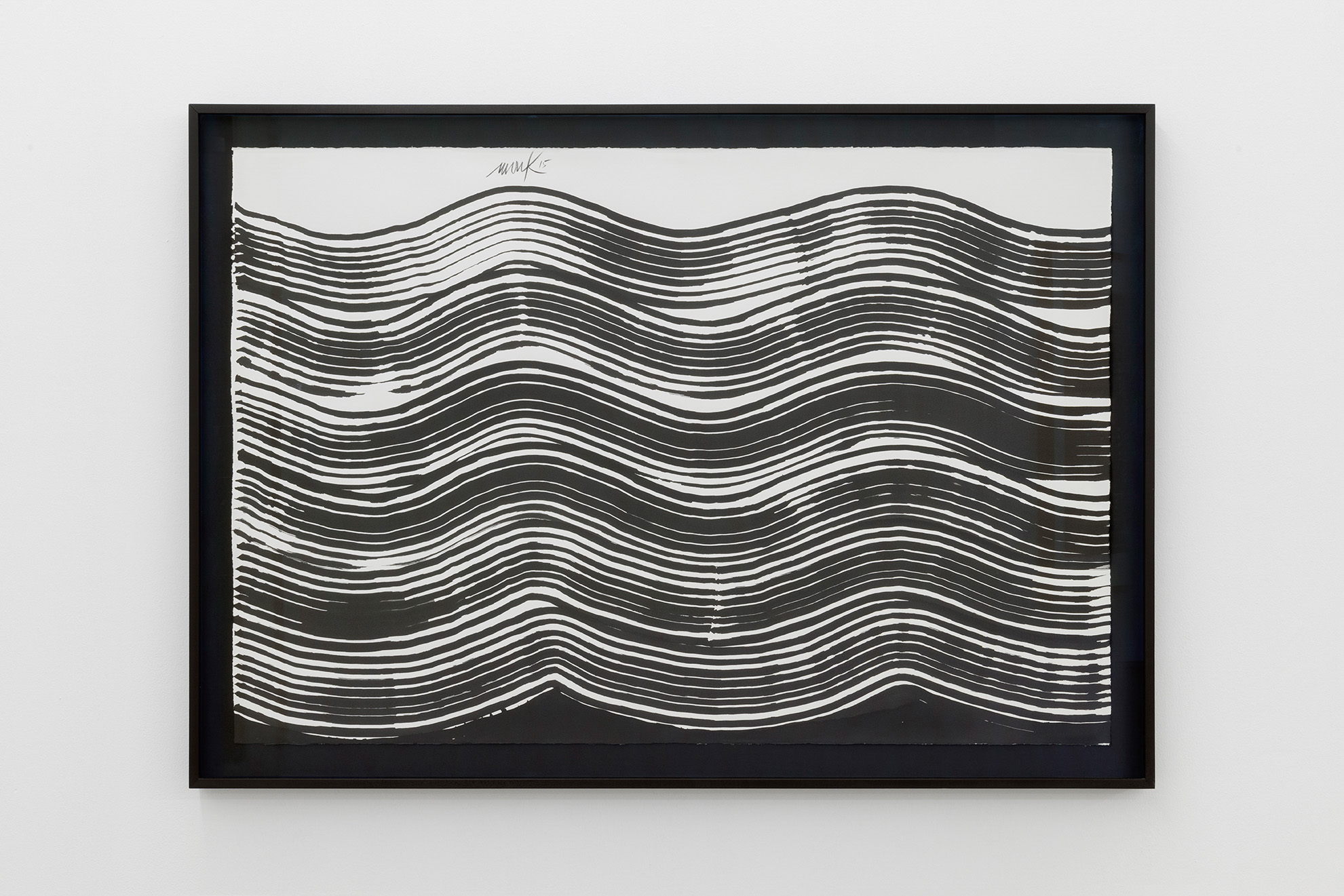
The work by Heinz Mack (1931) is eminently non-figurative and, however, in many cases they have a strong influence of reality, from Turkish mosaics to Persian textile works or even drawing on other works of art, especially the first and second avant-garde. Thus, there is something of Matissian color in some of his pieces, others are closer to Rothko’s color fields, Malevich’s suprematism or Sonia Delaunay’s undulating rhythms. Mack was part of that generation of post-avant-garde artist who decided to take risks and propose new ways of approaching the subject of art. Mack himself ended up being the co-founder of the Zero group, a fundamental movement to understand the art of second half of the 20th century. He propose and developed his own theory of “composition”placing special emphasis on what he called “Dynamic Structures”.
Already in the 1950s Heinz Mack was working on painting, but from a completely different feeling than the one he presents today. At first, painting for the German artist could be understood more as a means to an end. Then, his monochrome paintings seemed to transfer to the two-dimensionality of the pictorial surface the concerns and interests that could also be found in his sculpture. It then became evident that both his kinetic sculptures, his aluminum wall pieces, his engravings and paintings were at the service of the same investigation about light and matter.
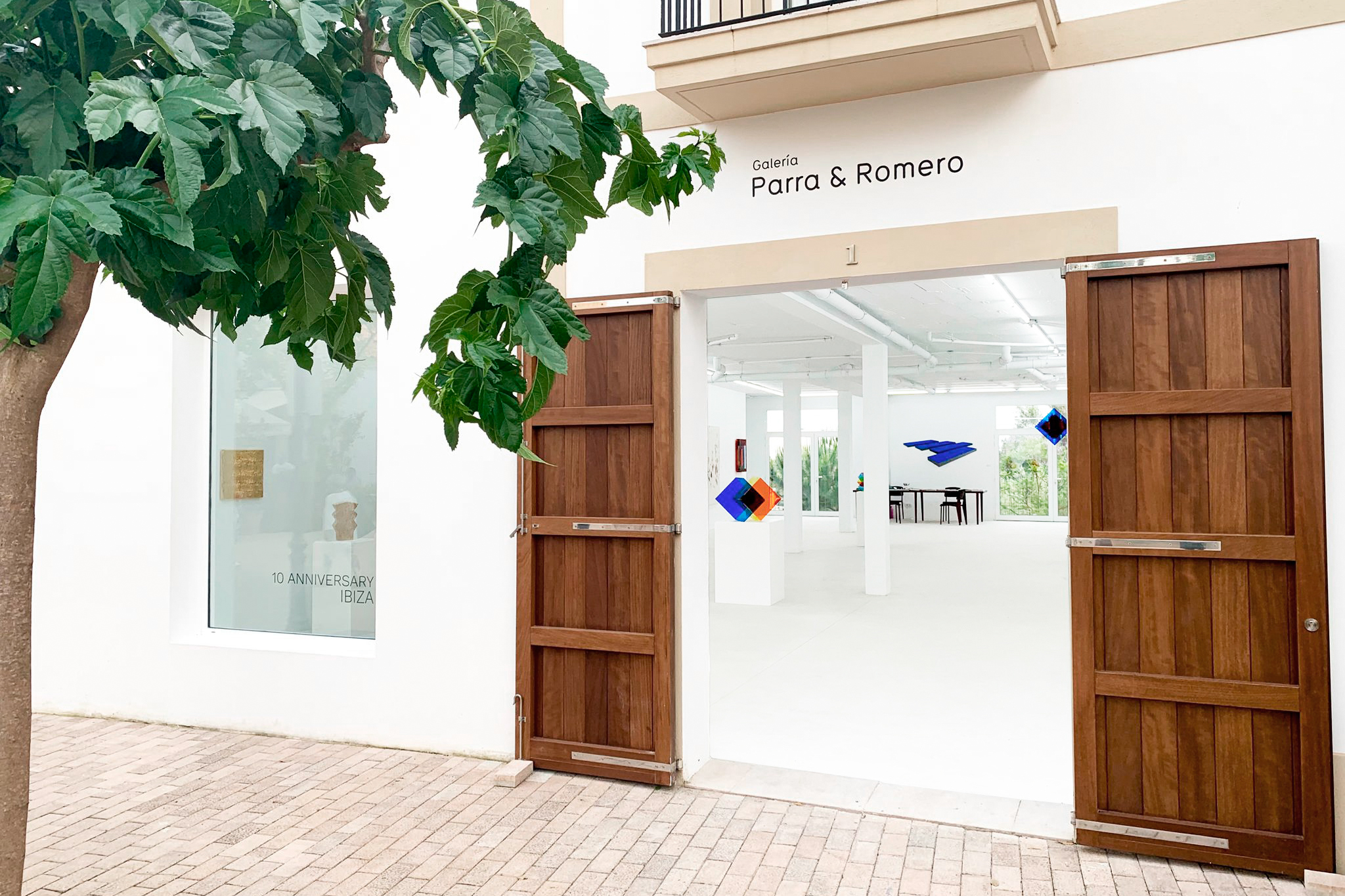
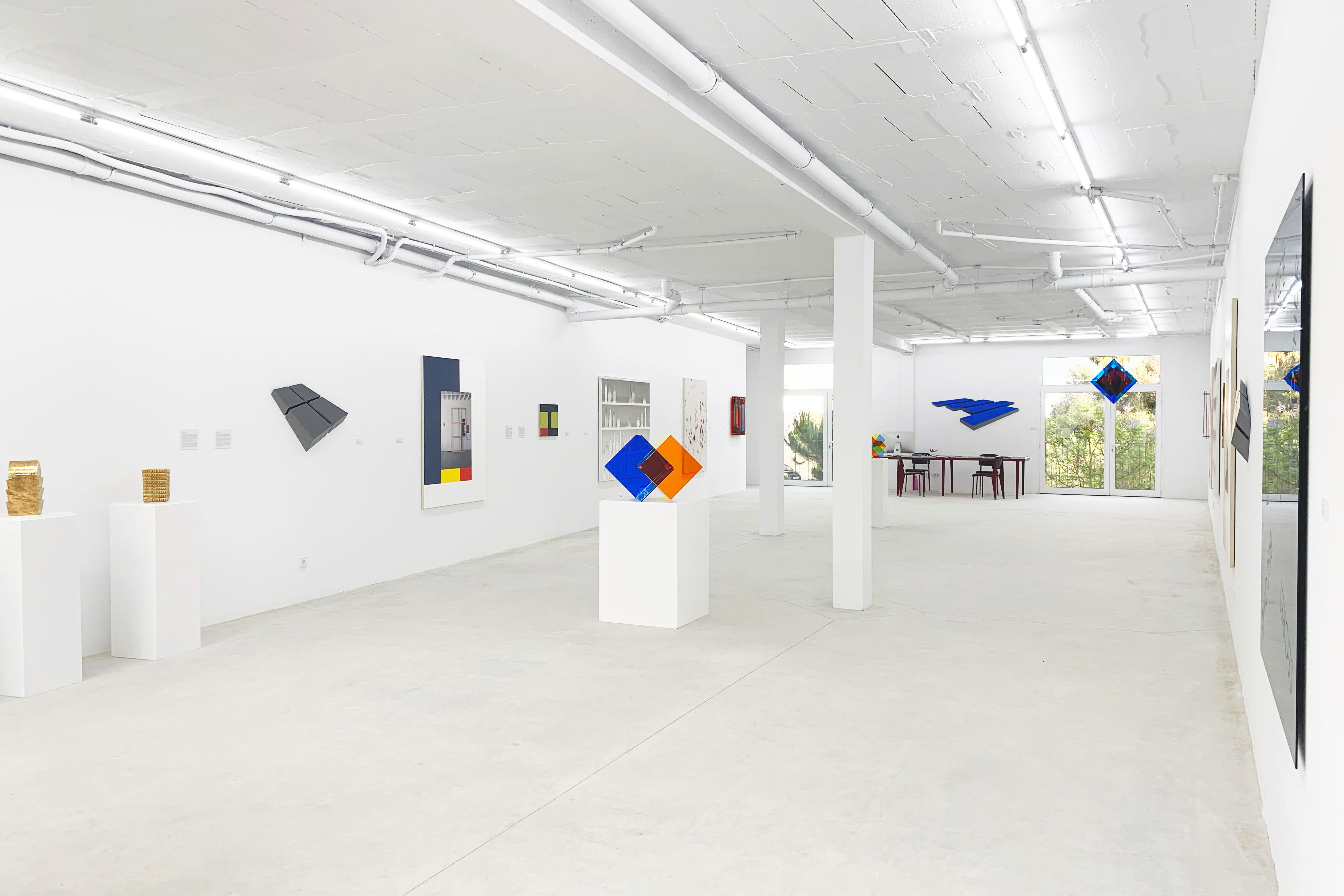
The turning point in his relationship with painting would come in 1991 through, precisely, the series Cromatische Konstellation (Chromatic Constellation) that gives title to the second exhibition of the artist in our space in Madrid. Since then, it would seem that his work as a sculptor and as a painter devided into two clear, necessary and different paths.
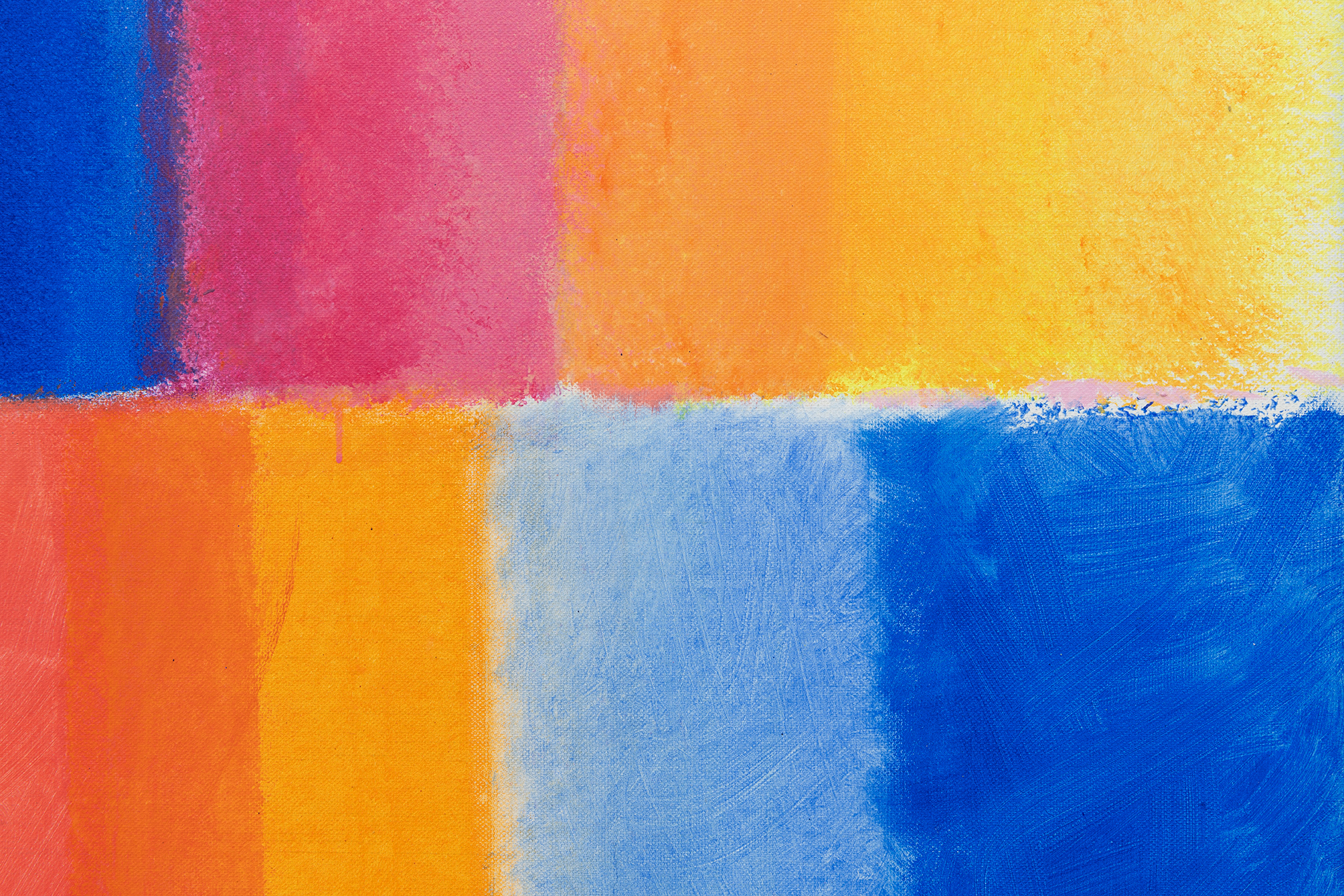
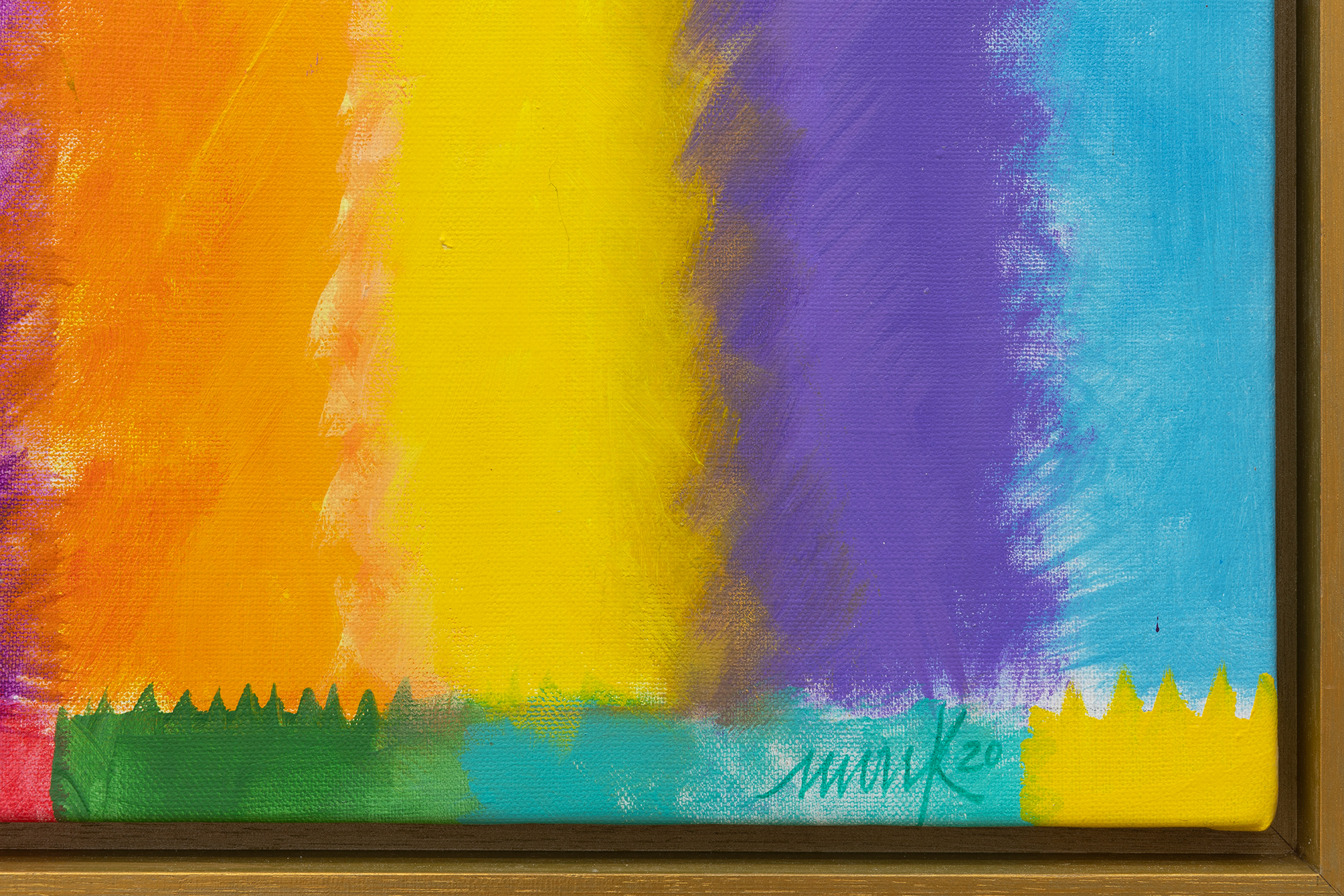
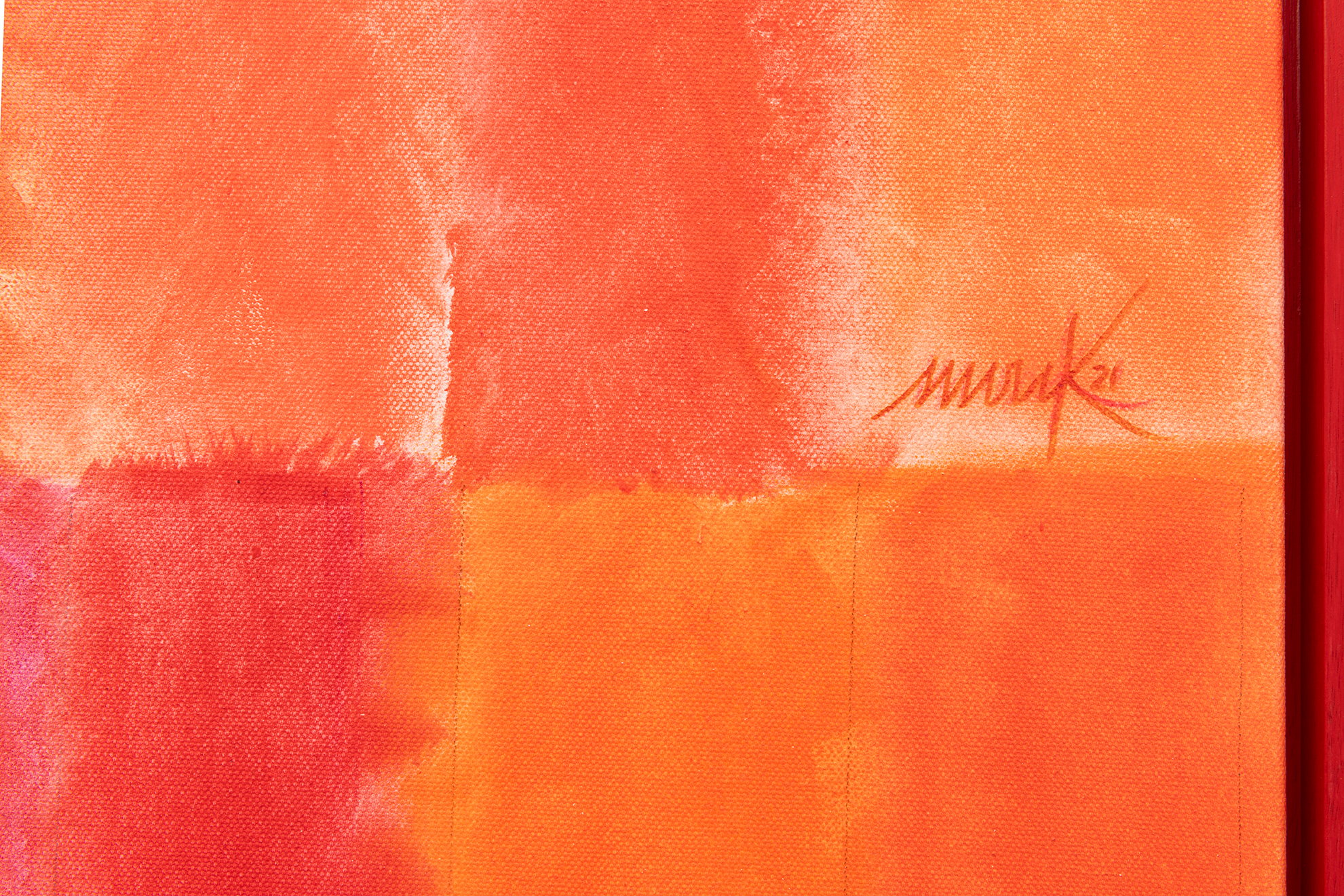
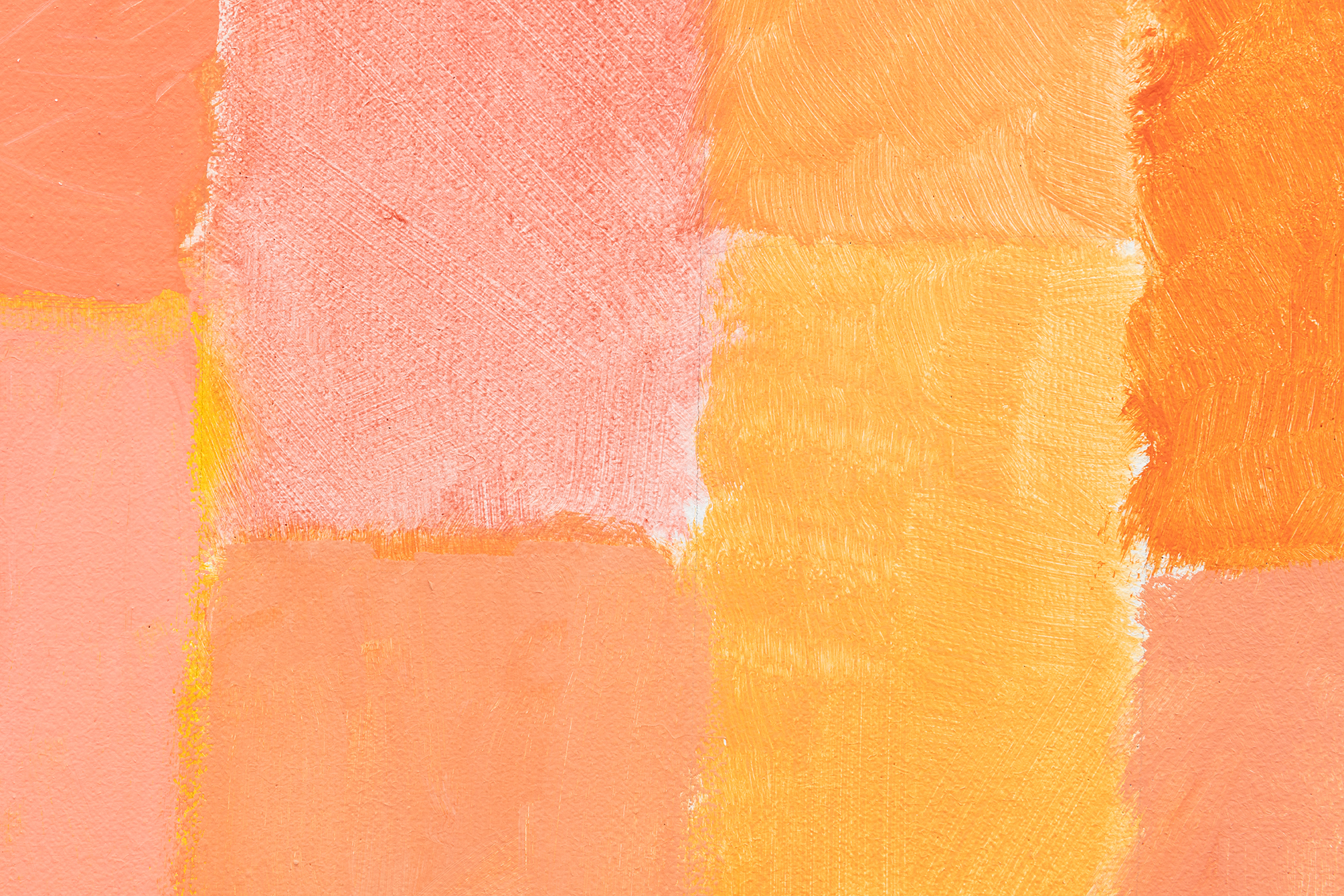
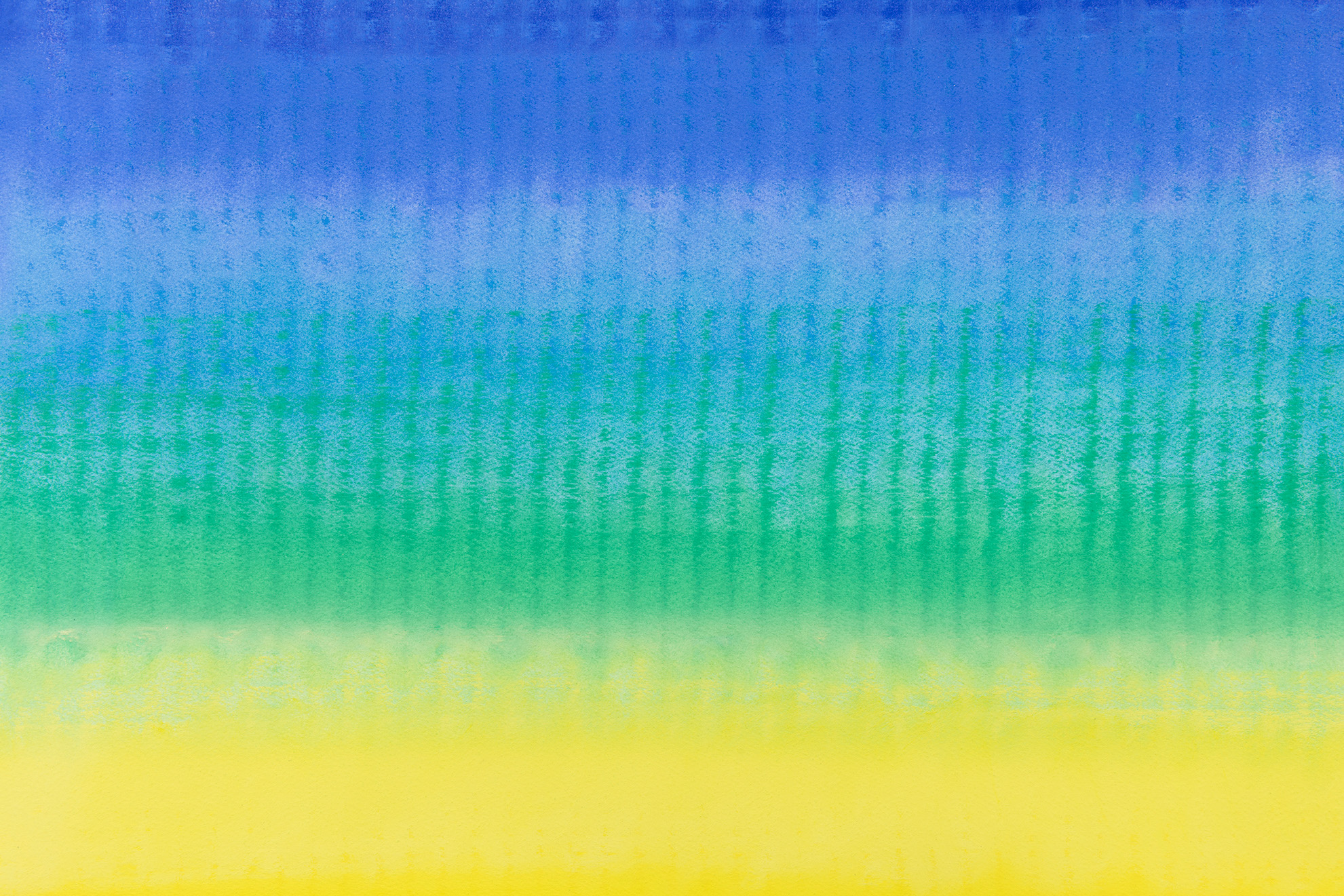
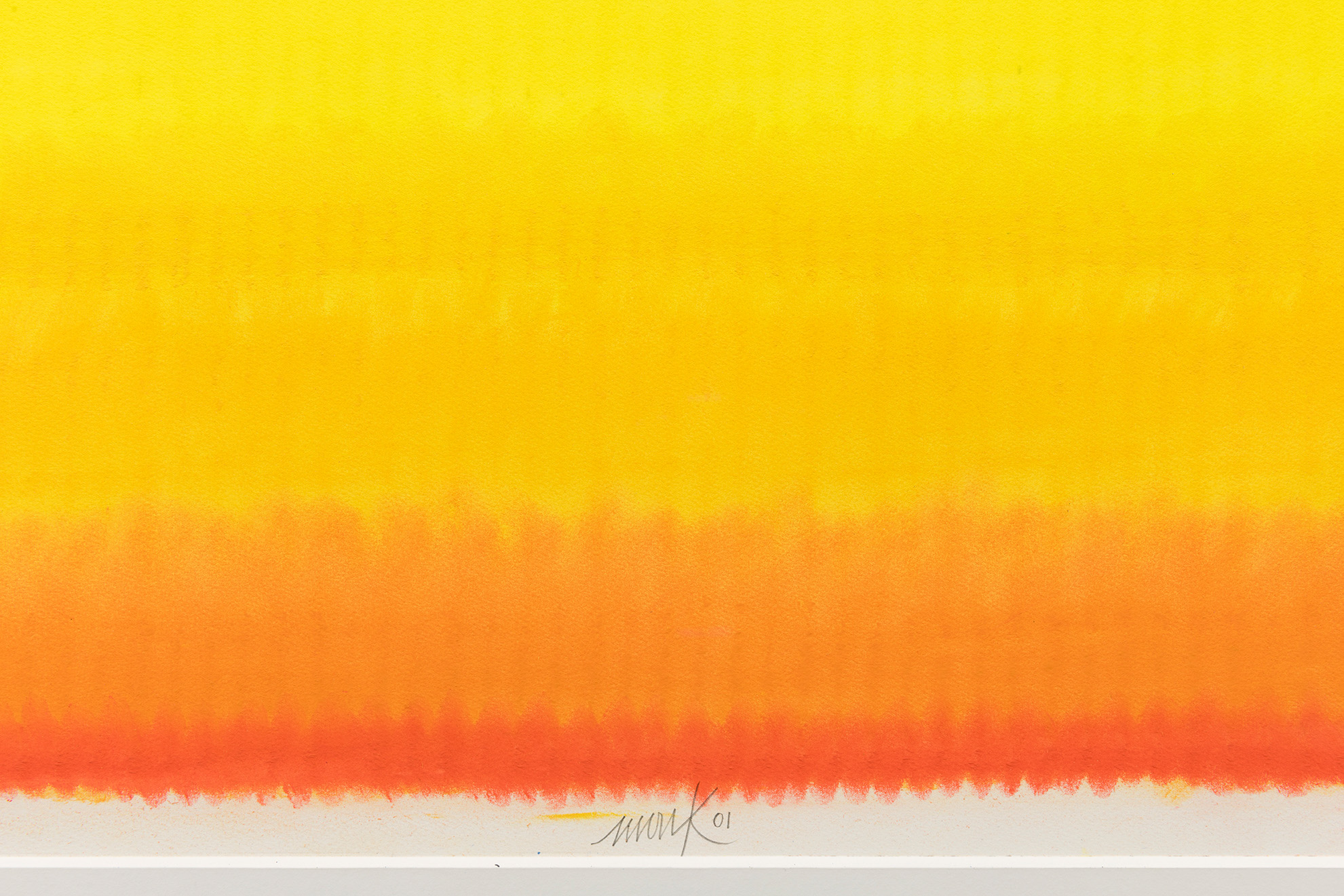
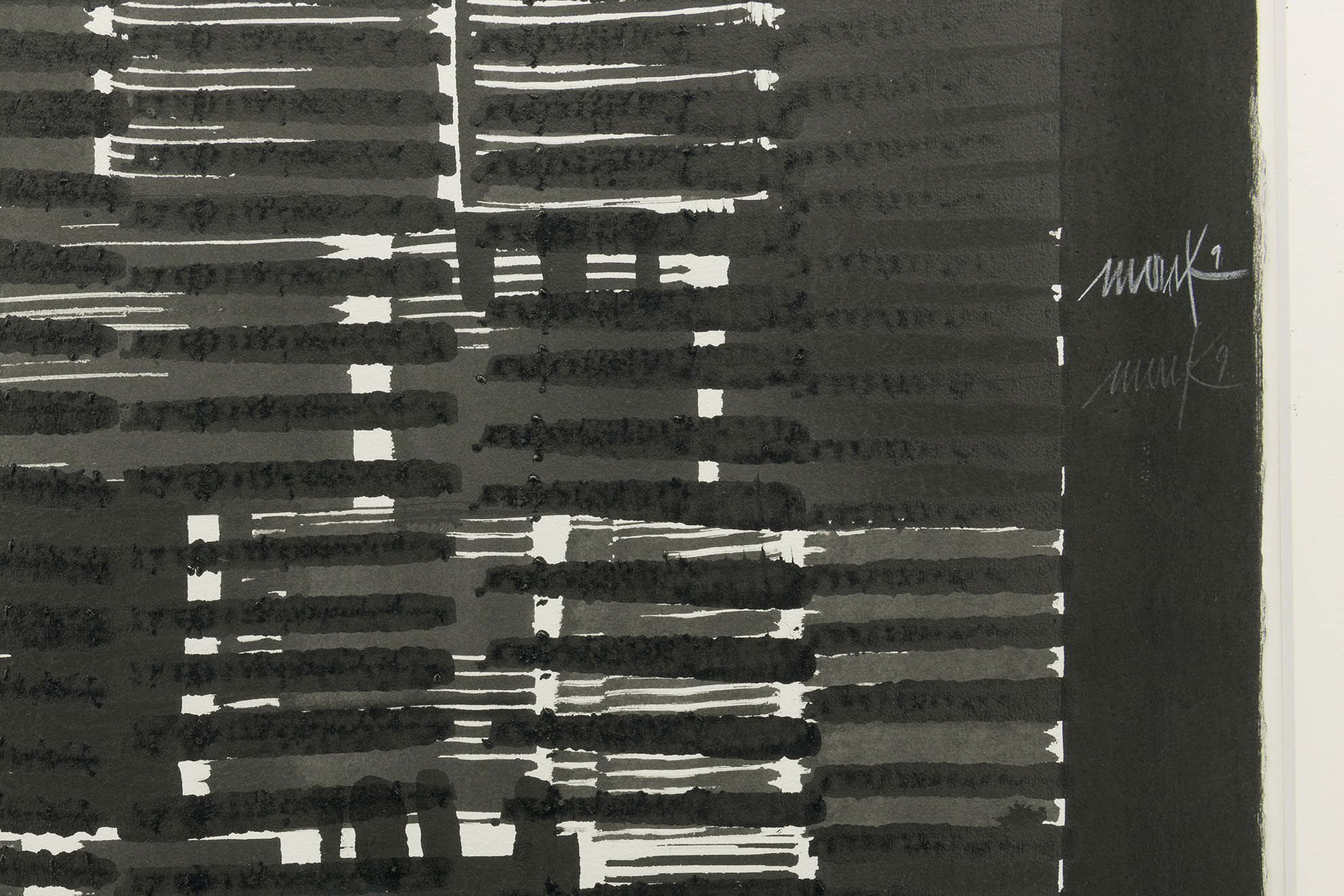
But Mack’s pictorial work remains unrepeatable. If you take distance from his pieces, the vibration of his colors continues to recall that first structuralist stage of his painting, now less contained and more sensitive. The streaks now are not cold and metallic, they are not calculated as in those days, it presents a warmth and an entity closer to the plasticity of nature. It may not be a coincidence that in 1989, just two years after opening his second studio on the island of Ibiza, he began to make this new series much more connected to the auratic and nature.
Heinz Mack lives and works in Mönchengladbach and Ibiza. His work has been exhibited internationally since 1959 and is held in some of the most prestigious public and private institutions and collections including the Museum of Modern Art (MoMA), New York; Tate Modern, London; Center Pompidou, Paris; Solomon R. Guggenheim Museum, New York; Peggy Guggenheim Collection, Venice; Stedelijk Museum, Amsterdam; Staatliche Museen zu Berlin, Berlin; Museum Ritter, Waldenbuch; Sakip Sabanci Müzesi, Istanbul; IVAM Museum, Valencia; Walker Art Center, Minneapolis.