Music Shattered

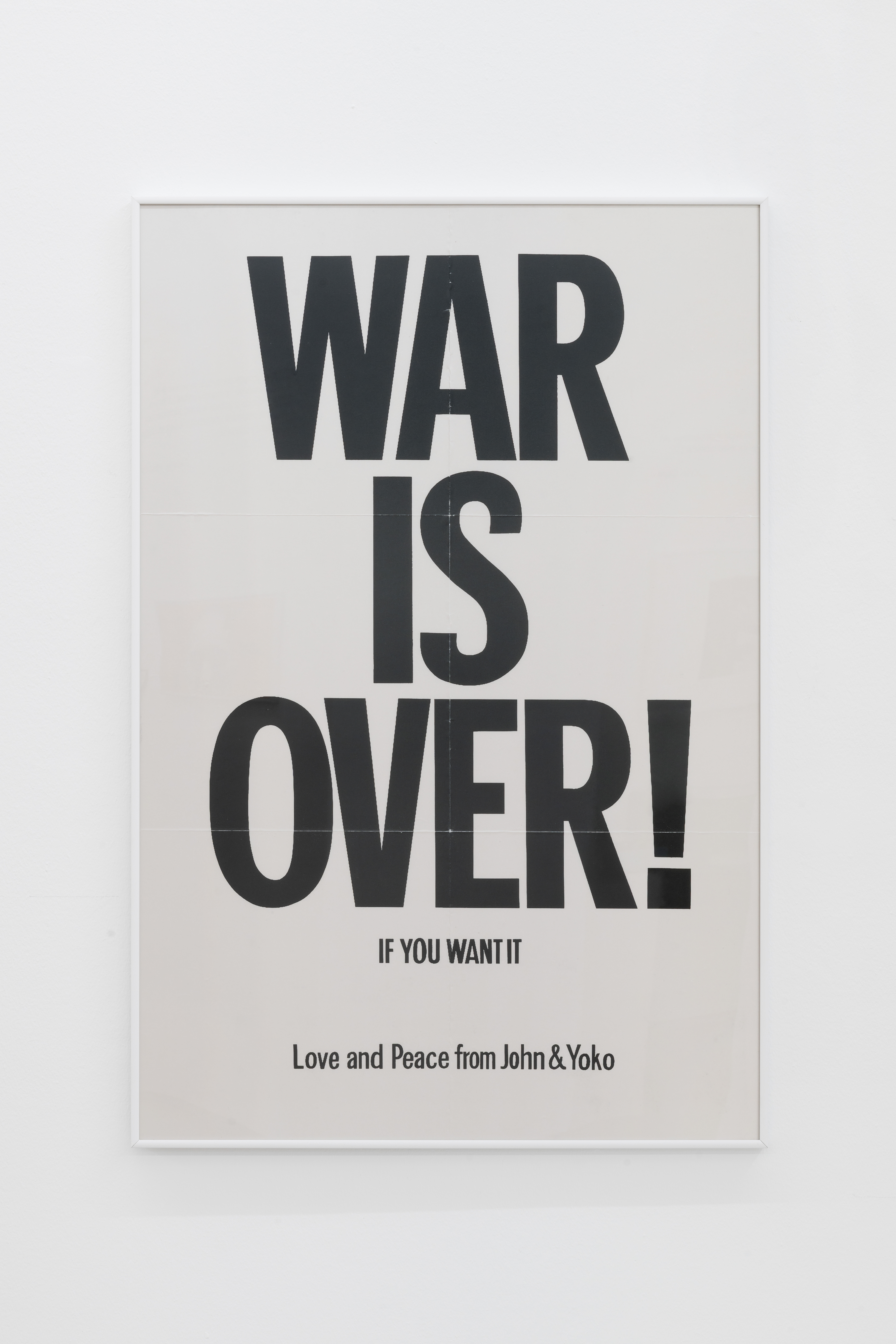


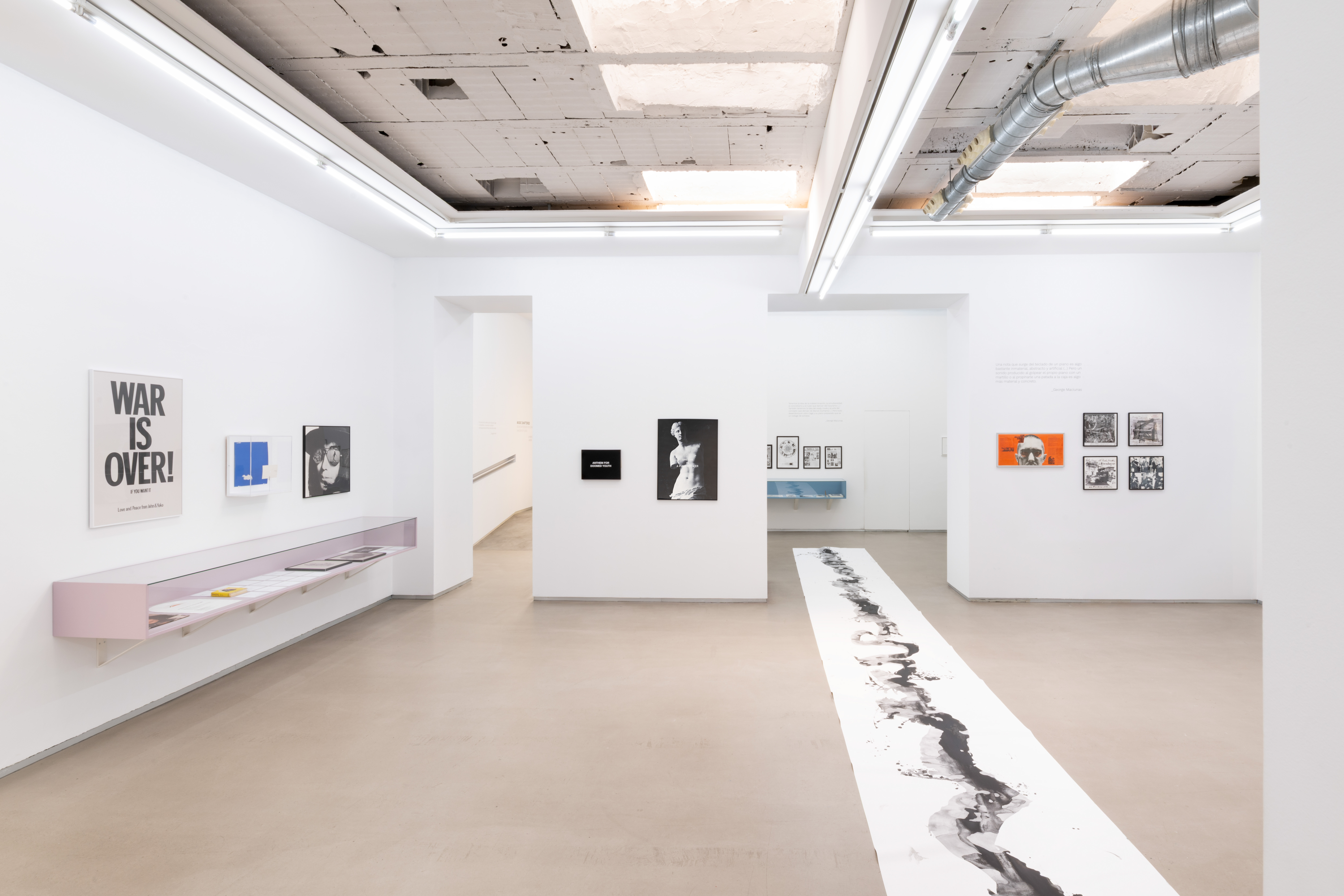

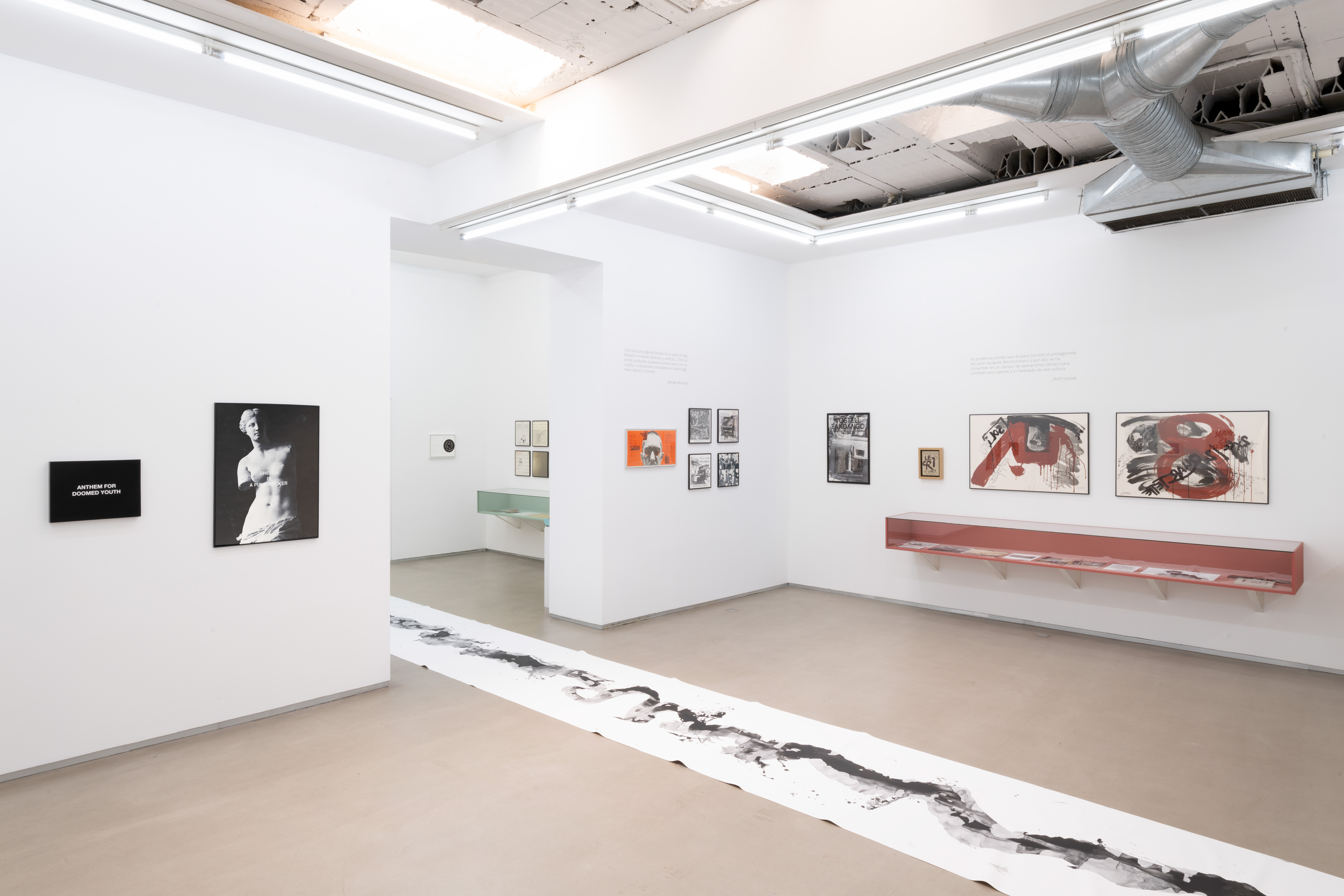
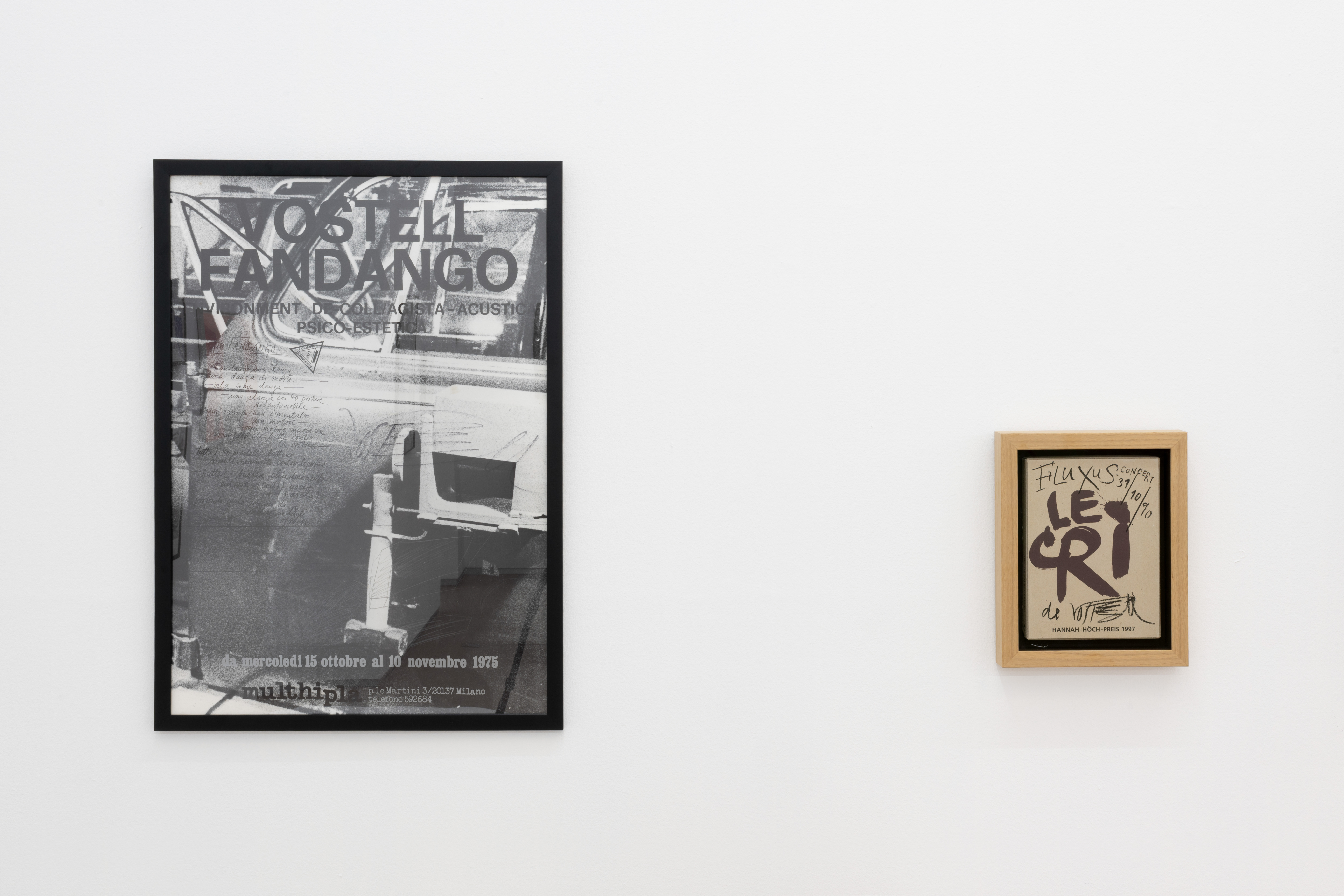
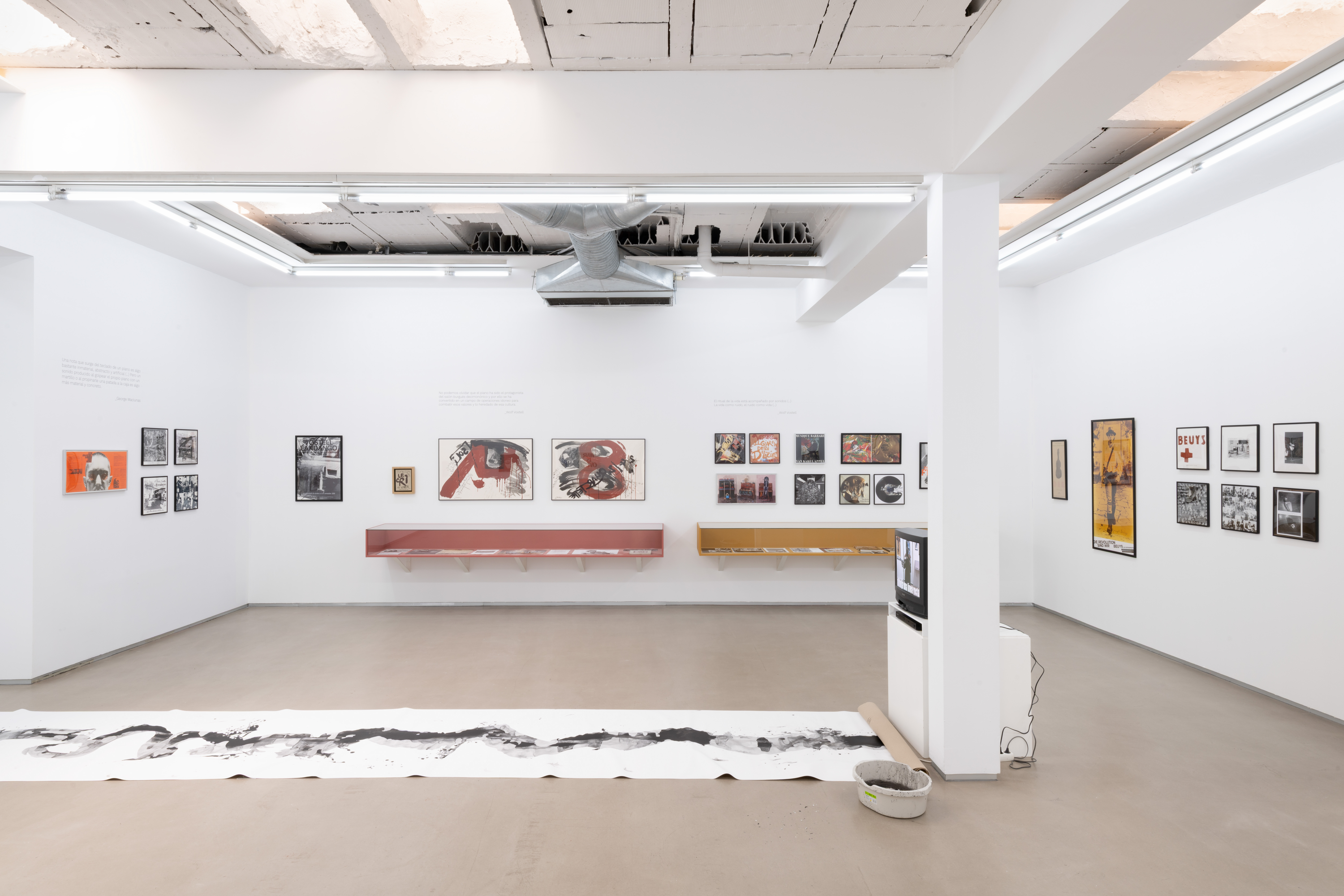



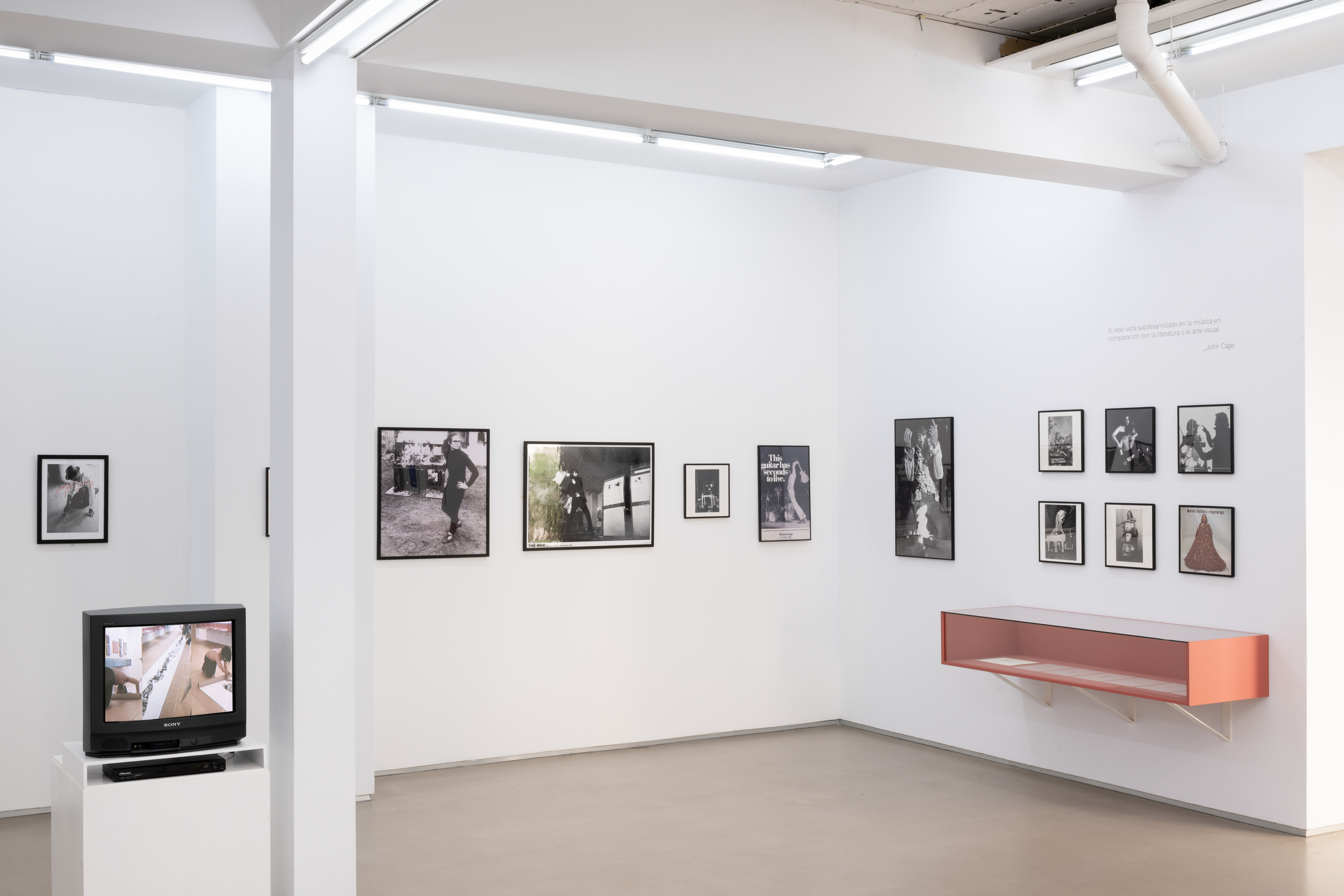
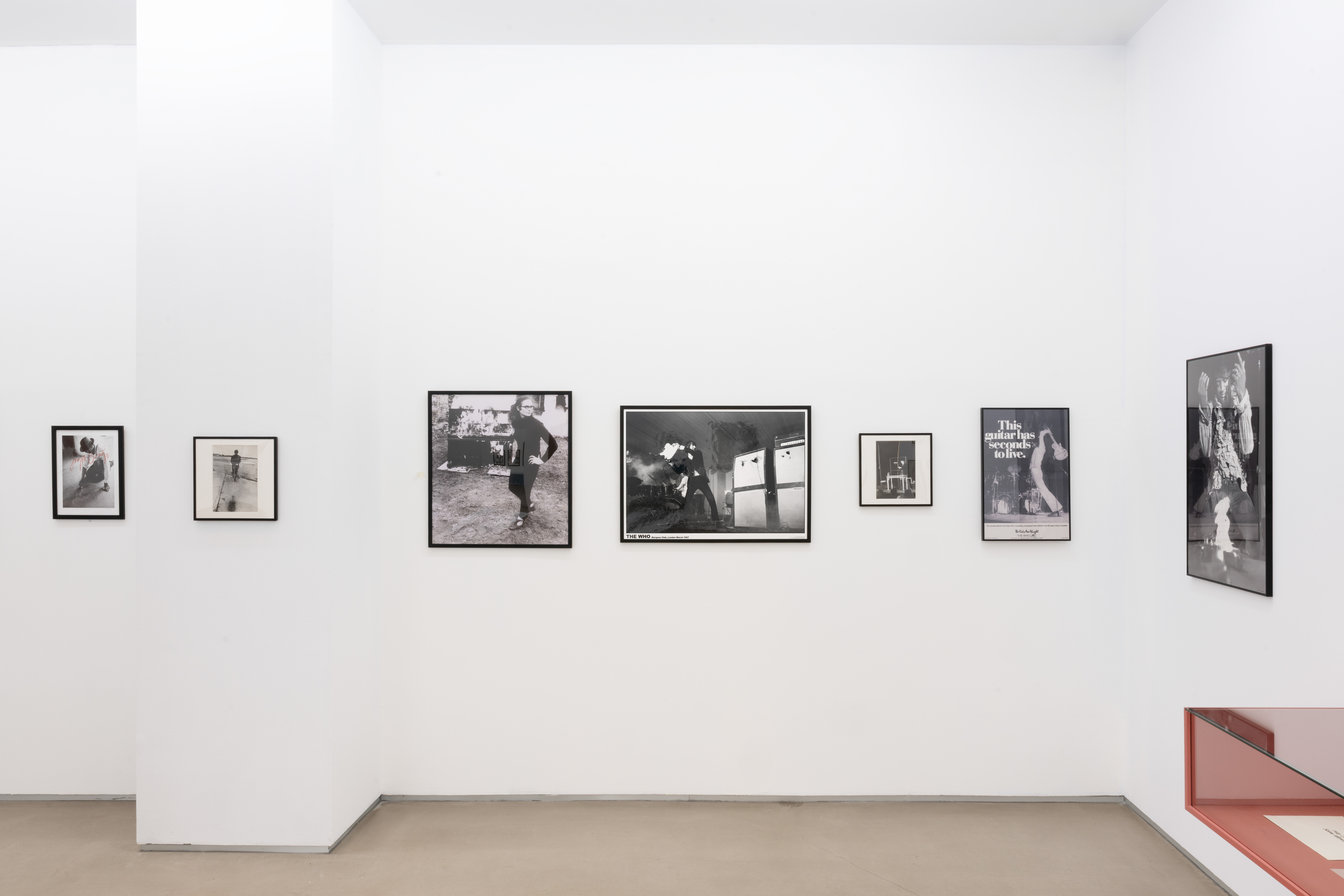
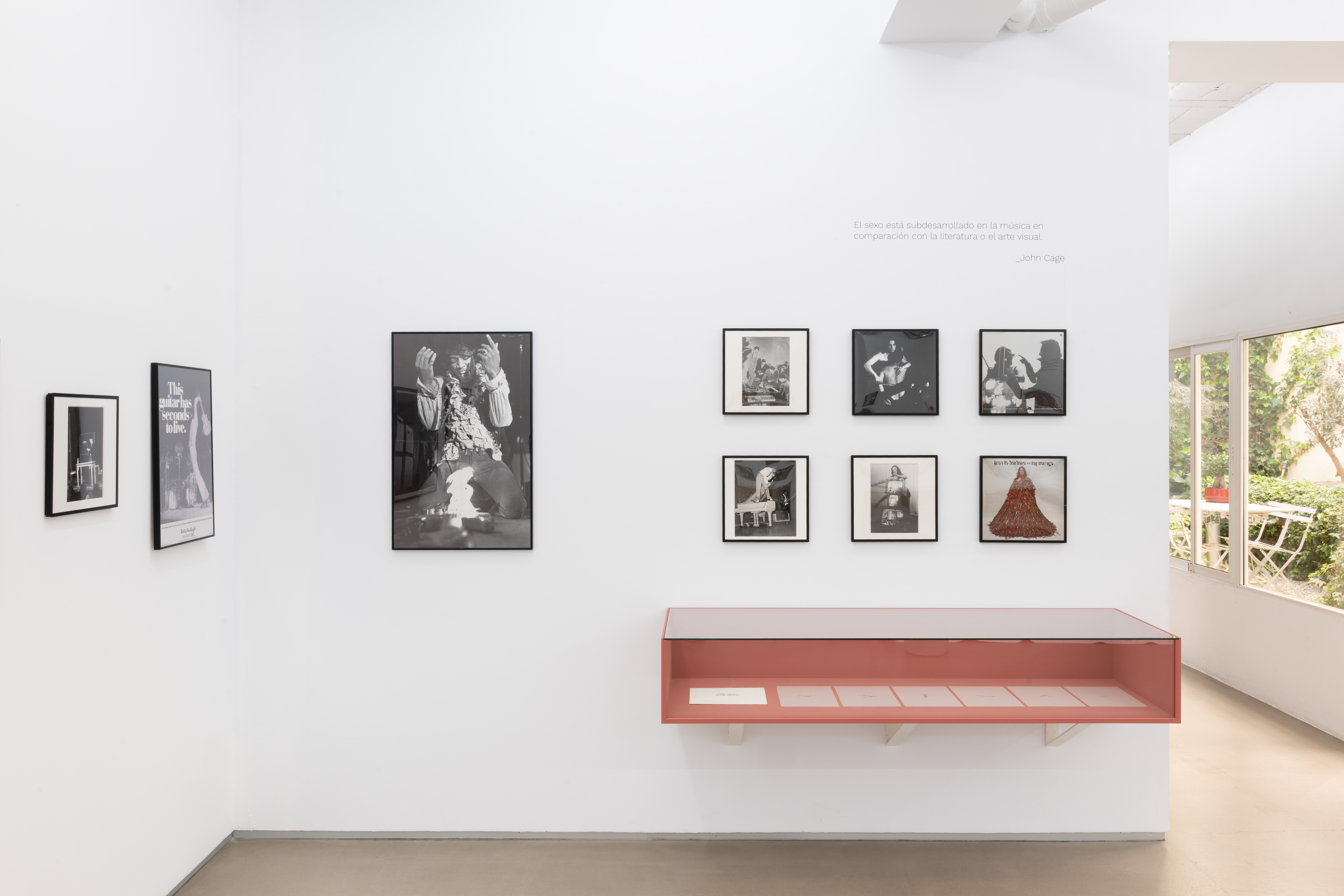

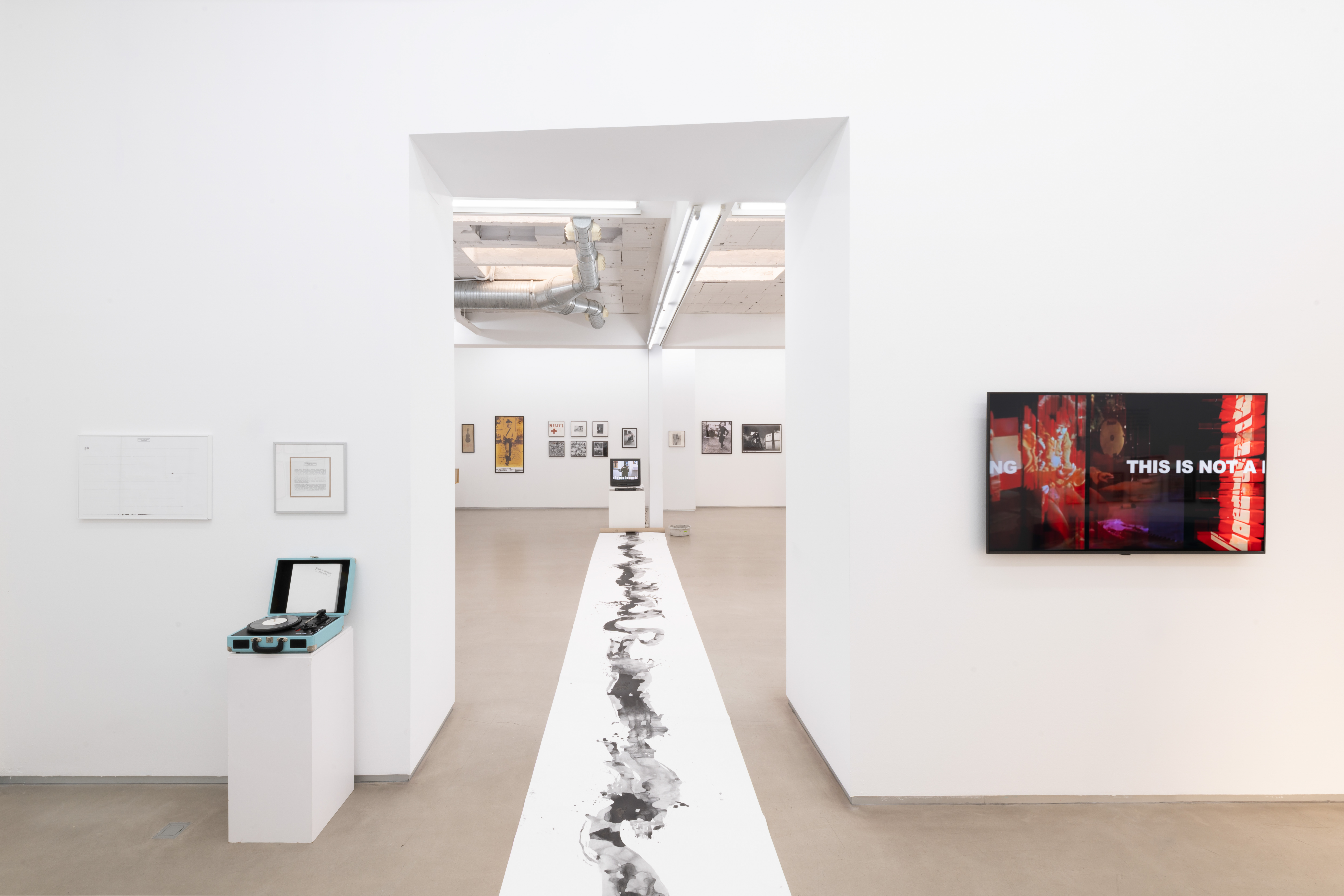
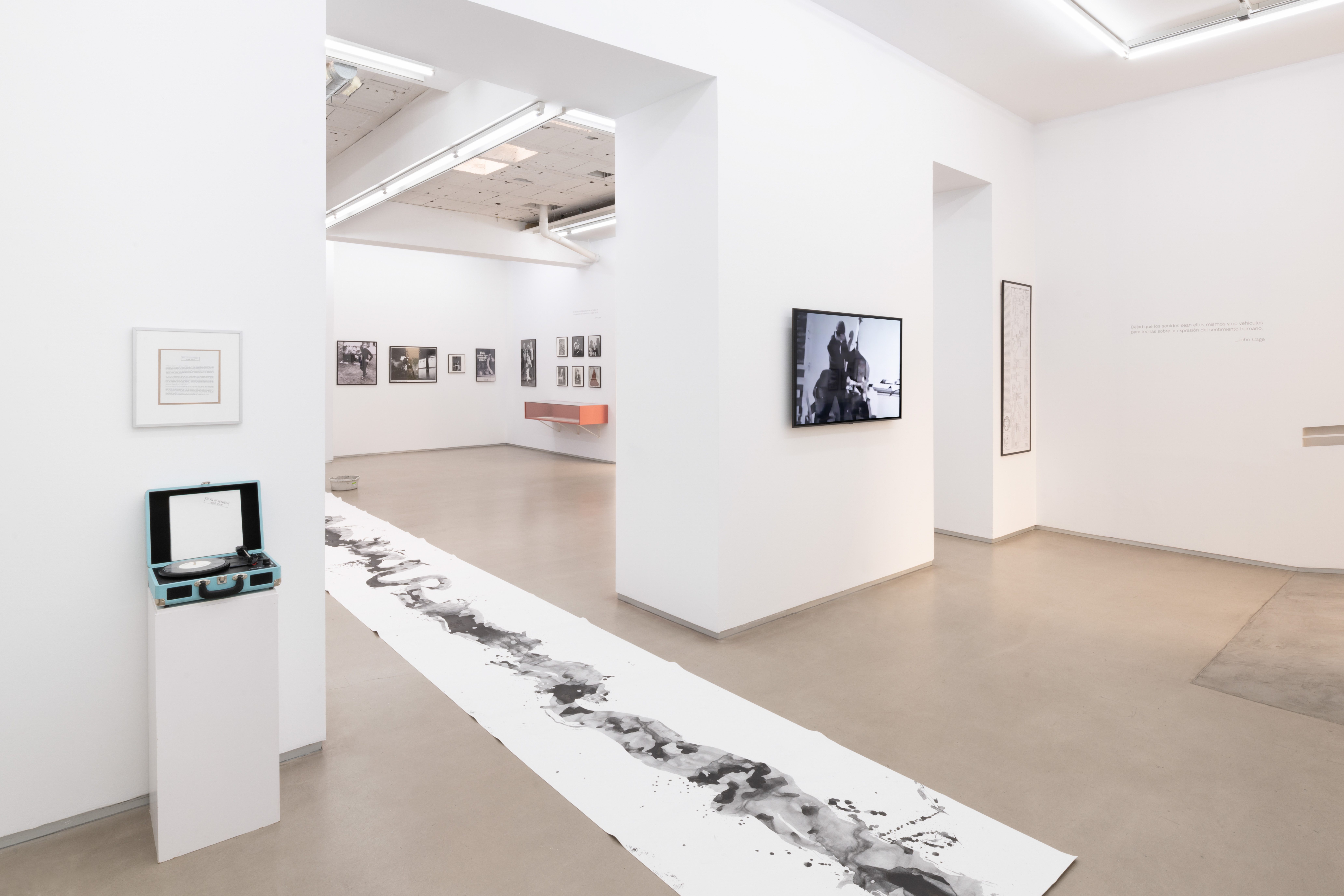
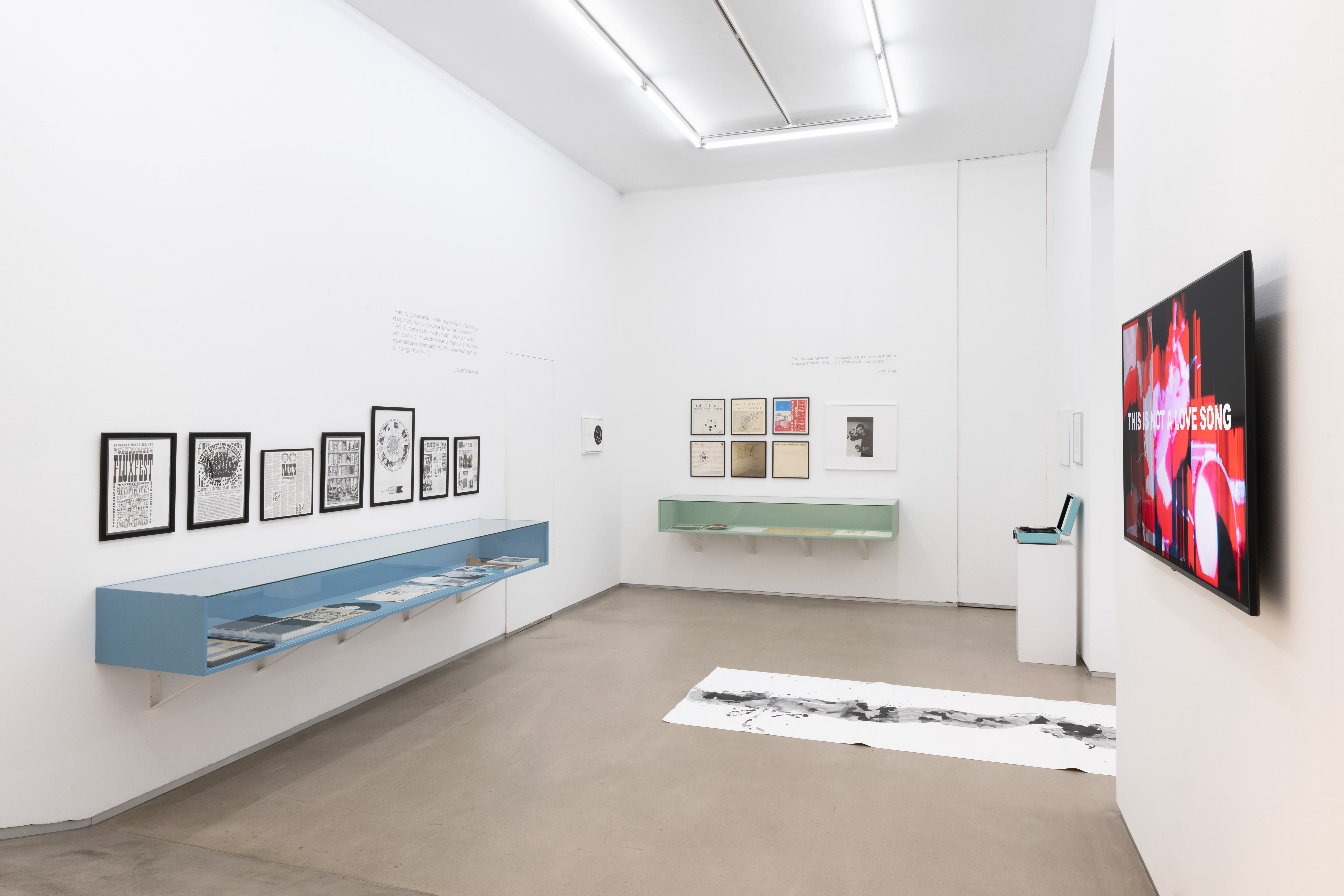
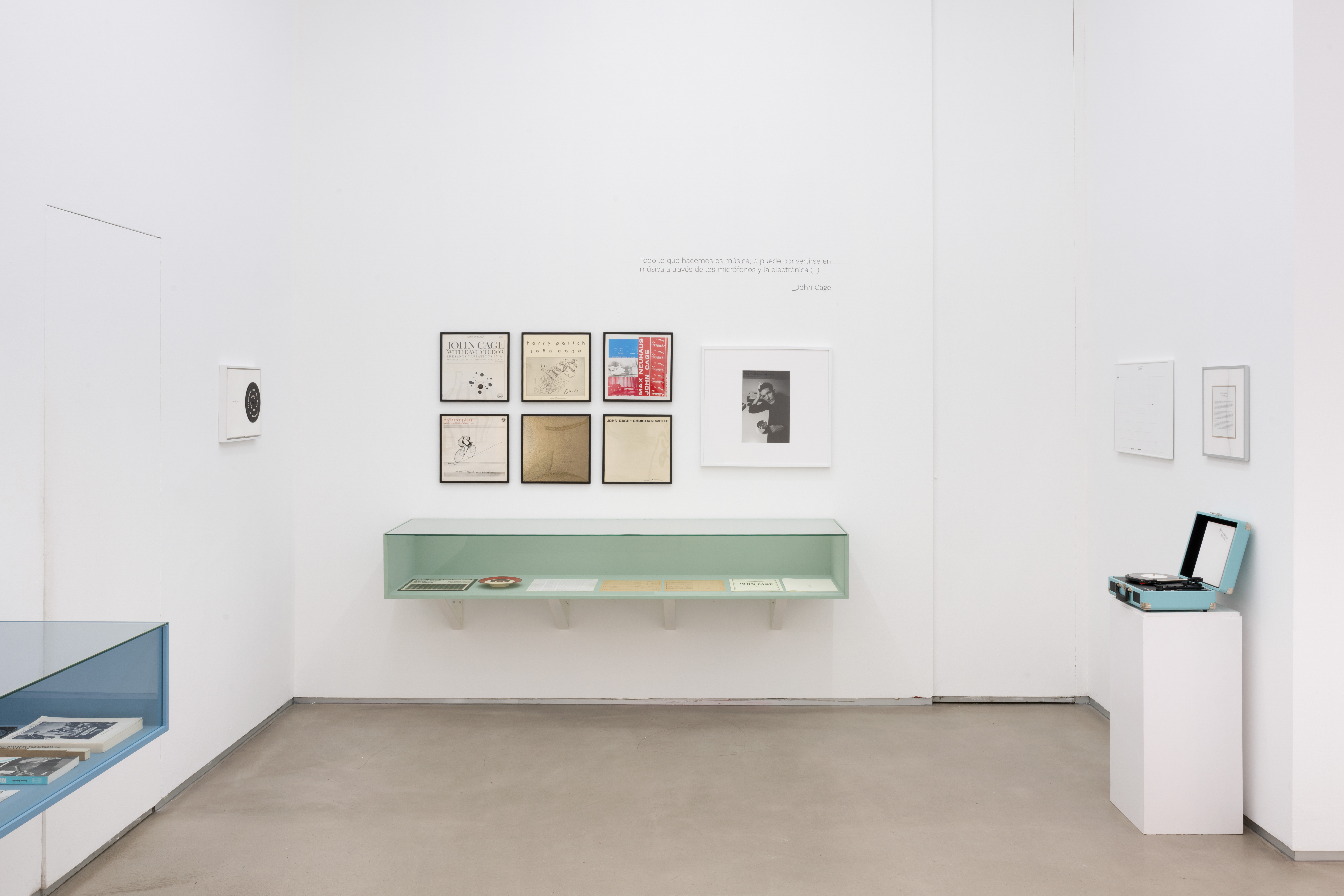
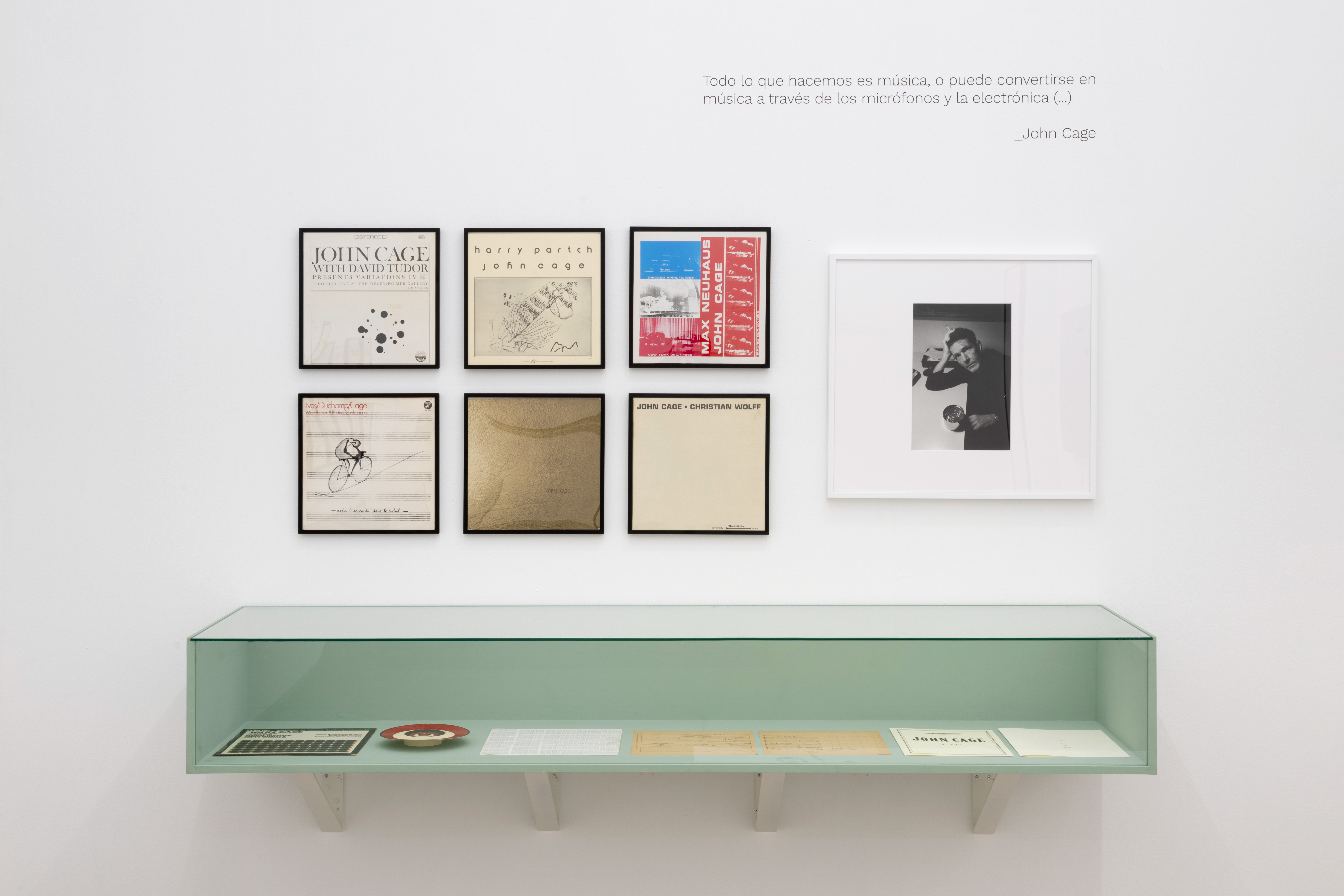

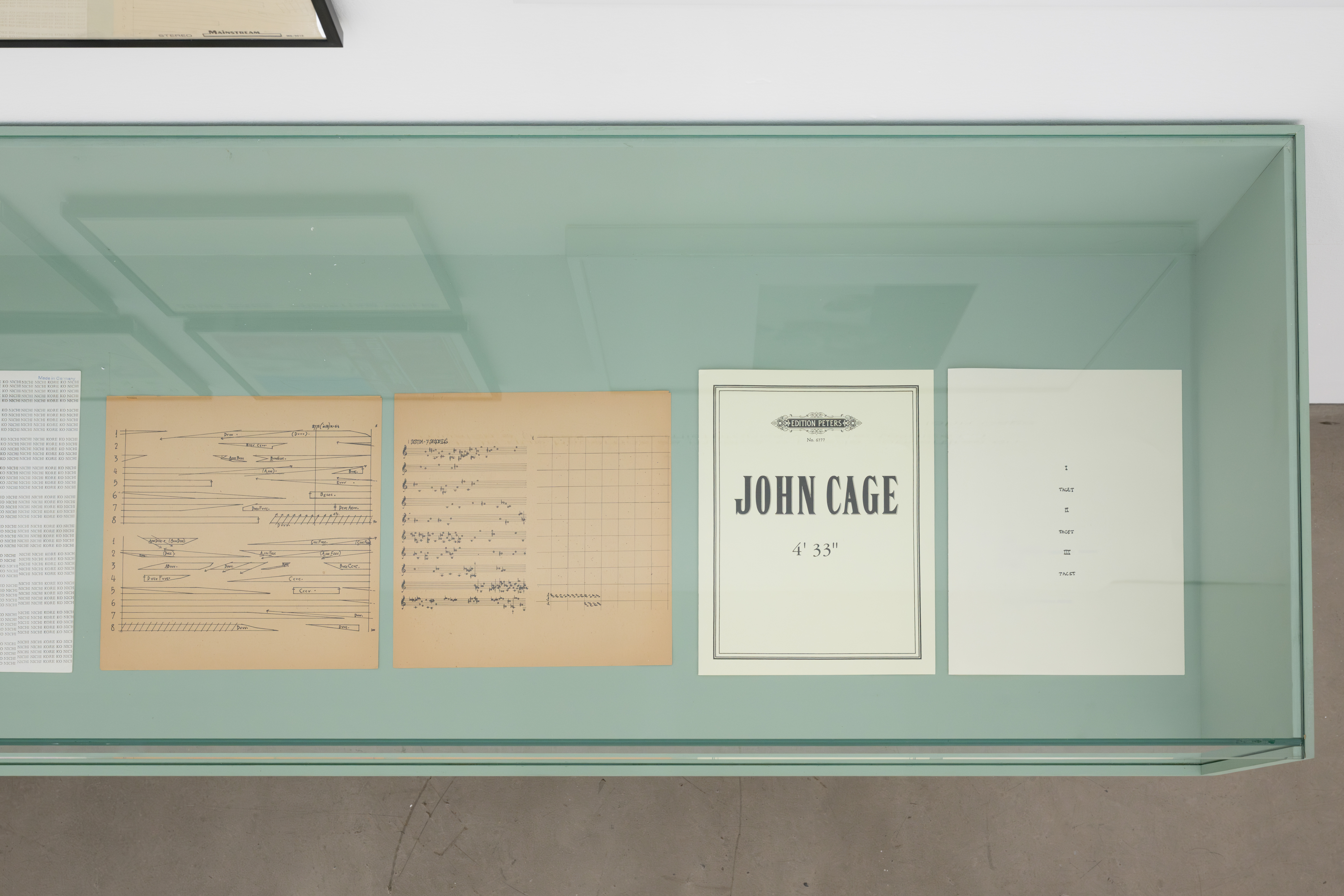
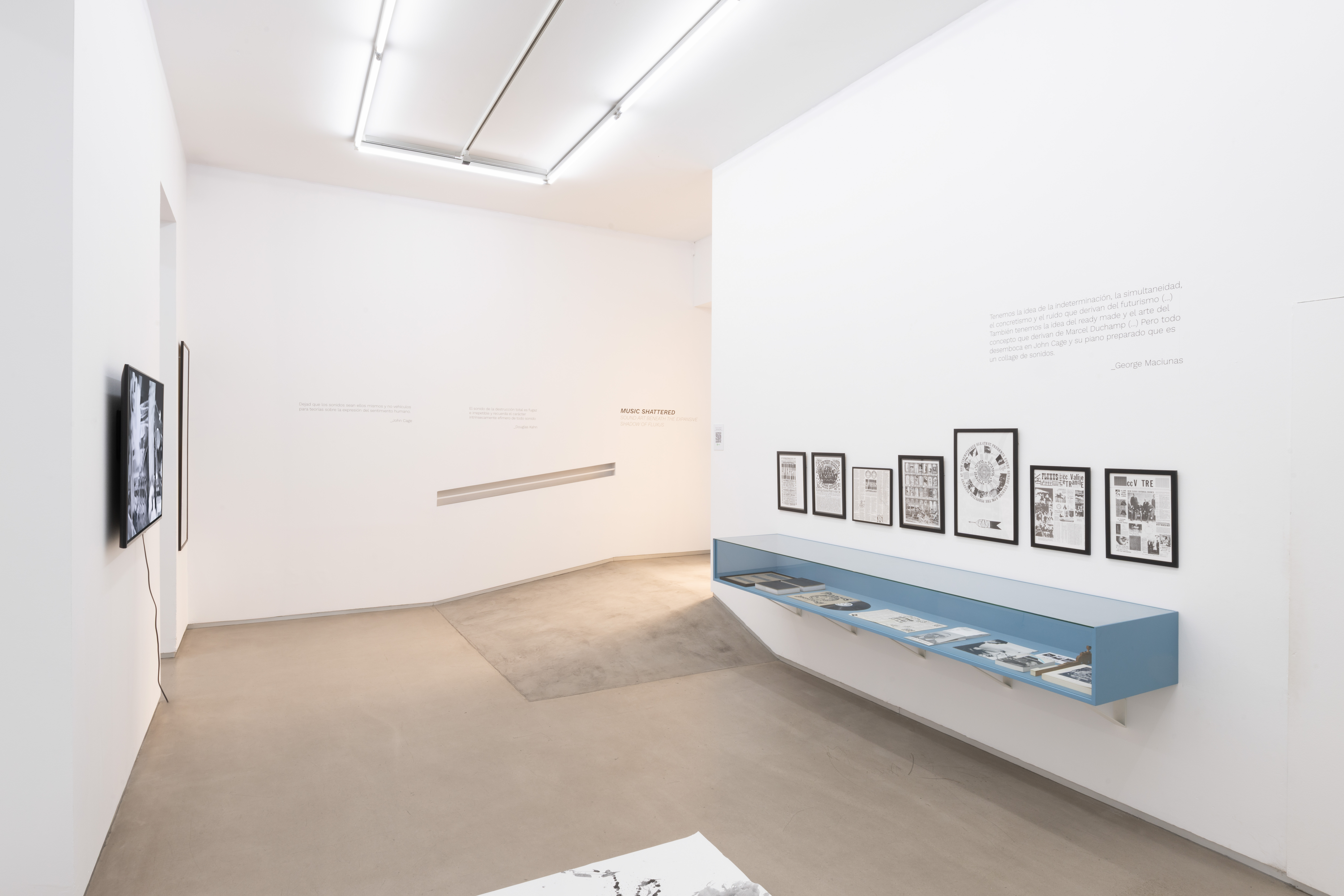




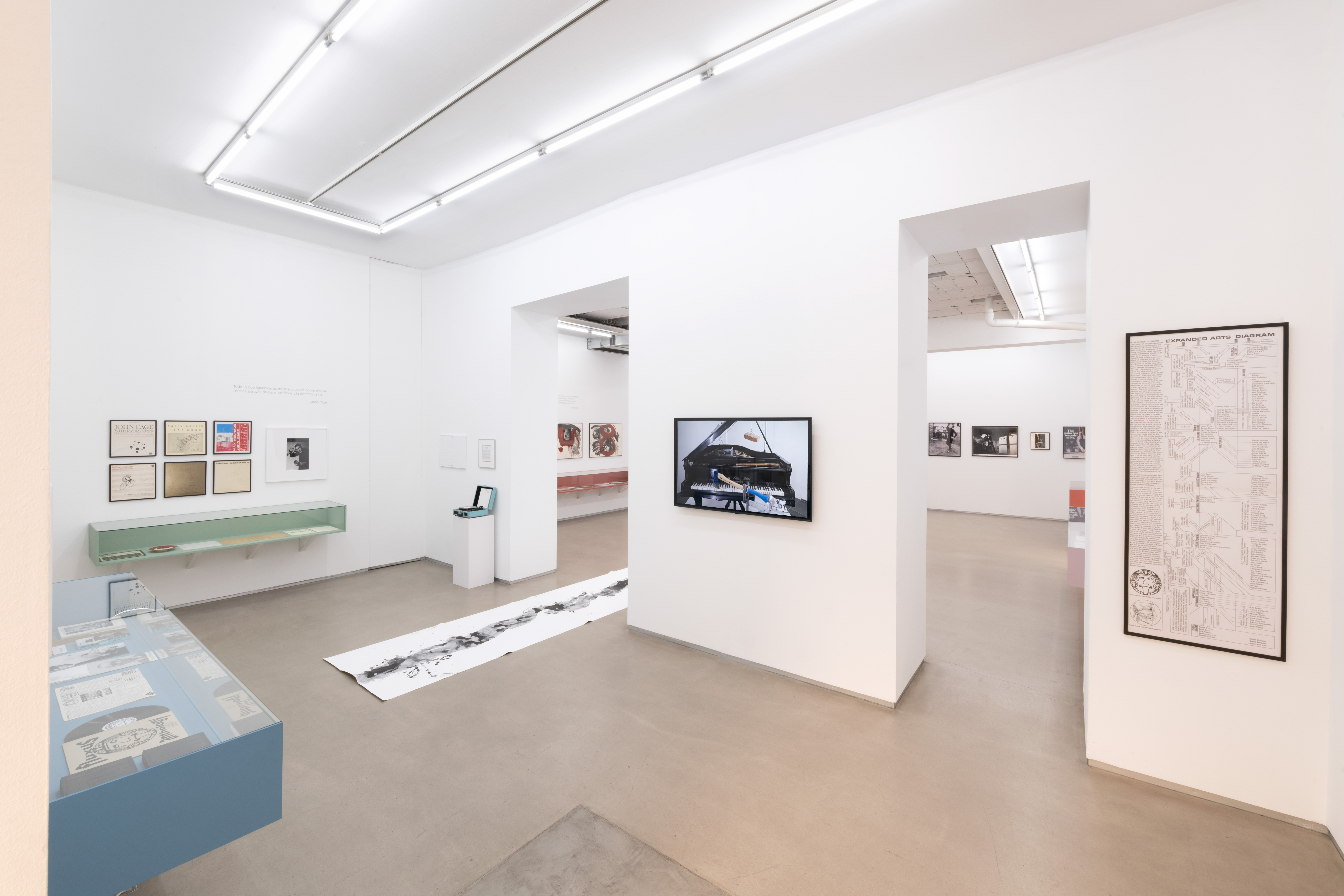
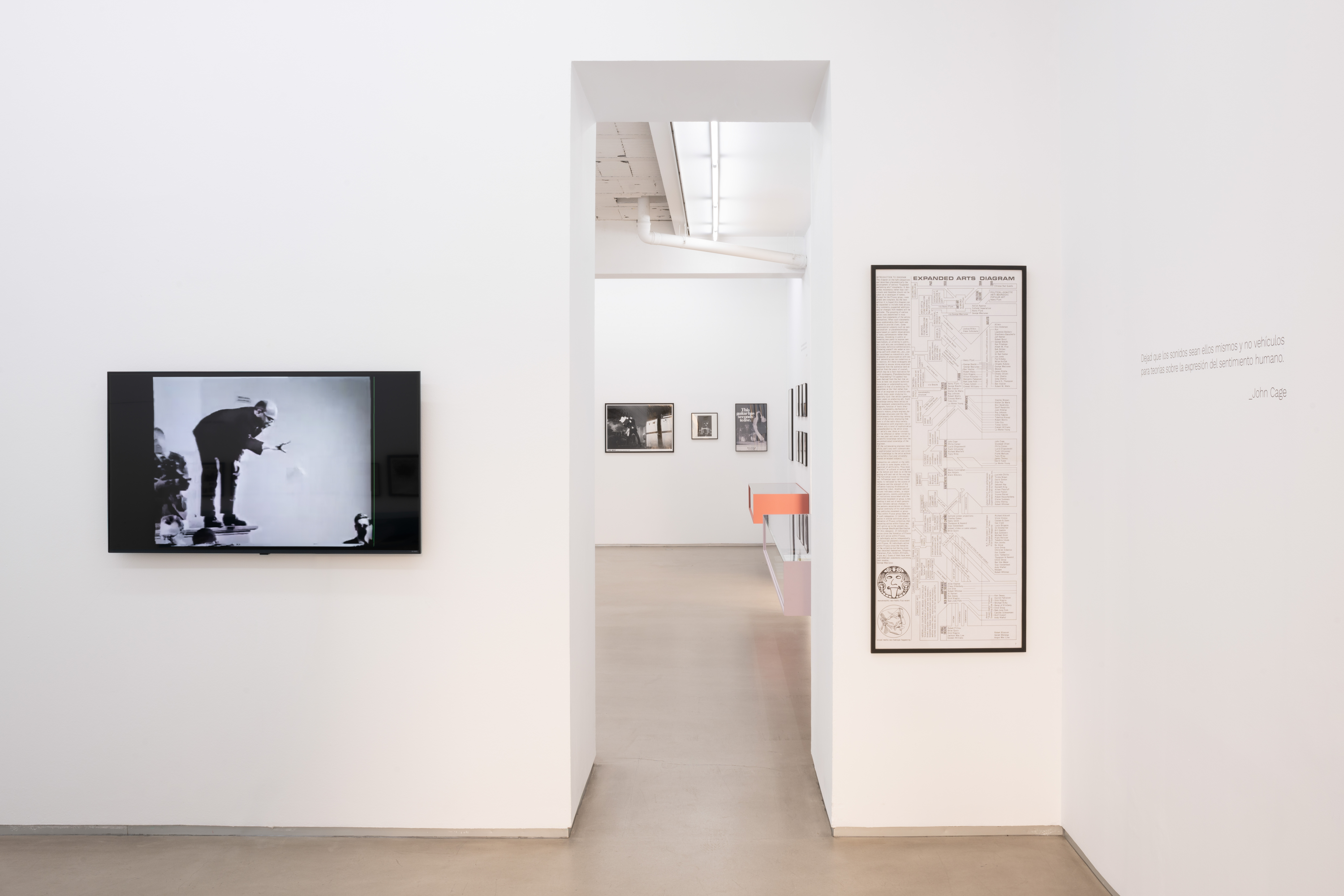
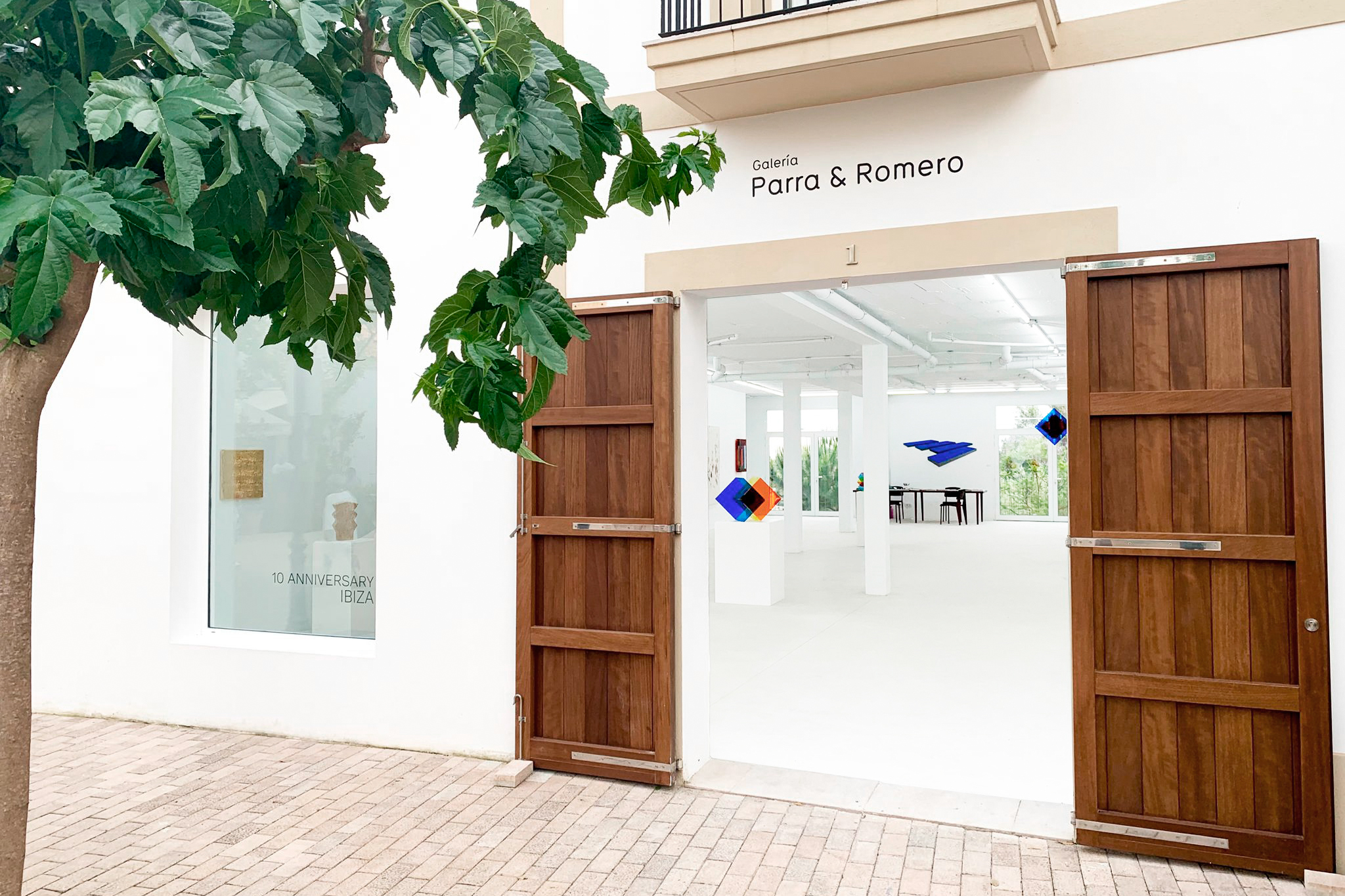
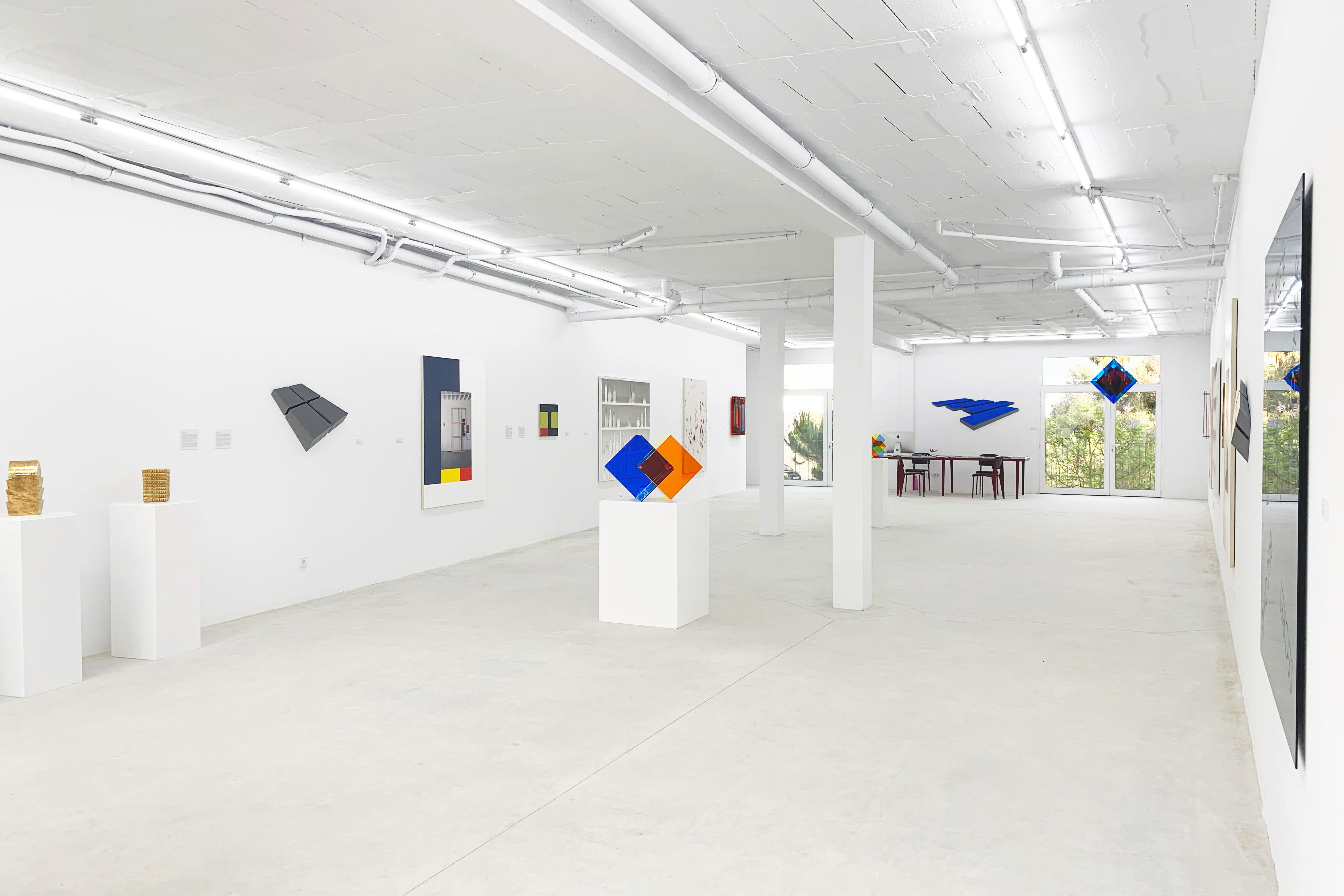
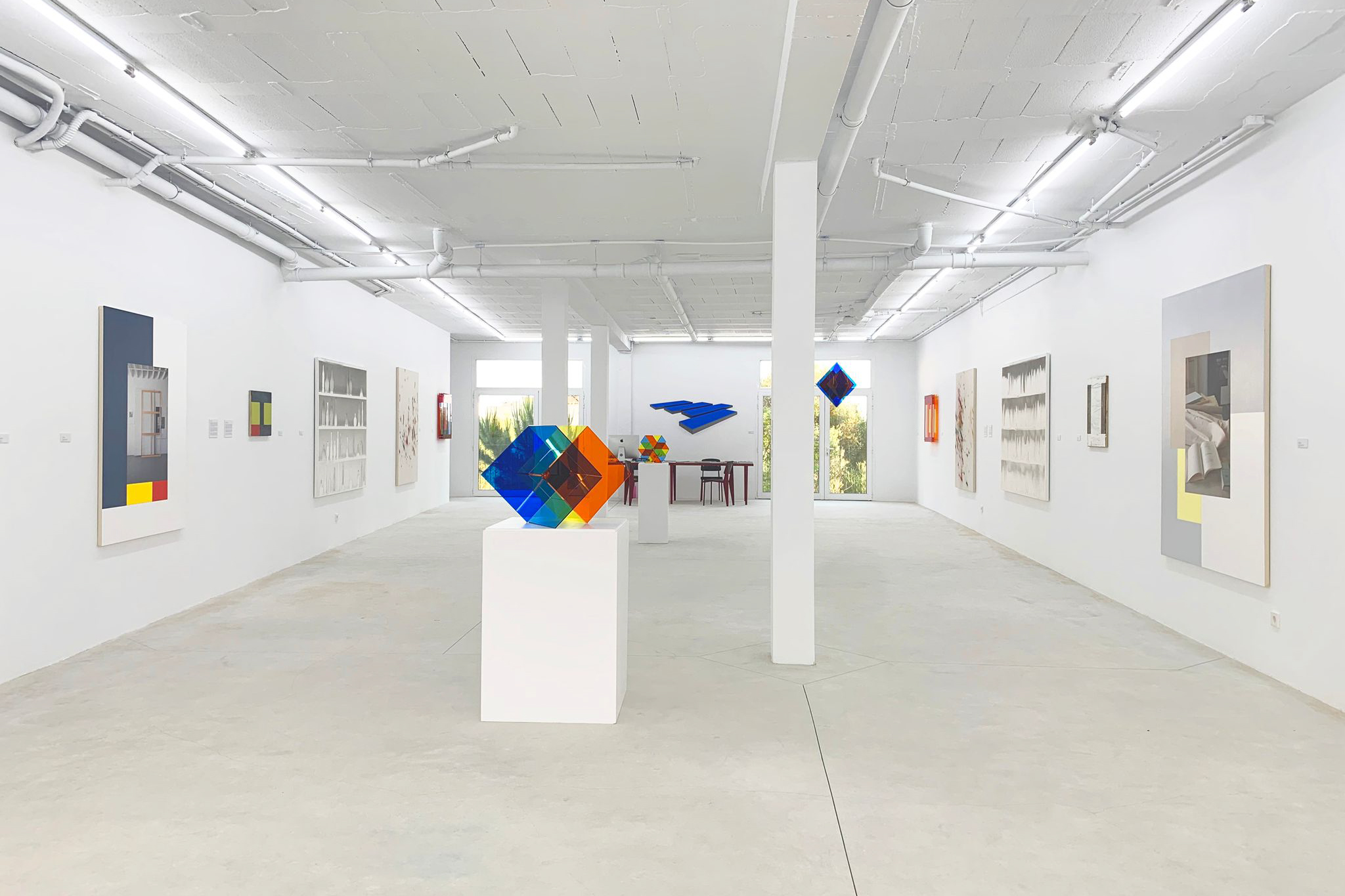
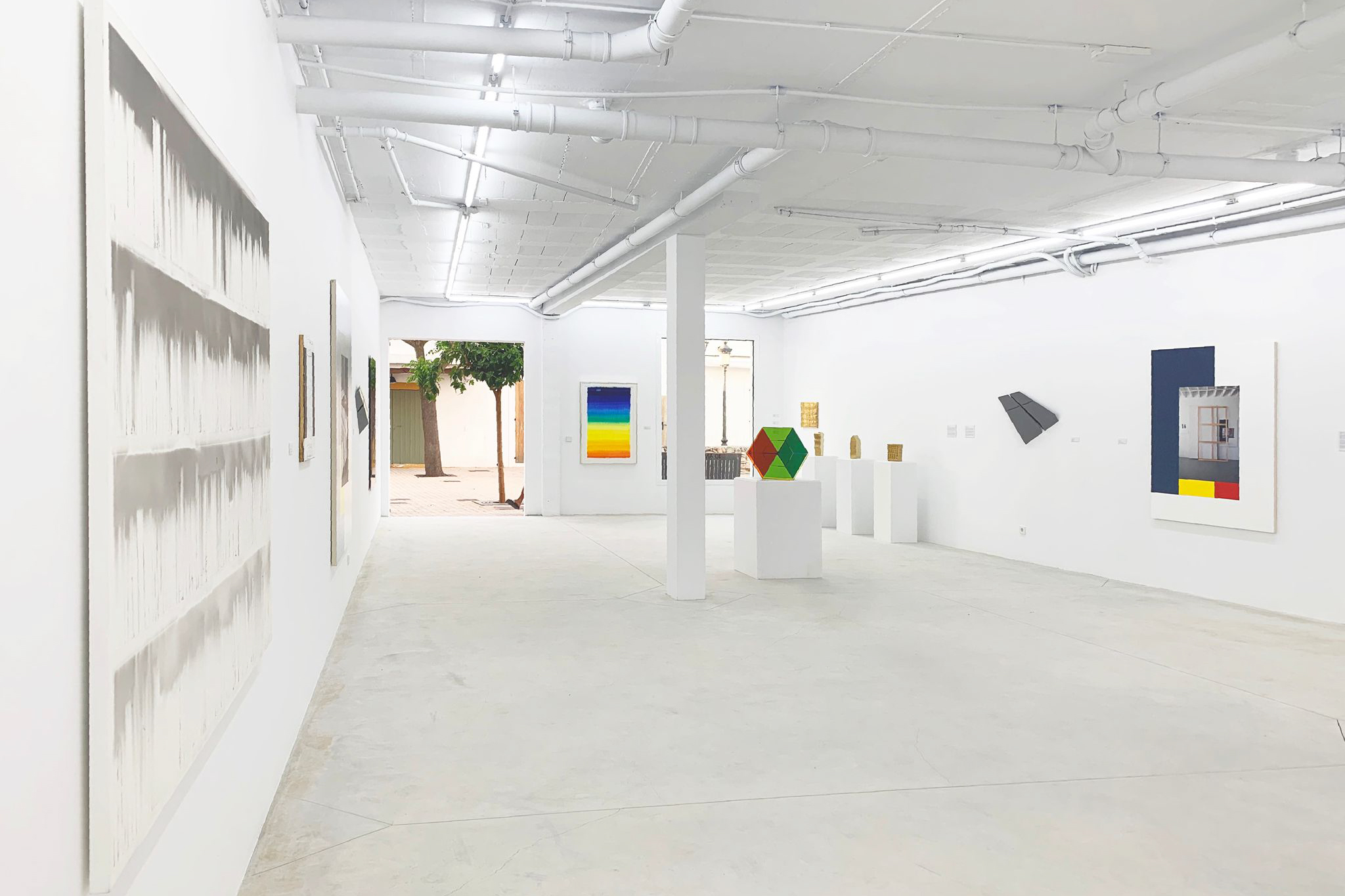
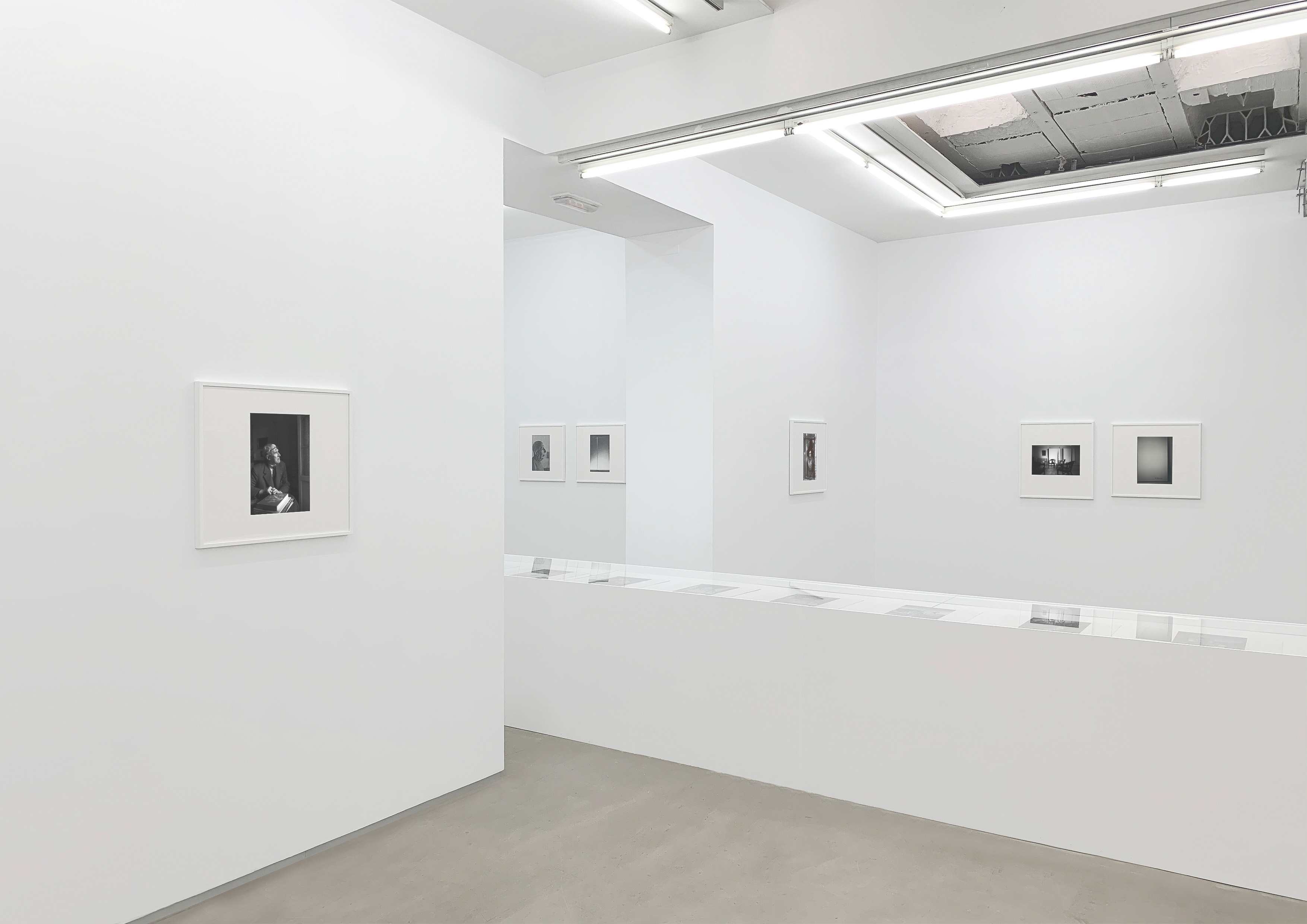
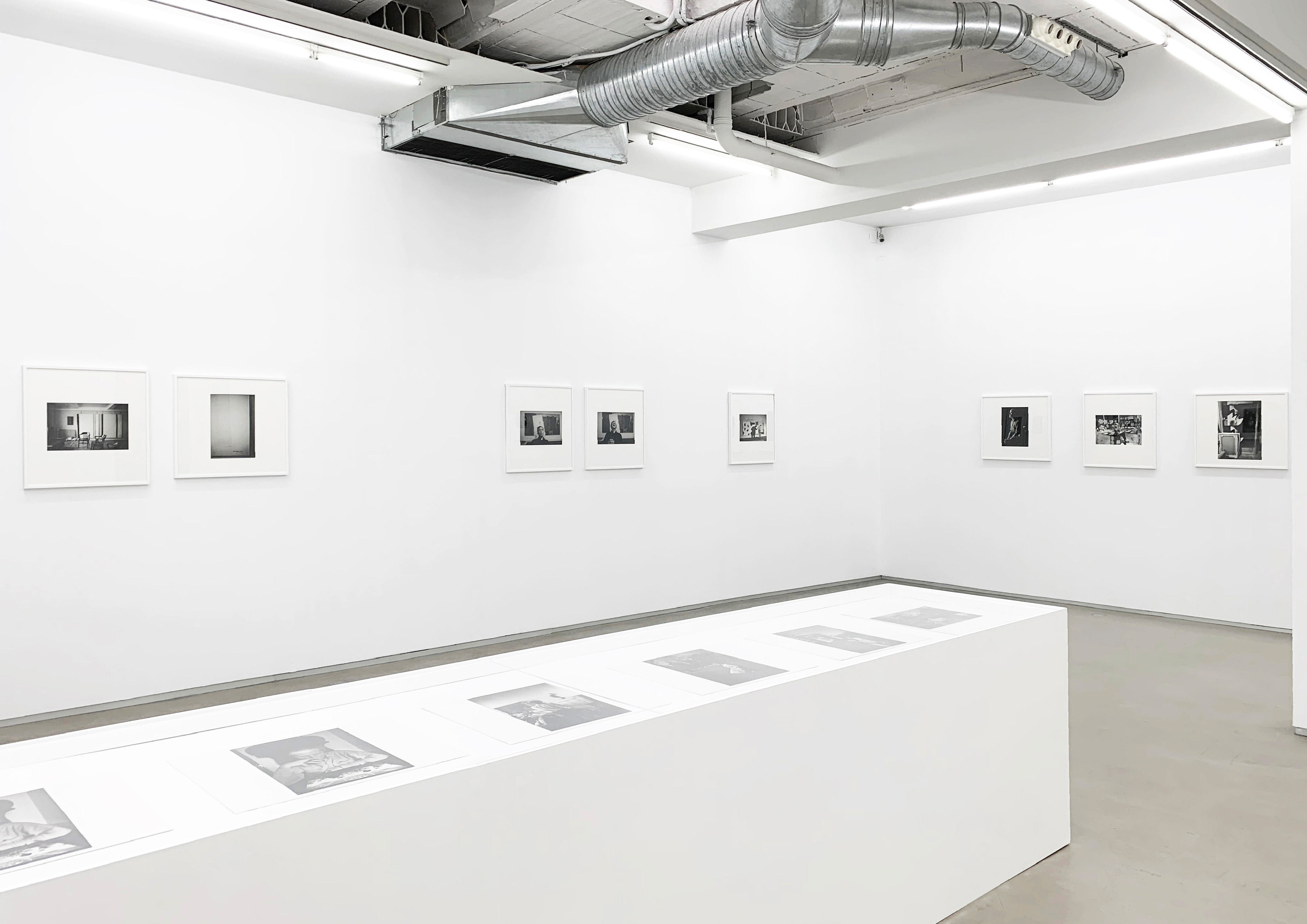
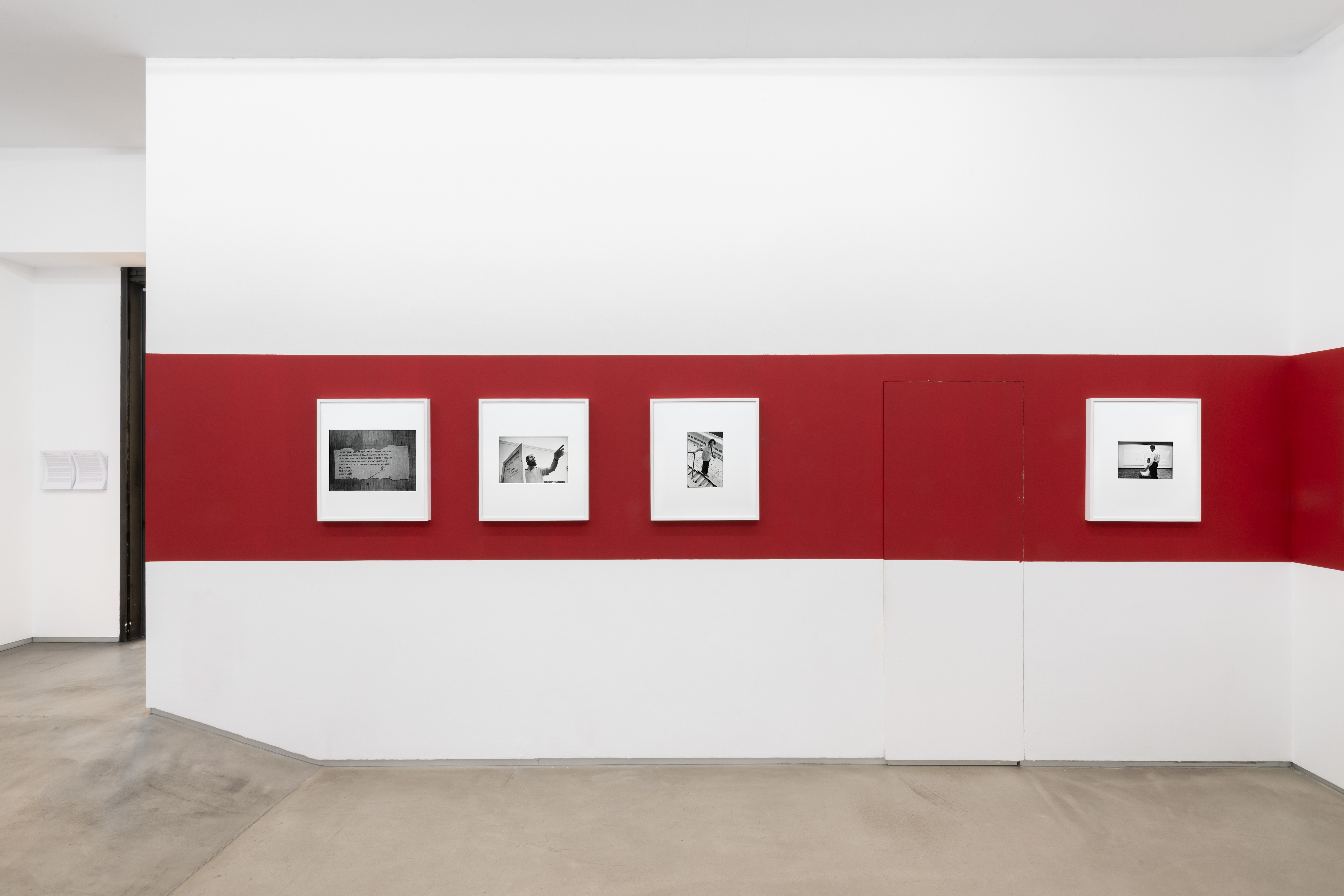
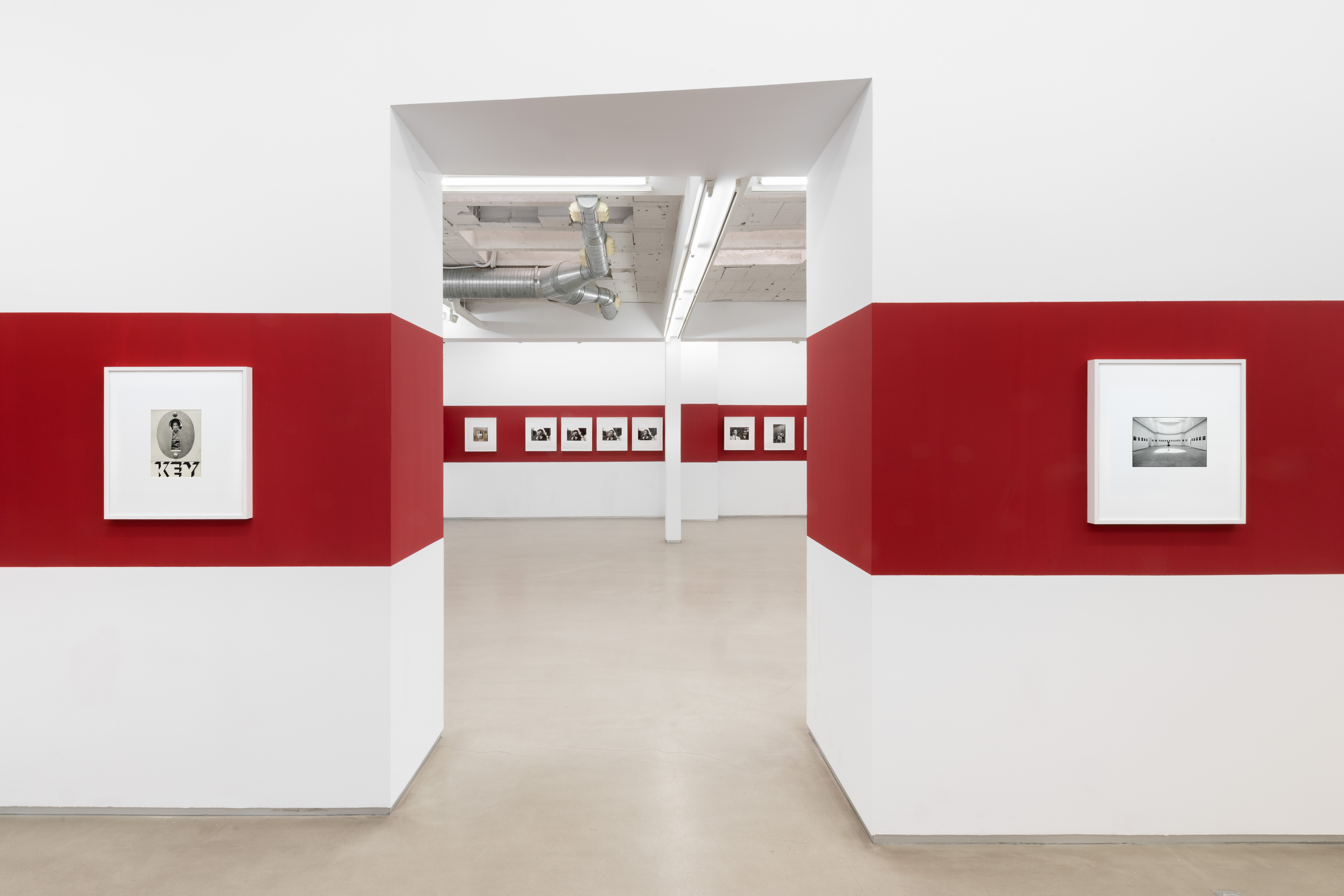
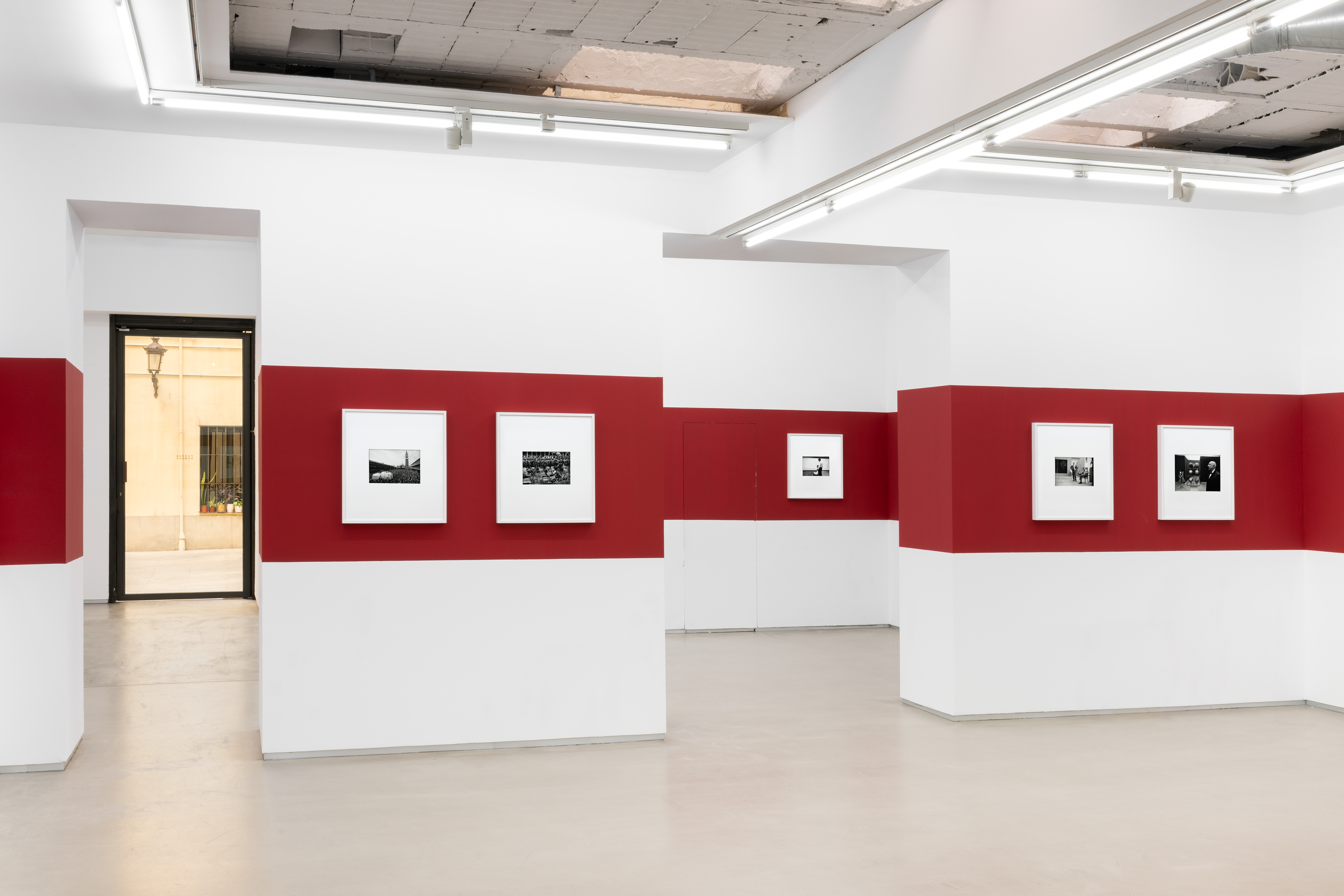
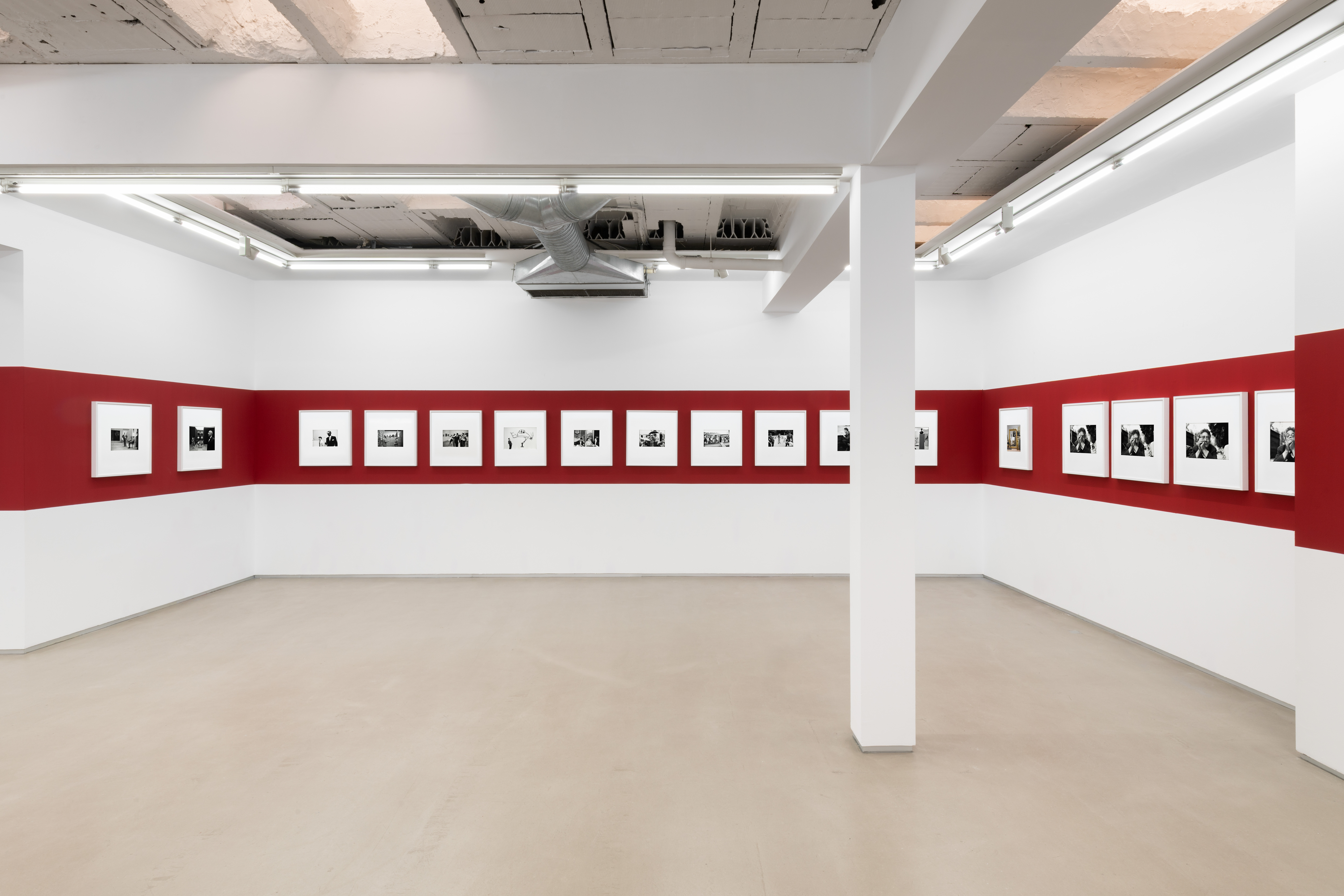
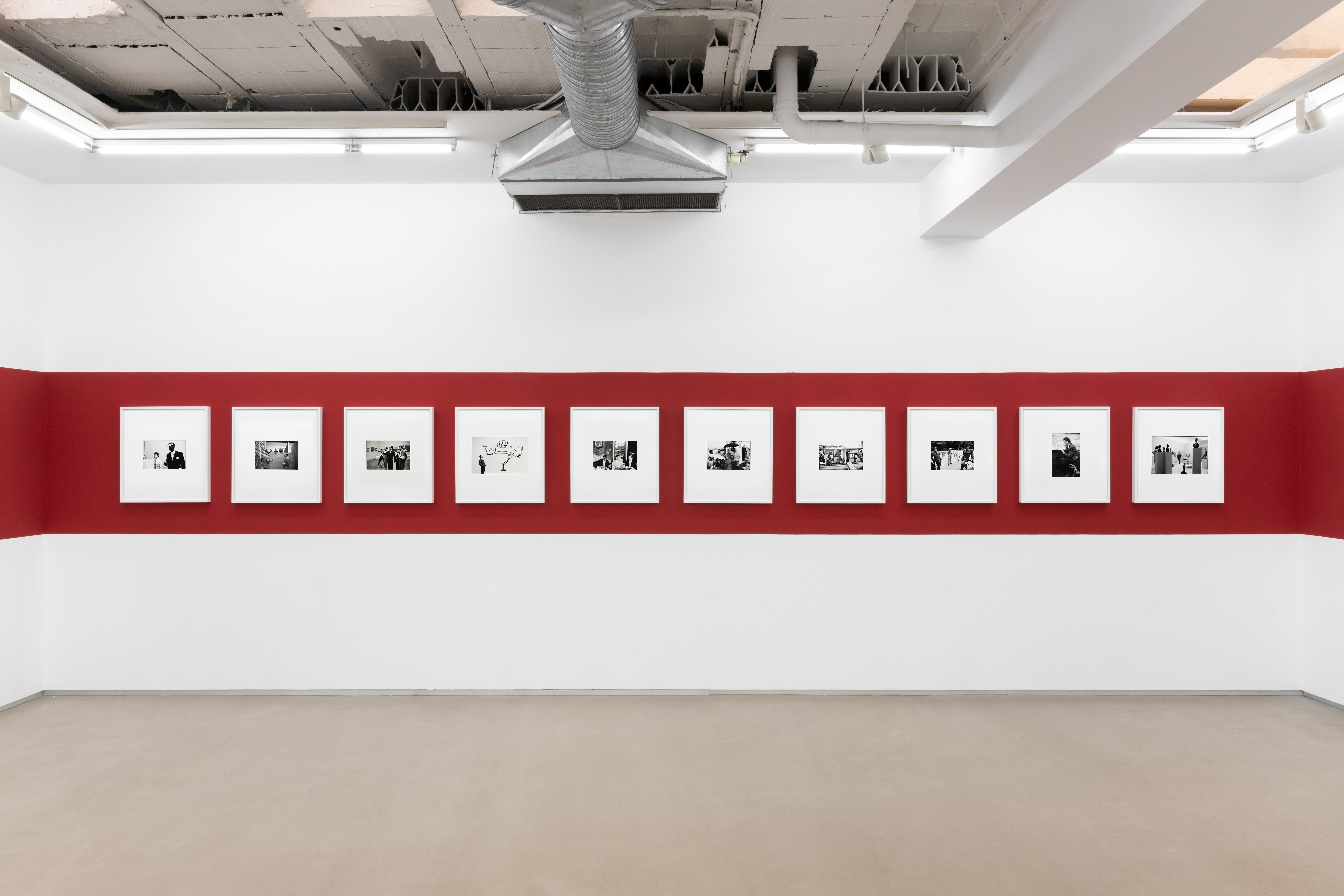
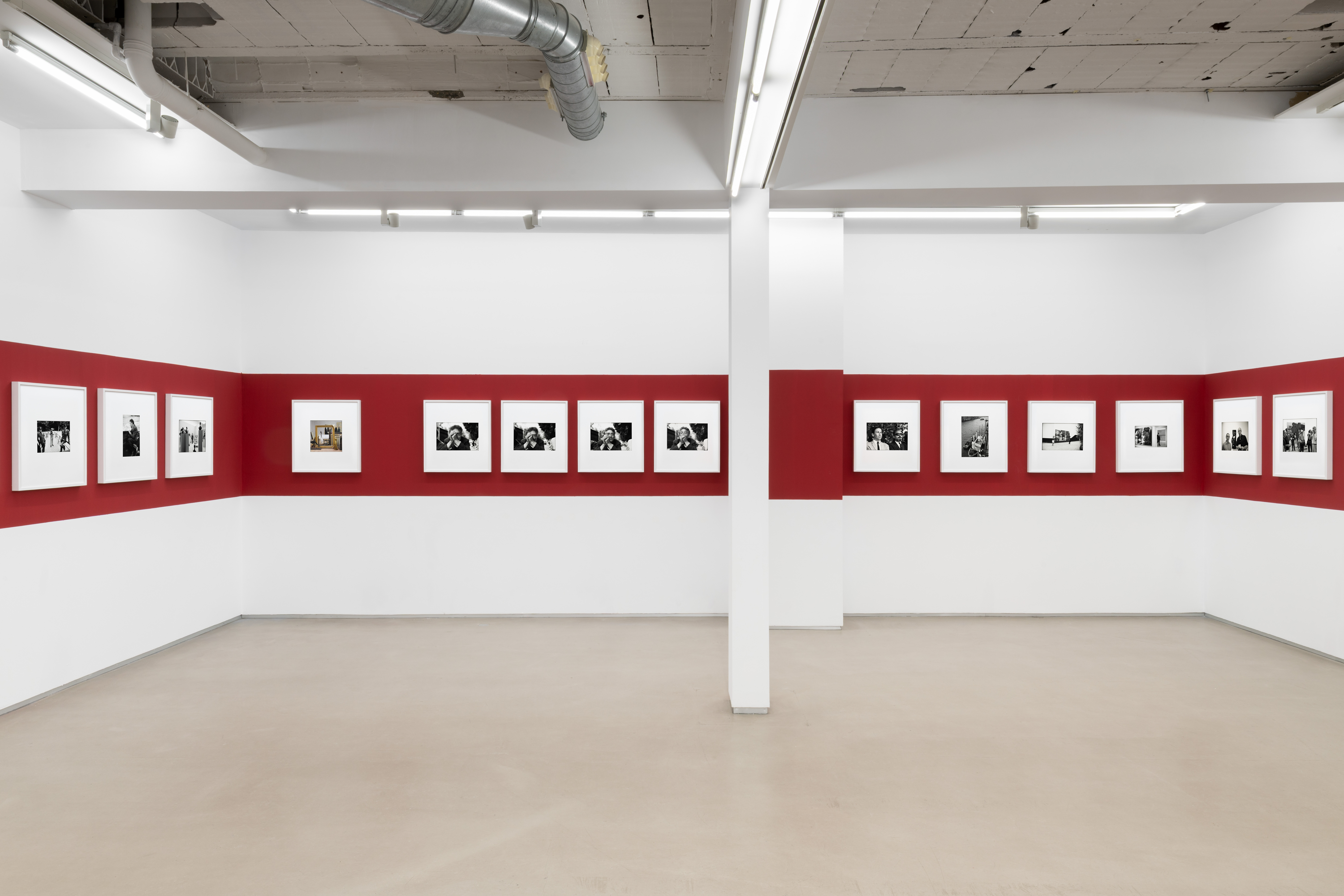
Parra & Romero is pleased to present our new exhibition curated by Javier Panera.
This exhibition is a co-production with the Cultural Activities Service of the University of Salamanca.
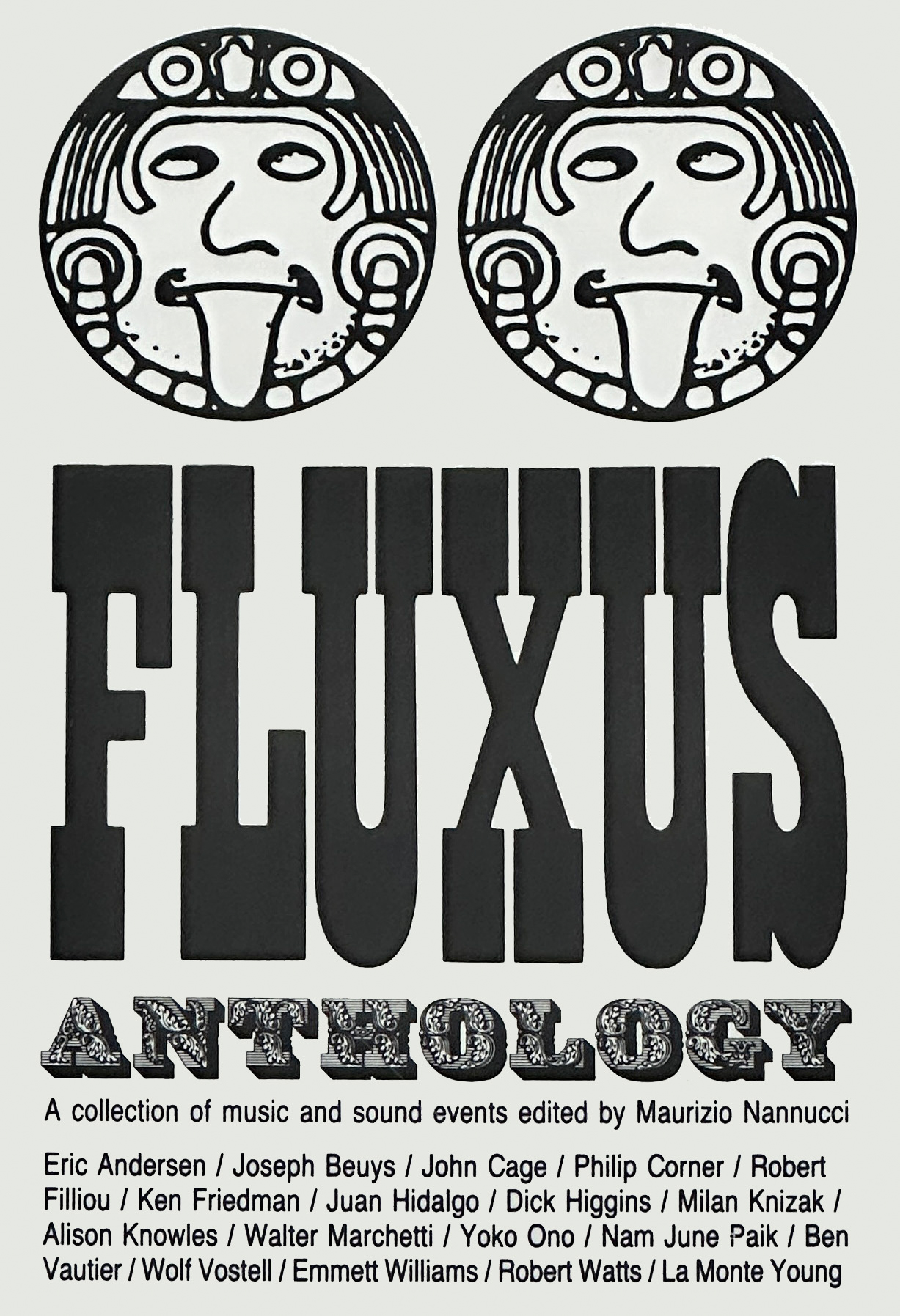
FLUXUS emerged between 1960s – 1970s as a response to the conception of art as a product. Thus, immersed in the visual arts and influenced by music, literature, and dance, this self-proclaimed artistic-sociological movement found diverse expressions not only in United States but also Europe, and Japan.
George Maciunas, artist, gallery owner, and founding member of FLUXUS, said that art “should be simple, entertaining, and unpretentious, without the need to master special techniques and without aspiring to any kind of commercial or institutional value.” Under this umbrella, the artistic vision of FLUXUS doesn’t seek a linguistic renewal but rather a break from any specific language and adopt different media and materials that point toward the idea of “total art.”
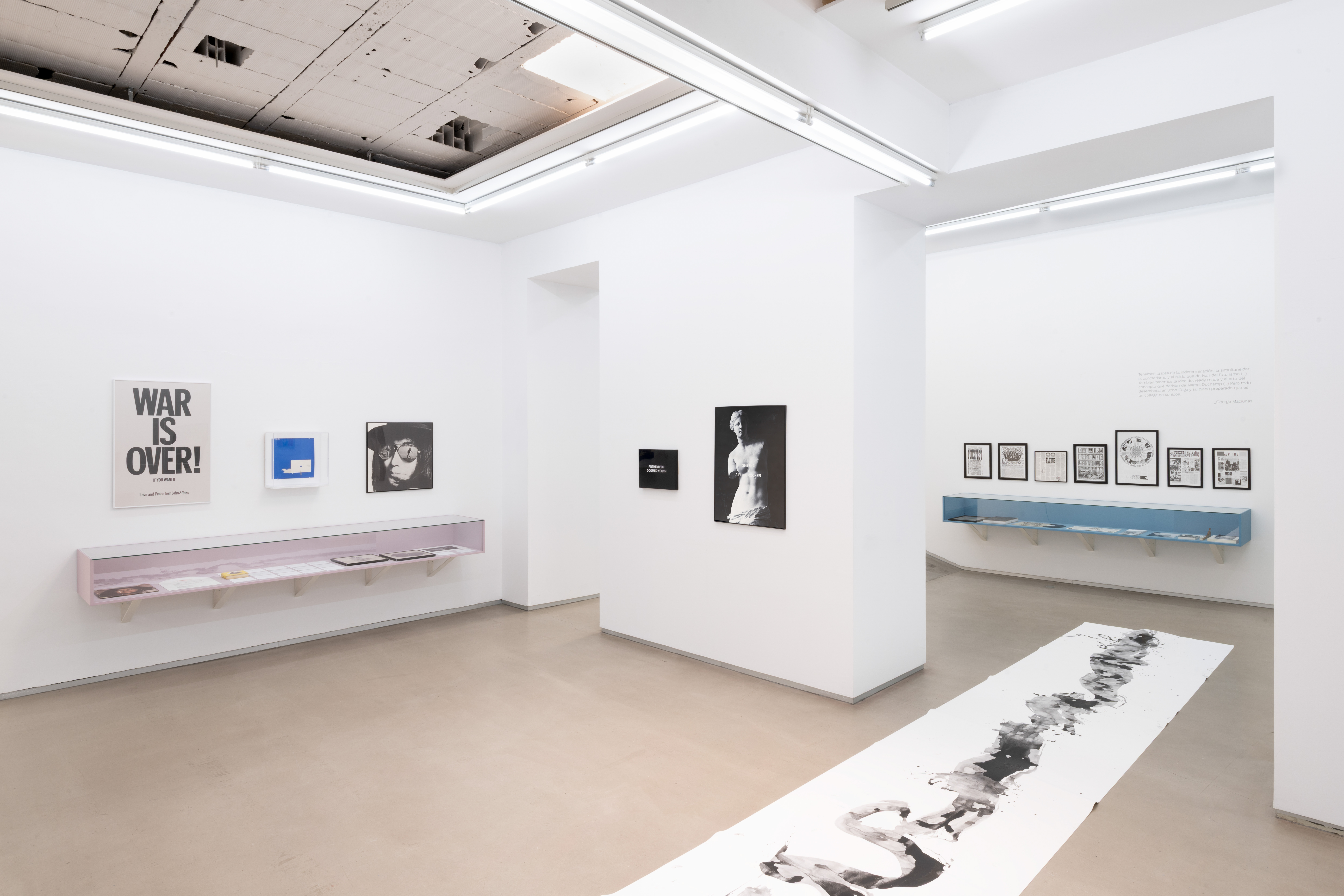
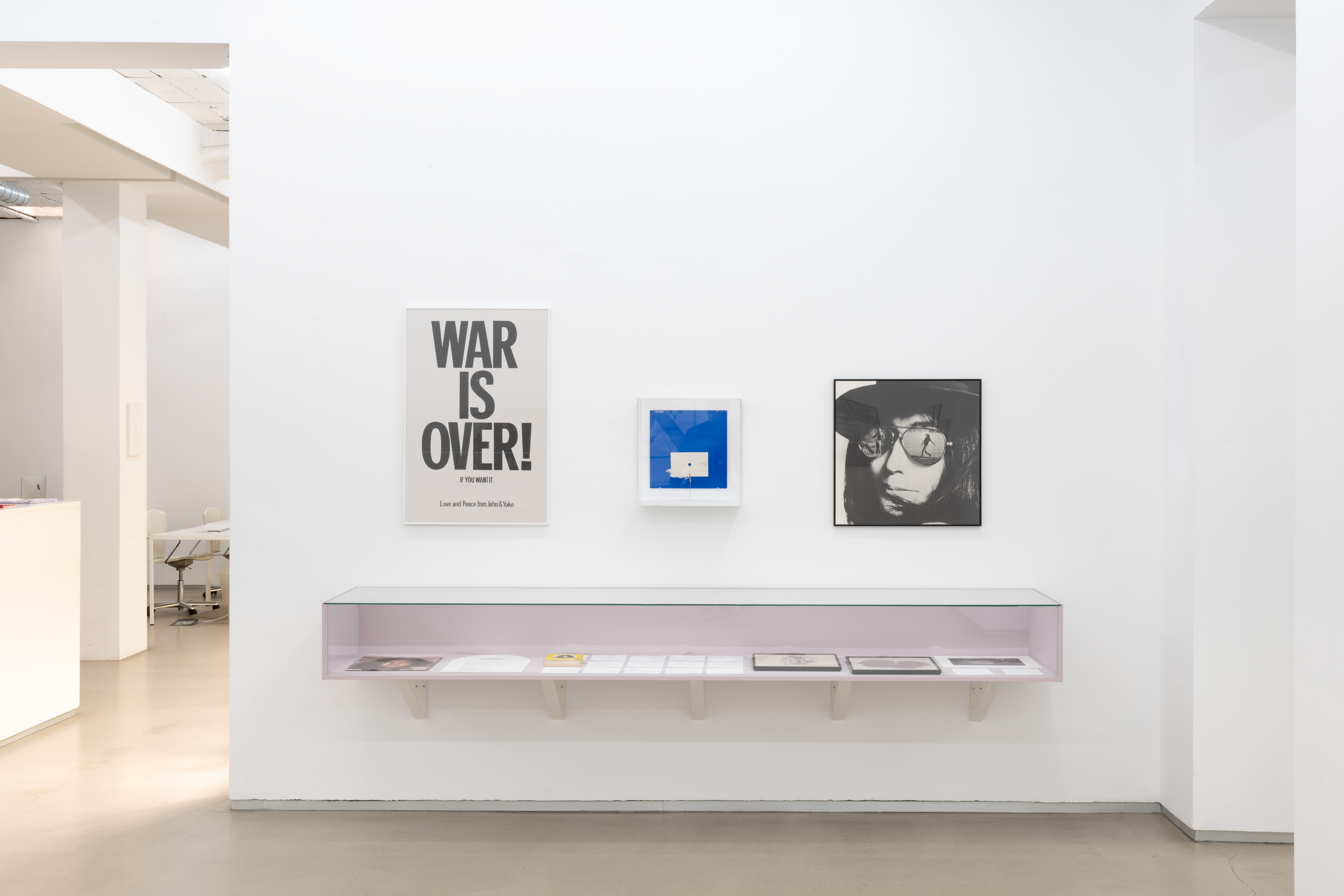
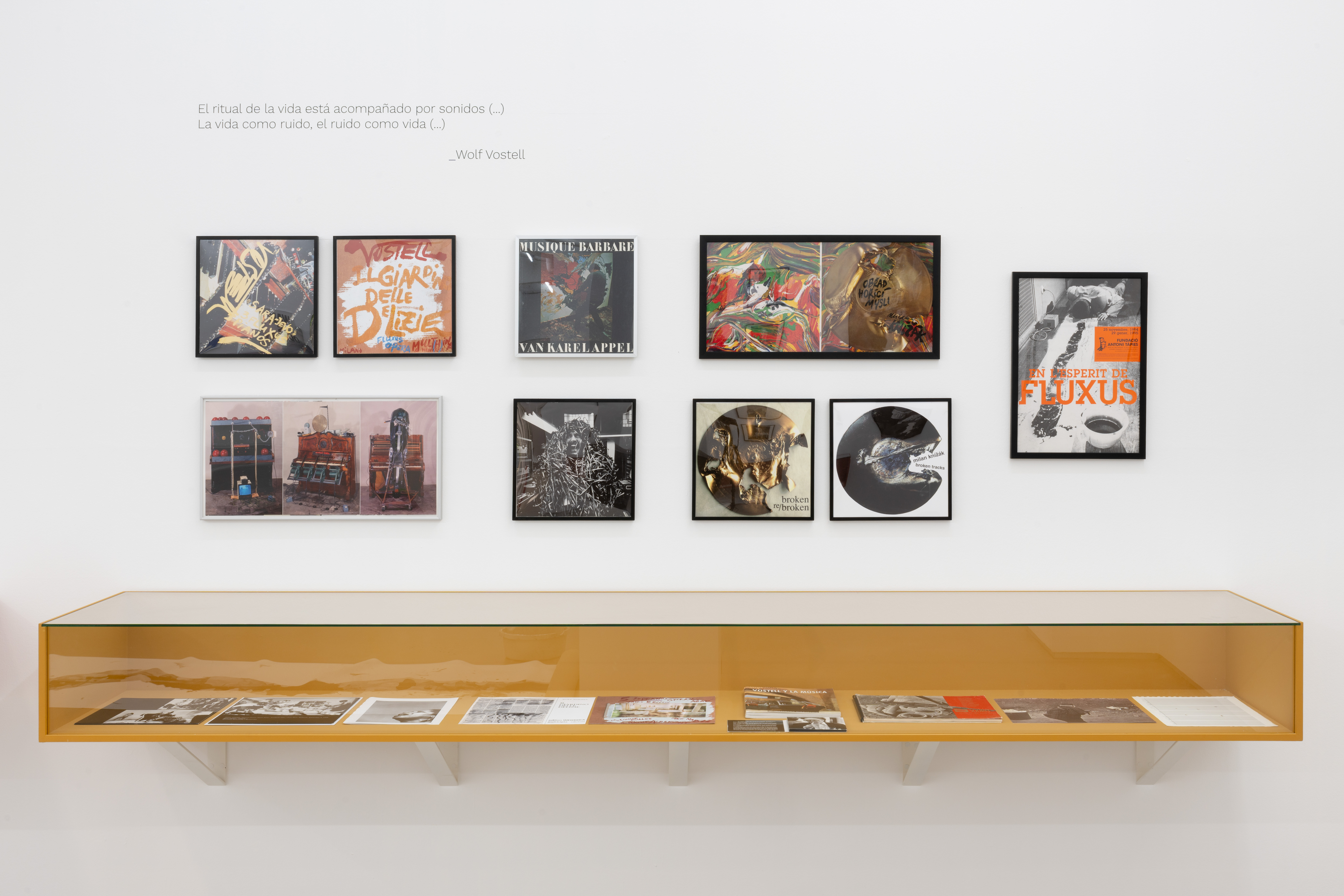
Shattered music. Sound Art Beneath the Expansive Shadow of Fluxus aims to show the indisputable influence that it had on the generations to come, as well as the connections it developed with other contemporary movements such as Minimalism or Conceptual Art. An entire generation that was fundamental to understand the legitimization of important sound art, performance, the happening, and many others derived from action art.
Taking Dadaism, Surrealism, and Conceptual Art as its starting point, FLUXUS was born informally at the Wiesbaden Festival in September 1962, under the leadership of Lithuanian artist George Maciunas, as a “game between conspirators” in which music, visual arts, sound art, experimental poetry, performance art, and video art were brought into dialogue.
This “expanded vision of arts” materialized in iconoclastic happenings with sound and music content that included unorthodox stagings that often ended with the violent sacrifice of instruments. In FLUXUS, what matters is not instrumental virtuosity but rather “the sonic atmosphere that is created after each break (…)” which is why, every time a piano is set on fire, a violin is dragged across the floor or a guitar neck is broken, the act silences the audience, but later, each of these actions can become a powerful device for reflection.
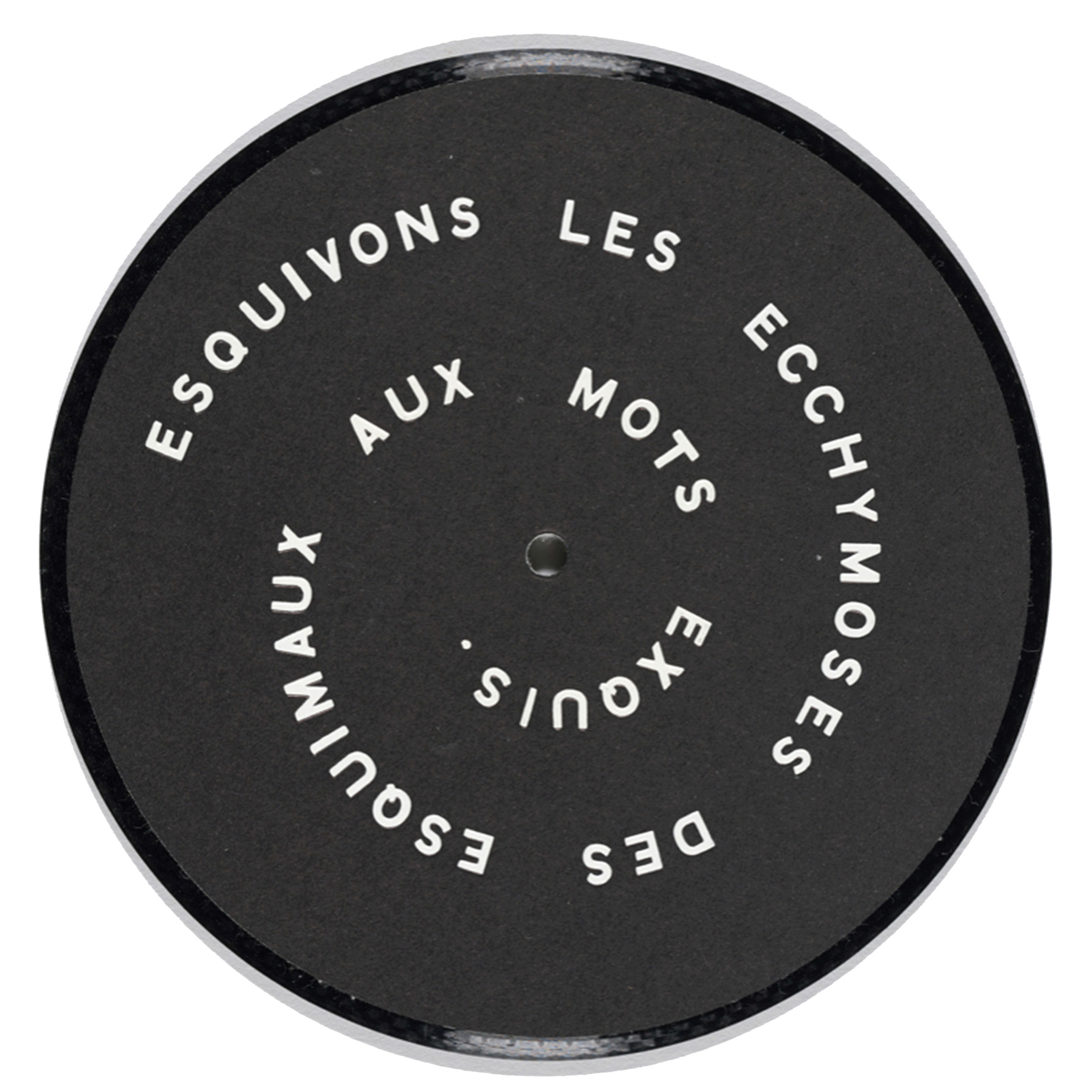
In that sense, FLUXUS could be considered the first avant-garde movement originating in the field of visual arts to infiltrate—like a Trojan Horse—the territory of art music, using its codes, its methods of composition and performance, and even its notation systems—to pervert and deconstruct them from within—without renouncing to the possibility of redefining the “art of listening.” Therefore, as can be seen in this exhibition, their recorded output was abundant.
FLUXUS artists attempt to take music out of its comfort zone. Therefore, both their concerts and recordings are informed by processual explorations of sound, matter, time, and action. They also take a critical stance against the veneration of the performer, the inviolability of the score, and the sacralization of the instrument and the concert hall.
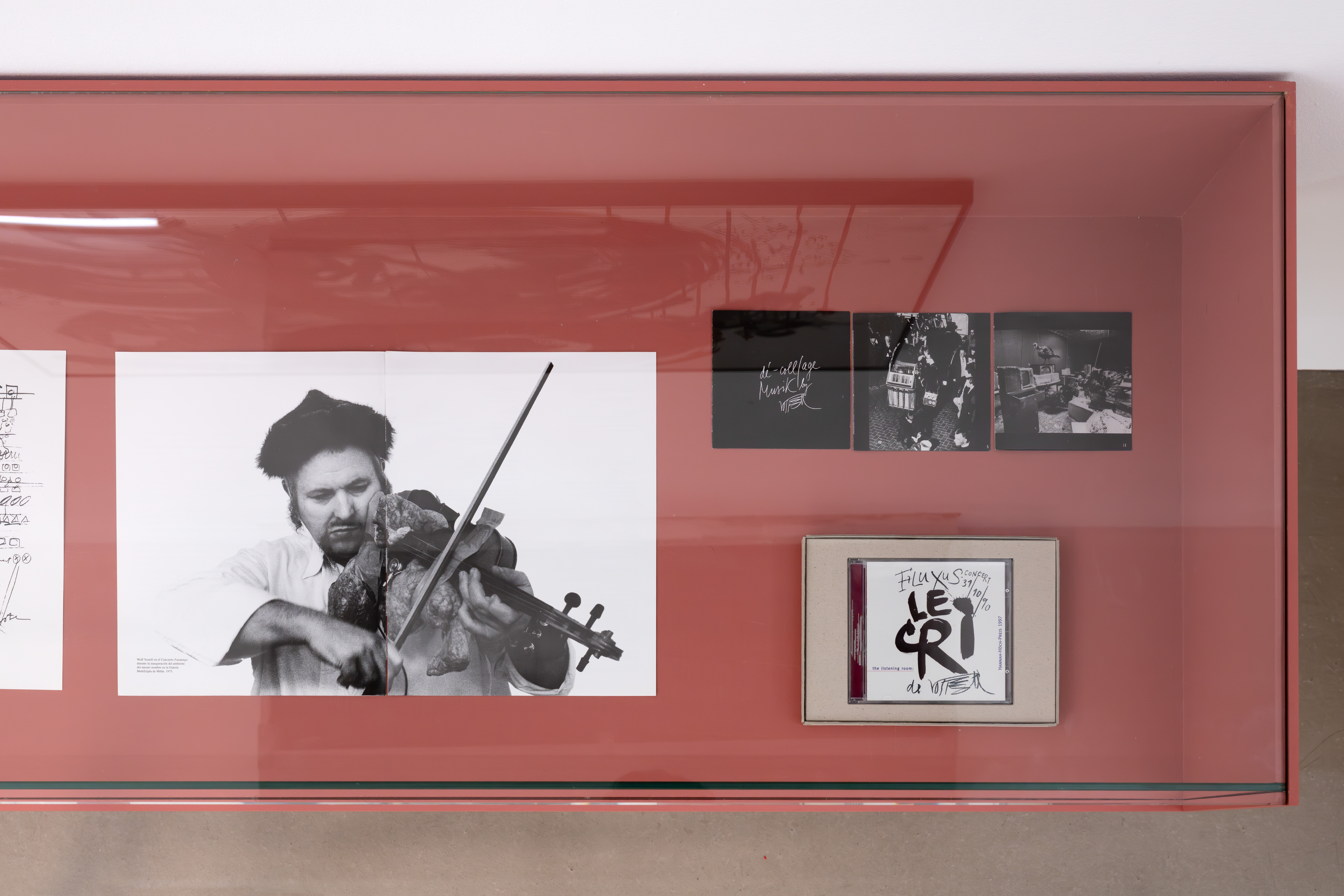
The violent destruction of instruments entails, in this sense, a symbolic contribution that has been transformed into a processual strategy by dozens of musicians from different eras, both from the experimental avant-garde and popular music. For all these reasons, the works and recordings selected for some sections of the exhibition attempt to uncover the invisible threads that connect the performative actions of FLUXUS artists such as Wolf Vostell, Annea Lockwood, Nam June Paik, Milan Knížák, Benjamin Patterson or Charlotte Moorman with the recordings and performances of rock musicians such as Jimi Hendrix, The Beatles, Lou Reed, The Clash, Einstürzende Neubauten, or Sonic Youth.
At the same time, as can be seen in the creative processes of artists such as Yoko Ono, La Monte Young, Alison Knowles, Dick Higgins, George Brecht, Robert Filliou, Ben Vautier and Philip Corner, their works sometimes move away from the world of “audible” music and towards that of “visual music” or “sound action” in radical compositions that are presented in the form of “events”, “concerts of the everyday” or simply: “the music of action that animates things”.
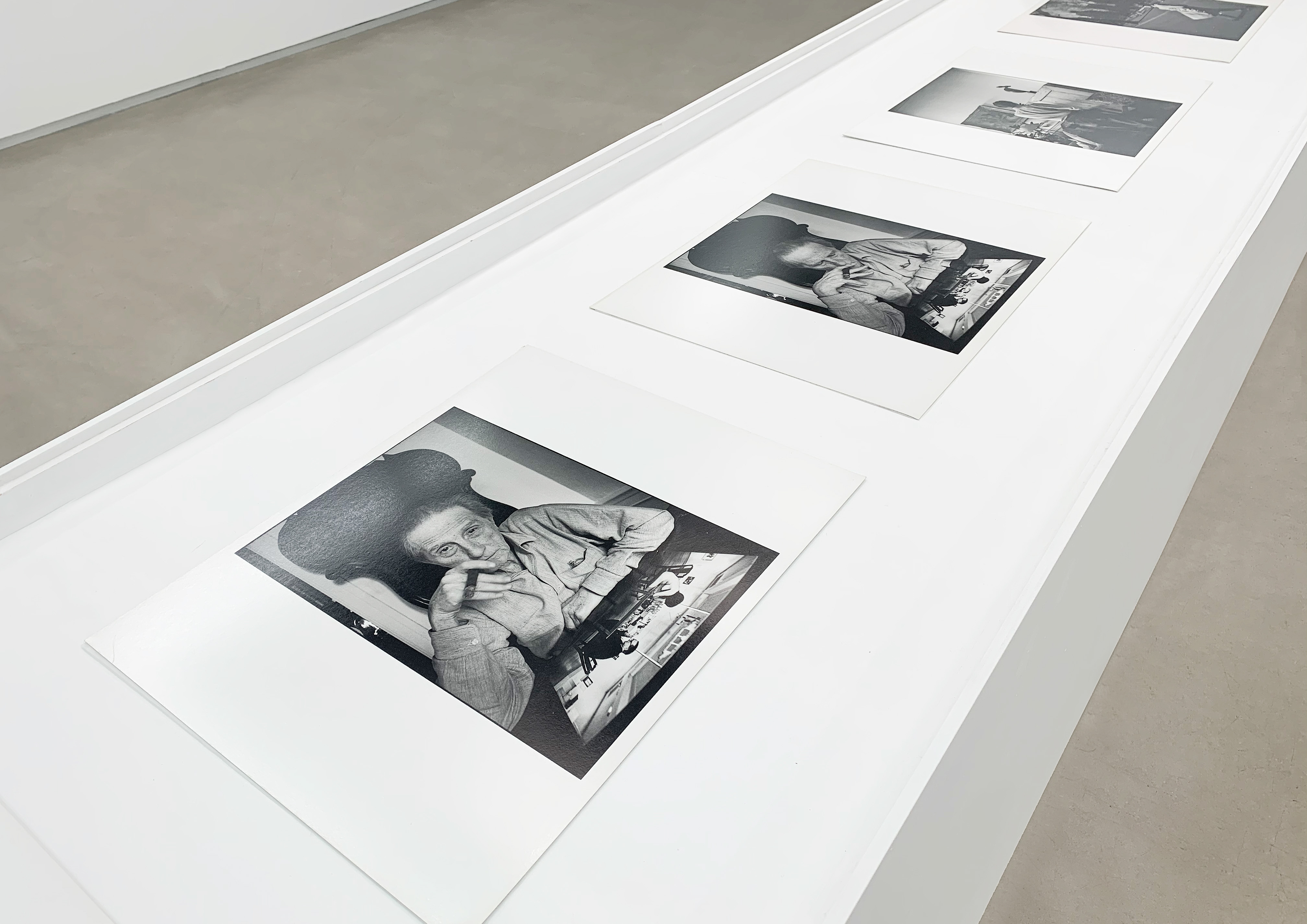
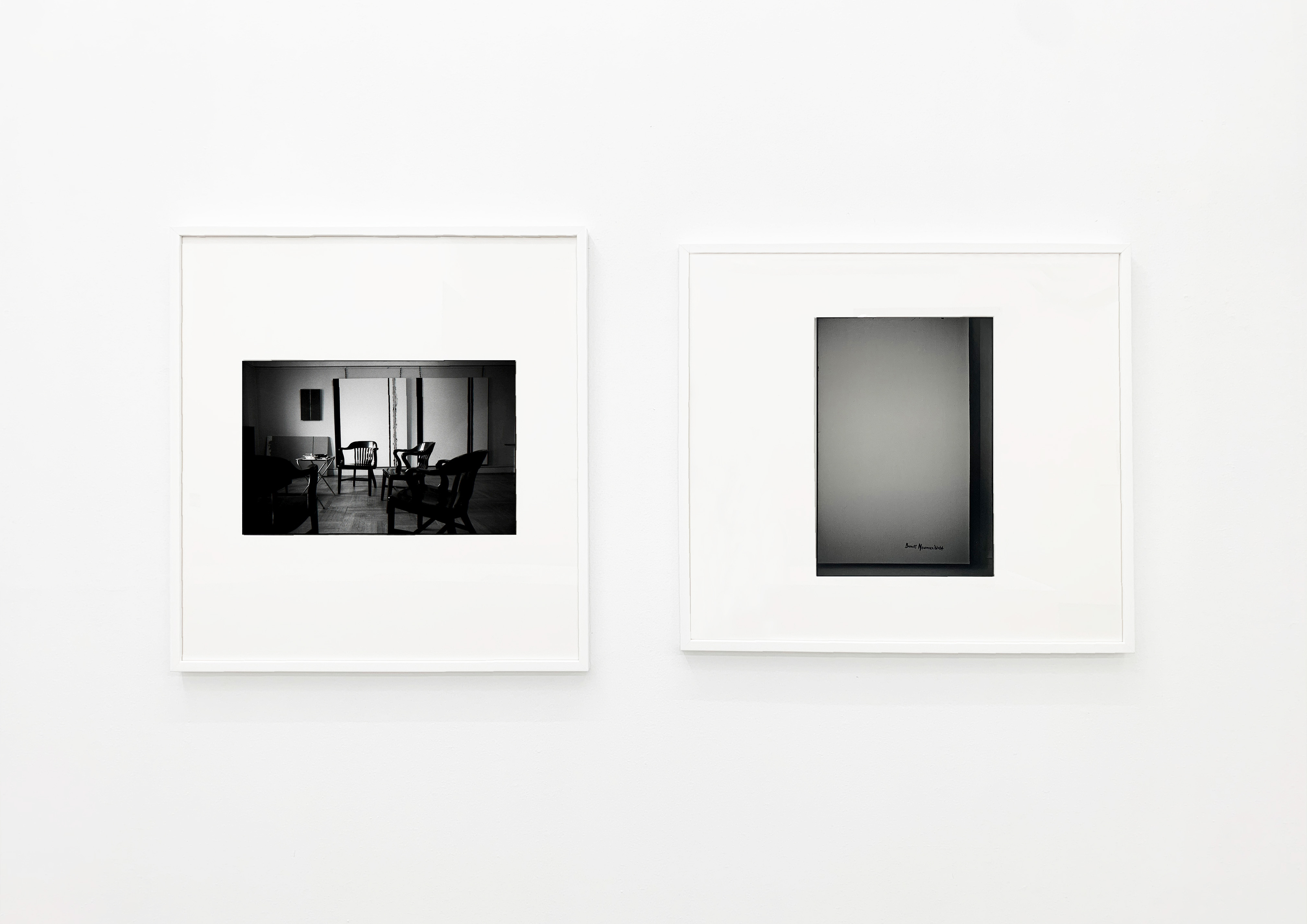
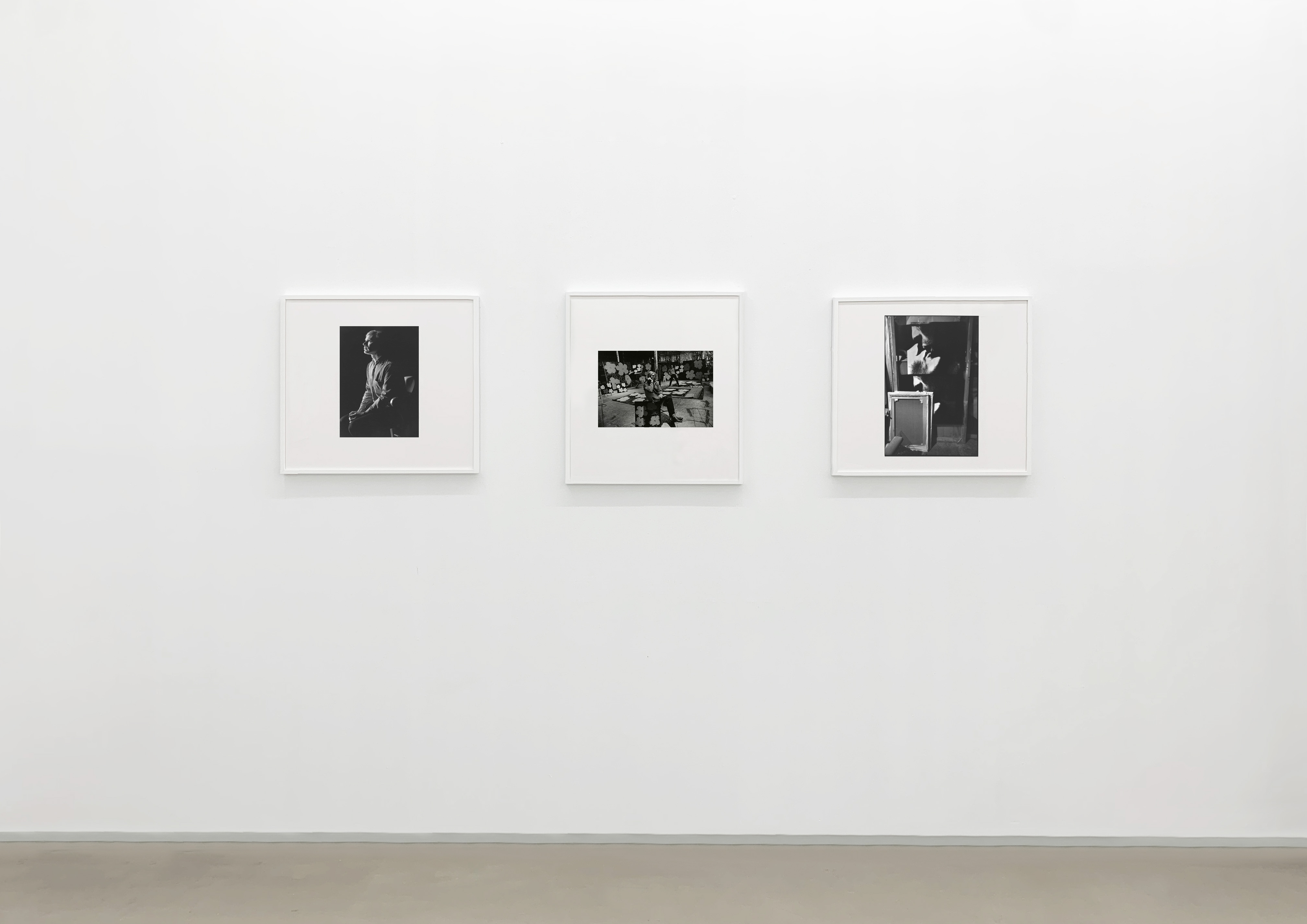
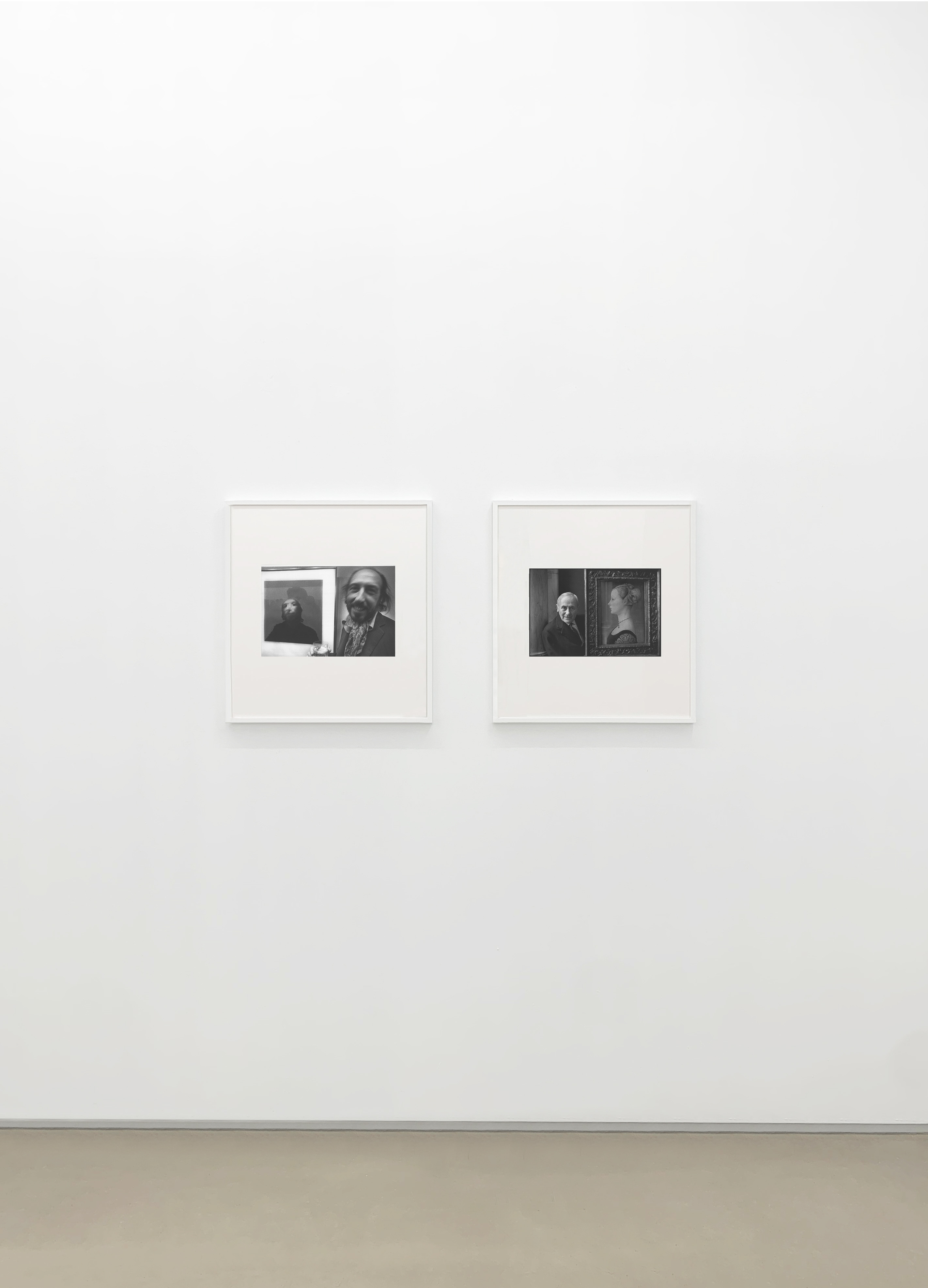
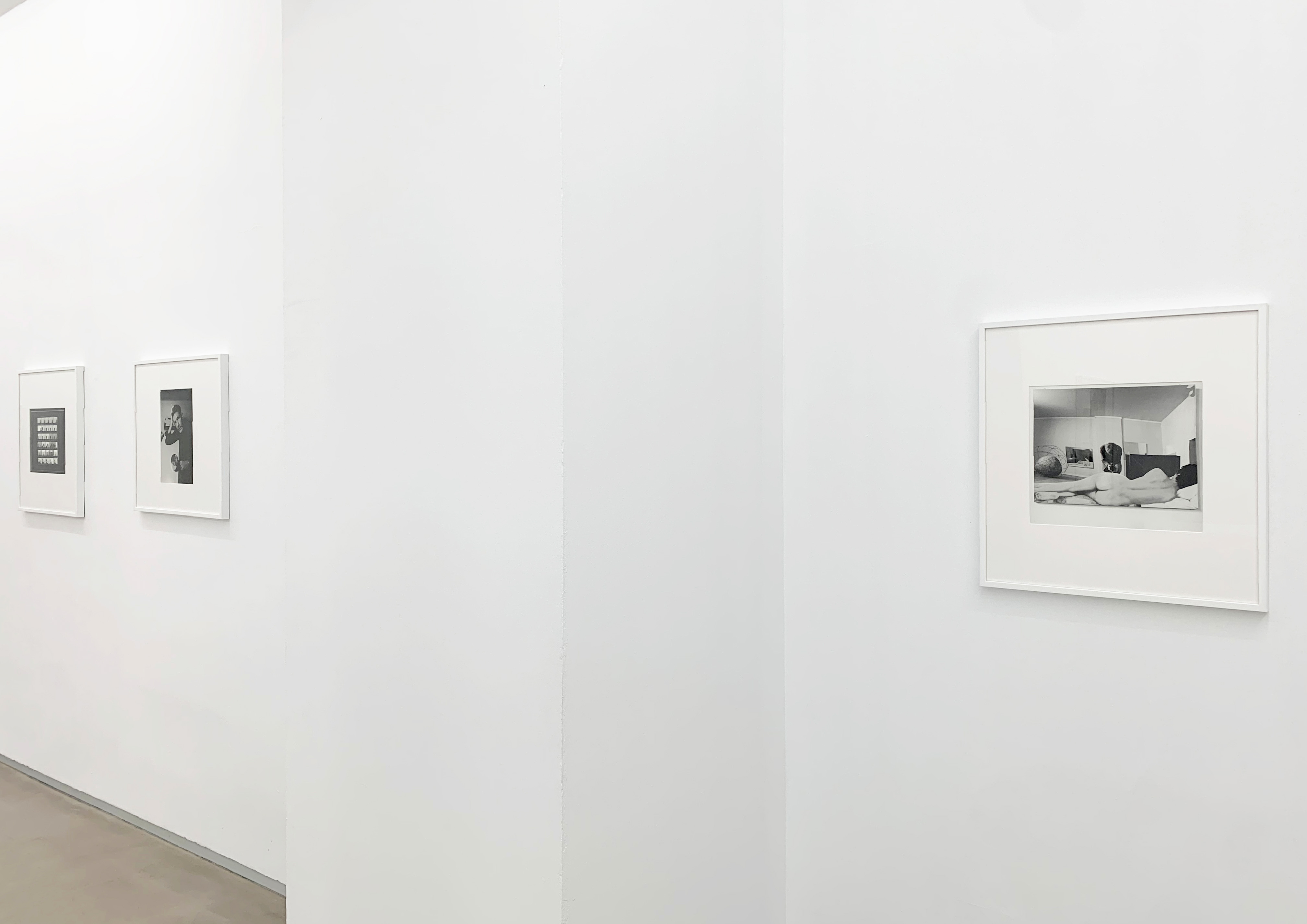
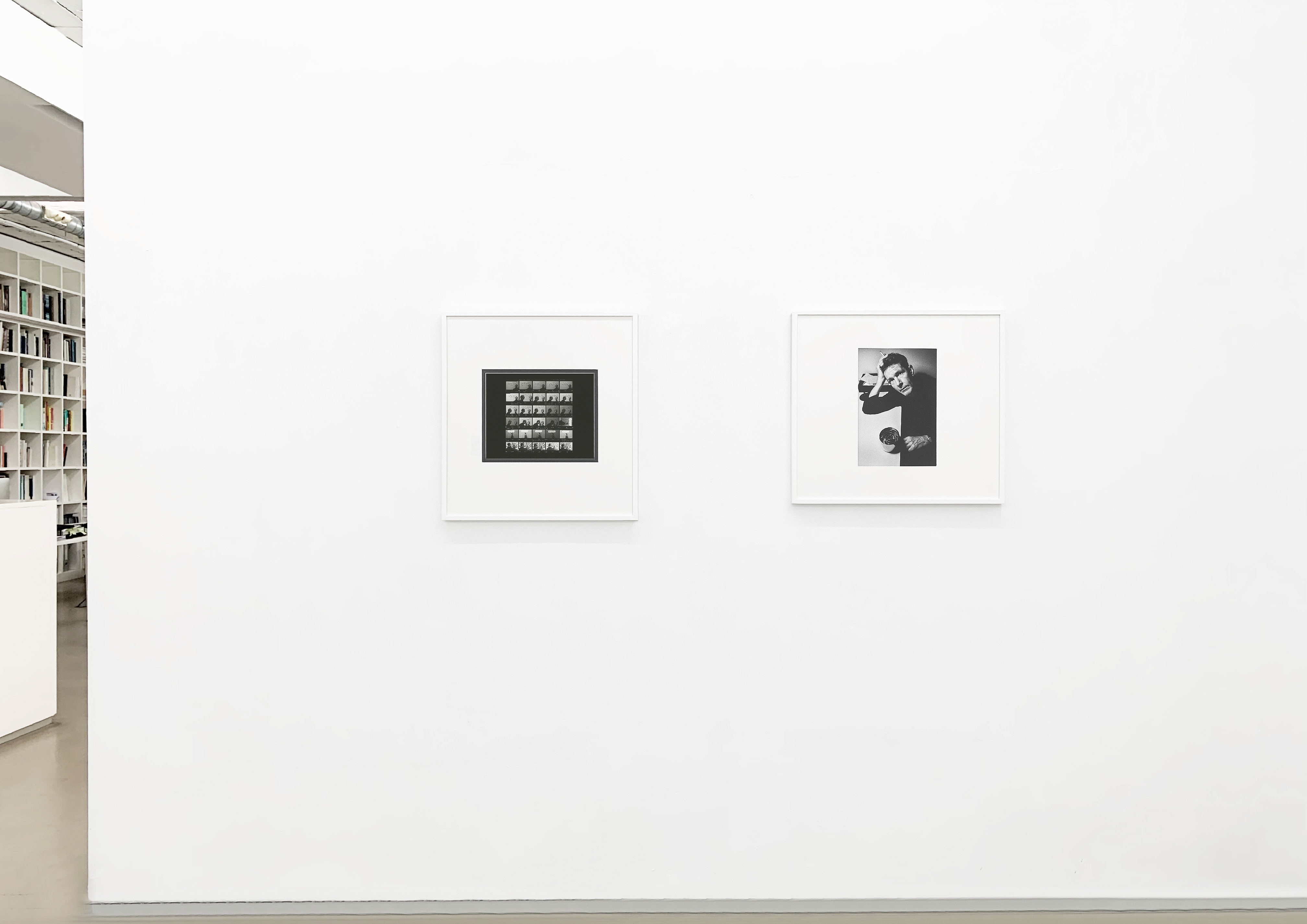
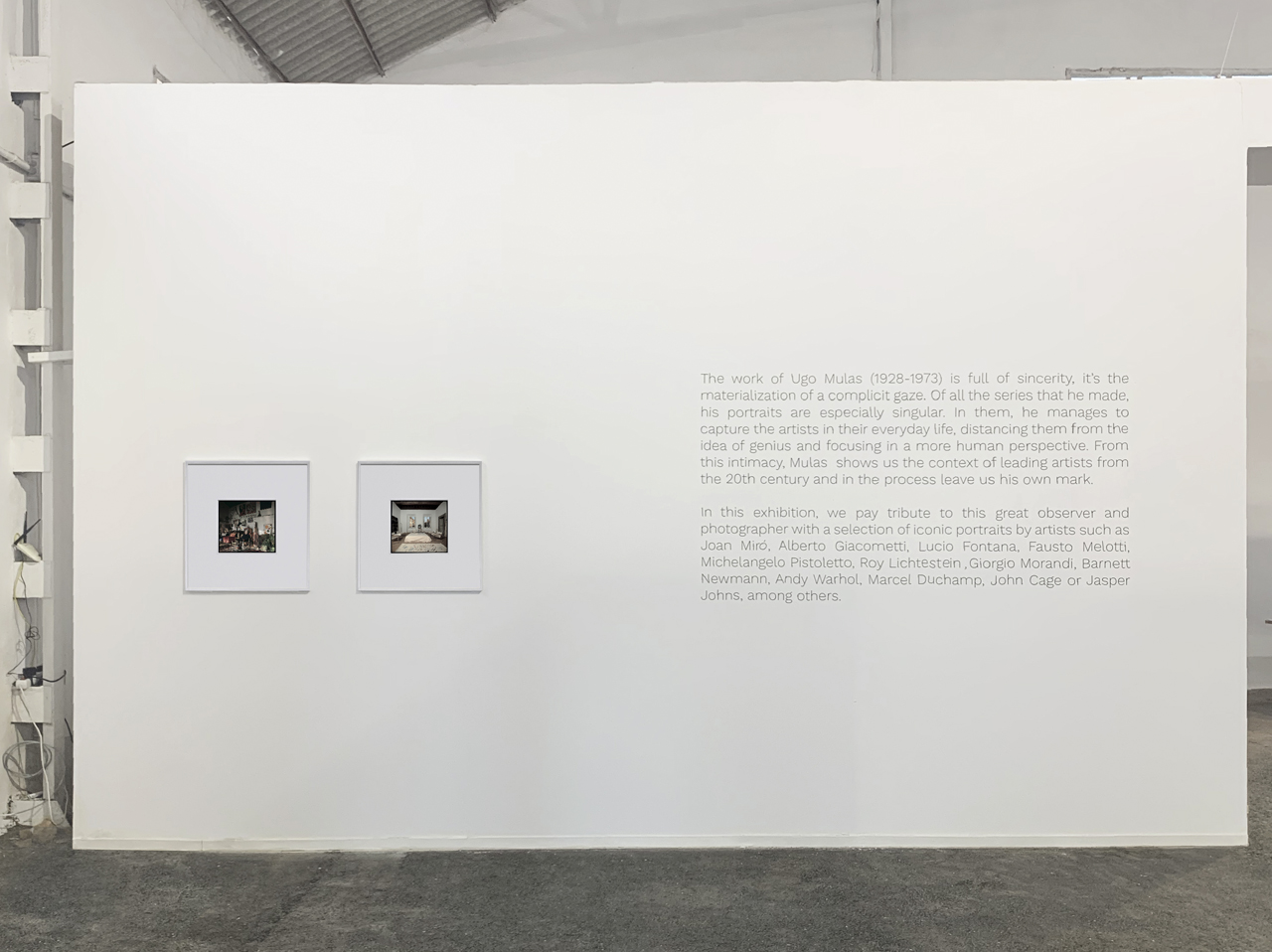
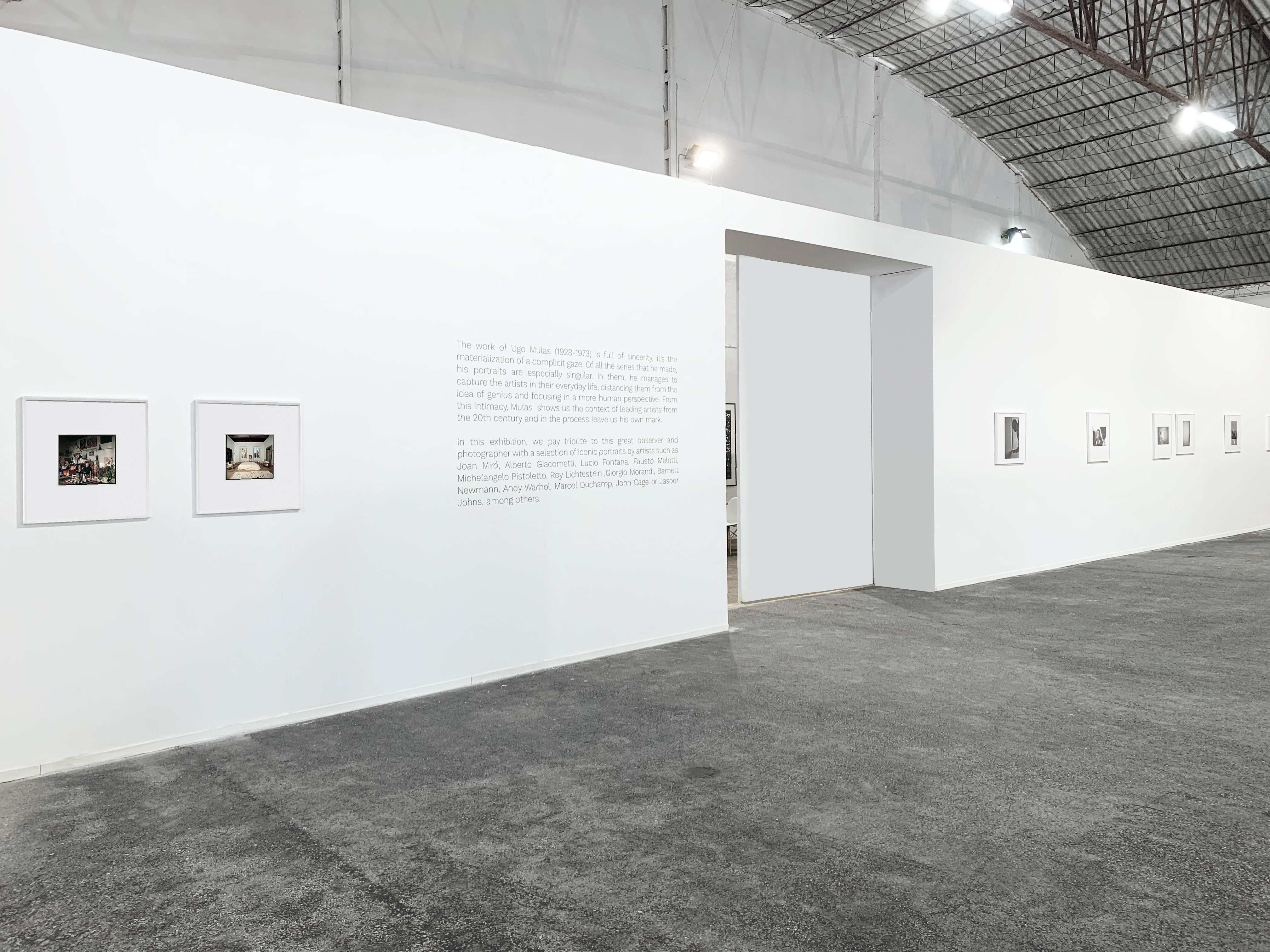
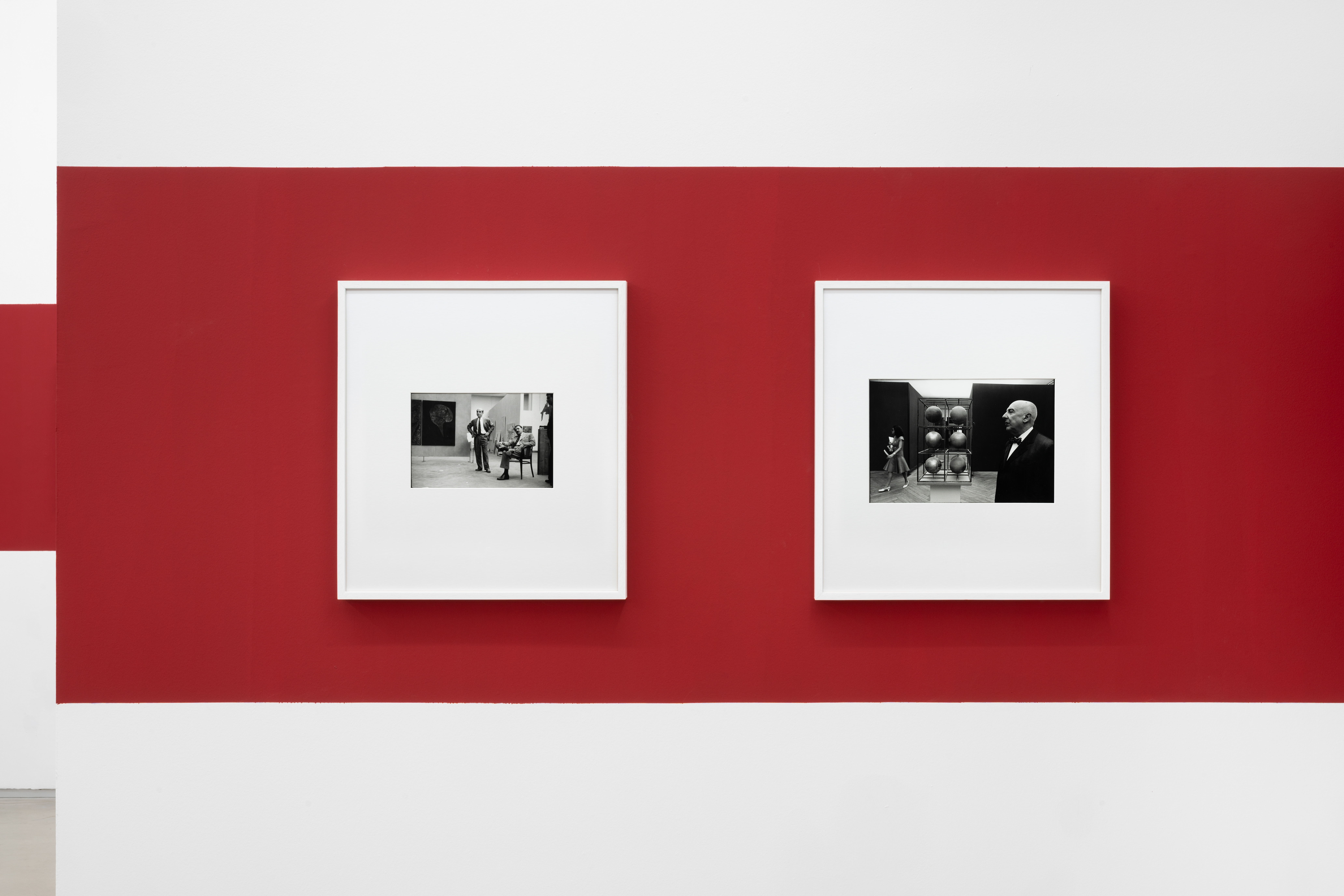
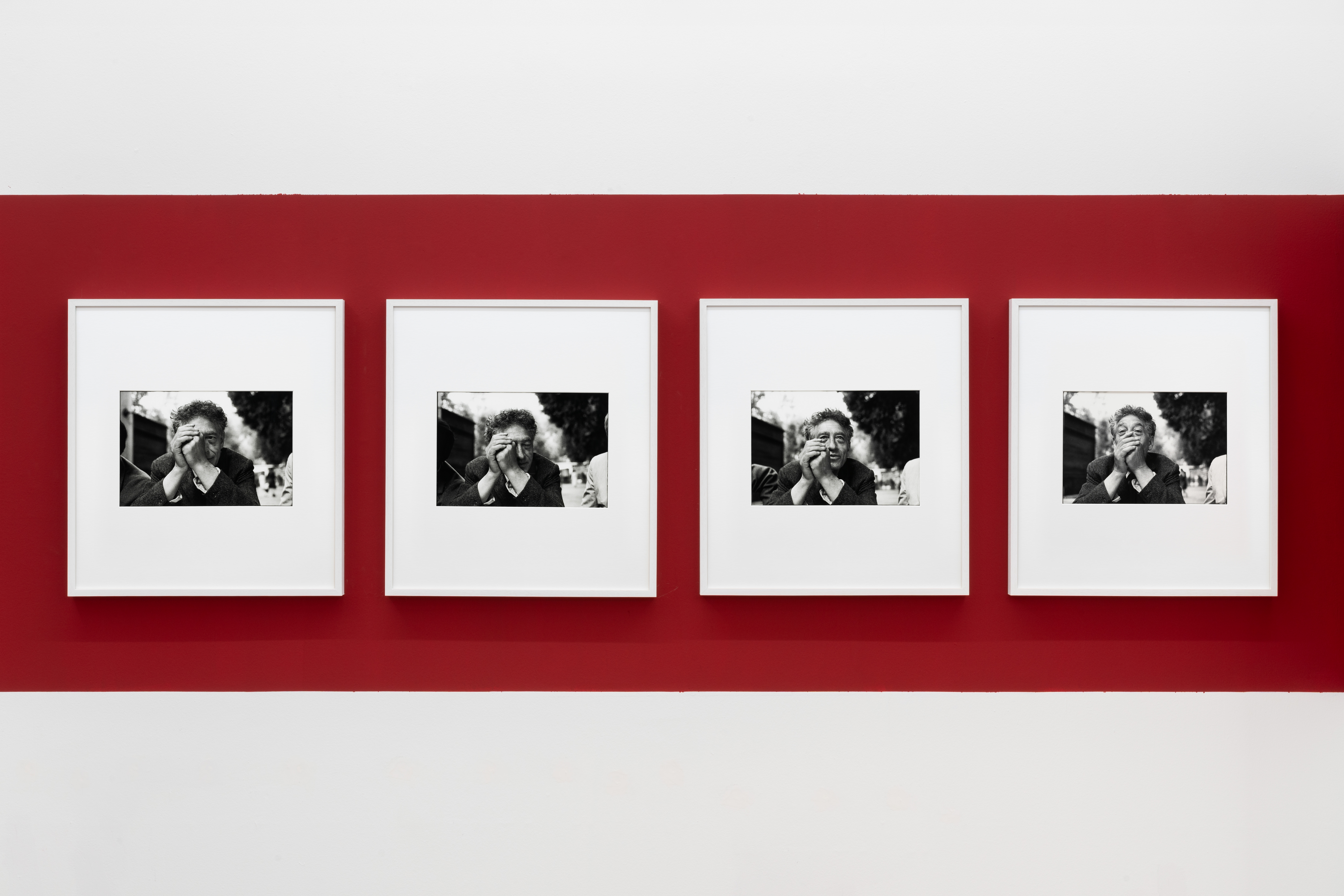
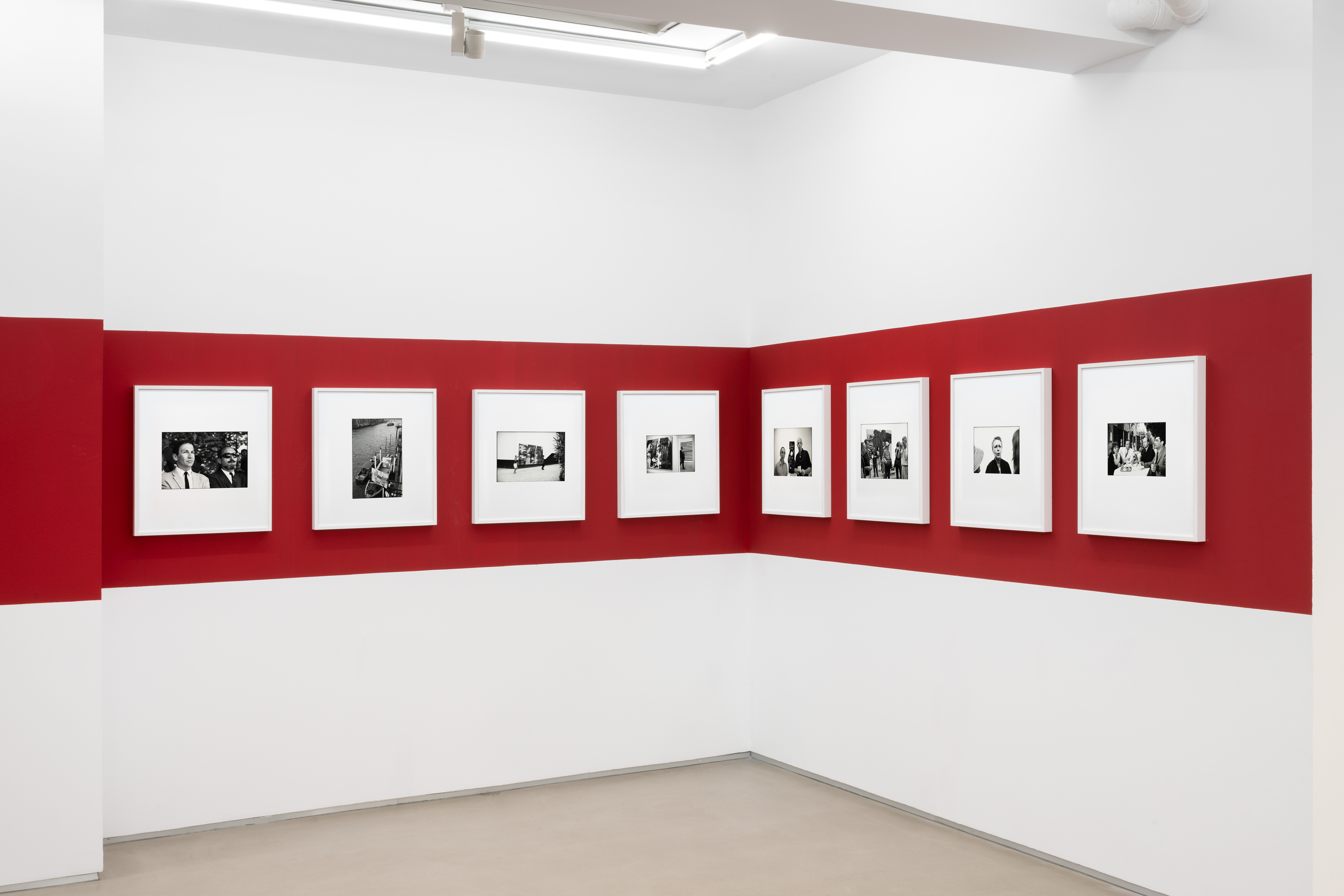
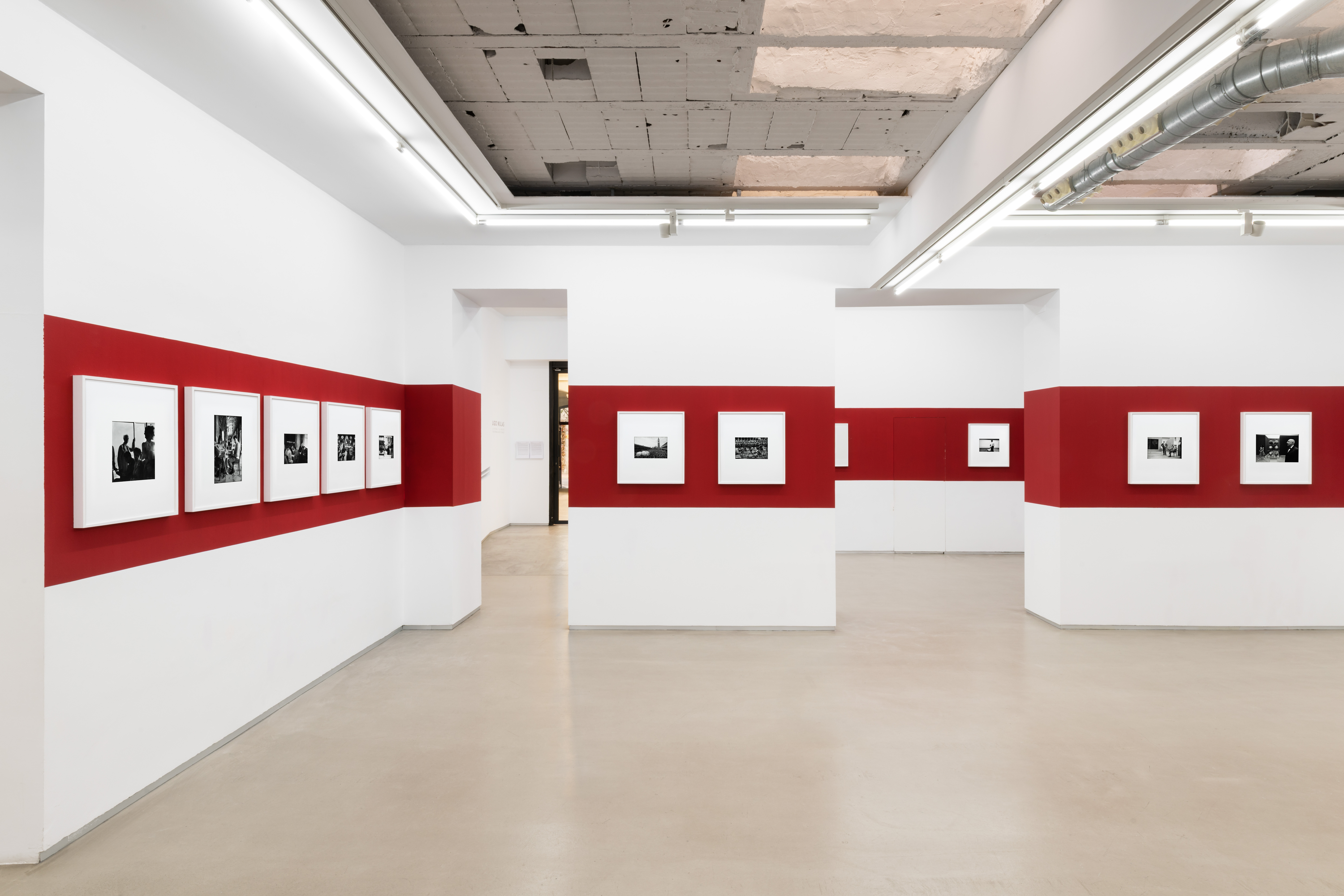
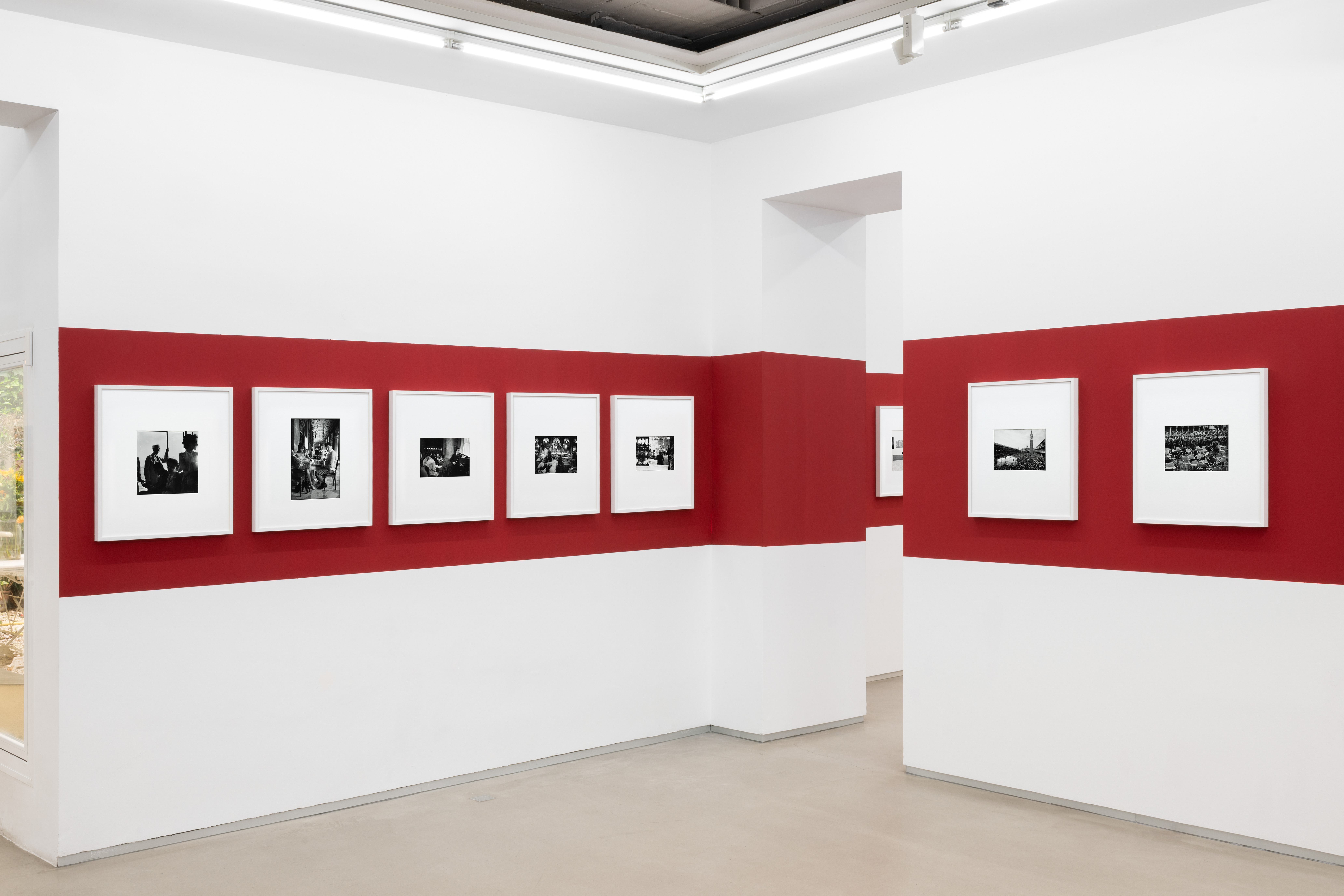
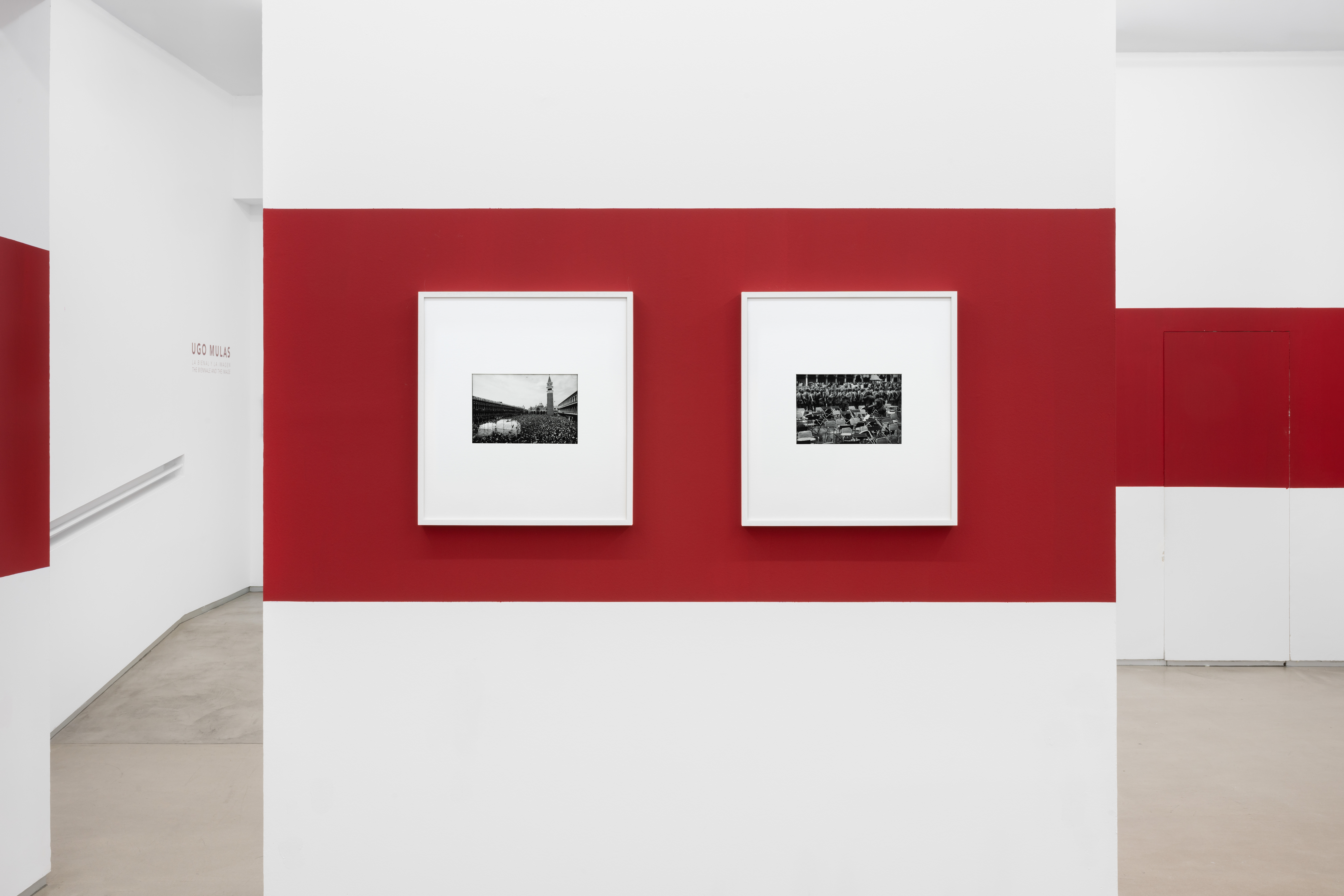
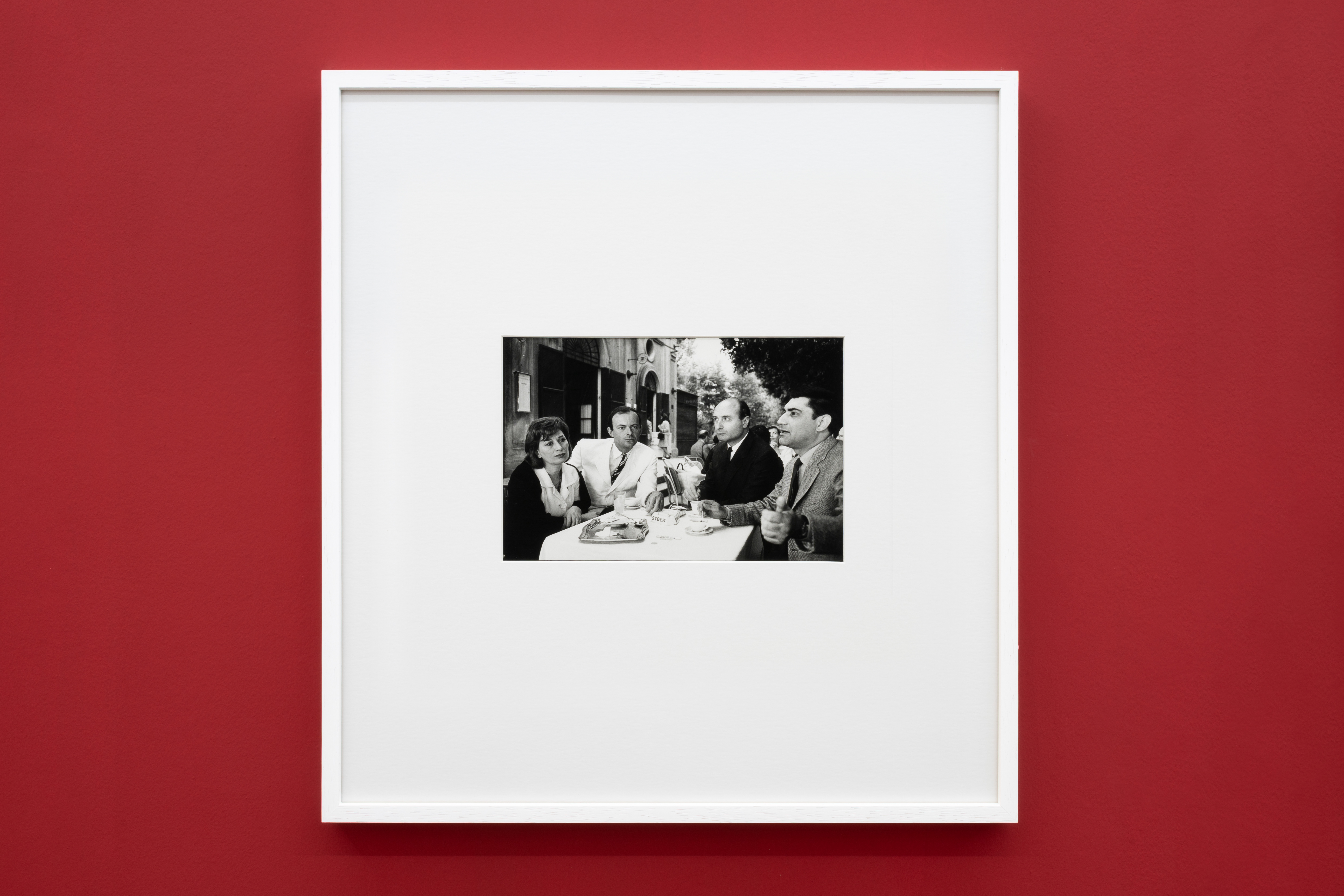
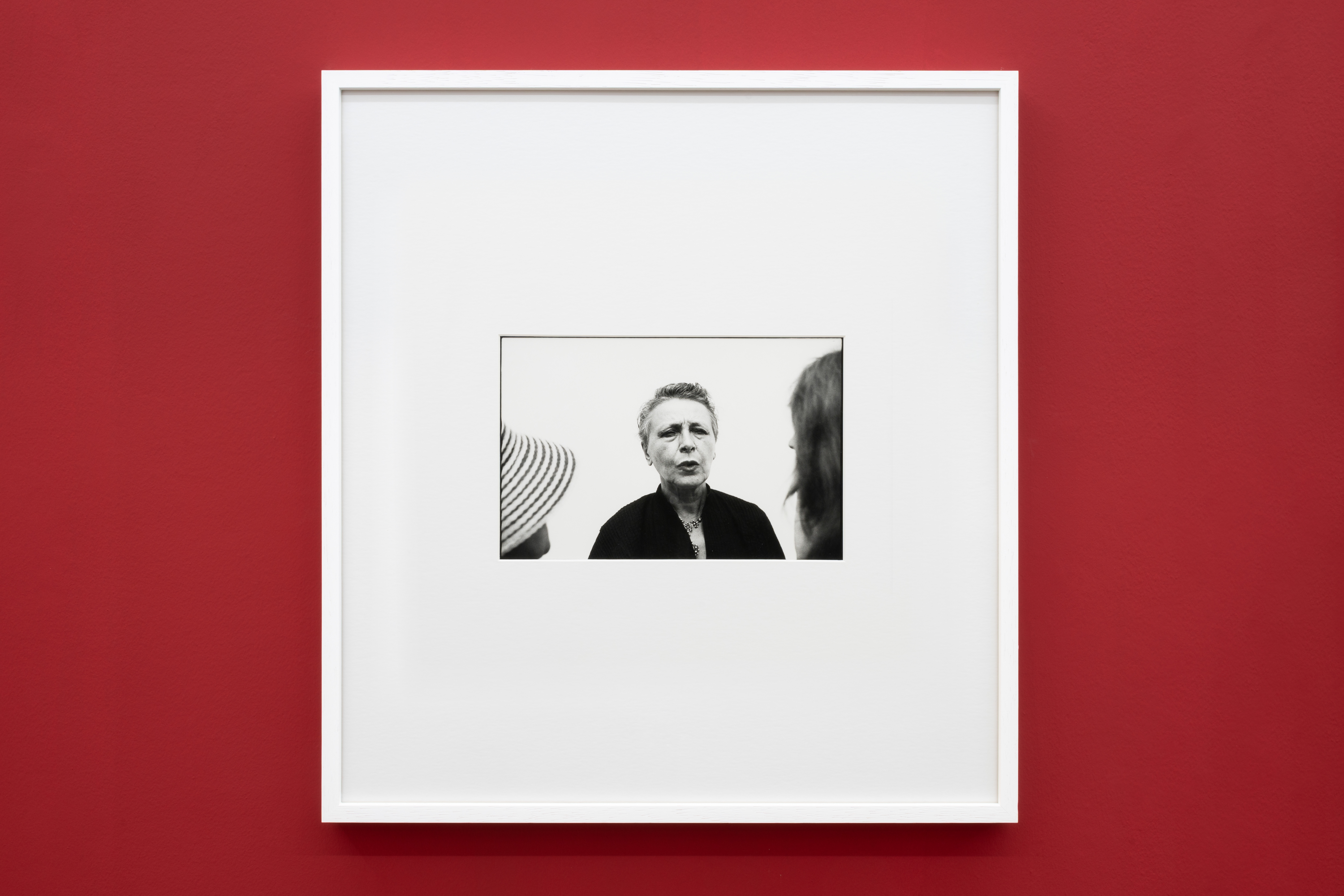
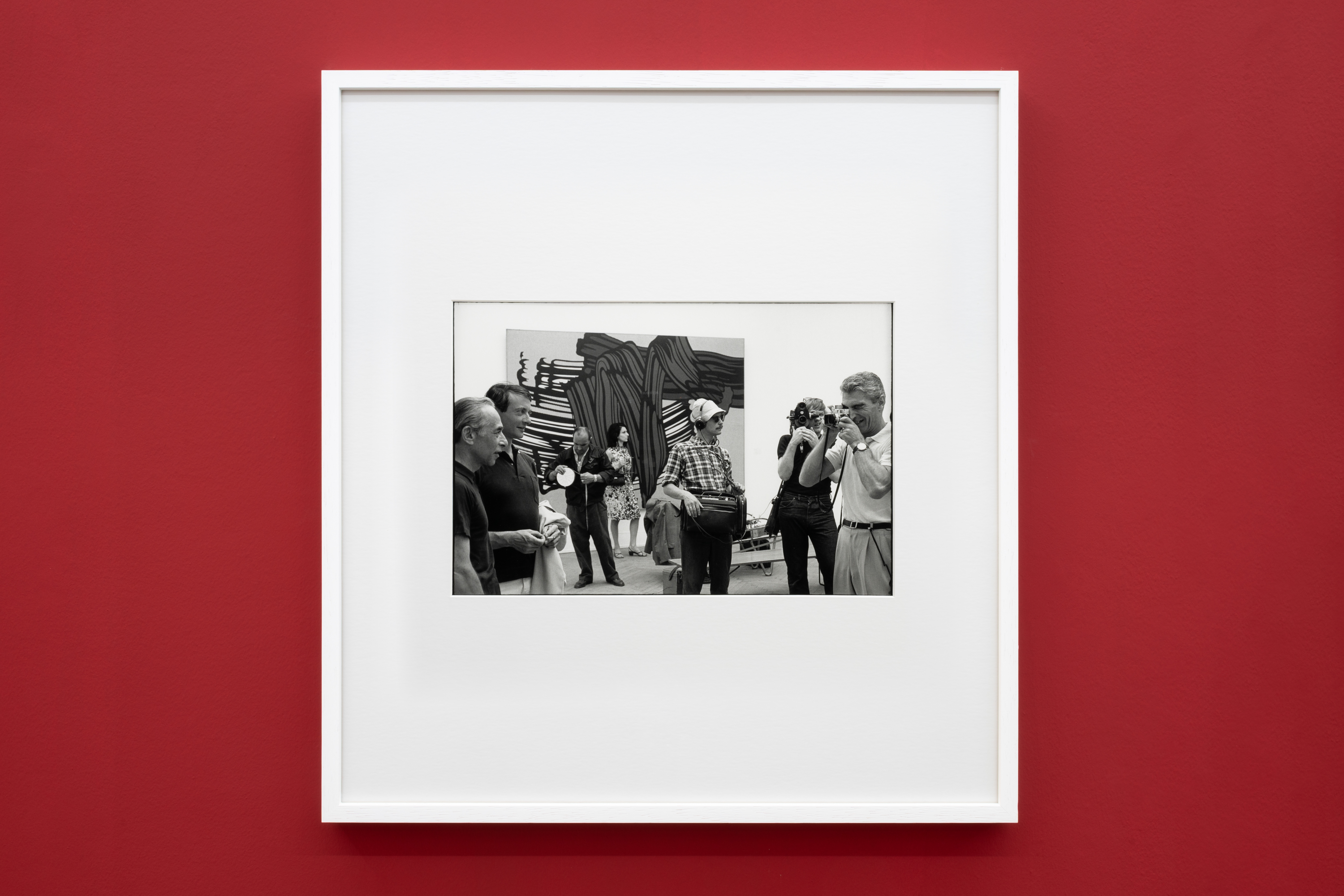
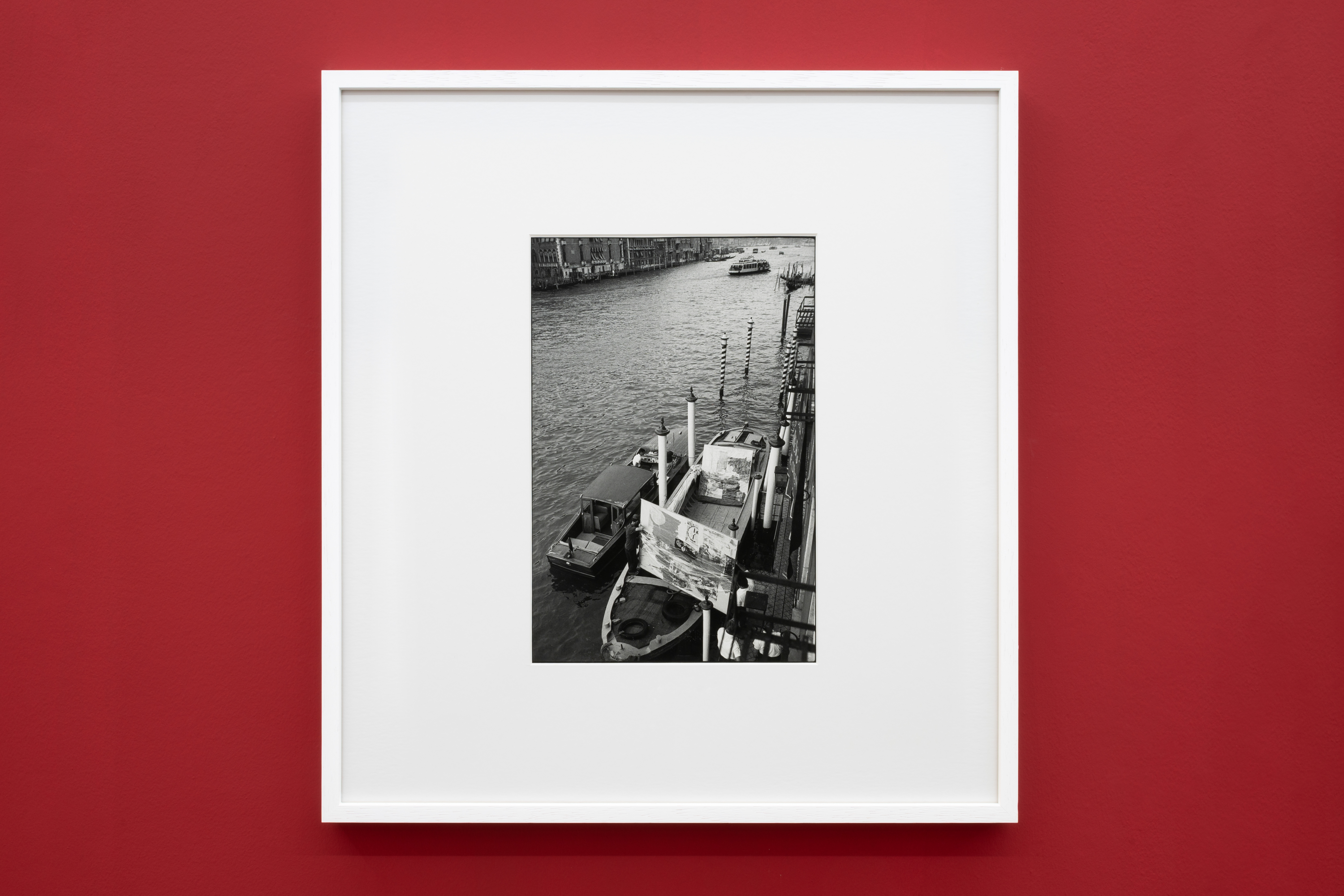
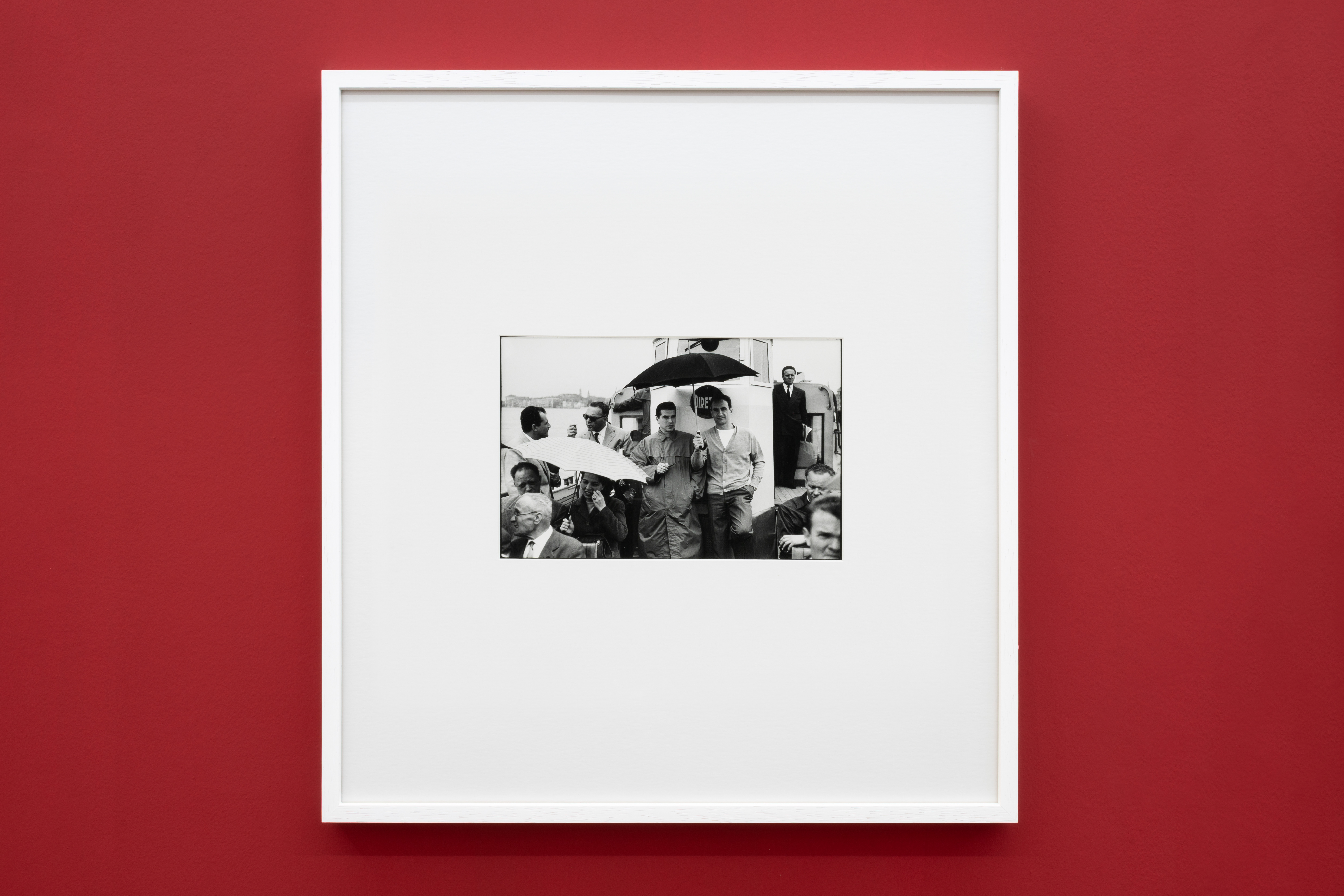
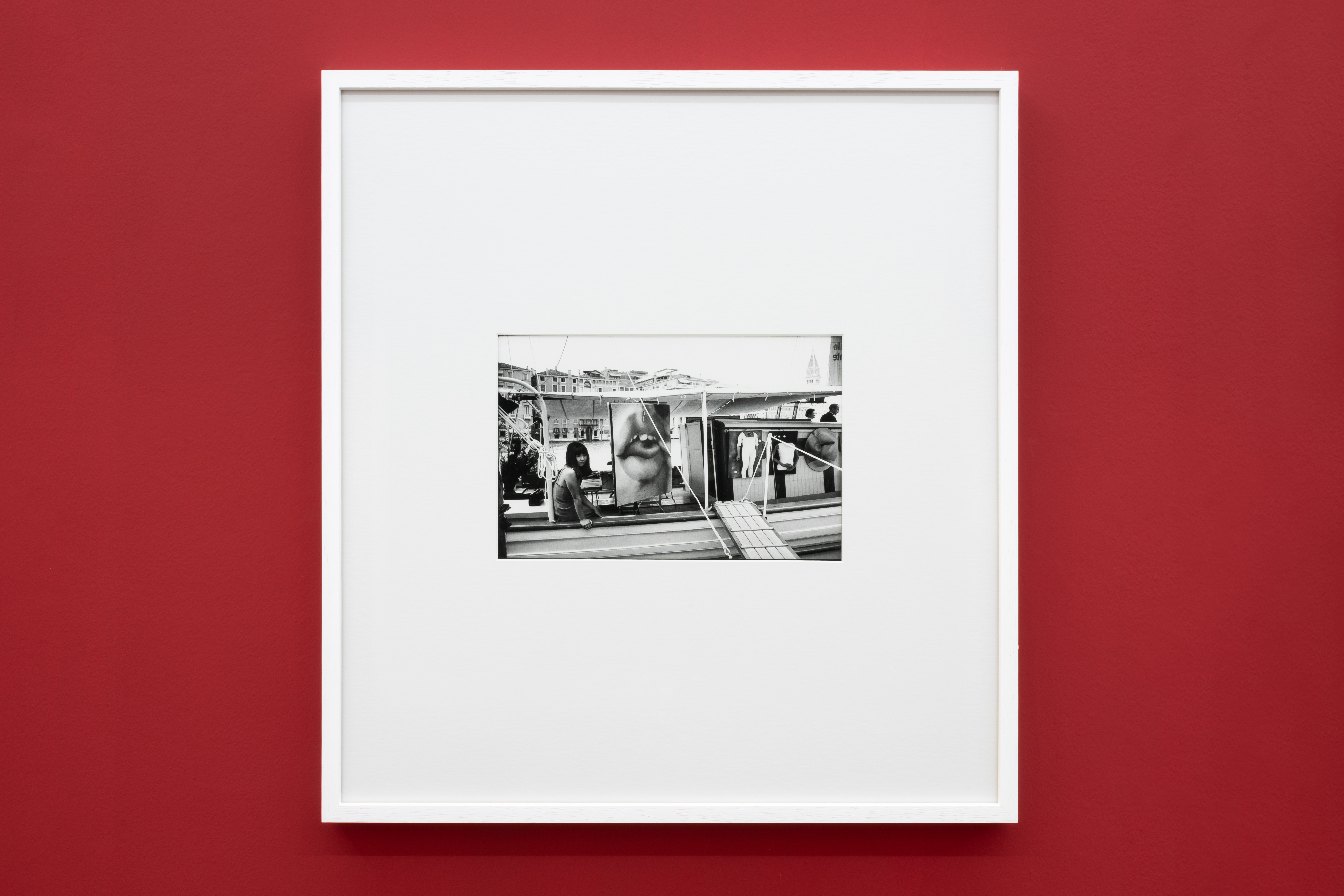
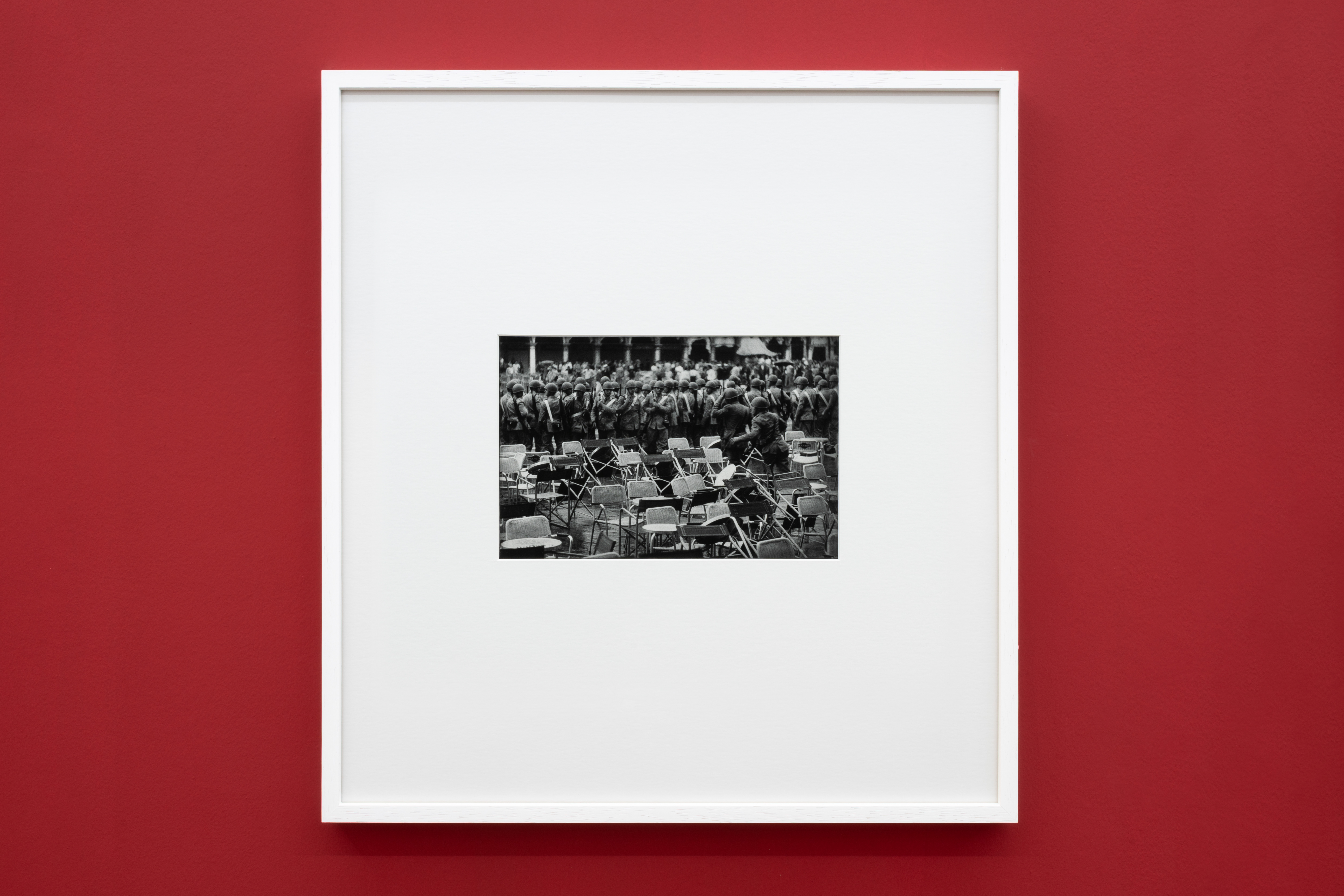
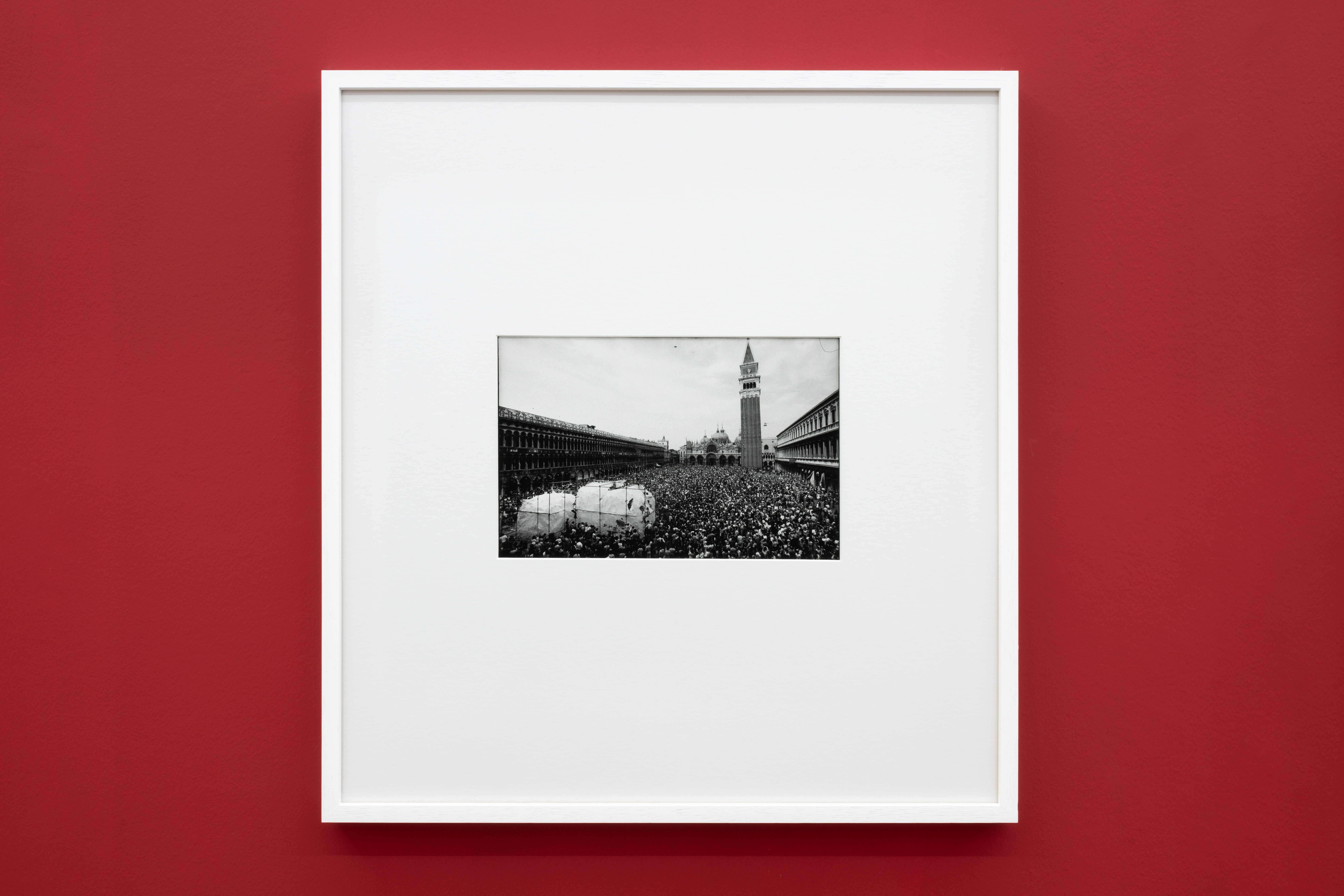
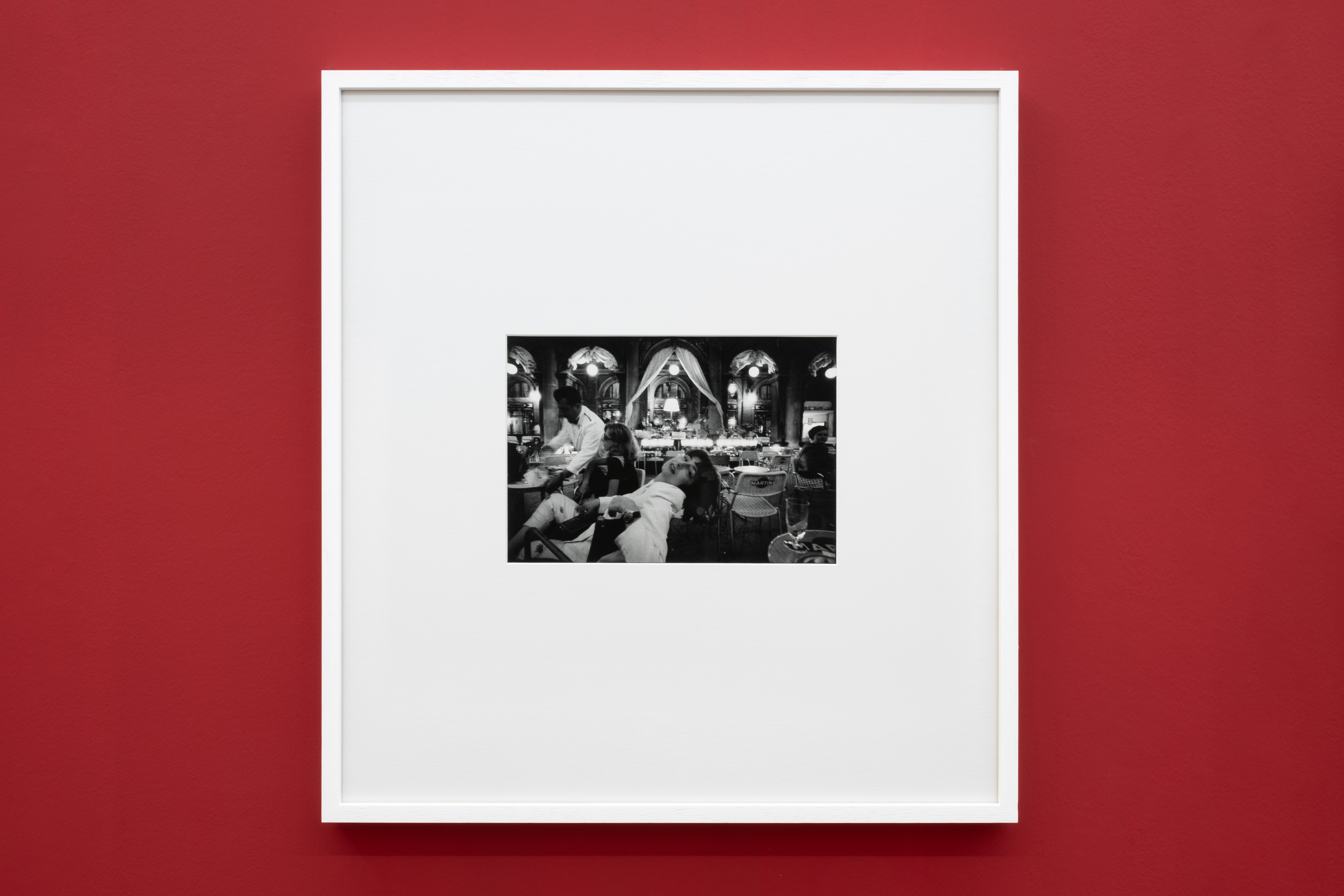
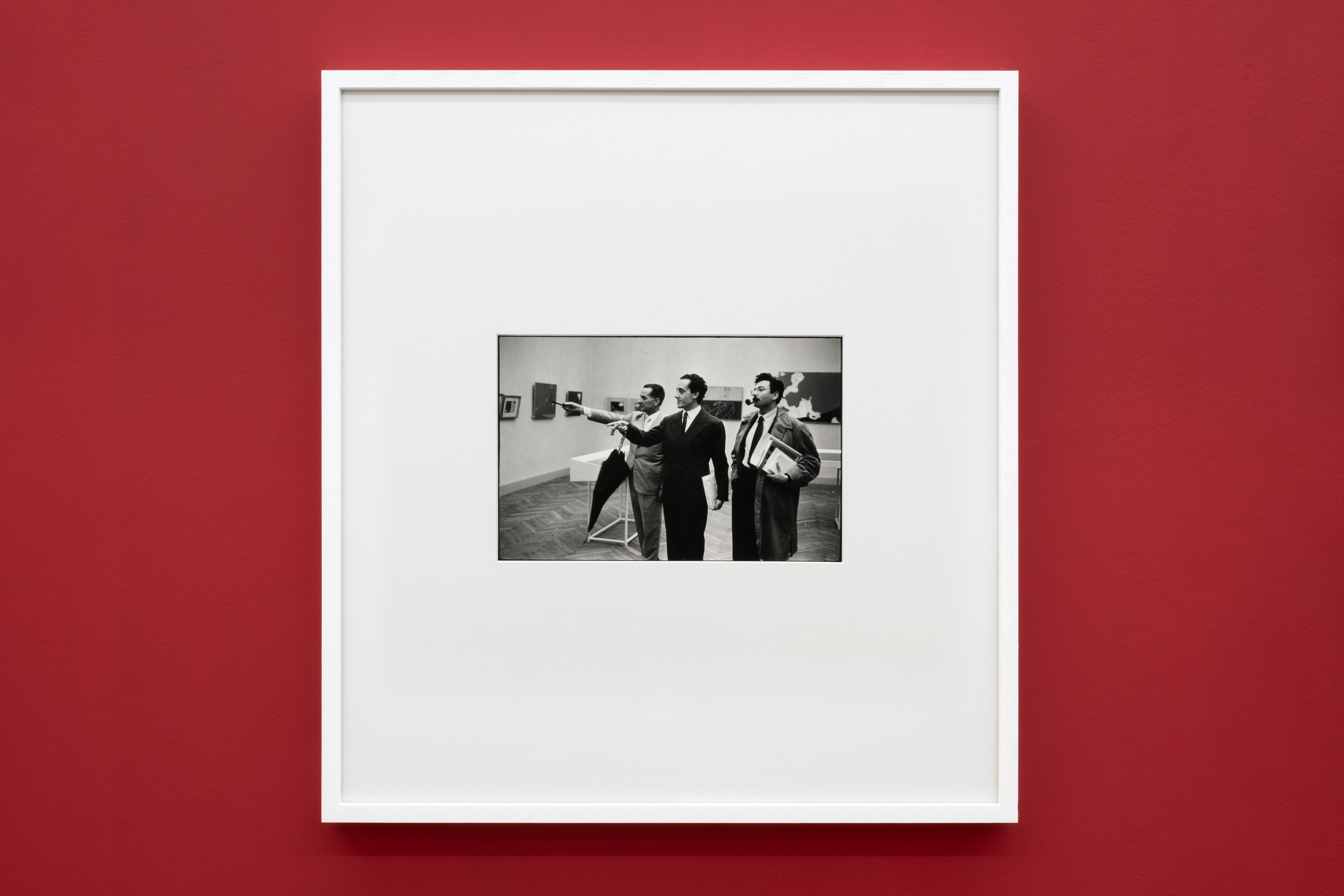
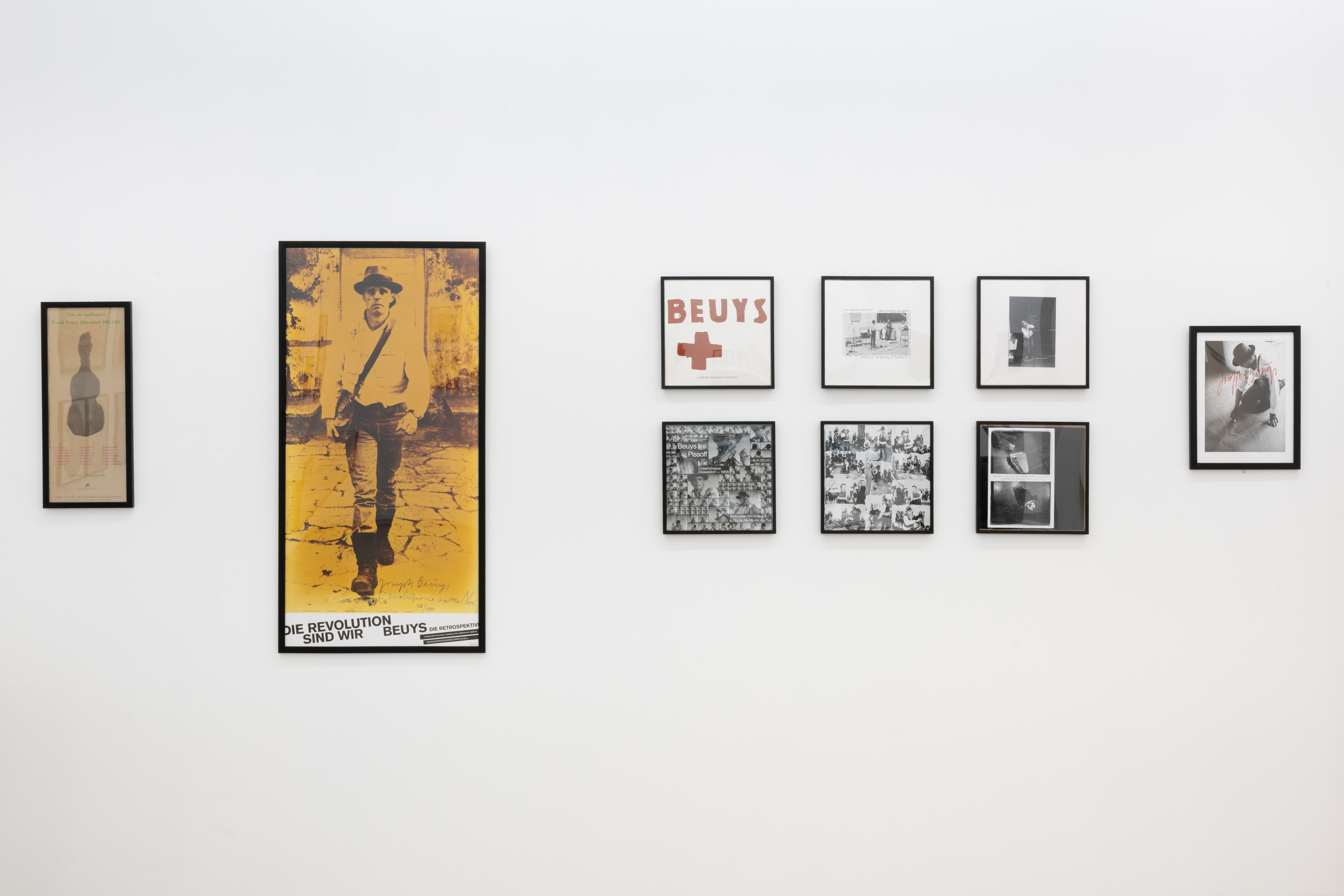
In this group show there are works by Marcel Duchamp, John Cage, Nam June Park, George Maciunas, Wolf Vostell, Yoko Ono, Charlotte Moorman, Philip Corner, JOSEPH BEUYS, Annea Lockwood, Milan Knizak, Joan La Barbara, KAREL APPEL, La Monte Young, Dick Higgins, José Ages, LUIS SAN SEBASTIÁN, GUILLERMO CONI MOLINA, Largen & Bread, Jus Yalkut, BEN PATTERSON, Ugo Mulas, among many others.