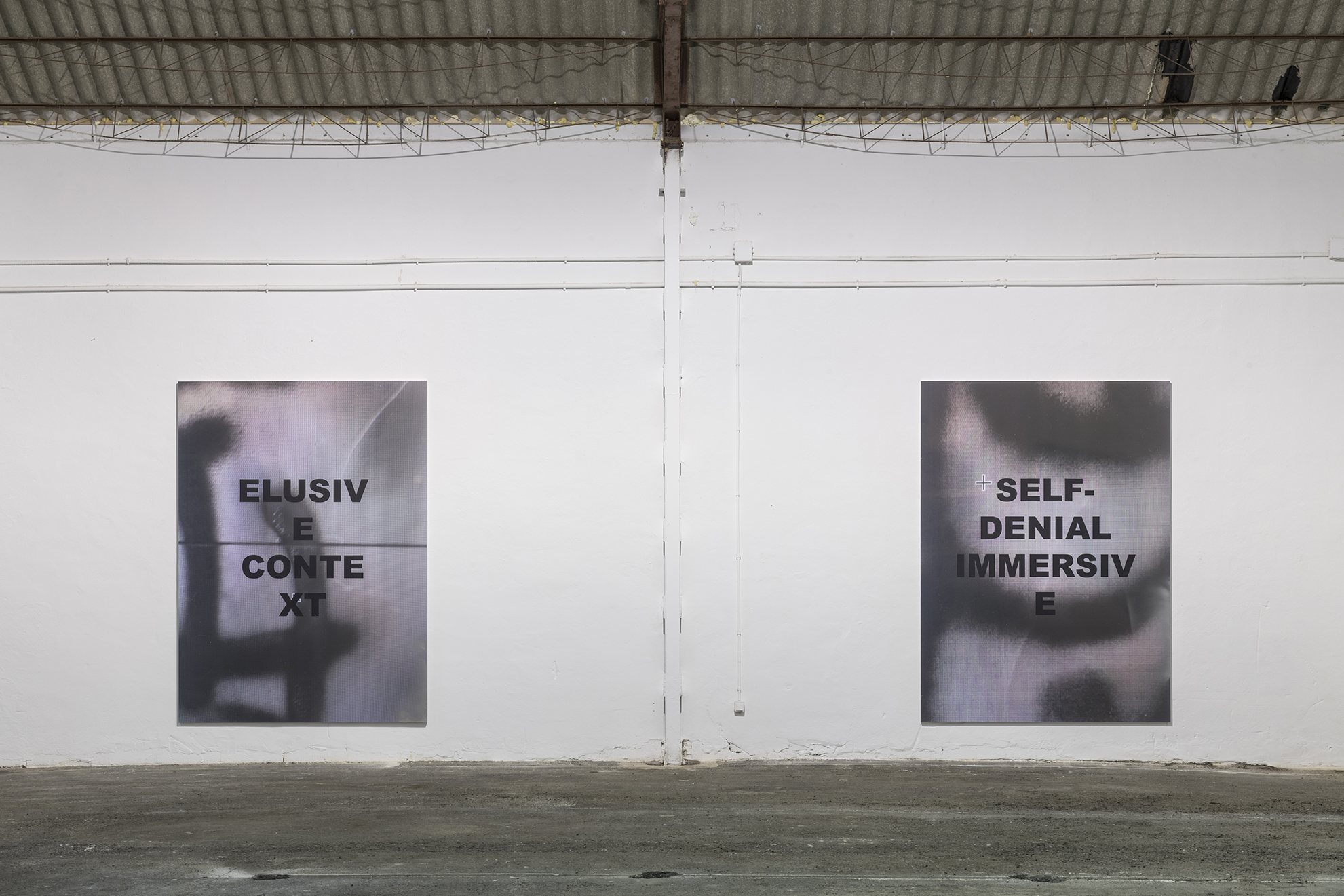
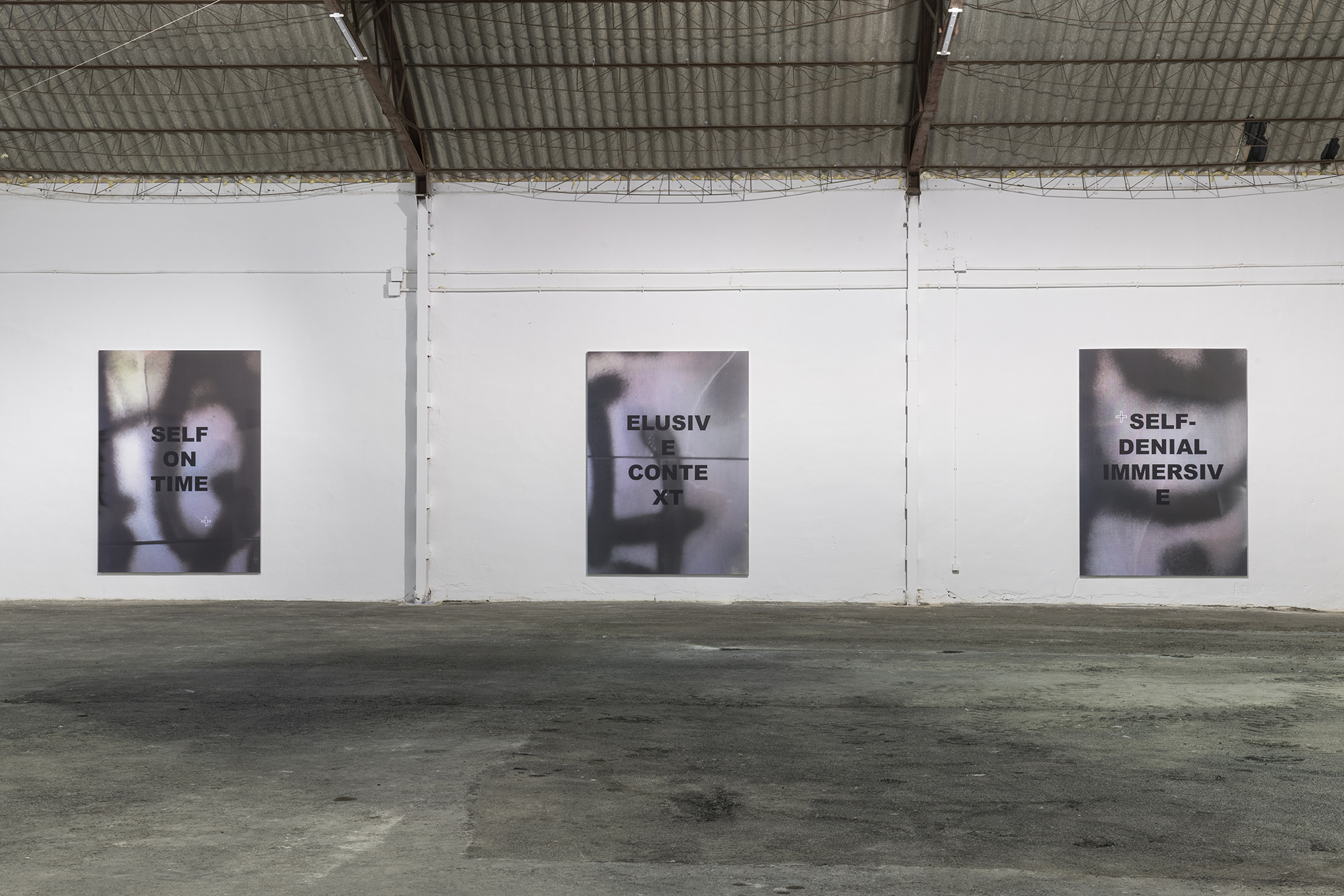
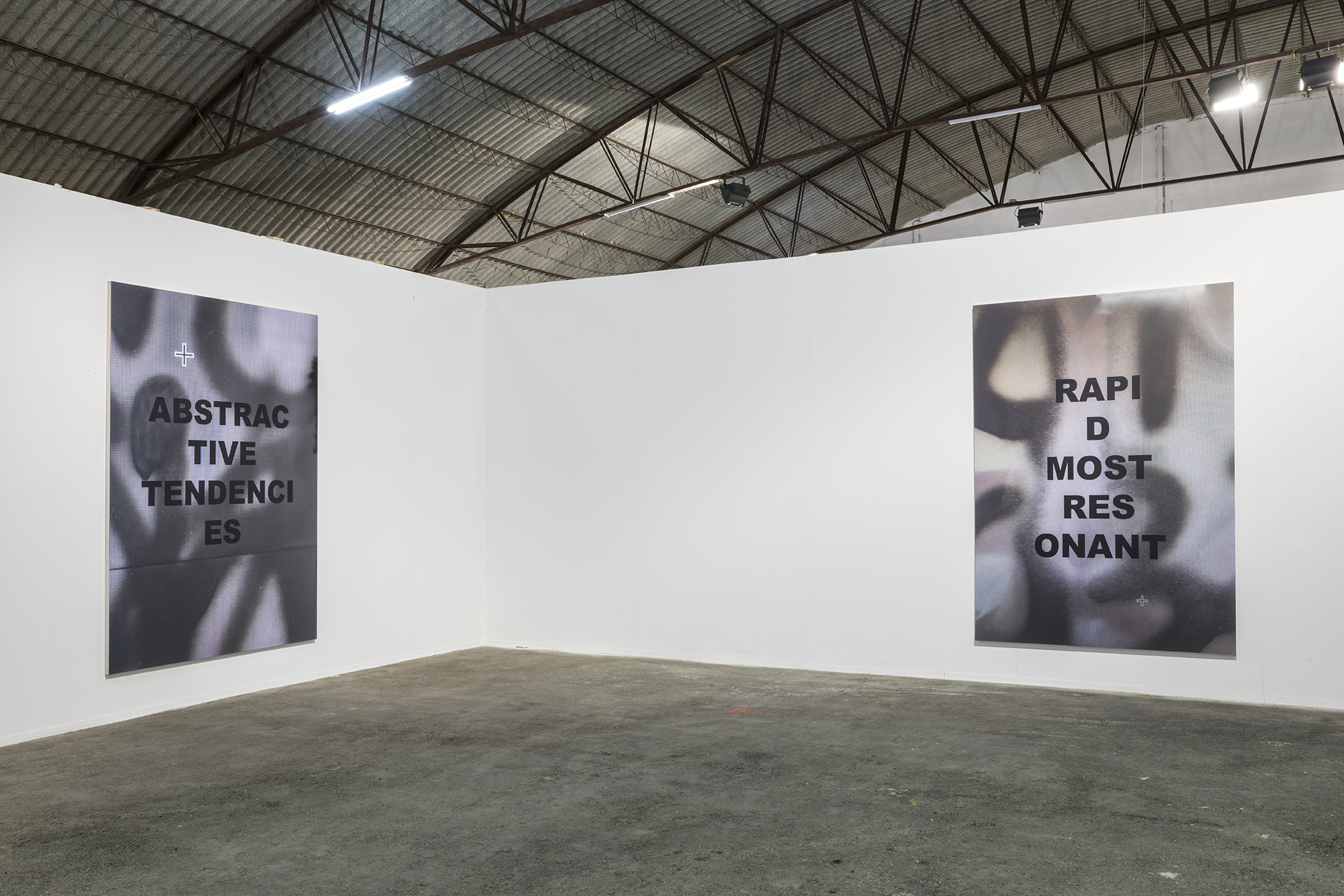
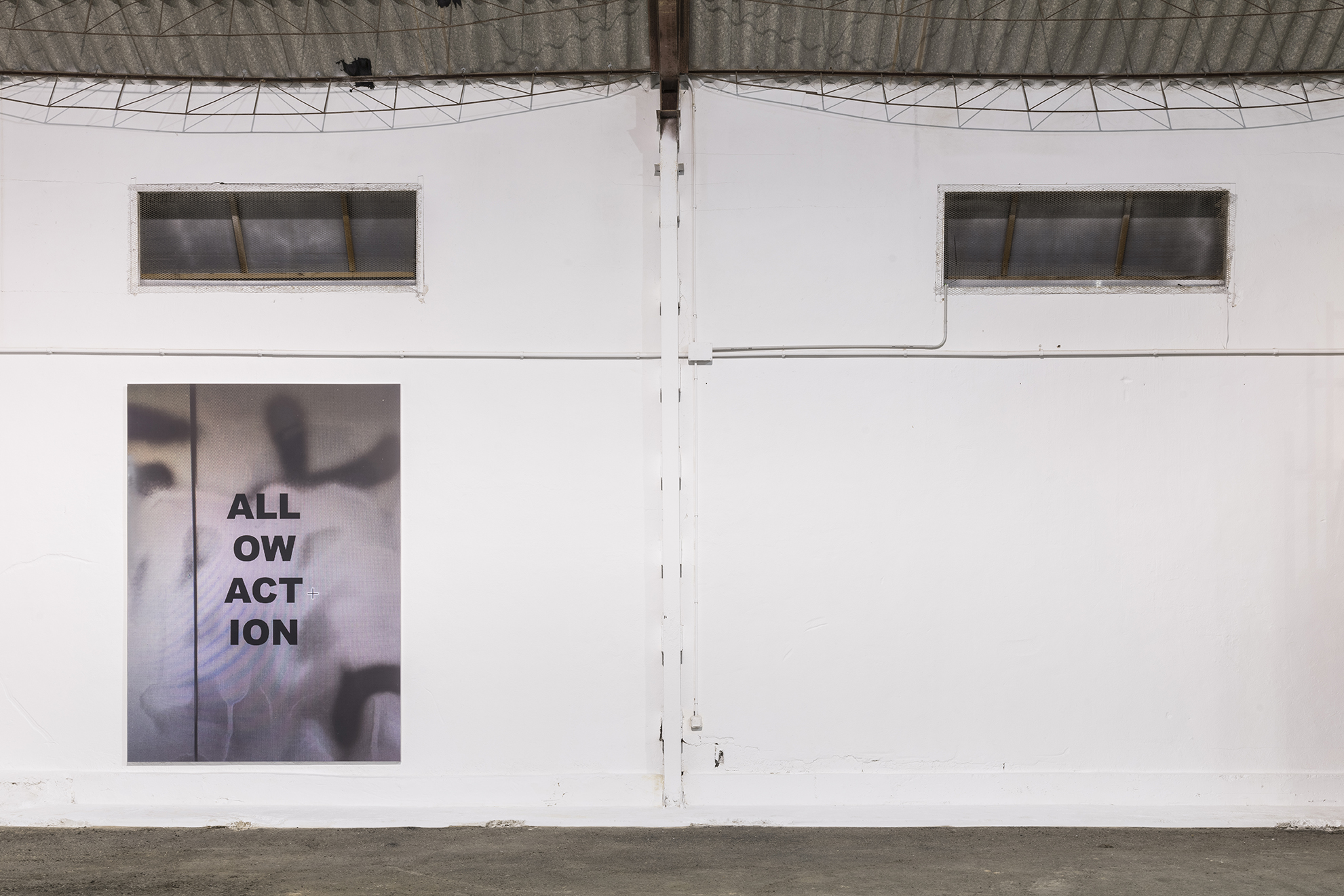
OUTDOOR SCULPTURE PROJECT
- S t e f a n B r ü g g e m a n n
- L u i s C a m n i t z e r
- P h i l i p p e D e c r a u z a t

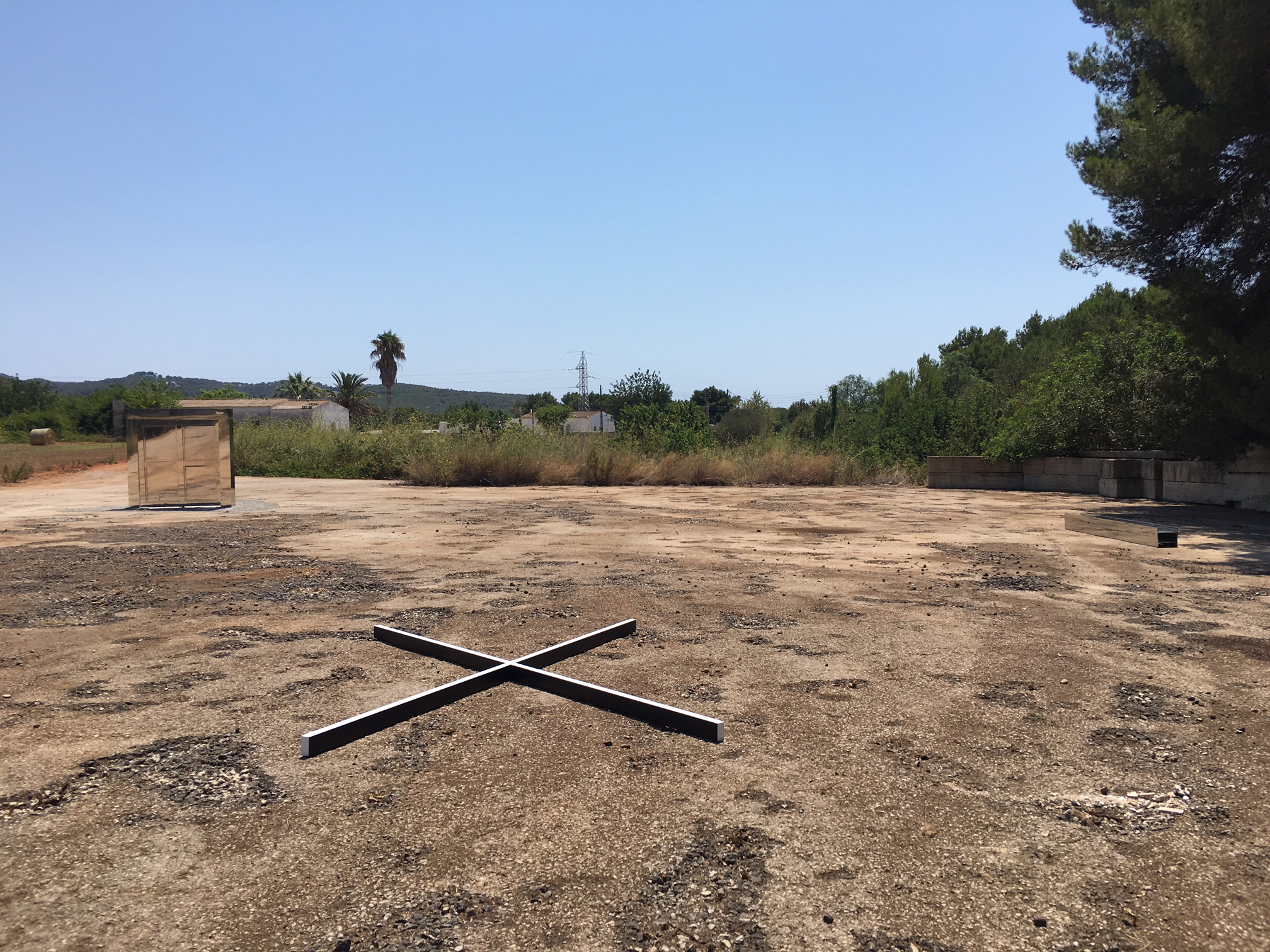

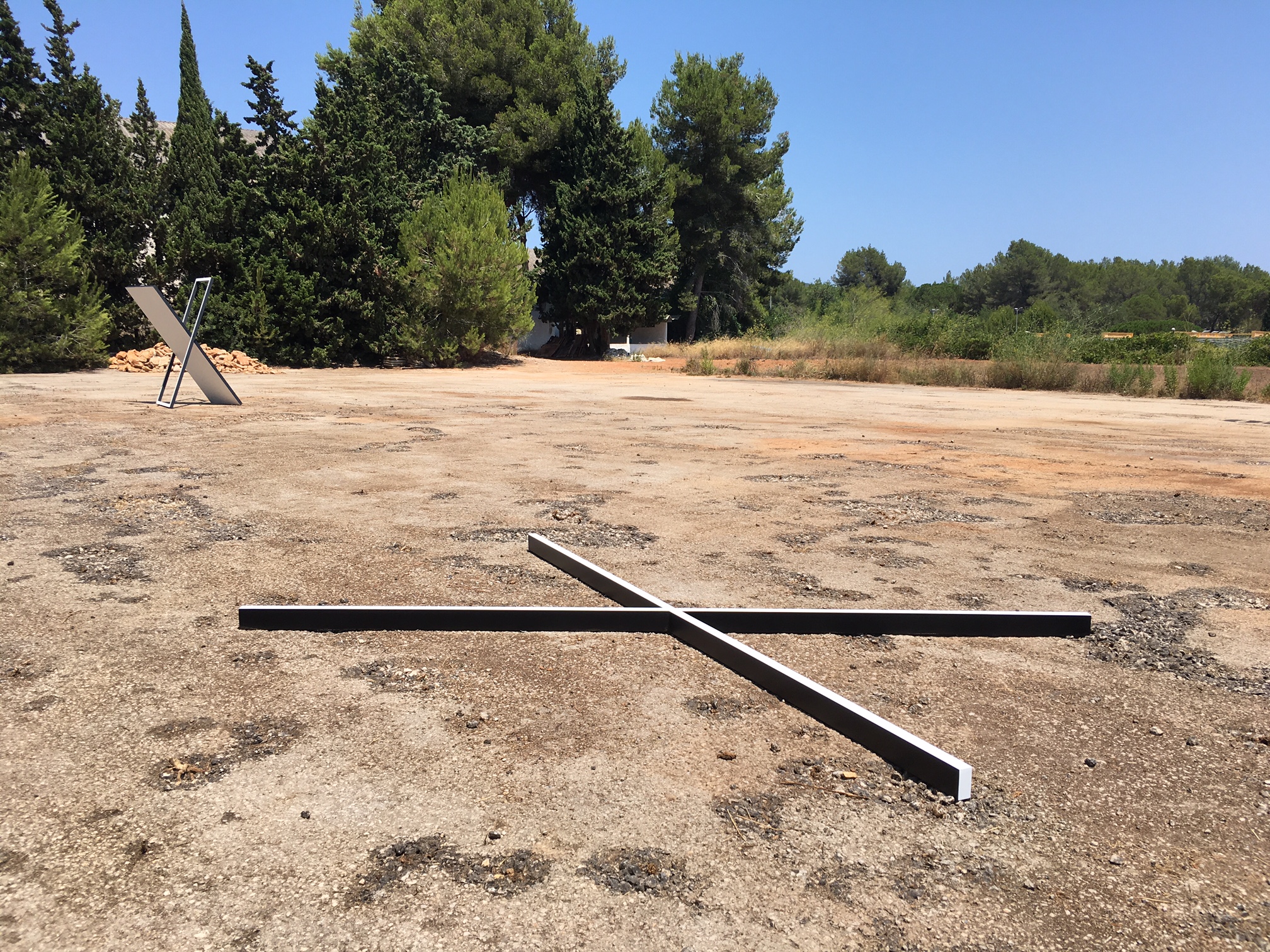

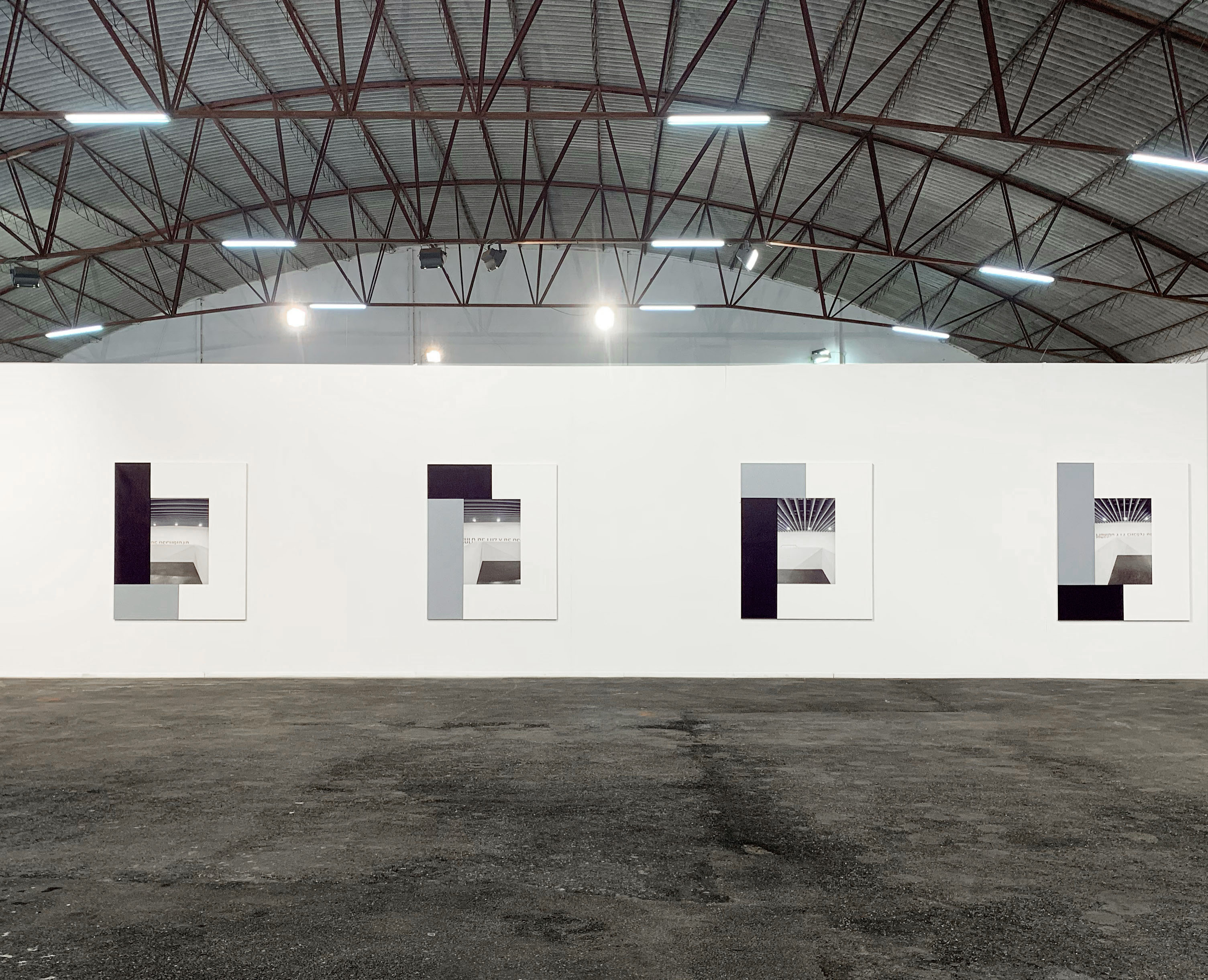
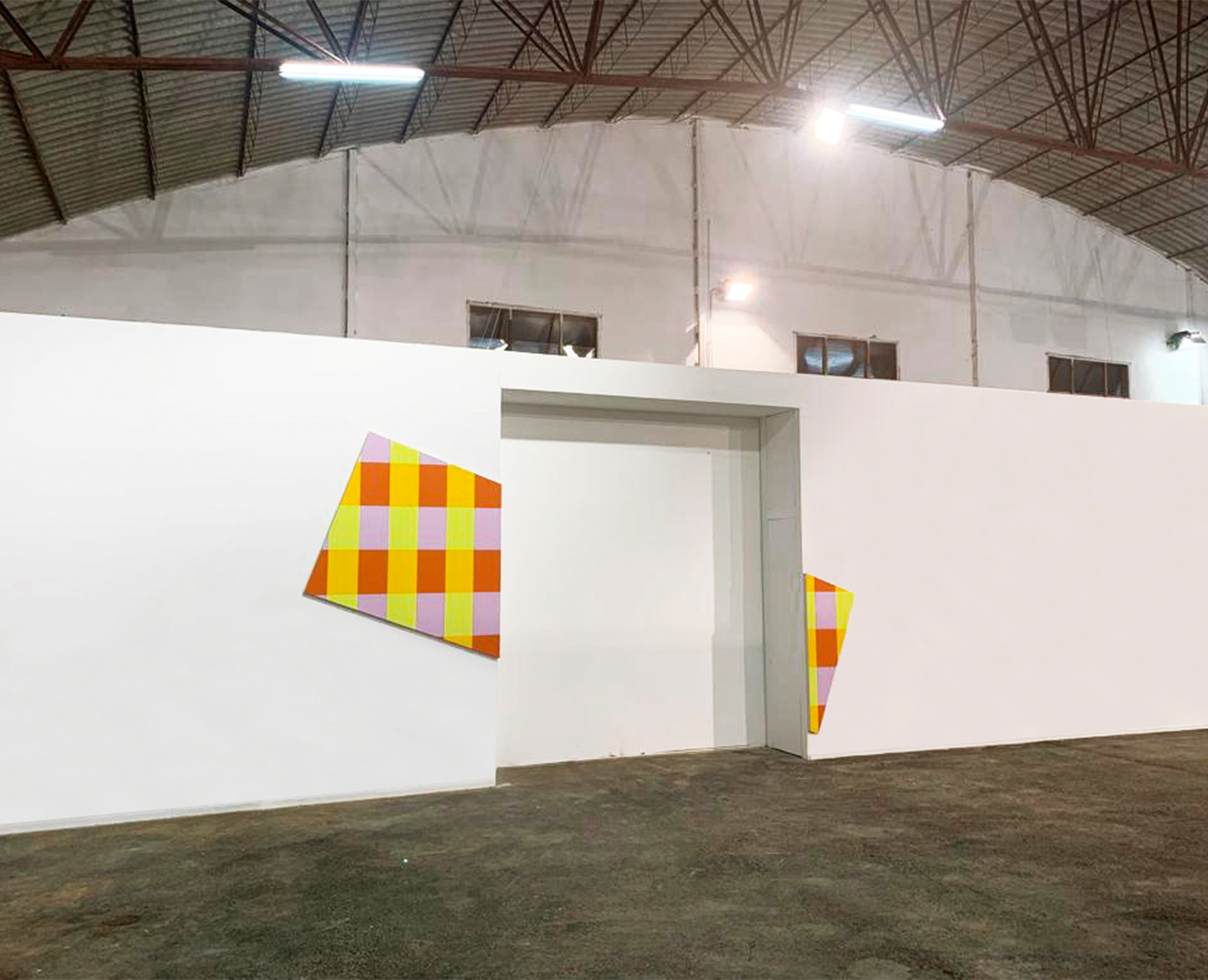
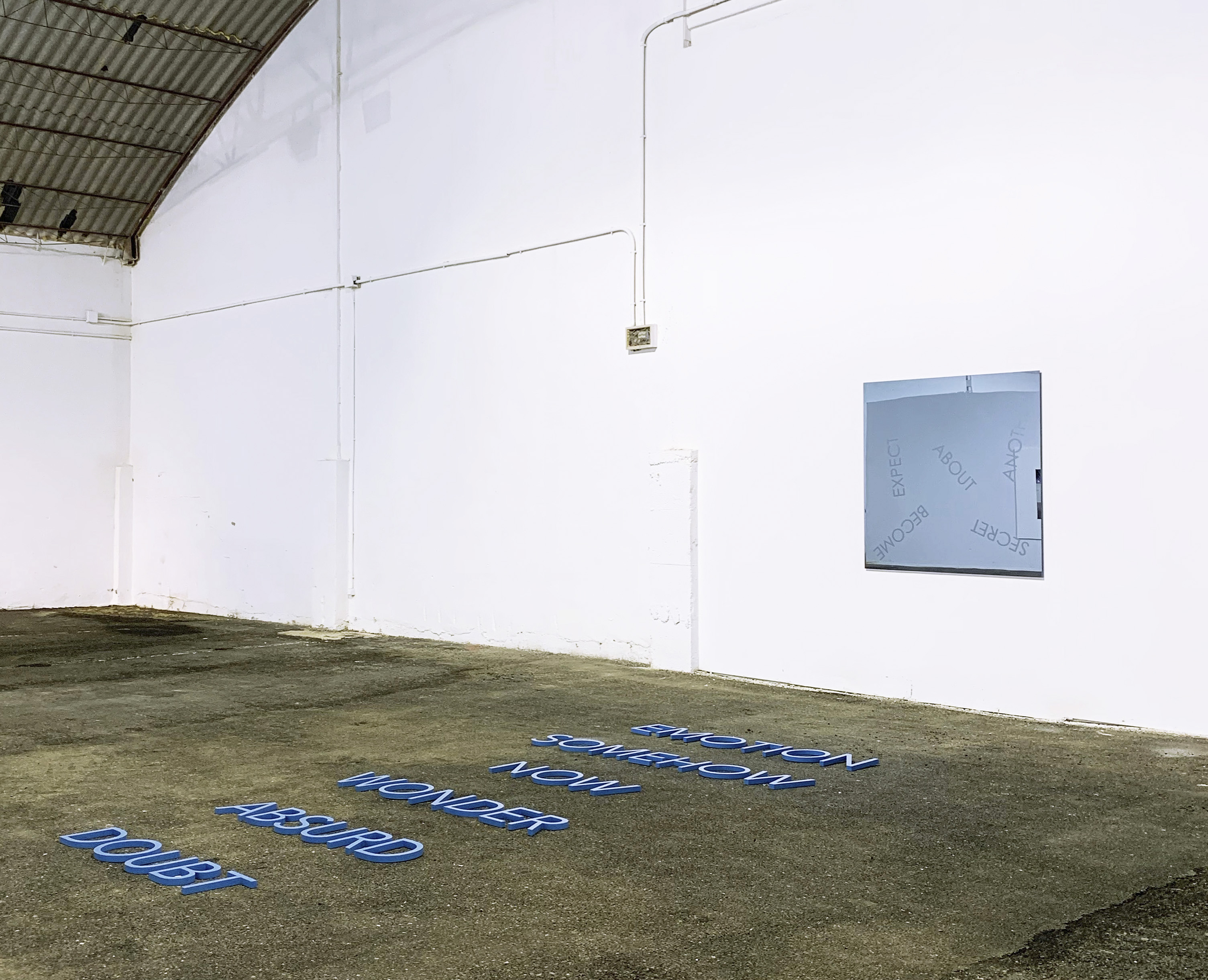
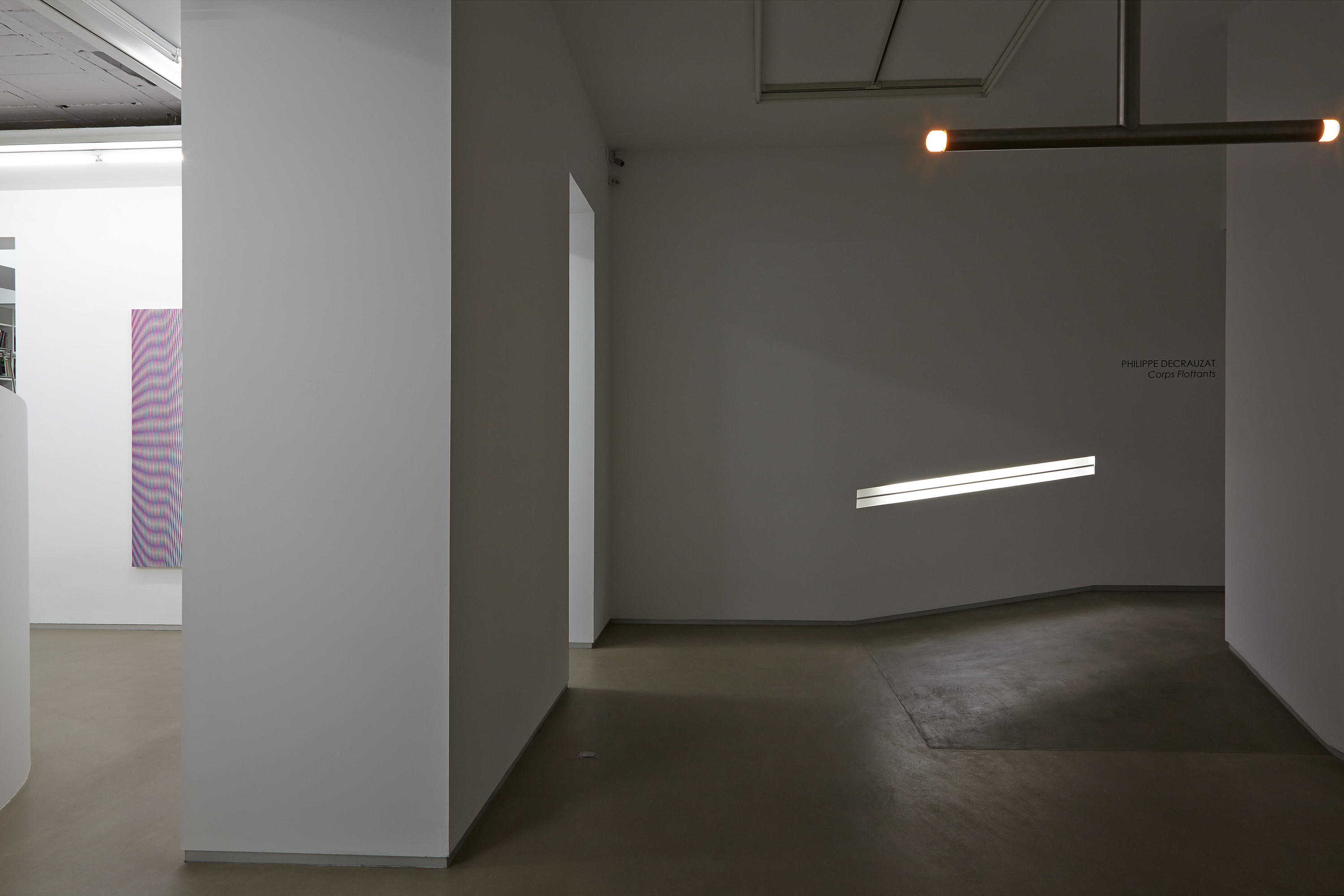
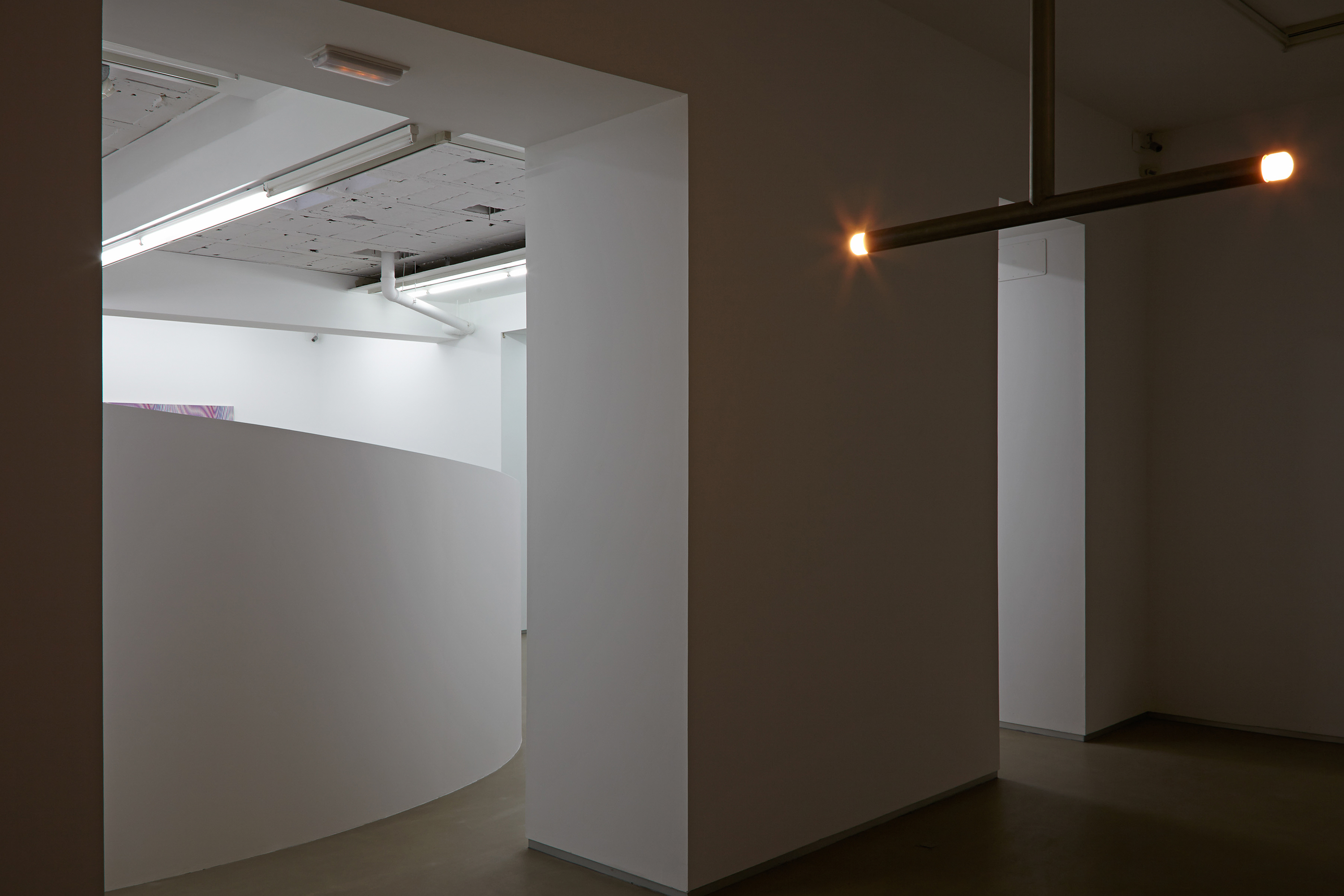
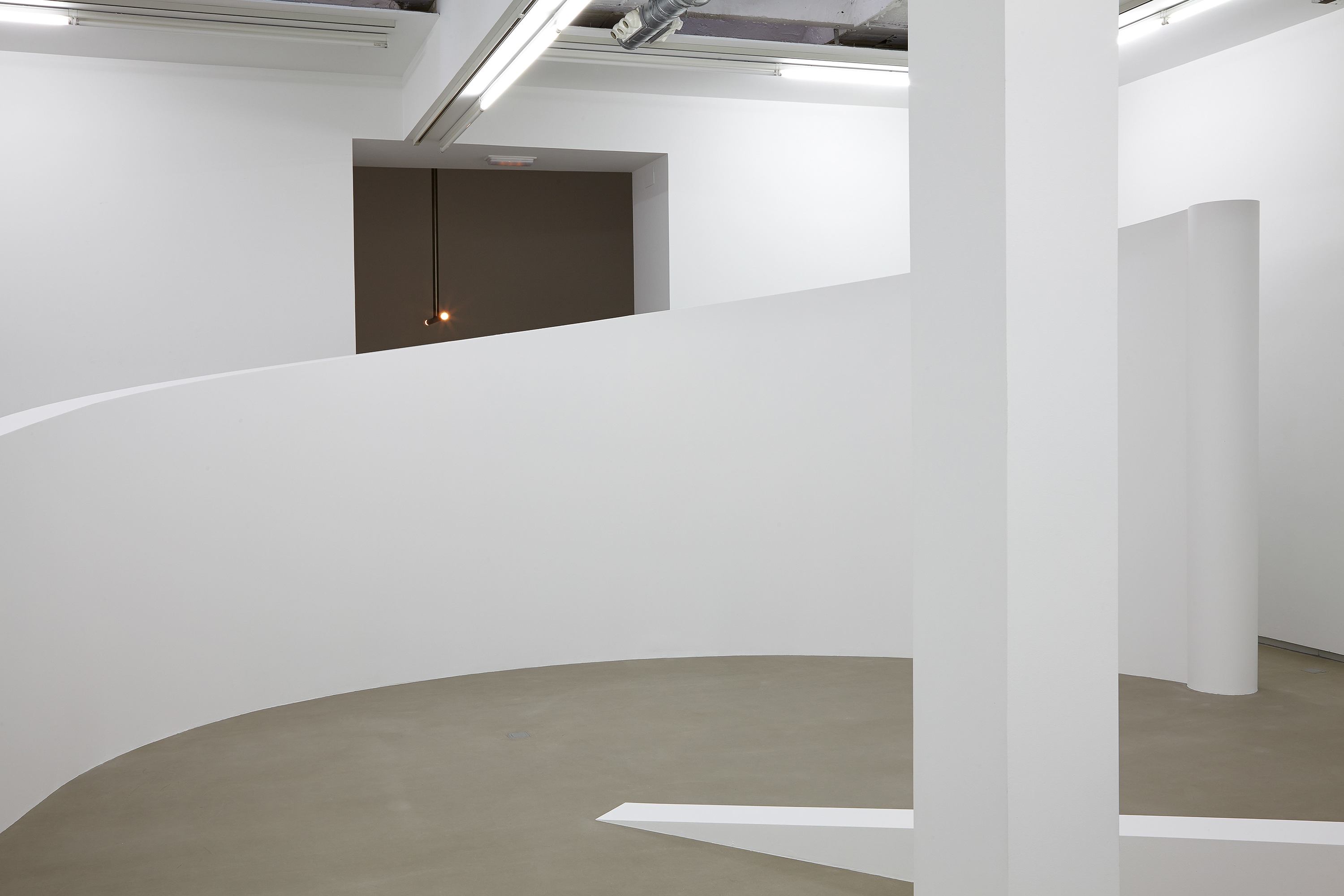
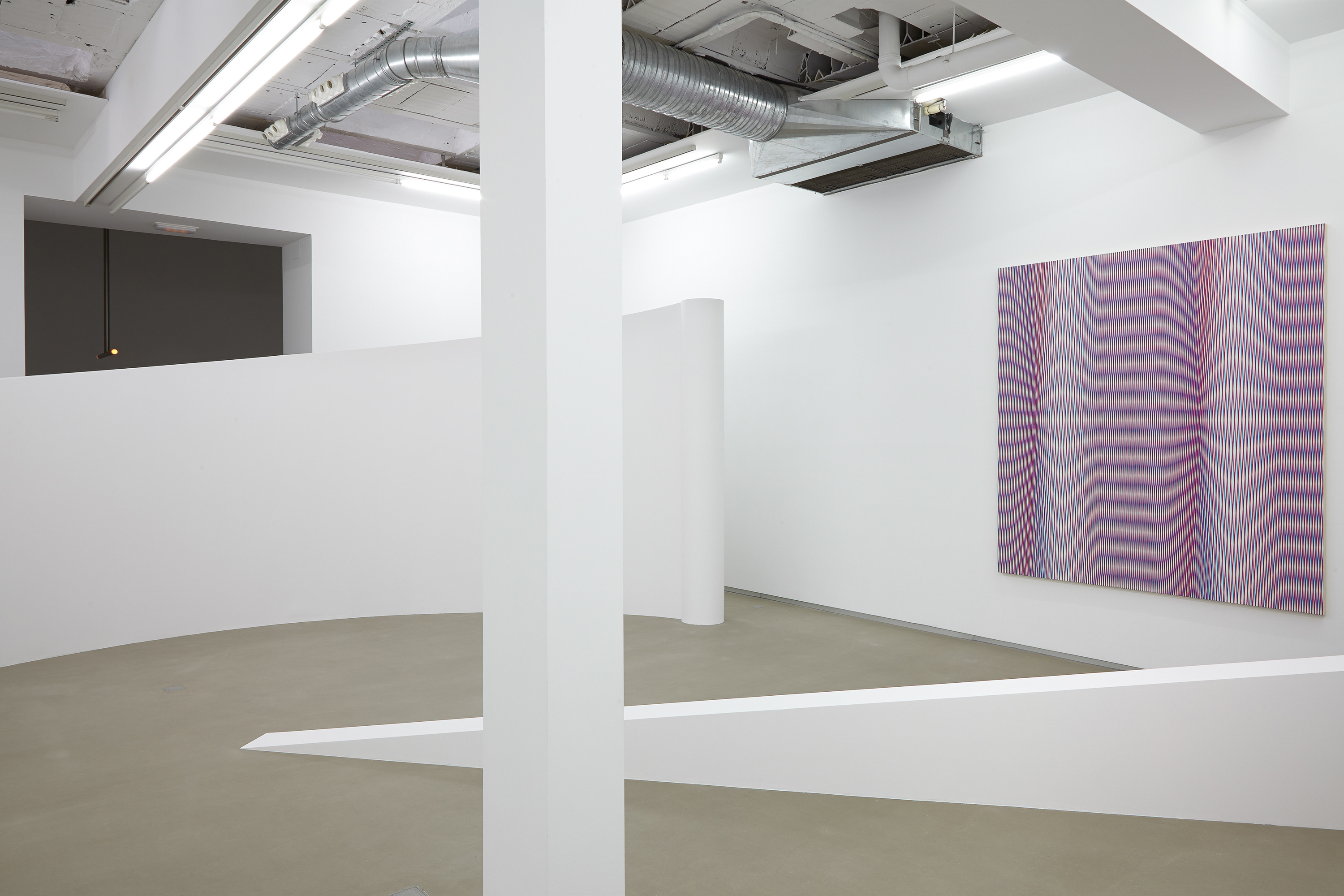
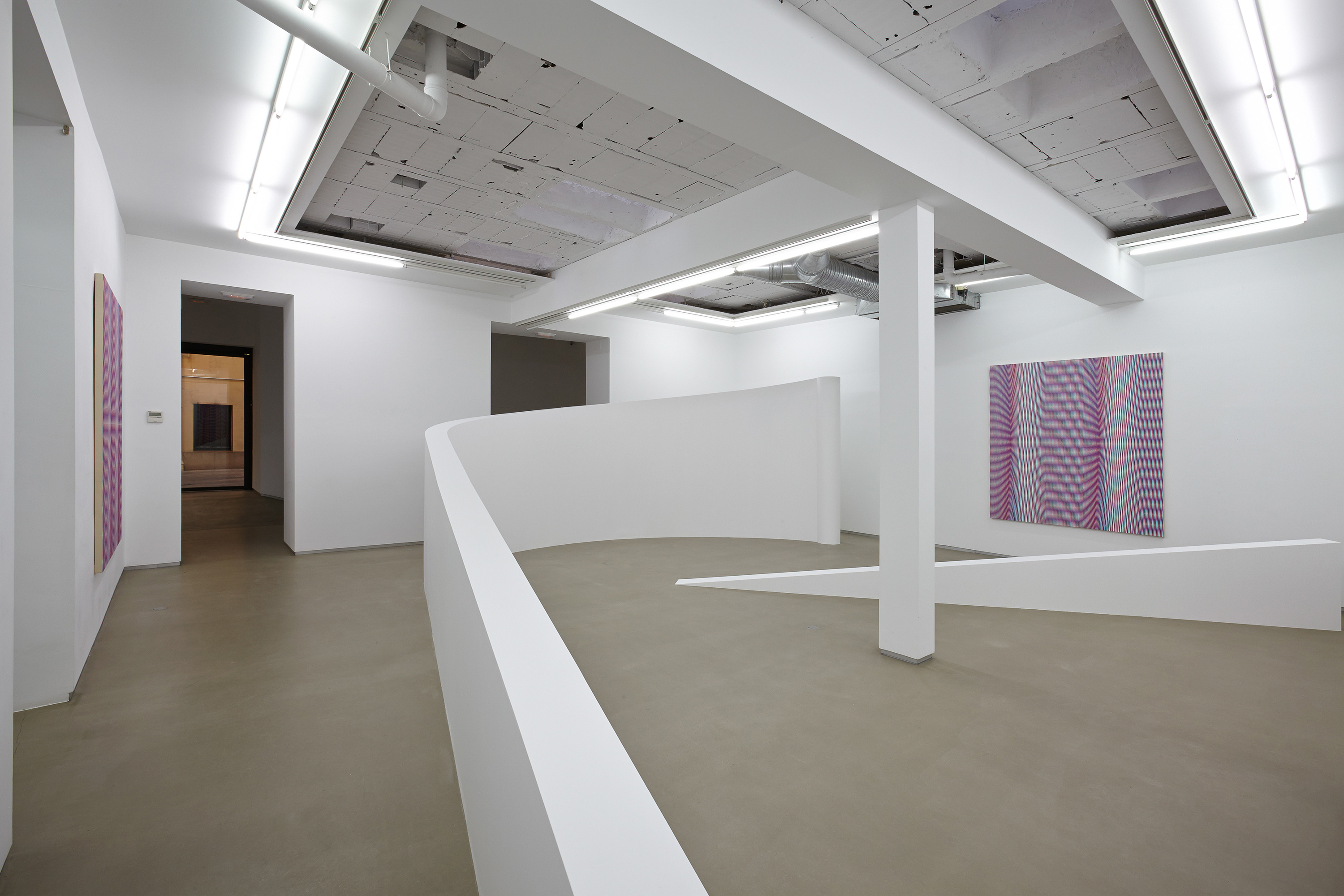
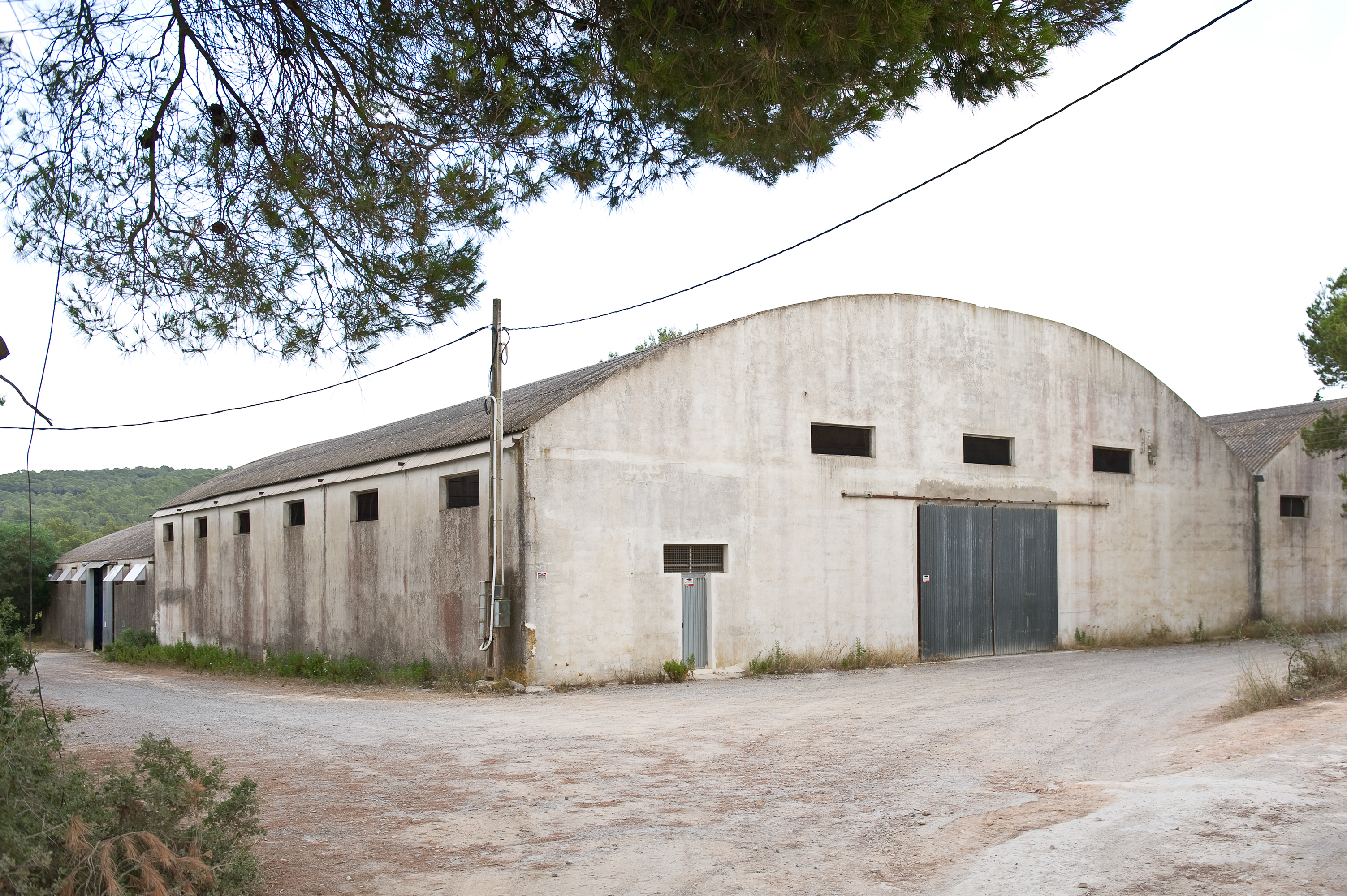
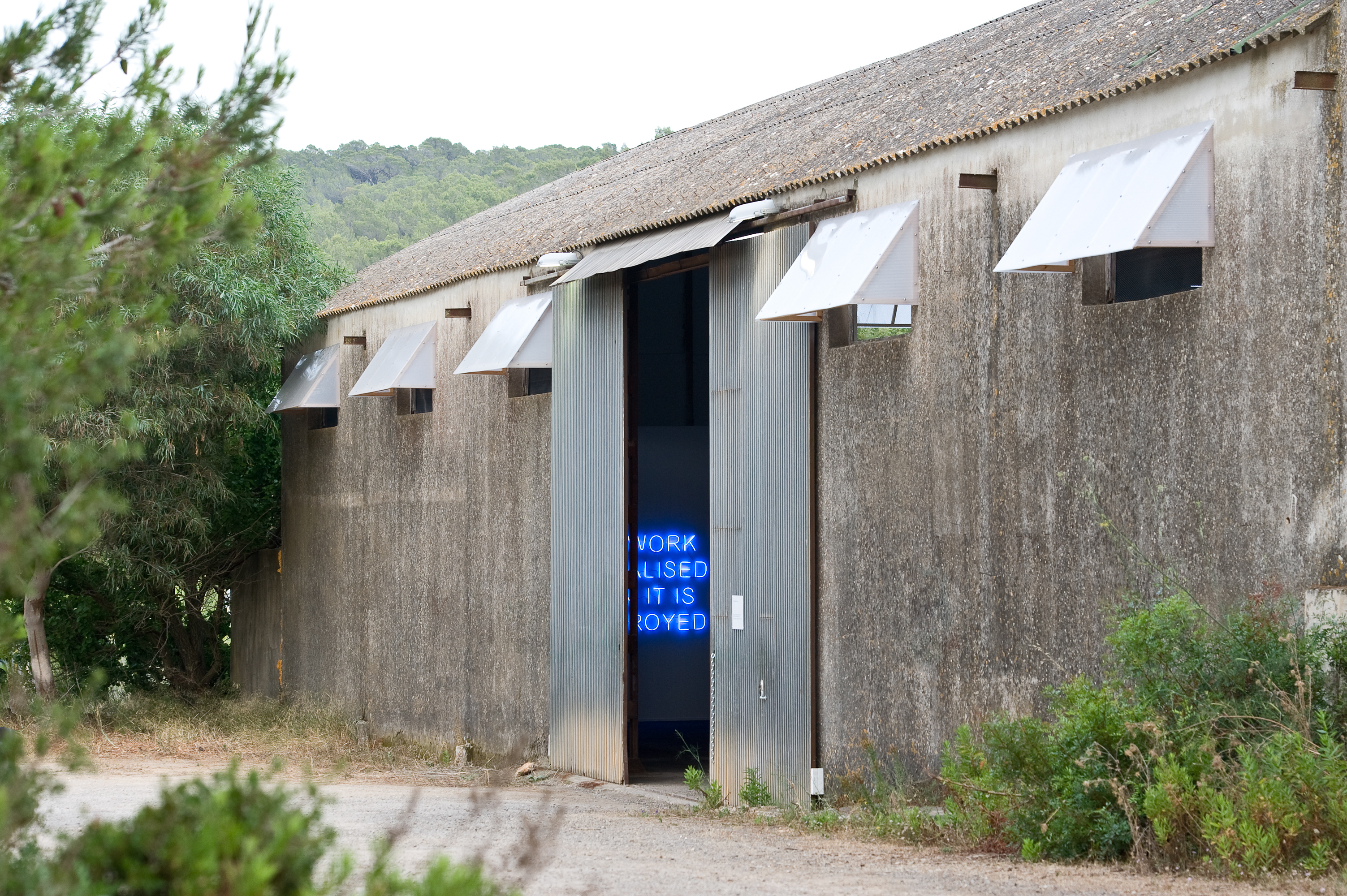
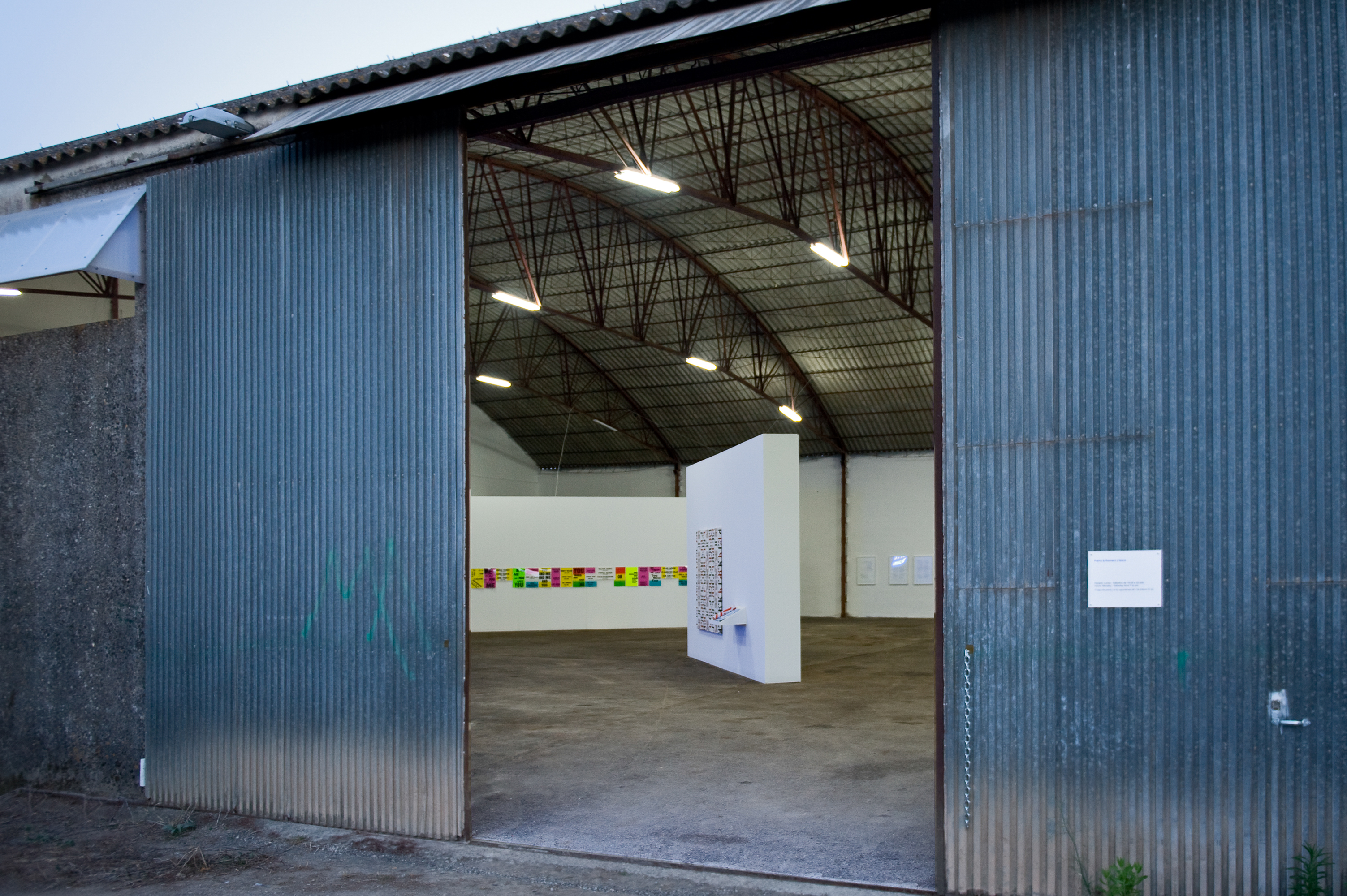
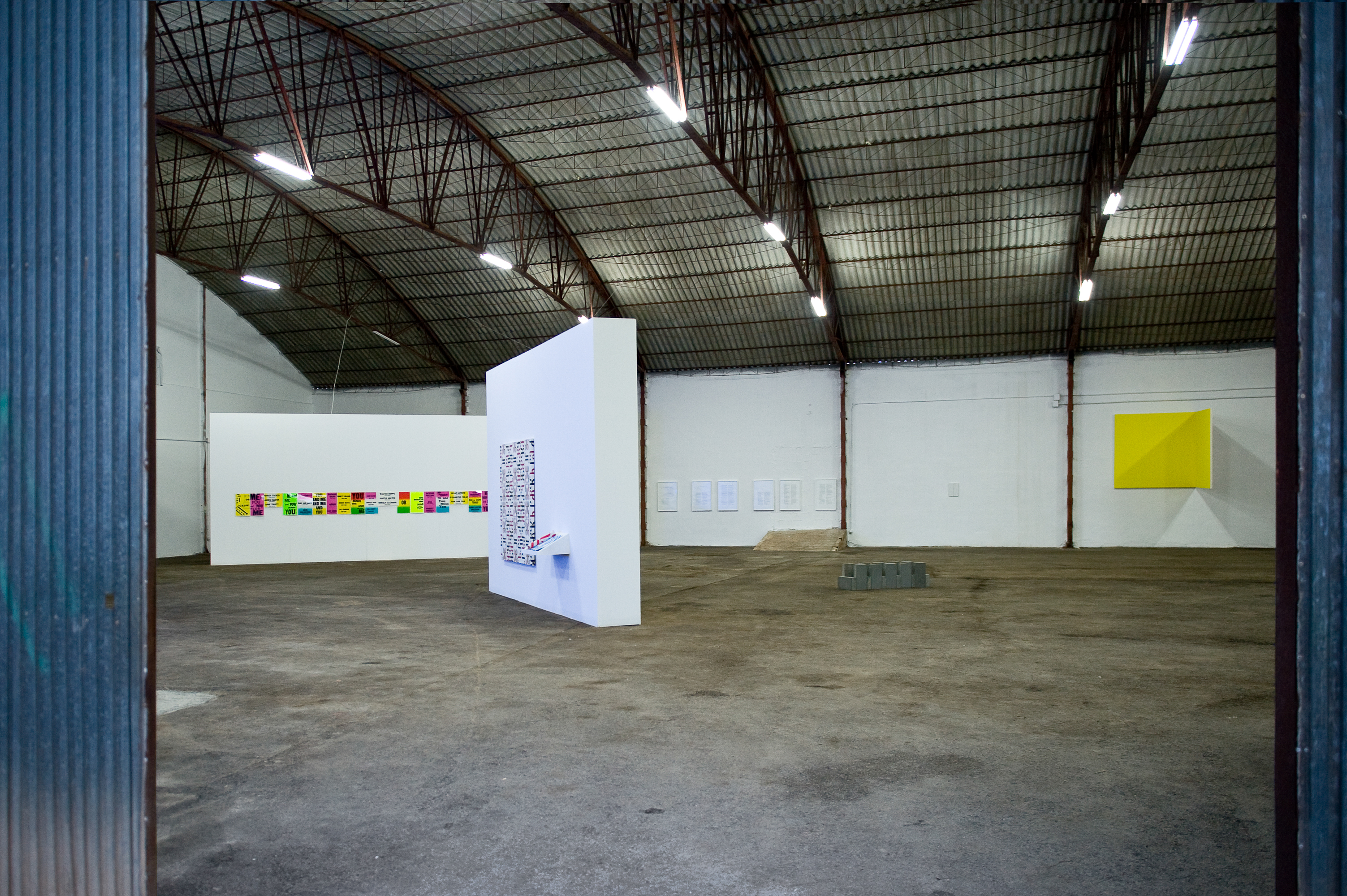
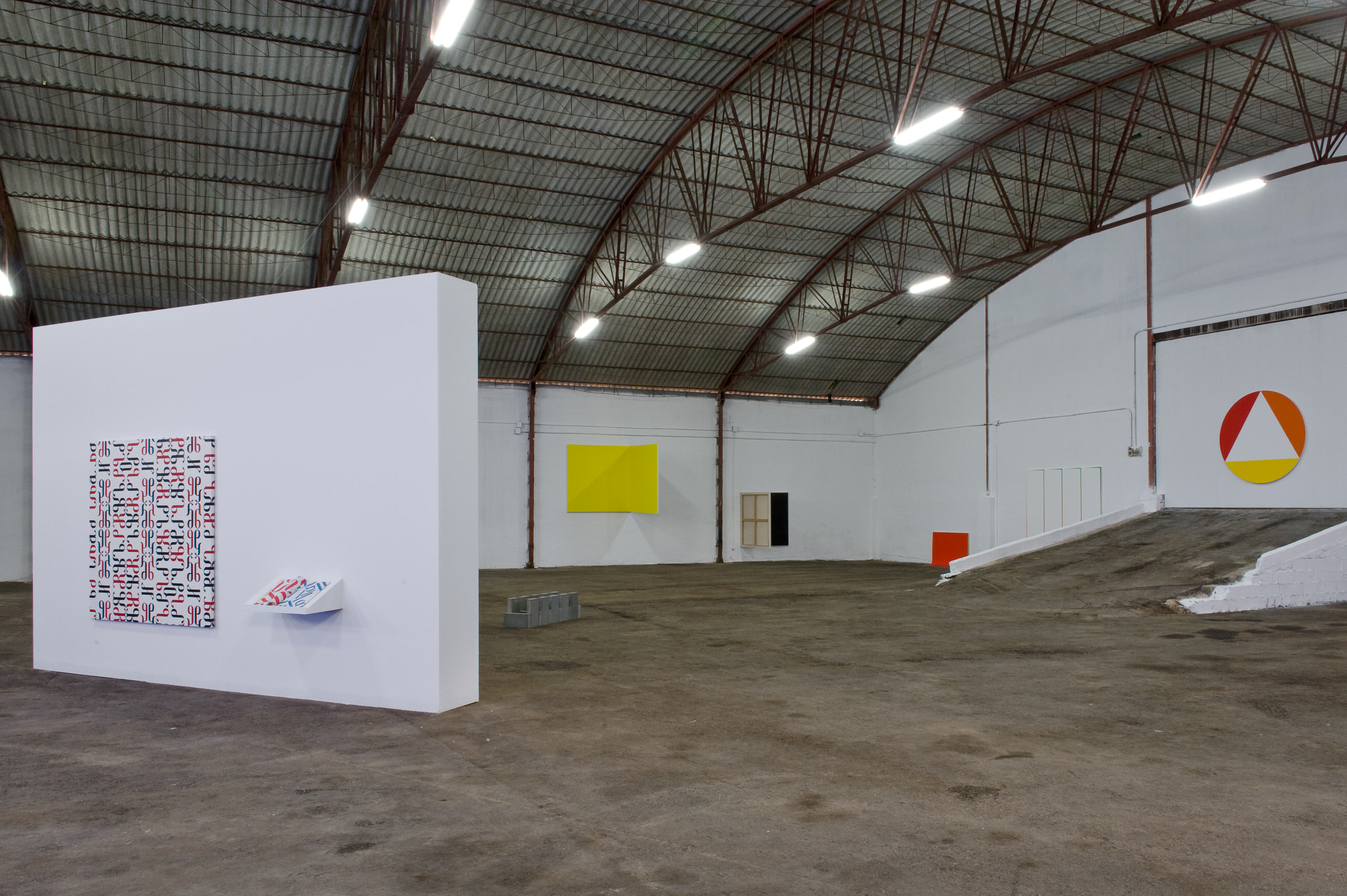
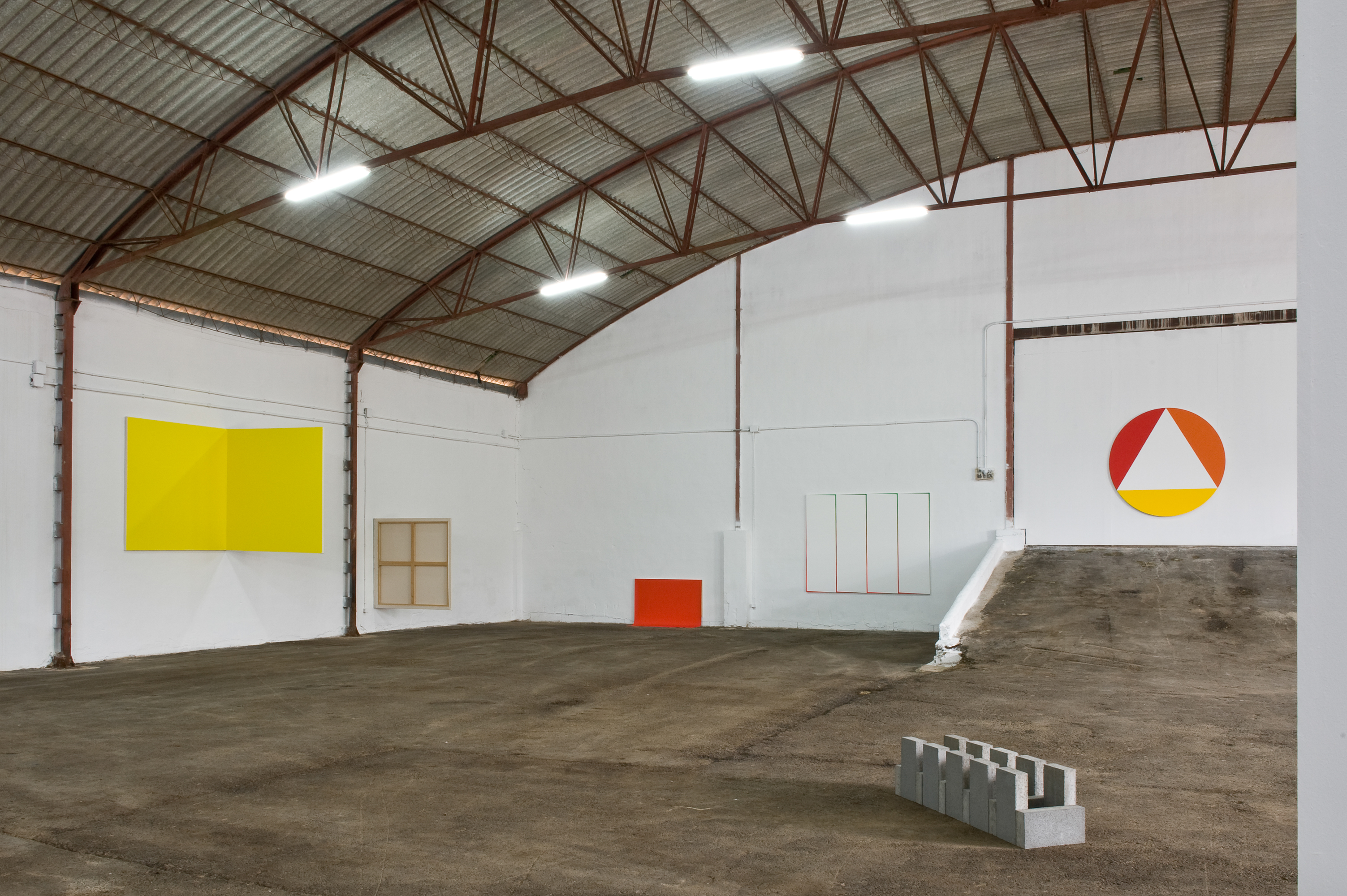
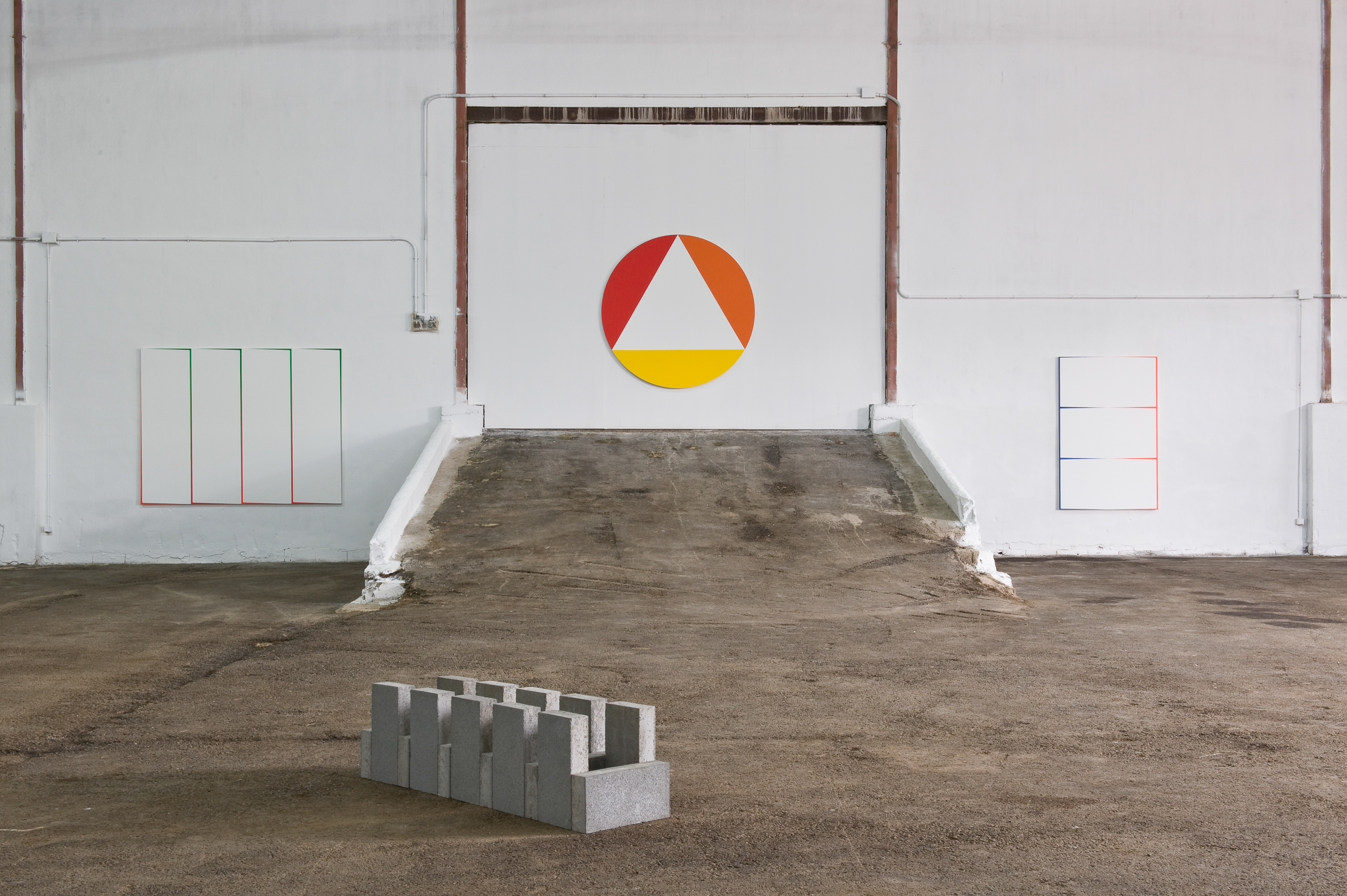
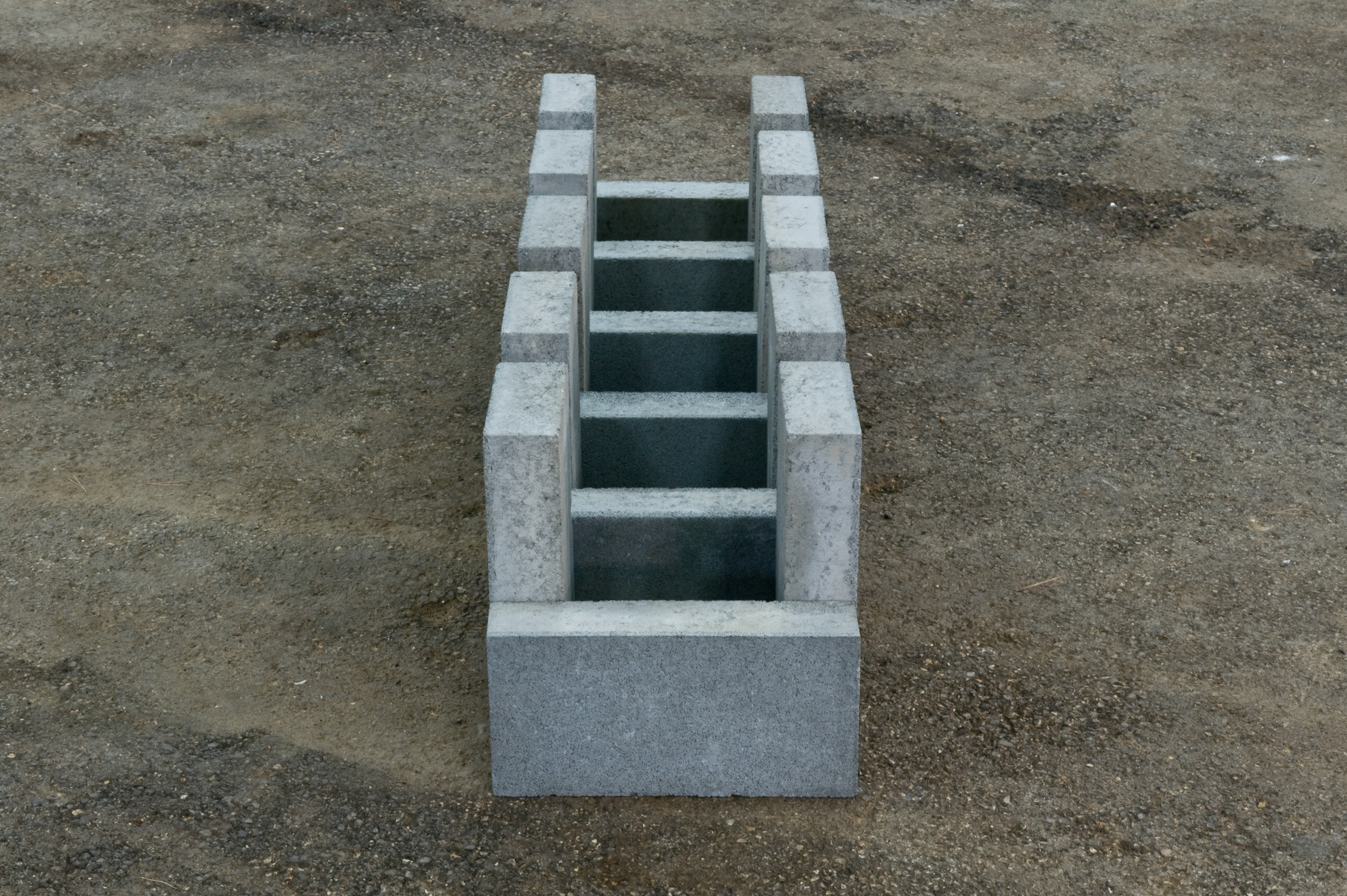
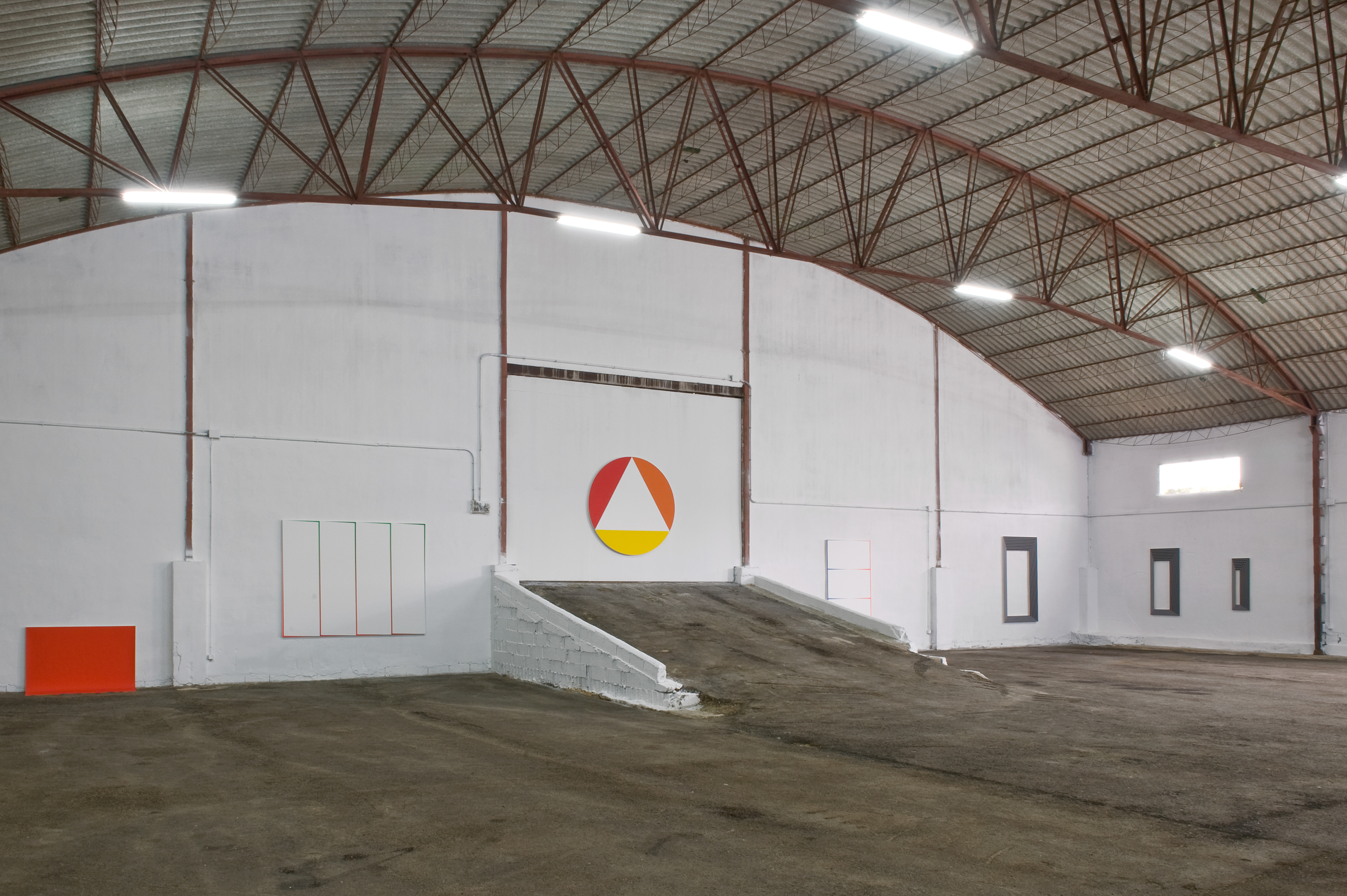
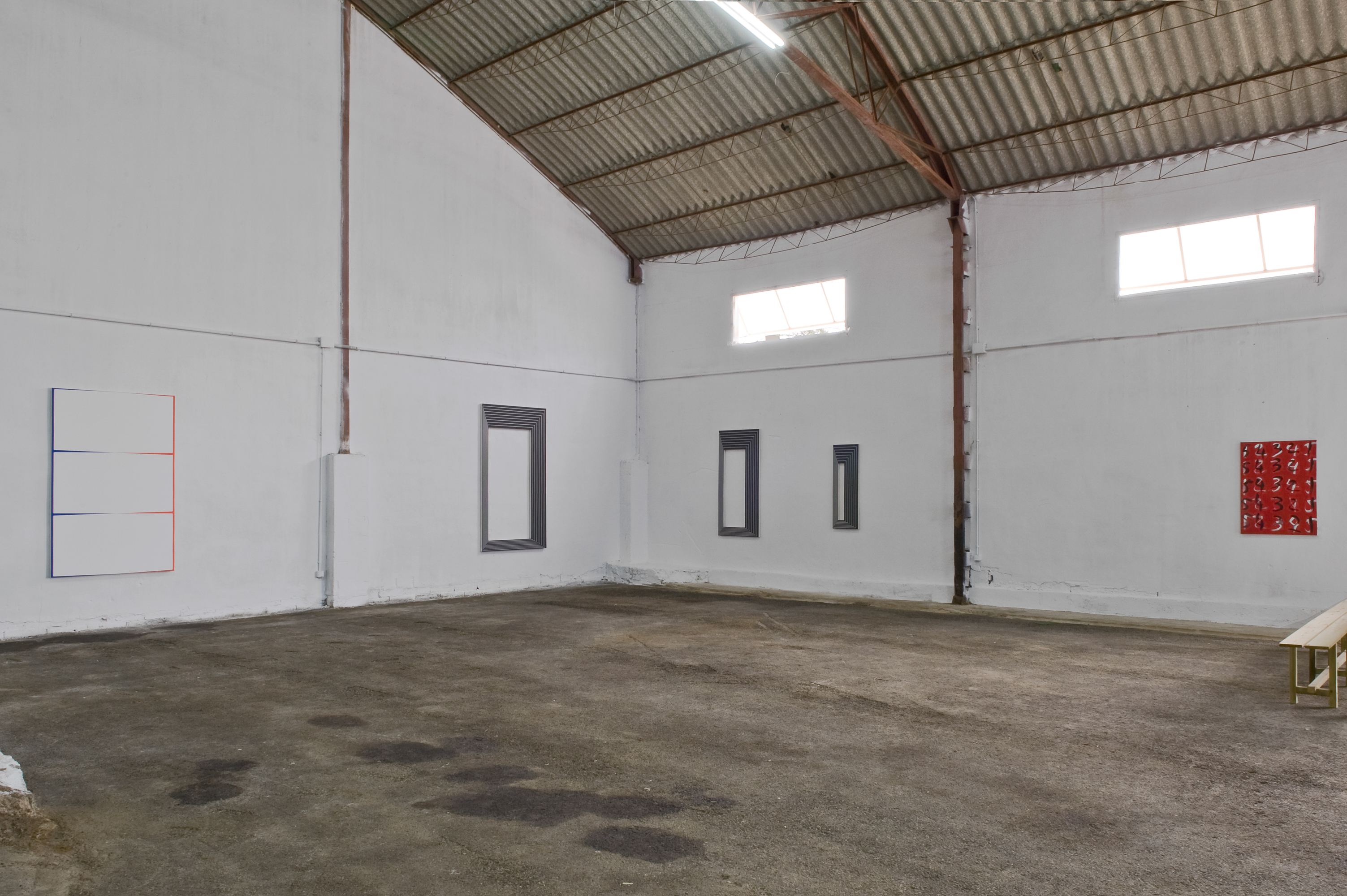
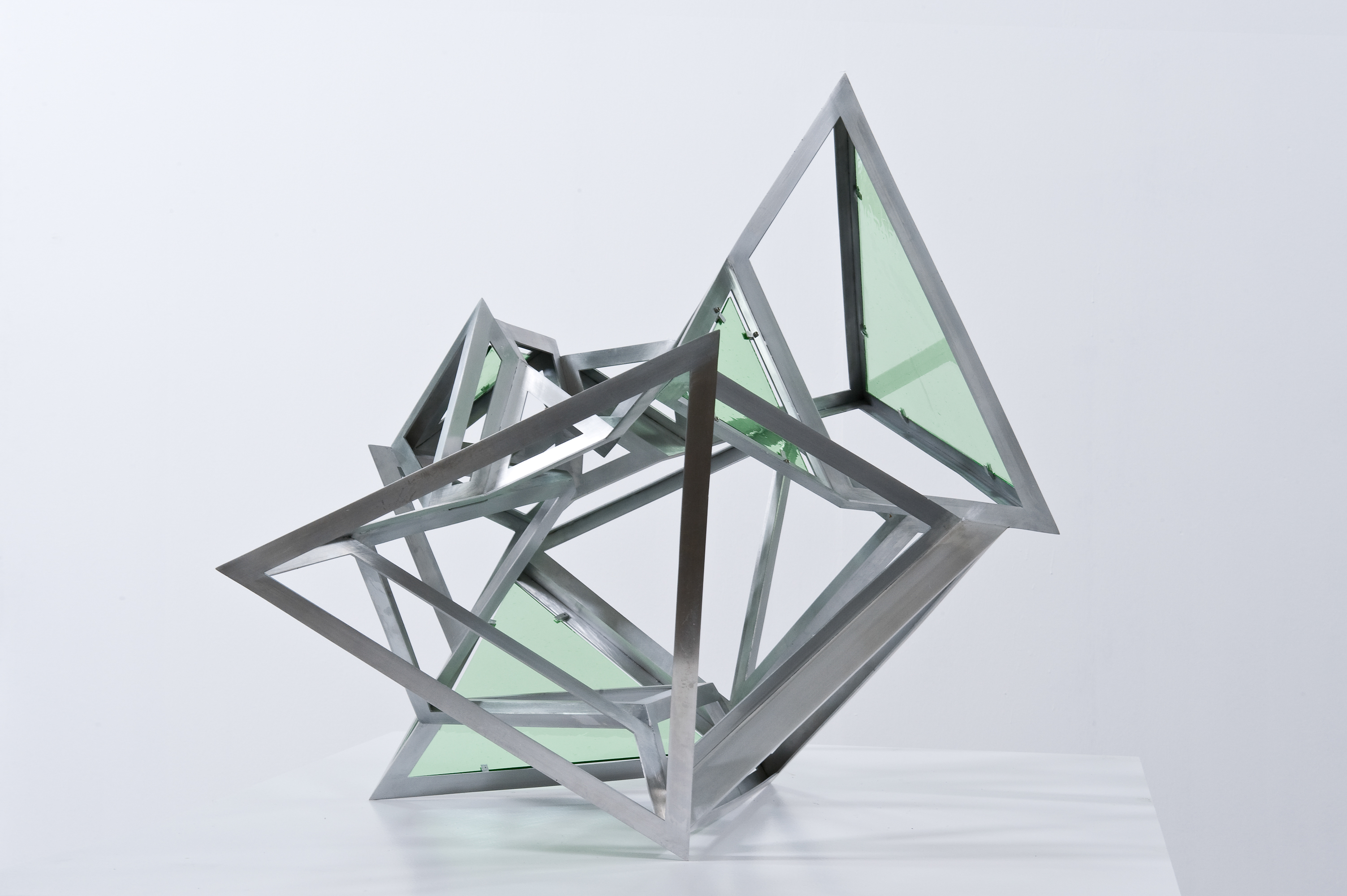
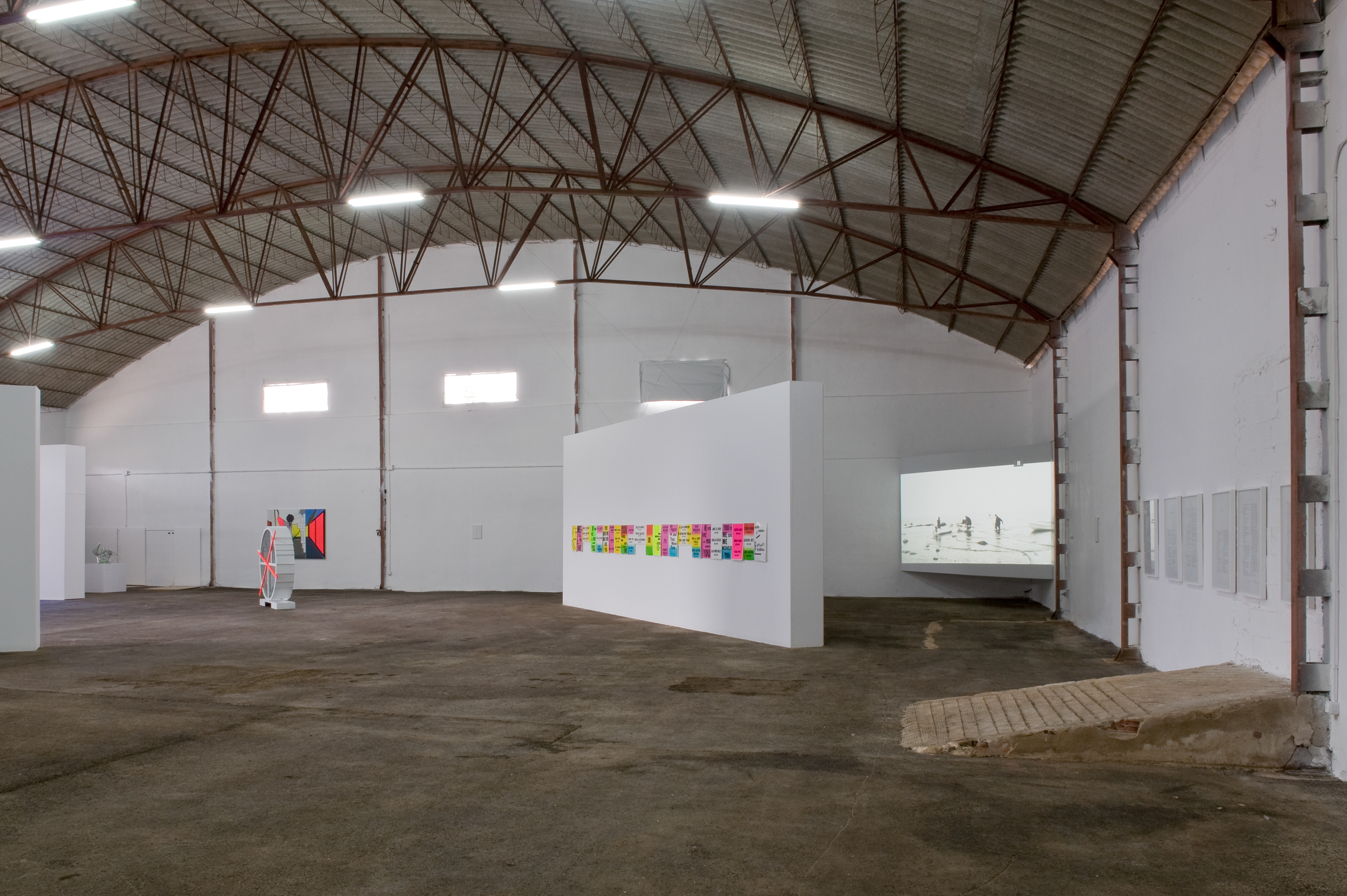
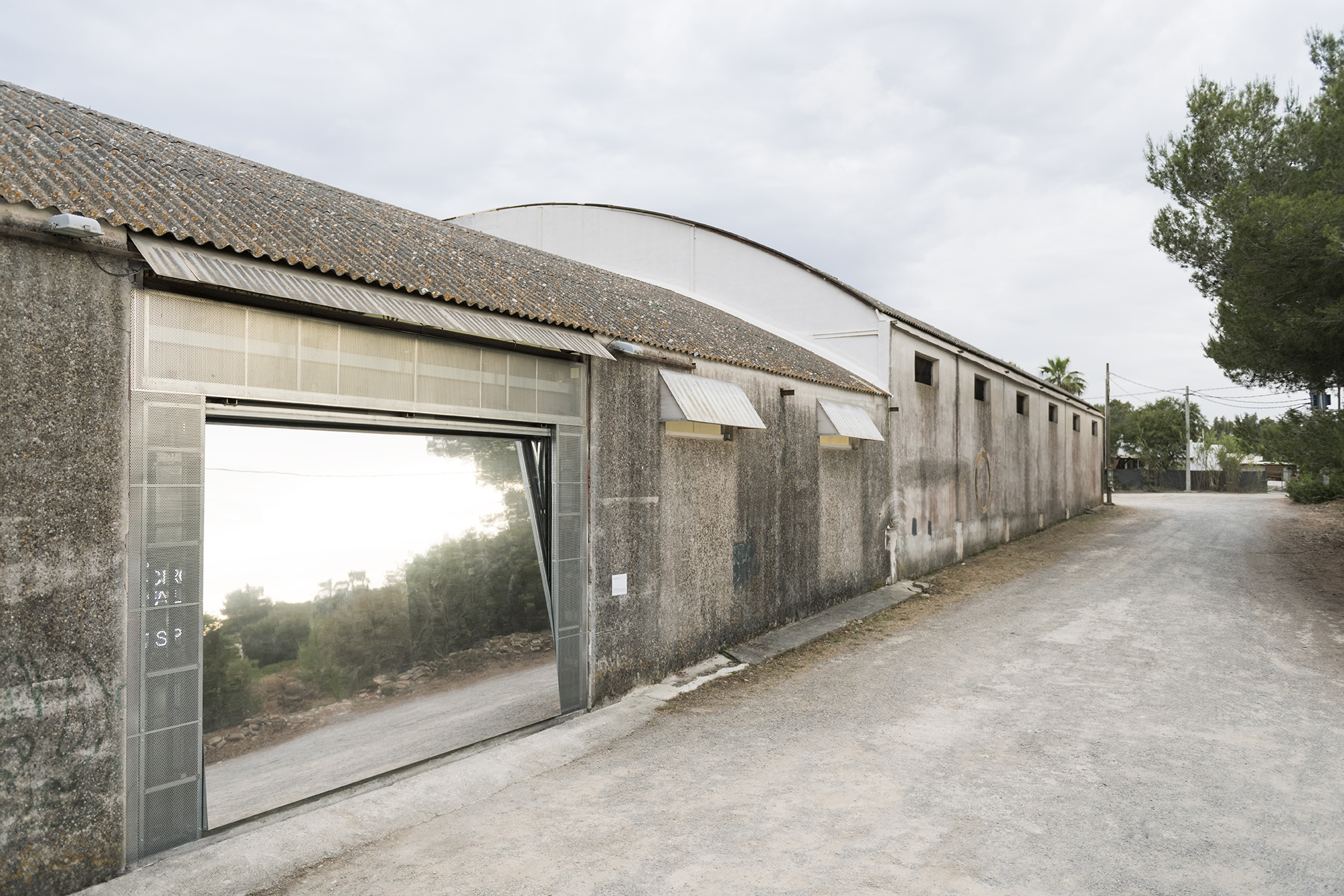
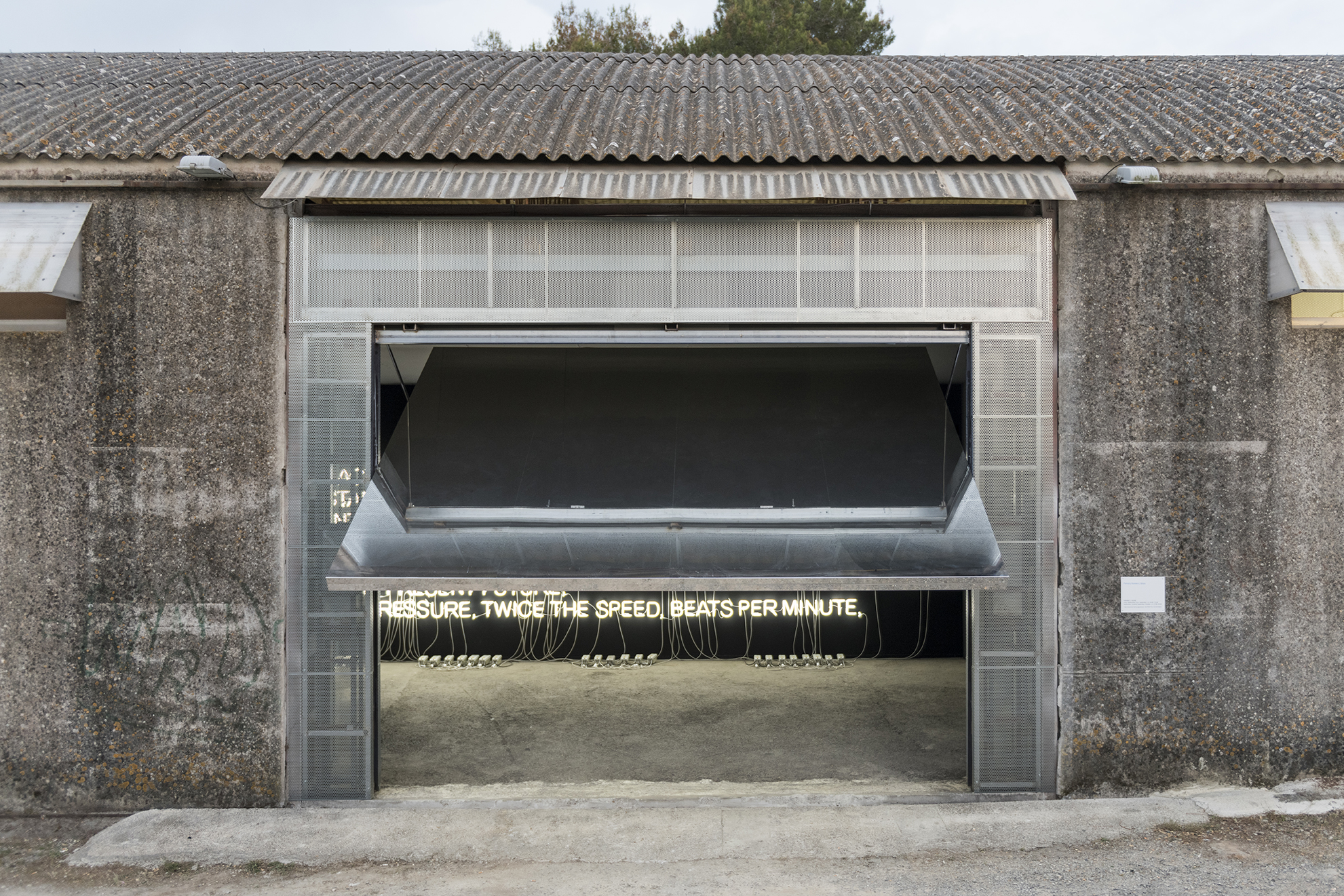
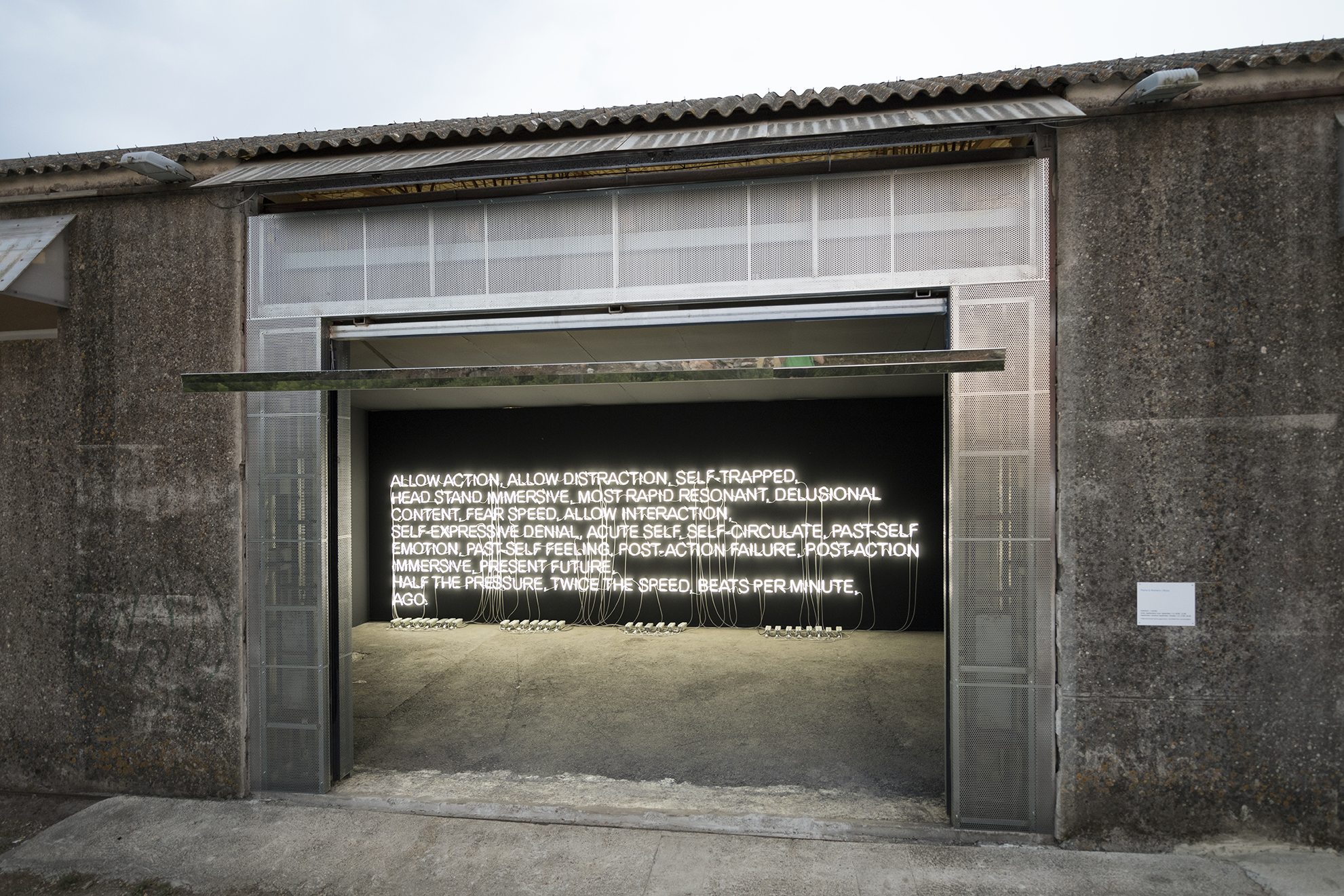
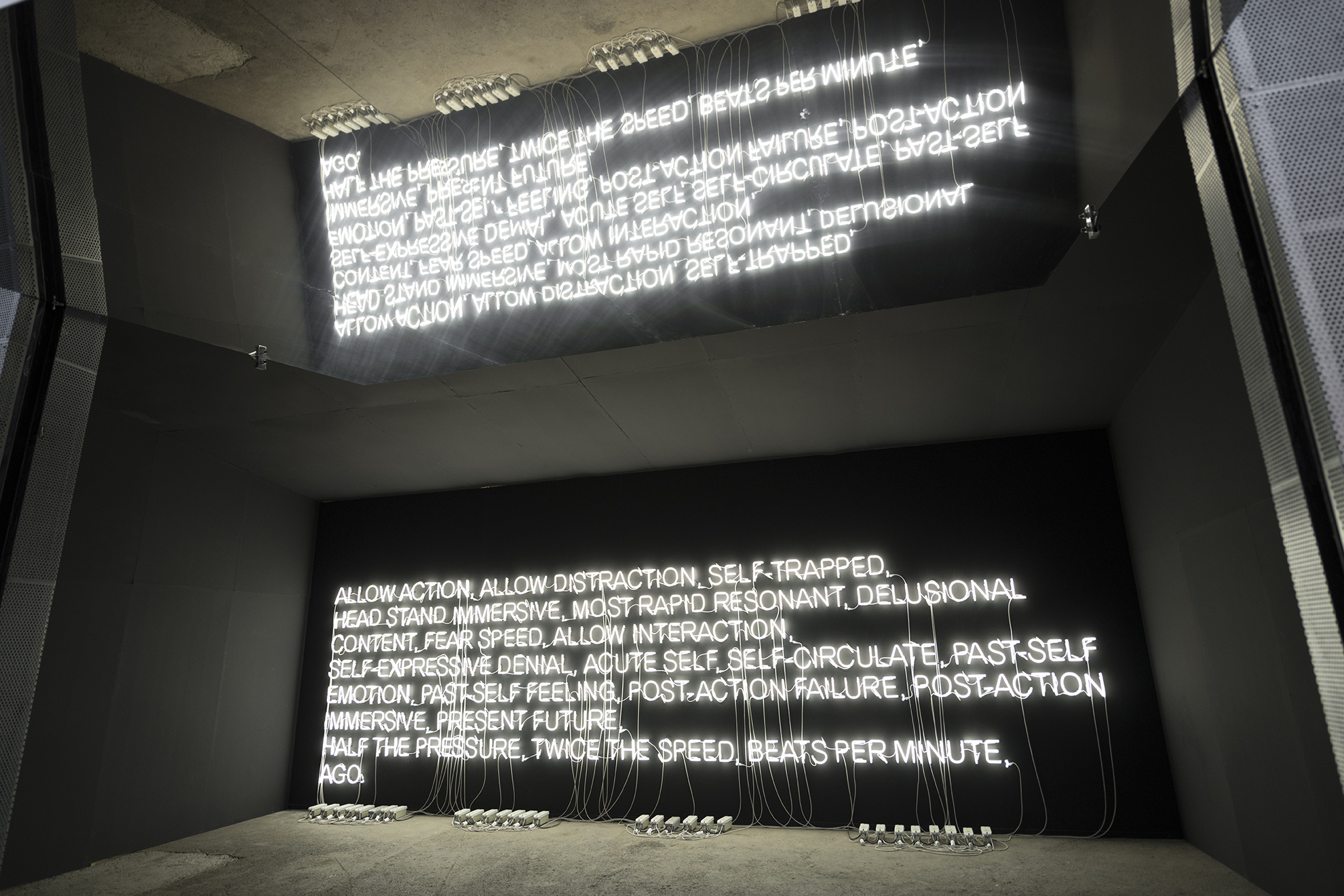
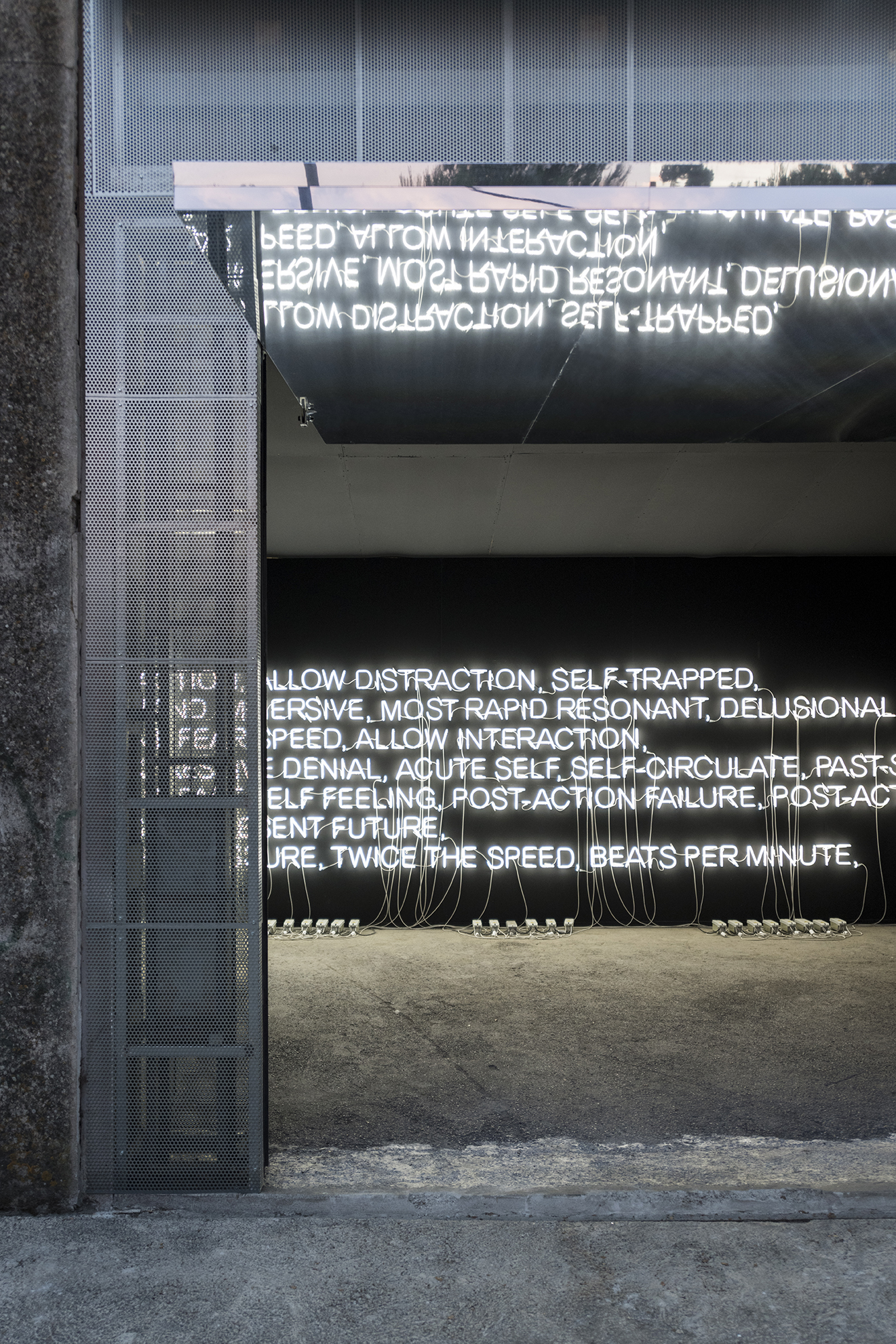
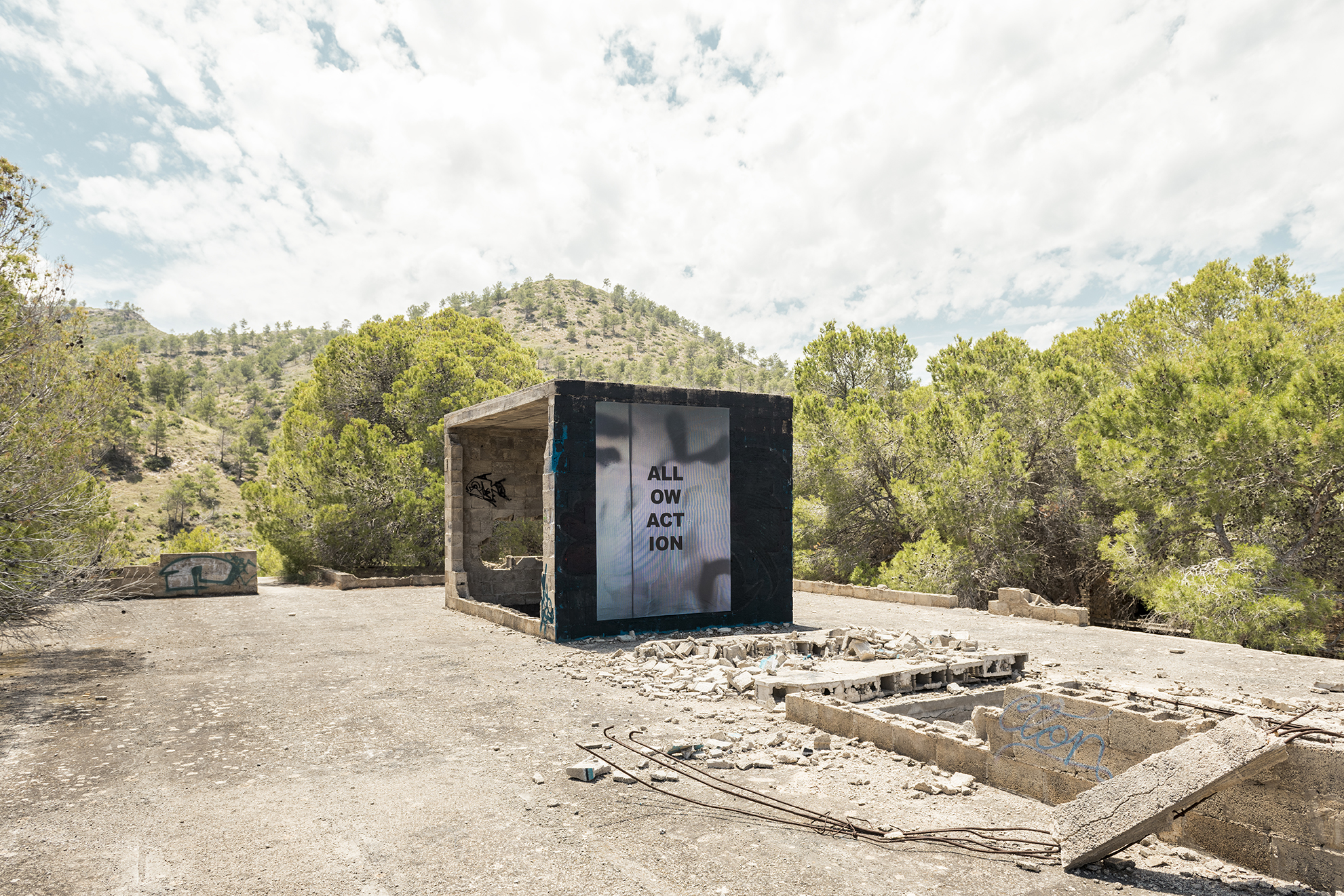
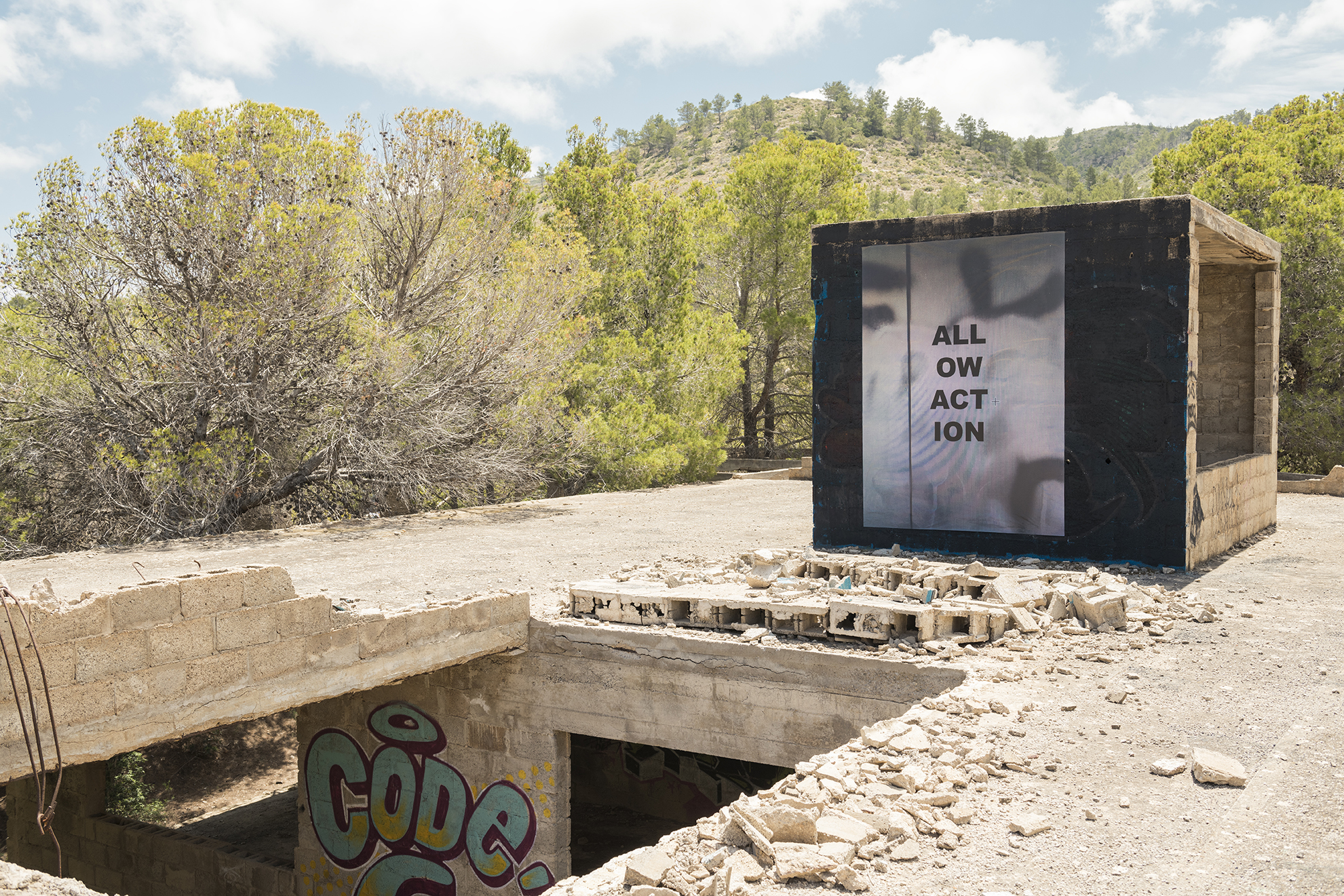
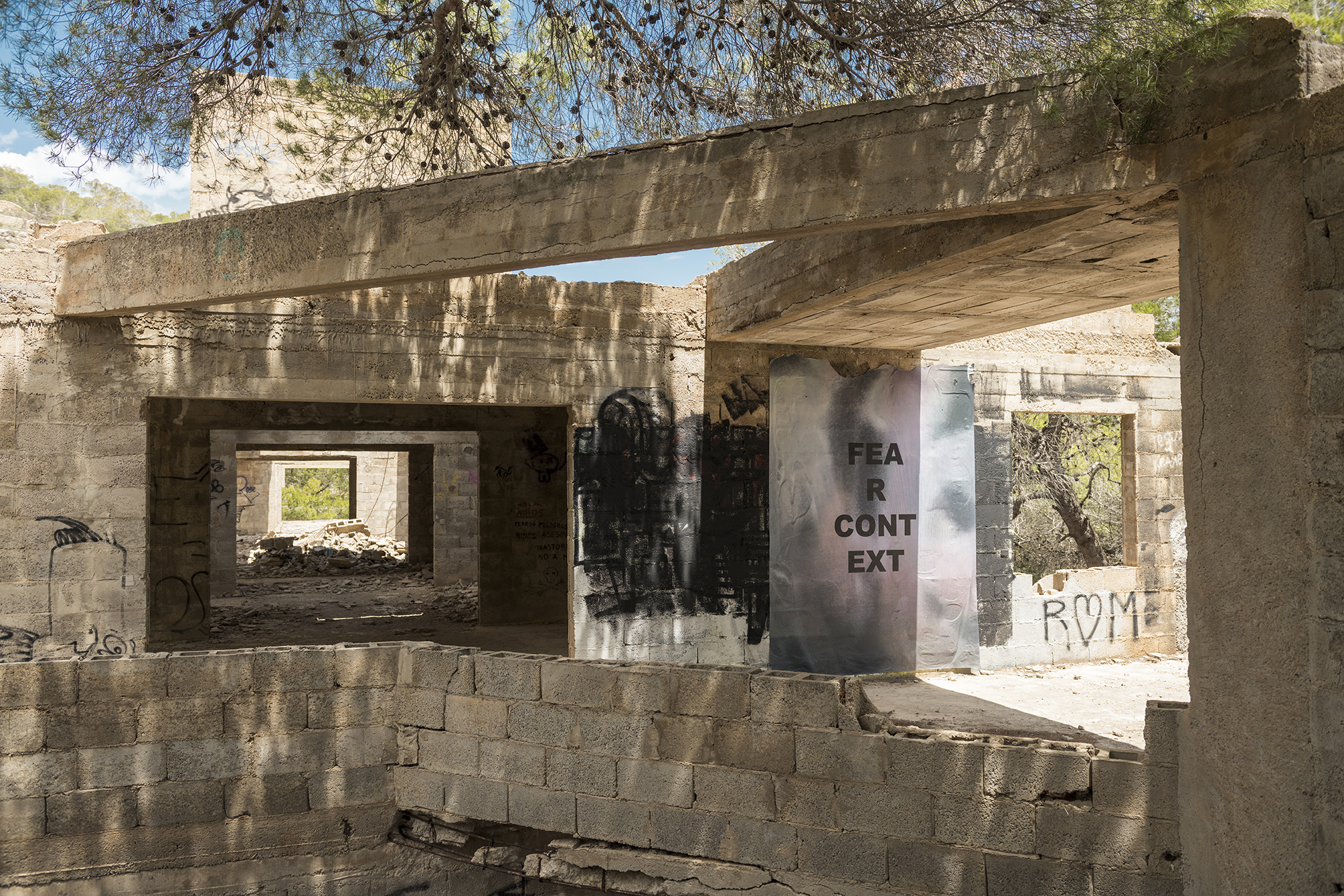
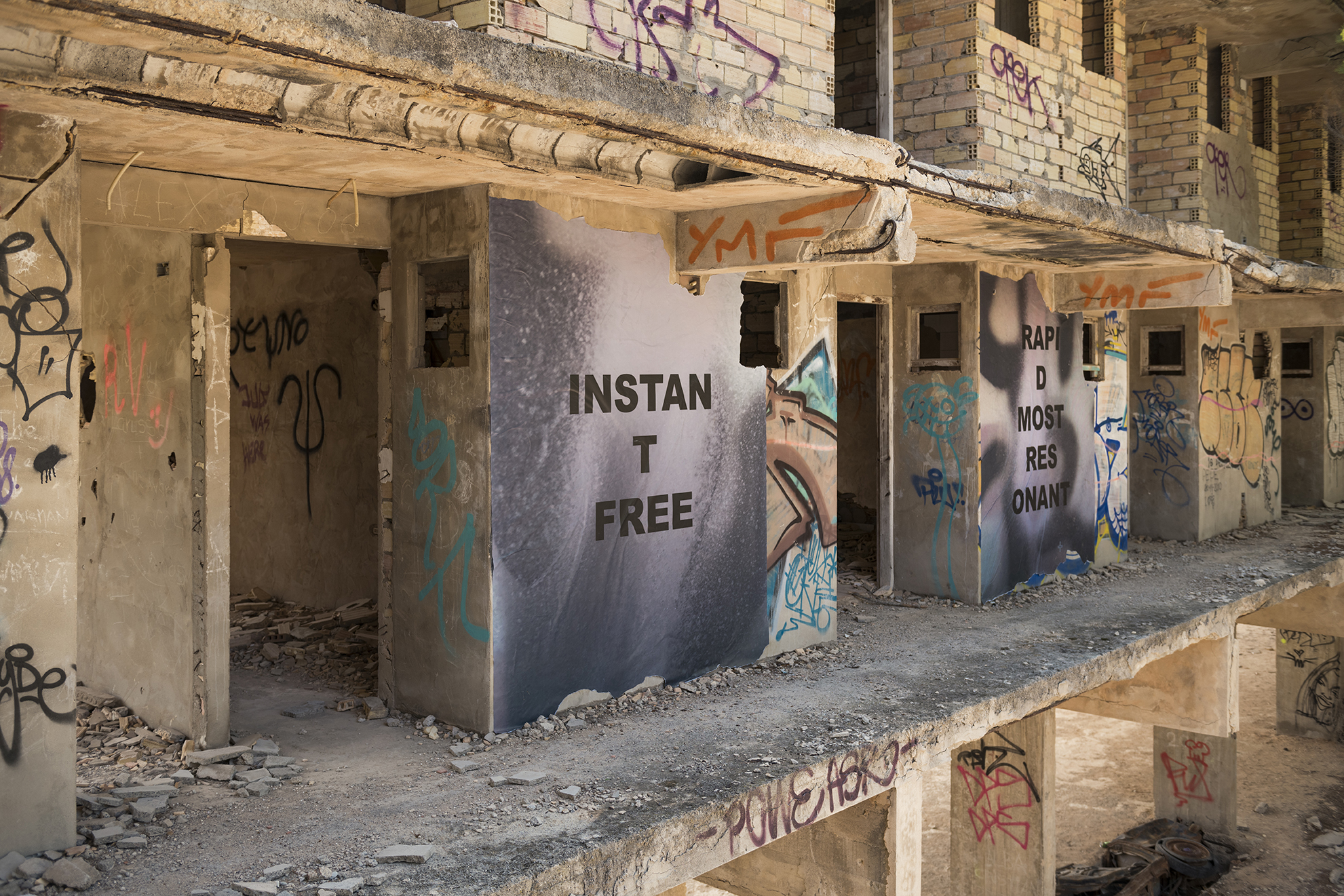
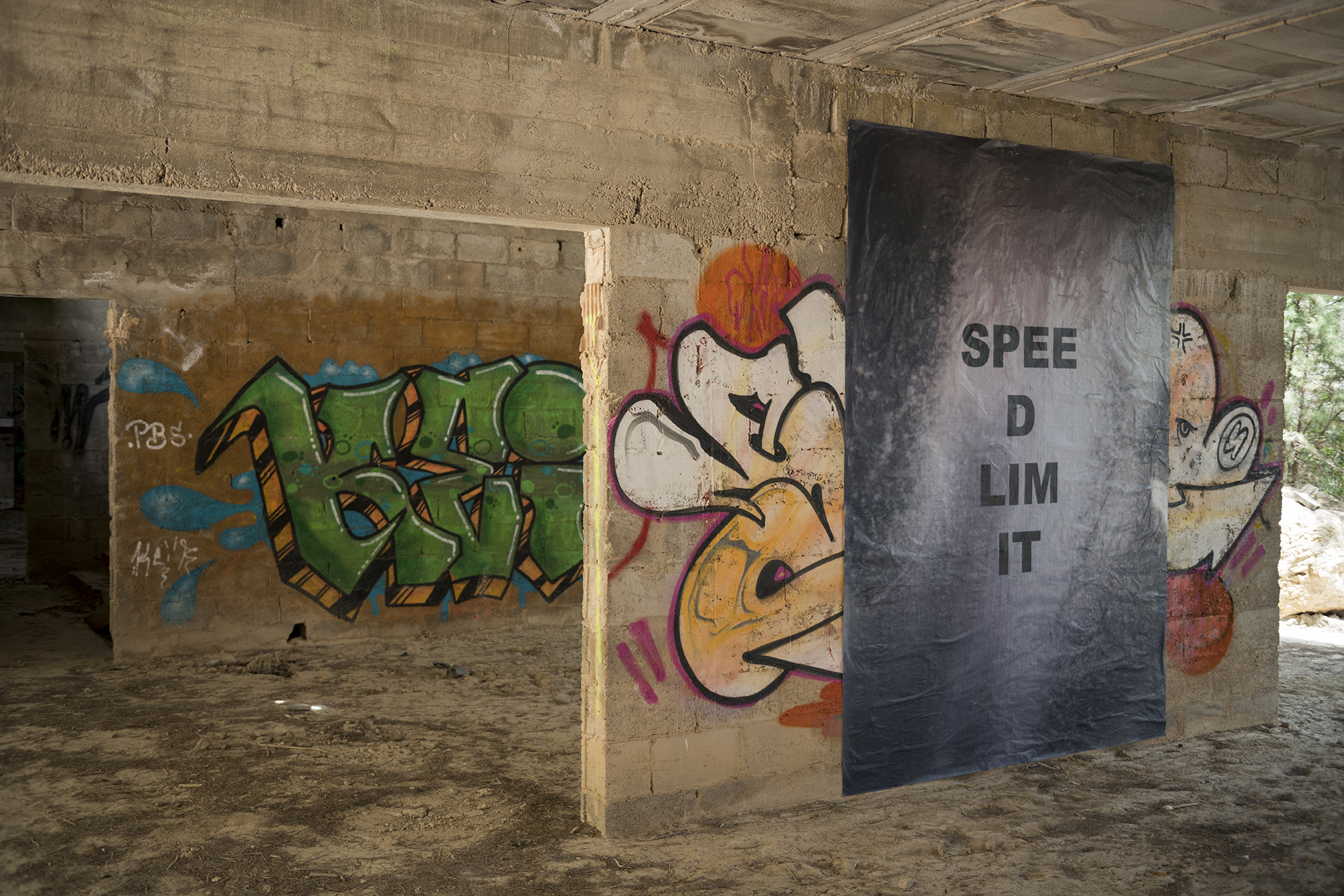
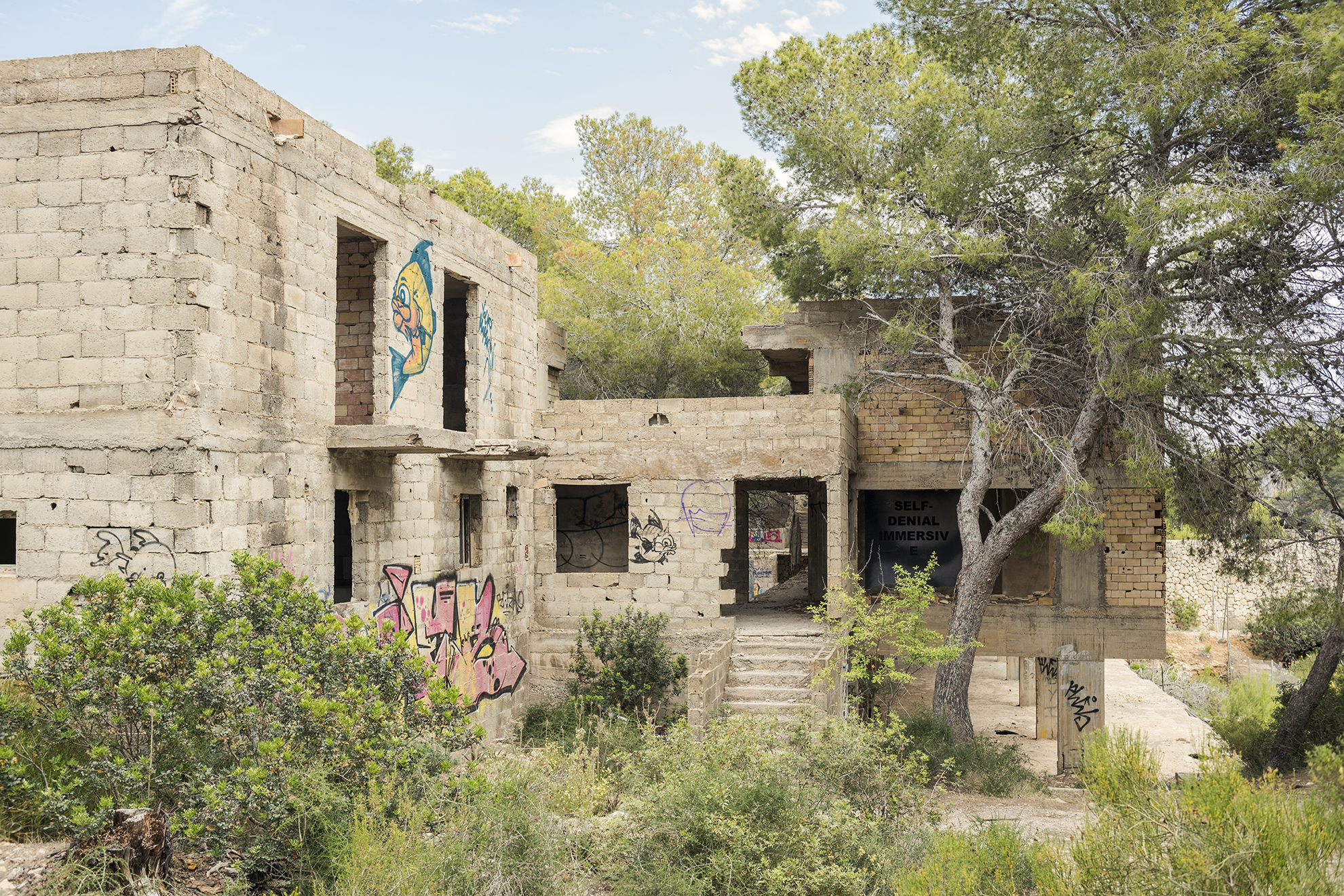
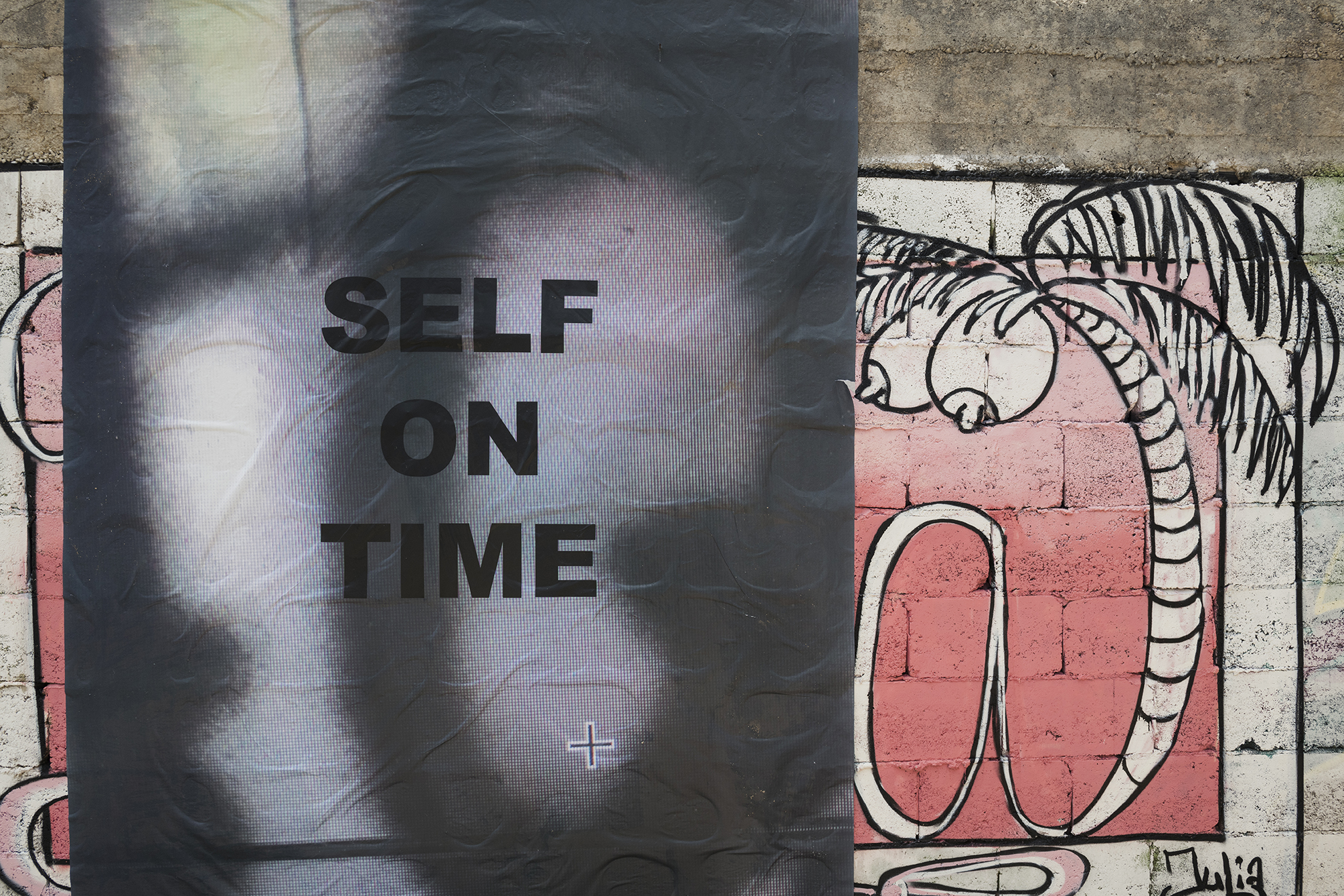
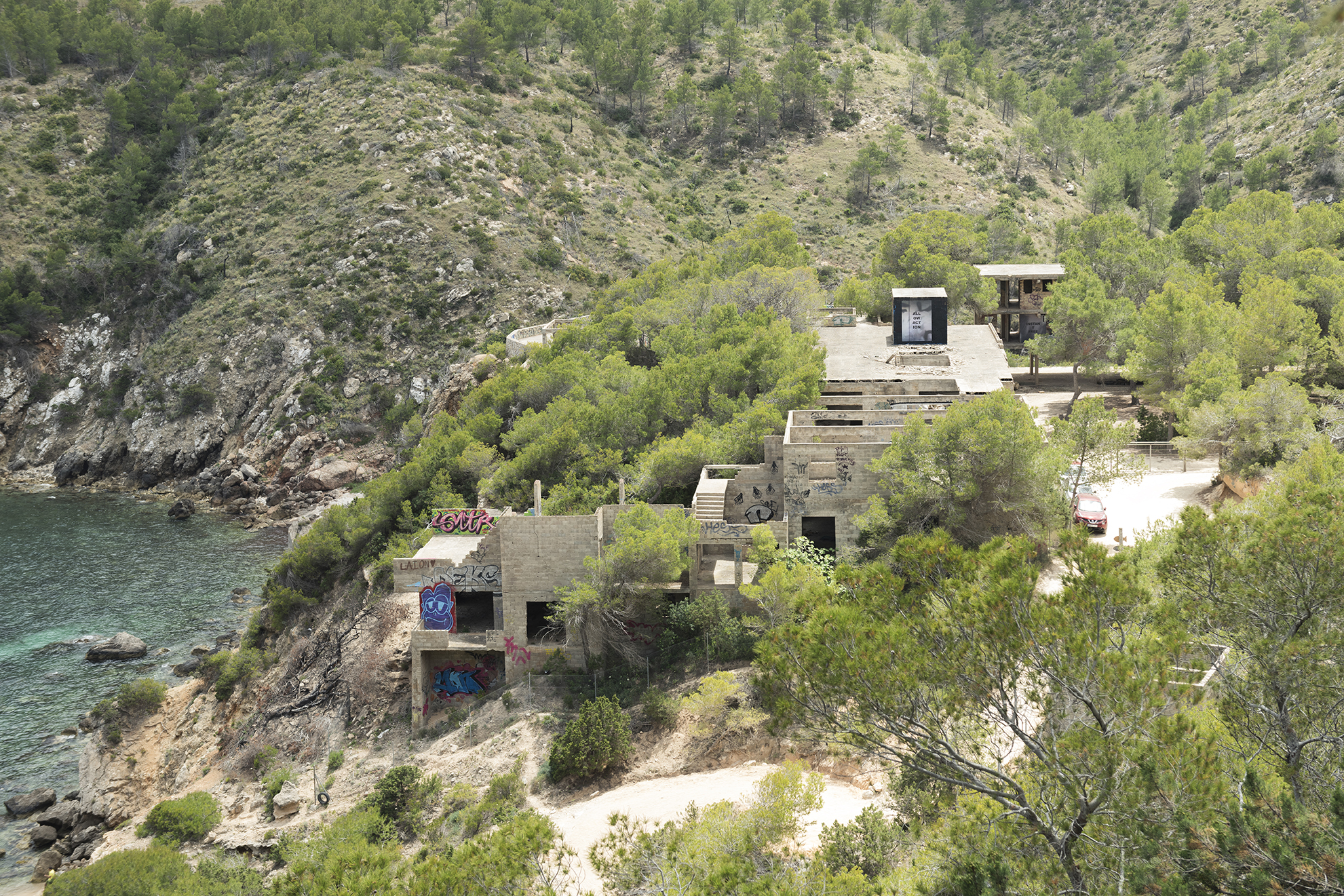
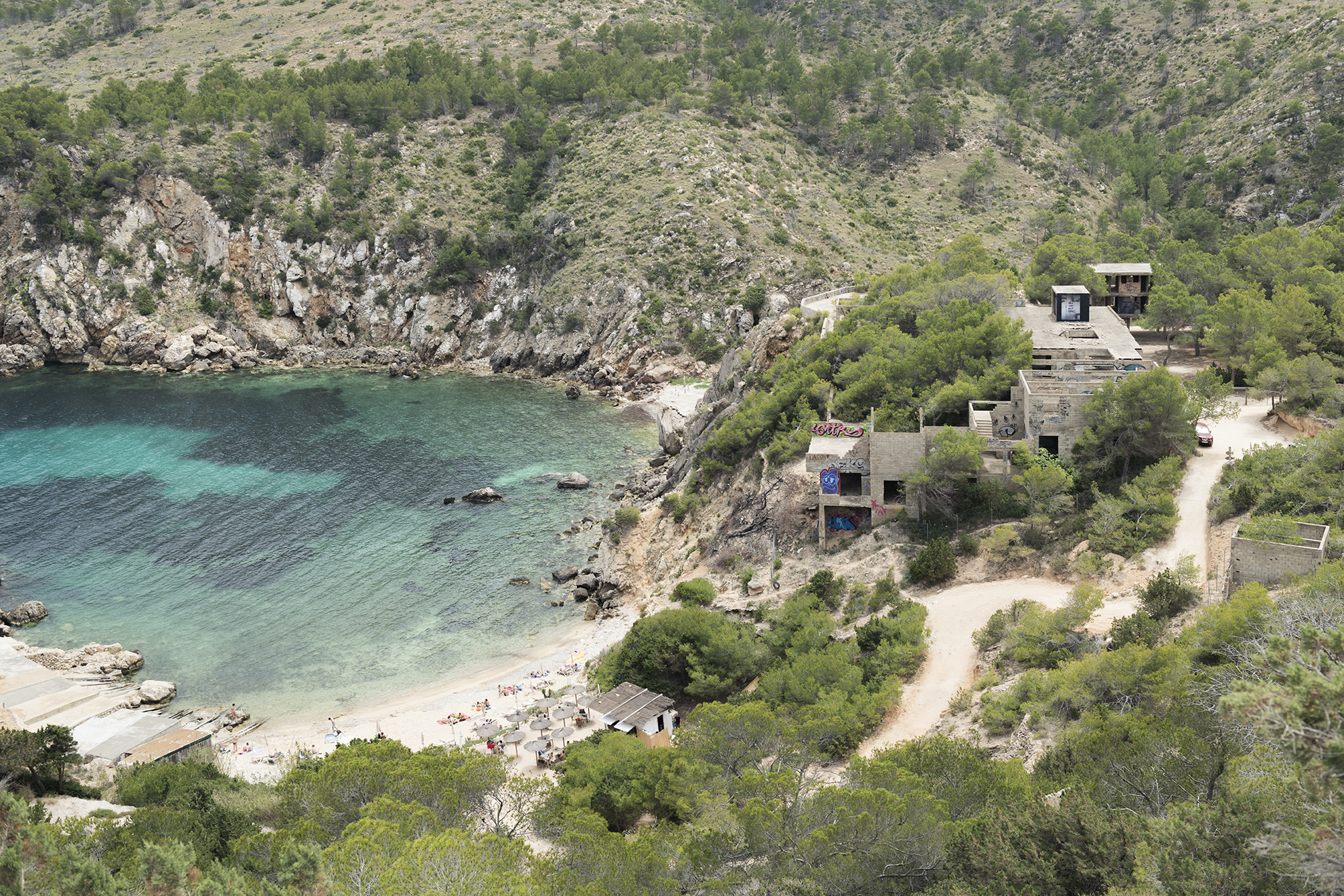
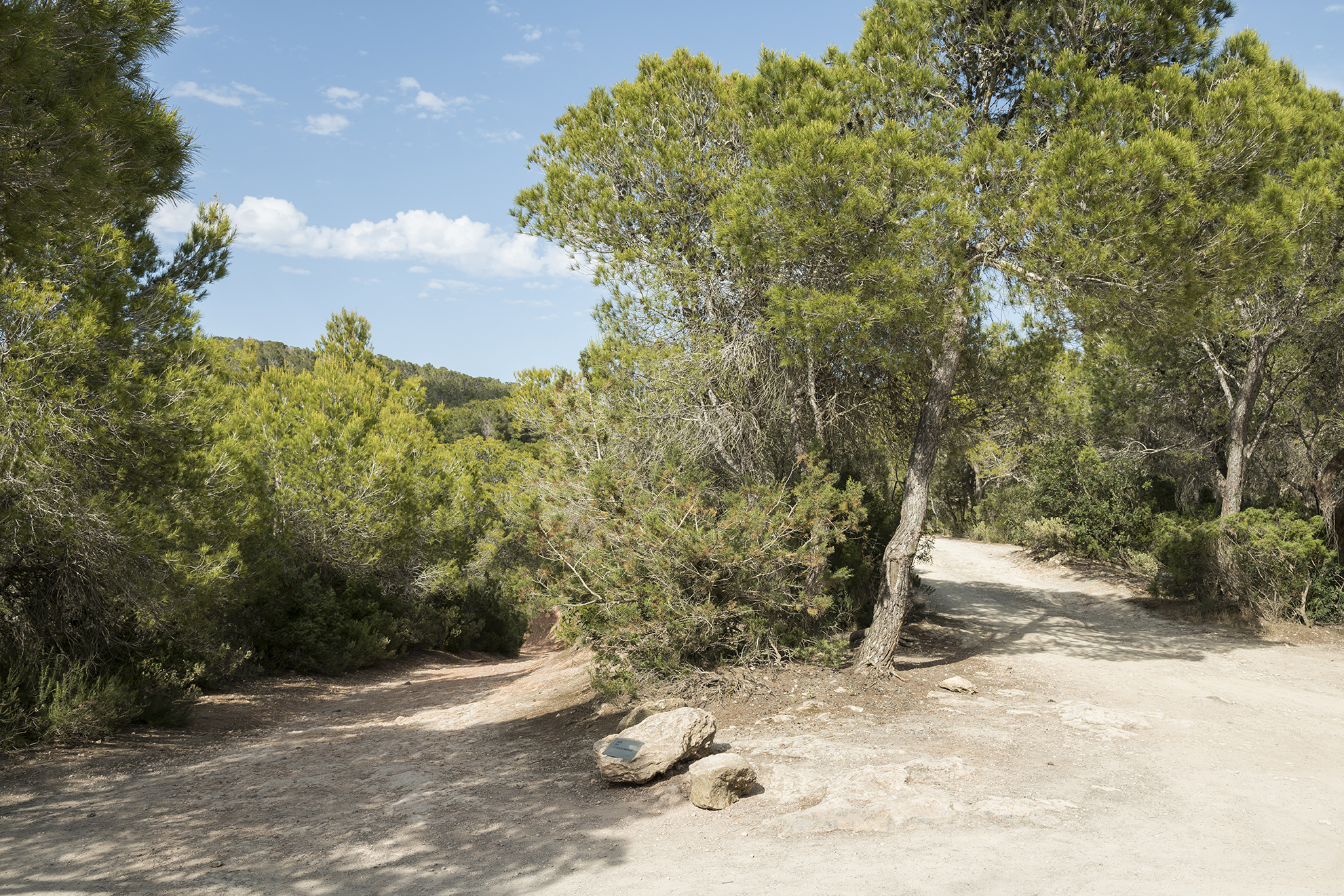
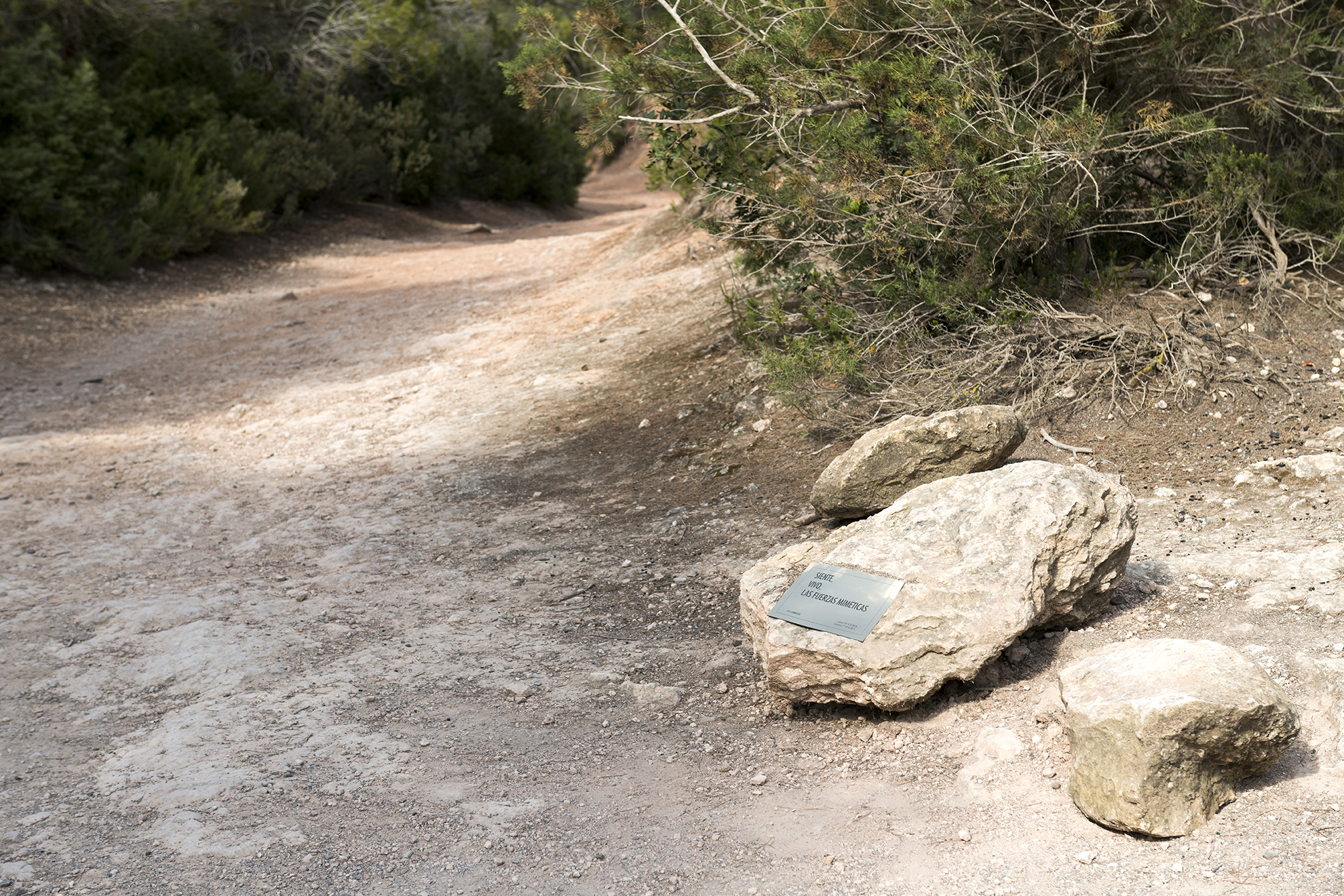
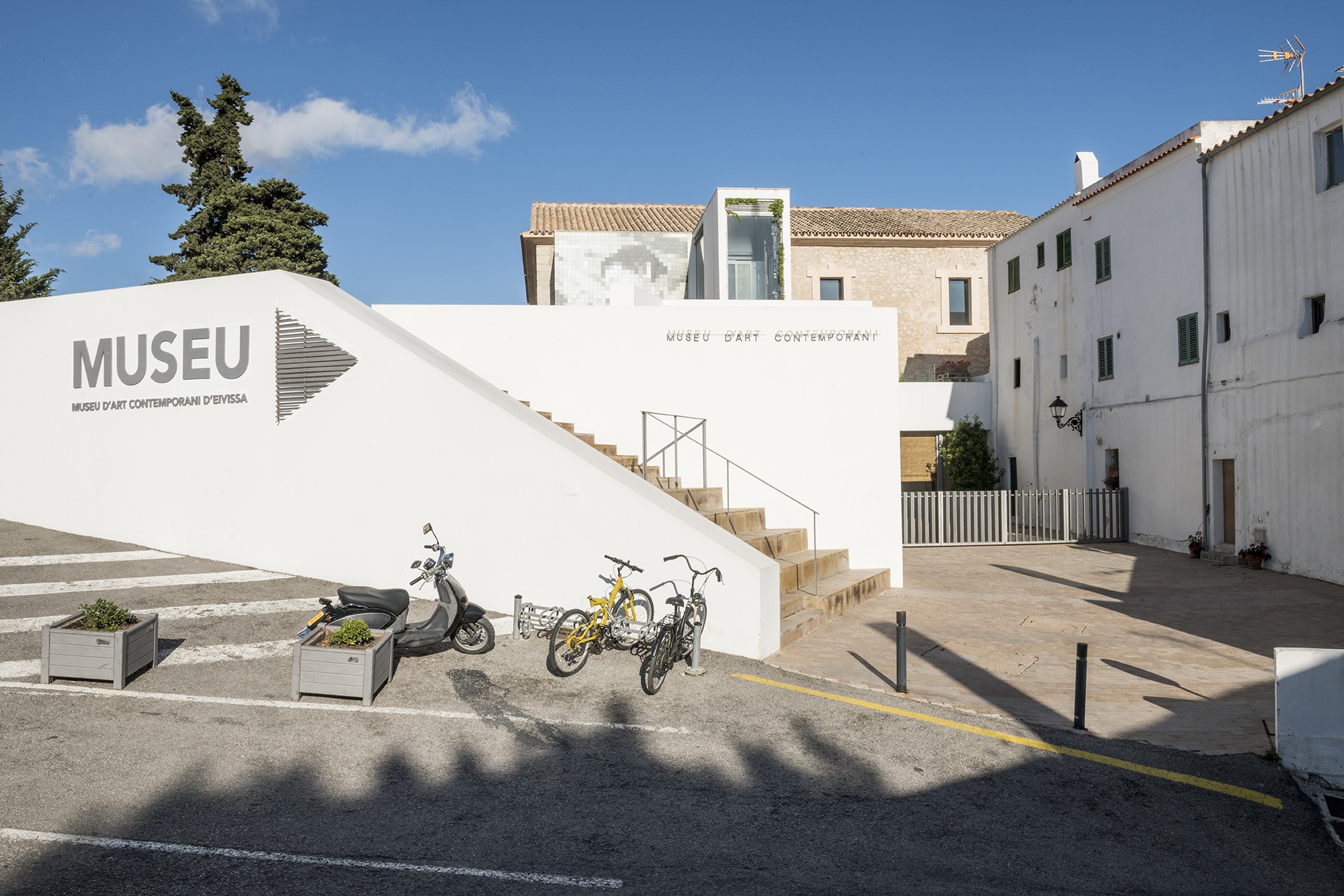
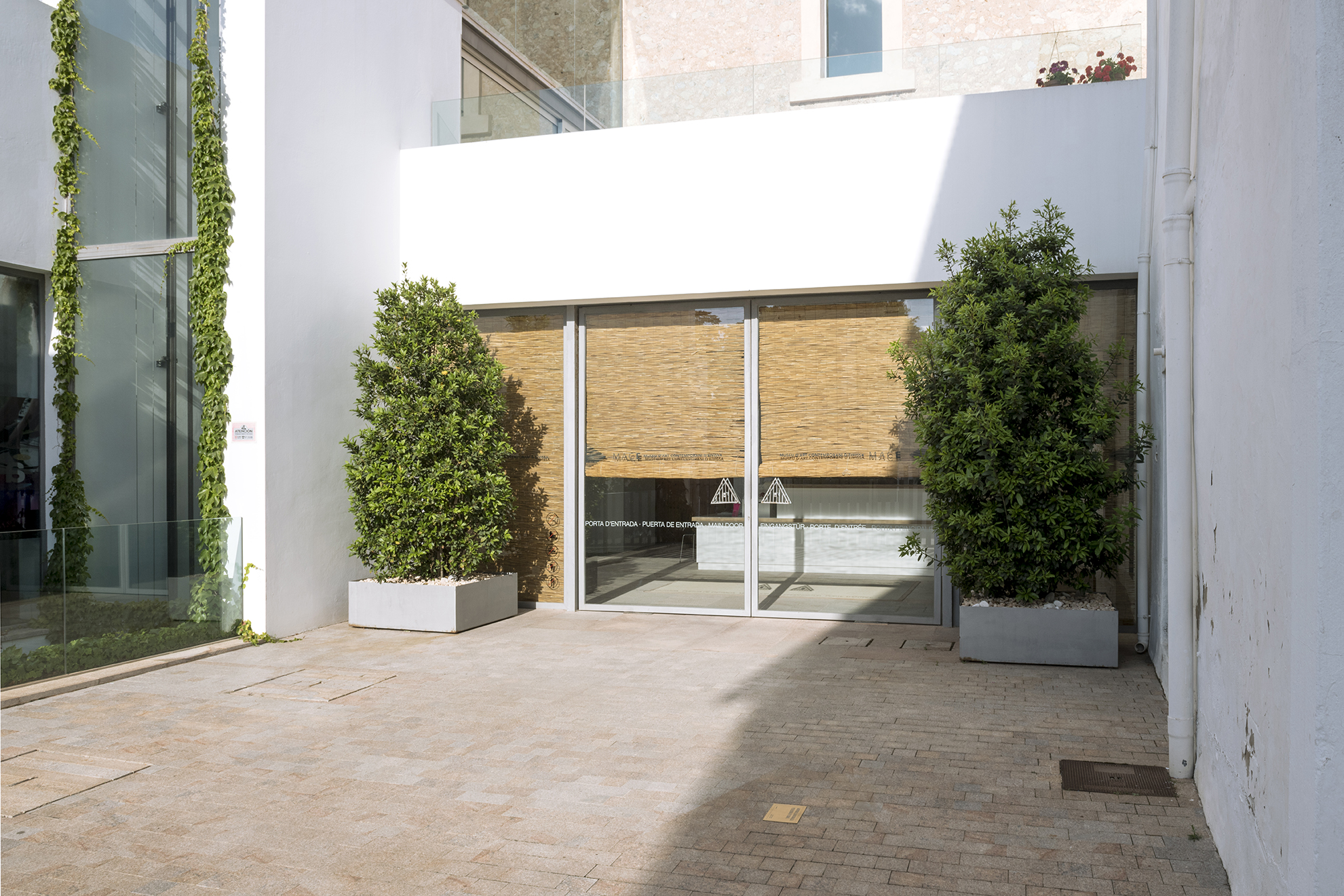
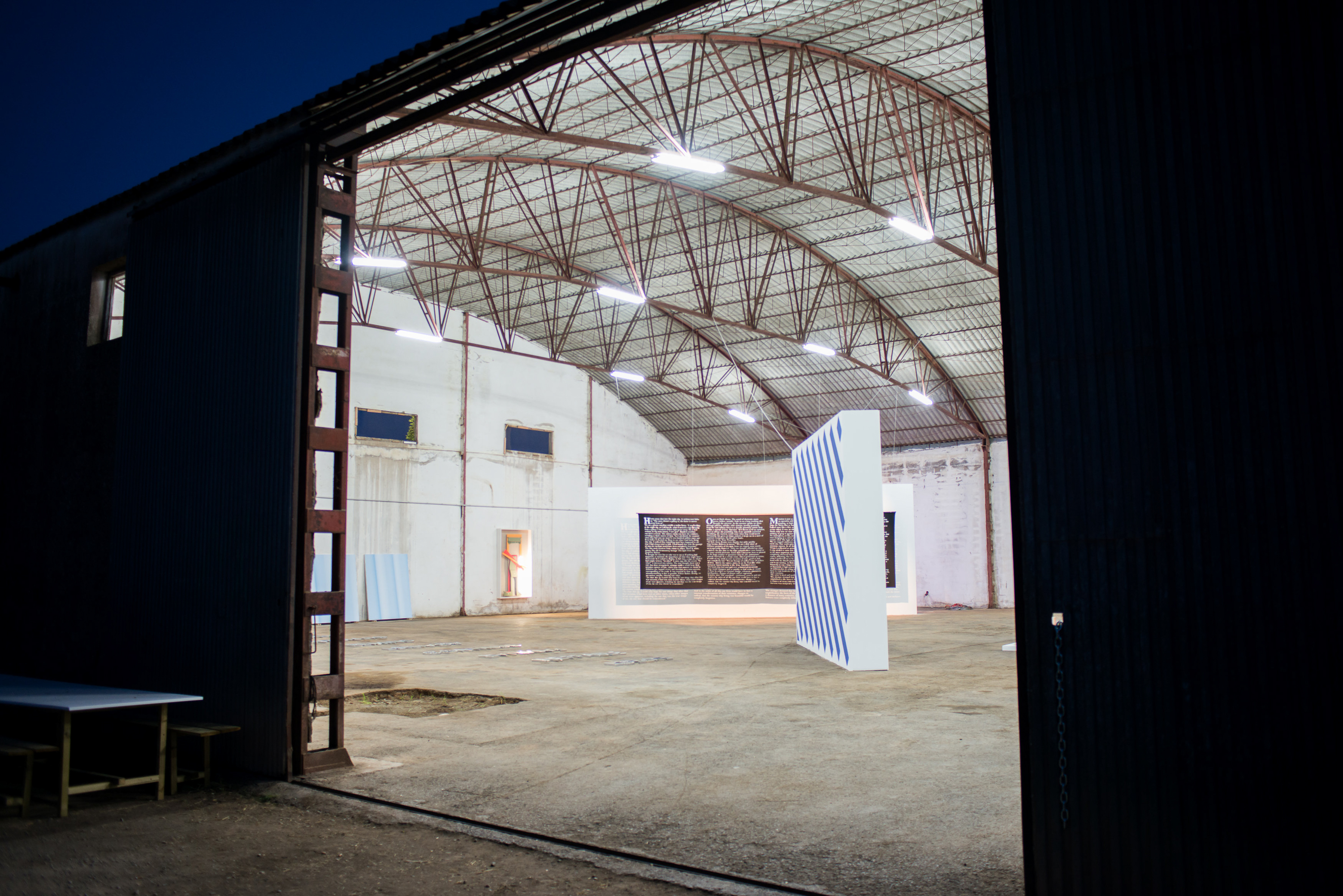
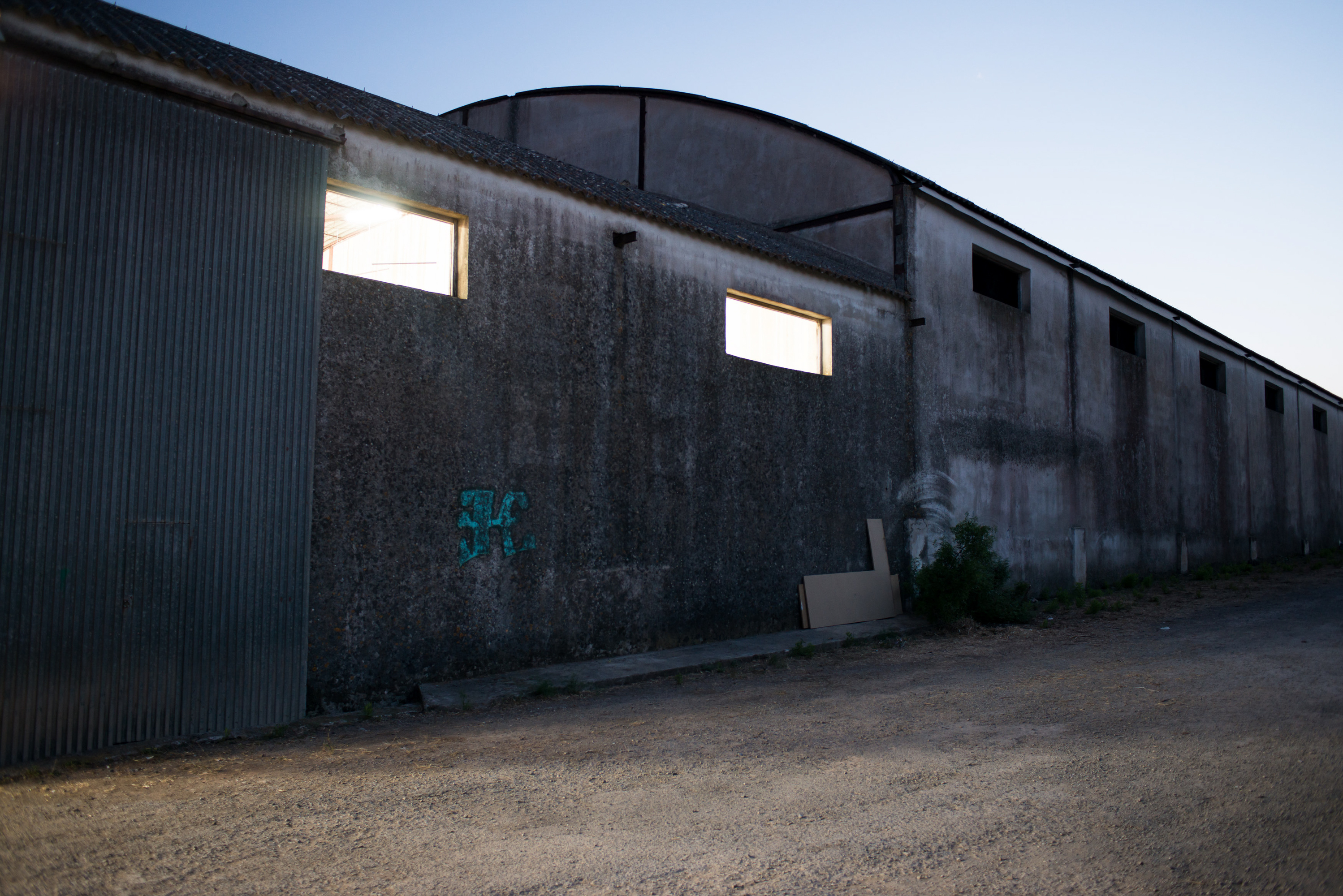
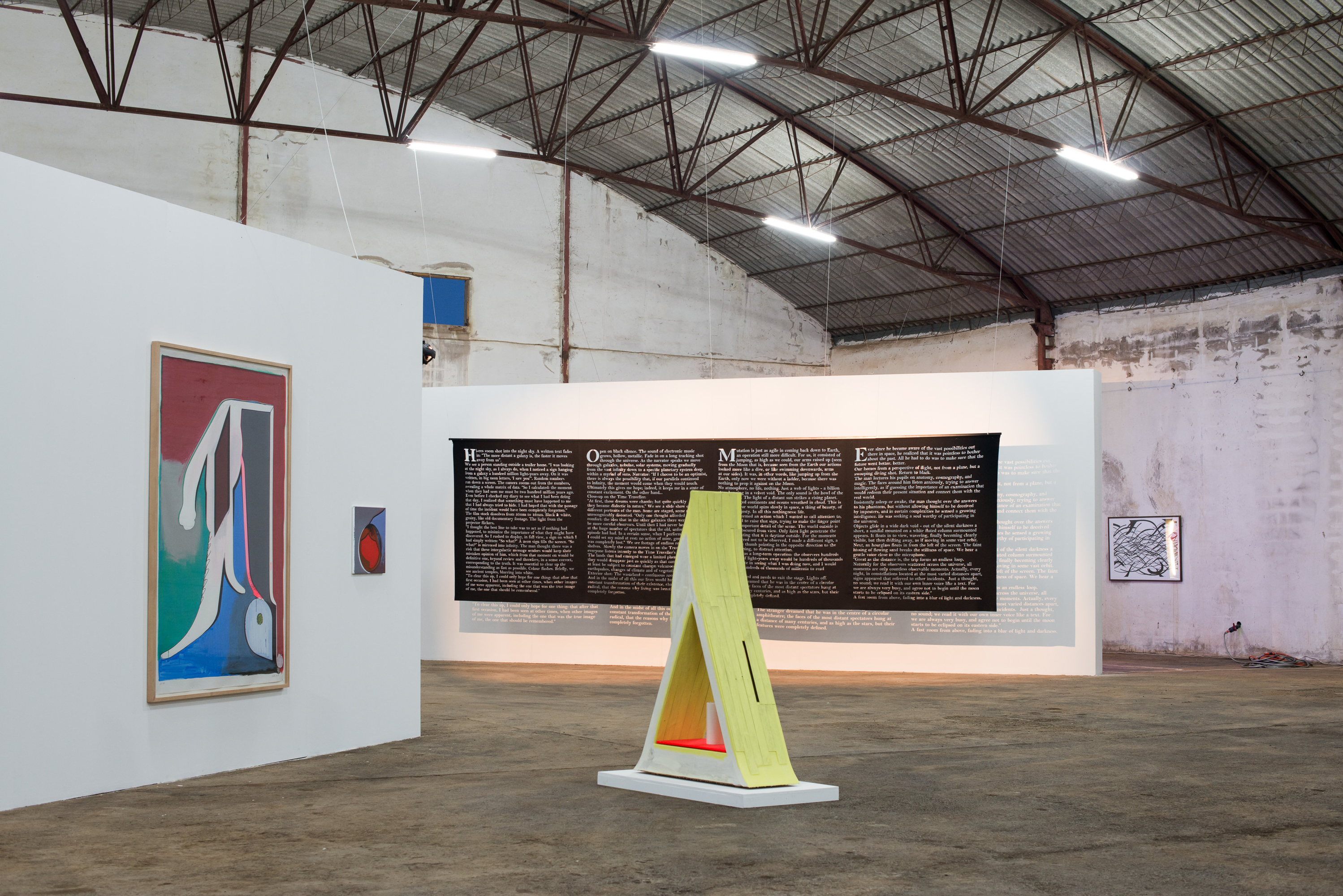
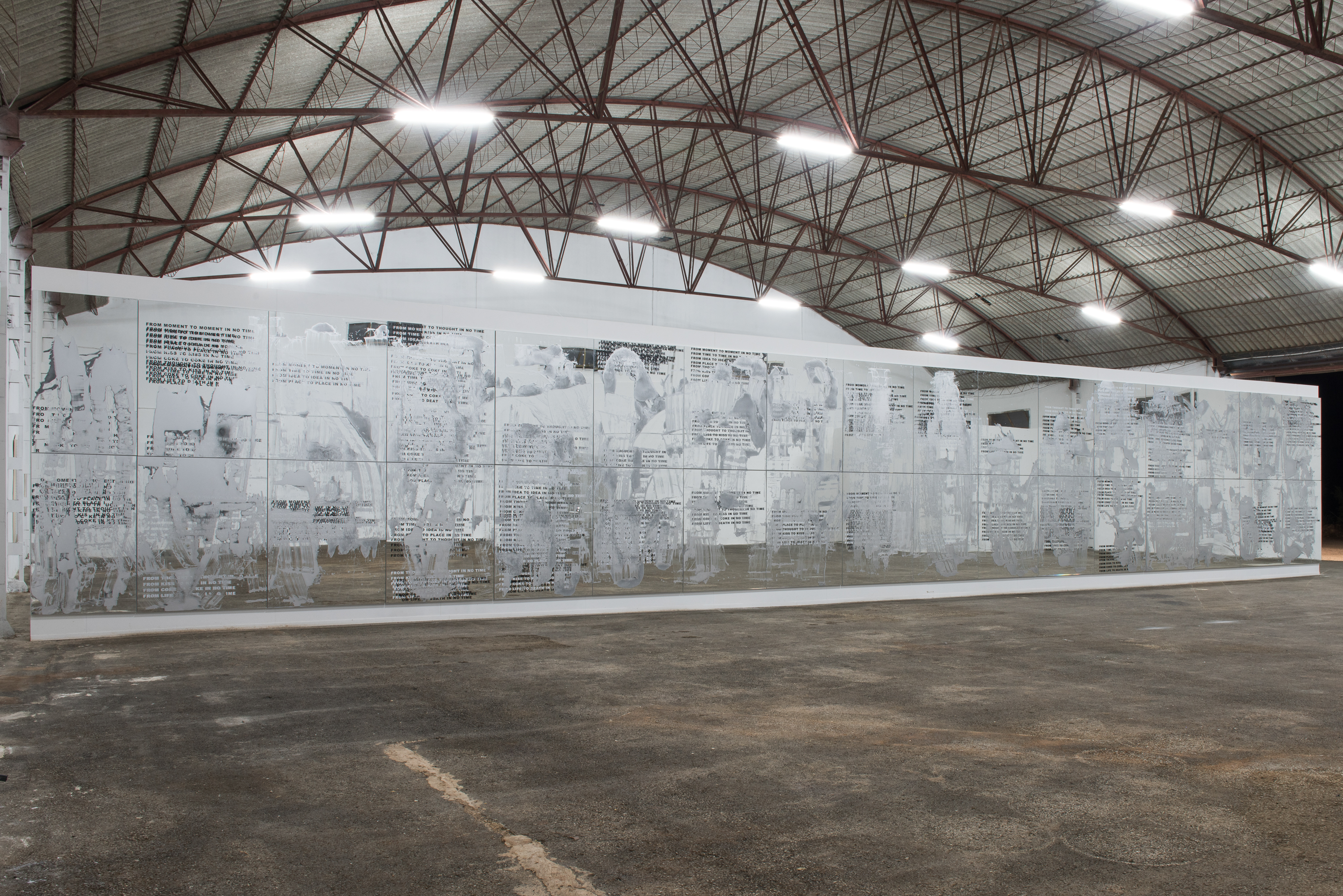
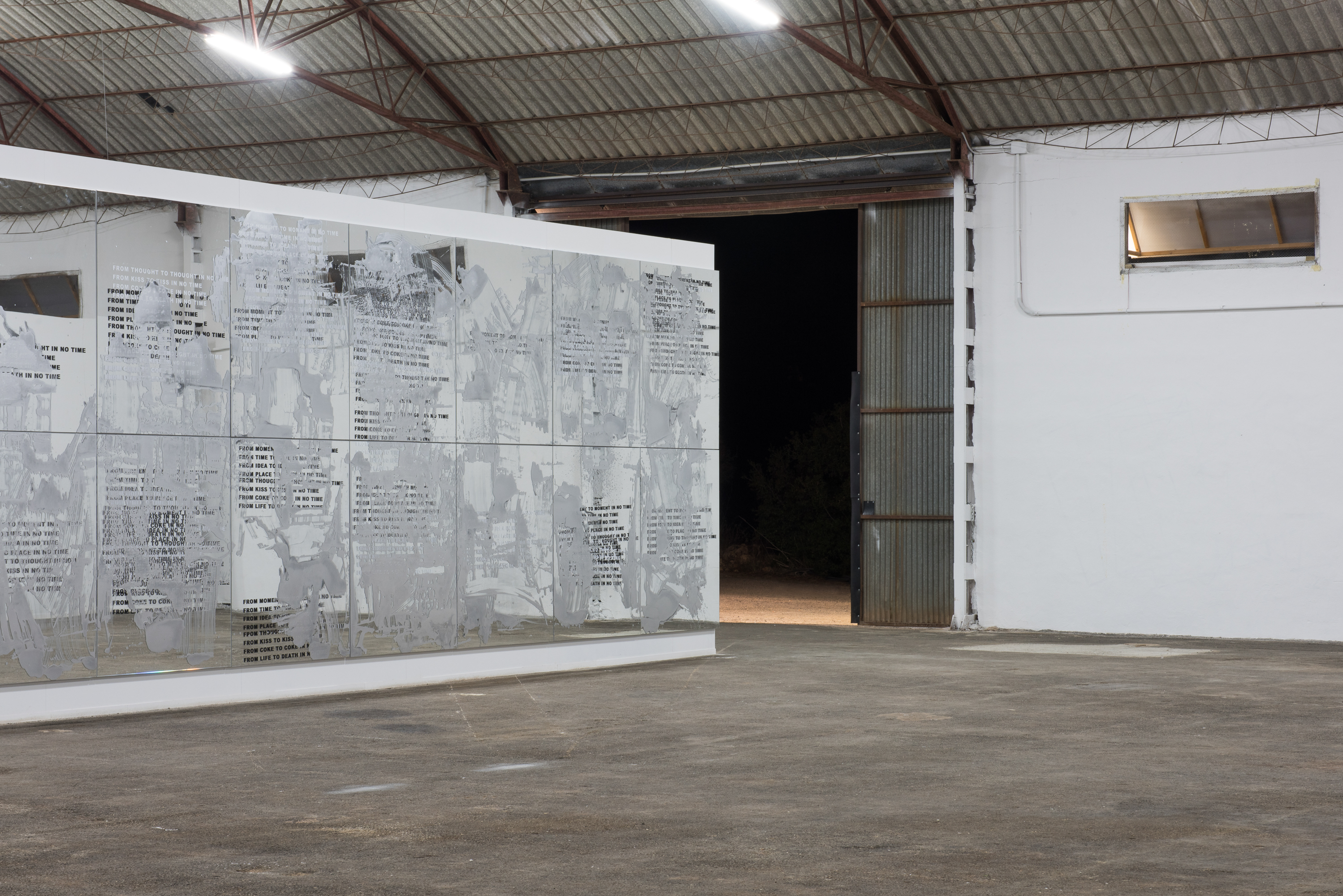
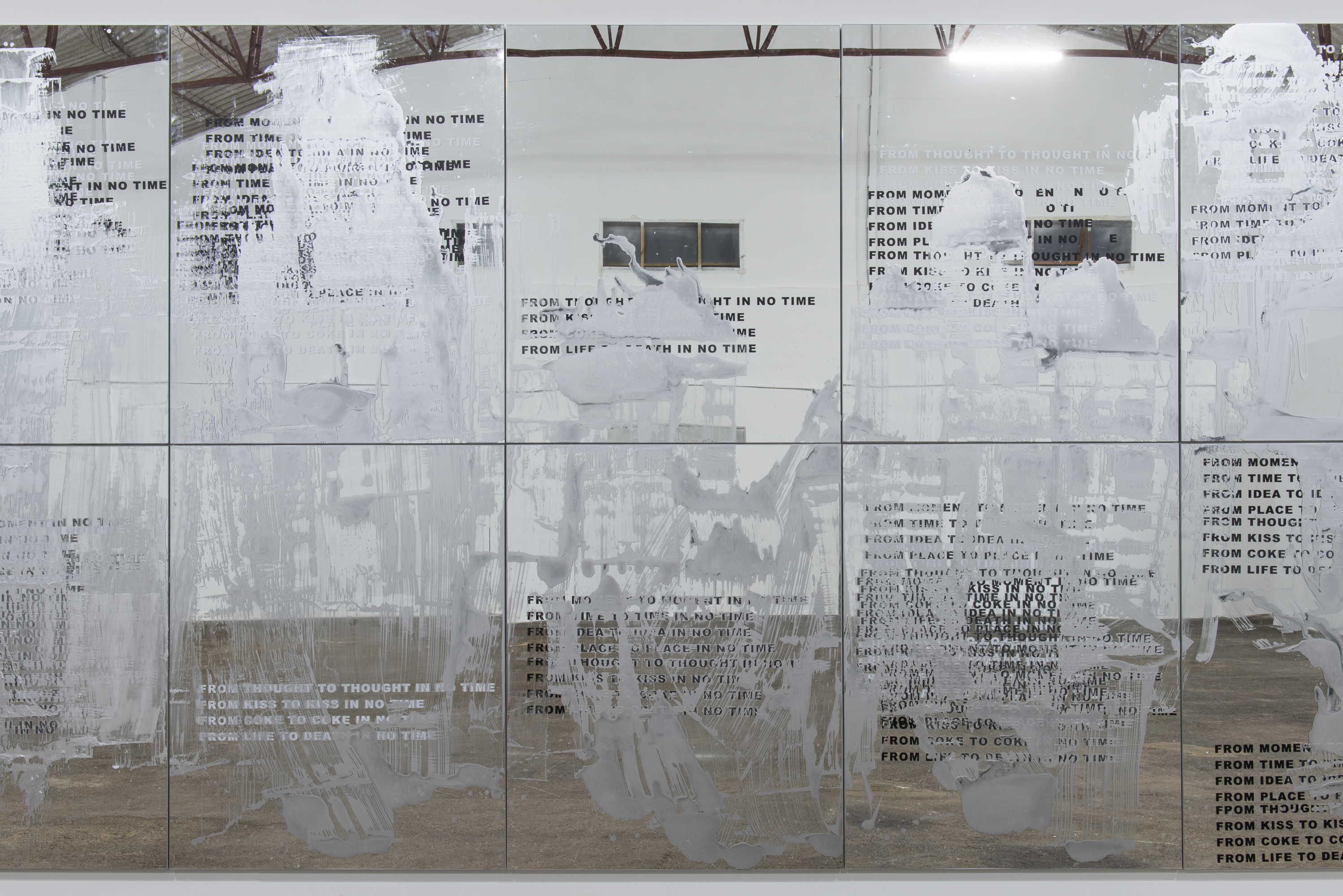
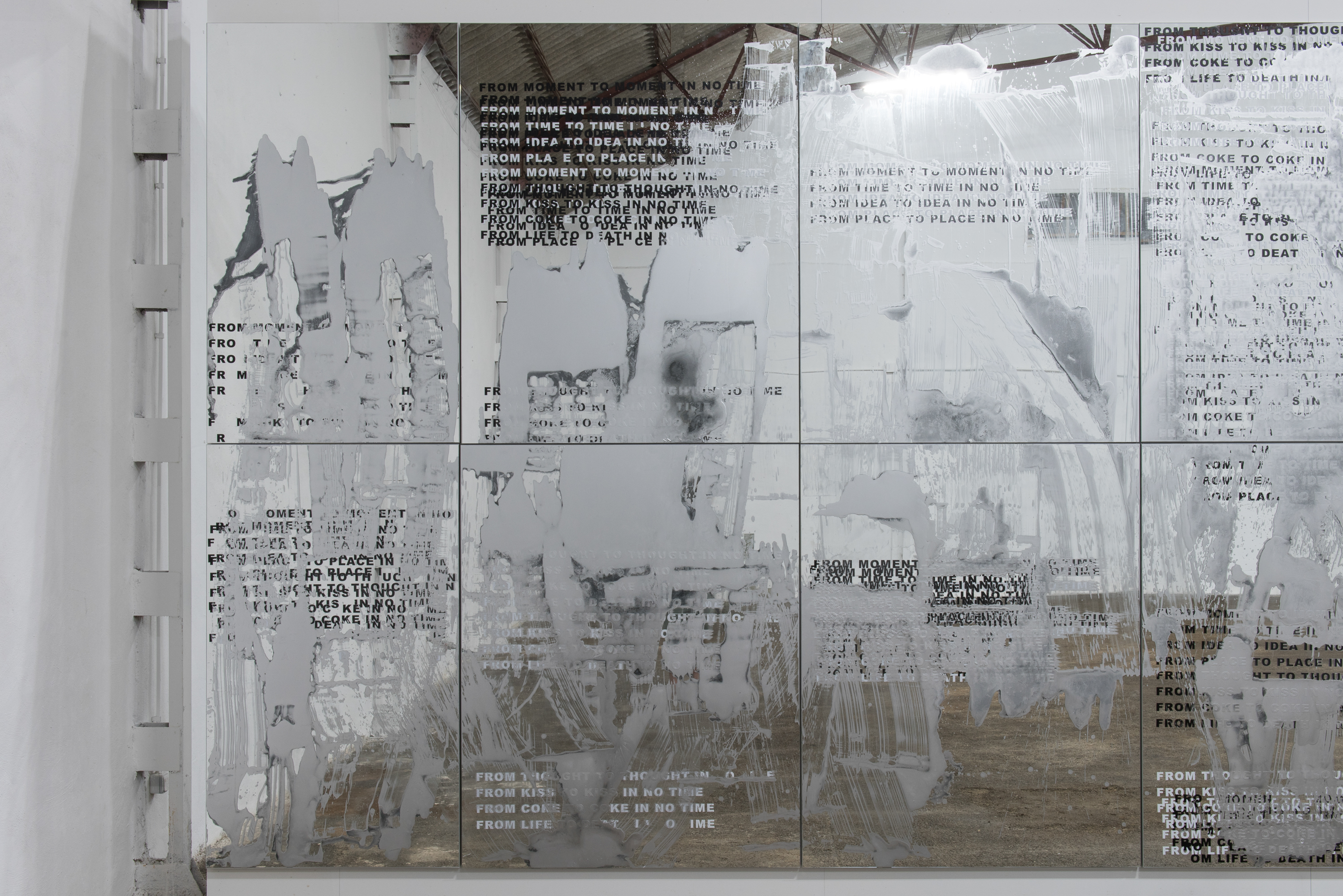
Parra & Romero is pleased to present its first outdoors sculpture project located next to its space in Ibiza. Curated by Jérôme Sans, the show will feature new sculptures by Stefan Brüggemann and Philippe Decrauzat and an historic installation by Luis Camnitzer. All of them have worked in connection with the island and its environment. This project has the aim of going on preserving the intellectual essence of Ibiza, task in which the gallery has been working during the past four years.
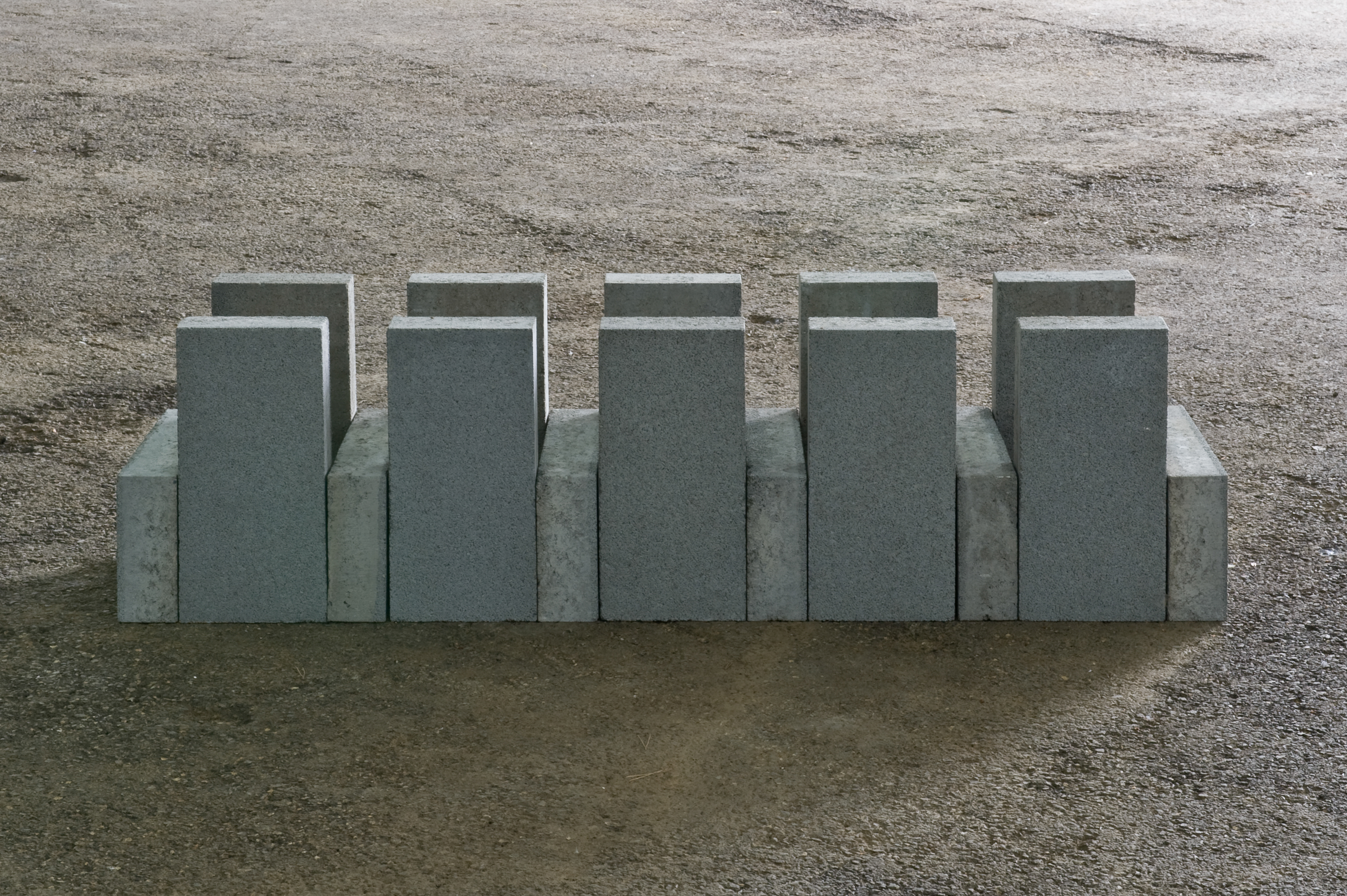
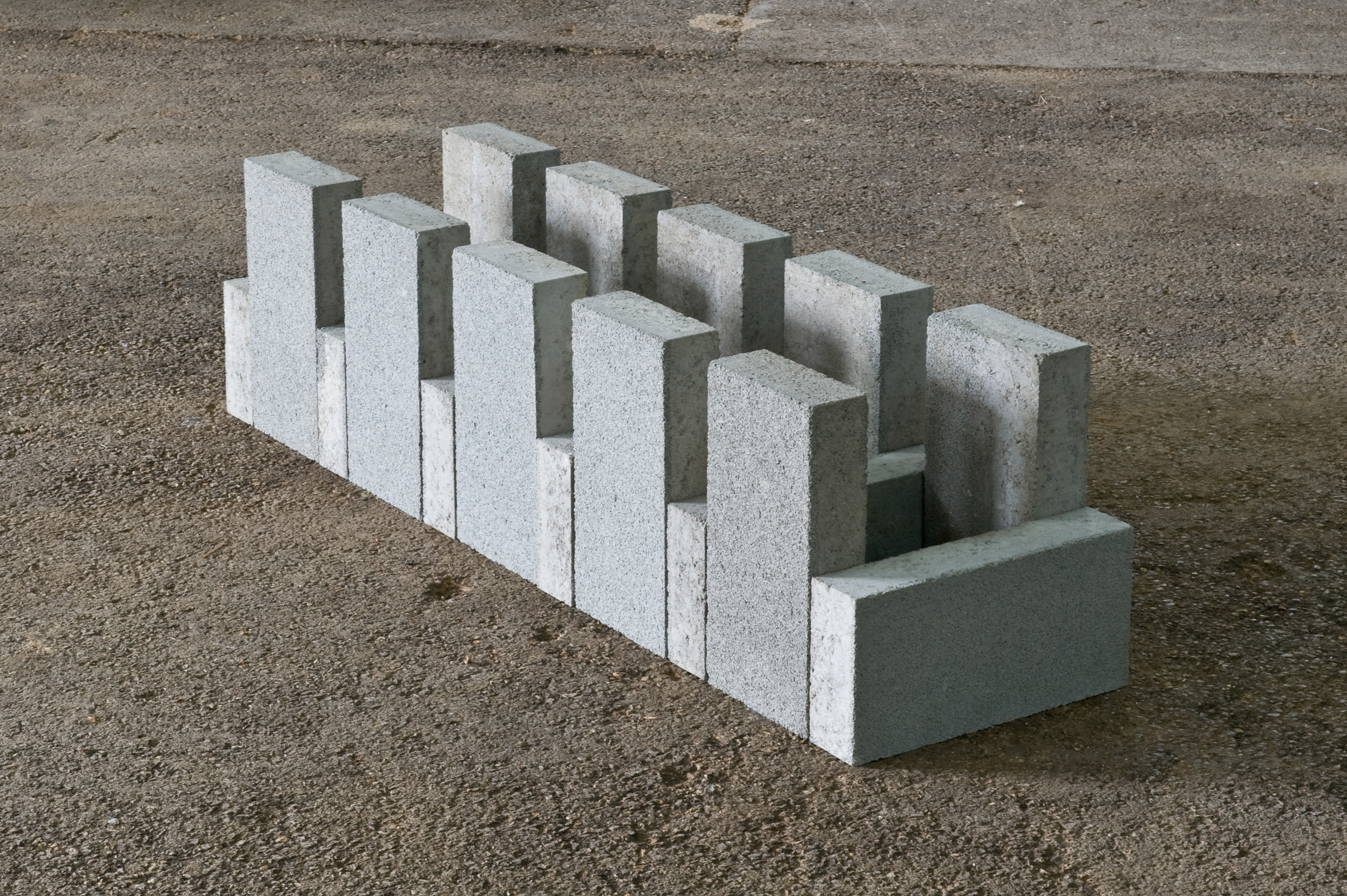
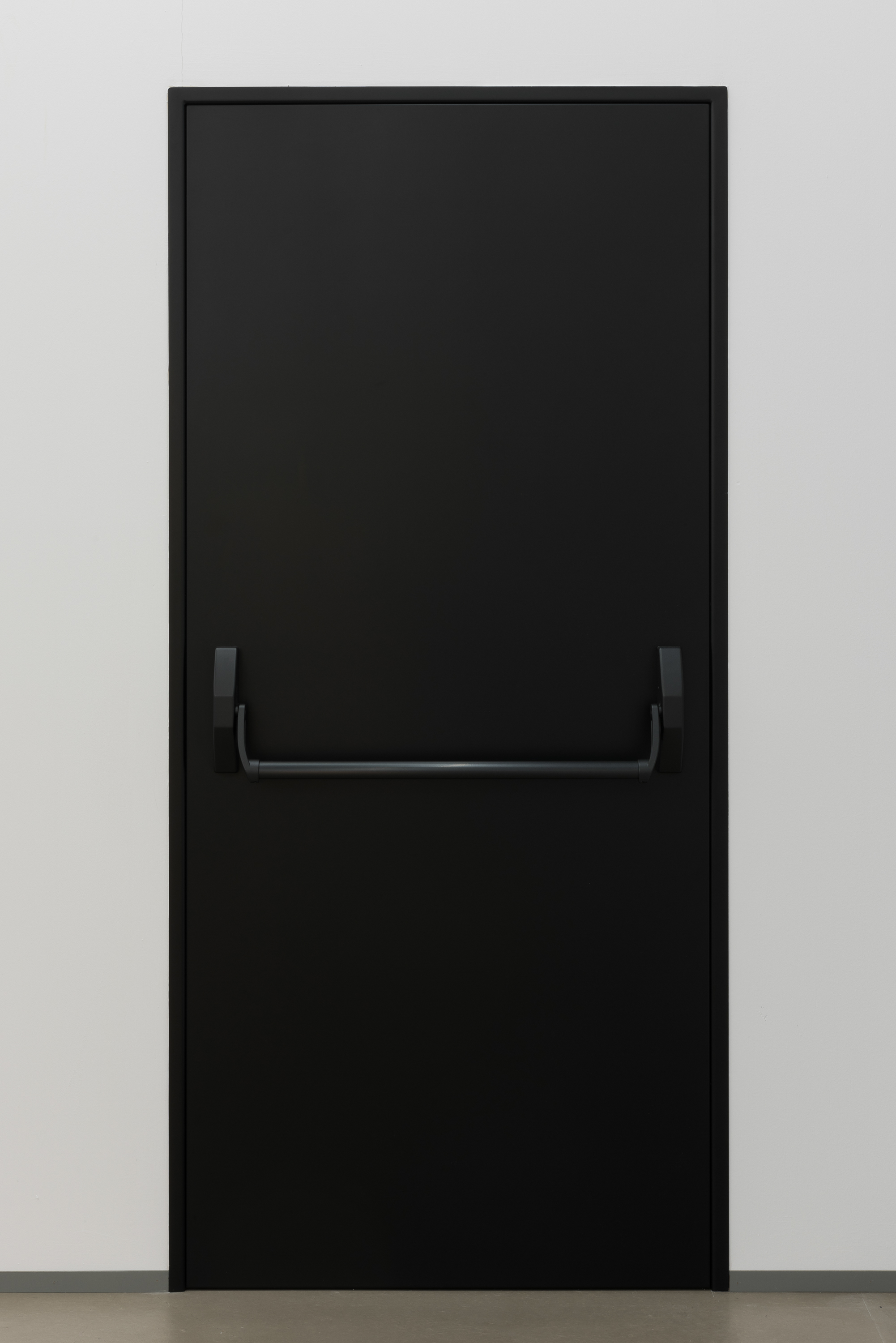
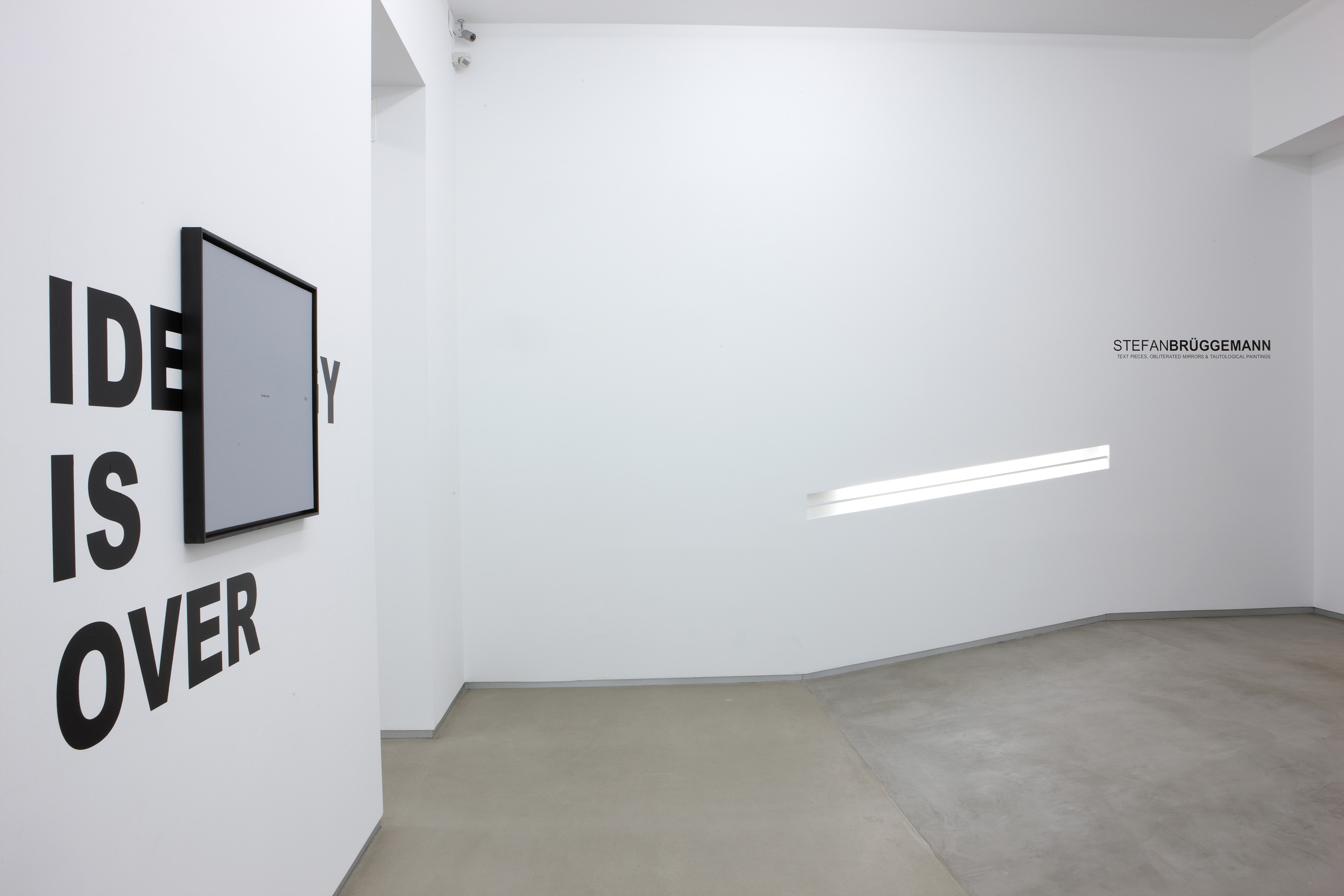
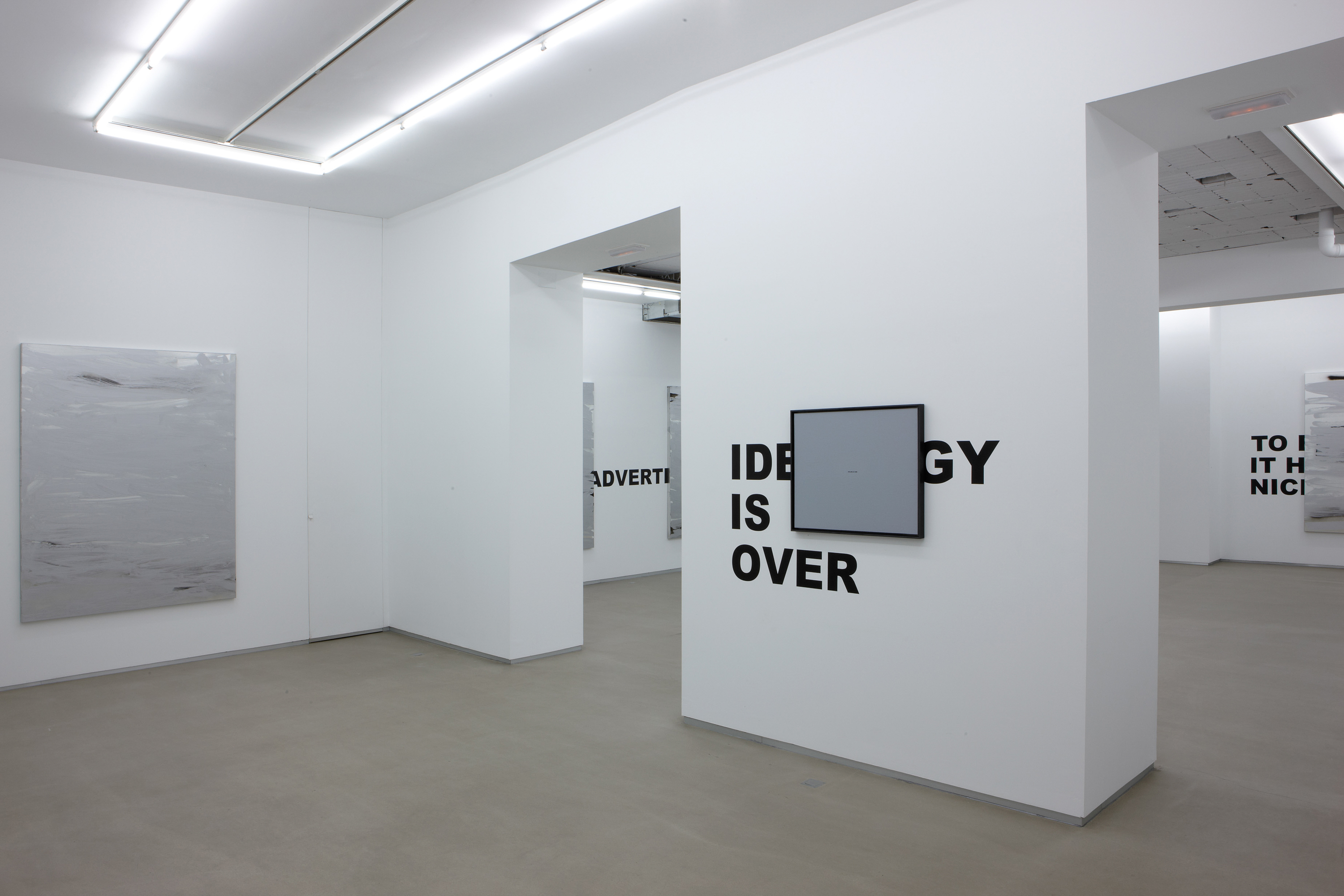
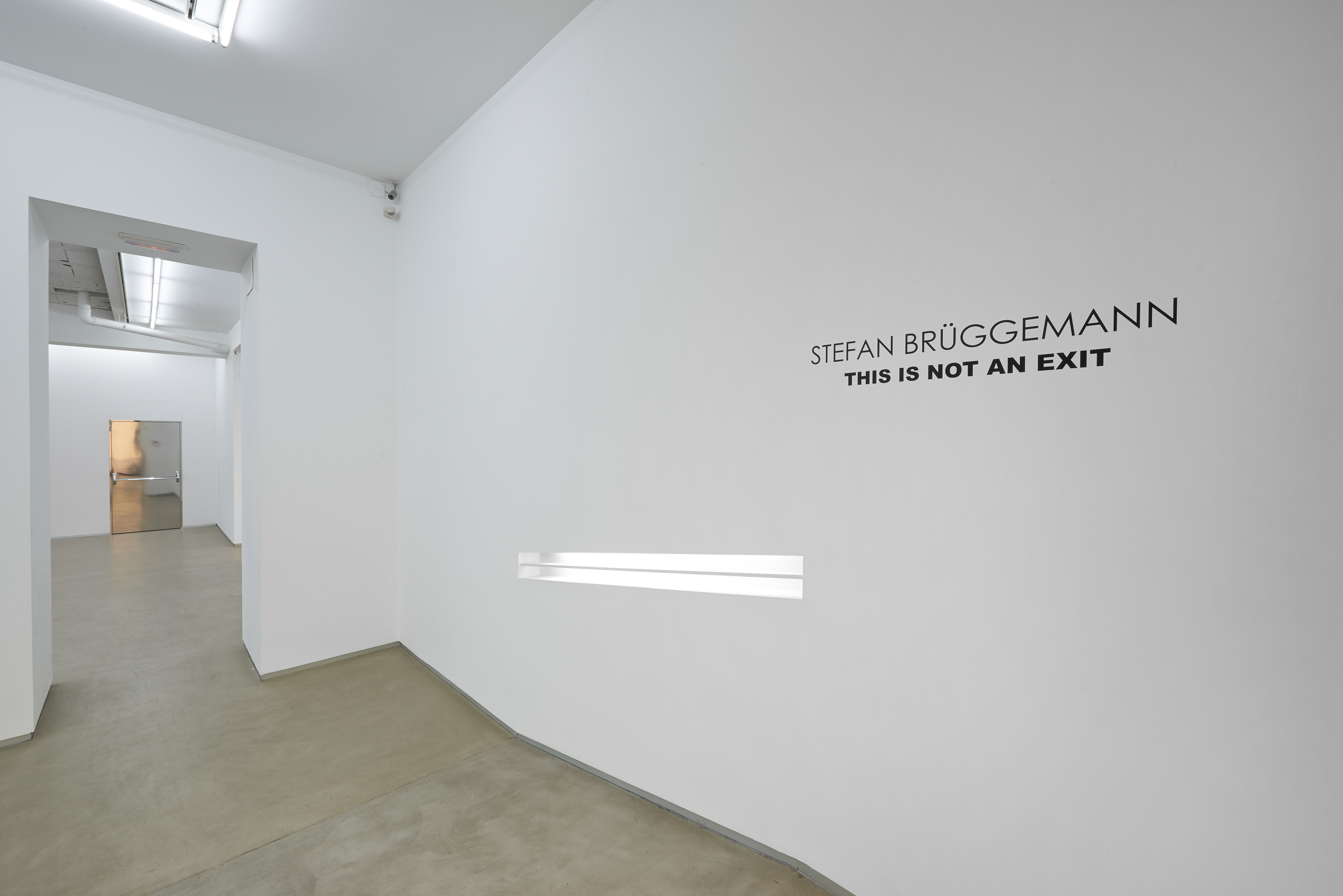
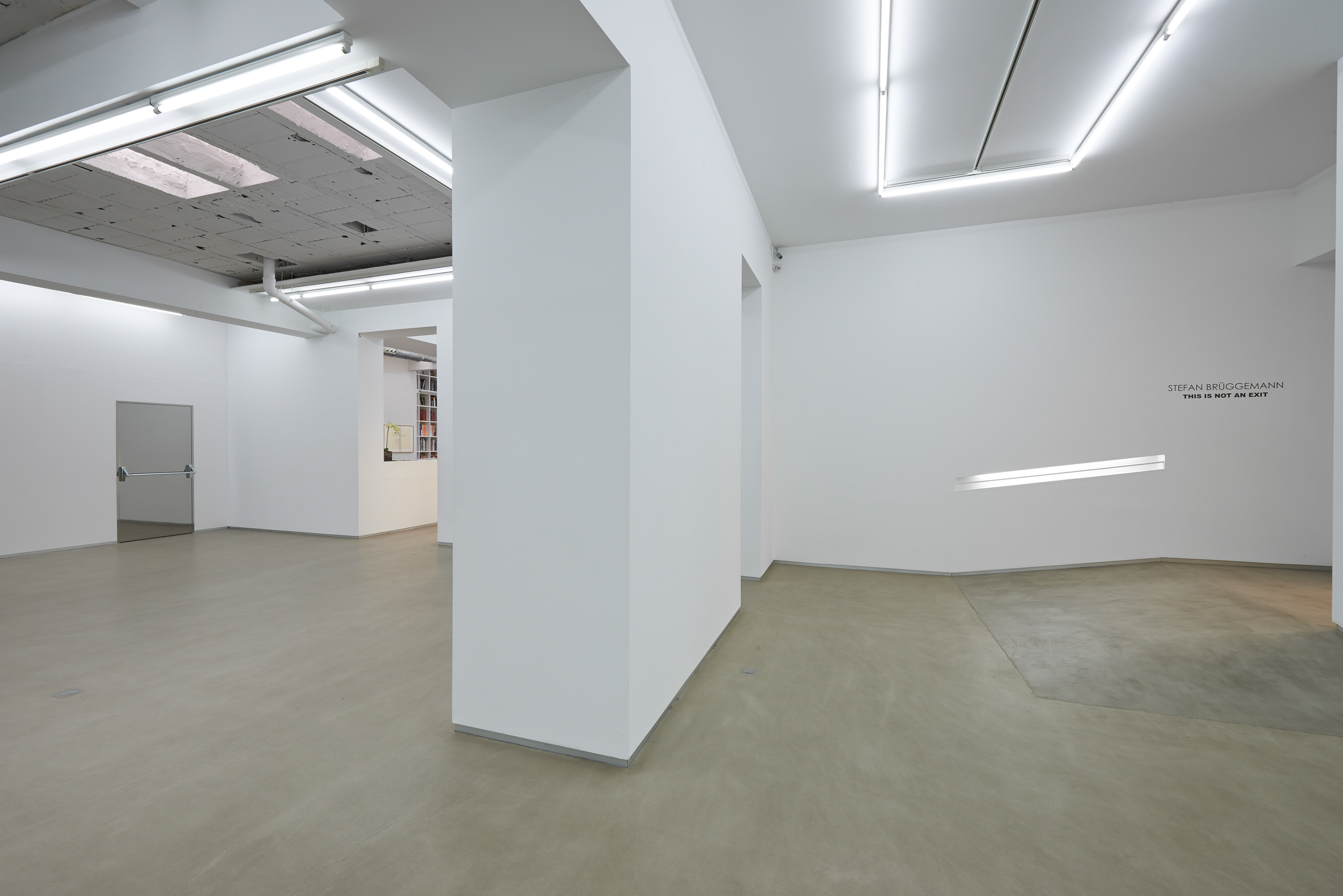
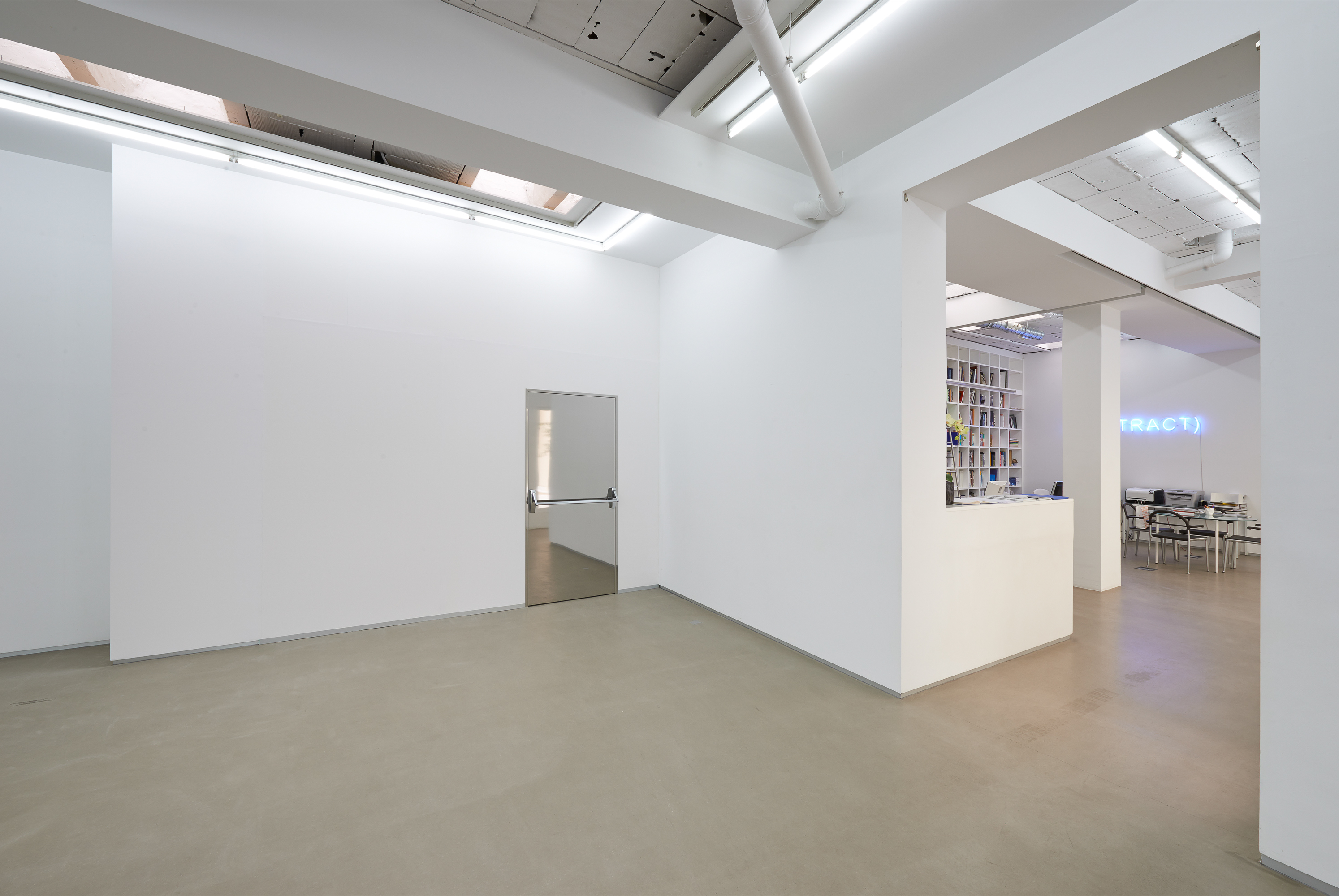
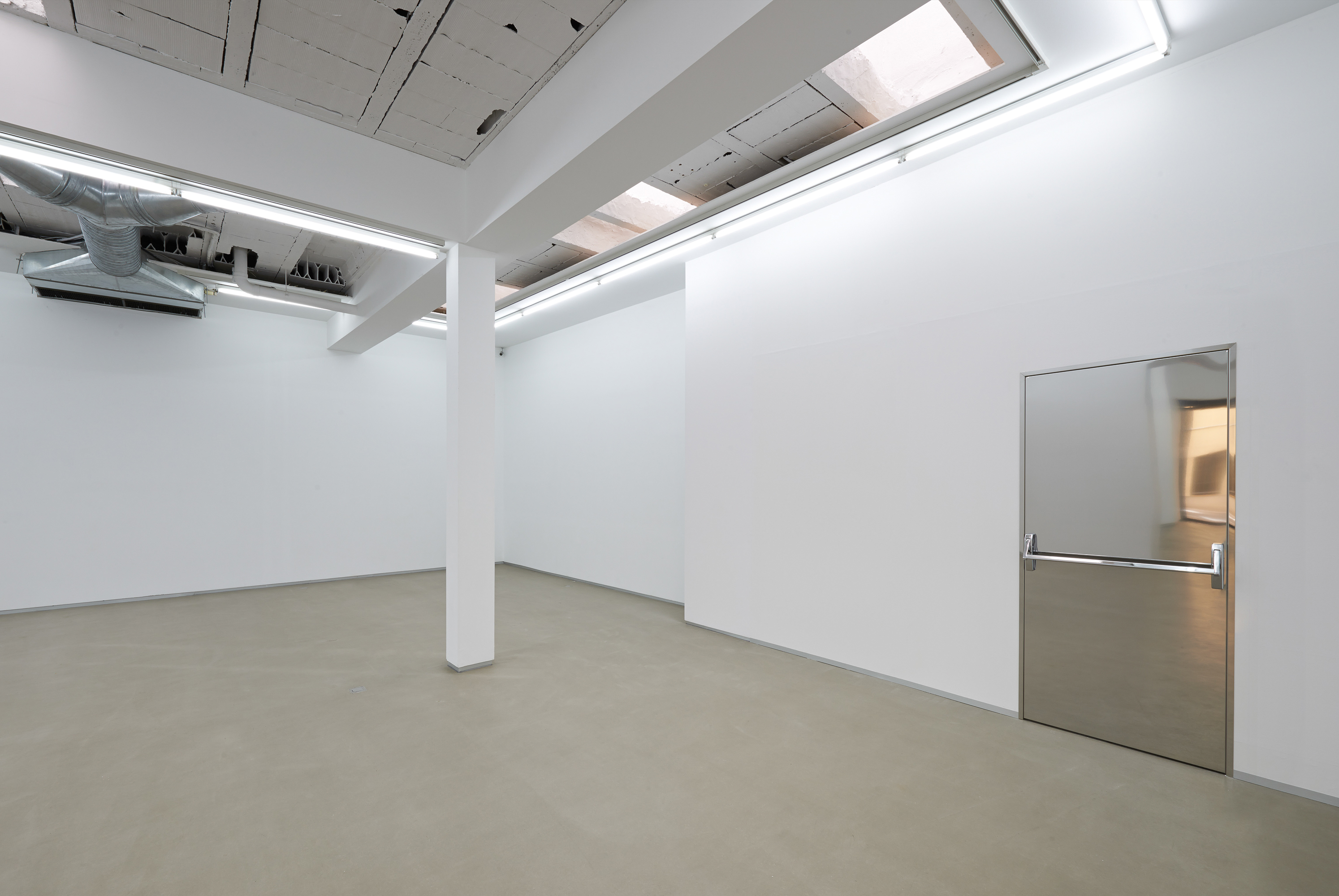
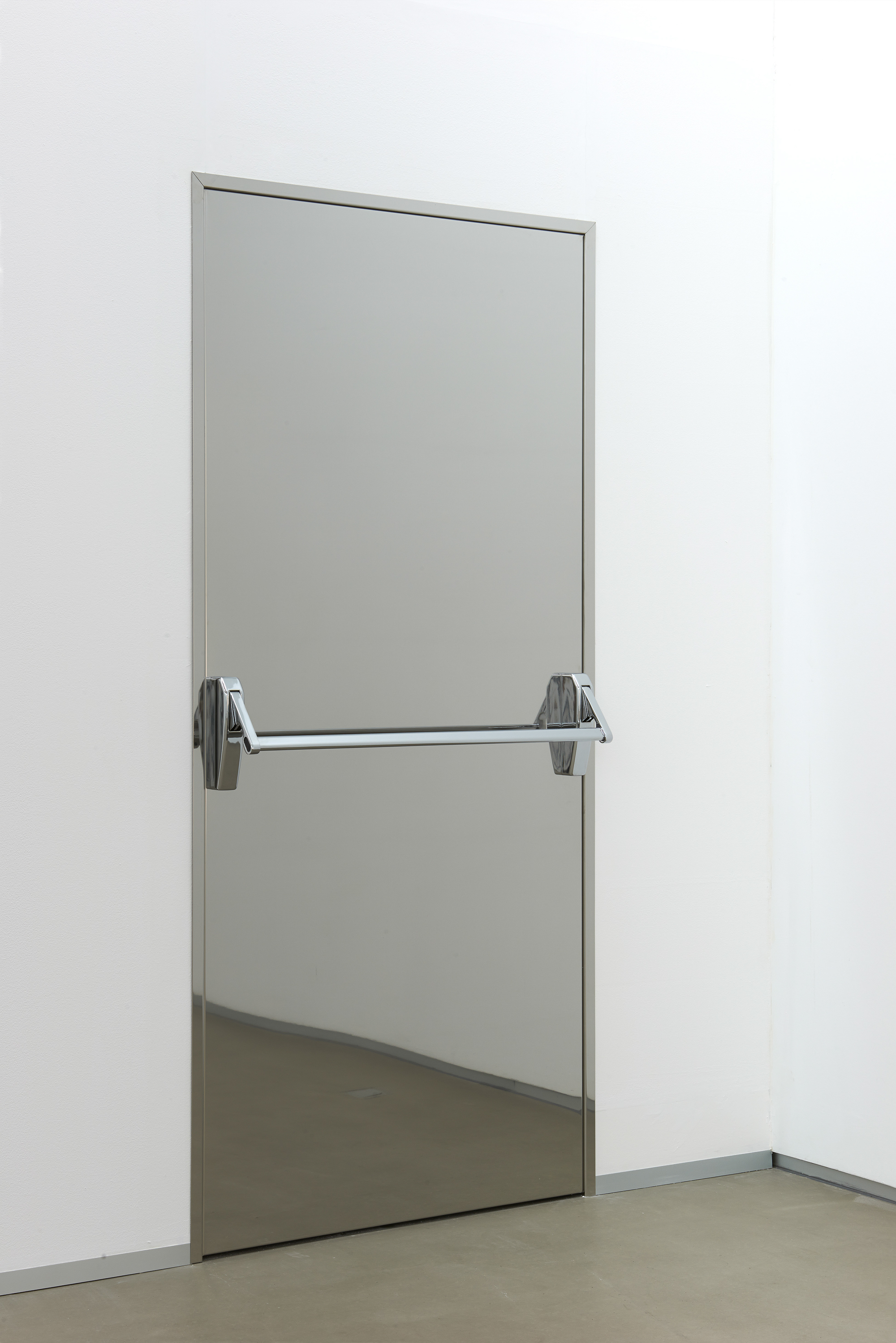
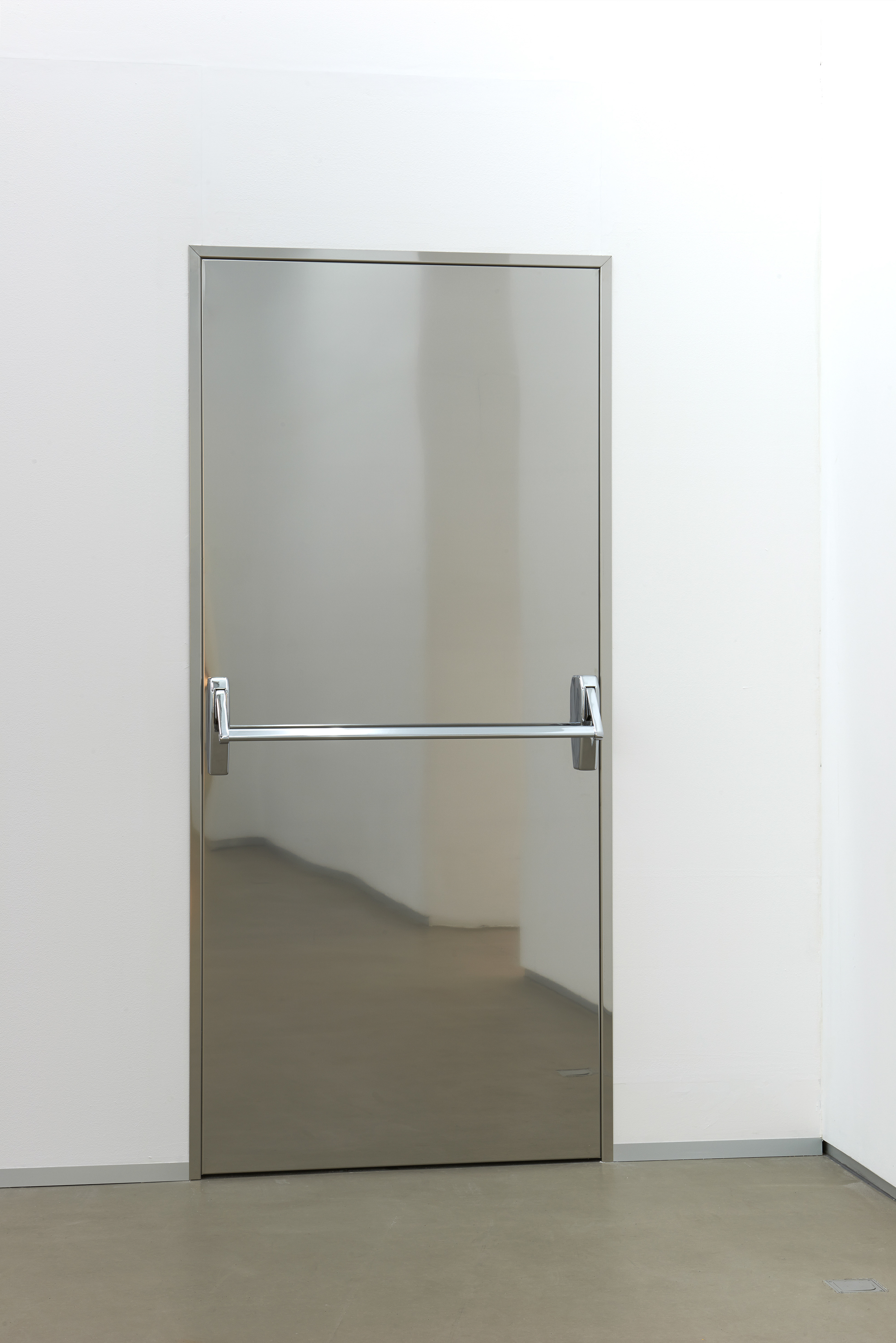
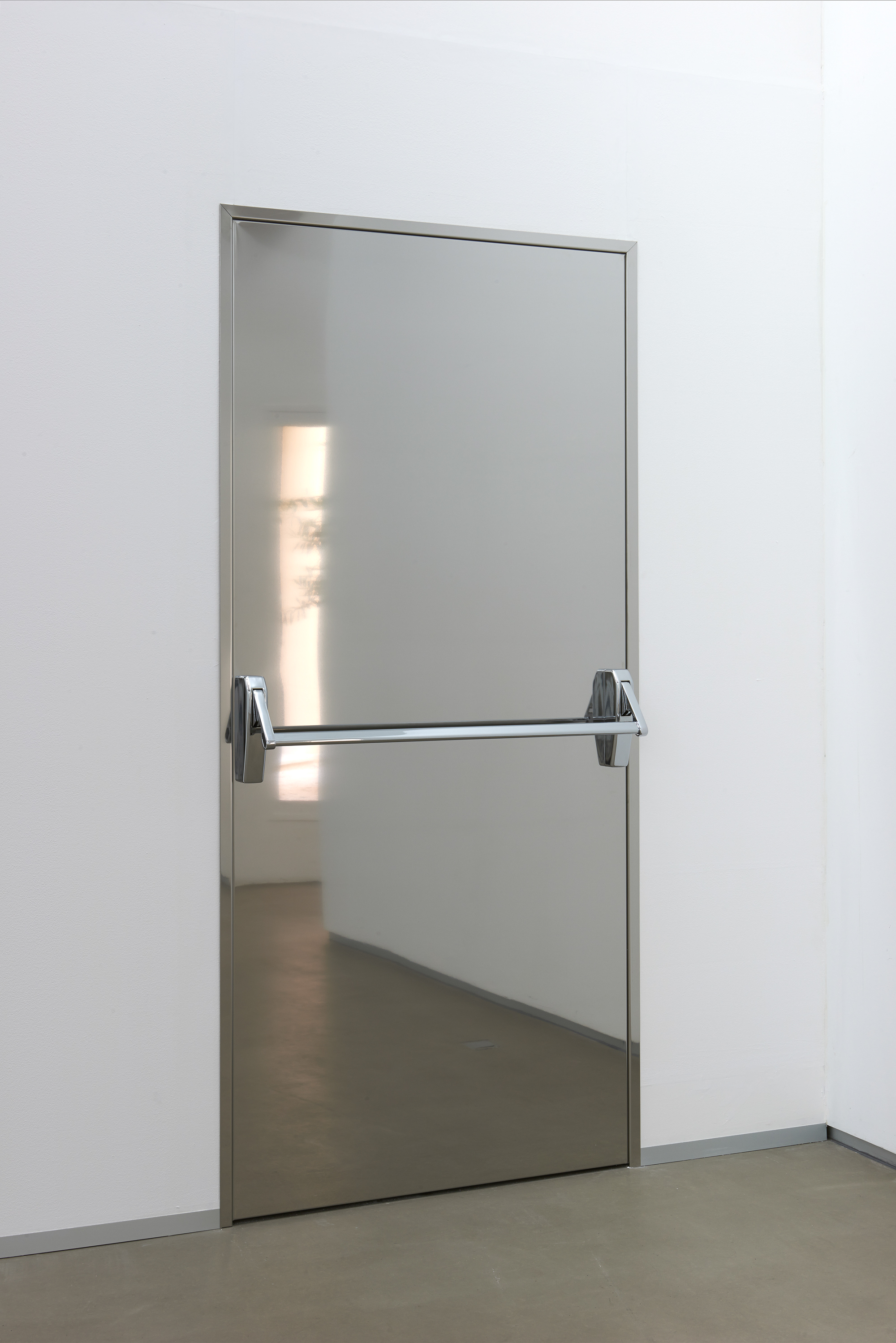
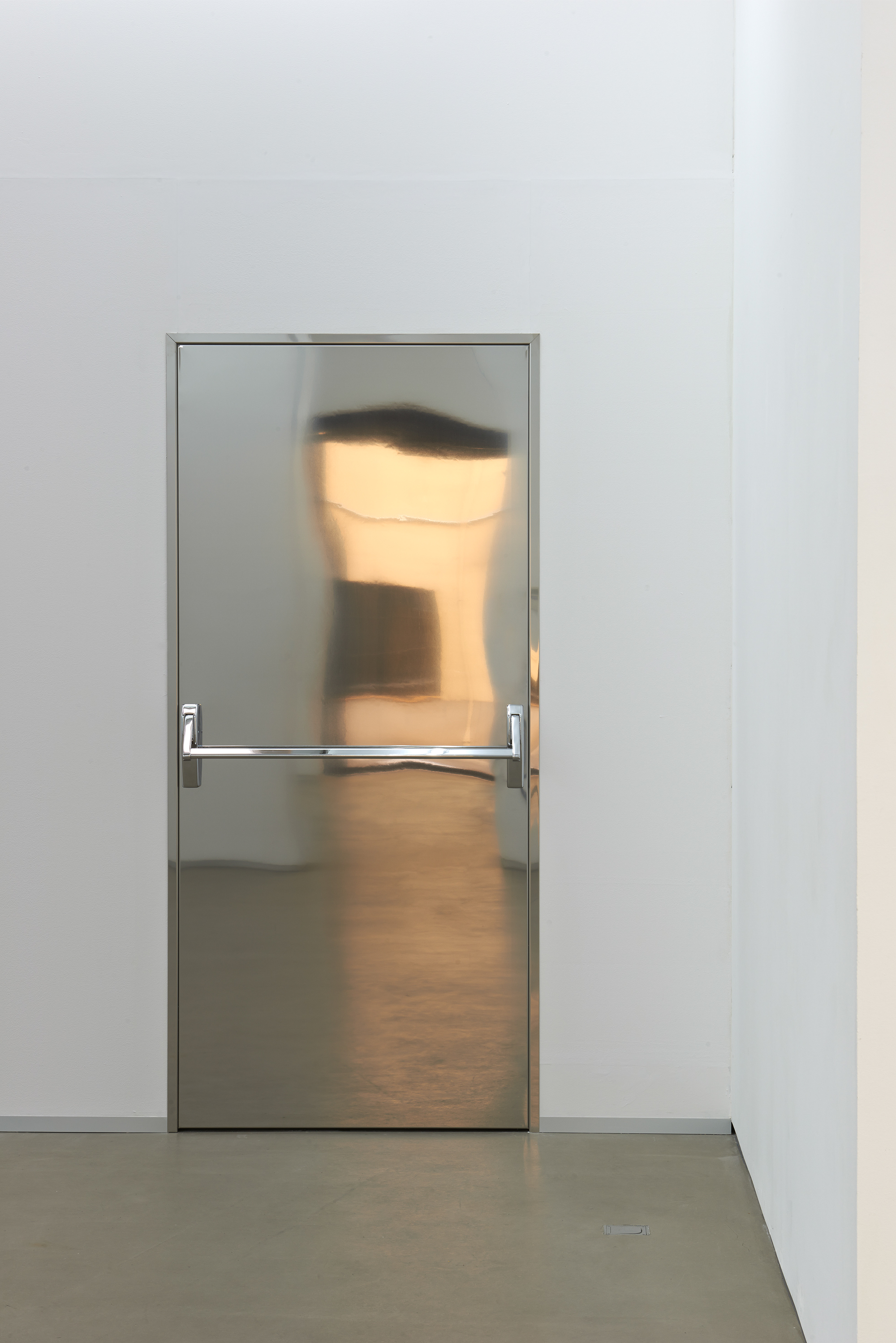
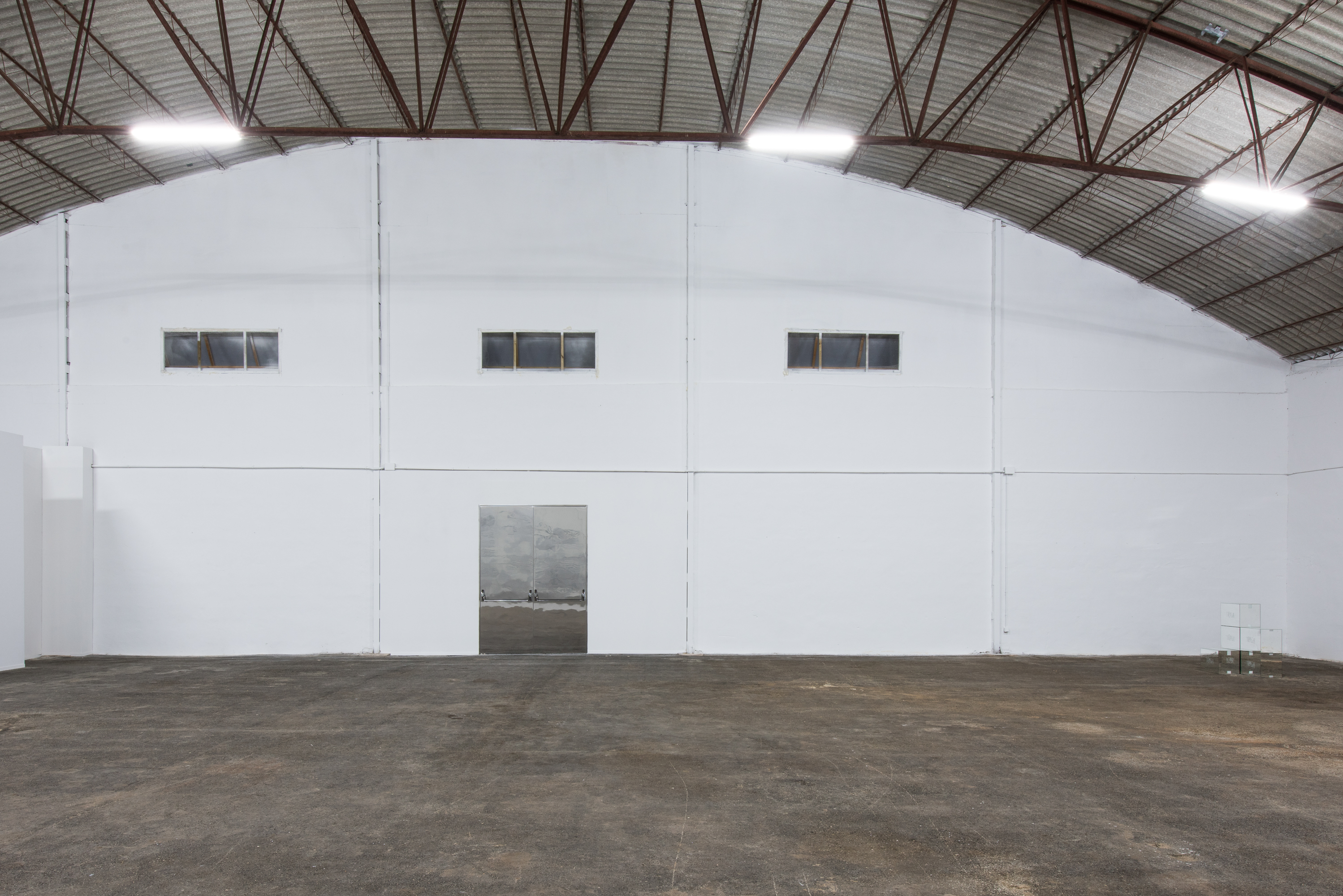
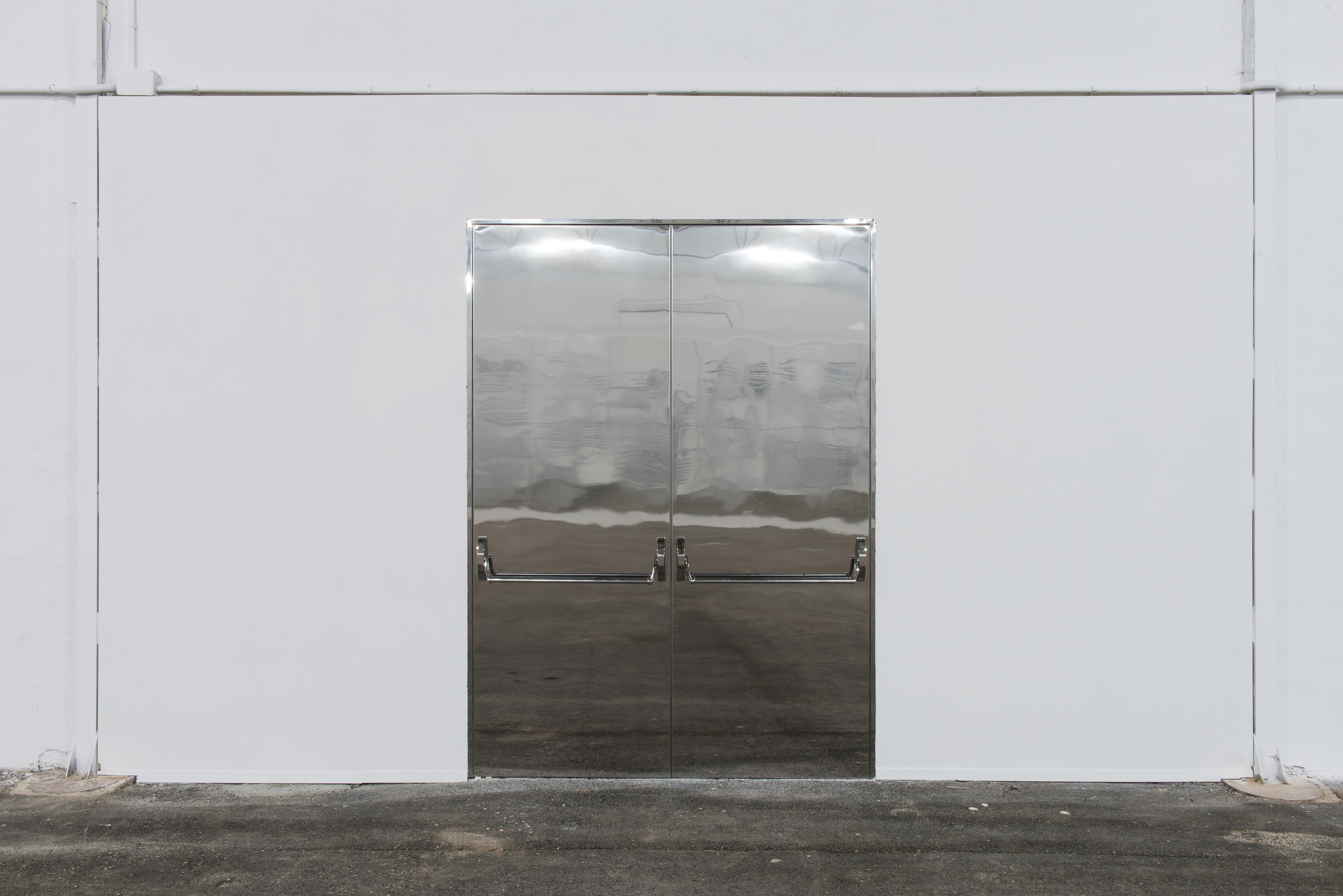
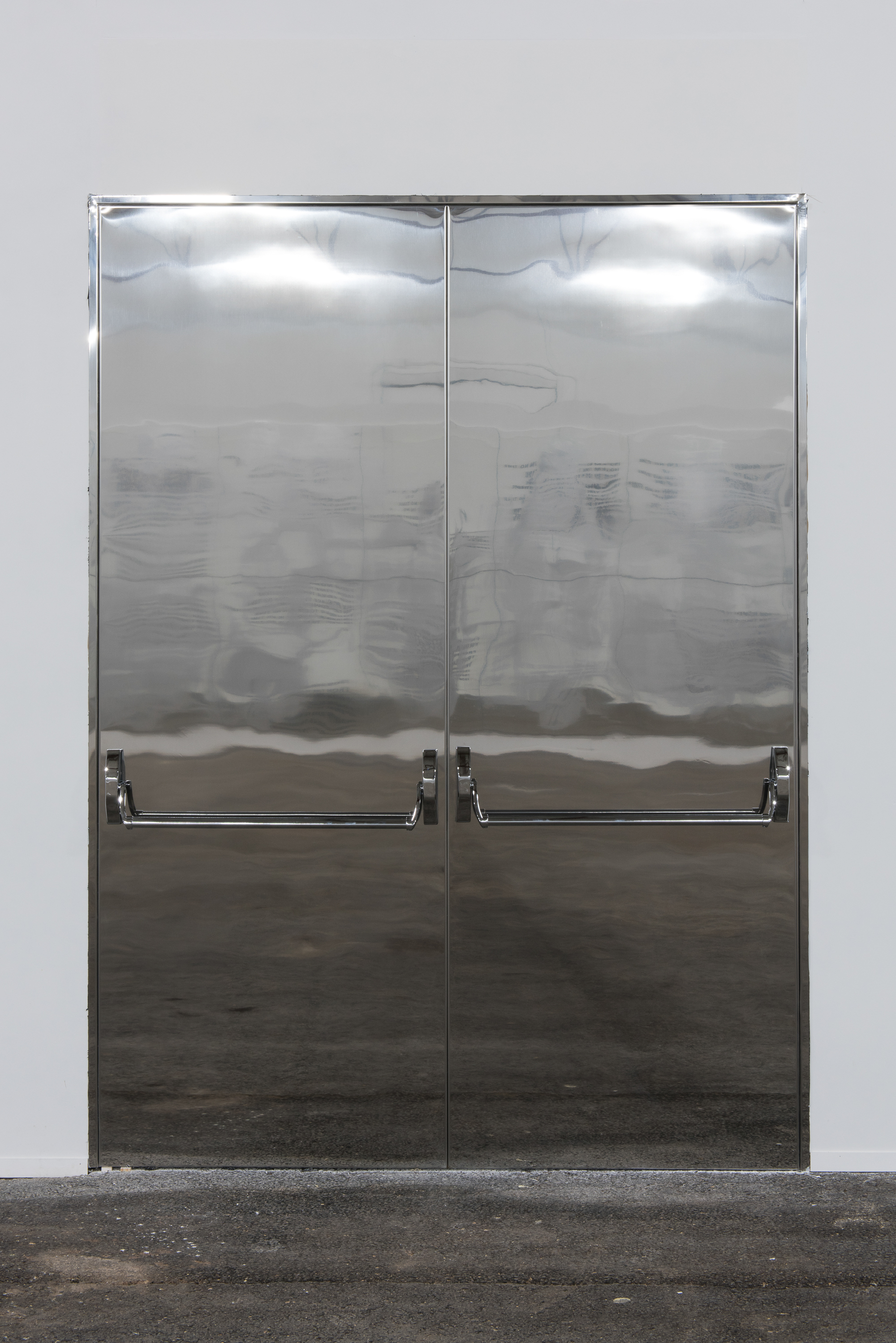
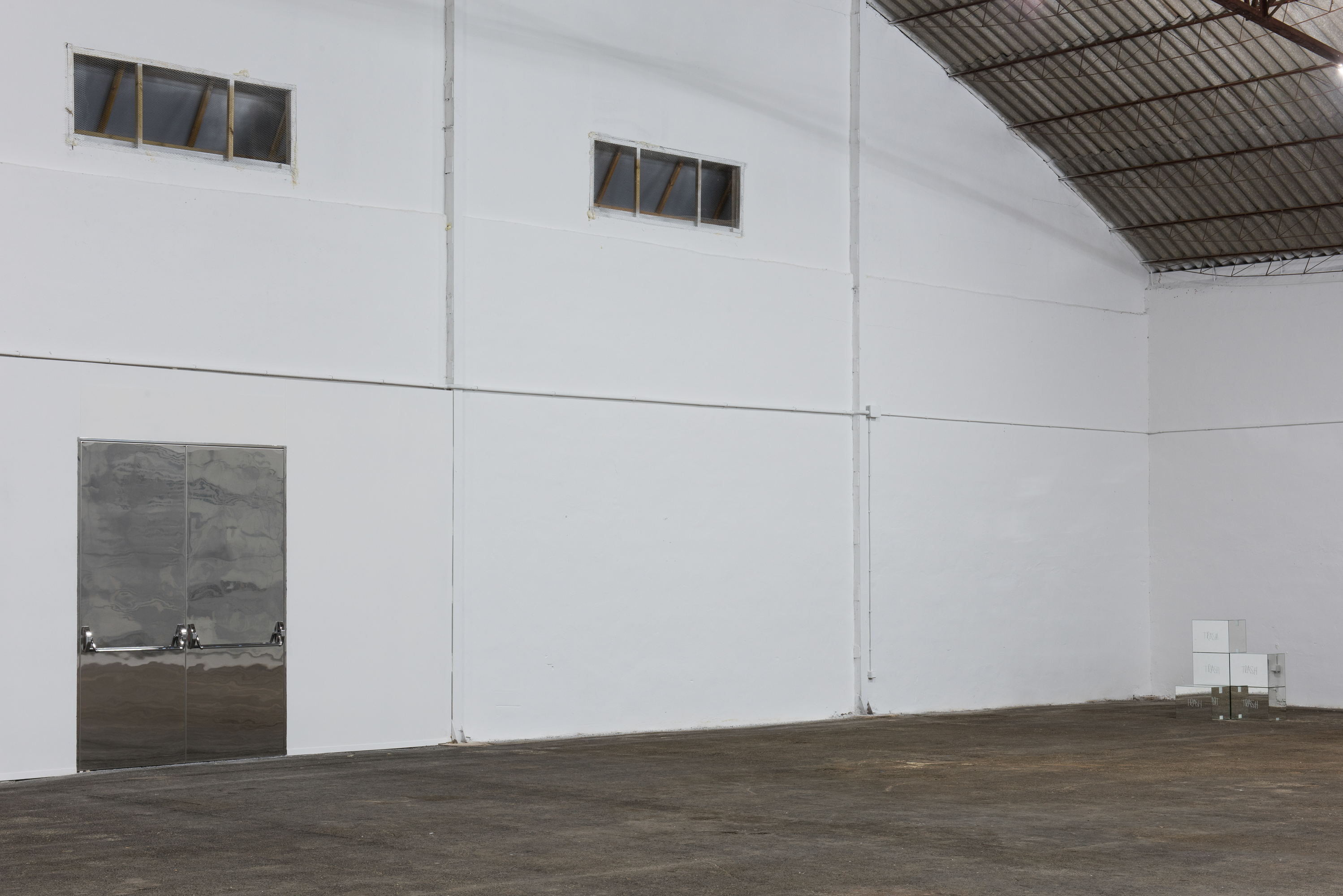
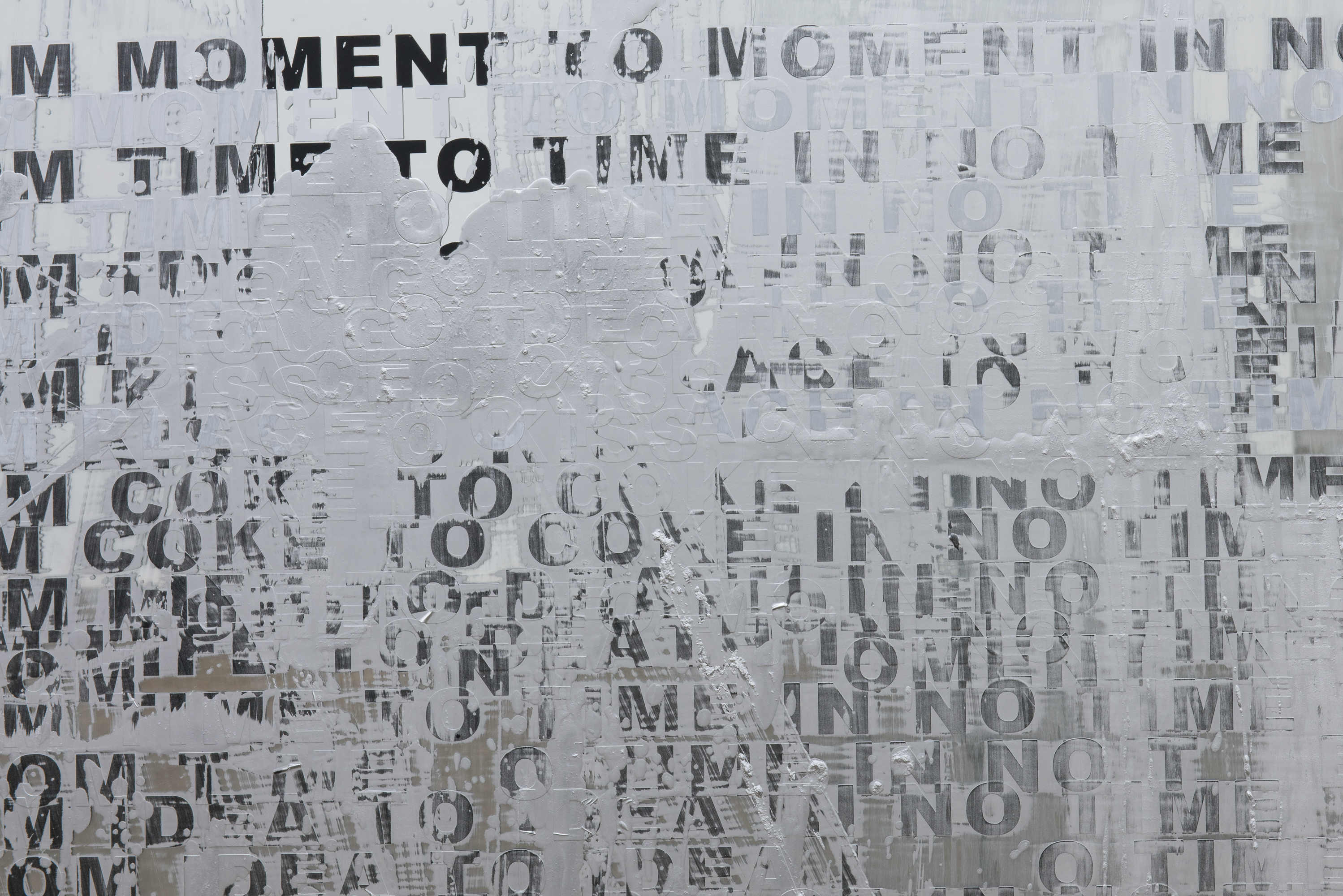
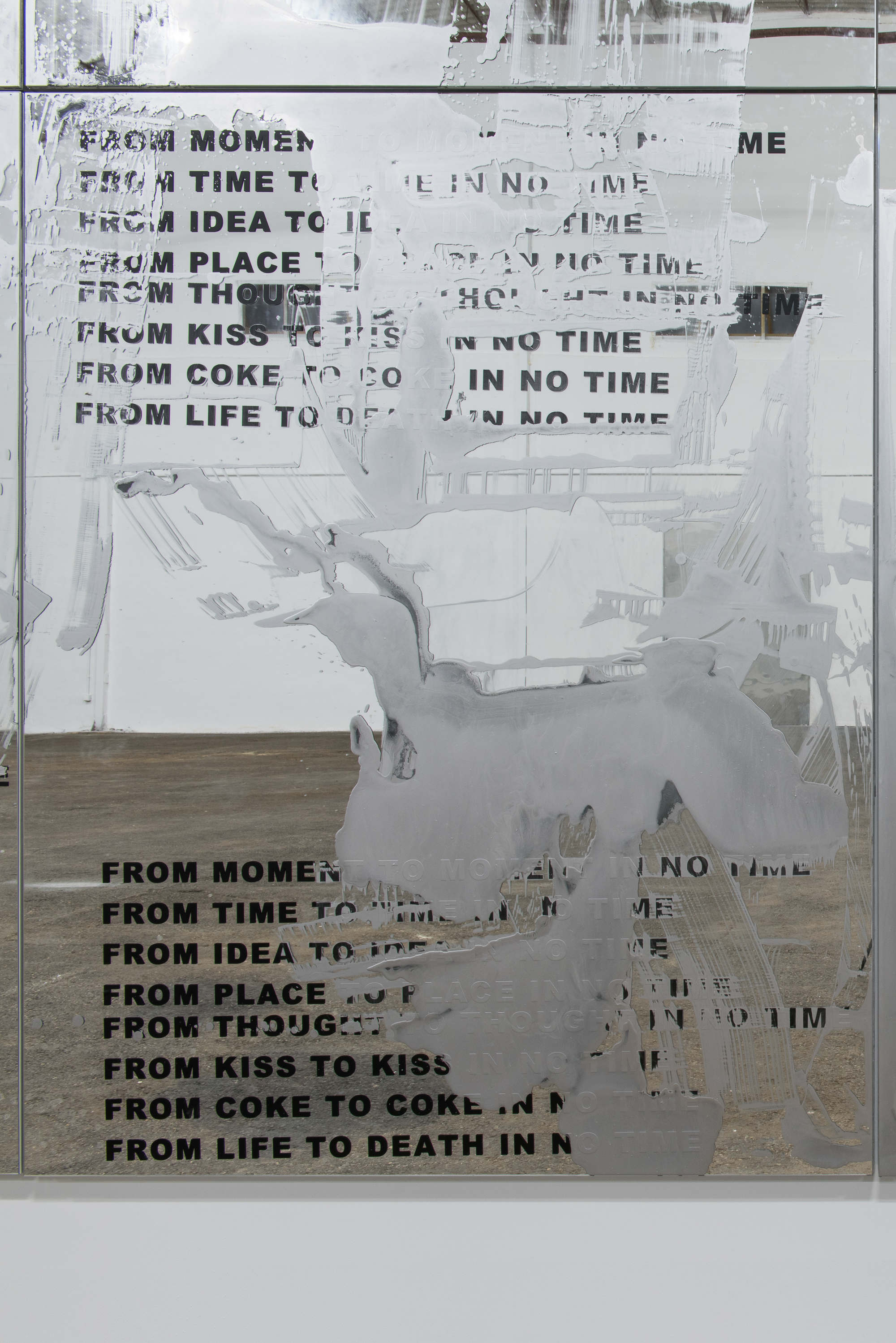
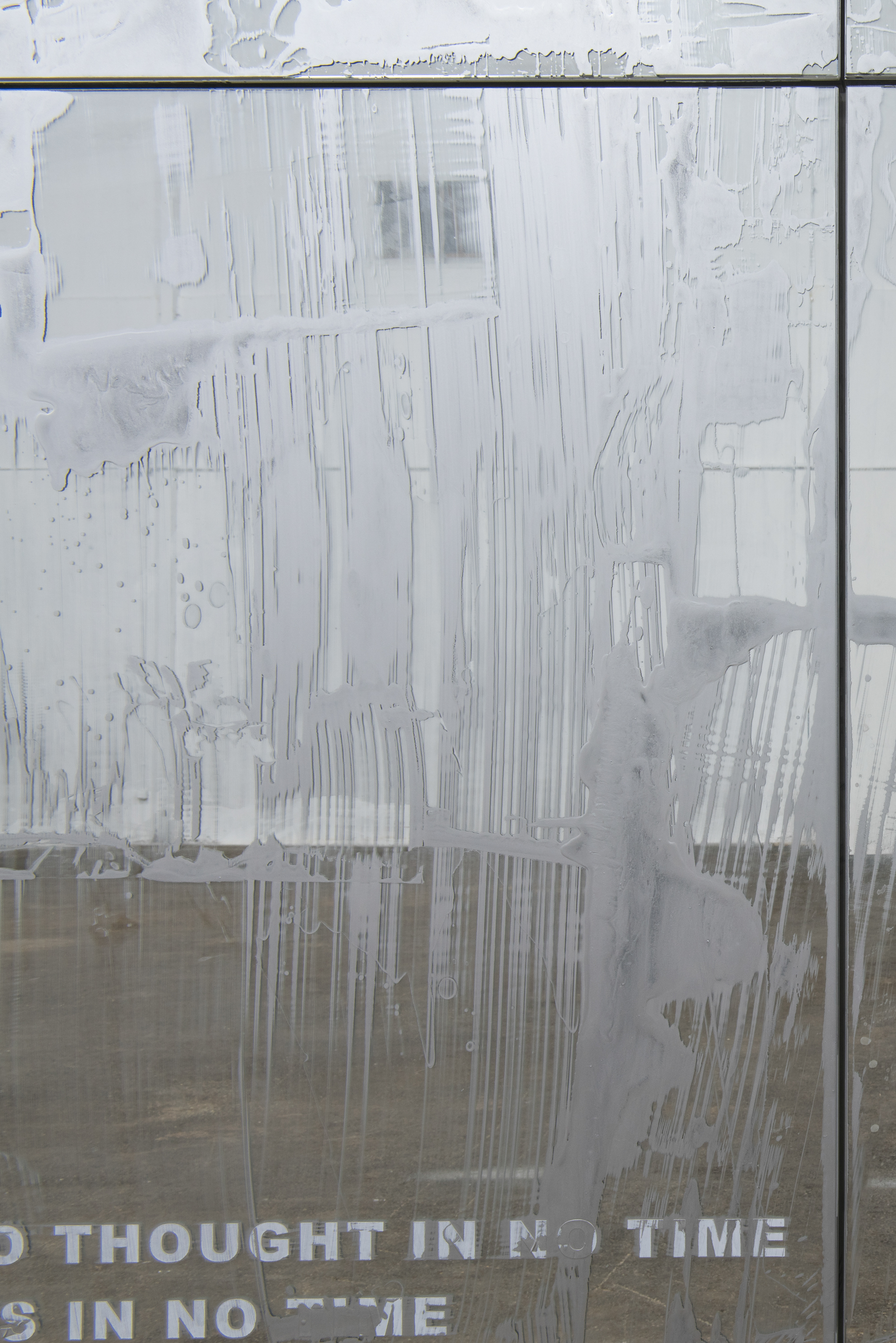
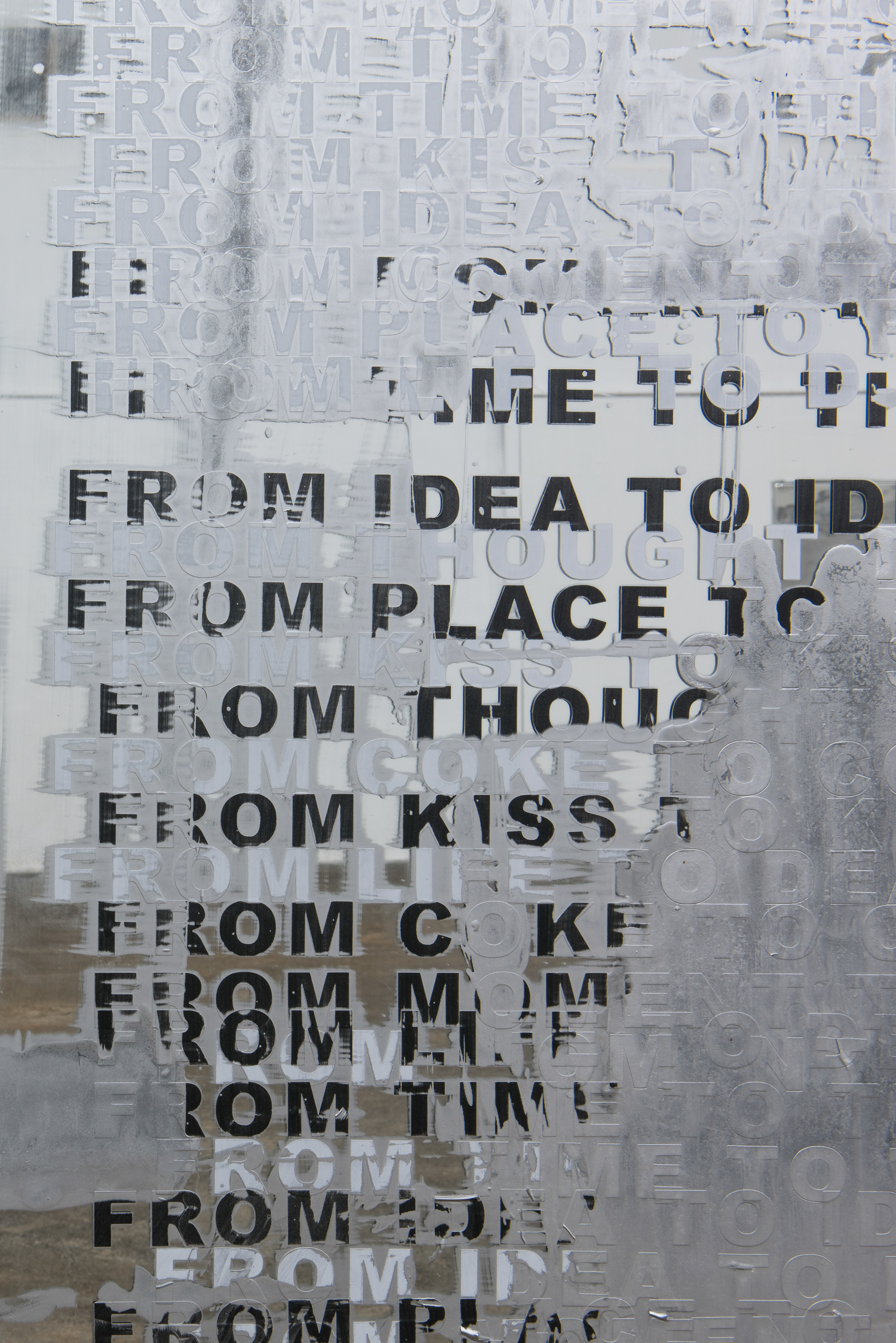
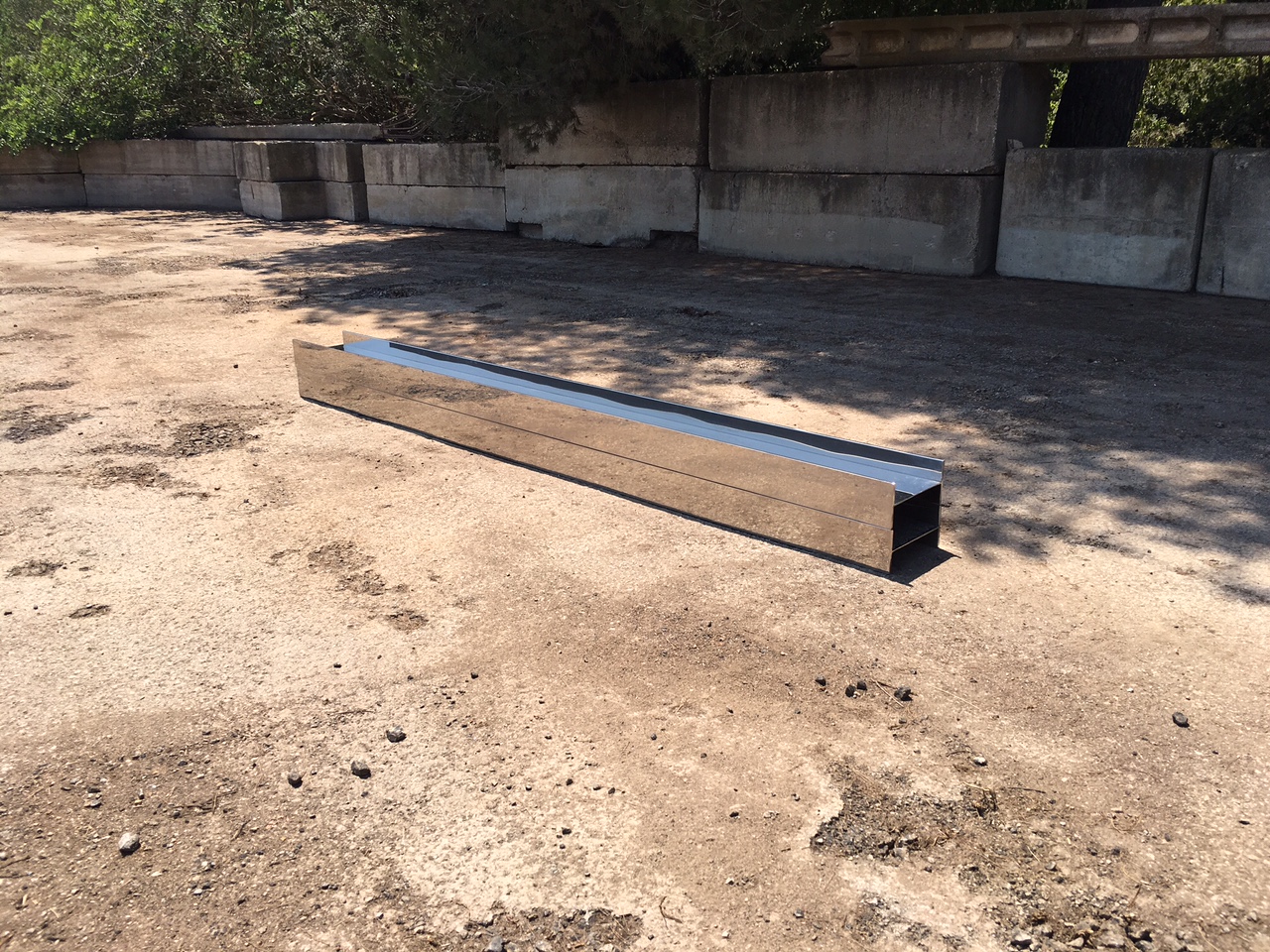
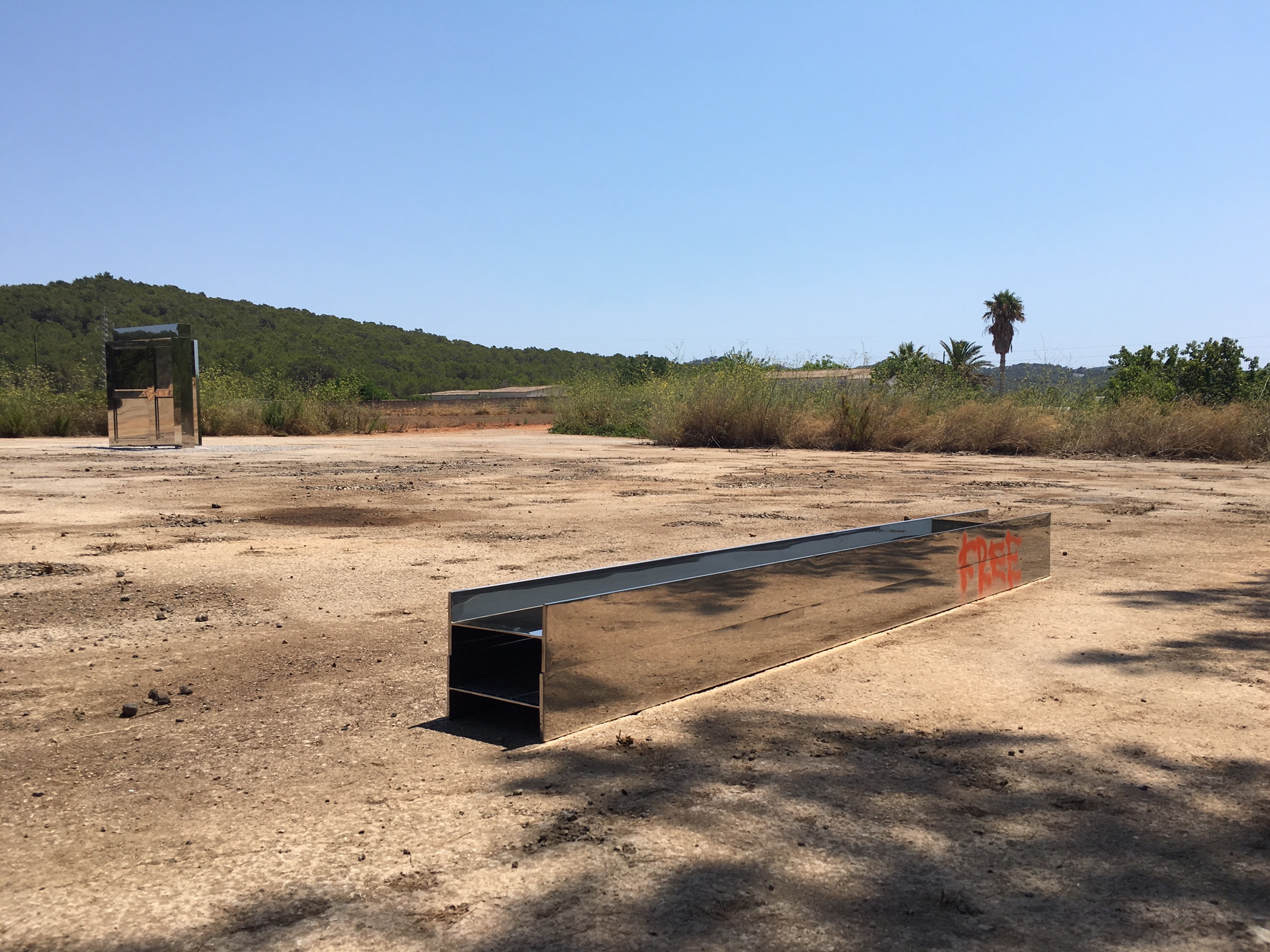
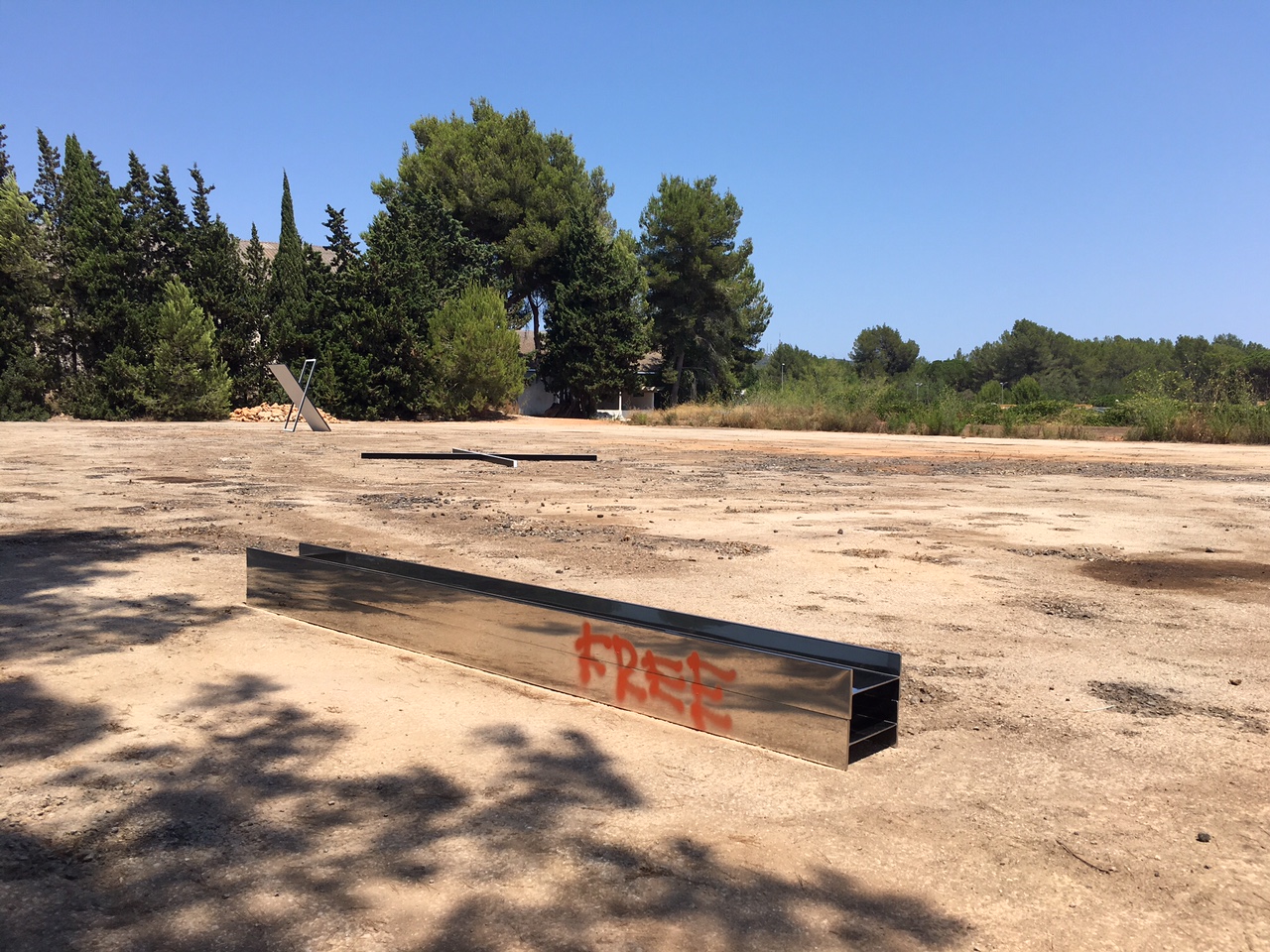
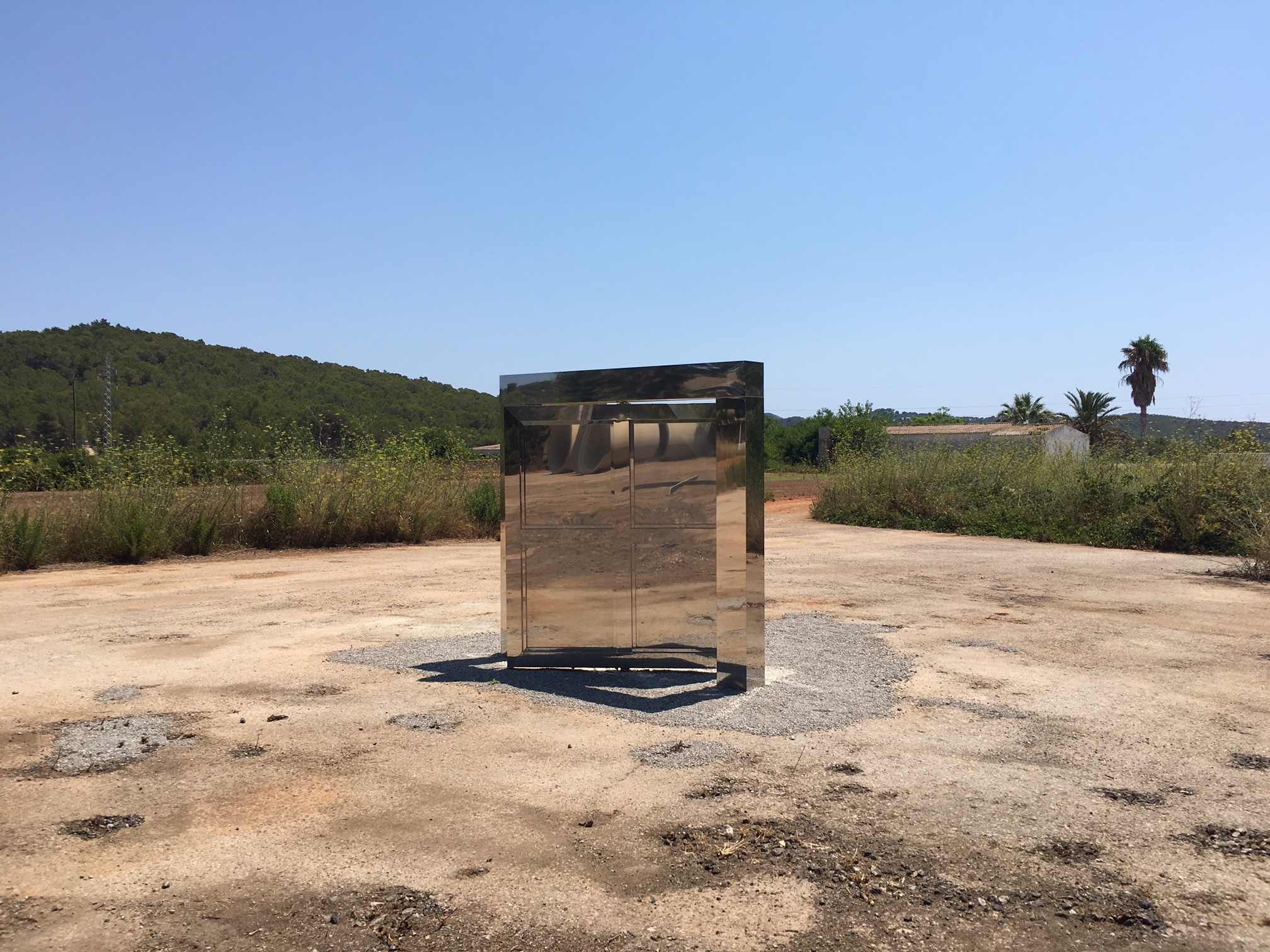
Stefan Brüggemann’s work is rooted in the Post Conceptualism of the 60’s and 70’s. Our environment and the traditional aesthetic categorizations are questioned by his artistic practice, always from a critical, sometimes ironical, point of view. His intention is confronting the spectator with himself, suggesting questions, never certain answers. Stefan Brüggemann’s proposal for the show refers to an existential question: the necessity we have of finding an exit, an escape valve. With a subtle link to the work by Donald Judd, the sculpture presented works as a door without function, a door that leads to a “non-place”. As many of the pieces by Brüggemann, this is a work that does not give conclusions. It suggests several questions. Is it possible to use the door? Can we open it? Where does it lead? Is a sculpture or an installation? This work is accompanied by another piece titled Free. It consists on two stainless steel beams, that represent the individual and questions the freedom of the human being.
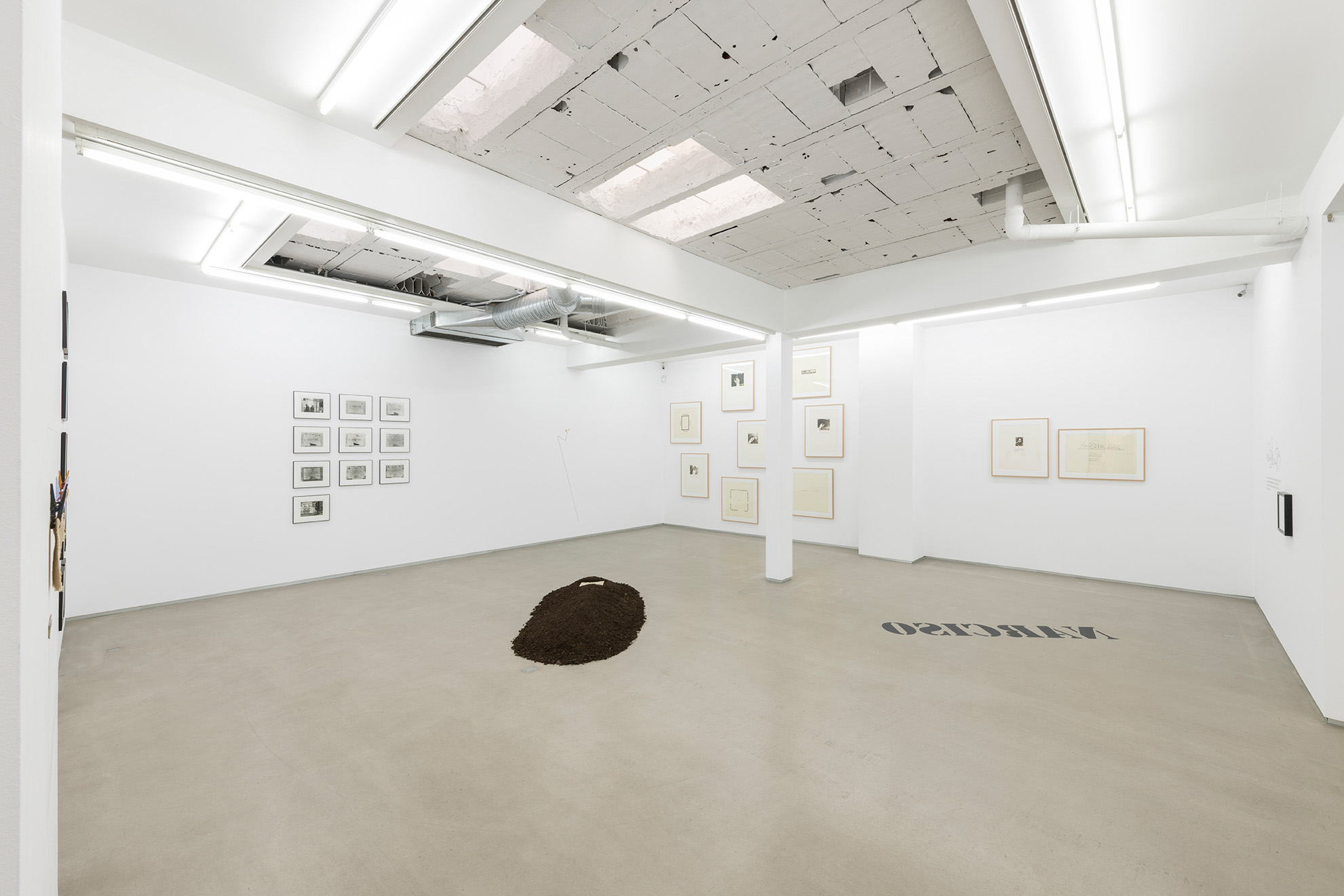
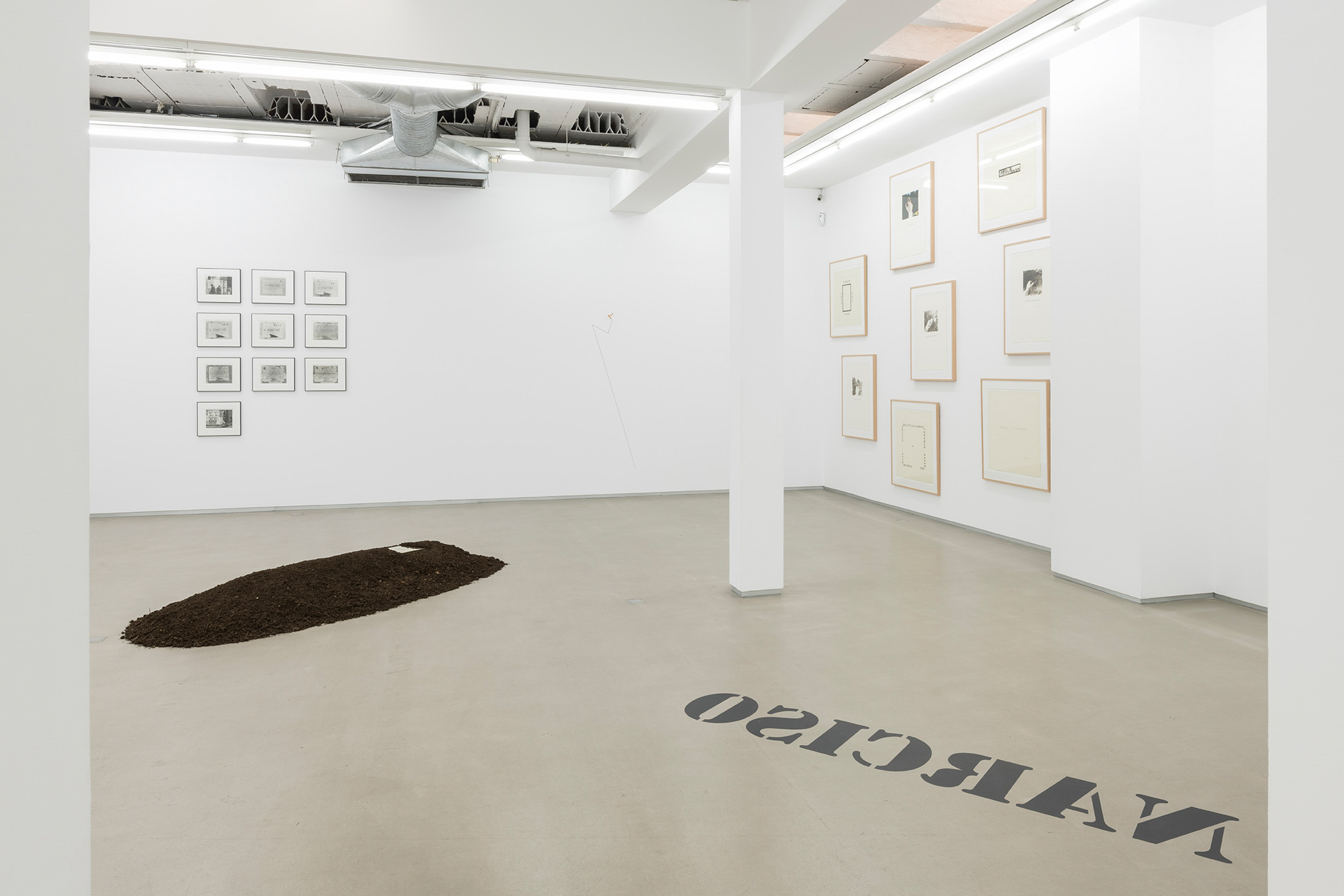
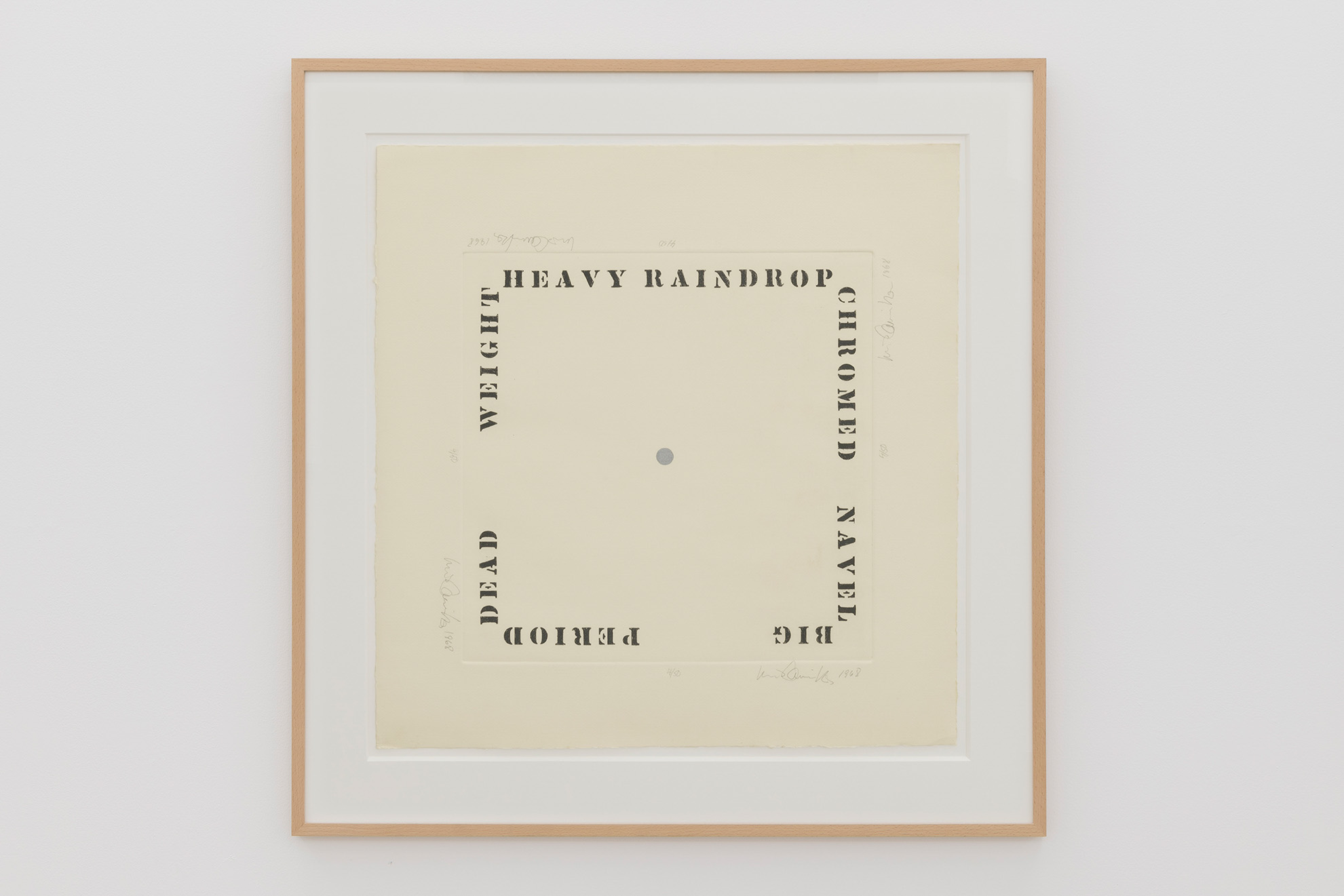
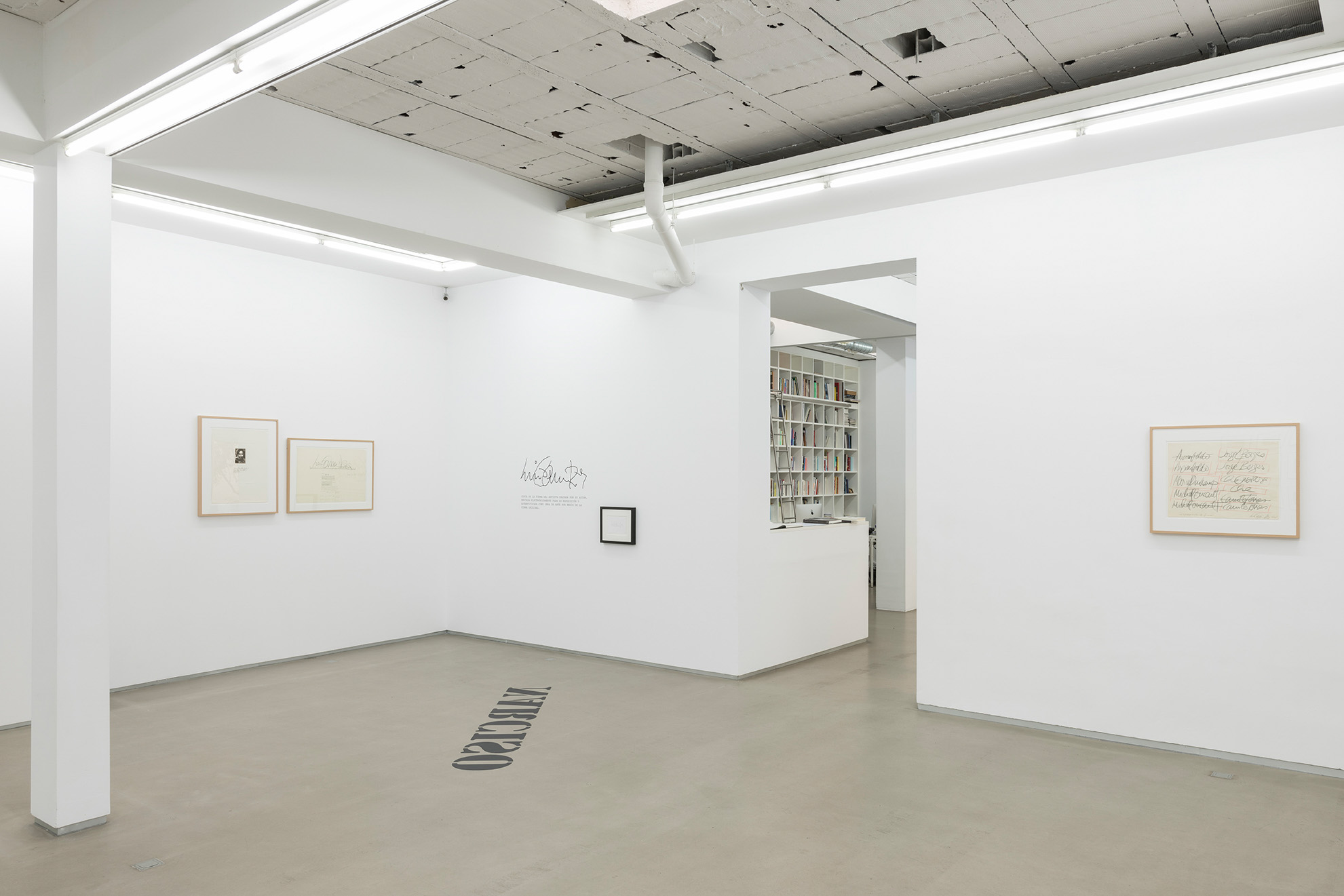
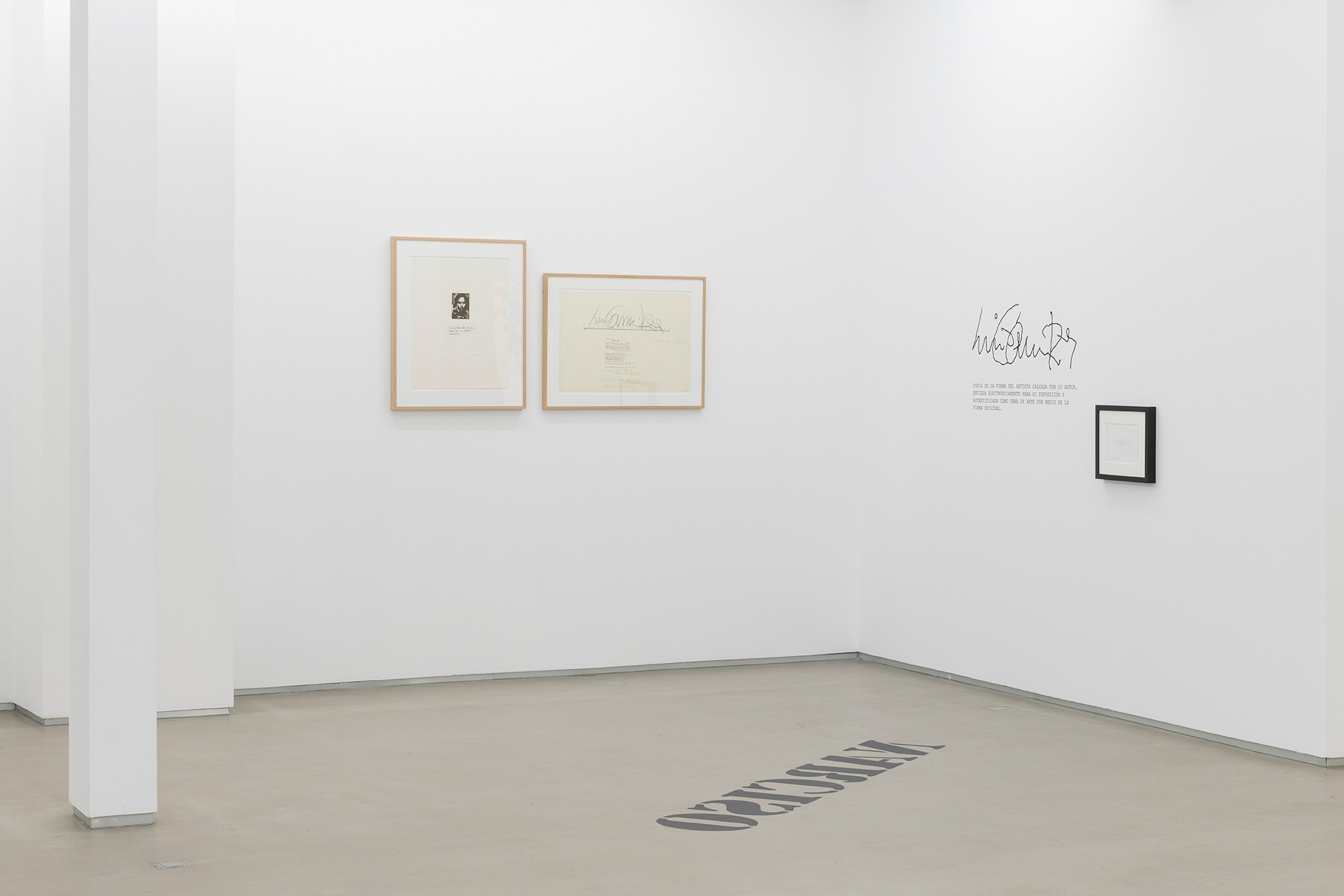
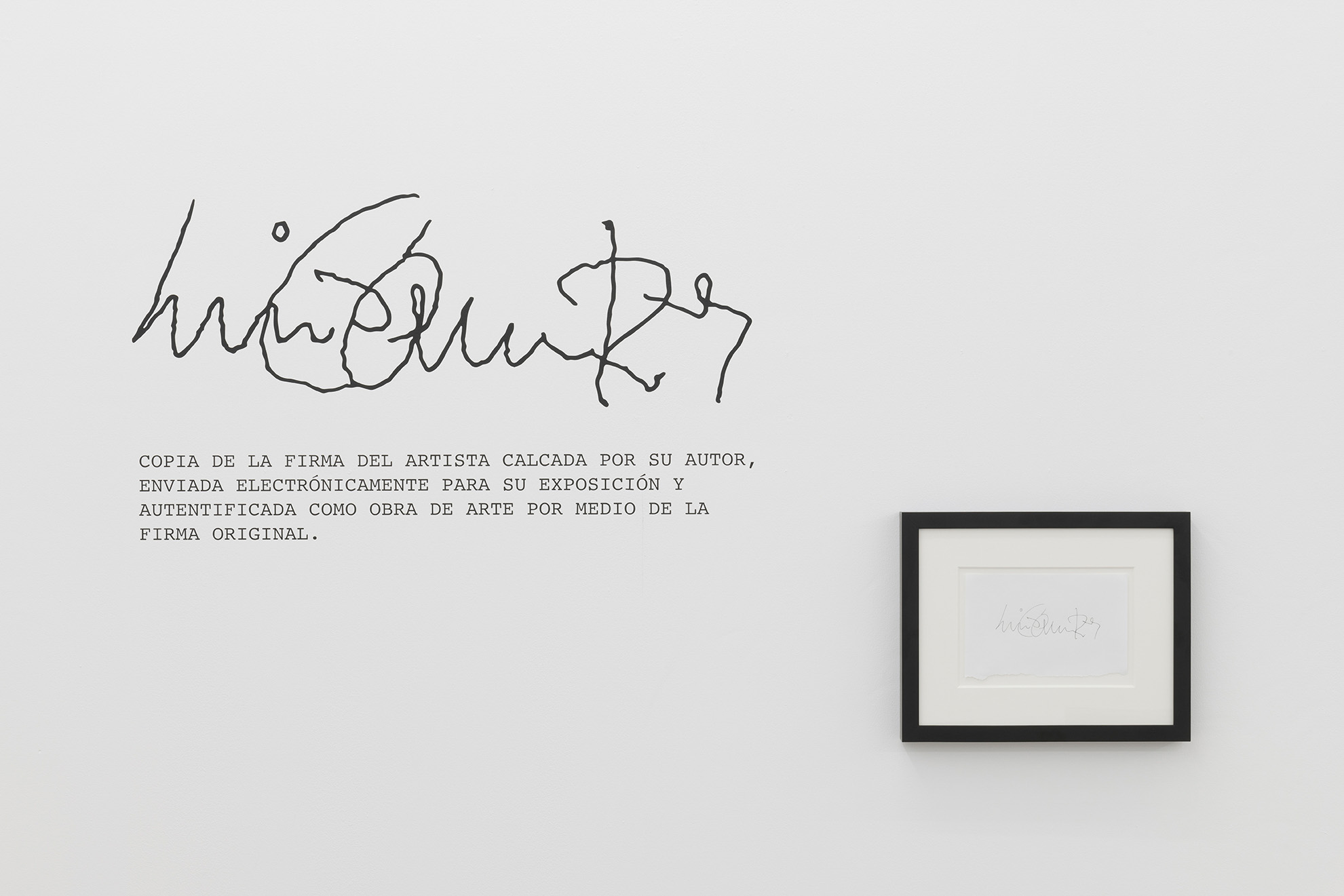
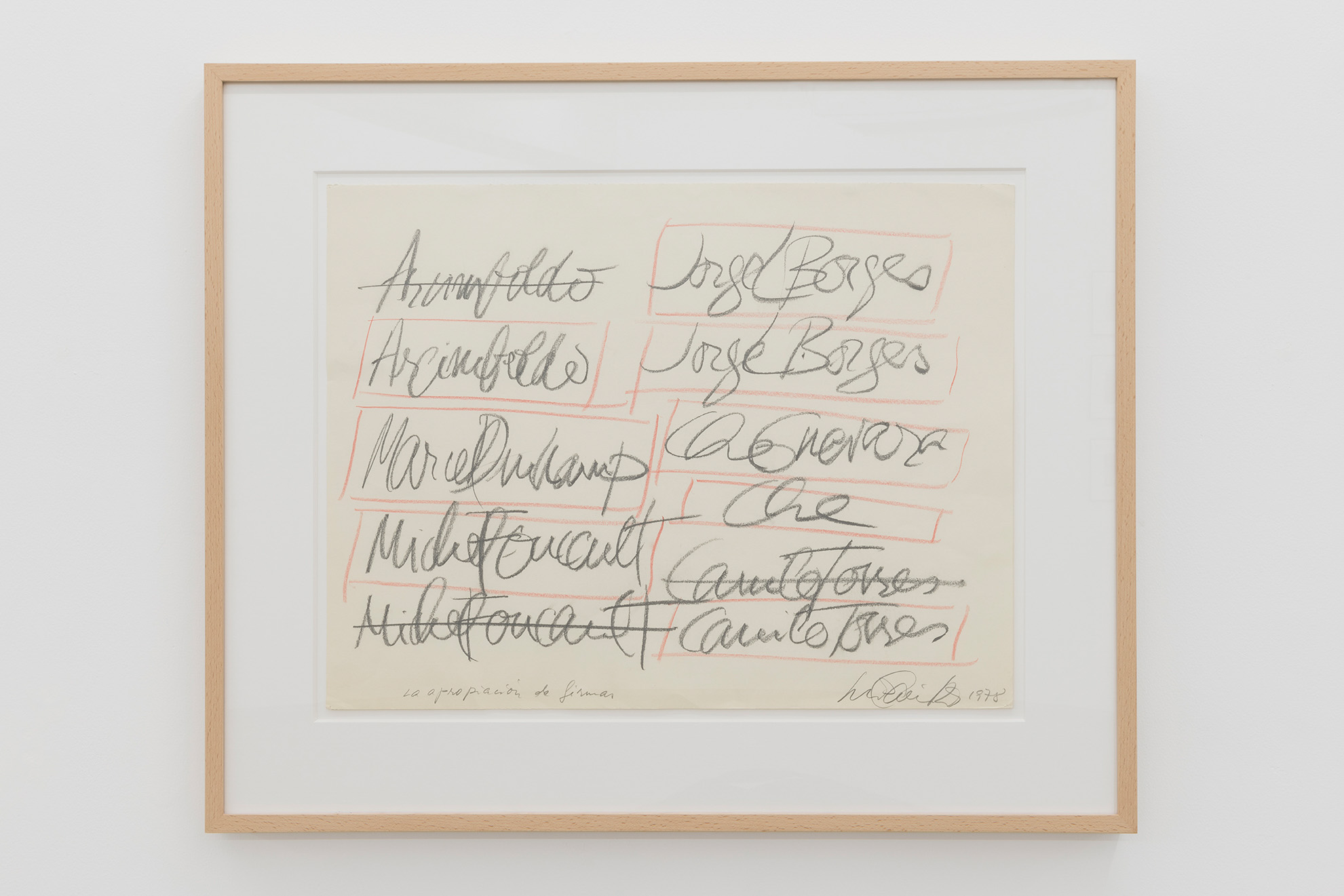
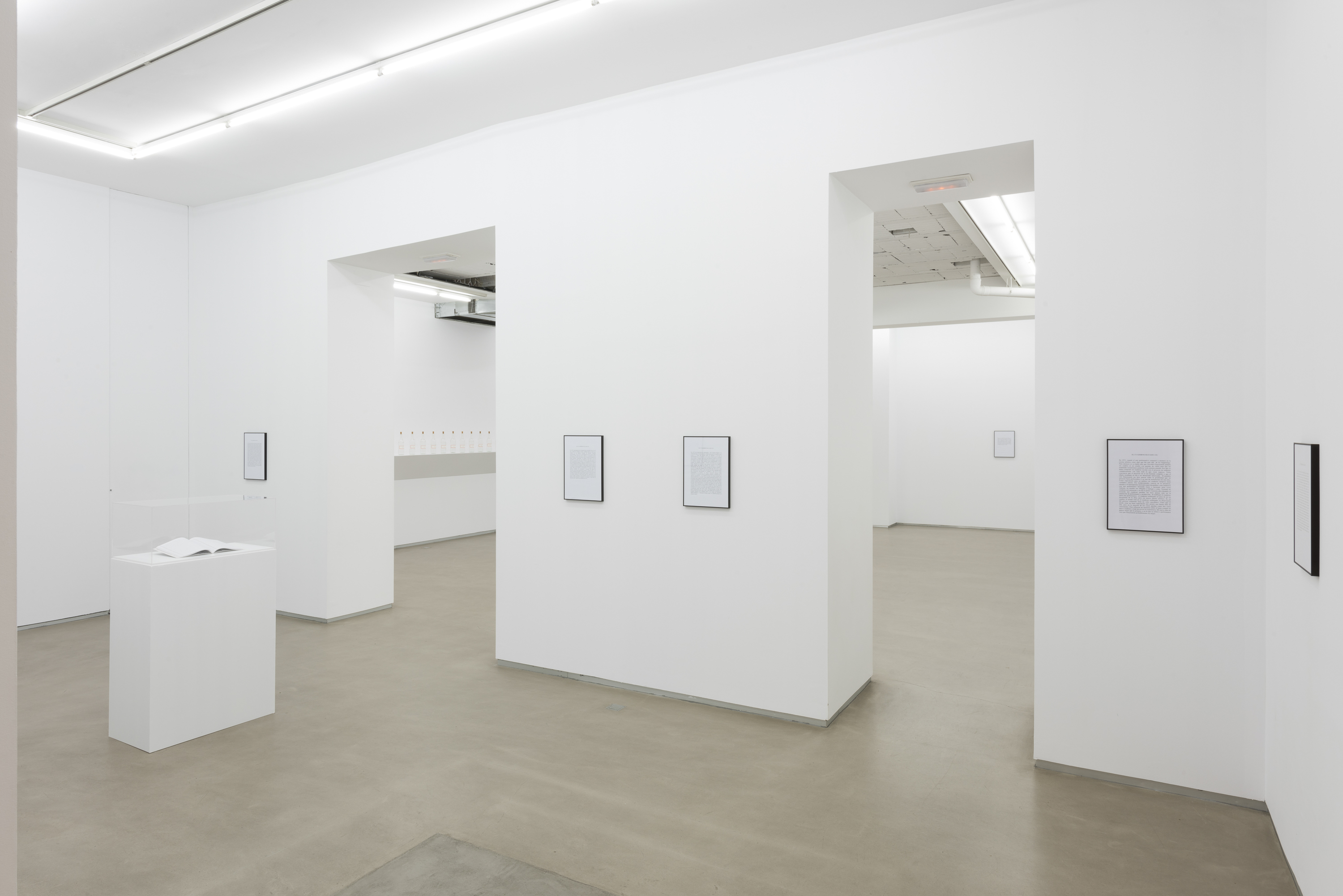
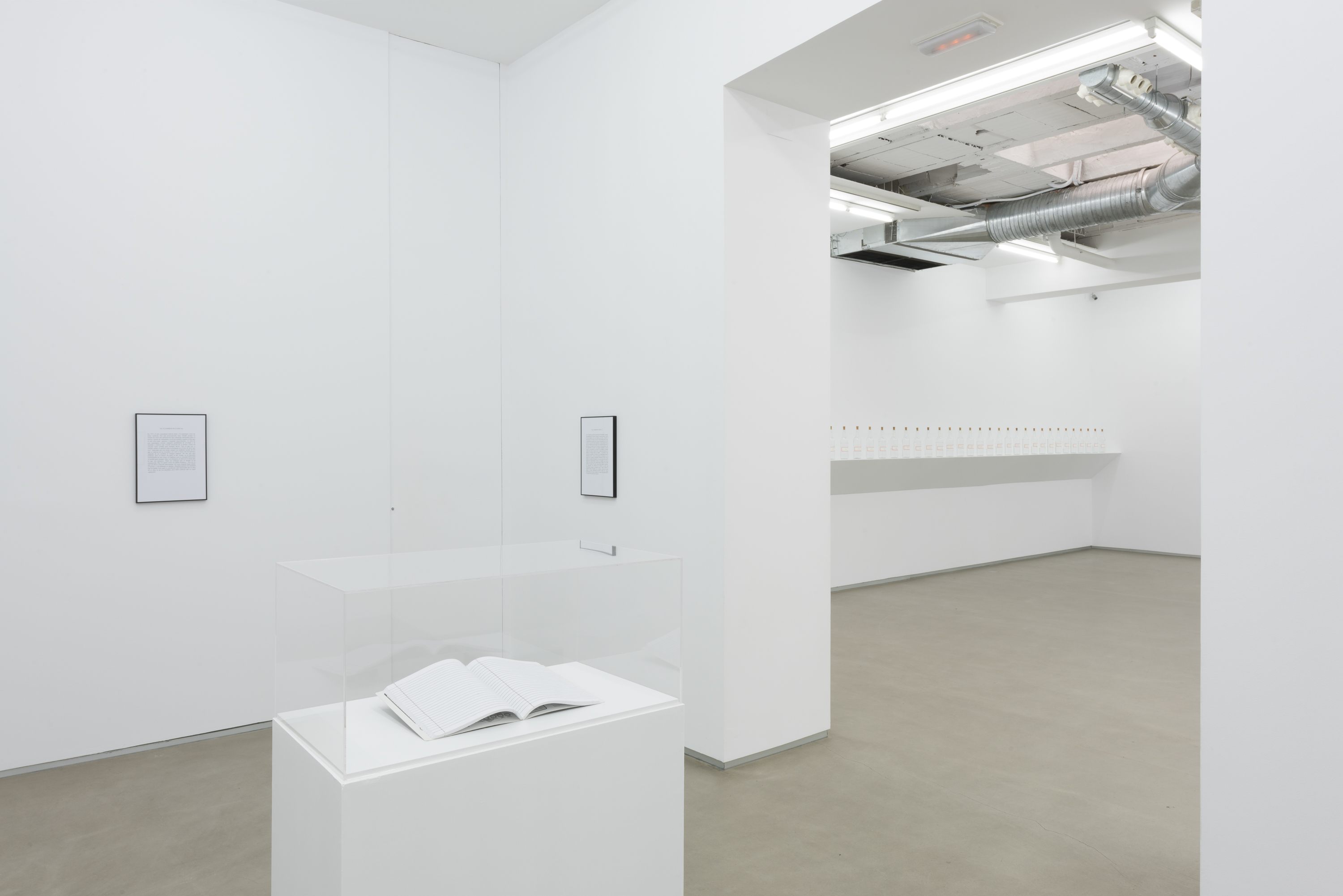
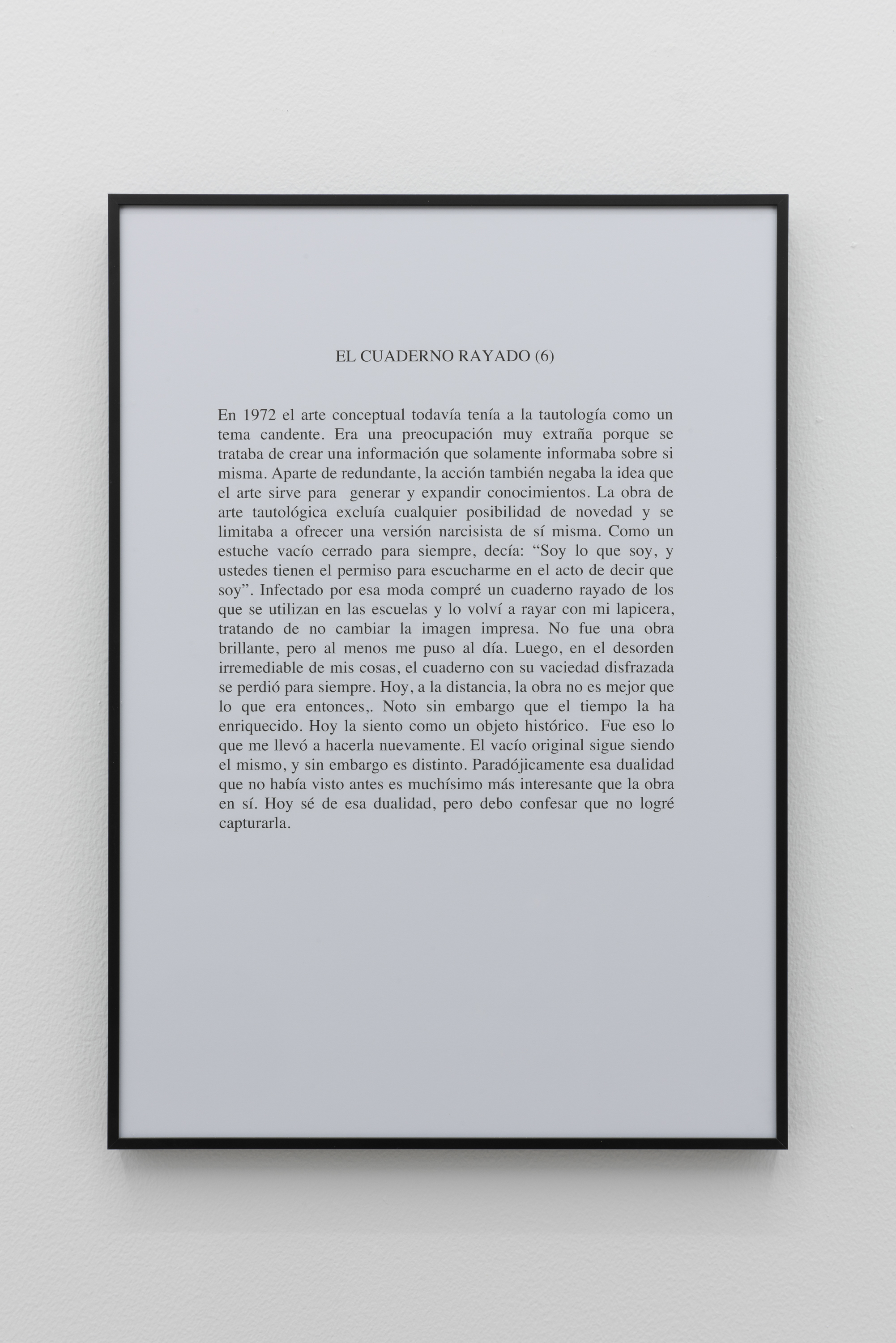
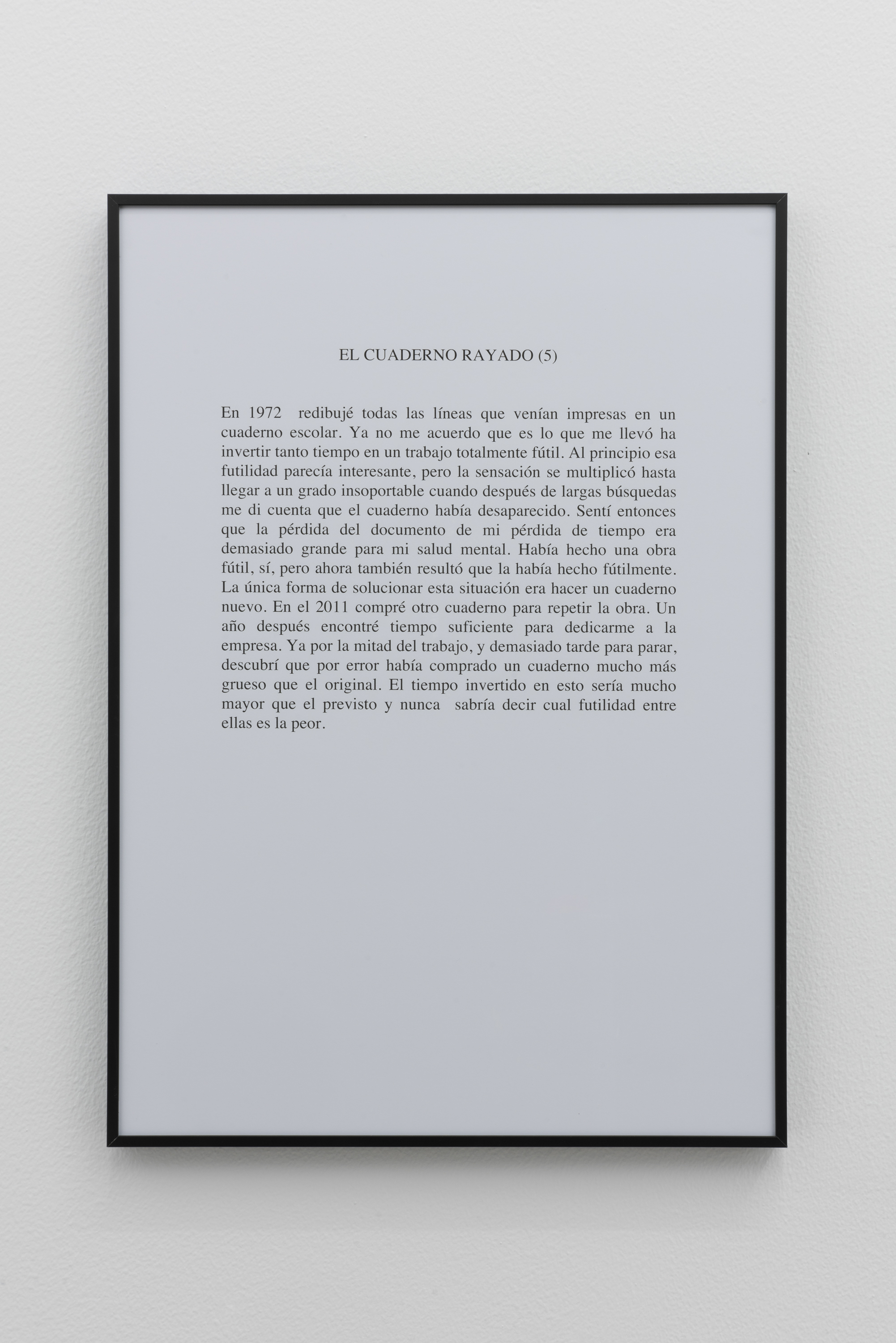
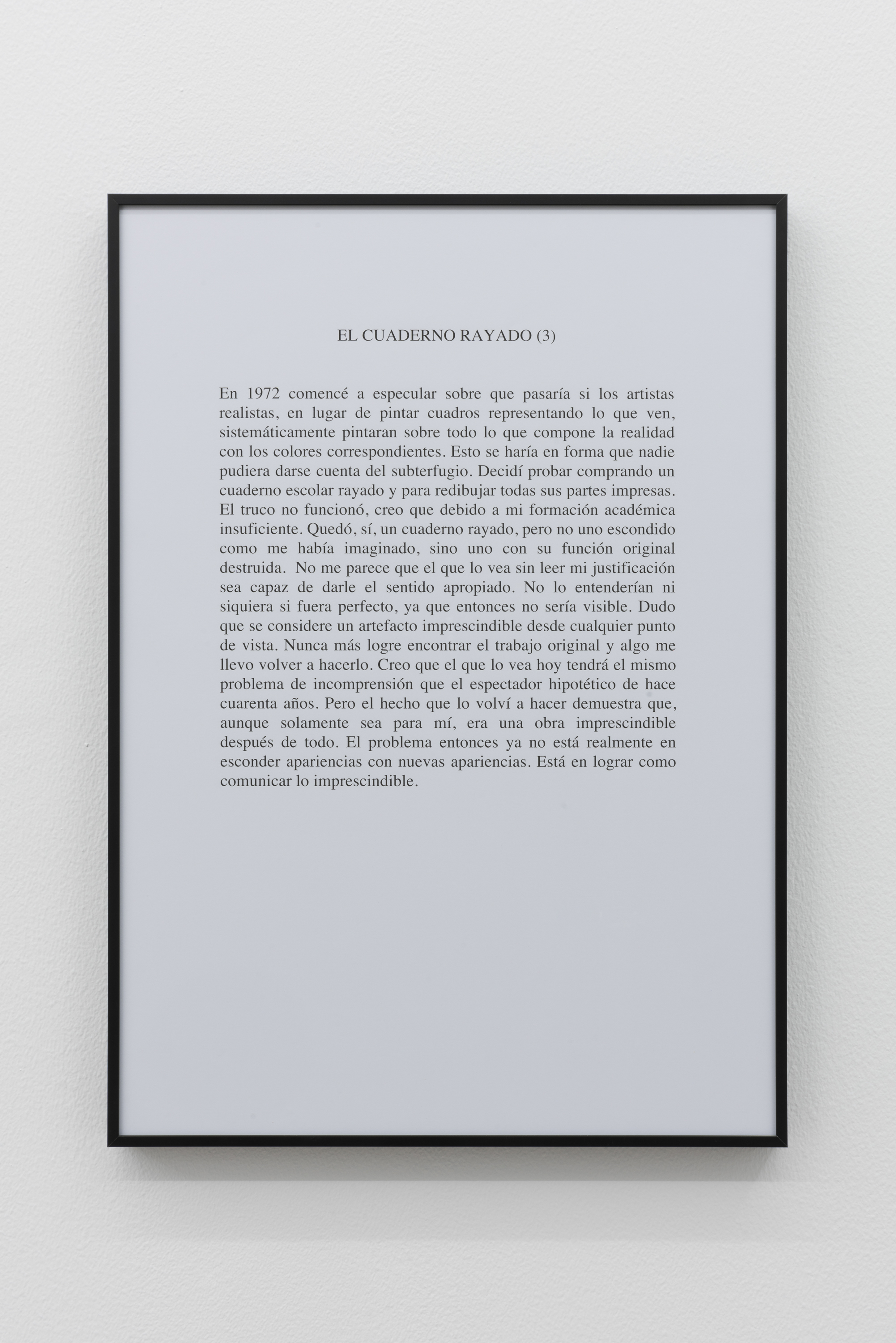
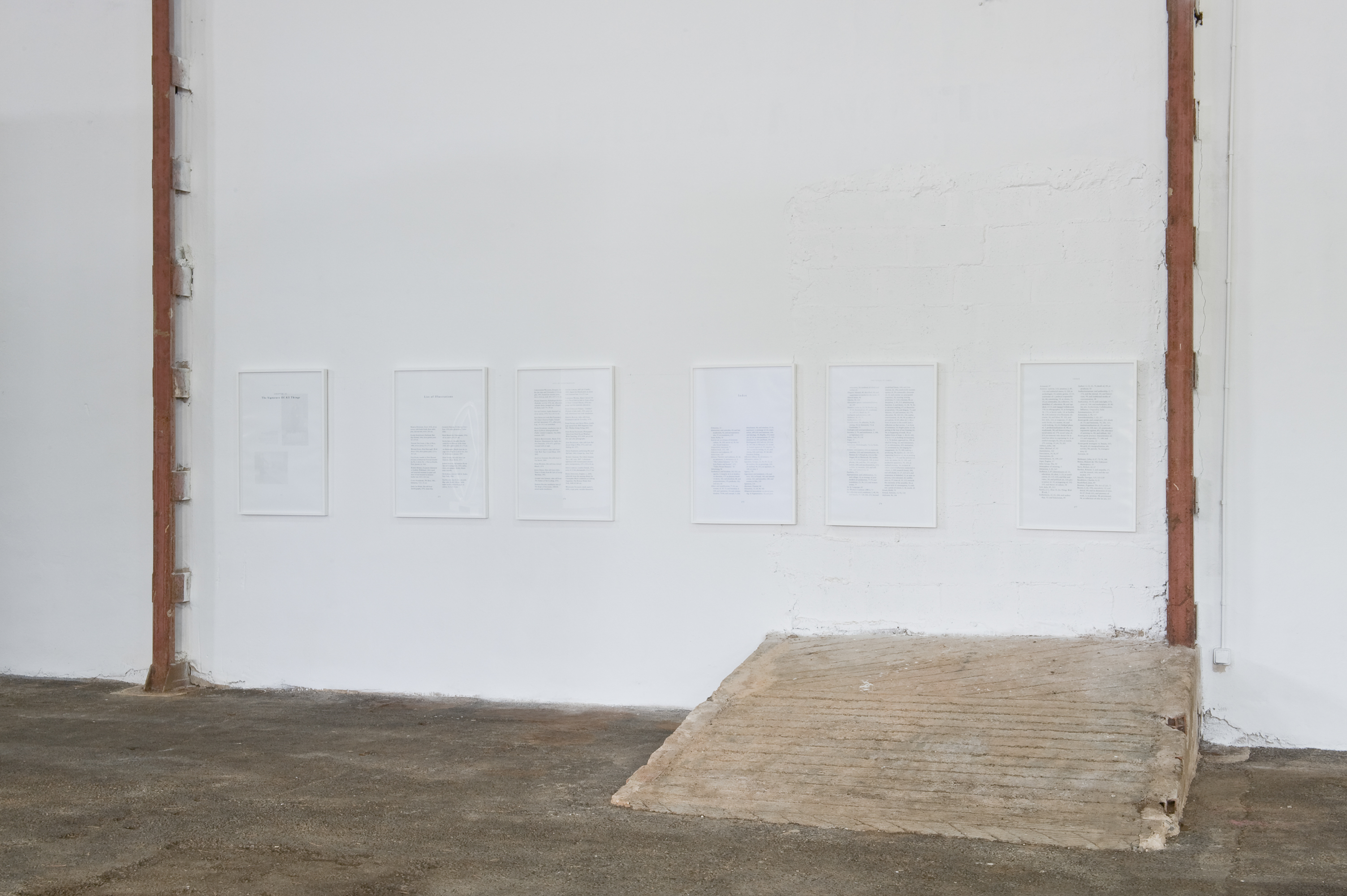
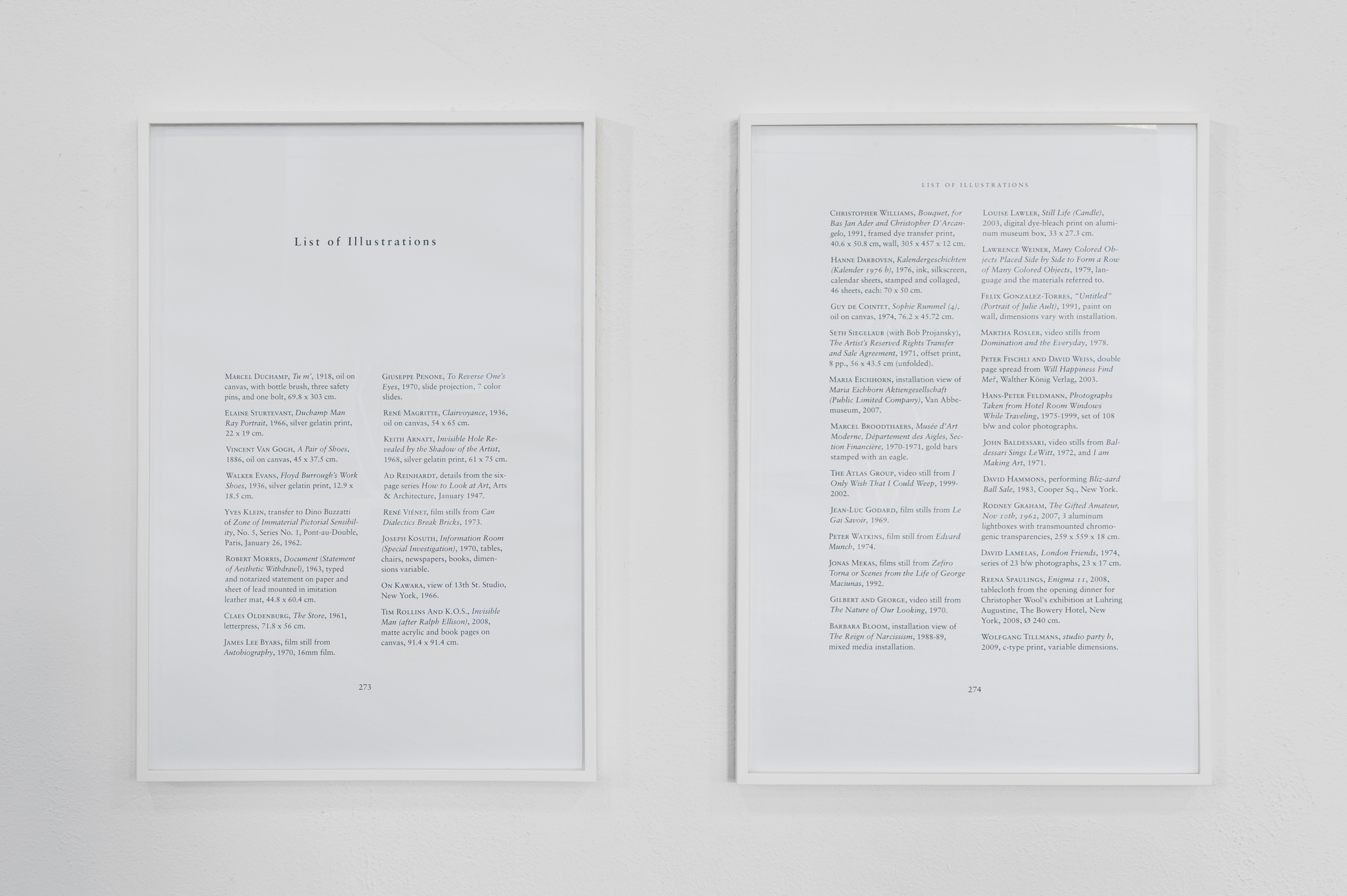
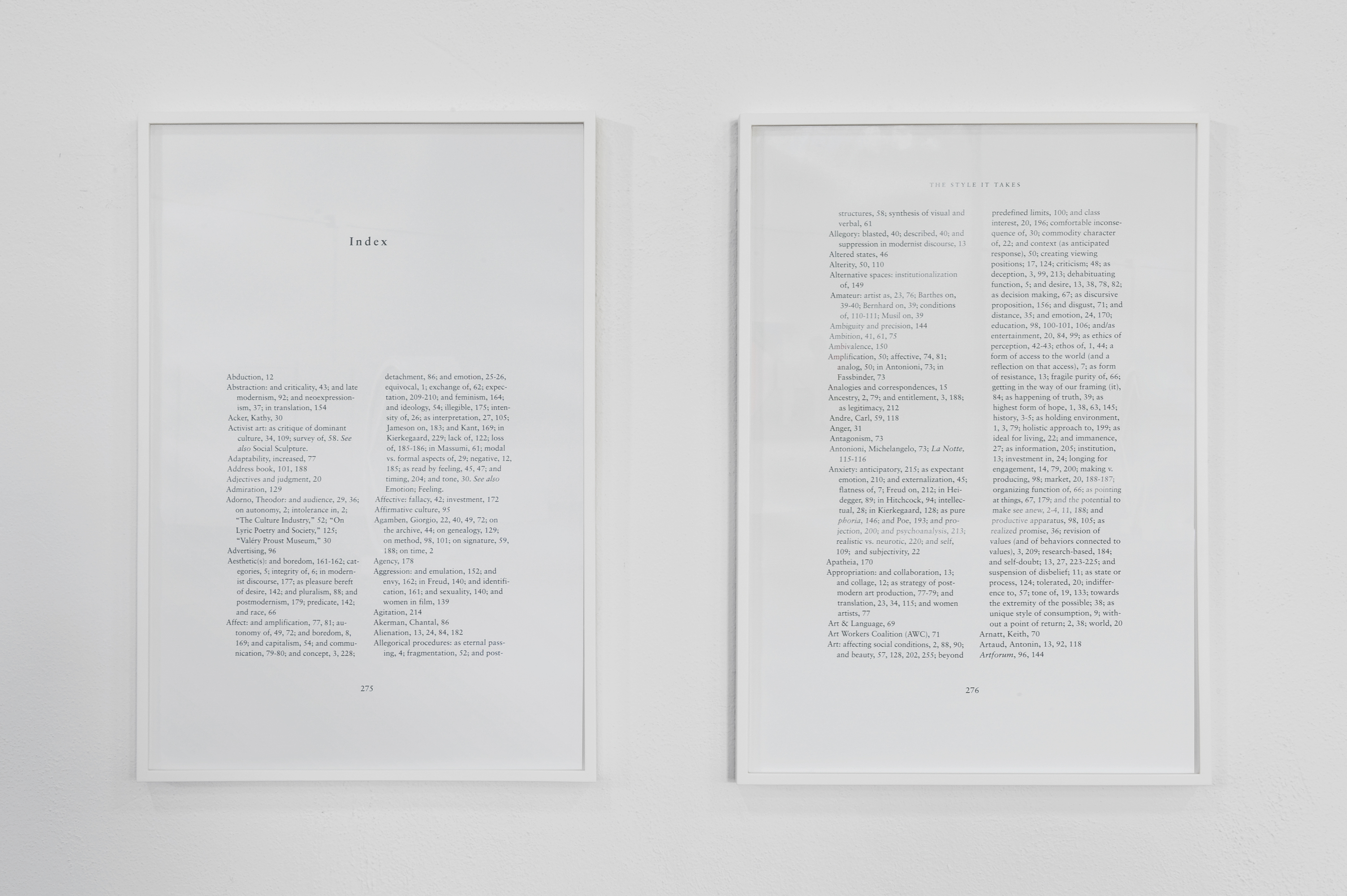
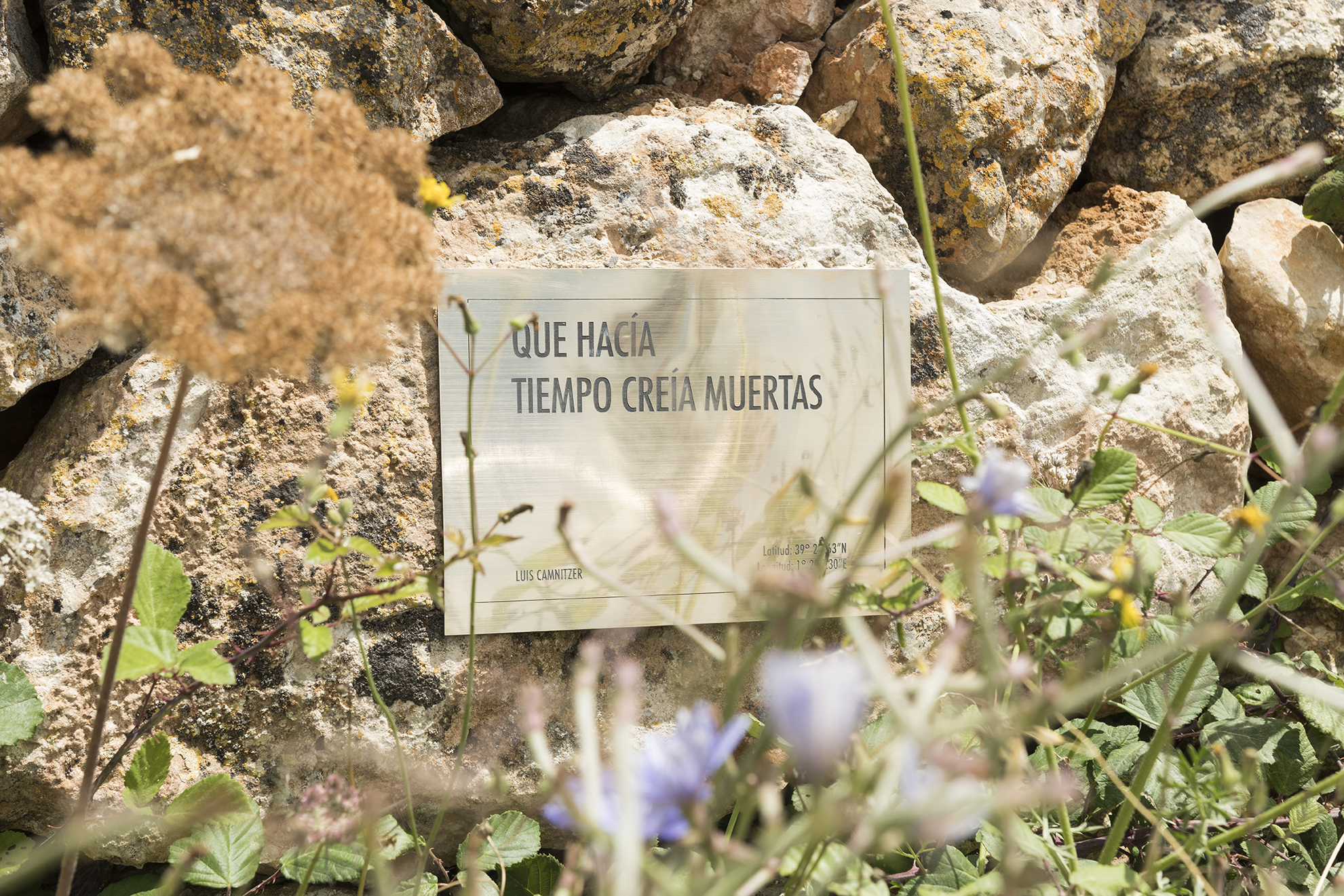
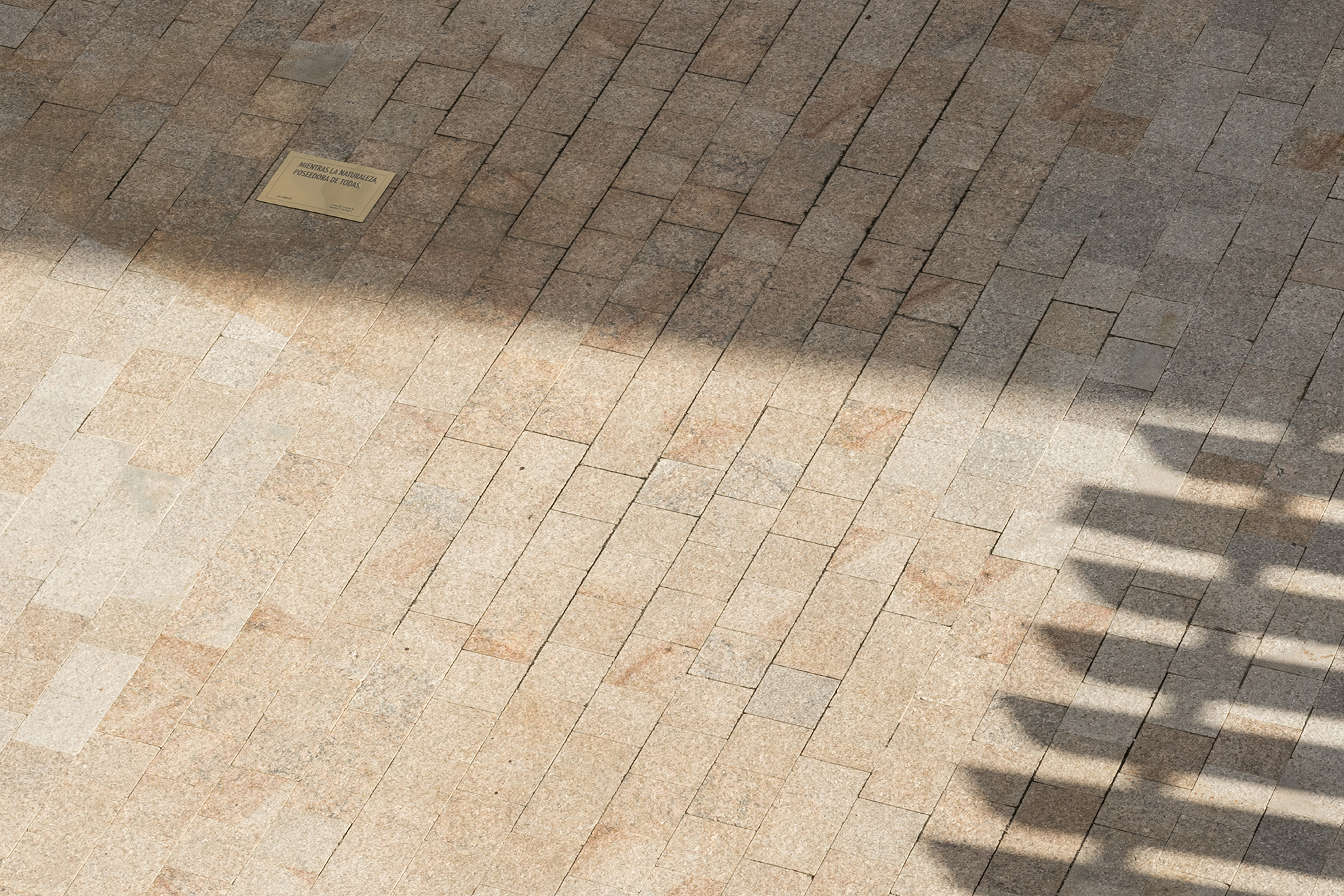
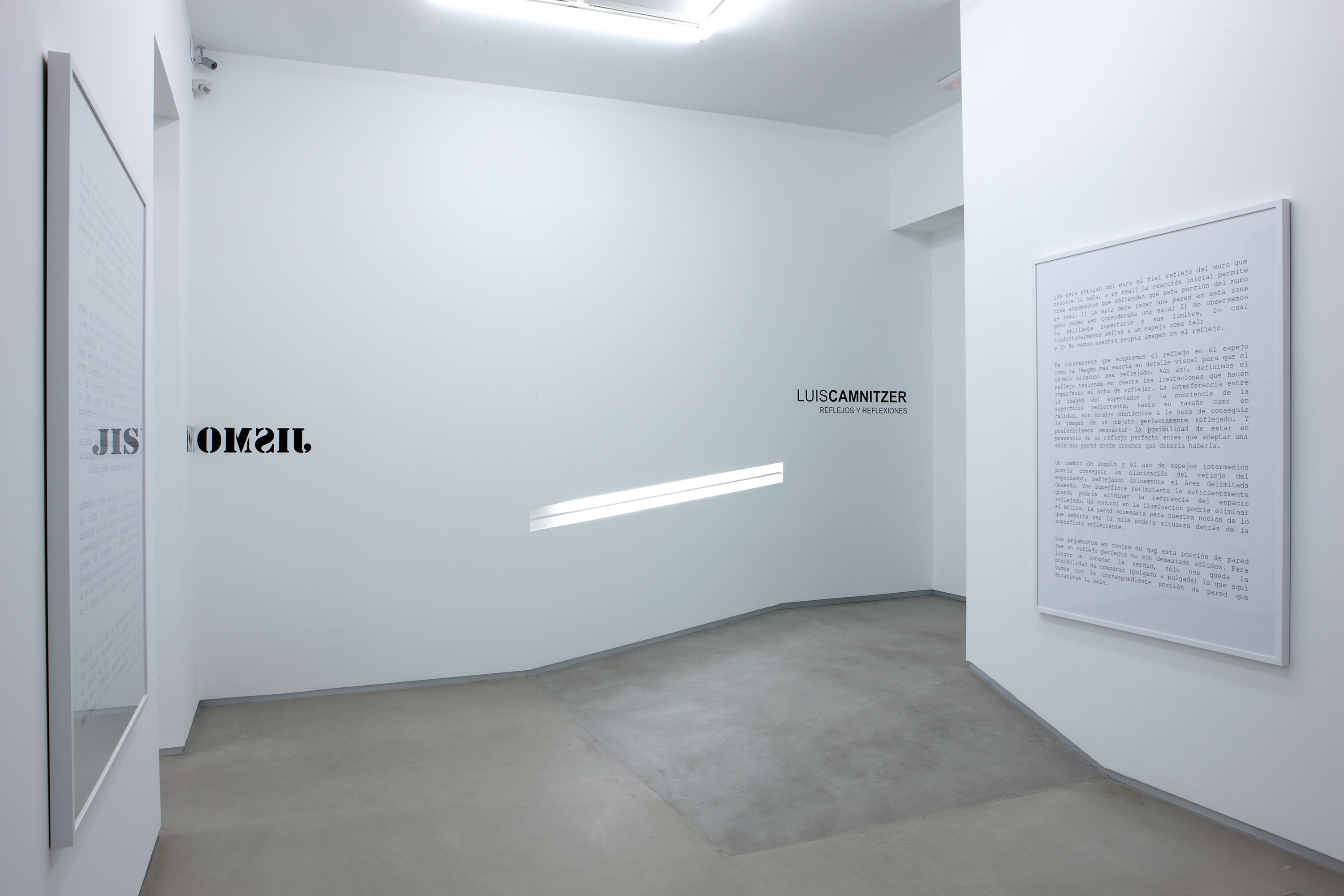
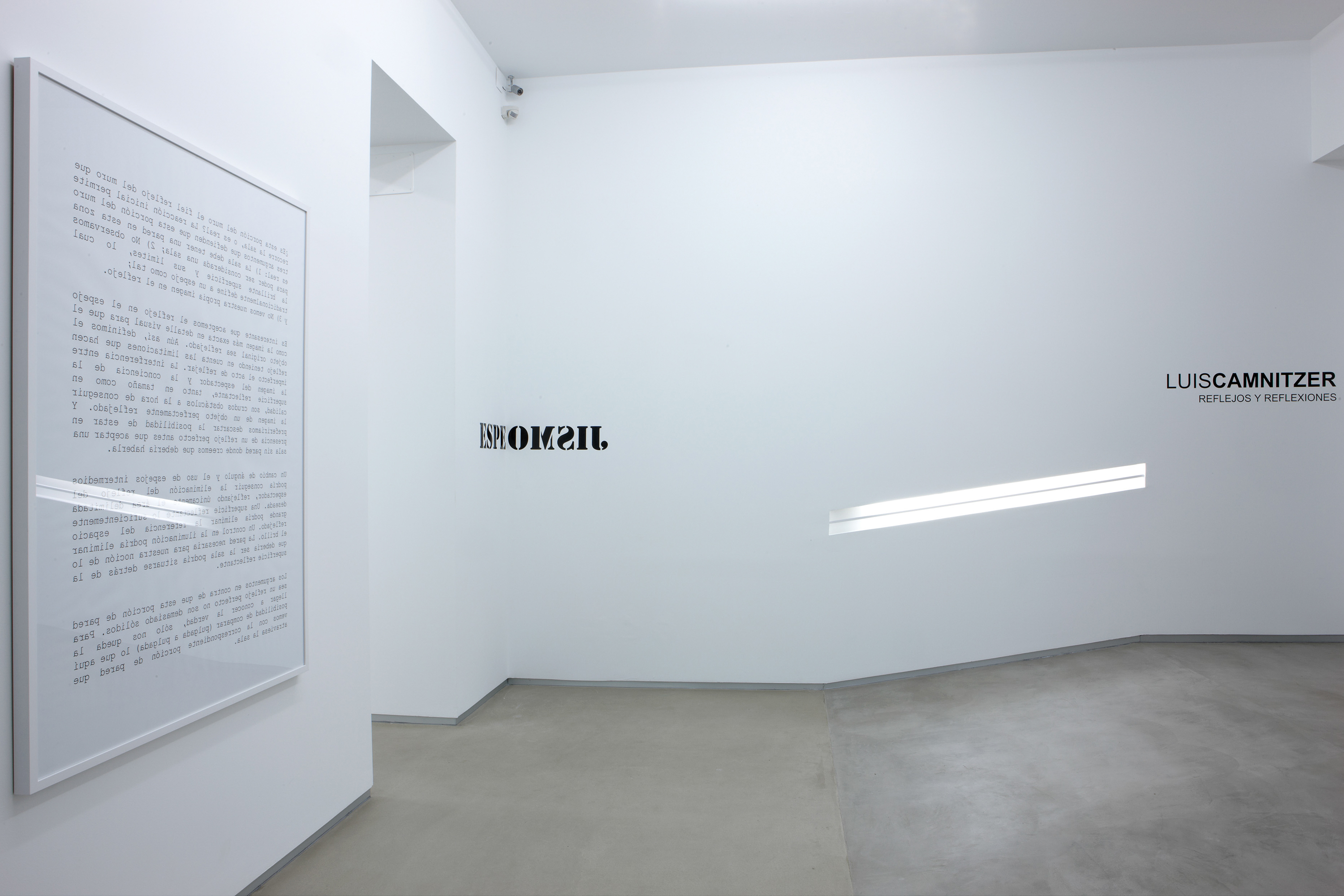
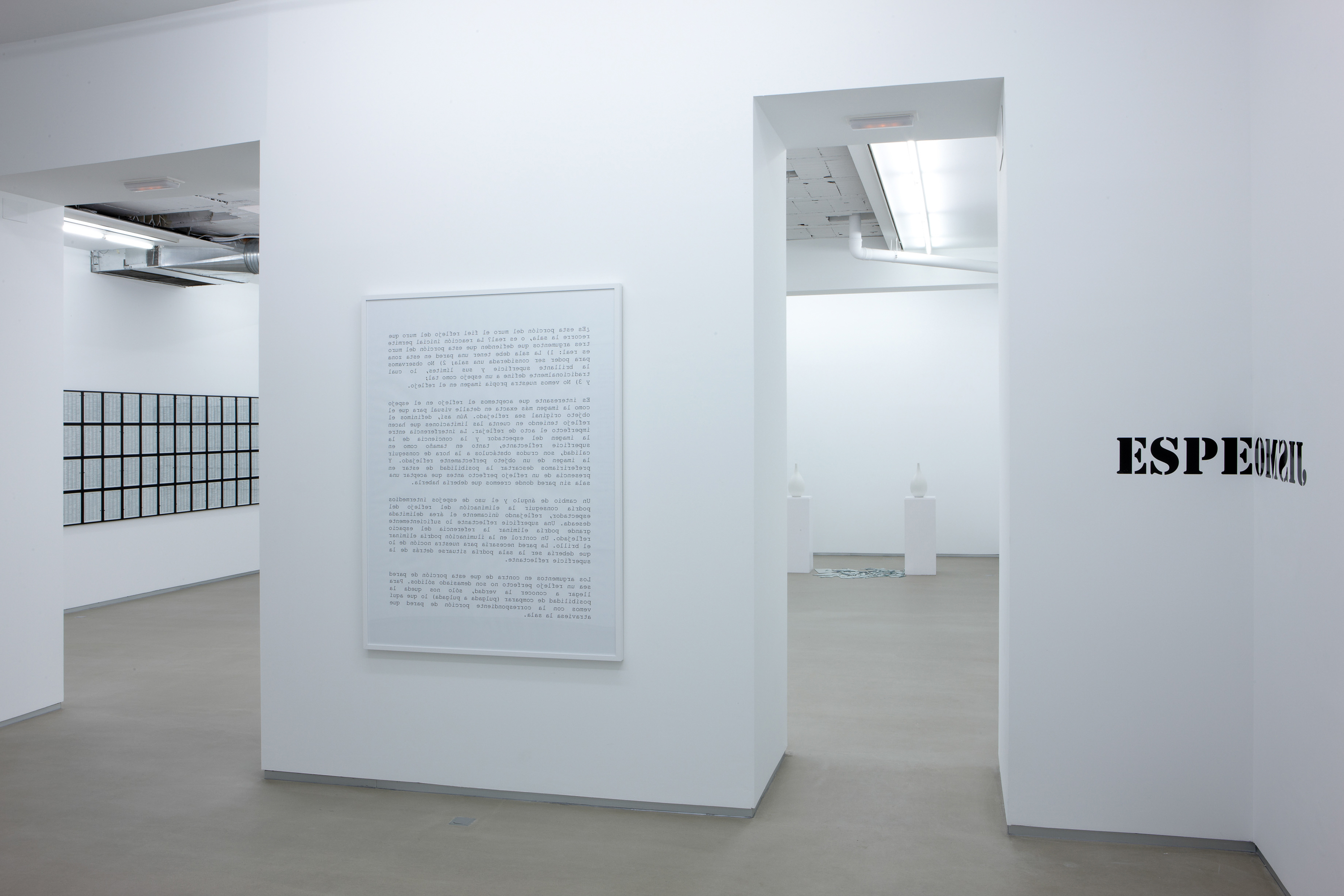
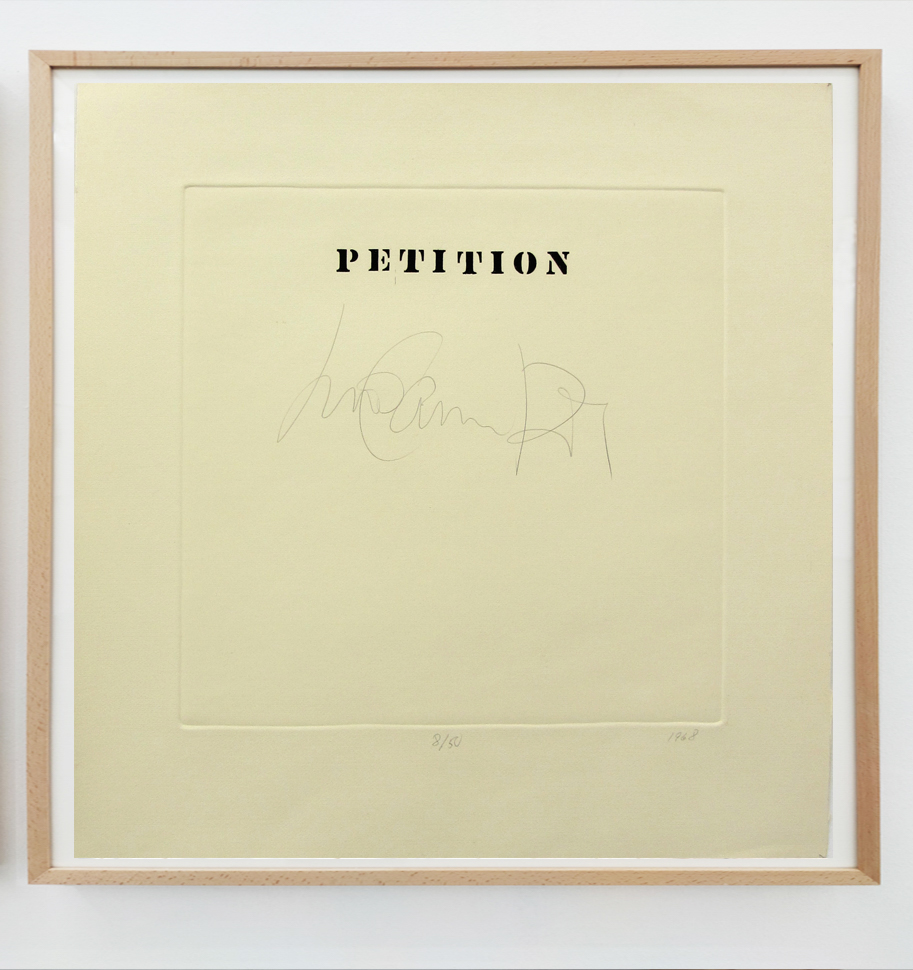
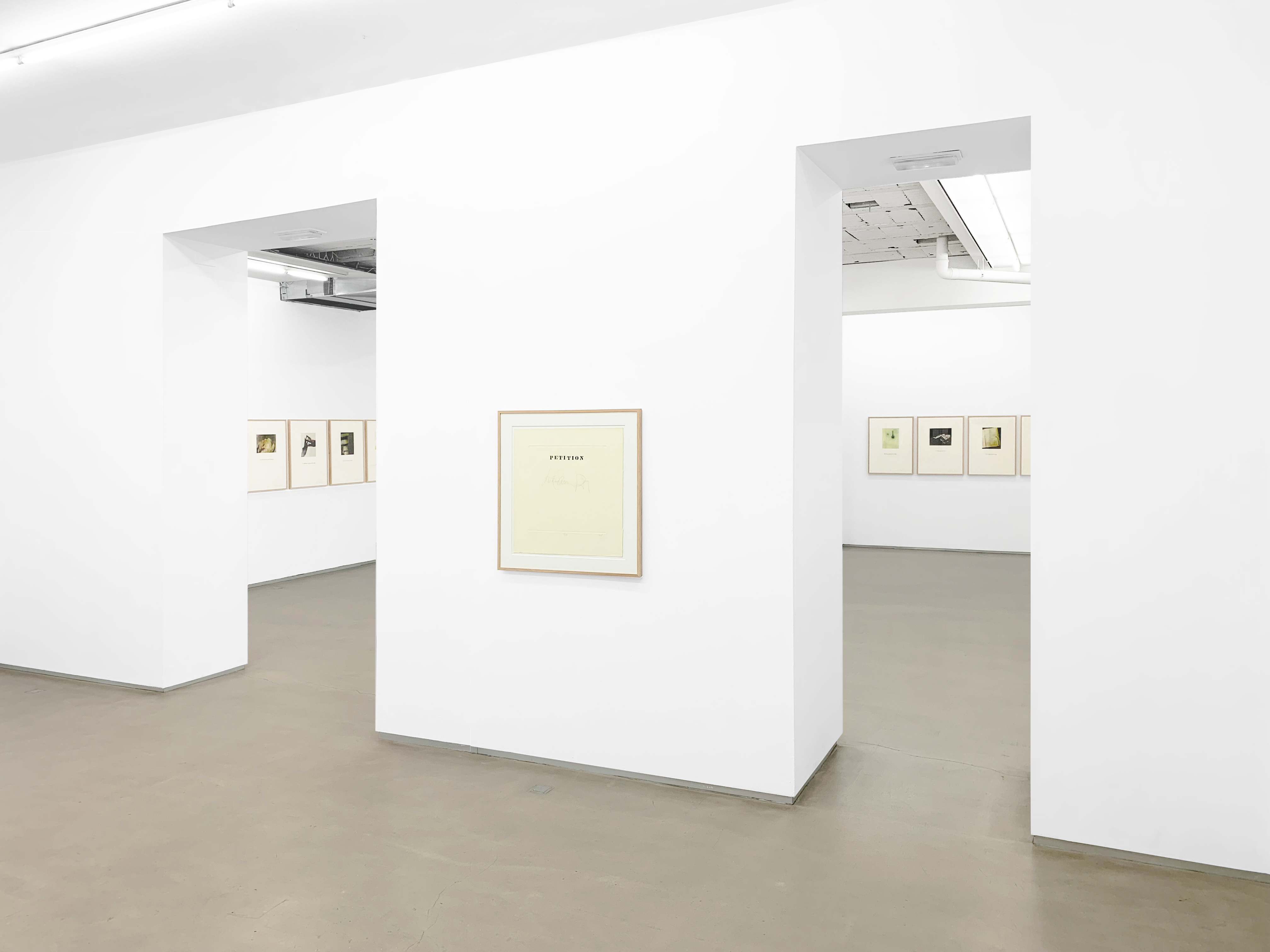
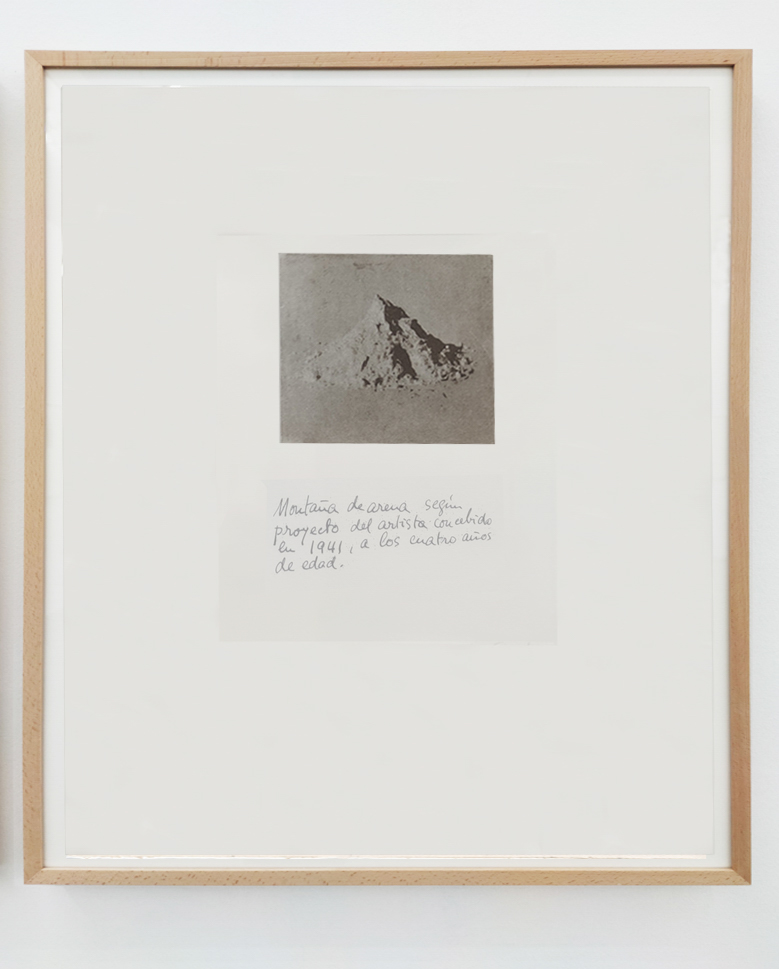
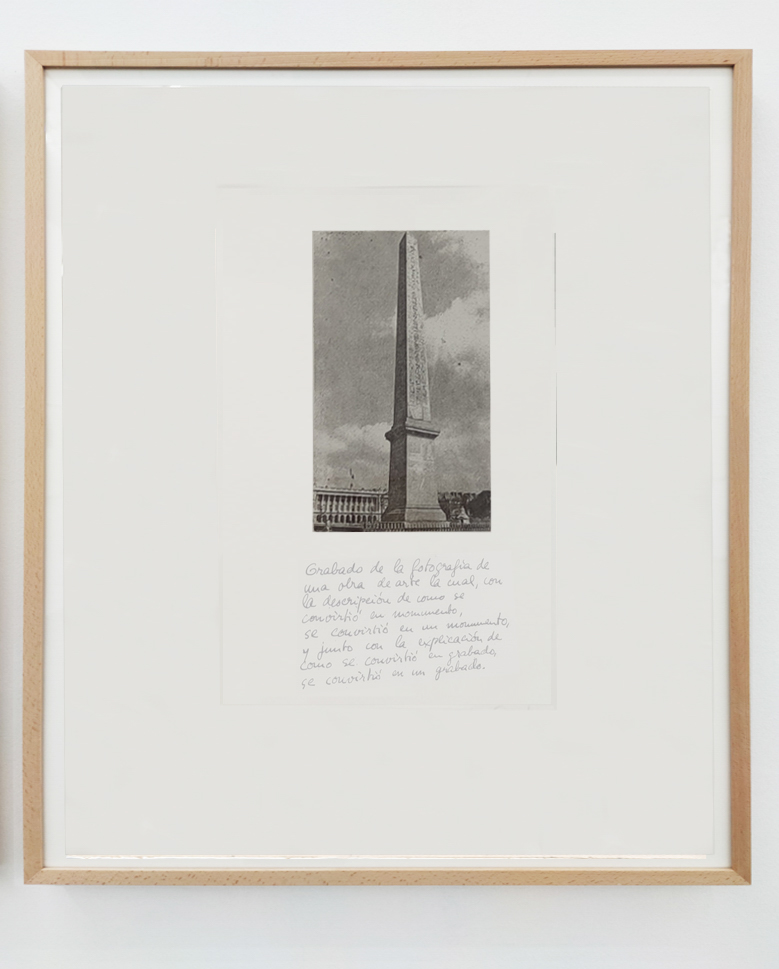
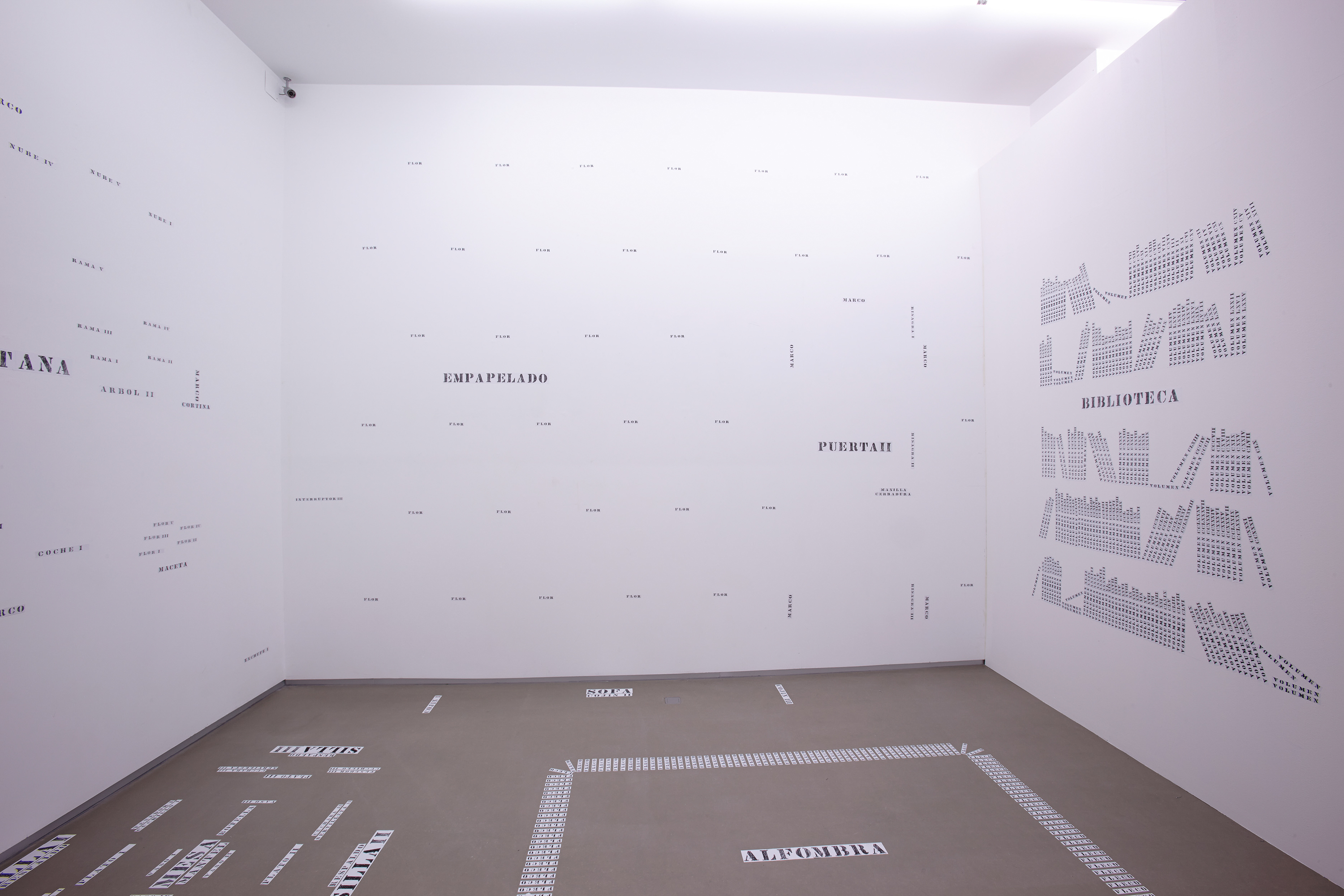
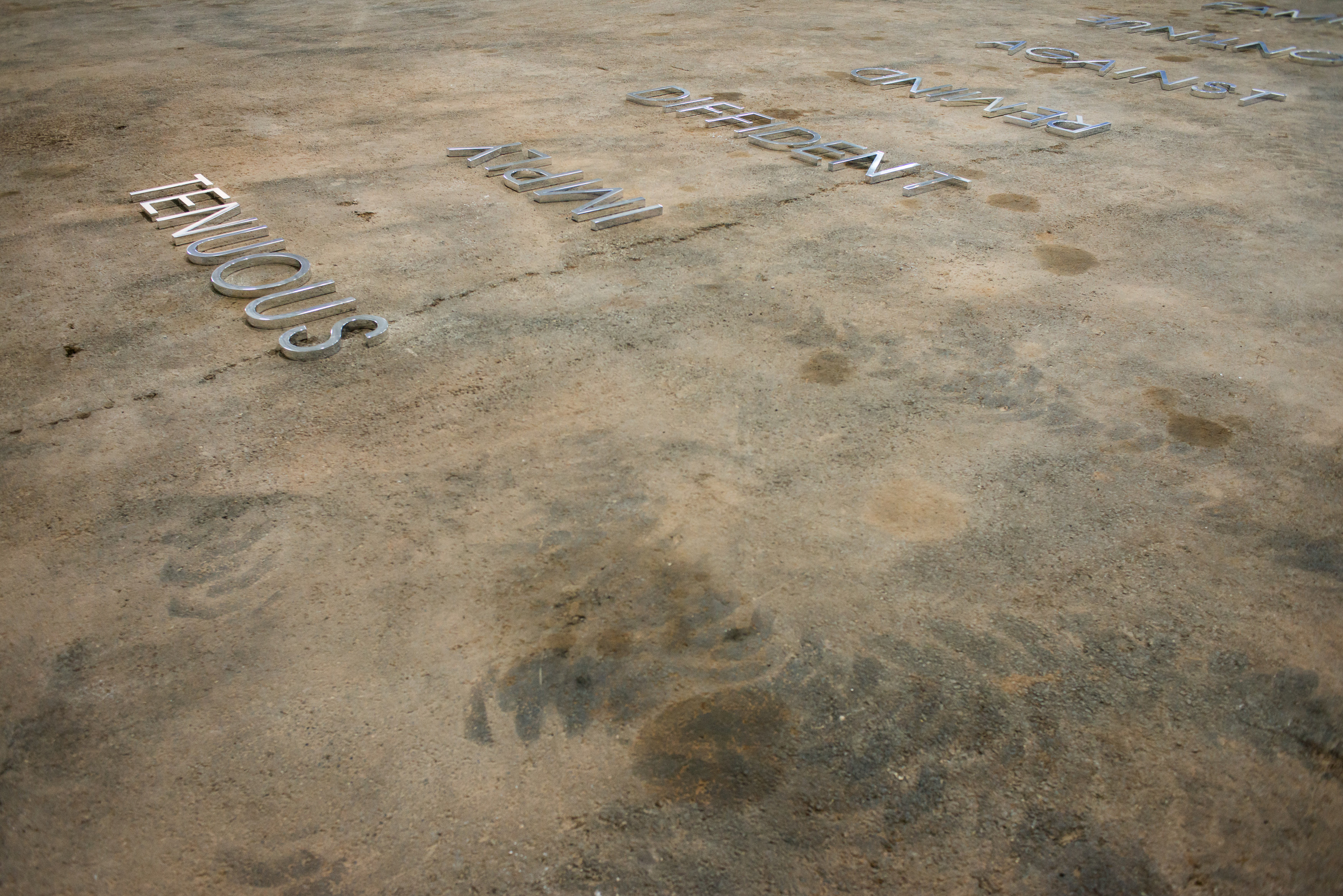
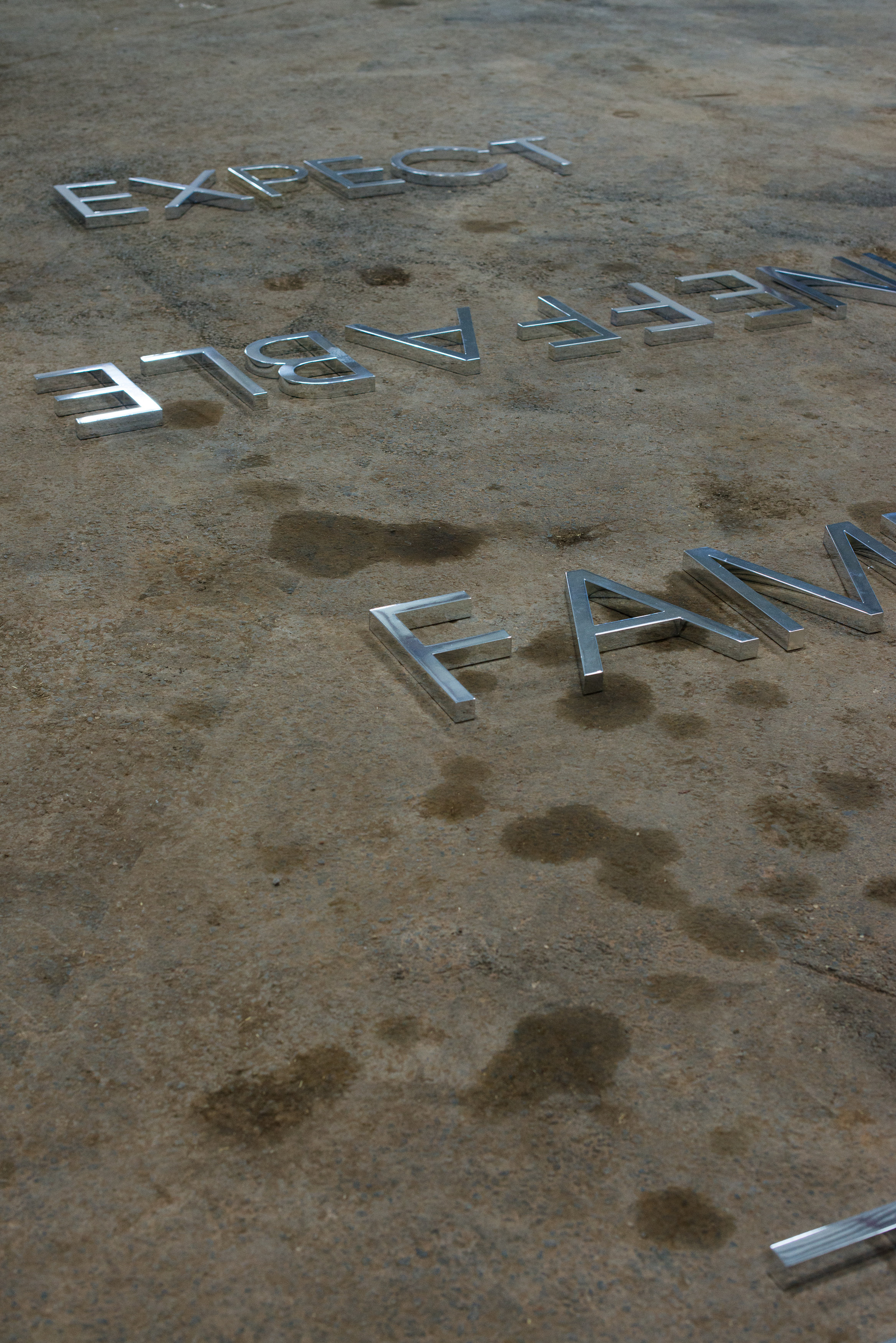
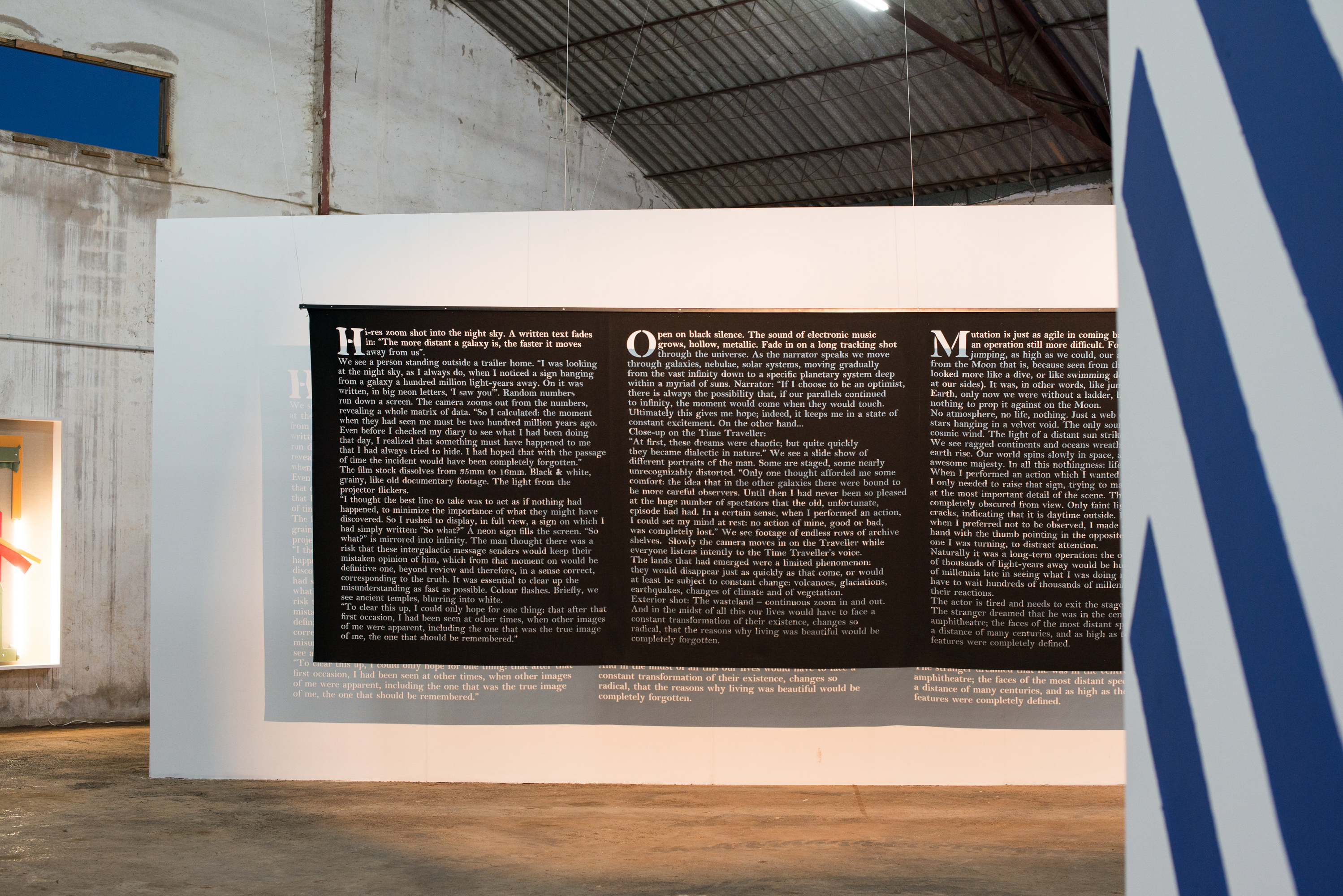
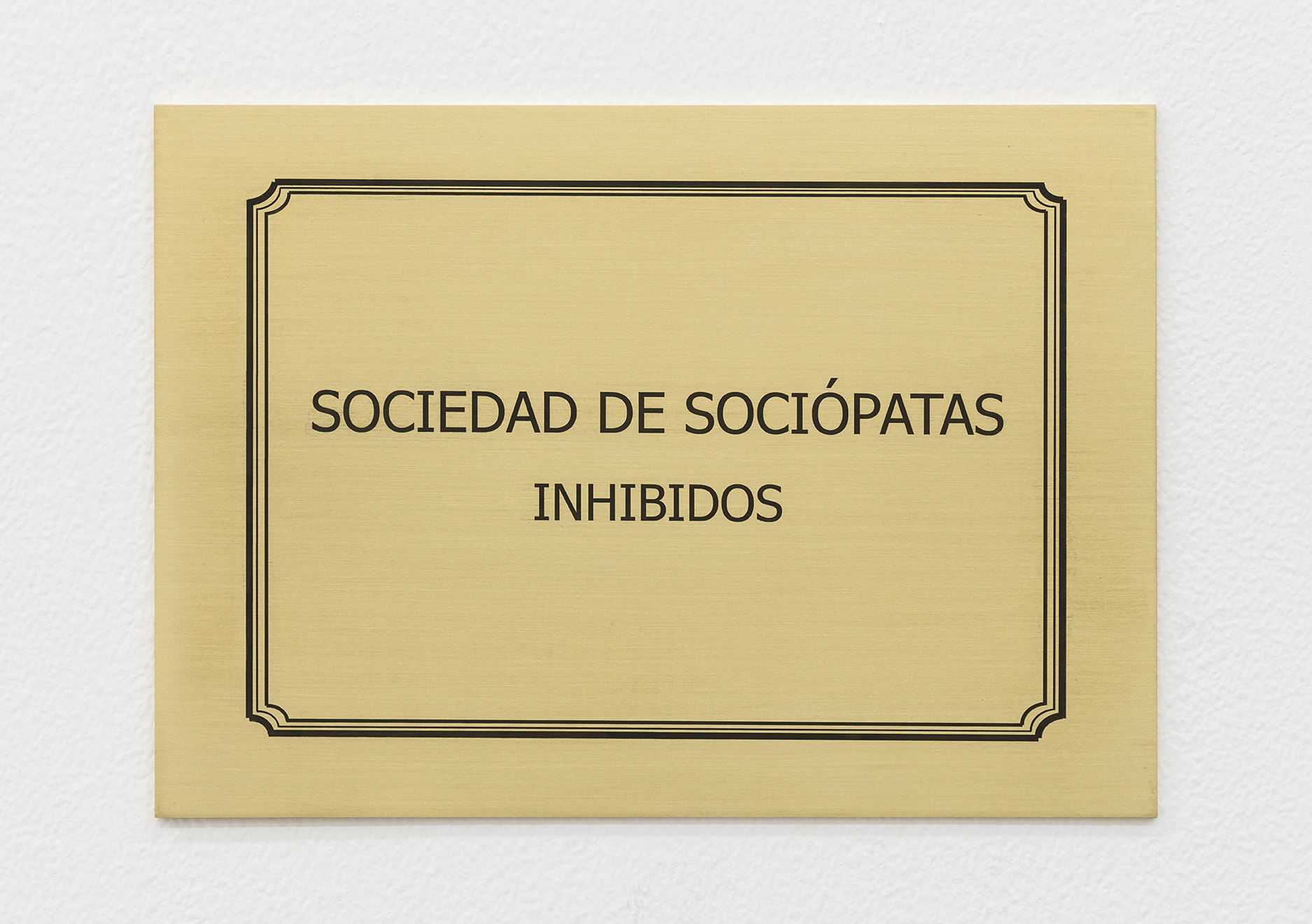
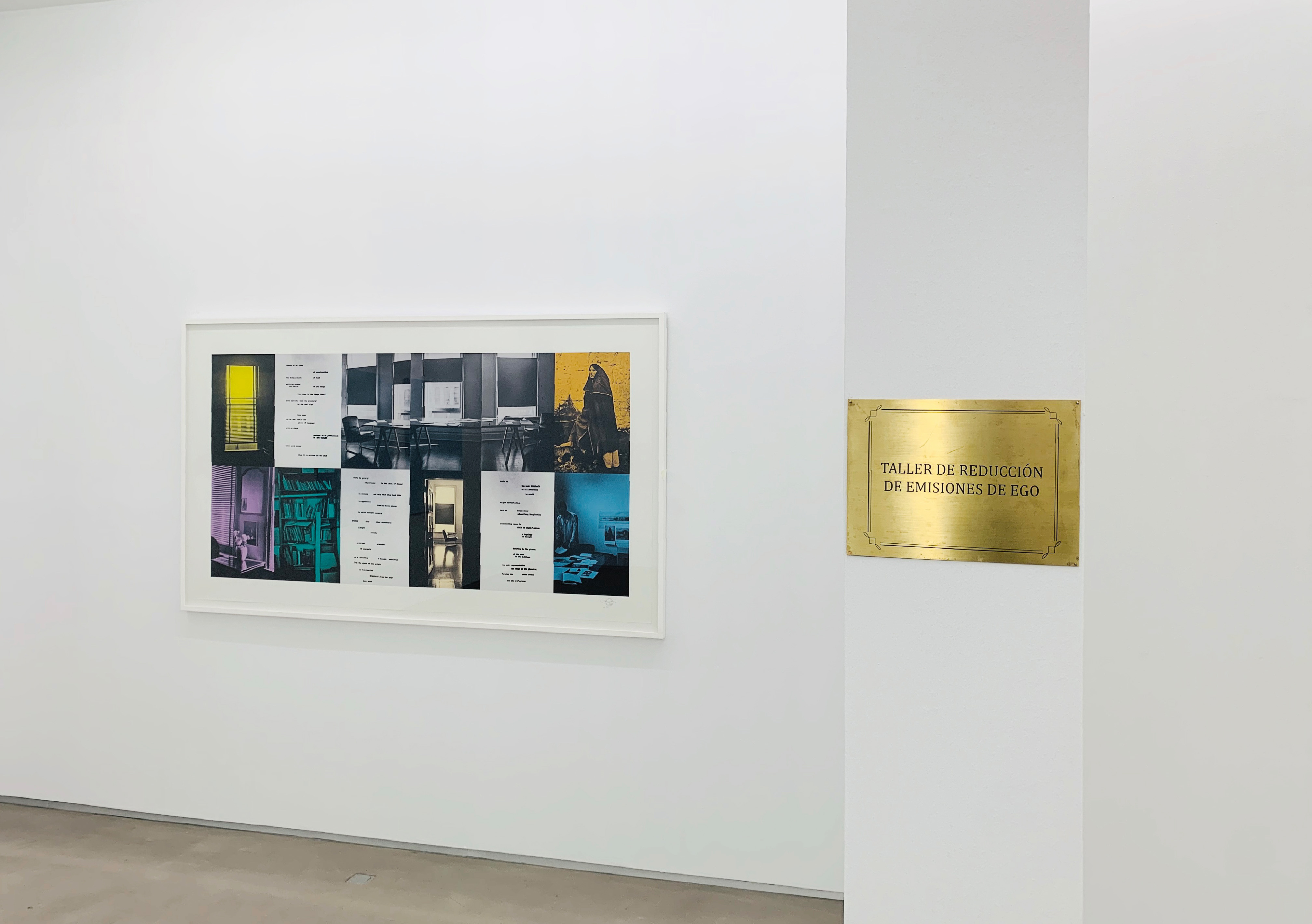
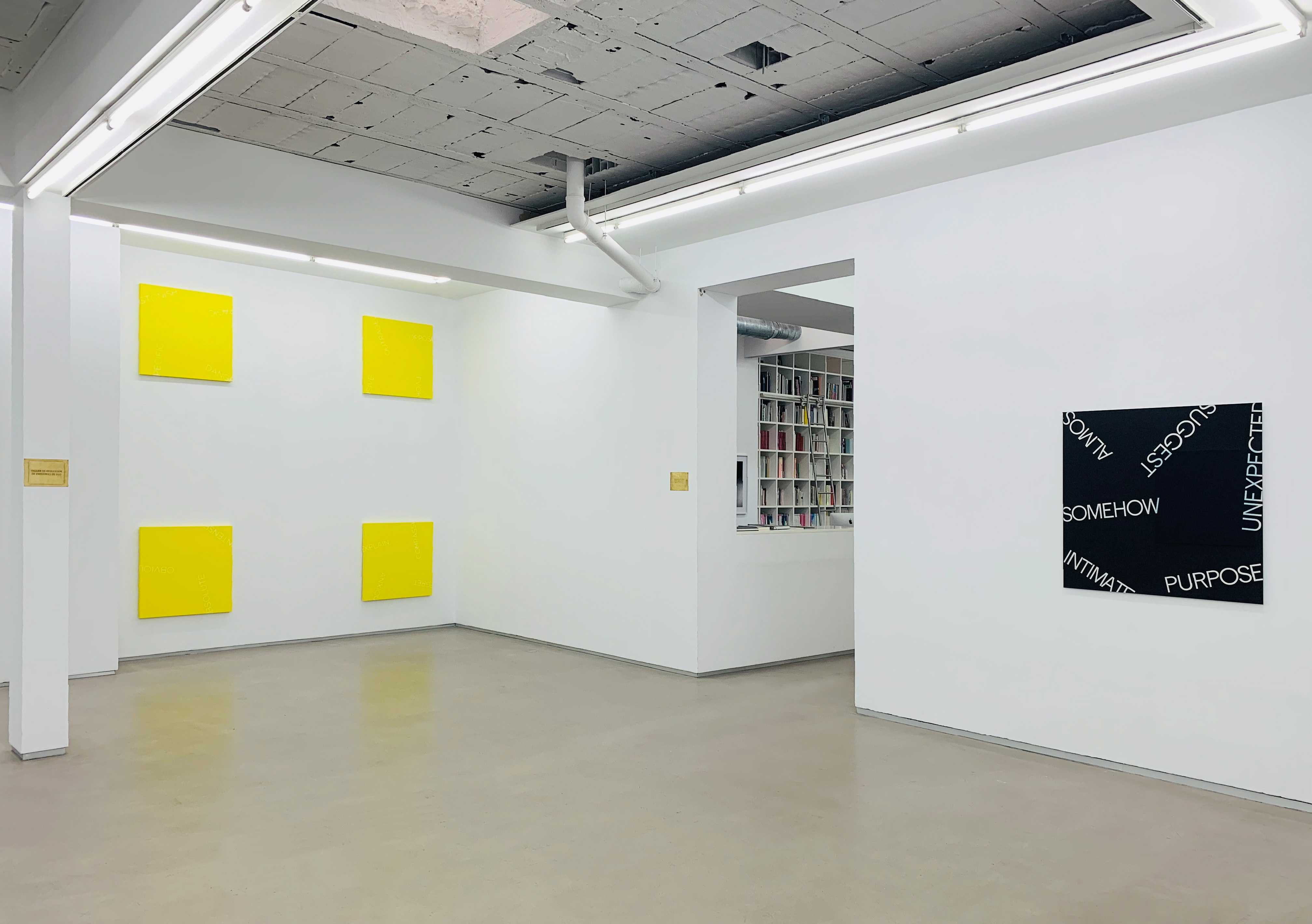
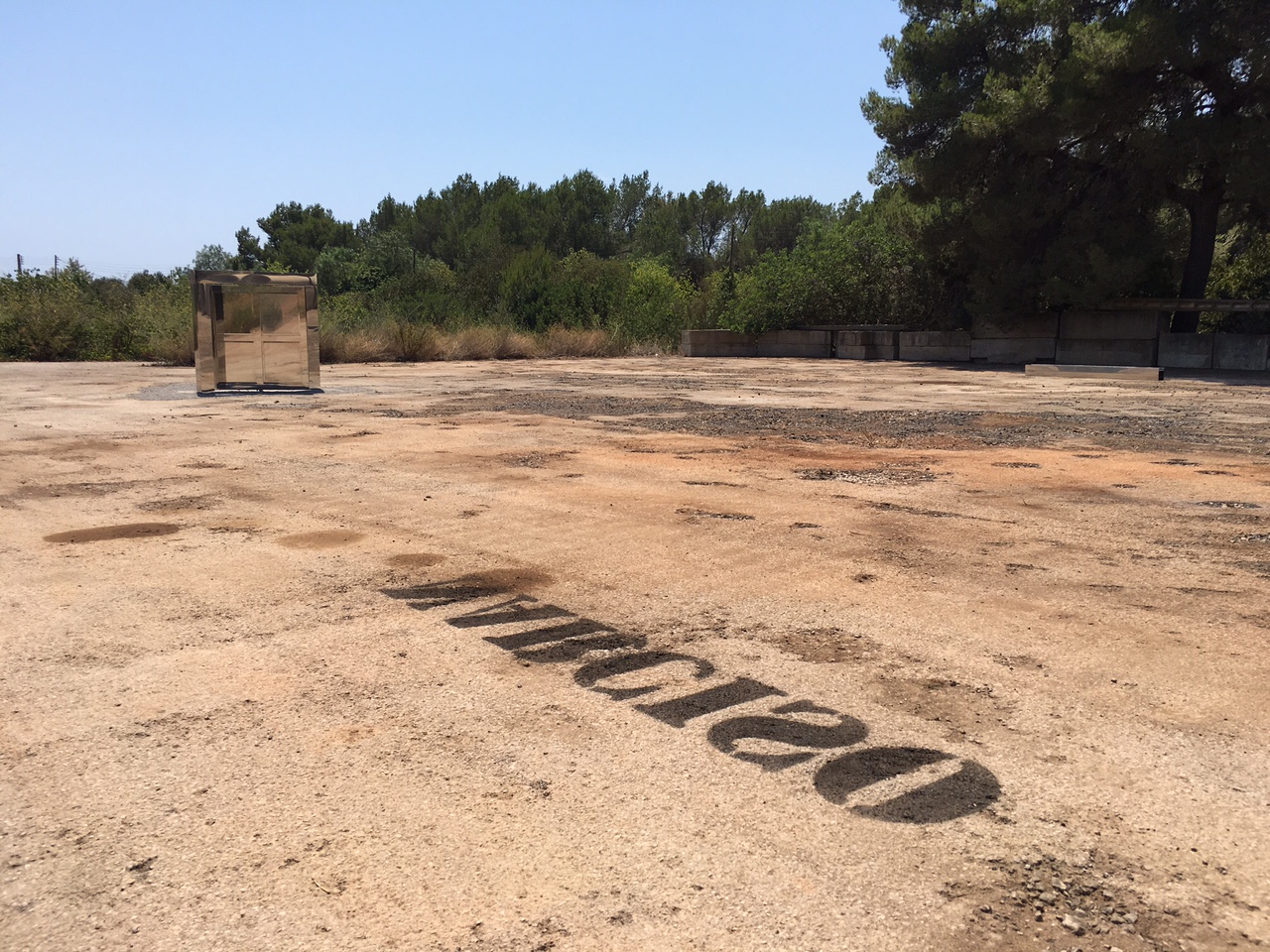
Luis Camnitzer can be considered one of the most relevant conceptual artists of the second half of the 20th century. Promoter of critical thinking in art and of the artistic education system, his artwork explores subjects such as social injustice, repression and institutional critique. Language and irony are fundamental in Camnitzer’s work. In the installation presented, the three-dimensional and sculptural shapes are reduced to the evocative power of language. This kind of works is a transition from his text-based works of the 60s to his main installations of the 70s. With the election of the noun “Narciso” the artist thinks about the trivialization of the language. In Camnitzer words “Narciso changed from a mythological character to a psychological description. It was applied to a relatively huge range of people that goes from the humble suburb psychopath to the ambitious sociopaths that govern or try to govern”
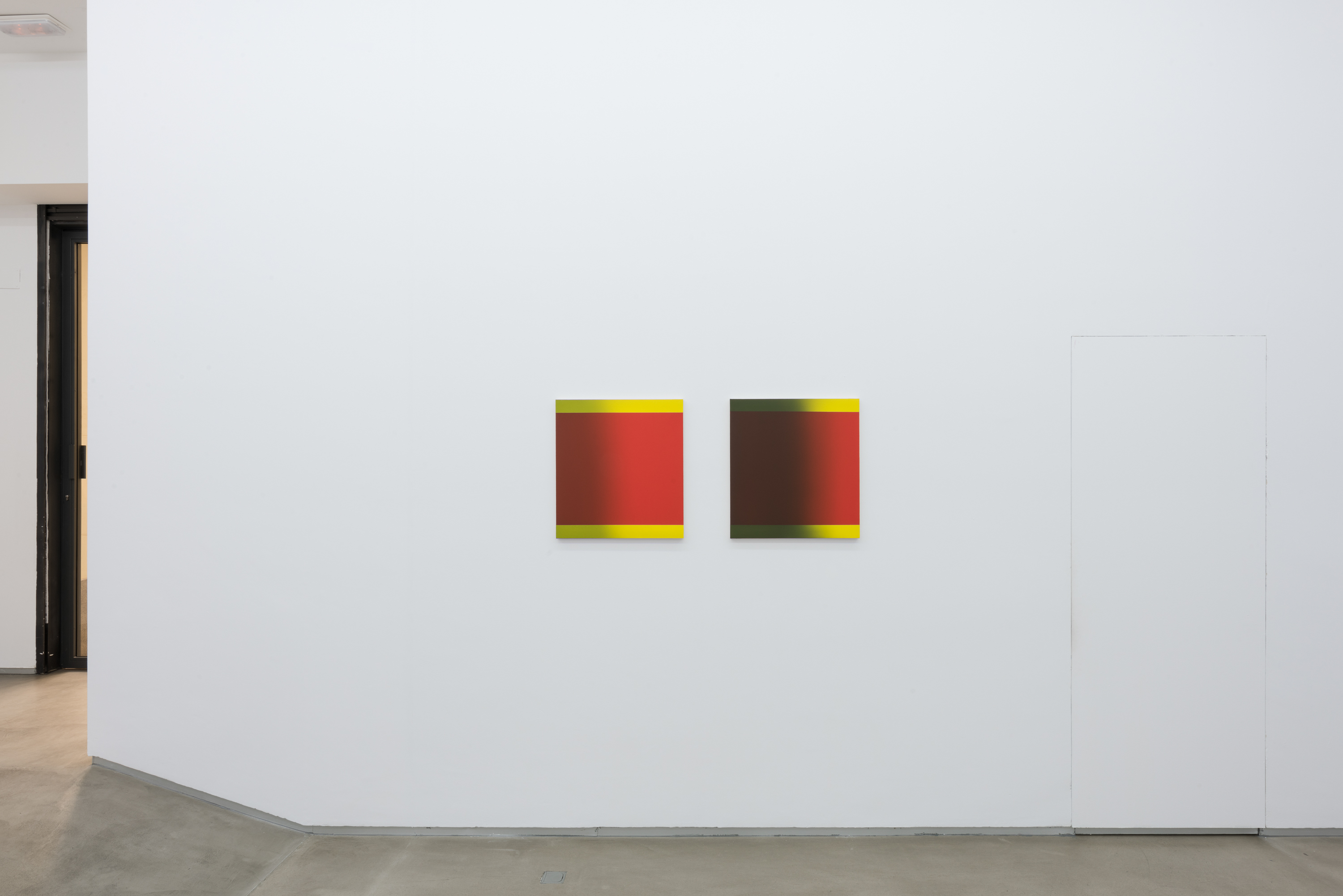
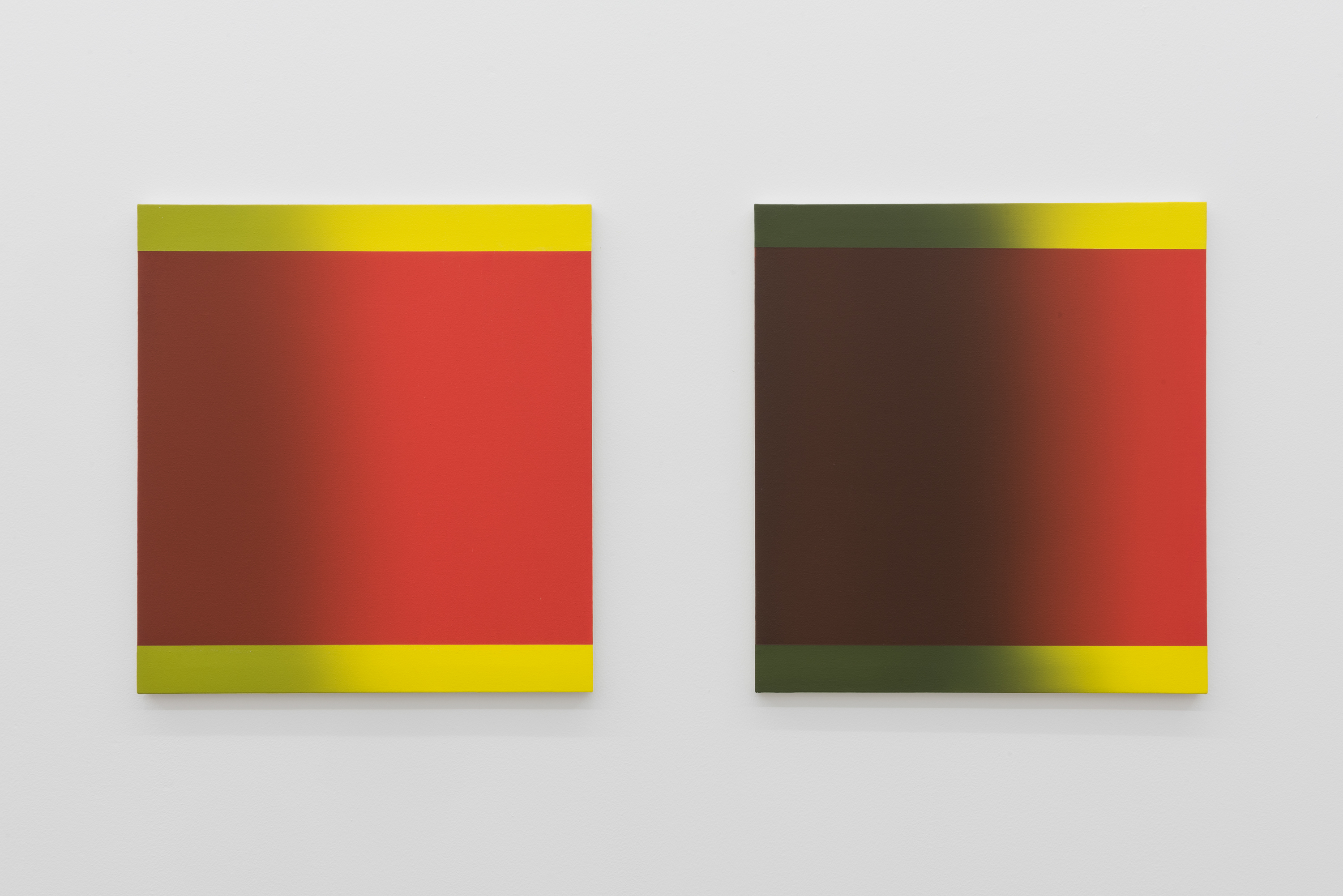
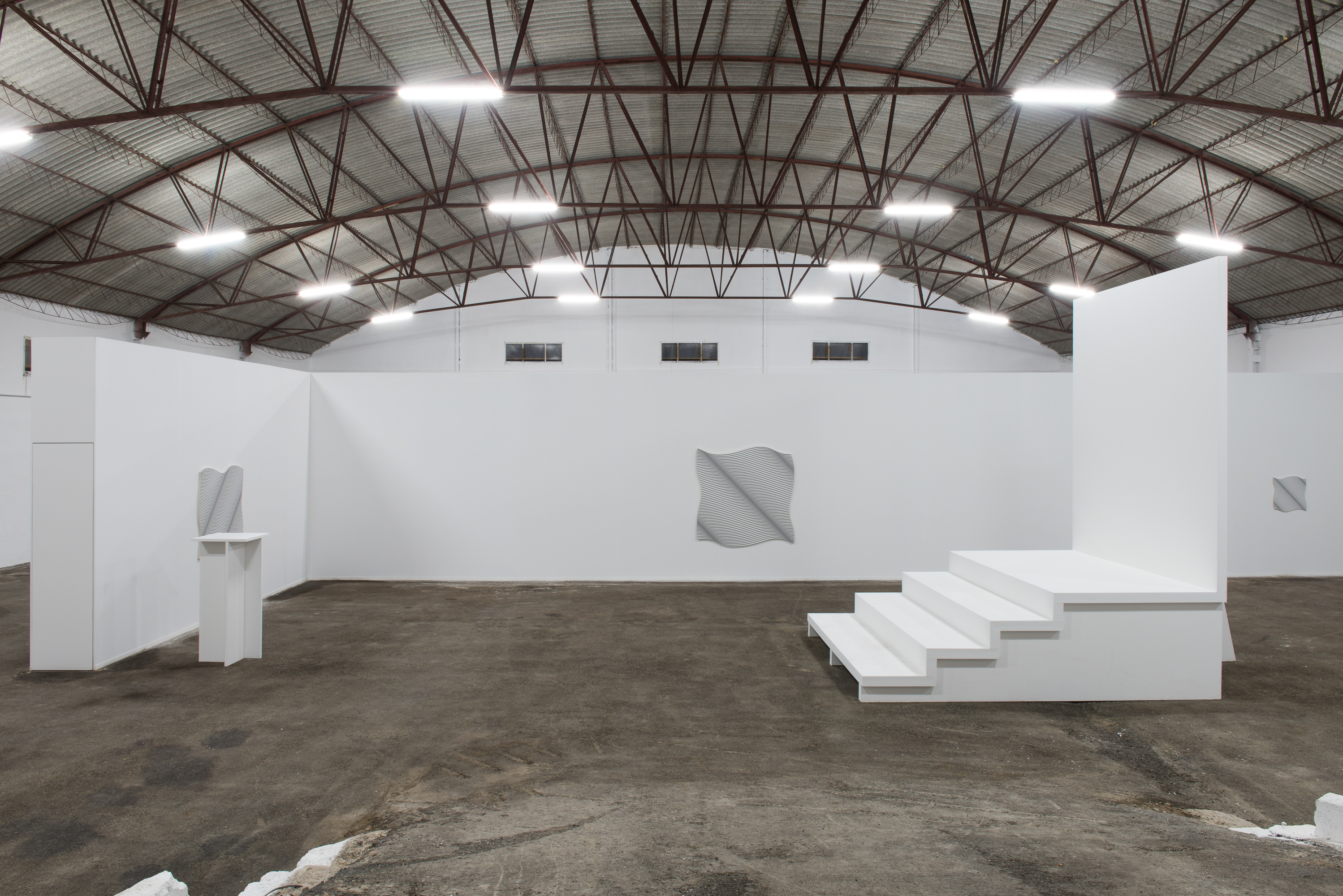
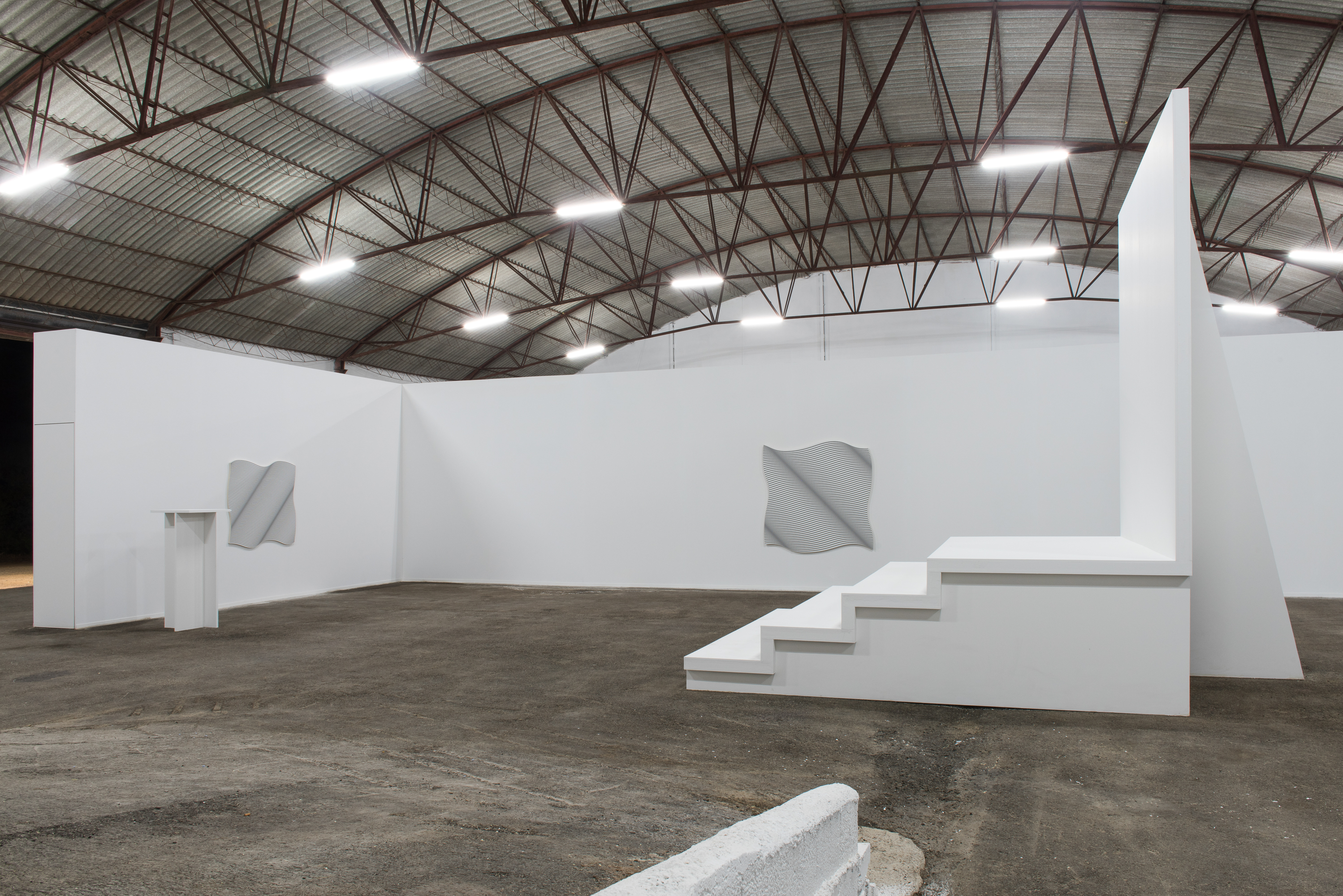
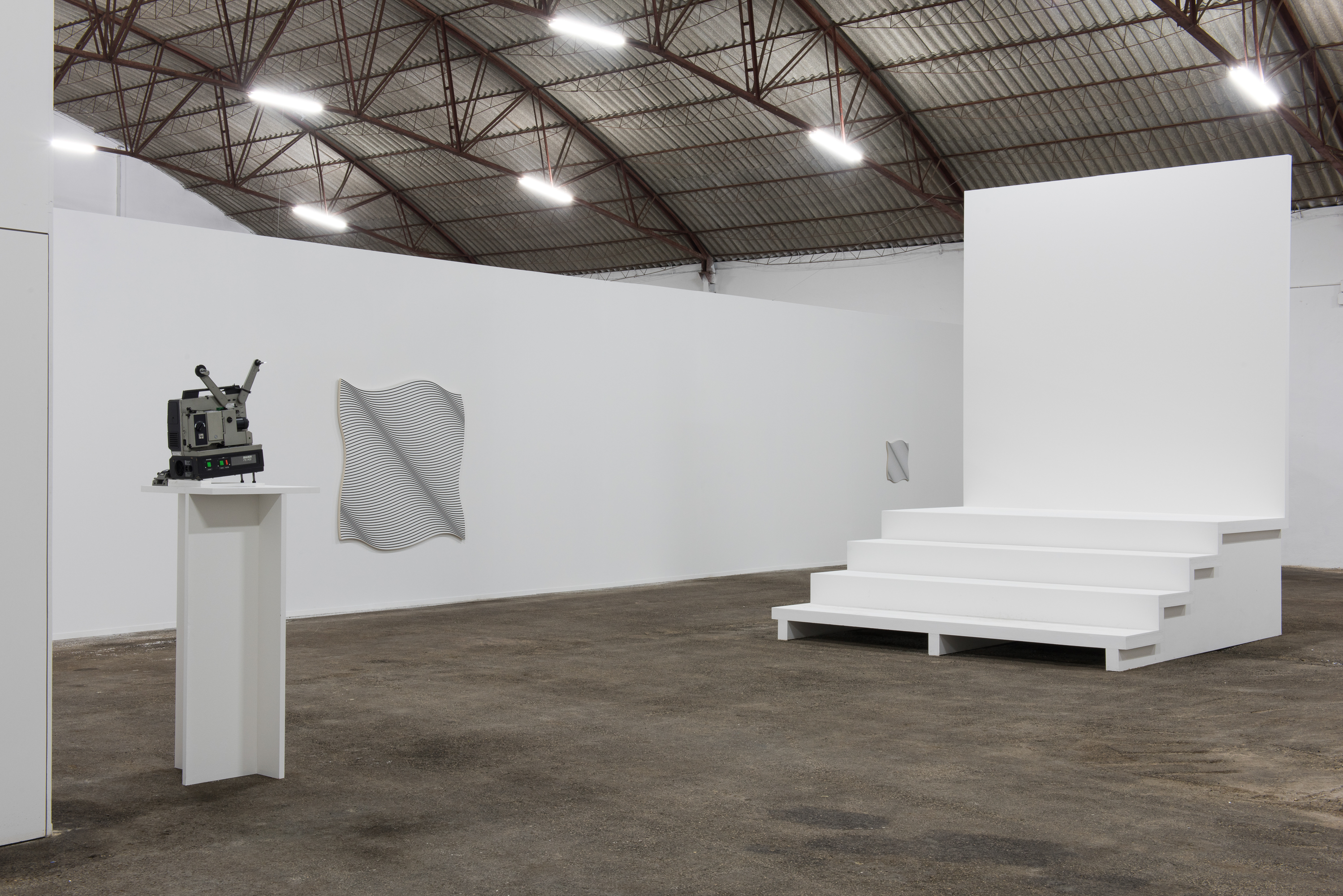
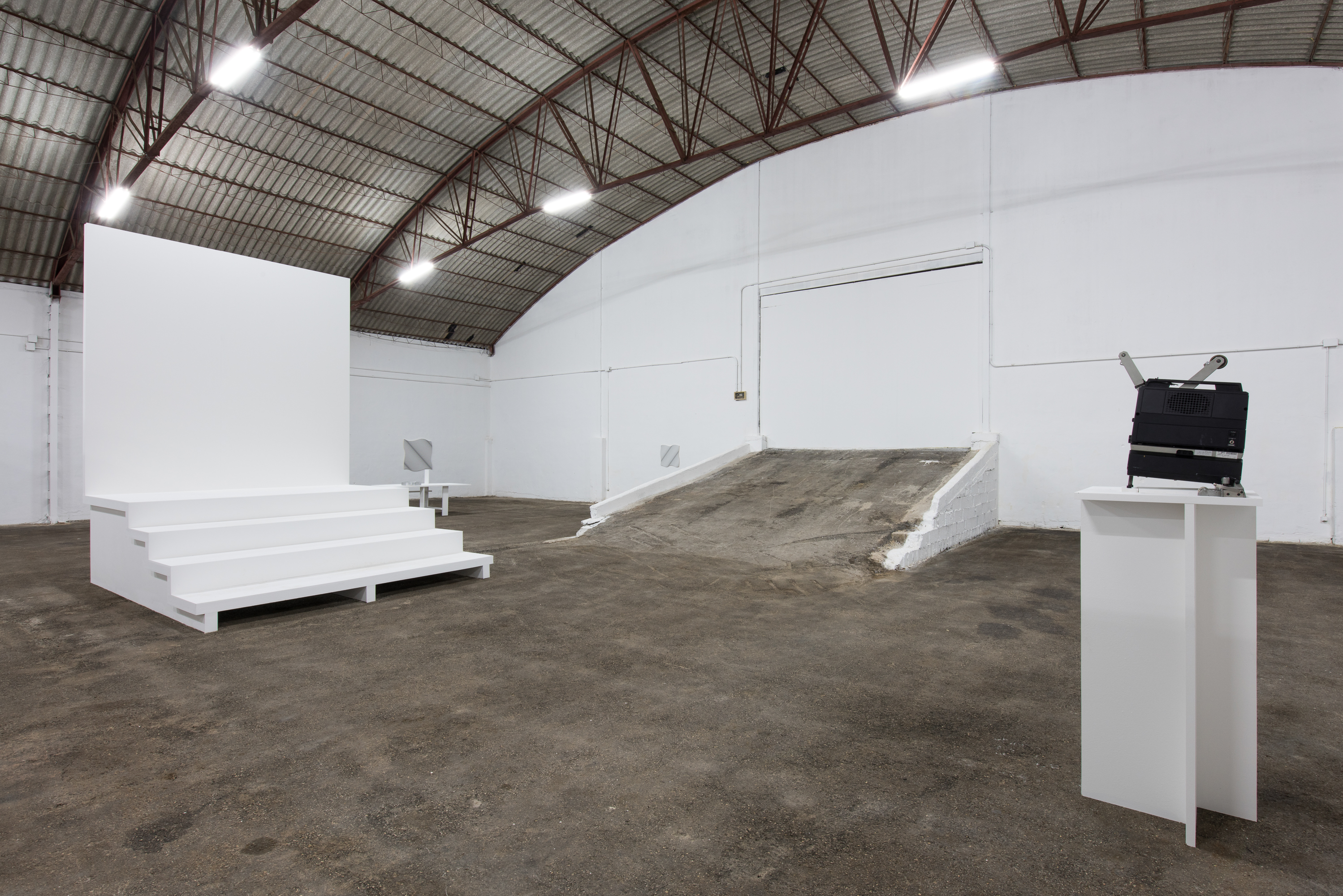
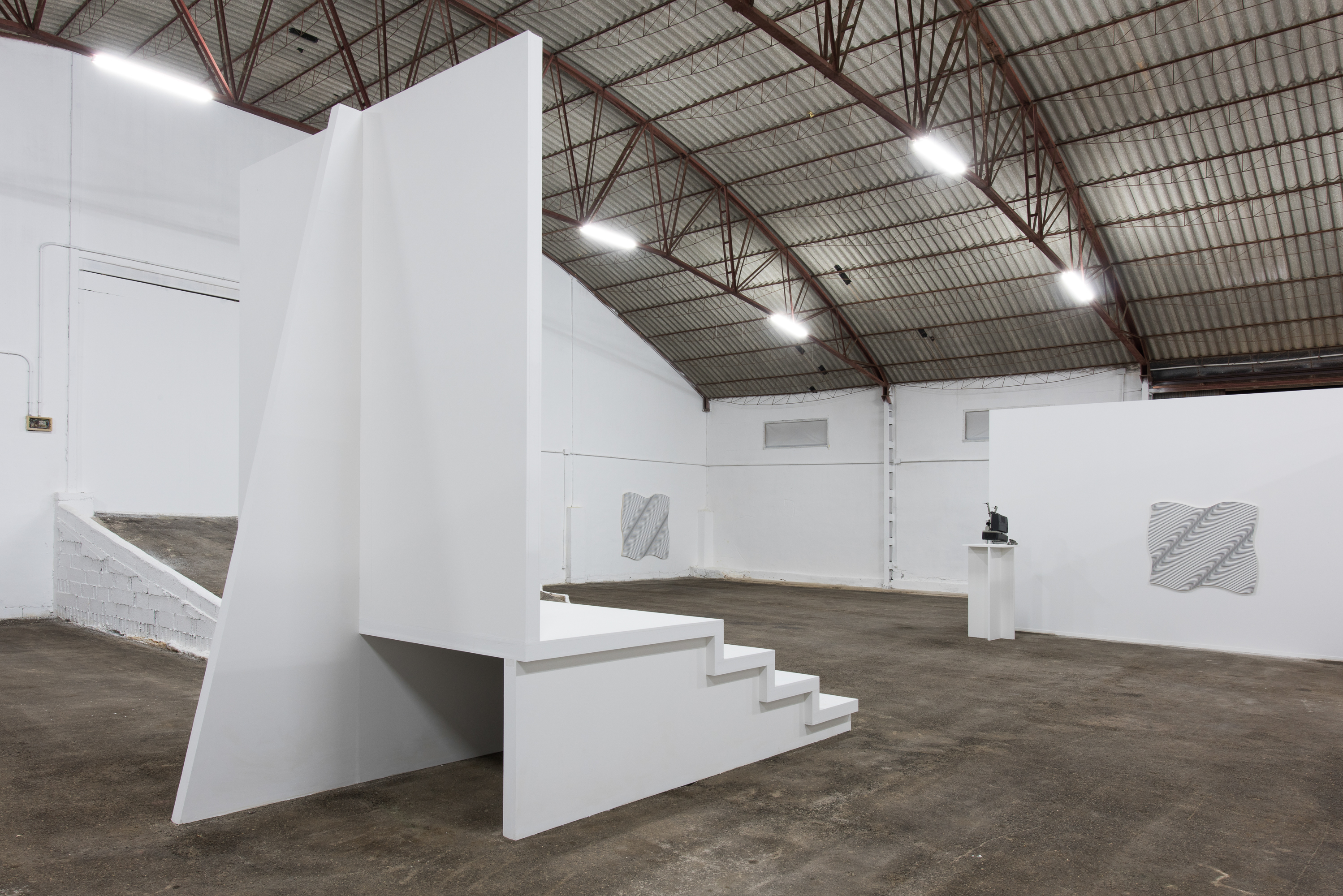
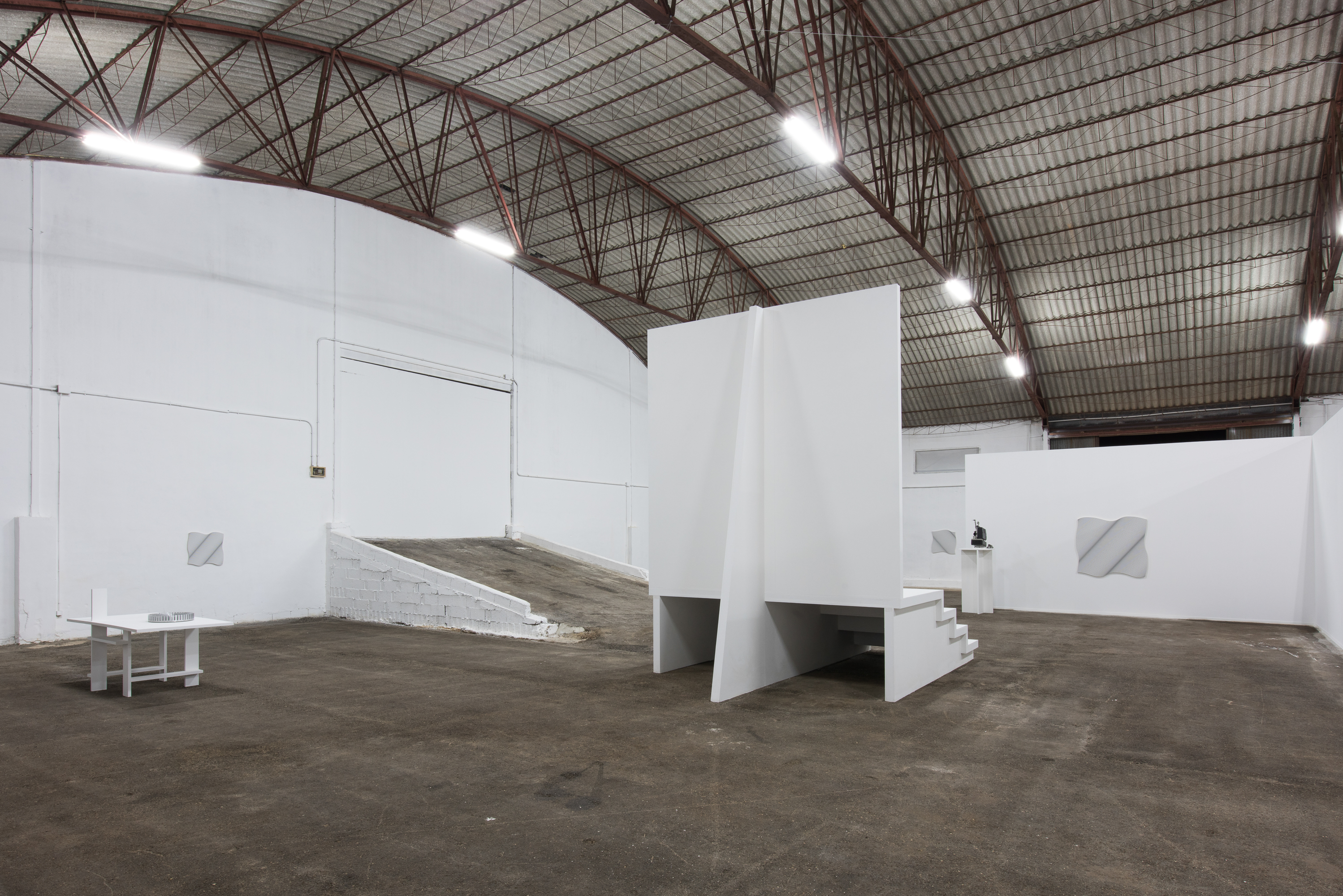
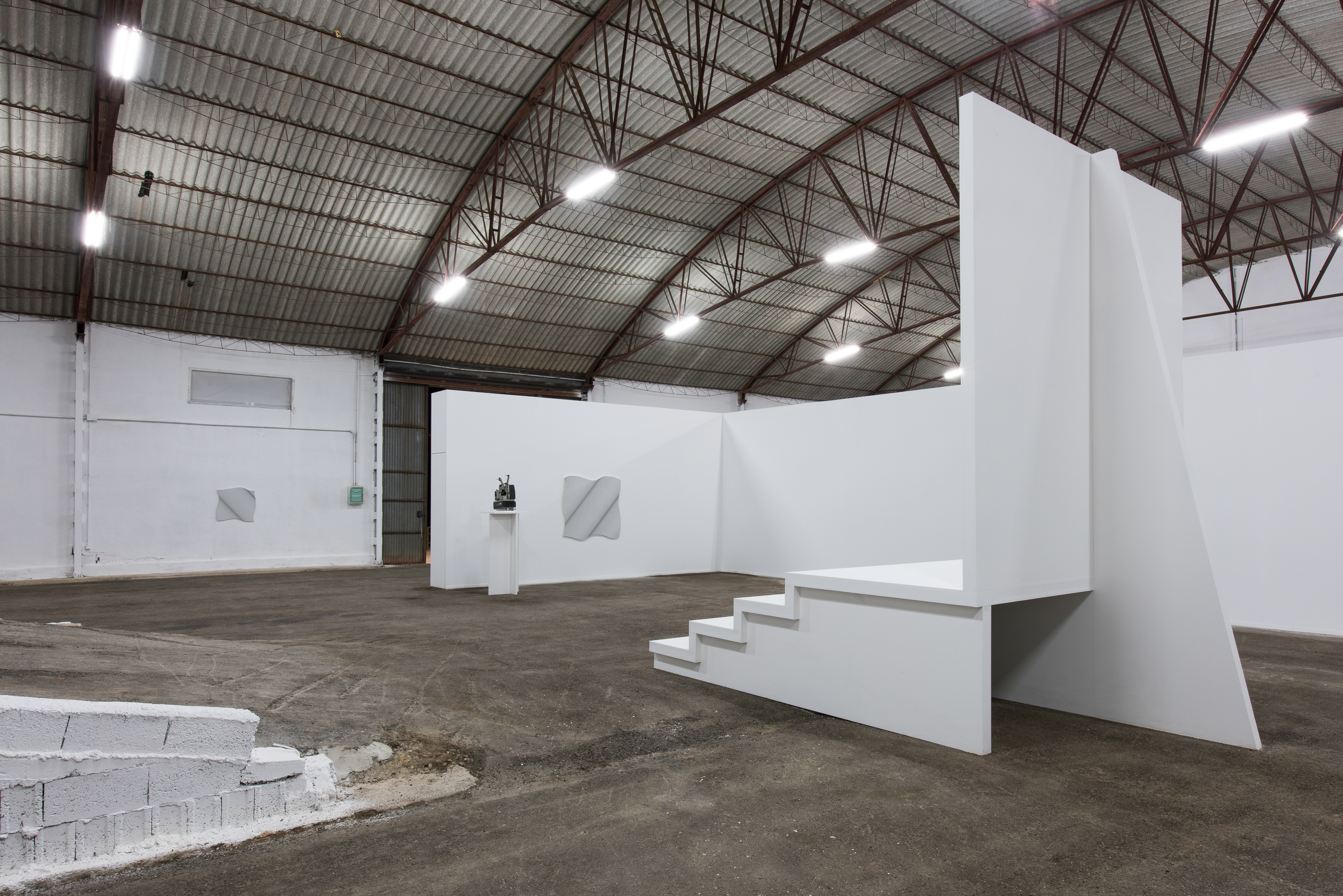
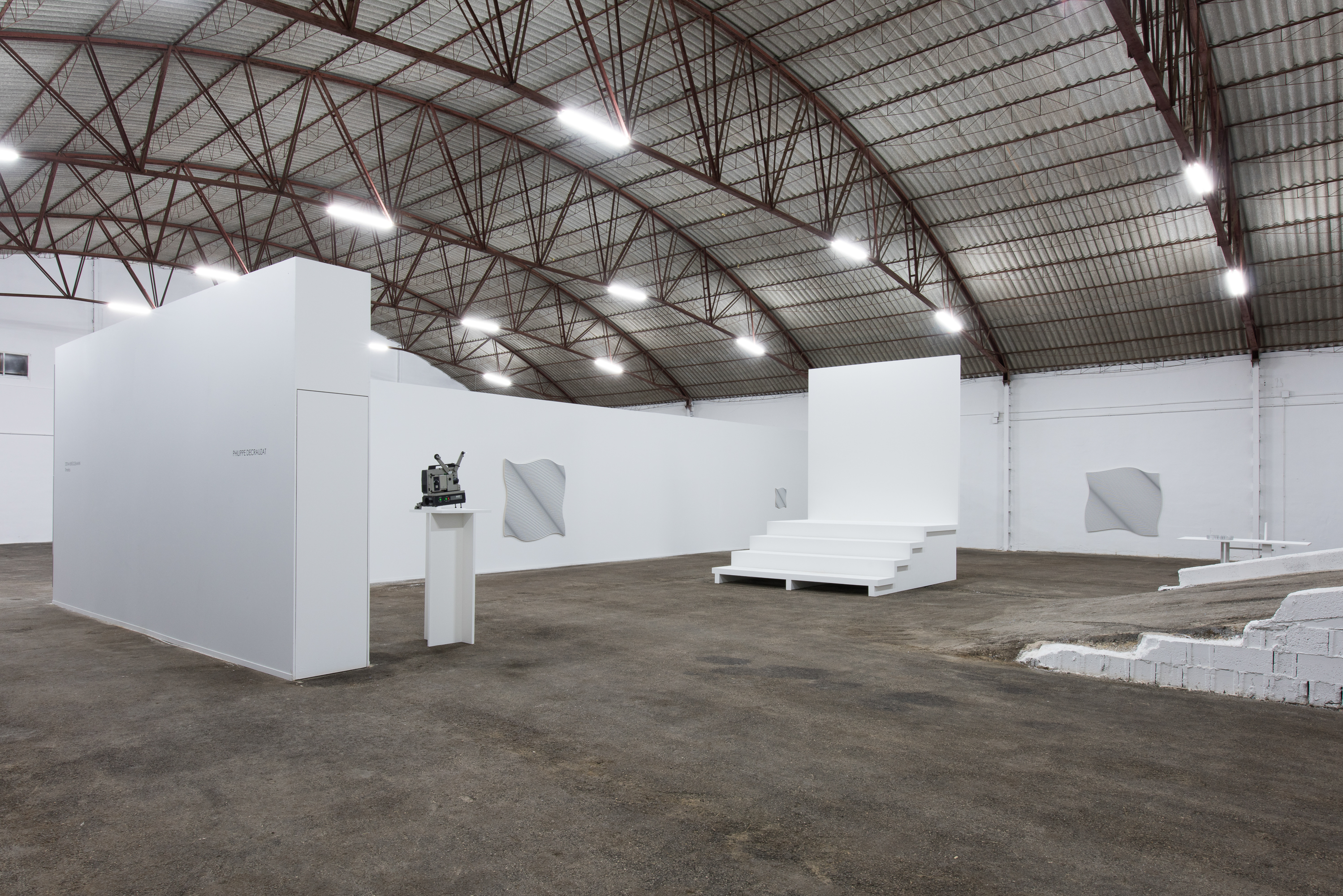
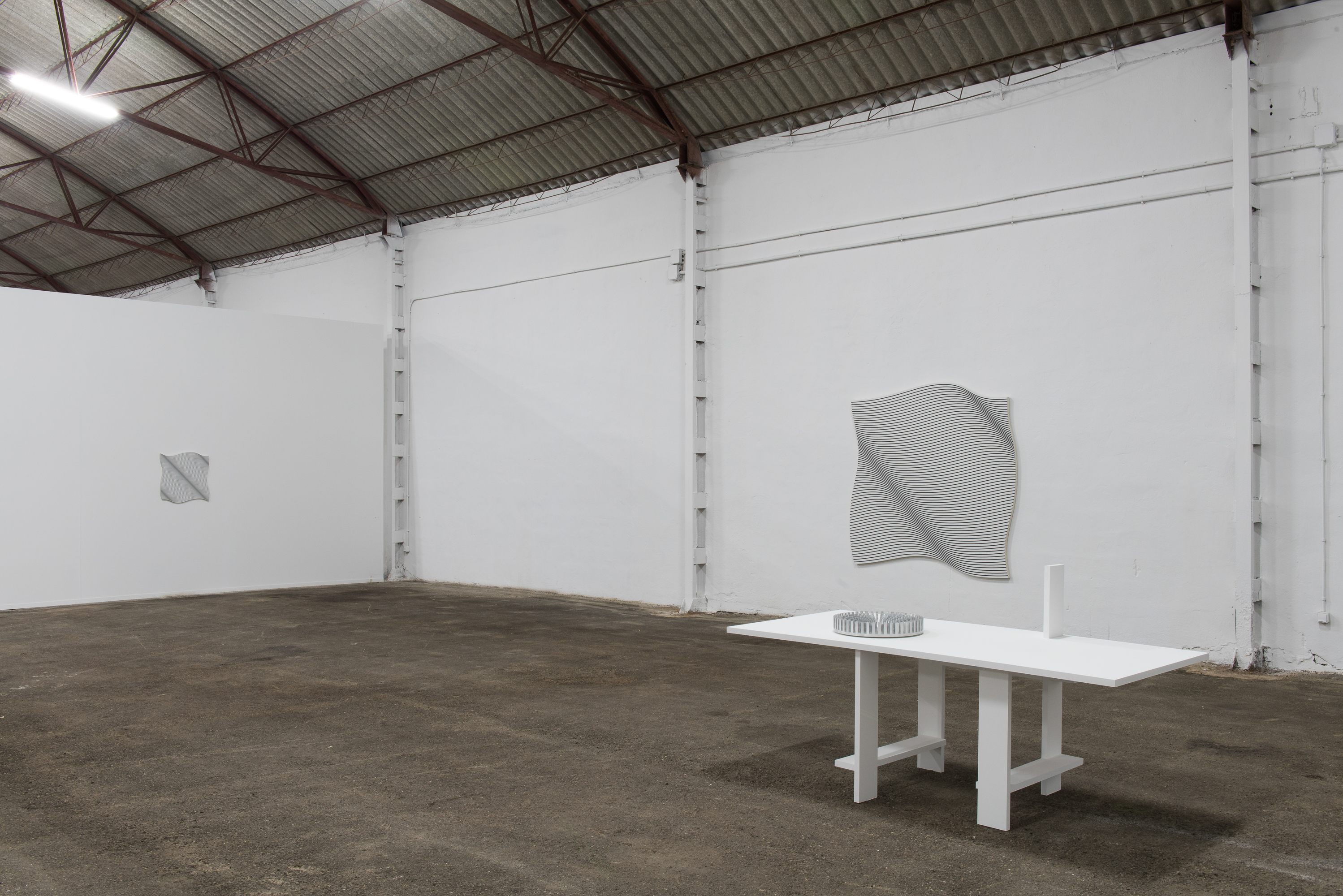
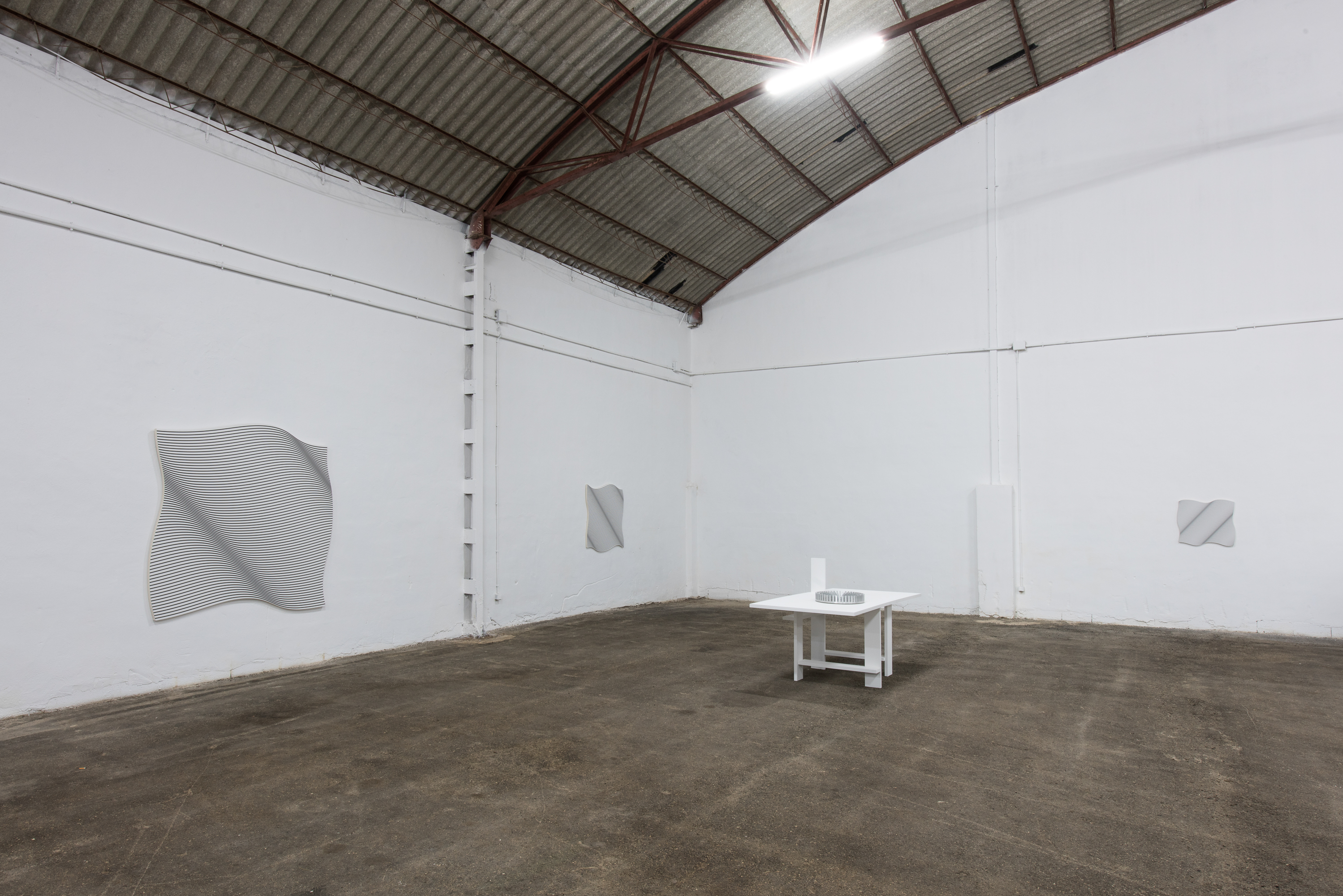
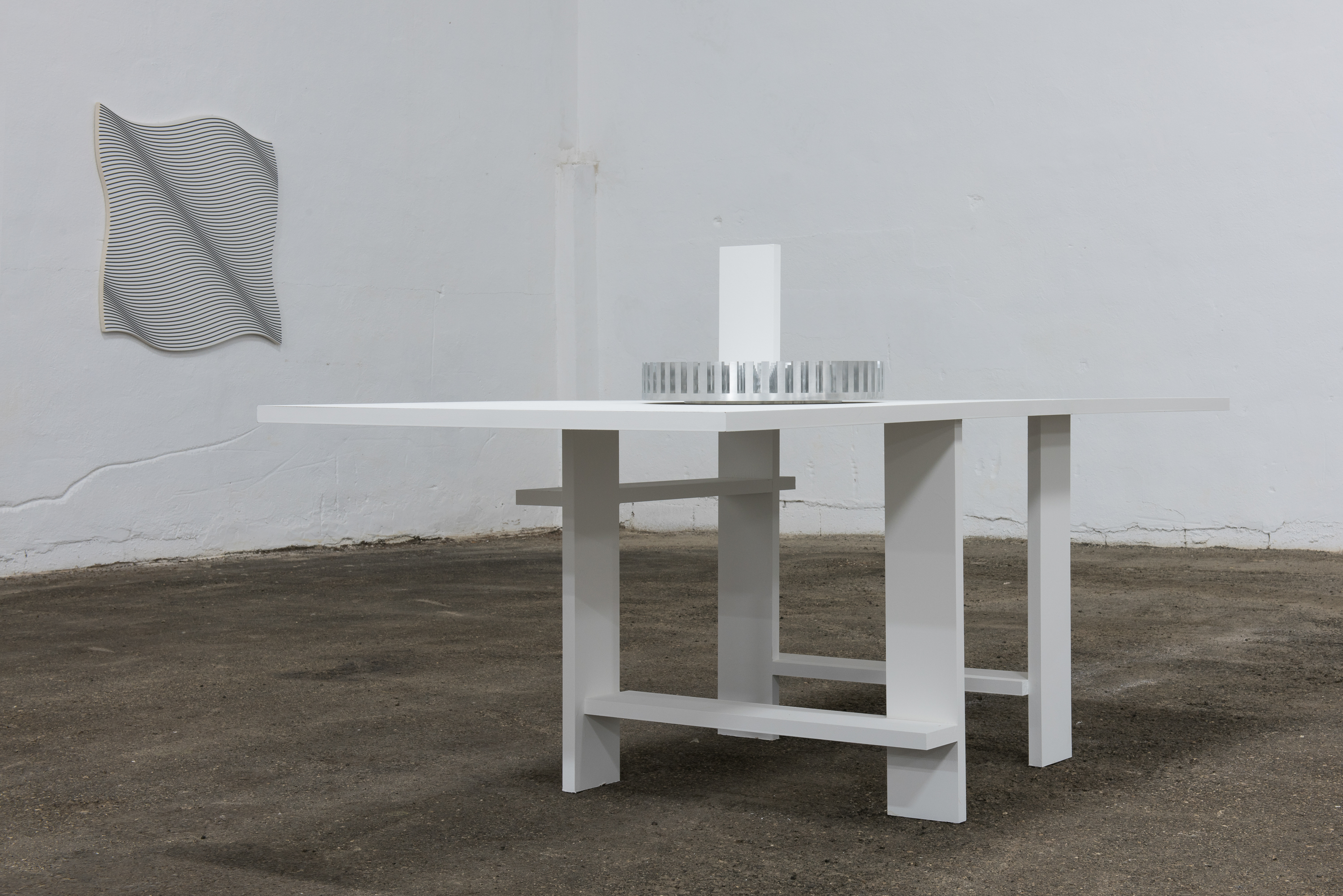
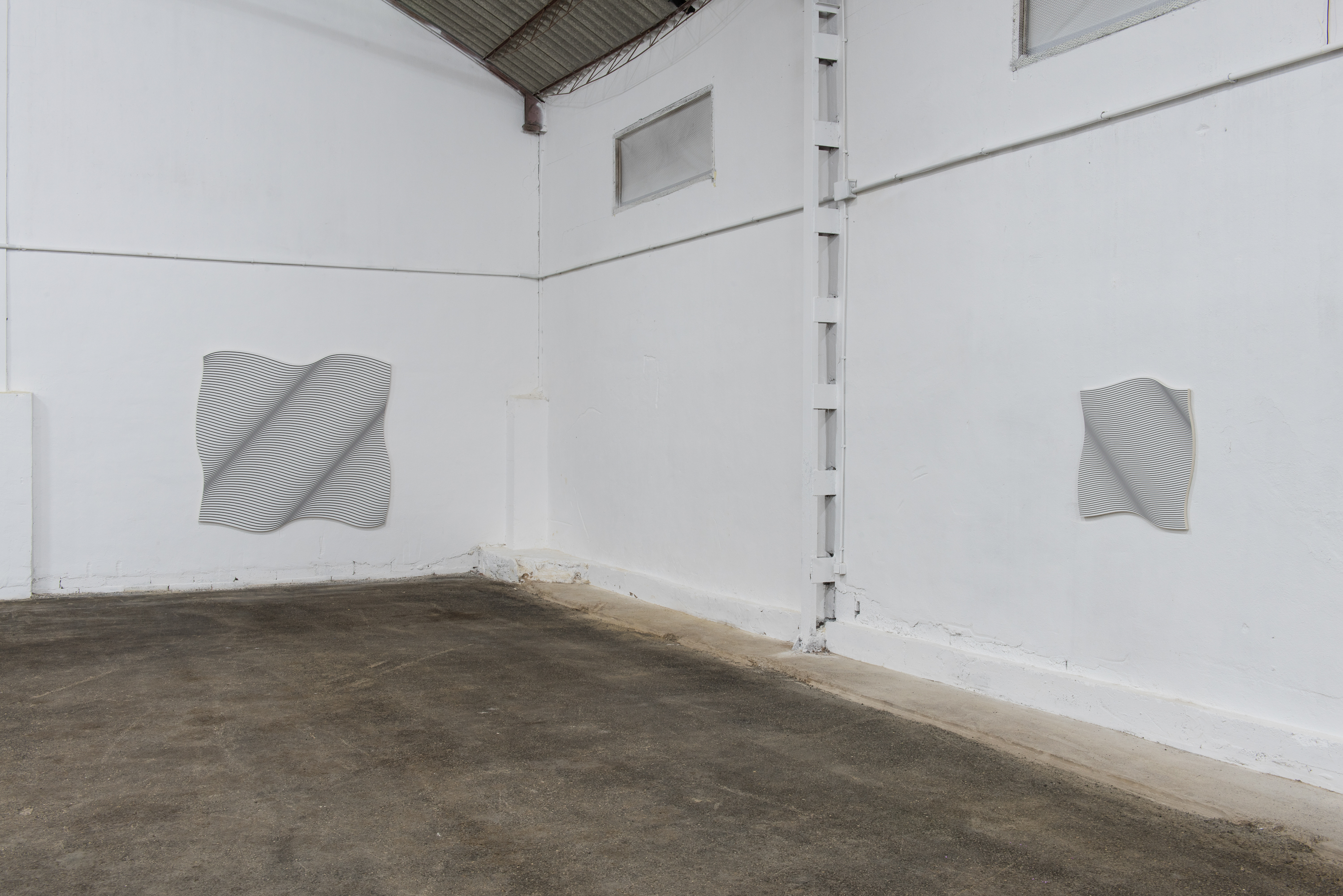
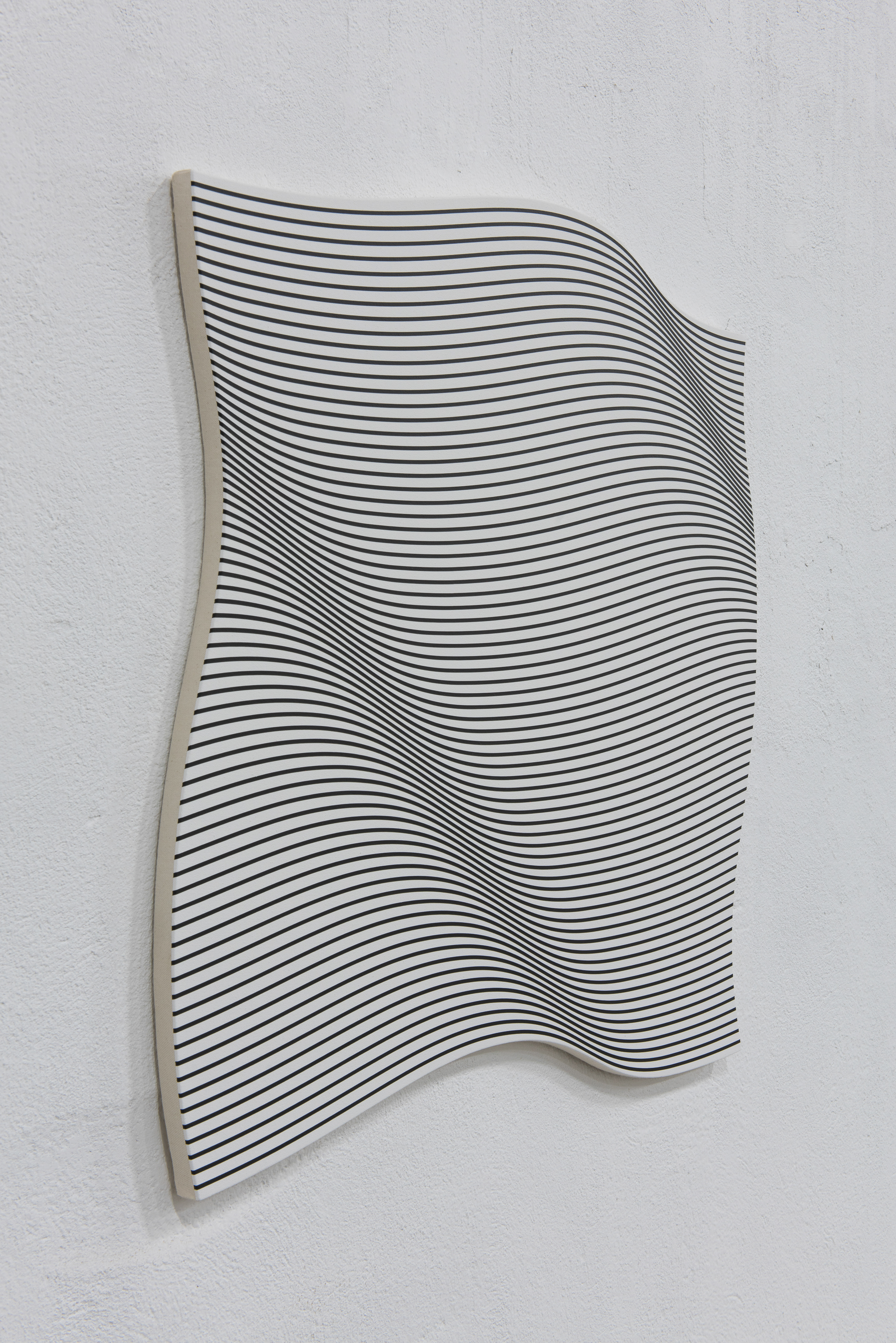
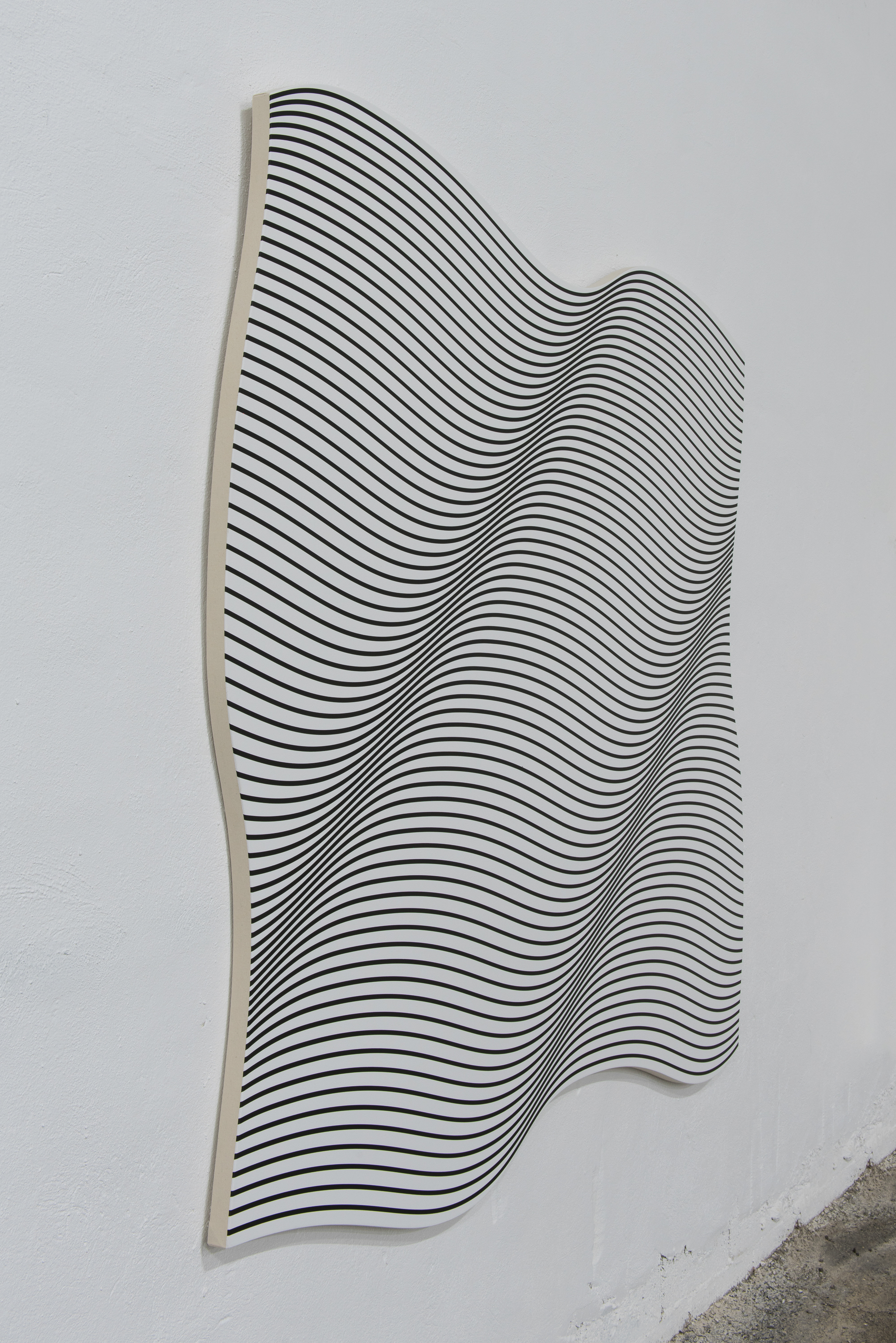
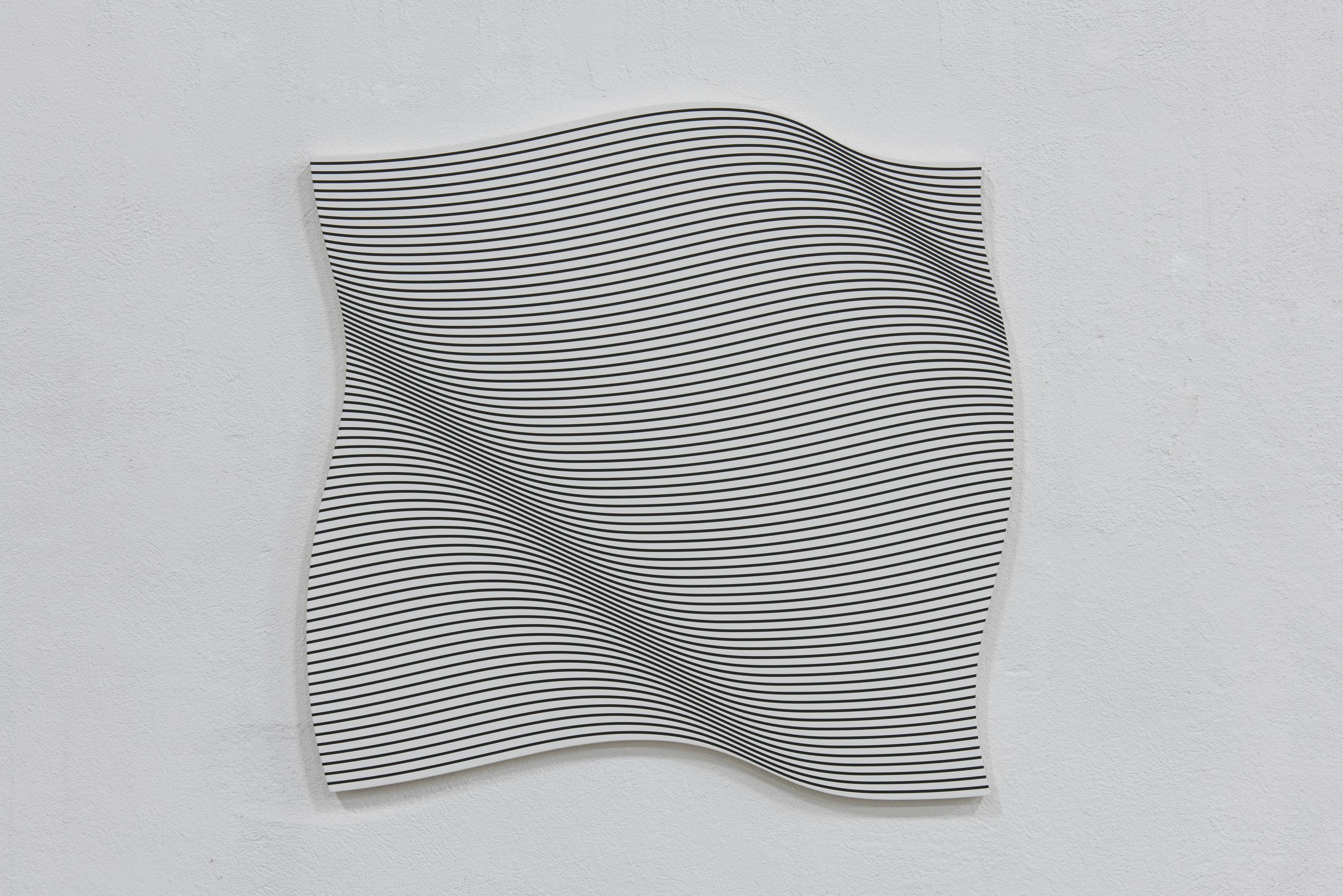
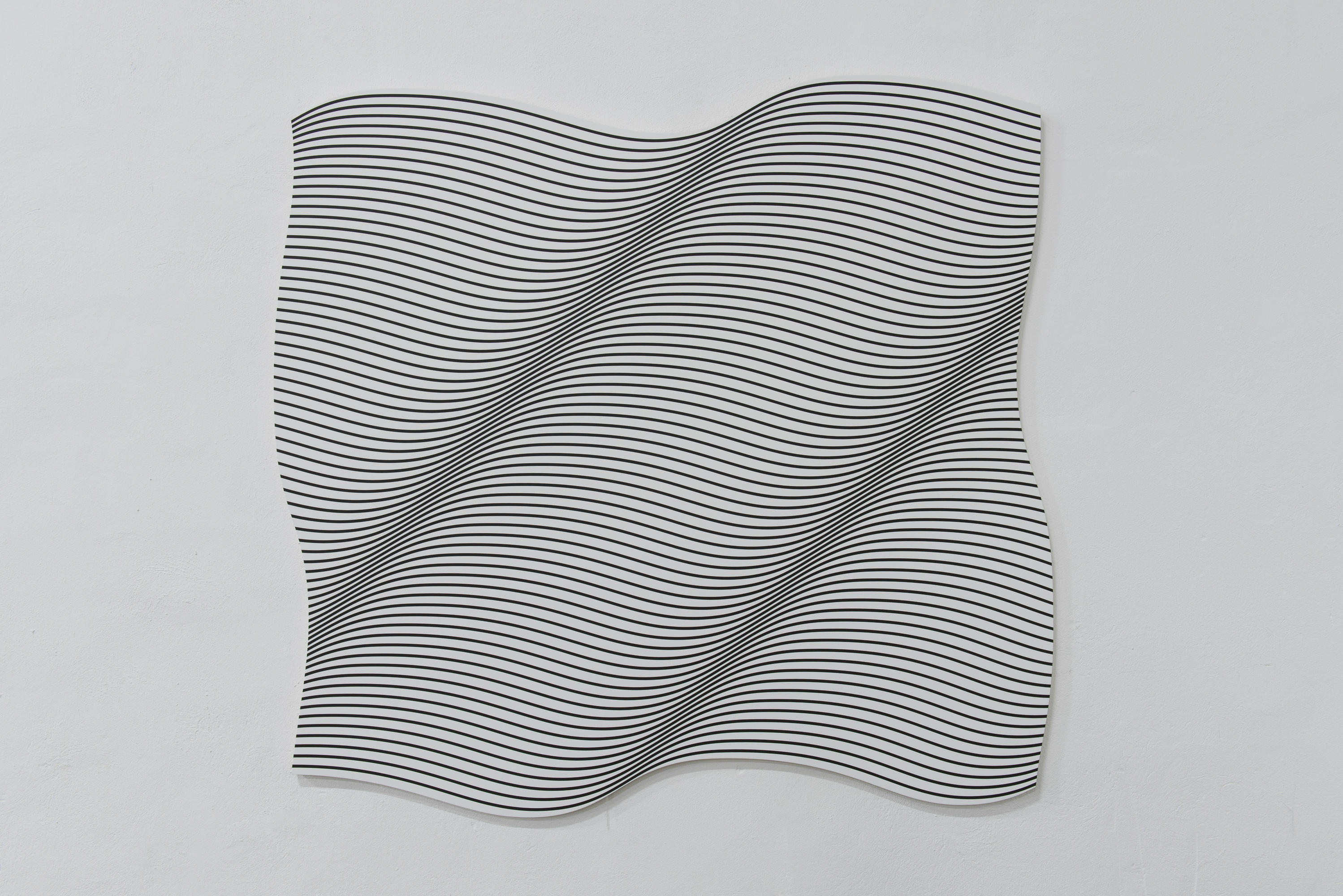
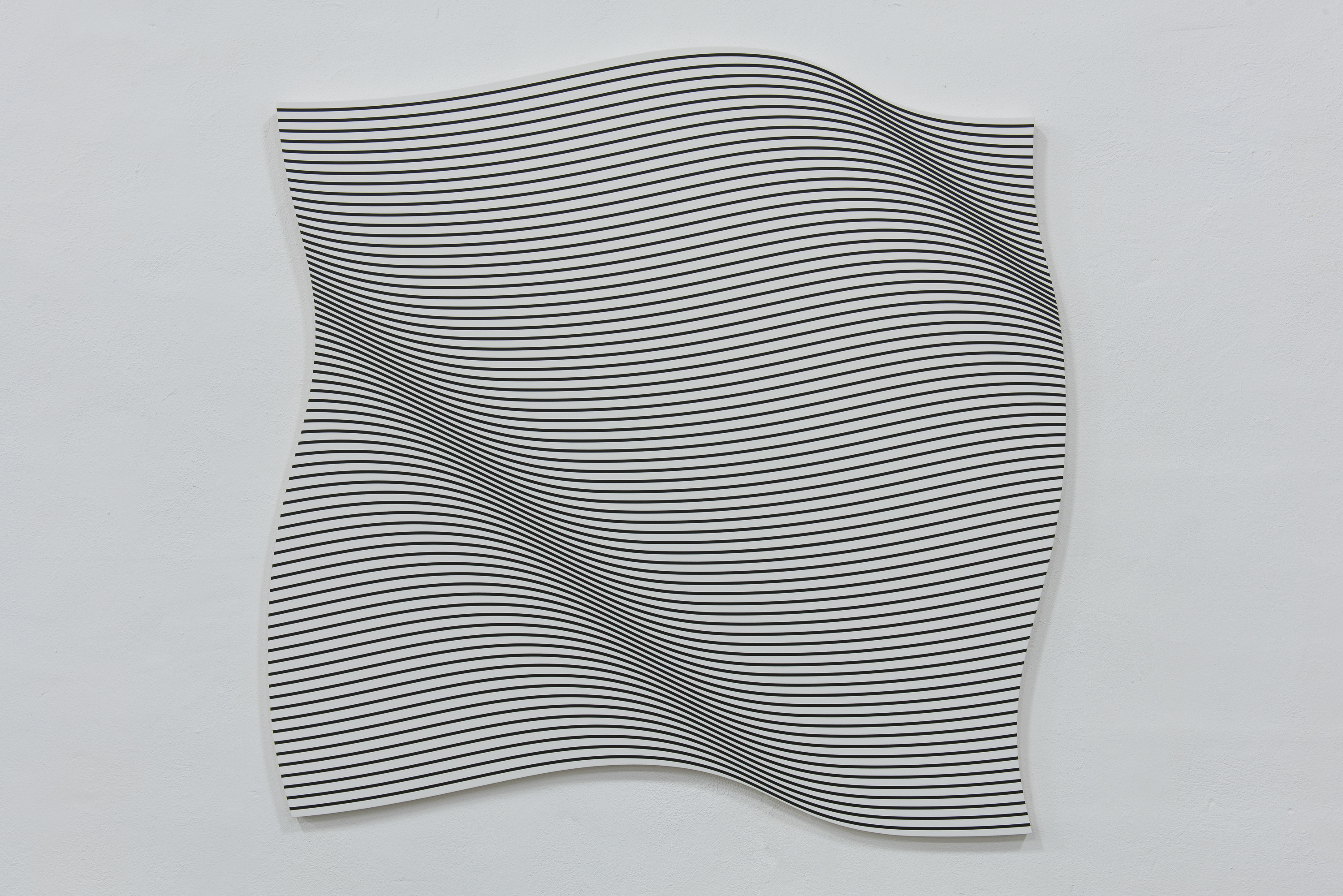
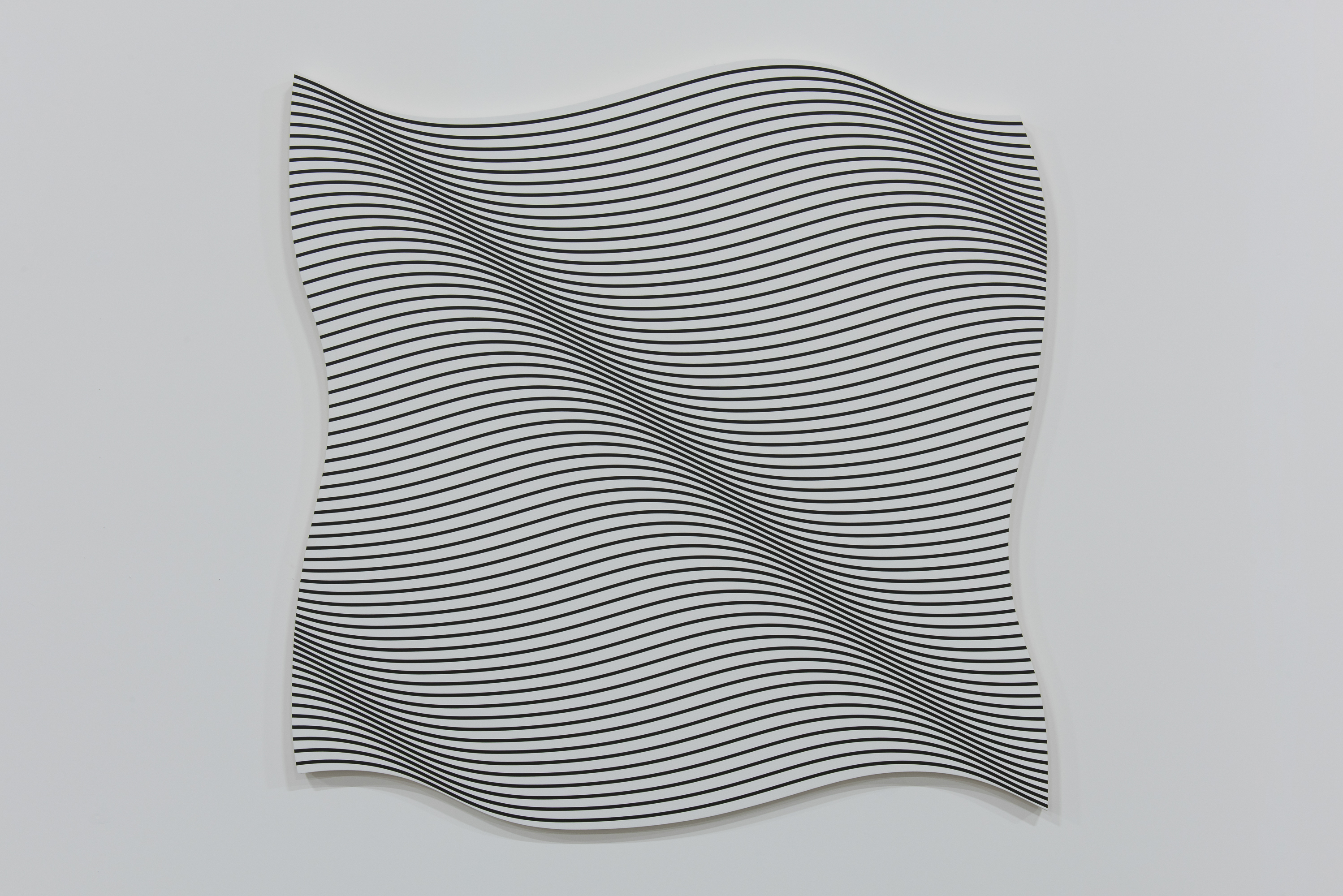
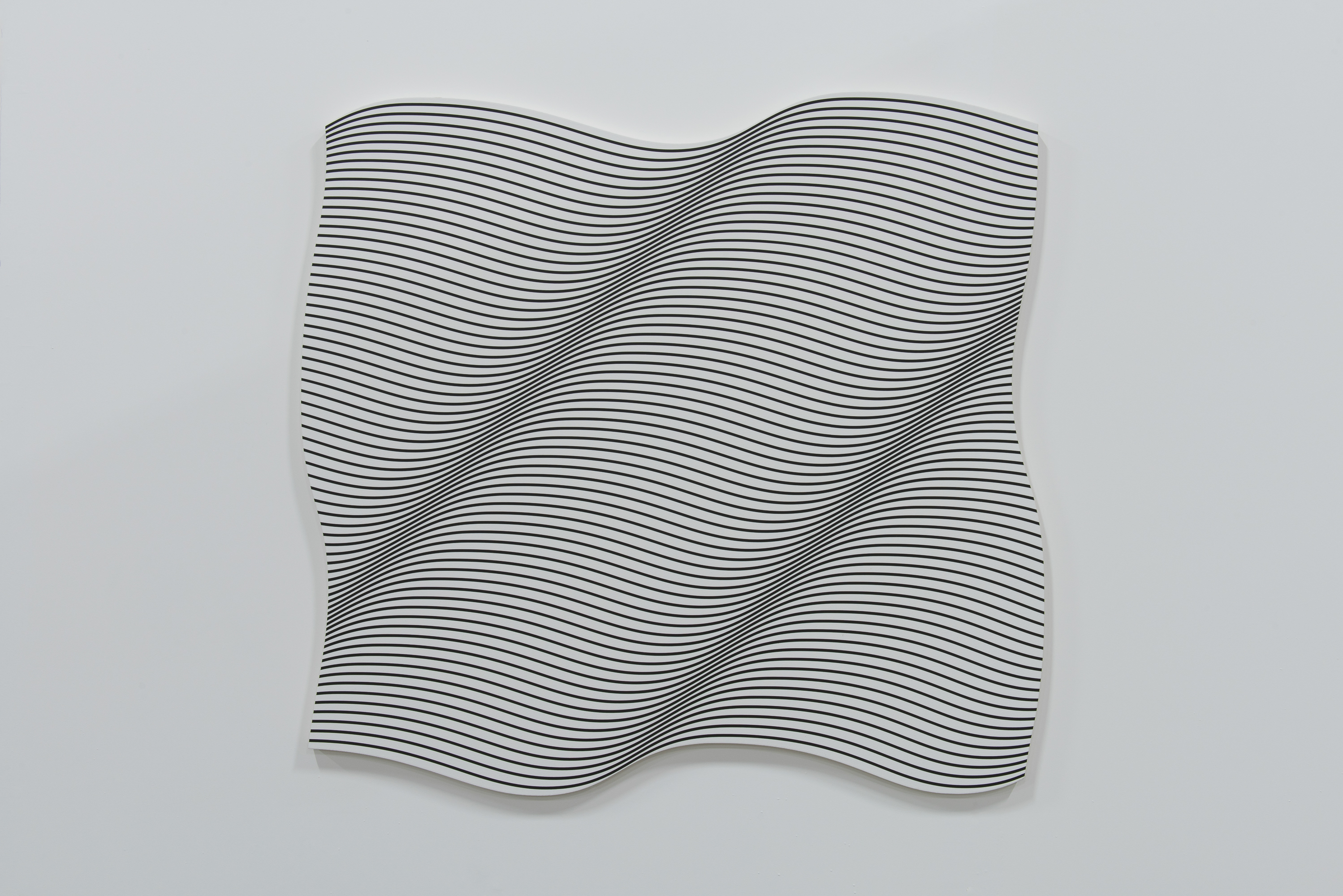
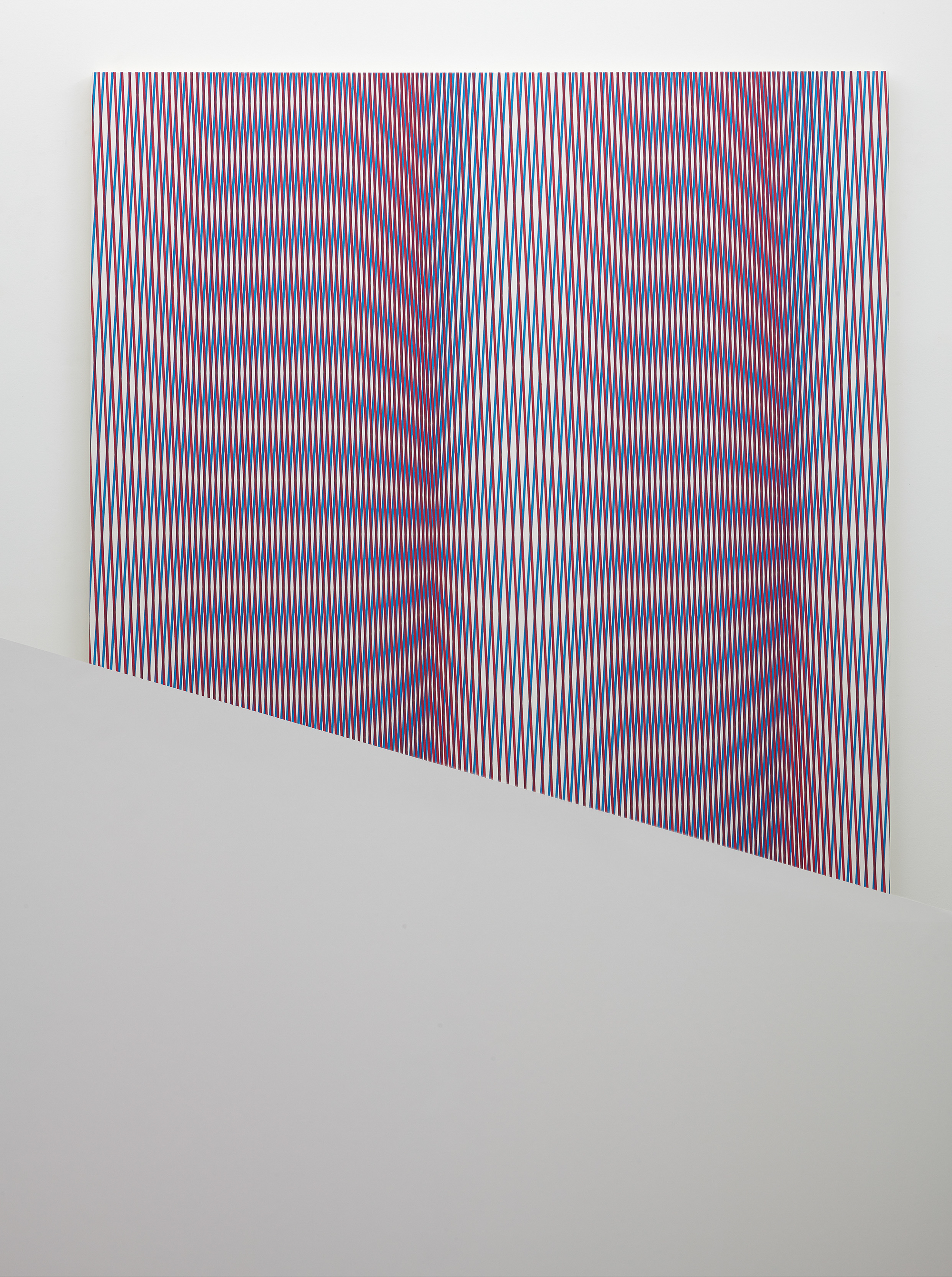
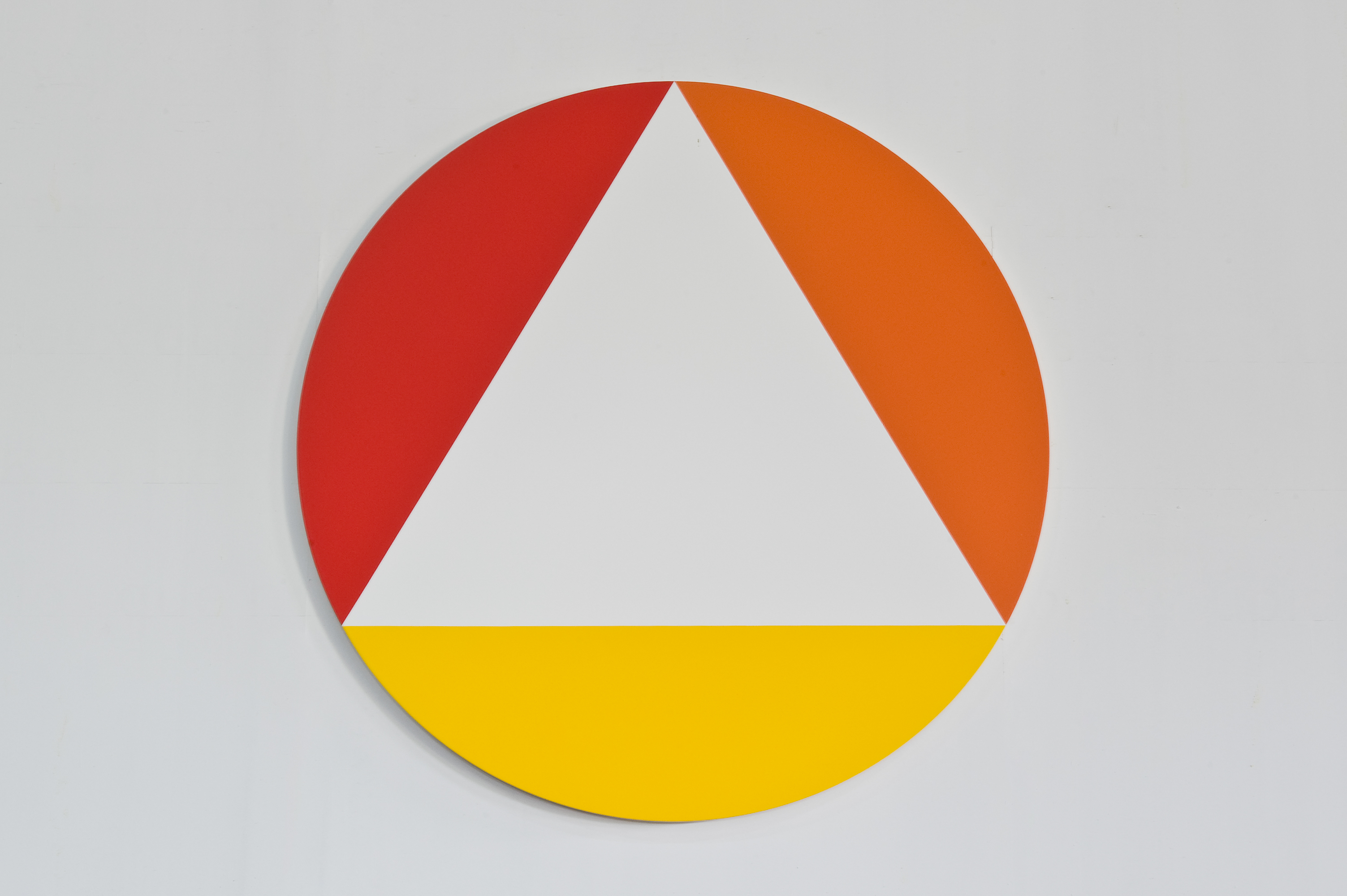
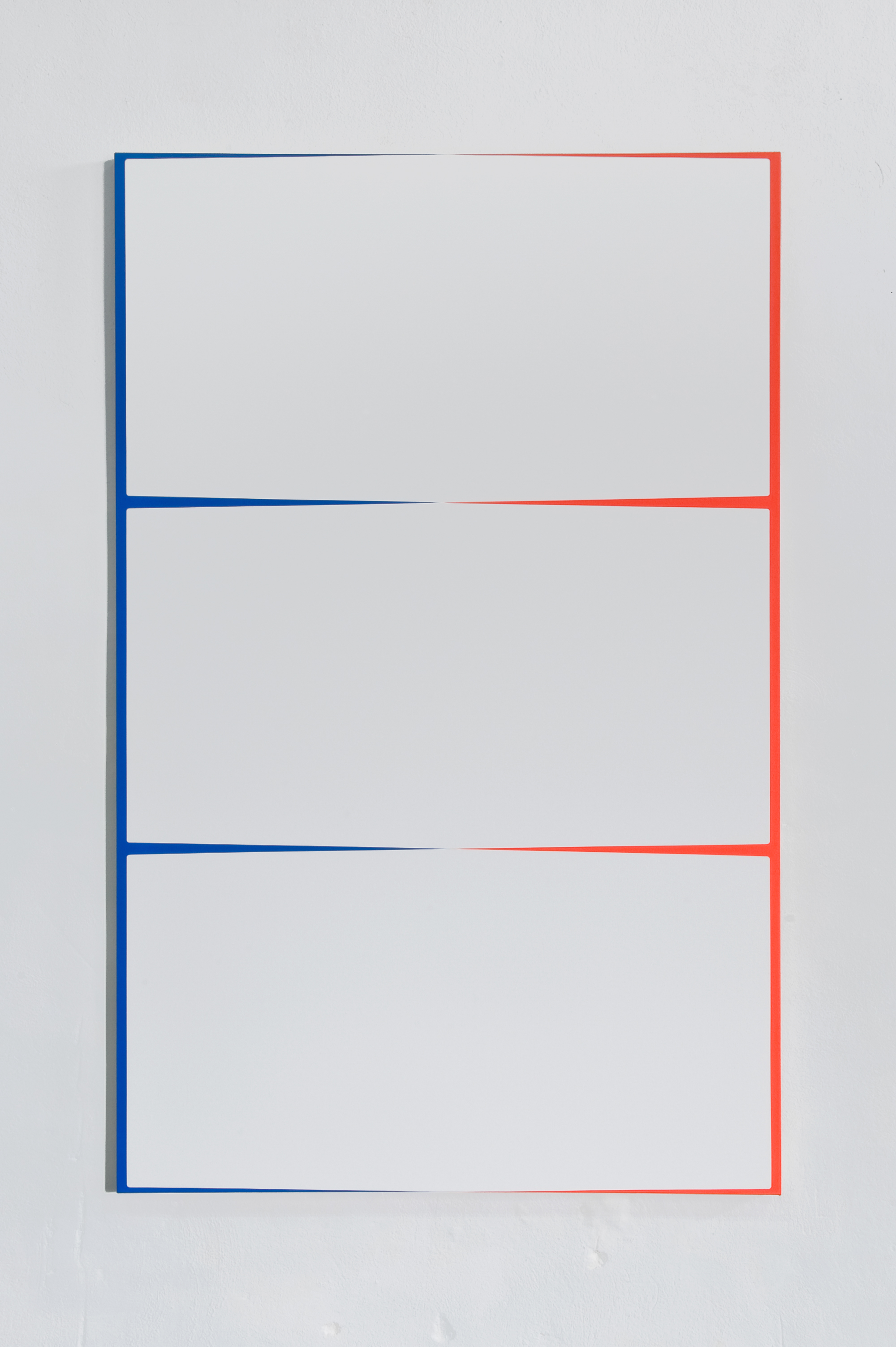
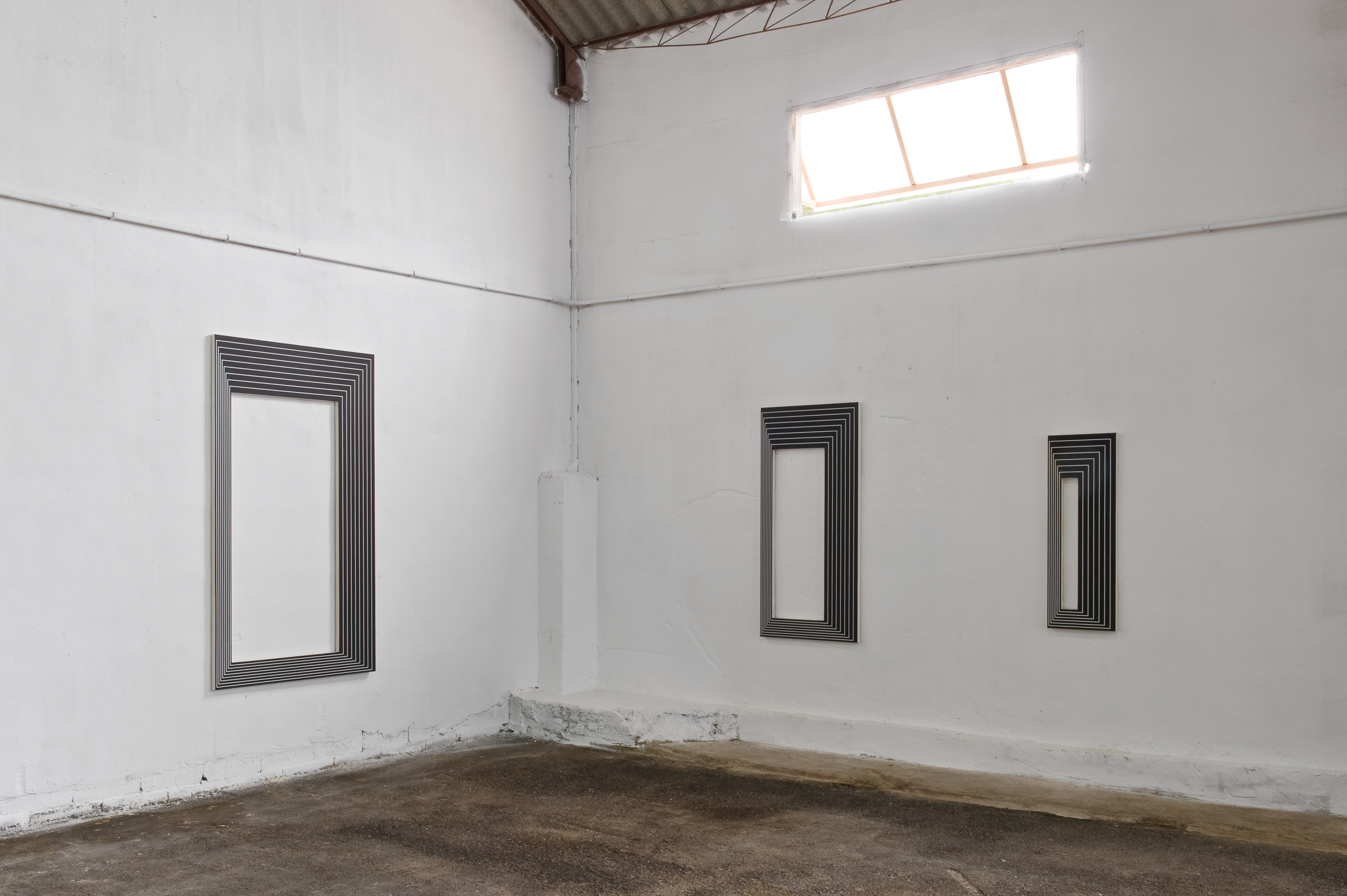
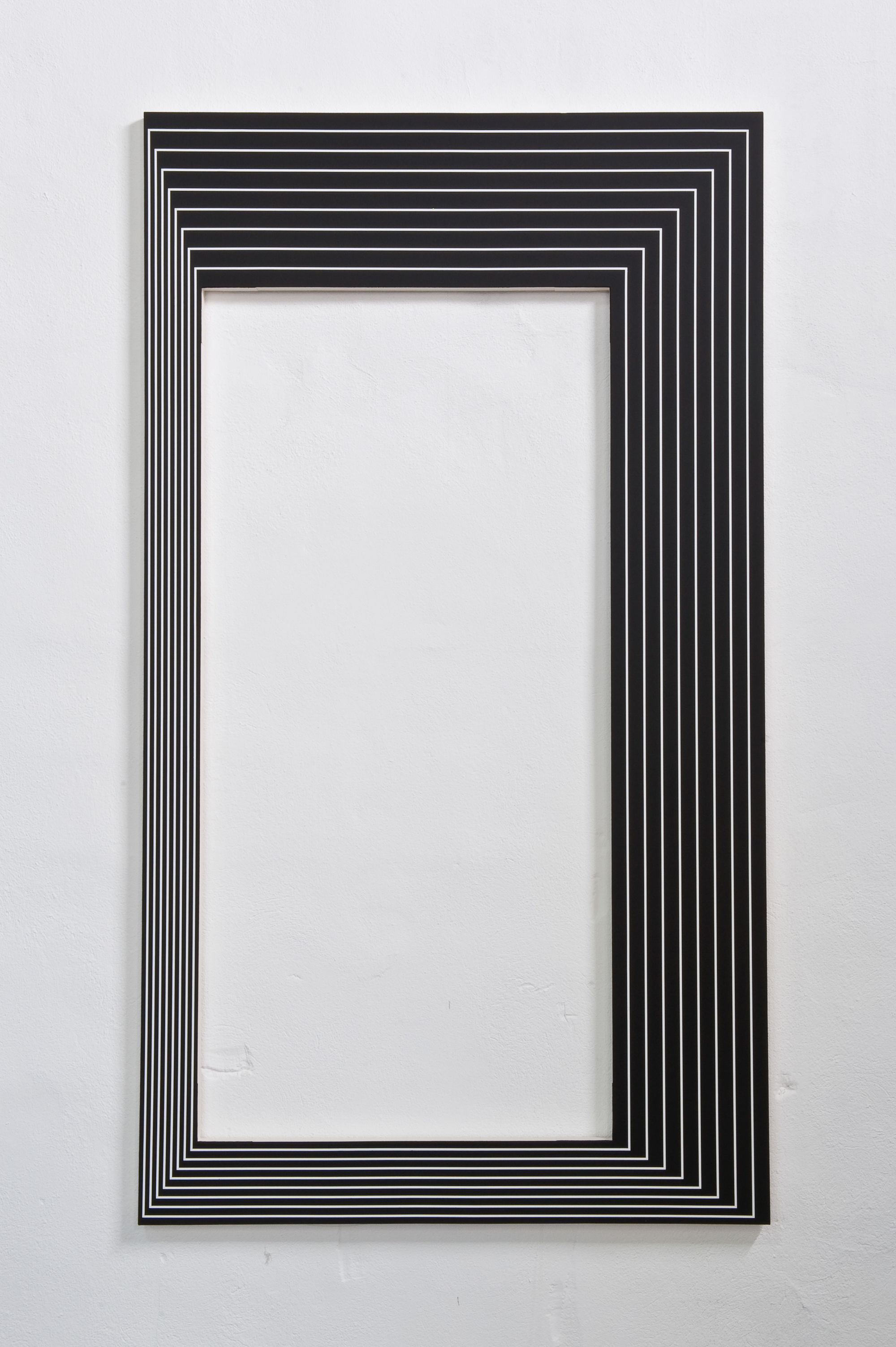
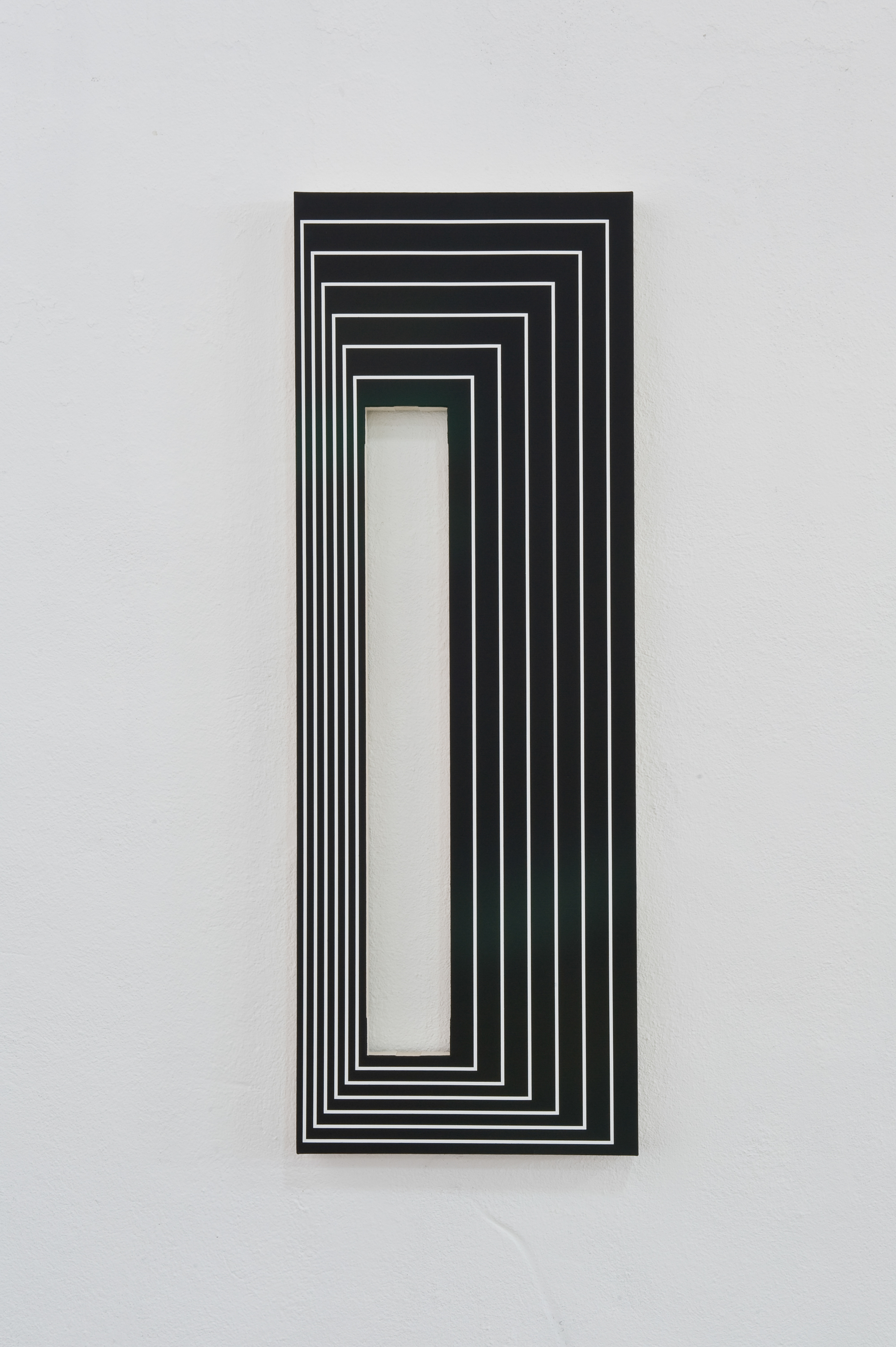
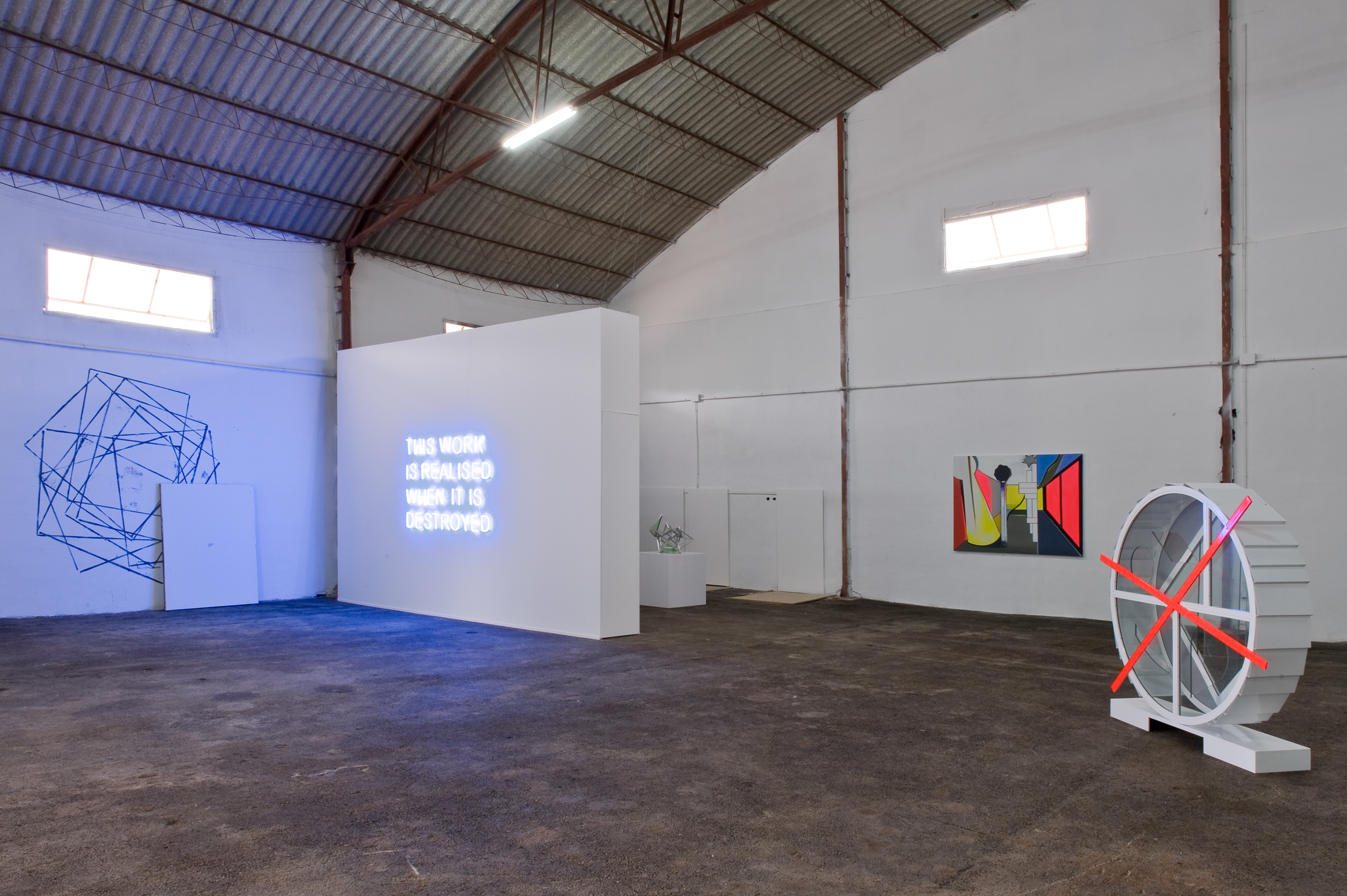
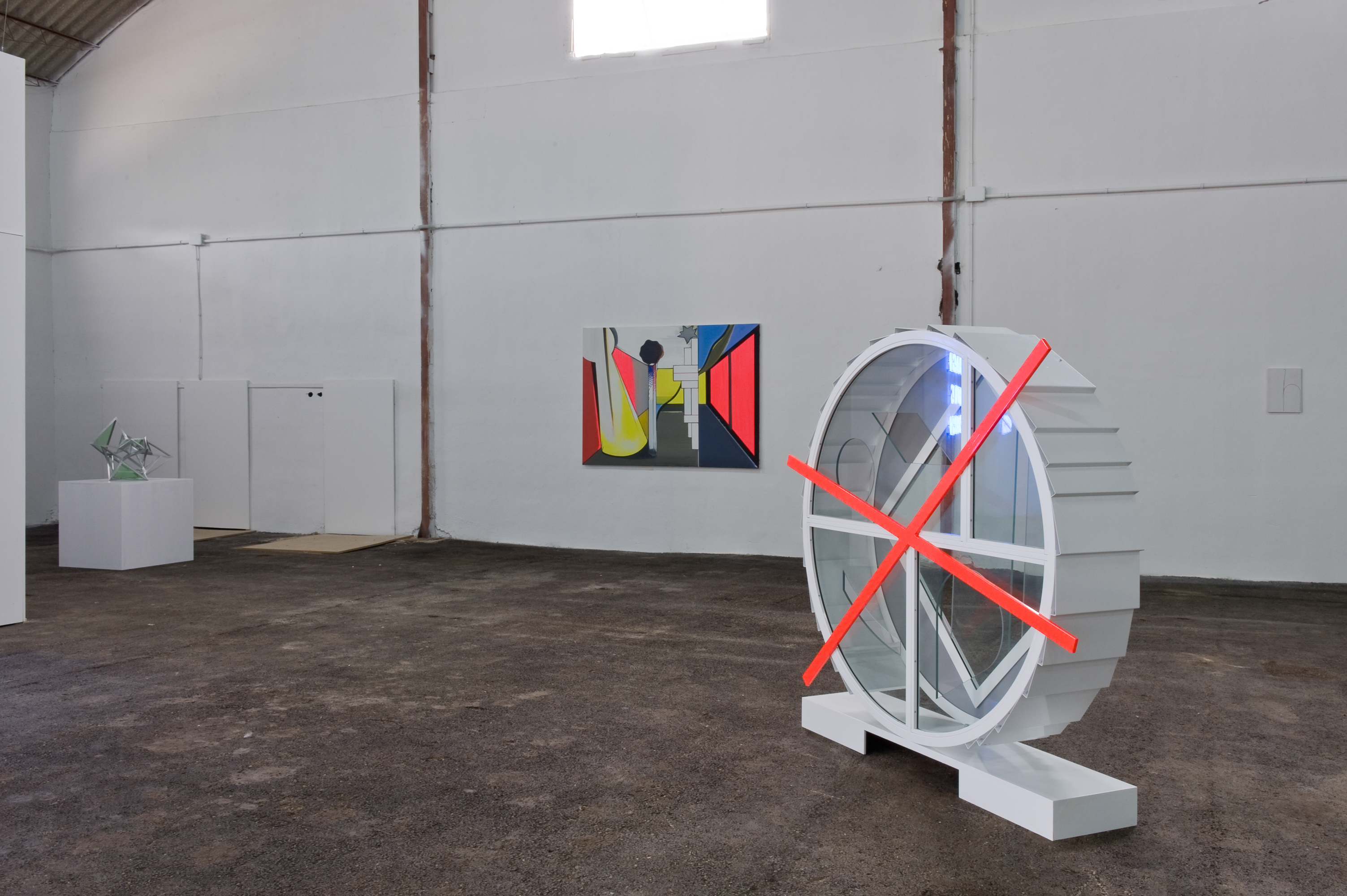
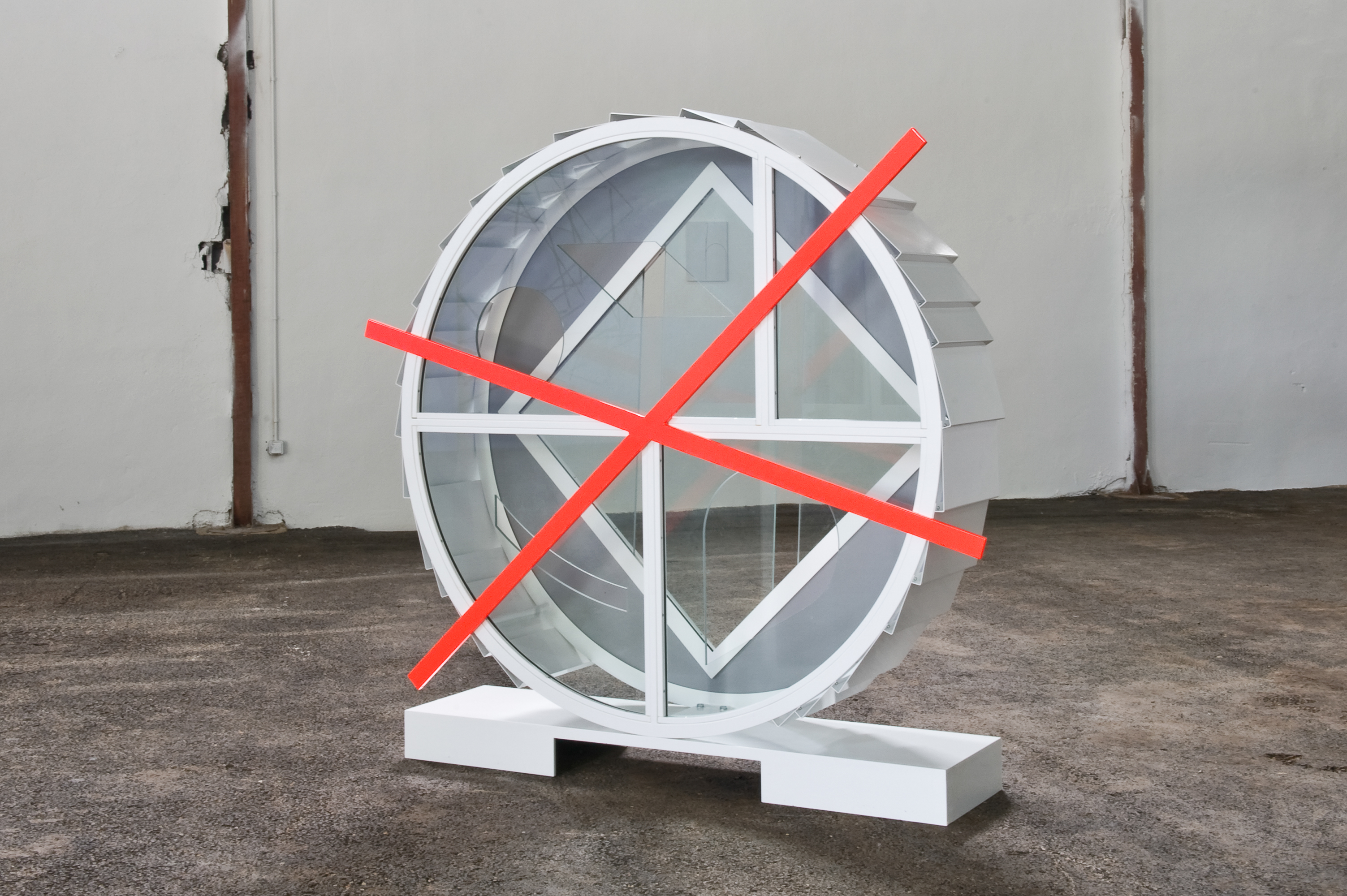
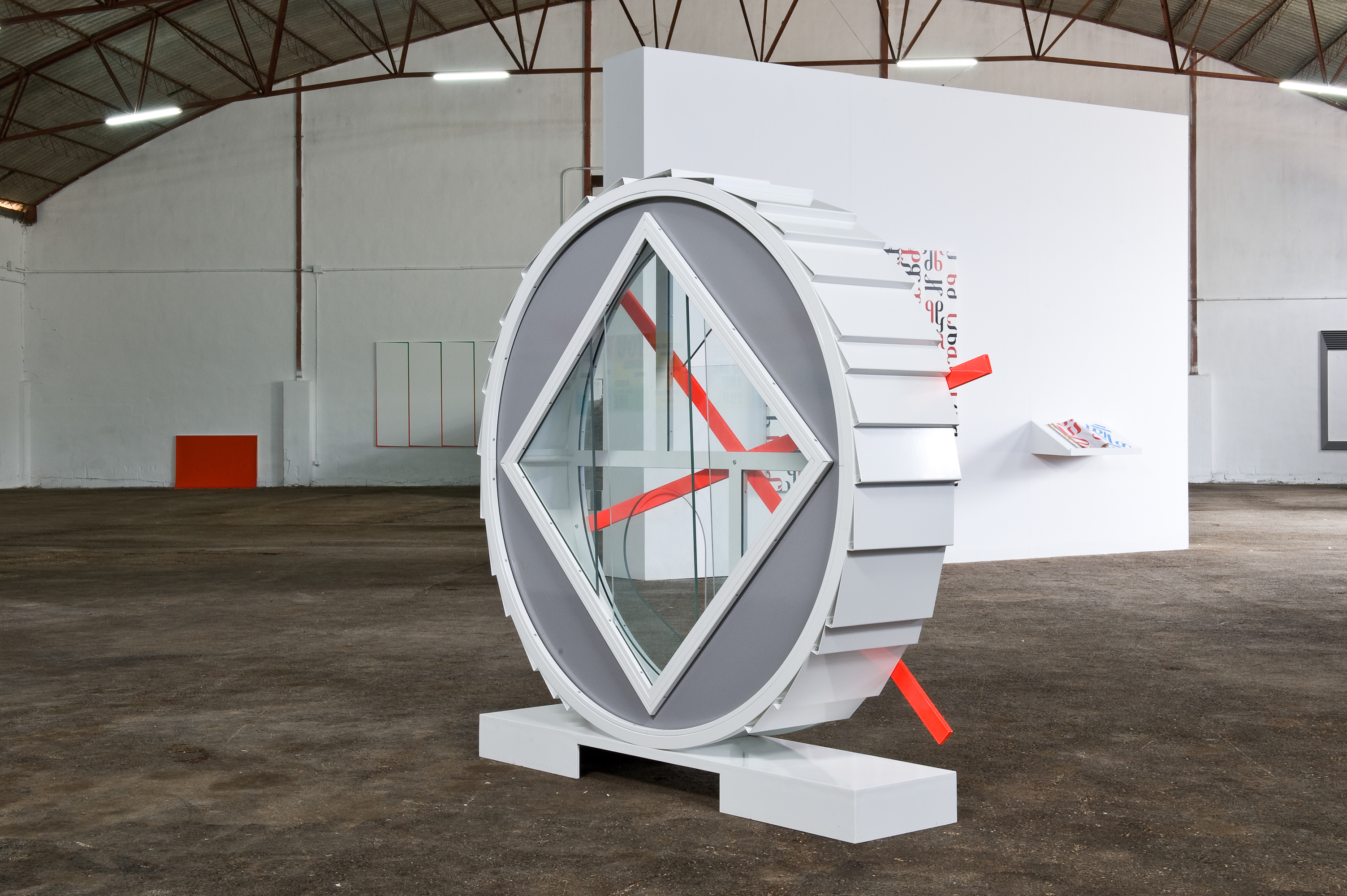
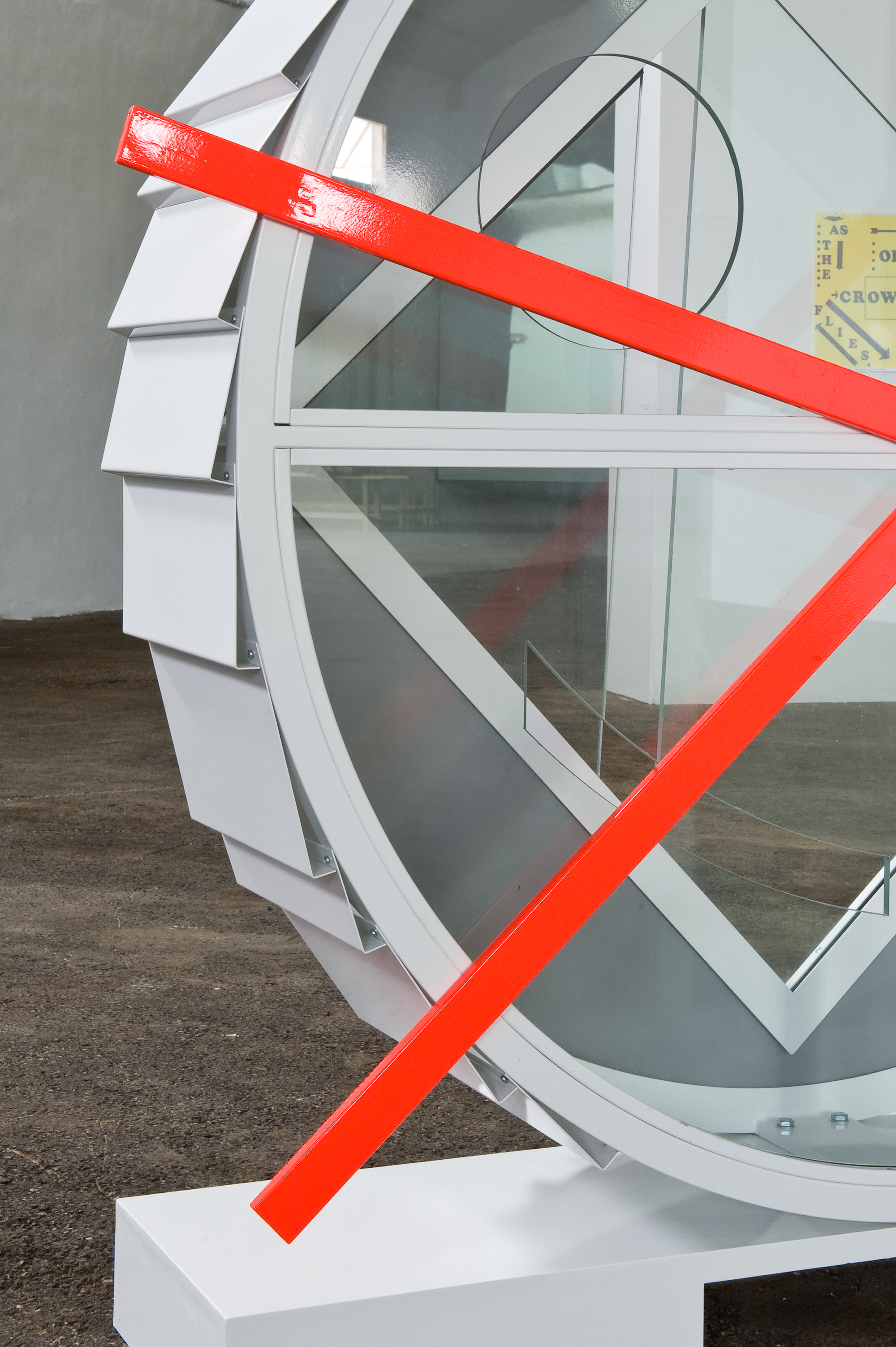
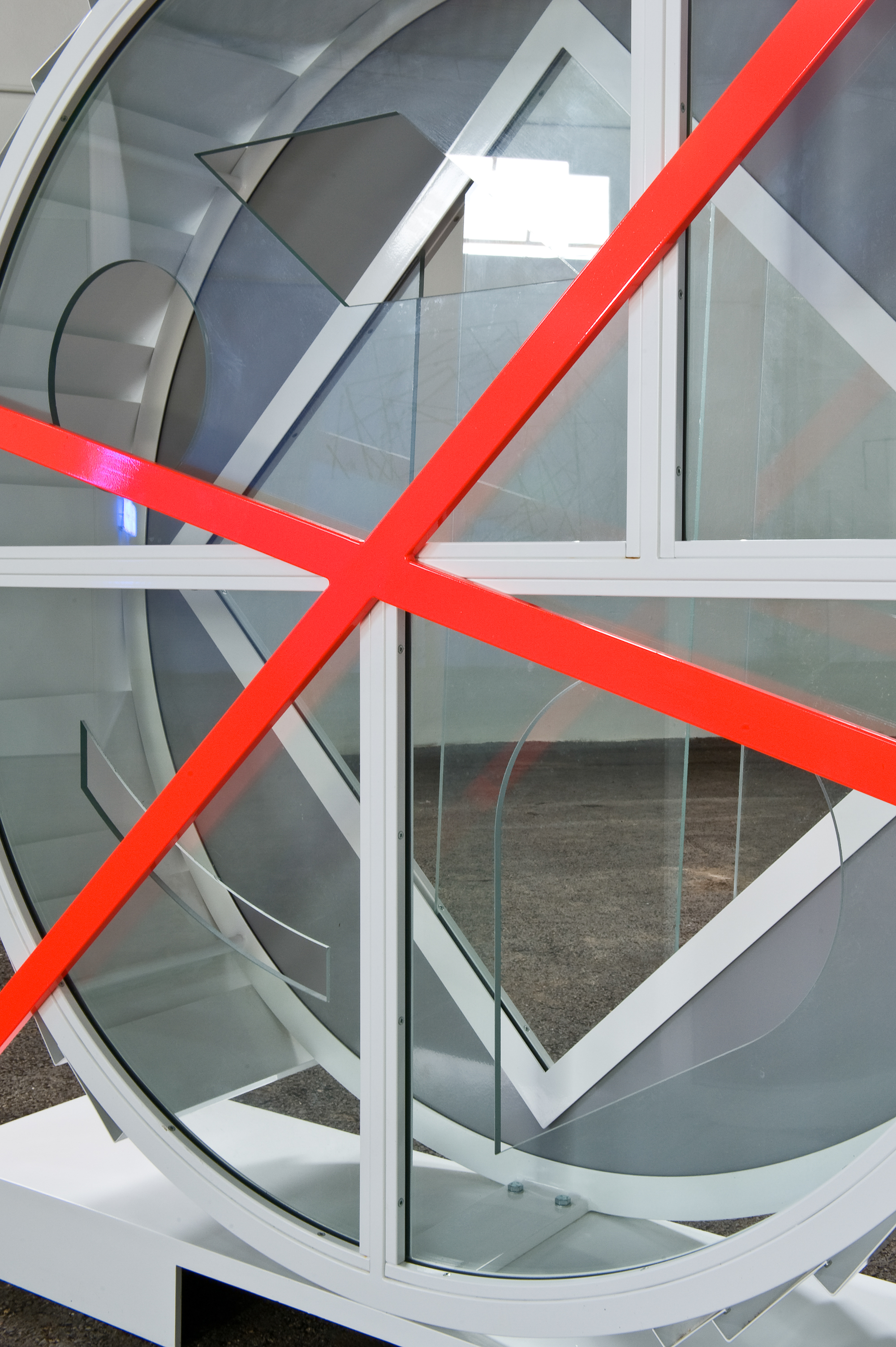
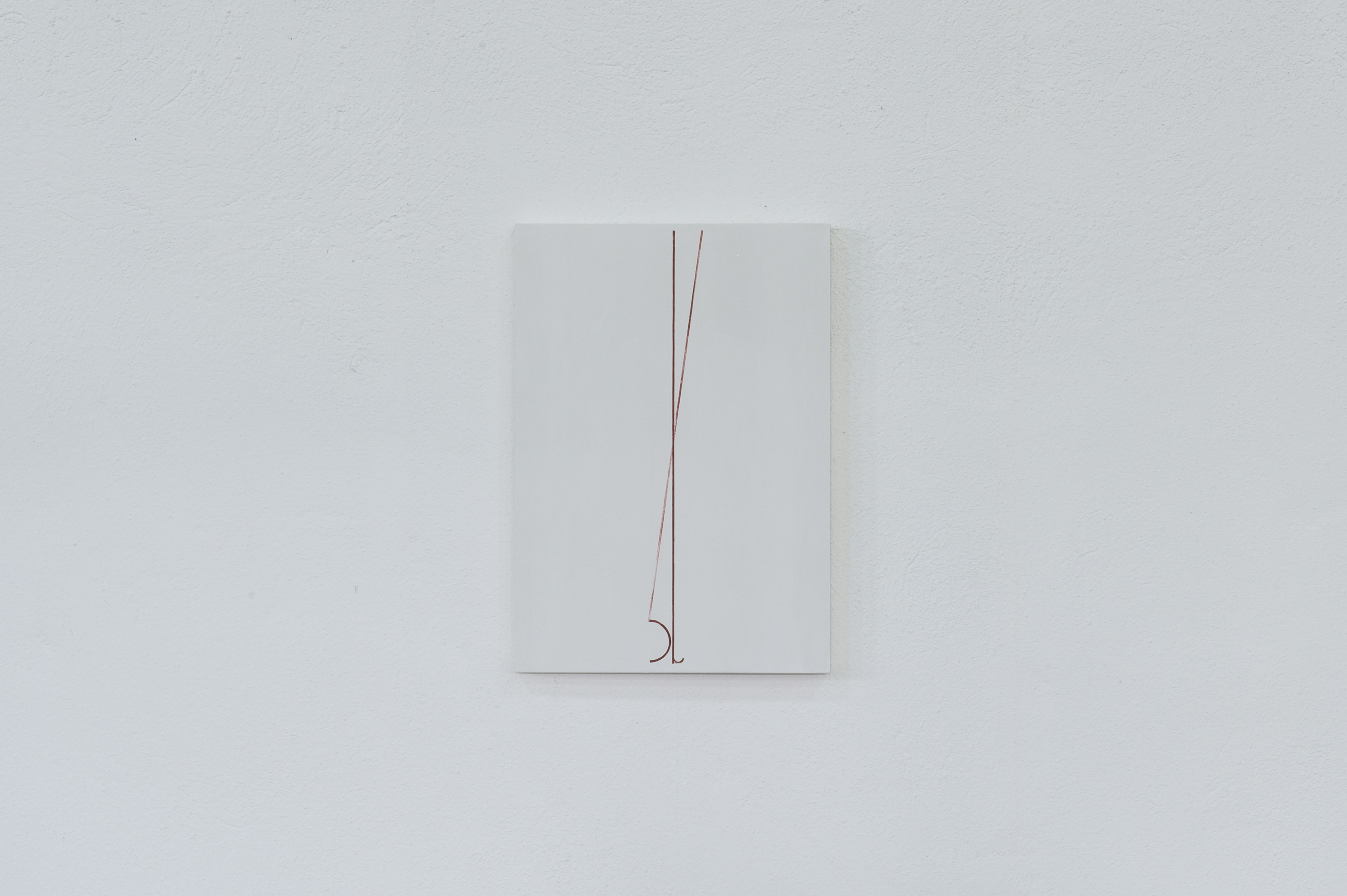
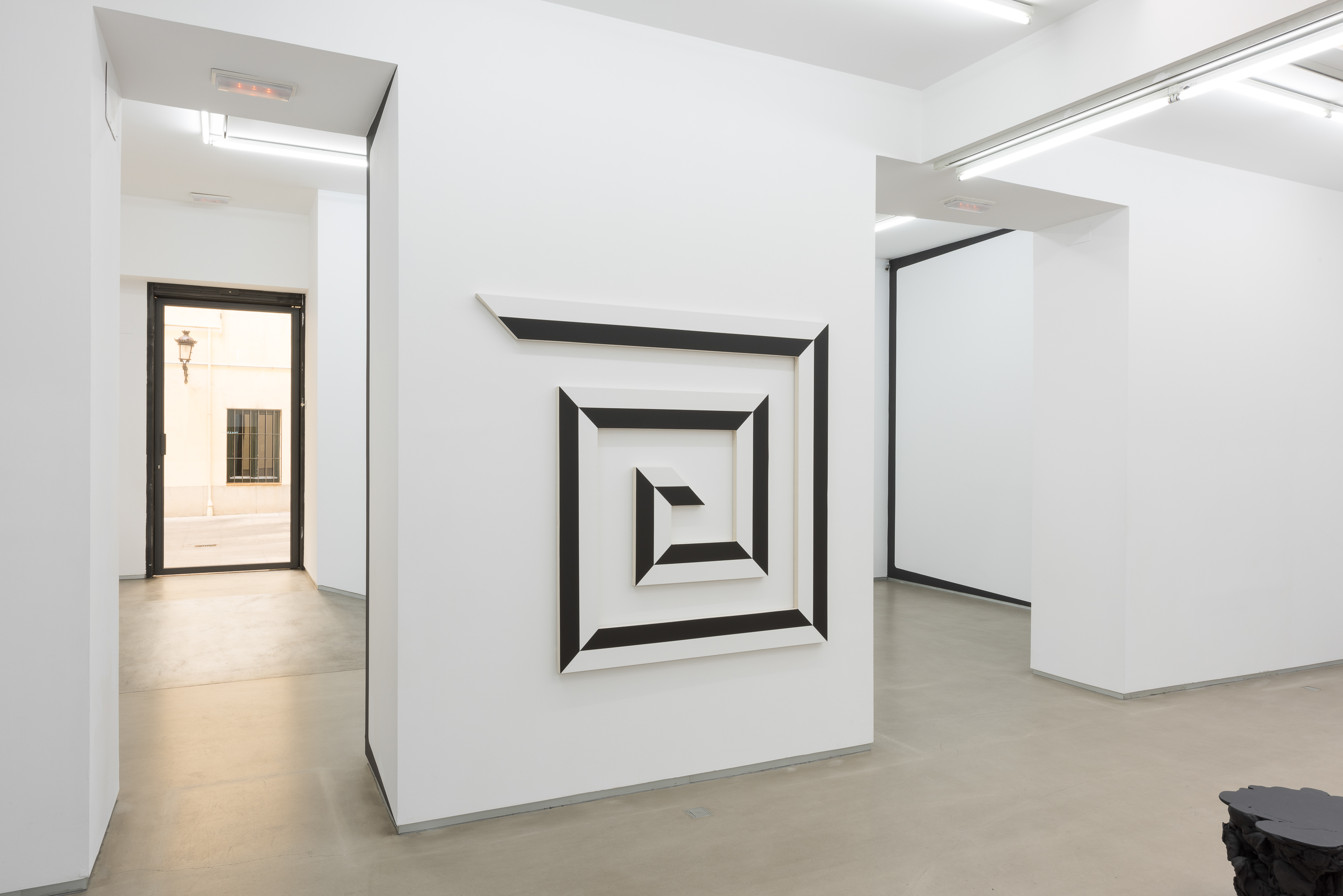
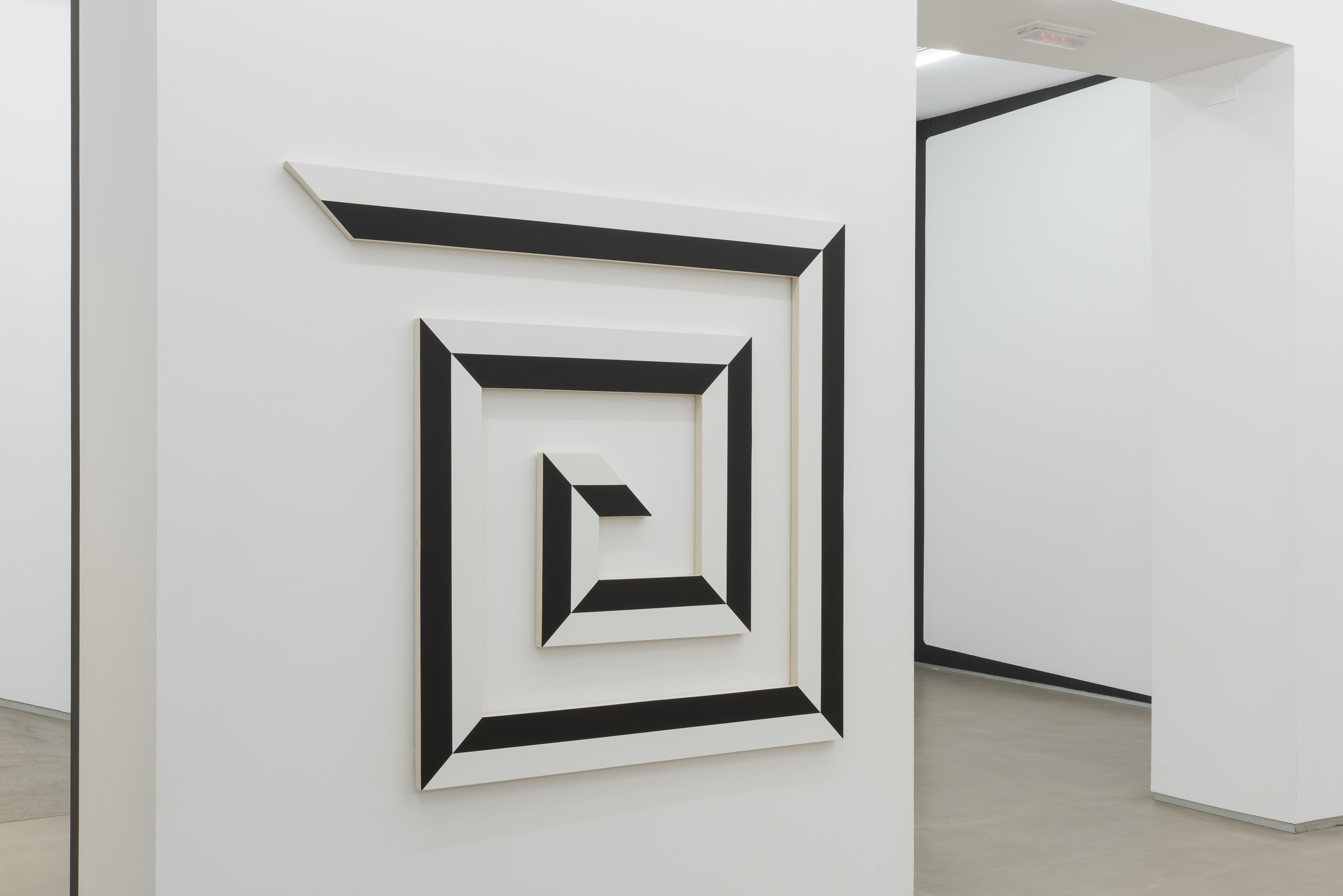
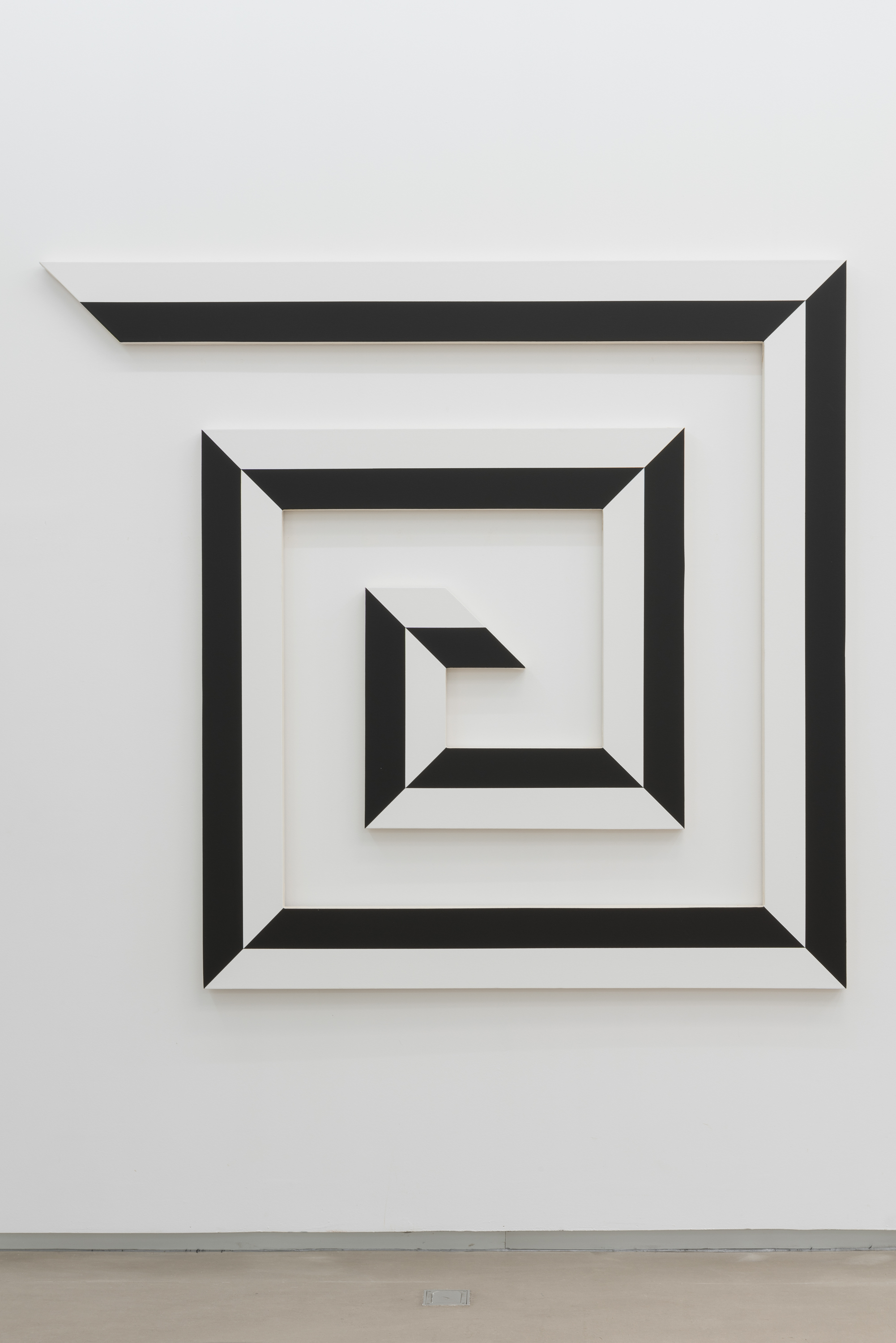
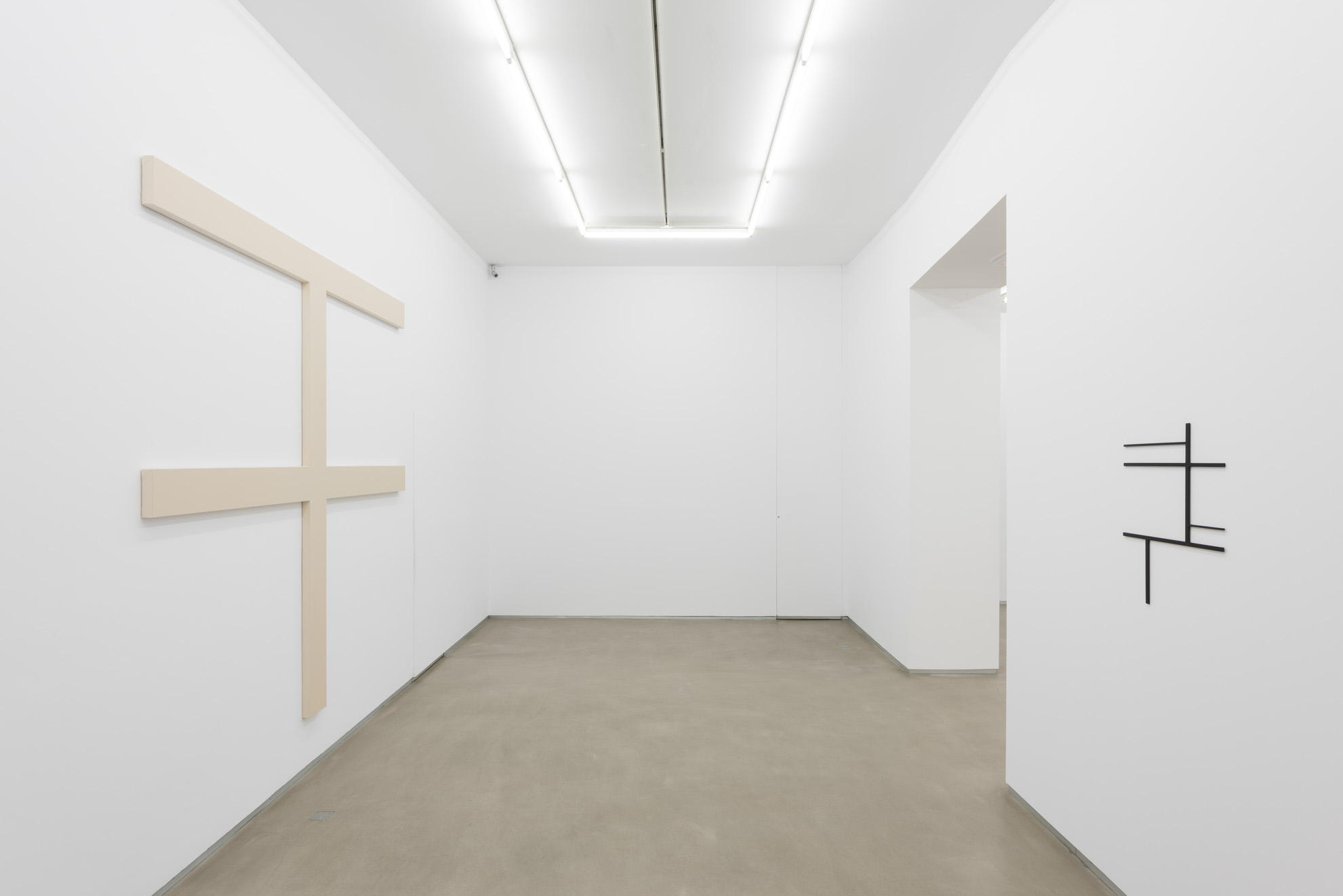
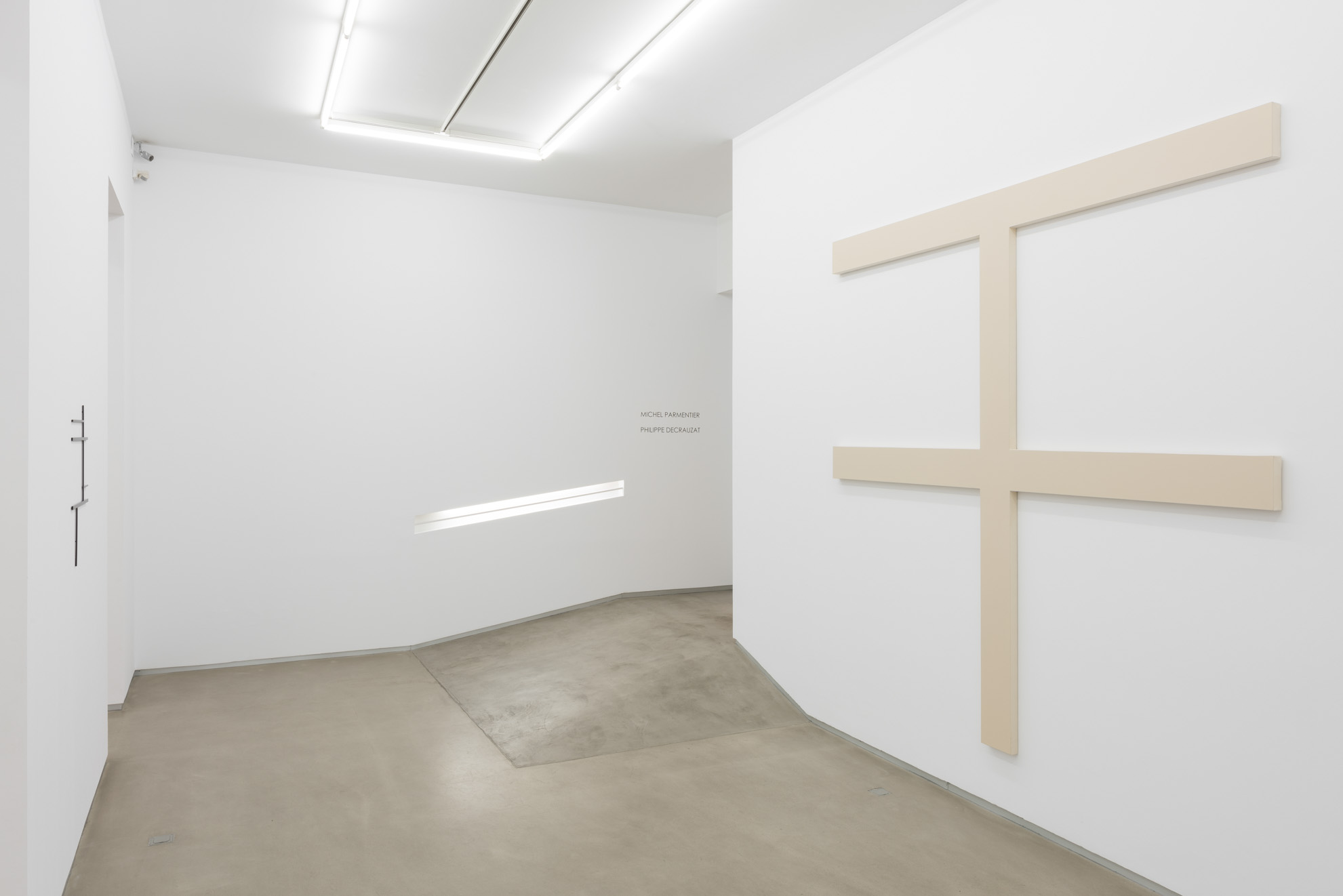
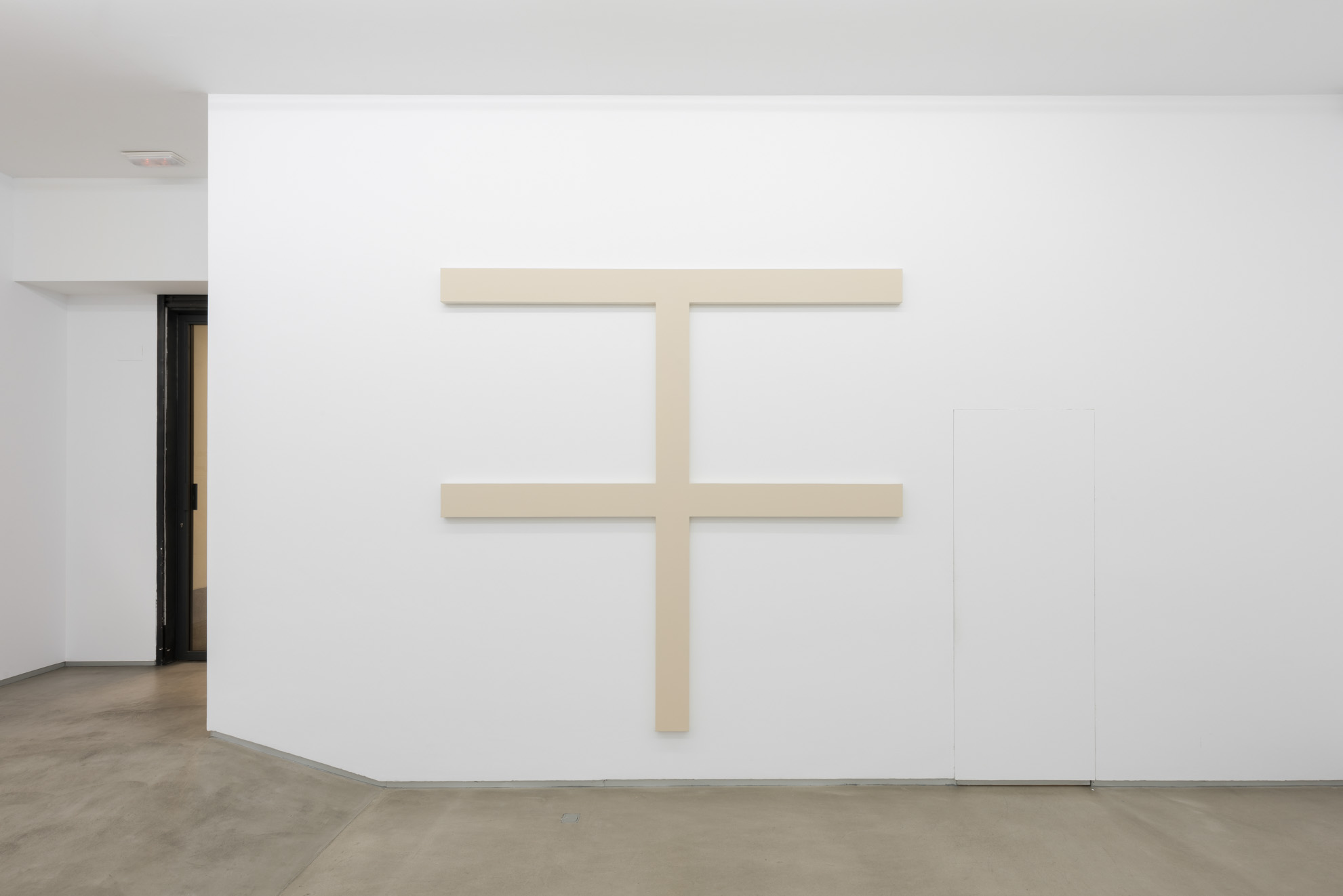
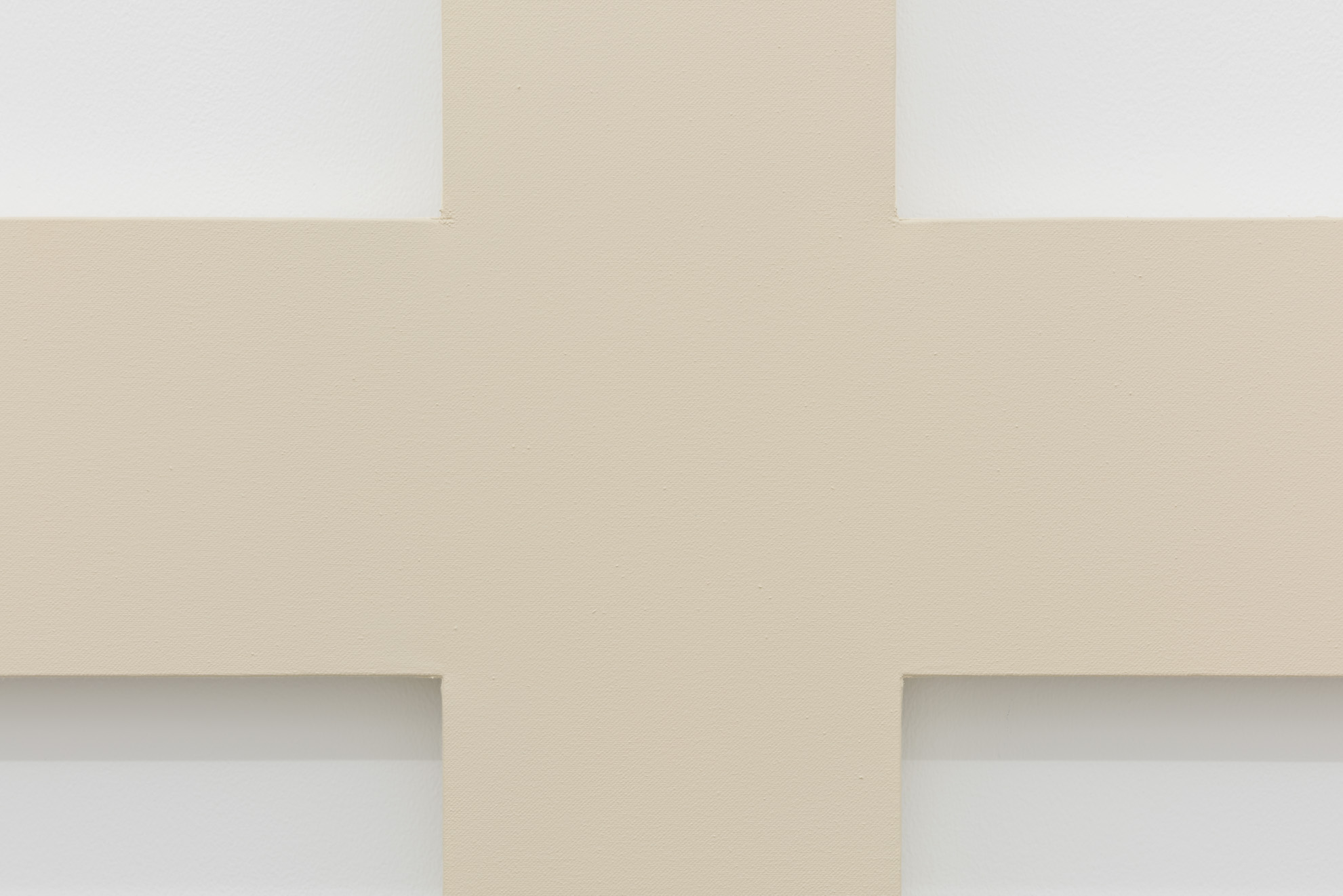
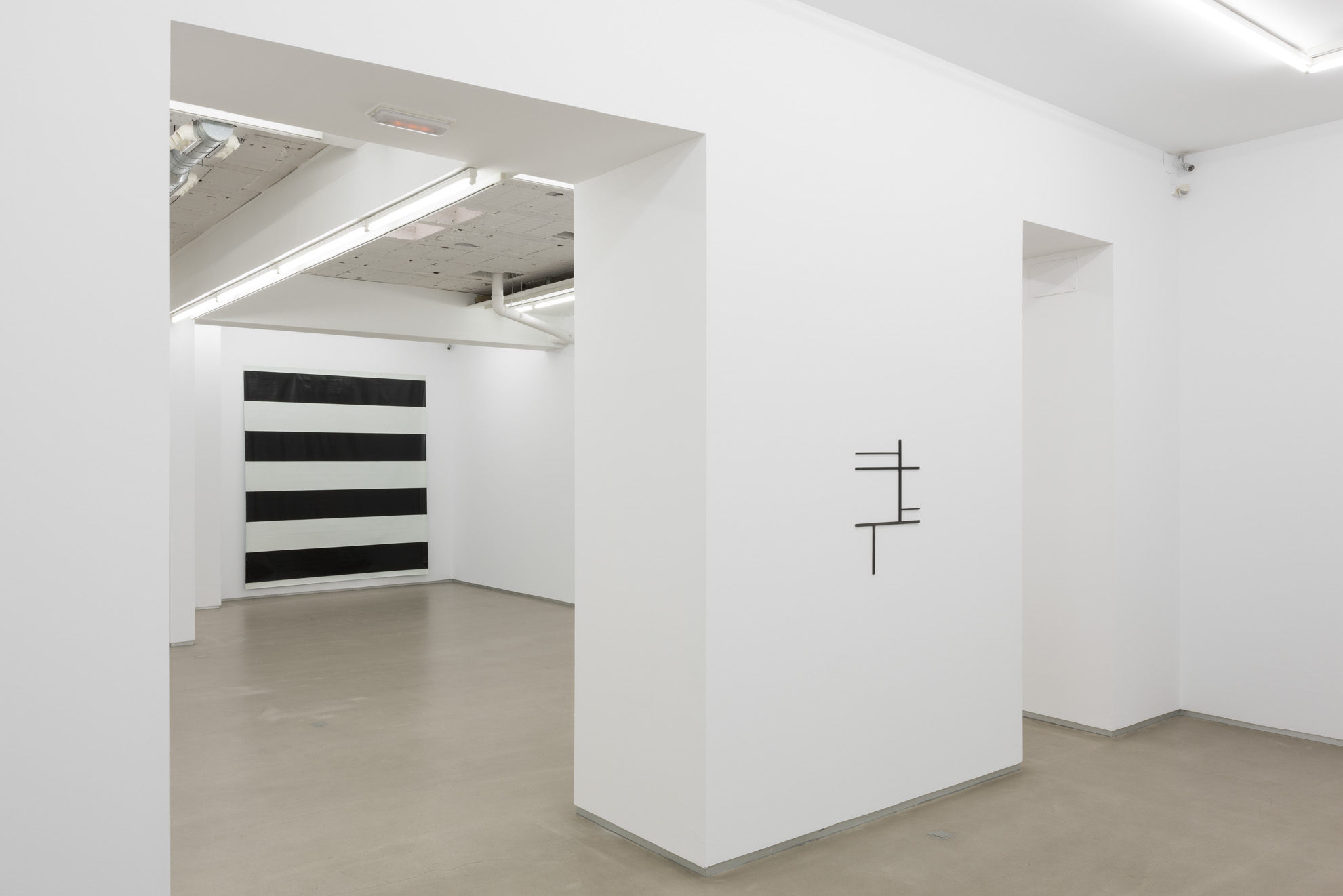
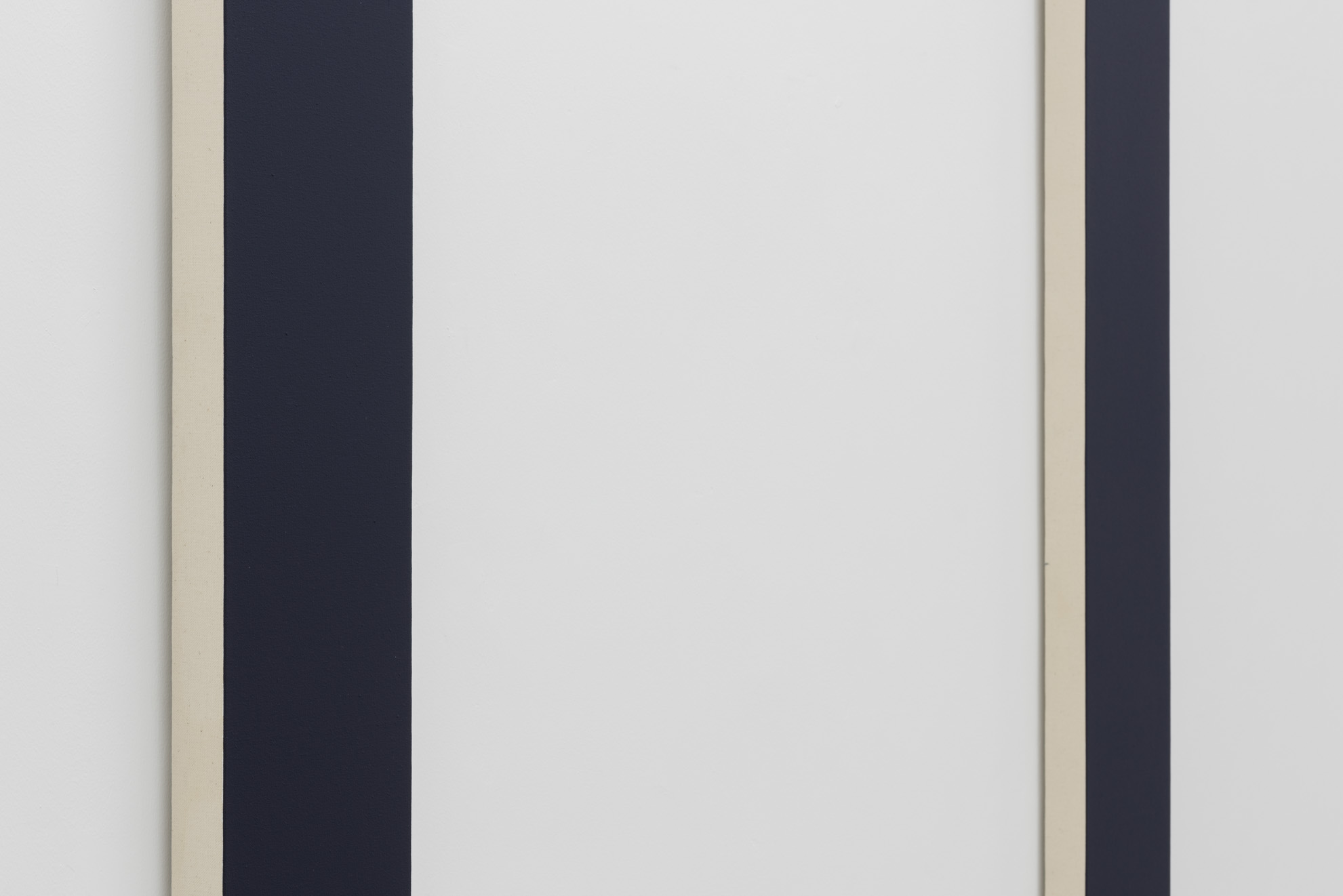
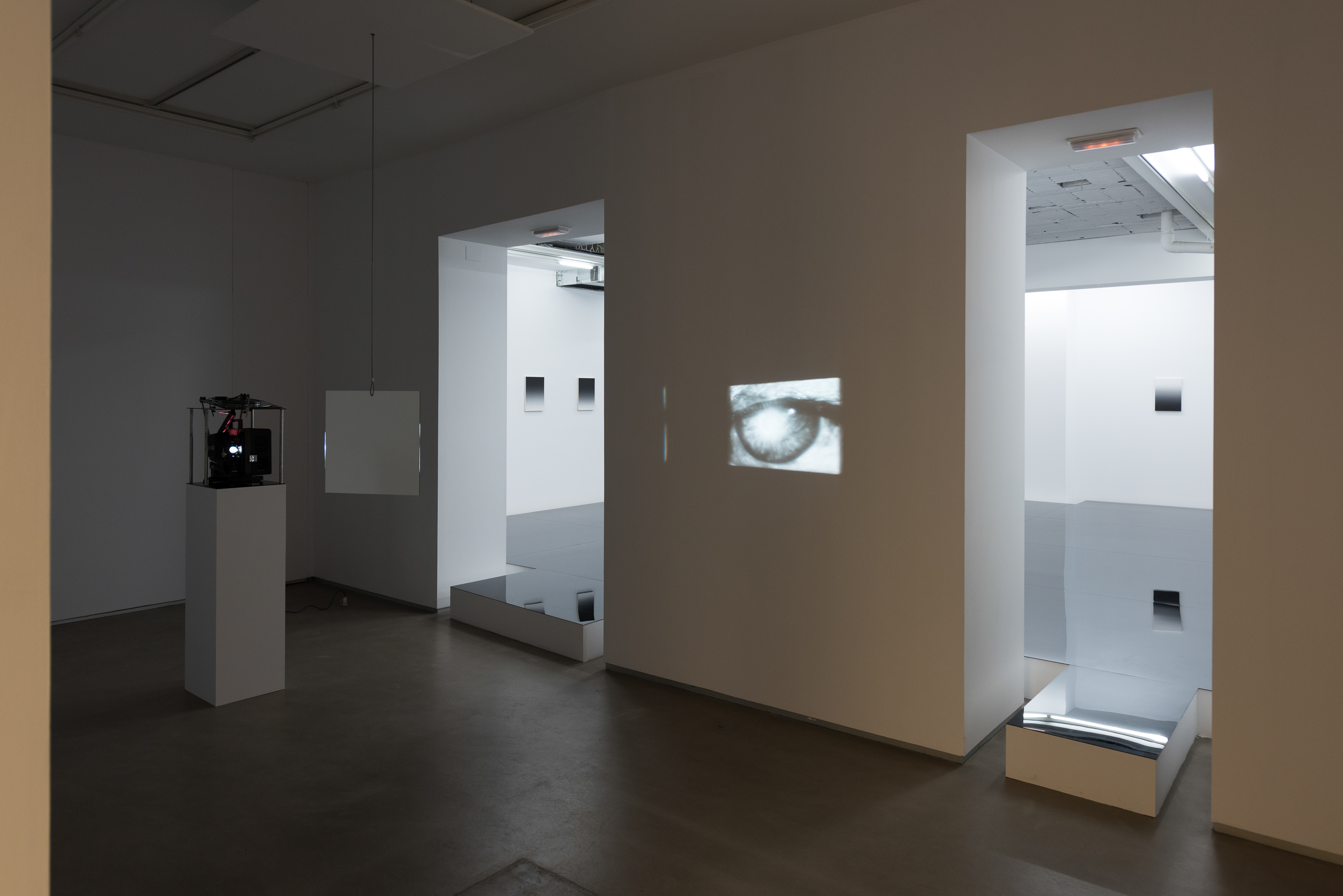
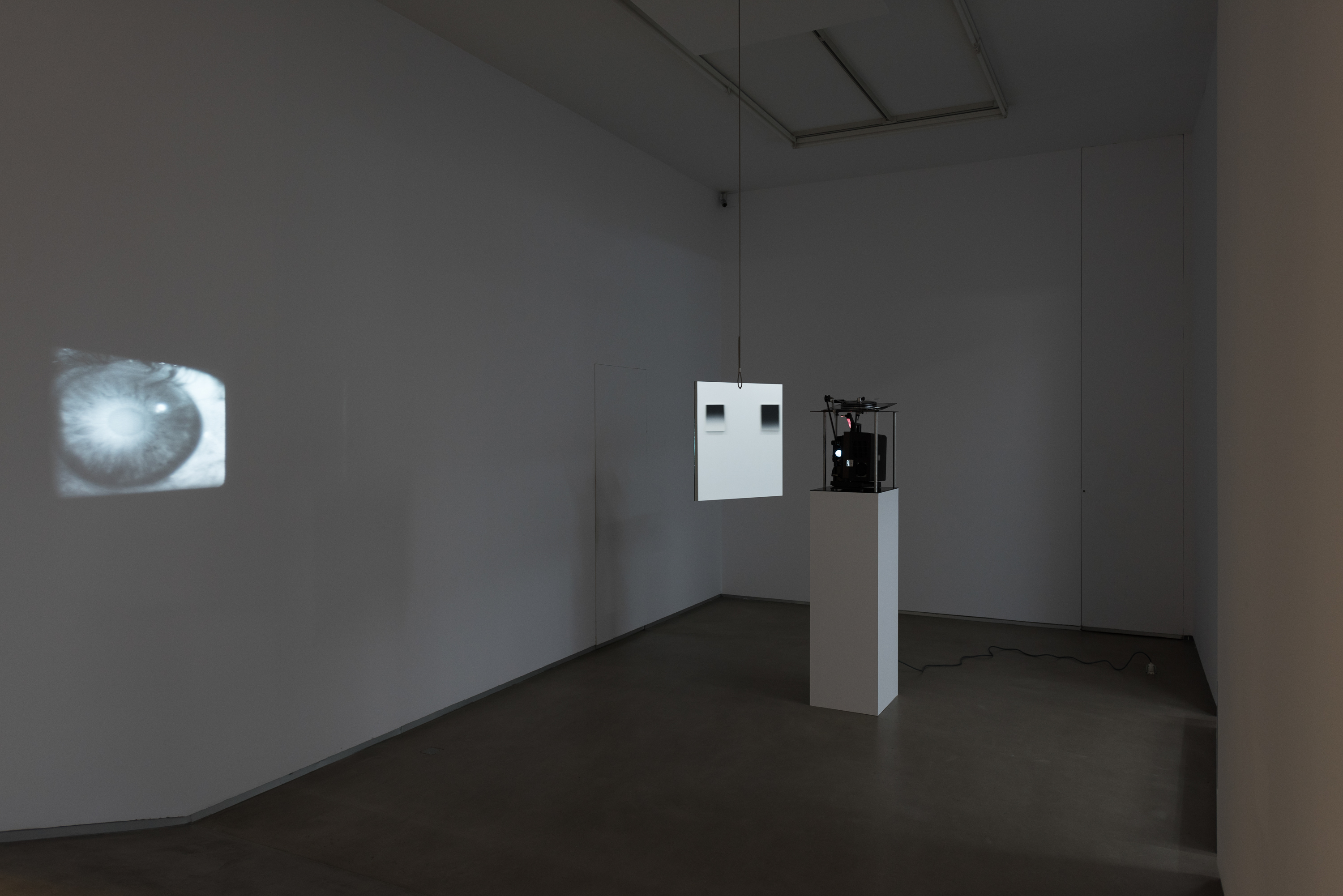
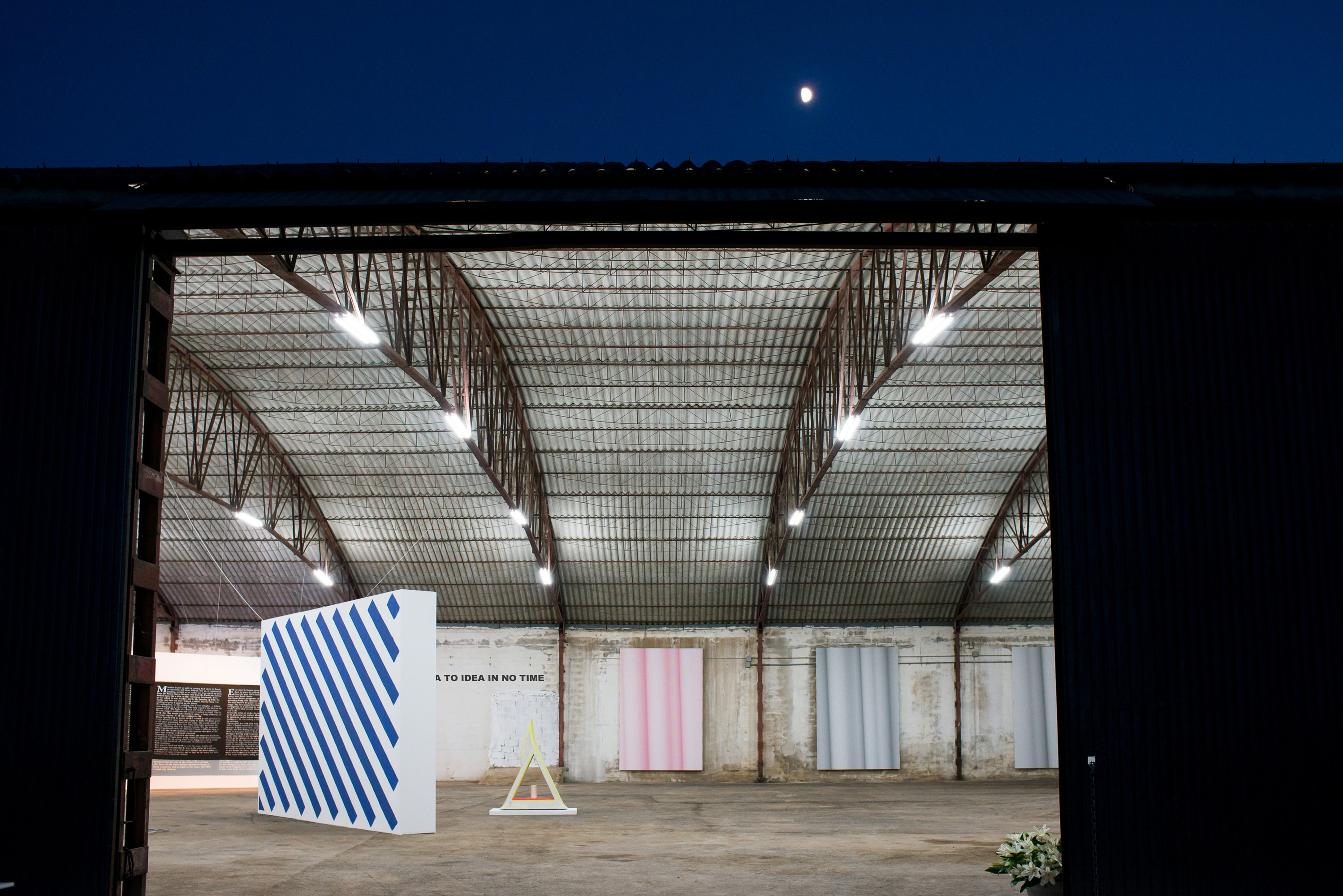
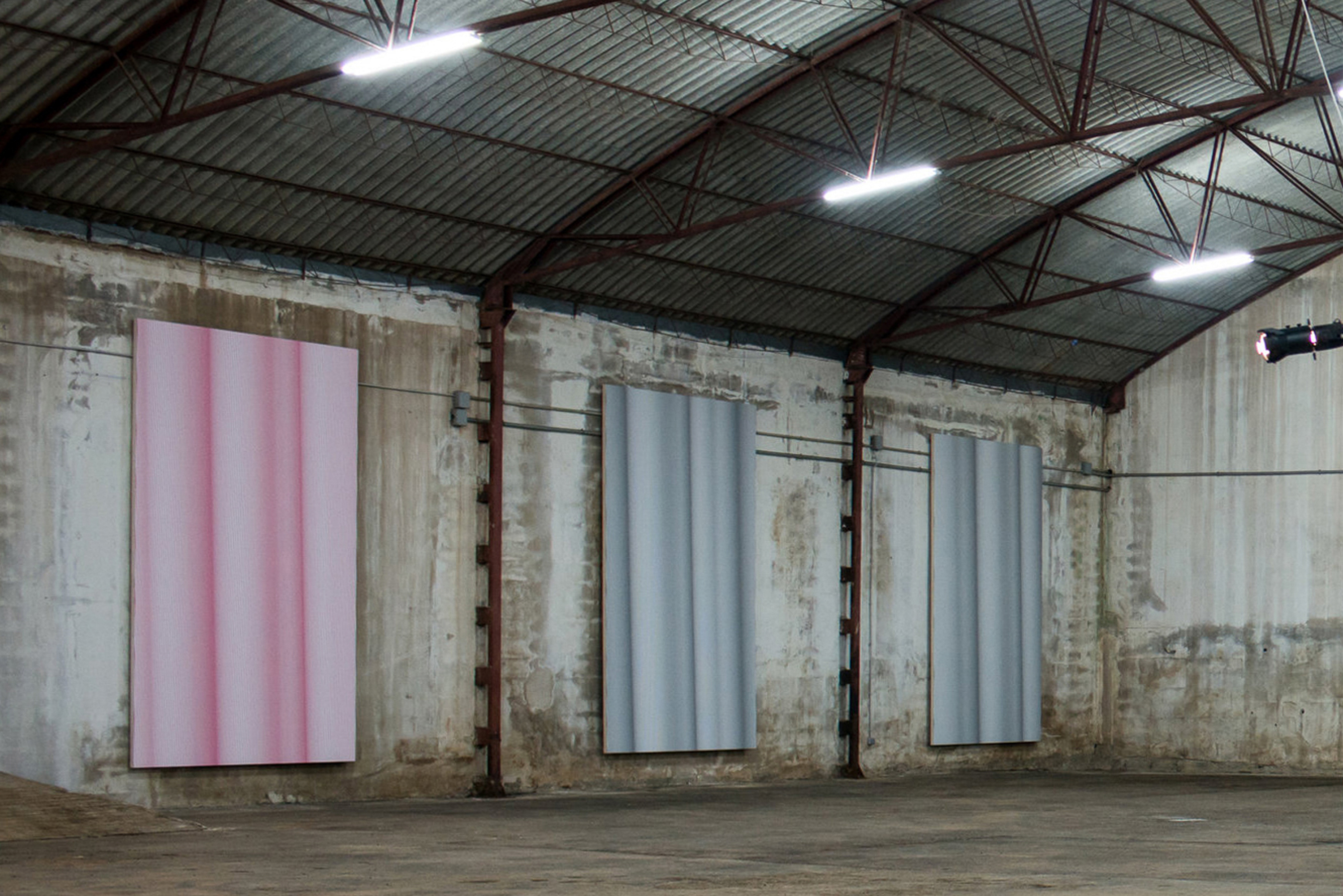
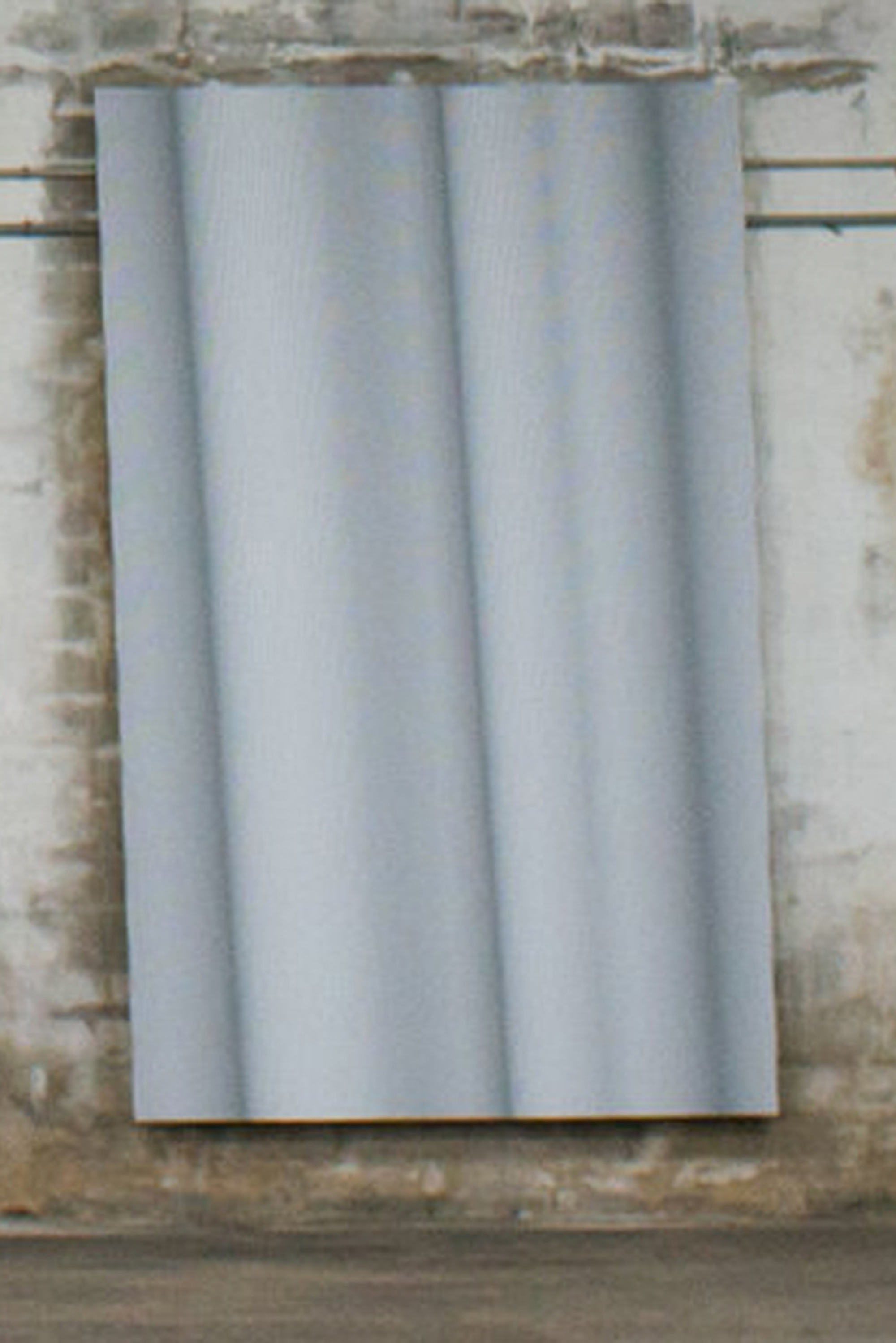
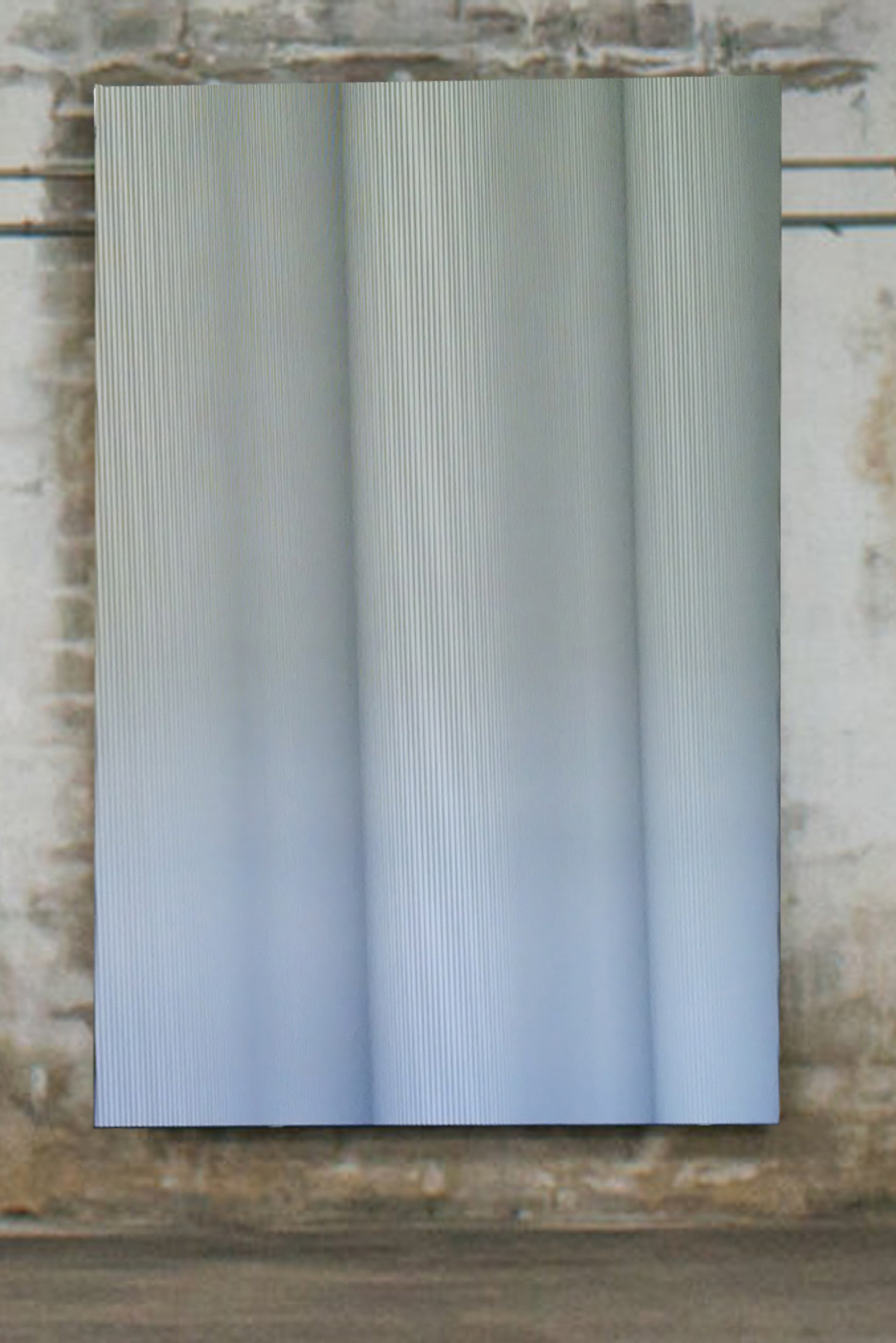
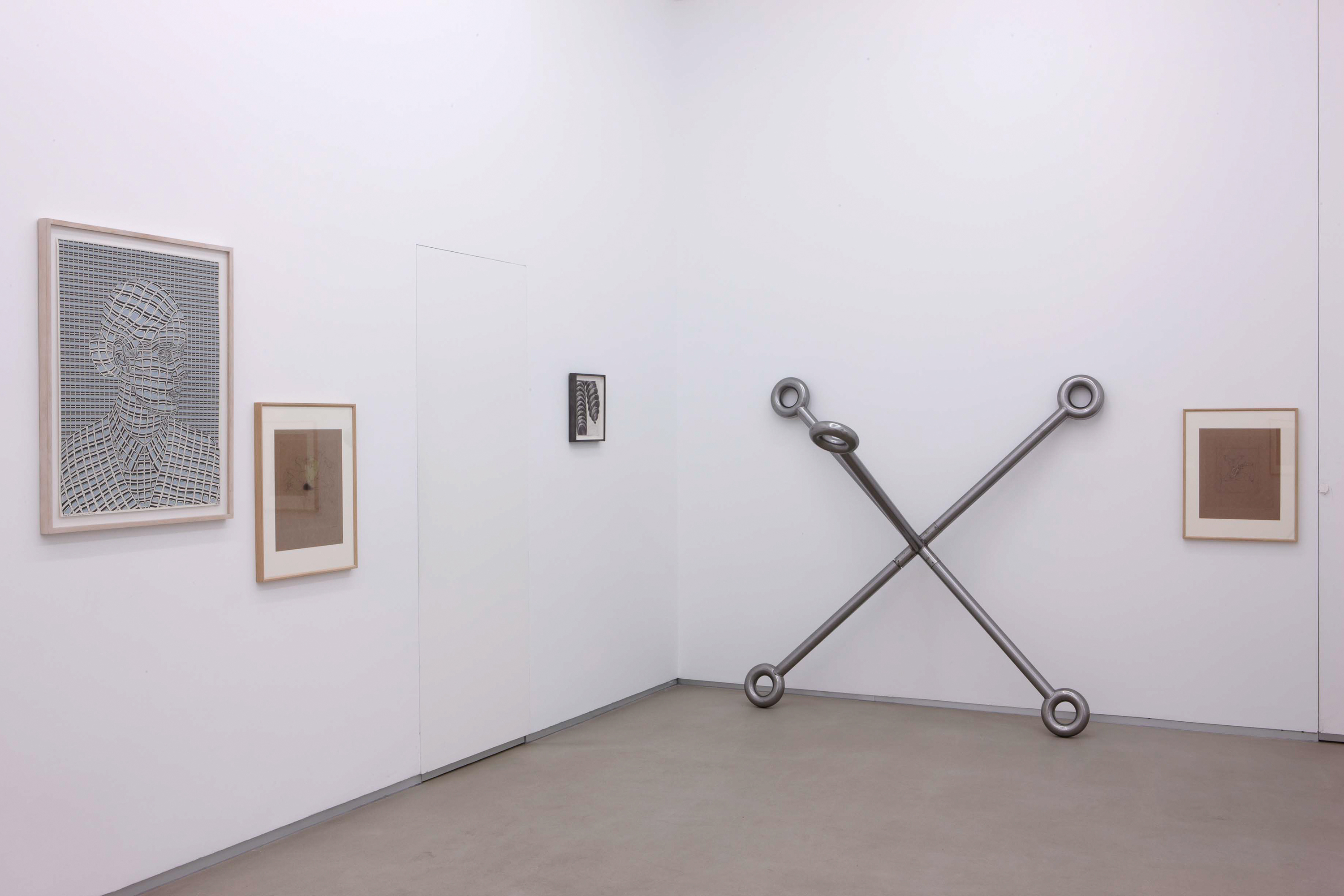
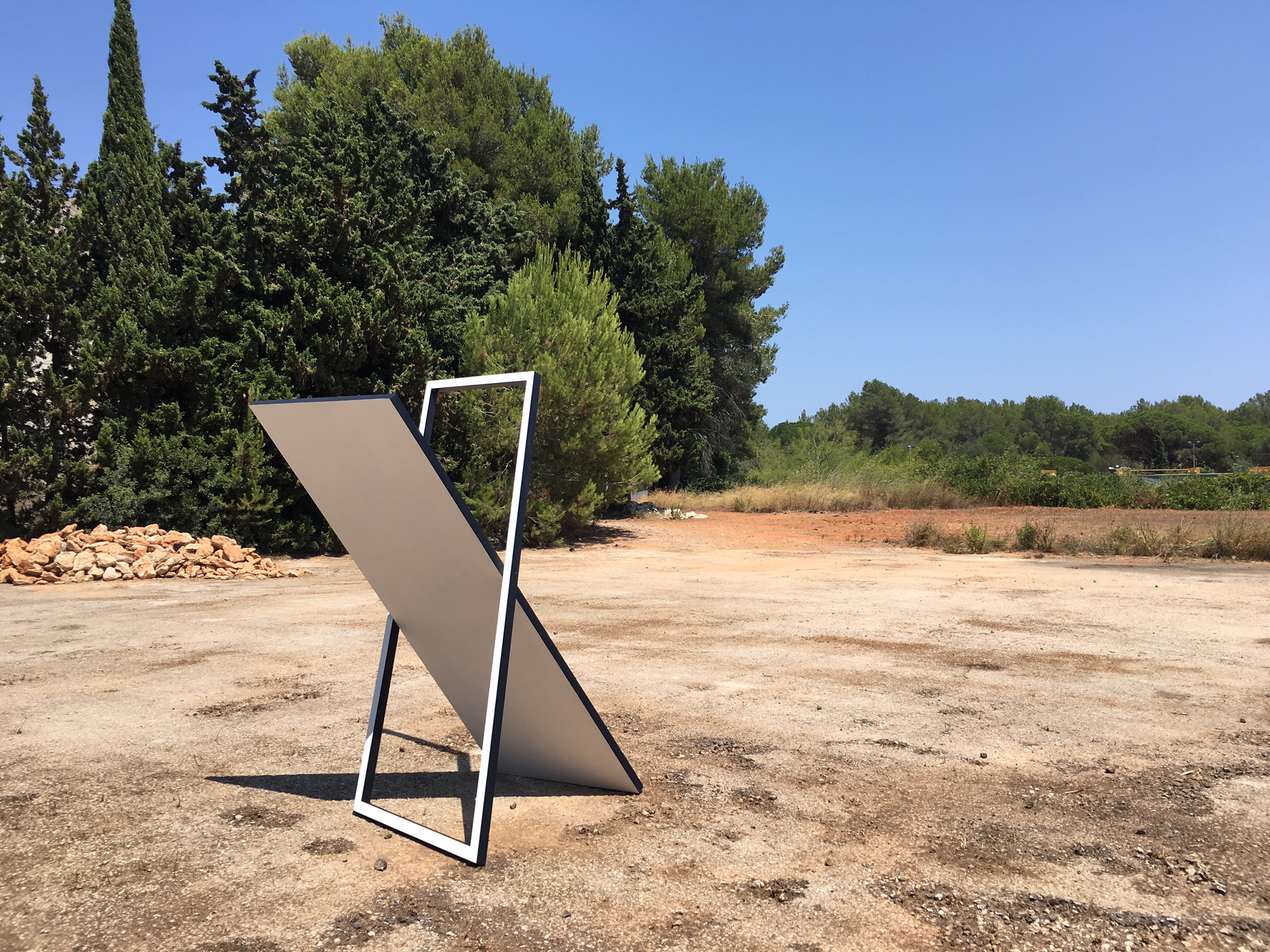
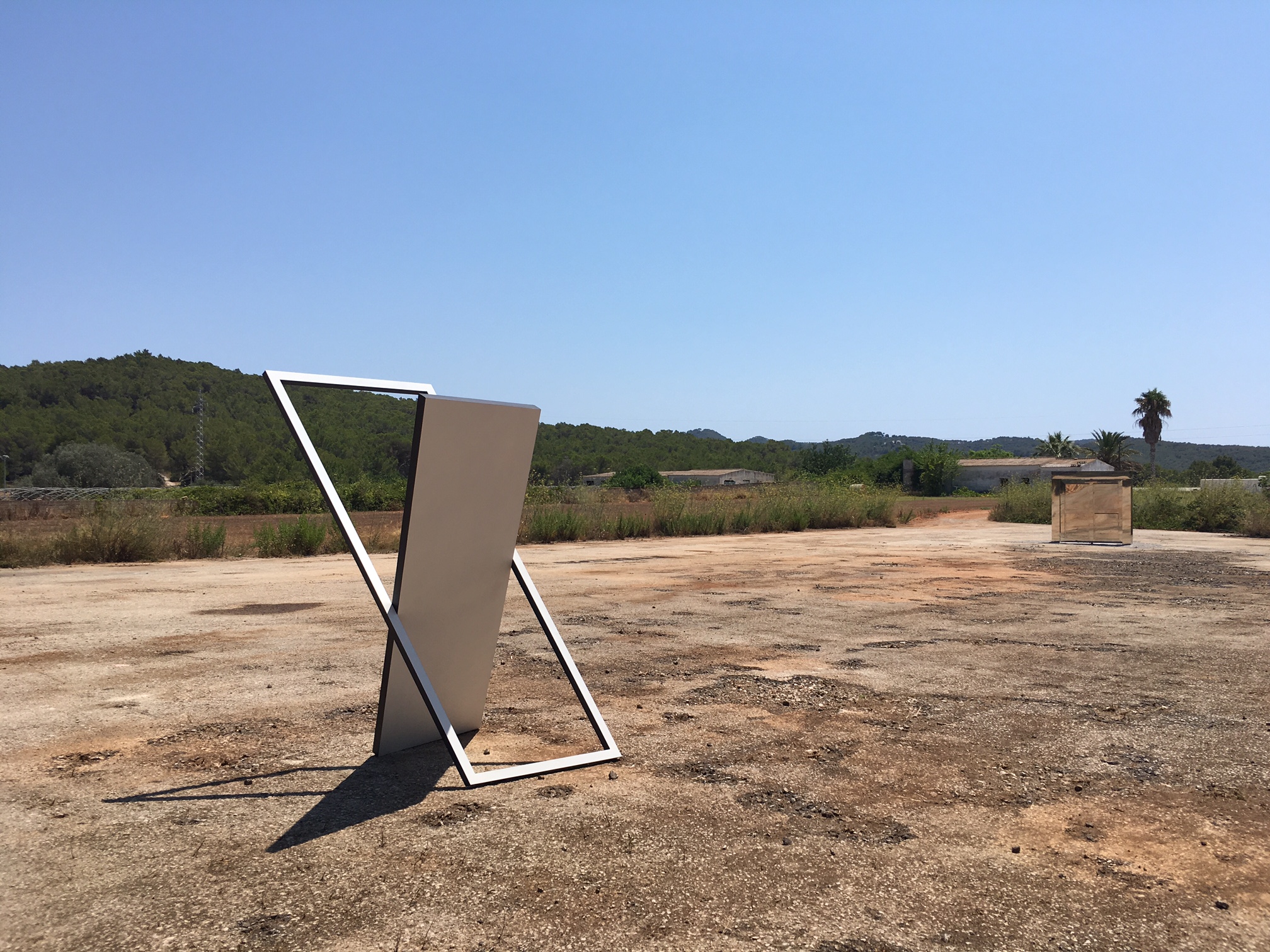
Philippe Decrauzat’s work follows the tradition of the Swiss school of abstraction that continues the avant-garde strategies of the 1960s and 1970s. Decrauzat expands upon that history through the wider influences he mines: deconstructing the utopianism of Russian Constructivism, the formal distortions of OpArt and the geometrics of Minimalism. Decrauzat developed specially for this exhibition a new sequence of sculptures based on a basic structure that recalls to the placeholder “X”. In the biggest piece two frames are nested inside each other referring to a display format already used for propaganda purposes.