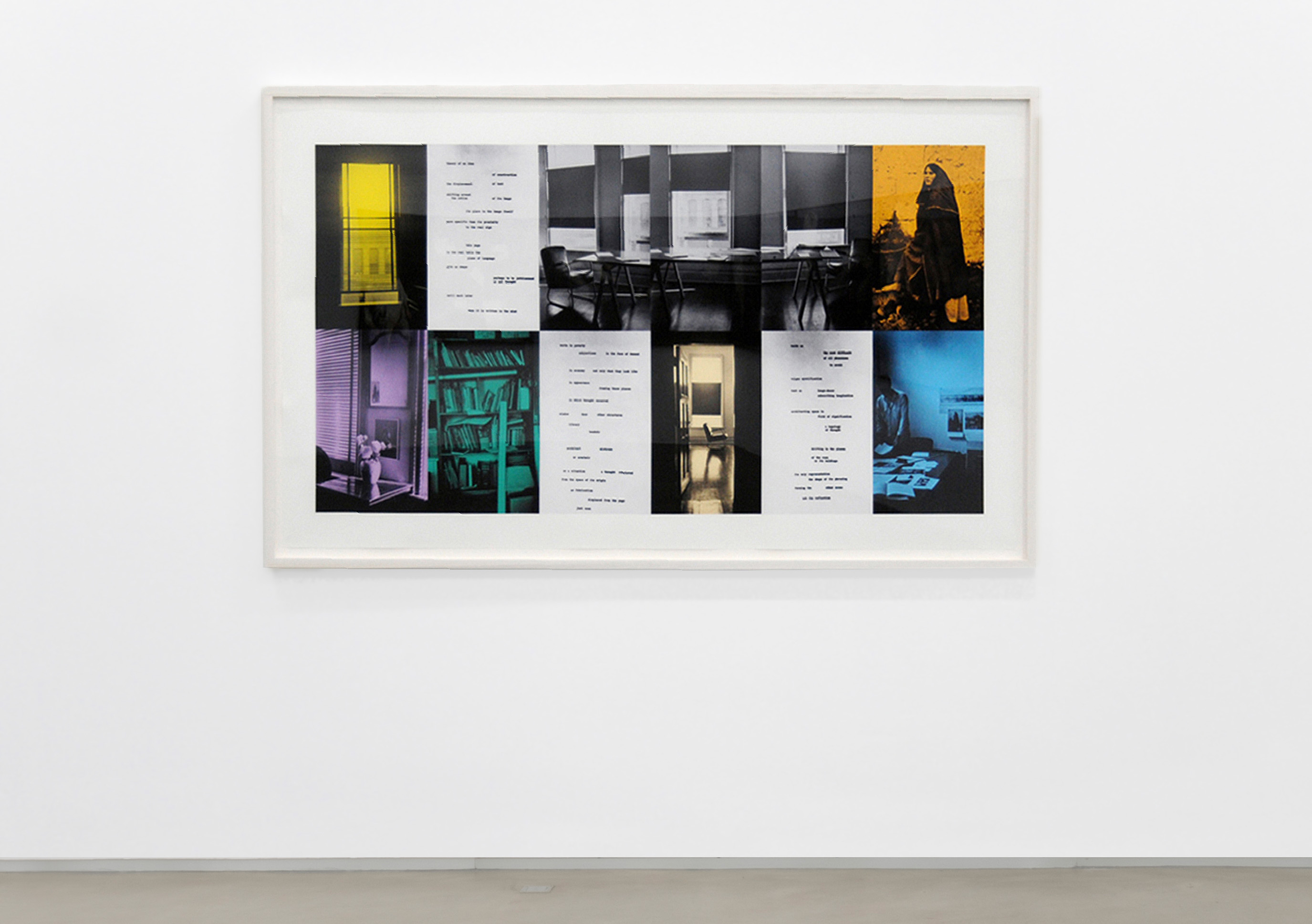
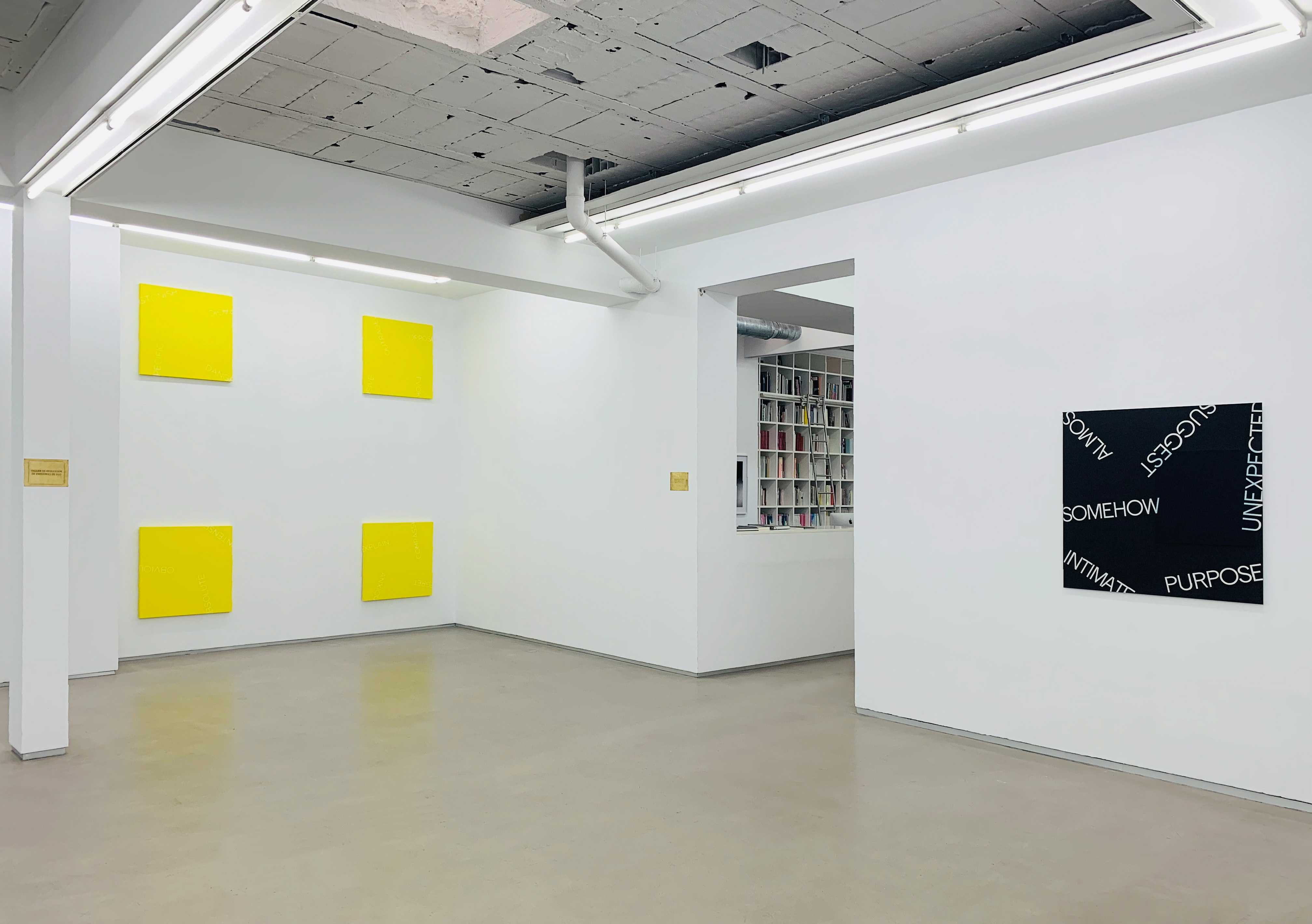
Reflejos y reflexiones
- L u i s C a m n i t z e r
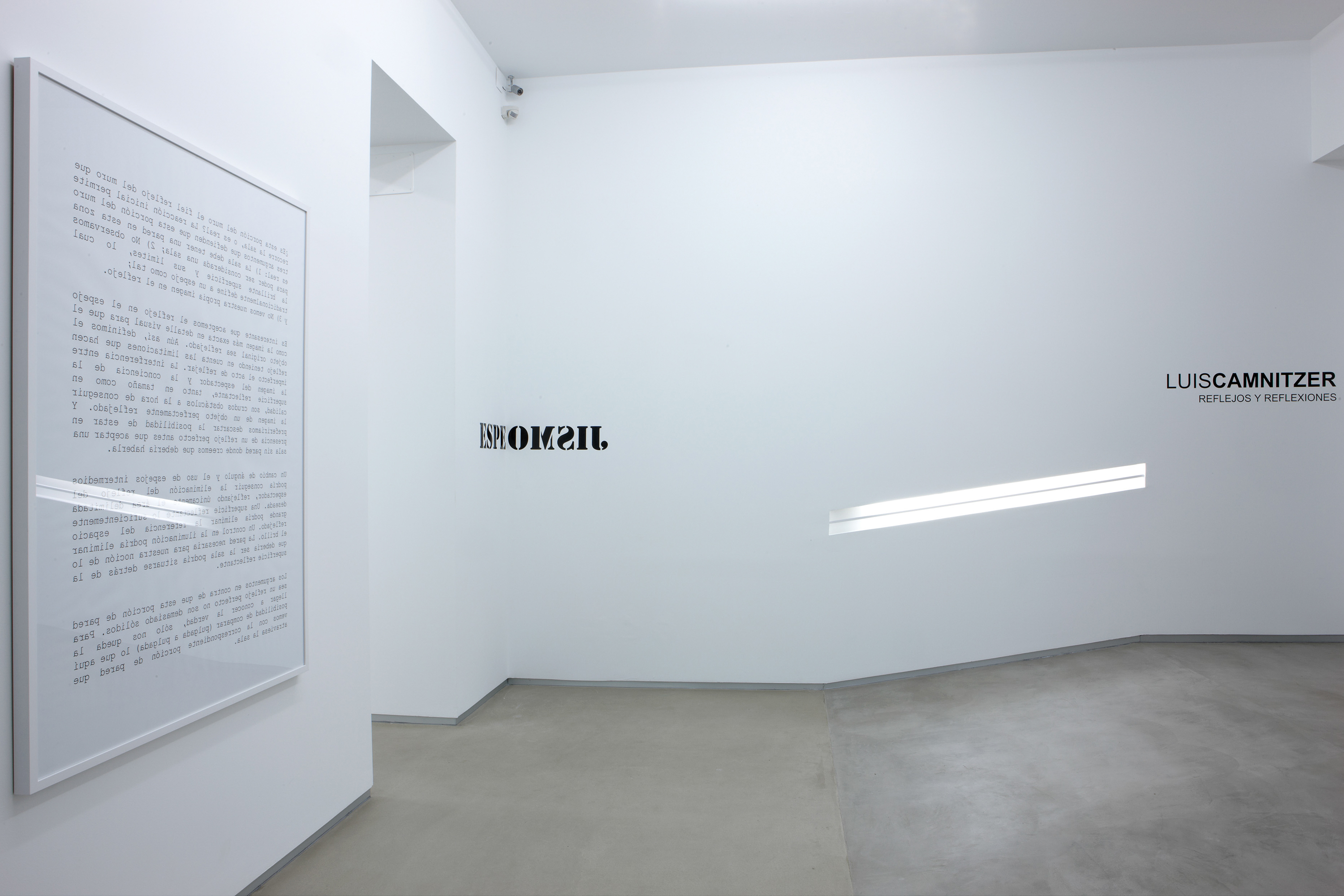
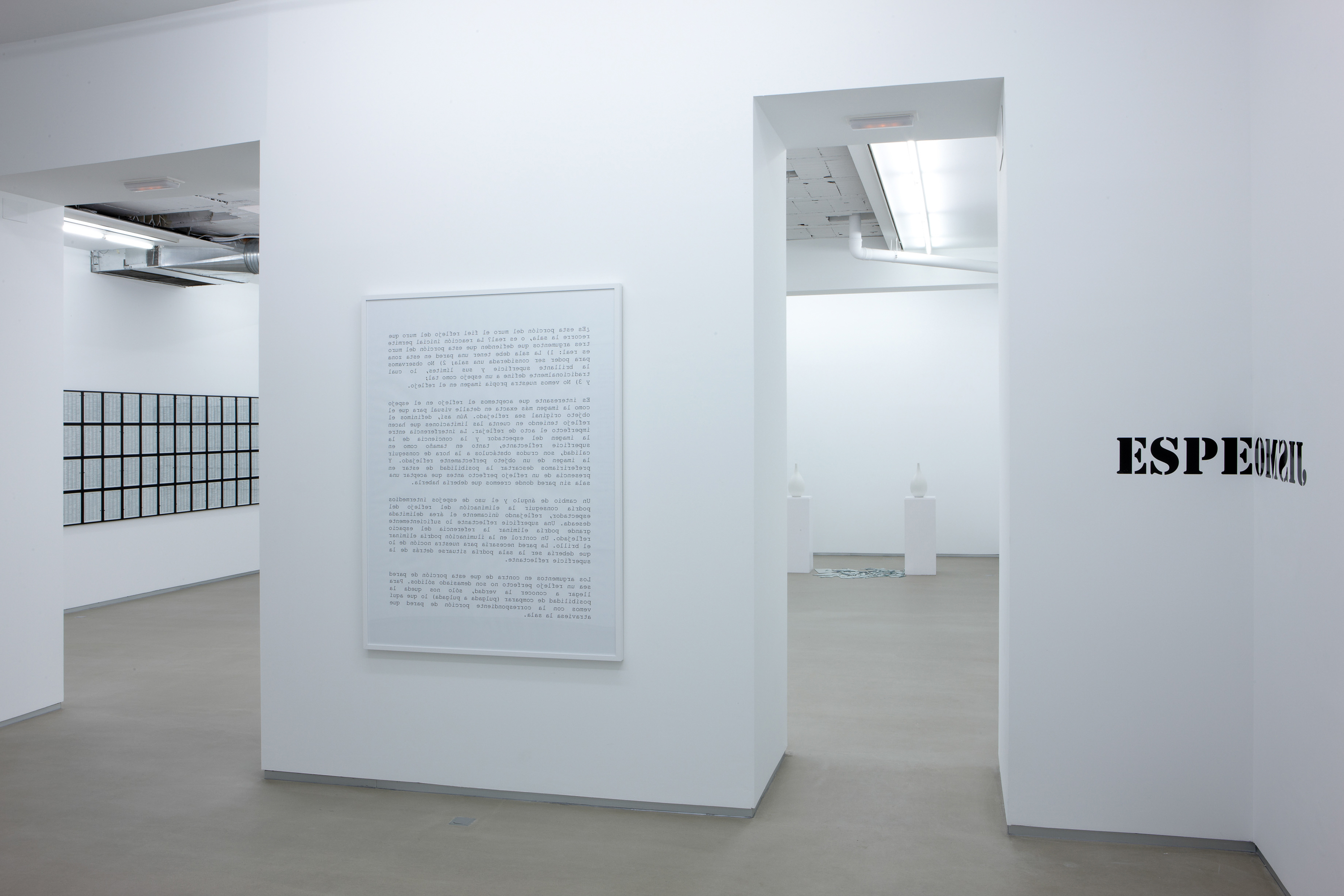
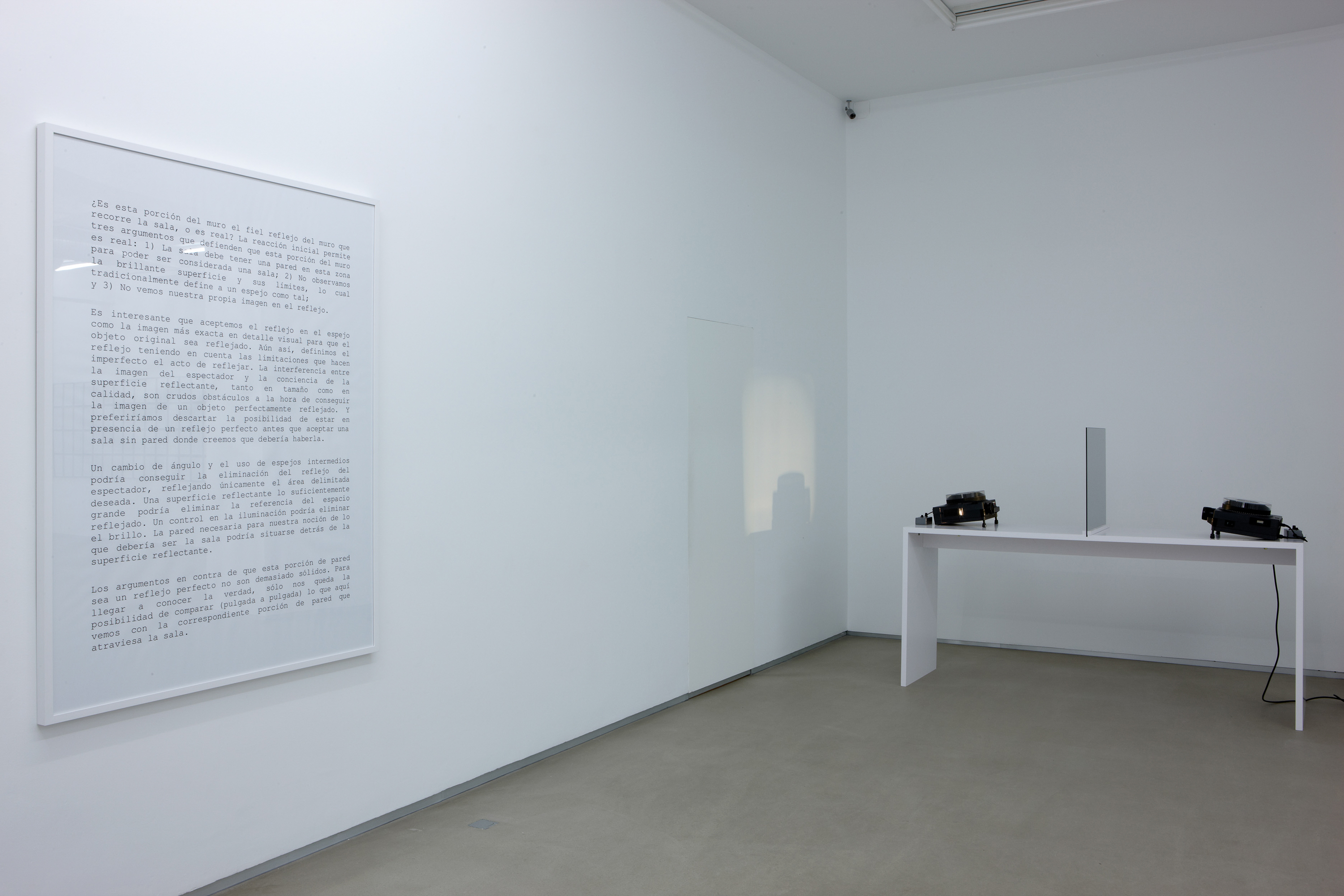
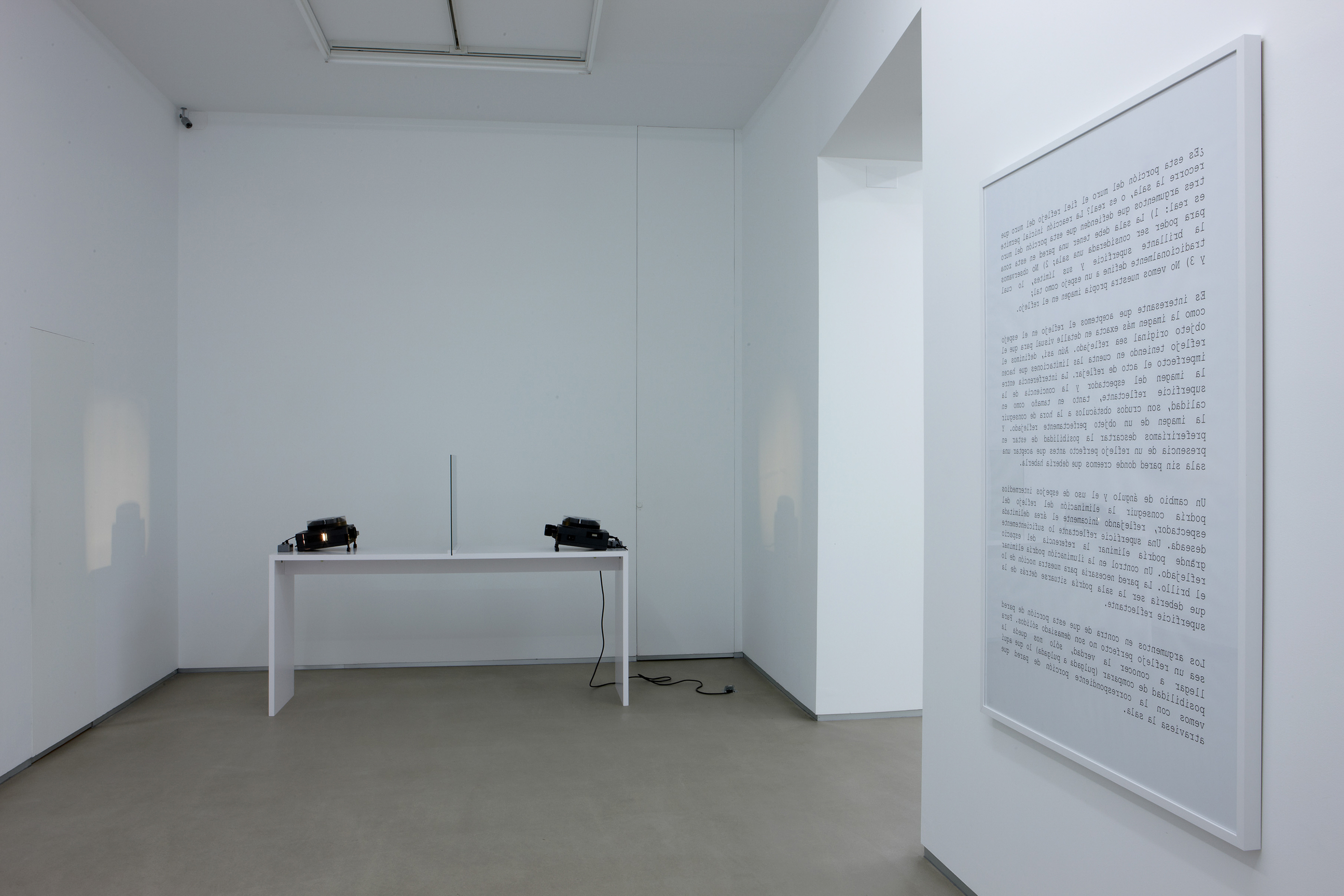


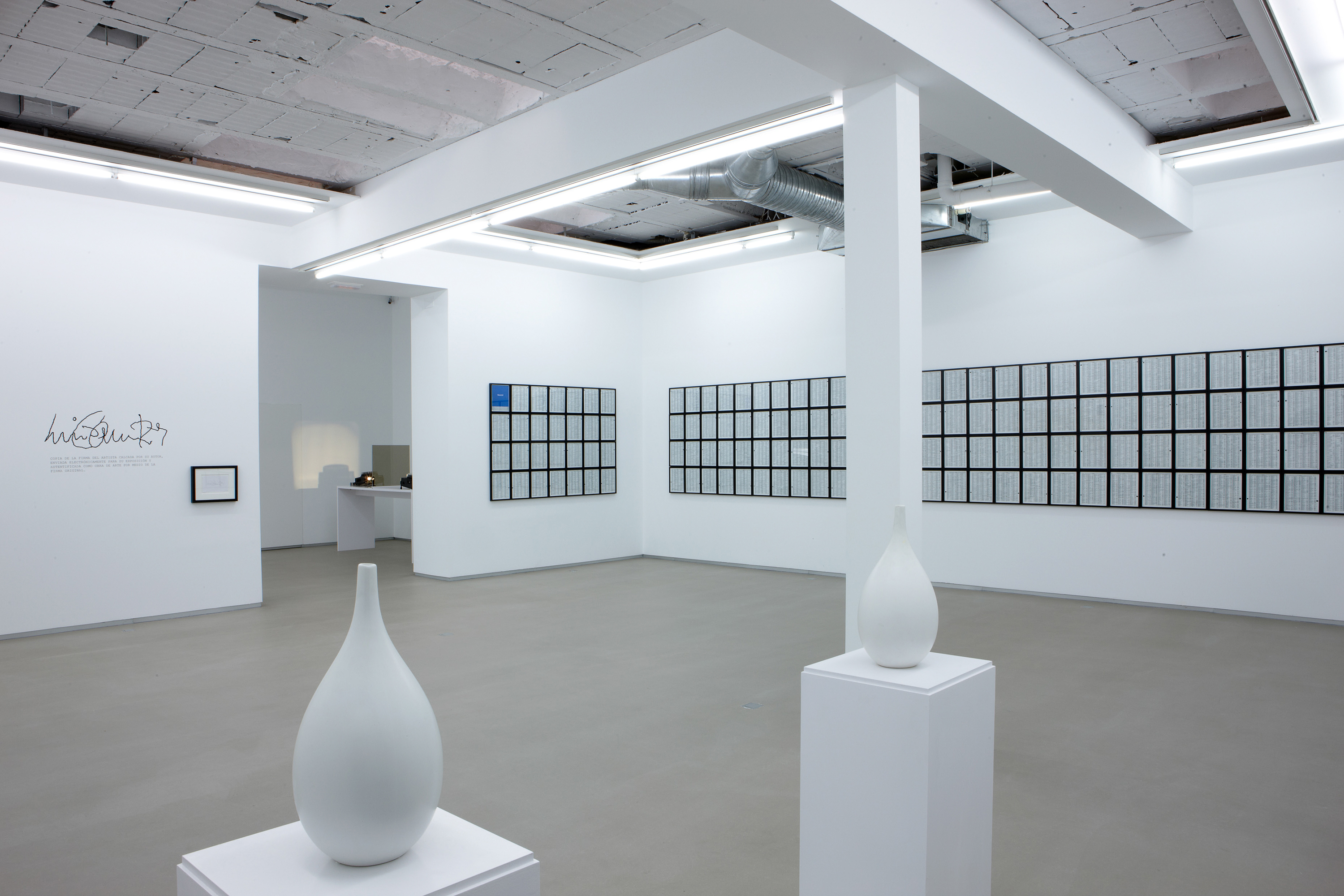
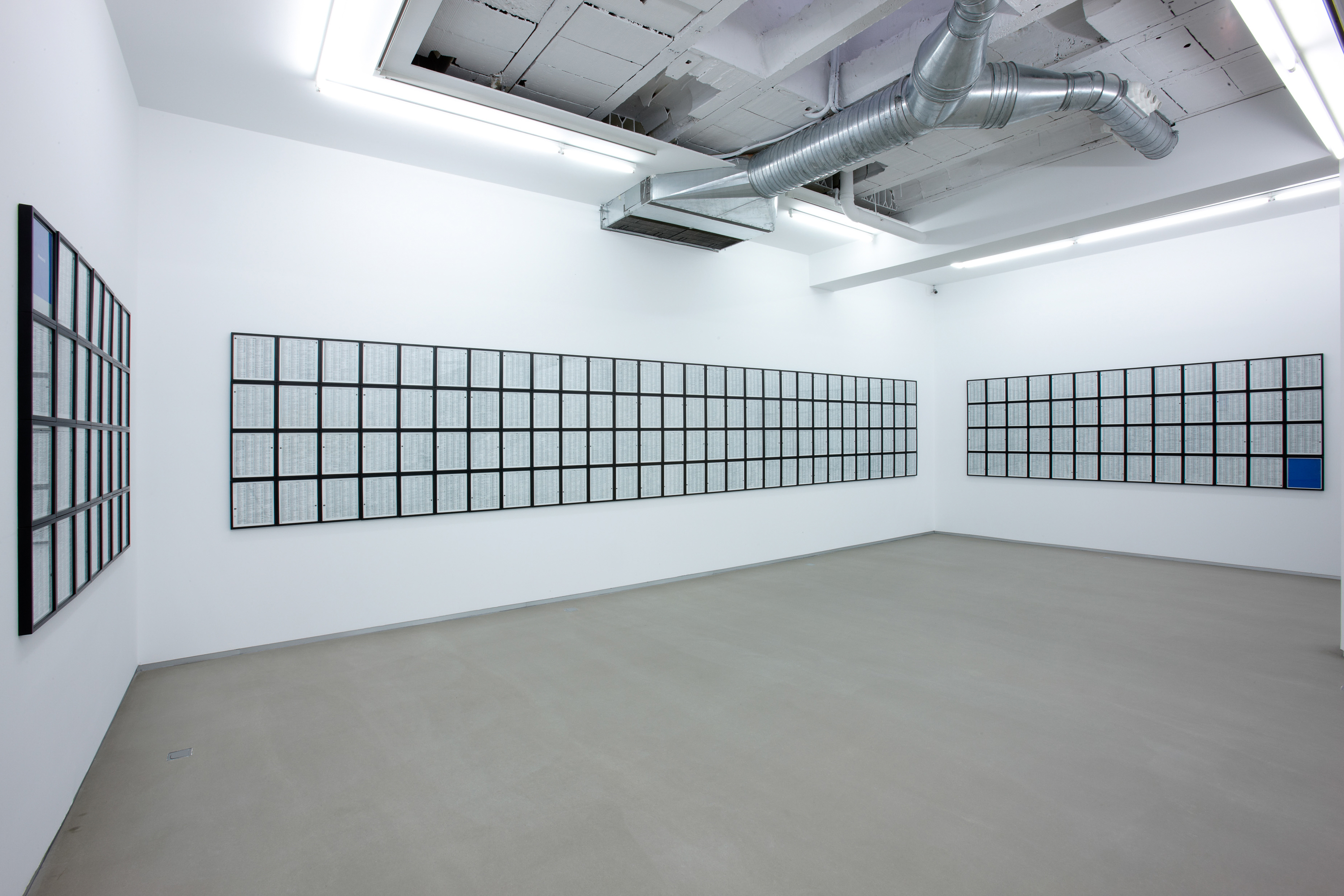


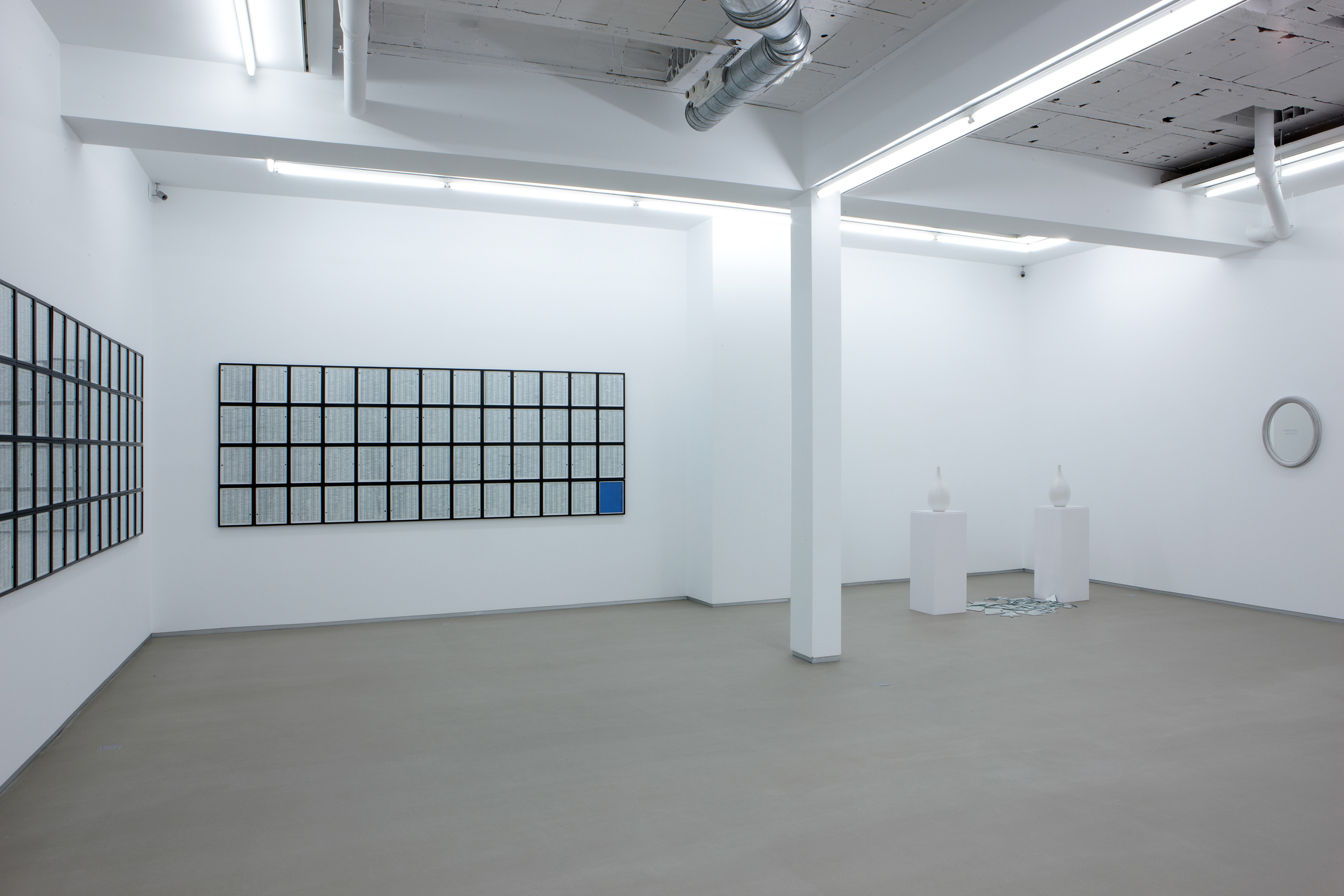
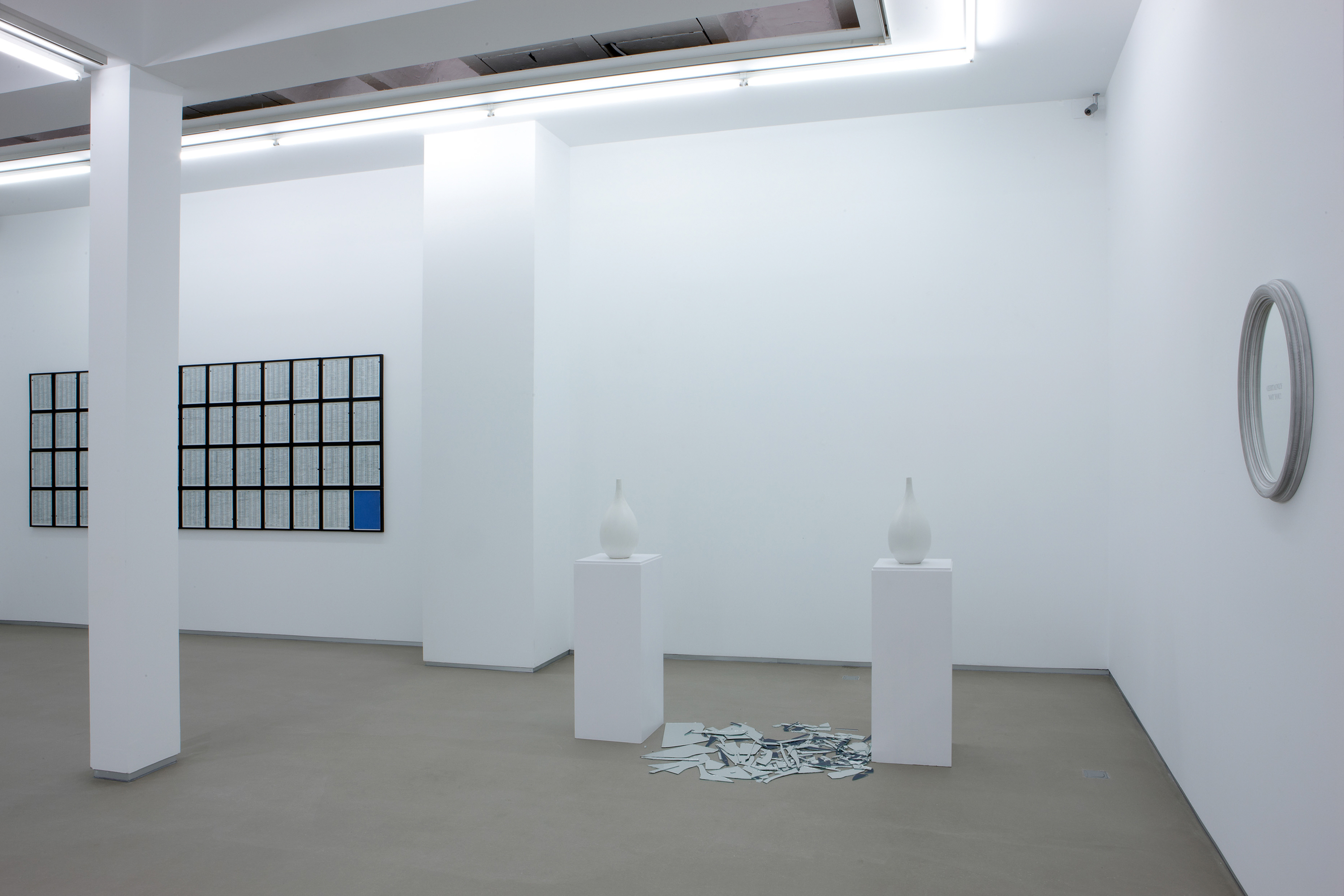
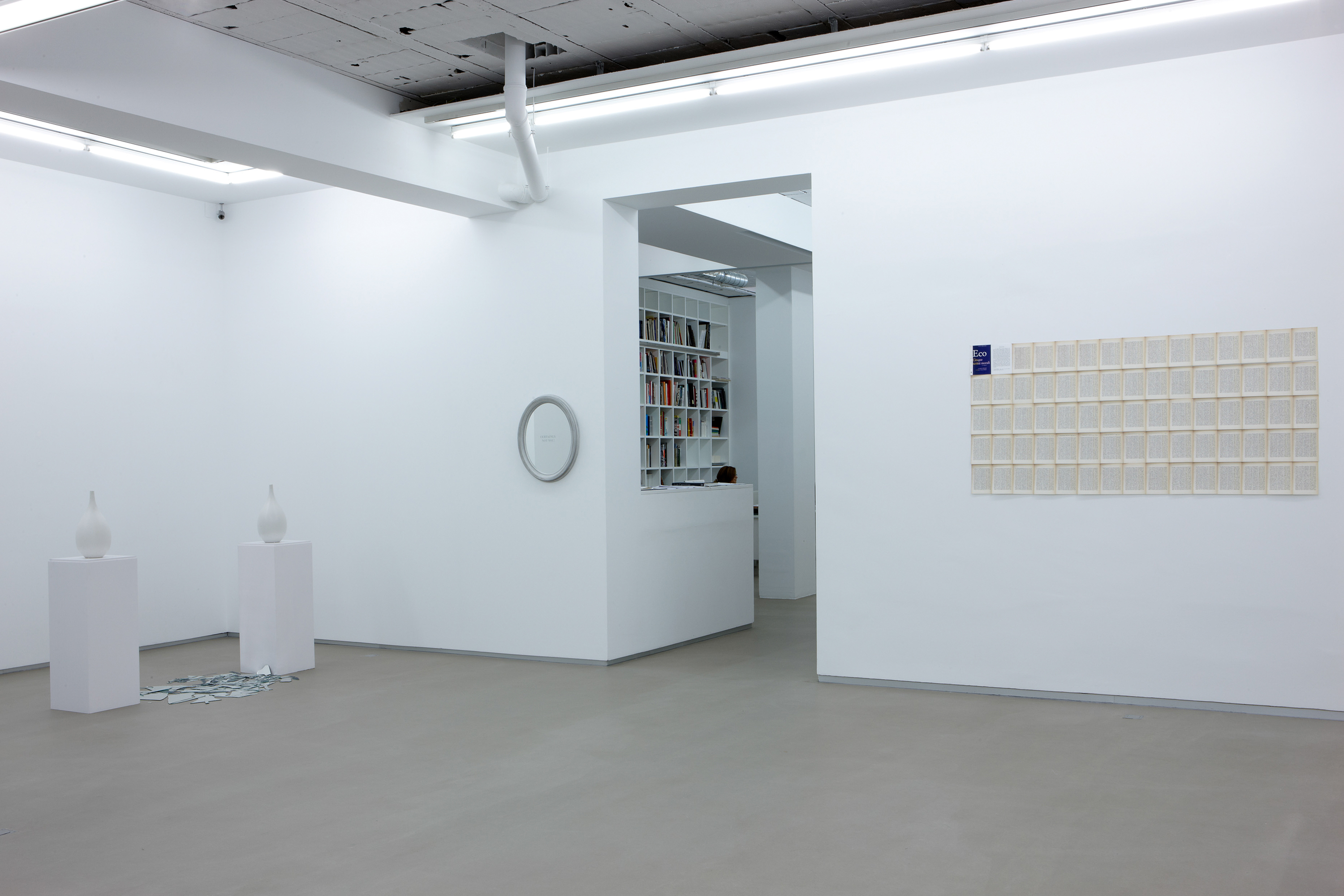
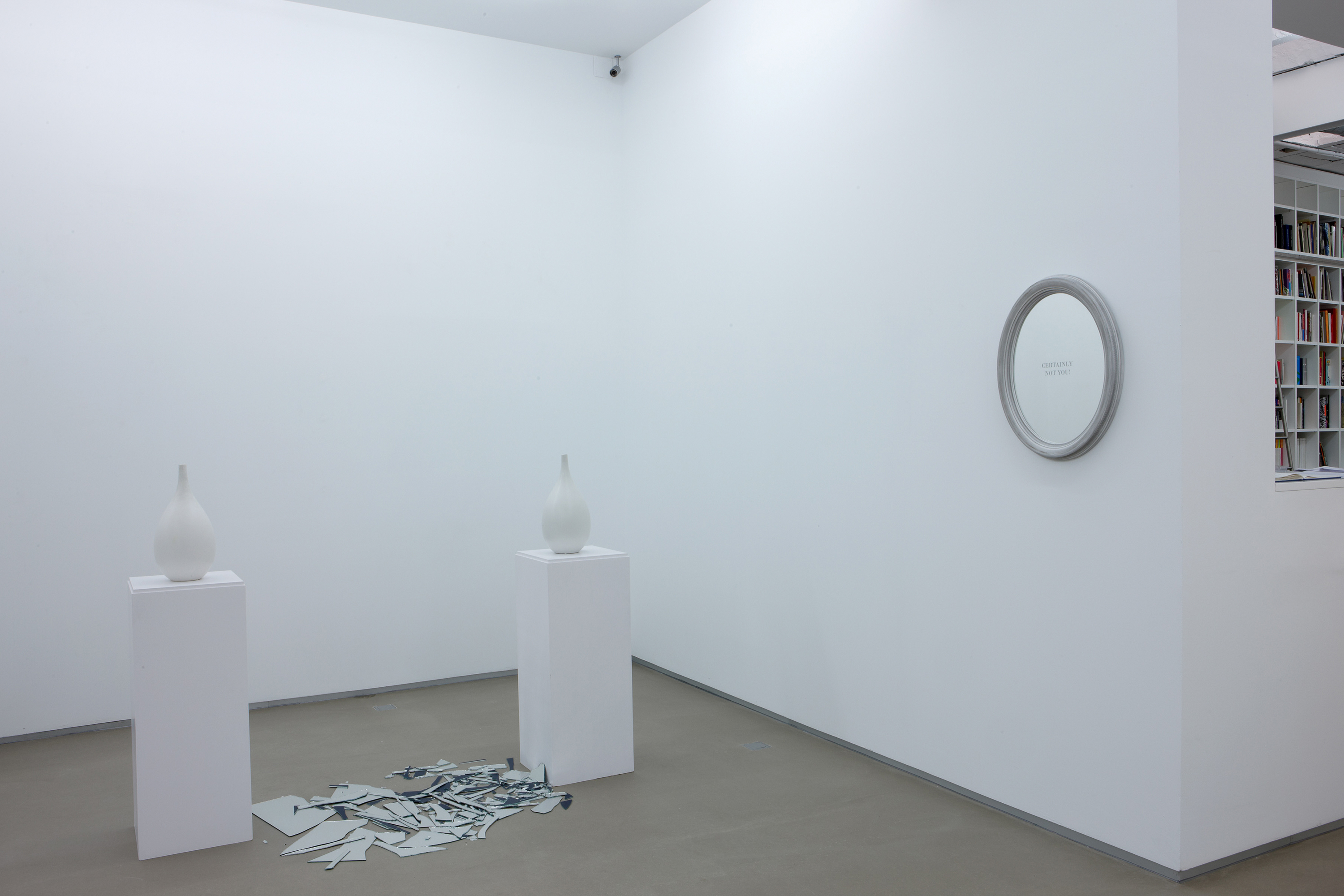

Parra & Romero is pleased to present the first solo exhibition by the Uruguayan artist Luis Camnitzer (1937) at a Spanish gallery. Luis Camnitzer can be considered one of the most relevant artists of the second half of the 20th century. His artwork stands surprisingly the passage of time, but is yet quite unknown among the wide public. Because of artistic and ideological reasons, he intentionally remained throughout his life removed from the international market.
Classified into the formal among American Conceptual and Minimal artists of the 1960’s and 1970’s, Luis Camnitzer has developed a mainly autonomous production that differs from his American colleagues’, showing an exquisite sensibility towards the context and the eventuality, and an ironically metaphorical polyvalence. Besides, a strong sociopolitical compromise lies within his artwork.
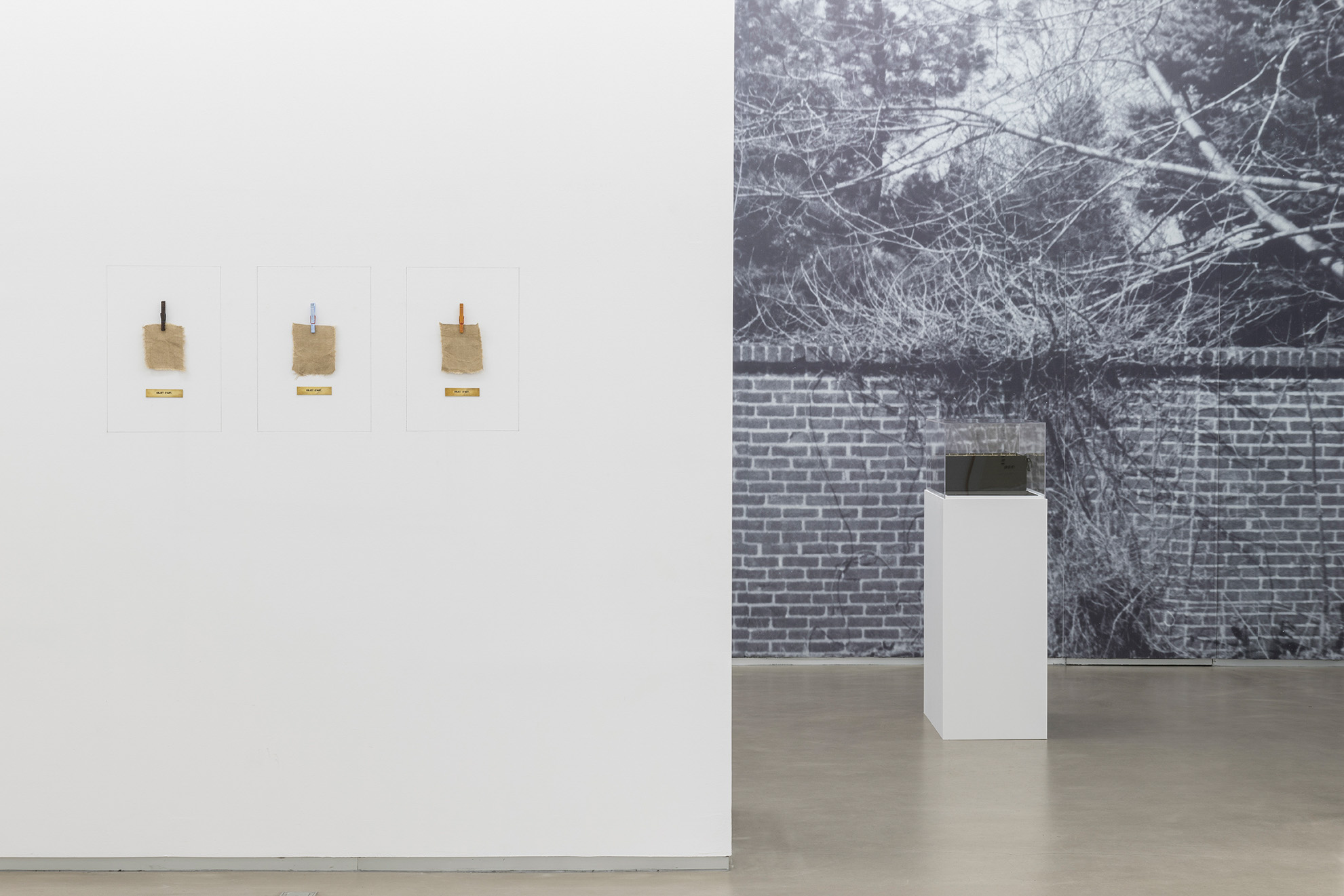
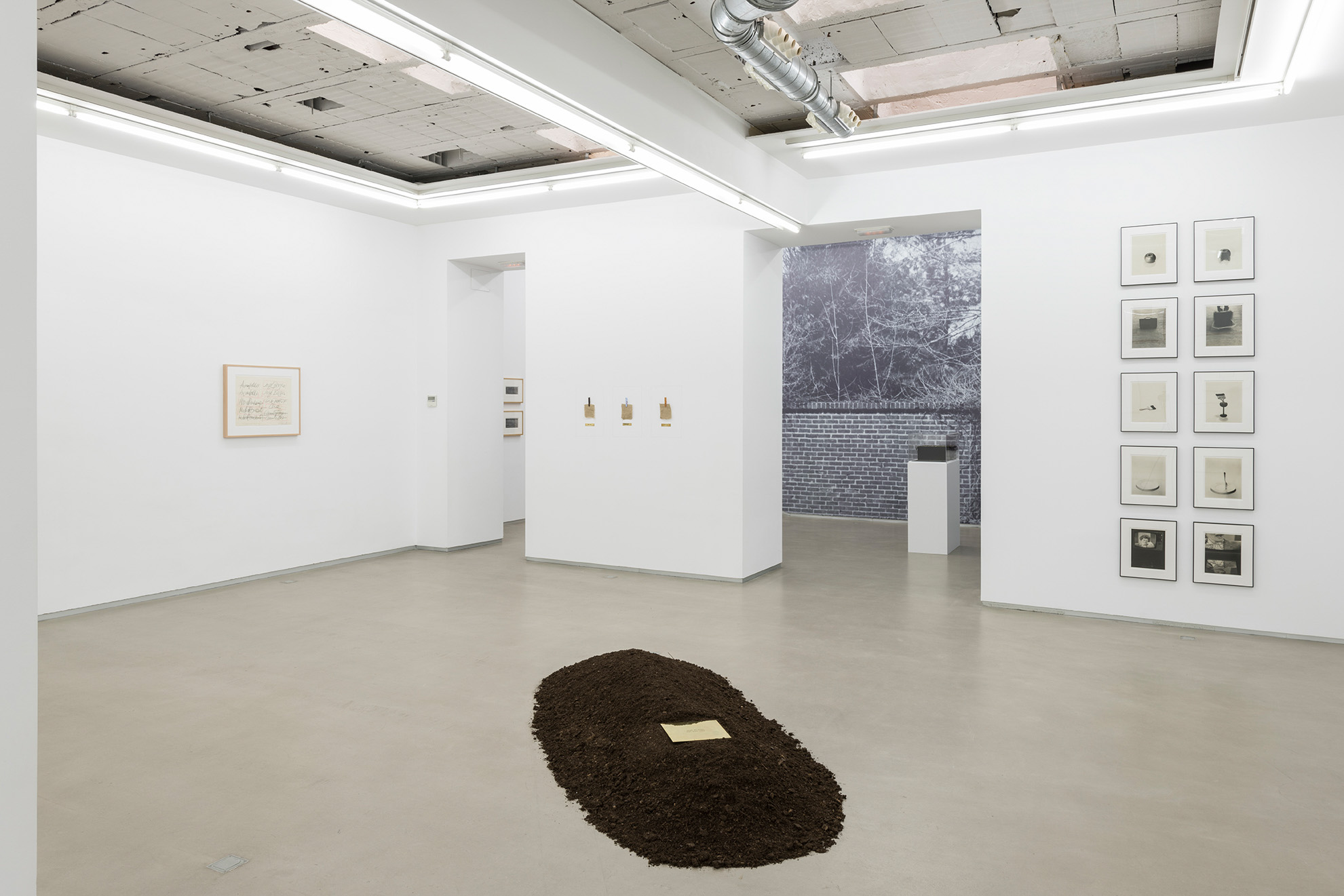
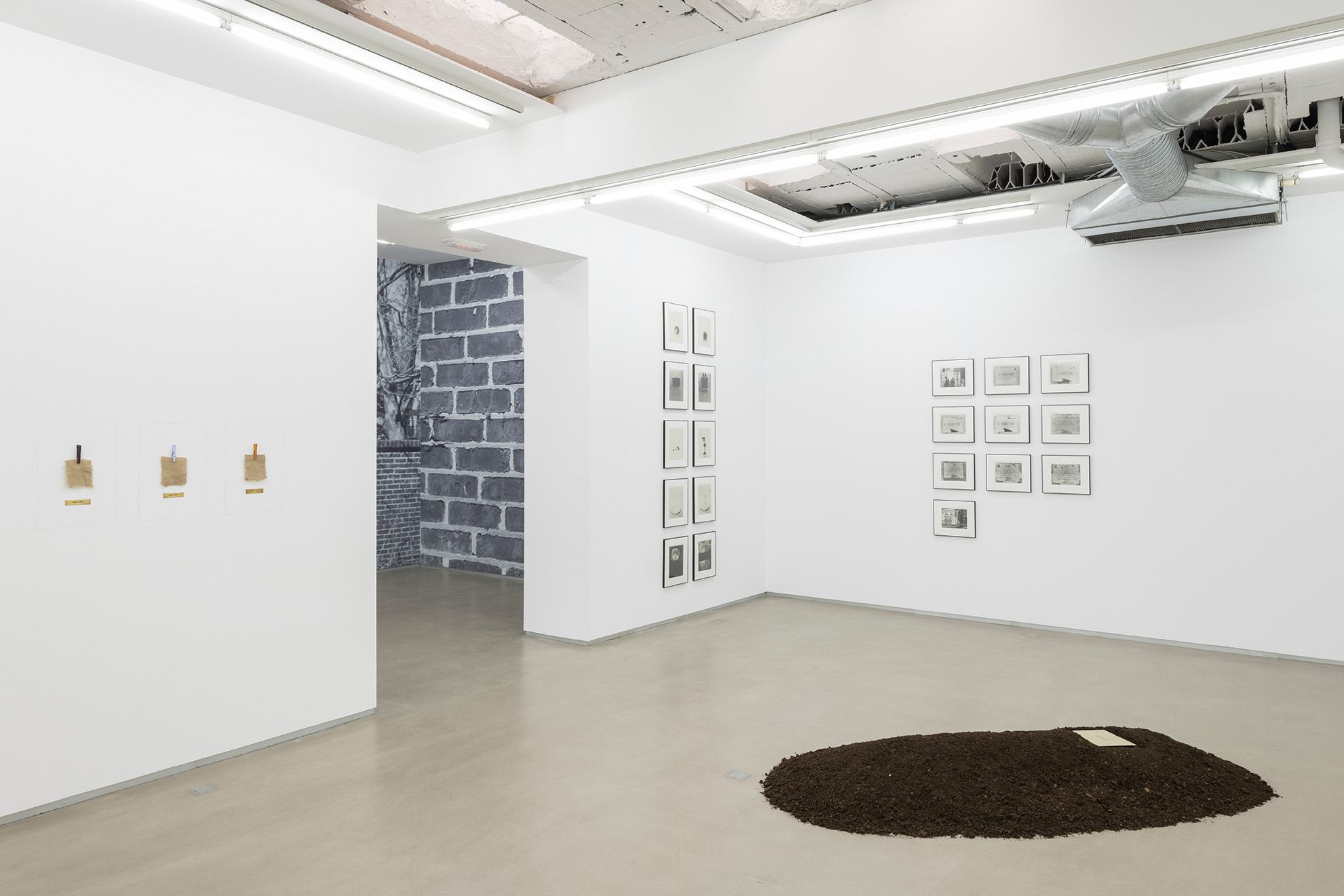
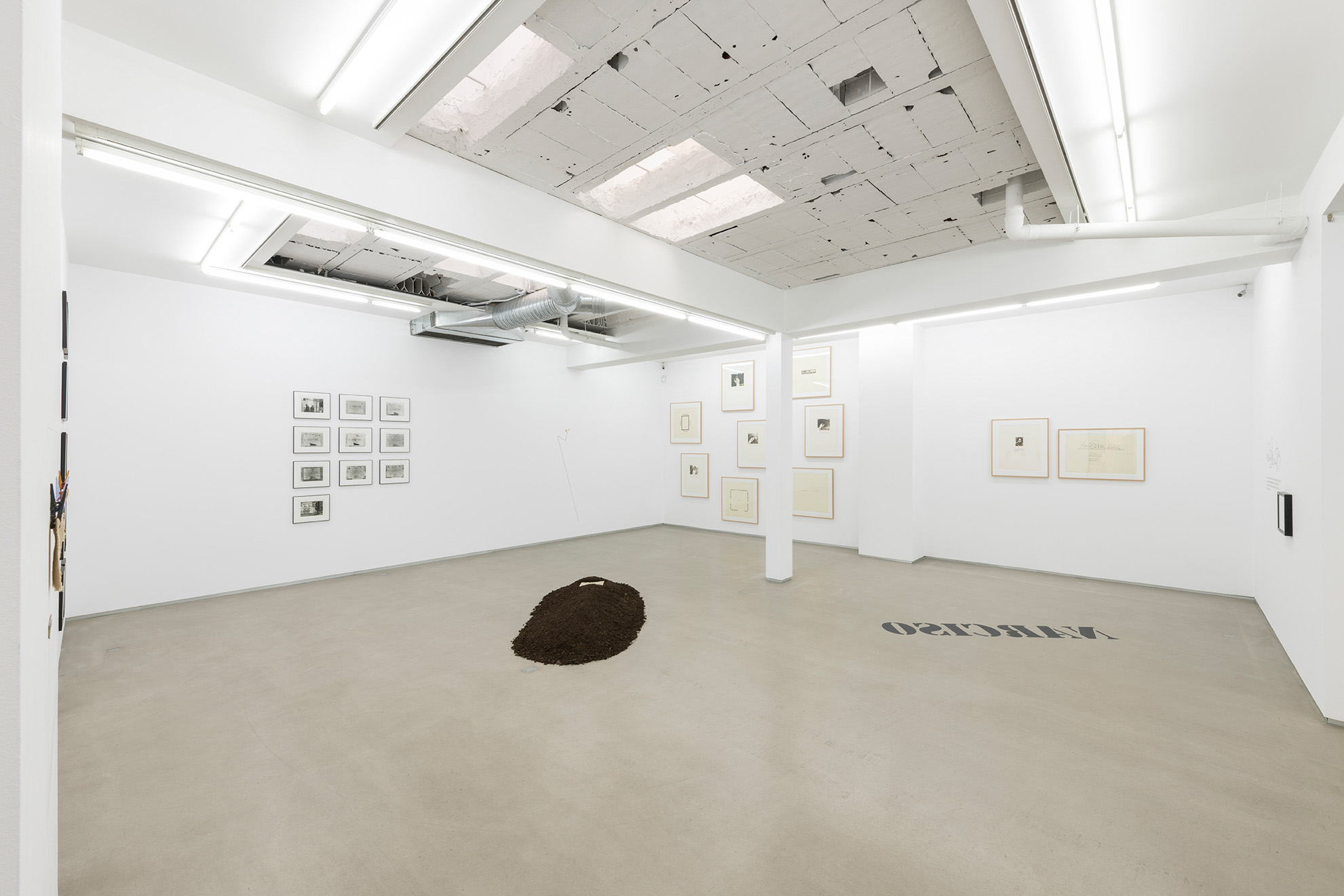
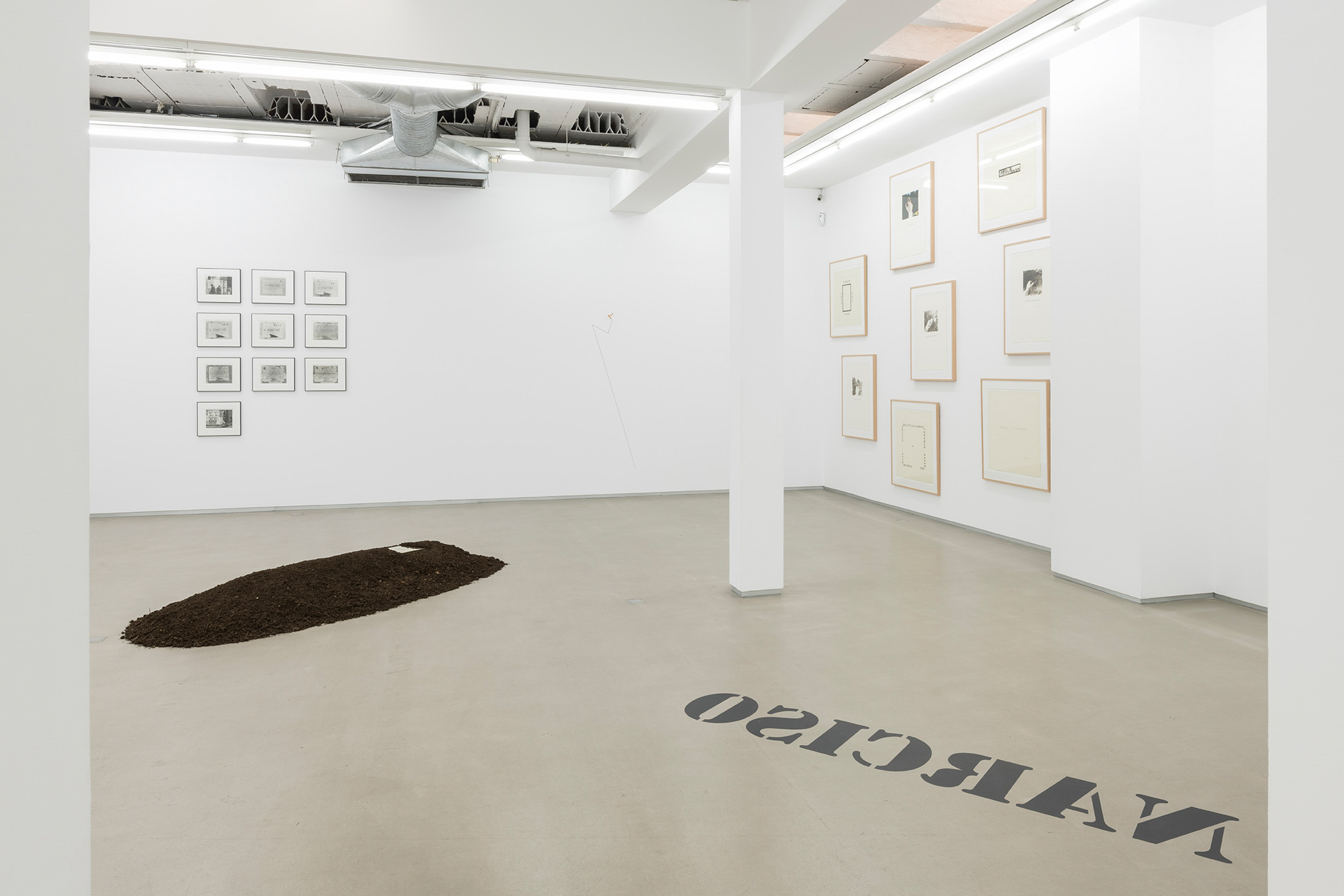
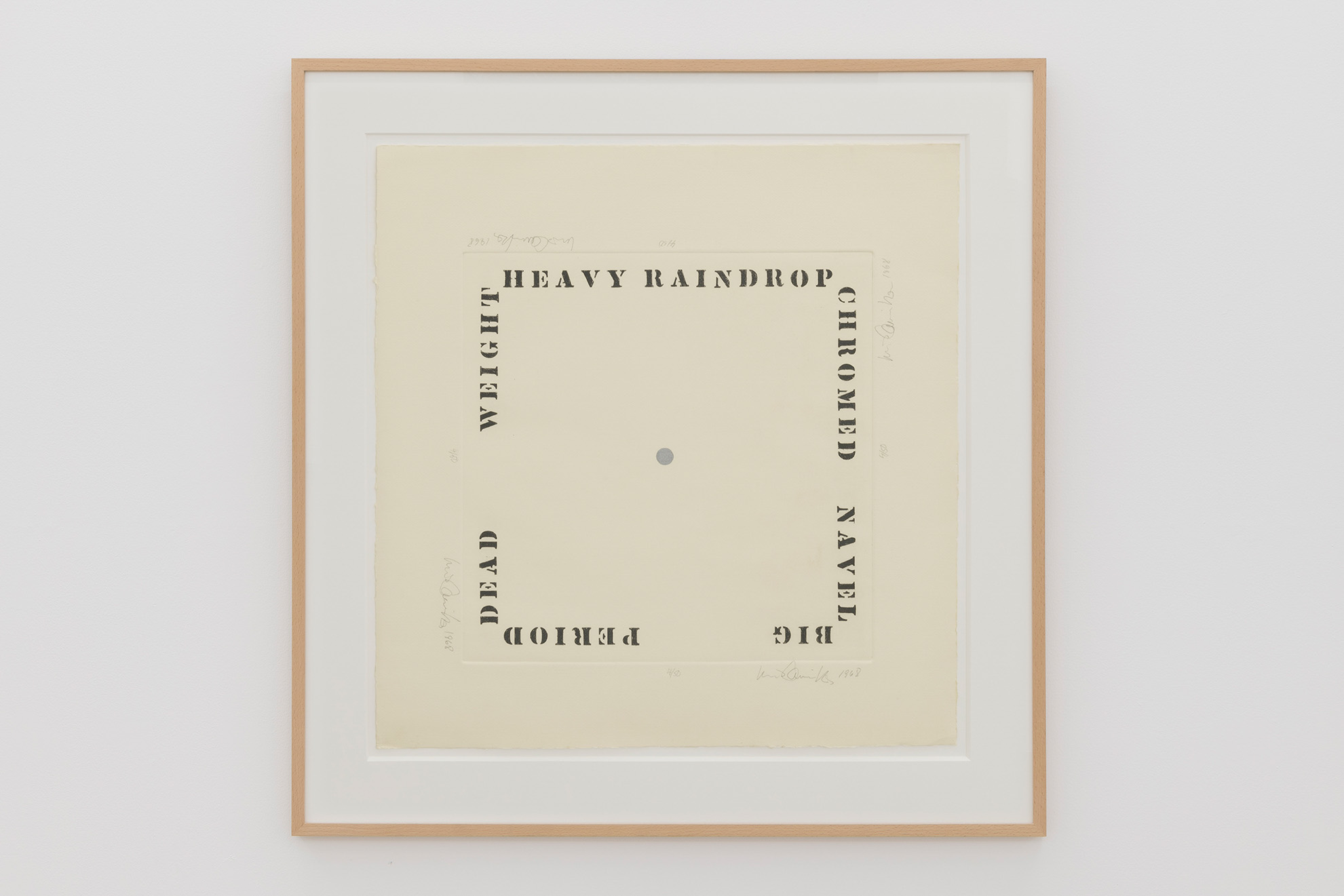
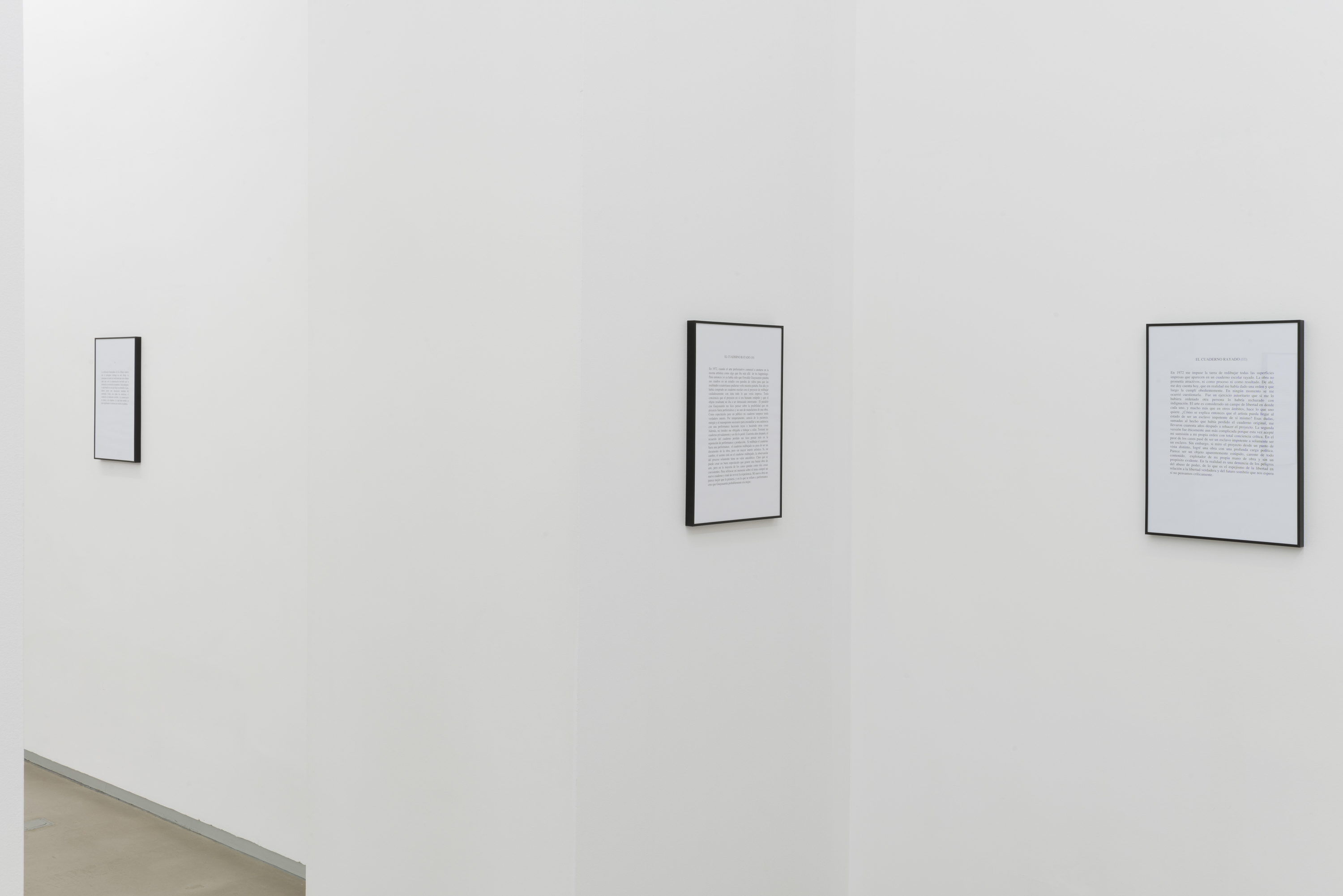
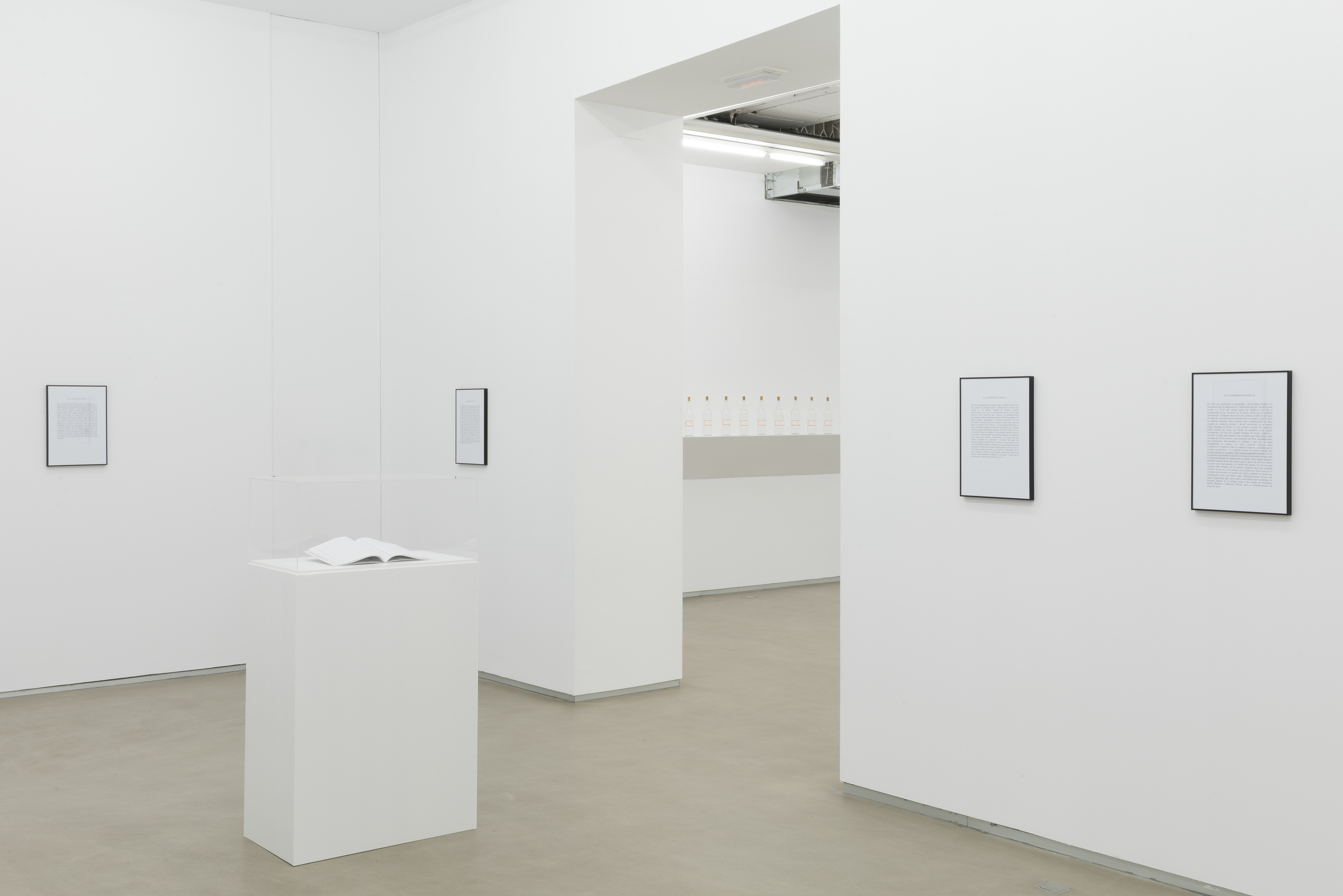
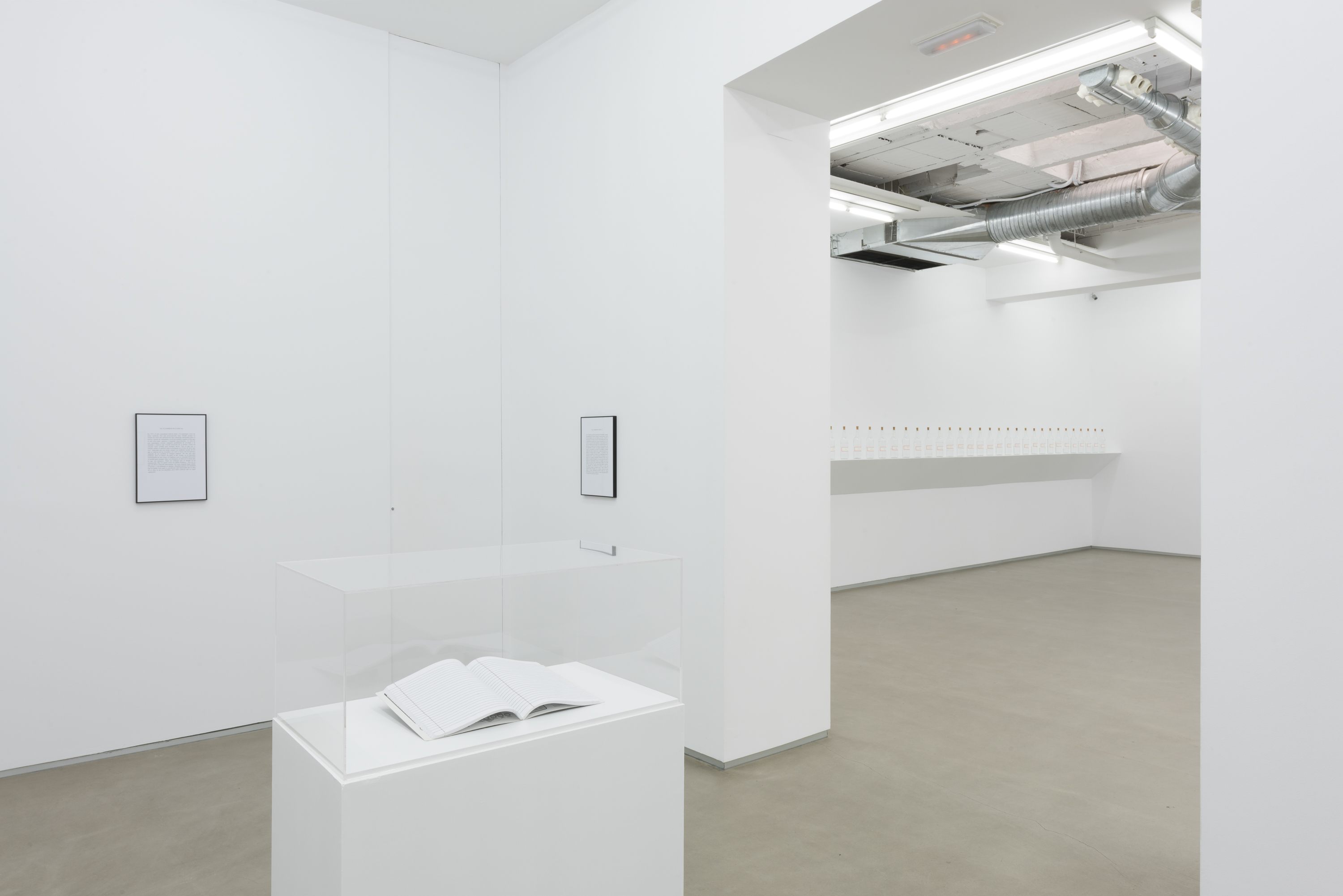
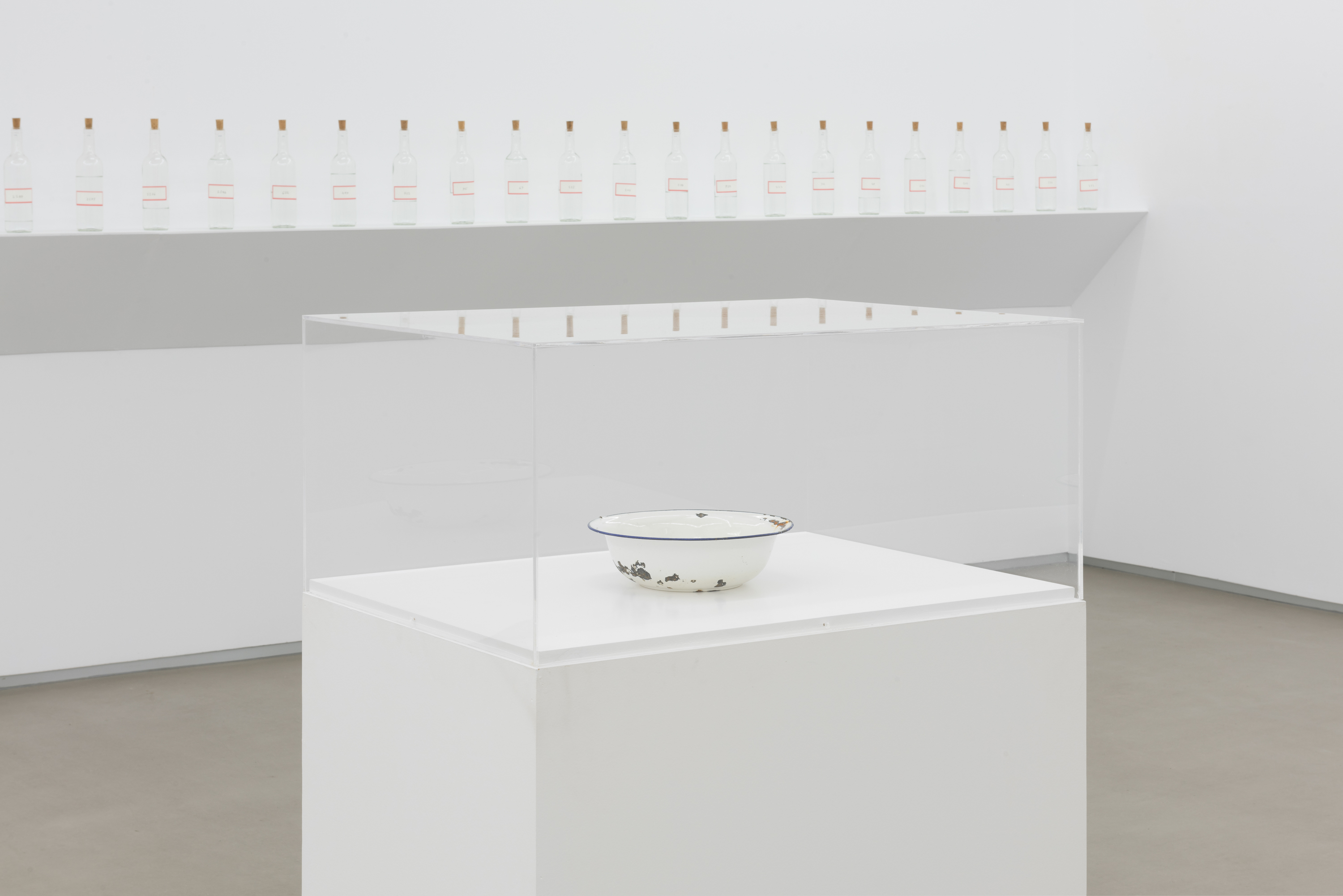
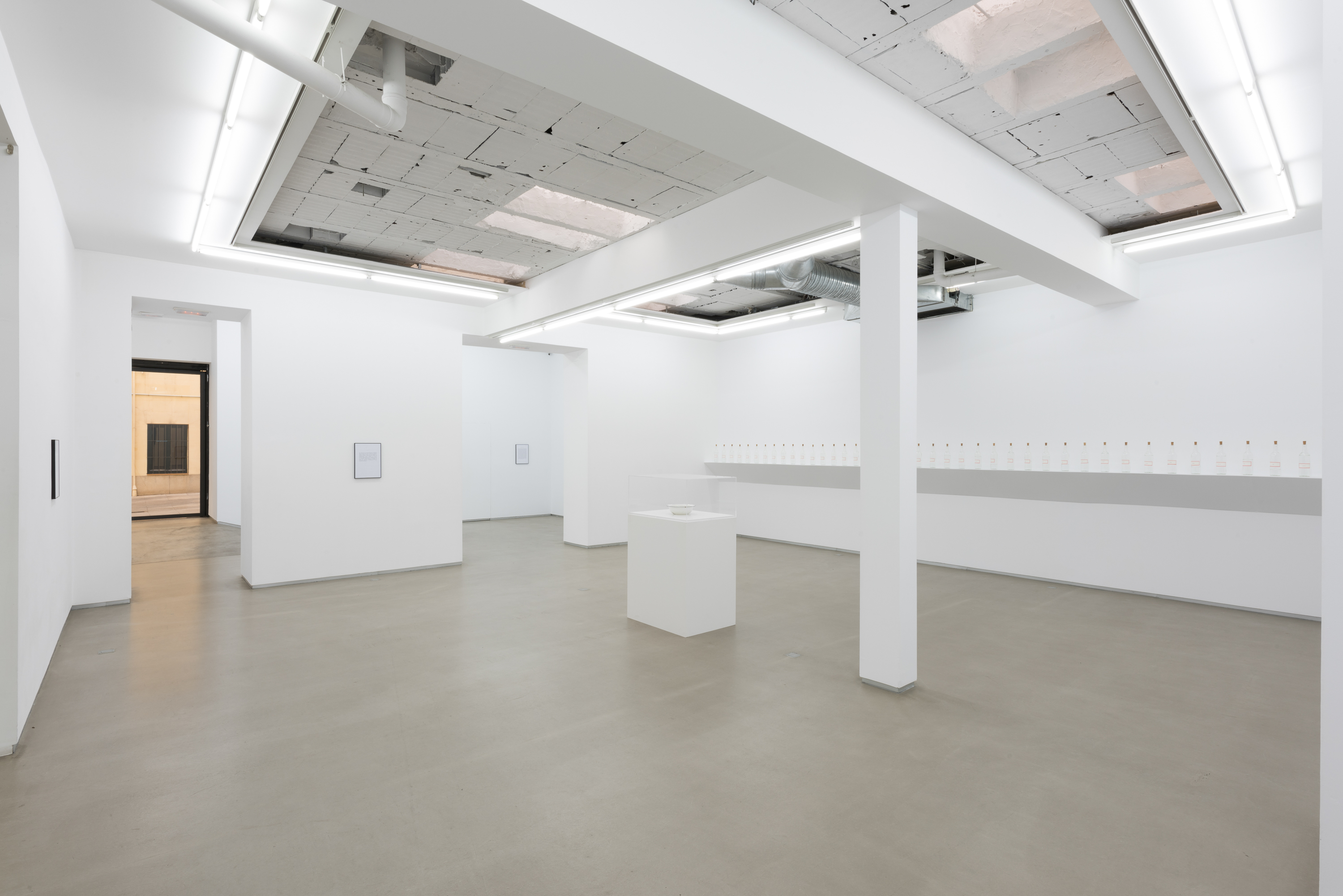
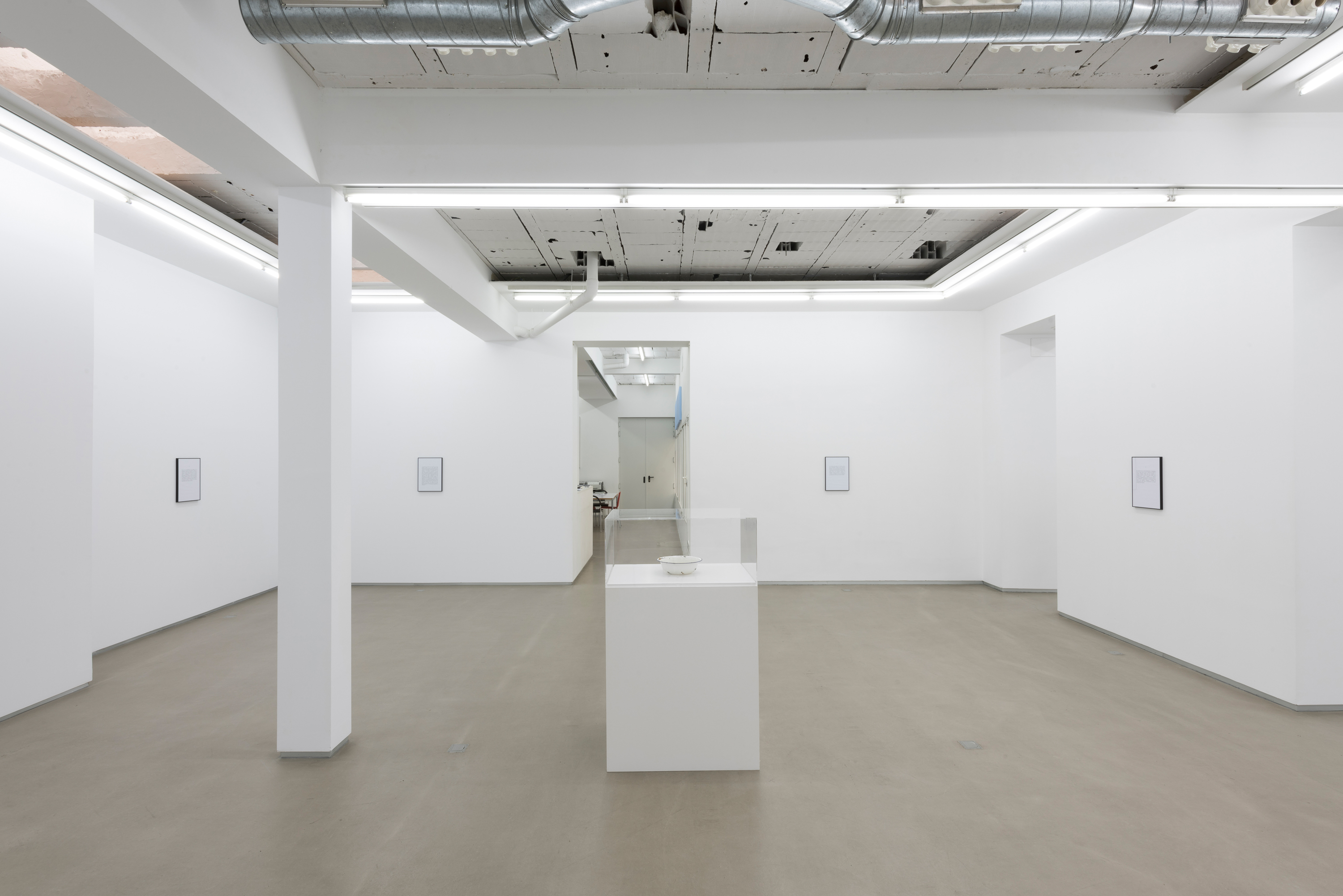
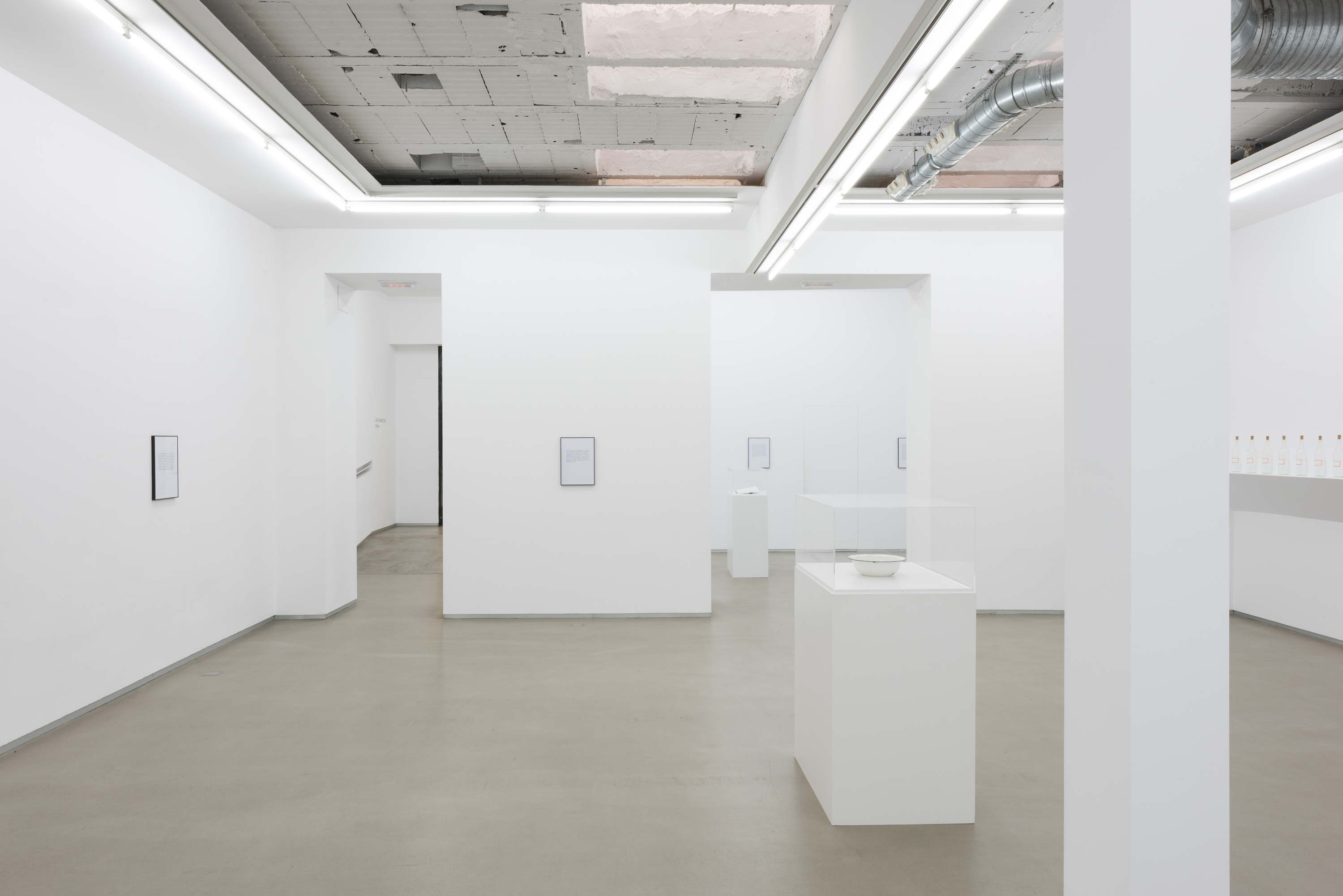
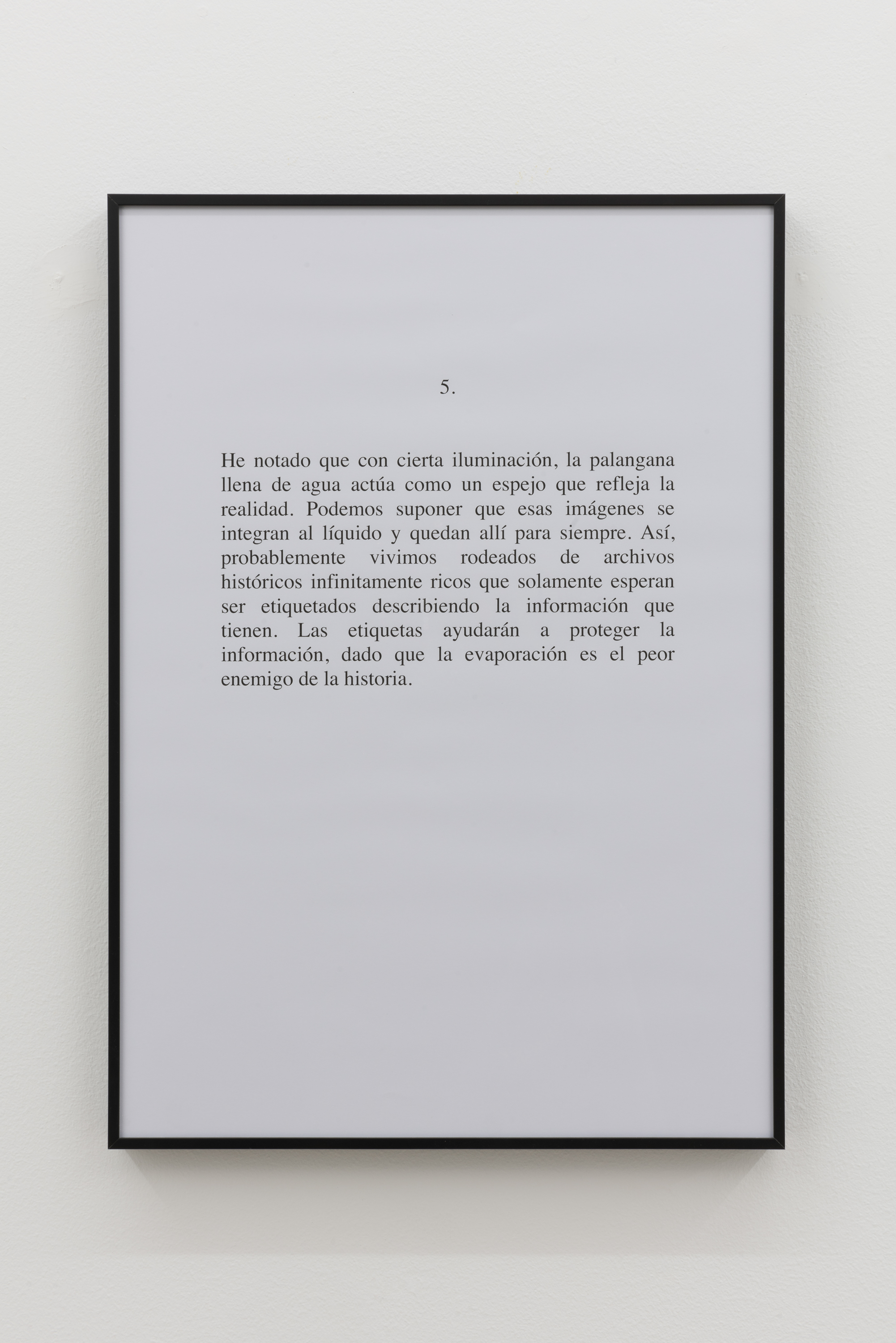
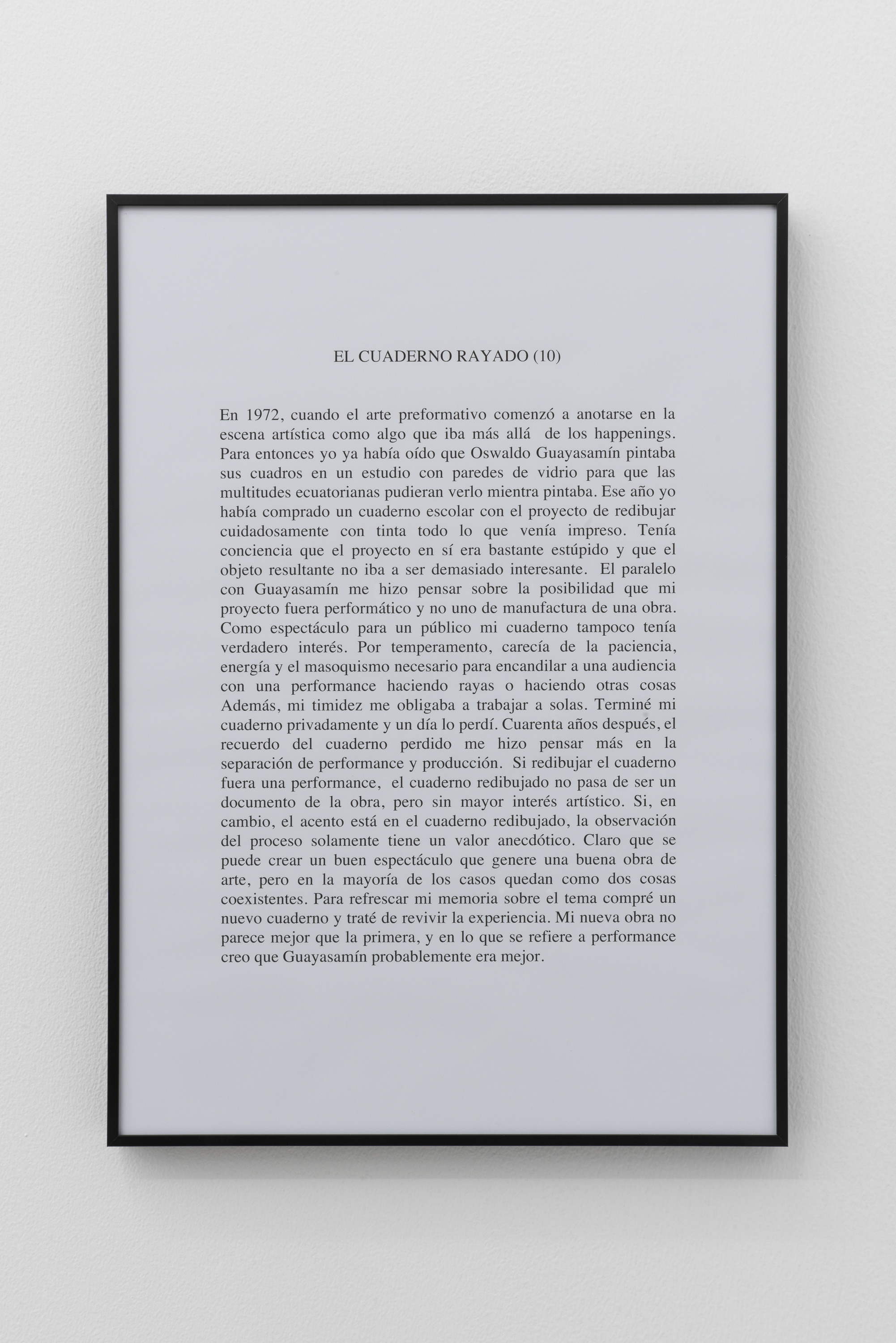
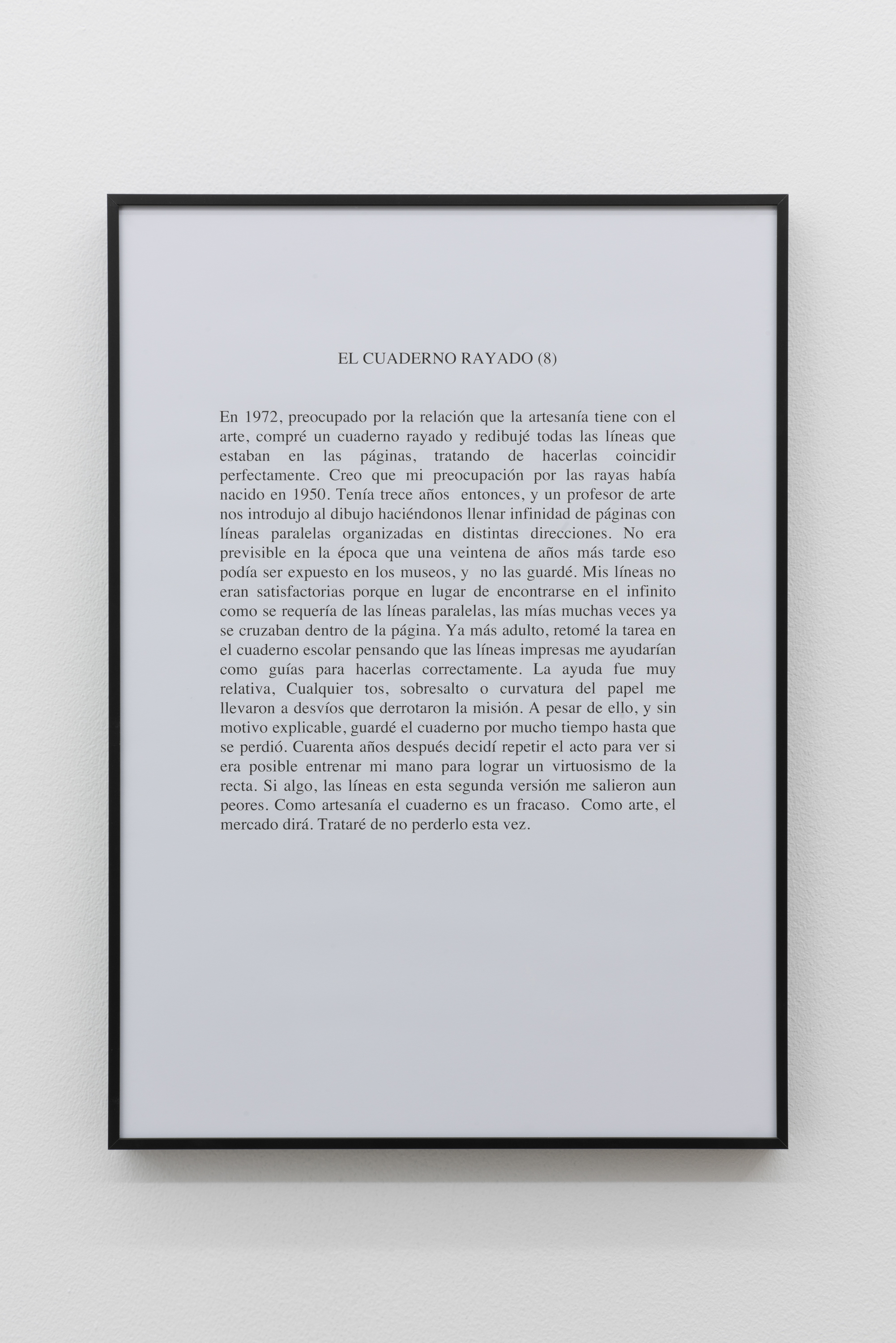
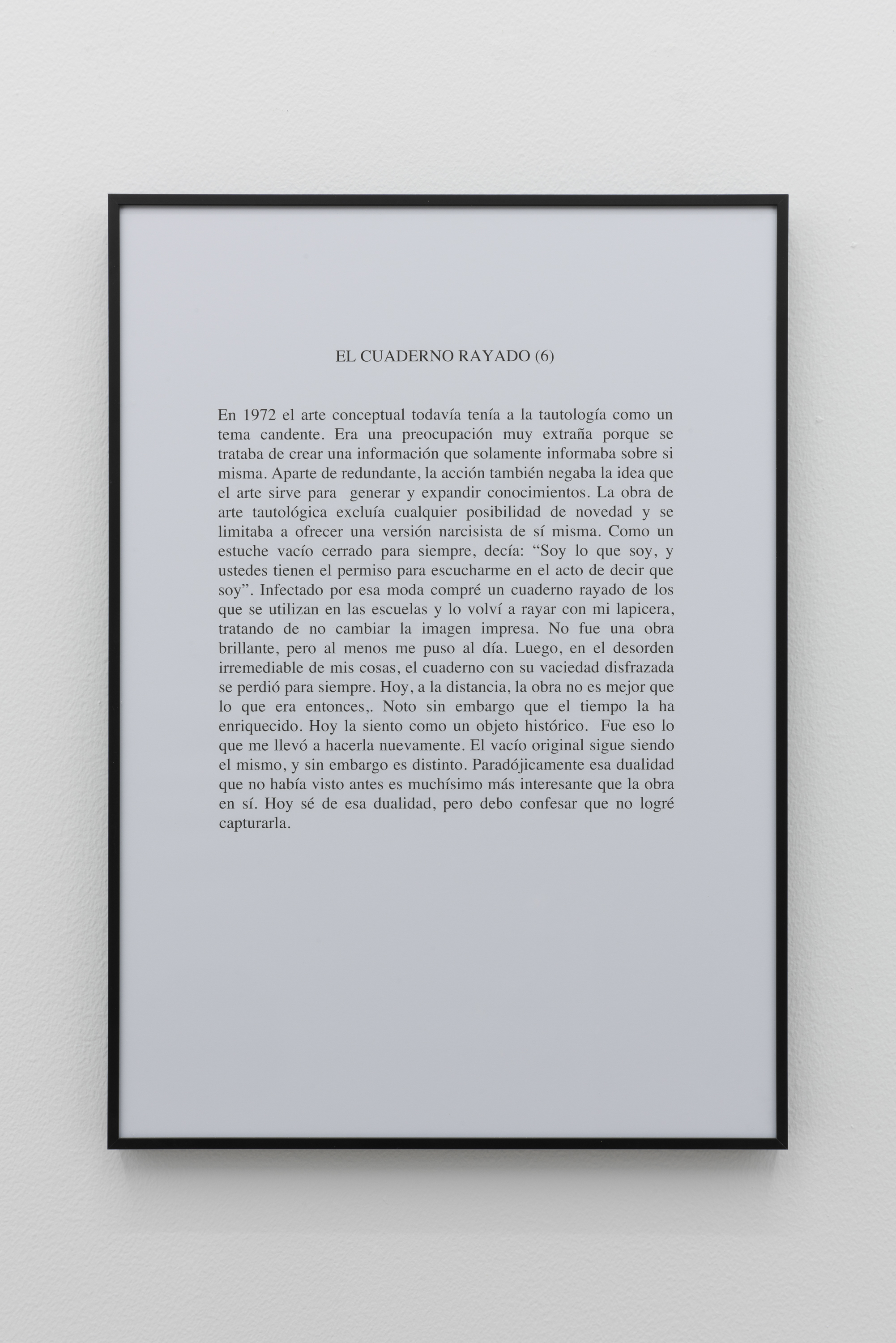
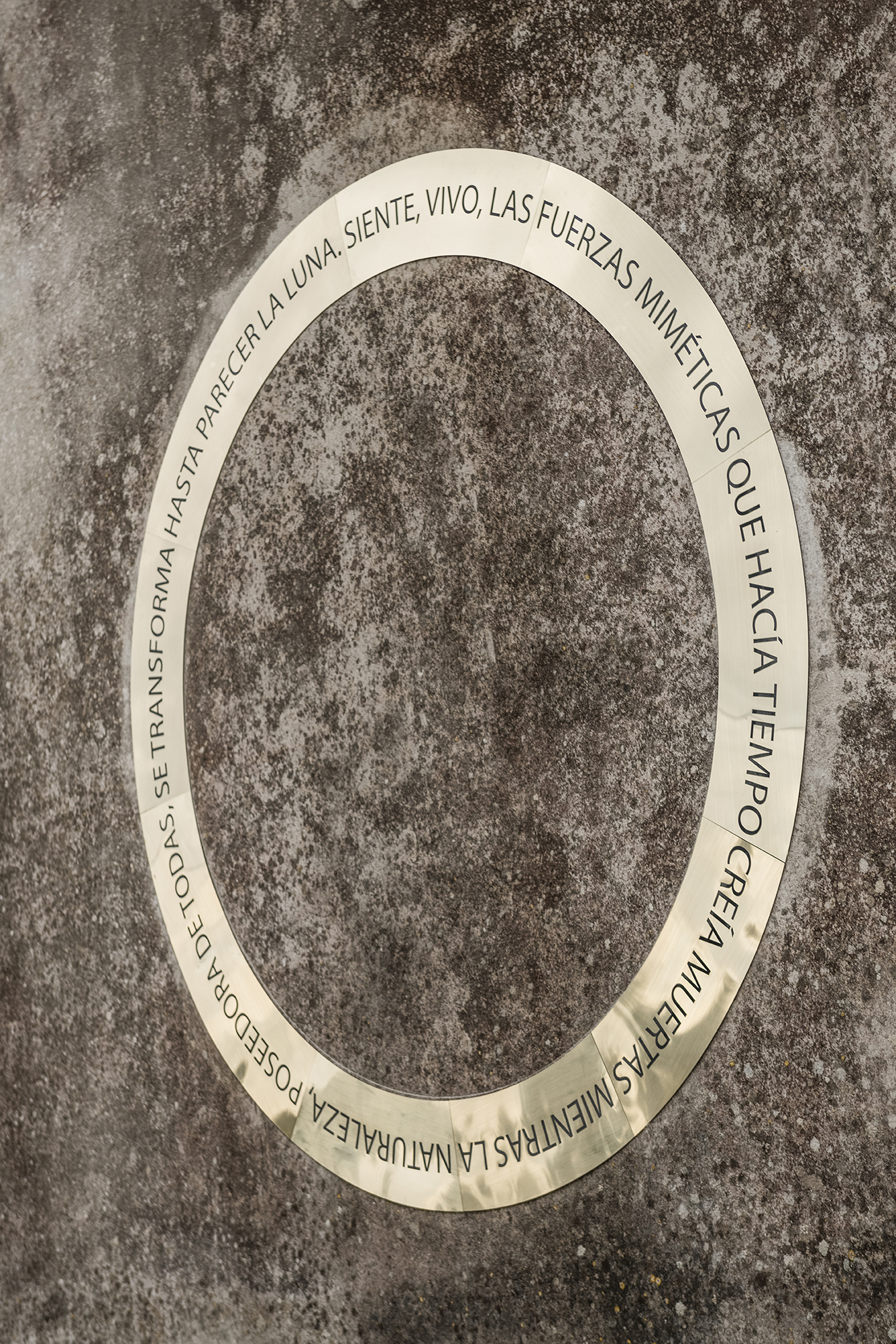
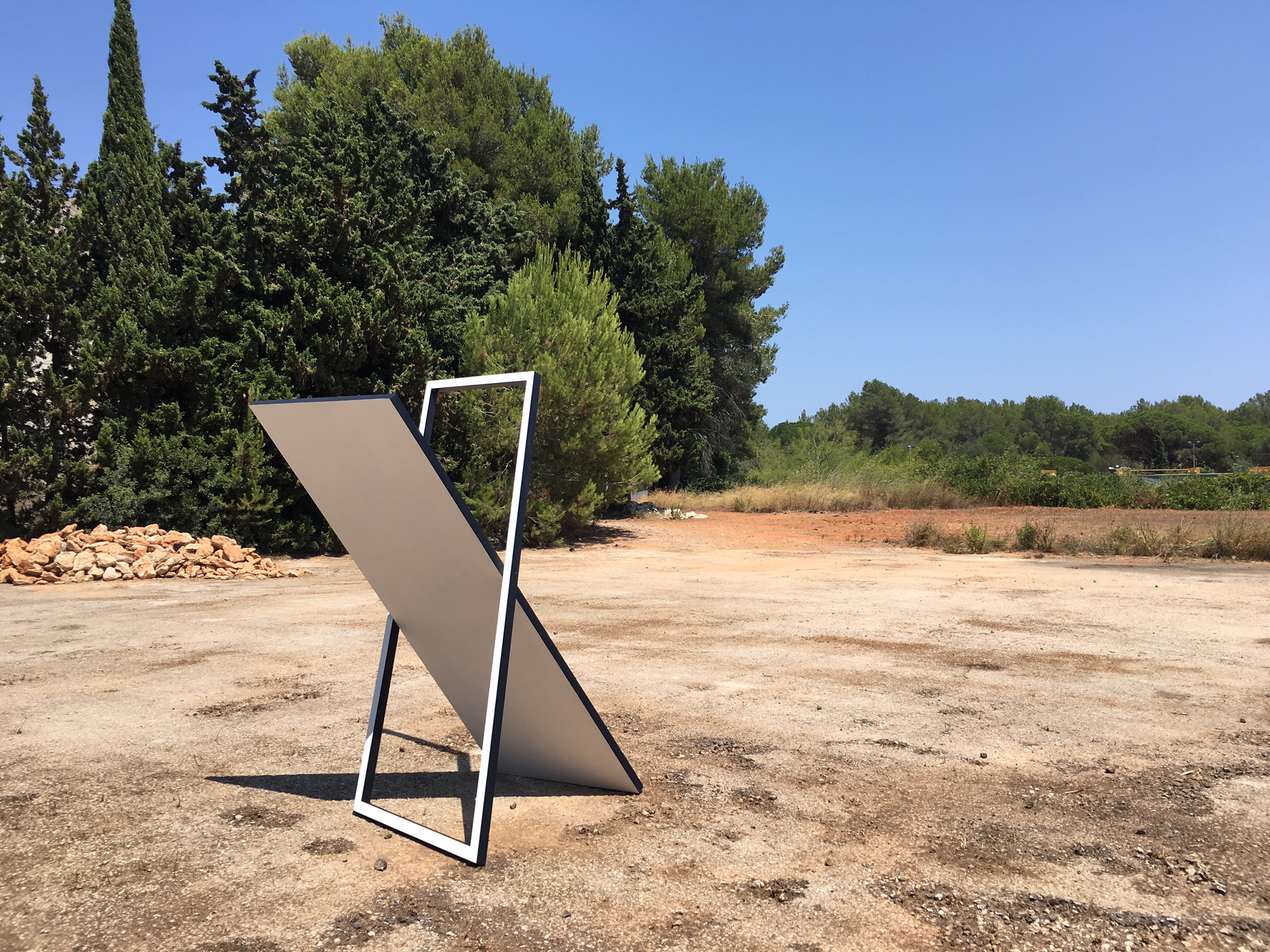
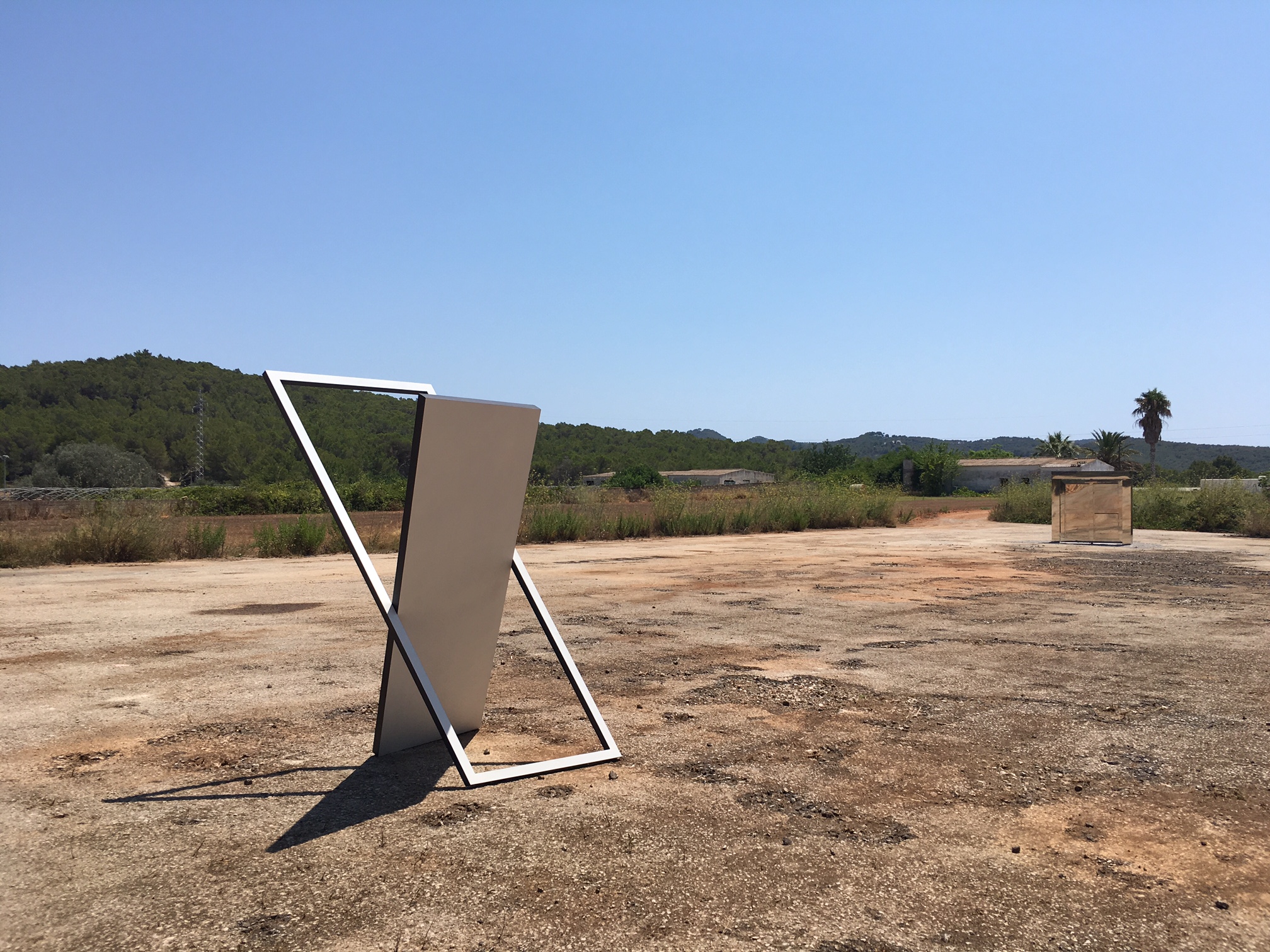
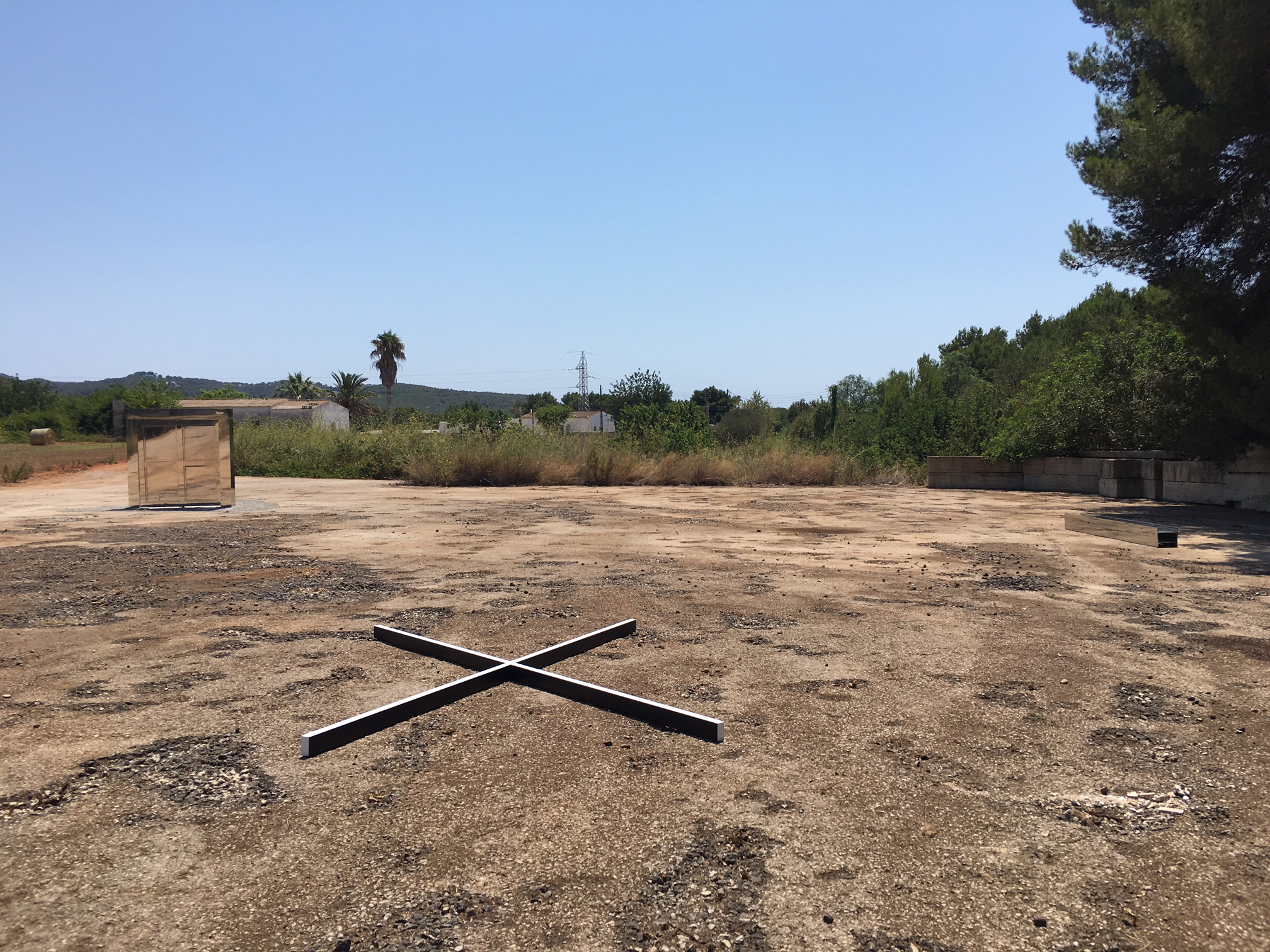
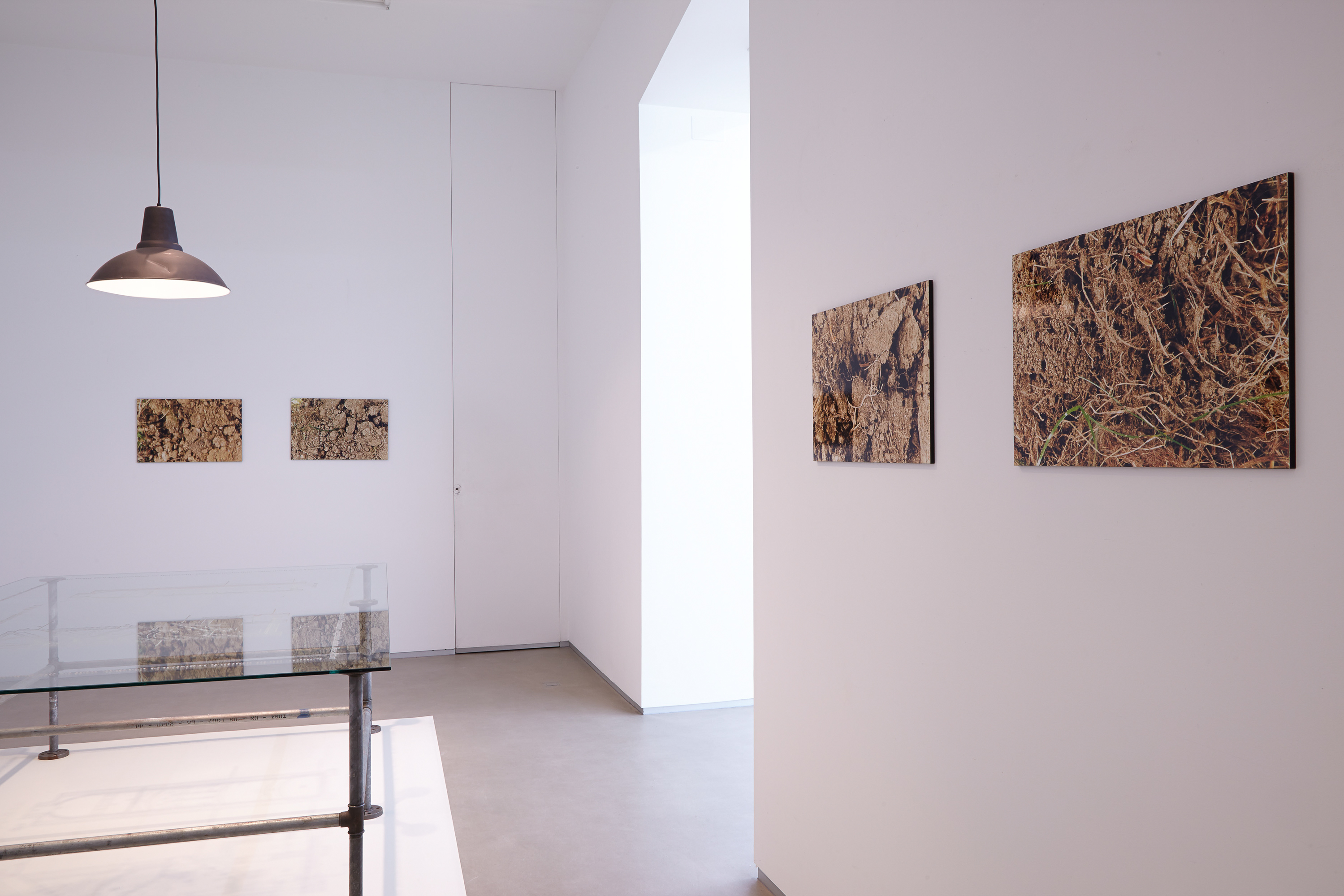
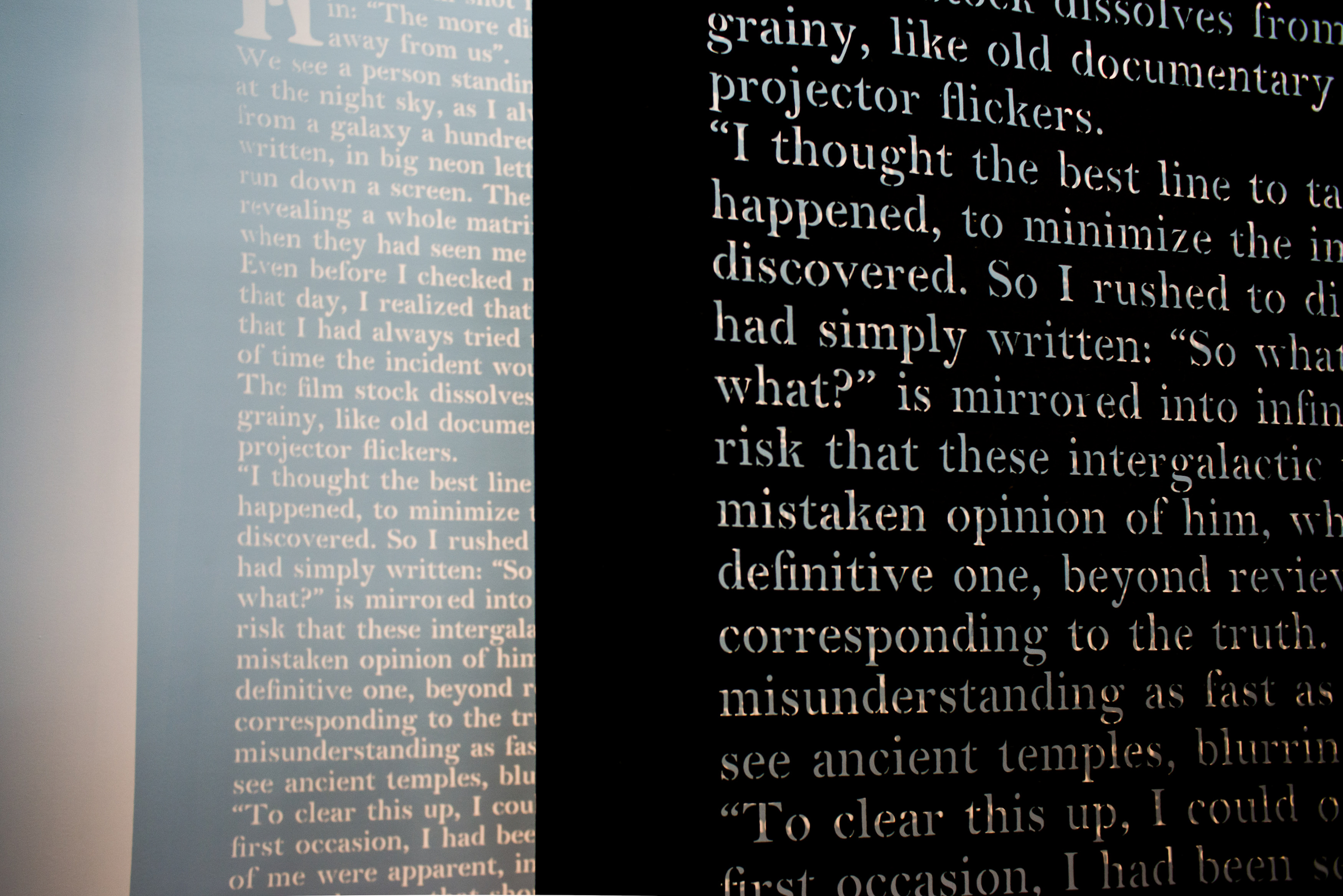
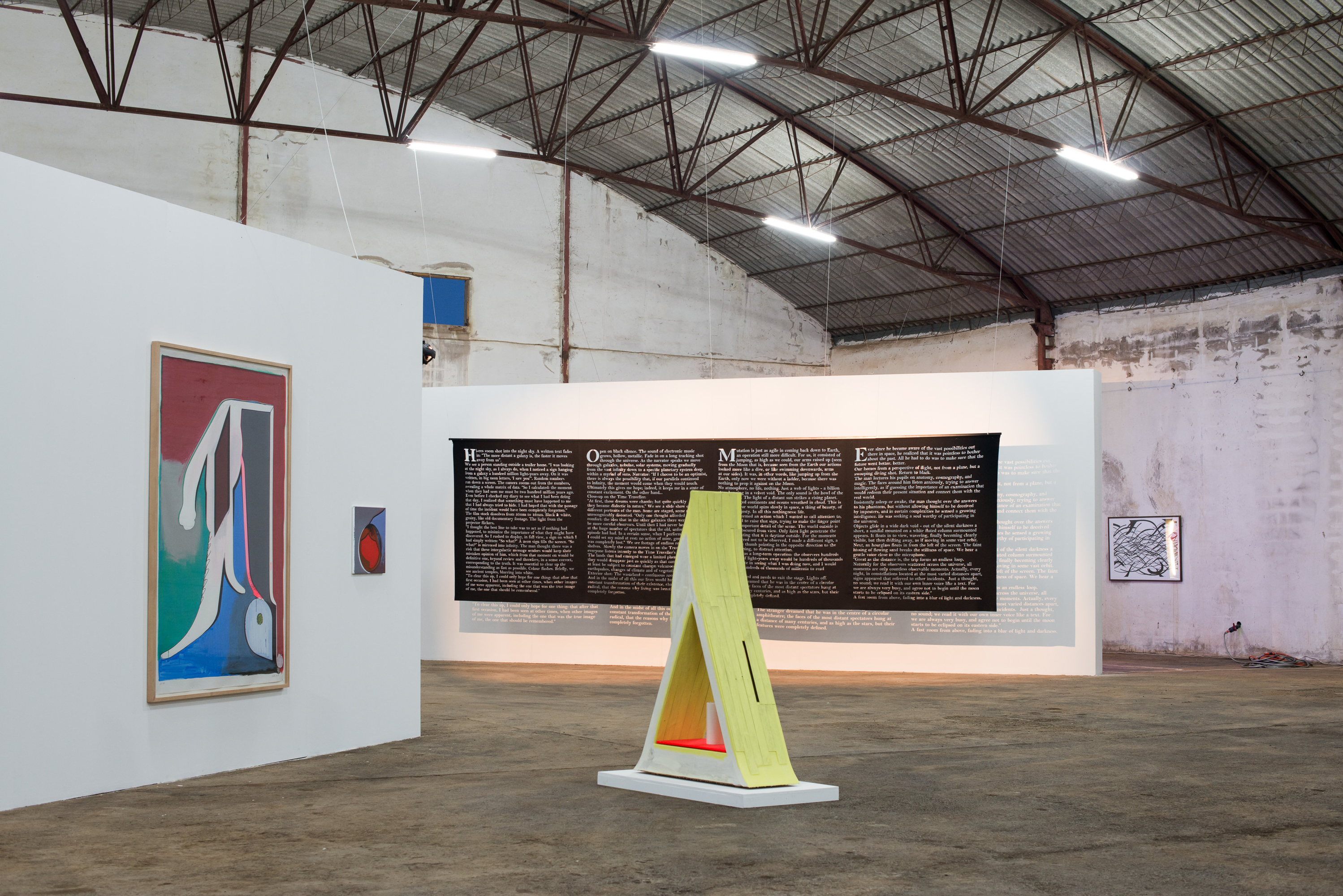
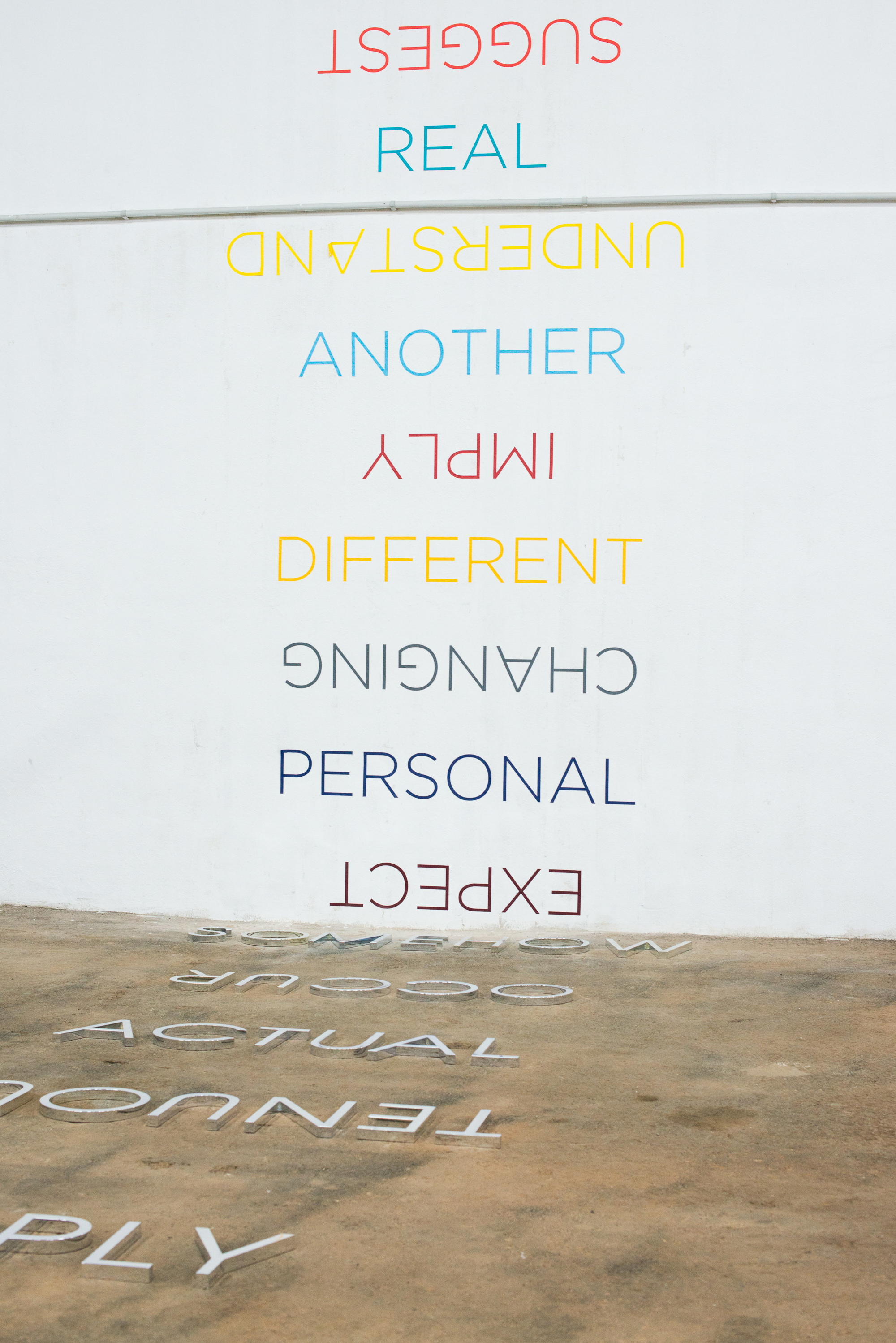
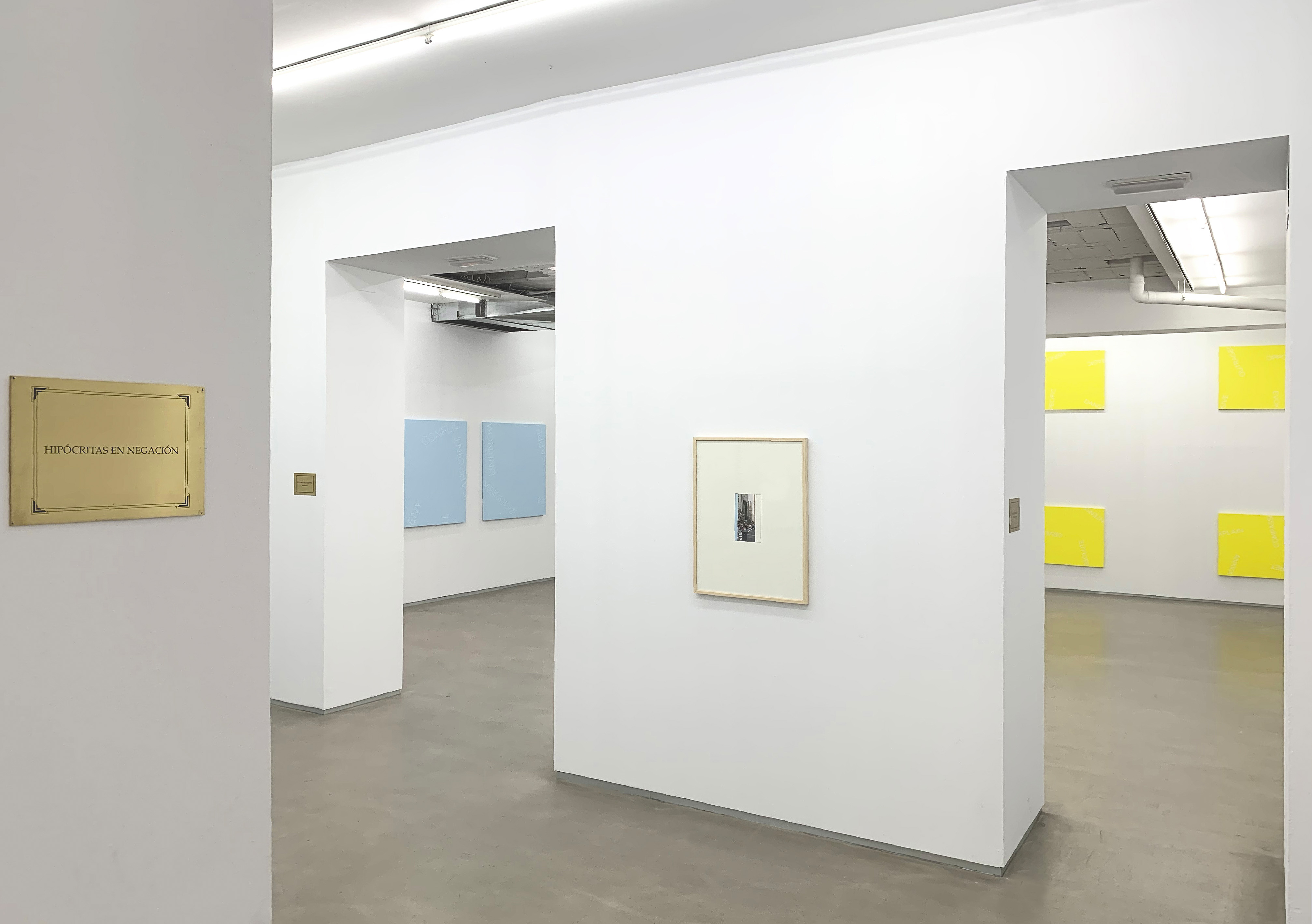
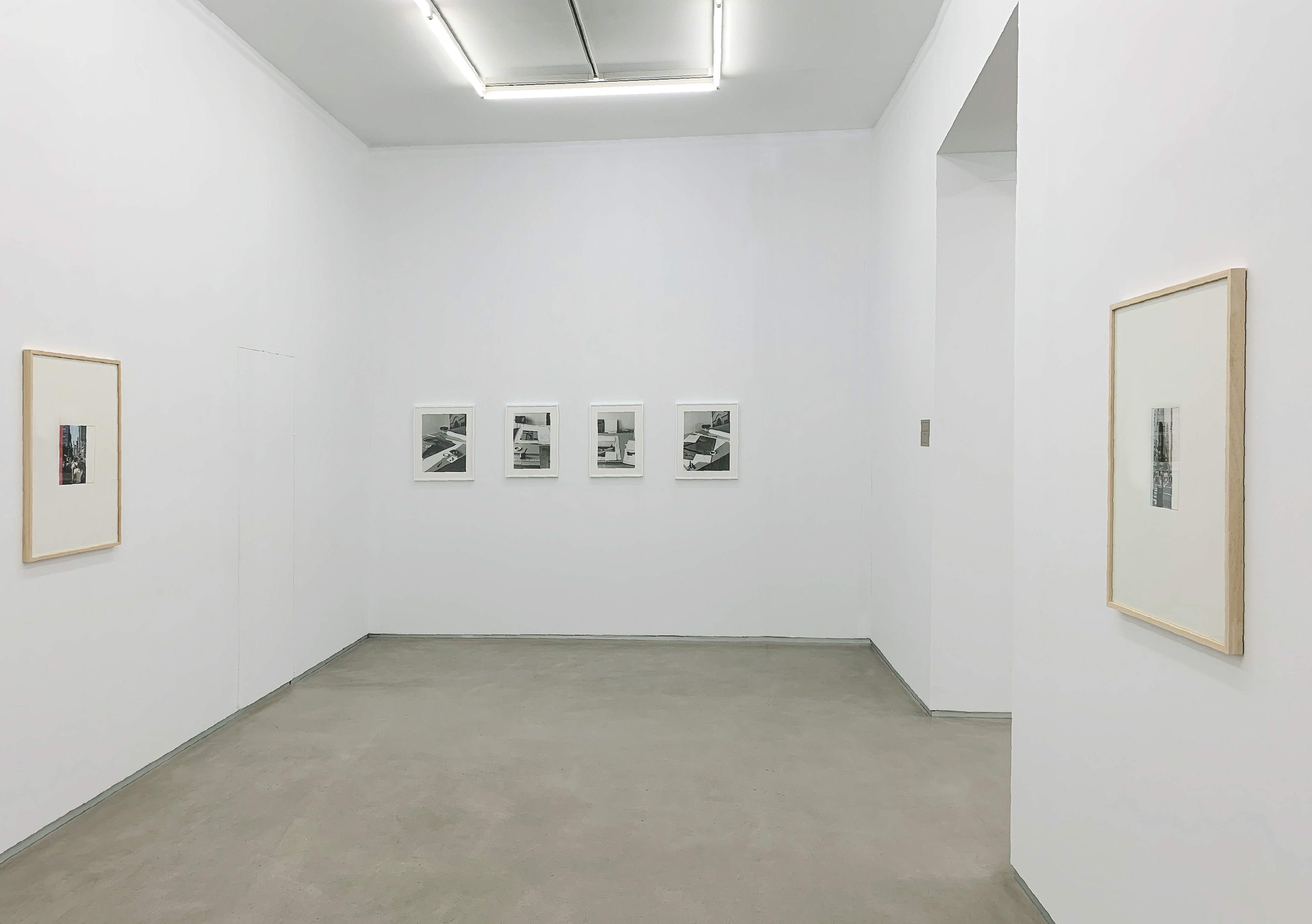
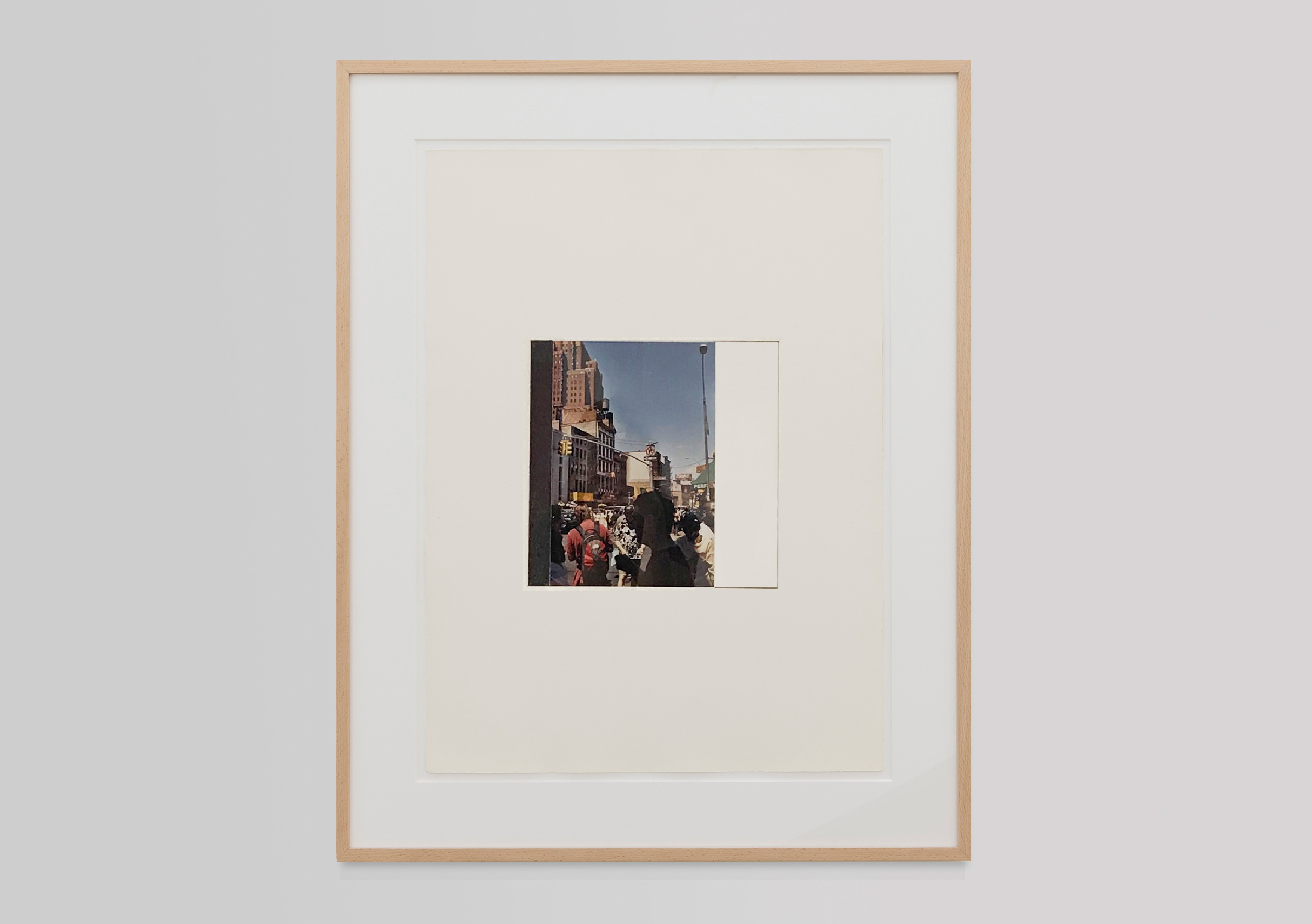
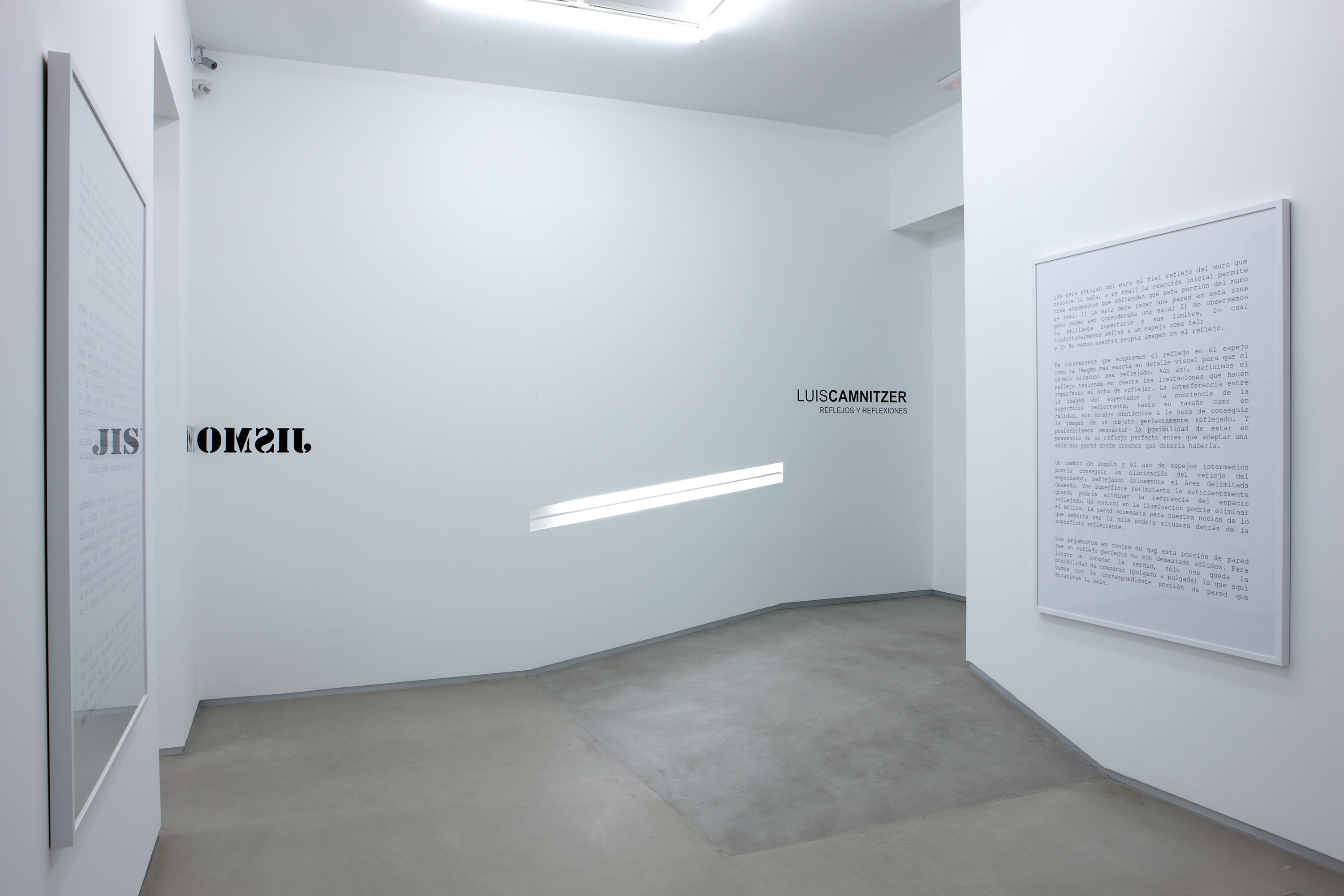
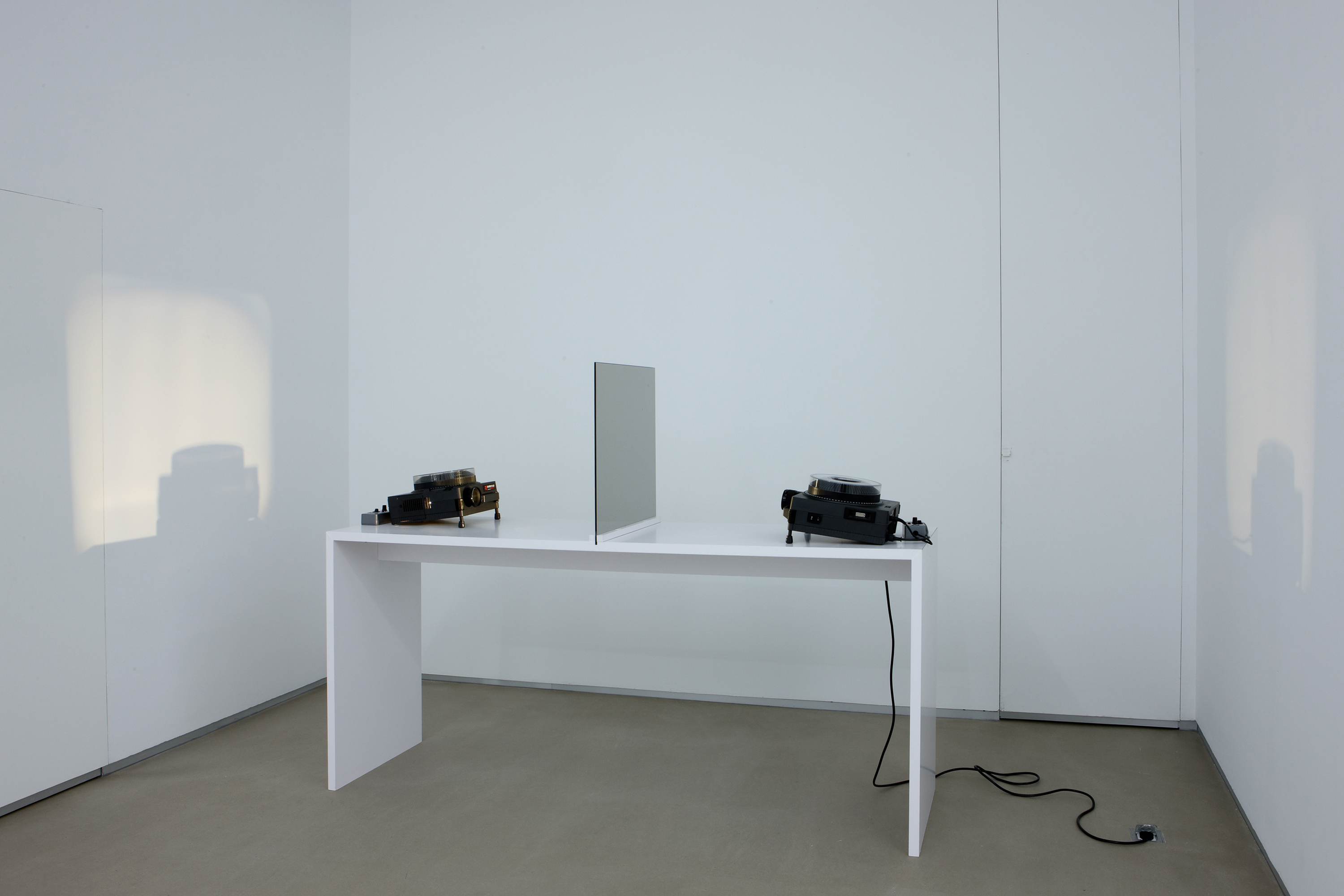
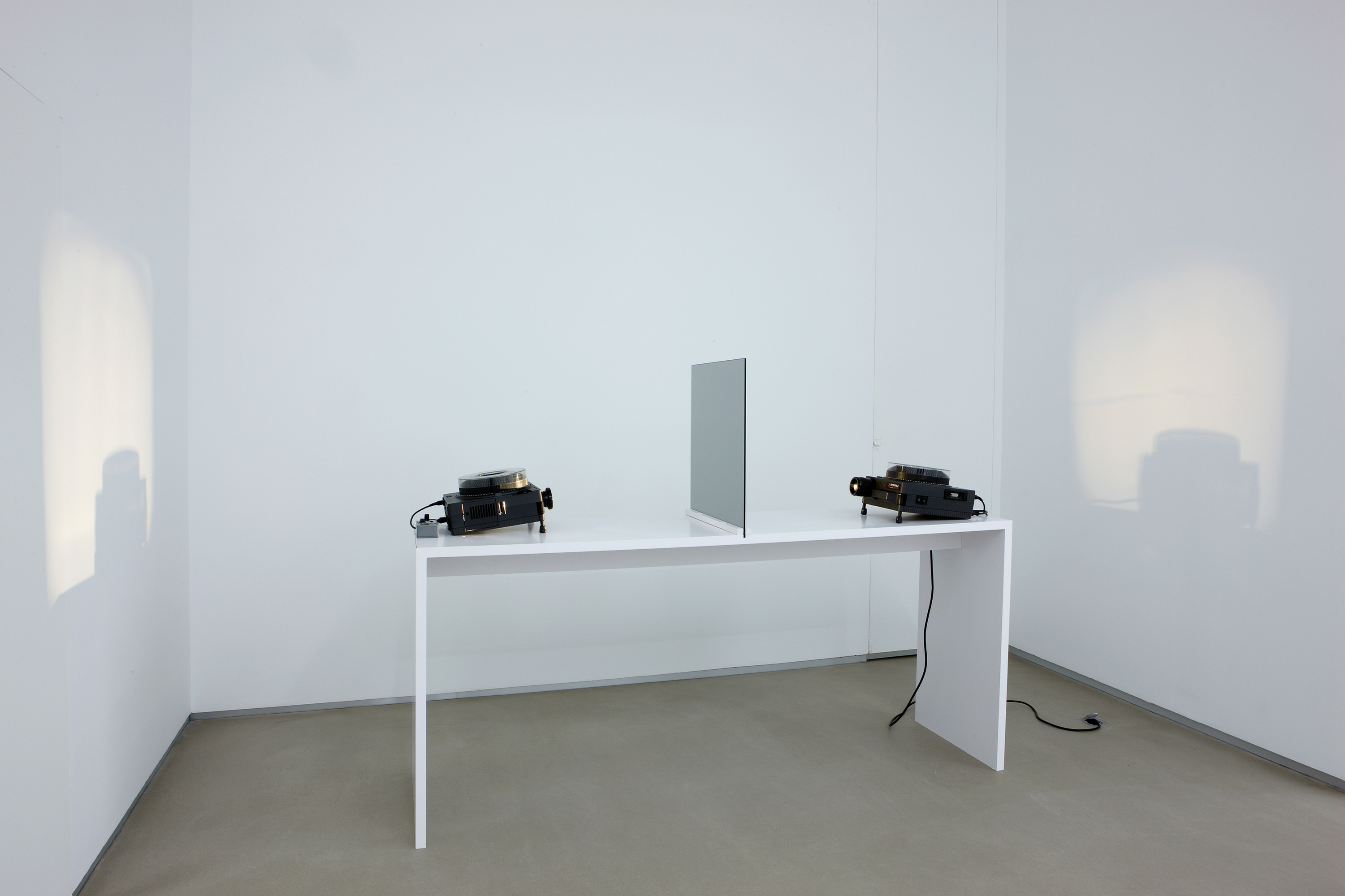
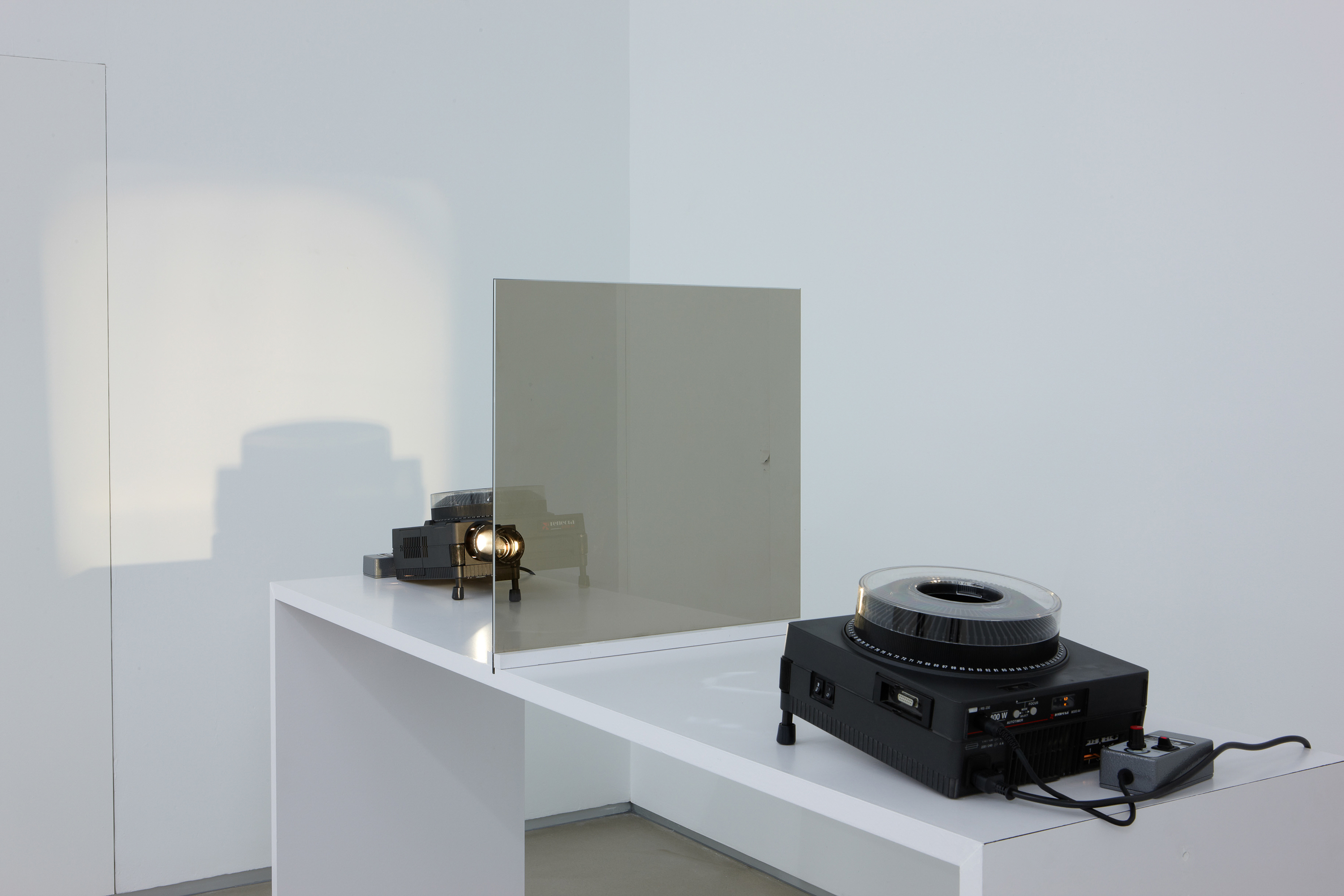
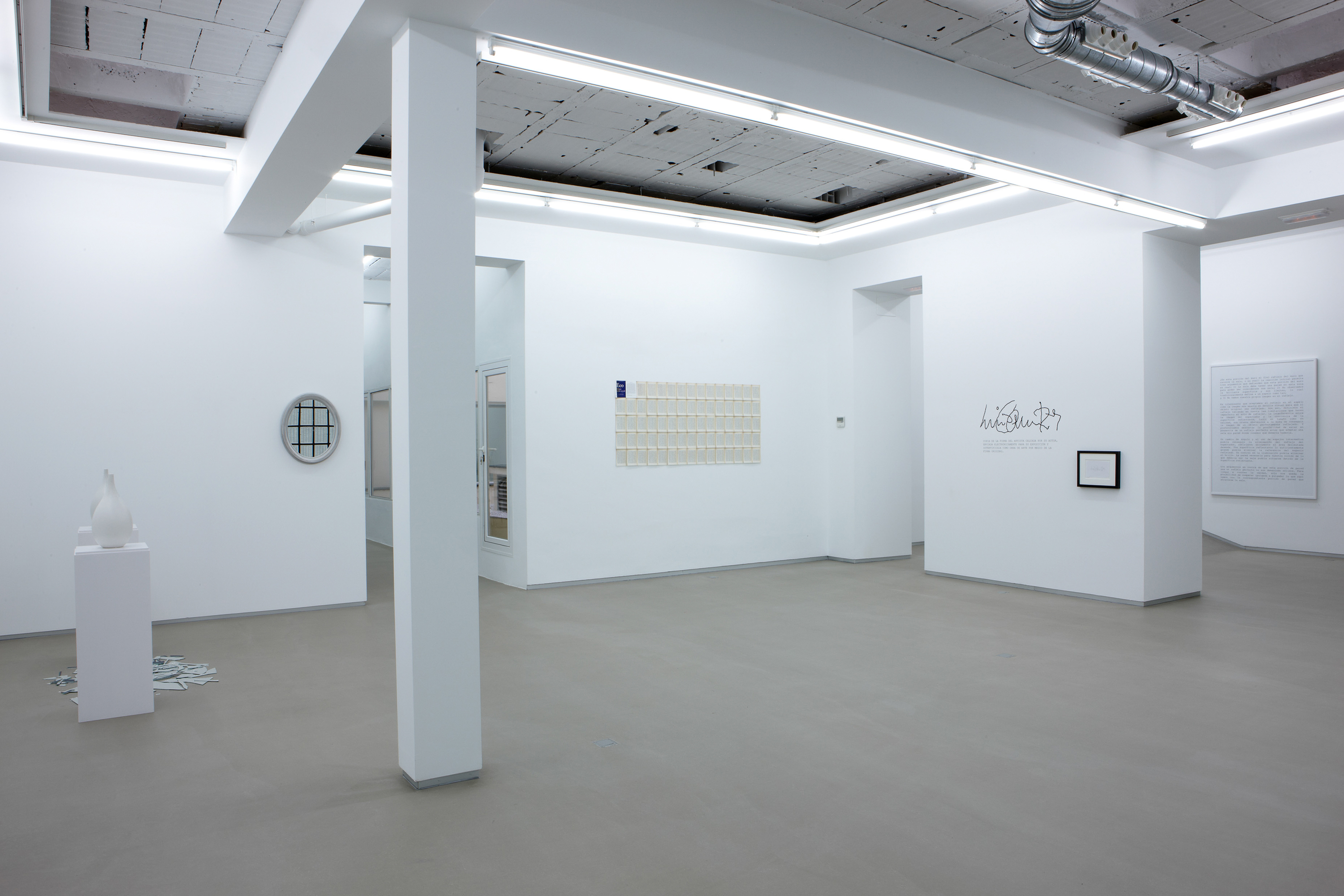
Reflejos y Reflexiones, title of the exhibition, offers a panoramic vision of Camnitzer’s work, from 1968 until today, showing the wide range of methods he used along his trajectory. The exhibition starts with Espejismo, 1968. The mirror is a constant in Camnitzer’s work. The tautological representation of the mirror transforms a ludic nonsense into a reflection about time and space, in an attempt to break from tautology the circle that entails tautological declarations. This is the idea beneath El reflejo, 1977, a reflexive work about projected image and reflected object.
In the same room is also presented Homenaje a Mandrake, 2010. This work carries us into a dialogue that also can be appreciated, in a more ironic way, in Certainly not you!, 2011. With this piece, Camnitzer returns to the mirror, playing with the spectator and his identity.
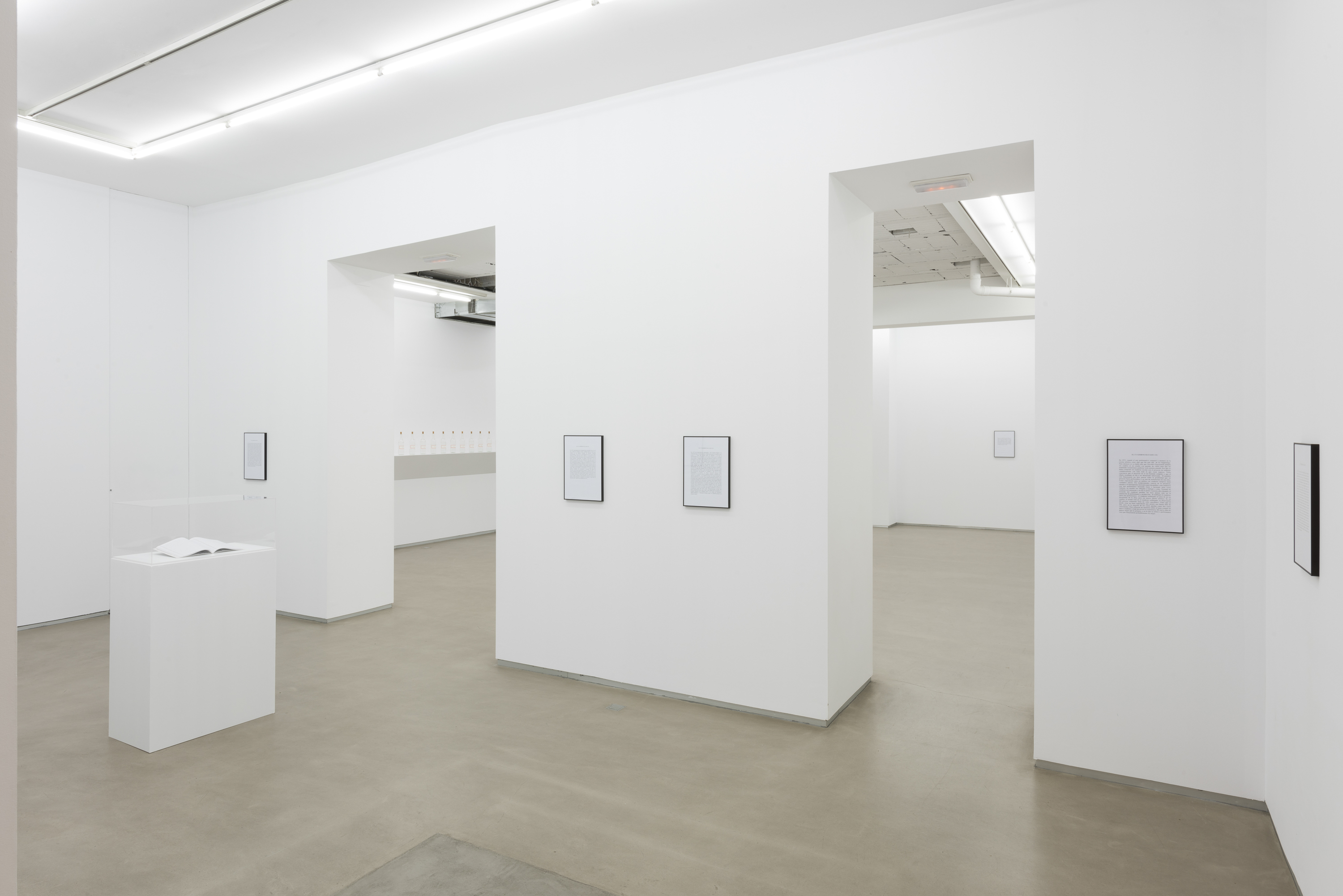
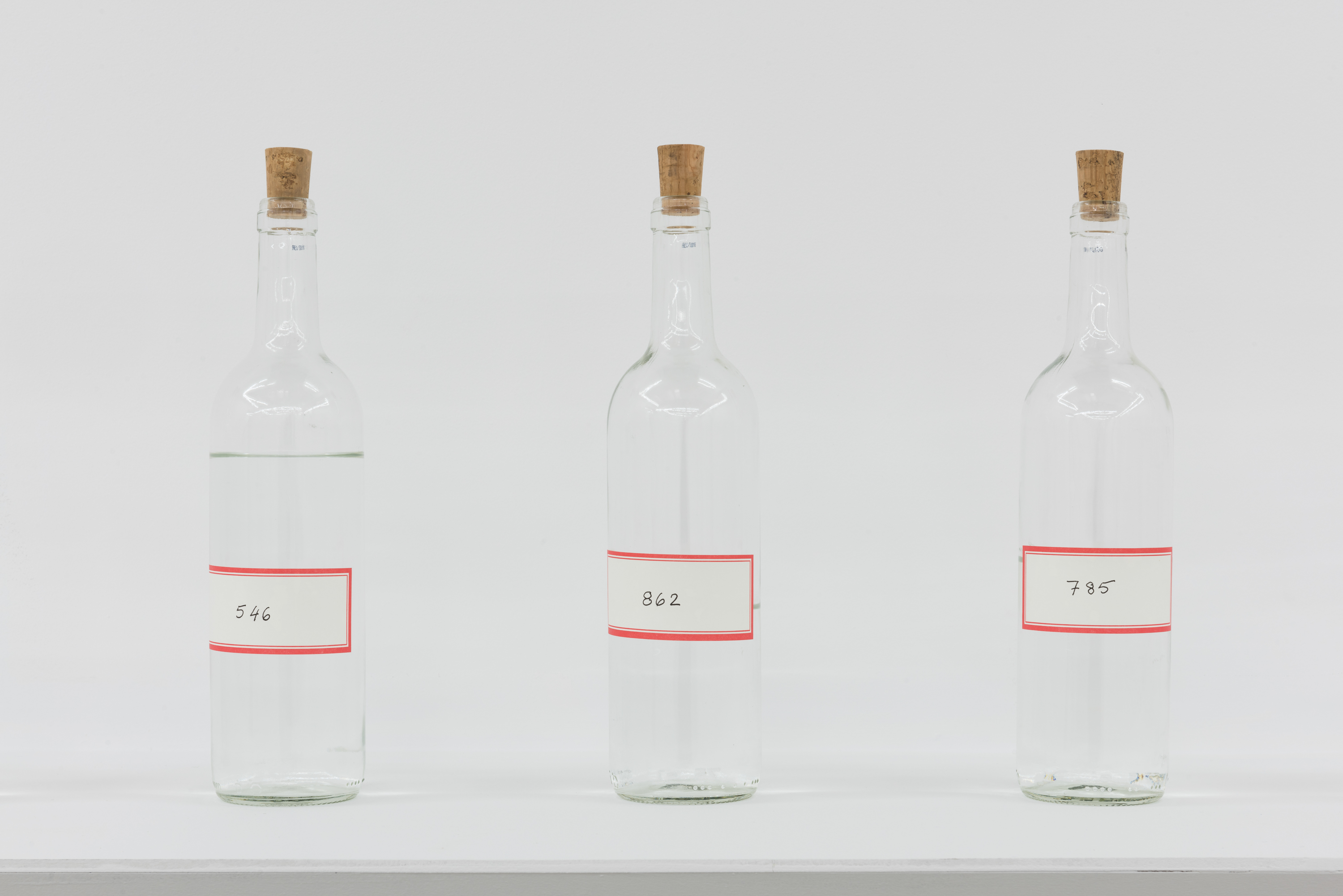
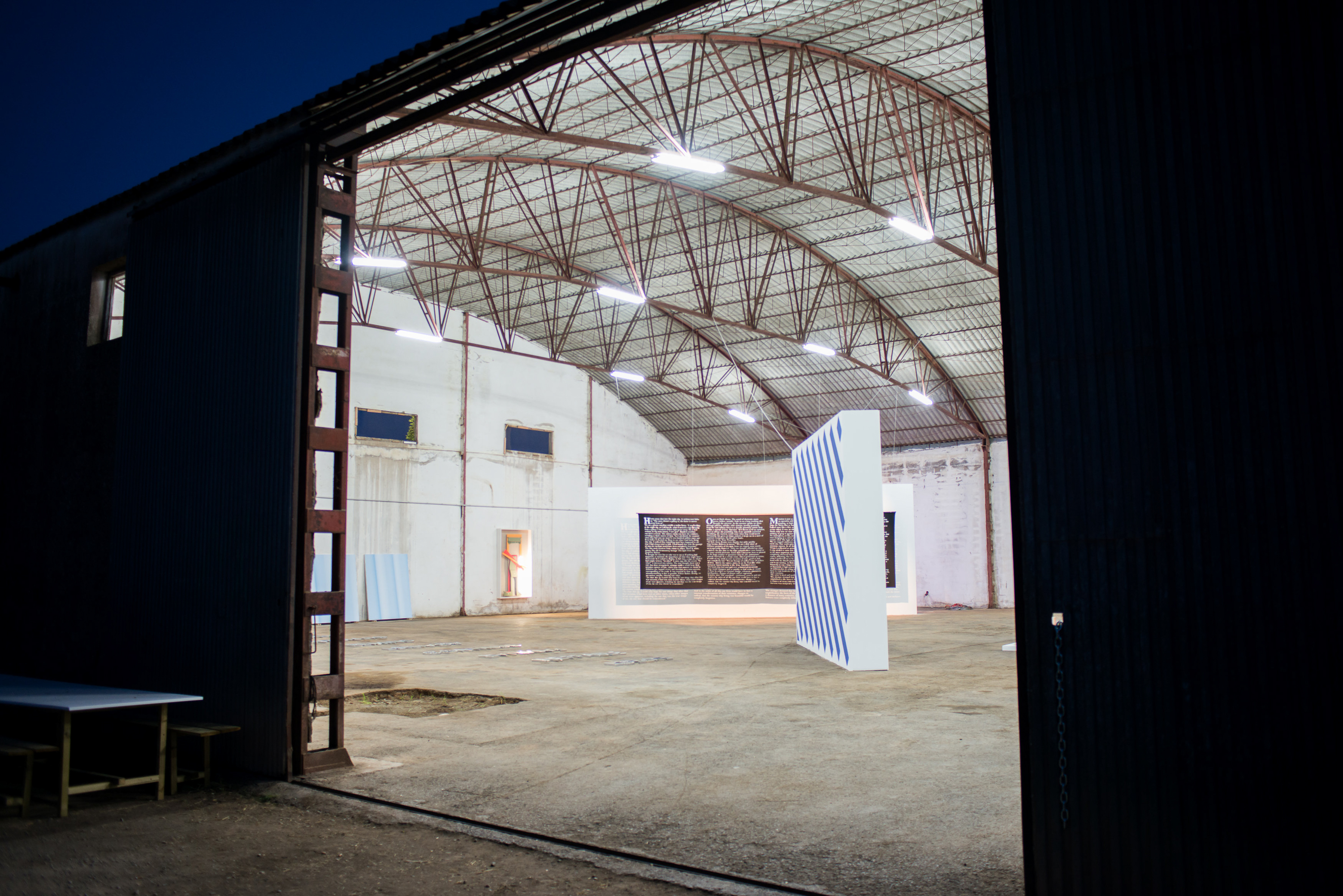
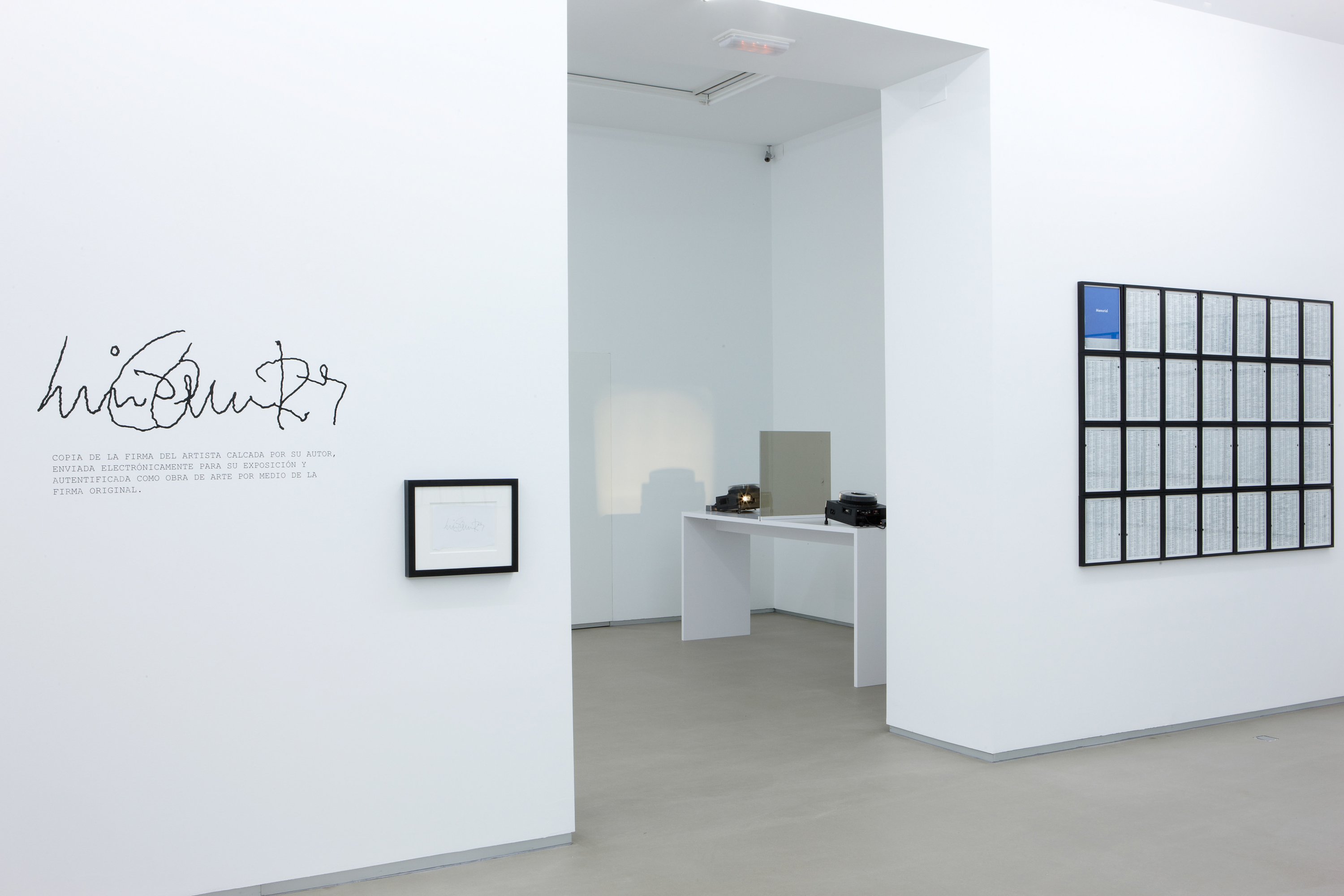
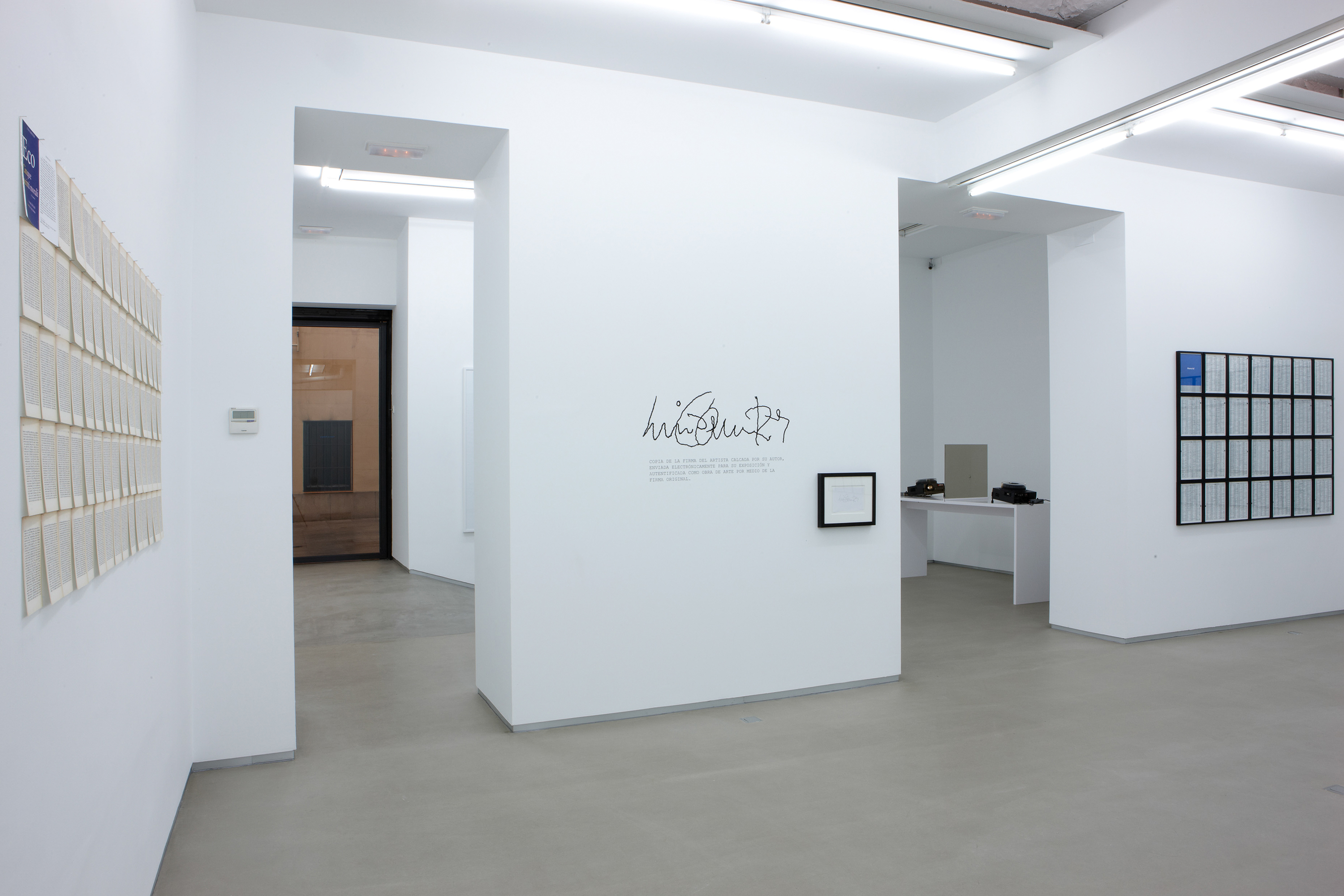
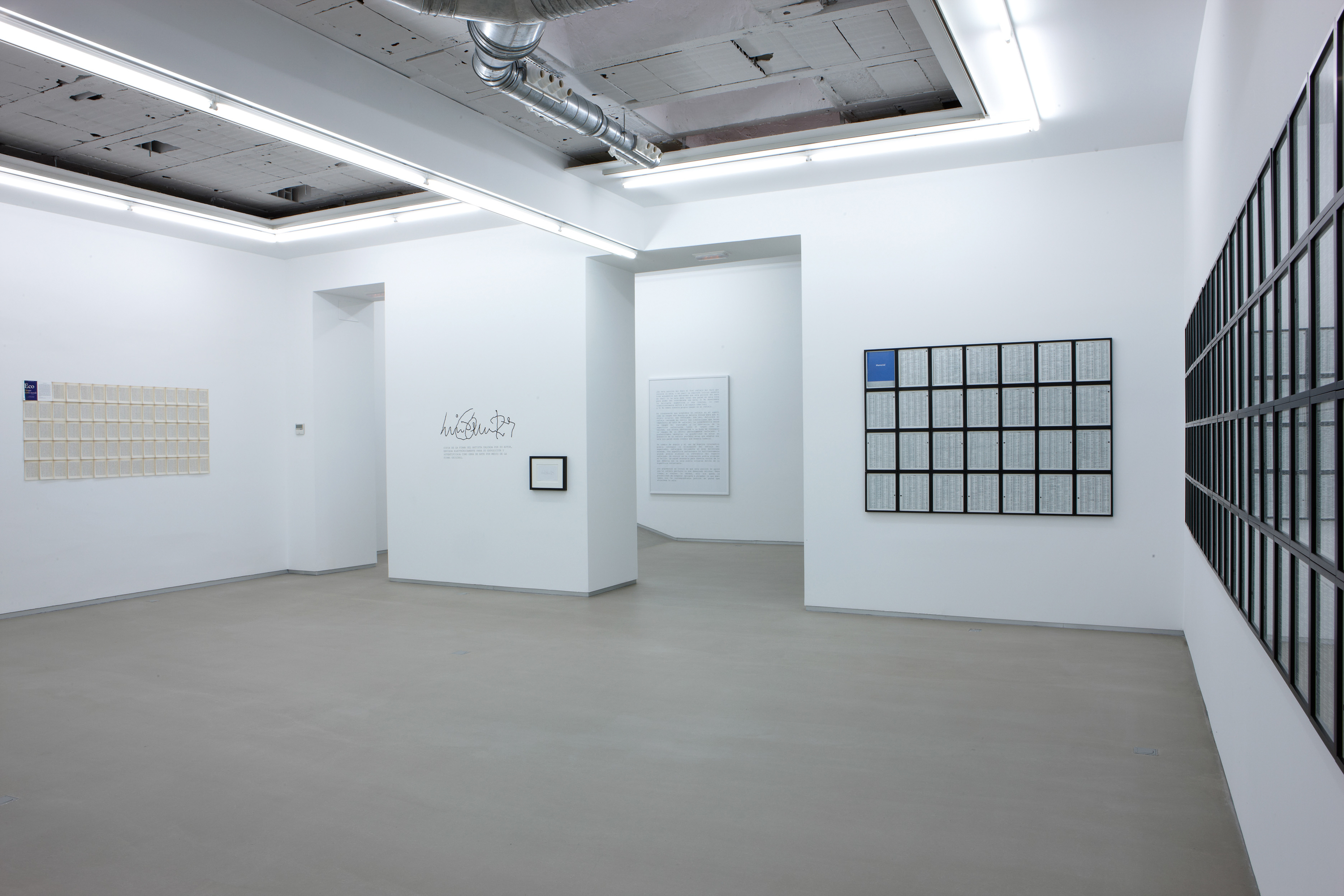
Next comes Memorial, 2009, a piece made of 194 parts that reproduces the telephone directory of Montevideo, city where Camnitzer grew up. Making them indistinct from the others, the artist mixes meticulously the names of the missing people during the military dictatorship that ruled Uruguay between 1973 and 1985, when nearly 300 Uruguayans disappeared for political reasons. Working with this listing of victims, the artist used digital tools to create empty spaces in that found object that is the directory. Onto this blanks, he added typographical lines, making reappear hundreds of names, now indistinct from the original ones. In this way, Camnitzer turns into useless the action of creating lists and political countings. At the same time, this work levels out the roles of the objective and the perpetrator, the victim and the survivor, the prisoner and the free man.
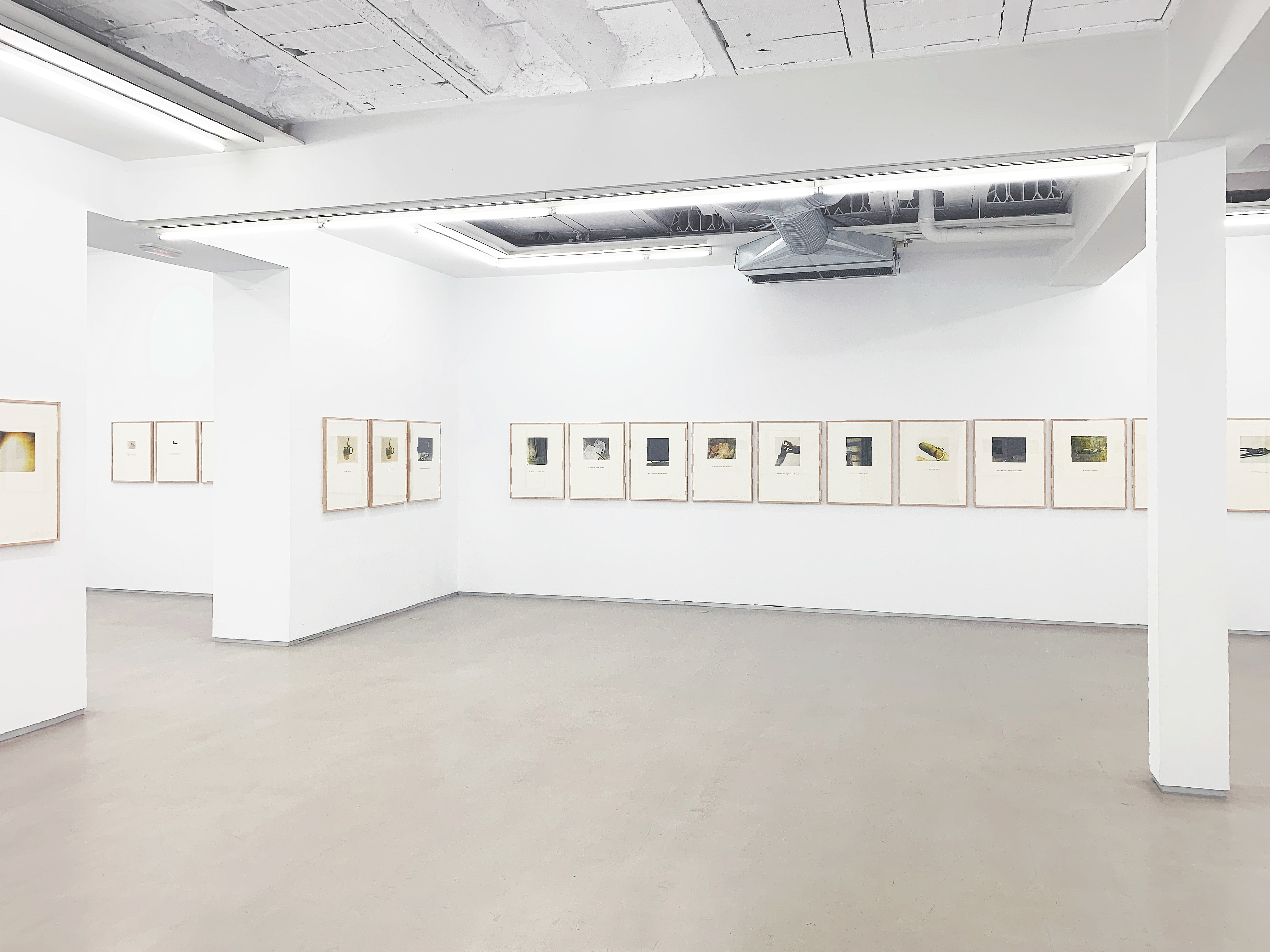
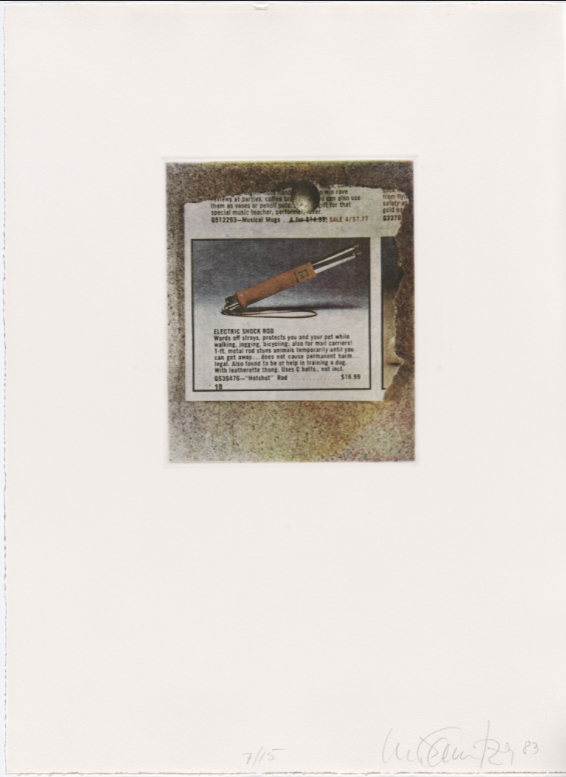
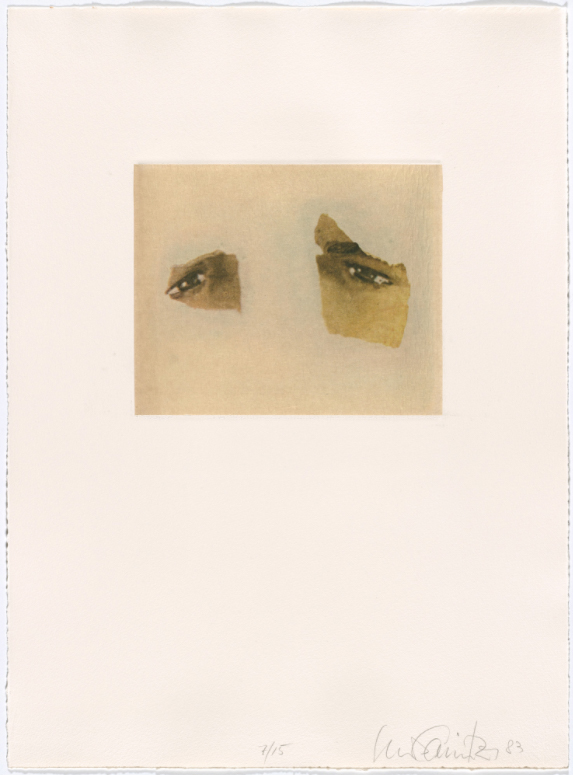
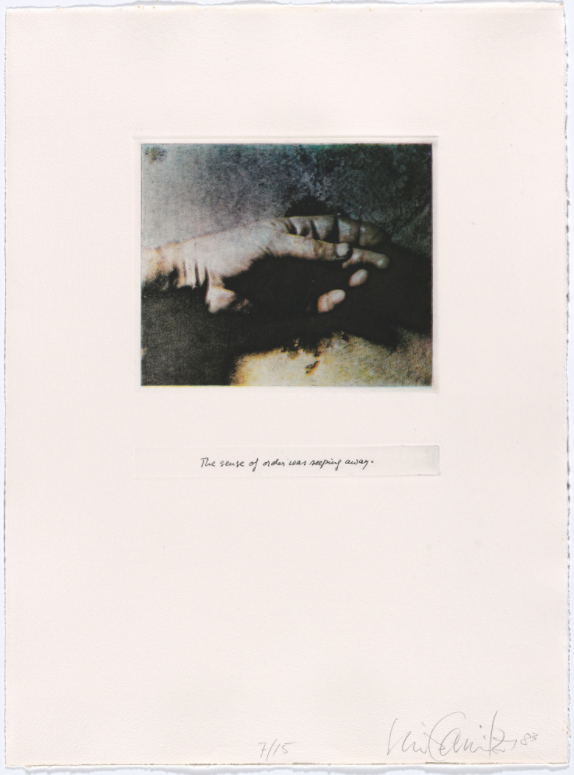
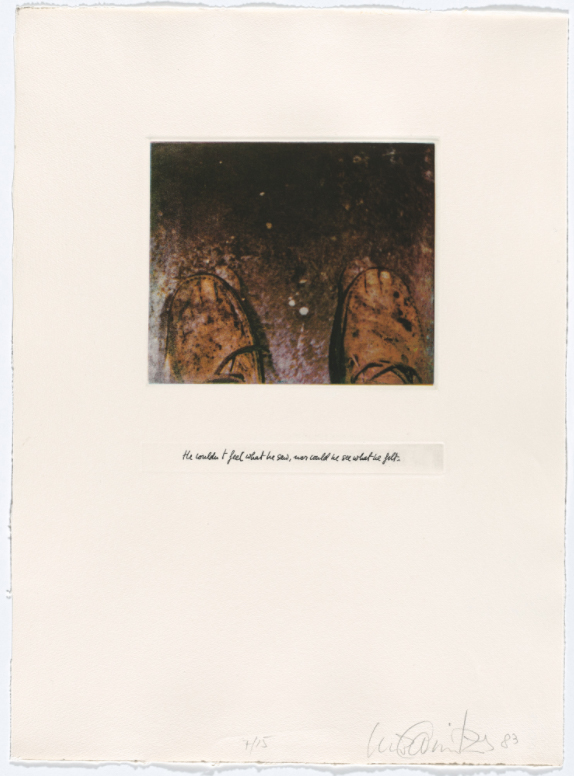
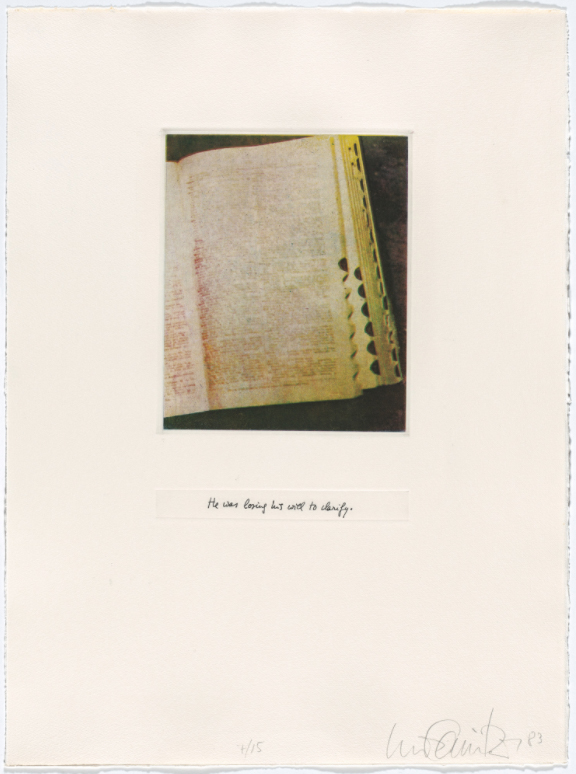
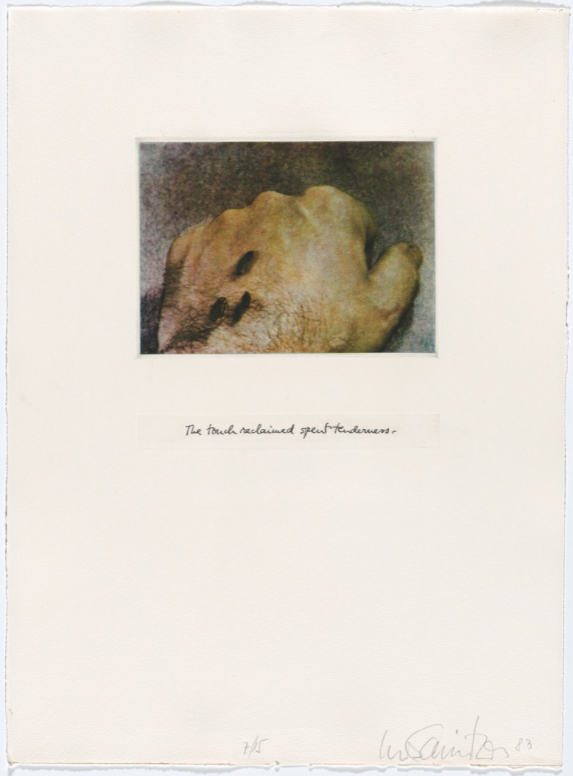
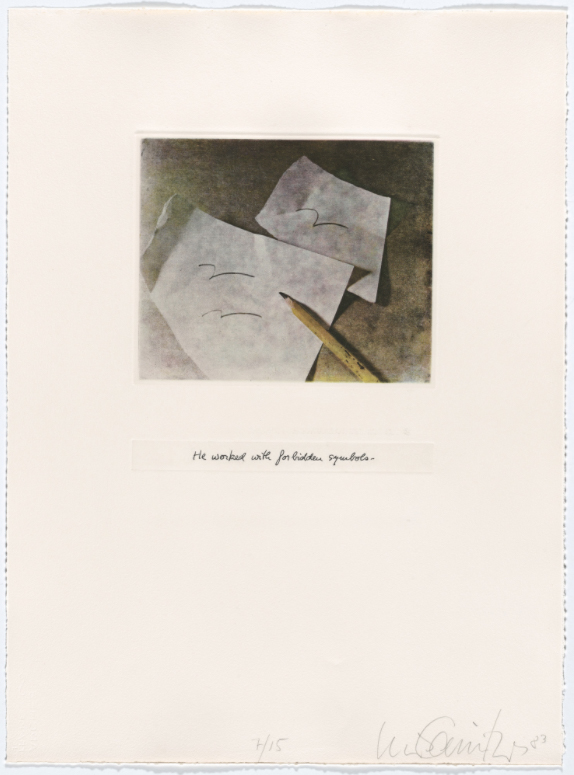
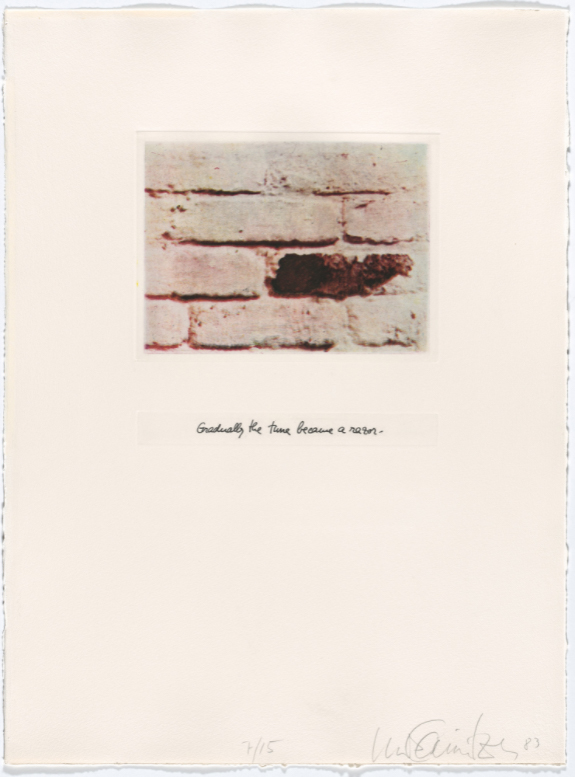
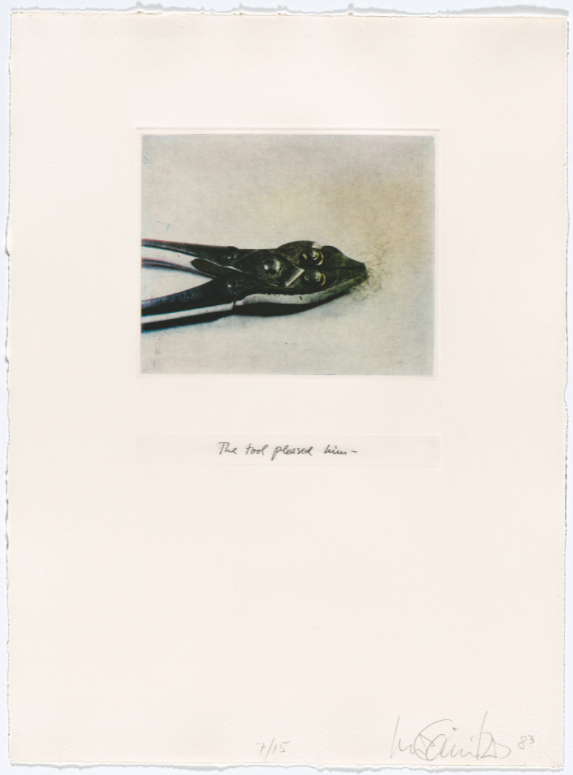
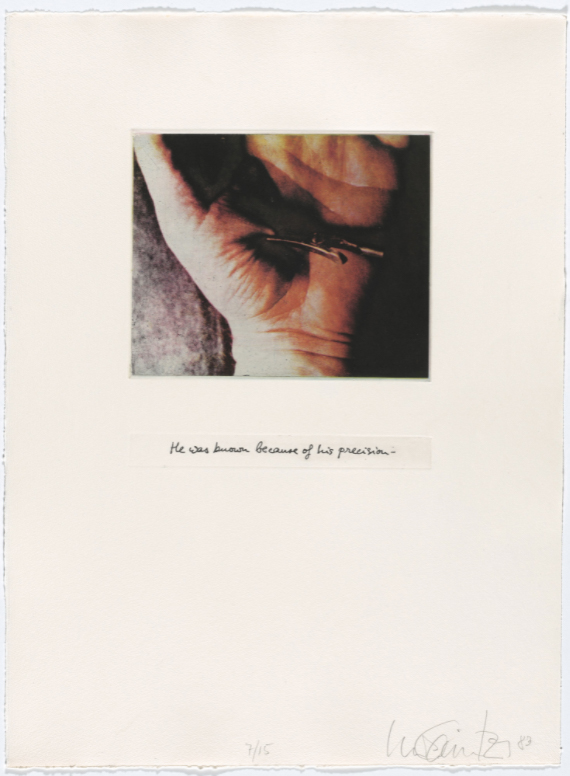
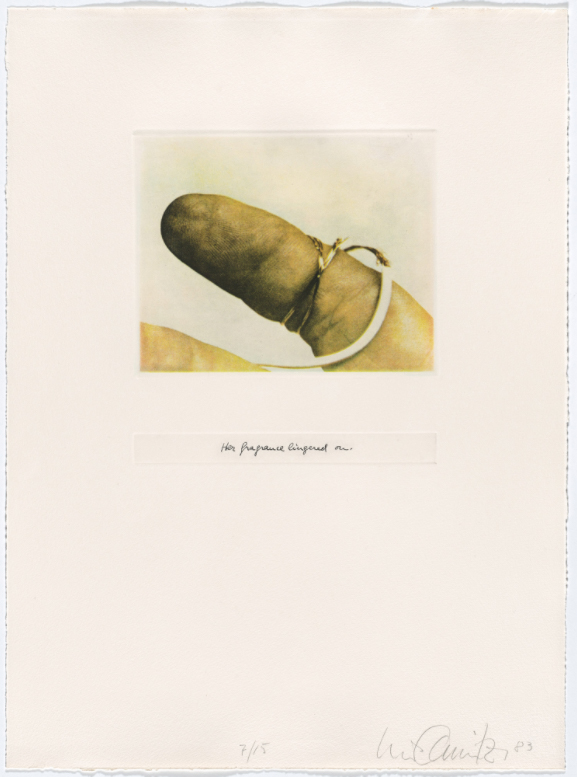
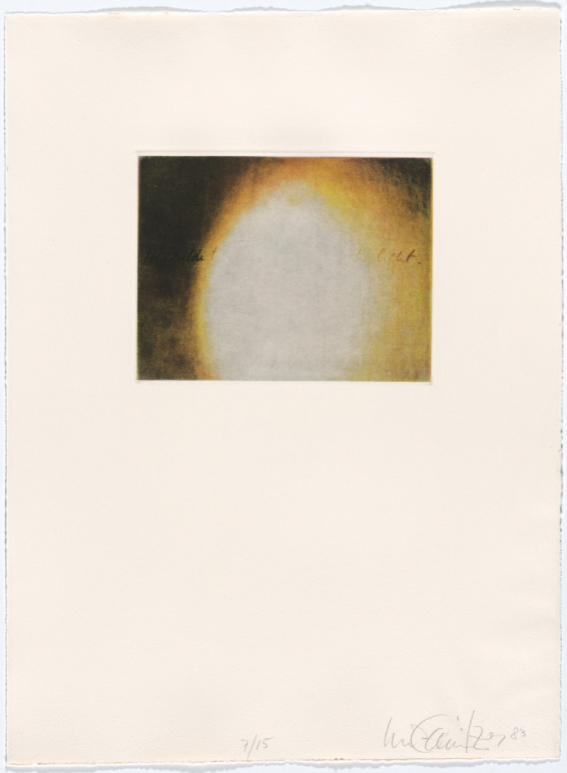
Camnitzer has faced the dictatorship issue in many previous works, including his first printed portfolio, Uruguayan Torture Series, 1983, which was a central piece of Documenta 11. Memorial is also shown in the Wiesbaden Museum, and is part of collections such as the Museum of Modern Art’s in New York, and the Museo de la Memoria’s in Montevideo.
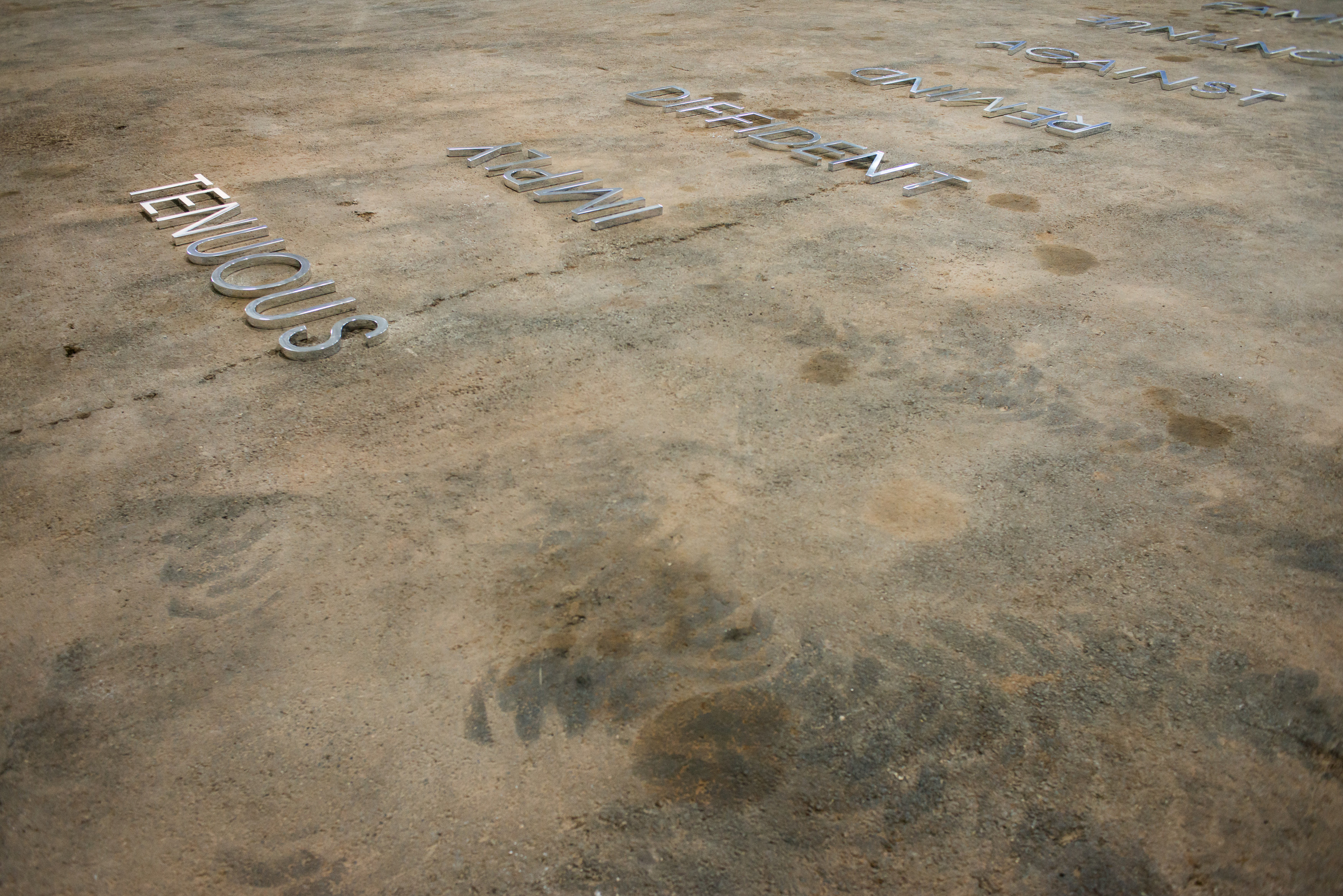
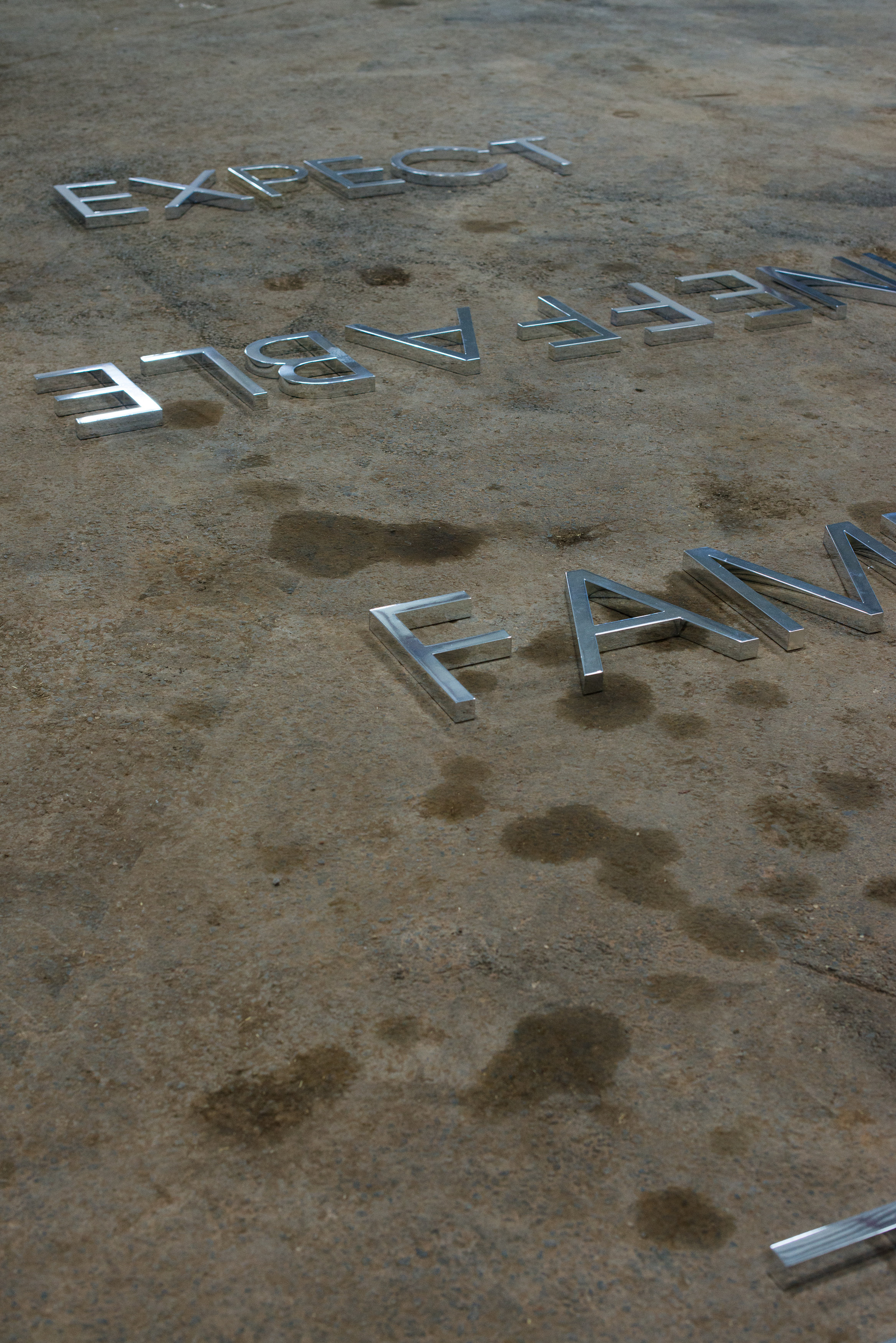
The same idea of symmetry that stands in El reflejo can be observed in Combate, 2004. The piece shows a dialectical approach that rebuilds itself and links up exchanging meanings, the anti-ethicality is the aesthetic, the saleable is the artistic, the victim can be the executioner. Combate also holds an obvious social connotation. The police mirror that divides the installation reminds us of an interrogation, a two-sided battle for the true meaning.
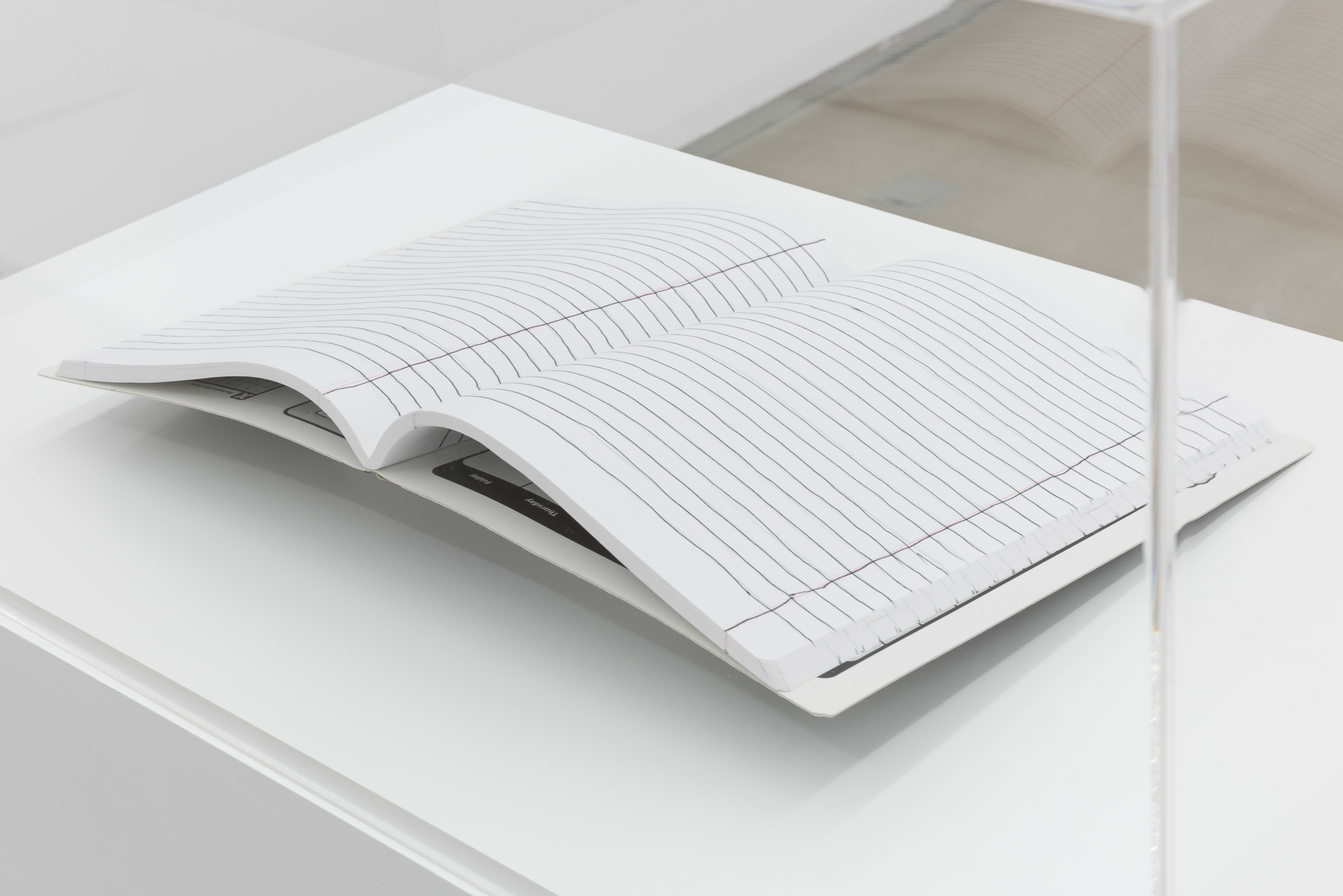
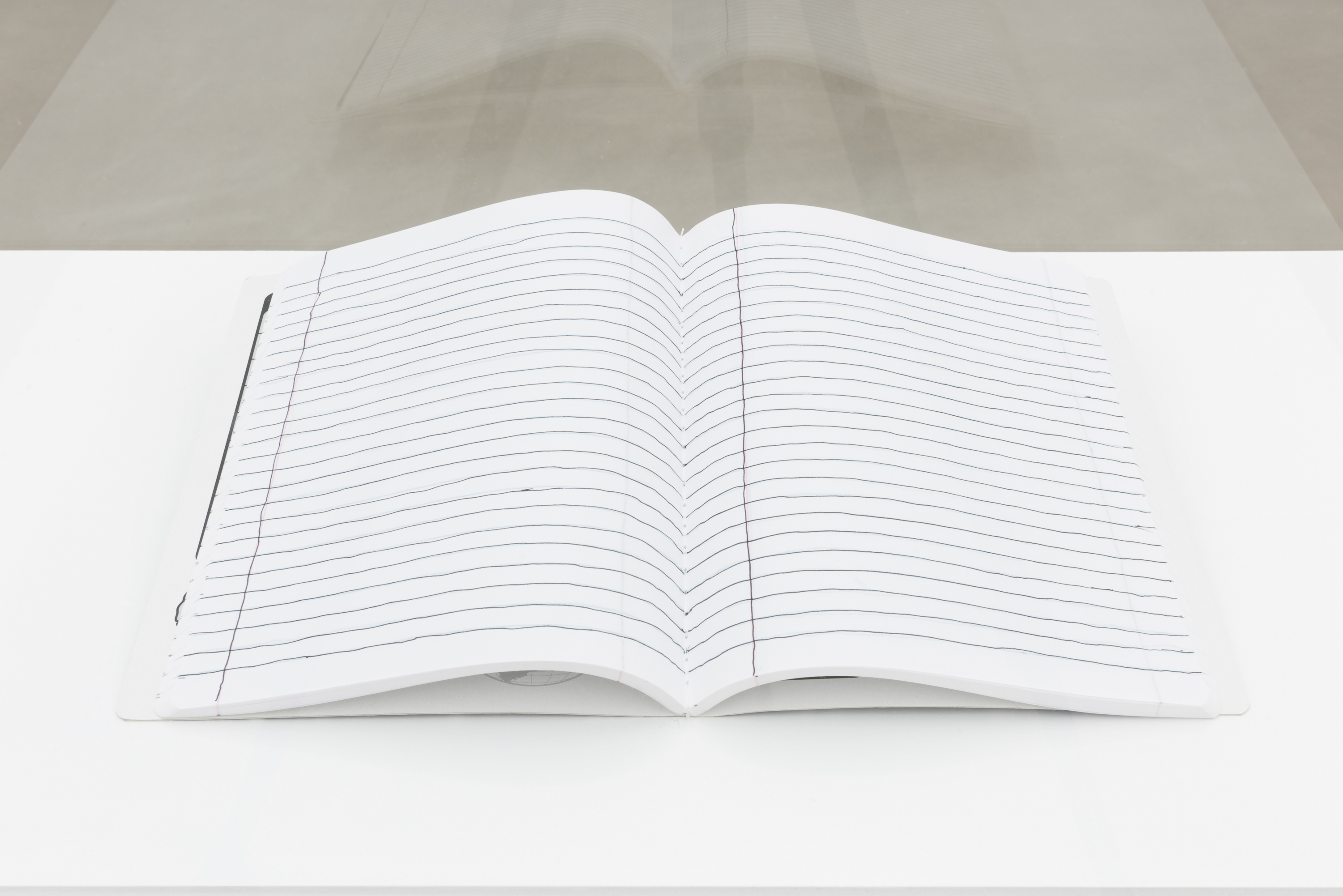
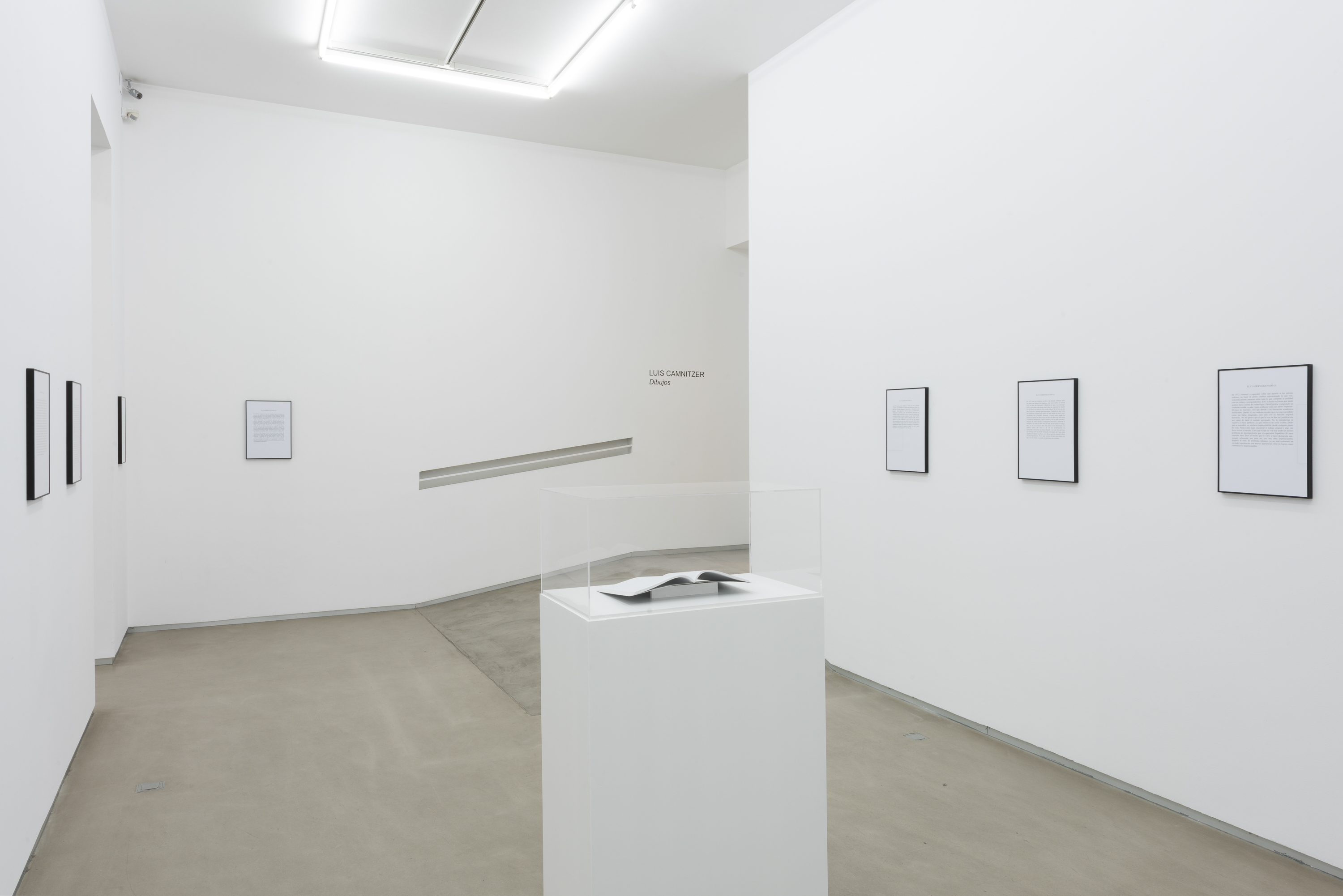
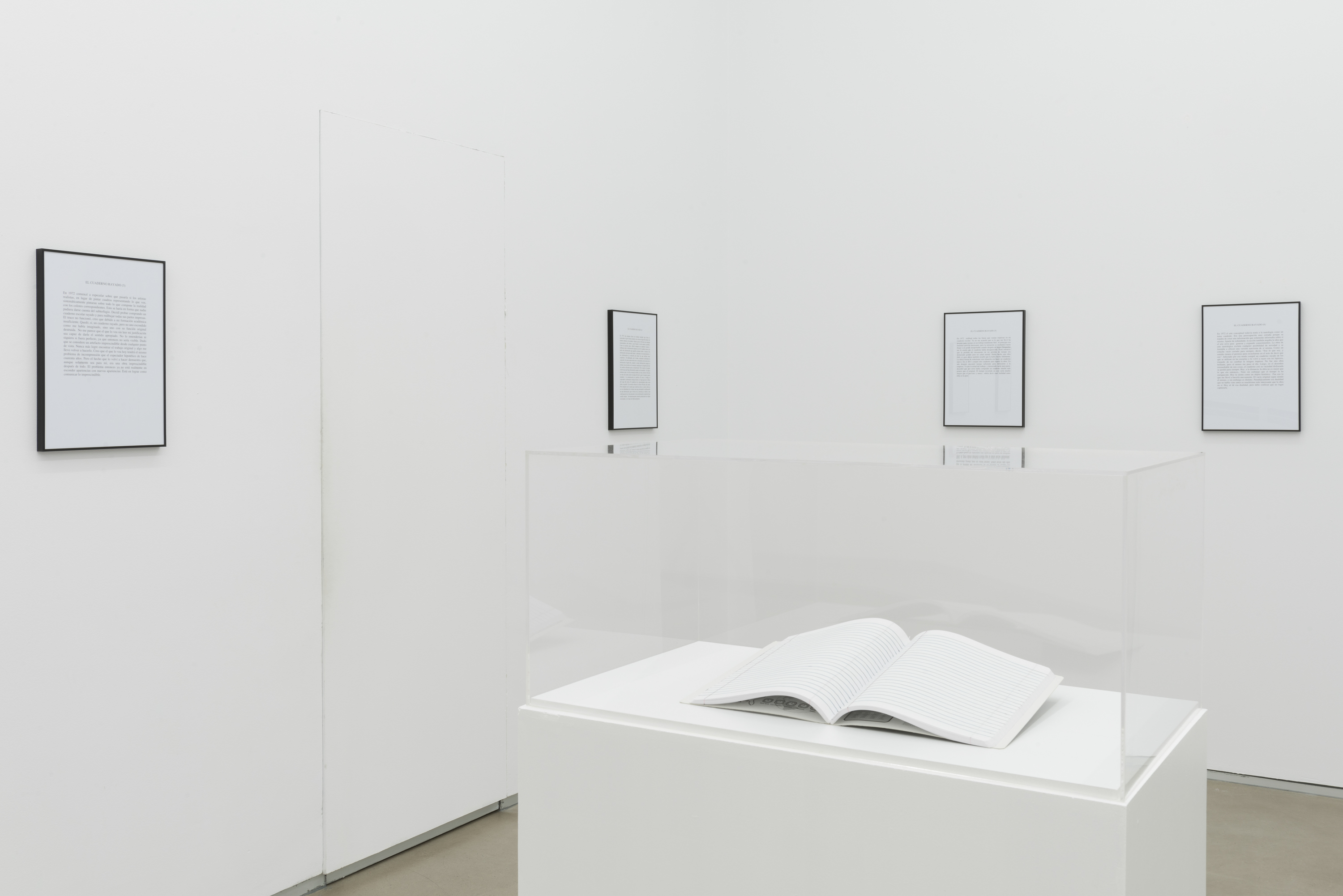
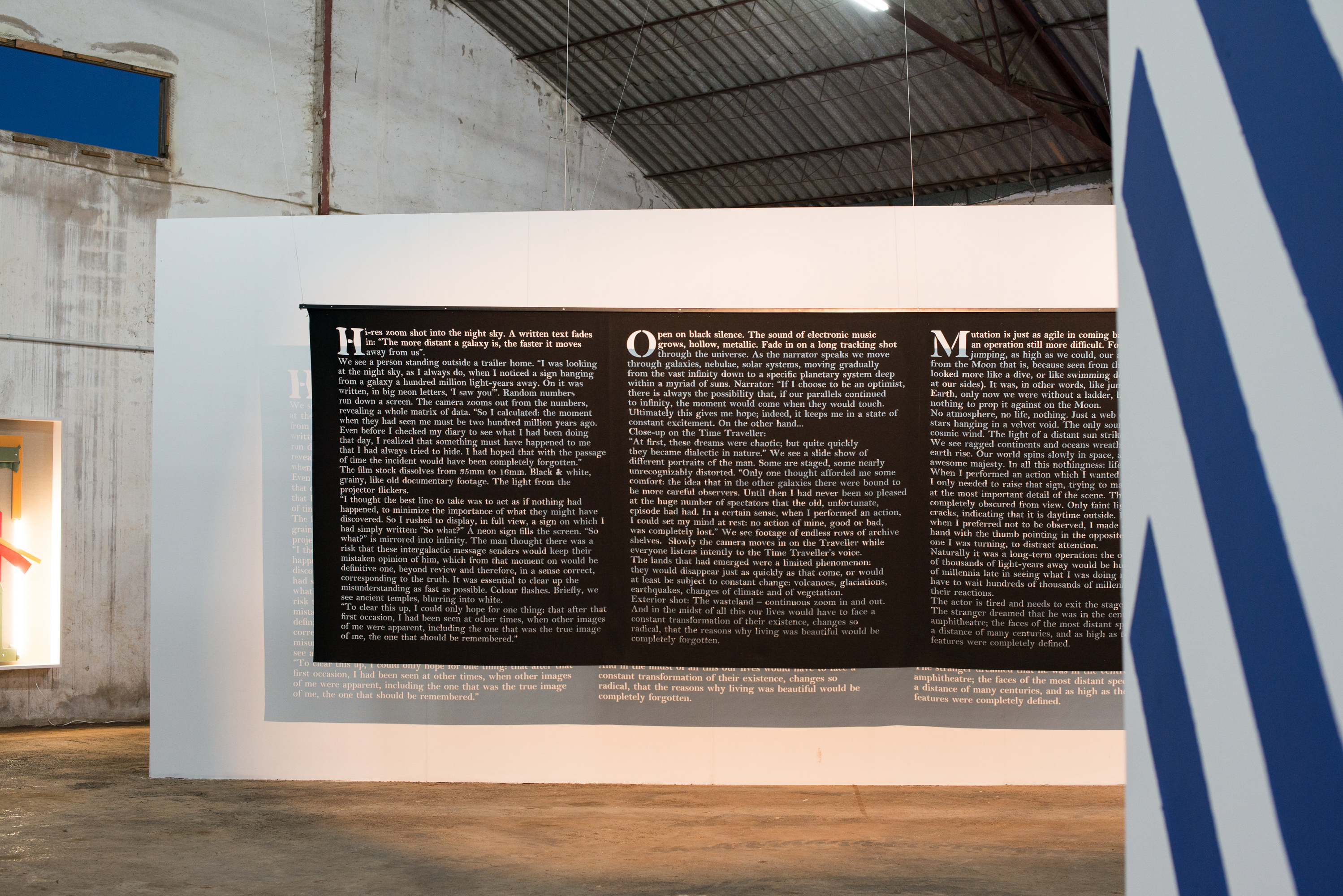
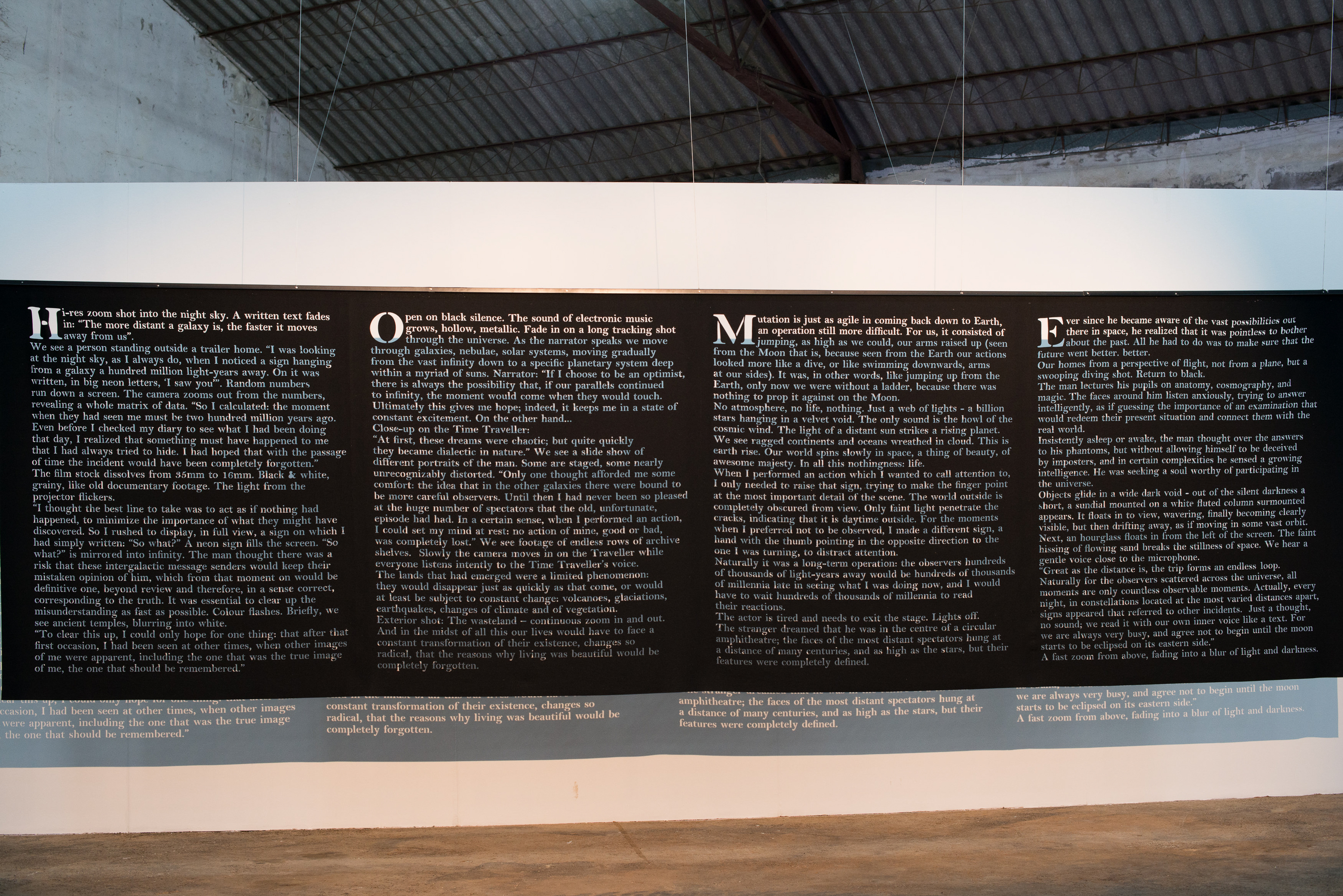
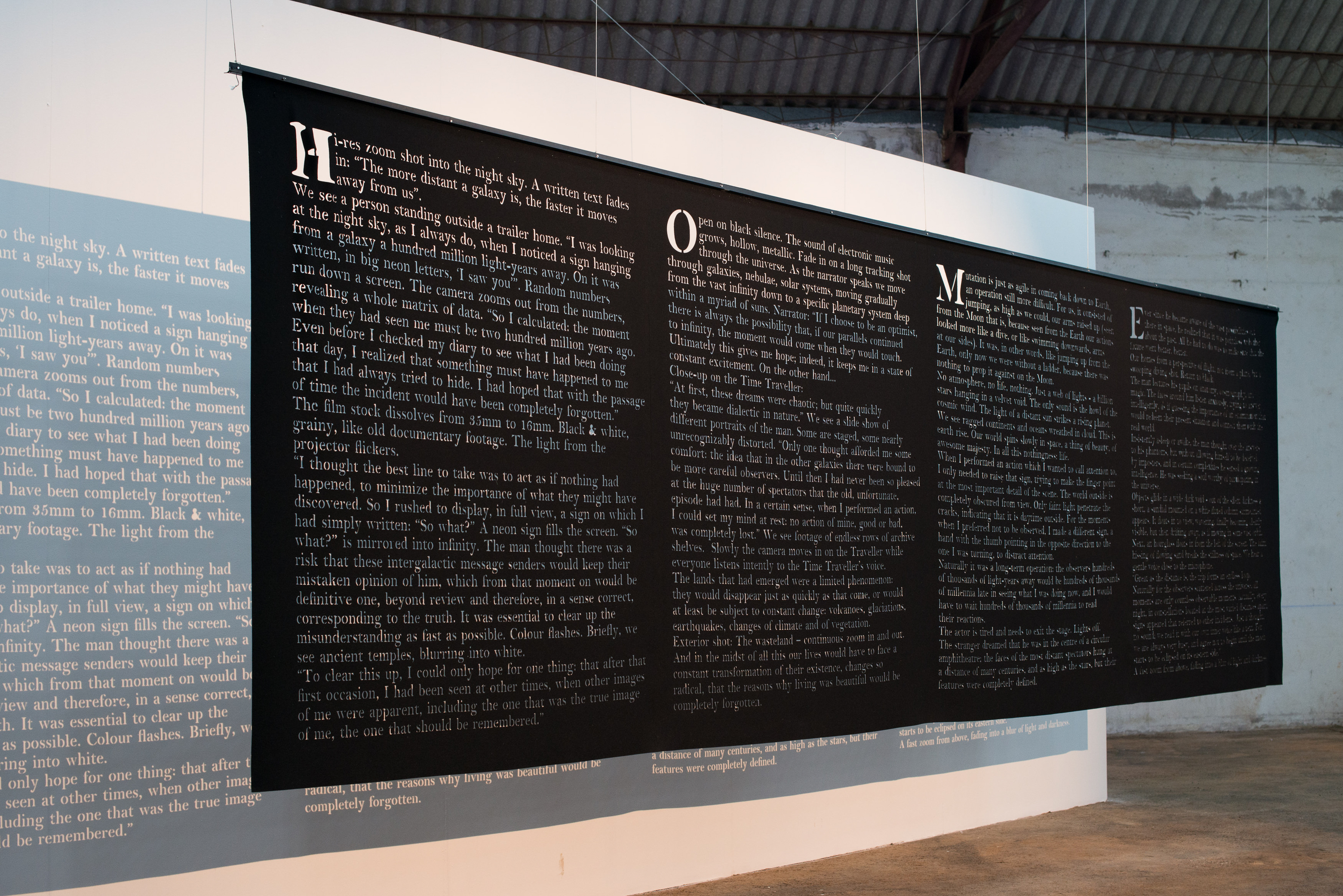
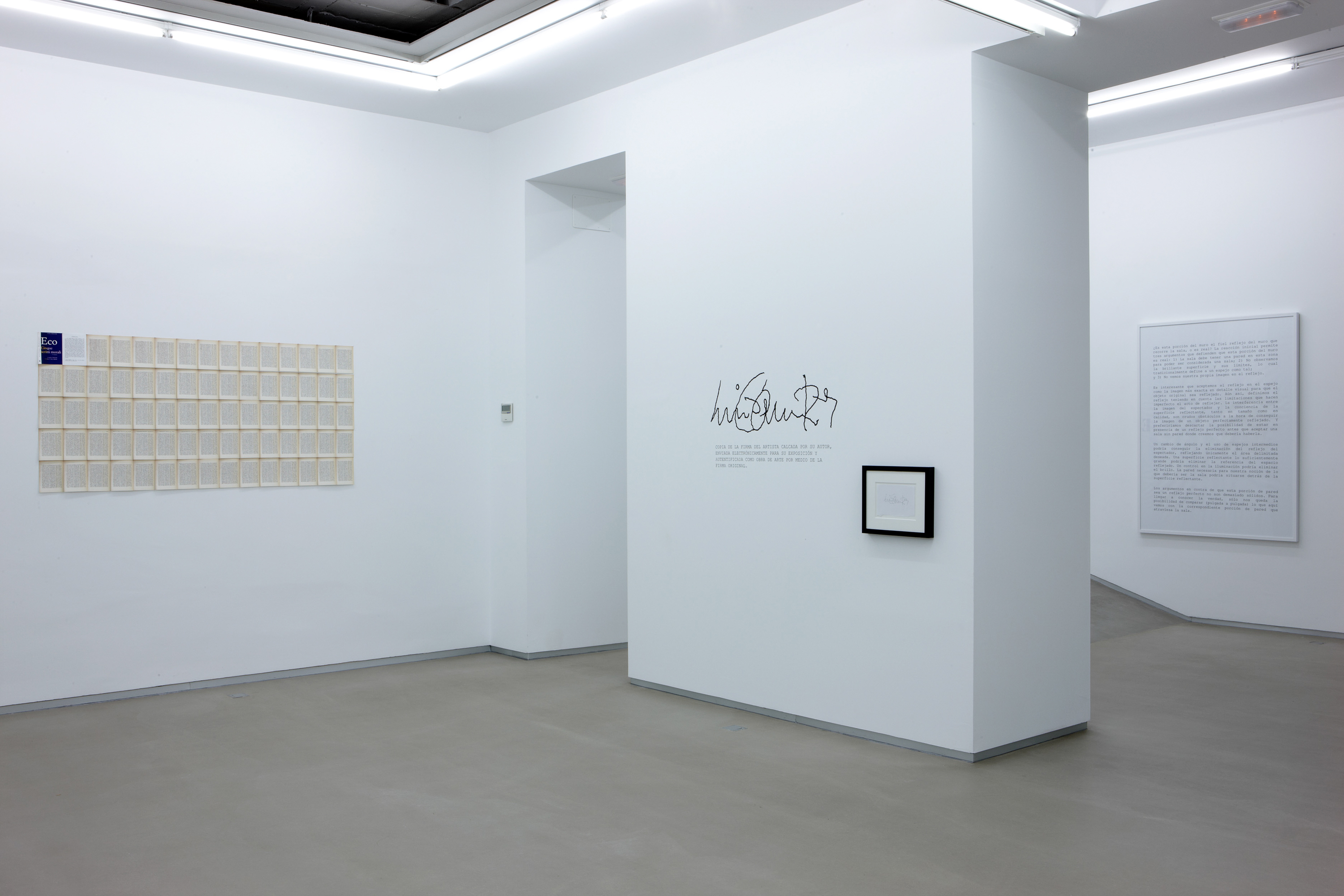
Made of 78 pages lined with pins, Eco, 2011 works over Five Moral Pieces, written by the novelist and Italian semiologist Umberto Eco. Here, the artist cuts and pastes Eco’s sentences, as an intended homage towards the novelist way of discomposing and ordering the words in the search of their true signification.
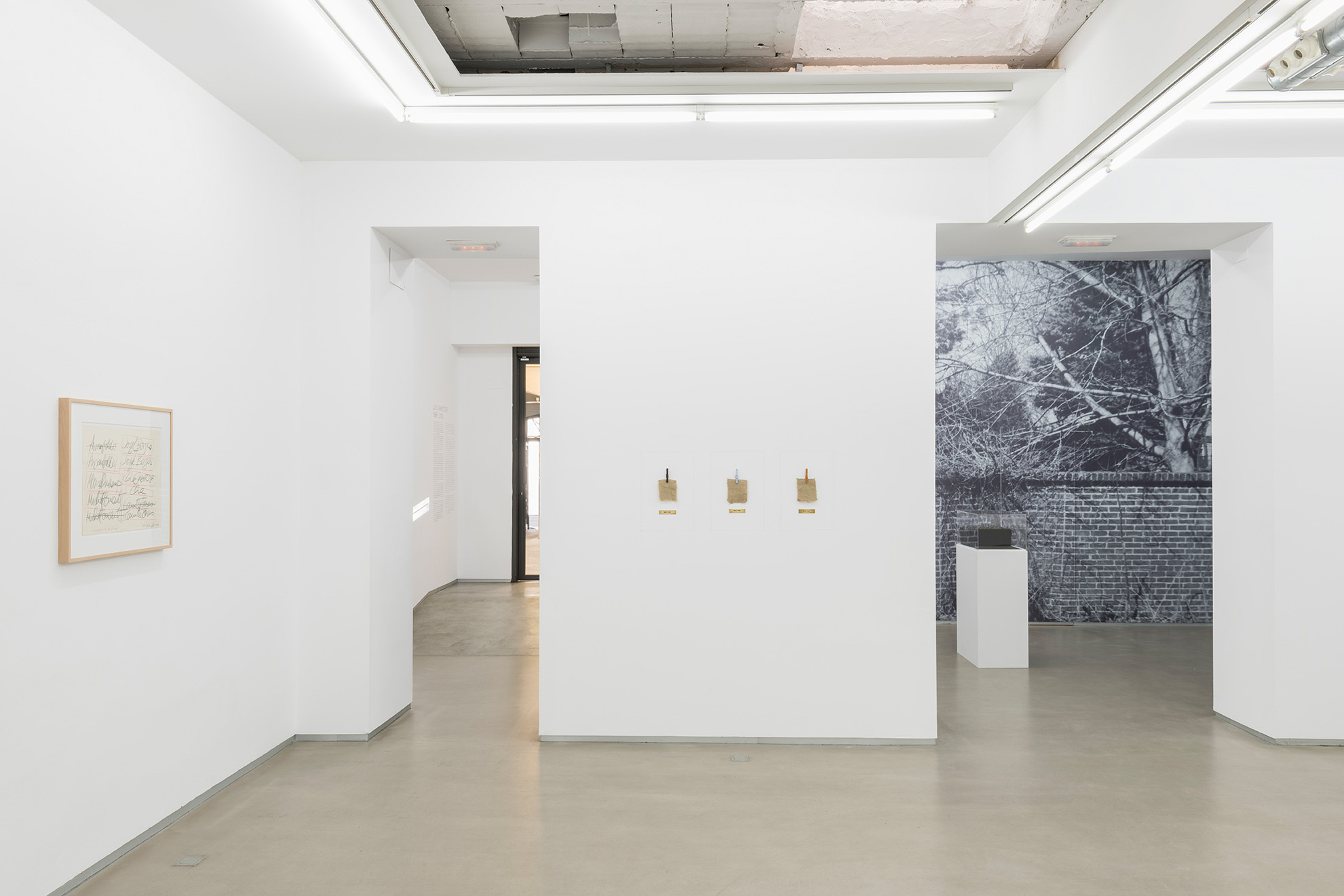
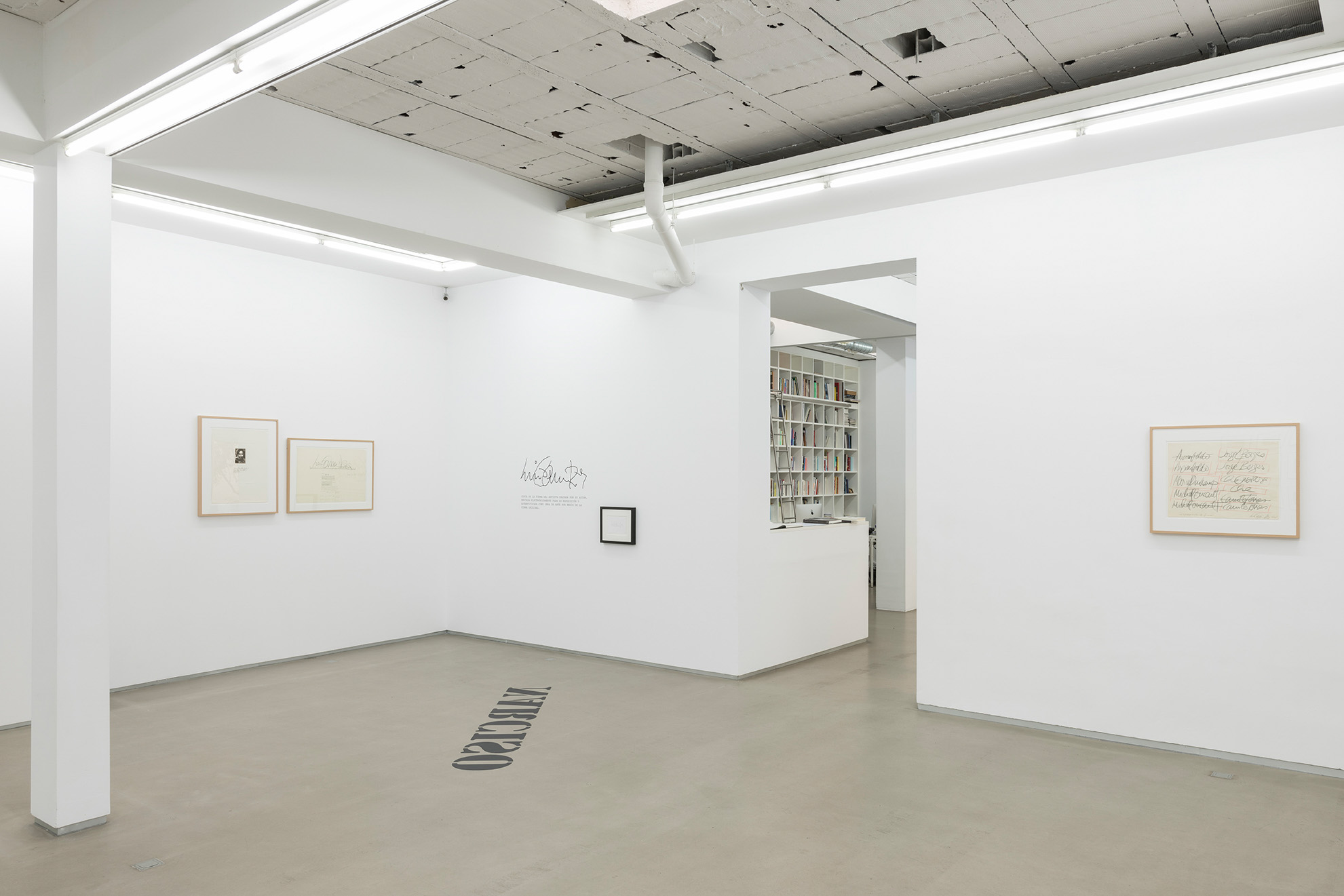
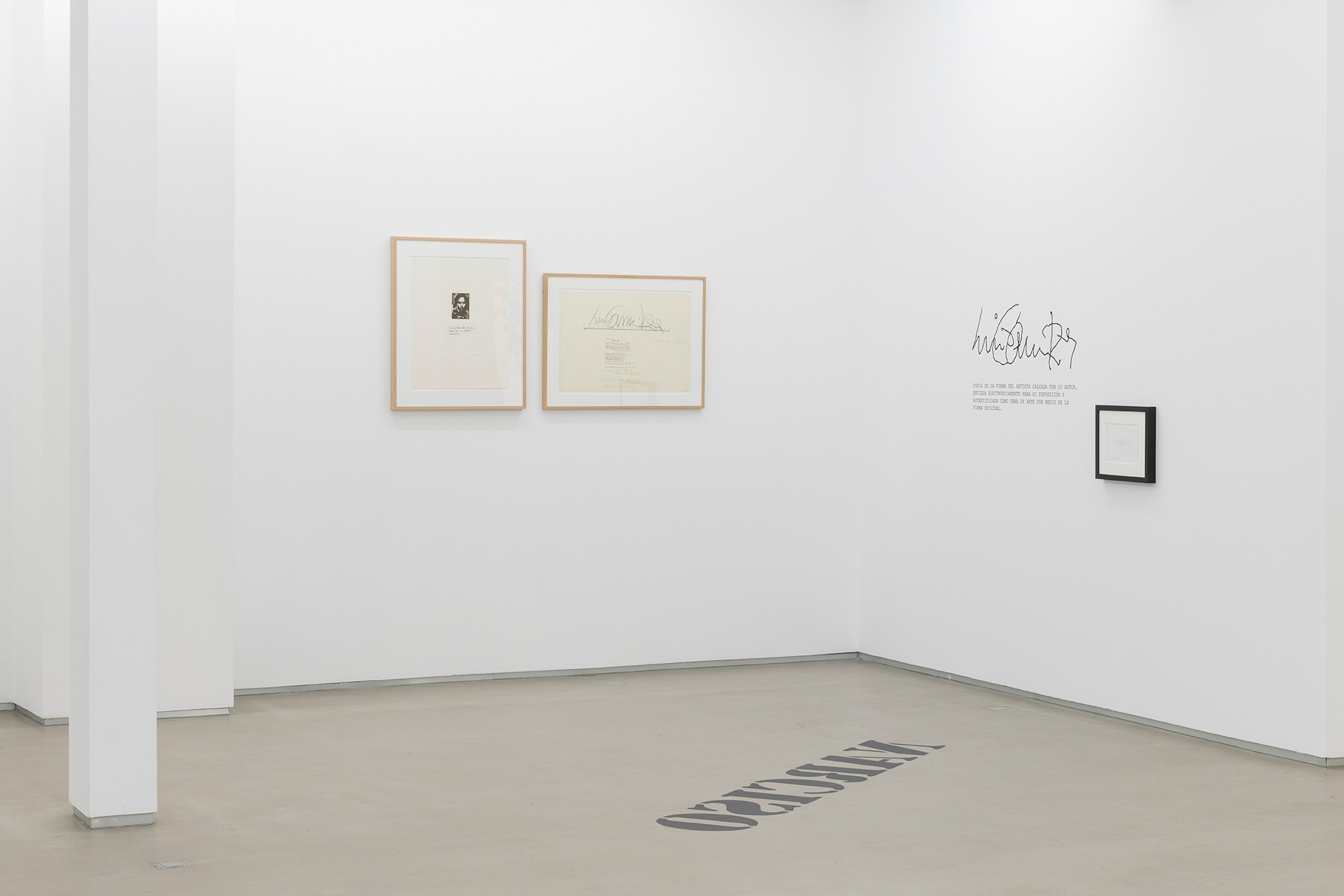
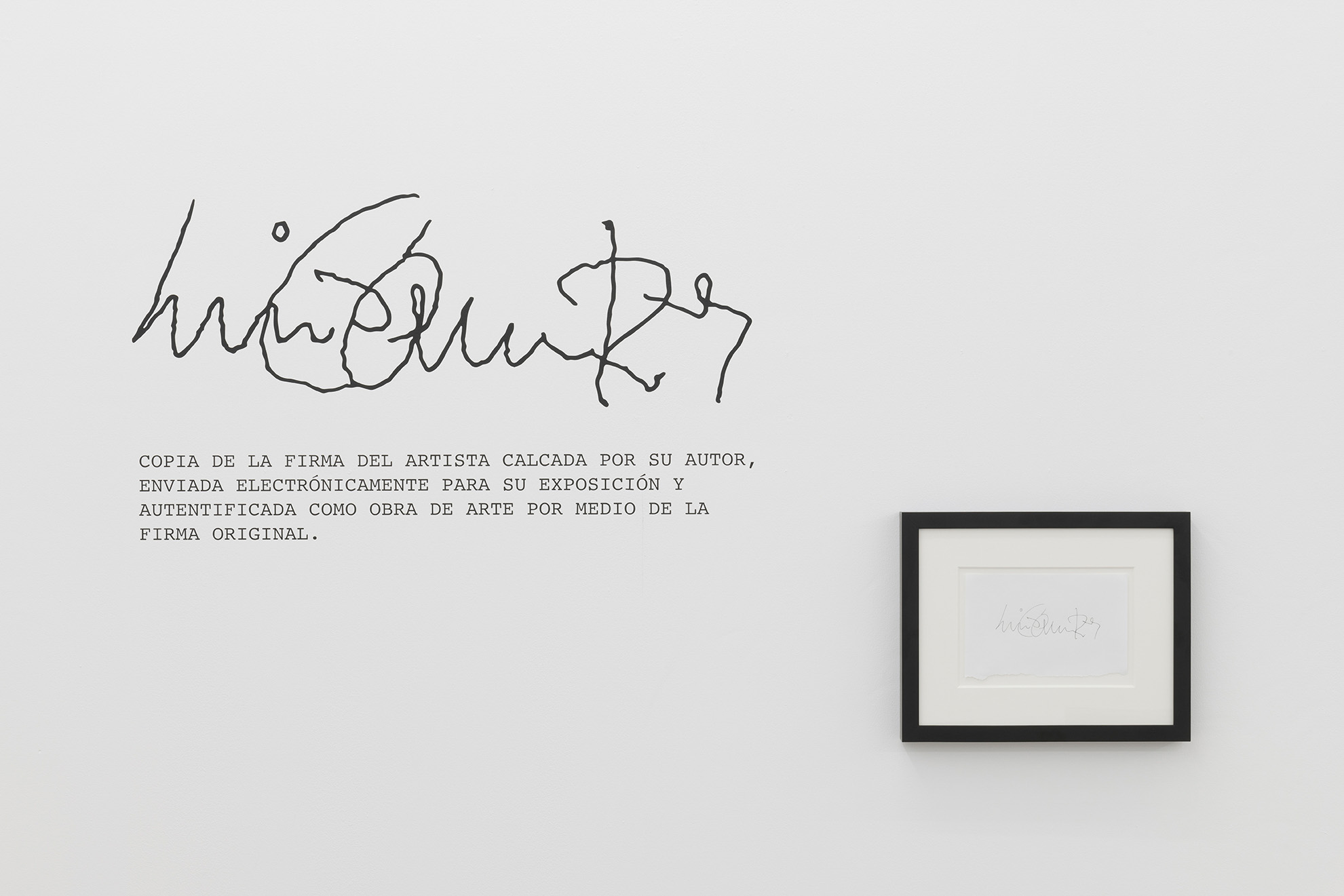
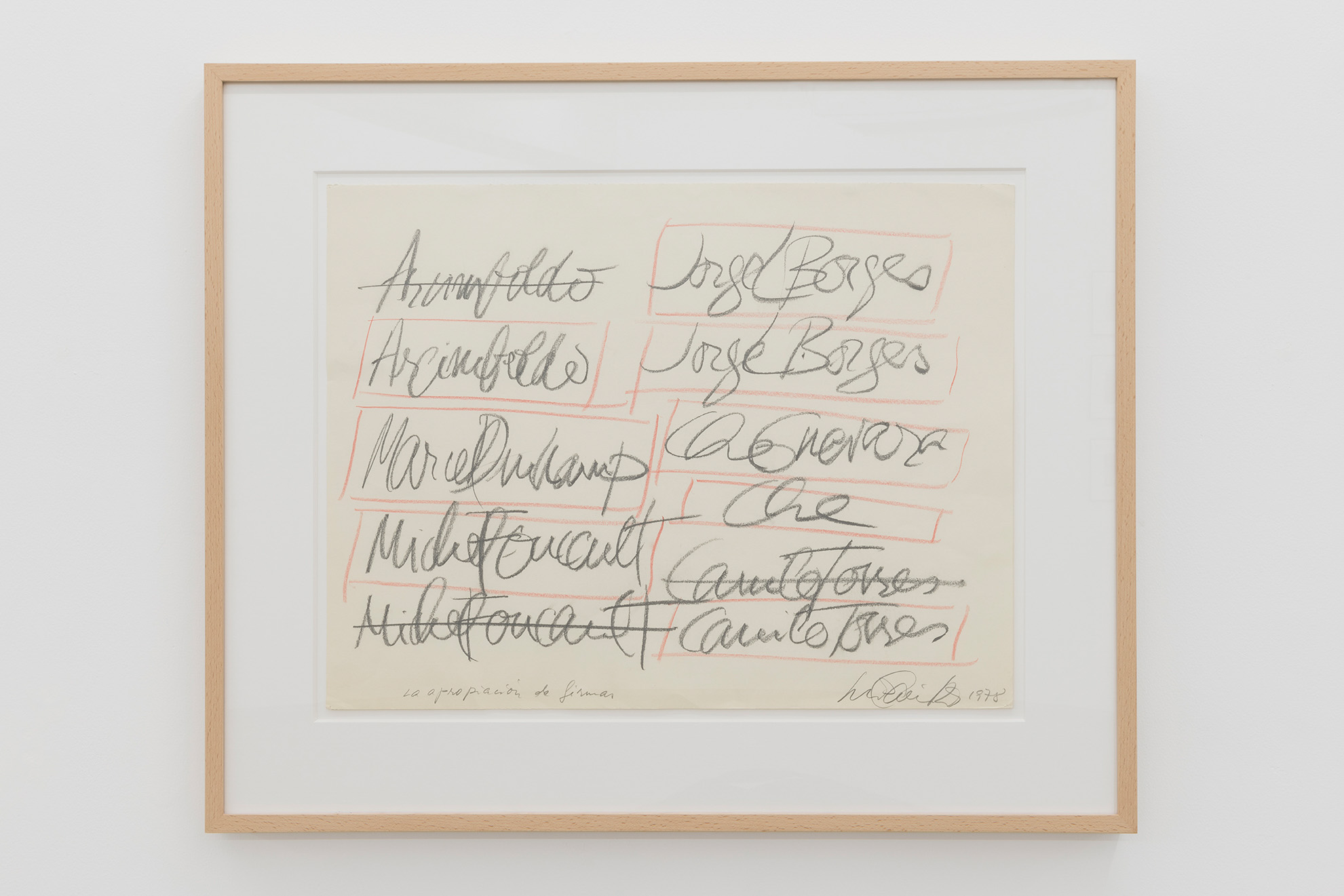
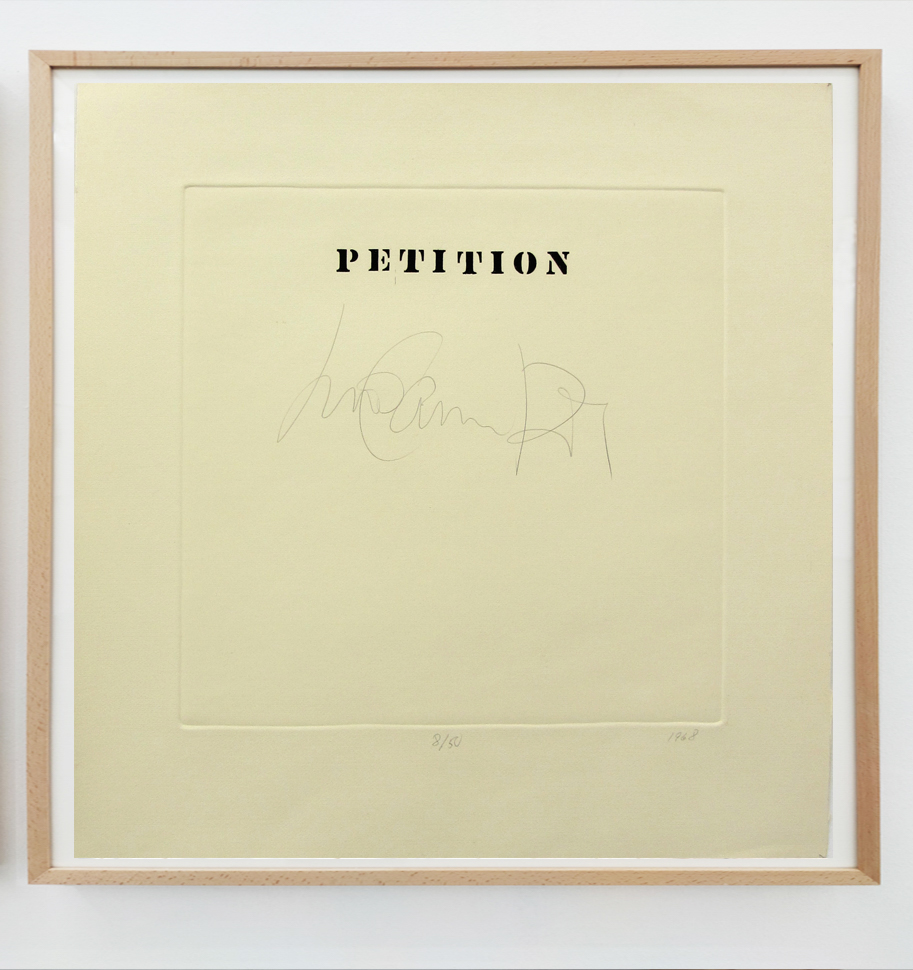
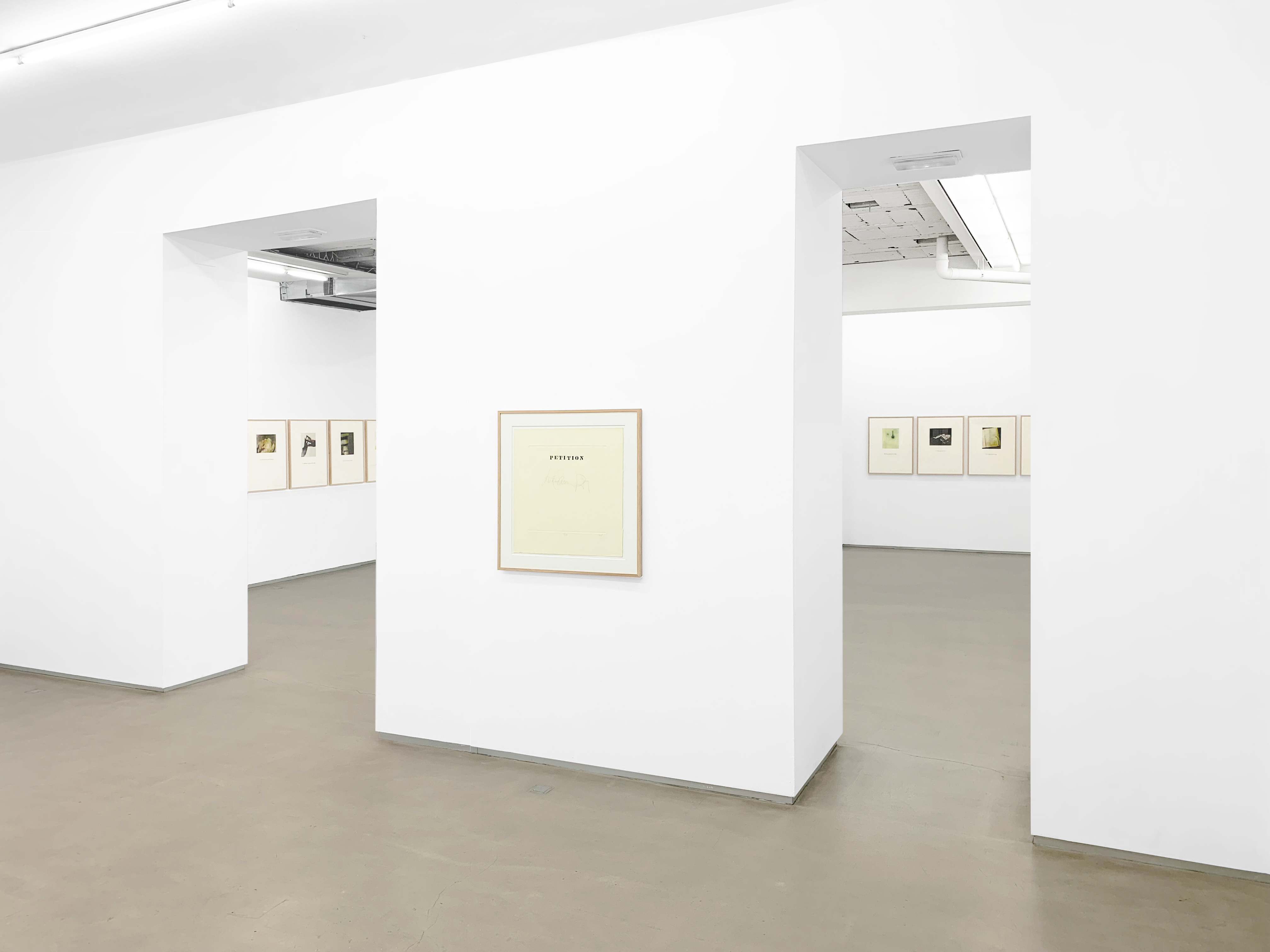
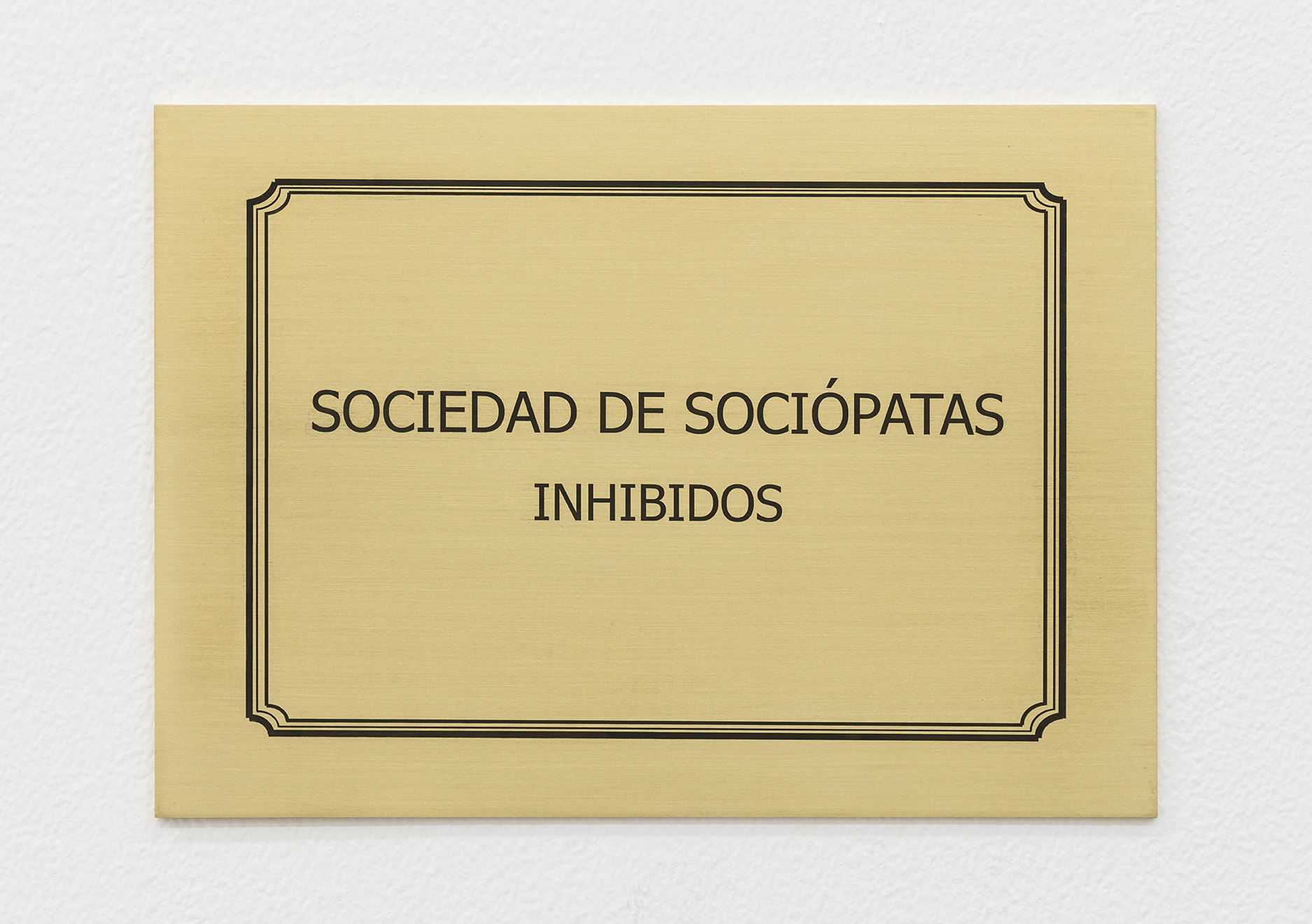
The exhibition ends up with an artificial reproduction of the artist’s signature (1973), along with the original one framed. The origin of this idea lies in the years 1971, 72 and 73, when Luis Camnitzer started to sell his signature, livening up the discussion of the relationship between artist-artwork’s and Art market.
Luis Camnitzer’s artwork has been exhibited in several important Institutions. He has recently opened an individual exhibition at the Museum of Wiesbaden in Germany, and had a retrospective at Kunsthalle Kiel, Germany, and at the Daros Museum of Zurich. From there, the exhibition moved to the Museo del Barrio of New York; Museo de Arte de Zapopan in Mexico and to the University of British Columbia in Vancouver, Canada. Furthermore, the artist has taken part in biennials such as Venice, La Habana, Whitney, as well as in the Documenta 11. His artwork belongs to permanent collections of important museums like the Museum of Modern Art, Metropolitan Museum and the Whitney Museum in New York; The Houston Museum of Fine Arts and the MALBA of Buenos Aires. As a criticizer, Camnitzer often collaborates with ArtNexus and is the author of New Art of Cuba (1994, 2003) and Conceptualism in Latin American Art: Didactics of Liberation (2007), as well as an honorary professor at the University of the New York’s State.