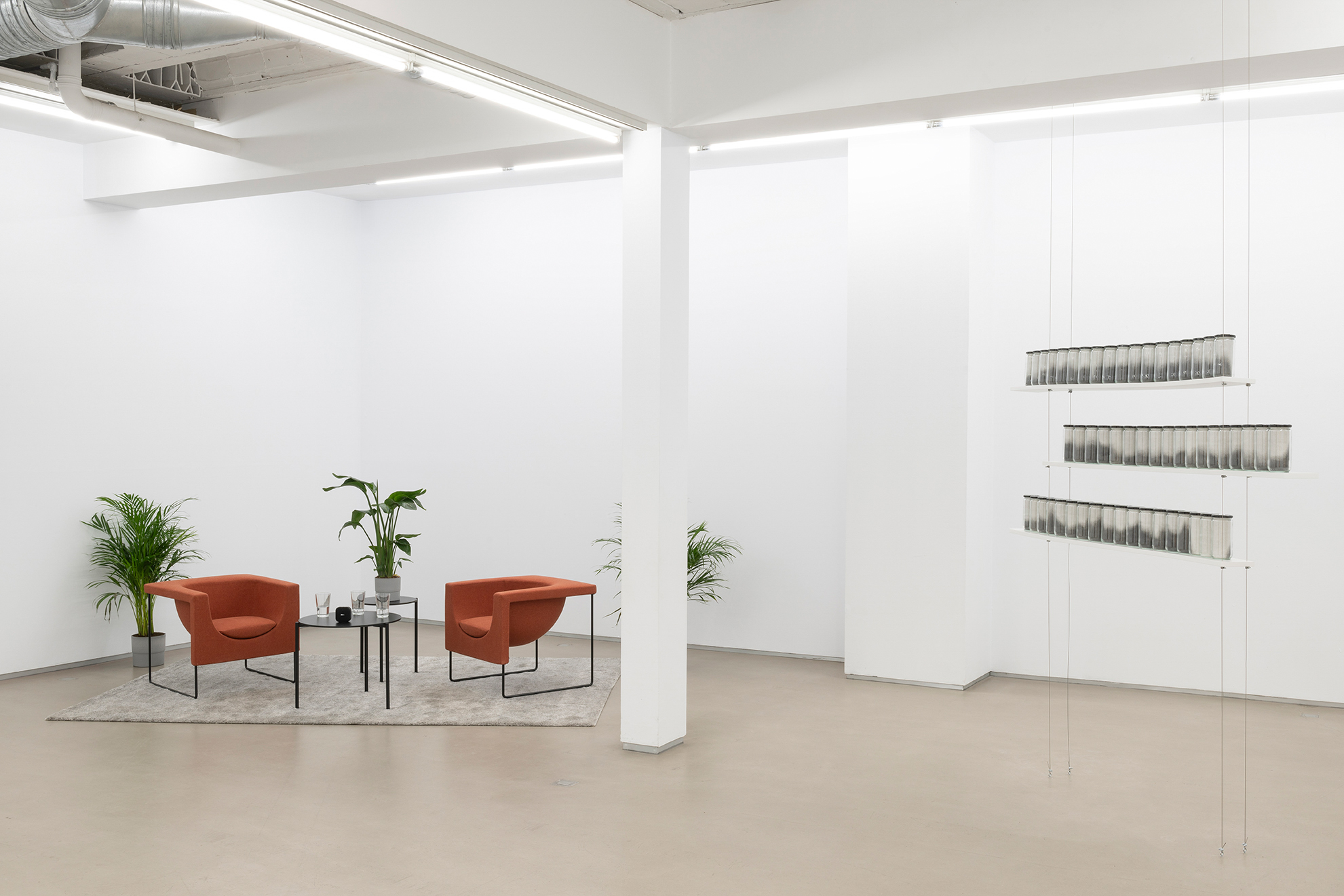
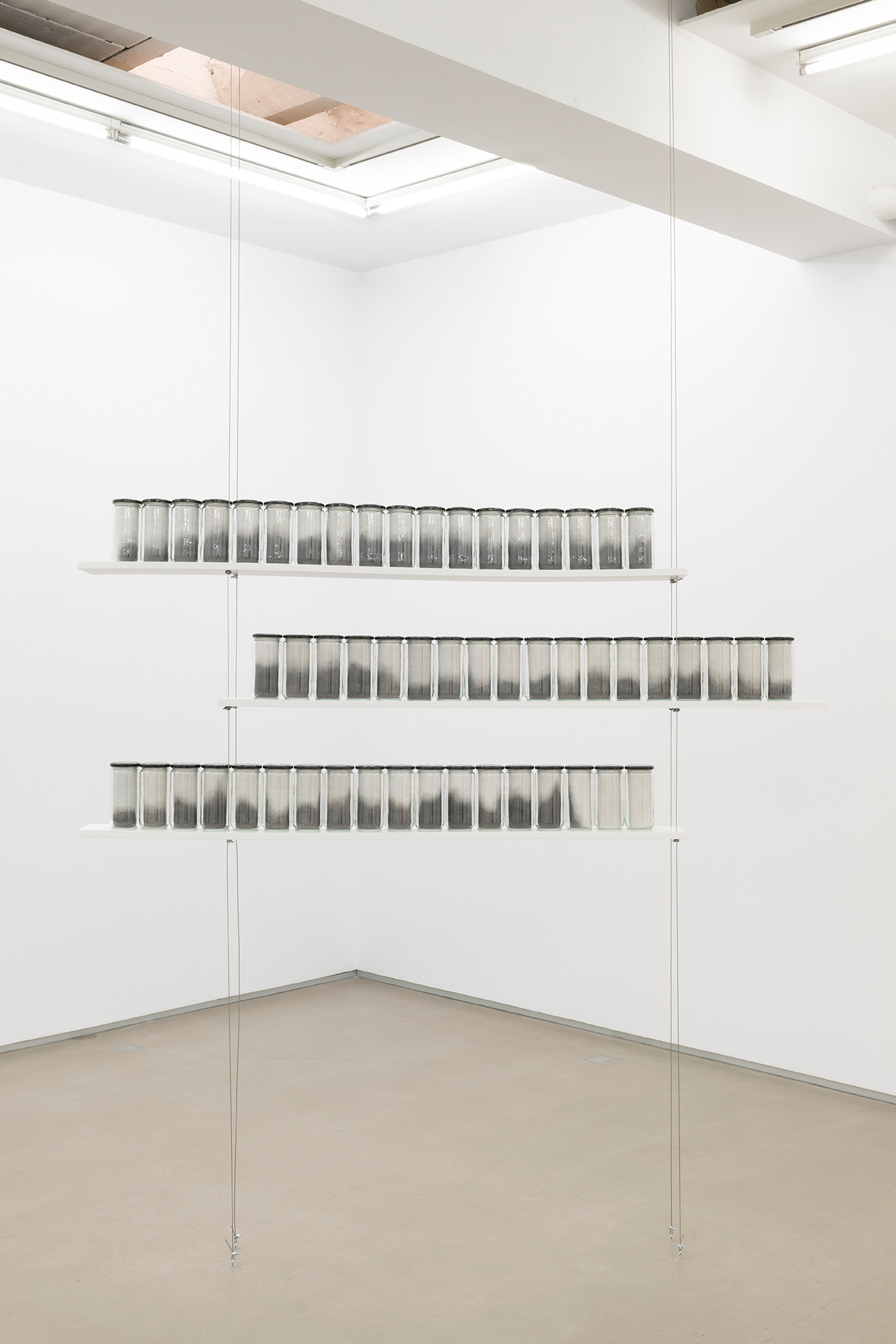
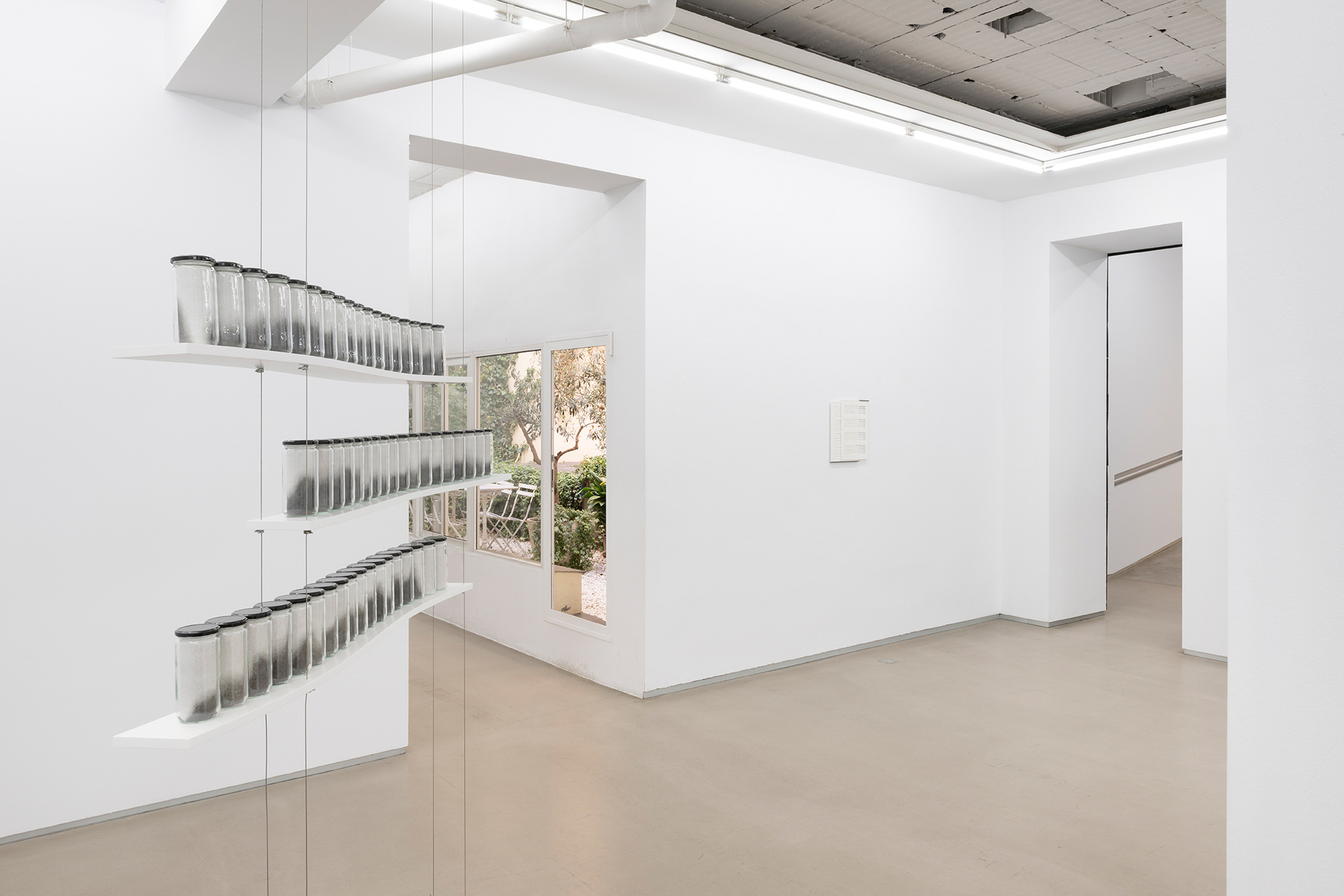
“Time, like sand, goes unnoticed. Until you look around and you’re surrounded by dunes, ever changing. ”-Anonymous comment on YouTube on a song belonging to this project
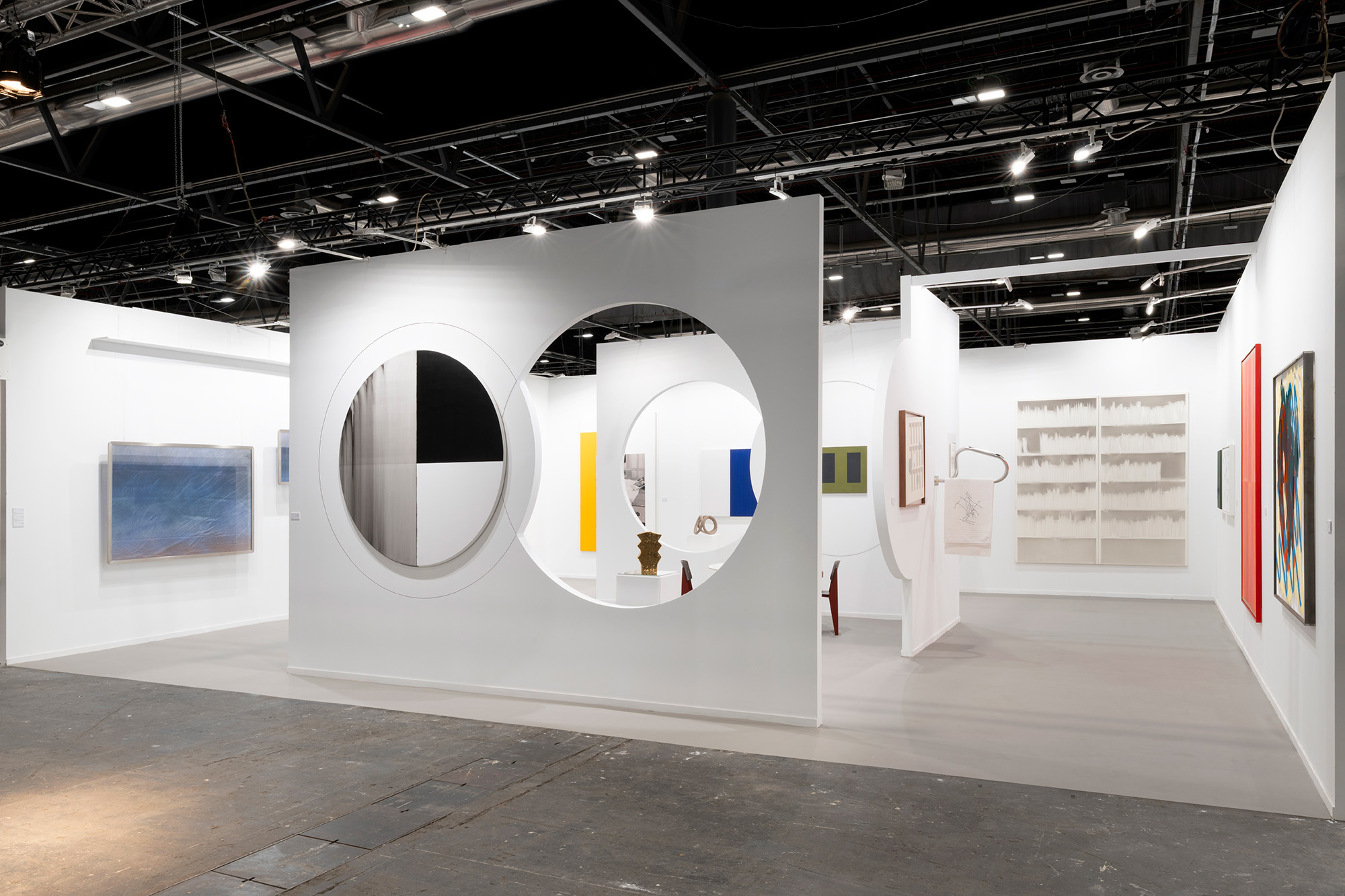
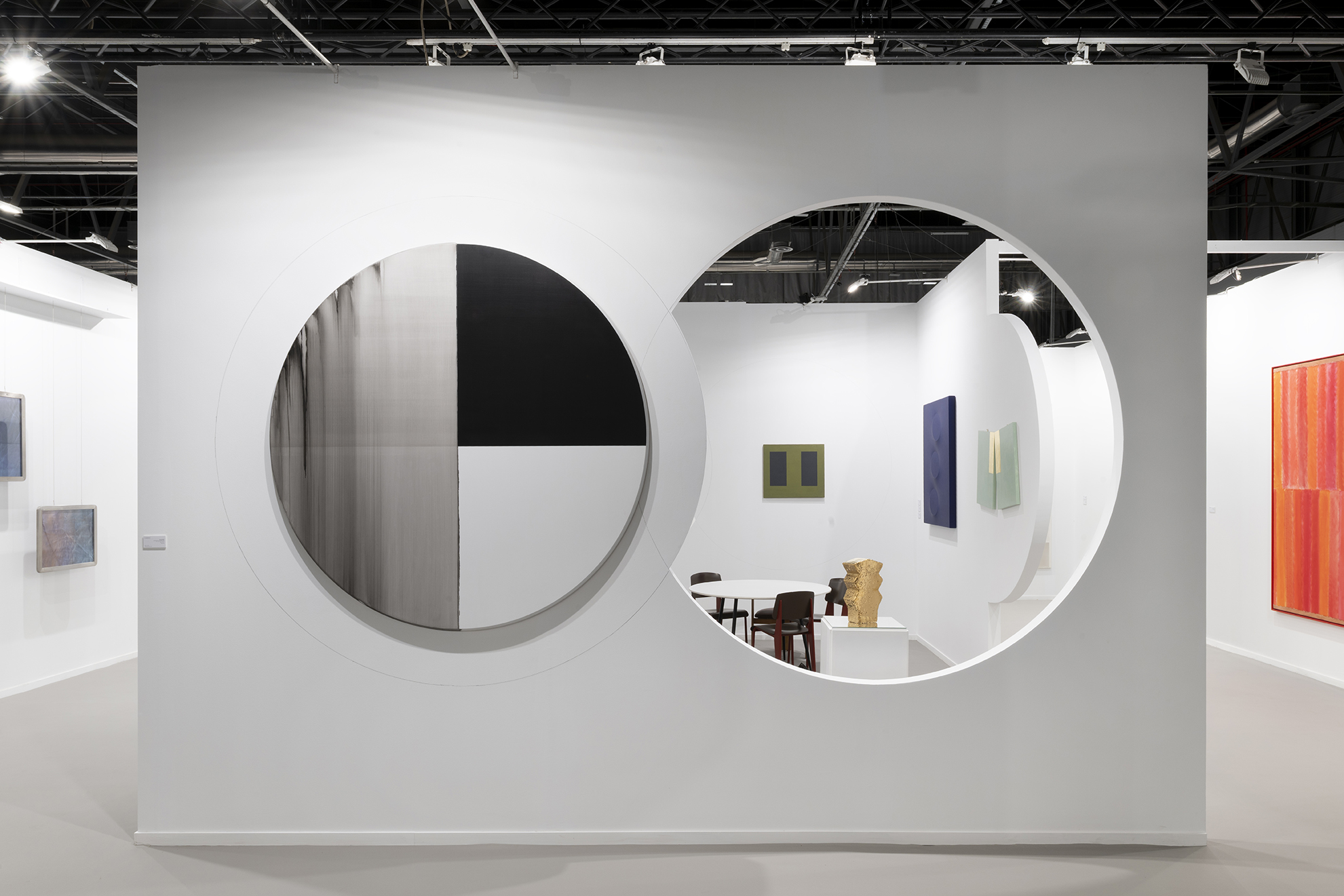
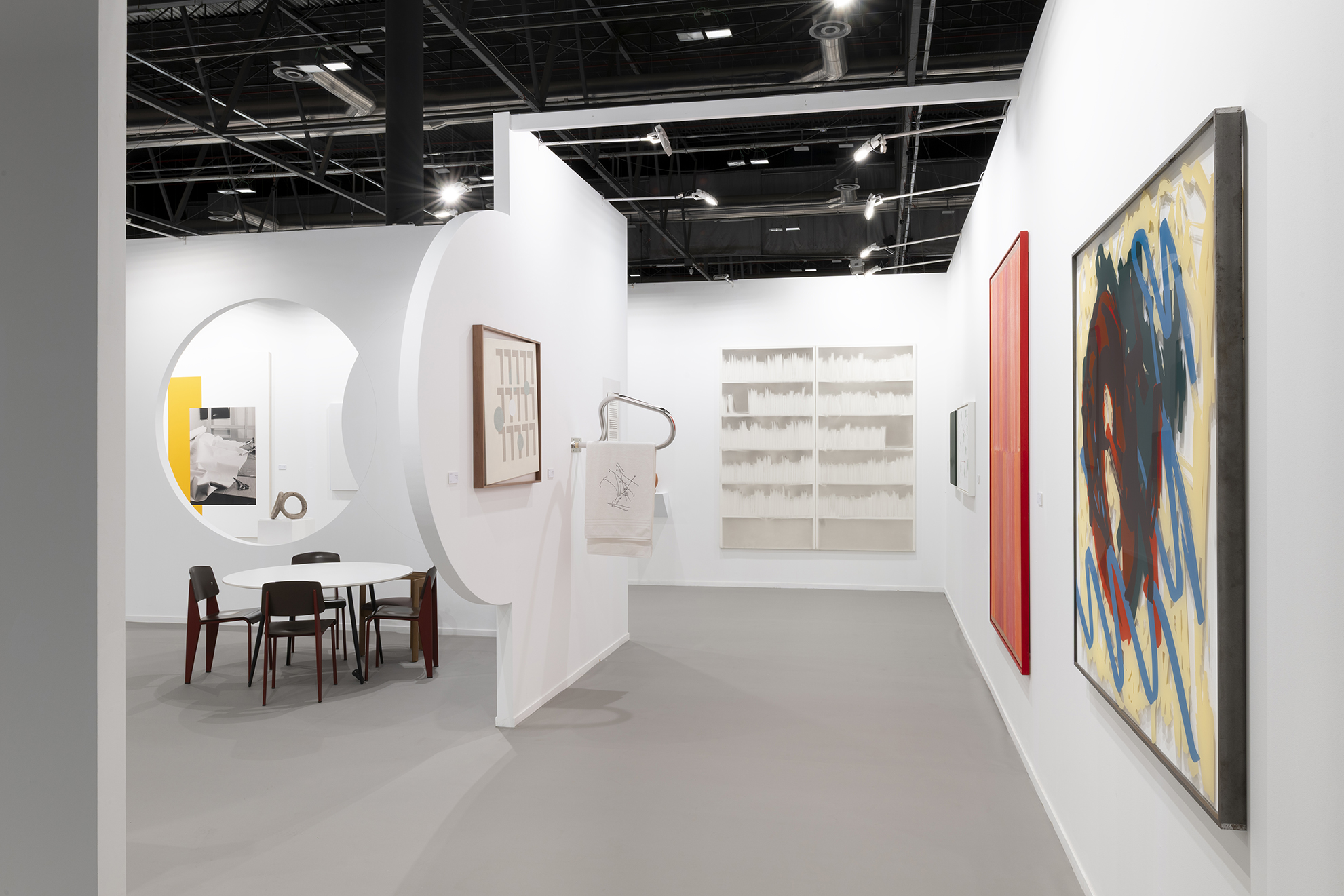
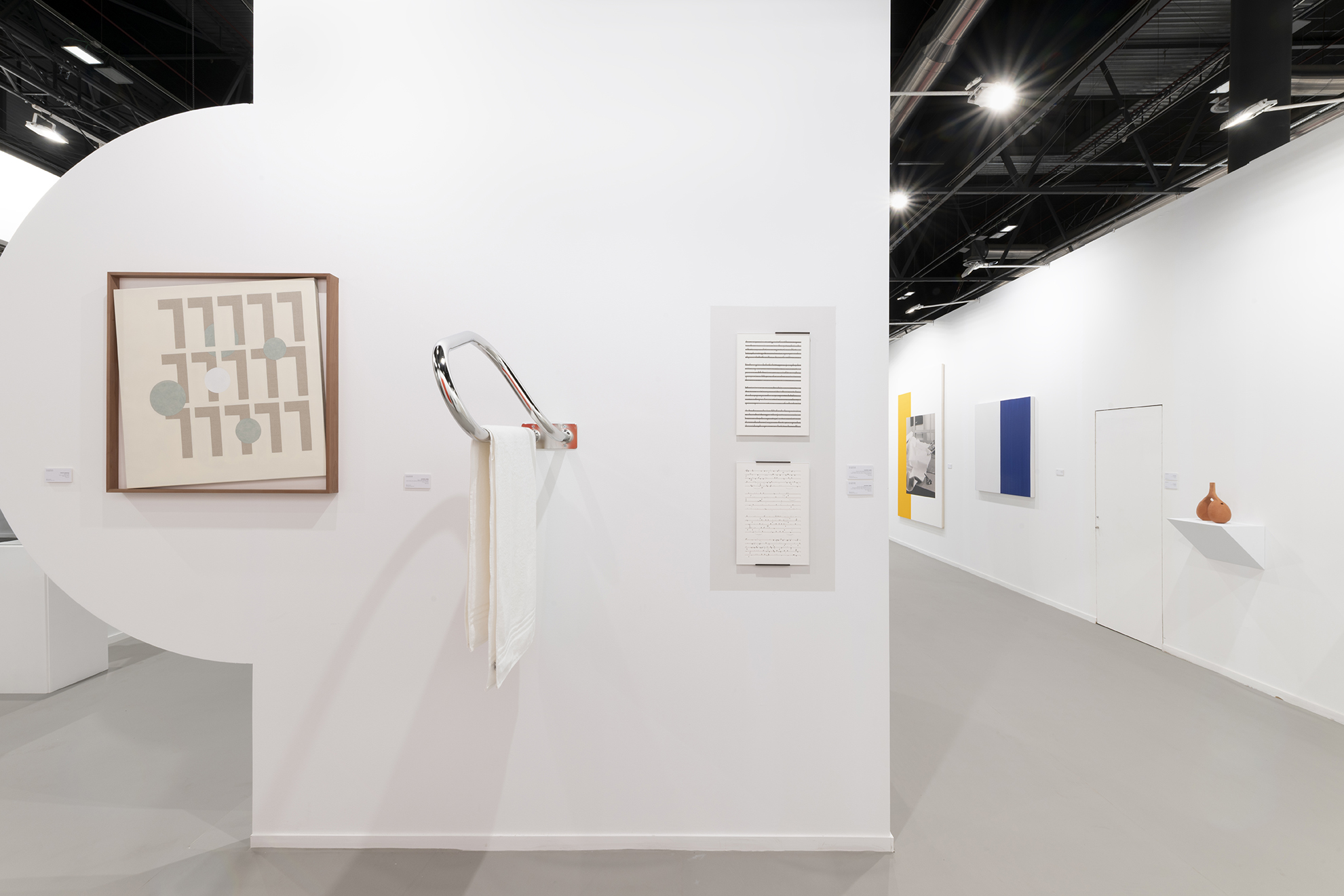
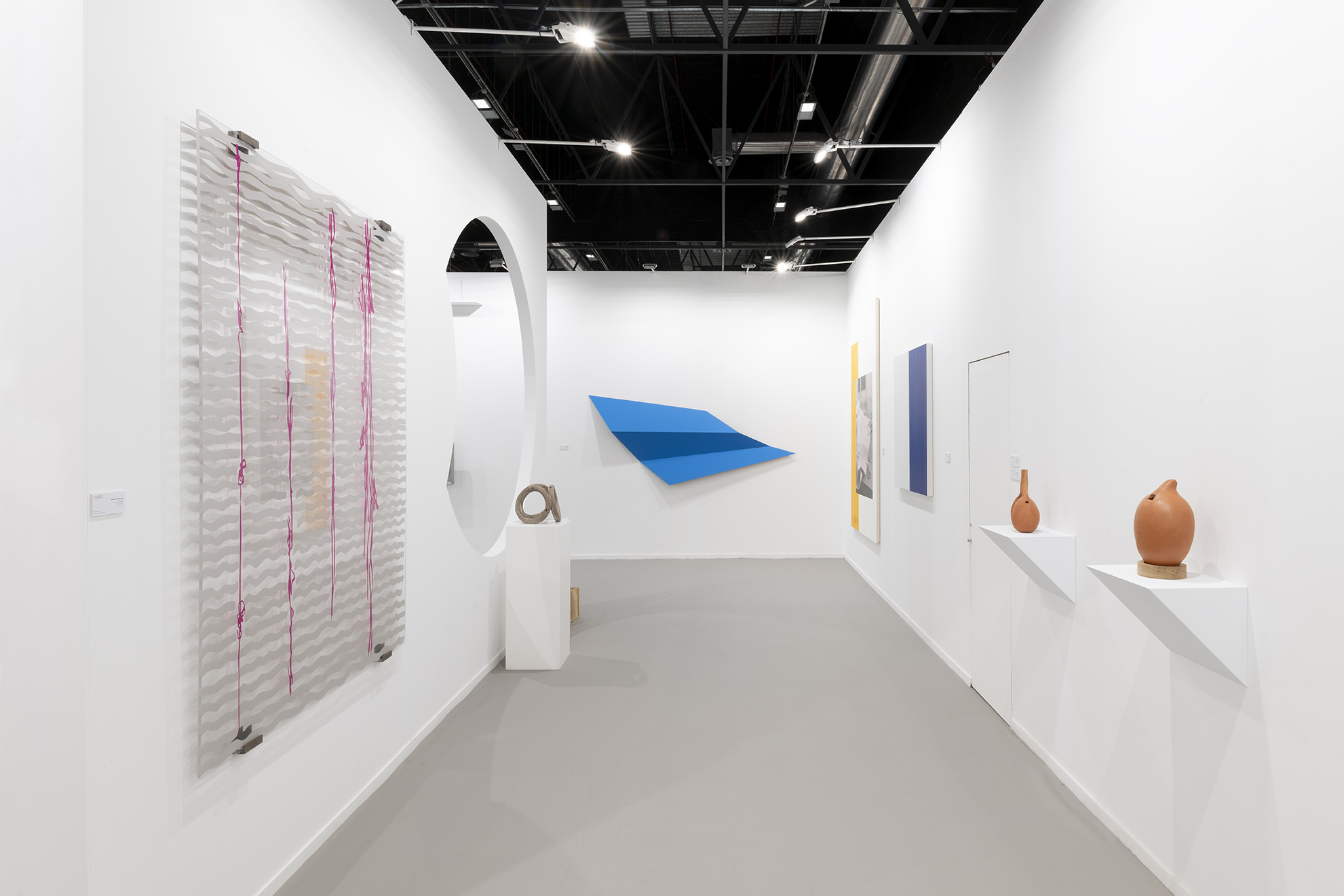
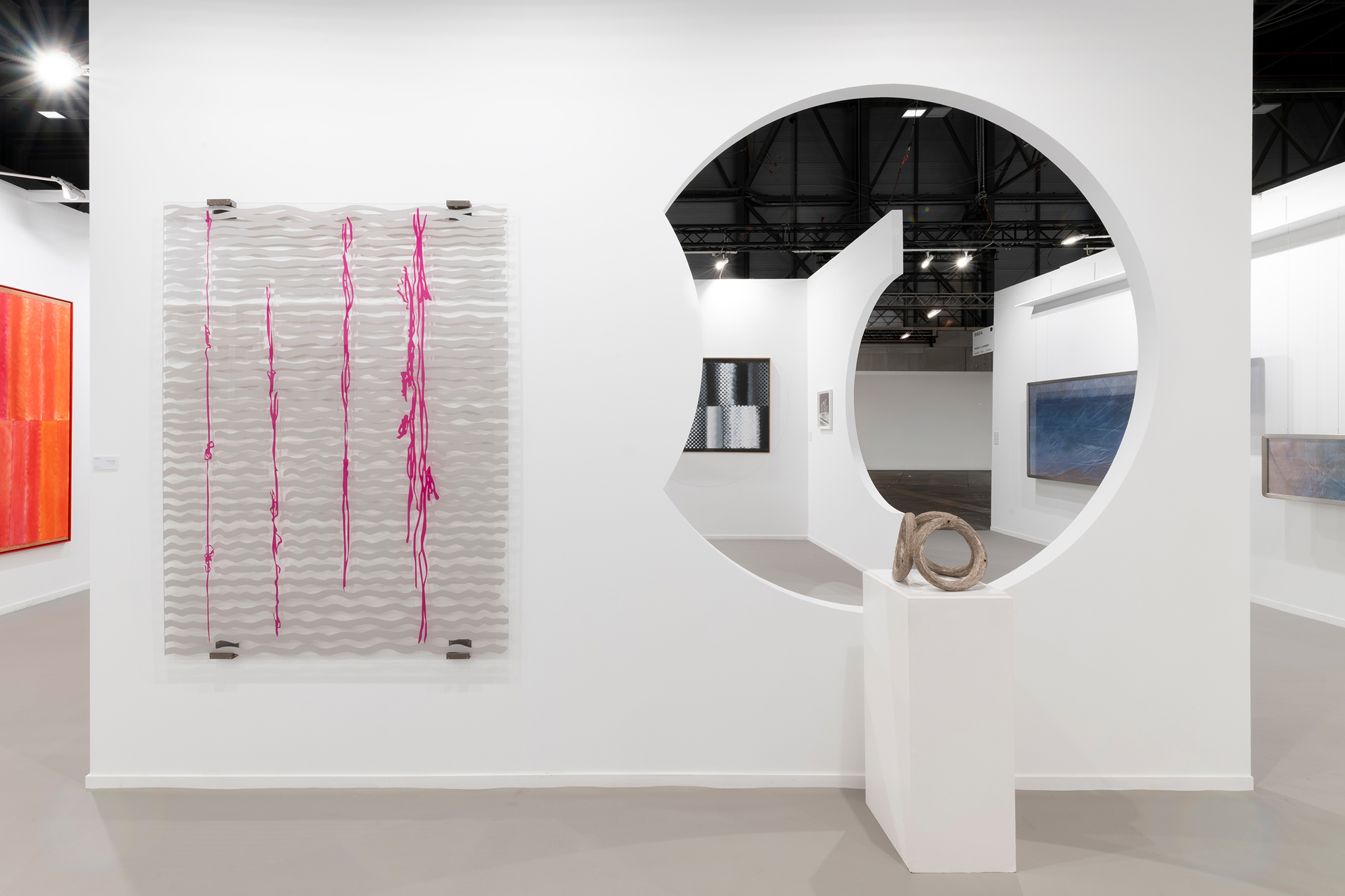
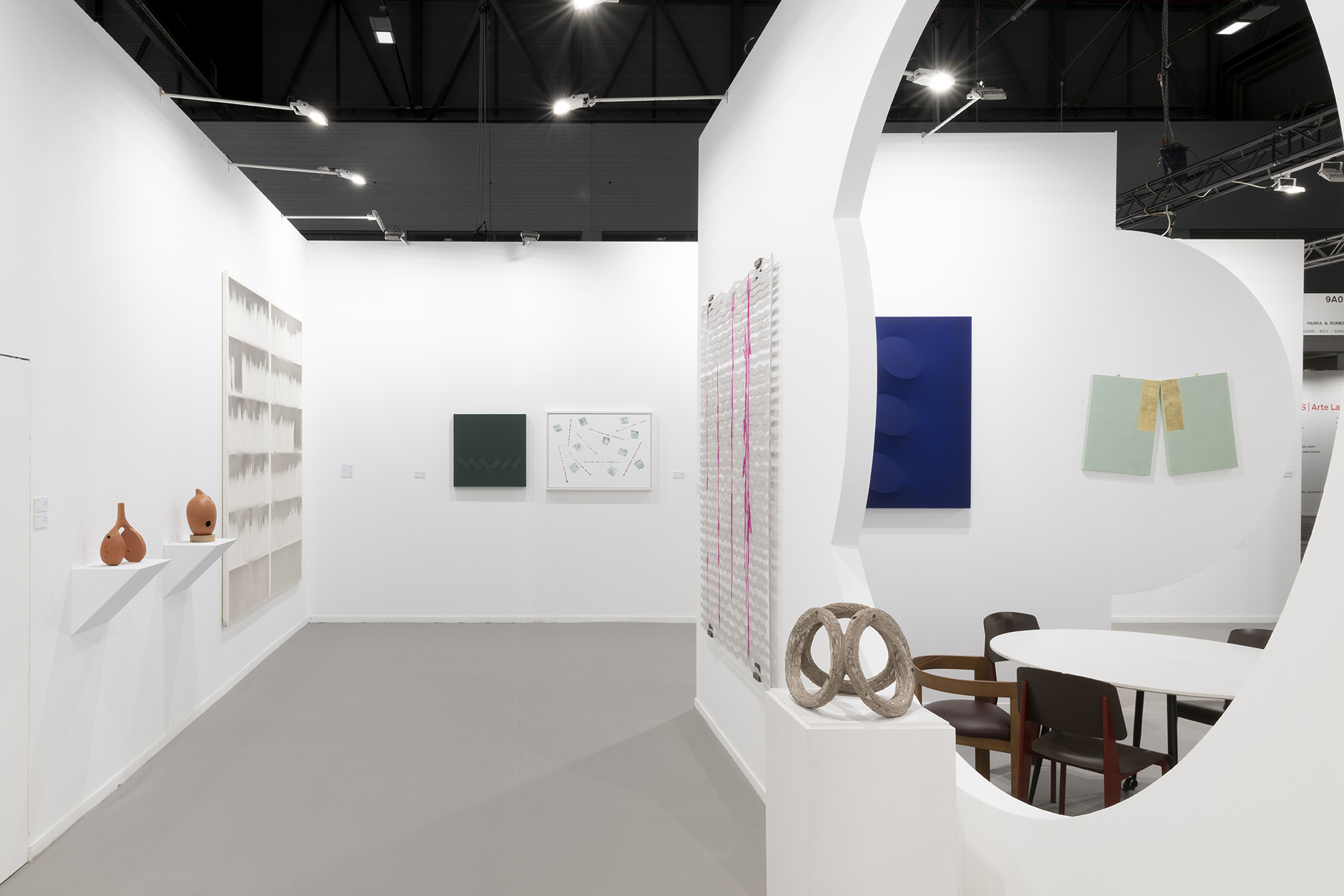
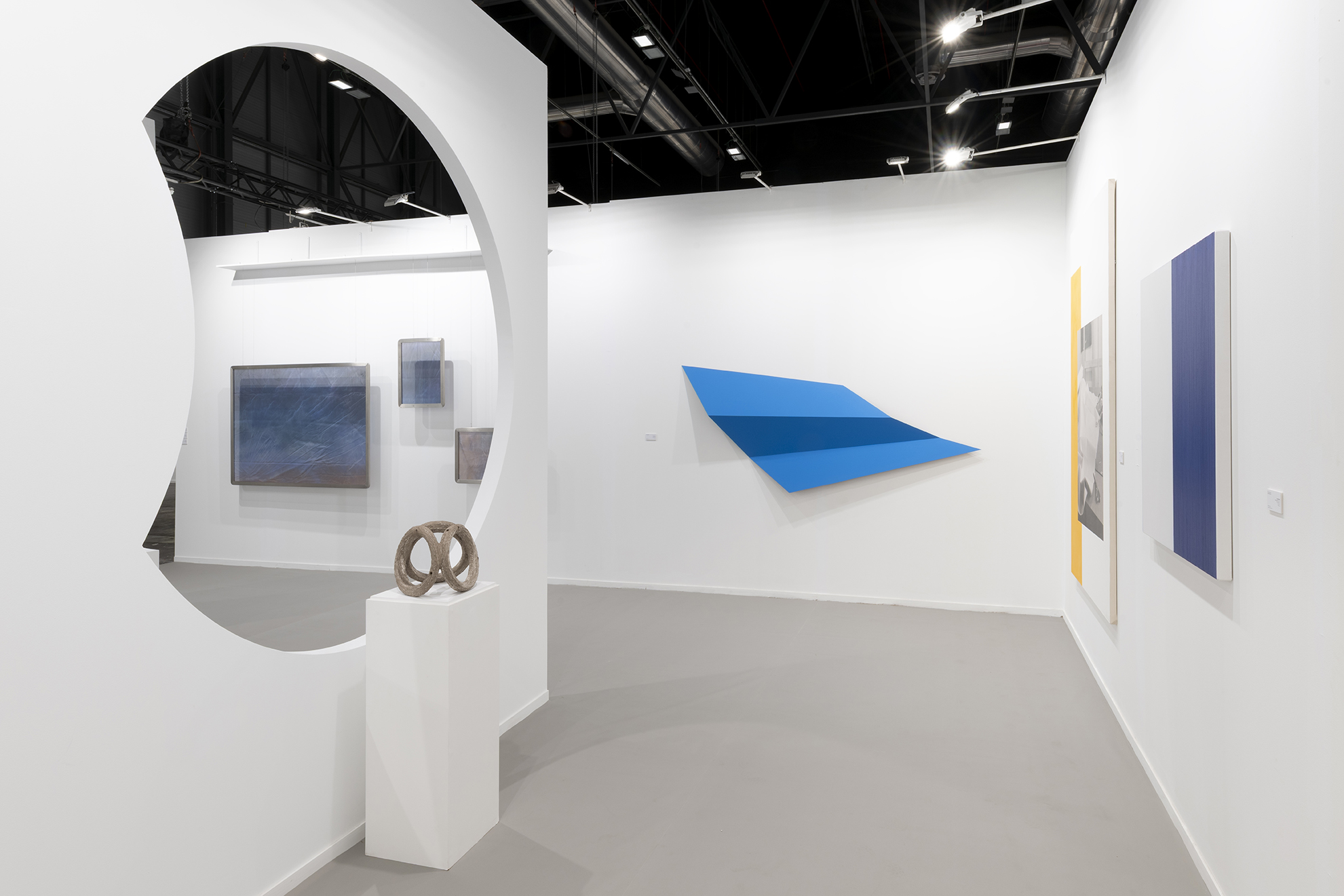
Parra & Romero is pleased to present the first solo exhibition by Almudena Lobera (Madrid, 1984) at our gallery in Madrid.
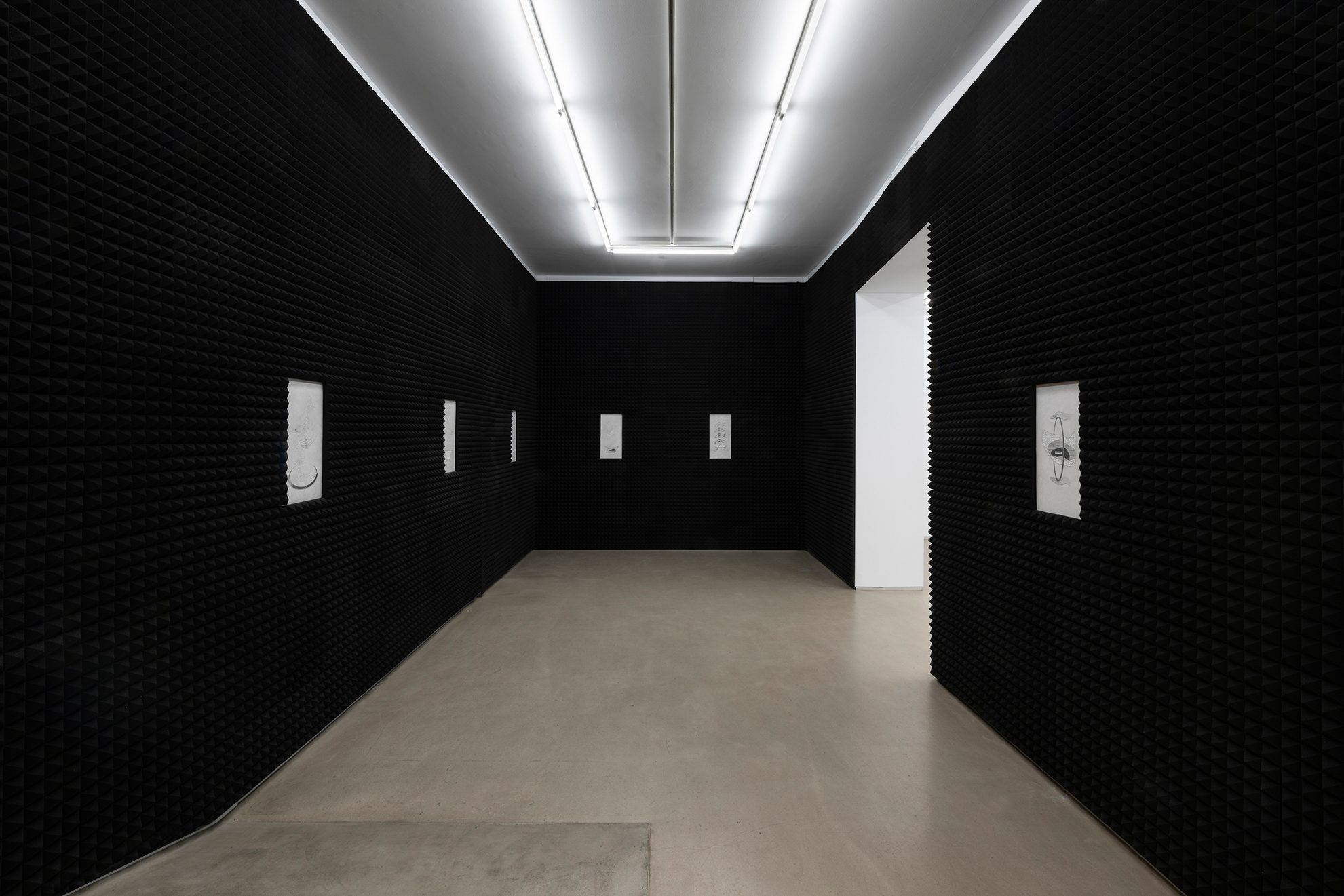
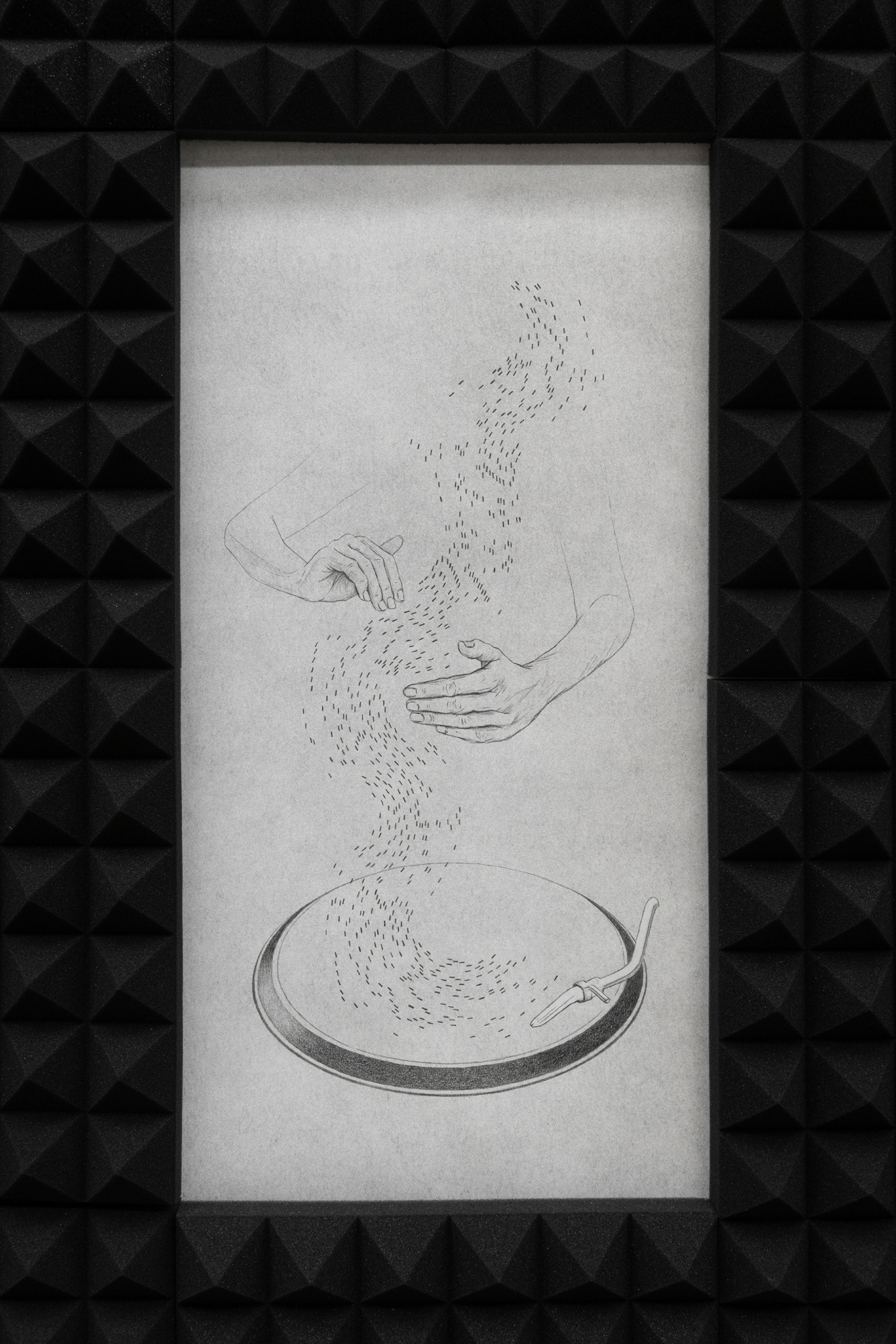
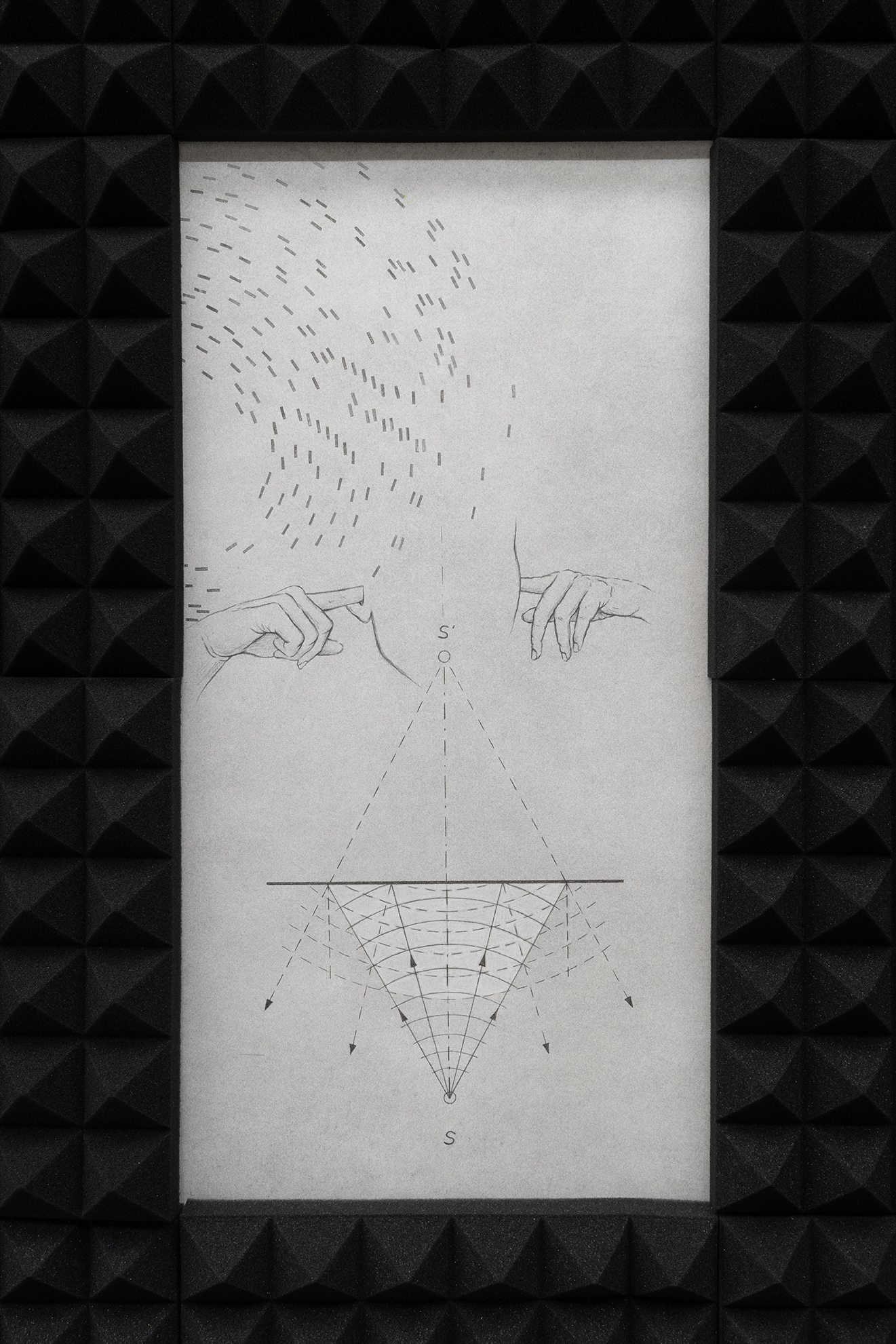
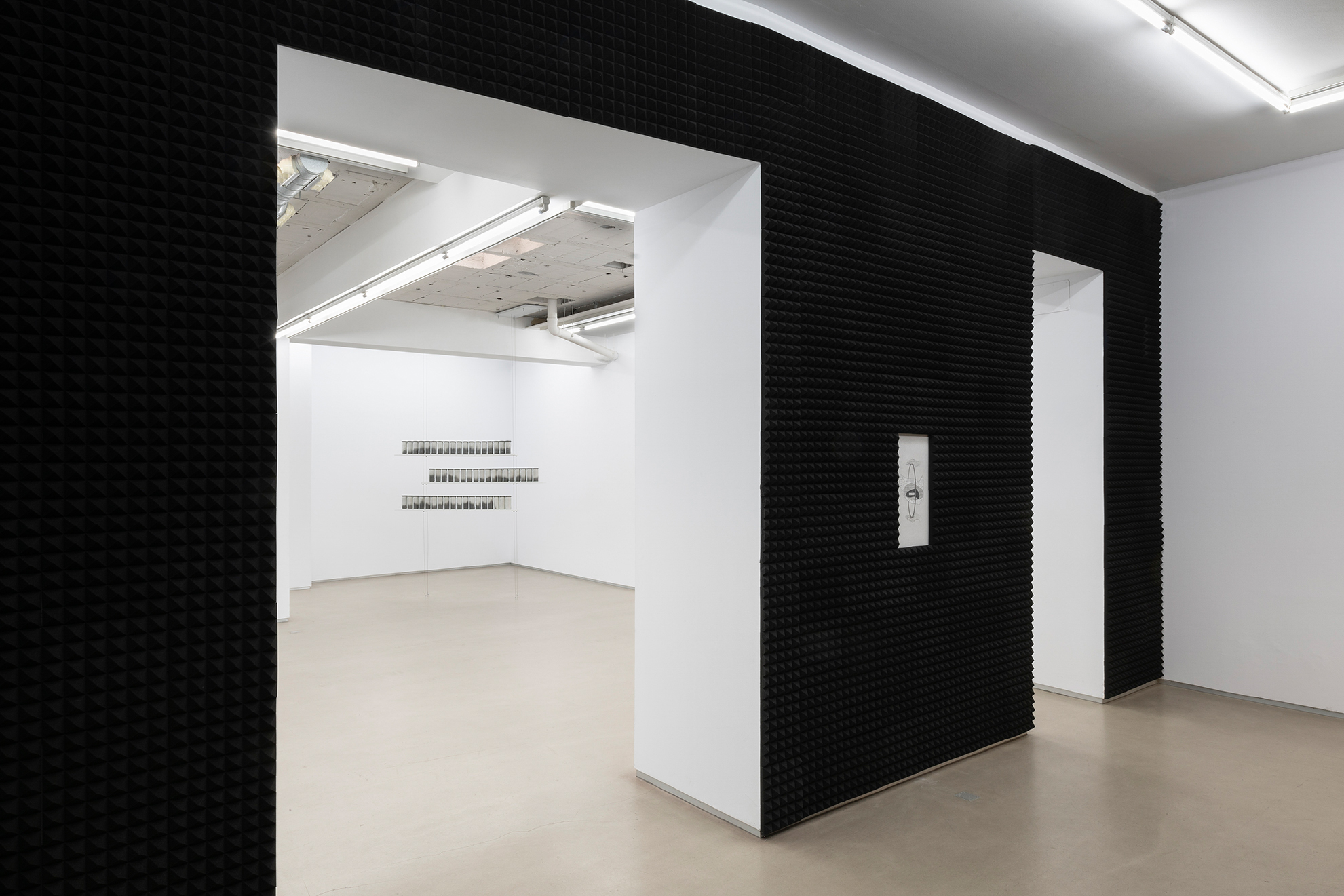
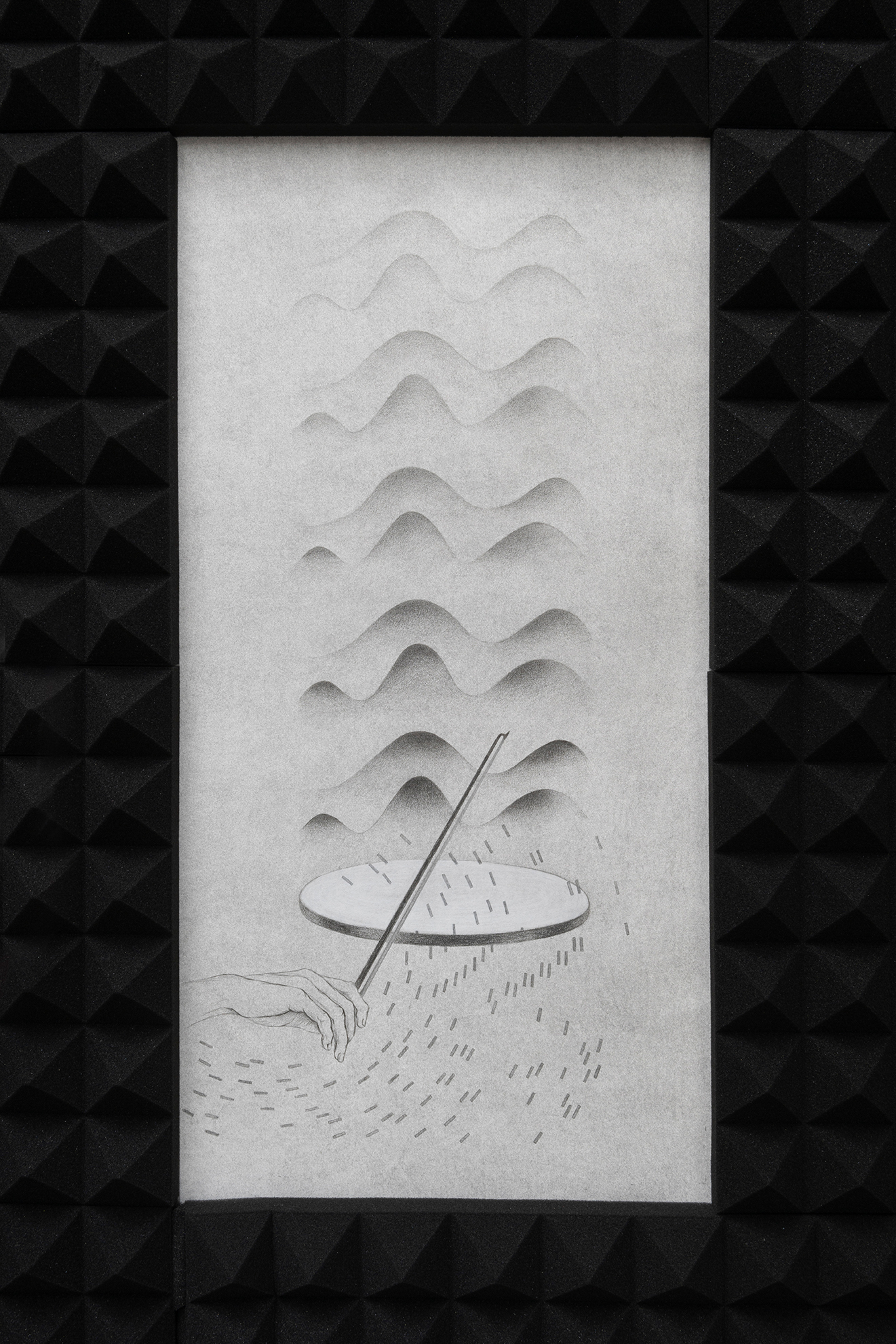
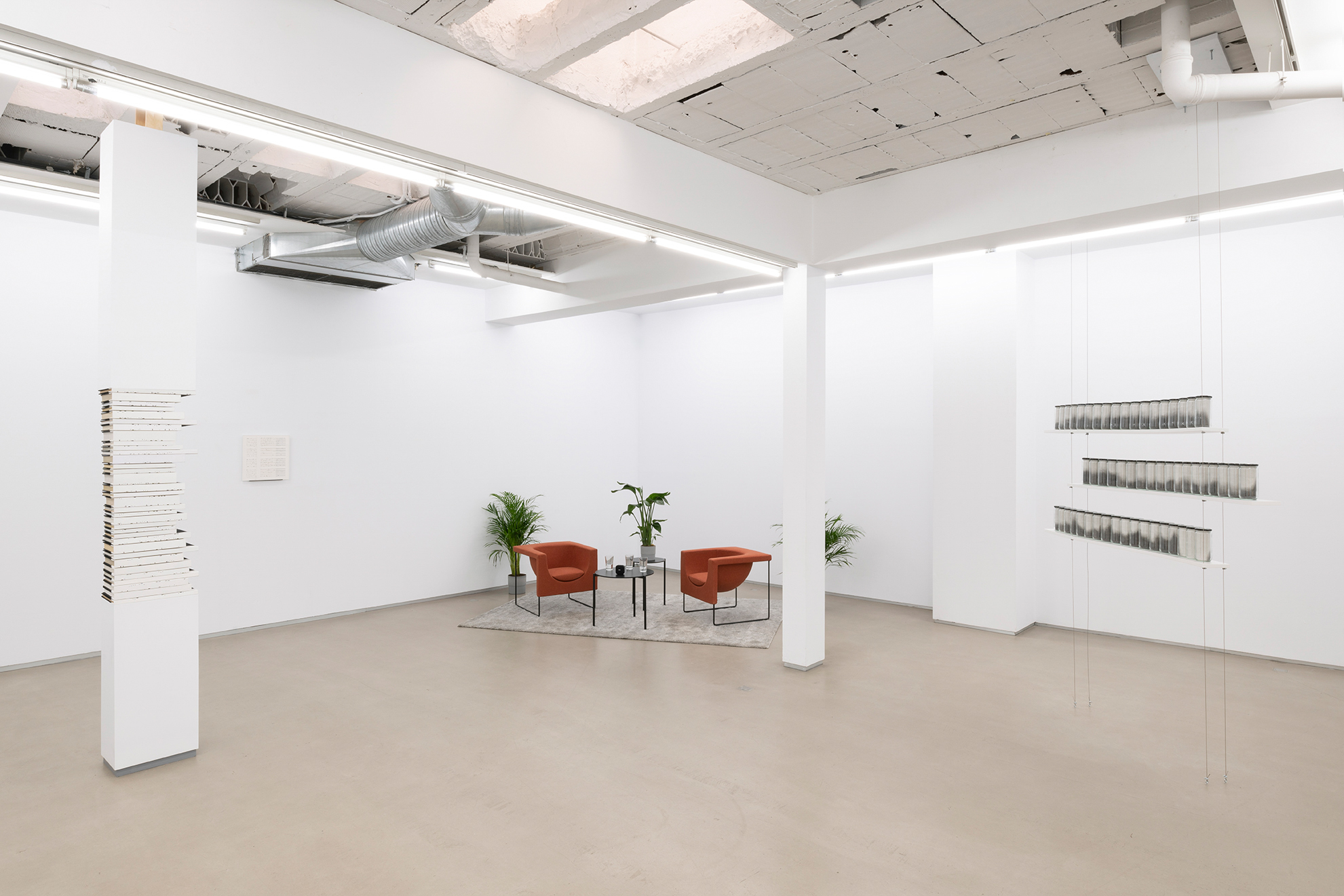
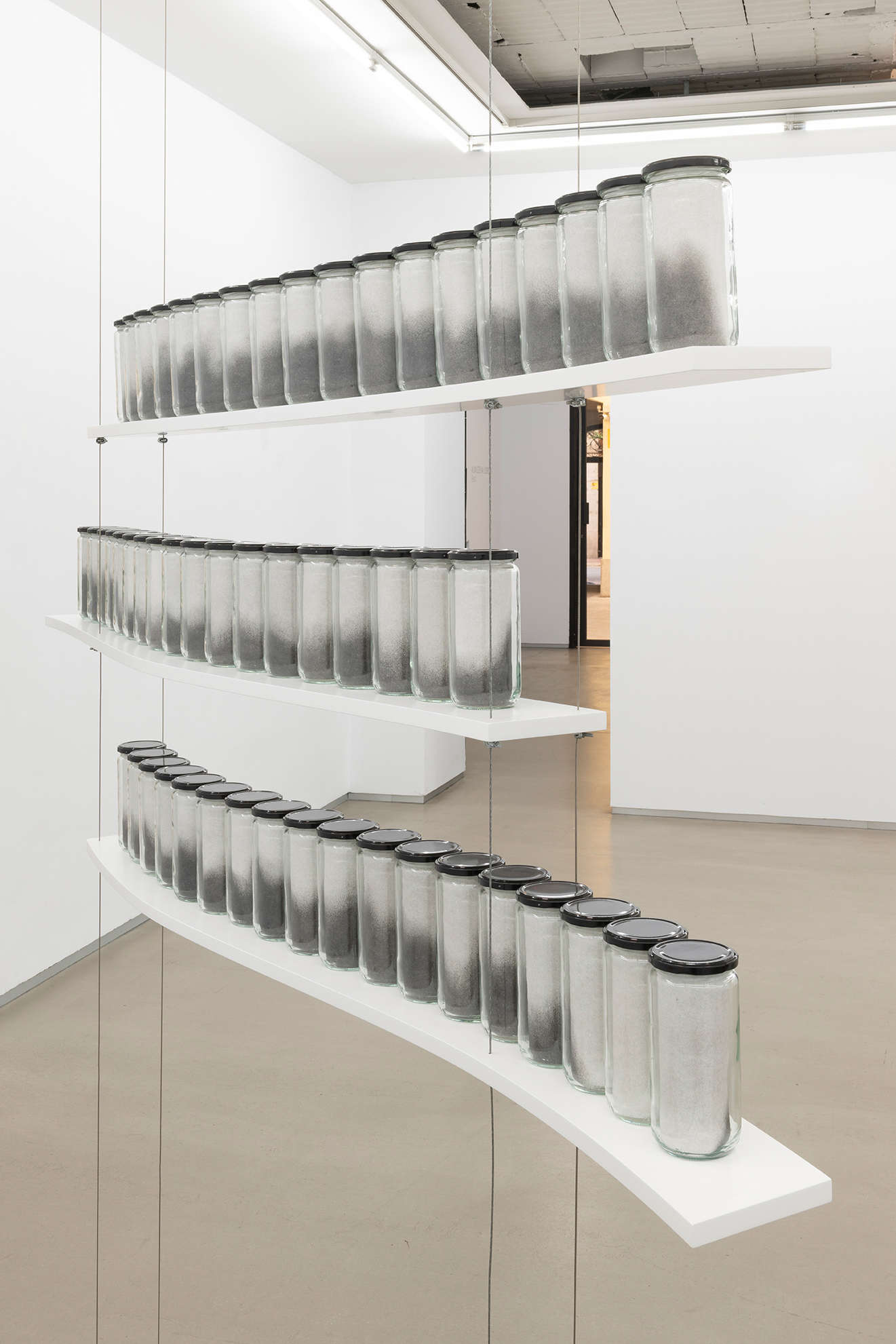
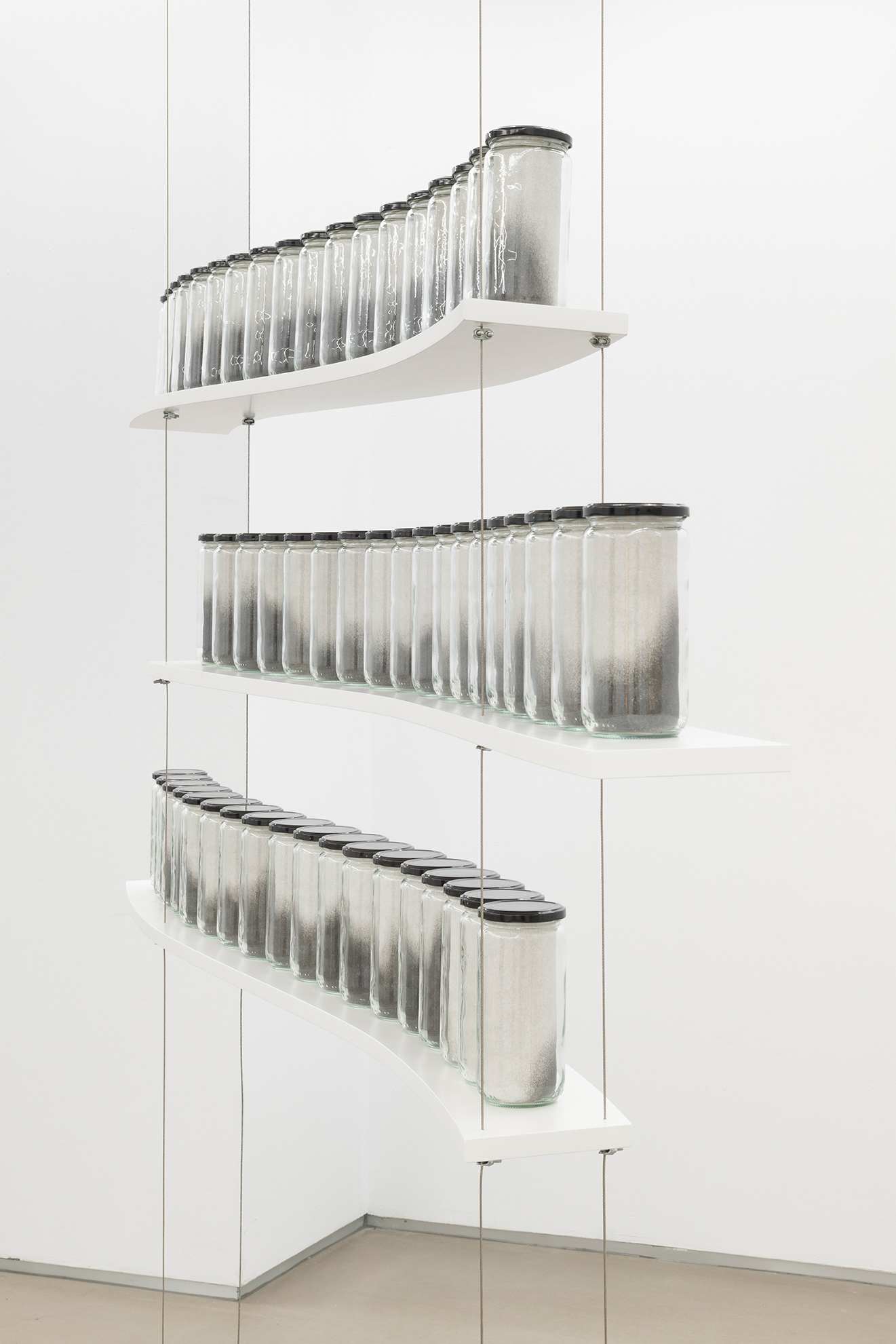
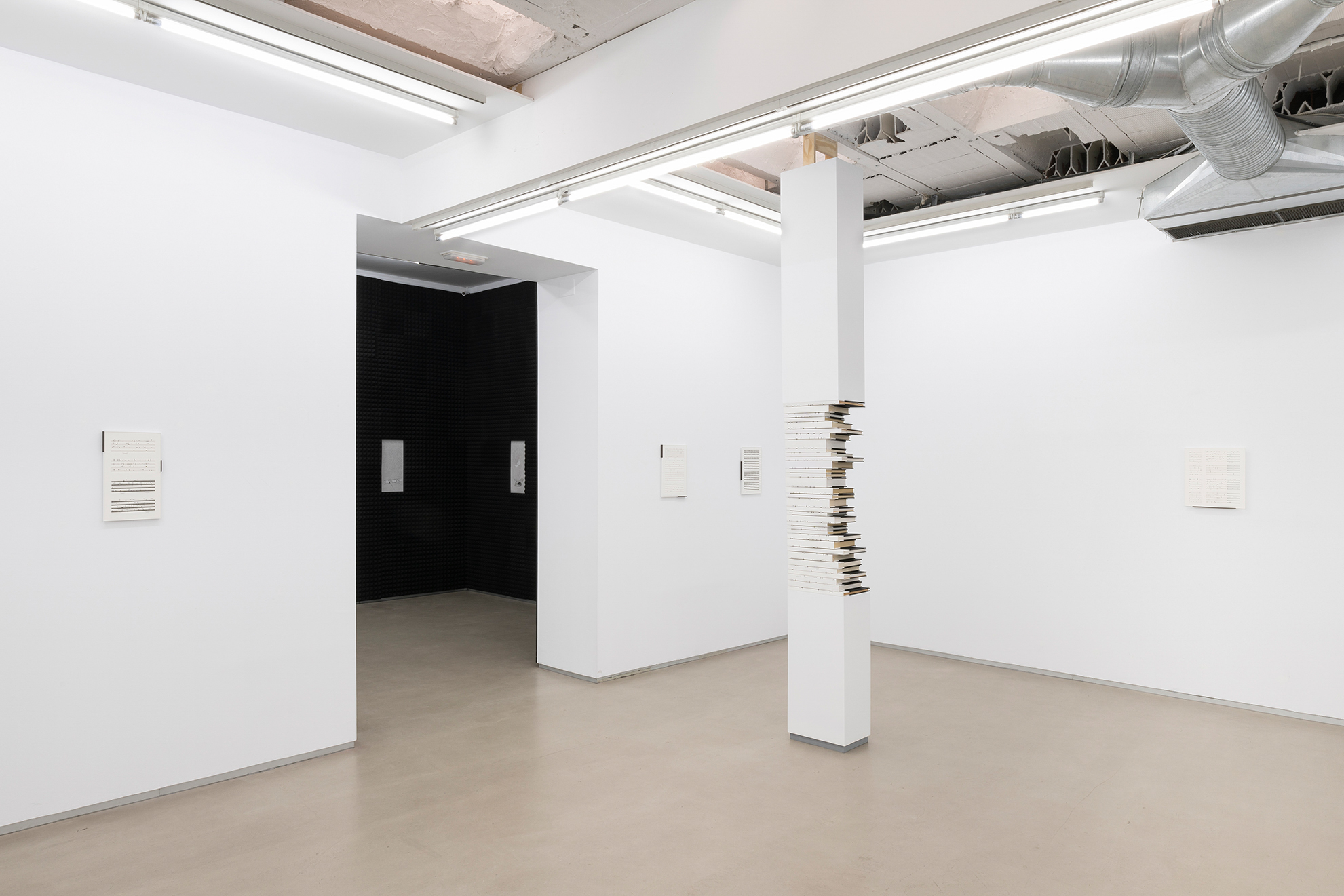
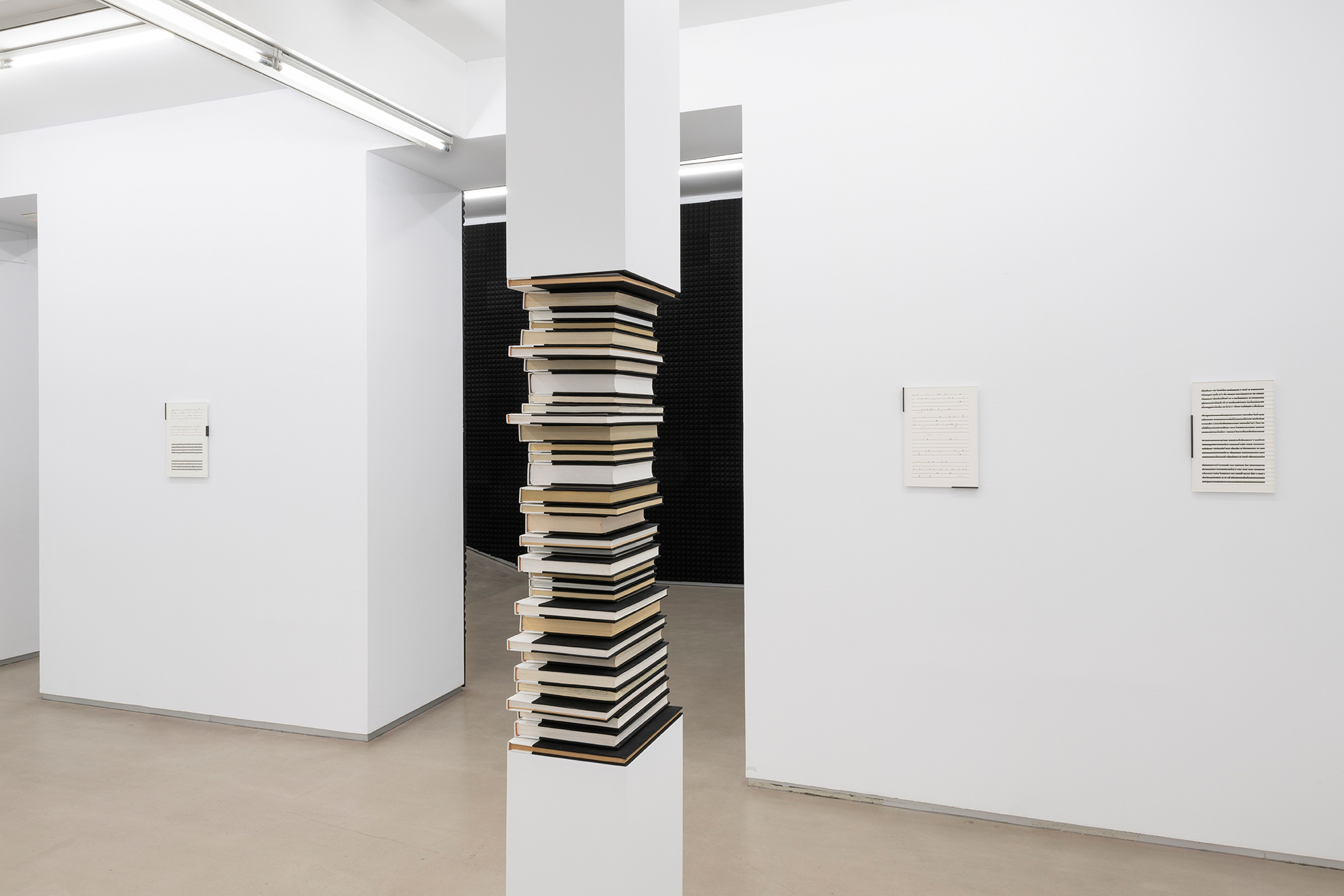
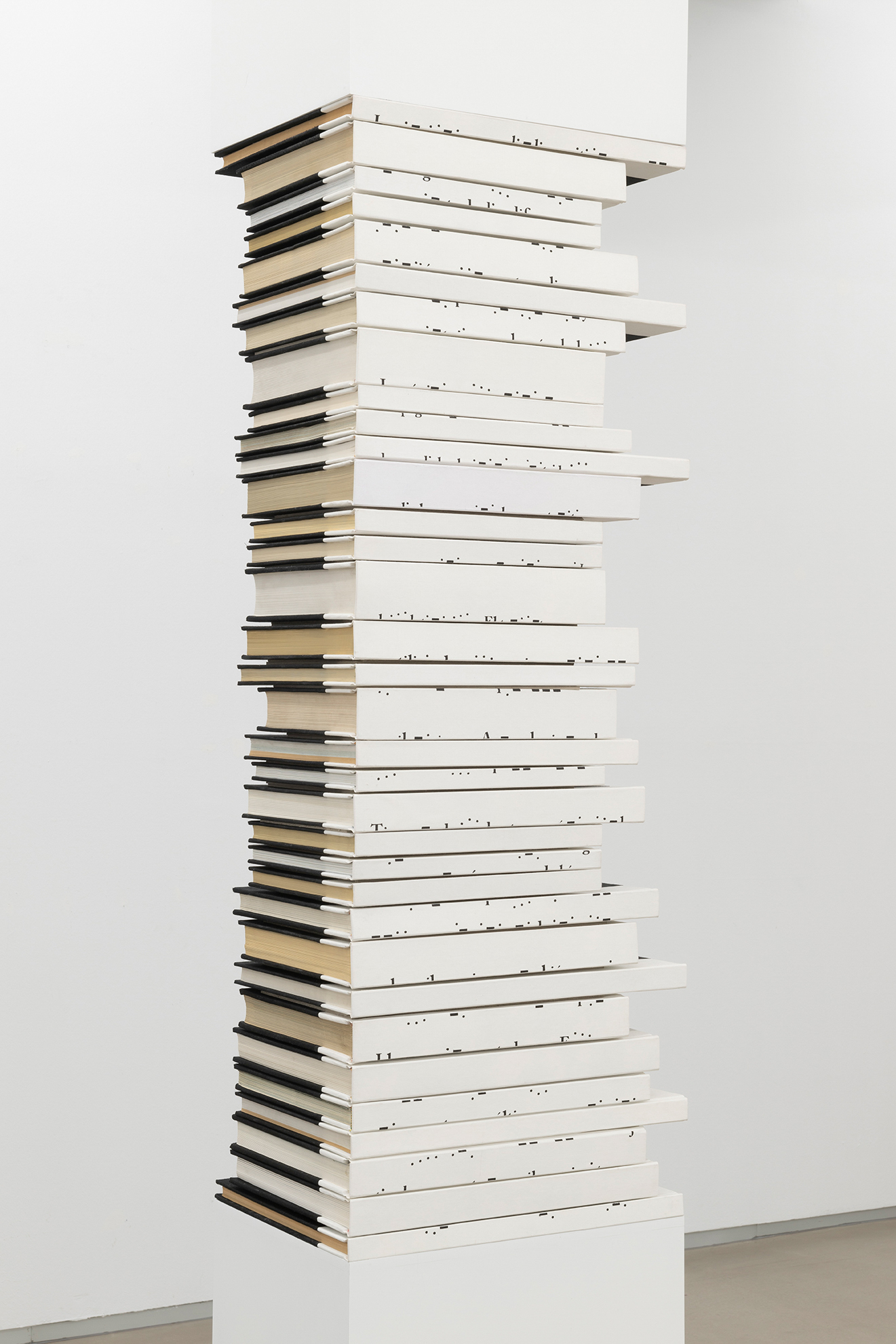
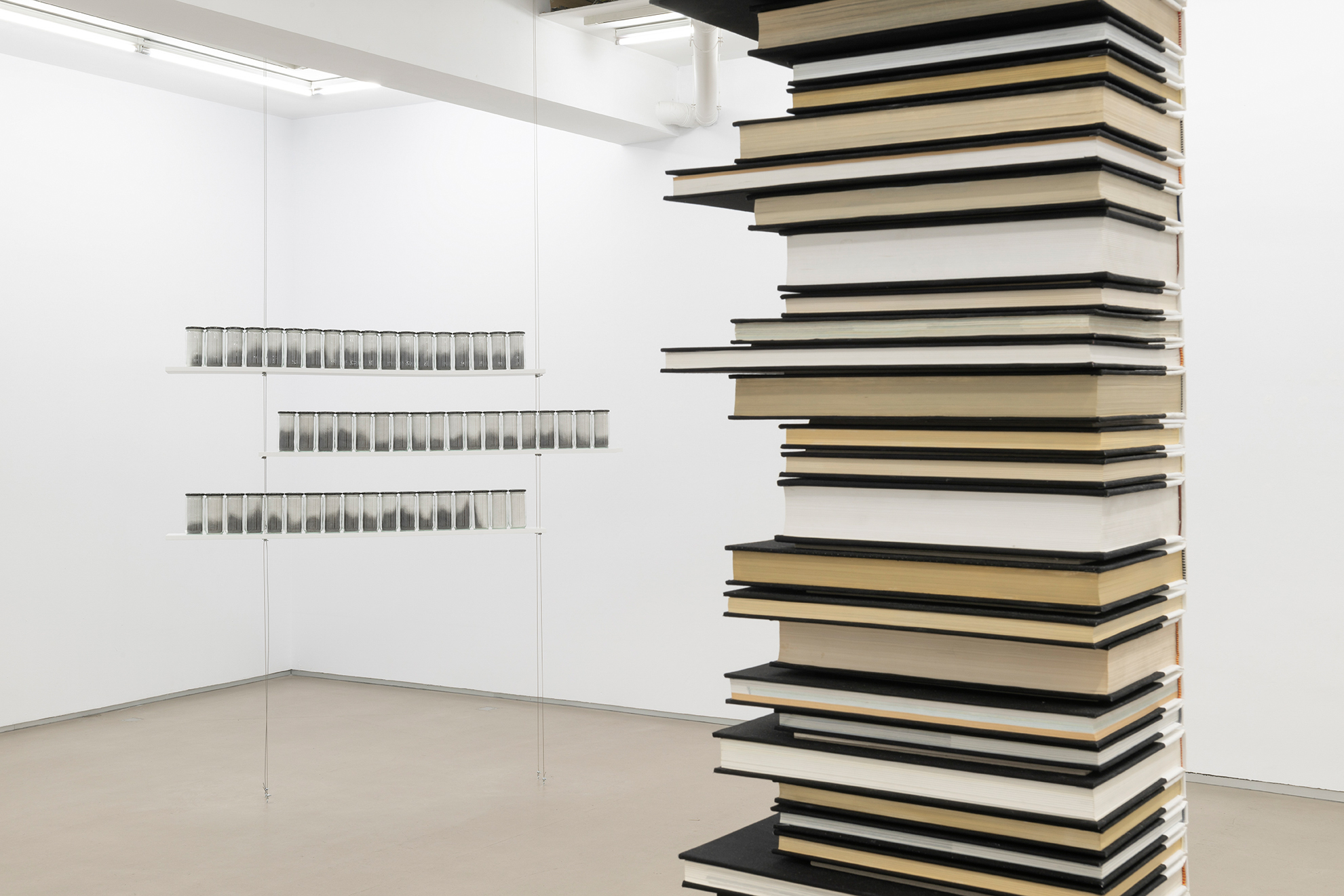
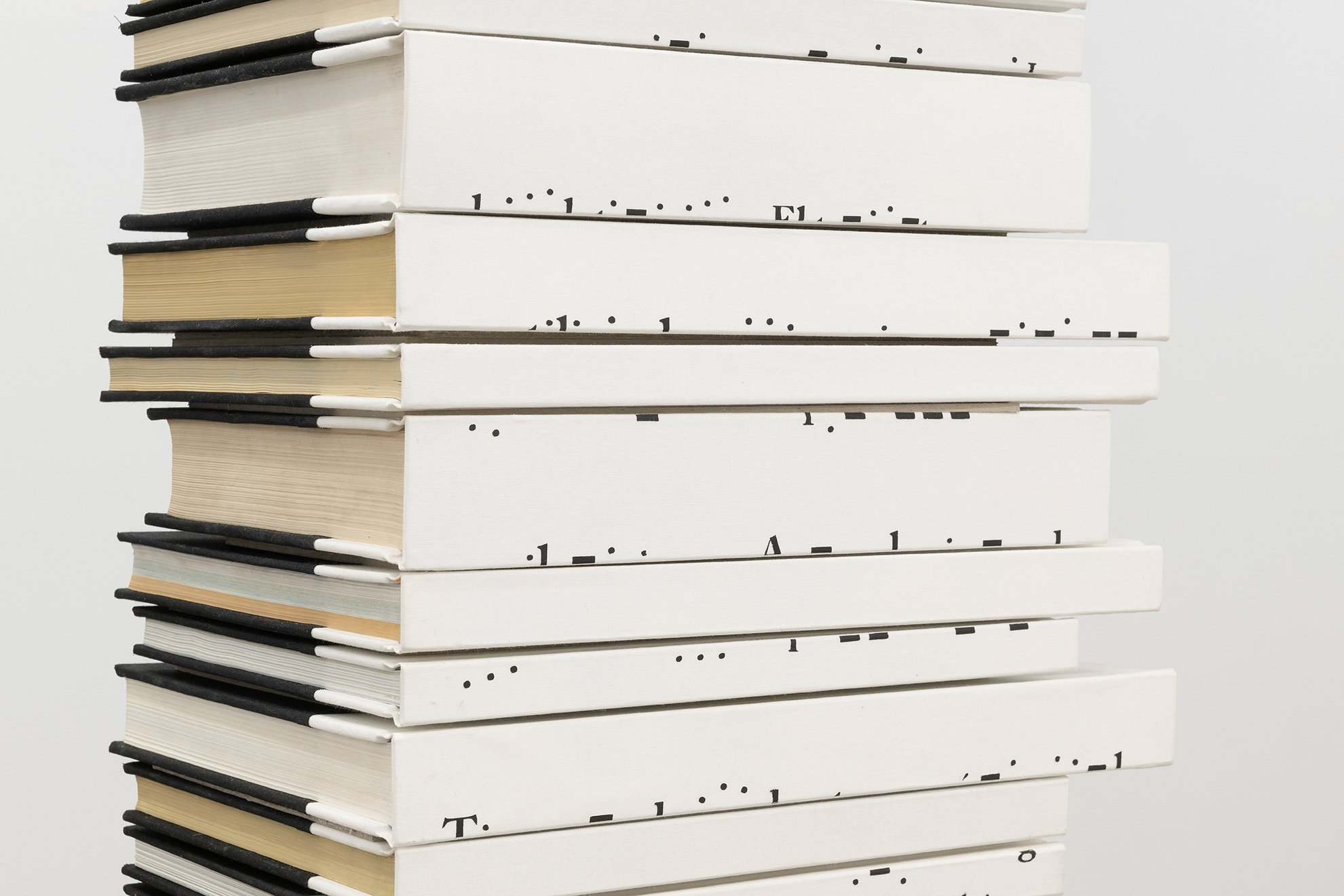
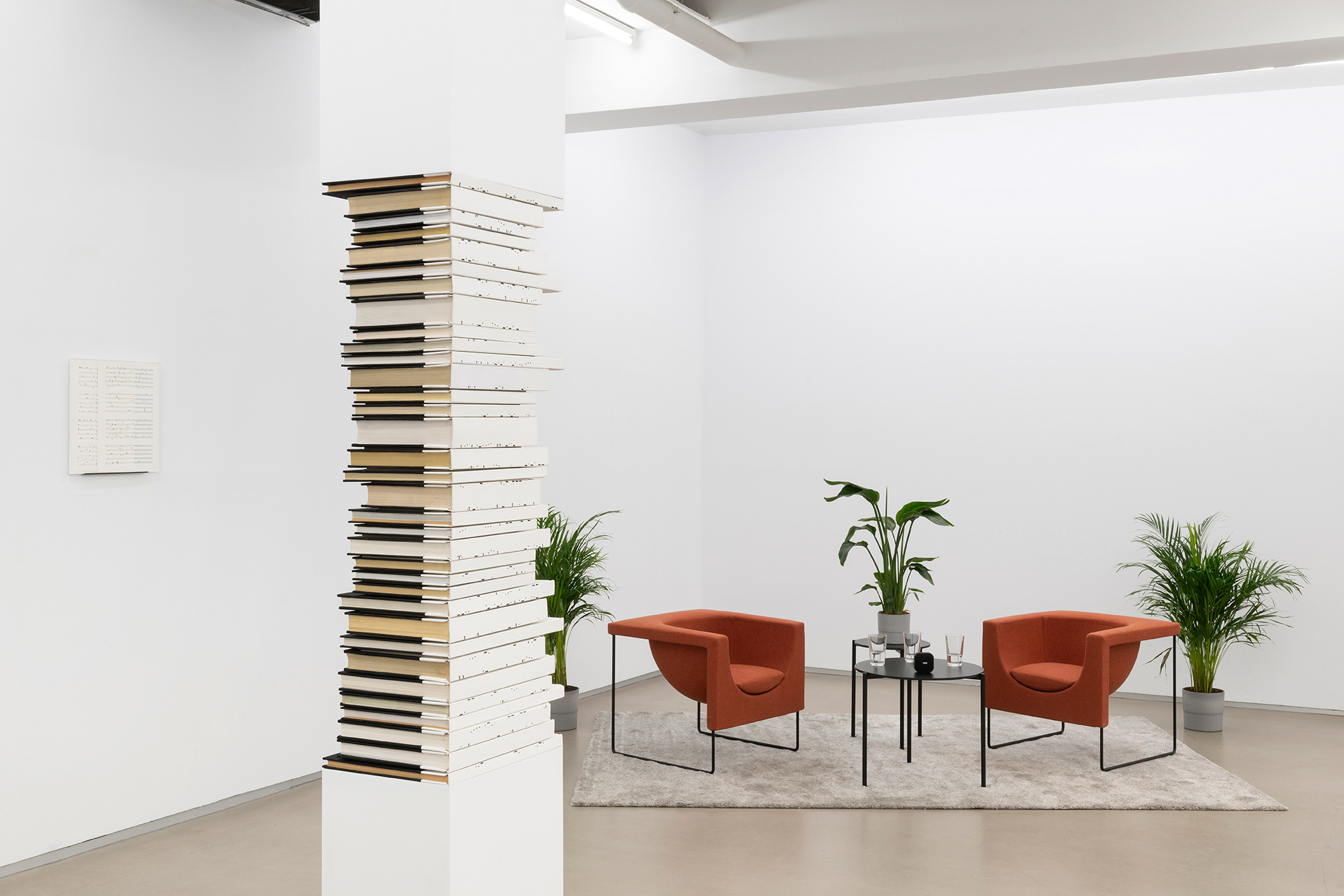
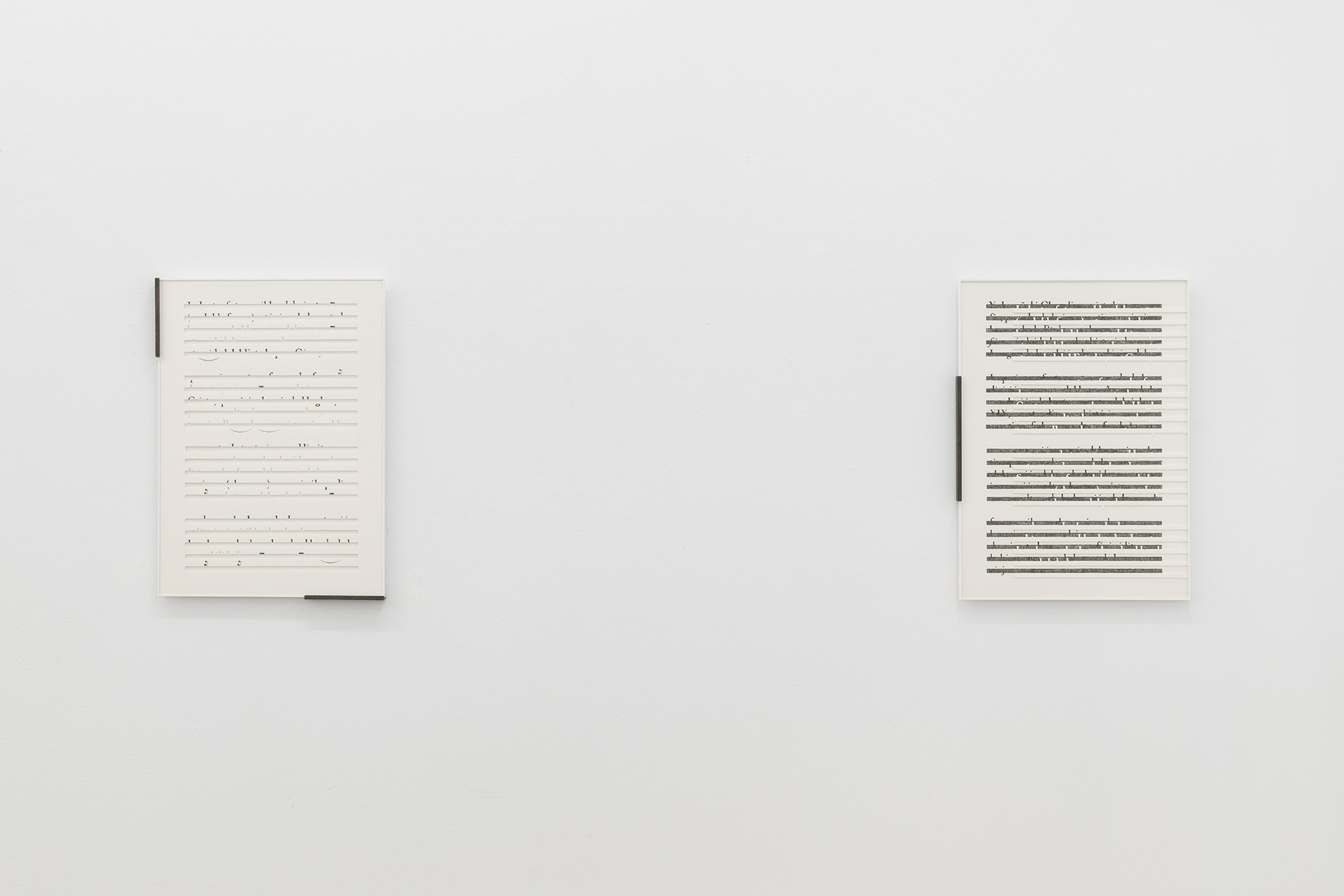
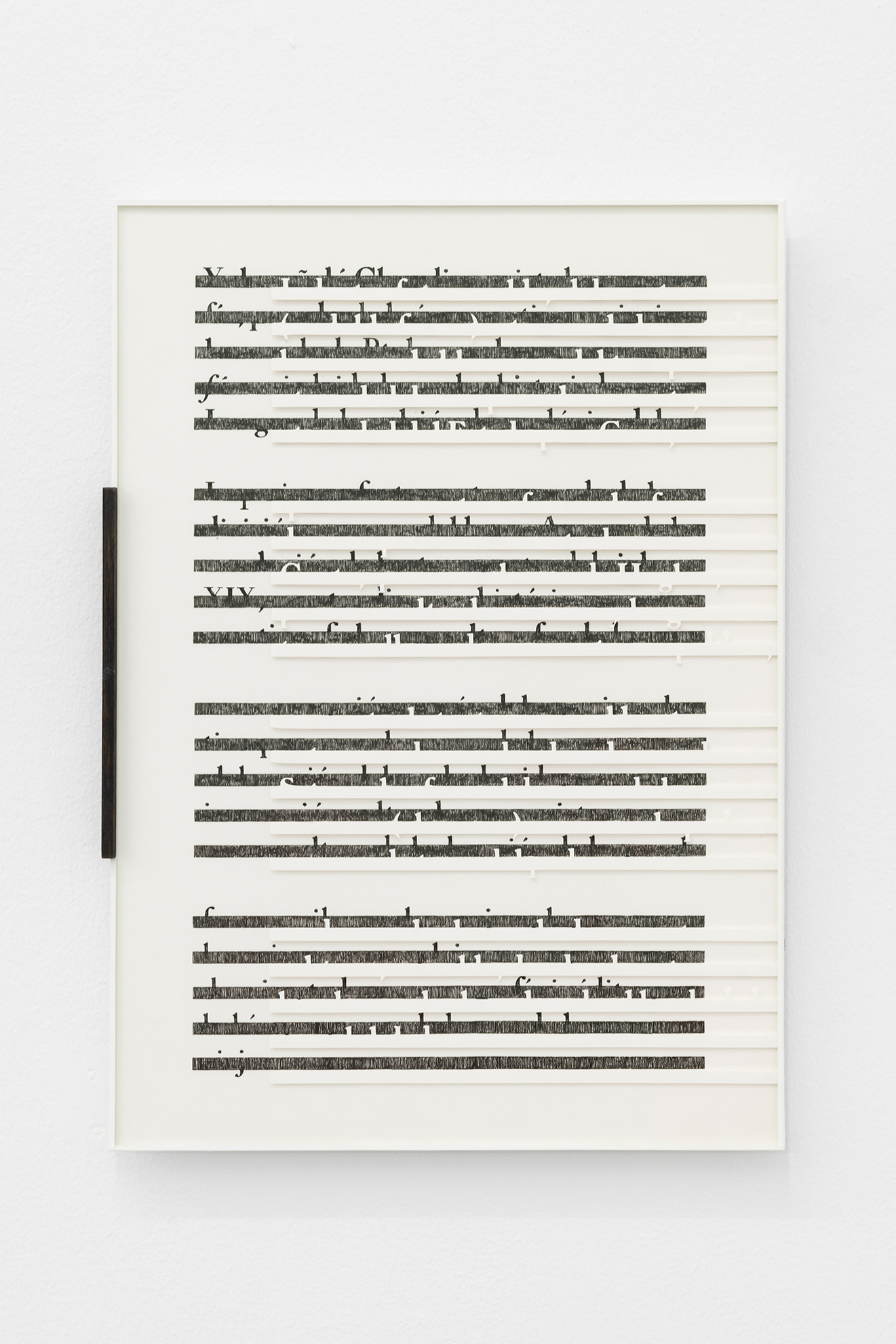
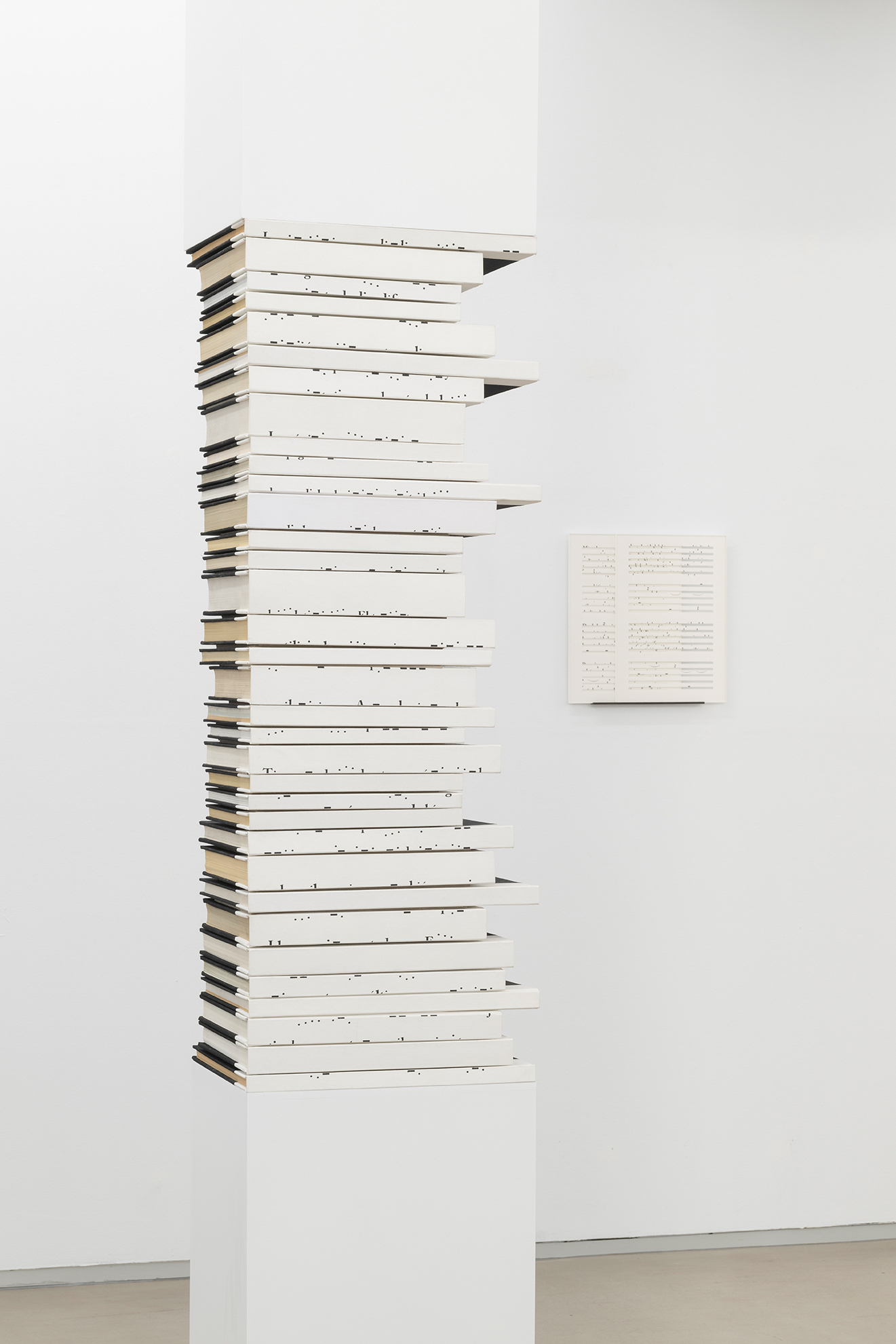
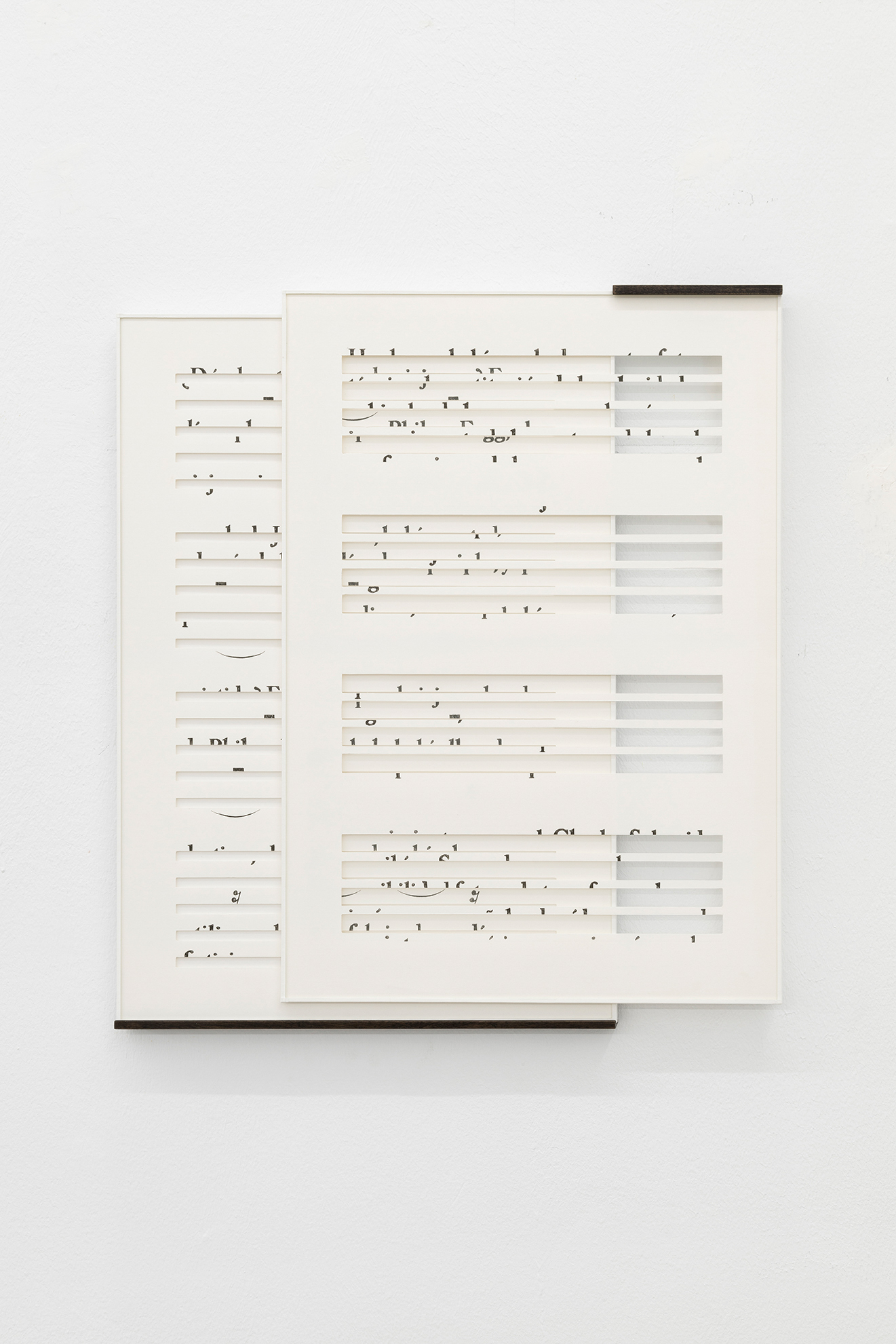
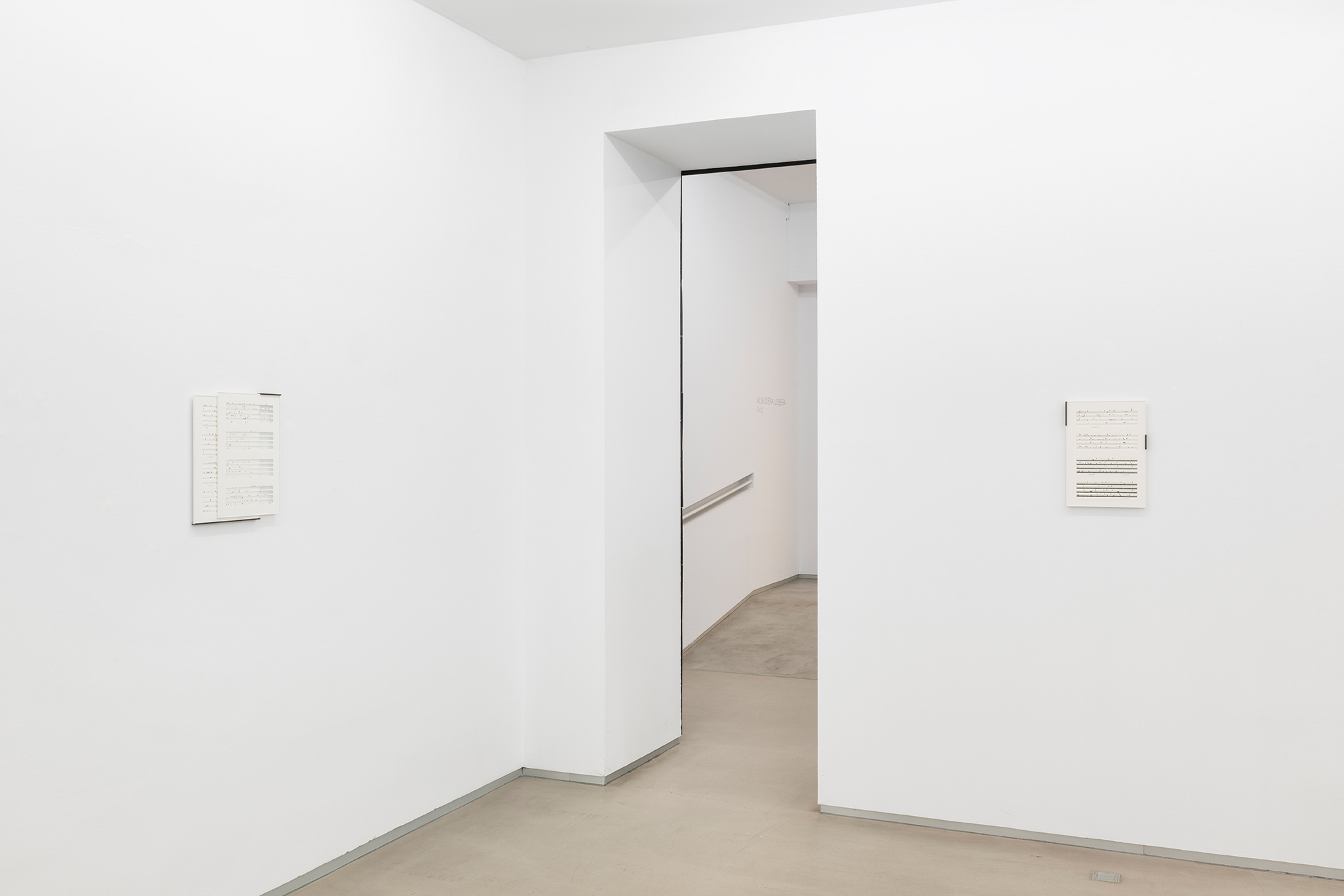
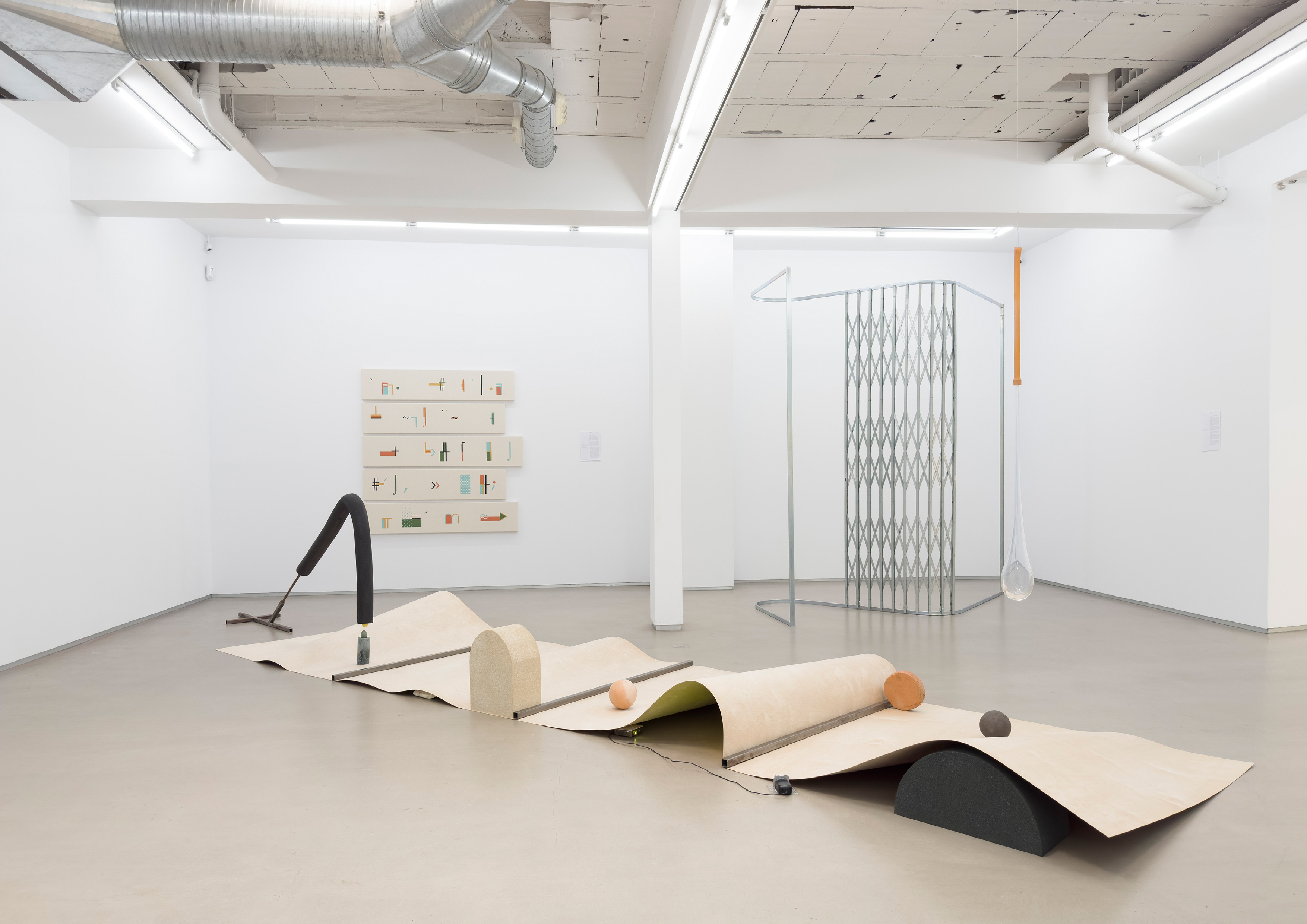
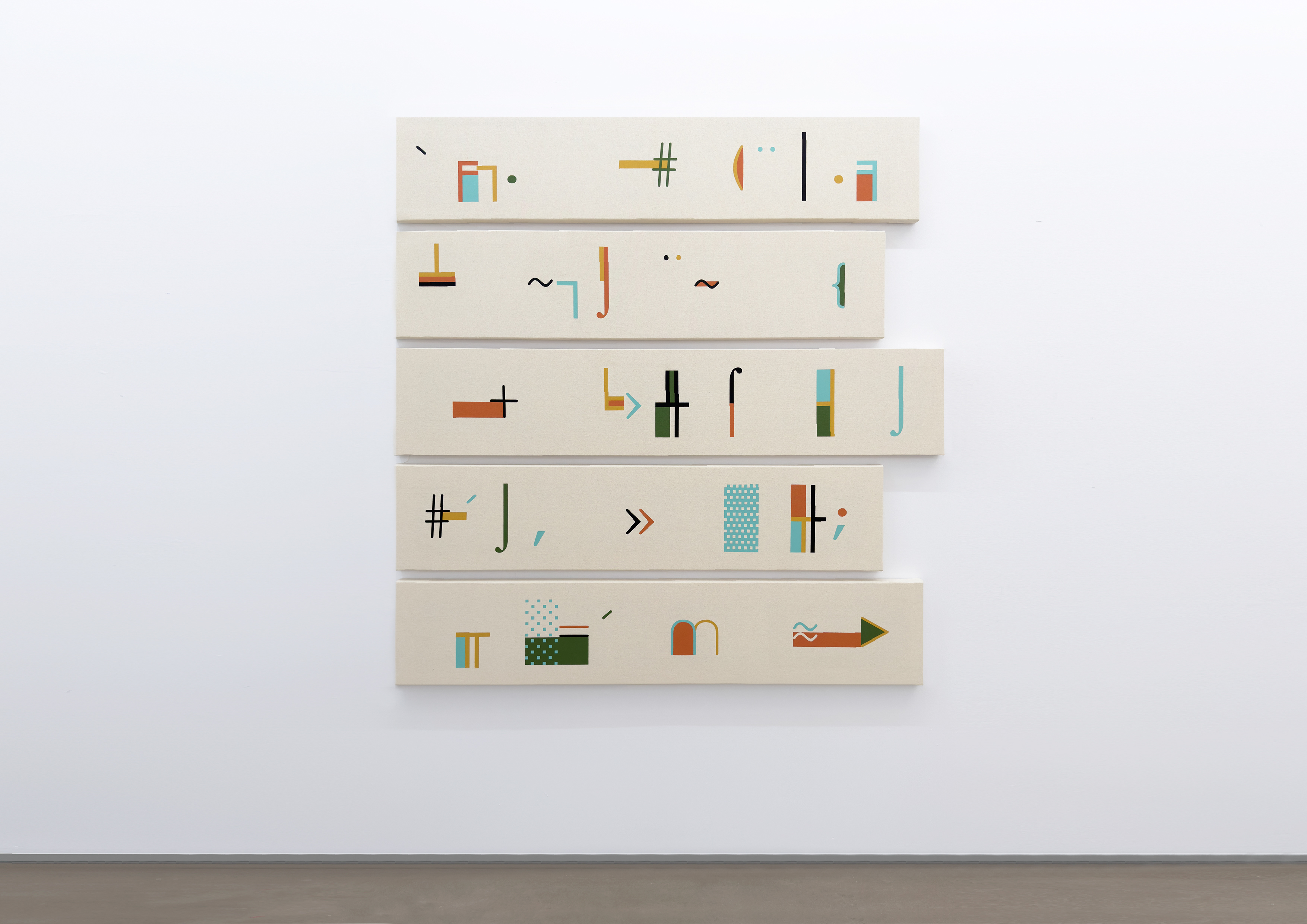
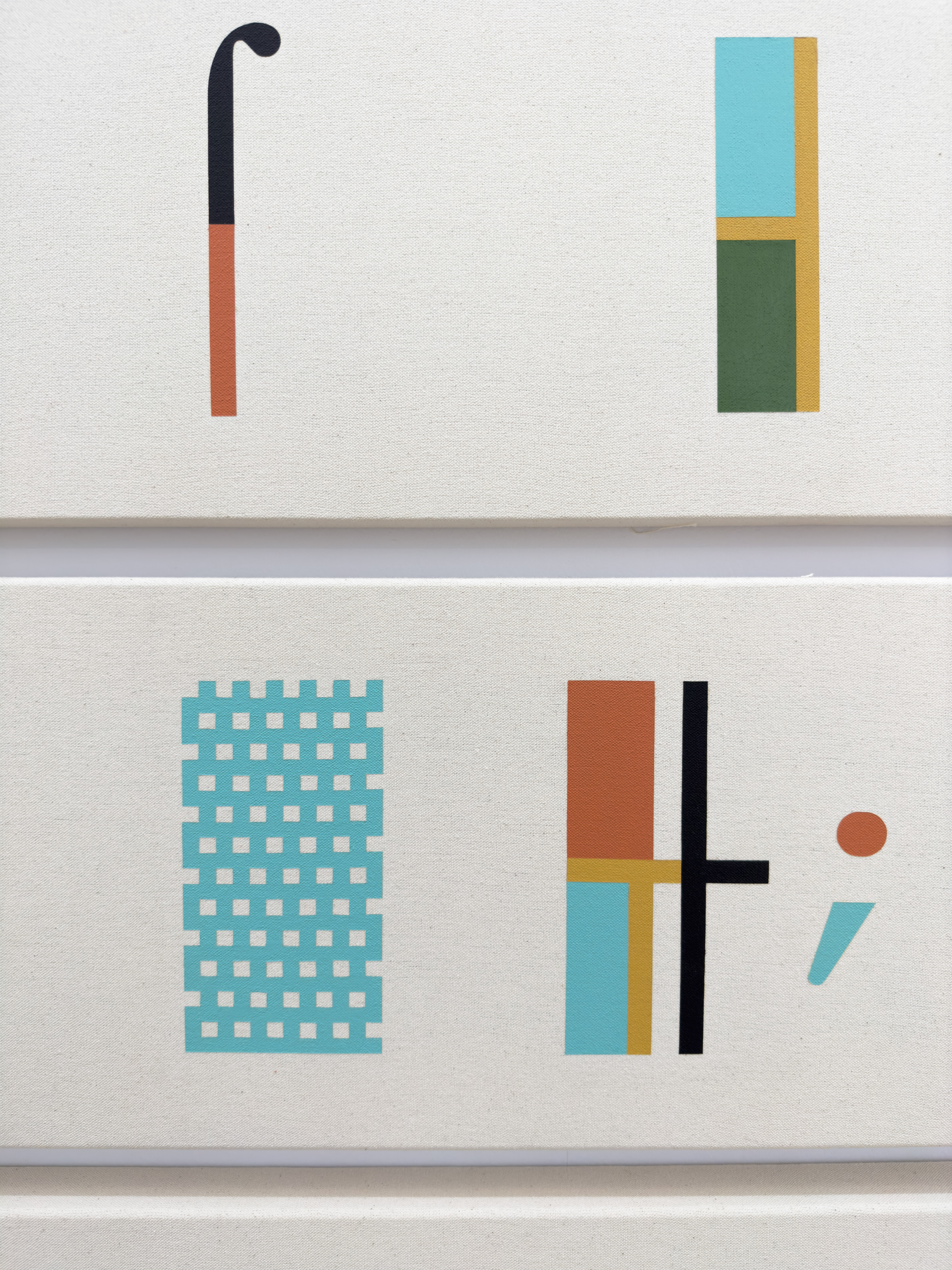
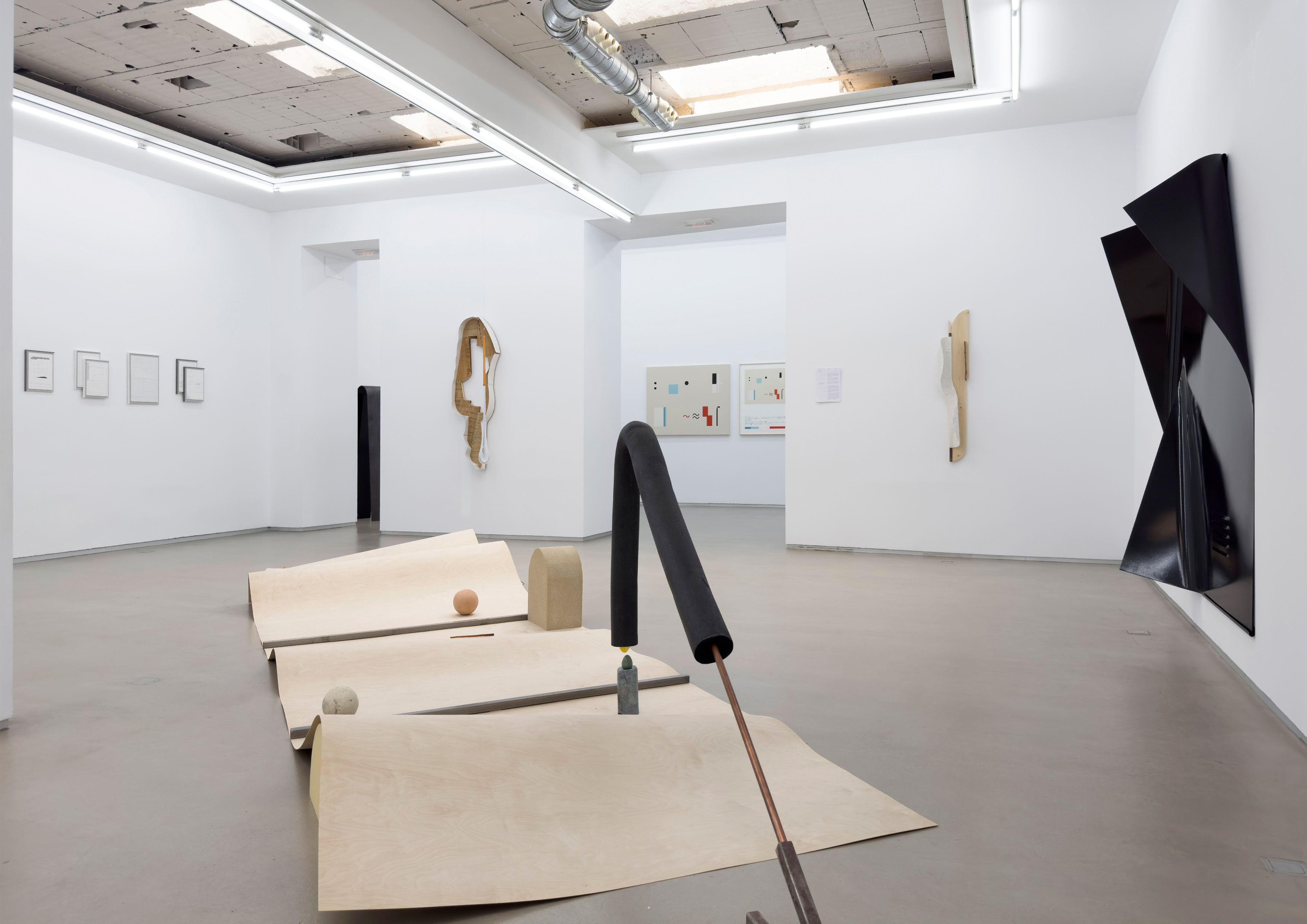
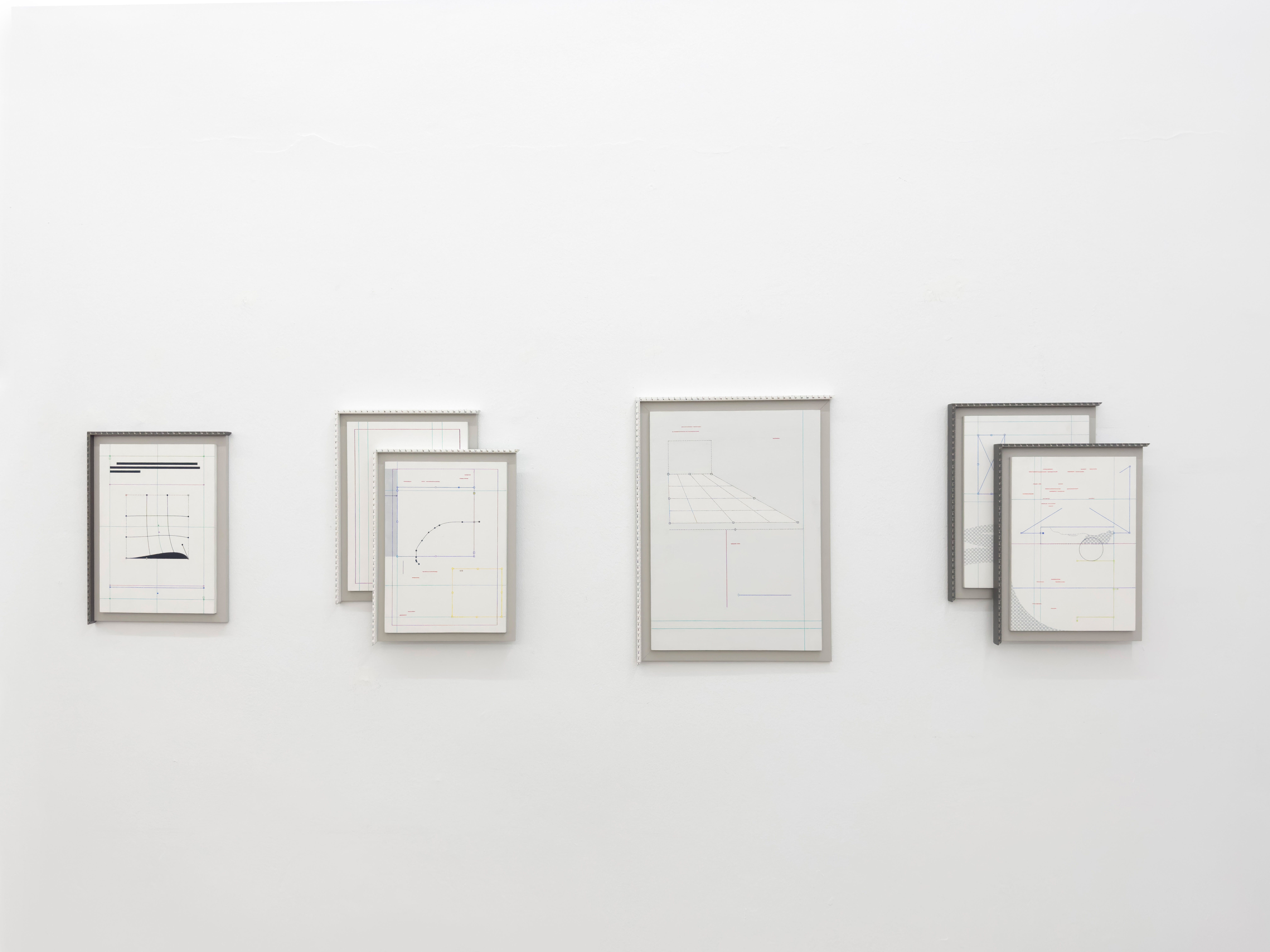

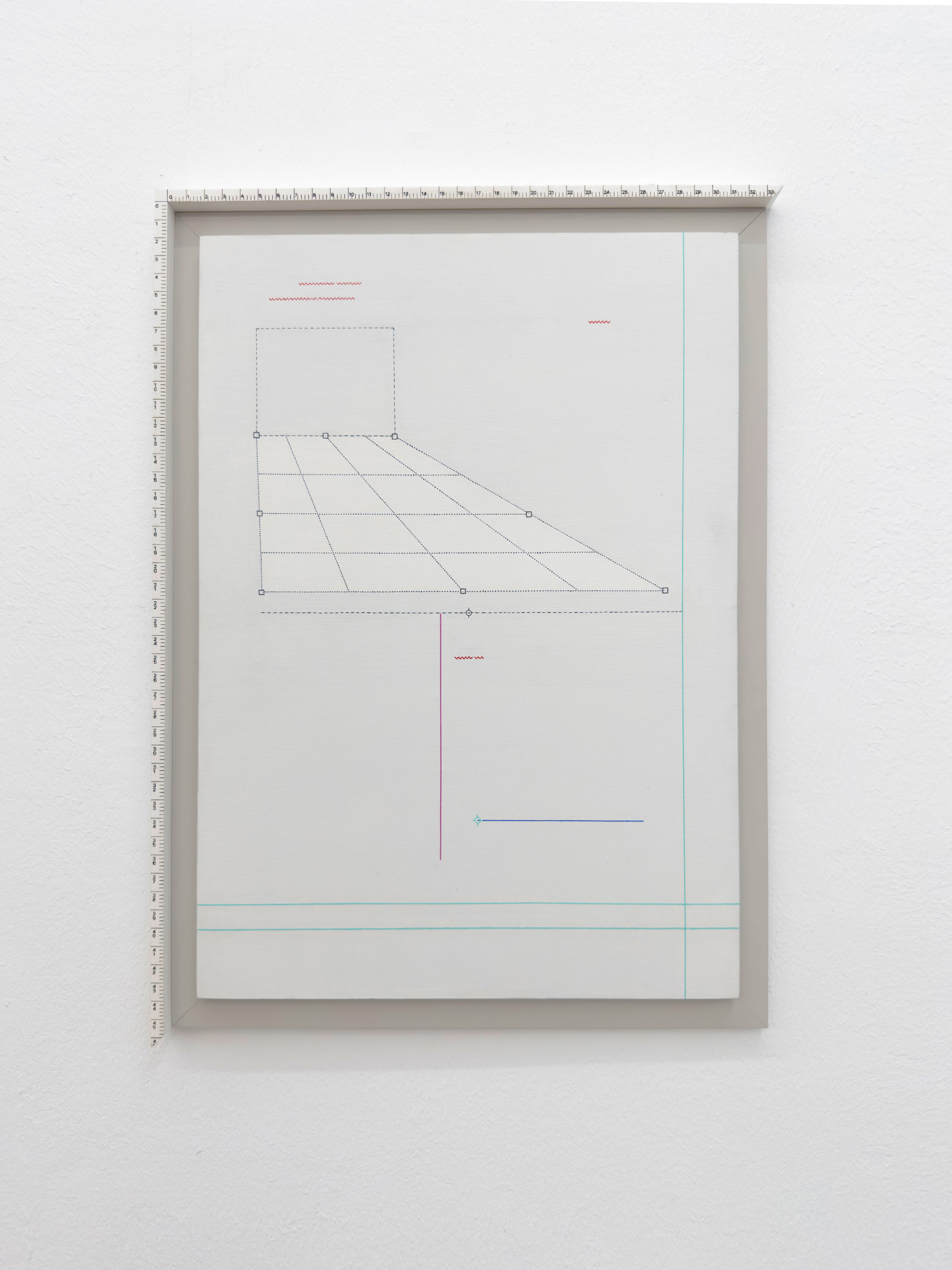
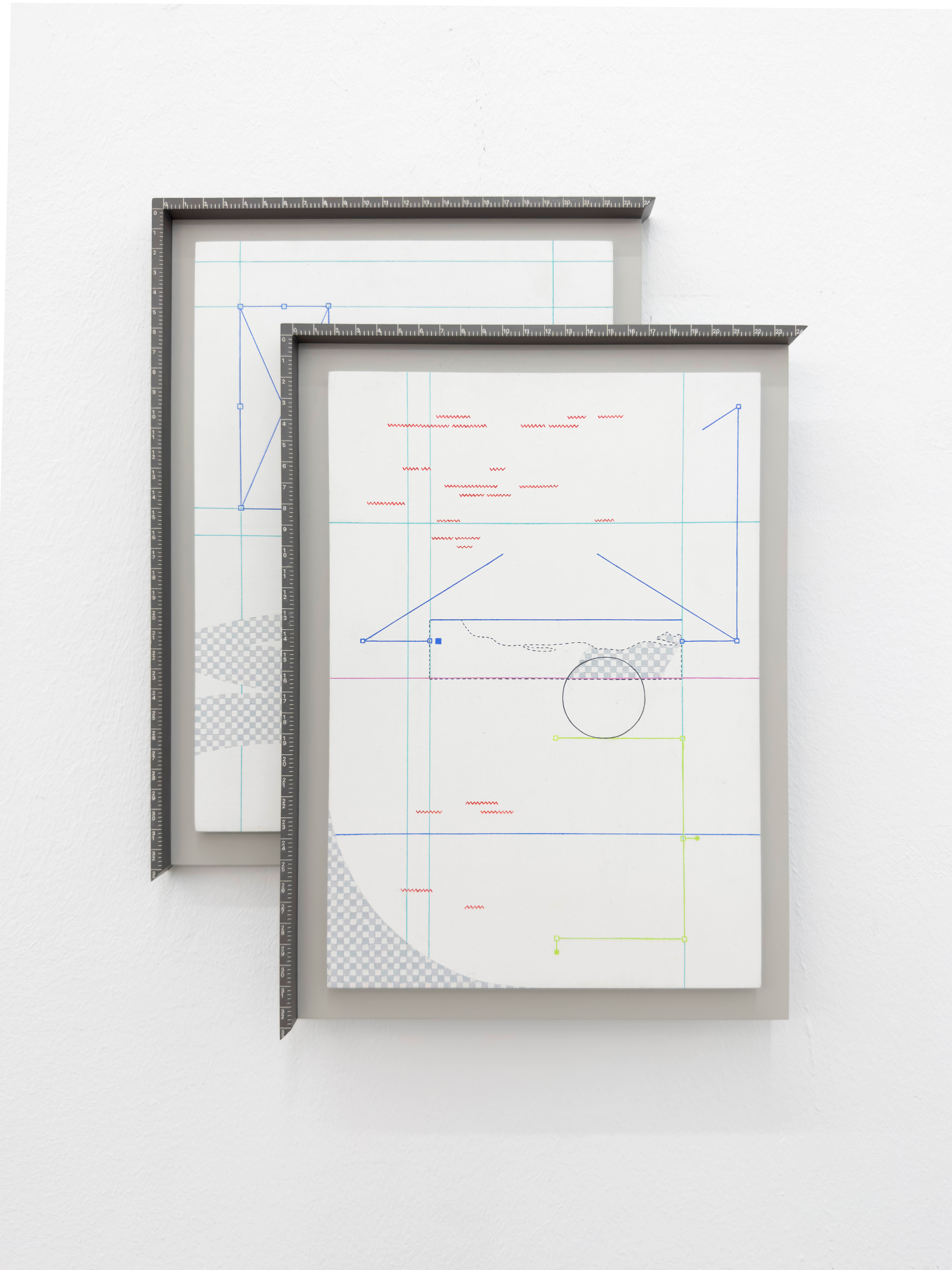
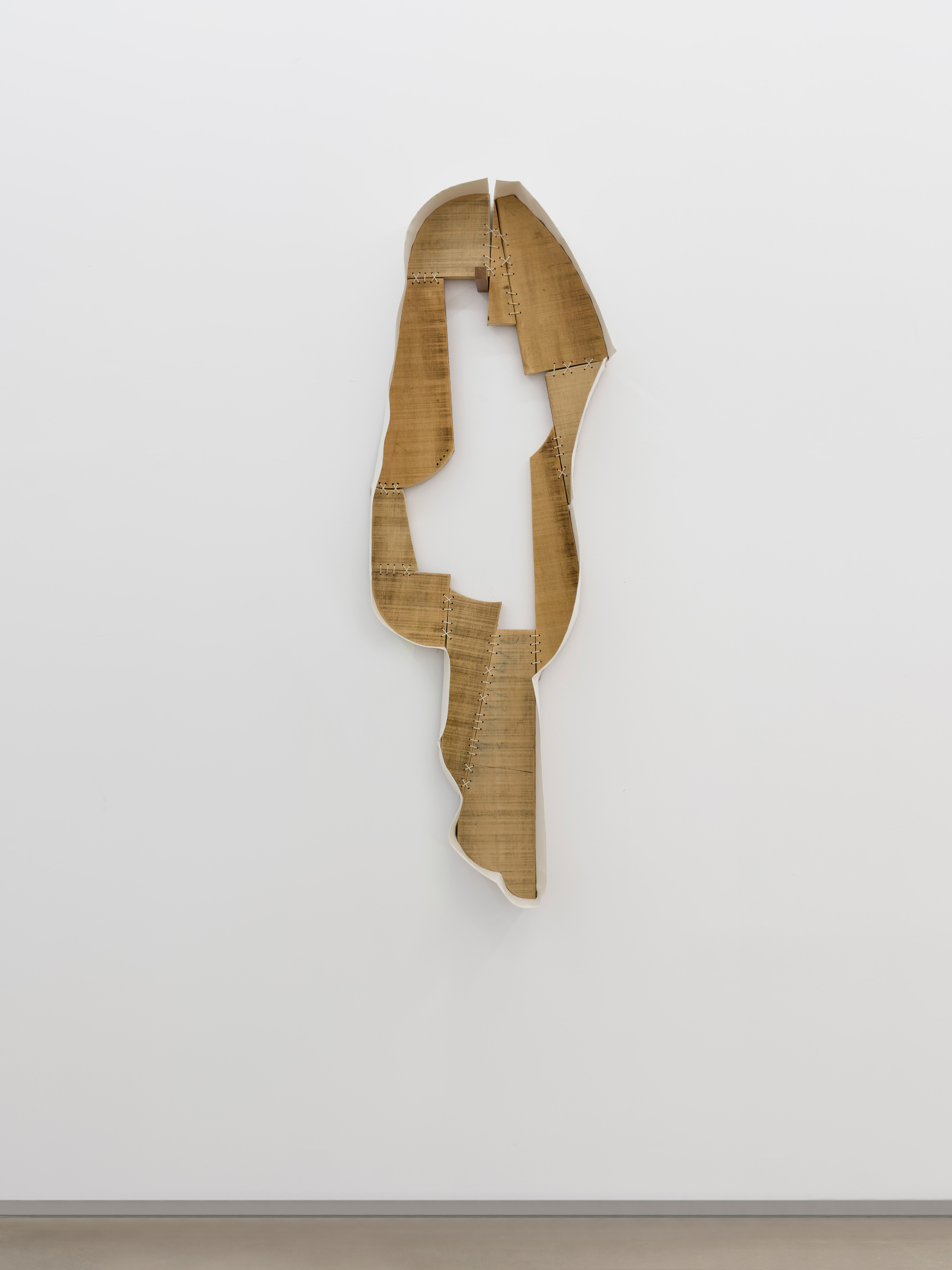
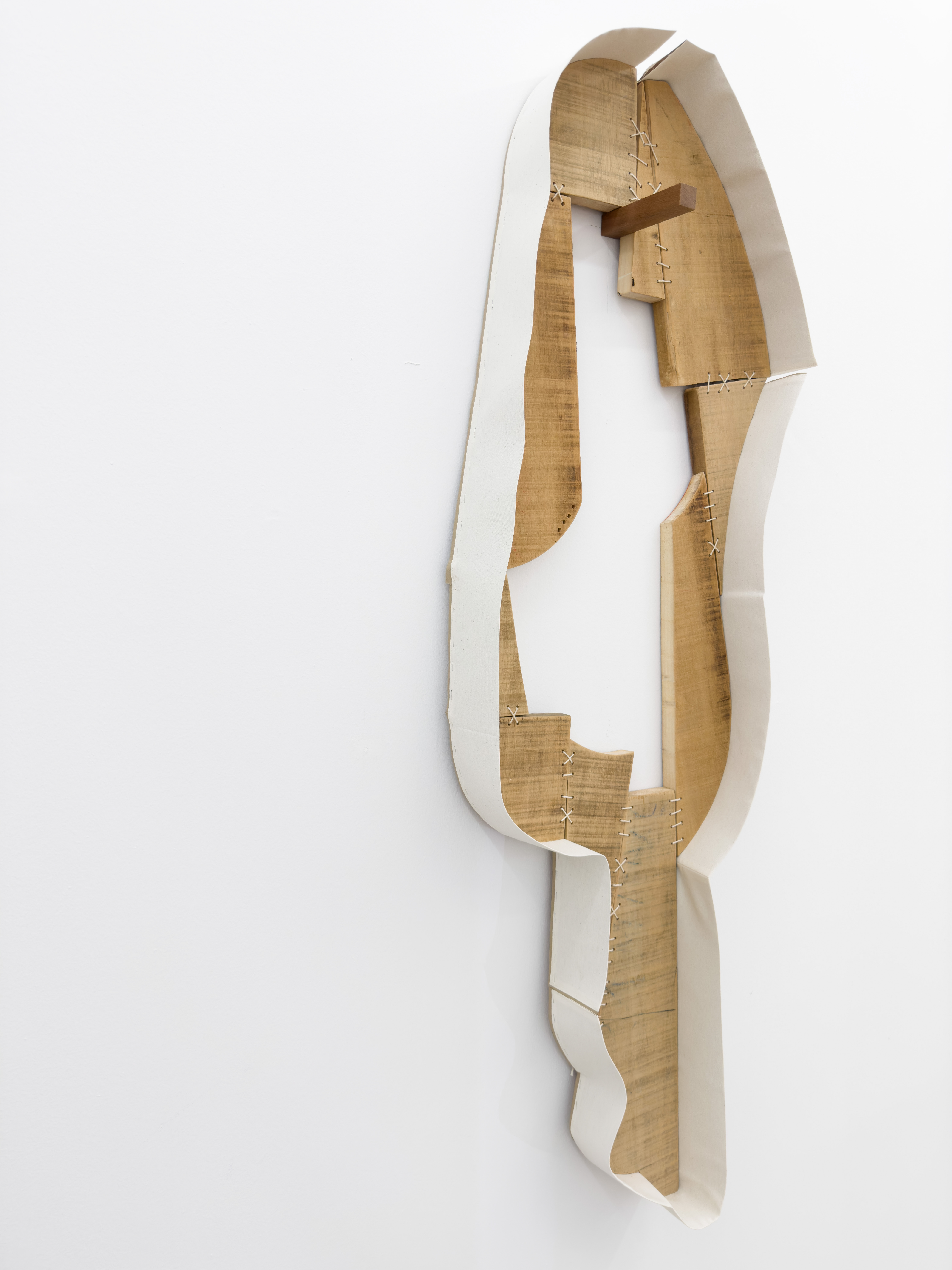
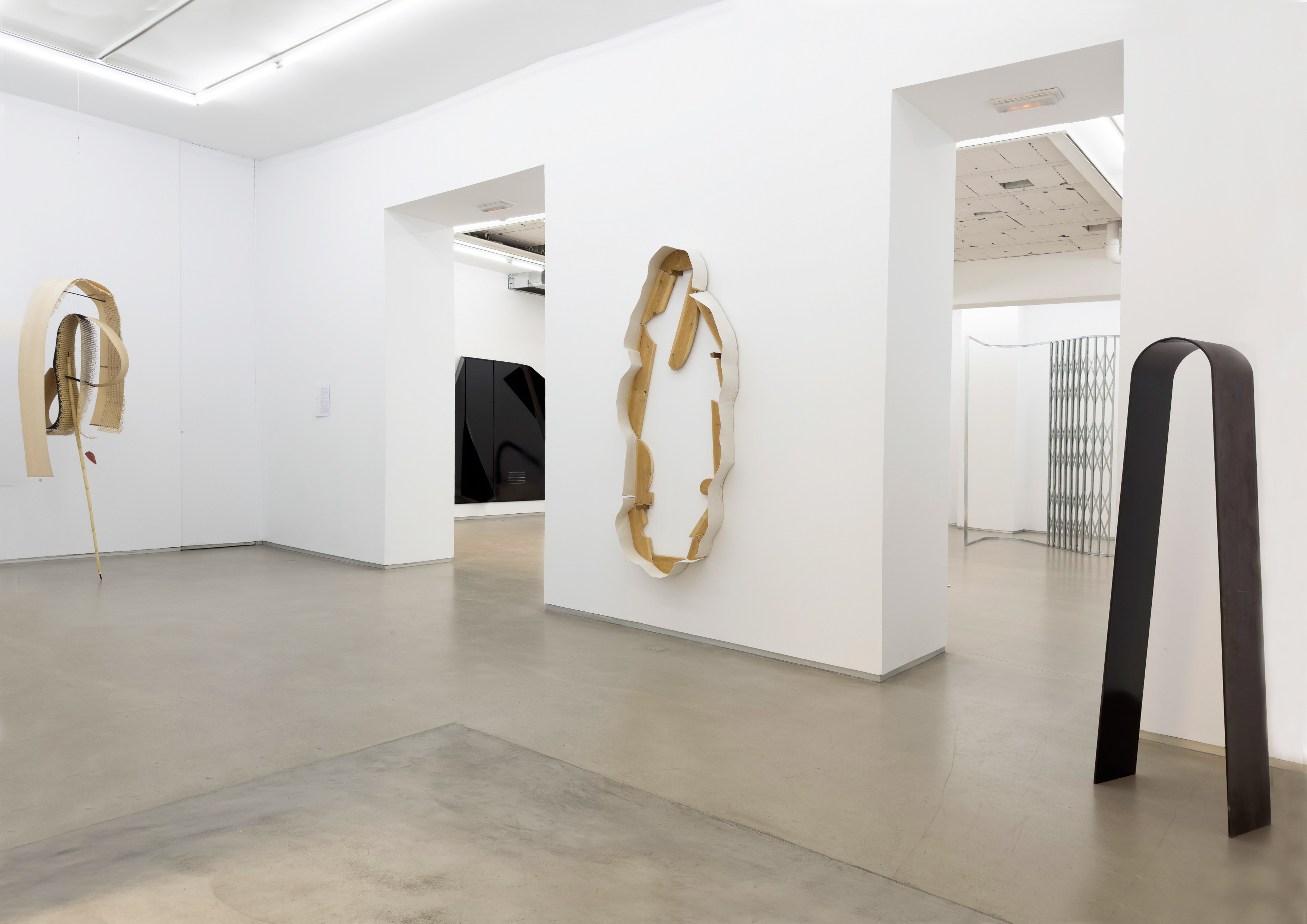
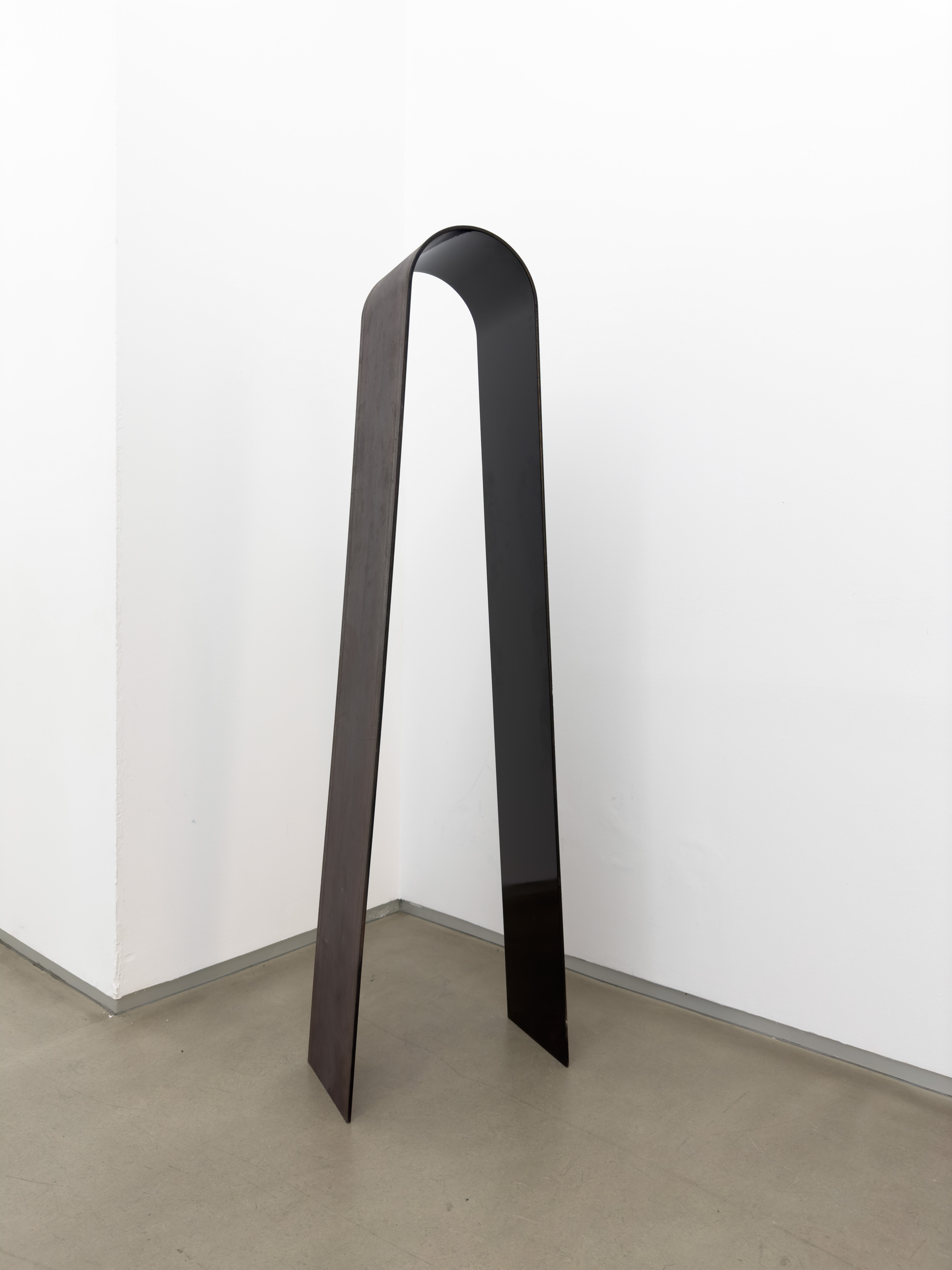
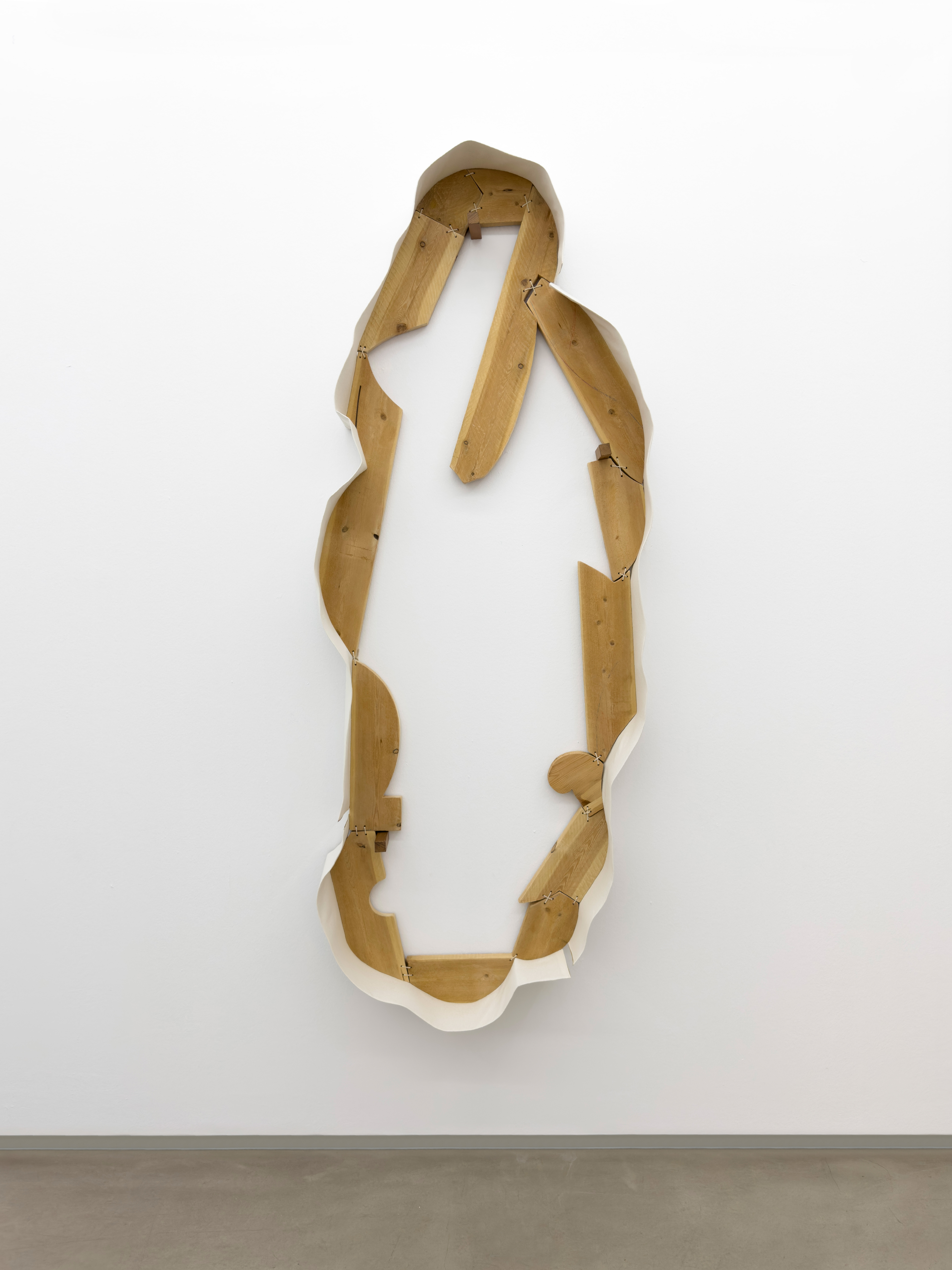
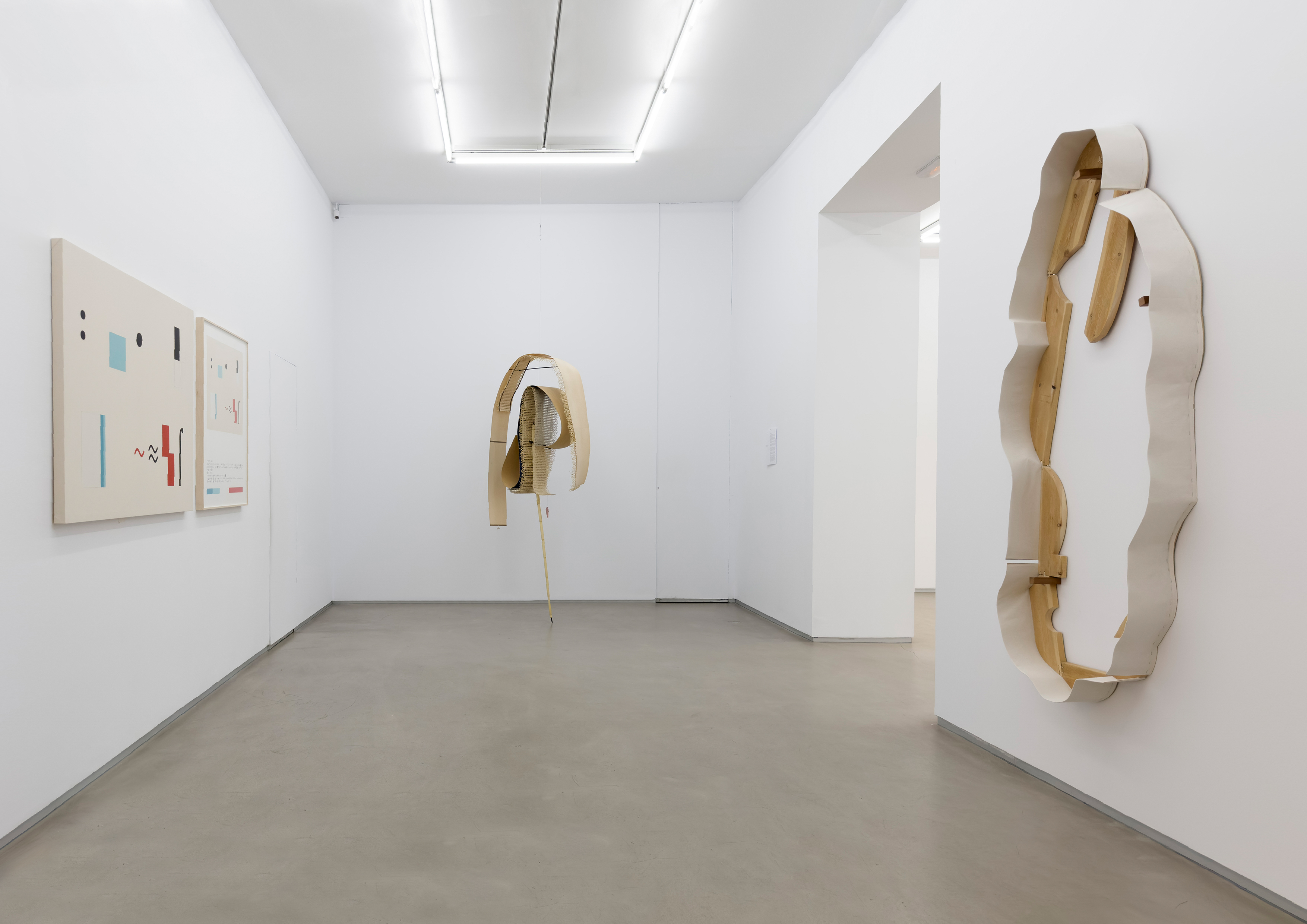
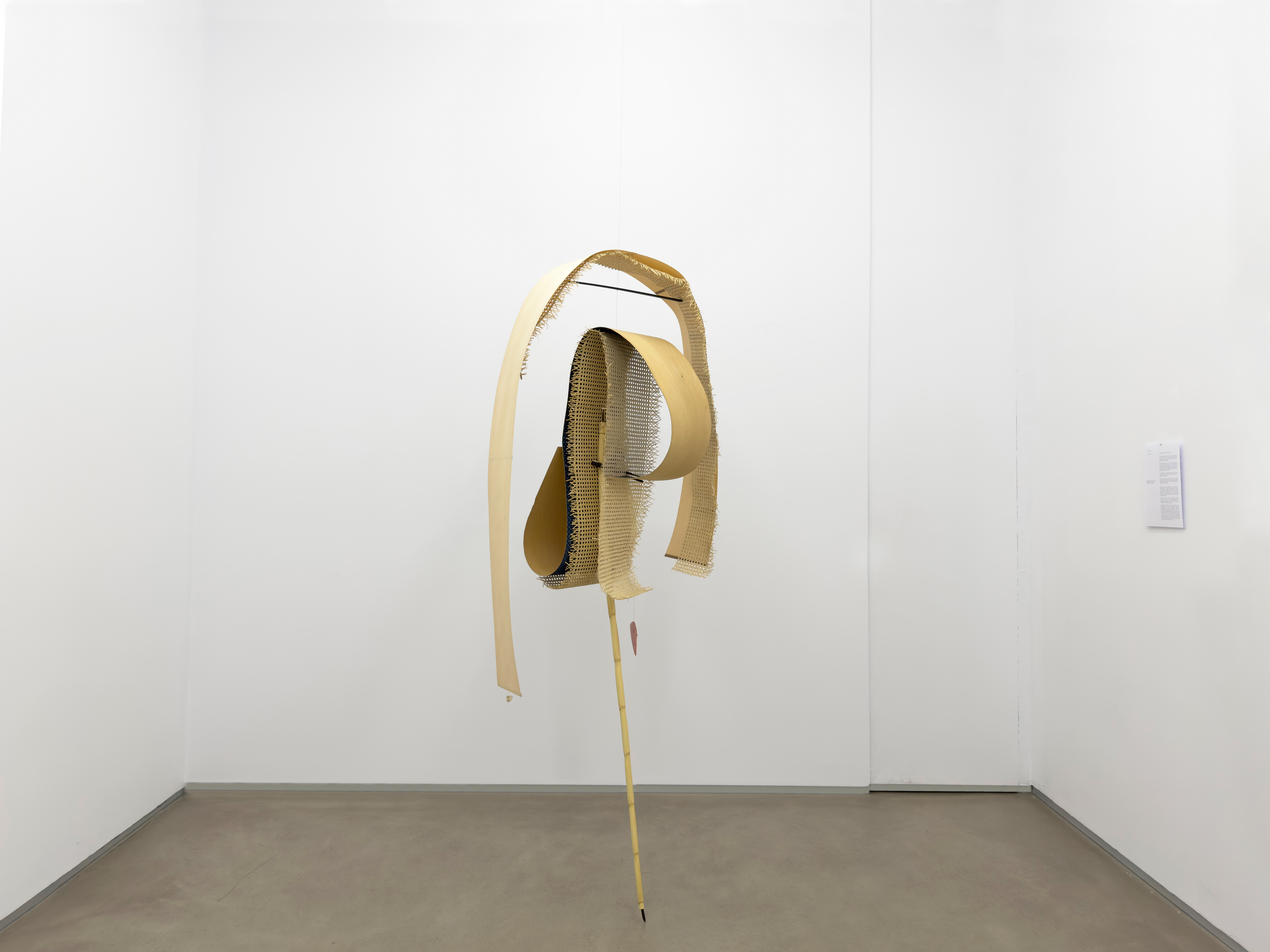
In the artist’s multidisciplinary practice, the deconstruction, reinterpretation and denial of language takes on special importance and is constantly resignified. On this occasion, Rest takes as an object of study and highlights the concept of silence through a series of newly produced works that refer to a reflection on dialogue based on the silence/sound dichotomy. It calls for listening, as a kind of care or self-care, paying special attention to non-verbal communication. Thus, the artist displays a succession of silent presences through drawing, sculpture, installation and performance.
In English, the musical concept of silence is translated as Rest and is marked in musical notation with the Latin word Tacet. In 1952, John Cage would mark a milestone in musical composition with his work 4’33’’, which consisted of 3 movements, distributed over 4 minutes 33 seconds of presumed silence. The first time this term was used was in 1724. Tacet (which in Latin literally means “(it) is silent”) appears in musical notation to indicate that a voice or instrument, while present, does not sound. There is, then, a substantial difference between silence (silence) and rest (rest), a difference that lies in the intentionality of each verb, in what we could call its projection of will. In music, rest has a value and also materializes that projection, in this case silent.
Therefore, rest ≠ silence. It is also known that [emptiness ≠ nothing if there is such a thing as nothing. Perhaps the English term could be, then, more appropriate since, effectively, what is ordered is the rest of the instrument from its presence. Absolute silence, as John Cage demonstrates, is impossible. Also in these supposed silences or breaks there is a second, not very obvious level of extra-musical communication, let’s say.
Also ironically, the best way we have found so far to get closer, let’s say tending towards 0, to that absolute silence is through sound. The Fast Fourier Transform, in its inverse version, is the mathematical basis that allows calculating the inverse of each element that makes up a sound wave, allowing it to be cancelled. Thus, what noise-cancelling headphones actually achieve is to filter the ambient sound and emit its negative wave: noise – noise ≈ 0.
Although Western culture usually considers silence to be nothingness, that is, an empty set, there are other societies such as Japan that sense an evident materiality in the void. For example, the Japanese concept Haragei would be difficult to translate into Spanish, it would literally mean something like “The art of belly.” What it truly alludes to is that ability so deeply rooted in Eastern cultures to say without saying anything: to make yourself understood through silence, containment, and rest. In these cultures, silences cannot be “filled” because they are already full of meaning.
Faced with this, Western society has a deep disdain for emptiness. In that sense we are still definitely a Rococo society. Radio, television, YouTube videos and finally Tik Tok completely renounce silence. In a coming and going of failed entertainment, silence is out of the question.
At its purely etymological level, the word rest comes from the Old English ræst, which in its Germanic root means league or mile in reference to the distance traveled from the starting point until one rests. Thus, rest should not be understood as a milestone (the moment of rest) but as a journey (a distance between two points). Ironically, the only musical register where the rest of the sounds potentially fit is, precisely, silence. From the static of an untuned television, supposed historical proof of the Big Bang, to the crackling of the needle landing on the vinyl seconds before giving way to the music.
Almudena Lobera lives and works in Madrid. His works are part of more than twenty collections worldwide, he has carried out numerous artistic residencies, among which the scholarship from the Spanish Academy in Rome stands out, and his work has been exhibited in institutions such as The Bronx Museum, Fundación Juan March, La Casa Encendida or Centro Centro among many others.