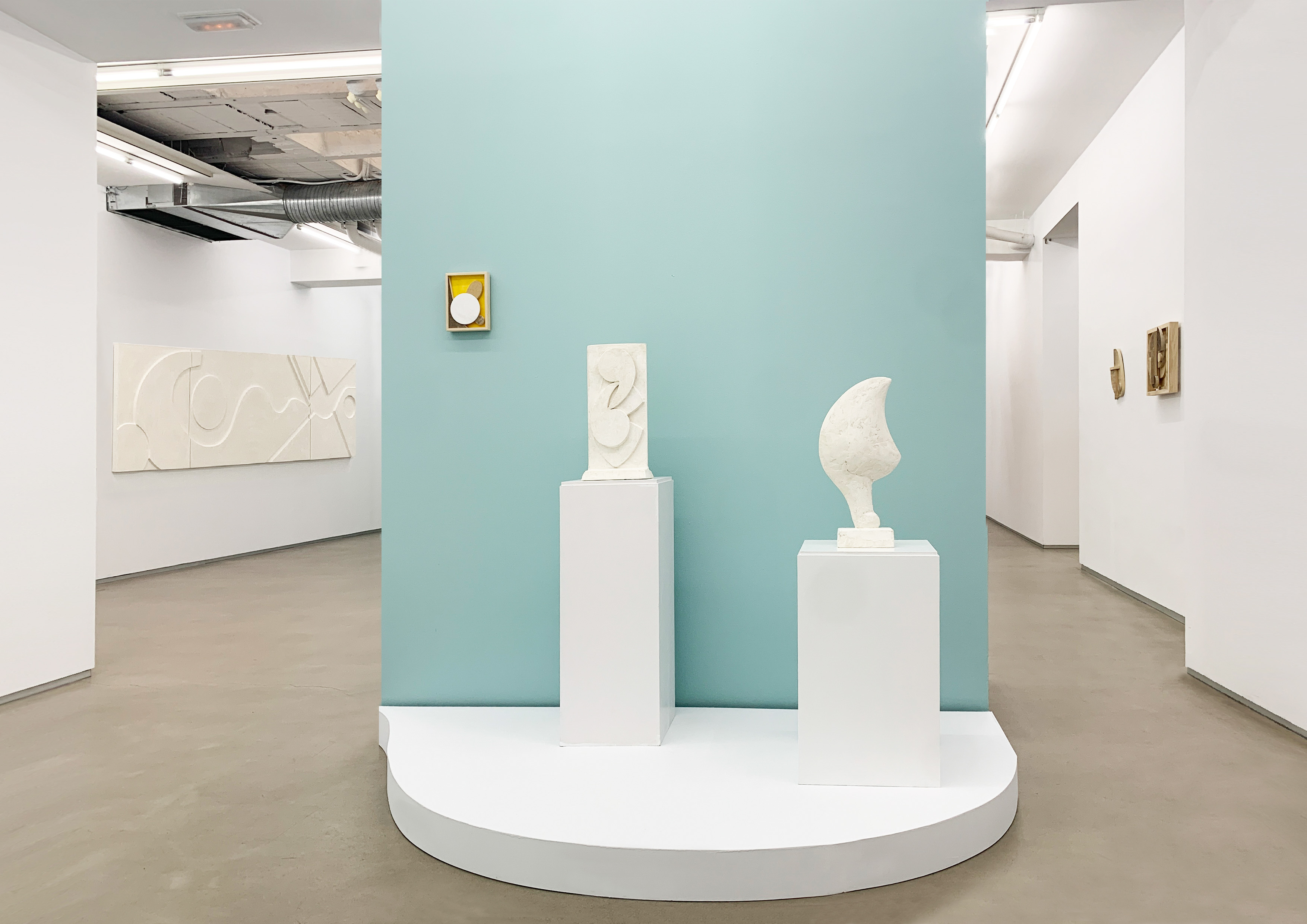
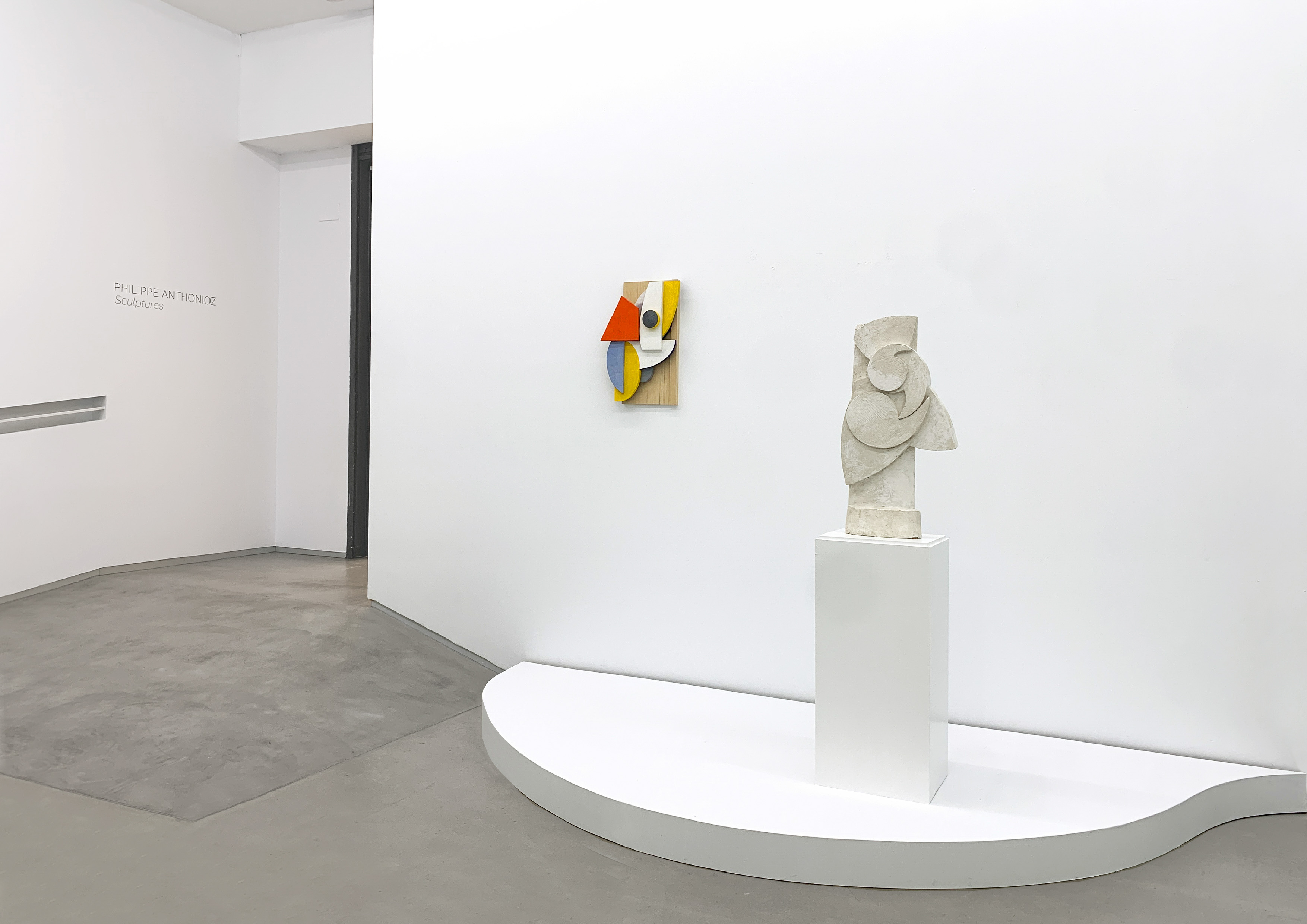
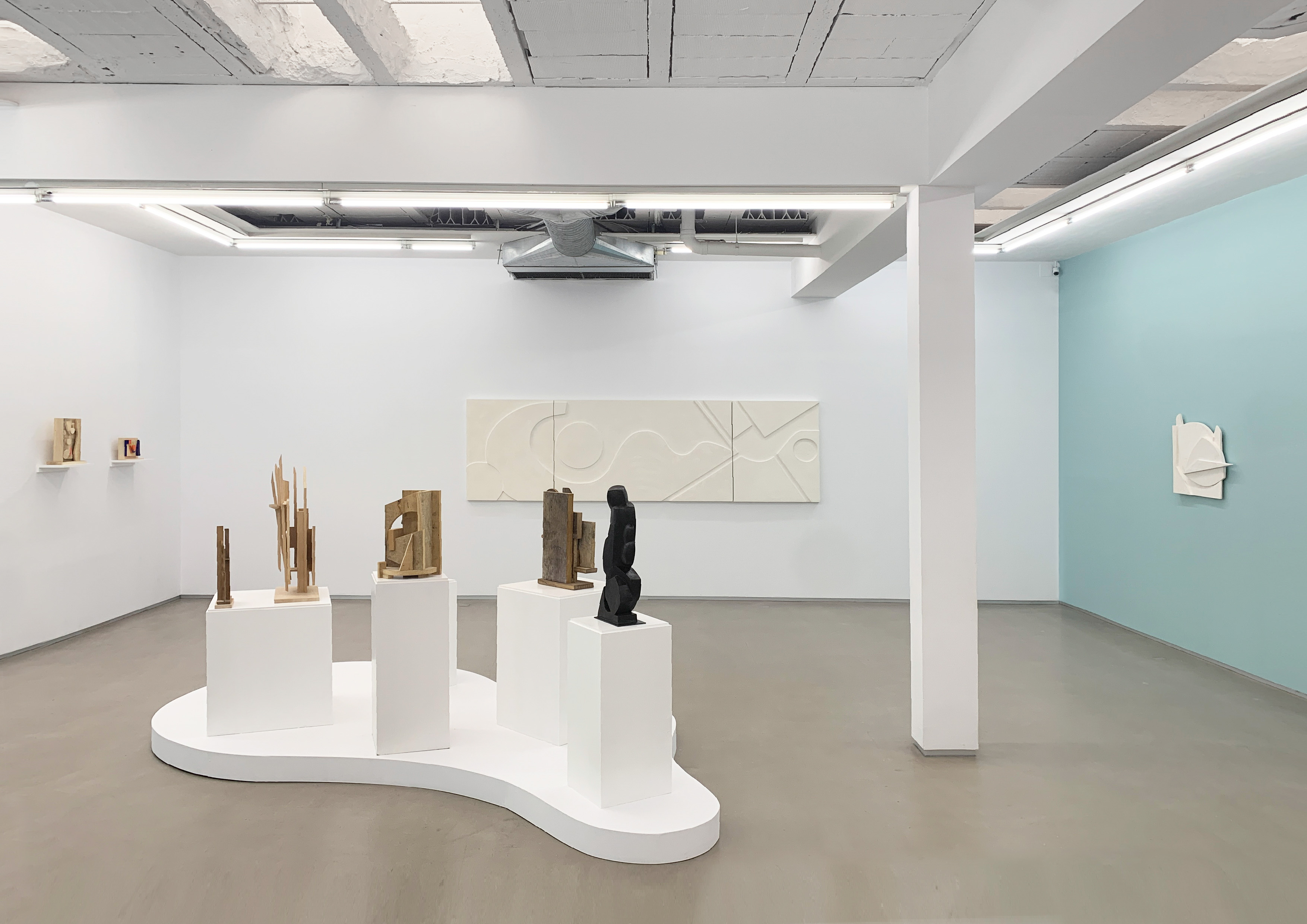
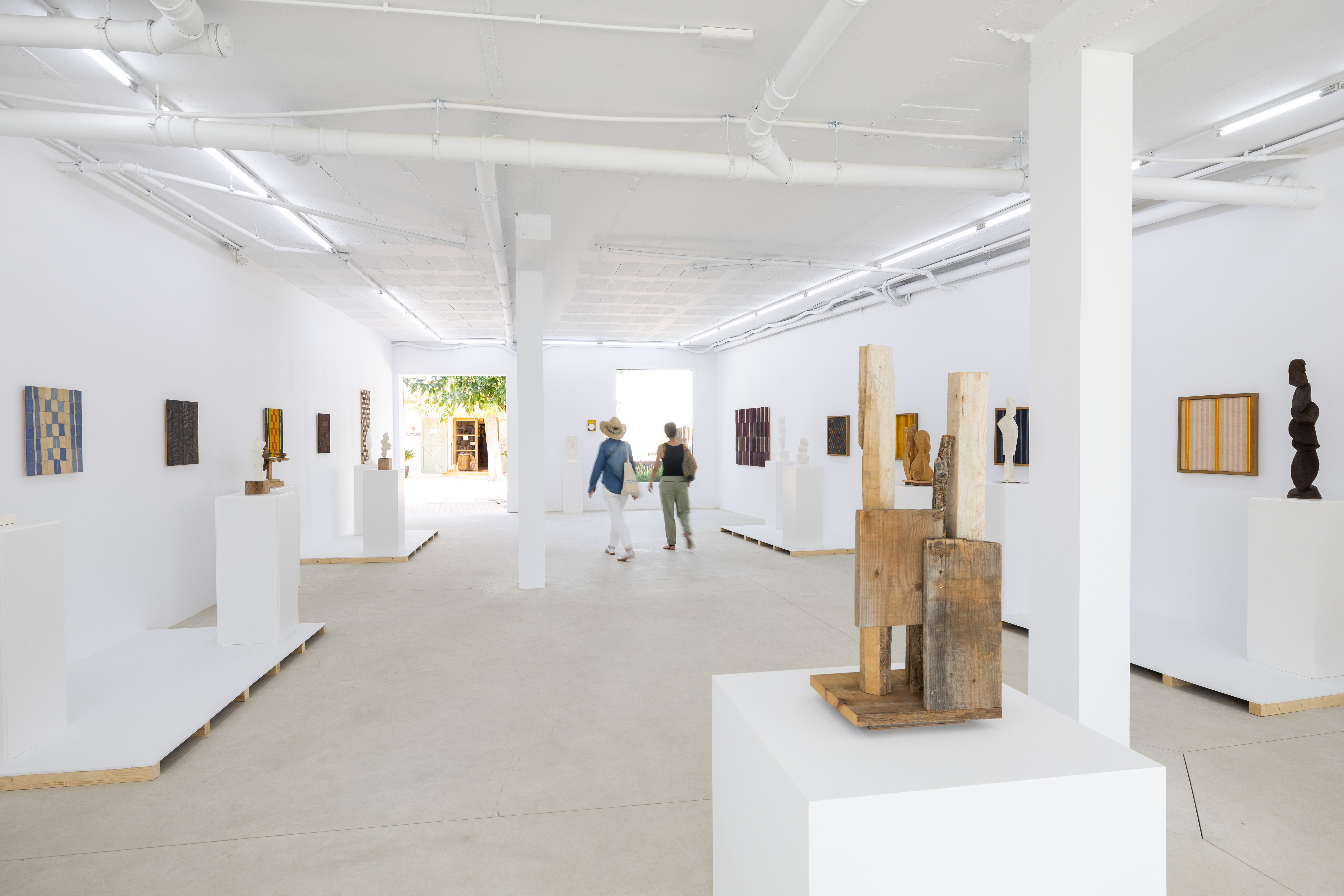
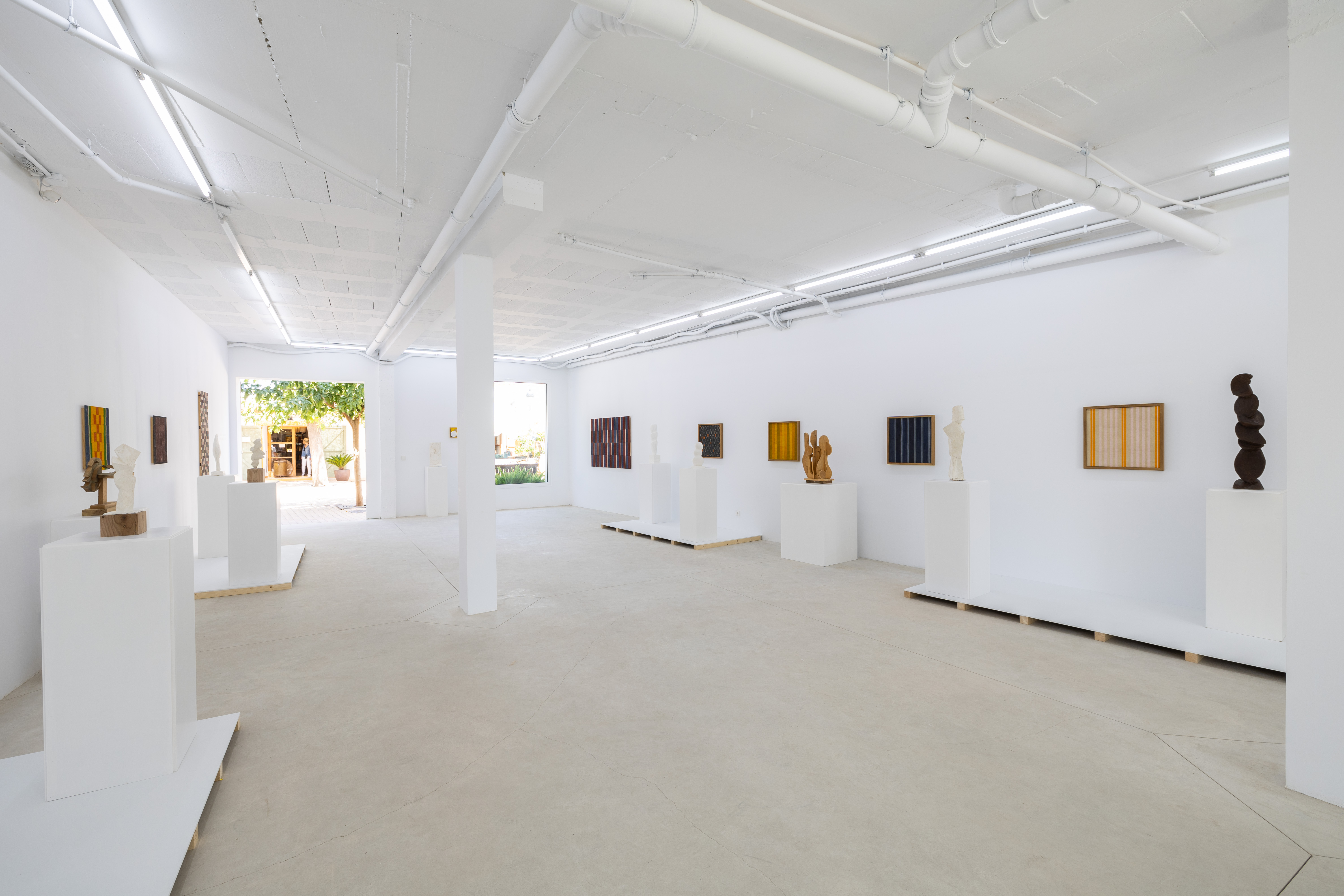
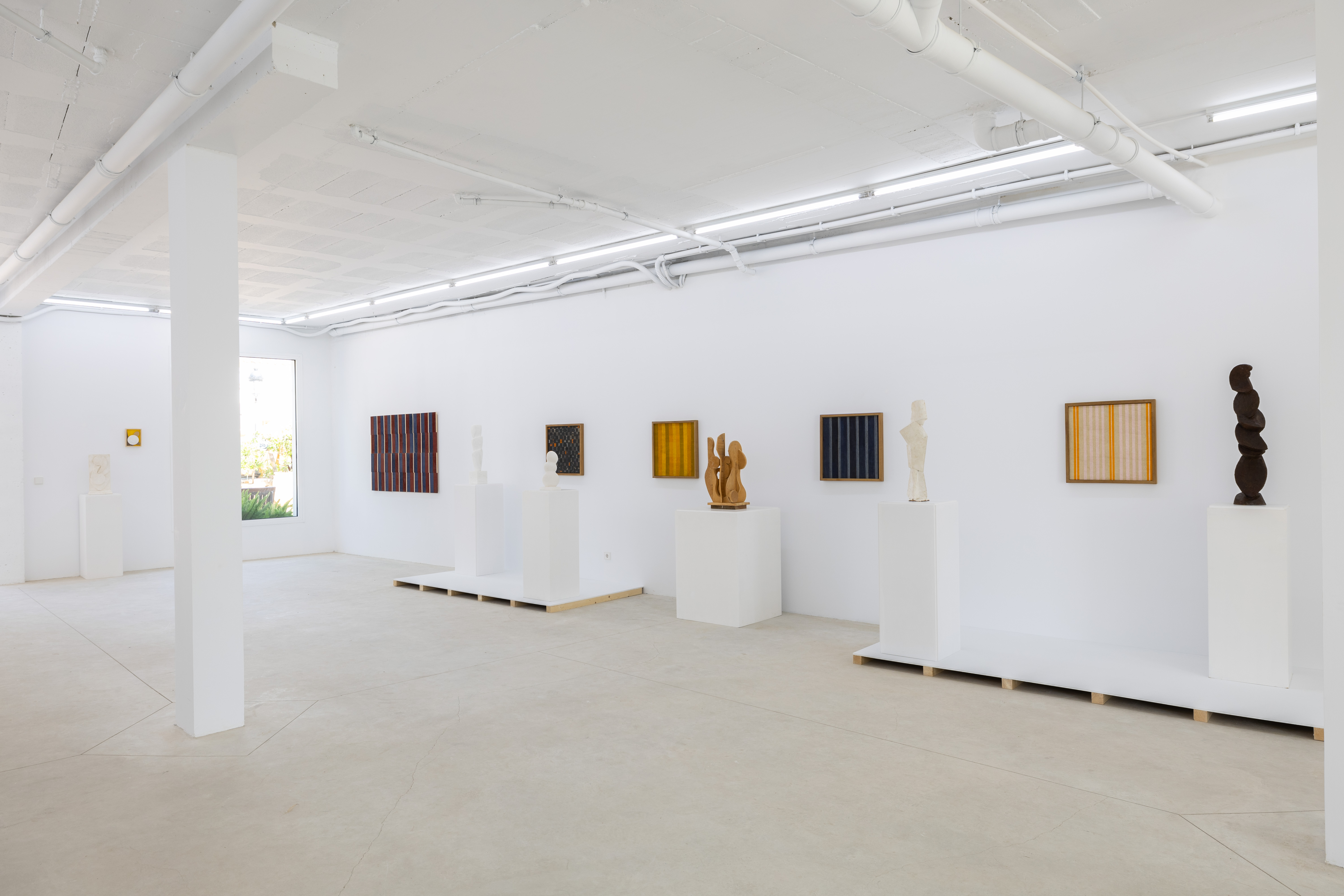
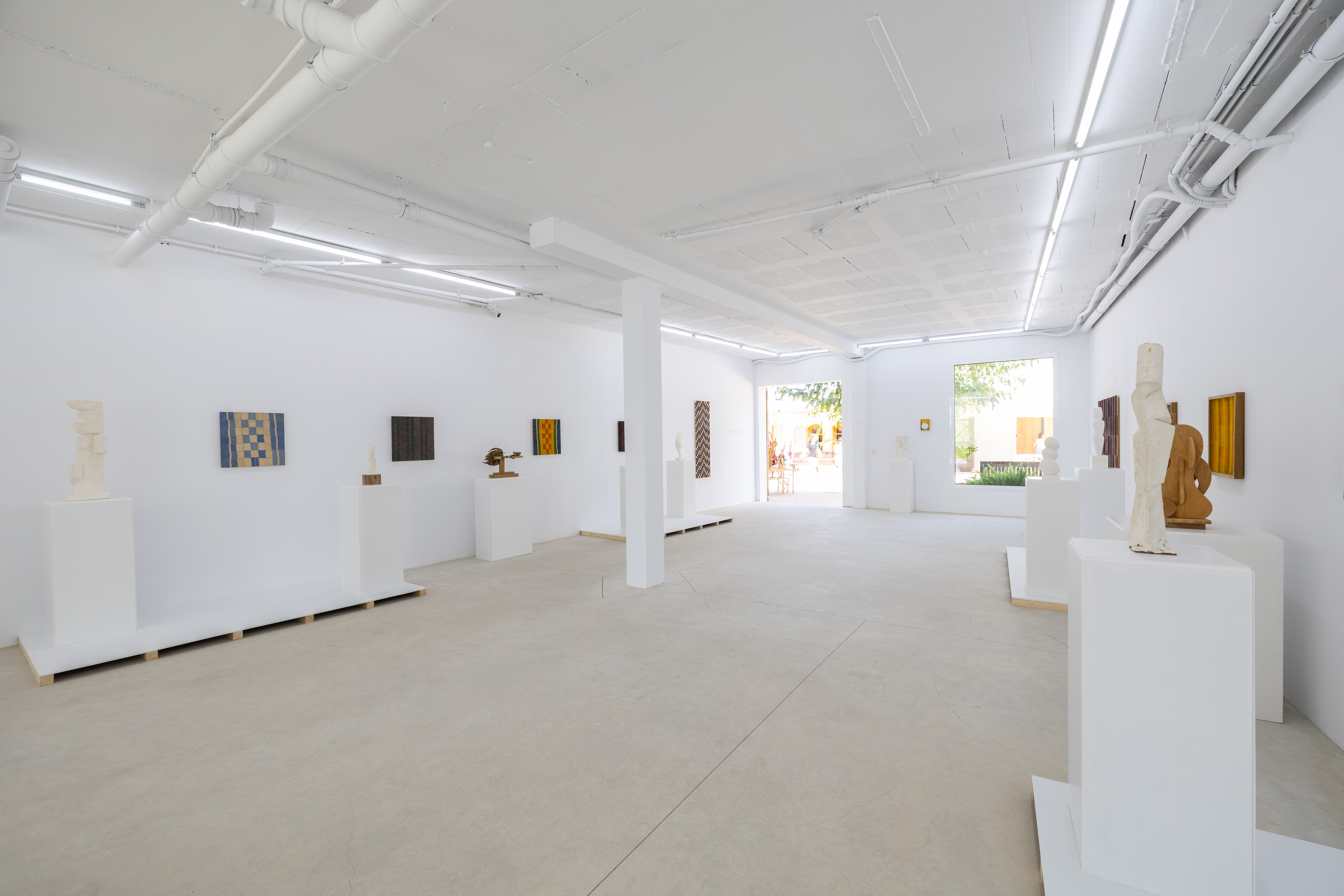
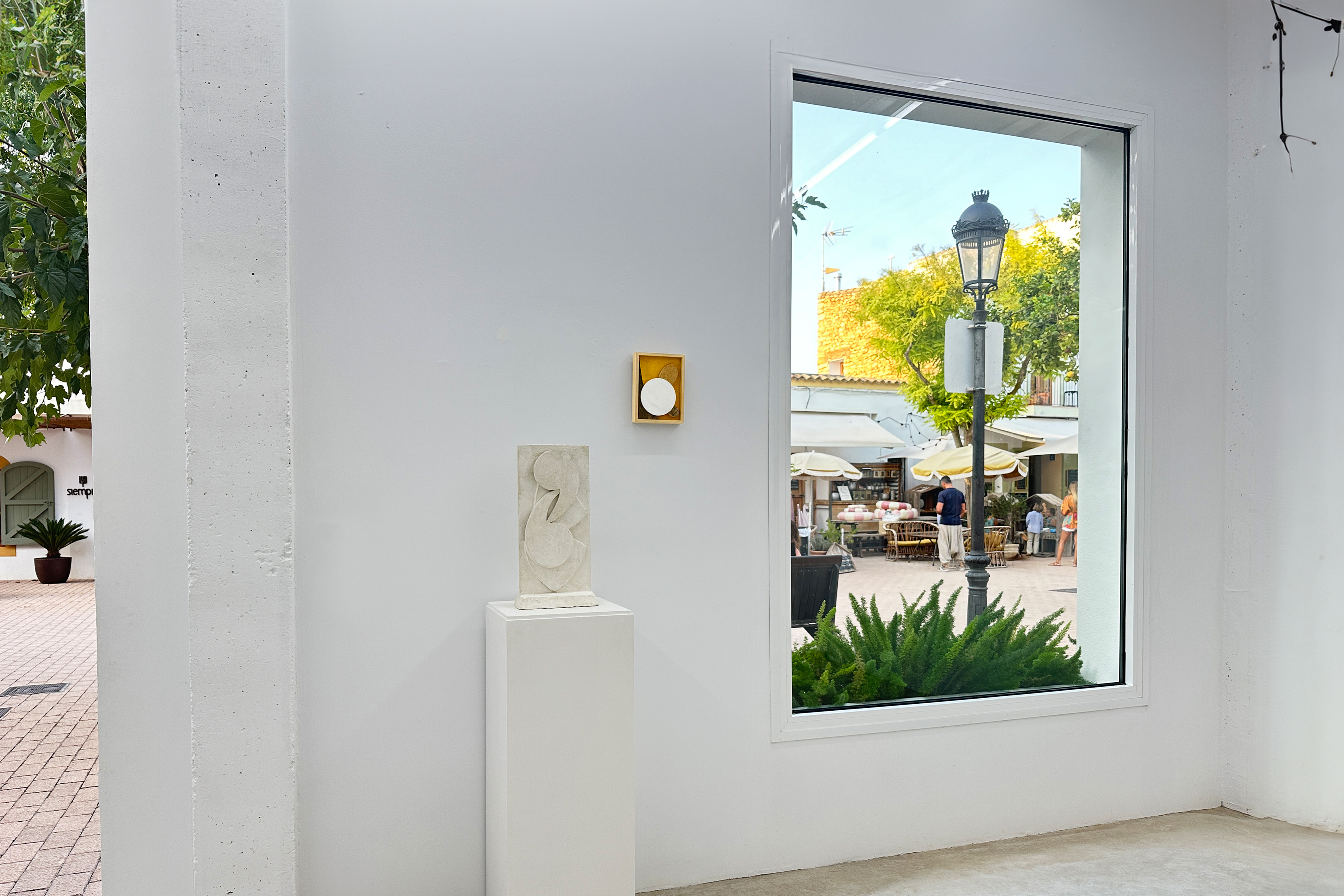
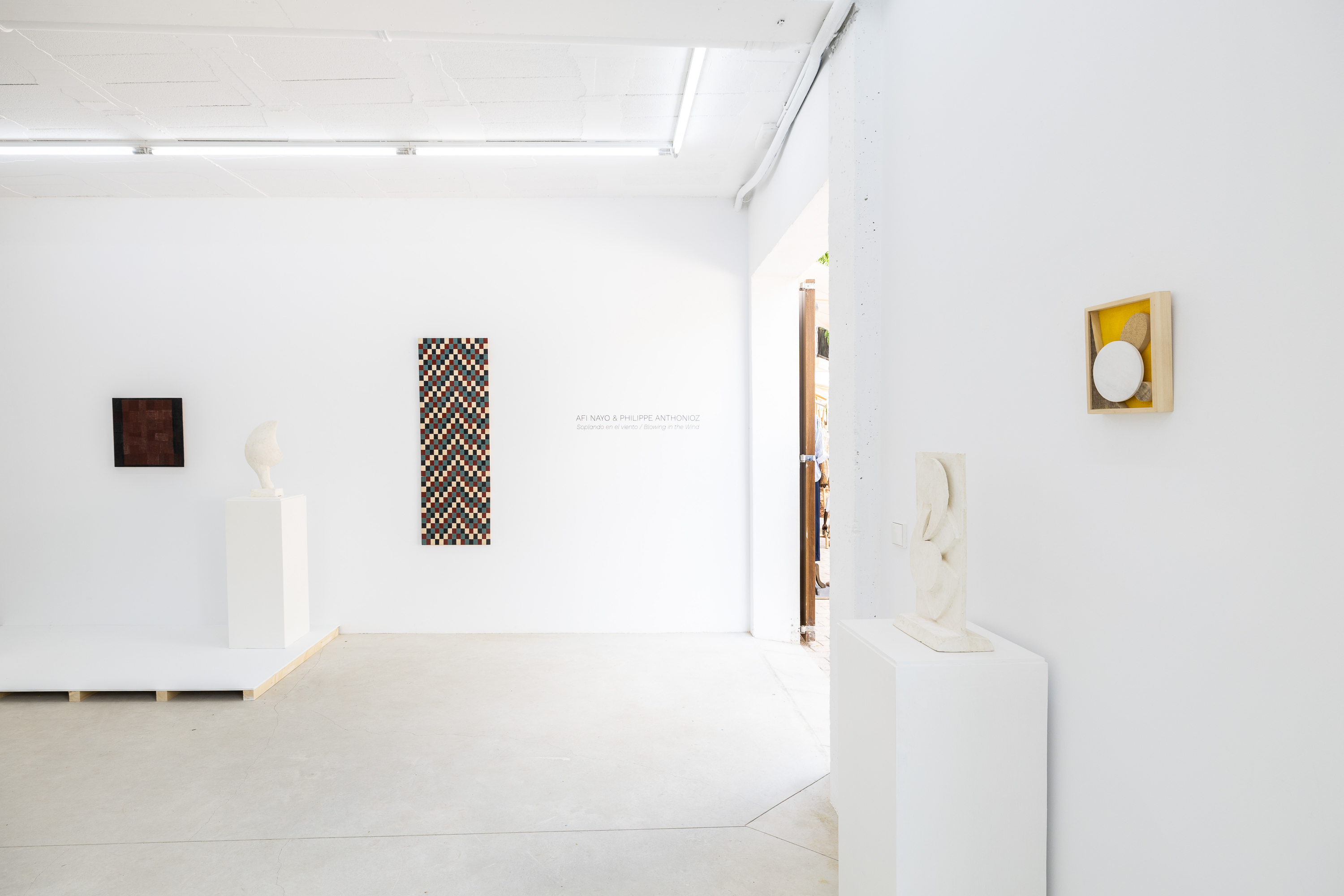
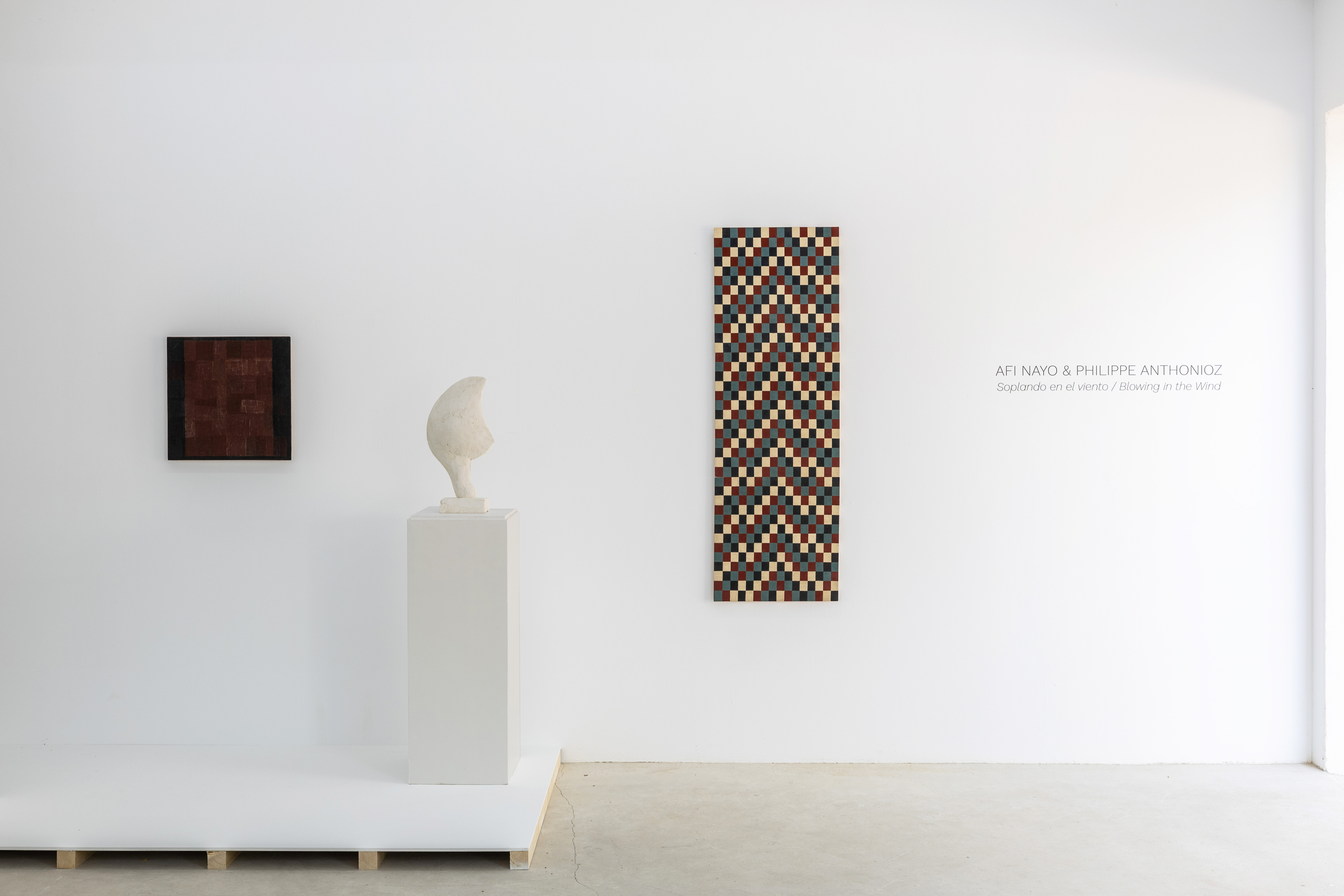
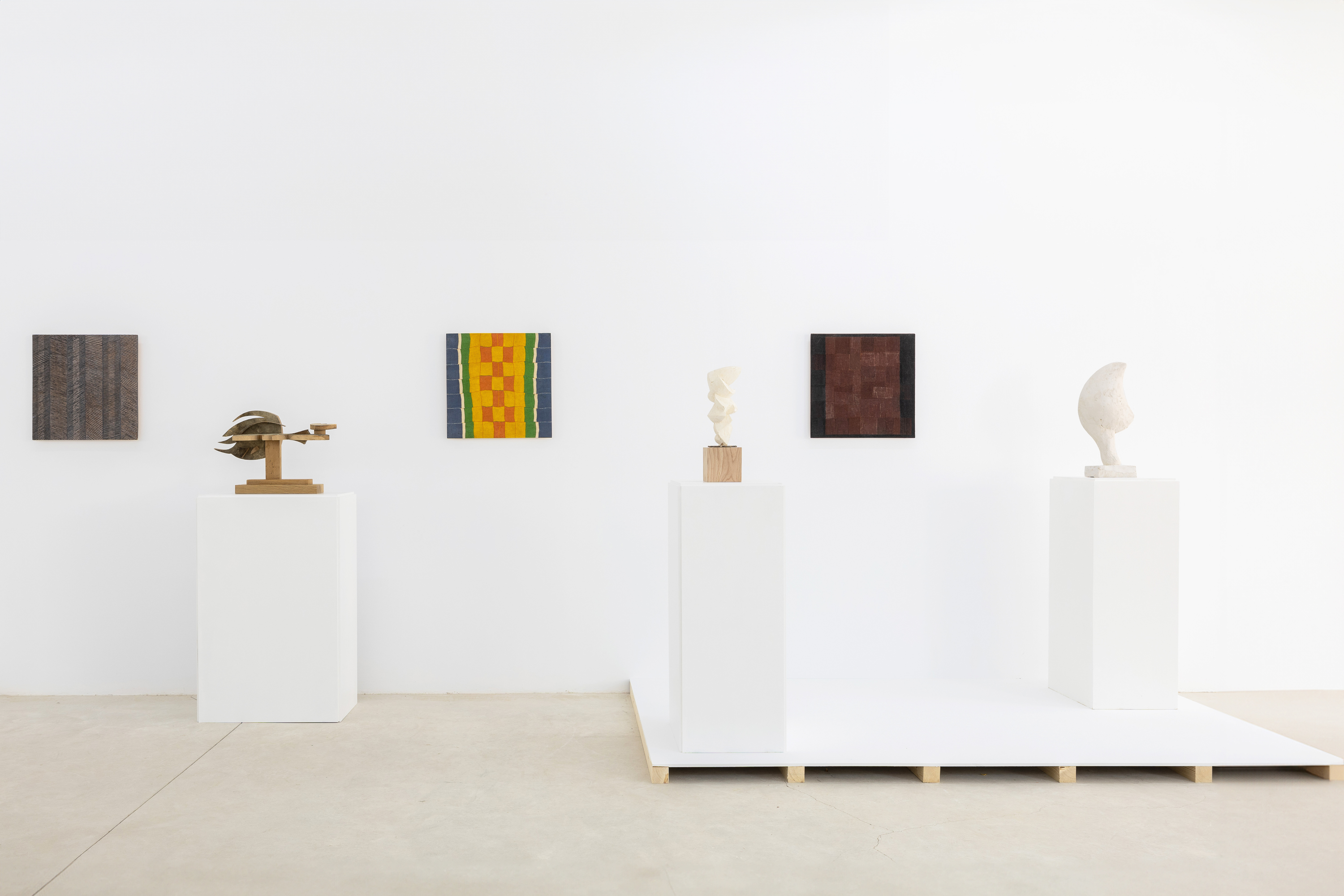
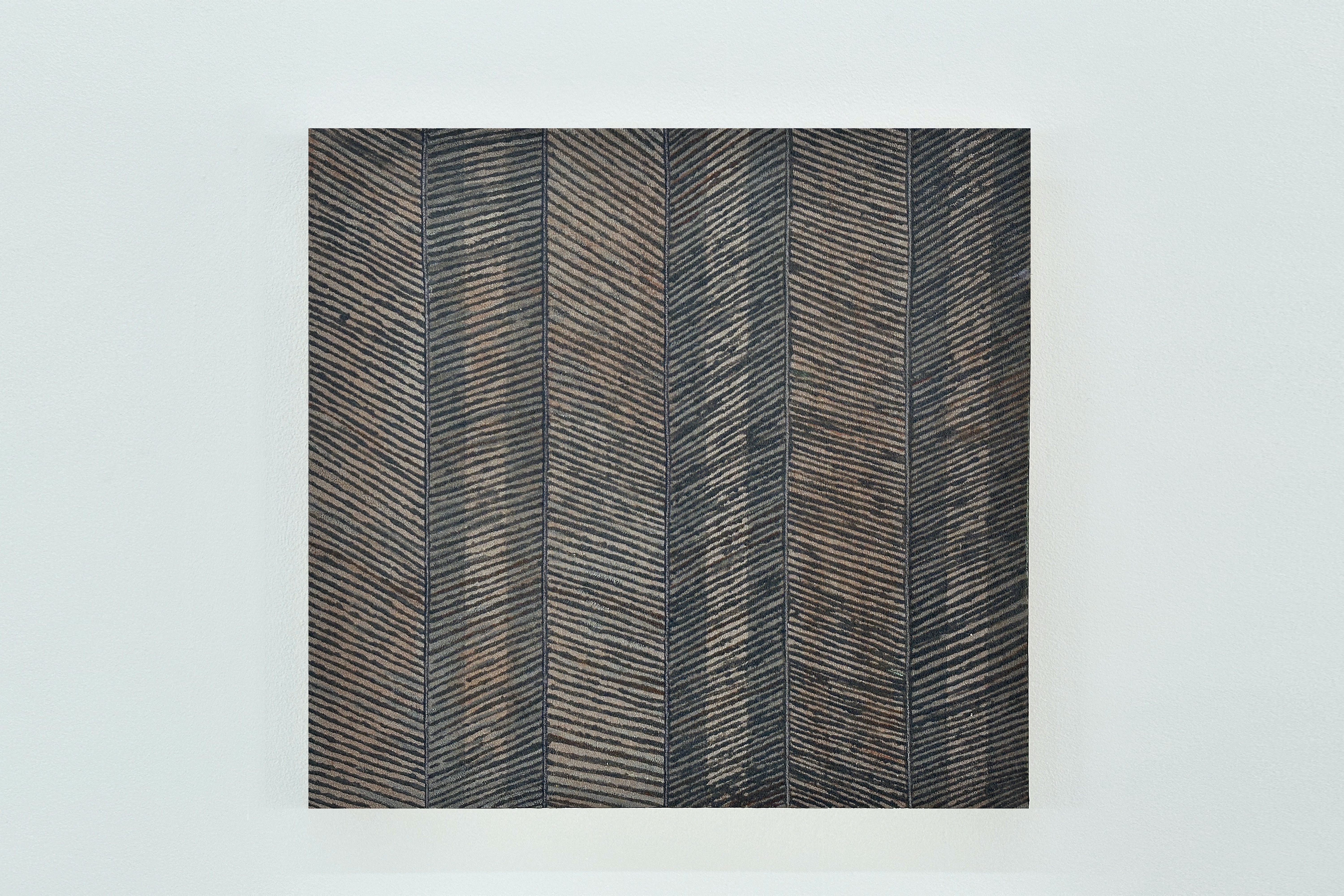
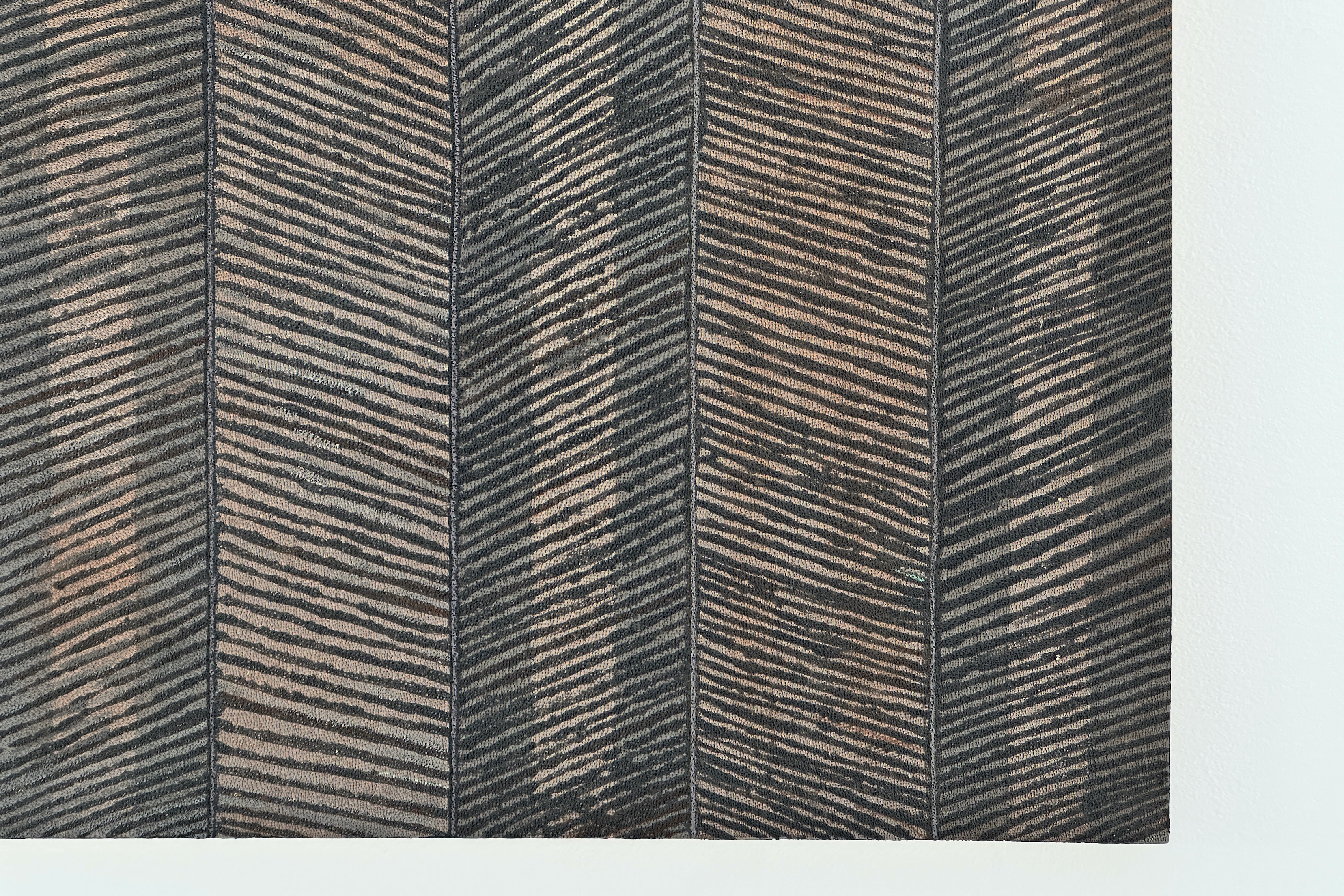
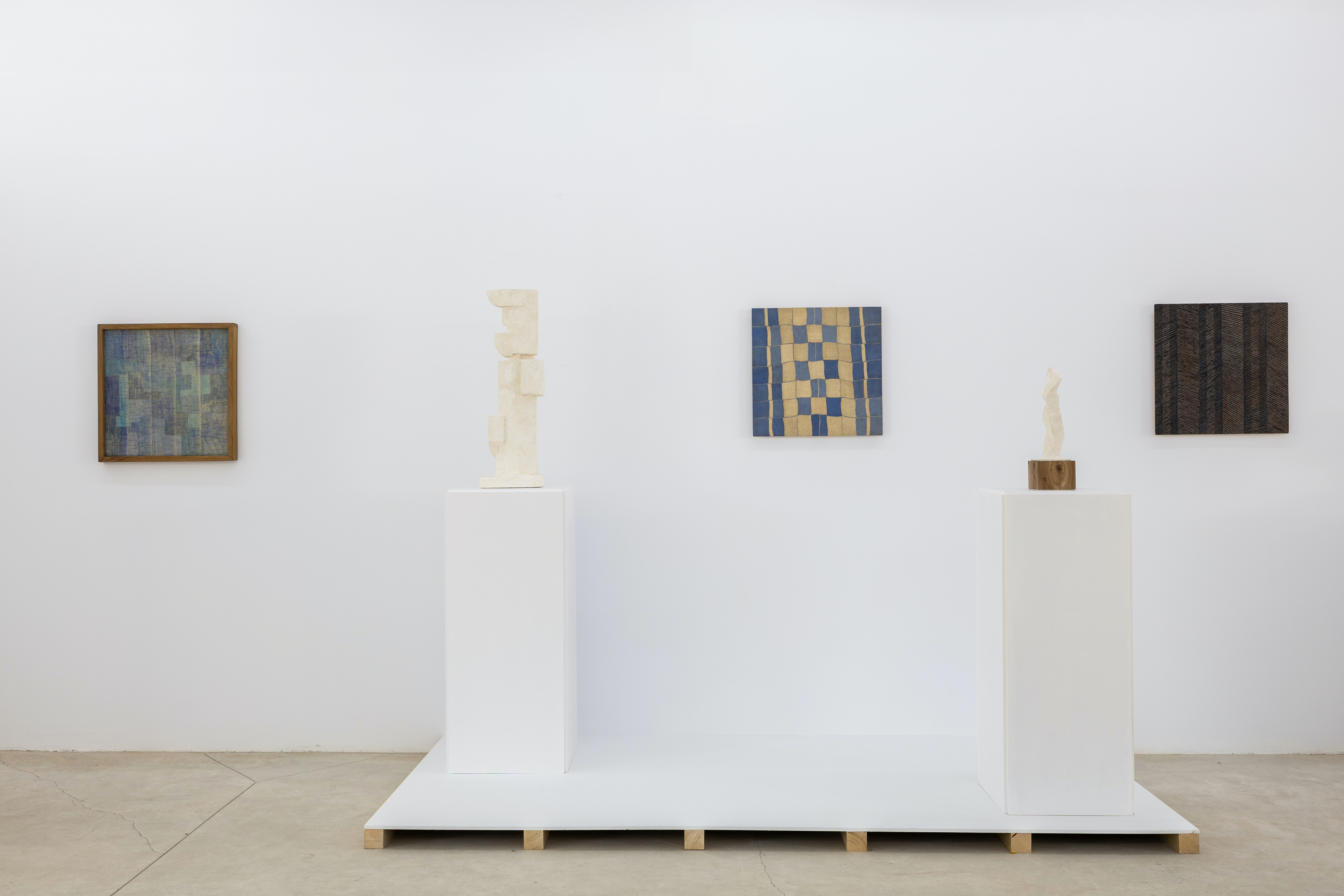
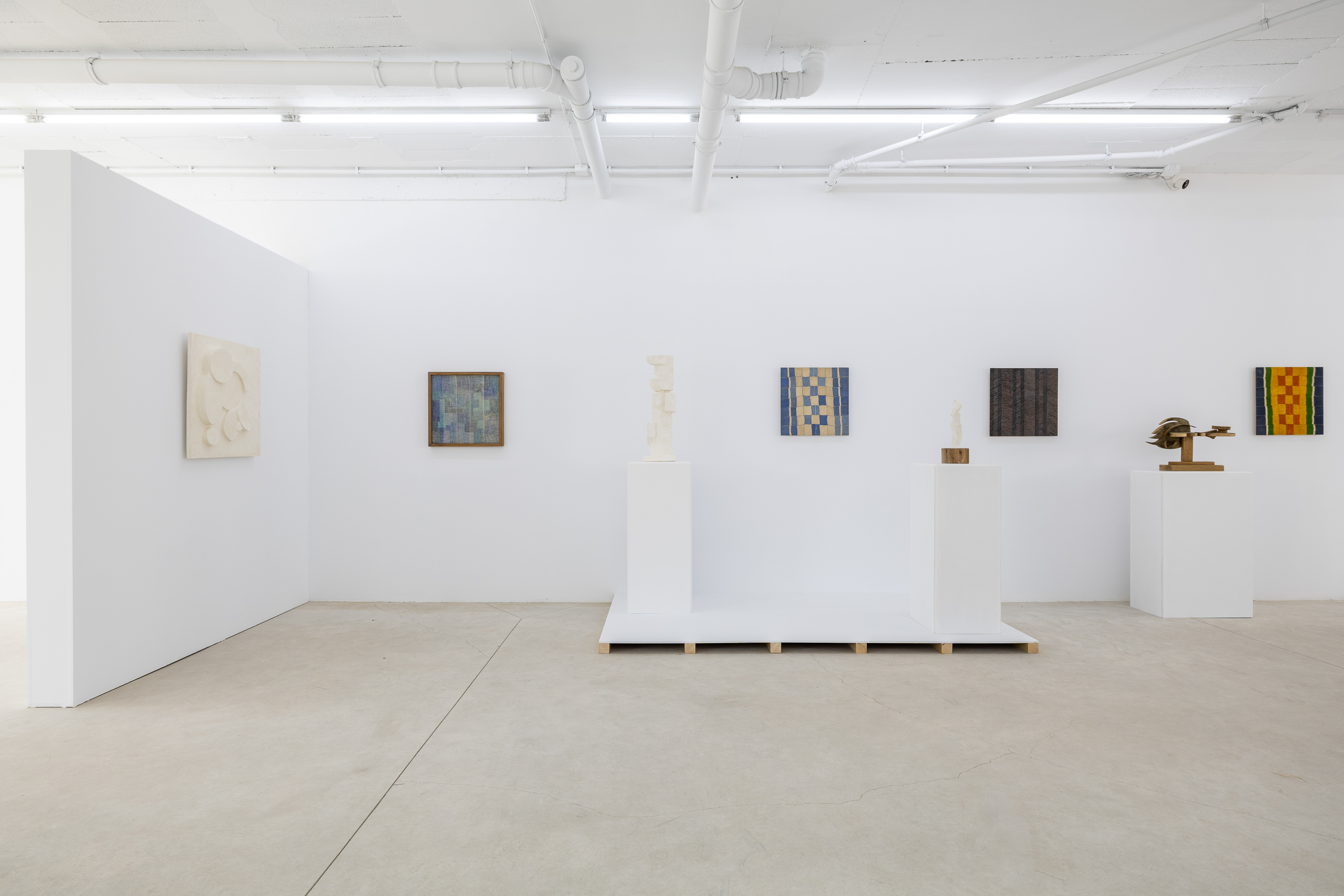
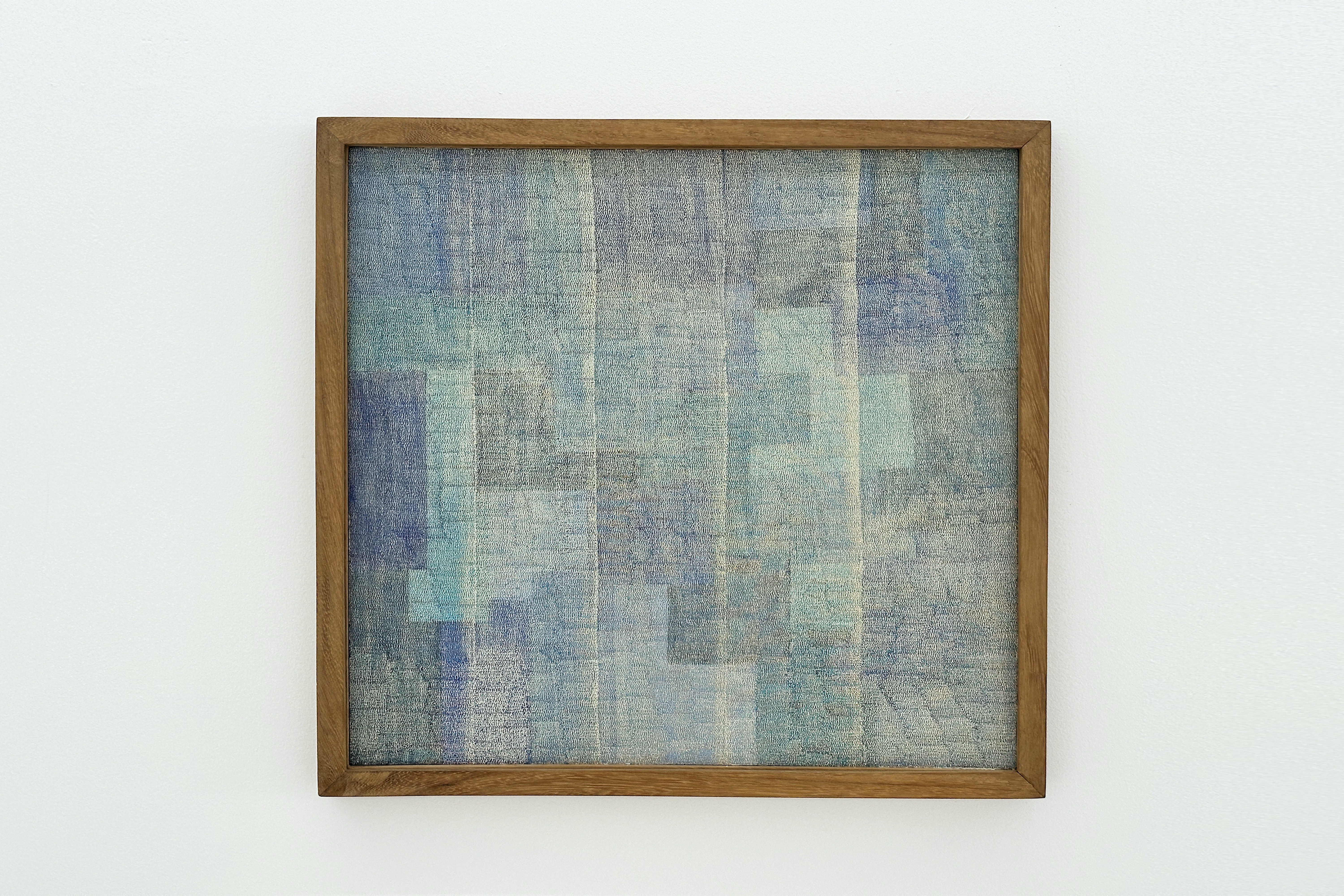
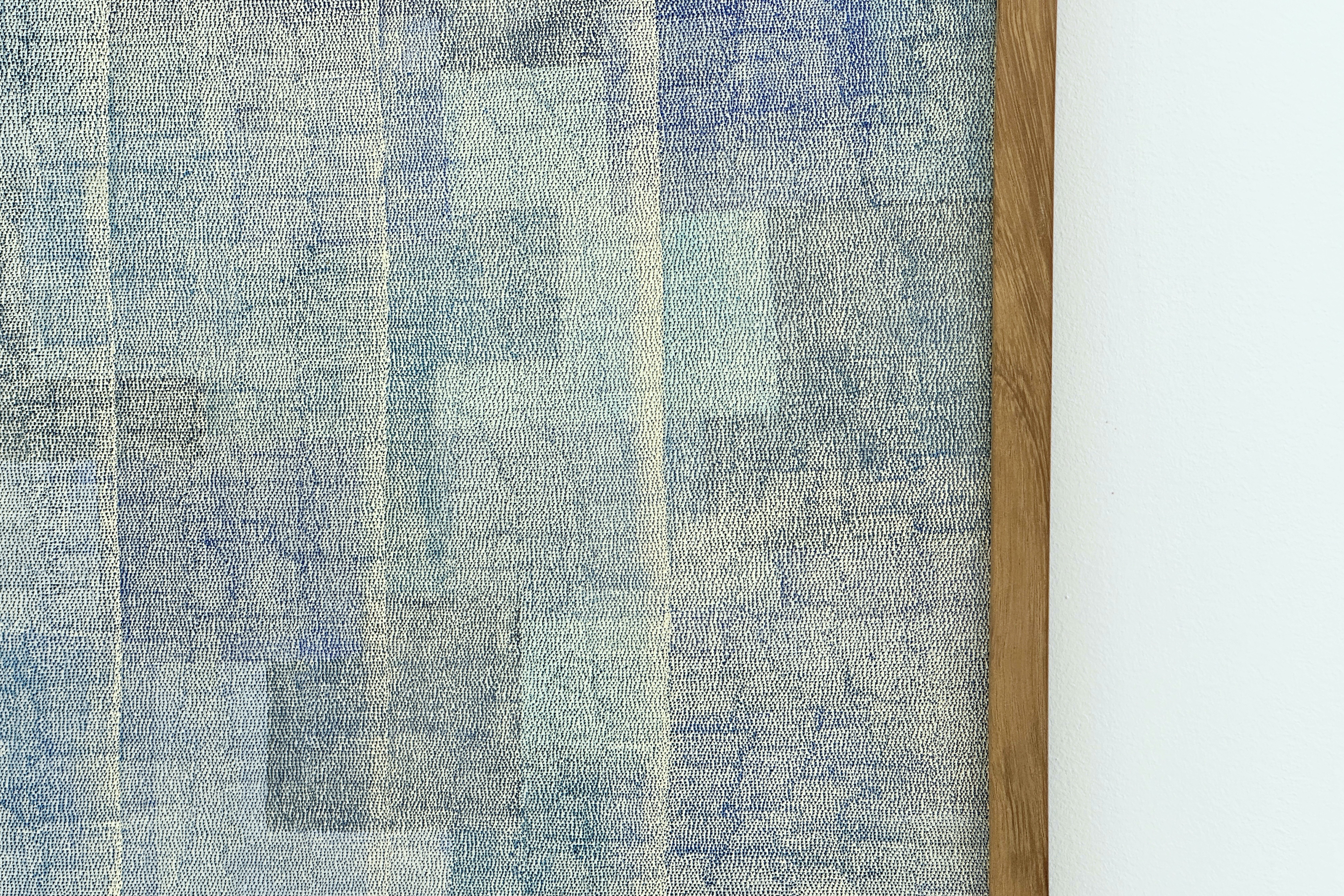
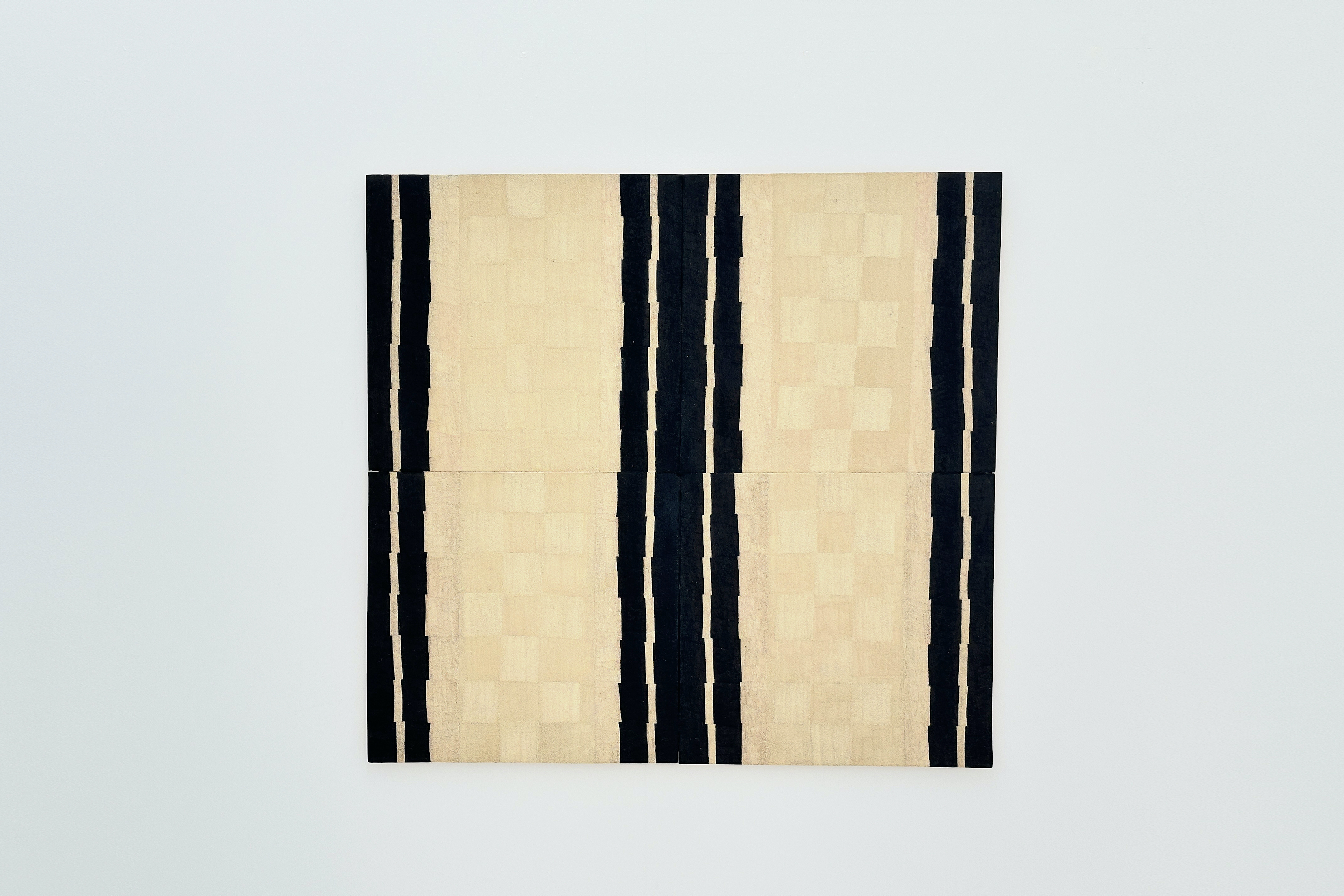
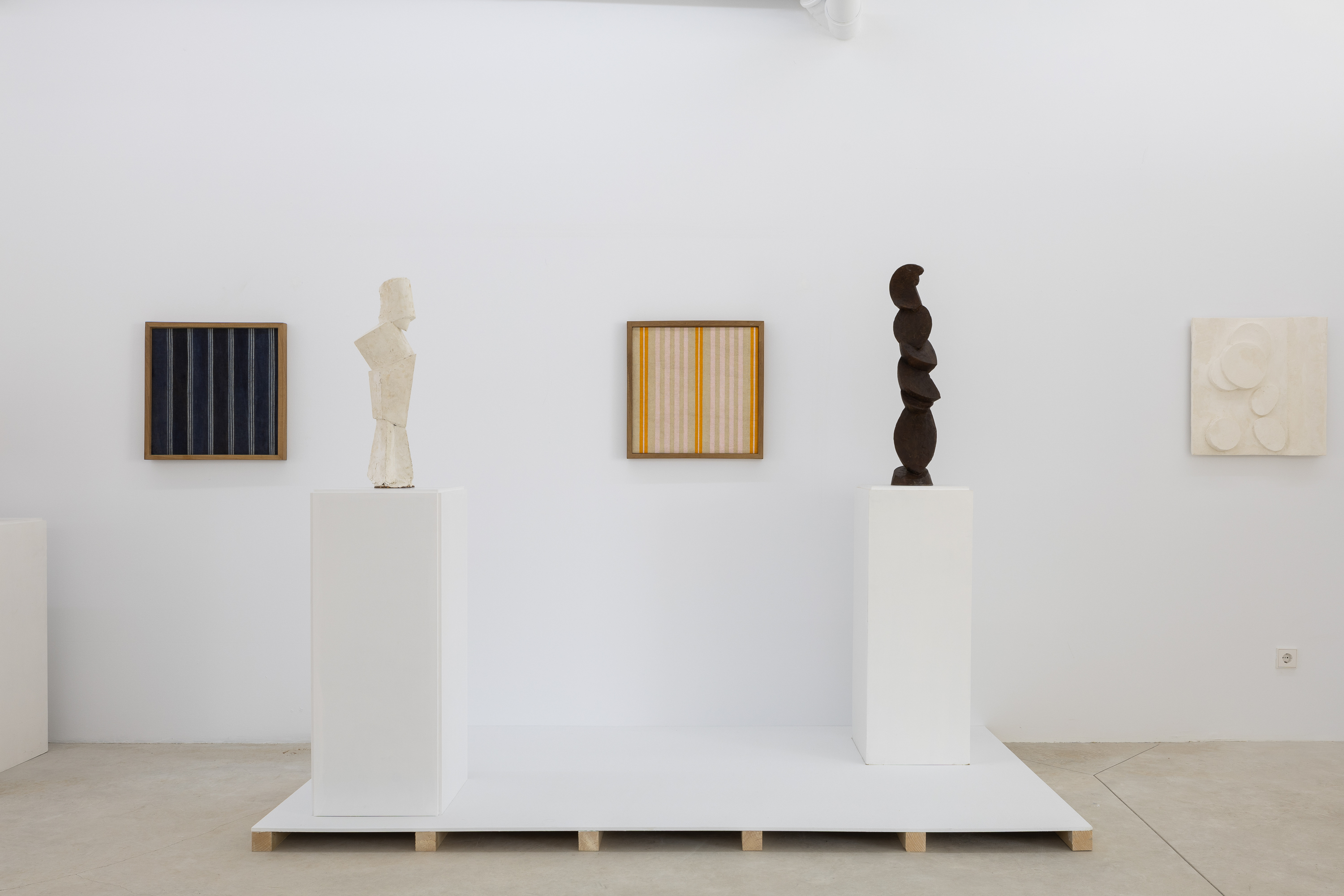
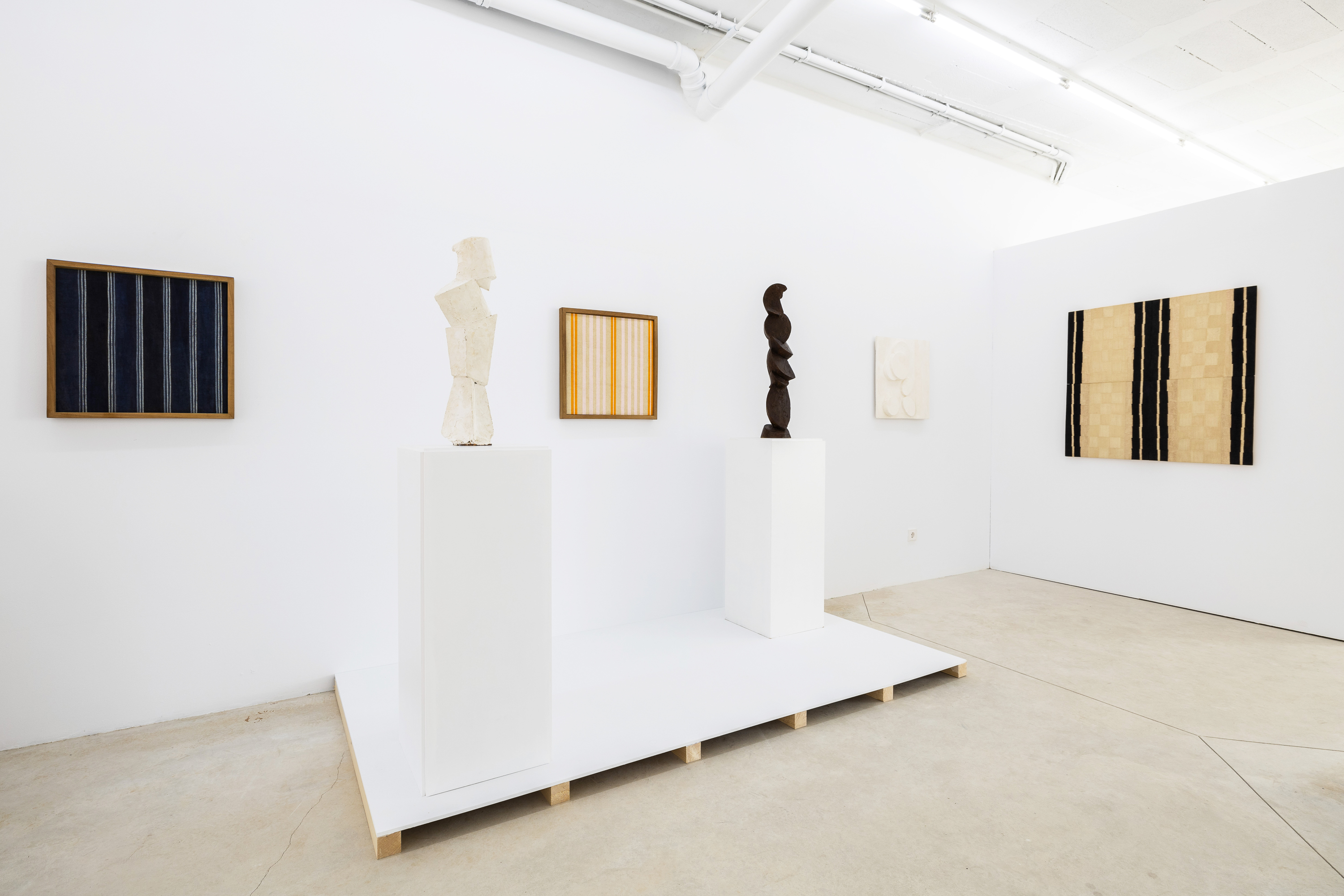
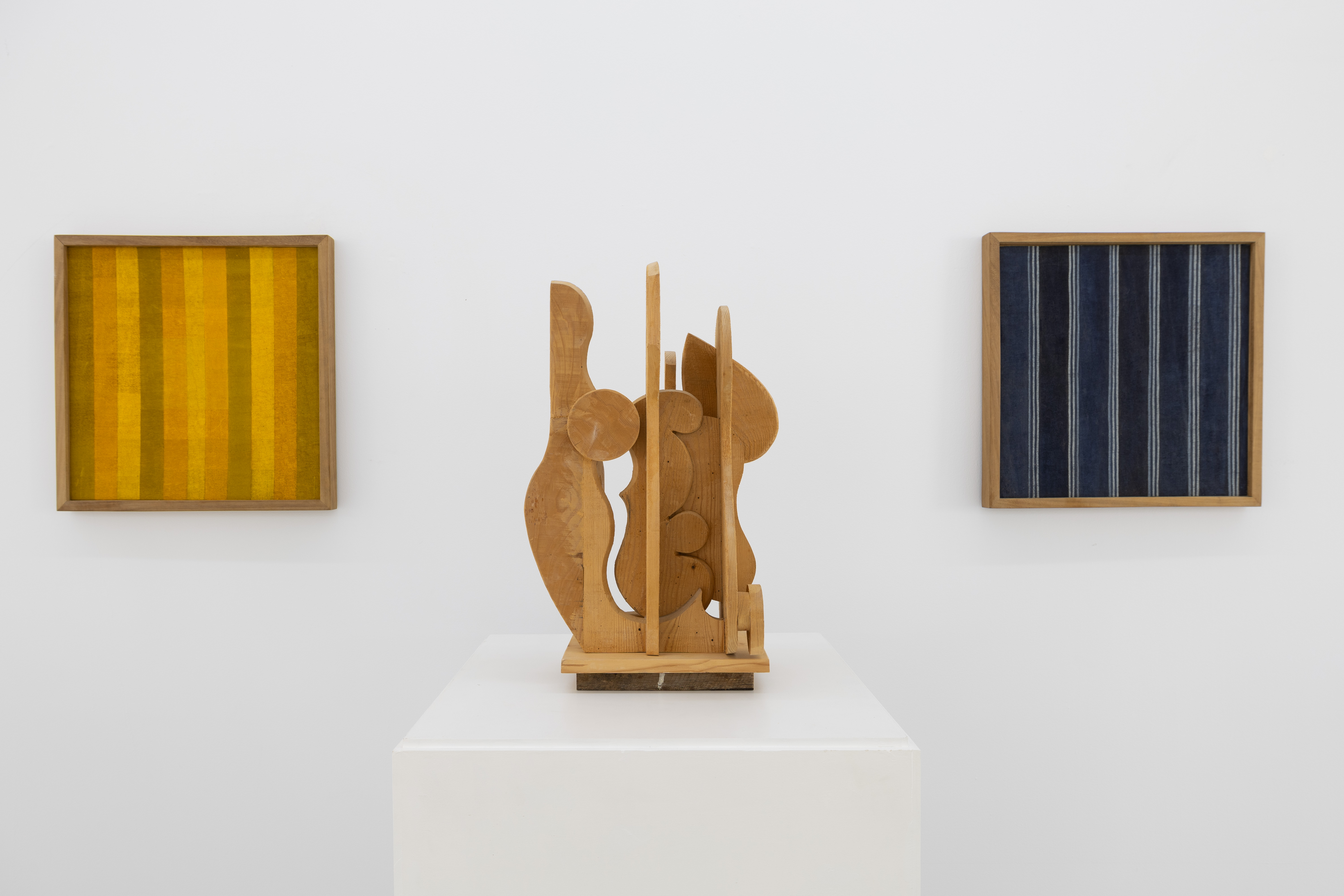
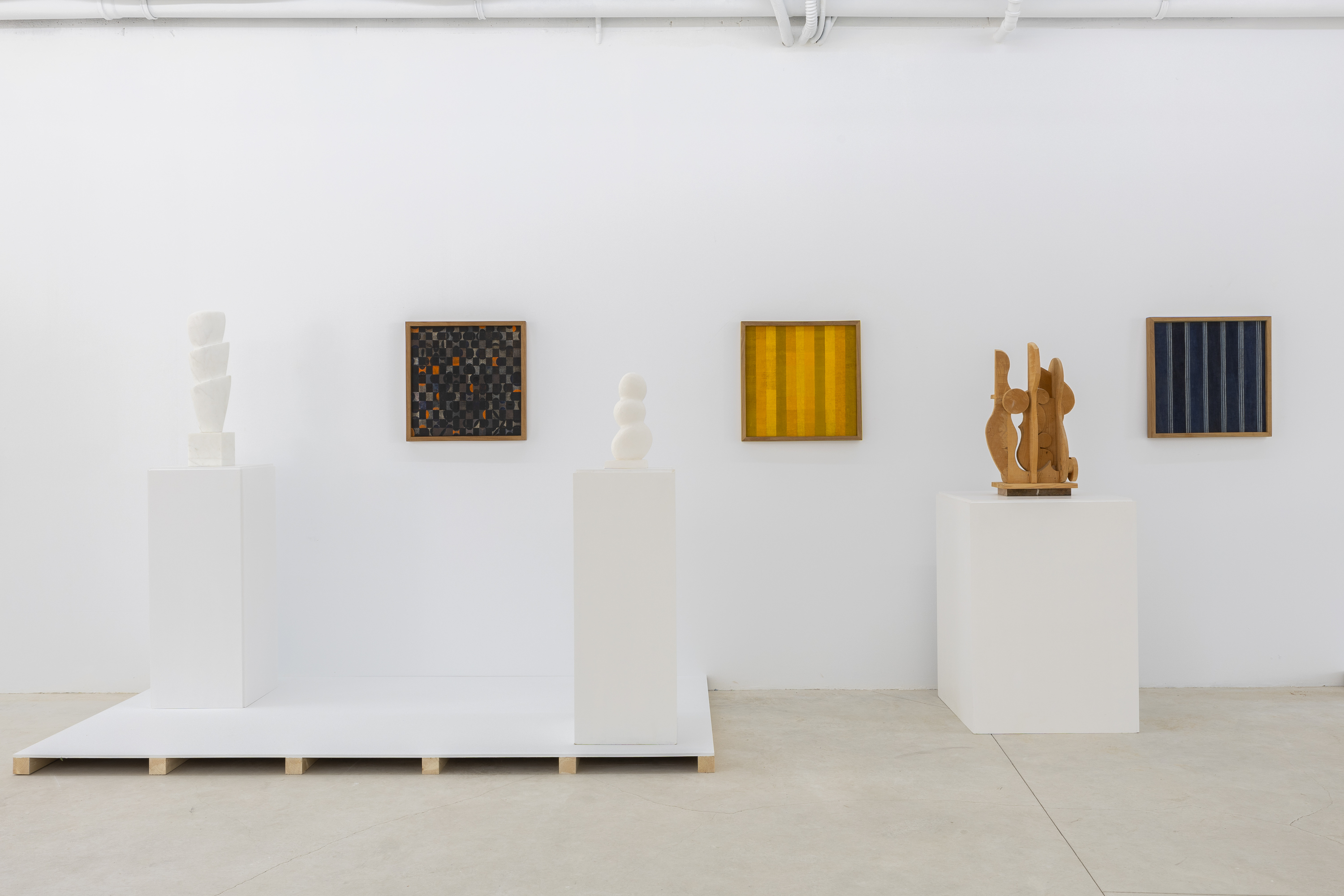
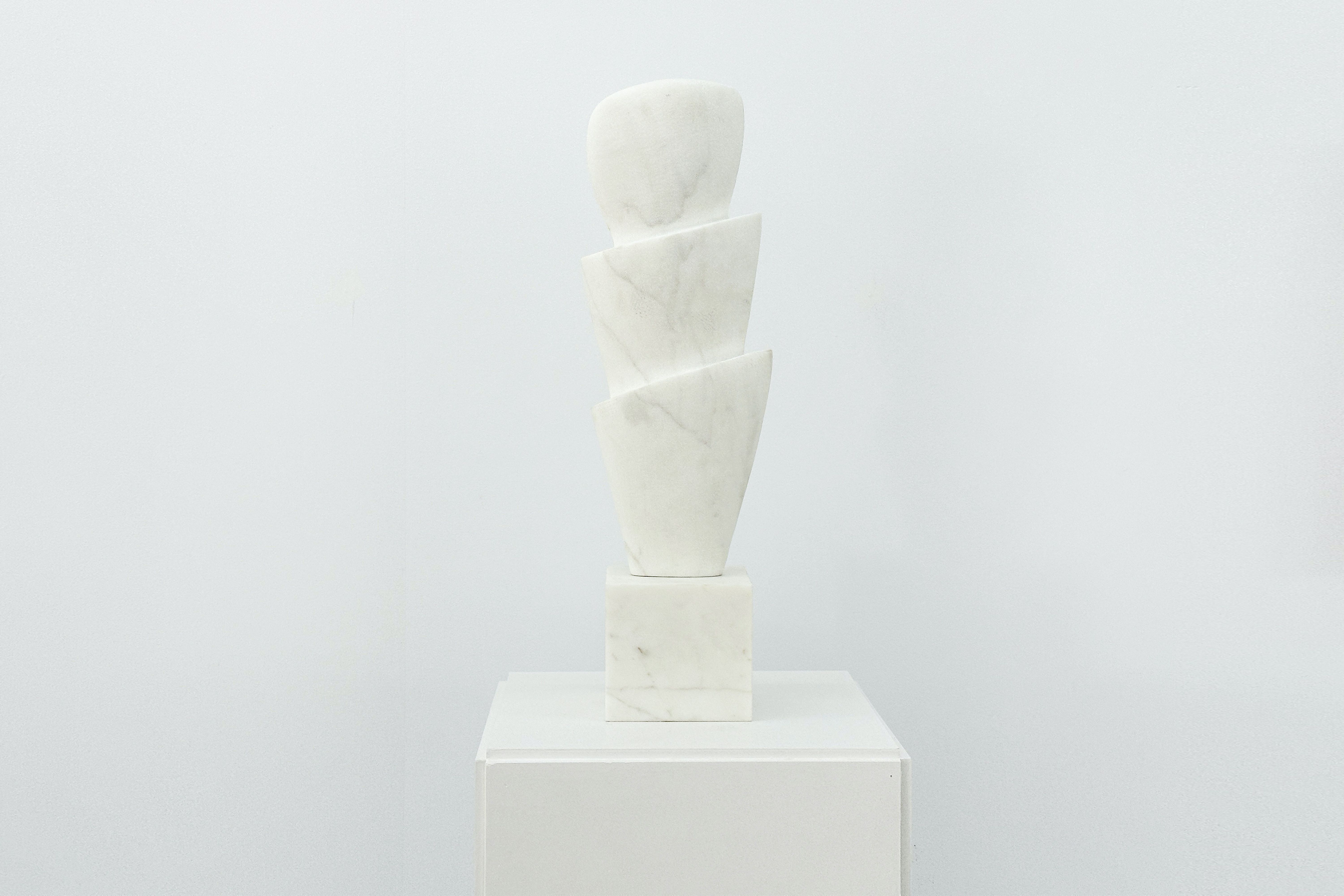
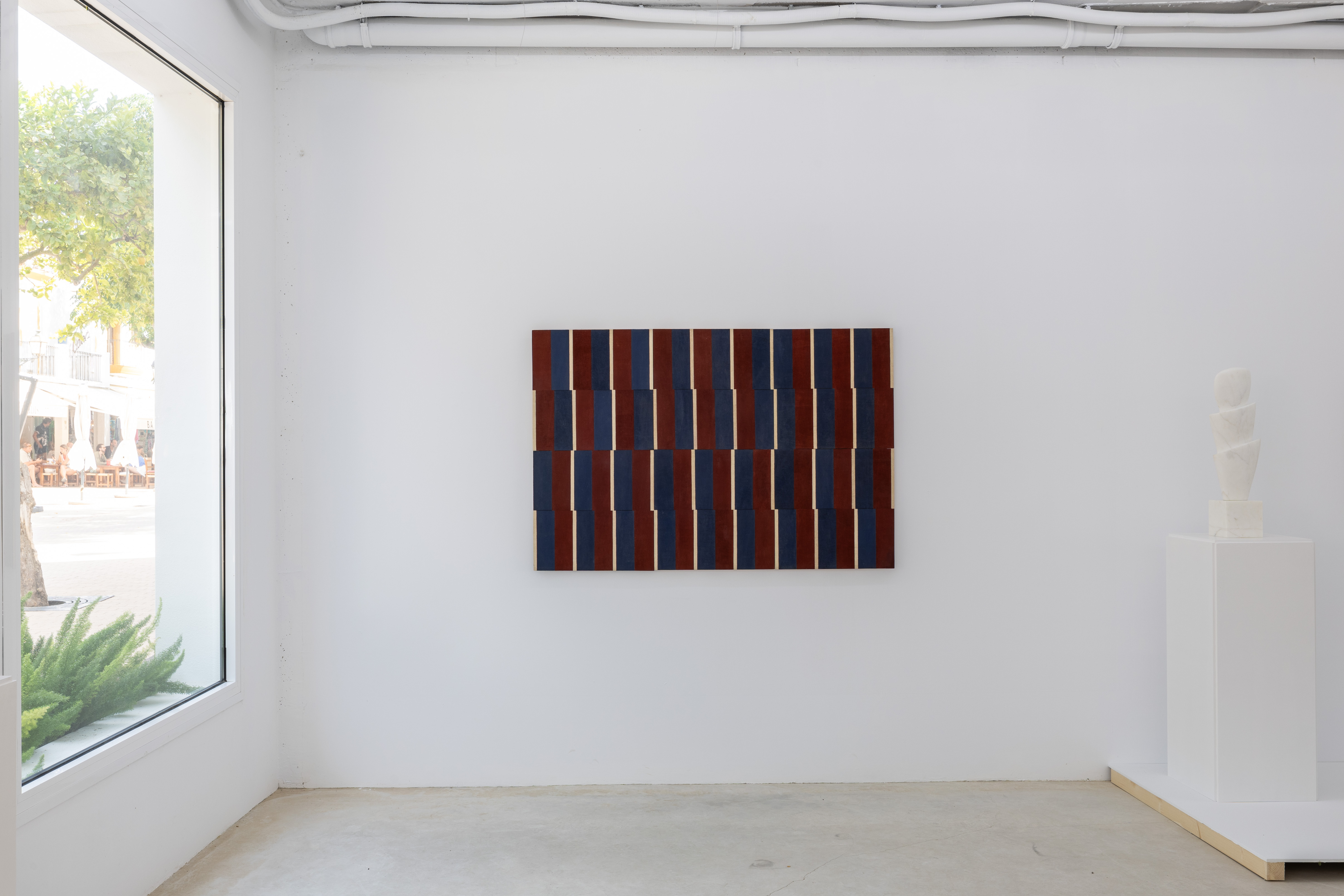
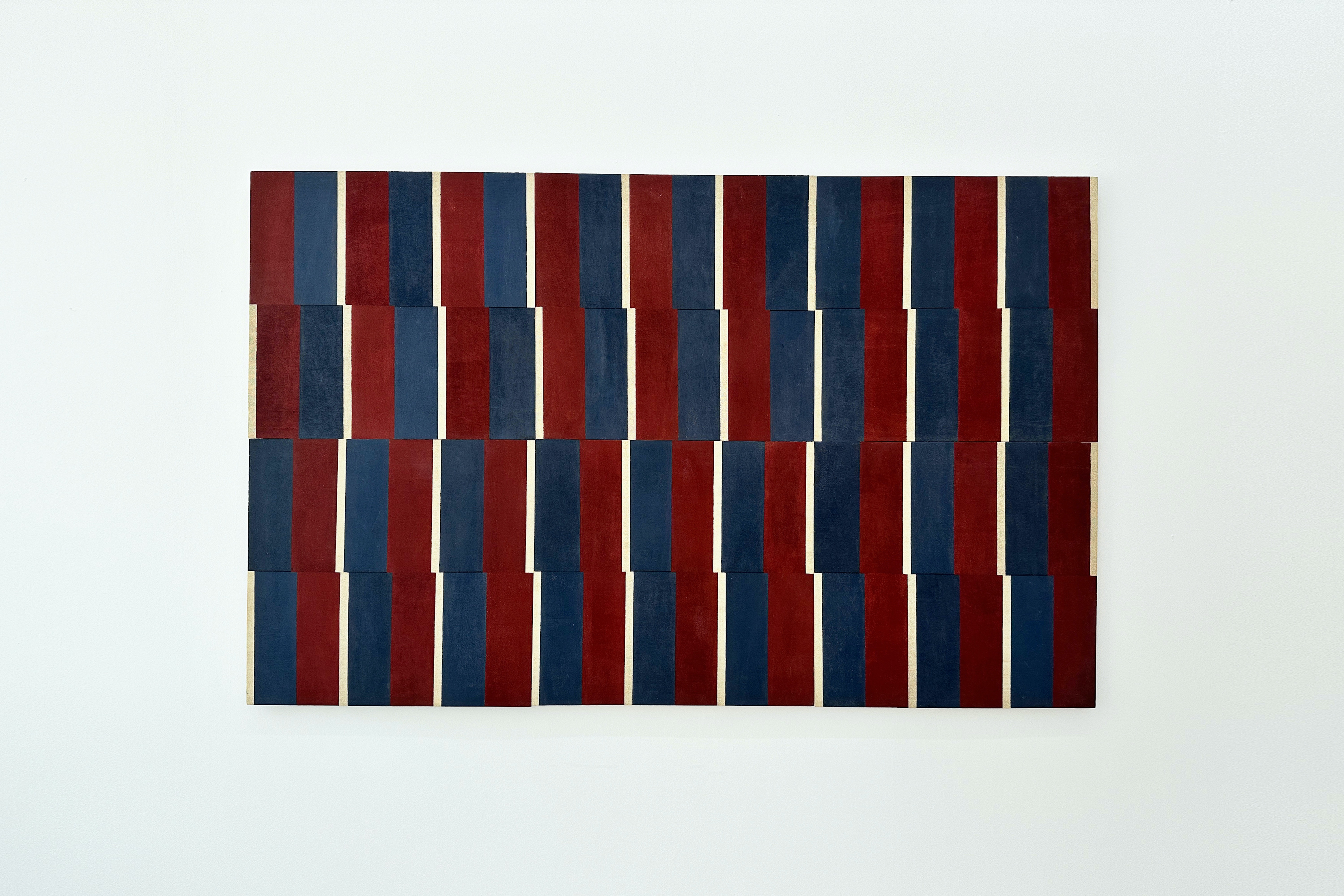
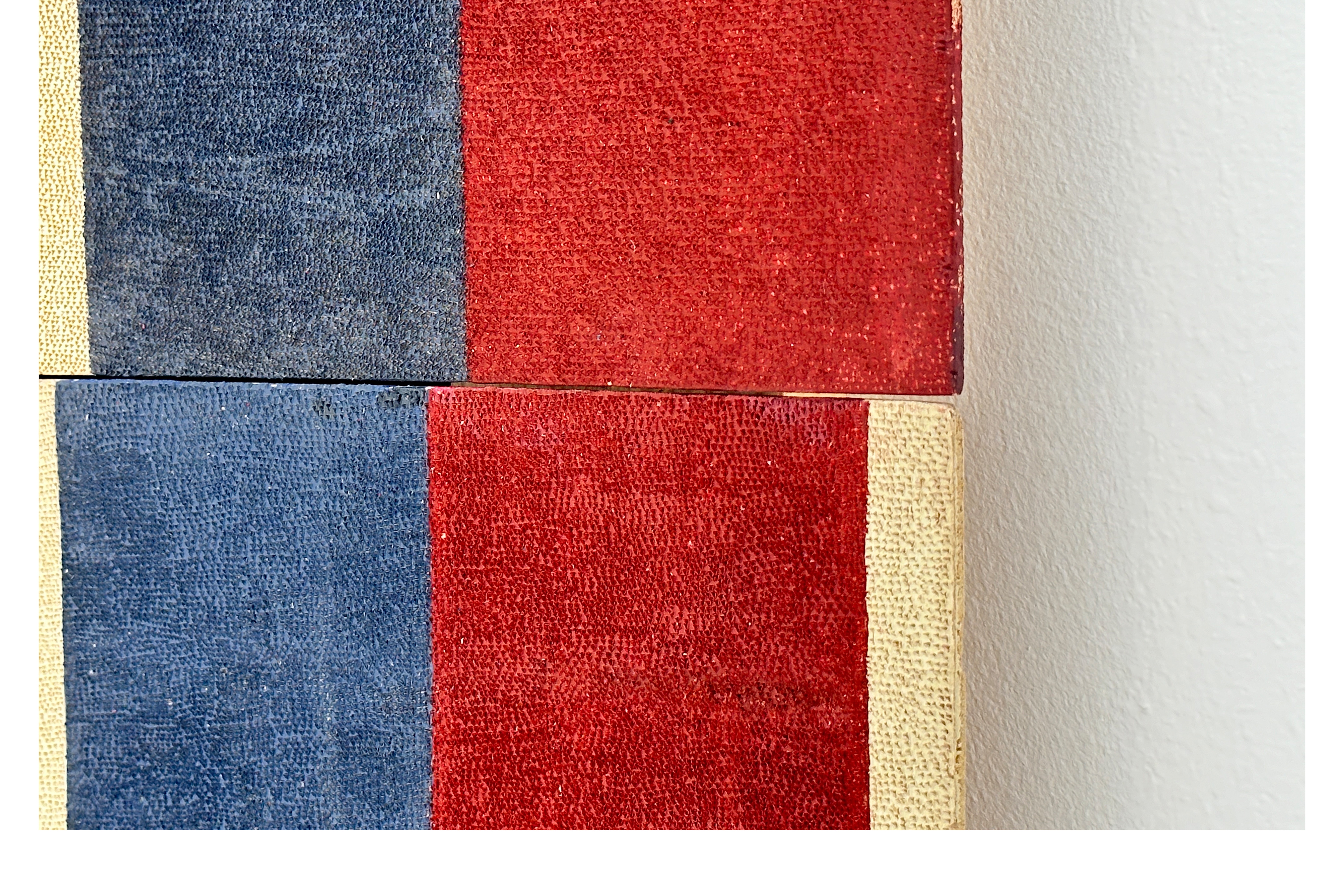
Parra & Romero is pleased to host the first solo exhibition by Philippe Anthonioz (Paris, 1953) in Spain and one of the most ambitious exhibitions of his sculptural work.
Philippe Anthonioz was born on 7 December 1953 in Paris. He practiced ceramics in Nadia Pasquer’s studio during his secondary studies, while simultaneously studying photography. From 1972 to 1982 he became a carpenter and sculpted in clay from live models. From 1983 to 1985, he assisted Diego Giacometti to create all the furniture for the Hôtel Salé at the Musée Picasso in Paris.
Pierre Daix says of his work: “Philippe Anthonioz happily confronts outdoor space, the space where nature is preserved, with sculptures that play with the radiance of independent forms, of abstract figures generally grouped together. With him, the evidence of the work of art is never aggressive and becomes, above all, a visual conquest“.
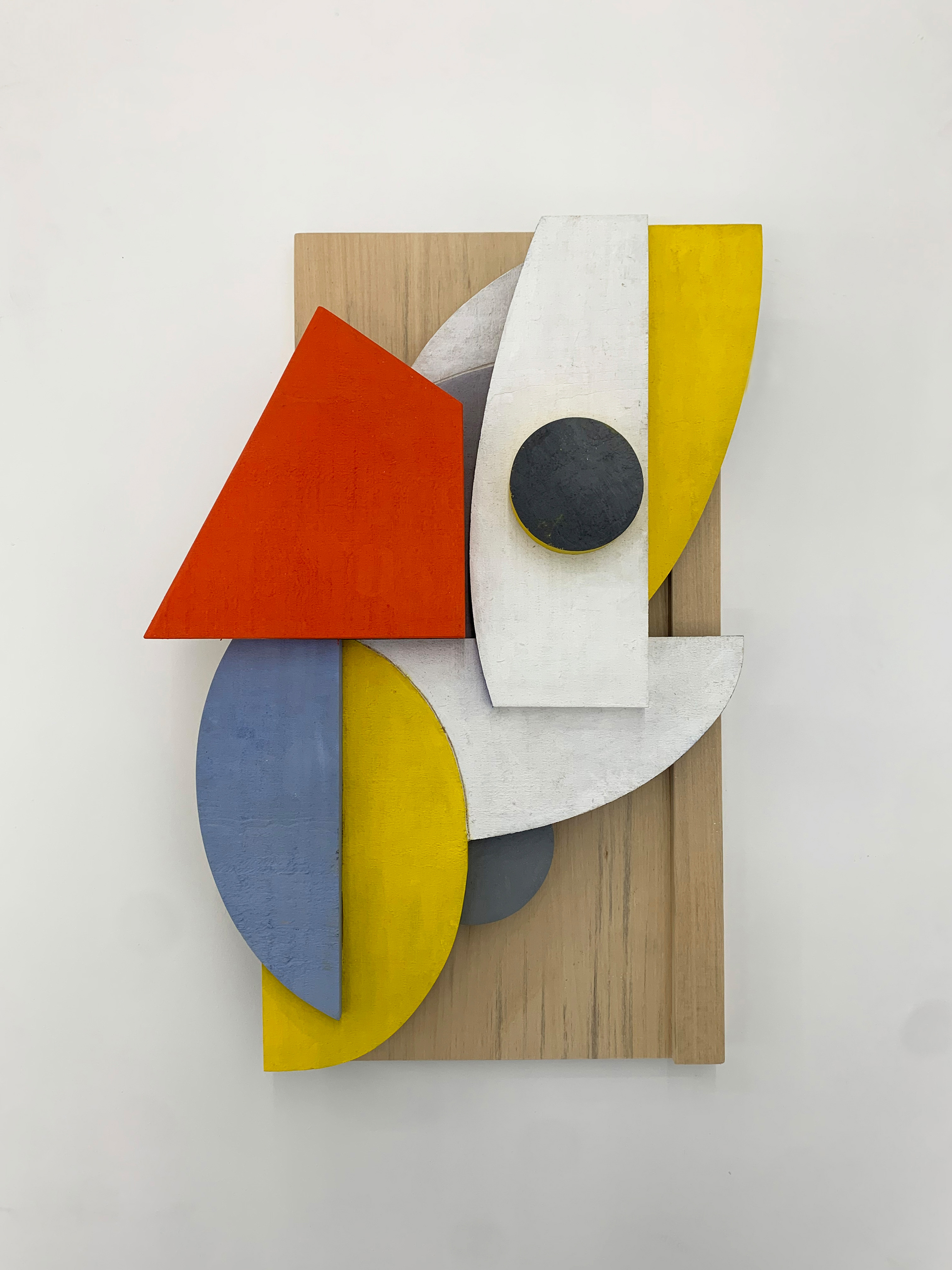
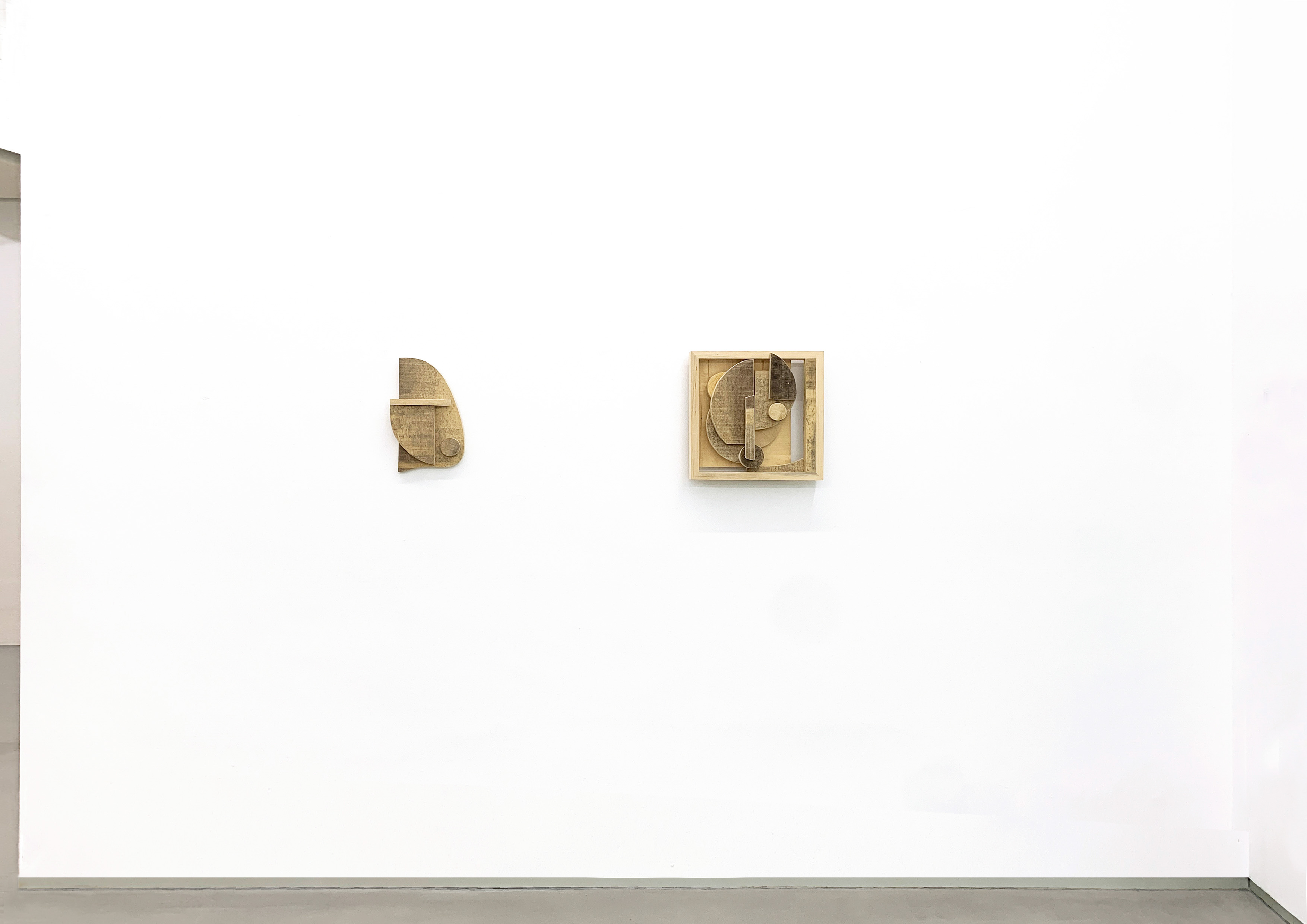
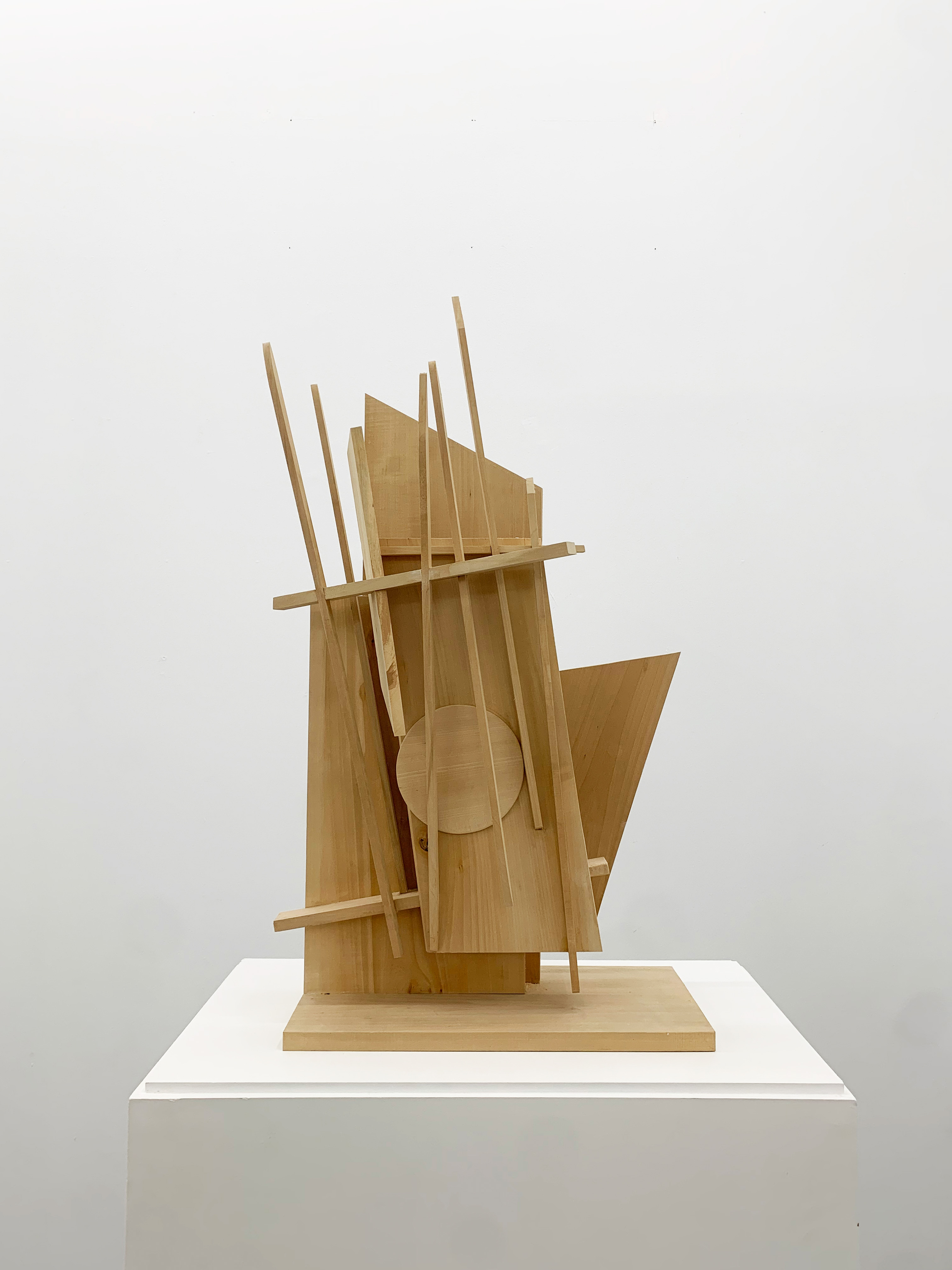
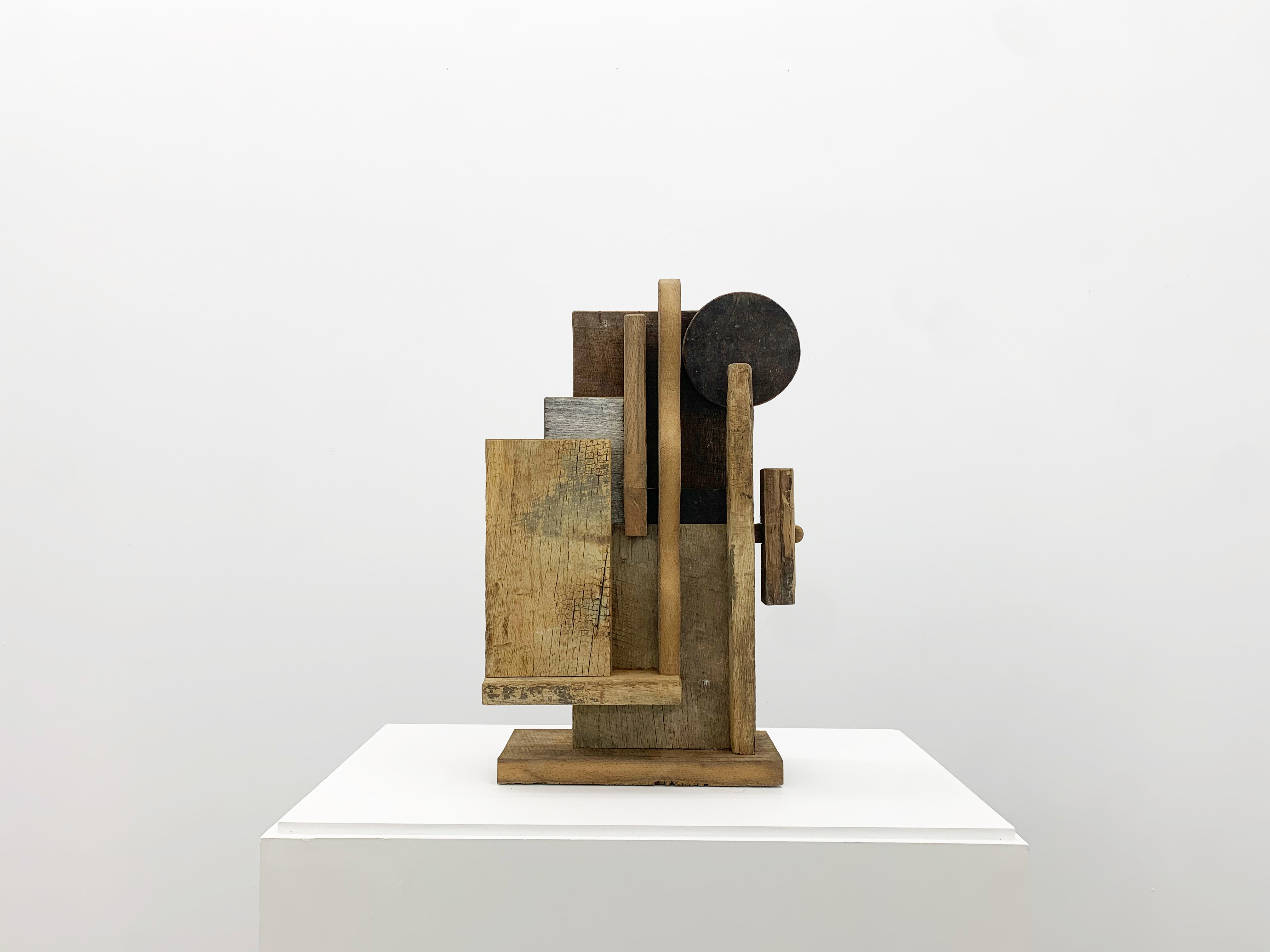
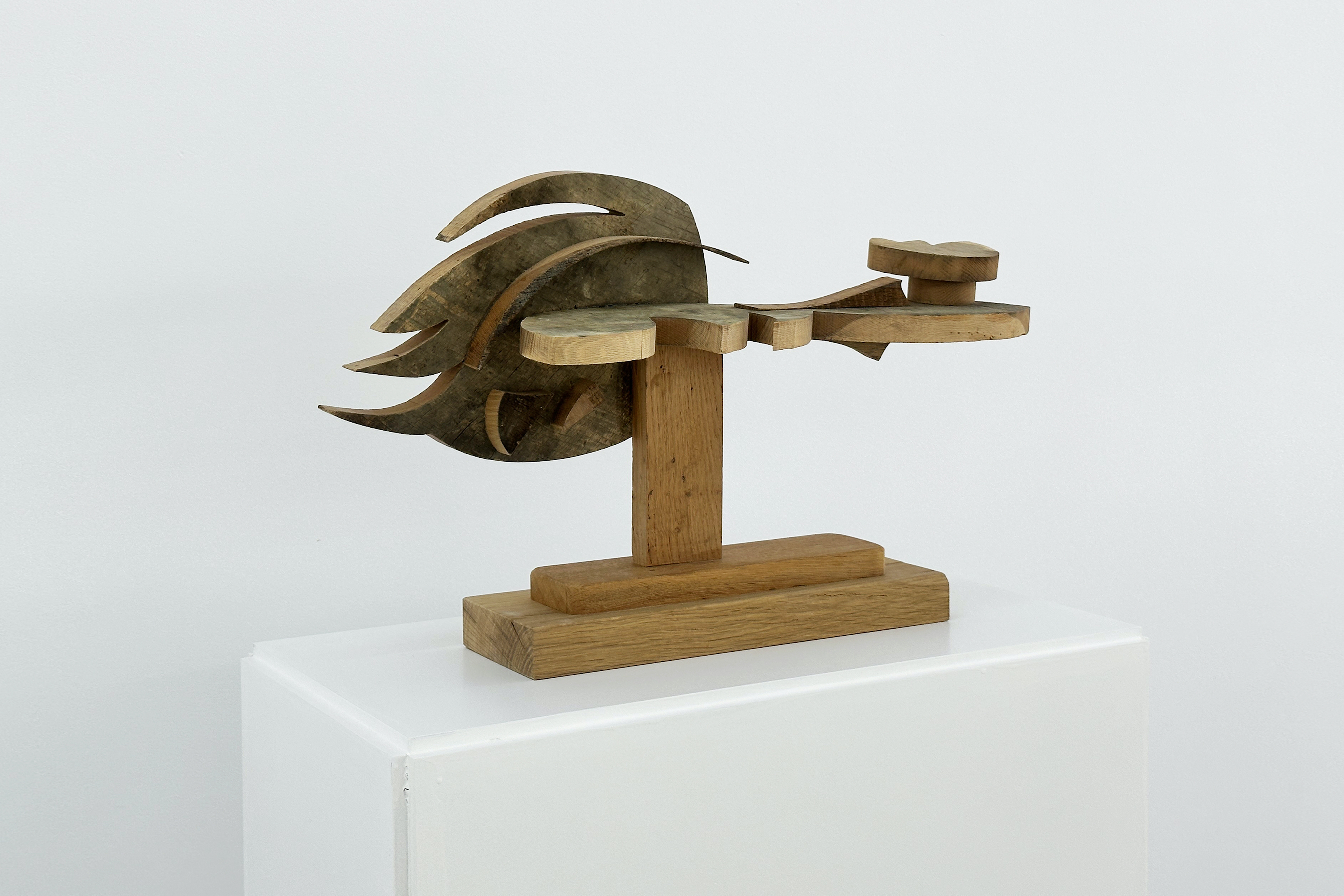
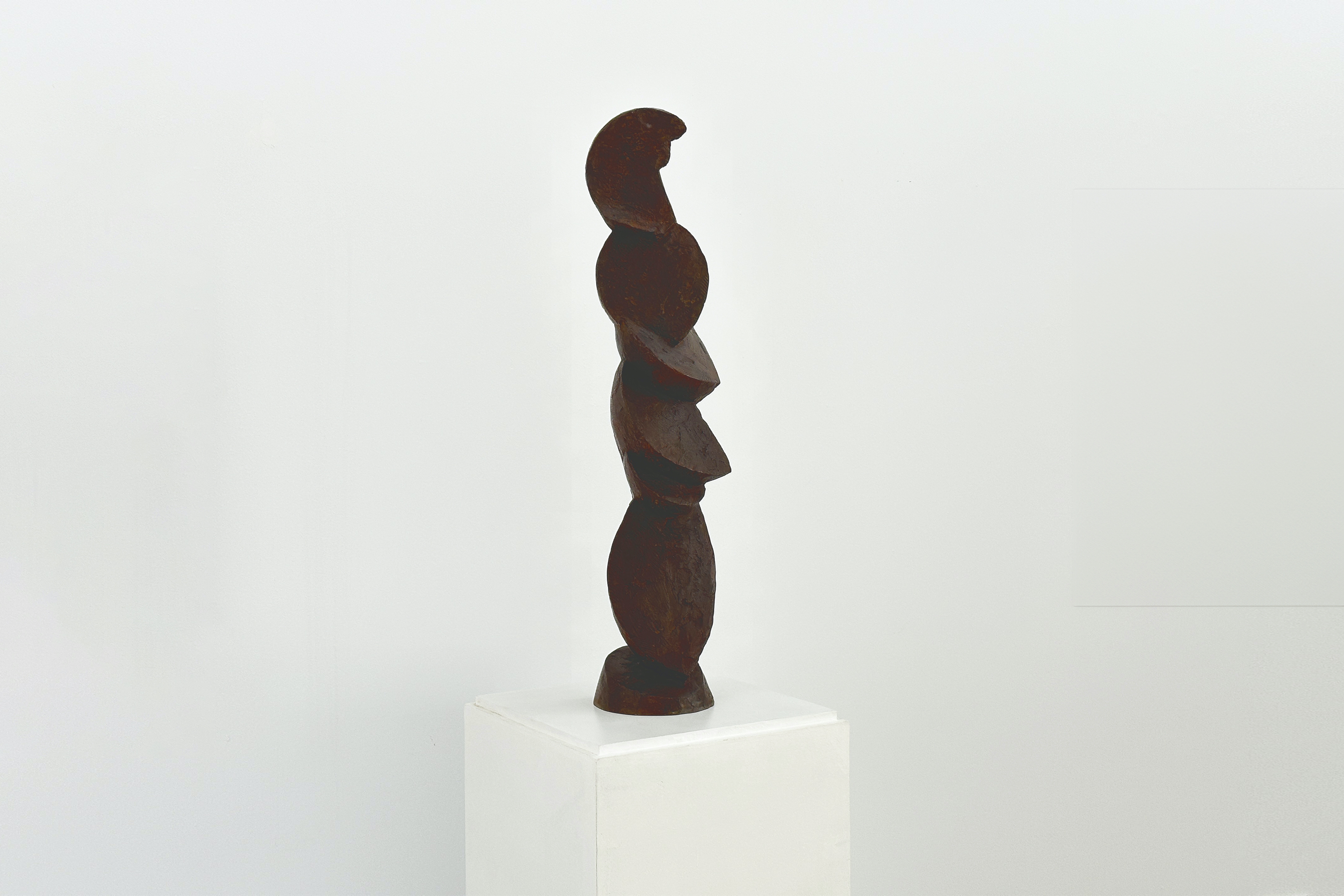
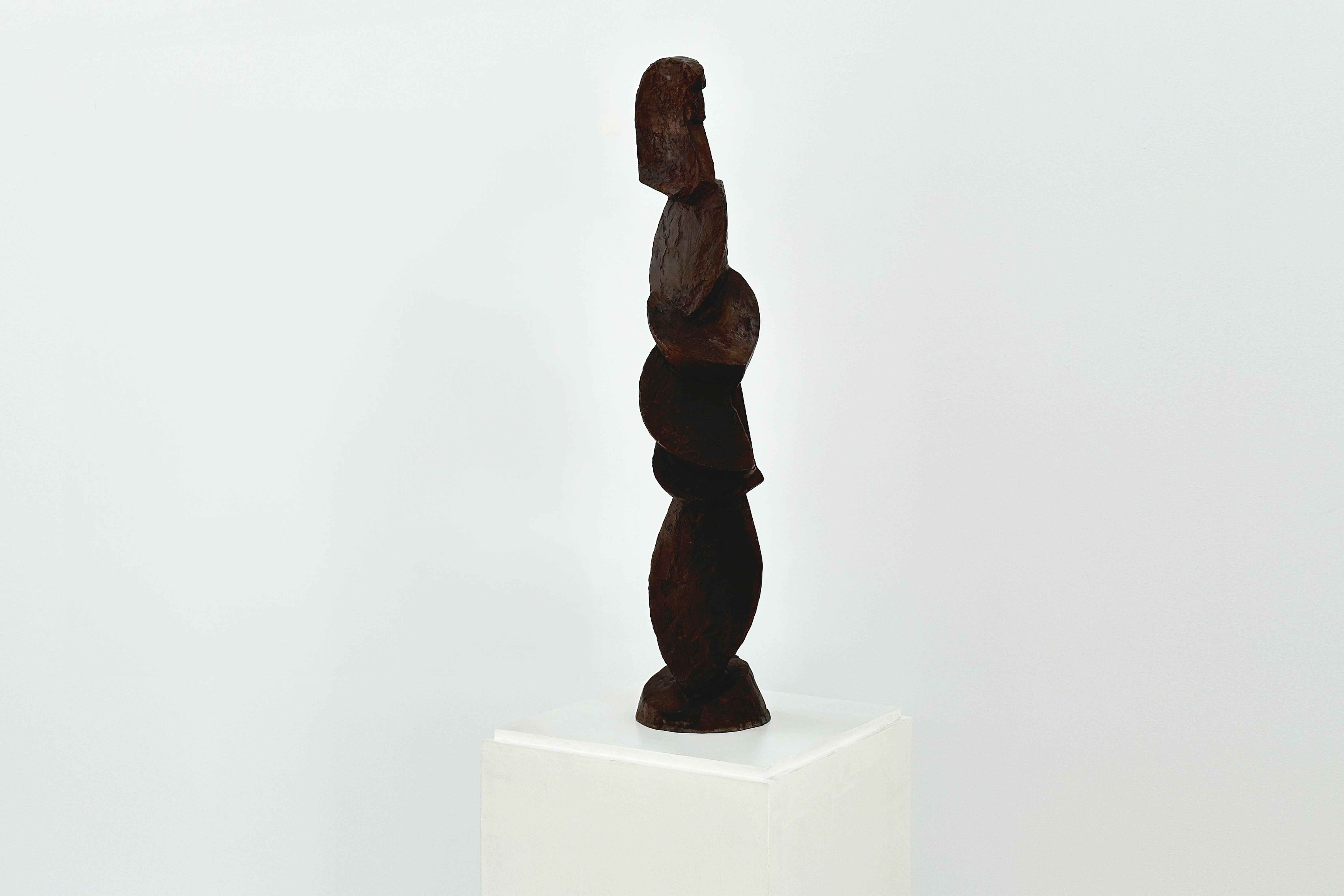
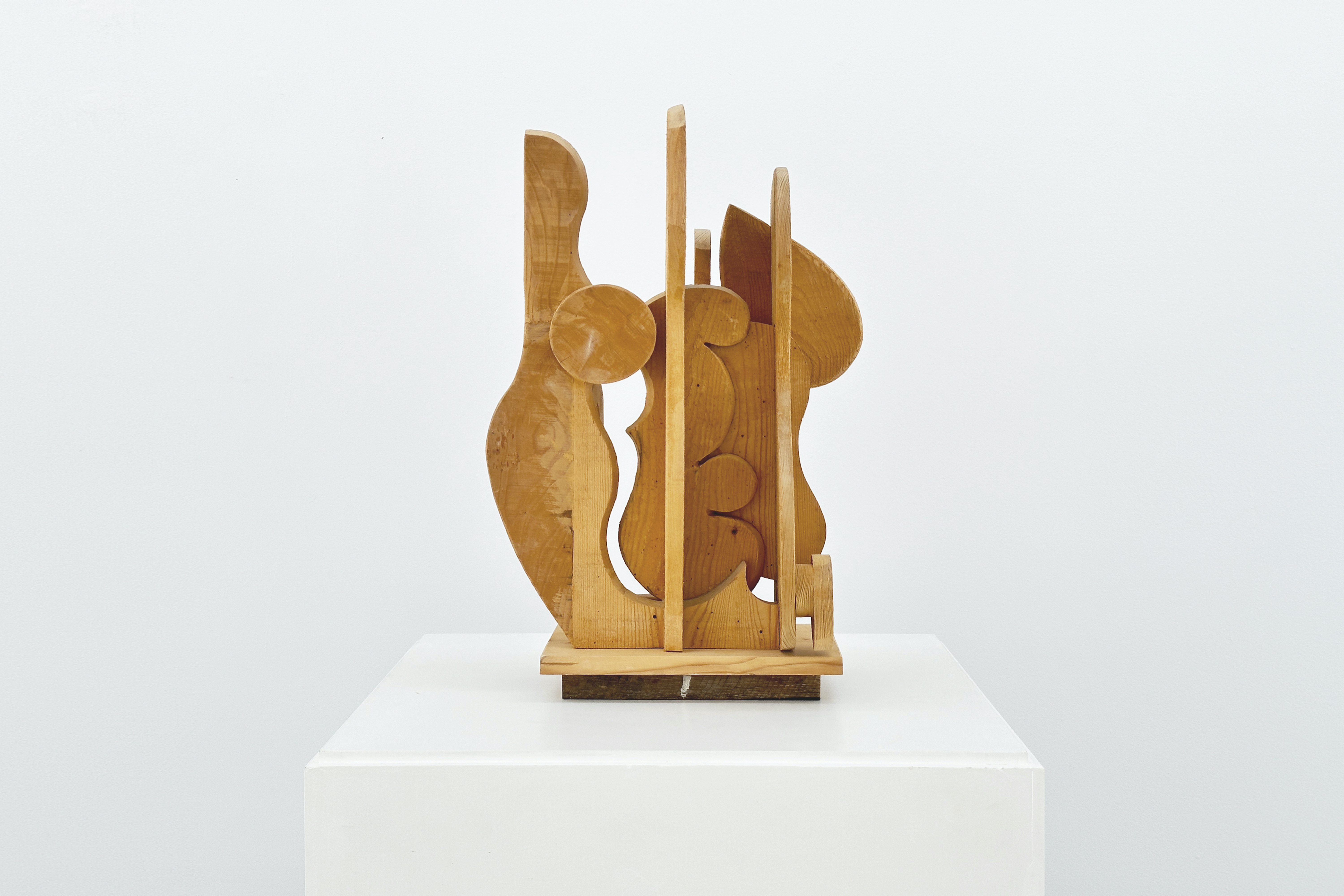
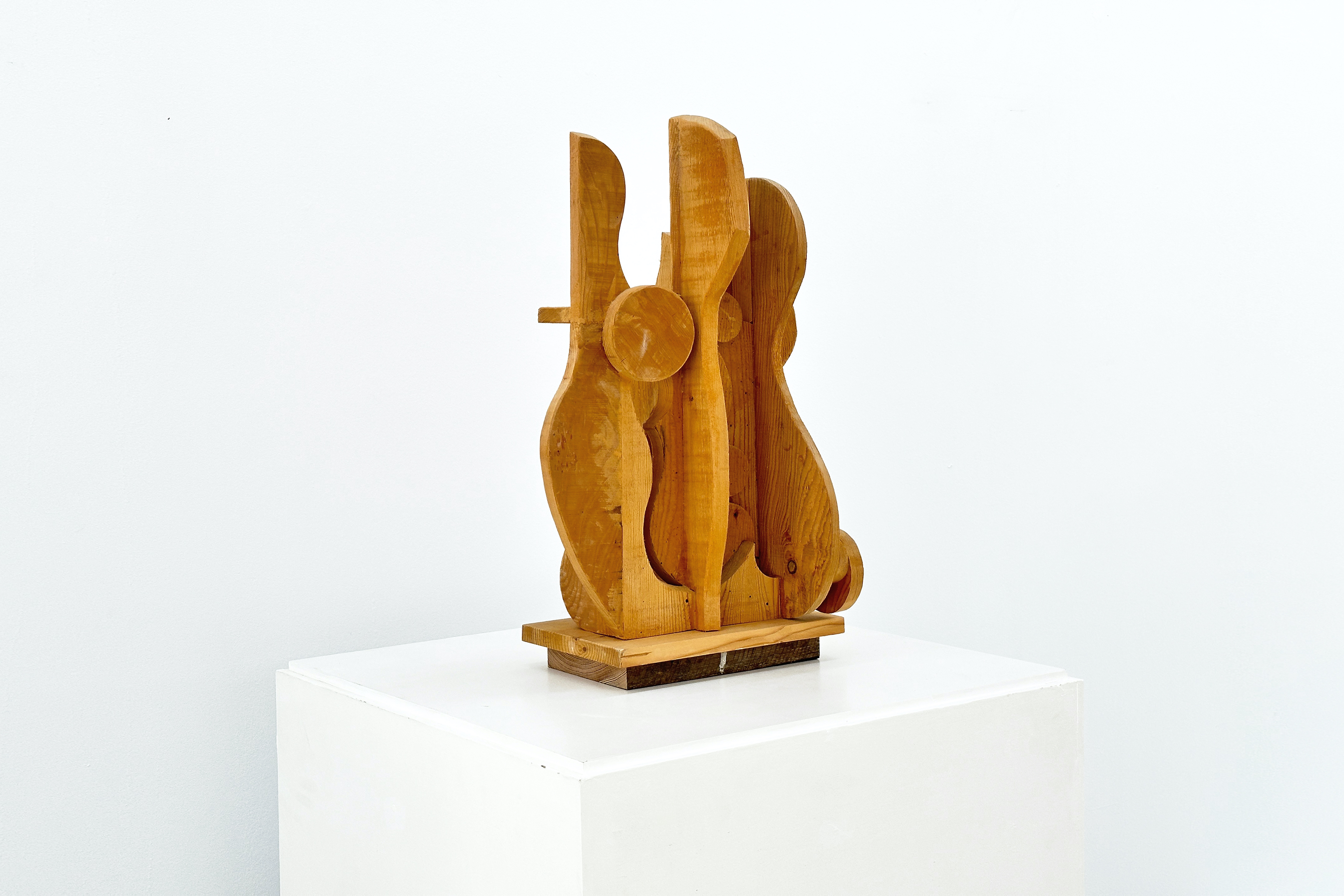
However, works such as F107 (L’accordeonist) (2010) and F042 (2010) suggest a second way from matter and abstraction, towards a more subjective materiality, opening the door to interpretations, which are perhaps closer to the limits between figuration and abstraction. In his work, wood, plaster and bronze metaphorically refer to different realities that support and complement each other.
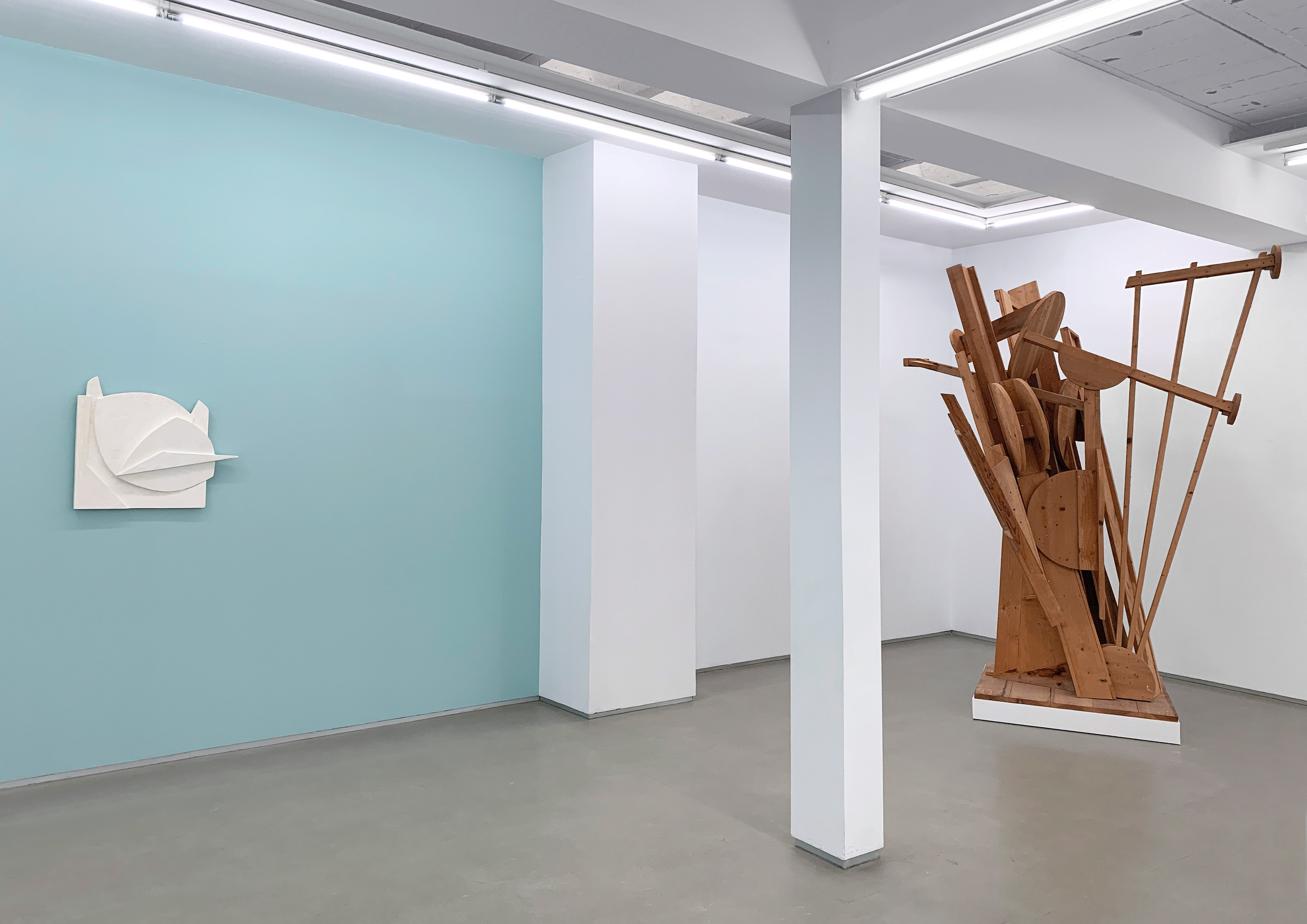
The solidity of his woods leads us to think of the root, the earth and the stratum. Particularly those with a certain arborescence refer to the vegetal, and speak to the observer with a primordial voice. We find different tones and qualities that take advantage of the different possibilities offered by wood, as an organic material.
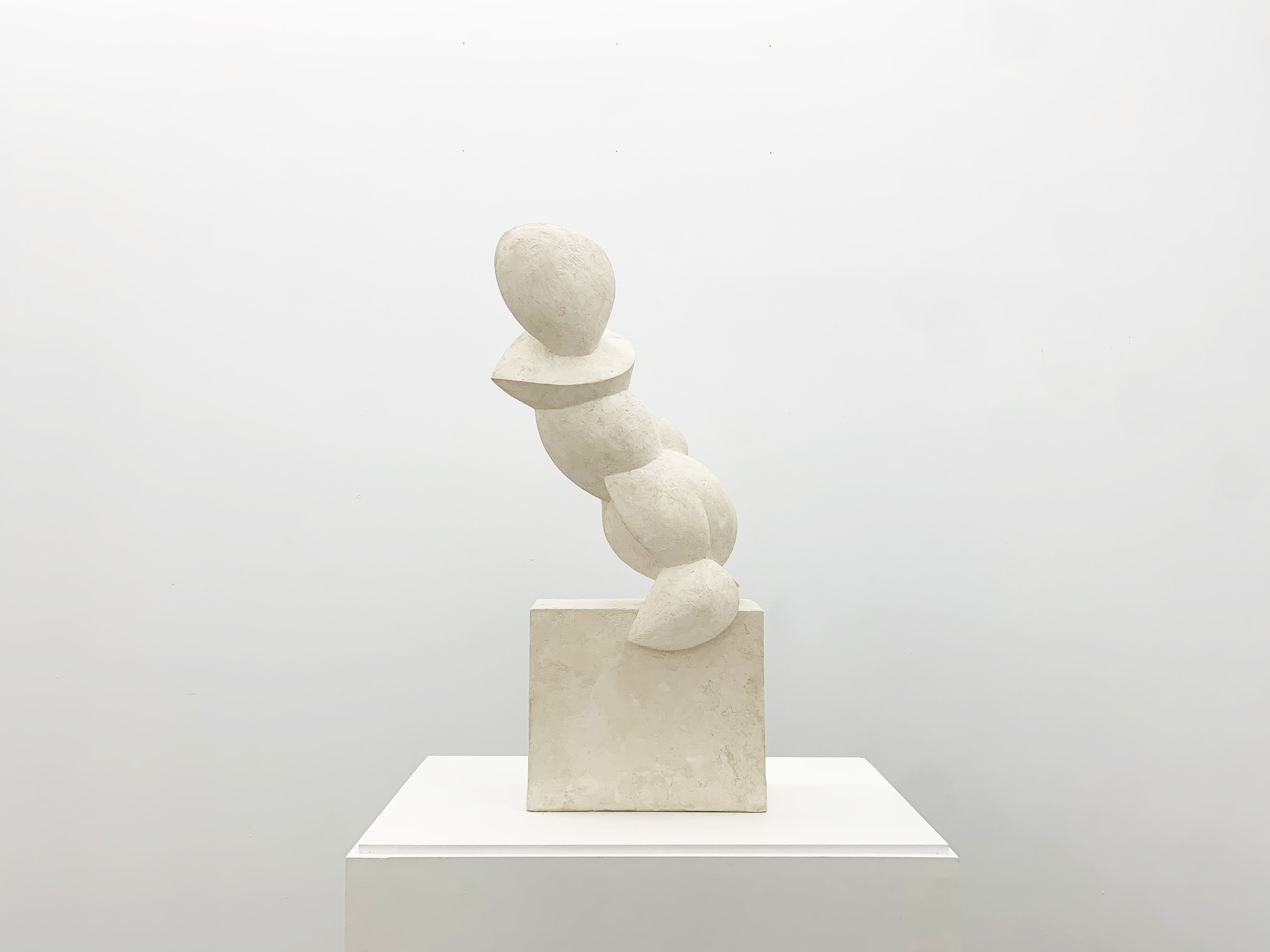
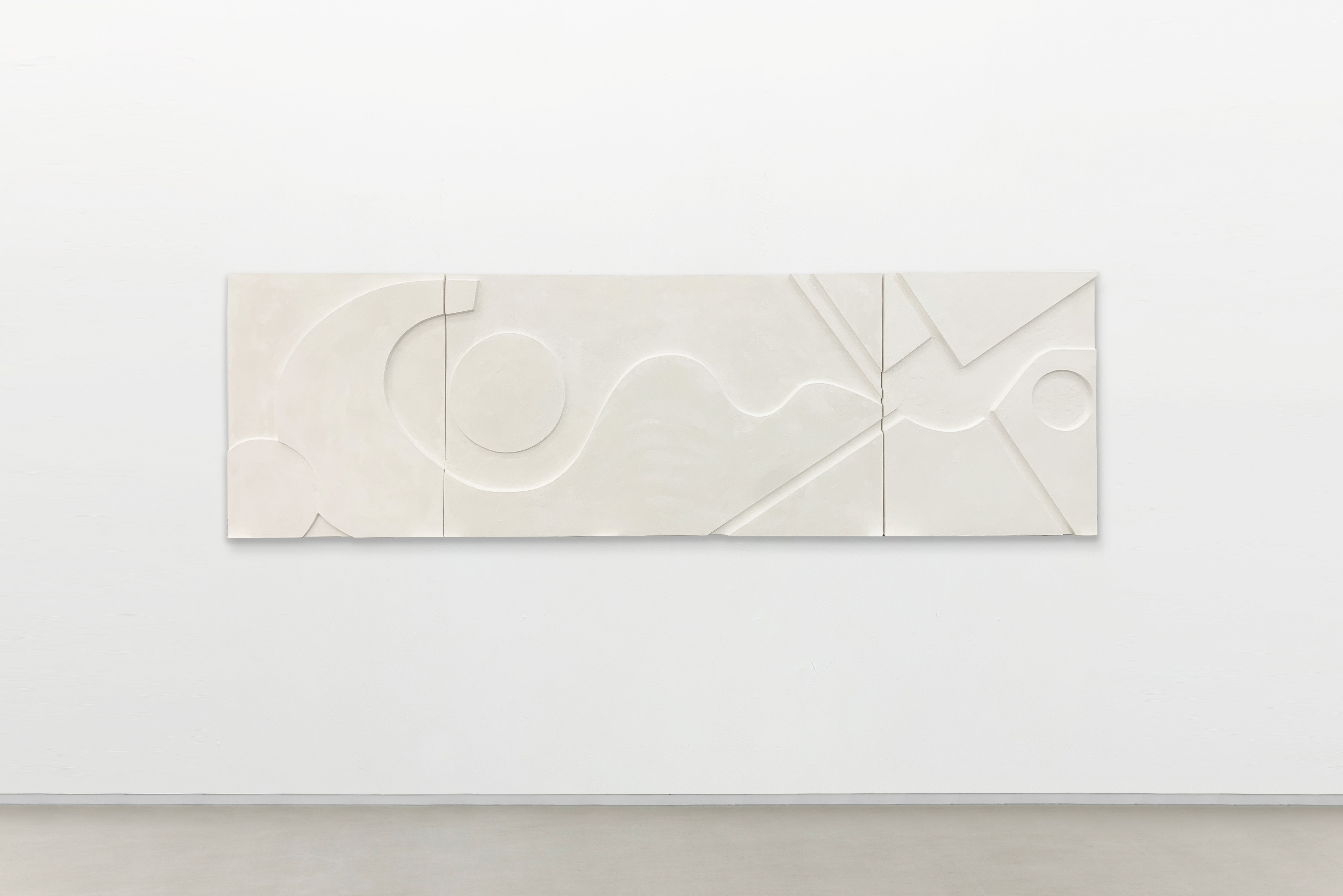
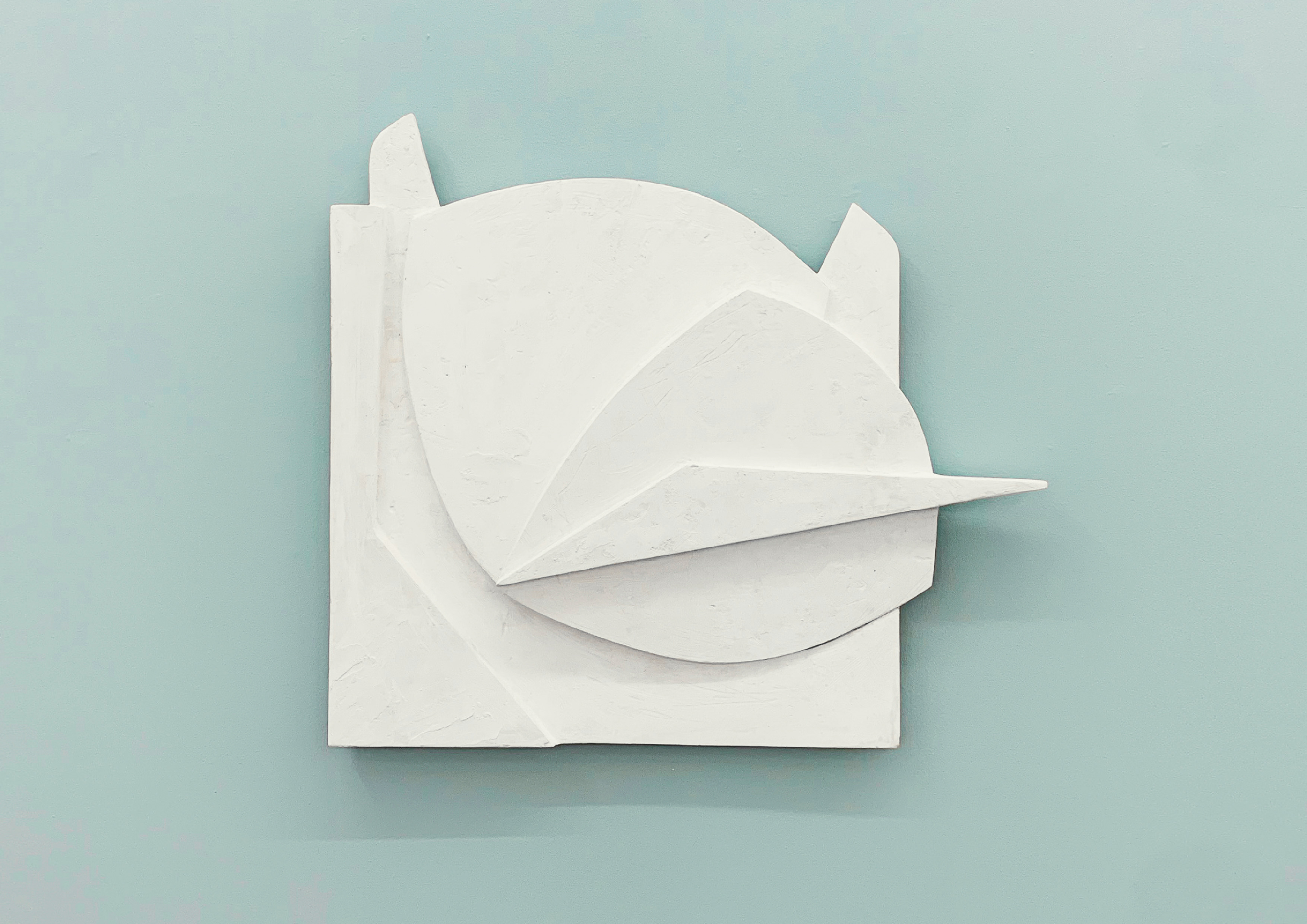
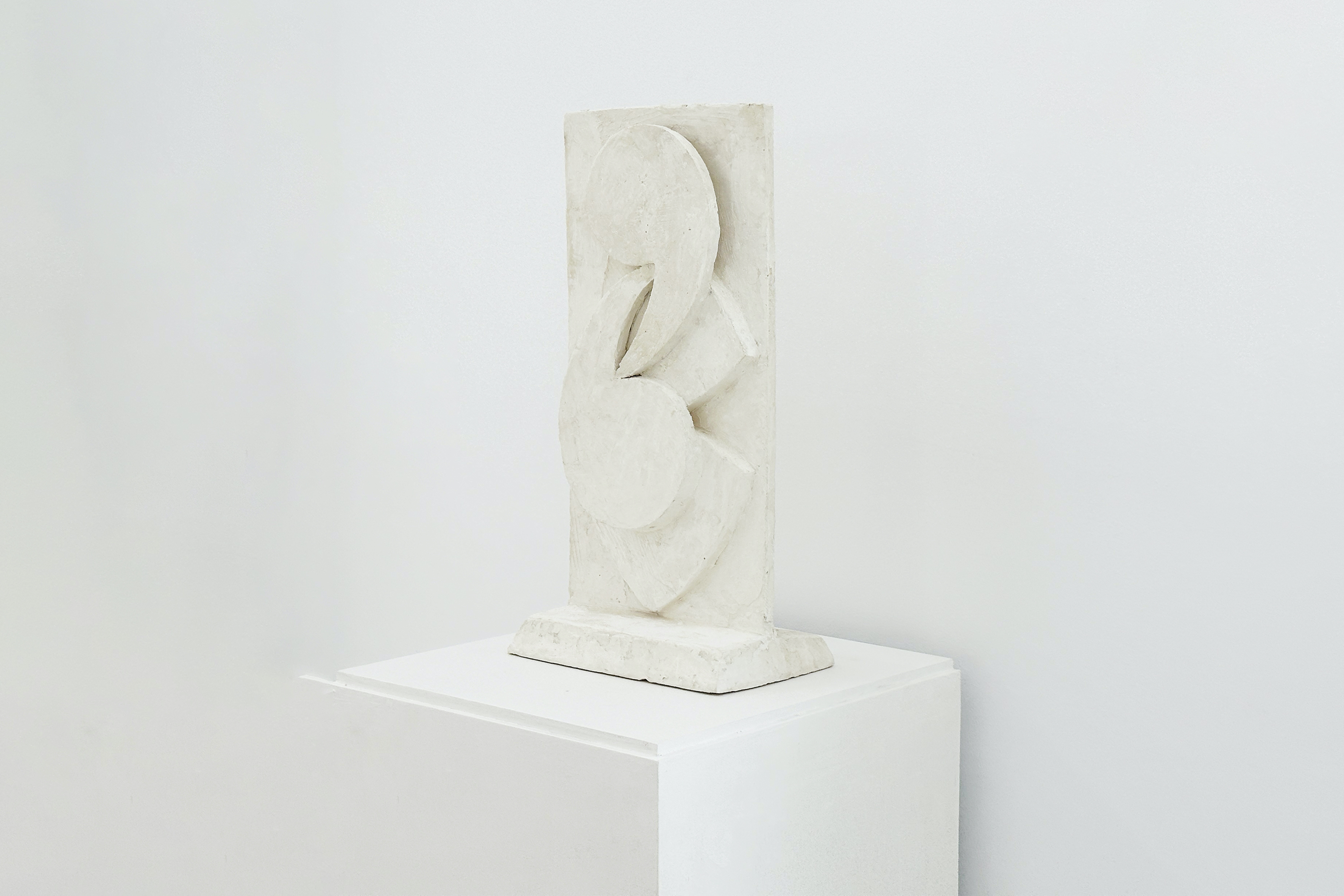
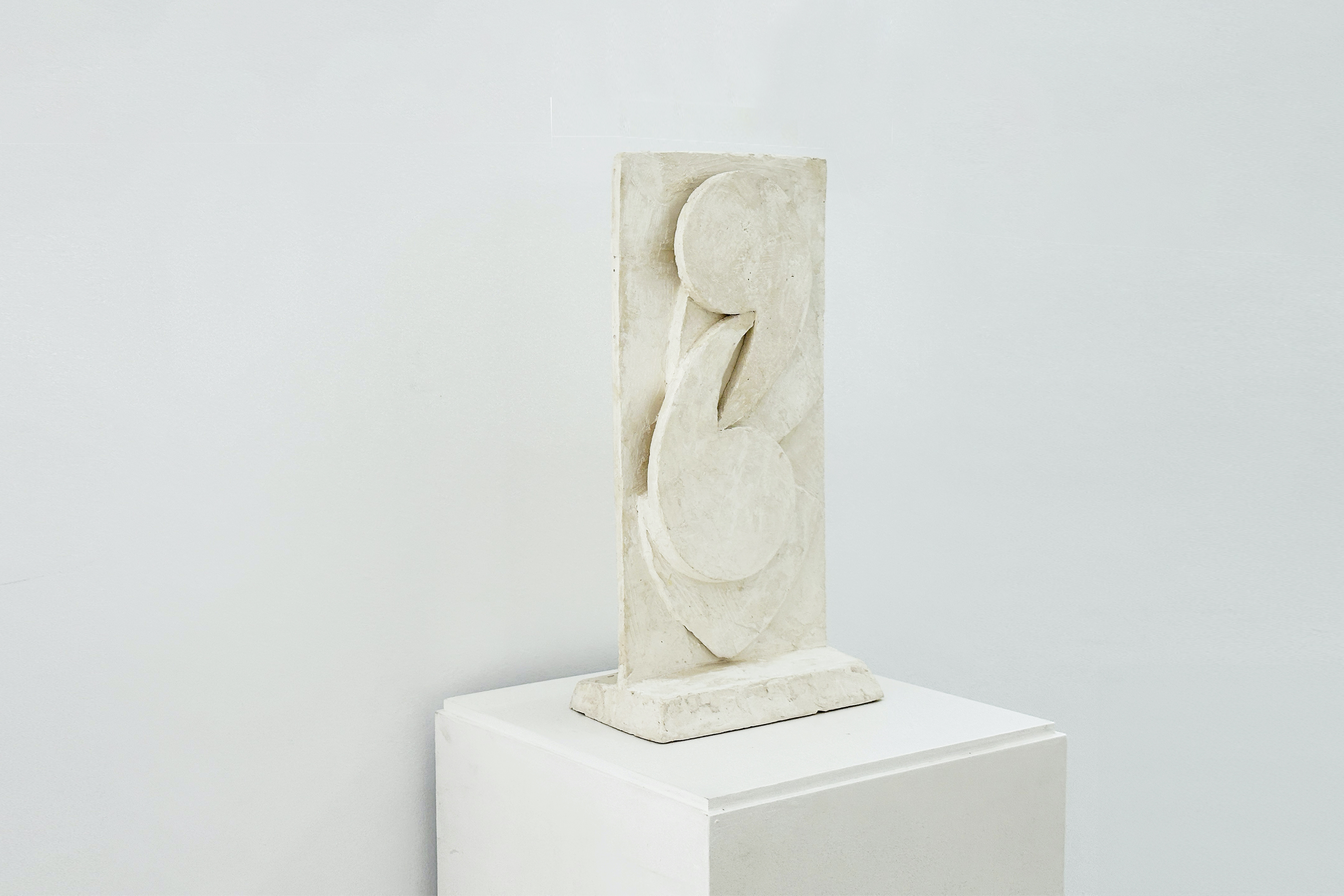
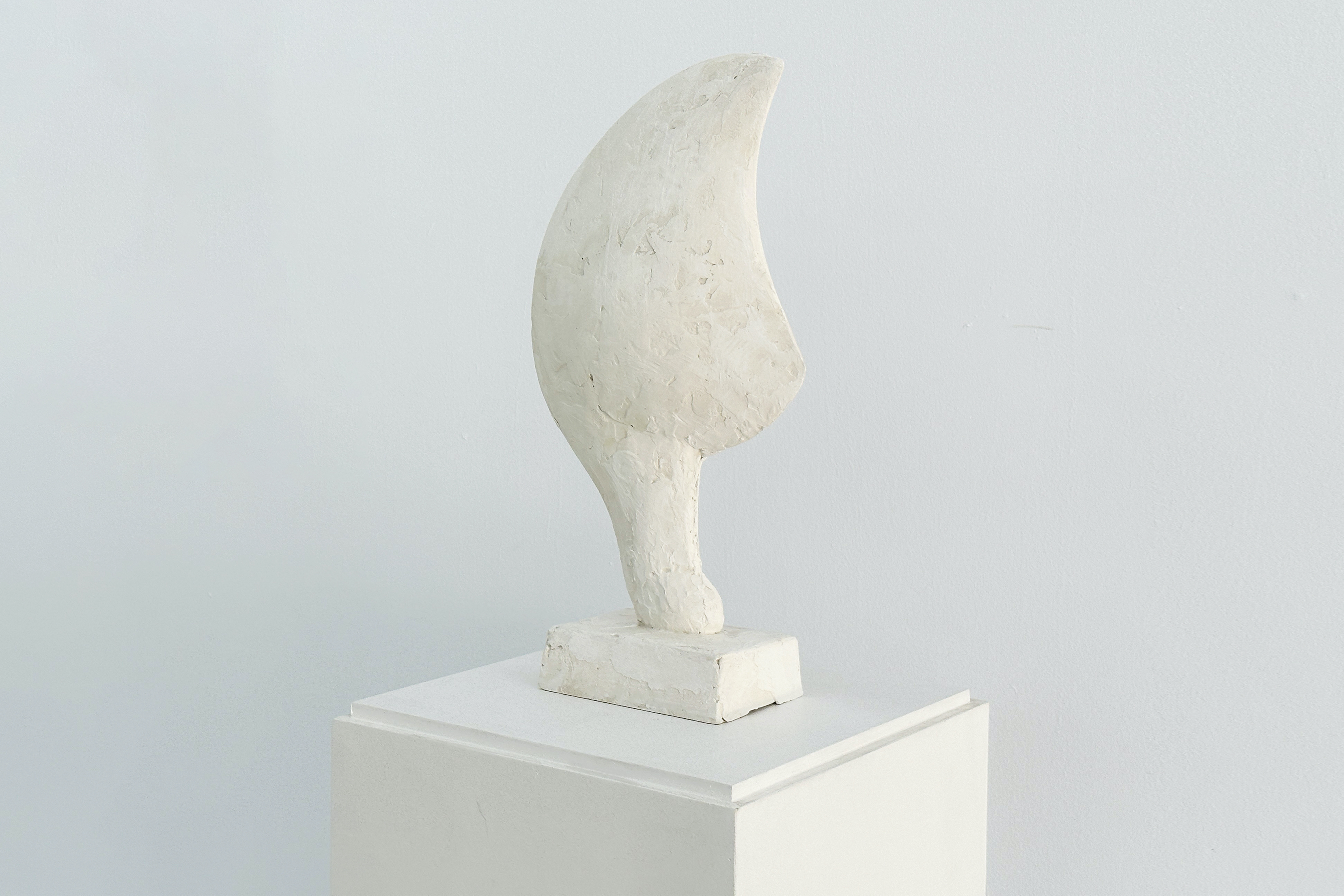
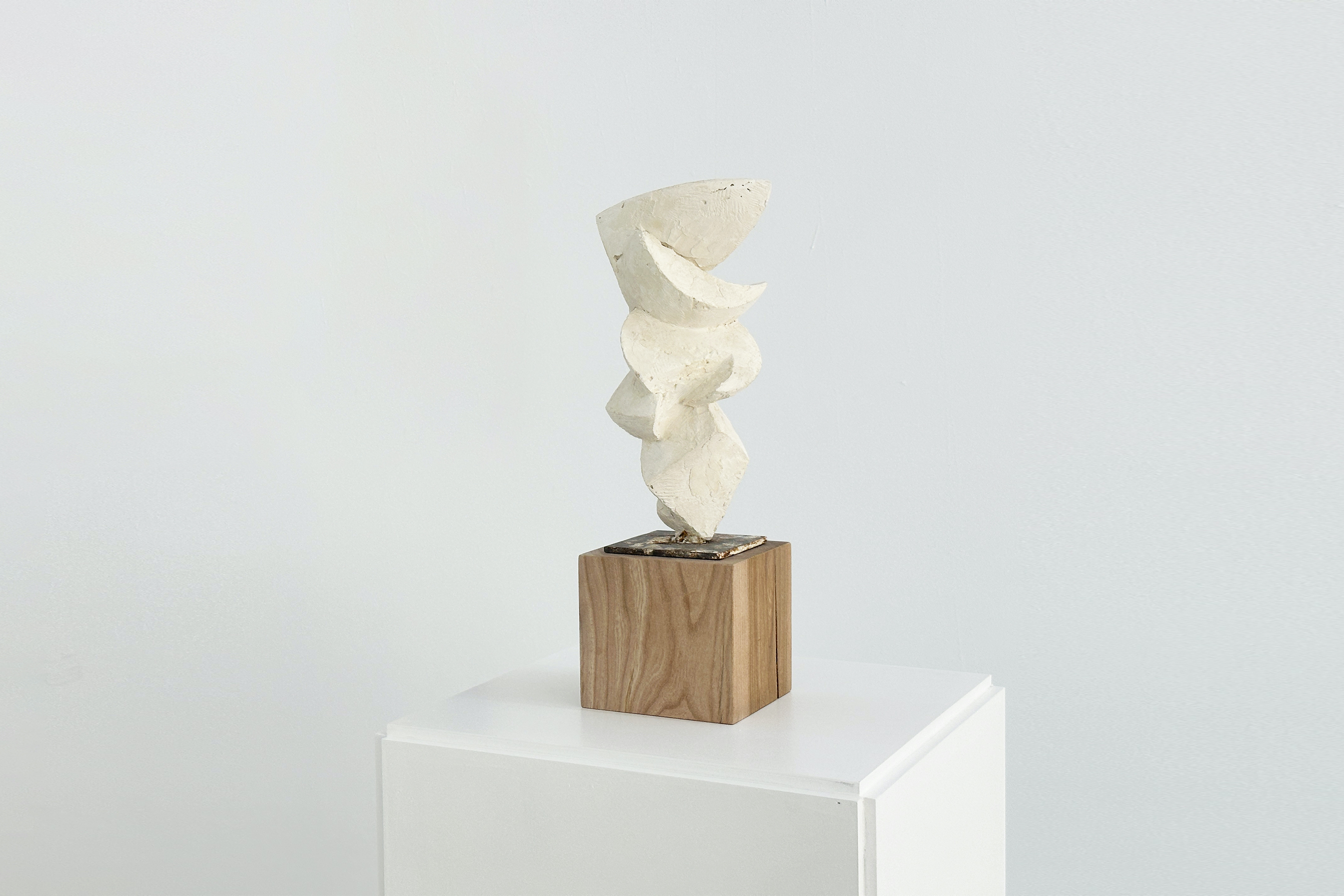
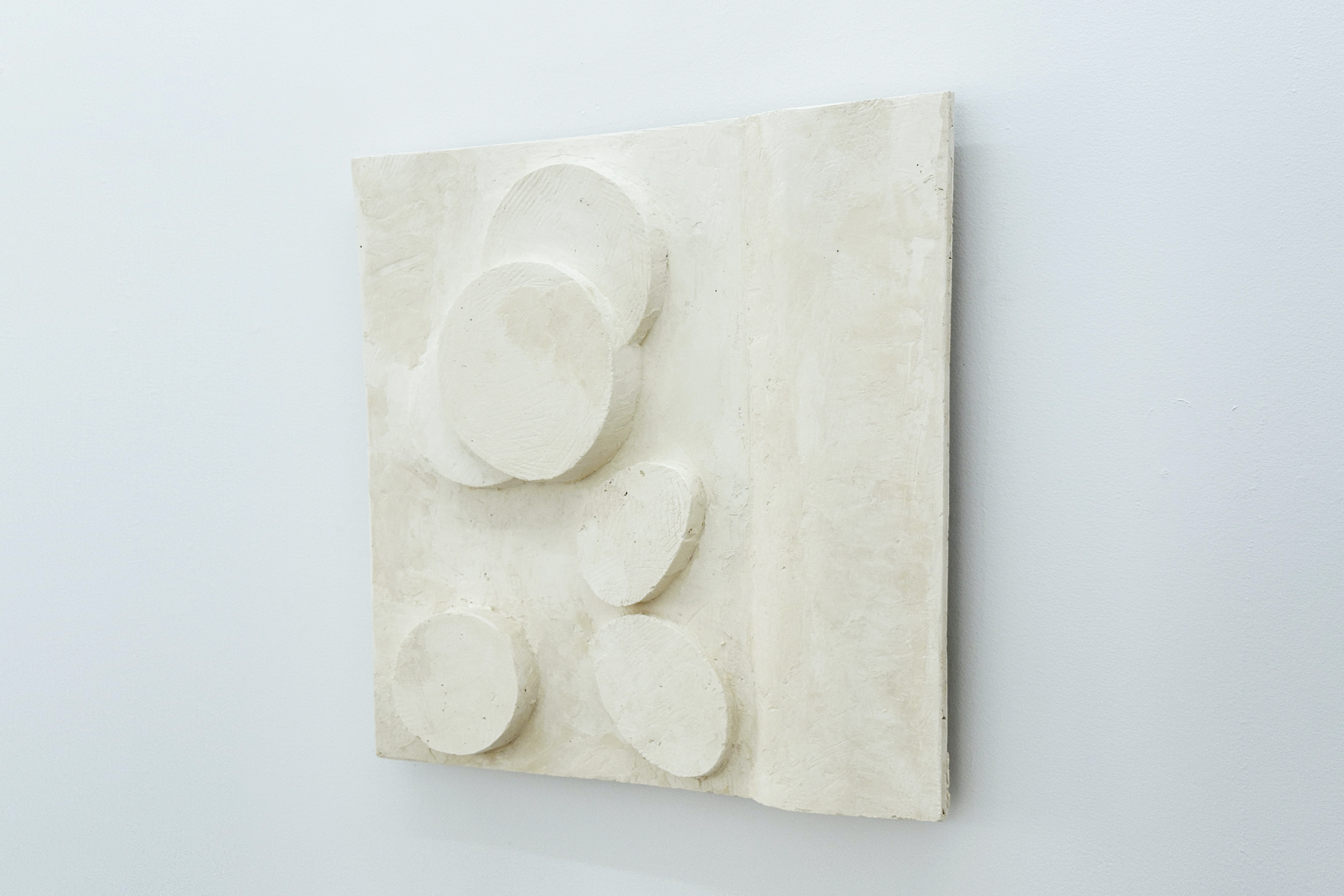
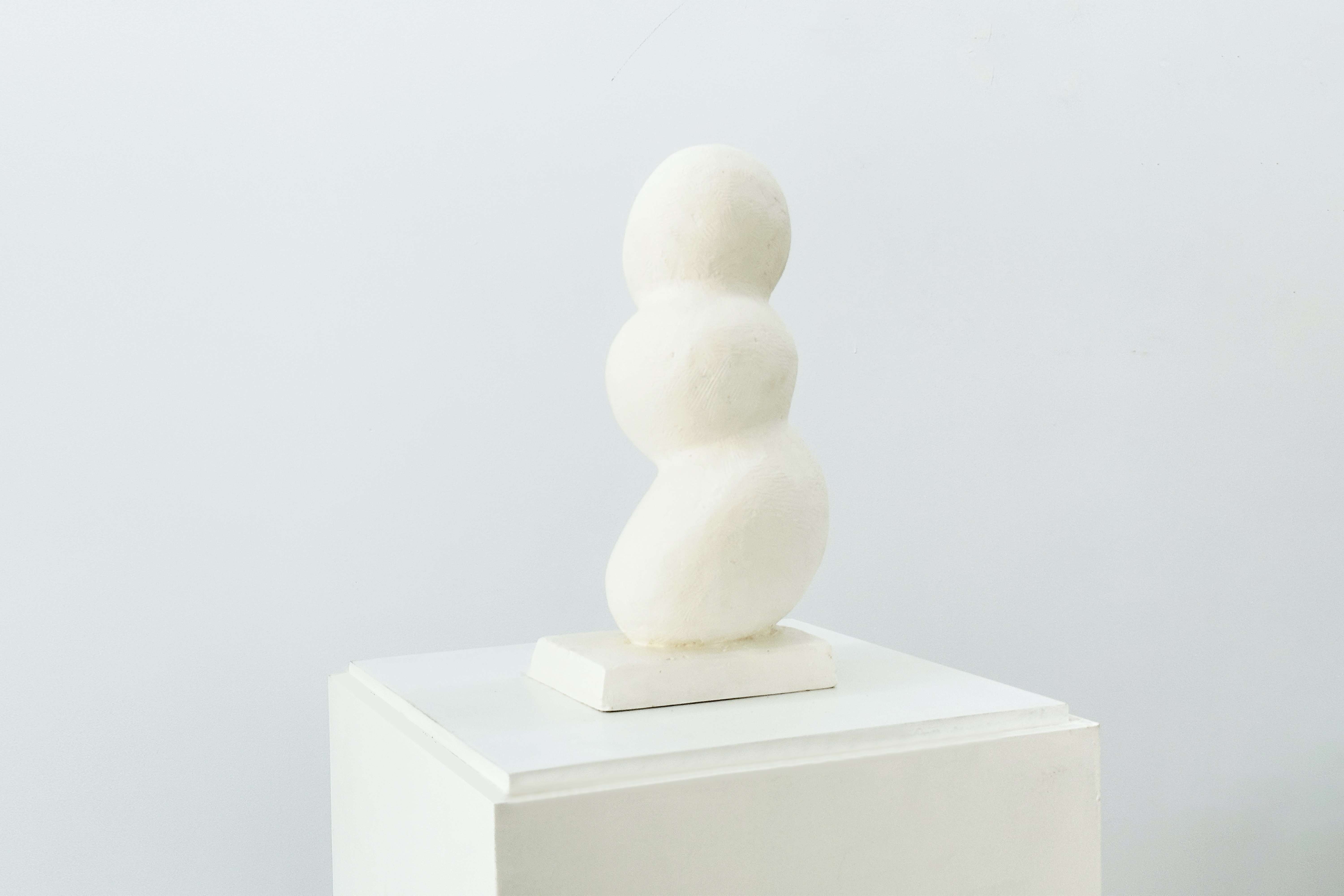
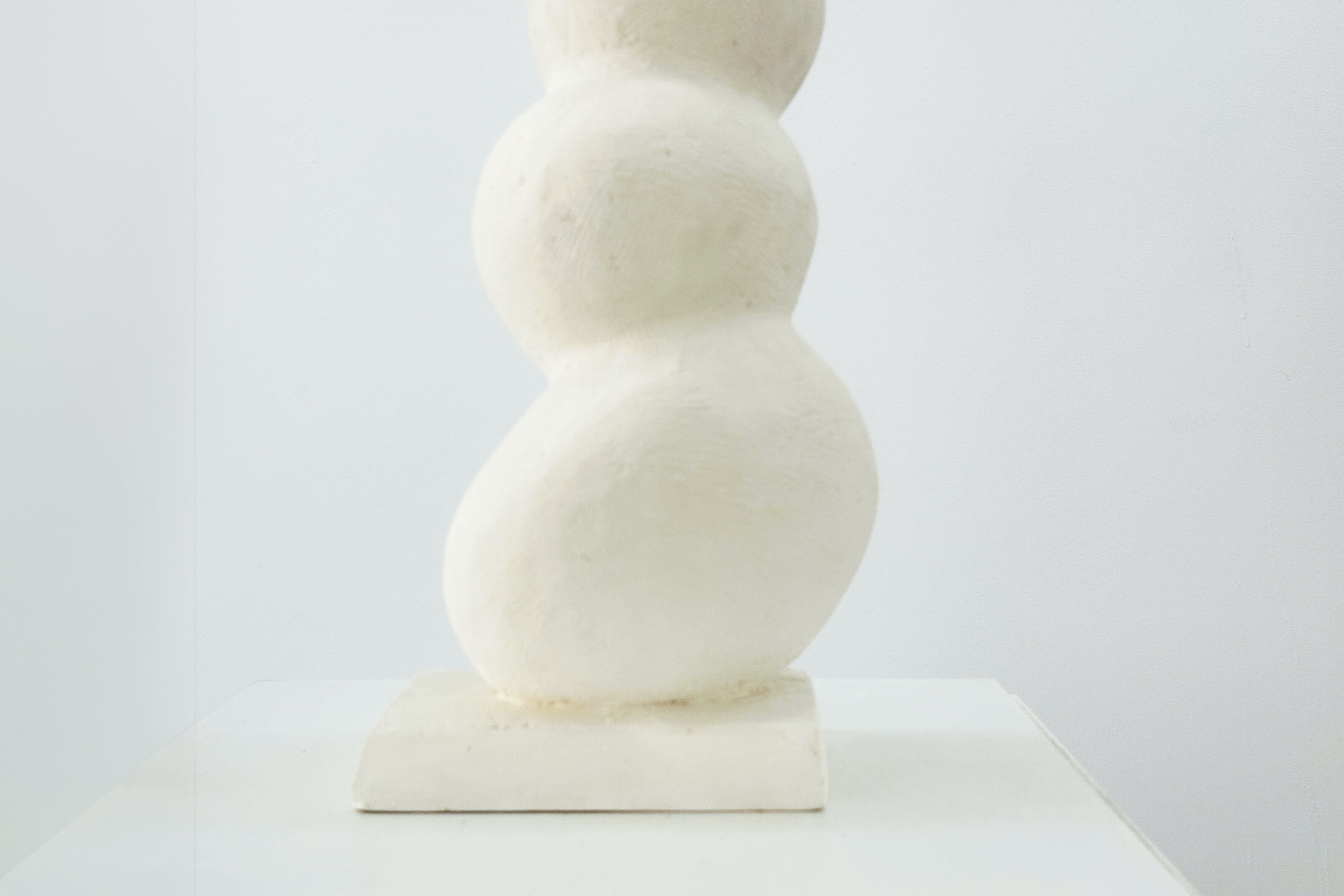
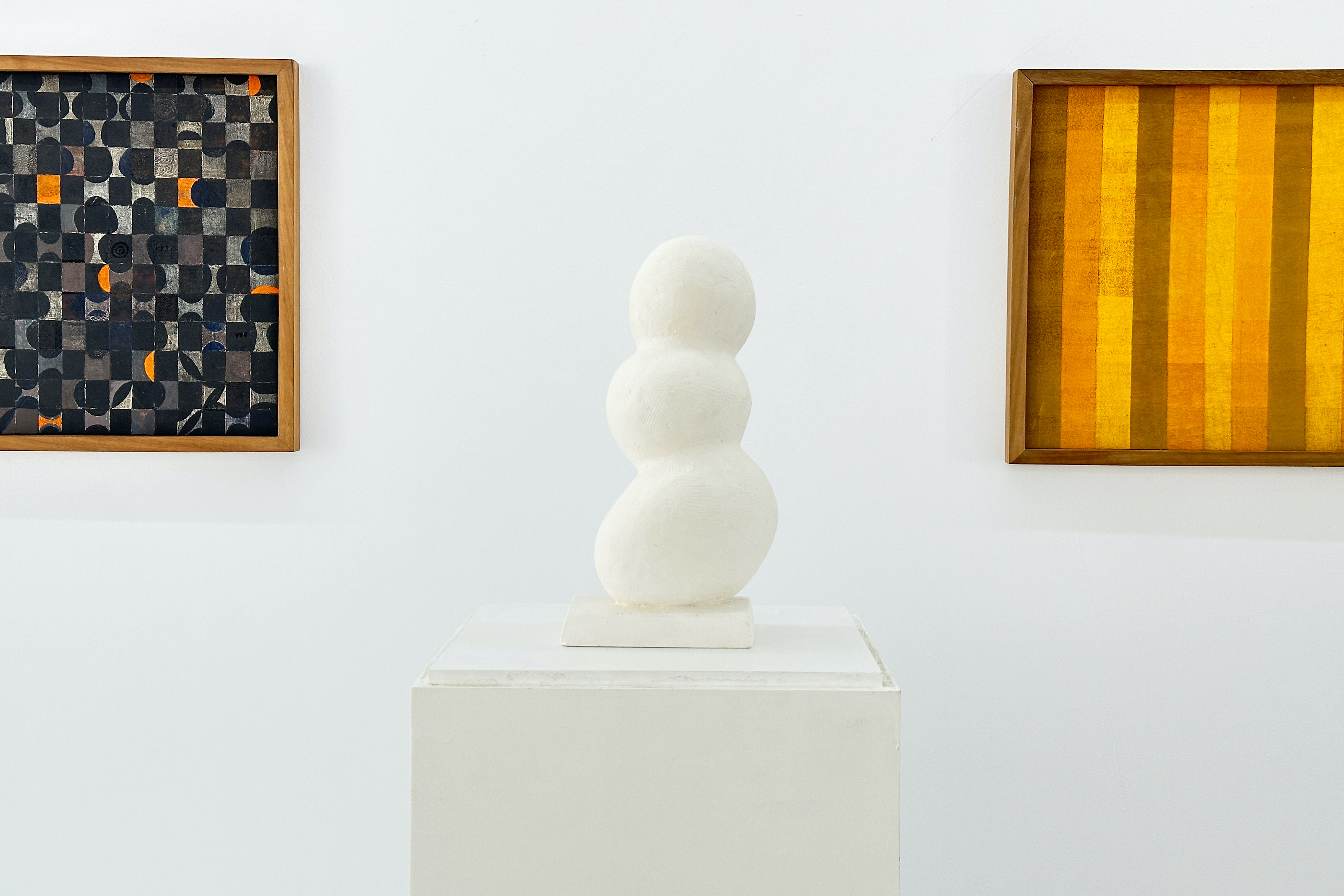
His plaster works, despite having a notable presence, are still delicate, both in their forms and in the quality of their gaseous surfaces. They almost seem as if they could change their shape at any moment. The works usually approach the sphere, the spiral, or owe something to the wind and to their fleeting and transitory nature. They tend to be more voluble and leisurely in form. Although many of these plasters are already finished pieces, created to have this materiality and no other, on occasions, Anthonoiz also uses this material as a tool to convert these forms into bronze sculptures. The liquid alloy solidifies the gaseous forms of his casts, malleating them until they find that maritime beauty, with its sparkles and reflections never seen before, its foam and its tempest.
Whatever the state in which one find Anthonioz’s work, the imprint of a hand, perhaps a transforming one, will always be present. It is clear that the artist’s sculpture owes much to the organic, to the natural, but never from evidence, taking the none obvious path of abstraction. The importance of matter in sculpture ends up being fundamental. Each of his works seems to be an echo of a landscape or of some extrange but mysteriously familiar form.
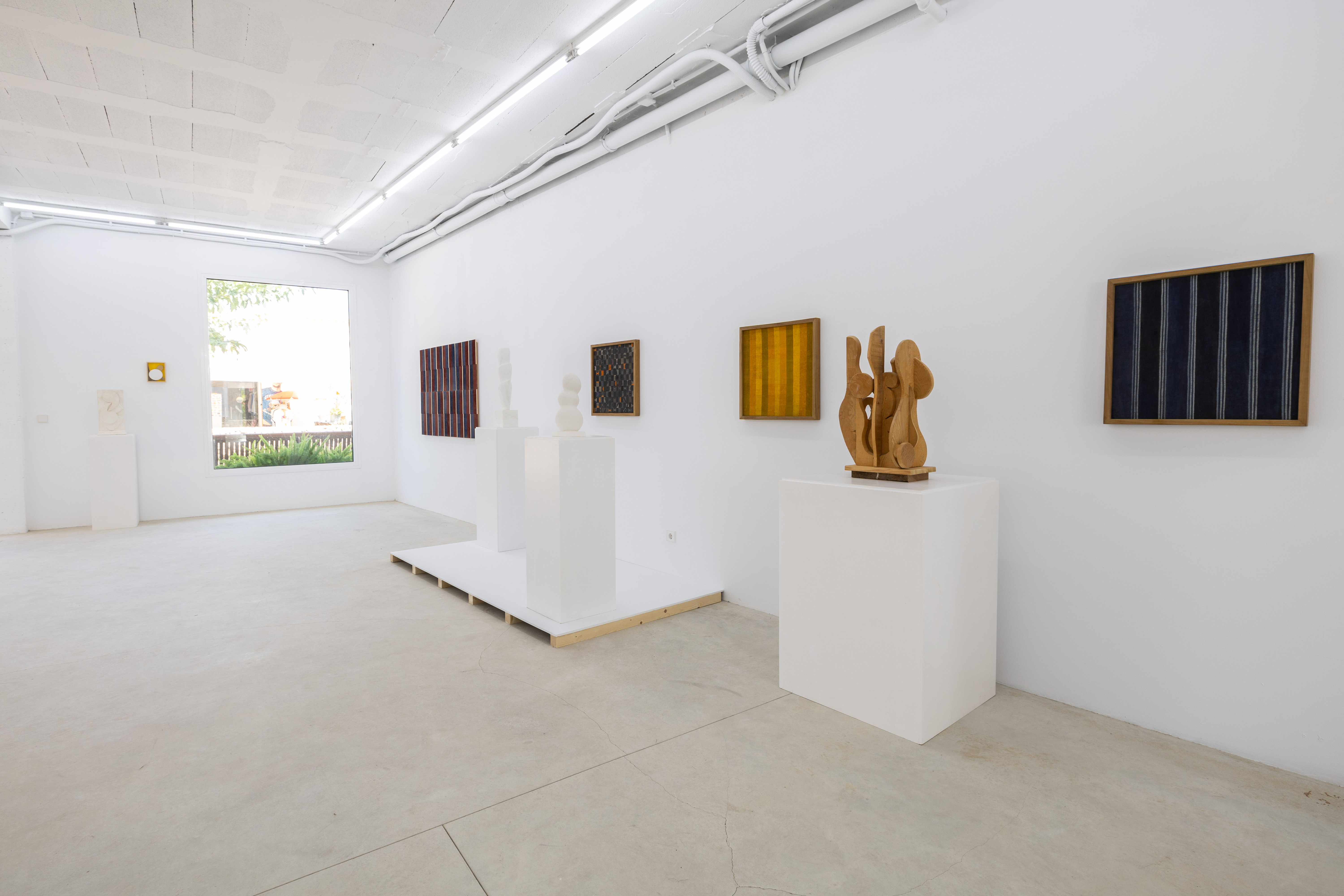
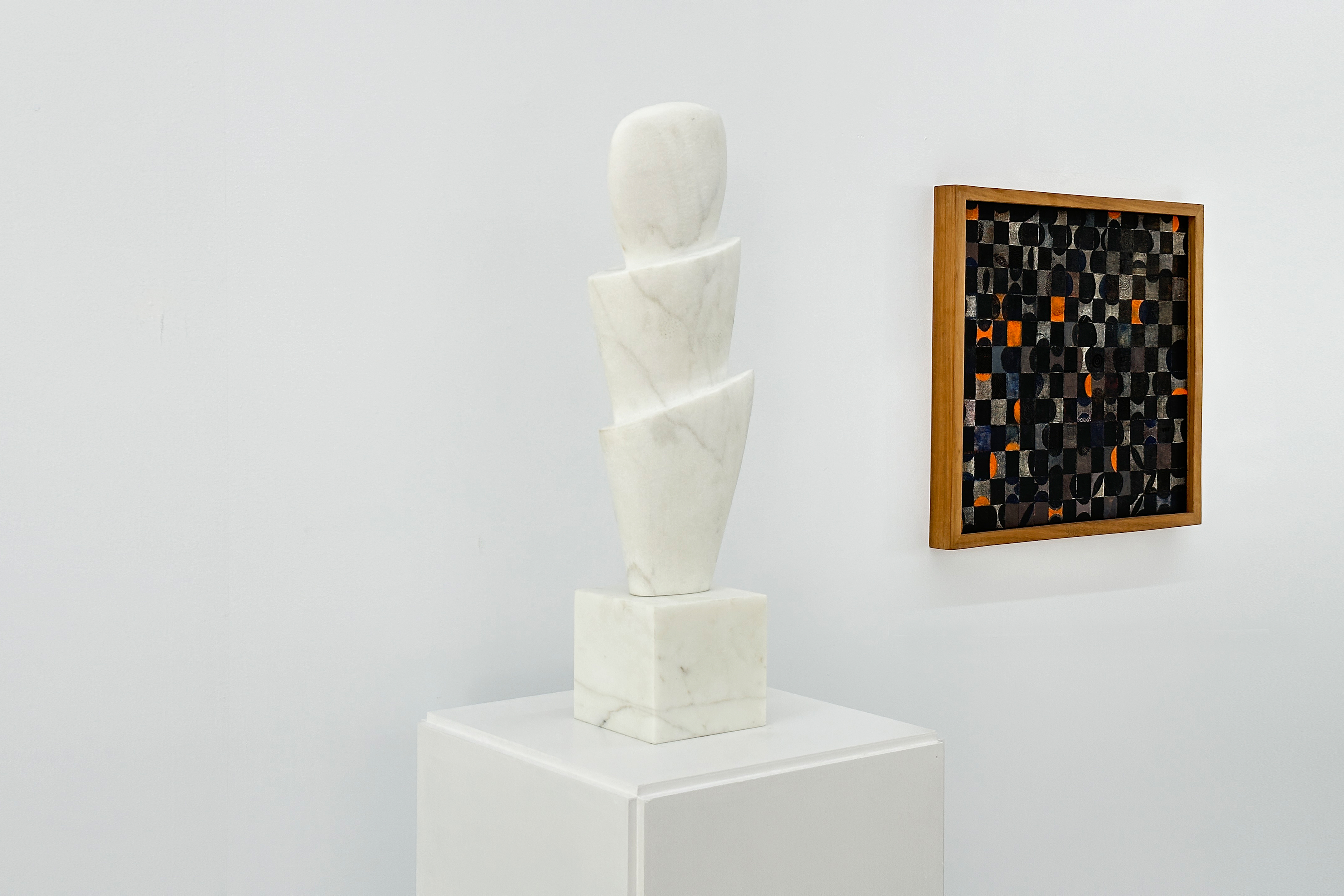
For Philippe Anthonioz: Sculptures Guillermo Romero Parra and Philippe Anthonioz have carefully selected a series of sculptures in wood, plaster and bronze, made over the last twenty years. This exhibition will precede another major exhibition of the artist’s work at the prestigious Château La Coste in September 2023.