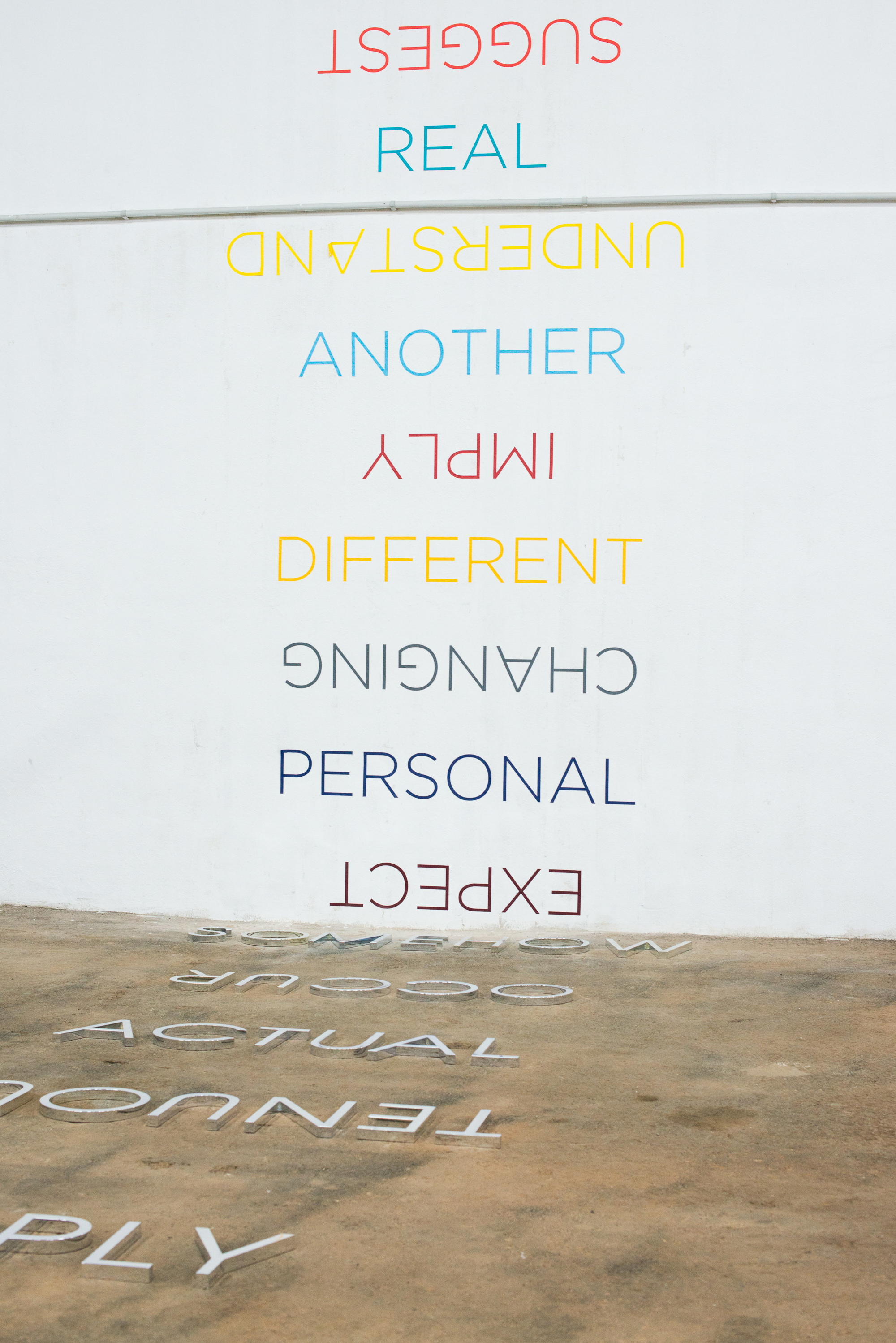
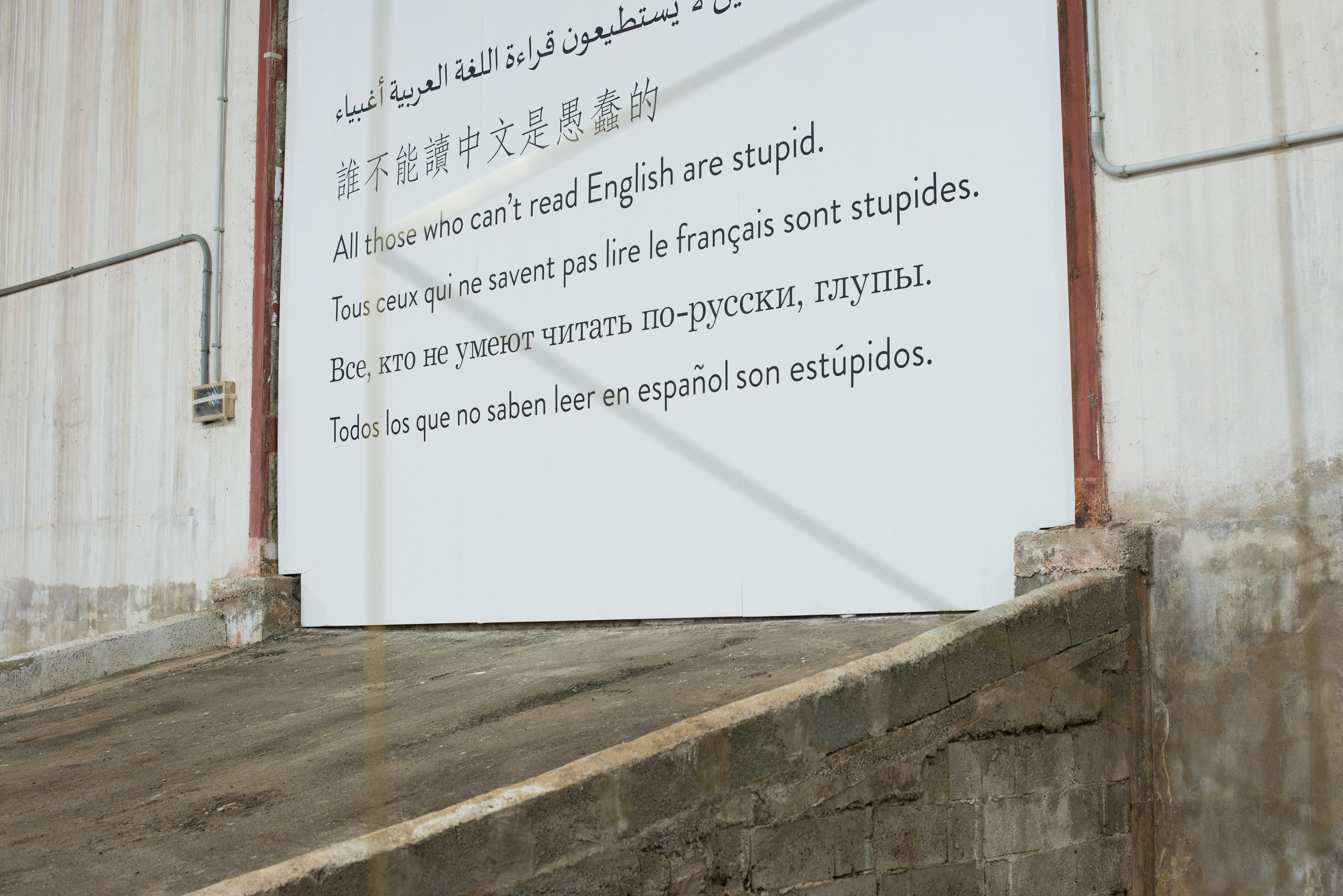
SHIVER IN THE SHIFT













an urge, pense-bête to not forget
and let the imprint from an aging entity made out of empty shells shiver in the shift between
linear reasoning
and informal argumentation
- Karl Larsson, Parrot, 2010
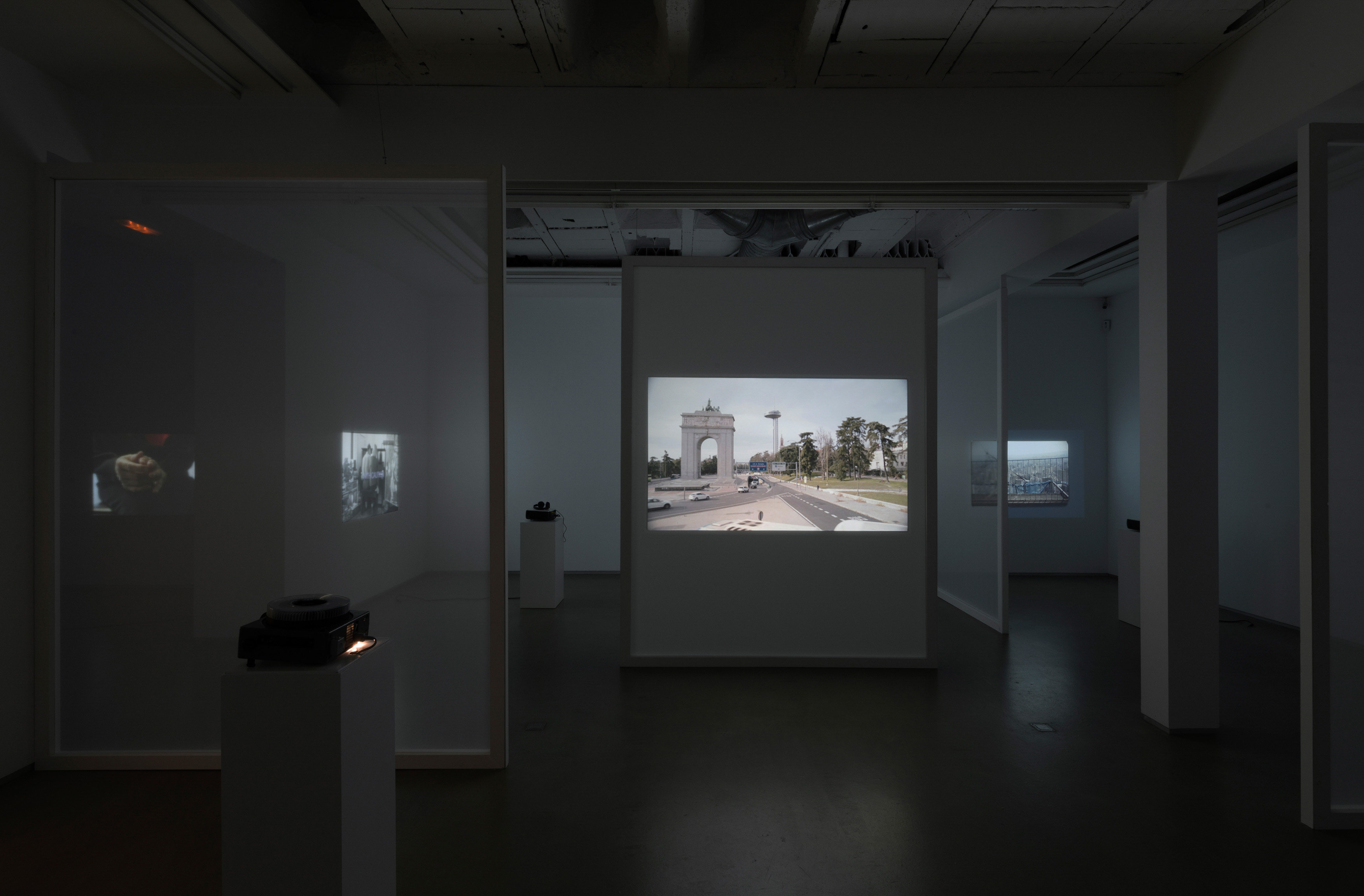
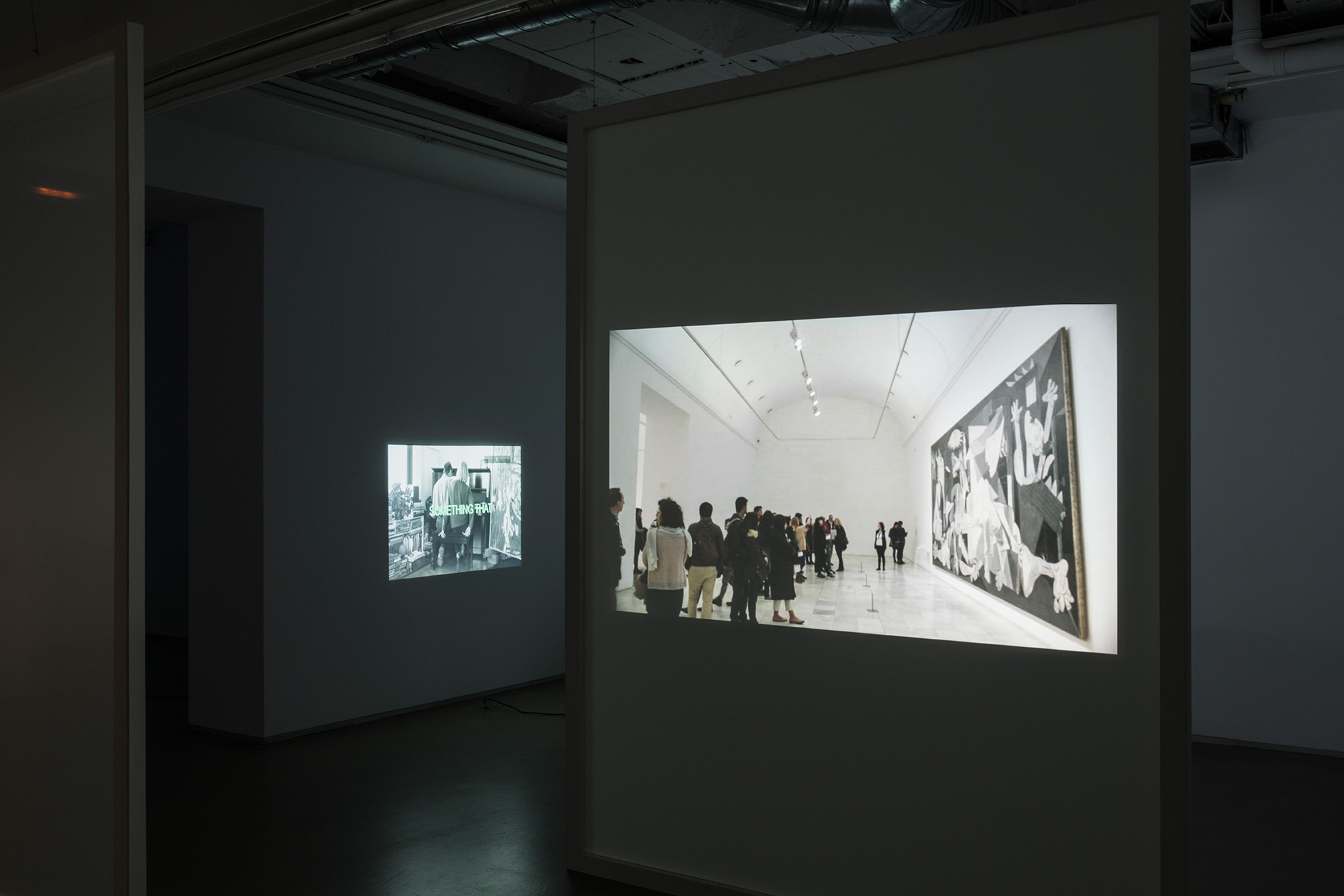
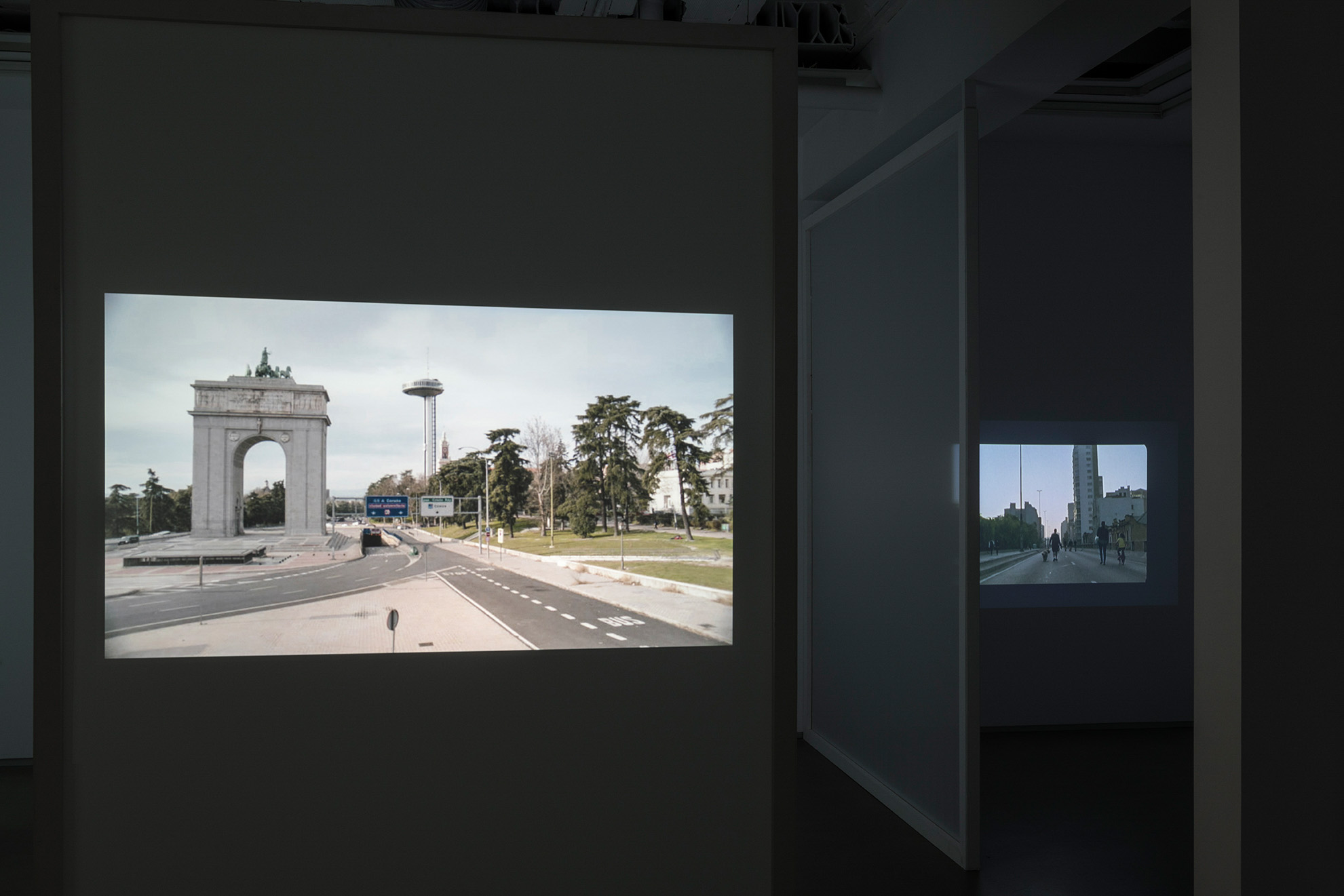
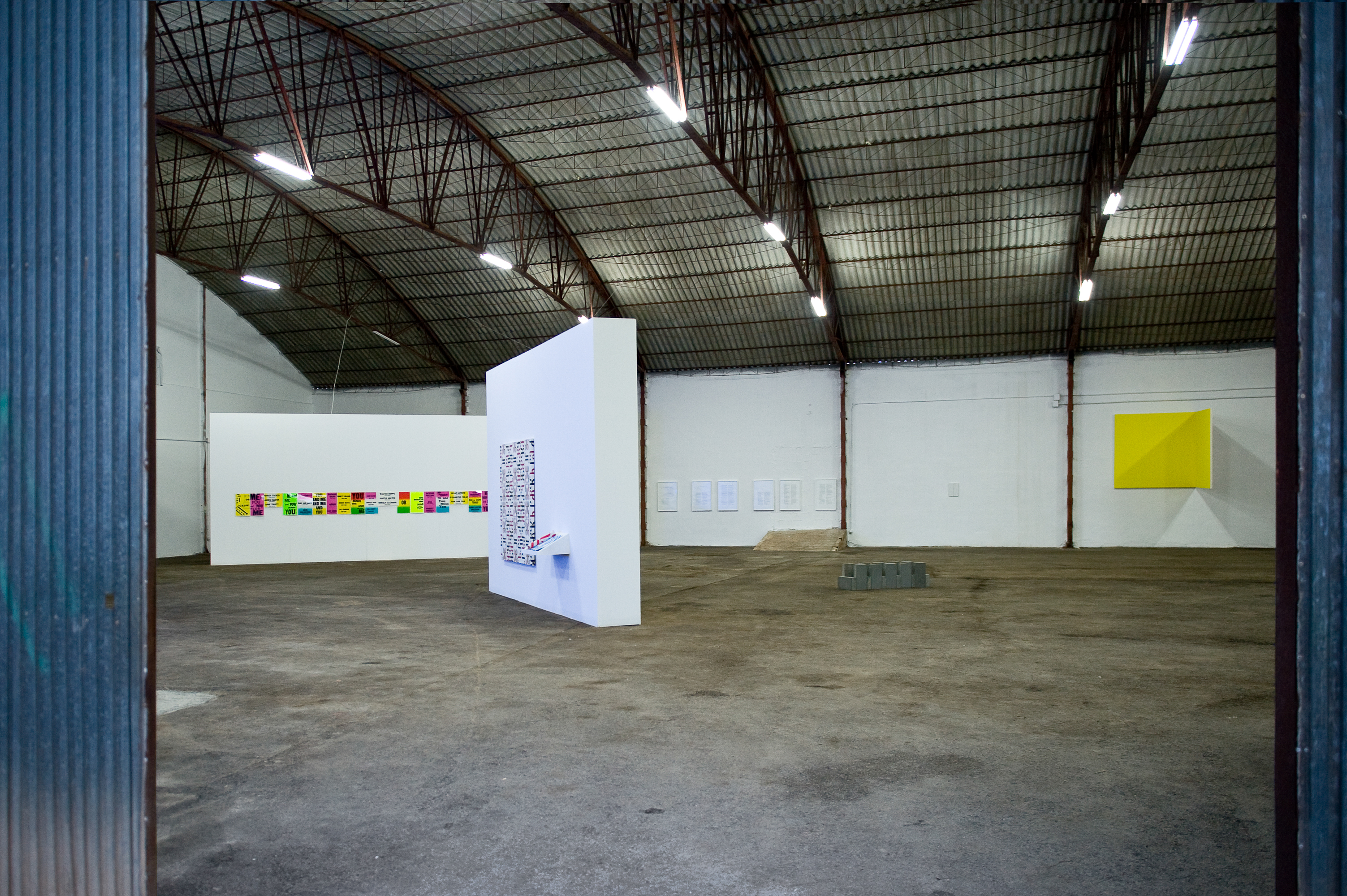
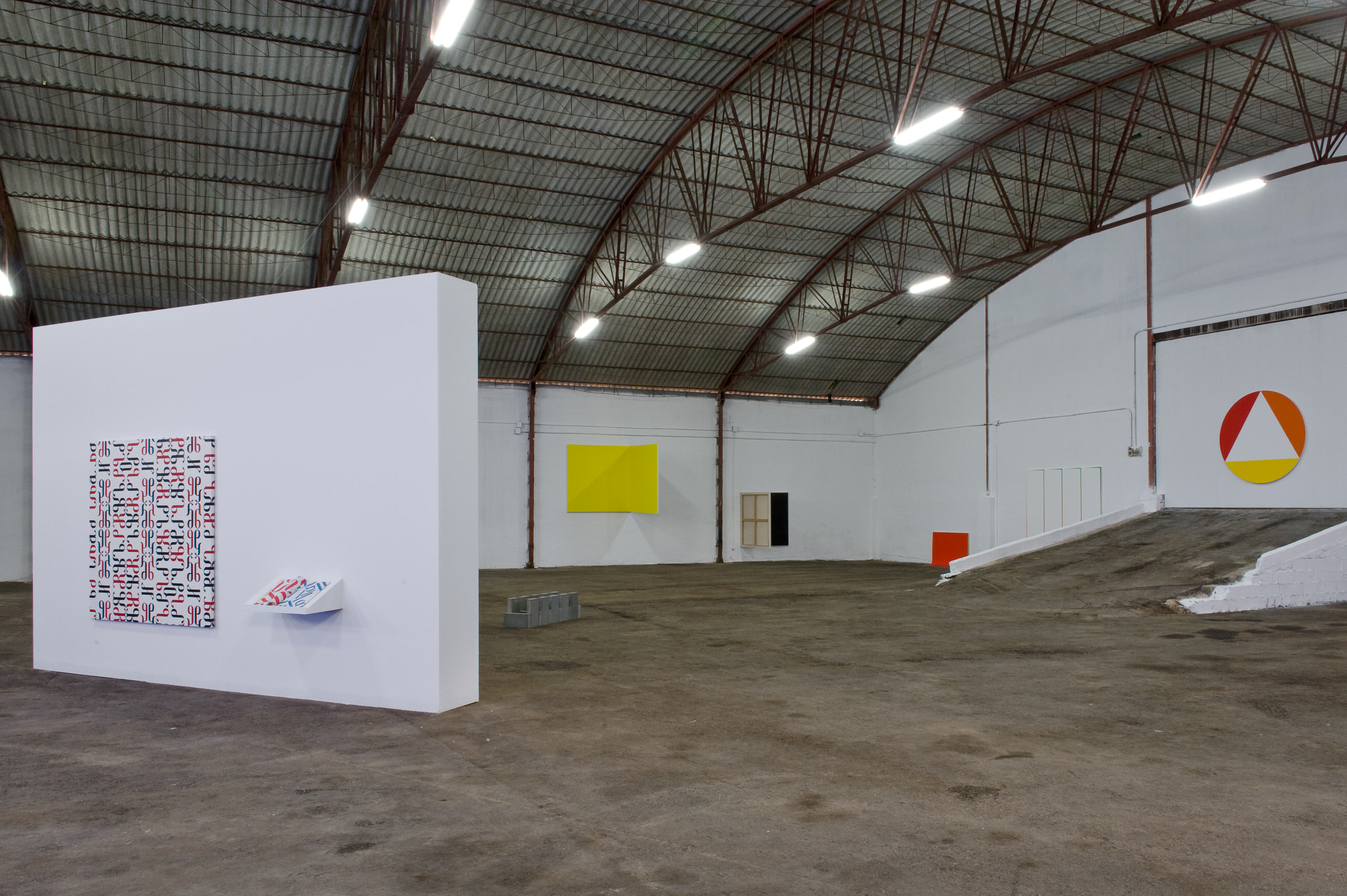
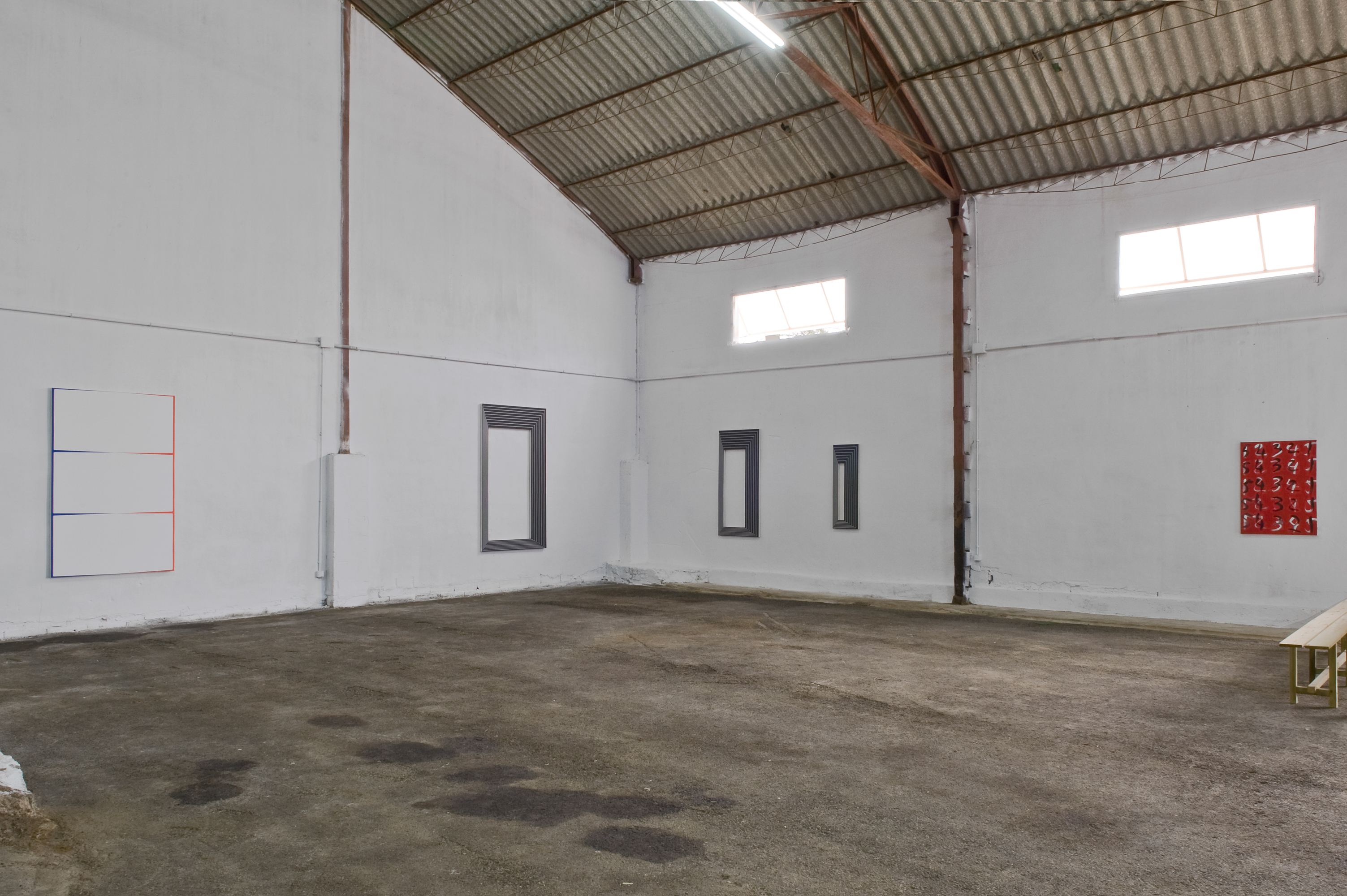
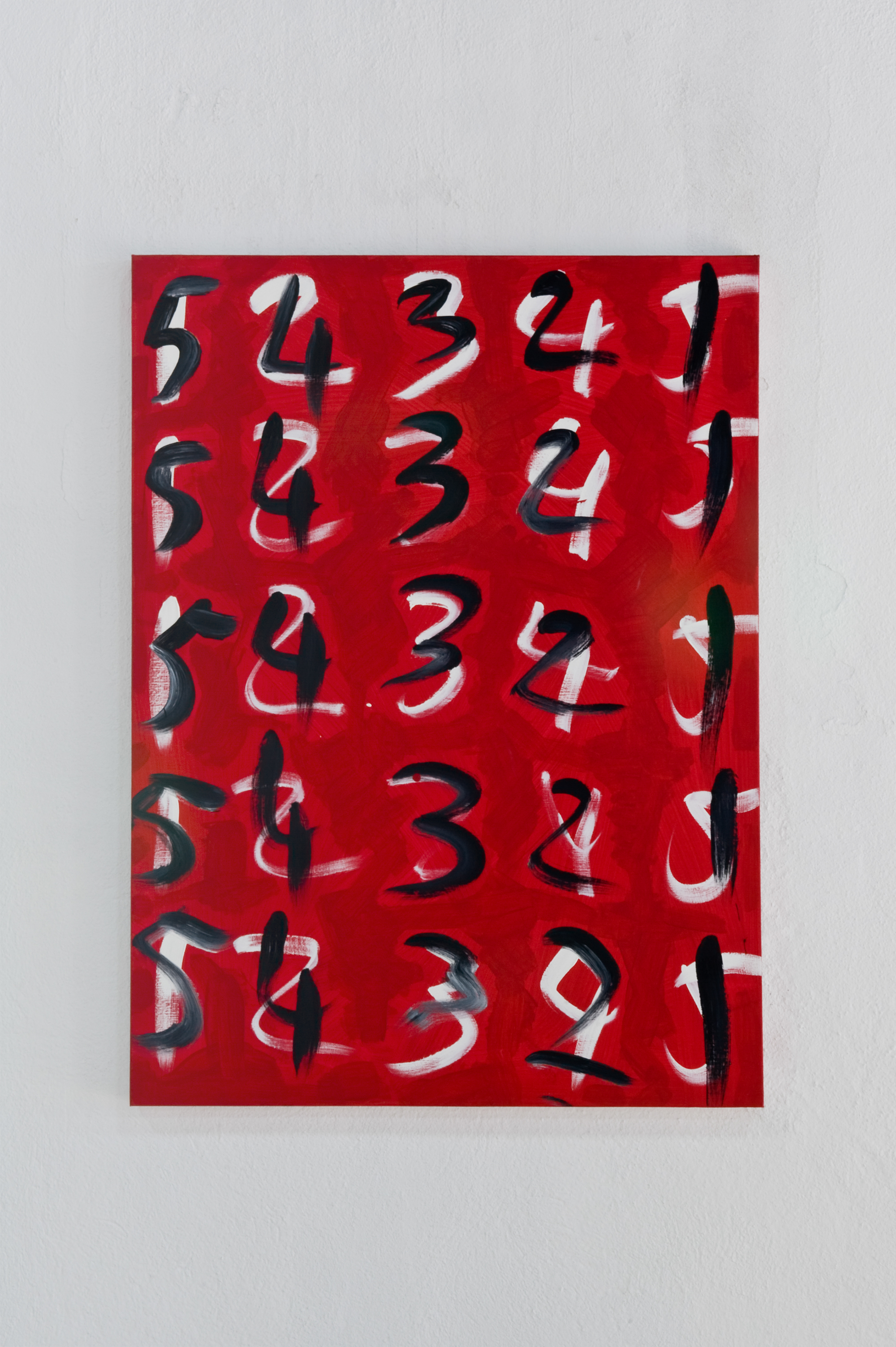
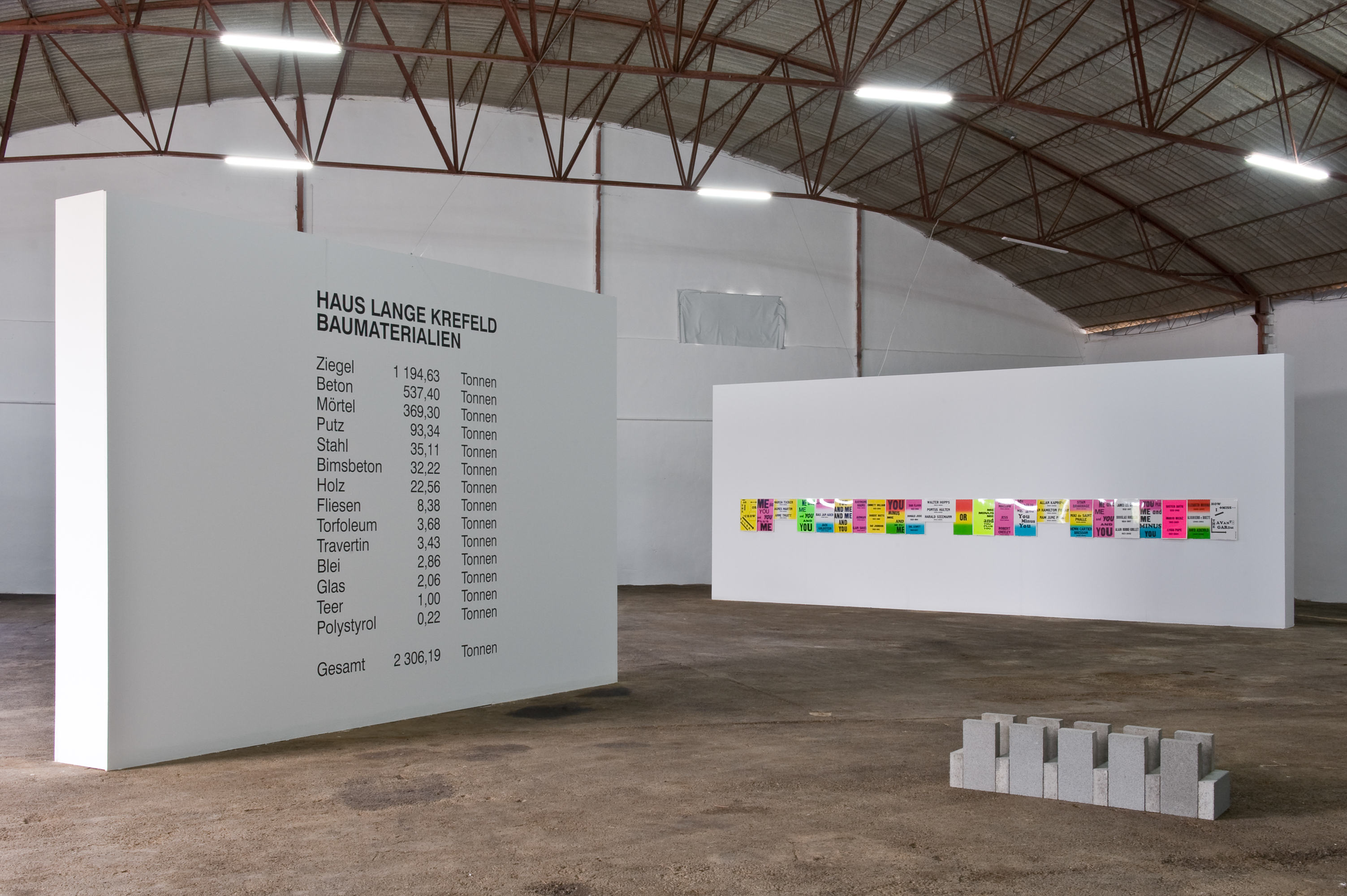
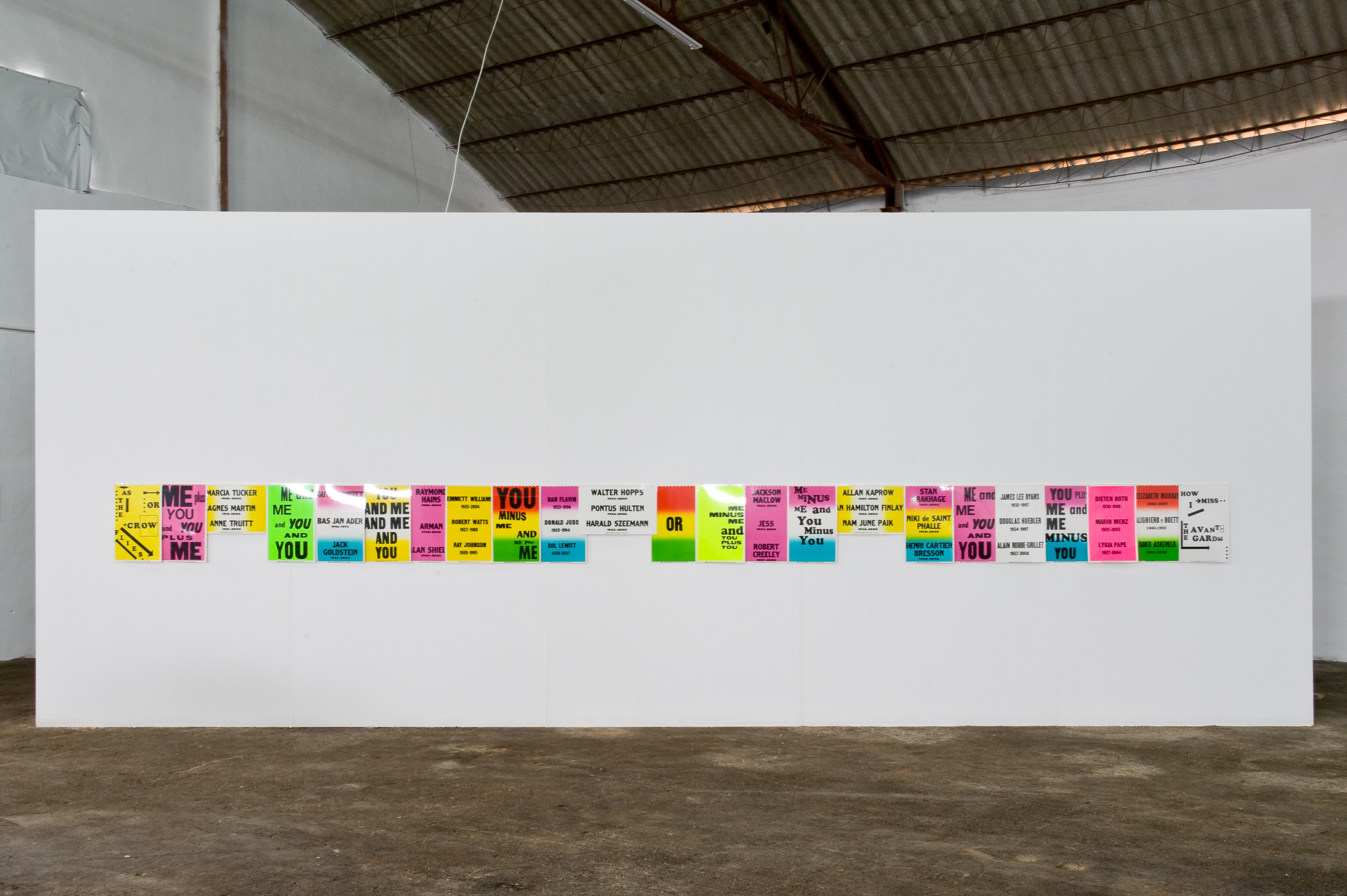
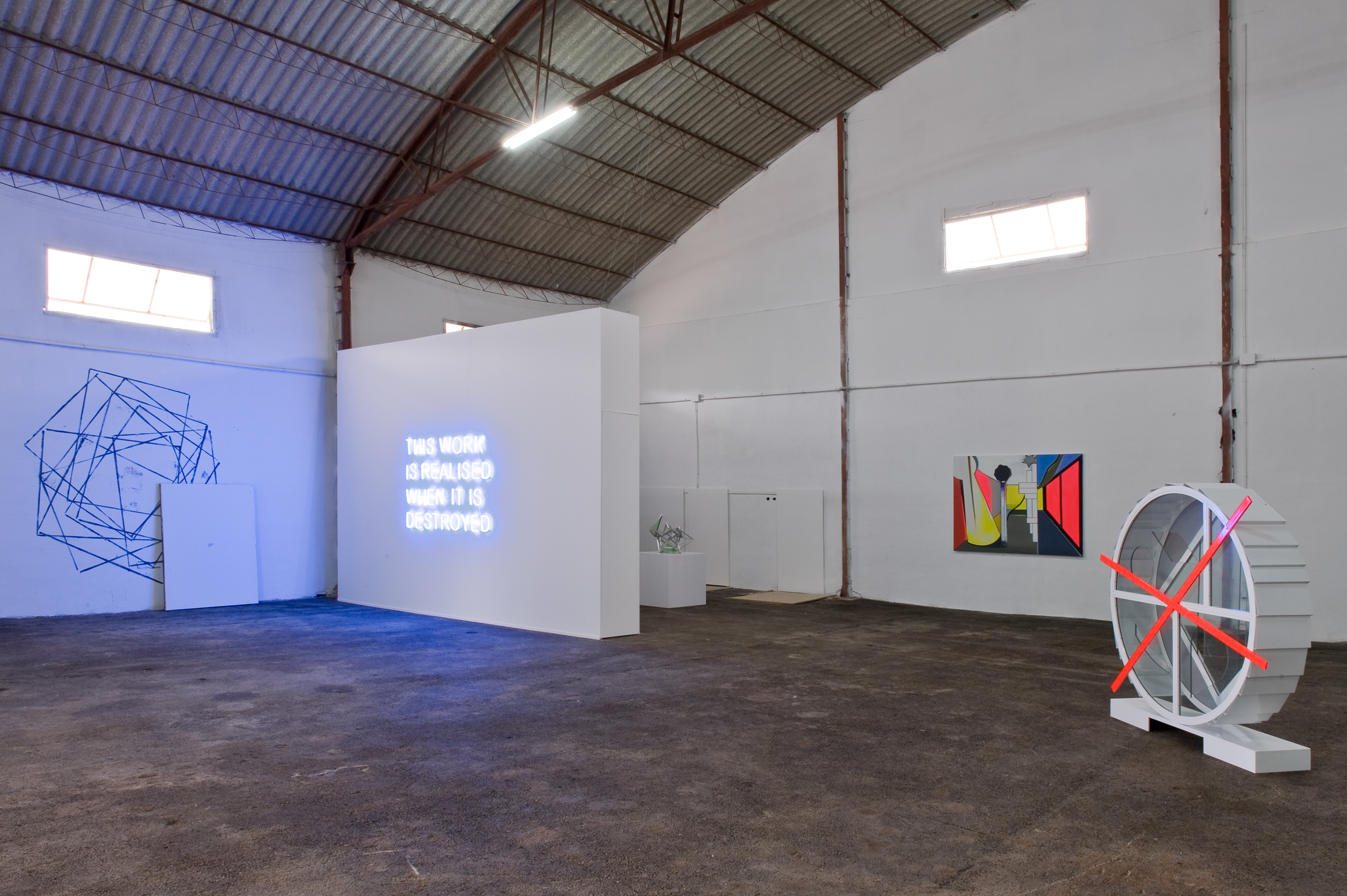
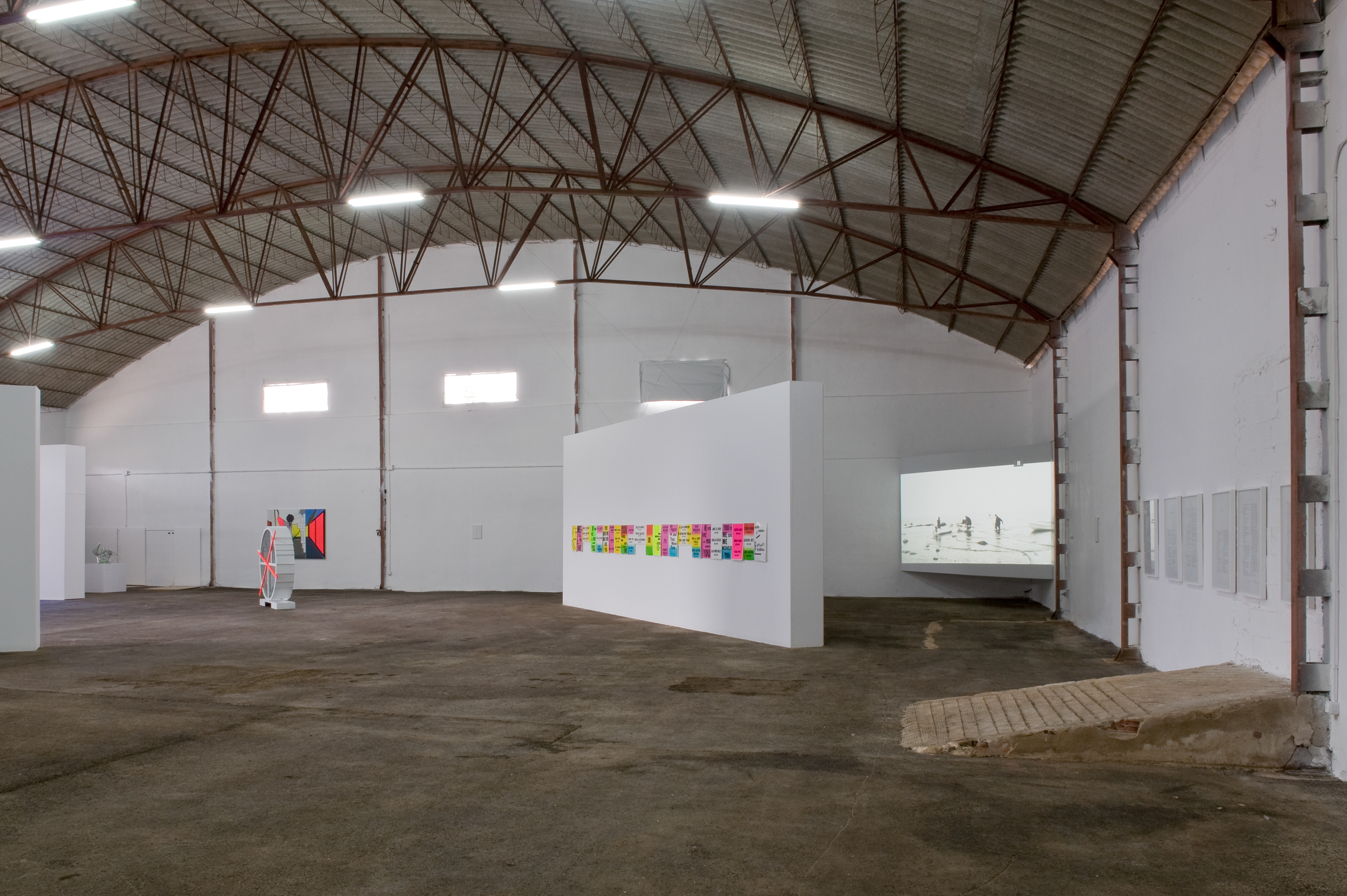
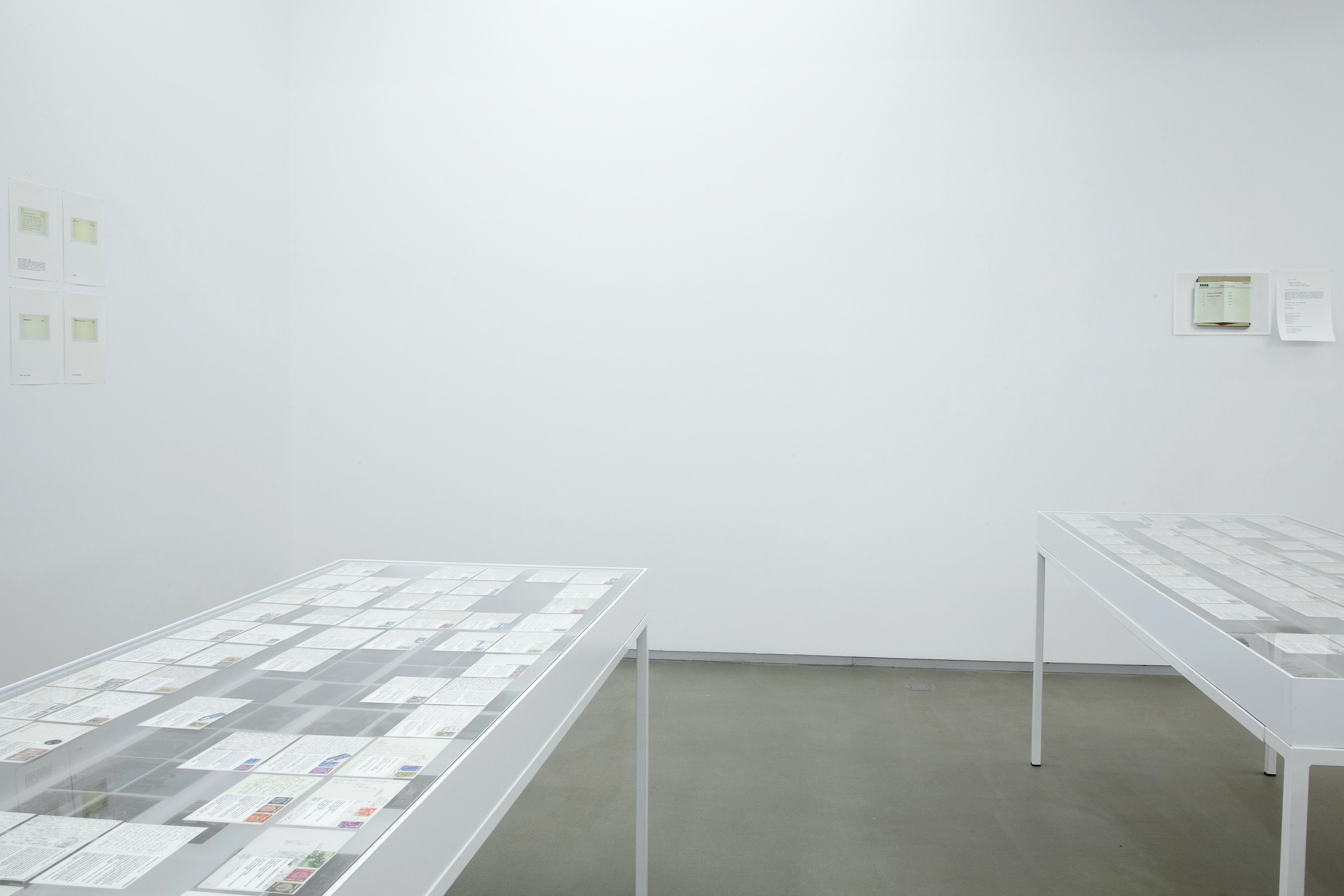
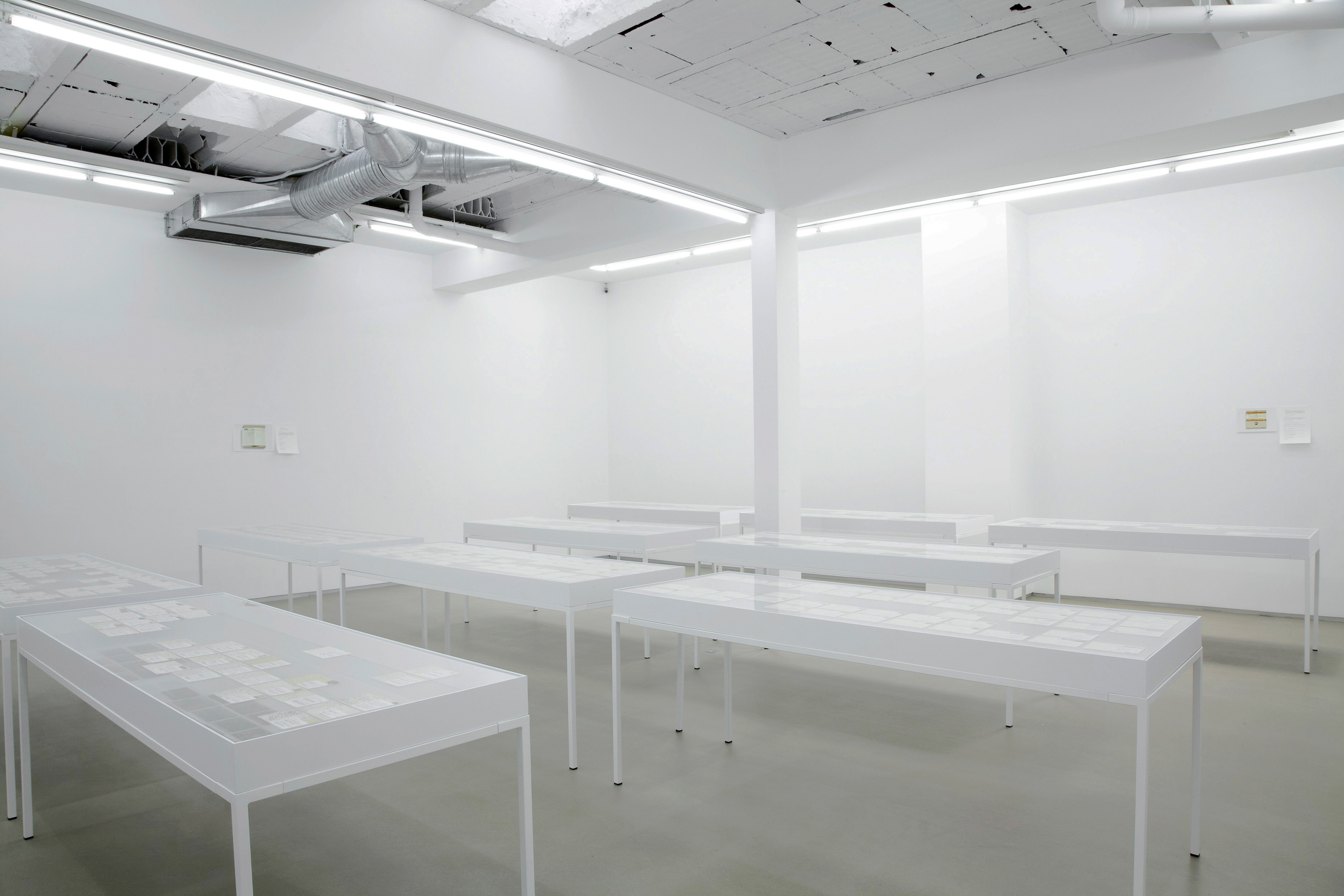
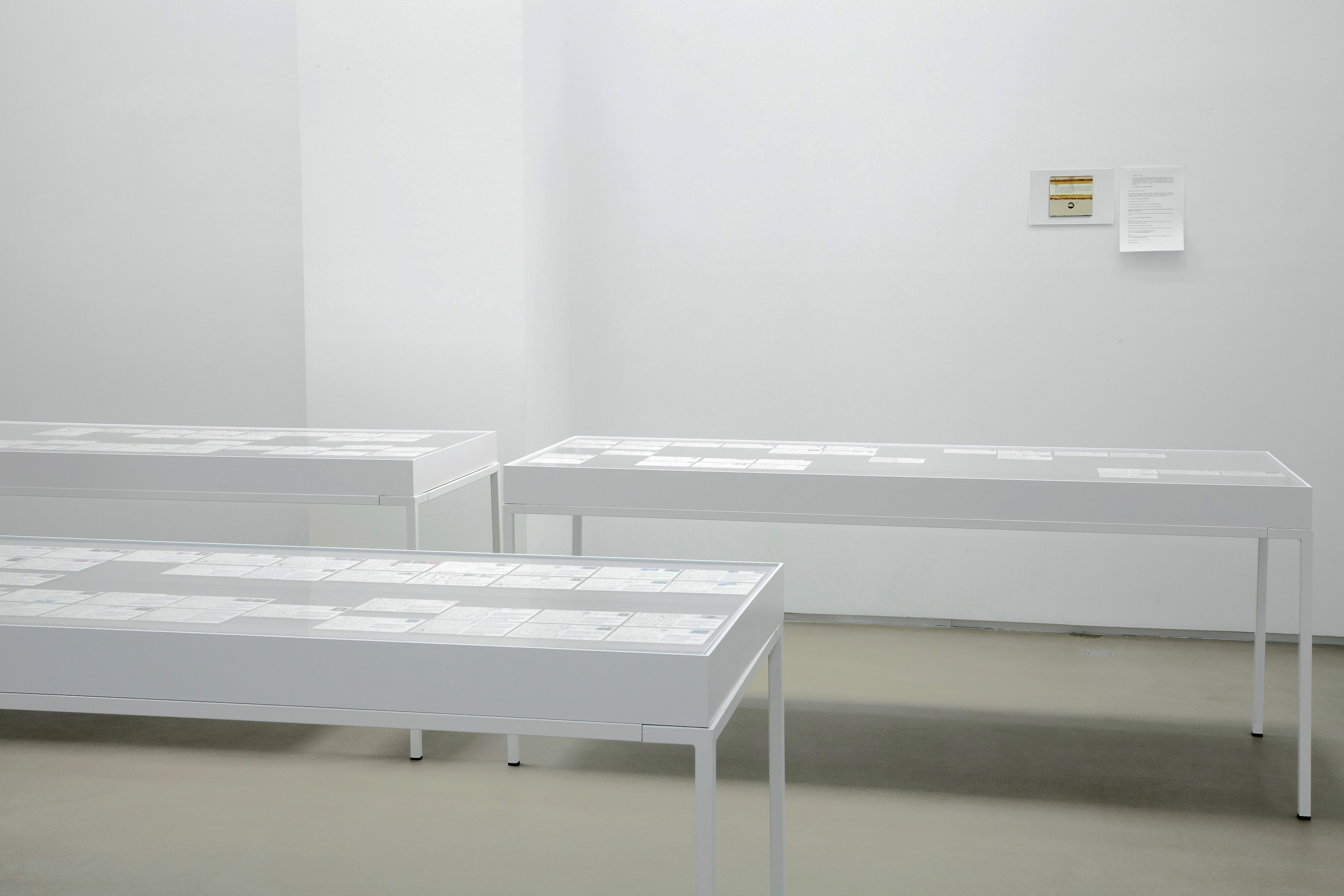
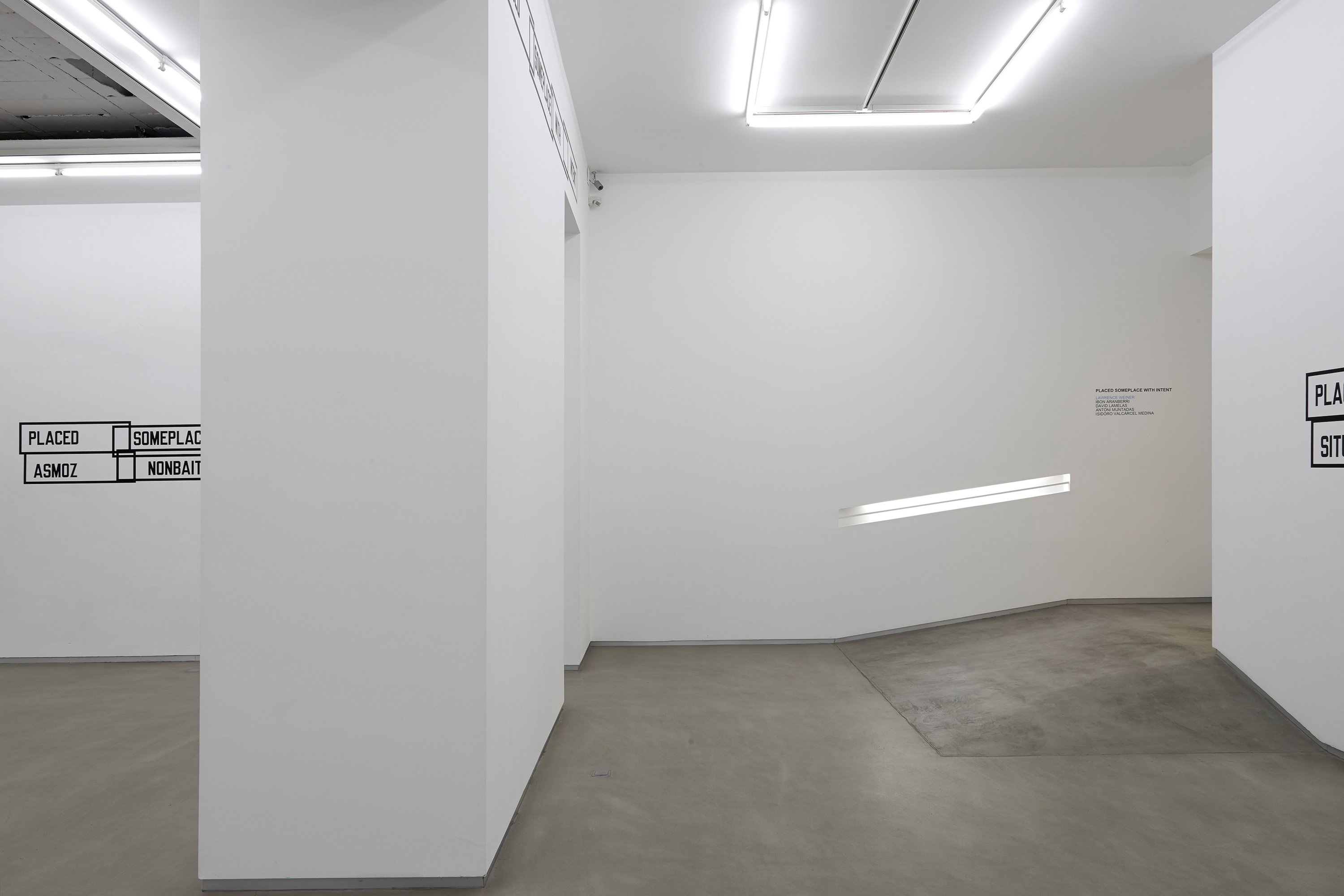
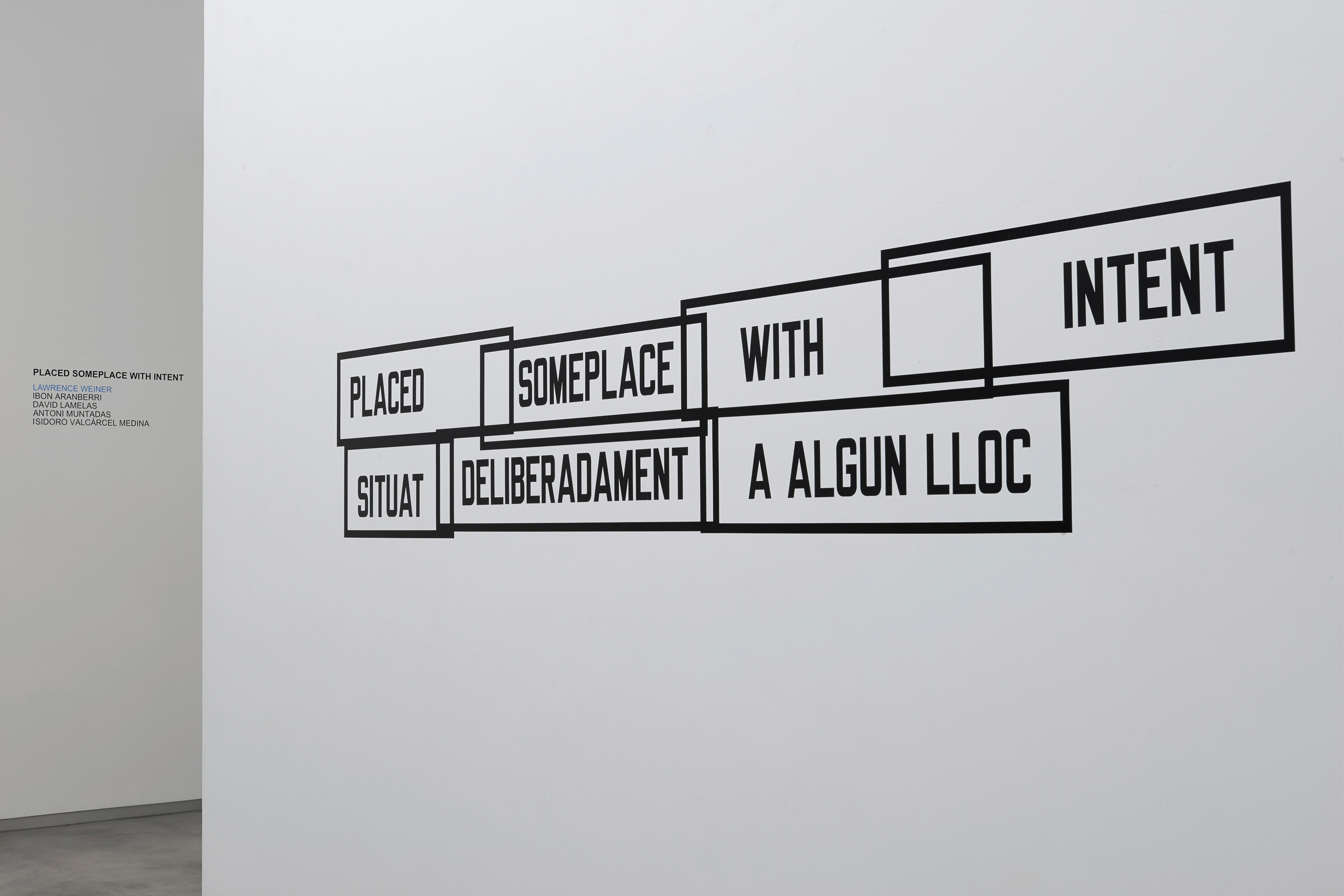
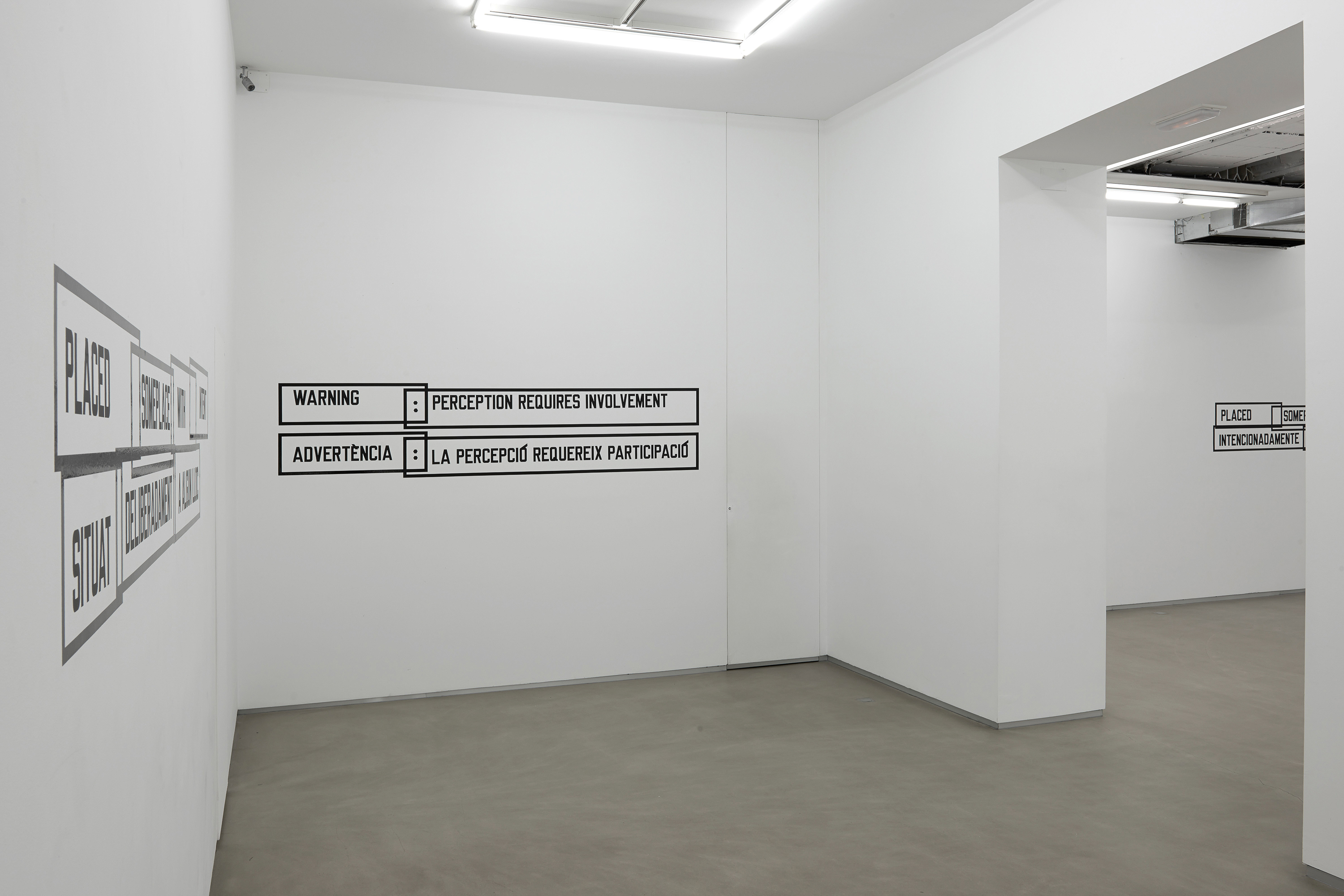
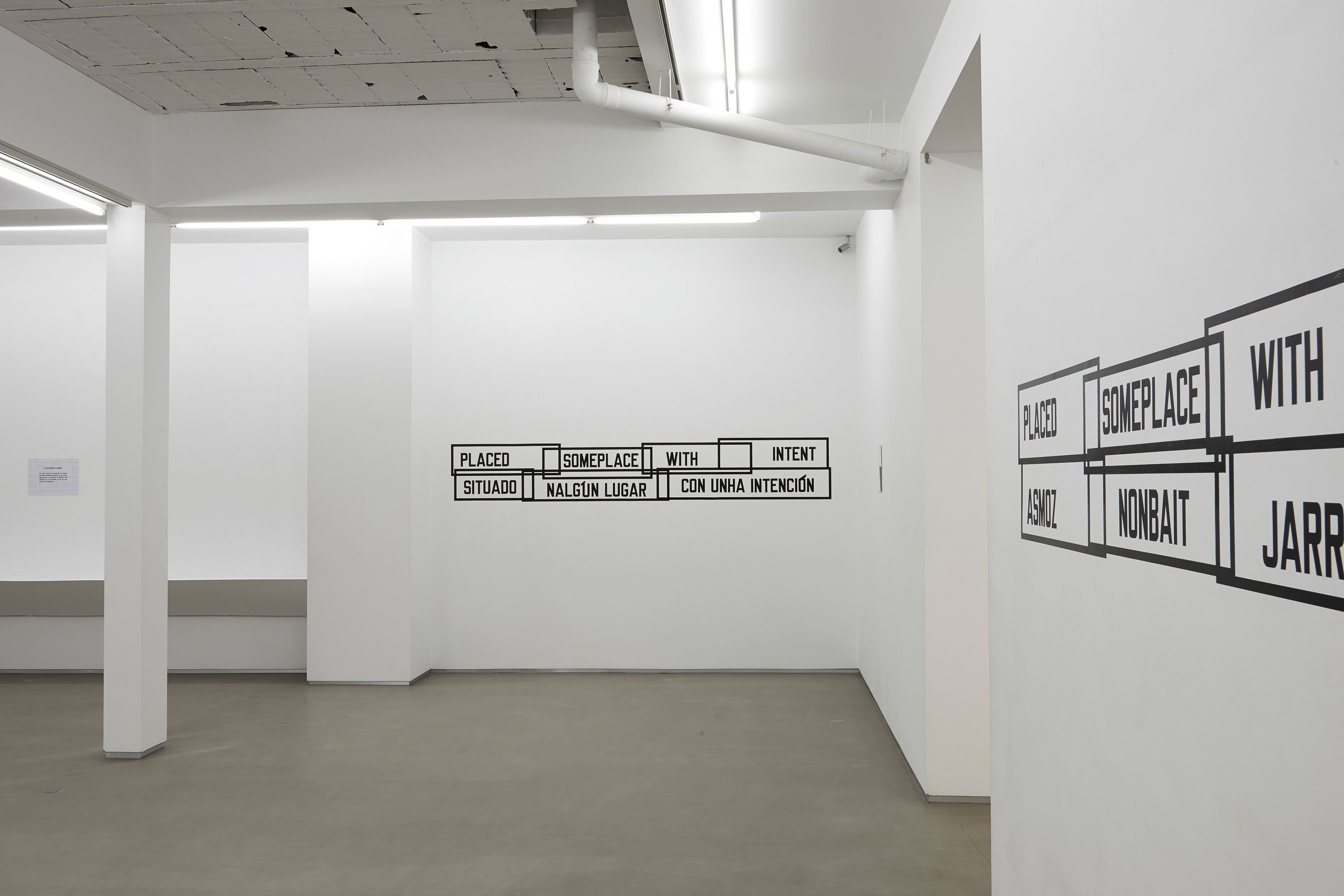
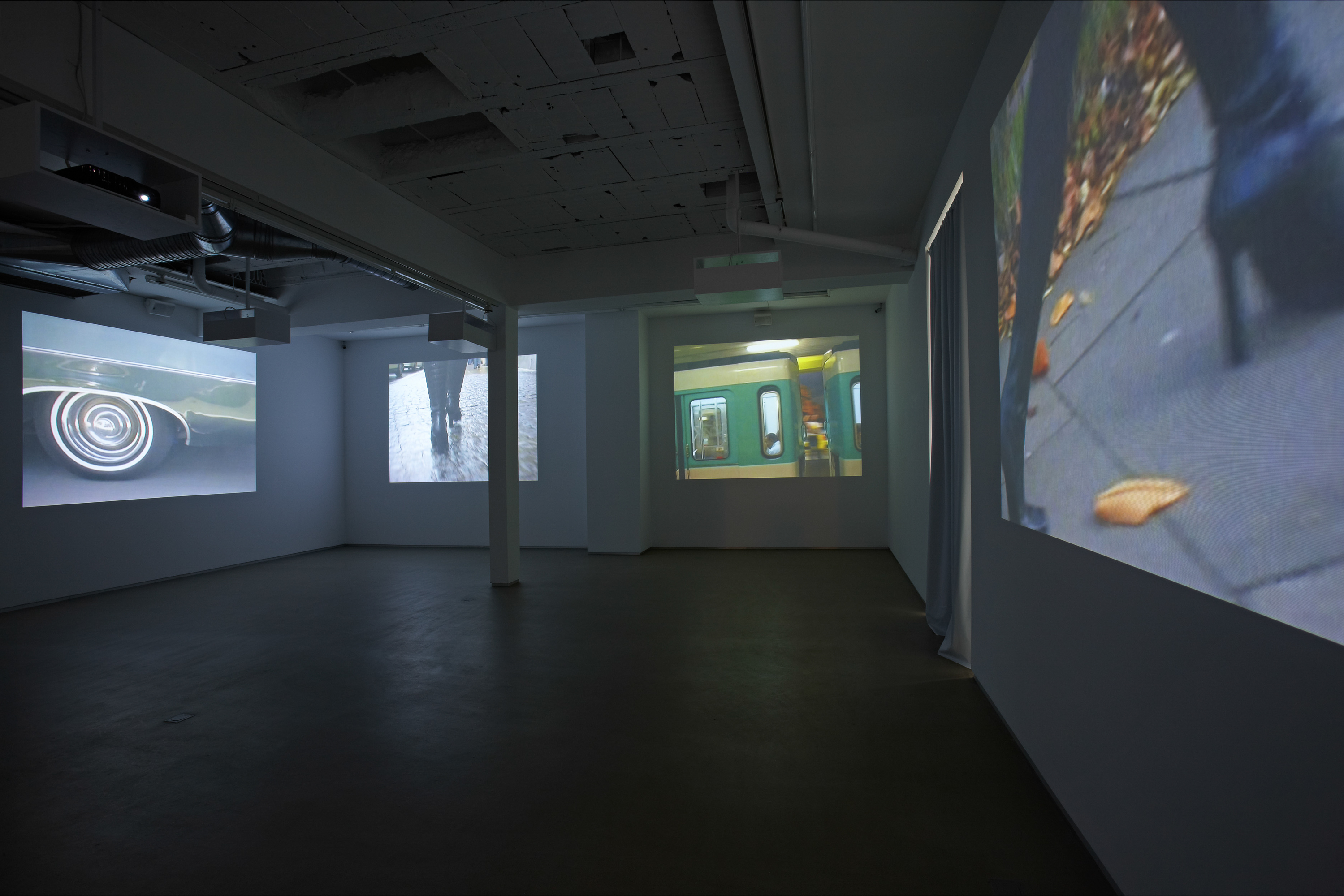
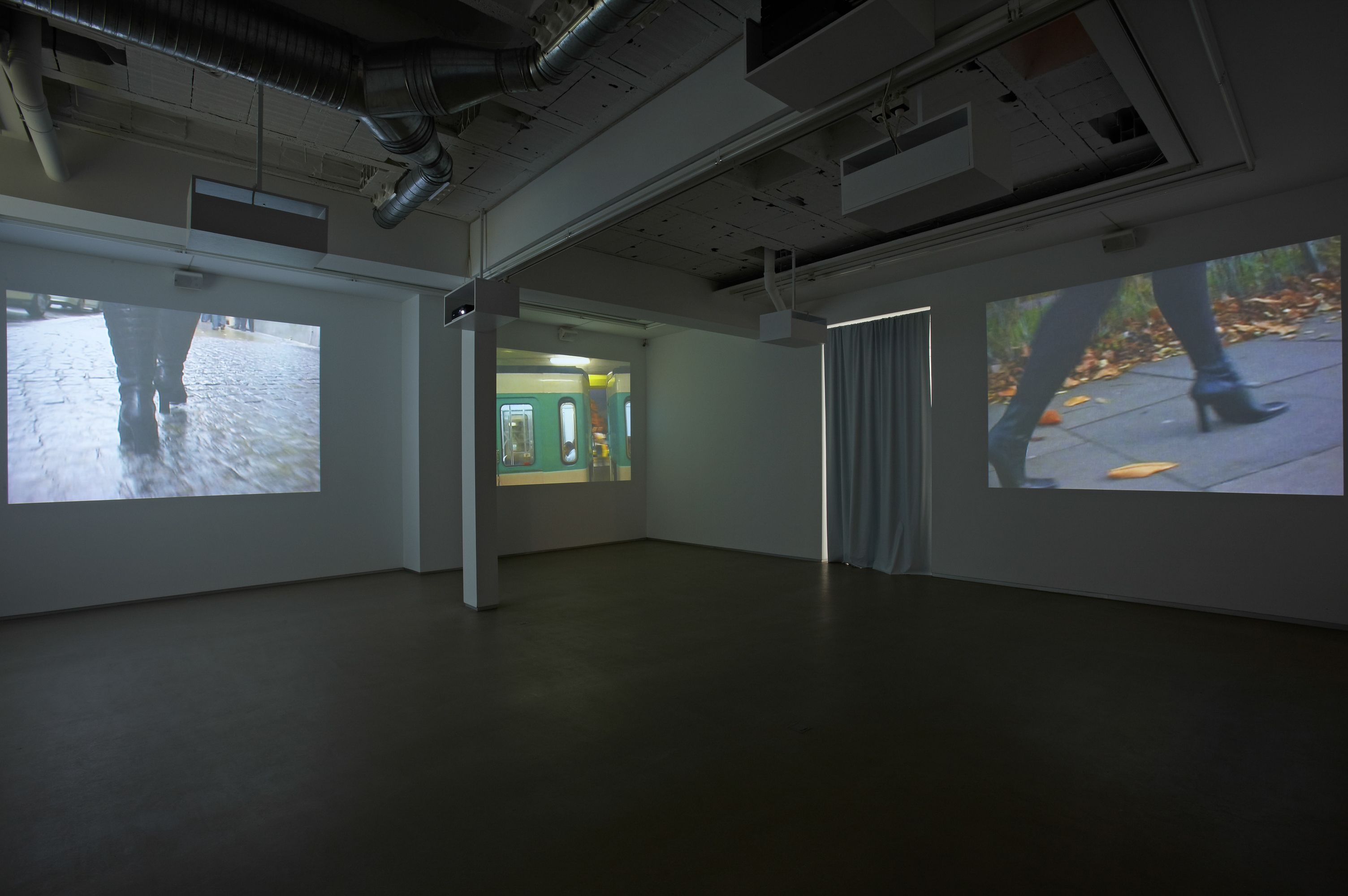
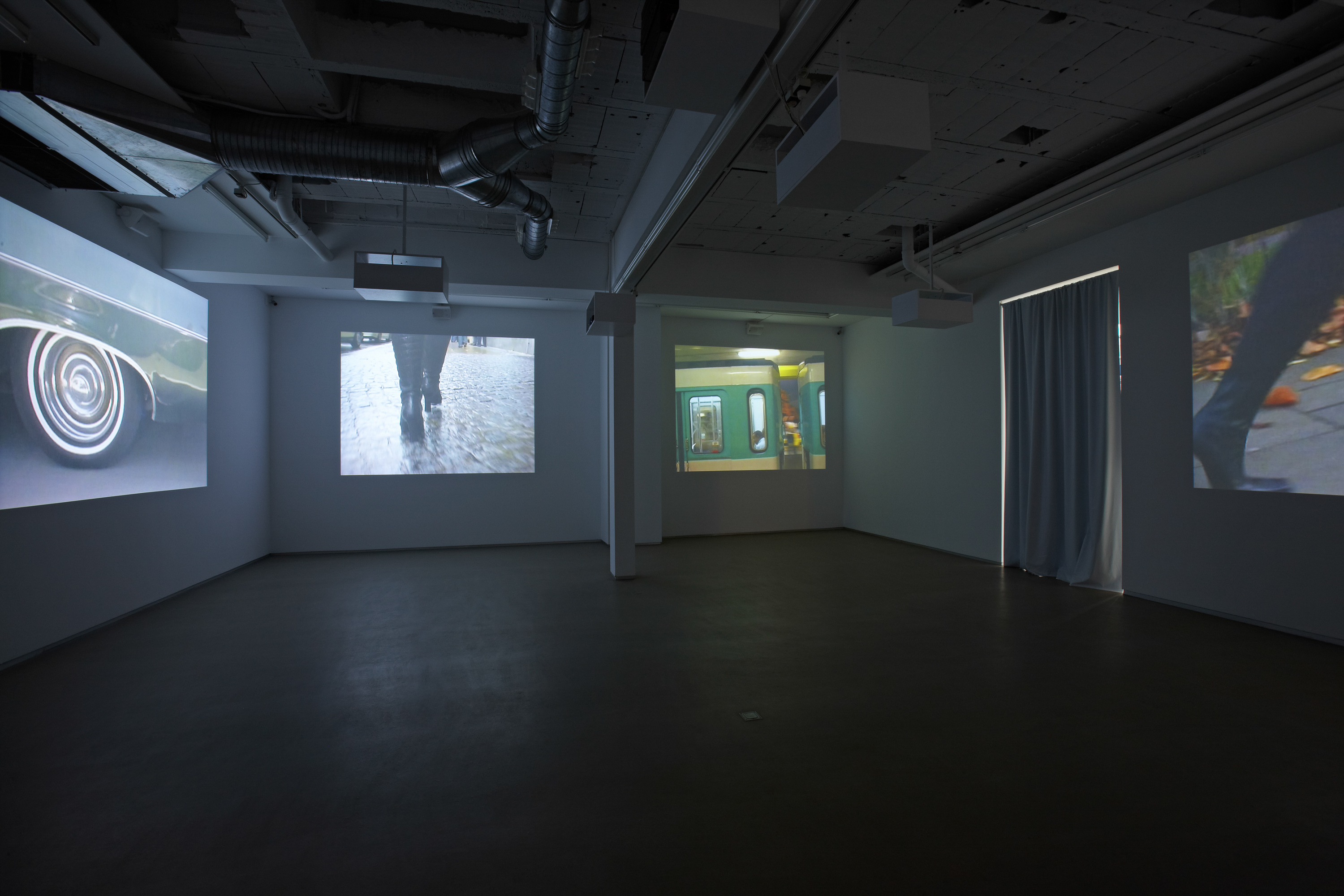
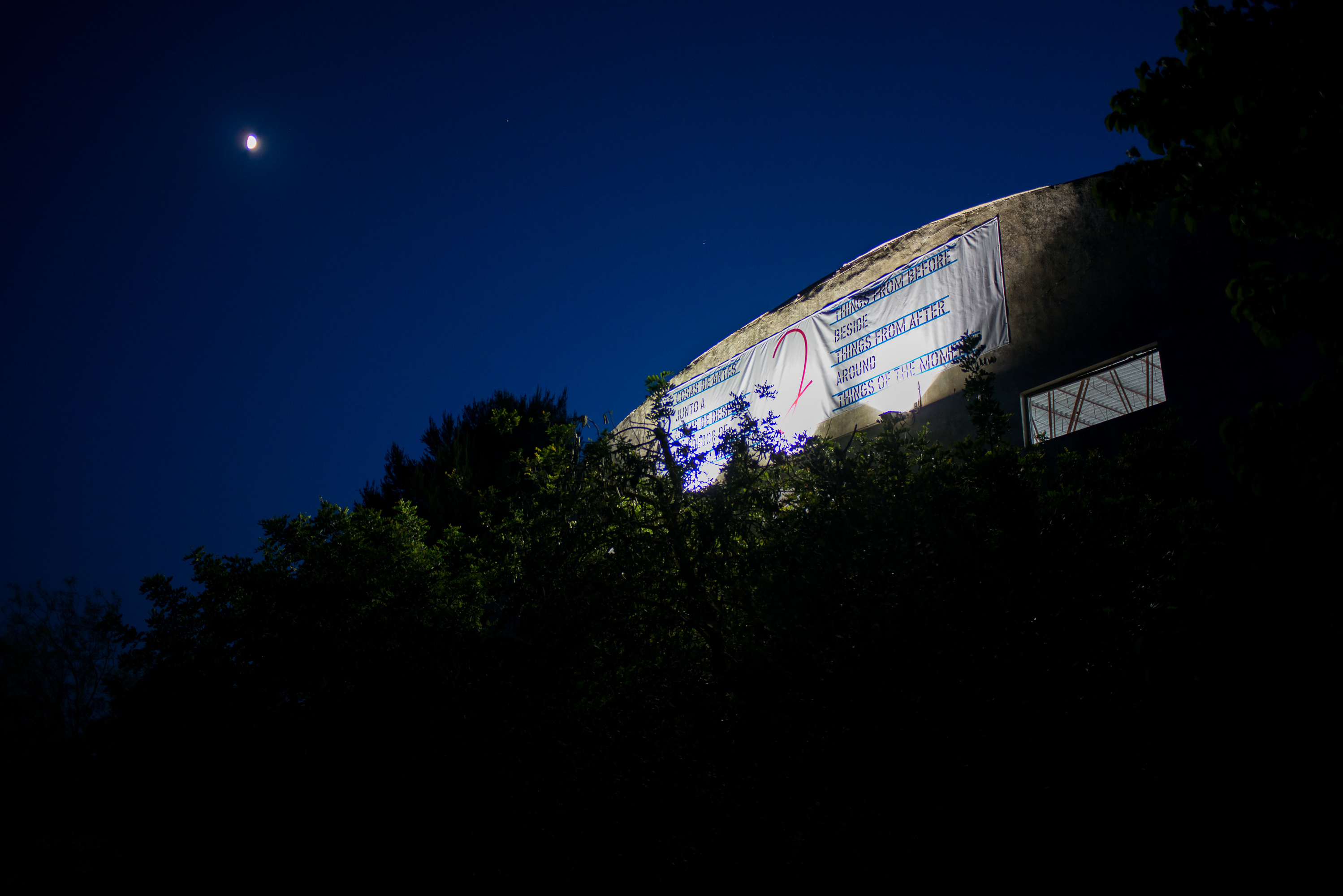
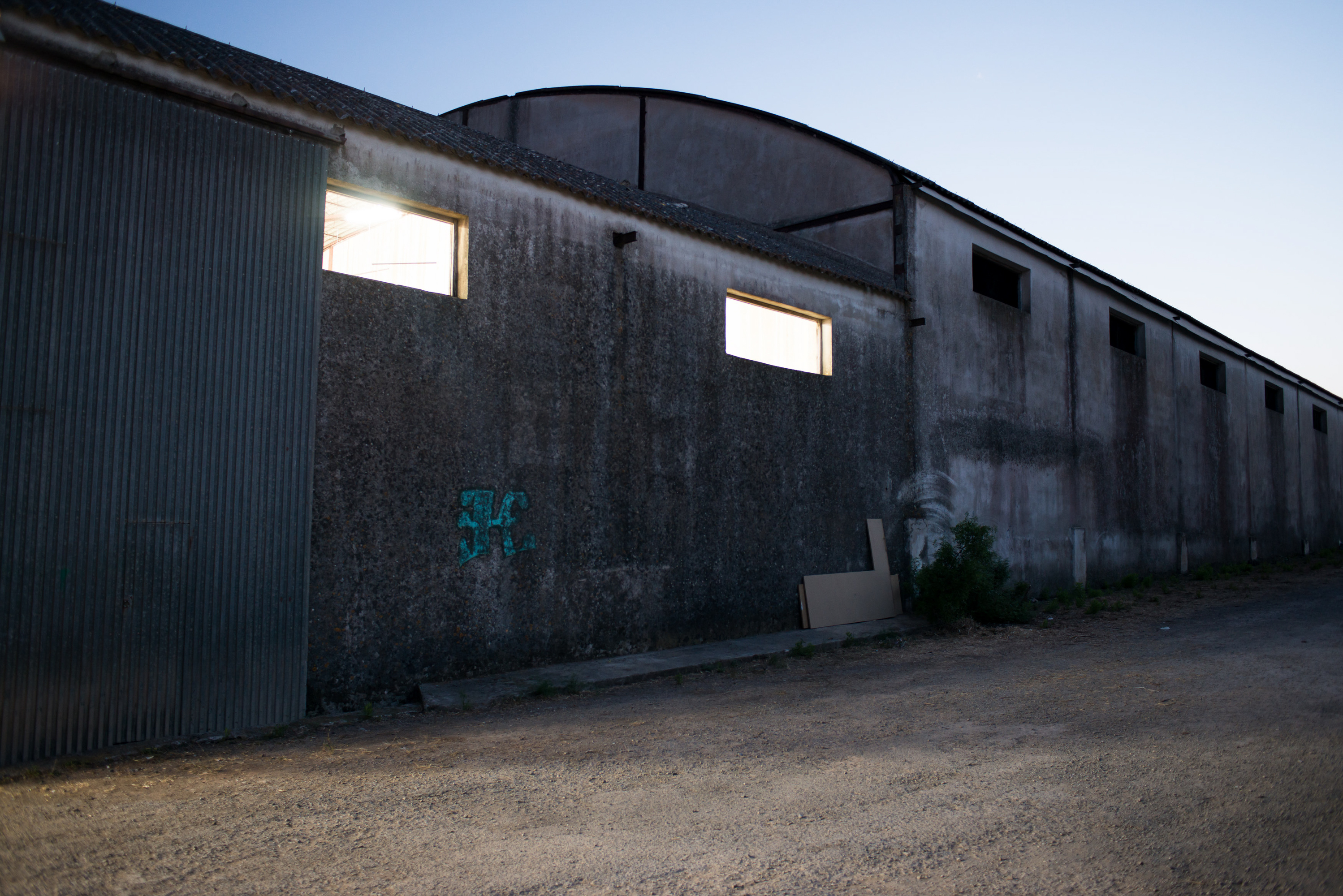
Shiver in the Shift is a phrase taken from Karl Larsson’s book/poem Parrot, published in 2010, the outcome of Larsson’s research into the work of Marcel Broodthaers (Belgium 1924-1976). Parrot – a mysterious and fascinating bird and also, as Larsson says, “a body inhabited by the language of others, a loyal commentator (a marginal actor).” As well as paying homage to Broodthaer’s work, Parrot also sets out to respond to a lack, to something lacking, something necessary for continuing as a poet, whatever this might be, if indeed it exists. The (sonorous and onomatopoeic) phrase Shiver in the Shift is part of another story, one that echoes the work of this major artist, infused with literary strategies and in which language so often operates as symbol or sign. In the context of the exhibition at Parra & Romero, the phrase is transferred to another context, acknowledging the narrative threads running through this group show. This is a multiple narrative, not only because the five artists present a range of different proposals, but mainly because all seem to be marked by references to a third person. Indeed, each work names, refers or alludes to other authors, although this does not take the form of simple quotation. The viewer is invited to make the distinction between reading and looking (to return to Broodthaers’s pense-bête), in order to approach the individual works, the different authors, the multiple layers that lie within each work and between the works as a group.
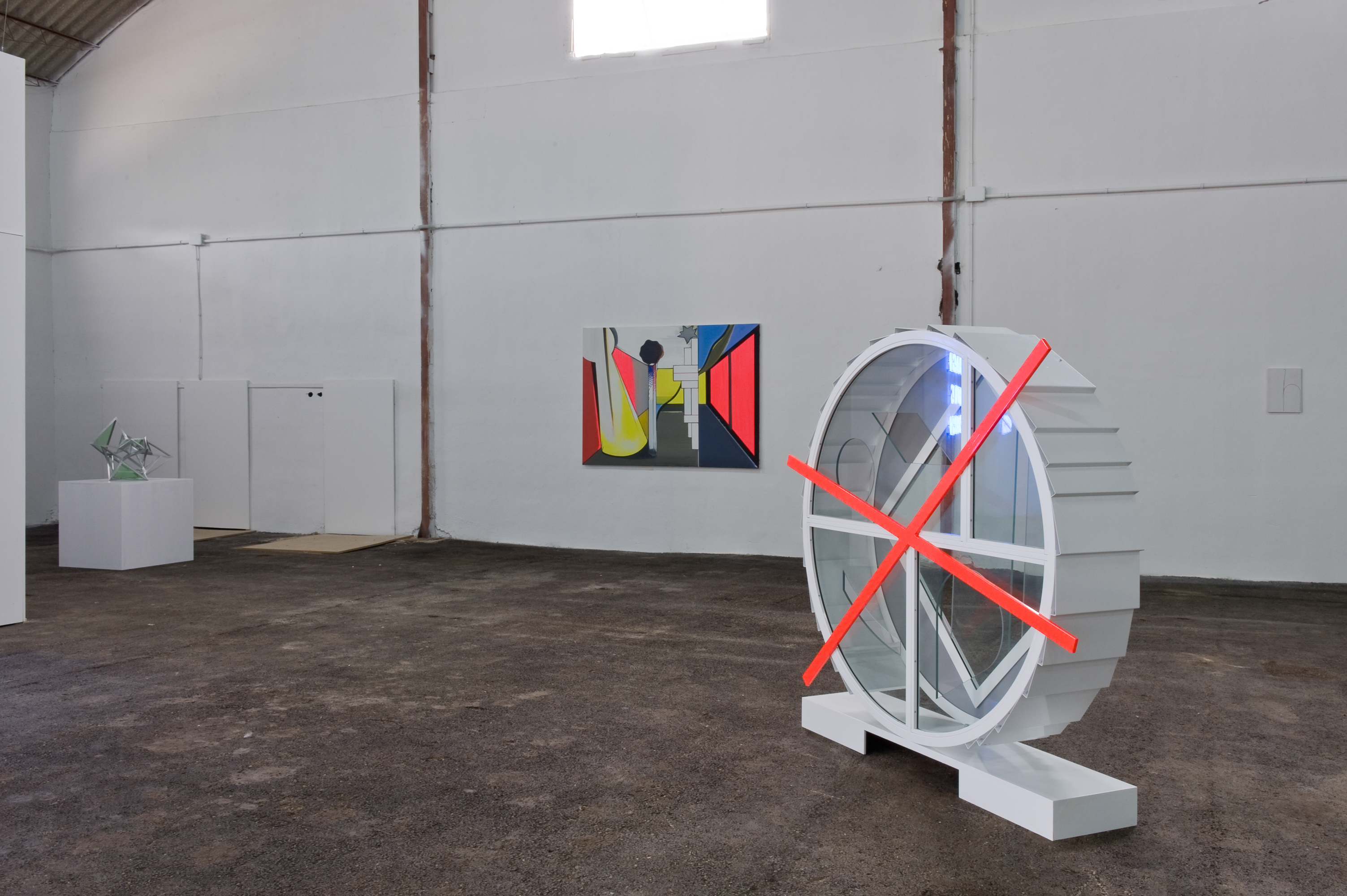
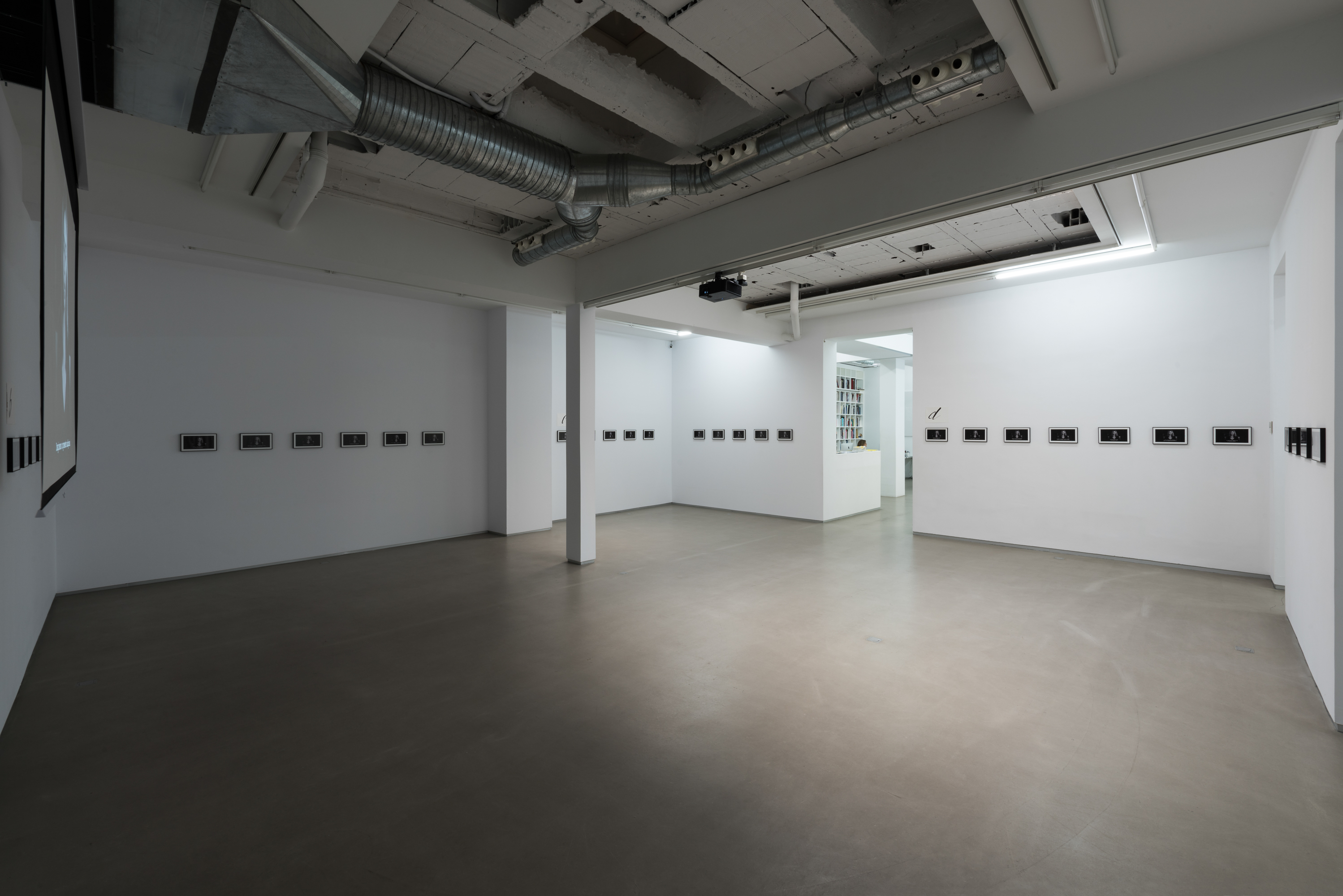
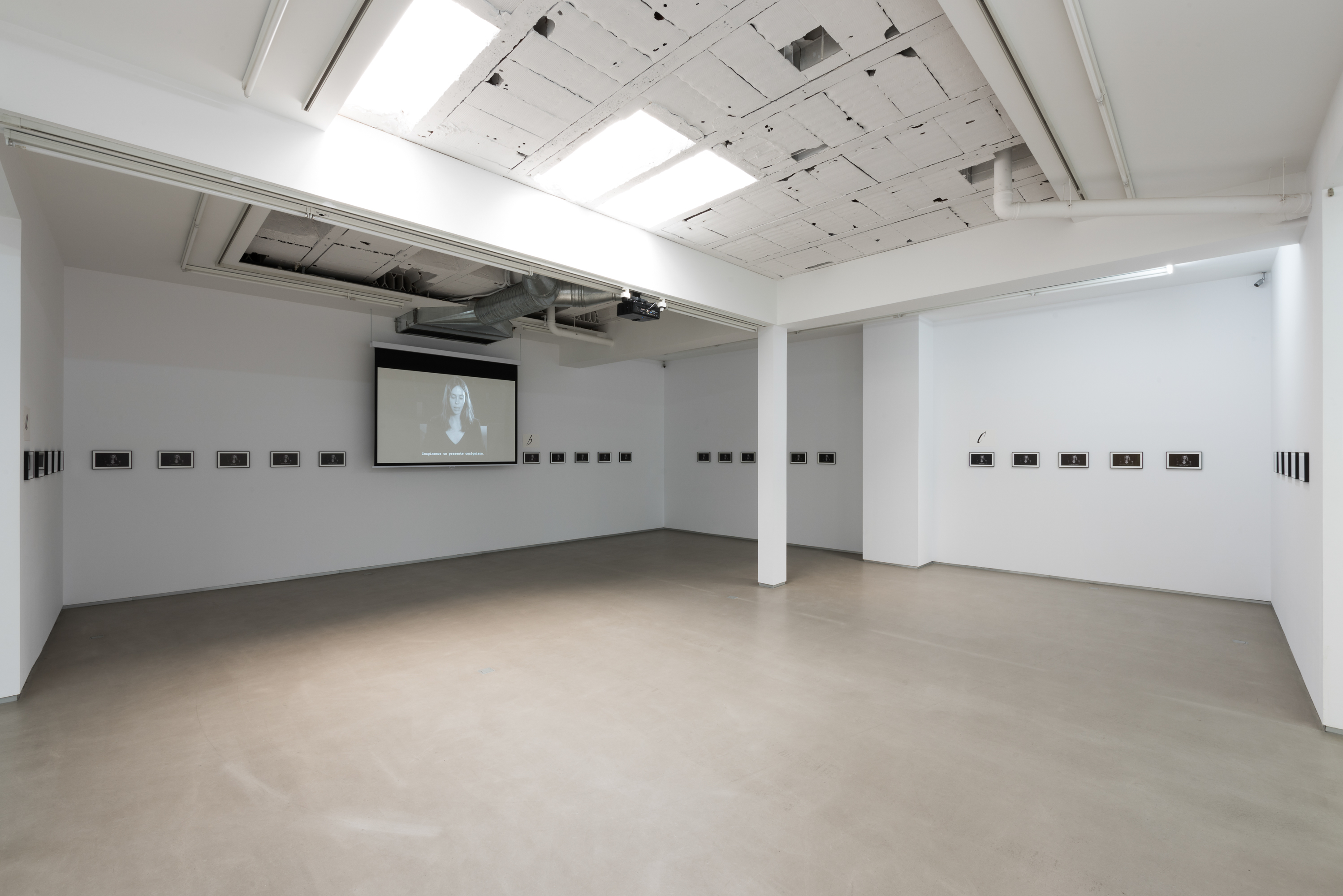
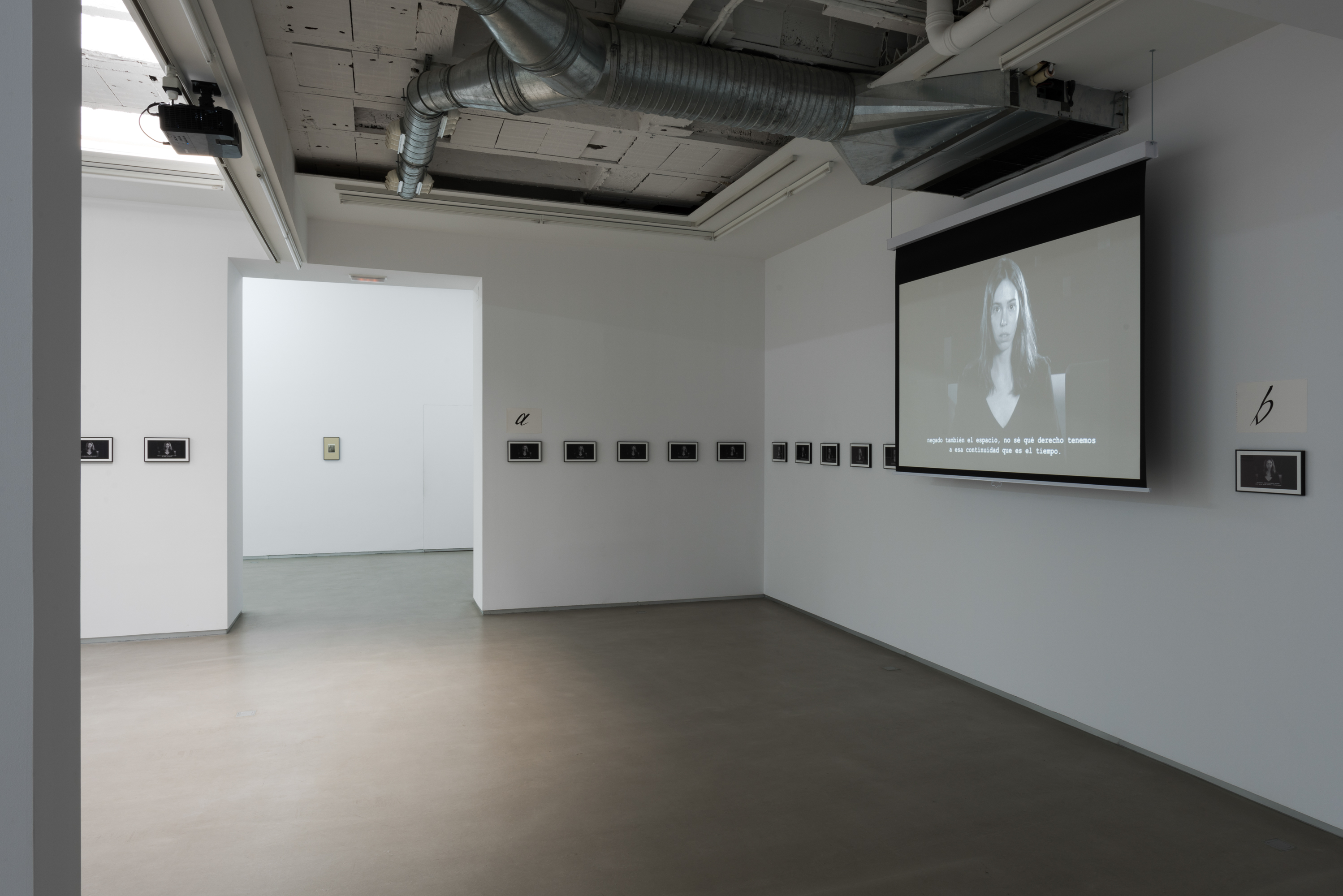
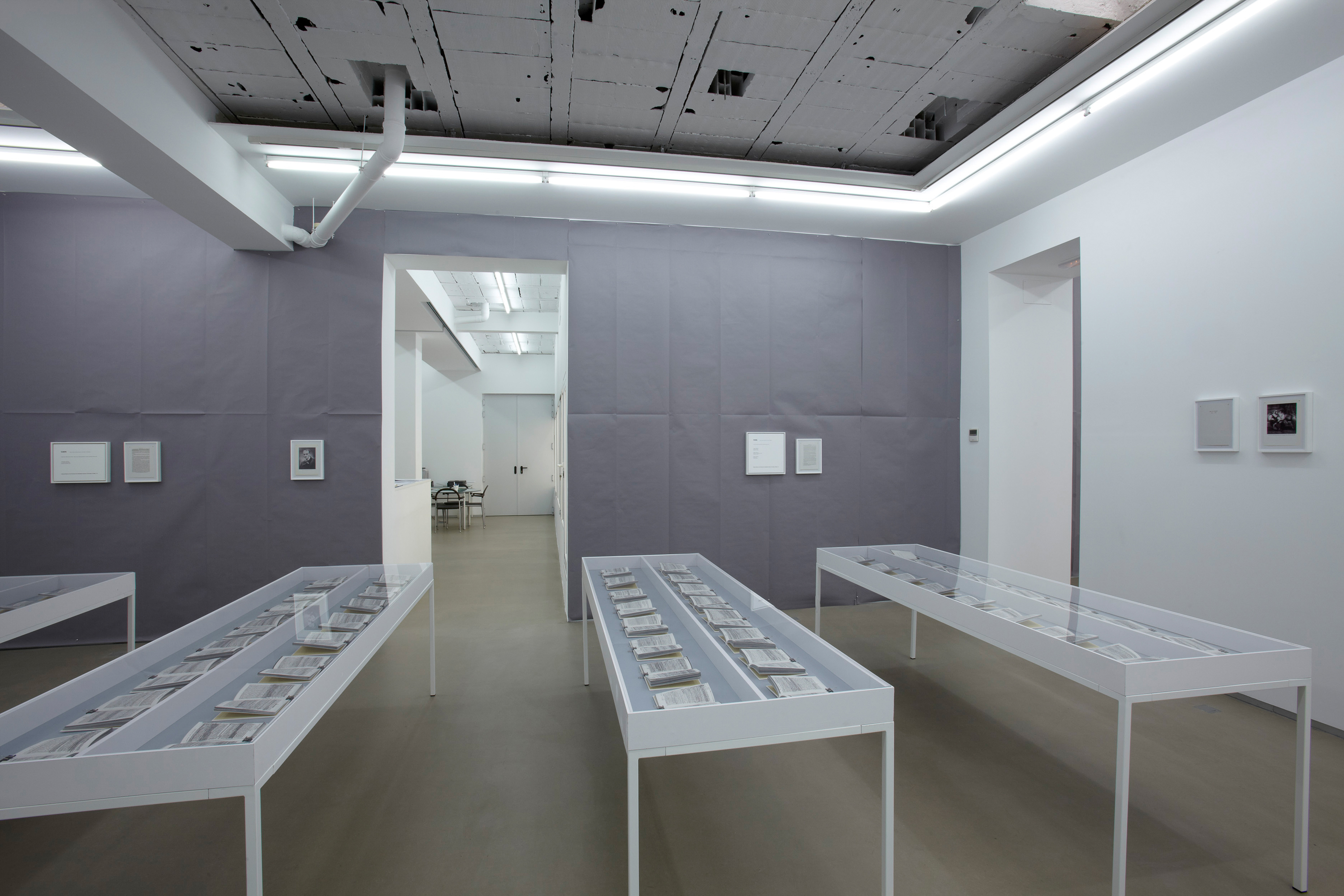
The exhibition brings together five artists of diverse origins and different generations who elicit a series of narrative threads that consider the experience and perception of the work of art, addressing issues of reading, translation, transcription, displacement, and the potential for writing offered by blank space. The emphasis is on the here and now, the moment of encounter between an existing work of art or literature and the viewer/reader’s experience of it.
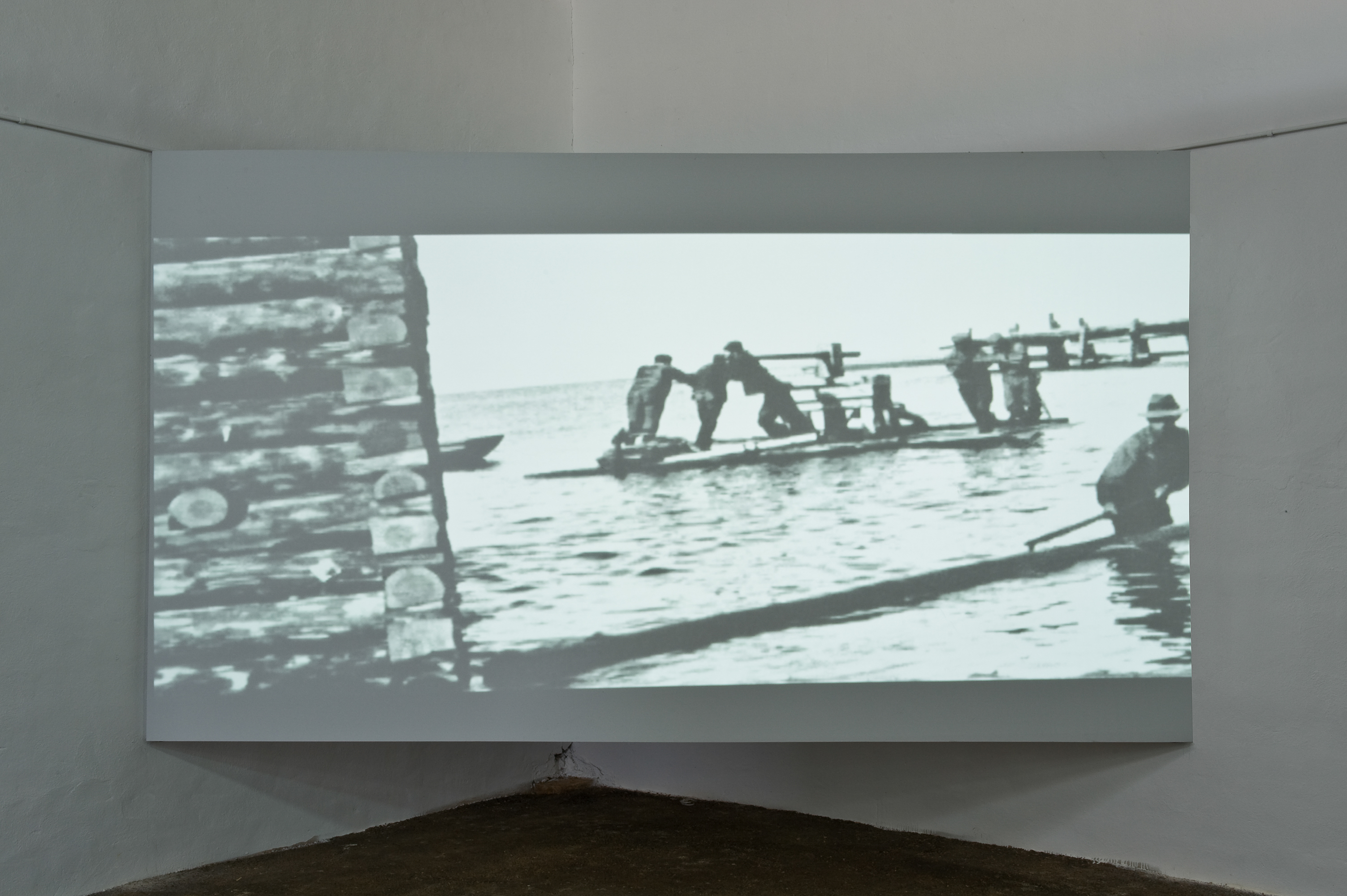
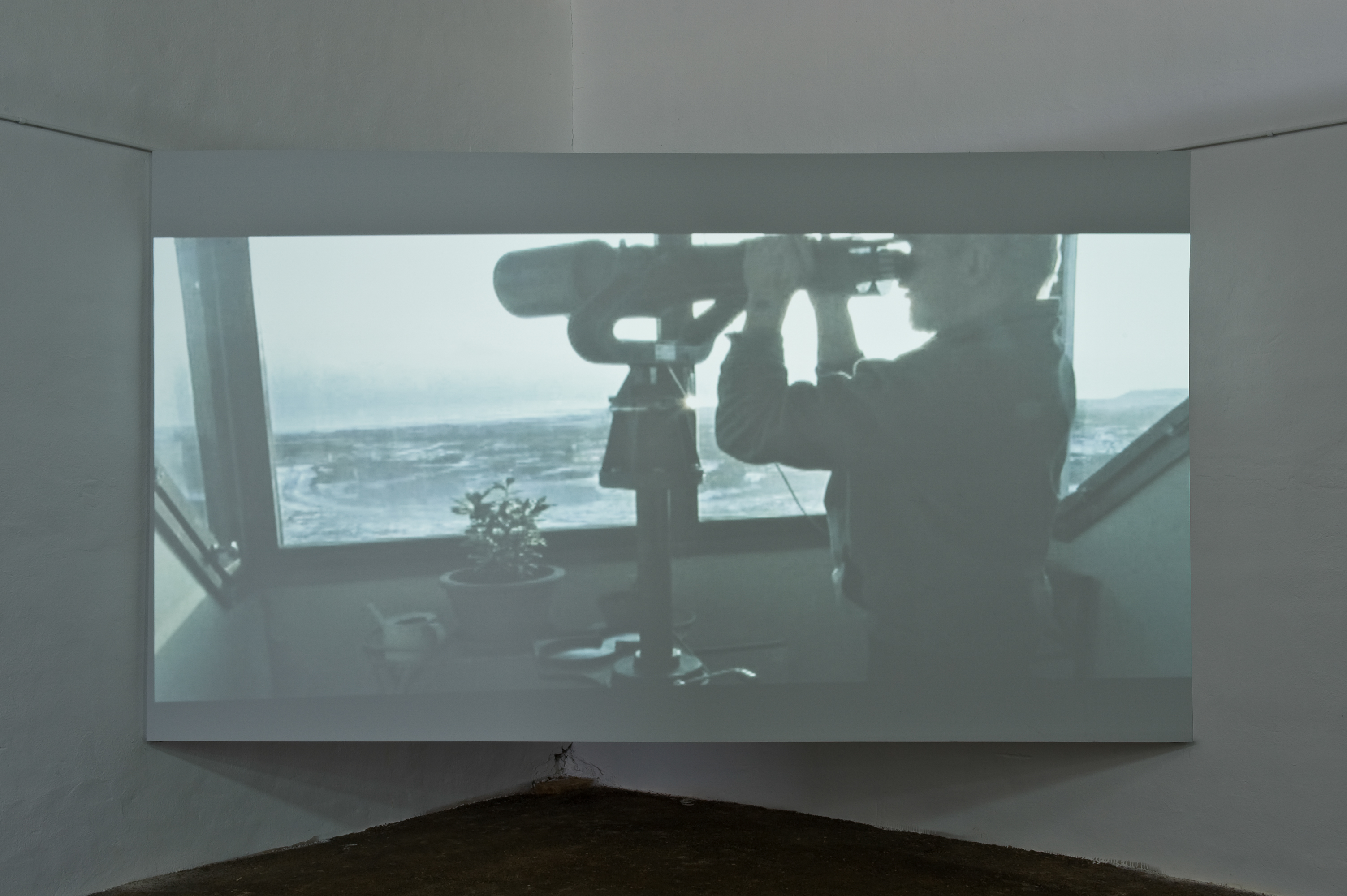
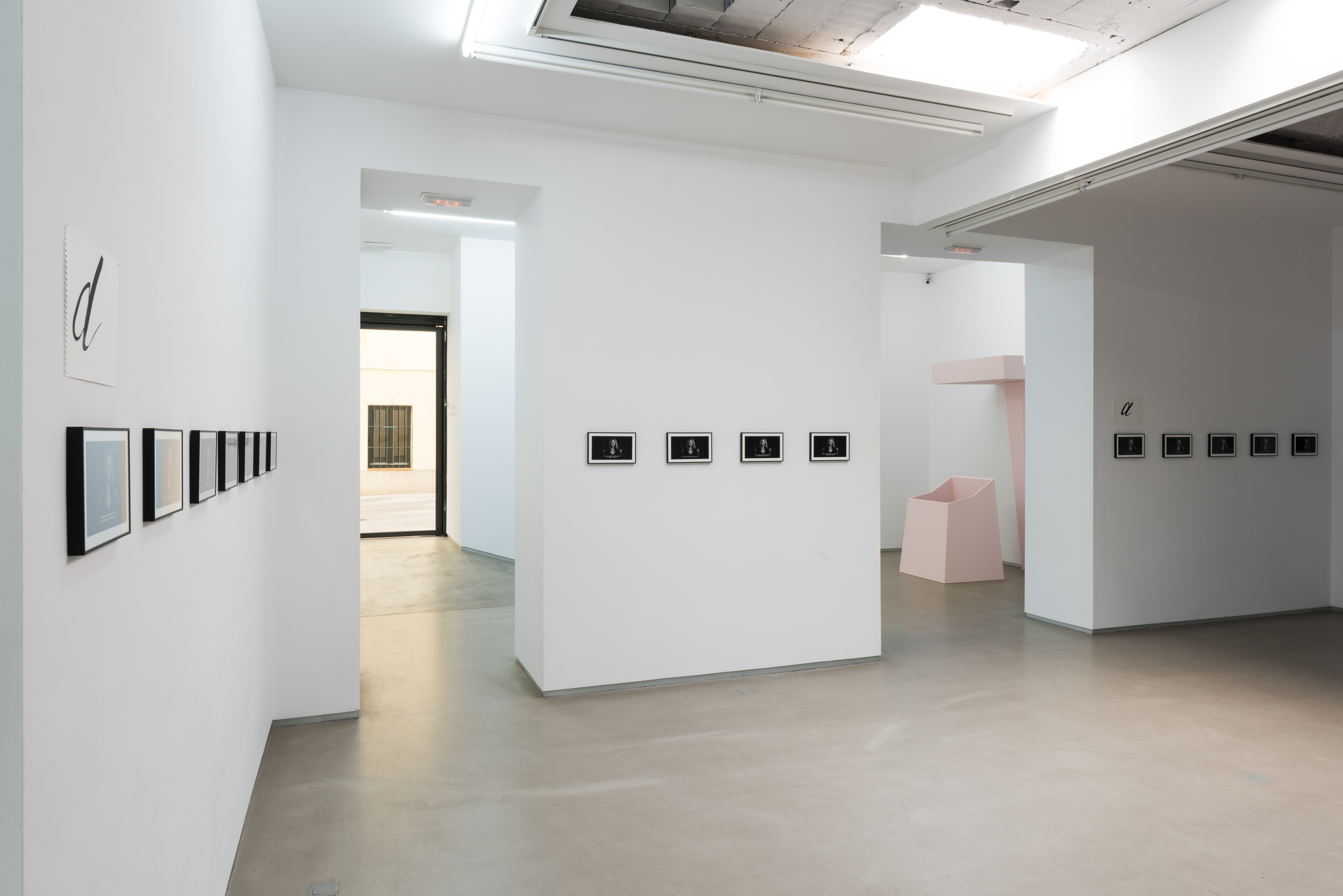
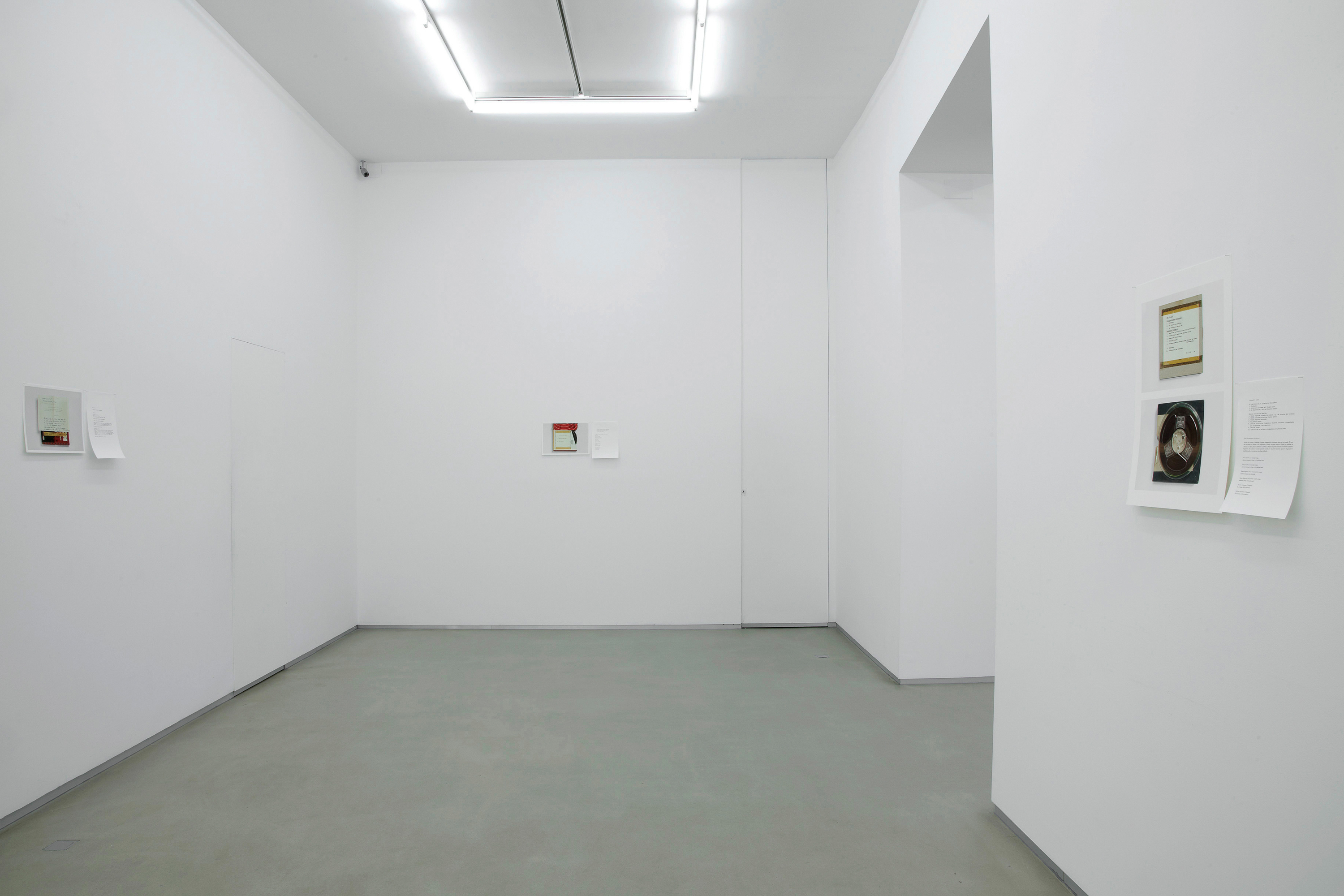
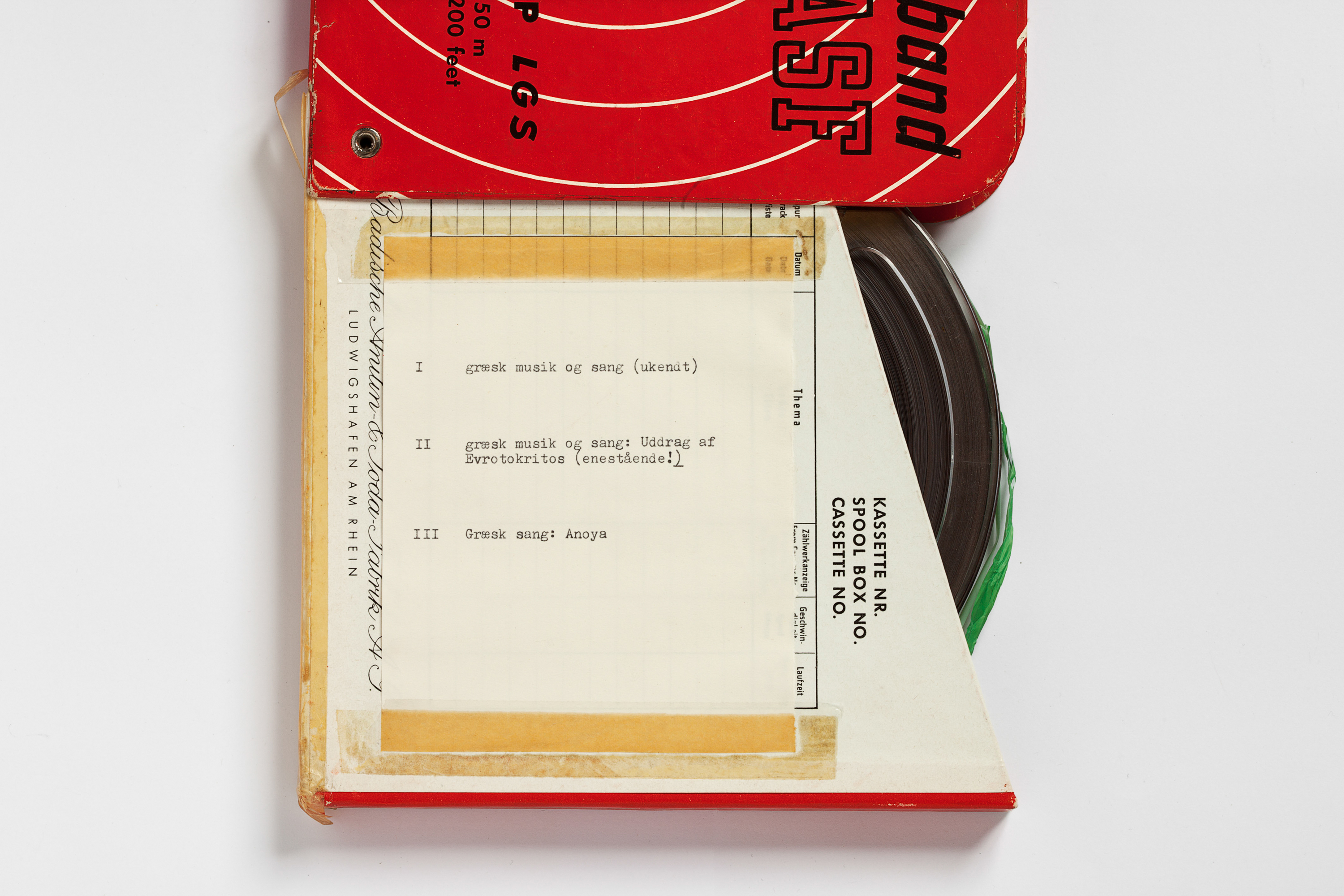
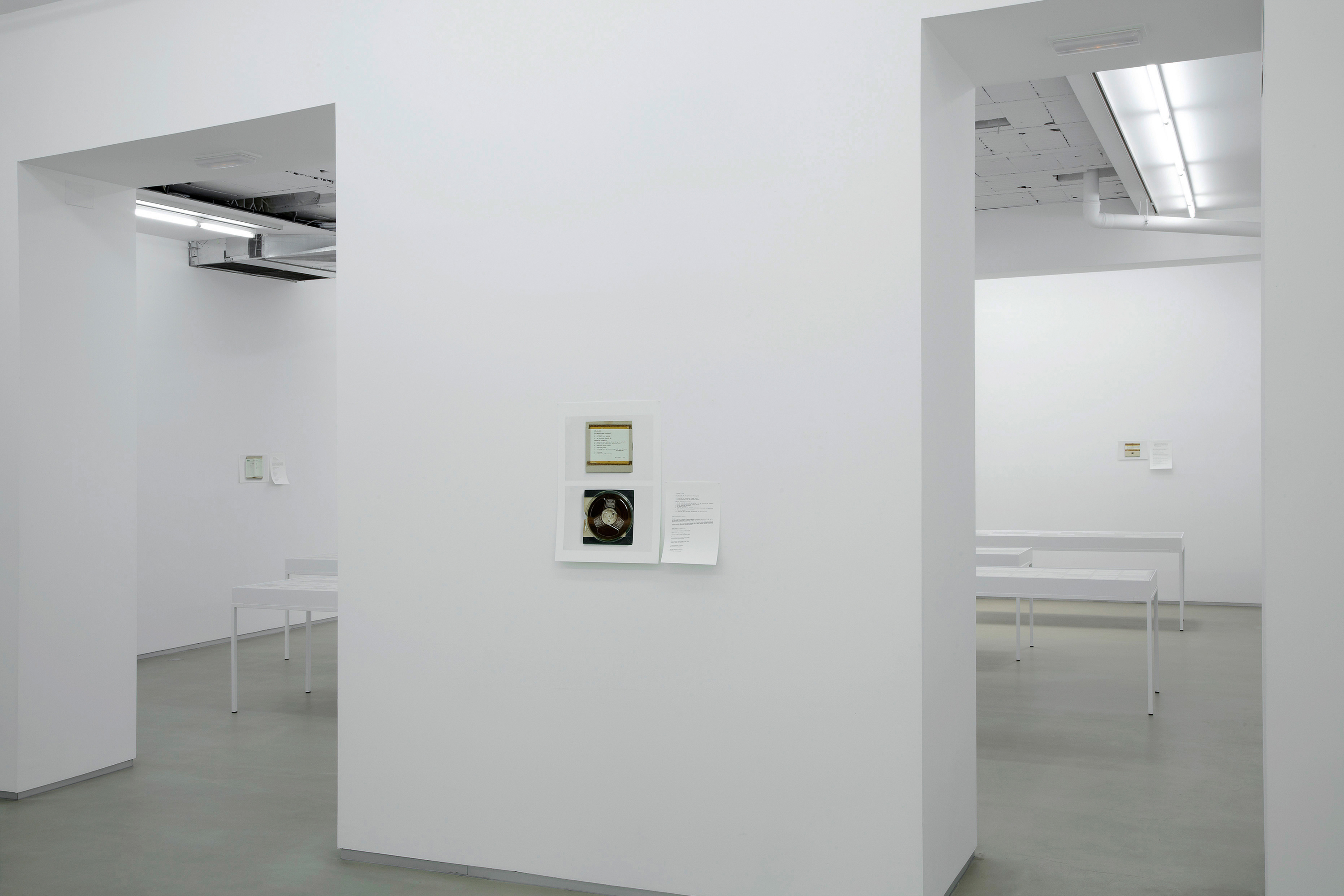
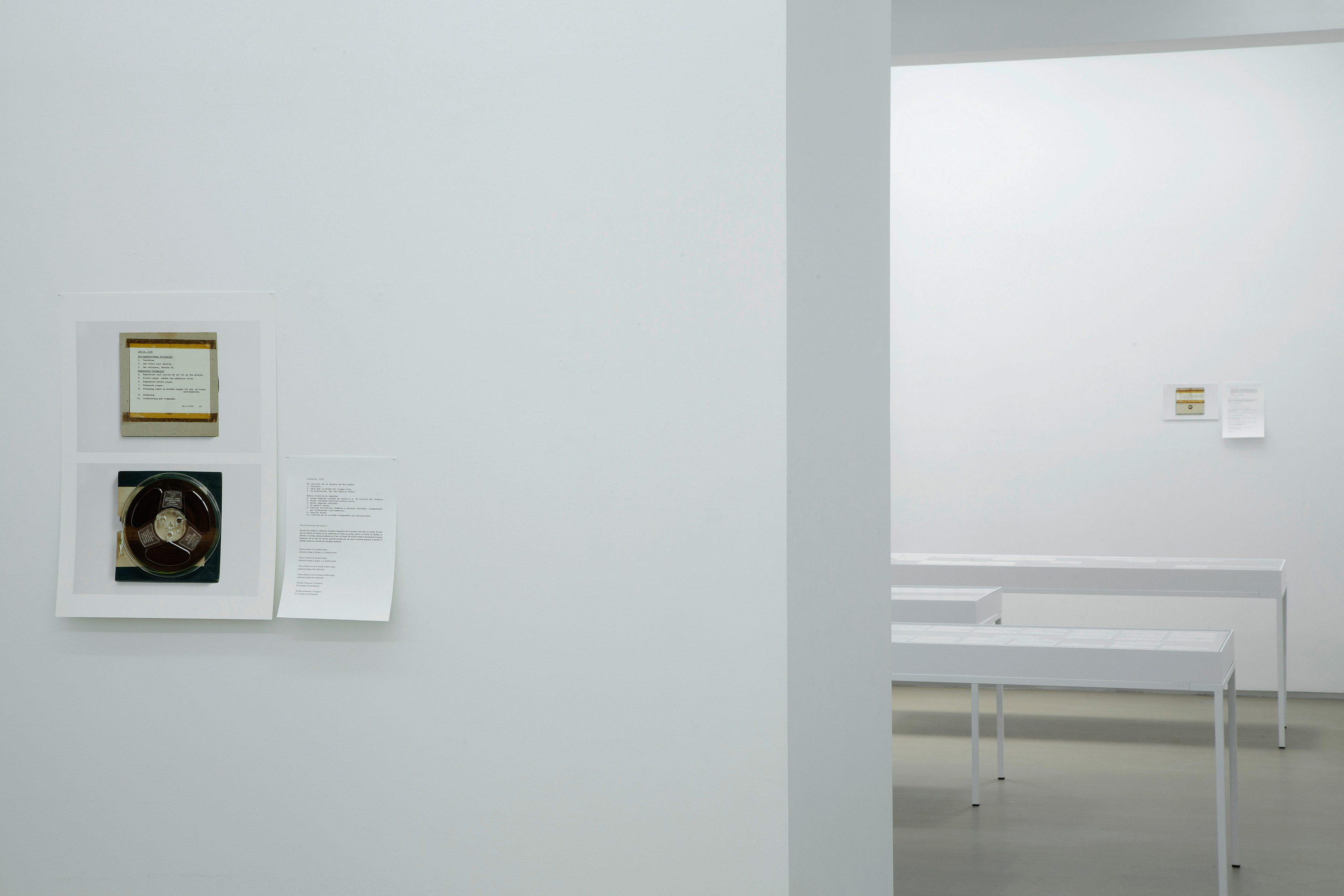
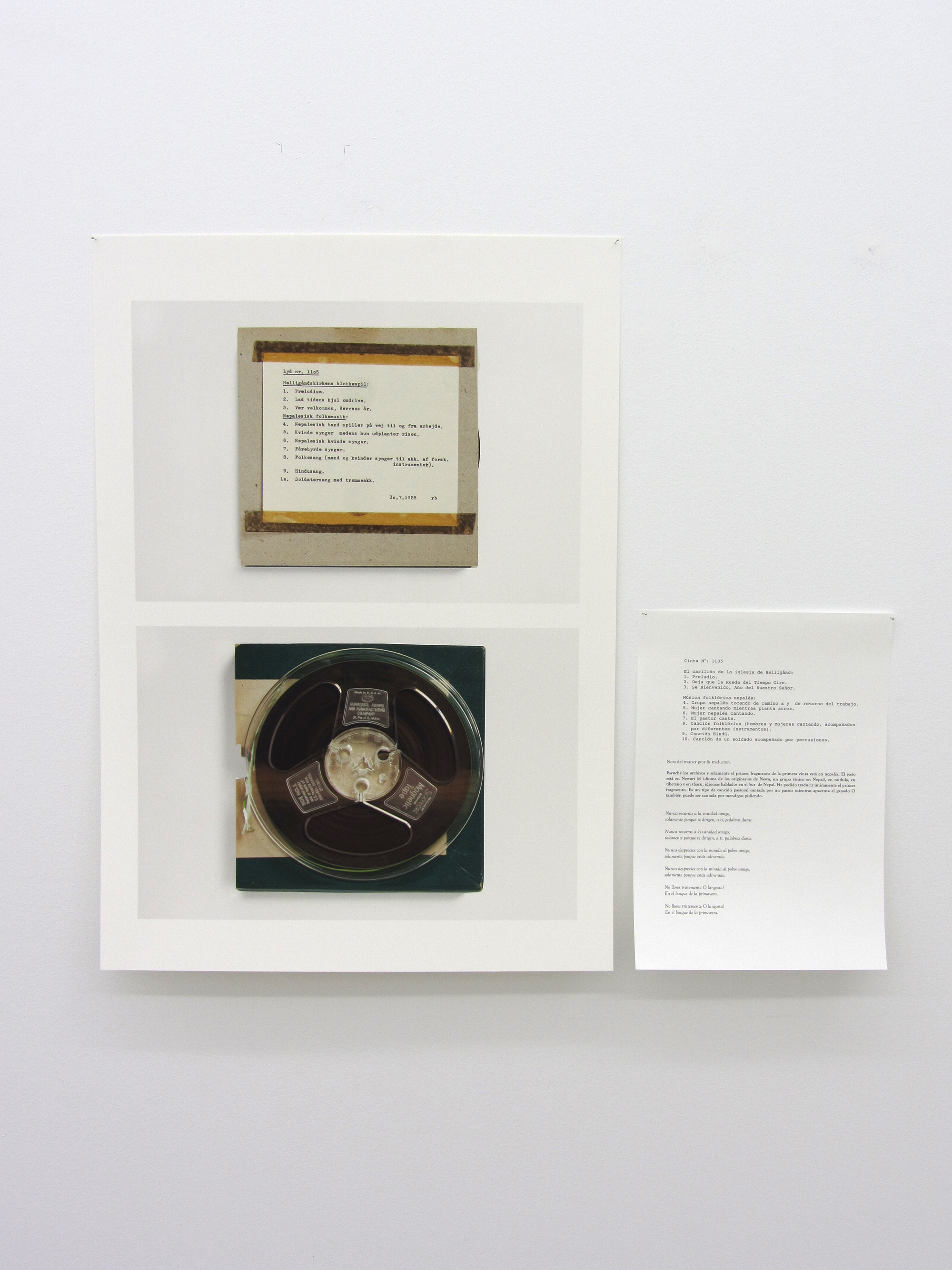
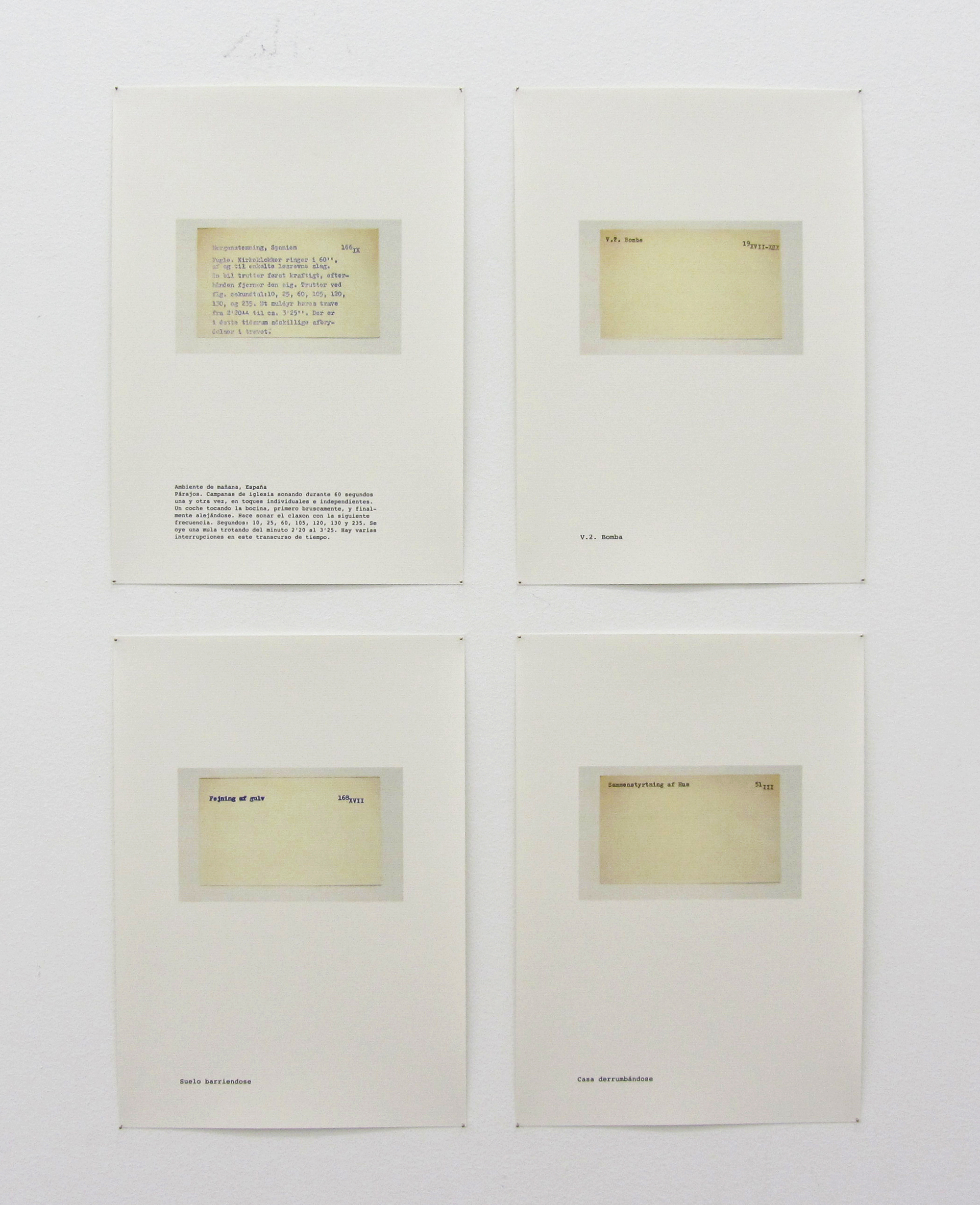
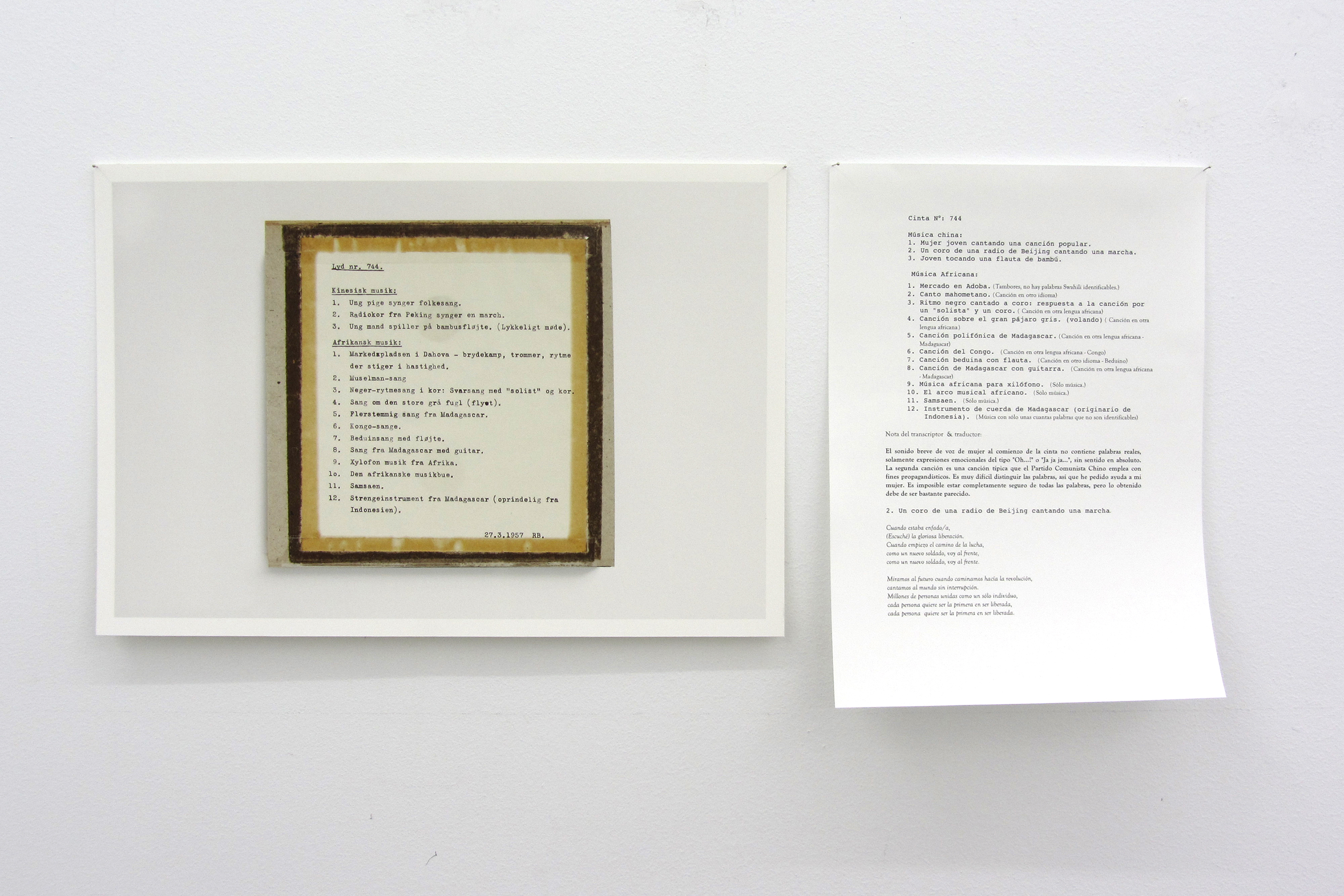
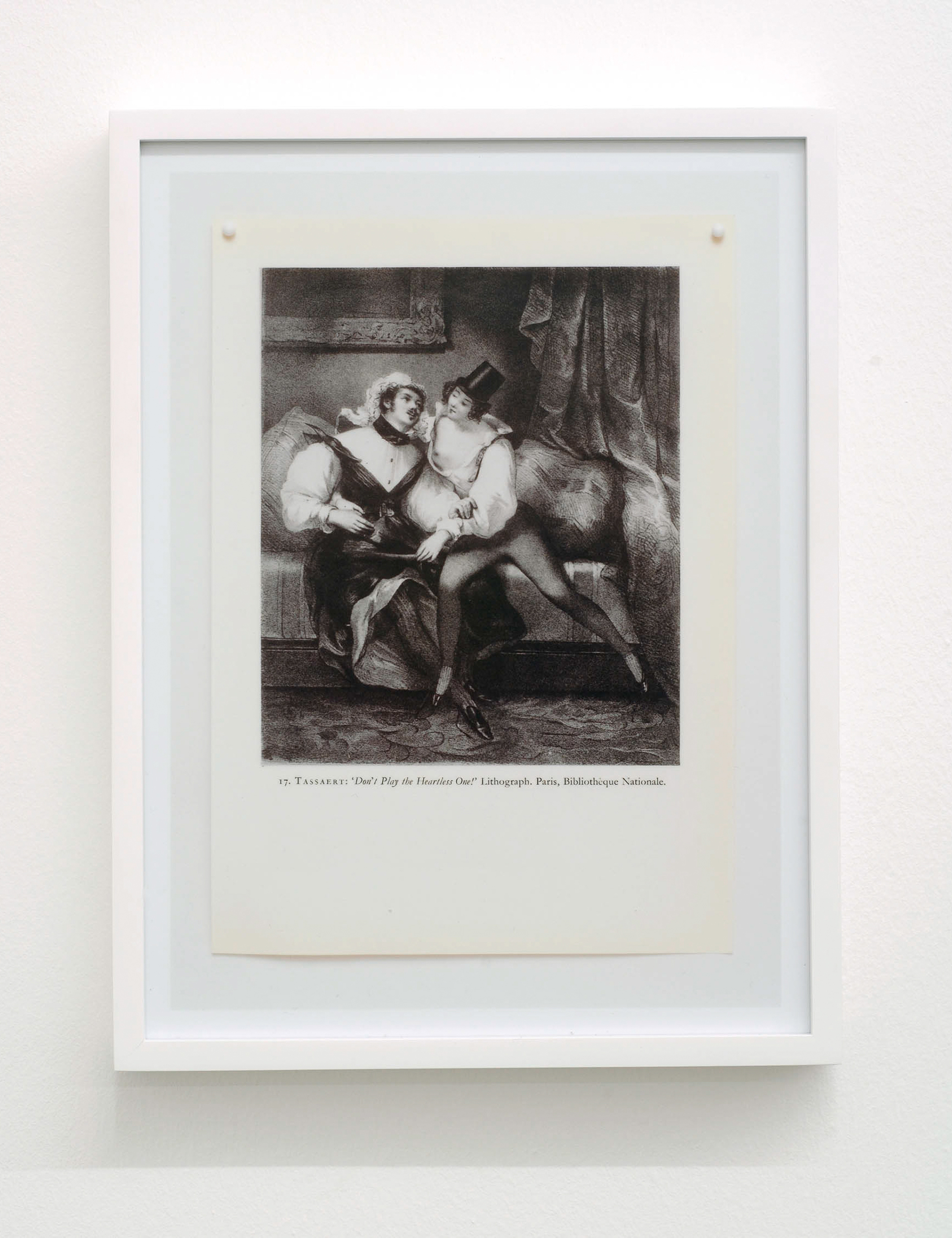
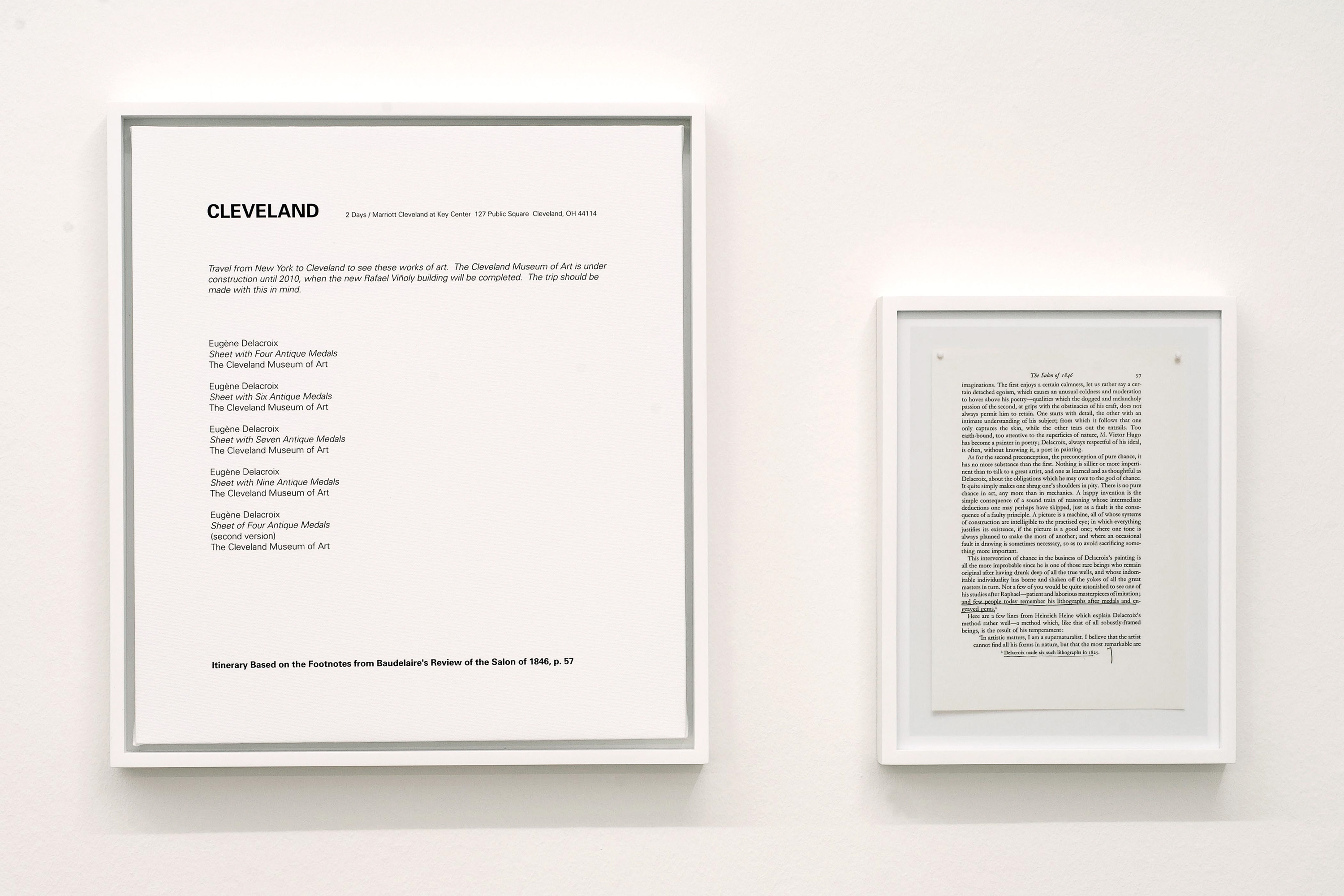
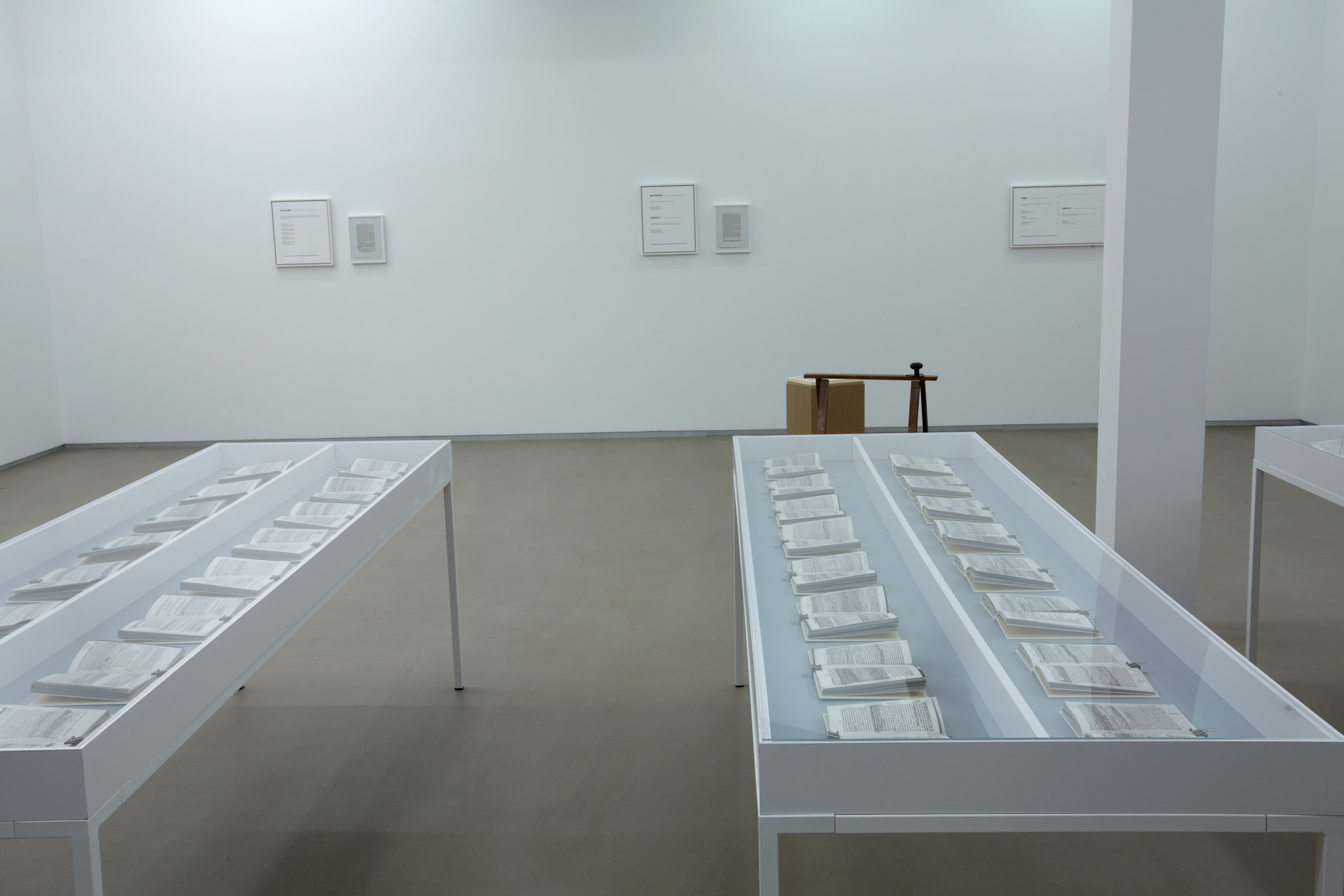
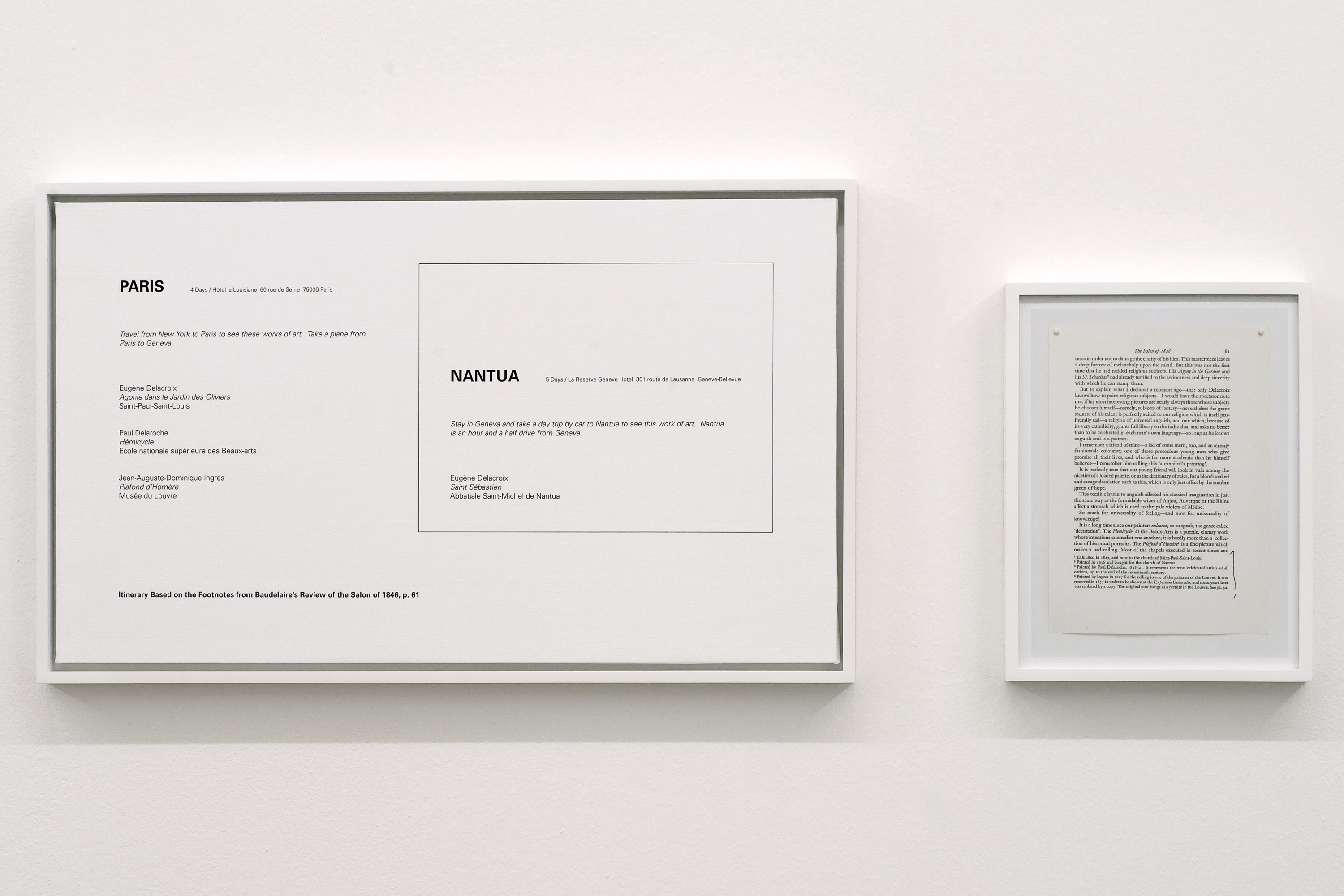
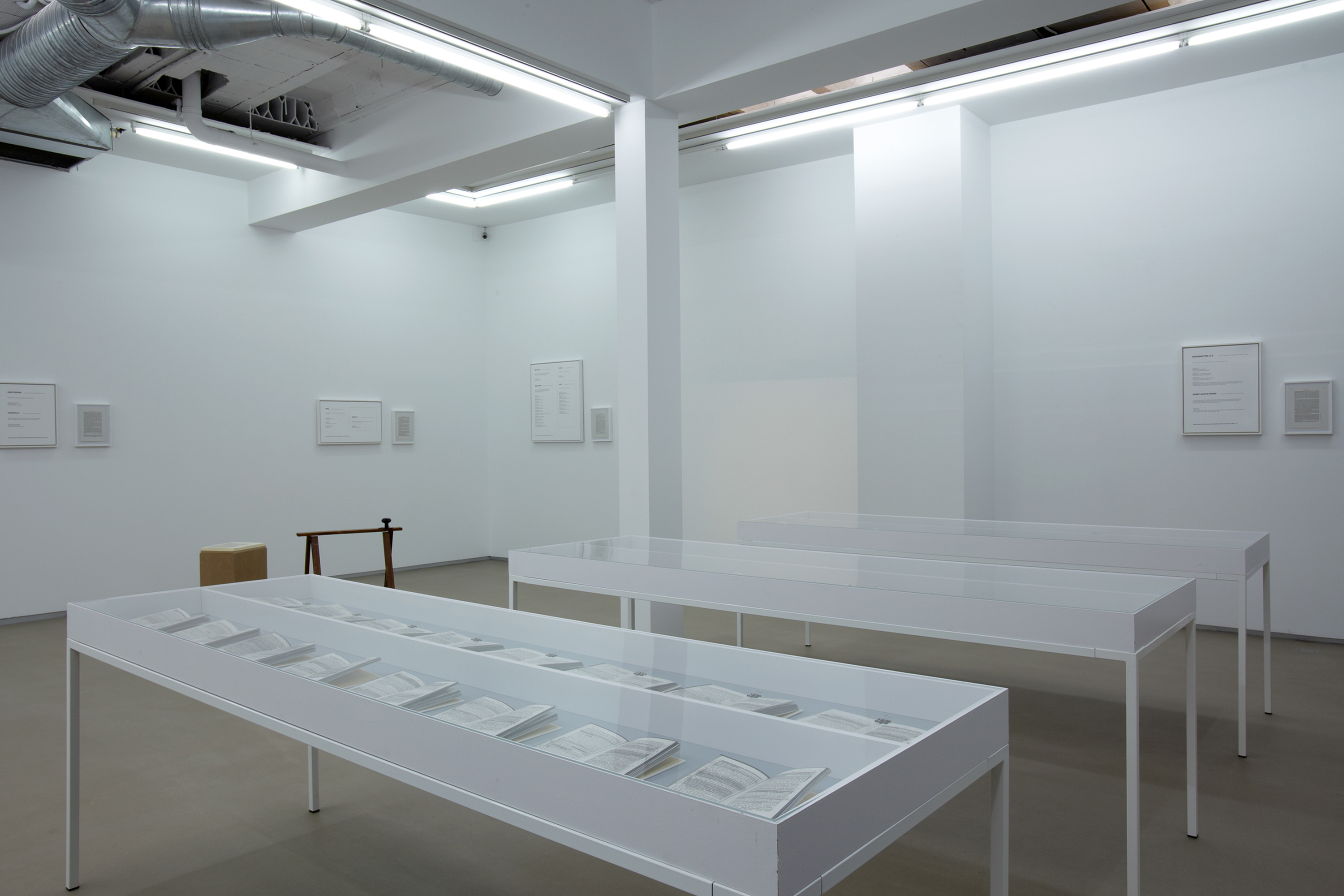
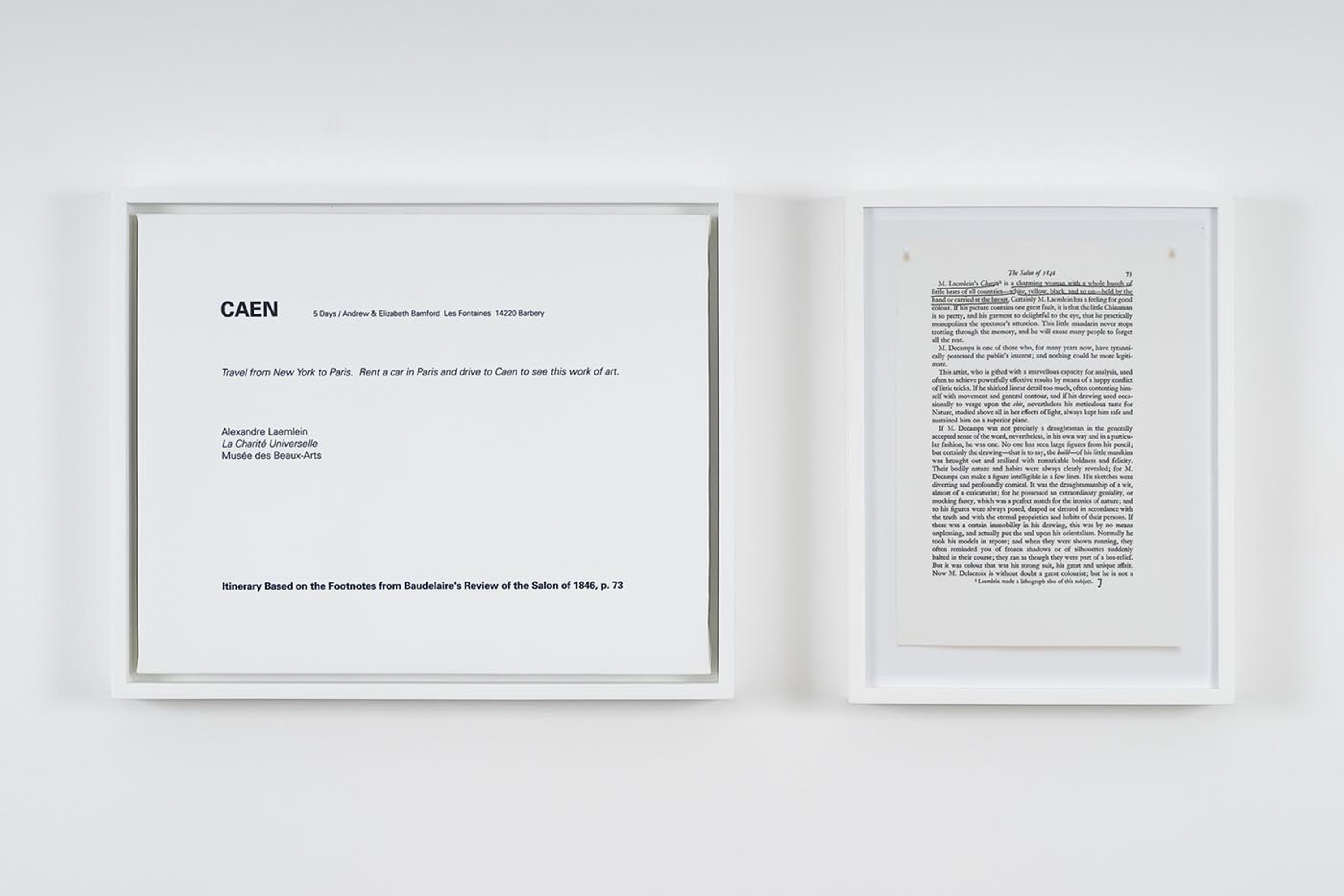
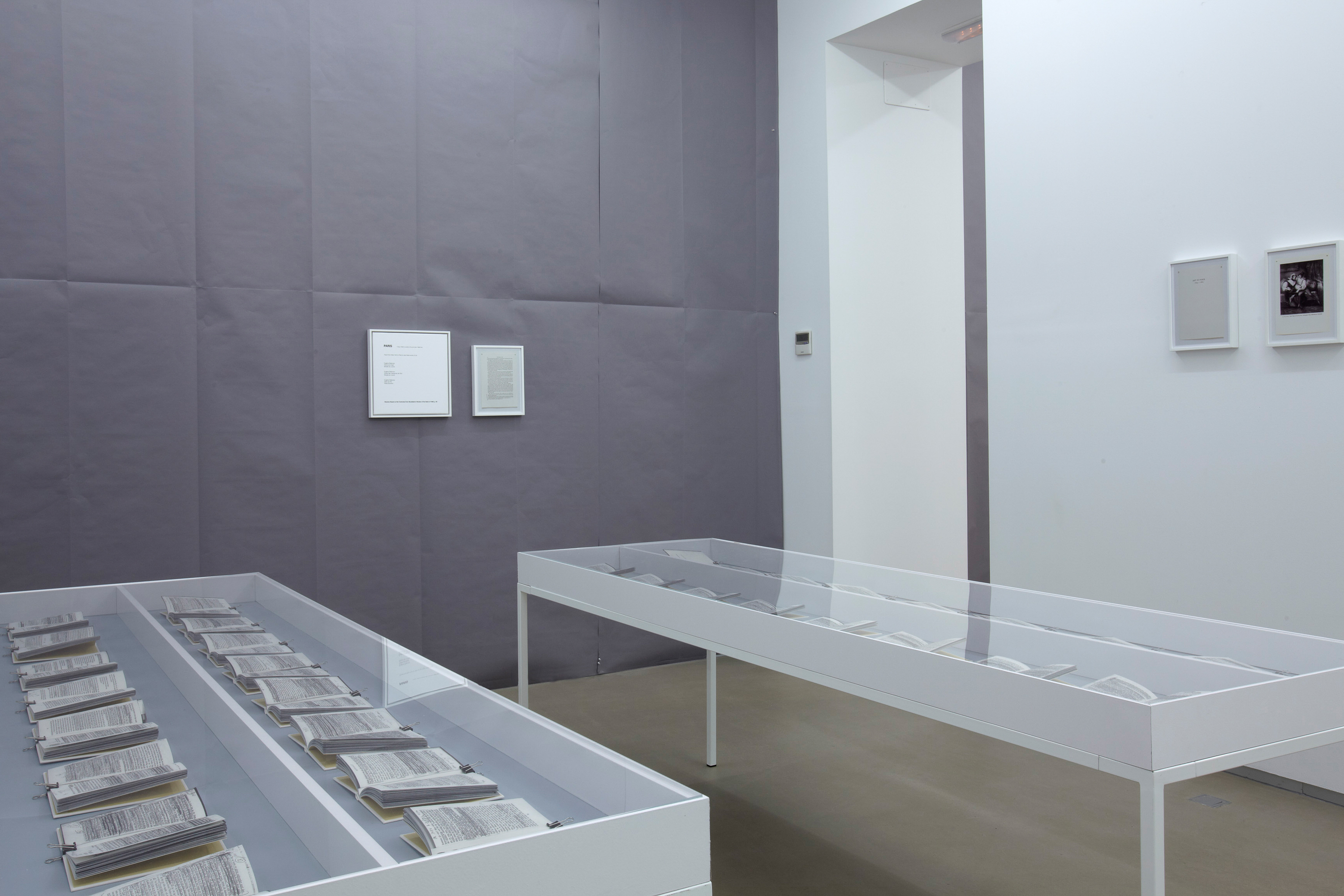
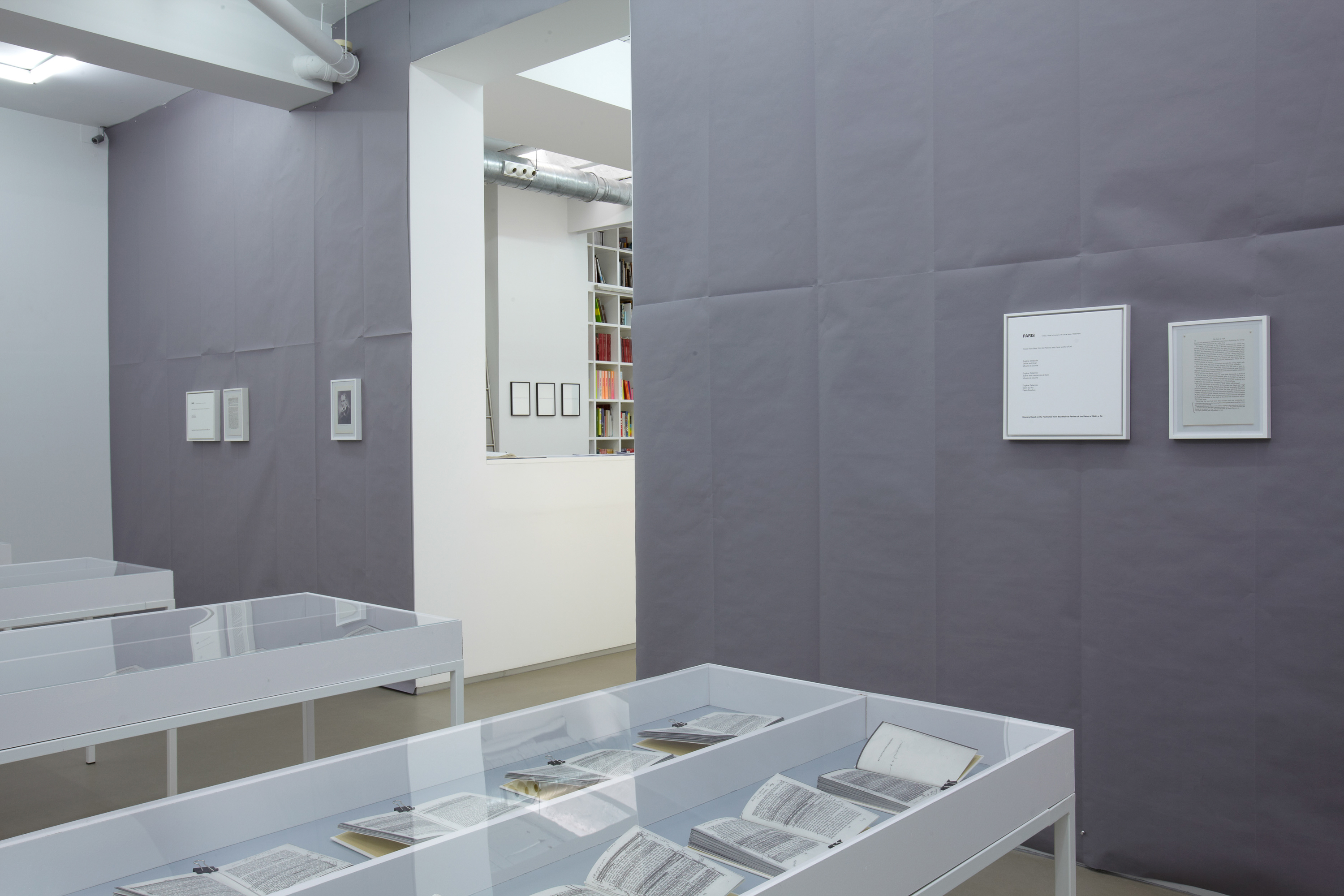
Lisa Tan’s (United States, 1973) work centres on historical narrative, sometimes personal, which speaks of nostalgia and the lack of constancy in the conditions of being; indeed, the artist describes her own work in terms of ontology. Baudelaire Itineraries (2007), consists of a series of framed paintings and photographs of documents taken from the footnotes of Charles Baudelaire’s articles about the 1846 Salon. The piece proposes a series of trajectories, itineraries for seeing works of art, following a journey that took place long ago but which is reactivated in the present through the act of re-reading.
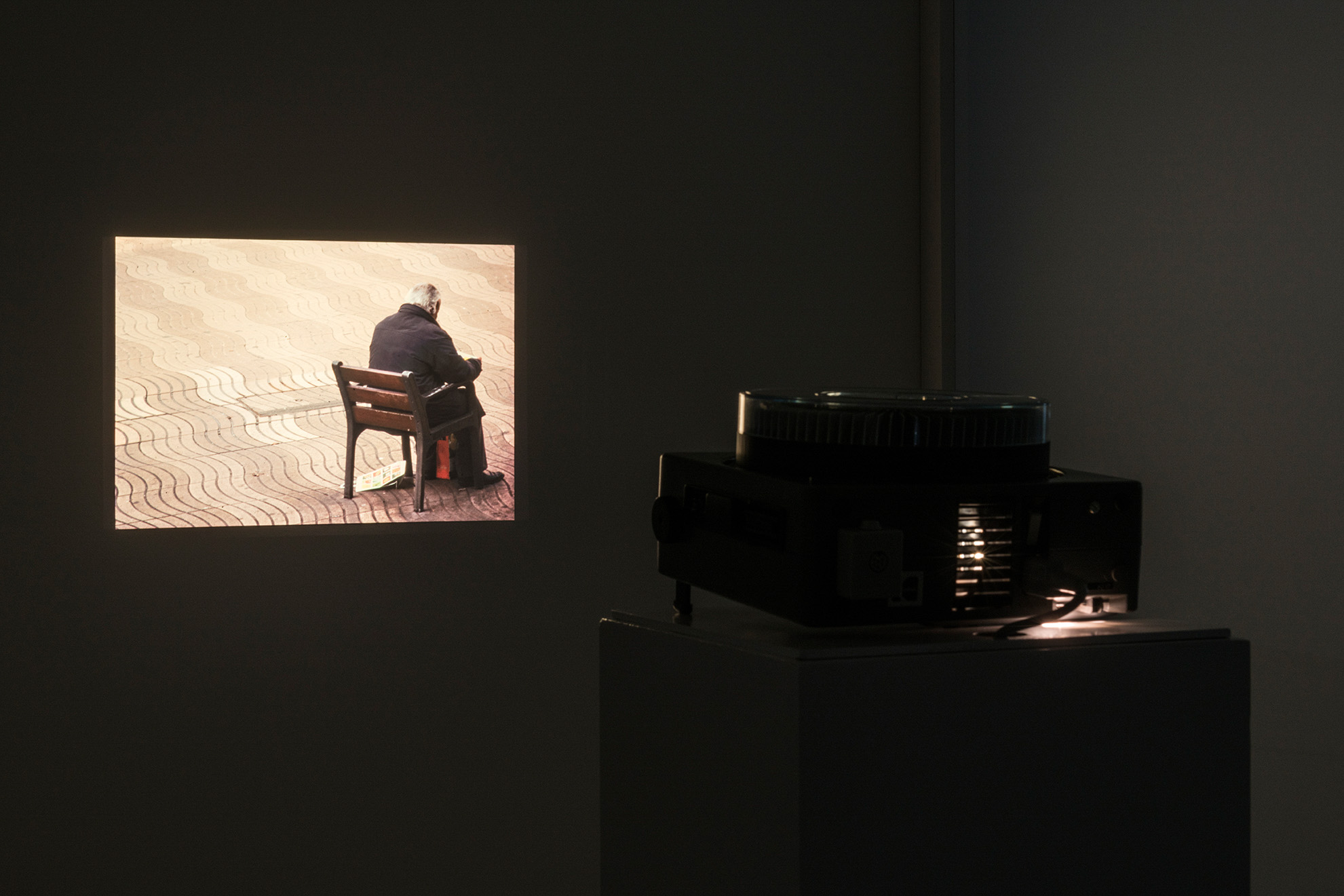
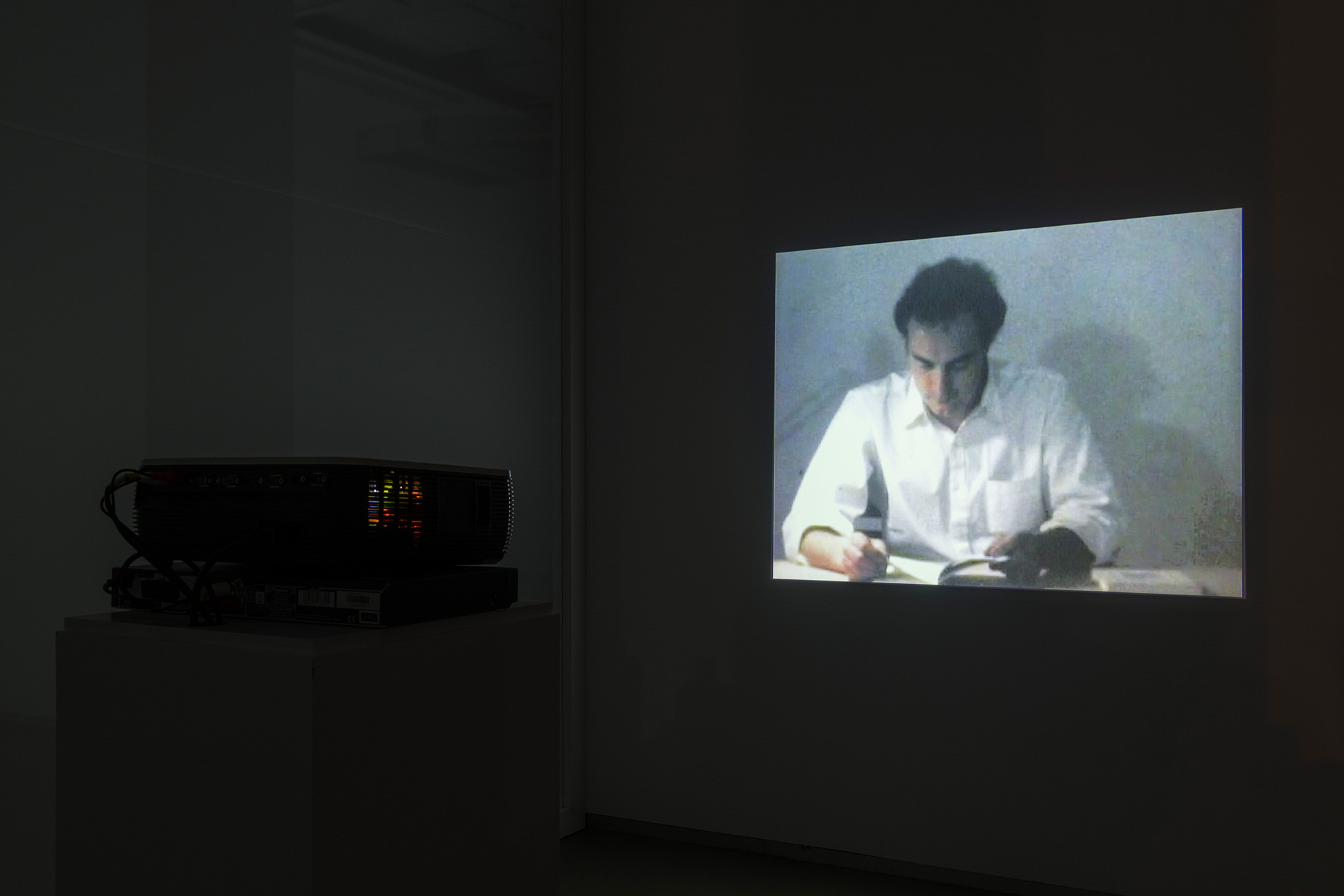
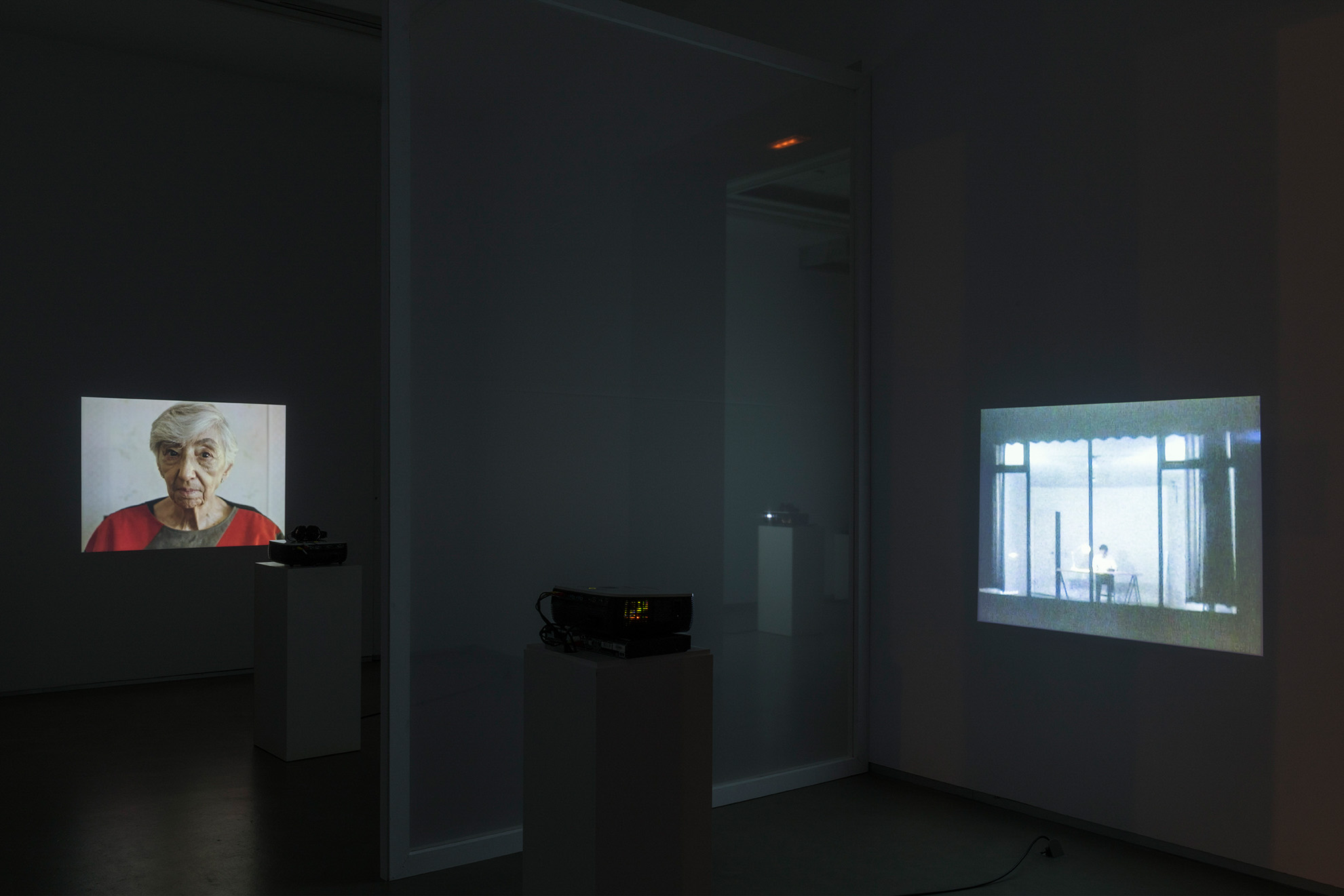
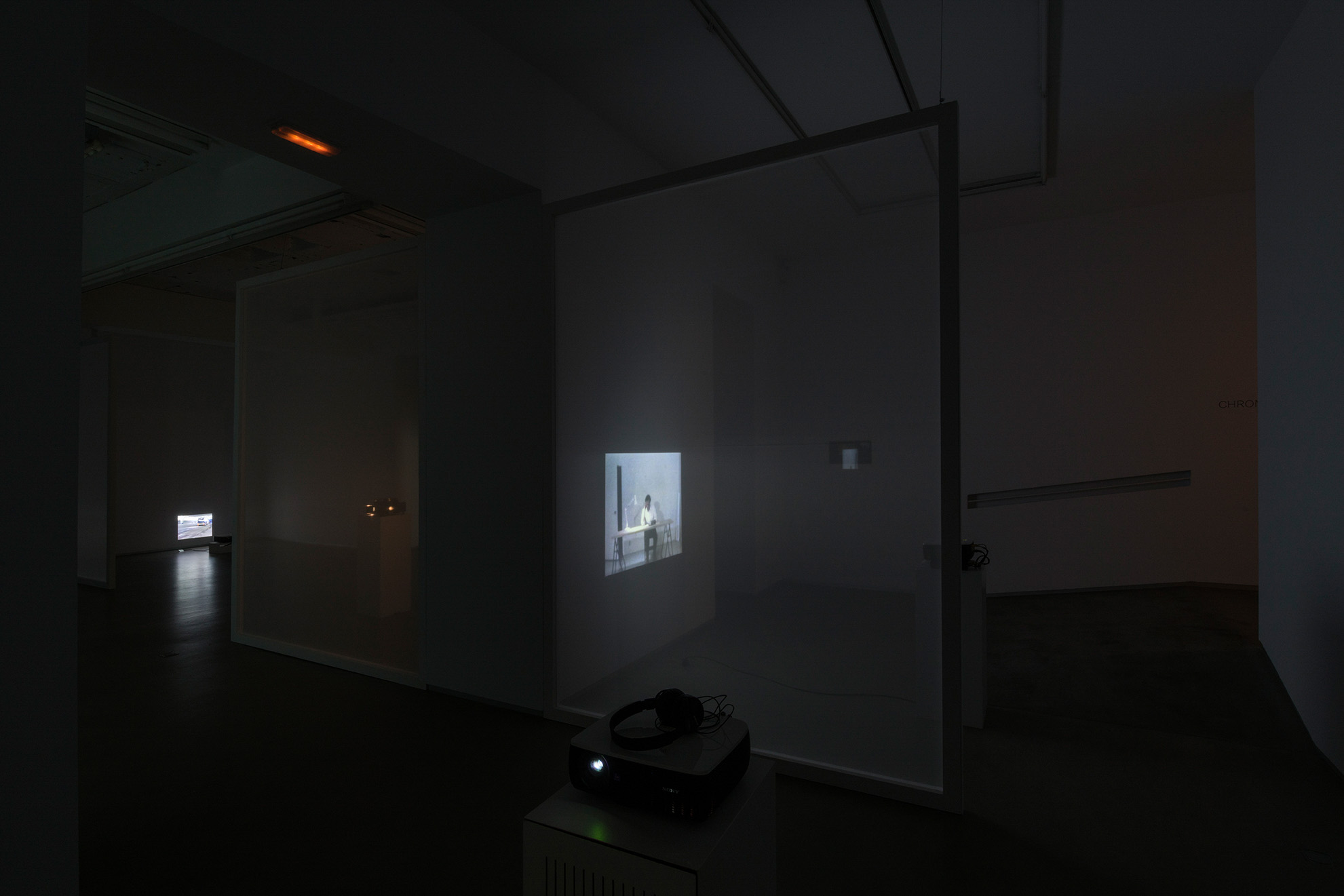
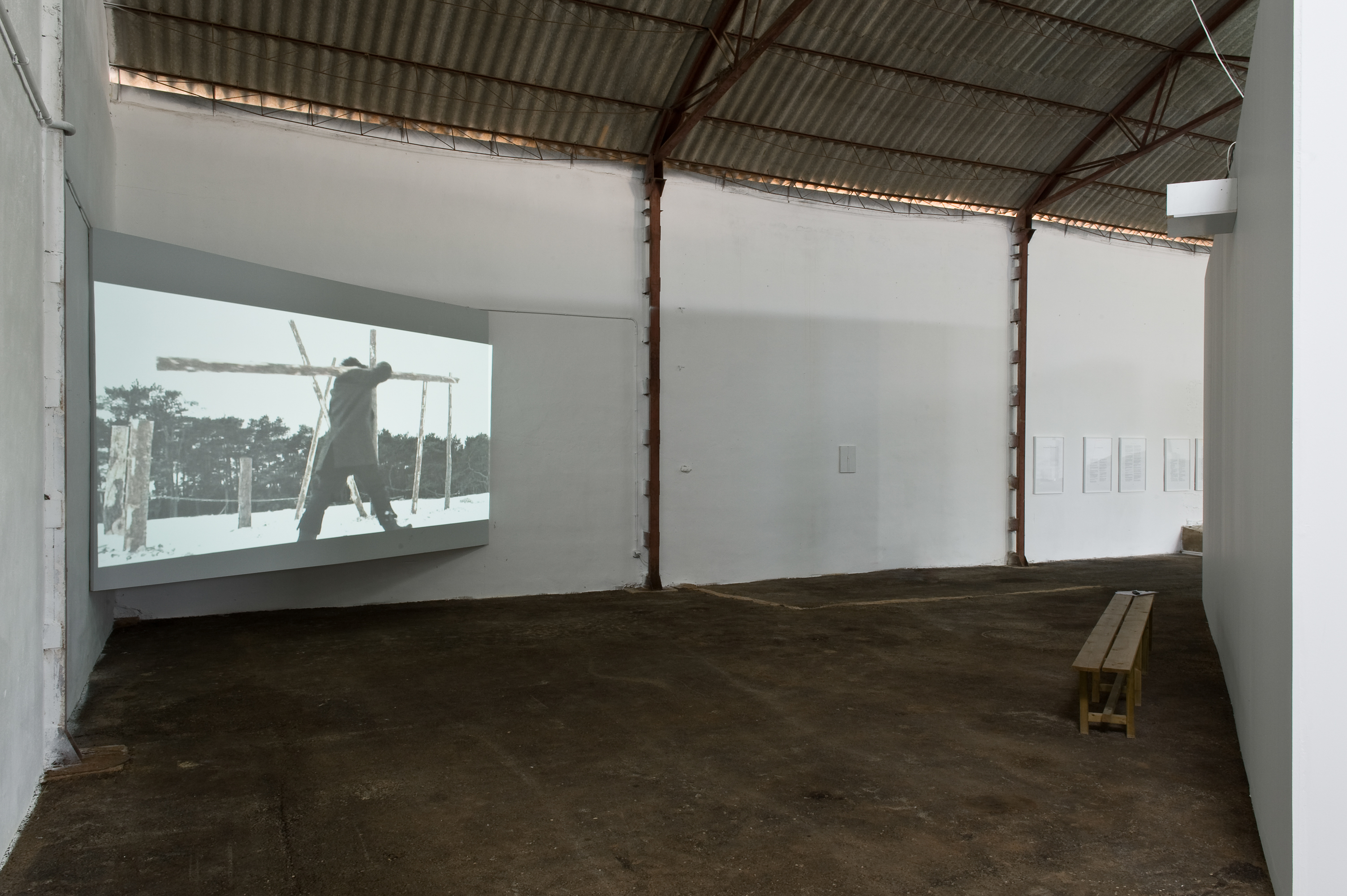
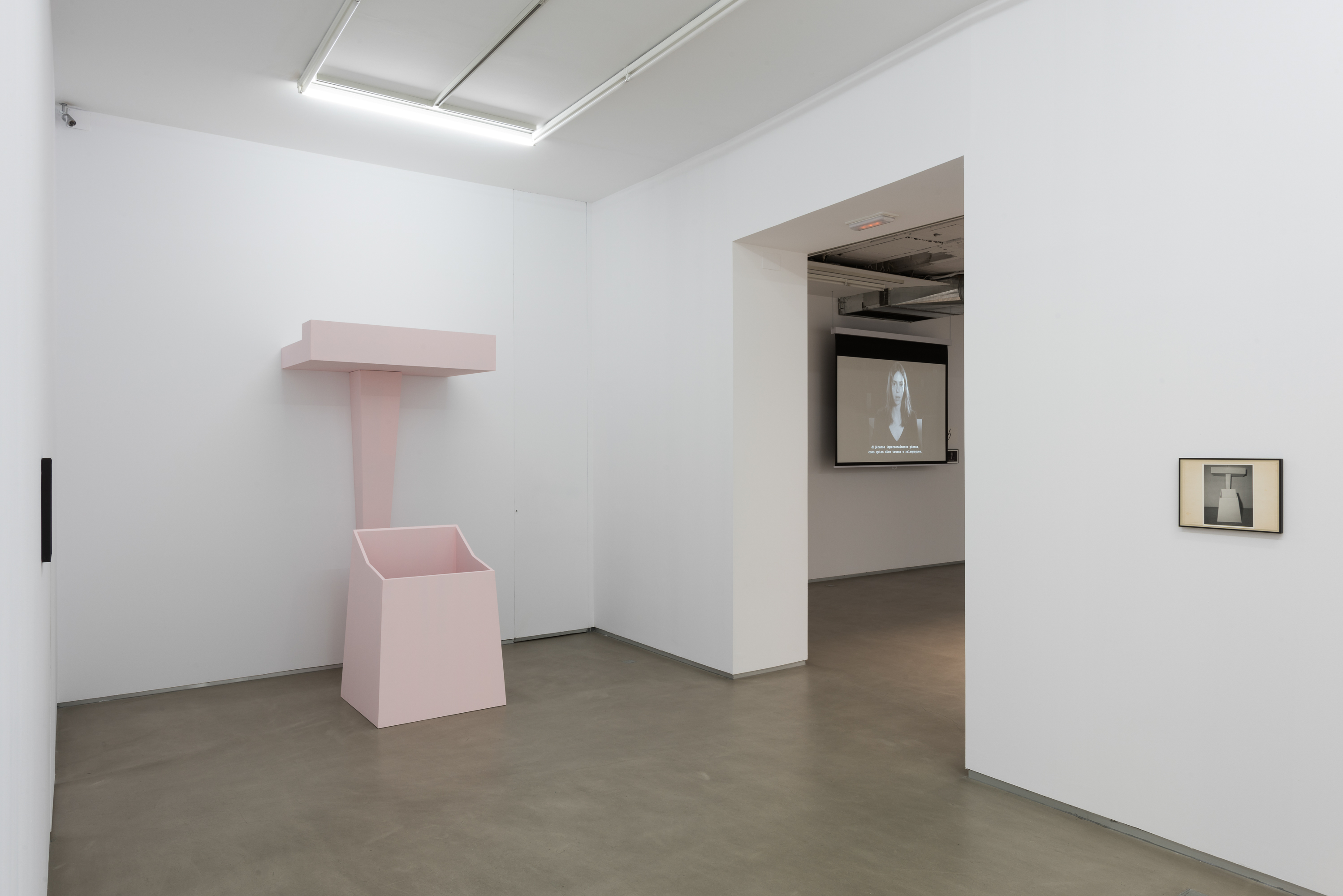
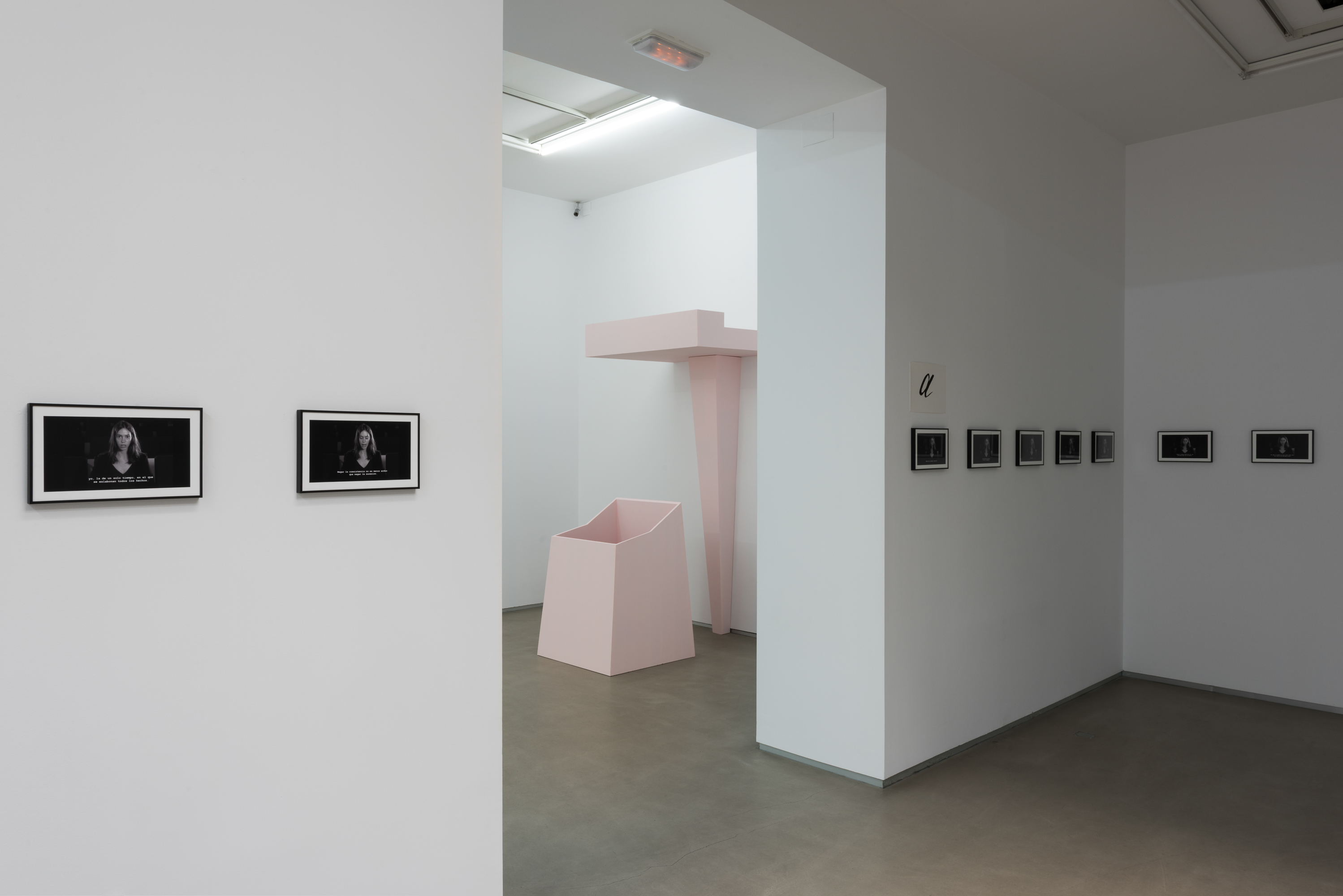
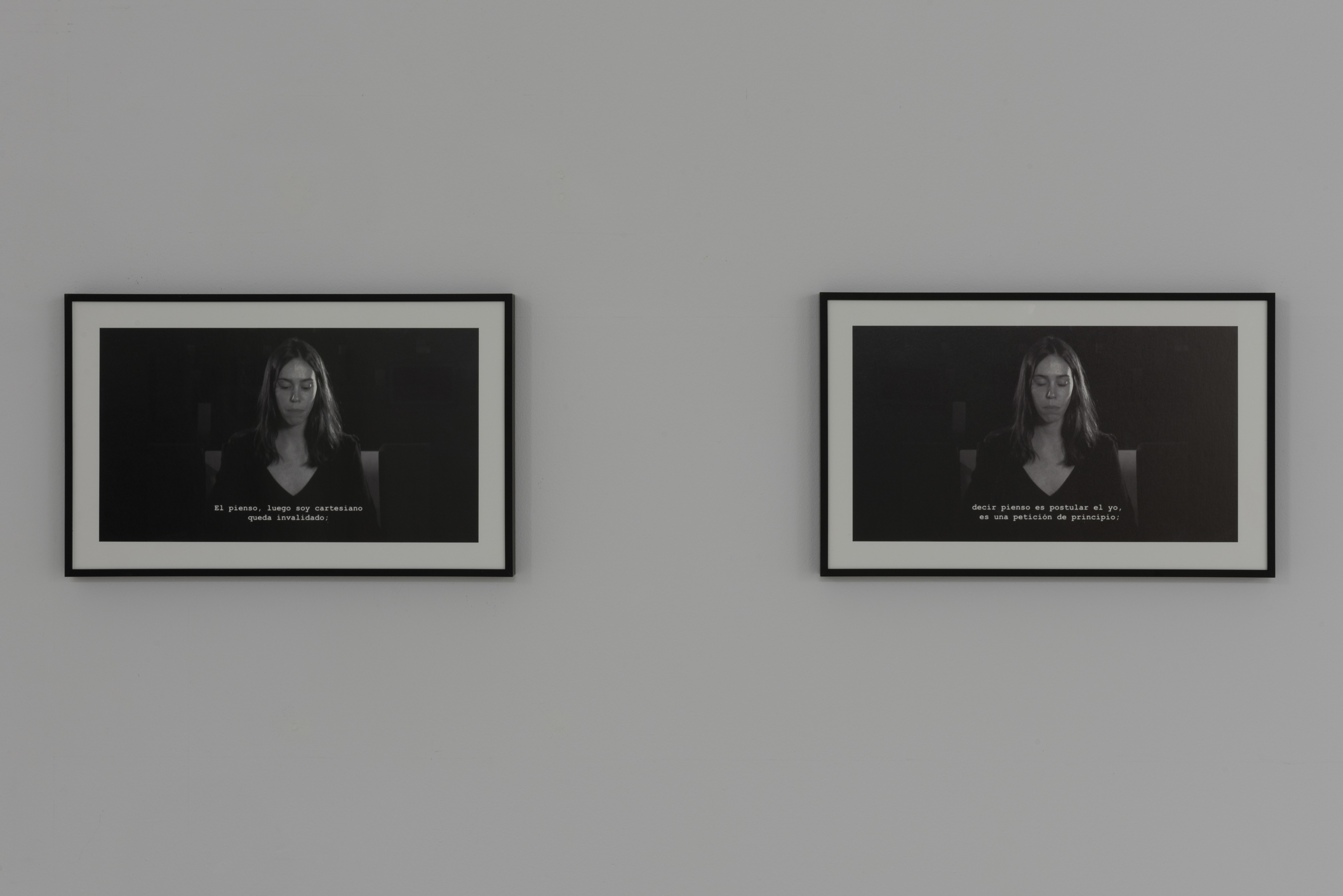
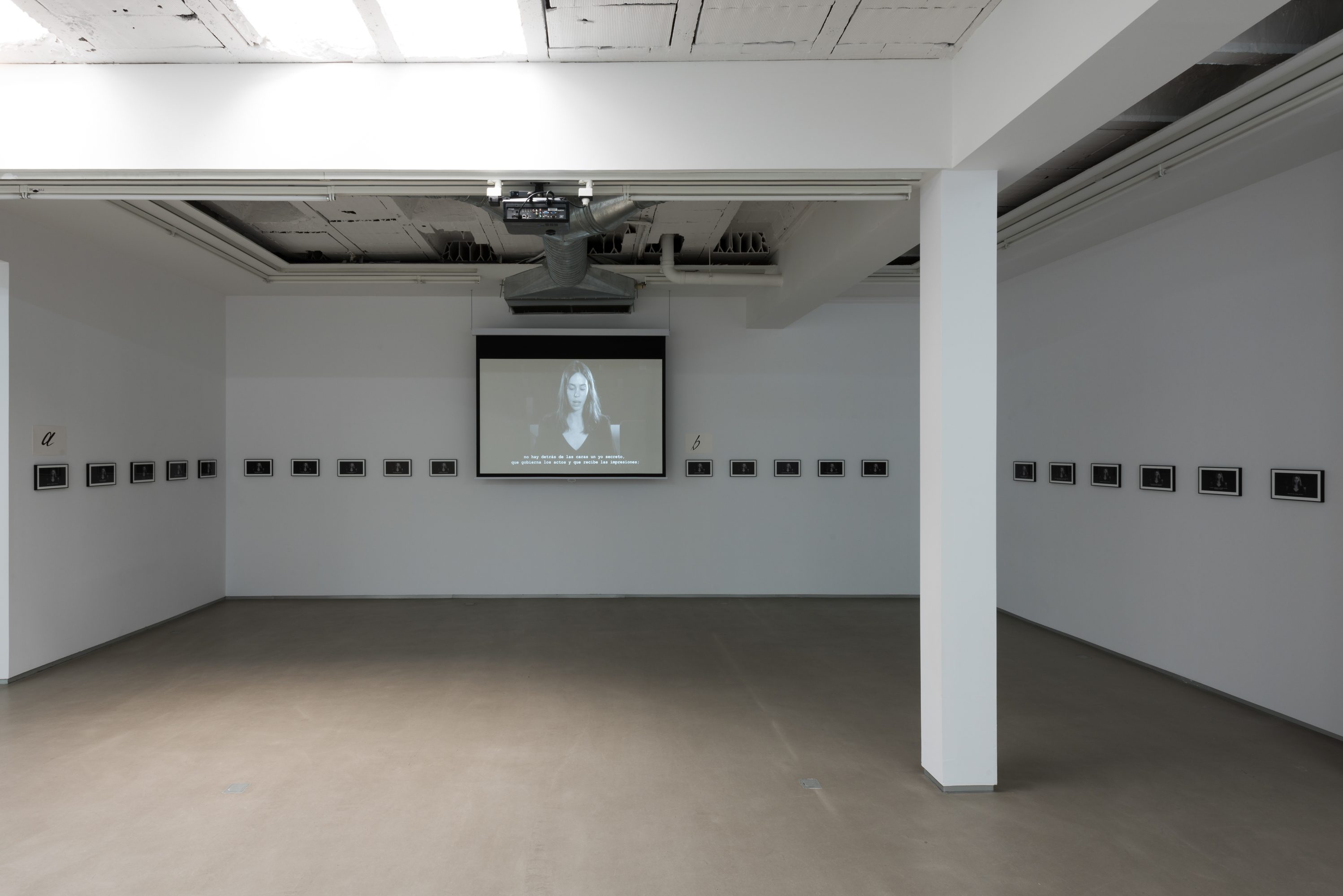
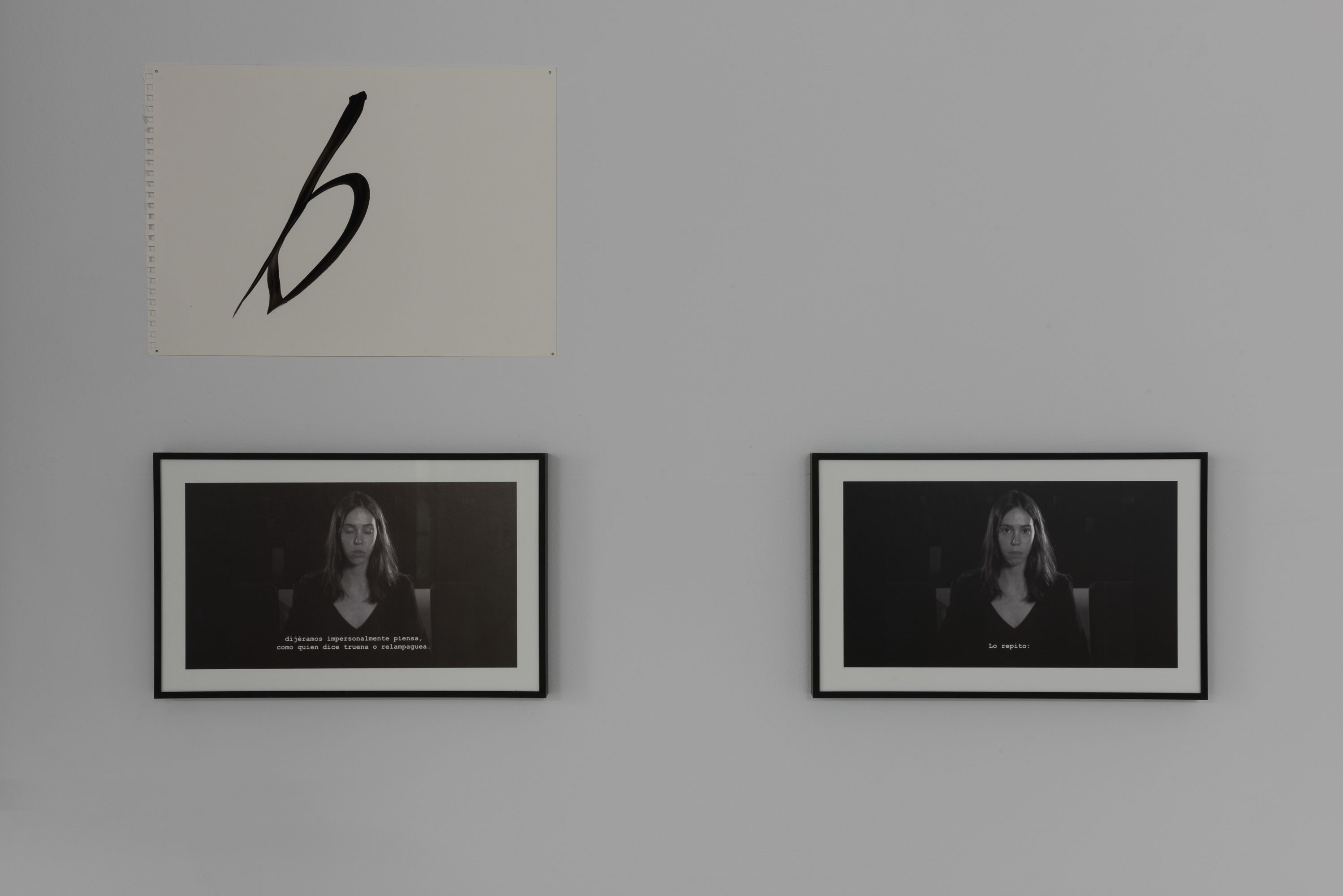
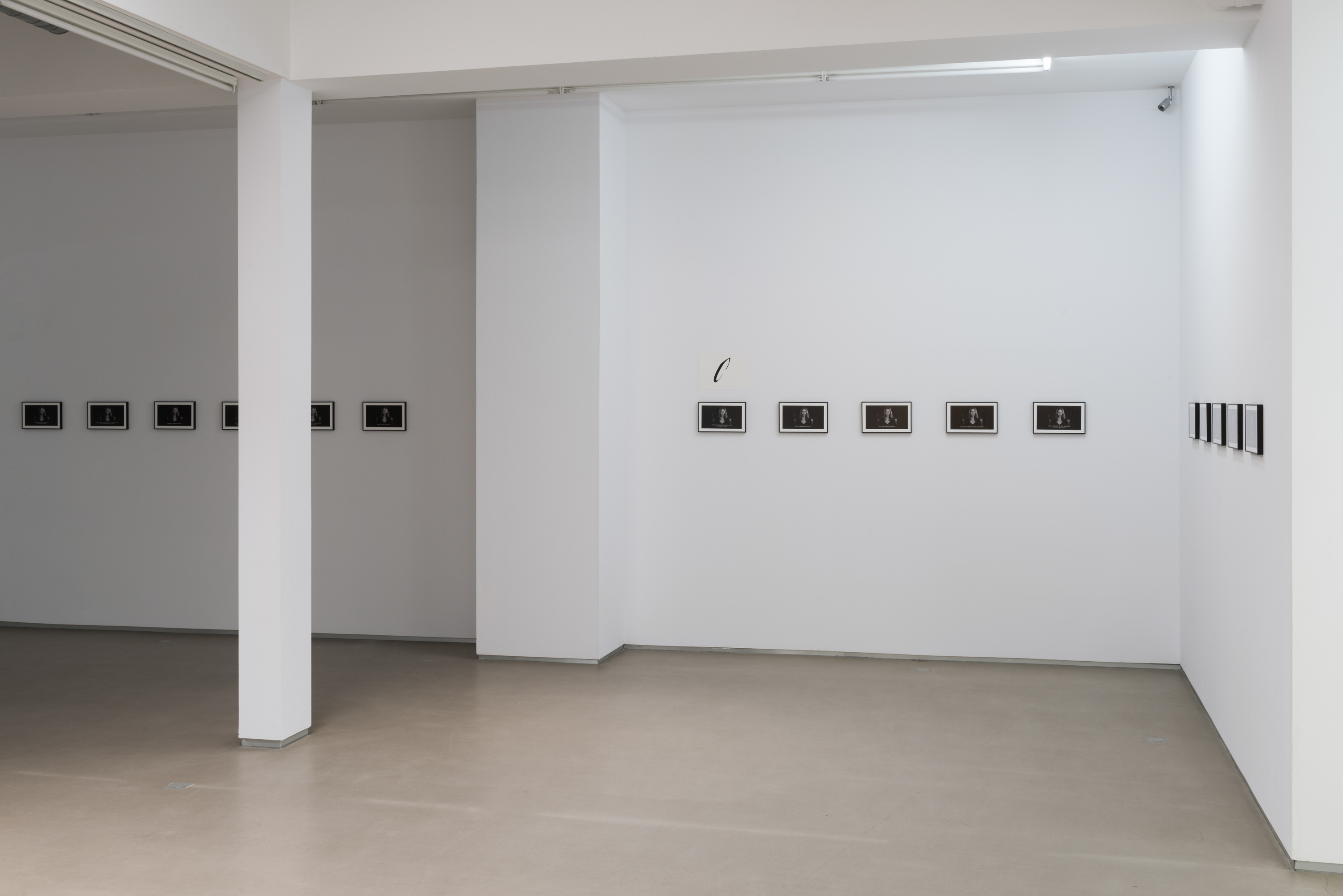
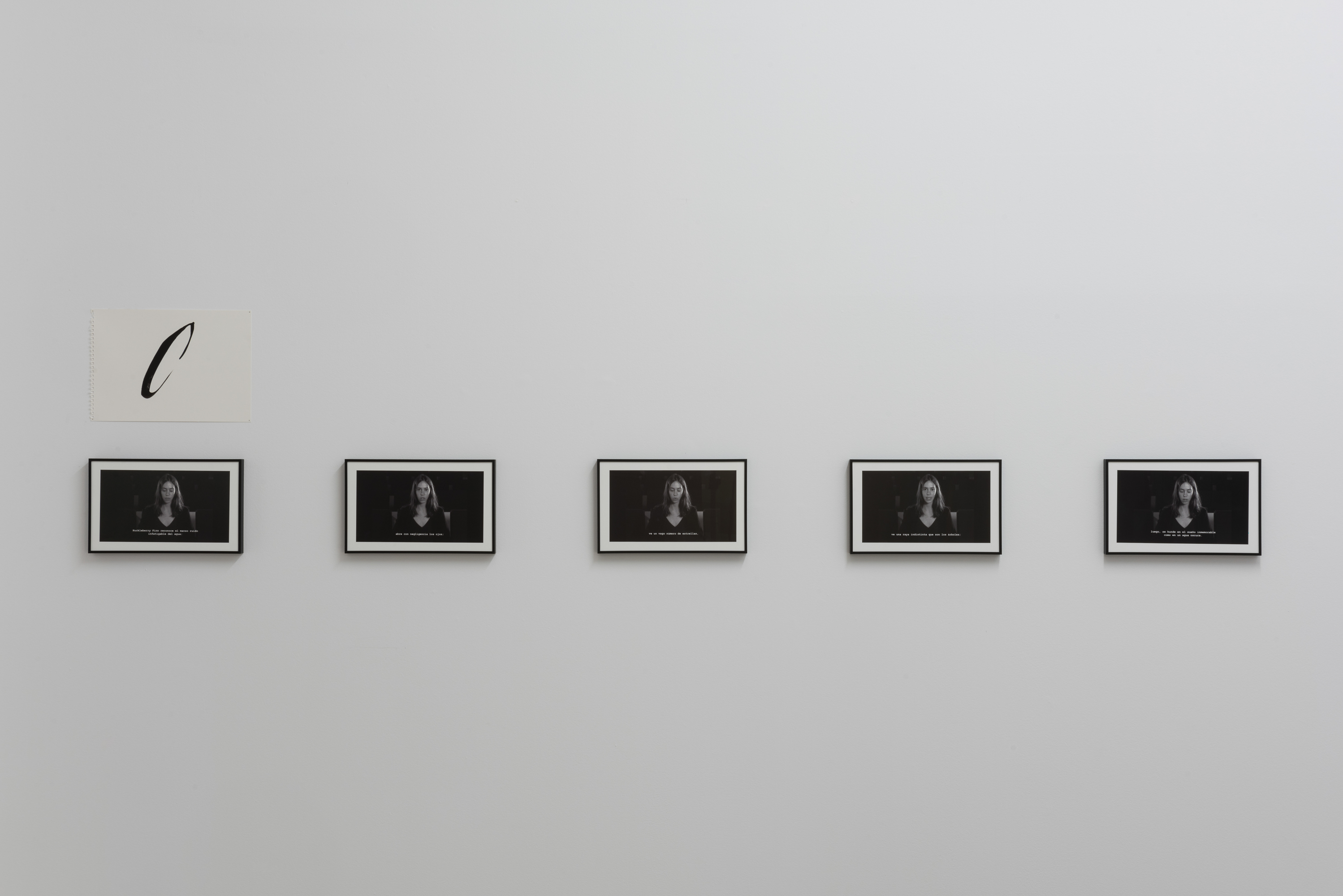
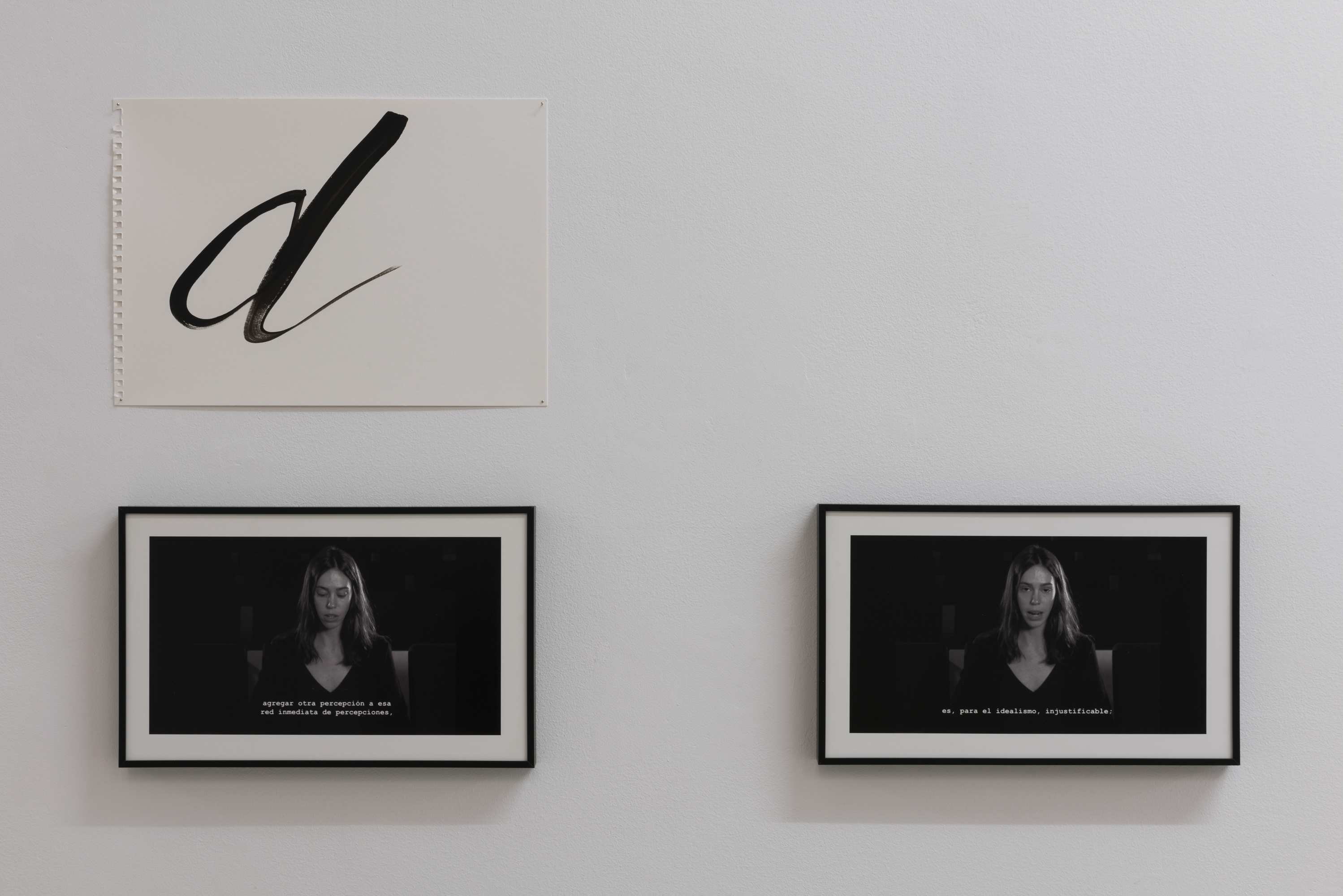
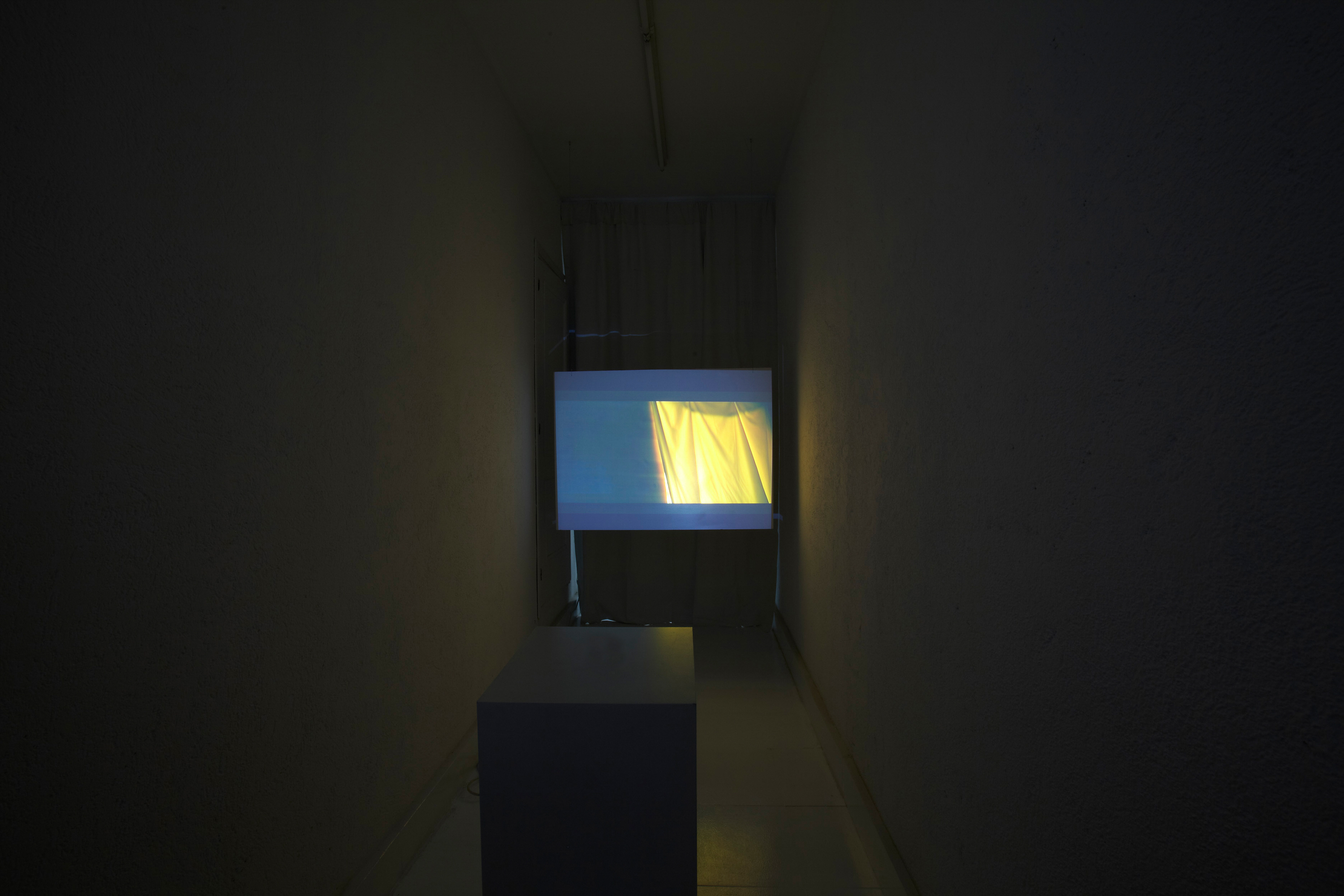
A video, Sunsets (2012) illustrates an informal translation and transcription from Portuguese and English, of a 1977 interview with the unclassifiable Clarice Lispector (1920-1977), considered one of the most important Brazilian writers of the twentieth century. The piece focuses on some of the aspects present in the creative process such as productivity or passivity. With background images of sunsets in Sweden, taken at 3:00 am in summer and 3pm in winter, the video proposes a kind of reflection on the origin and birth of a work of art.
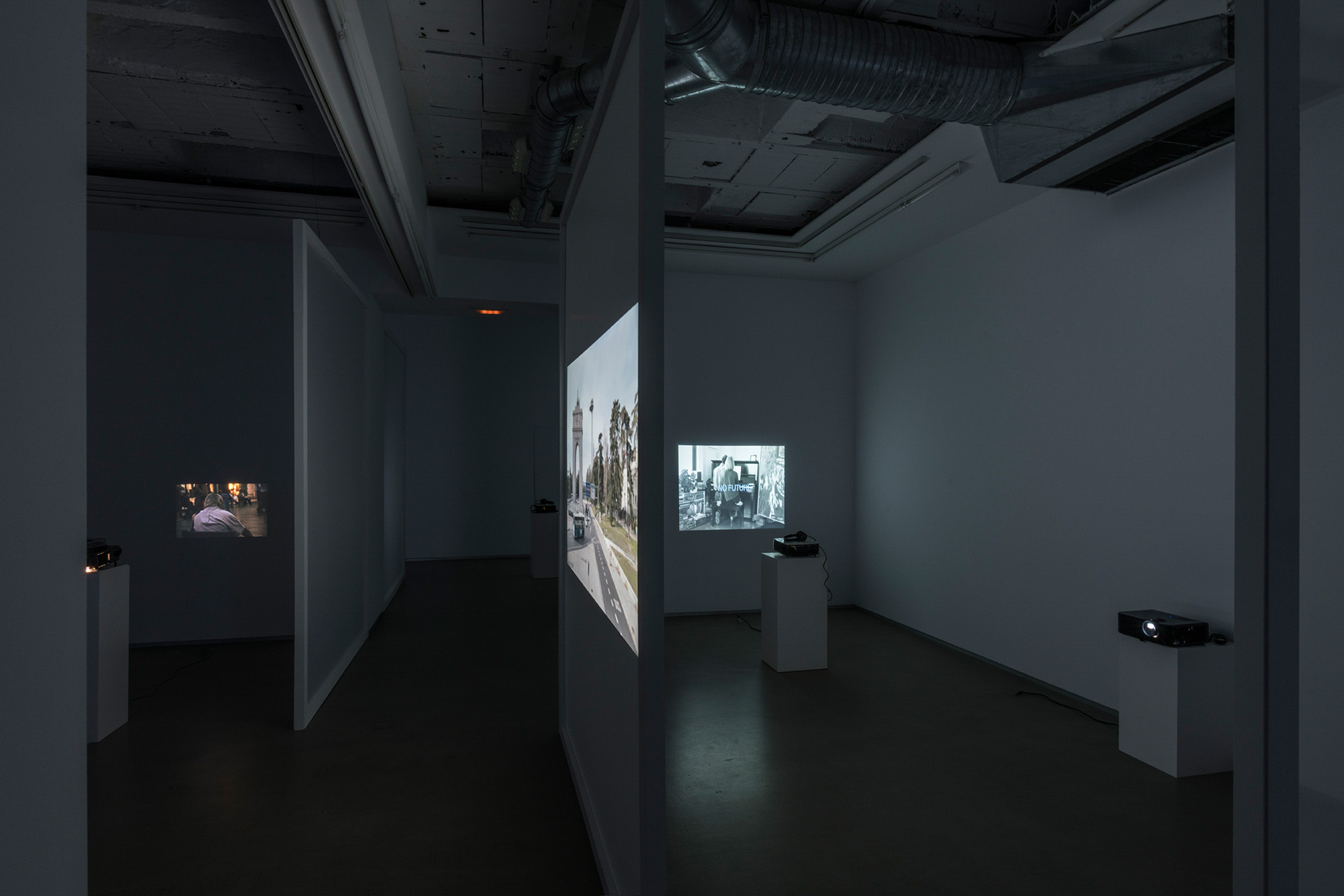
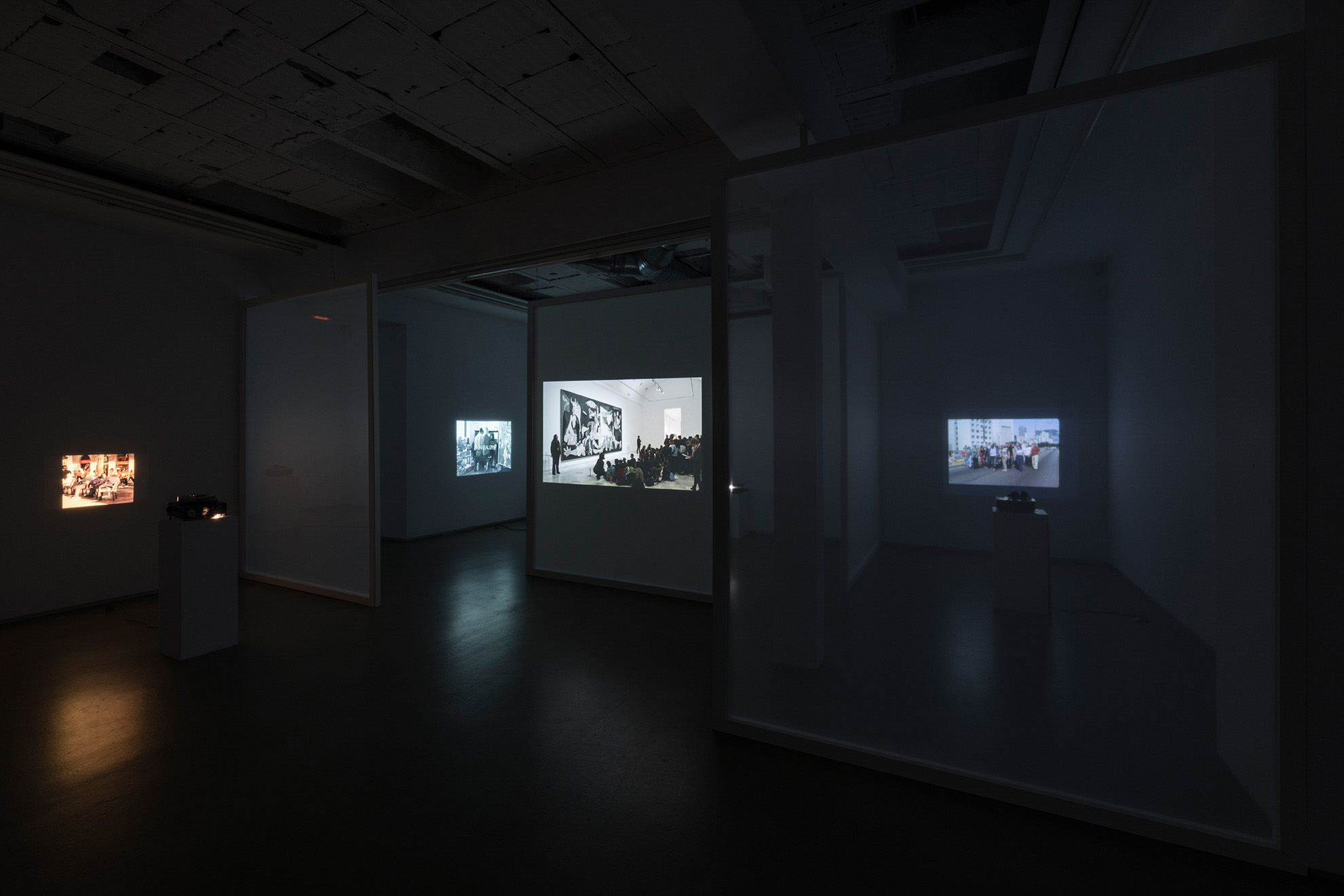
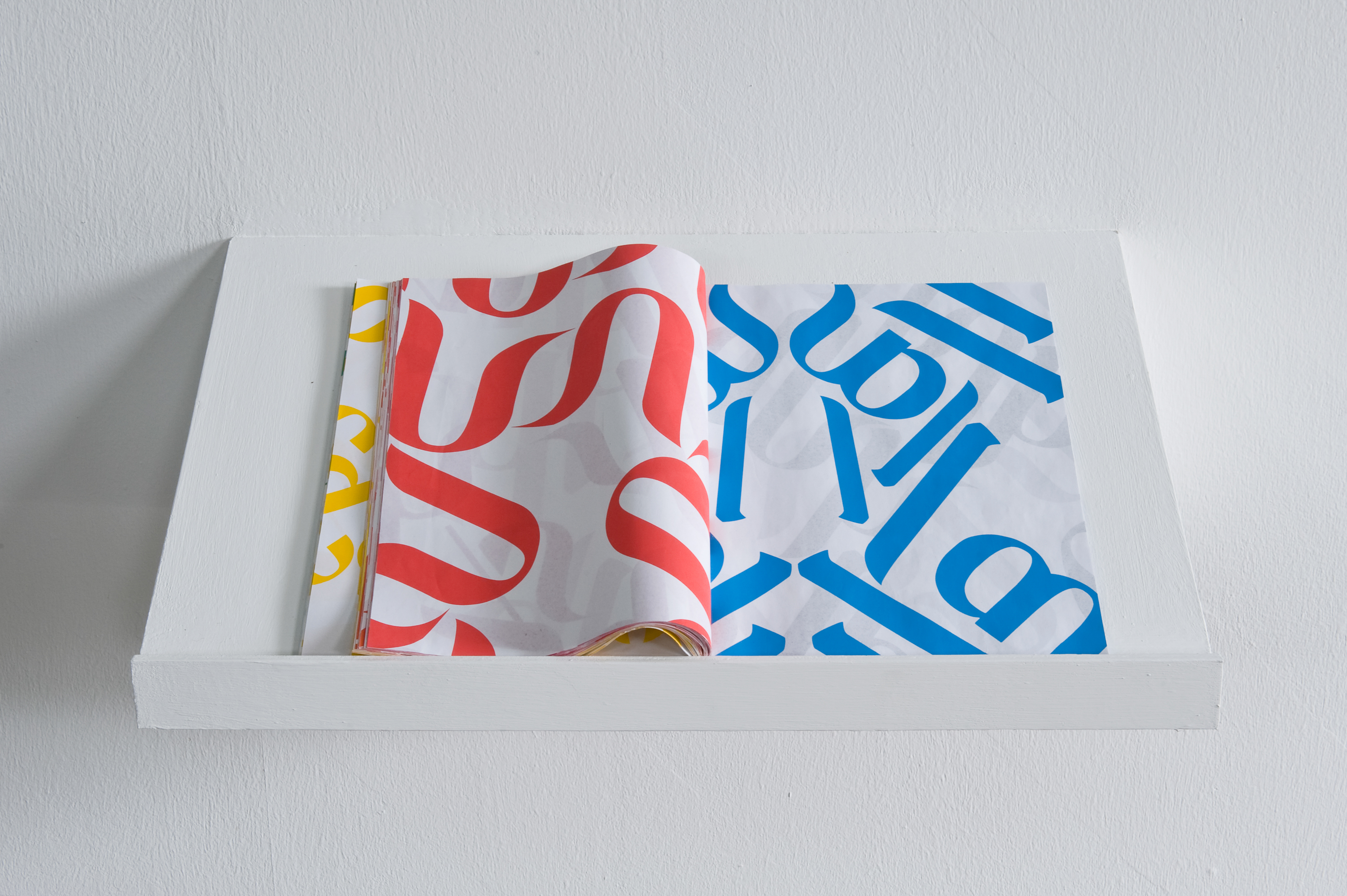
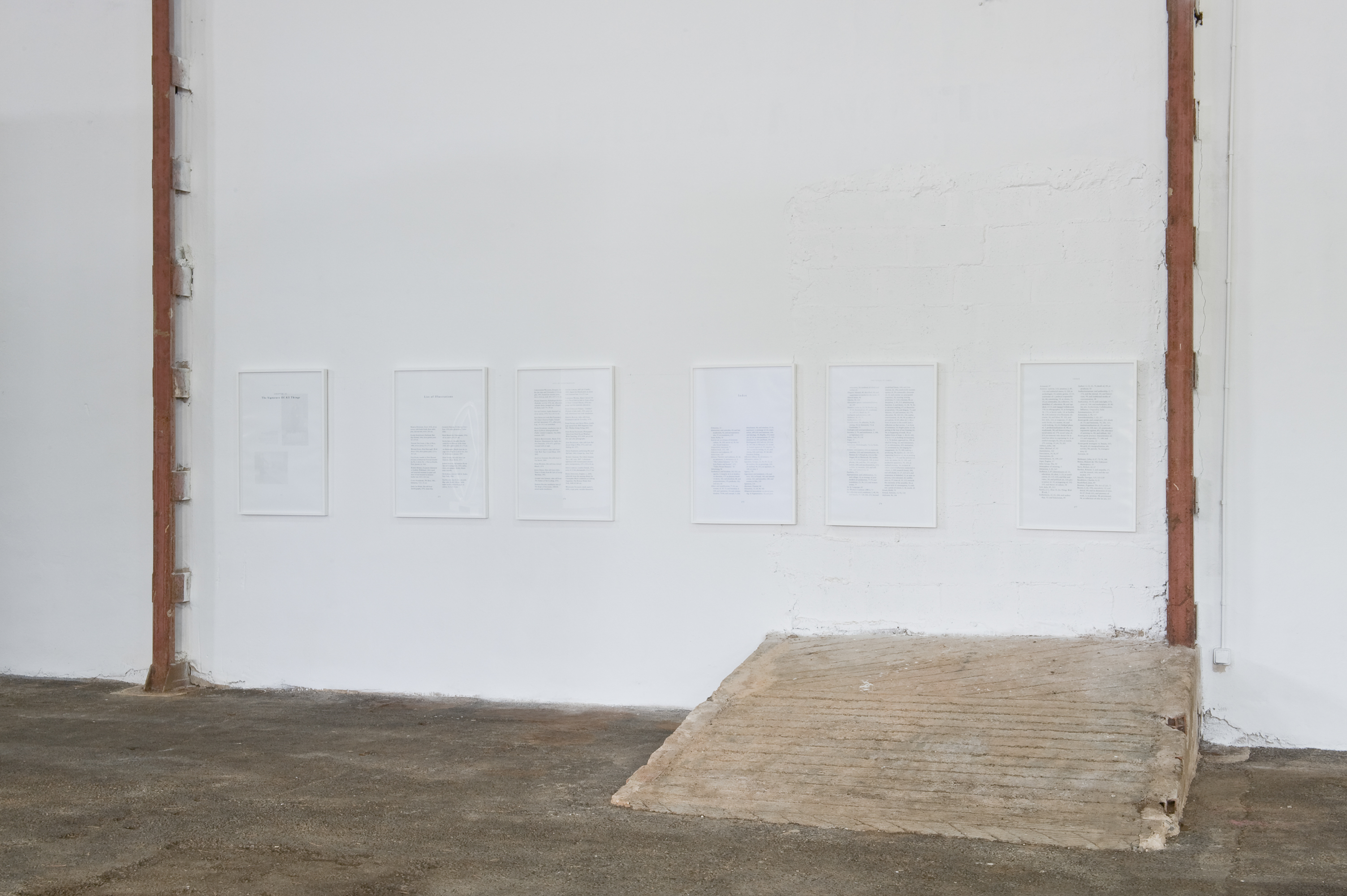
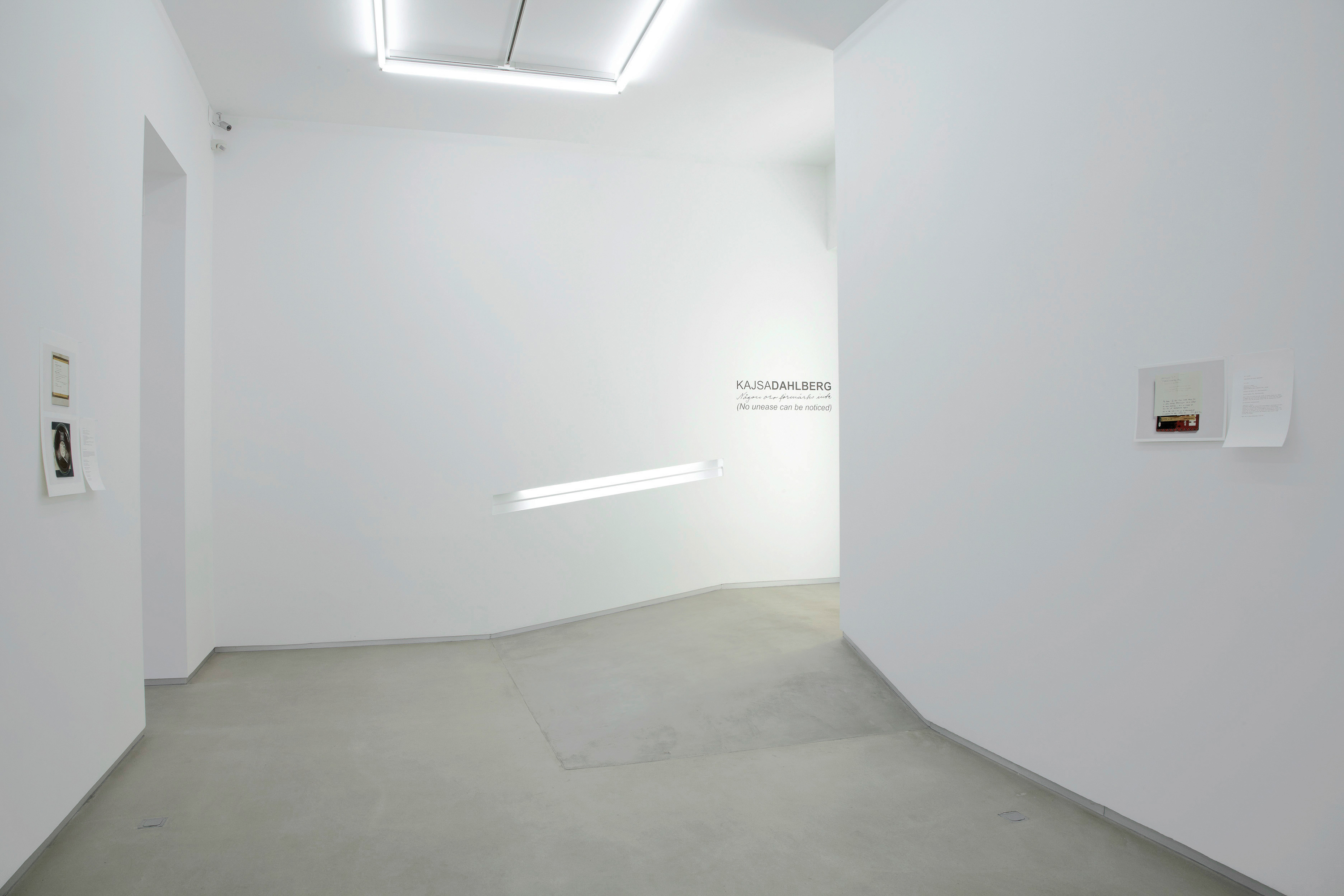
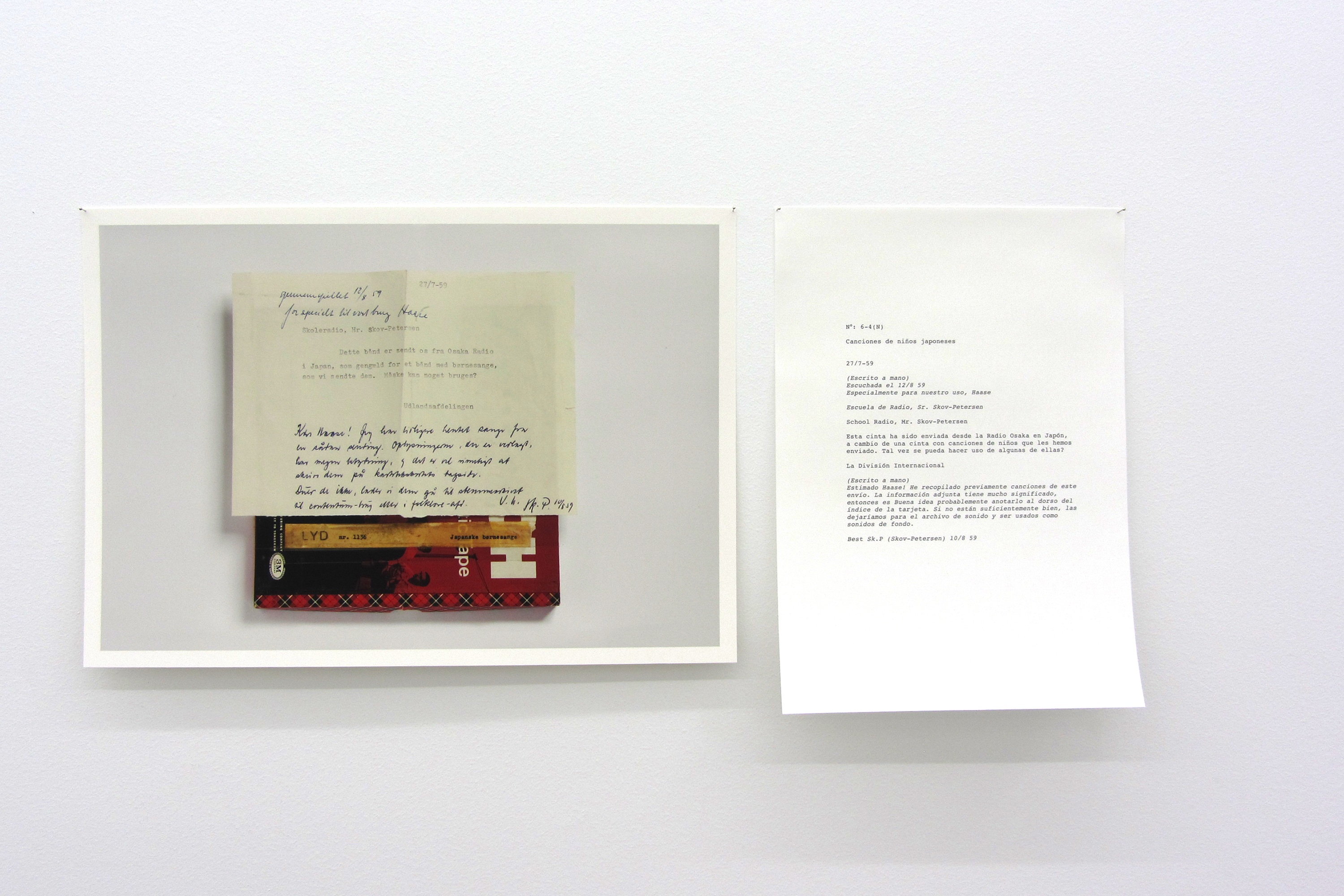
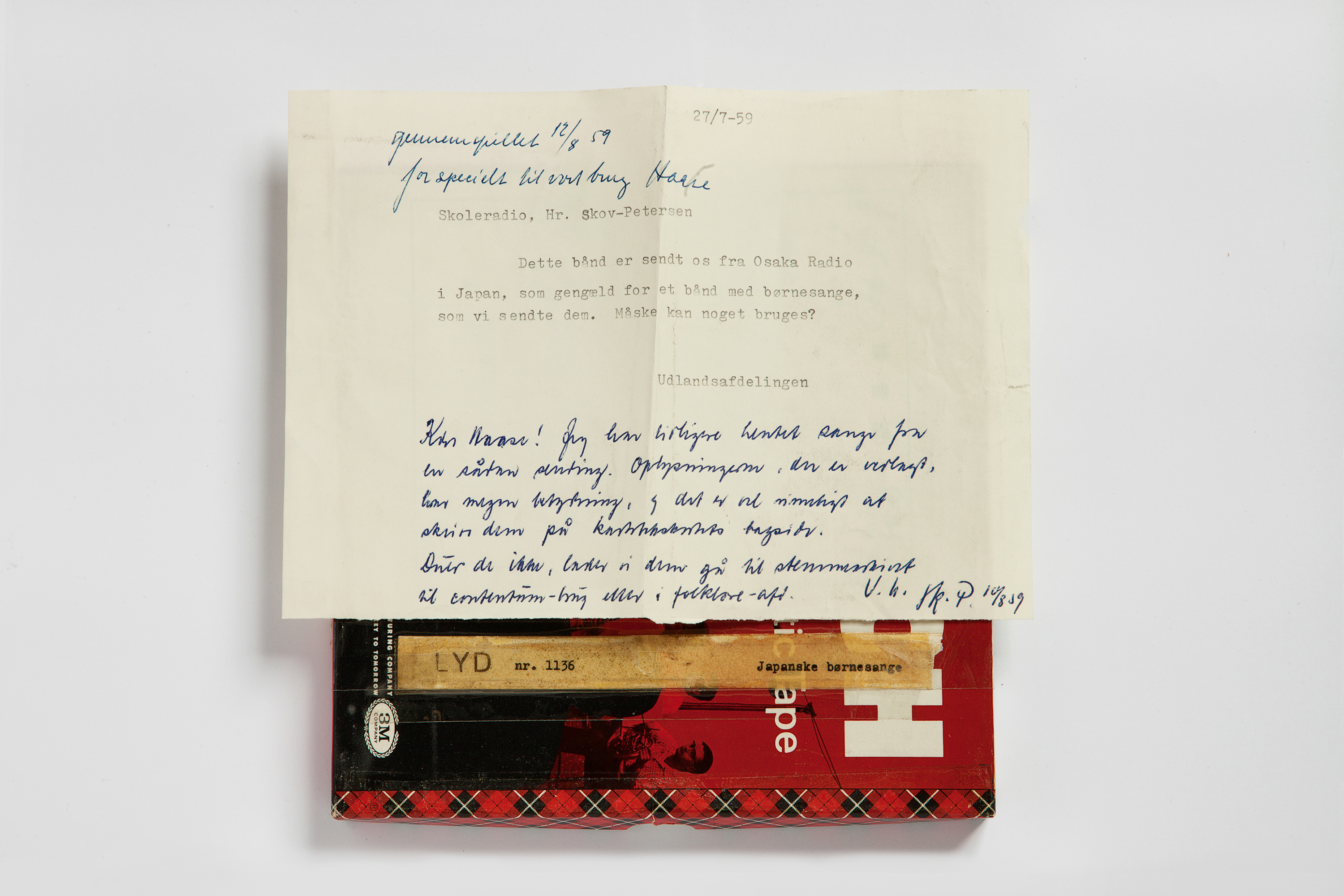
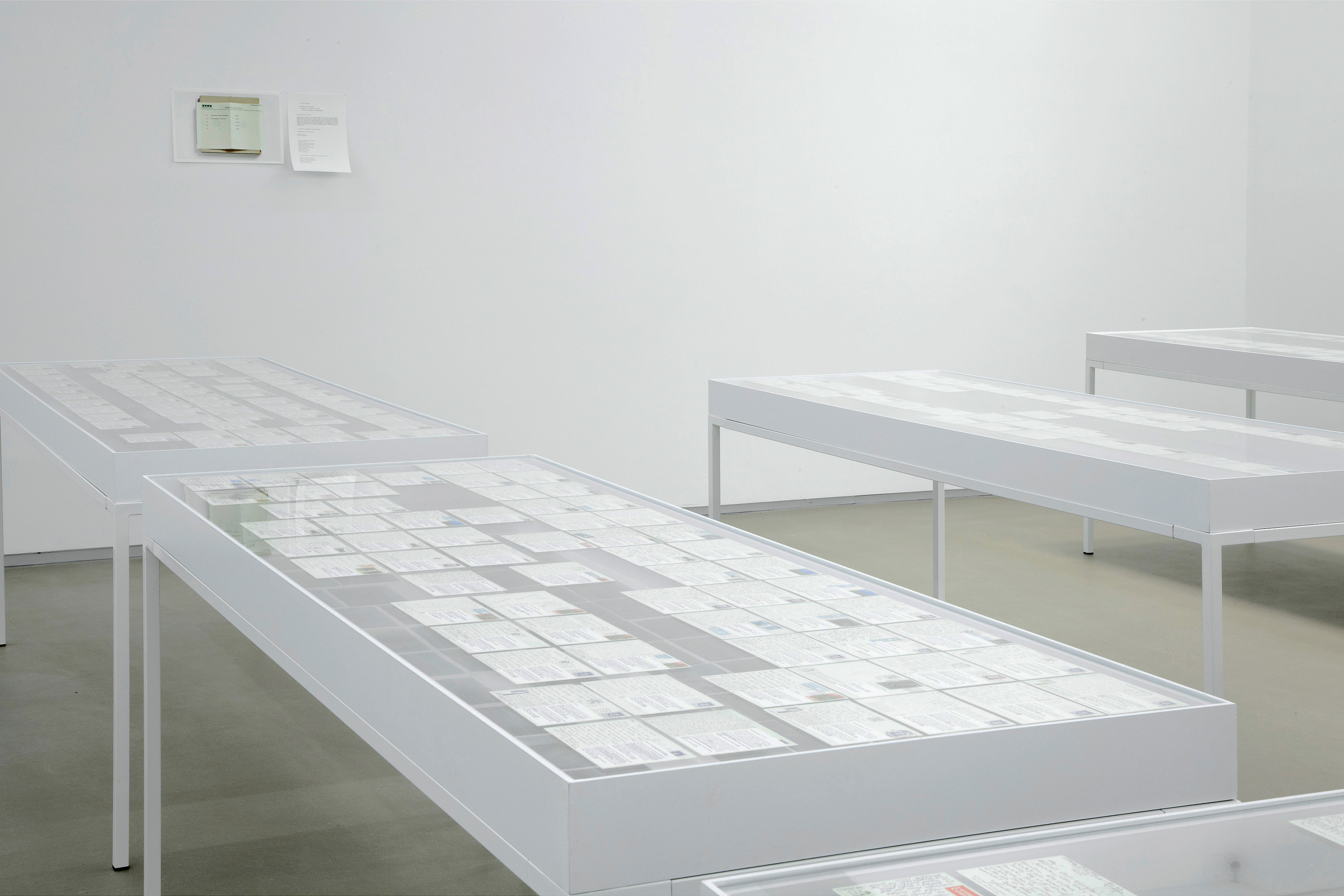
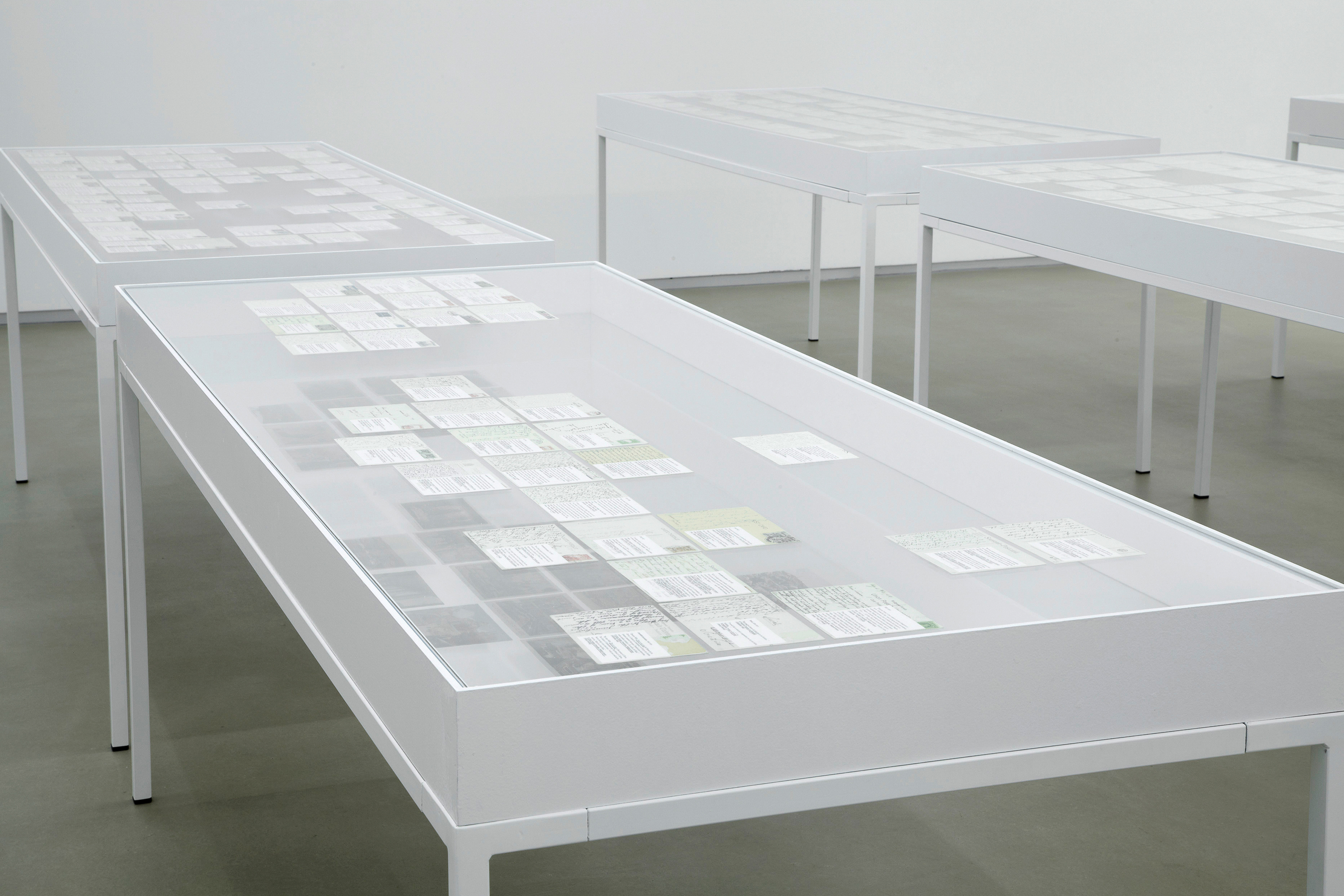
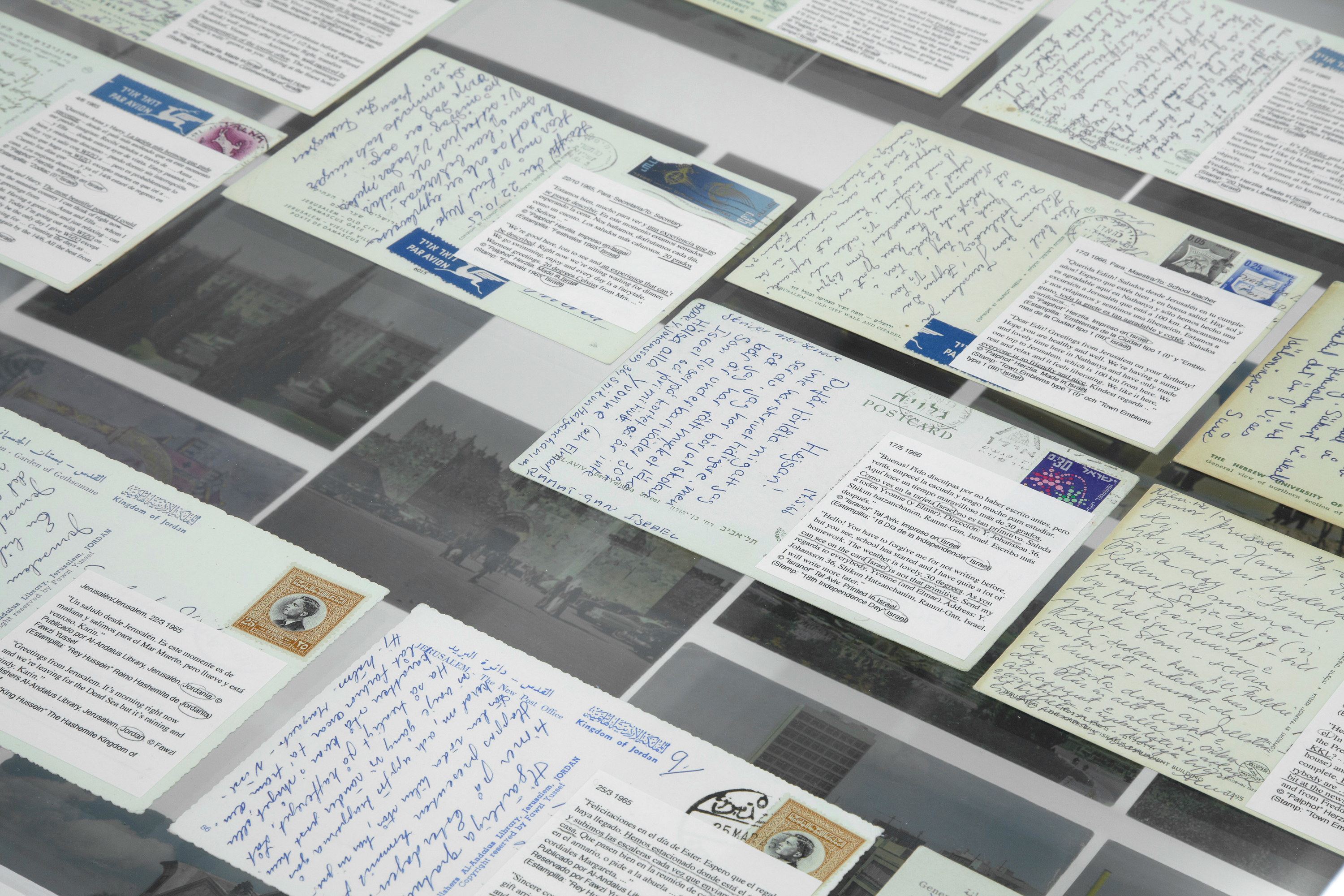
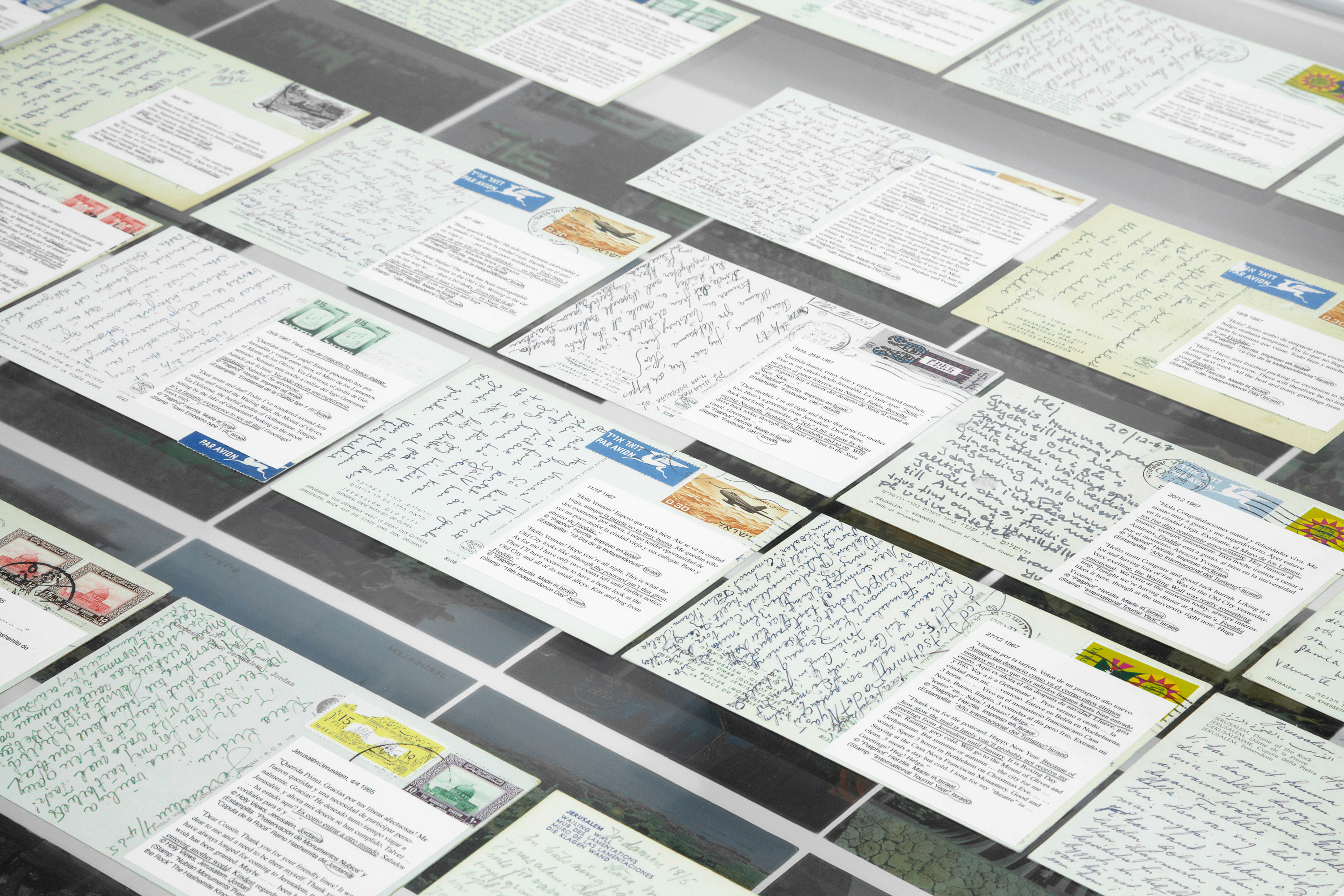
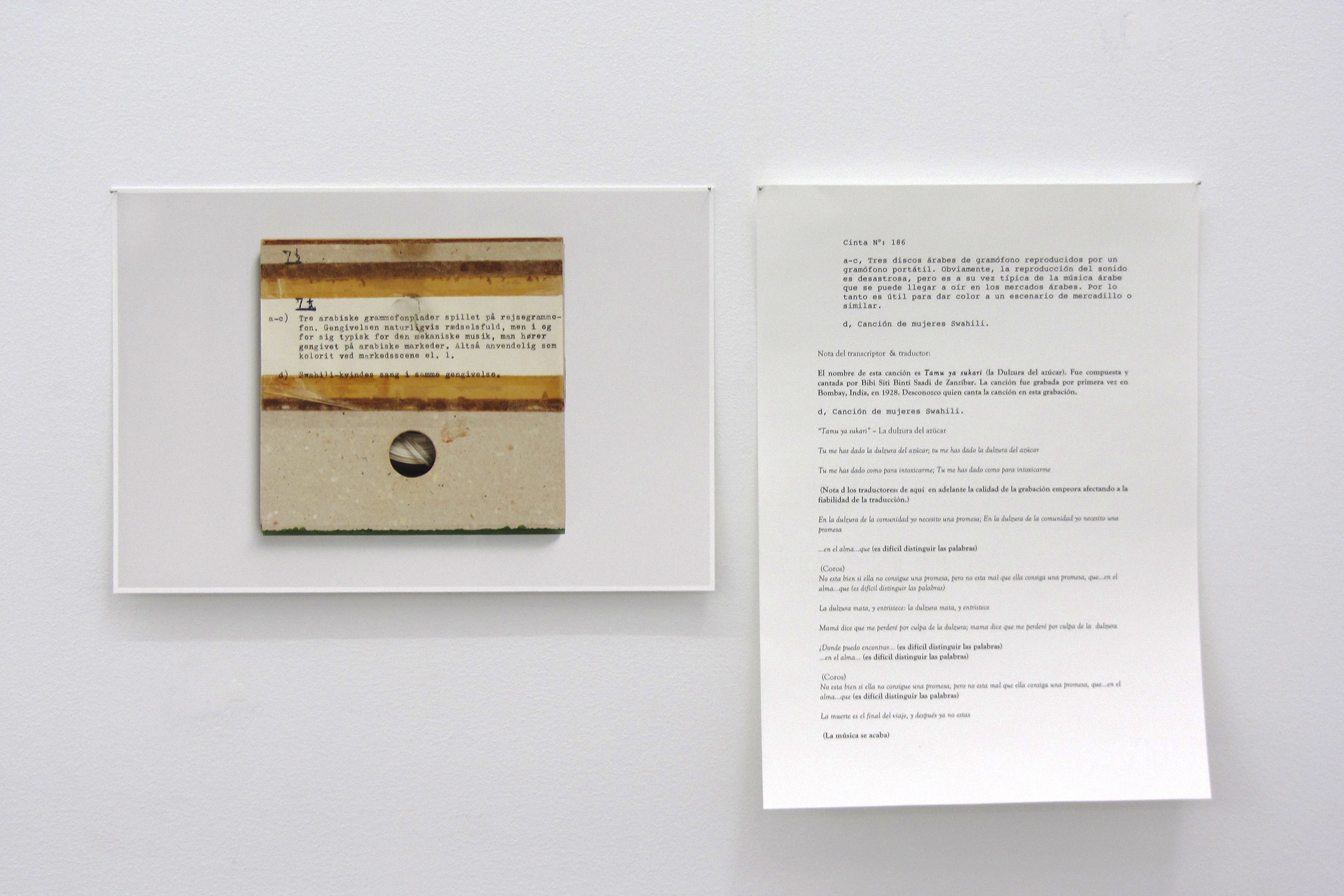
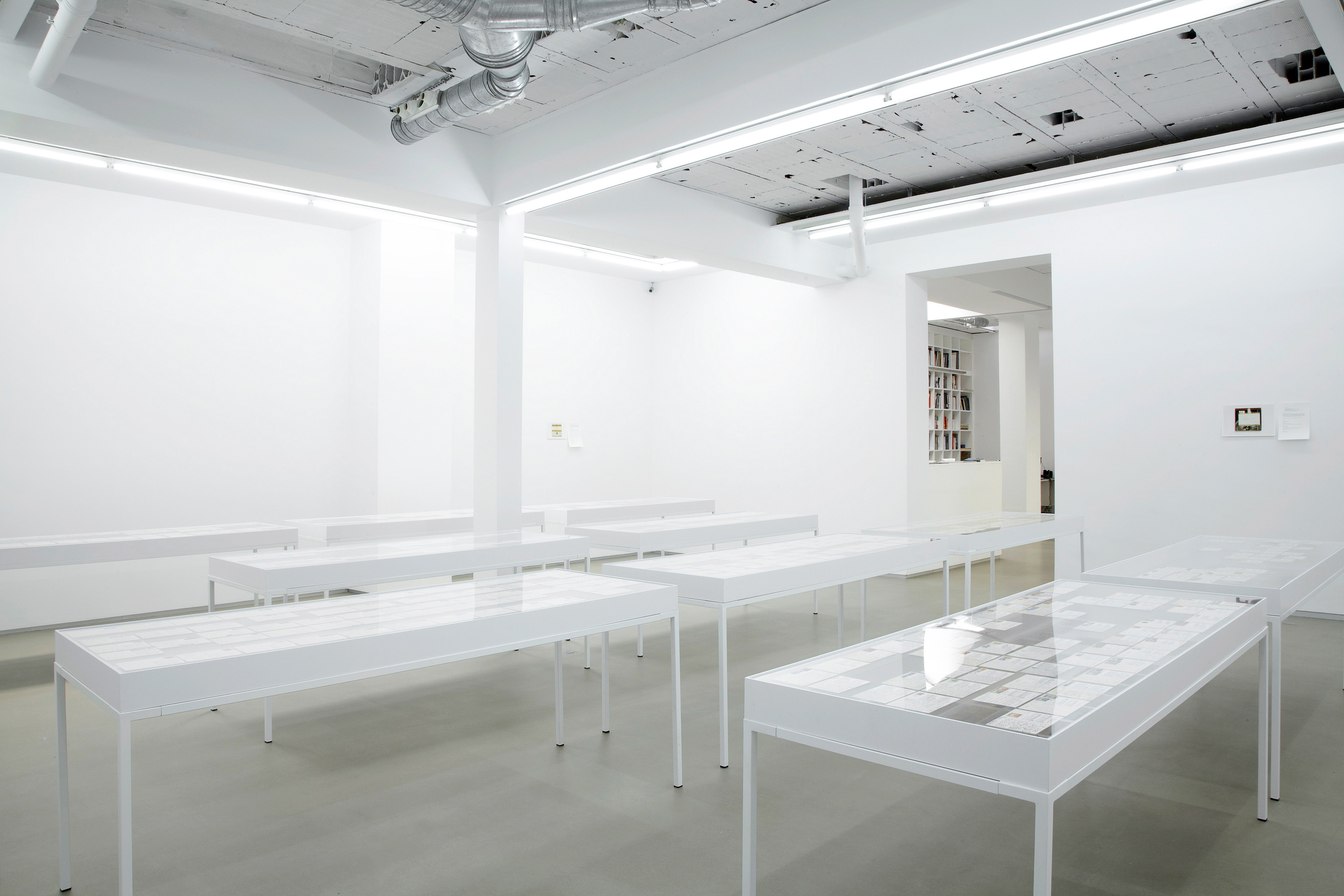
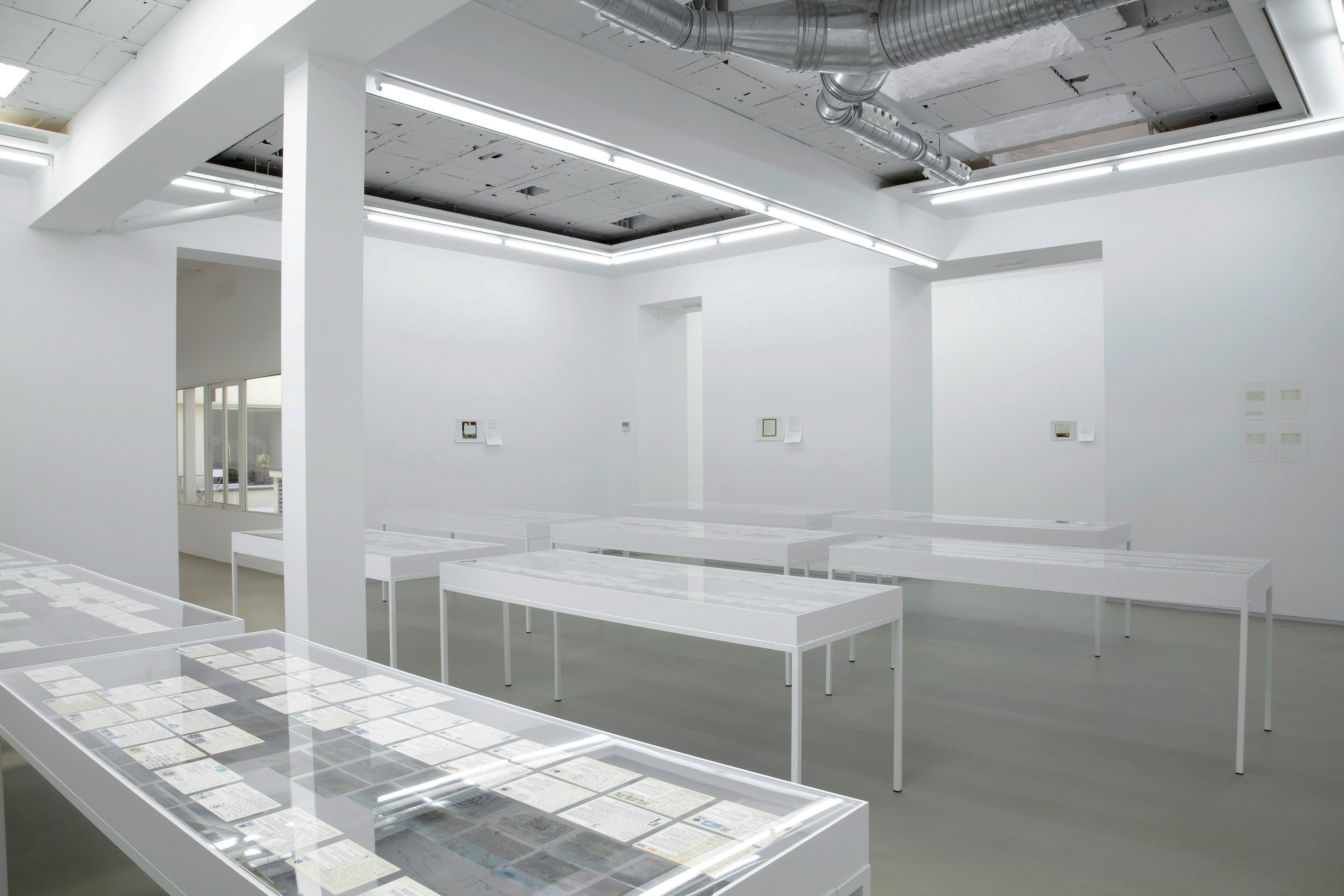
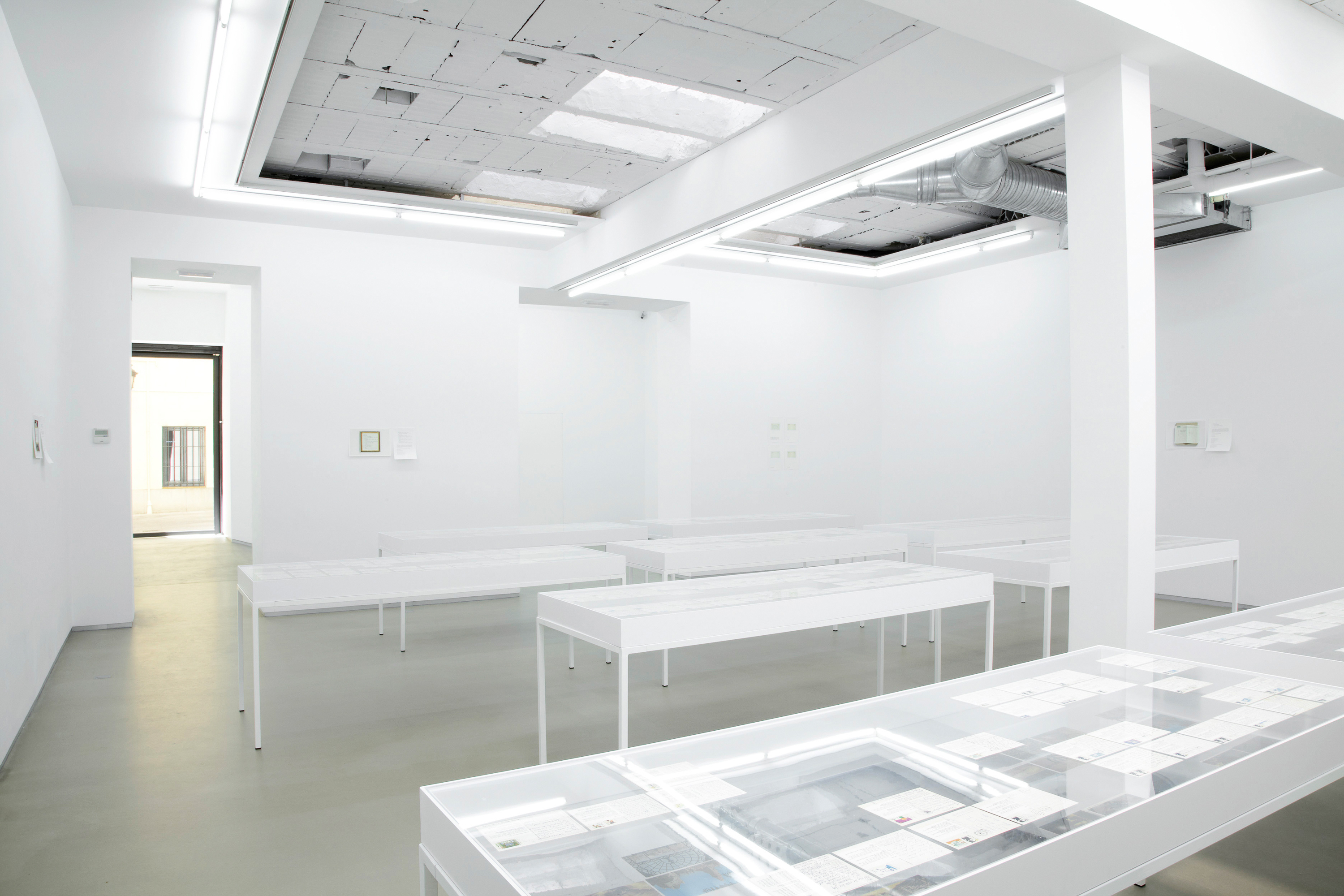
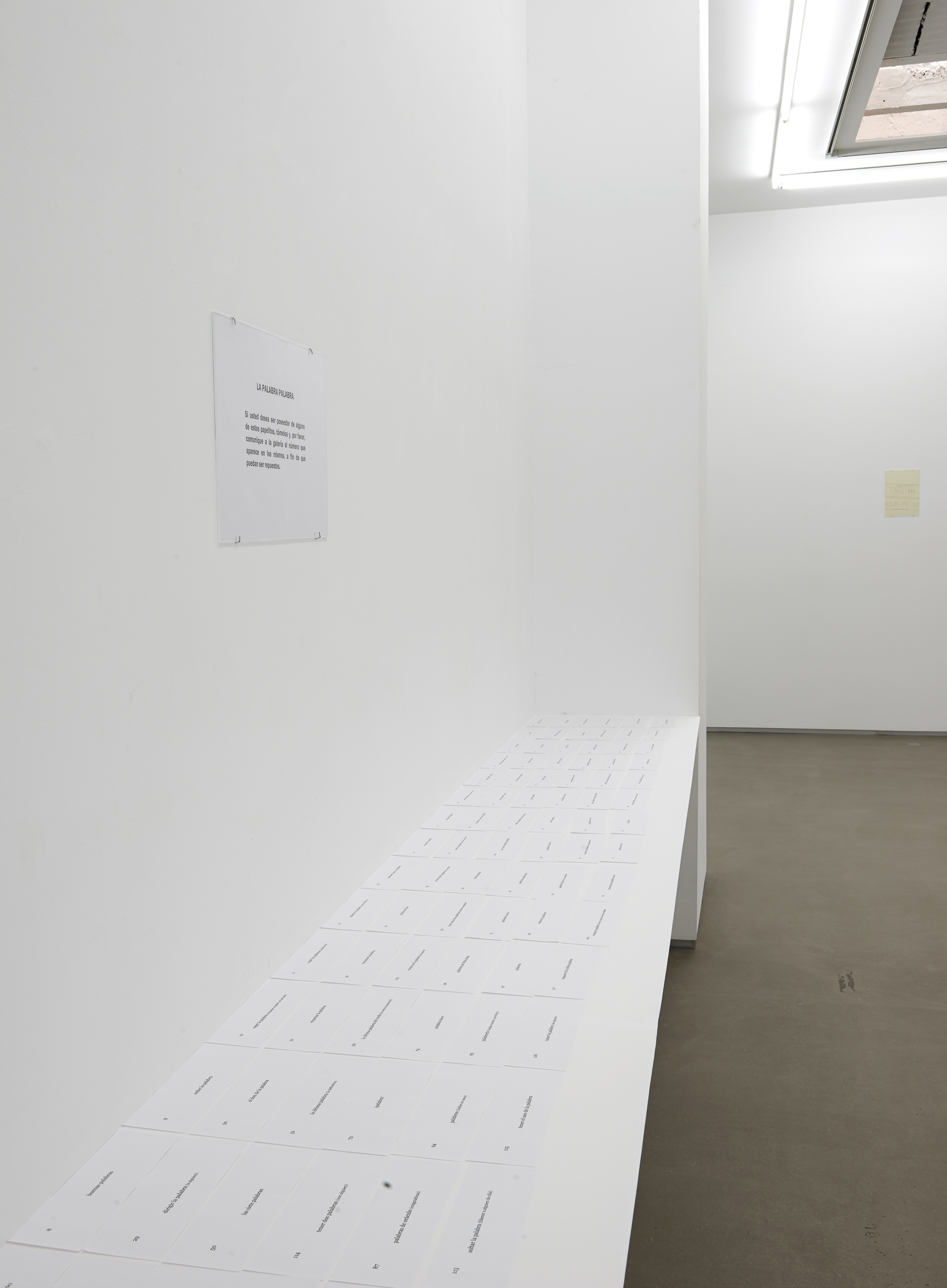
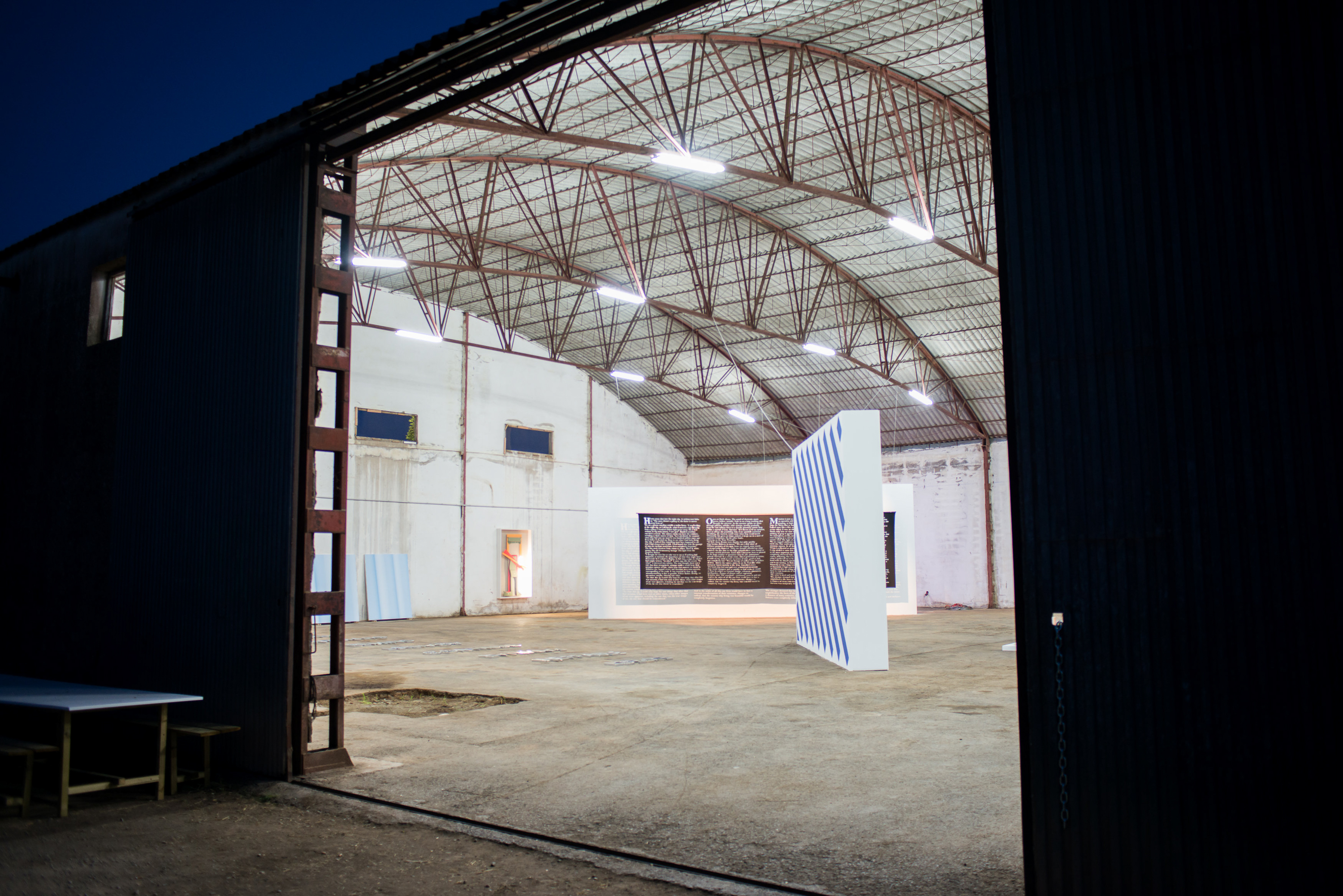
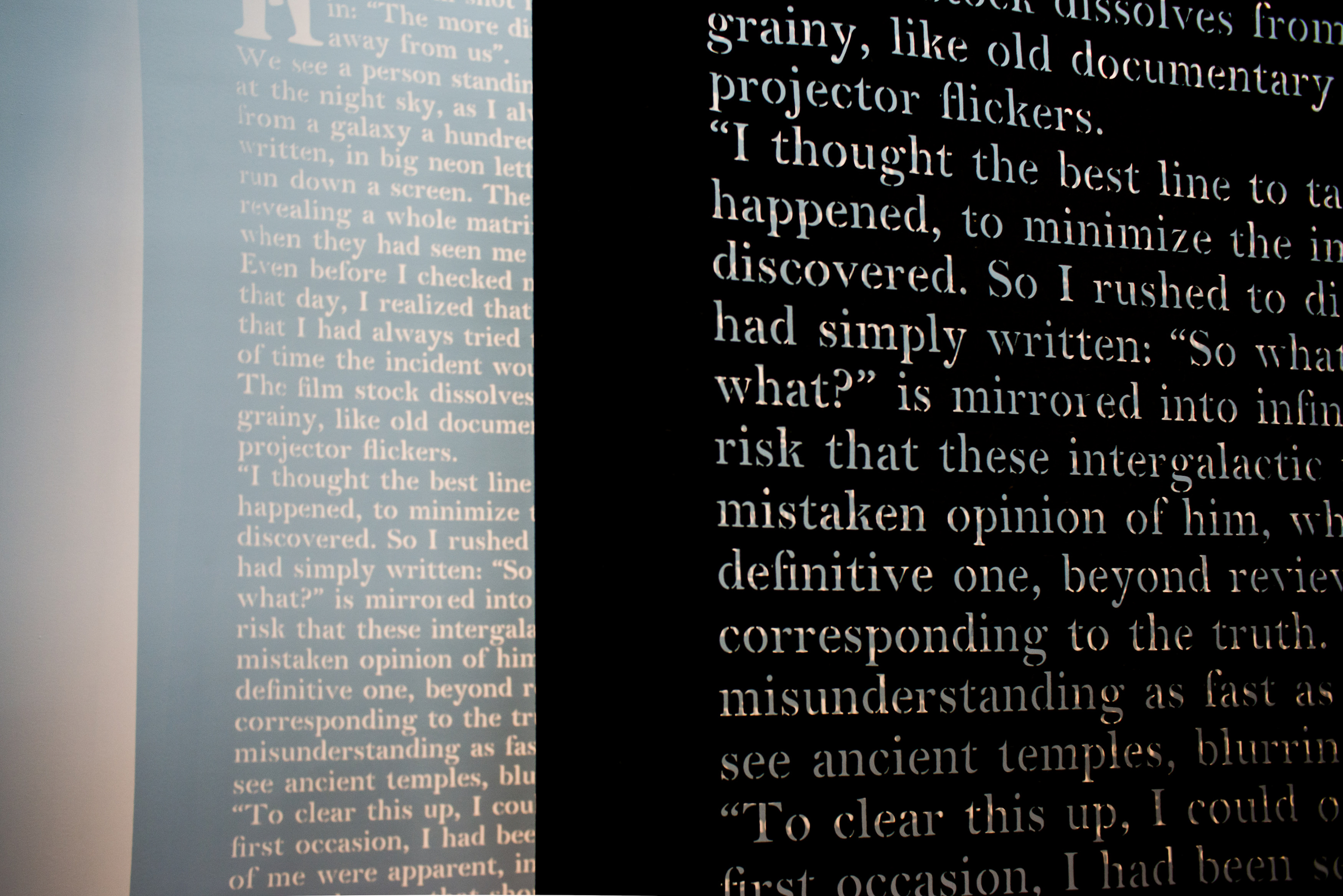
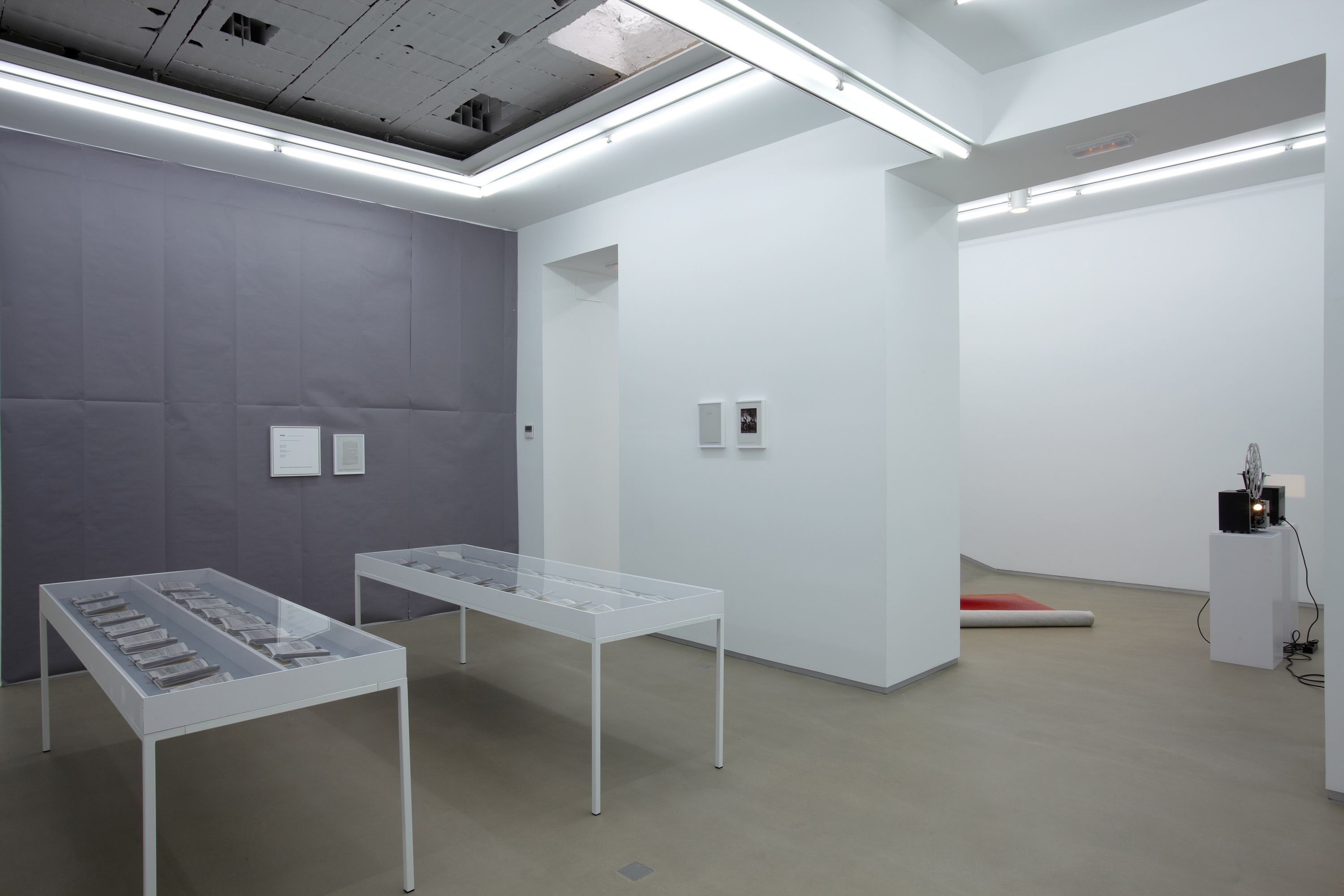
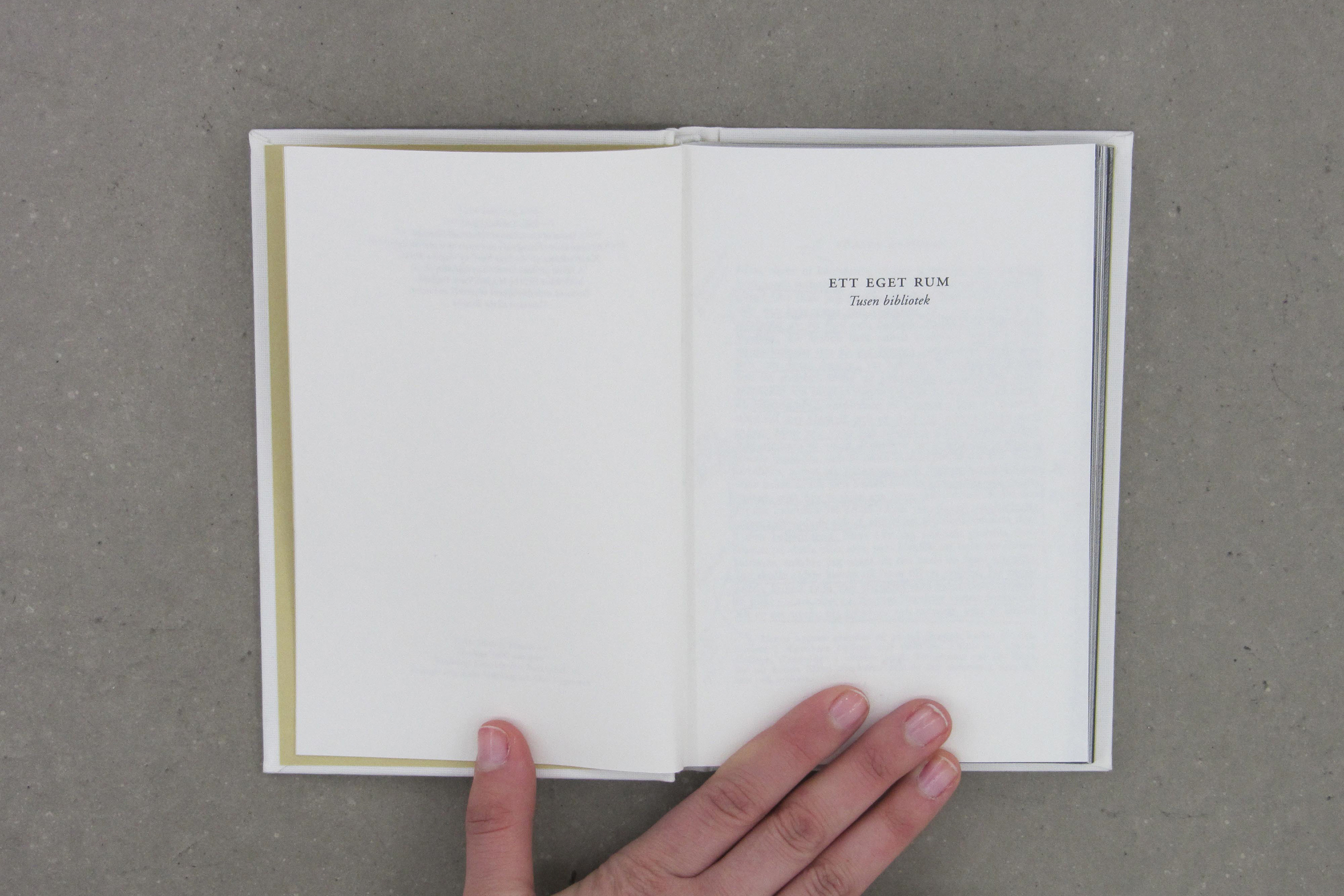
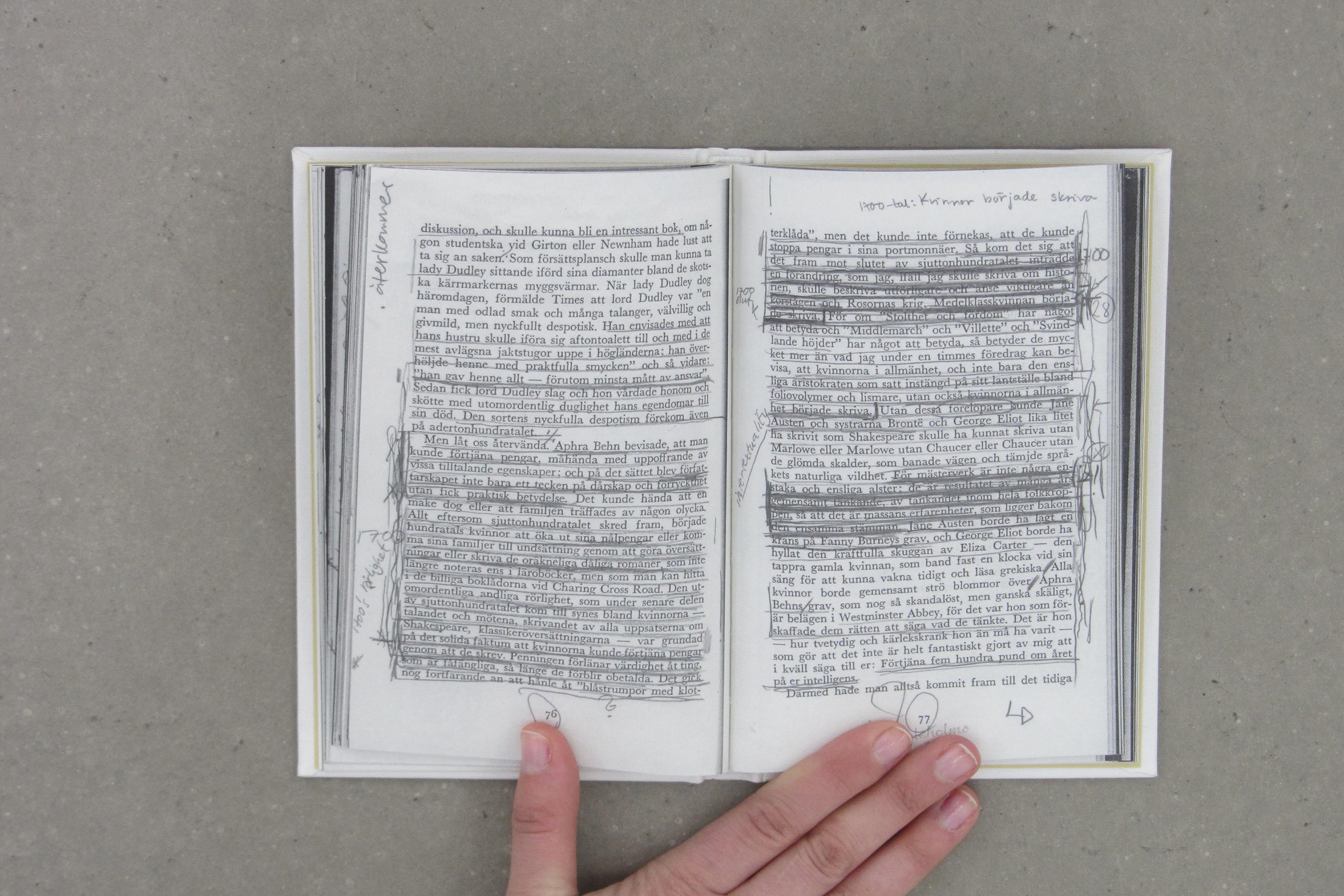
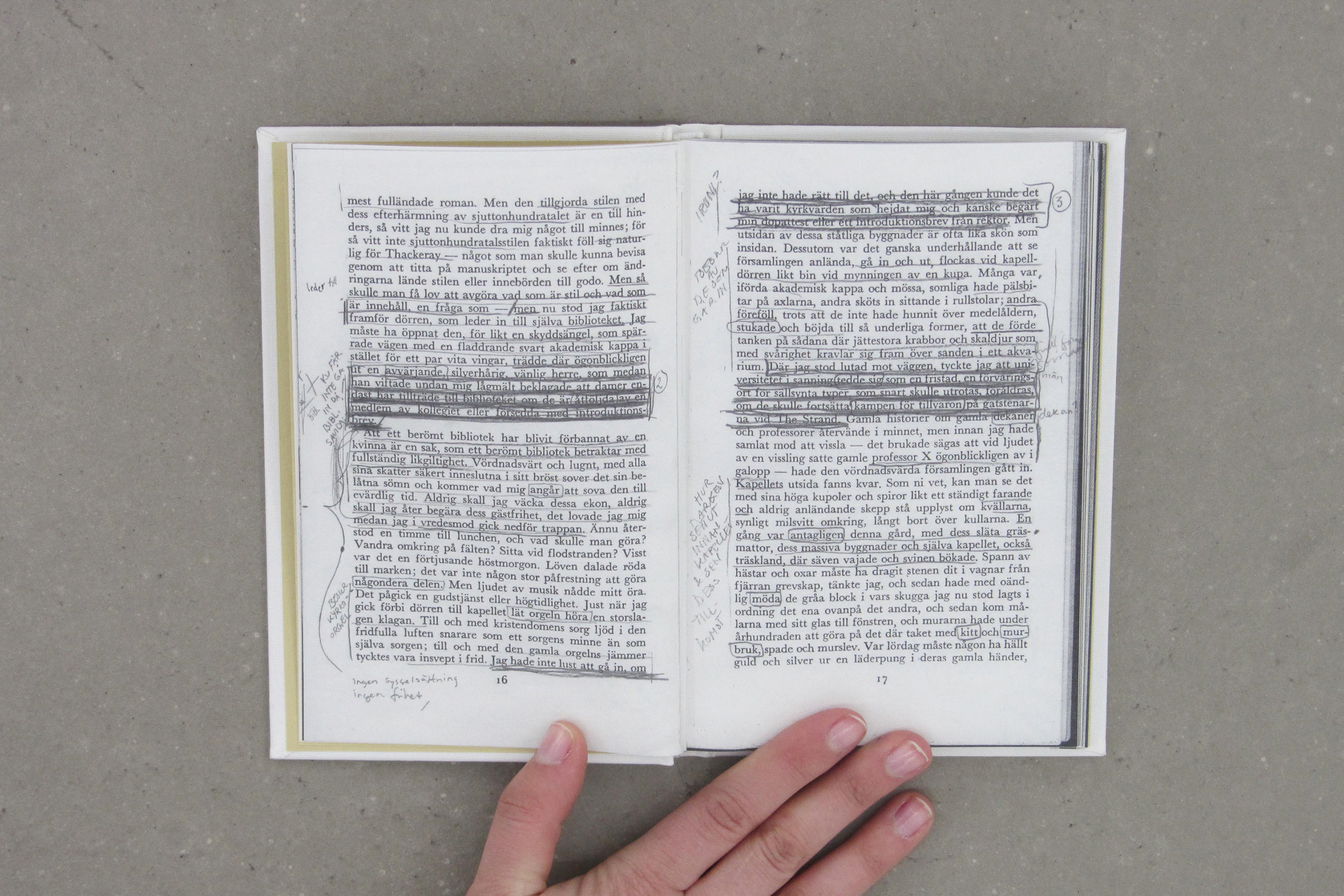
A Room of One’s Own/A Thousand Libraries (2006) by Kajsa Dahlberg (Sweden, 1973) shows a compilation of all the notes jotted down by readers on the pages of copies of Virginia Woolf’s 1929 essay, A Room of One’s Own, borrowed from Swedish libraries. In this way, the piece embodies the trace of an experience, one that is both personal and shared. Dahlberg describes a space that is public and private at the same time, where viewers are potentially invited to make their own readings of the book by writing their own ‘marginal narration’, and by doing so, to construct a room of their own. As well as the numerous underlinings made by an anonymous contemporary public, there is Virginia Woolf’s text itself, which casts light on some of her thoughts on literary and artistic creation; also on history as she stresses the particular importance of all those more or less forgotten authors who have nevertheless been essential in order to prepare the ground for their successors: “For masterpieces are not single and solitary births; they are the outcome of many years of thinking in common, of thinking by the body of the people, so that the experience of the mass is behind the single voice.”
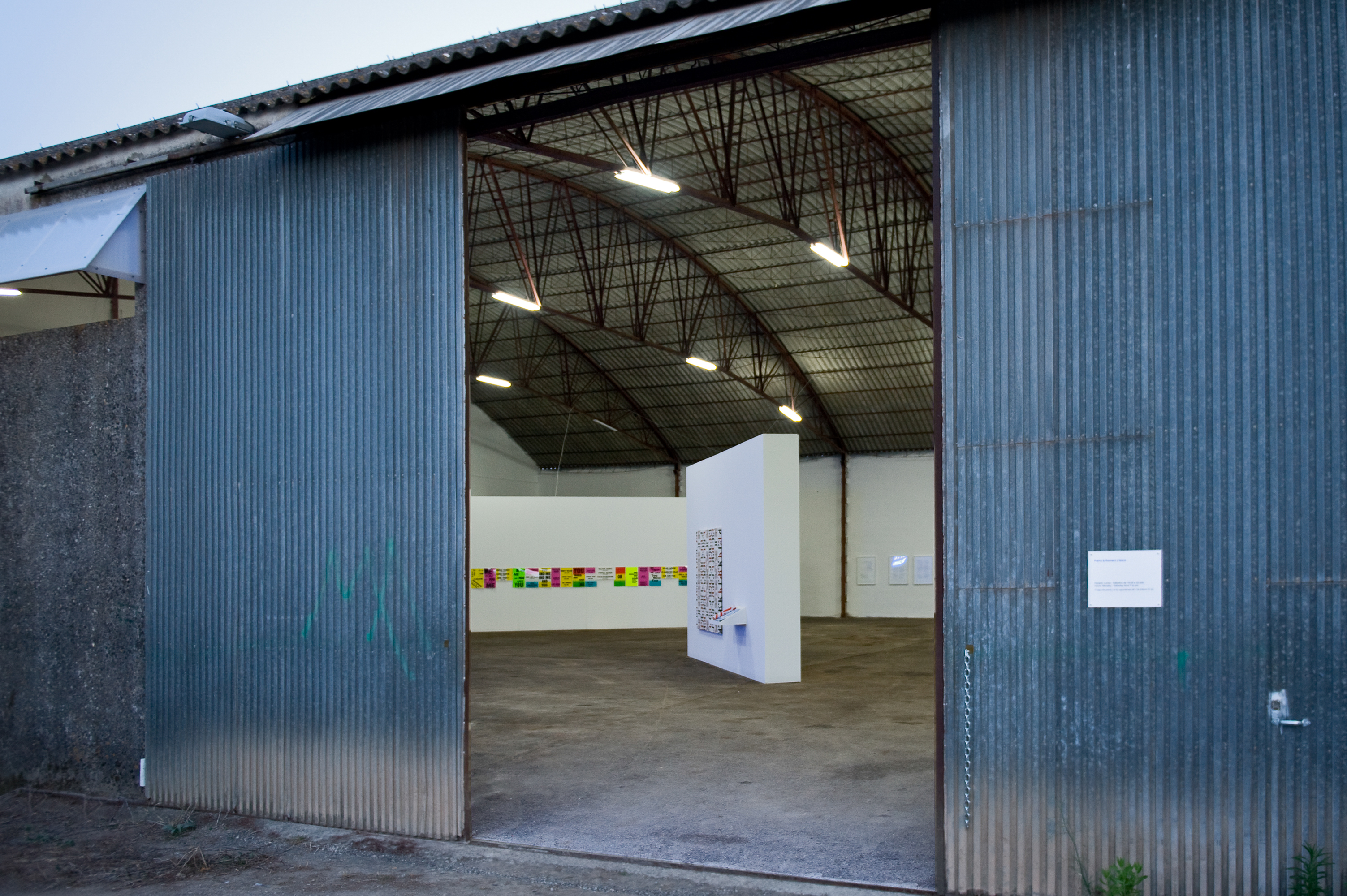
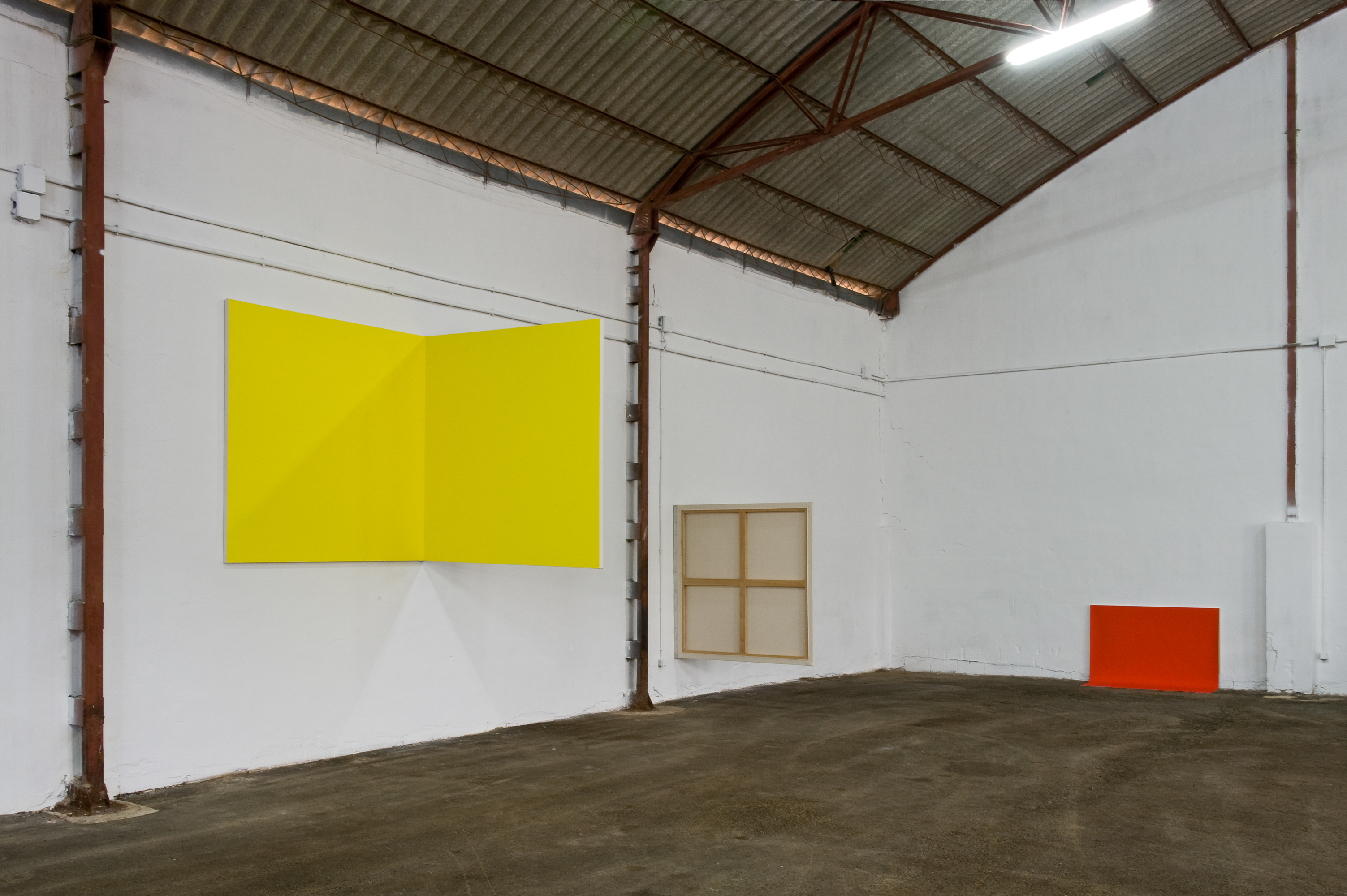
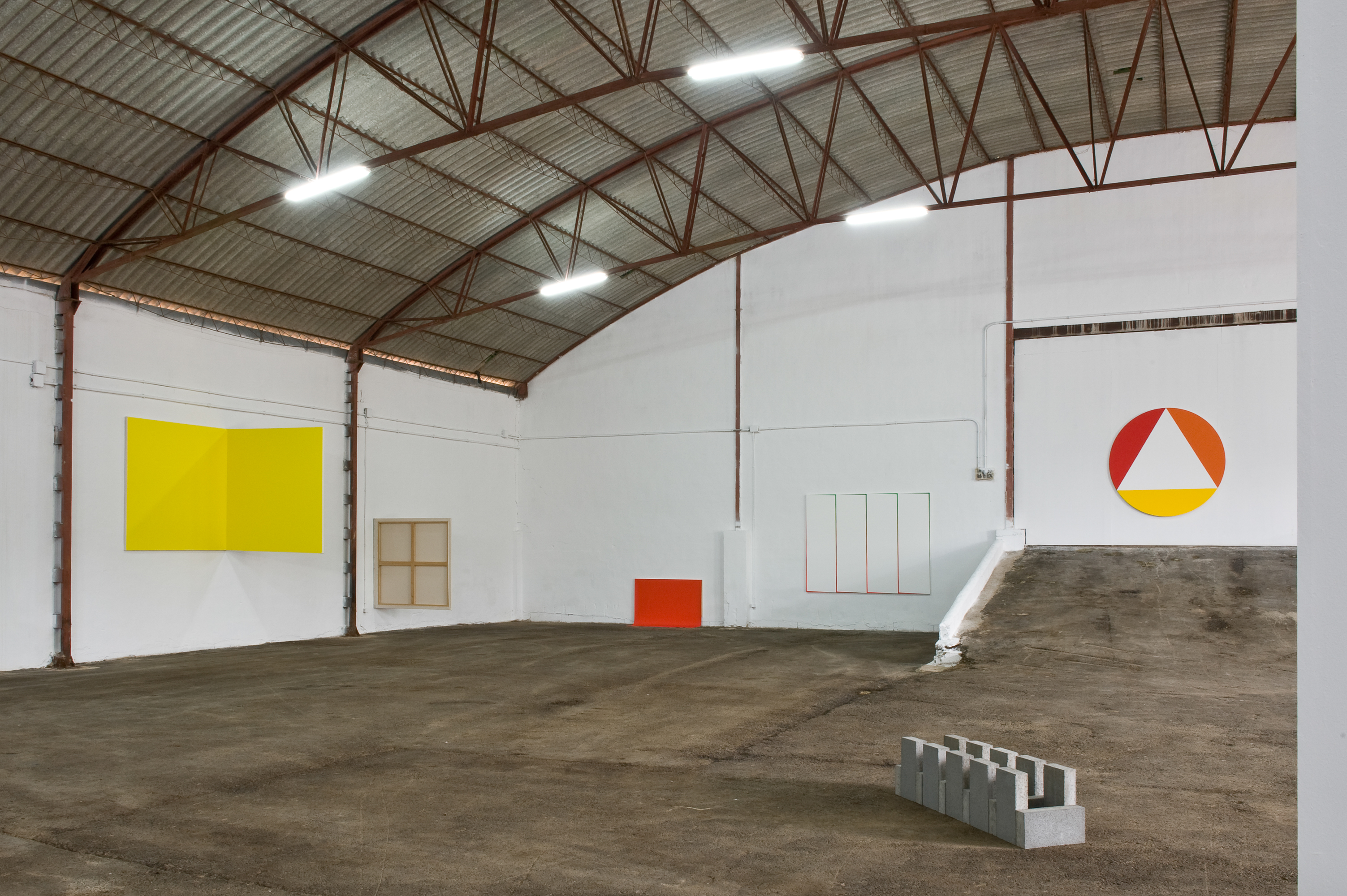
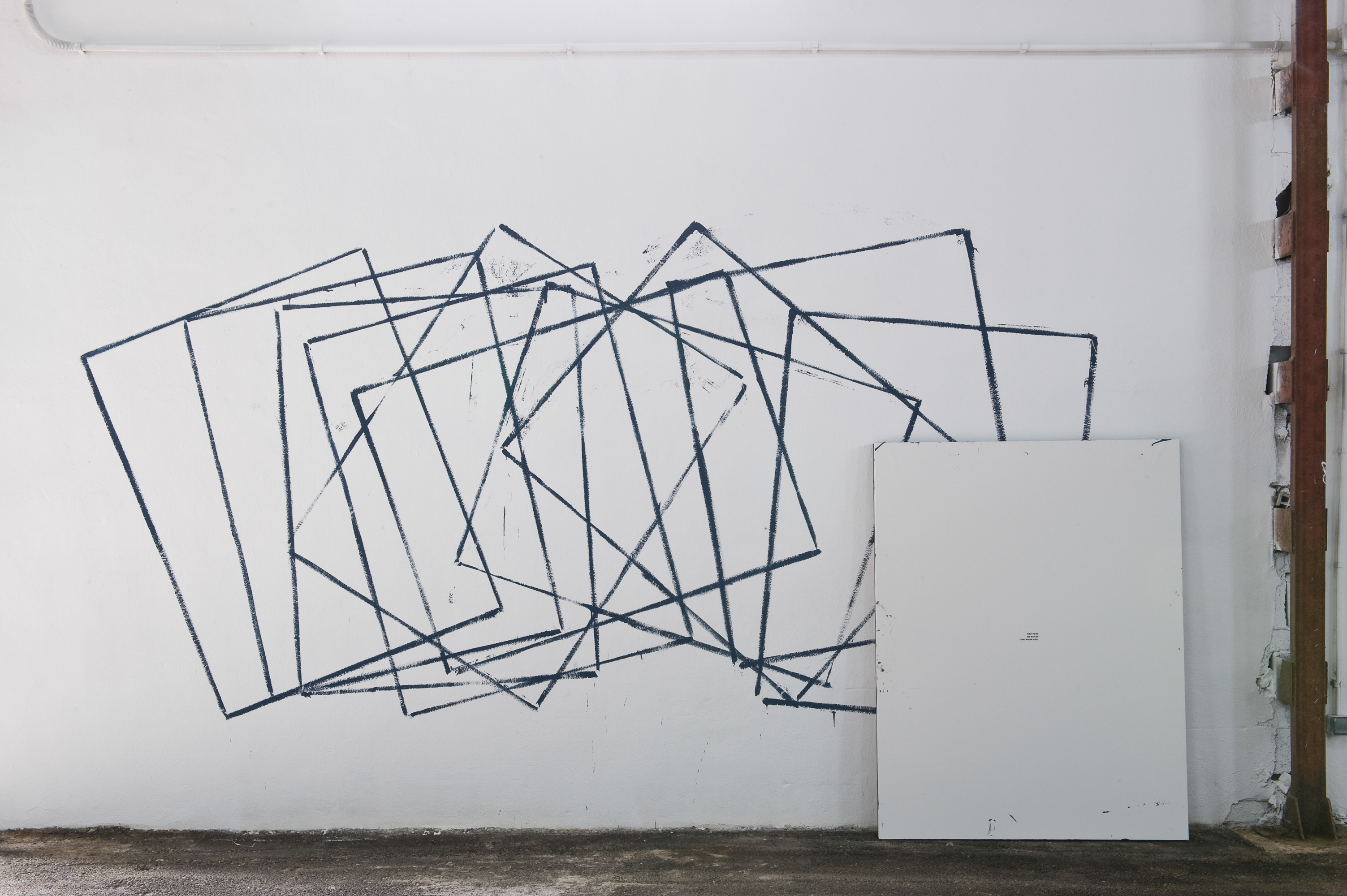
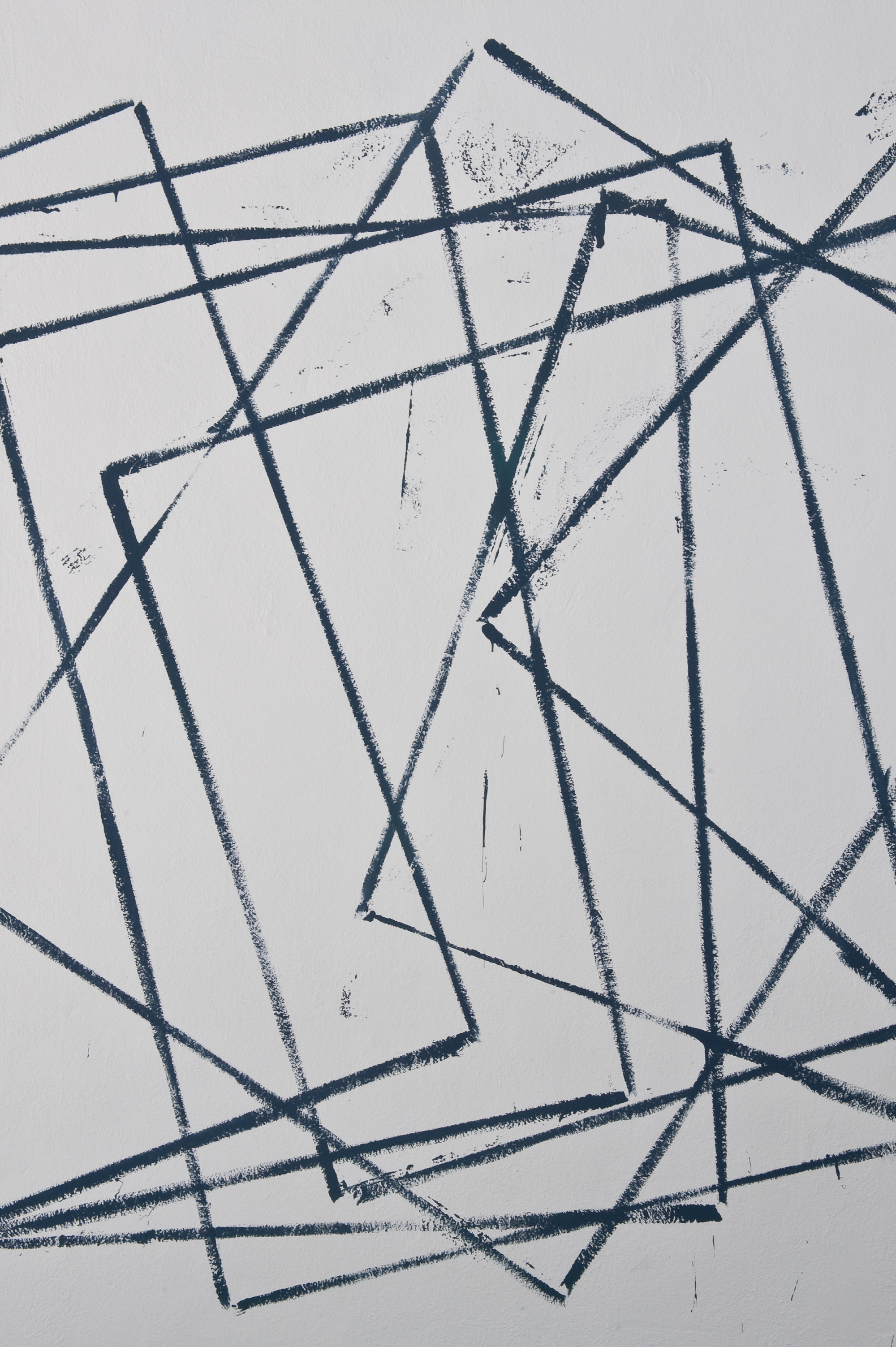
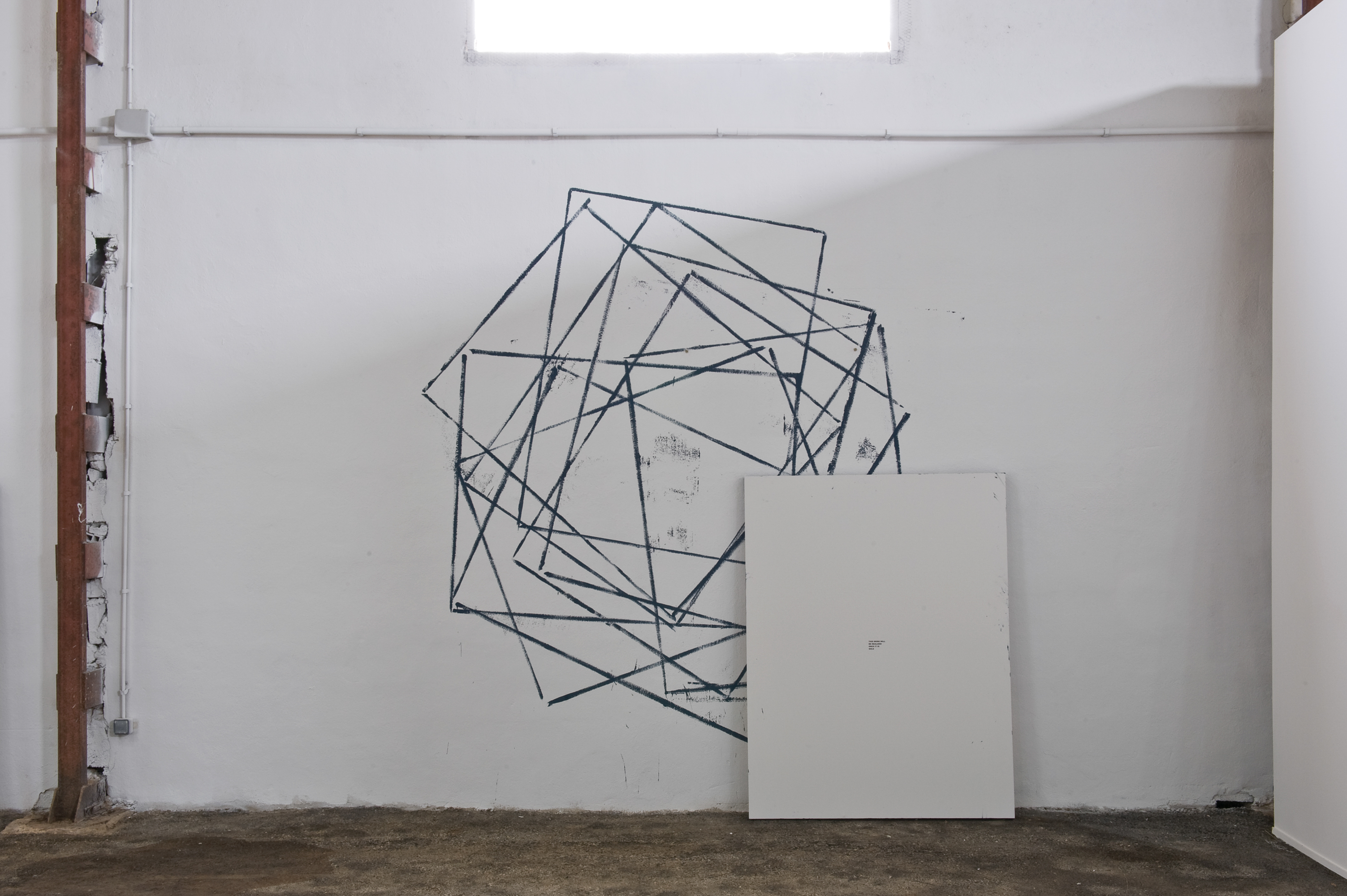
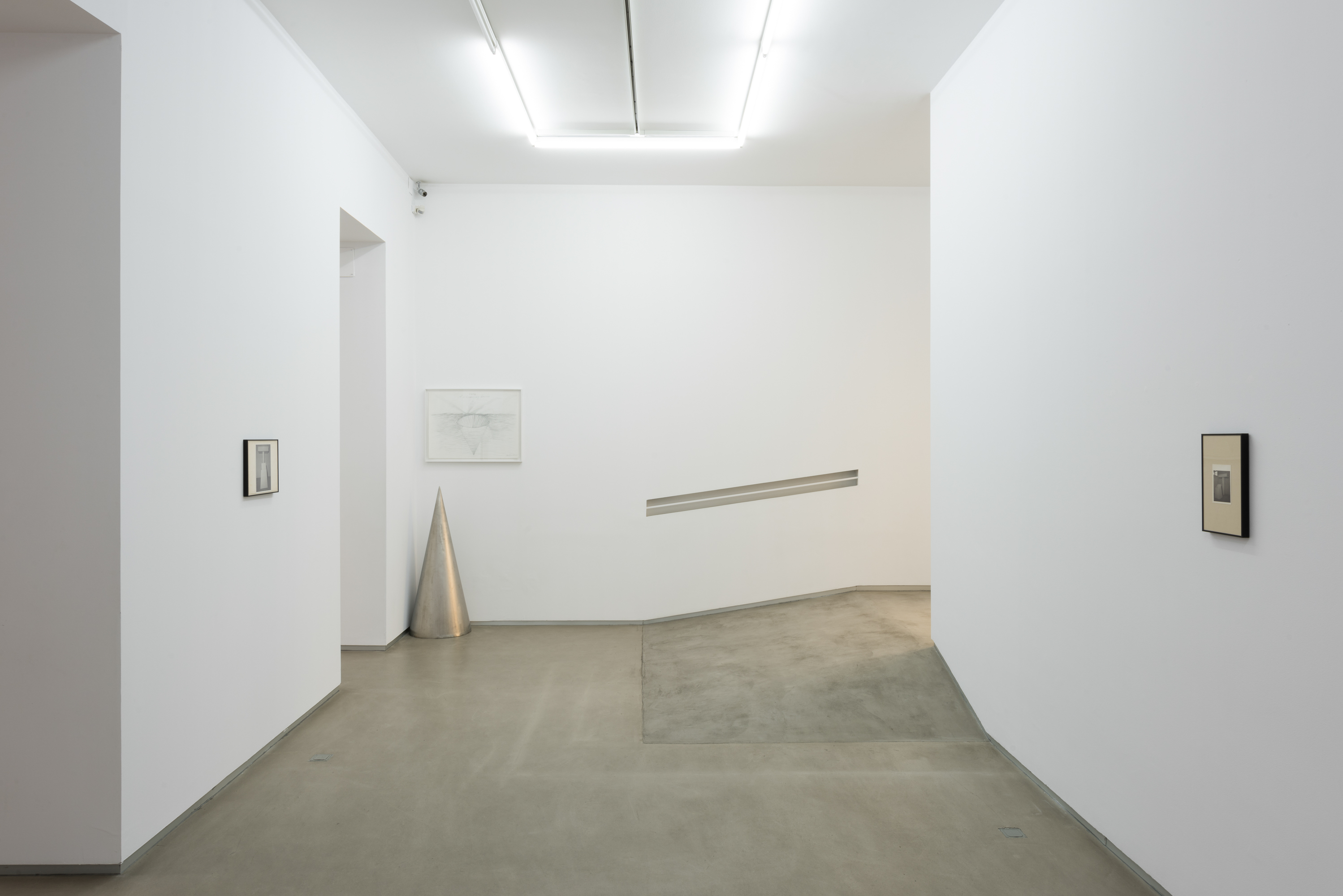
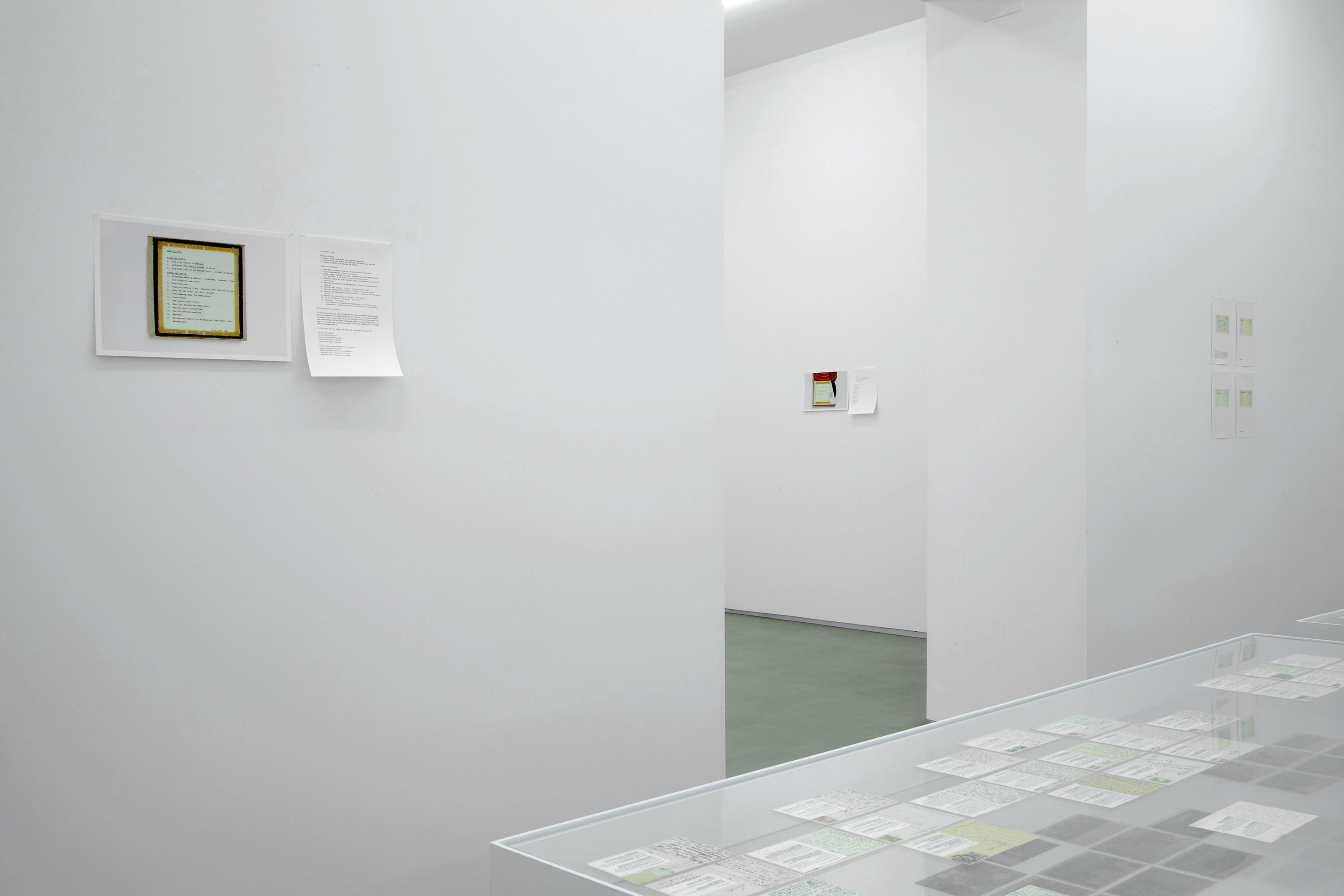
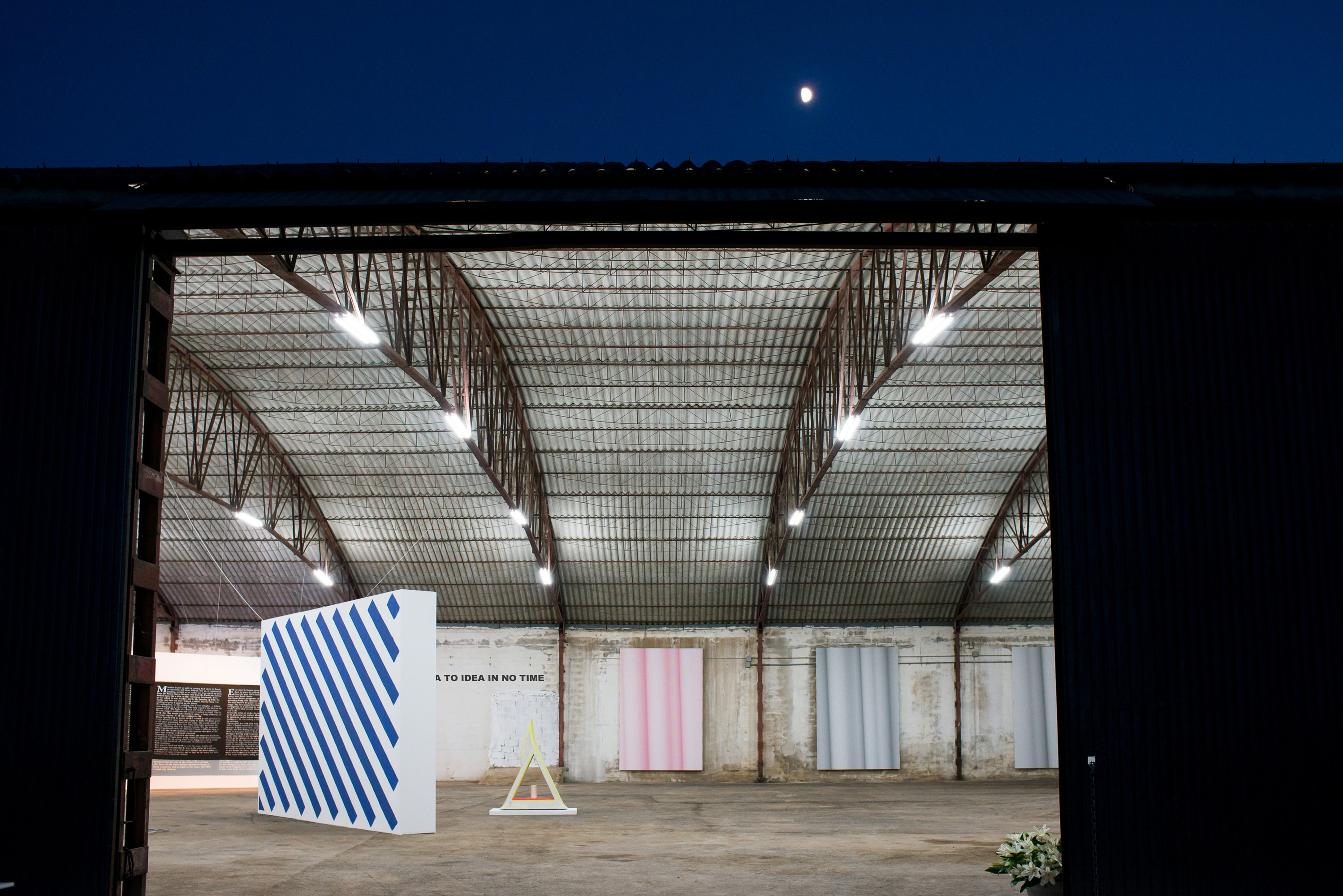
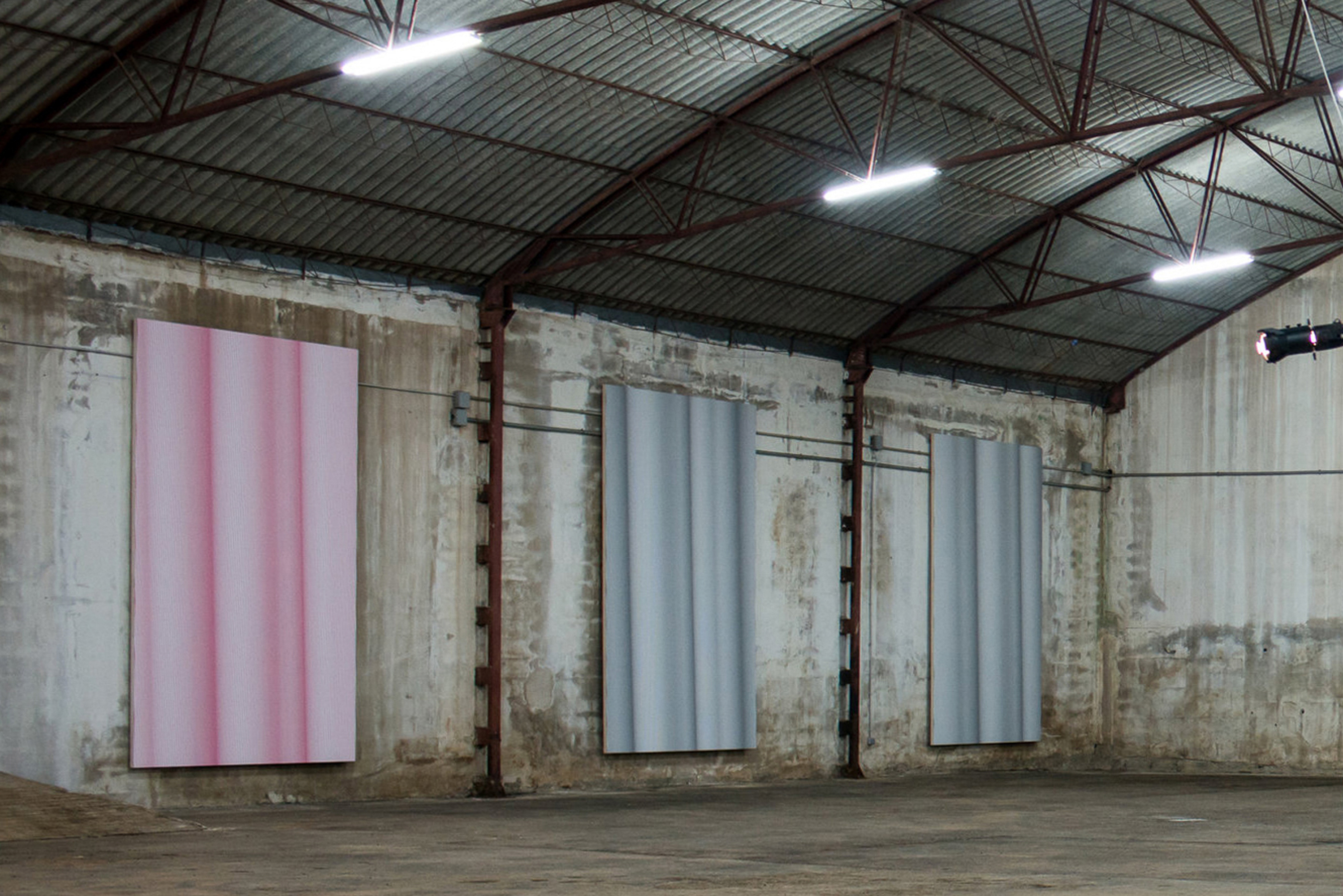
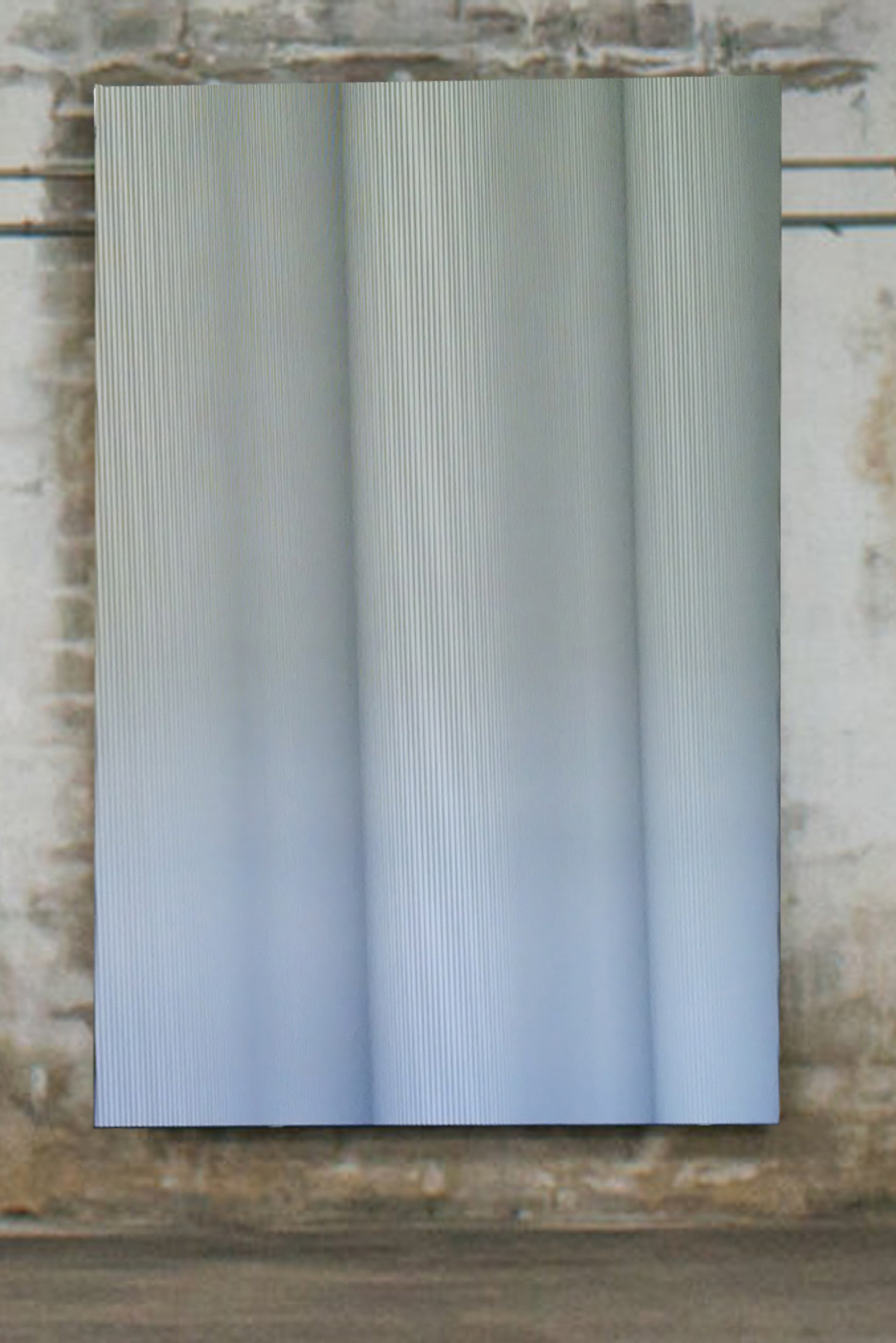
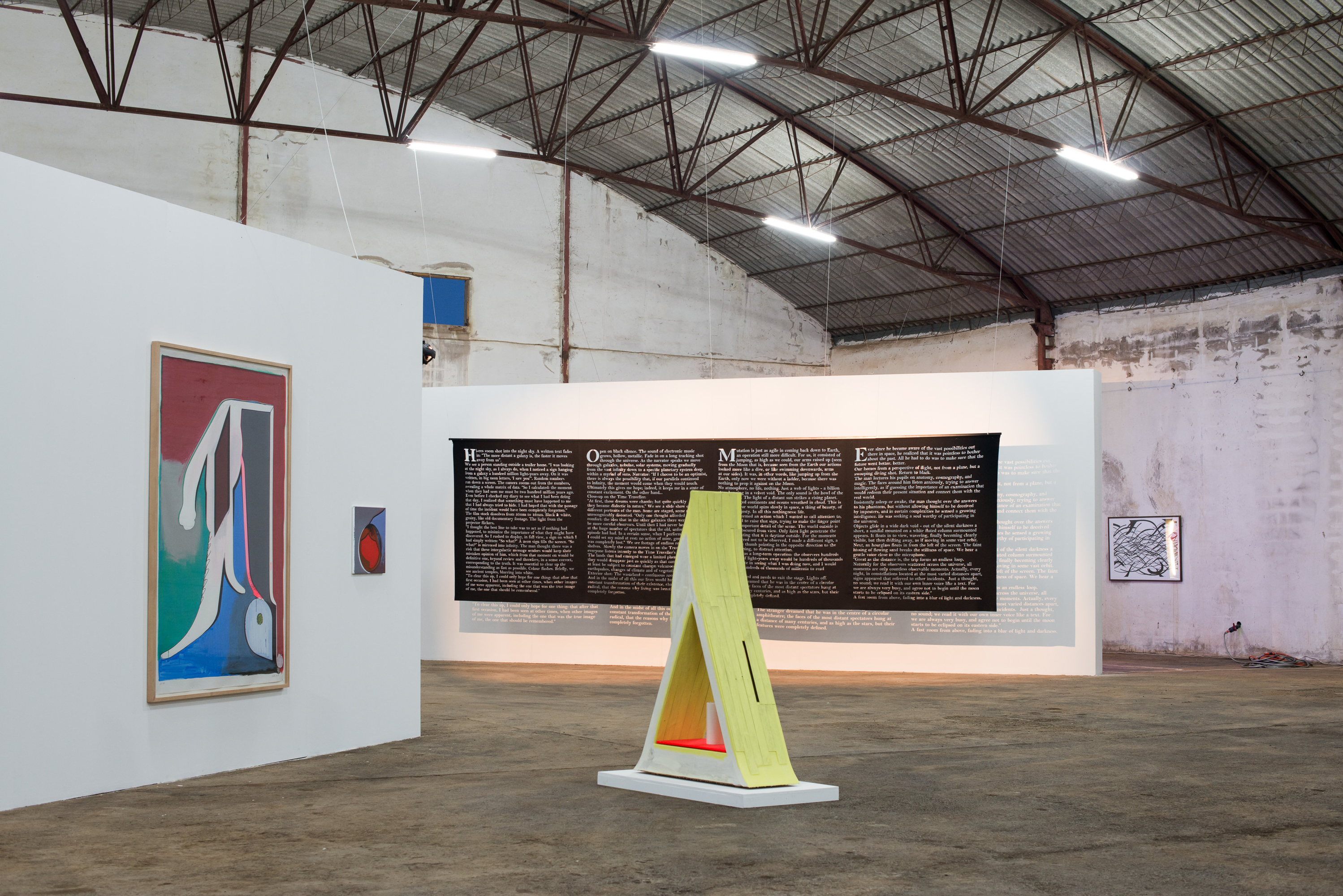
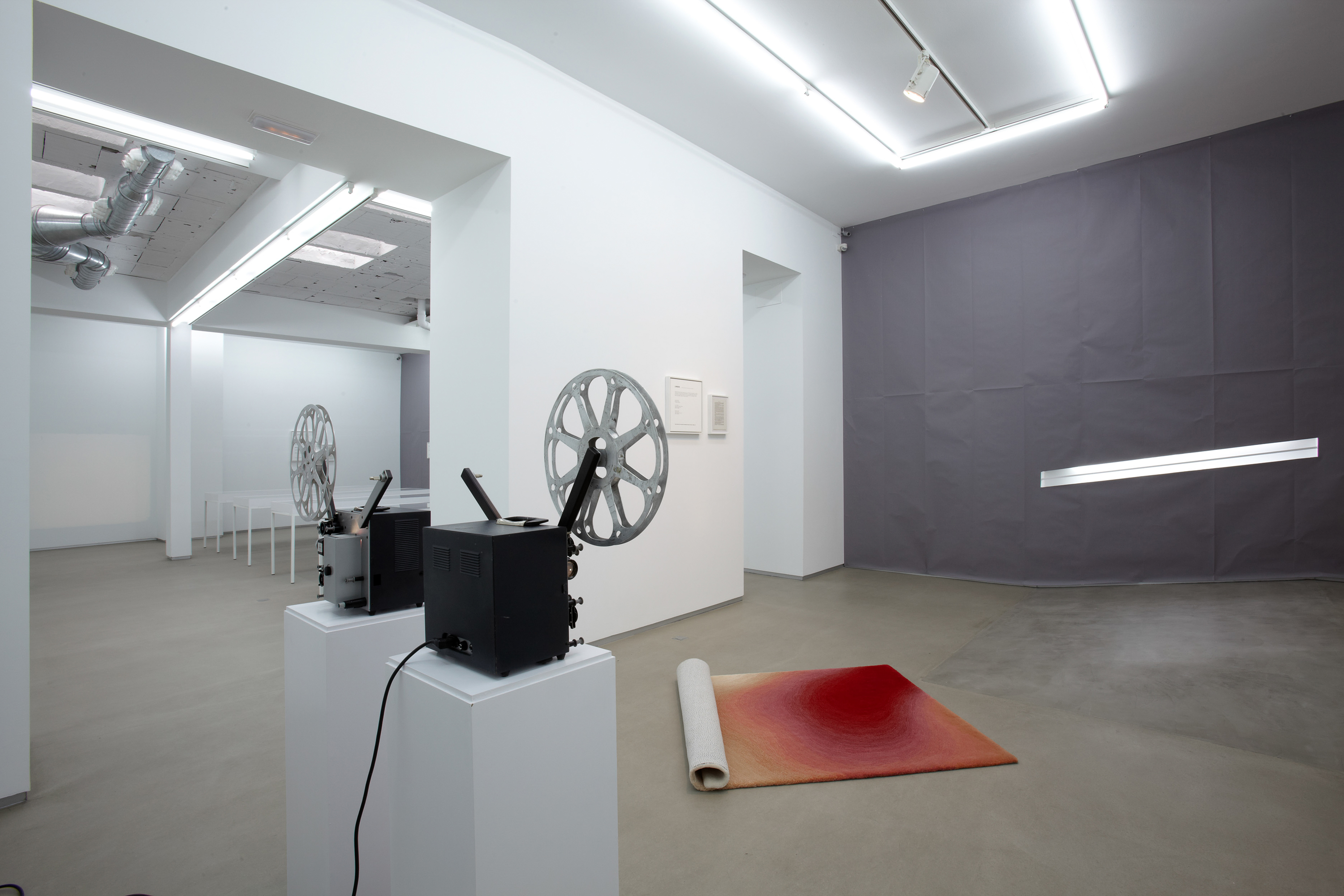
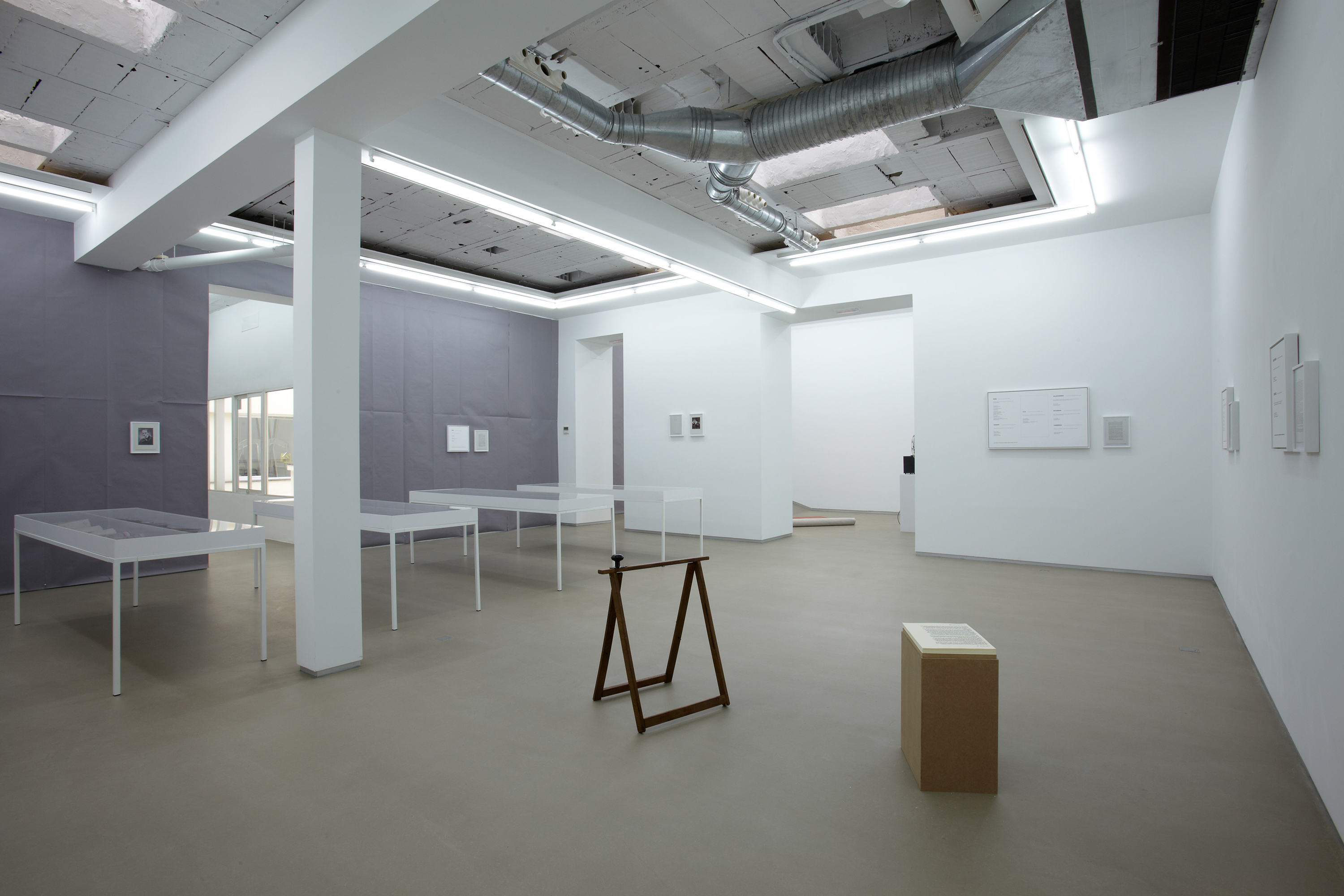
Gaylen Gerber’s work (U.S.A., 1955) questions a central aspect of perception: the process of distinguishing between shape, background, context. To do this the artist incorporates and often foregrounds the work of other artists: a backdrop, some sort of support material, canvas or white or grey paper, which challenge both the perceived identity of the art work and its neutrality within the exhibition space. The piece produced for Shiver in the Shift functions as theatre backdrop and scenery for the entire show. Paper is pleated to form strips of de 1,83 x 46 cm suggesting the proportions of the human body. Not all the works are hung against this backdrop but it does nevertheless act as a setting for each and all the pieces in the exhibition.
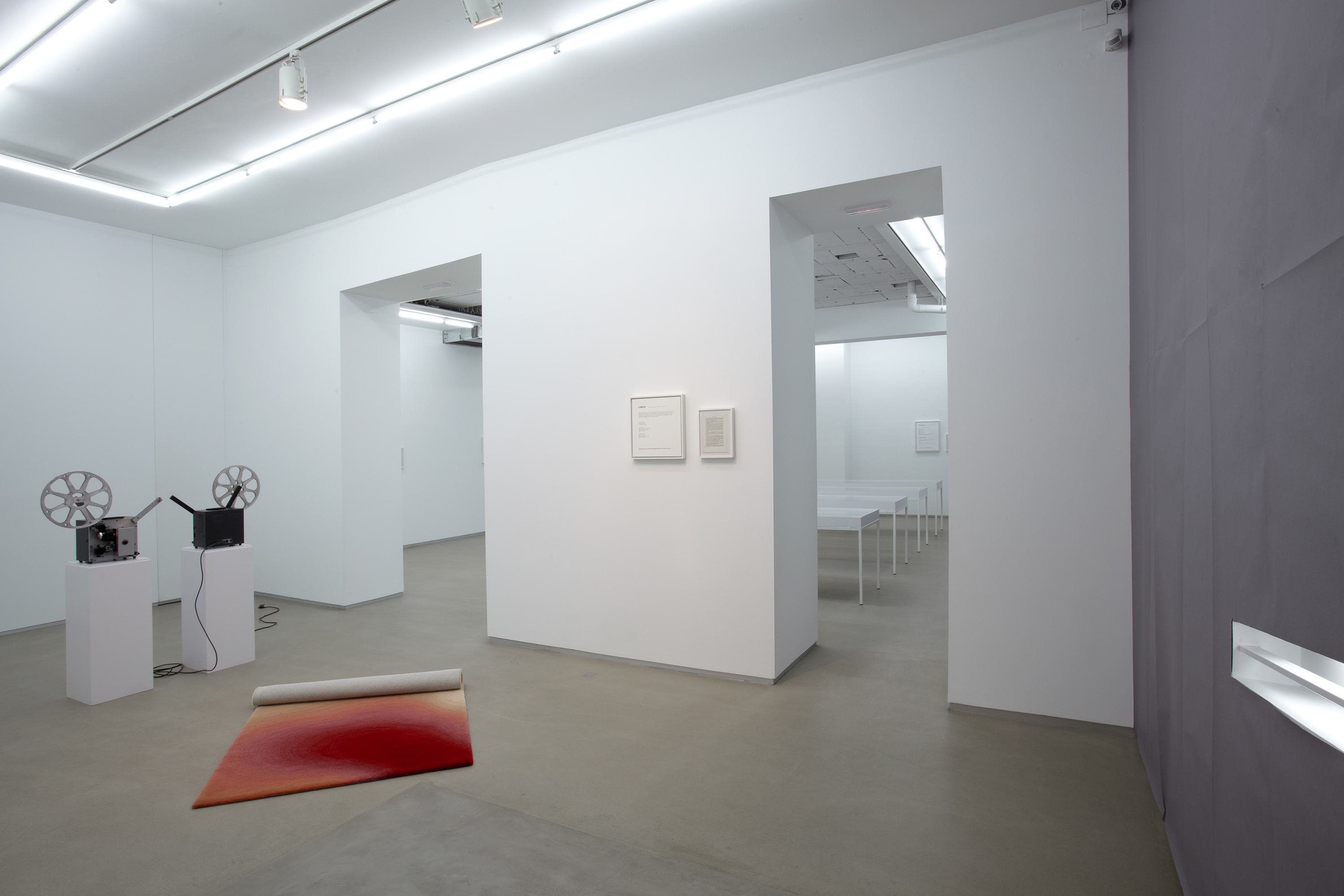
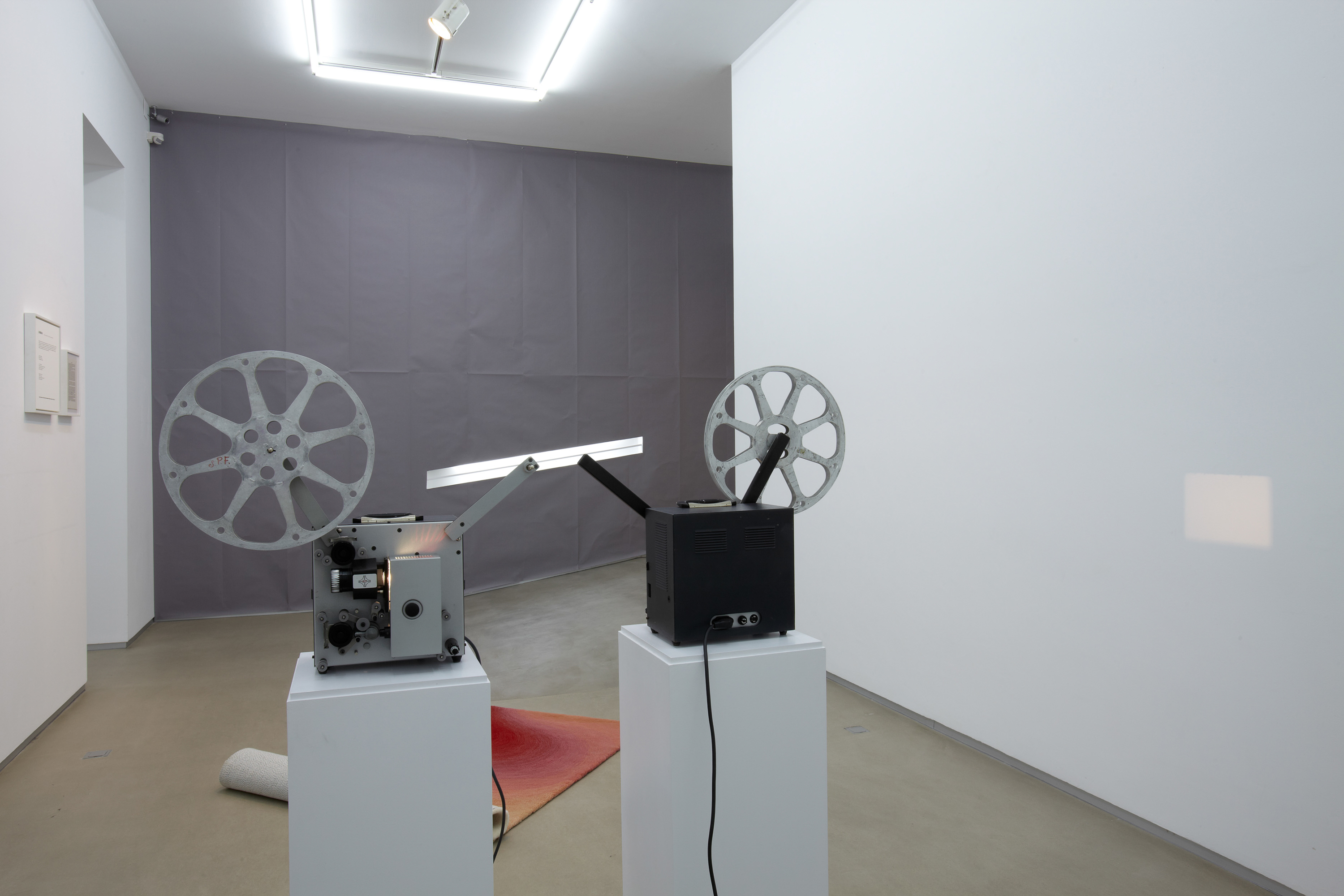
David Lamelas’s (Argentina, 1946) work, loaned from the F.R.A.C. Lorraine collection (Metz, France), “is anchored in his research into space and language. Projection (1967) consists of two 16mm film projectors placed back to back. First one emits a powerful beam of light that disturbs the viewer’s retinal perception before being drowned in natural light. The second then projects the same imageless film onto a wall that echoes the traditional projection screen, suggesting a visual abstraction, a sculpture in space. In response to this, the viewer’s mental presence is solicited (in addition to his physical inclusion): the viewer has to invent images to fill the blank projection surface.”1.
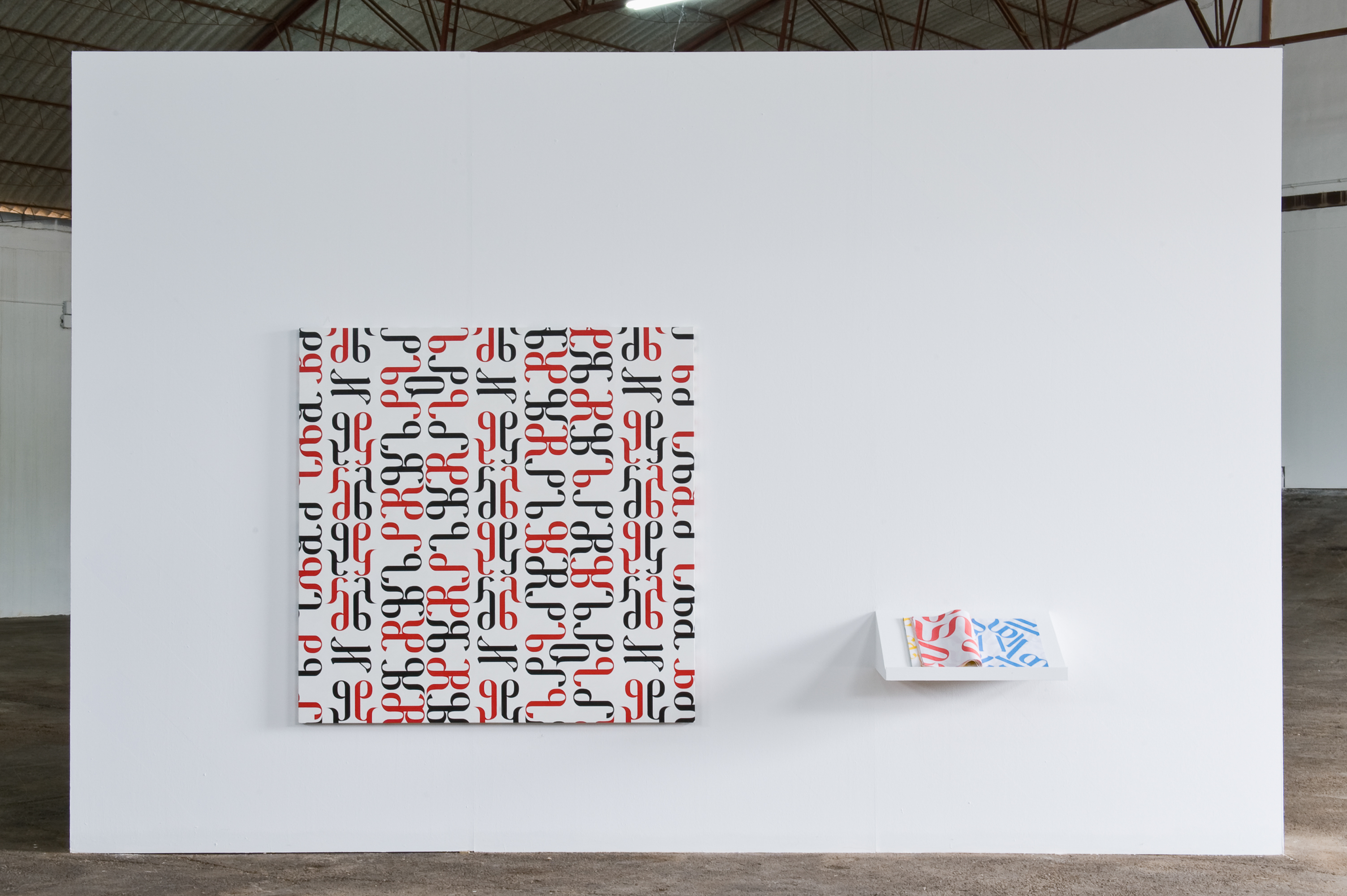
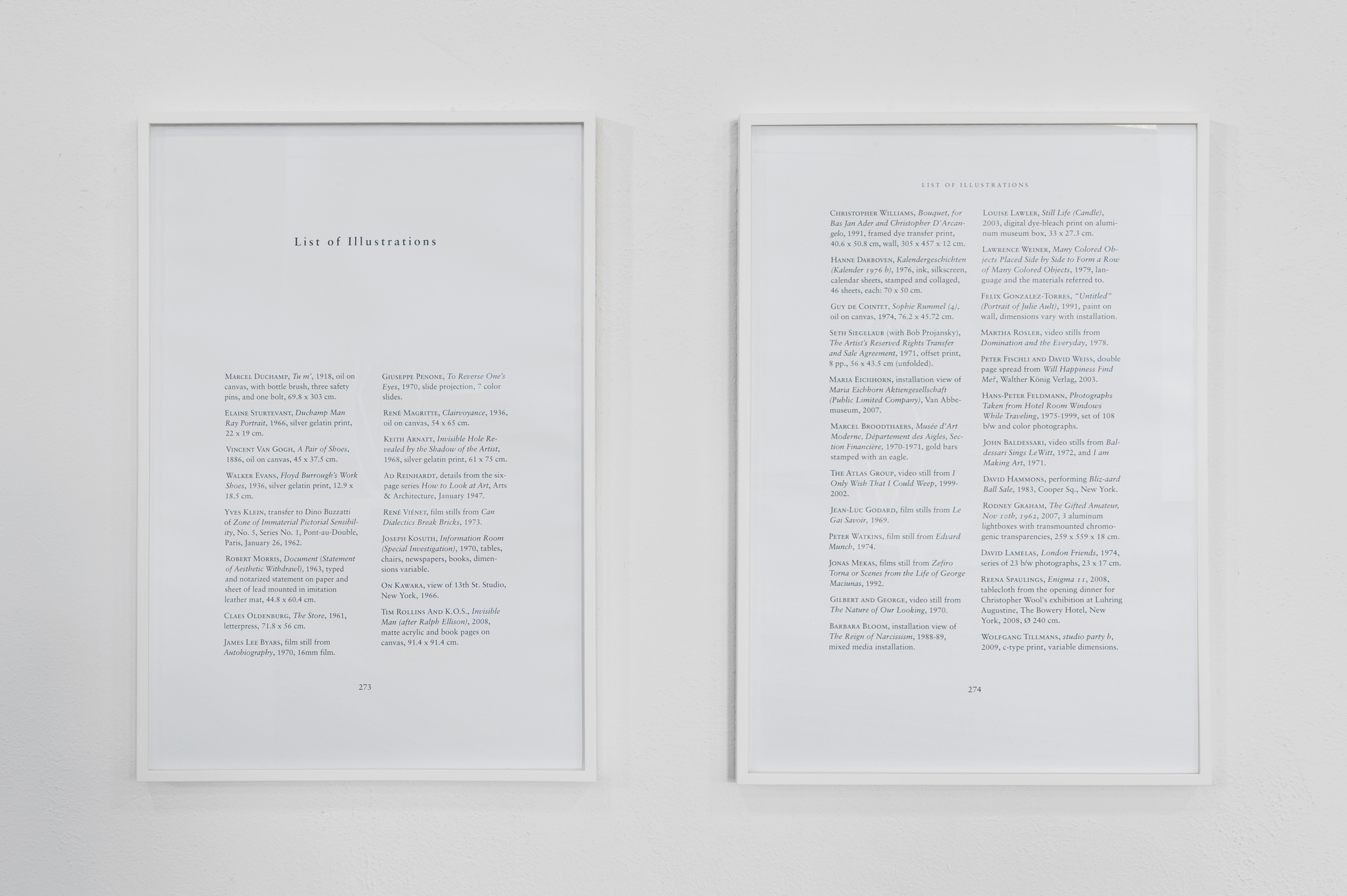
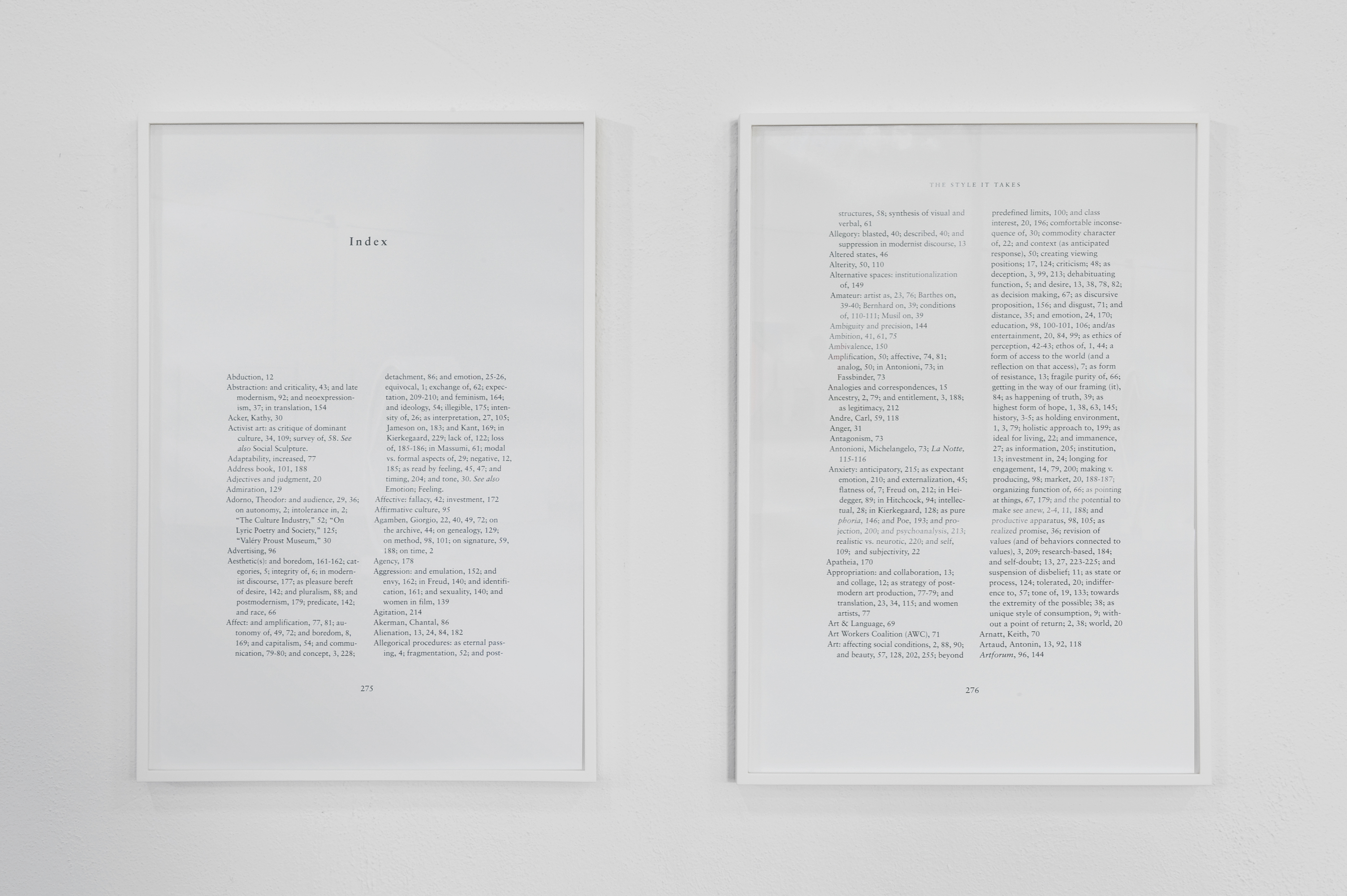
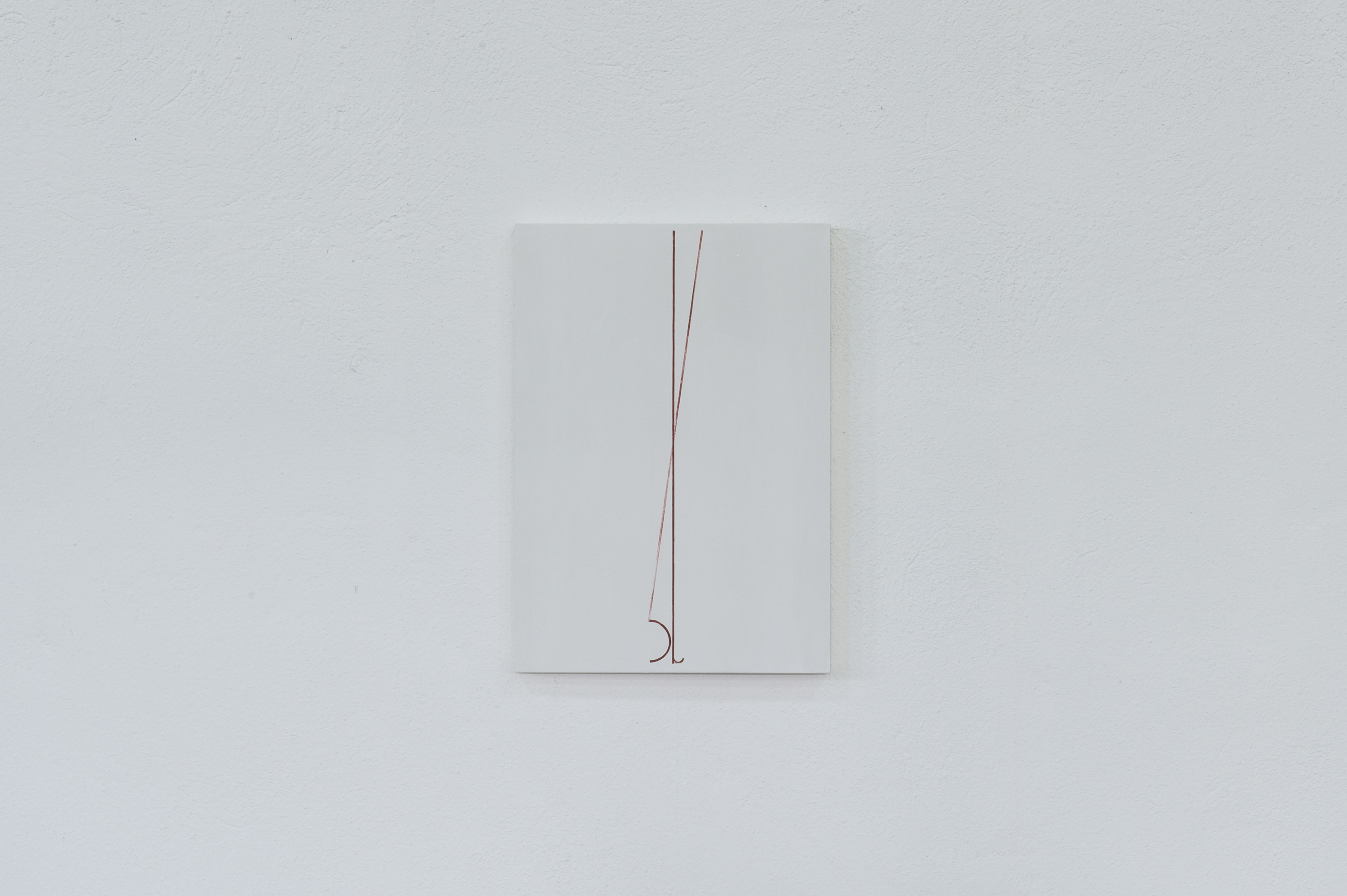
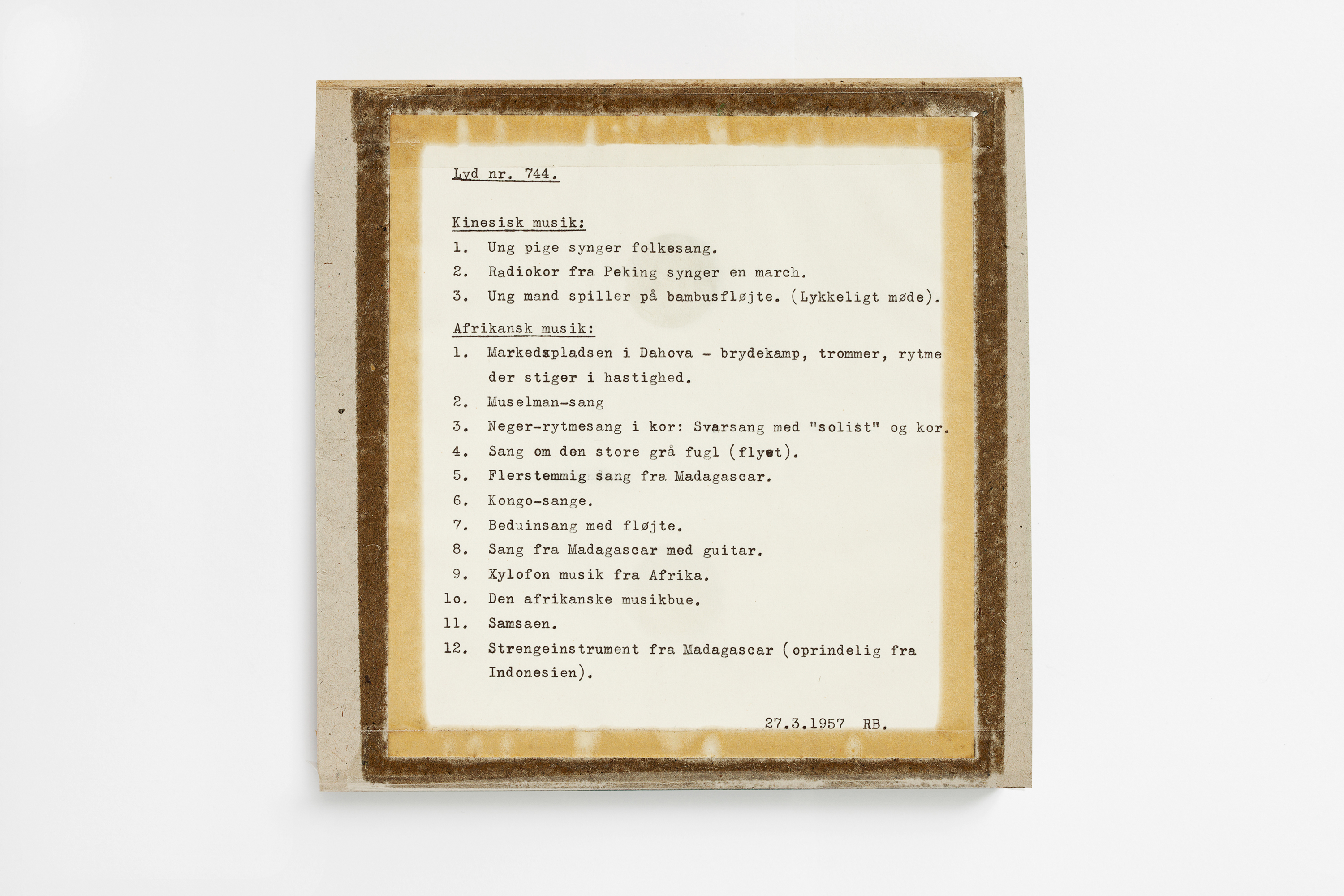
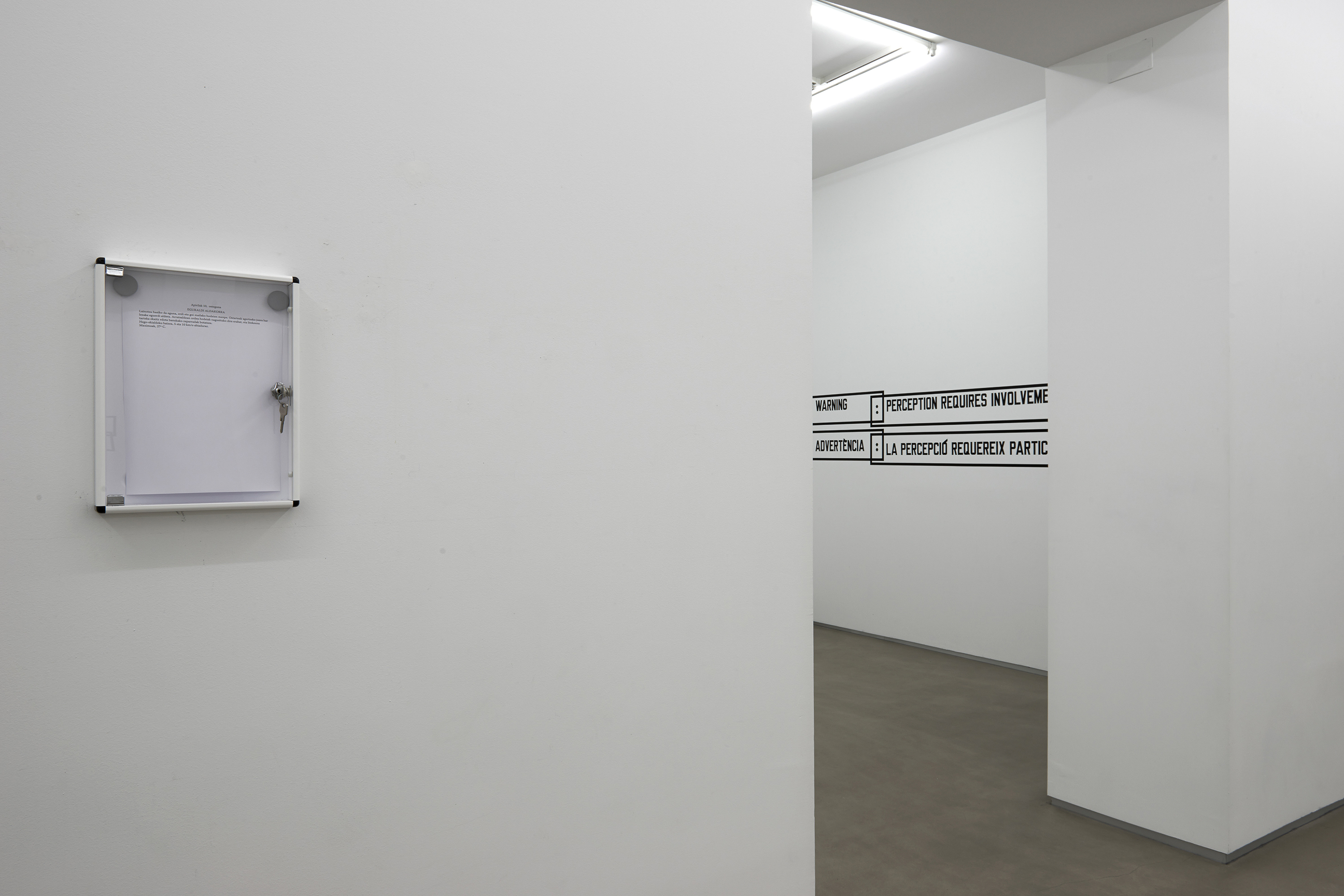
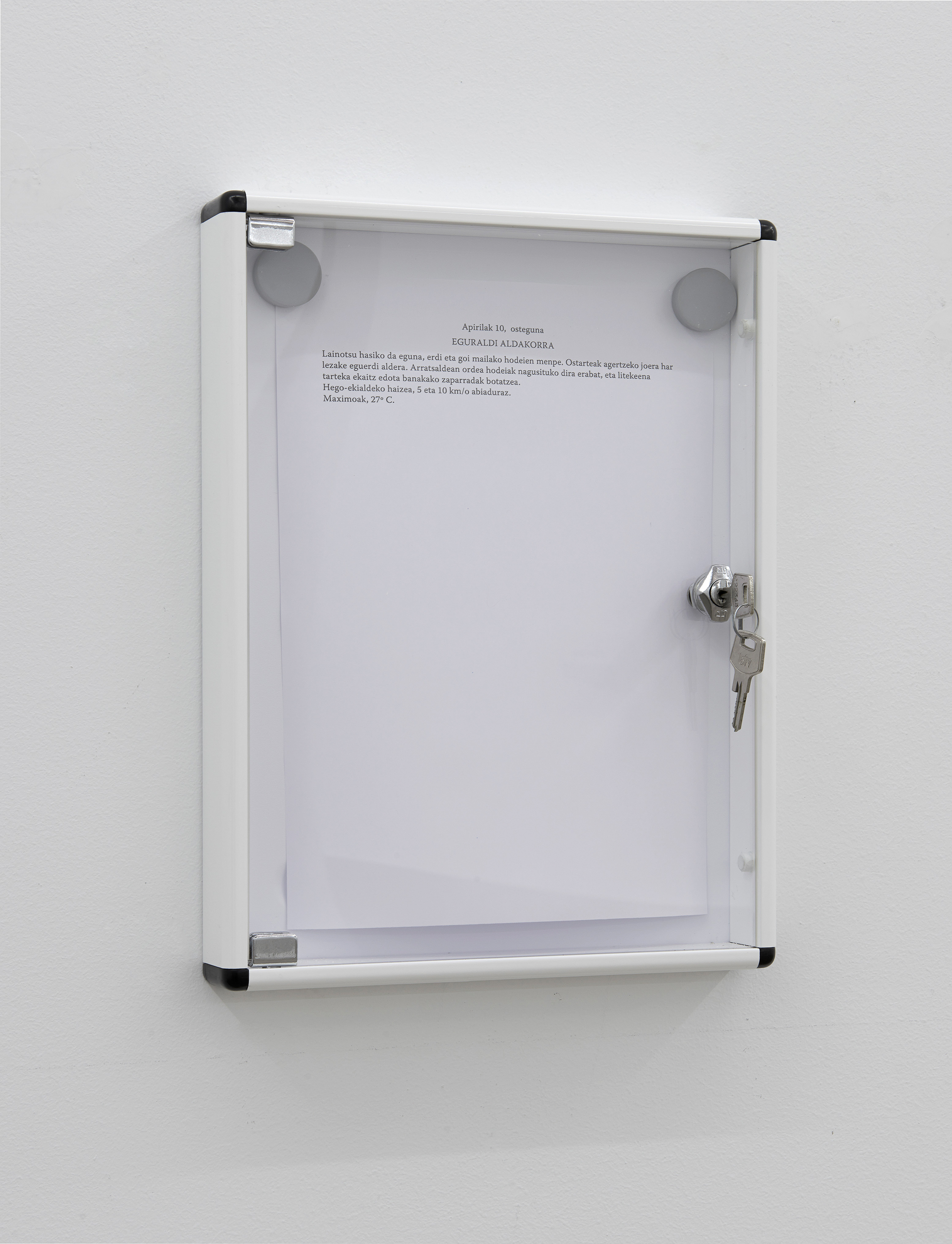
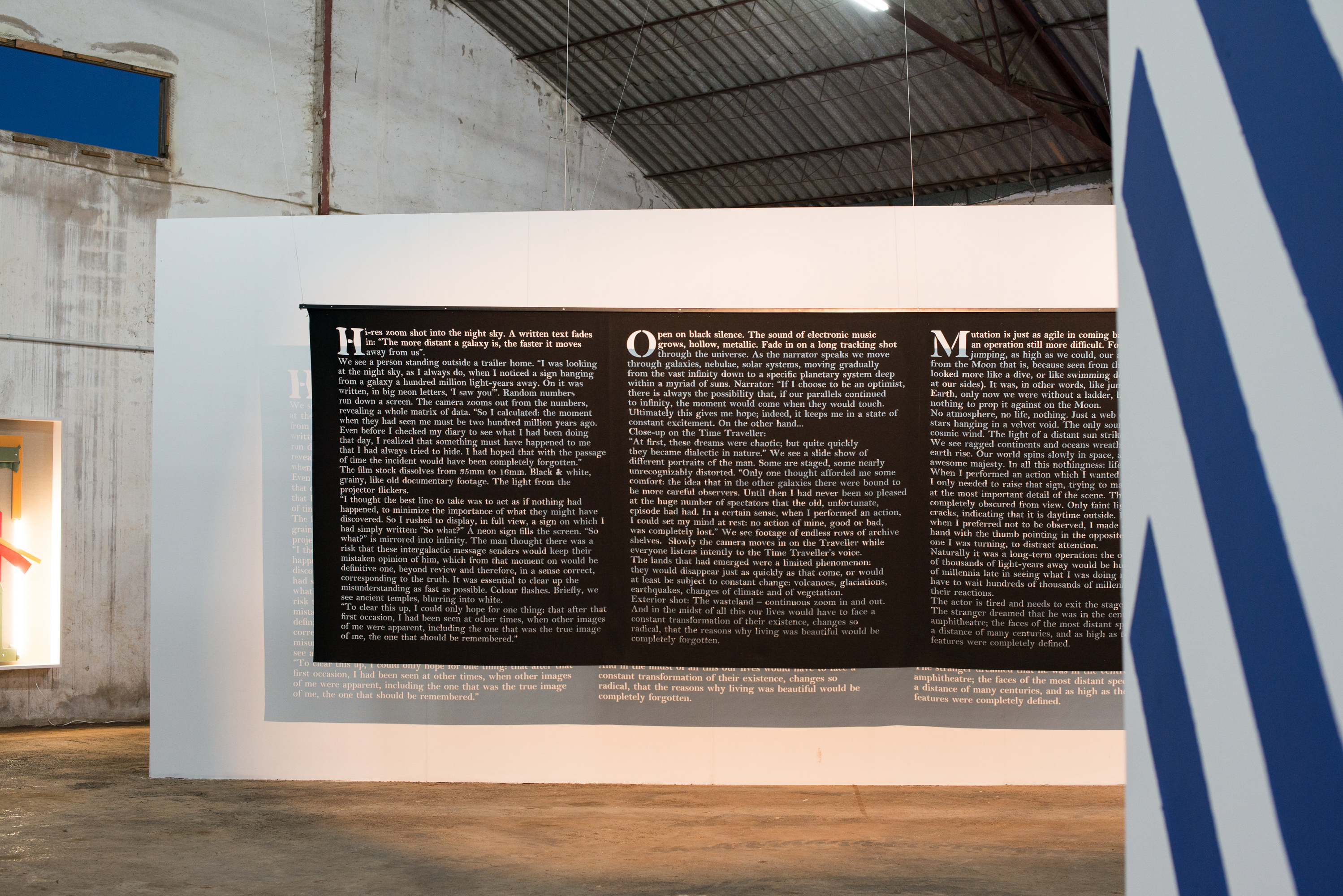
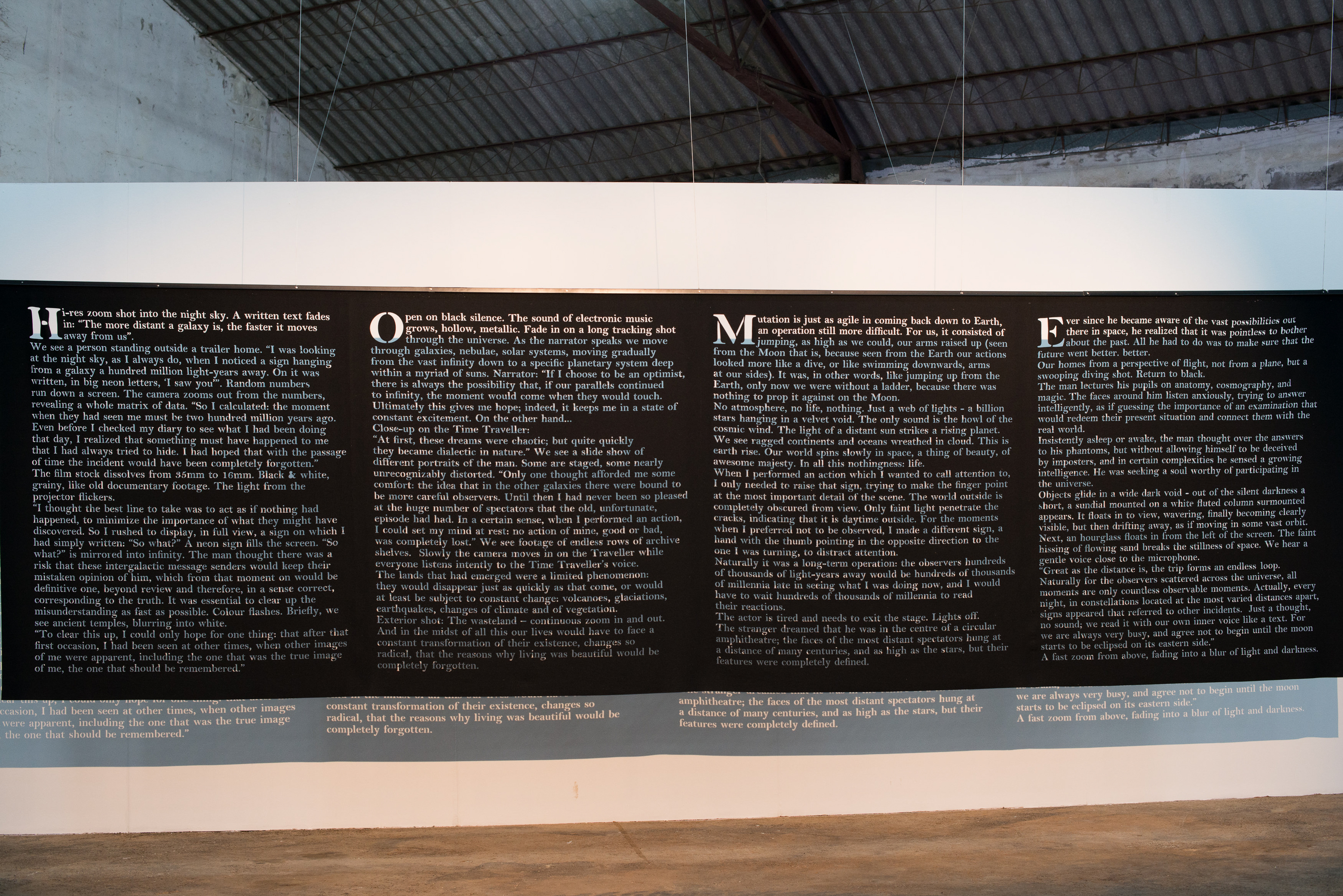
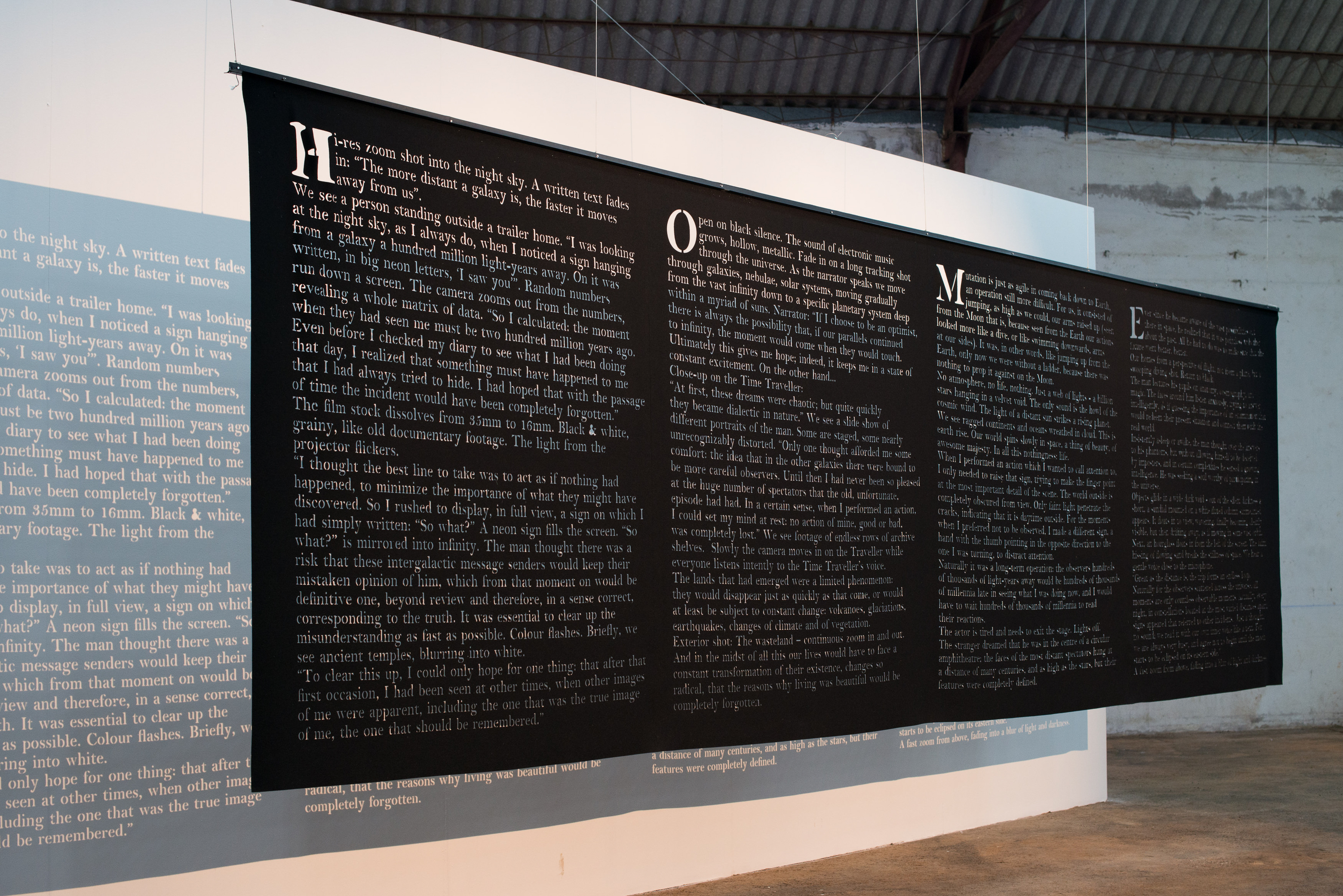
Artist/poet Karl Larsson (Sweden, 1977) looks at how a work of art begins to mean something to the viewer, how meaning circulates in a work, what narratives it might contain. In this way, his work deals with perception, thought, reflection and events that are given form through written or sculptural proposals or a mixture of the two. Detail from The Lake (2009) is part of an installation based a true story about Marcel Broodthaers. The text that the piece presents and which the spectator may take away with him/her recounts the following anecdote: In 1944, when Broodthaers was in the Belgian resistance movement, he was obliged to send a packet containing a message to a certain address. But the young poet mistakenly addressed it to Rue du Lac, instead of Rue de la Vallée. Larsson’s piece looks at the loss of one meaning and the creation of another – a form of poetry as well as an allusion to the real existence of the artist by means of the anecdotes outlining his life and his use of language. The Lake evokes the concept underpinning Larsson’s work – the paratext – that which surrounds a text, a discourse, a situation, upon which its existence depends.
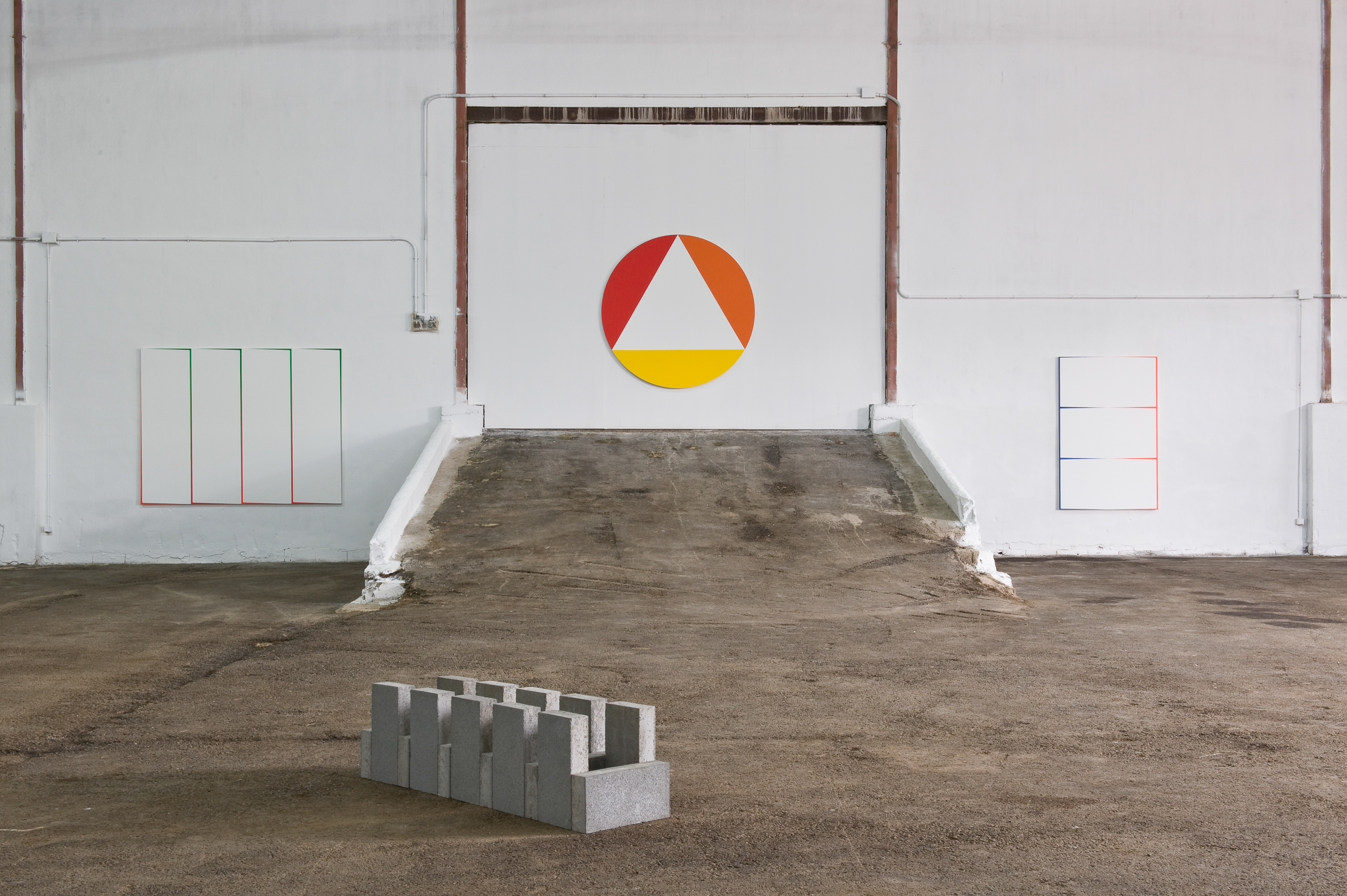
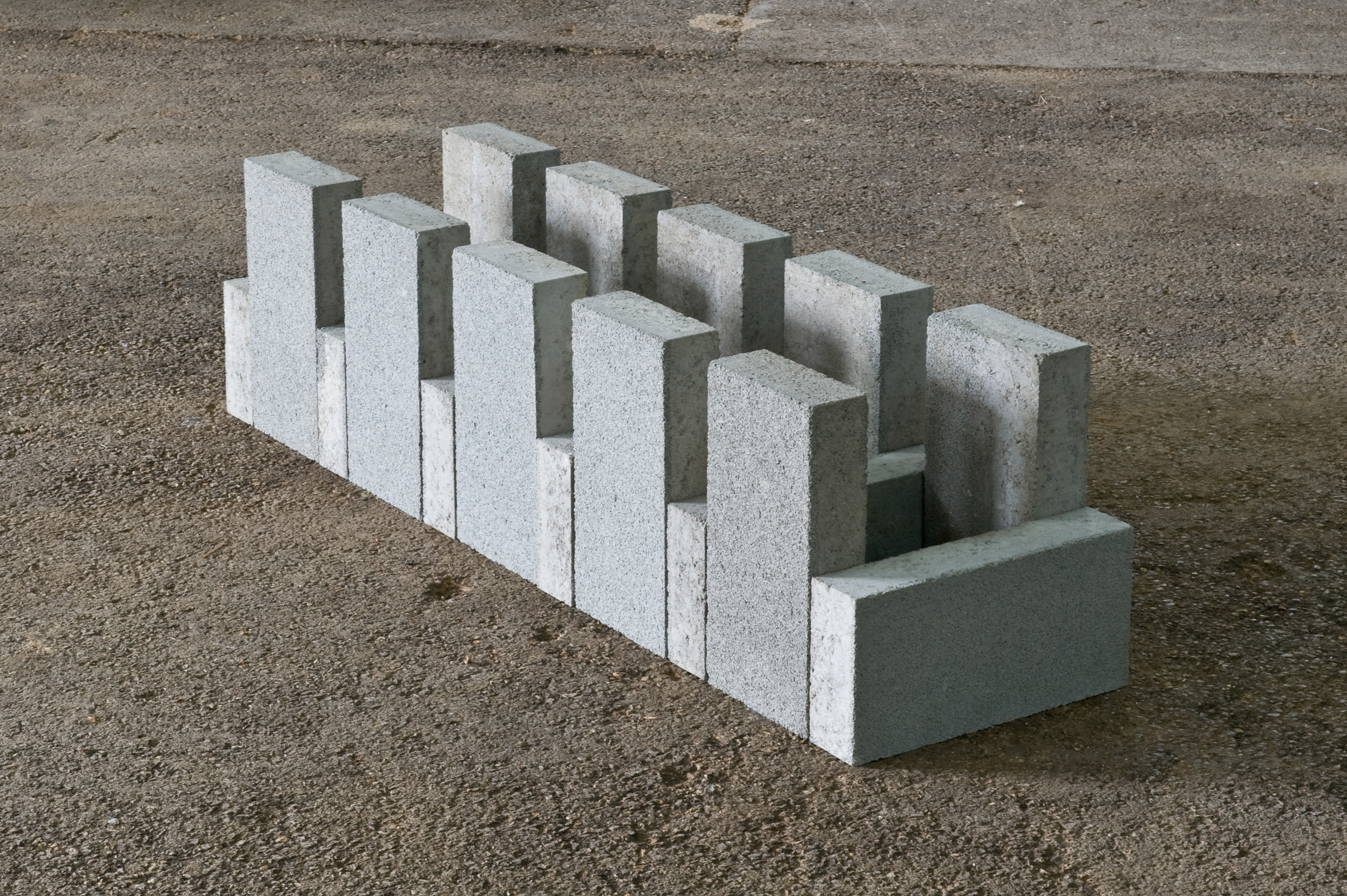
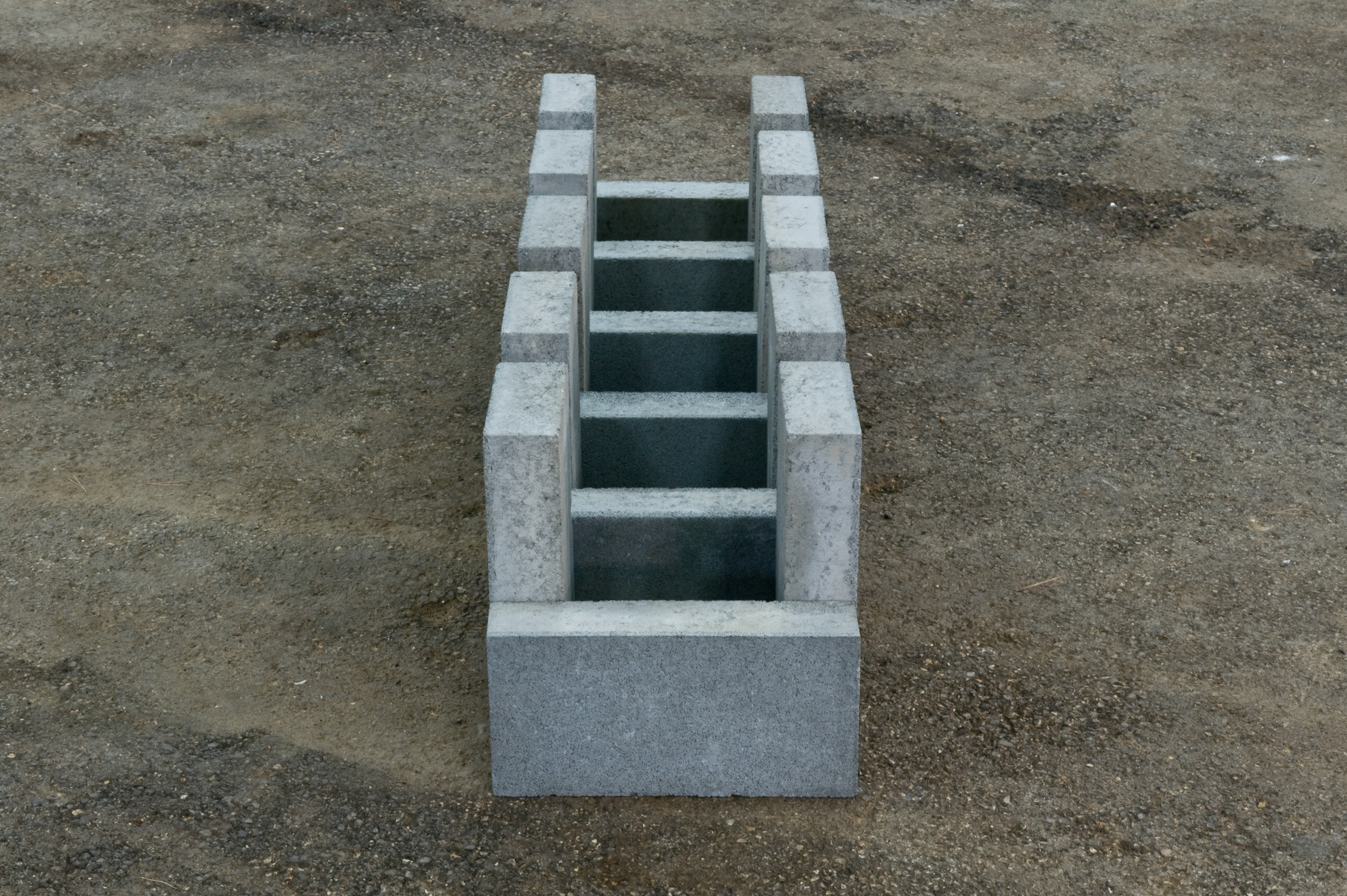
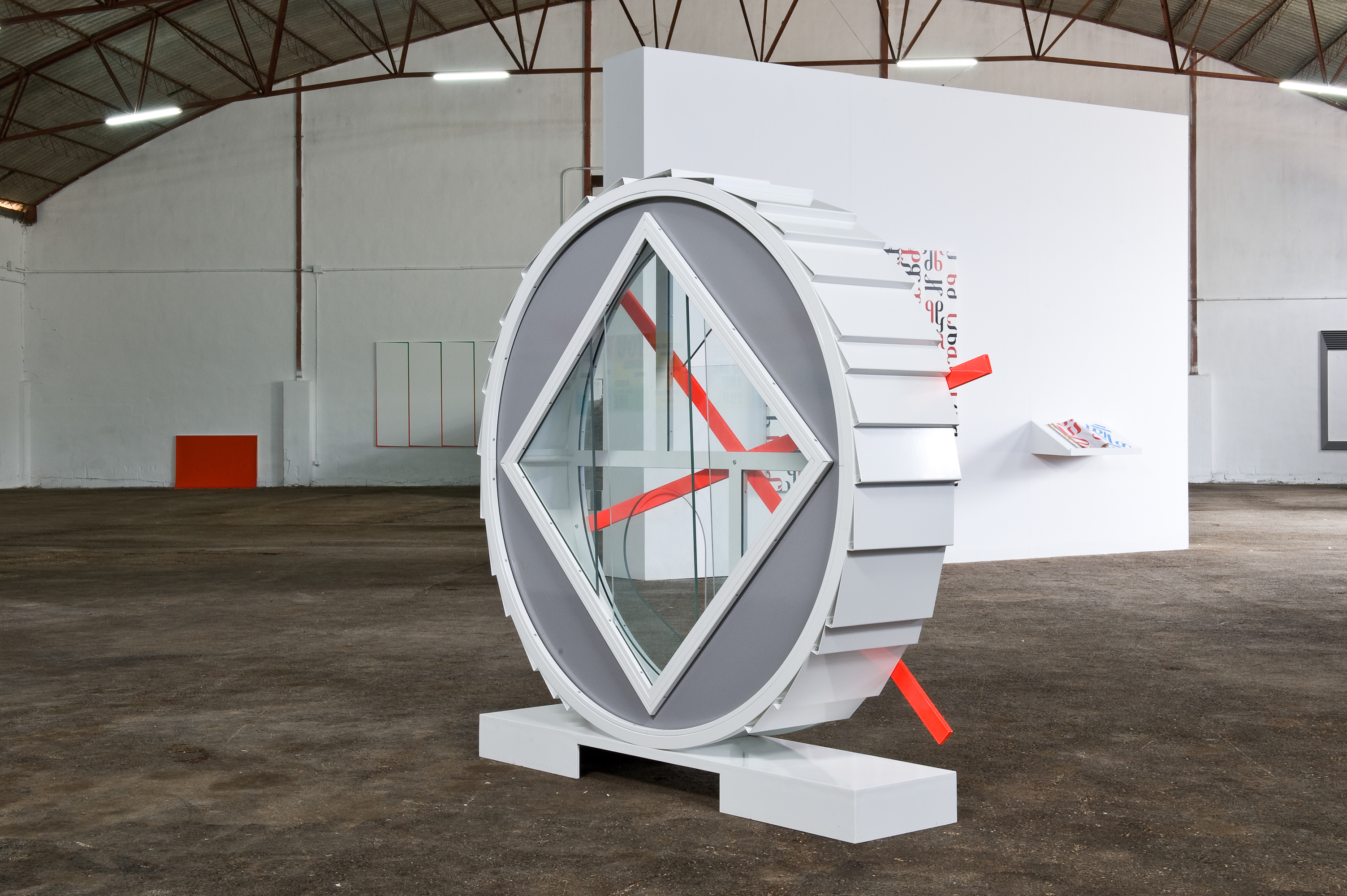
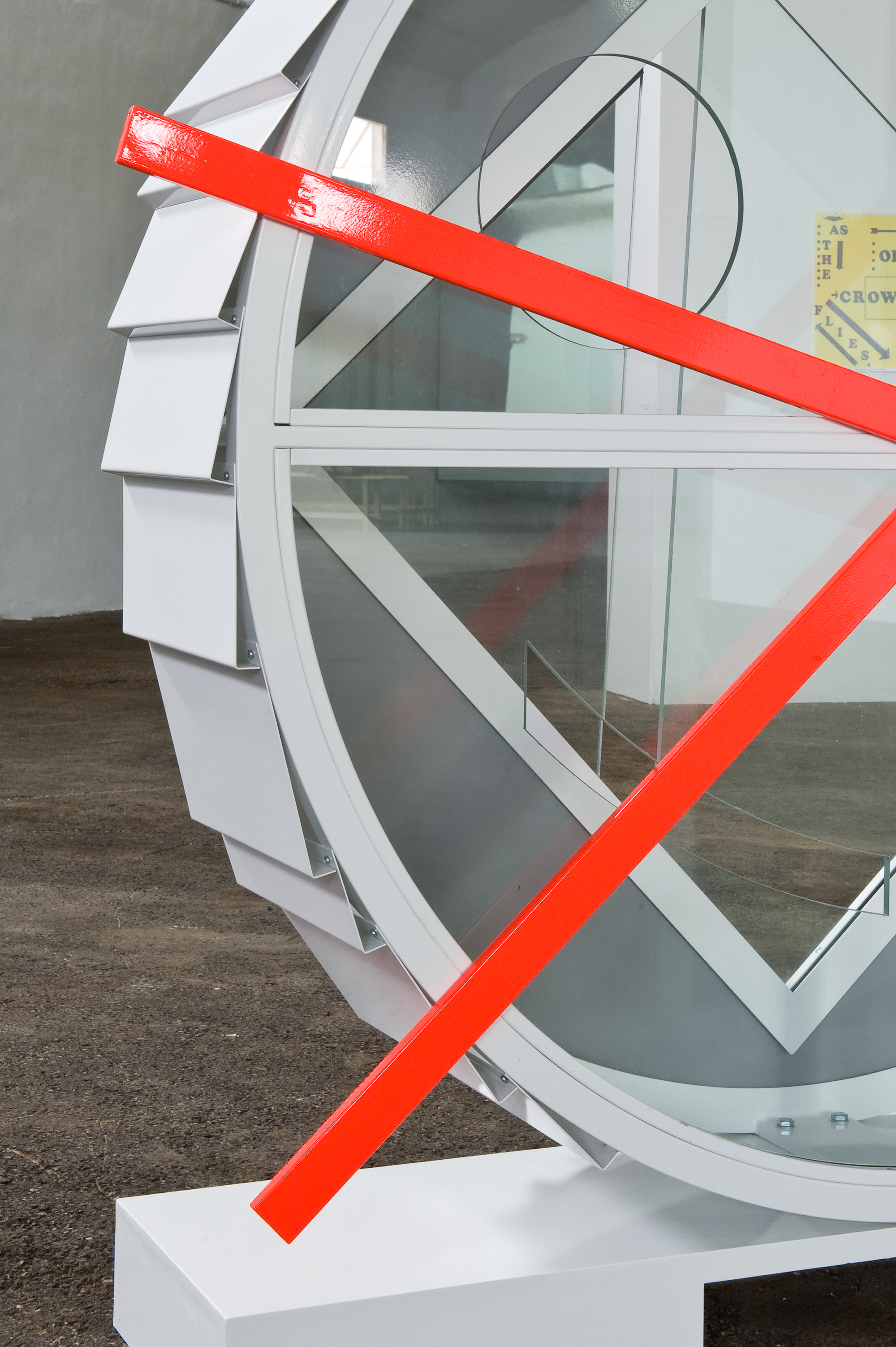
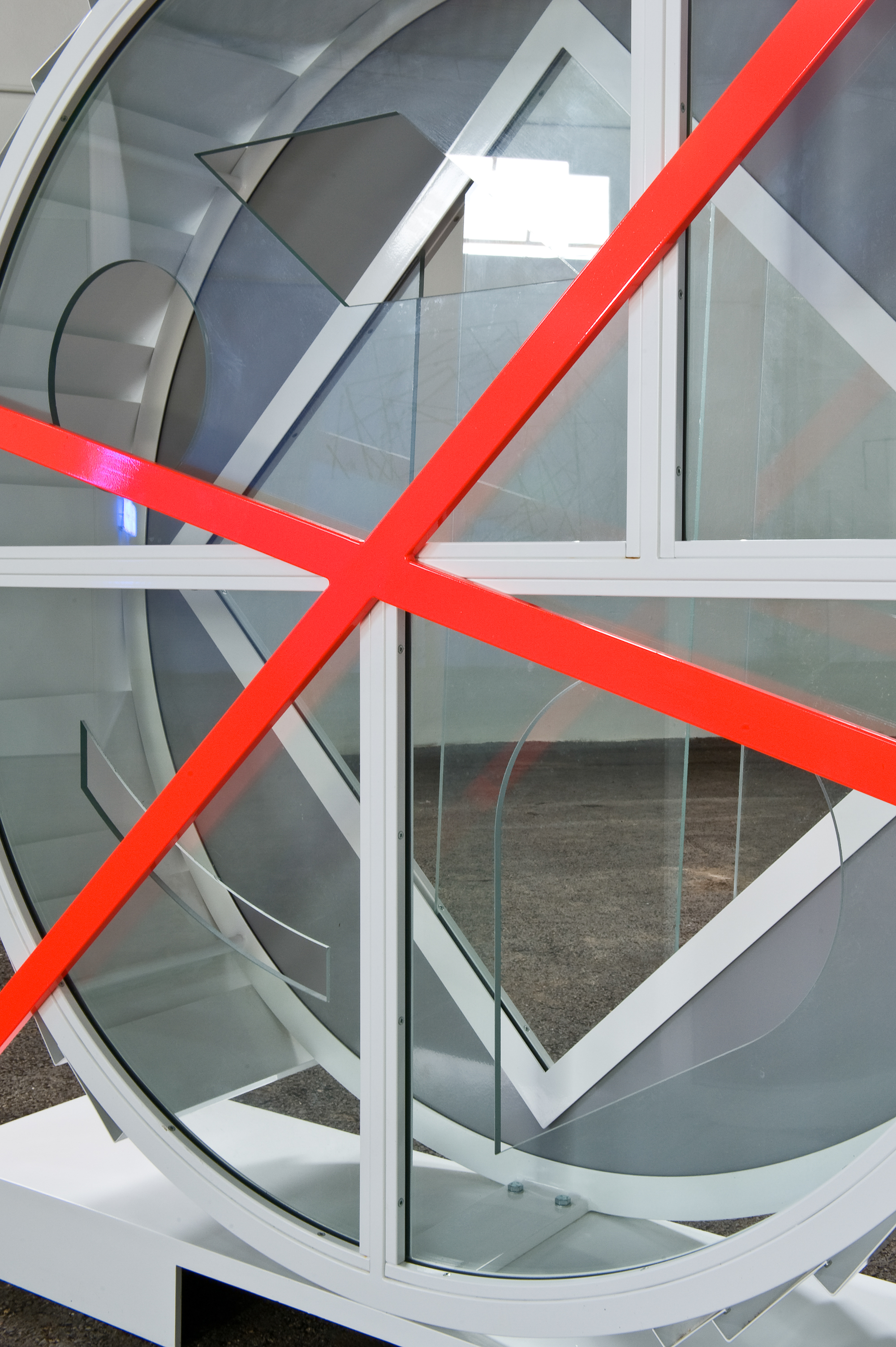
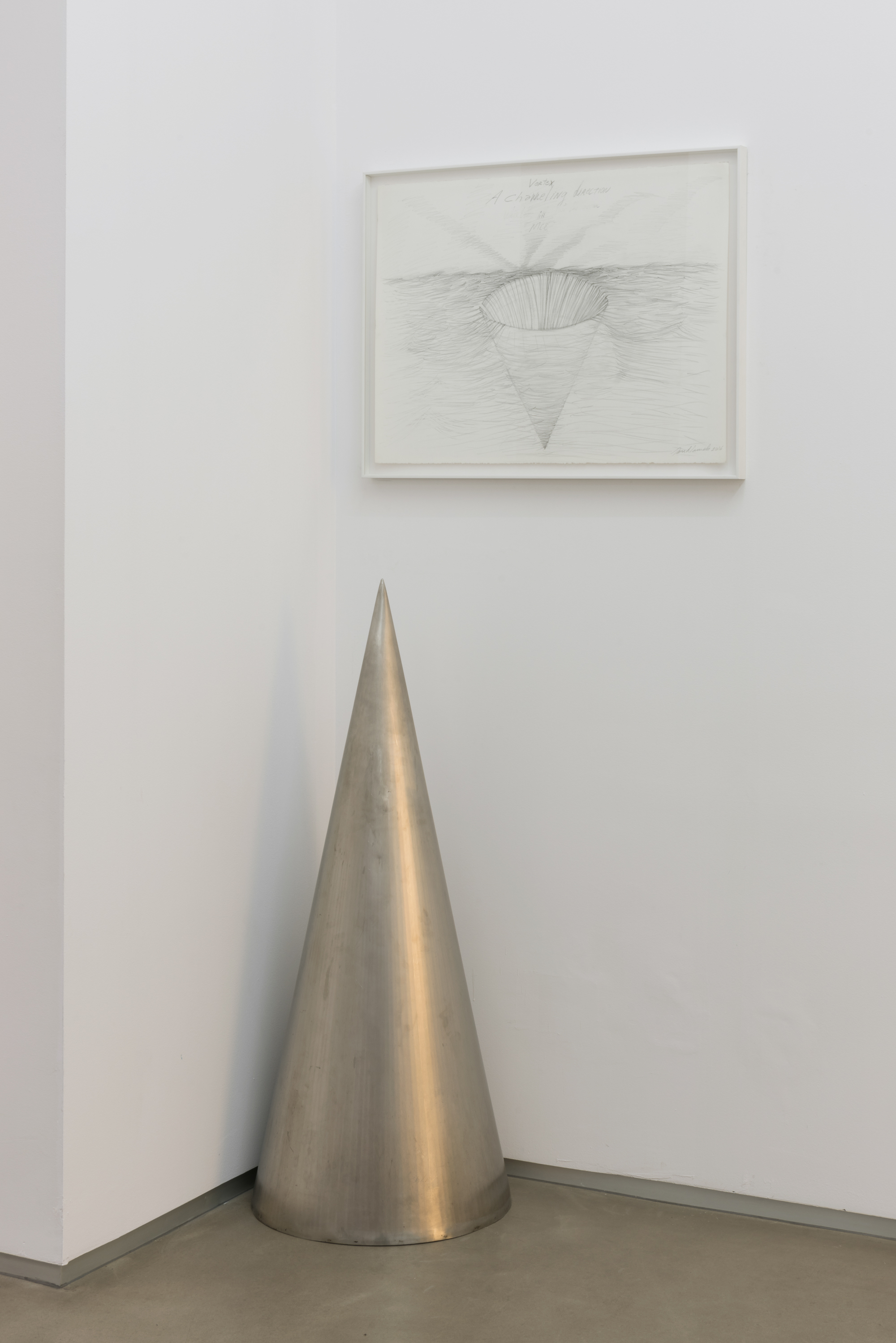
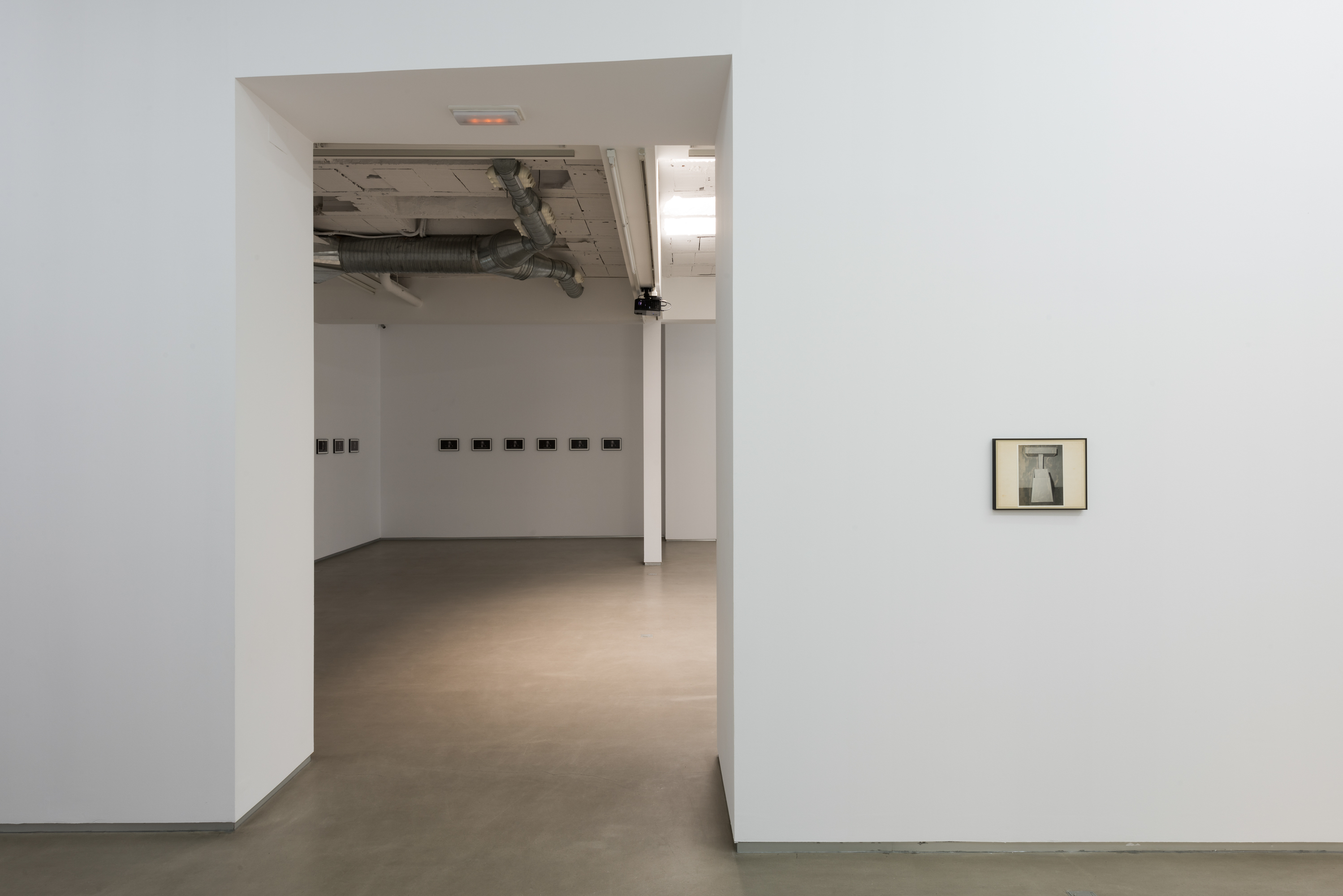
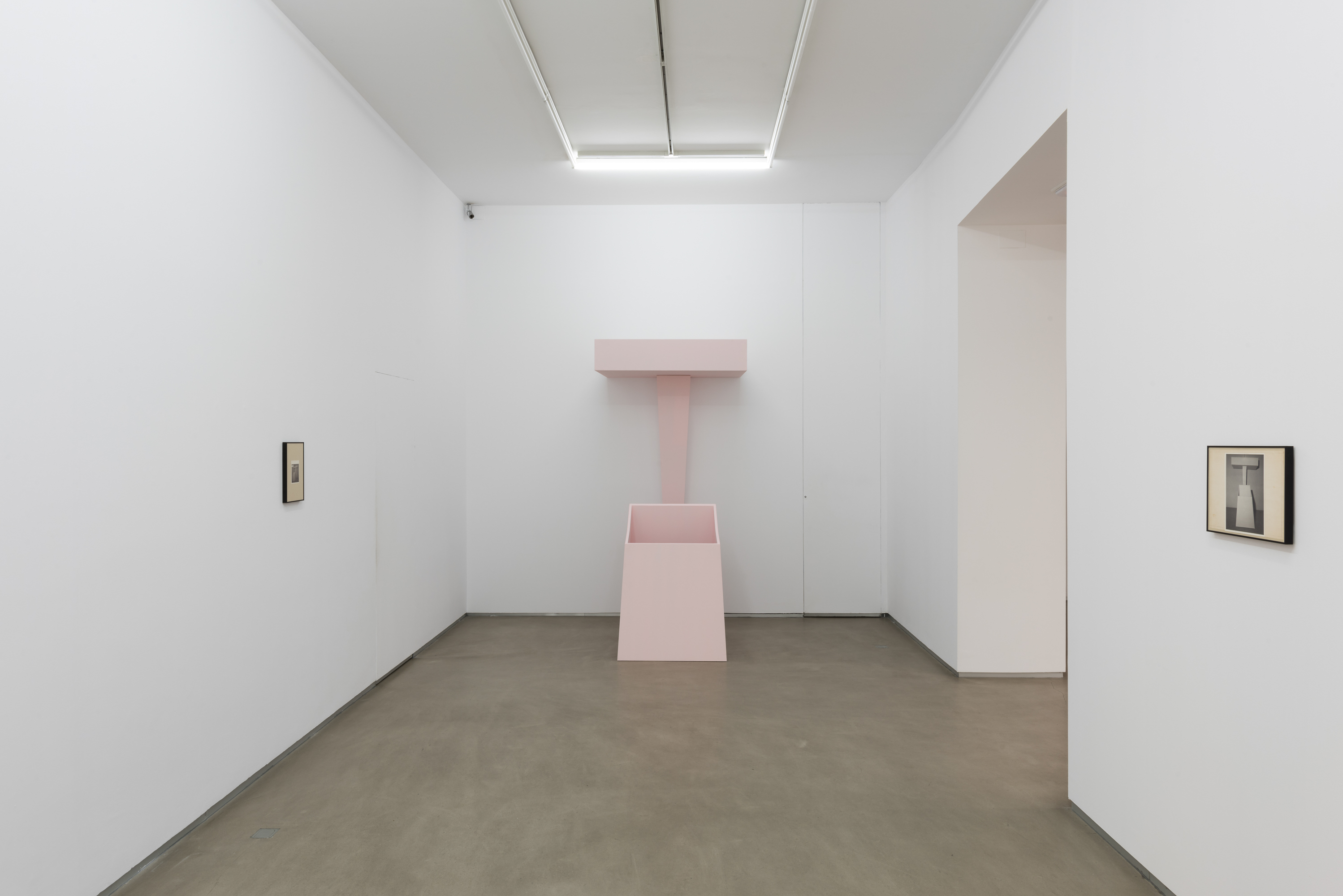
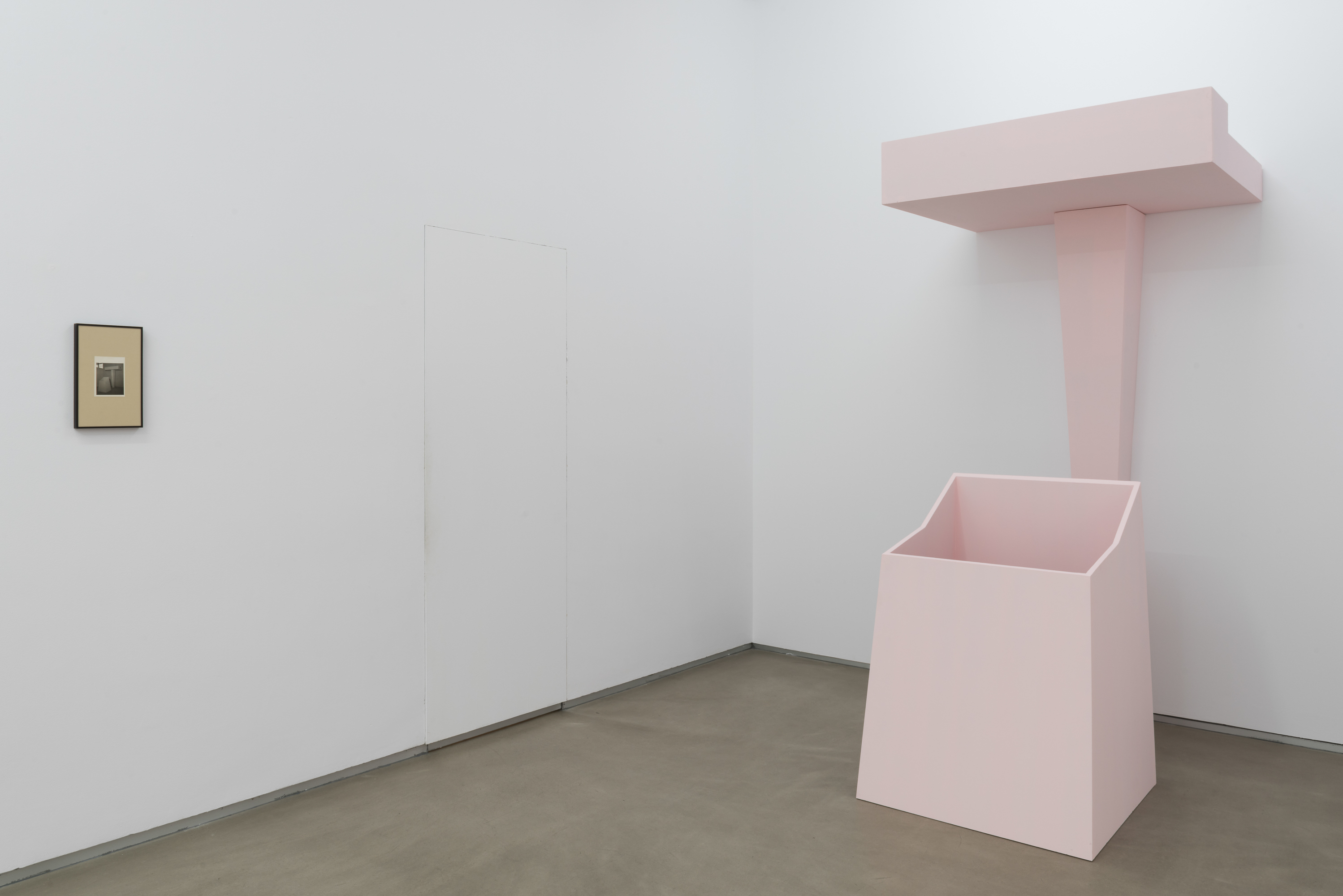
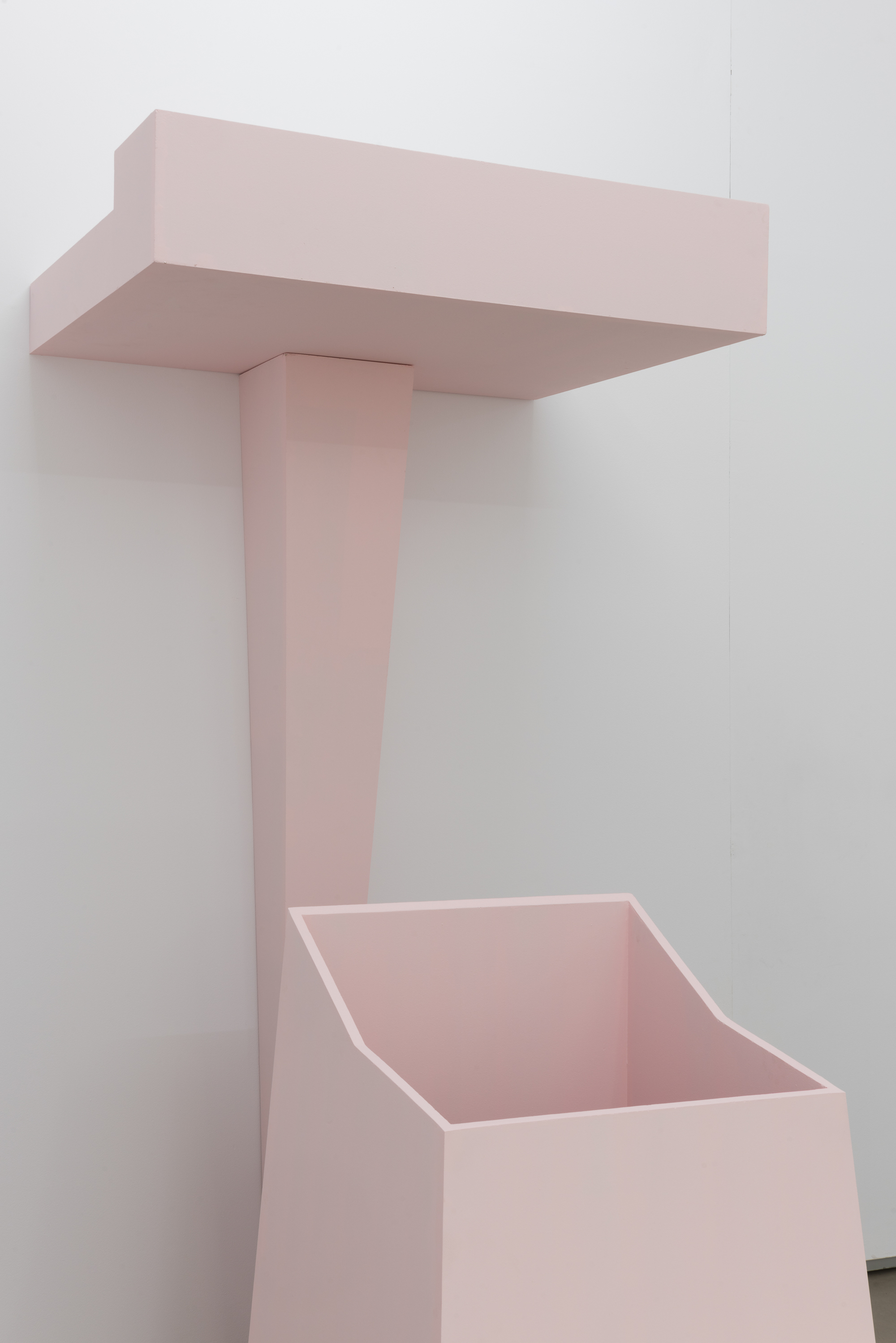
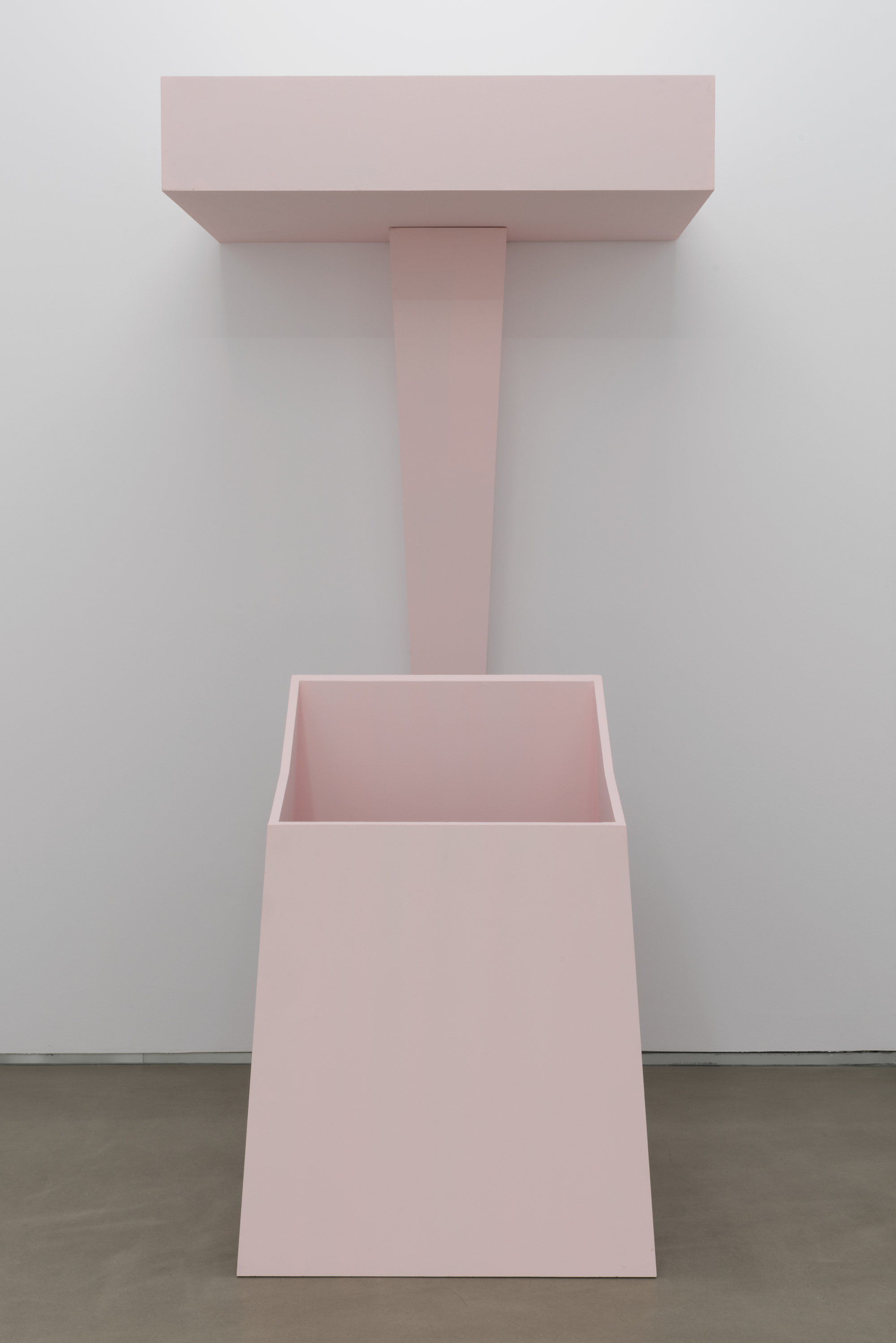
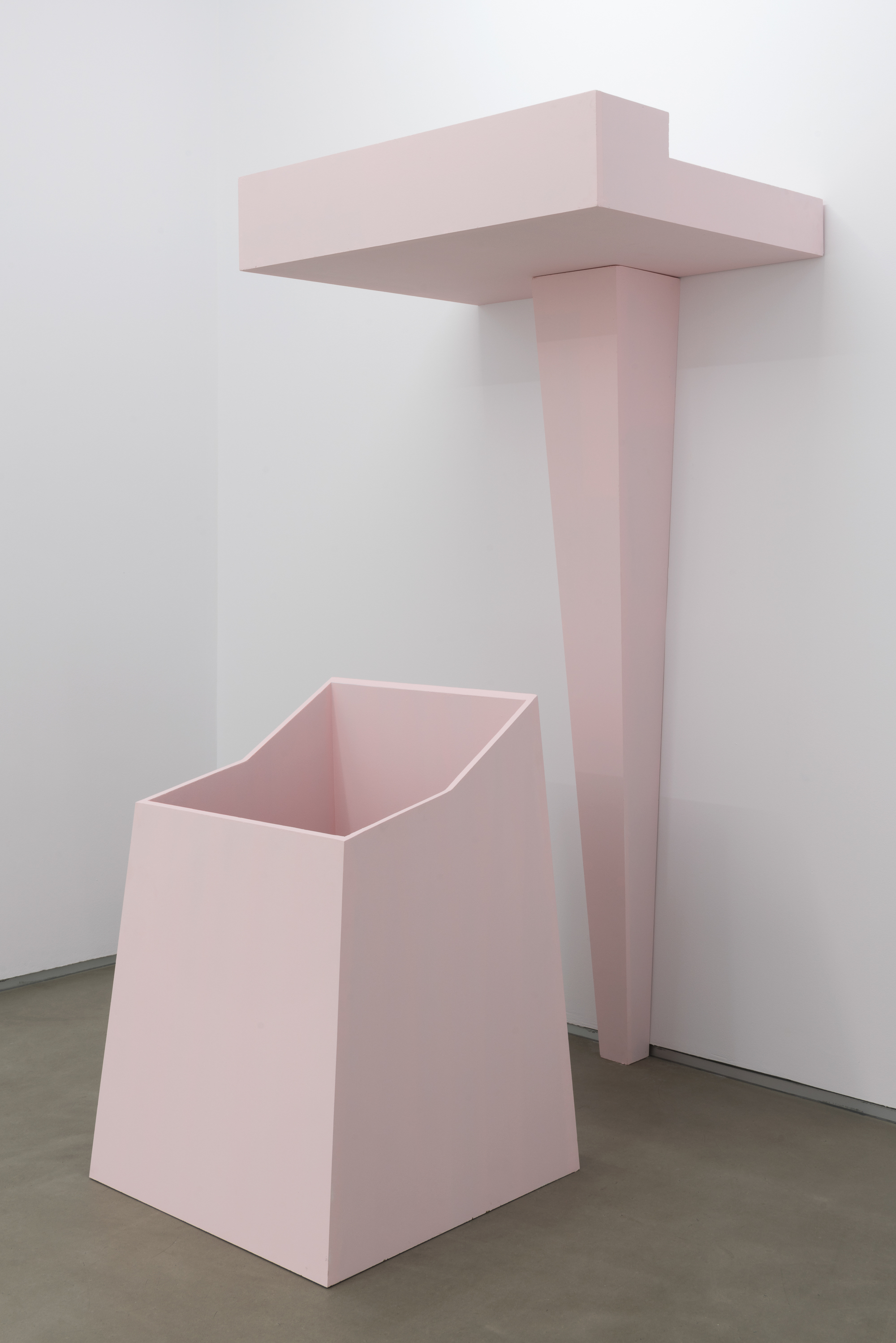
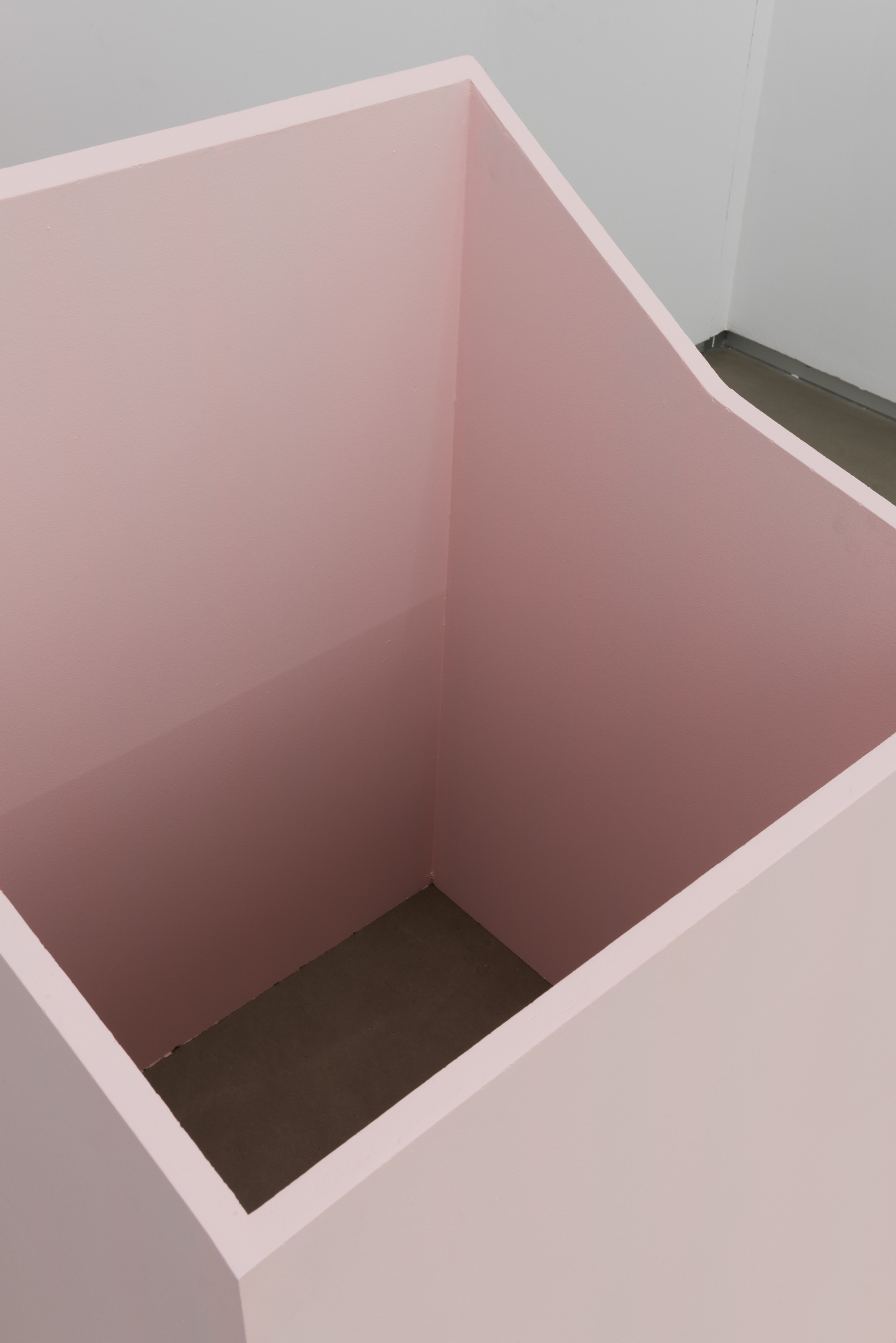
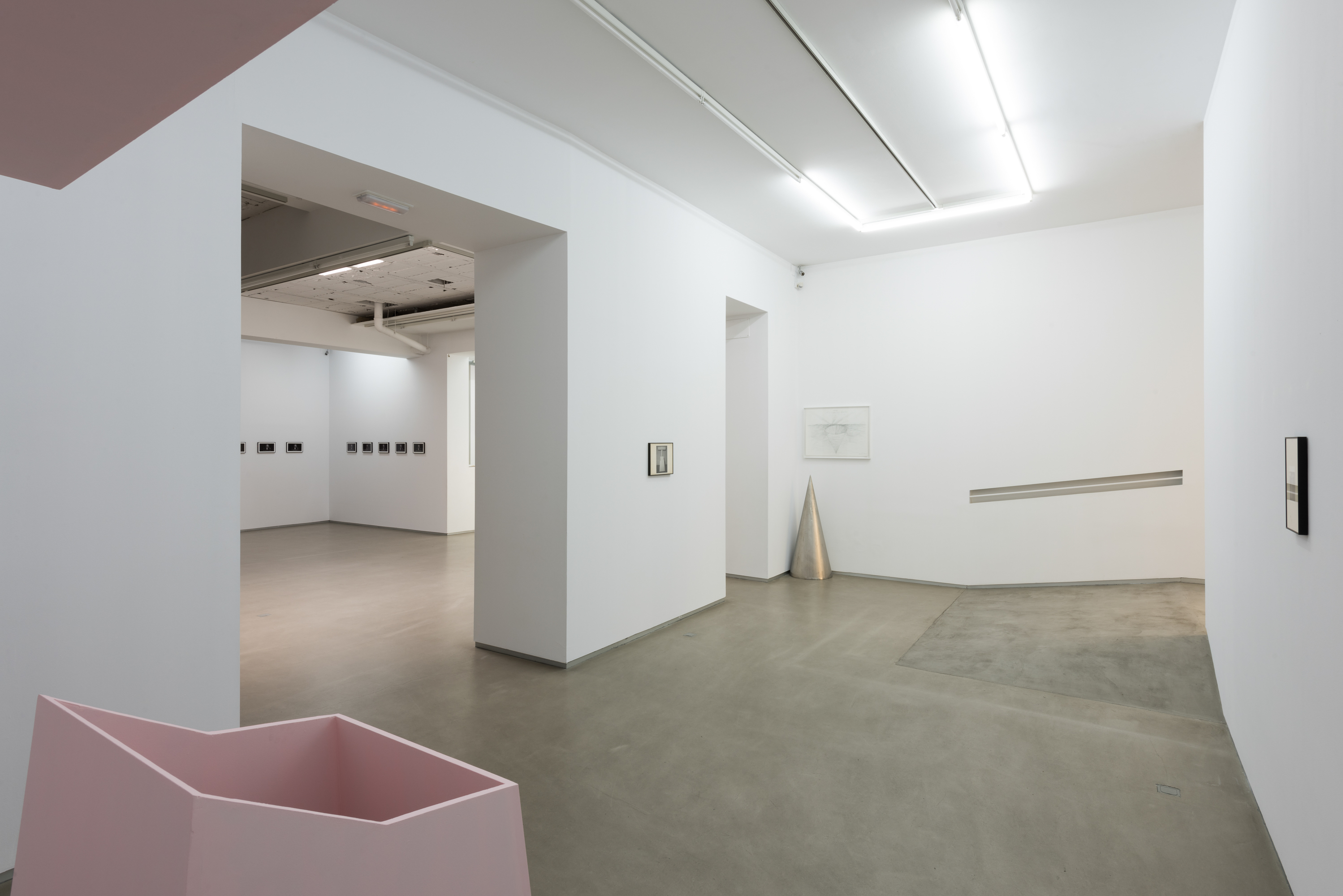
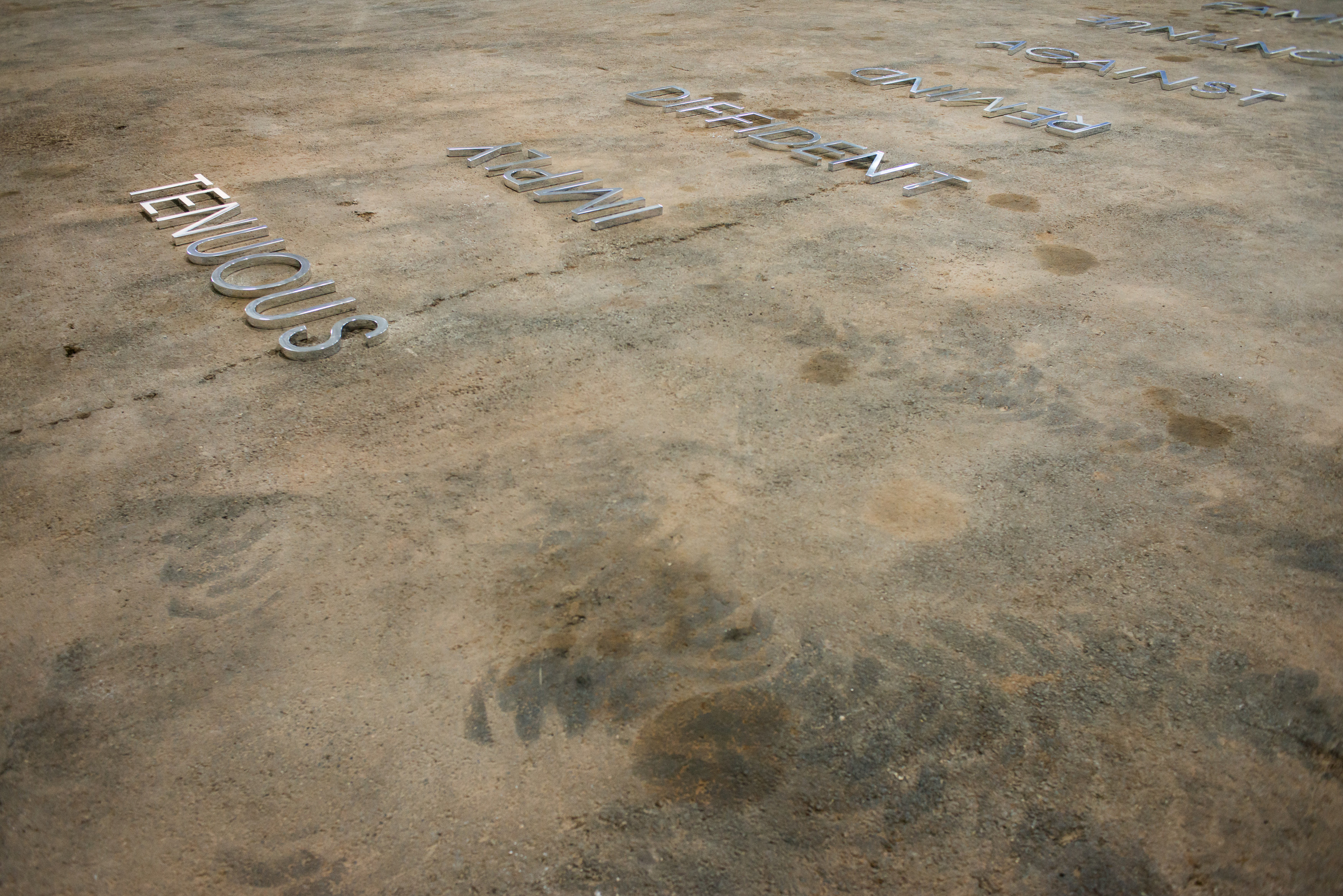
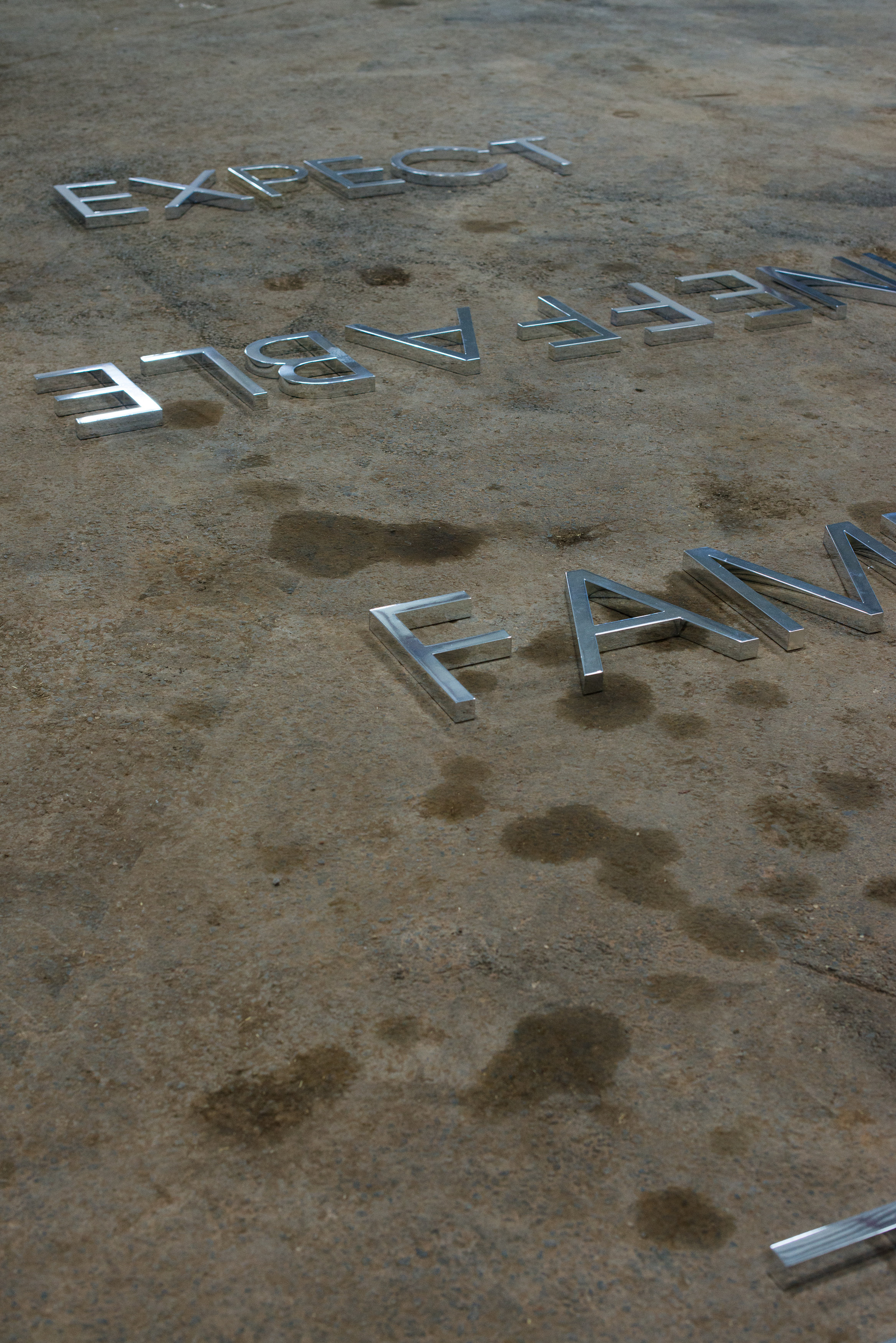
The sculpture Blushing Carpet (2007) operates as a projection screen, or rather like a gear leaver, a Shifter which allows us – in the same way as Lamelas’s blank screen or Gerber’s backdrop – to project ourselves into our own narrative or as an instigating presence for the other narratives proposed by the artists.
1 Frédéric Maufras, catalogue text, F.R.A.C. Lorraine: https://collection.fraclorraine.org/collection/showtext/361?lang=en
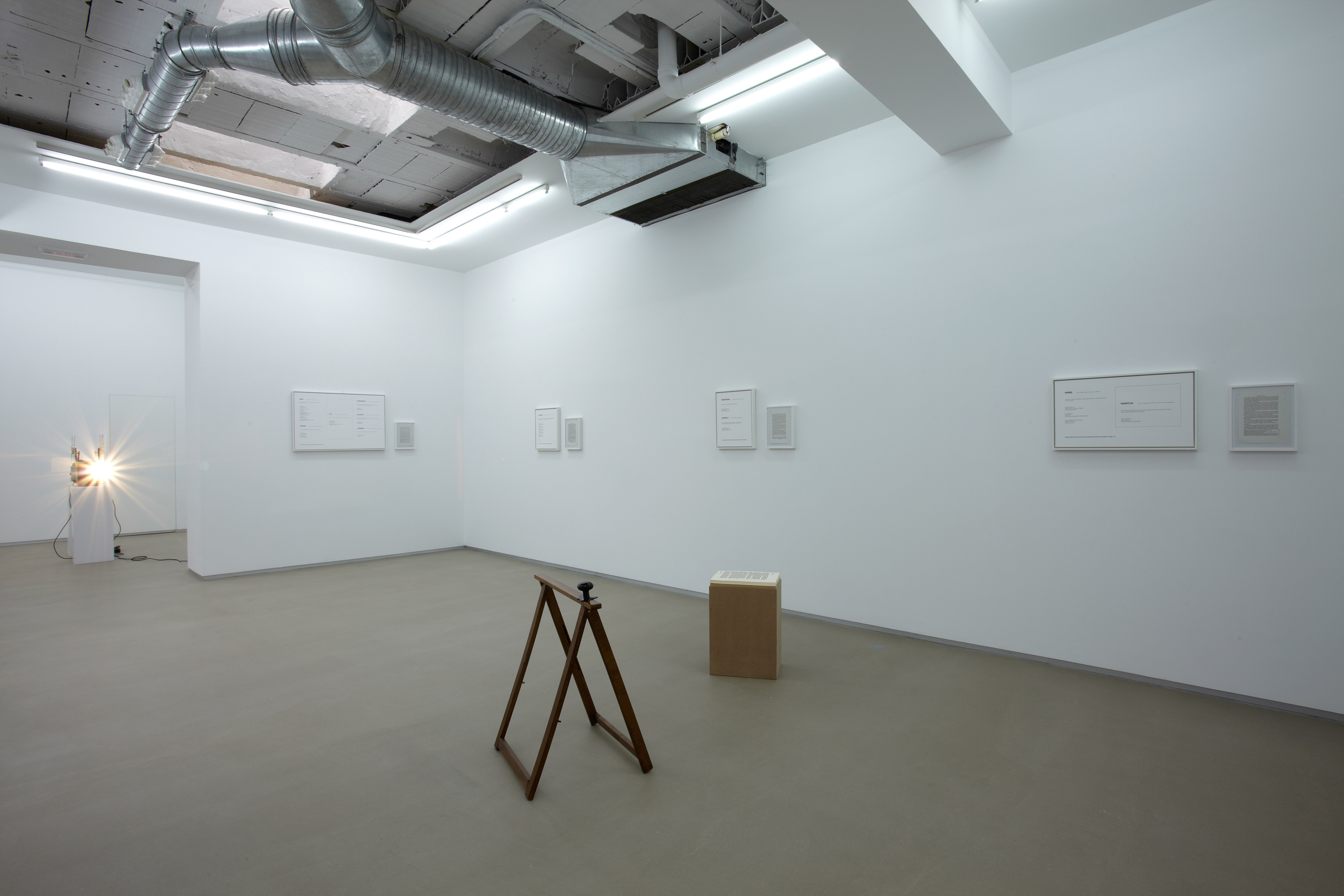
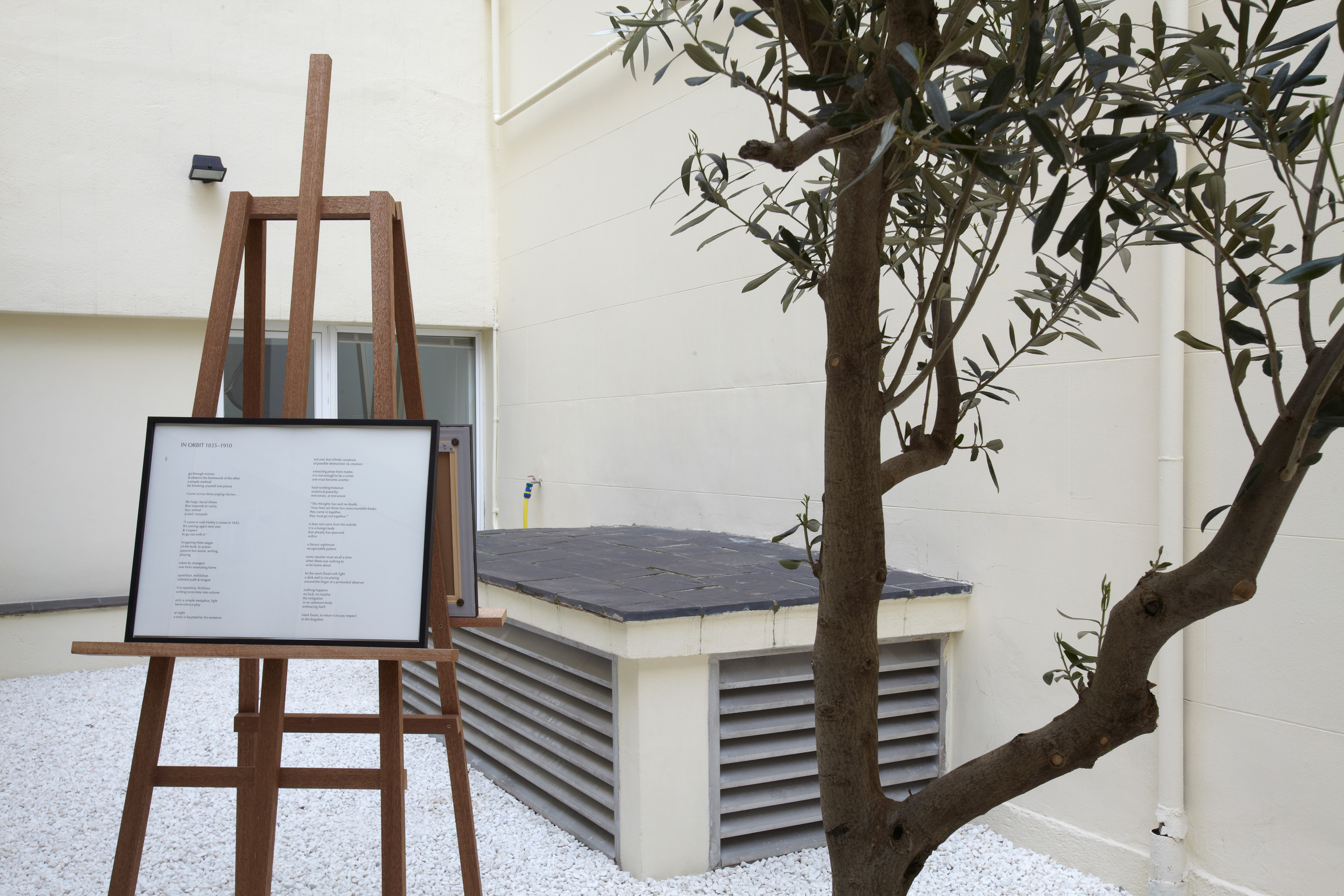
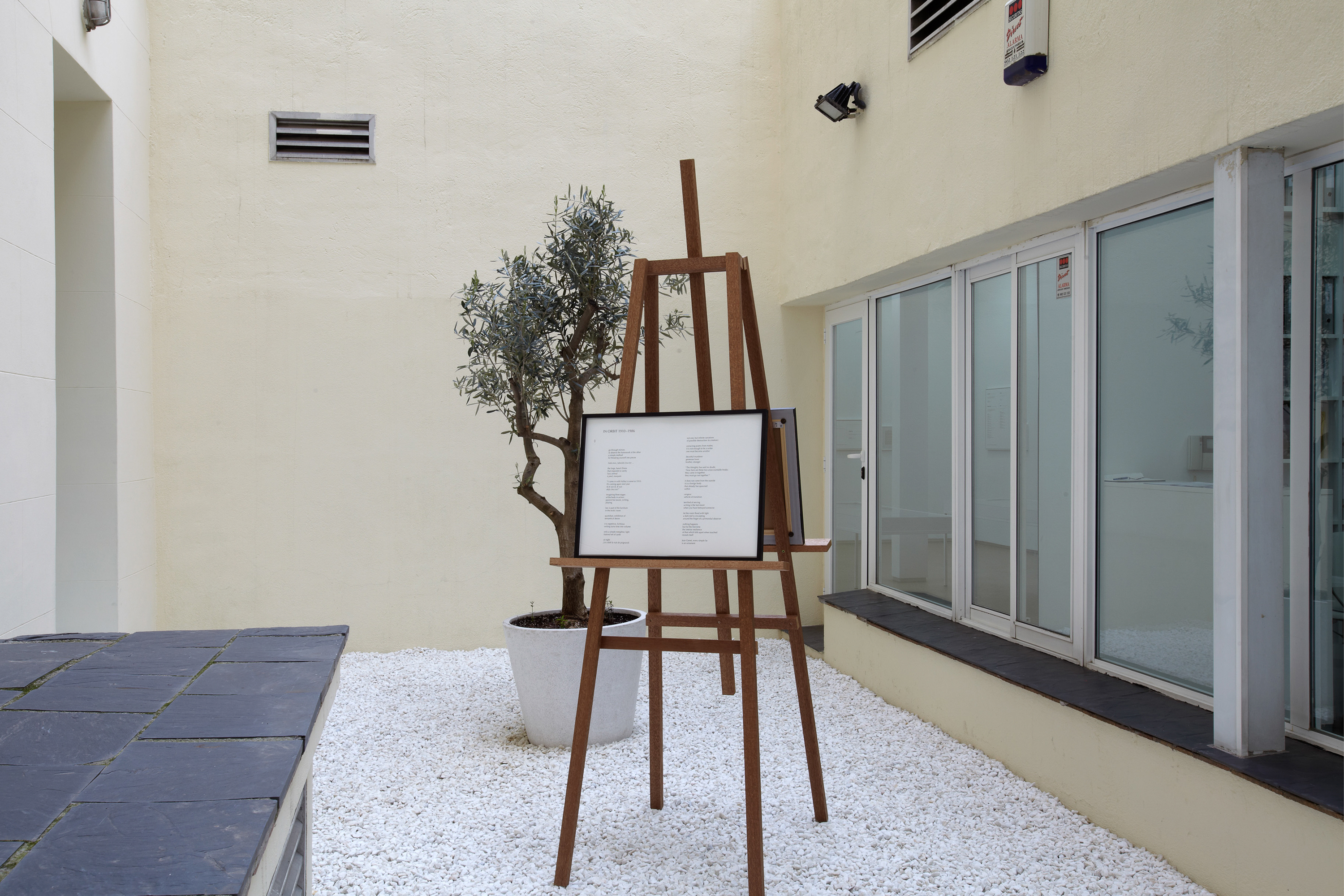
Shiver in the Shift is at once an individual and a shared journey. Karl Larsson’s In Orbit 1835 – 1910 & 1910- 1986 (2009) invites us to continue this tour. The work consists of two poems, framed and displayed on a double-sided easel, so that they are back-to-back and the viewer is forced to move from one side to the other to see them both. The poems speak of Jean Genet and Mark Twain’s connections with Halley’s comet, only visible from earth once every 75-76 years, whereby the appearances of the comet coincided with the death of romanticism, the birth and death of Mark Twain, the birth of modernism and the birth and death of Jean Genet.
A journey involves movement from one place to another, but perhaps also the story told by the traveller, memories or a book that recounts the journey. Shiver in the Shift interweaves a series of possible, atemporal and anachronic itineraries, like tracings or faint insinuations, made by more than one traveller, although each remains curiously autonomous and individual. Some of the works suggest readings of other works in the show; in turn, the viewer superposes his own reading and by so doing, makes a new departure. Made up of mainly conceptual work, the exhibition brings together a series of open proposals which leave room for the spectator’s own experience in the here and now.
E G-S, Madrid, 2012
Acknowledgements:
Stefan Brügemann, Andreas Grimm Gallery (Munich), F.R.A.C. Lorraine (Metz), Jan Mot Gallery (Brussels), Galerie VidalCuglietta (Brussels), C.A.C. – Contemporary Art Centre (Vilnius)
BIO ARTISTS
Kajsa Dahlberg is an artist based in Berlin and Malmö. Dahlberg works with image, text and sound. Her work is informed by feminist theory and explore how narratives are constructed and mediated in relation to questions of political representation, history and identity. Her work has been shown in biennials and group exhibitions such as: 8 Bienal do Mercosul, Brazil, Based in Berlin and Turku Biennial in 2011, Manifesta 8, Moderna Museet in Stockholm and at Lunds Konsthall in 2010, Al-Ma’mal Foundation for Contemporary Art in Jerusalem, The Kitchen, New York and The Power Plant in Toronto in 2009, The 1st Athens Biennial, The Prague Biennial #3 and at The Royal College of Art in London in 2007. In 2007 she had her first extensive solo show at Index in Stockholm. Dahlberg recieved her MFA at the Malmö Art Academy in 2003 and was a studio fellow at the Whitney Independent Study Program 2007/2008. She is currently on a DIVA recidency in Copenhagen, Denmark.
Karl Larsson is an artist, poet and editor. These diverse positions have coalesced in an artistic practice that can be described as both editorial and literary, but that differs from writing in a conventional sense in its focus on spatial experience, embodiment and activism.
As a poet Karl Larsson has published four books; Form/Force (OEI Editör 2007), Nightsong (OEI Editör 2009), Parrot (Paraguay Press 2010) and Poetical Assumption (Torpedo / JvE 2012) Recent solo exhibitions: 2010: Form/Force (Neuer Aachener Kunstverein, Aachen), Parrot (Index, Stockholm) 2011: The Double of the Object is that I Desire it (Corner College, Zurich) of or before the forum (CAC, Vilnius) 2012 (upcoming): Thompson (Castillo/Corrales, Paris), Slow Learner (Signal, Malmö).
Recent group exhibitions: 2010: Modernautställningen (Moderna Museet, A travers l’histoire, Passerelle FAC, Brest Stockholm) 2011: 6th Momentum Biennial, Moss, More or less, a few pocket universes, HIAP, Helsinki 2012: In Other Words, NBGK, Berlin, Germany.
Gaylen Gerber’s work as an artist often incorporates the artwork of other artists in its realization. Gerber asks other artists to cooperate with him and let their work be installed against the ground he provides. In doing so he focuses our attention on a central aspect of perception, which is that to perceive something at all you must first be able to perceive it as distinct from its context or background. By positioning his work as the contextual ground against which we see other activities or another work of art, Gerber draws attention to the permeability of the distinctions between object and context and fundamentally questions the stability of perception itself. Gaylen Gerber has exhibited widely. Recent solo exhibitions and cooperative projects include: Kunstverein Ruhr, Essen, Germany; Museé d’Art Moderne Grand-Duc Jean, Luxembourg; The Art Institute of Chicago, Chicago, Illinois; Neues Museum Weserburg Bremen, Bremen, Germany; Kunsthalle Bern, Bern, Switzerland; Museé des Beaux-Arts, Dijon, France among others.
Lisa Tan’s works involve her longstanding interest in persistent ontological questions, and different experiences of loss and longing. Her work is known for an elegant visual economy and has taken the form of photographs, videos, sculptures, drawings, installations, and writing.
Lisa Tan was born in Syracuse, New York, and now lives in Stockholm and New York. She received her M.F.A. from The University of Southern California (USC), and is currently doing a PhD in Fine Art at the University of Gothenburg, Konsthögskolan Valand. Her work has been exhibited at venues such as Galerie VidalCuglietta (Brussels), Artists Space (New York), Centro Galego de Arte Contemporáneo CGAC (Santiago de Compostela), Arthouse at the Jones Center (Austin), Galerie Nordenhake (Stockholm), Kadist Art Foundation (Paris), Parra & Romero (Madrid), El Centro Cultural Montehermoso (Vitoria-Gasteiz), Galerie Kamm (Berlin), Galeria Marília Razuk (São Paulo), D’Amelio Terras (New York).
David Lamelas was one of the protagonists of the avant-garde movement concentrated in Torcuato di Tella Institute. In 1967 he received the IX São Paulo Biennale prize with an installation. He participated in the XXXIV Venice Biennale and Kassel Documenta 5. In 1997 the Witte de With of Rótterdam and at the Kunstverein of Munich dedicated him a retrospective exhibition. In 1993 he was given the Guggenheim scolarship and in 1998 the DAAD (Germany) grant. Over the last decade he held exhibitions at St. Gallen Neue Kunst Halle, Netherlands; Malba, Museo de Arte Latinoamericano de Buenos Aires, Argentina; Centre d’Art Contemporain, Freiburg, Switzerland; Museo Reina Sofia, Madrid or Kunsthalle Basel among others. Nowadays he lives and works in Los Ángeles, París and Buenos Aires.
BIO CURATOR
Eva González-Sancho is an independent curator. She was director and curator at FRAC Bourgogne (Fonds Régional d’Art Contemporain, Dijon, France) from 2003 to 2011 and at Etablissement d’en Face Projects (Art Projects Office, Brussels, Belgium) from 1998 to 2003), as well as lecturing in The History of Exhibitions at Metz University from 2001 to 2004. Her interests have always revolved around the many issues today being raised by public space, as well as the perception and function of space as evidenced in exhibition projects (both in Dijon and abroad) with artists such as Guillaume Leblon, Pedro Cabrita Reis, Lara Almarcegui, Jonas Dahlberg, Katrin Sigurdardottir, Knut Asdam, Peter Downsbrough, Gaylen Gerber, Rita McBride, Koenraad Dedobeeleer, and also in acquisitions of new work for the FRAC Bourgogne collection by Francis Alÿs, Jordi Colomer, Henrik Håkansson, Marcelo Cidade. Linked with this primary area of research, her projects also enter into relationships with language, and sometimes with text, through artworks which are part and parcel of a broader questioning about issues of awareness, the conditions and forms of self-perception and selfconsciousness in a given place, or in the readings of History as illustrated in different ways by the works of Imogen Stidworthy, Frances Stark, Stefan Brüggemann, Dora García or Matthew Buckingham. She defines her curatorial work as focussing on ‘Non-Authoritarian’ art practices, in other words, those which offer the public an extremely broad margin for manoeuvre and interpretation, nonspectacular approaches that acknowledge the viewers own protagonism, individuality and responsibility.