Something That Cannot Be Denied
- L u i s C a m n i t z e r
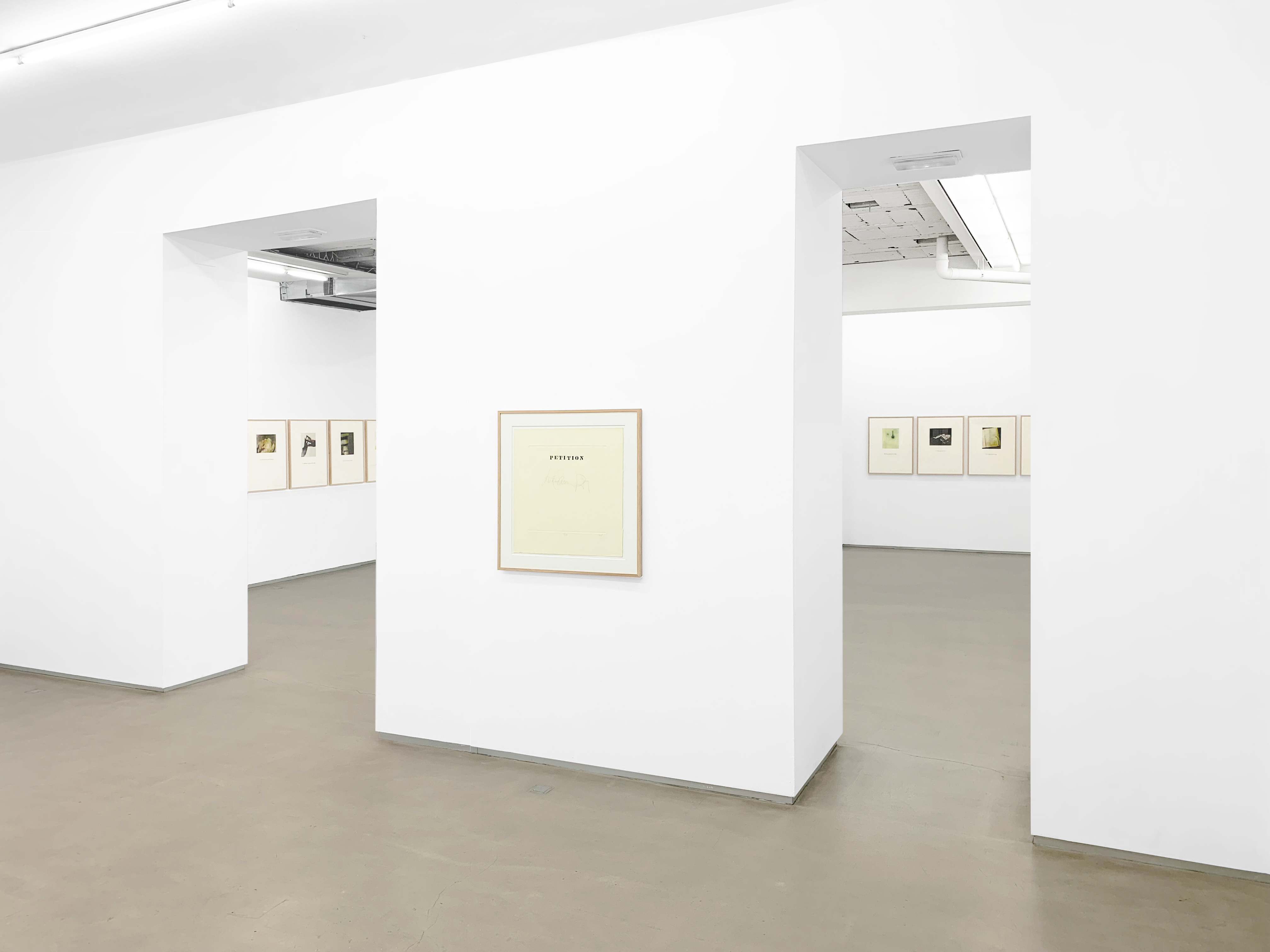
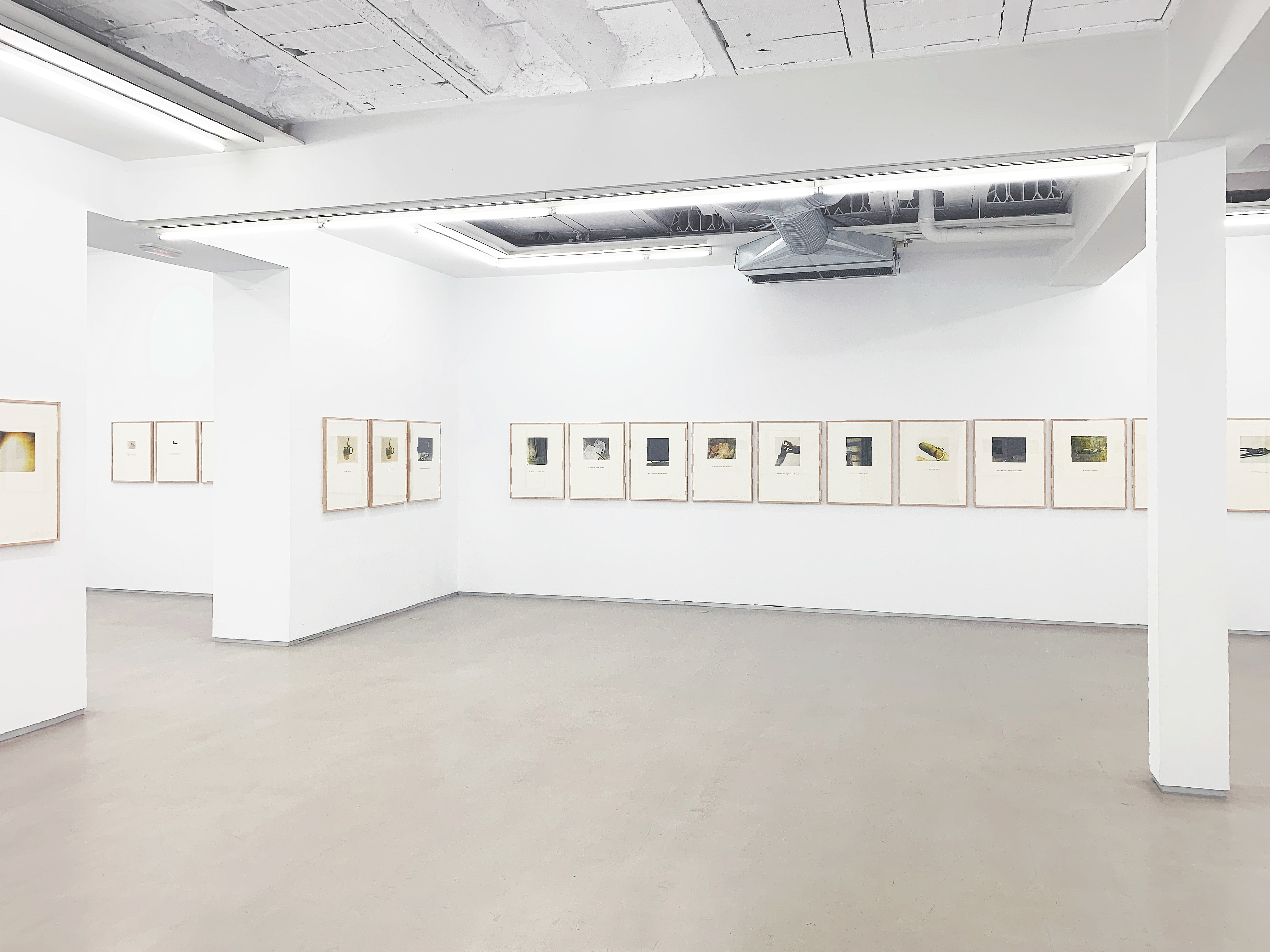











“The simple act of writing about engraving seems an anachronistic activity […] Any way of approaching the subject calls for a reactionary beginning”.
Luis Camnitzer
In 1969, Luis Camnitzer used these words to began his essay Text. In this work, the Uruguayan artist transcribed The First and Second Manifesto of the New York Graphic Workshop (TNYGW), from 1964 and 1966 respectively, and proposed a redefinition of the concept of printmaking. Only five years earlier, the artist had arrived to New York after a voluntary exile caused by the political situation in Uruguay.
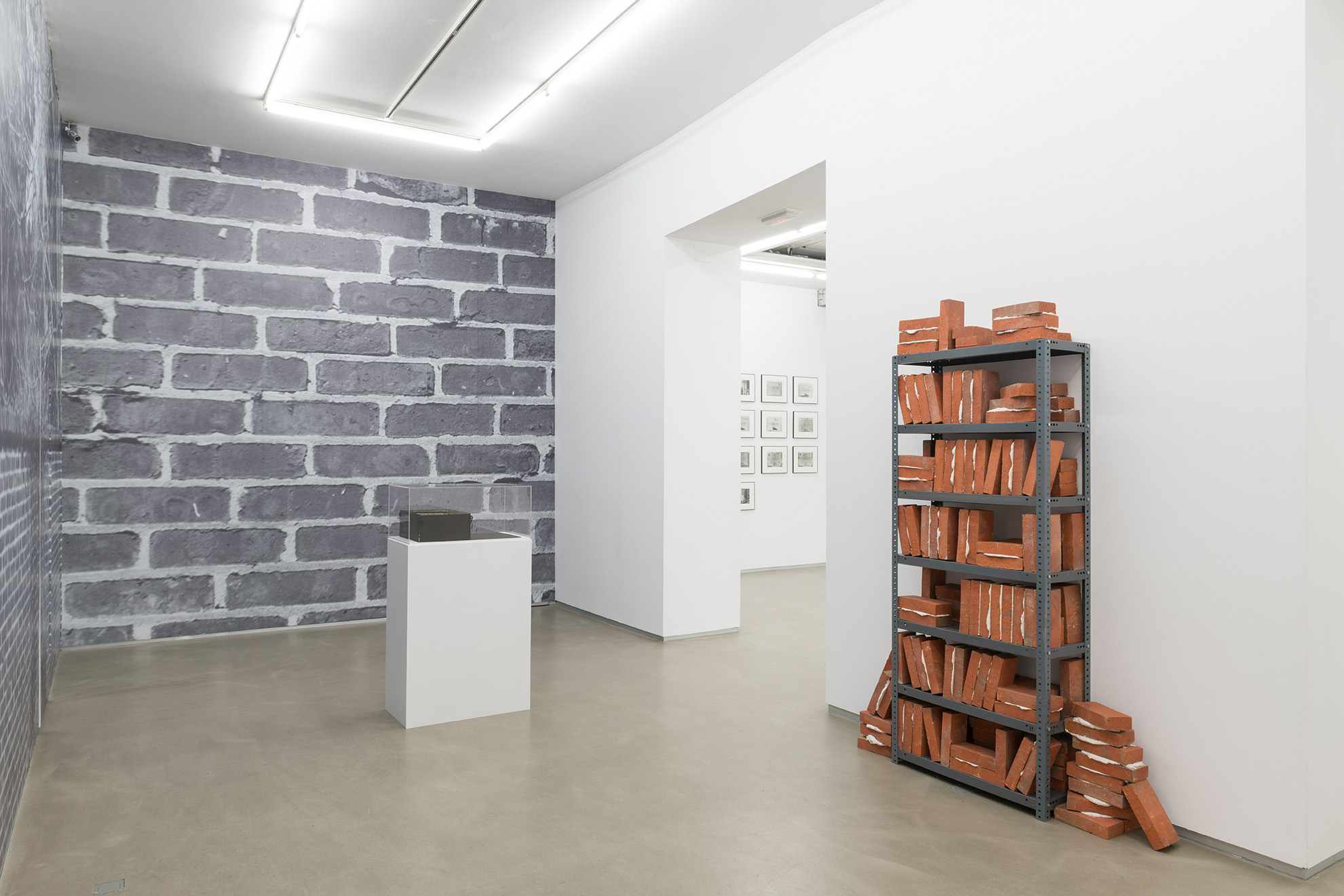
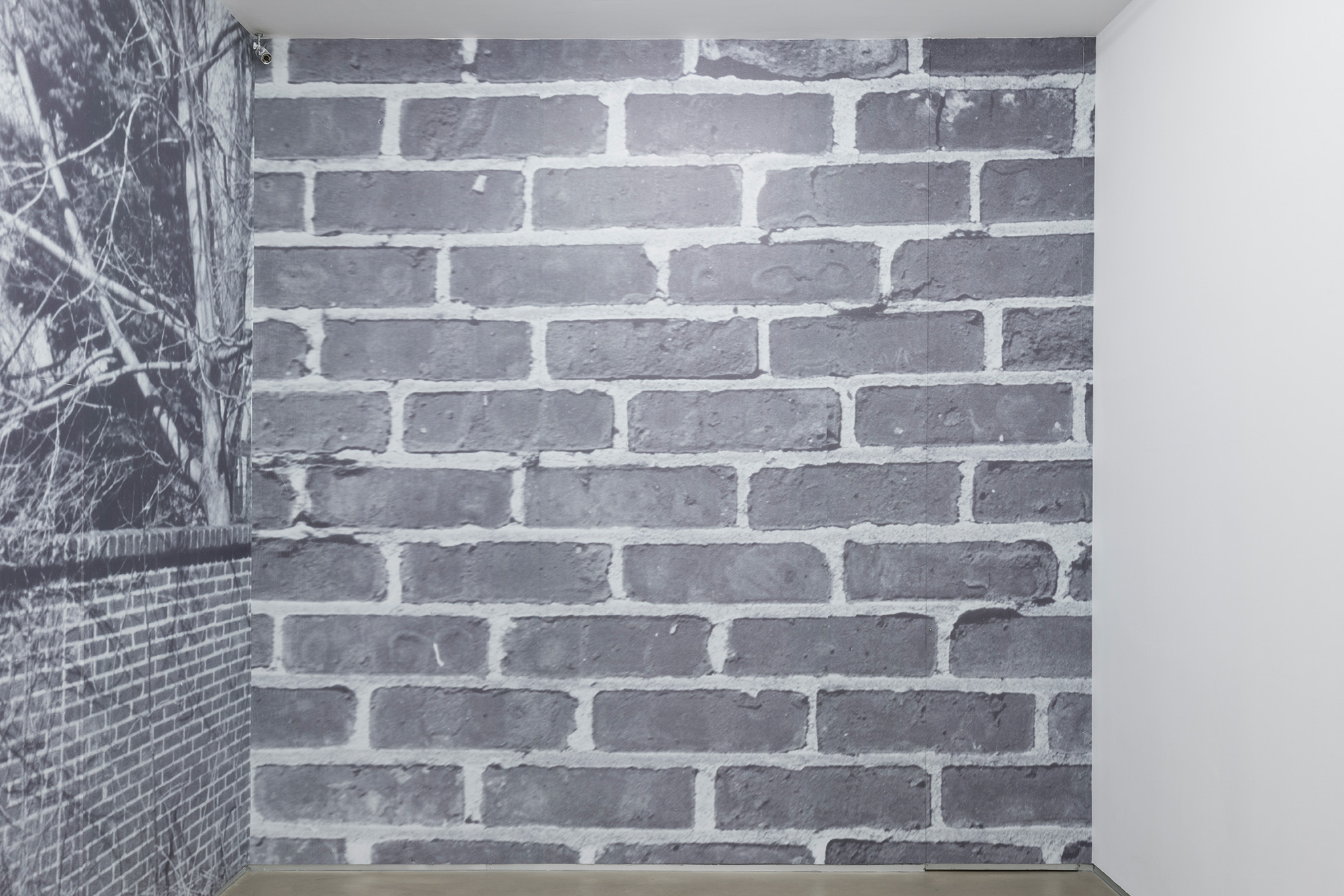
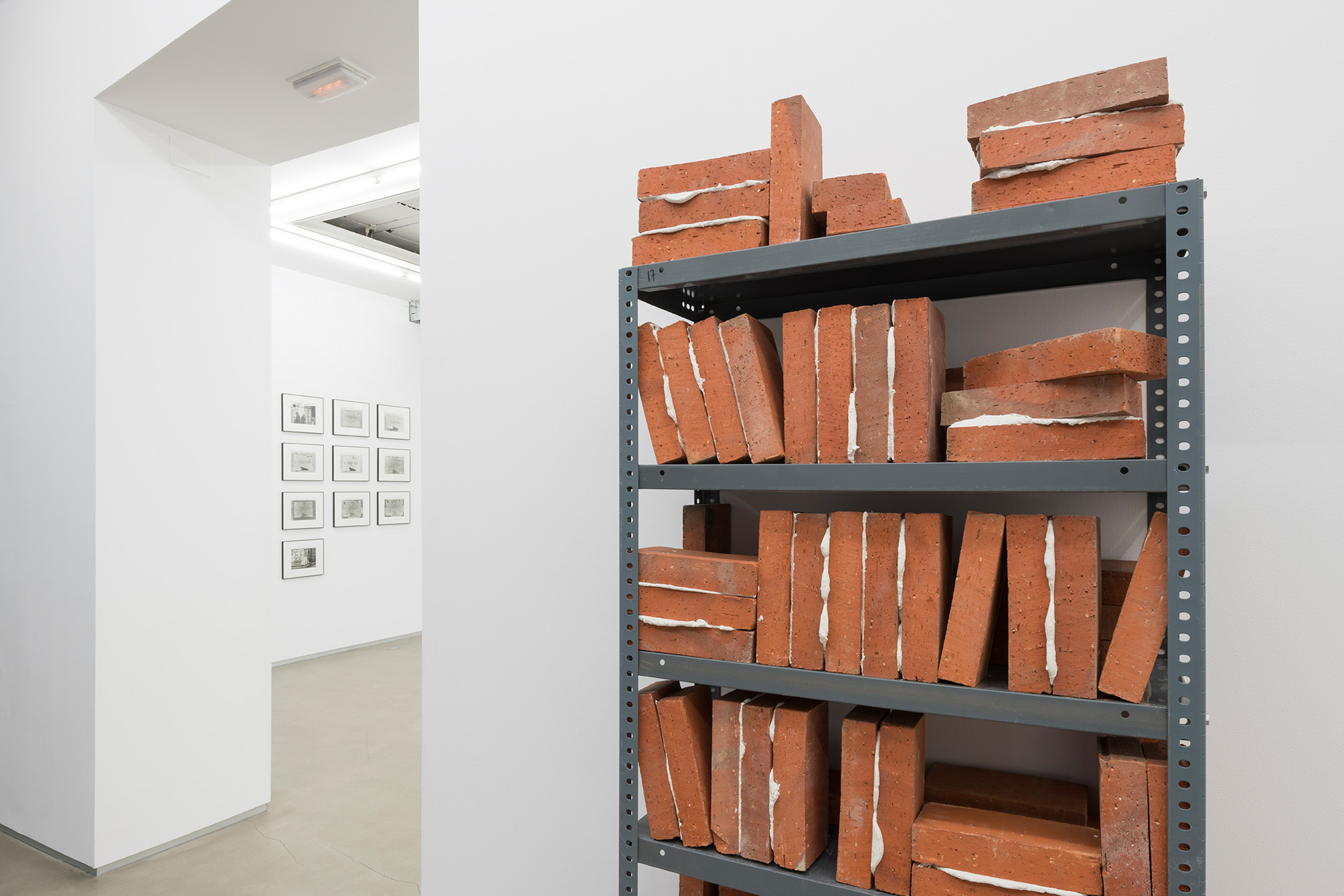
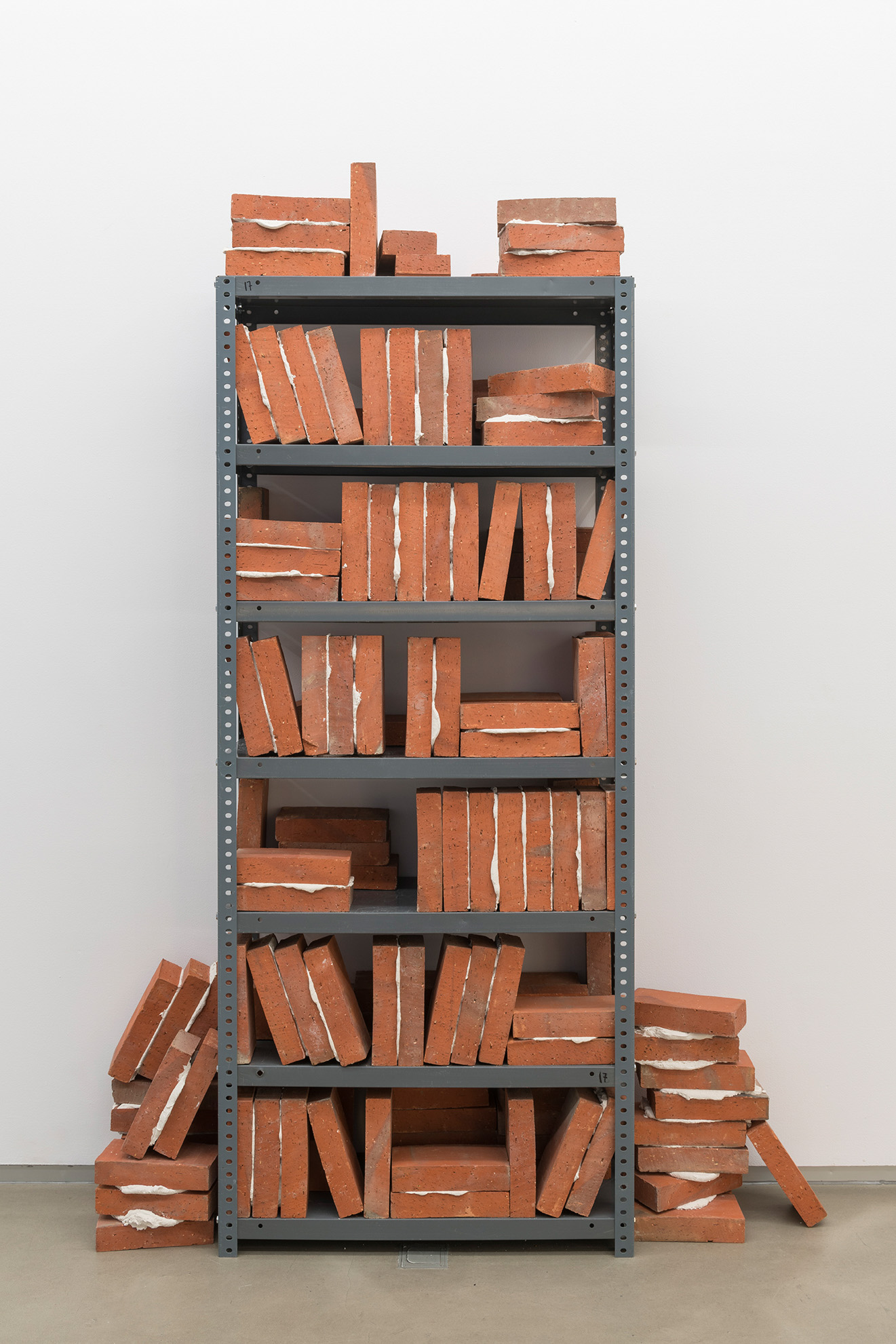
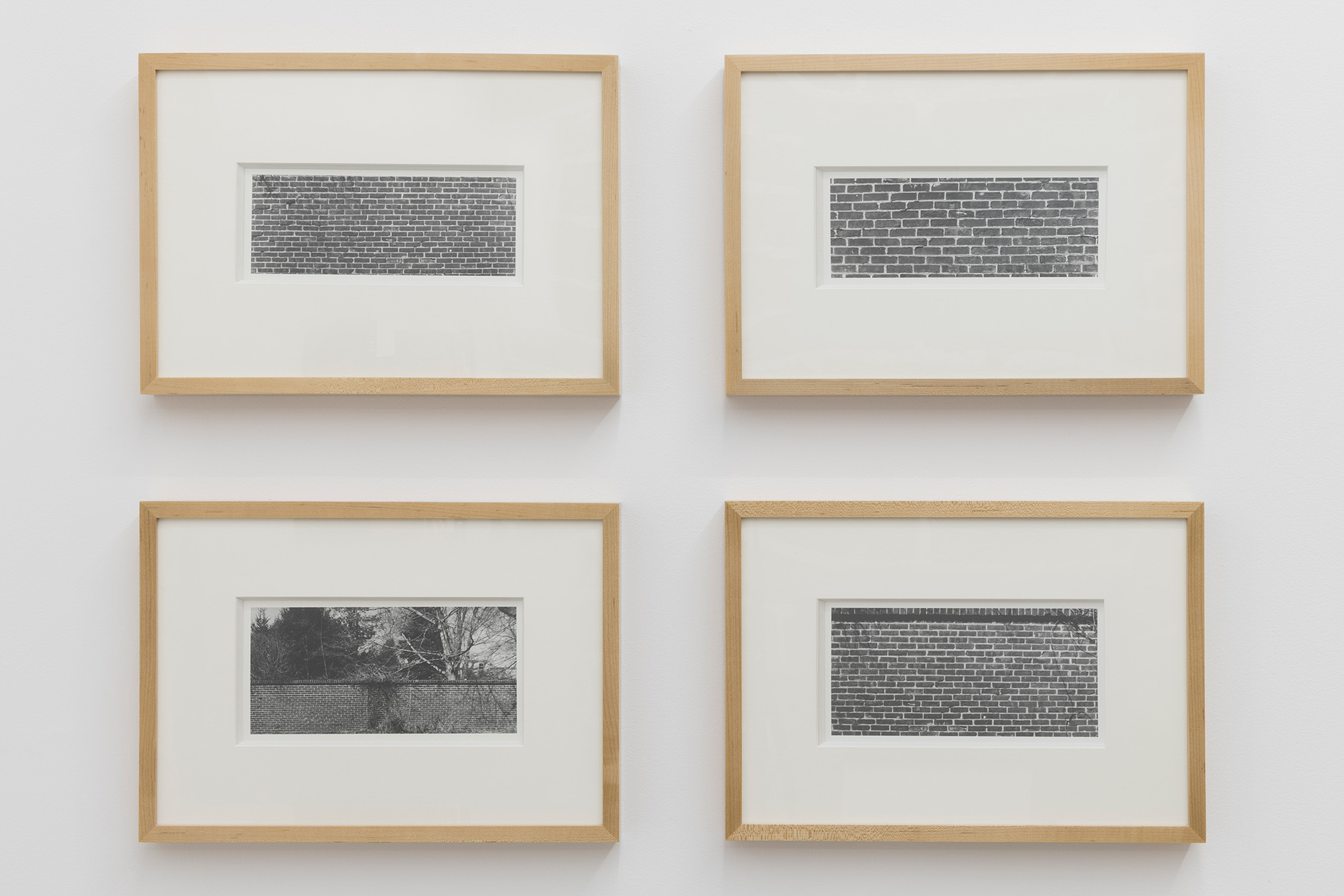
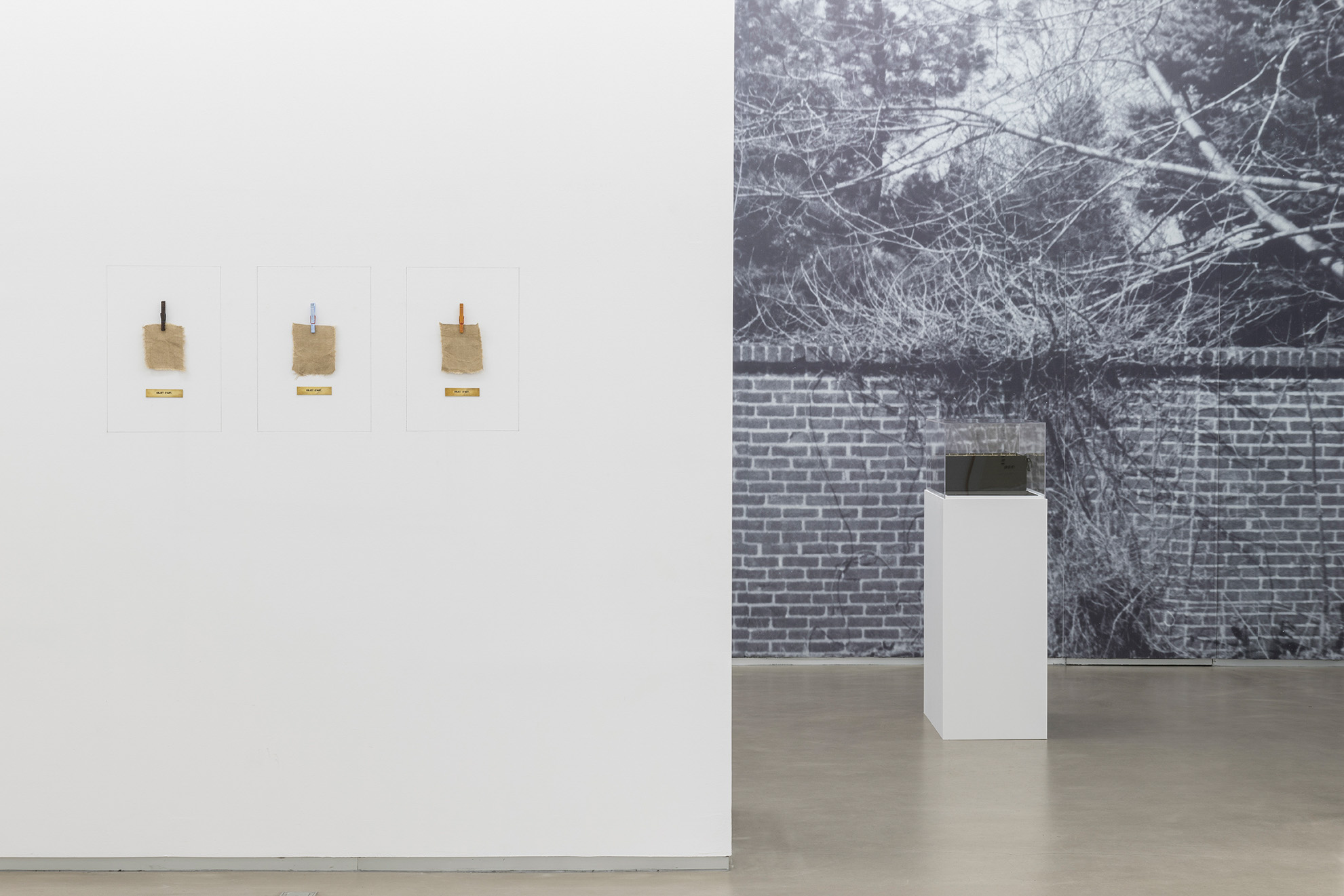
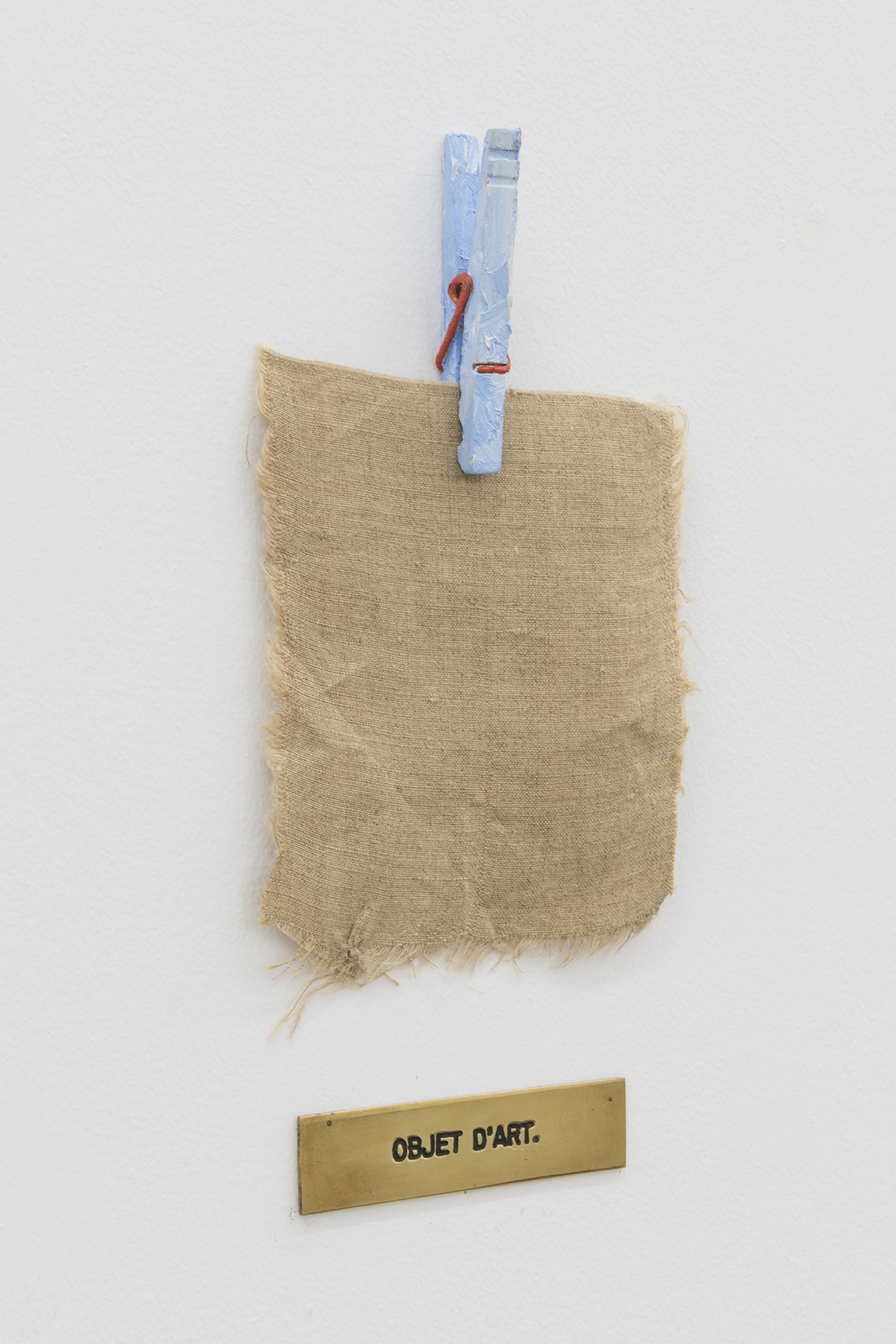
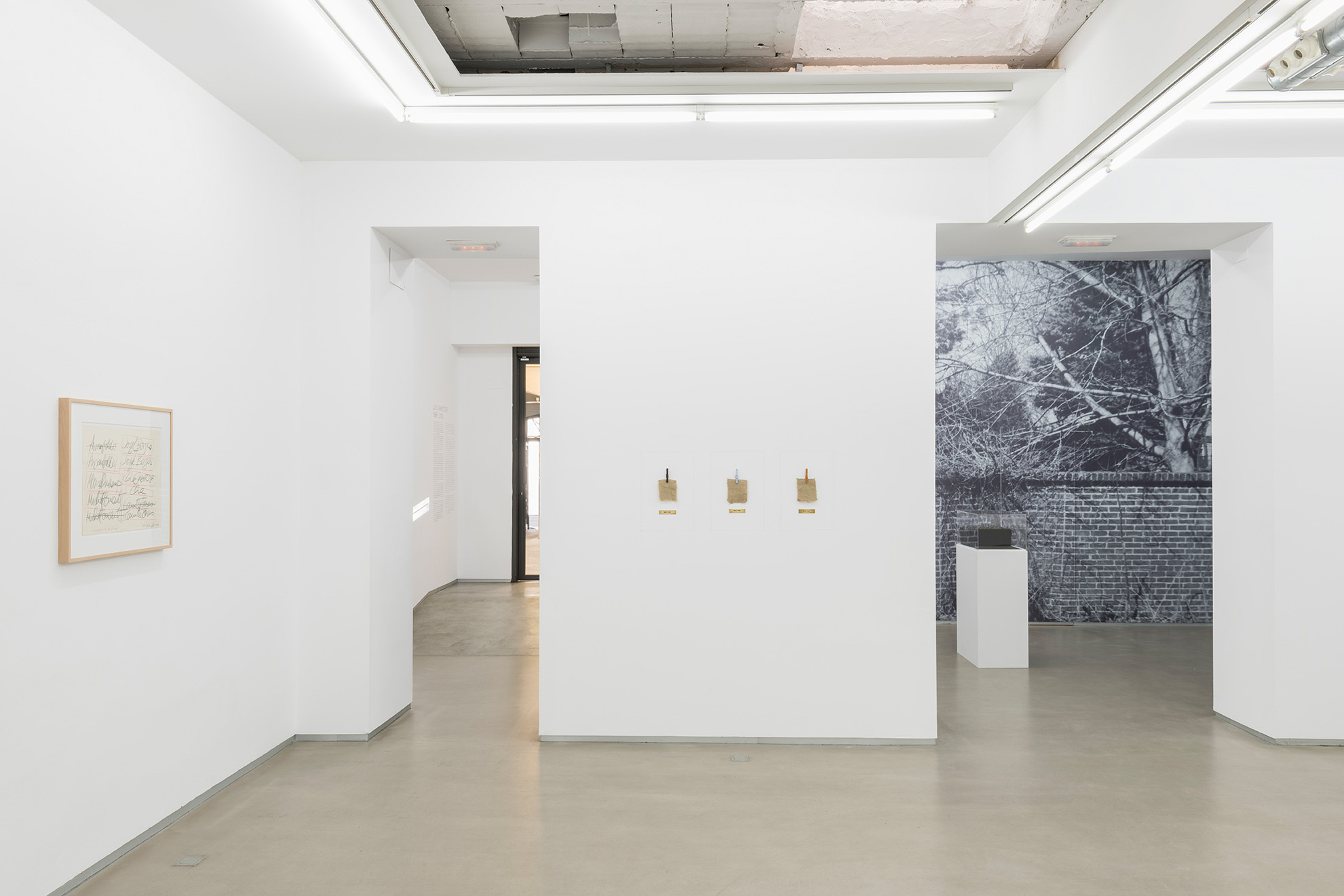
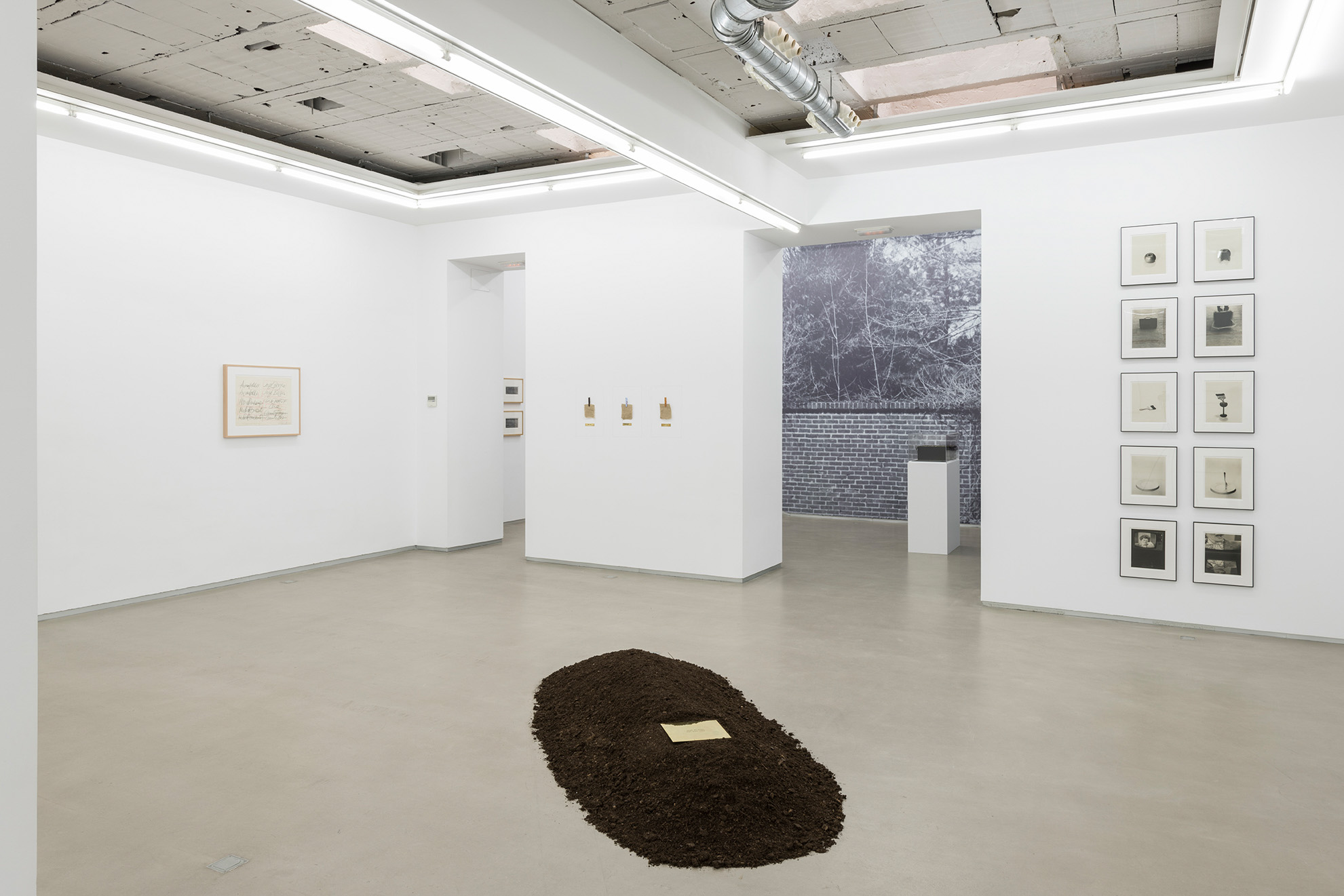
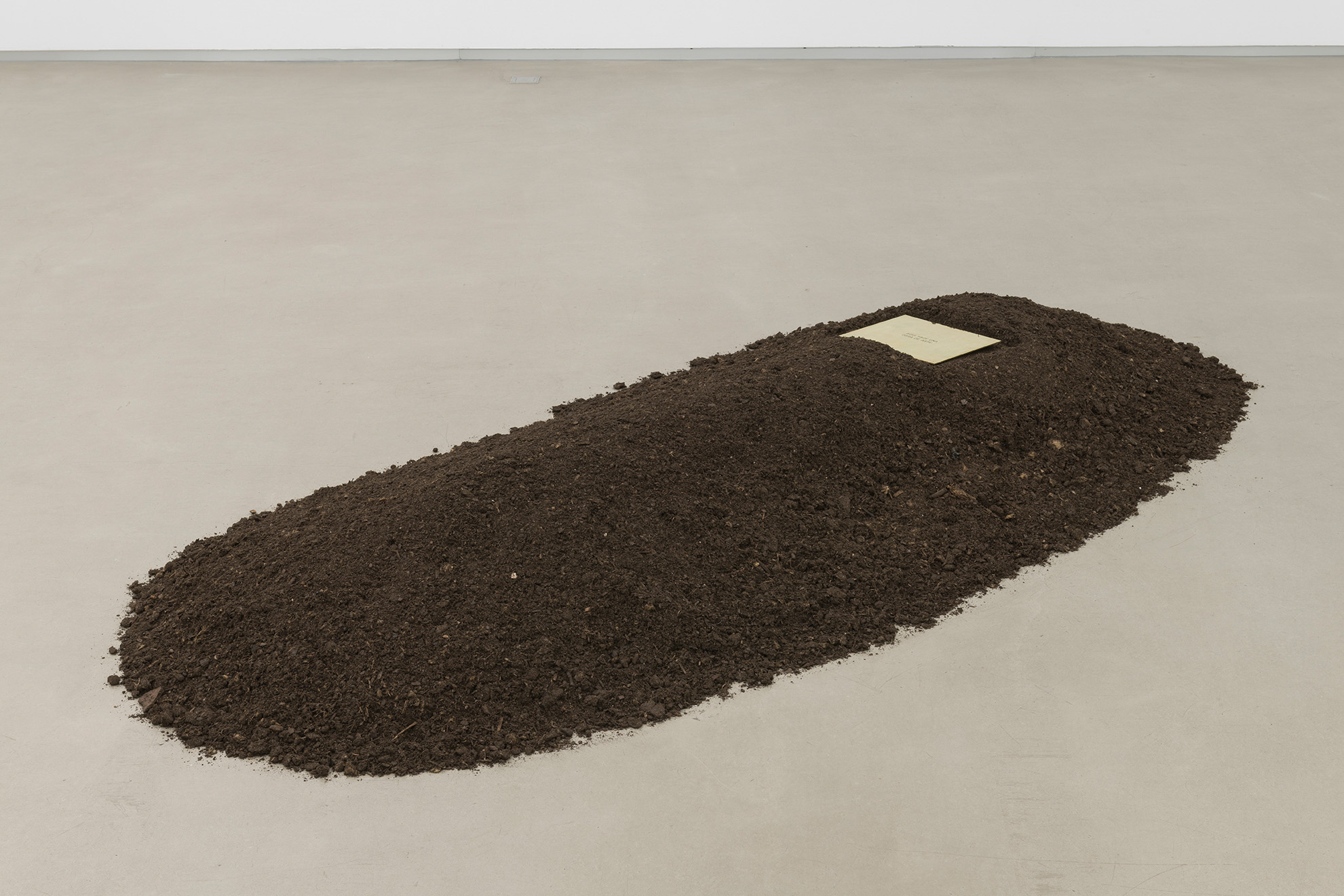
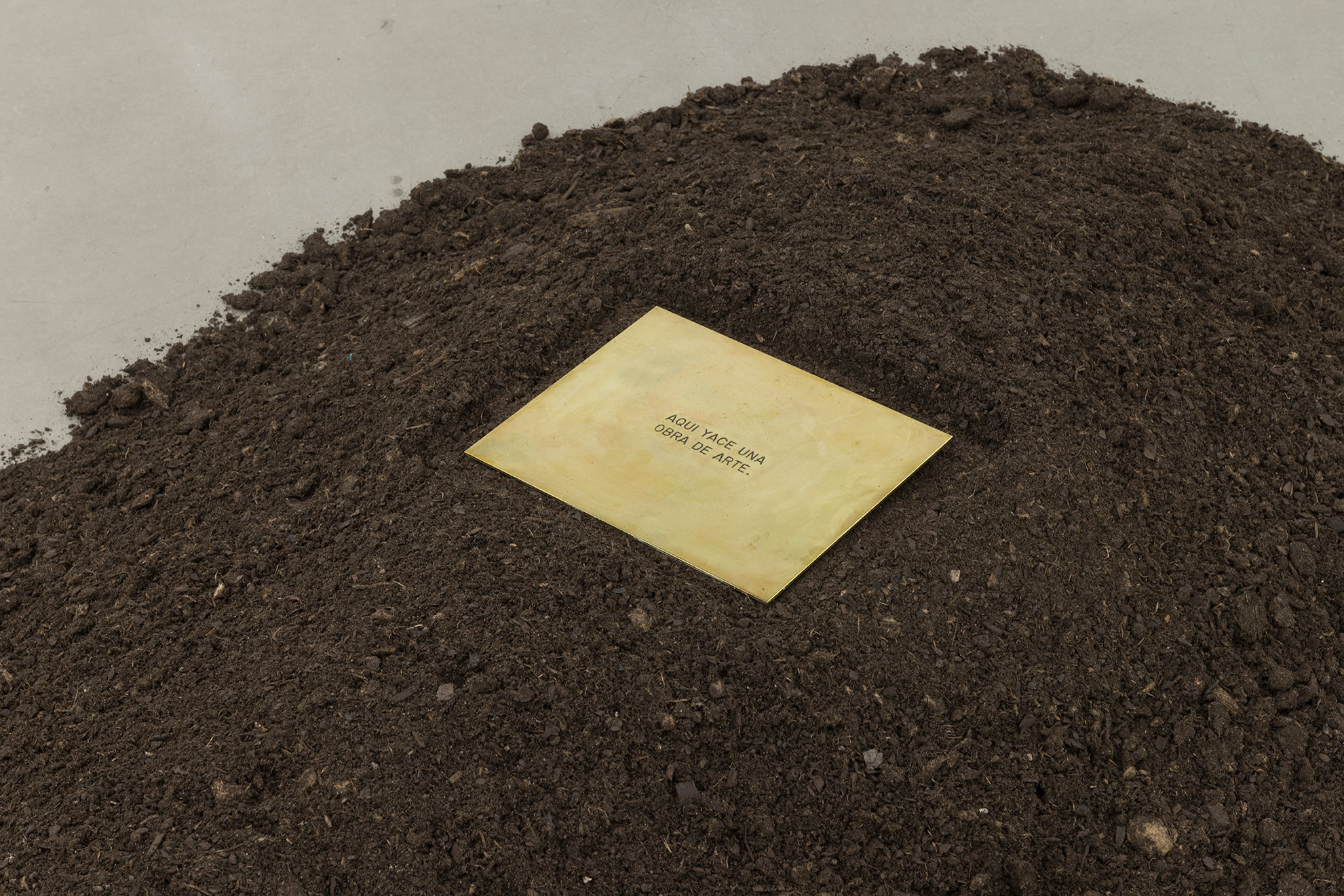
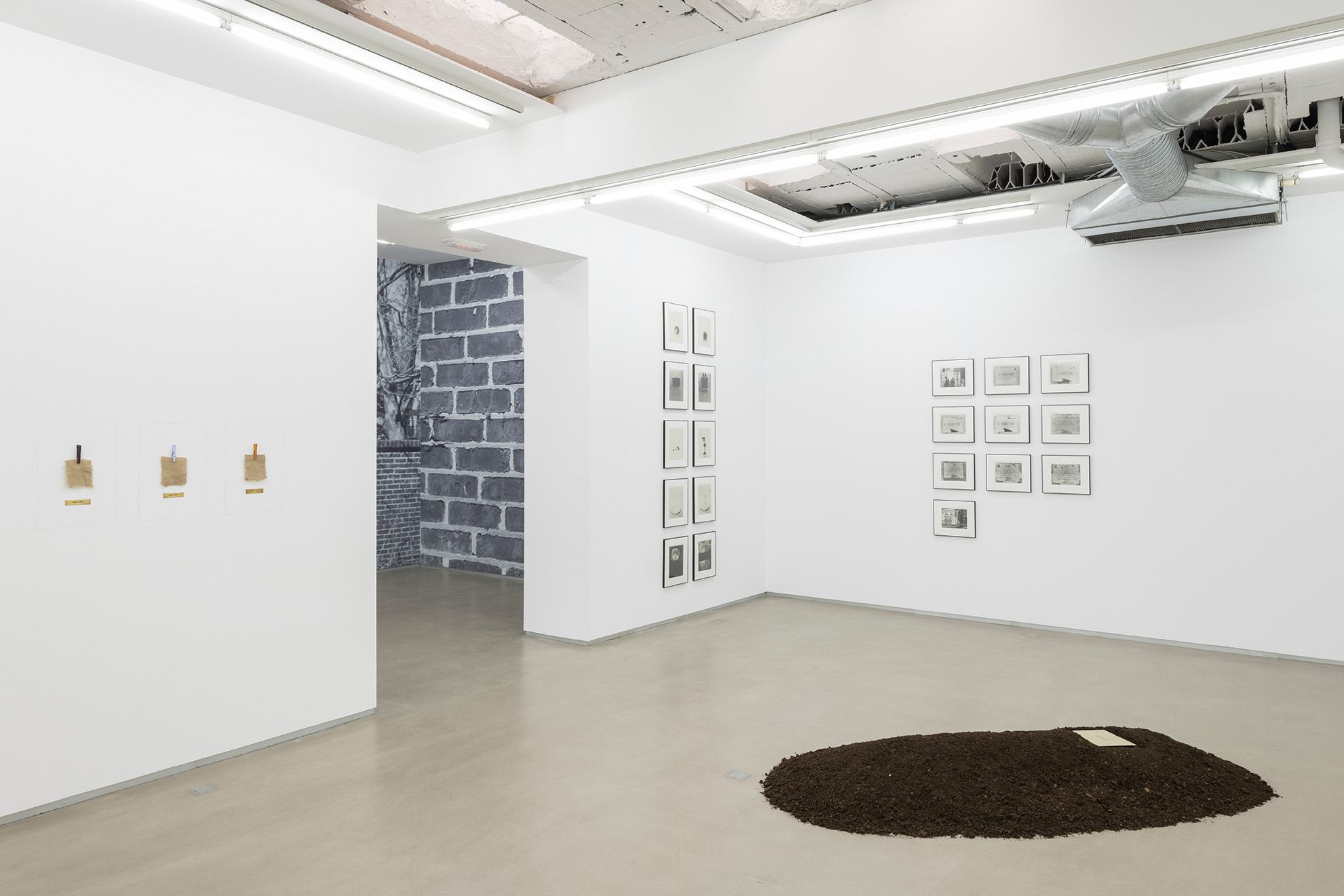
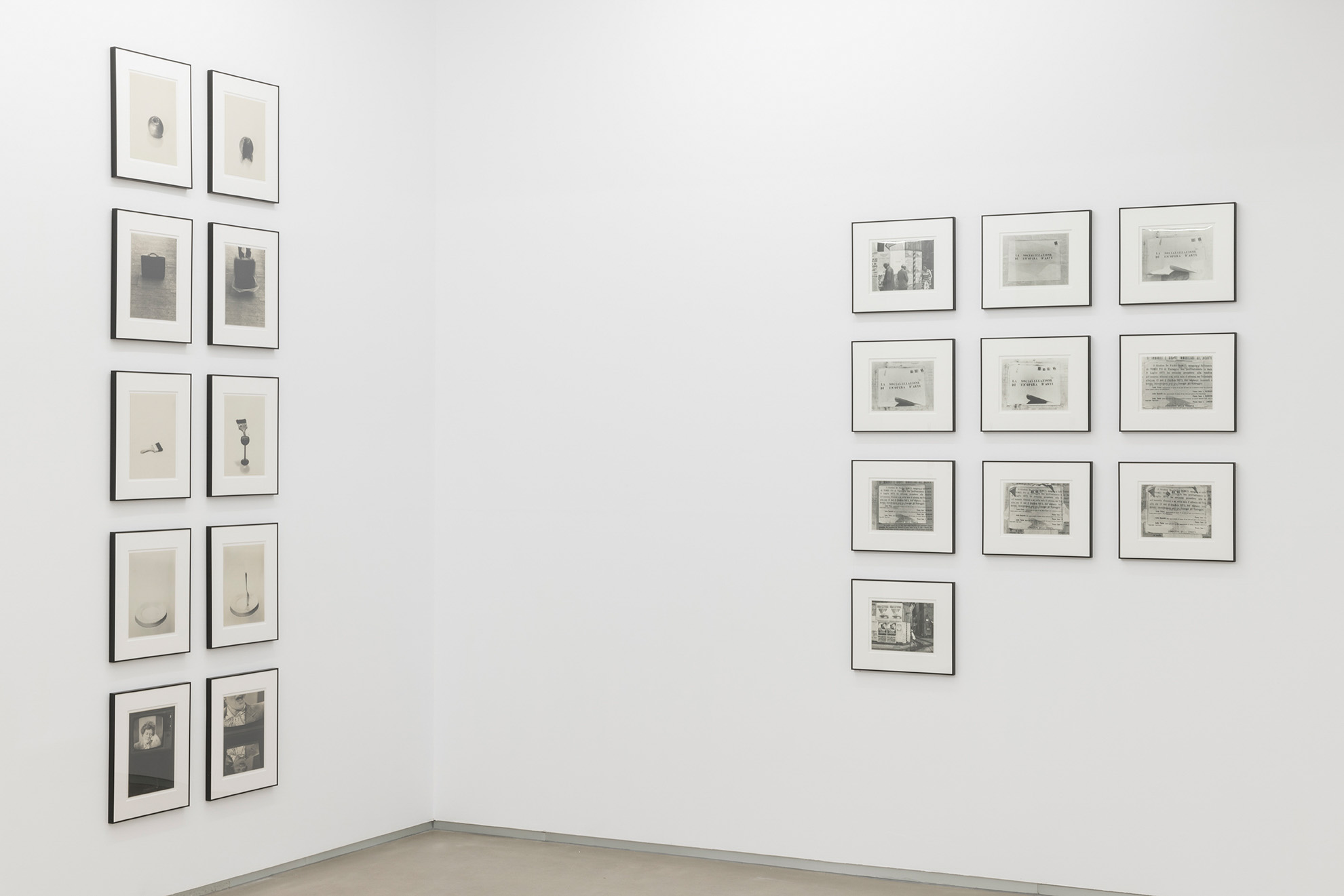
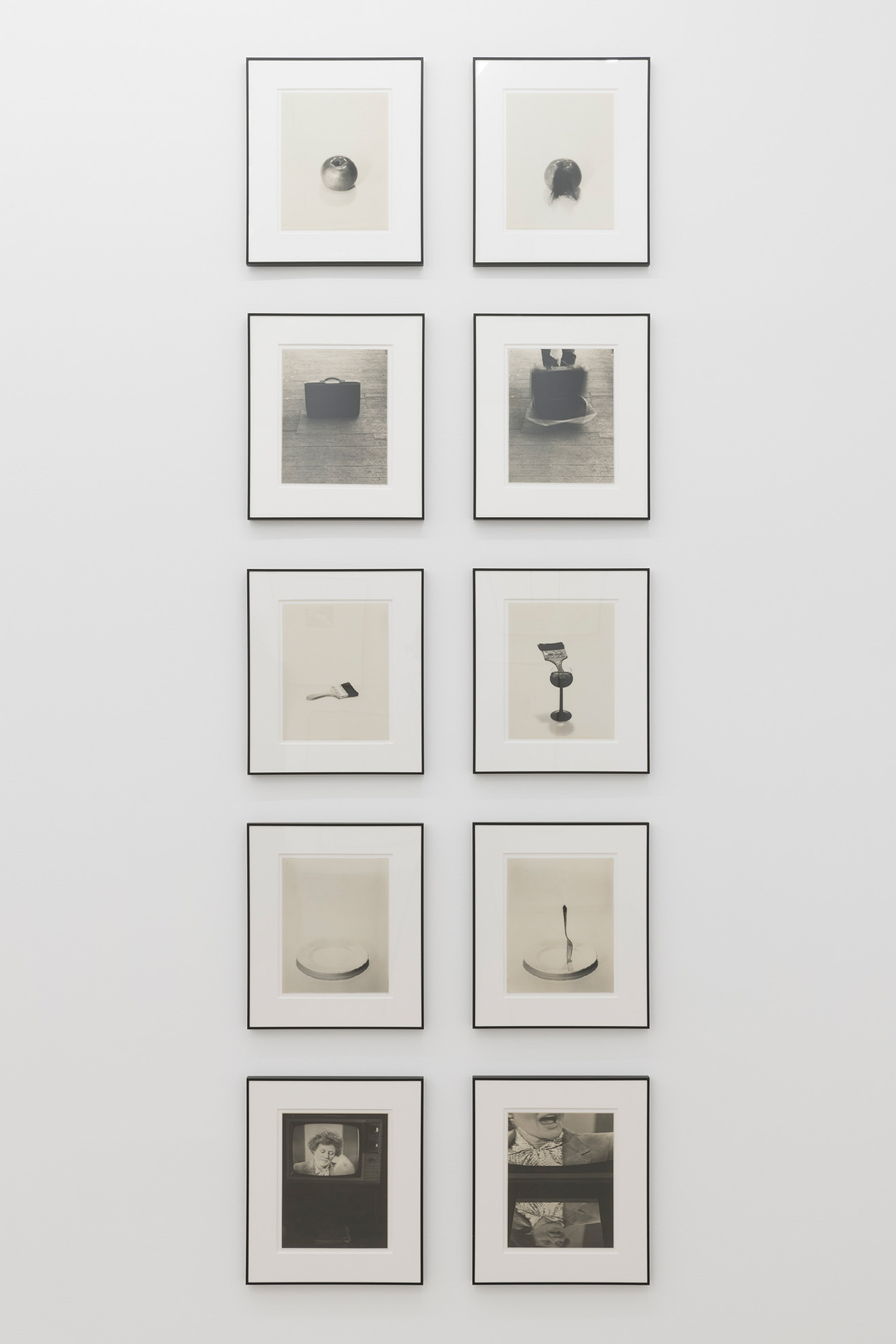
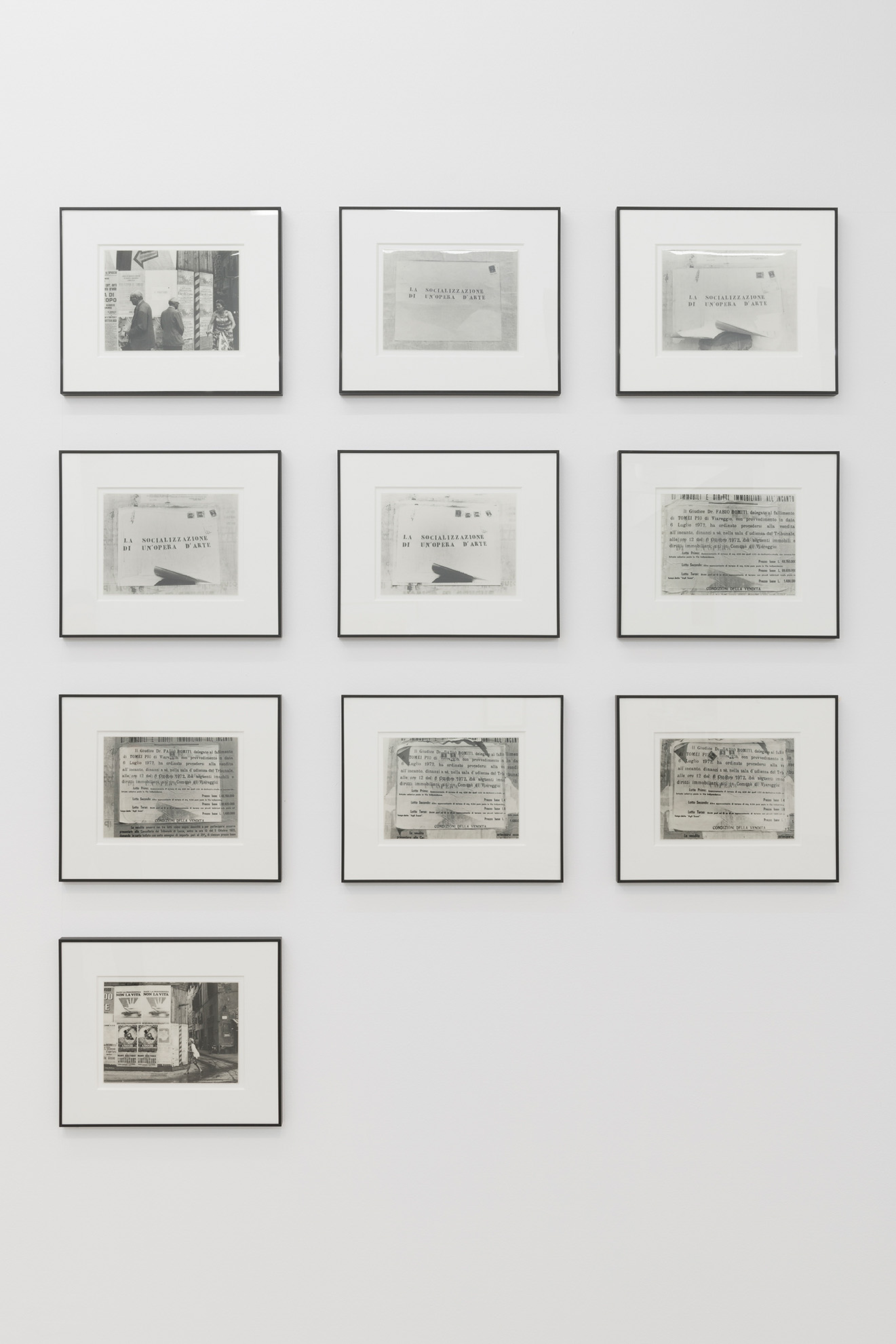
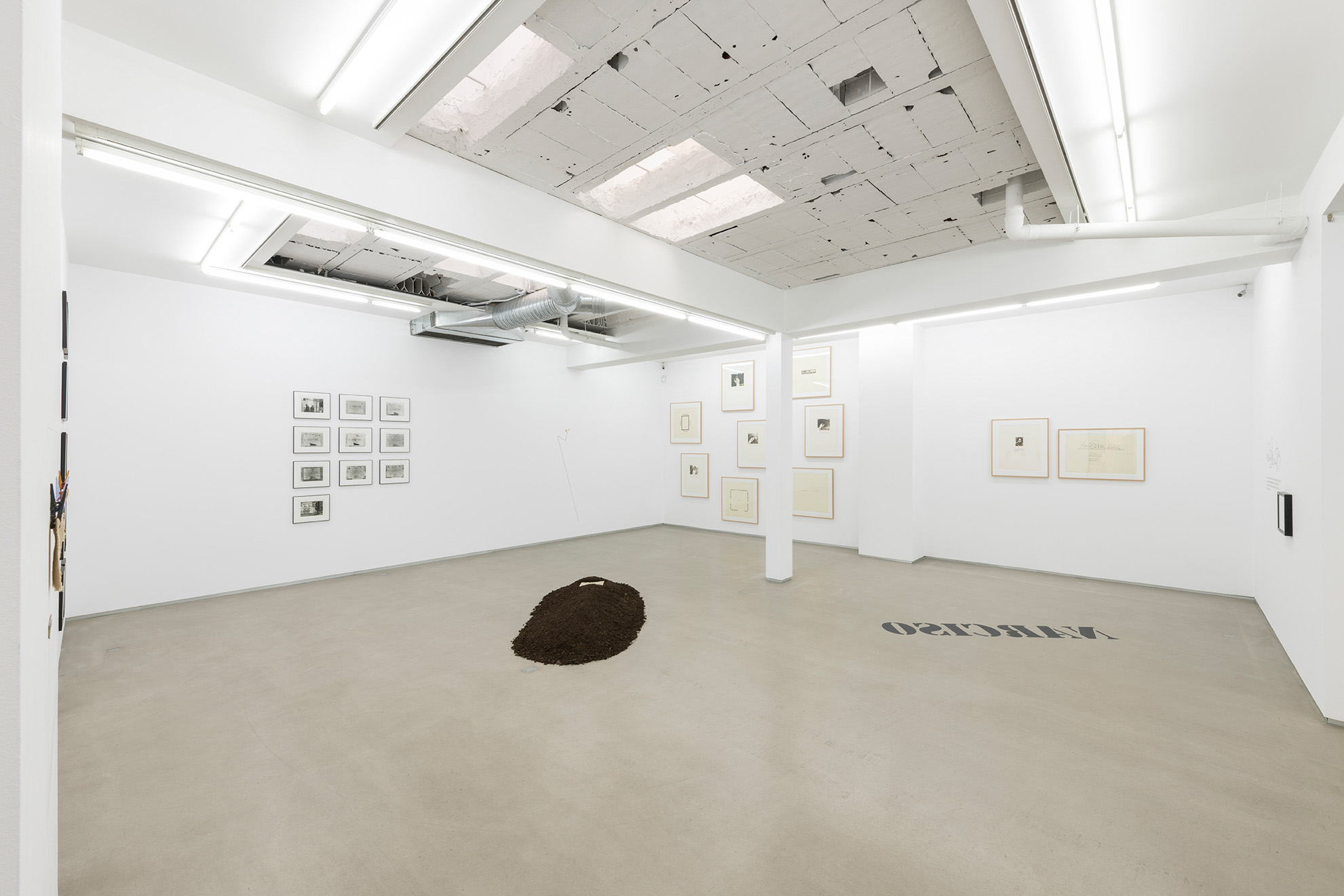
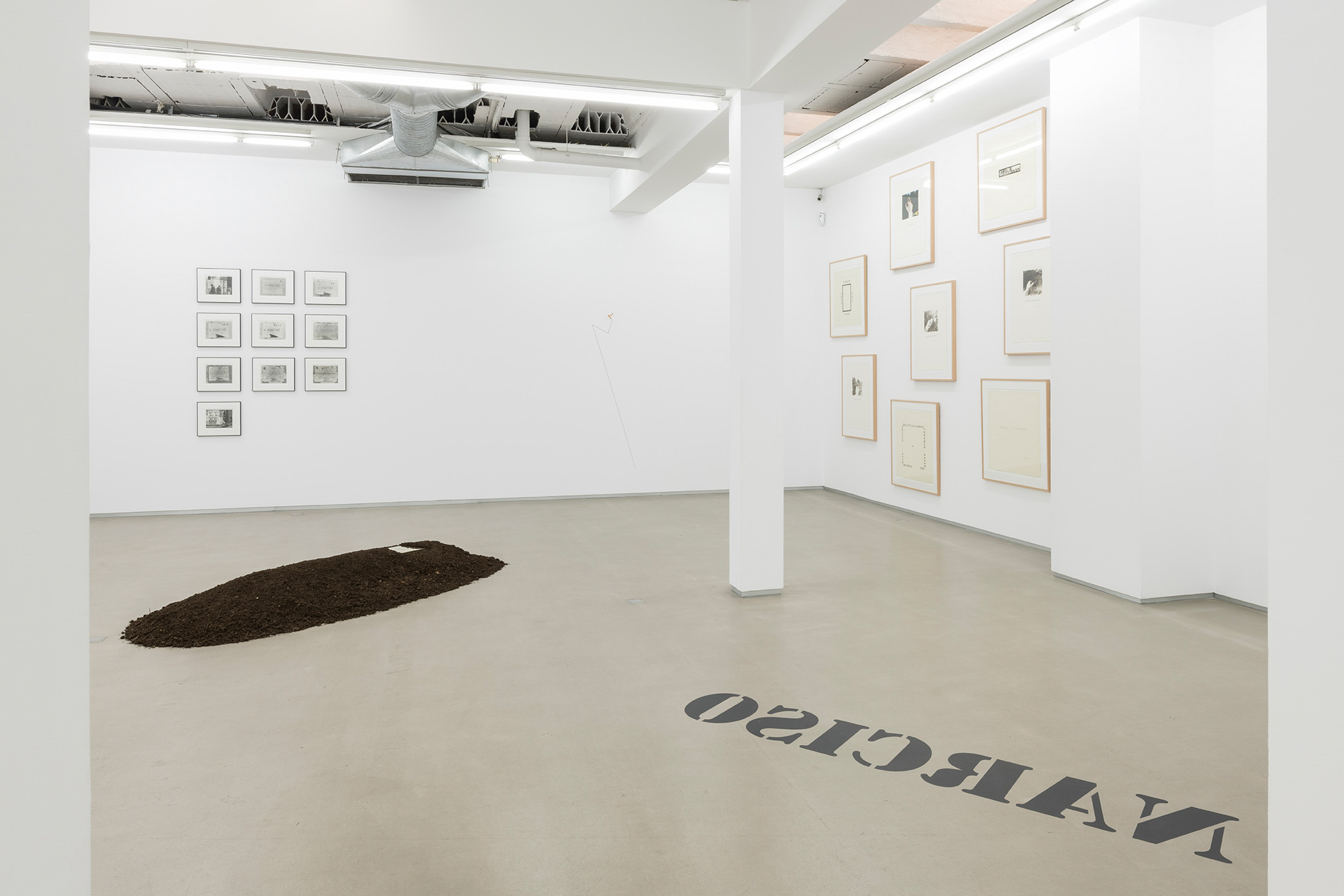
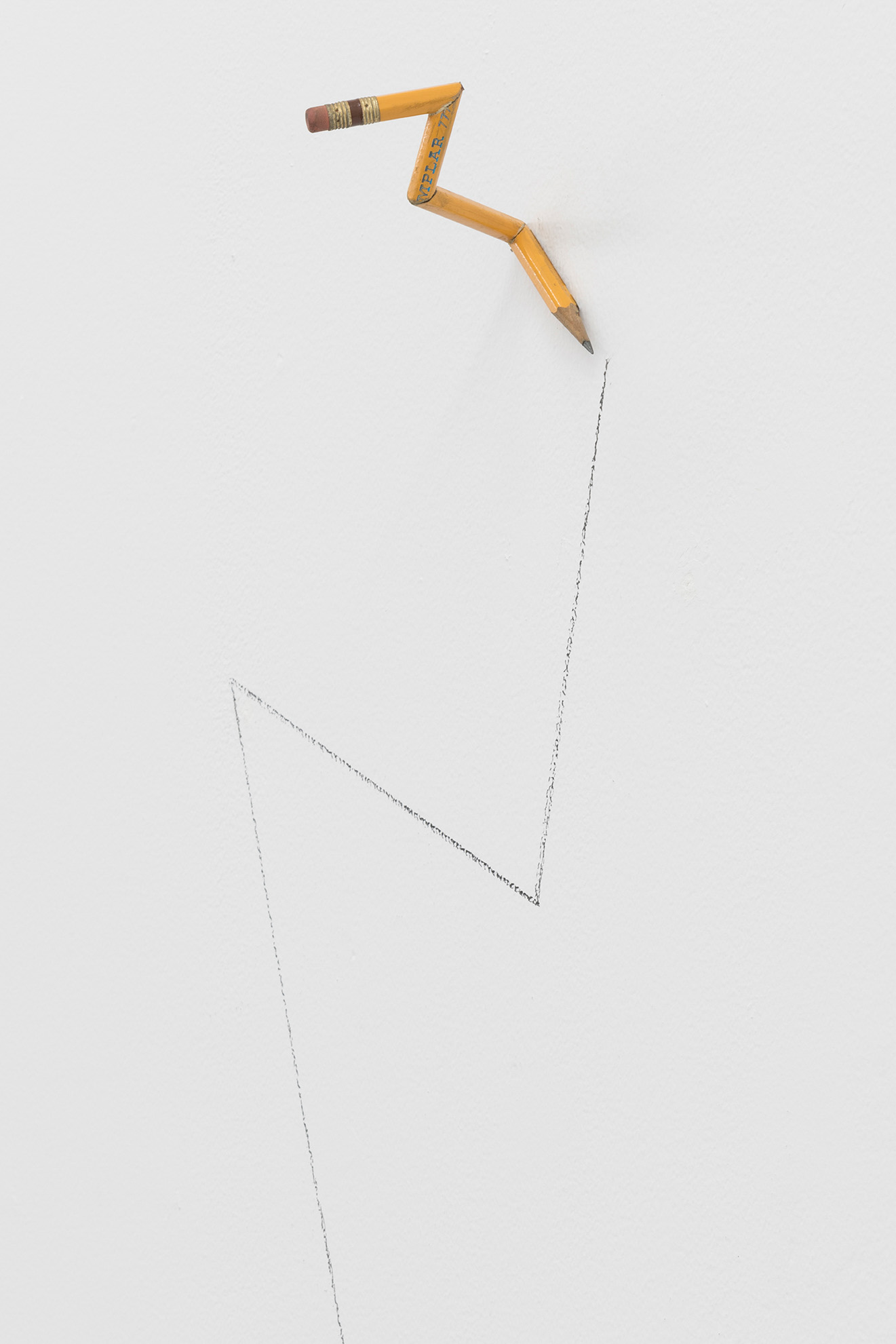
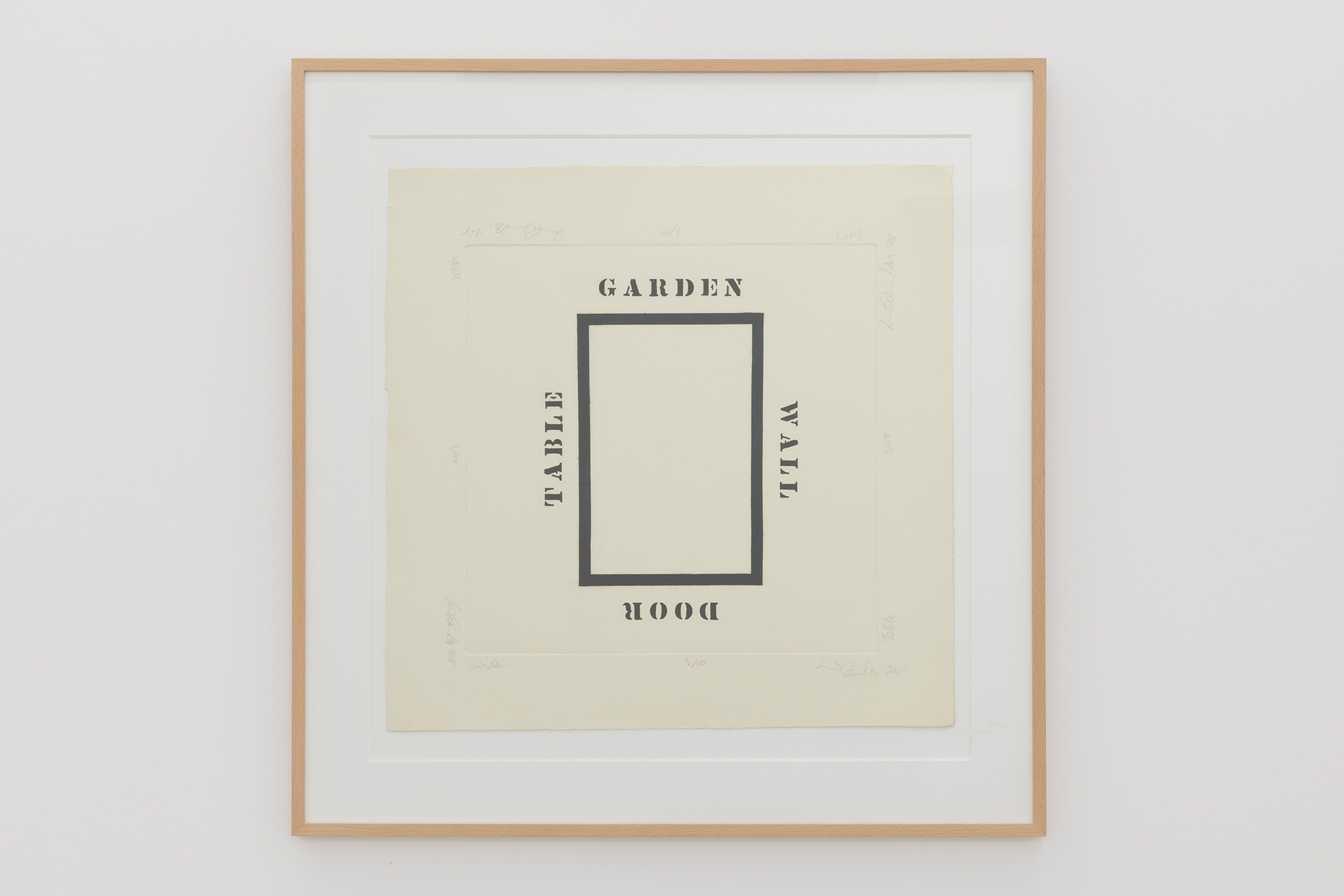
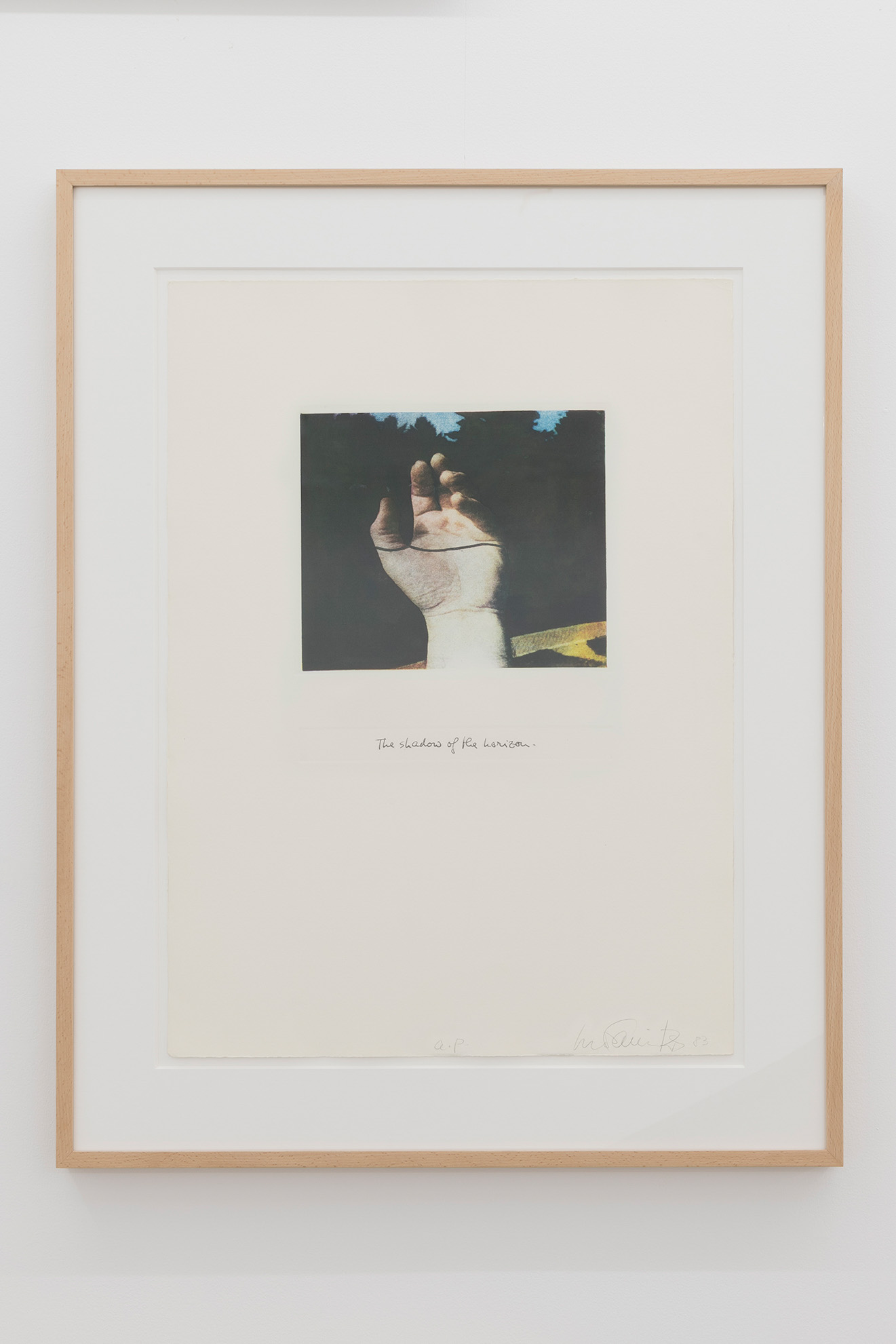
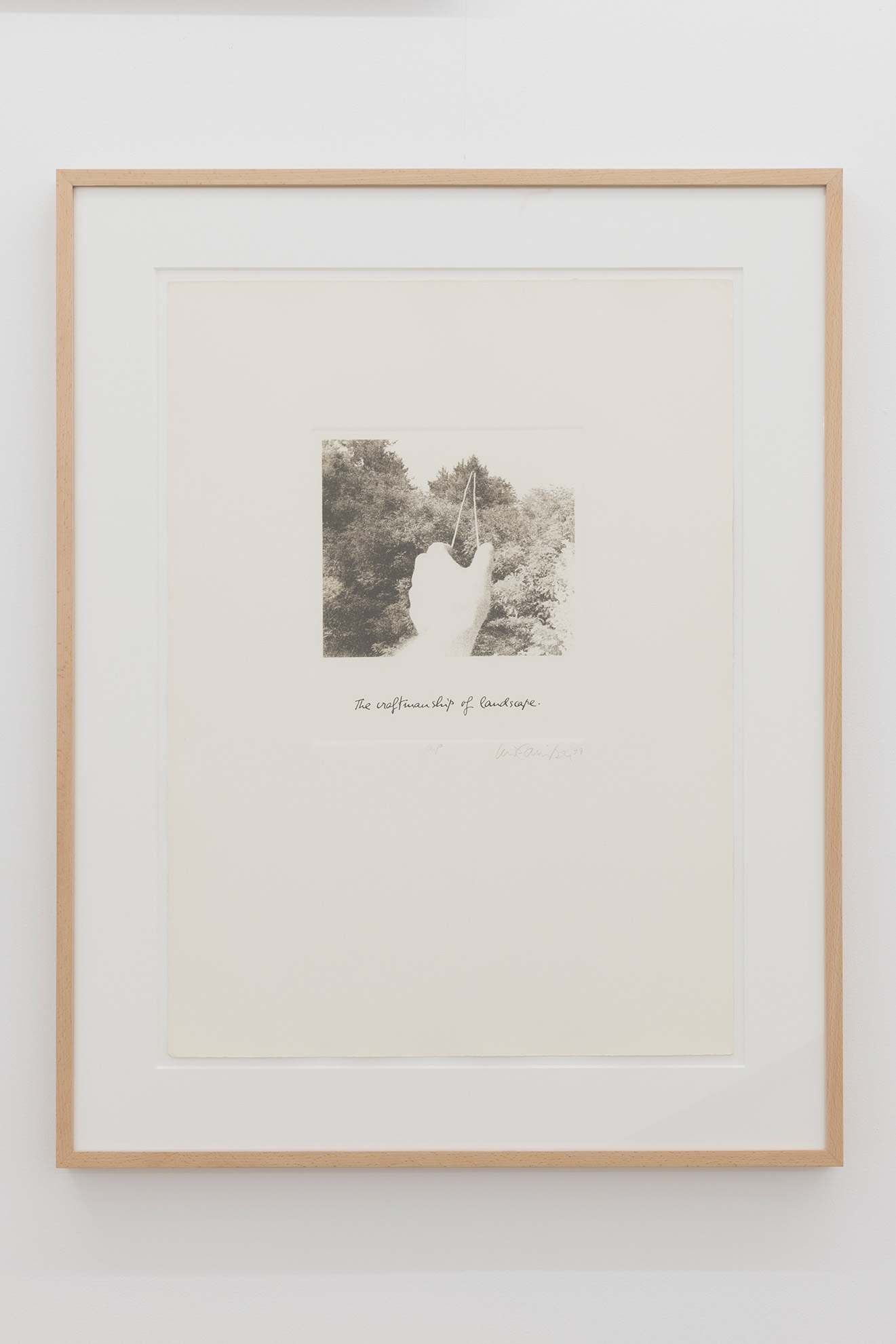
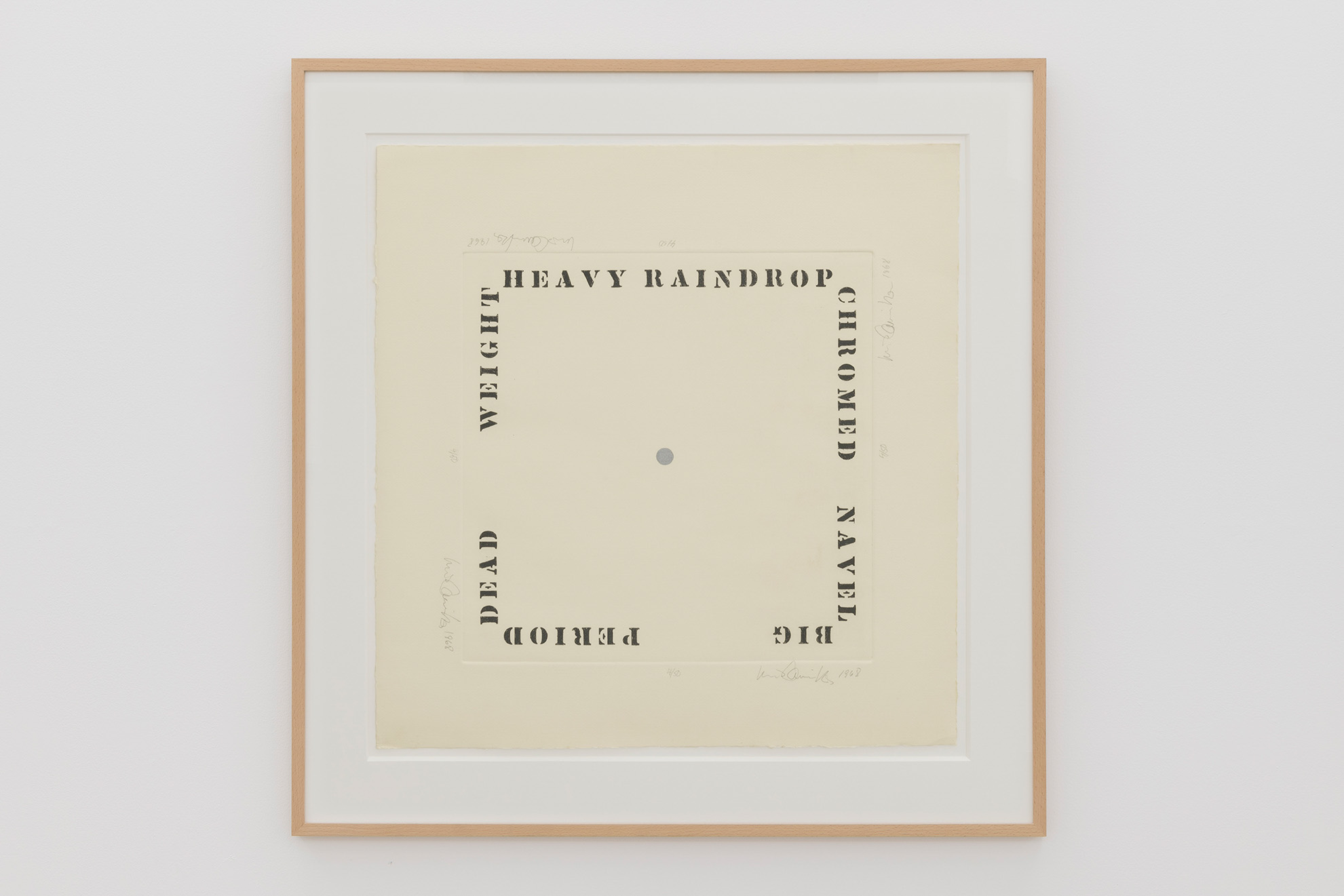
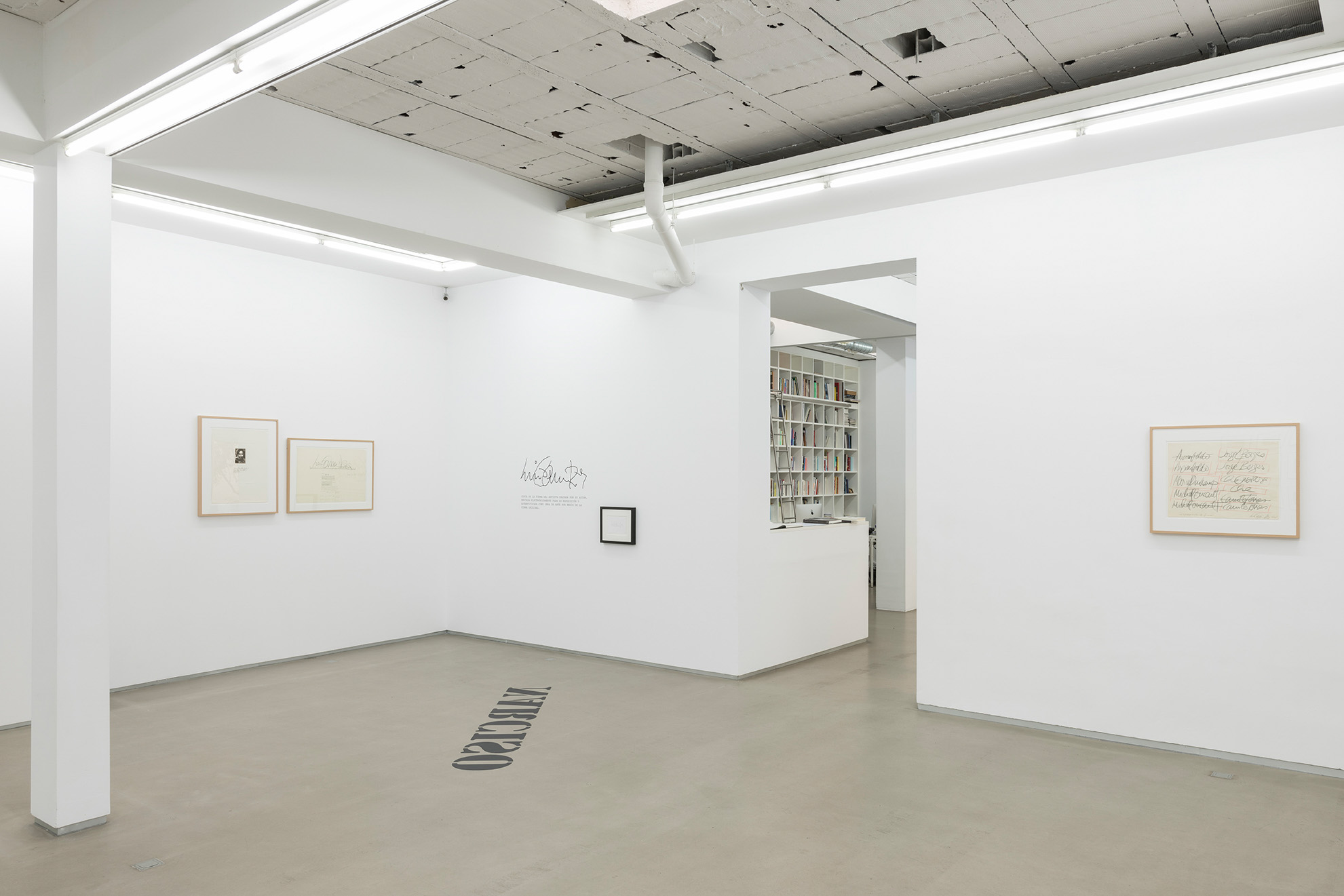
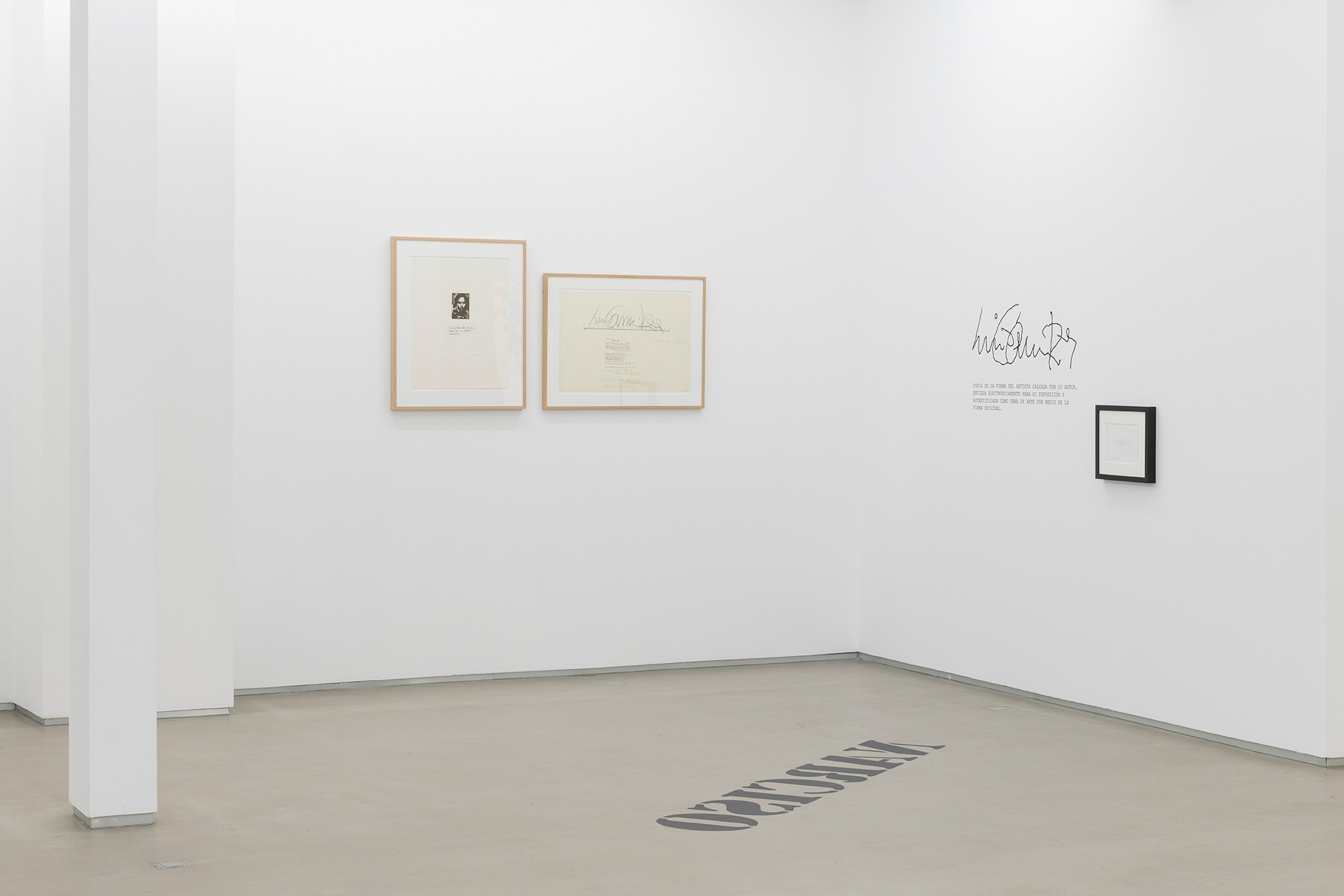
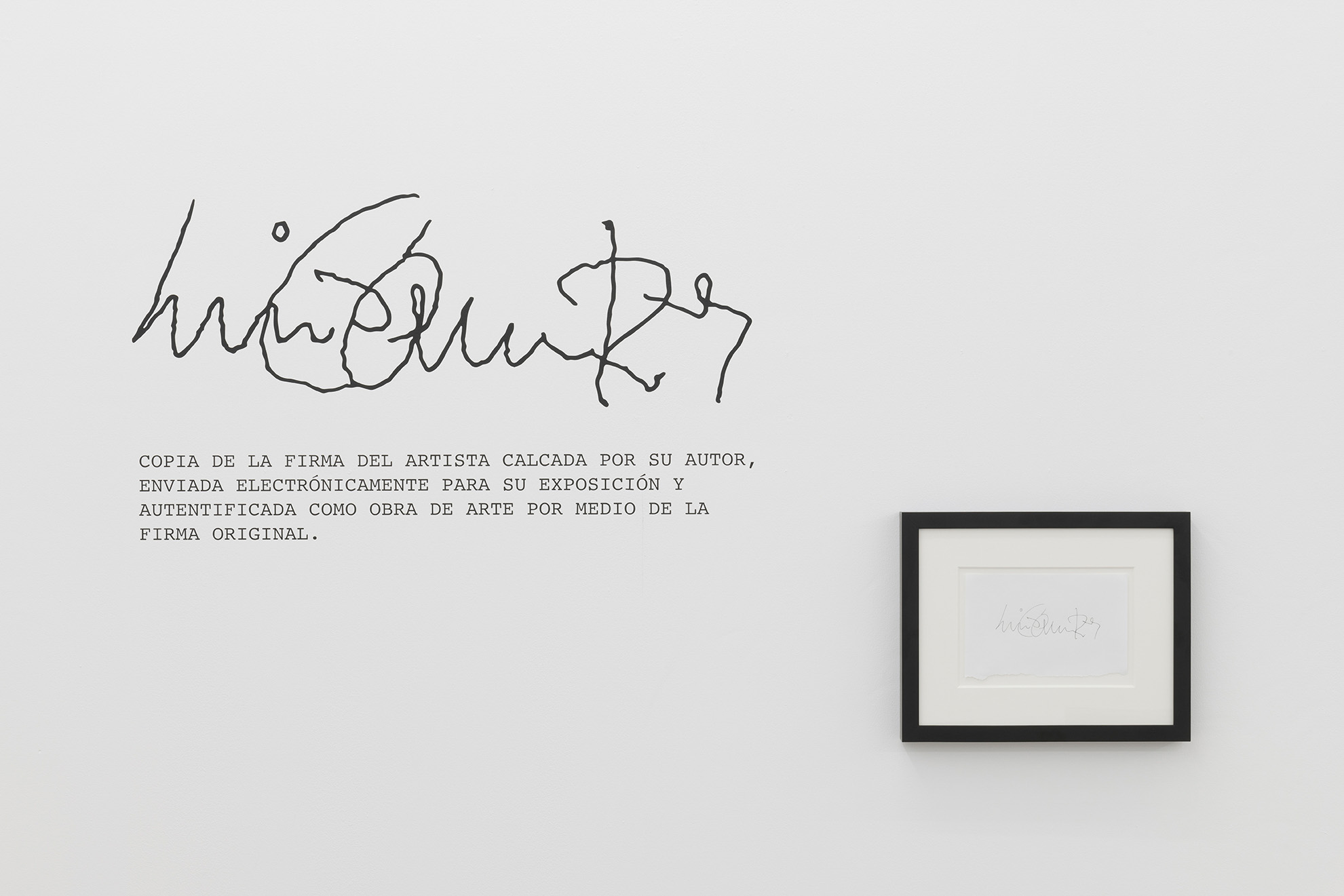
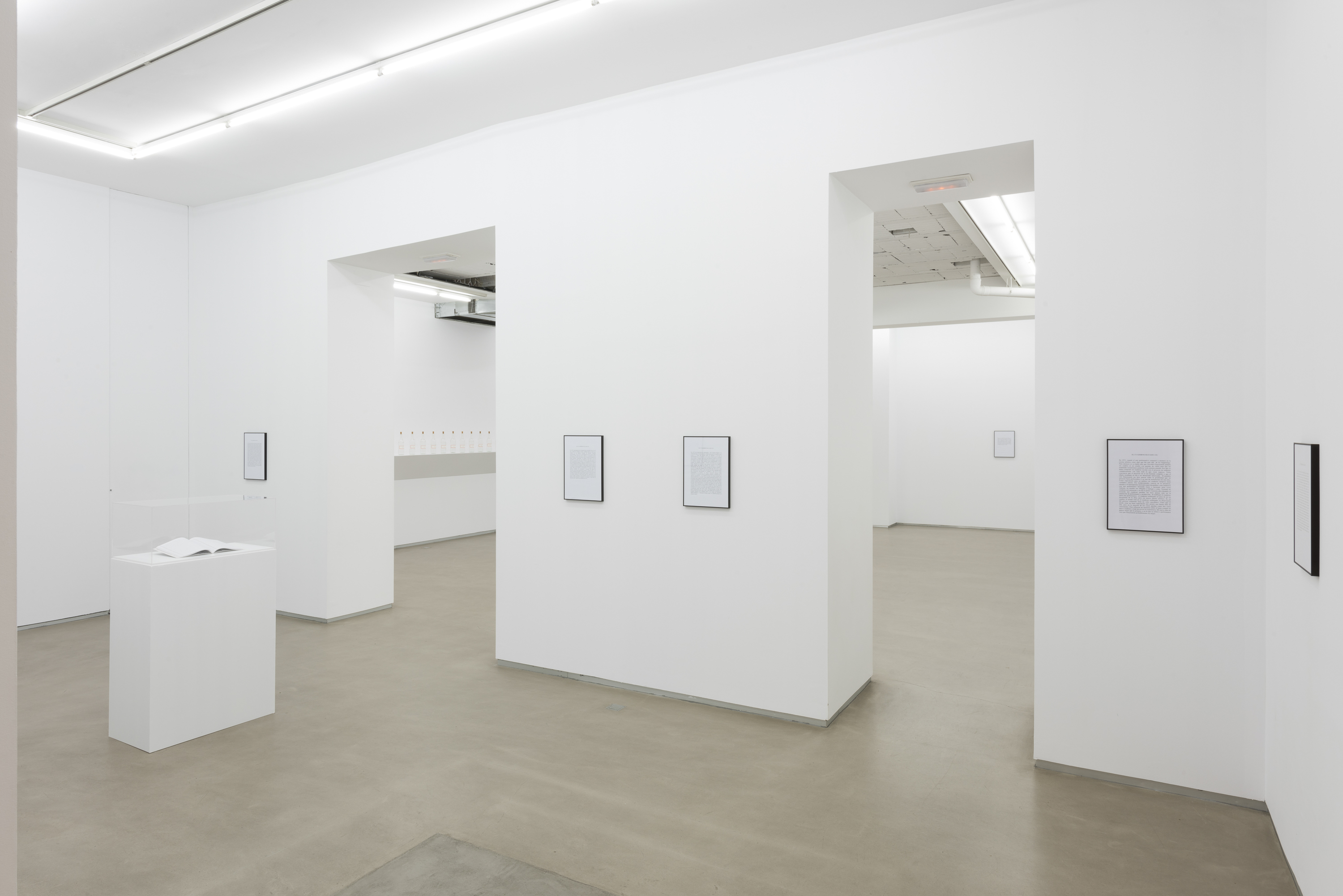
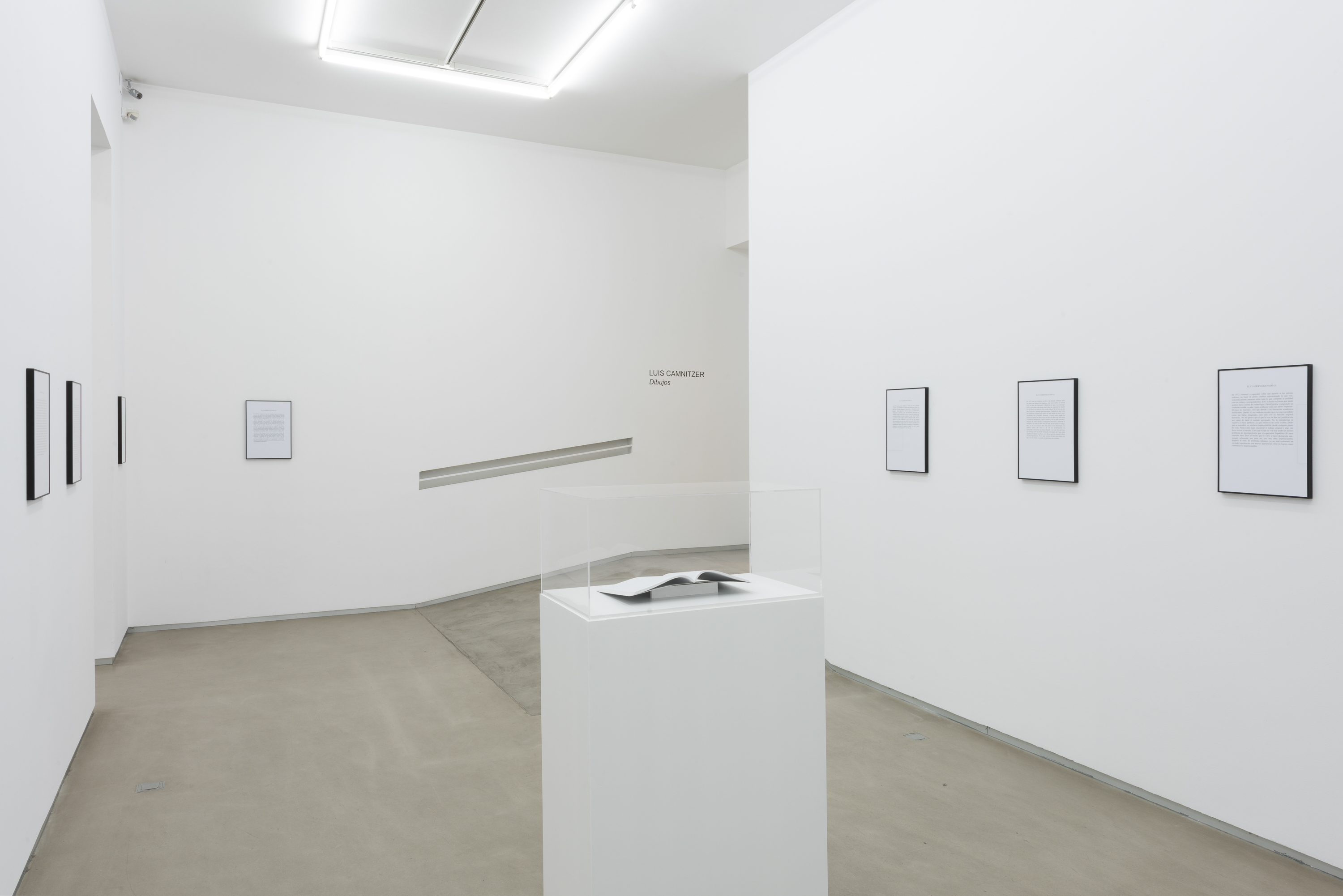
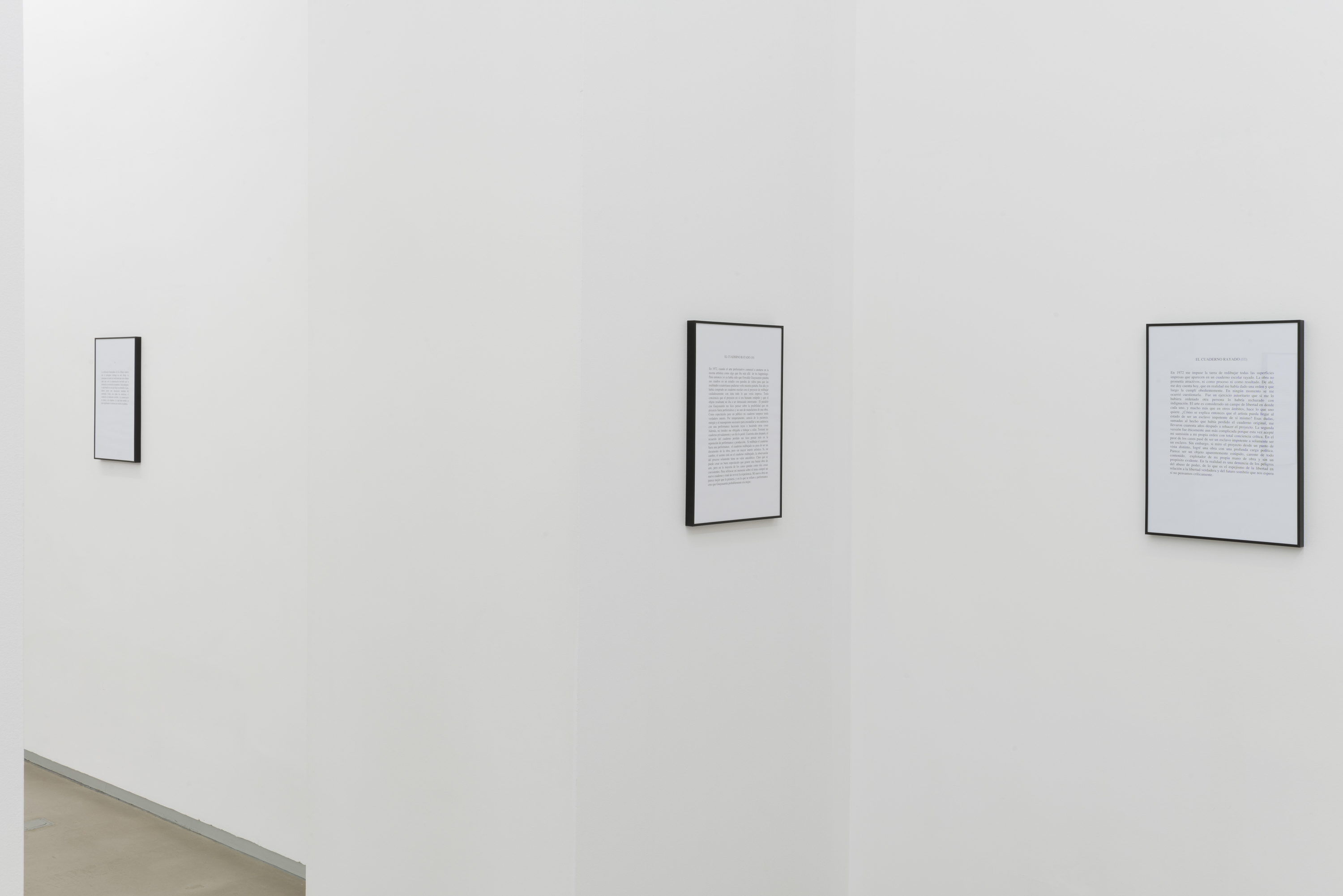
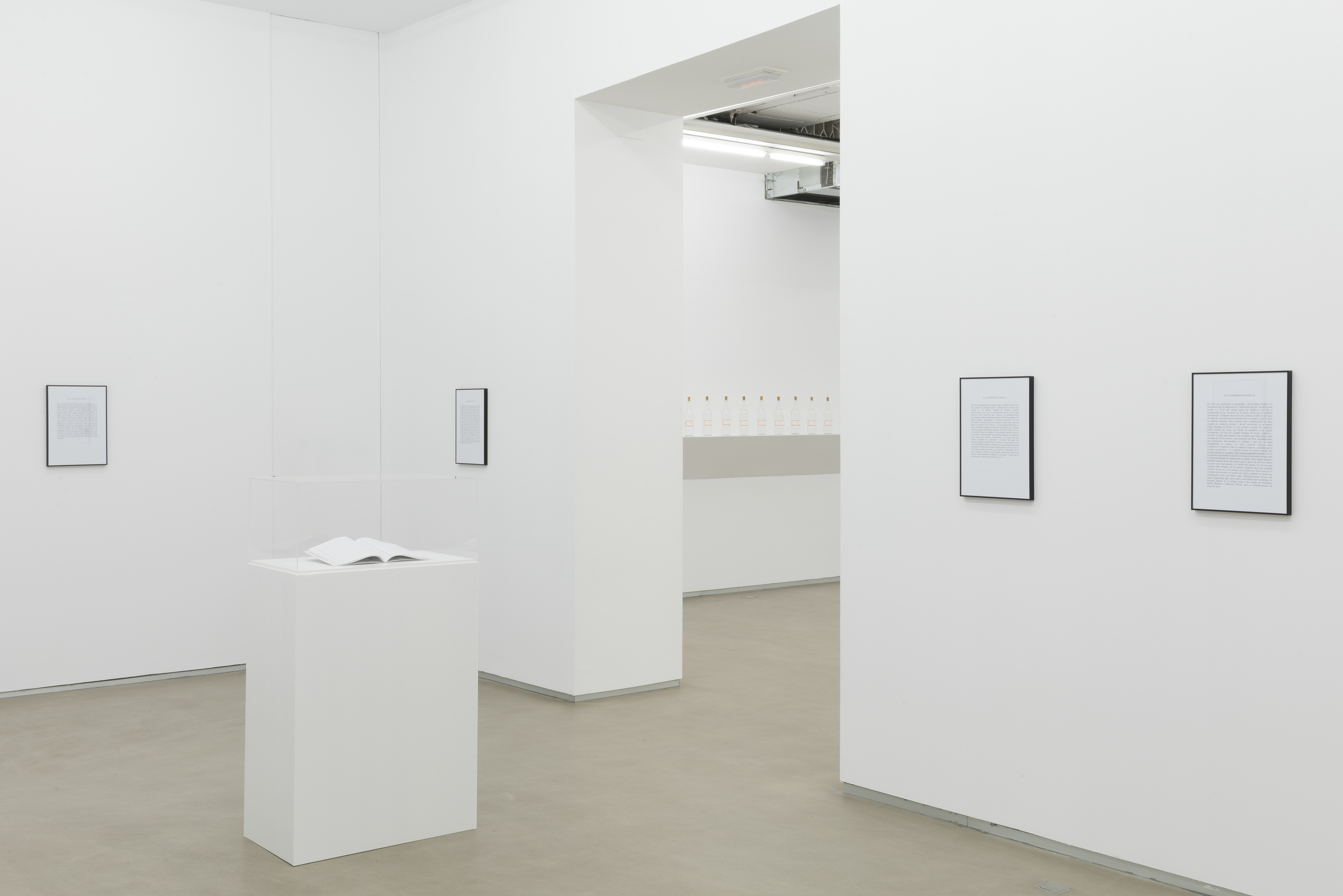
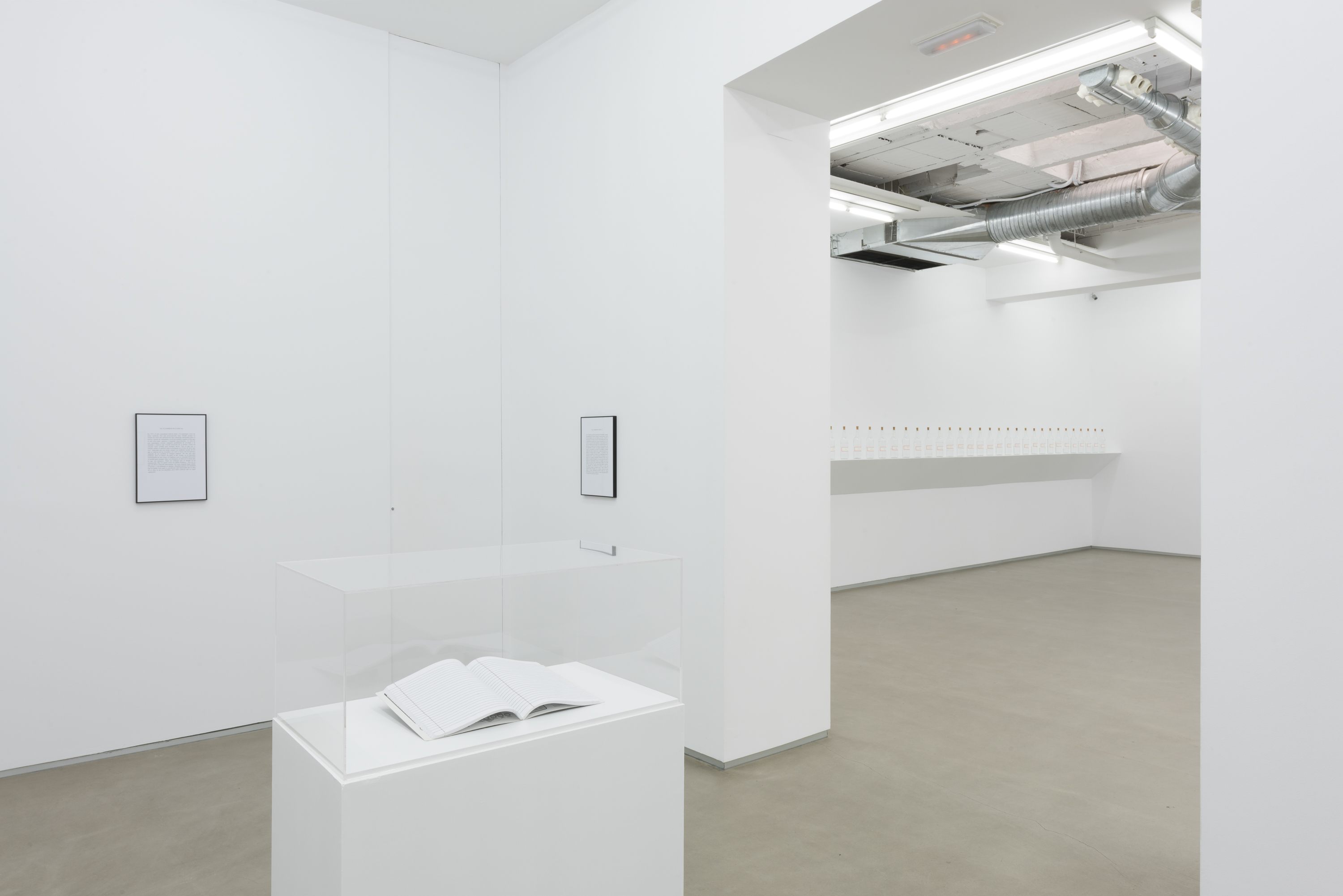
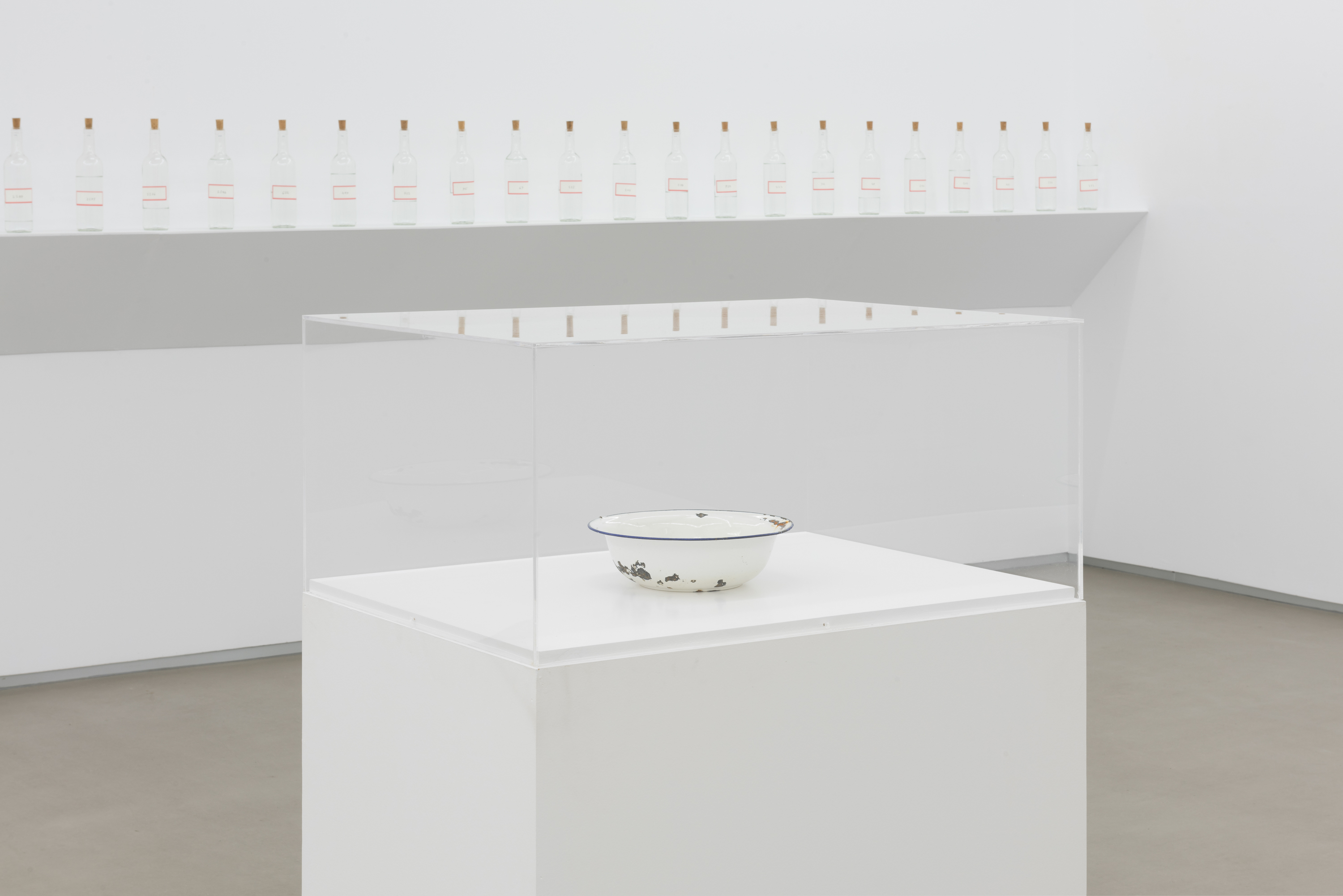
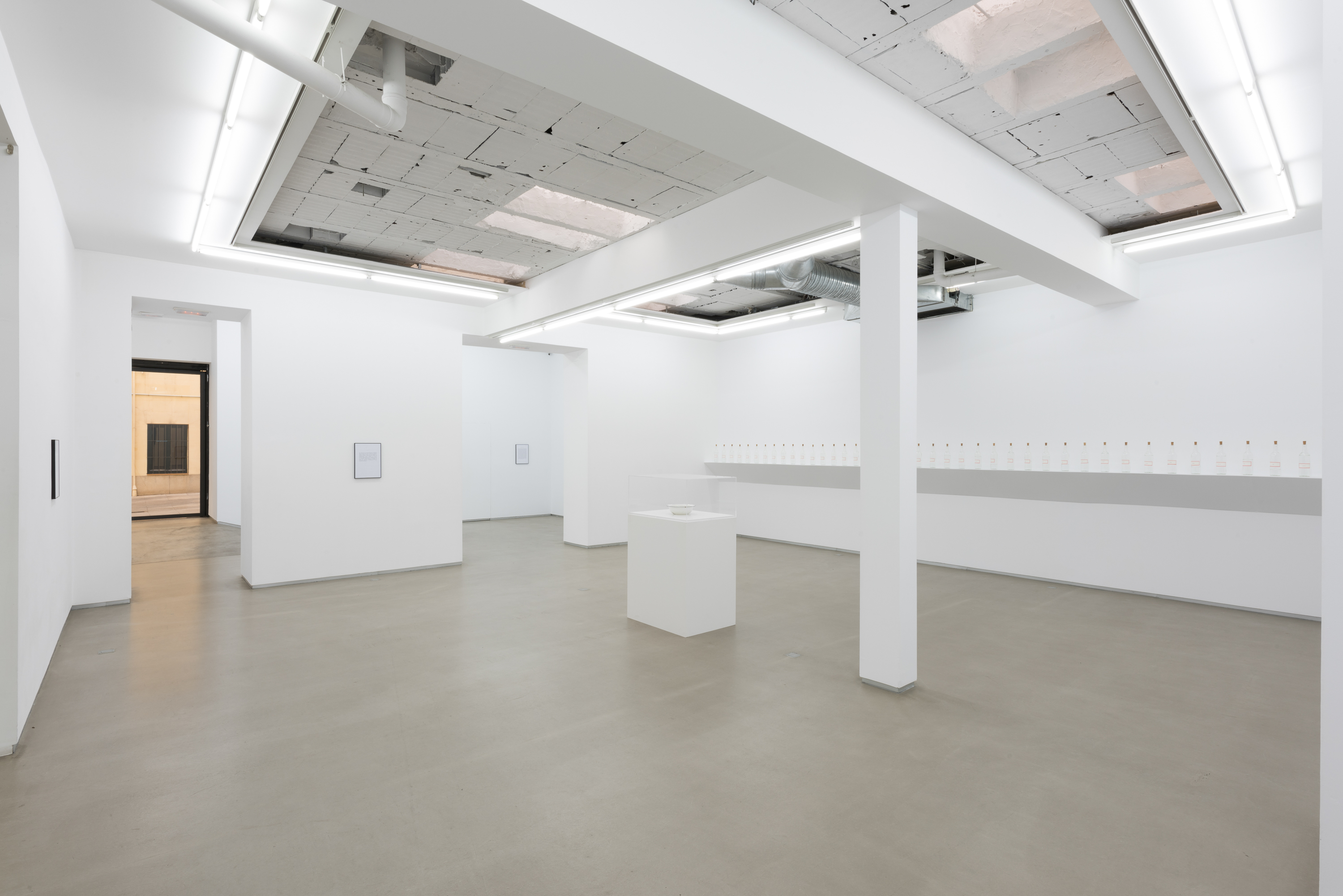
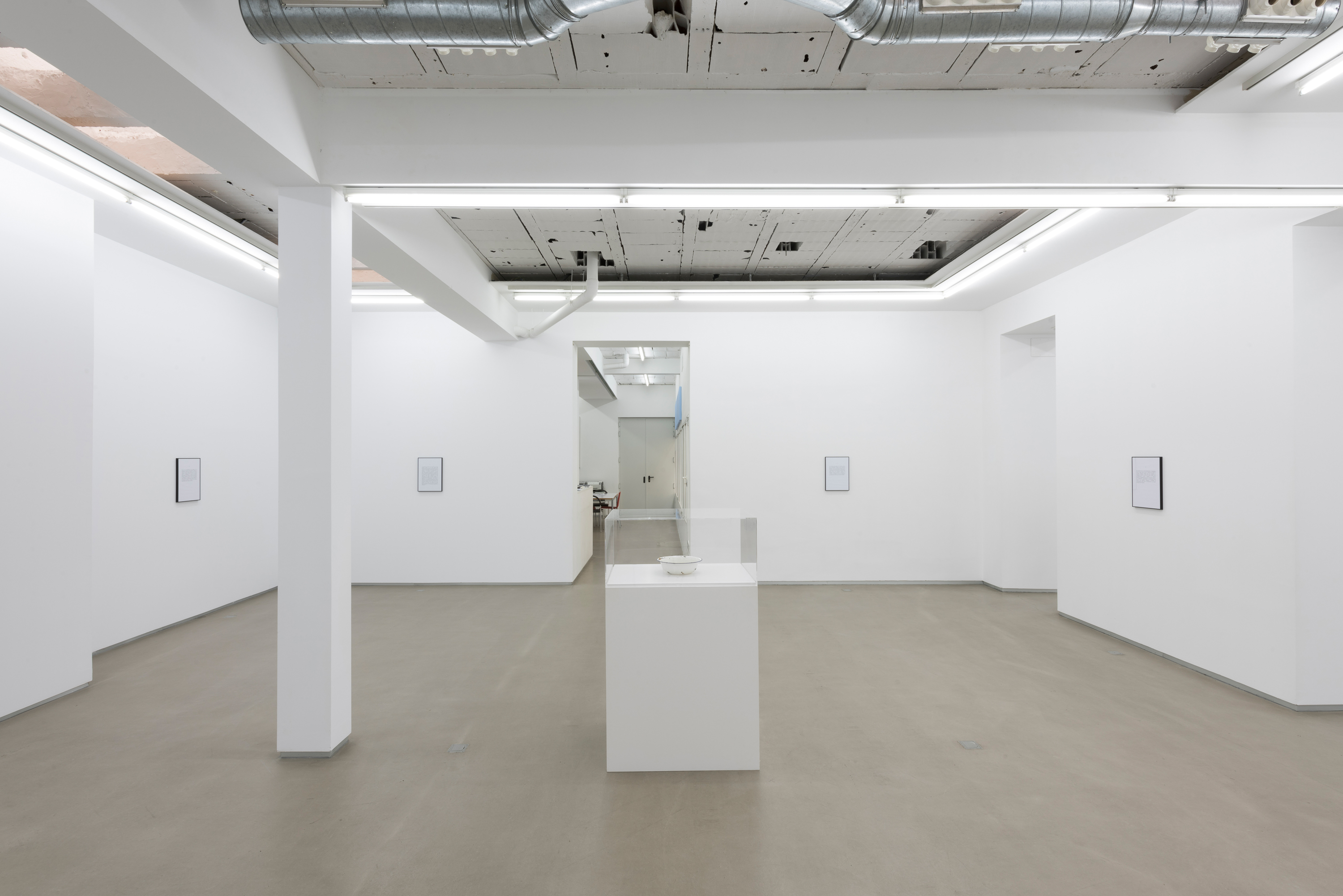
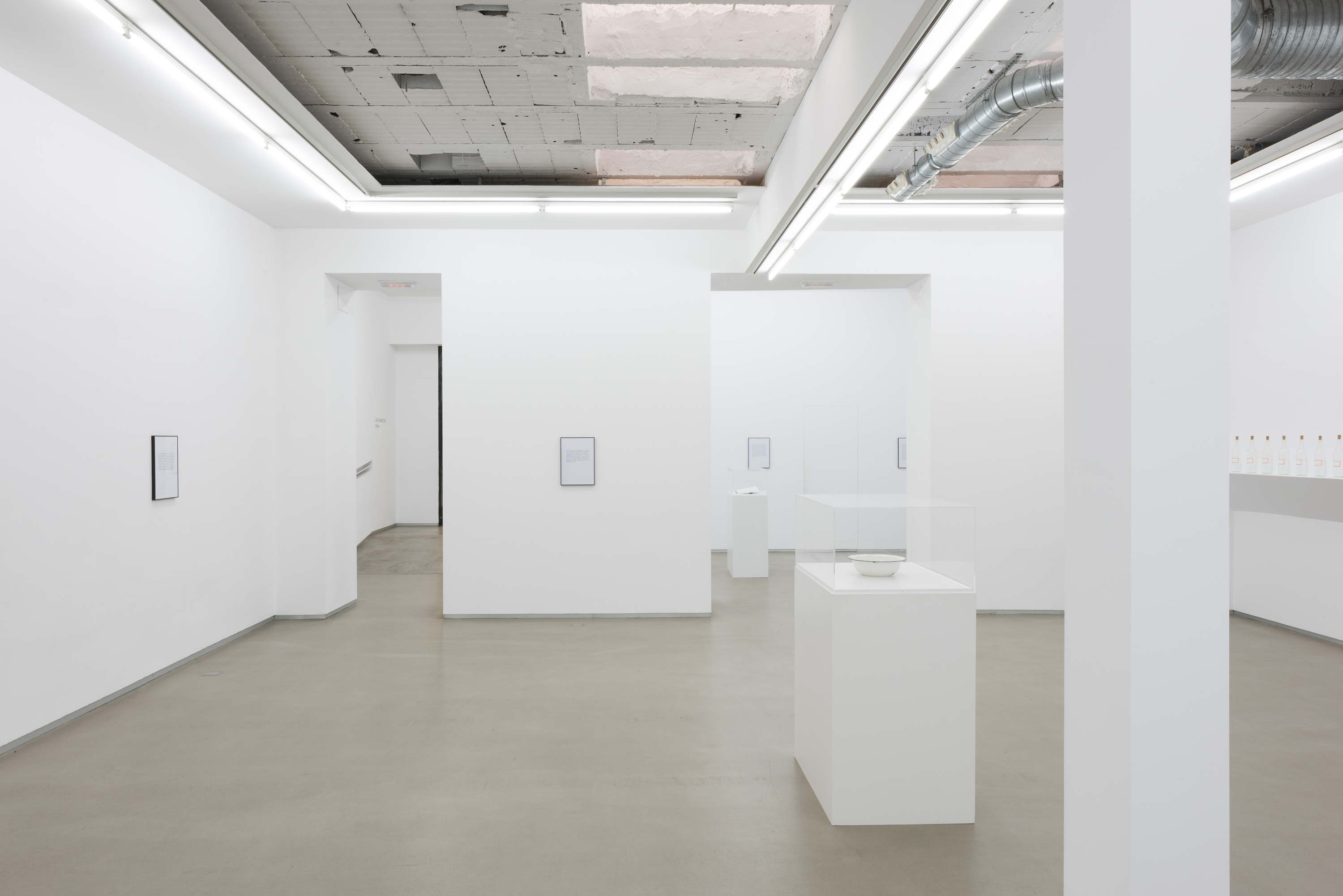
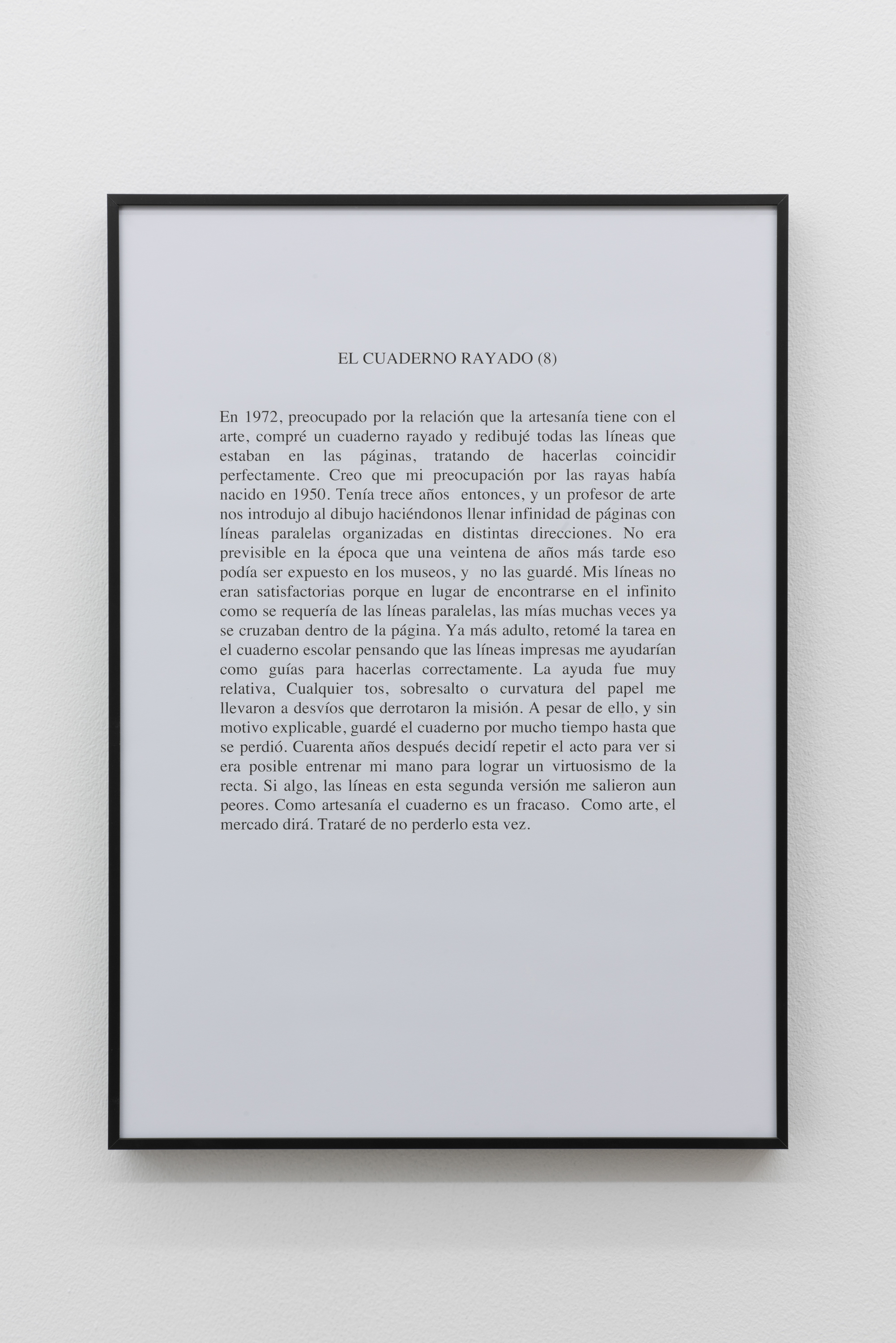
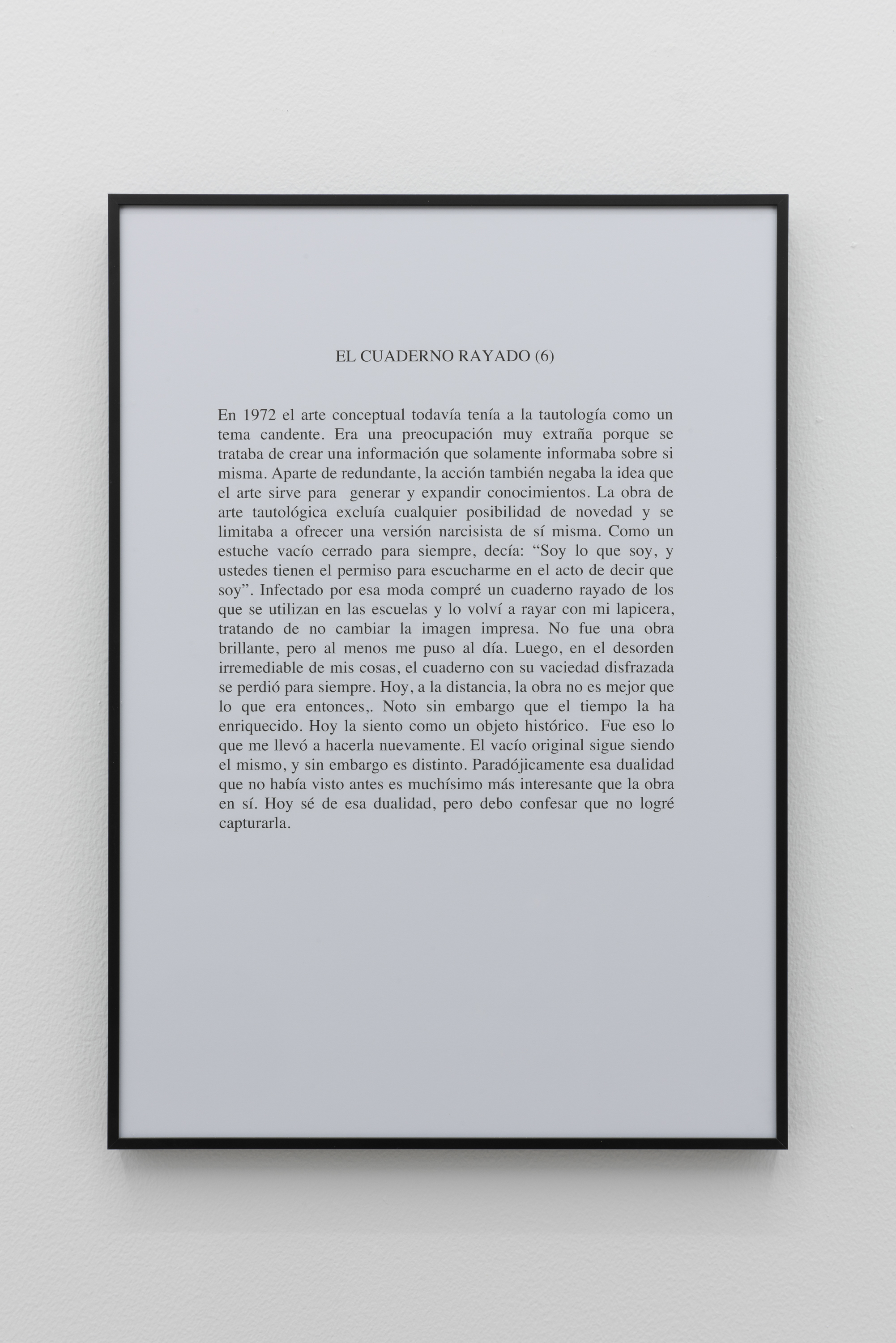
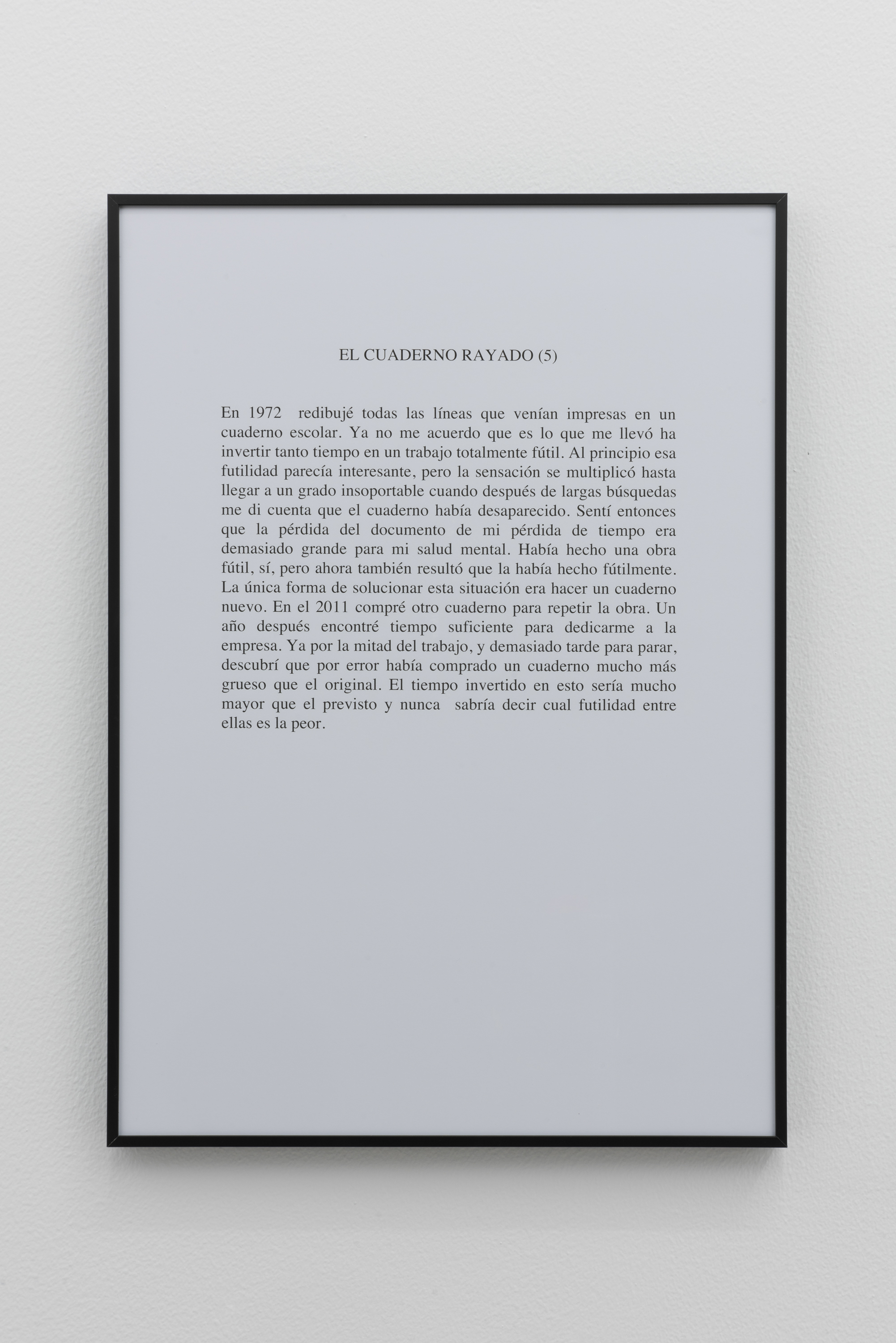
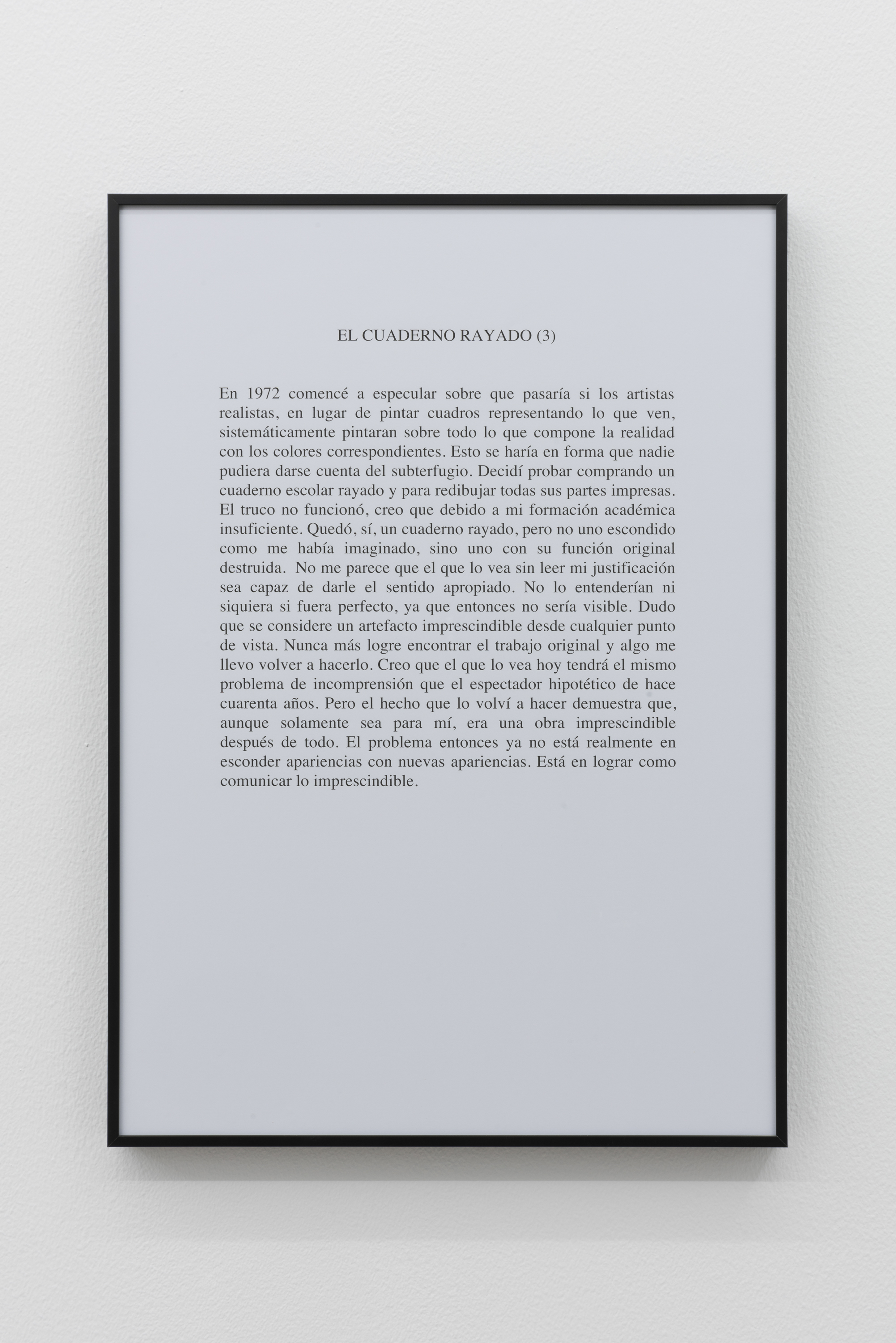
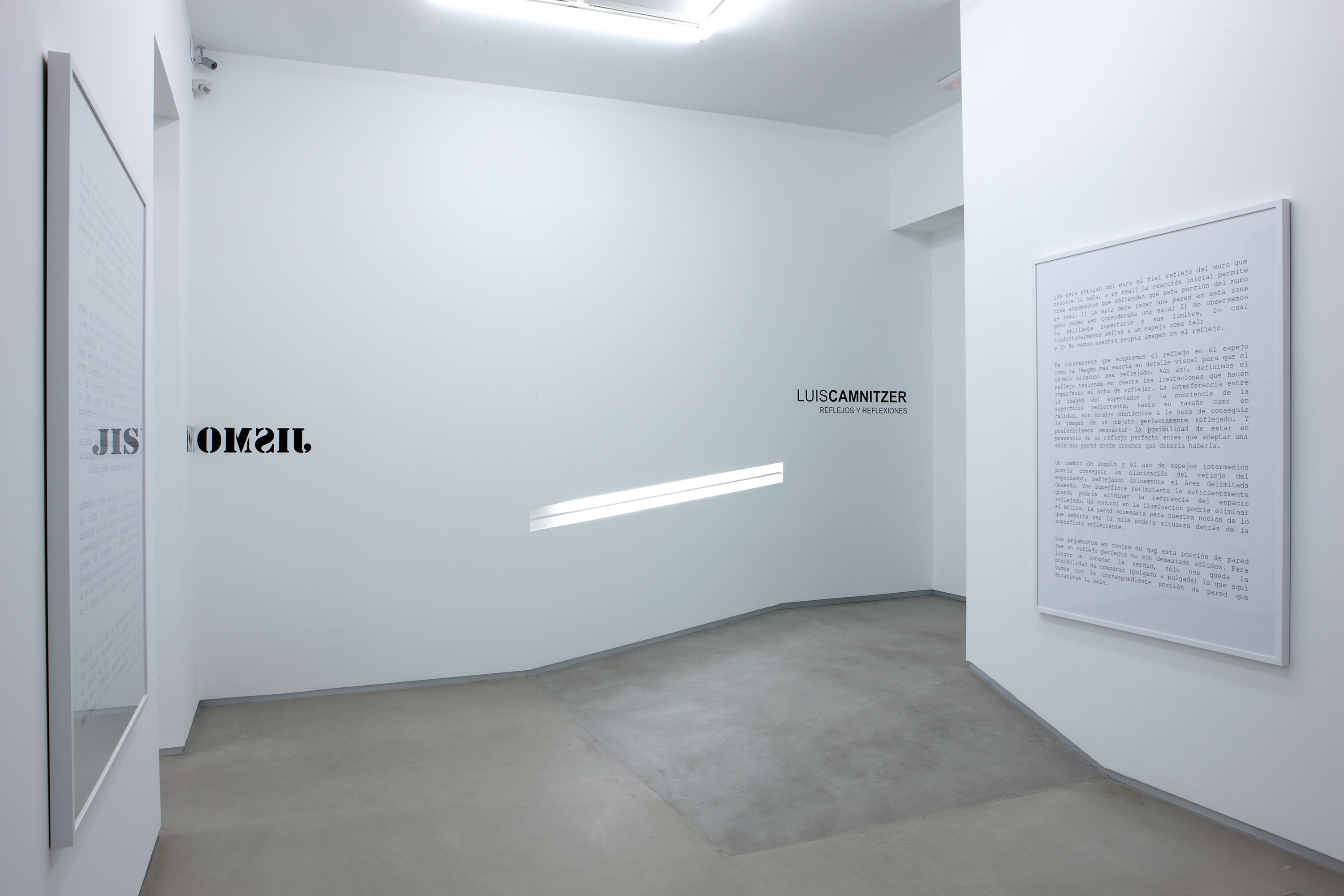
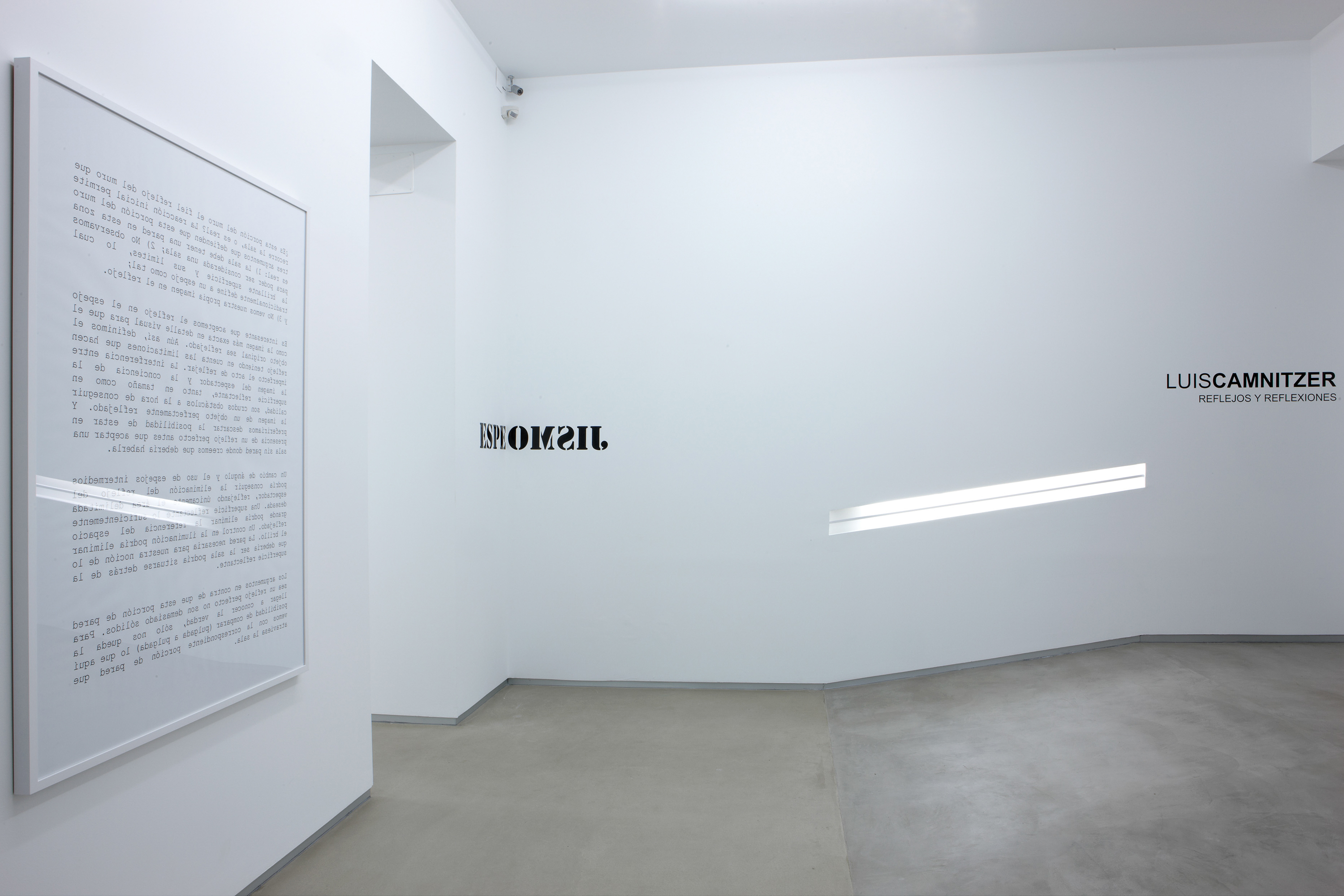
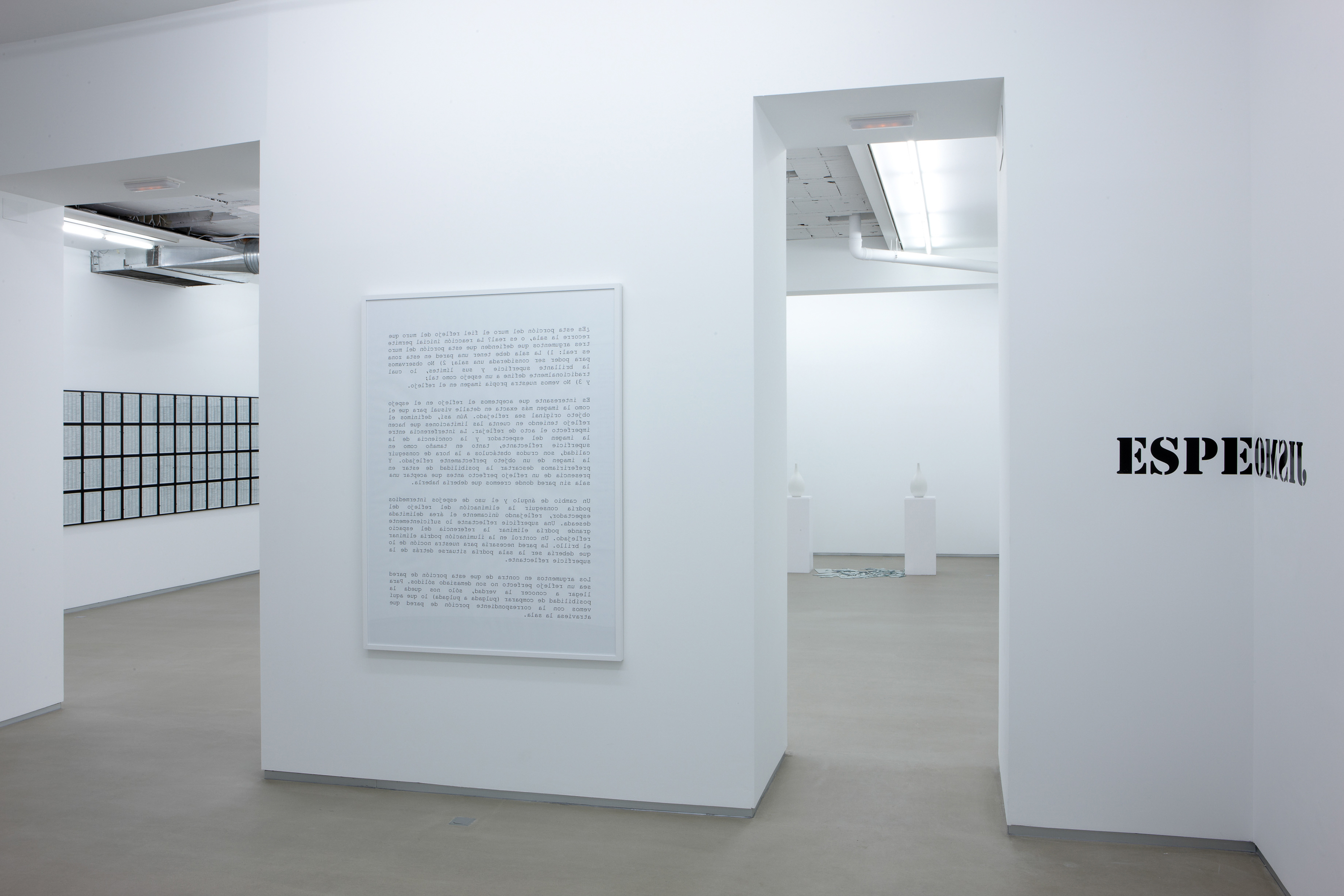
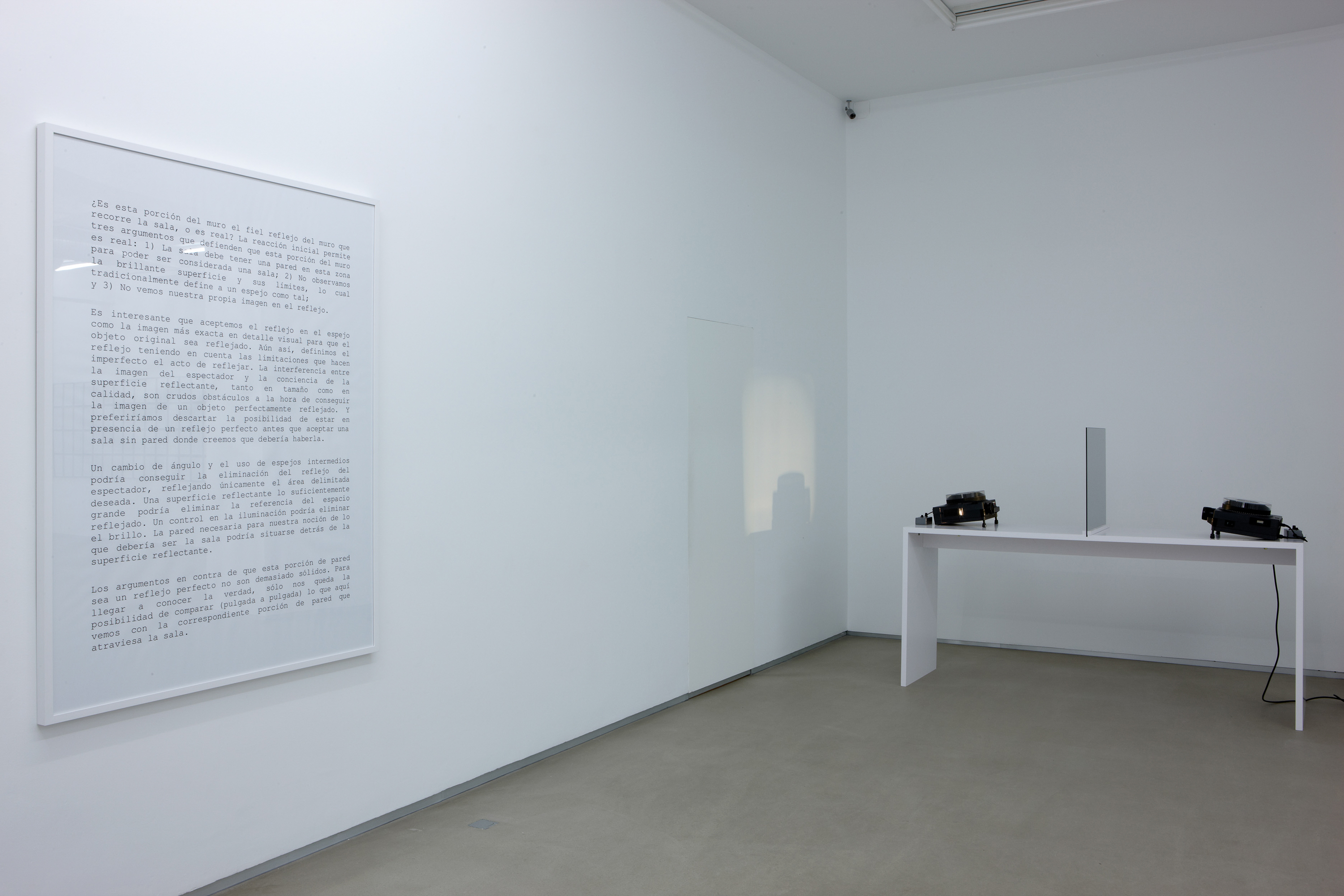
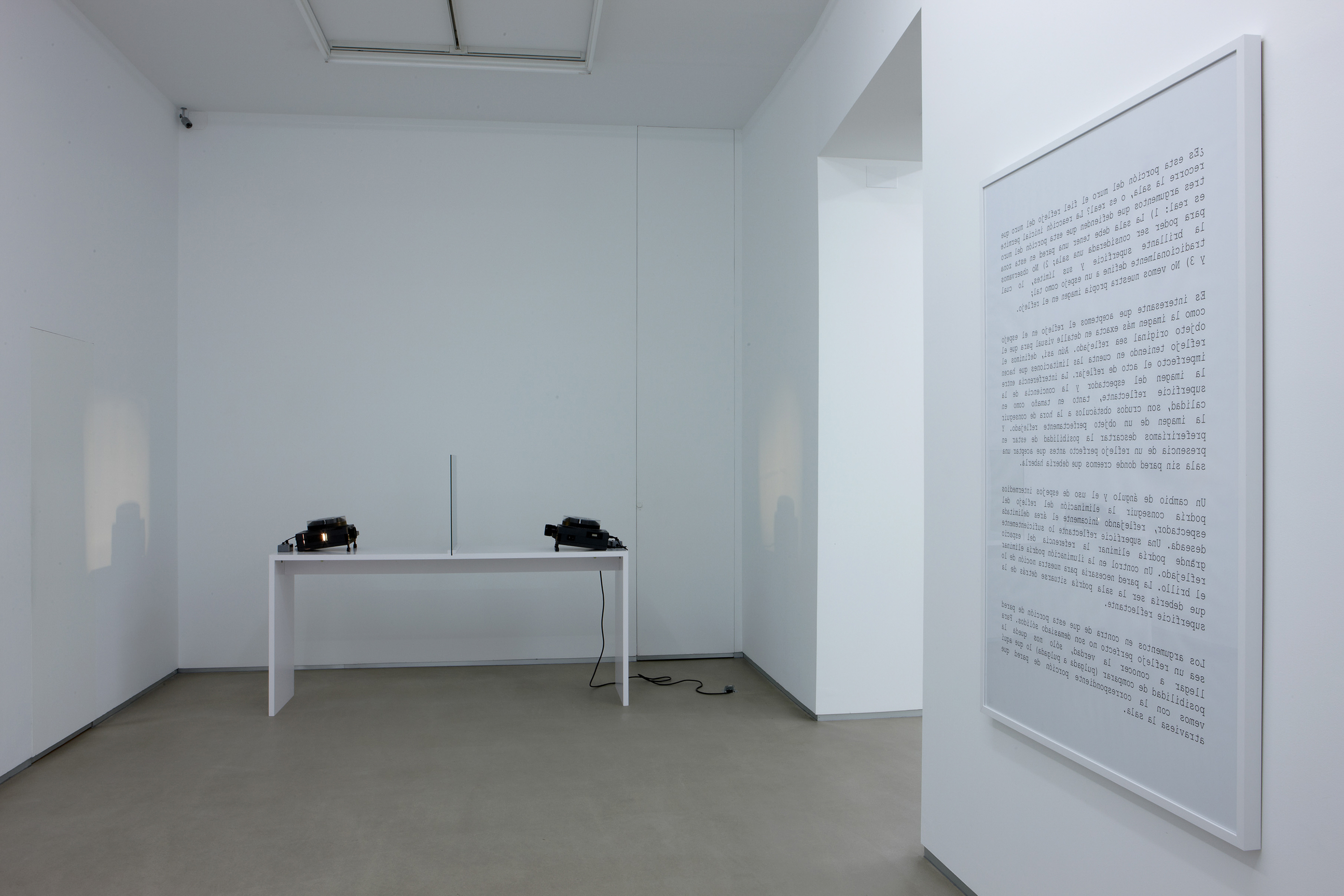
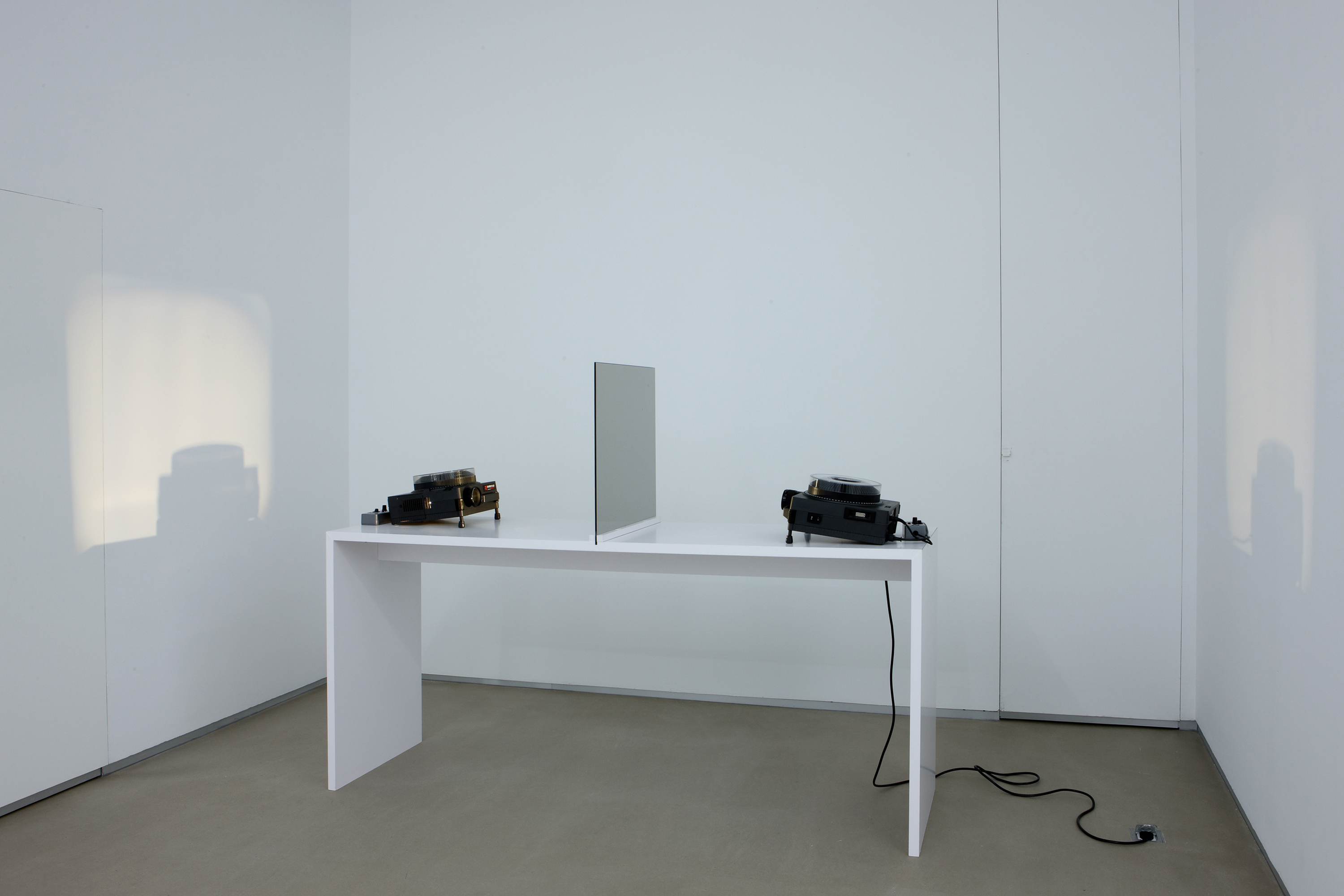
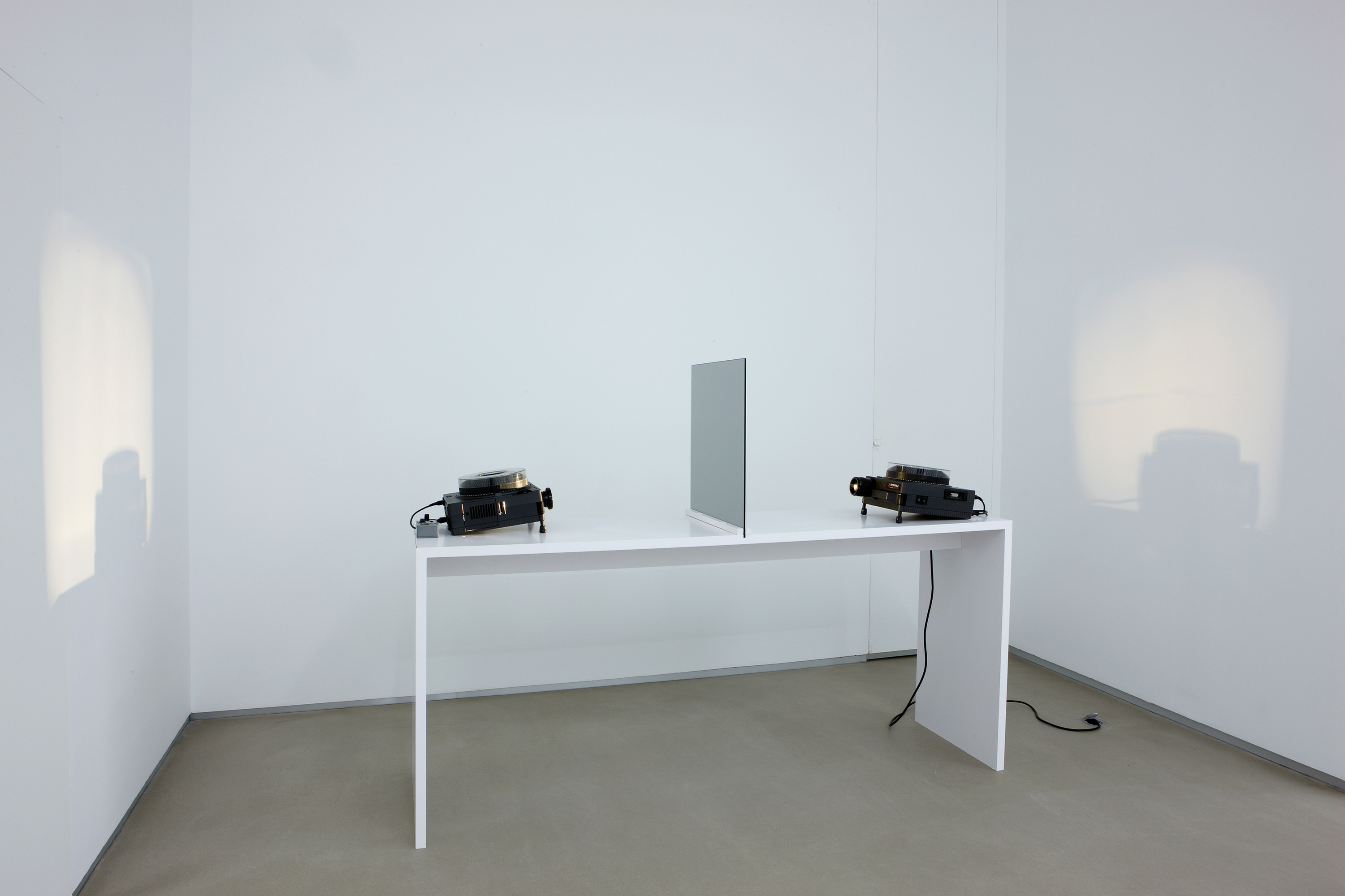
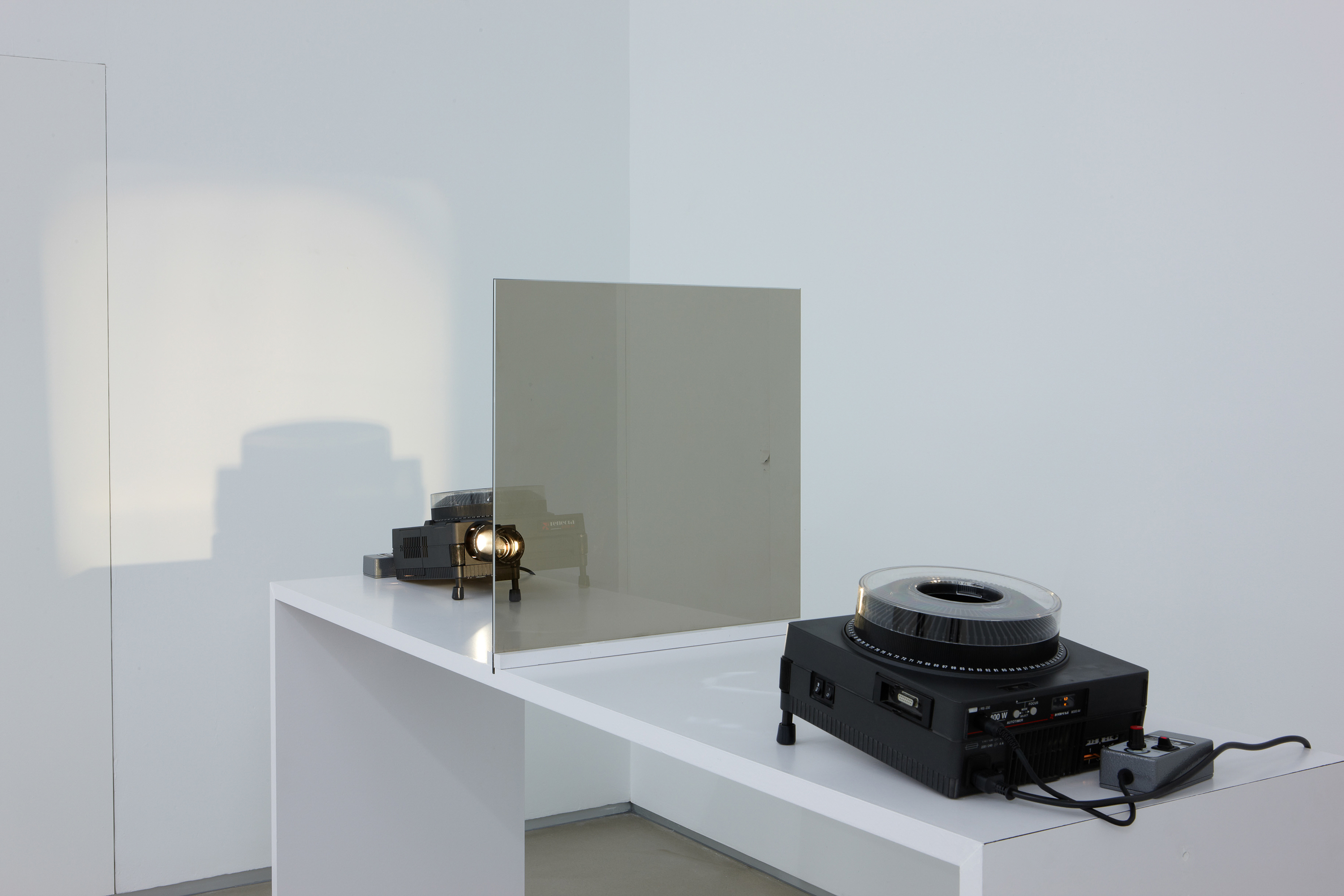
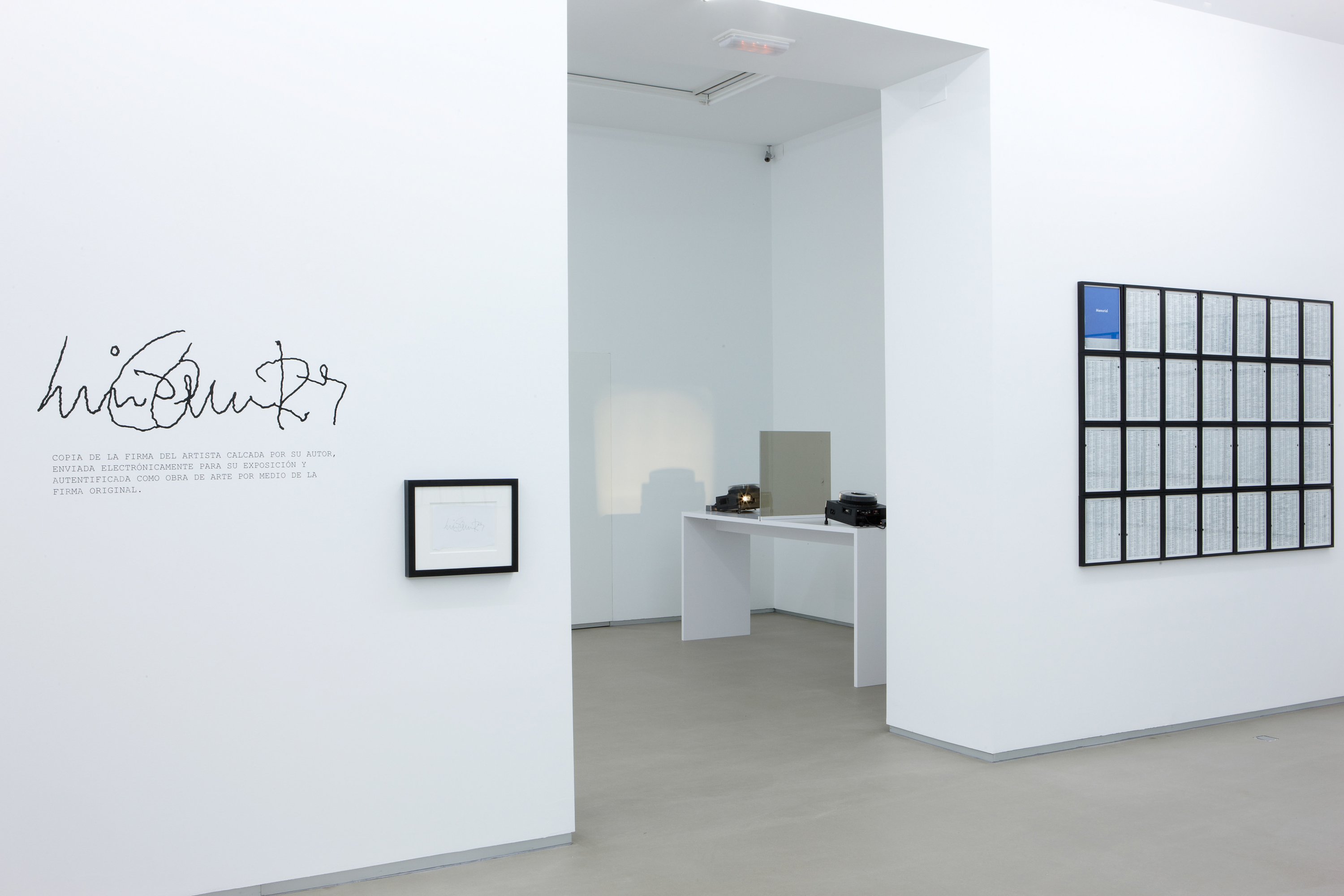
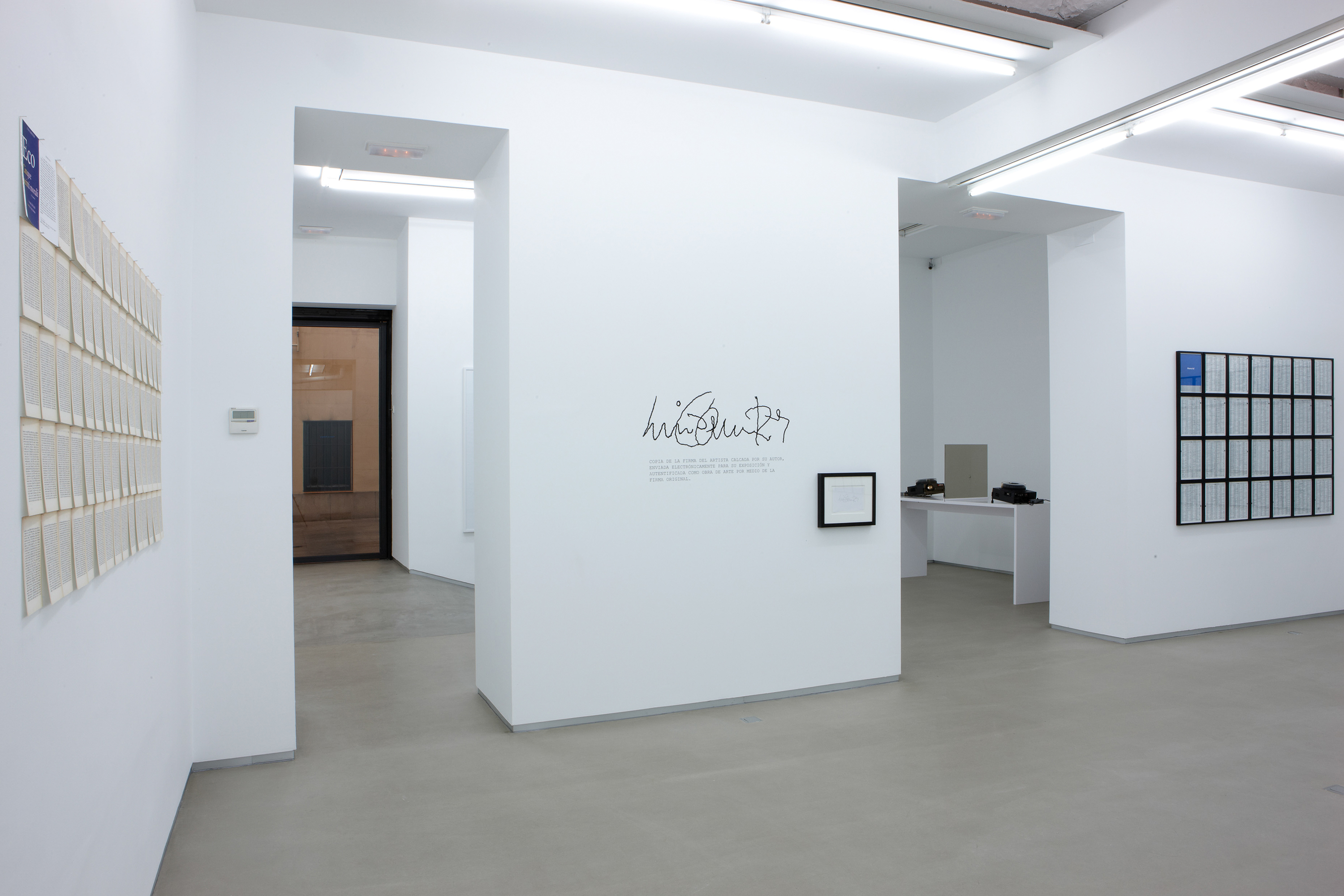
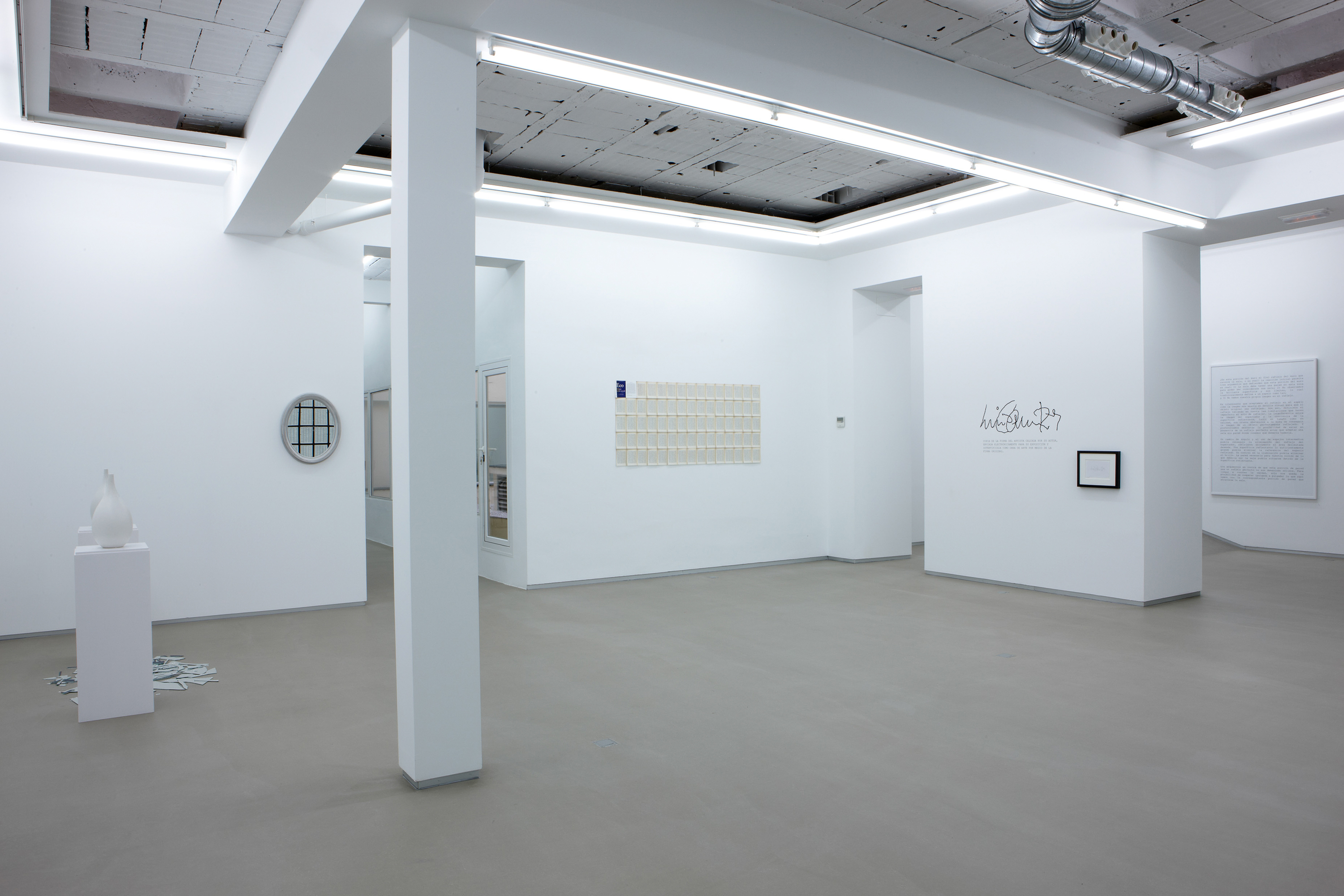
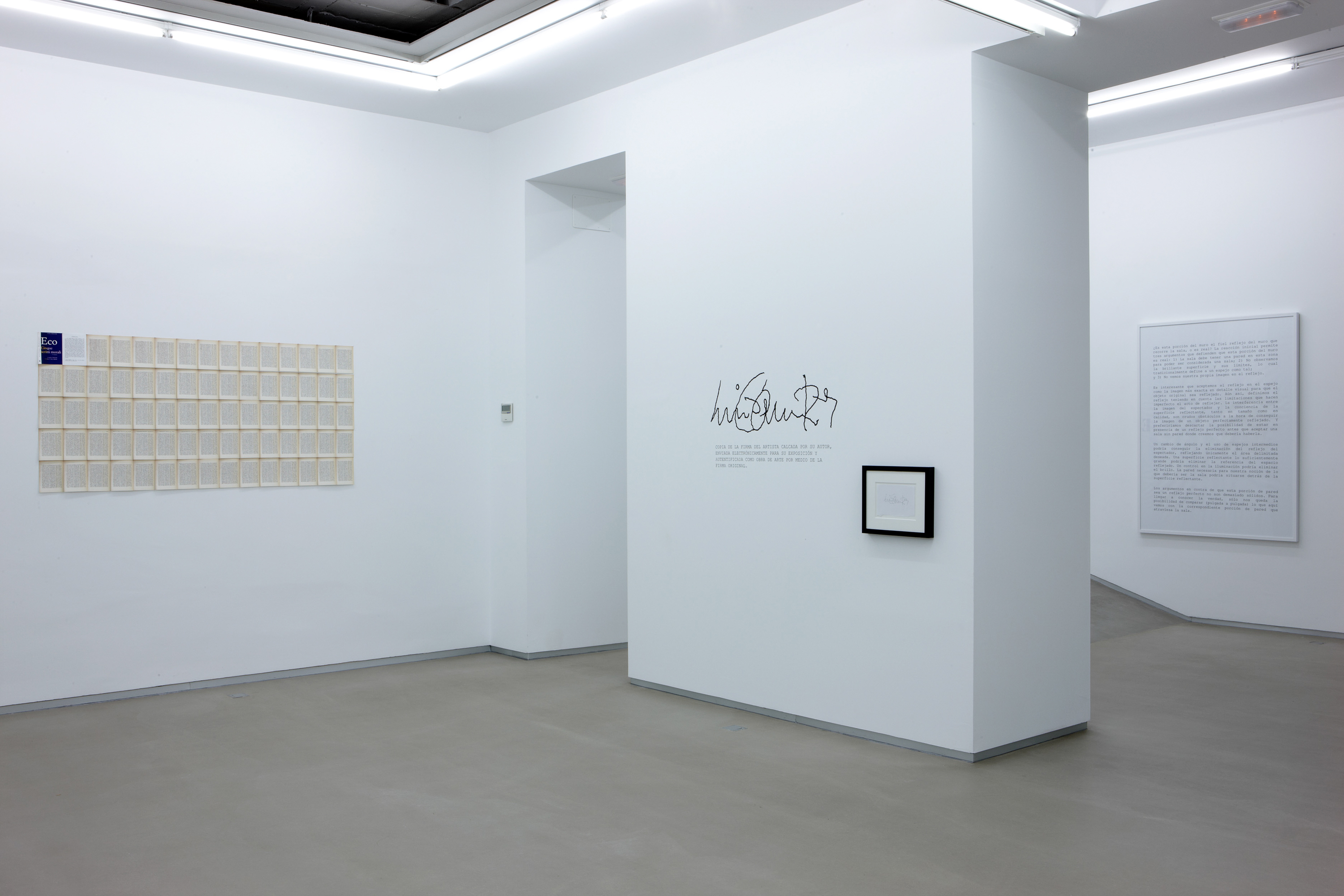
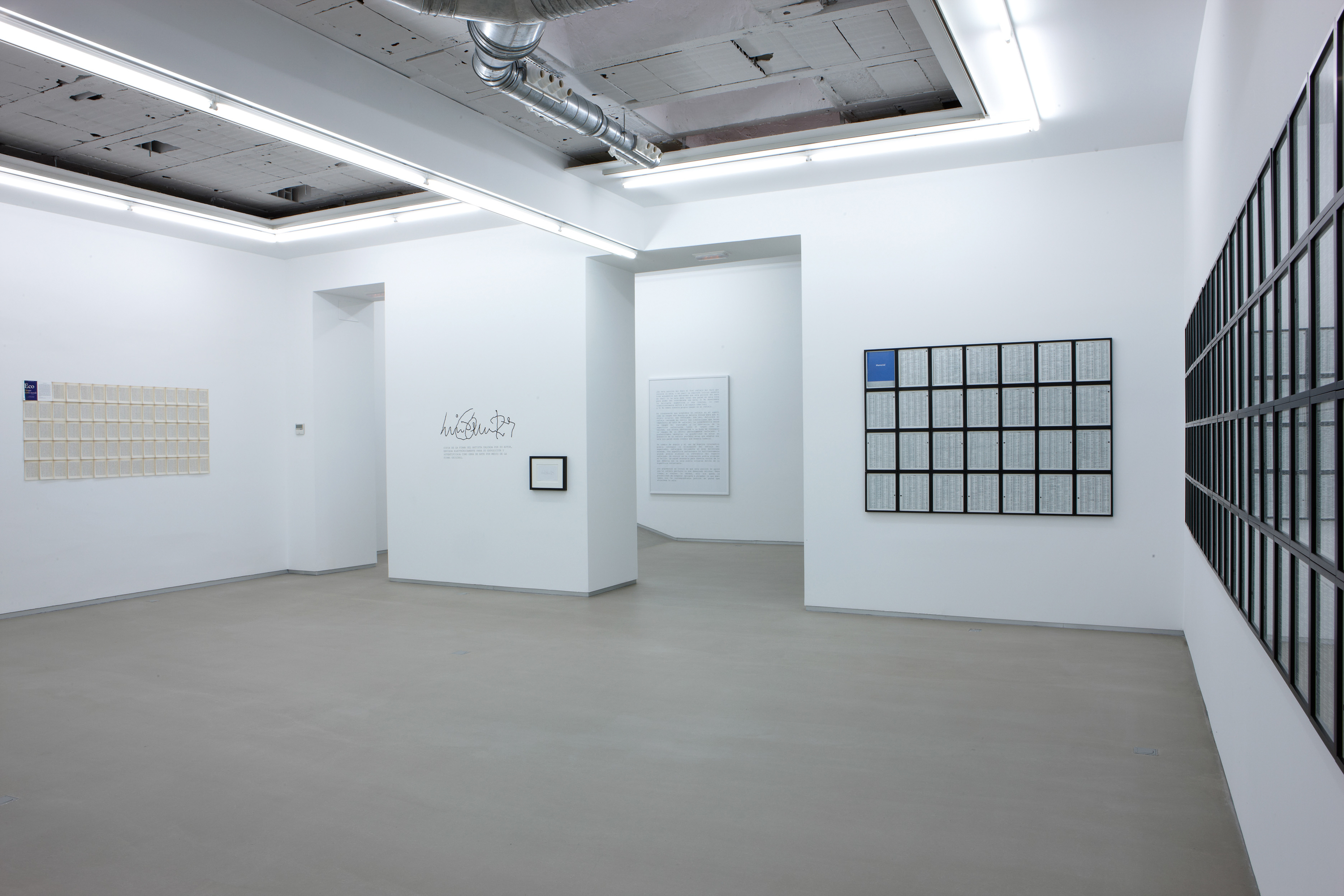
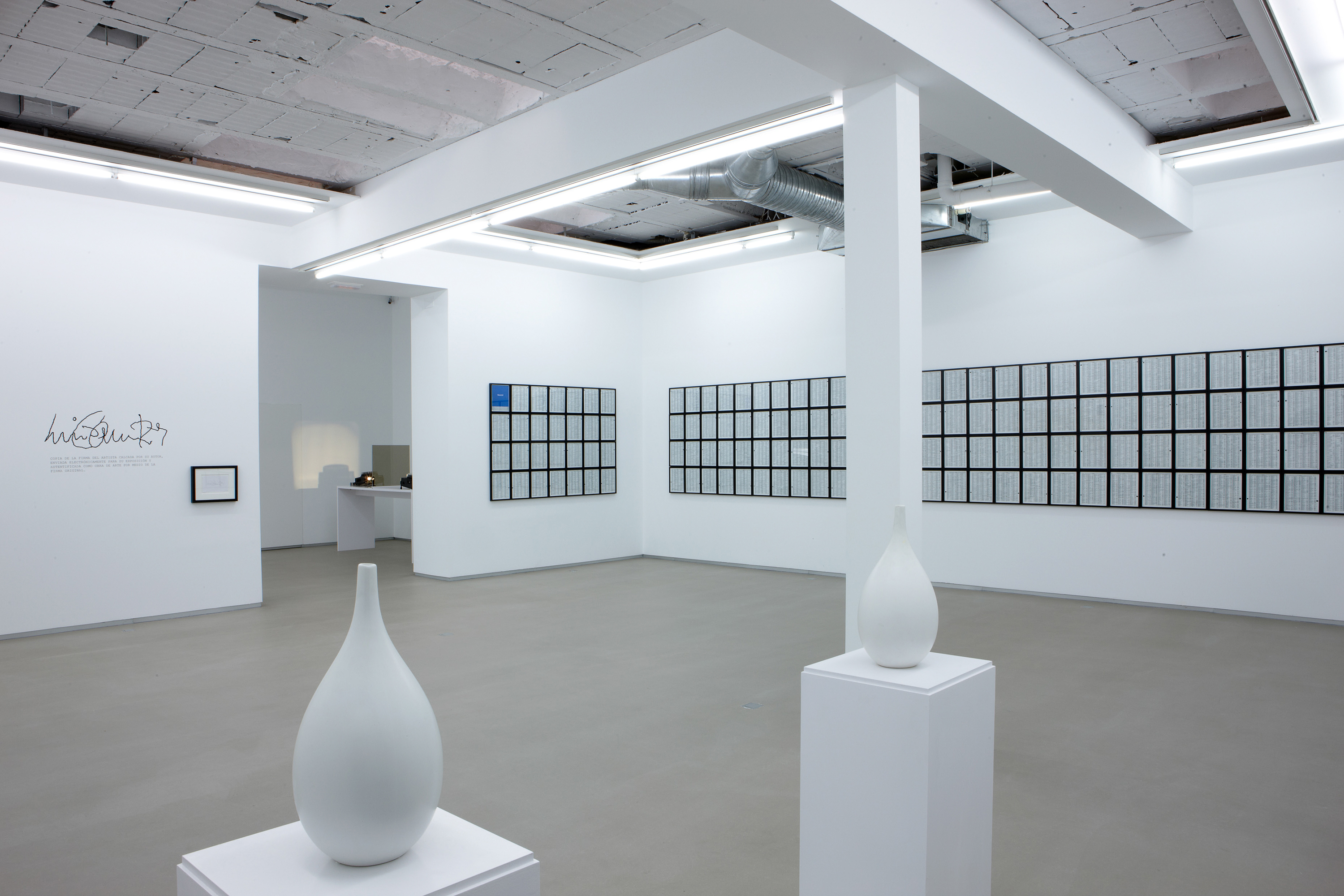
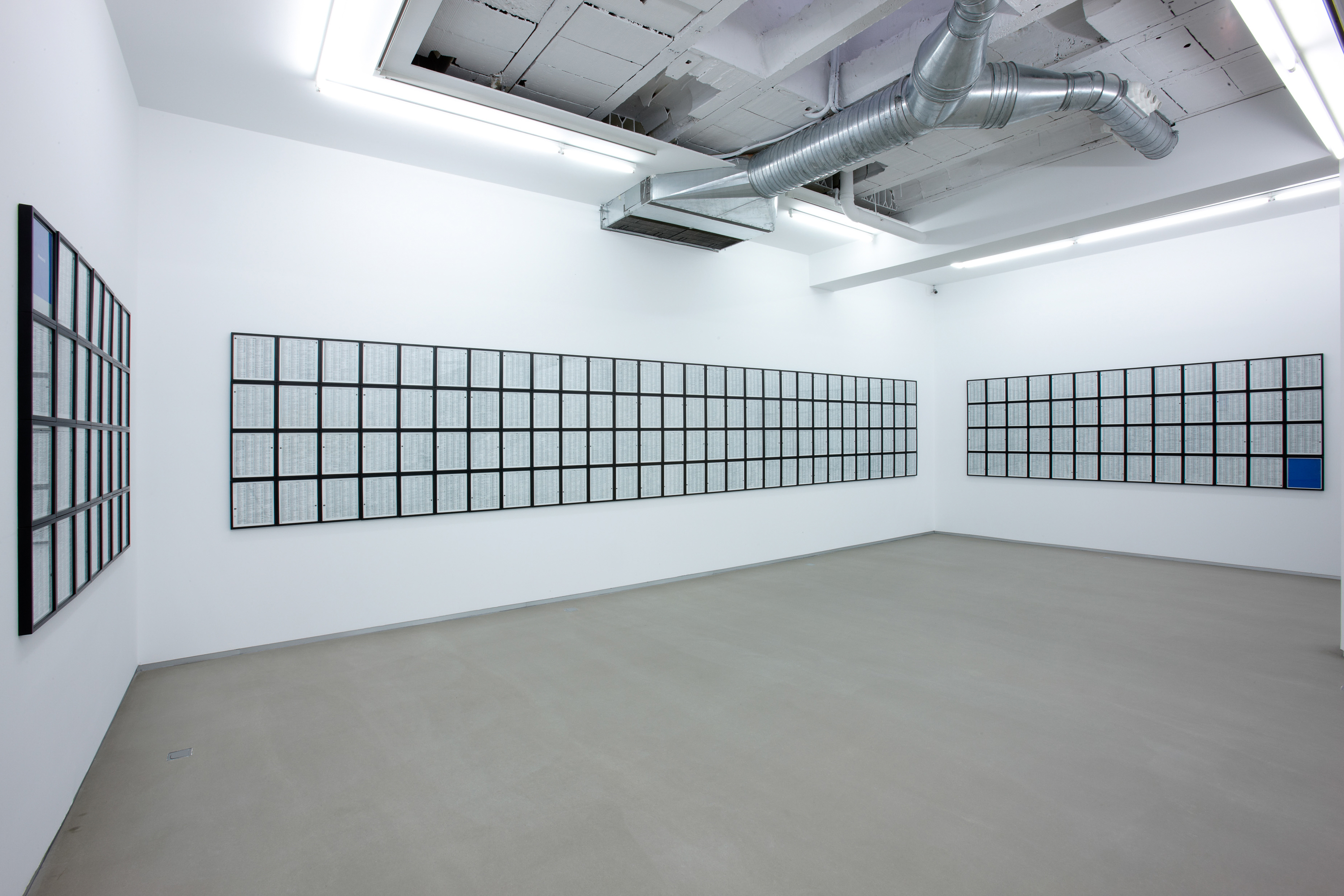
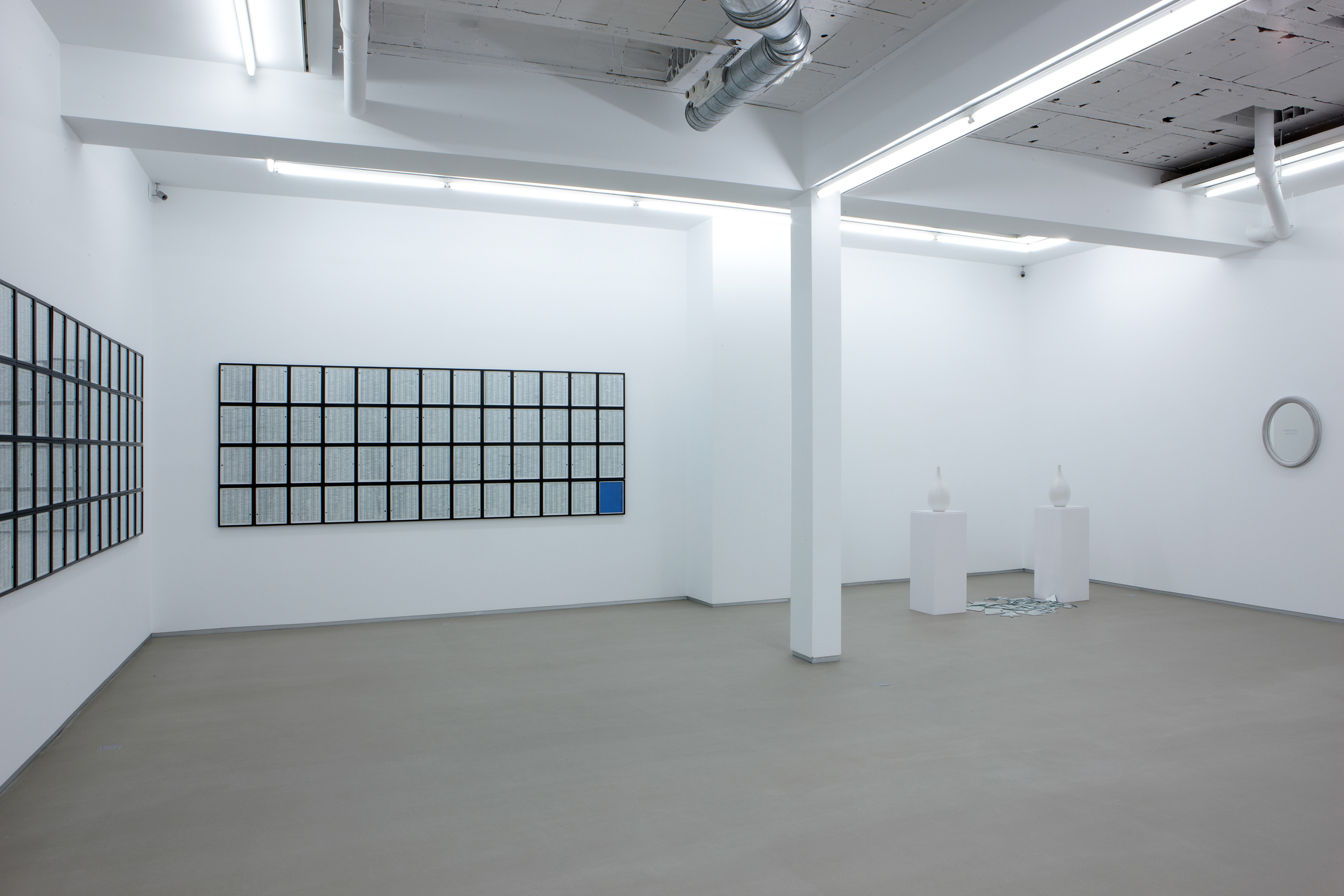
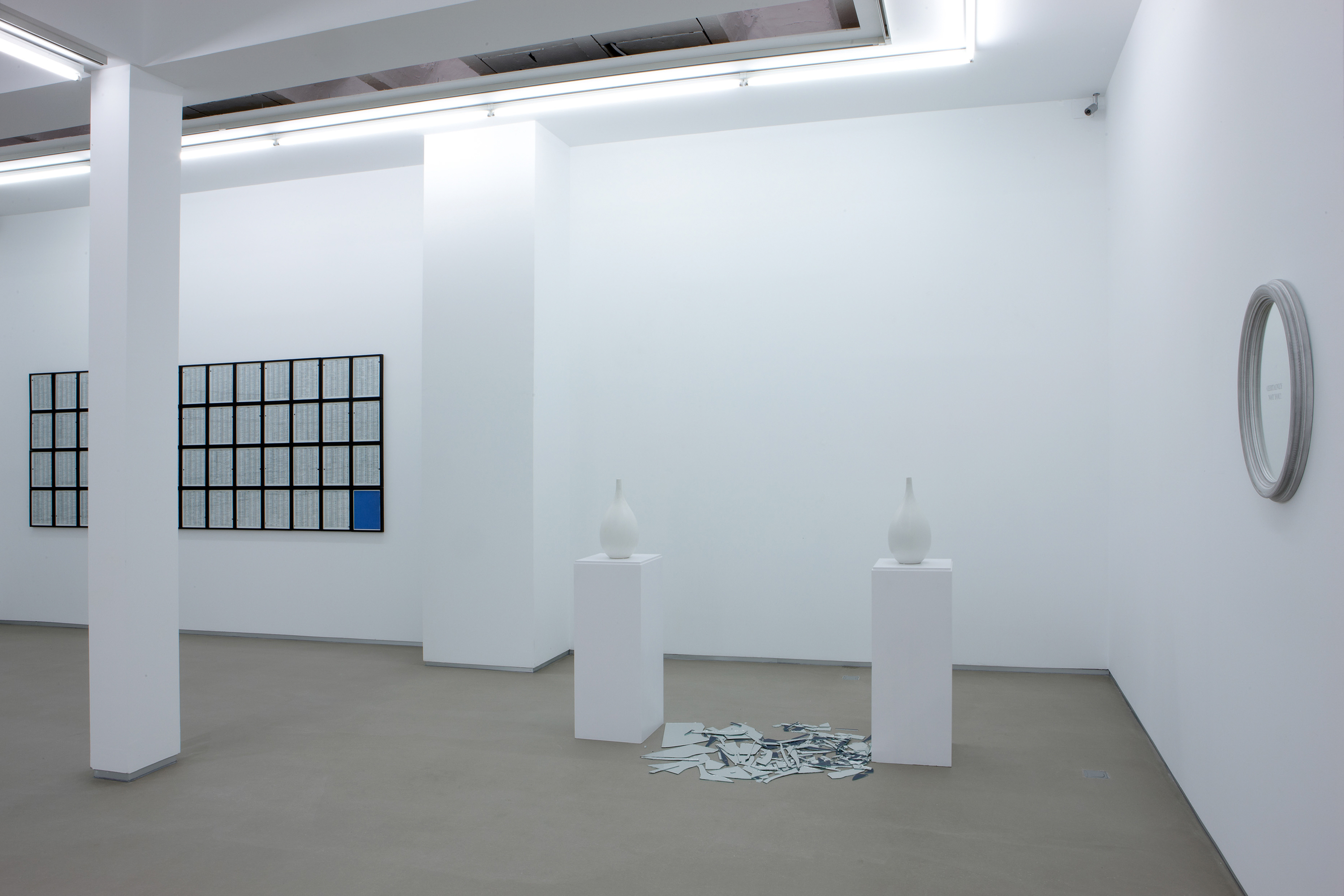
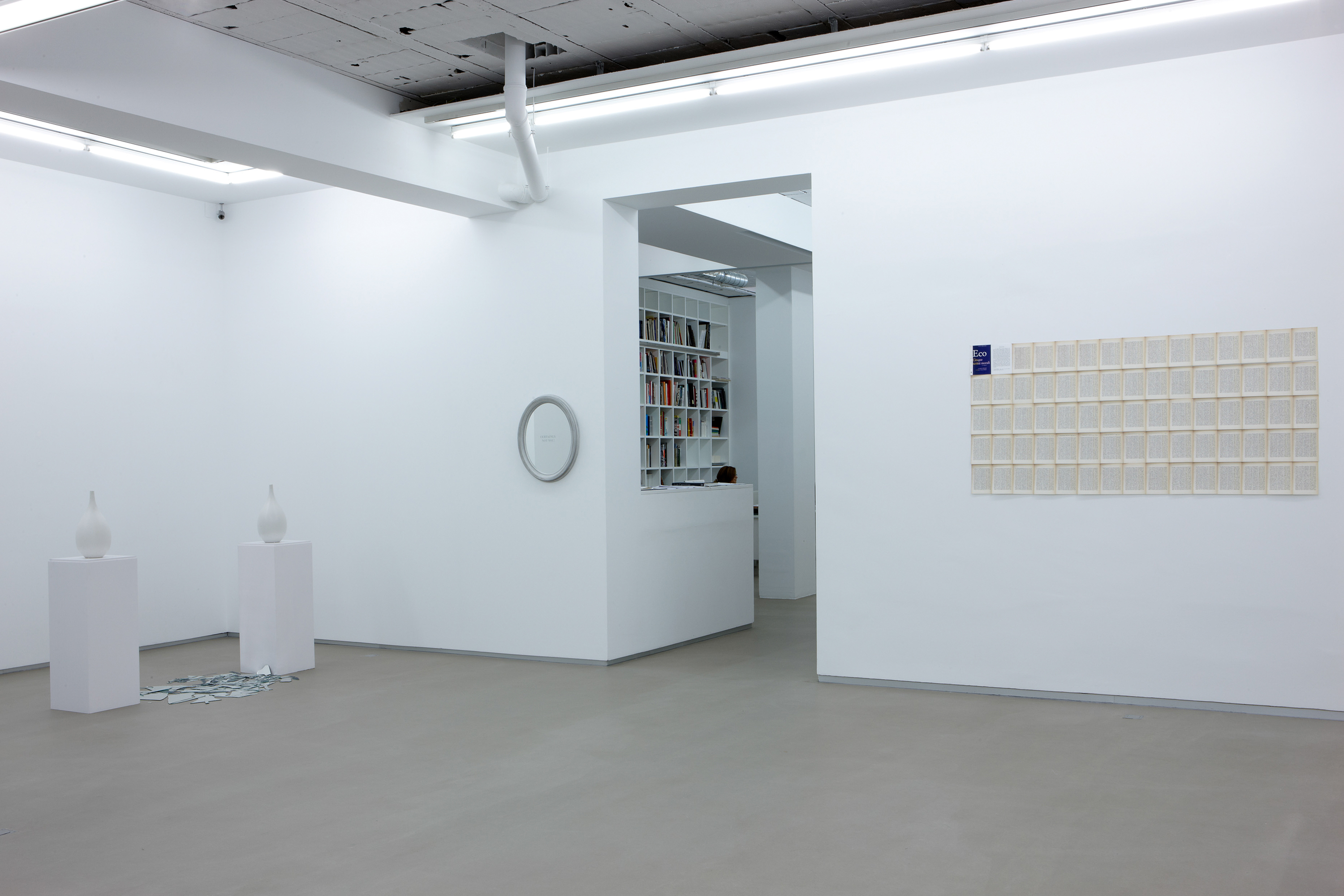
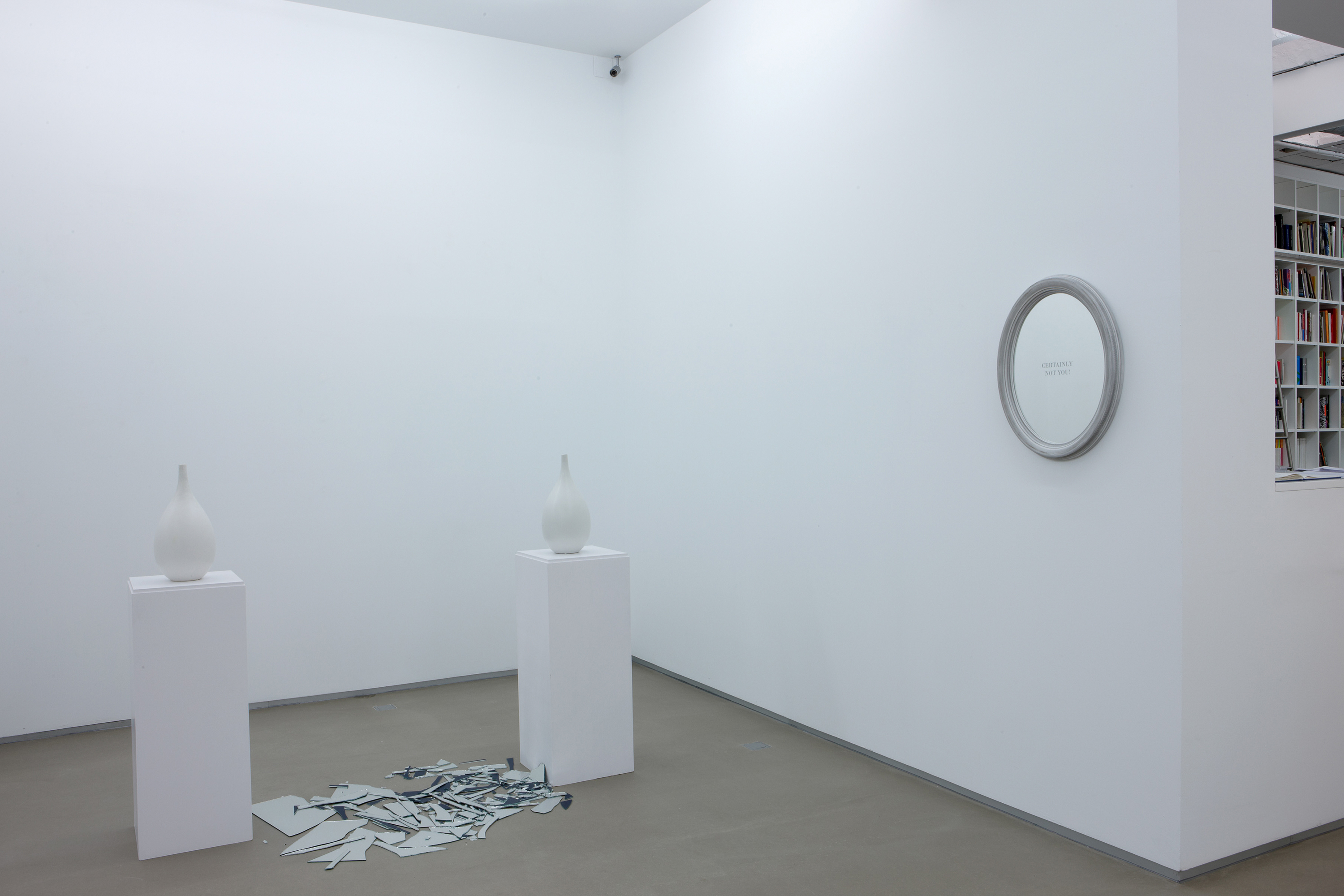
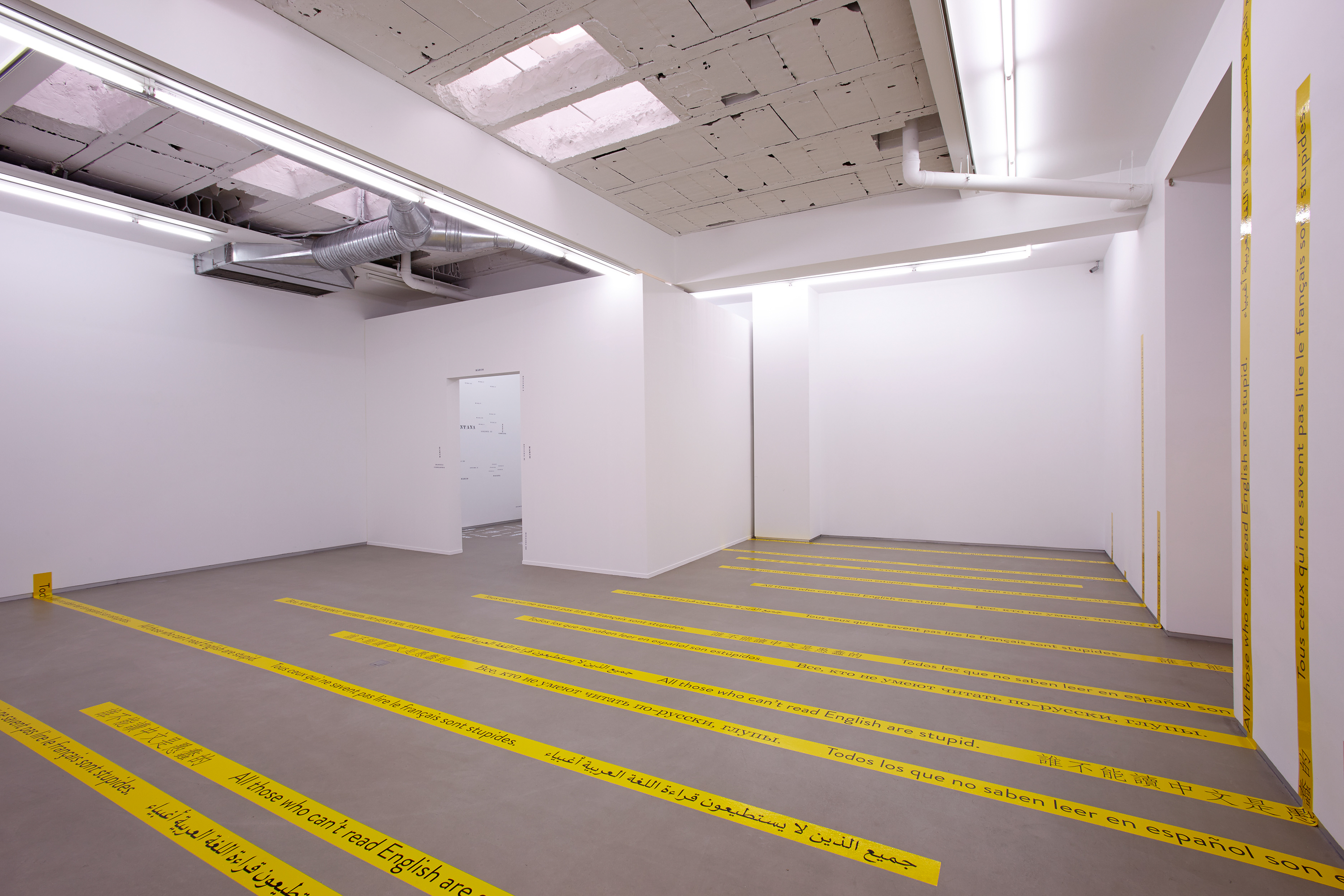
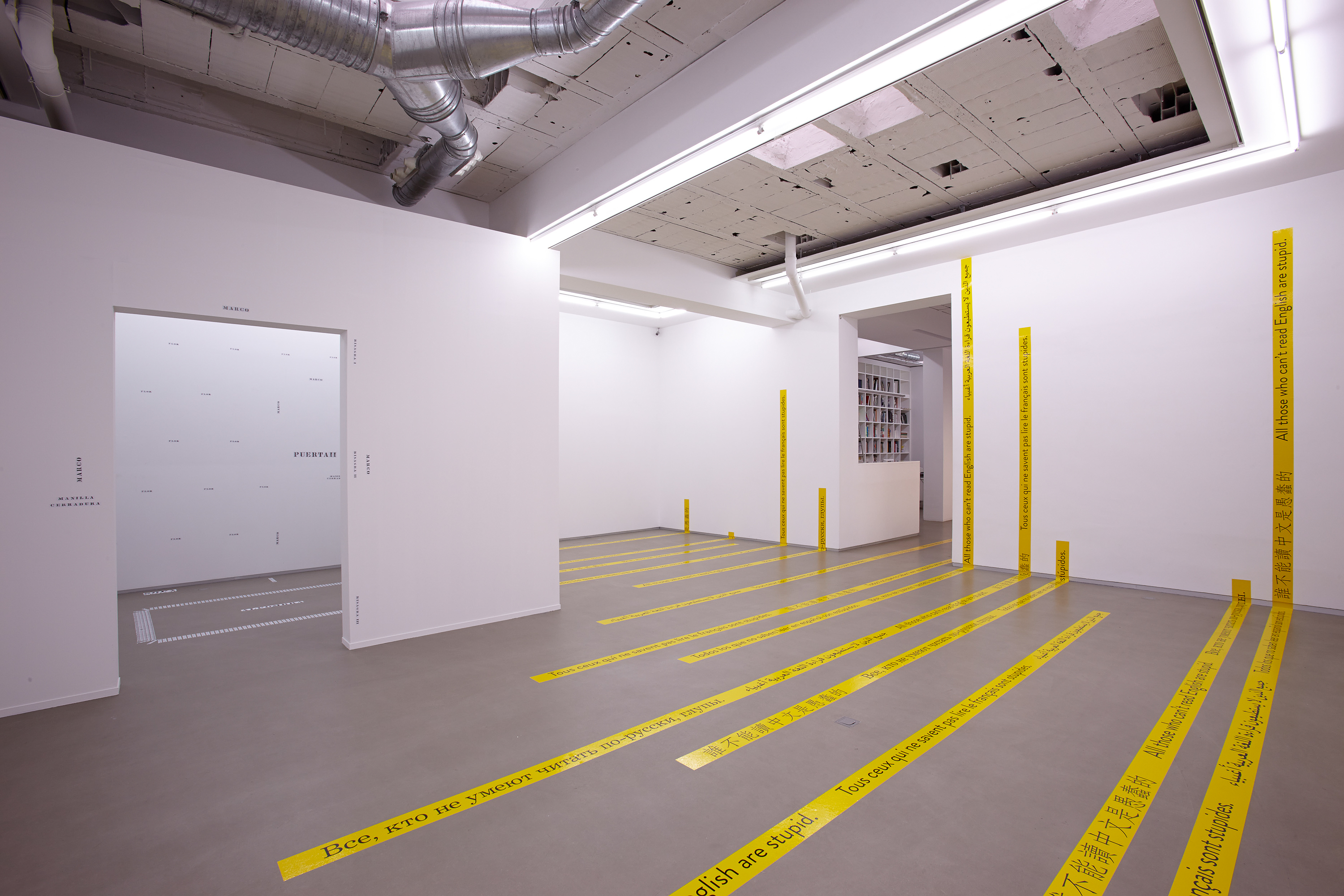
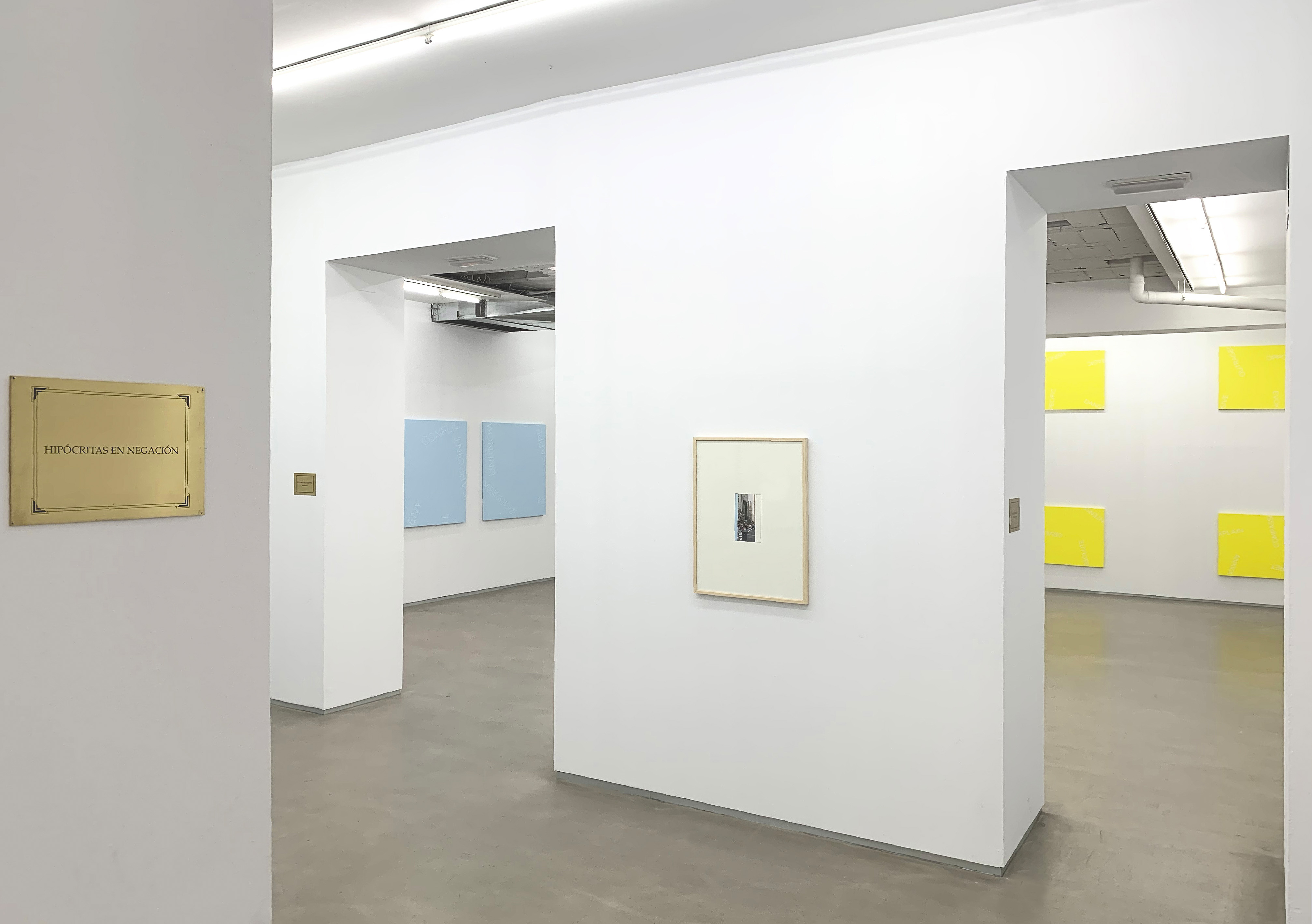
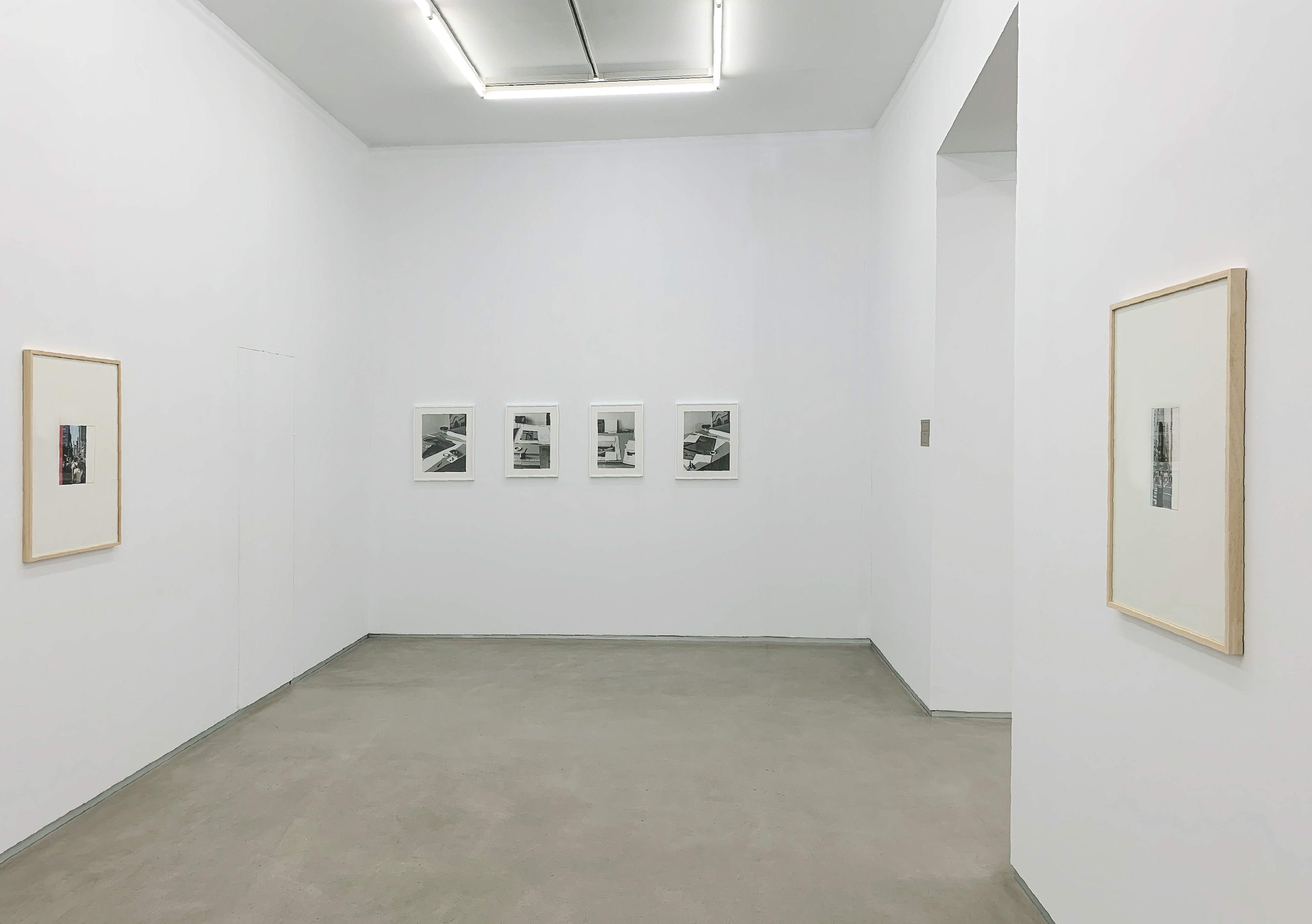
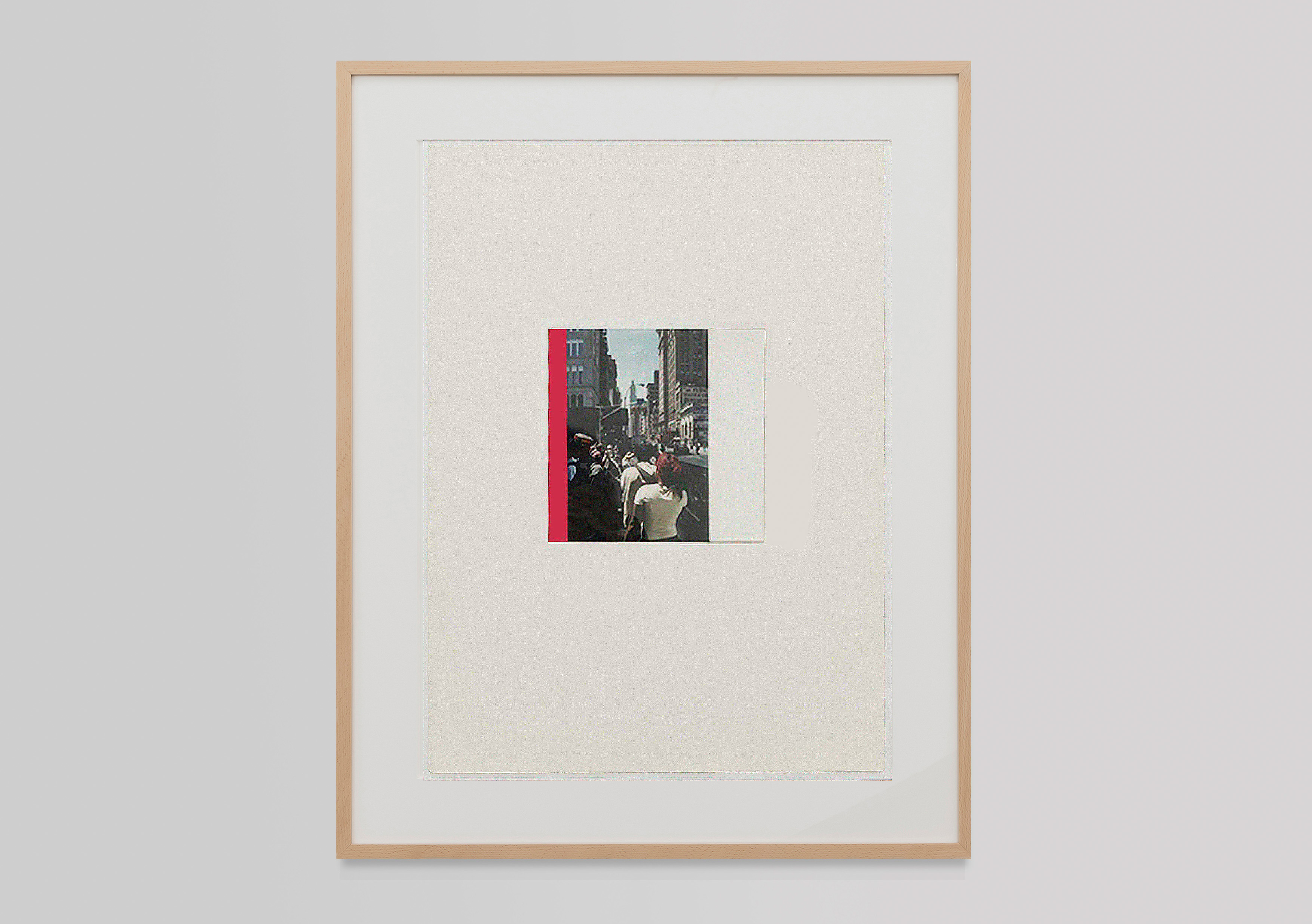
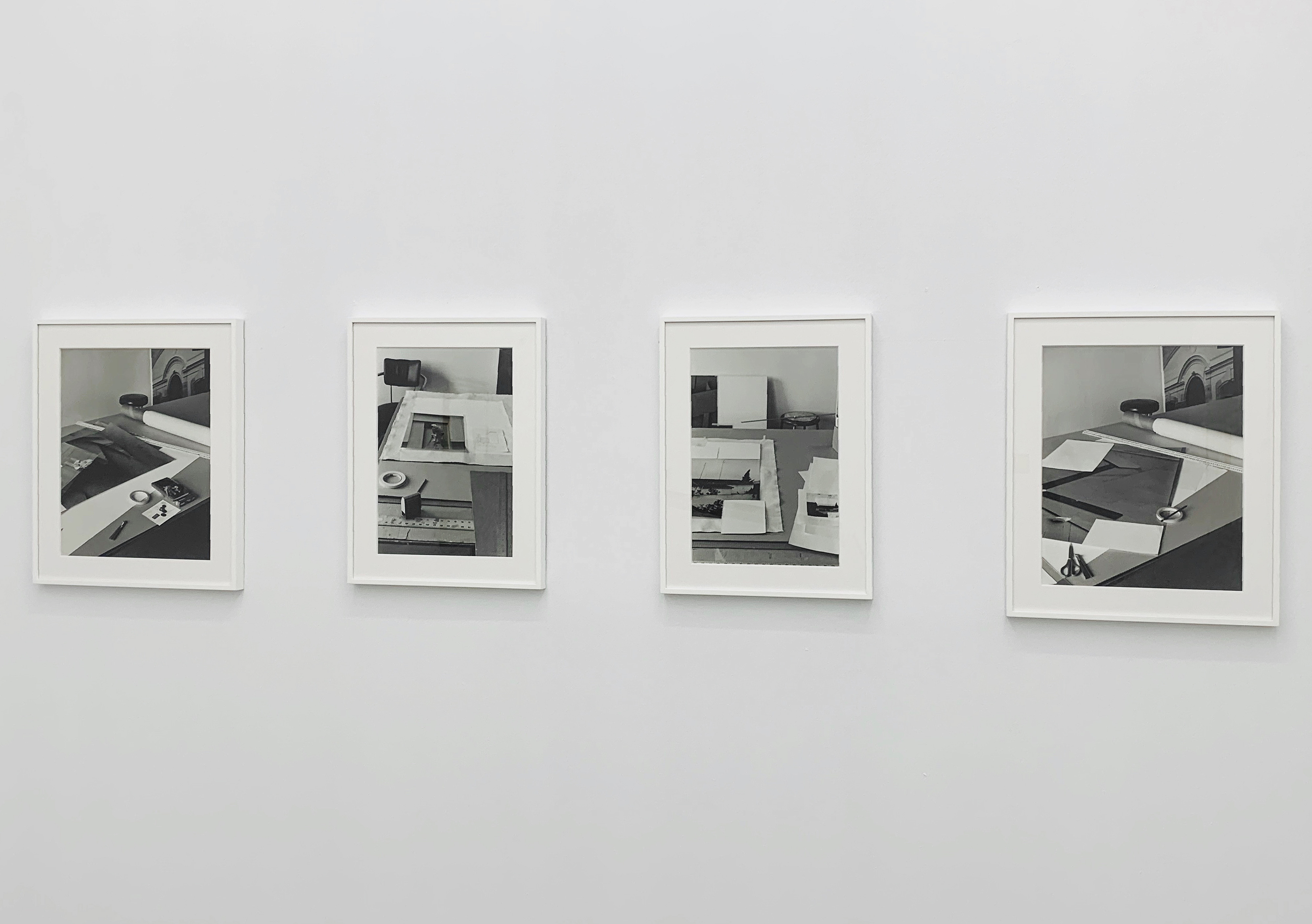
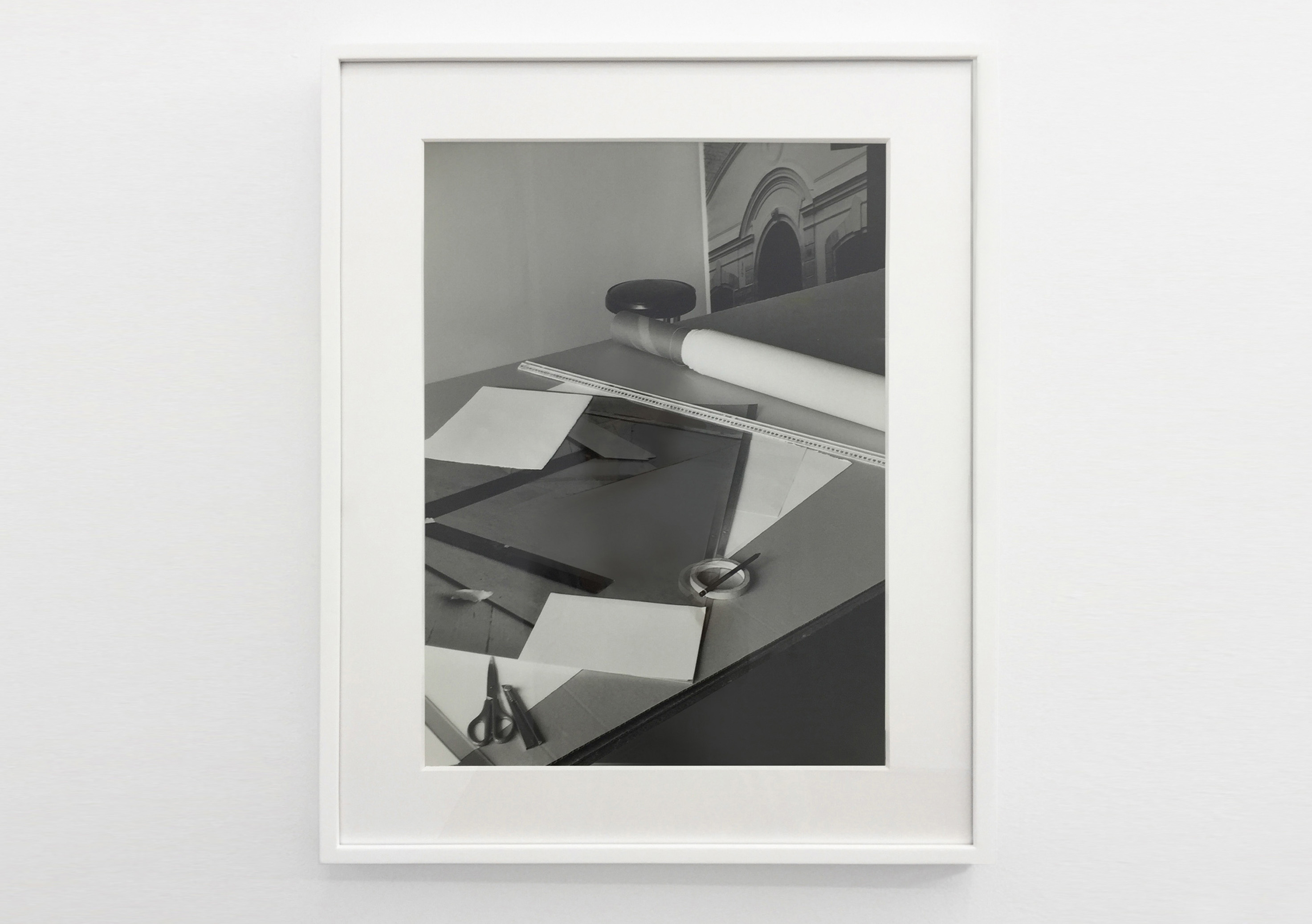
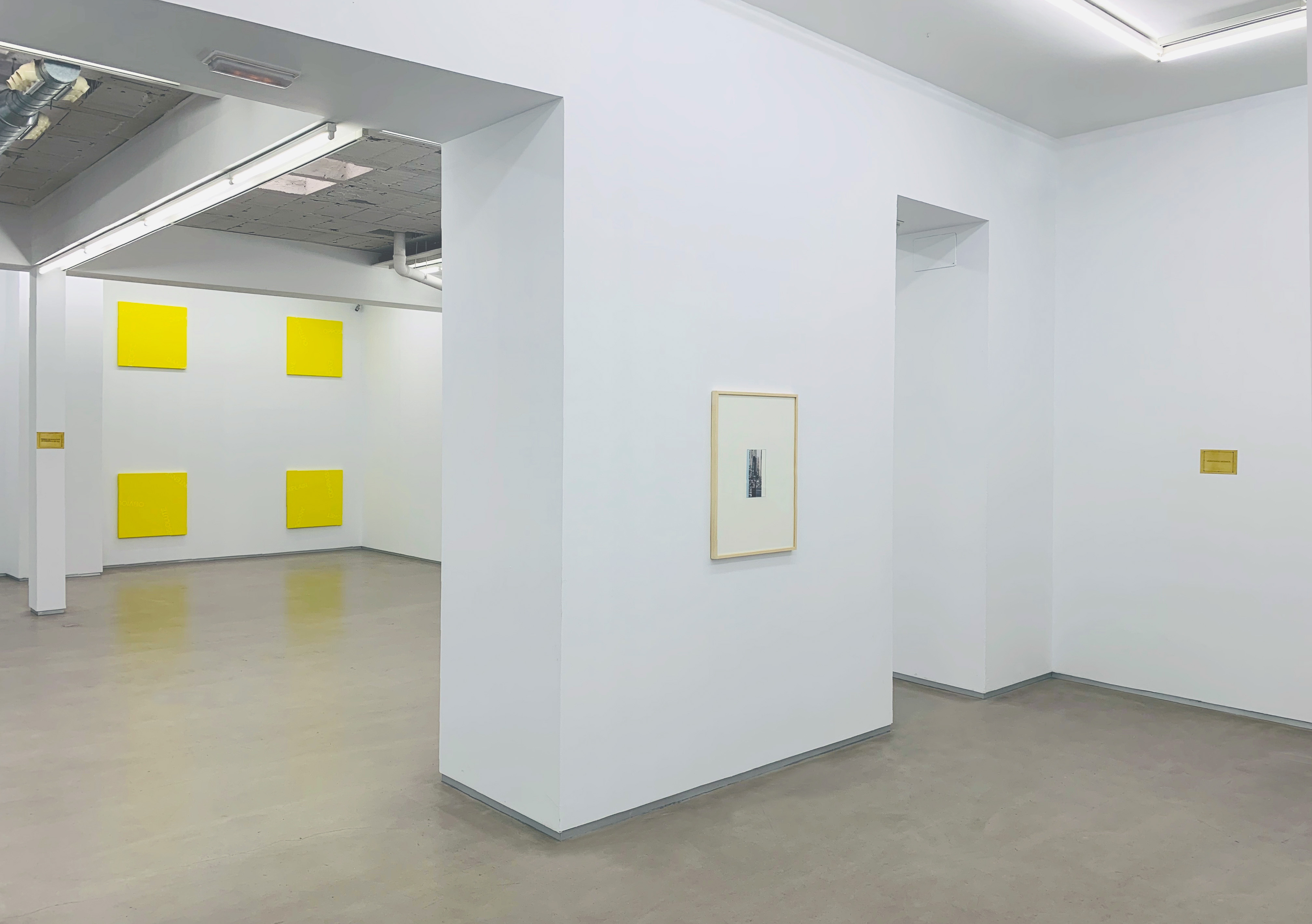
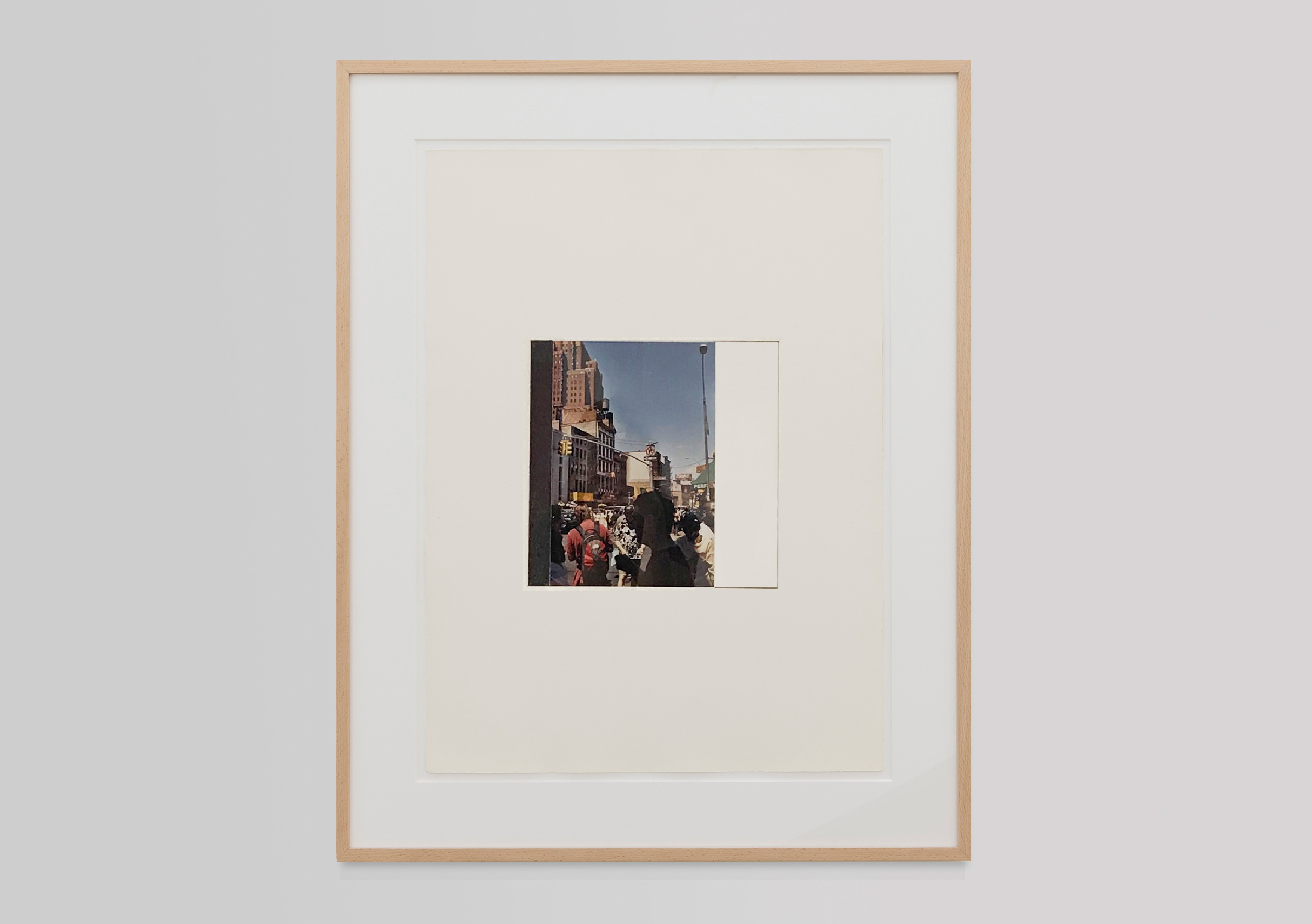
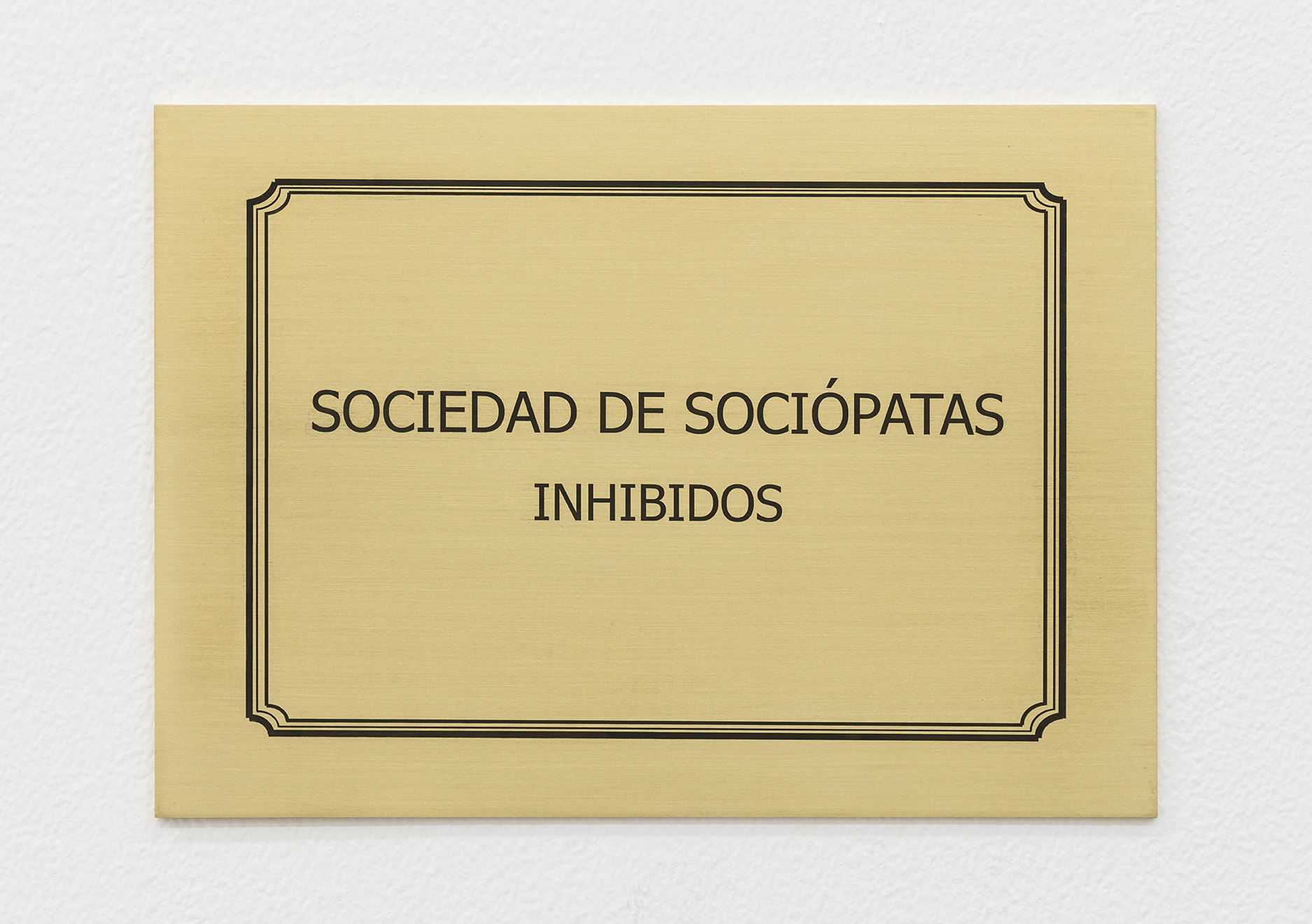
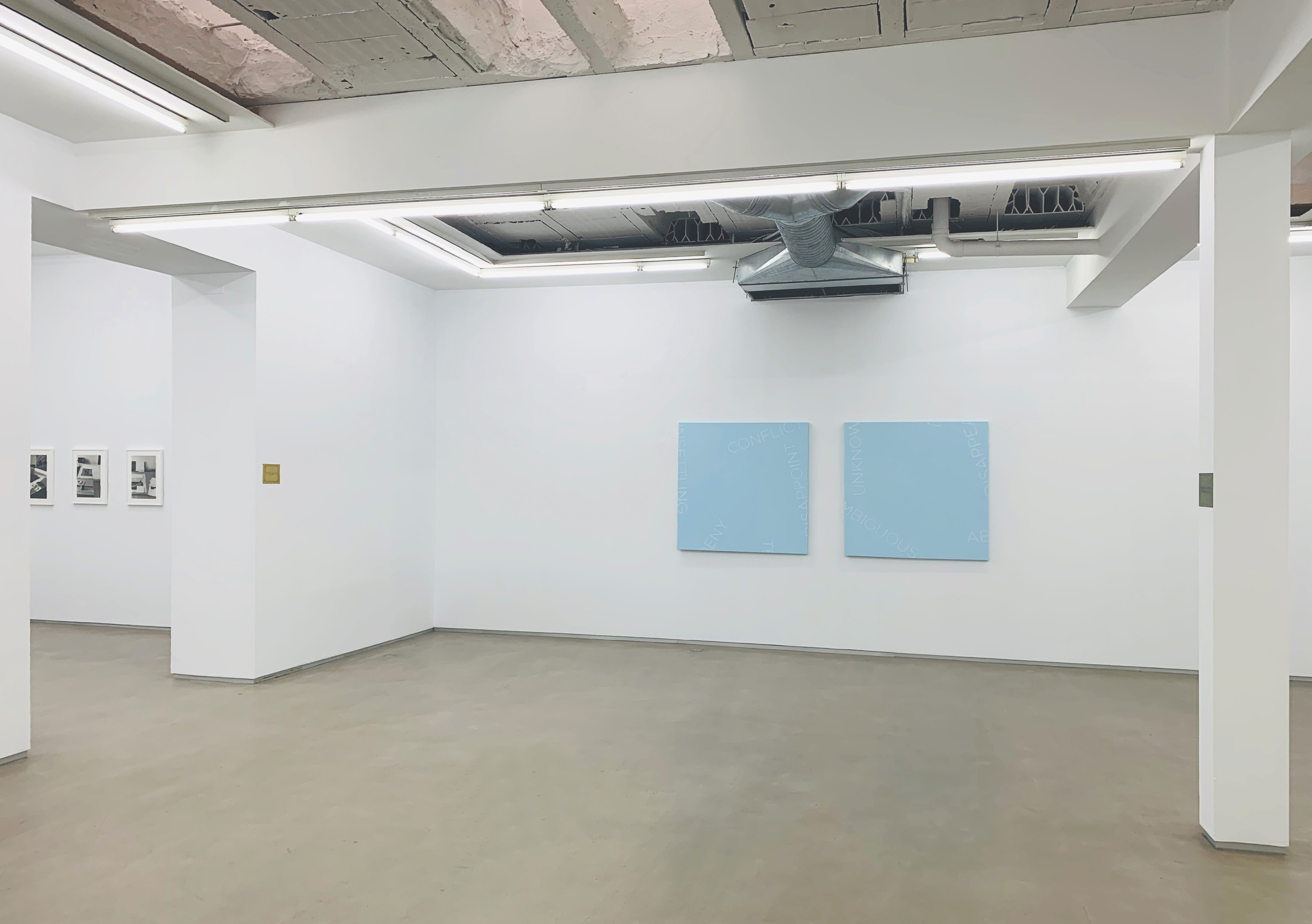
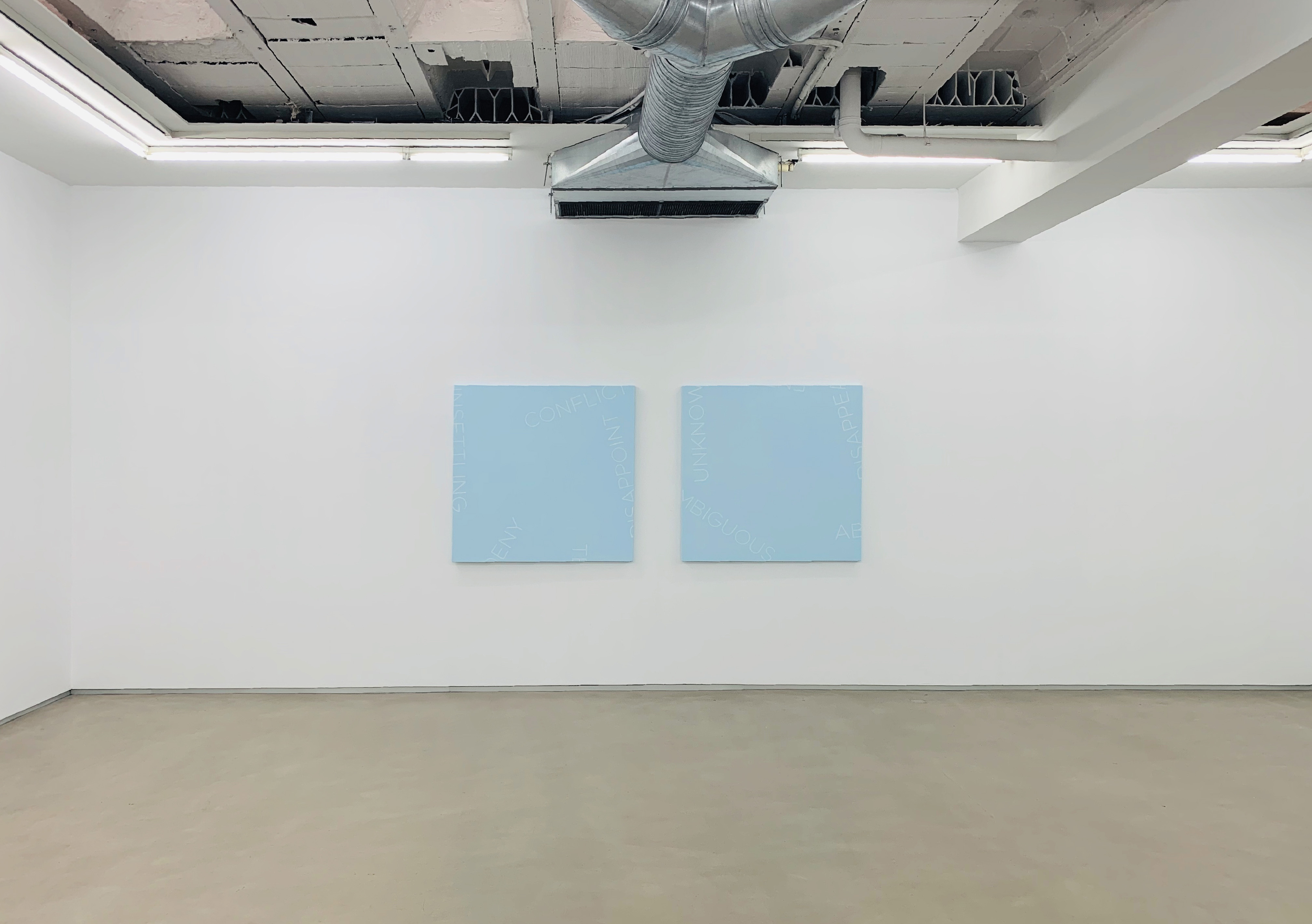
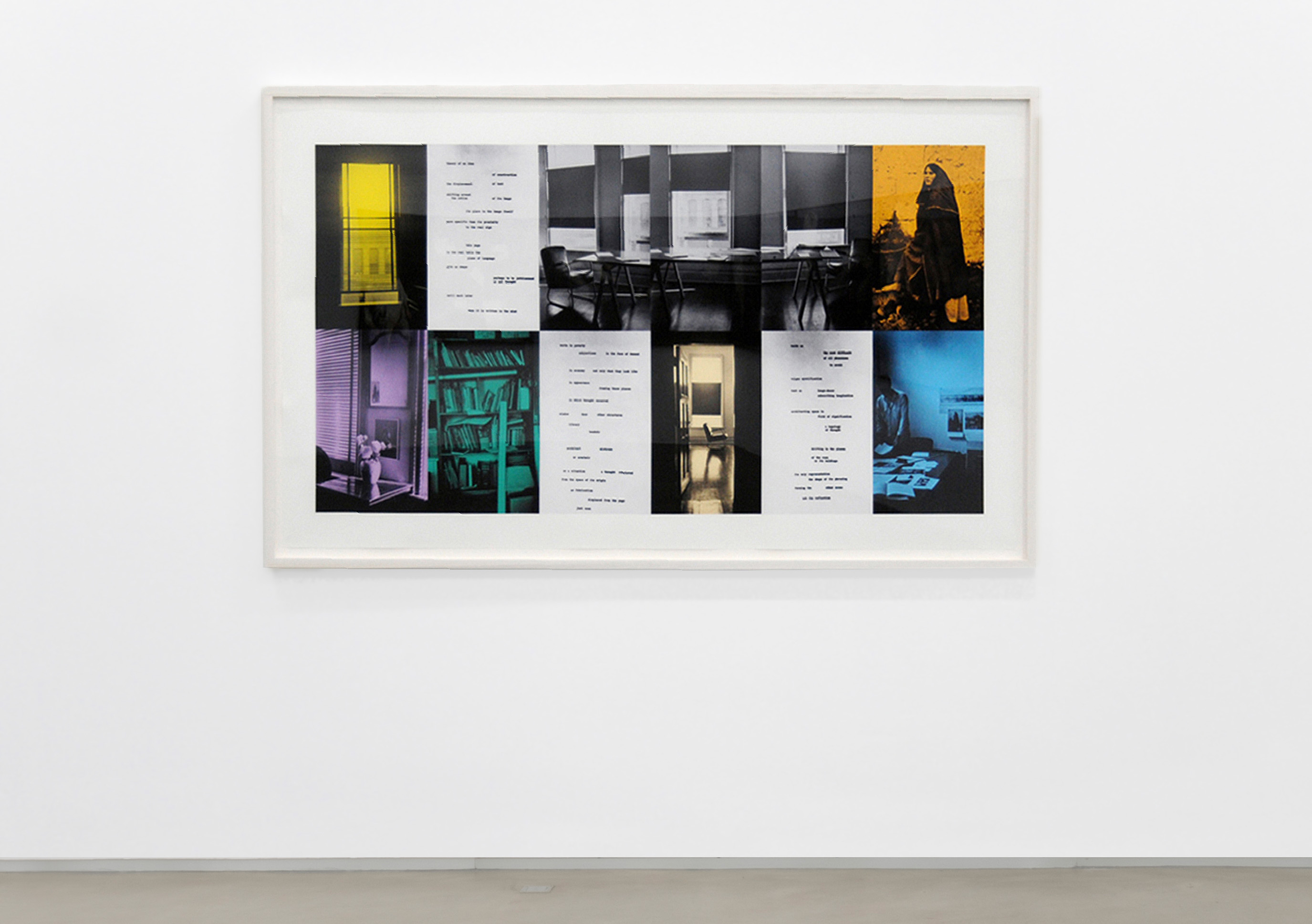
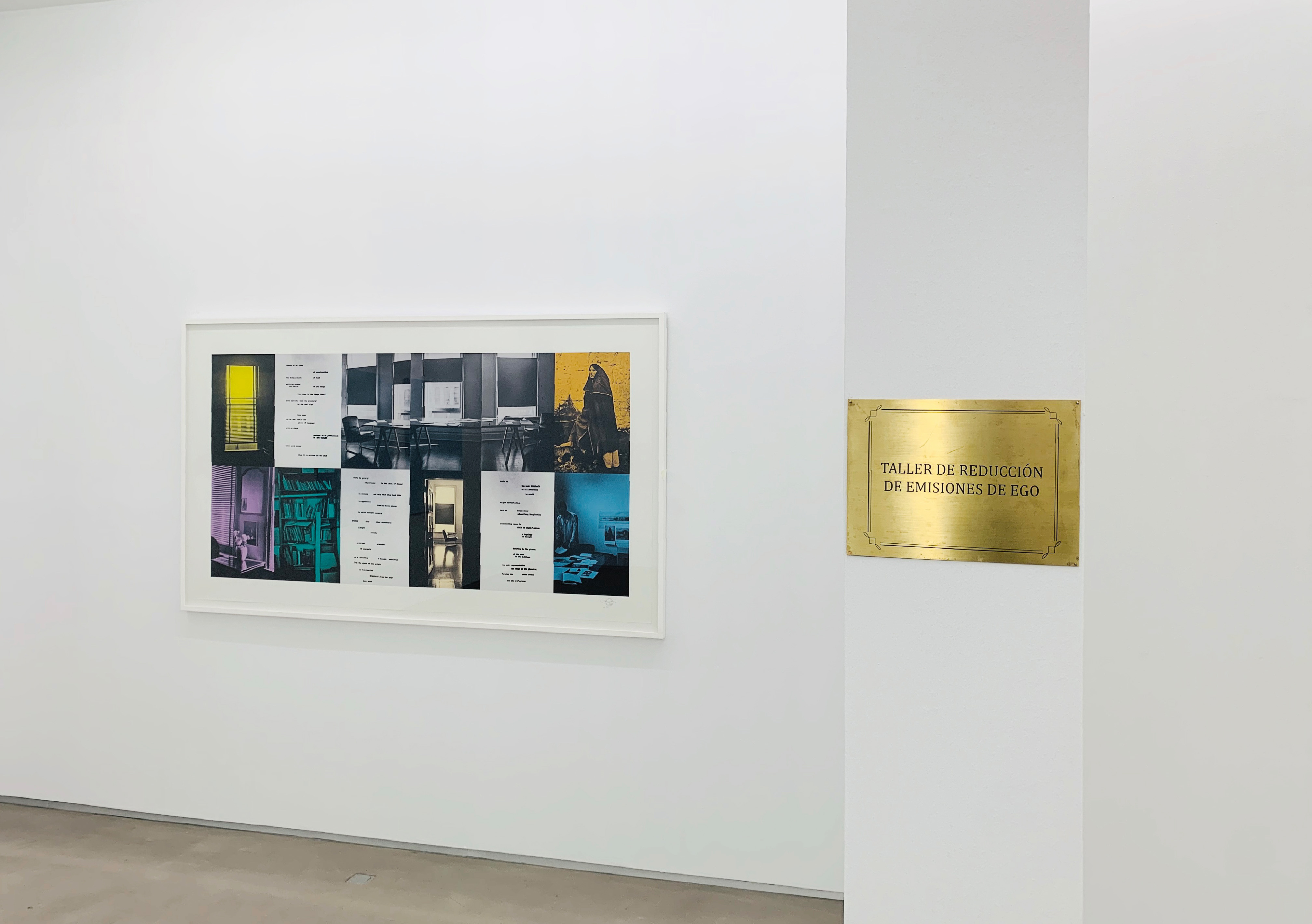
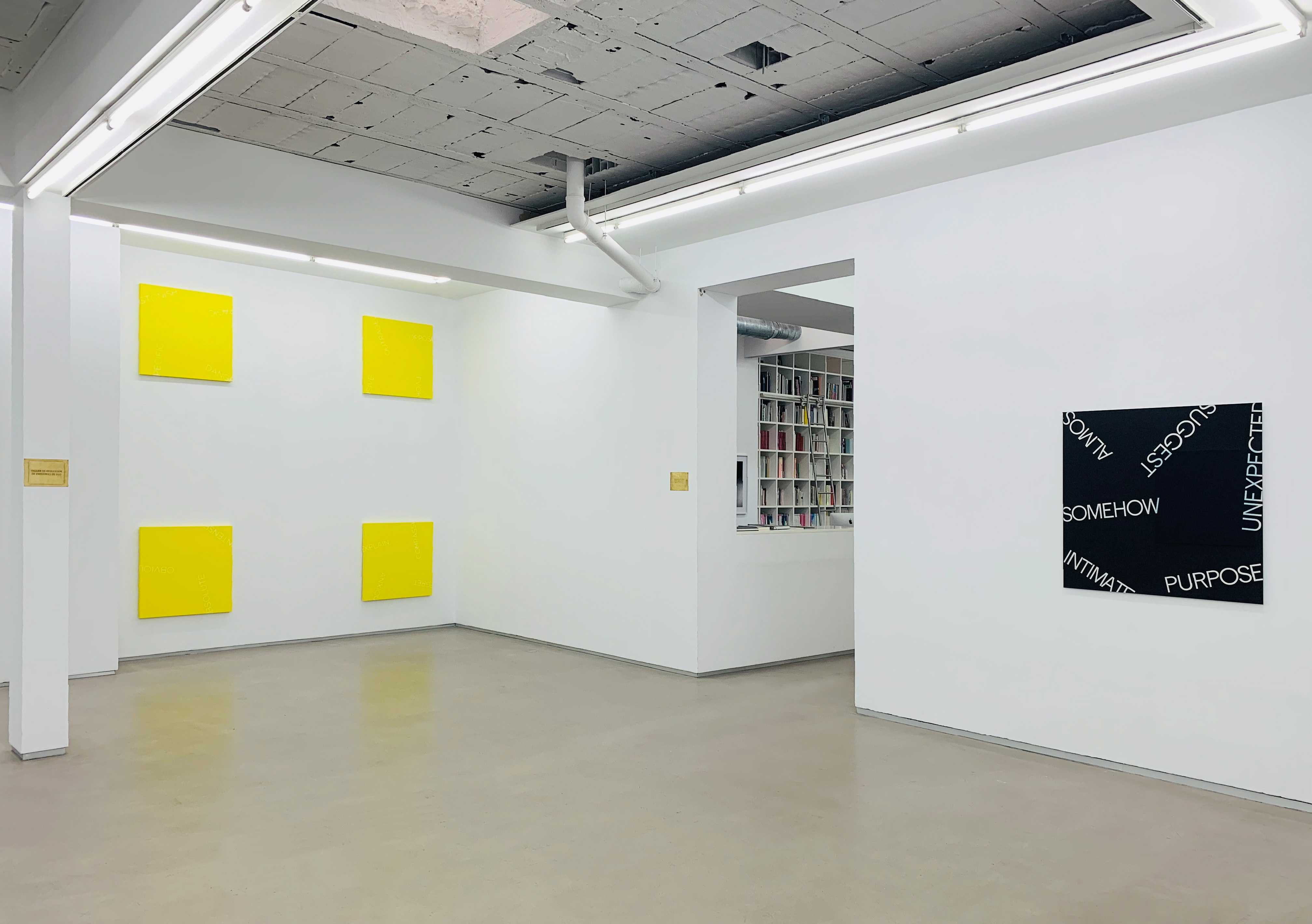
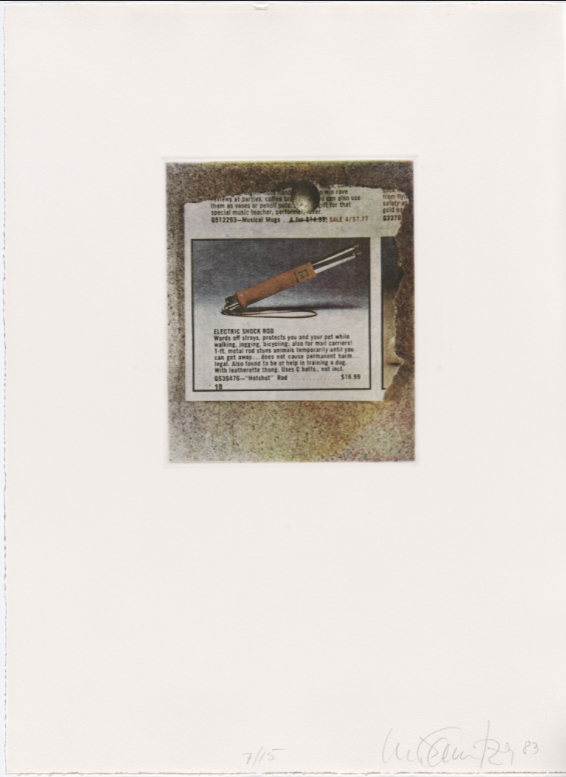
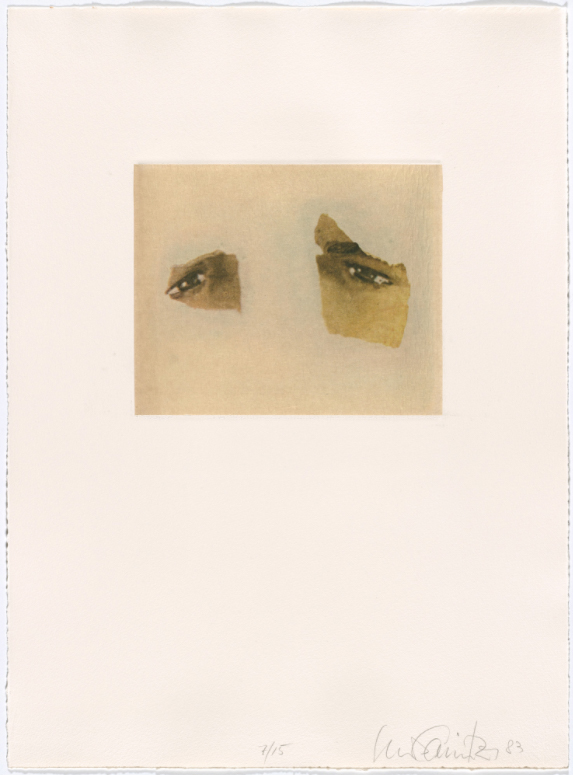
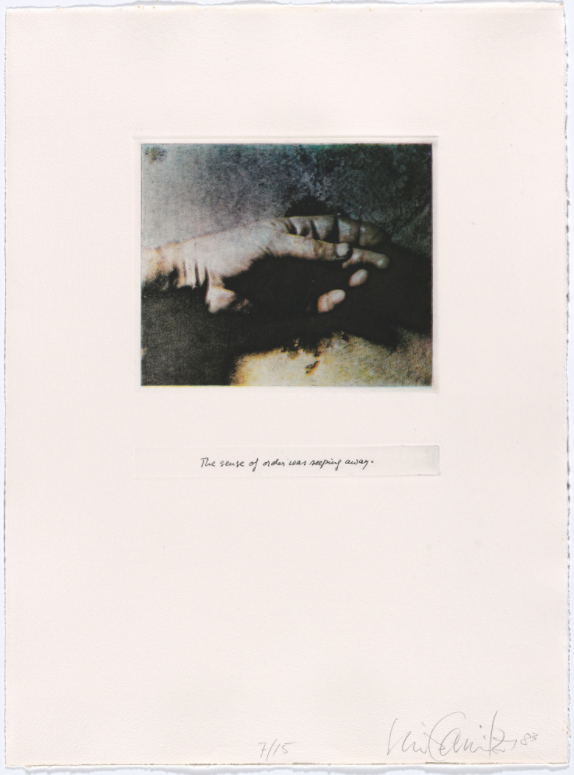
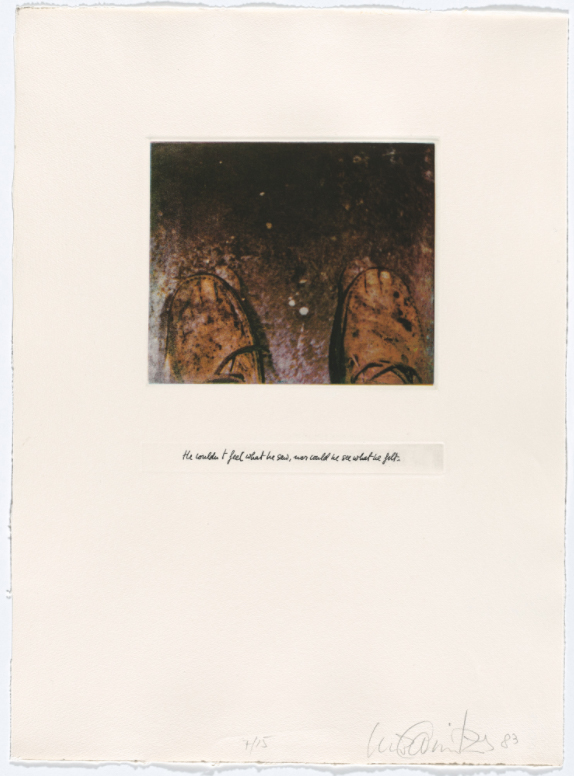
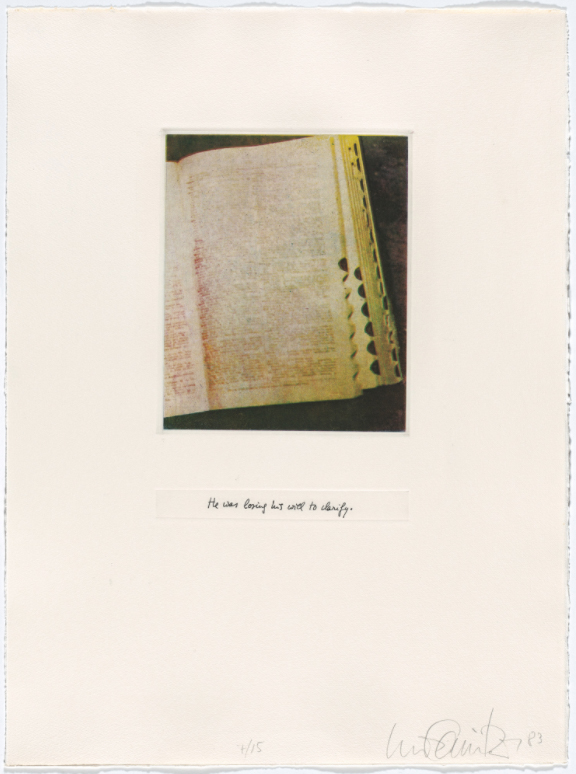
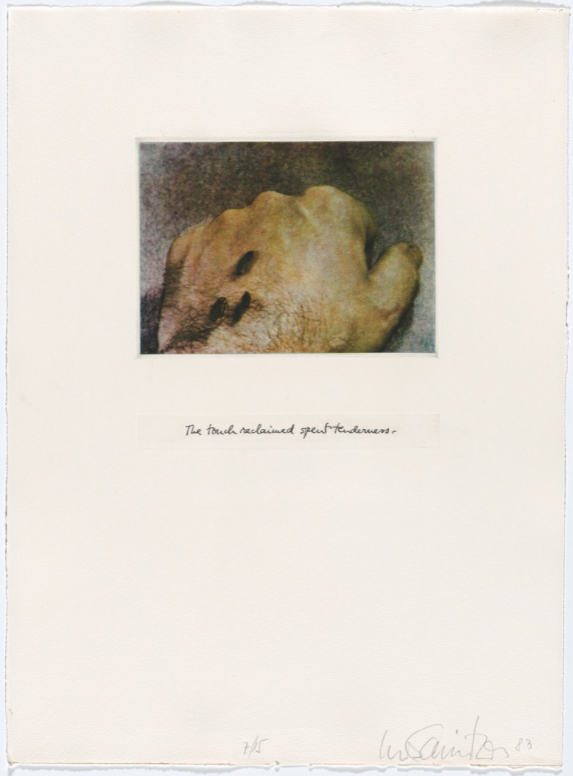
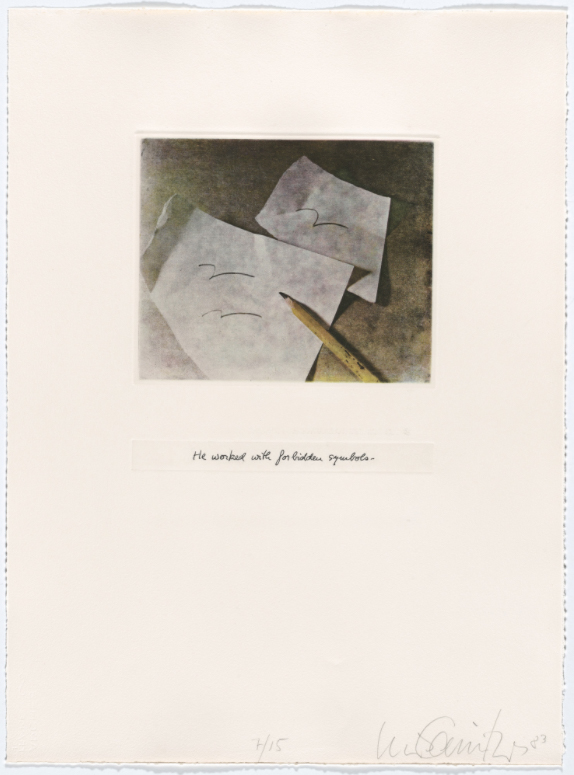
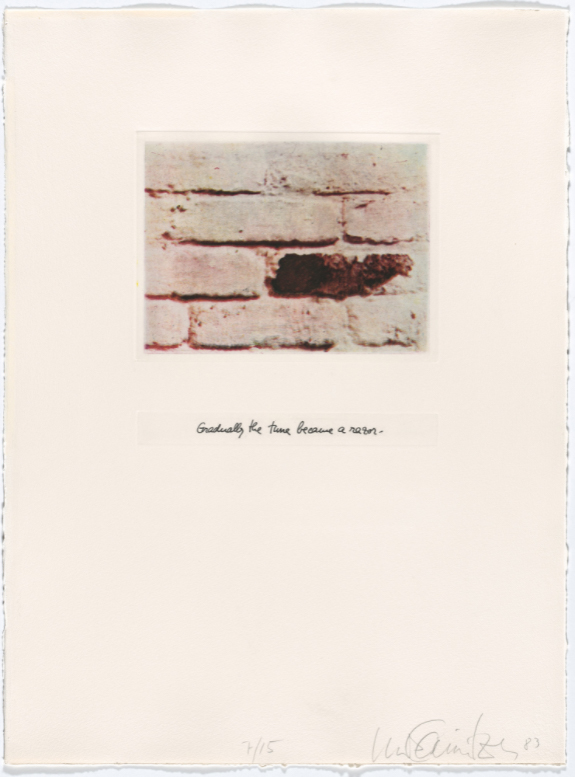
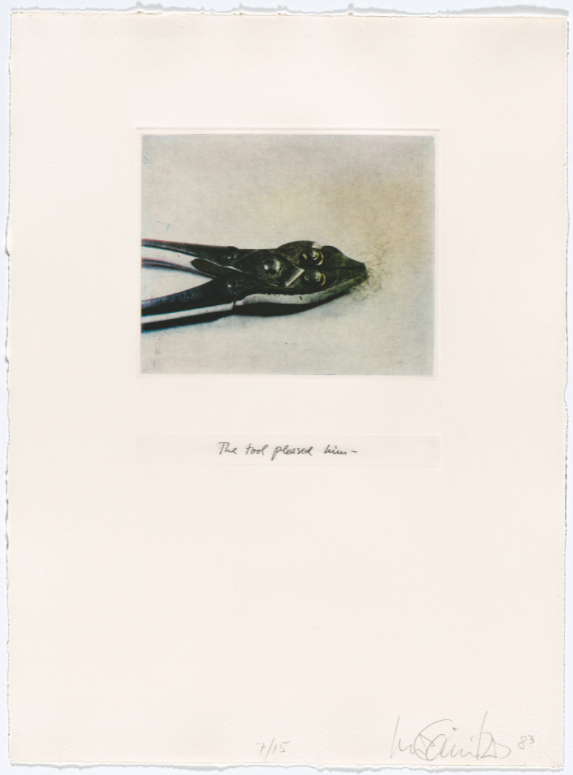
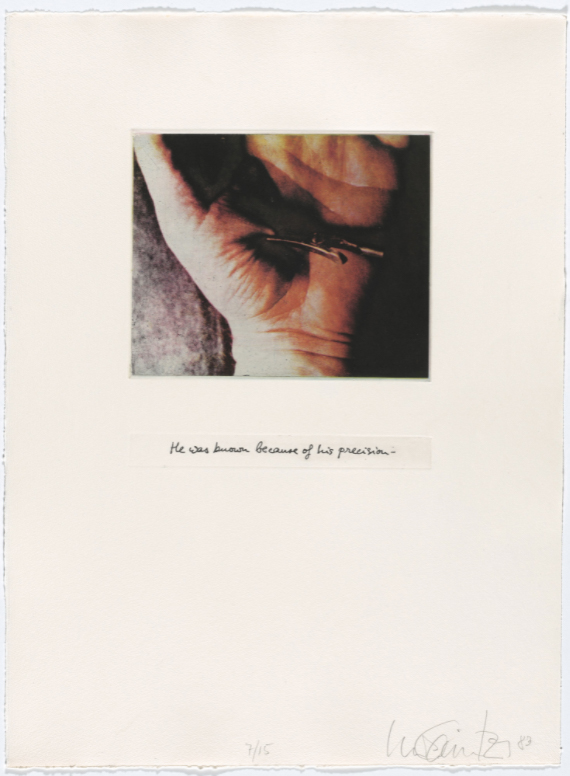
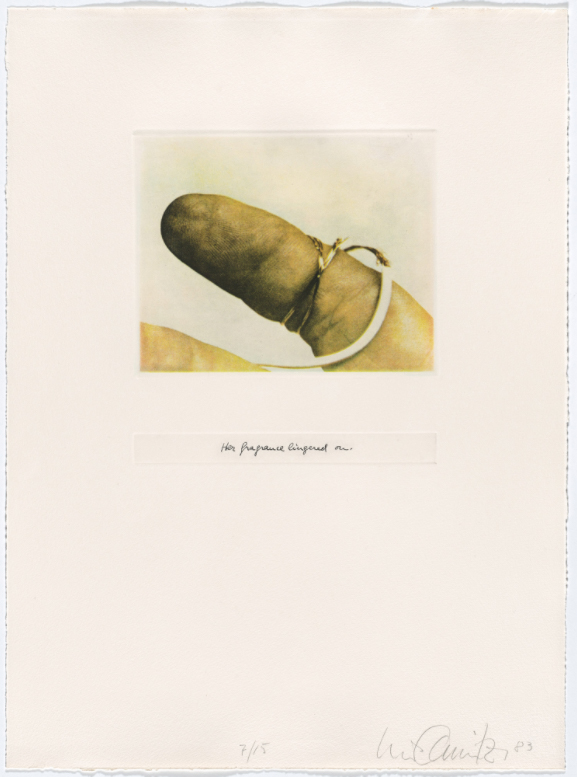
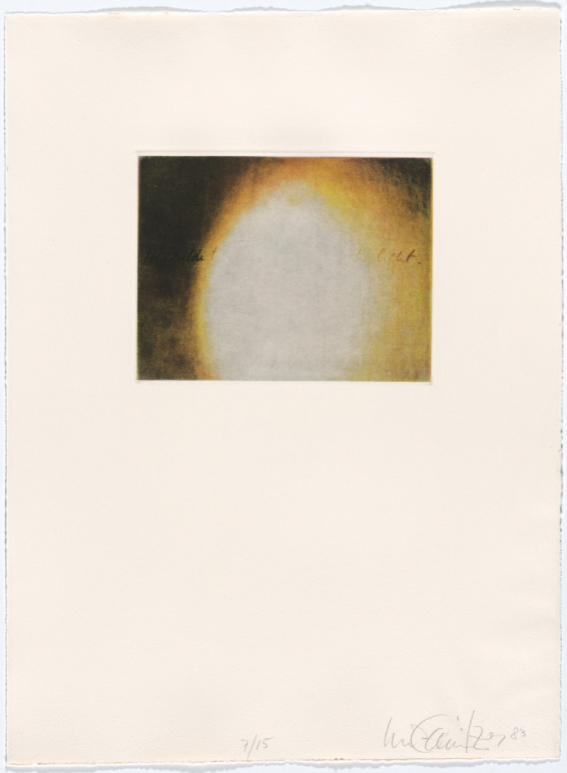
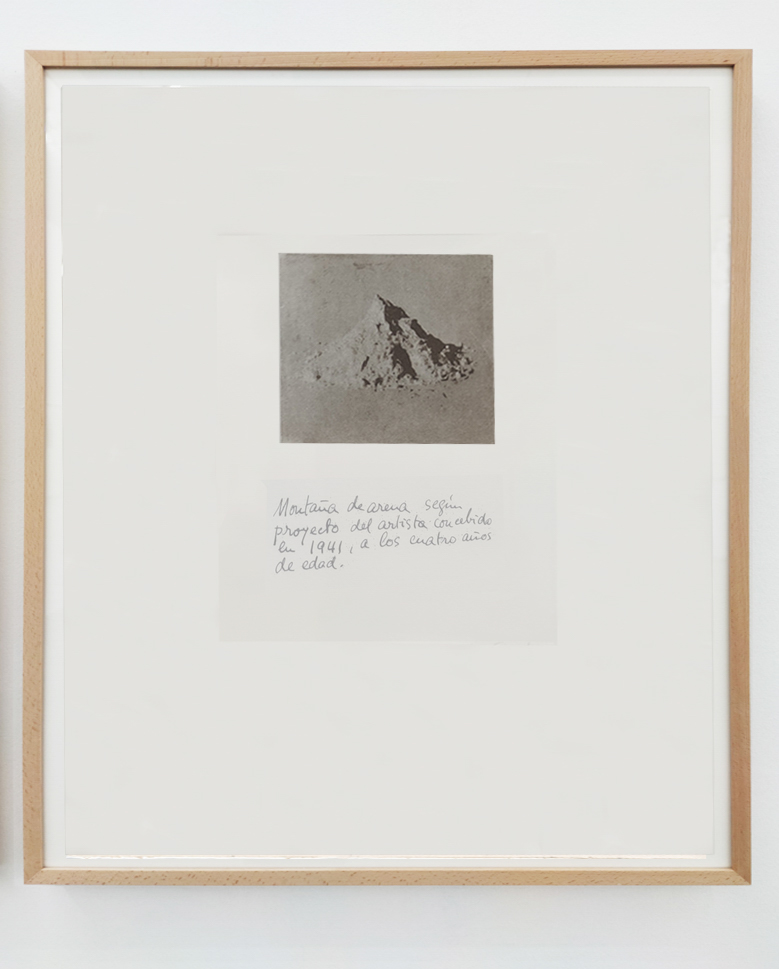
Something that cannot be denied tries to be a historical journey through the work of Luis Camnitzer, focusing on the importance that printmaking has had in his career, including iconic pieces as Uruguayan Torture Series (1983-84). With the aim of showing how his graphic work evolved, the exhibition includes a selection of pieces from the sixties, seventies and eighties, three decades that mark the inclusion of some resources and languages that have been a constant in his production.
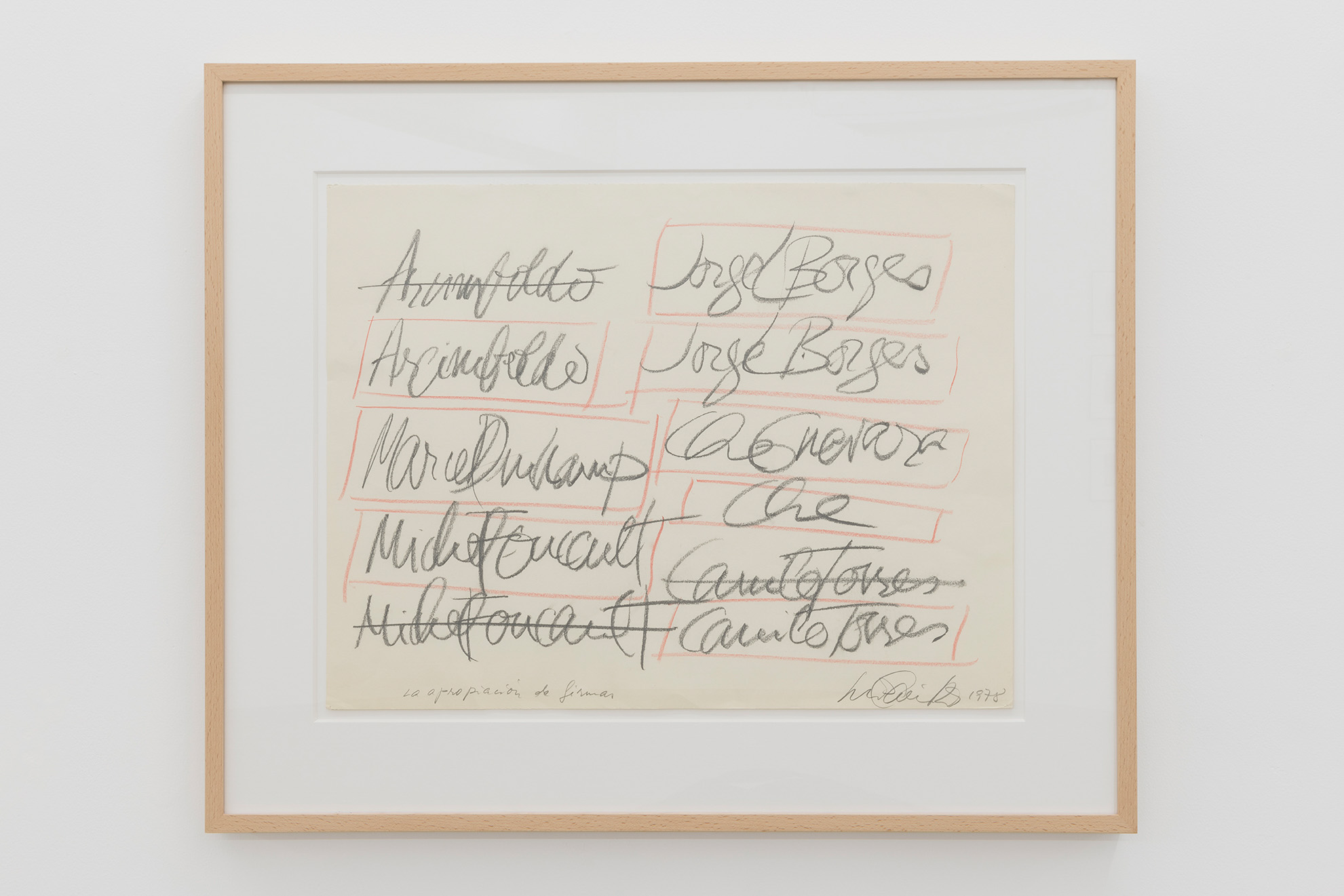
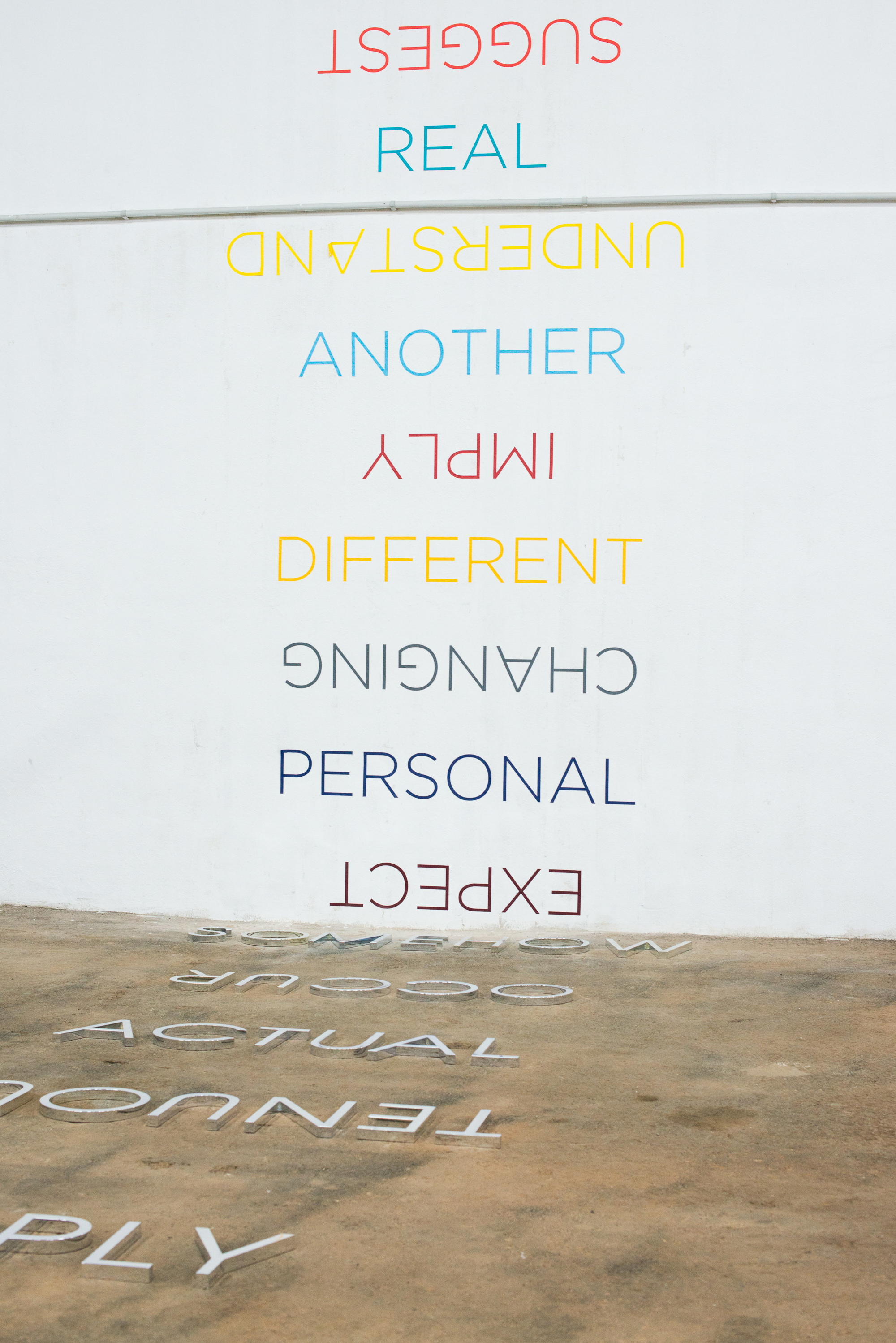
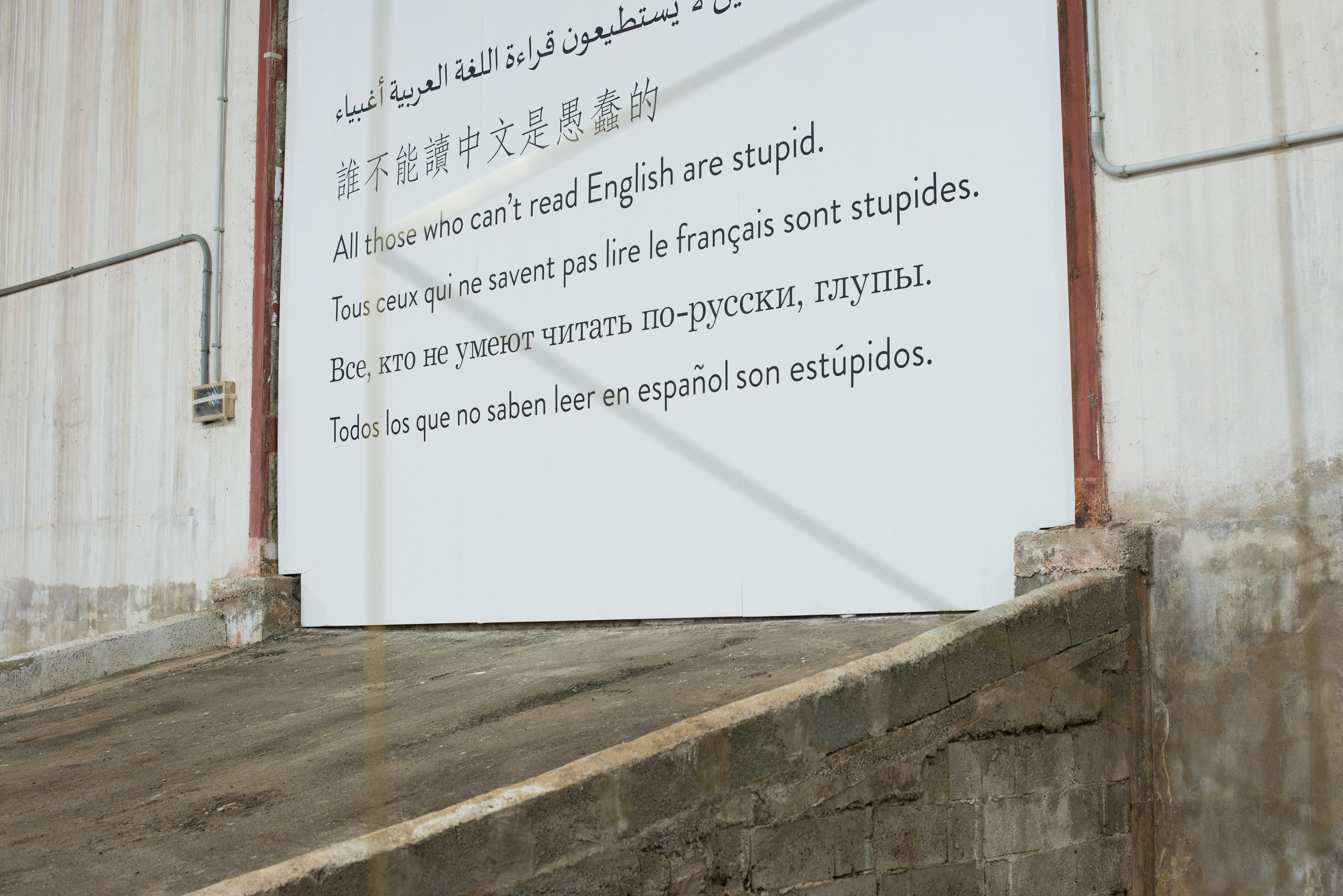
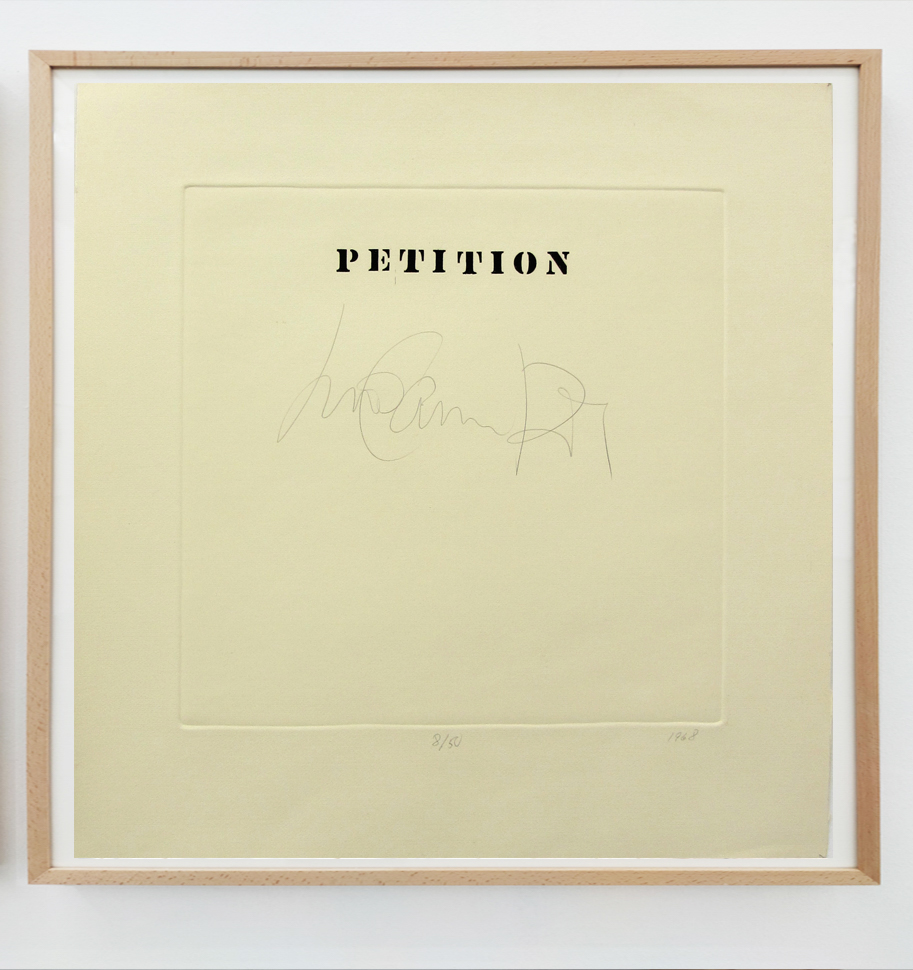
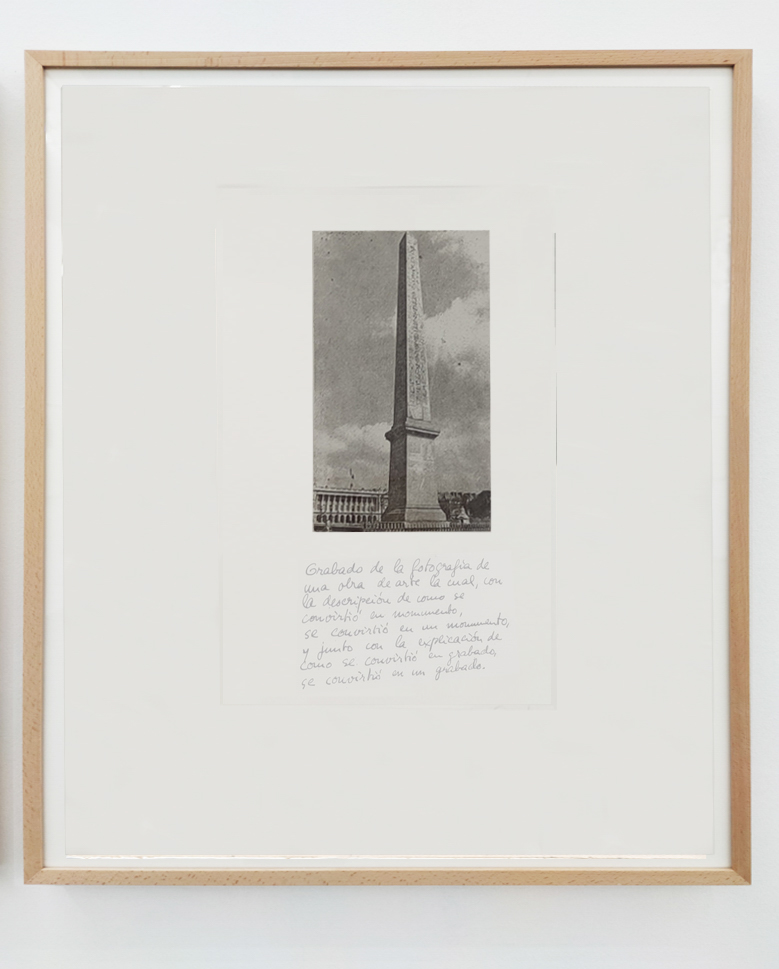
Semiotics, language, and printmaking have been powerful allies in Camnitzer’s work. His interest in the written word is particularly notable in his etchings from the sixties. To Luis, “the act of writing is the same as making art”. Works like Petition (1968) are a good example of this. During the seventies, etchings seemed to acquire a certain self-awareness of their object status and their reproducibility. Camnitzer started to investigate the link between art, writing and pedagogy through metalanguage and irony. Examples of this are pieces such as Fake Etching (1973-75) or Engraving from a photograph of a work of art … (1971-75).
Through the combination of image and text, using the photoengraving technique, Uruguayan Torture Series seems to respond to the atrocities committed during the uruguayan military dictatorship of Uruguay (1973-1985). The series breaks with the idea of linear narratives and approaches a type of fragmentary and networked narrative. Camnitzer collected stories of friends, press releases and official documents. But far from being a fiction or a real story, the work seems to have the objective of suggesting, through detailed shots and third-person phrases, a state of mind, placing the visitor in some coordinates and a specific socio-political situation but trying not to impose how you should feel about it. The use of the third person in the texts could indicate that the narrator could be the torturer, the tortured or the accomplice of torture.
Luis Camnitzer (1937) Lives and Works in New York. His work has been exhibited in important international institutions such as: Museo Nacional Centro de Arte Reina Sofía (MNCARS), Madrid, Spain; Museum of Modern Art (MoMA), New York, USA; Guggenheim Museum, New York, USA; Documenta 11, Kassel, Germany; Uruguay Pavilion at 43 Biennale di Venezia, Venice, Italy; Whitney Biennial, Whitney, USA; El Museo del Barrio, New York, USA; Museo de la Memoria y los Derechos Humanos, Chile, Chile; Kemper Art Museum, St. Louis, USA; Museo Carrillo Gil, Mexico, Mexico; List Visual Arts Center, M.I.T., Cambridge, USA; Lehman College Art Gallery, New York, USA; Kunsthalle Kiel, Germany; Daros Museum, Zurich, Switzerland; Museo de Arte de la Universidad Nacional de Colombia, Bogotá; Los Angeles County Museum of Art (LACMA), Los Angeles, USA; Museum of Fine Arts, Houston, USA; Walker Art Center, Minneapolis, EEUU.
His work is part of prestigious private and public collections, including: Biblioteca Communale, Milan, Italy; Bibliiotheque Nationale, Paris, Francia; Cabinet of Drawings and Prints of the Uffizzi, Florence, Italy; Casa de las Américas, Havana, Cuba; Centro Galego de Arte Contemporáneo, Santiago de Compostela, Spain; Centro Wifredo Lam, Havana, Cuba; Colección Patricia Phelps de Cisneros, Caracas, Venezuela and New York, USA; Daros-Latinaamerica, Zurich, Switzerland; Fonds Régional d’Art Contemporain, Lorraine, France; Israel Museum, Jerusalem, Israel; J. Paul Getty Museum, Los Angeles, USA; Jewish Museum, Nueva York, USA; Metropolitan Museum of Art, New York, USA; Museo de Artes Plásticas, Montevideo, Uruguay; Museo de Bellas Artes, Caracas, Venezuela; El Museo del Barrio, Nueva York, USA; Museo del Grabado, Buenos Aires, Argentina; Museo Nacional Centro de Arte Reina Sofía, Madrid, Spain; Museum of Fine Arts, Houston, USA; New York Public Library, New York, USA; São Paulo Museum of Art, Brazil; Smithsonian American Art Museum, Washington, USA; Solomon R. Guggenheim Museum, New York, USA; Tate Modern, London, UK; Walker Art Center, Minneapolis, USA; Whitney Museum of American Art, New York, USA.