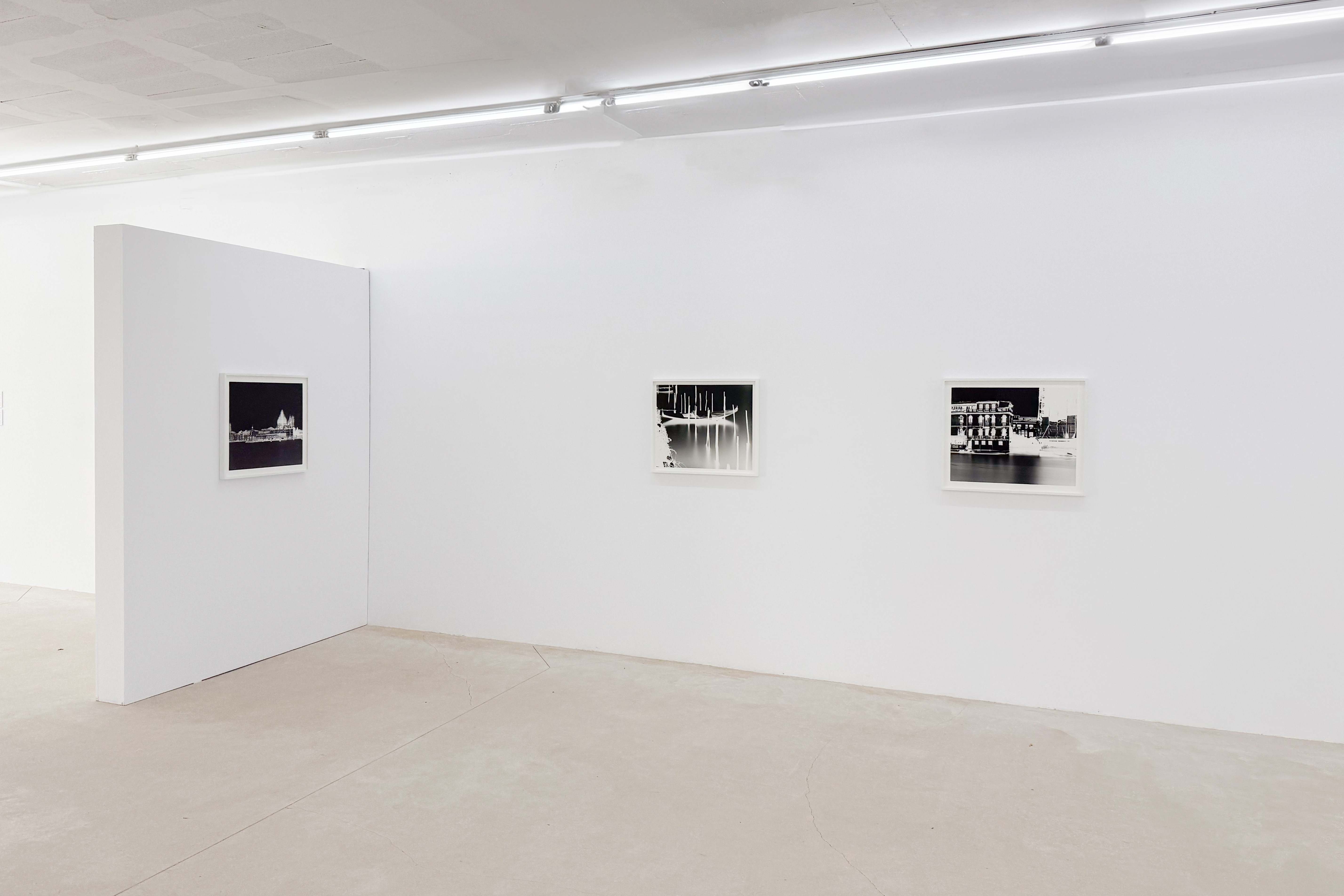
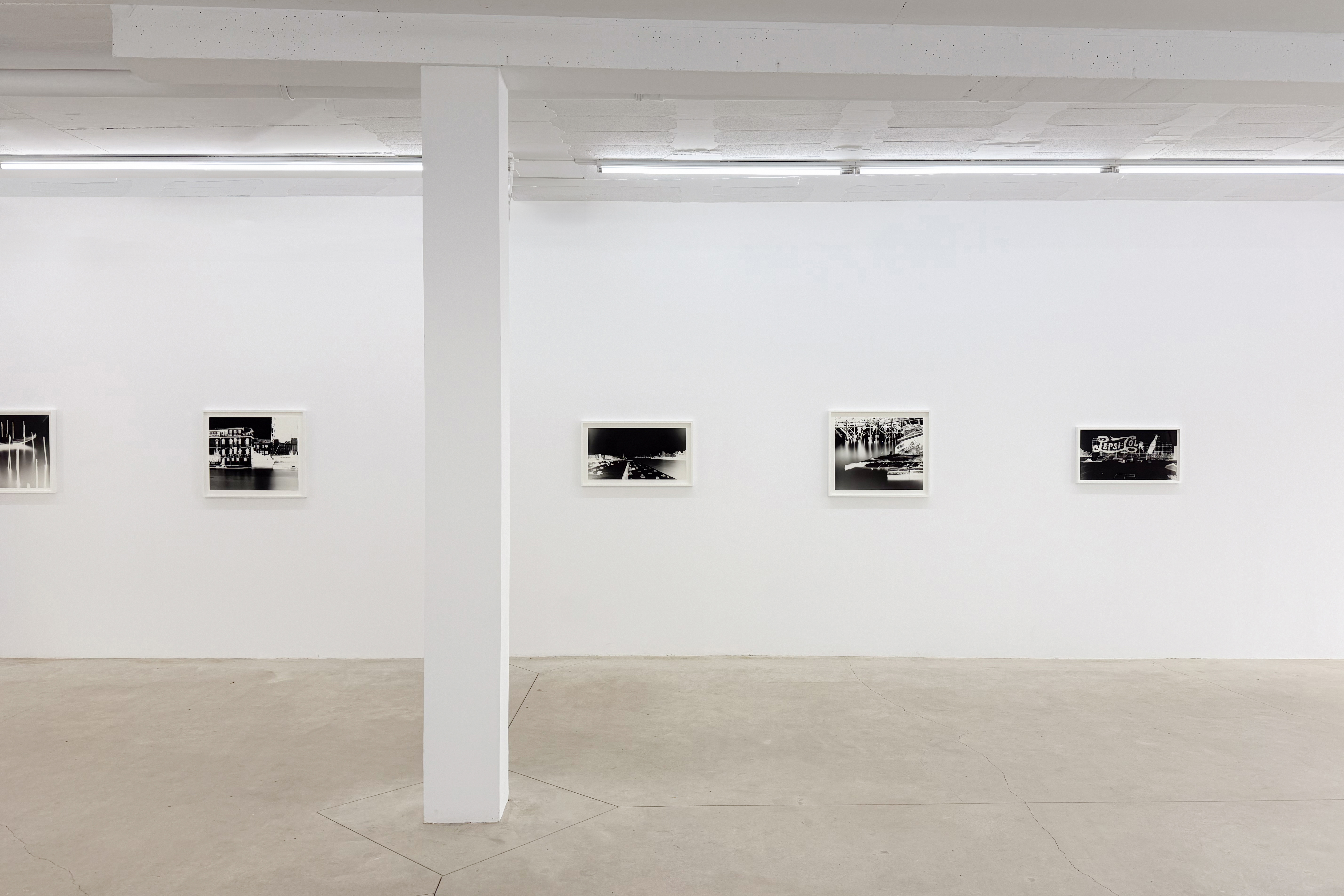
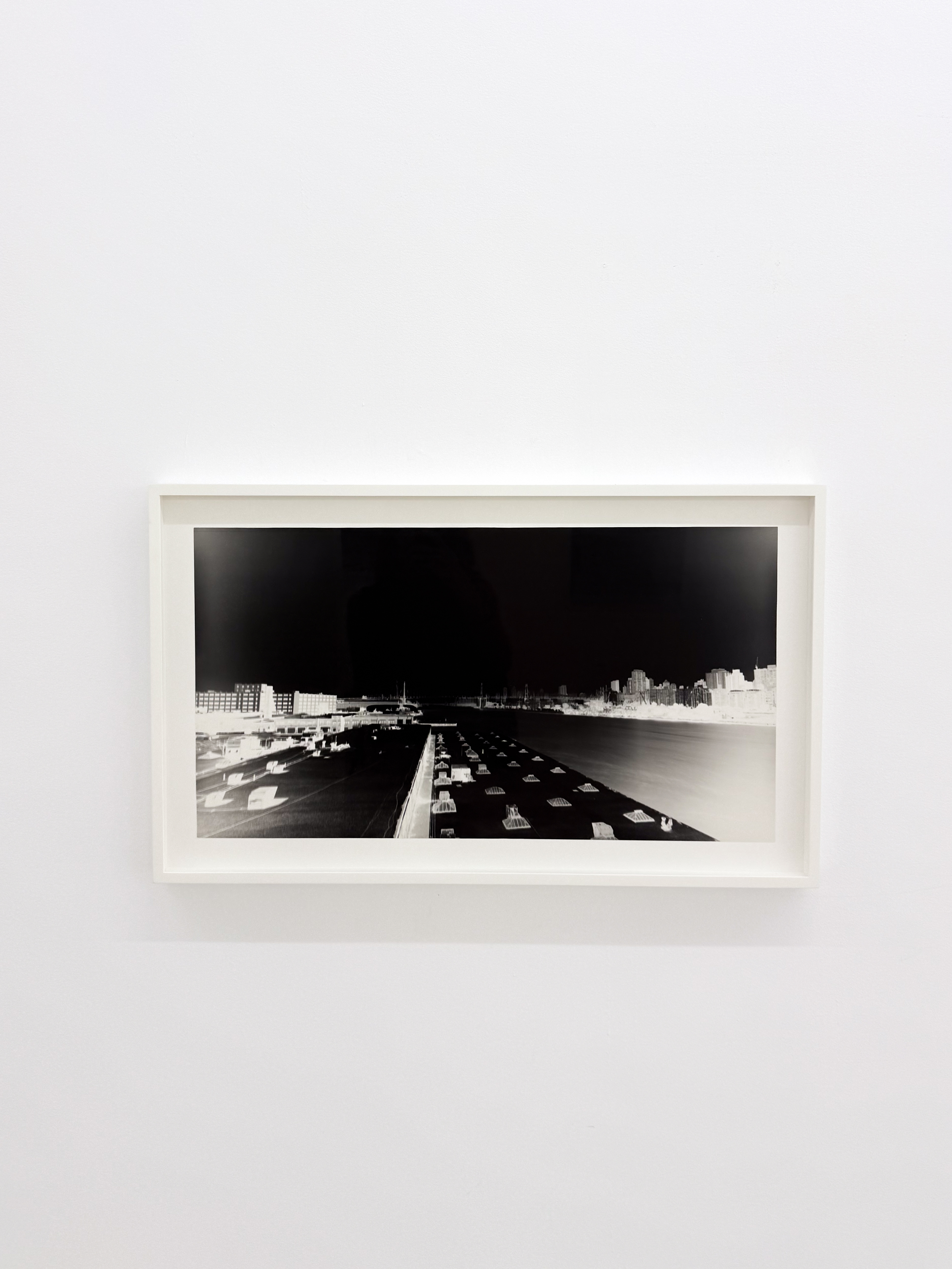
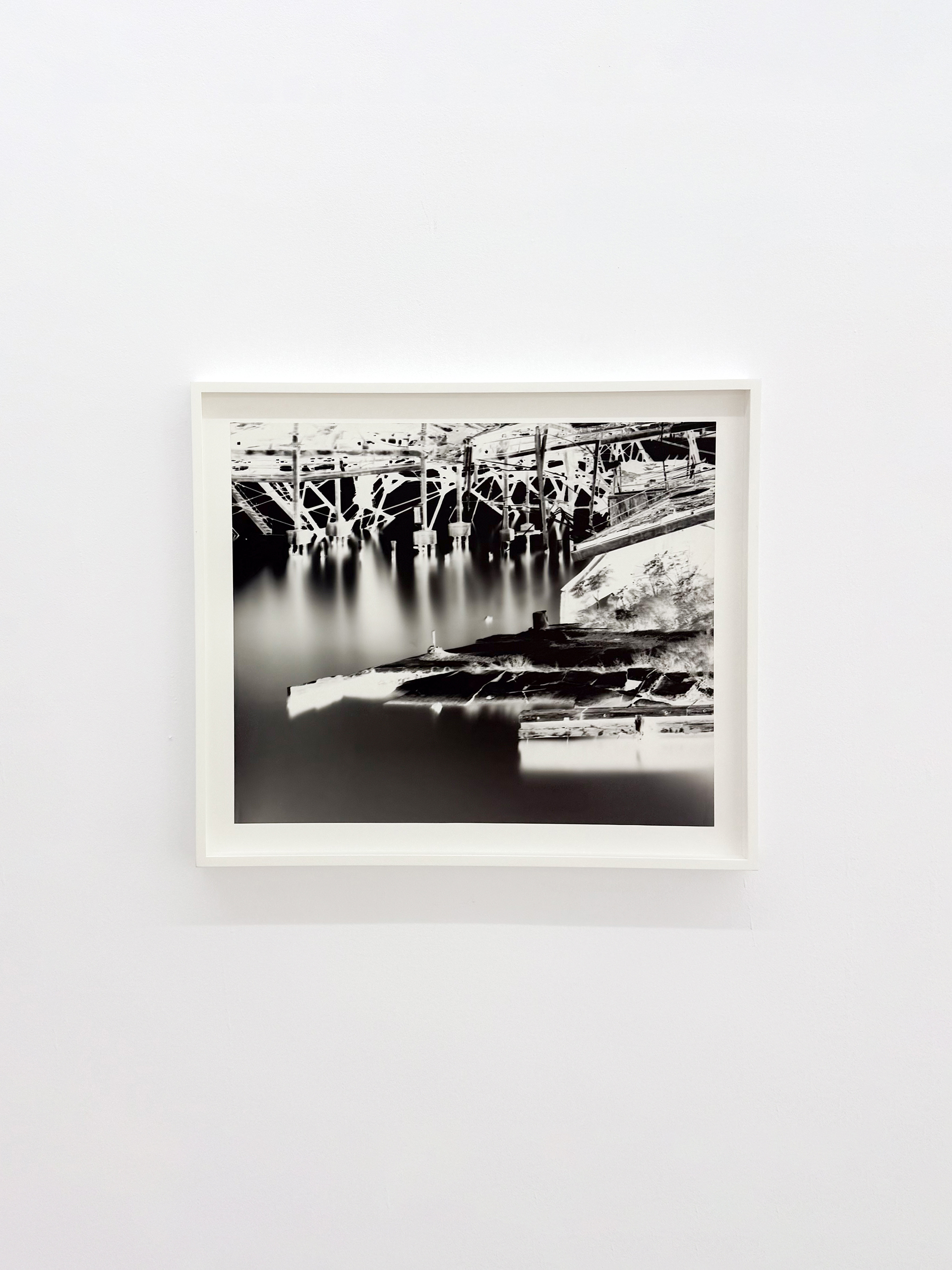
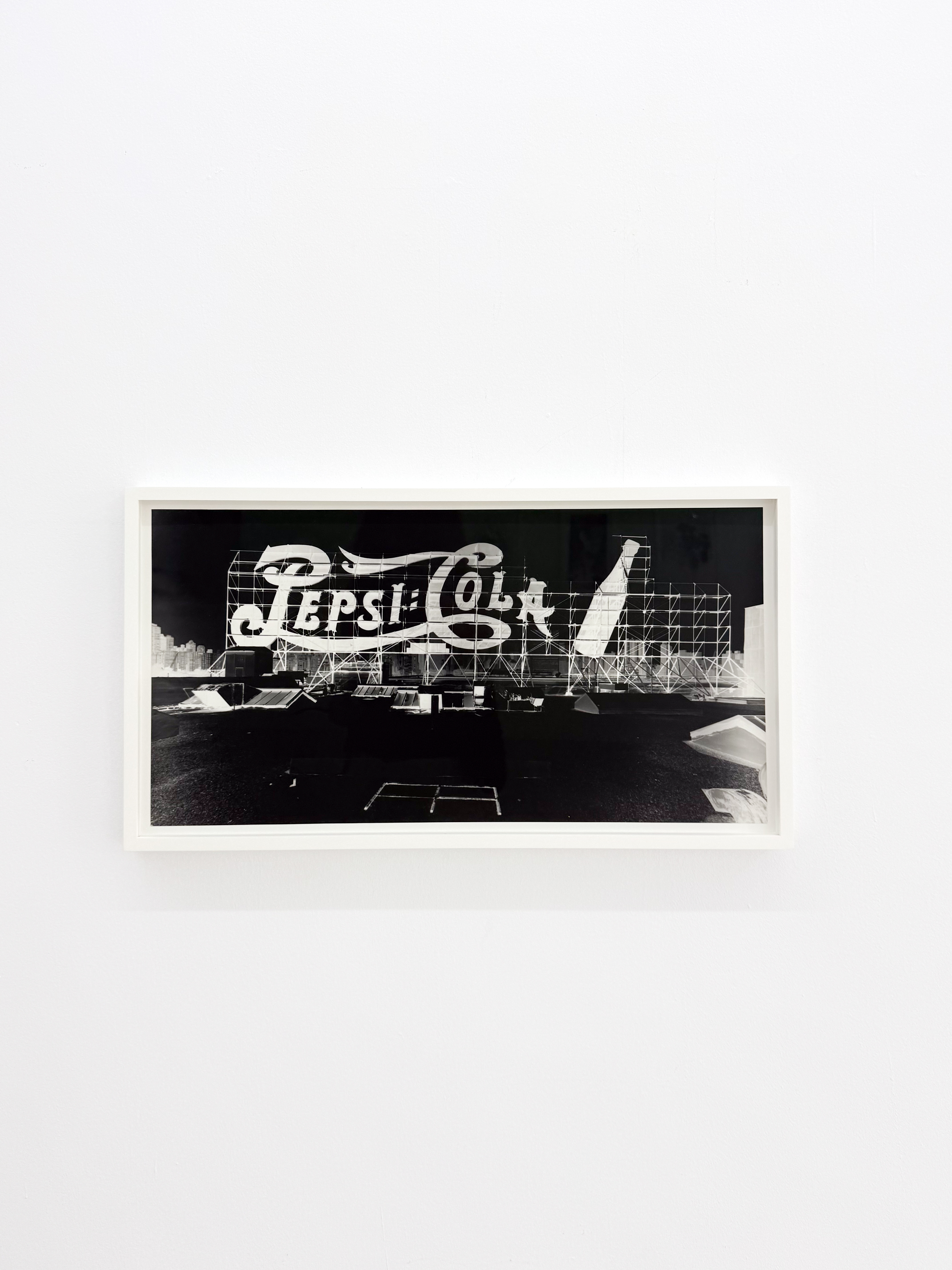
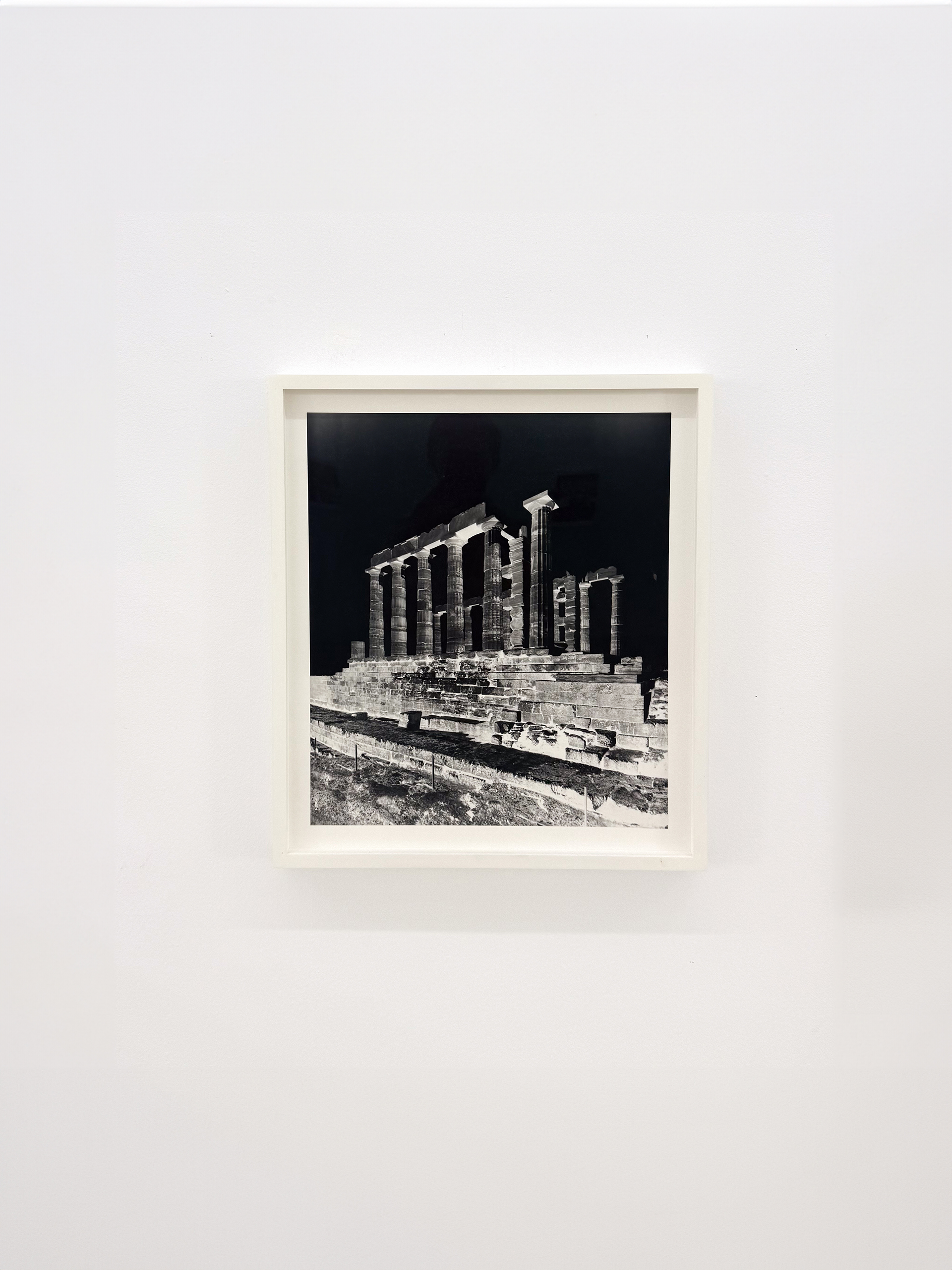
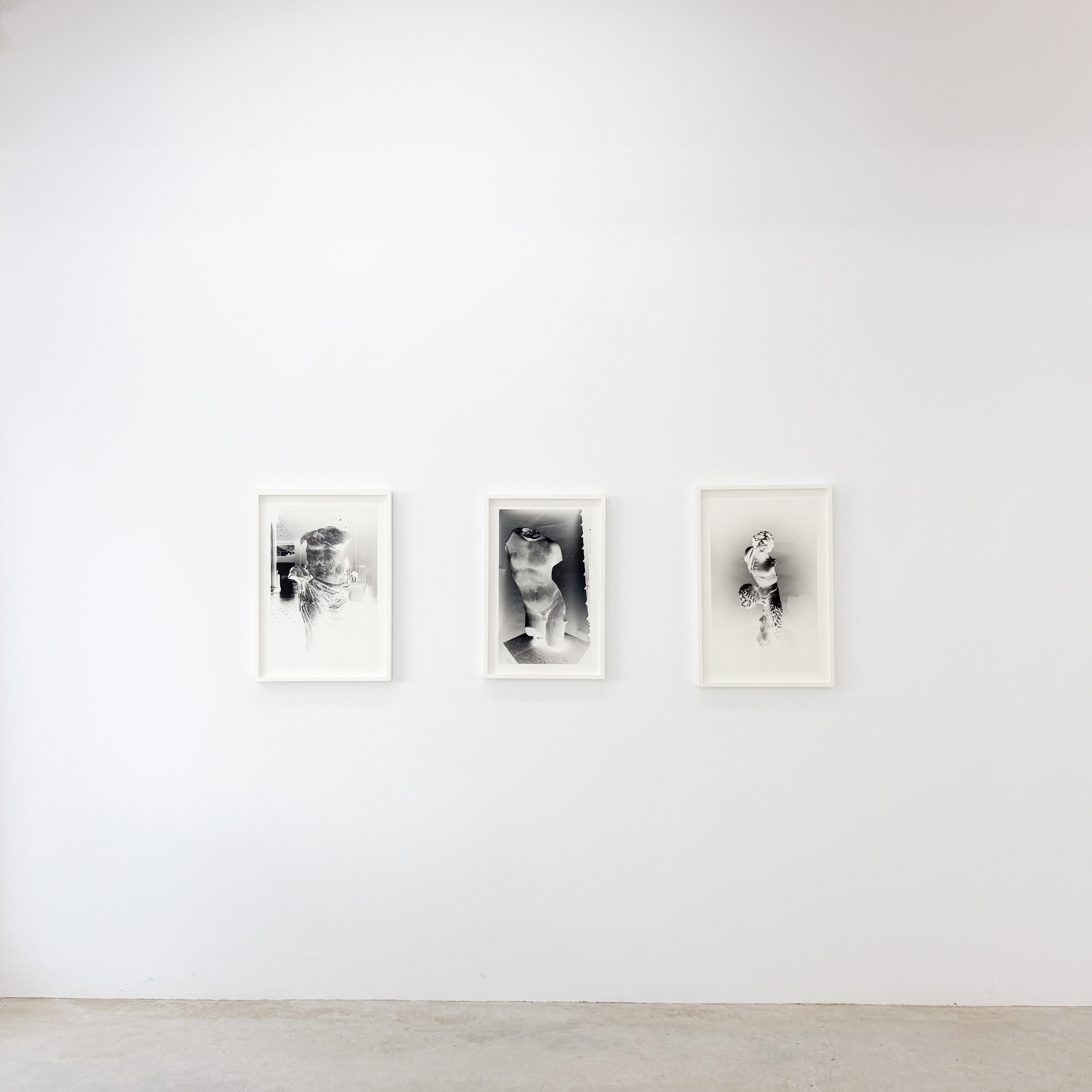
Parra & Romero is pleased to present the first solo exhibition by Vera Lutter at our Ibiza space.
In the digital age, images no longer reflect reality; they threaten to replace it. Within this context, Vera Lutter’s photography emerges as a form of quiet yet radical resistance to the society of simulacra anticipated by Jean Baudrillard. Her work rejects the logic of hyperreality and seeks to restore to the image its physical and temporal dimension.
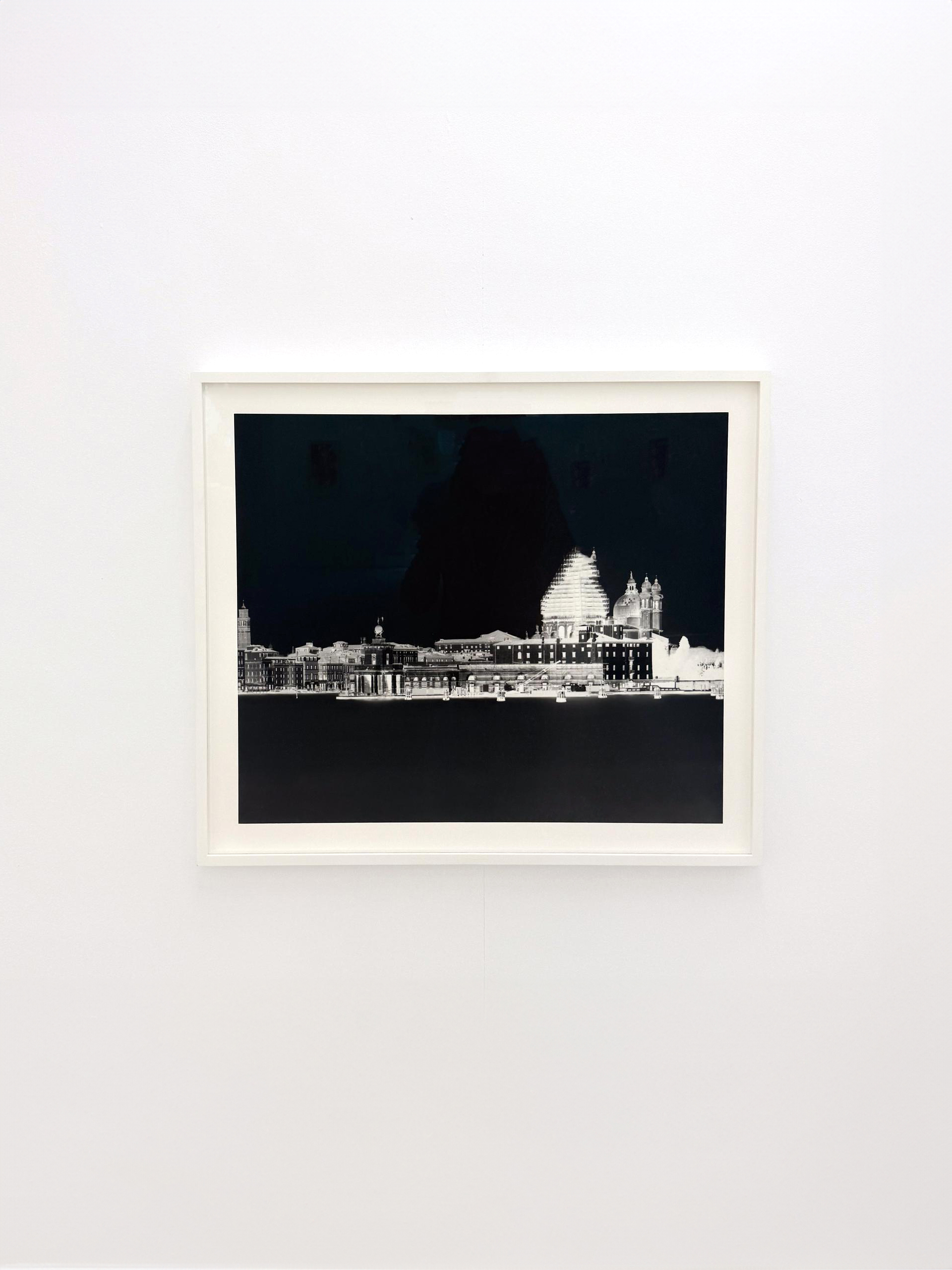
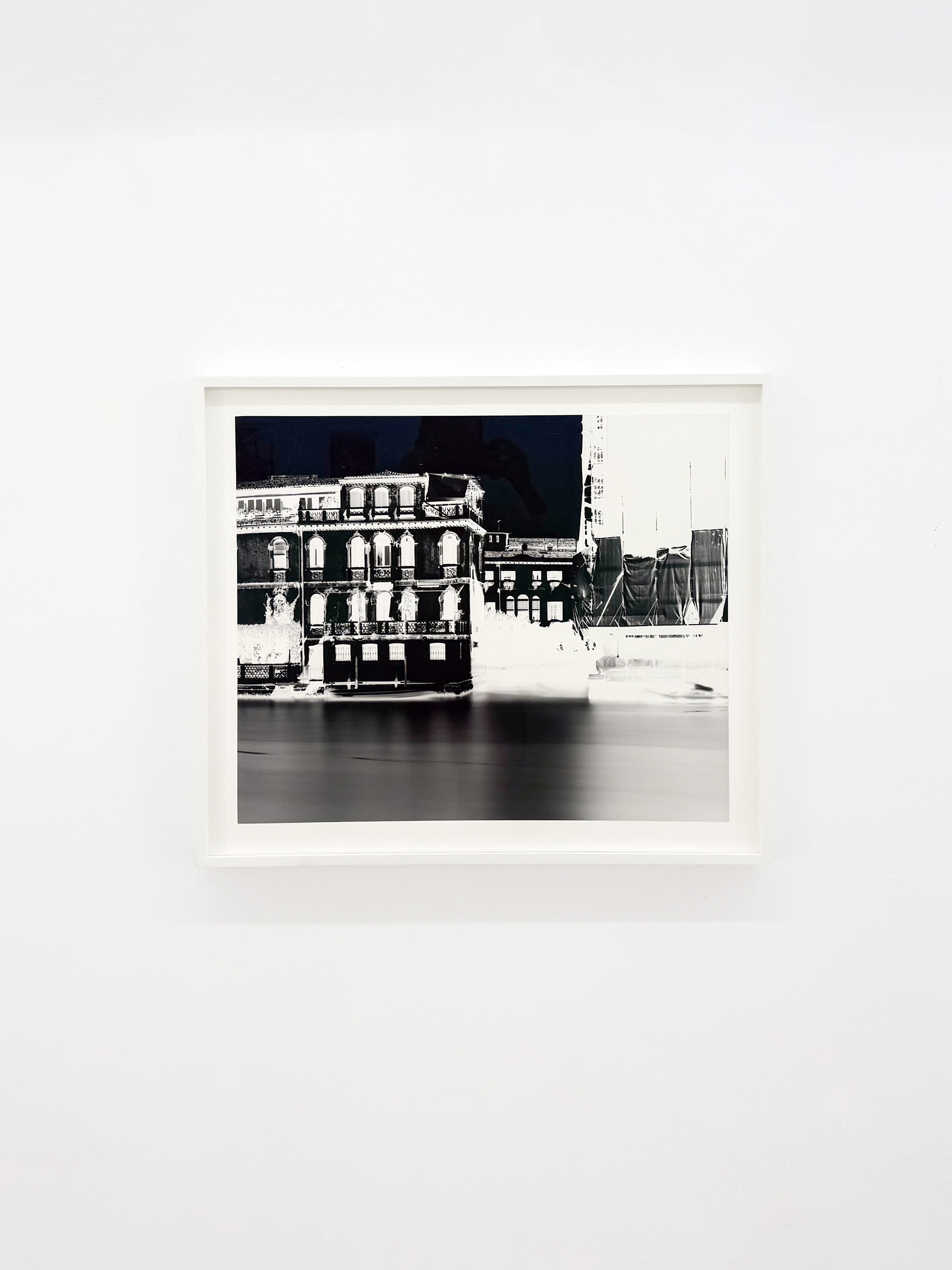
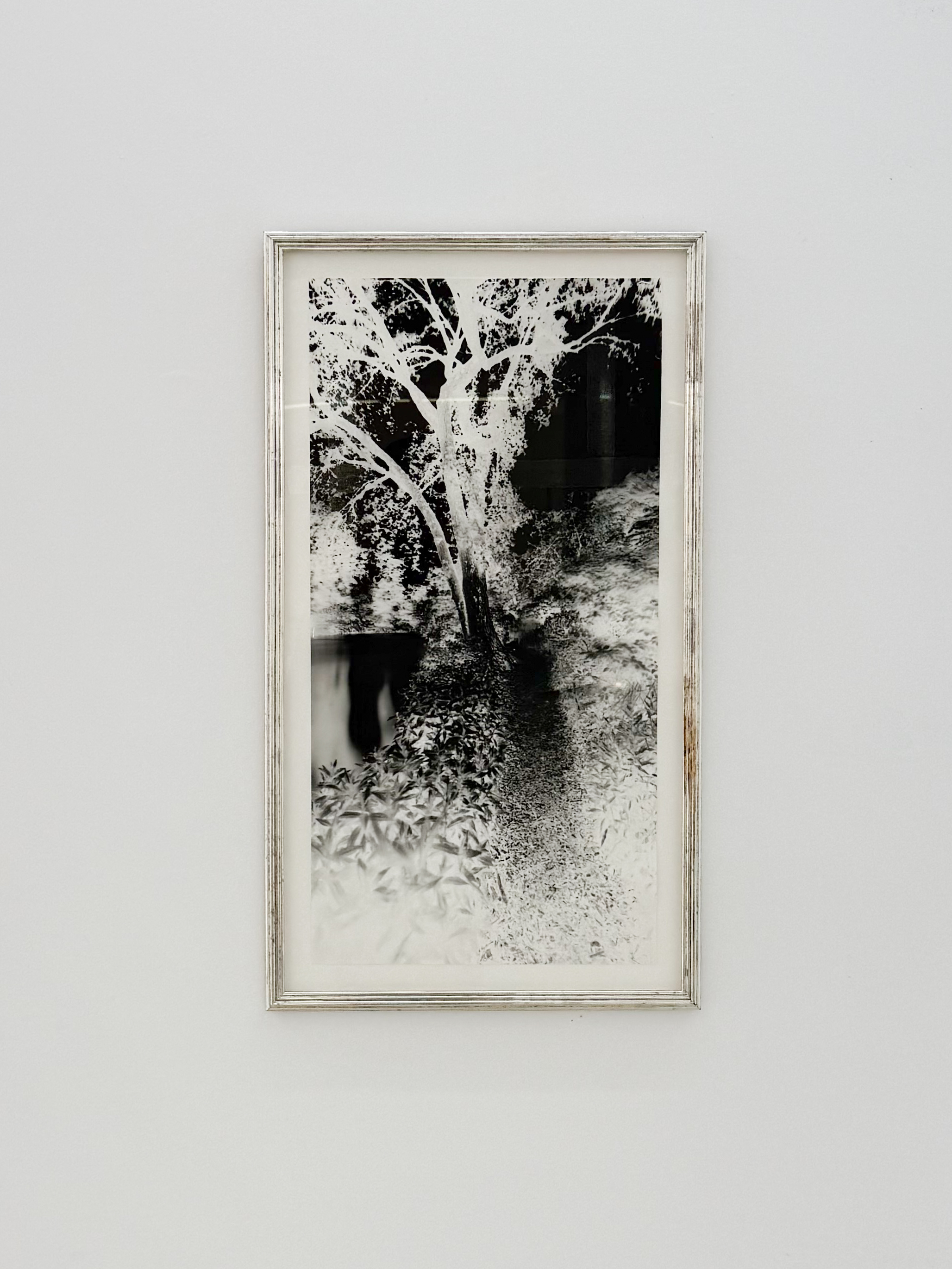
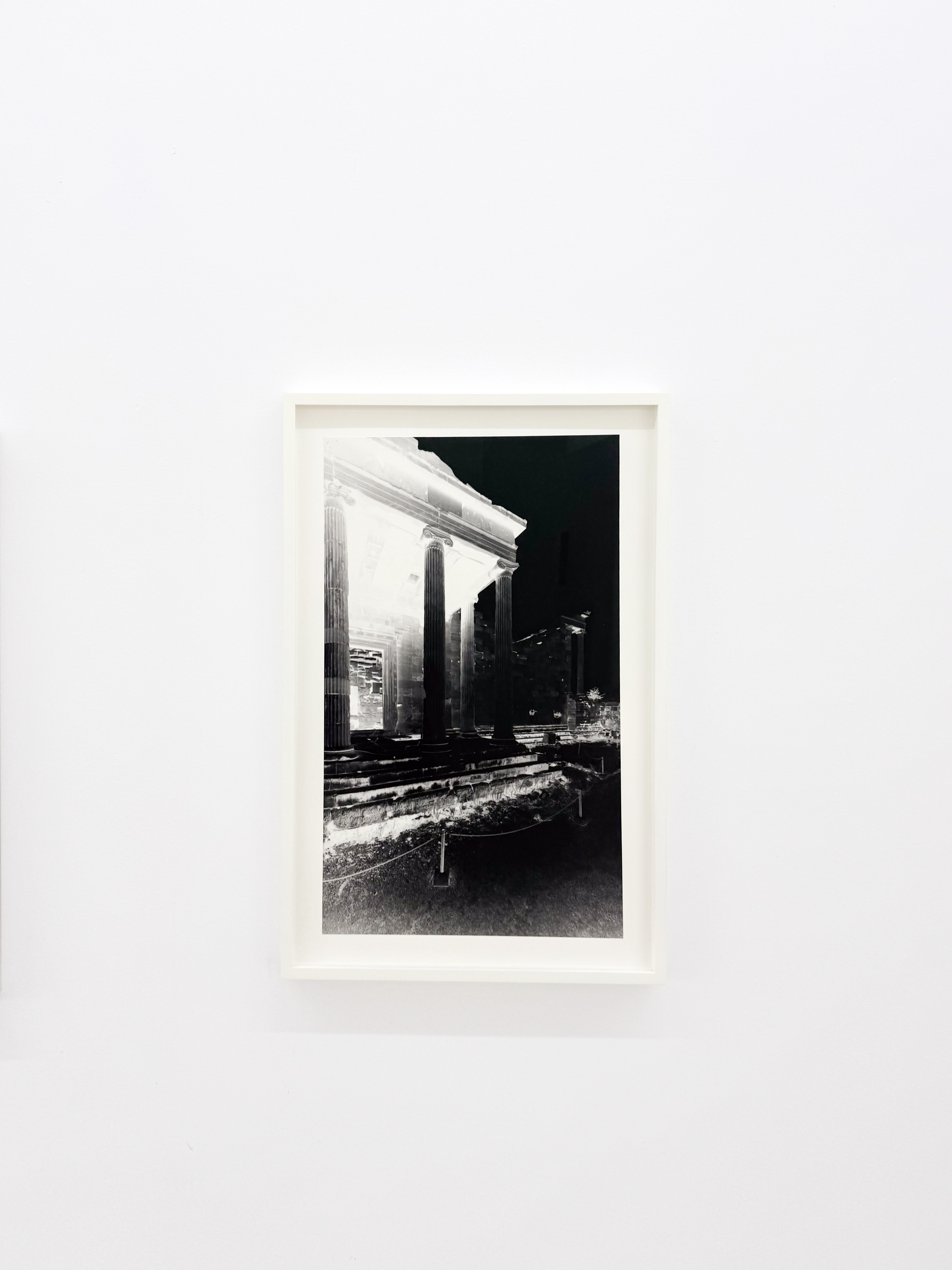
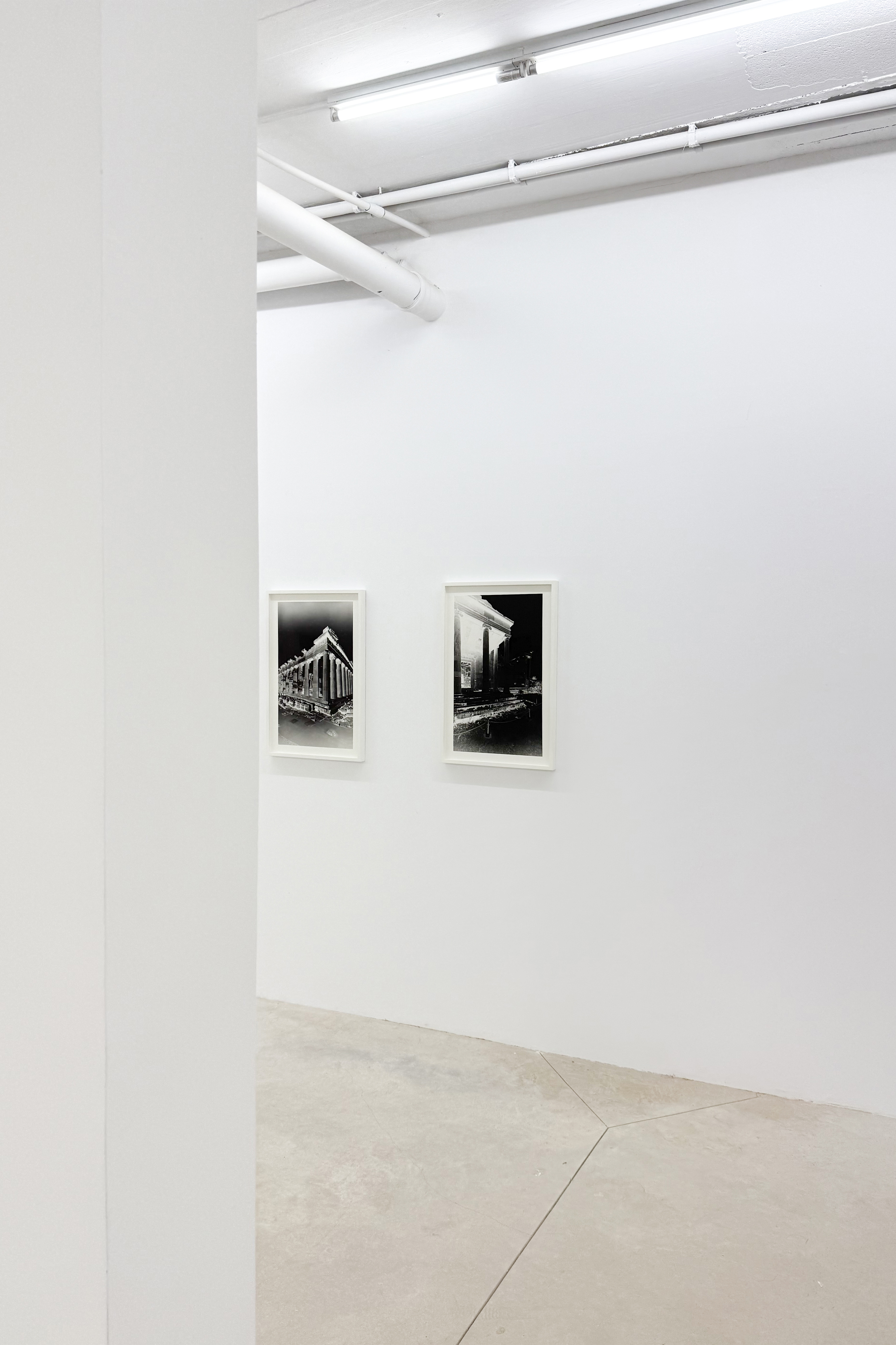
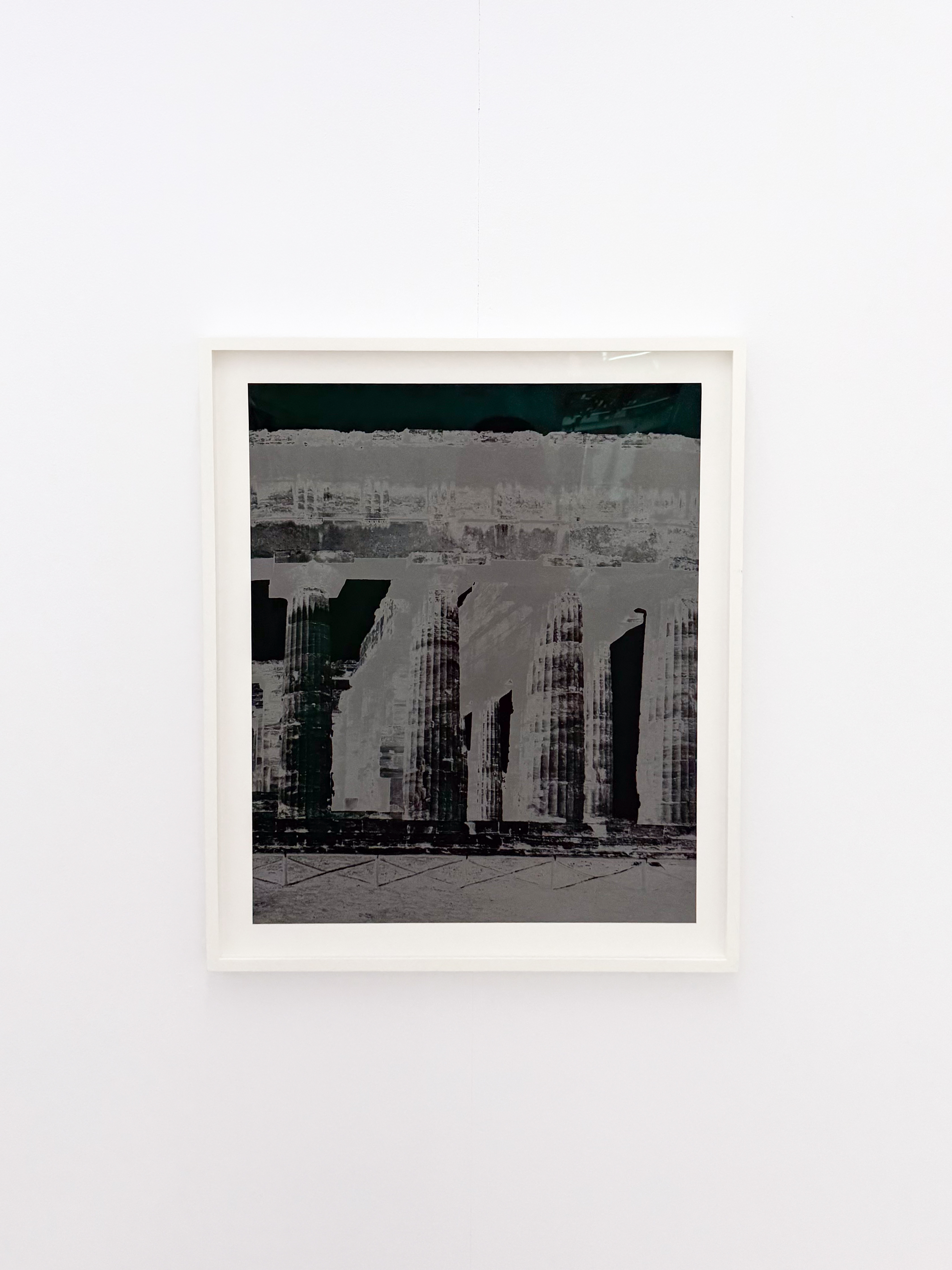
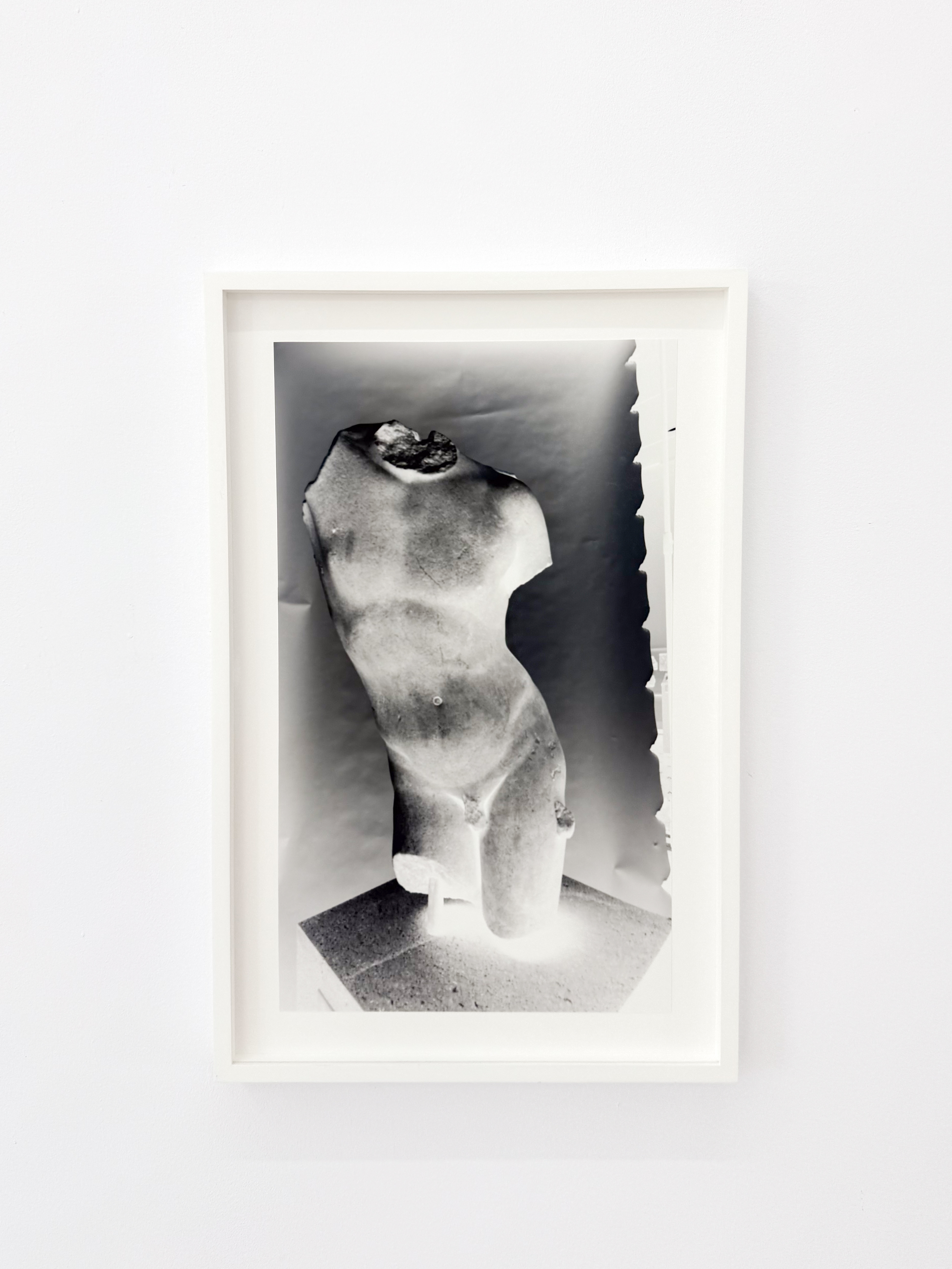
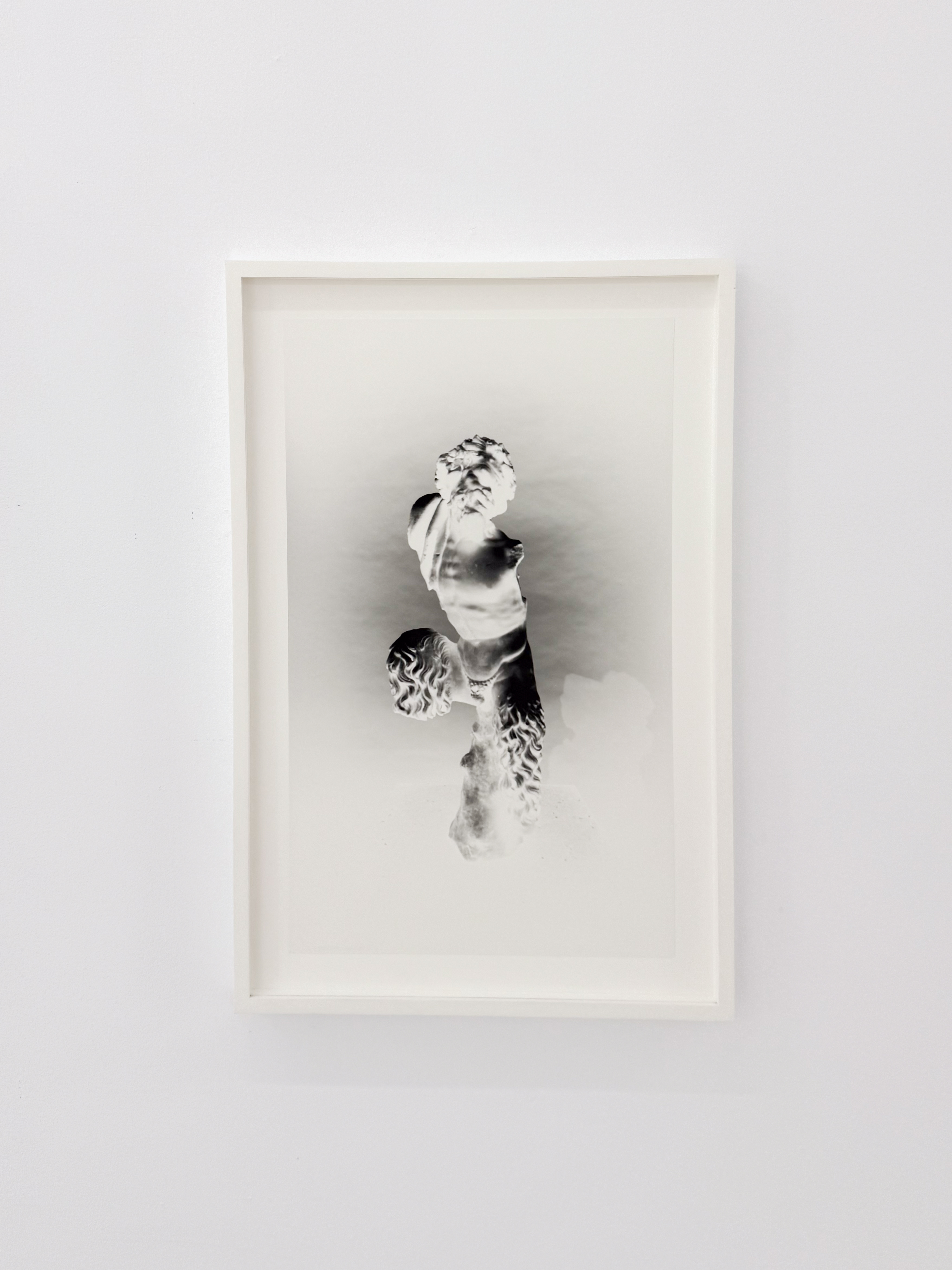
Every image aspires to become a fossil. Lutter does not photograph the world to represent it but rather allows reality to impress itself upon the paper, transforming it into a kind of fossil of light. These traces, inverted, silent, negative, function as visual acts of resistance against the superficial. In doing so, she proposes a form of reverse archaeology: reading the present as a future ruin and abandoning the myth of photography as the capture of a frozen moment.
Lutter is not interested in the traditional notion of capturing an instant. Instead, she observes patiently, searching for what remains after time has passed: traces, shadows, glimmers, sedimented layers of light inscribed on paper. Using camera obscura techniques, negatives, and long exposures that sometimes last hours, days, or even weeks, her work rejects the accelerated flow of digital imagery. Instead, she offers a detailed, analog imprint of that which endures.
Her process is intentionally slow, tactile, and physical, a stark contrast to contemporary photographic practice. By returning to the camera obscura, her approach becomes closer to observation than intervention. For many, photography has become a way to collect simulacra, an act of ego aimed at preserving a fragment of the world. For Vera Lutter, it is more akin to an archaeology of seeing, a return to conscious, contemplative looking.
By filtering reality through long exposures and ancient methods, Lutter compresses time. Her photographs do not freeze a moment but rather reveal the accumulation of light and shadow as an event itself.
Speak Memory invites us to reconsider the role of photography in an era where images have become fast, disposable commodities. By recovering painstaking historic processes, Vera Lutter reimagines the photographic act as a reflective practice, one that urges us to rethink how we perceive, remember, and relate to the visible in an age of visual saturation.
Vera Lutter (Kaiserslautern, Germany, 1960) studied sculpture at the Akademie der Bildenden Künste in Munich before earning an MFA in photography from the School of Visual Arts in New York. Since the mid 1990s, her work has been exhibited internationally at institutions including The Museum of Modern Art (MoMA), New York; The Metropolitan Museum of Art, New York; Kunsthaus Graz, Austria; and the New Orleans Museum of Art (NOMA), among others. Her photographs are held in major public collections including The Museum of Modern Art, New York; Solomon R. Guggenheim Museum, New York; Los Angeles County Museum of Art; San Francisco Museum of Modern Art (SFMOMA); Centre Georges Pompidou, Paris; The Metropolitan Museum of Art, New York; and the Whitney Museum of American Art, among others.