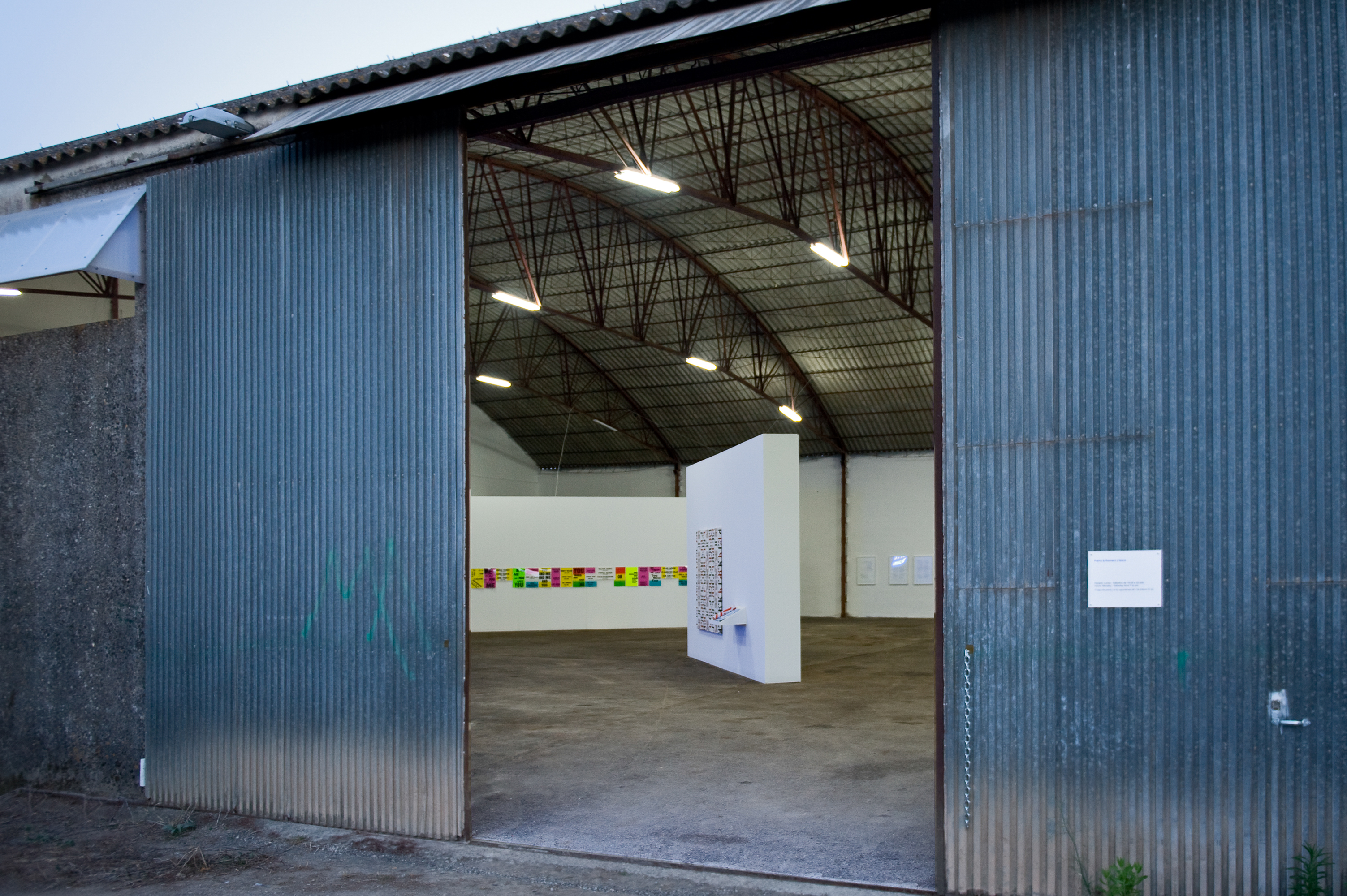
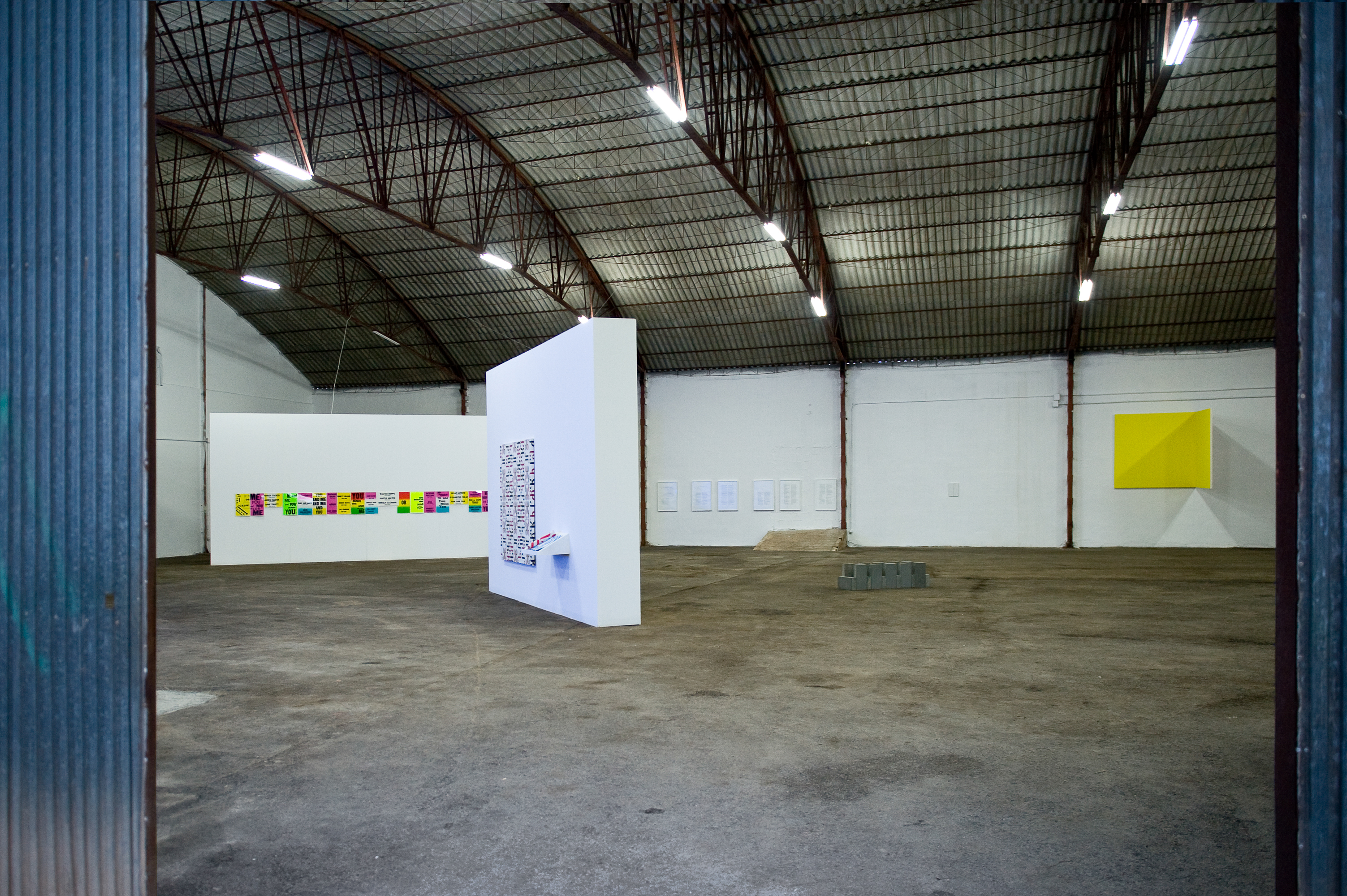
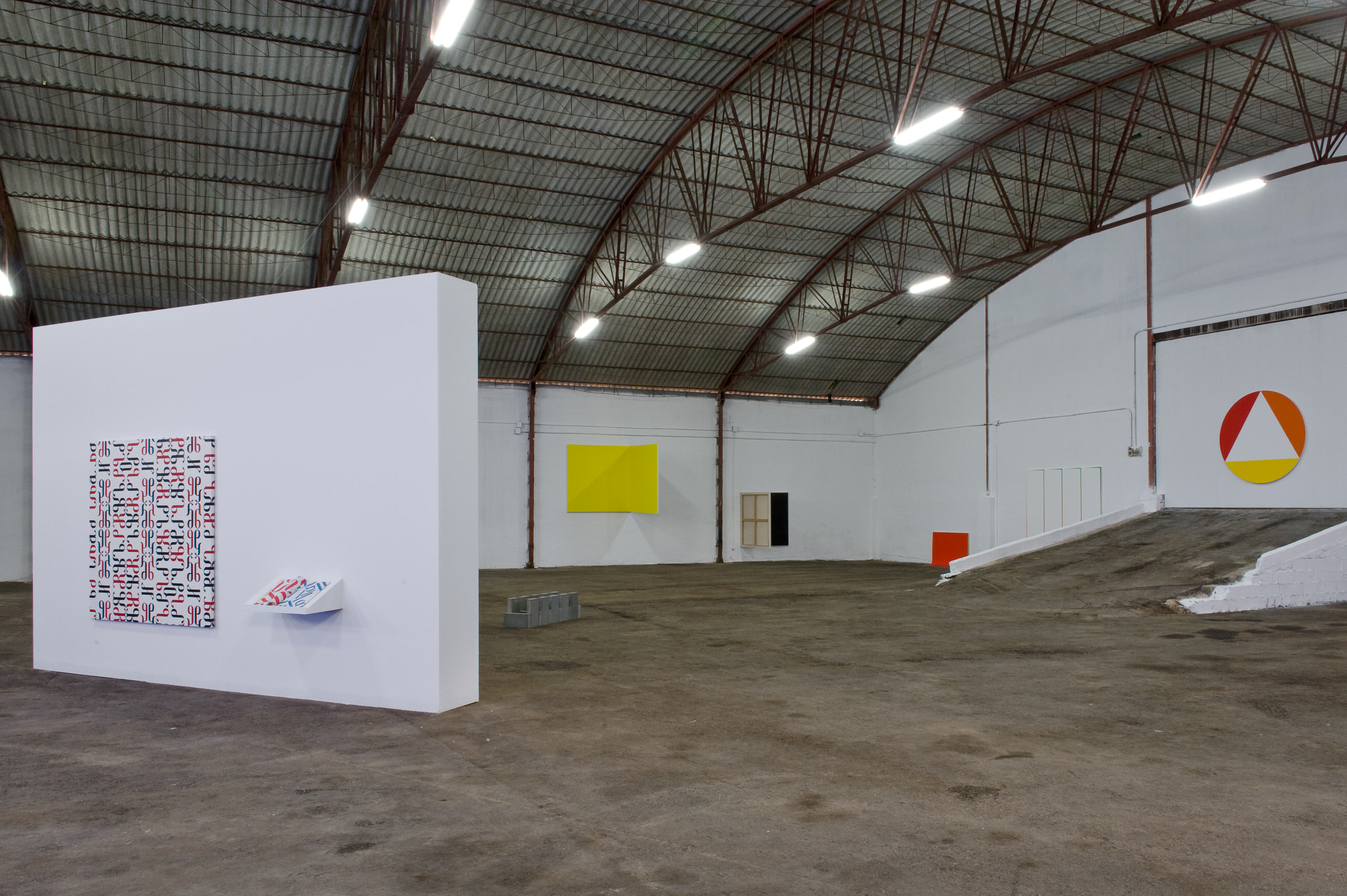
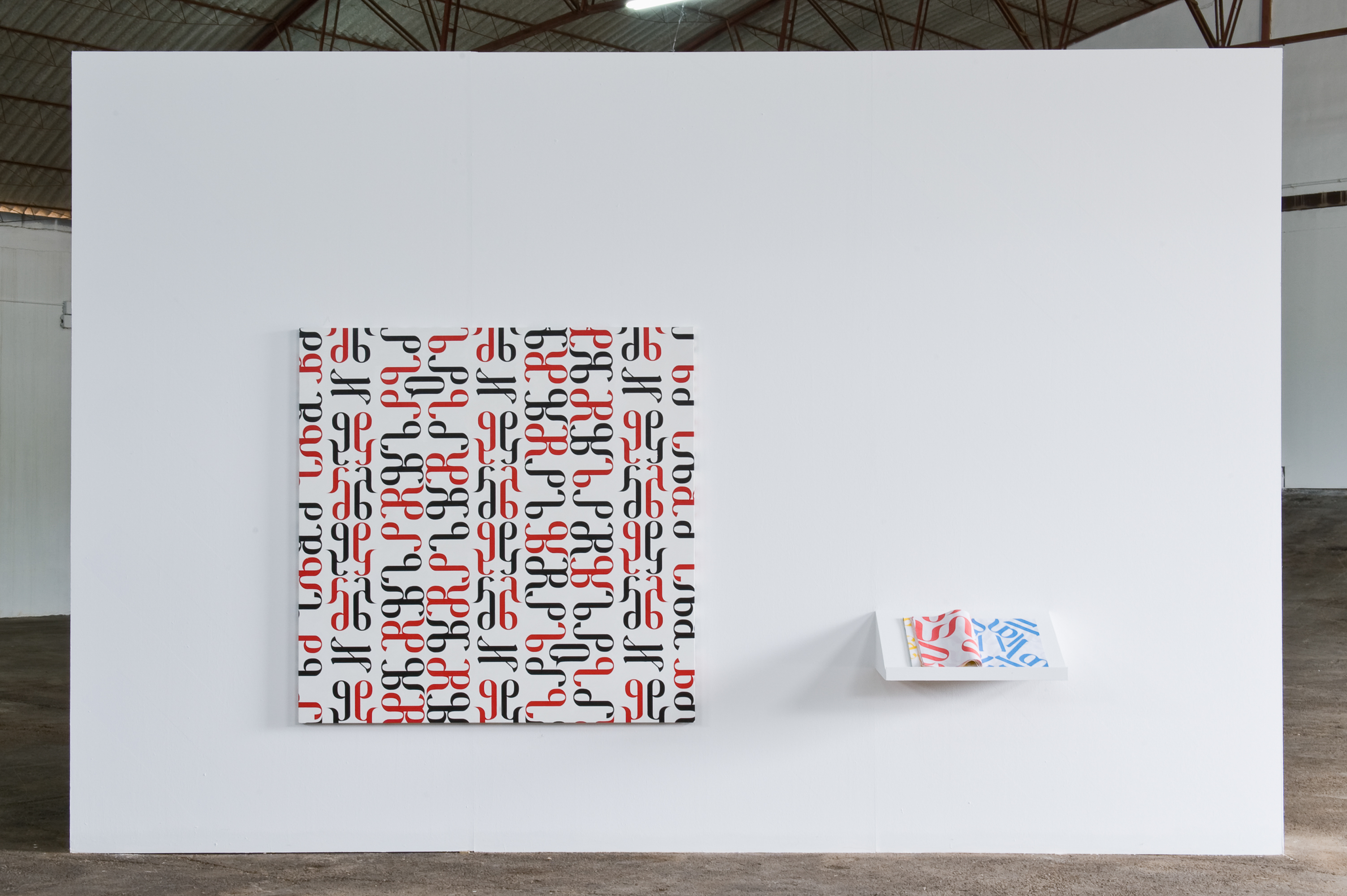
Tenir pendant que le balancement se meurt
- P h i l i p p e D e c r a u z a t
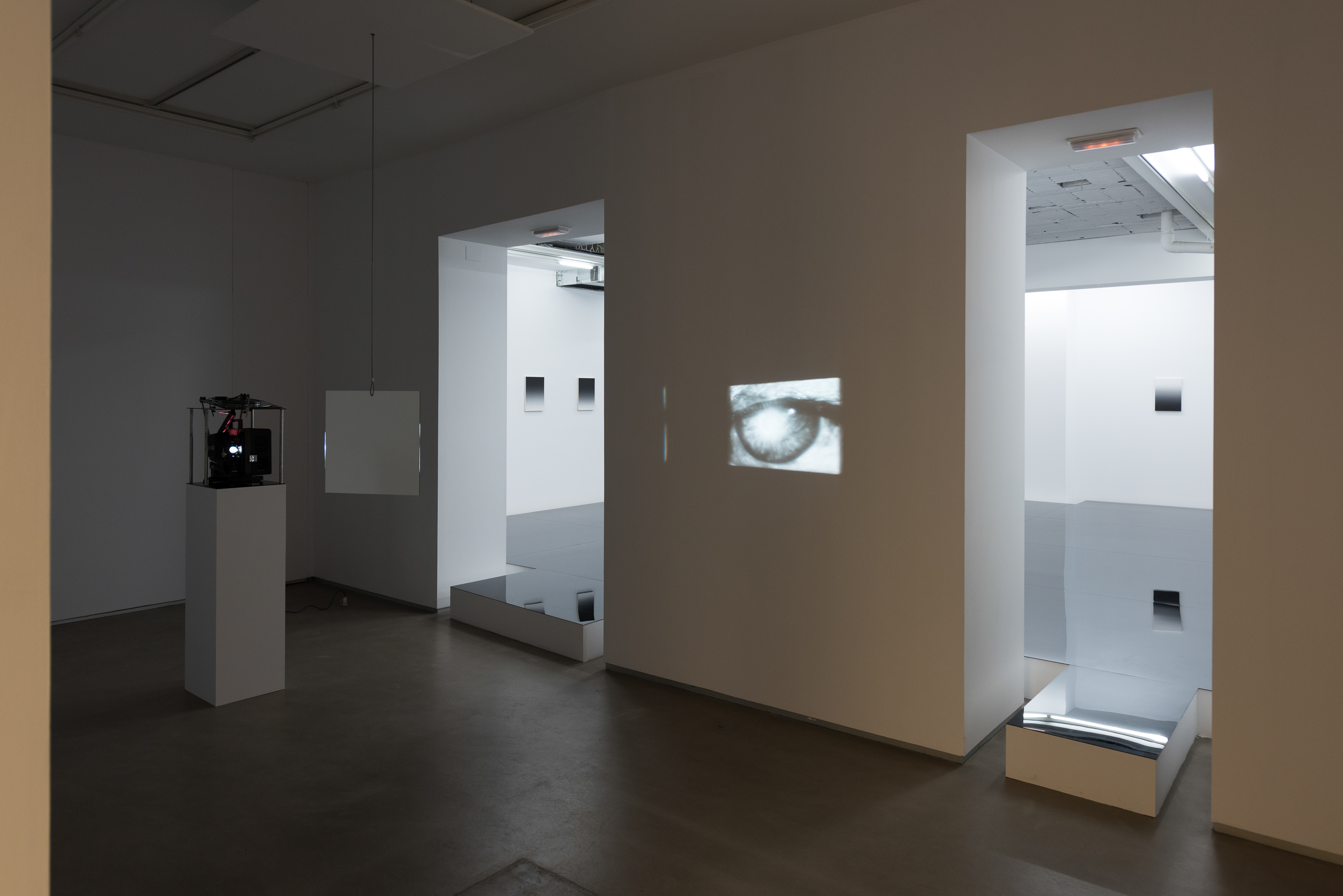
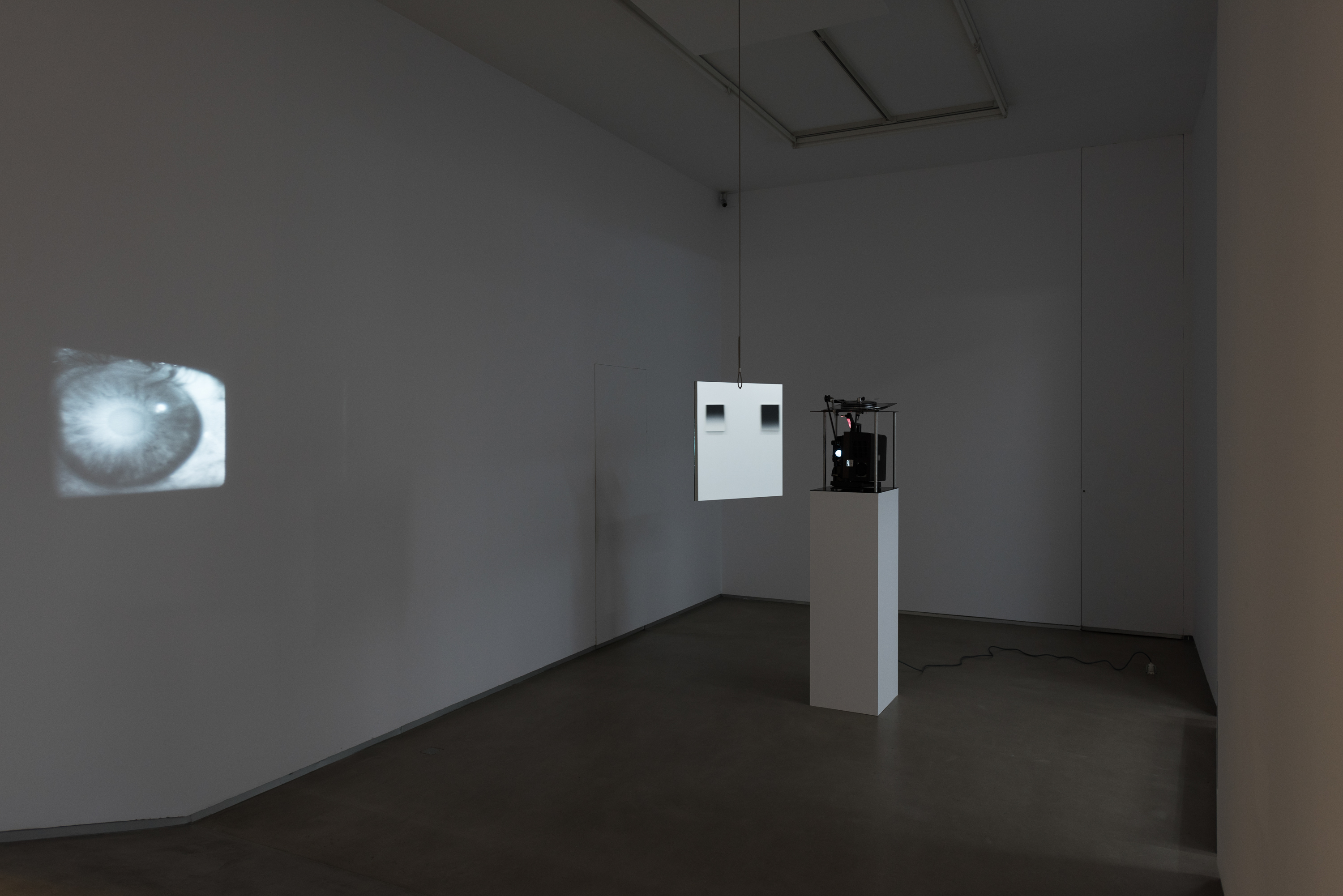
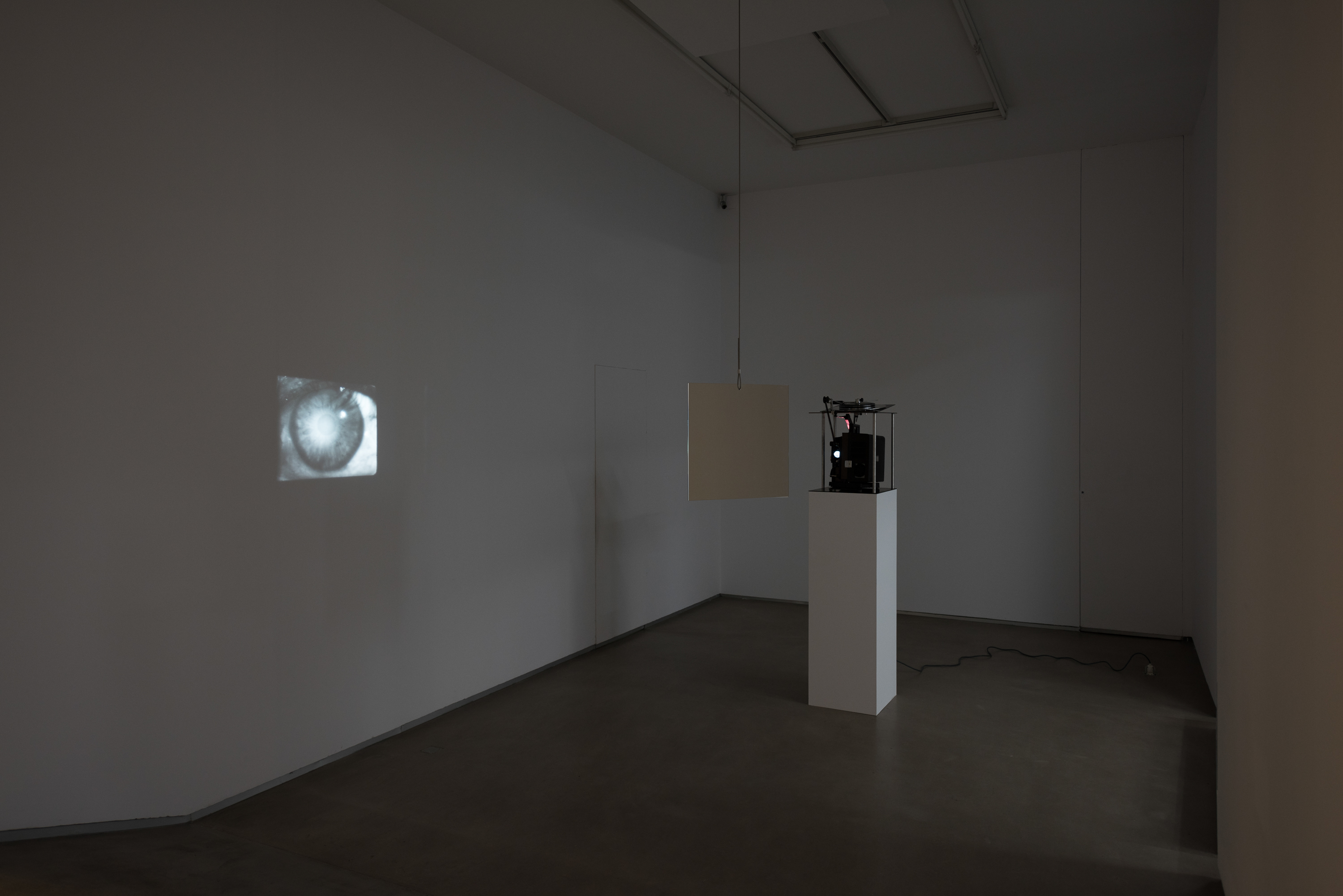

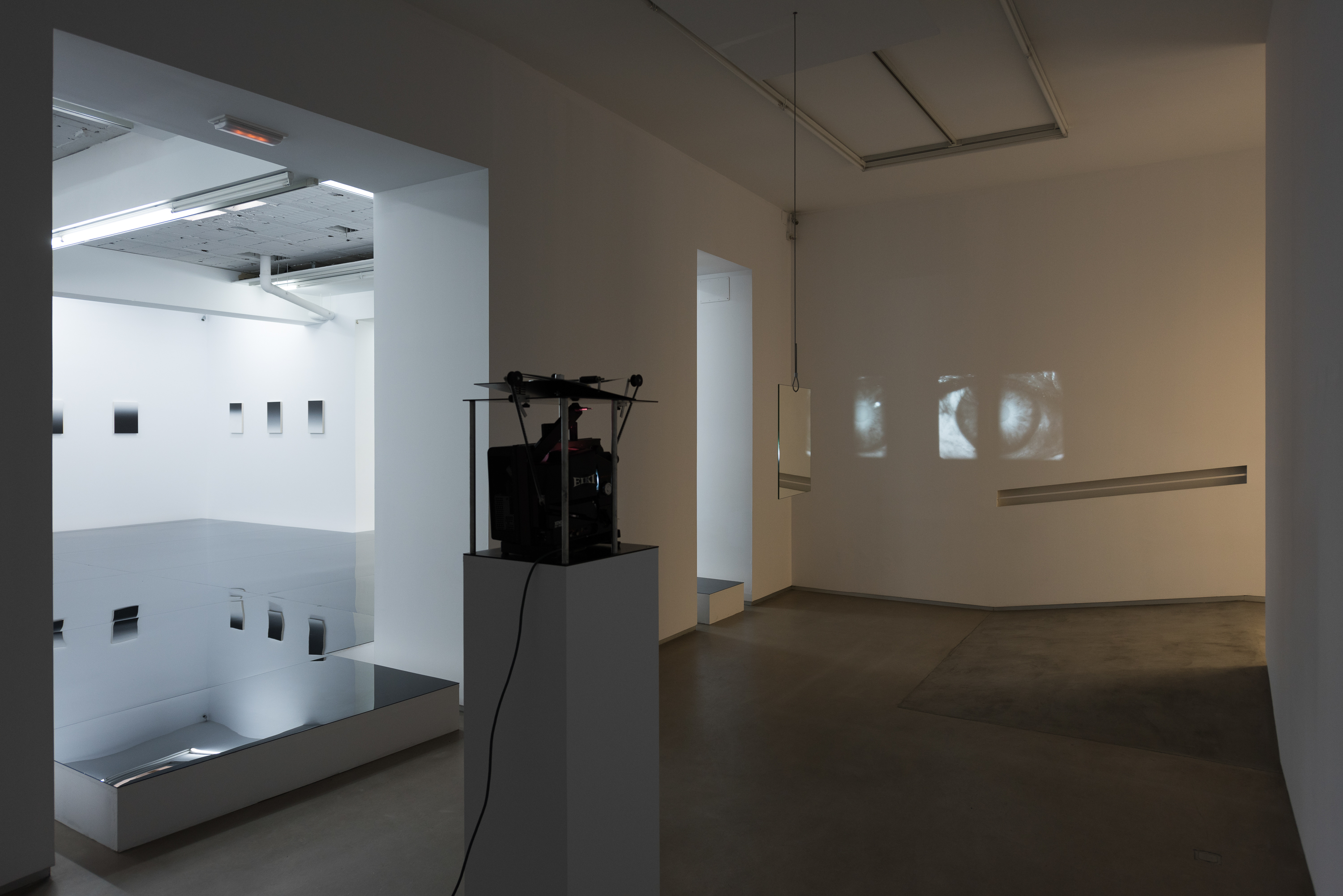

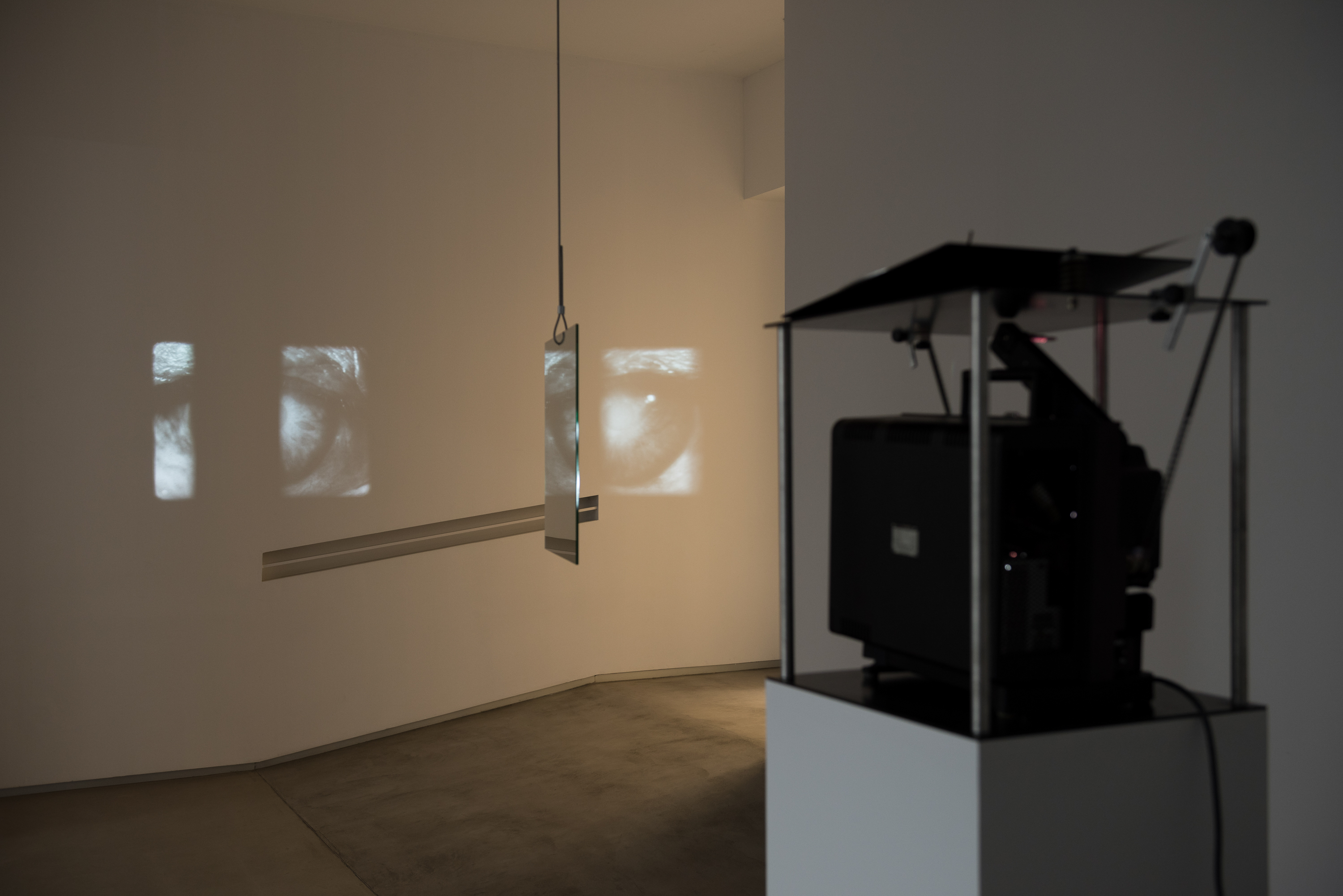
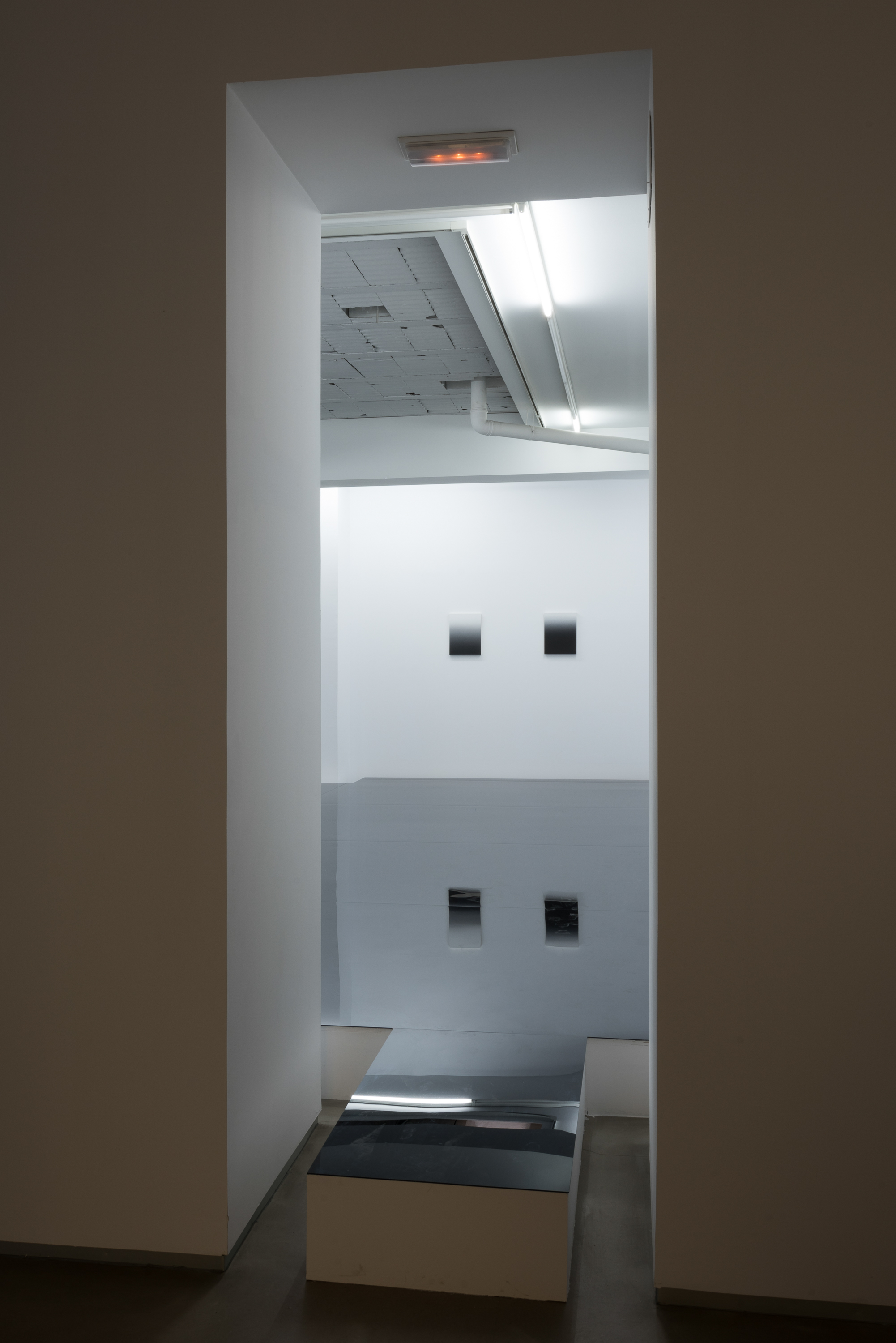
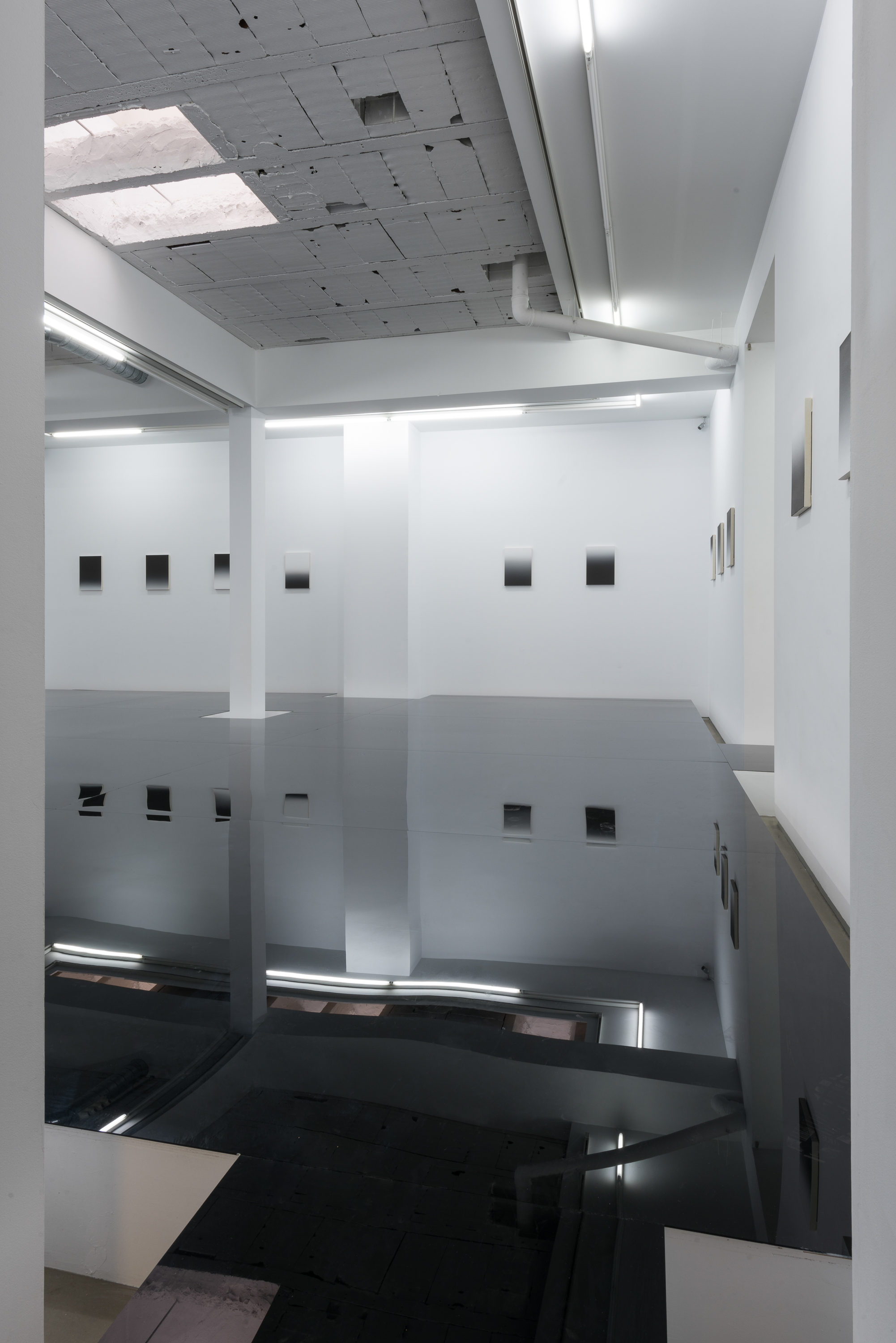
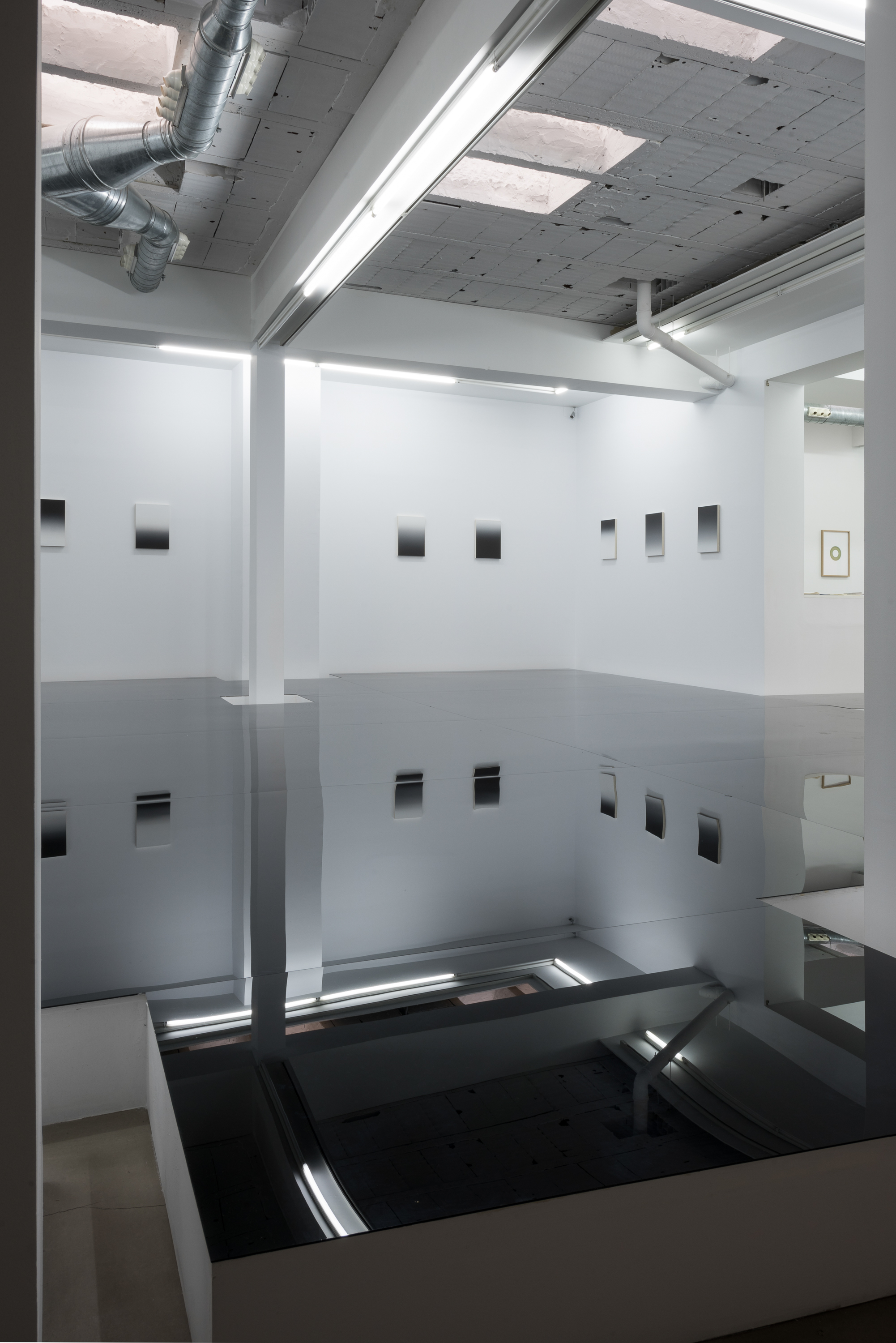
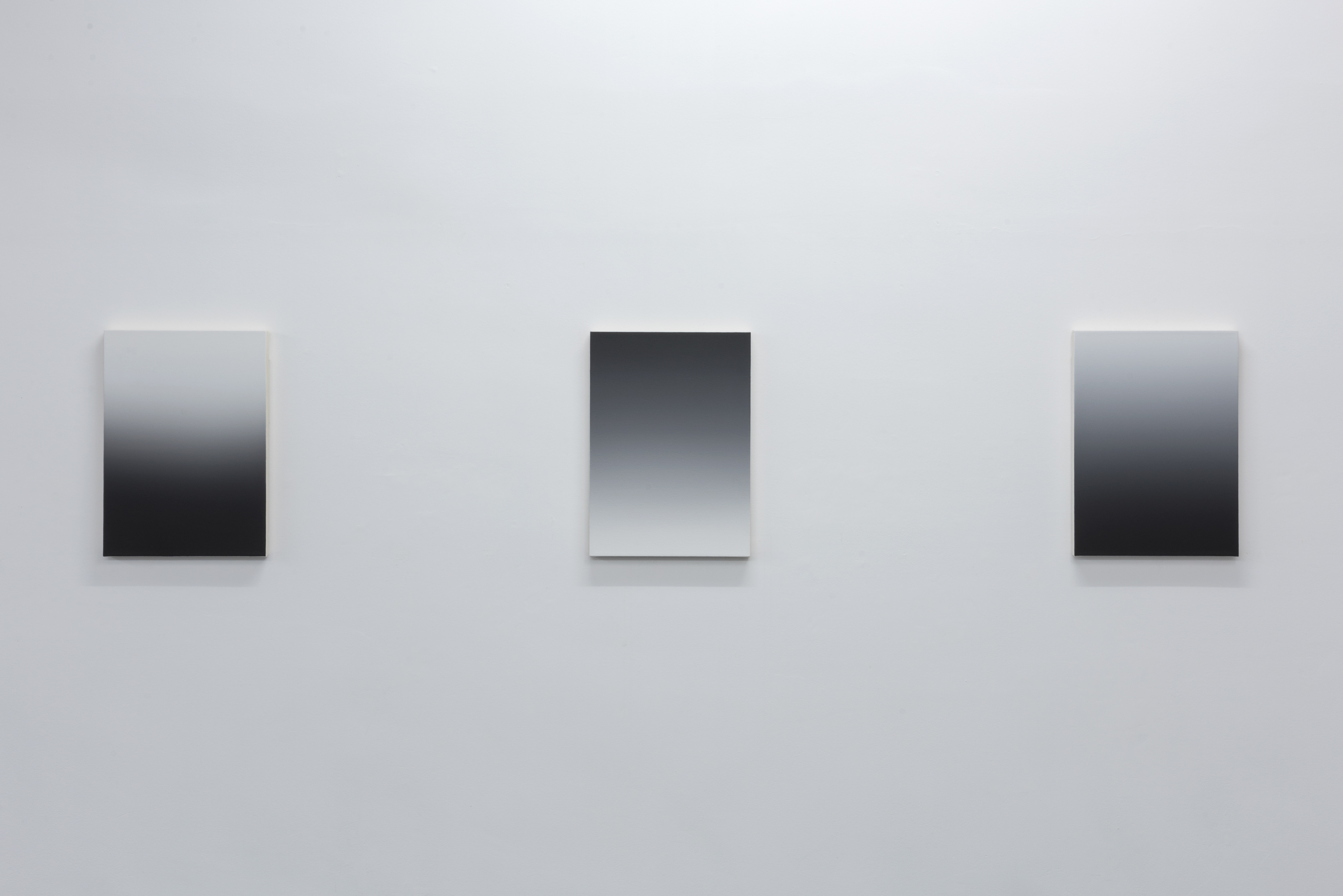
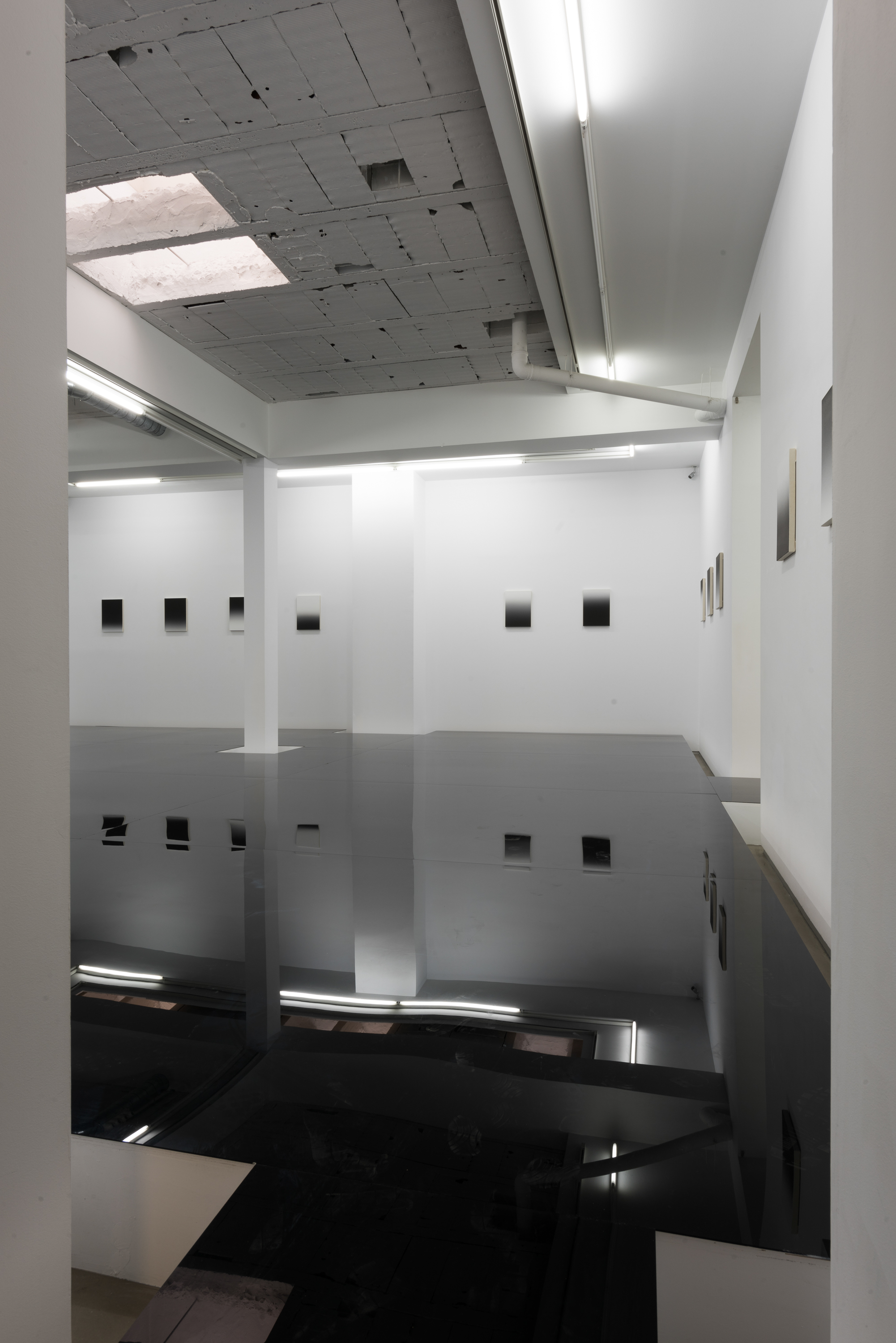
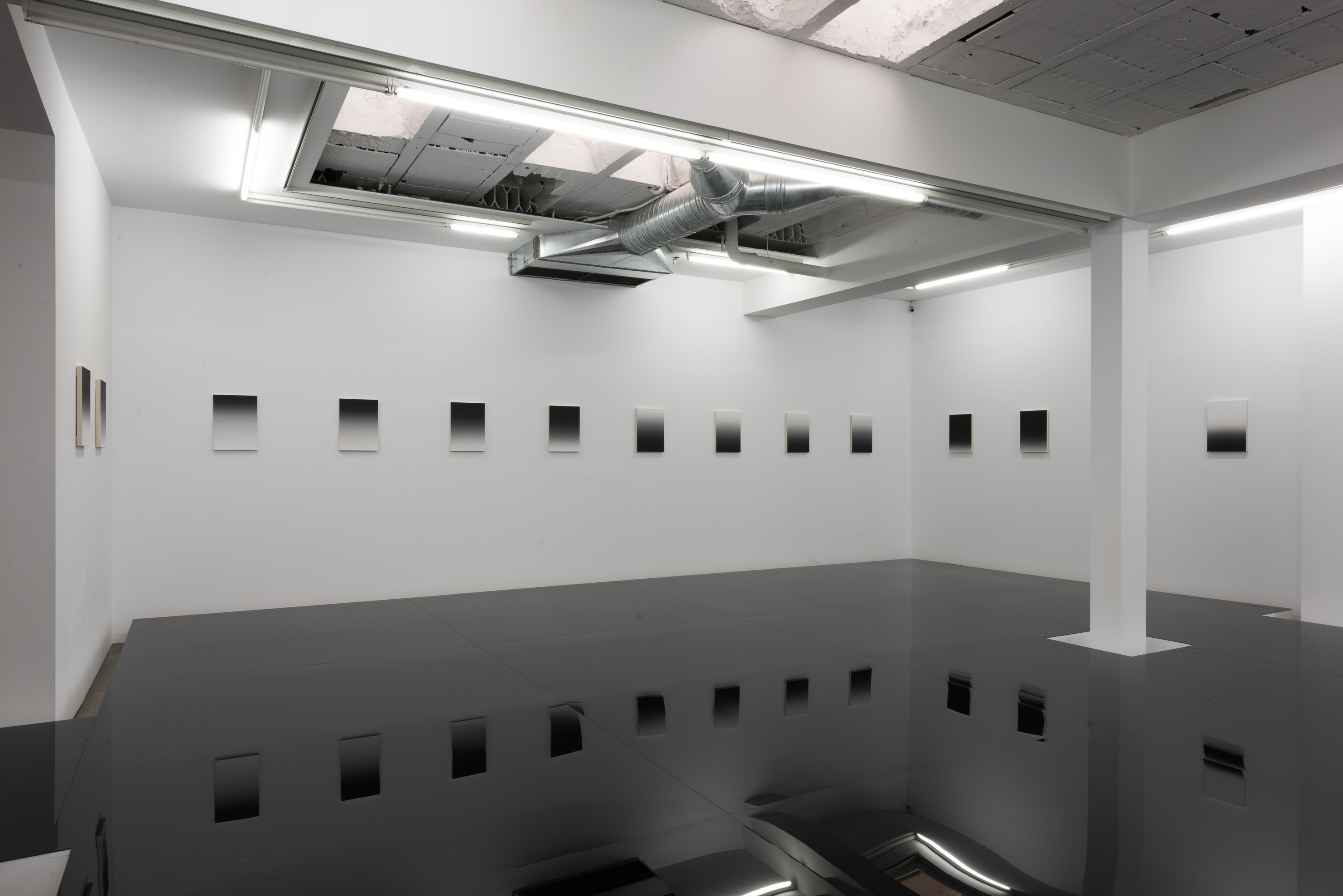
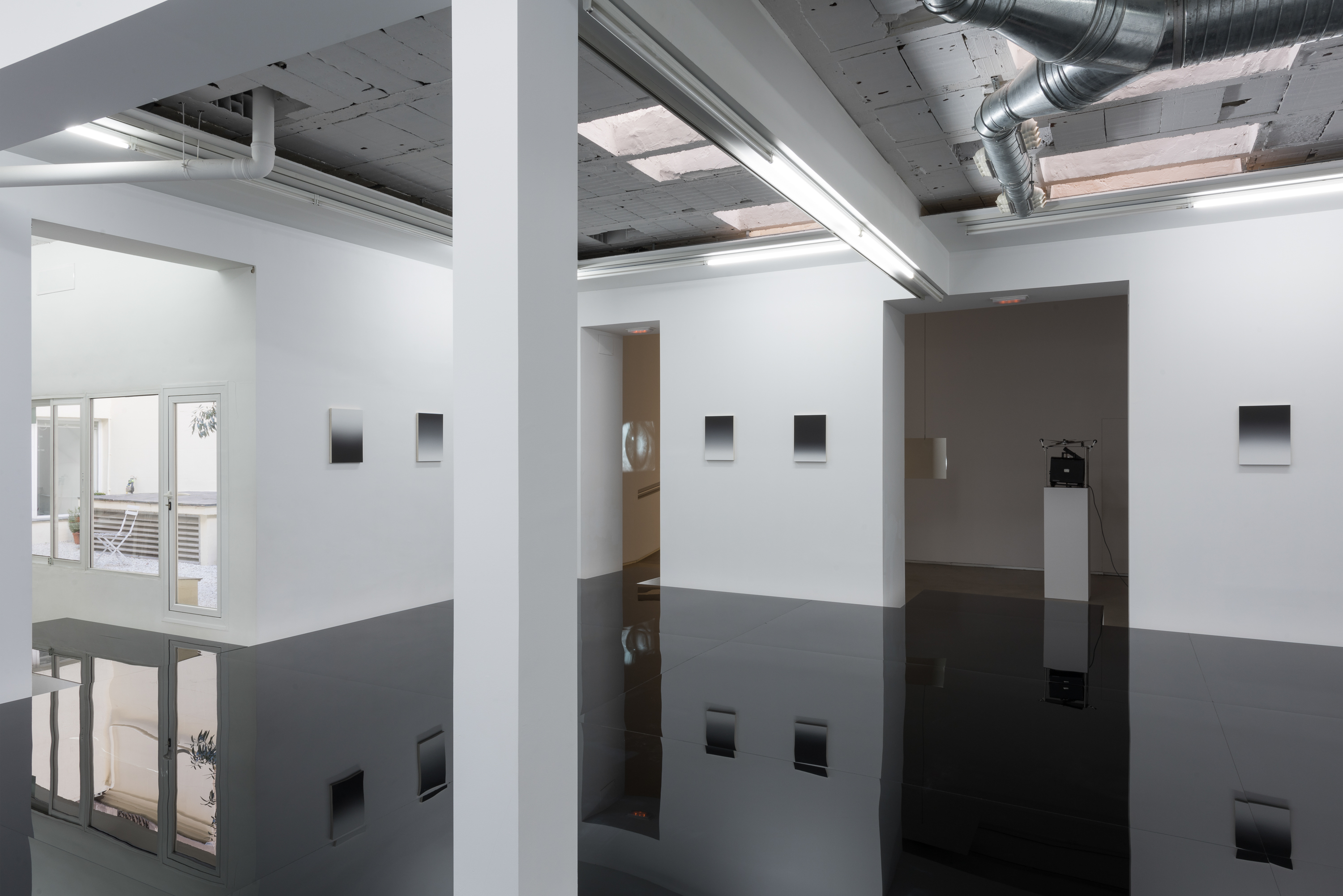
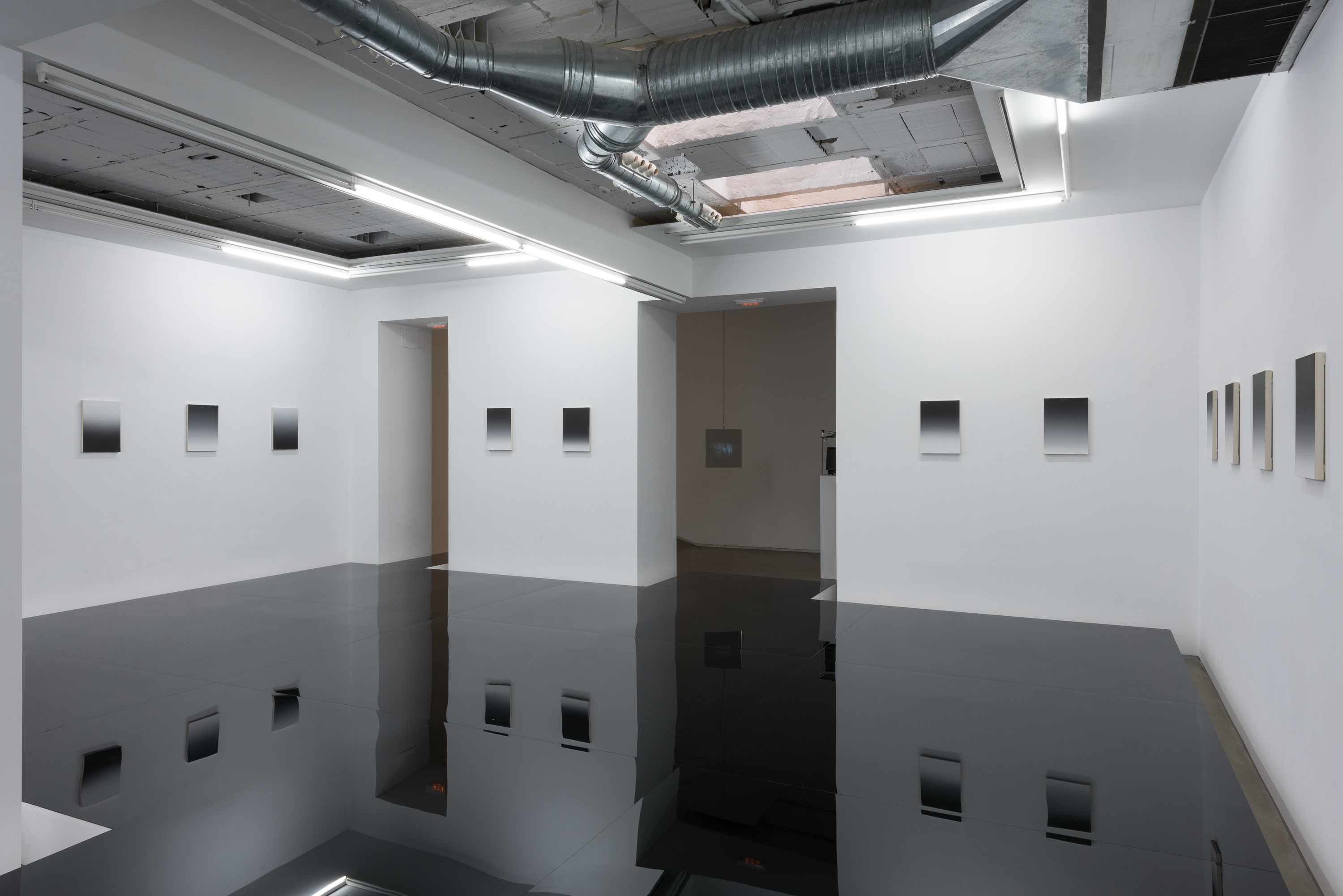



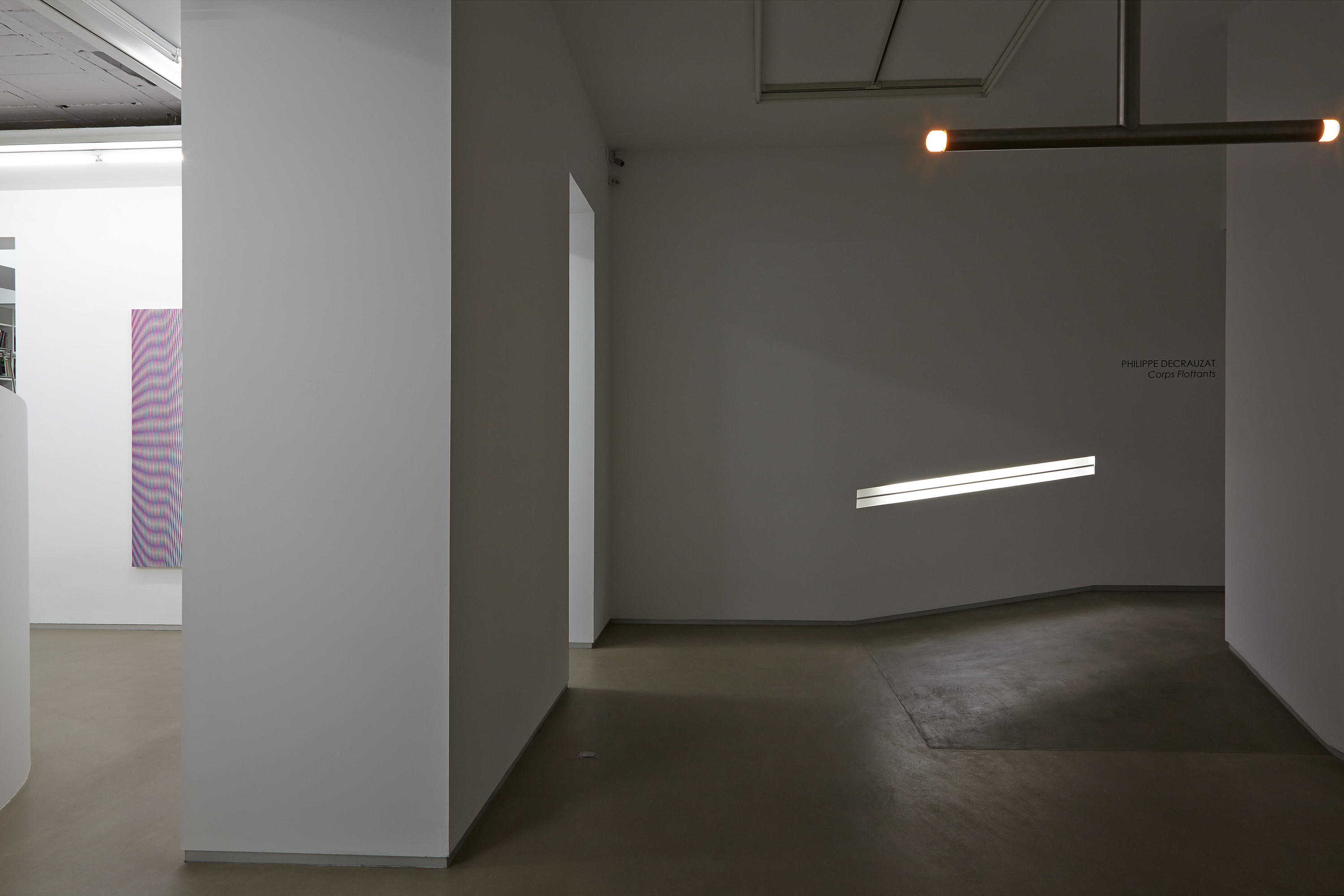
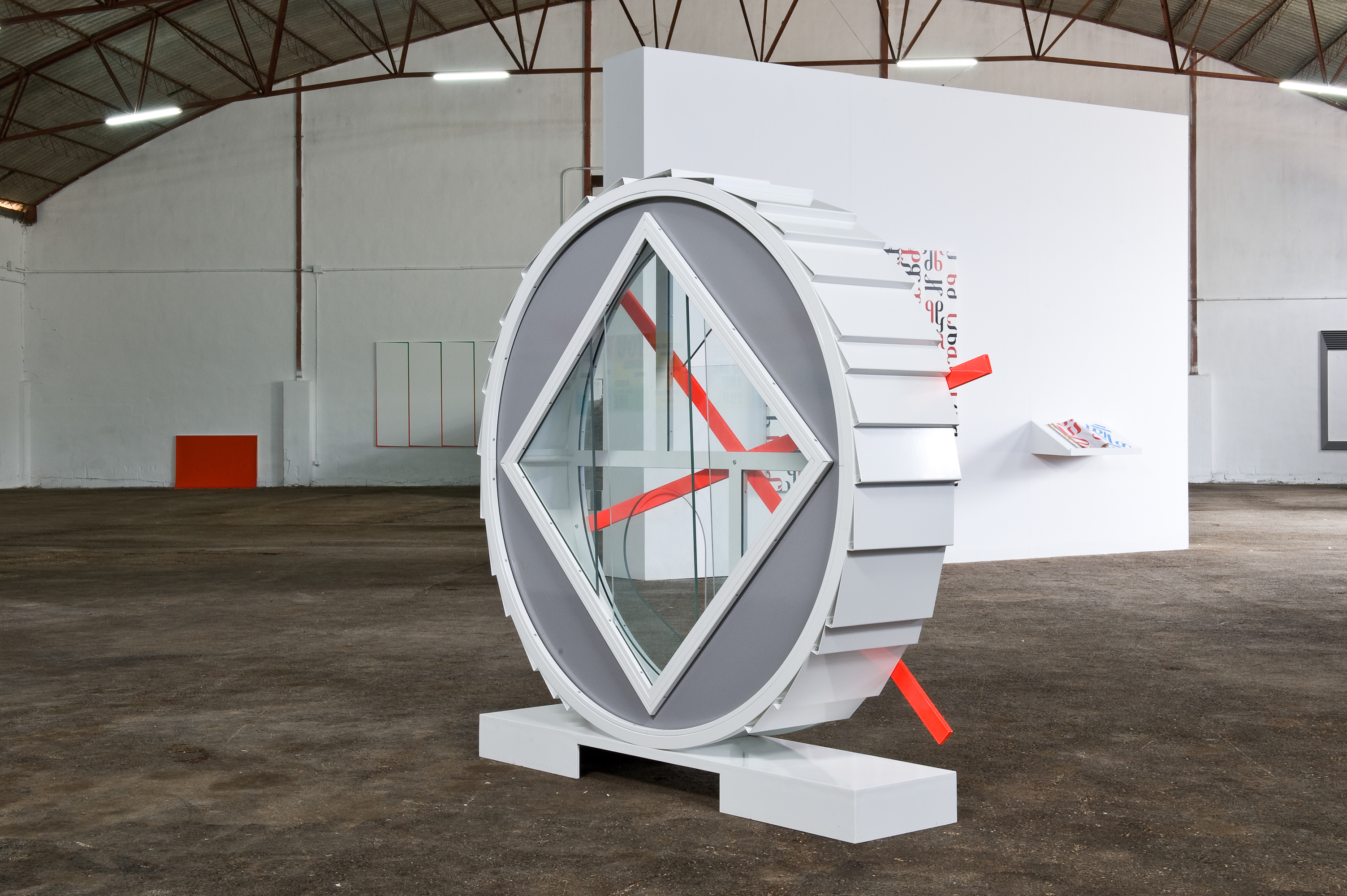
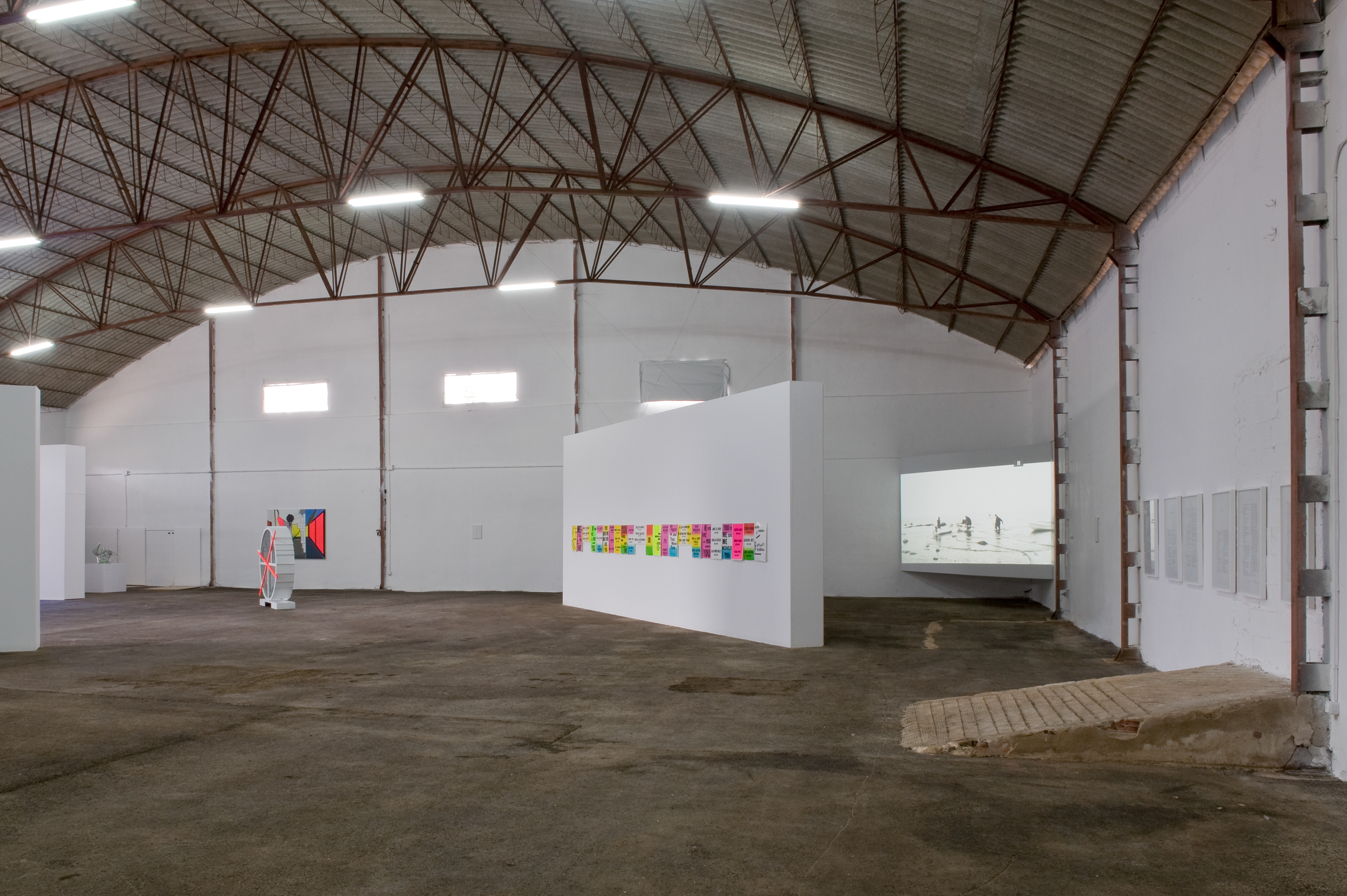
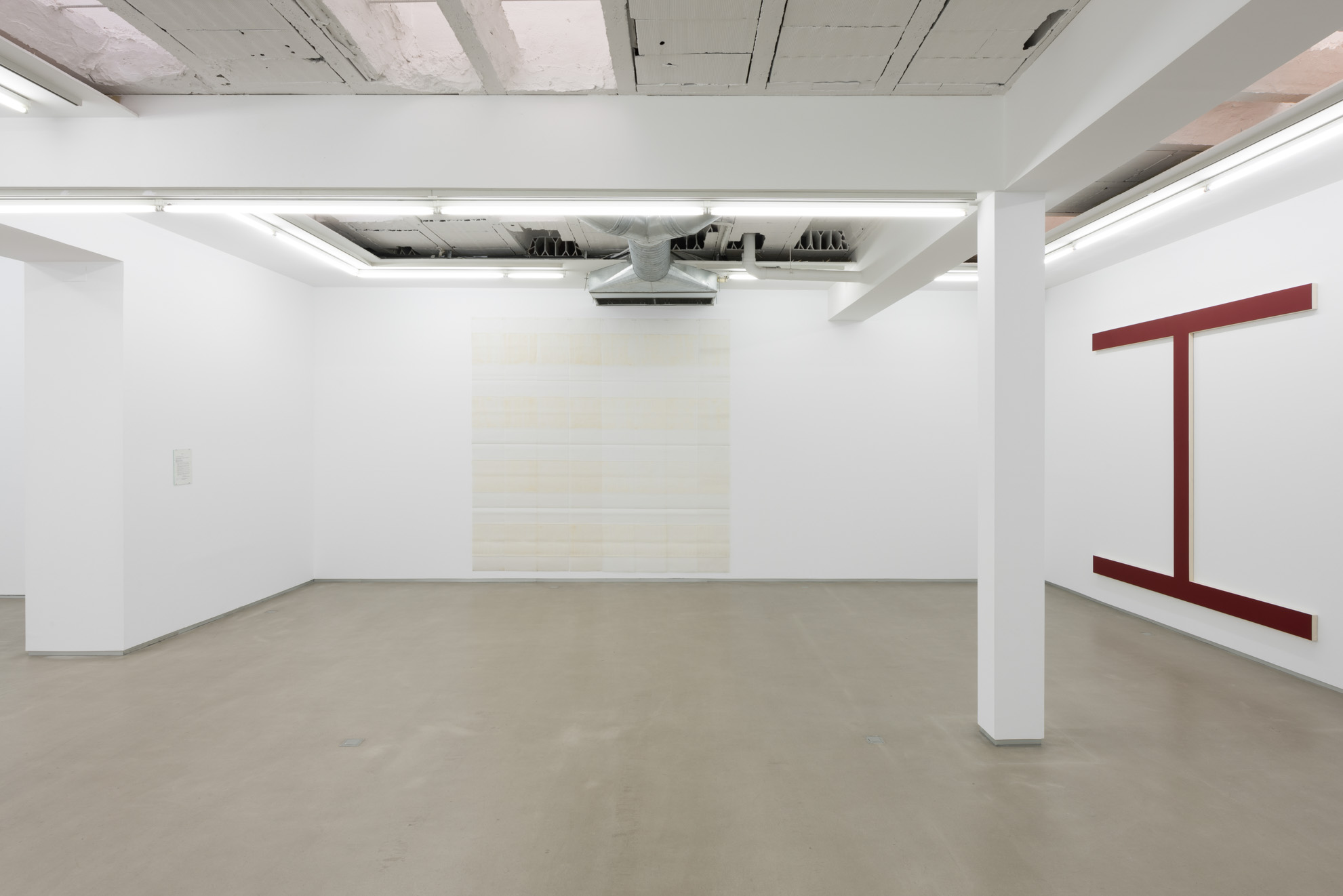
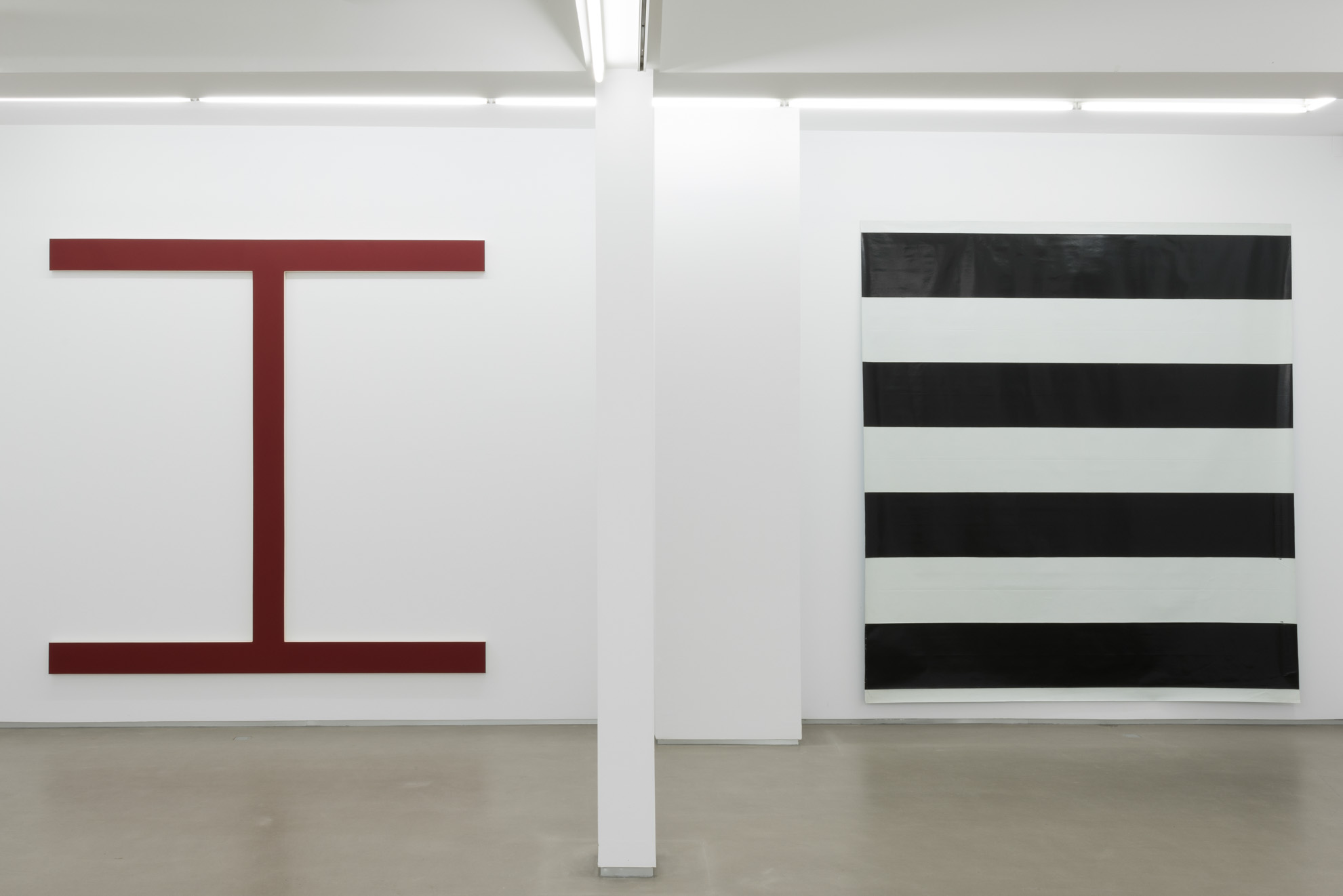
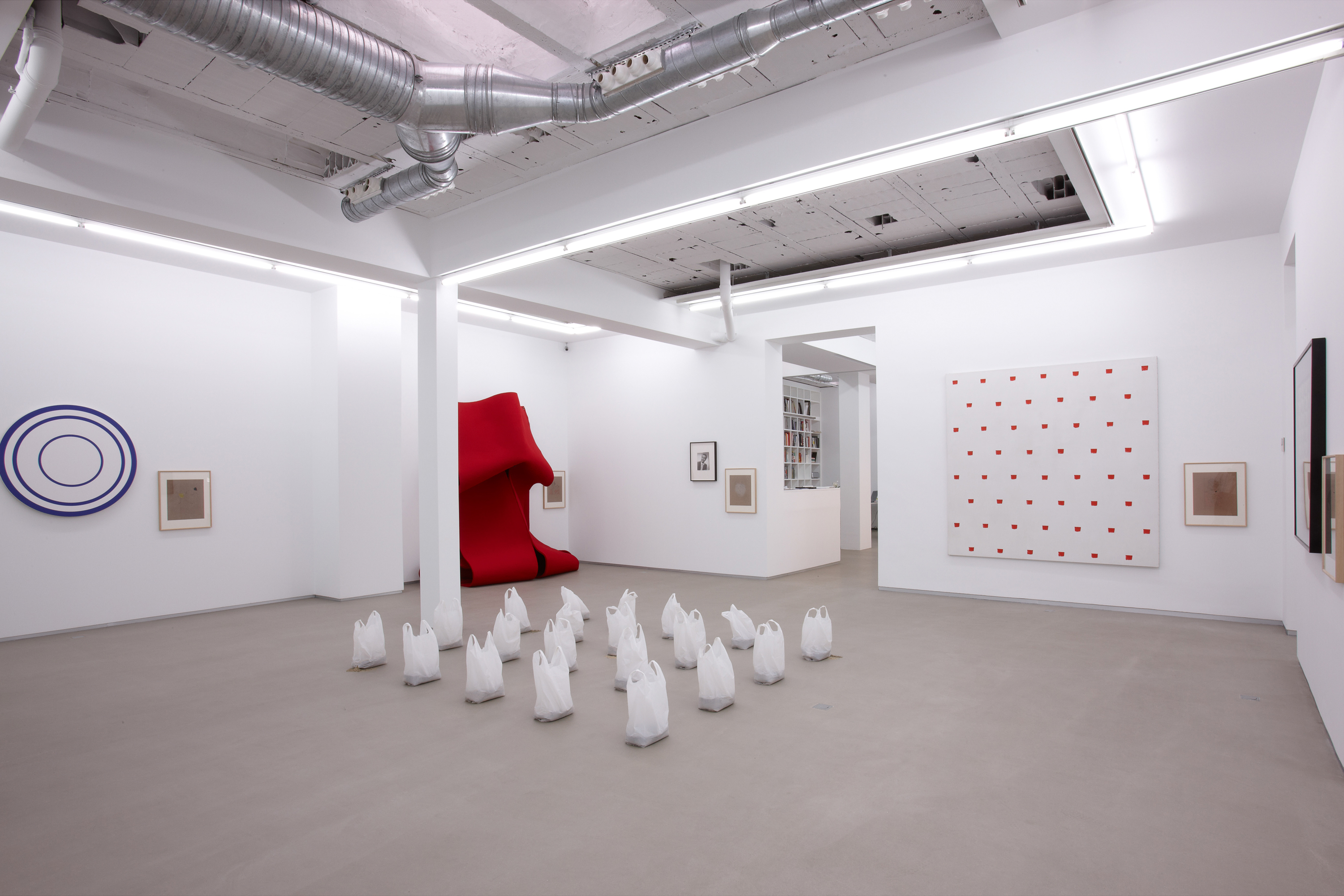
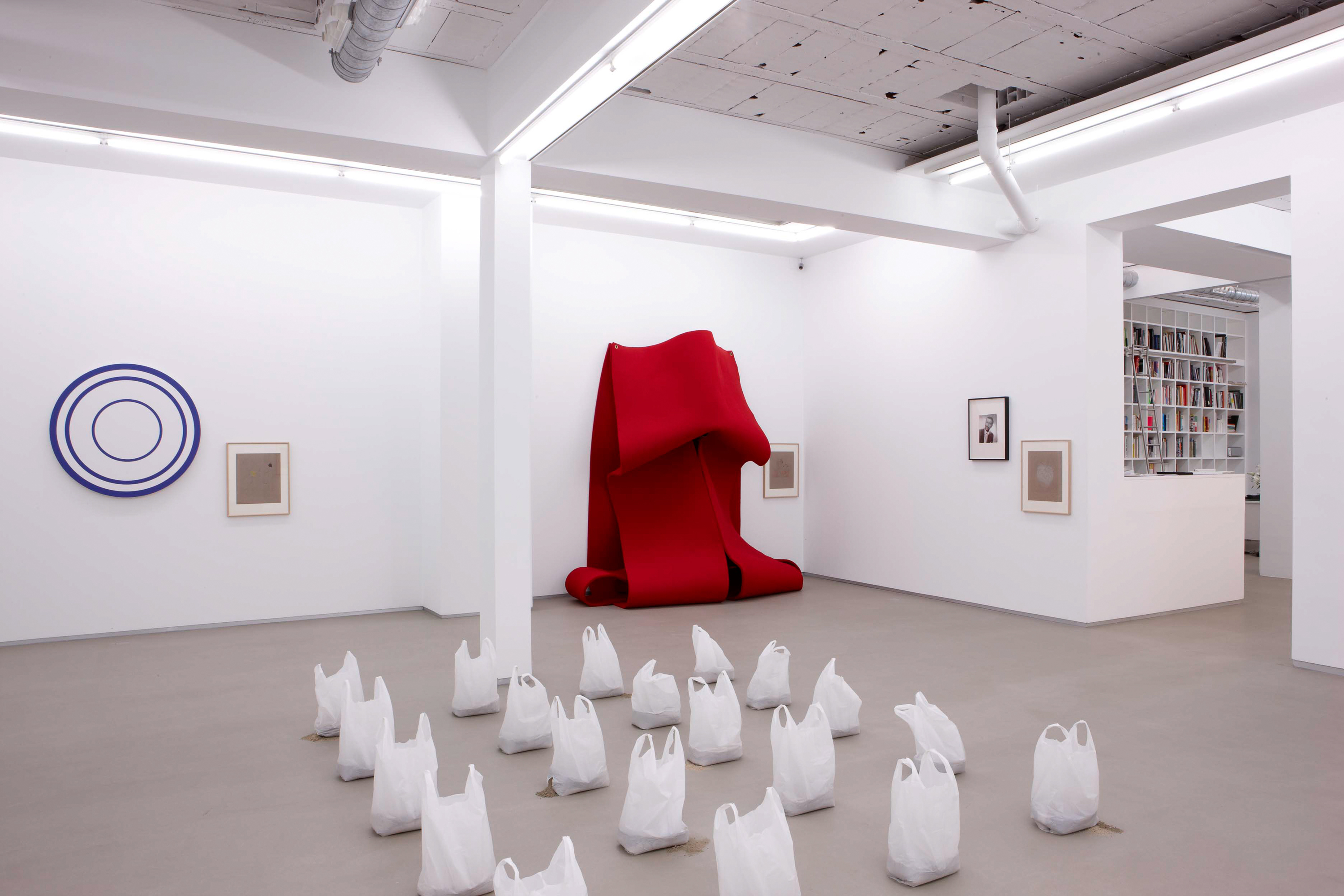
The exhibition Tenir pendant que le balancement se meurt is being presented with a narrative title, which, while not restricting the tale or the action, remains mysterious. Does this concern perpetual motion, implying the absence of friction and the transformation of energy? The show is organised around two installations: a film and a series of painted canvases, thanks to which Philippe Decrauzat draws perception towards a threshold, an eclipse, vertigo, discontinuity and deceleration. The title is in fact taken from a film script by the writer Samuel Beckett (Film, Samuel Beckett and Alan Schneider, 1965).
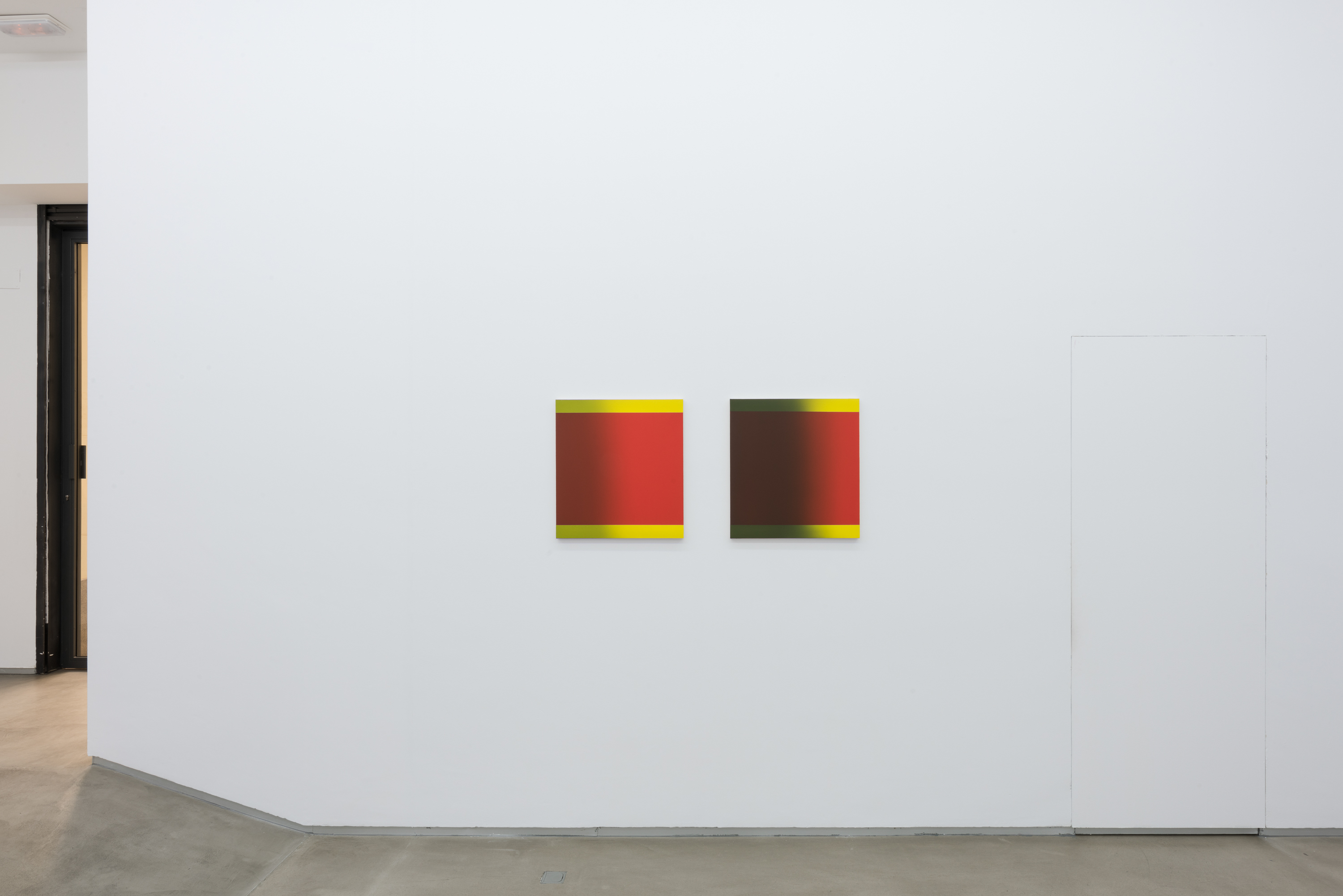
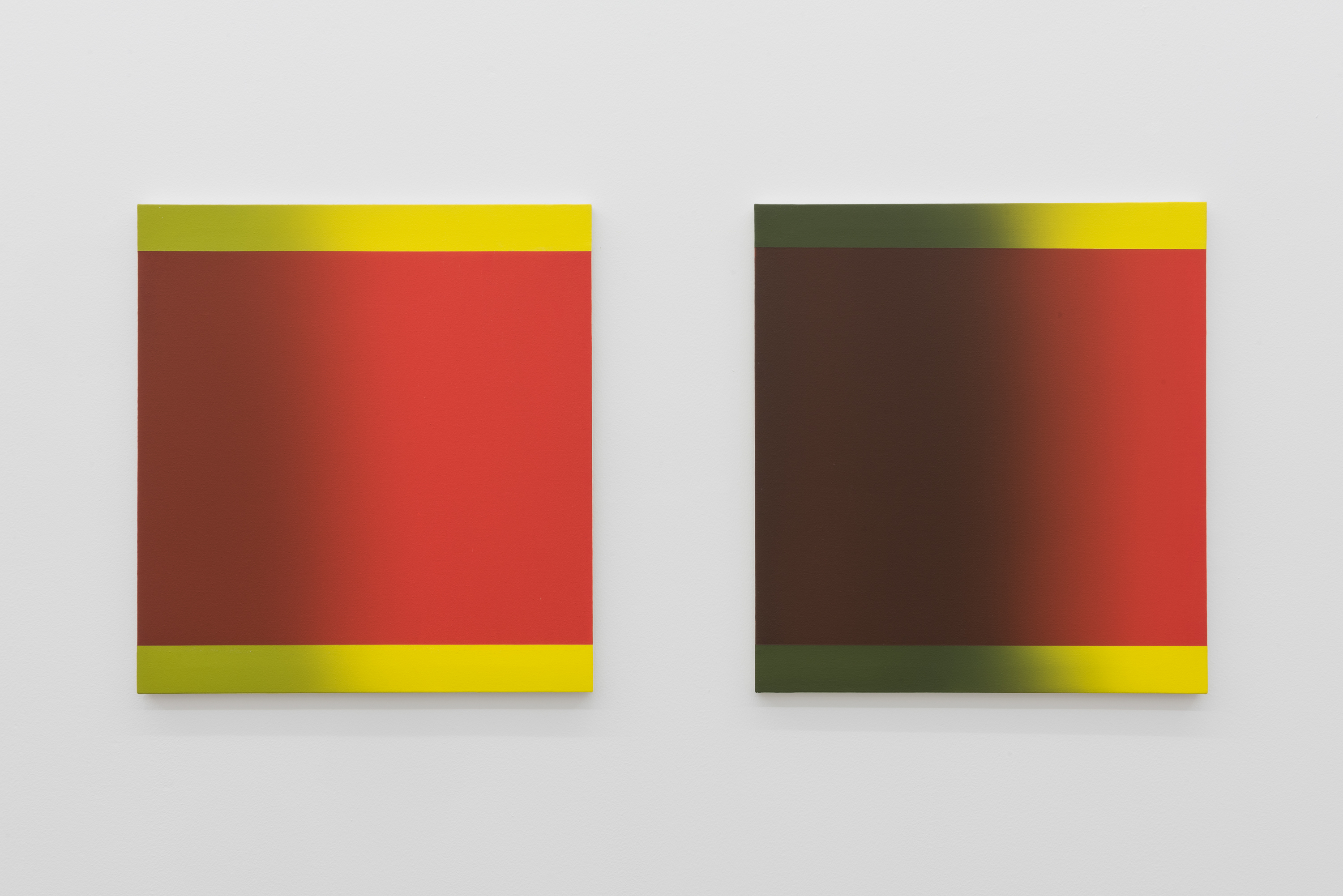
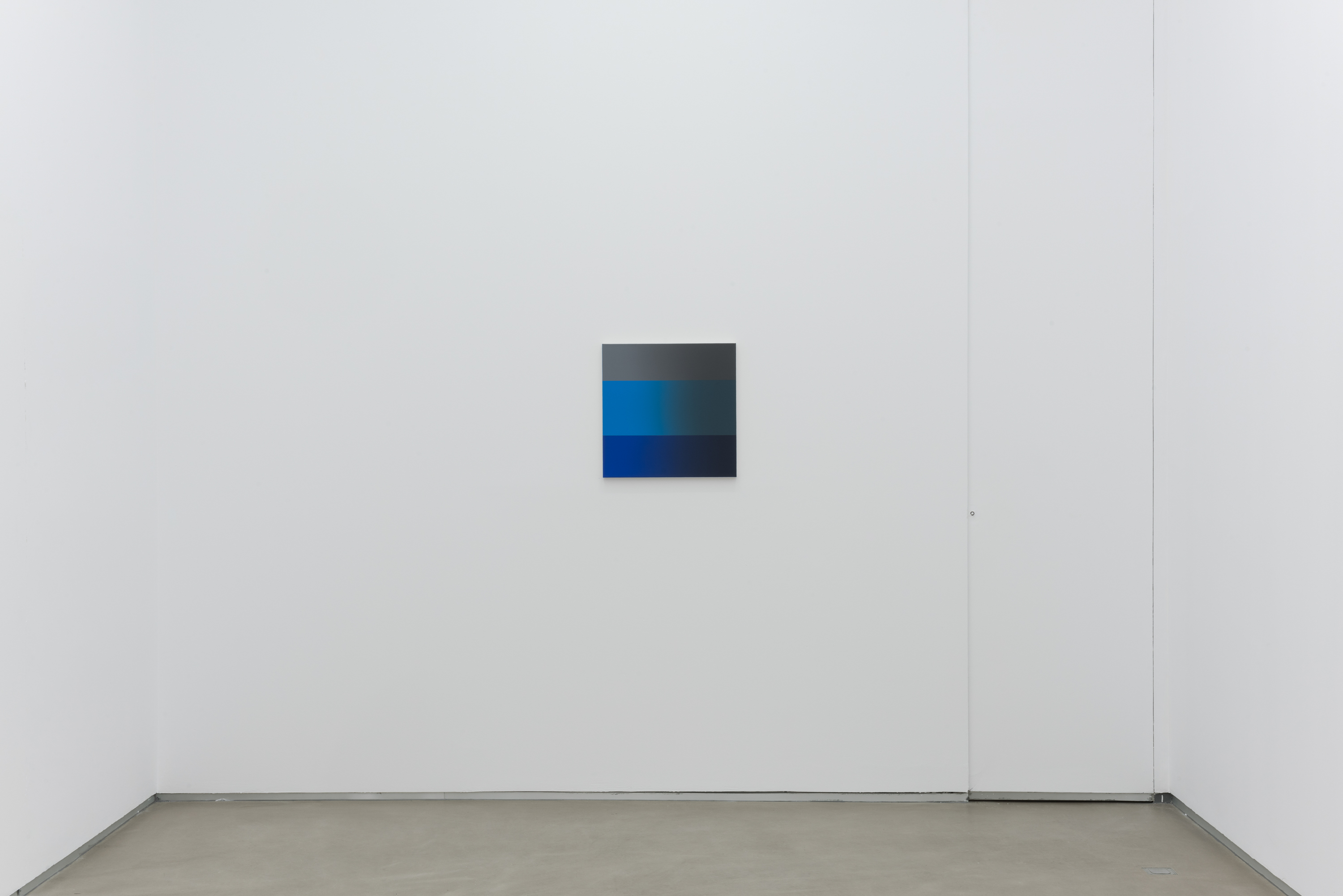
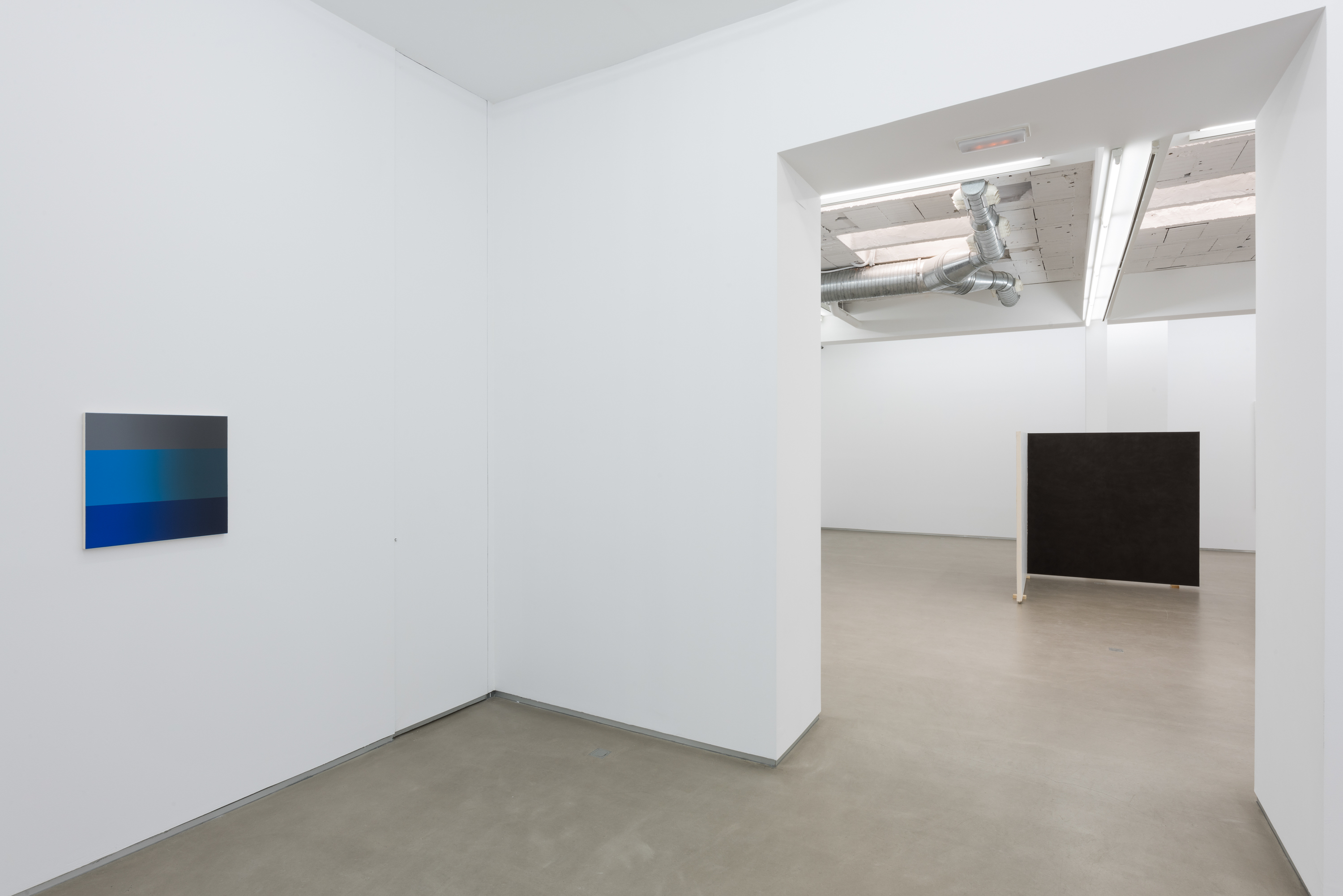
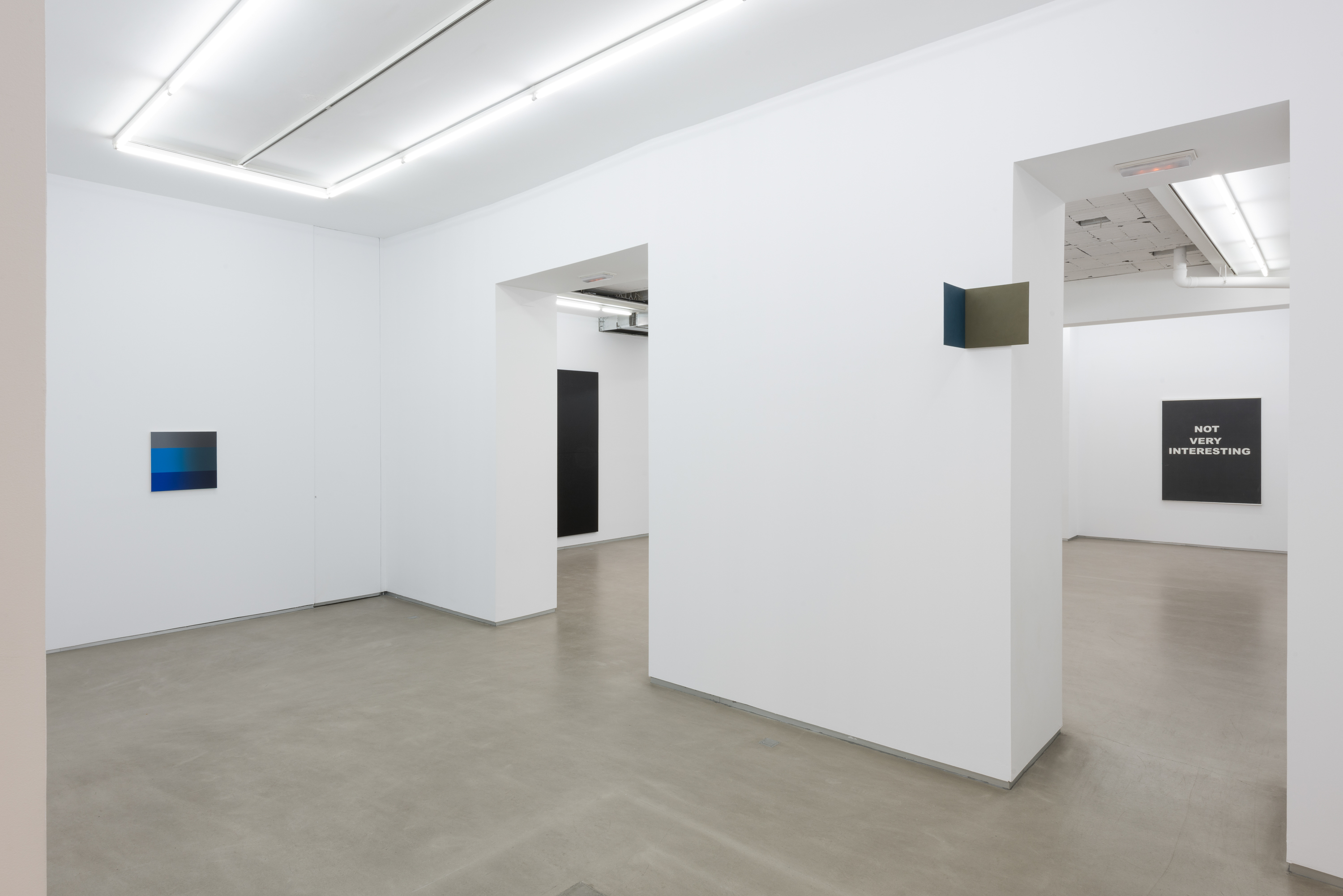
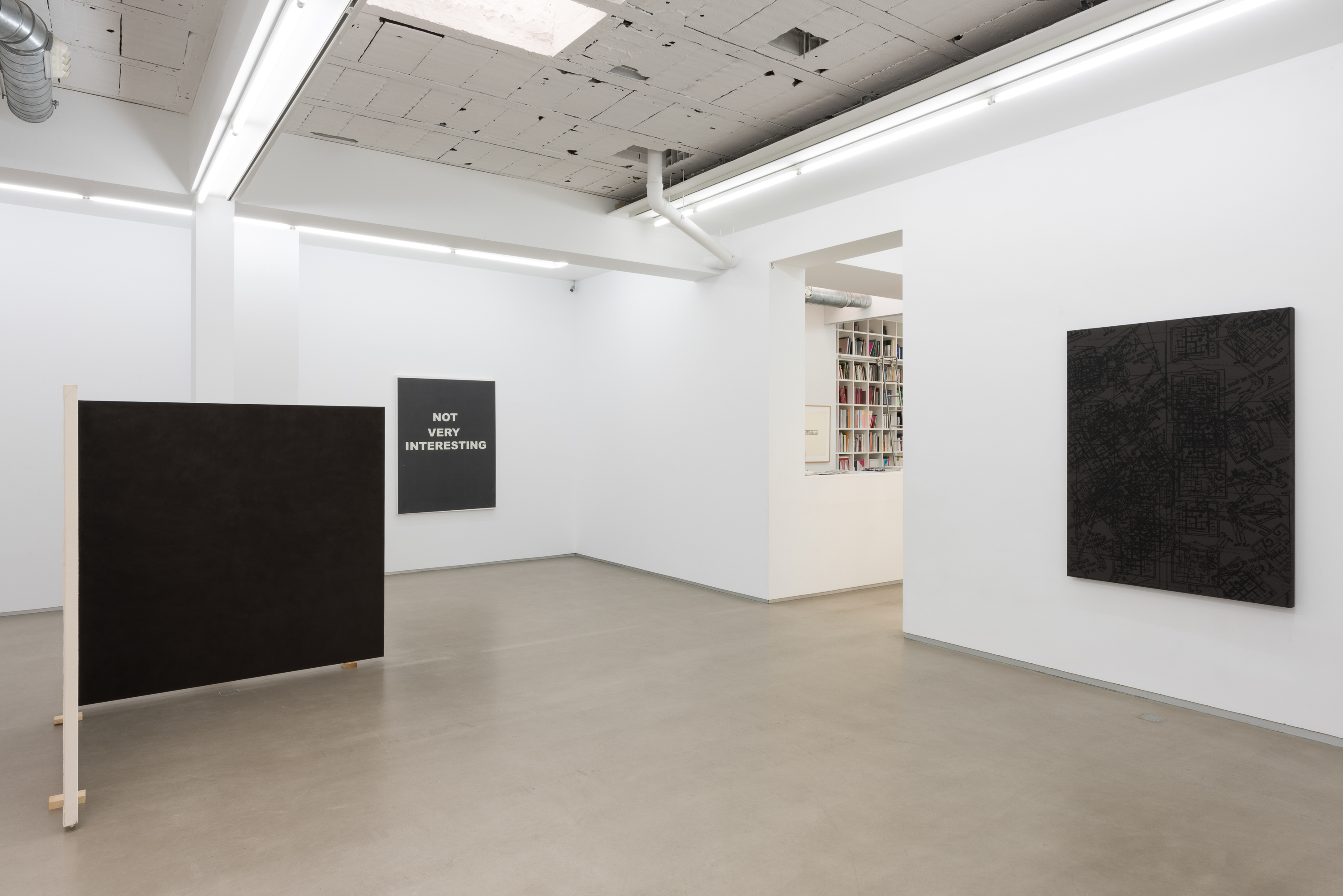
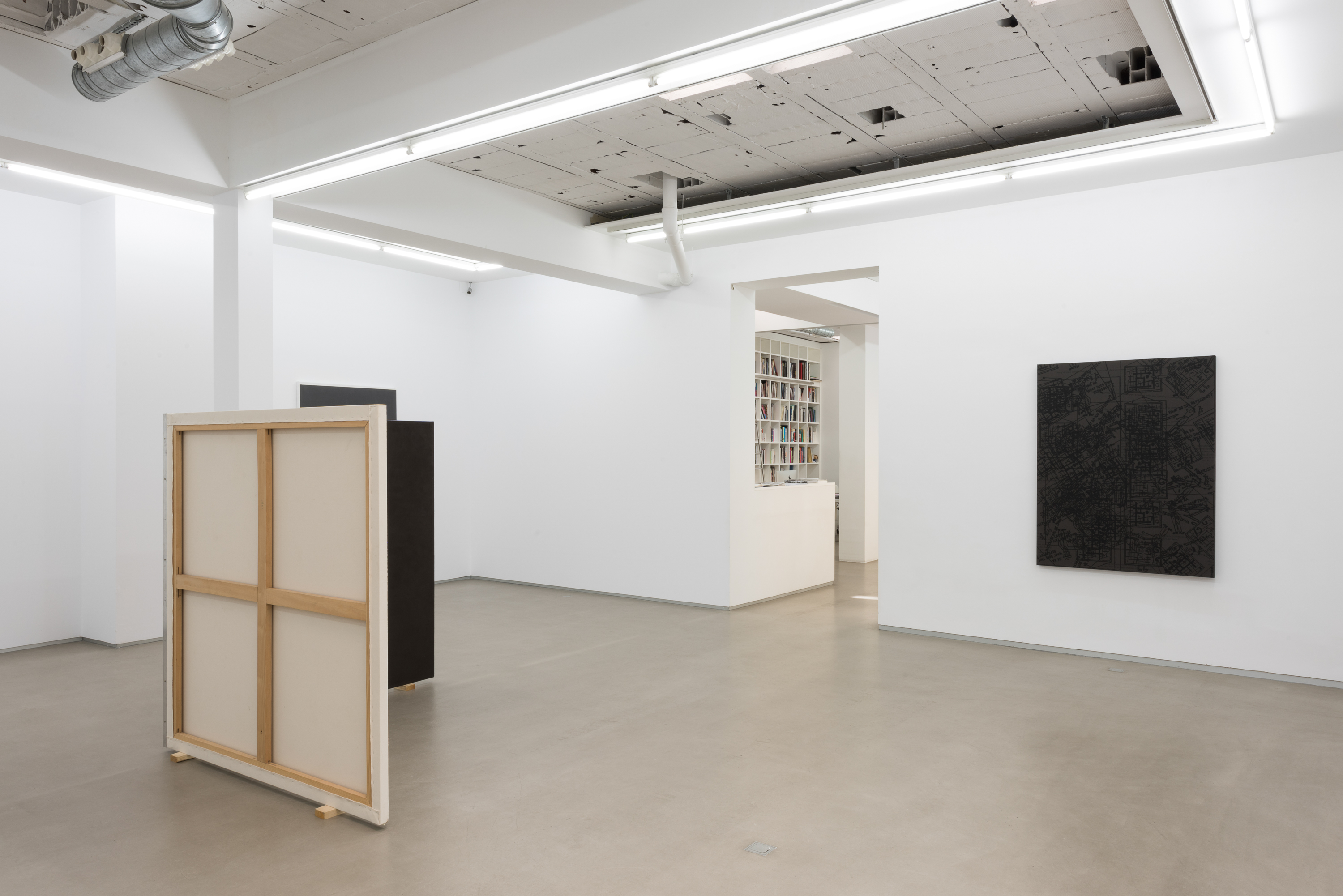
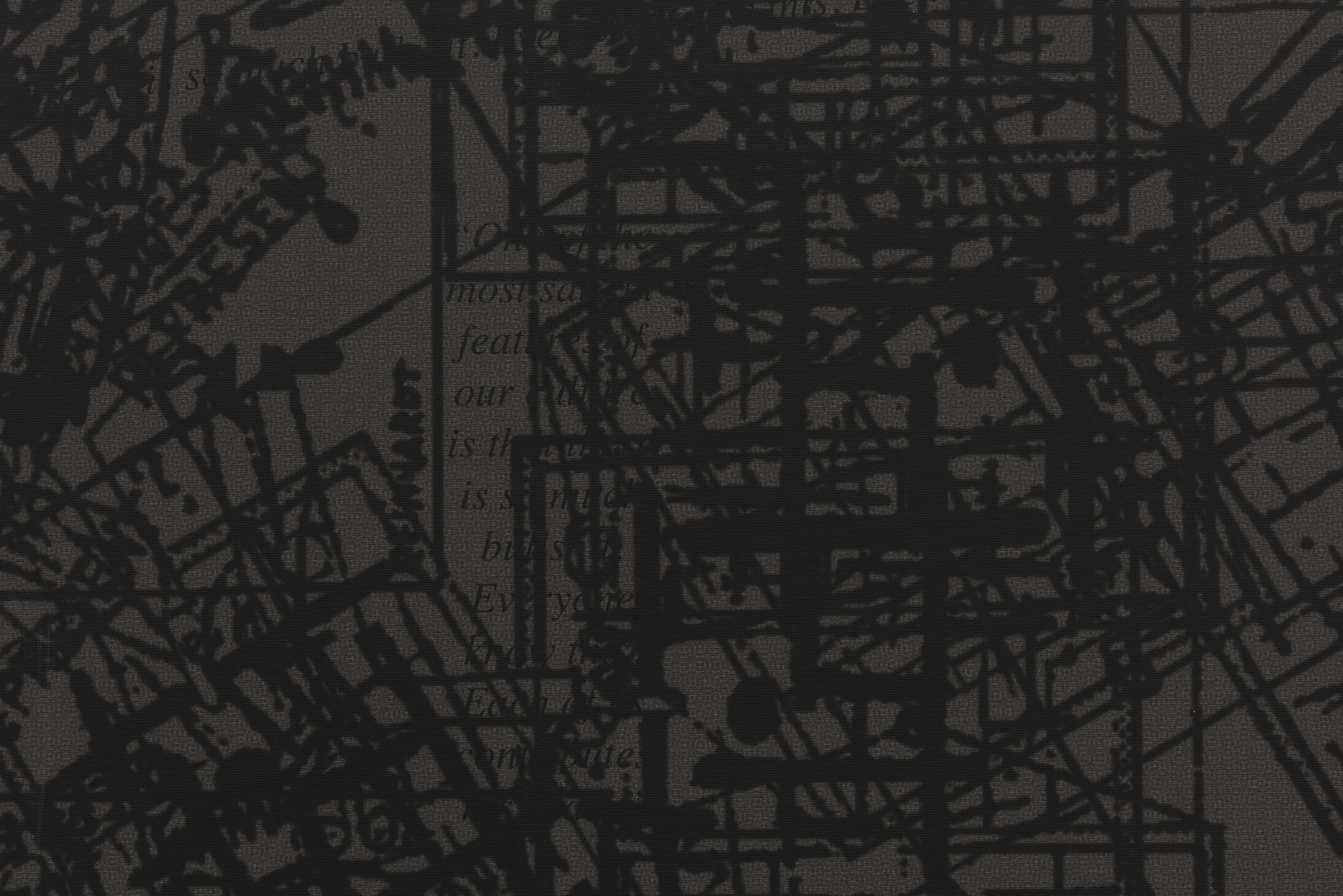
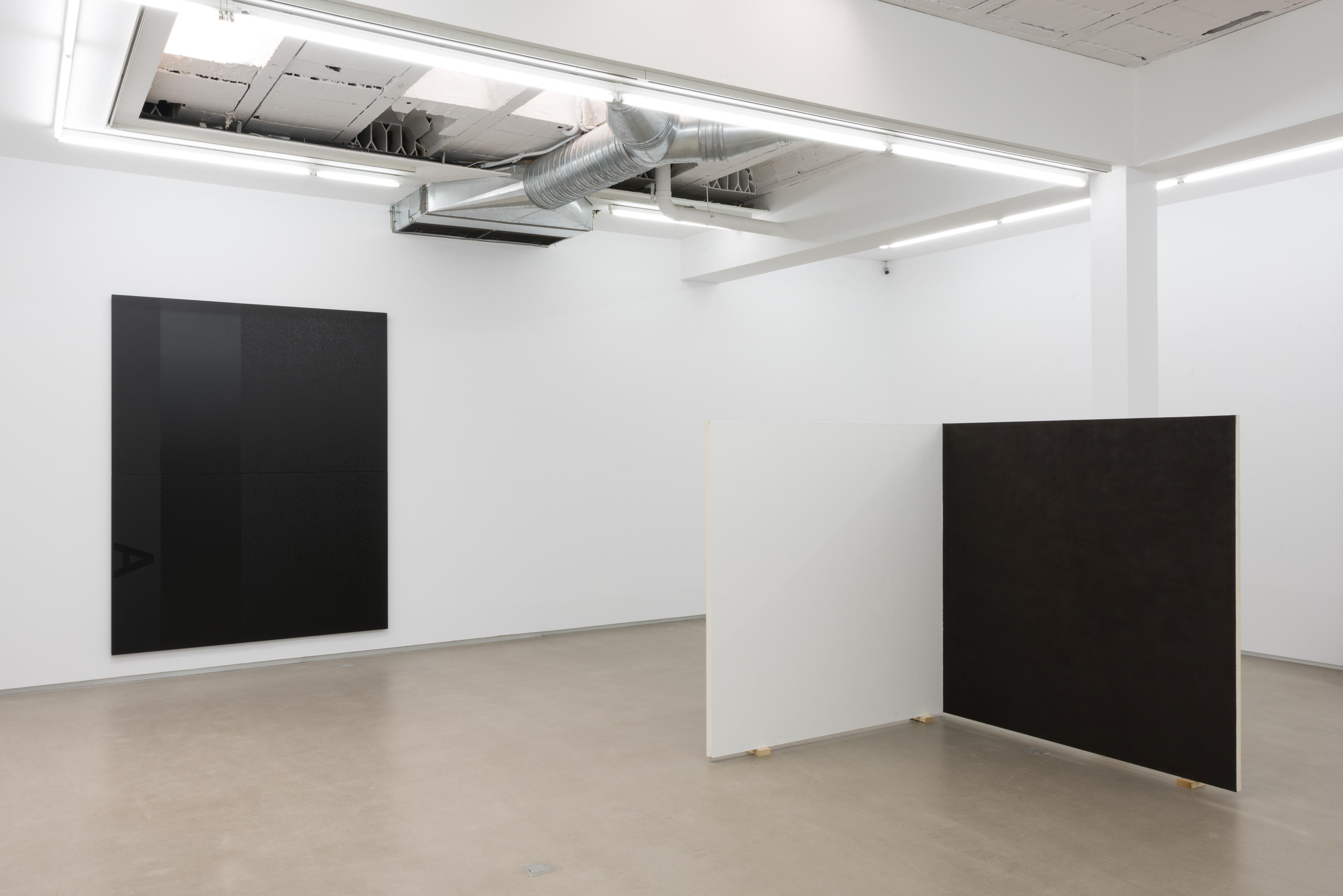
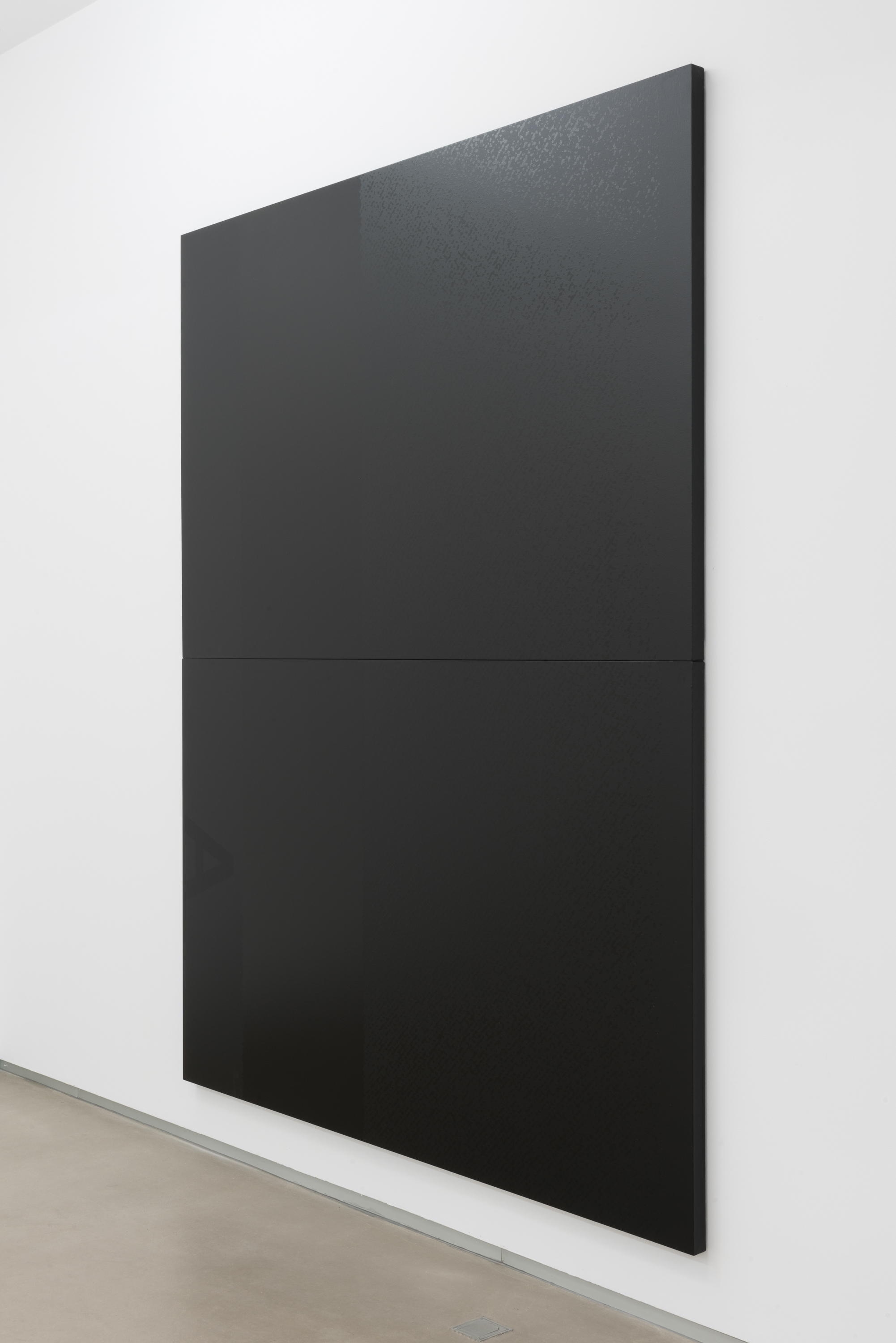
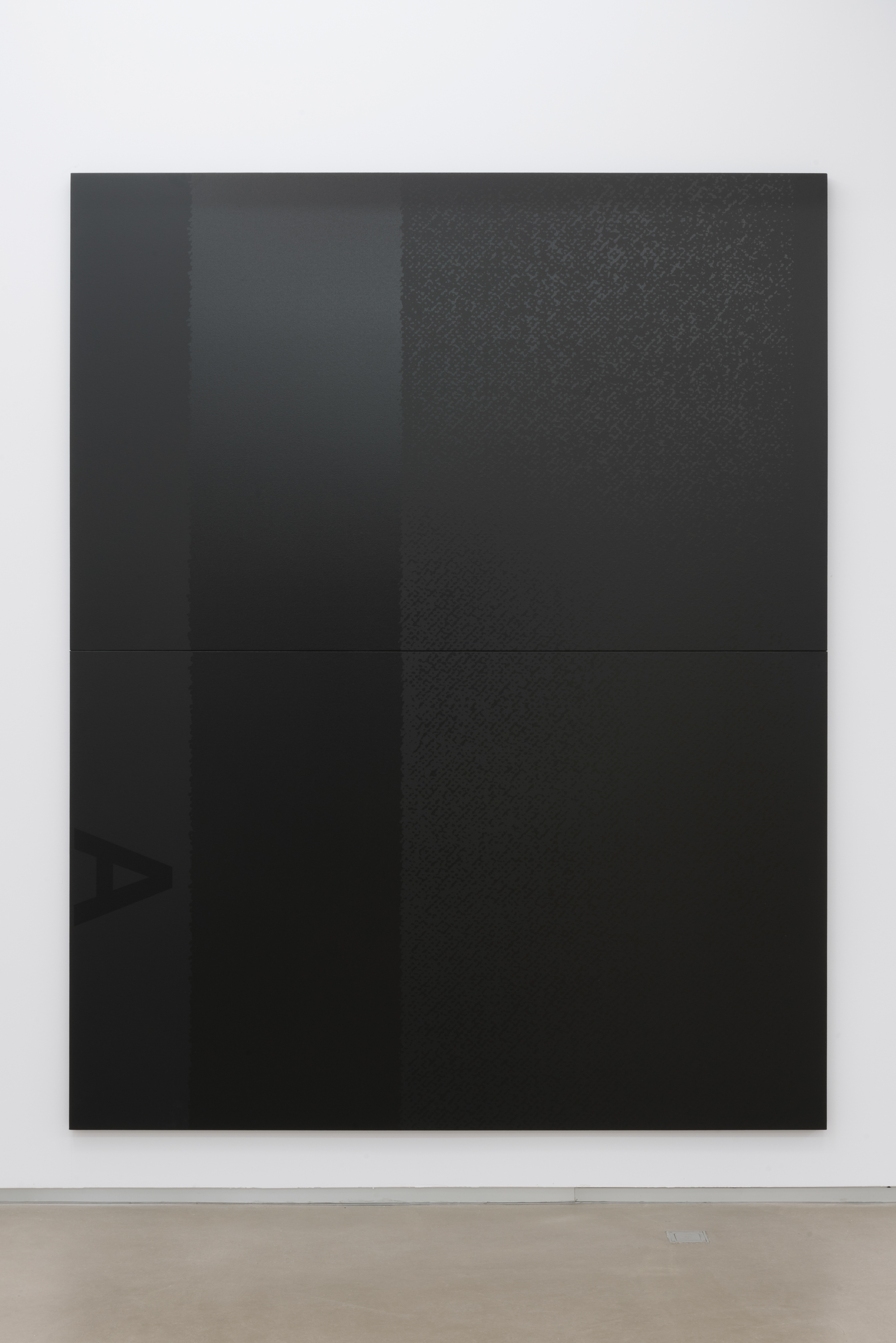
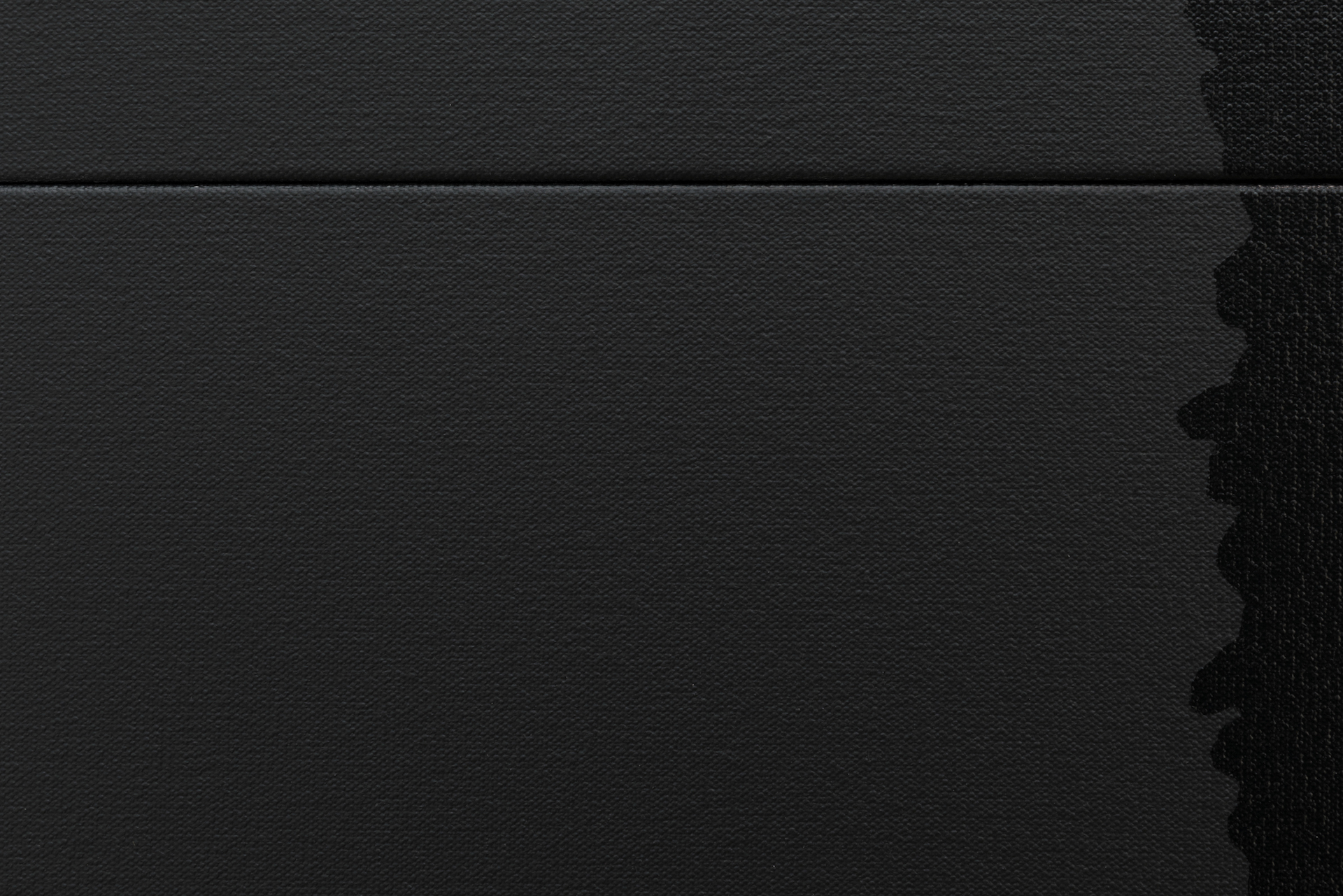
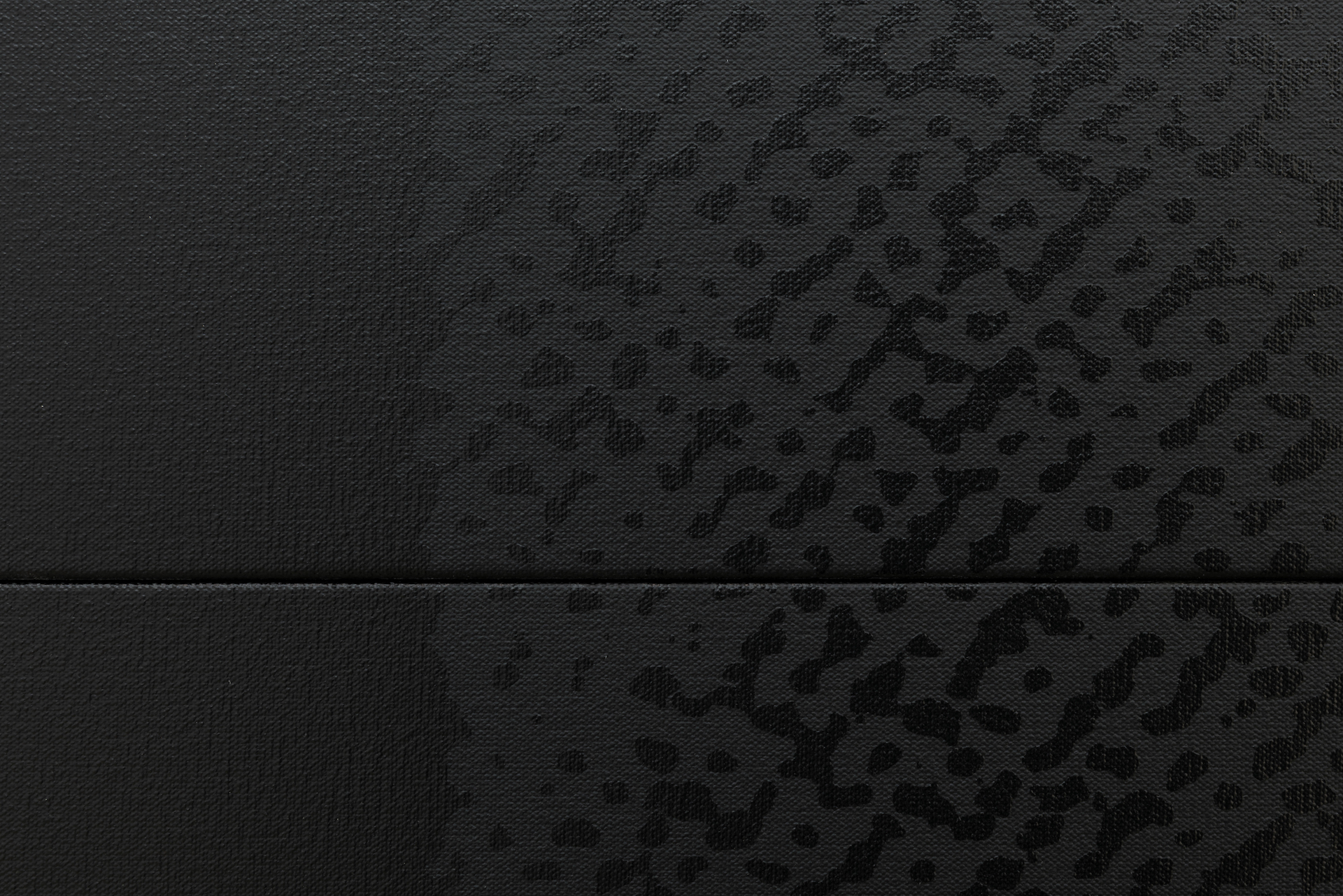
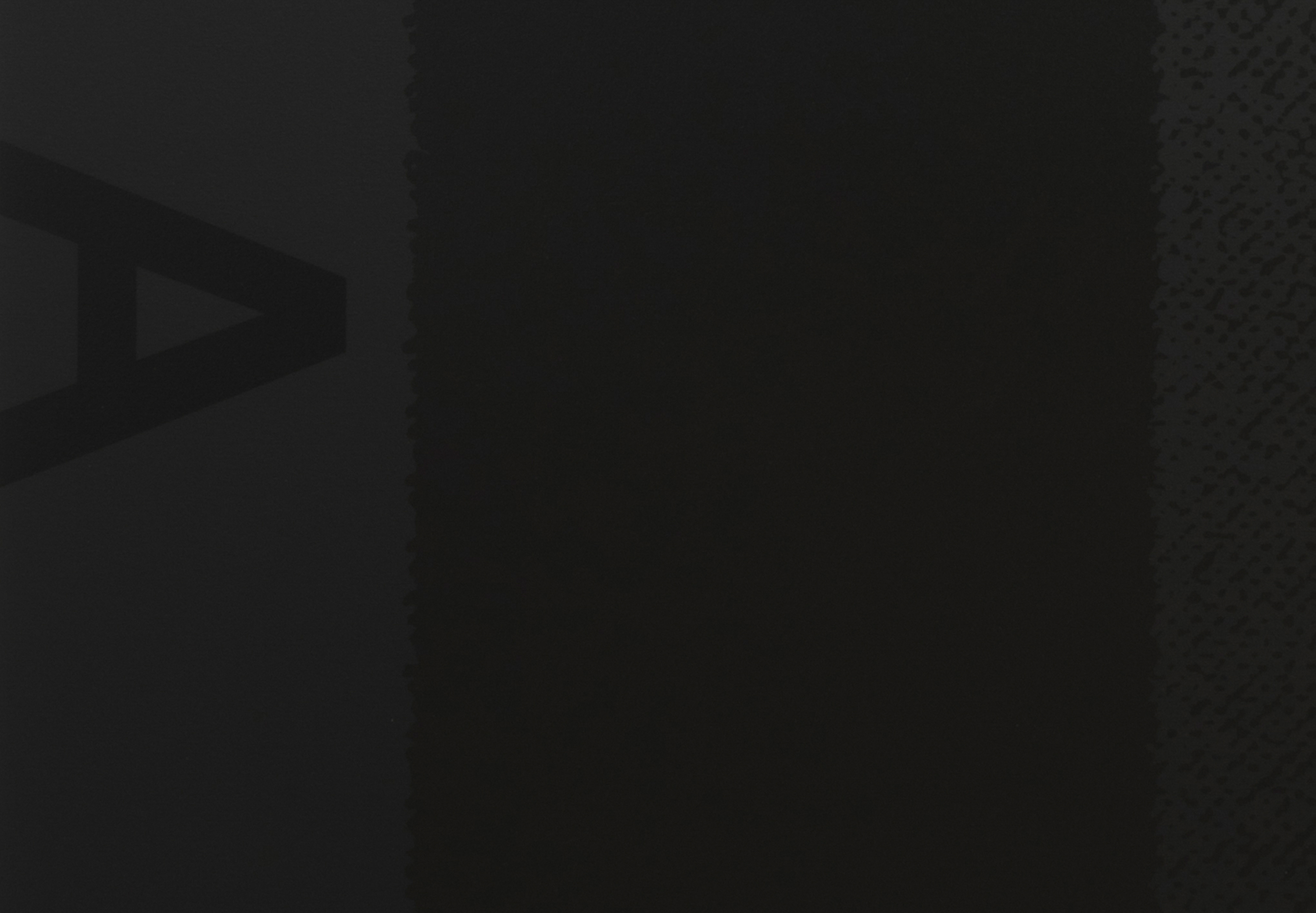
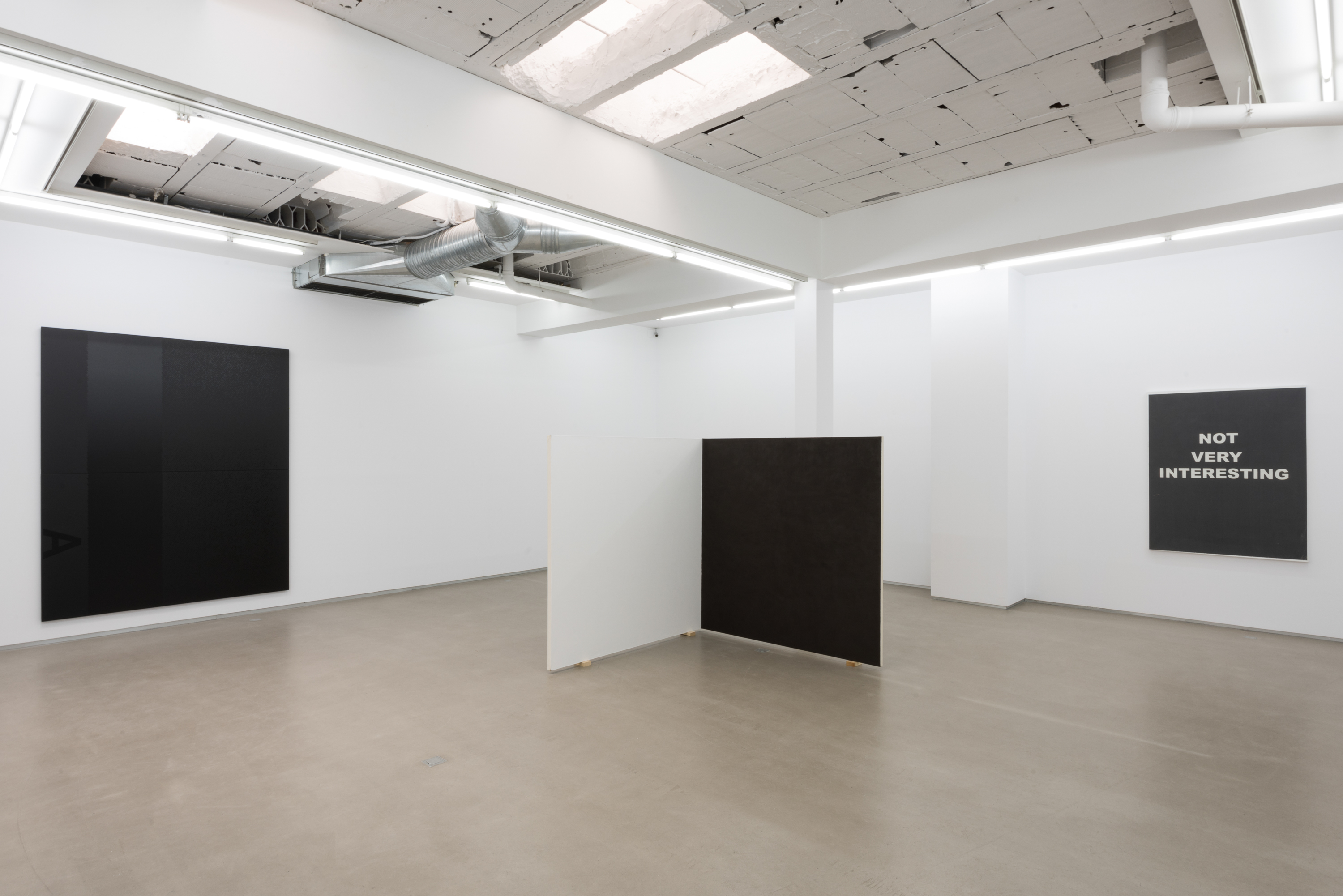
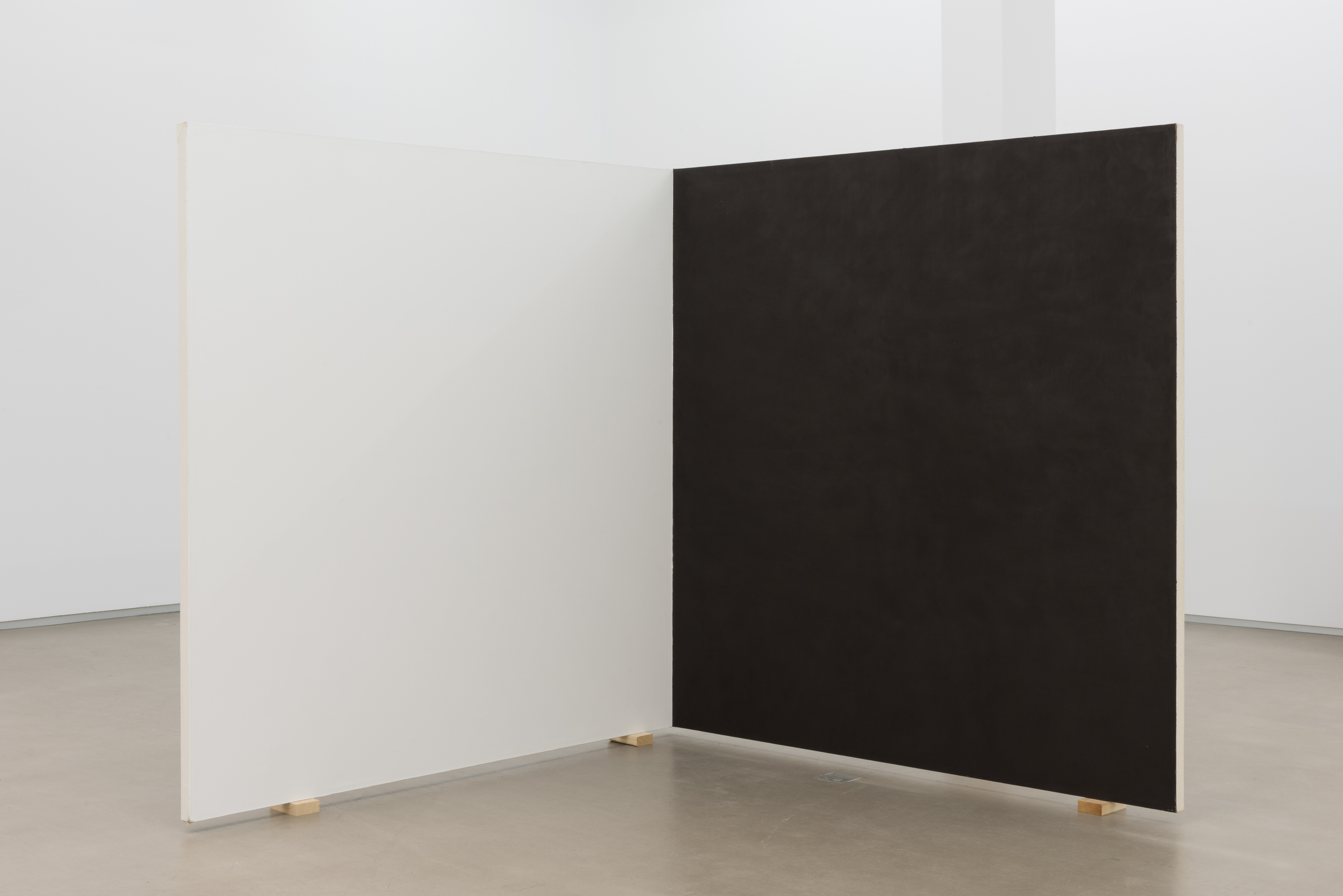
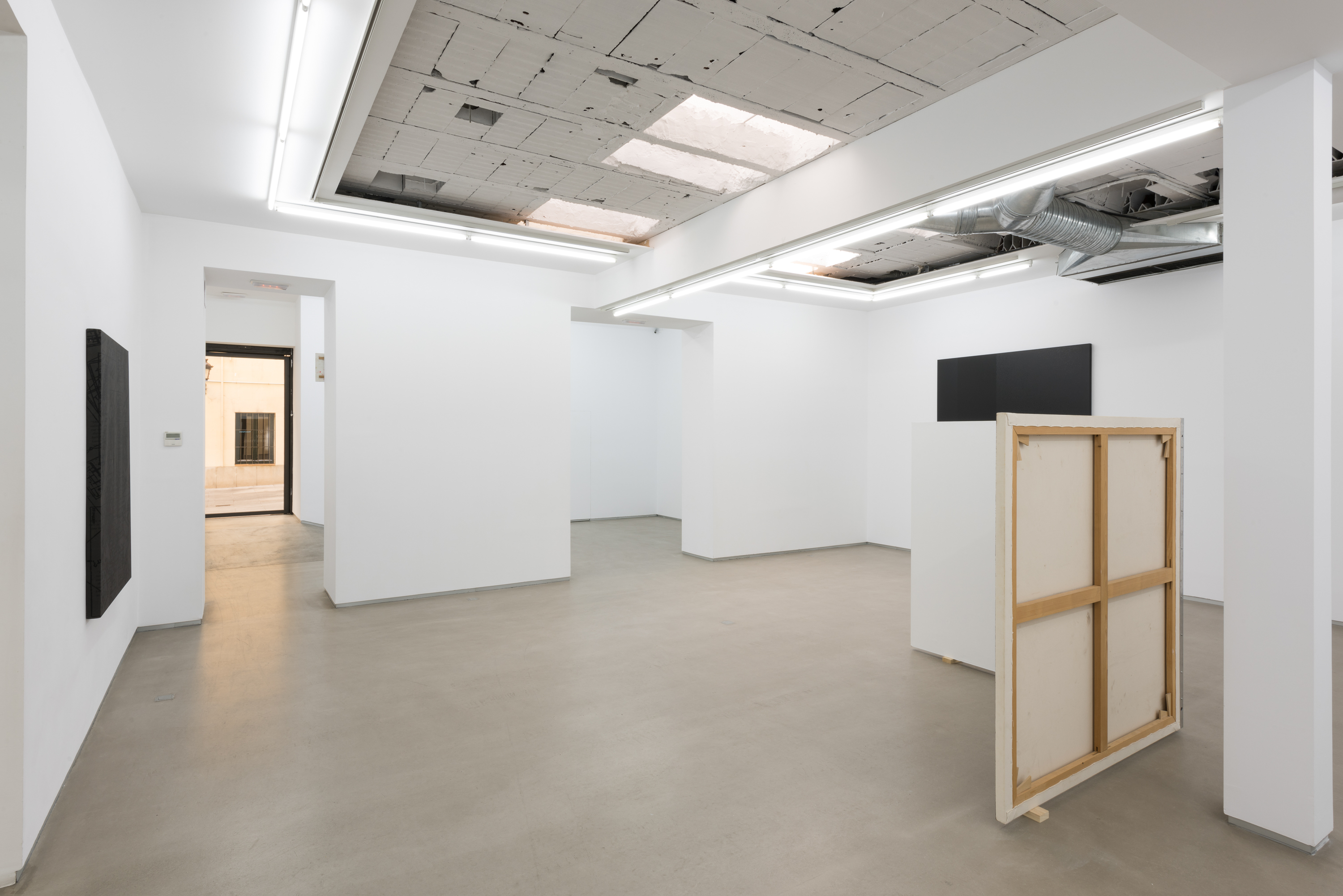
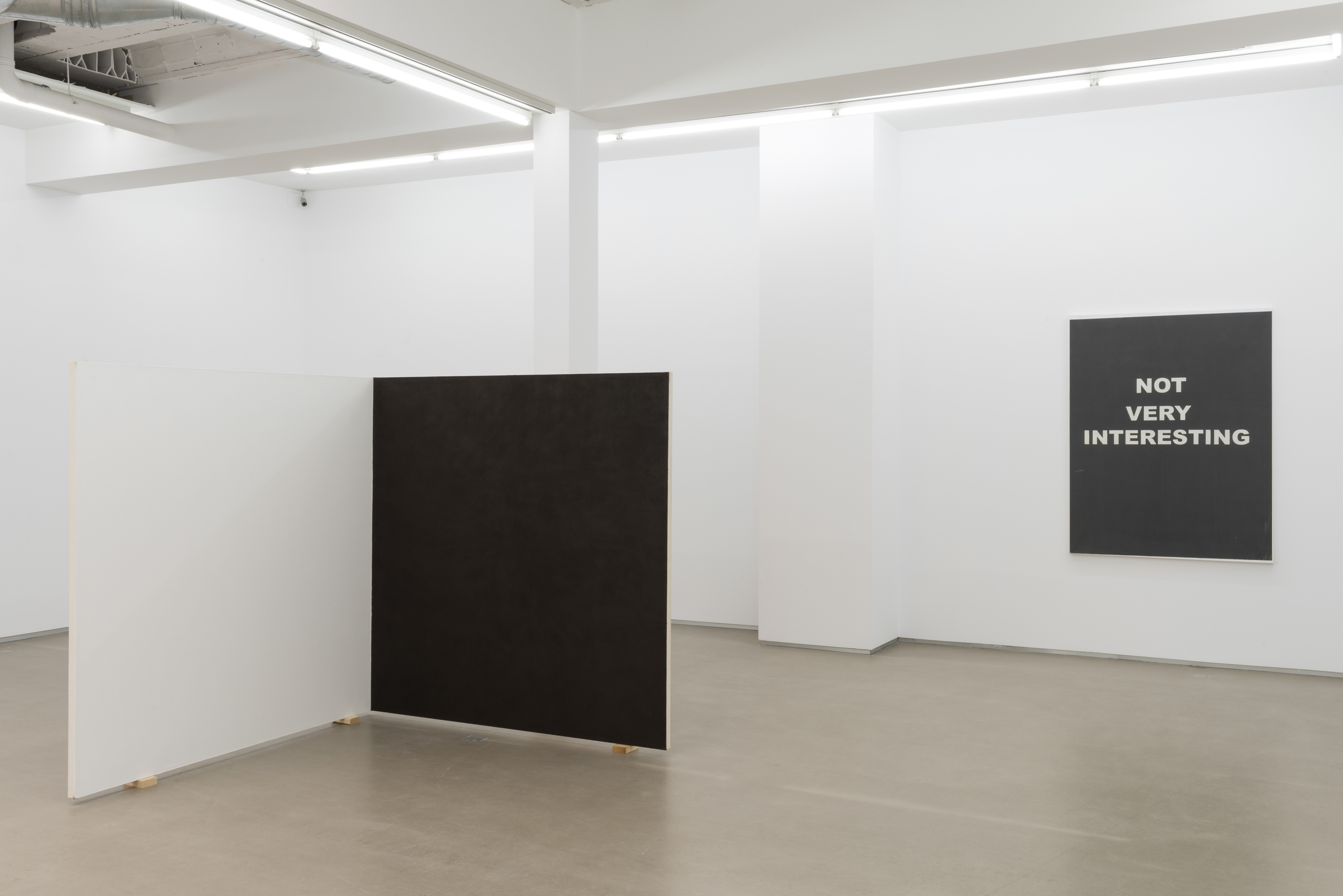
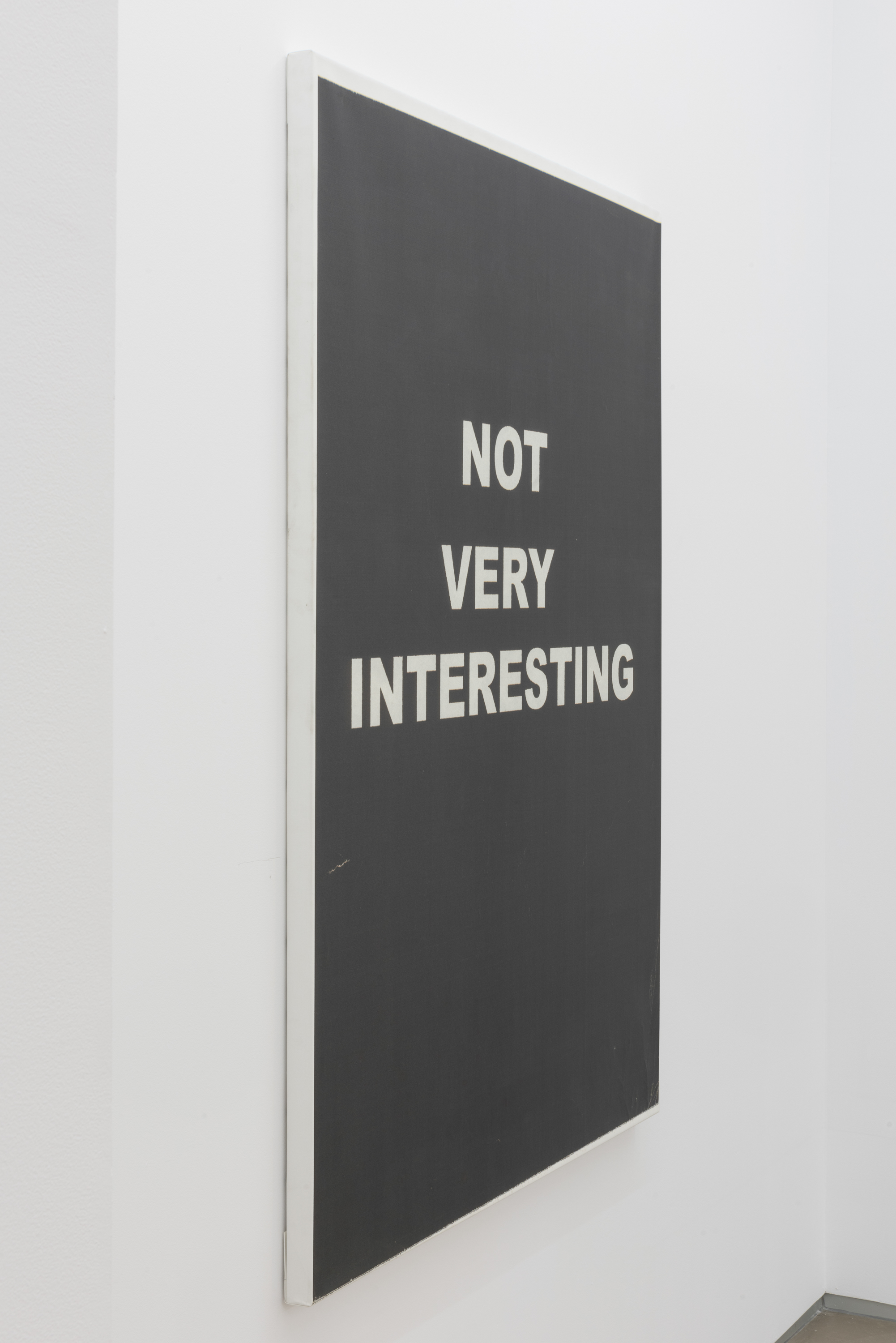
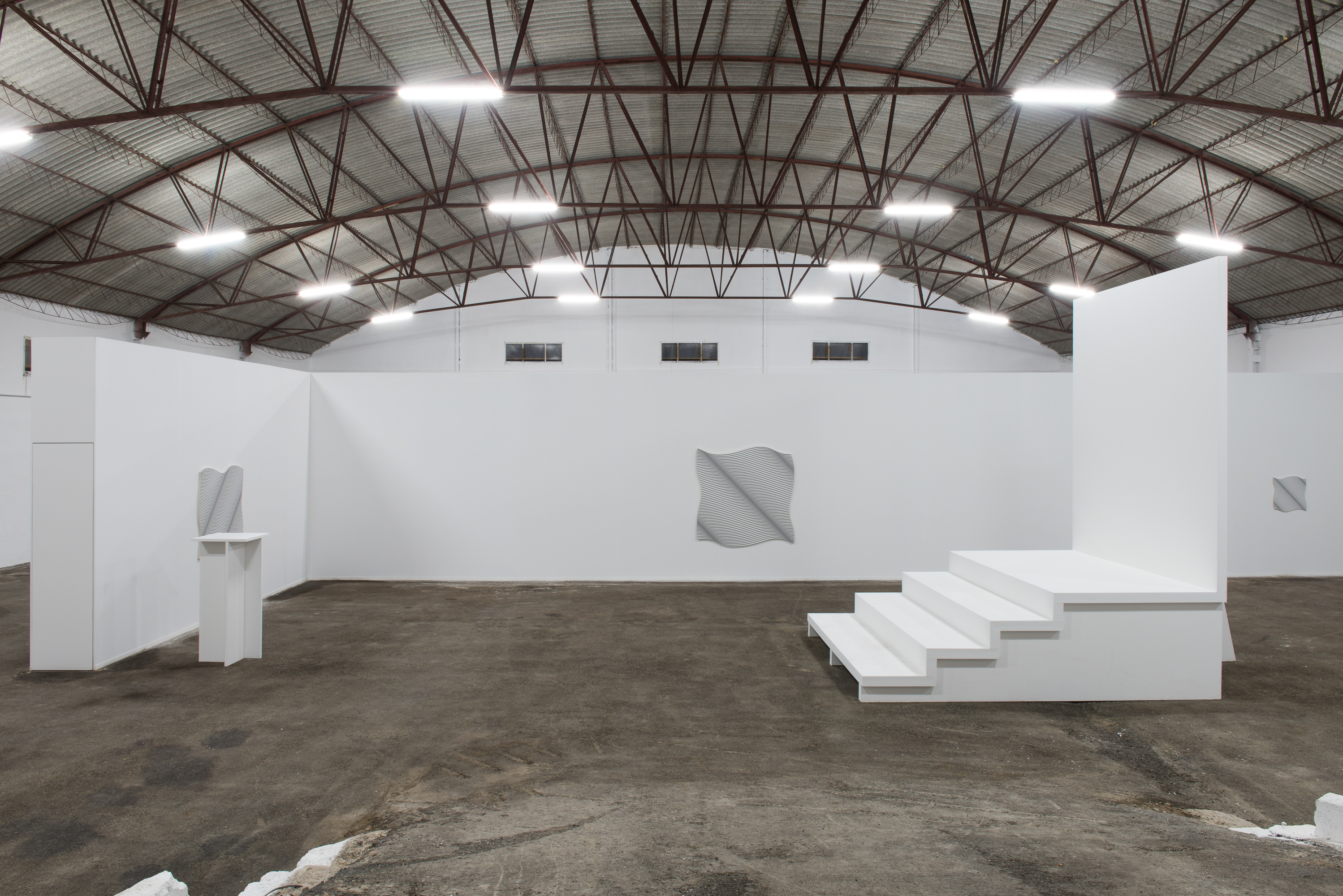
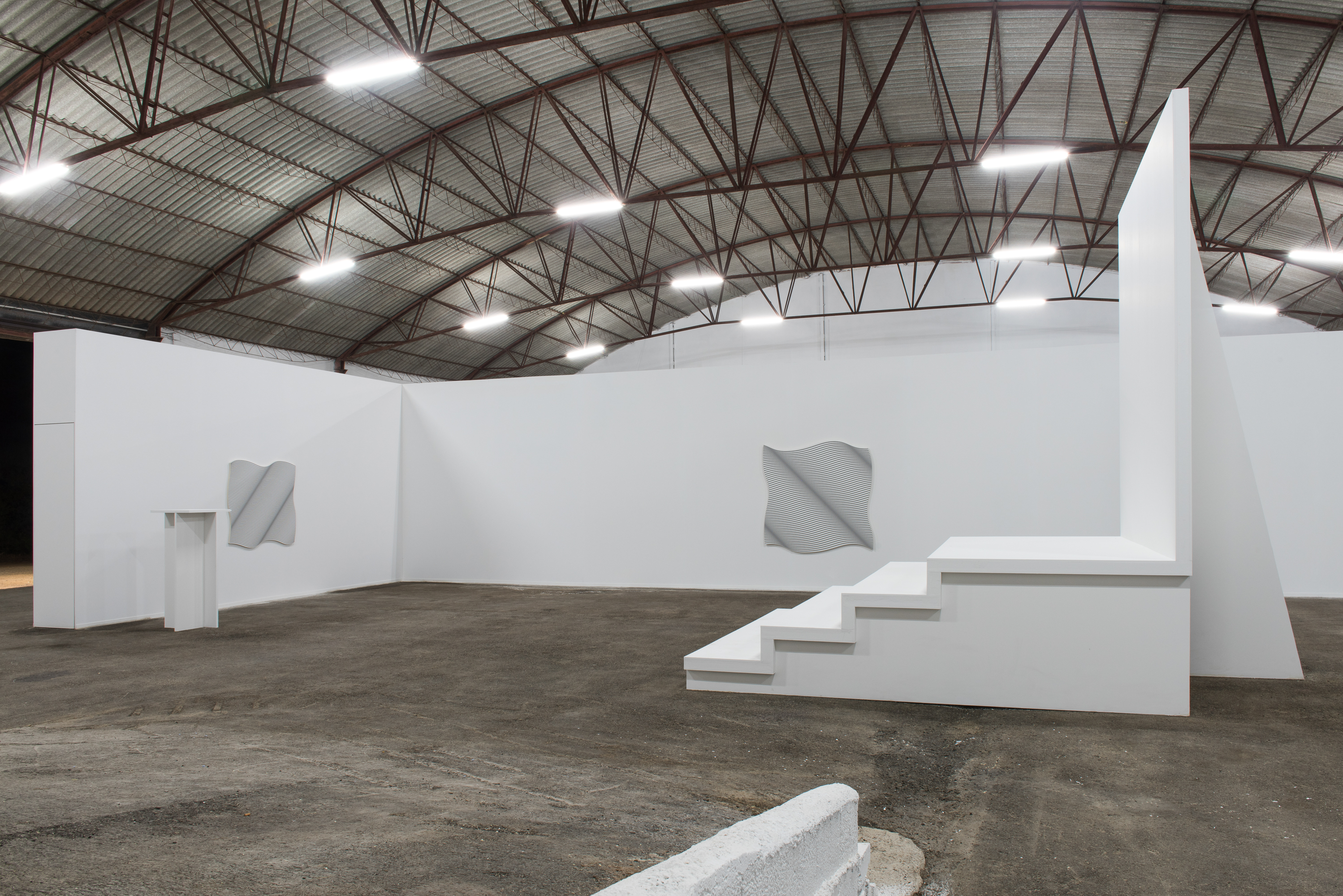
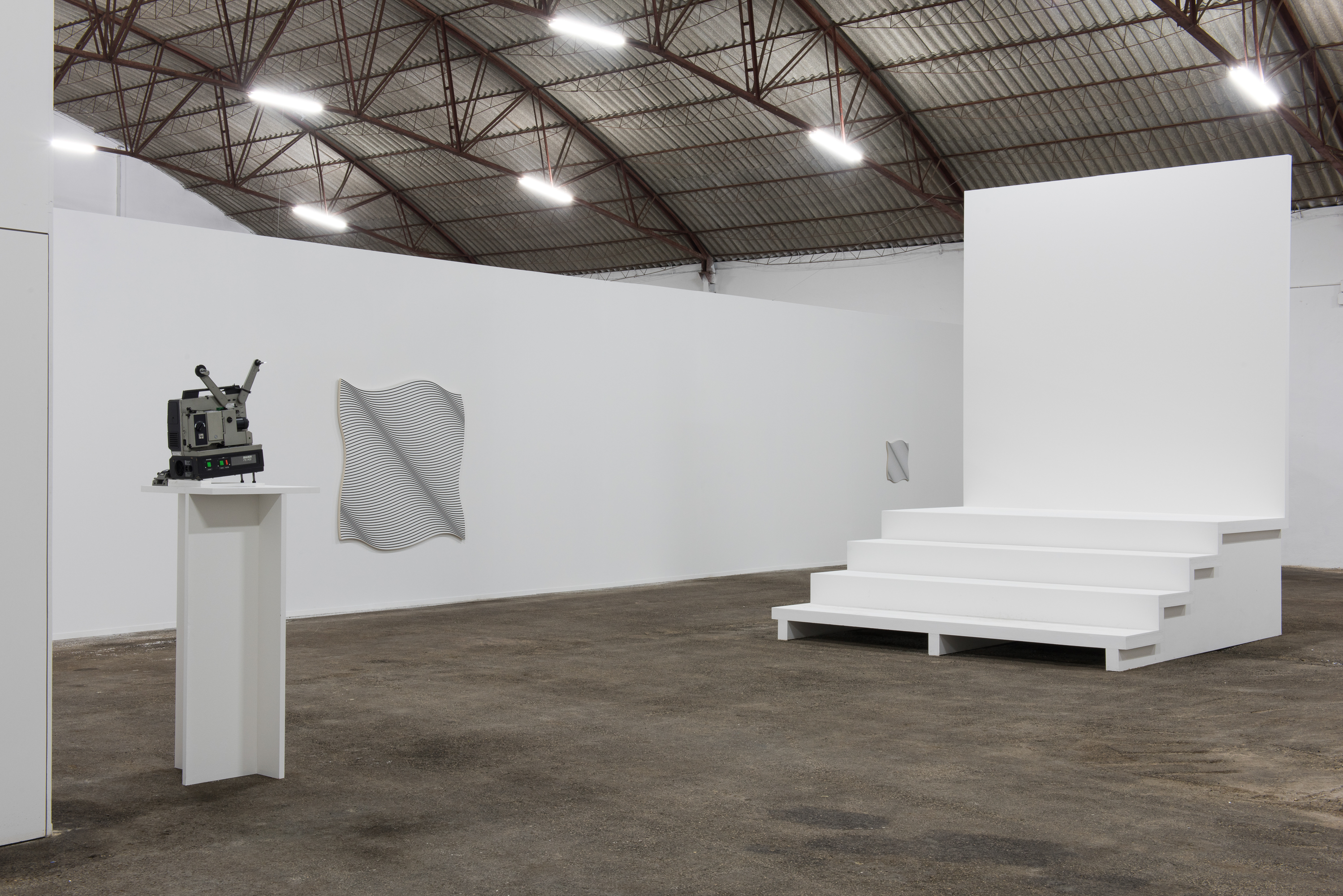
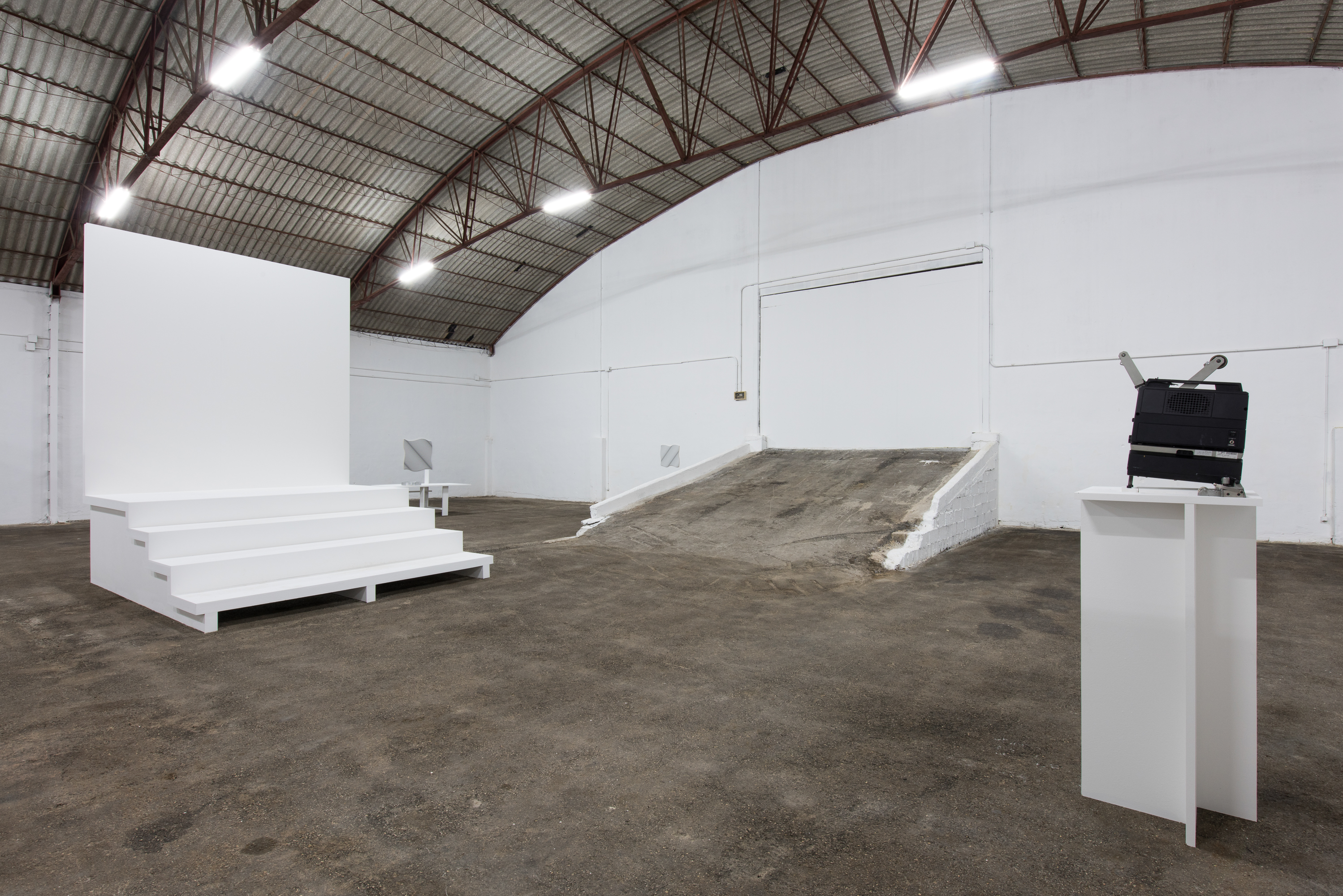
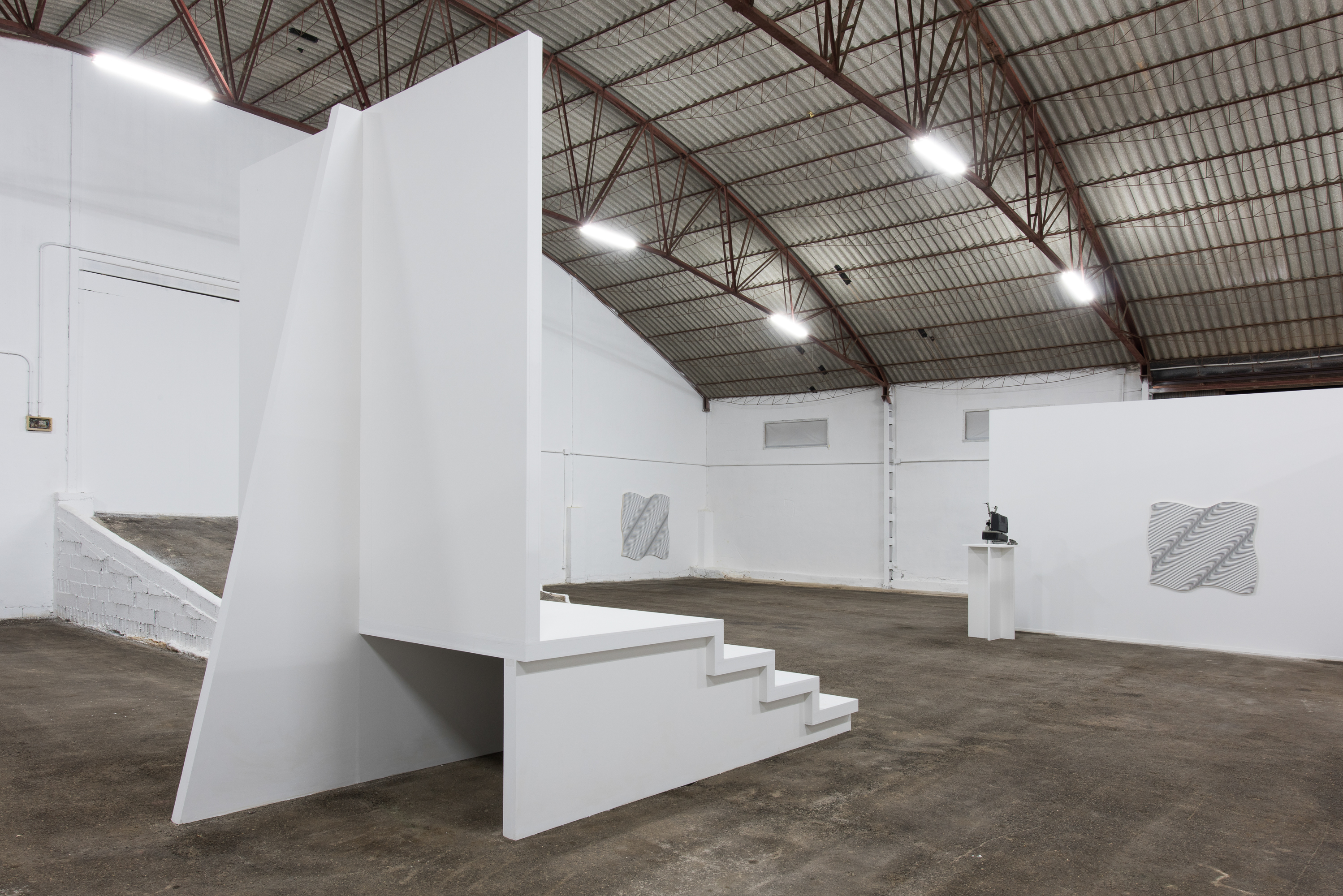
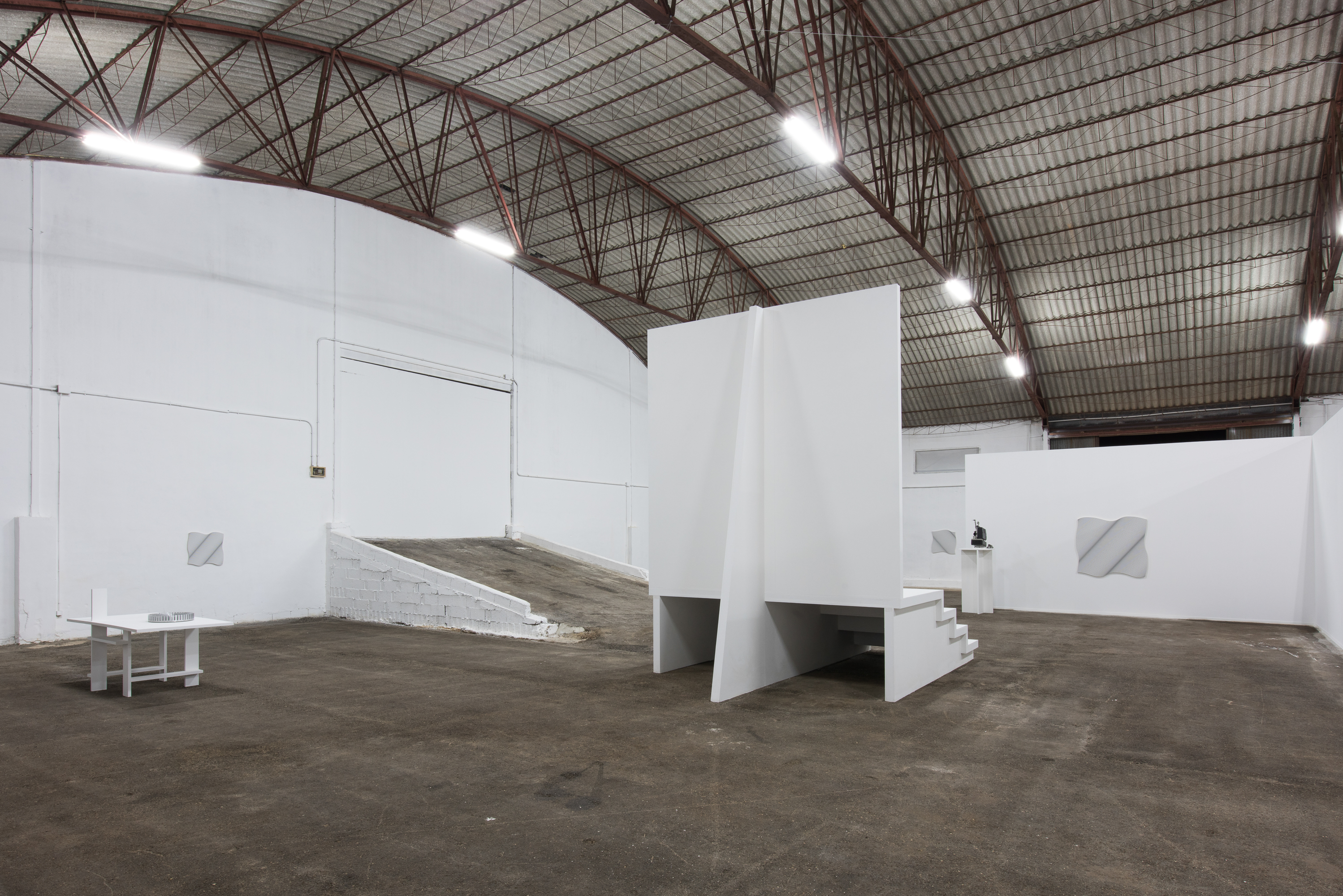
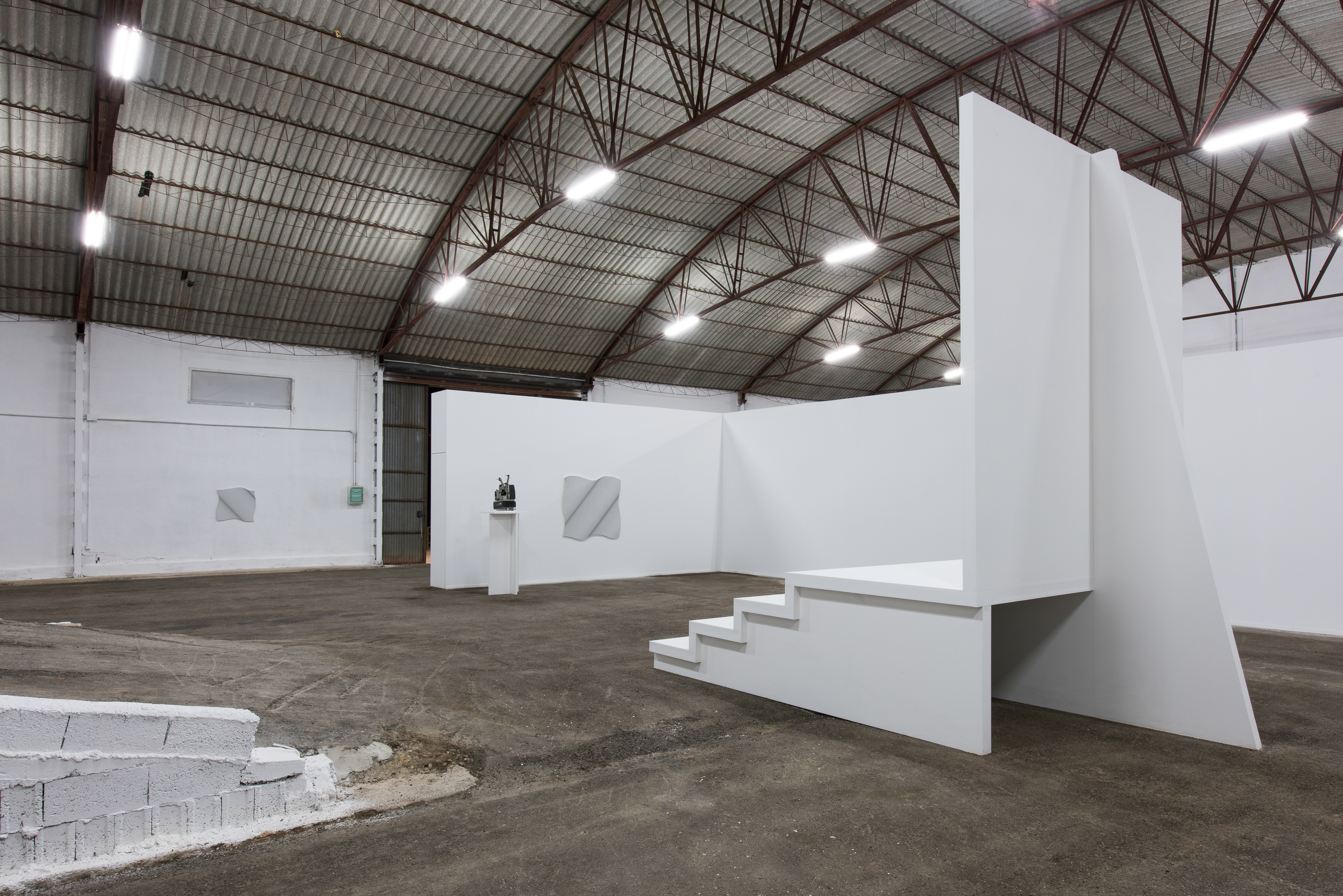
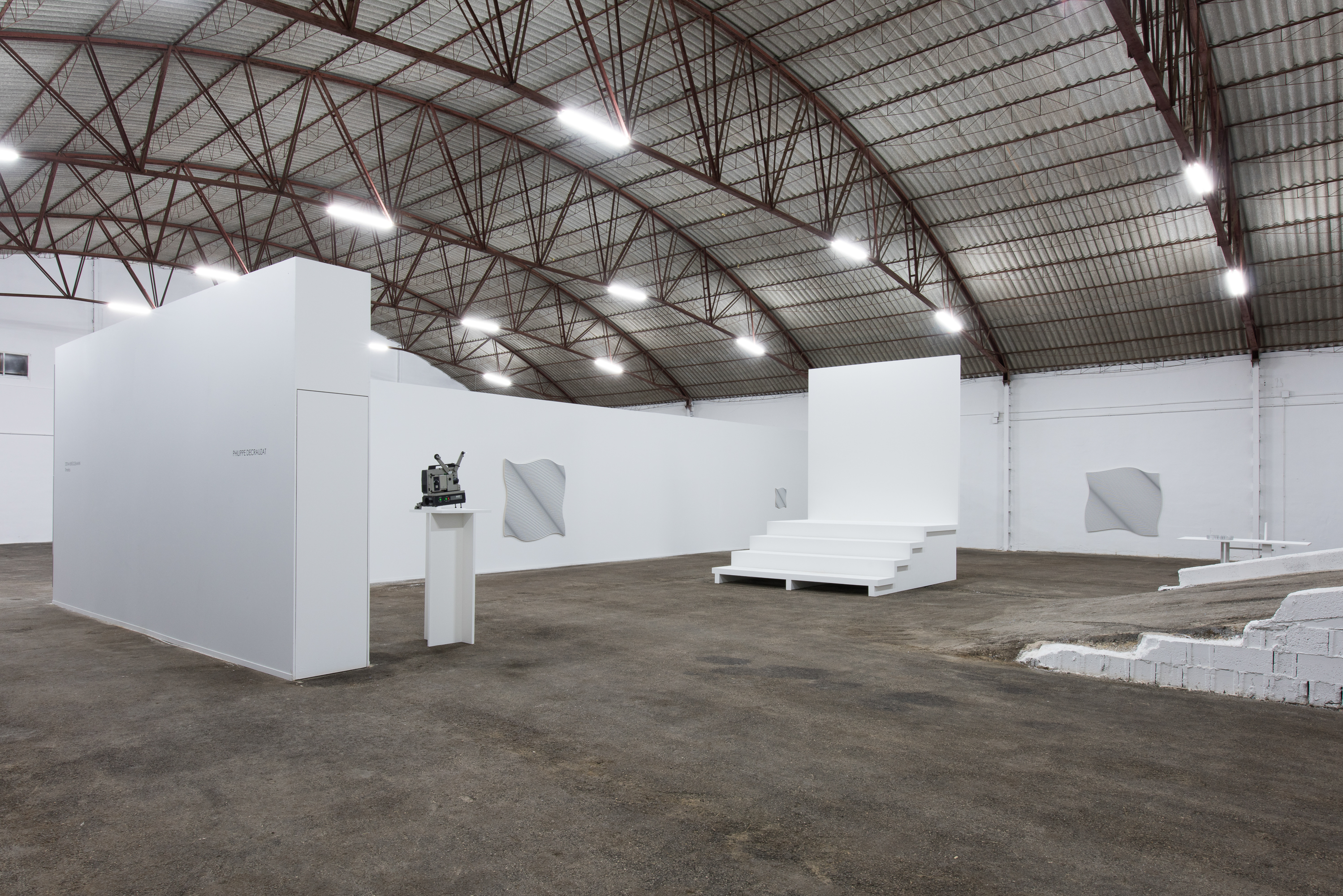
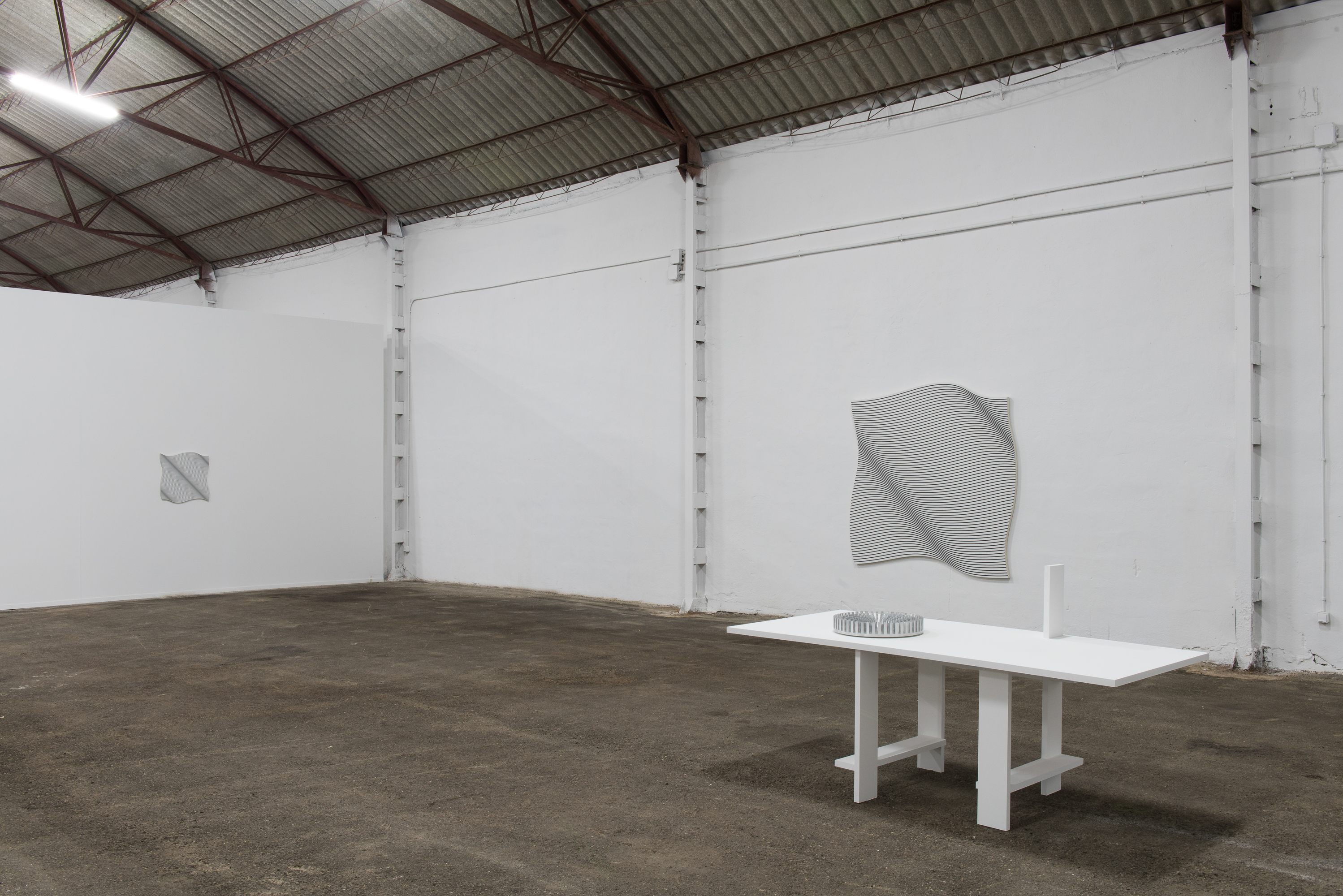
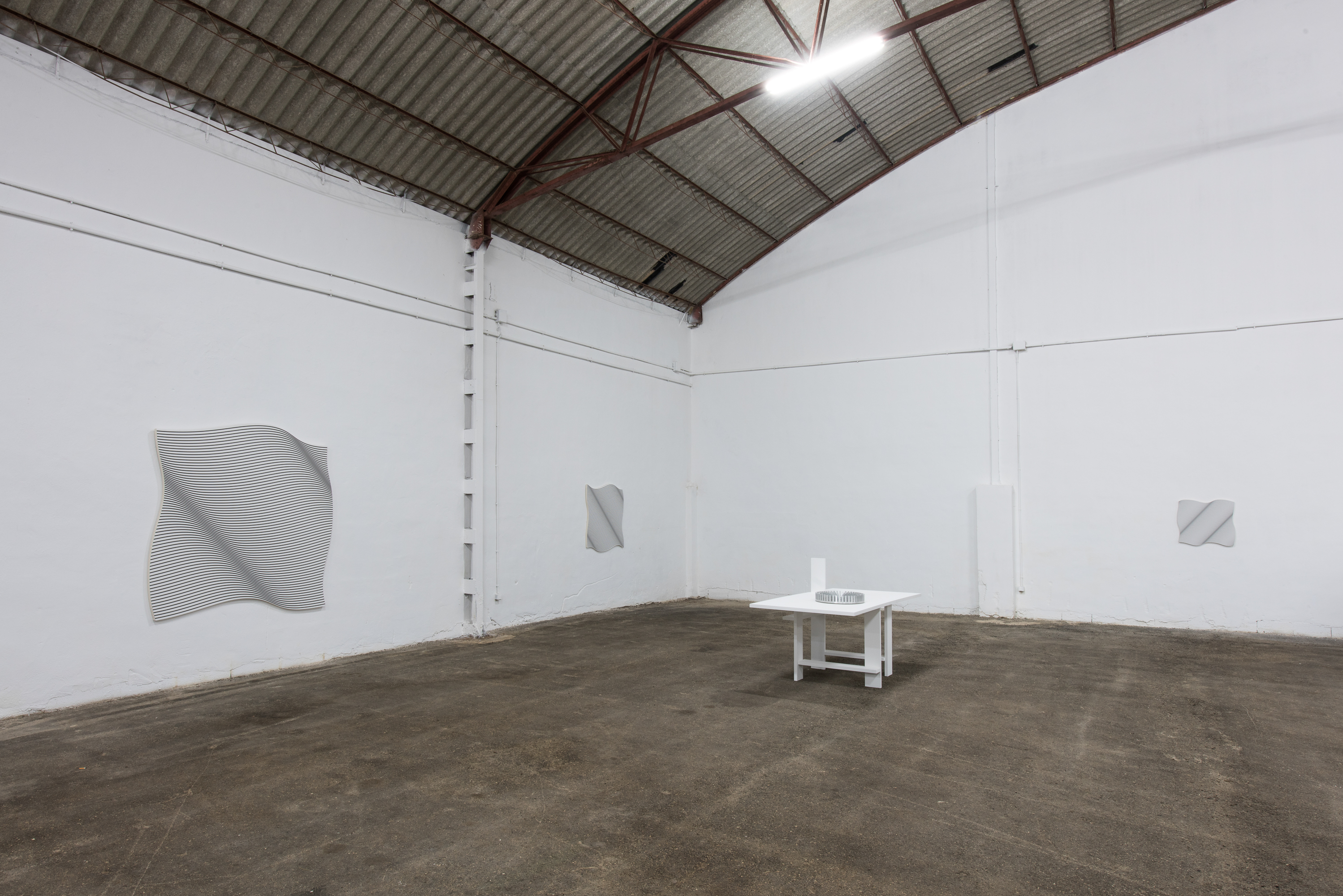
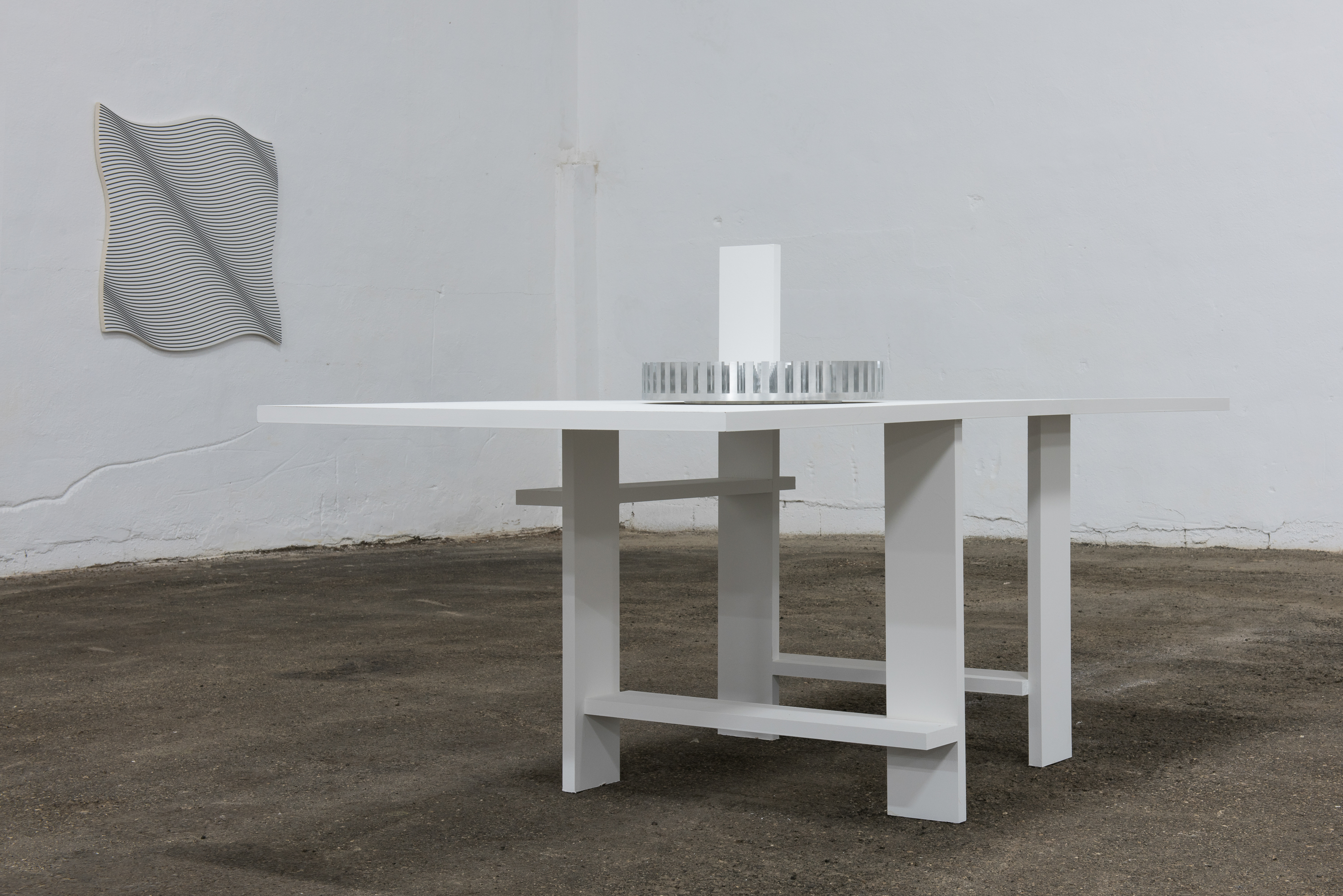
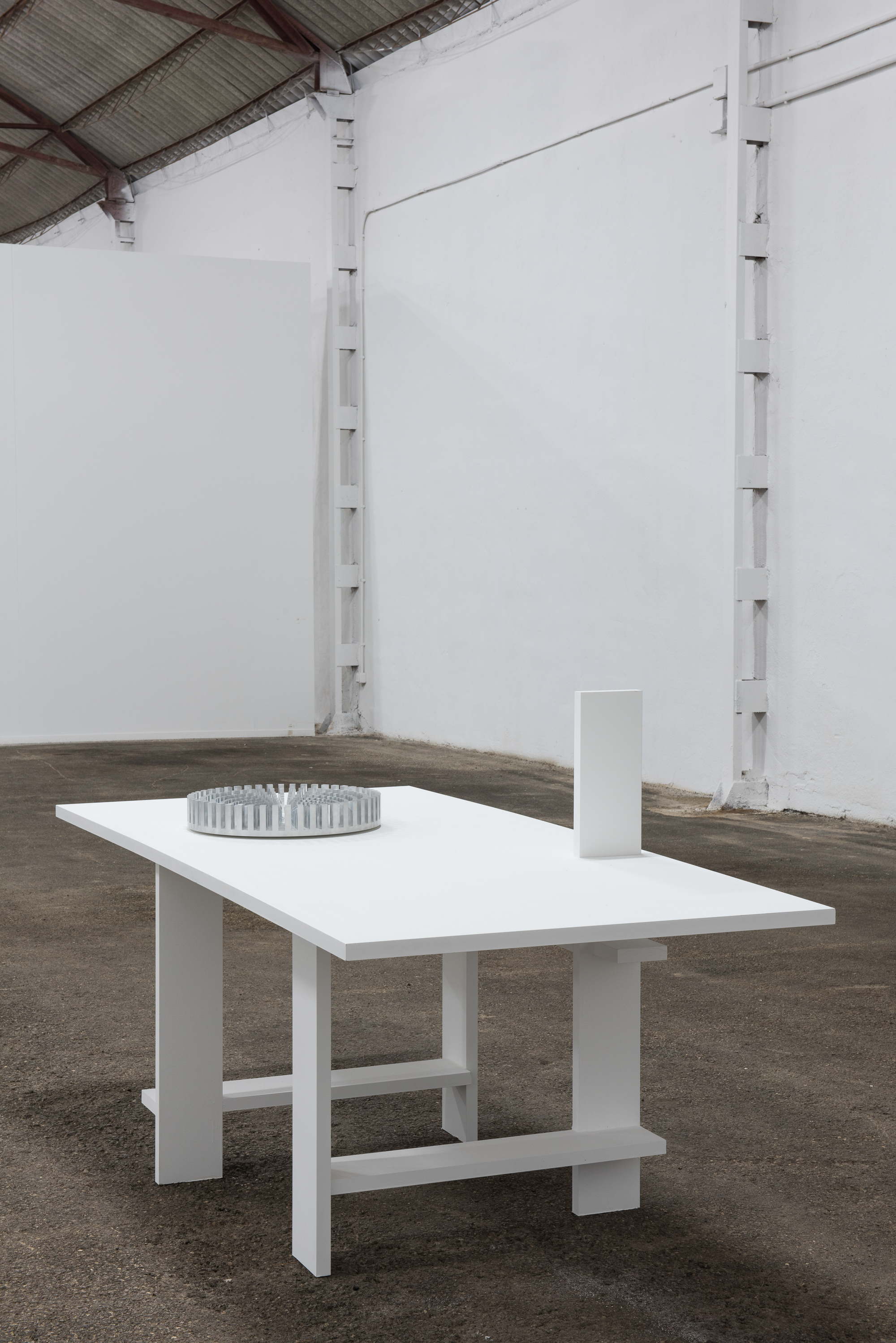
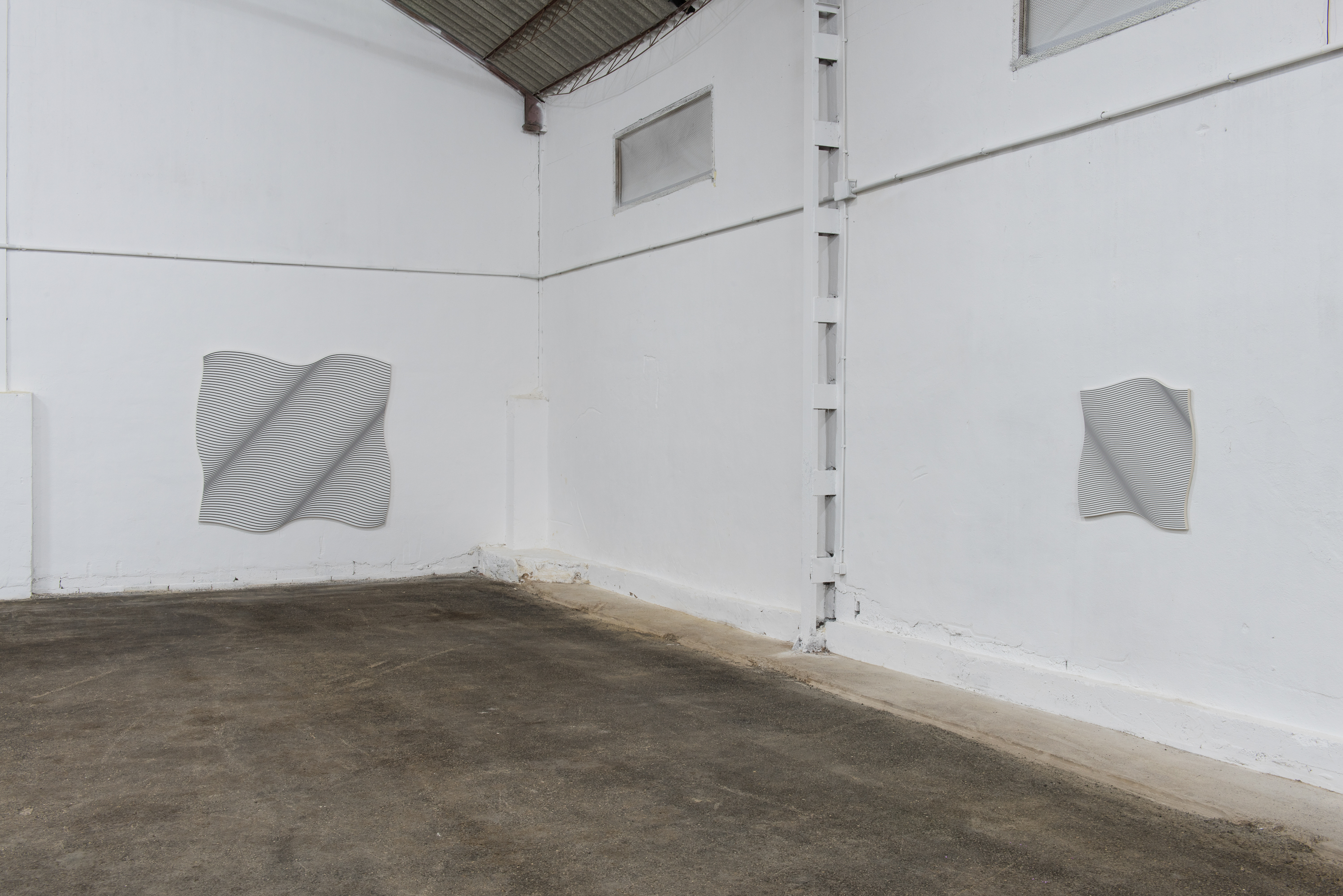
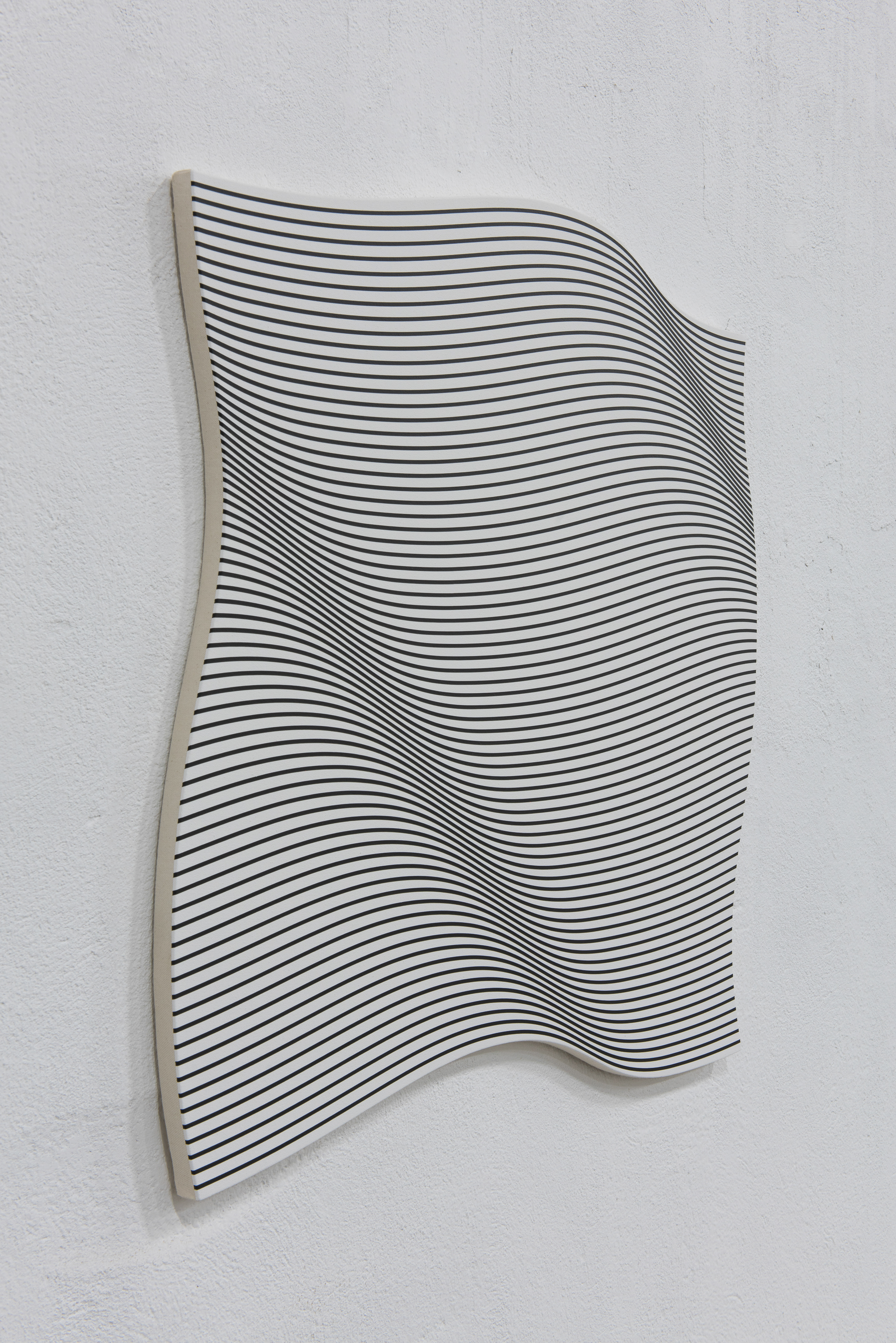
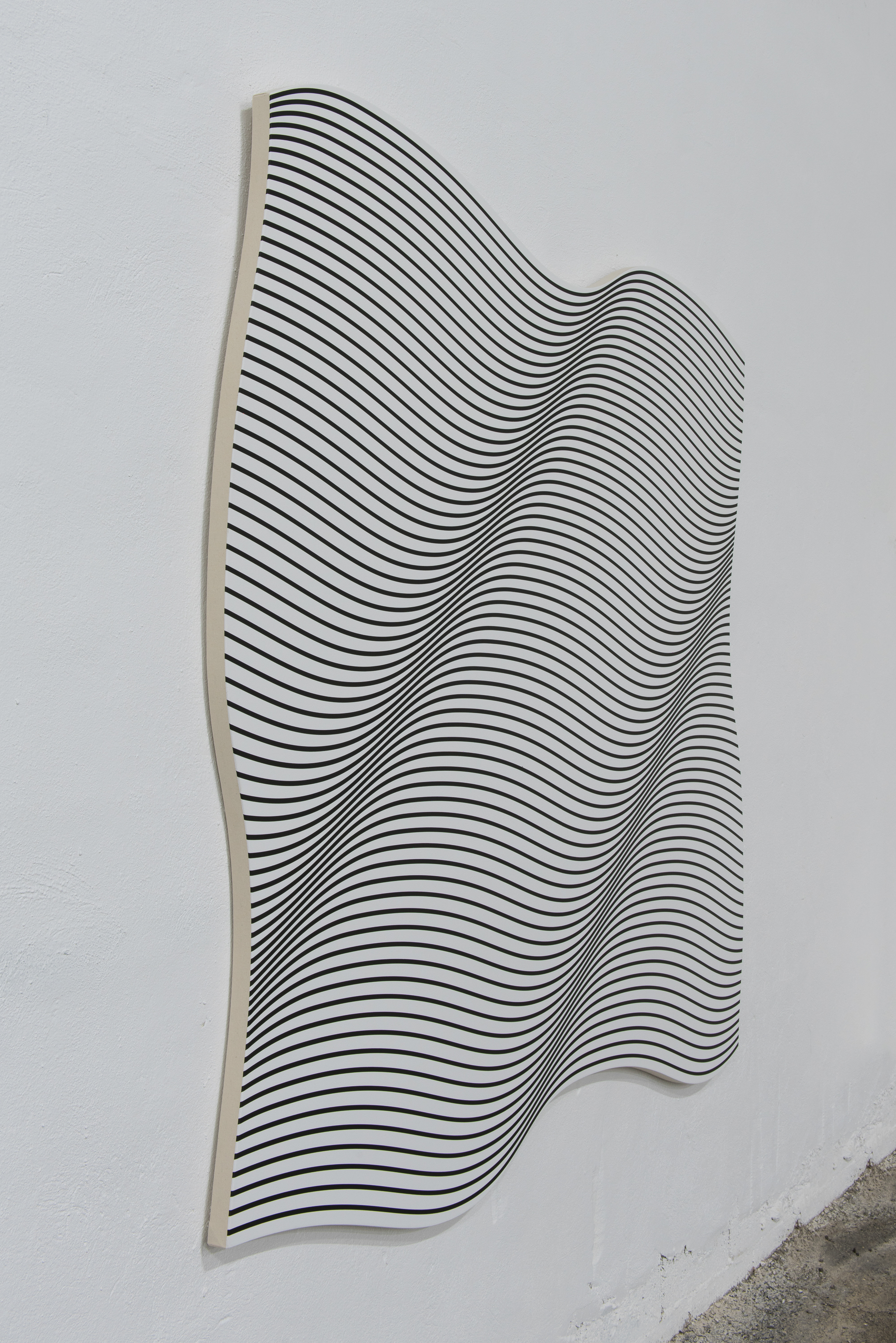
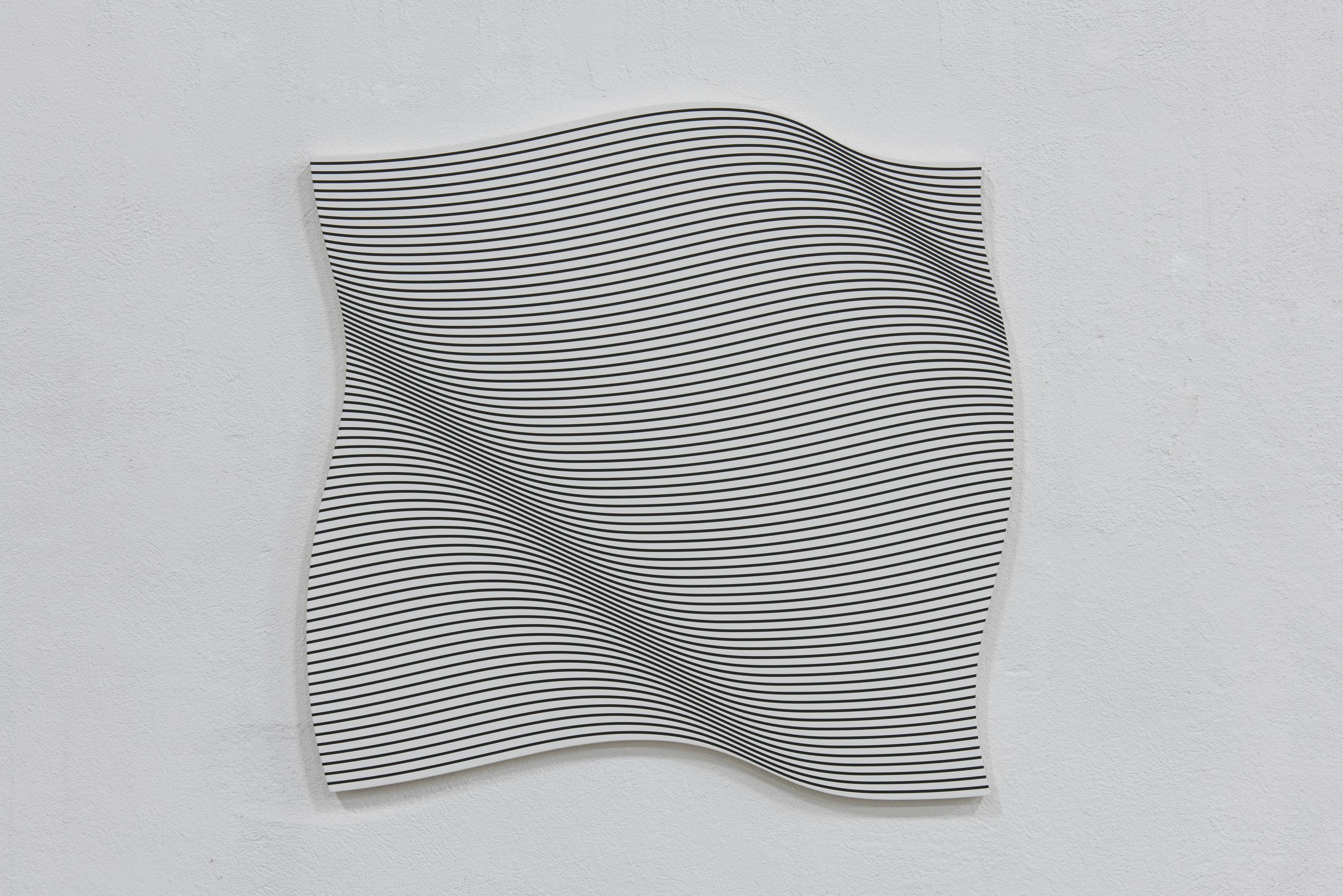
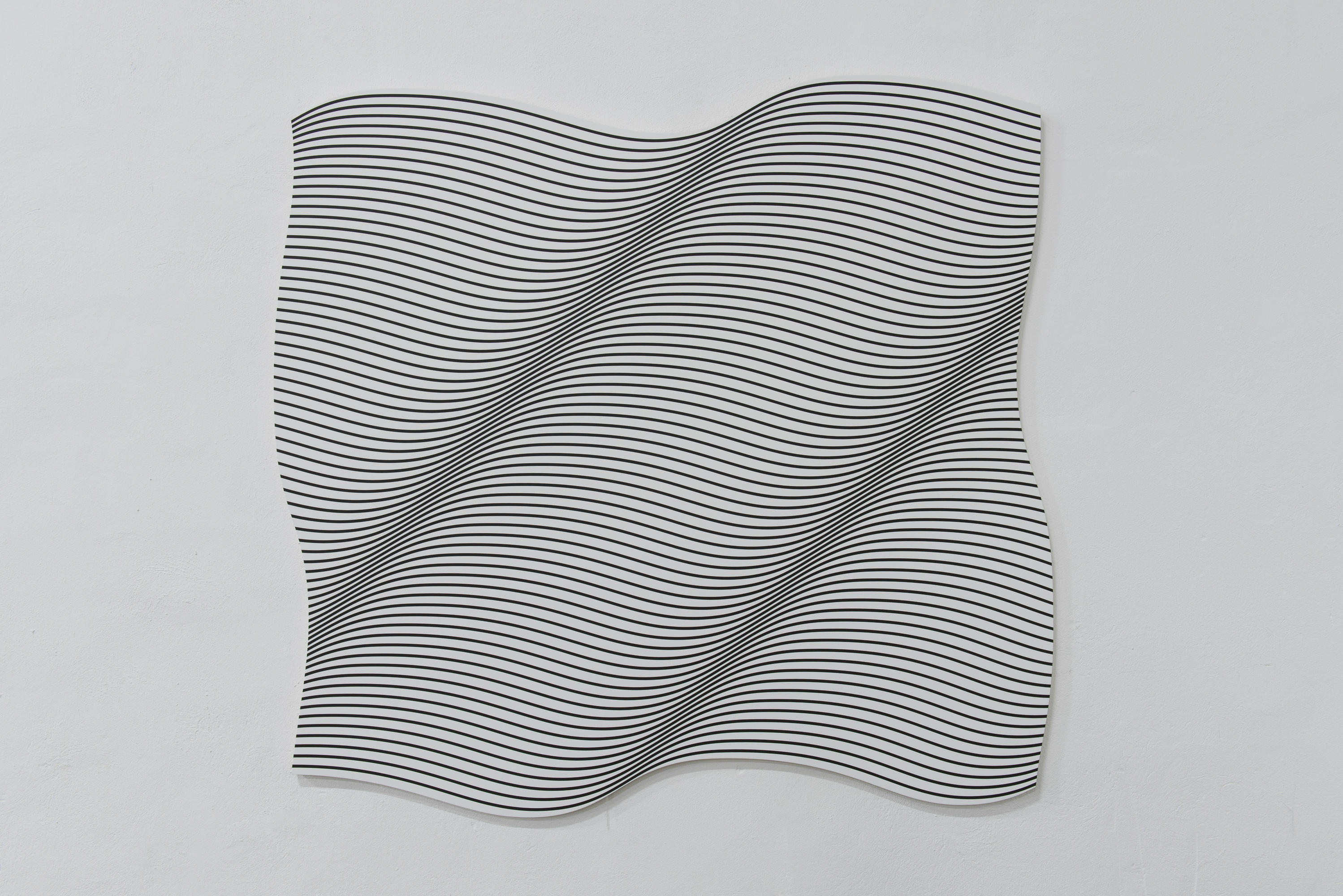
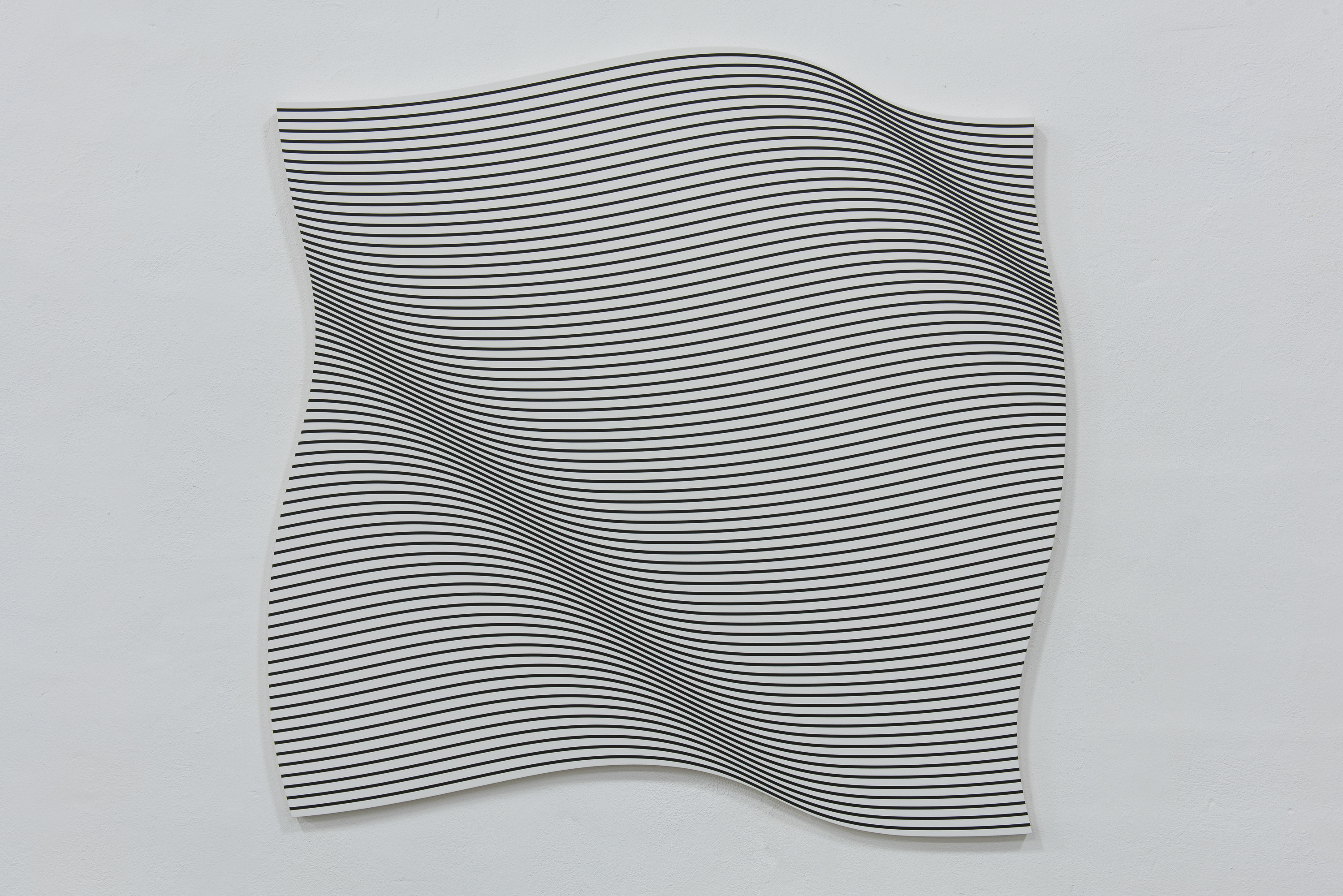
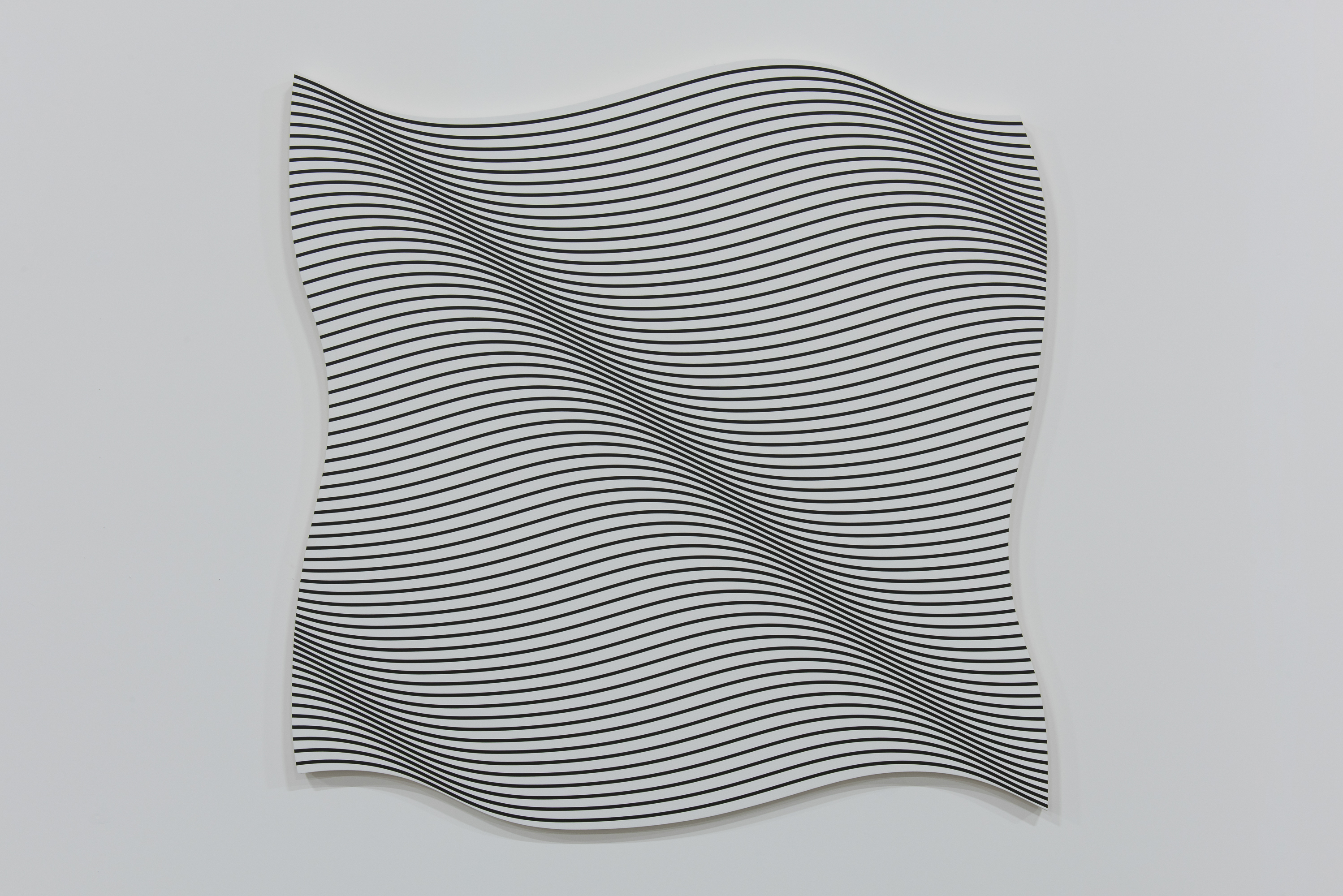
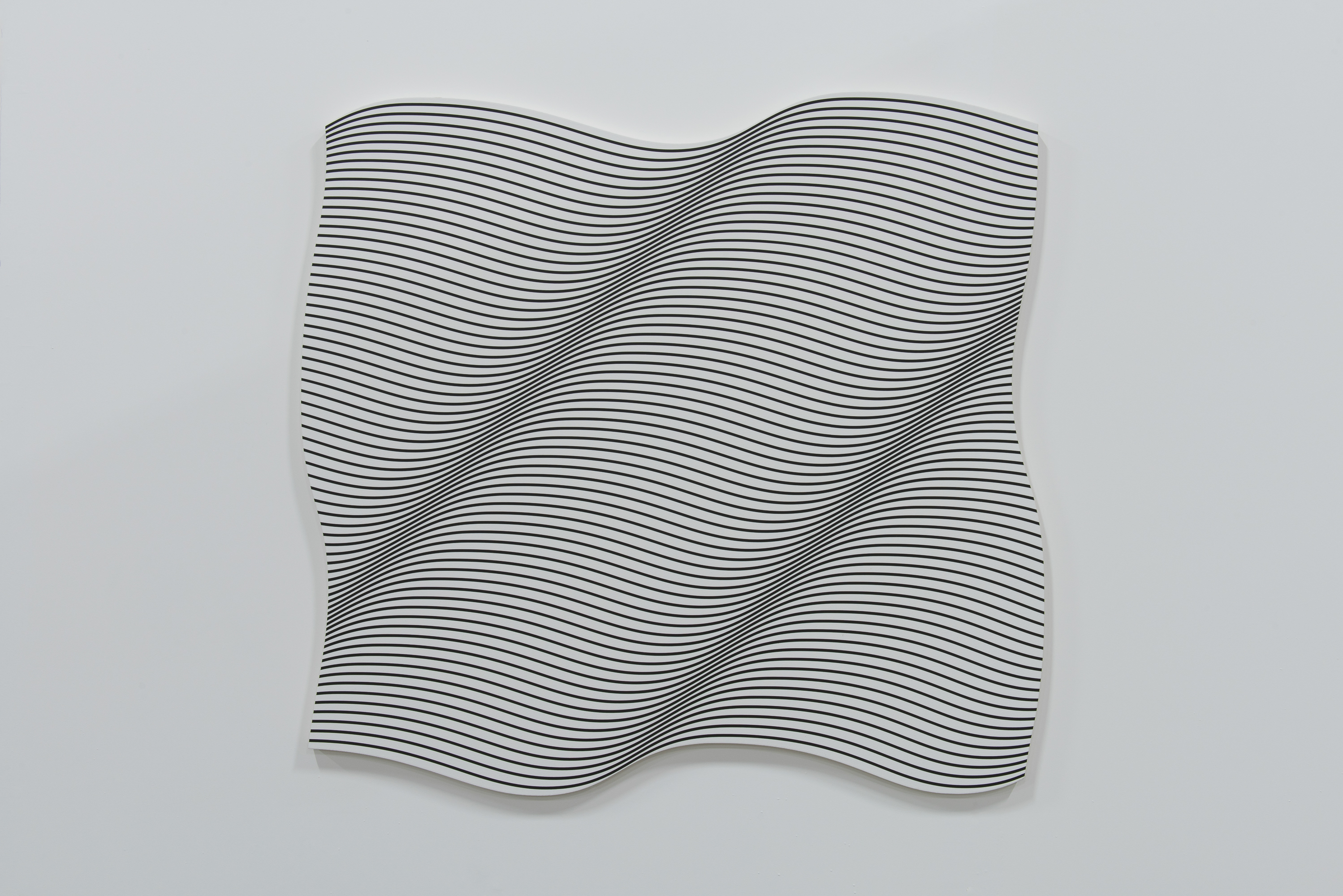
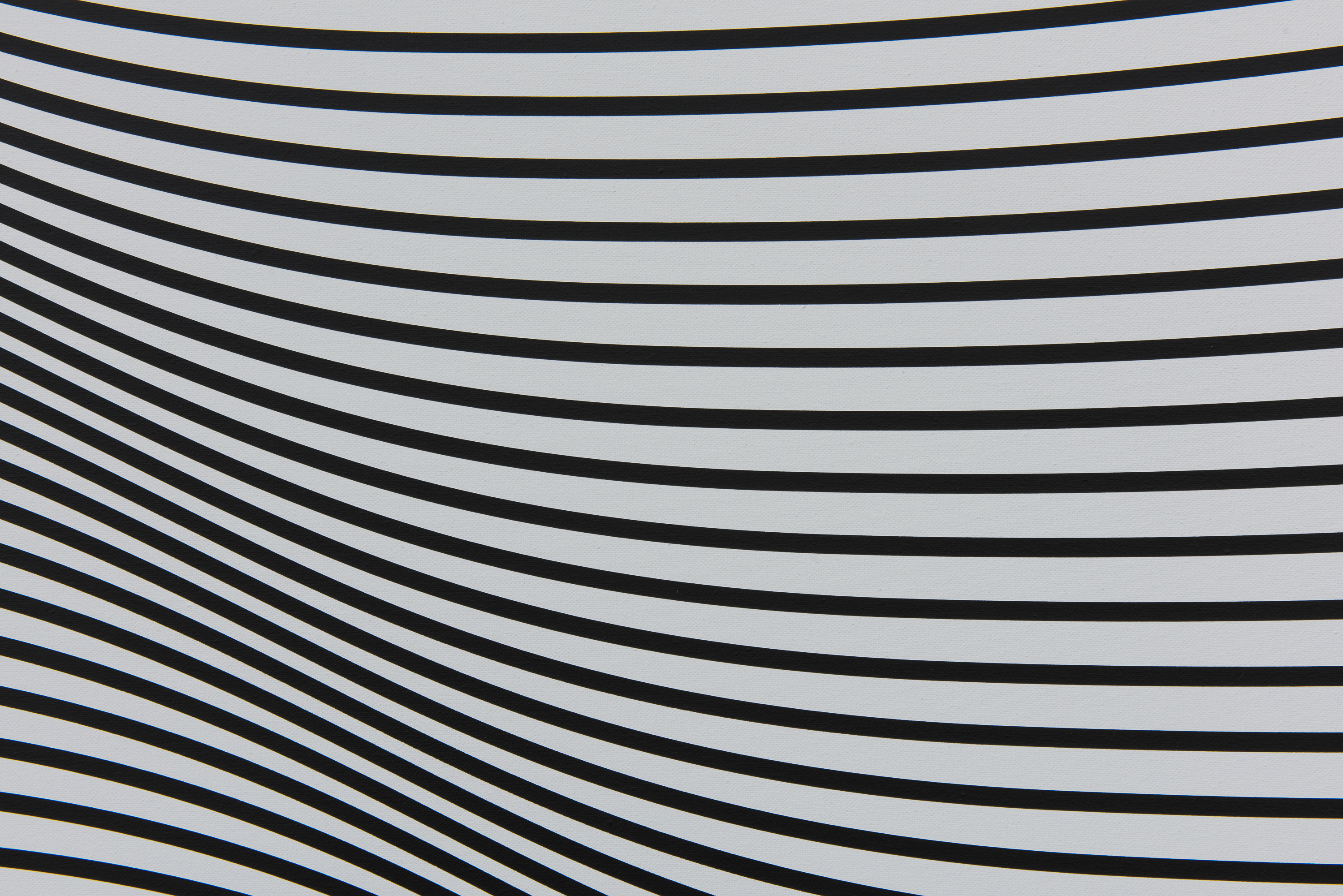
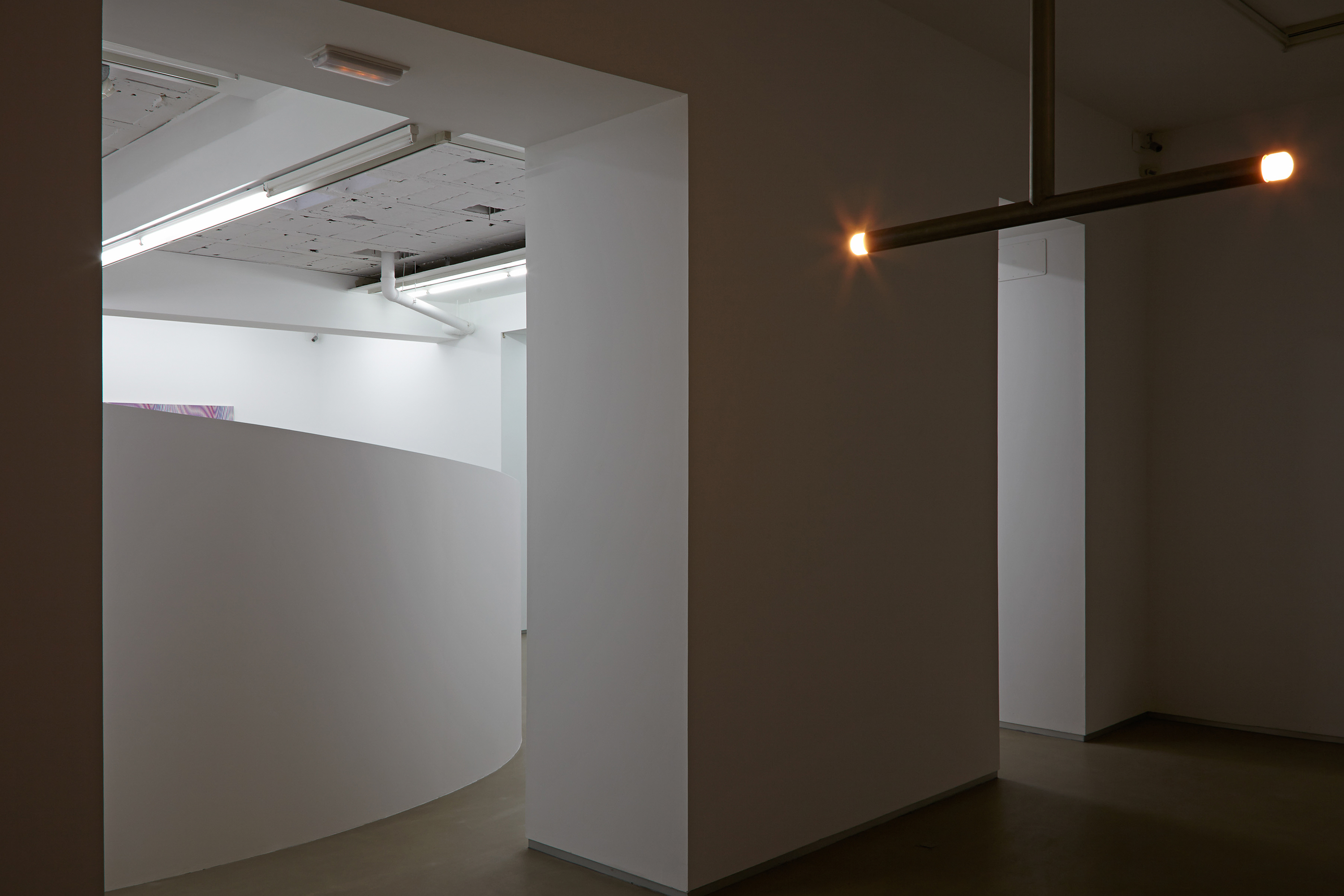
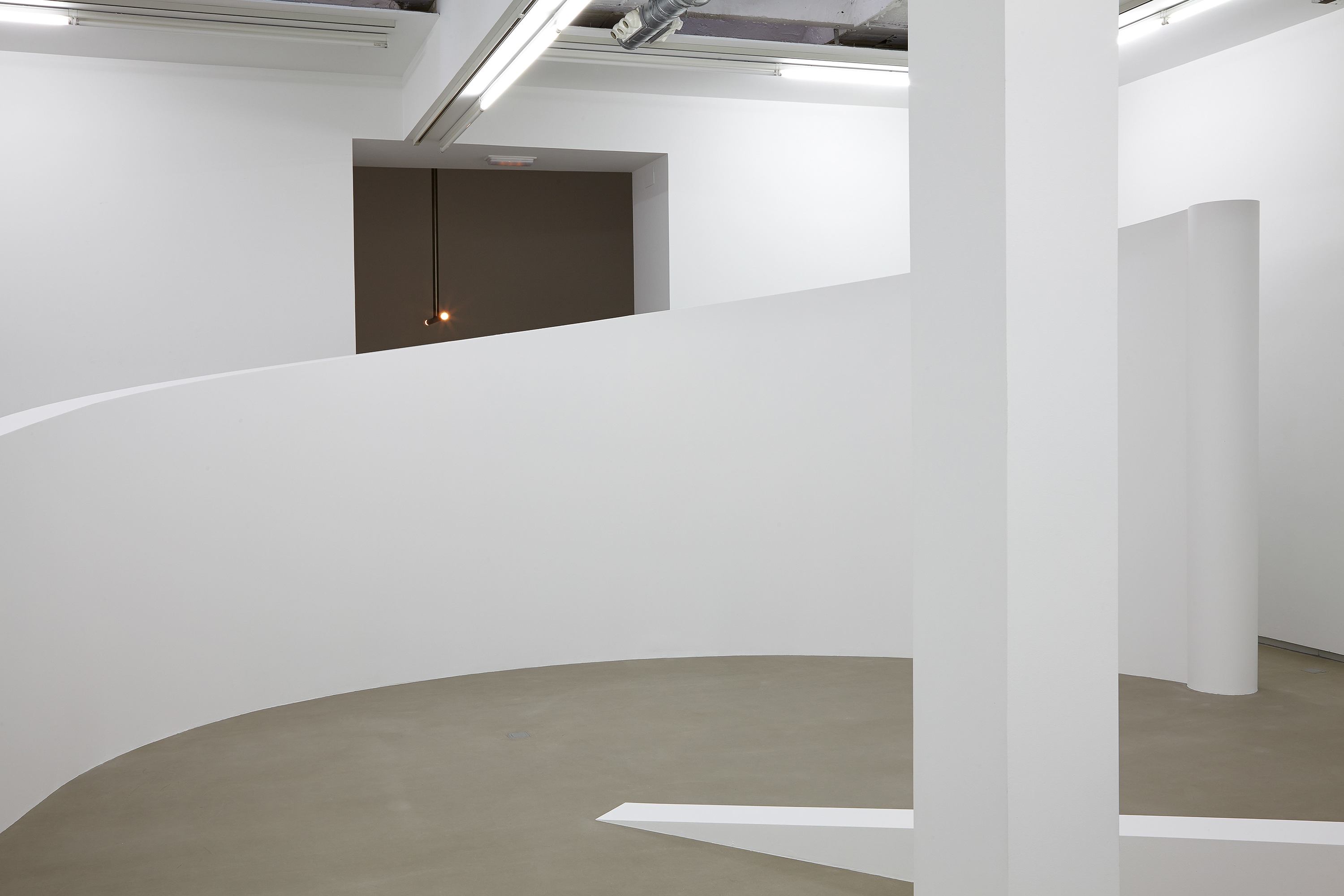
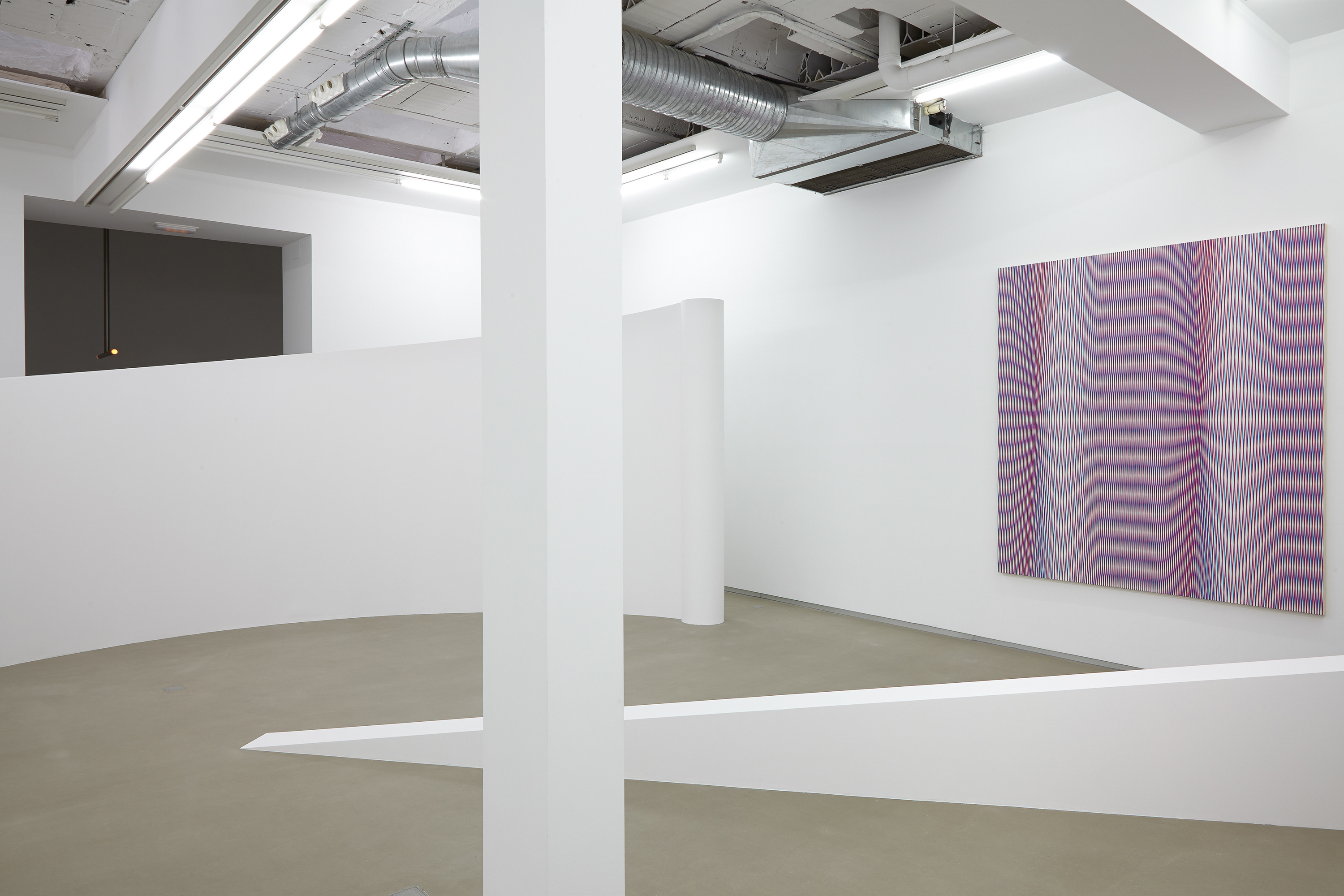
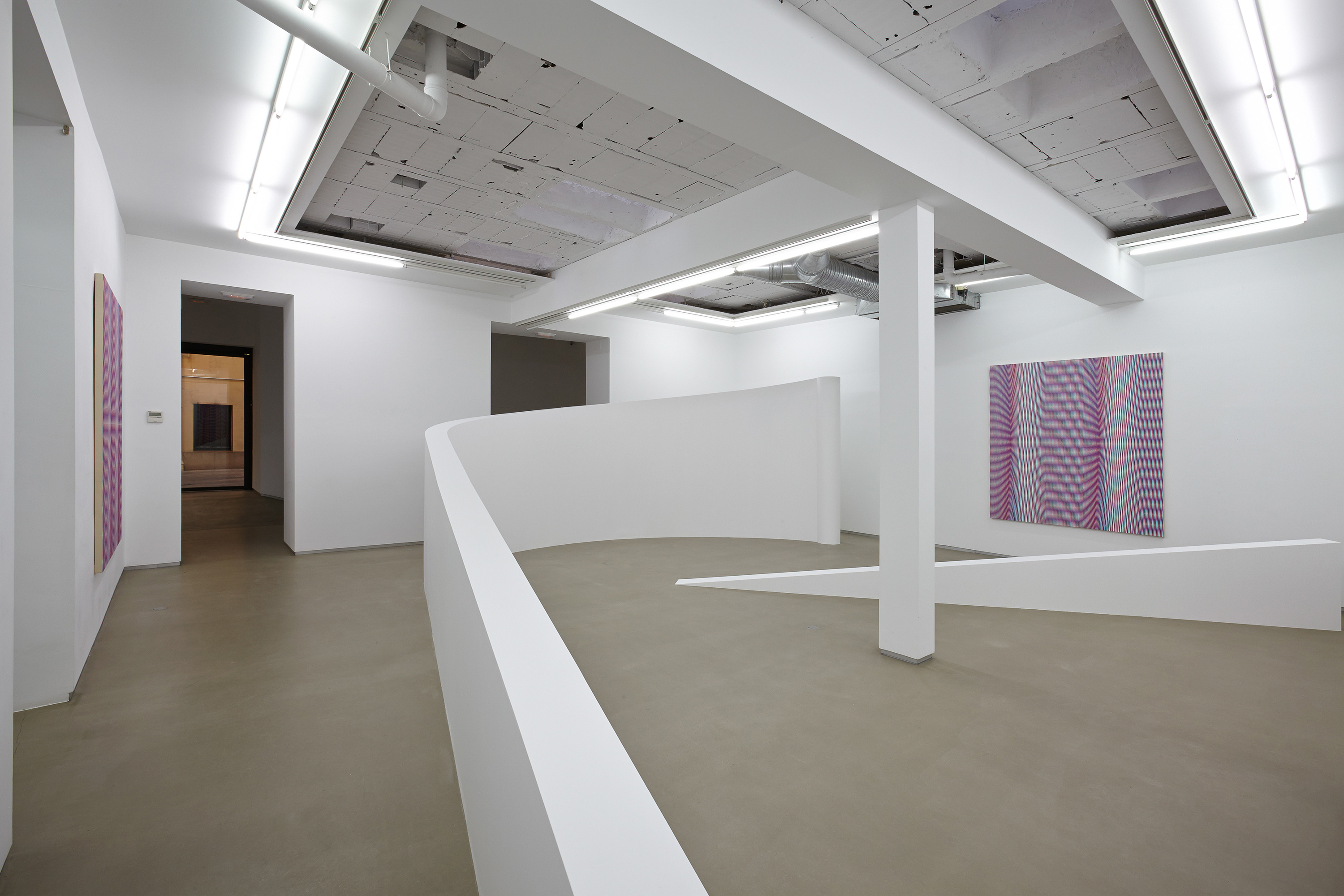
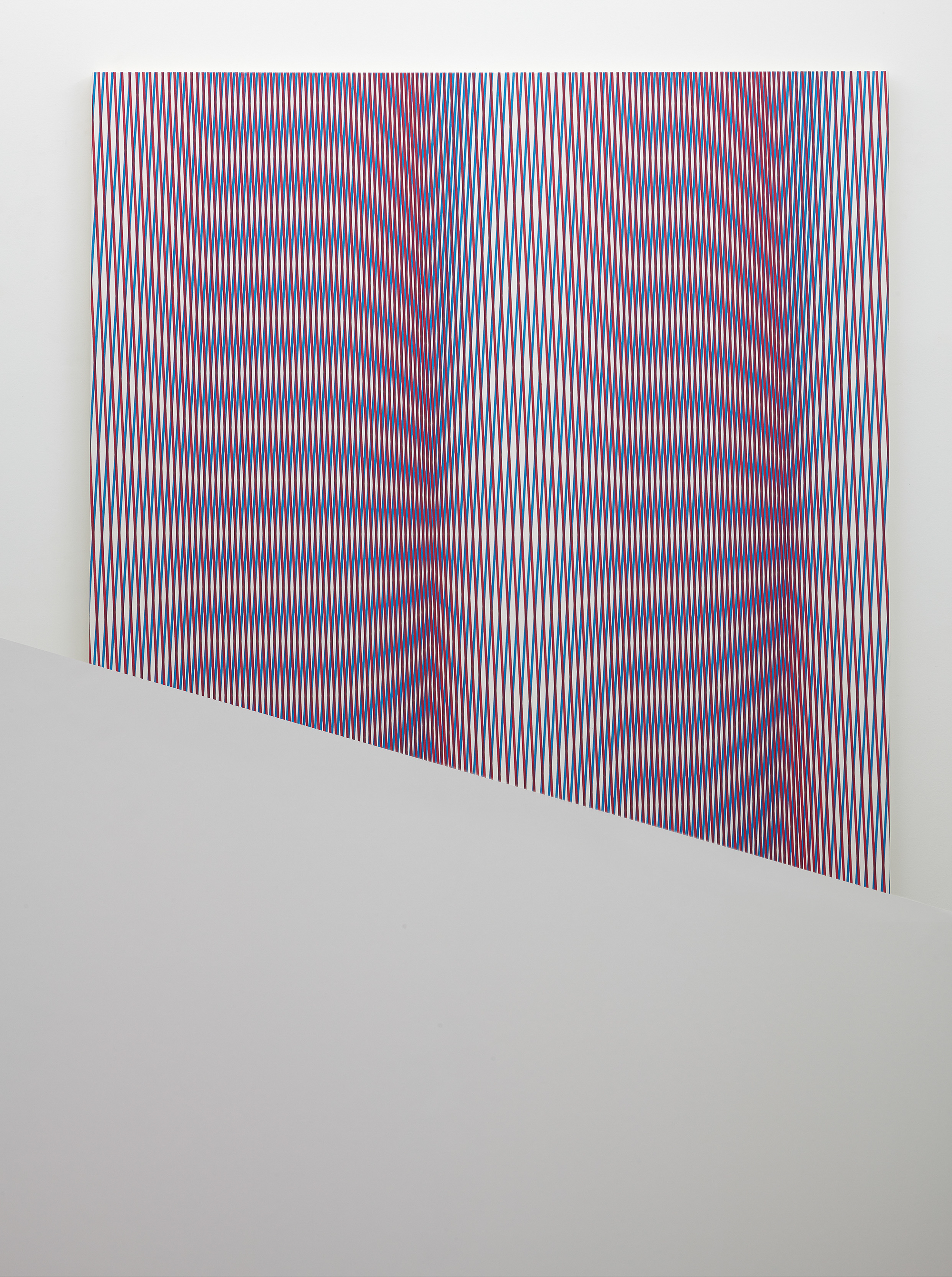
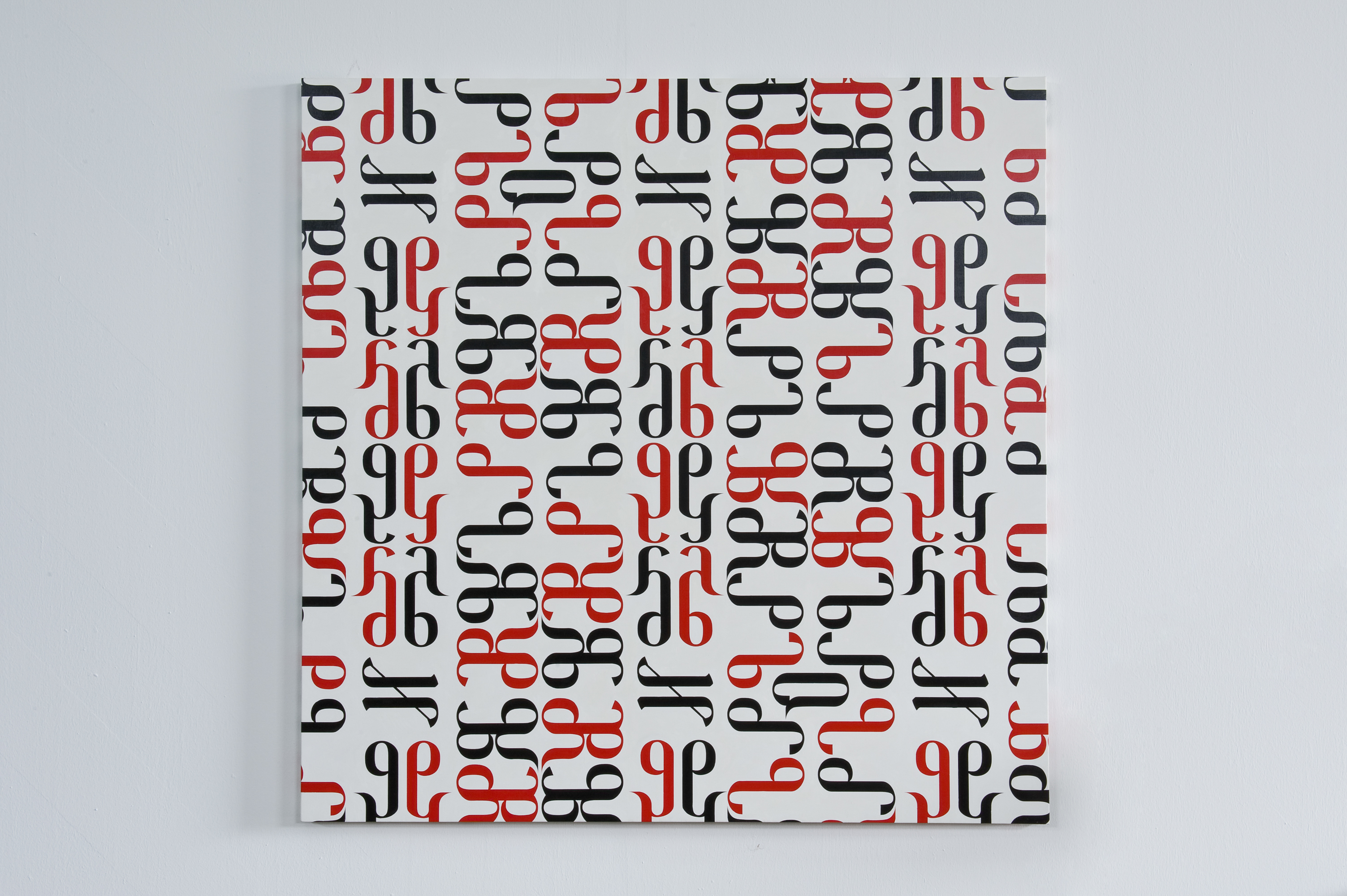
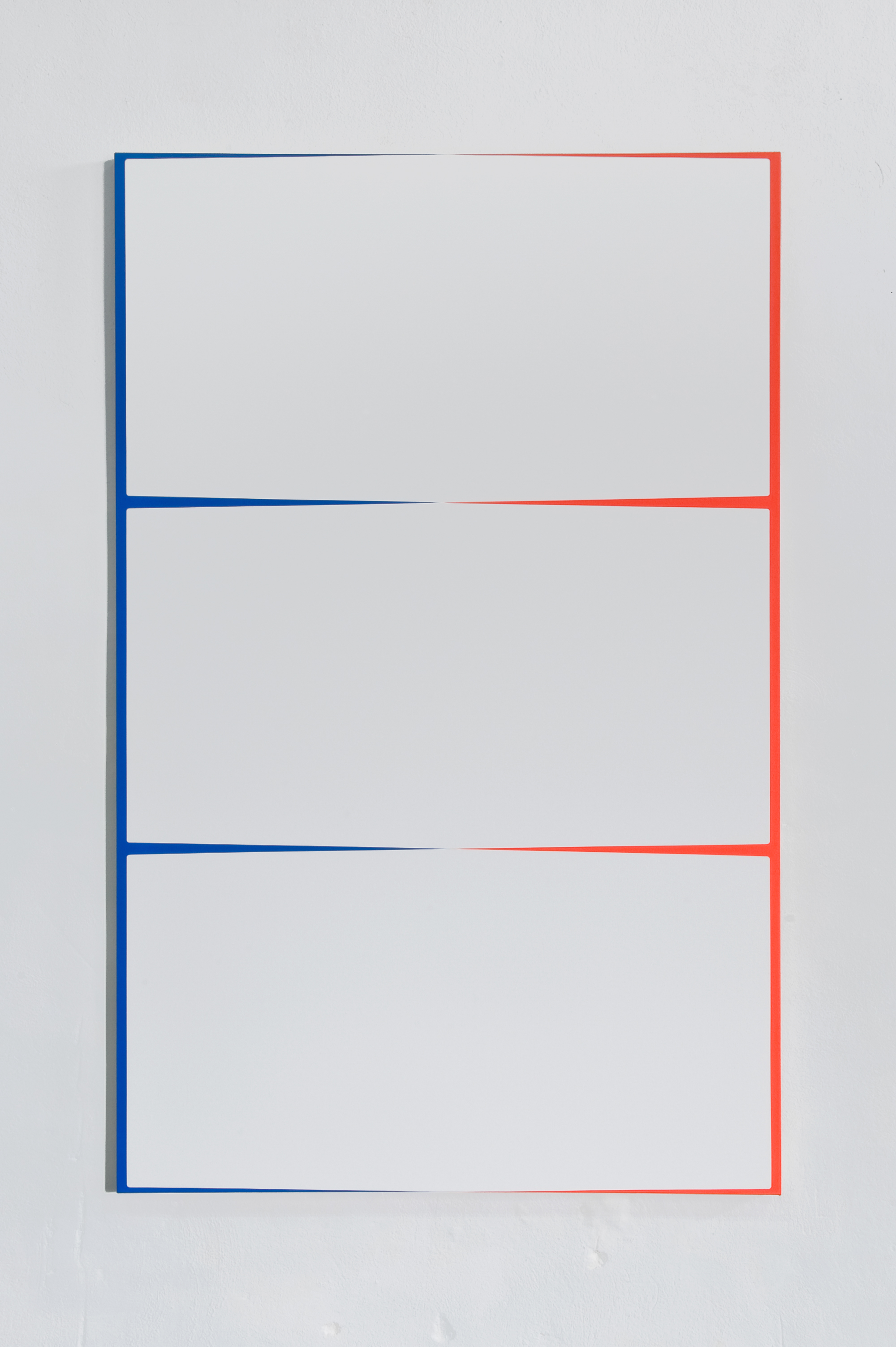
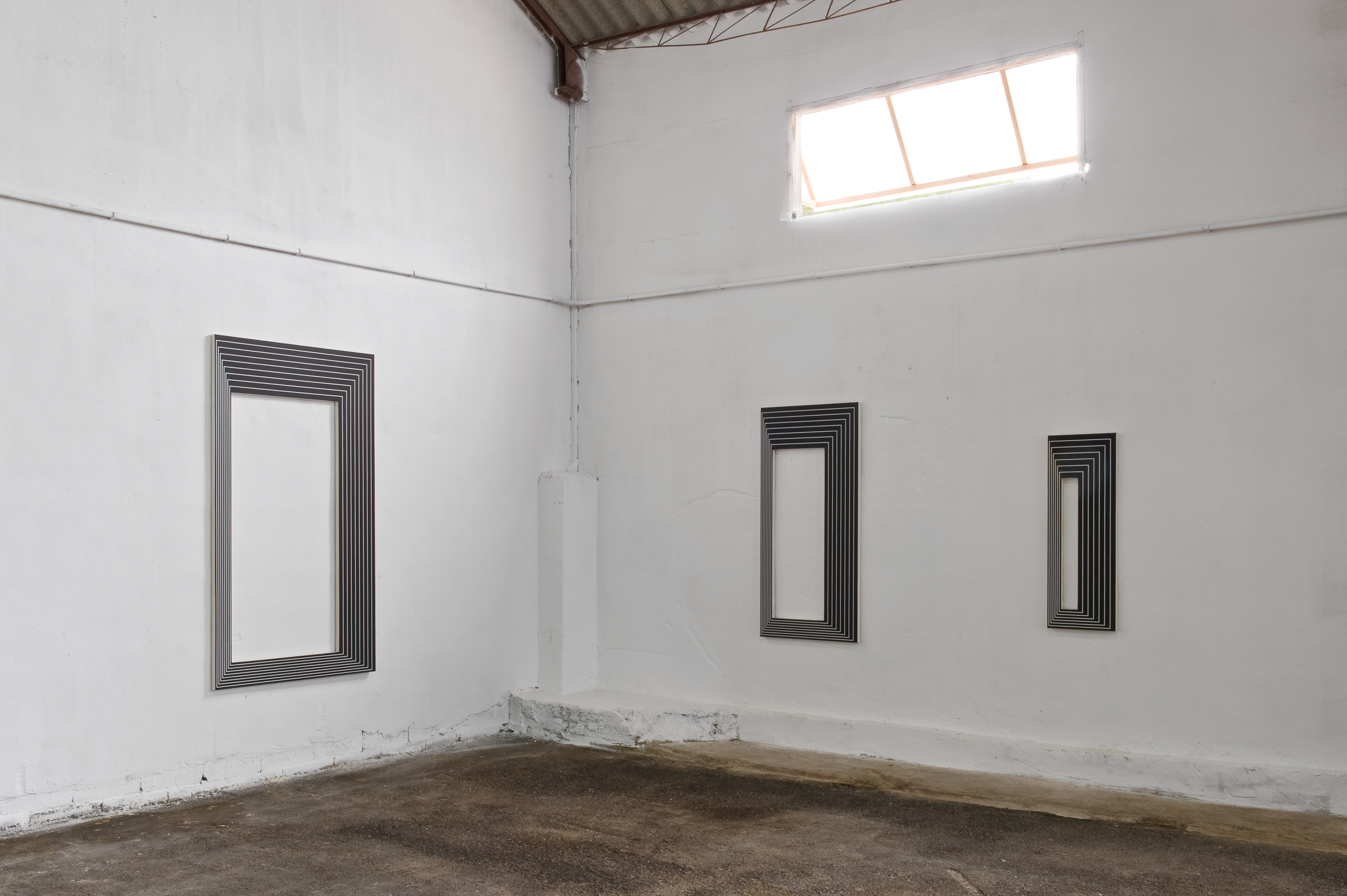
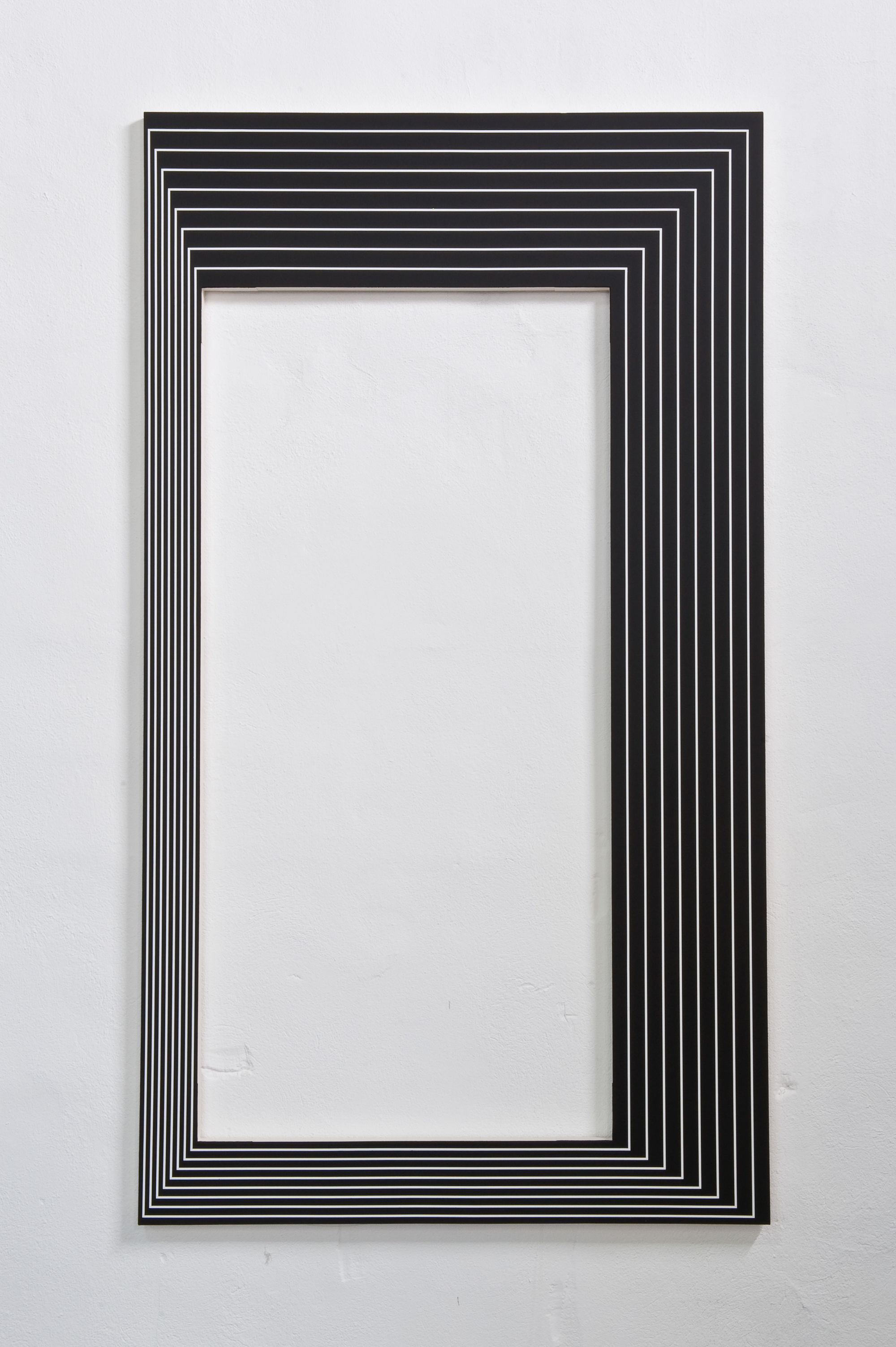
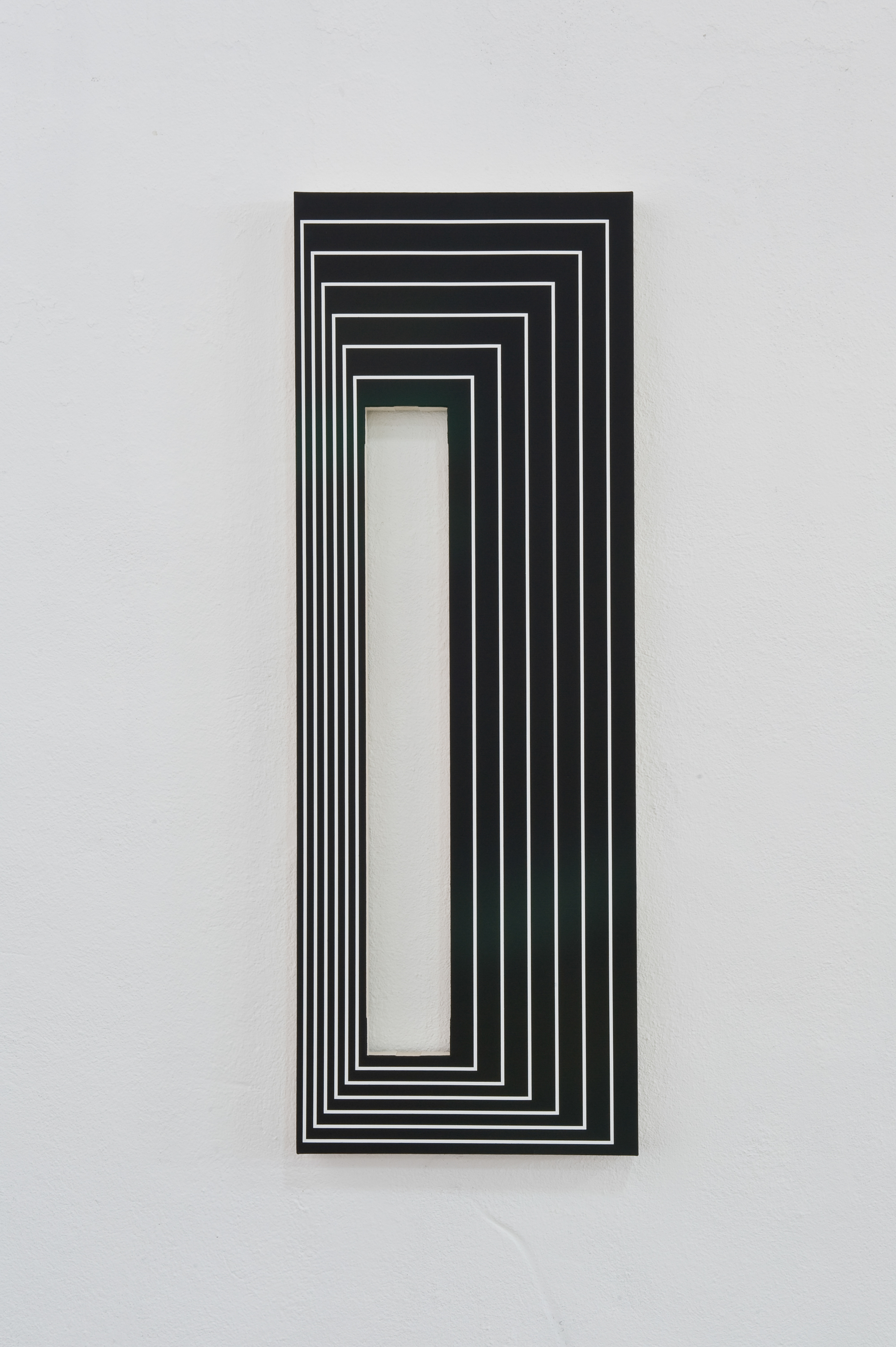
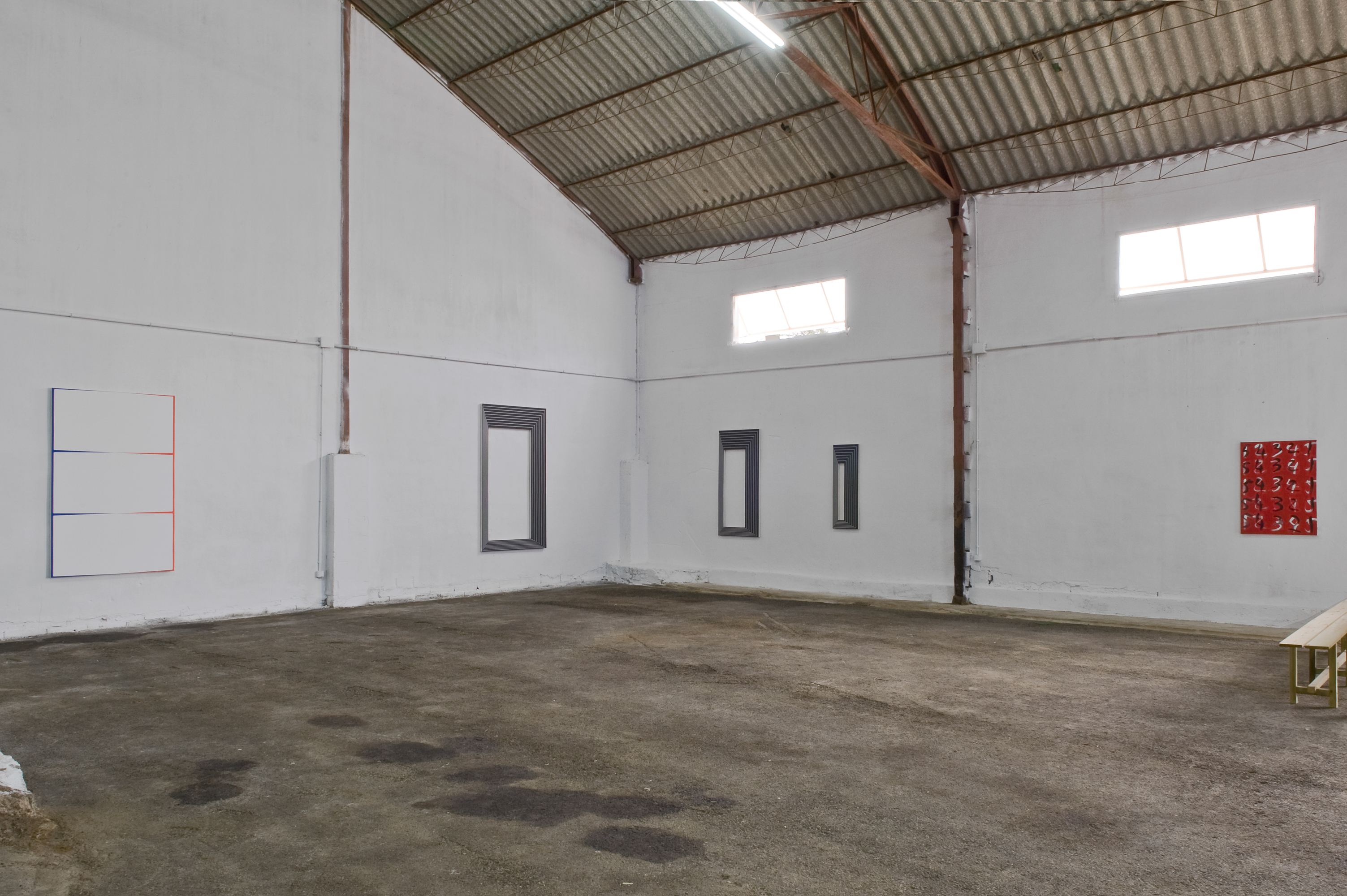
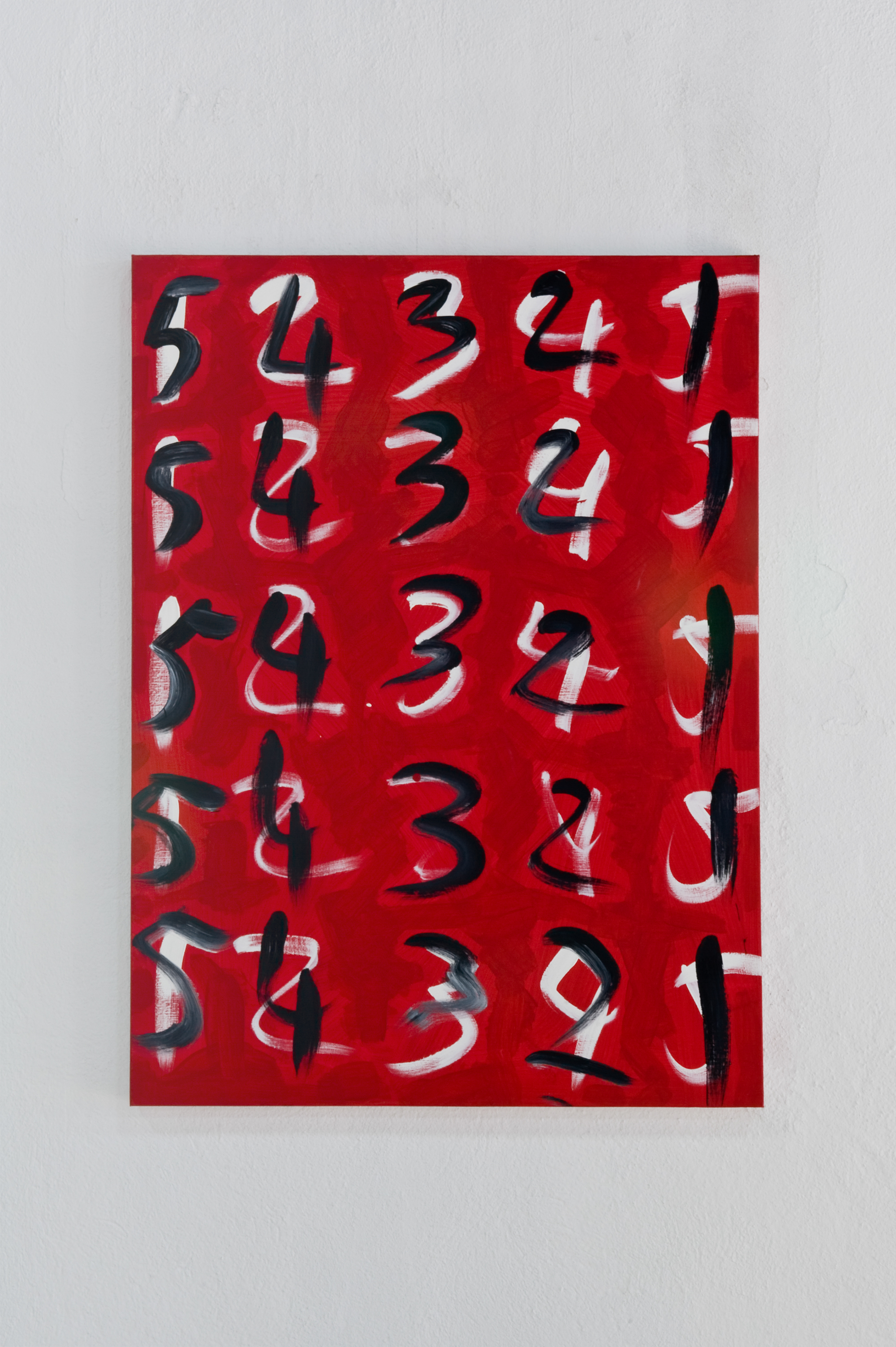
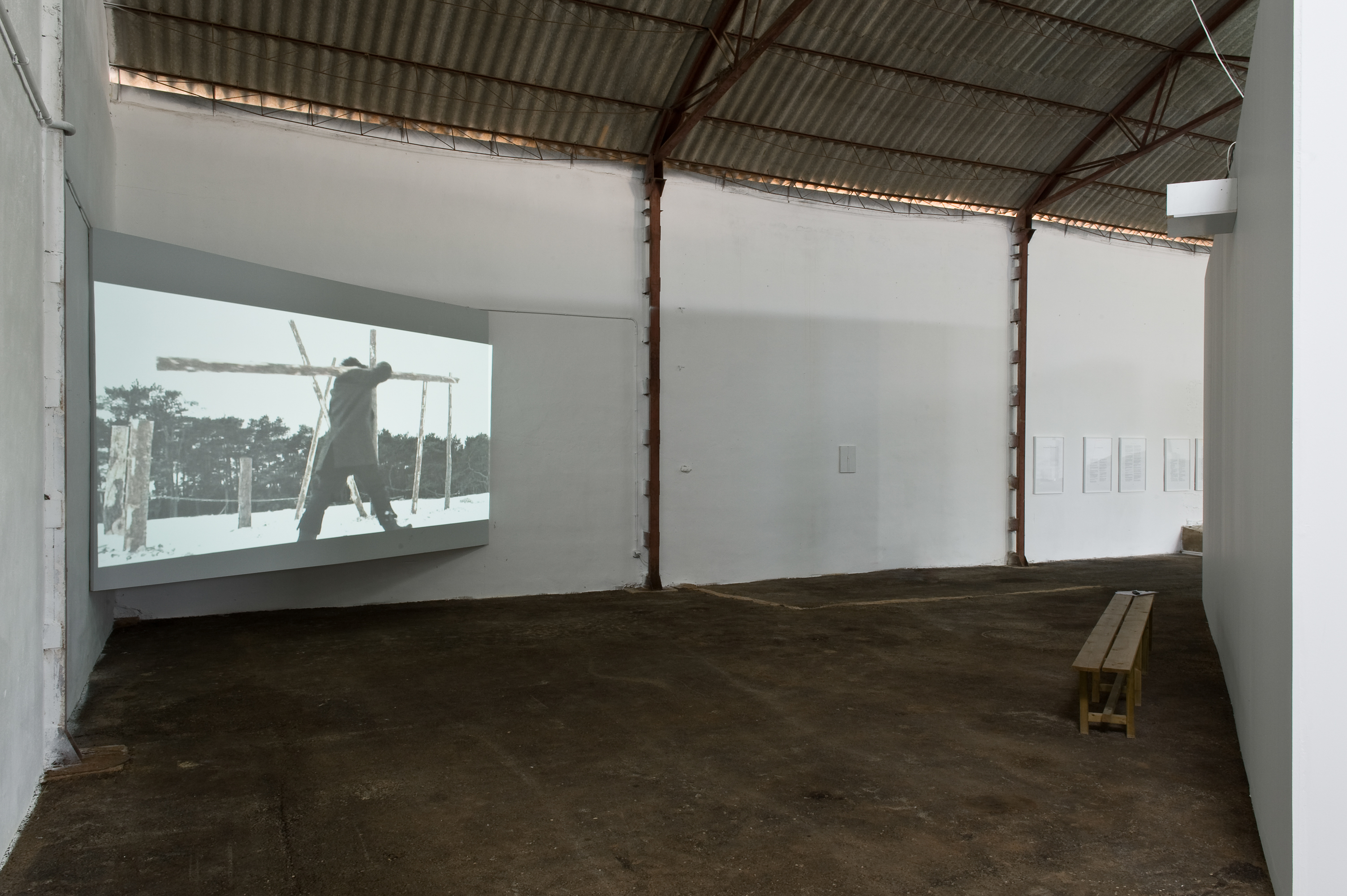
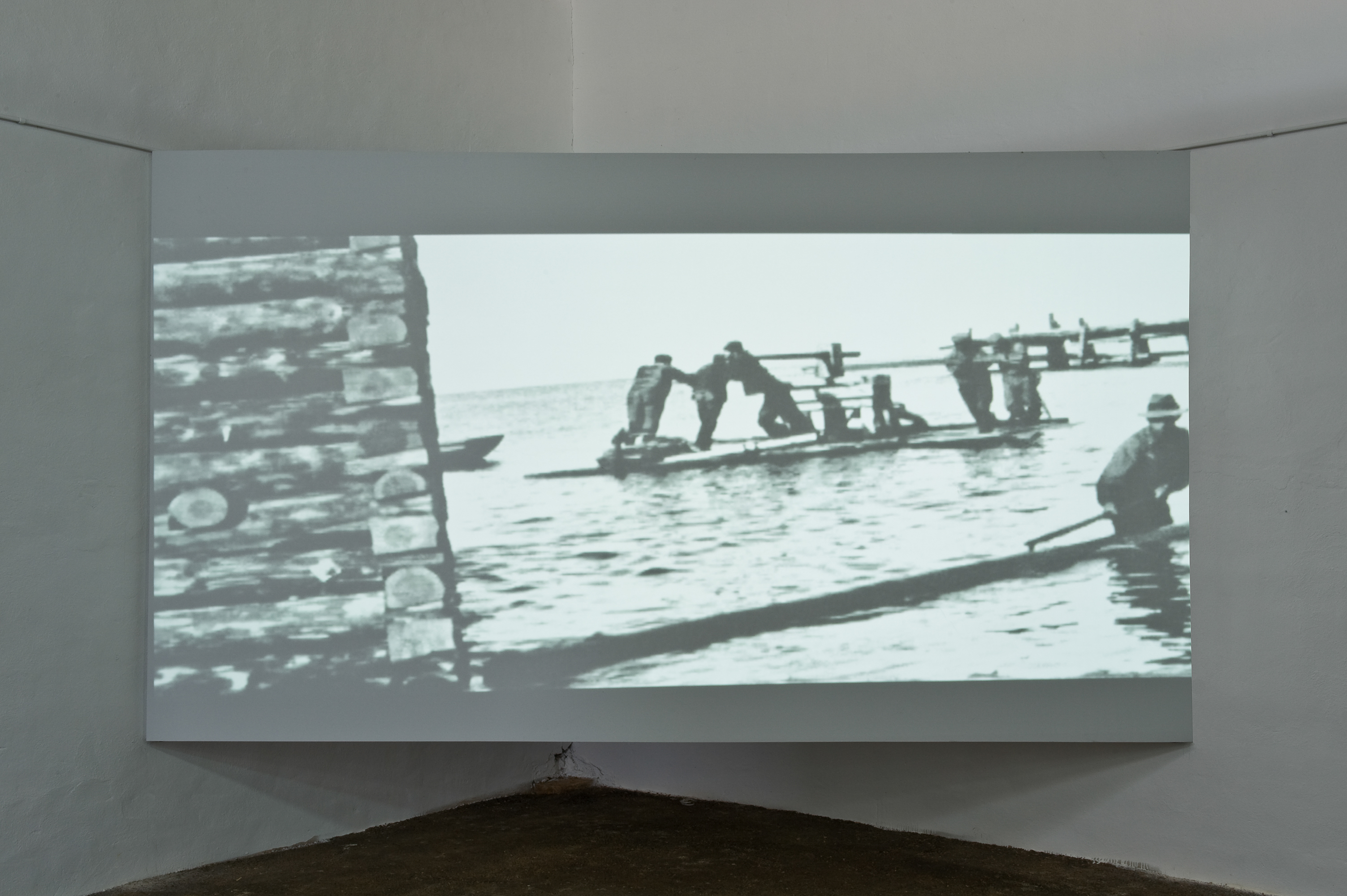
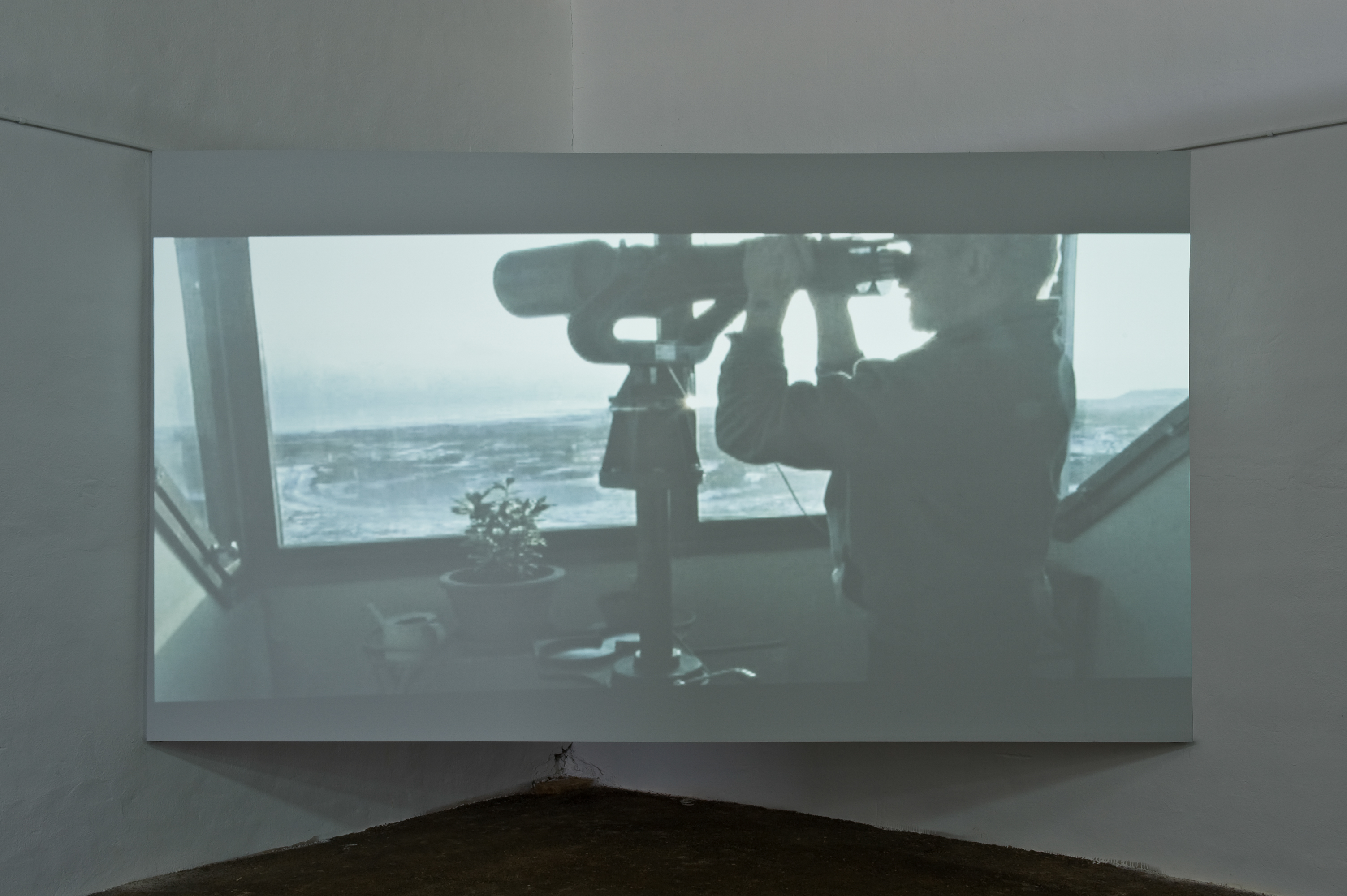
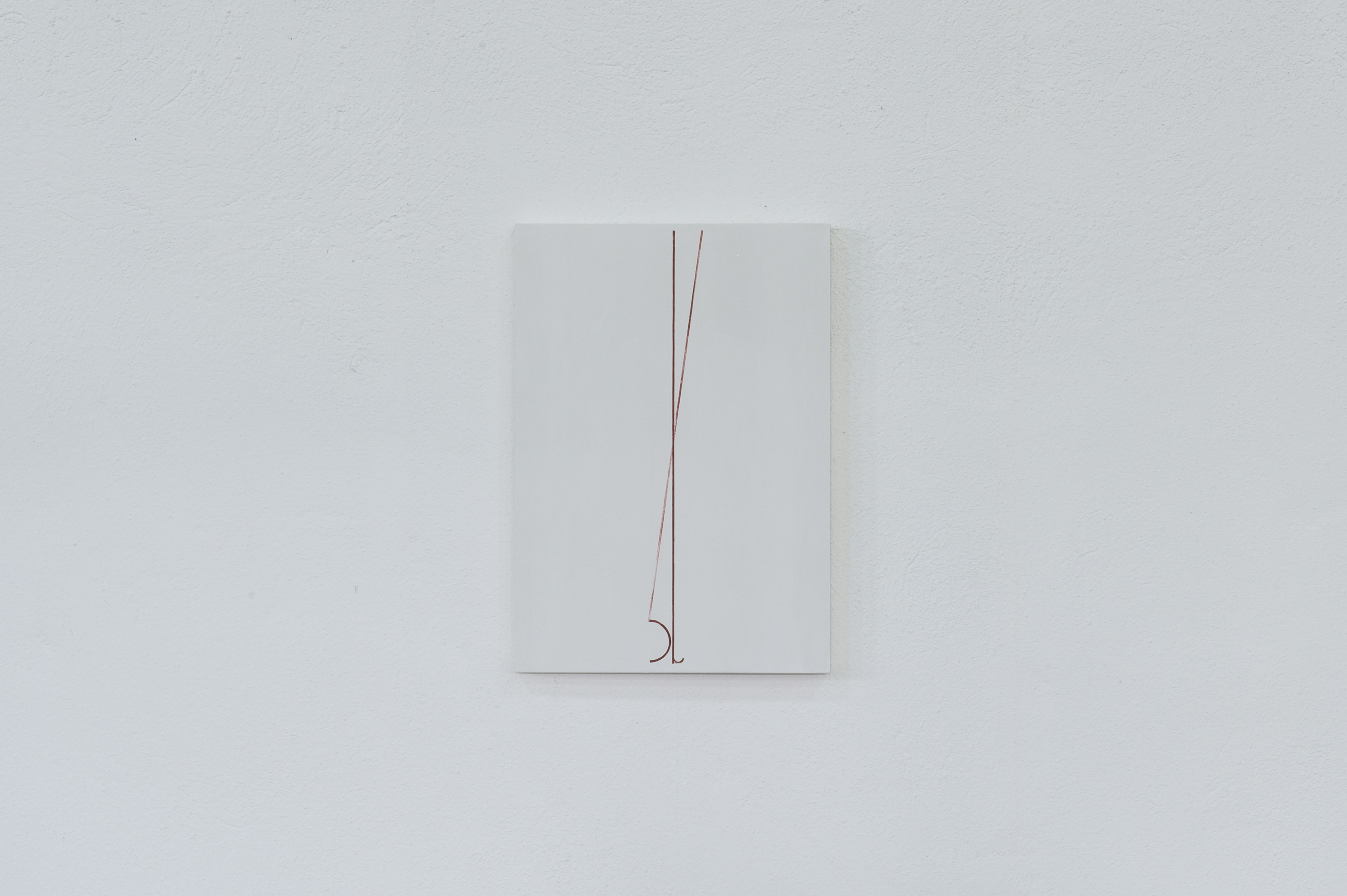
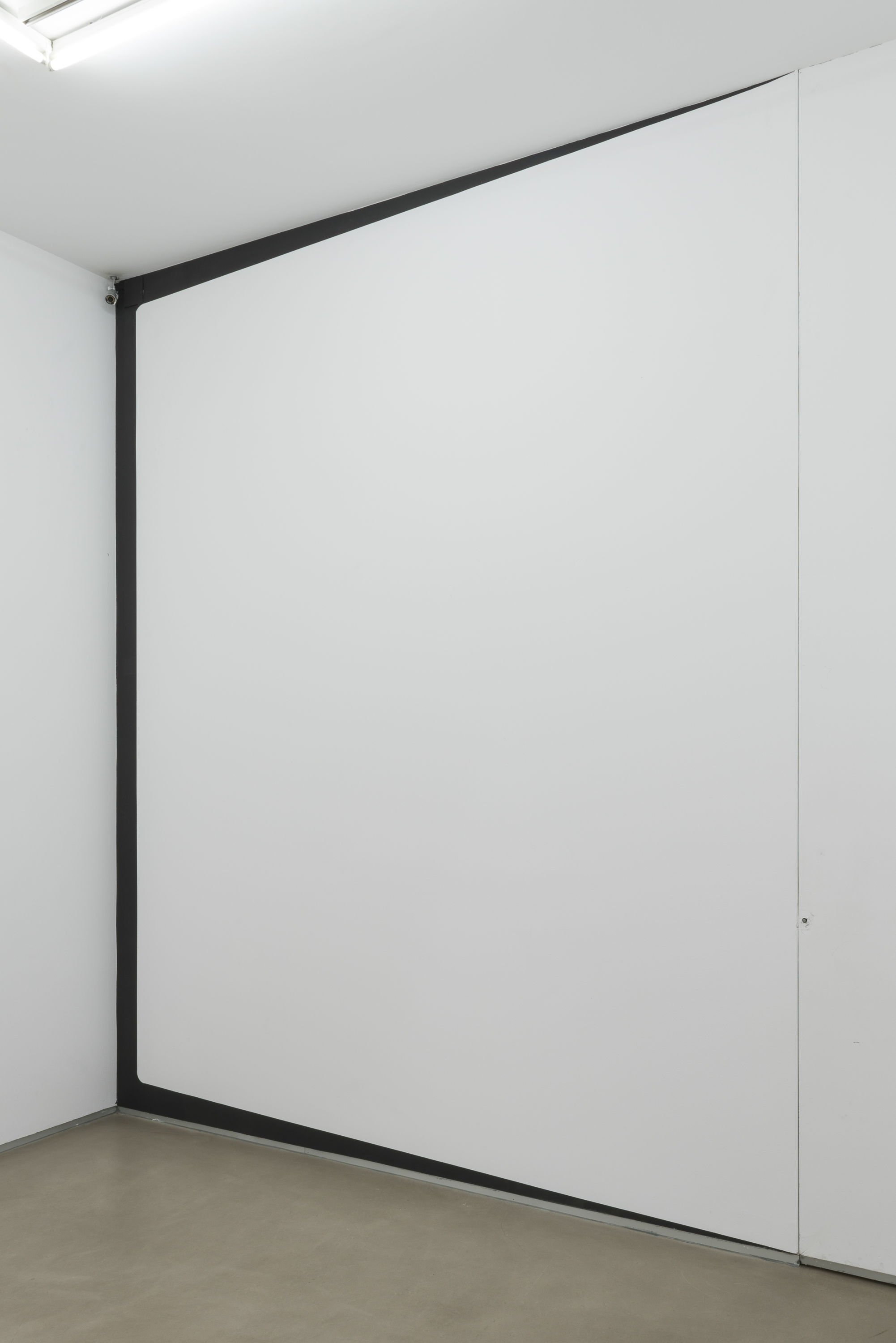
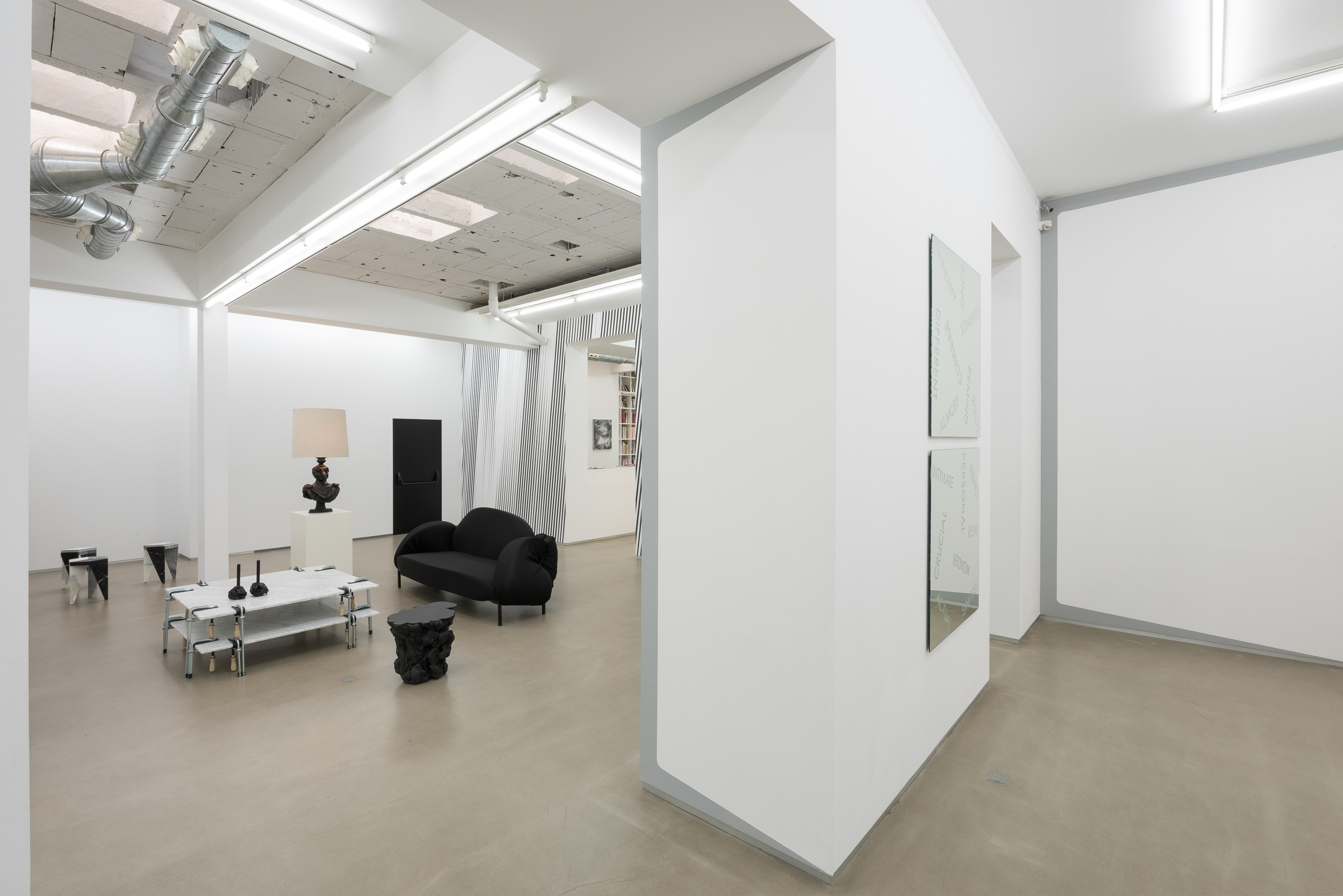
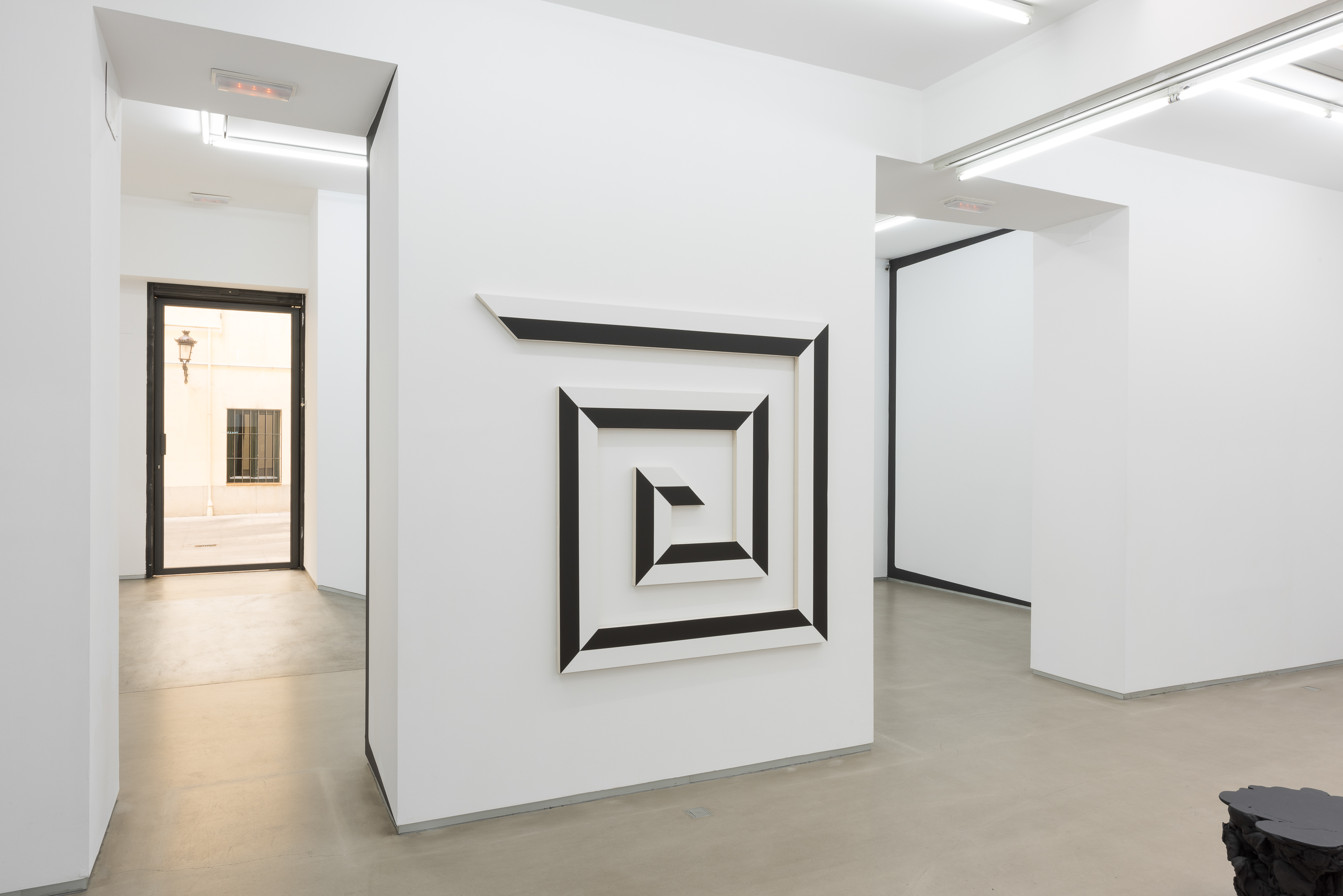
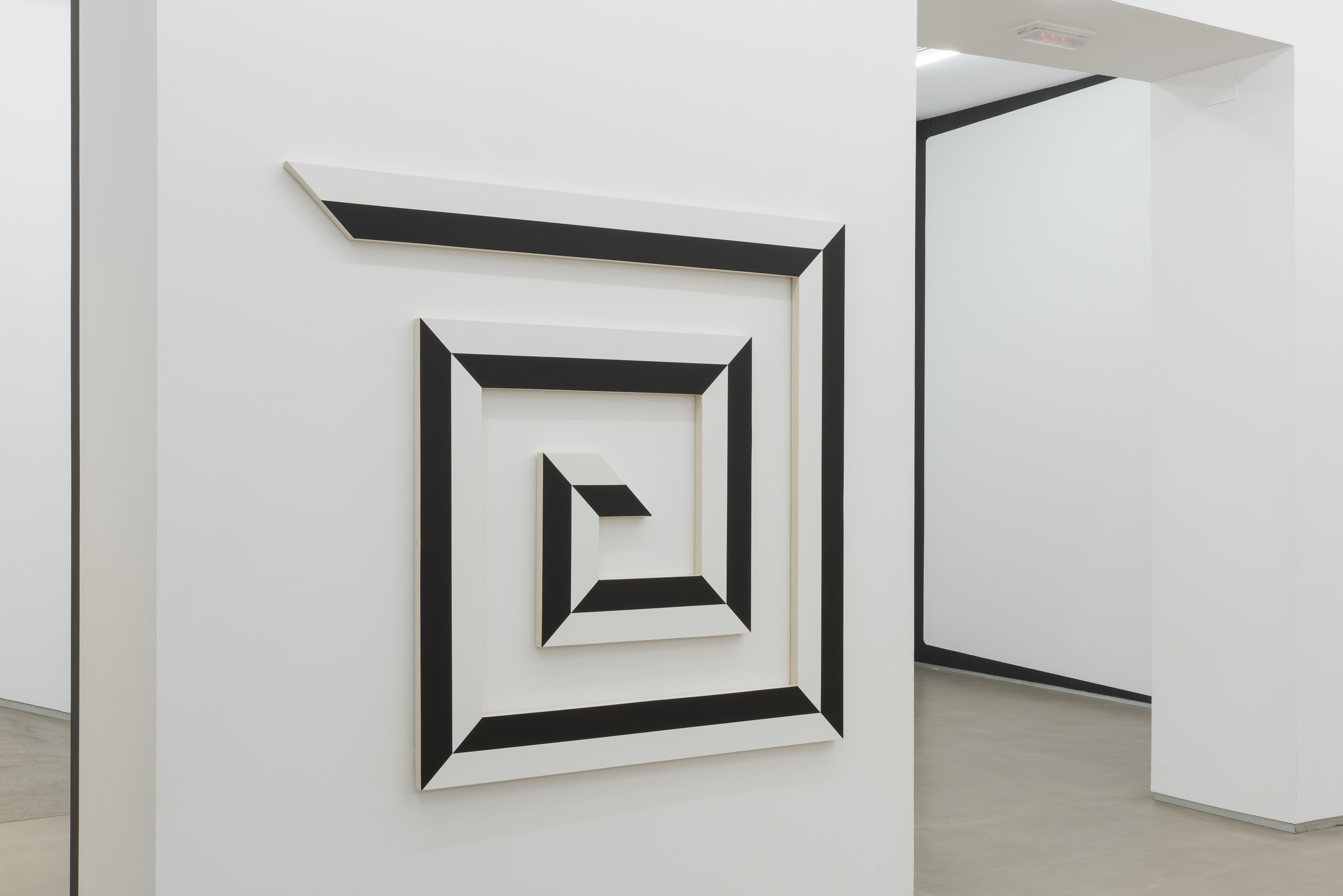
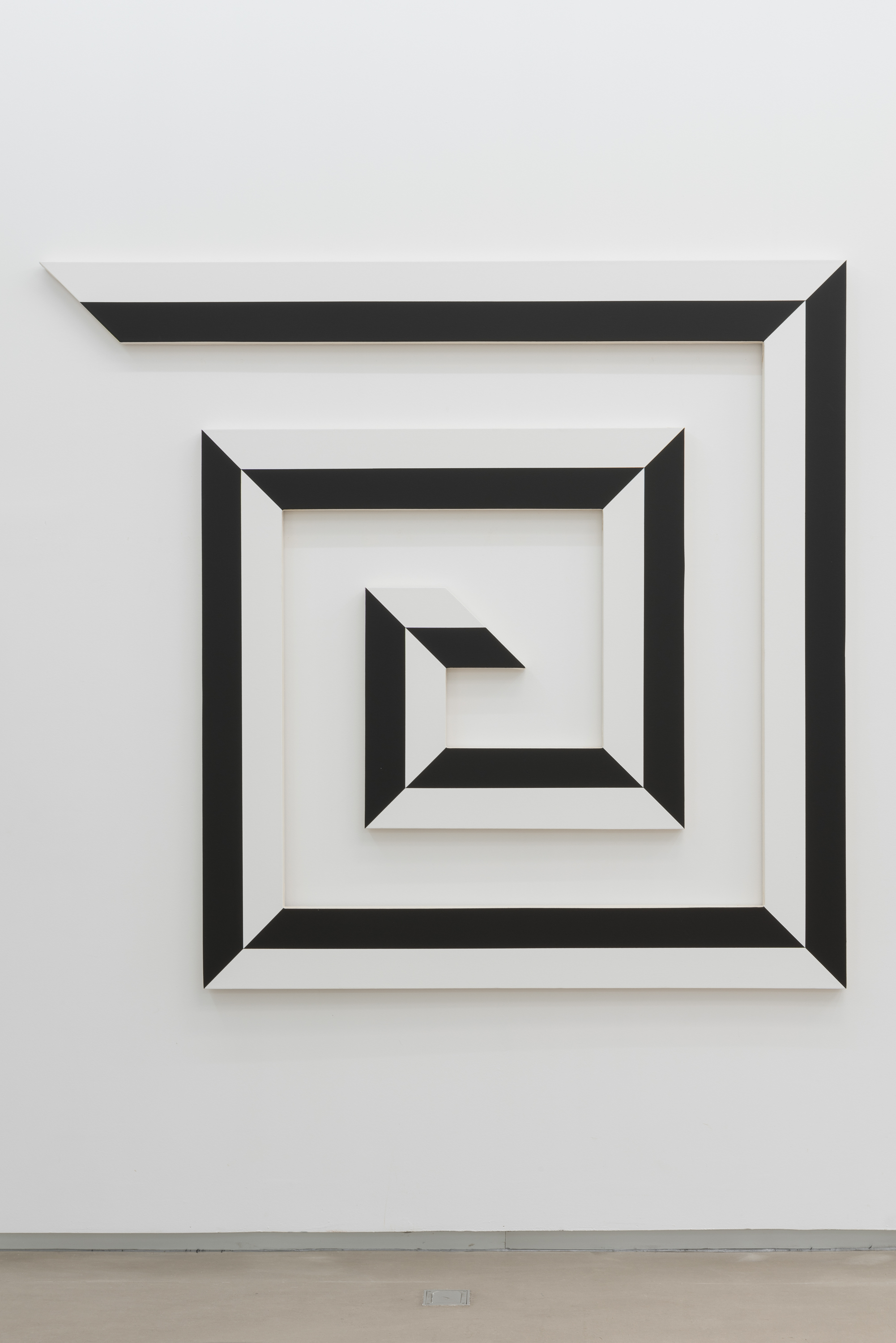
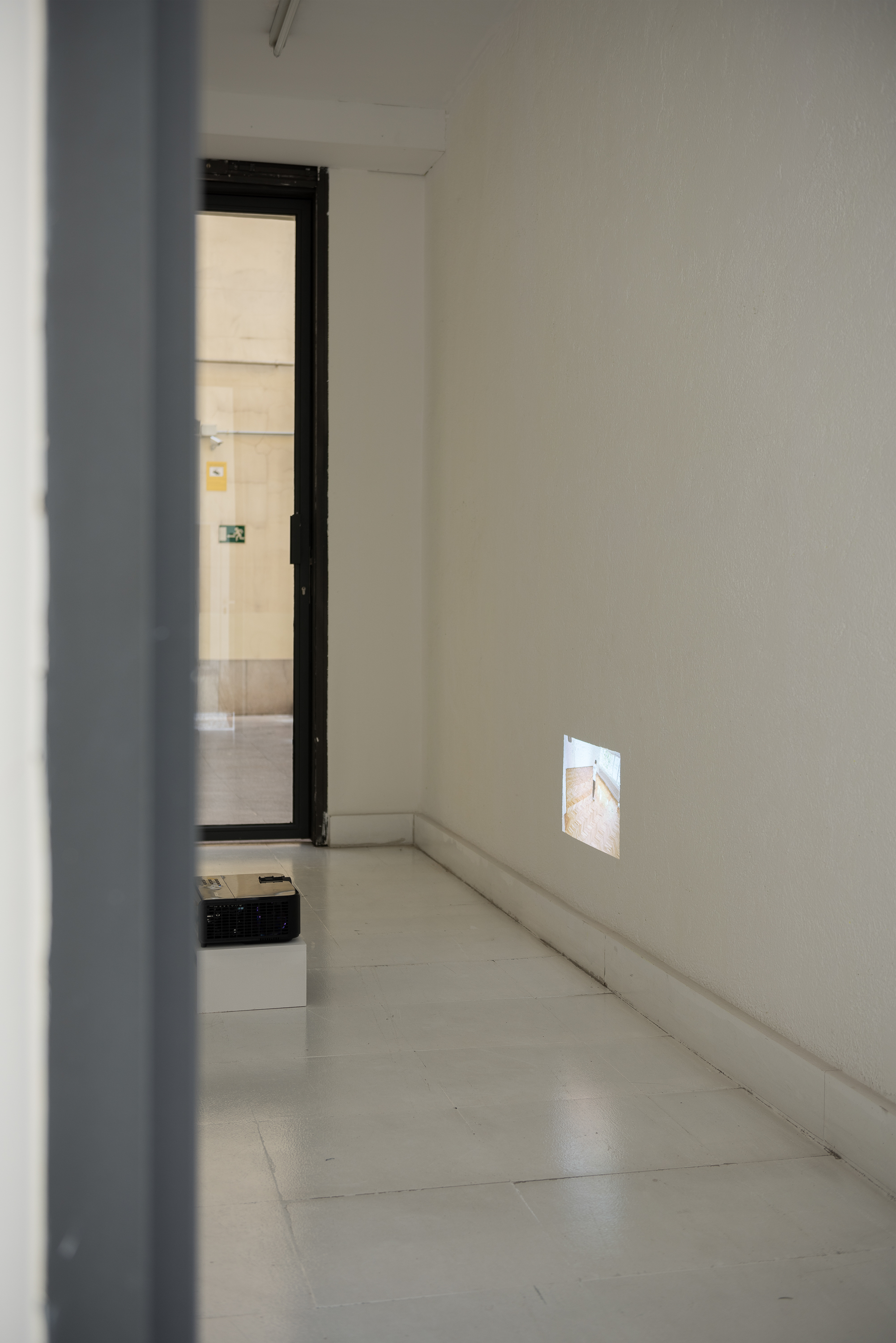
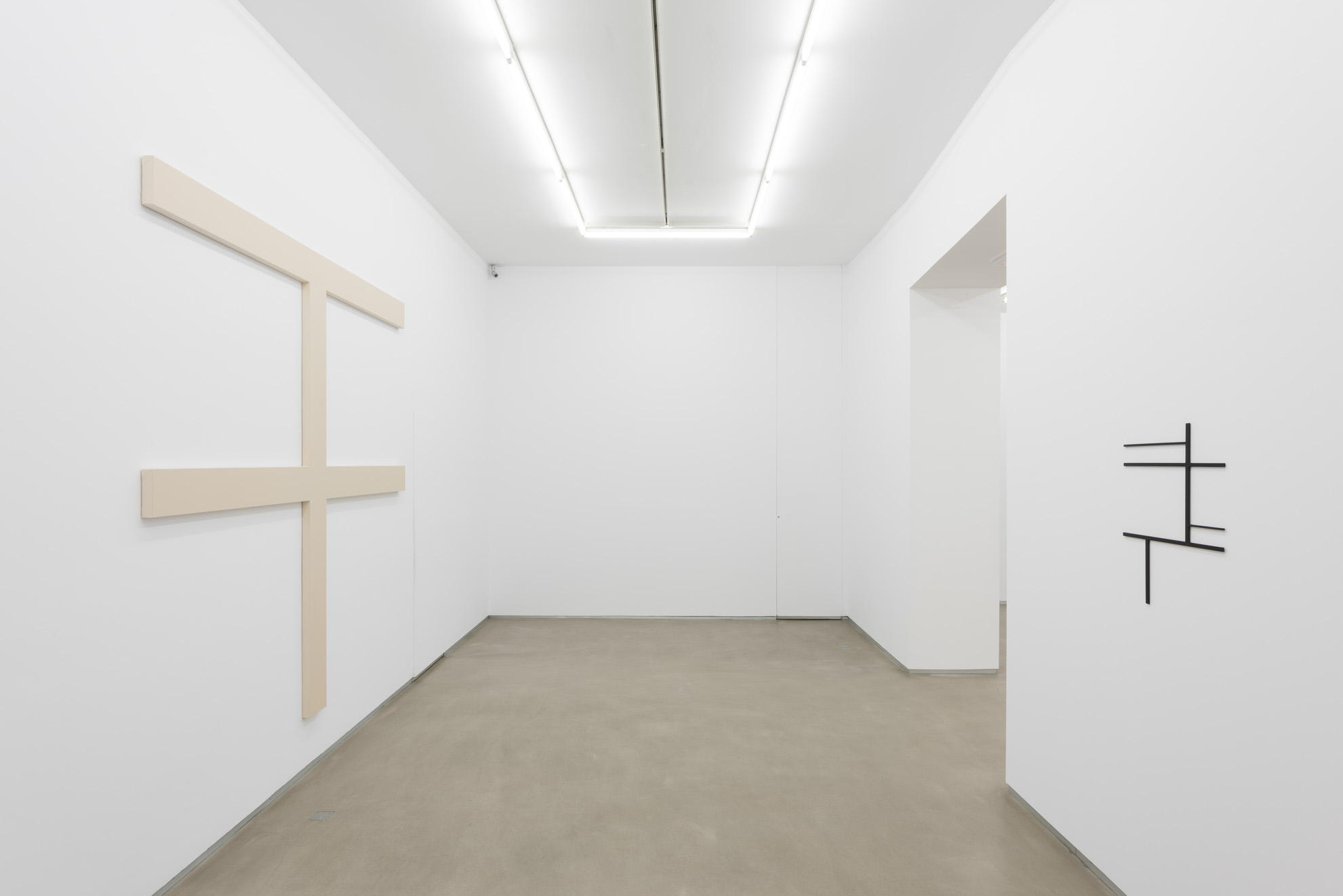
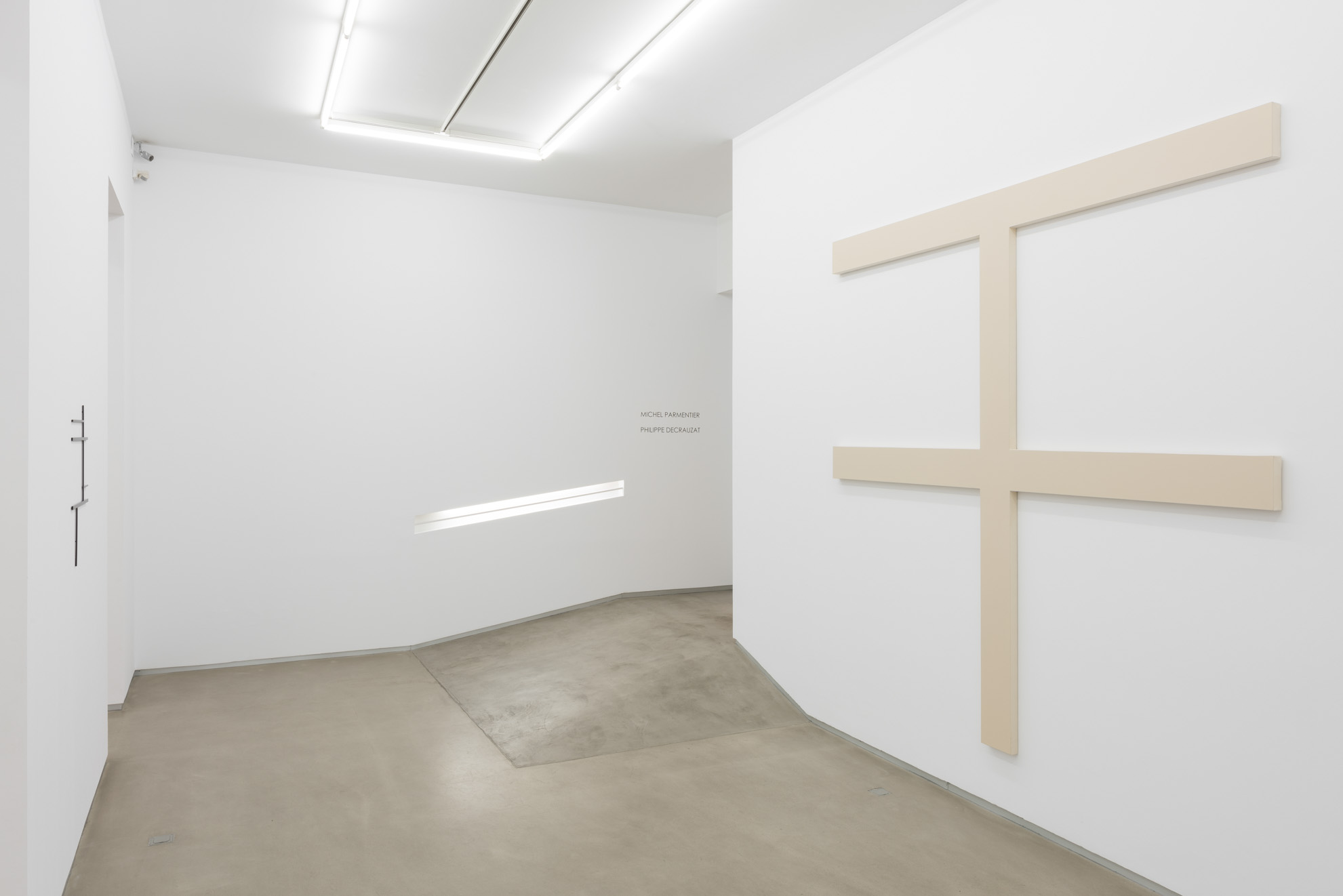
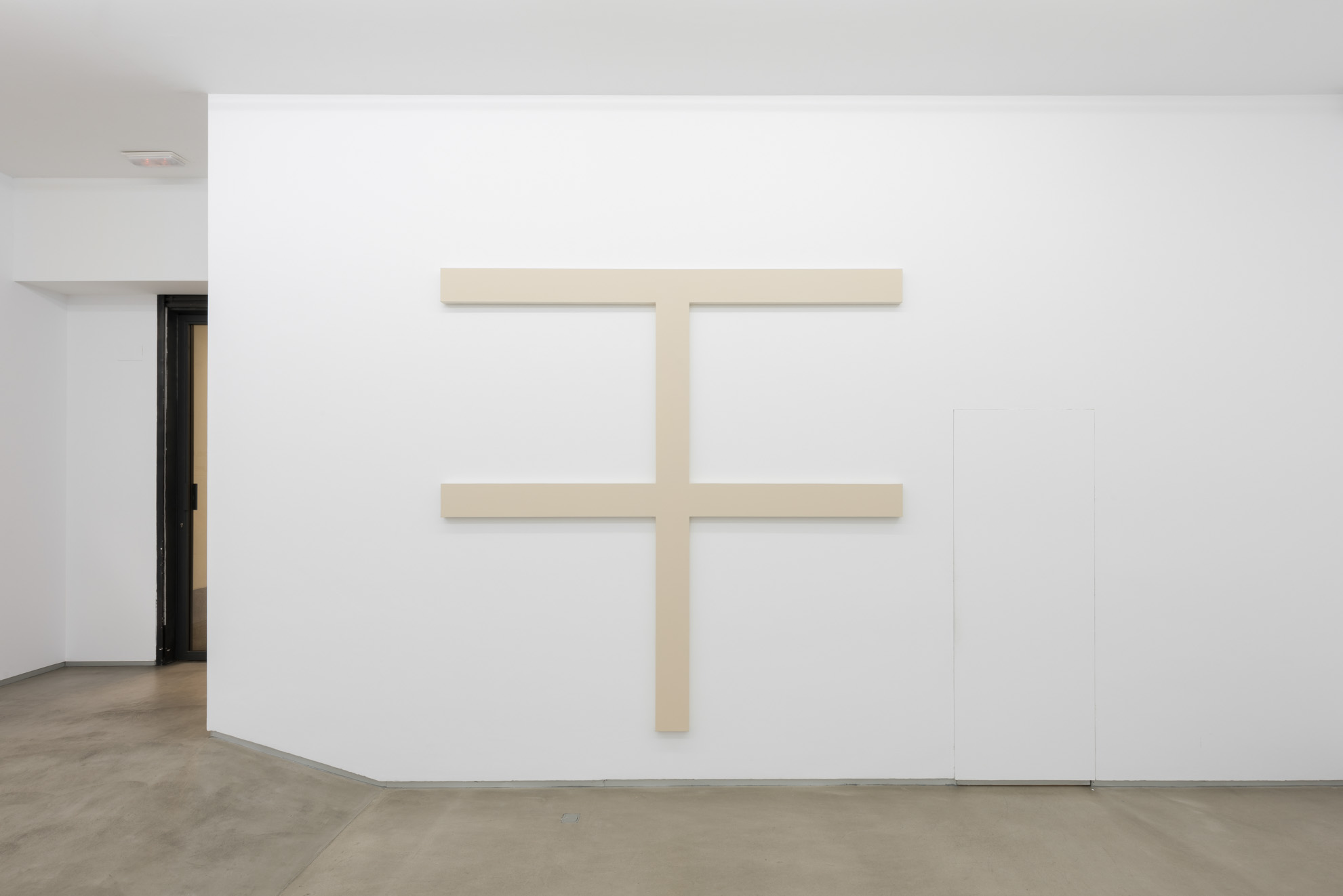
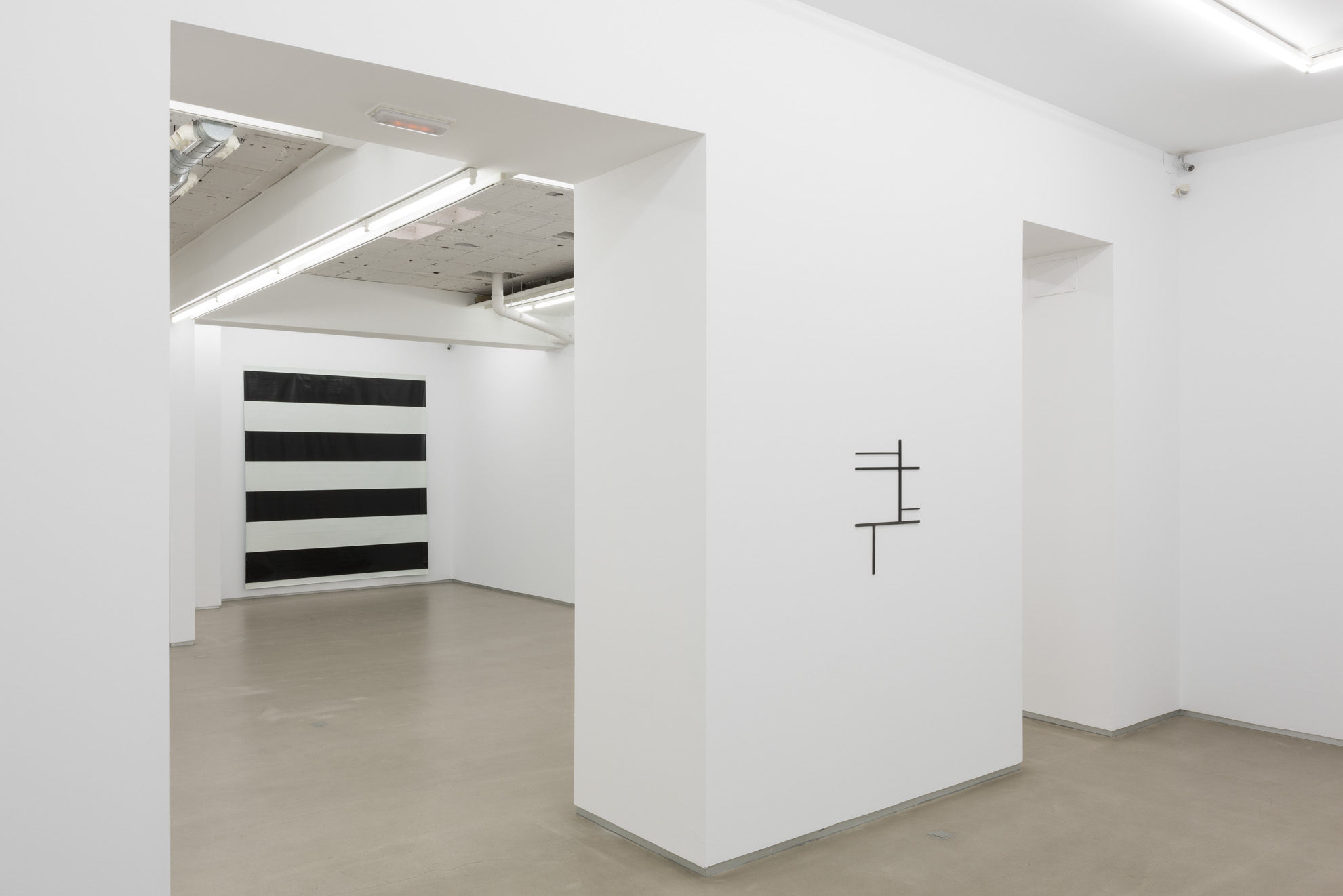
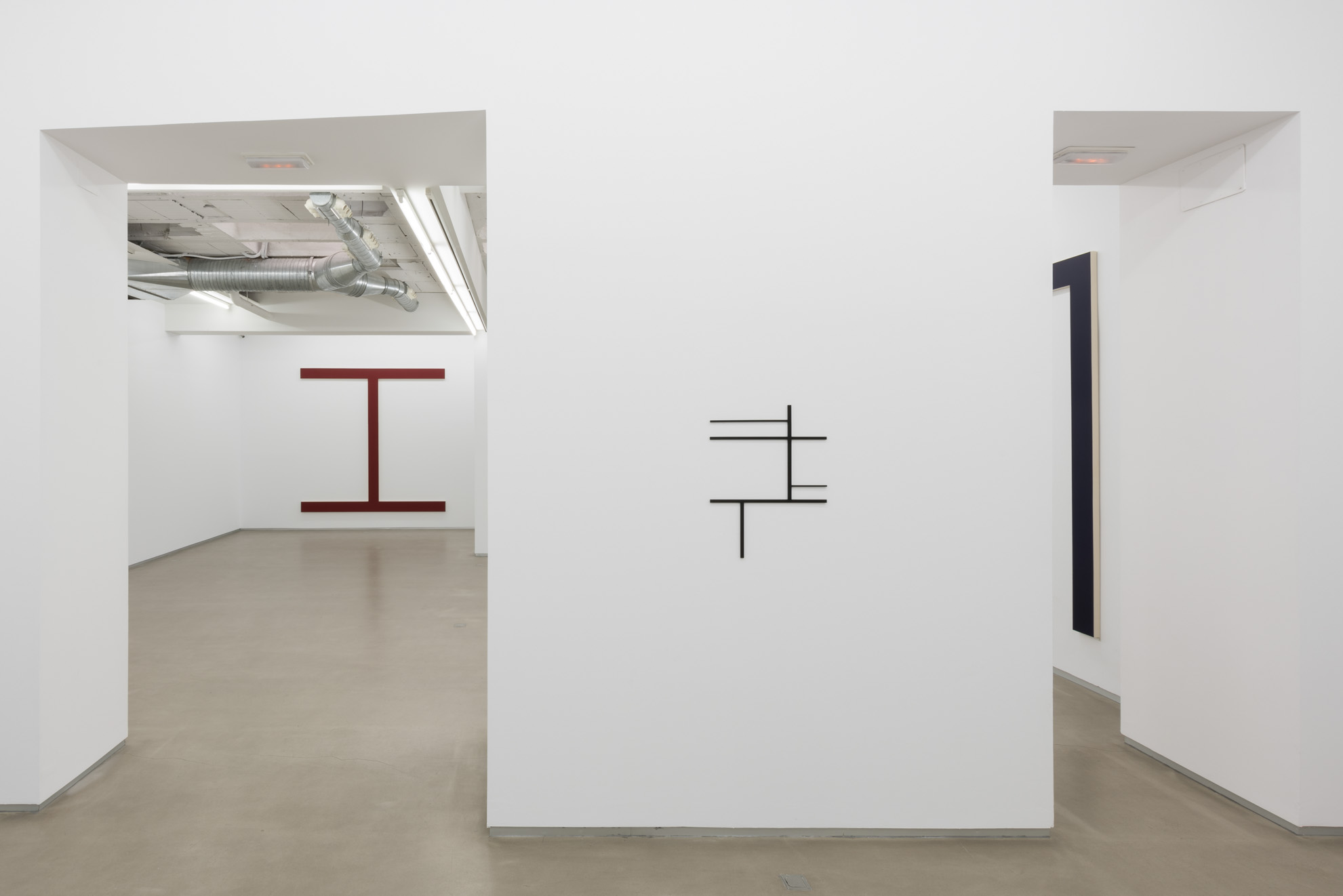
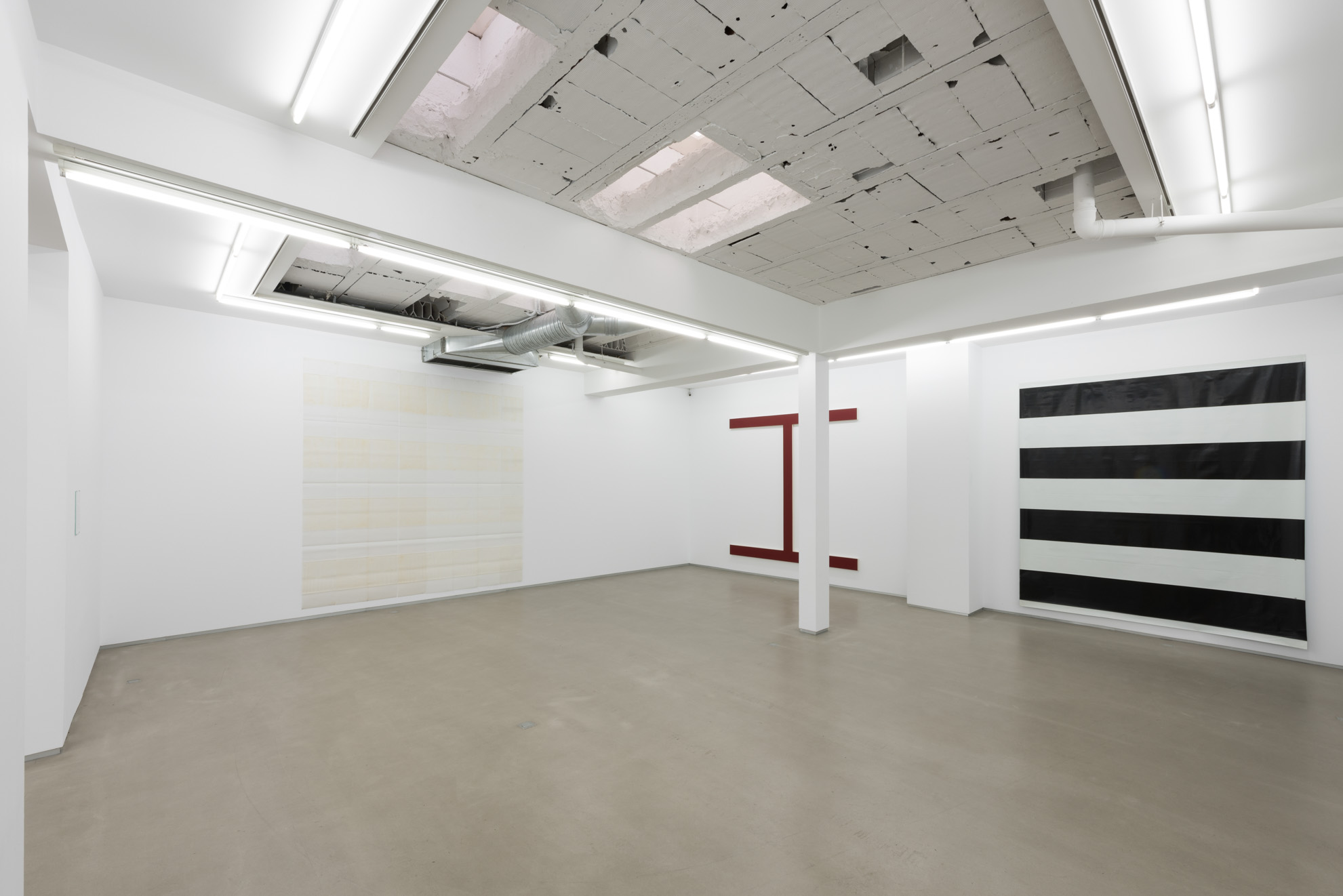
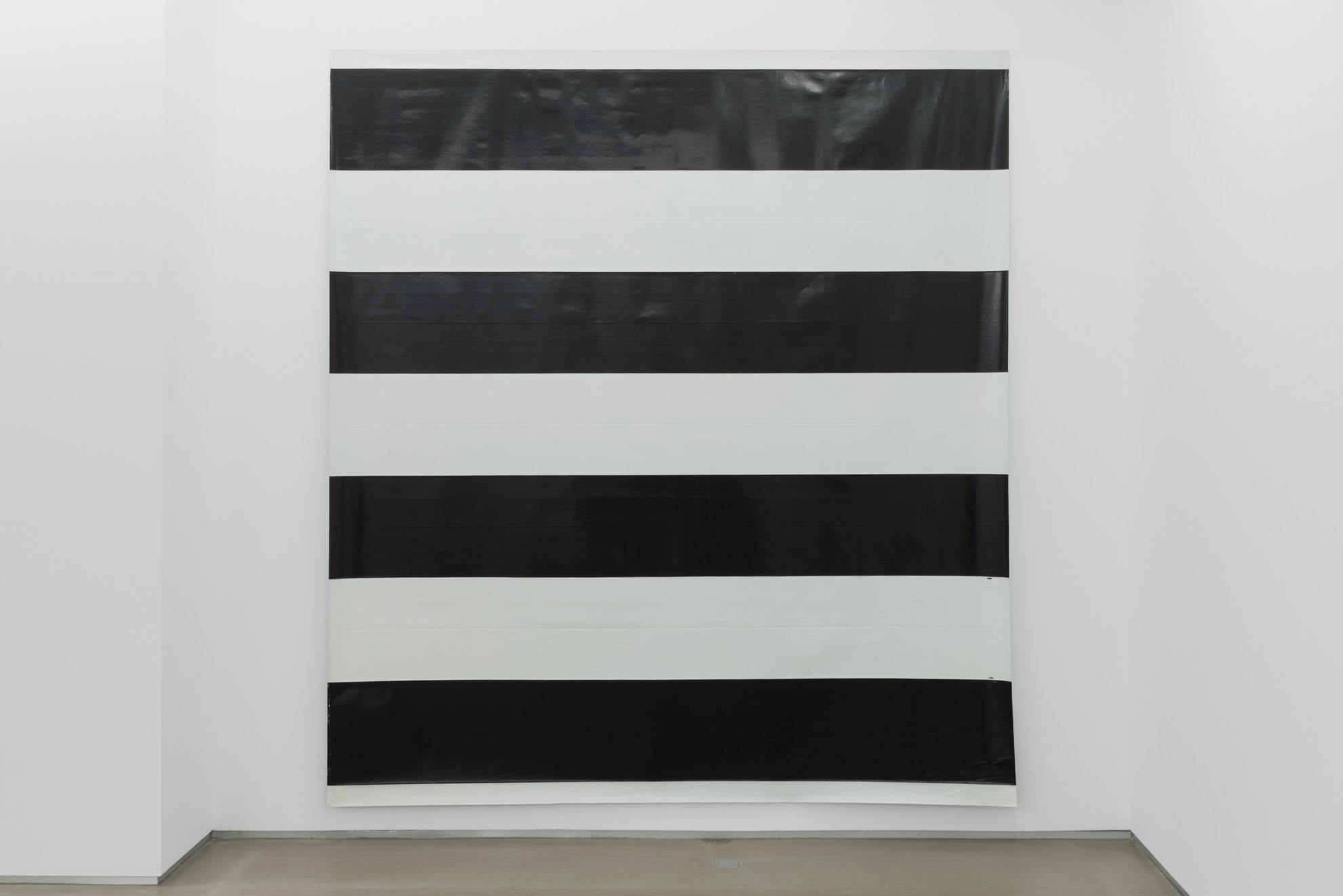
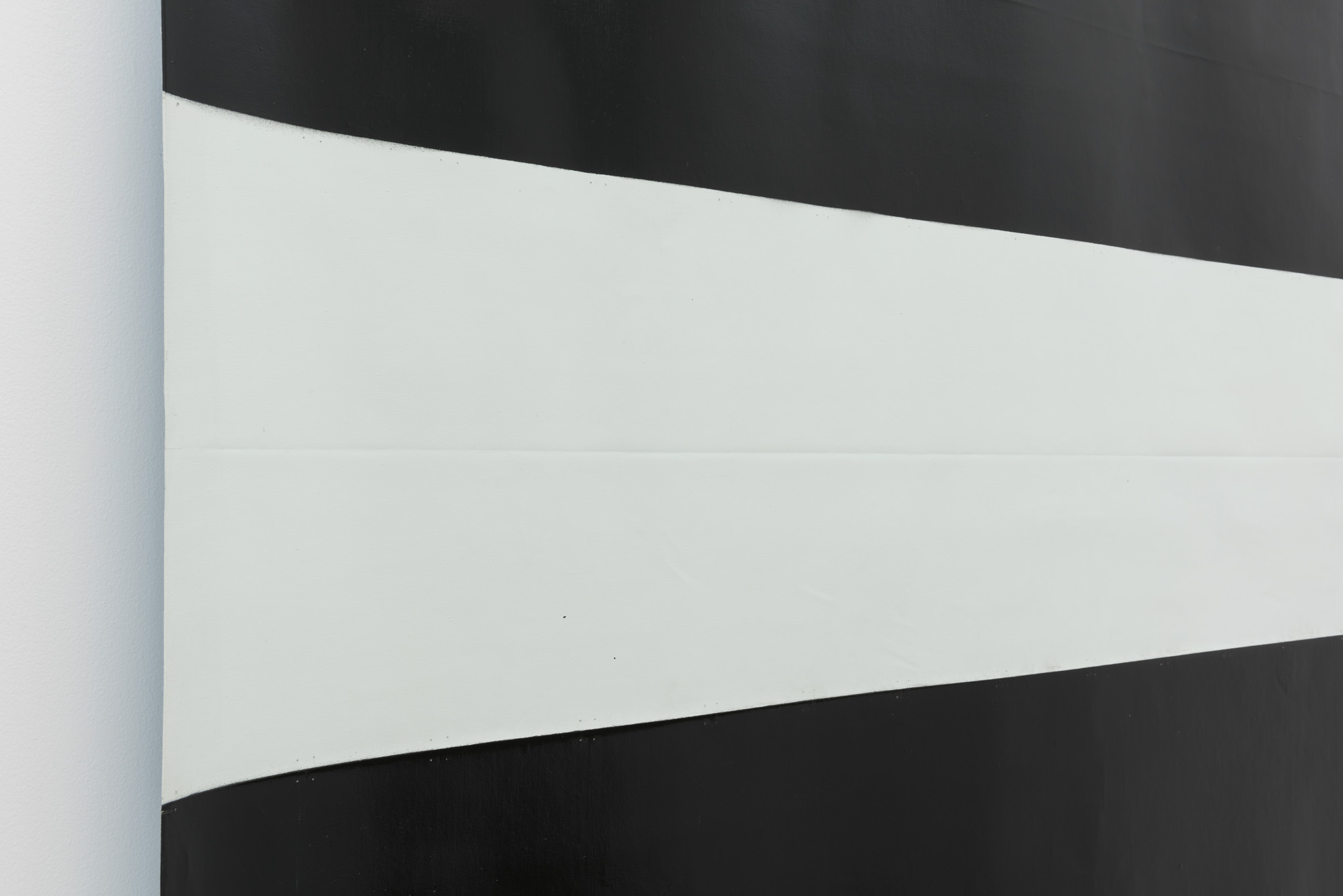
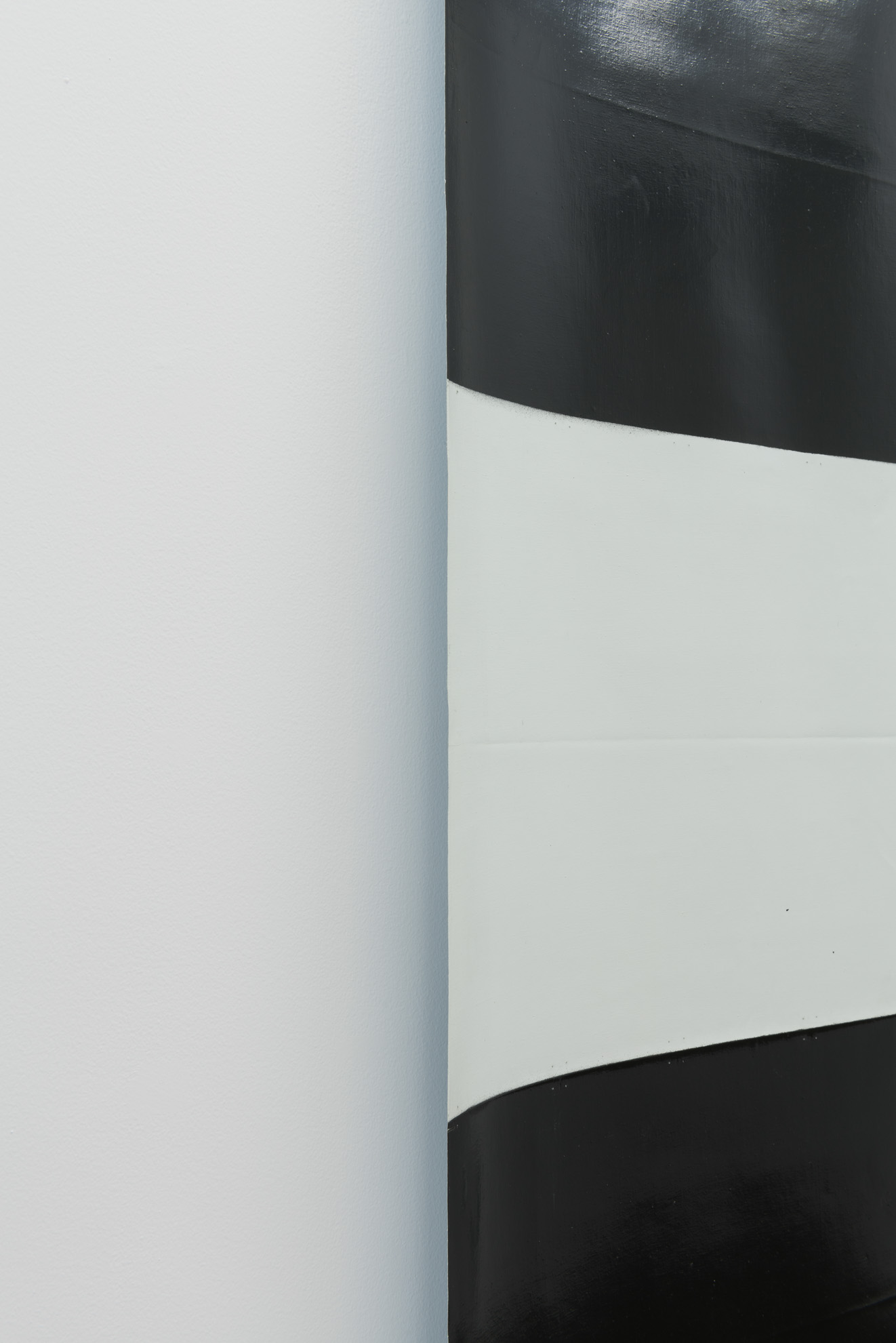
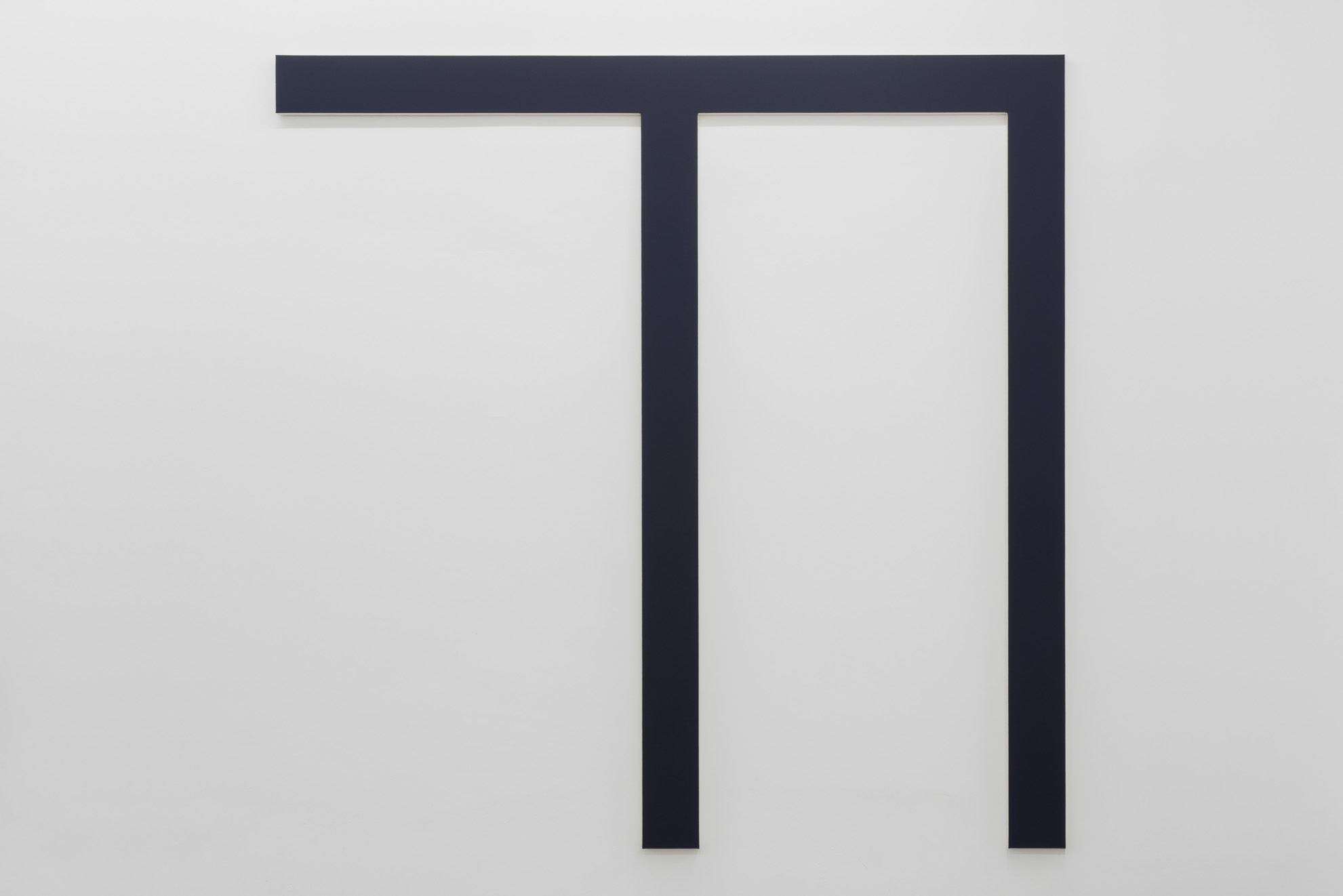
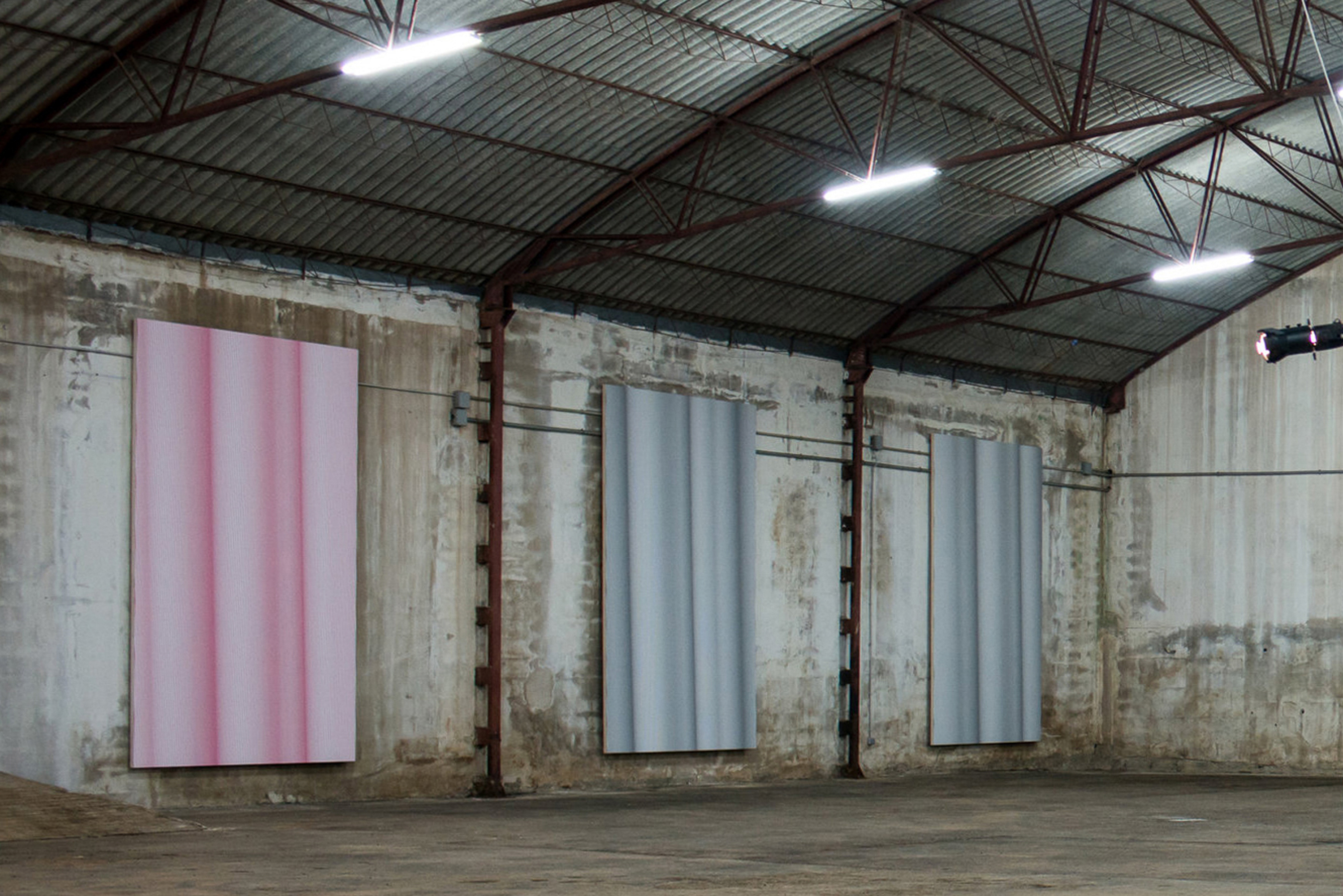
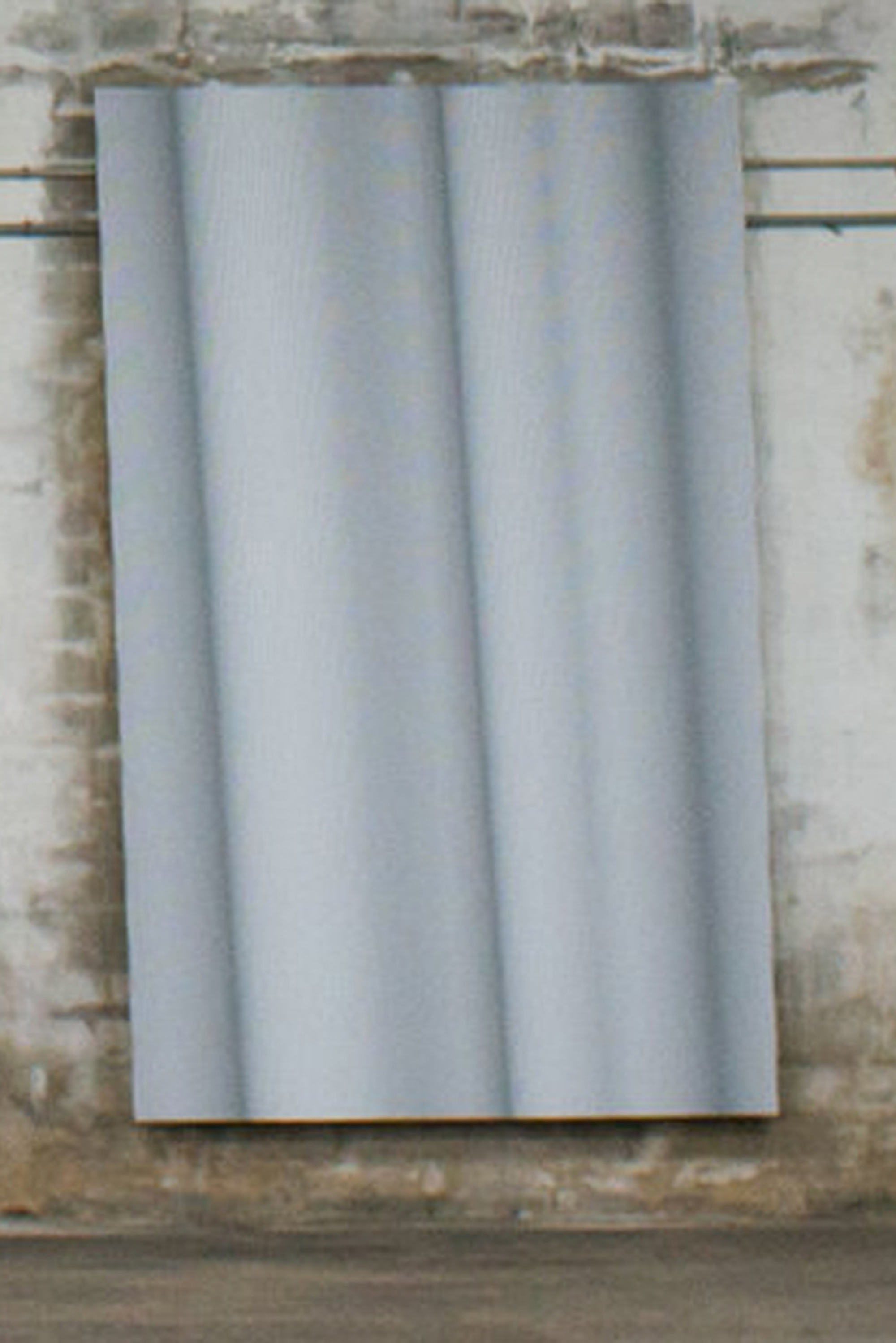
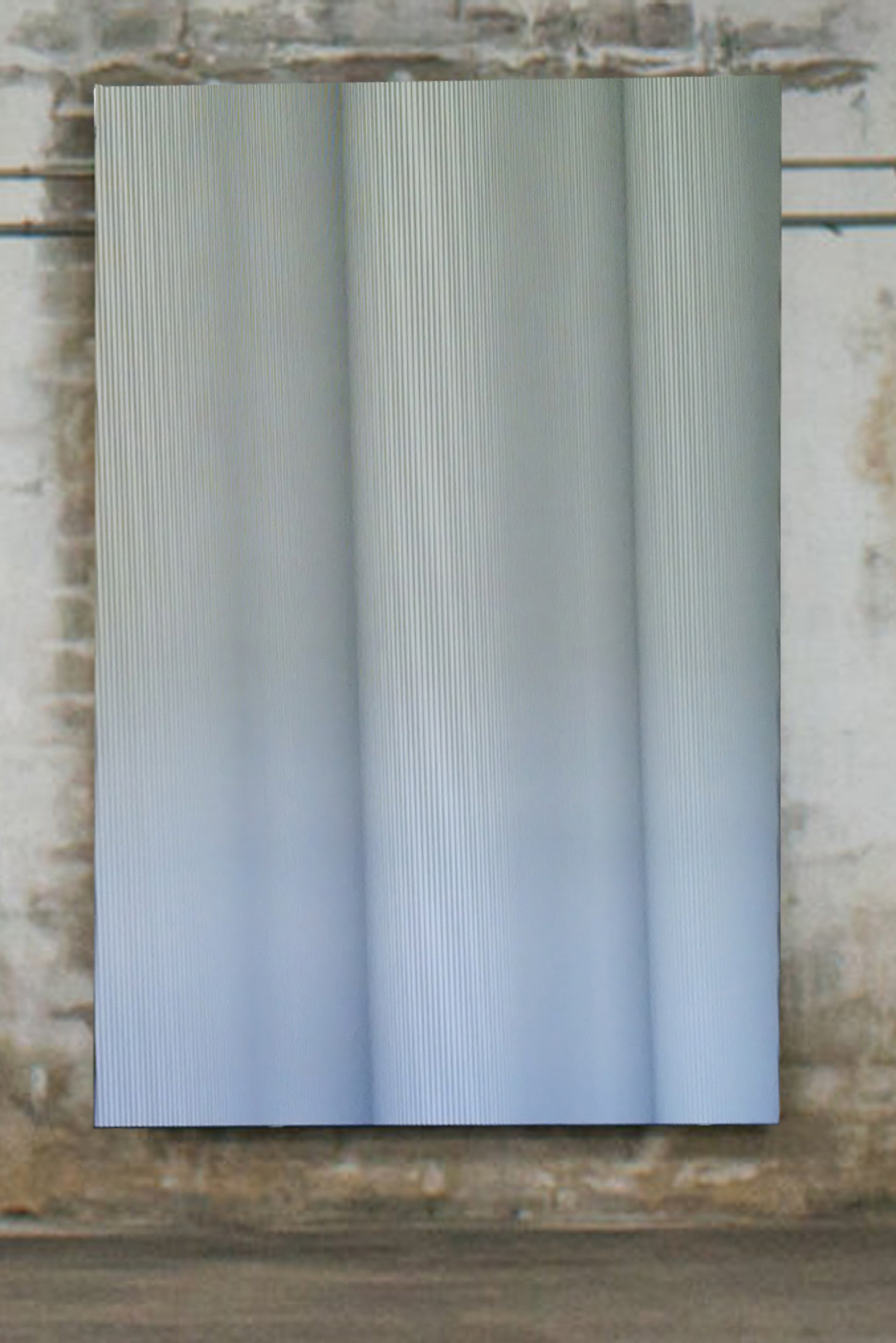
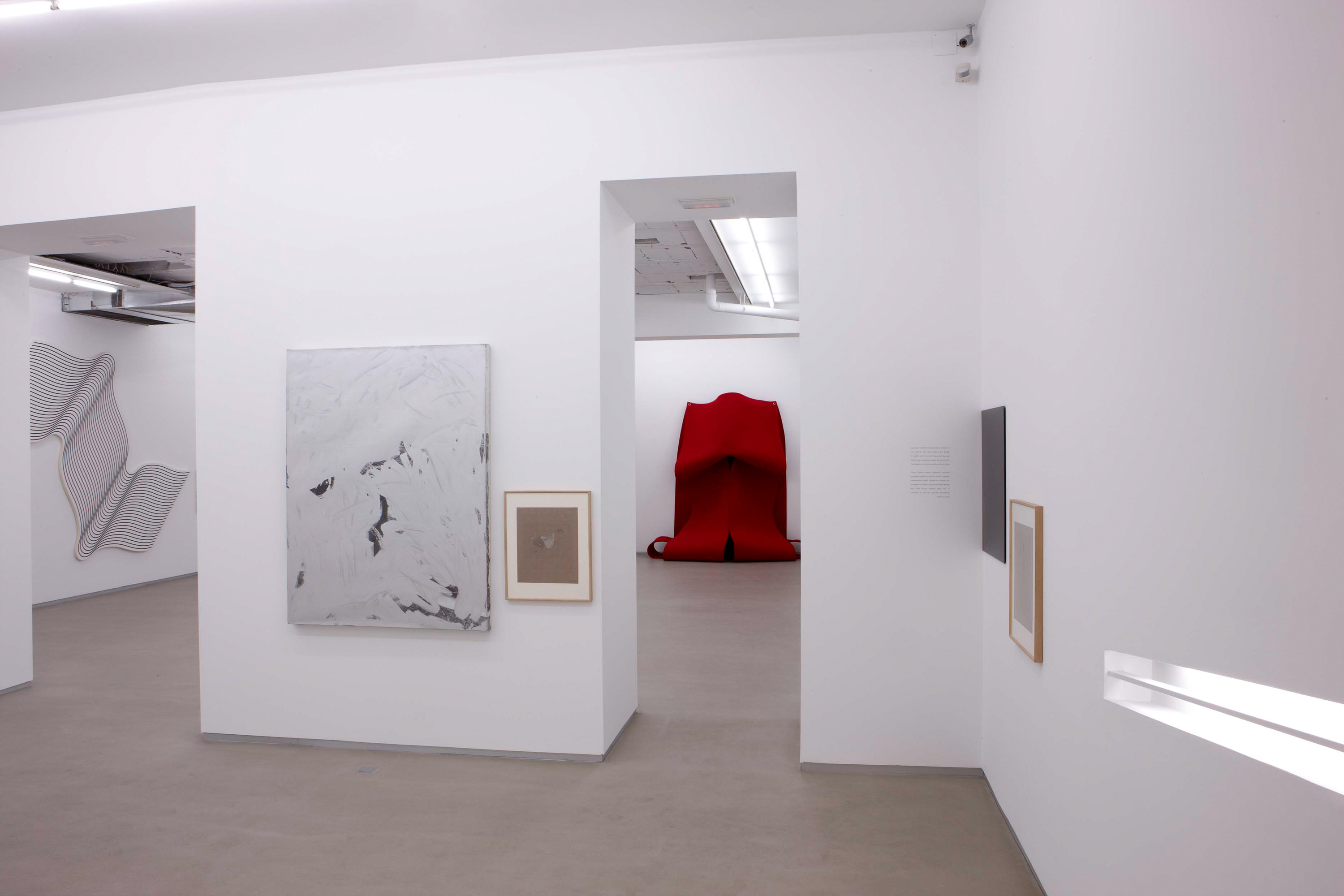
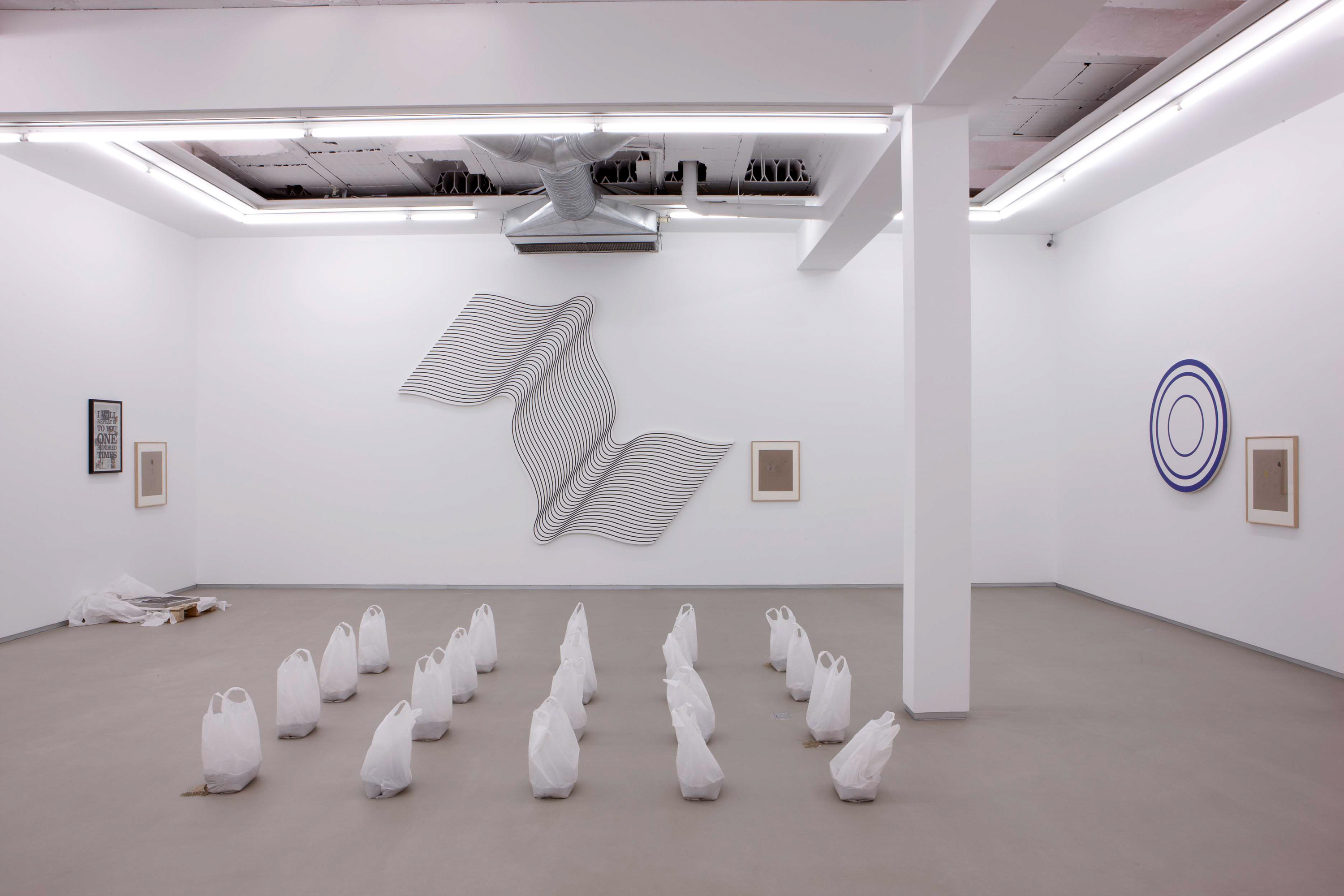
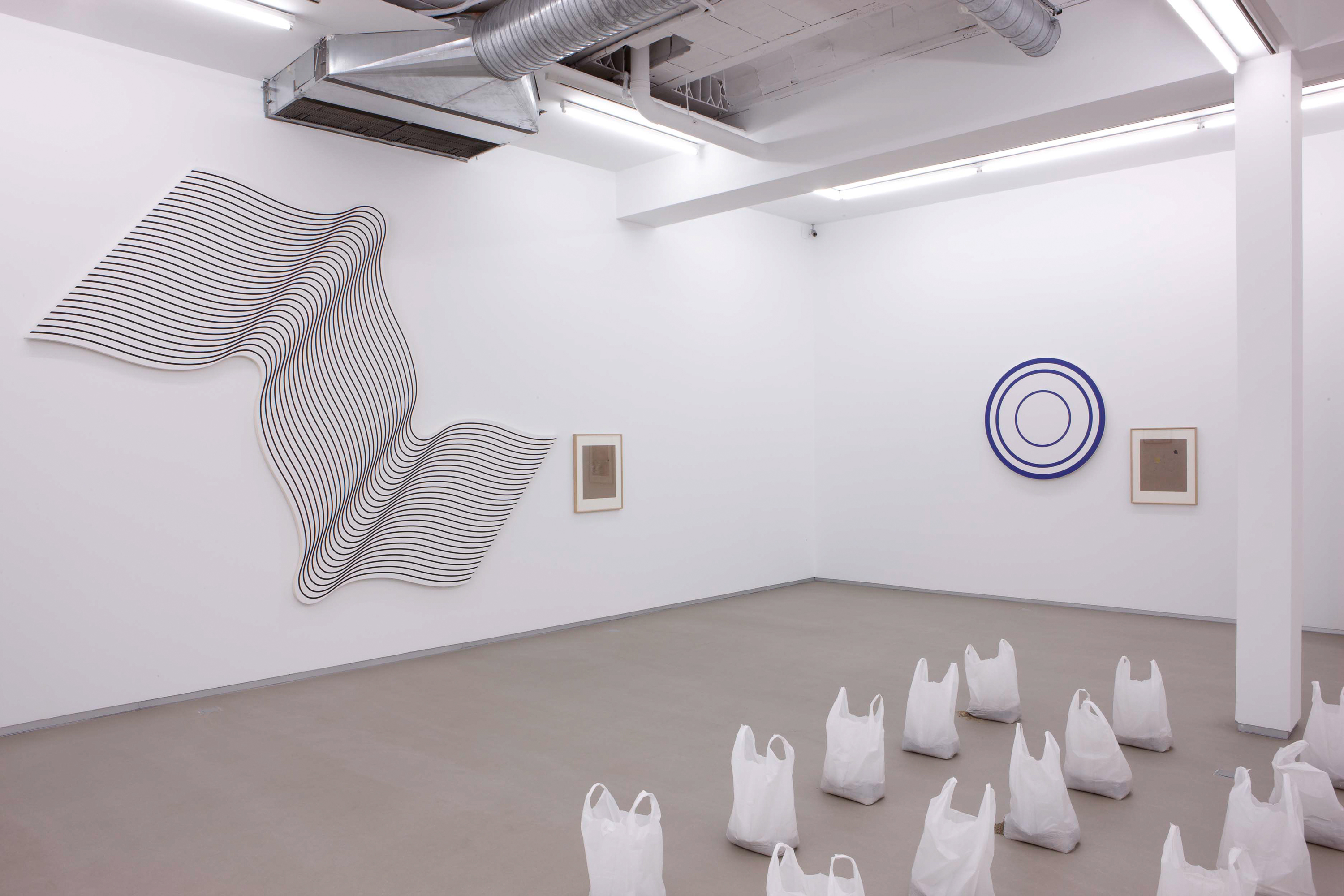
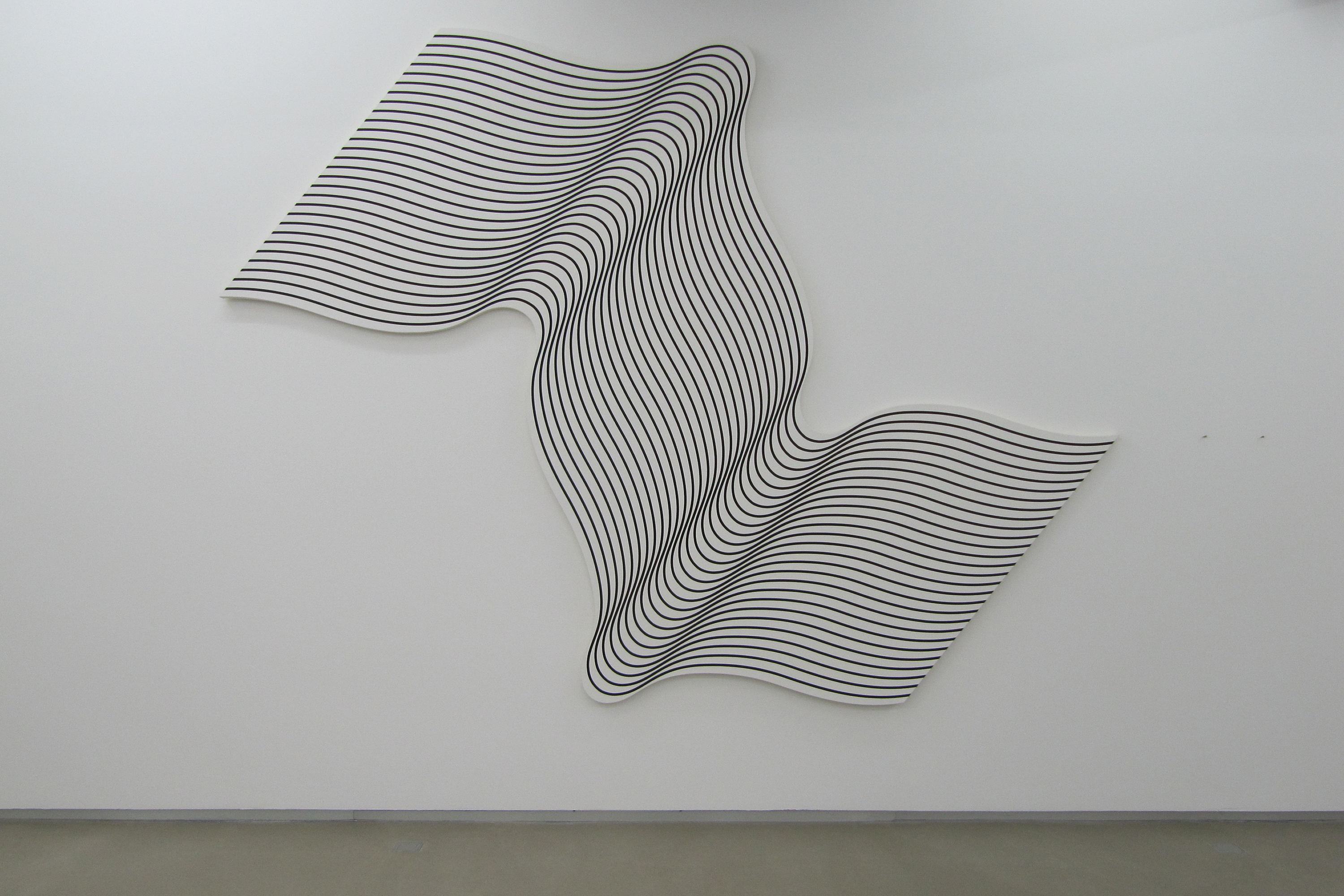
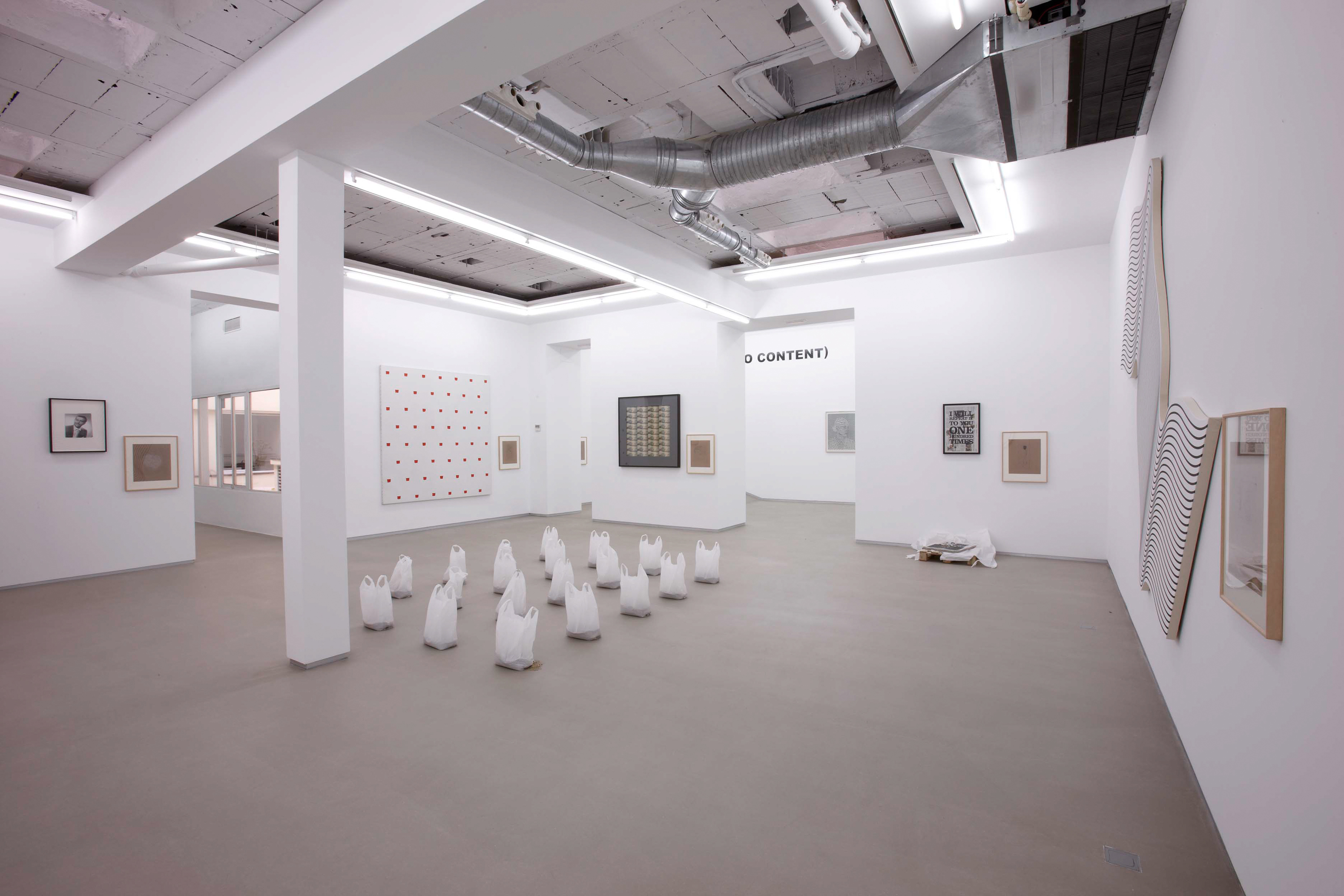
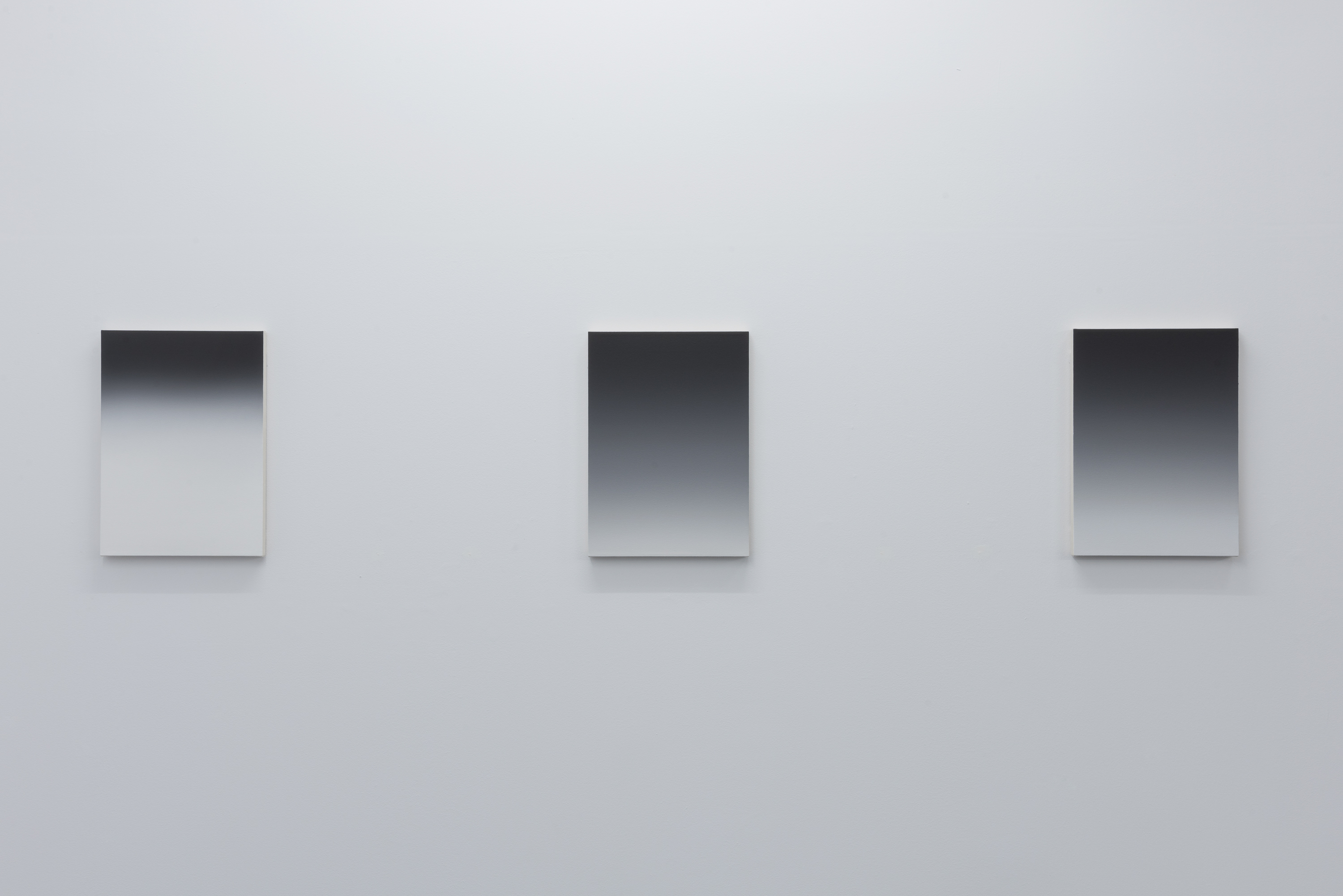
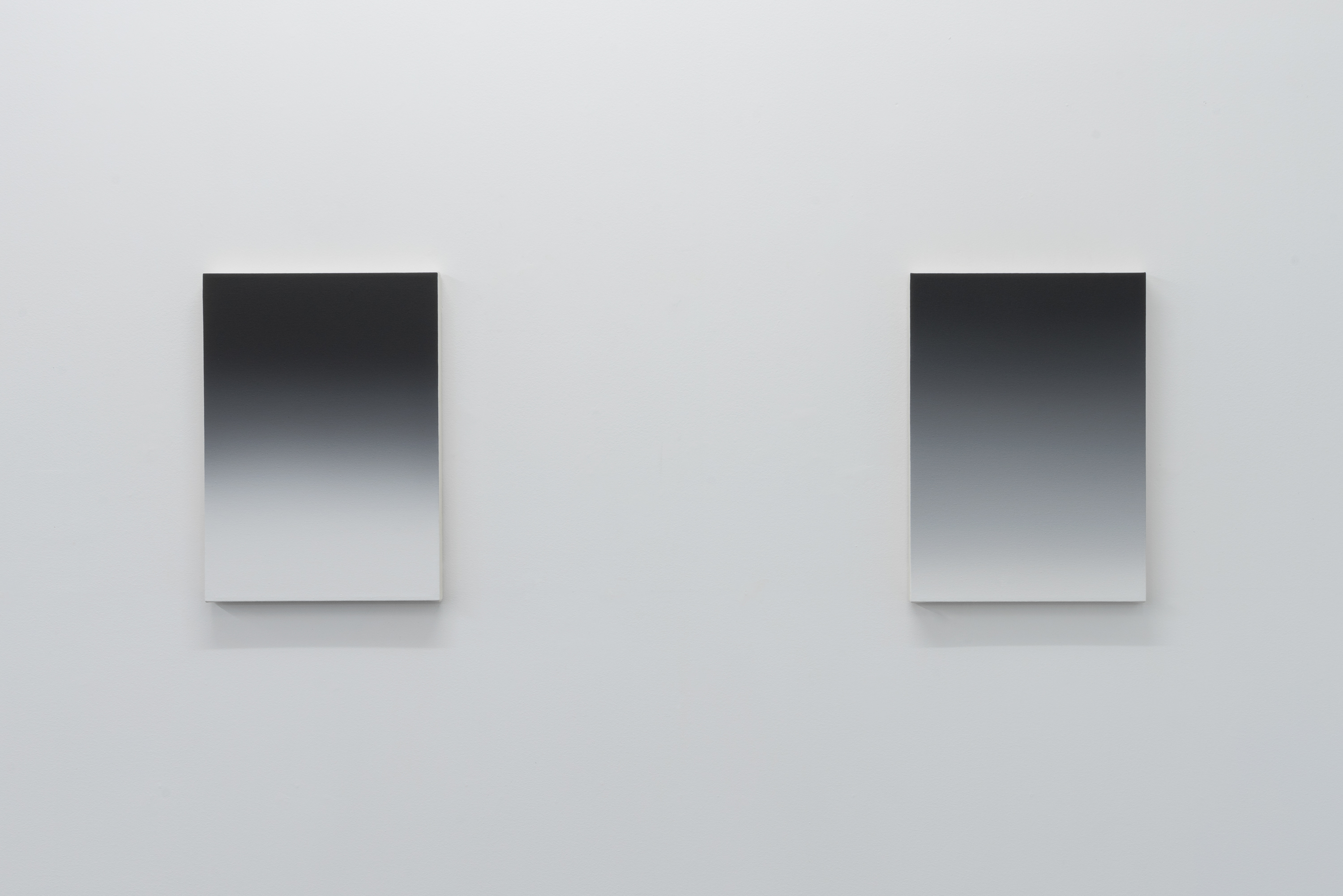
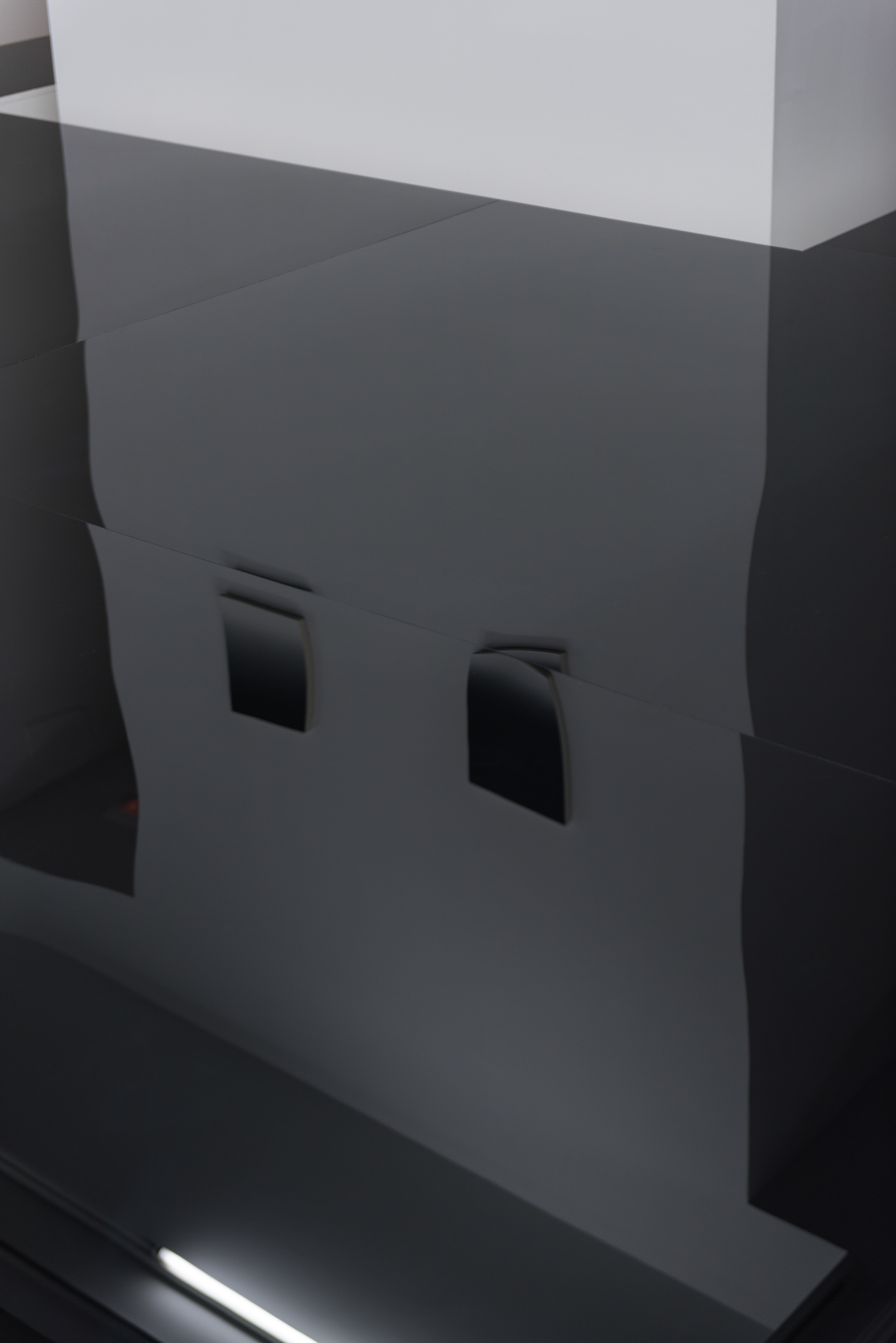
In the first part of the show, presented as found footage, a new editing of the opening sequence of Film is projected onto a rotating, hanging mirror. Thanks to this cunning set-up, an eye and the beating of an eyelid are projected one after the other in a loop onto the mirror and diffracted, then projected onto the wall and obscured by the mirror, which is an obstacle to the projector’s beam. In the second part of the show, black and white vertically shaded paintings have been hung on the four walls of a room, heightened by a reflecting black platform. The exhibition in its entirety evokes the history of optics: from the panorama theatreto the black digital screen, with classic perspective instruments such as the black mirror (17century) and the camera obscura, or optical games such as the praxinoscope (1876) and phenakistiscope (1832) which create the illusion of movement from a sequence of stills.
Philippe Decrauzat has based his exhibition at the Parra & Romero gallery, “Tenir pendant que le balancement se meurt”, on the locus of visual perception, its instrumentalisation, its occultation and the persistence of vision. It is by means of the latter that Goethe (Theory of Colours, 1810) removed the camera obscura from the Renaissance tradition, so as to create an incorporated perception. The persistence of vision, that lingering image coming from an external phenomenon, occurs when we close our eyes. Thus, optical perception cannot be reduced or modelled in a camera obscura, because it is physical, neurological and subjective. In his own way, Philippe Decrauzat has taken over the title sequence of Beckett’s historic film to turn it into a piece whose sole framing is that of an eye looking at us, and a closing eyelid. But the artist does not limit himself to a mise en abime of the stare or its reflexive situation. Philippe Decrauzat presents an alternation of what is perceived and what perceives, the subject and object, perception and eclipse. The entire history of optics, from classic perspective instruments to the cinematograph, tries to impose itself as a naturalistic, neutral, transparent and incorporeal element. After Goethe, and the inventors of the proto-cinema, Philippe Decrauzat shakes up the perceptive experience so as to enlighten its component parts (Jonathan Crary, “Techniques of the Observer”, October, 1988). Even movies present no break-century toys, given that they proceed from the animation of stills: “Take on/no take which shows a single eye lit by a spot. Interior, exterior, the reflection of light on the cornea is stopped by the beating of the lid. All these interruptions mean being able to cut up the existing sequence before re-editing it, while following all the possible variations to stretch out this movement over time” (Philippe Decrauzat).
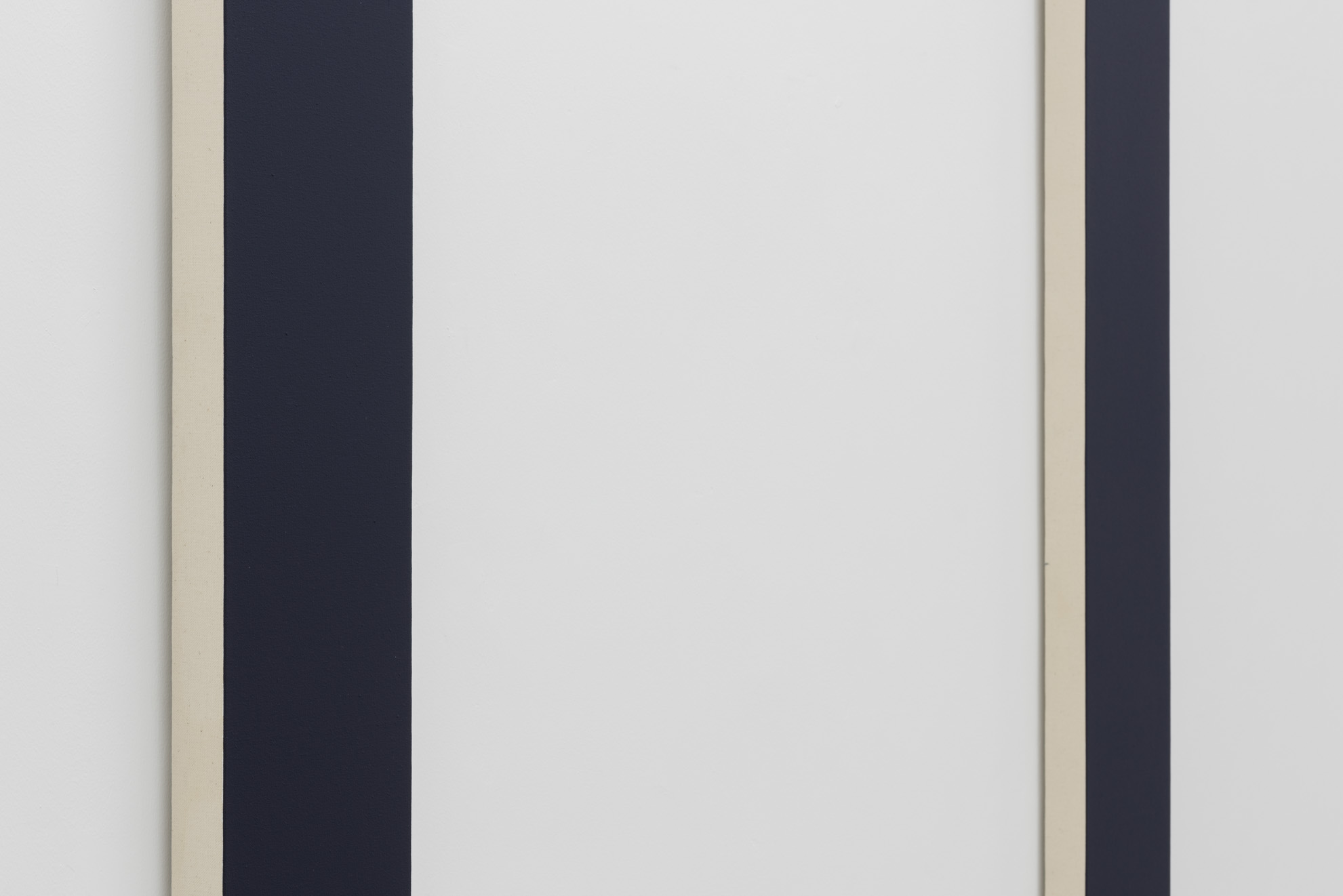
Philippe Decrauzat has conceived this show as a kind of echo chamber, in which the elements chime with one another, and contaminate one other: the beating of the eyelid answers to the shutter of the film projector, letting the light through intermittently, and the rotation of the projected image to the panoramic line of the paintings, the number of paintings being indexed to the 24 images per second of the film. In this play of correspondences, Philippe Decrauzat highlights the relationships in order to show up the artifices. The discontinuity that characterises this film made up of photograms is the very subject of Philippe Decrauzat’s film, in a discontinuity that can also be found in its black-and-white pictorial scanning, syncopated by blanks. “The cinema uses still images, projected onto a screen at a regular pace, and separated by black-outs coming from the concealment of the projector’s lens by a rotary flap, during the journey of the film from one photogram to the next. Spectators are thus presented with a discontinuous luminous stimulus” (Jacques Aumont, ‘Le cas du cinéma’, L’image, 1990- 2011). In his latest show, Philippe Decrauzat presents a camera-less film in which closed eyes replace the industrial beating of the shutter. This deceleration is extended into the second installation in which the screen, that terrible instrument of our everyday, hyper-connected and distracted routines, has been turned off, to become the kaleidoscopic plinth of paintings, which are like a series of scans, or residues of the passing of an image. The artist resets this perception in a body which is awakening to itself, while being confronted by an object-eye, a rotating projection, a panoramic eclipse, a sequence of still images in a head-spinning, mind- boggling multiplication. Through discontinuity and deceleration, he presents a body called back to the beatings of a stare, to the impulsions of desire, to an extended time, in which all spectators can once again produce their own edits and assemble the visible.
–Julien Fronsacq