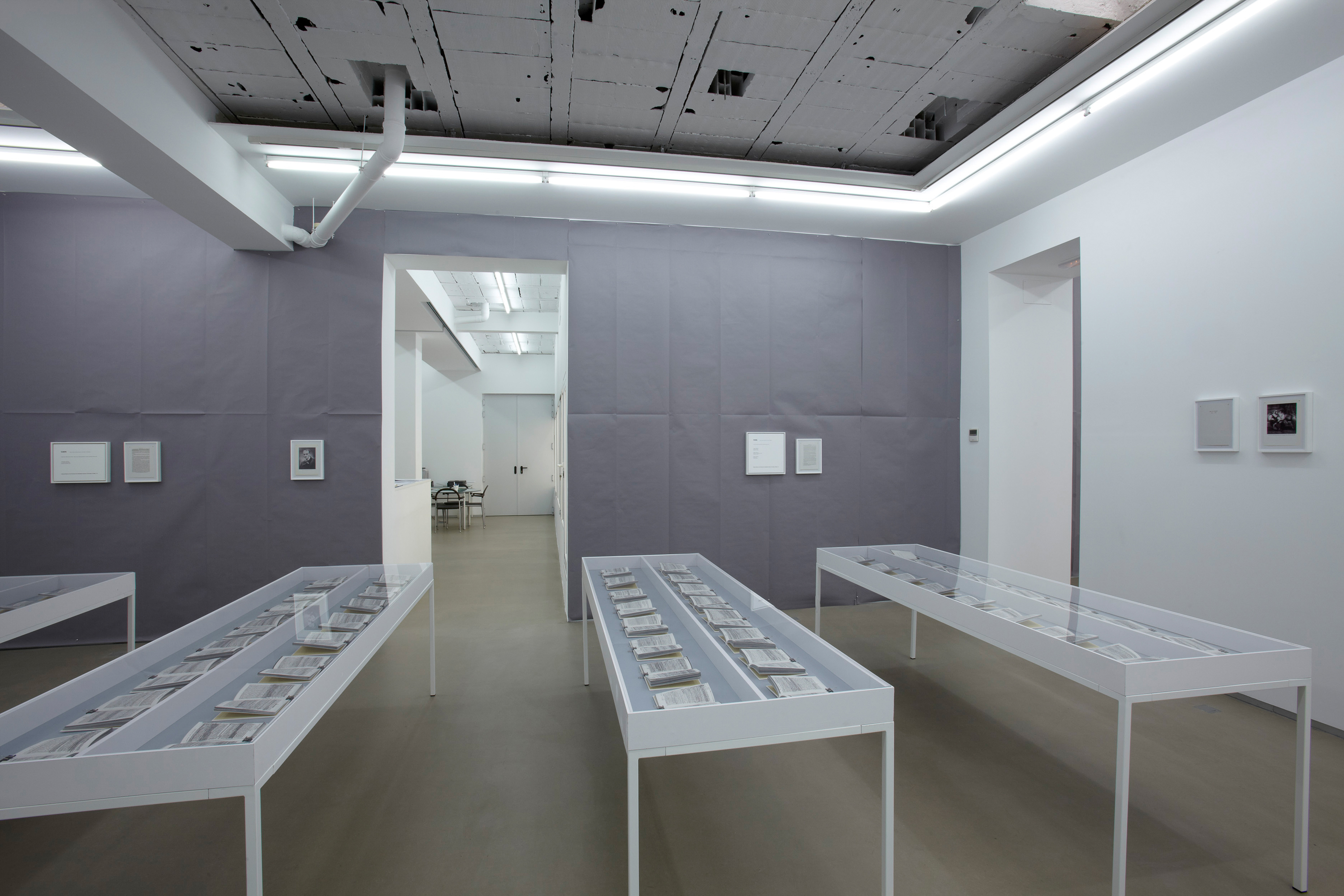
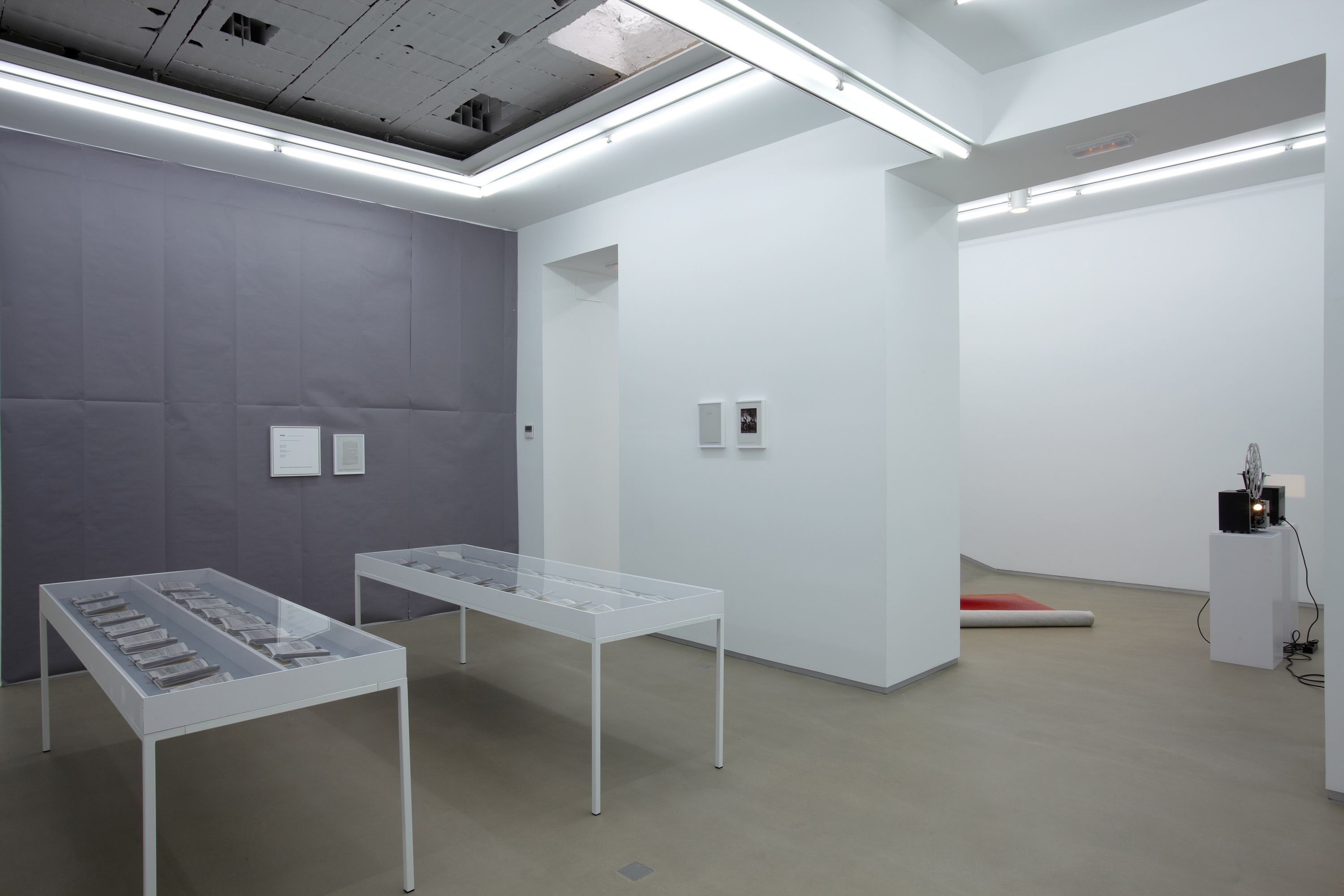
The light at the edge of a nightmare
- D a v i d L a m e l a s


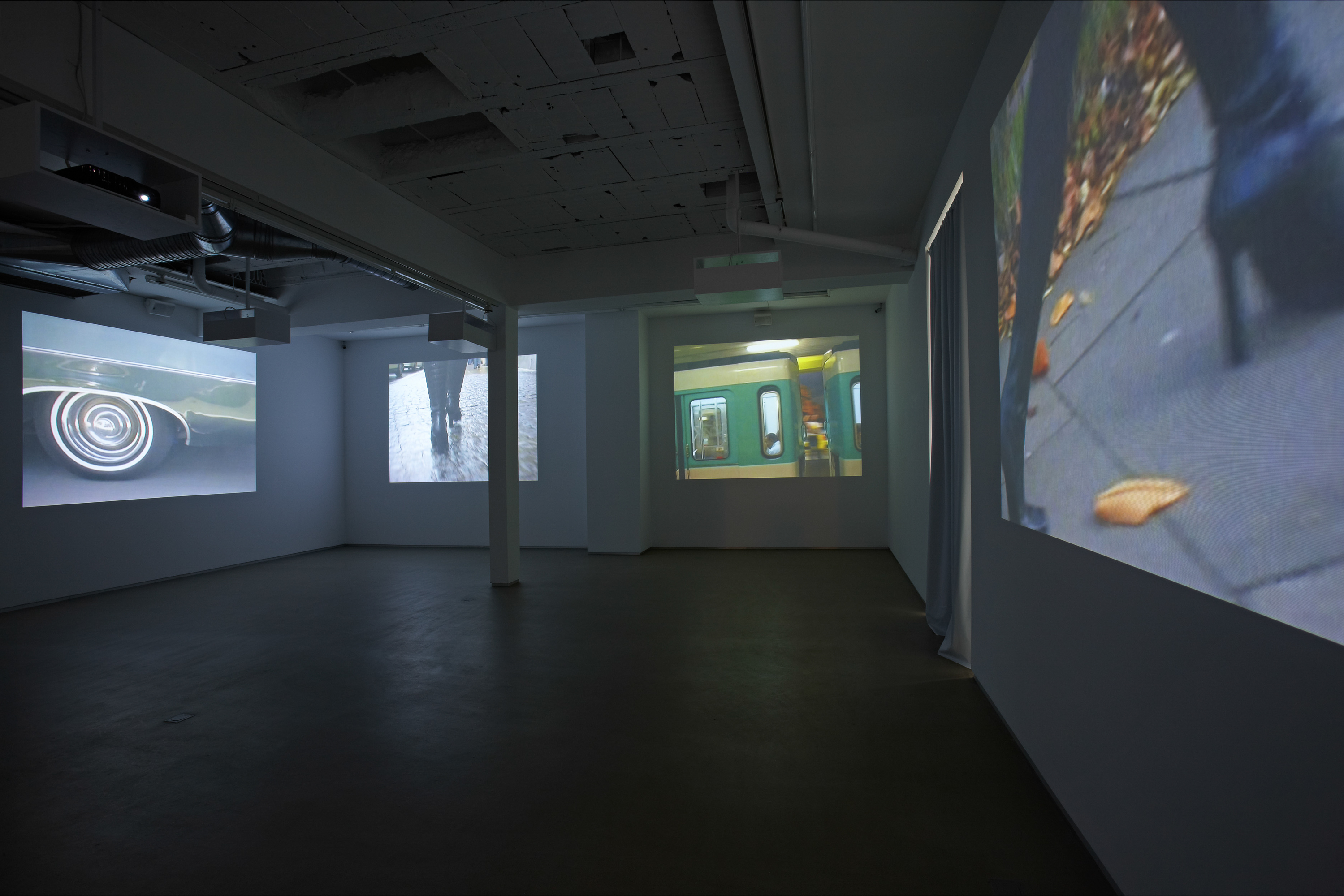
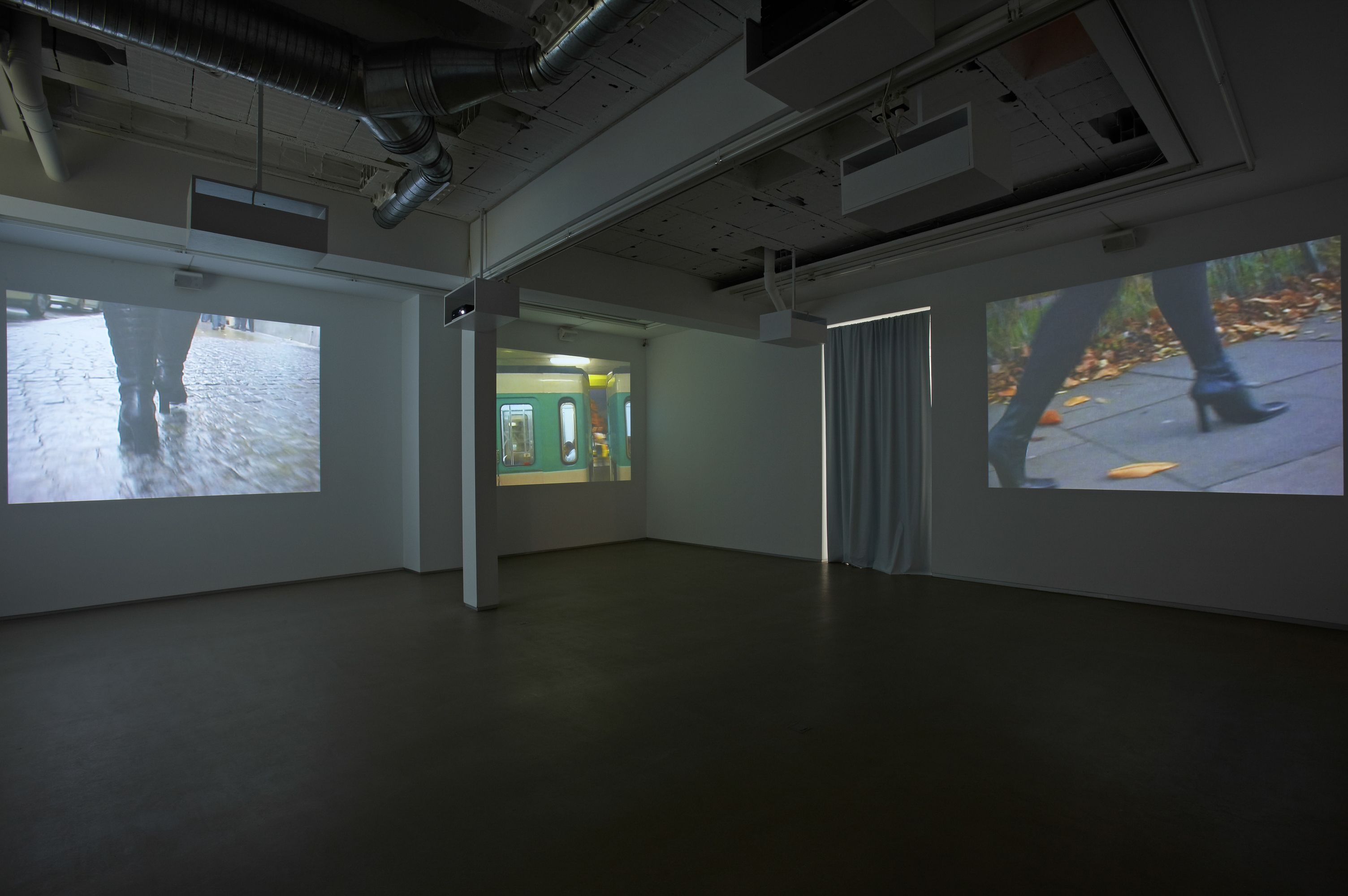
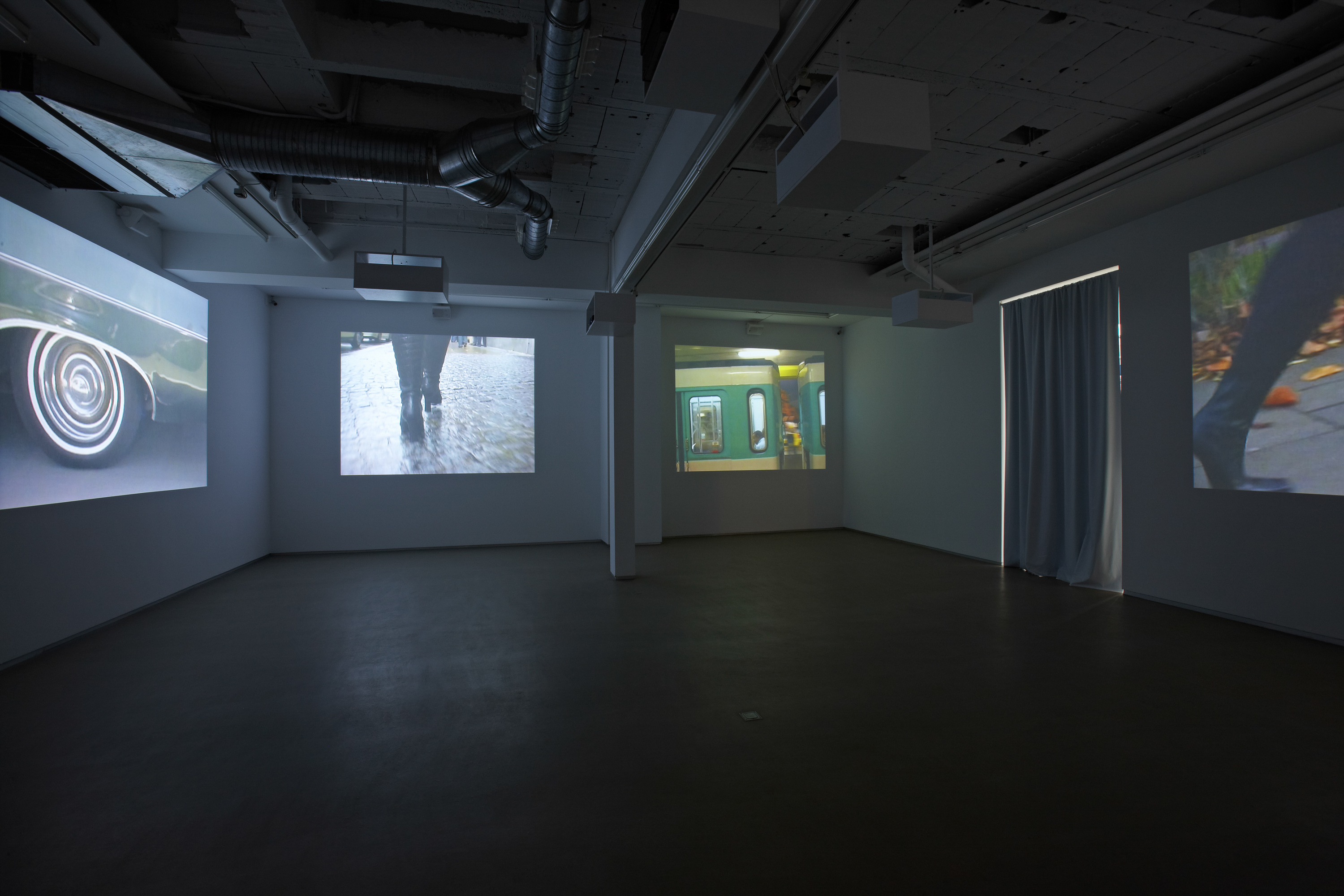


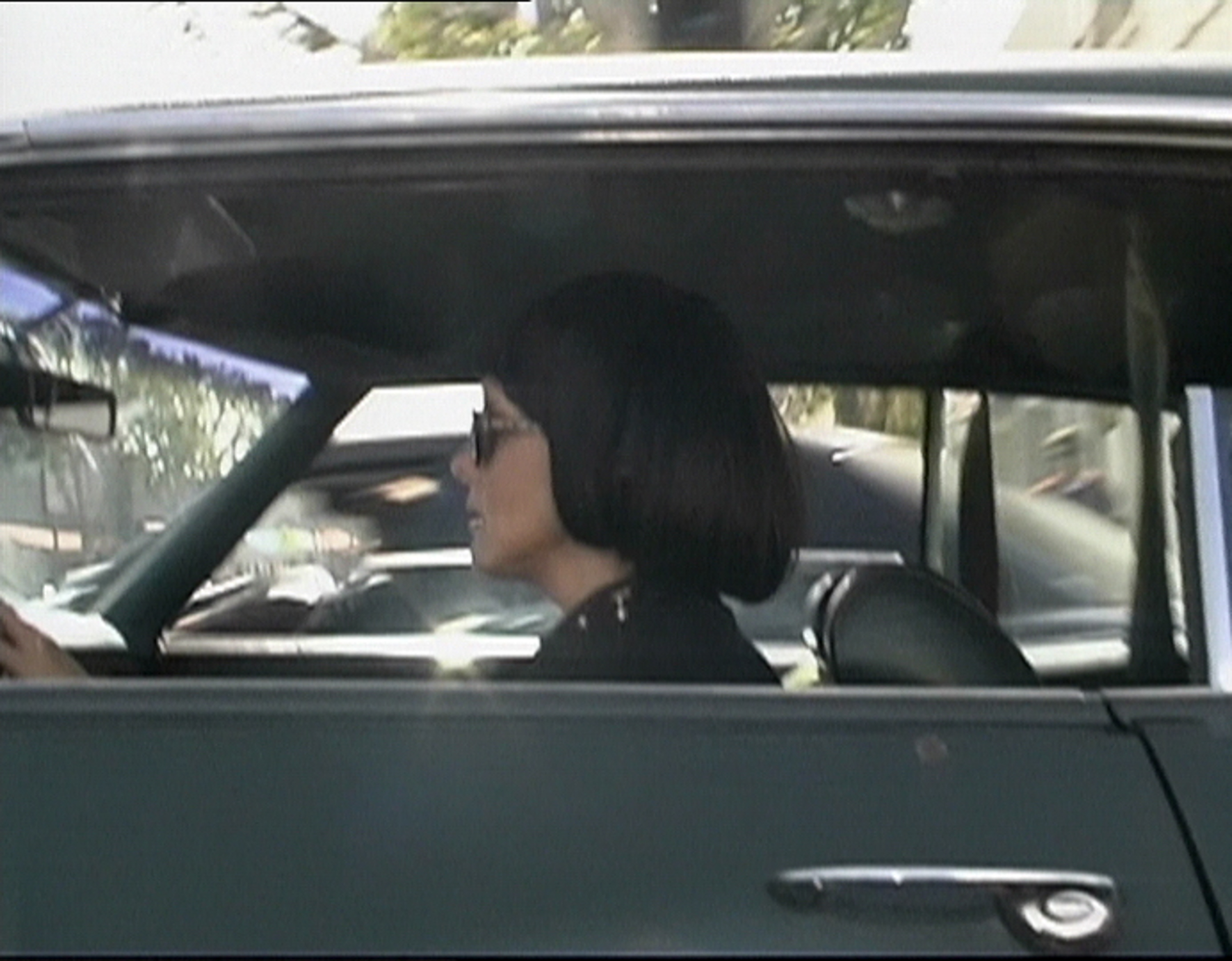
Since the 1960s, David Lamelas has been among the most important proponents of a conceptual approach to art. In his projects, Lamelas deals impressively with the question of the limits of art’s temporality and its potential for creating alternative processes of communication and cognition. His early structuralist films and media installations, made when he was living in London and Los Angeles in the sixties and seventies, display a highly individual treatment of time and space.
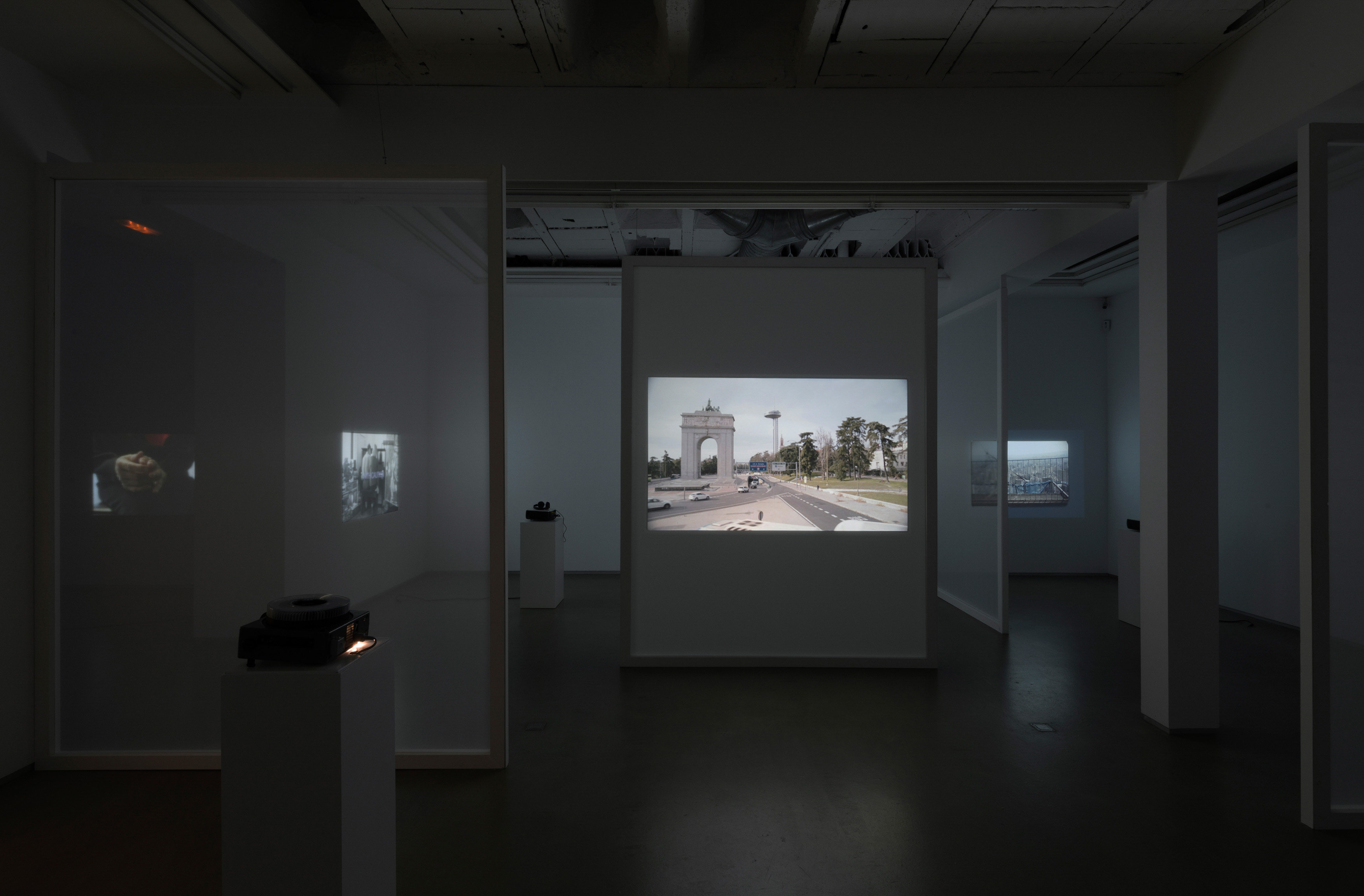
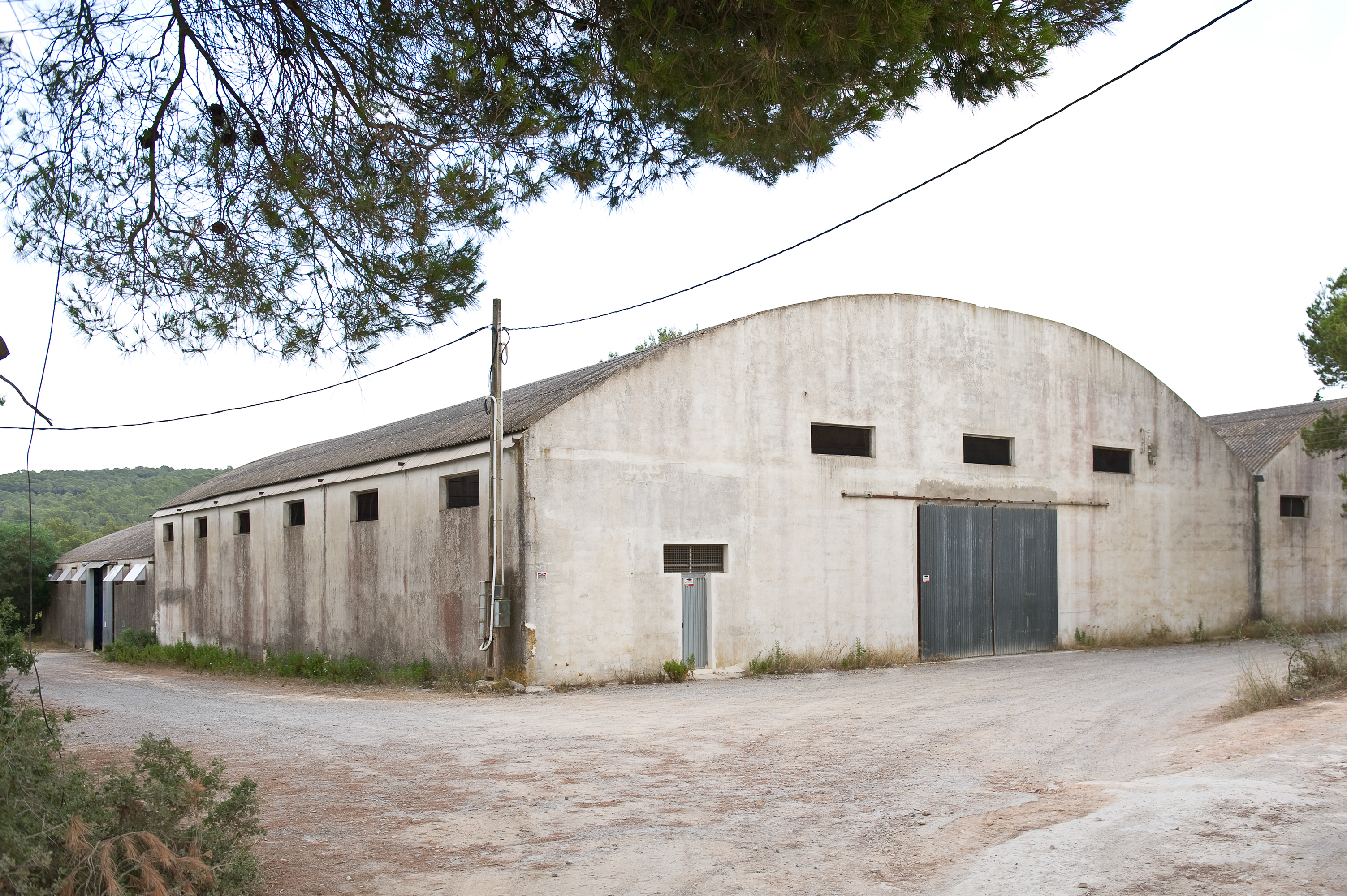
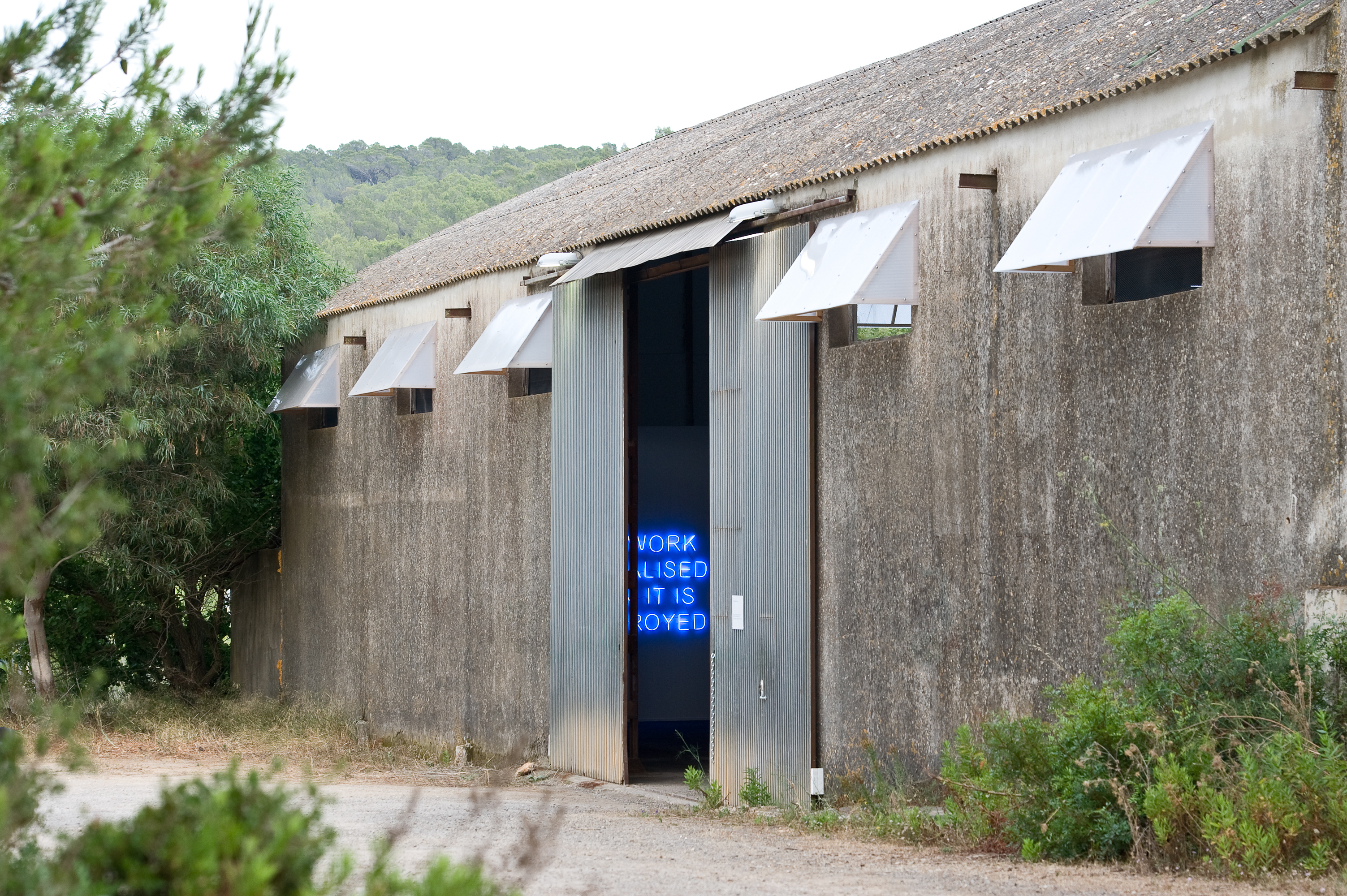
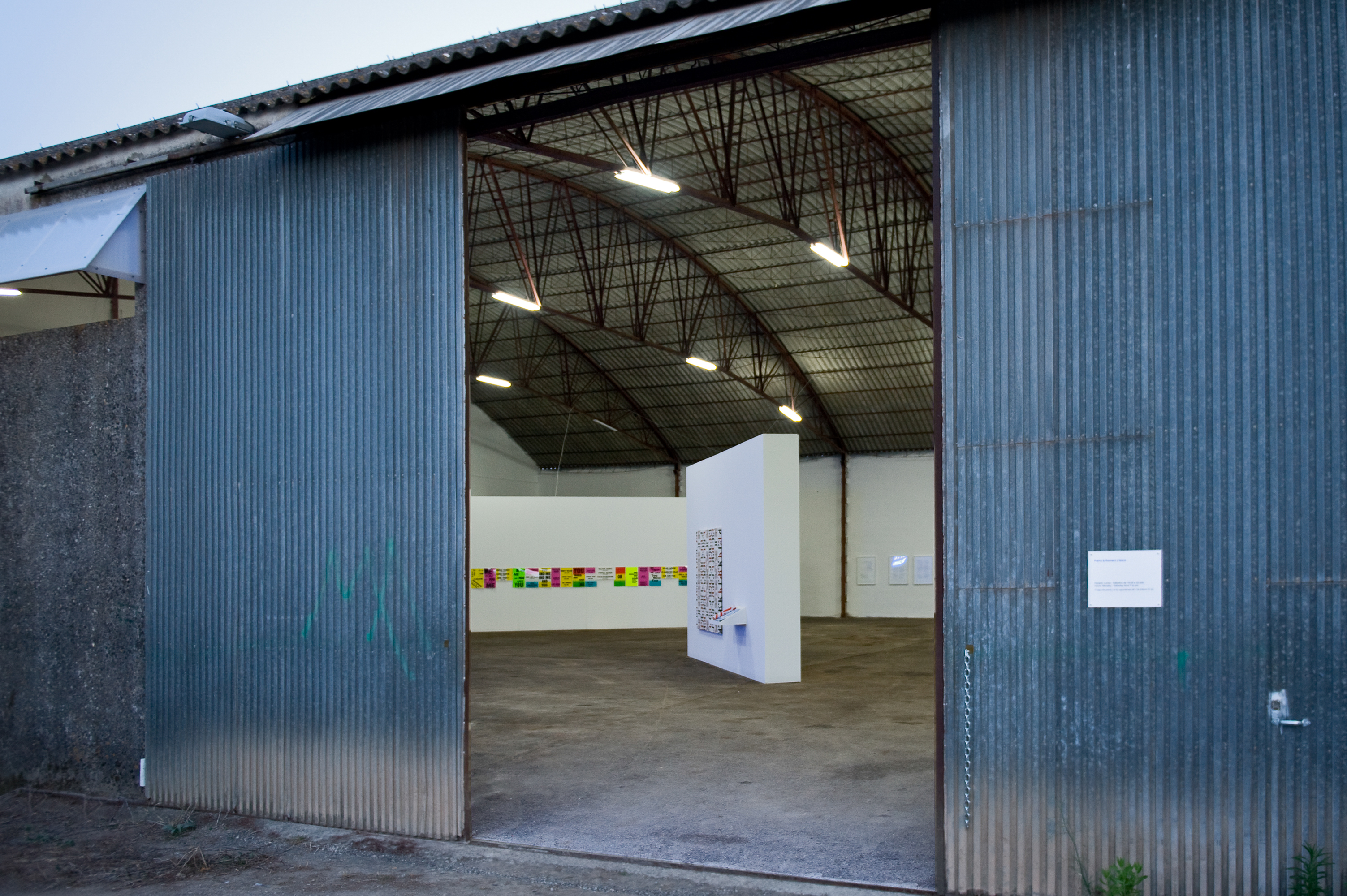
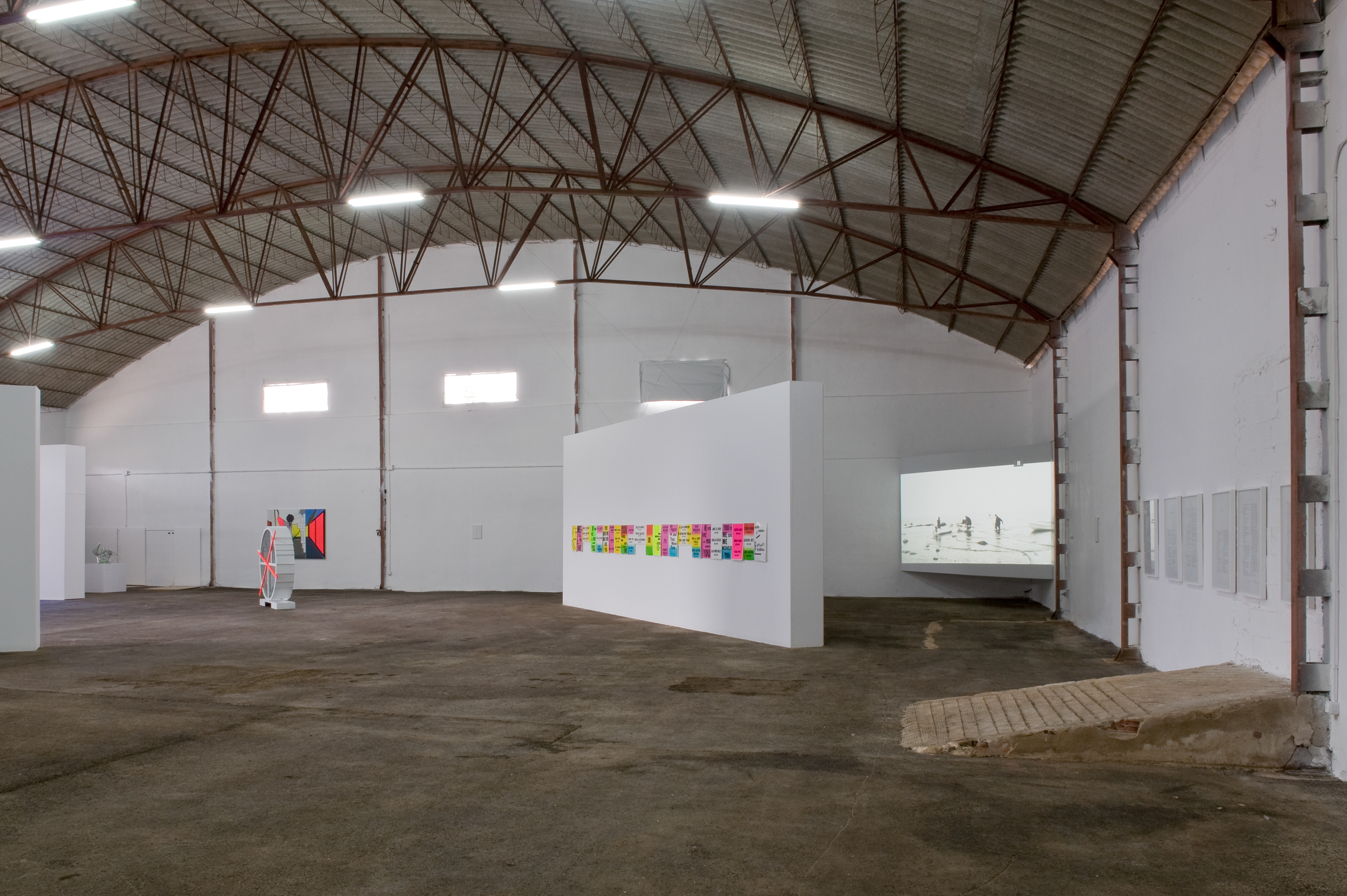
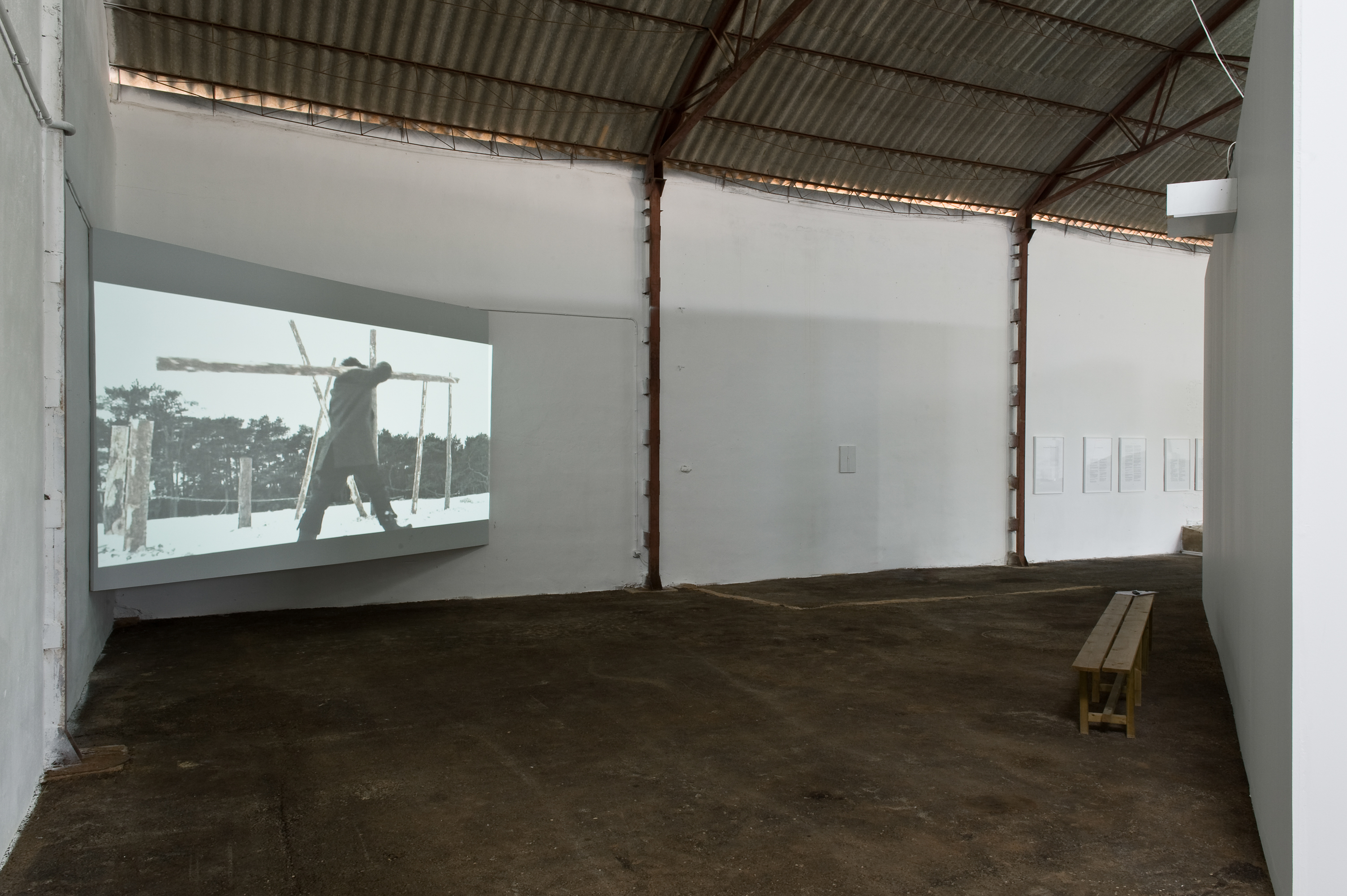
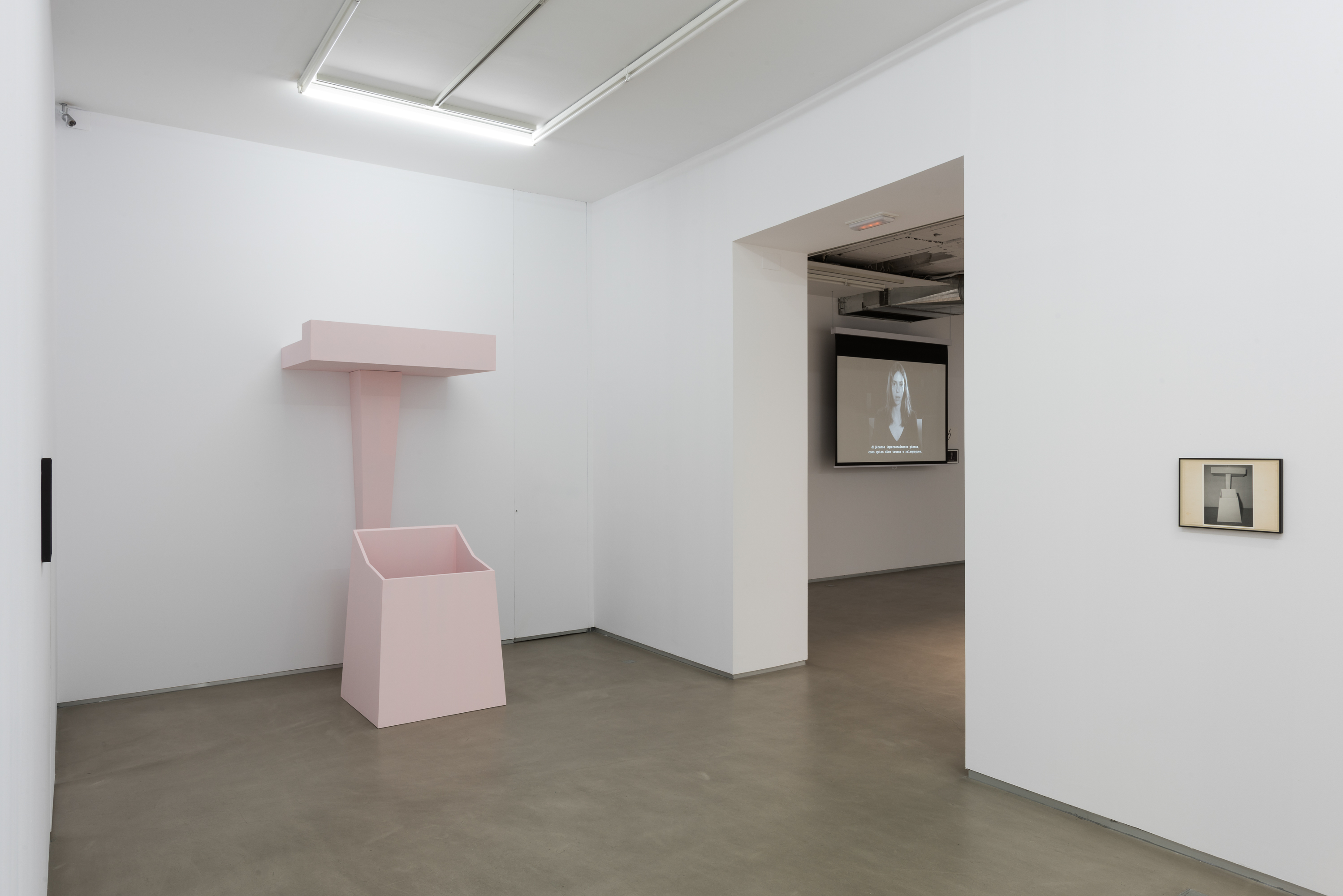
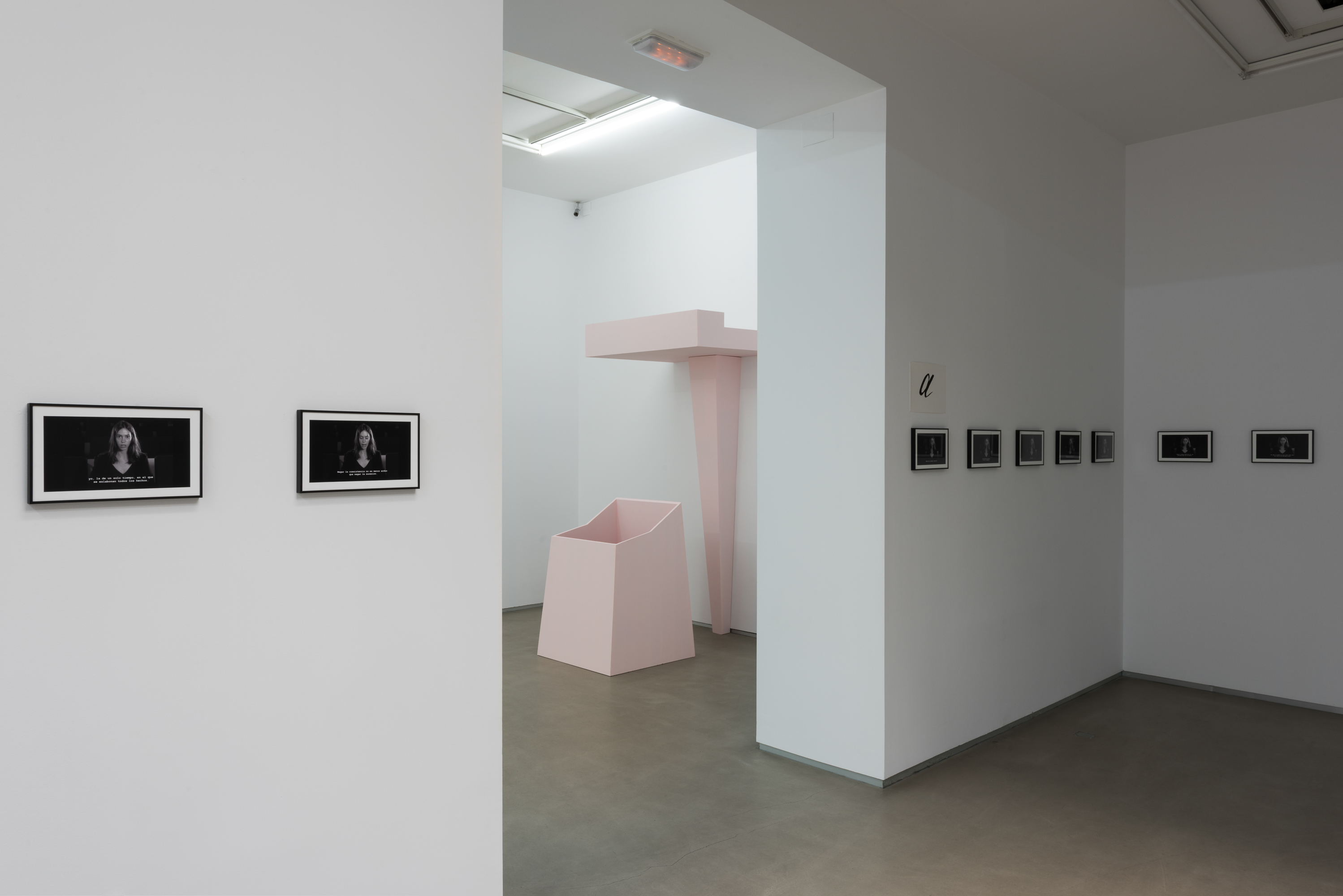
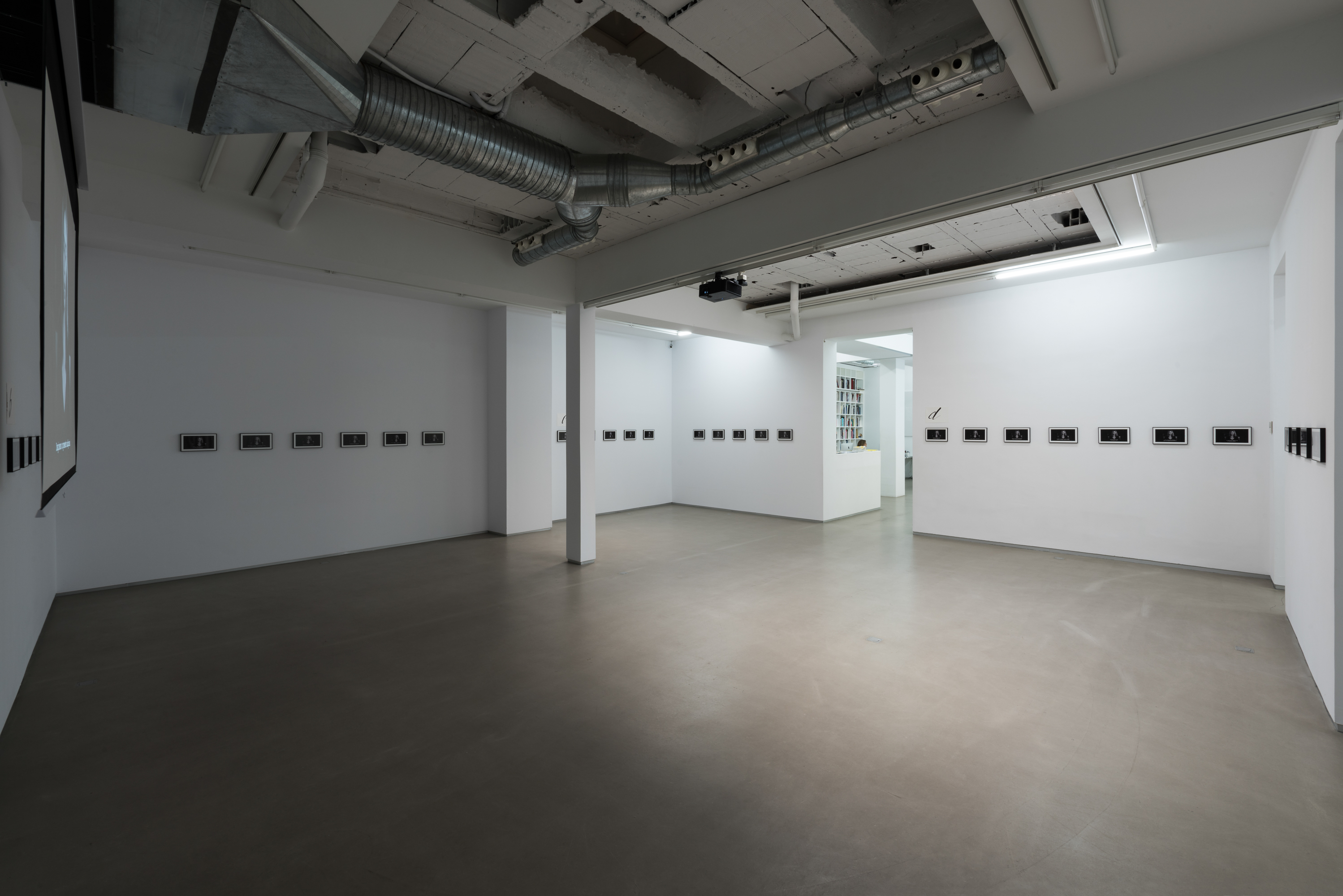
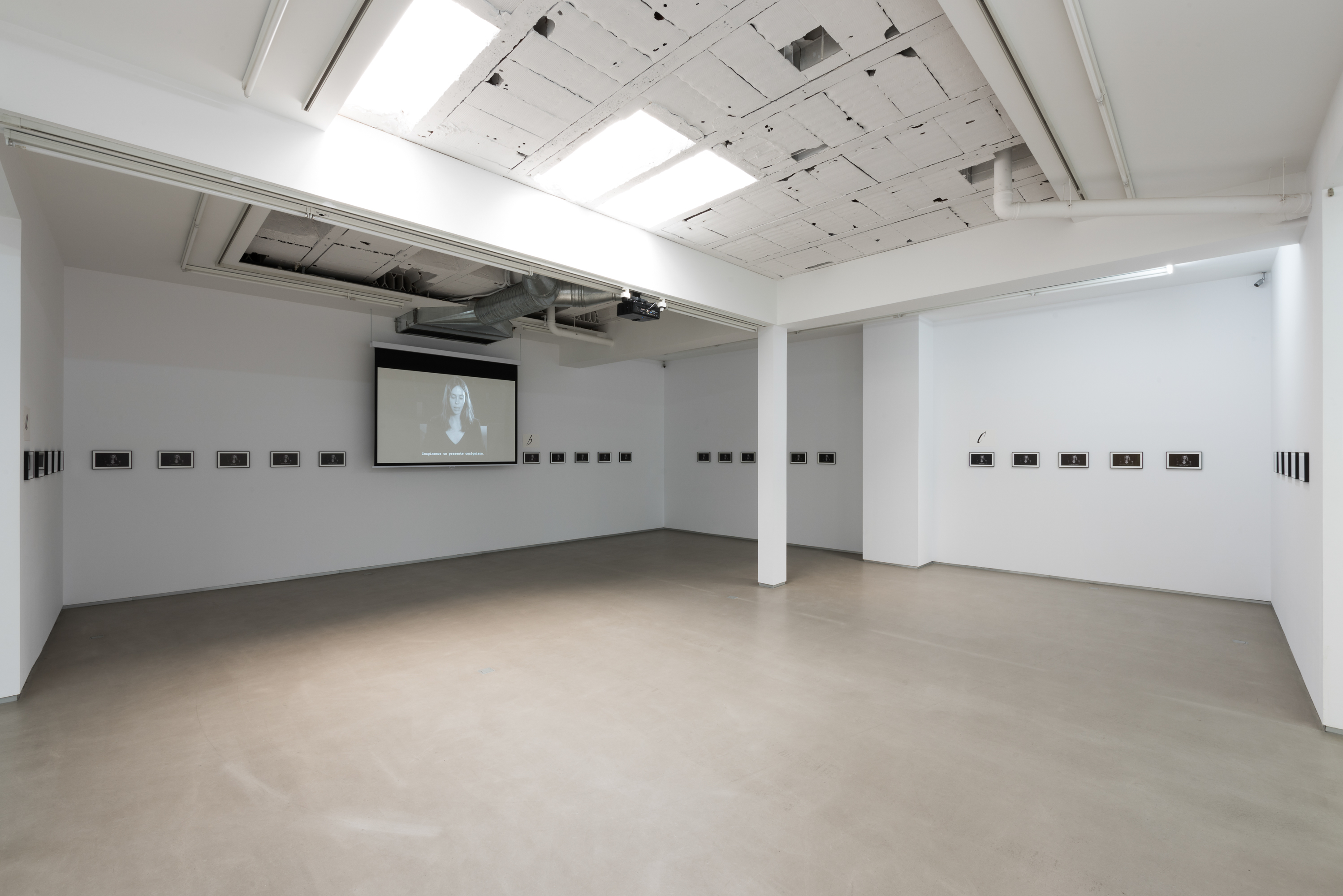
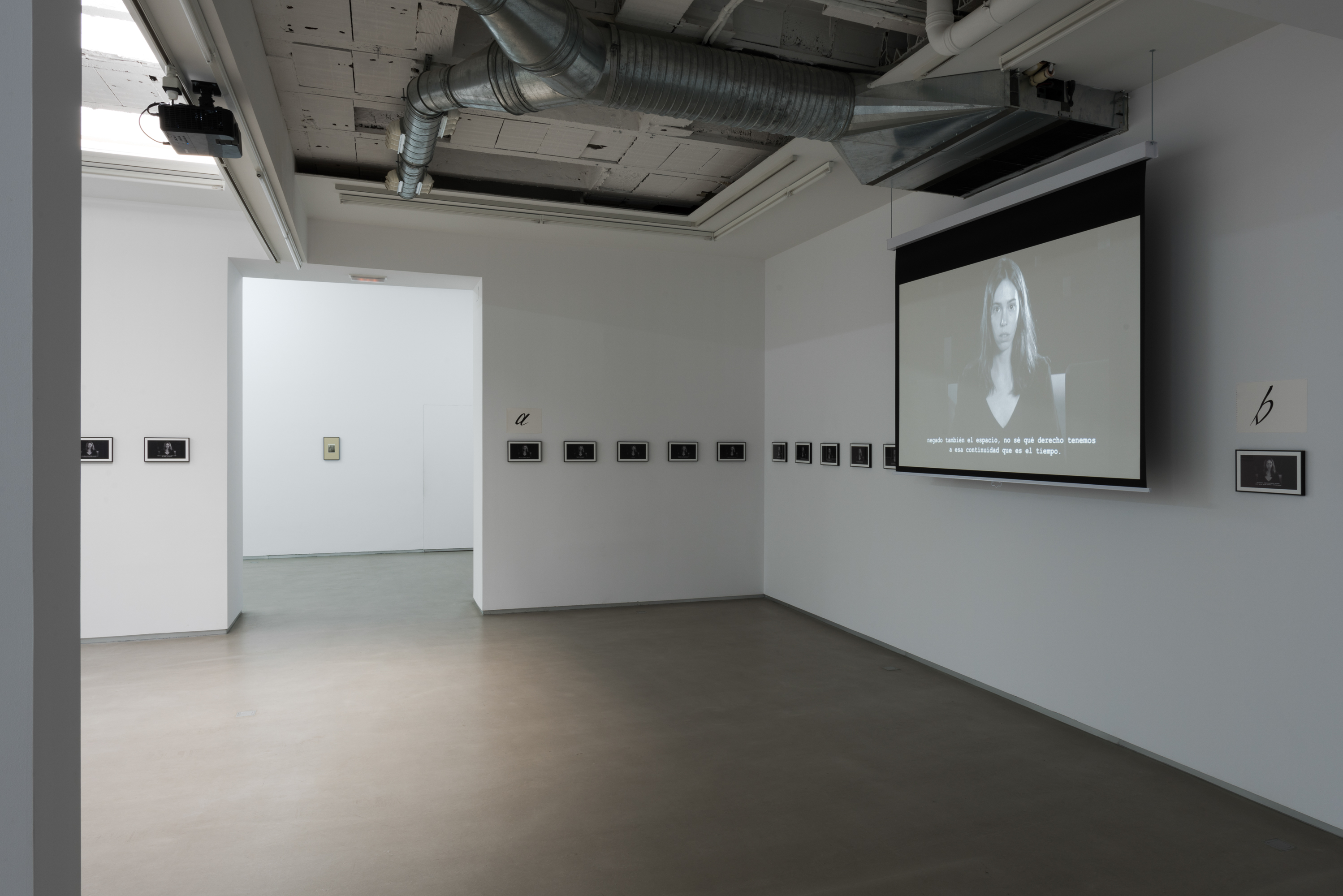
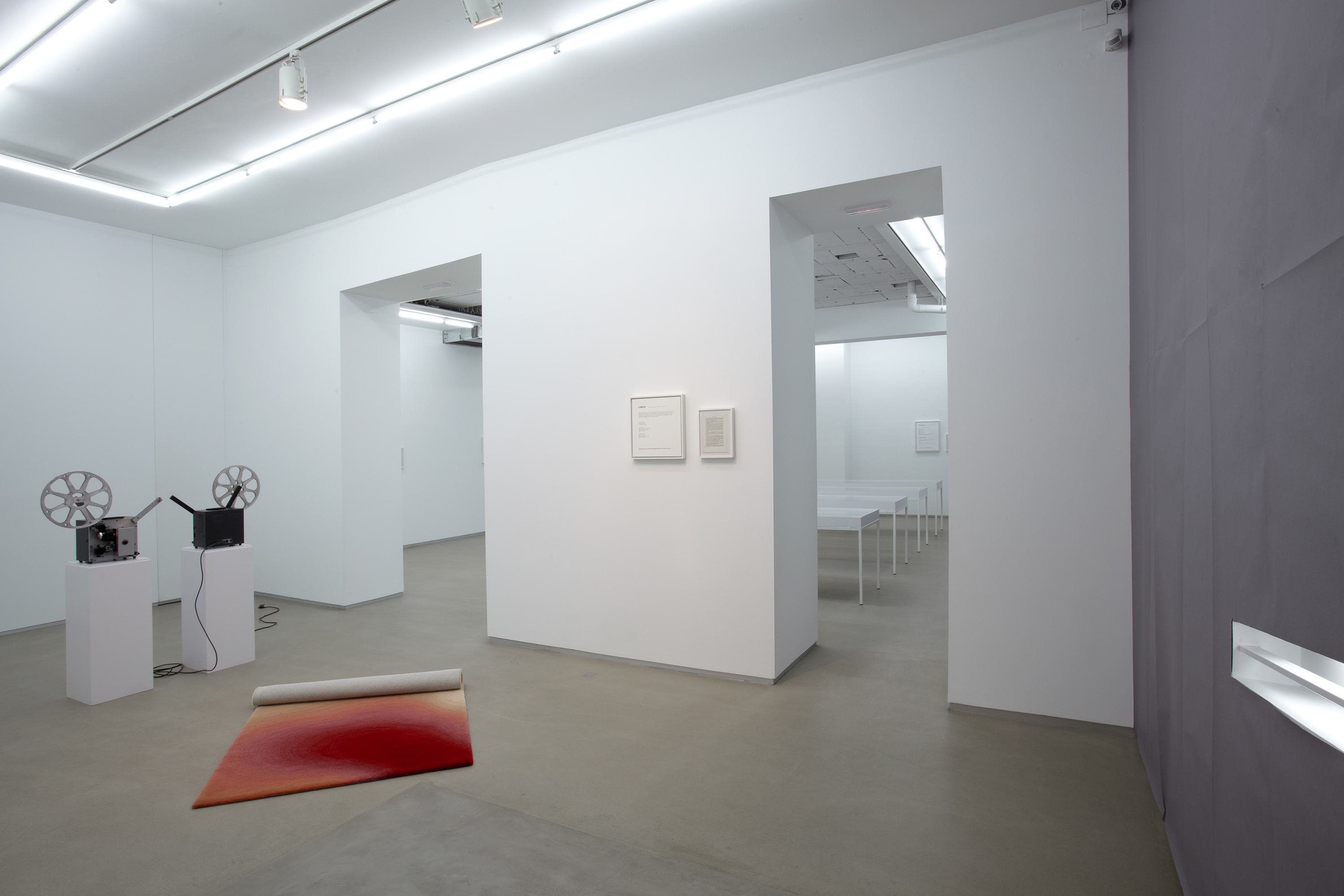
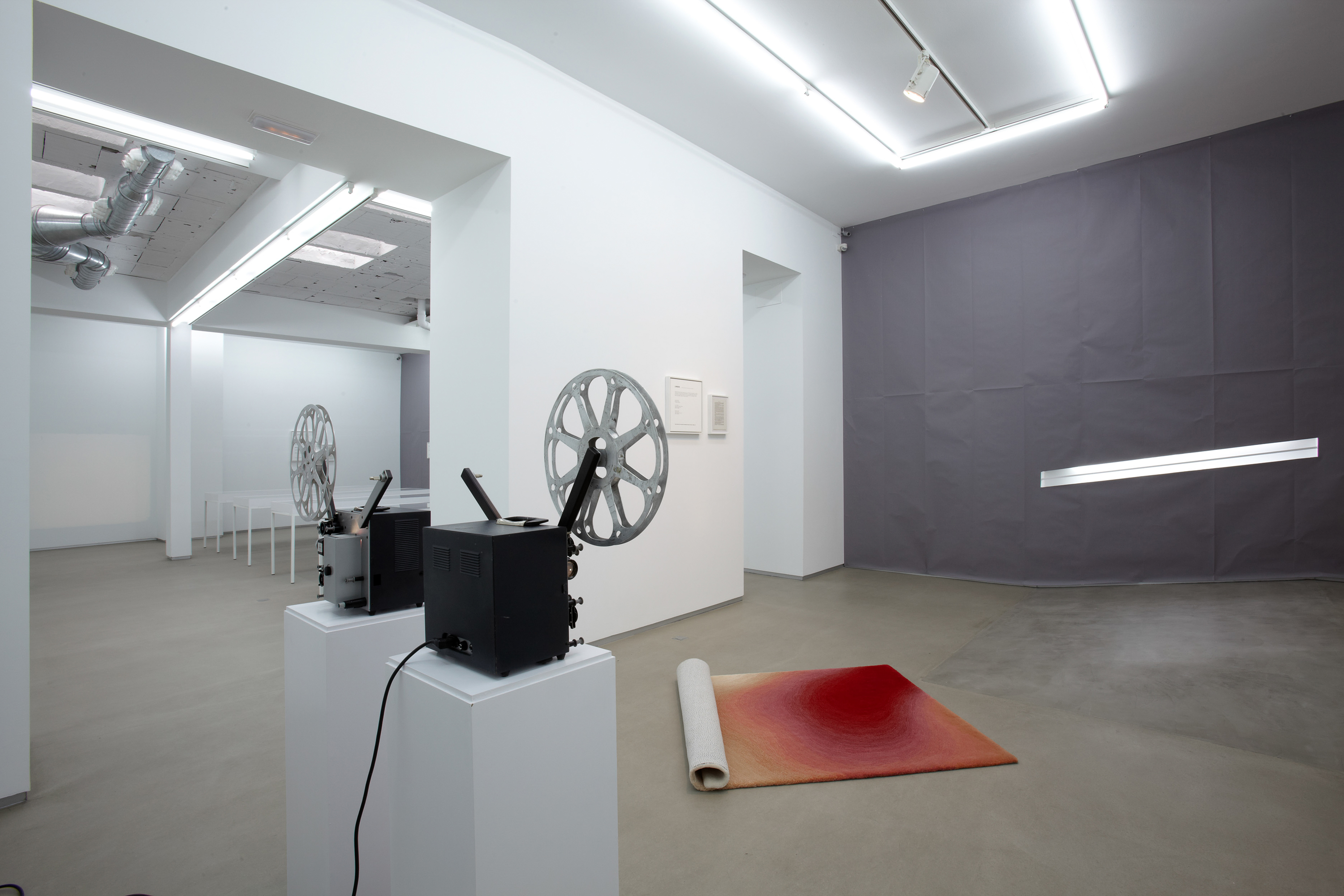
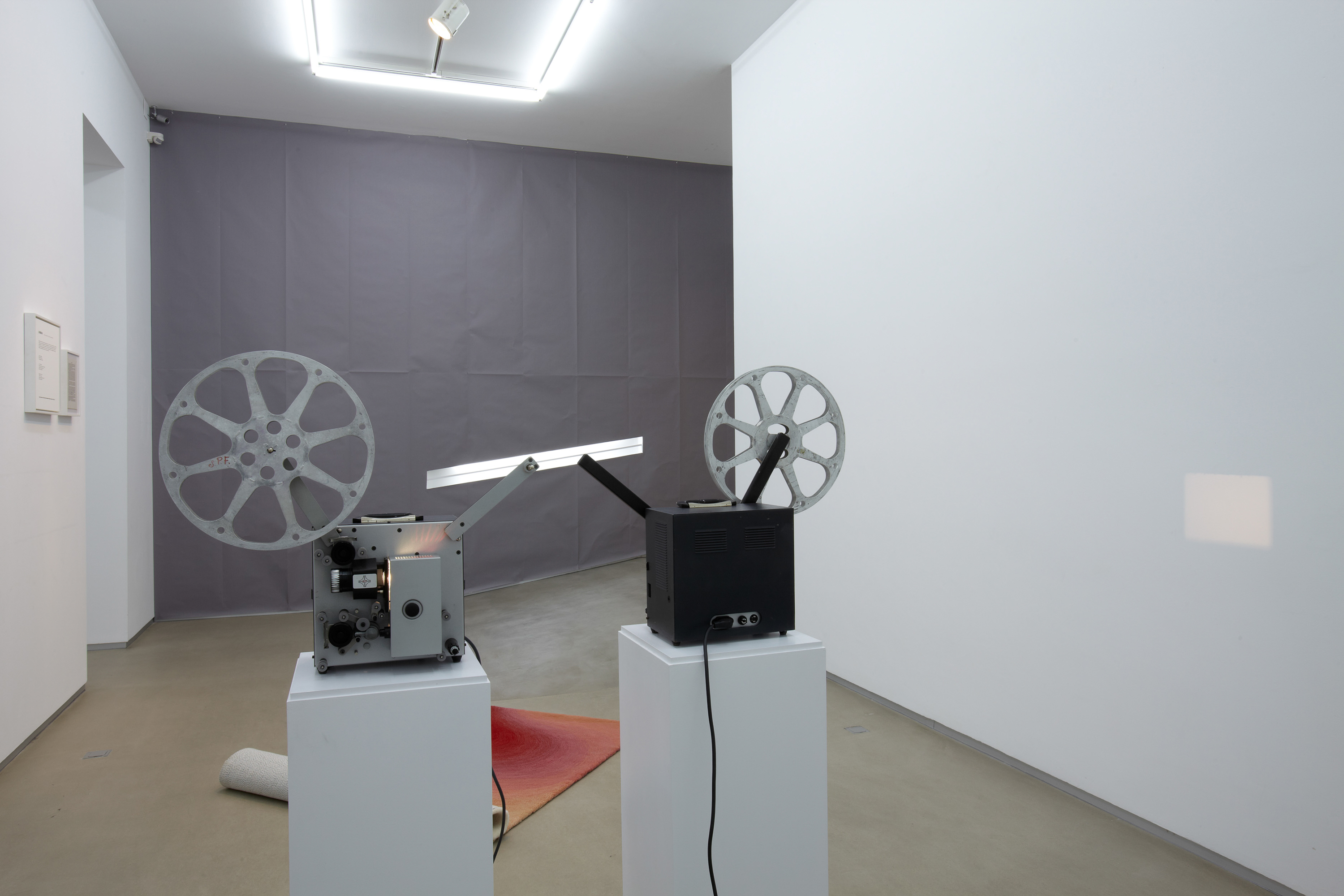
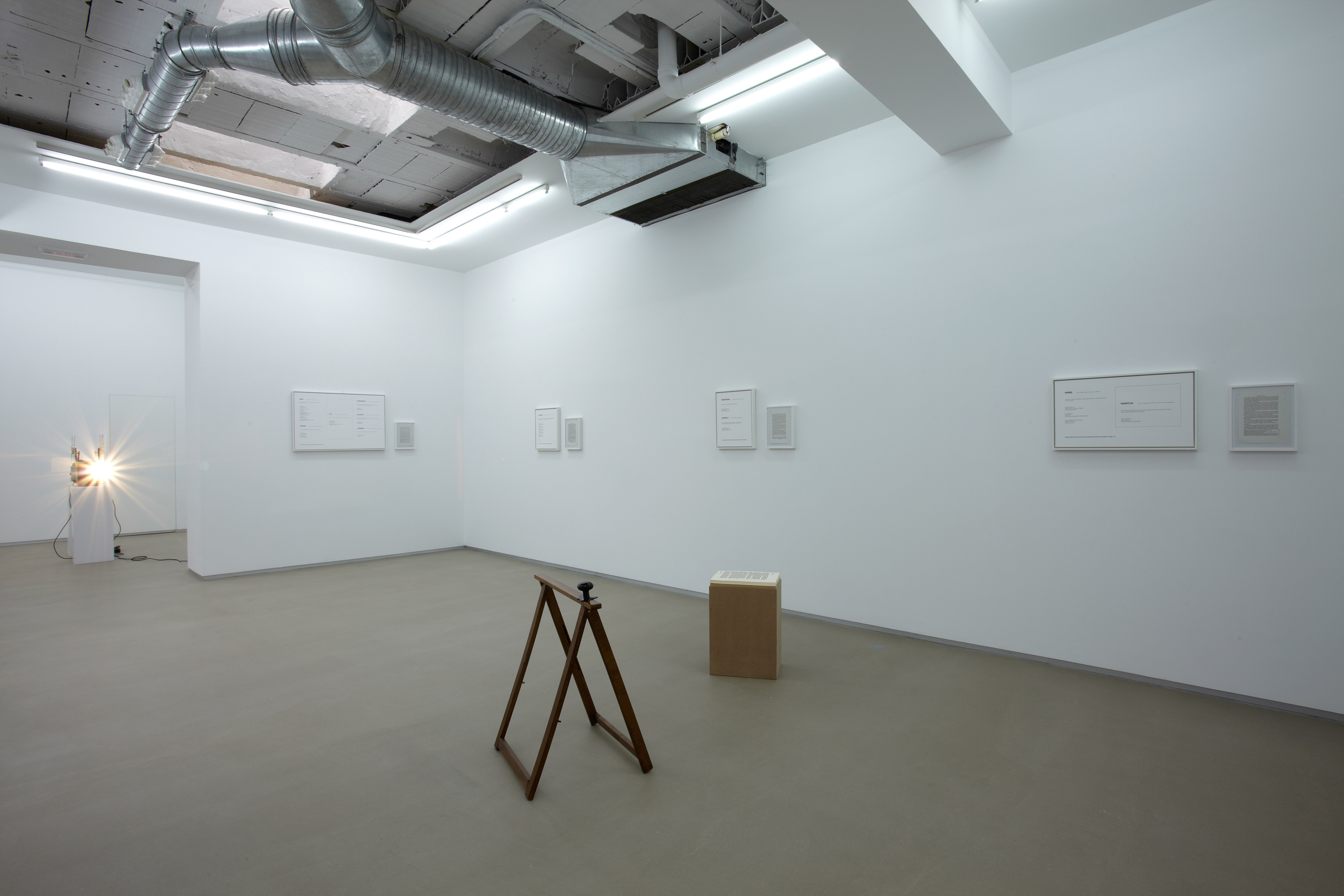
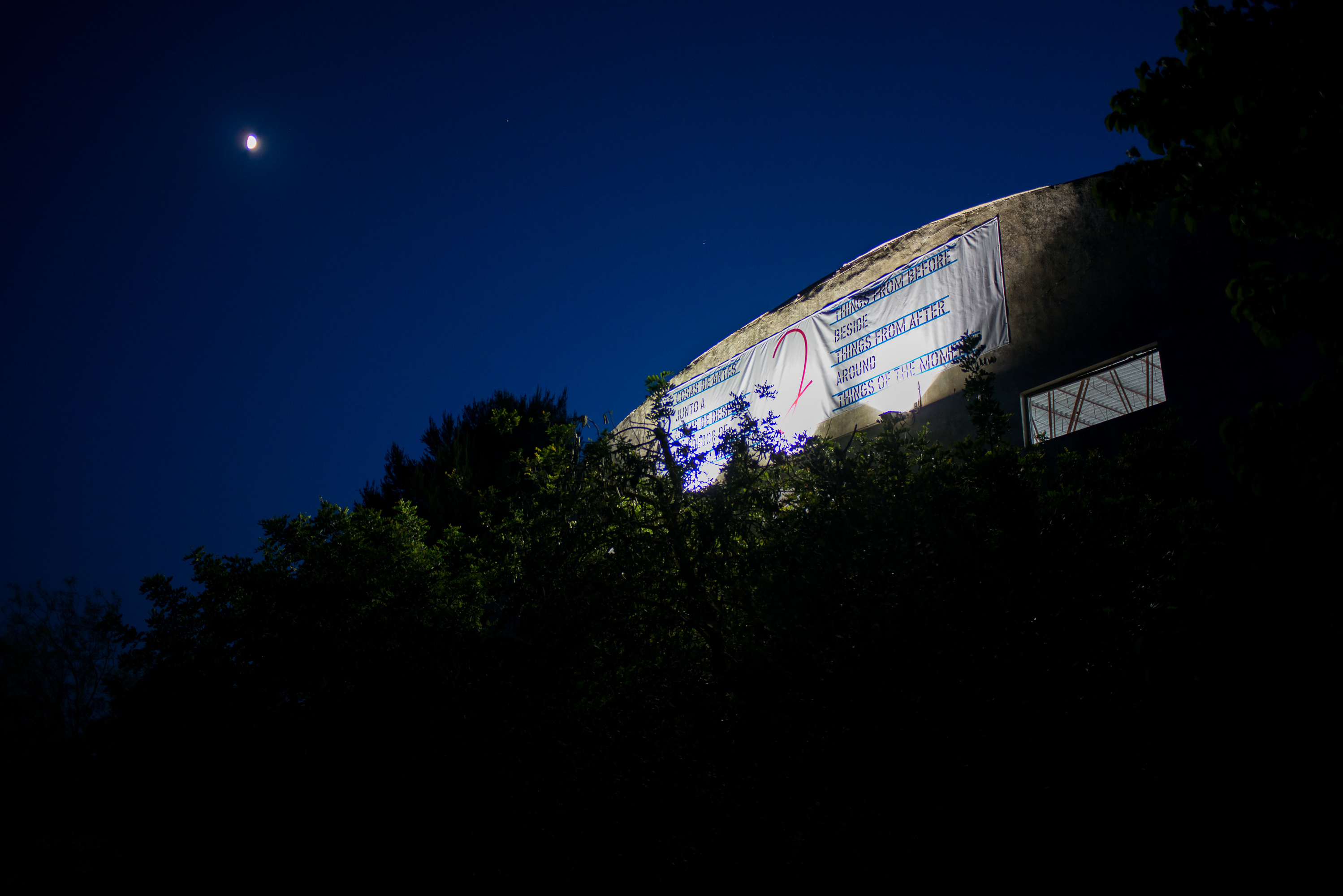
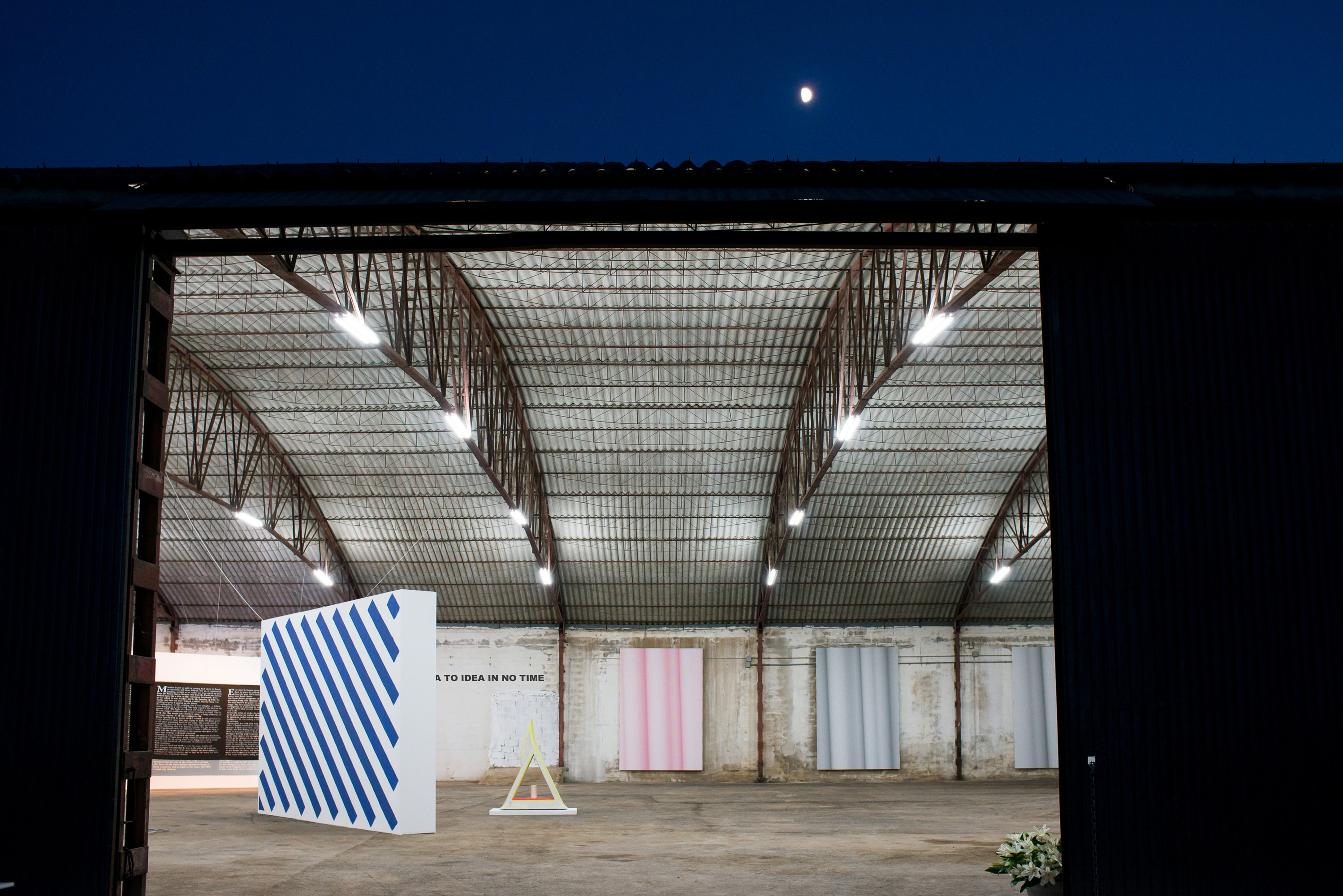
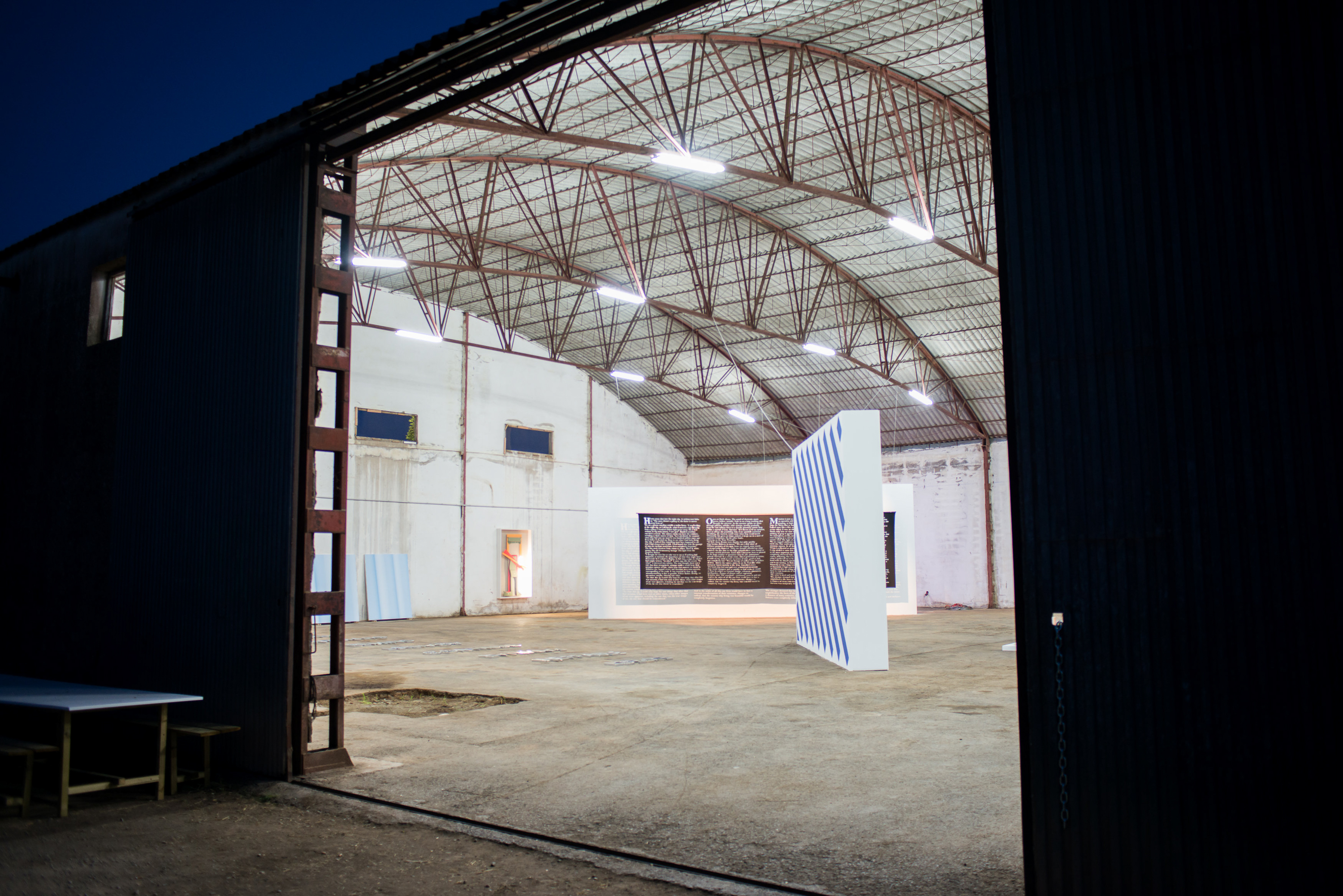
For Parra & Romero, Lamelas devised a site-specific intervention which temporarily redefines those two determinants via a conceptual structure; (Spatial) volume is transferred into film (time).
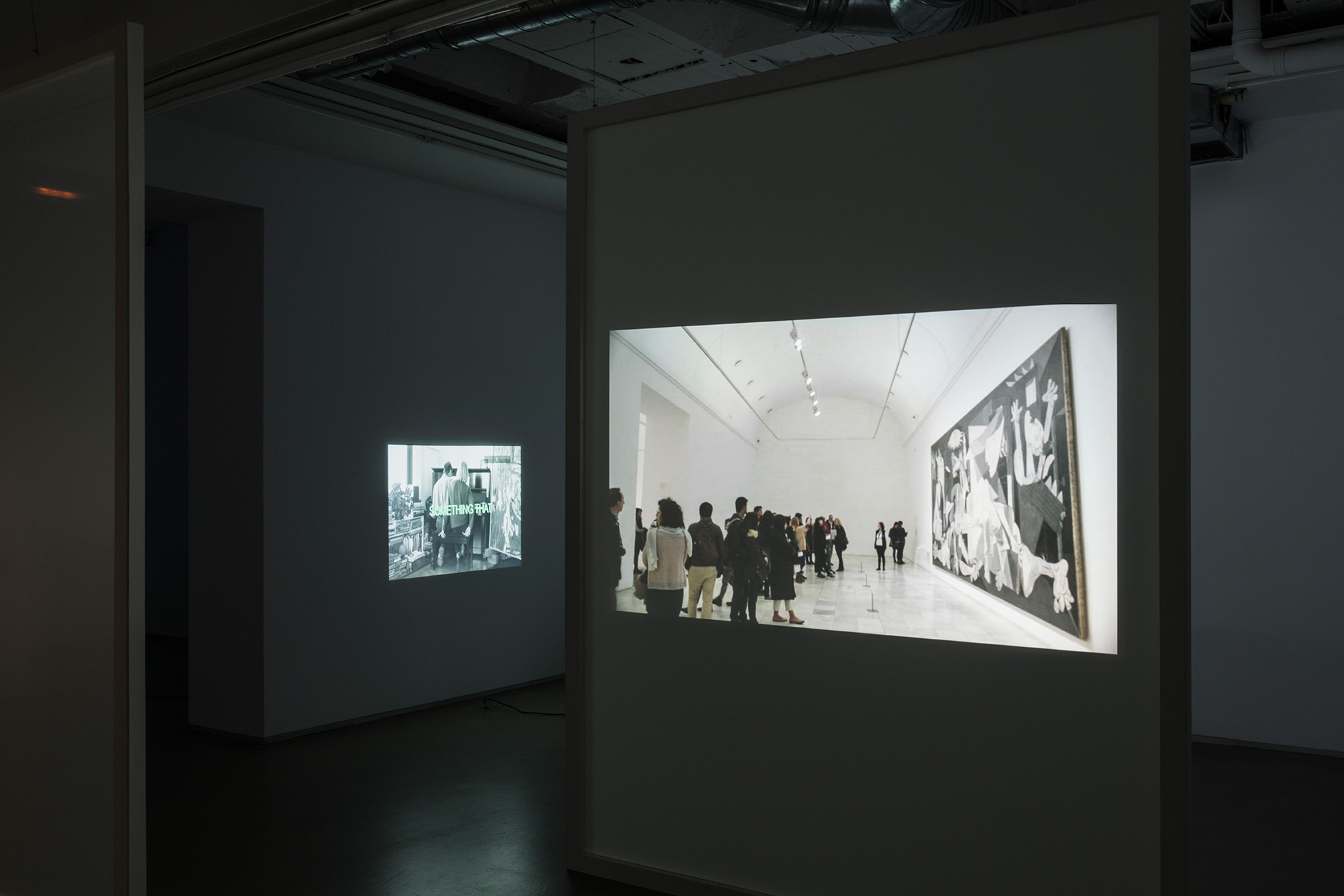
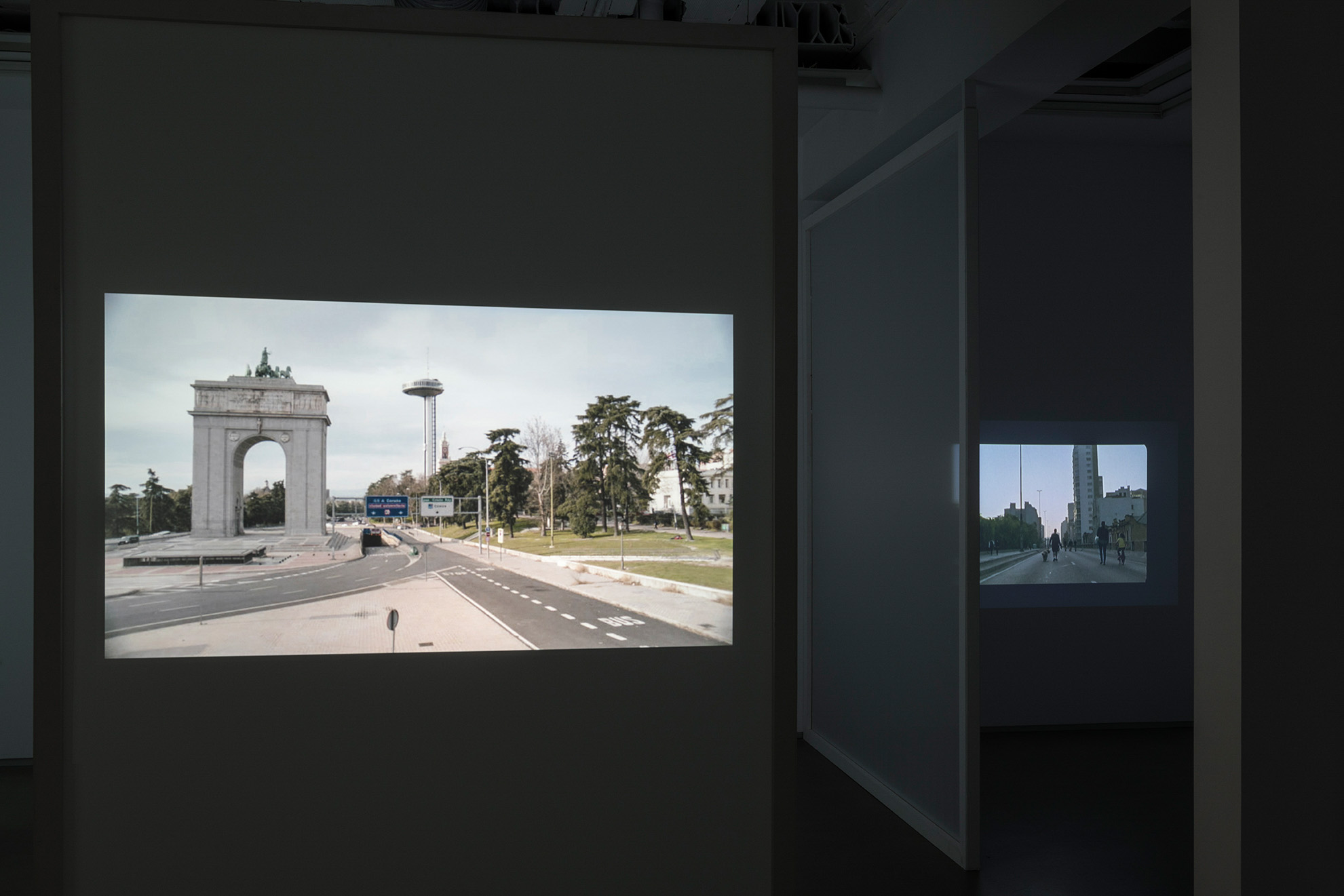
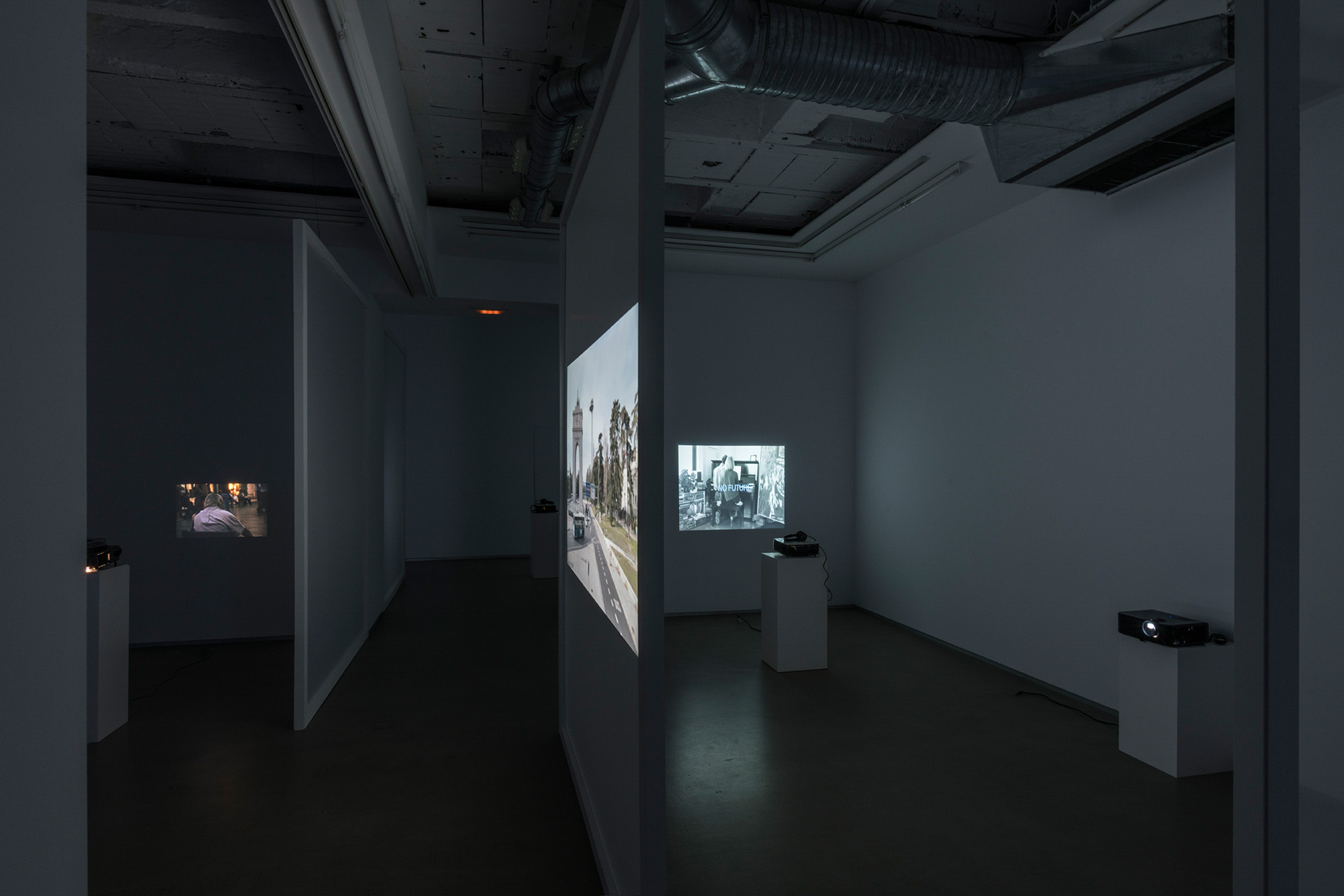
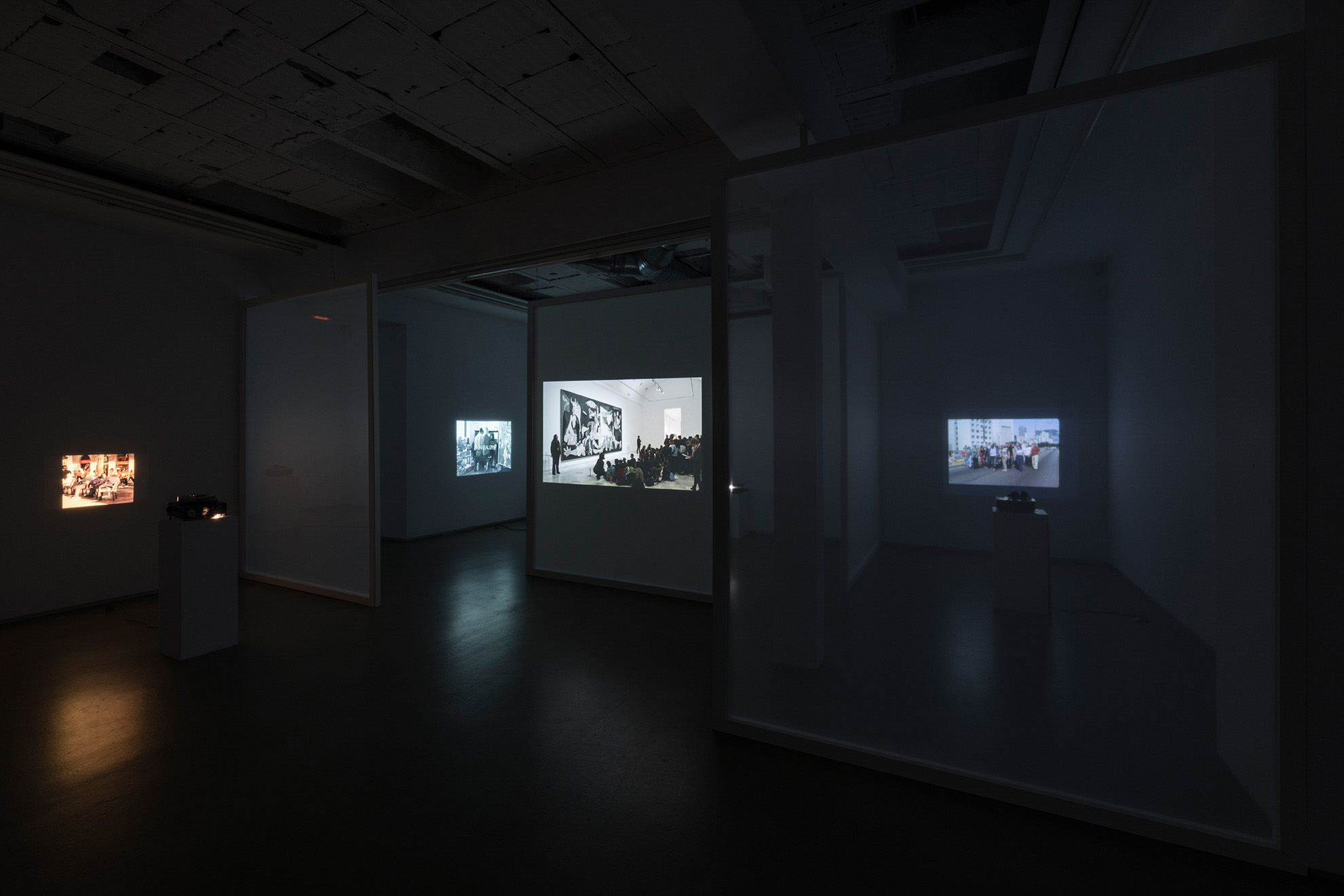
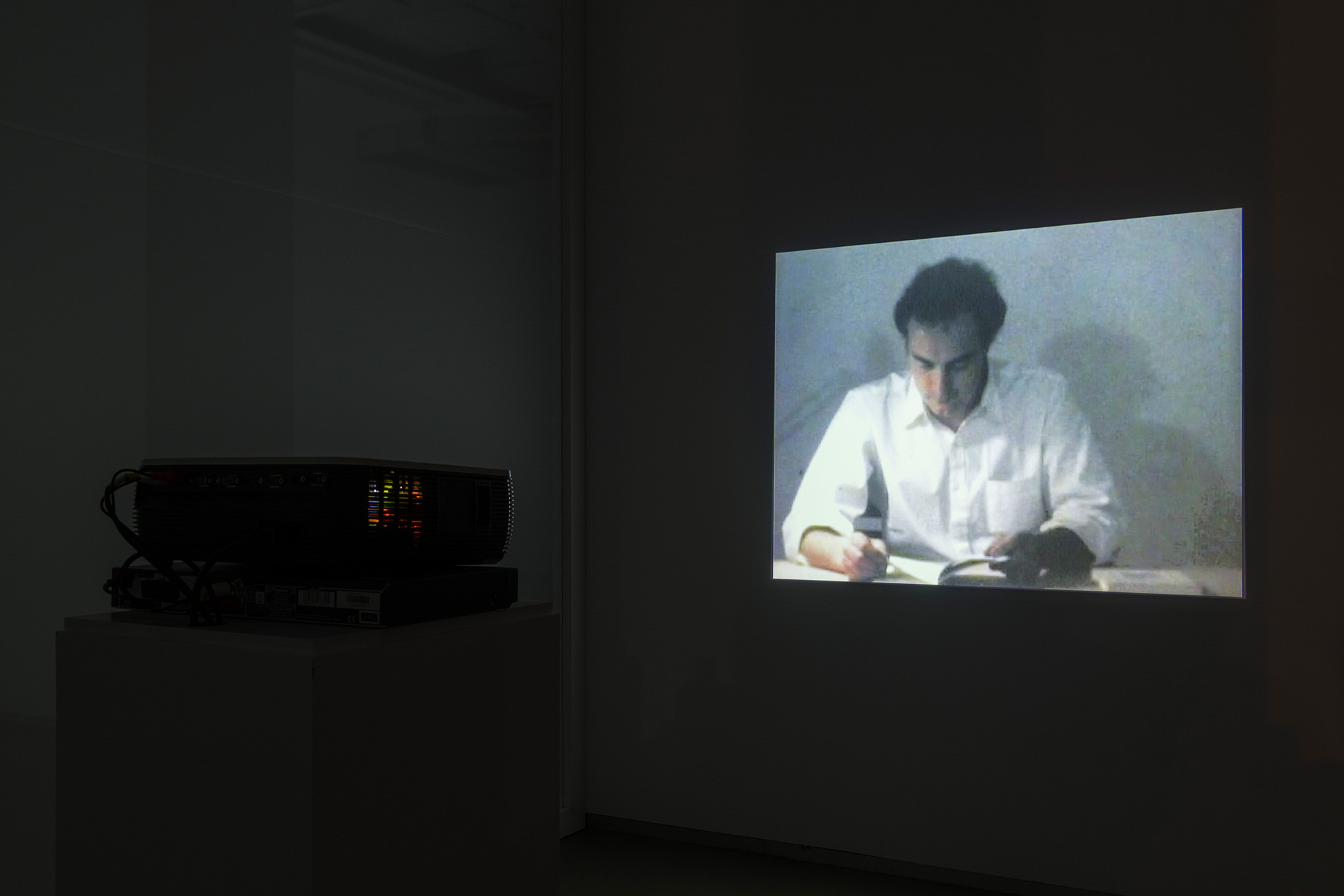
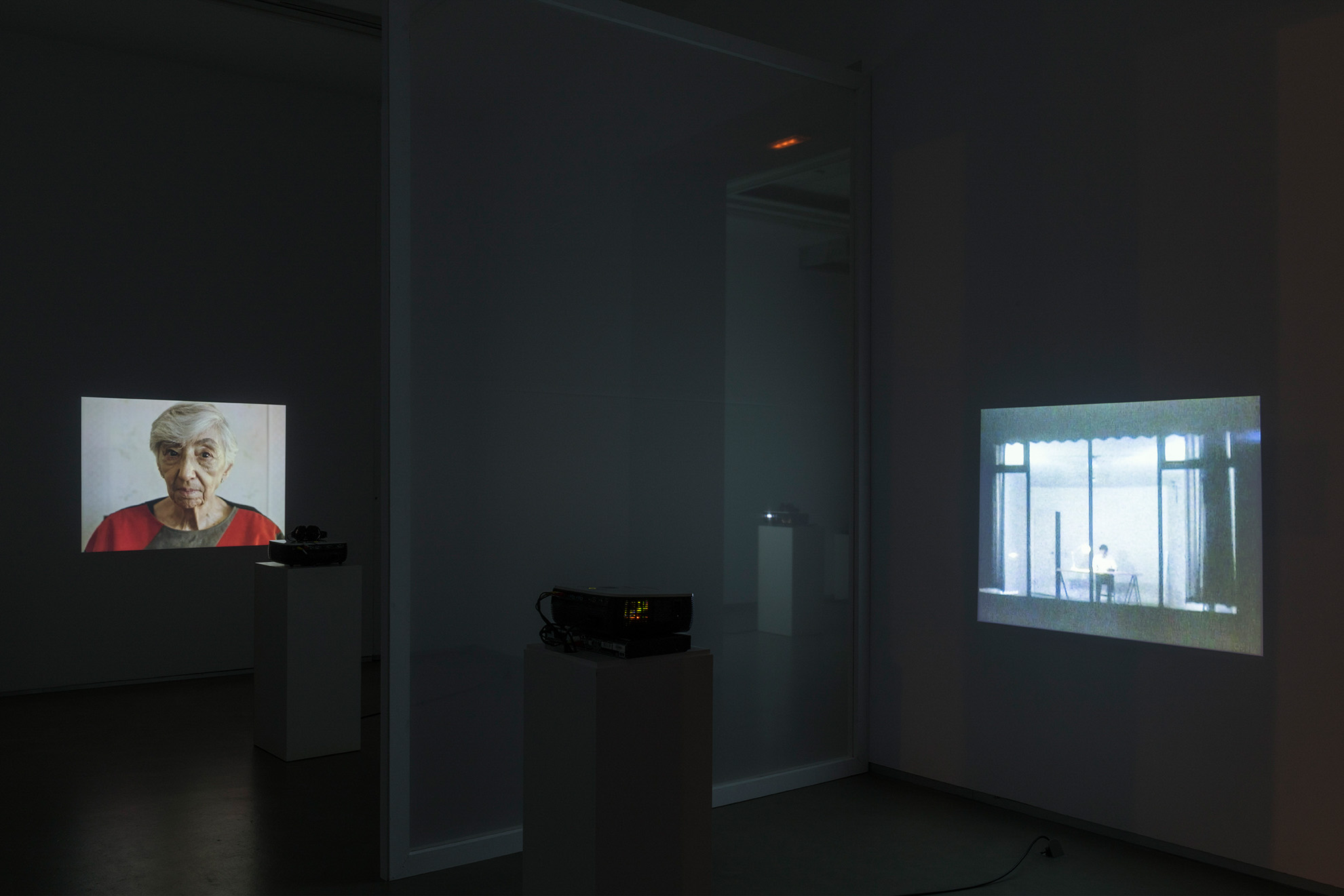
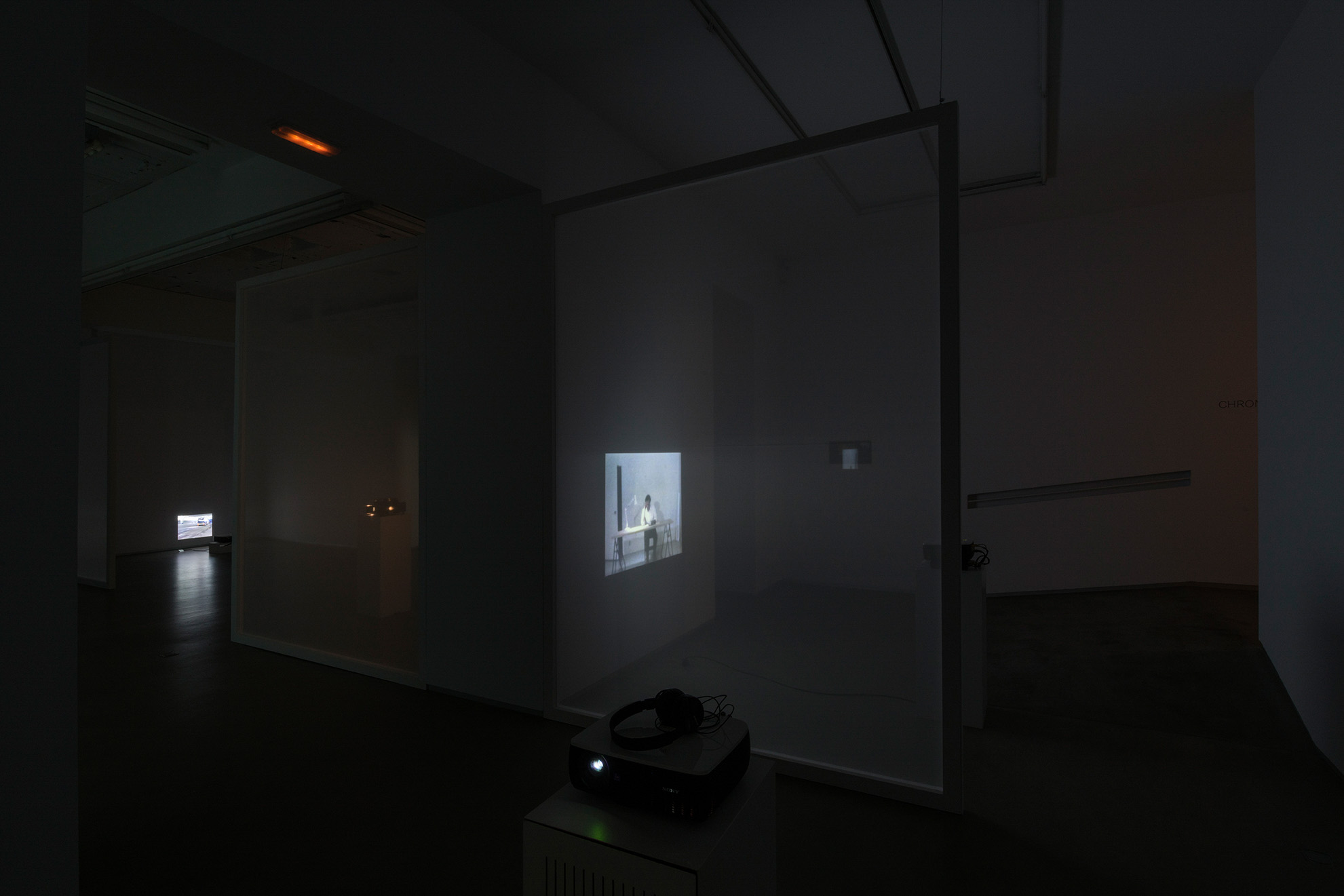
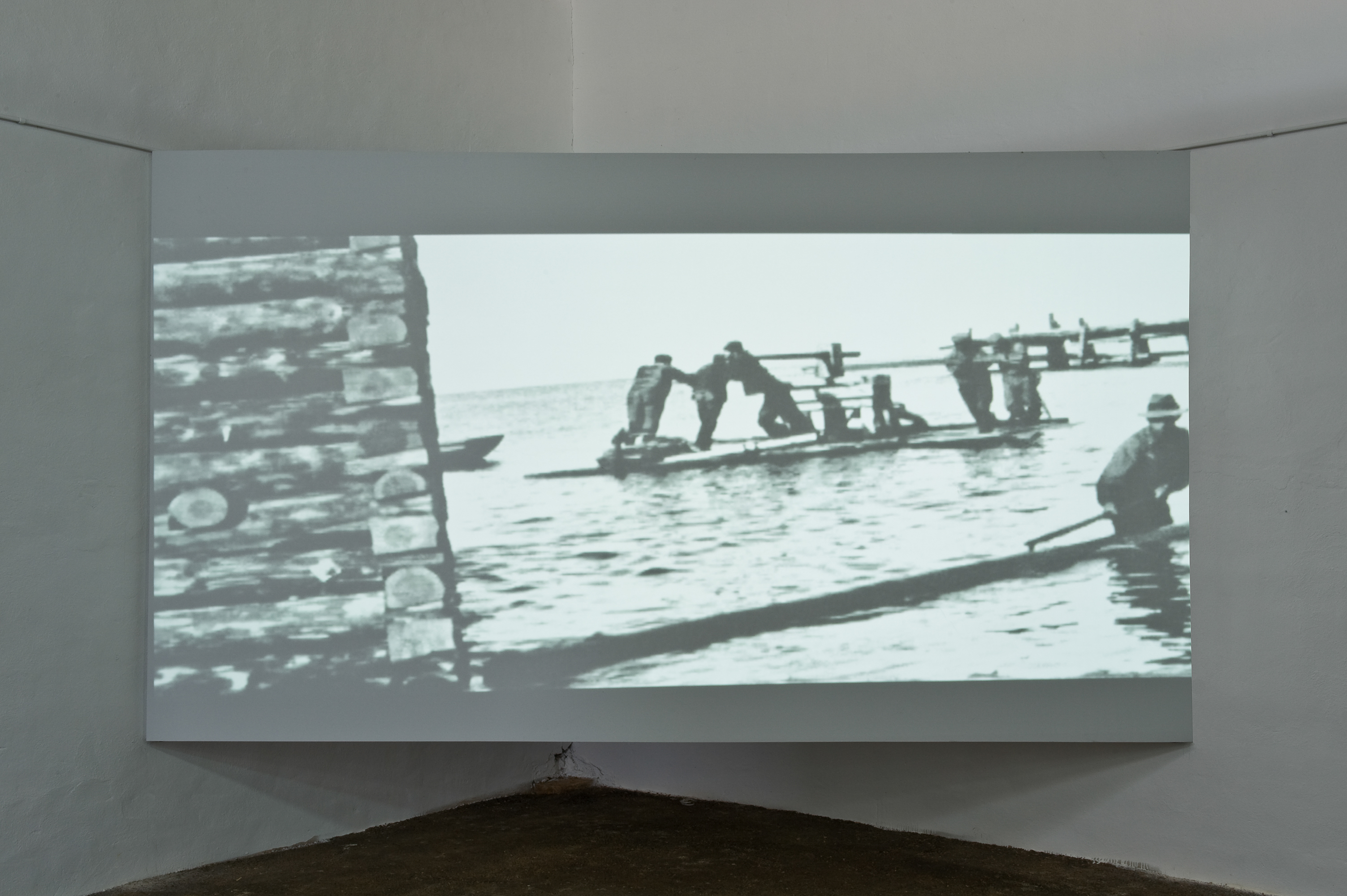
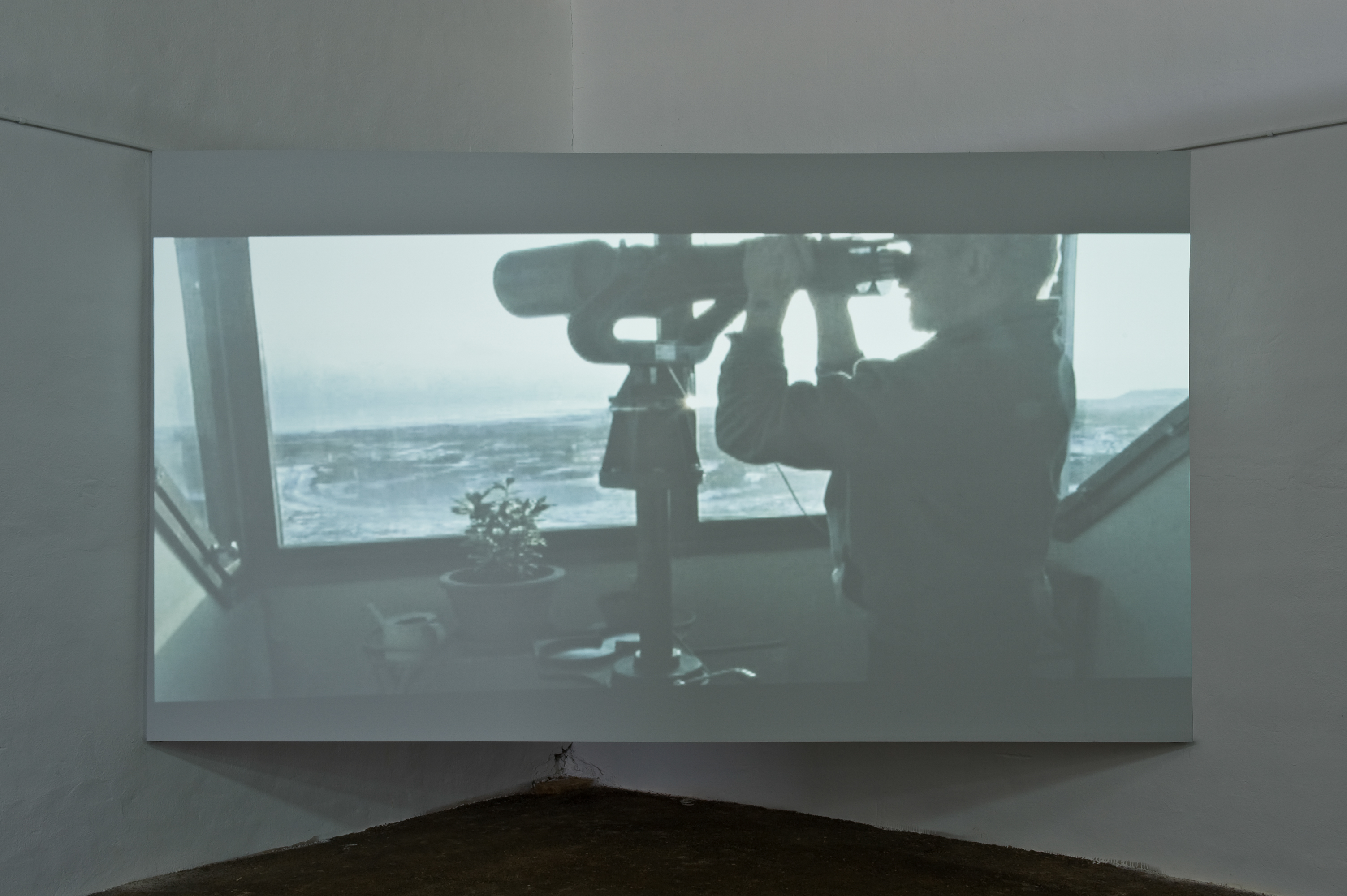
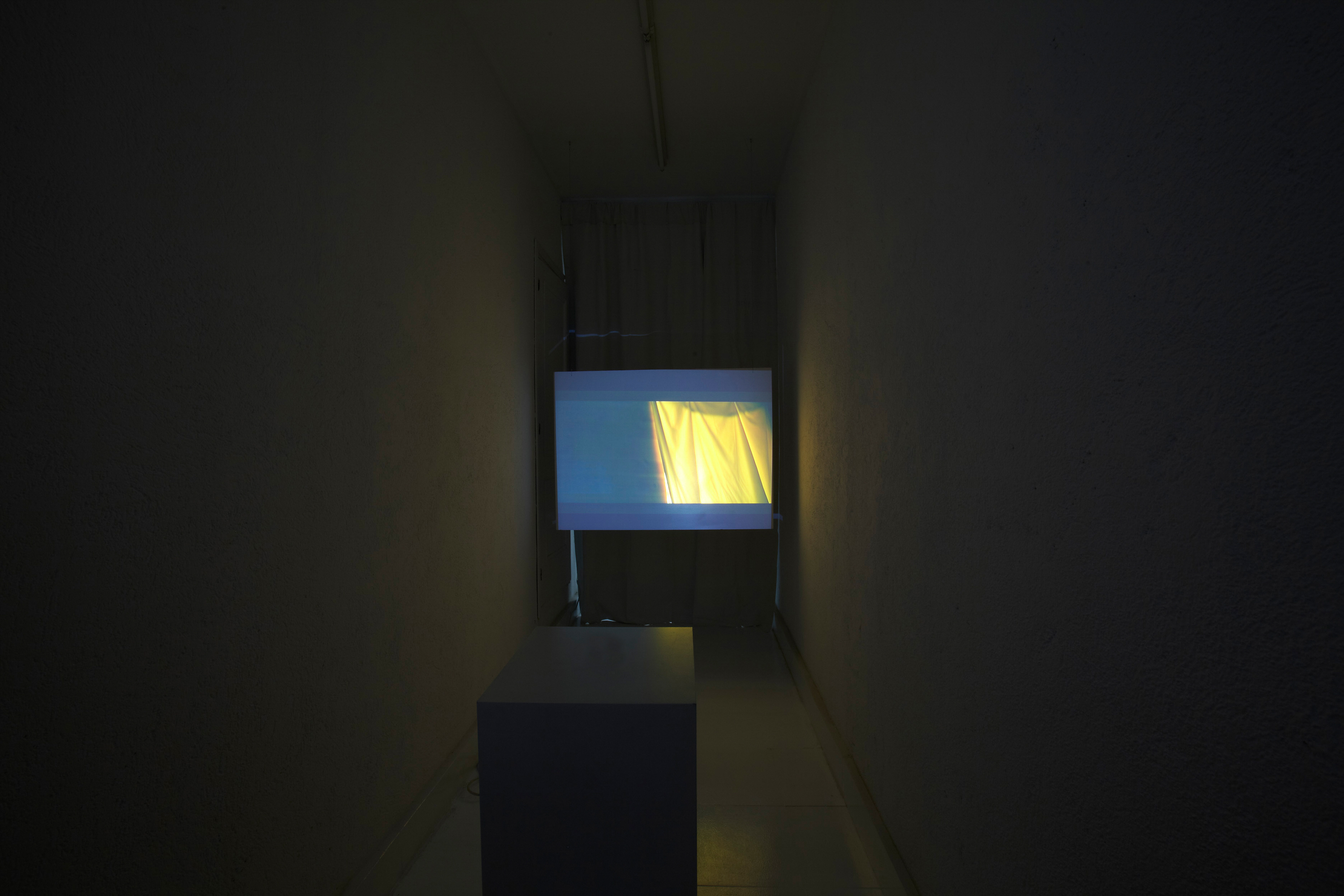
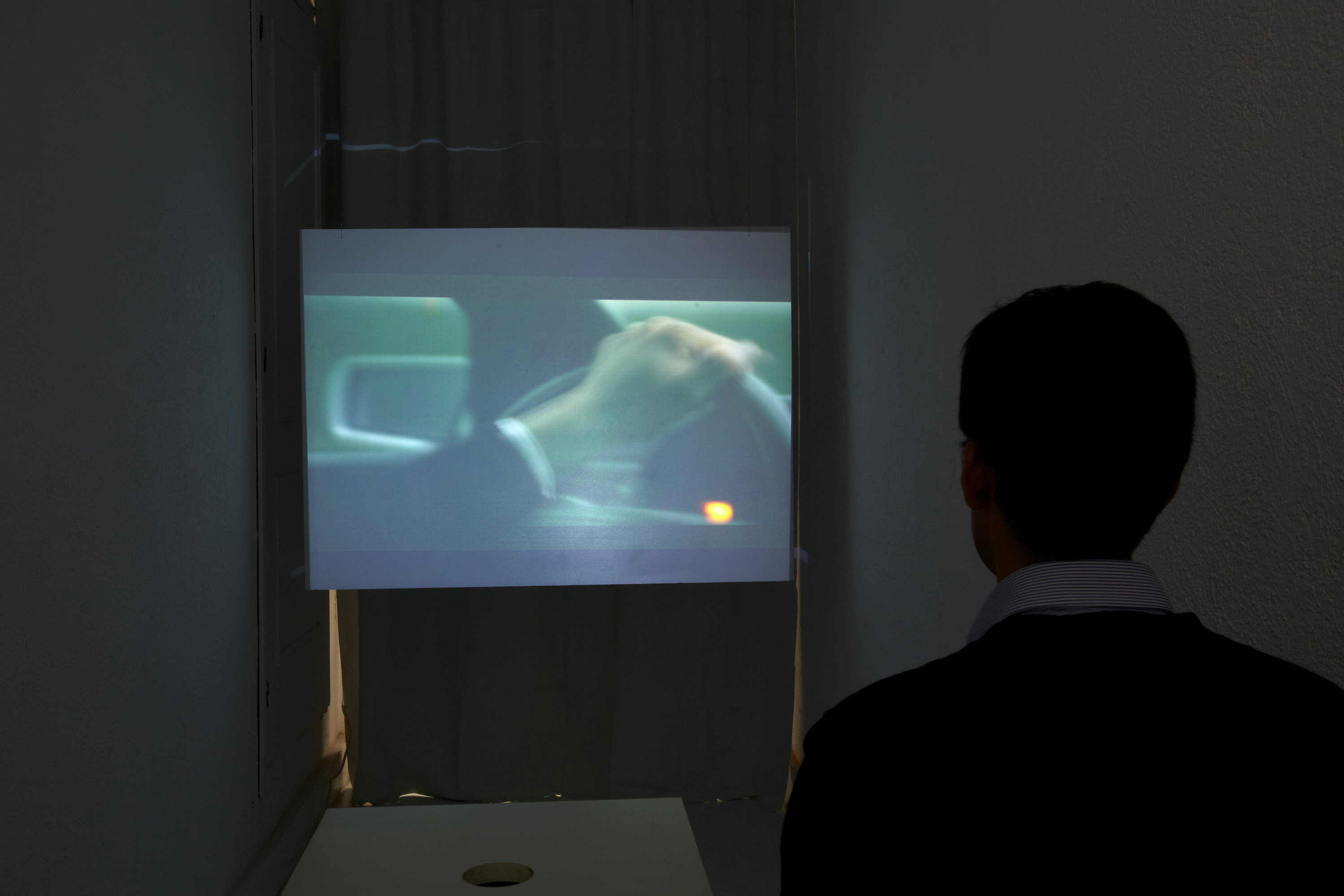
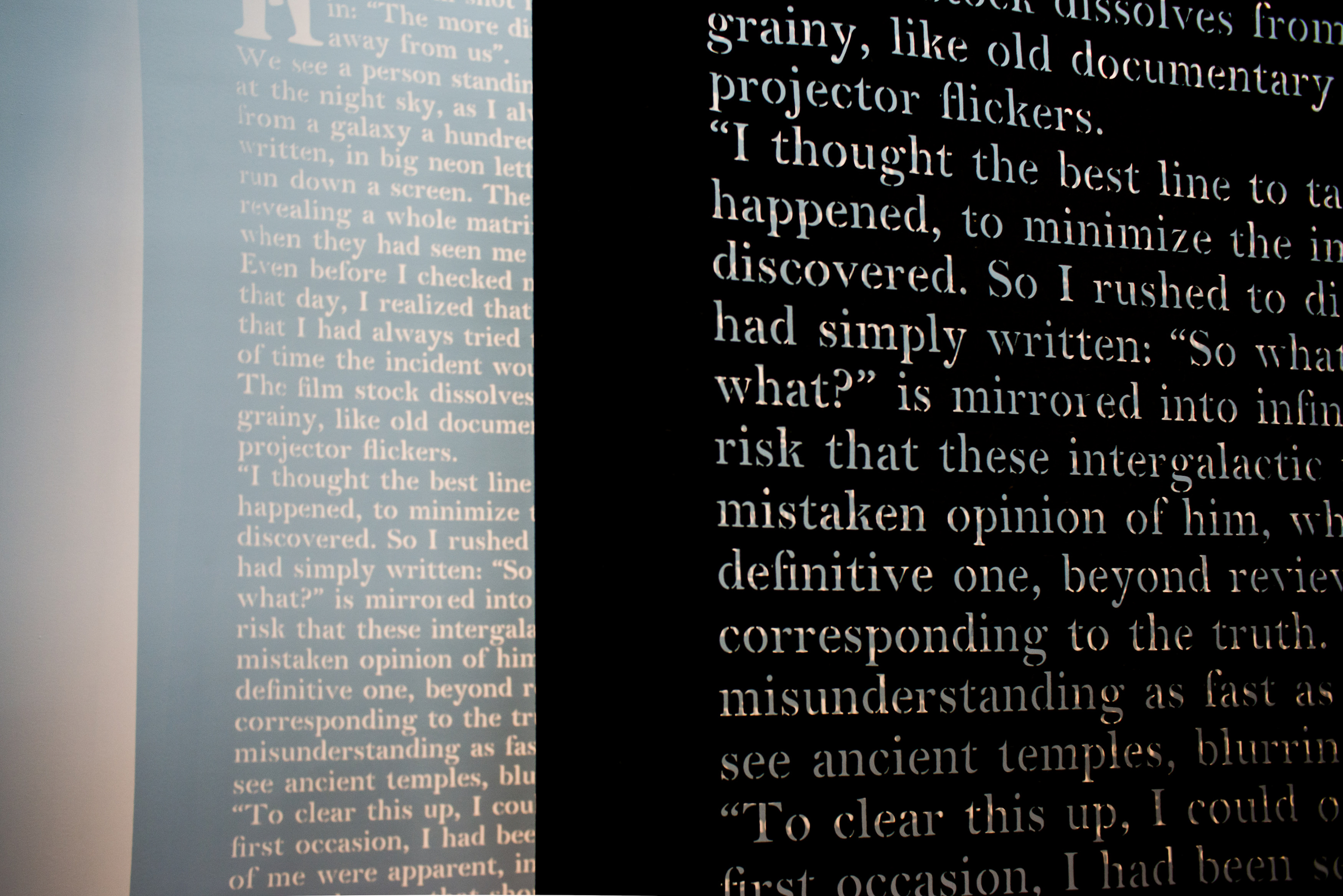
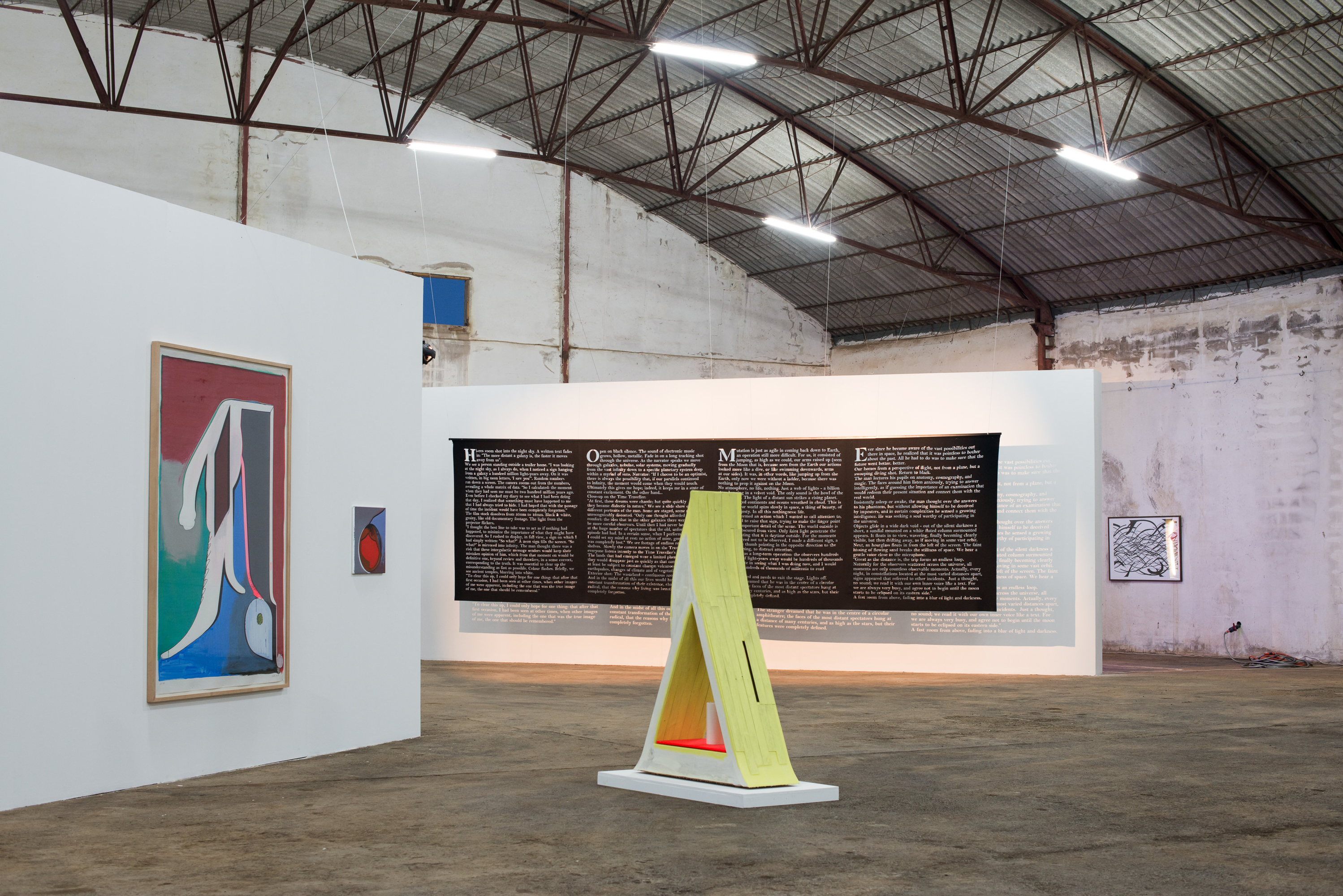
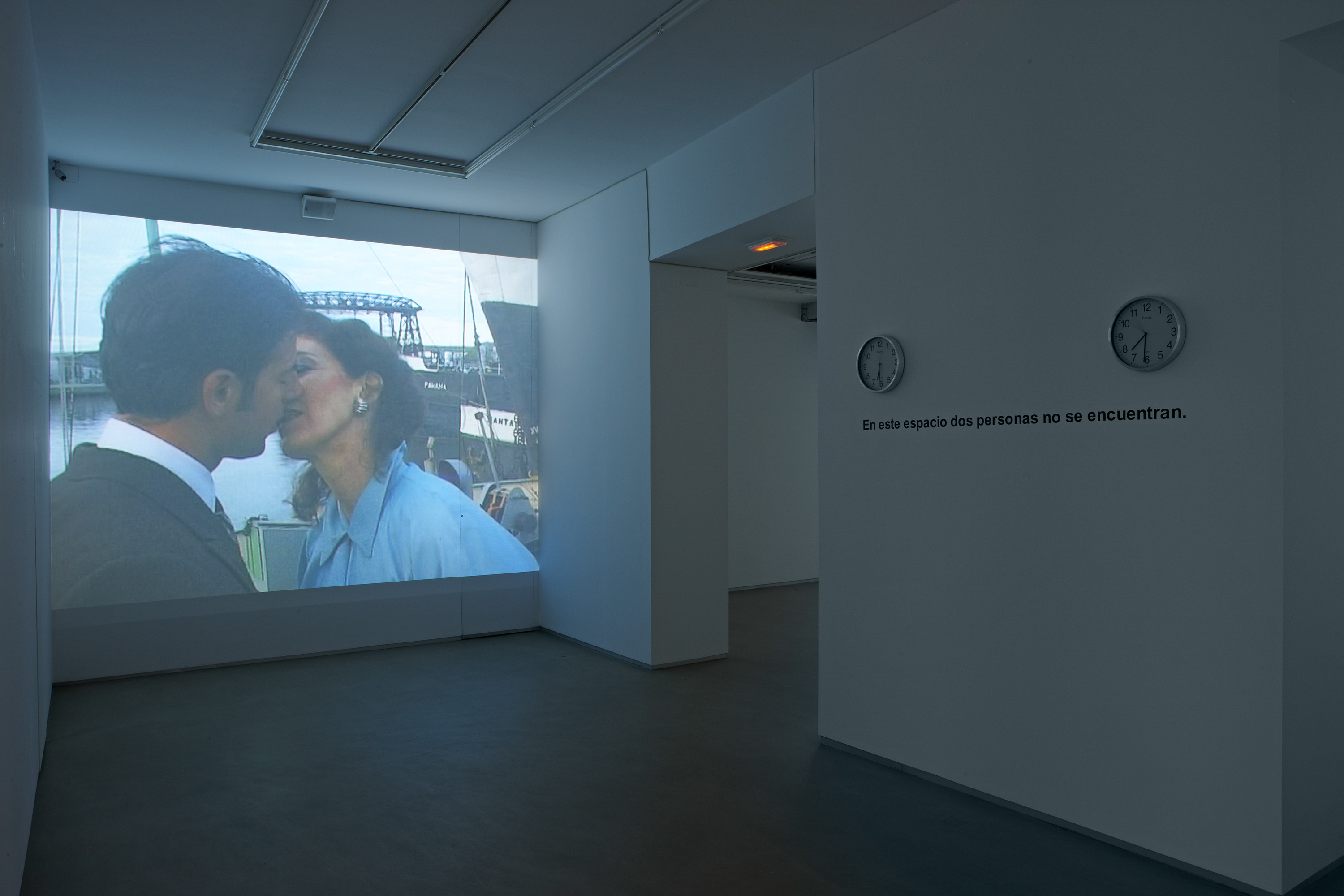
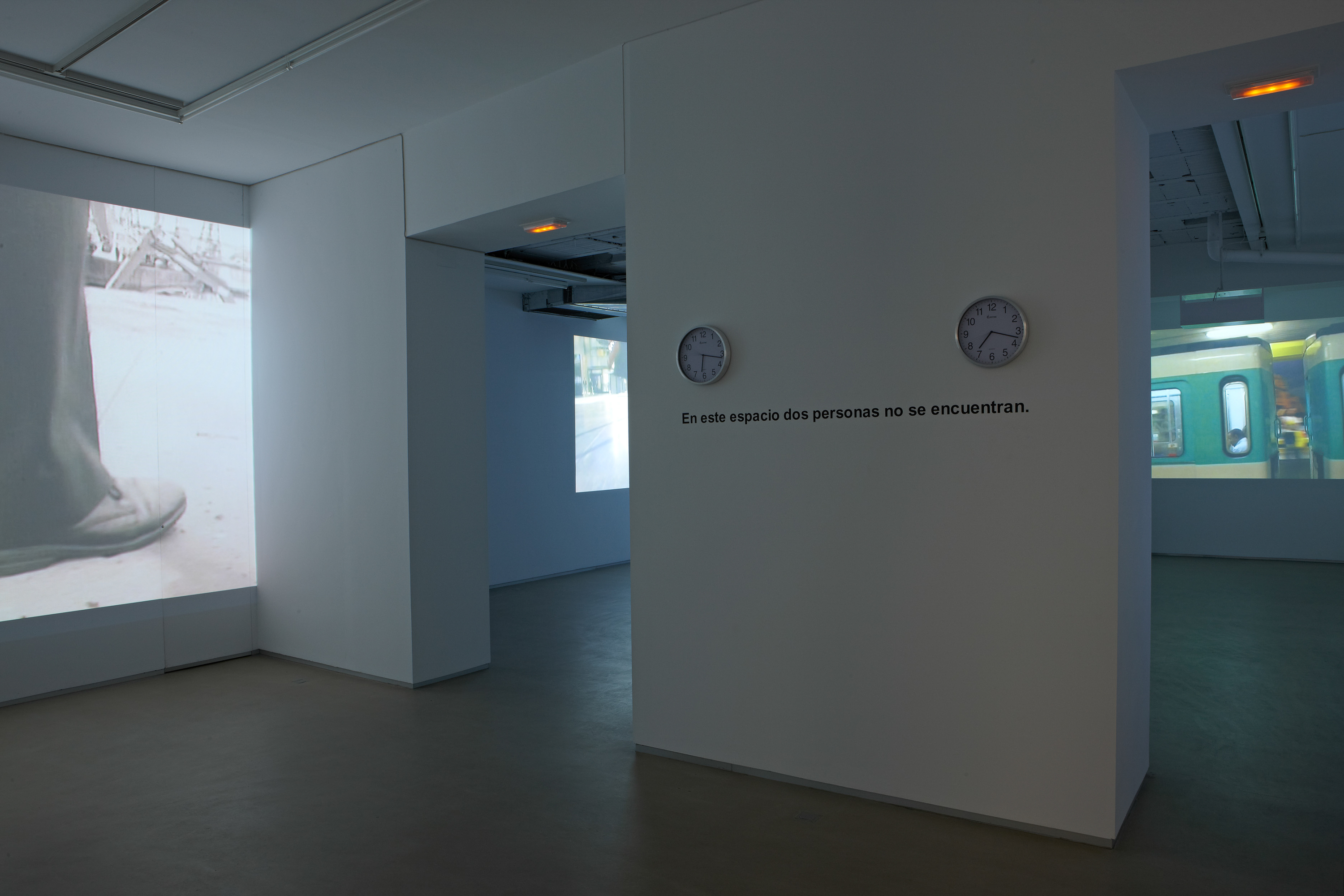
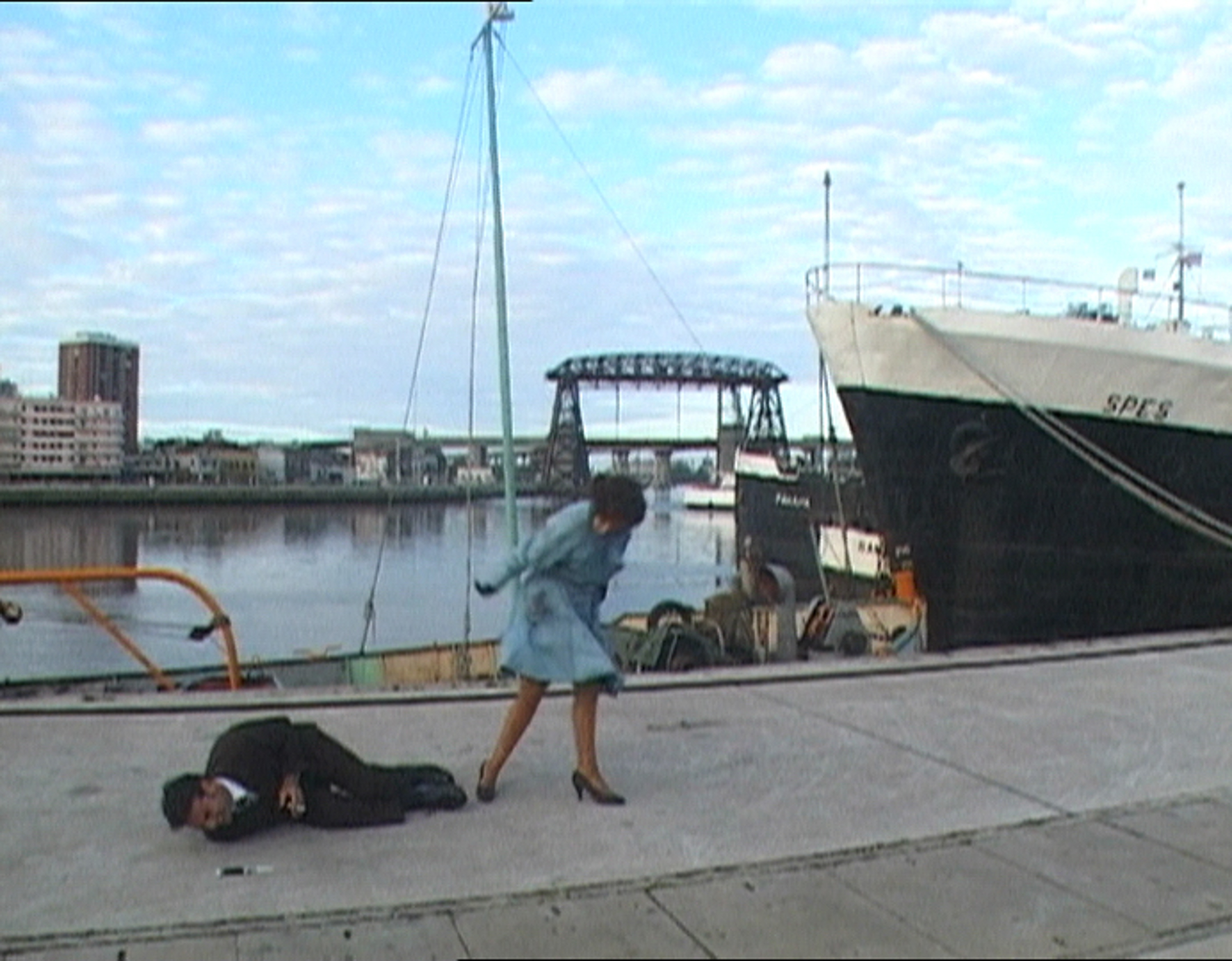
The Light at the Edge of a Nightmare (2002-2005)* are five films made over several years in five different geographic locations – Buenos Aires, Los Angeles, Berlin, Paris and London -, projected in that order one after the other. They correspond with Lamelas’ biography as he has lived in all five cities, each one exerting its specific
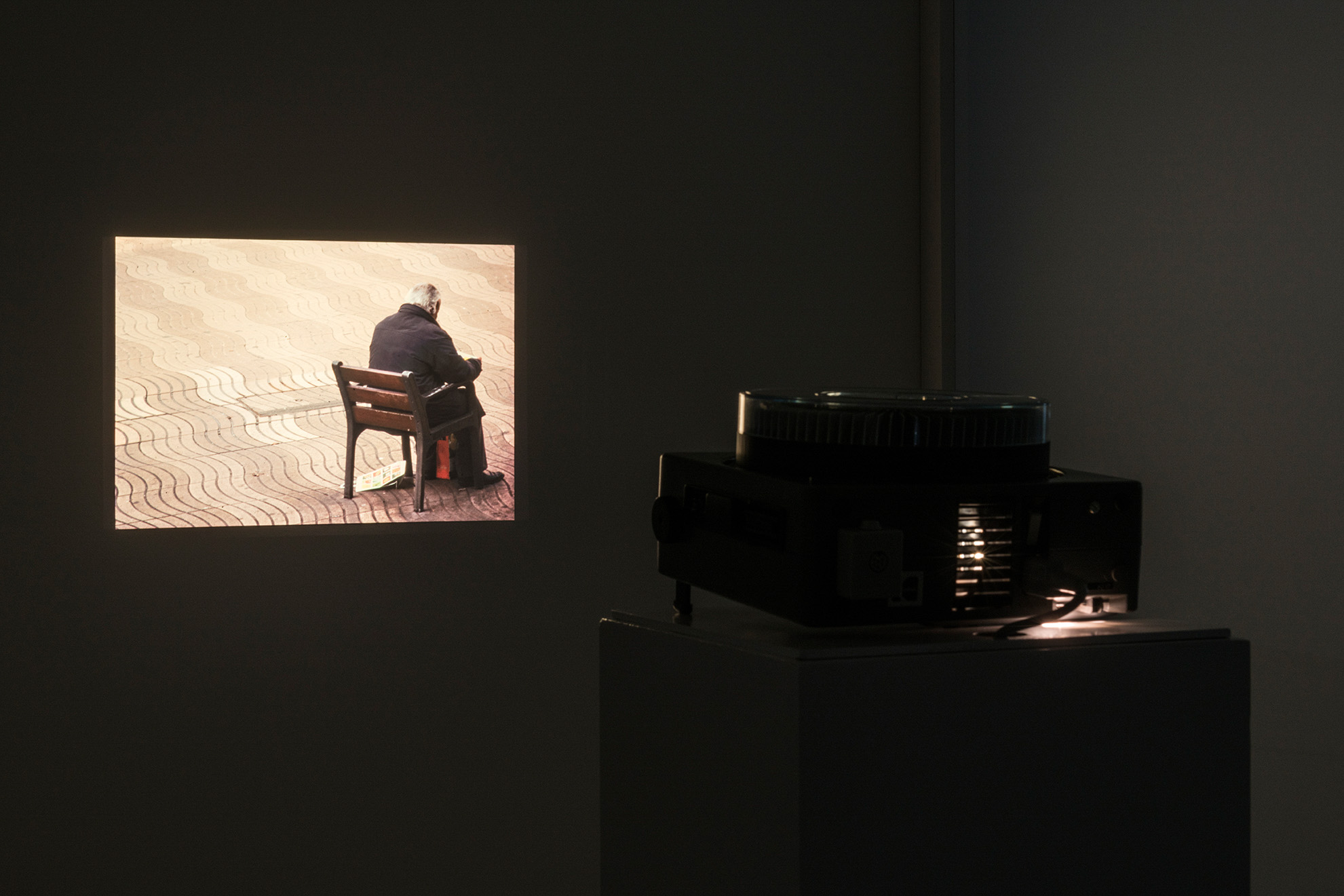
influence on his work. For Lamelas, location and place are primary: “space has a reality, it exists'”, although it is not measured in geographical dimensions. It is considered in terms of its intellectual and transnational scope, due that Lamelas doesn’t define art as “local” or “national”, but as “immaterial”. His personal experience of relocation and his efforts to understand and assimilate new cultures, gives his conceptualist concerns a warmth and humour. In each projection of The Light at the Edge of a Nightmare (2002-2005), the subject of the film noir is a love/hate affair between a man and woman. The work describes an eternally returning episode, referring equally to the temporality of the urban environment (the simultaneity), and to major narrative themes and gestures of Hollywood productions. David Lamelas deals here with the reconsideration of his own work by means of the continuation of early series such as Time as Activity (1969) in new cities, or Film Script ( Manipulation of the meaning) (1972-2008). This latter work, that consists of the simultaneous projection of one film and three slide sequences, also elaborates on the ascent development of a fictional plot. In addition, we can observe Lamelas’return to the analysis of the exhibition space, essential in the installation of
some of his first interventions.
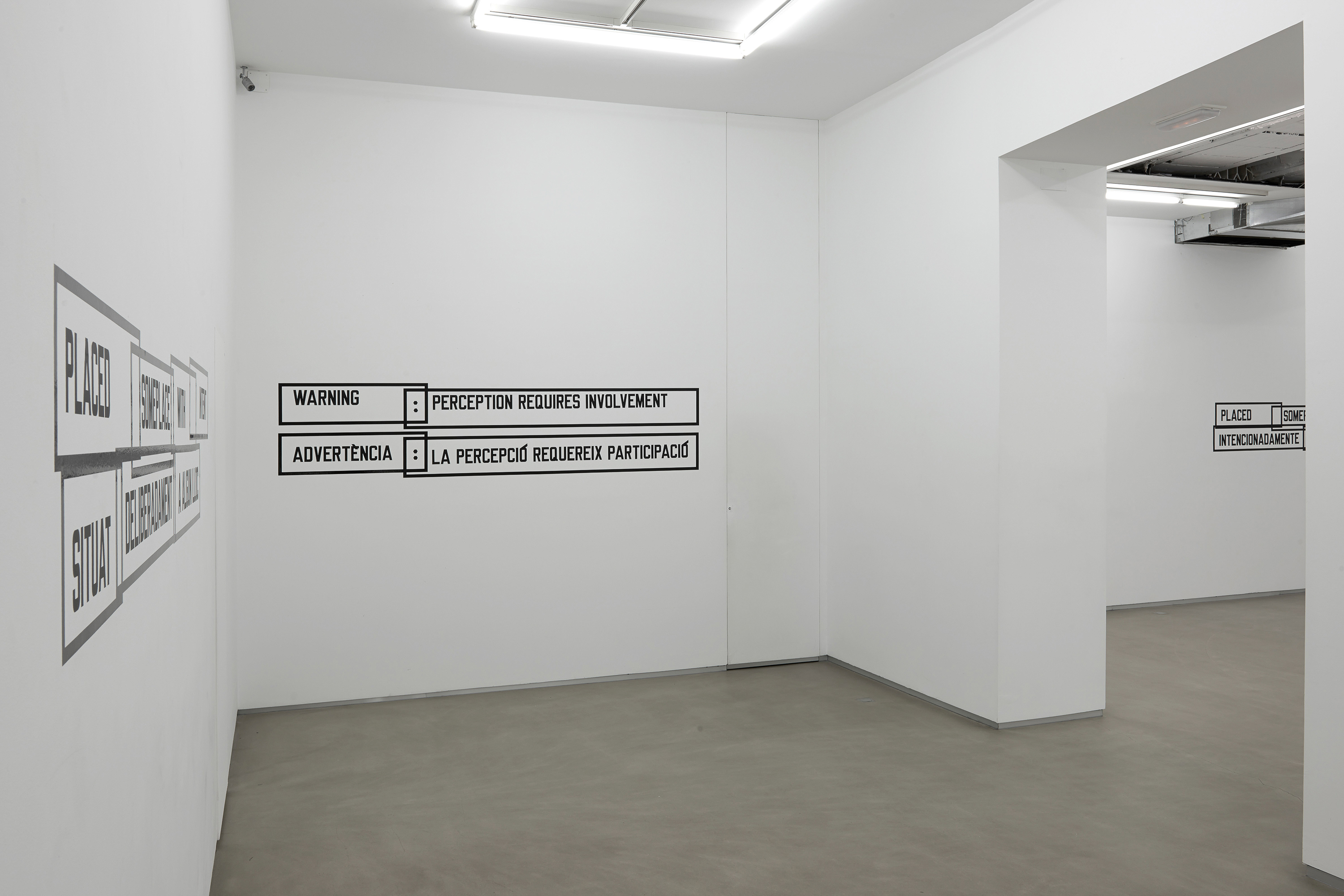
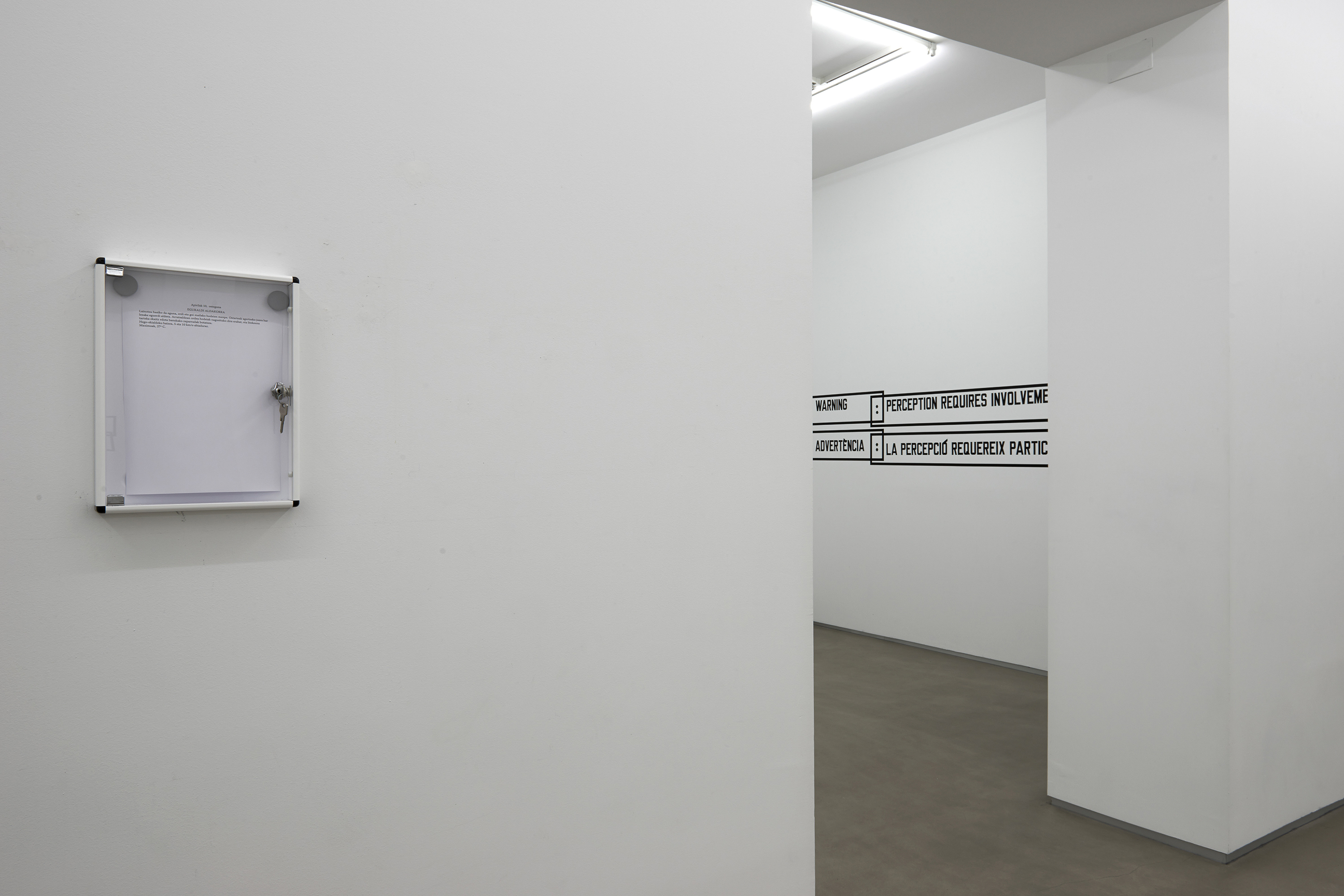
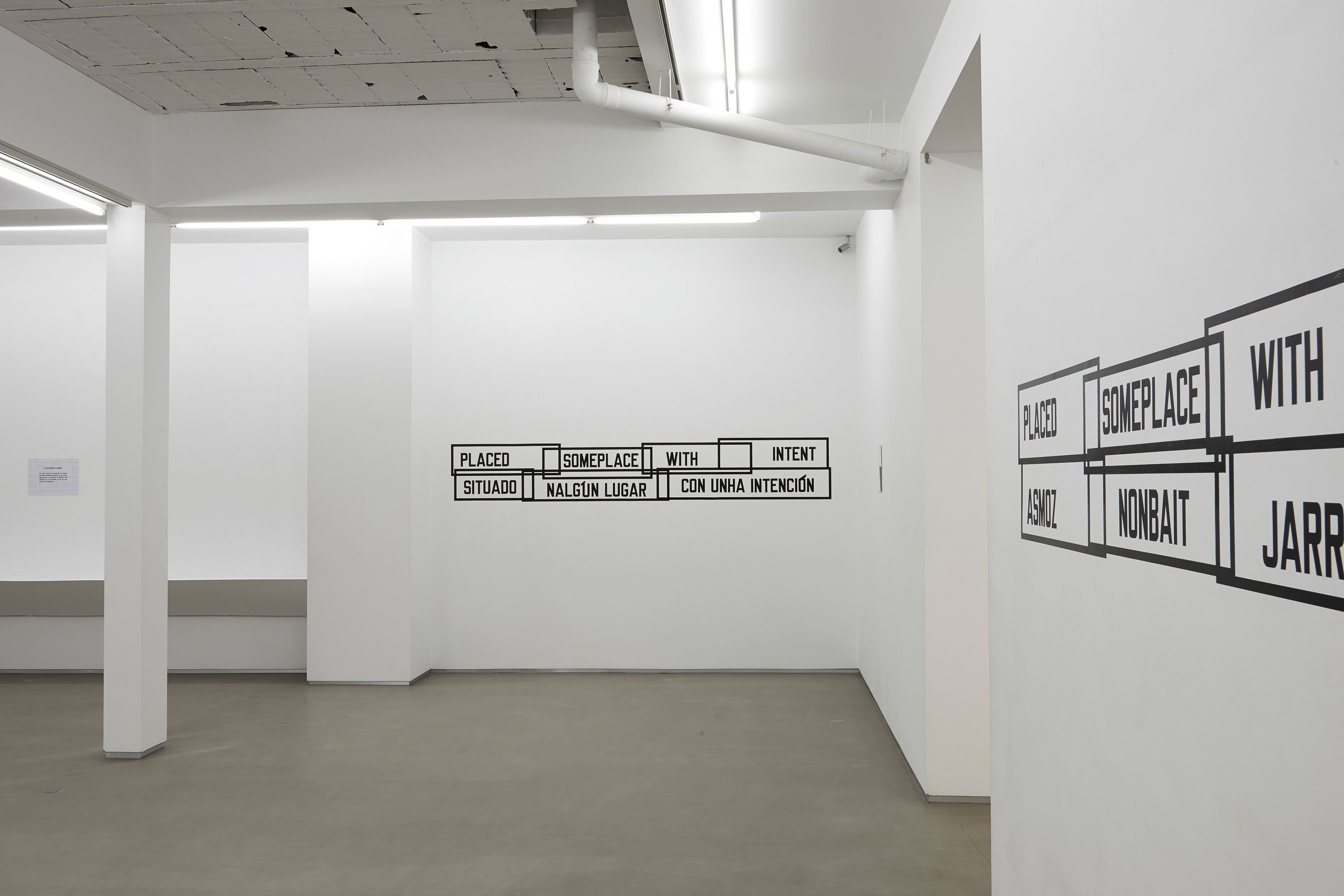
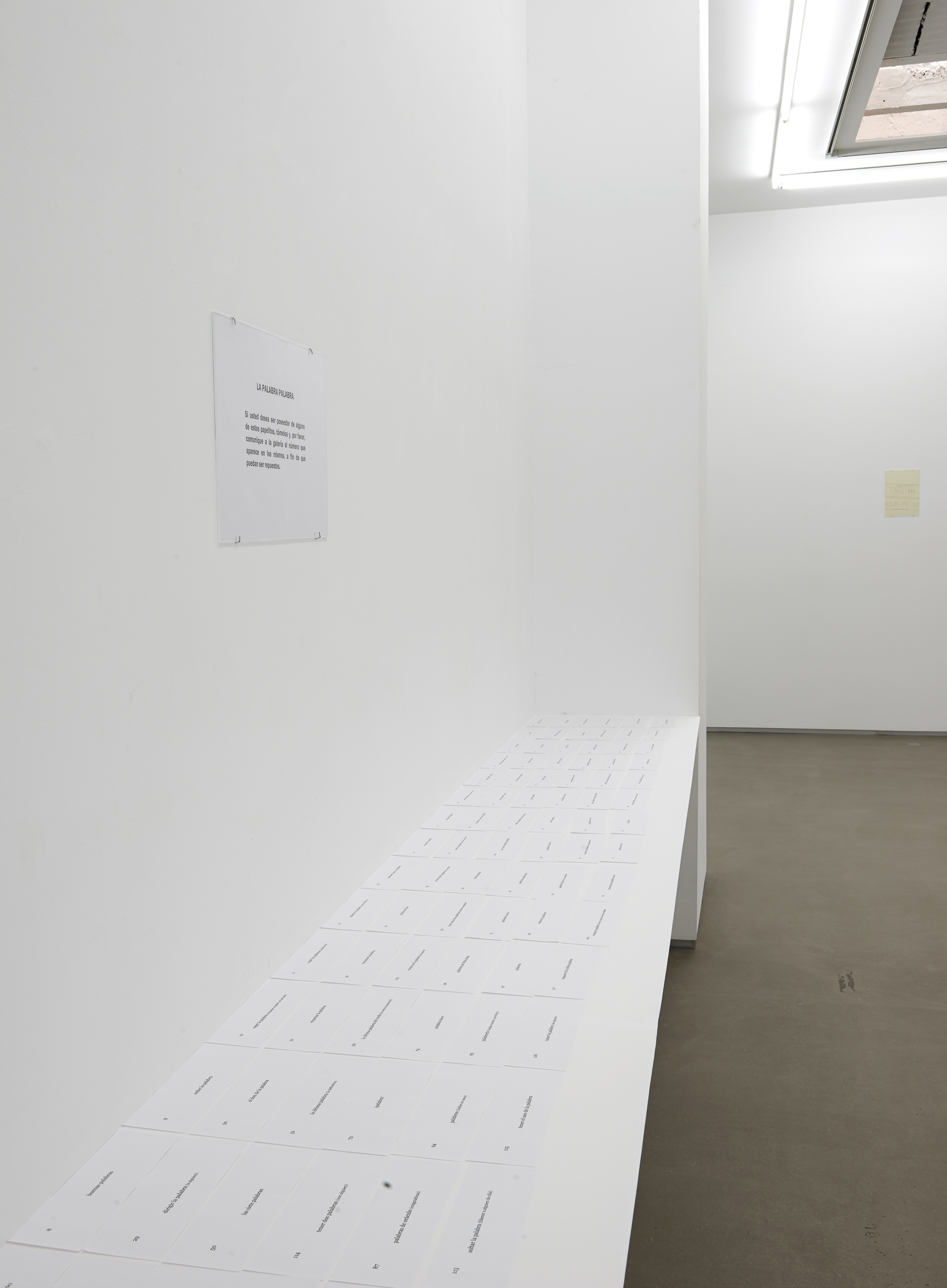
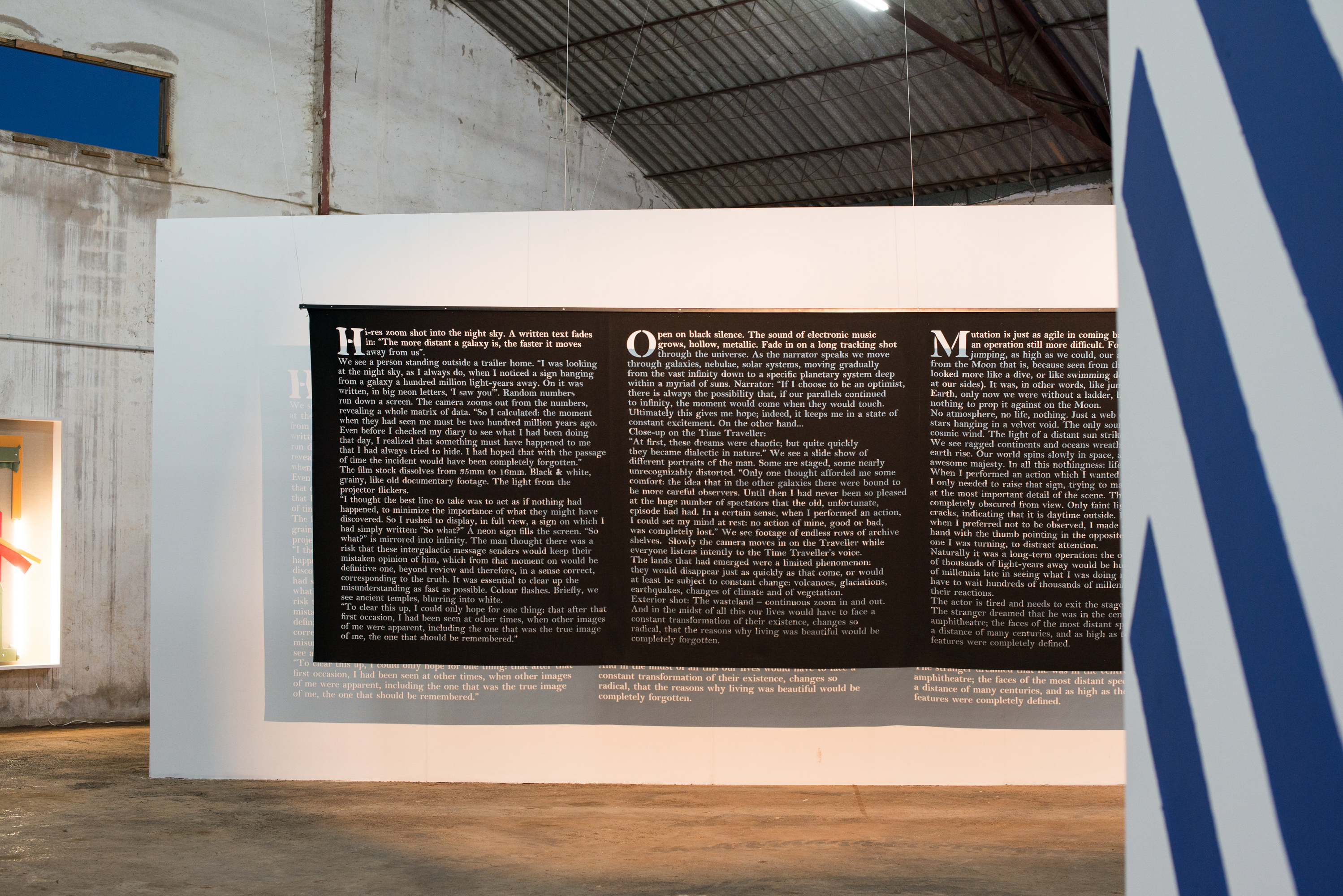
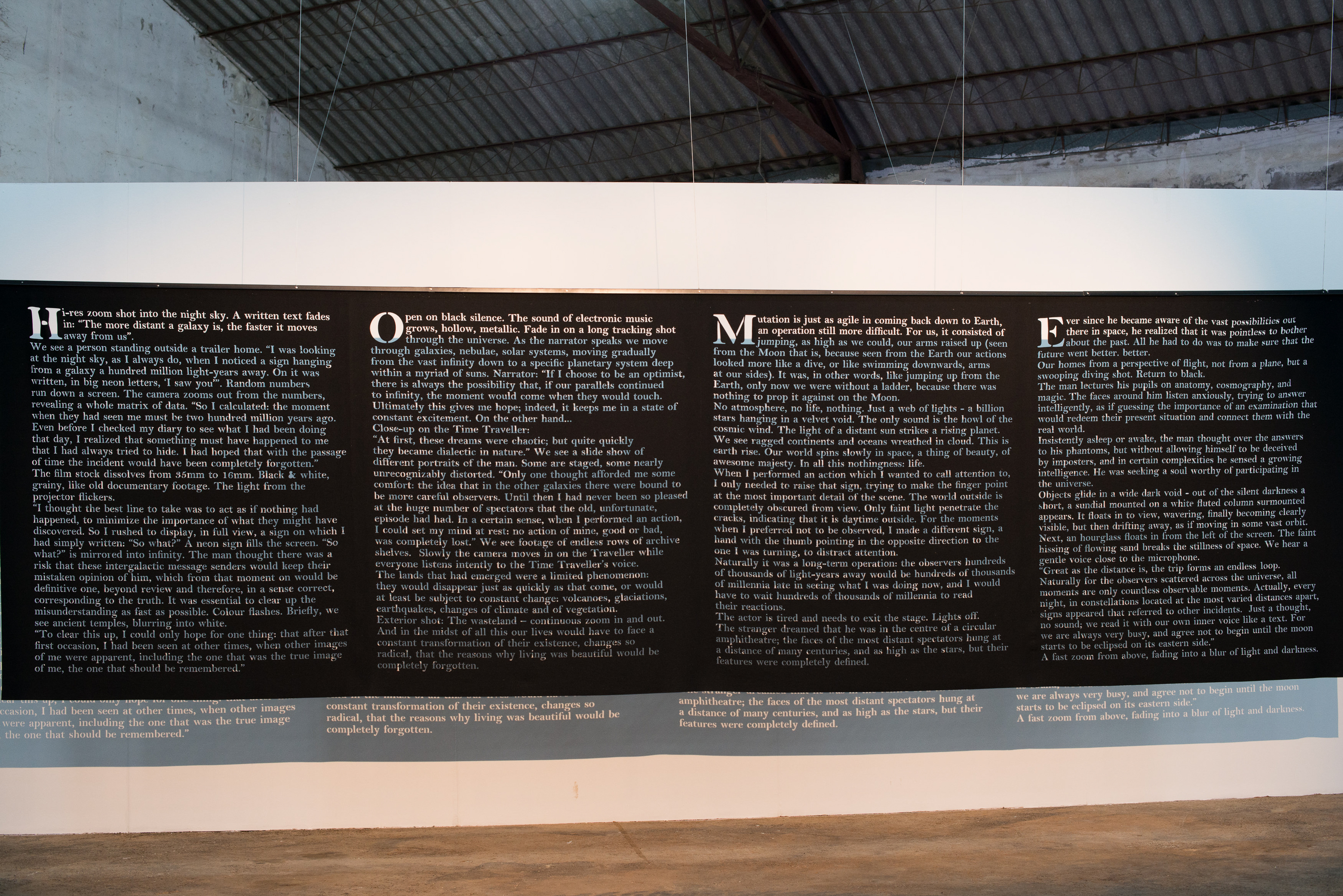
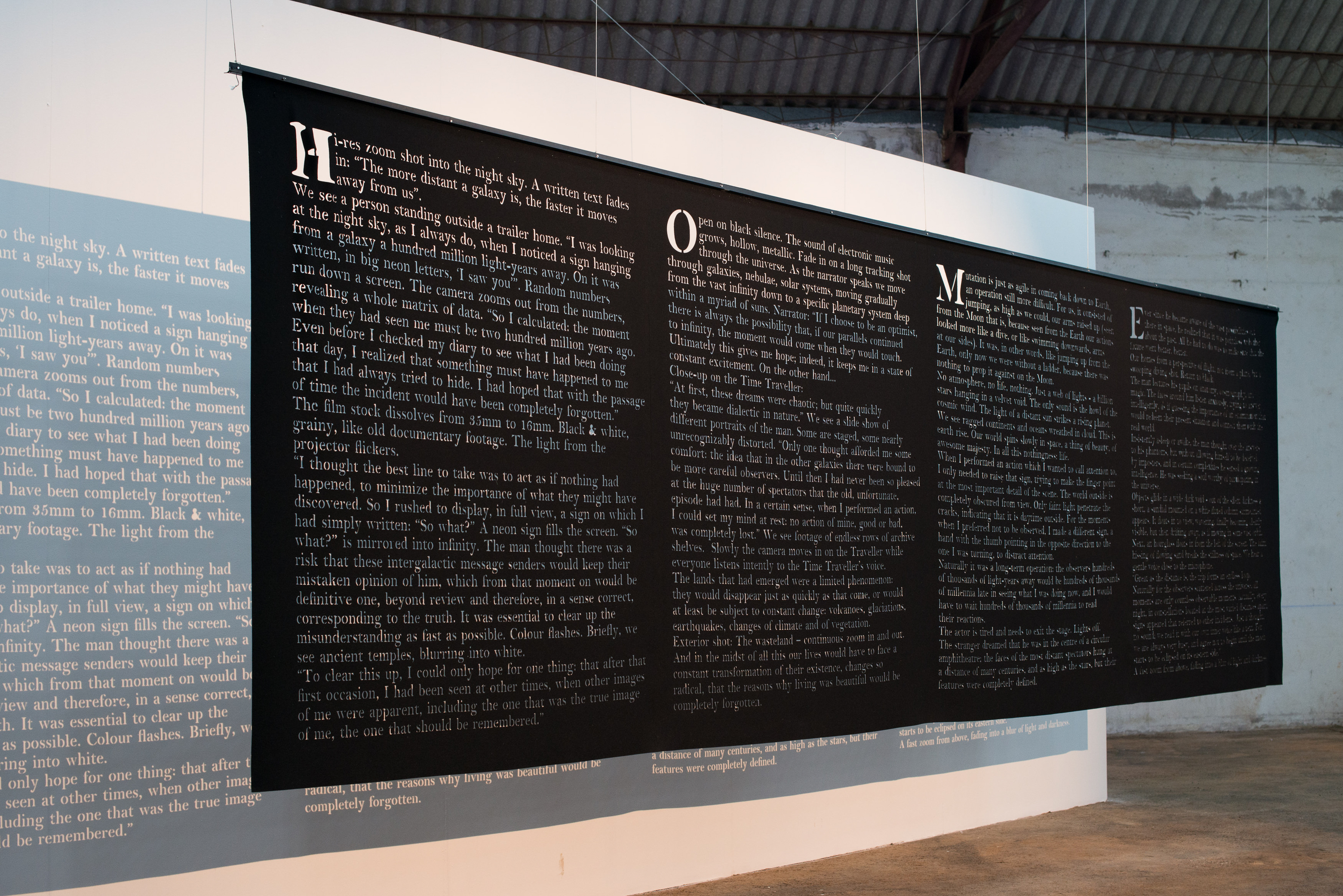
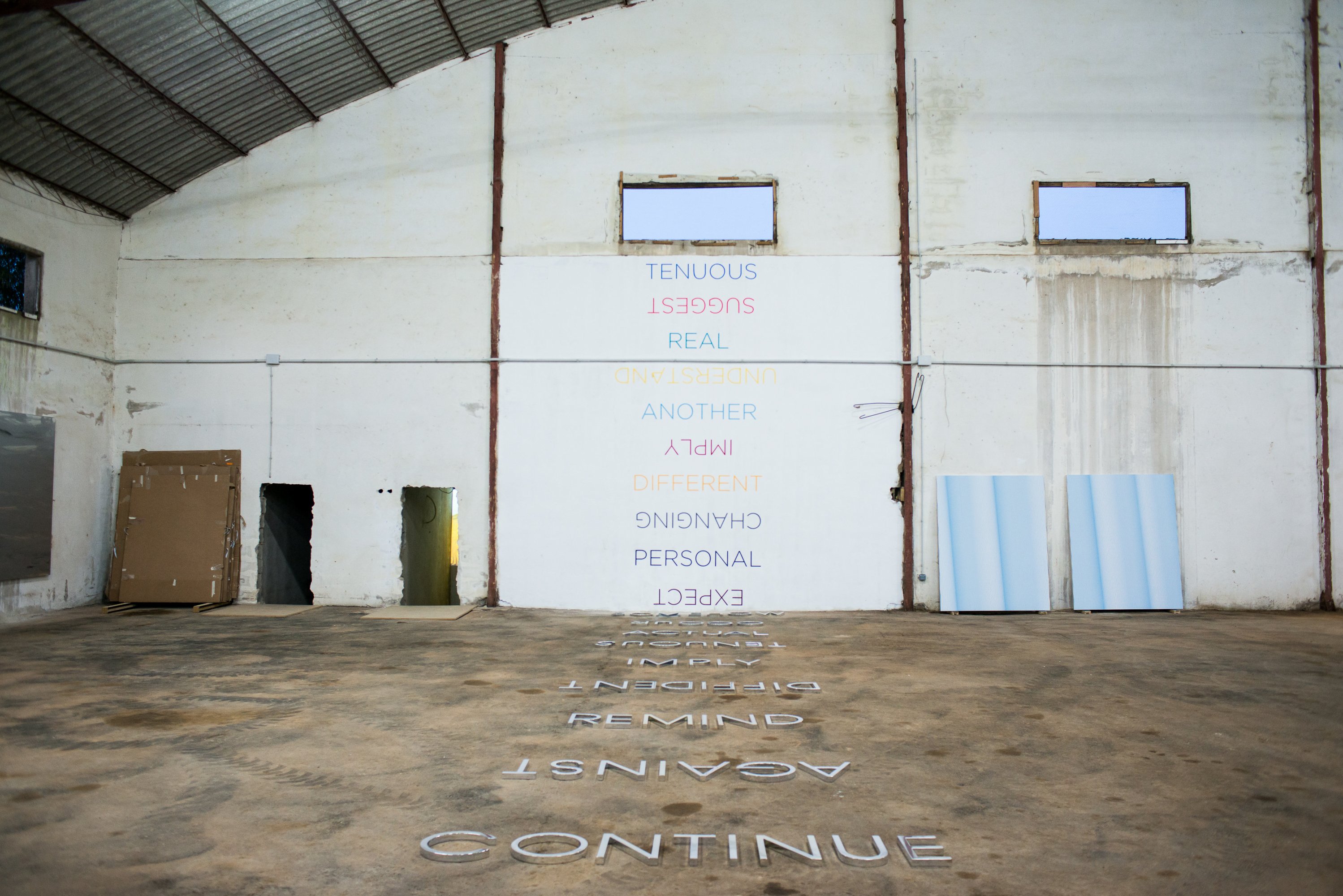
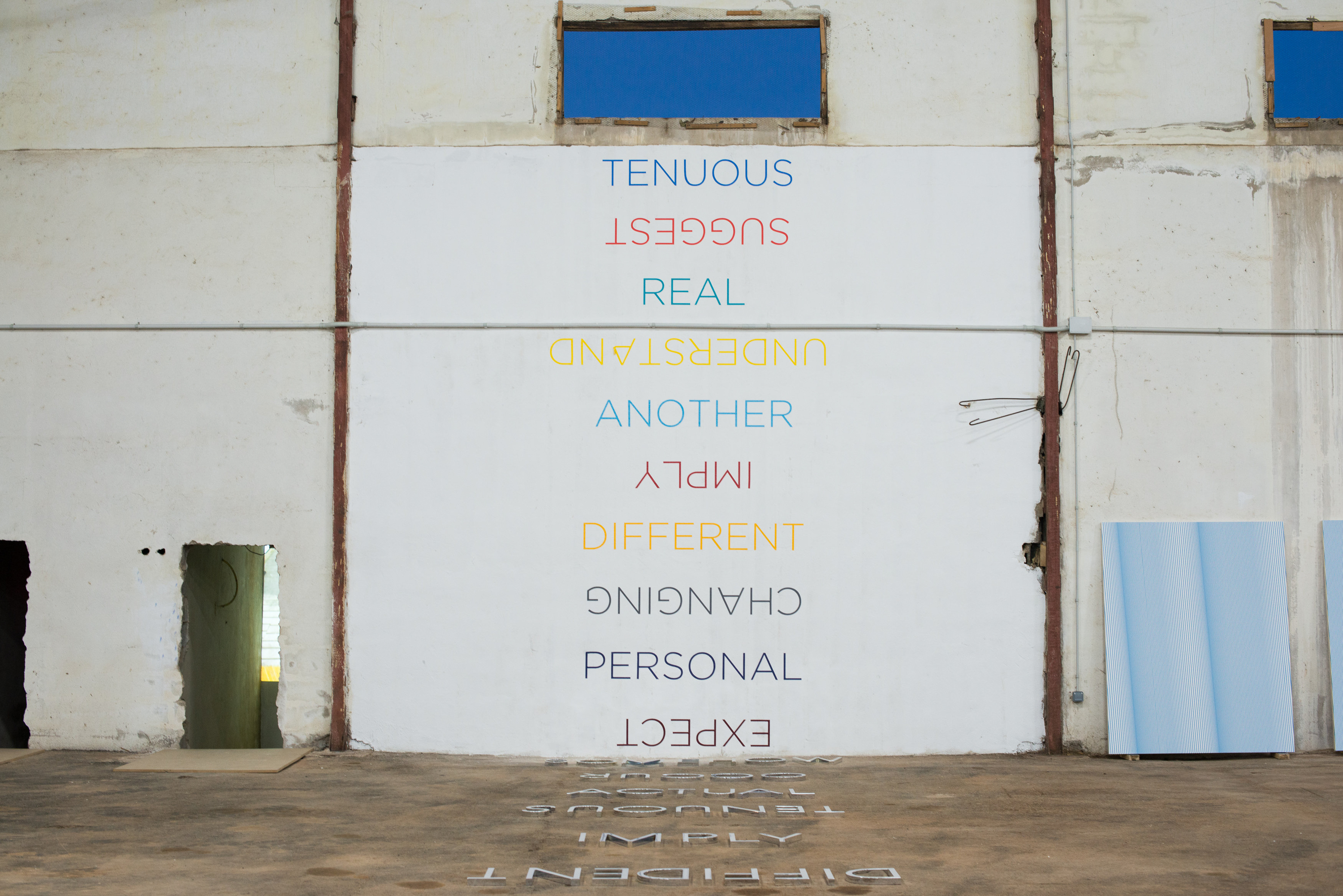
In parallel with the film, David Lamelas undertakes in another piece an almost visionary study of the relations between space, time, and place. A vinyl text on the wall In this space two people can’t find each other (2011) and at the edges of the sentence, two desynchronized clocks are placed with a blank space in between. The installation (and his work in general terms) rejects the supposed neutrality of minimalist practice in clearly critical terms, with particular emphasis placed by the artist on examining the concept of the artwork itself in relation to the role of the author and the viewer.
Rather than contenting himself with viewing the artist simply as a political subject or intensifying this role, Lamelas creates spaces for a process of critical analysis that eschews moralizing. With his works, embedded in the language of modernity, he questions art’s capacity as both a means of communication and a medium for creating selfawareness, while expressing a great analytical will and a sense of imagination and utopia.
*Soundtrack: Carlos Cutaia