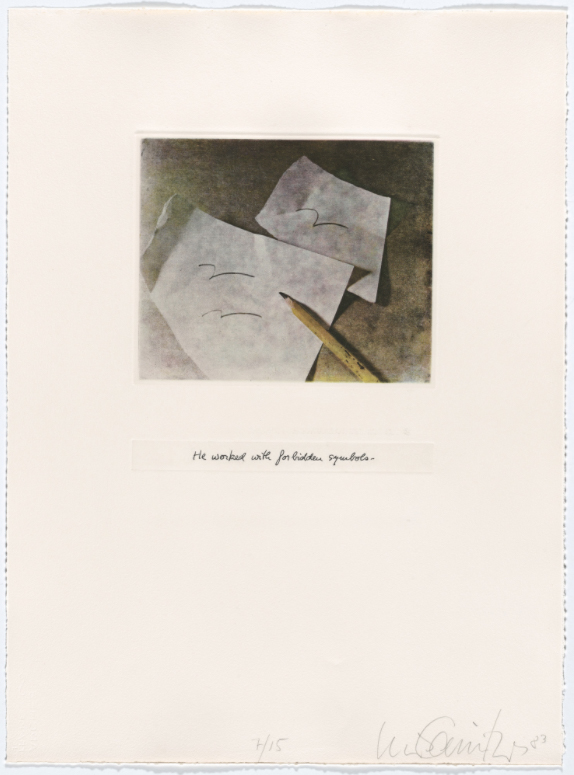
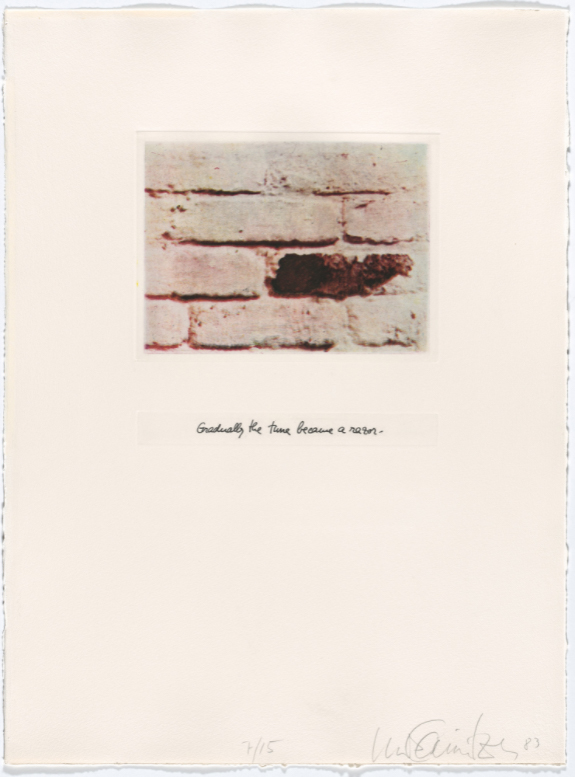
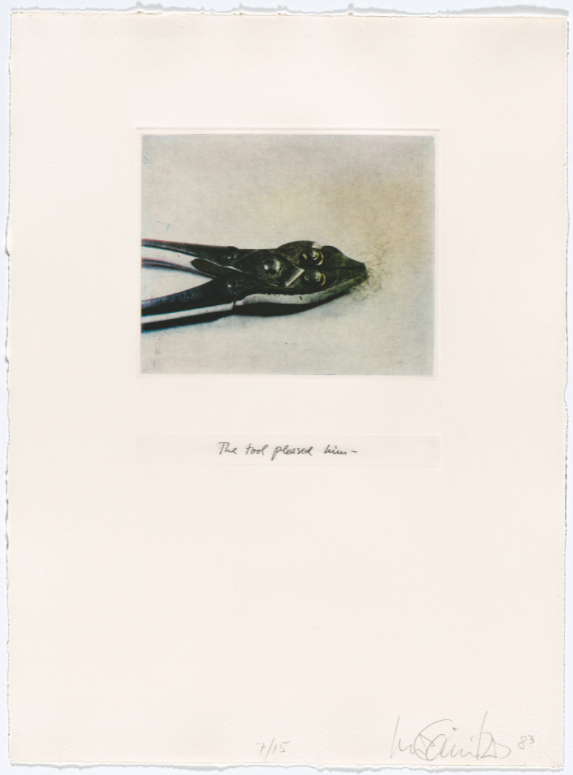
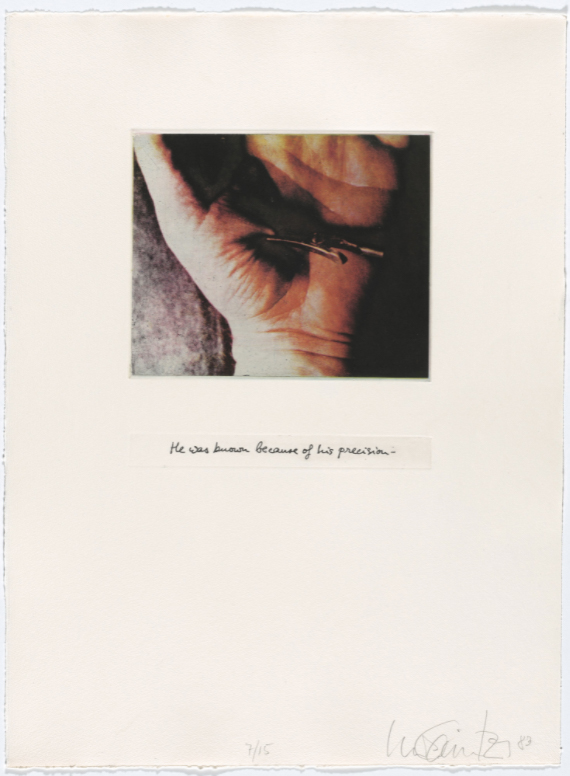
The Map
- L u i s C a m n i t z e r







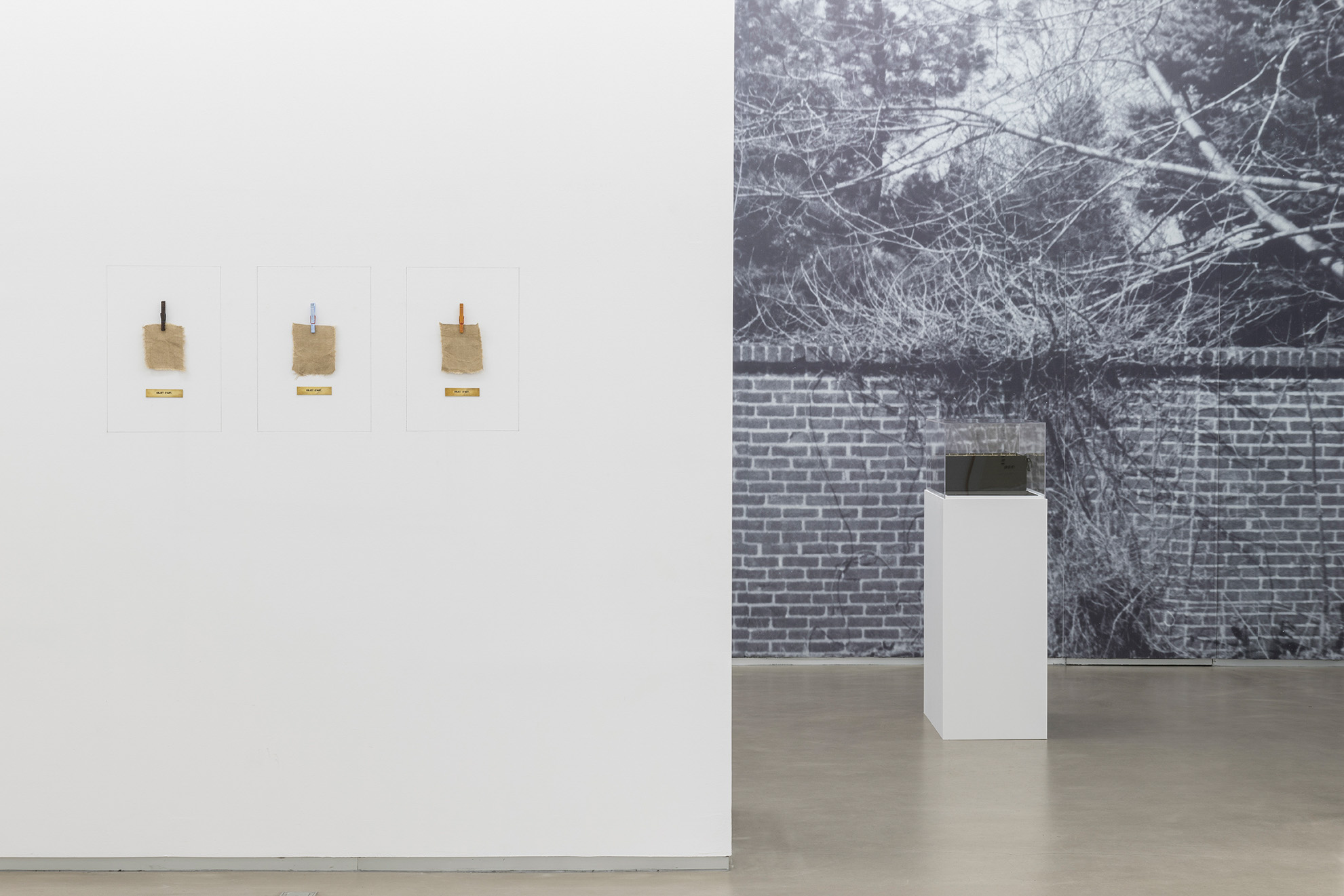
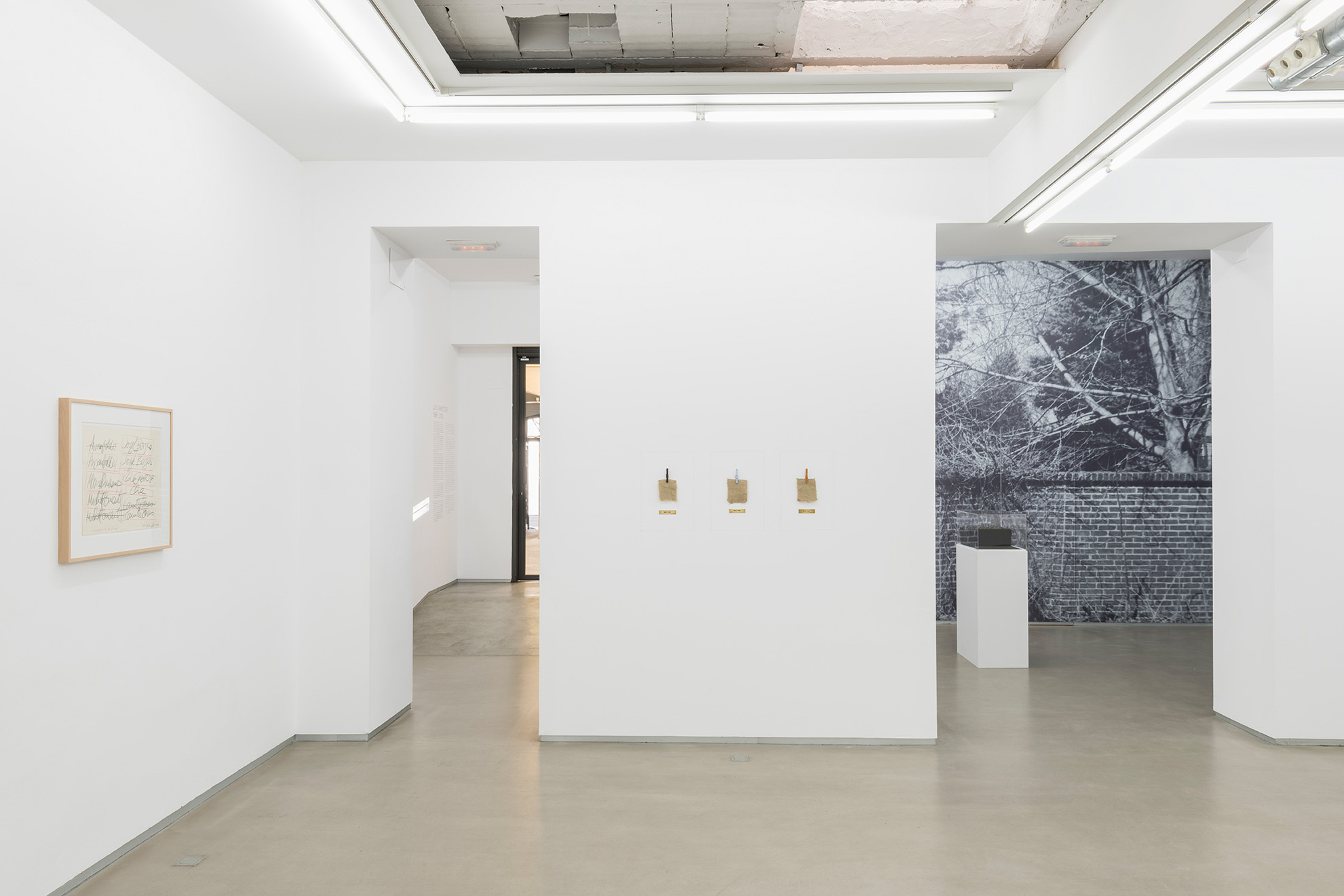
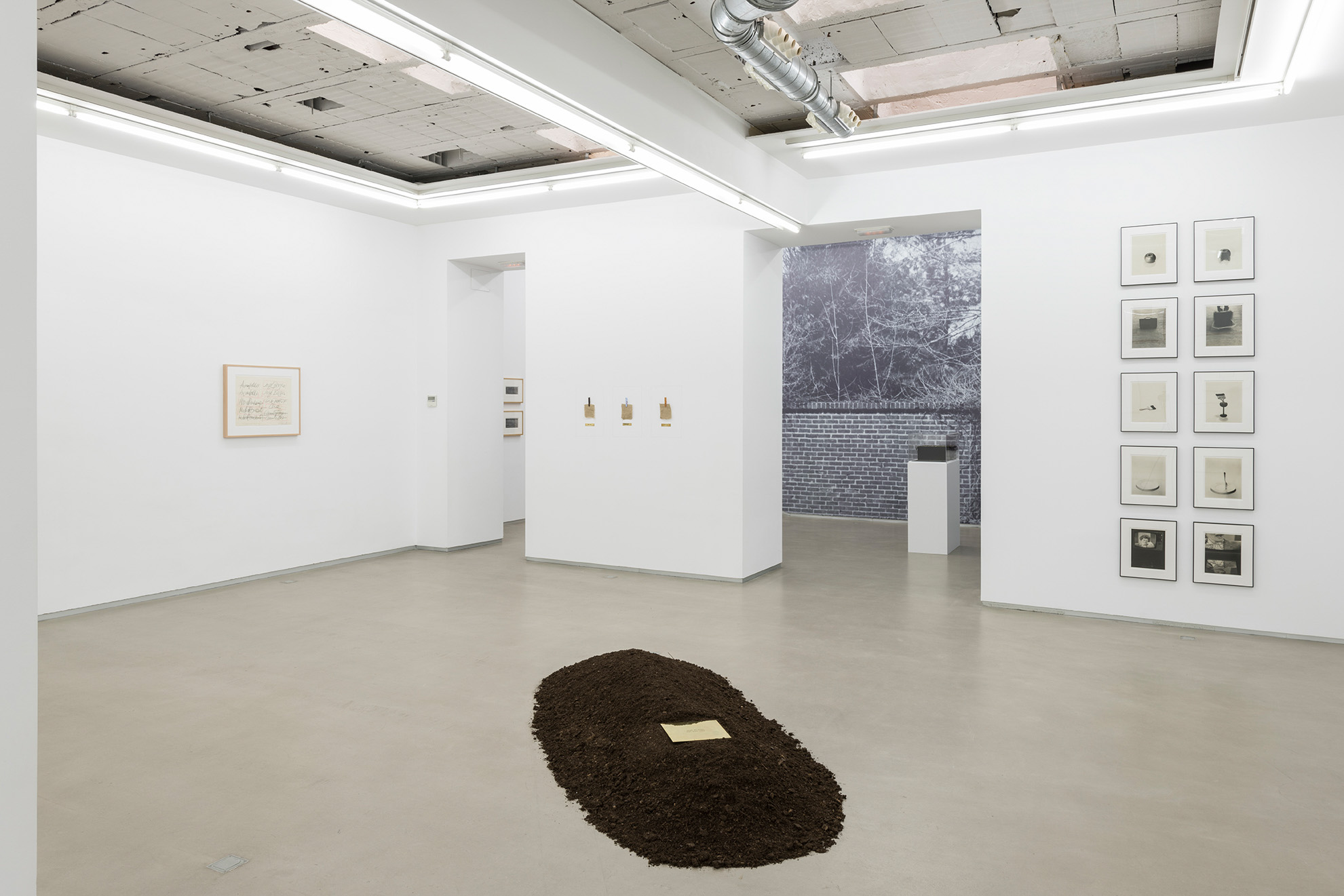
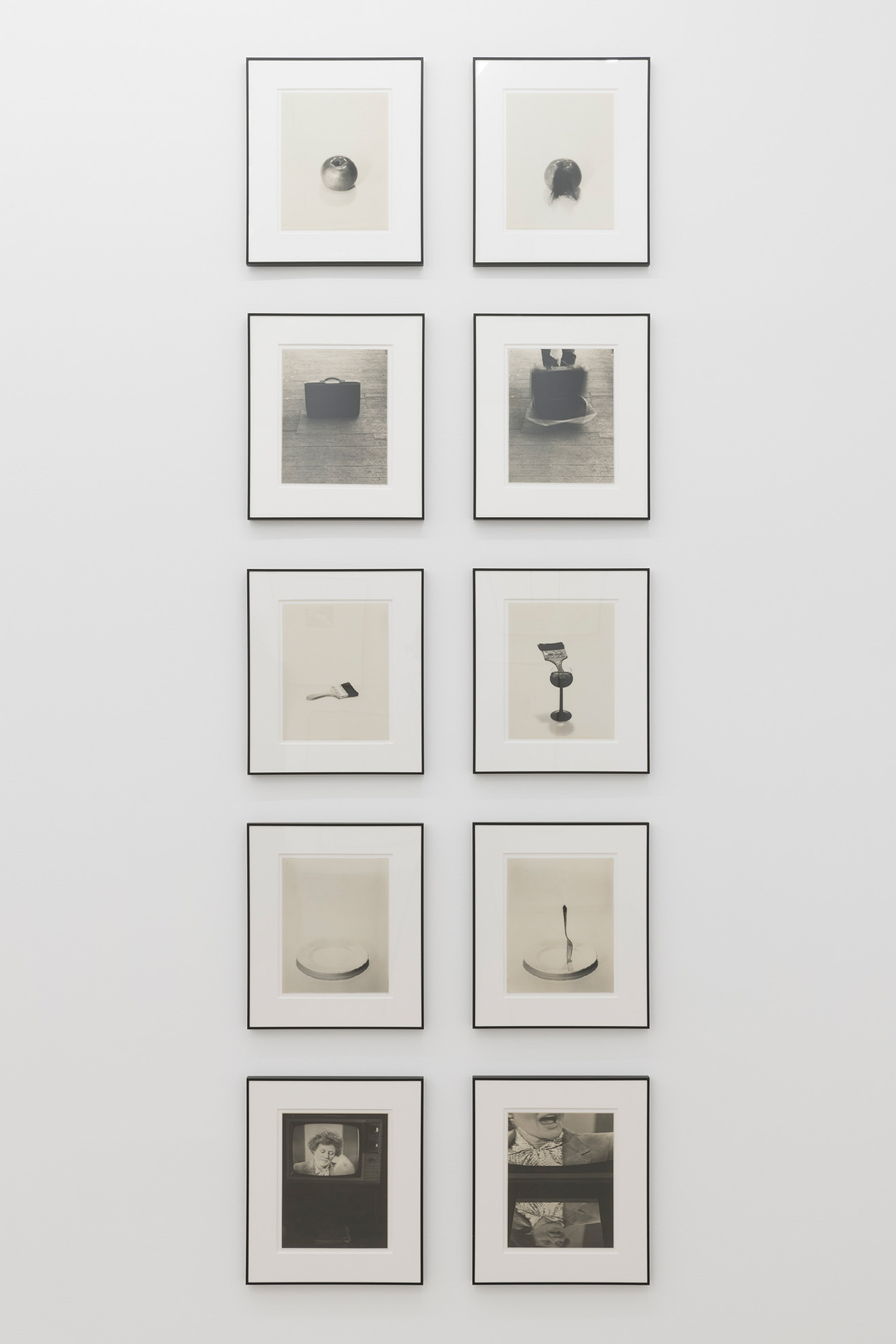
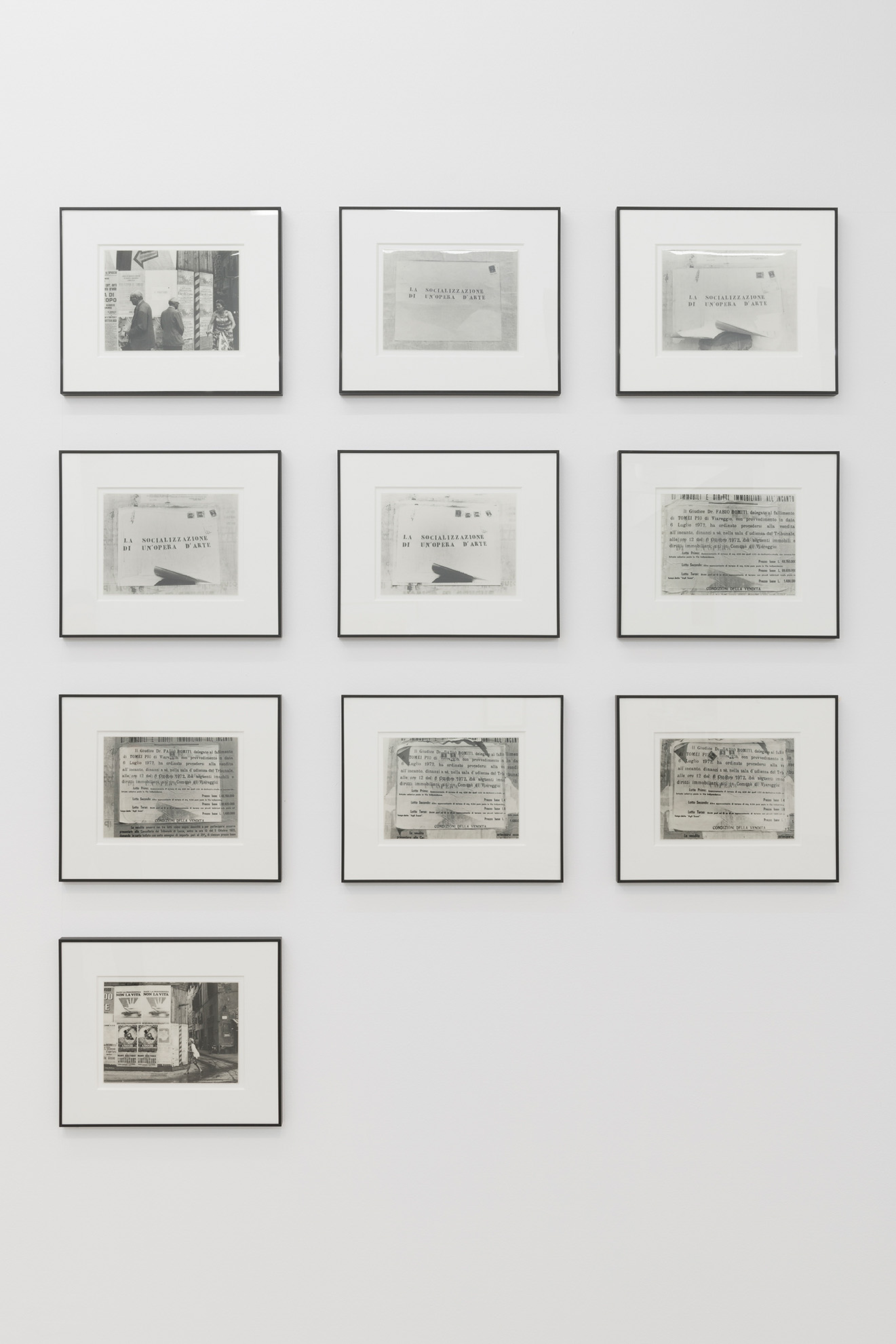
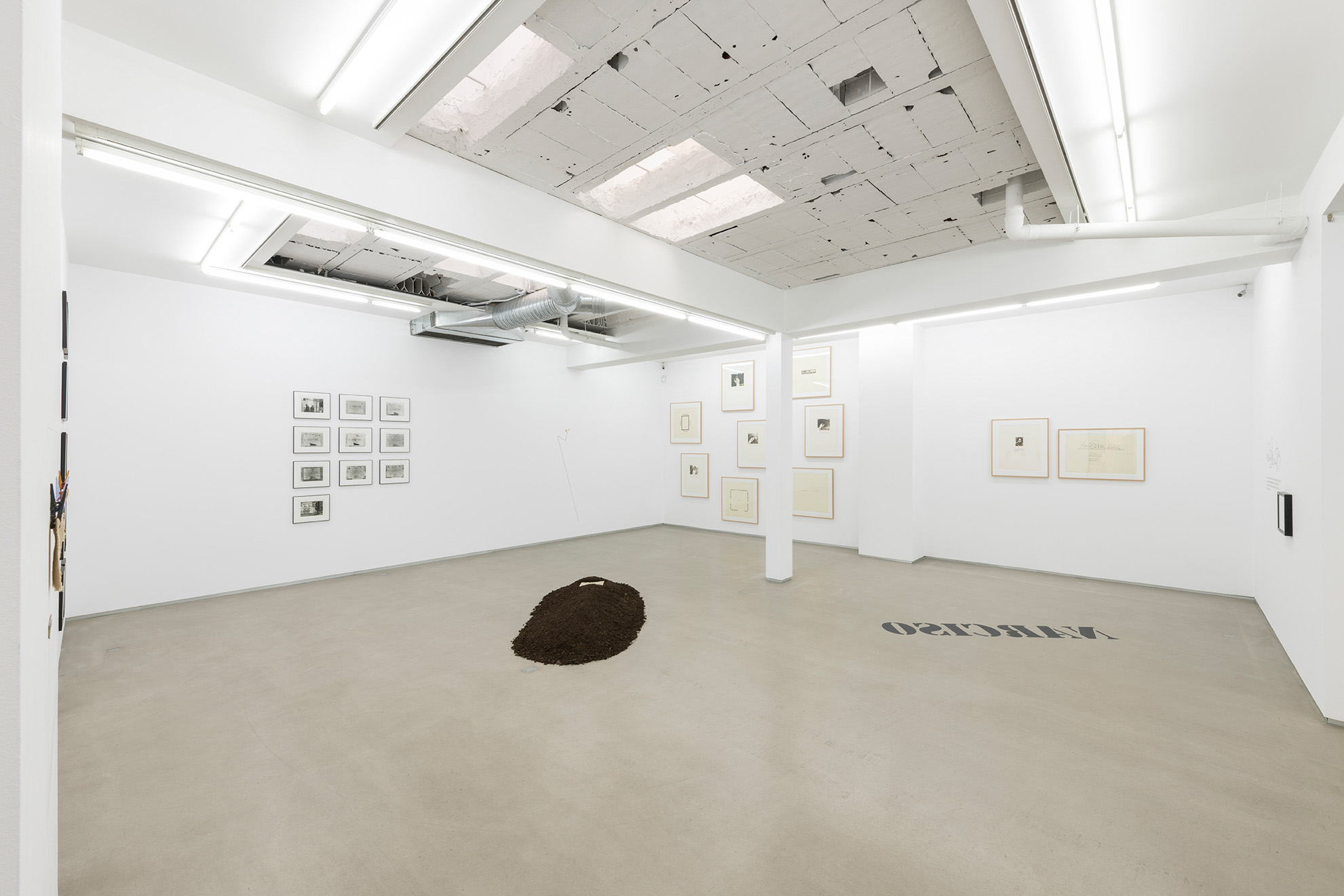
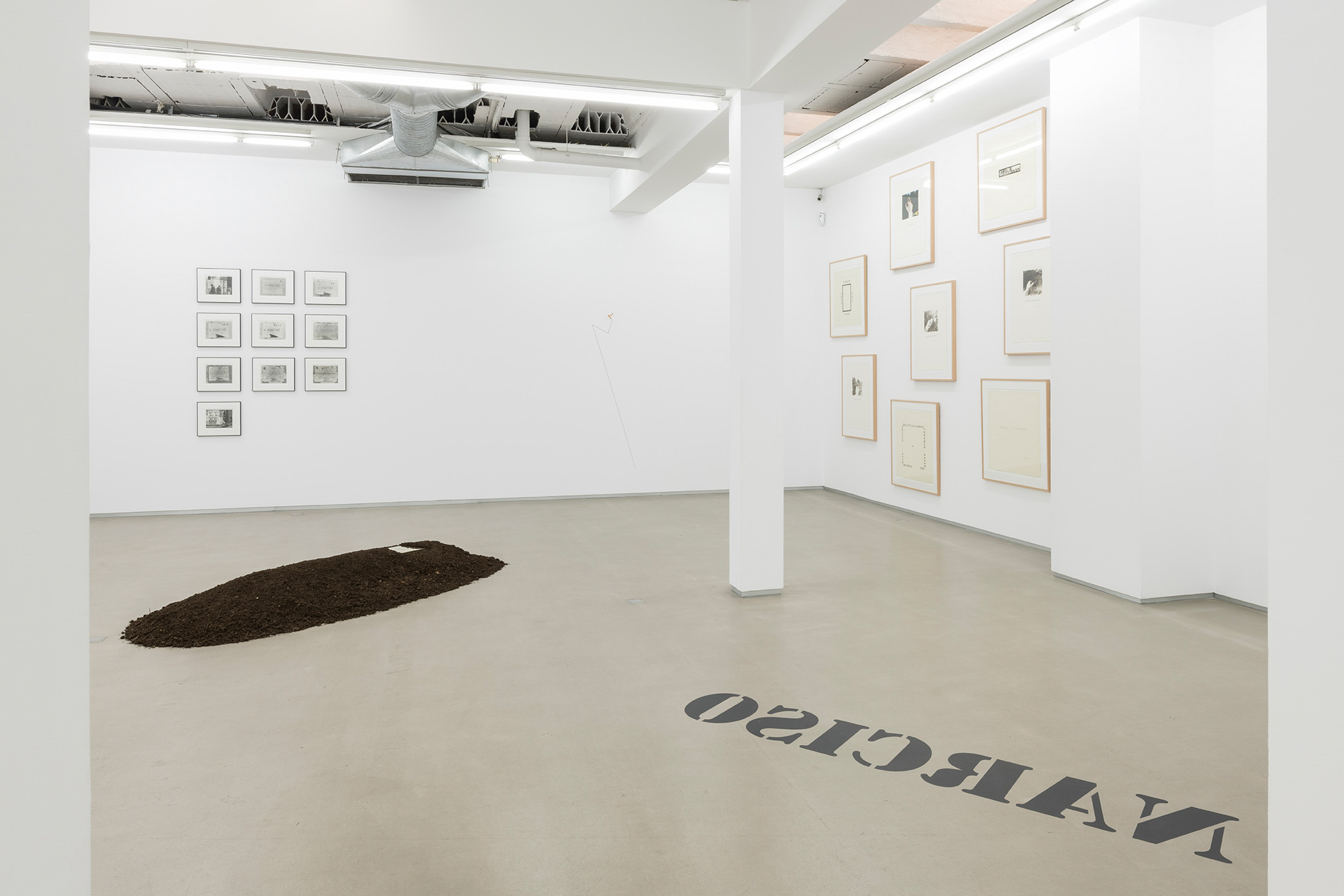
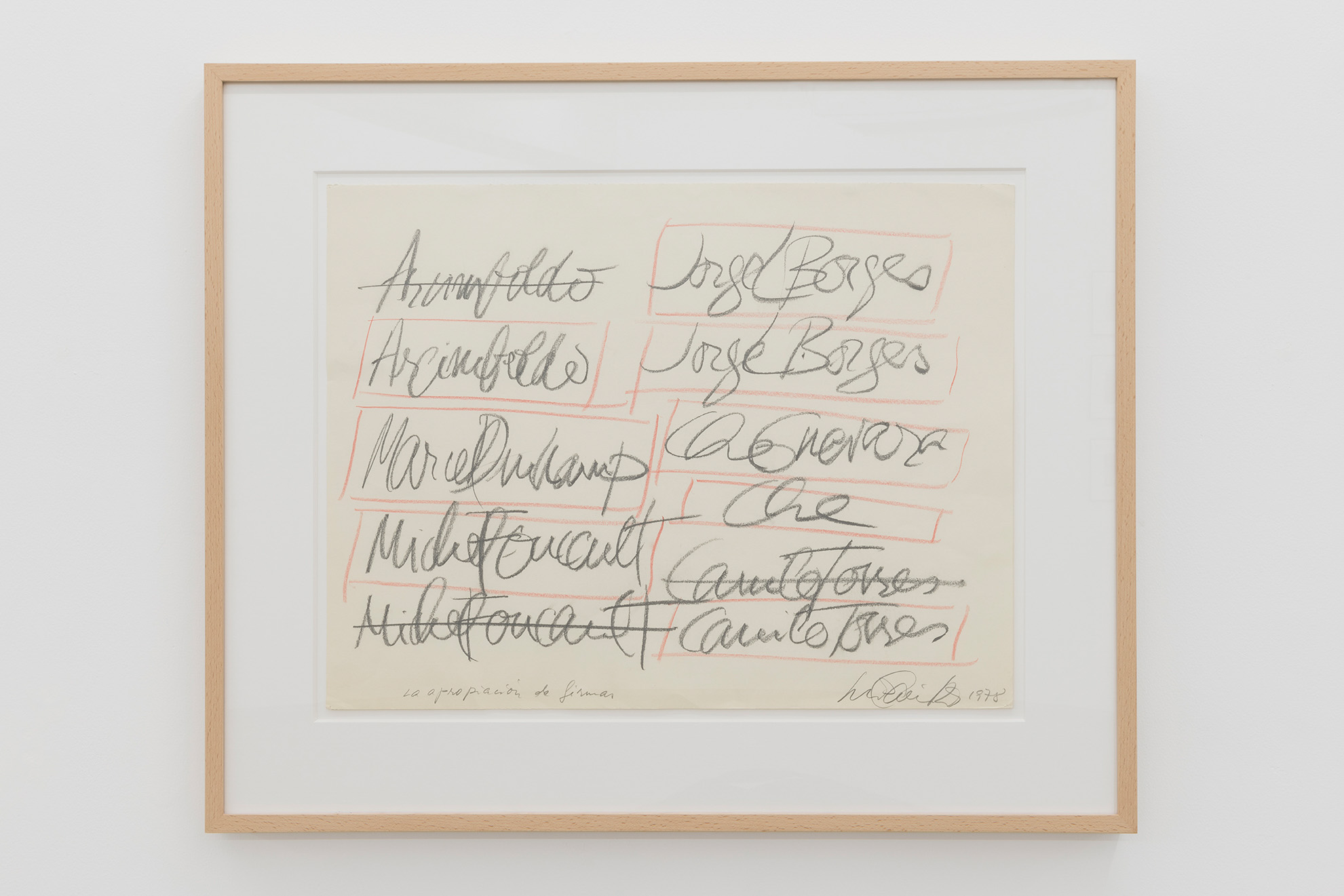
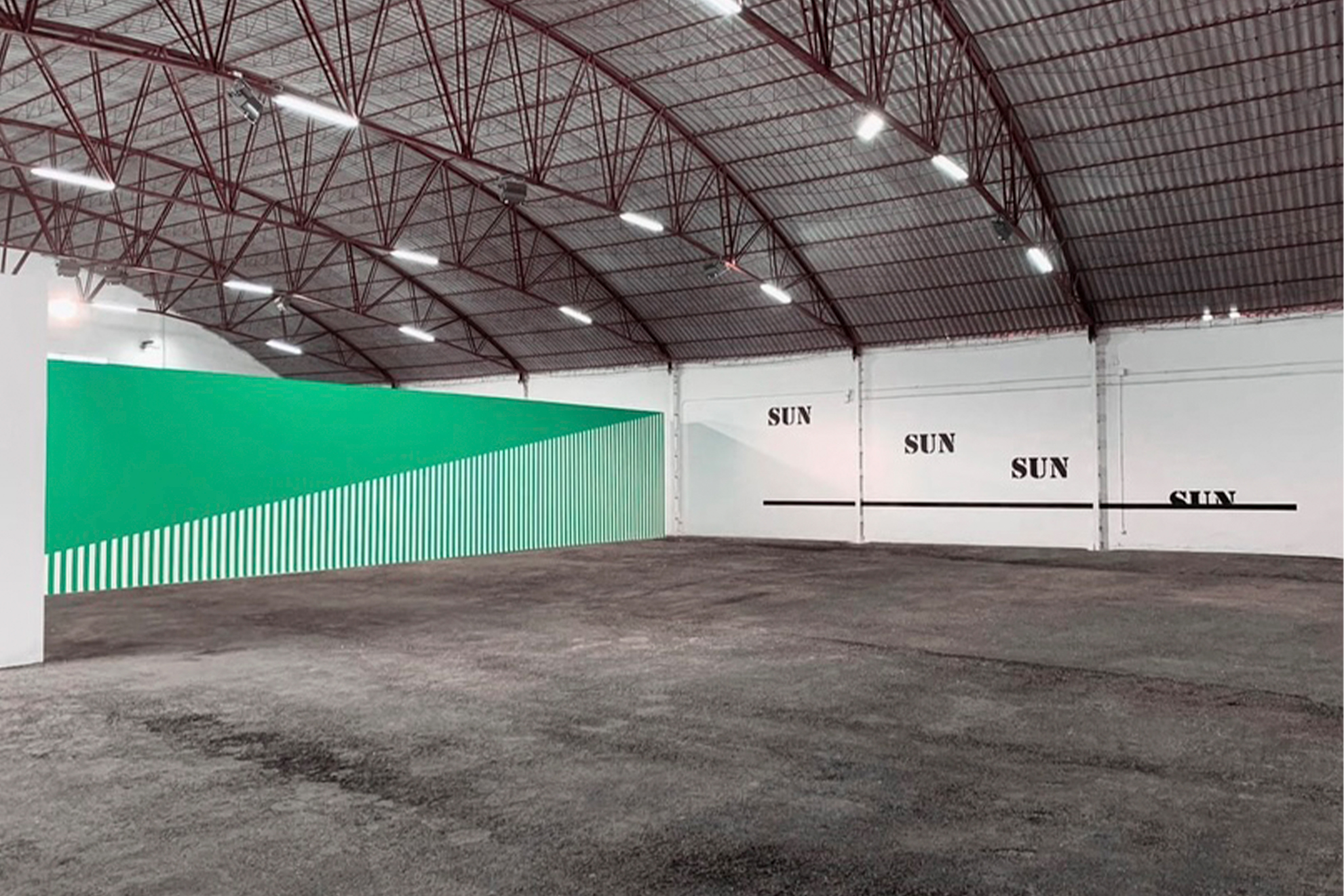
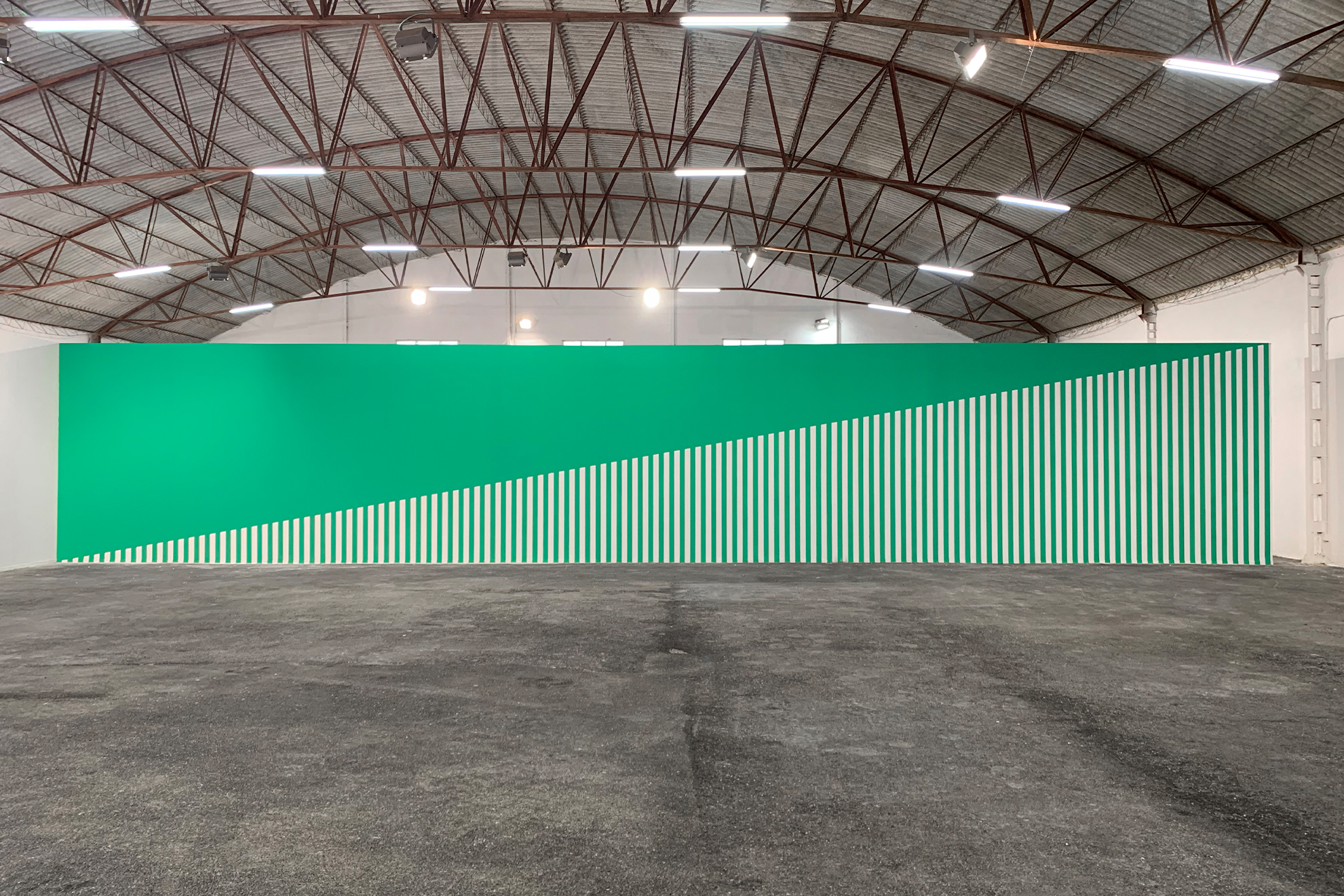
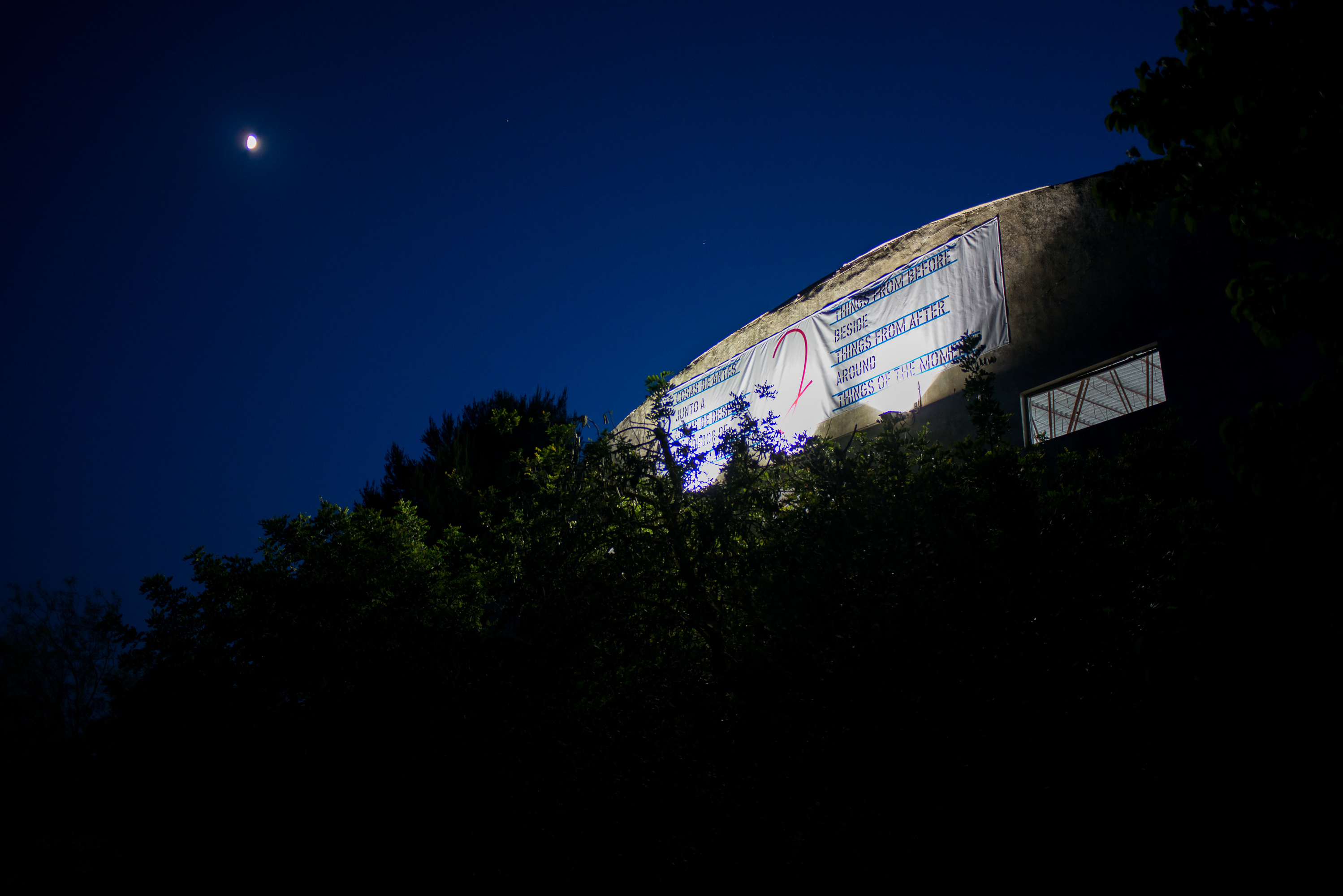
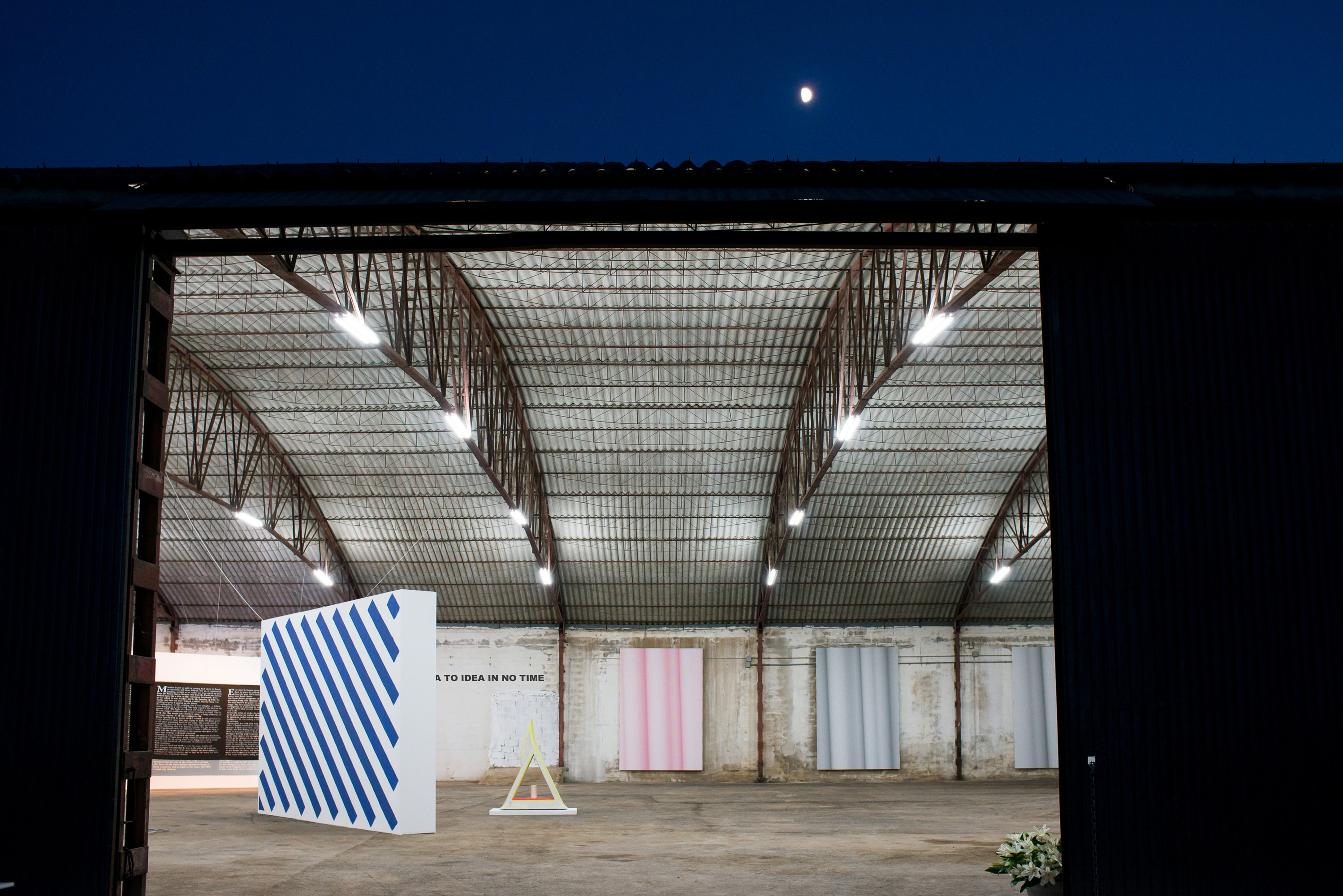
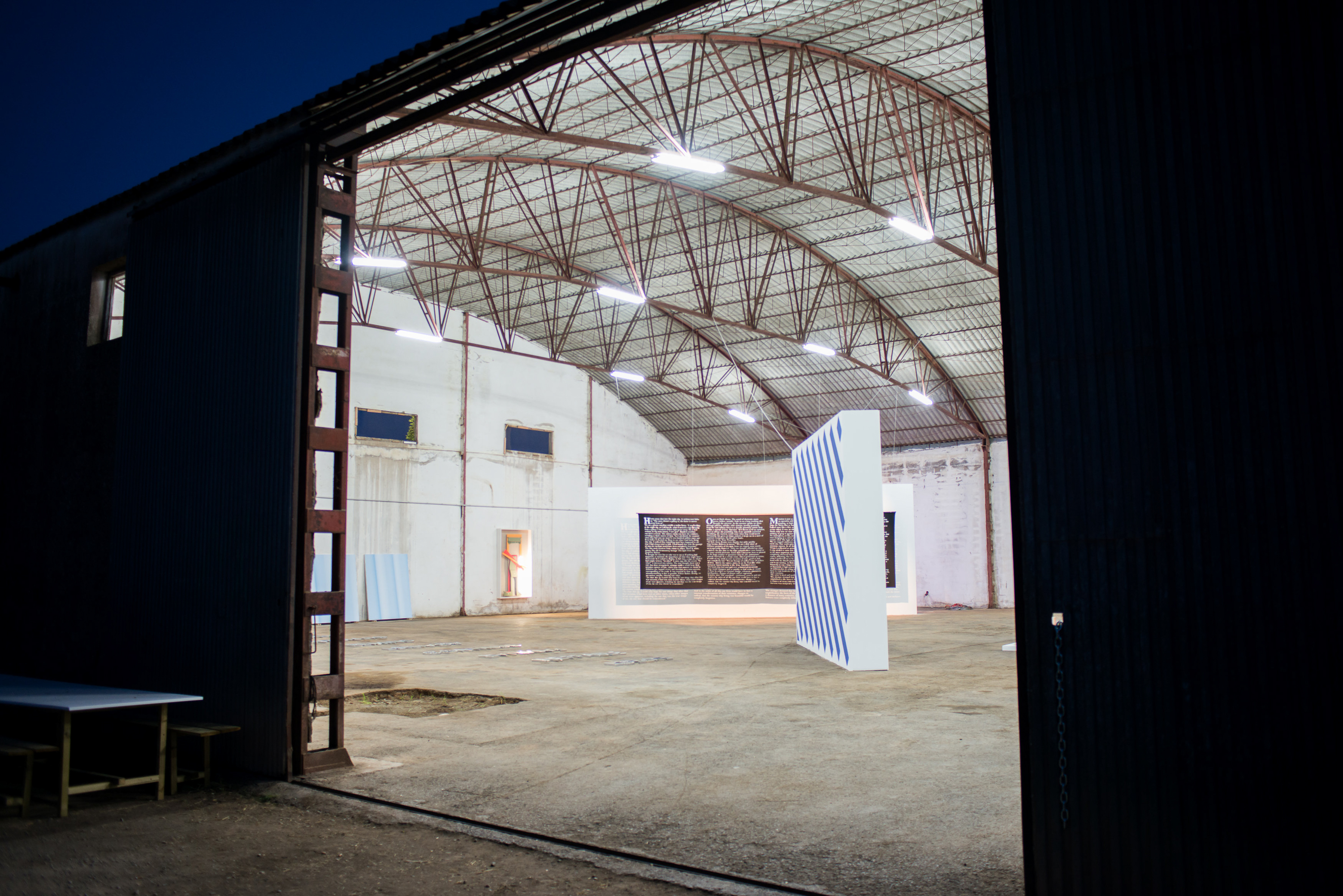
We are pleased to open the season with the second exhibition by Uruguayan artist Luis Camnitzer (1937), considered as one of the most important Latin American artists, promoter of critical thinking in art and of the artistic education system. Camnitzer’s artwork explores subjects such as social injustice, repression, and institutional critique. His humorous, biting, and often politically charged use of language as art medium has distinguished his practice for over four decades.
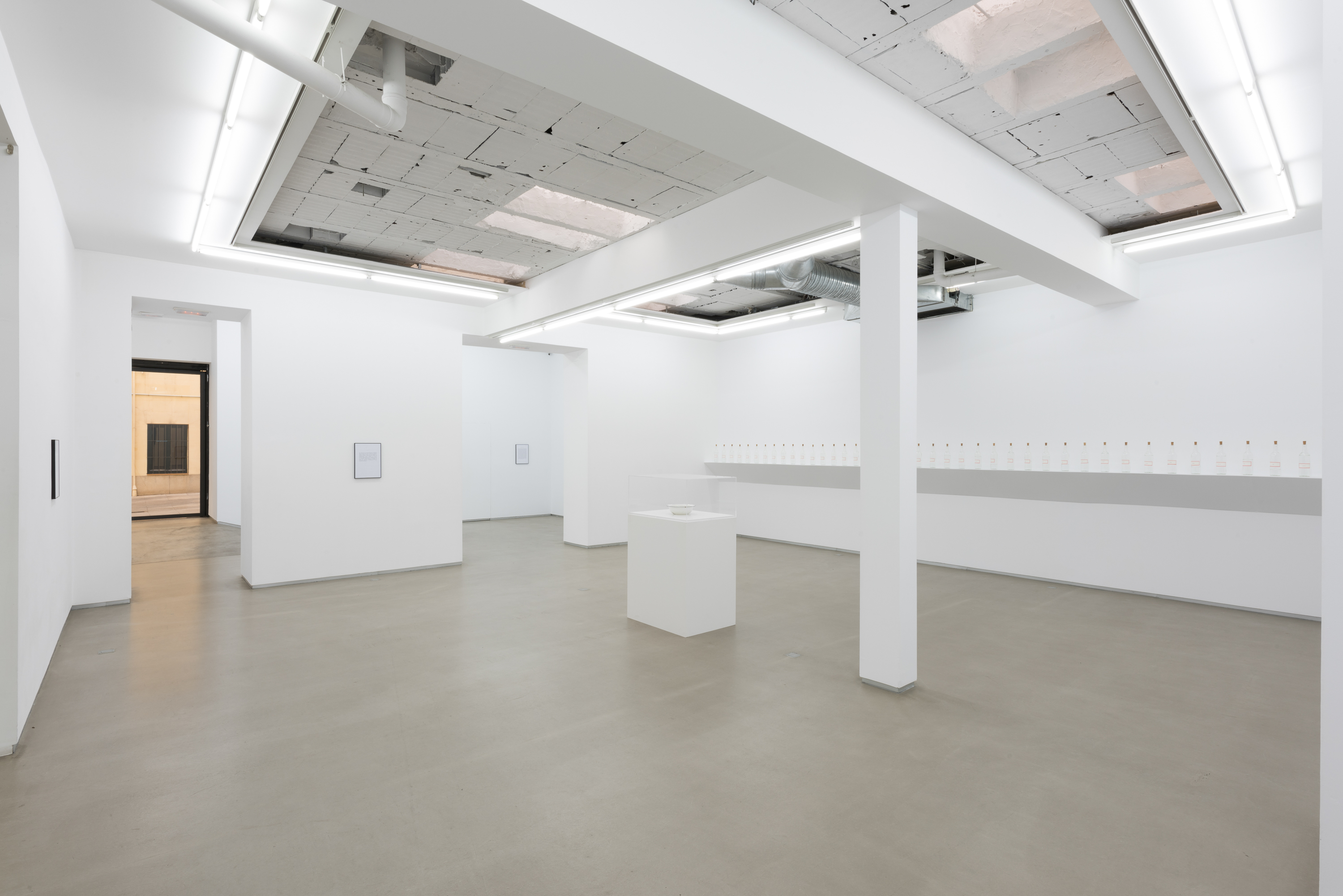
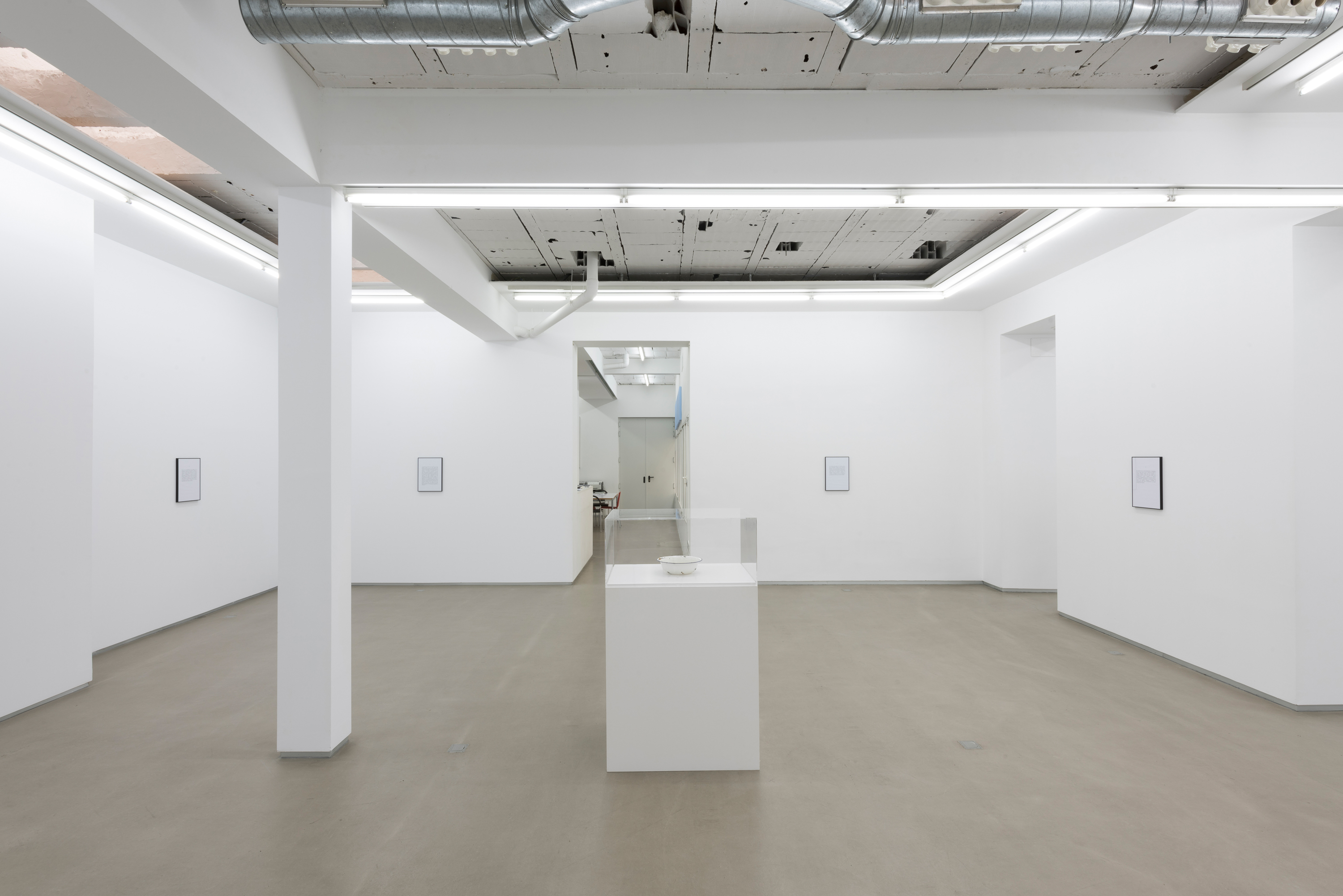
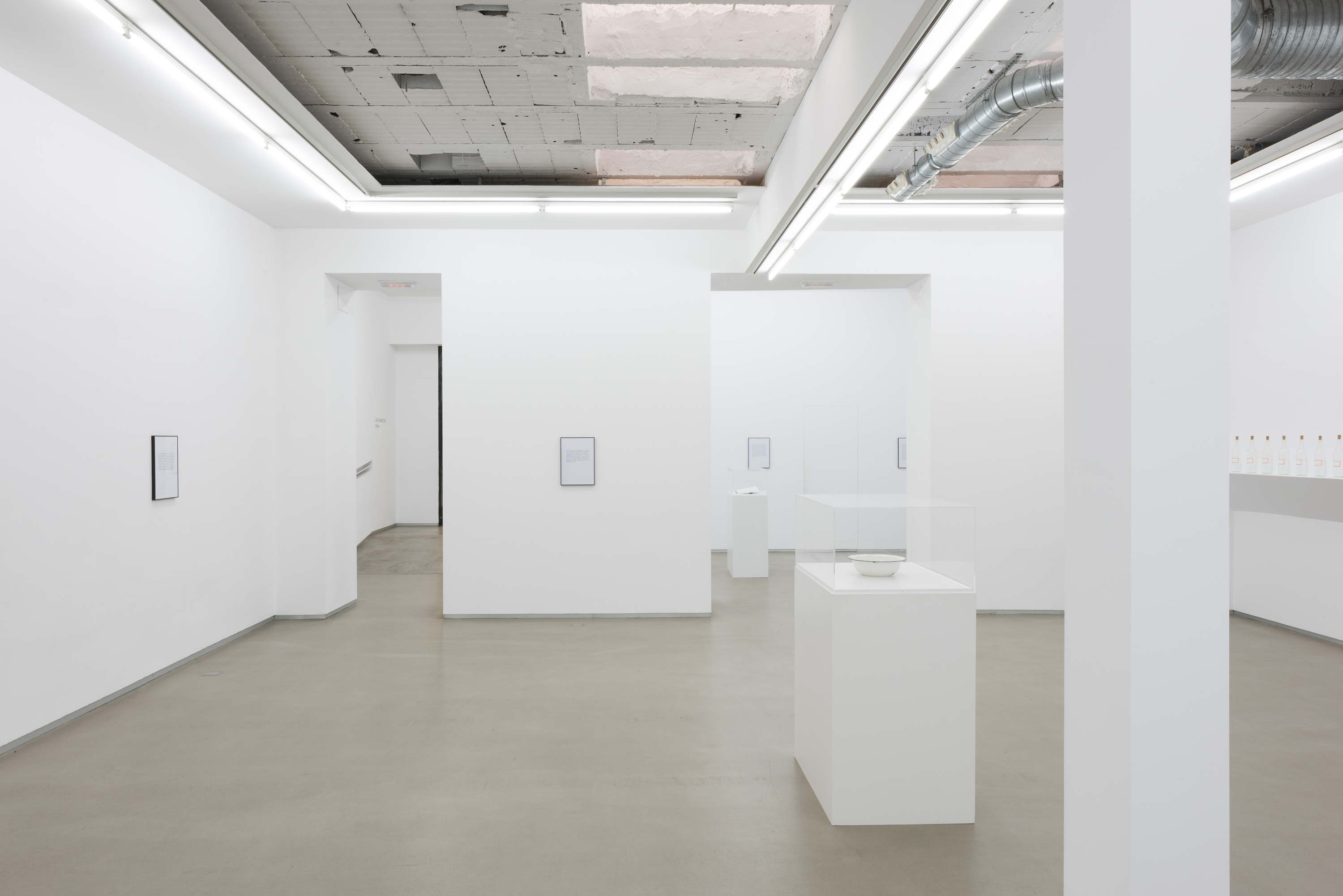
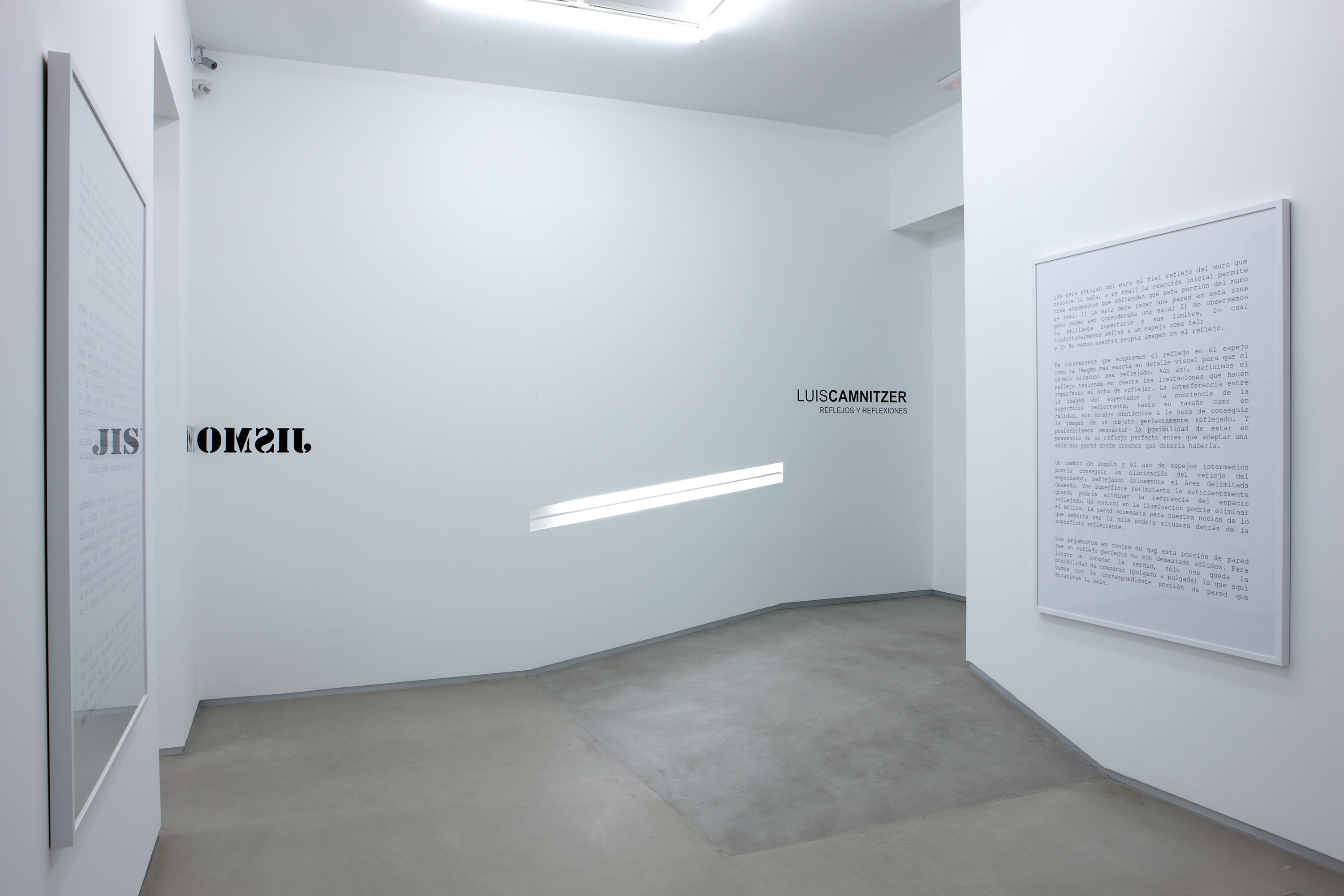
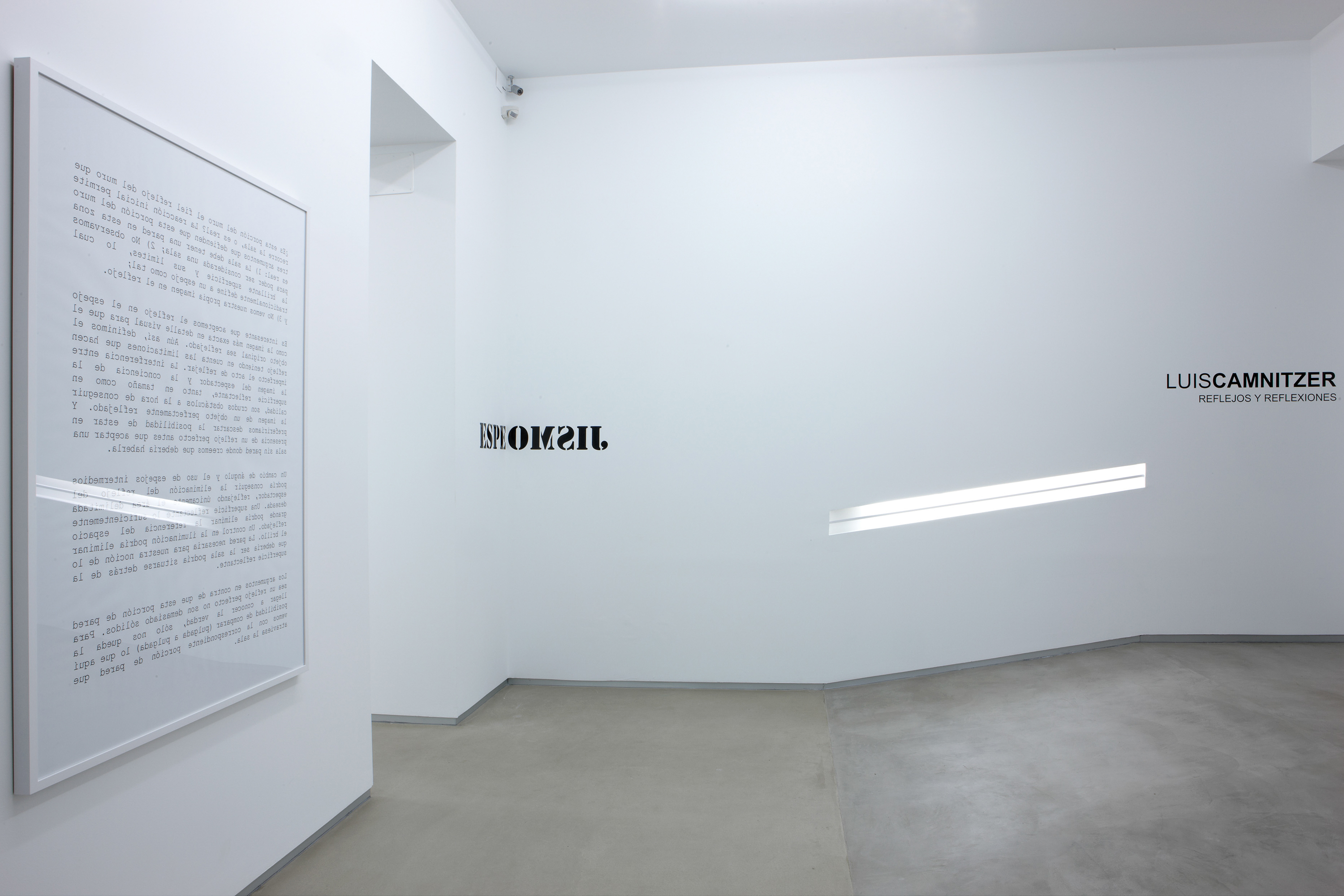
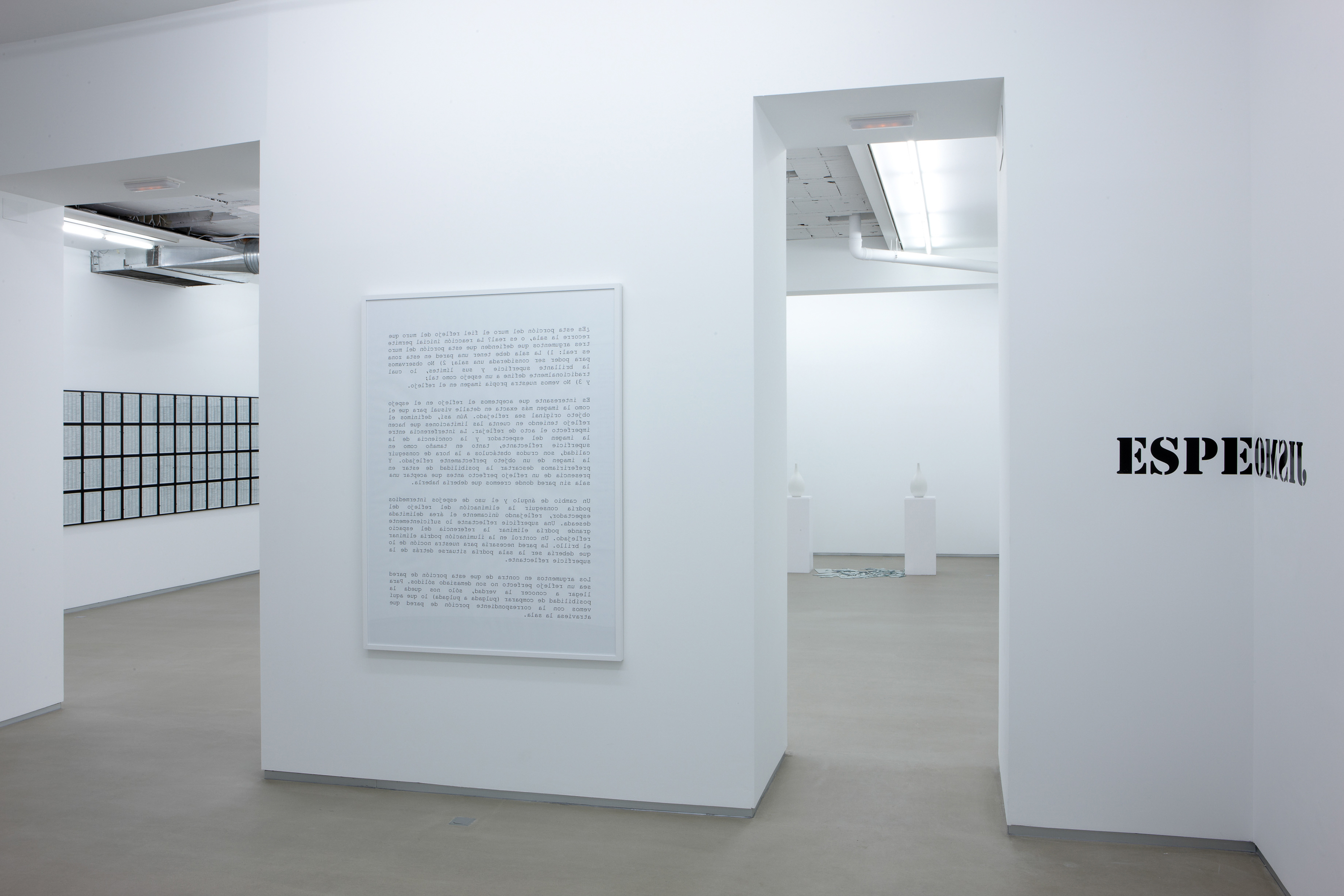
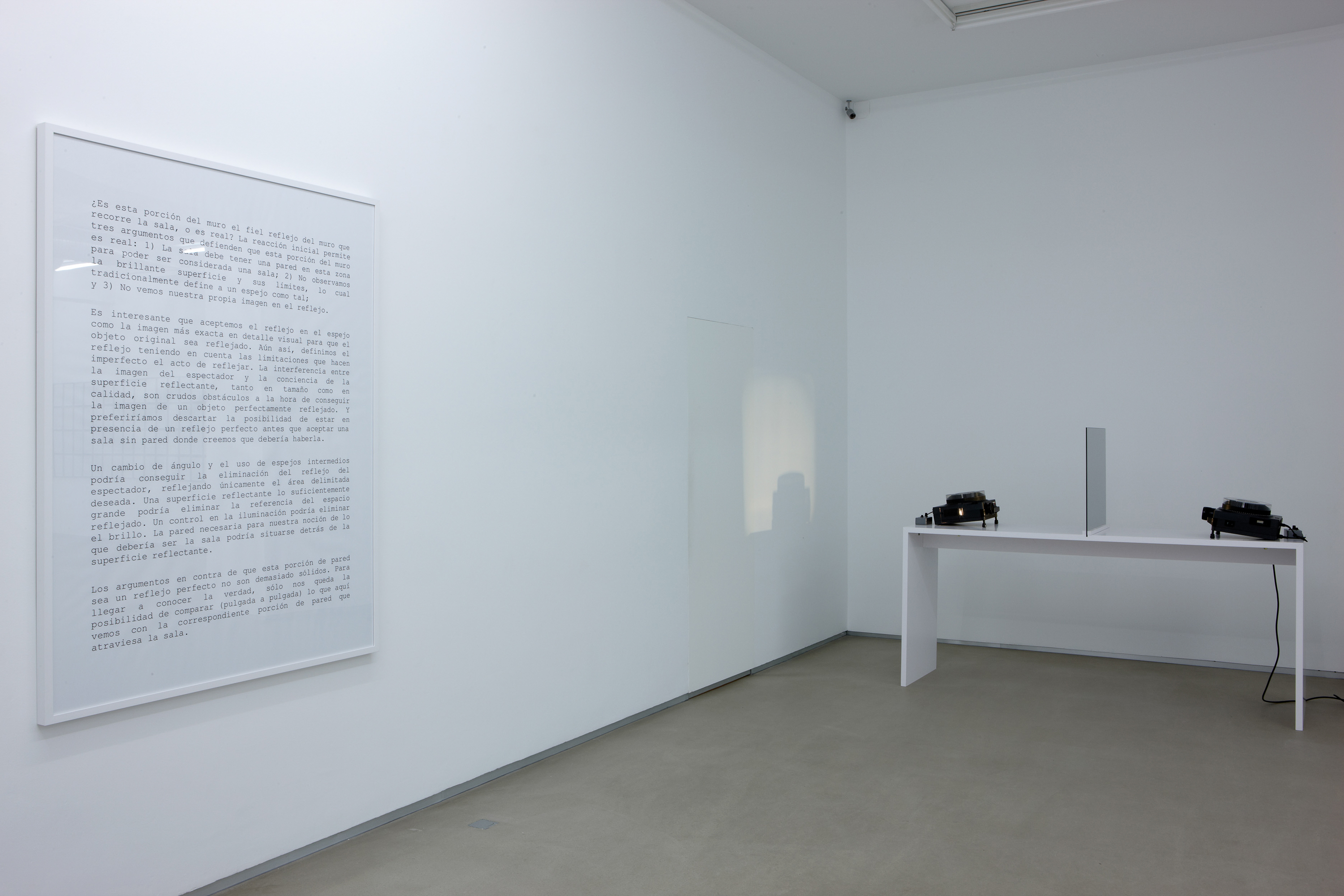
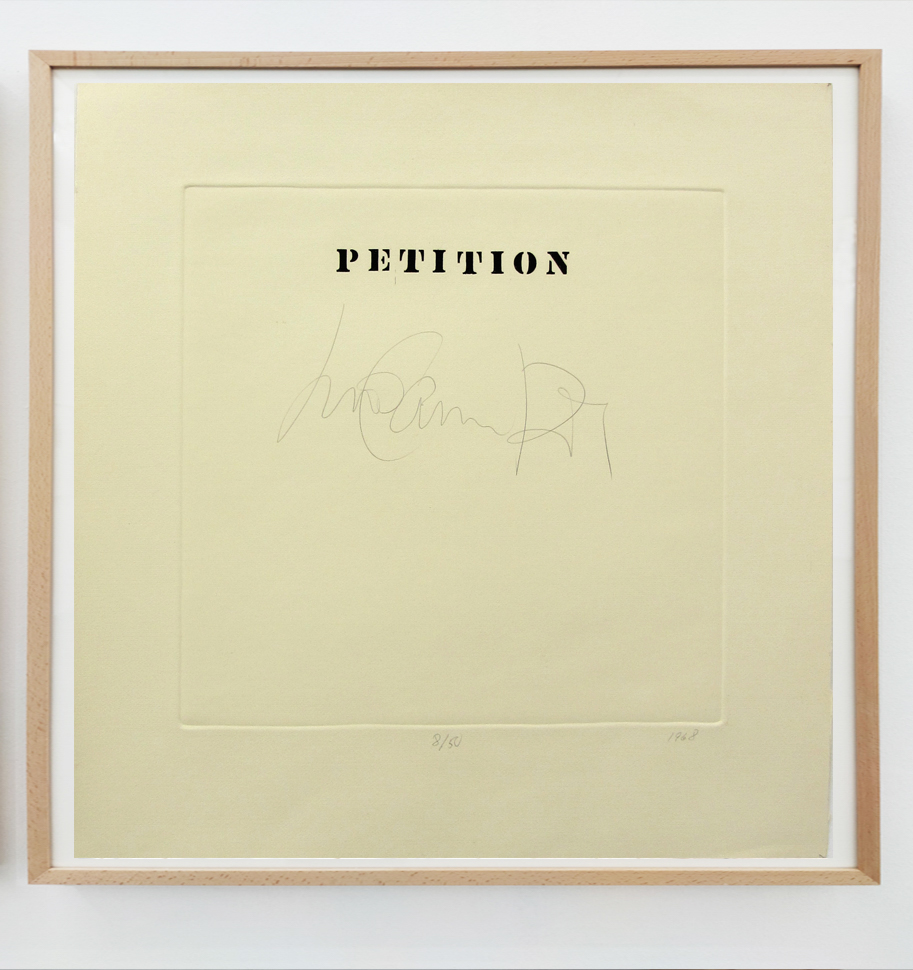
Emblematic figure within the analysis of the contemporary visual practice, he invites us here, through three installations made of different mediums and at distinct periods, to explore the relation between language and visibility. These works would provide a view into Camnitzer’s diverse practice as a conceptualist, and illustrate his critical role as a global link between developments of new visual languages in conceptual art.
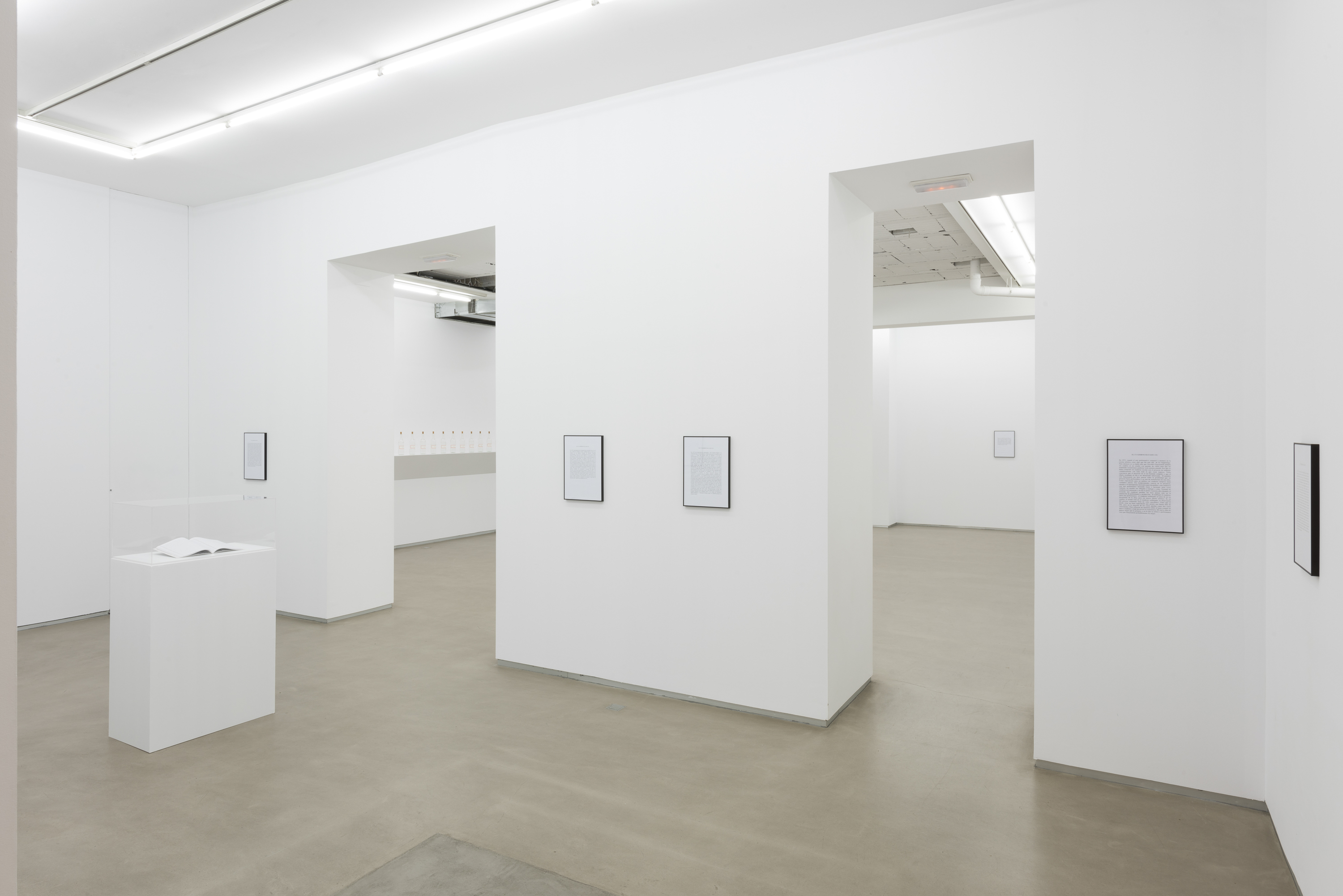
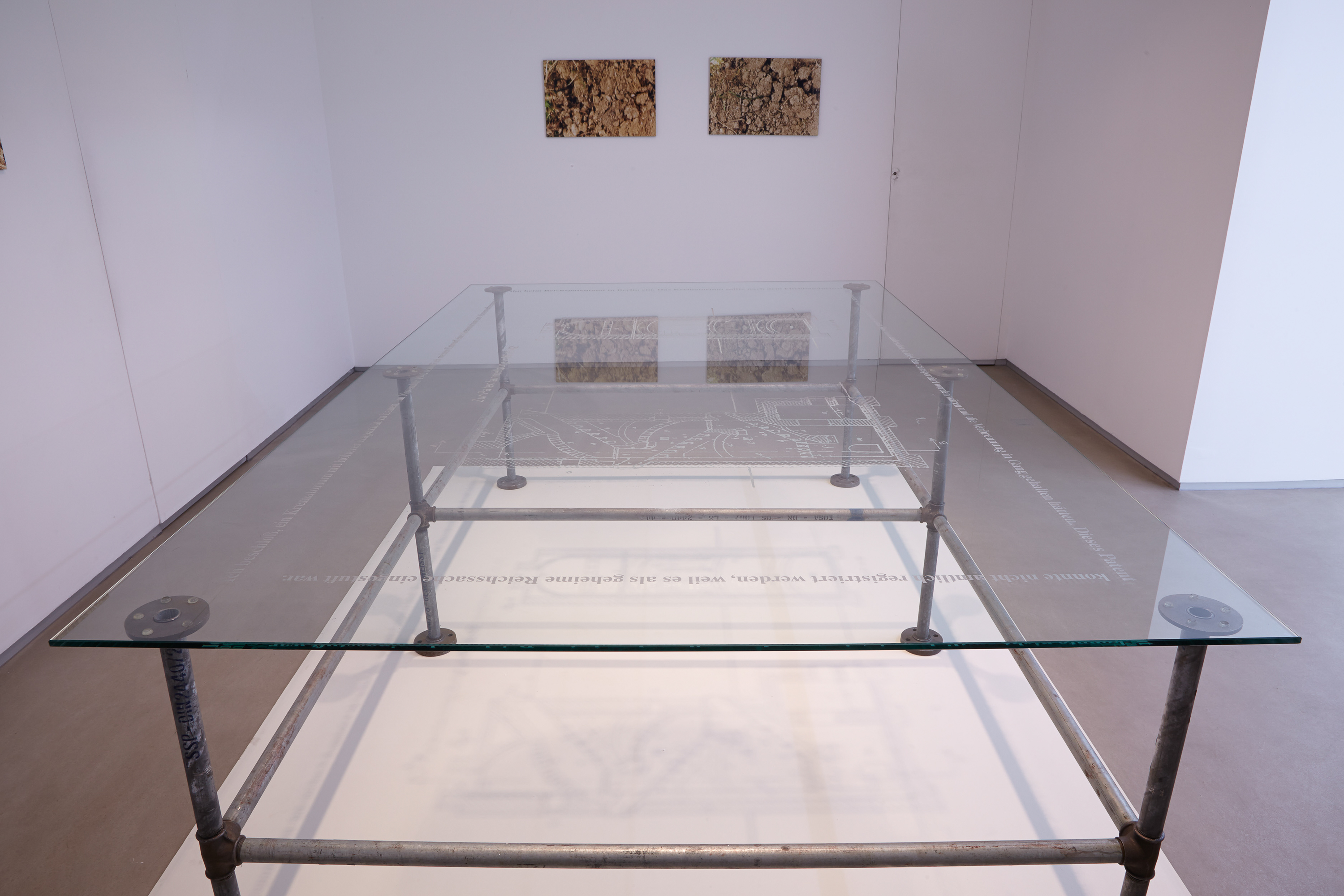
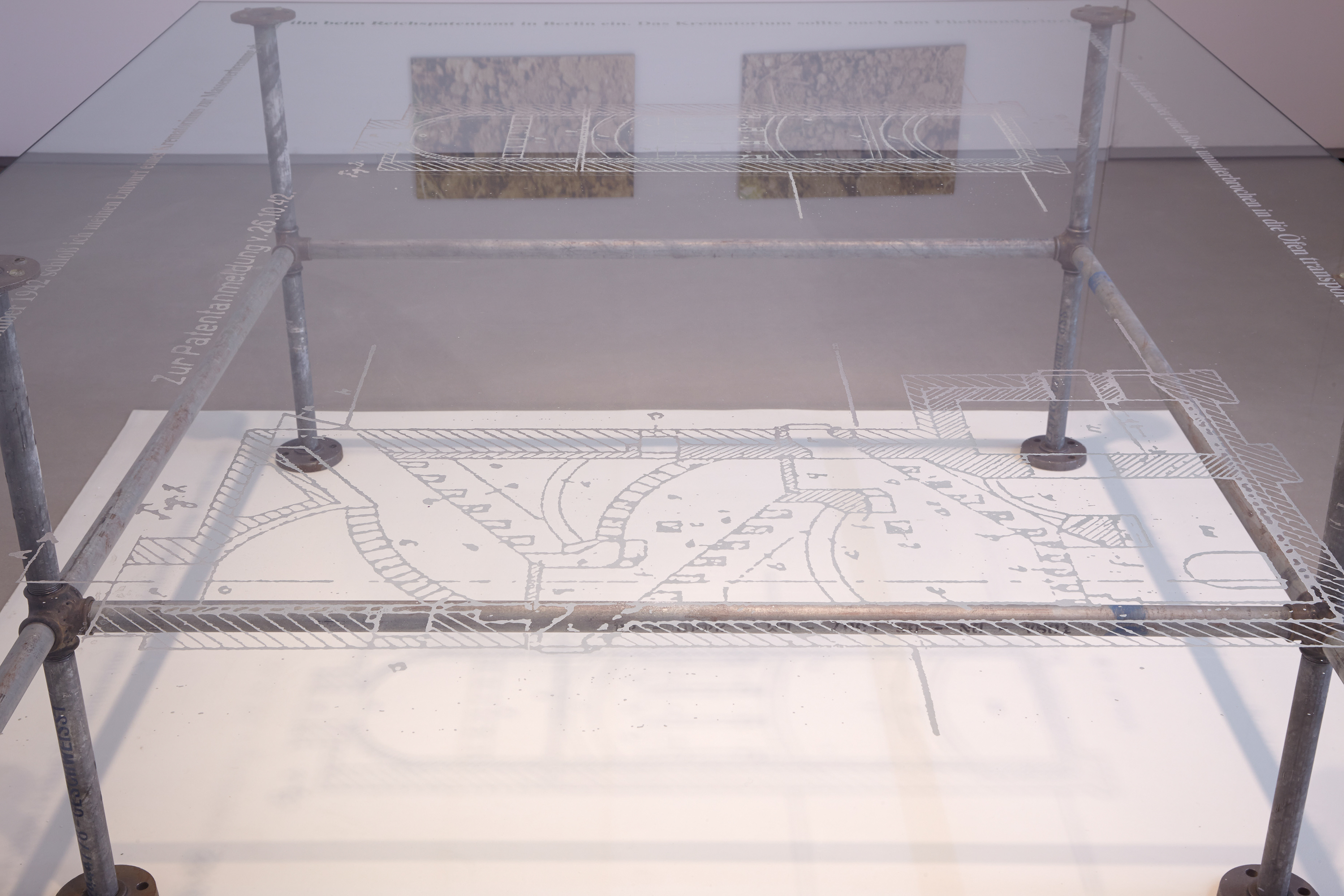
Patentamenldug - Patent Application, 1997. On a pristine white carpet stands a large planning table, two production drawings are etched into the table. One has to walk around the table in order to read the text which has been set as an edging:
"I decided to build a crematorium with a high capacity. In November 1942 I concluded my draft on a crematorium for mass cremation and submitted it to the German Patent Office in Berlin. The crematorium was to function on the principle of a conveyor belt, so that the corps would be continually transported over a grating directly into the oven. Cremation would be kept going constantly. This patent could not be registered officially because it was classified as top secret1 by the German Reich". - Fritz Sander.
It takes a moment to become aware of the narrow mindedness of the factual, yet somewhat frustrated comments of one of the head employee of the Erfurt furnace company J.A. Topf & Sons, made in front of a Russian military tribunal. At the end of Second World War, Fritz Sander was imprisoned by the Soviets and interrogated. In his work he had developed a high efficiency system for the furnaces in Auschwitz by introducing conveyor belts and using the corpses as added fuel. At the time of his imprisonment Sander was bitter. He had tried to register his system with the Patent Office in Berlin, but his application had been rejected with the argument that his creation was considered a secret of the state. The decision did not by any means imply a value judgment, and that wasn’t Sanders problem. What embittered him was being denied the deserved credit for his creation and individual intellectual effort. The victims are the starting point of the solution to the problem quoted in the patent application and have not been mentioned by either the inventor or the artist. It is the indifference of a technical device towards cause and effect which is important to Camnitzer here. The reference to genocide is not entirely treated by the artist (his family was forced to emigrate from Germany and his father’s parents died in a gas chamber). However, his intention was not to work on this unimaginable crime. What led him to make his work was a more general issue: Sander’s desire to have a project of this kind patented. It is the indifference of a technical device towards cause and effect which is important to the artist here. The work points out the unscrupulousness of technical feasibilty and a general lack of ethical responsability.
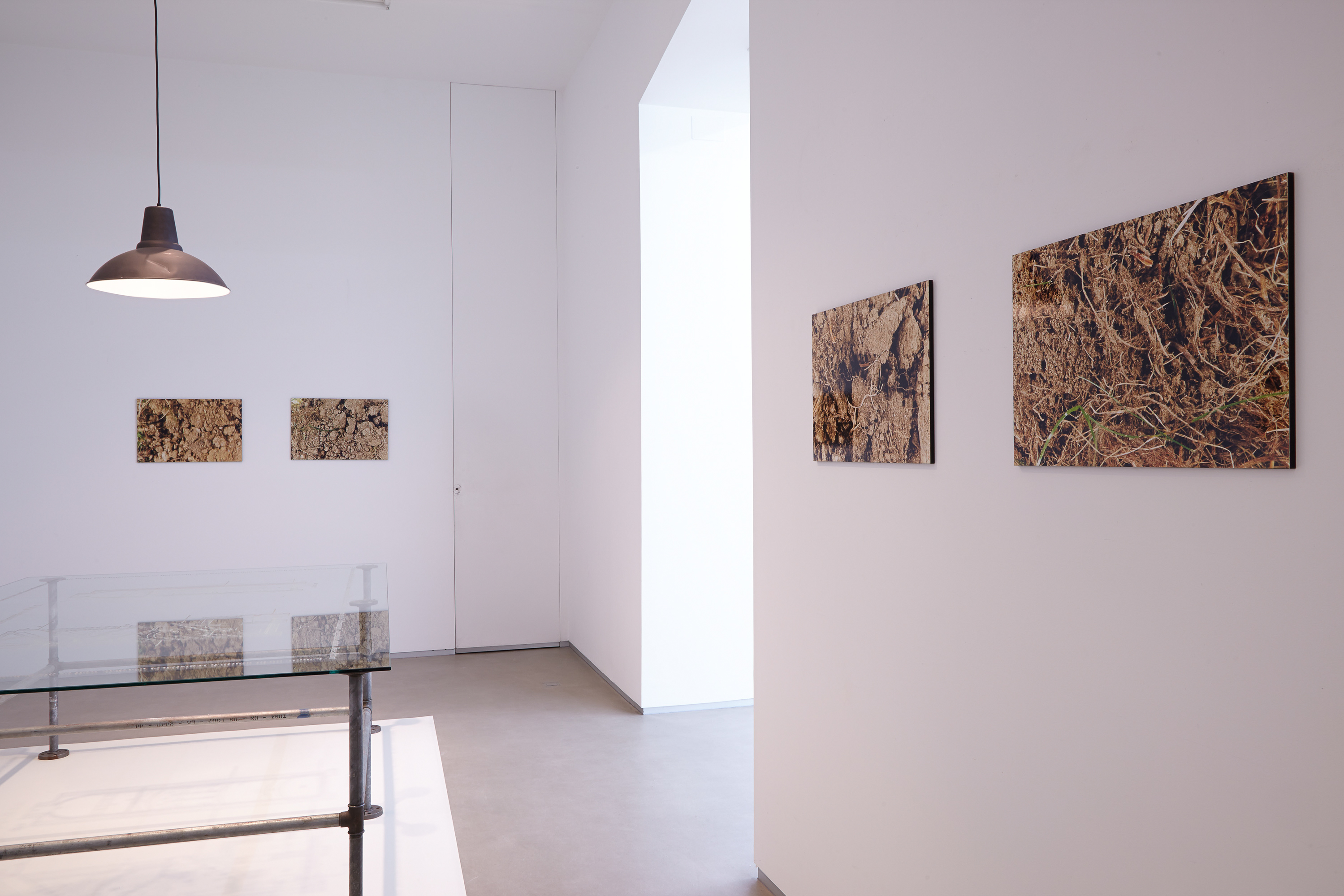
The style of the base of the table, made of gas pipes standardized by German Industry, only becomes apparent on a second glance. The installation is completed by 16 photographs (hanging on the wall) of patches of grass seen from below – the root side.
The connotation of (“secret govern ment affair”) is clarified by the mention of the year 1942. The thought of the Holocaust and mass murder becomes inescapable.
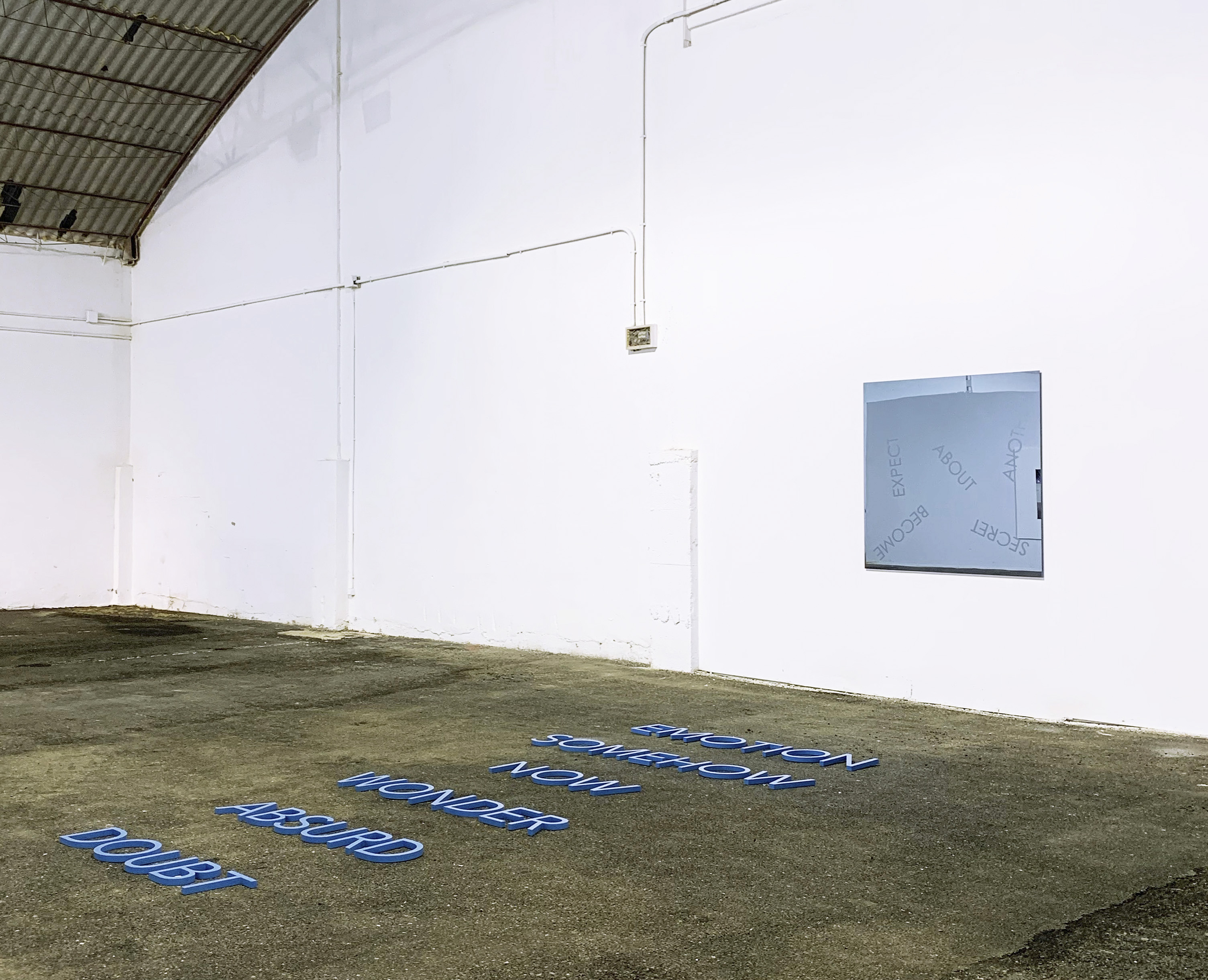
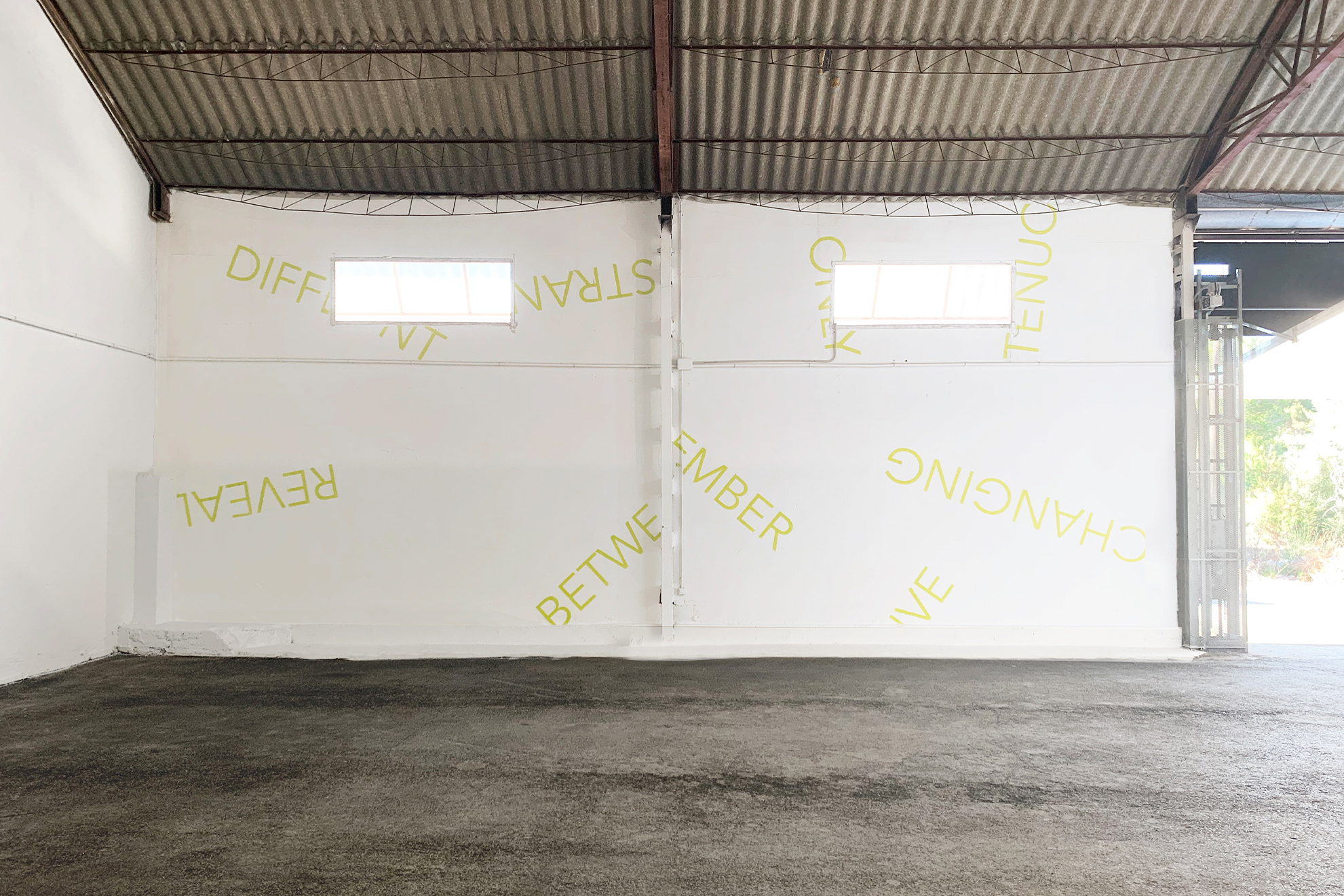
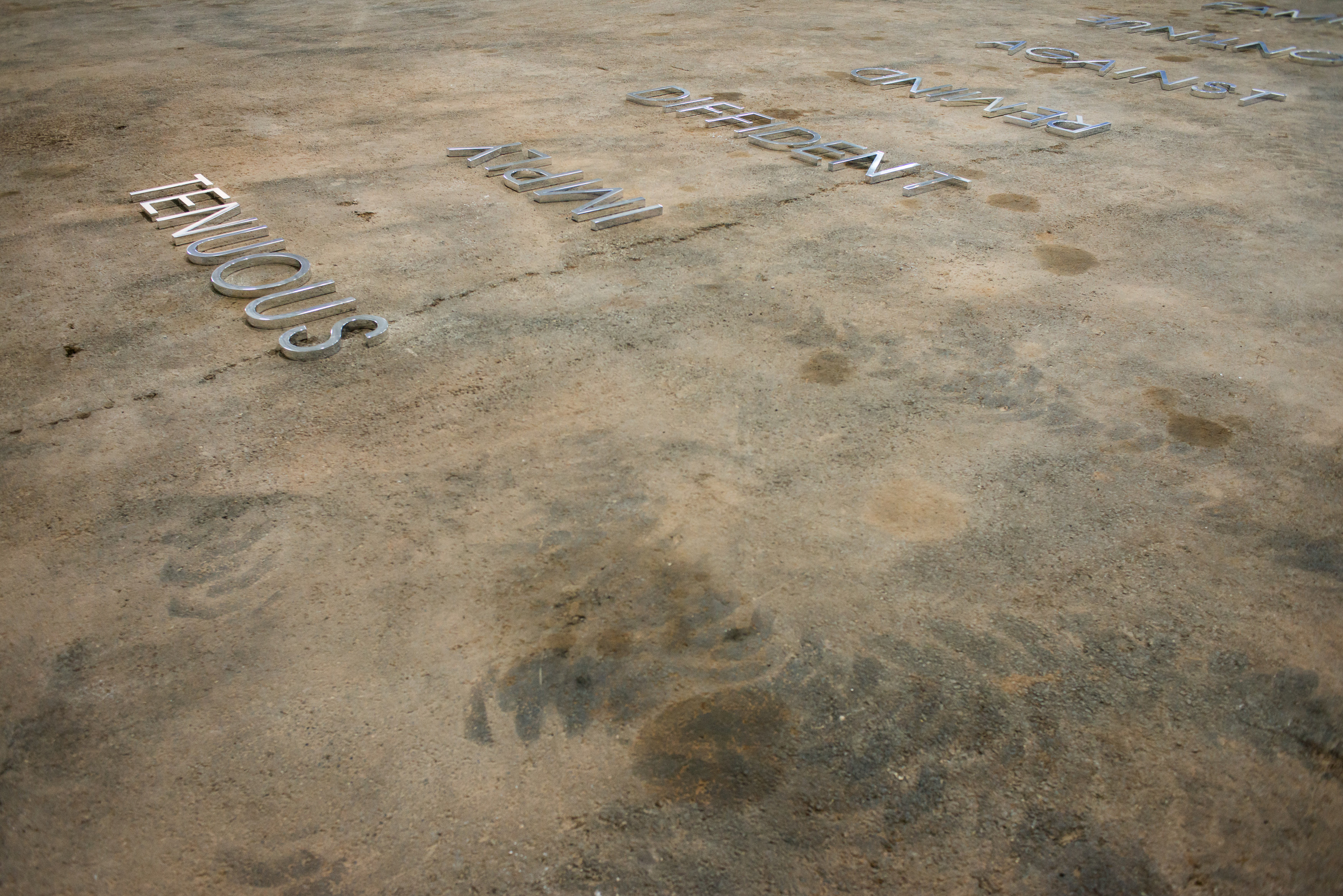
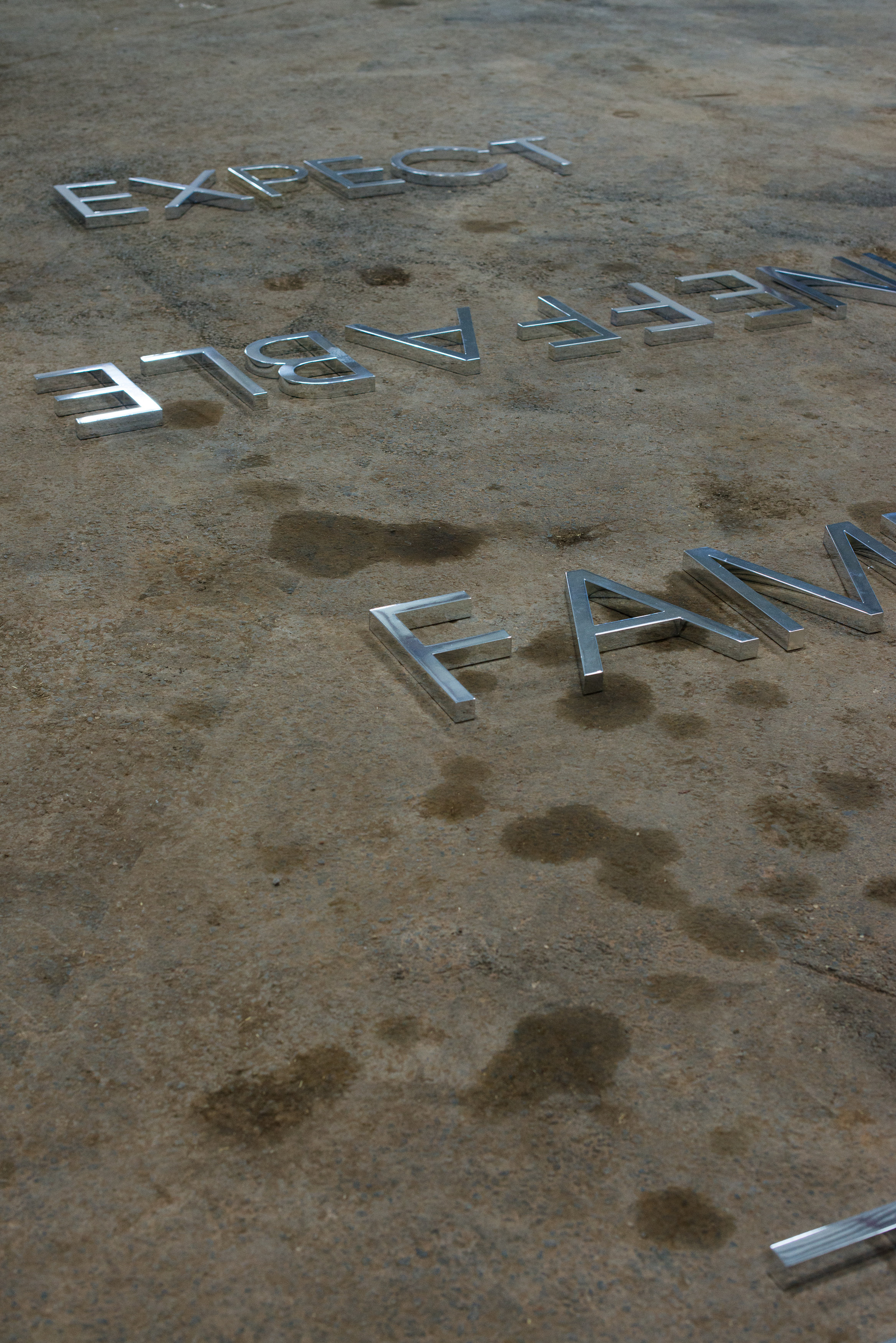
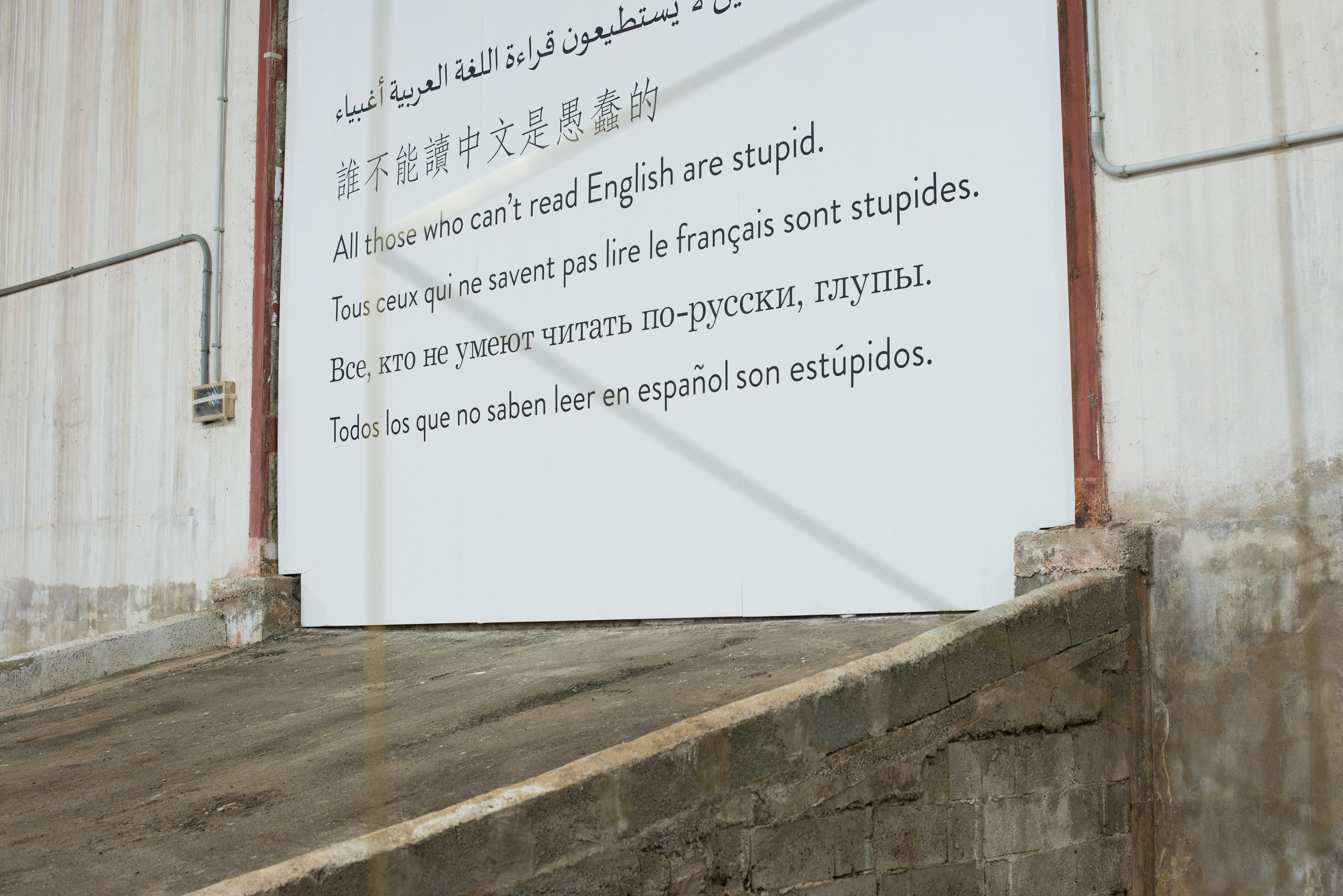
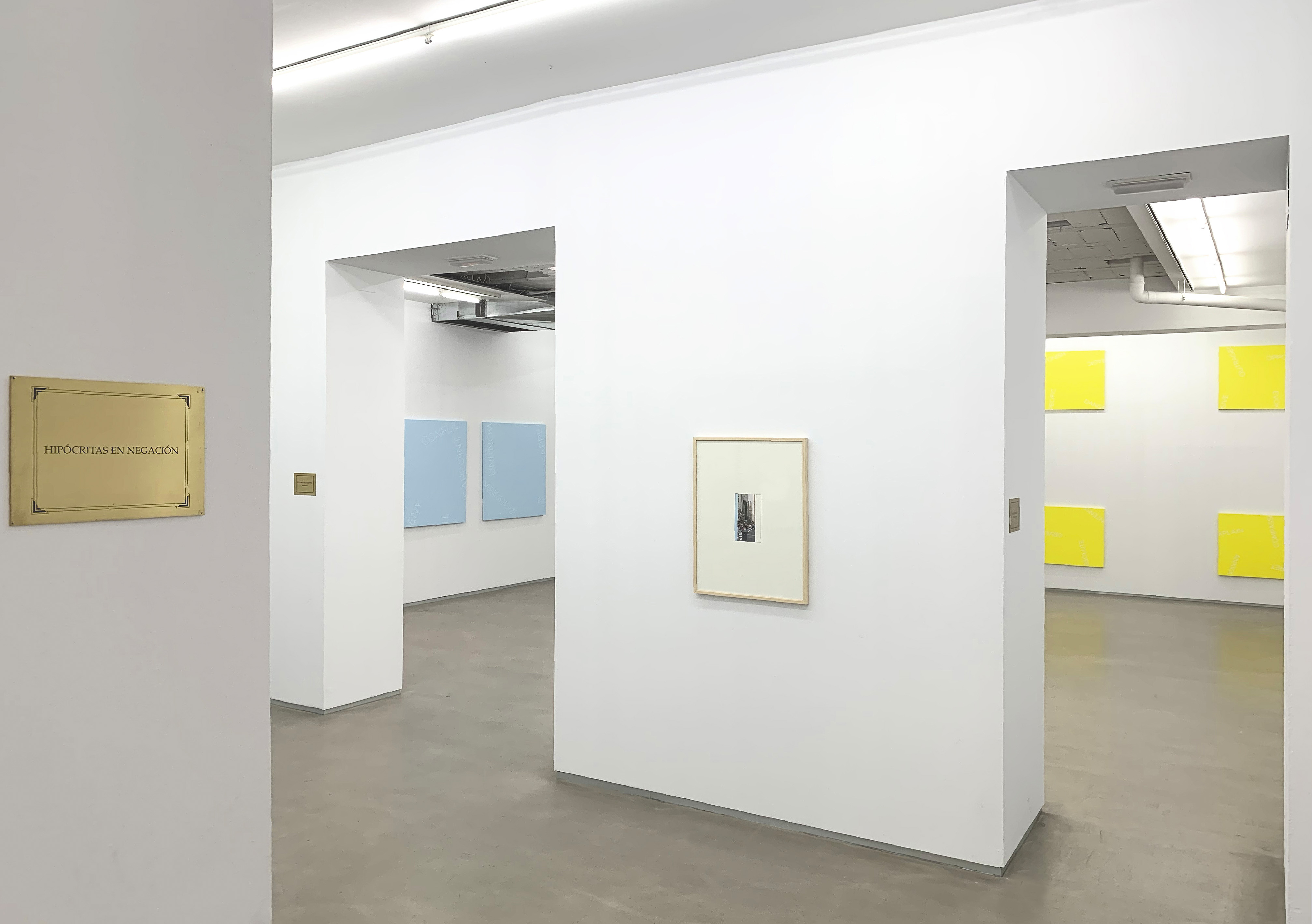
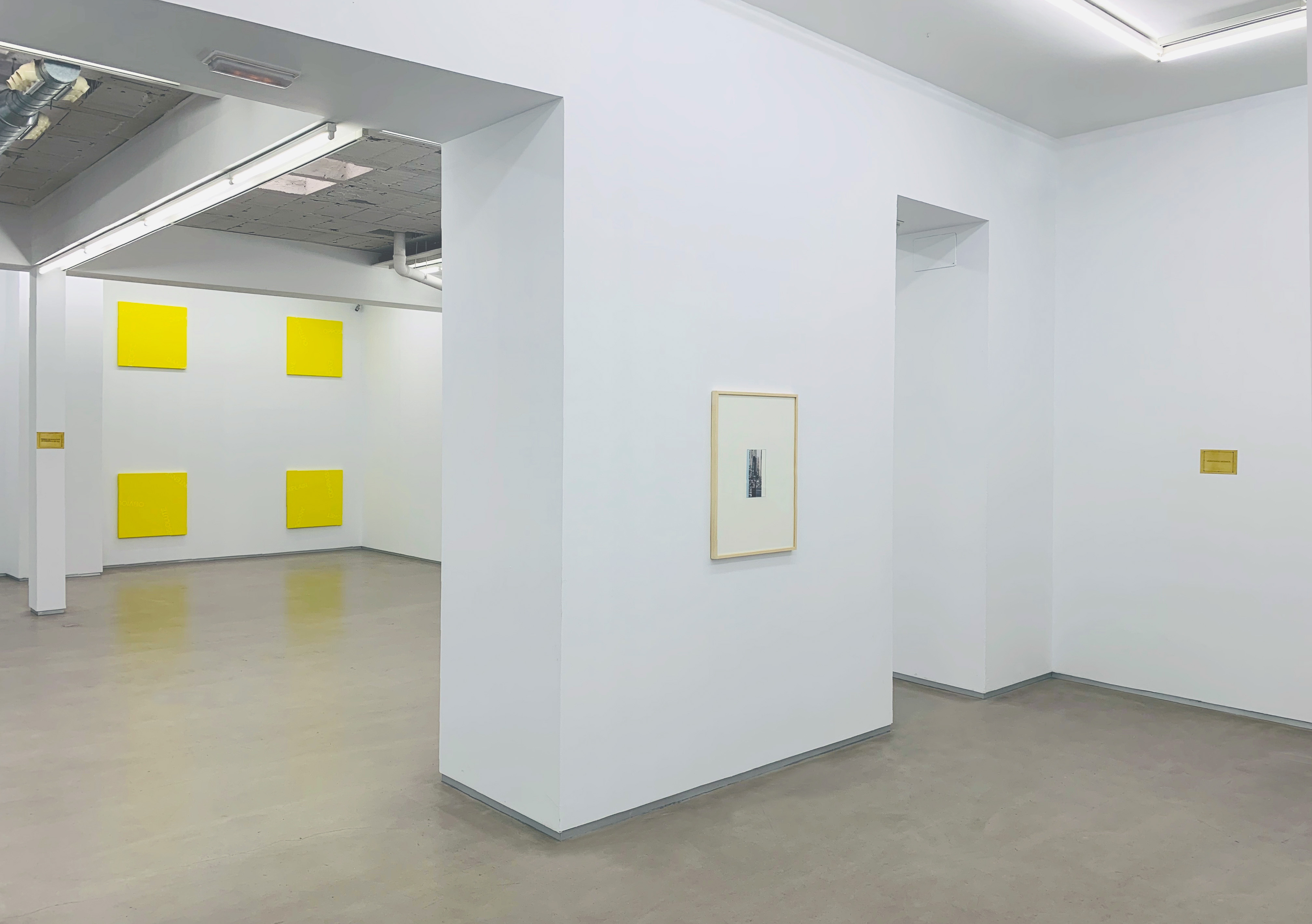
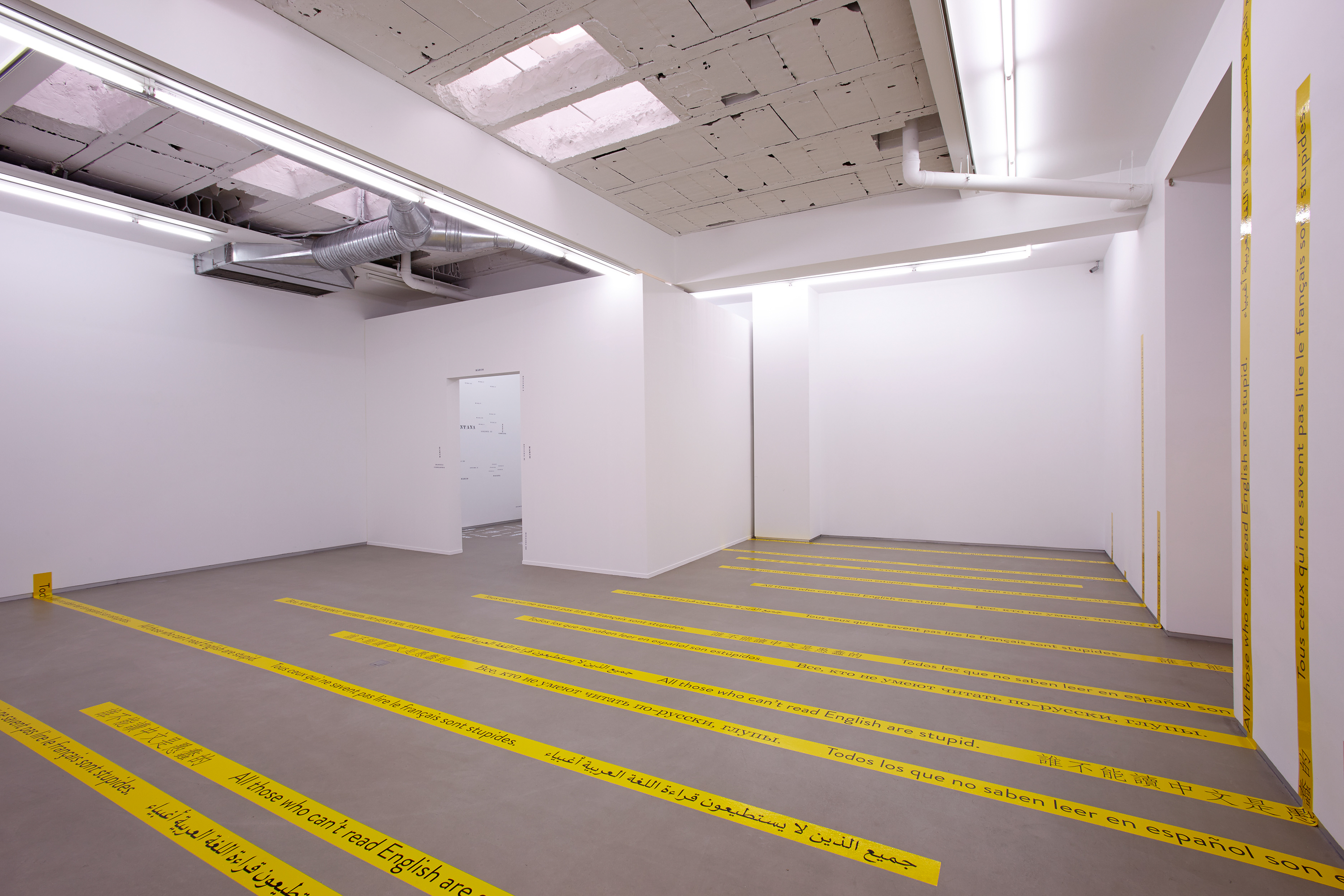
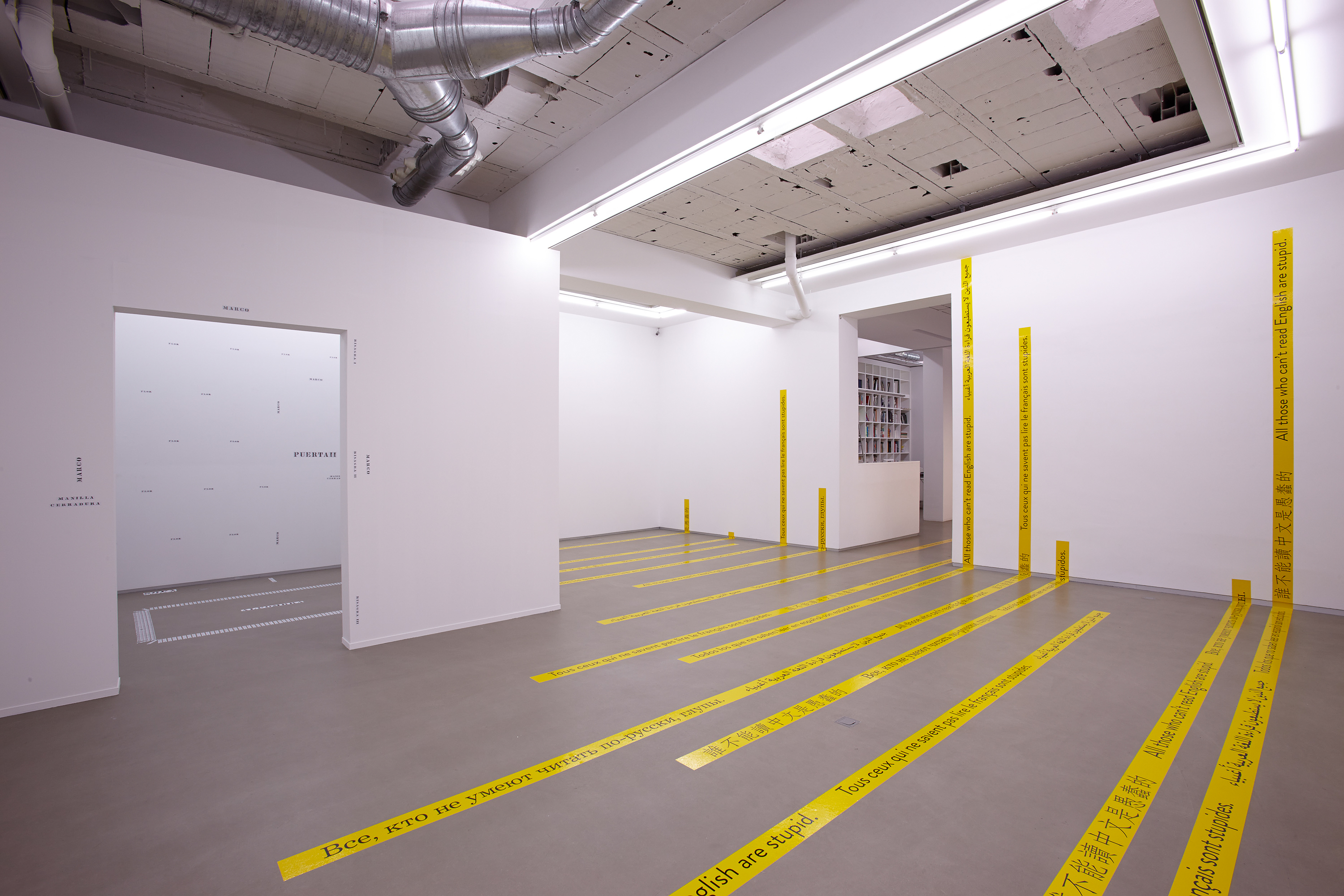
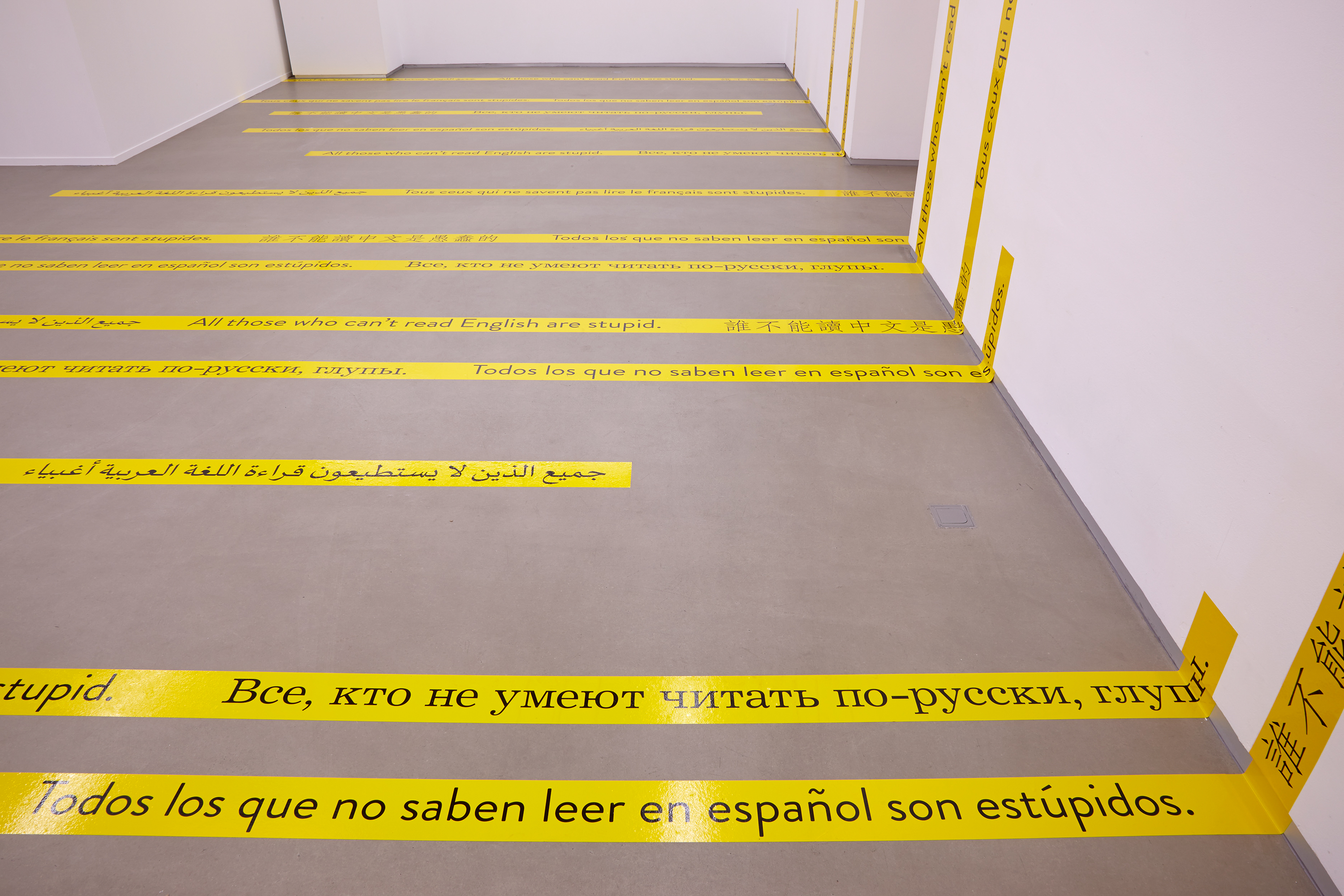
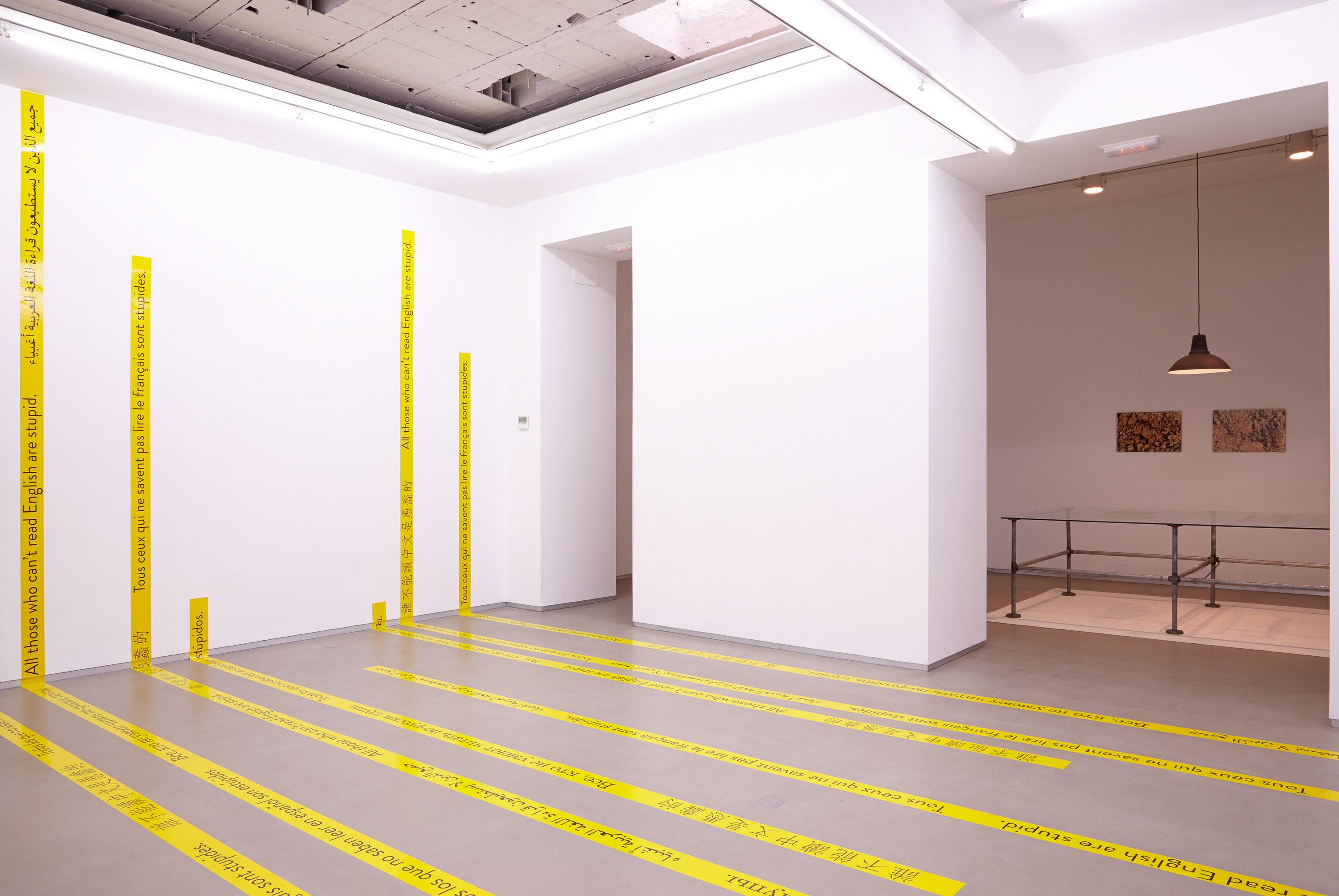
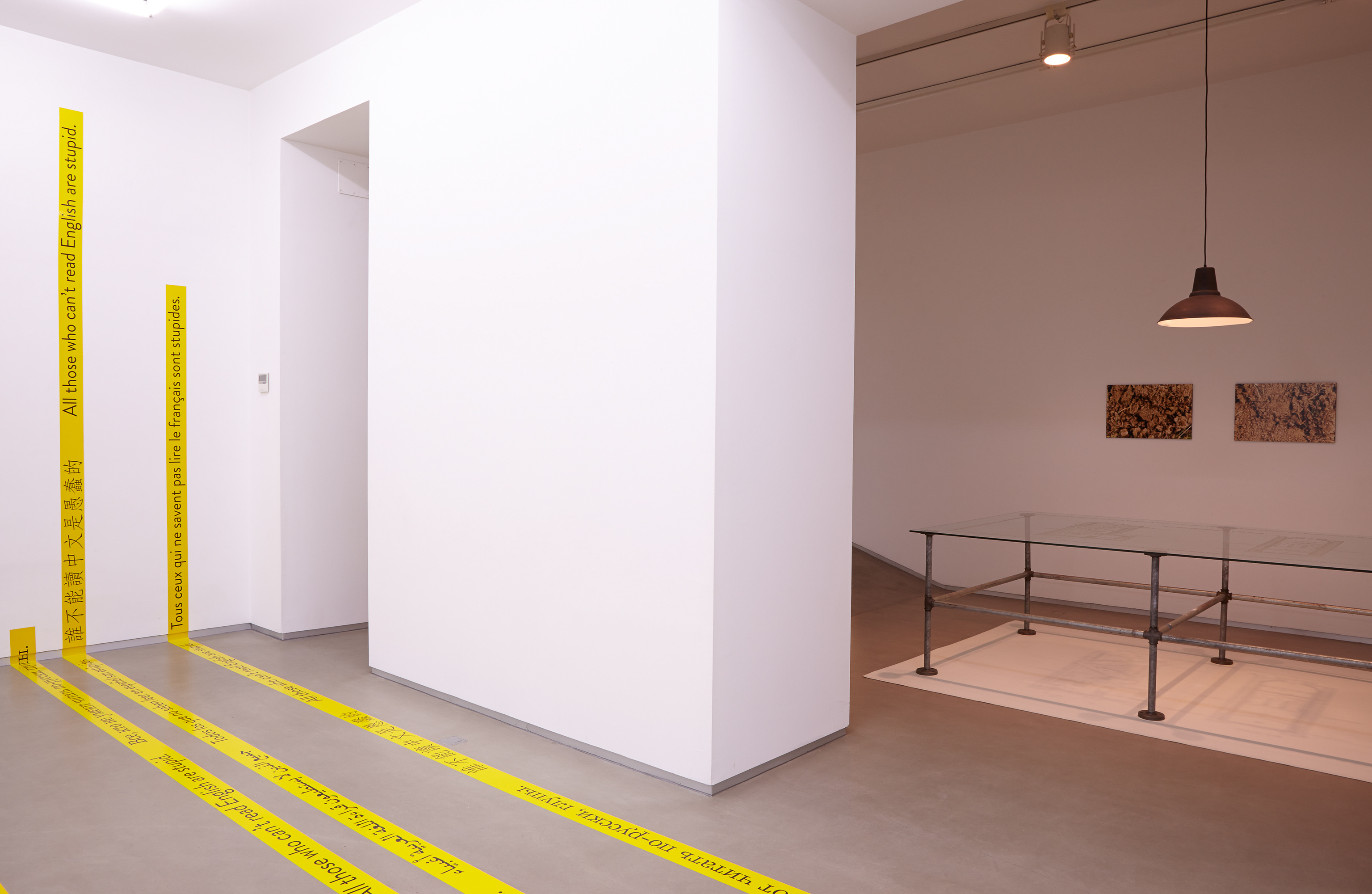
Insultos (2009), a work presented on the gallery floor, involves the viewer. The piece consists in yellow strips series on which is written the same sentence in six languages (Todos los que no saben leer en español son estúpidos. All who can’t read English are stupid…. Tous ceux qui ne peuvent pas lire le français sont stupides..). In response to any possible event that led him to make this work, Luis Camnitzer replied that he “found interesting to make insults that only satisfy the offender as they are not understandable by the insulted person”.
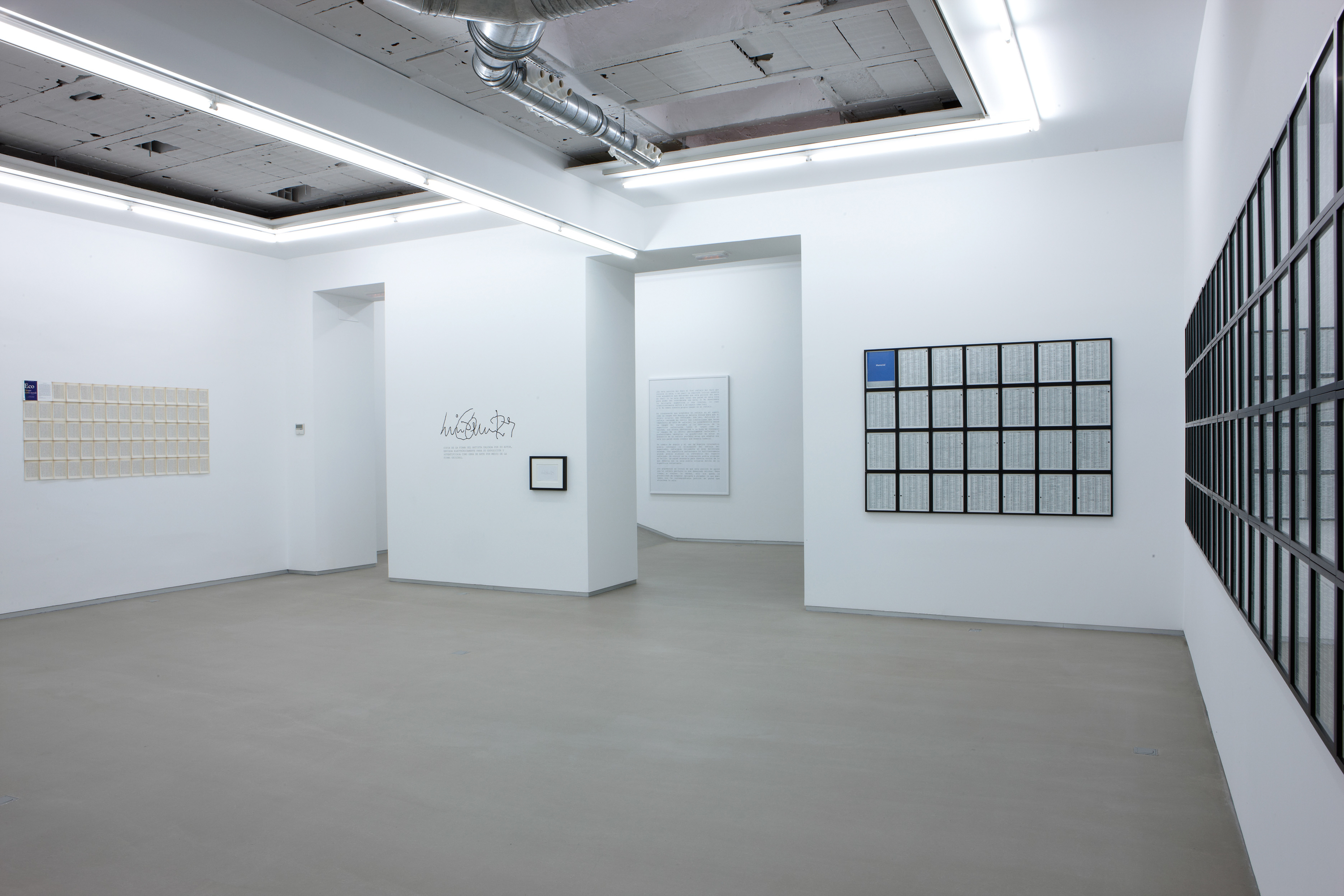
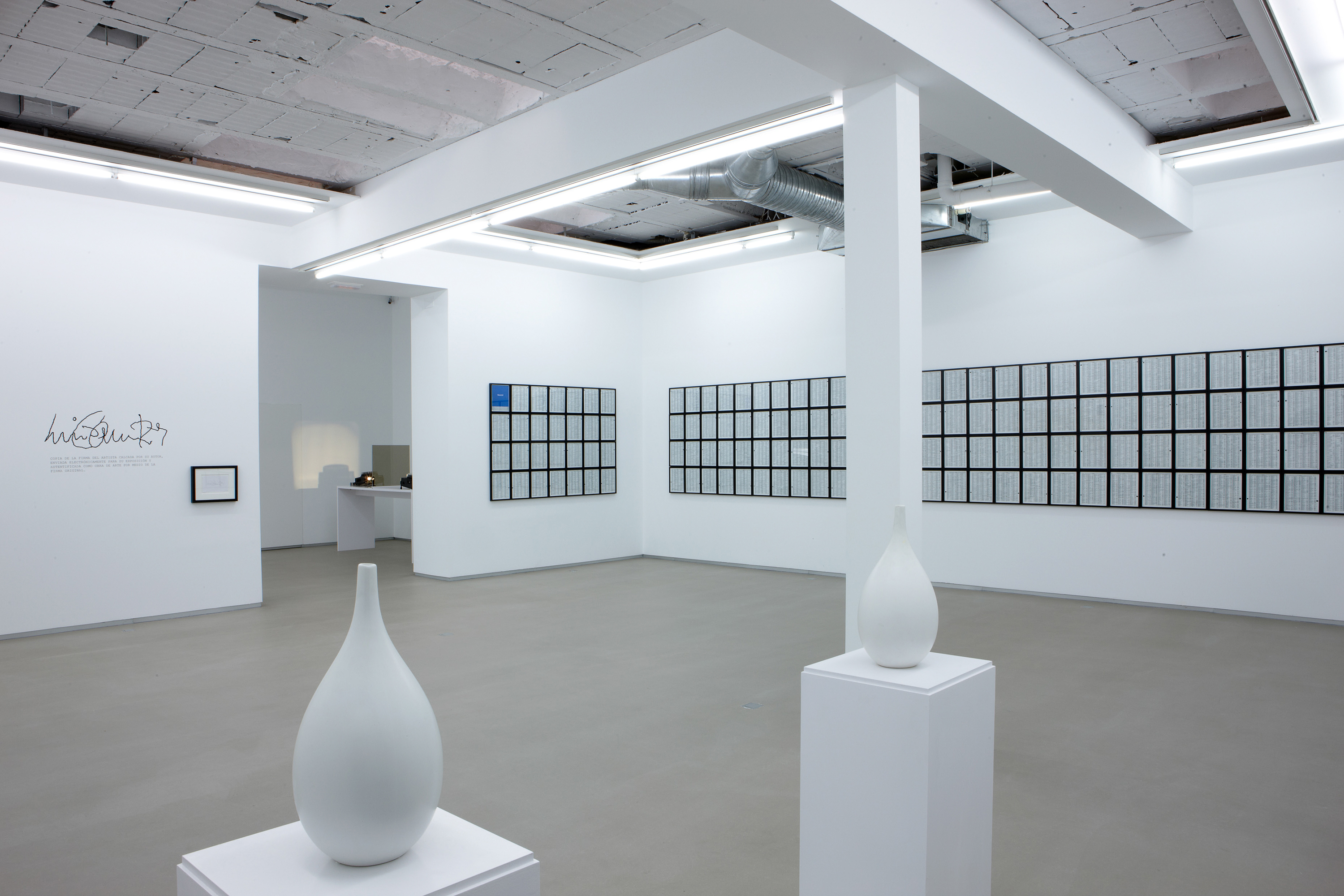
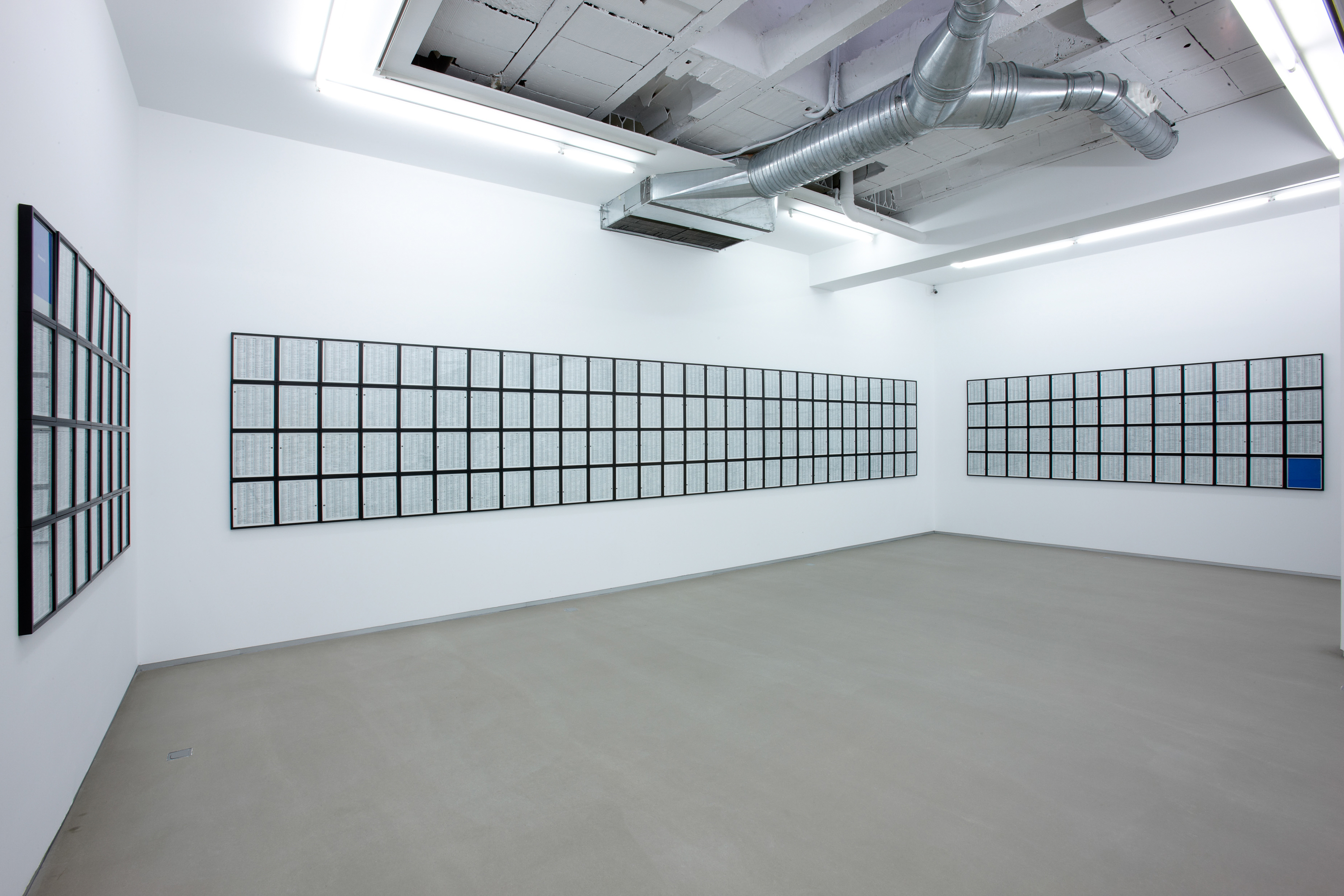
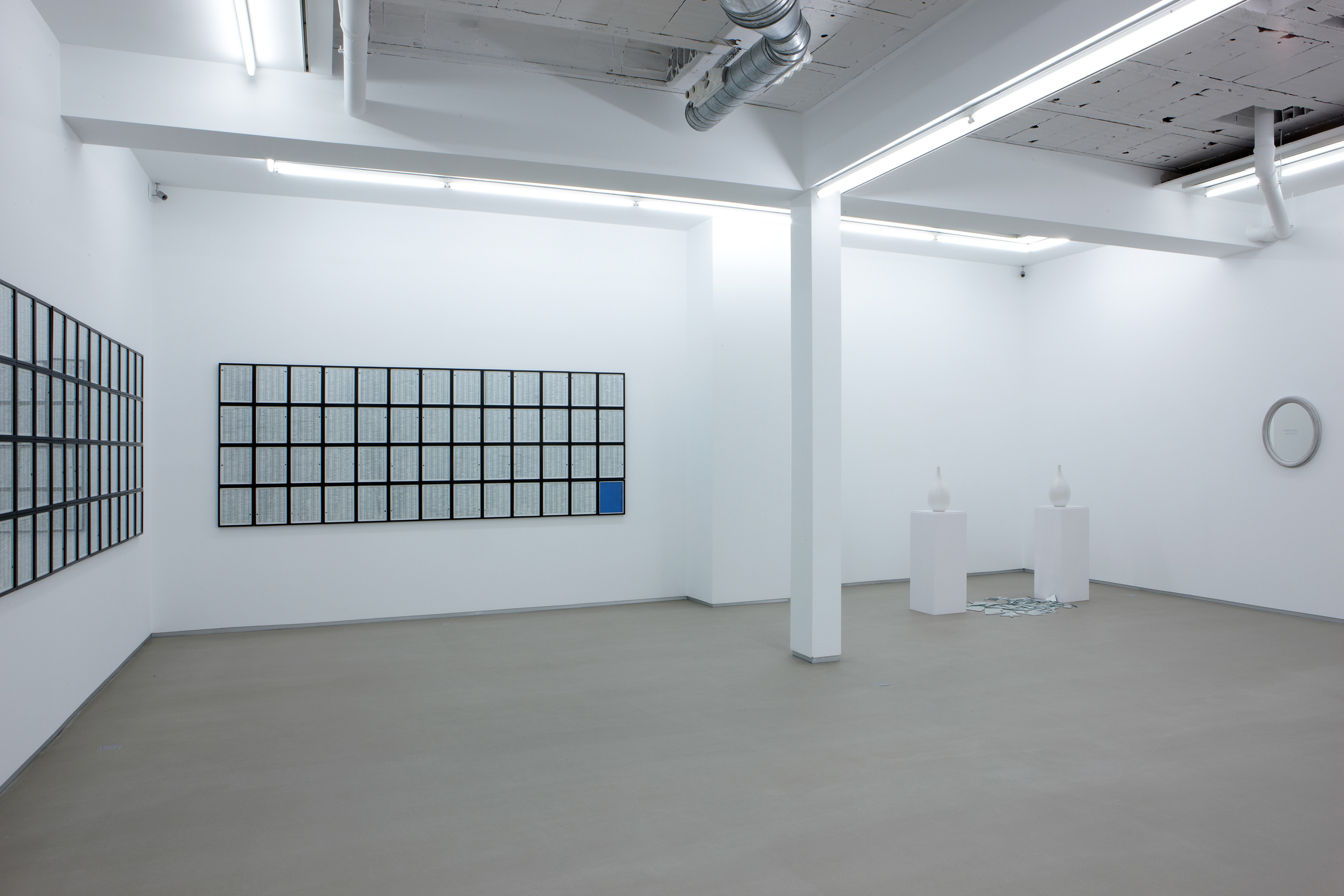
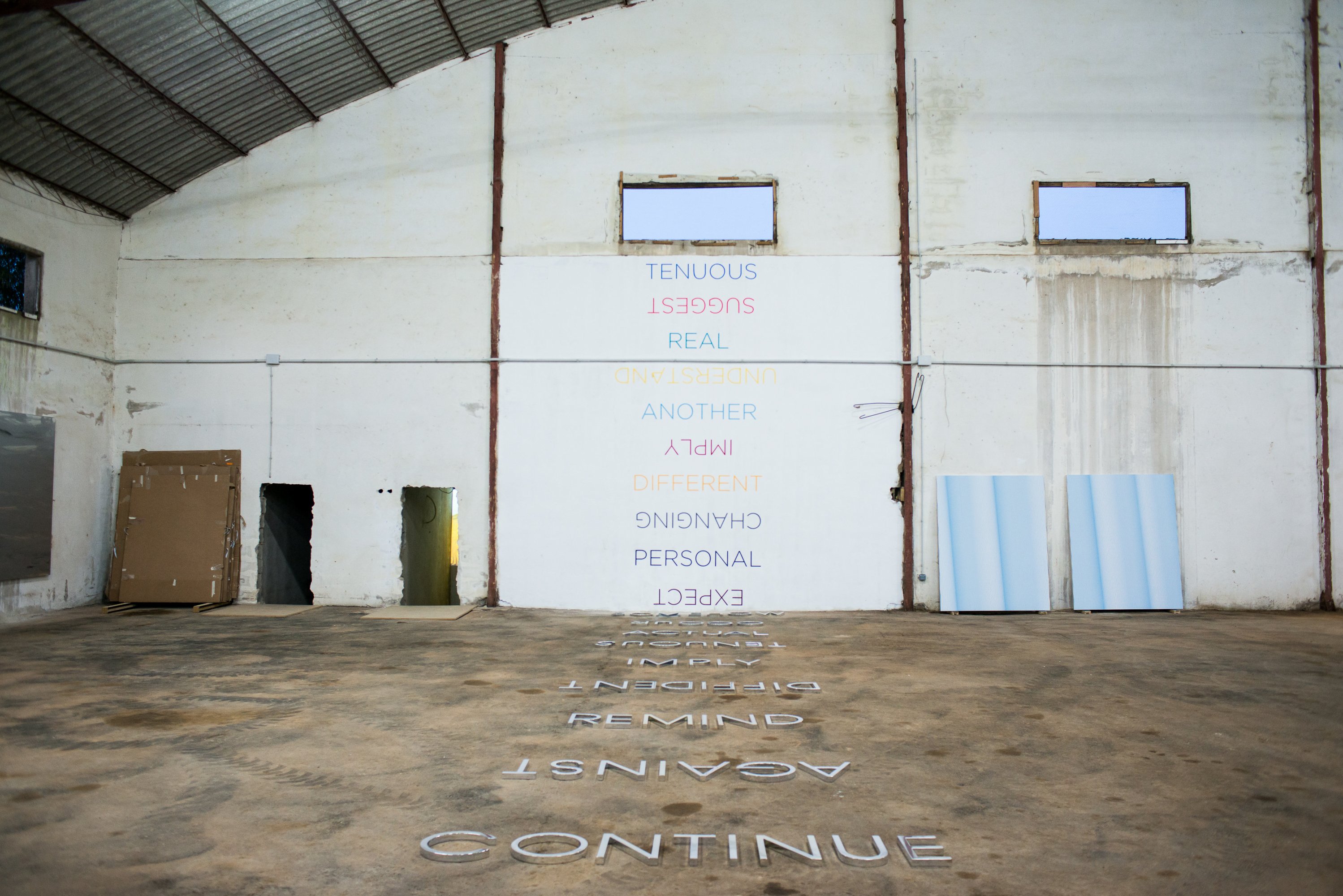
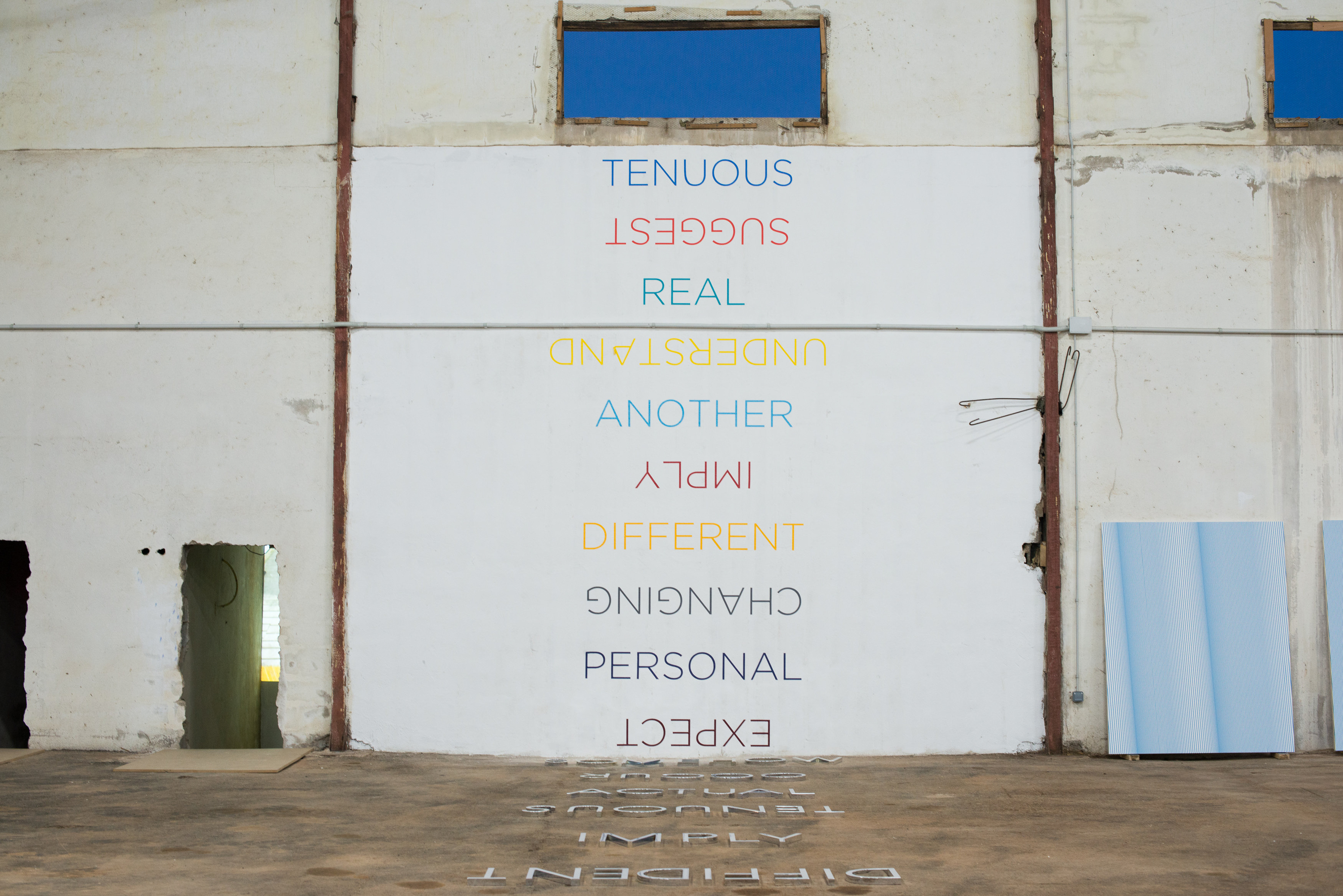
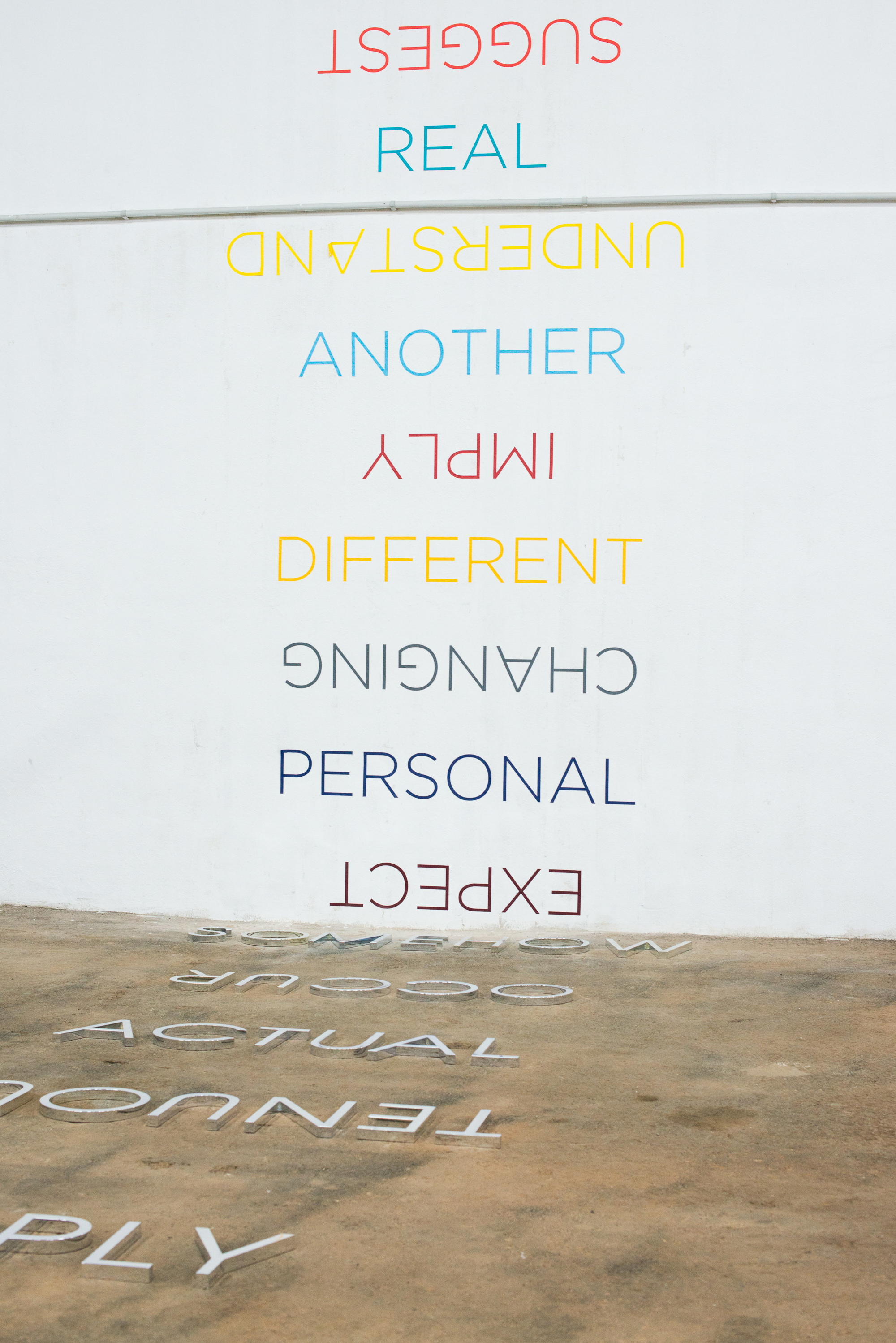
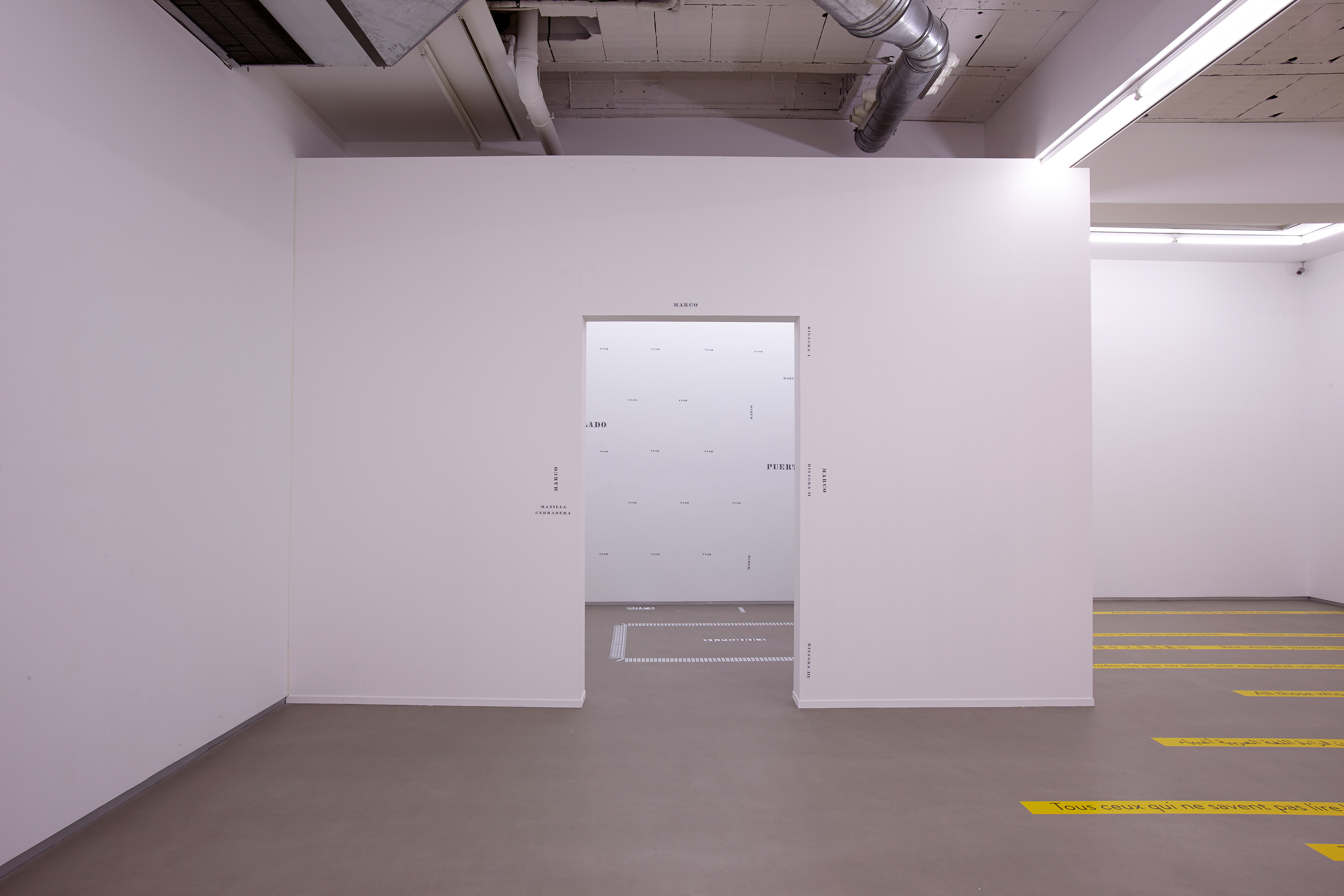
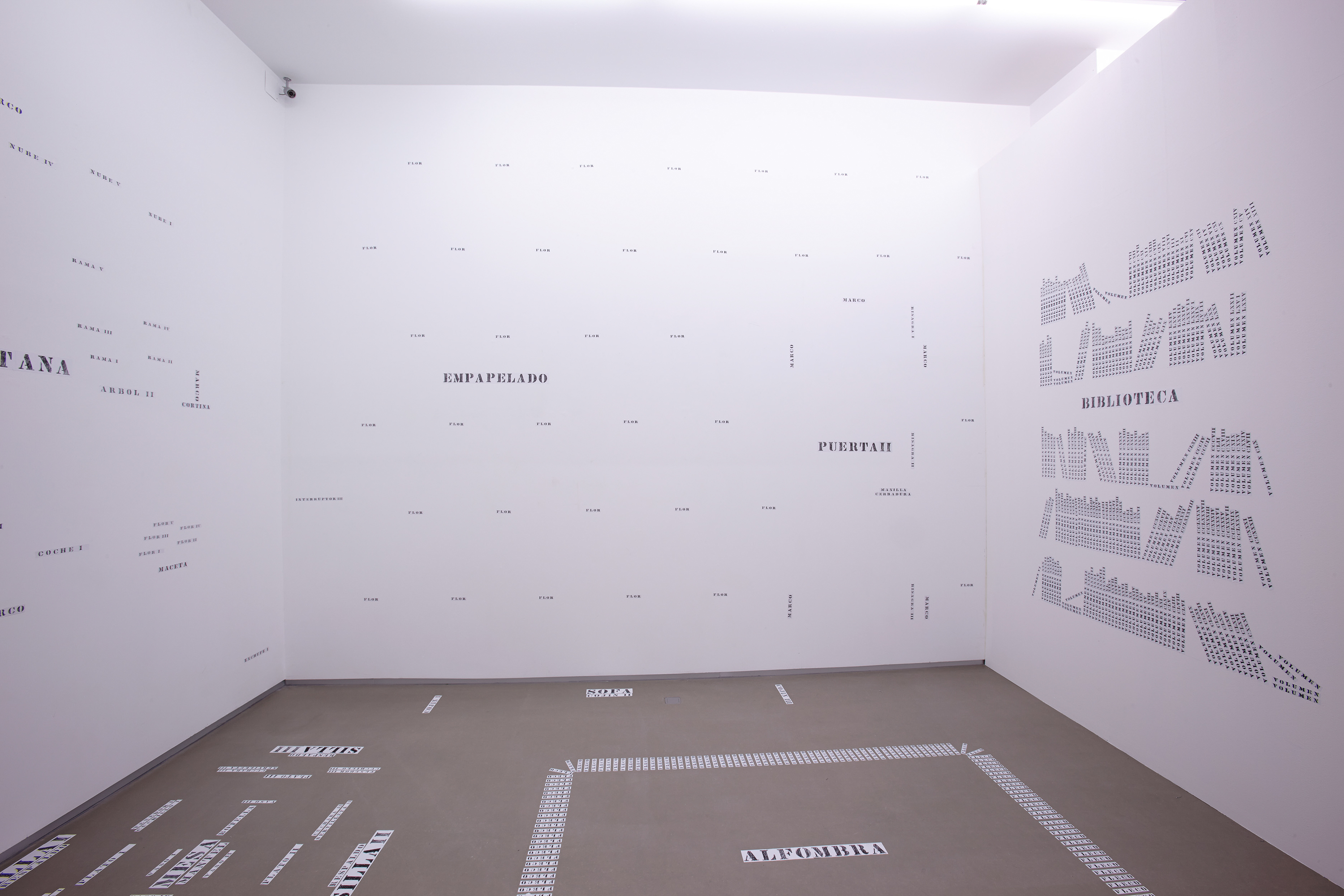
In Living Room (1969), Camnitzer covered one of the rooms (built for the exhibition purposes) with fotocopied words which reconstruct a model of a living room using words to physically locate the furniture and other dining room objects.
Words “form” the dining space and create the idea of the space through self-referential strategies. The significance of this proposition lay in the reaction which it elicits from the viewer: without instructions, visitors tend to walk over the words describing the rug, but walk around those designating the fully set dining table. Camnitzer made a work that, by way of linguistic denotation, not only gives free rein to the viewer’s imagination, but is also able to directly influence their behaviour and produce a spatial network of relationships.
The most important fact revealed by the reception of the piece is that an abstract floor plan, with its myriad and multiple associations, can provide a deeper experience than to have been actually situated in that particular space at a specific time.
Luis Camnitzer’s work has been shown in noted exhibitions and institutions since the 1960s, including individual shows at The Kitchen and El Museo del Barrio, New York, NY; List Visual Arts Center at M.I.T., Cambridge, MA; and Museo Carillo Gil, Mexico City, Mexico. He had recent solo shows at Museo de Arte Moderno, Buenos Aires, Argentina; Museo de Arte Contemporáneo, Santiago, Chile. Retrospectives of his work have been presented at Lehman College Art Gallery in the Bronx, NY; Kunsthalle Kiel, Germany; as well as at the Daros Museum in Zurich, Switzerland, El Museo del Barrio, New York, NY; and Museo de Arte Moderno de Medellín, Bogotá, Colombia.
His work has appeared in numerous group exhibitions, including Mail Exhibition at the Instituto Torcuato Di Tella, Buenos Aires, Argentina (1969); the seminal Information show at The Museum of Modern Art, New York, NY (1970); Dia Foundation, New York, NY; Beyond Geometry at Los Angeles County Museum of Art, CA (2005); among others. Additionally, he has been featured in several international biennials, including the Bienal de la Havana, Cuba; Whitney Biennial, Documenta 1 and he is currently participating at Biennial of Graphic Arts, International Centre of Graphic Arts, Ljubljana, Slovenia.
Camnitzer’s work is in the permanent collections of The Museum of Modern Art, The Metropolitan Museum of Art, and the Whitney Museum of American Art, New York, NY; the Museum of Fine Arts, Houston, TX; the TATE, London, UK; and Museo de Arte Latinoamericano de Buenos Aires, Argentina (MALBA), MUSAC, León and Reina Sofia Museum in Madrid among others. He was the recipient of the Guggenheim Fellowships on two occasions, 1961 and 1982. A highly regarded critic and curator, Camnitzer is a frequent contributor to contemporary art magazines. He has authored the publications New Art of Cuba (University of Texas Press: 1994, 2003), Conceptualism in Latin American Art: Didactics of Liberation (University of Texas Press: 2007), and Didáctica de la liberación: Arte conceptualista latinoamericano (Fundación Gilberto Álzate Avedaío, IDARTES: 2012).
He taught at the State University of New York, College at Old Westbury since 1969, and he continues to serve as professor emeritus.