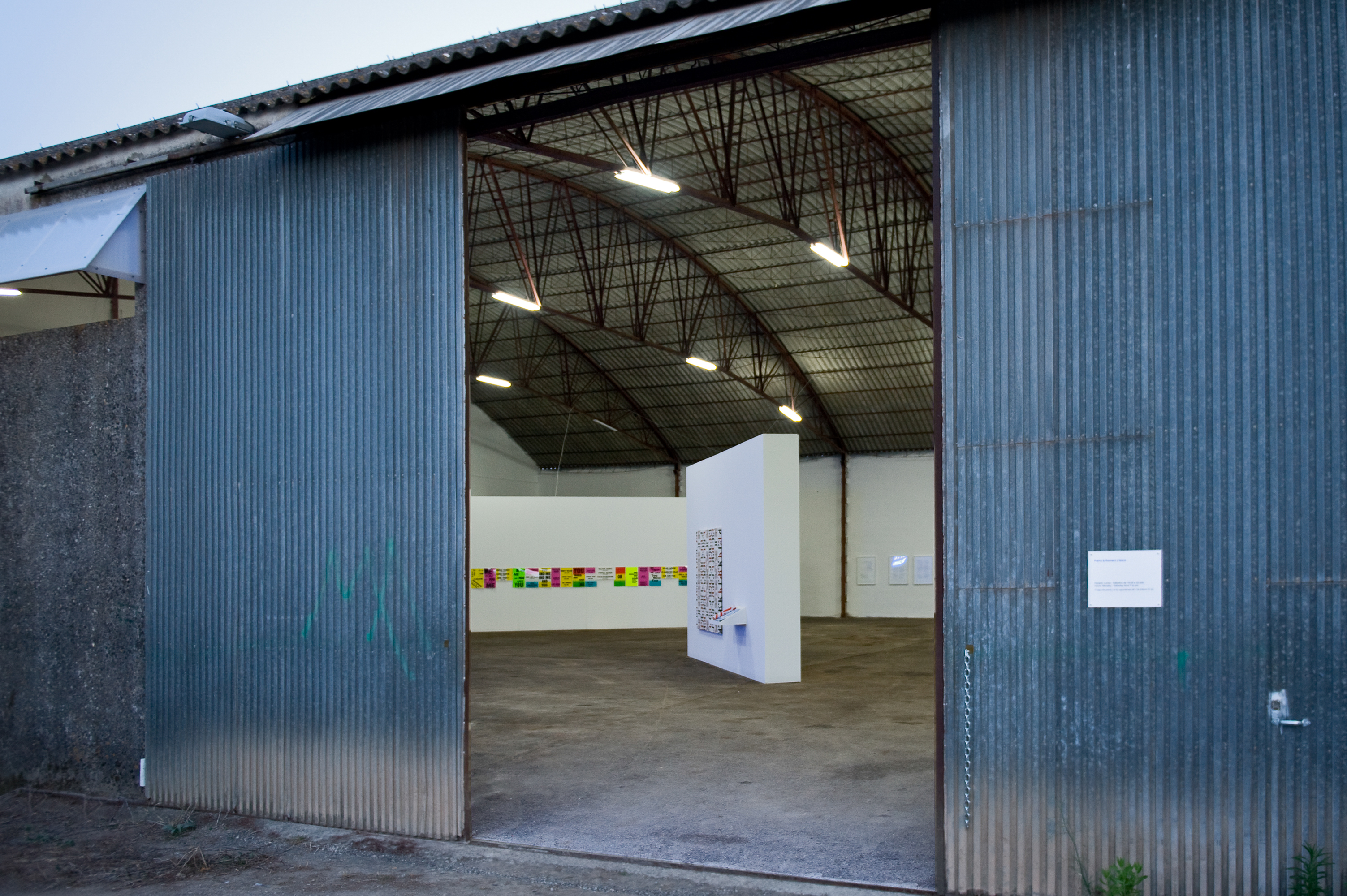
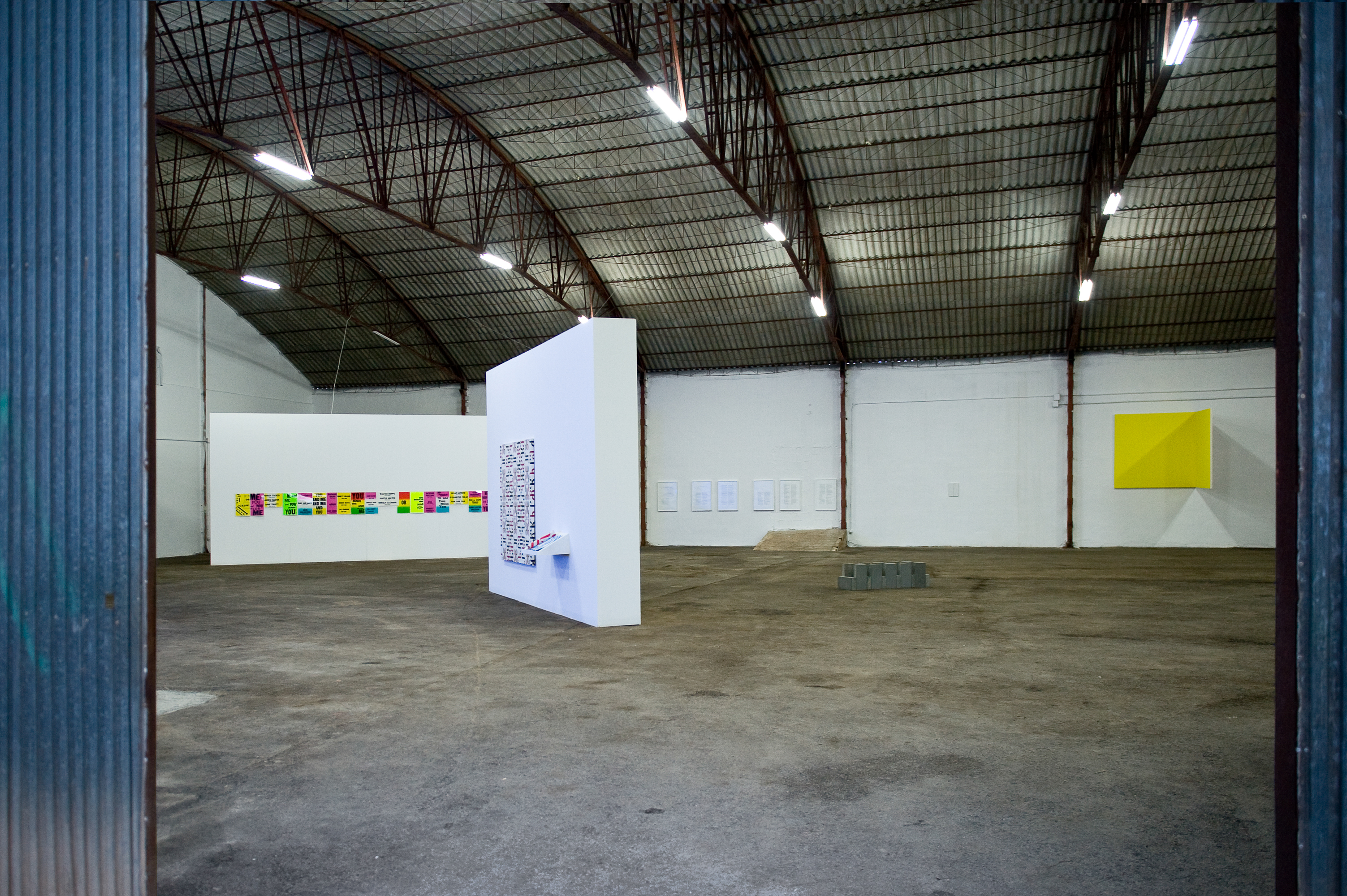
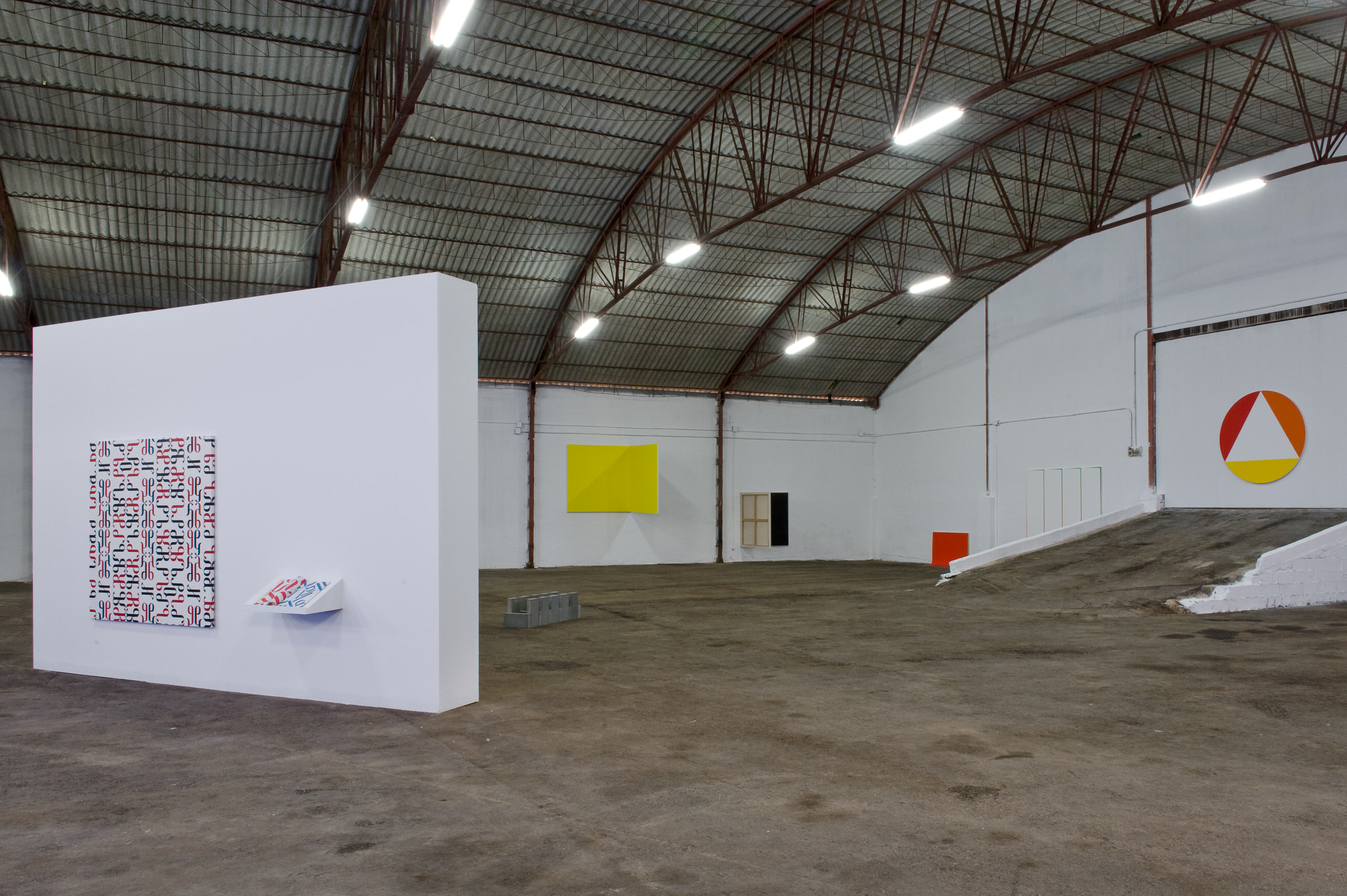
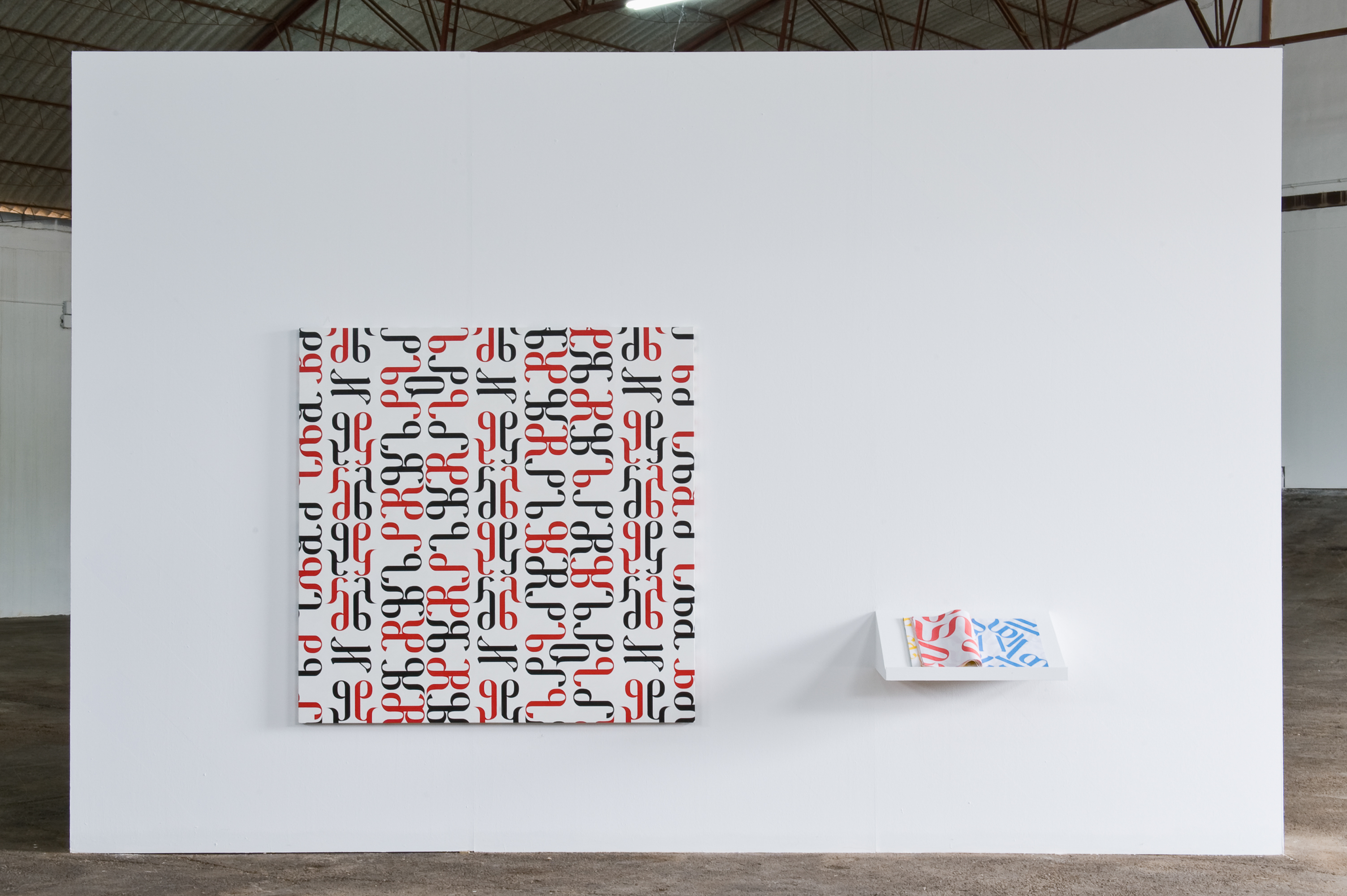
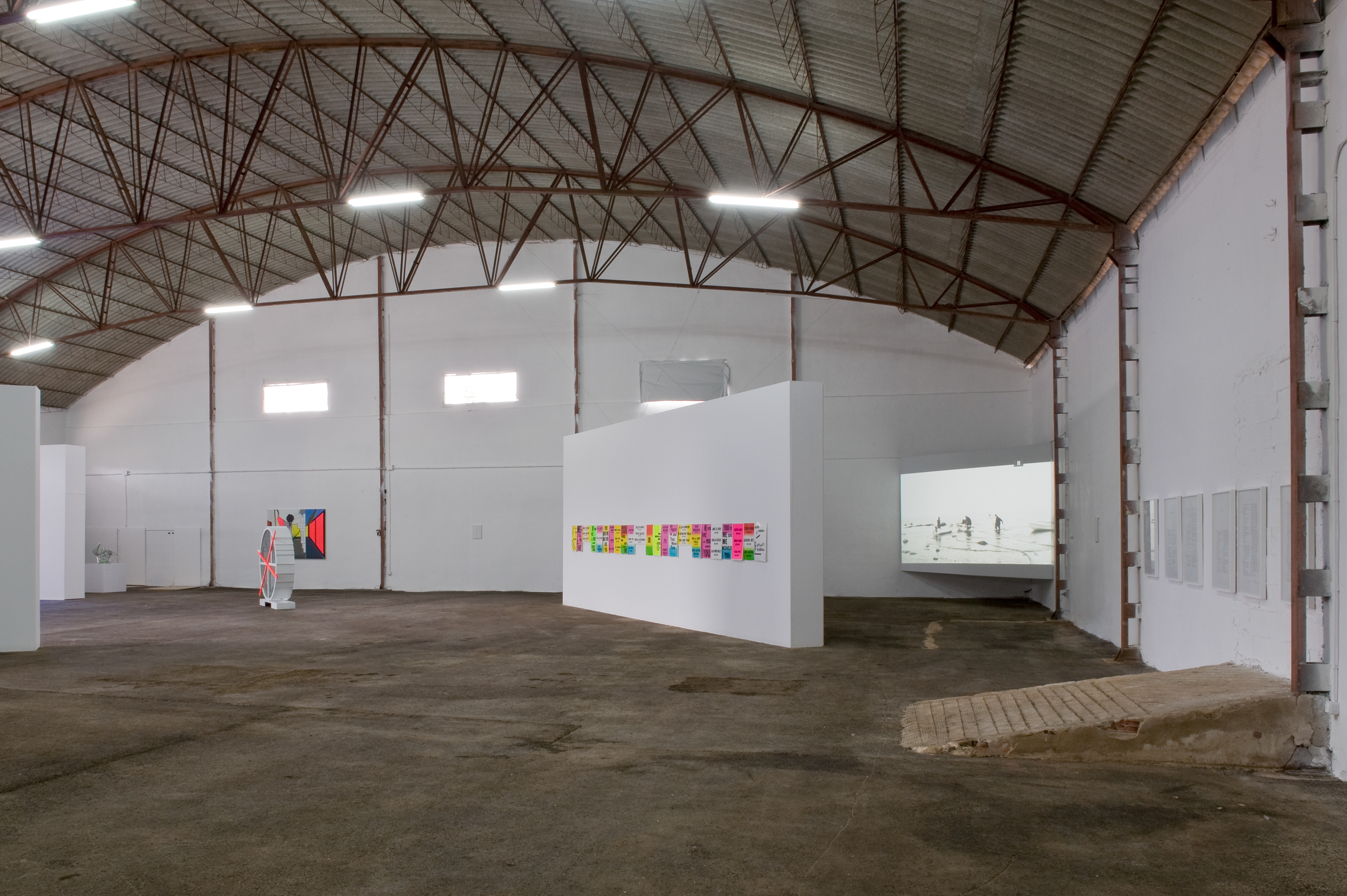
Unfinished Installation
- M a r t i n a K l e i n
- C h a r l o t t e P o s e n e n s k e

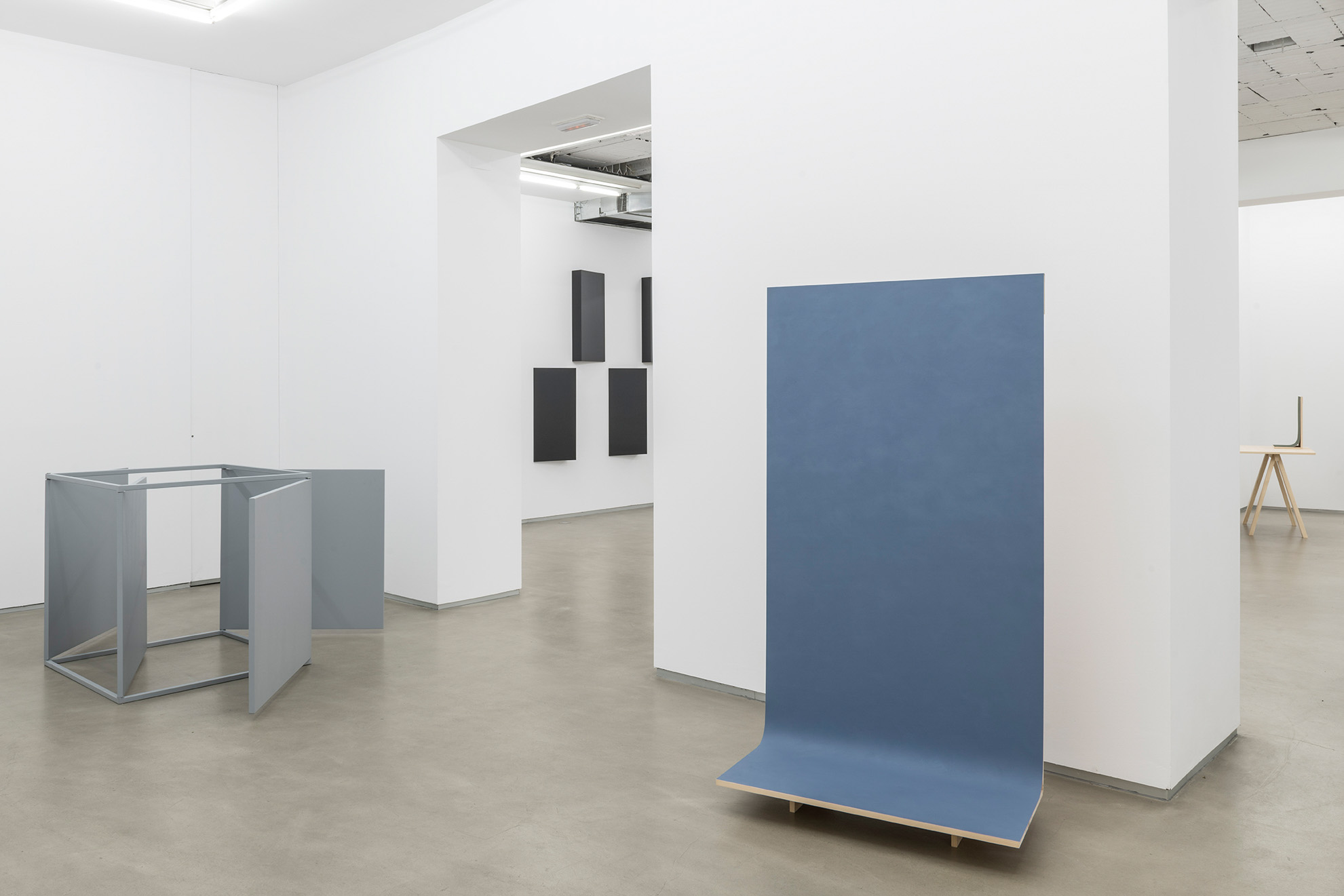
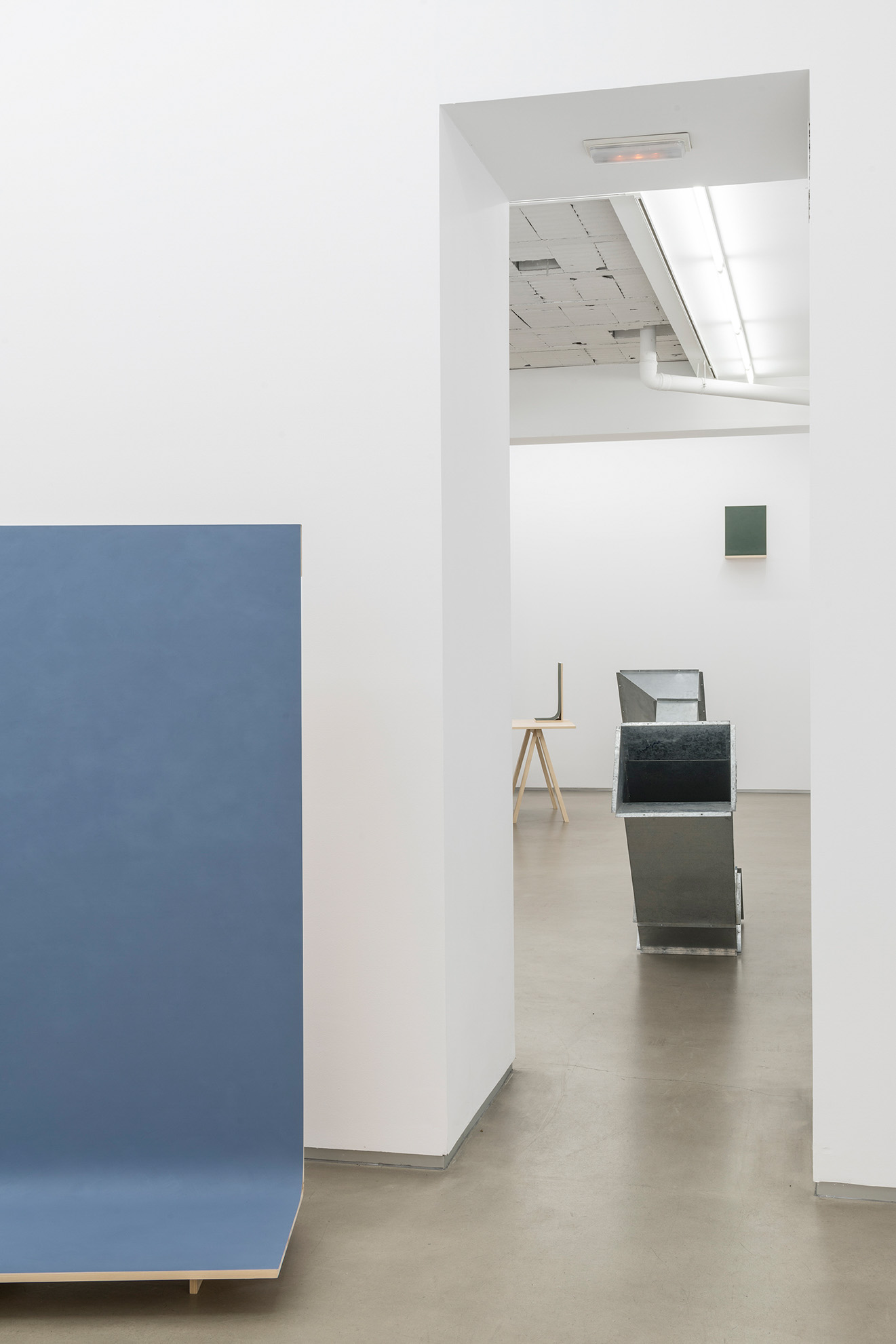


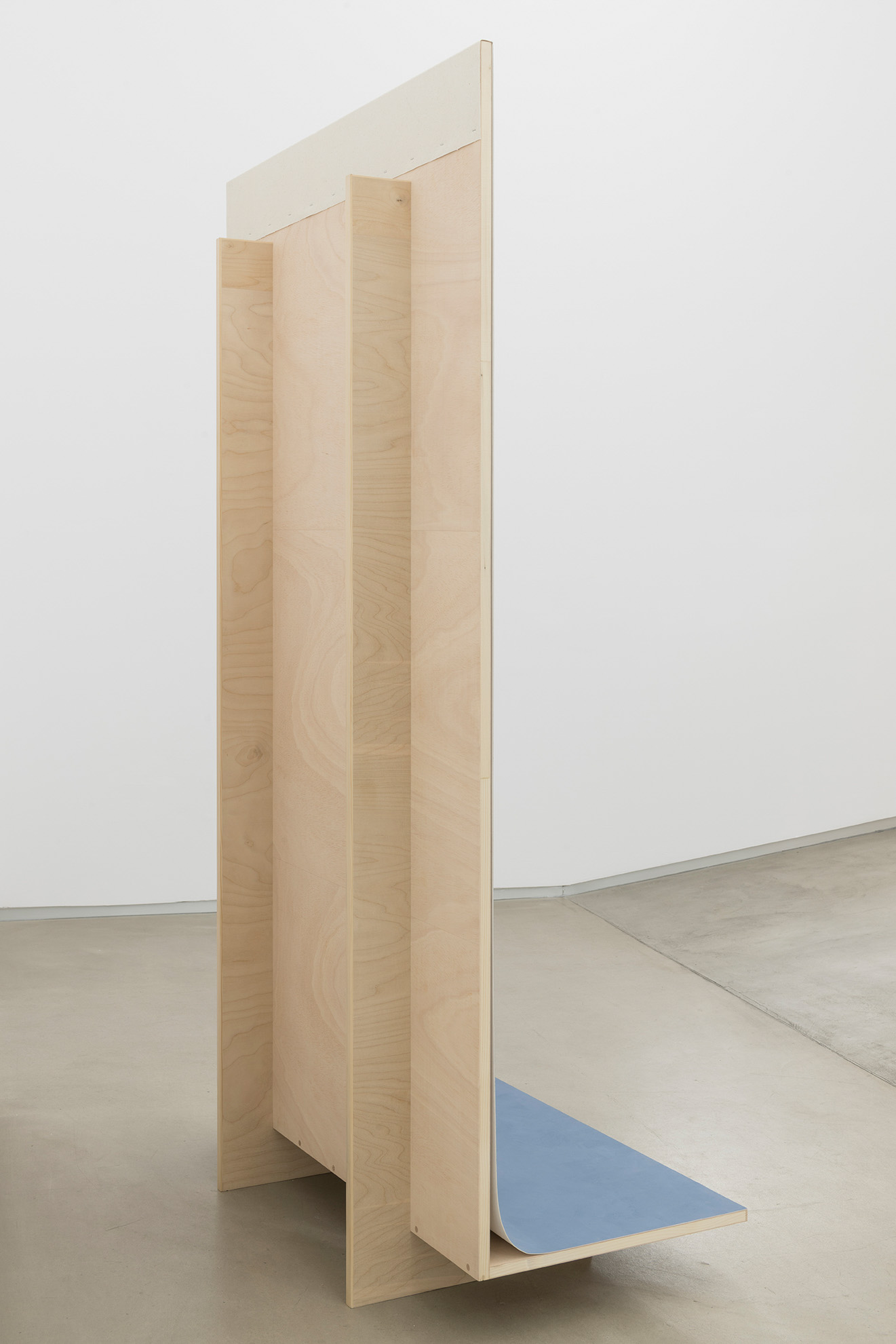


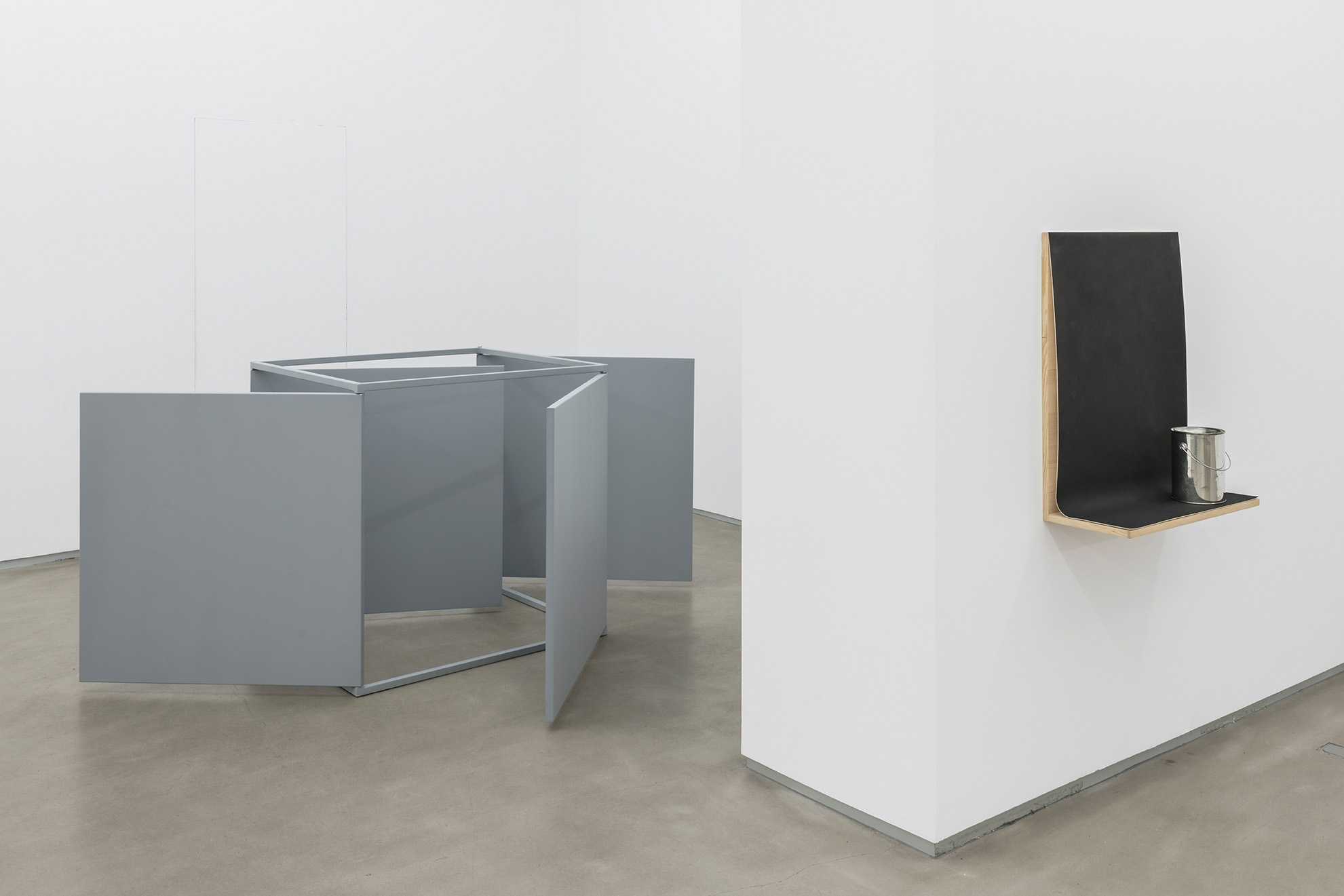
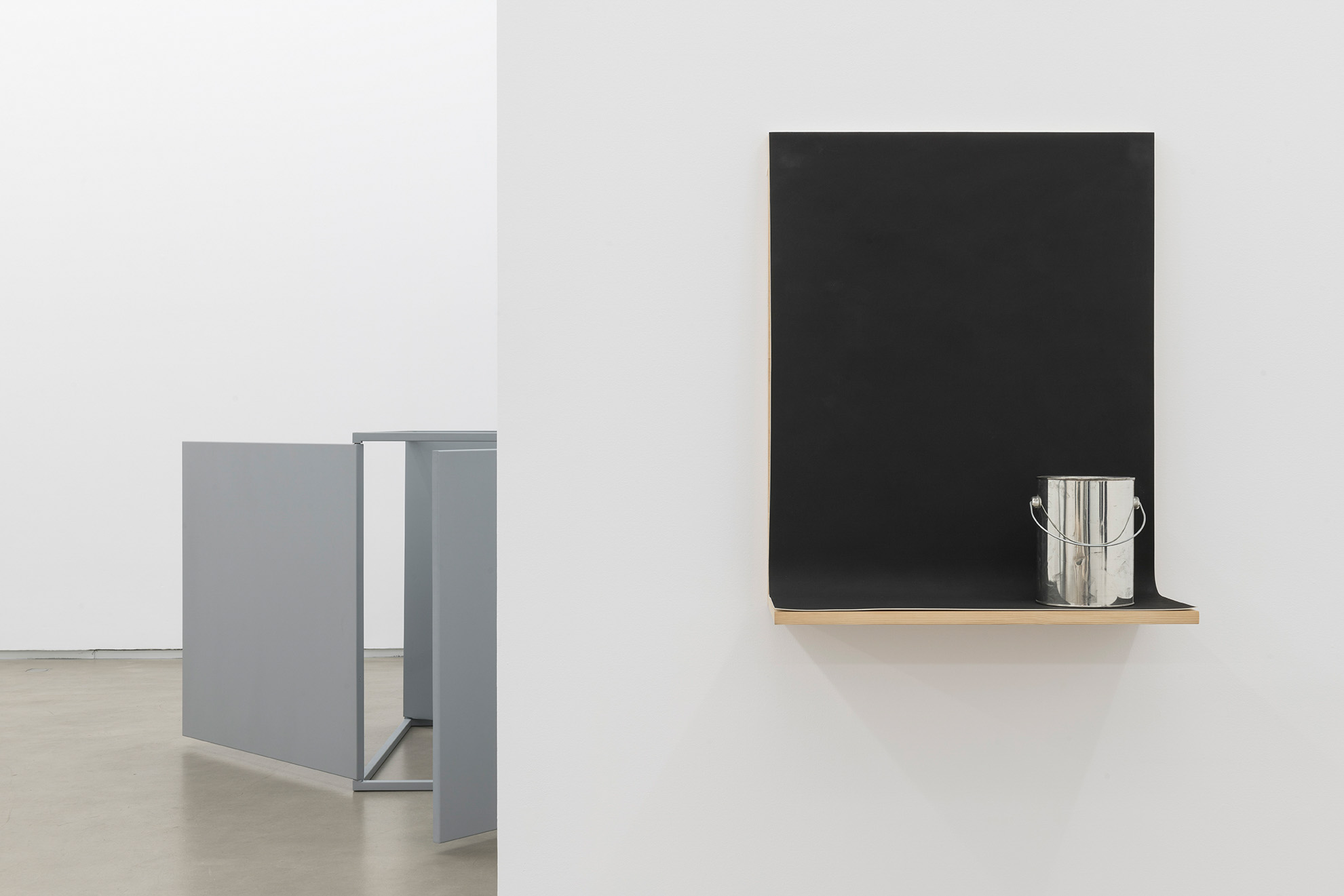
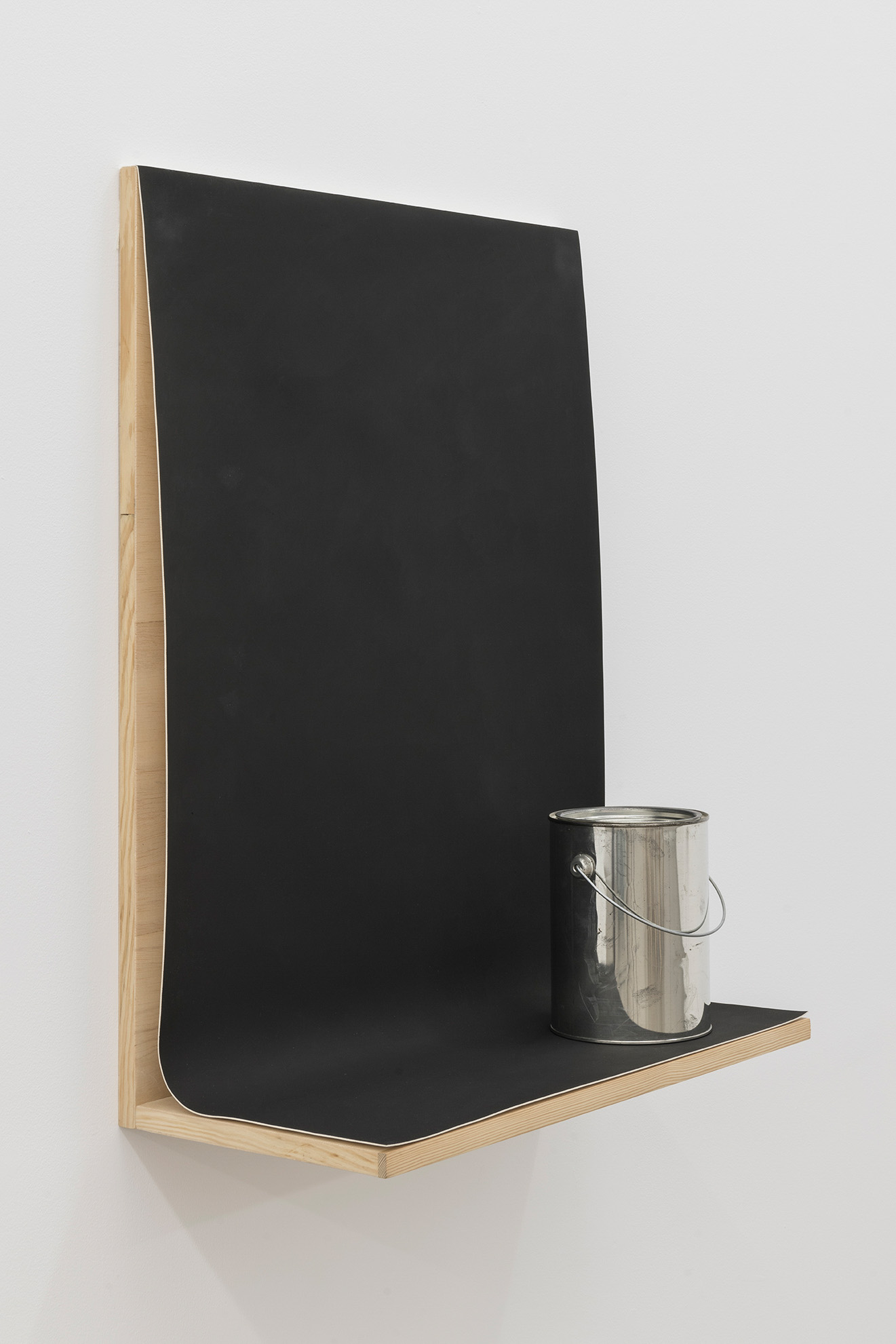
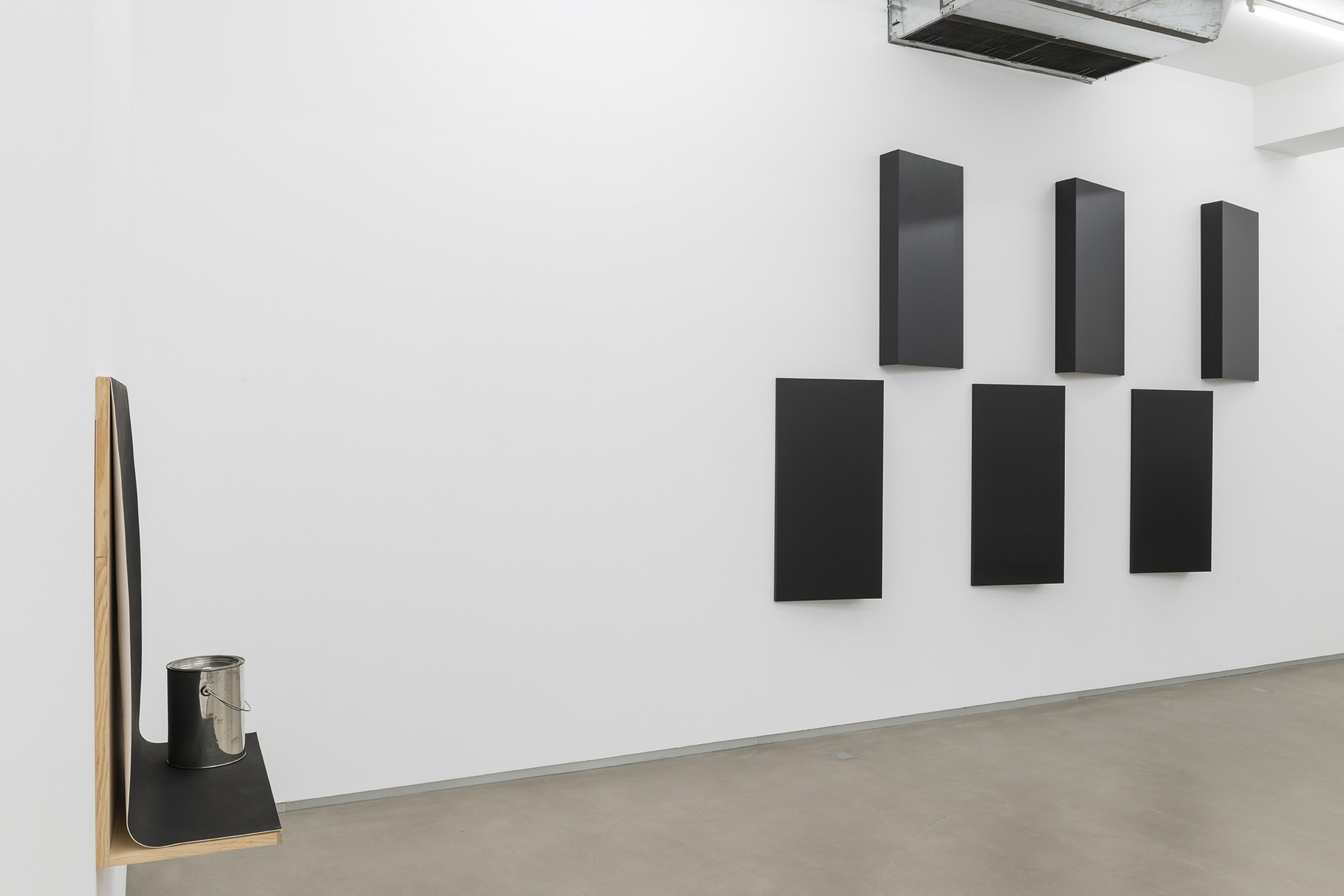
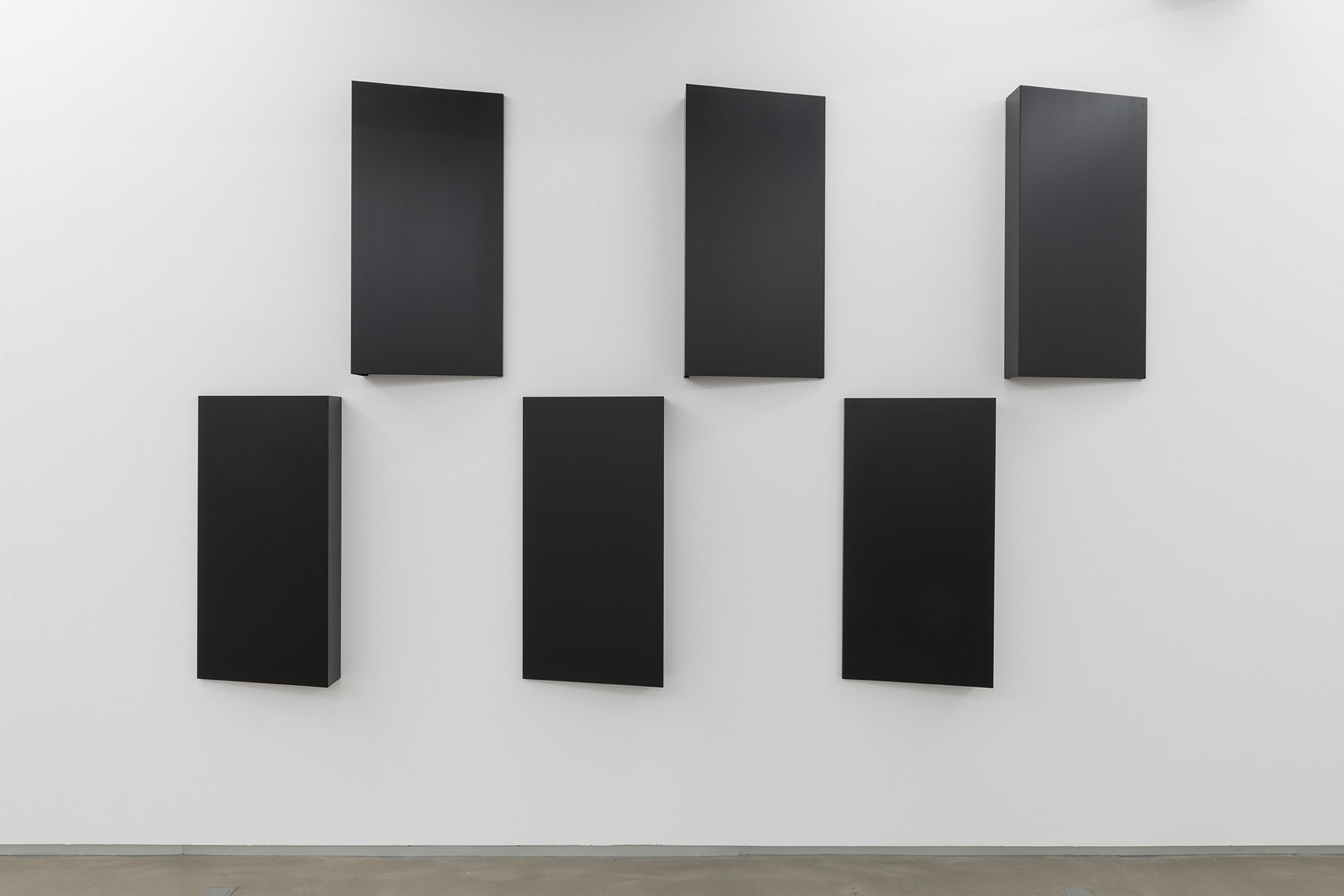
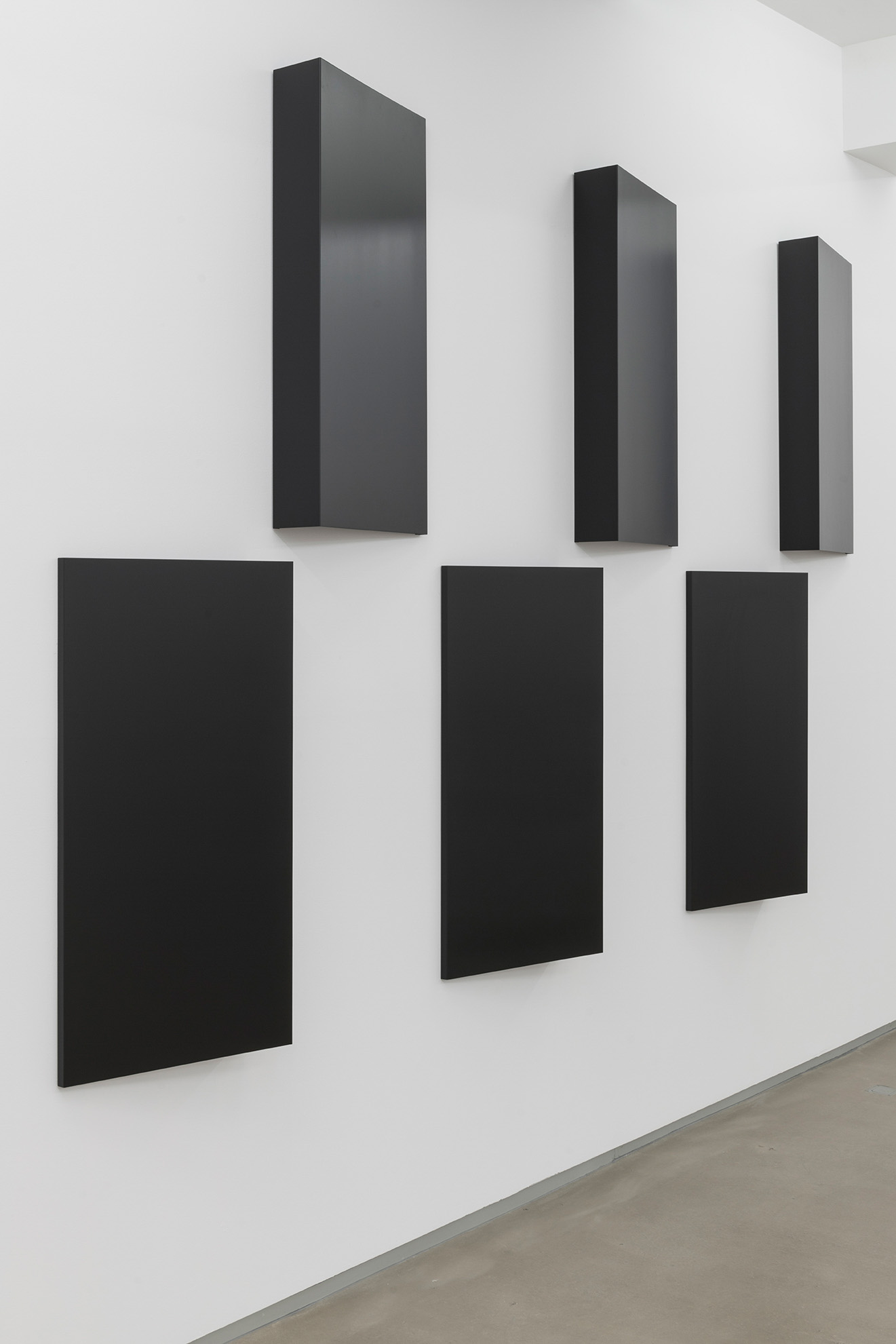
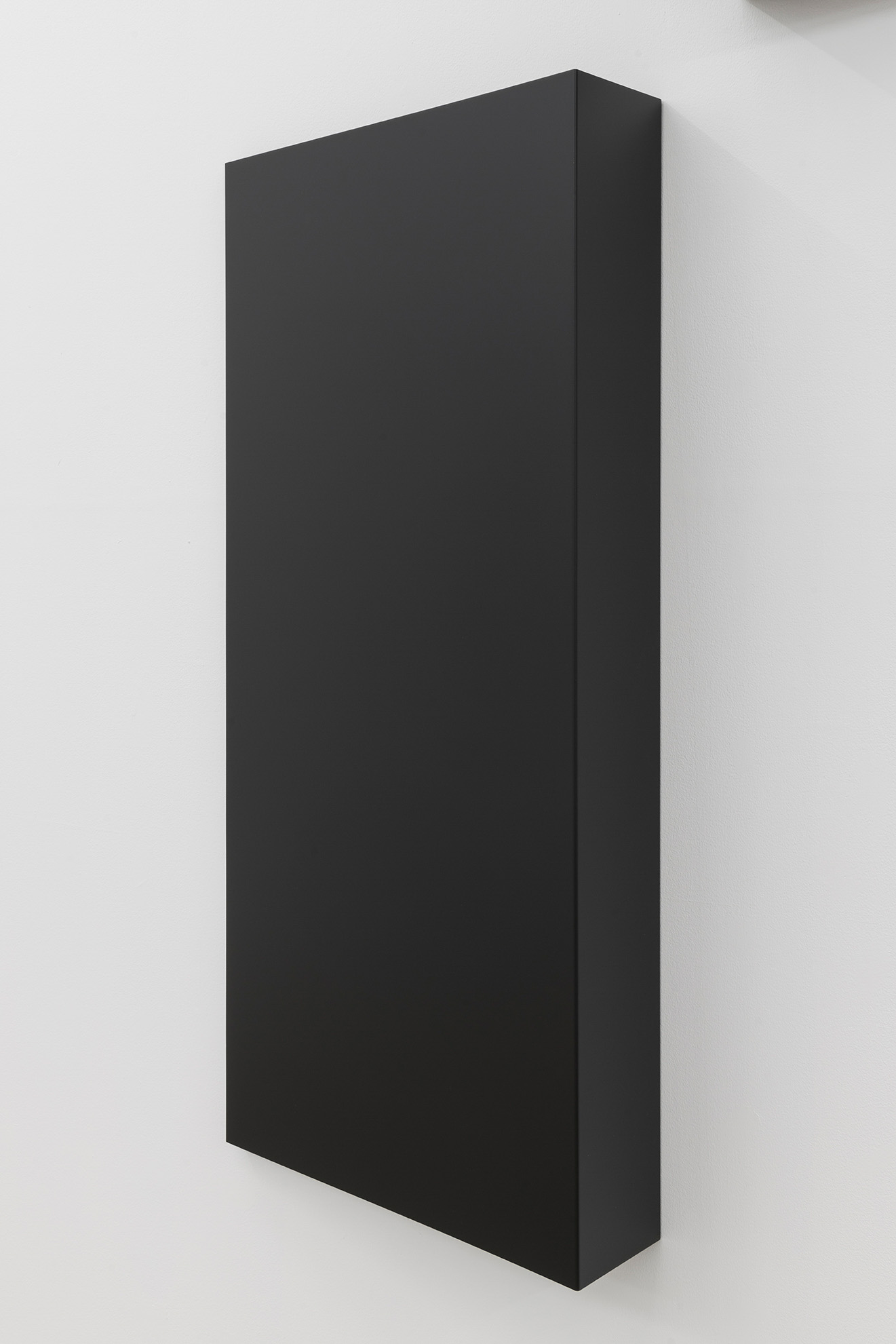
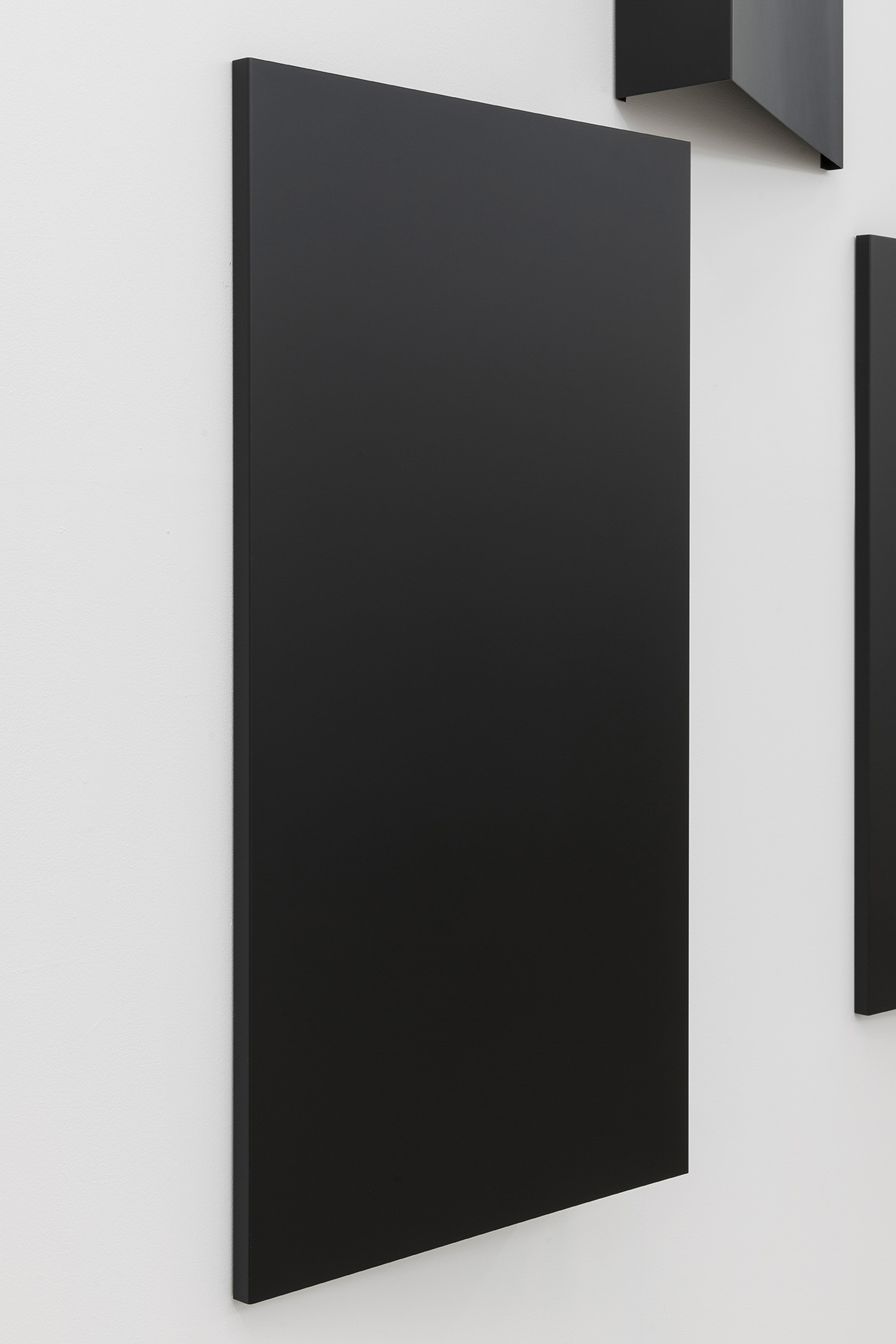


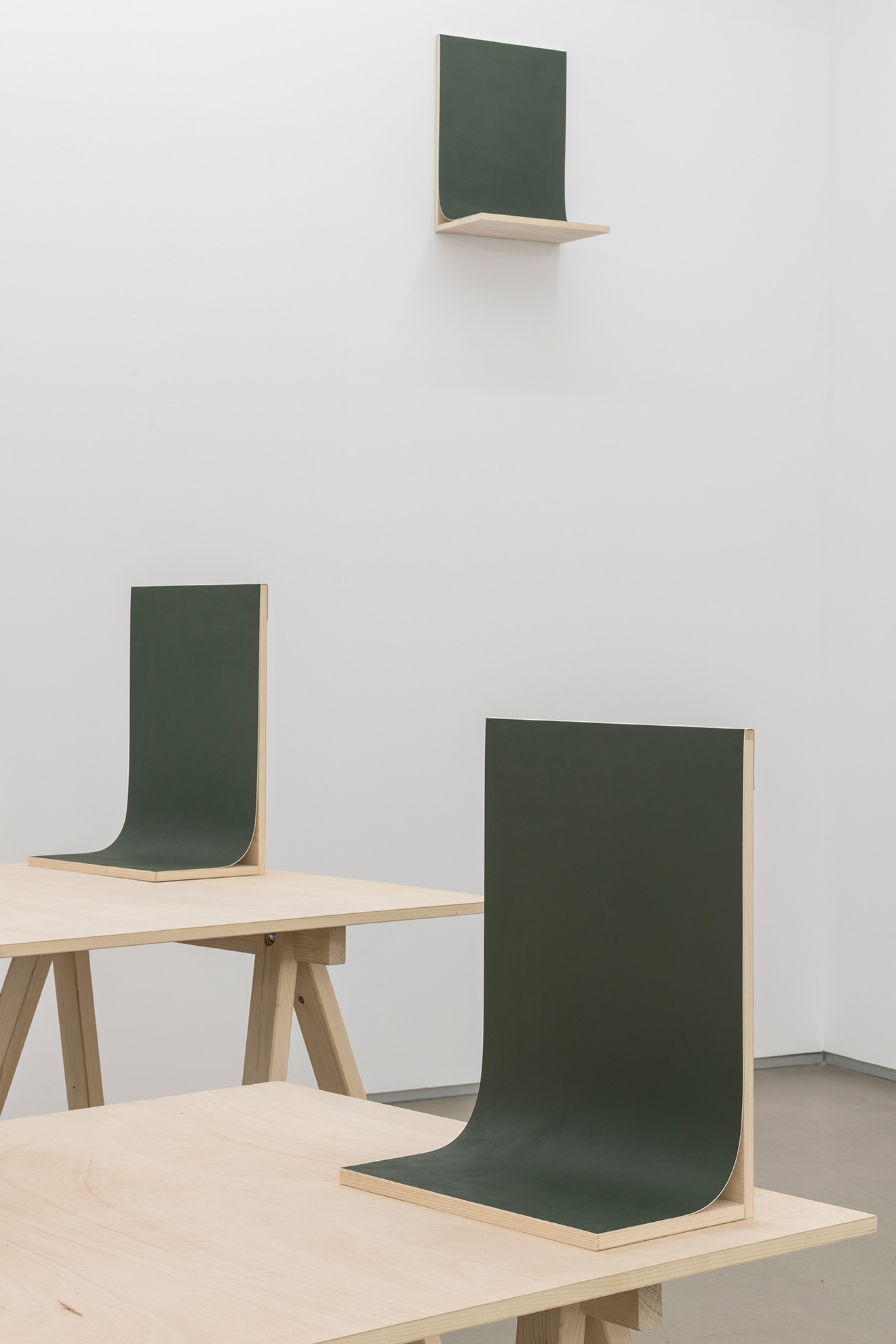
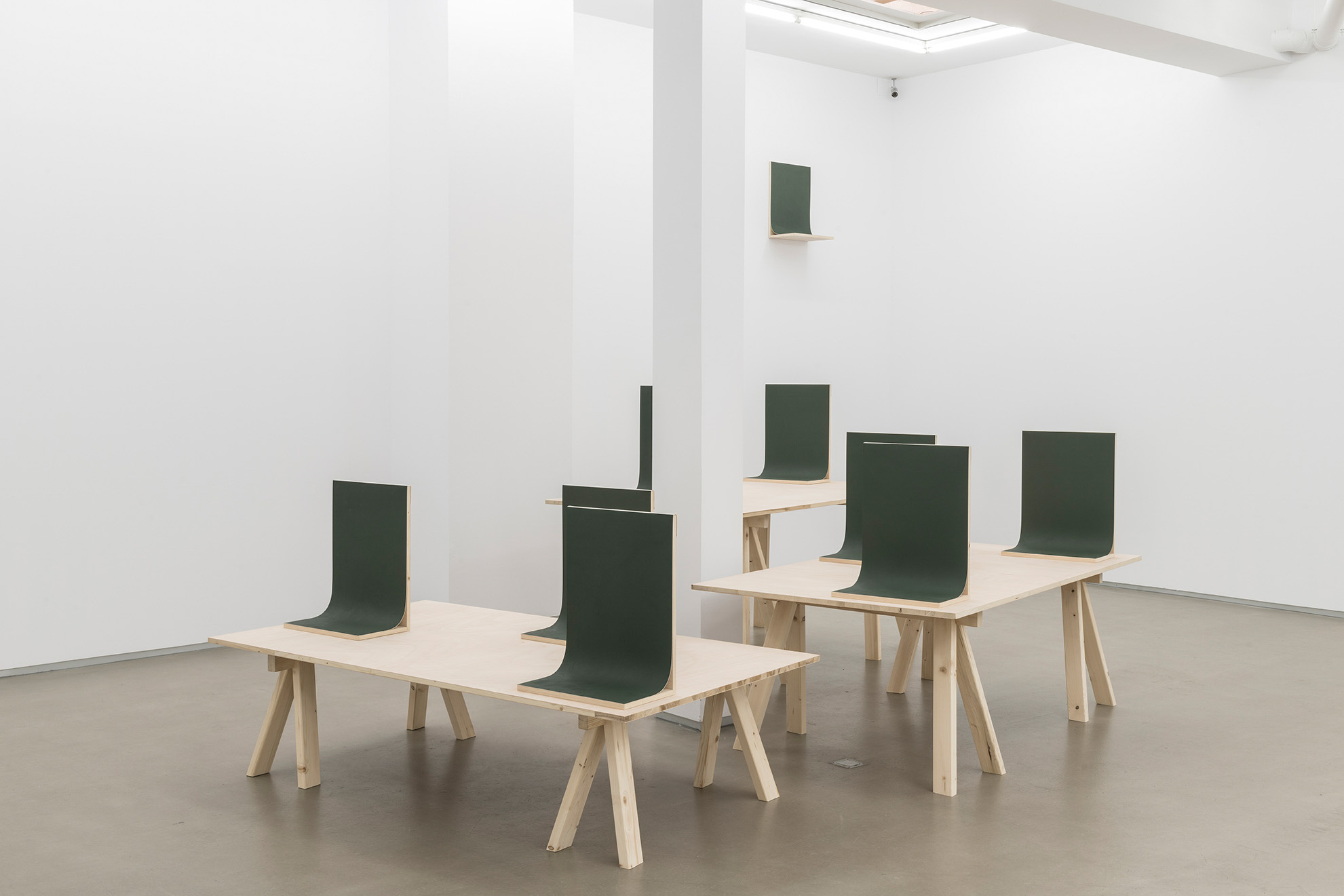
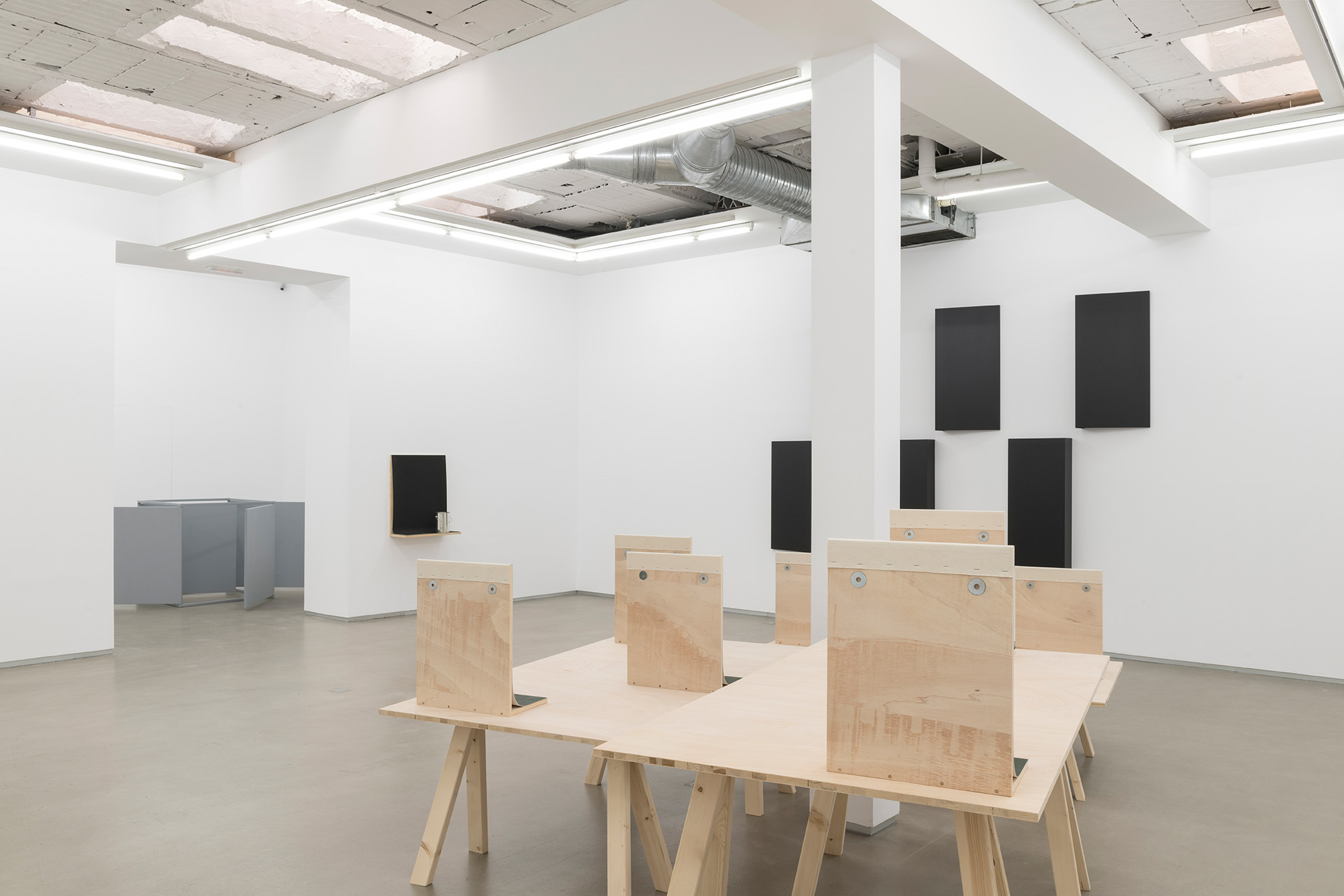
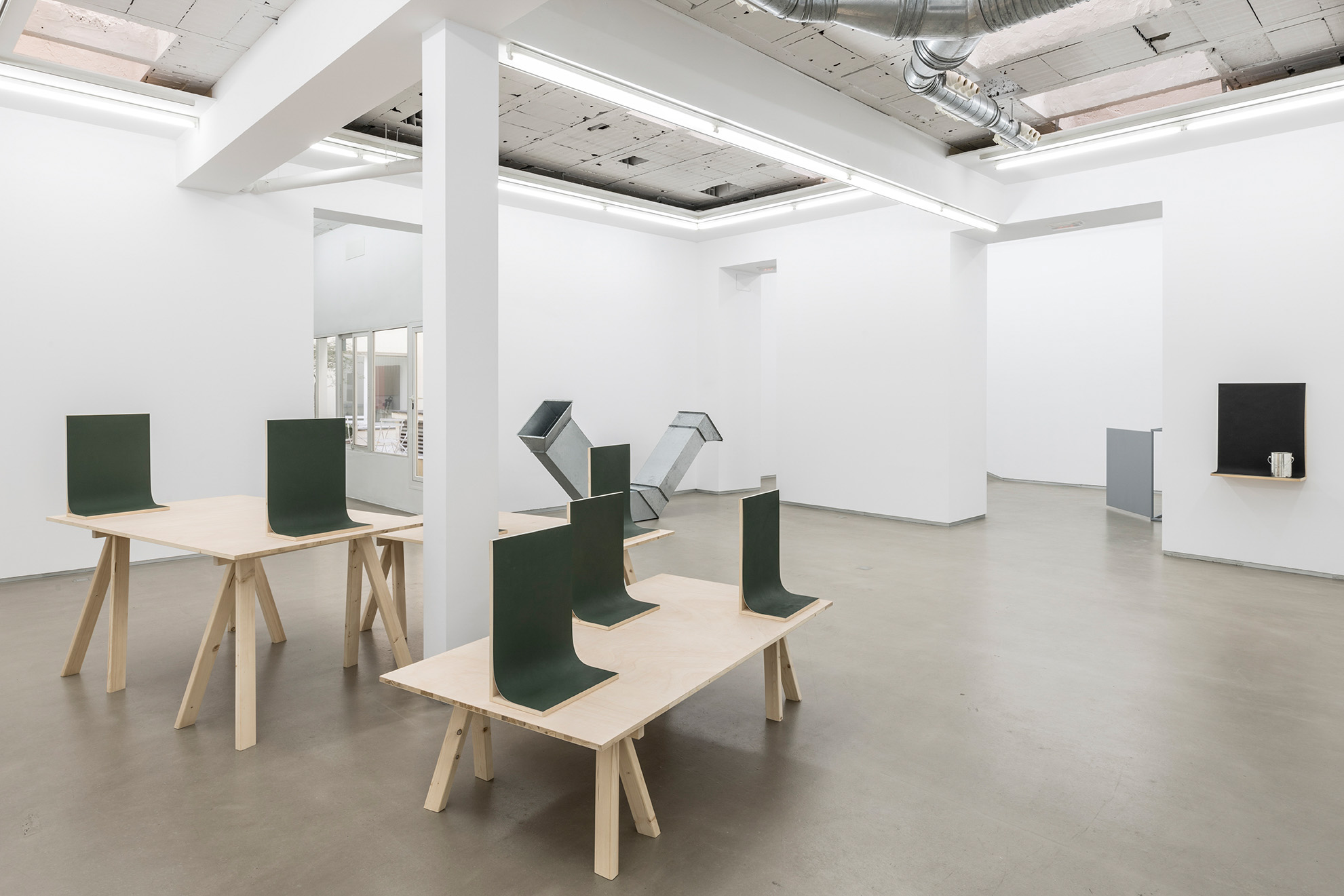

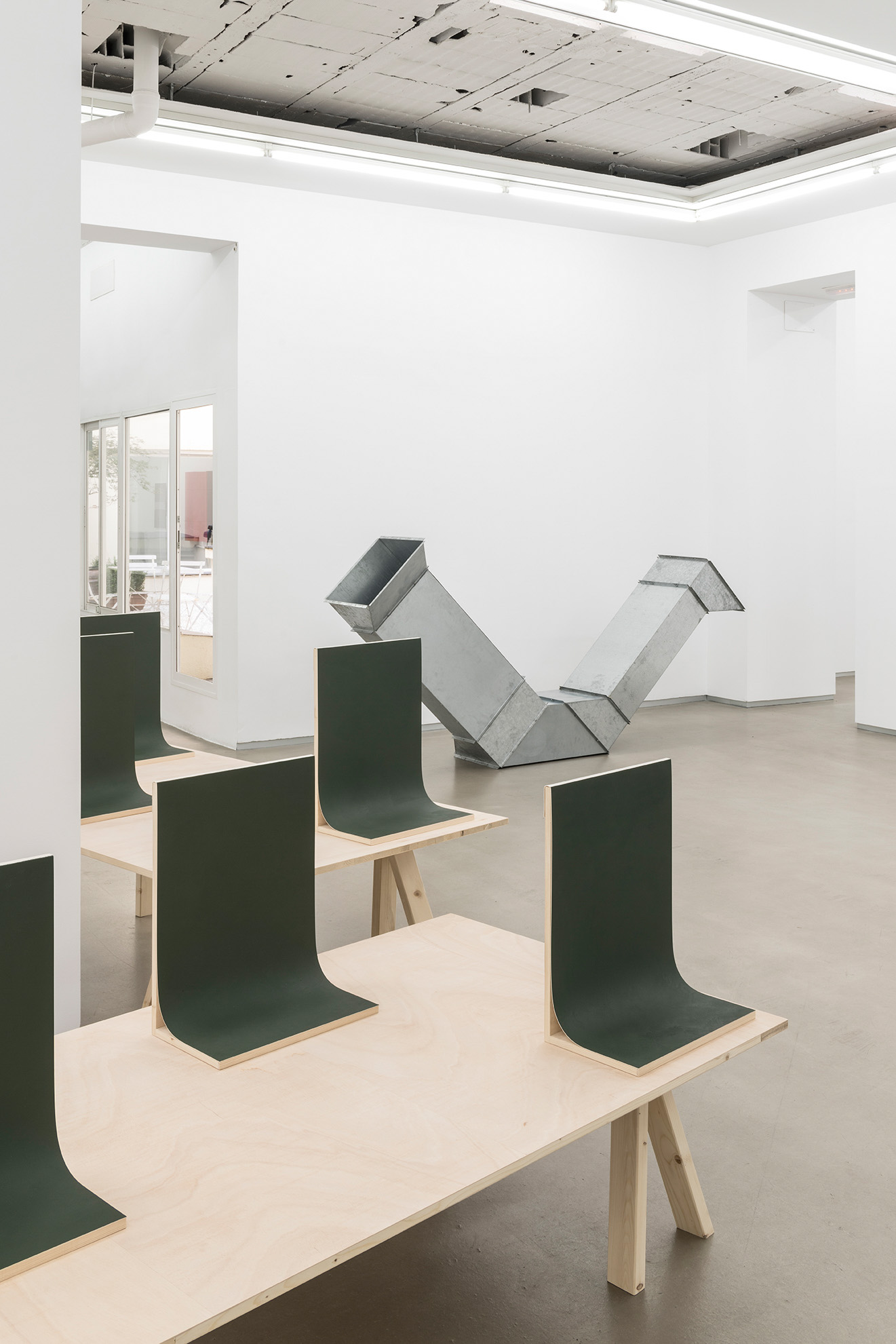

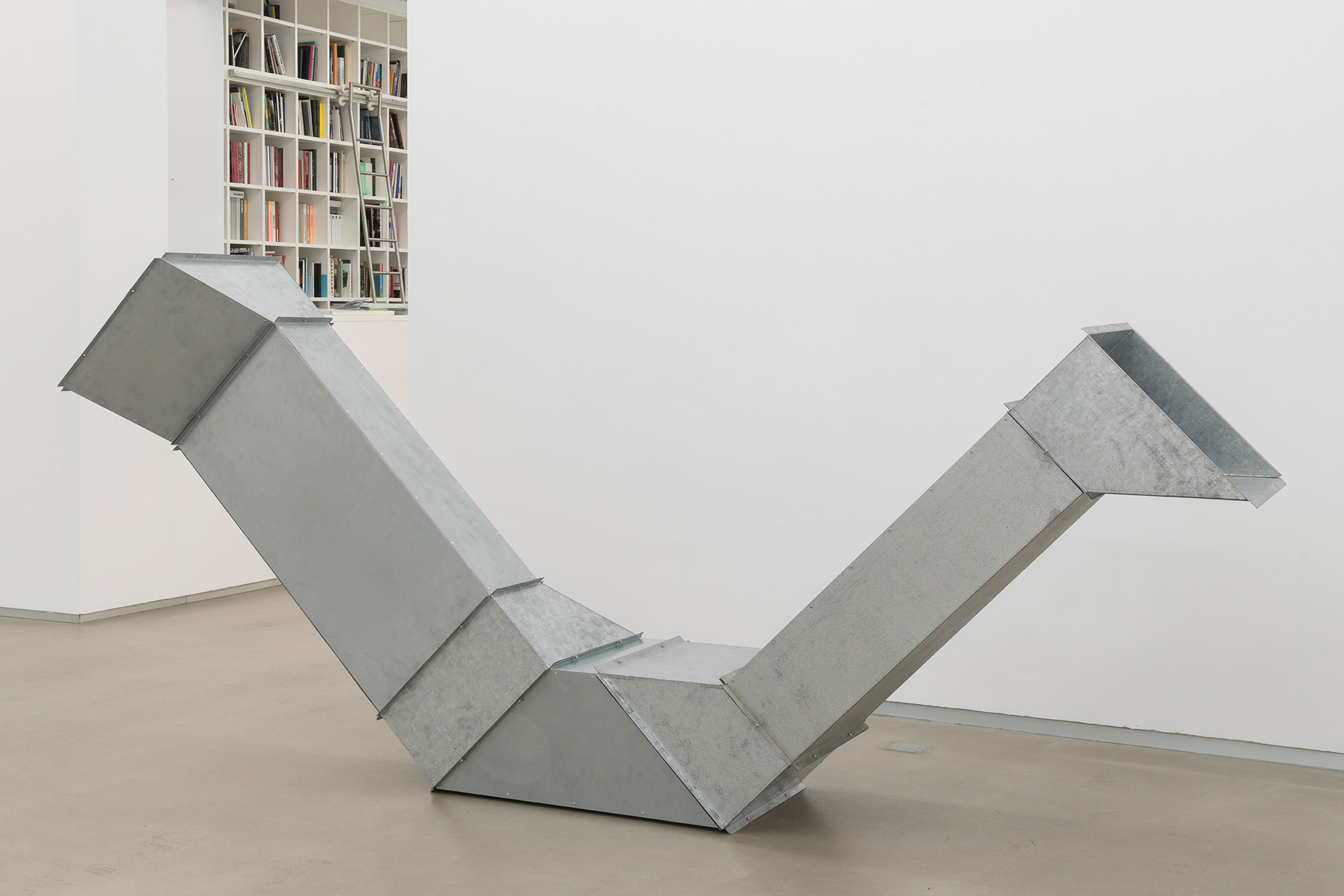

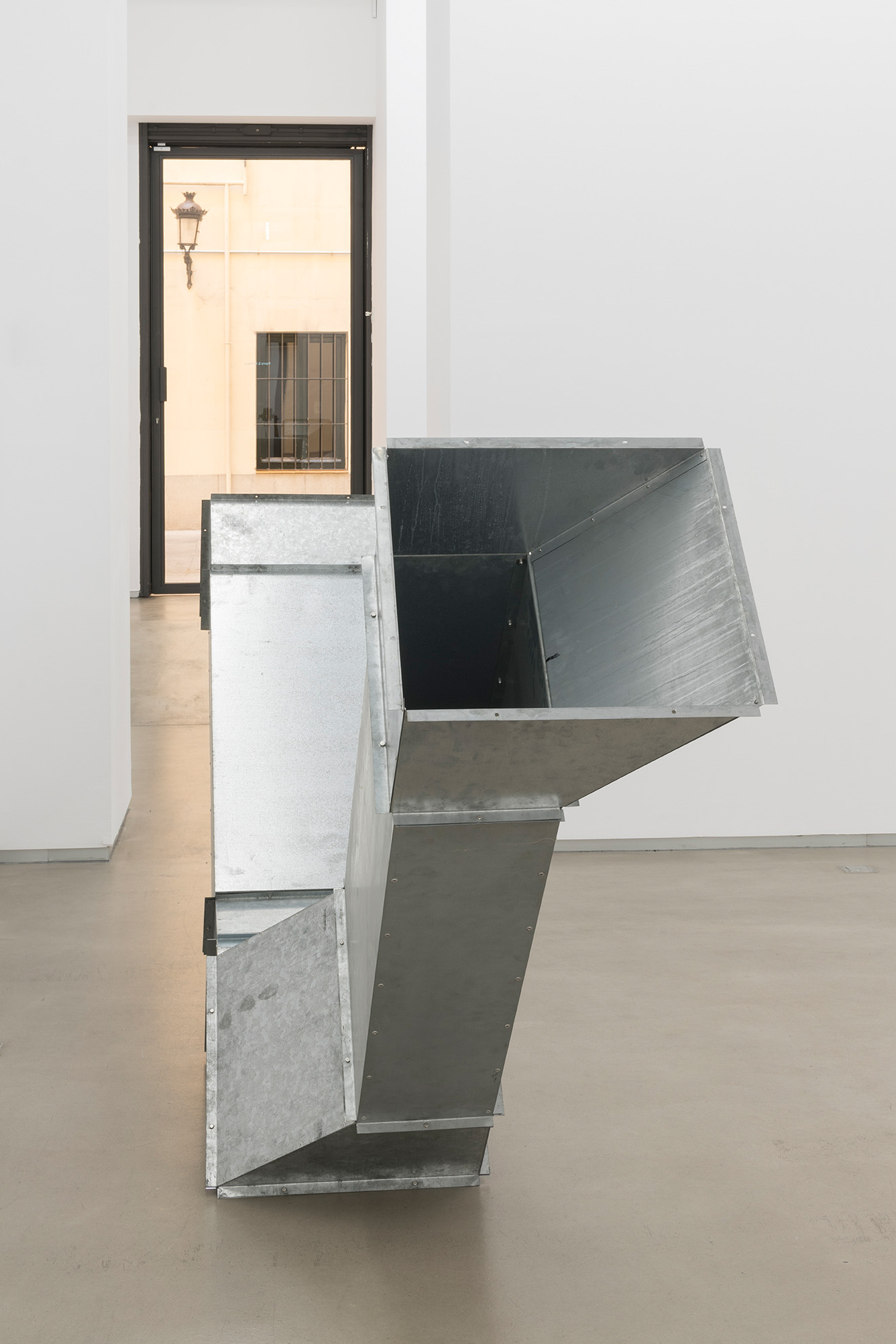


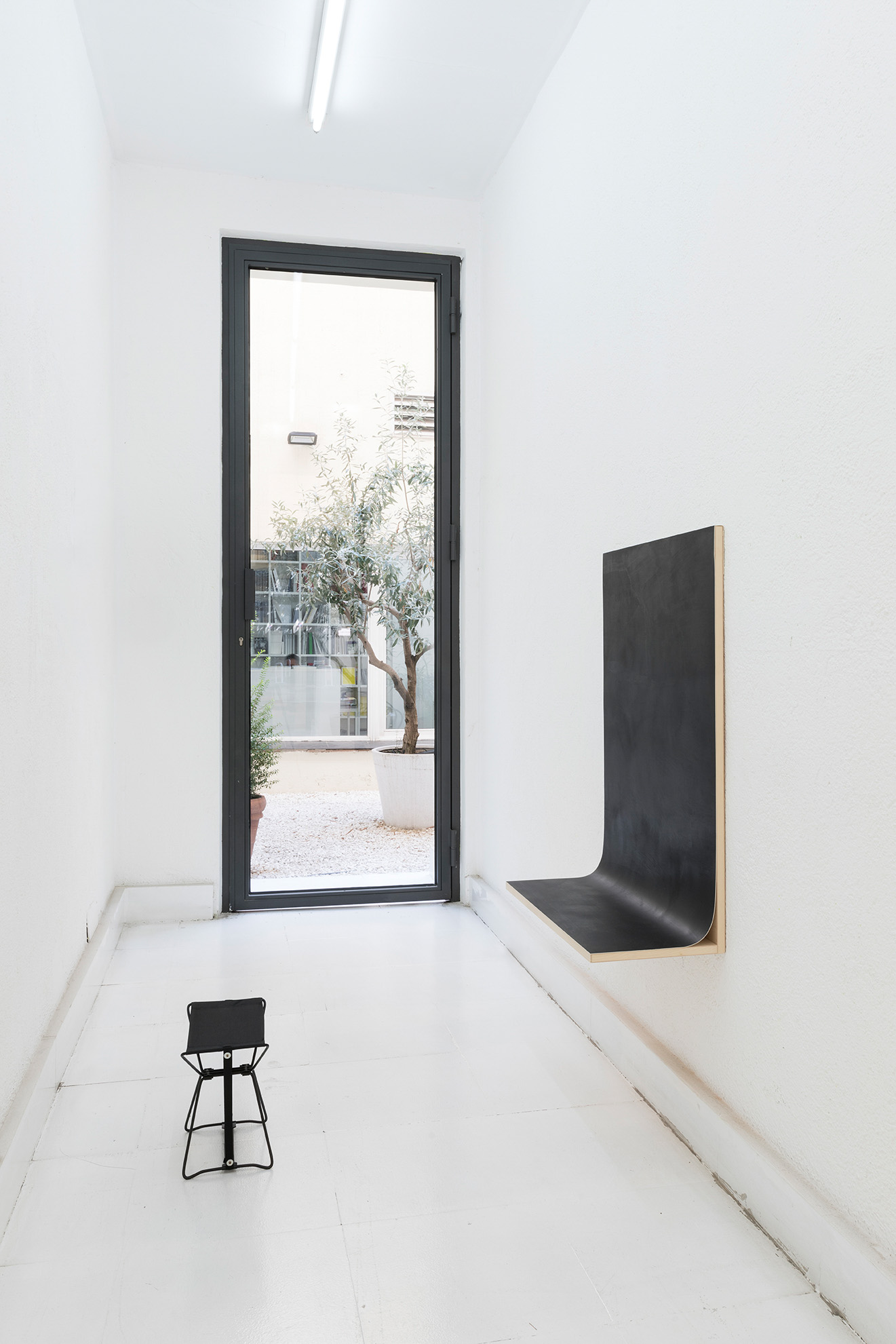
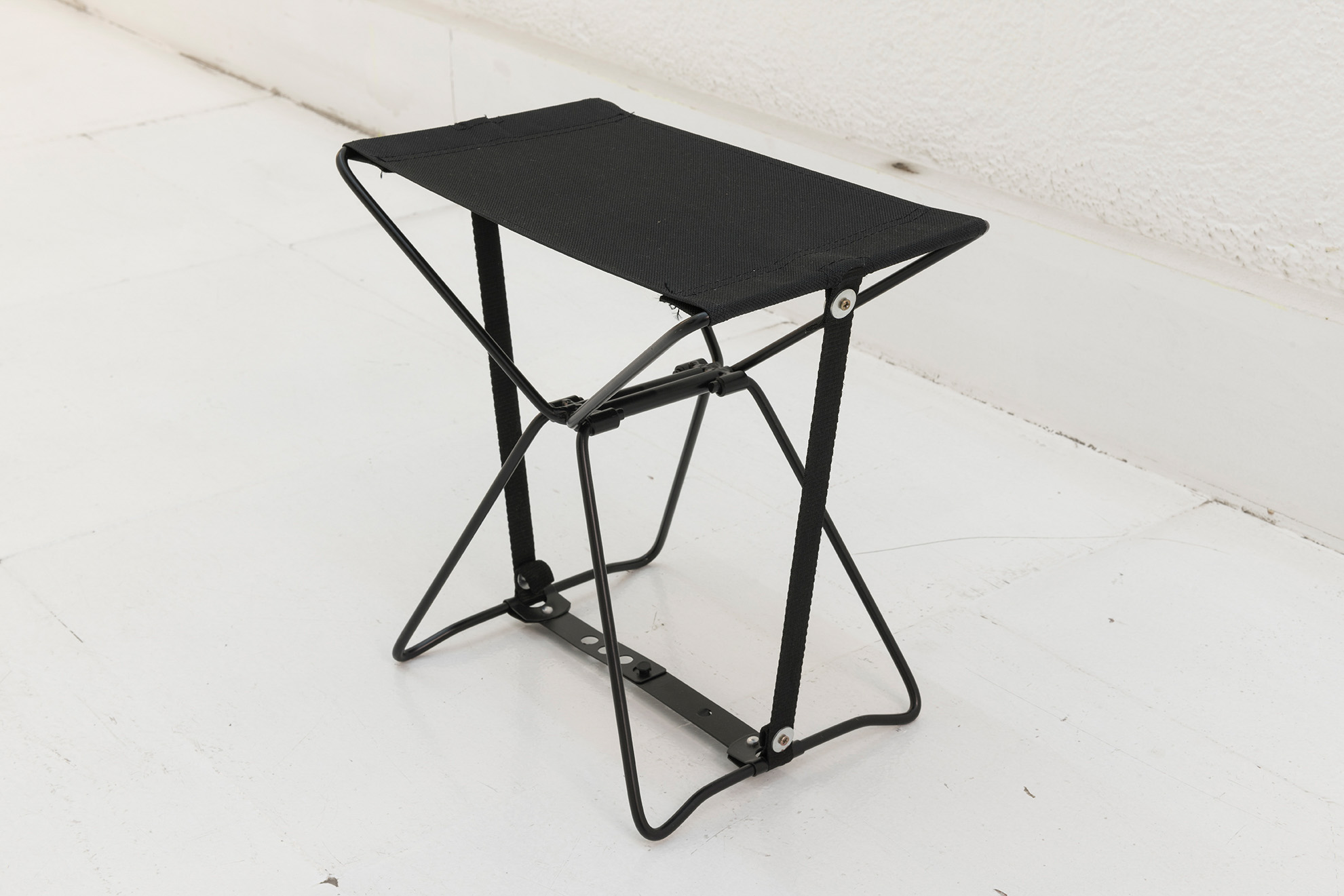
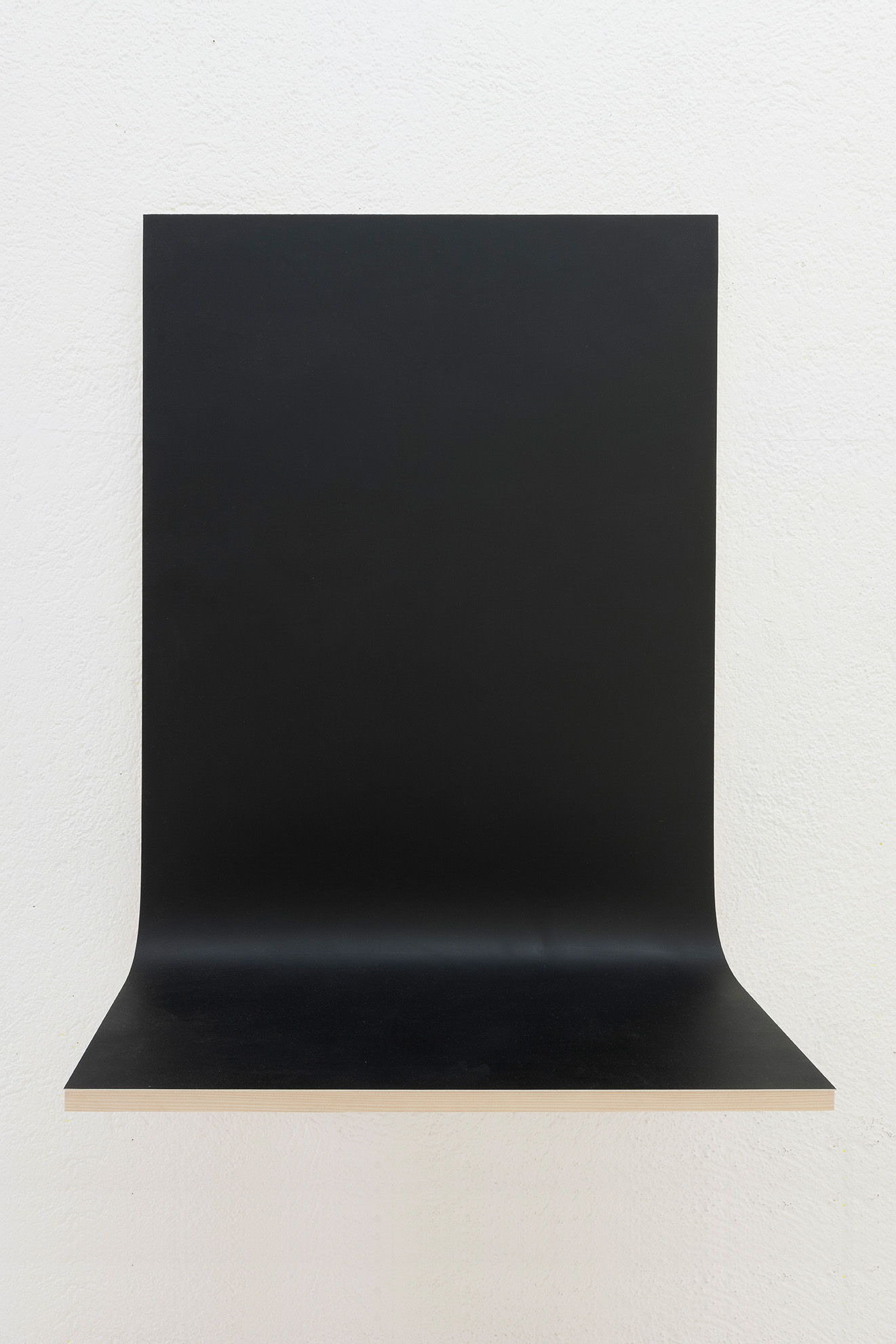
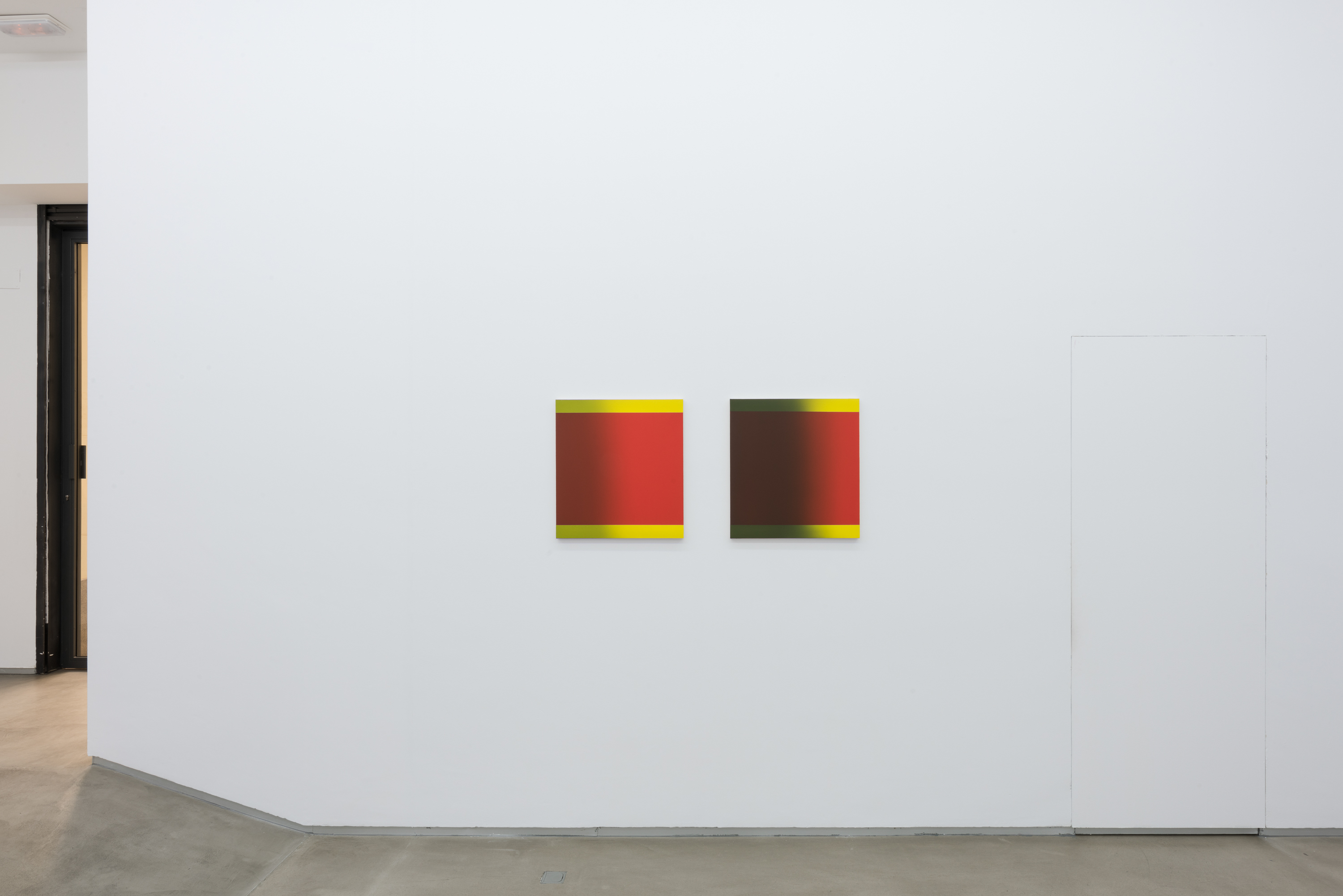
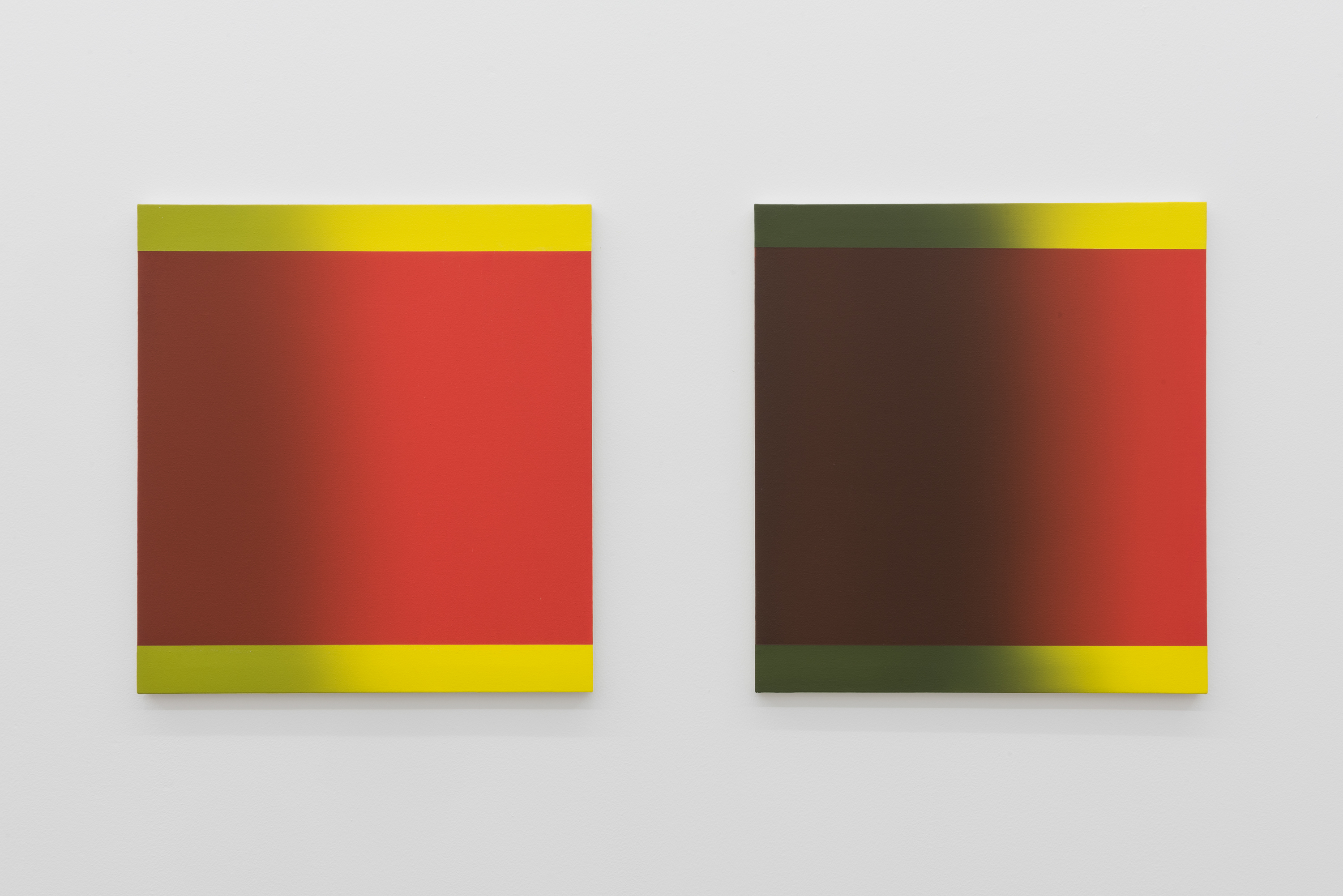
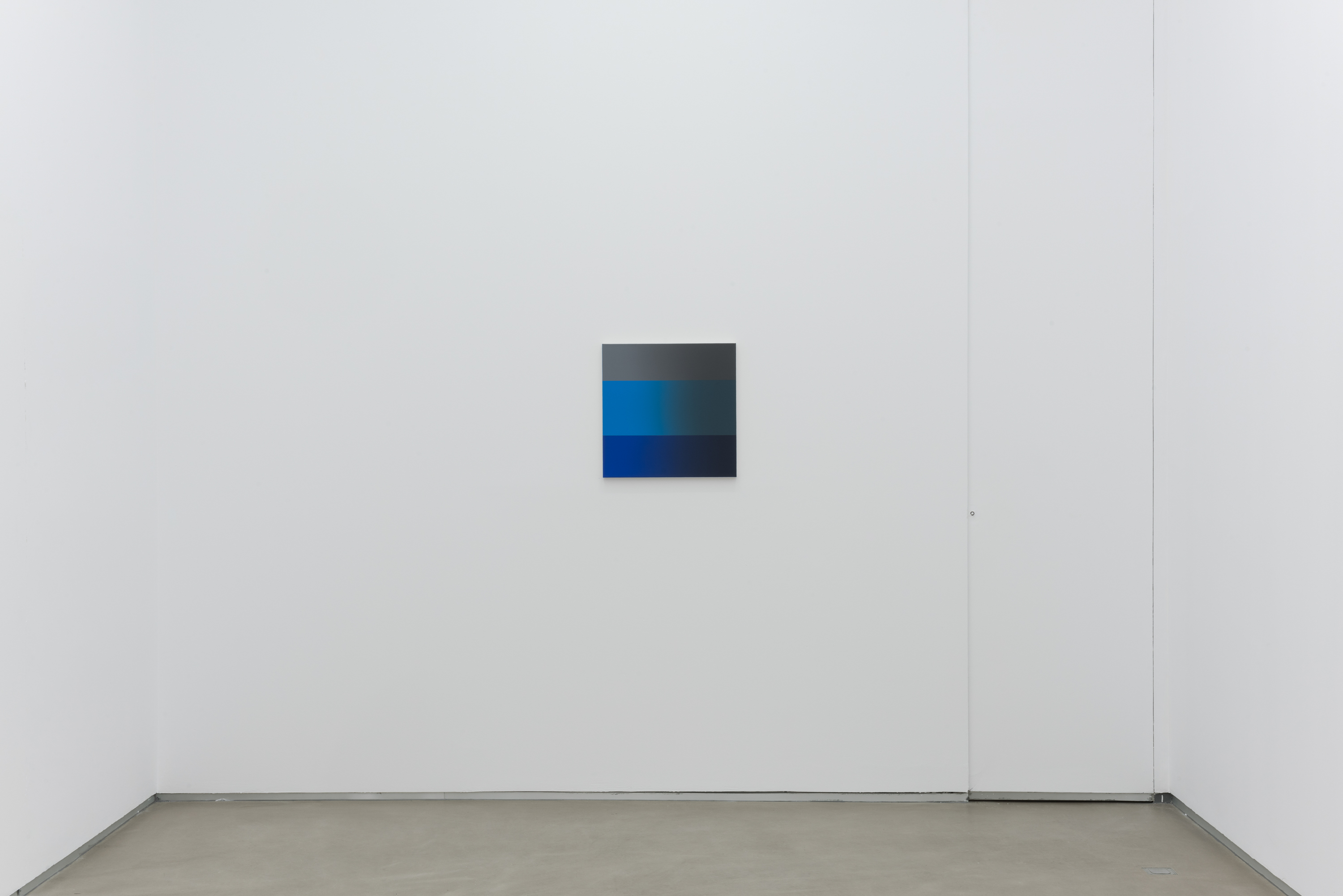
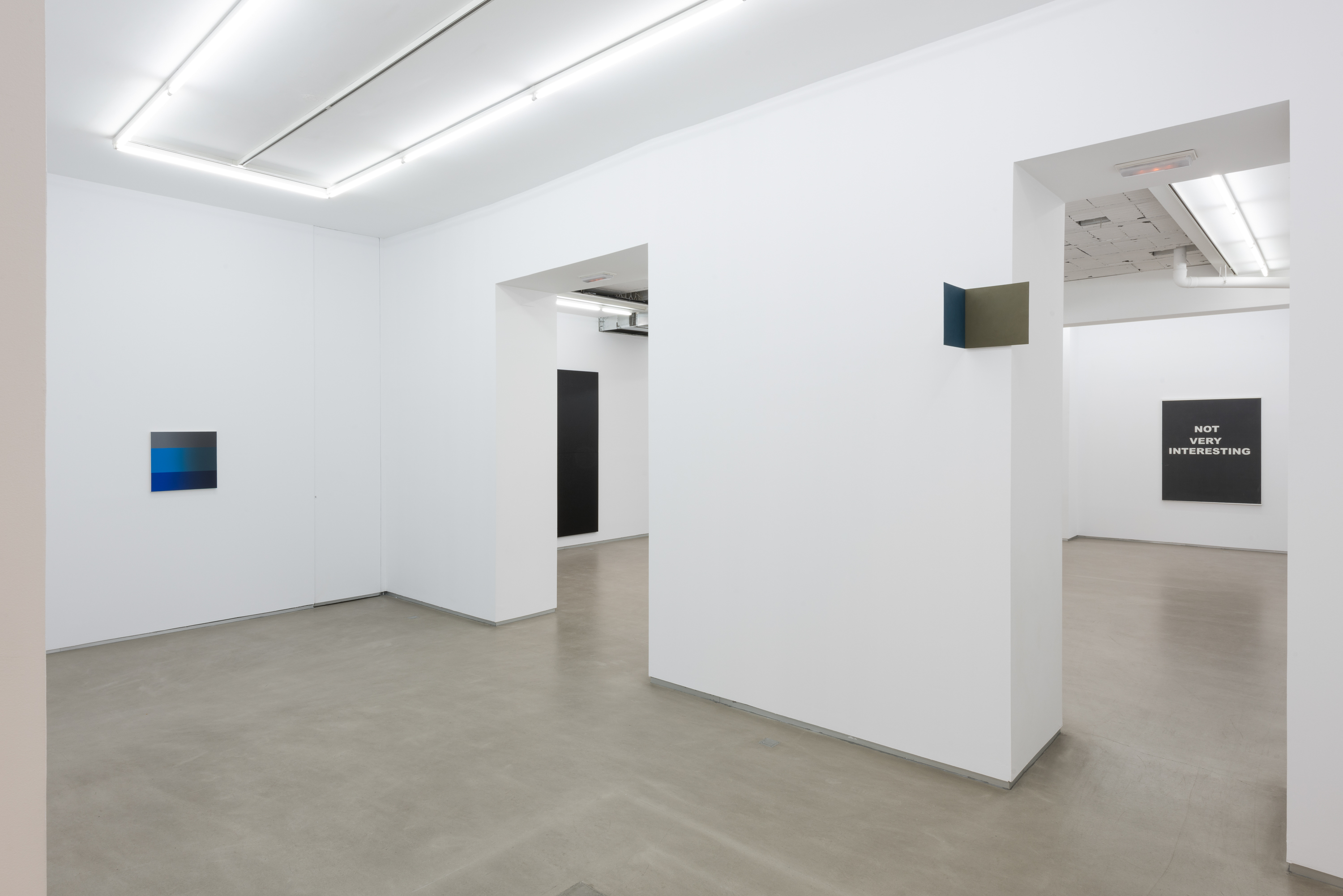
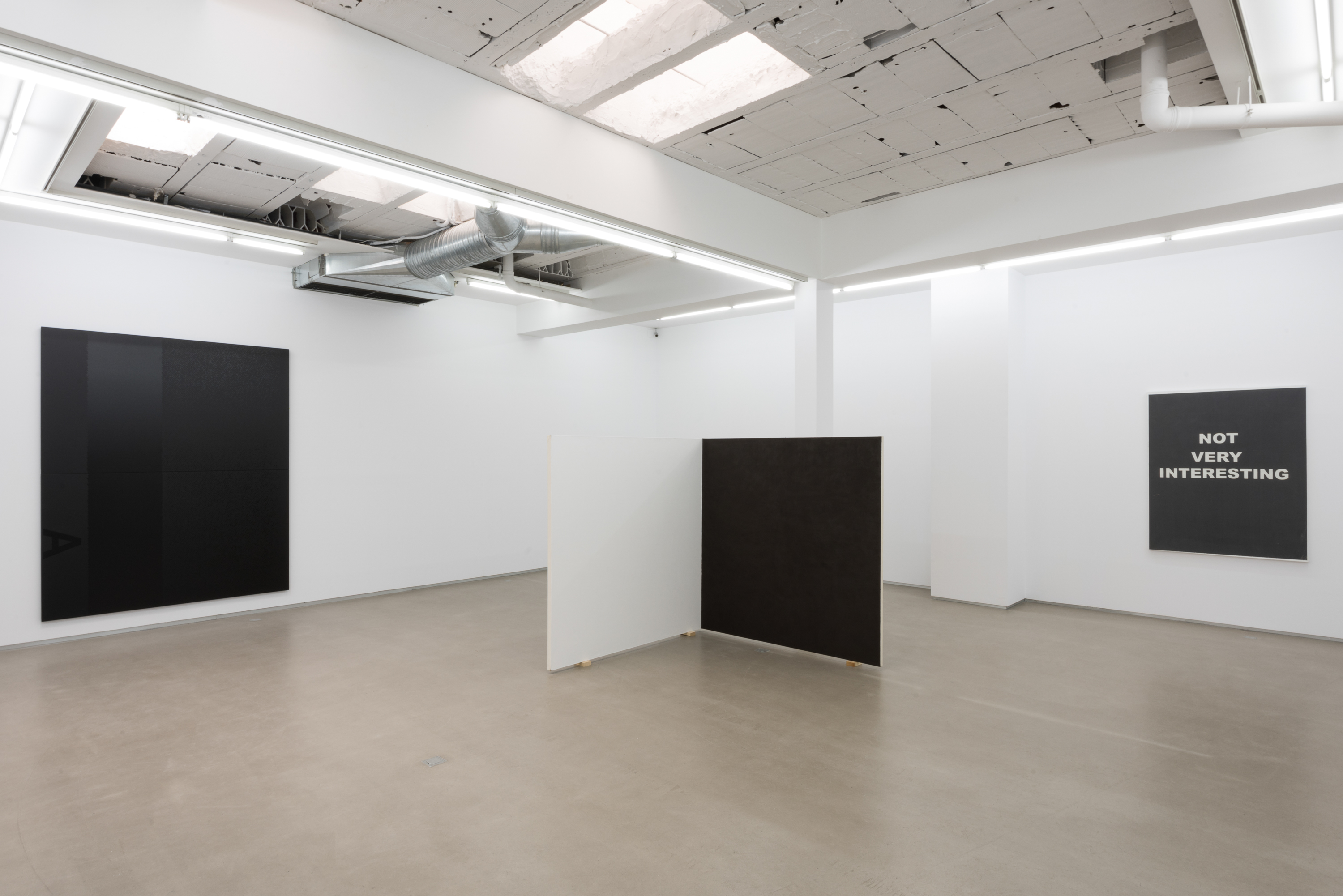
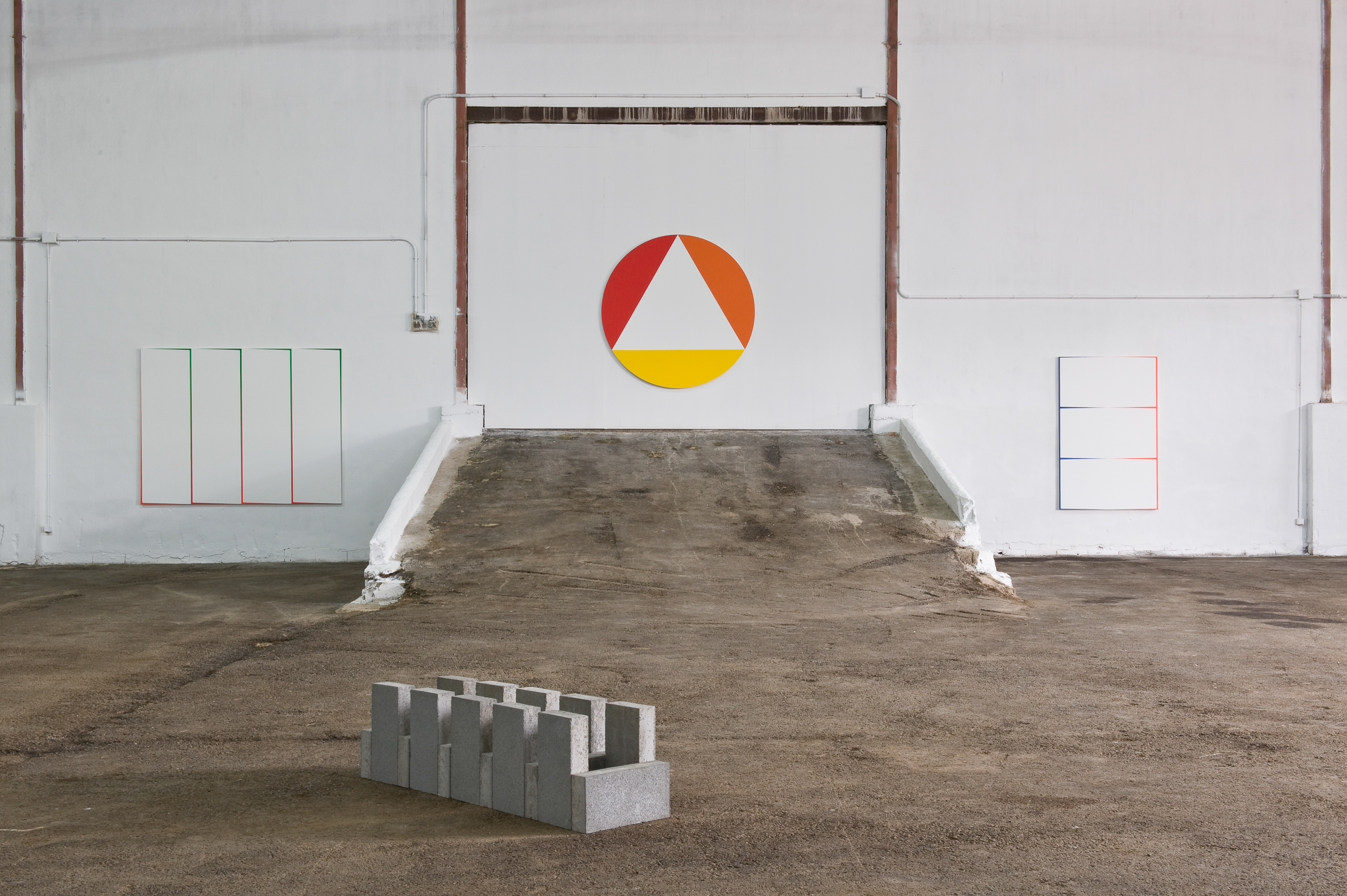
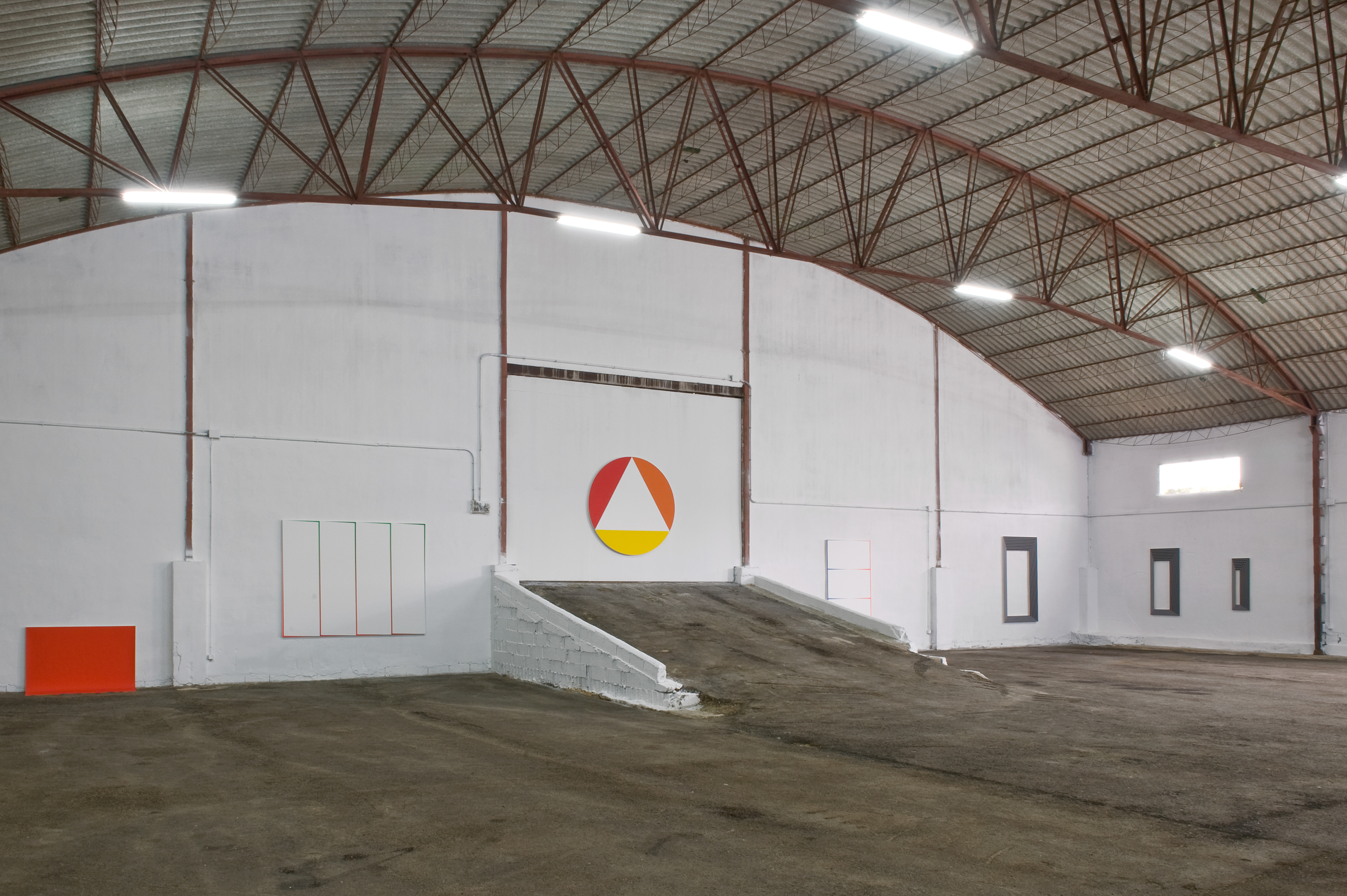
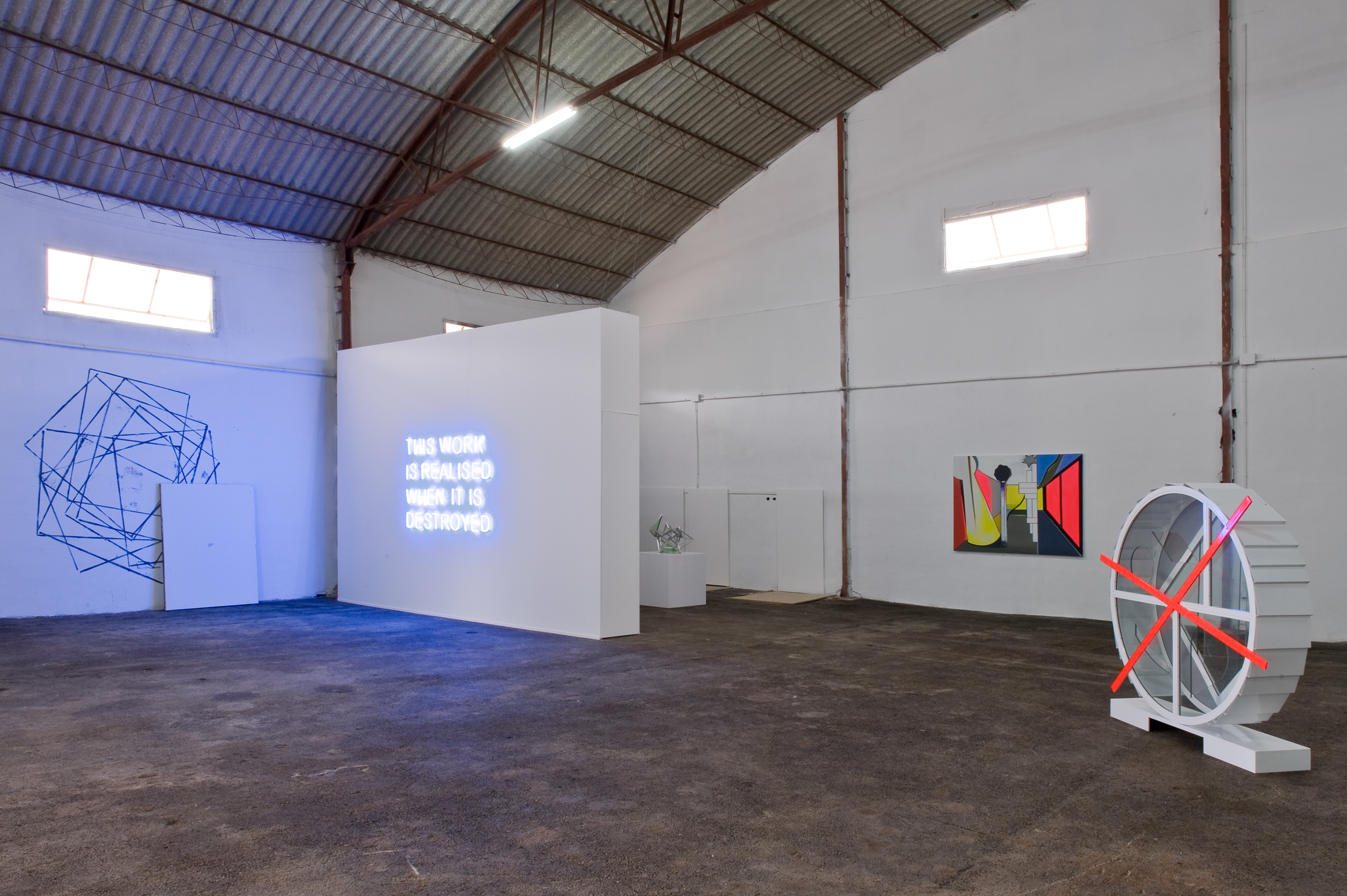
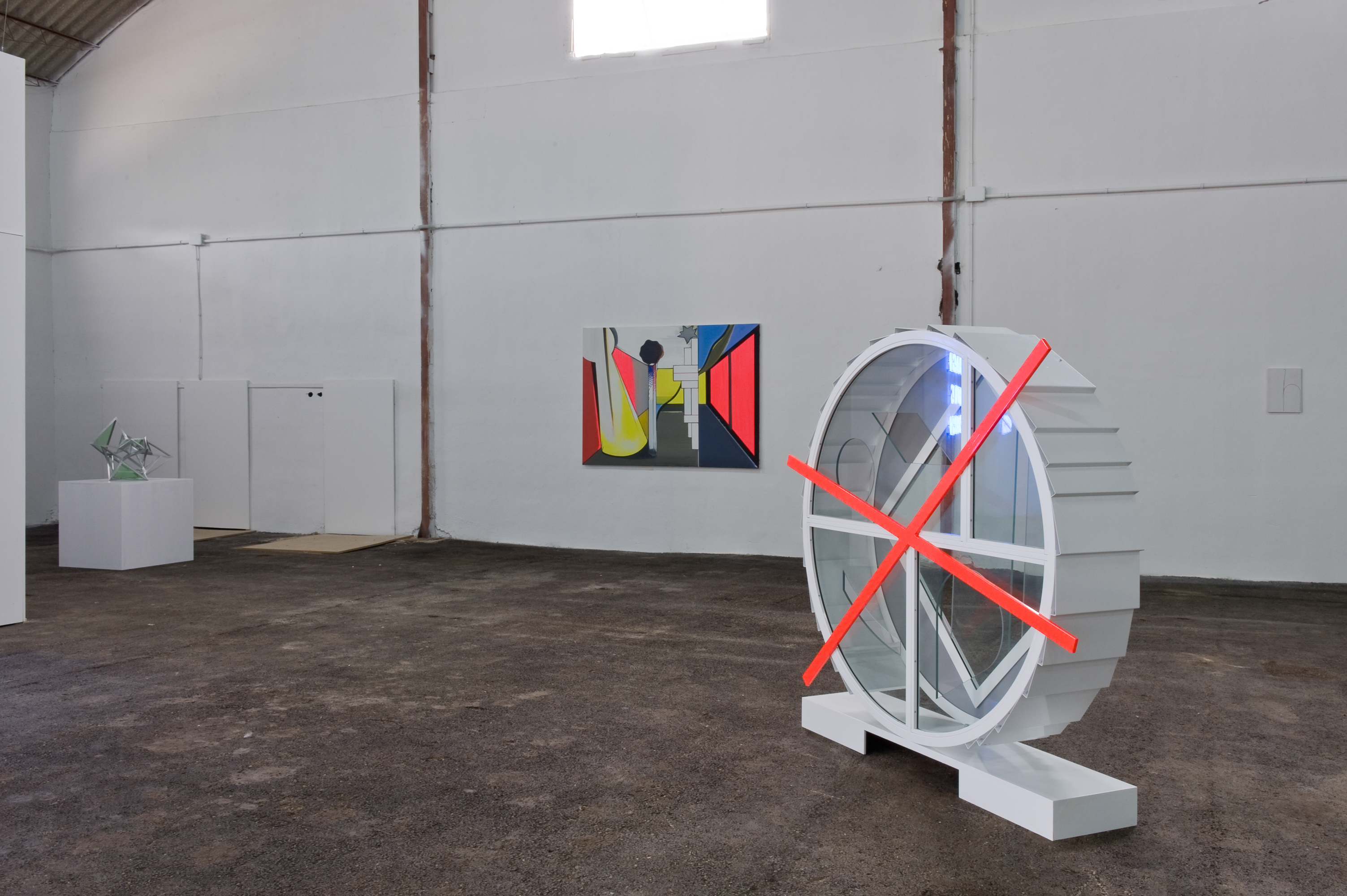
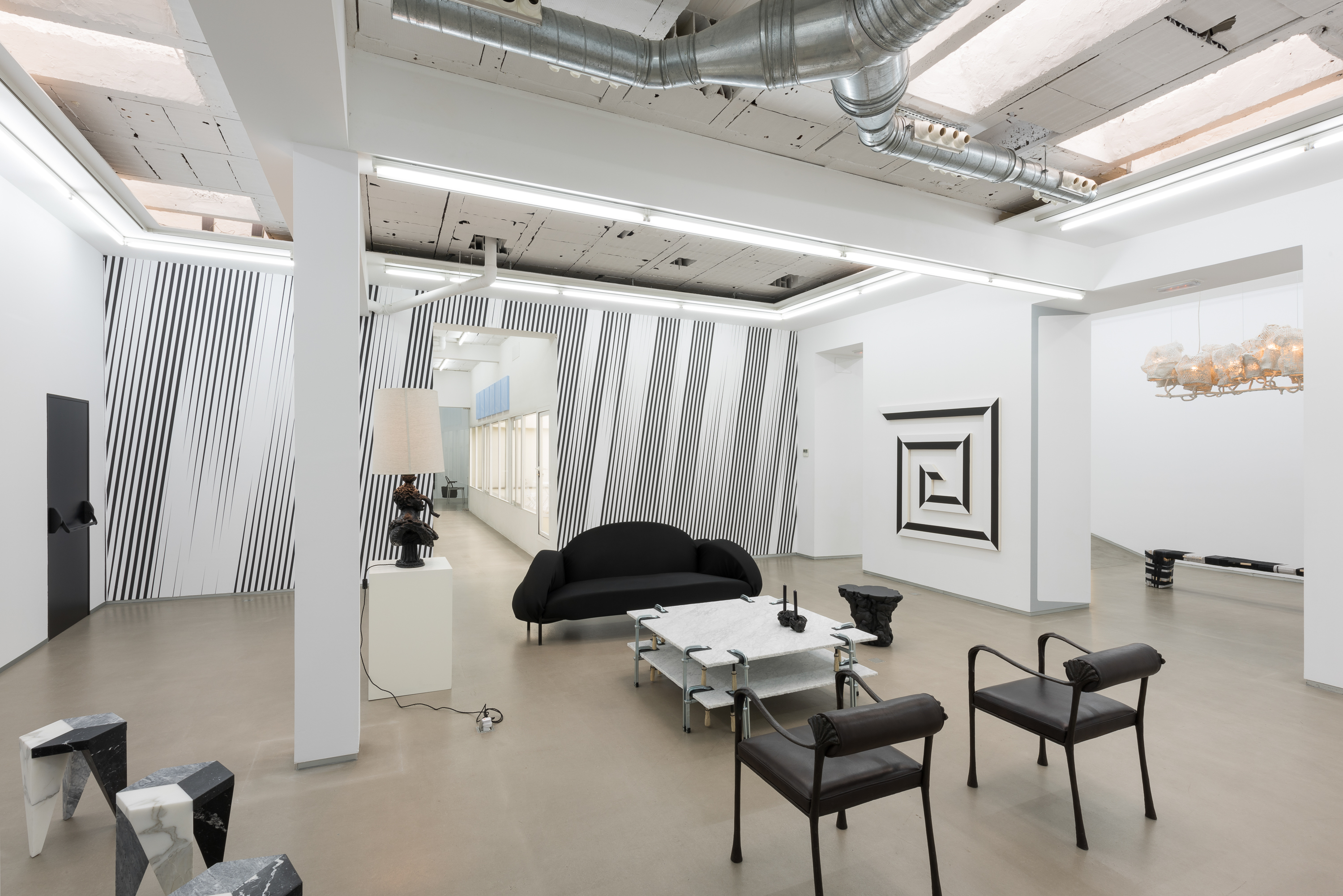
There are many interesting intersections between the work of the two German minimalists who communicate in Unfinished installation: Charlotte Posenenske (Wiesbaden, 1930 – Frankfurt, 1985) and Martina Klein (Trier, 1962). Since they are both of different generations, their works share characteristics that link them to minimalism and certain common concerns, which each one determines according to her own understanding of the work of art, its relationship with the observer and its social function.
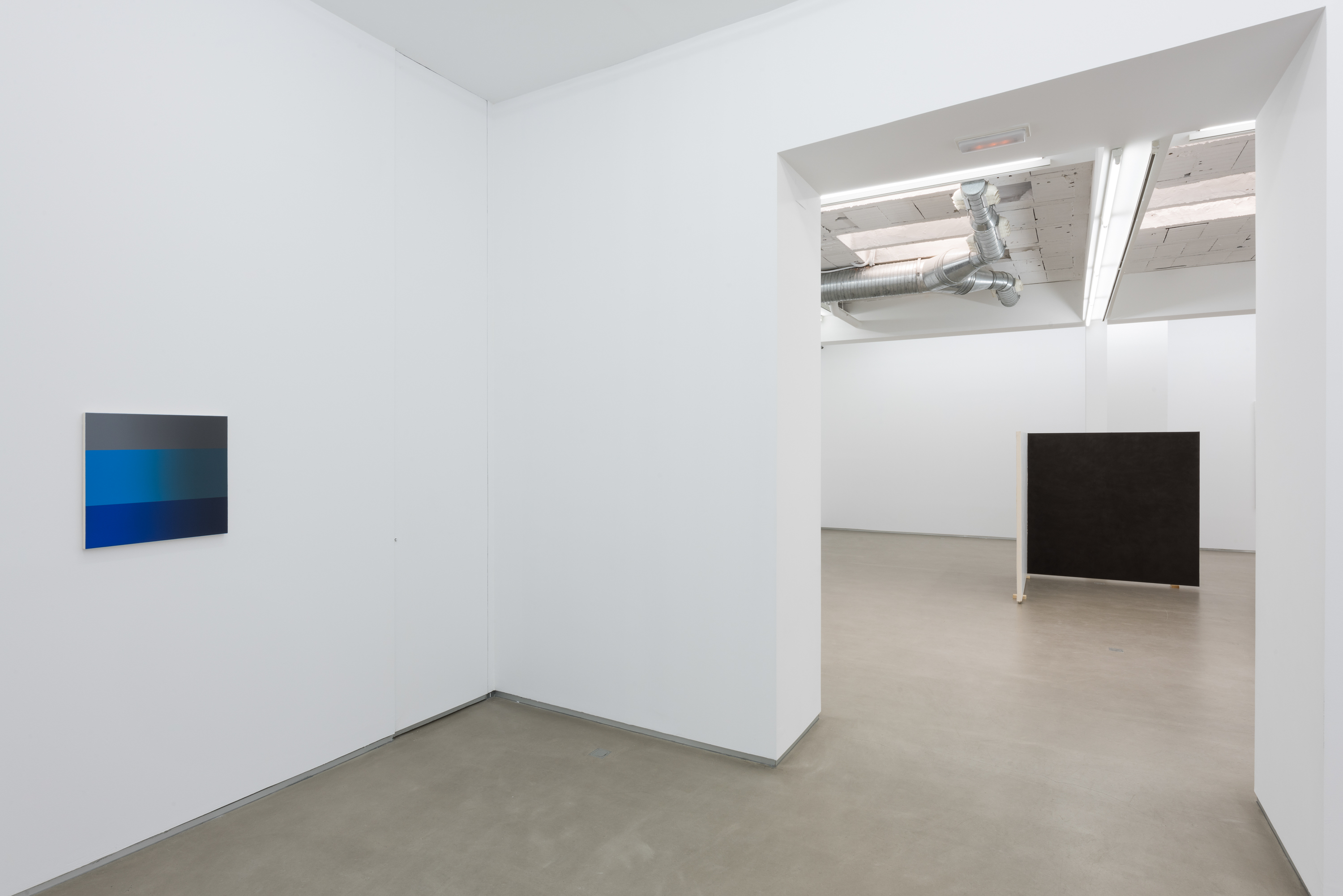
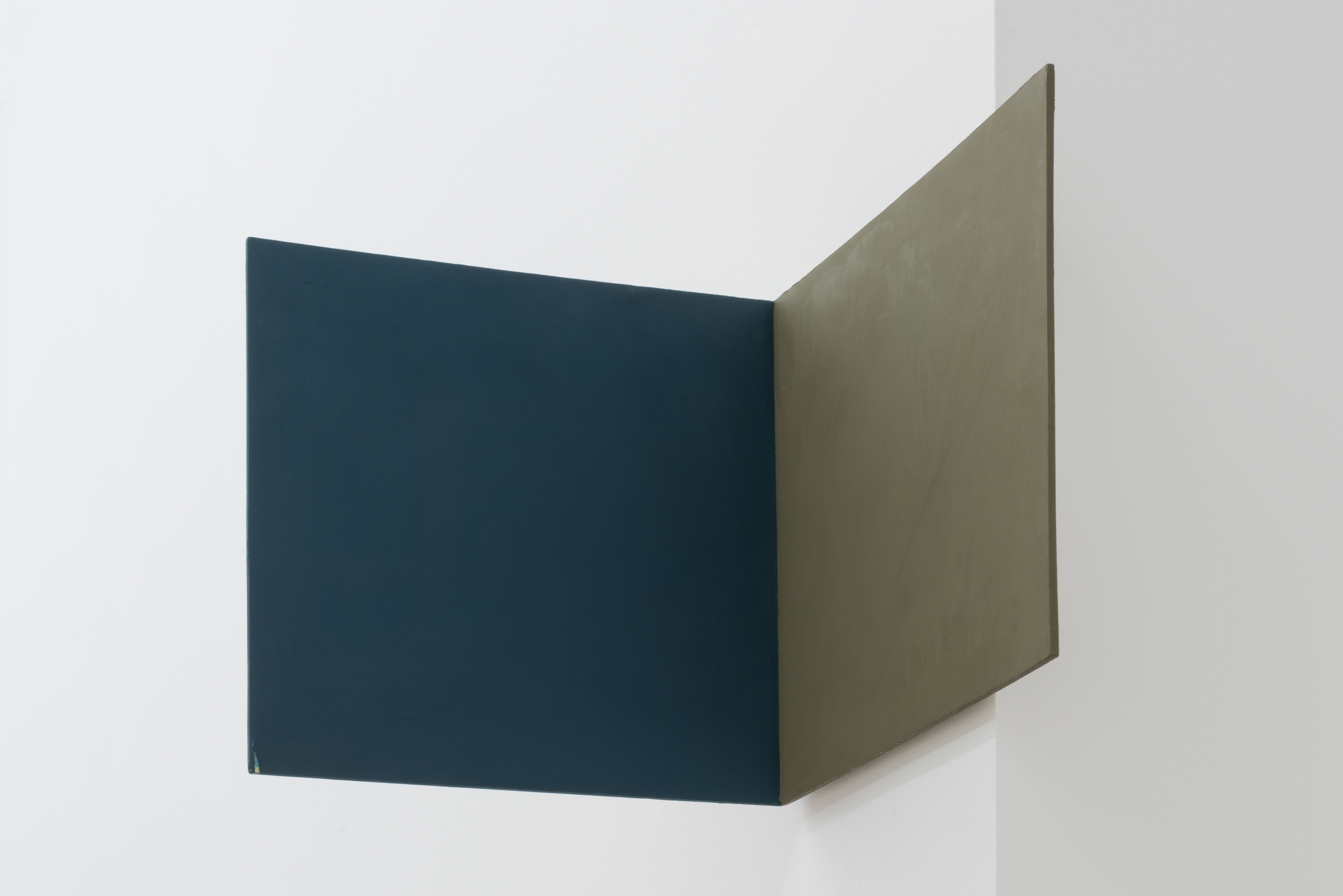
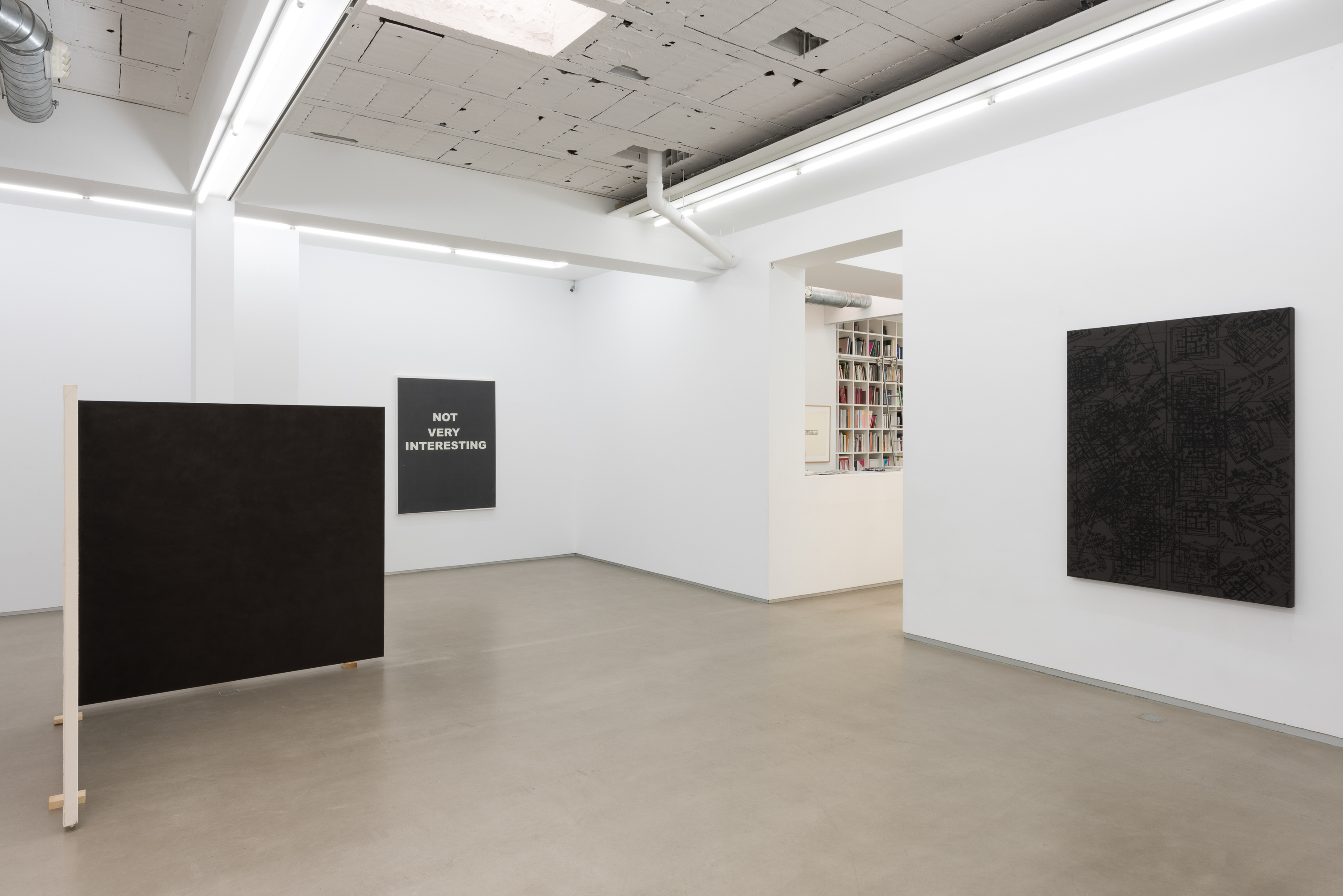
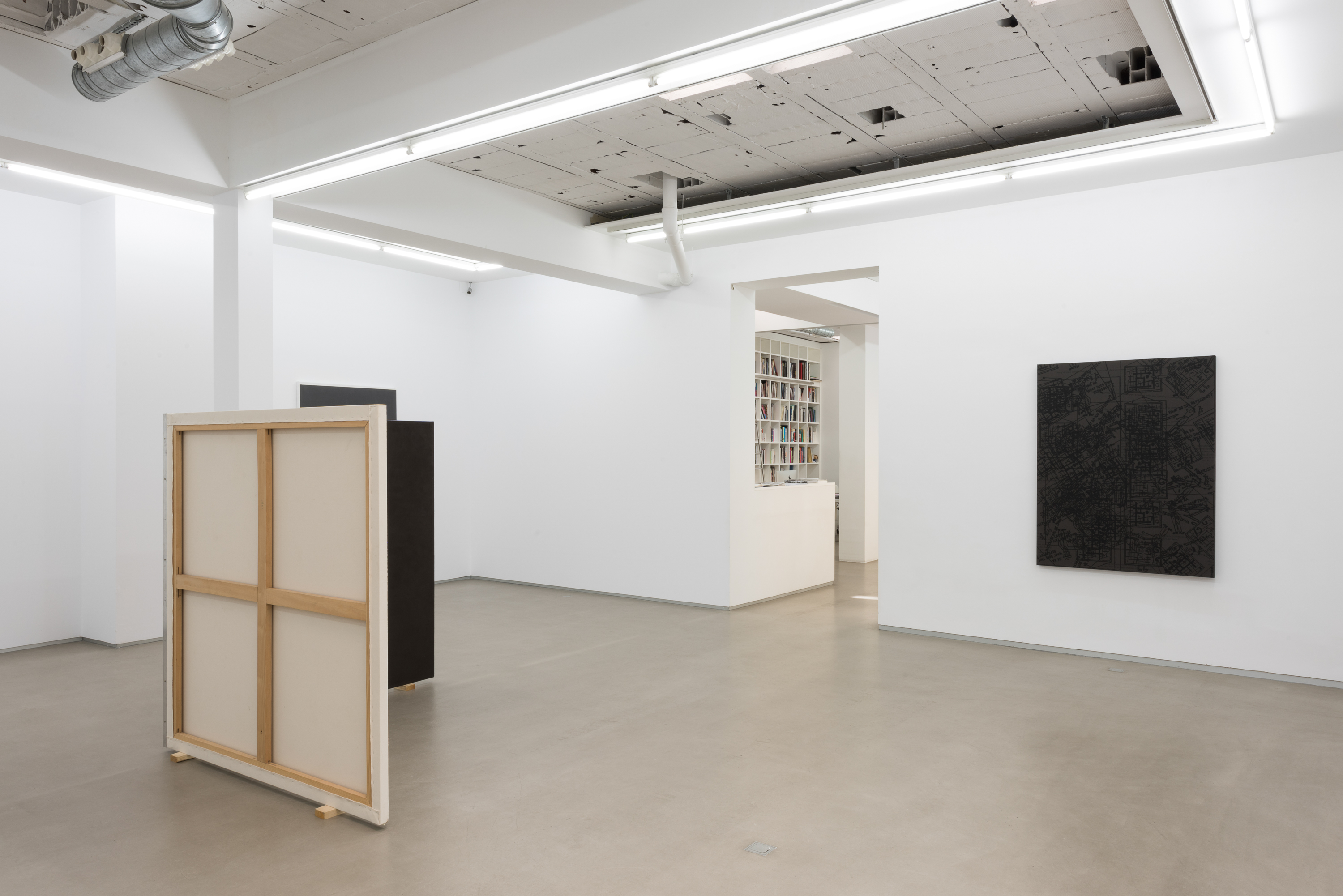
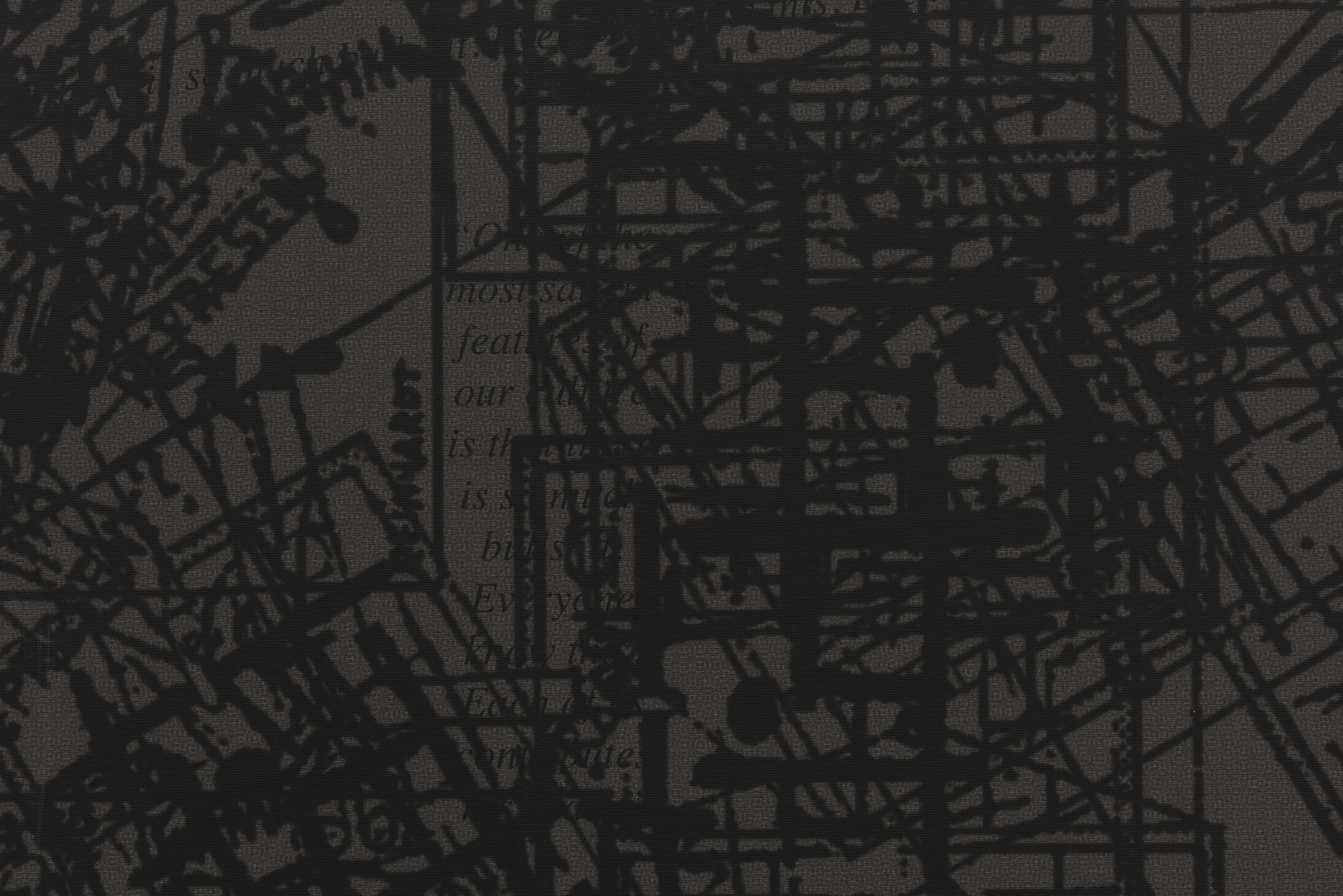
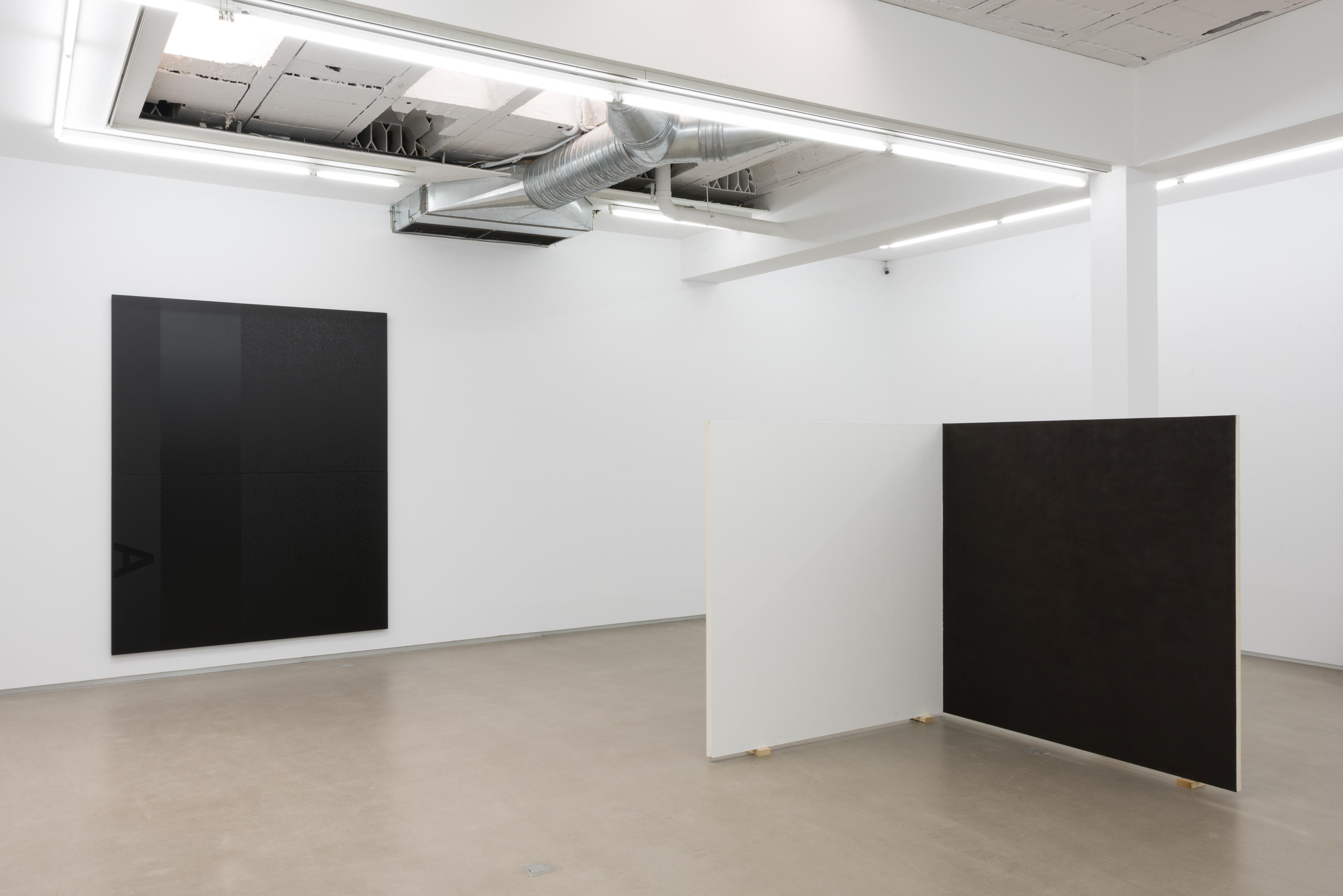
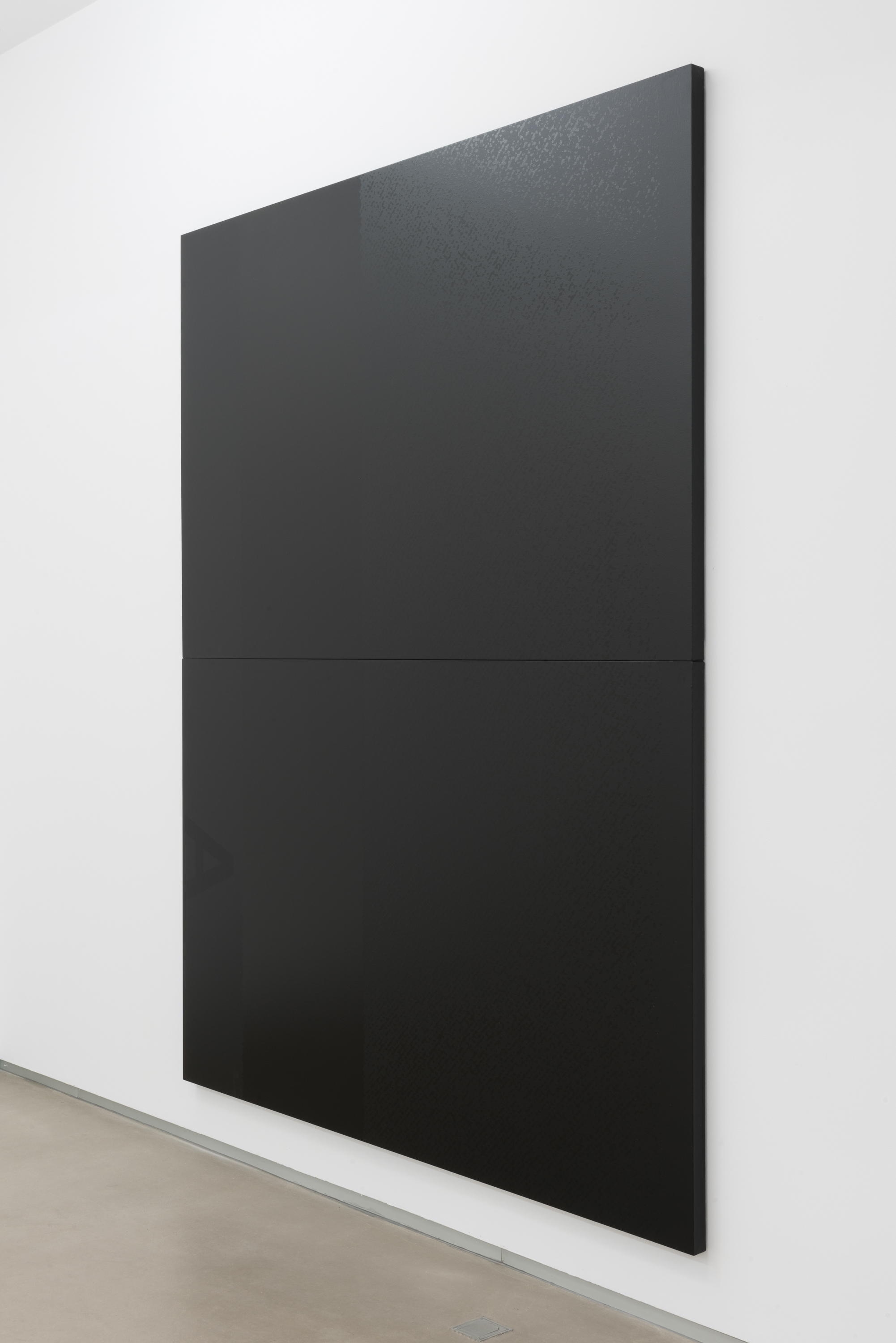
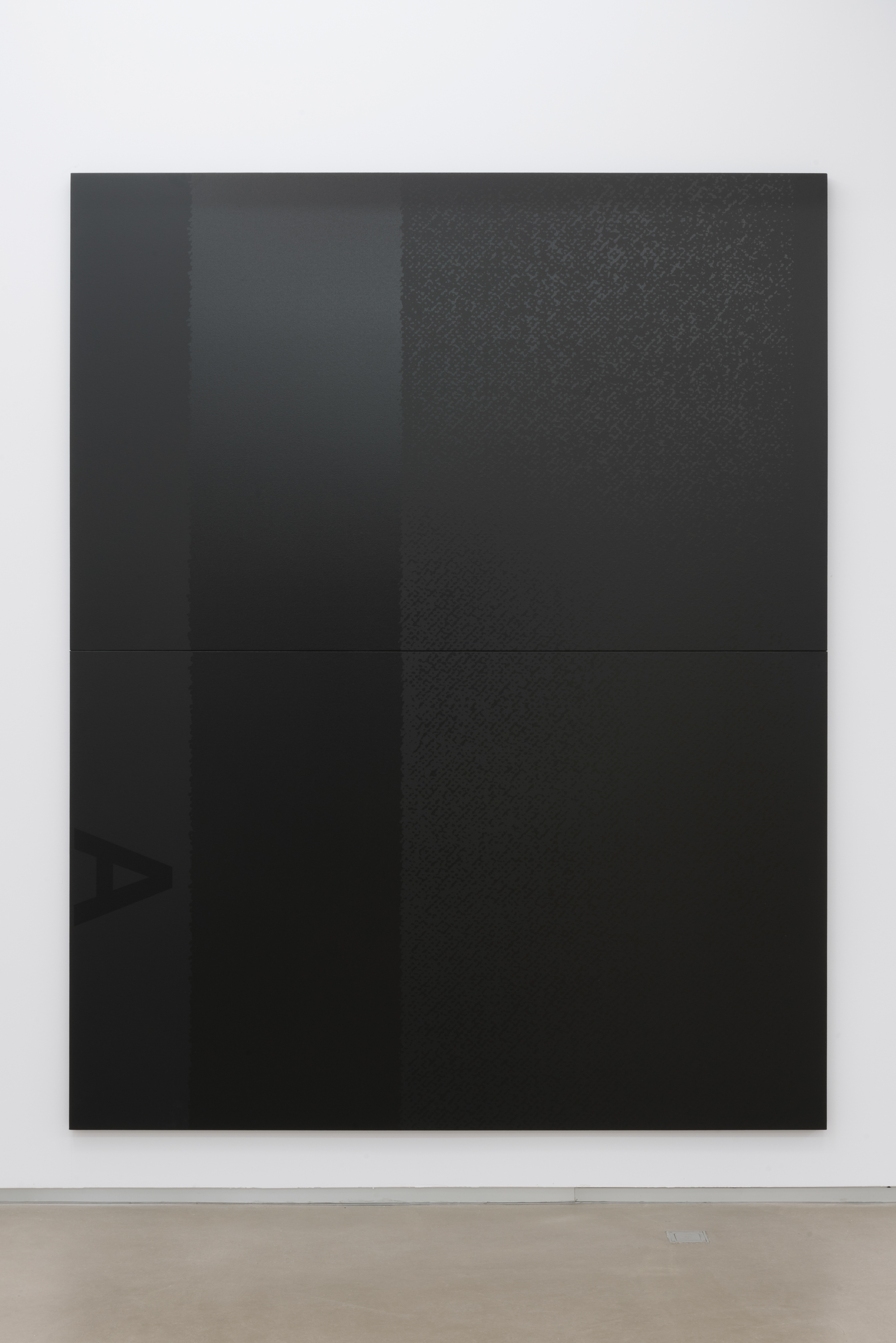
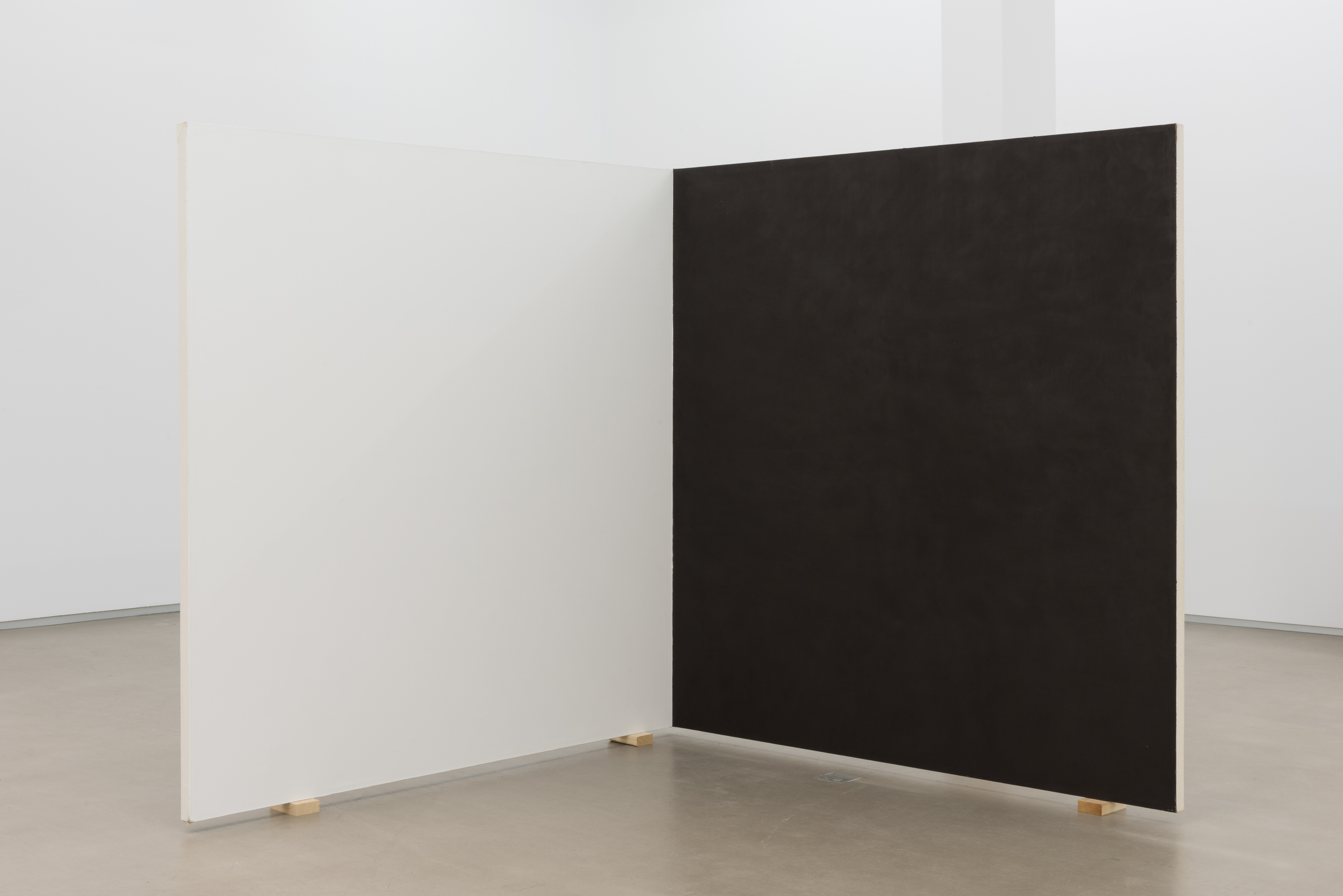
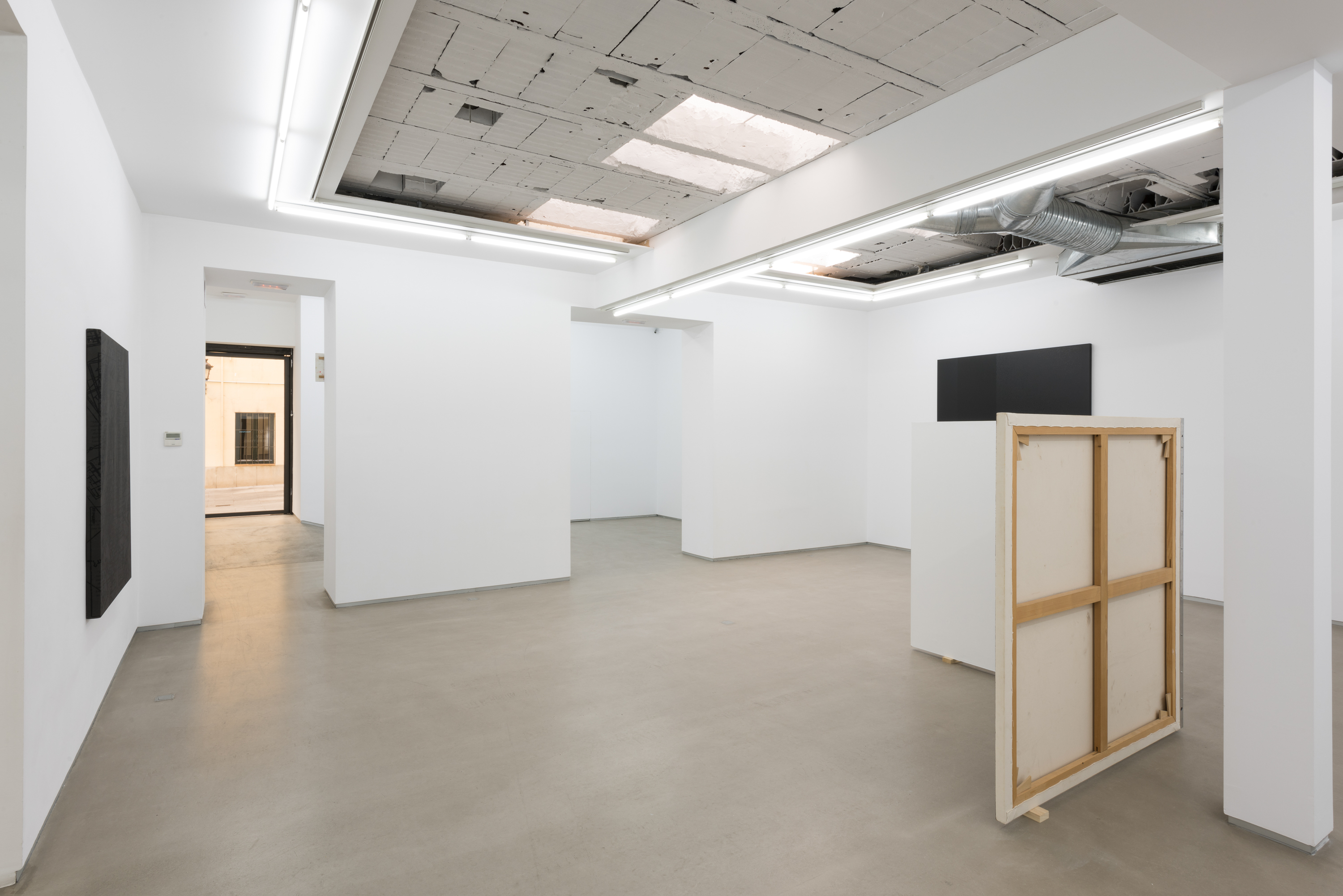
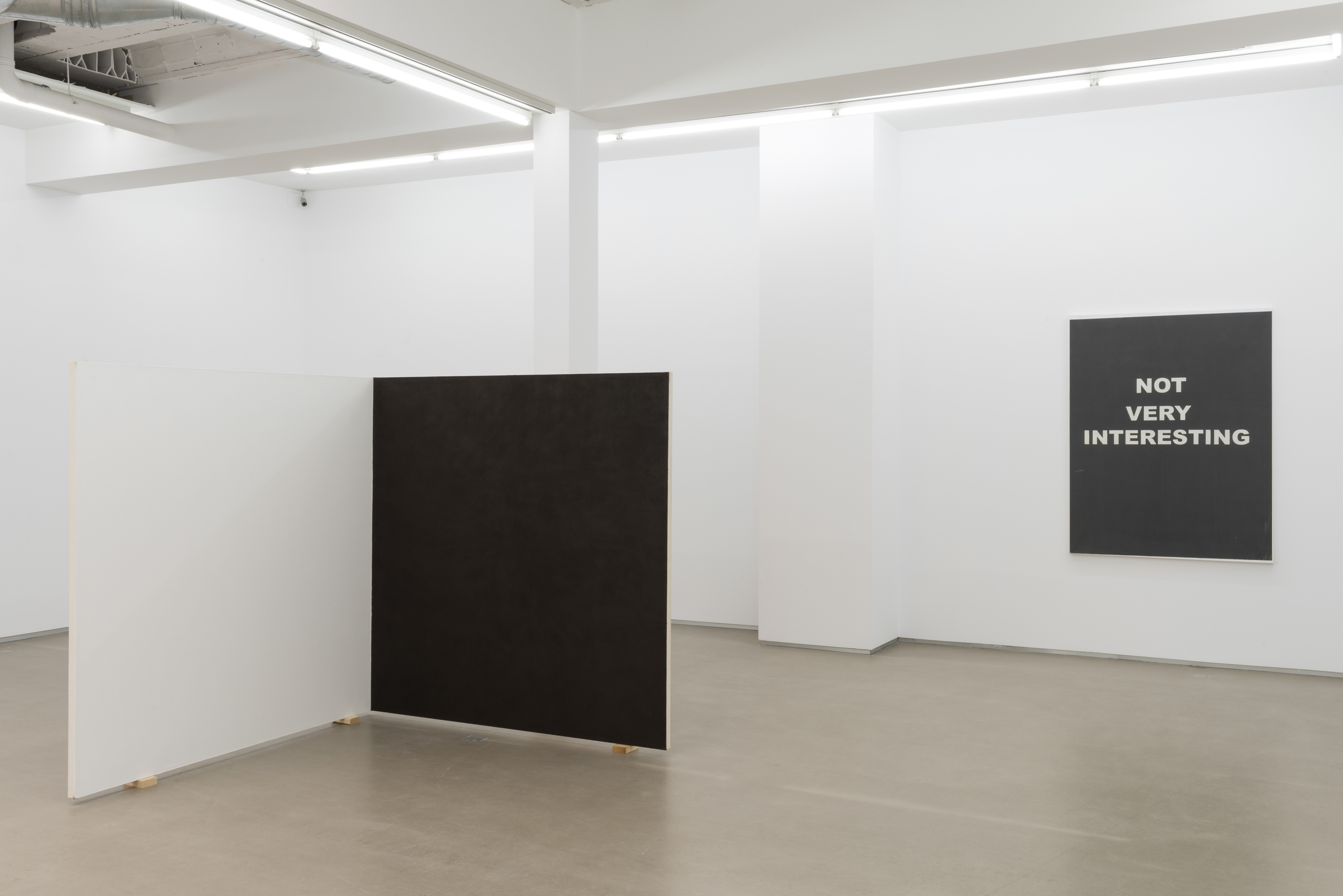
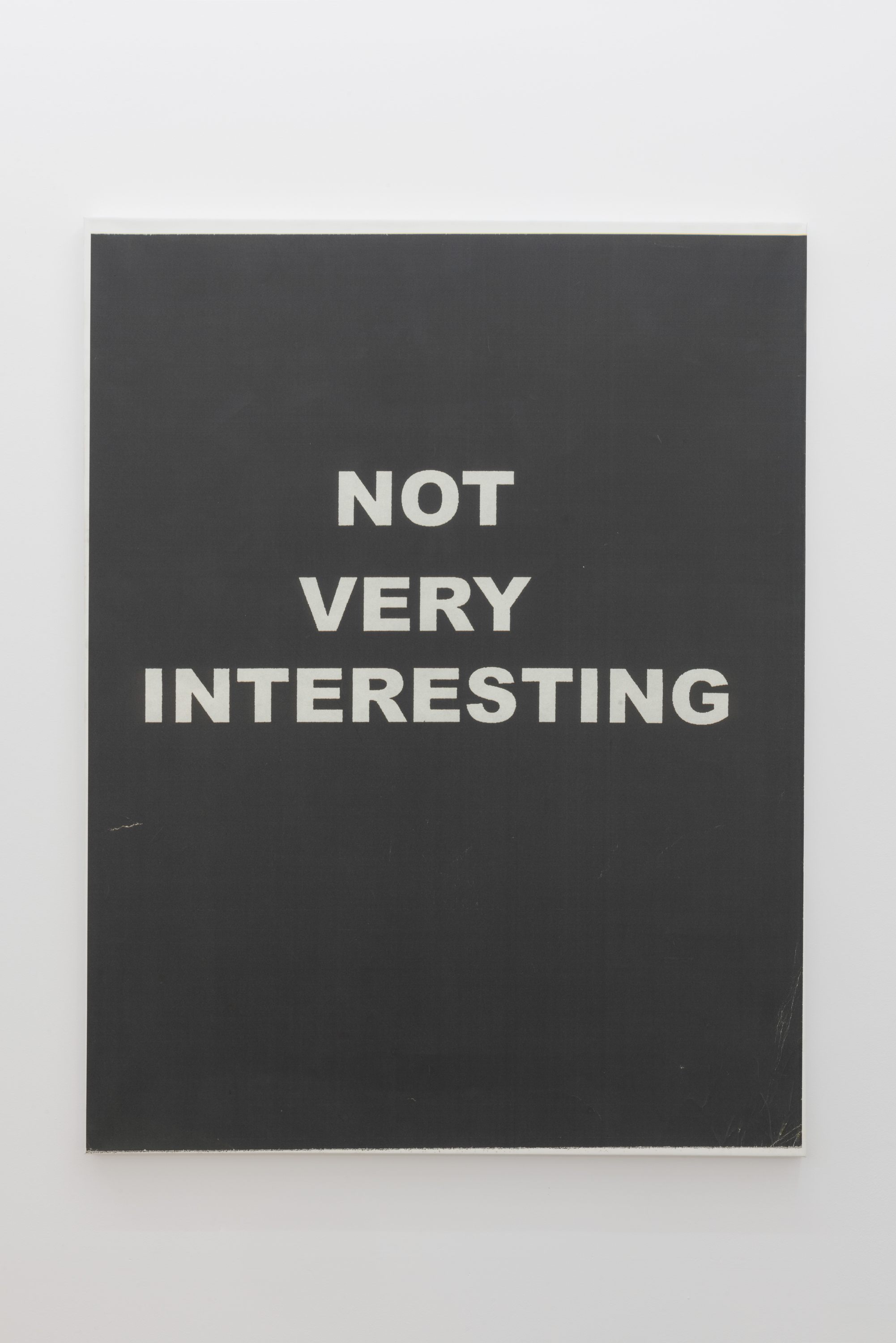
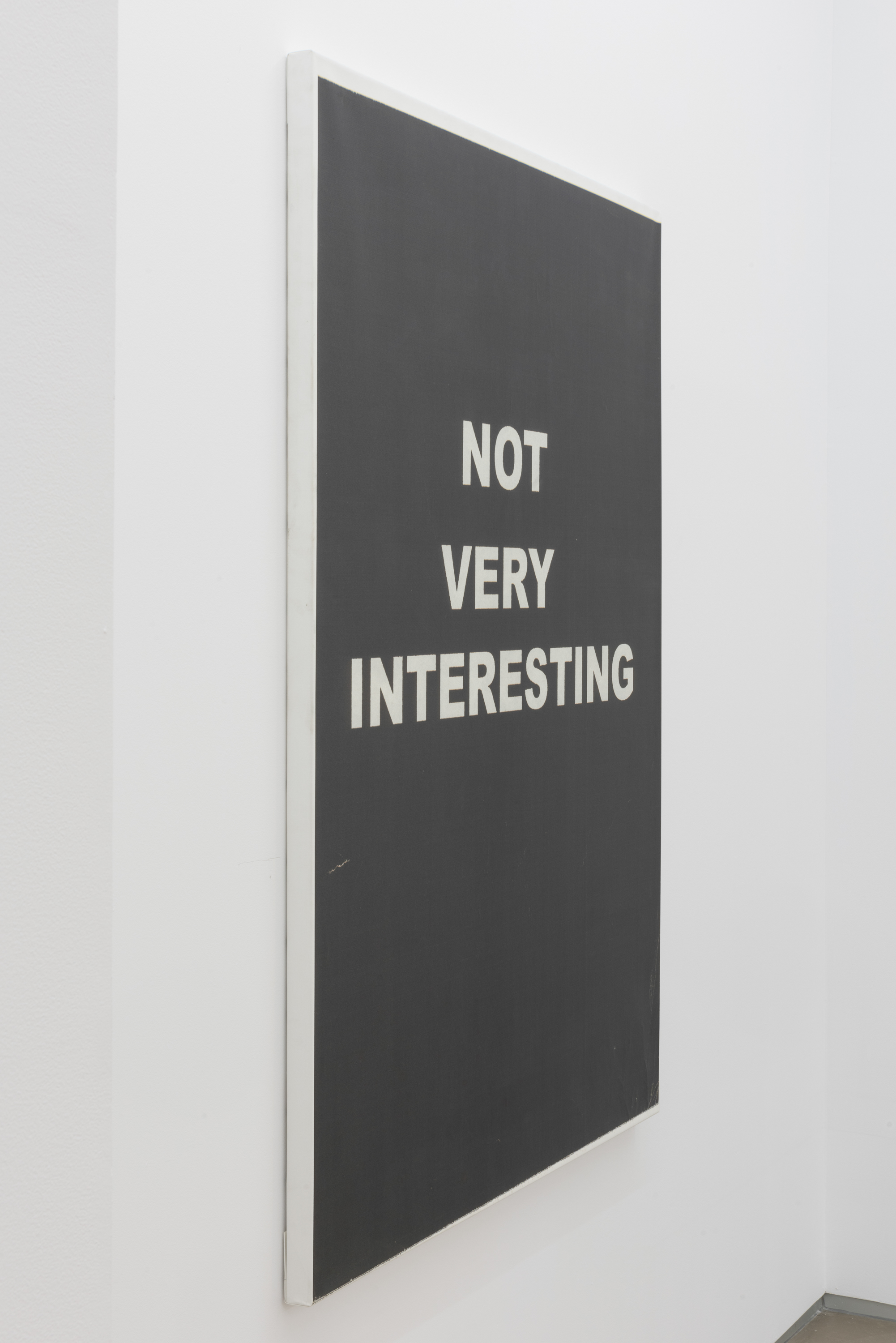
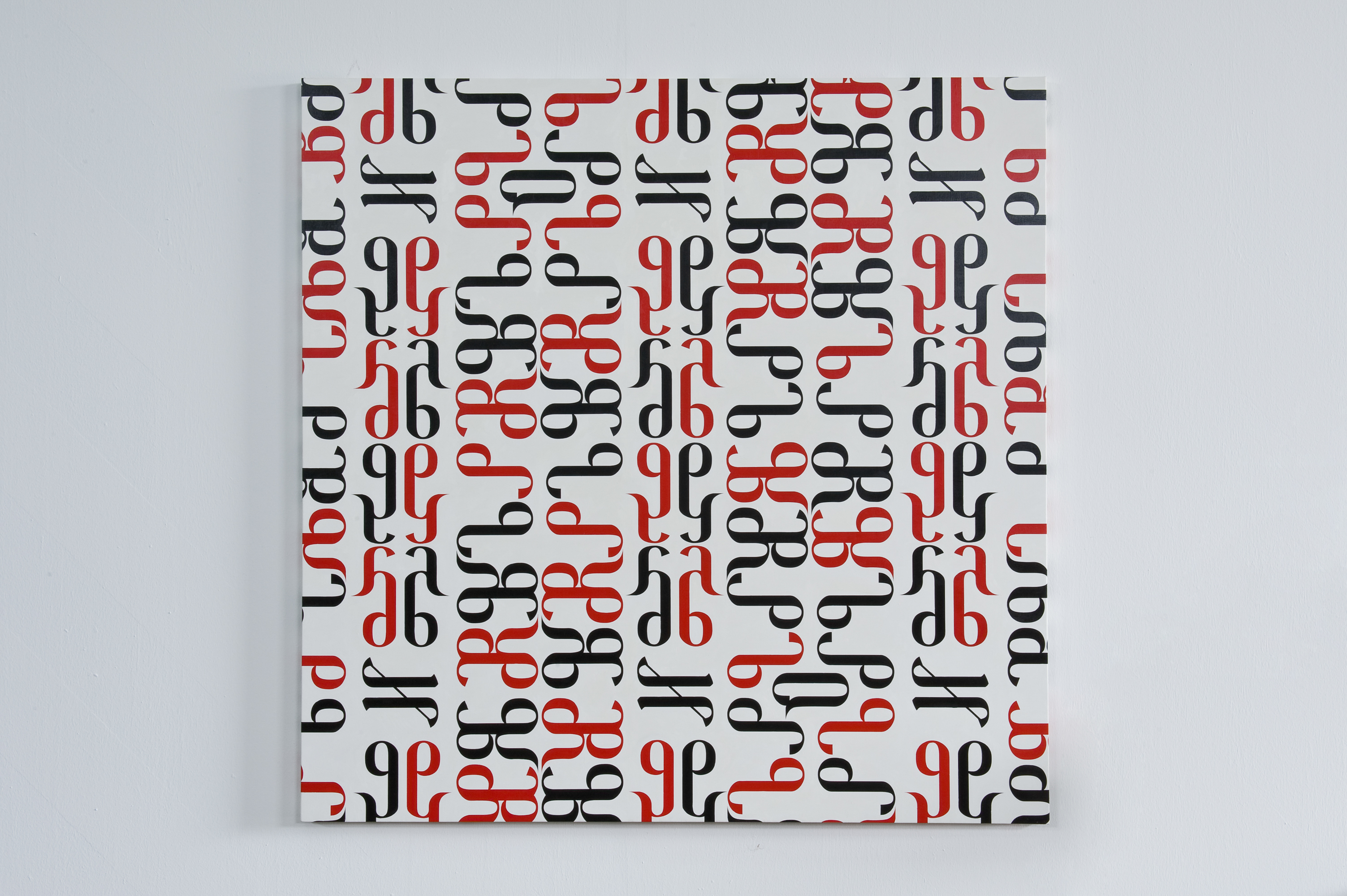
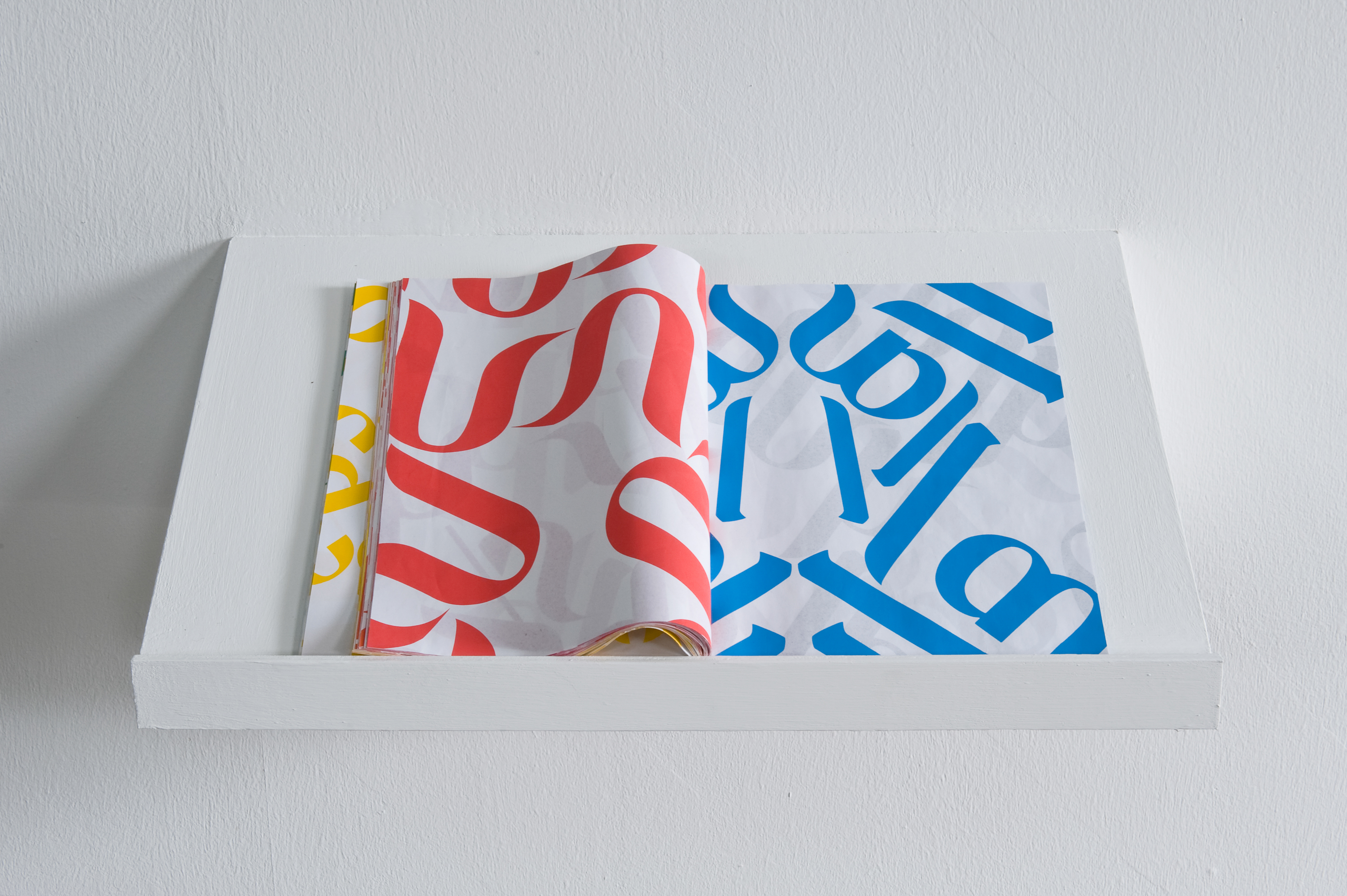
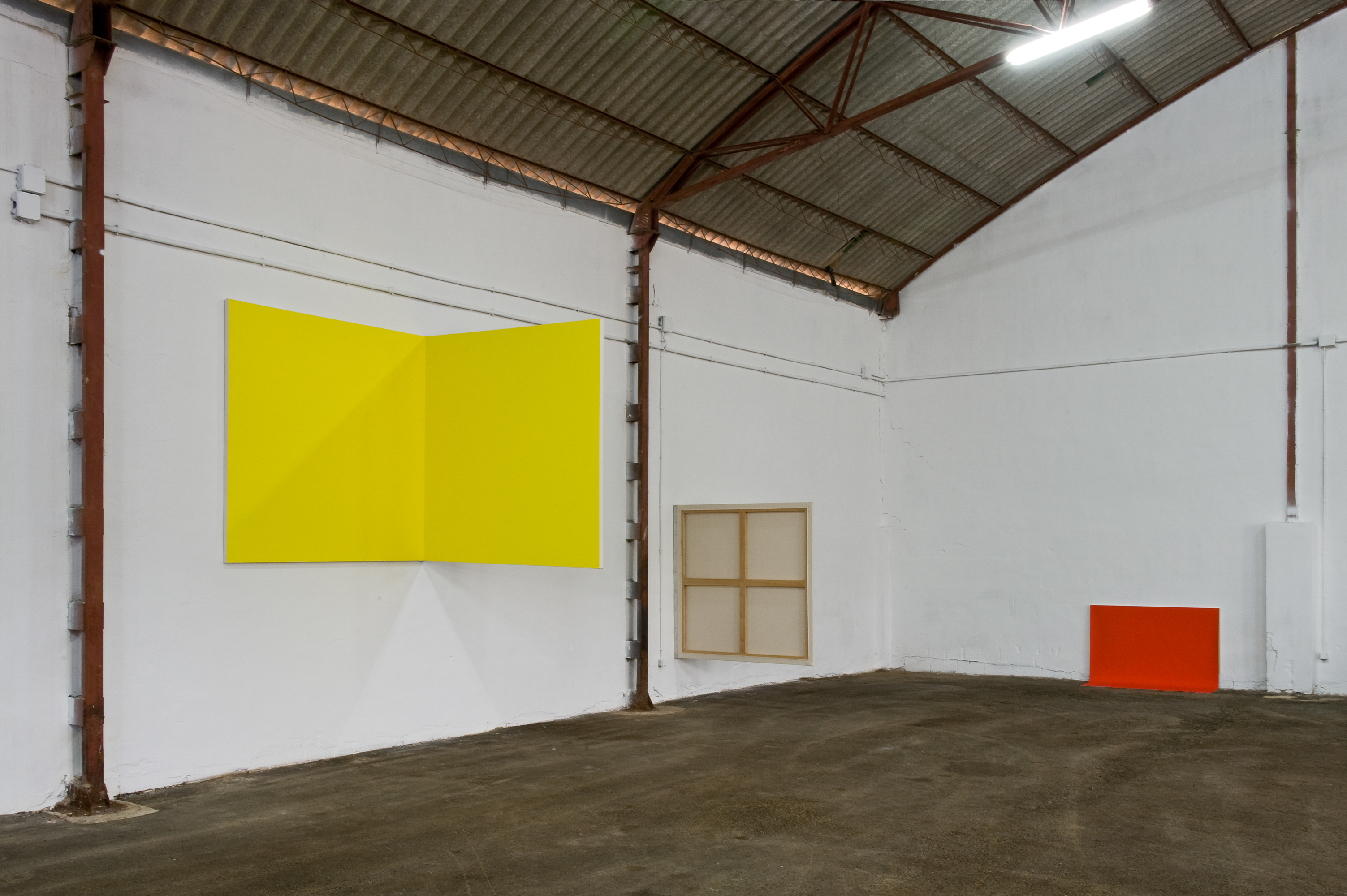
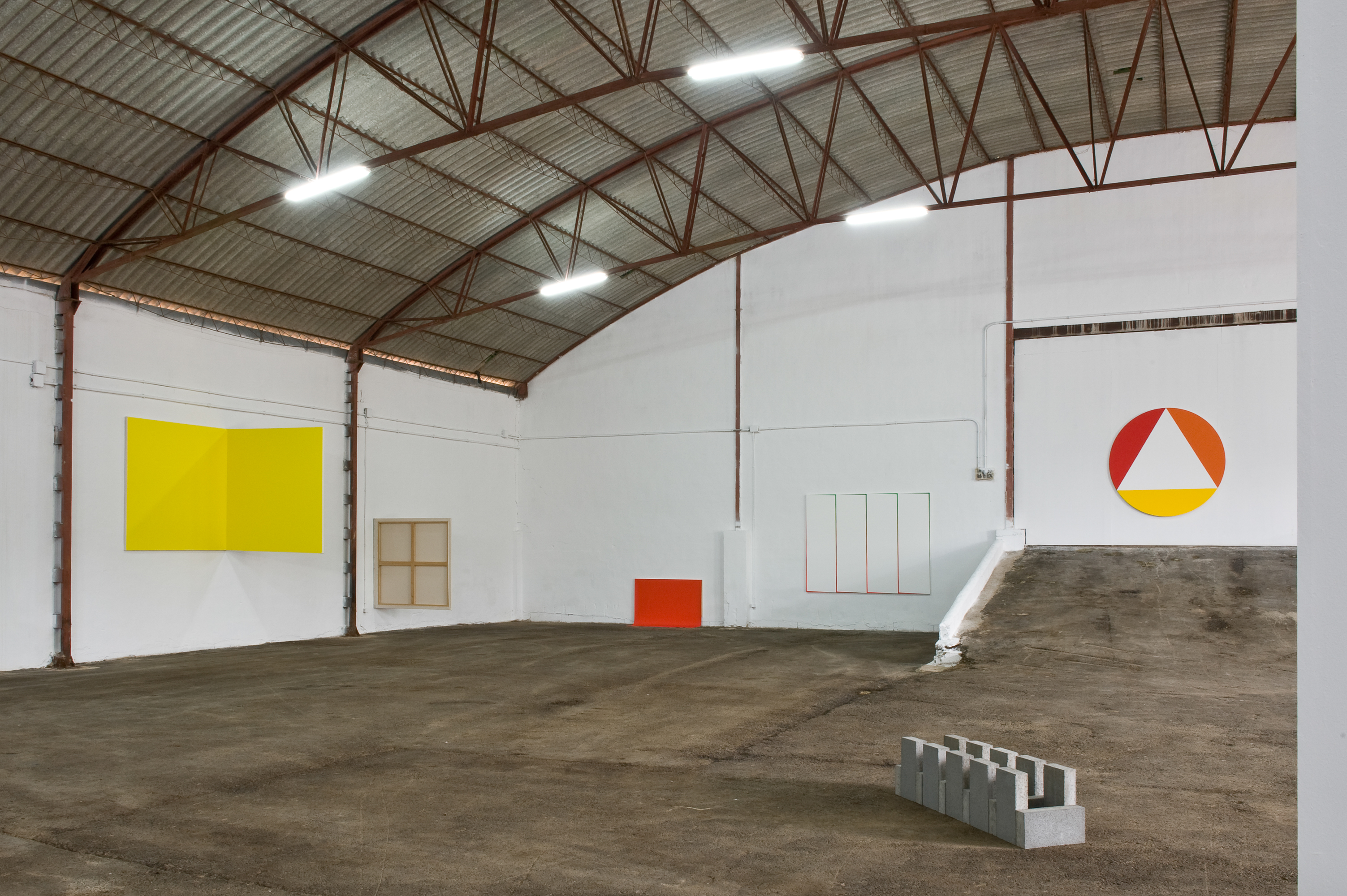
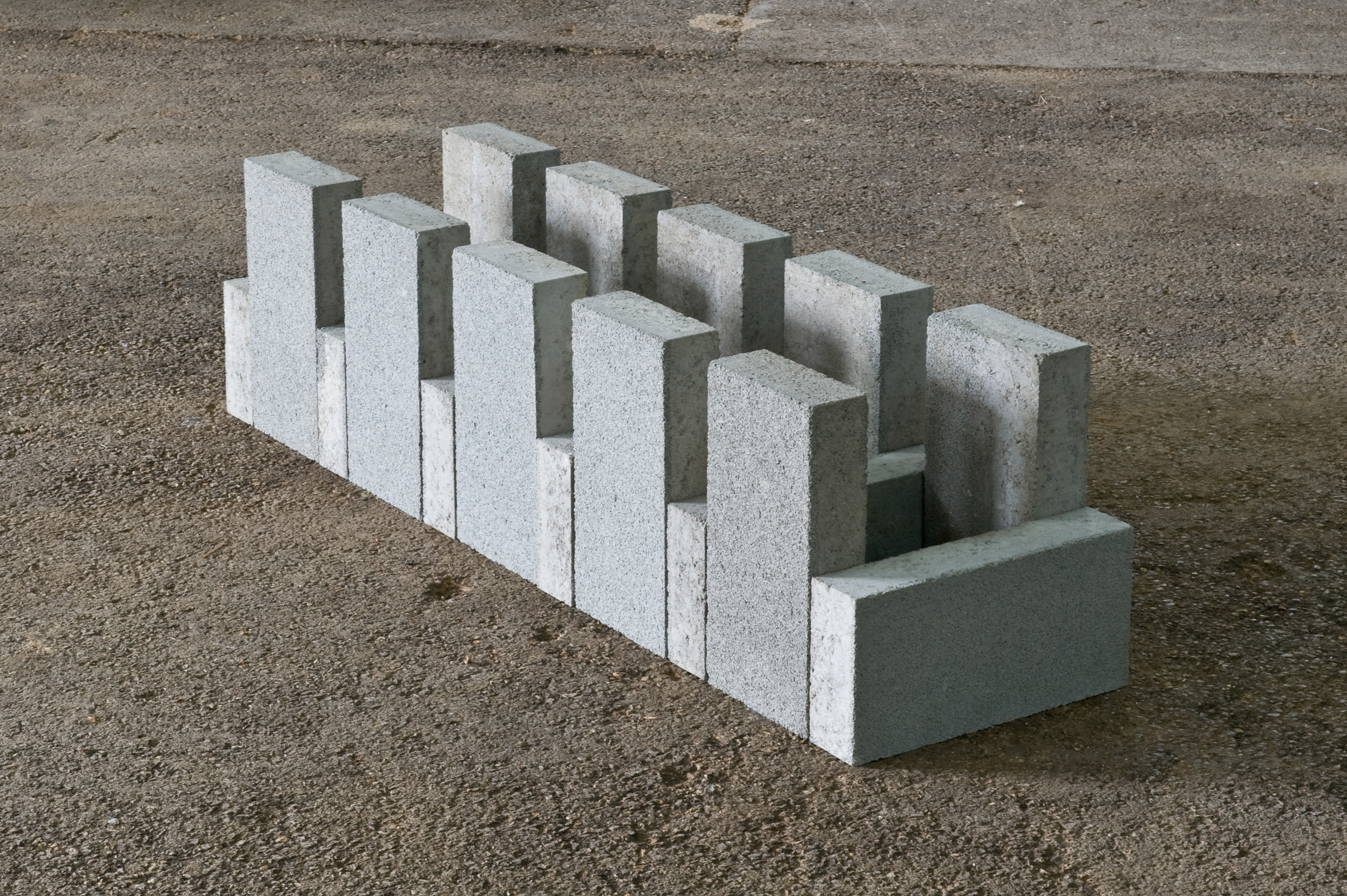
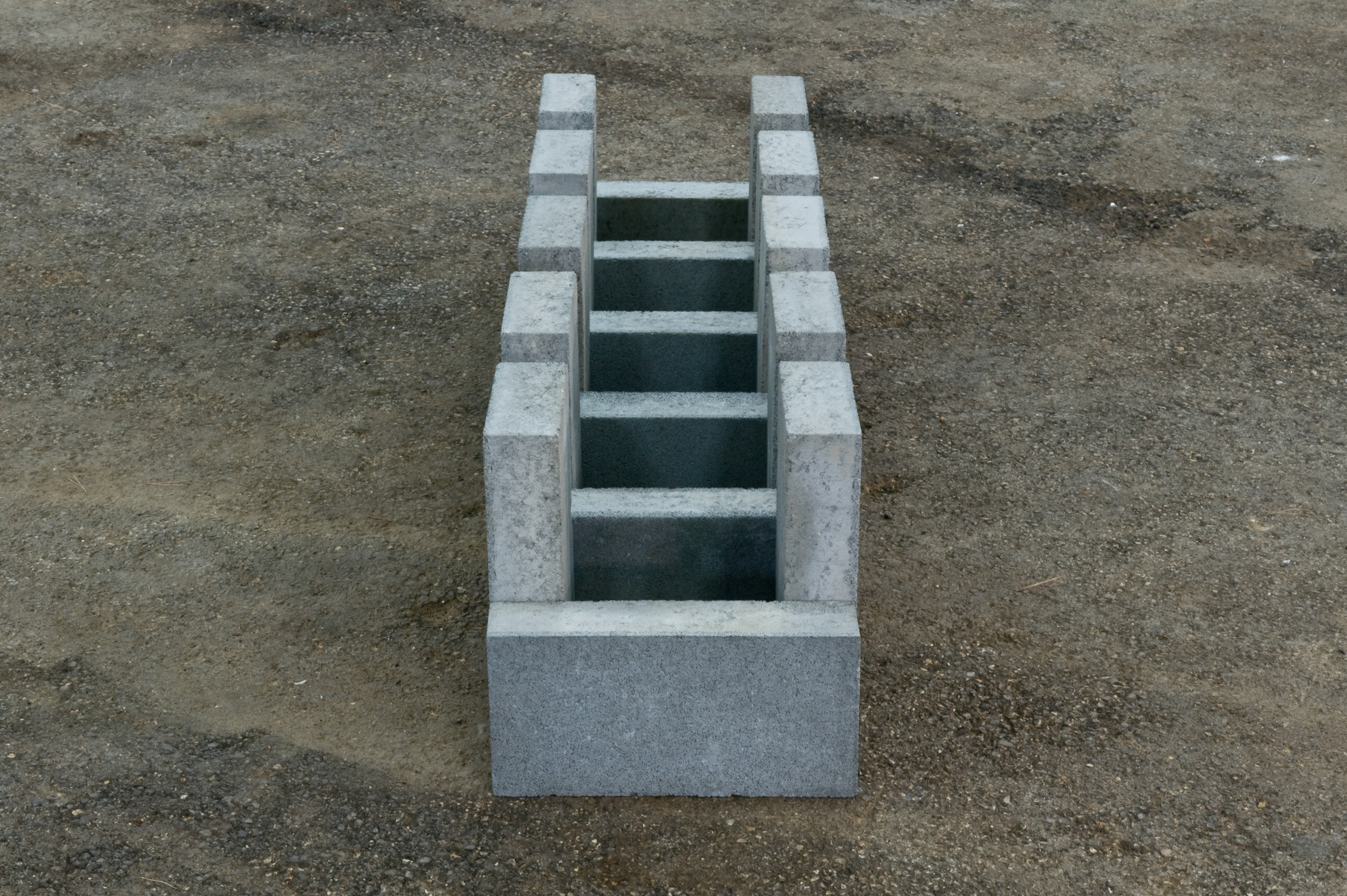
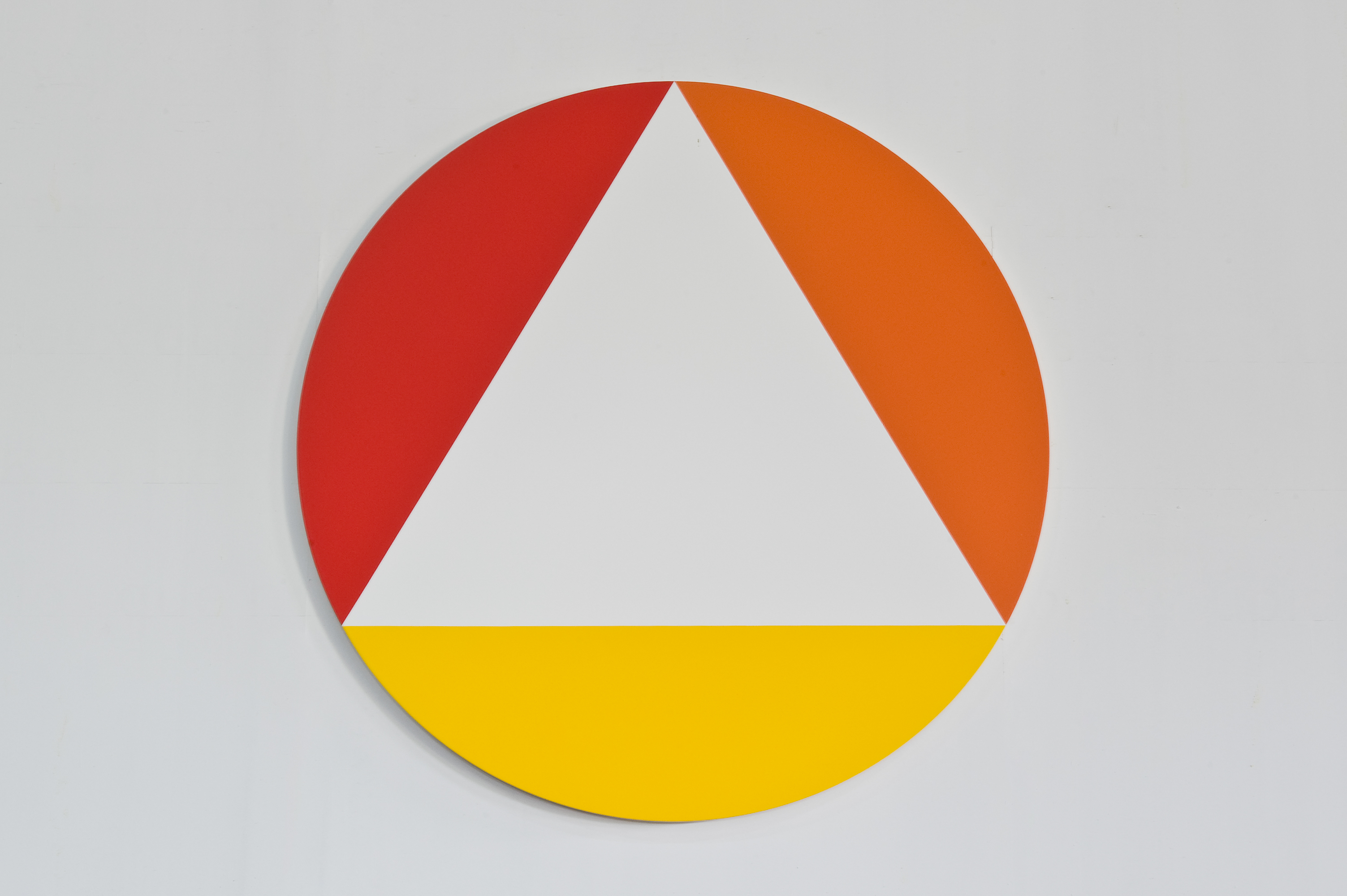
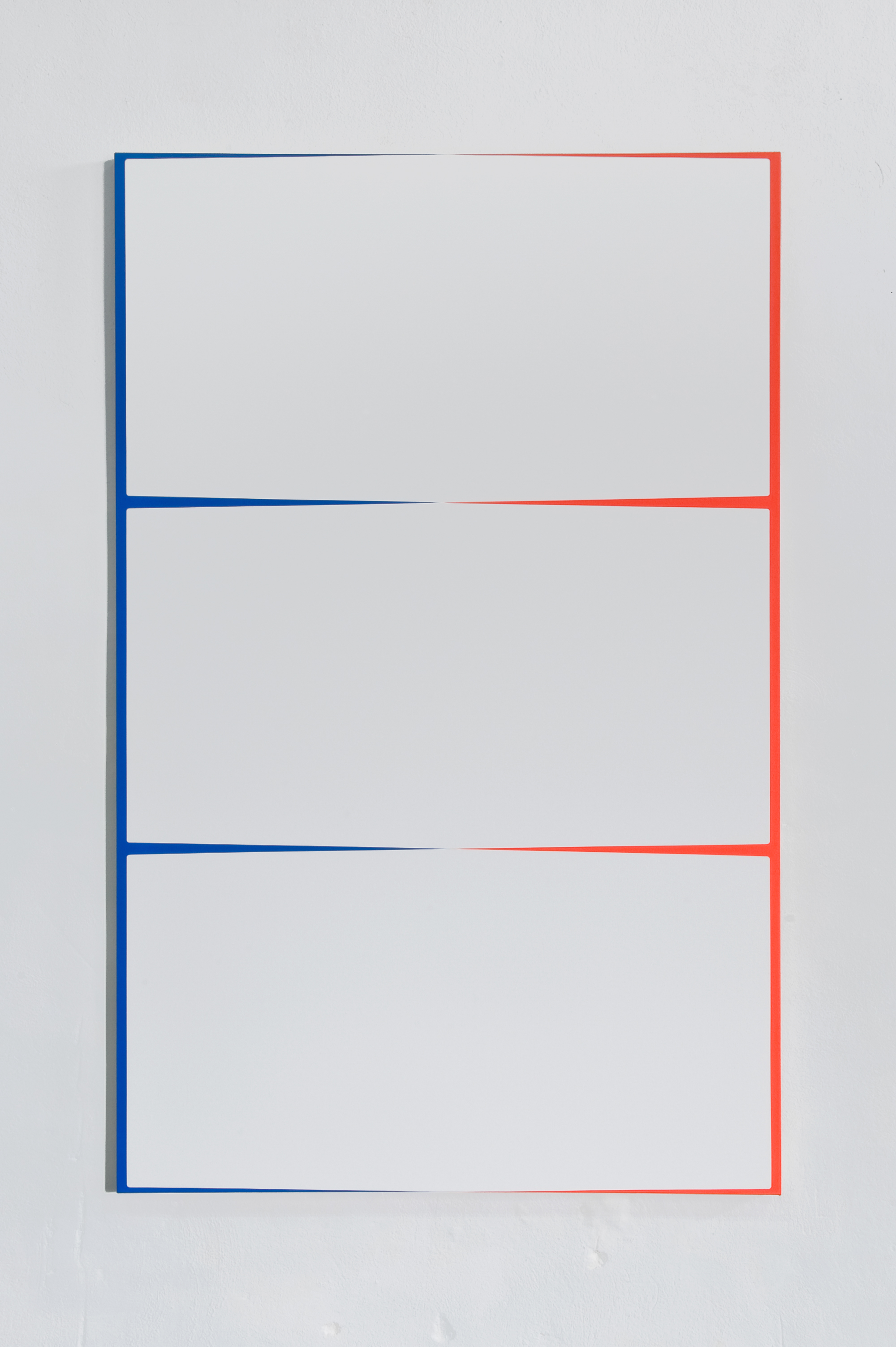
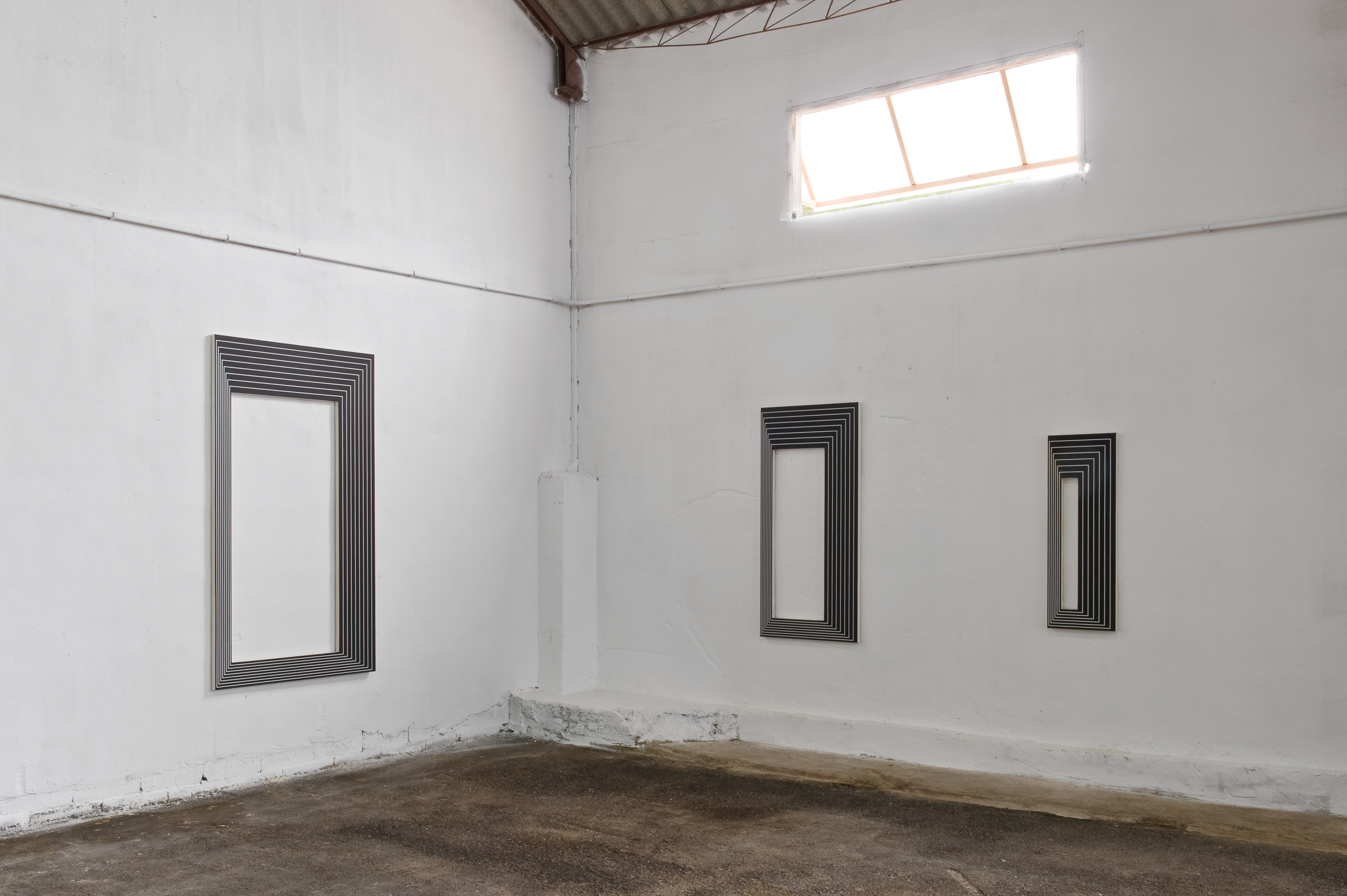
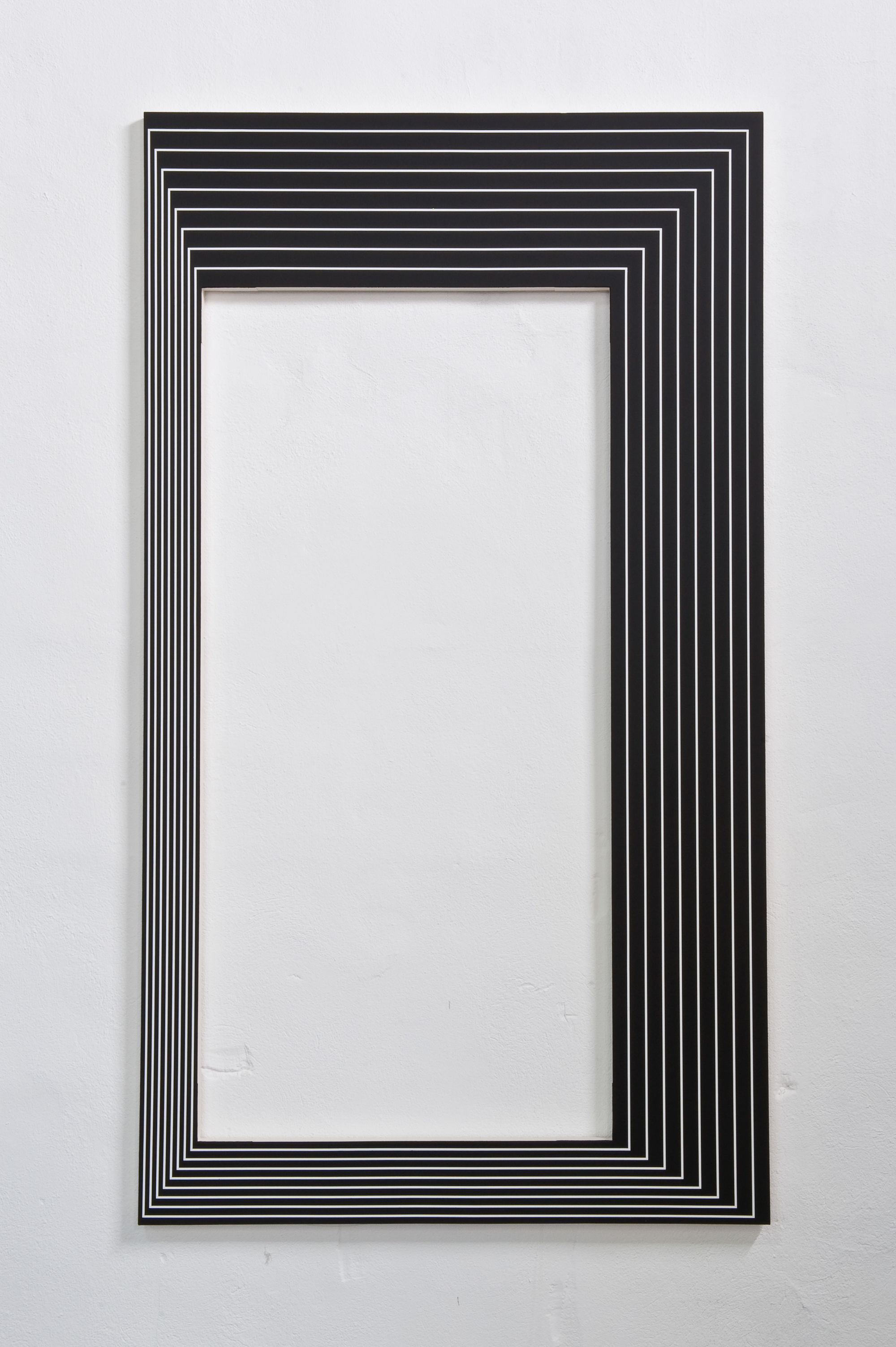
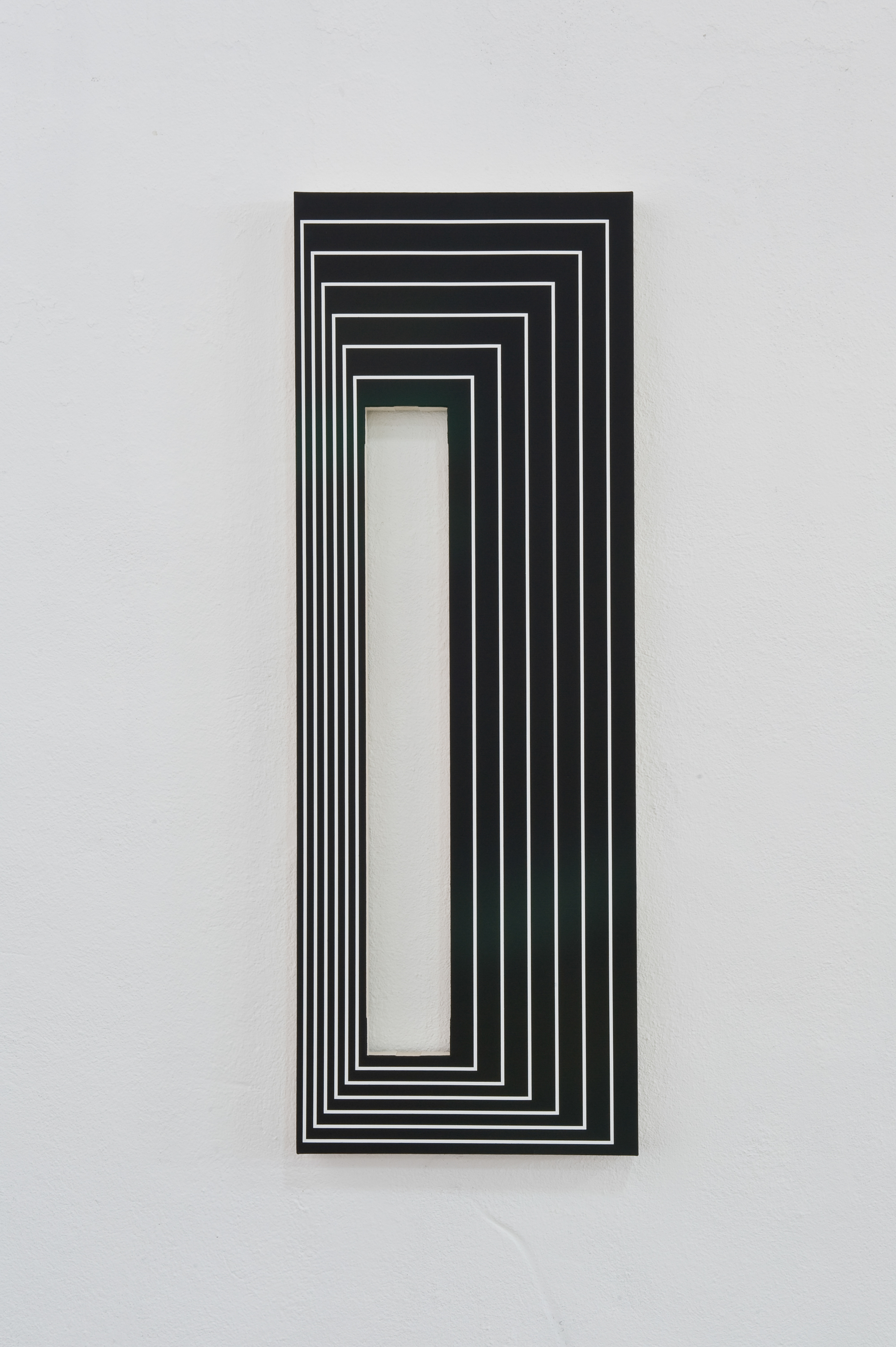
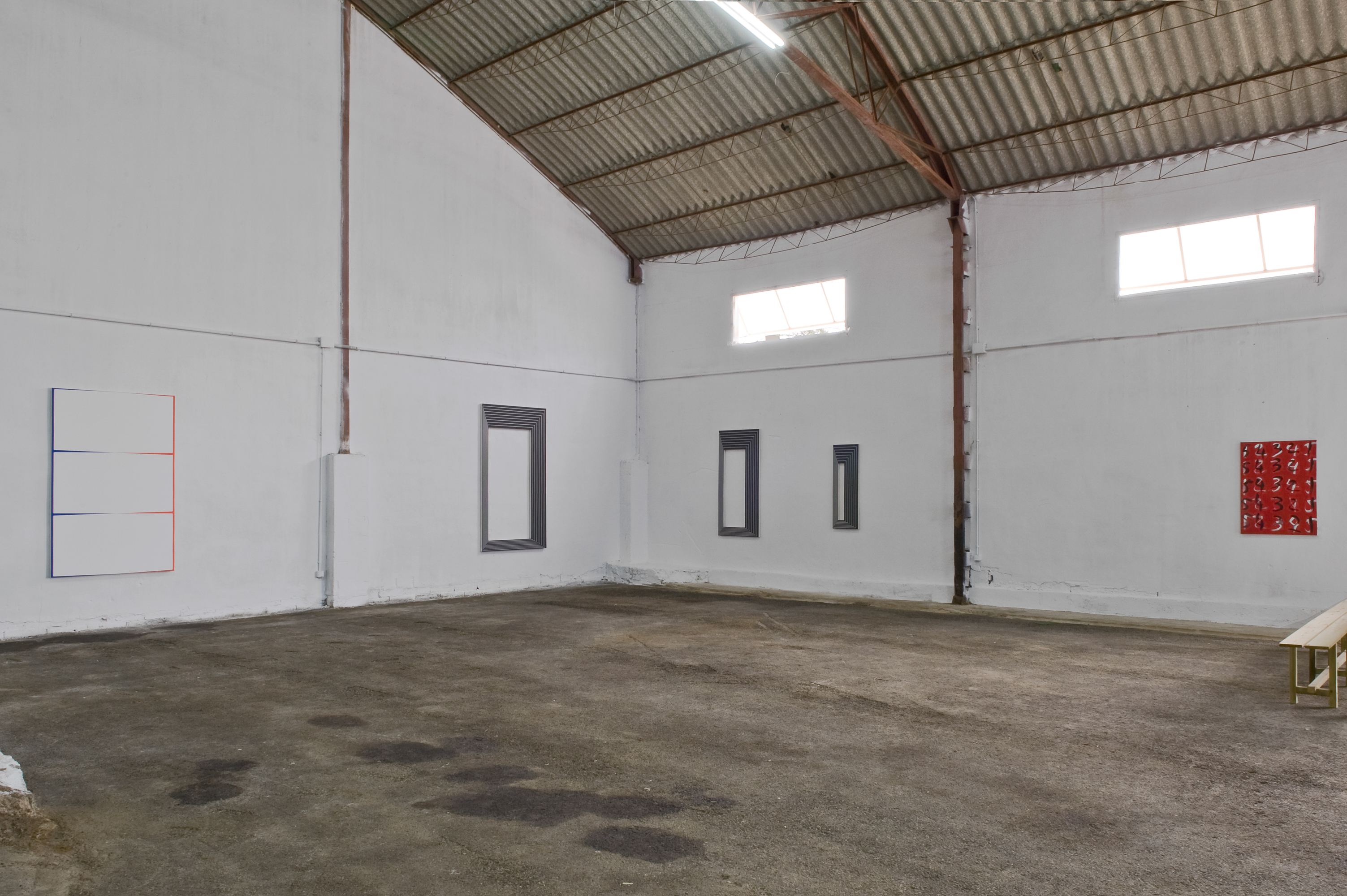
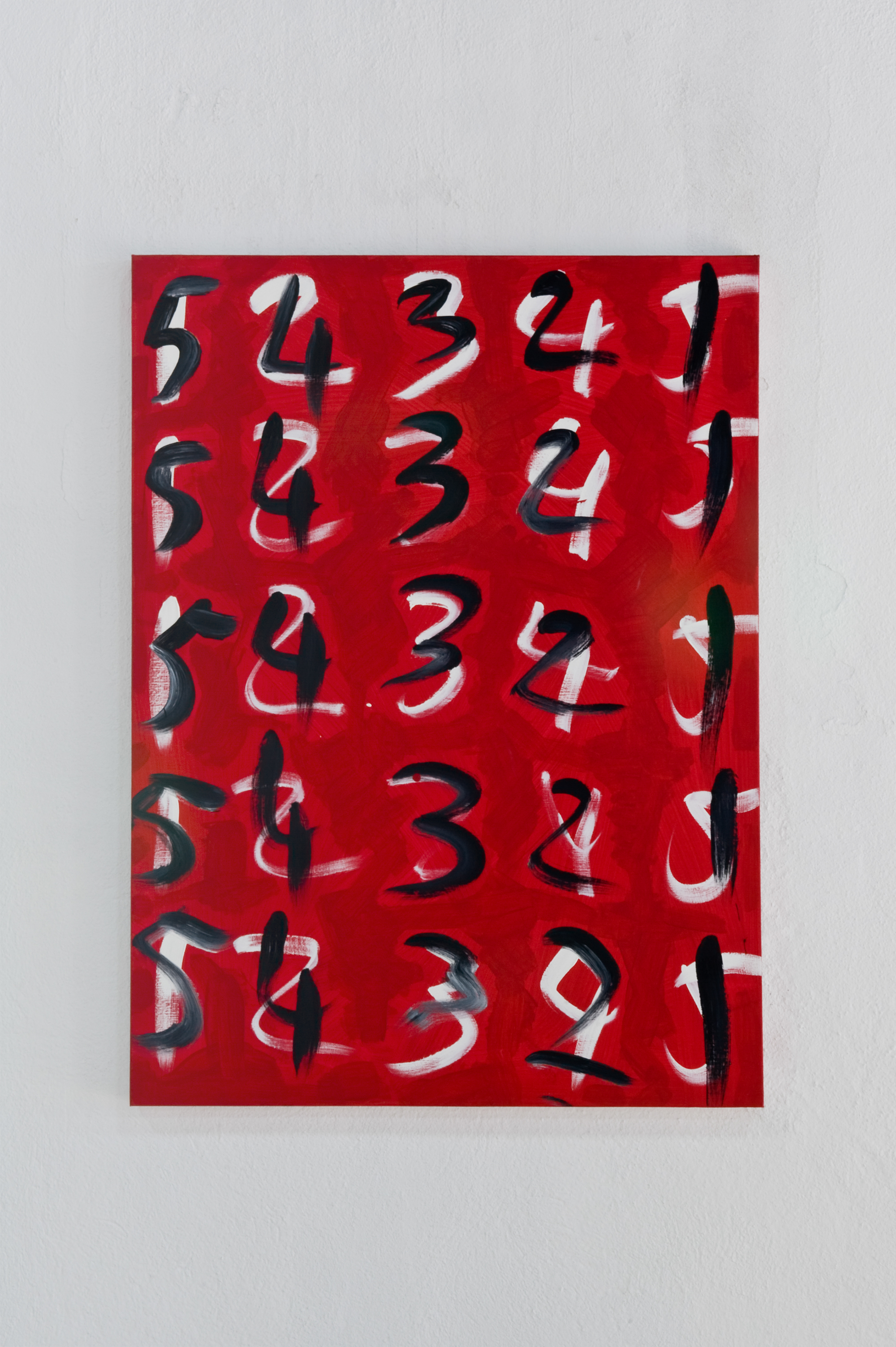
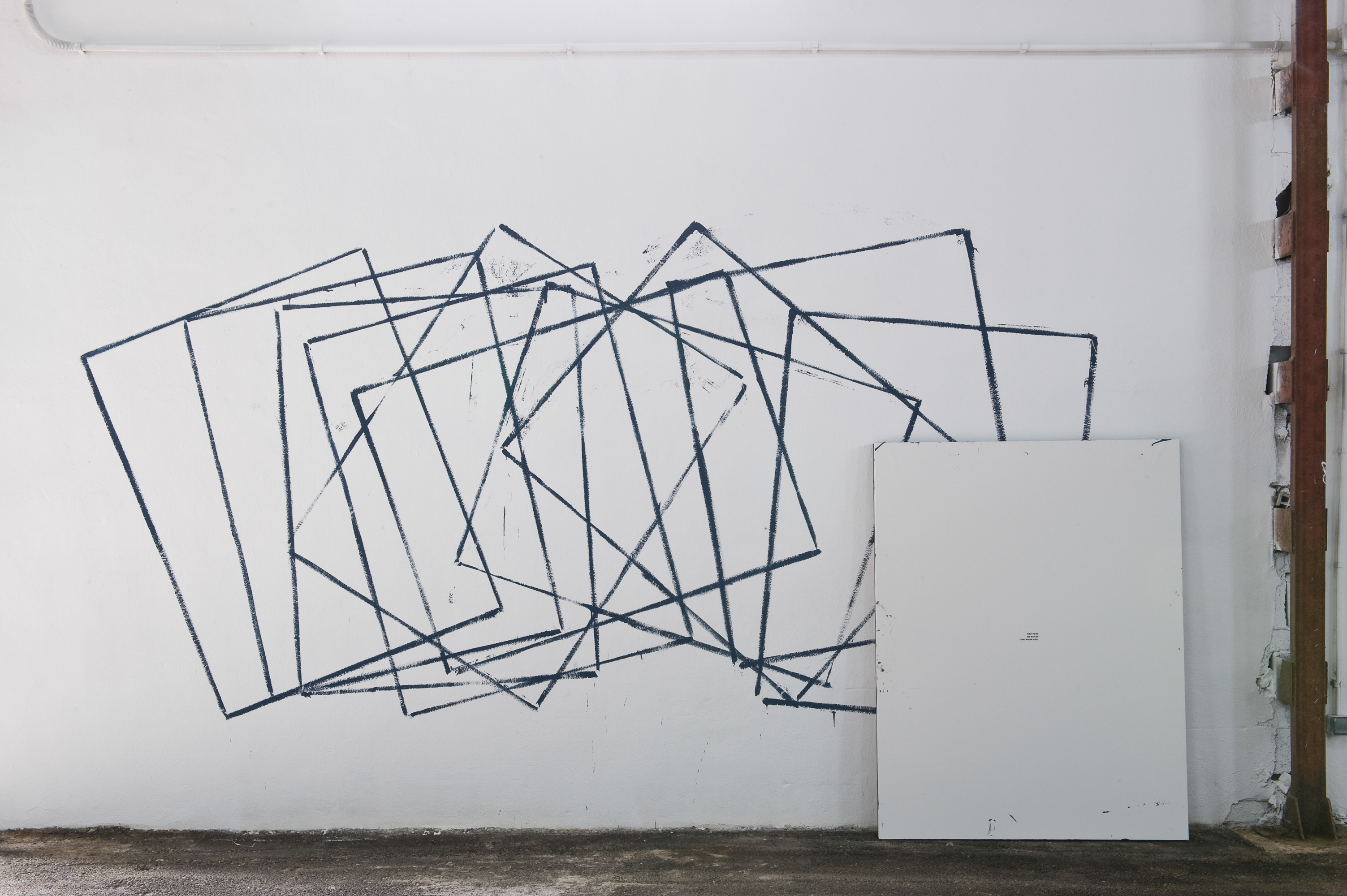
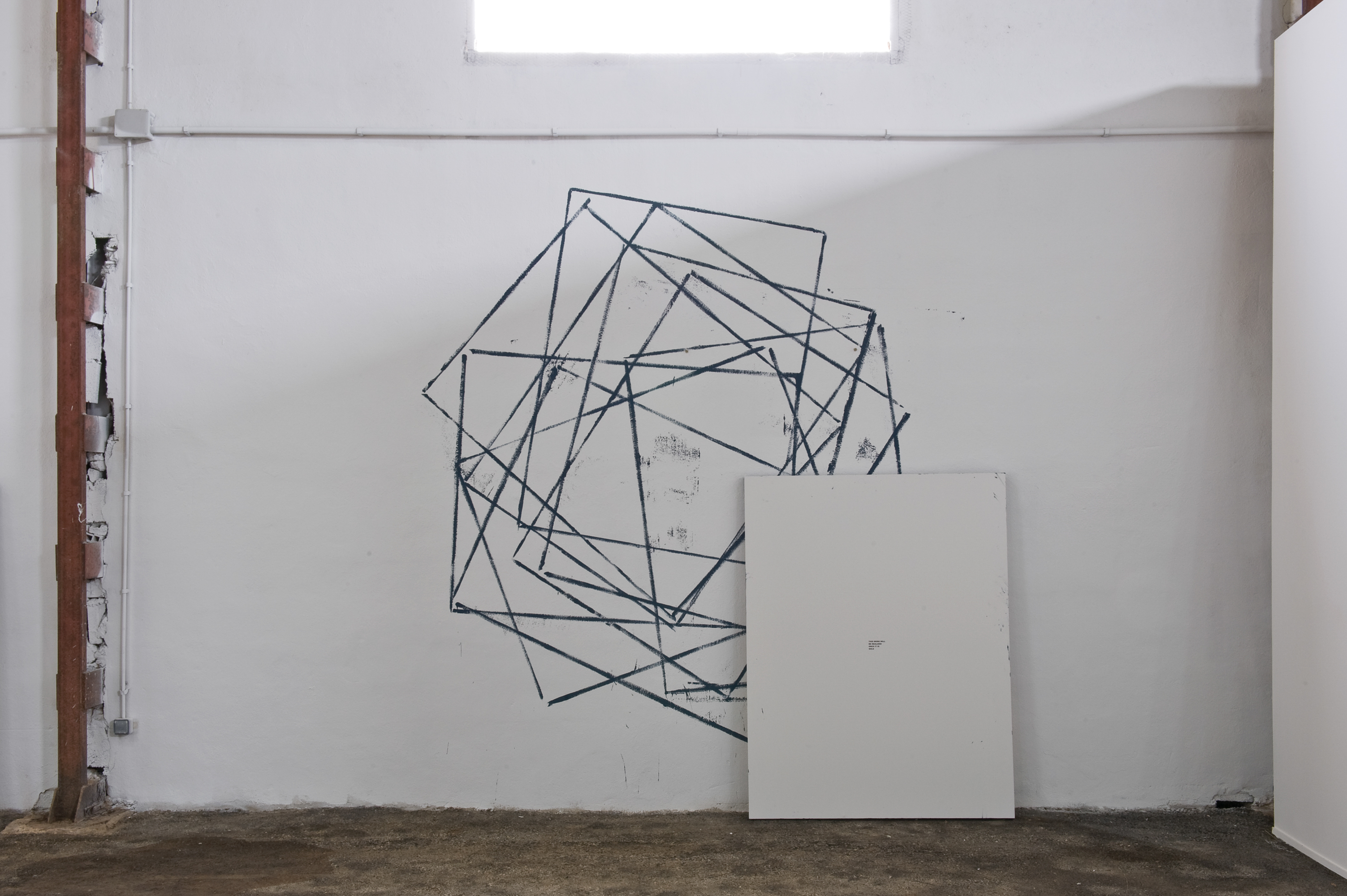
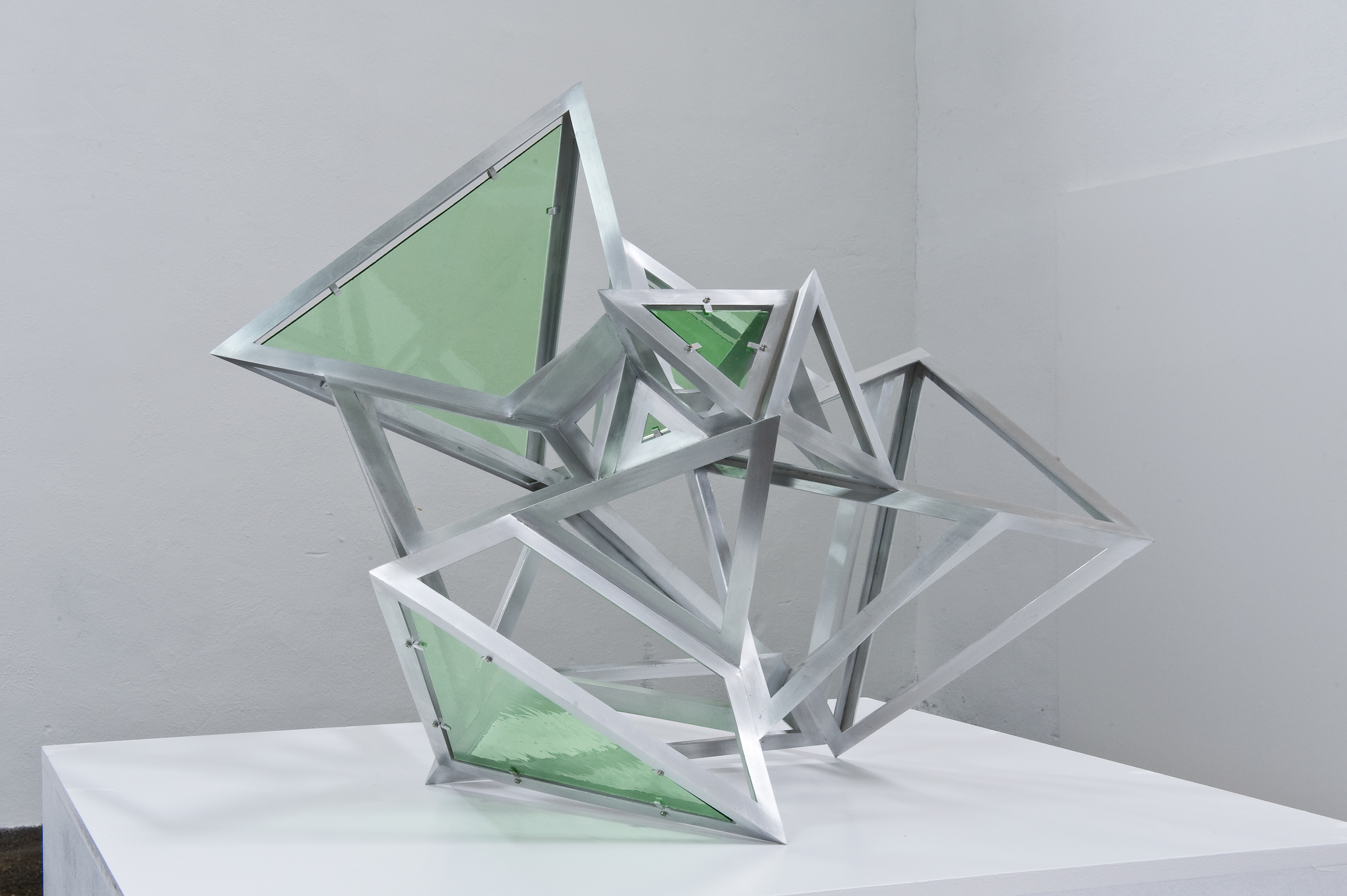
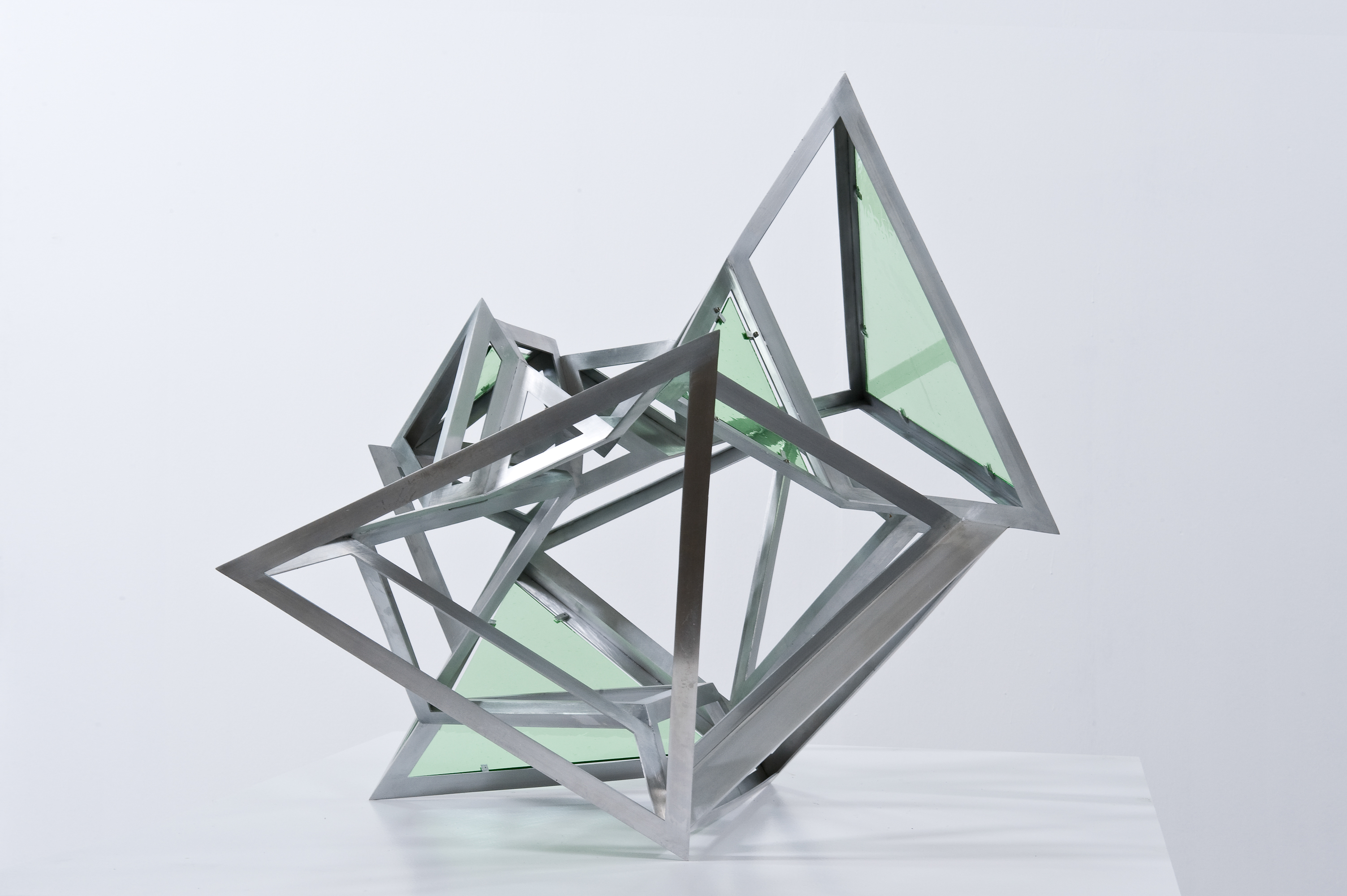
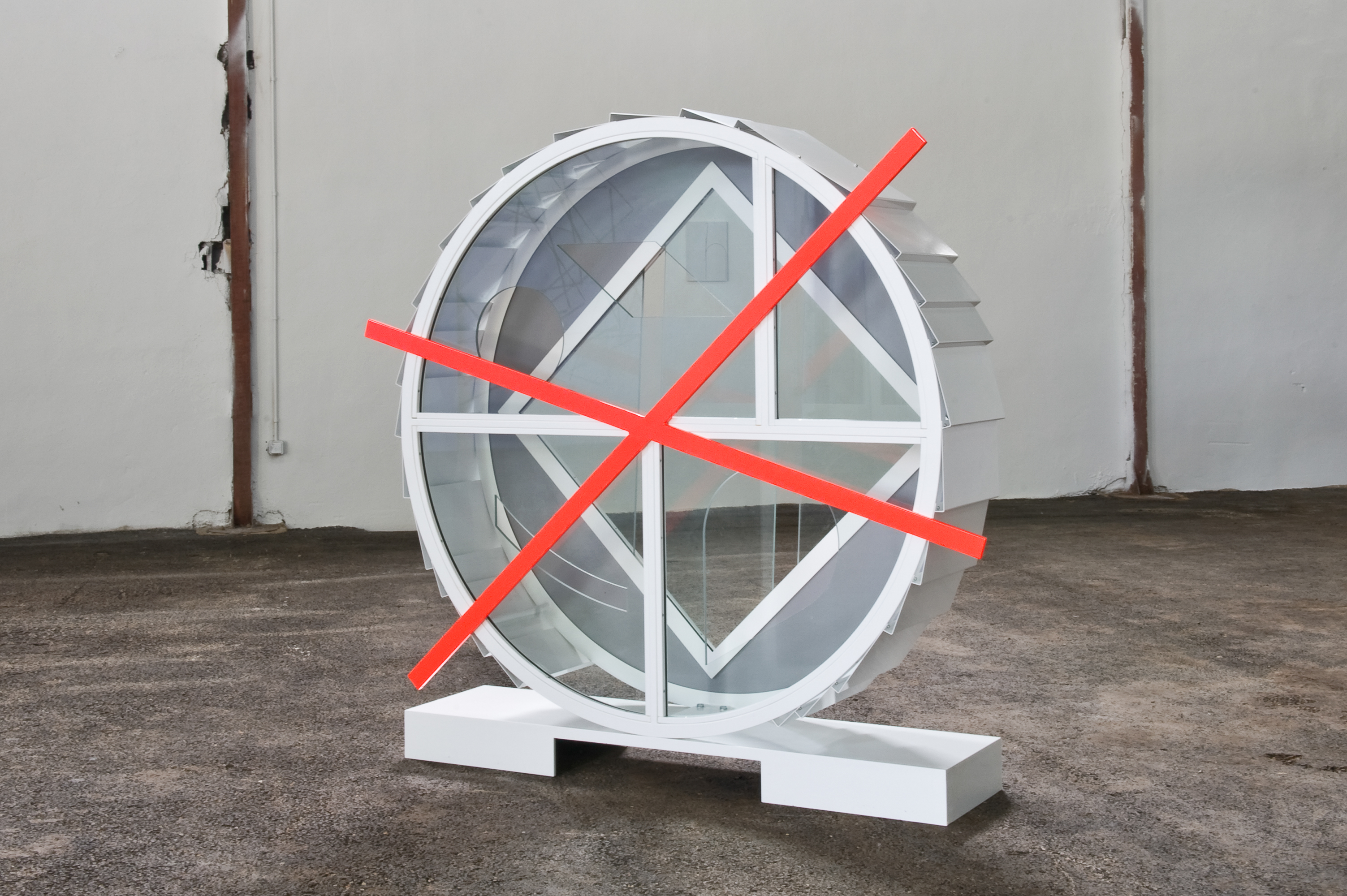
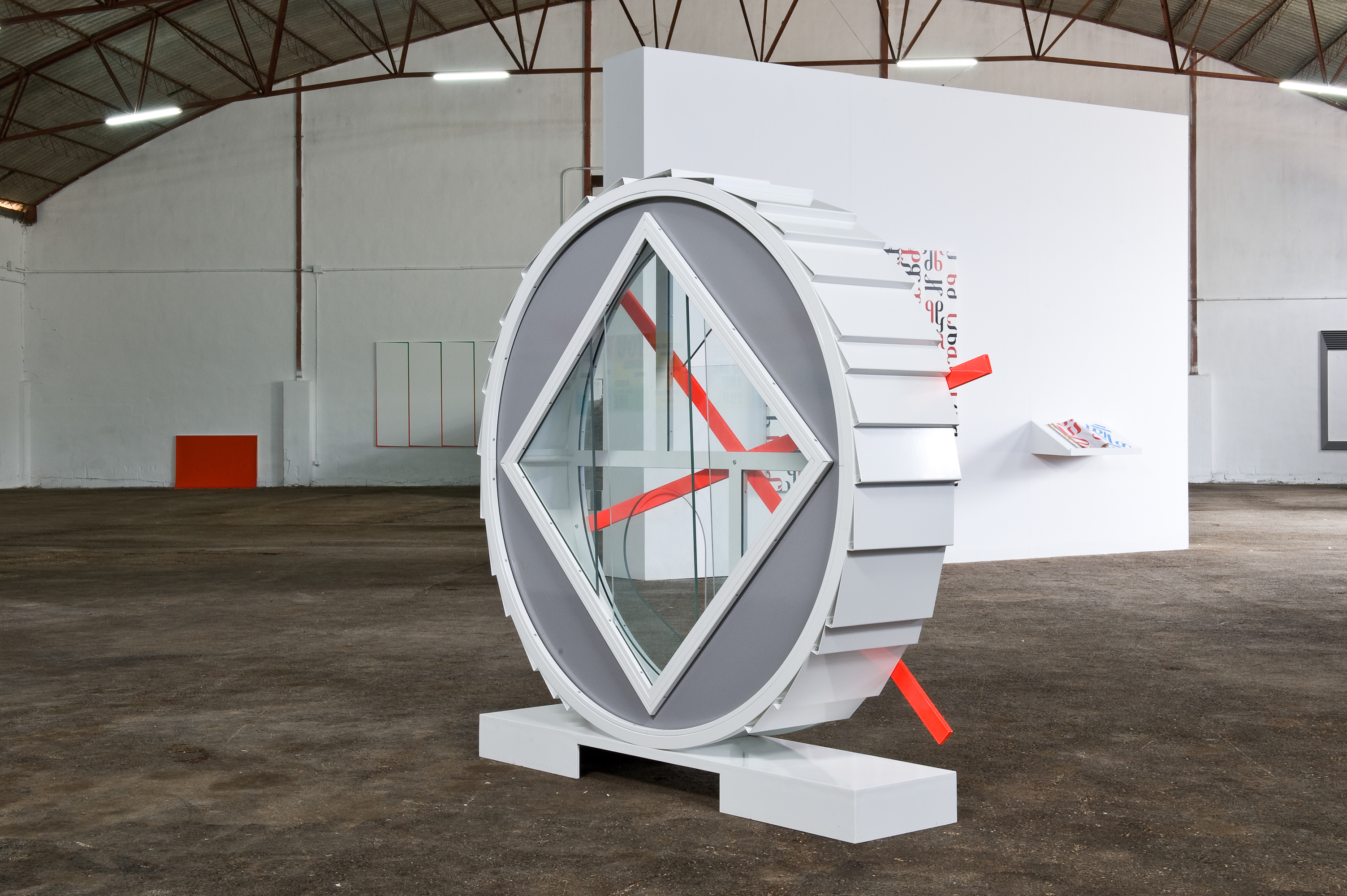
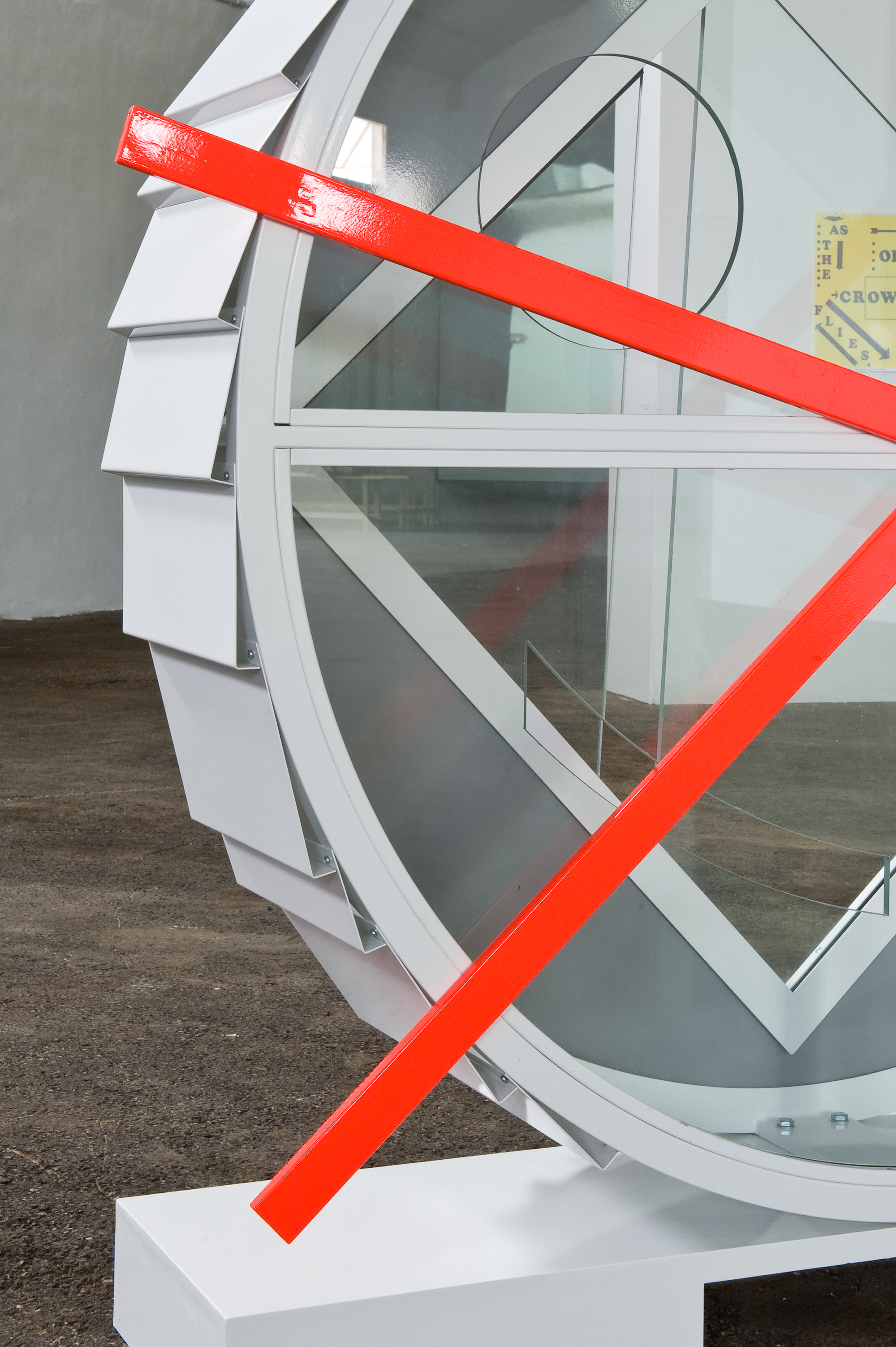
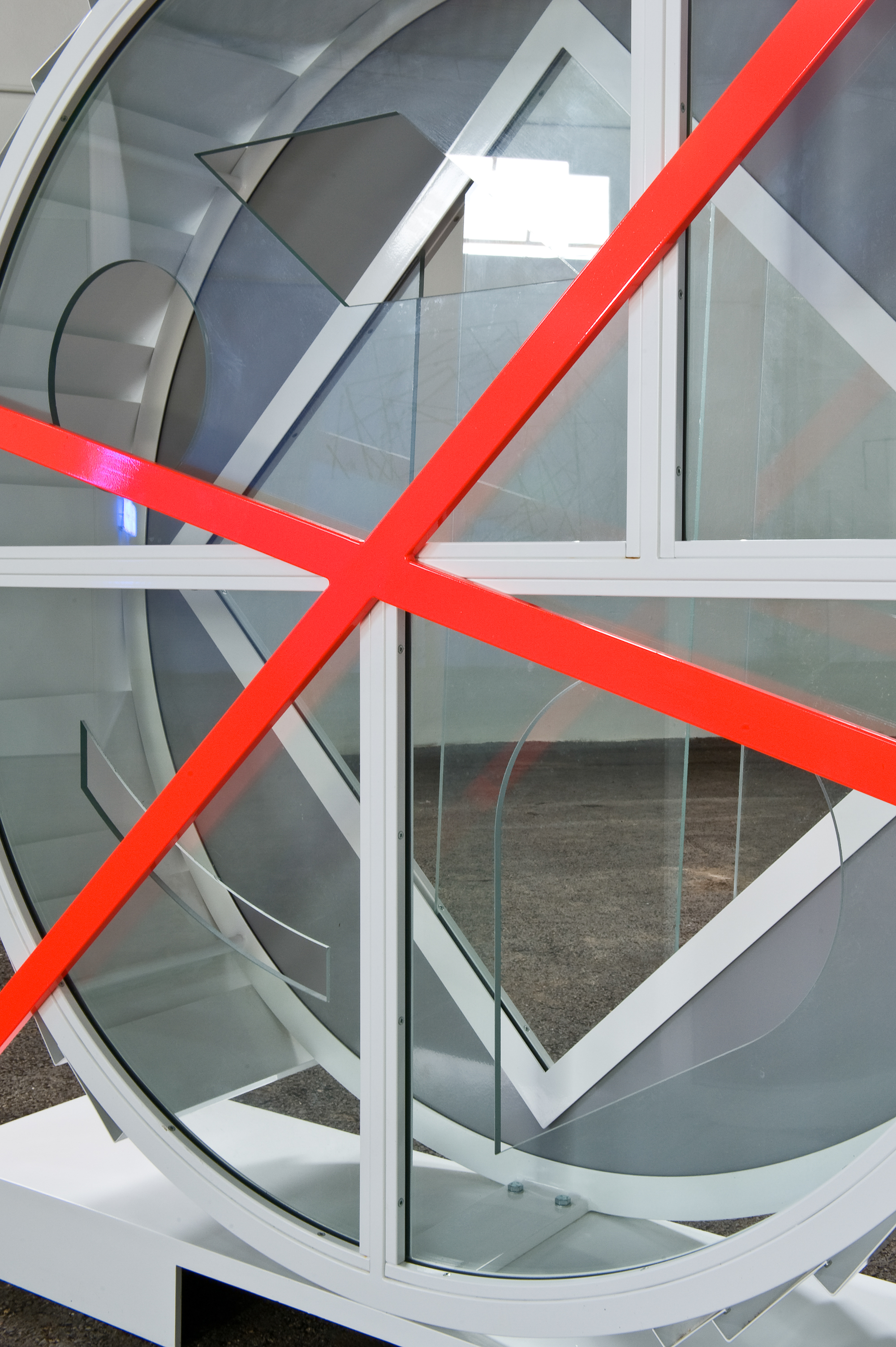
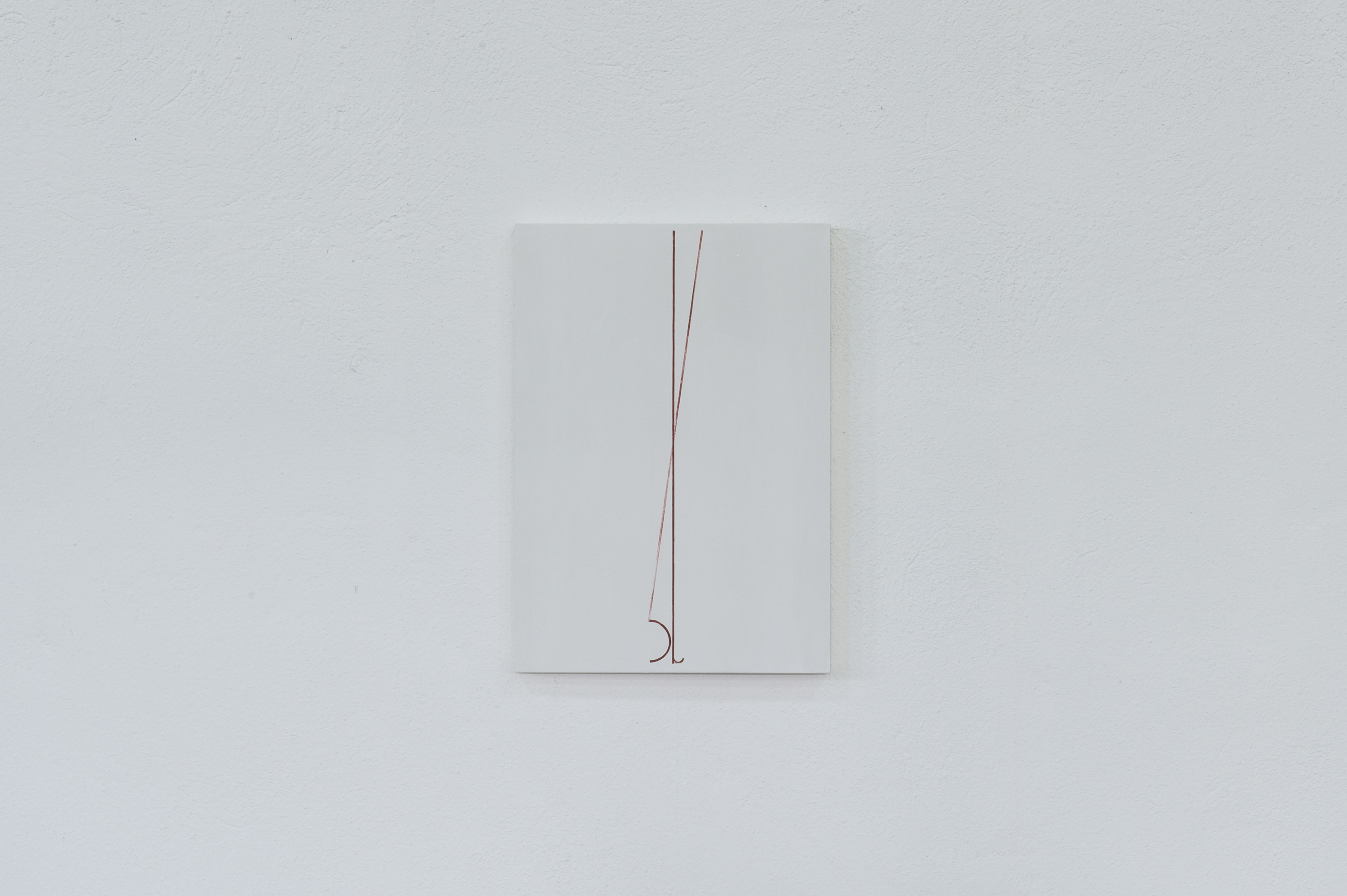
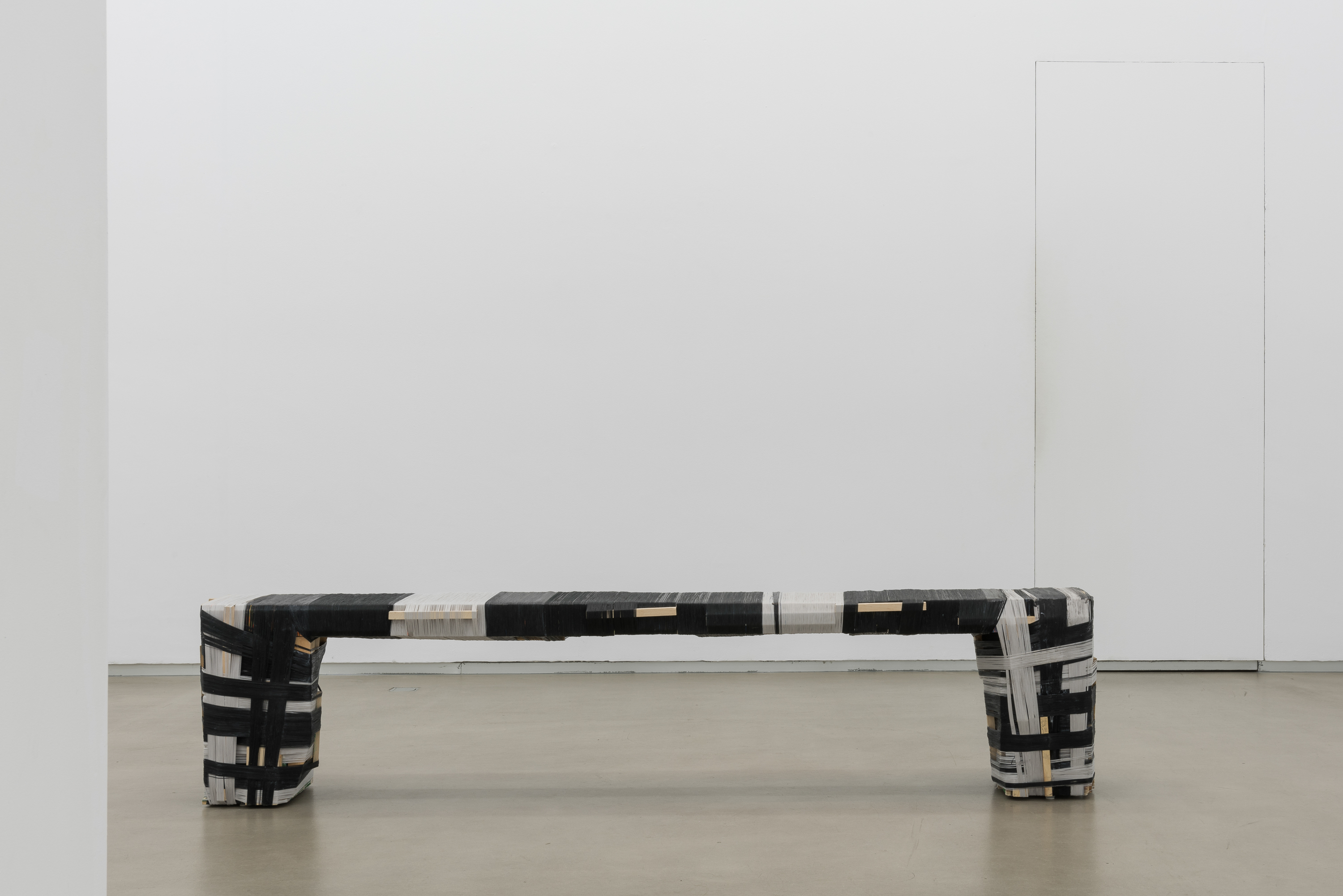
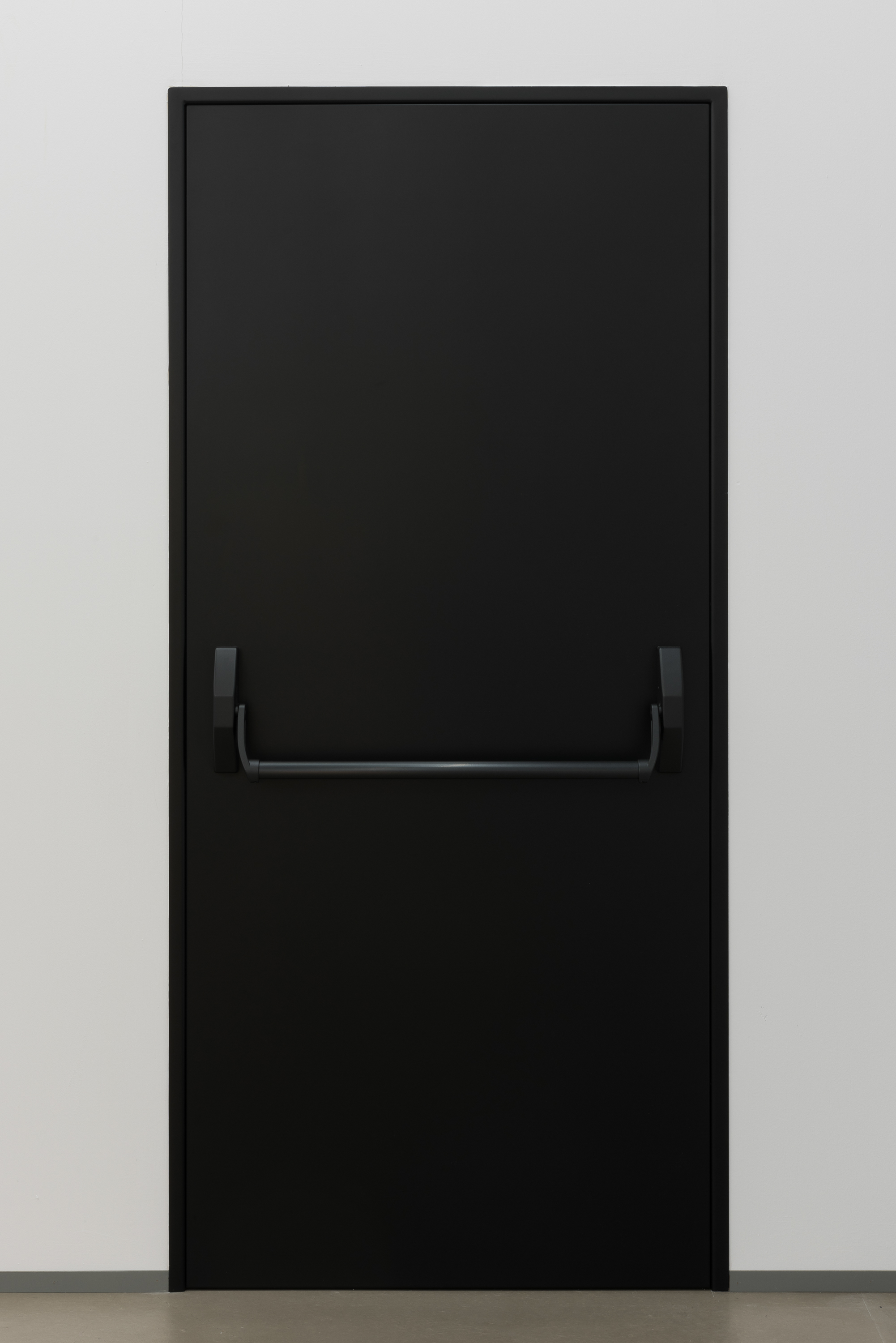
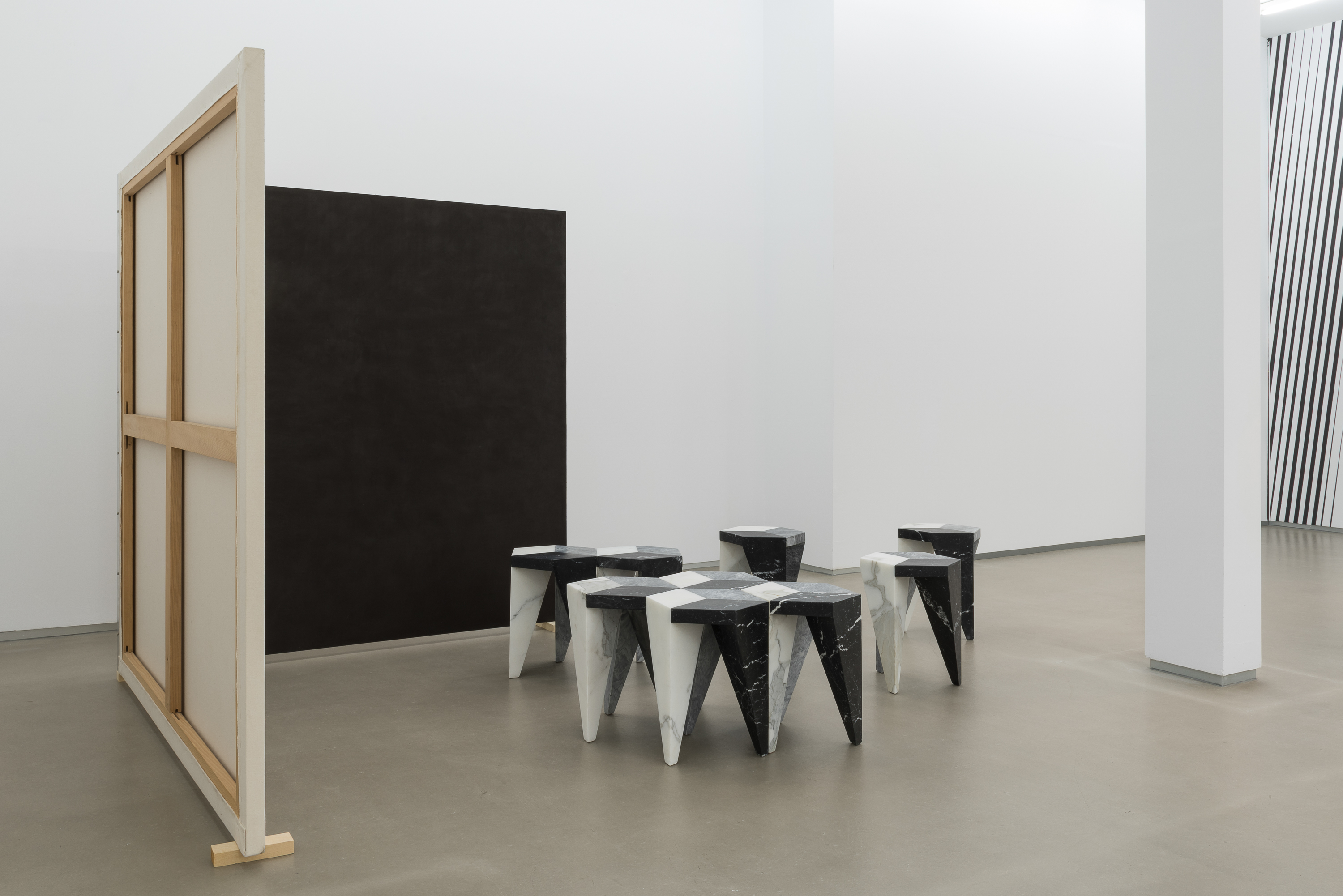
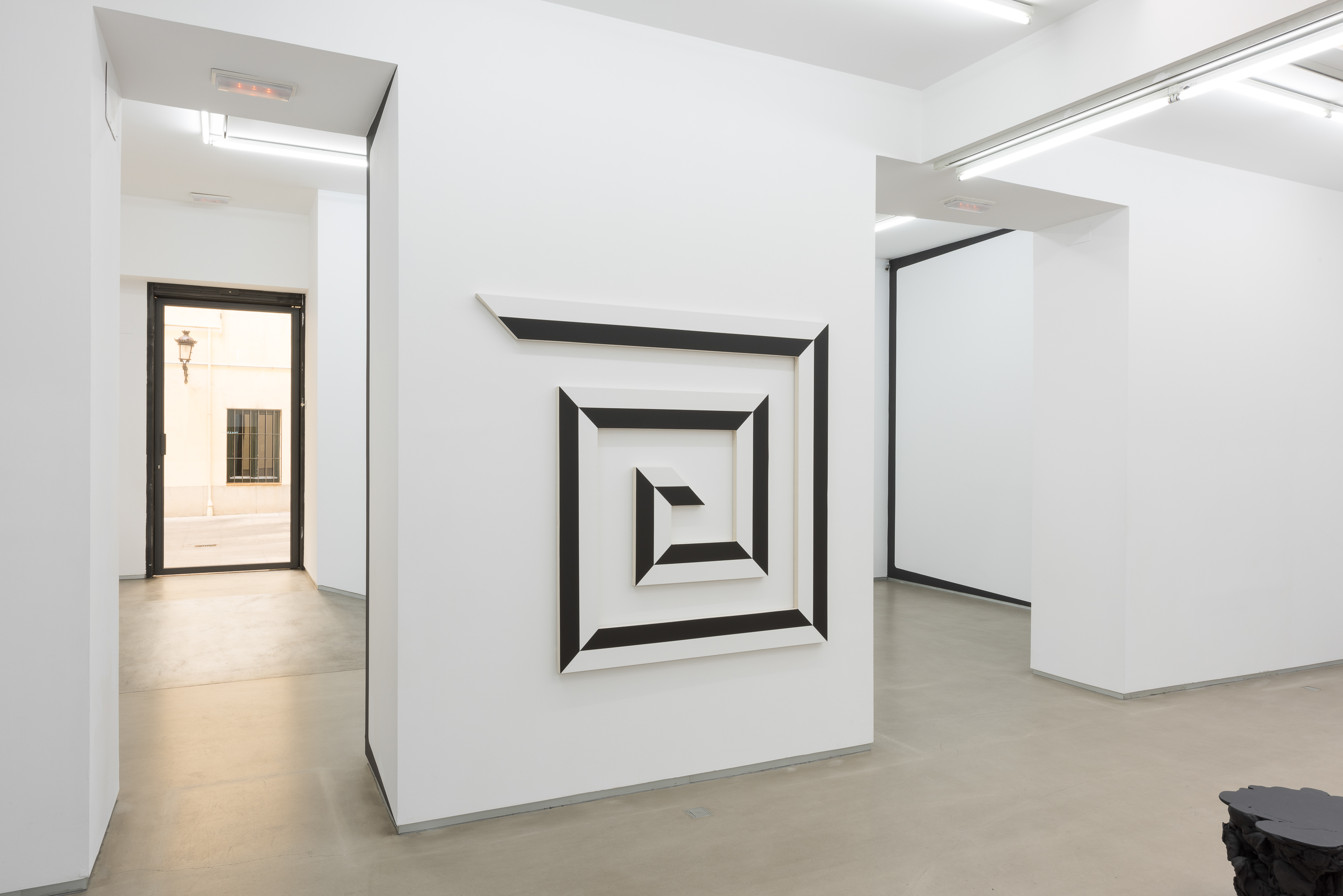
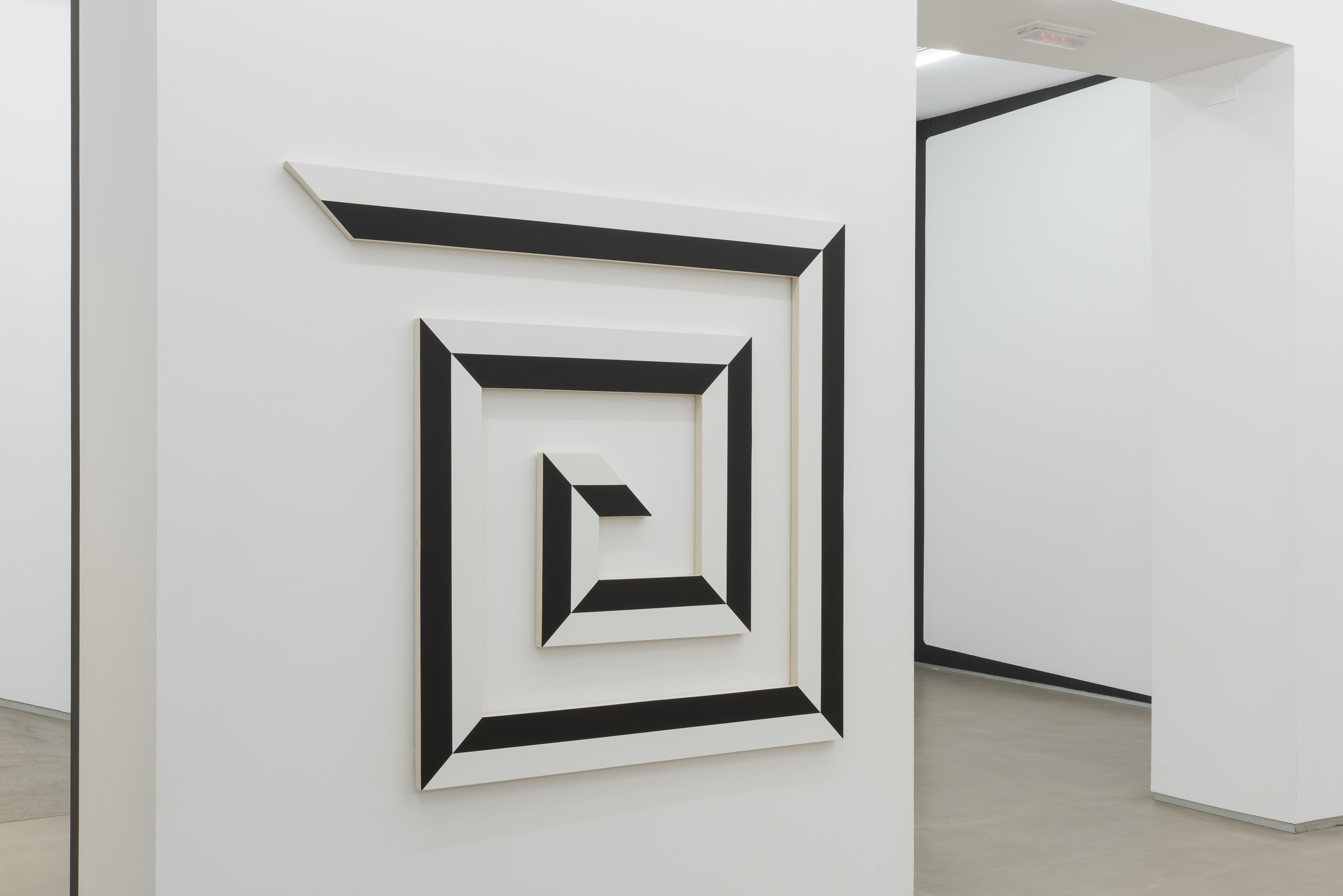
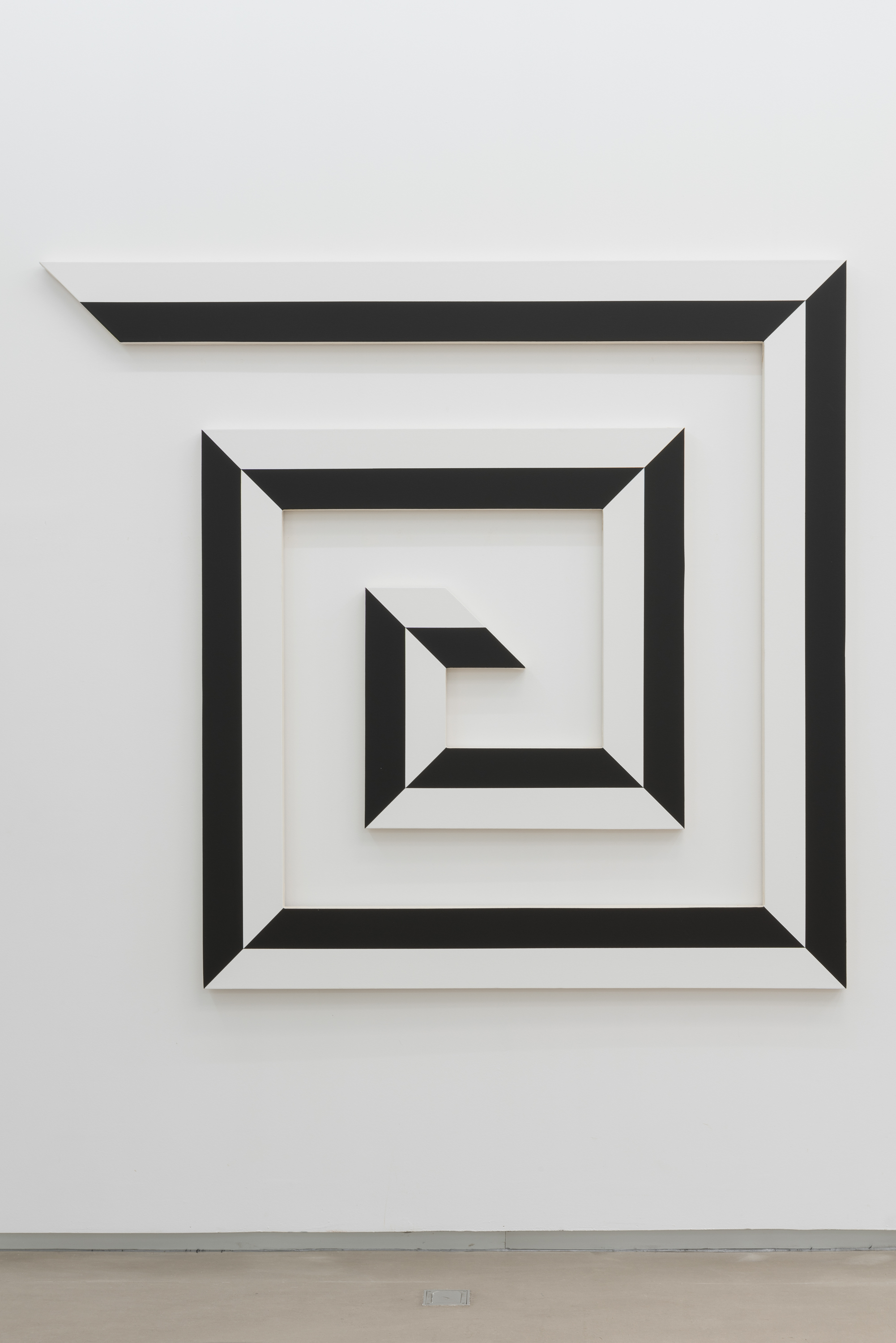
The conditions of the production of the work of art is one of the focal themes in the works of both artists. The works by Posenenske are pure industrial manufacture, with the peculiarity that, in addition, they are a limitless series. The artist designed several series understood as prototypes that can be reproduced indefinitely under authorization, according to her conception of the work of art as another commodity of mass production. Klein, on the other hand, plays with the ambivalence regarding the production conditions of the piece: despite their industrial aspect and the occasional addition of found objects, a closer look reveals that her canvases are carefully painted by hand, like a traditional painting. The works by Martina Klein are unique pieces, although they have traits that distance their appearance from that of a traditional work of art: the use of packaging materials and a location in a space that differs much from the traditional painting hung on the wall, at eye level. While Posenenske’s work was the result of a series of moral and political beliefs, that of Klein is derived from her own intuition, understood as a disciplined method of perception and understanding of space.
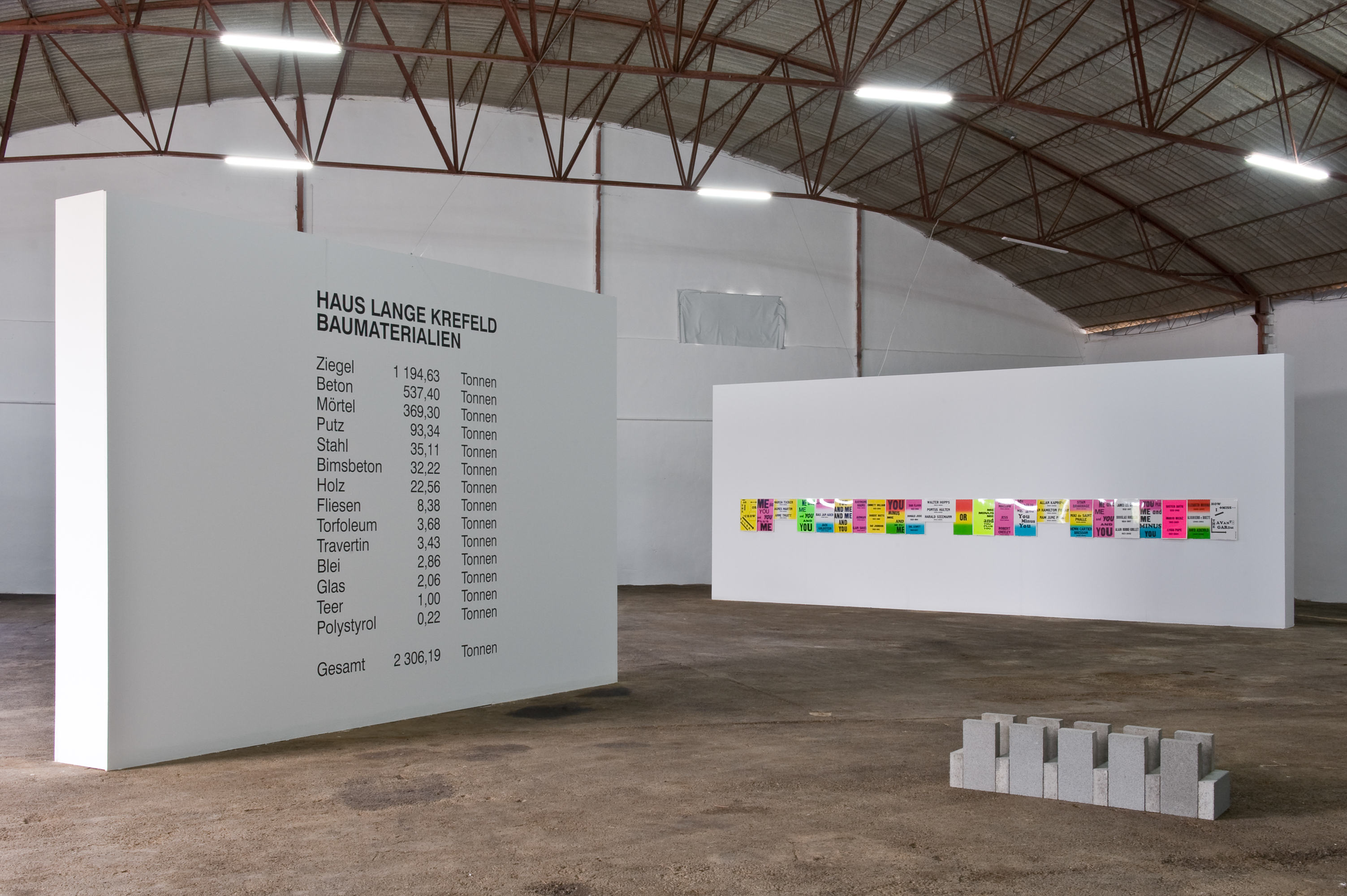
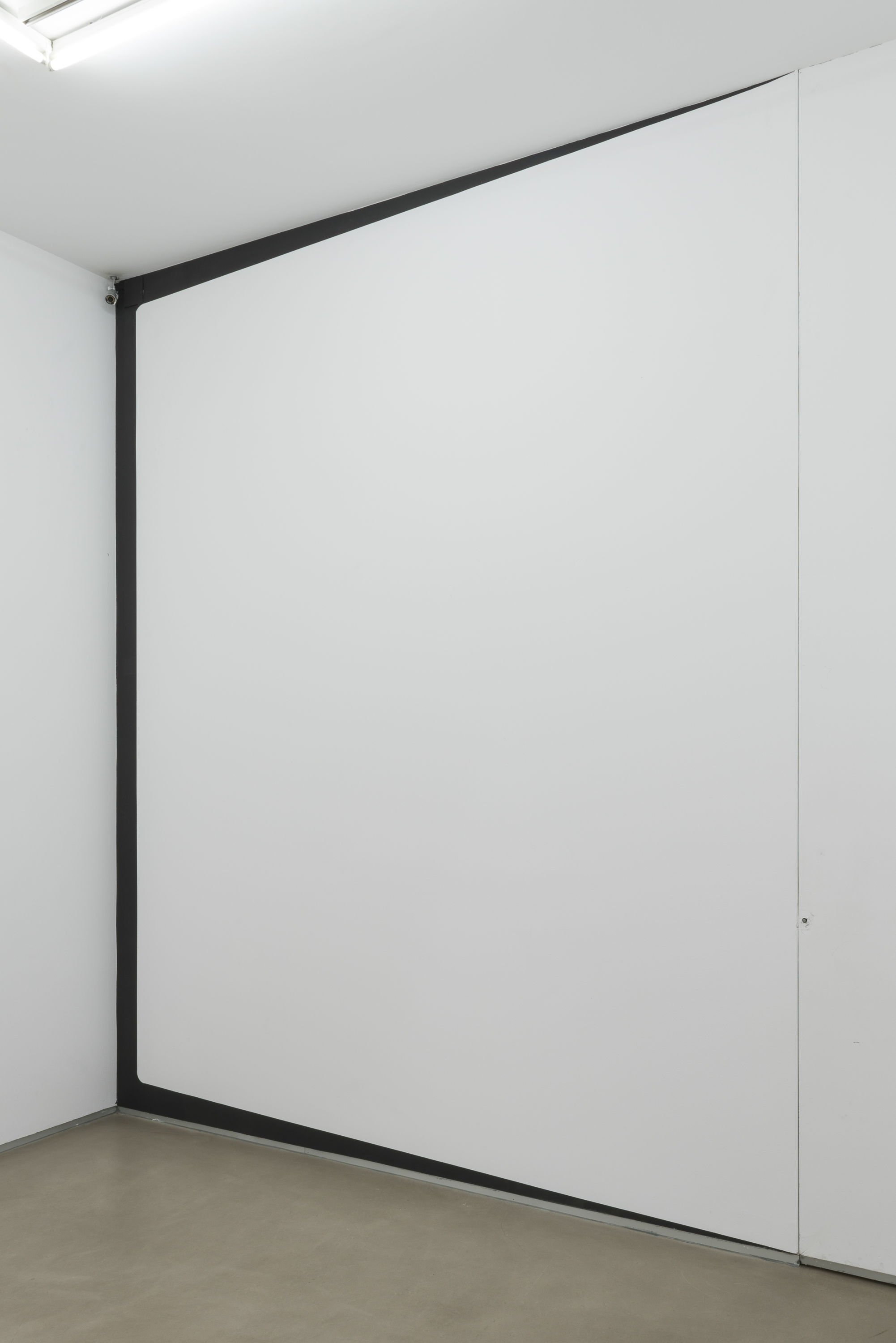
Space is, precisely, another of the fundamental themes that link the practice of the two artists. Martina Klein displays her painting in such a way that it is completely exposed. There is no representation, illusionism, frames, screws nor any other element hidden from sight in her works: it is an exercise of radical literalism. Klein is interested in painting as long as it conditions spatiality, and therefore she creates works to be displayed in a space in an unconventional manner, or that force the viewer to move in order to contemplate them -as is the case of the canvases whose view ahead is blocked by a wooden partition. In her own way, and in the brief time that her career as an artist lasted, Posenenske also developed, in her work, a transition from the pictorial surface (her first paintings, little known, from the late 50s and early 60s) to the three-dimensional objects close to the installation or architecture (transitable sculptures and false ventilation tubes called Vierkantrohren, conceived in 1967/68), passing through her famous series of reliefs.
Charlotte Posenenske abandoned artistic practice in 1968 to devote herself to sociology, convinced that the production of works of art did not provide any solutions or answers to political and social problems. Martina Klein still believes that the artistic practice provides time and possibilities for everybody to experiment, investigate, and influence a change of thoughts, something which will continue to be socially relevant.
Martina Klein lives and works in Düsseldorf. Her first solo exhibition was at Konrad Fischer Galerie in Düsseldorf, in 1992. Since then, she has had solo shows at Concept Space, Shibukawa, Japan (2017); Museum Weserburg, Bremen, Germany (2016); LehmbruckMuseum, Duisburg, Germany (2012) and House of Art Ceske Budejovice, Czech Republic (2005), among others.
Charlotte Posenenske (1930-1985) started her career in the theatre, as a costume designer. She was only producing art since the mid-50s until 1968, when she quitted art to become a Sociologist. During her life, she had shows in renowned German galleries of that time, such as Konrad Fischer and Dorothea Loehr. After her work was re-discovered at the documenta 12, she has had posthumous shows at K21 Düsseldorf (2012) and Artists Space, New York (2010). DIA Beacon is preparing a retrospective that will open in March 2019.