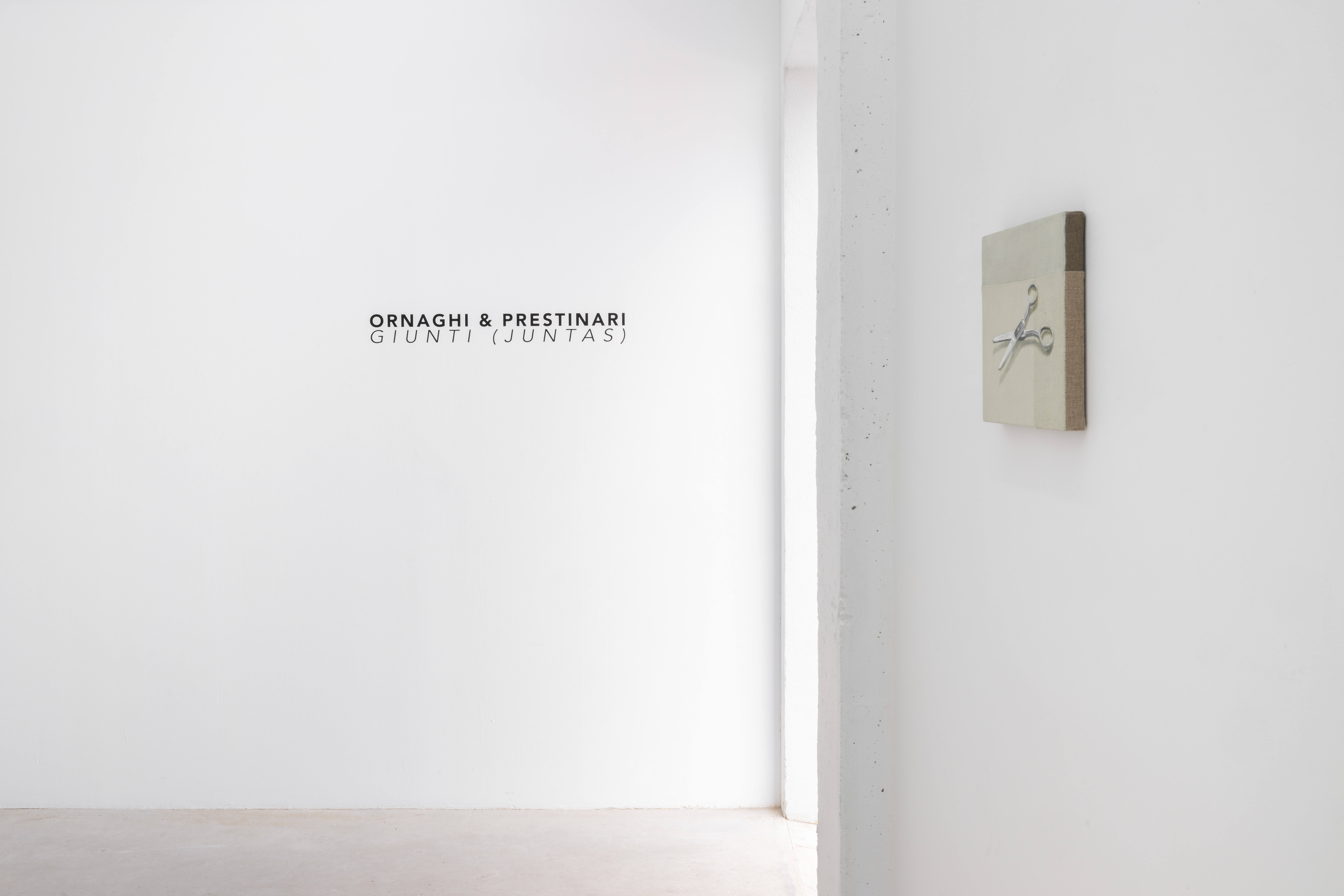
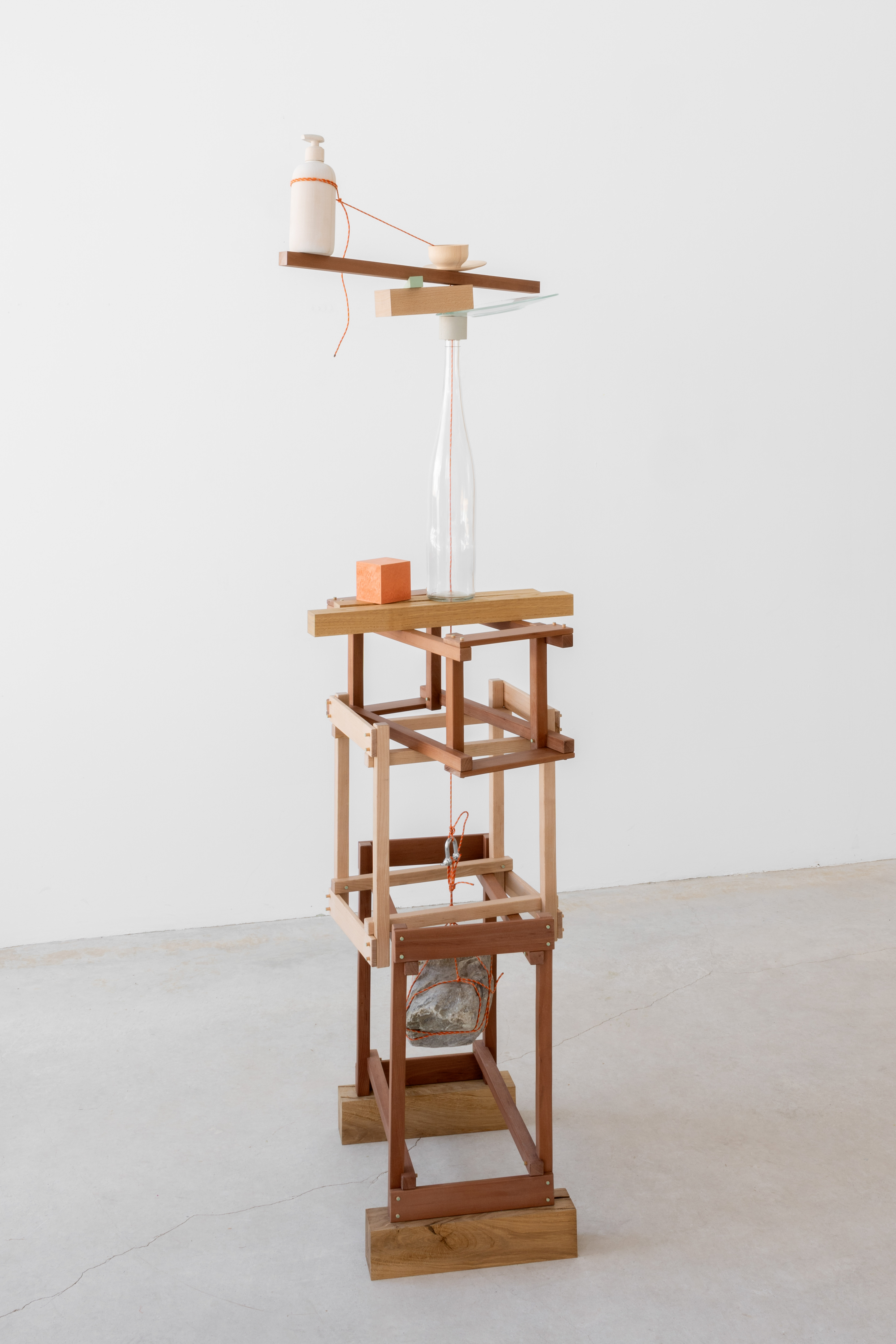
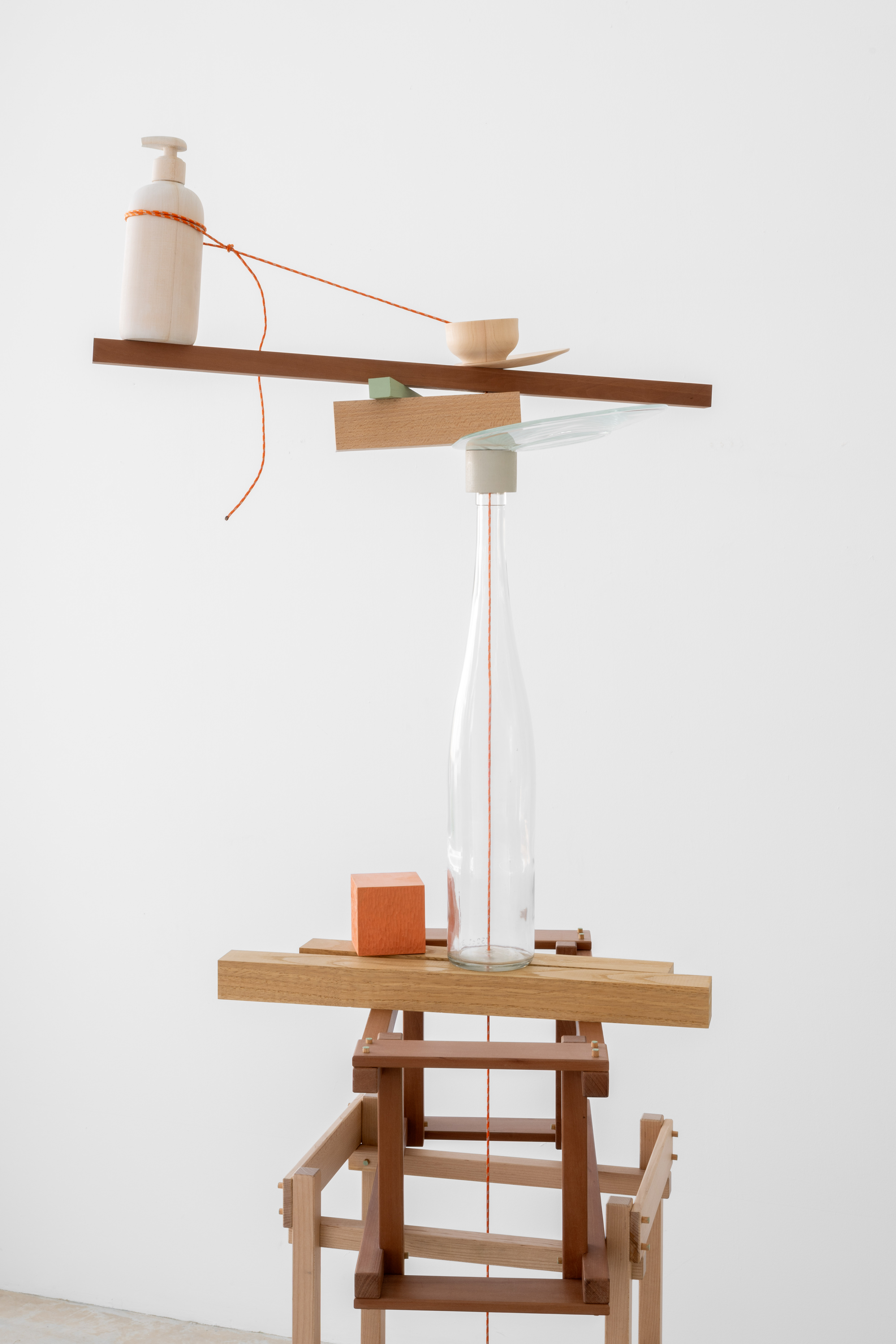
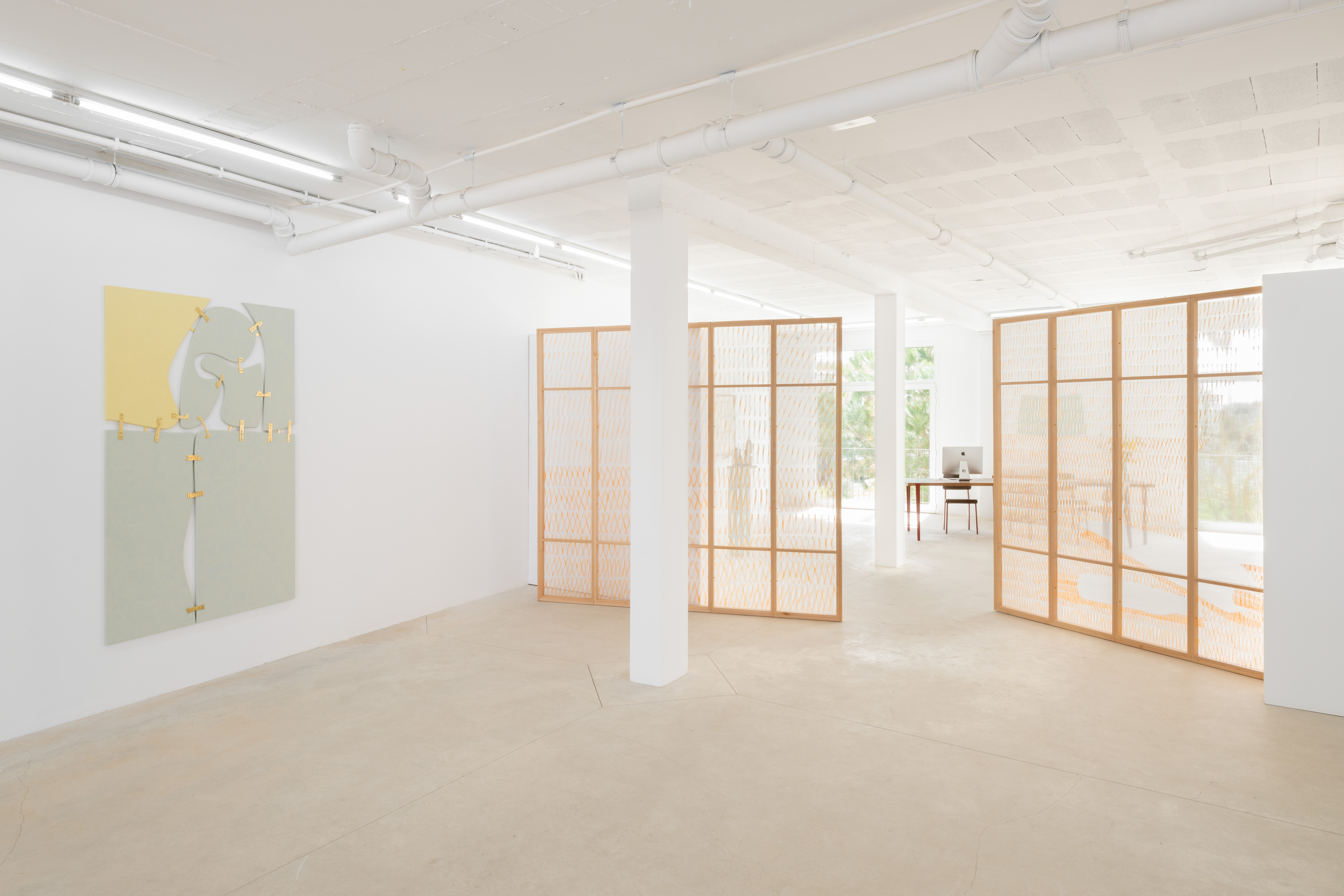
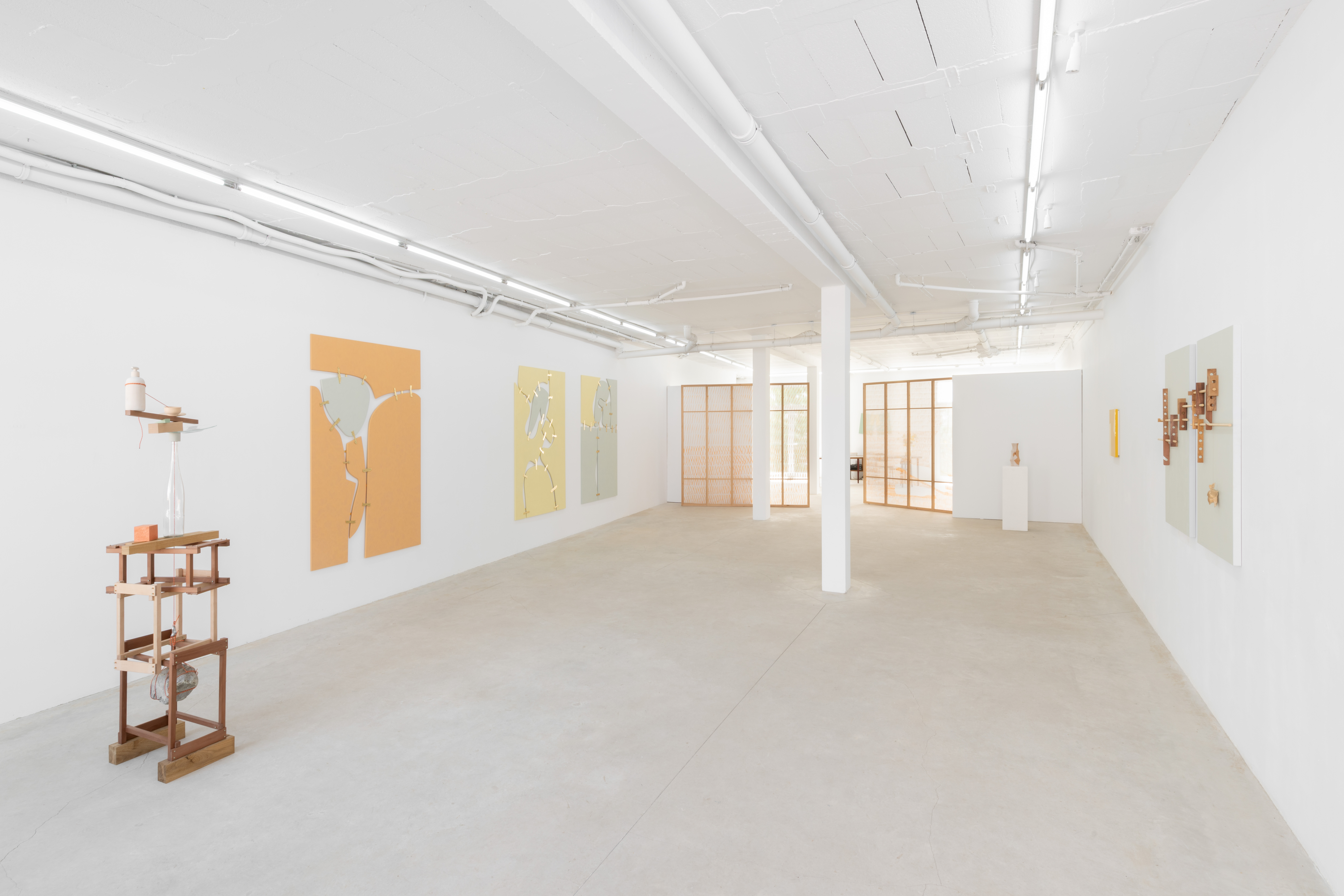
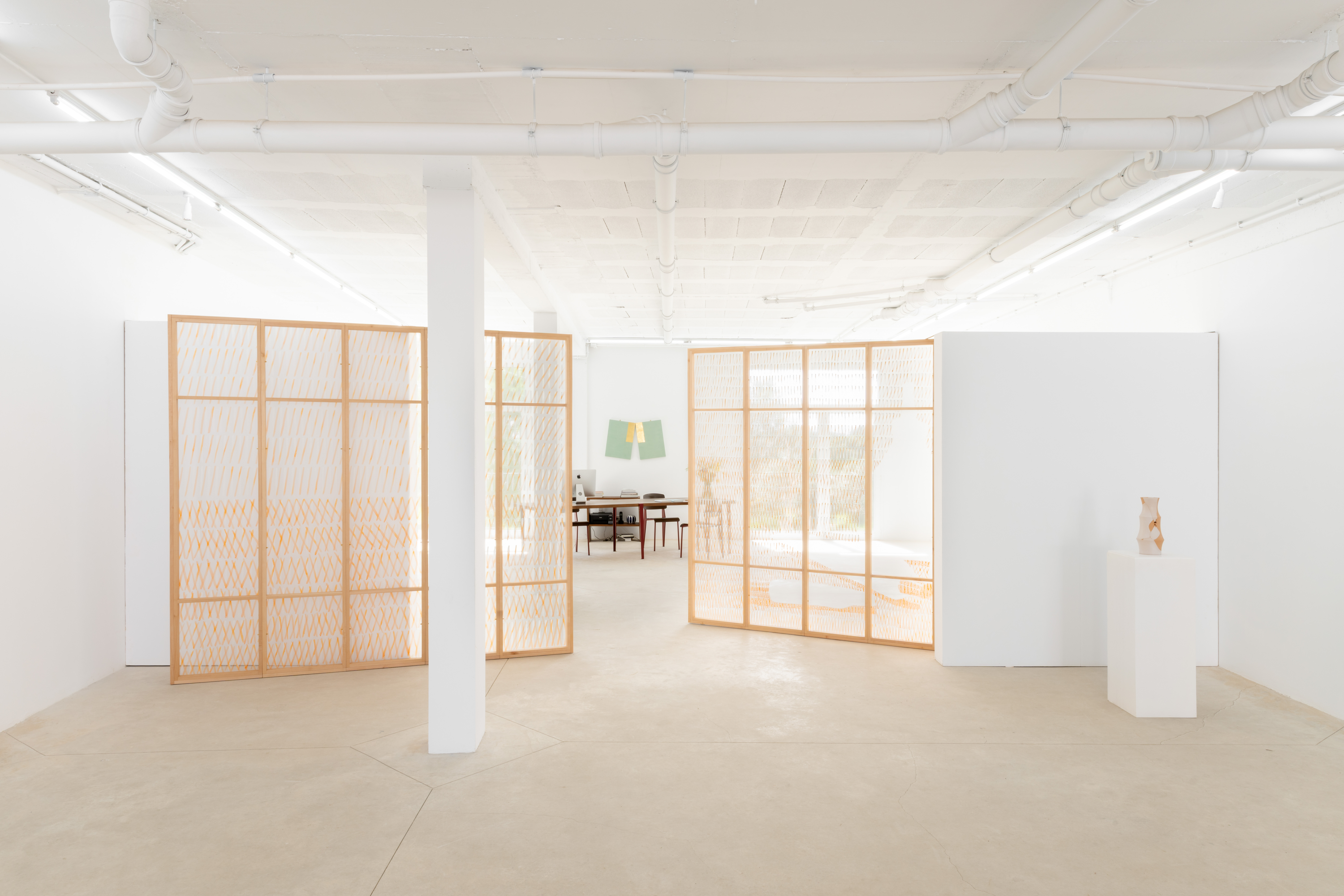
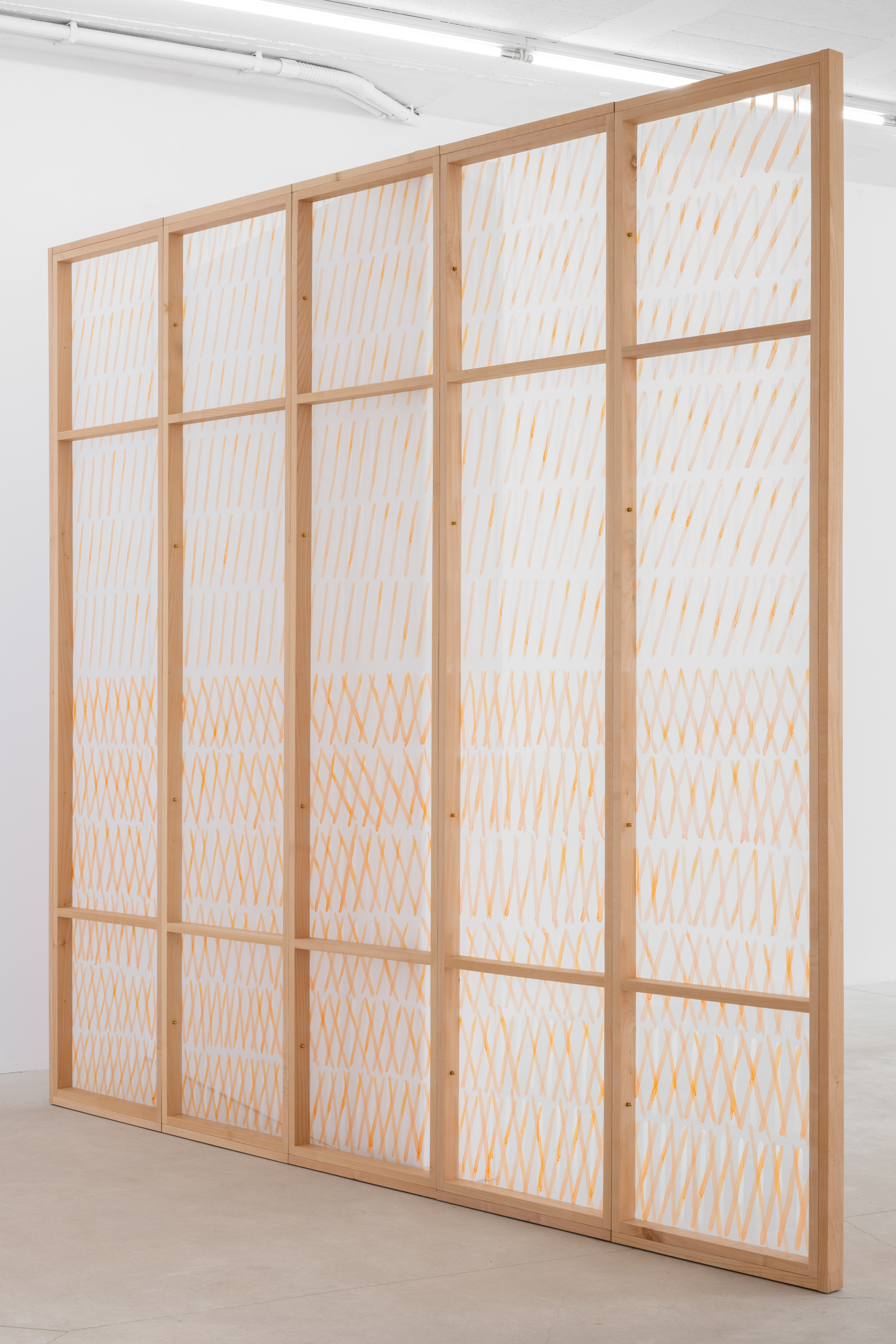
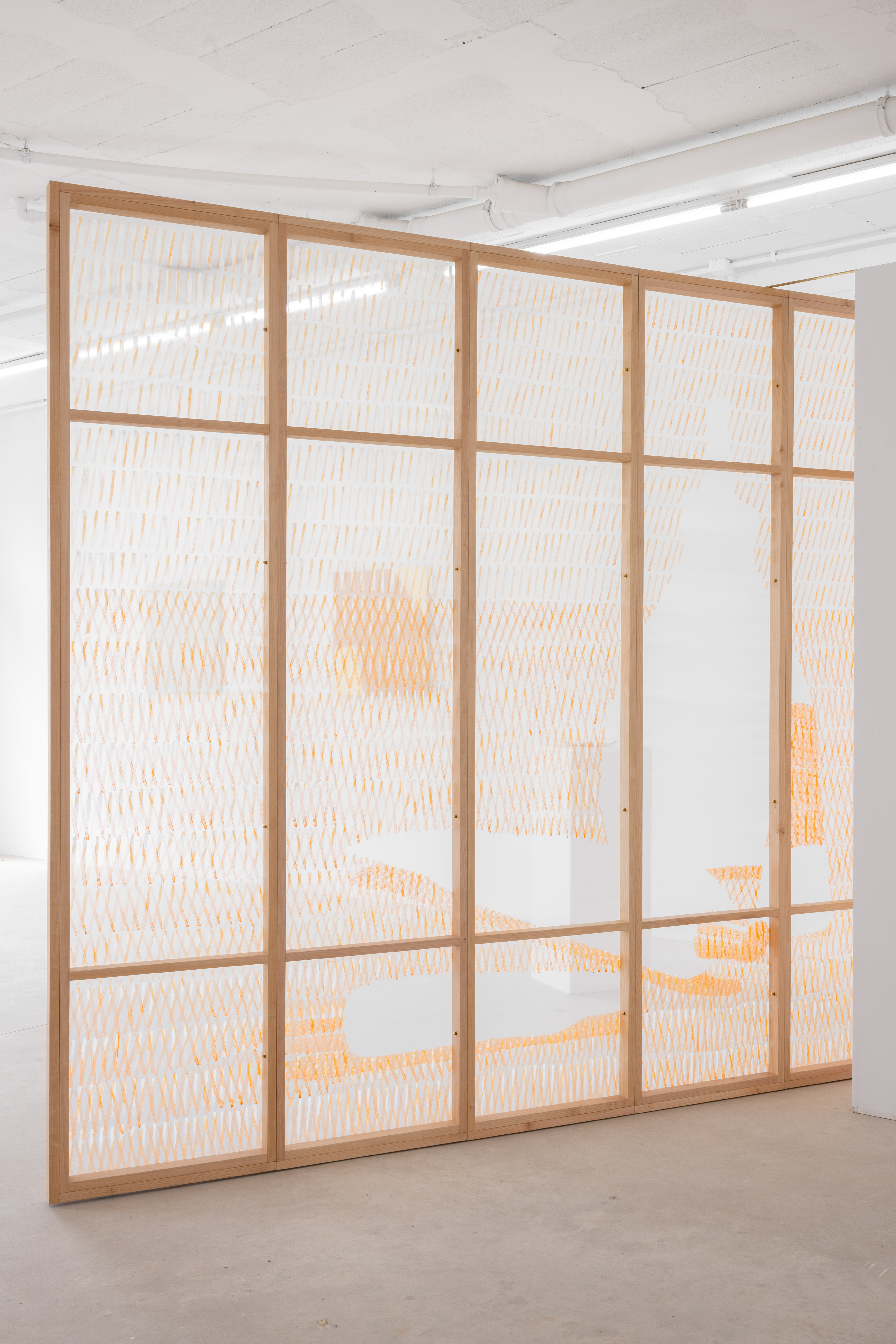
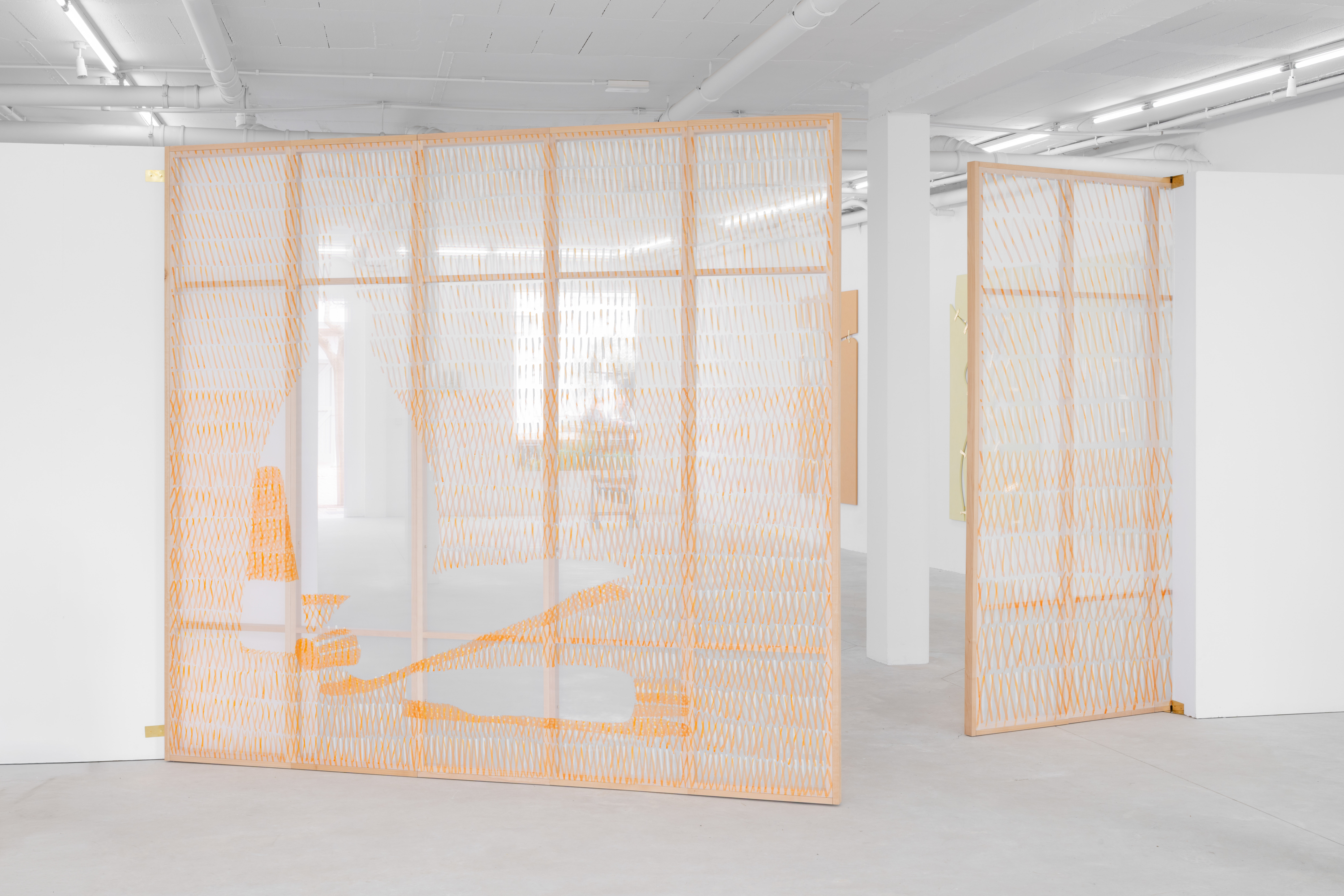
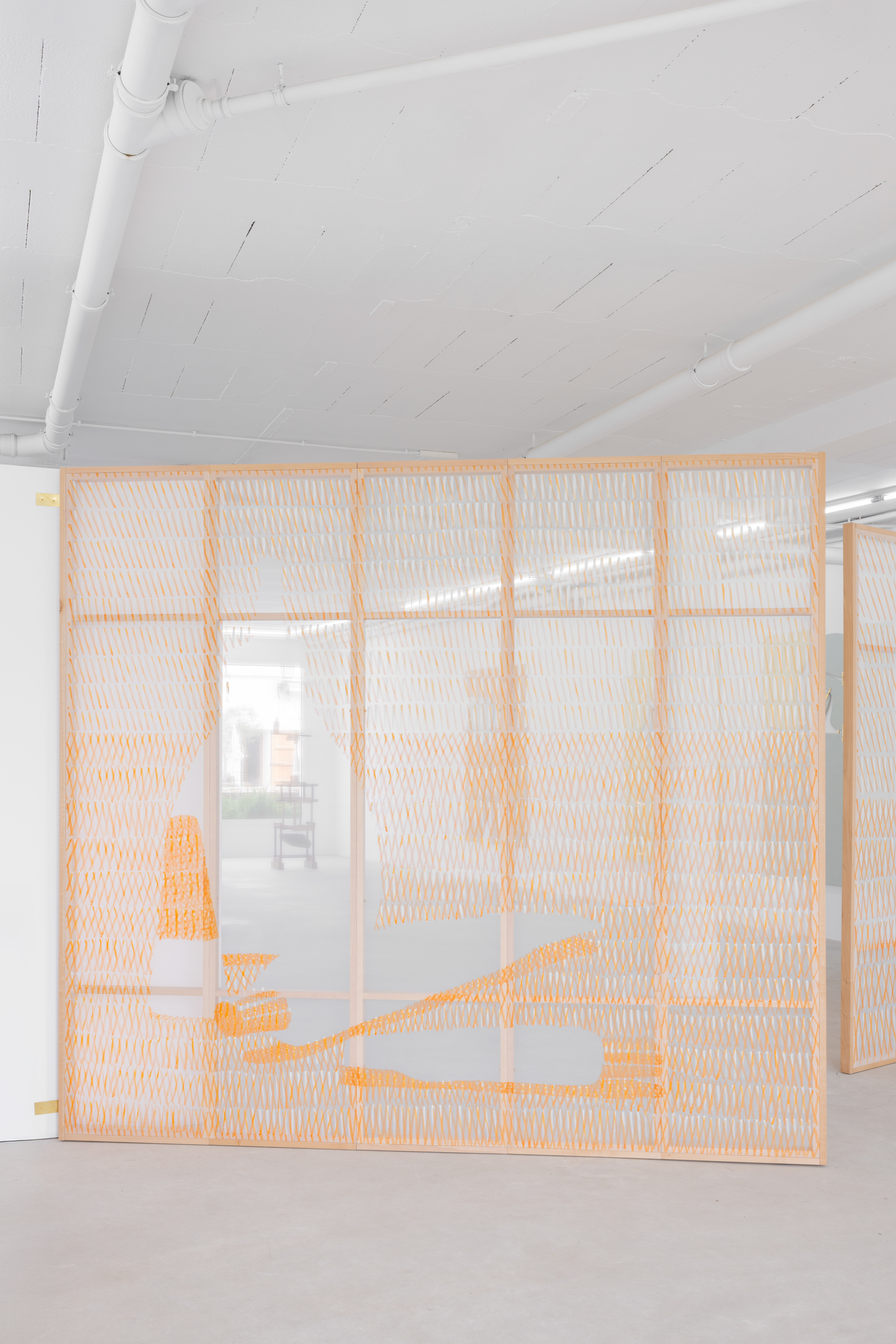

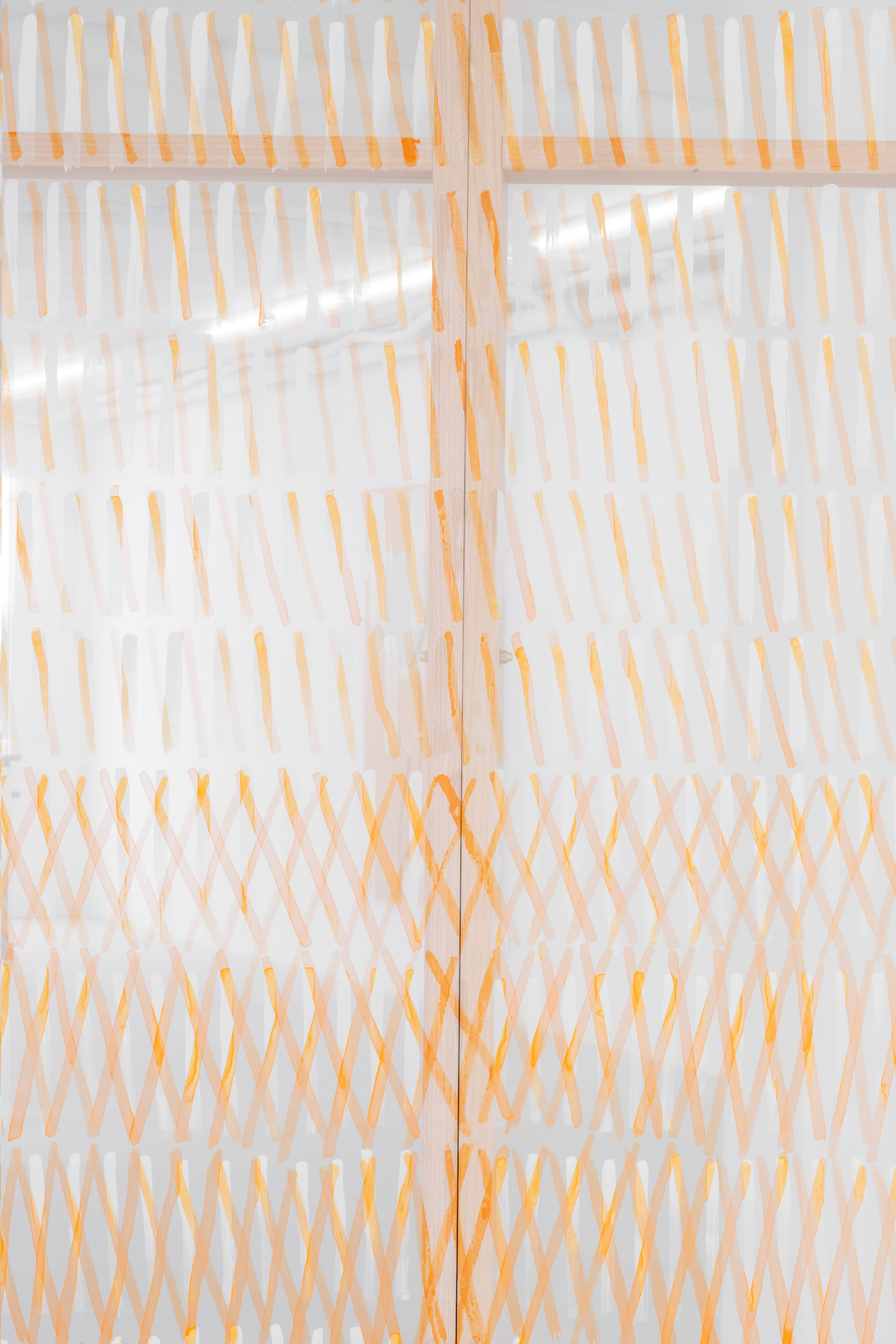
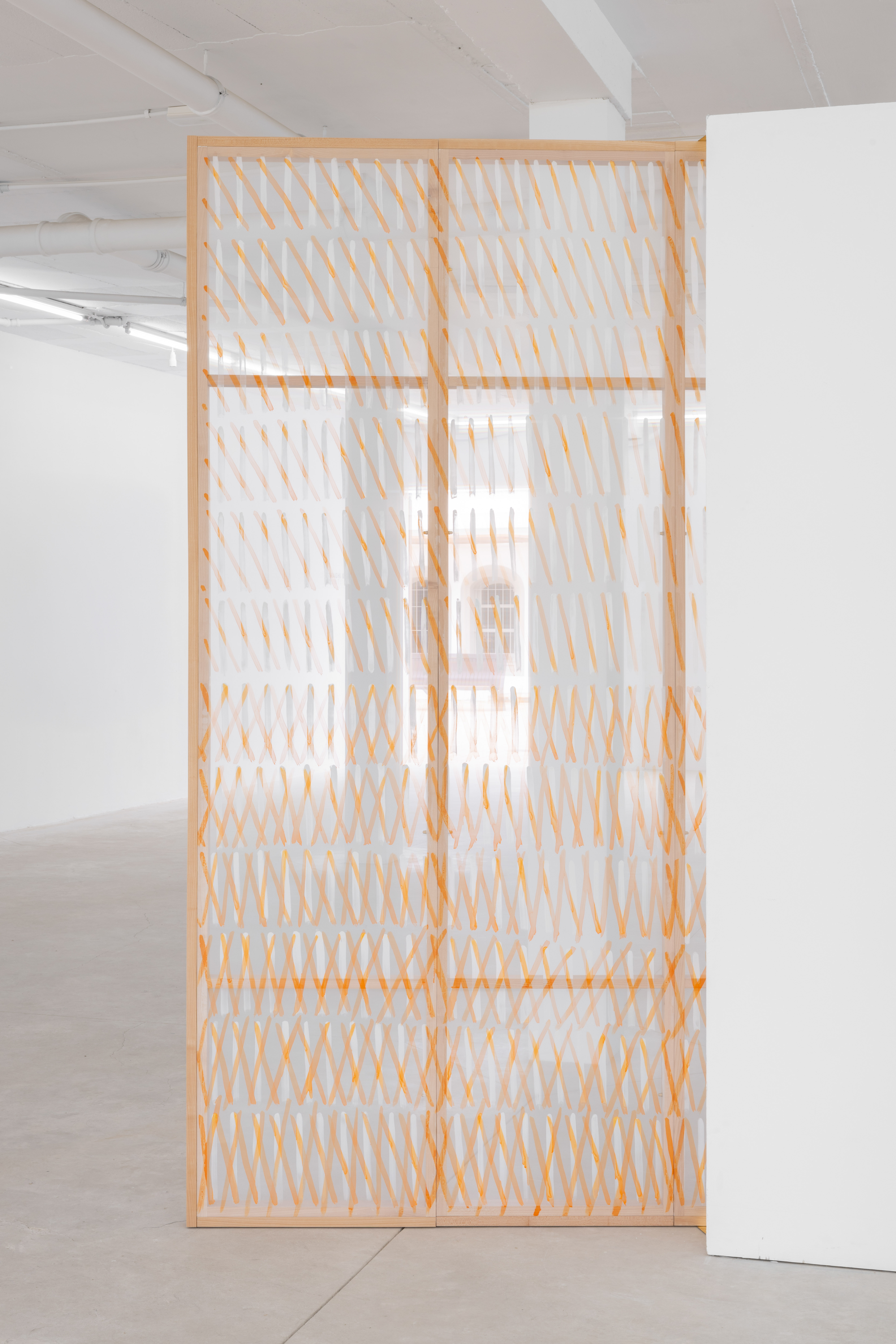
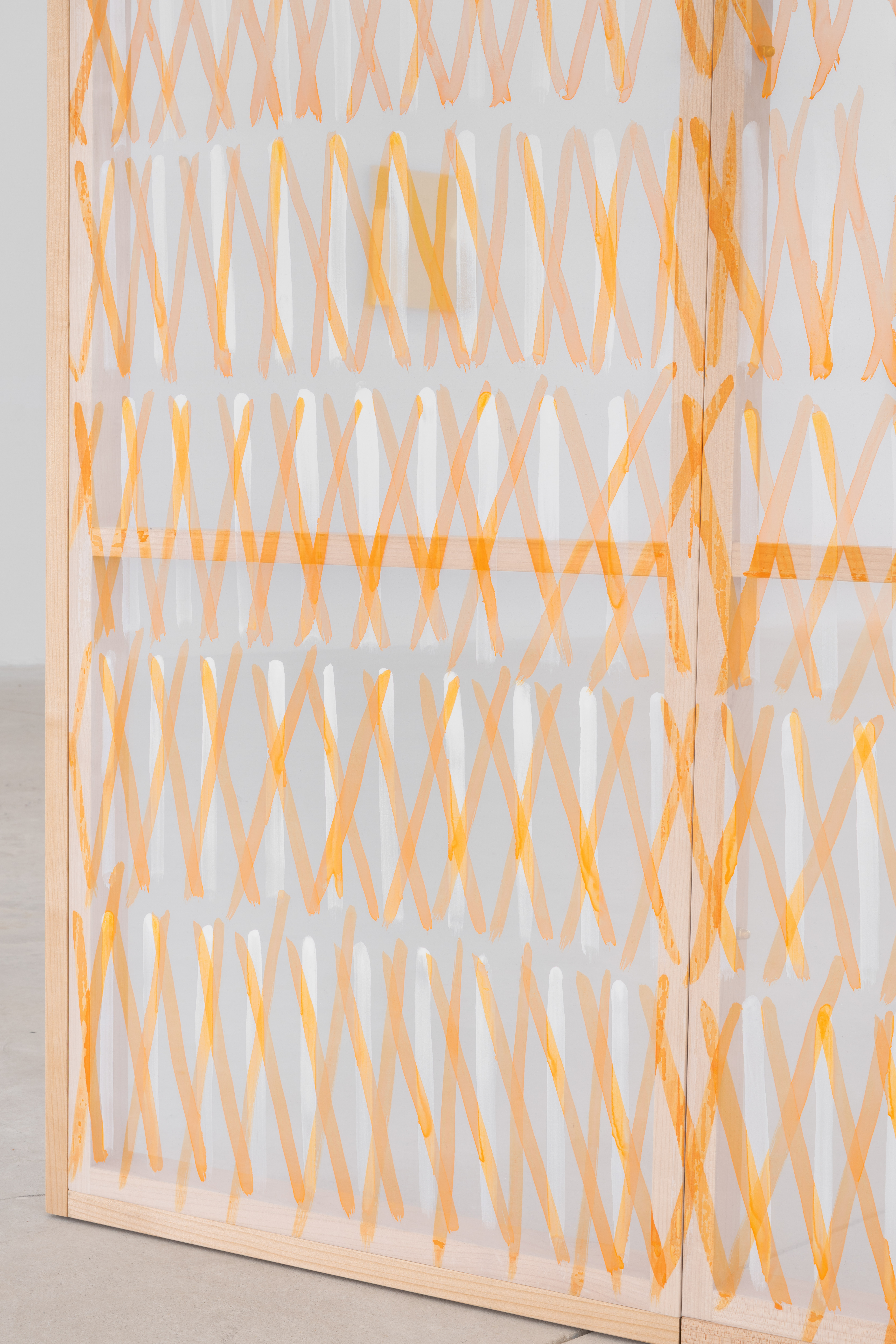
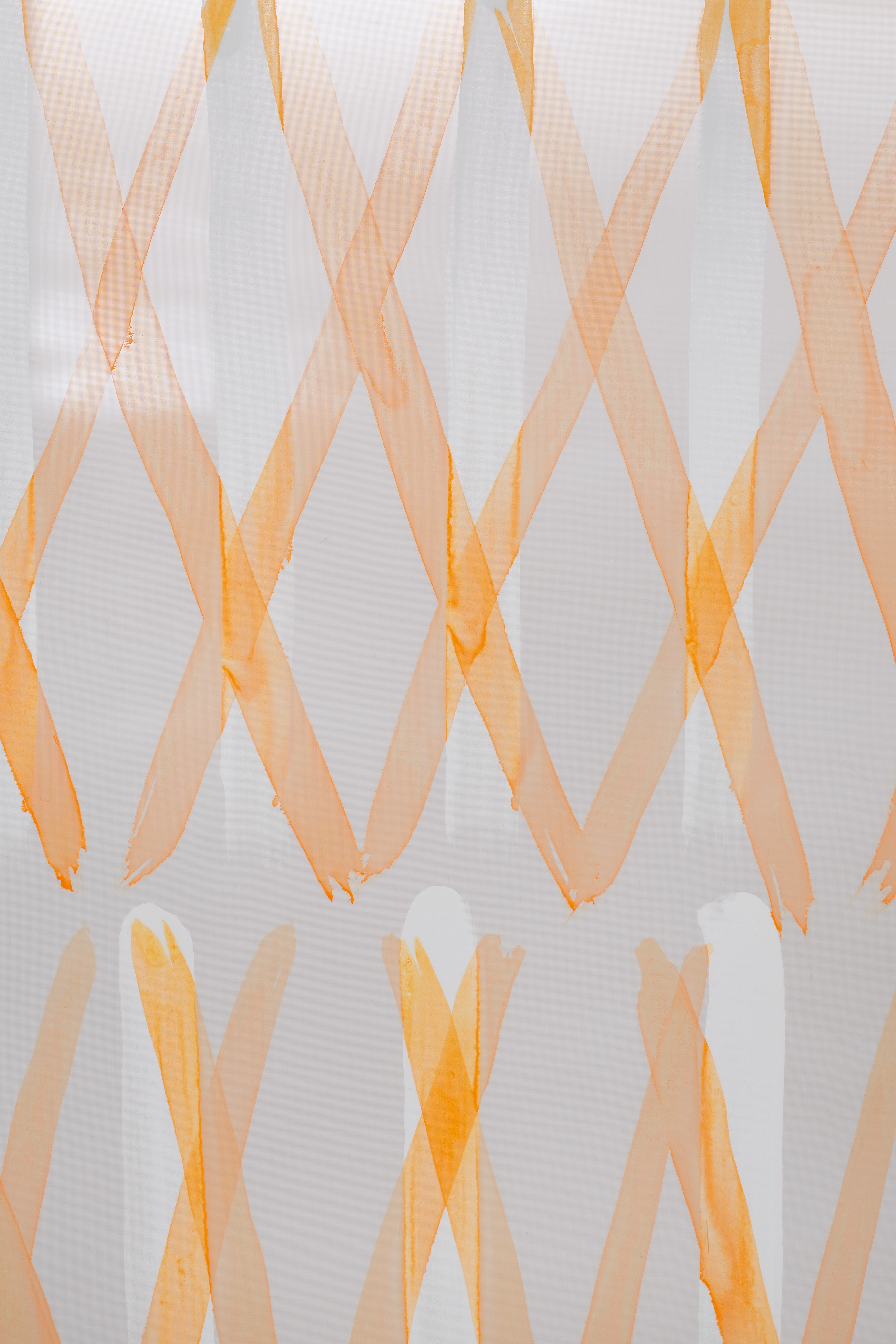

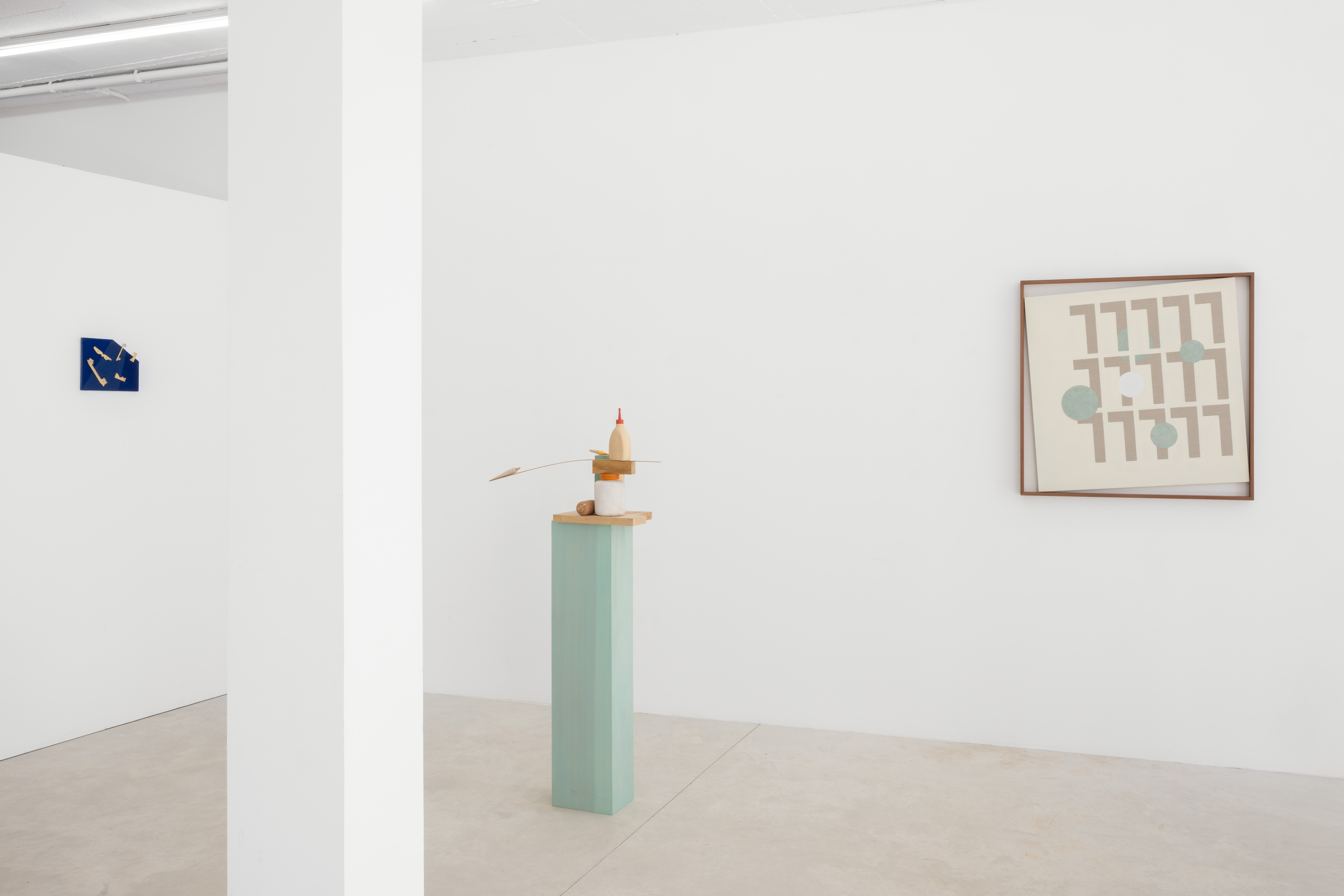
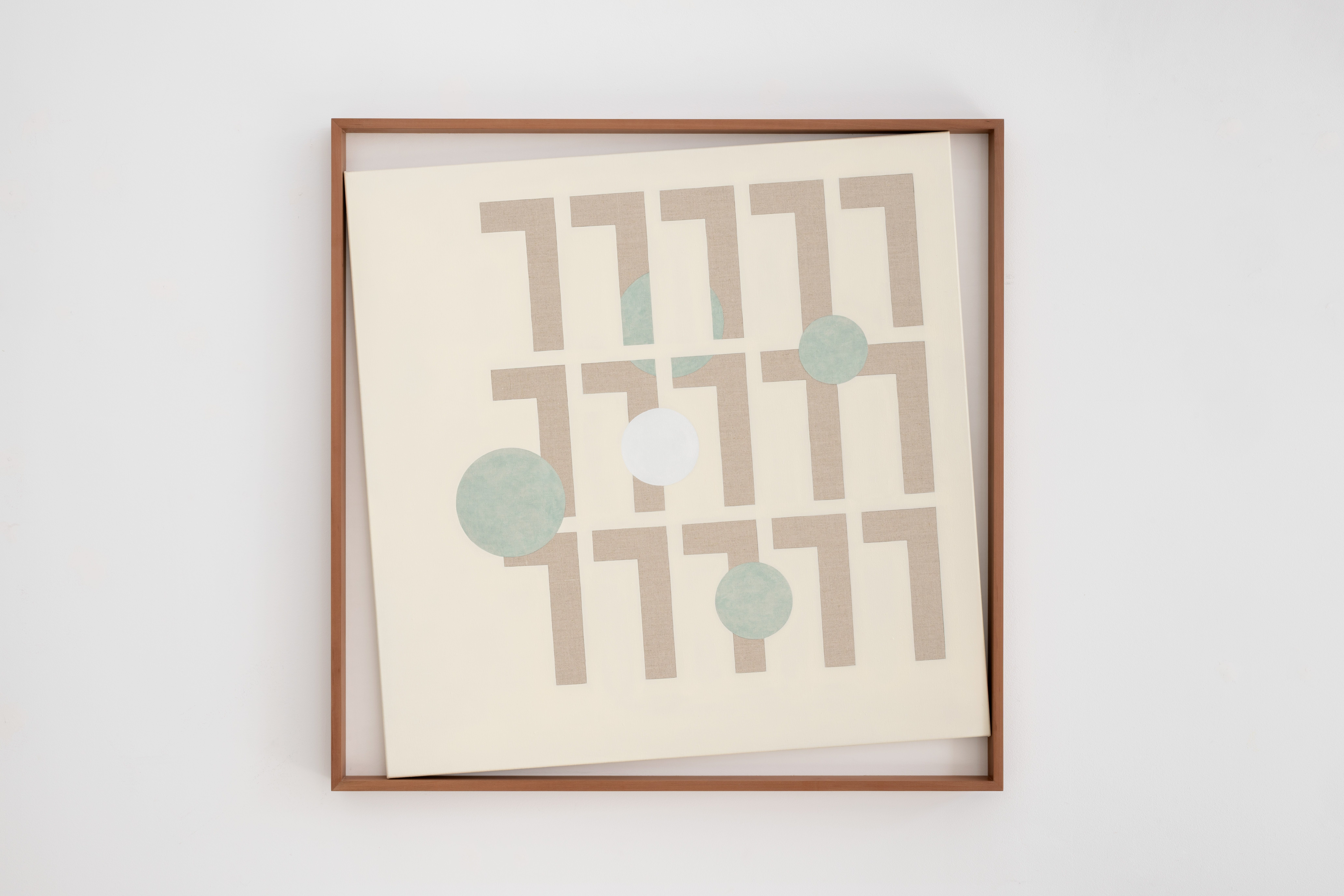
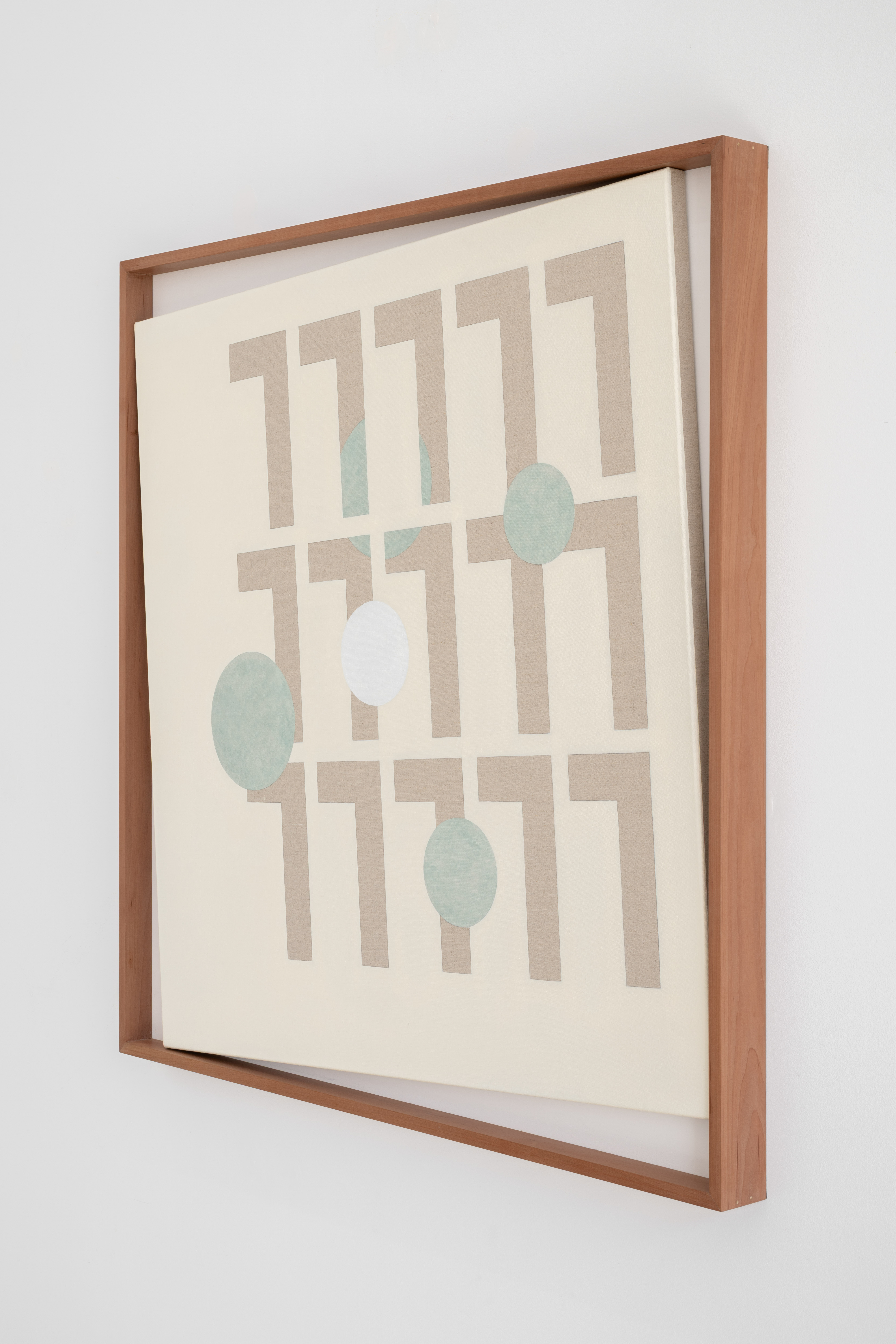
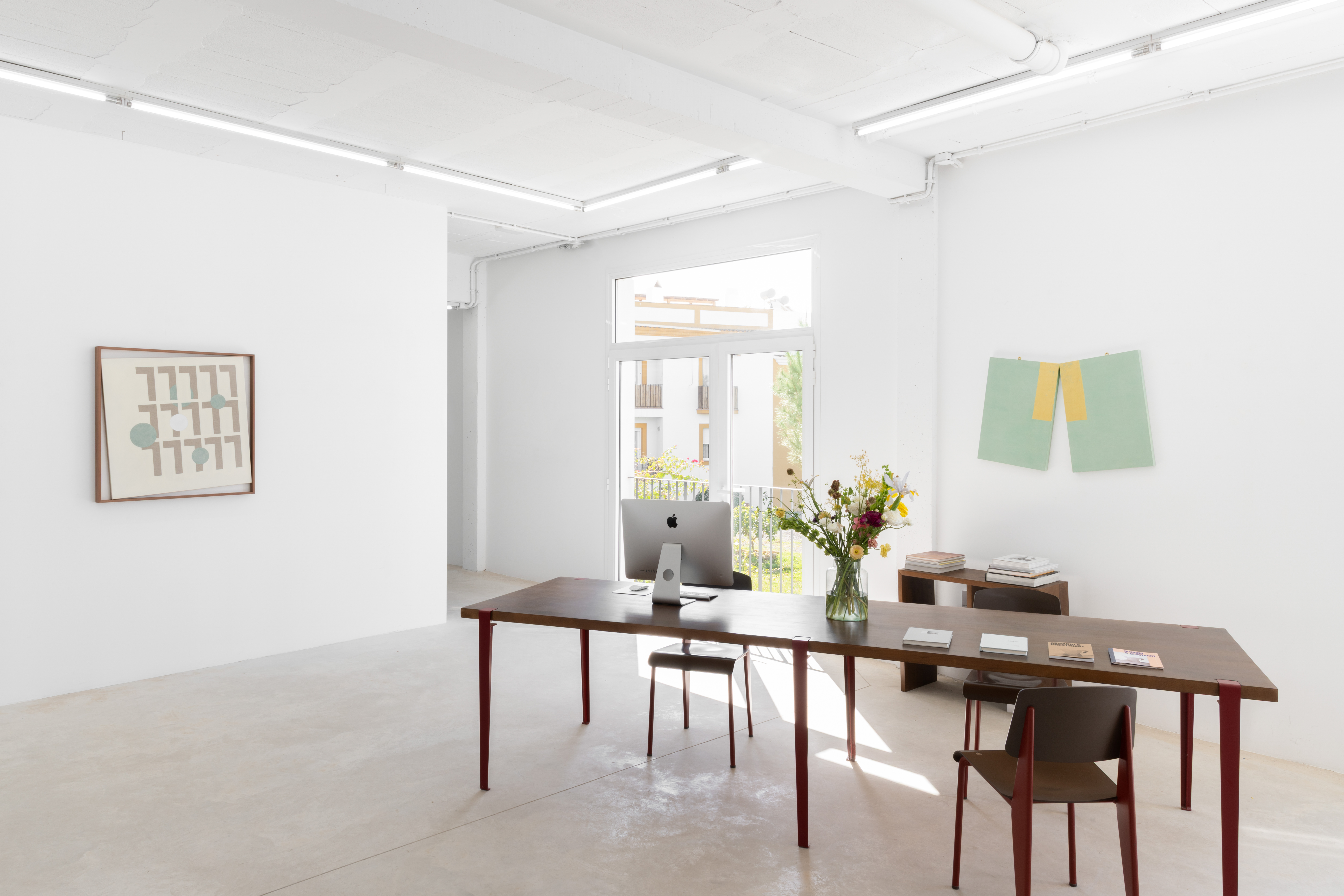
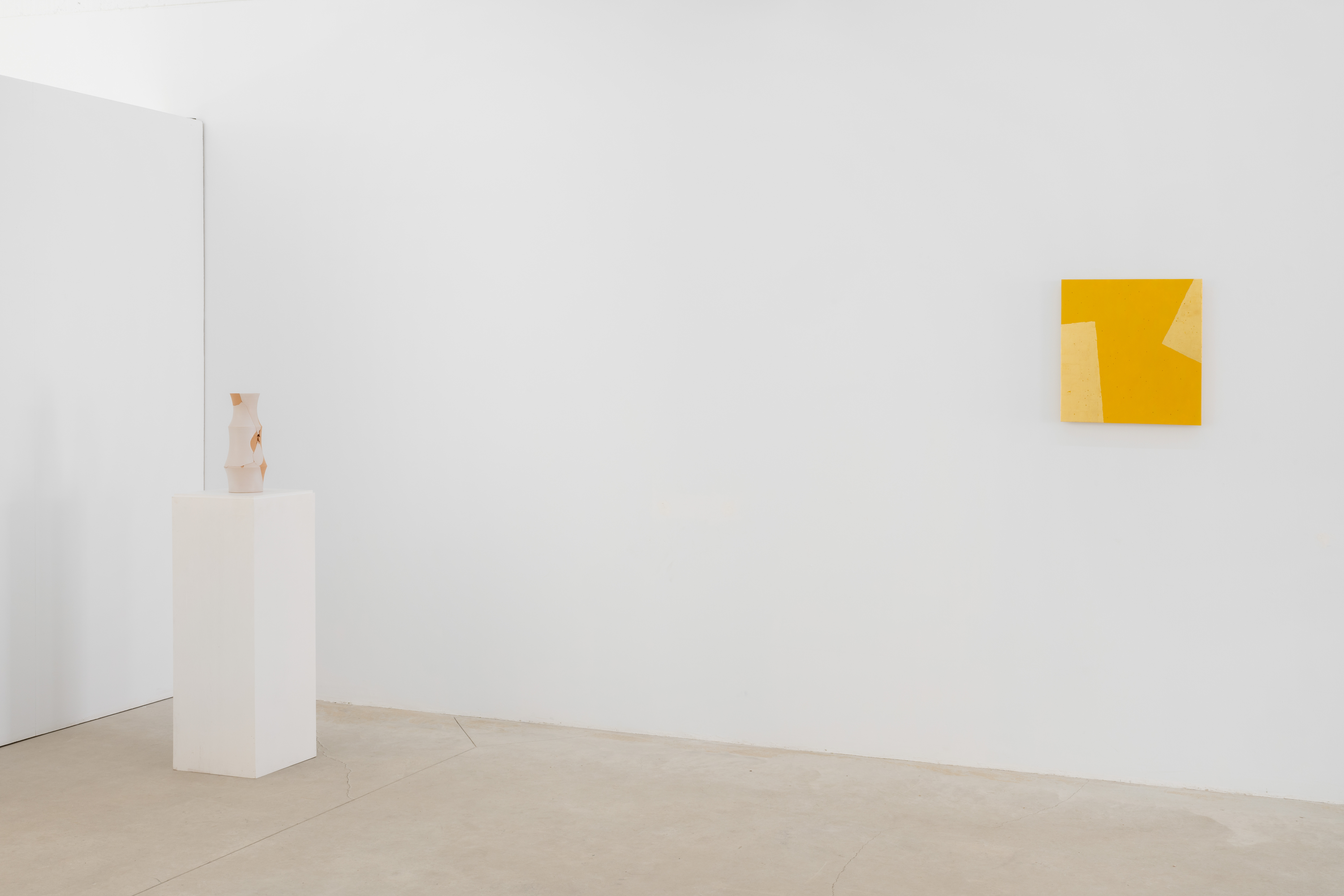
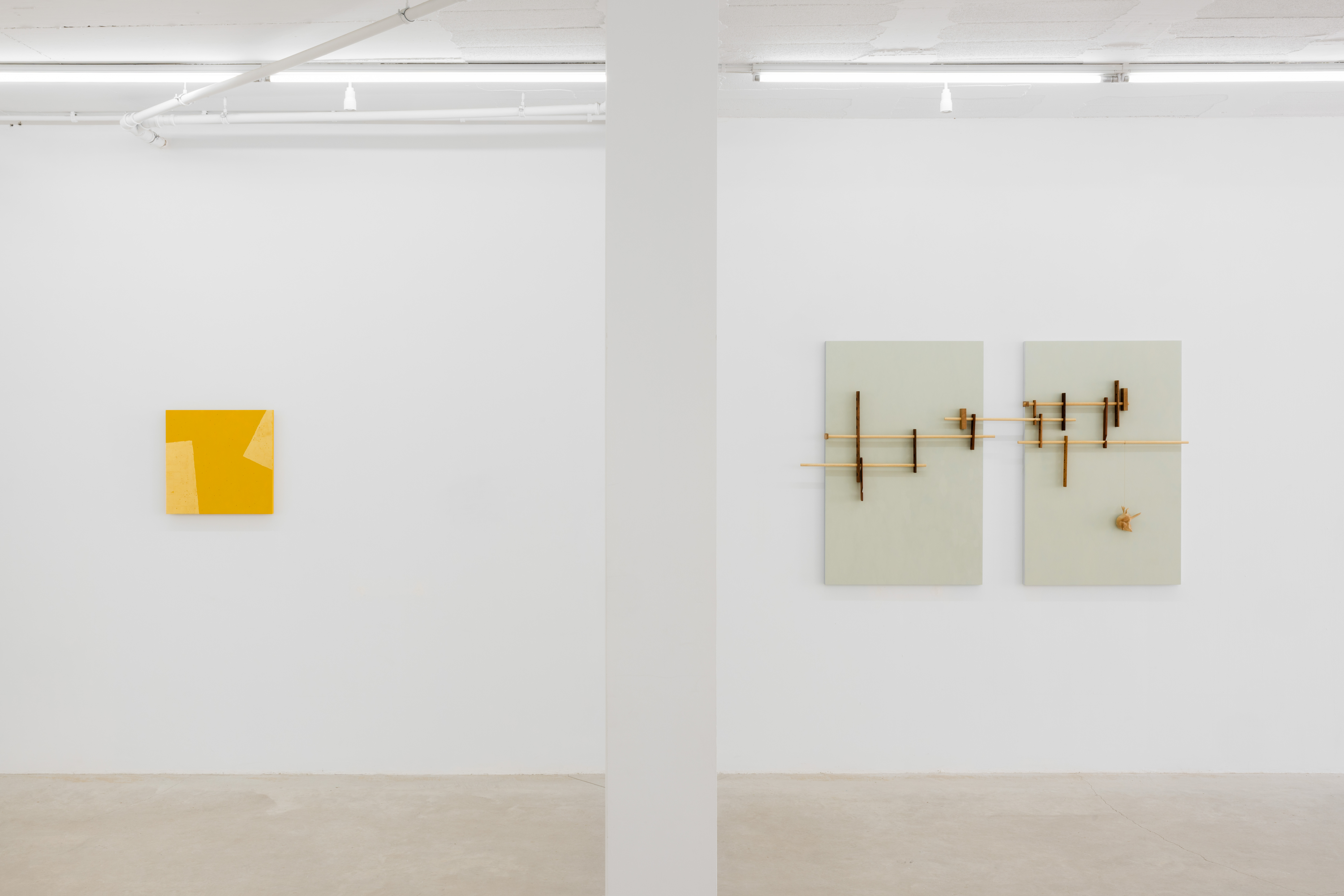
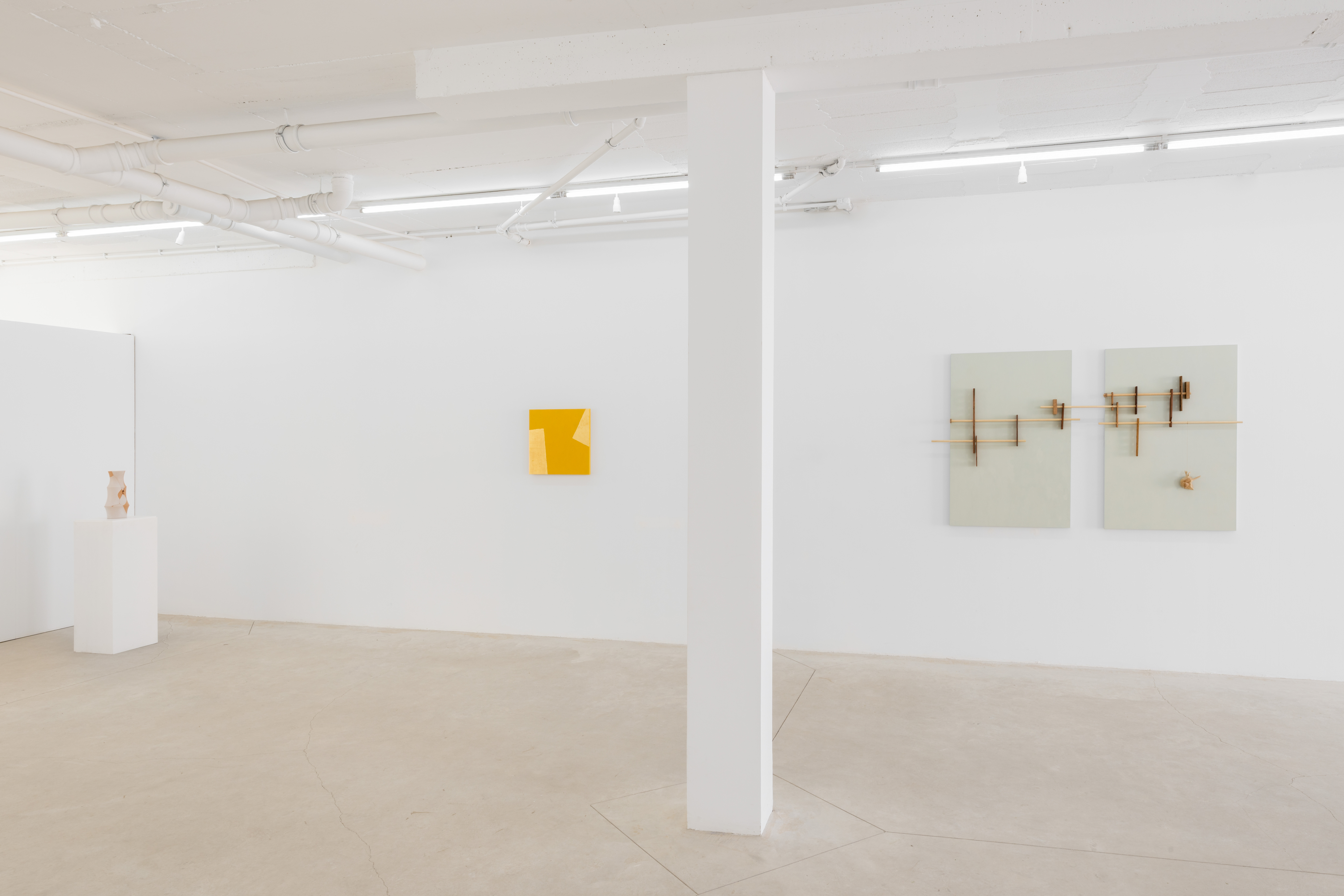
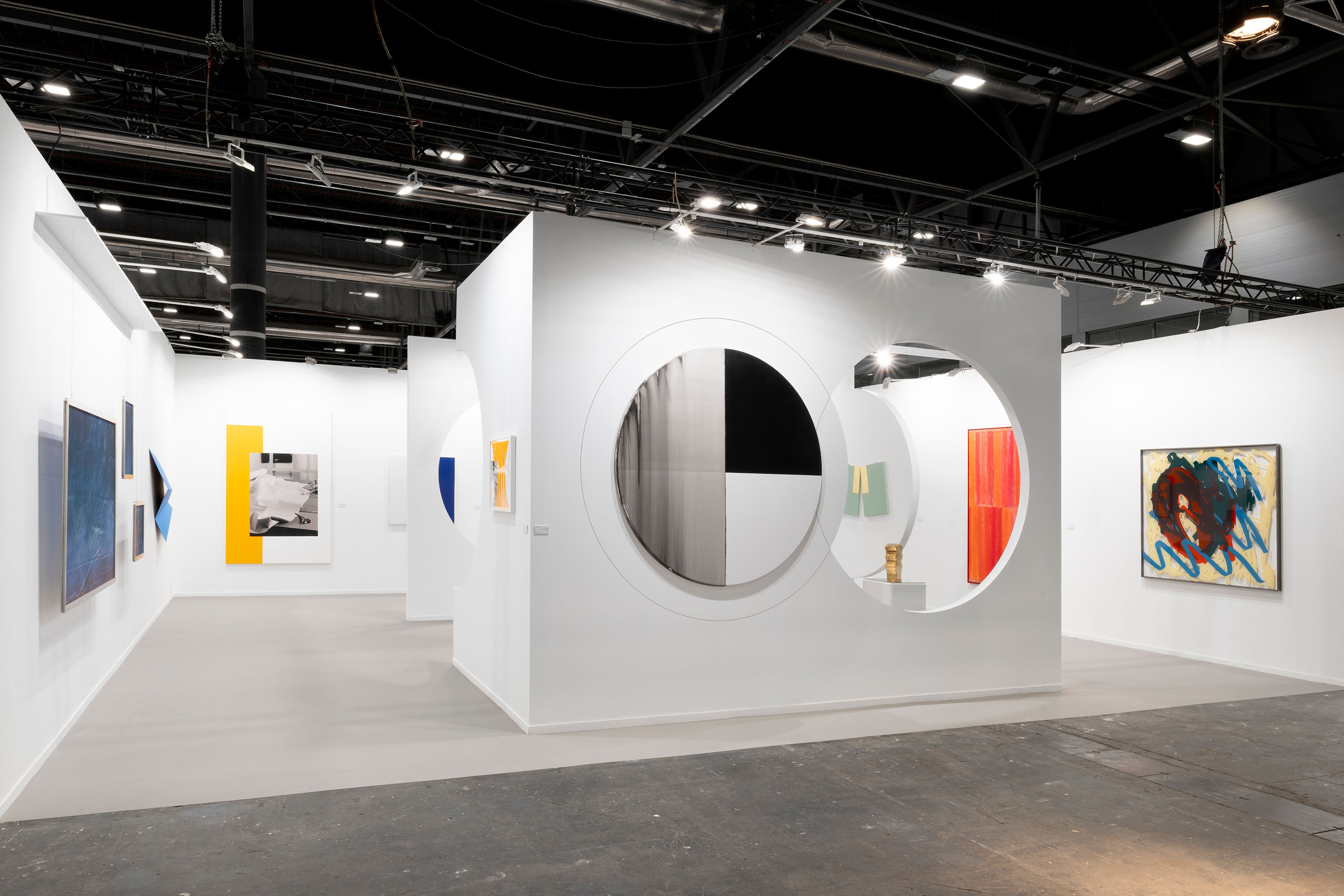
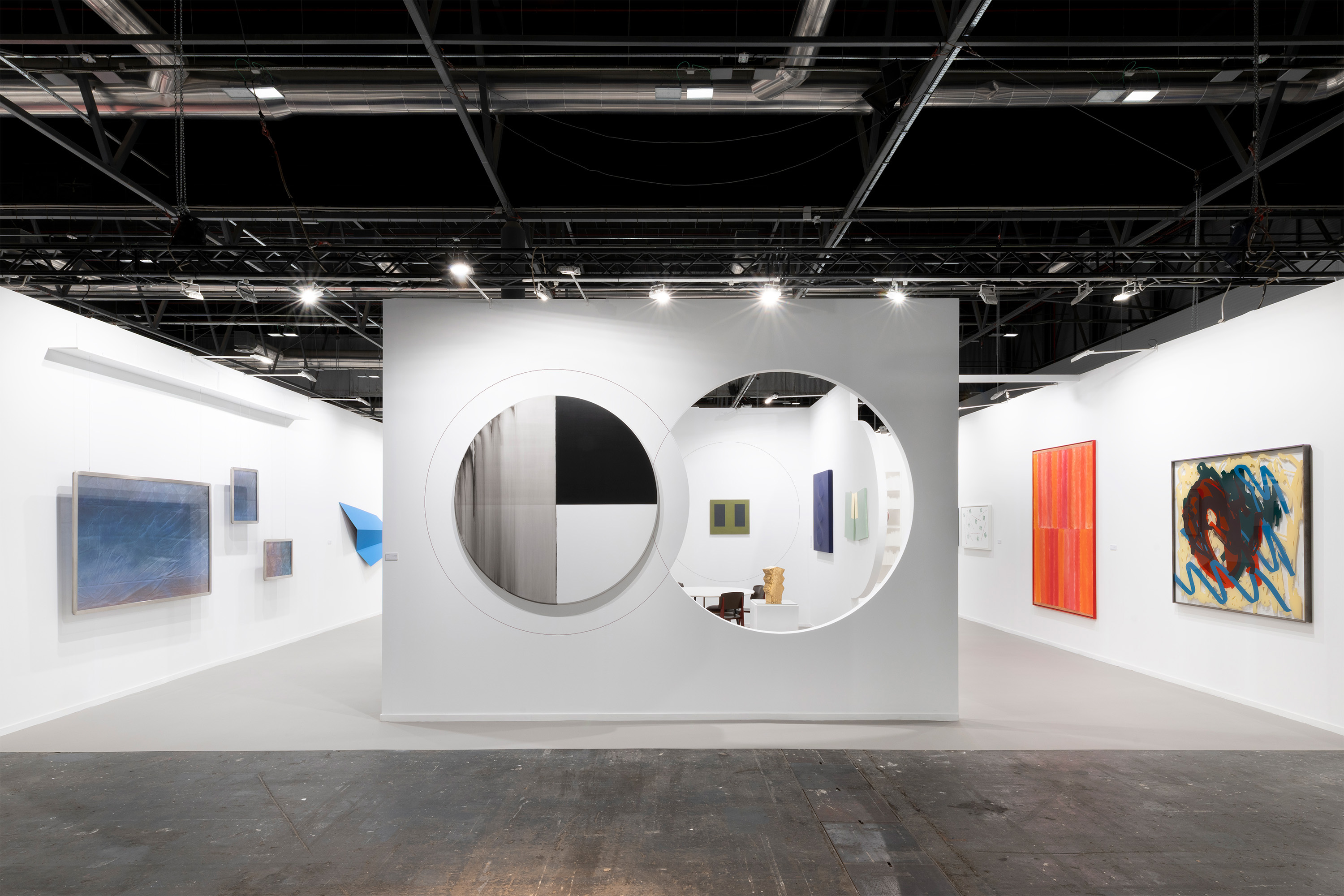
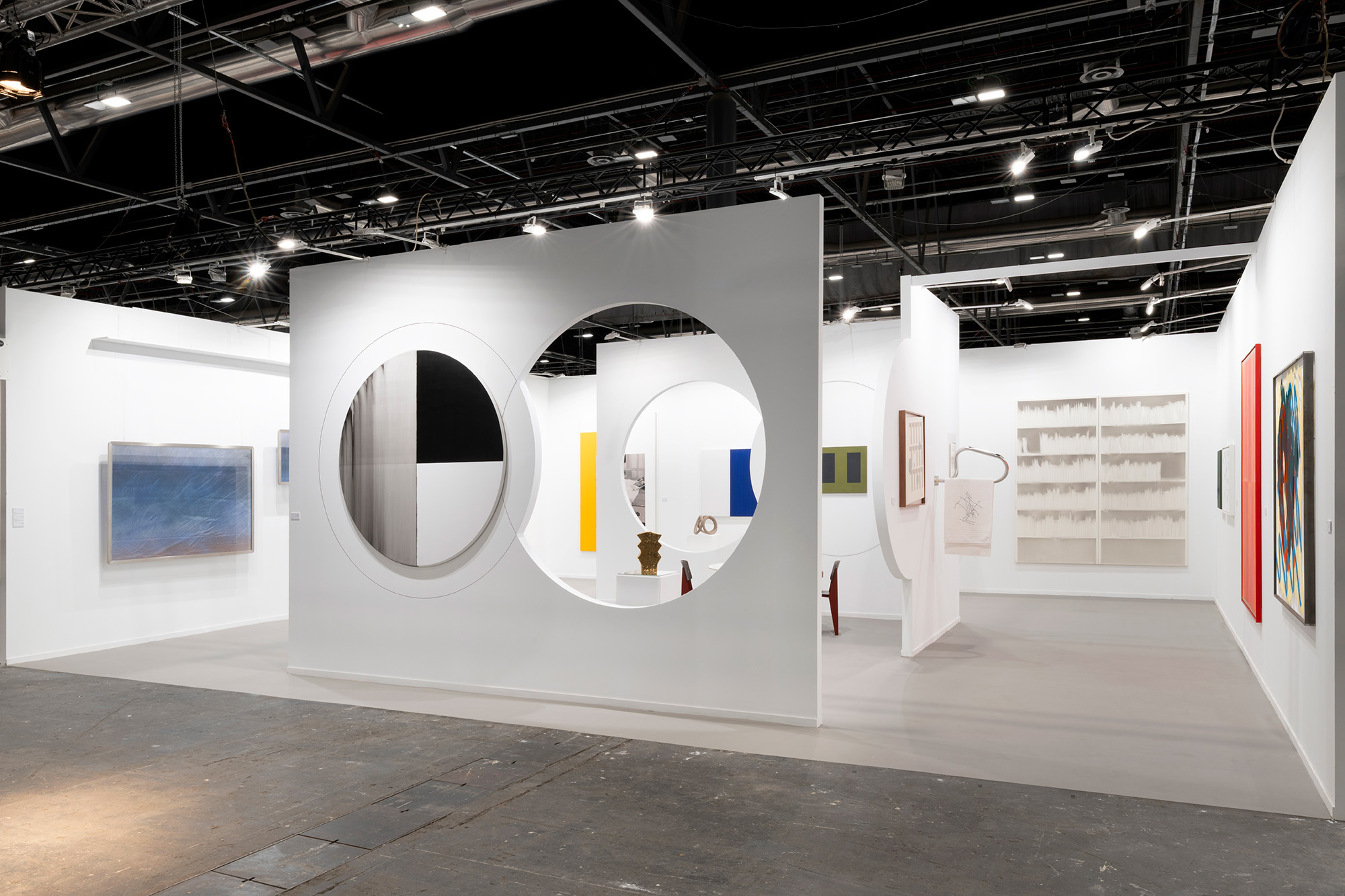
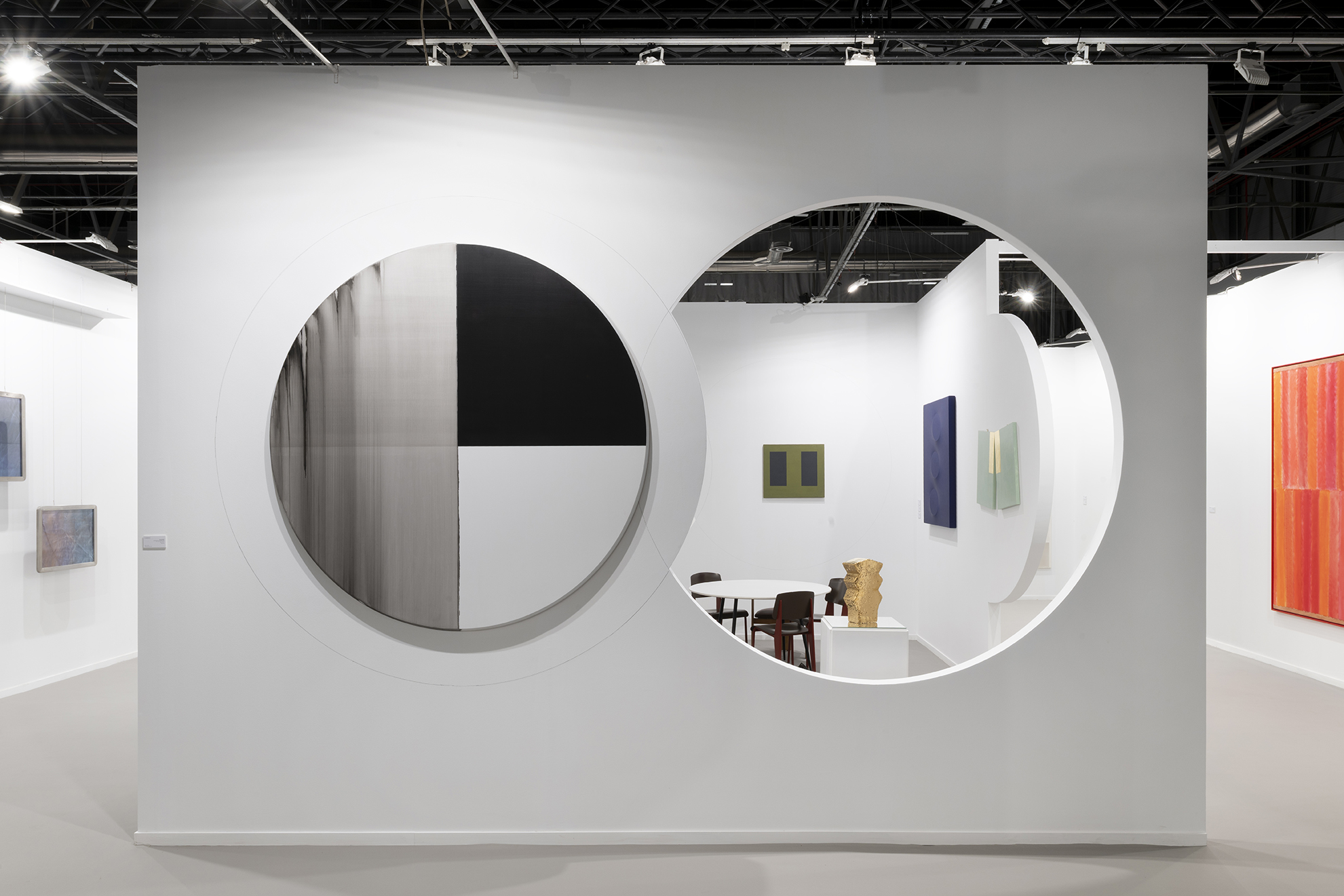
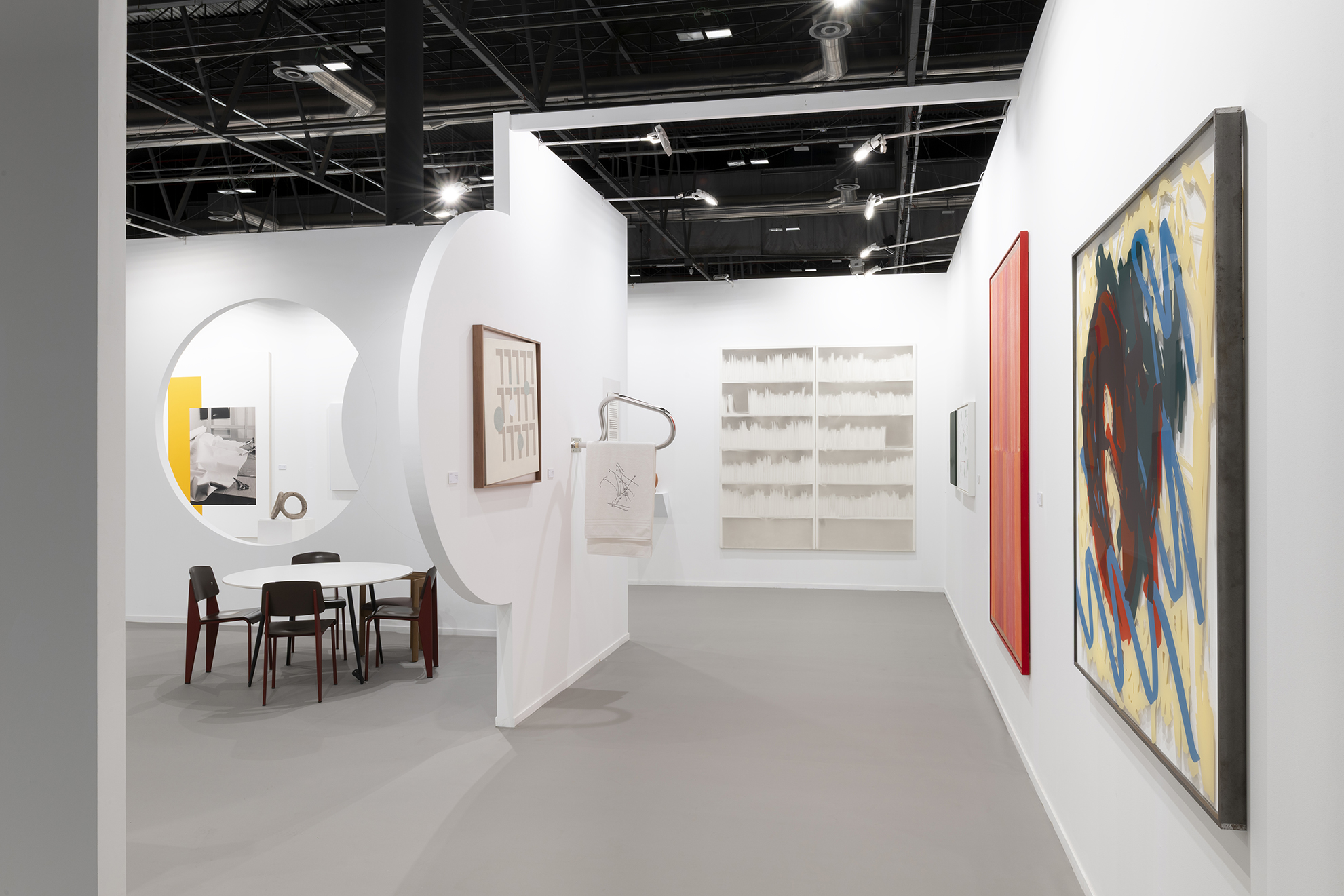
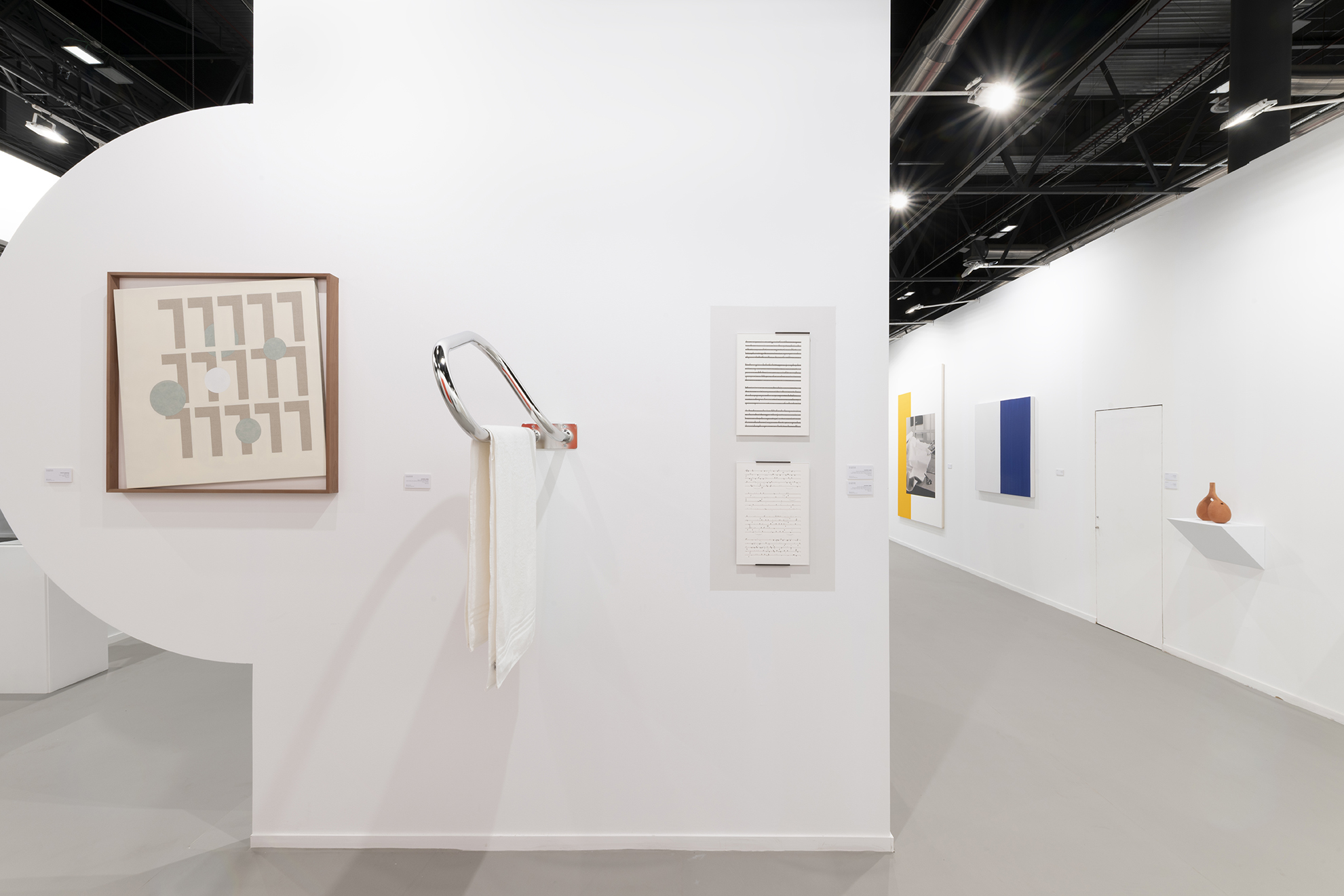
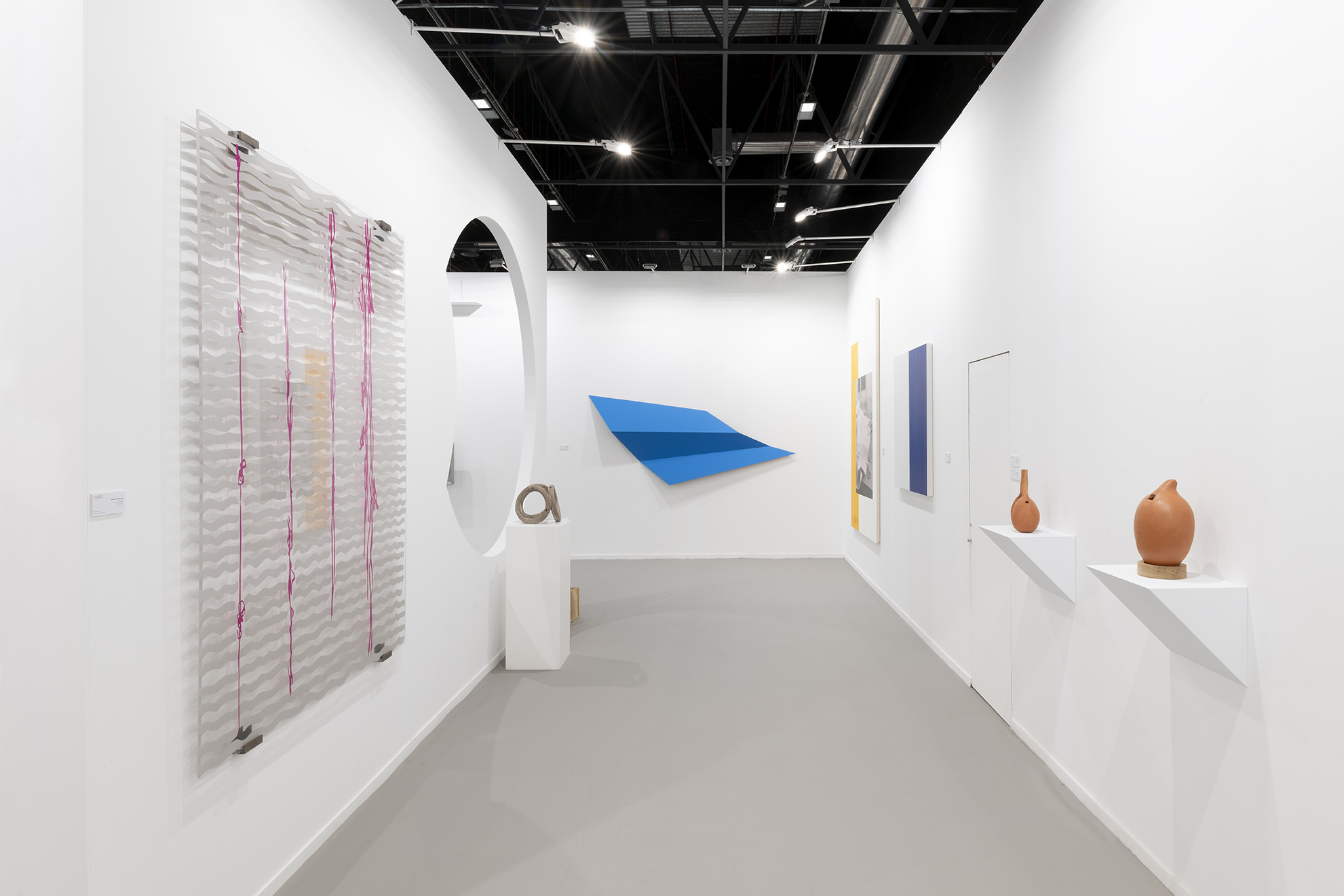
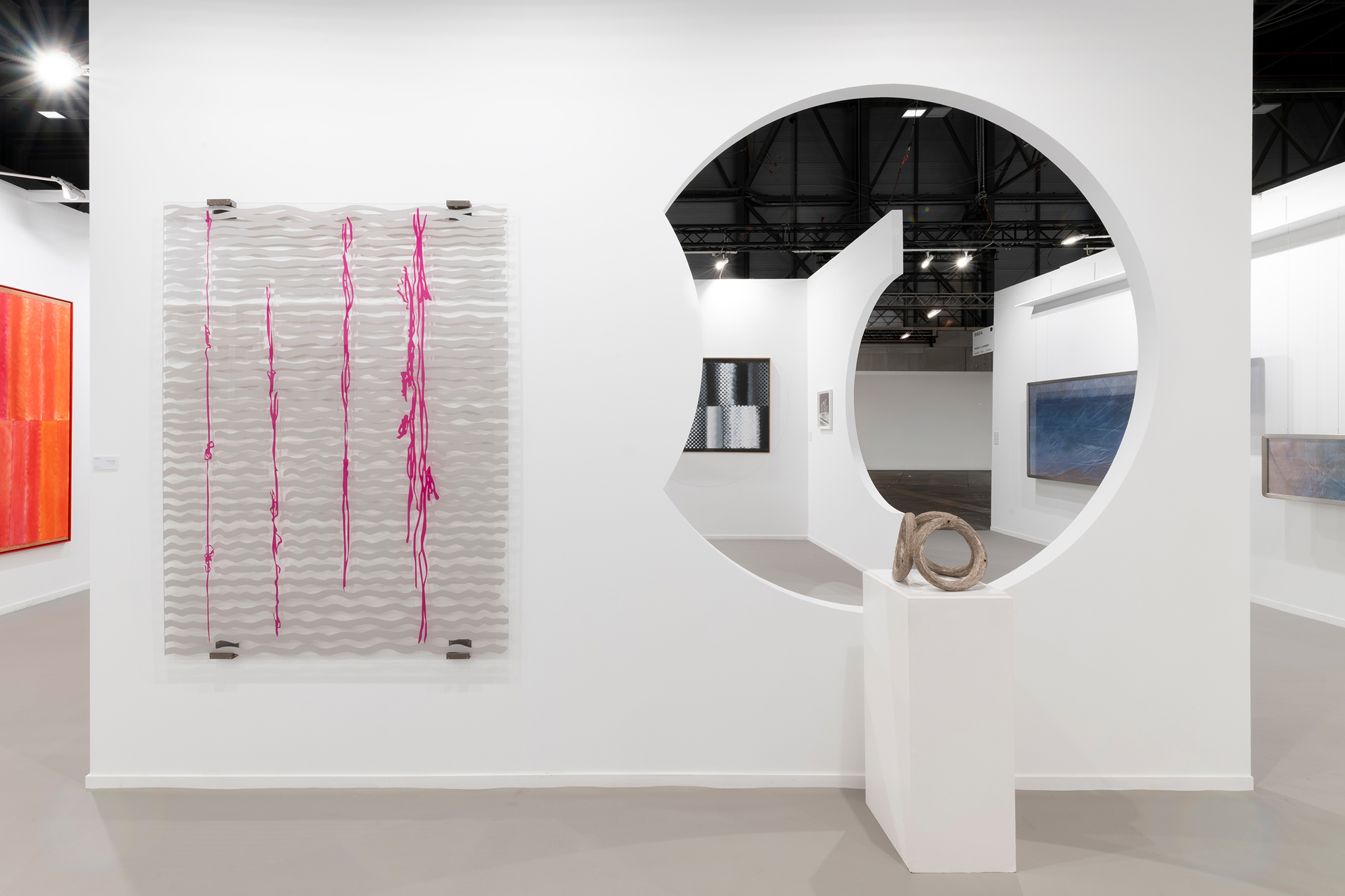
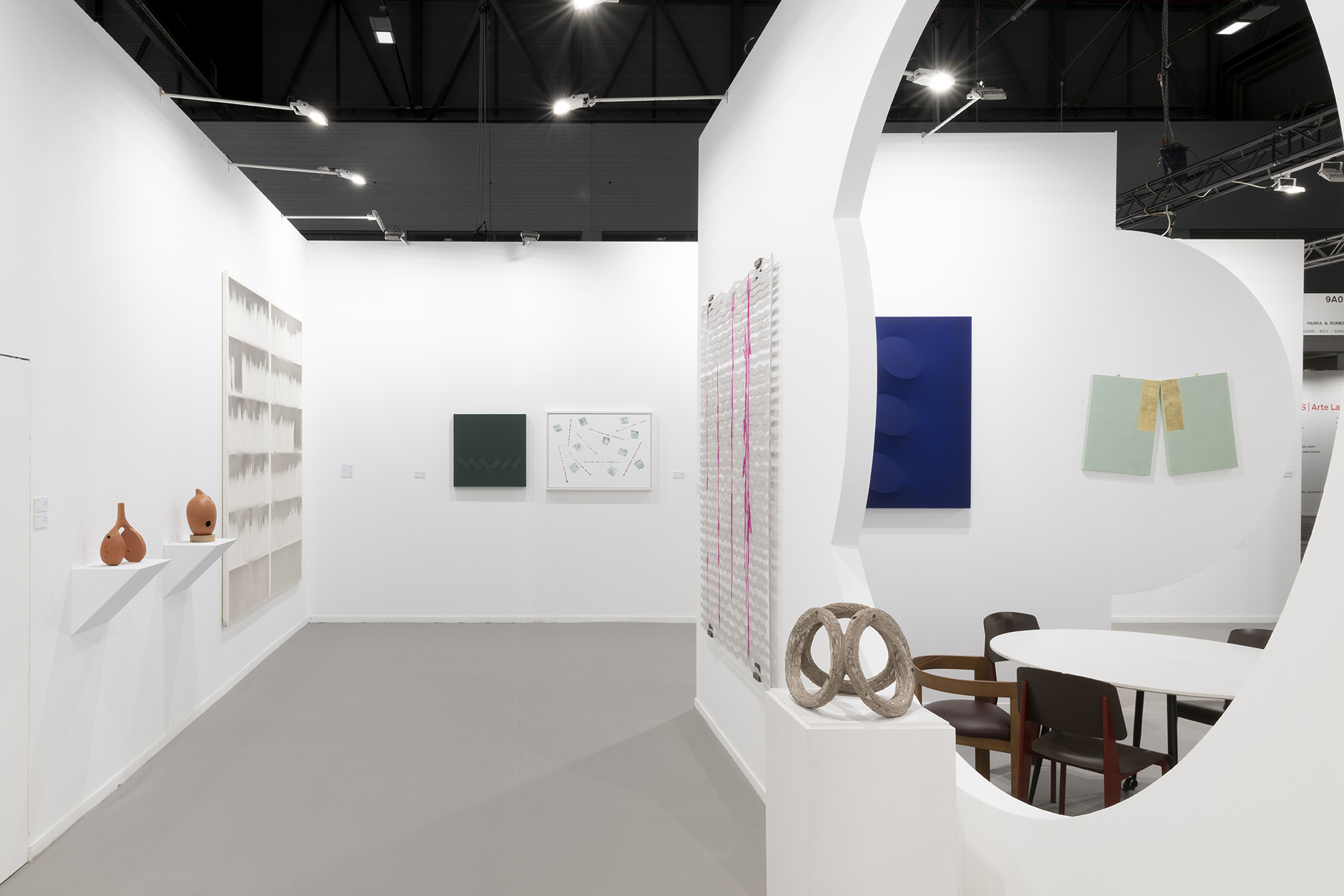
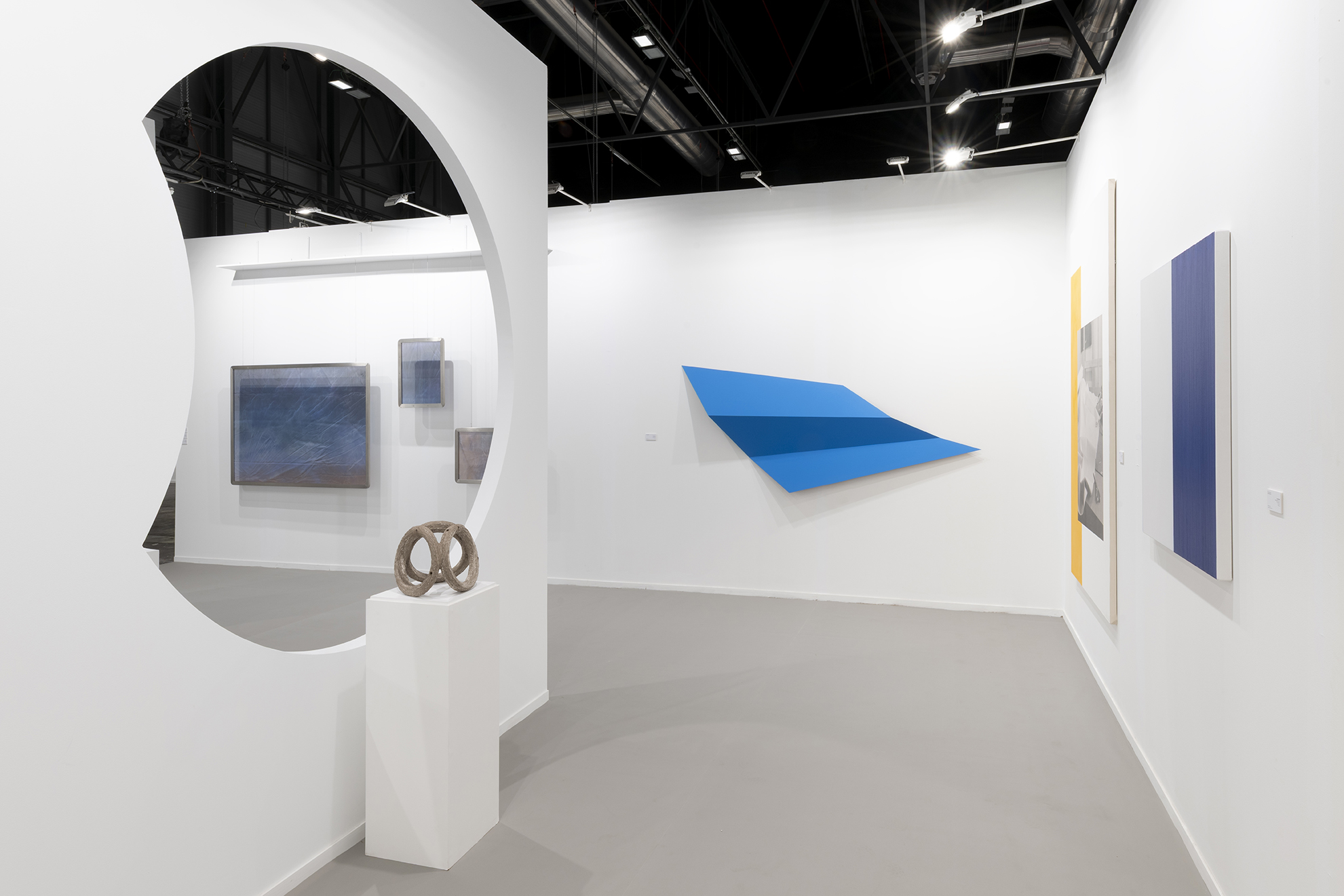
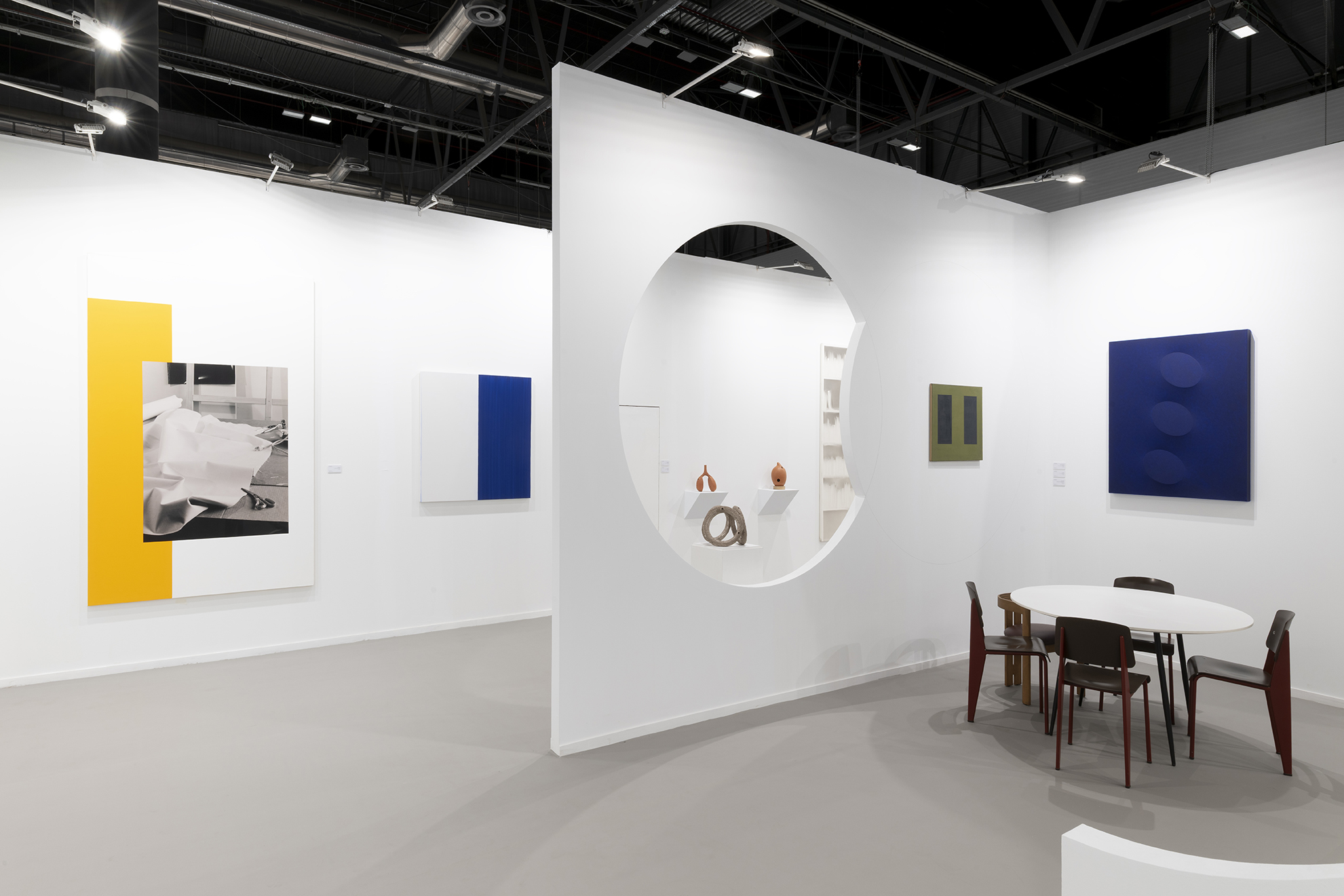
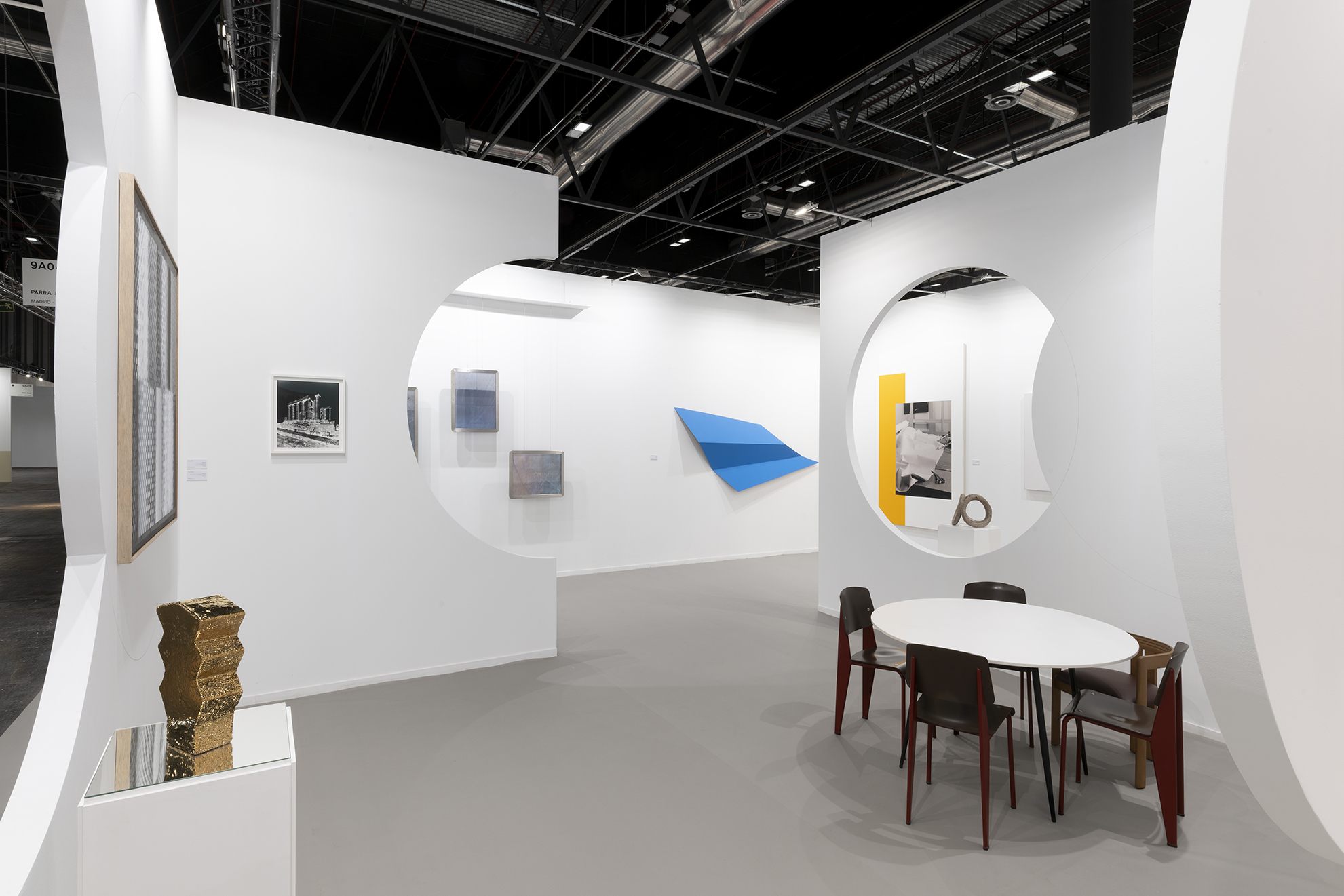
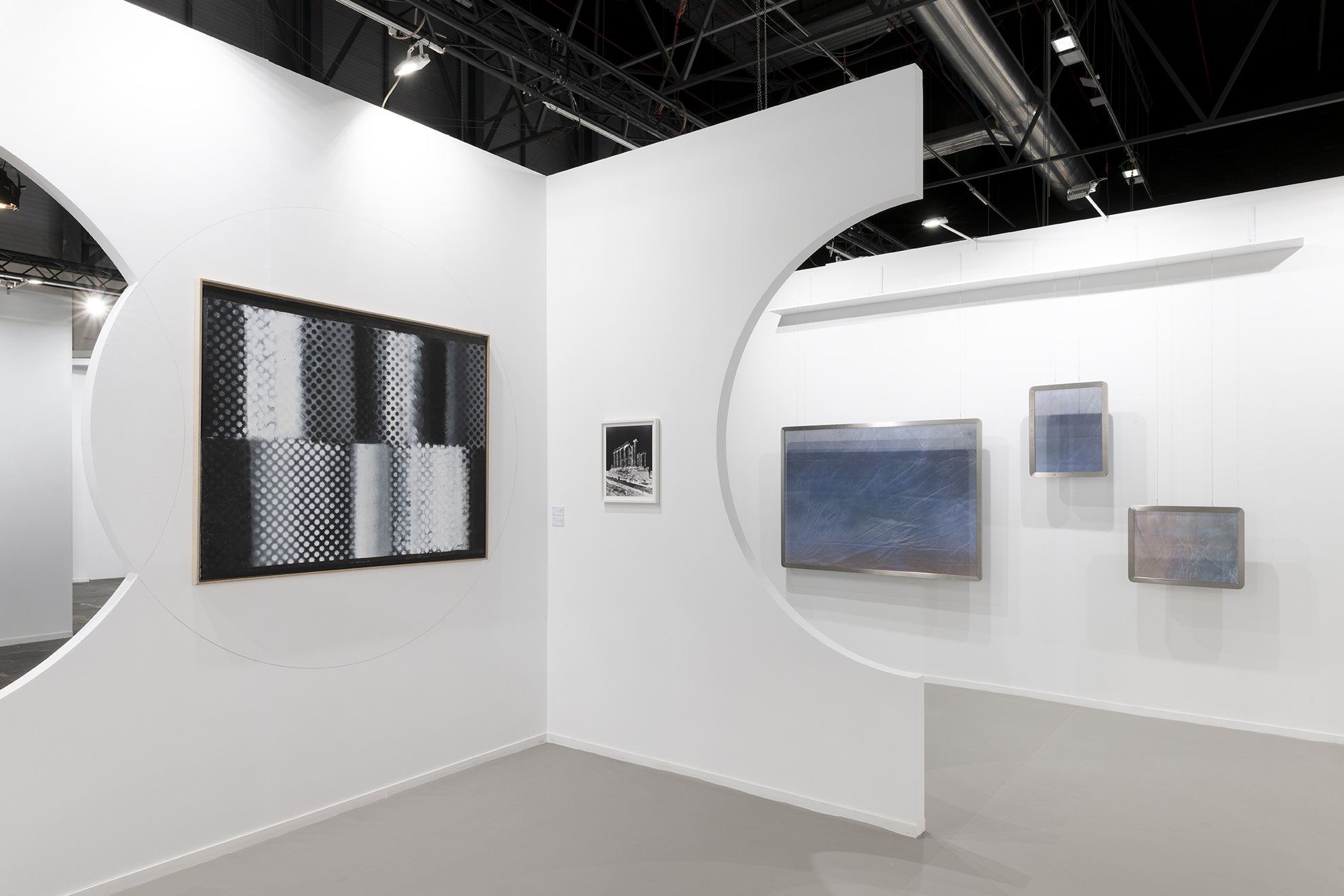
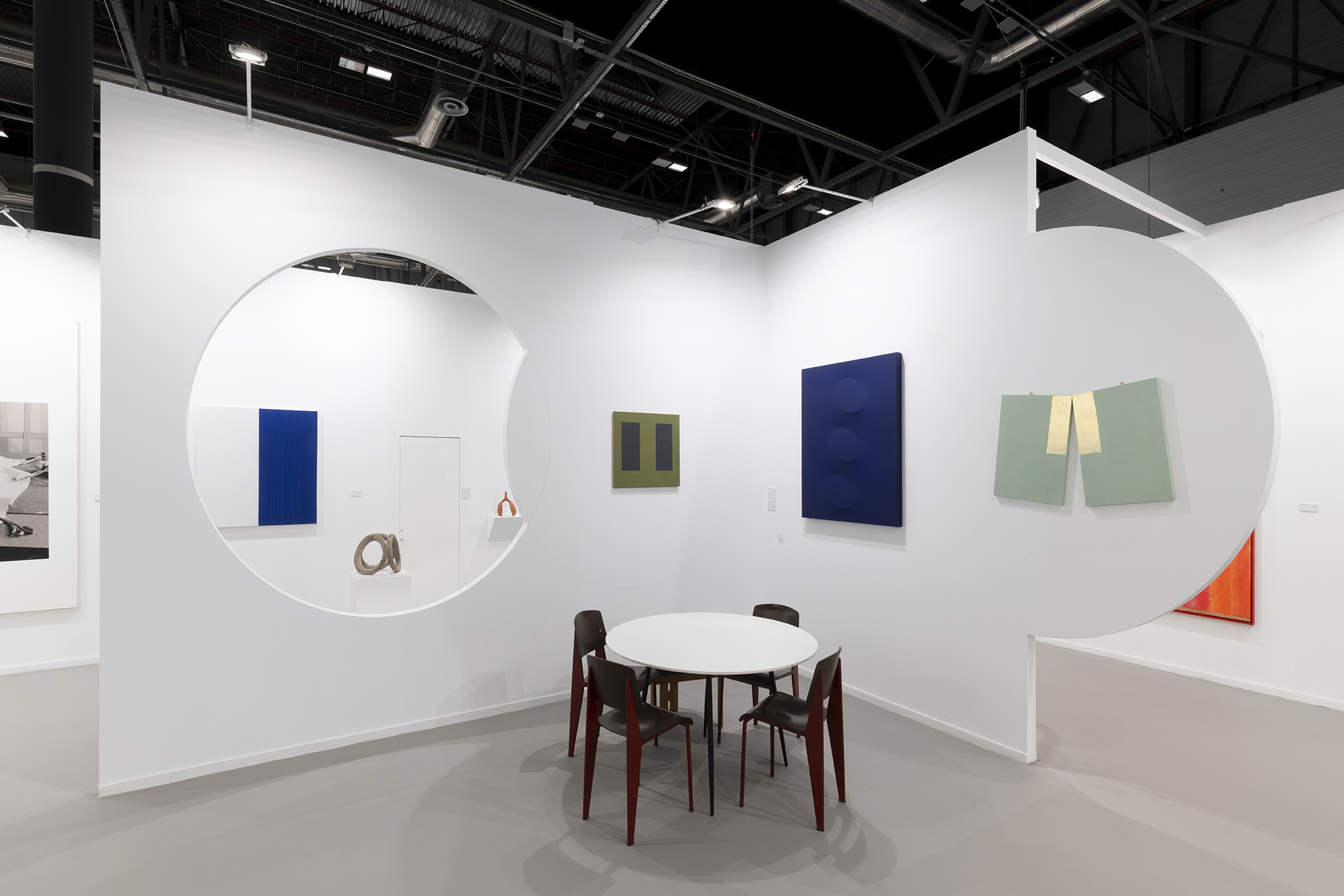
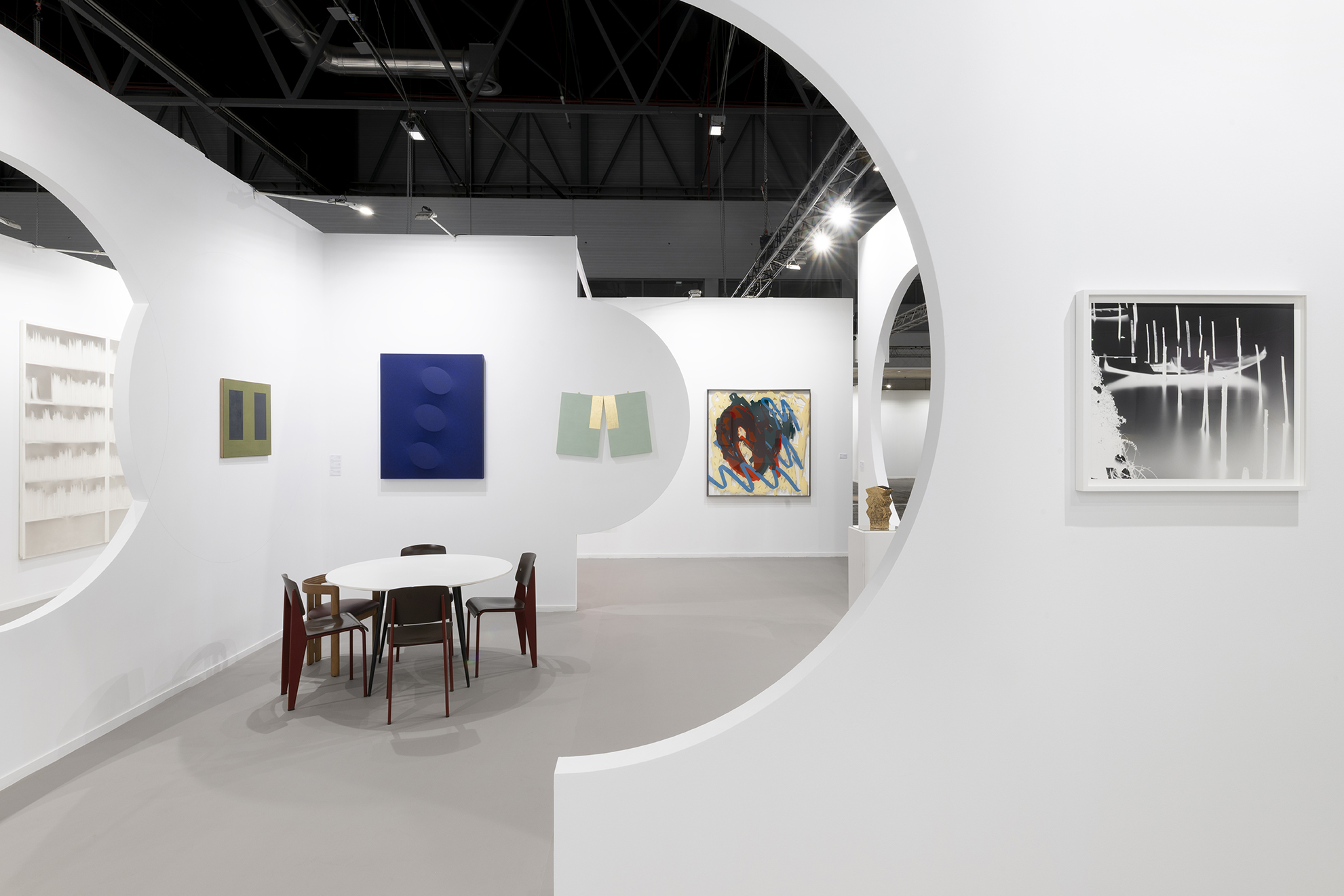
Parra & Romero is pleased to present the first solo show by the Italian duo Ornaghi & Prestinari at our Ibiza space.
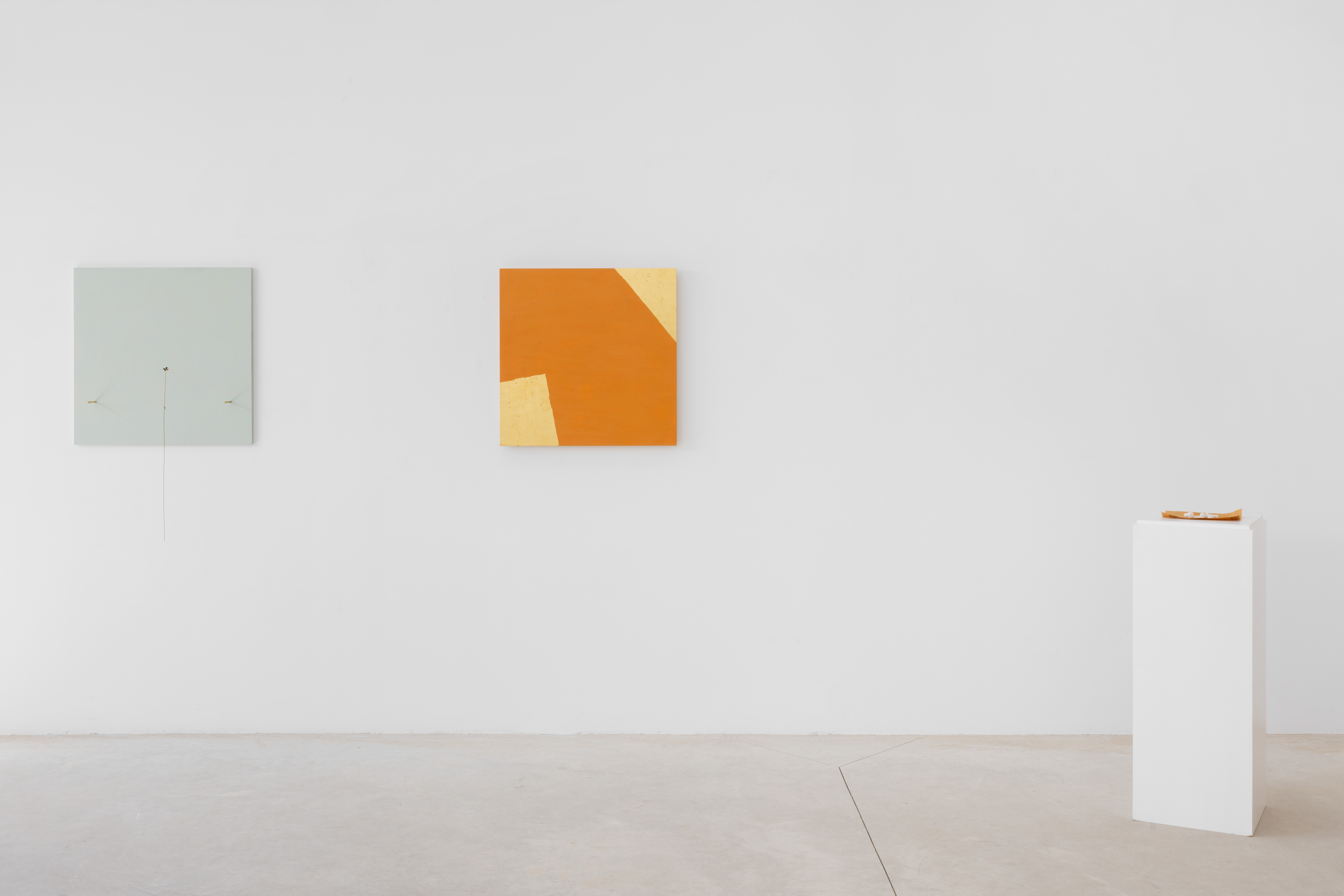
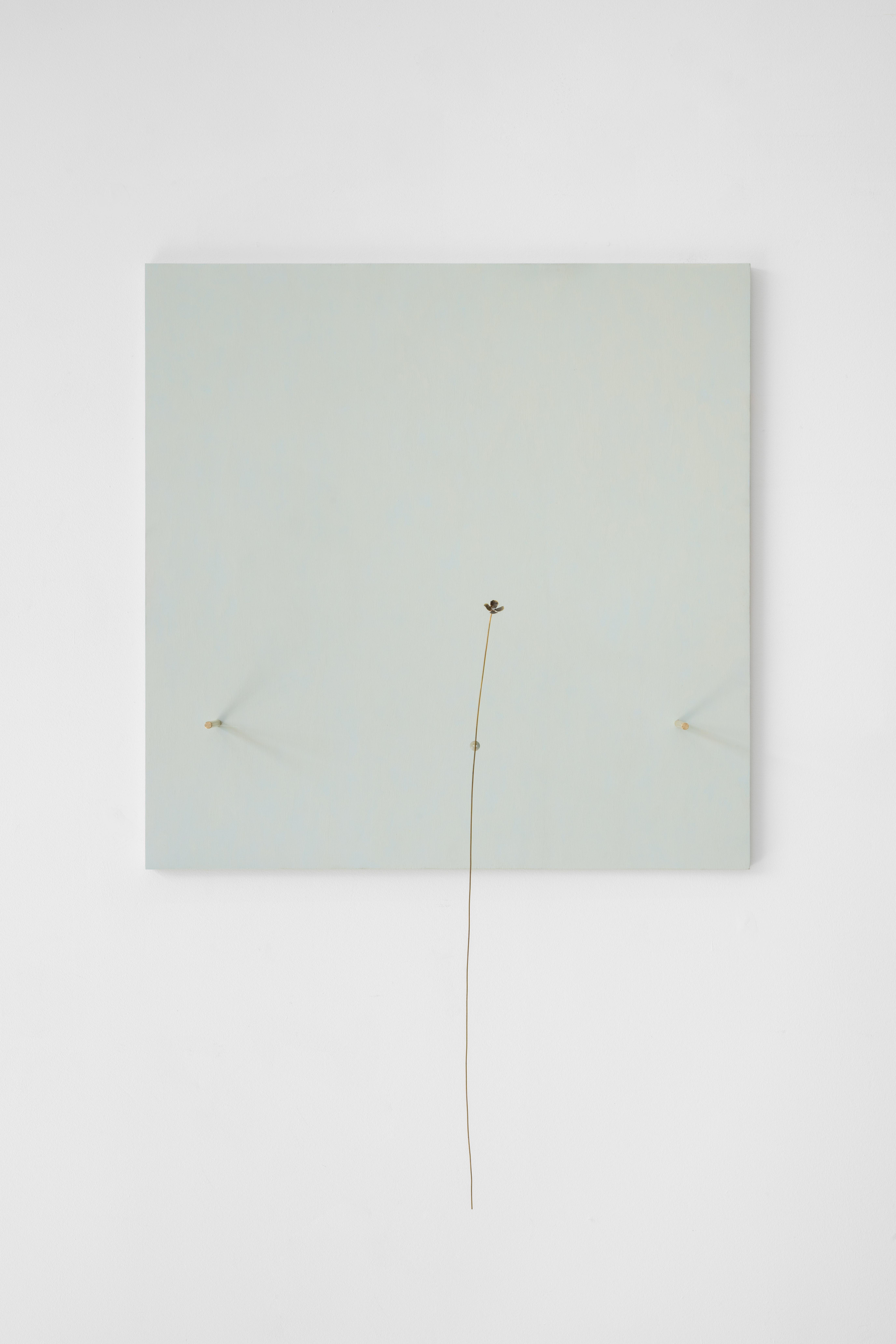
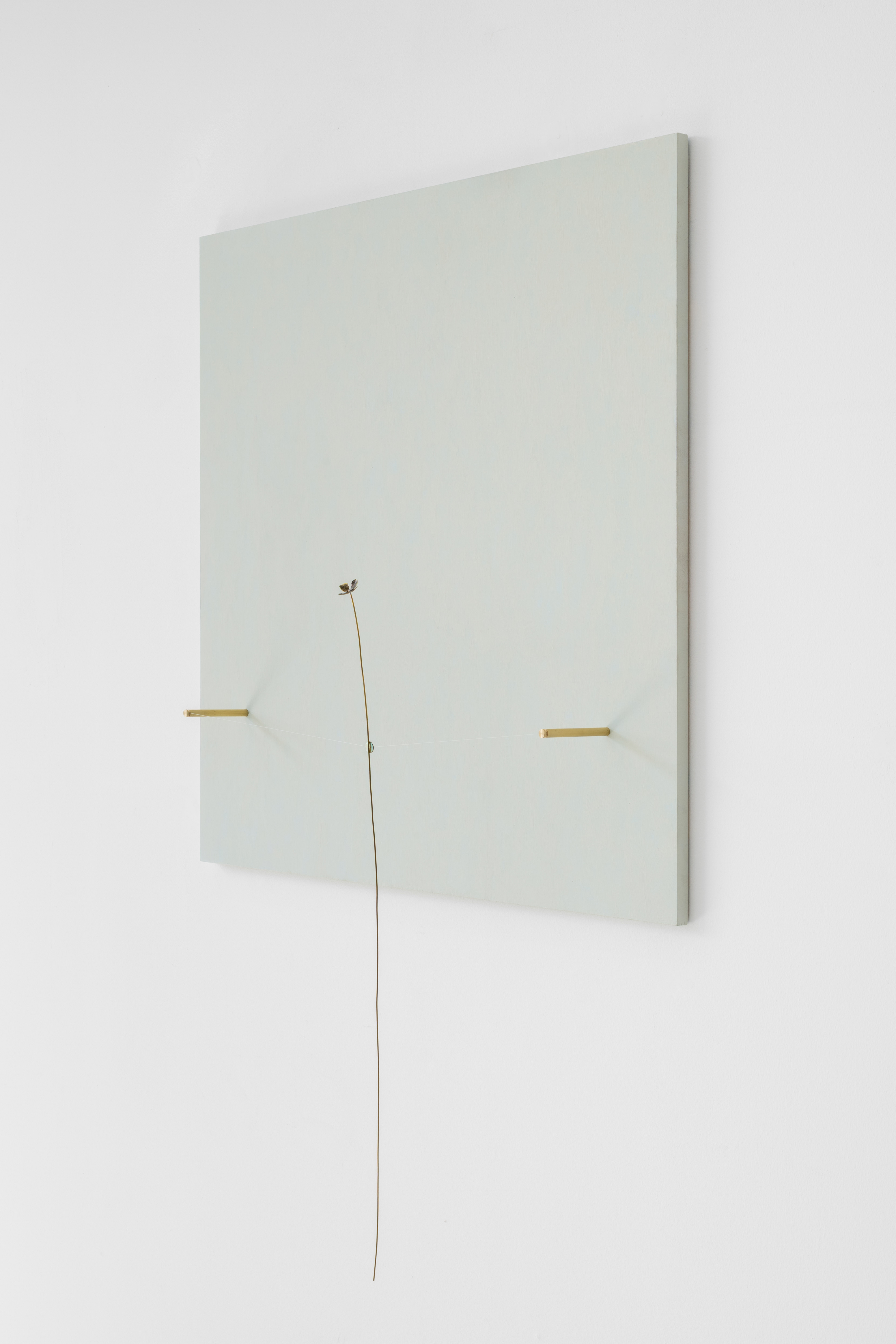
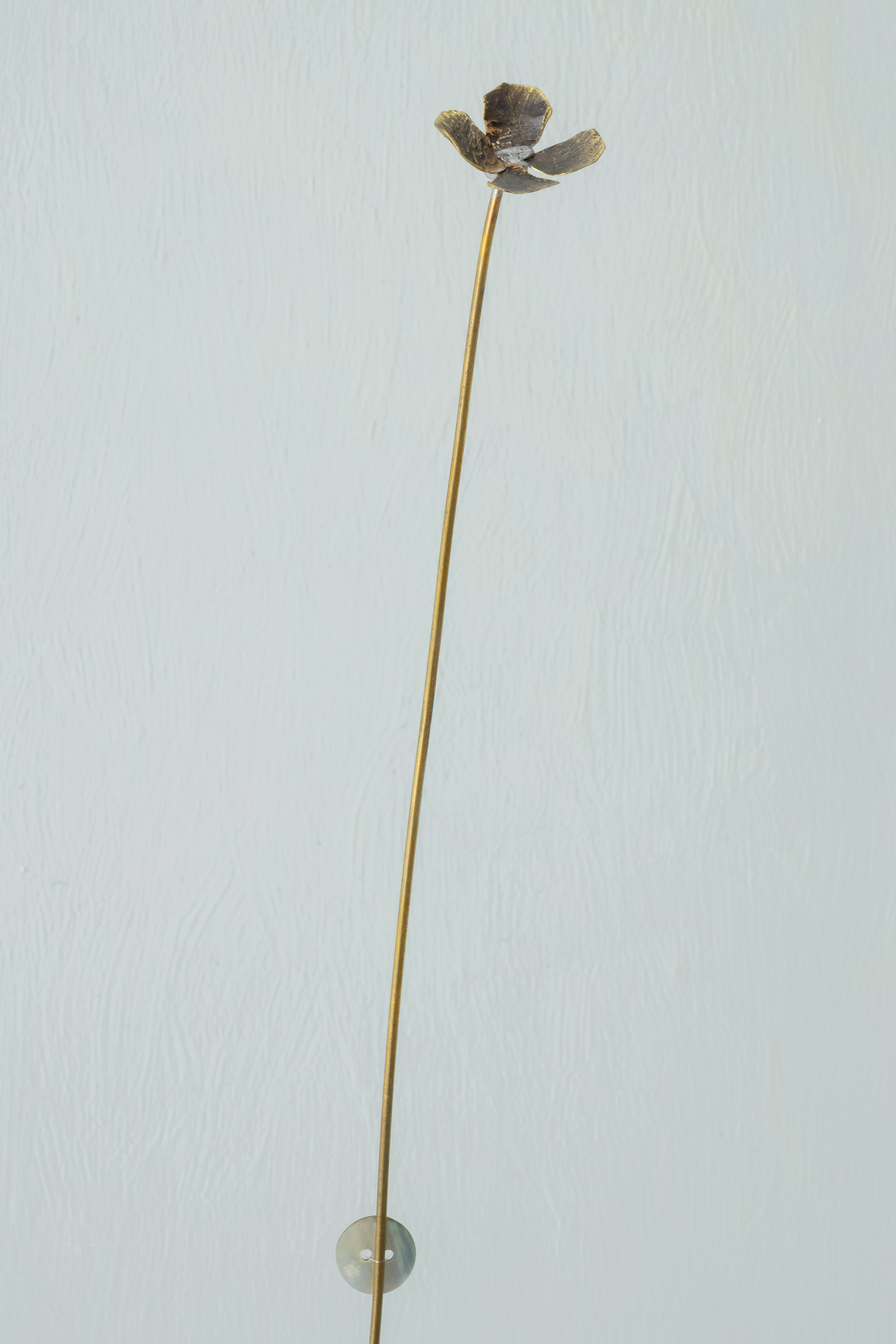
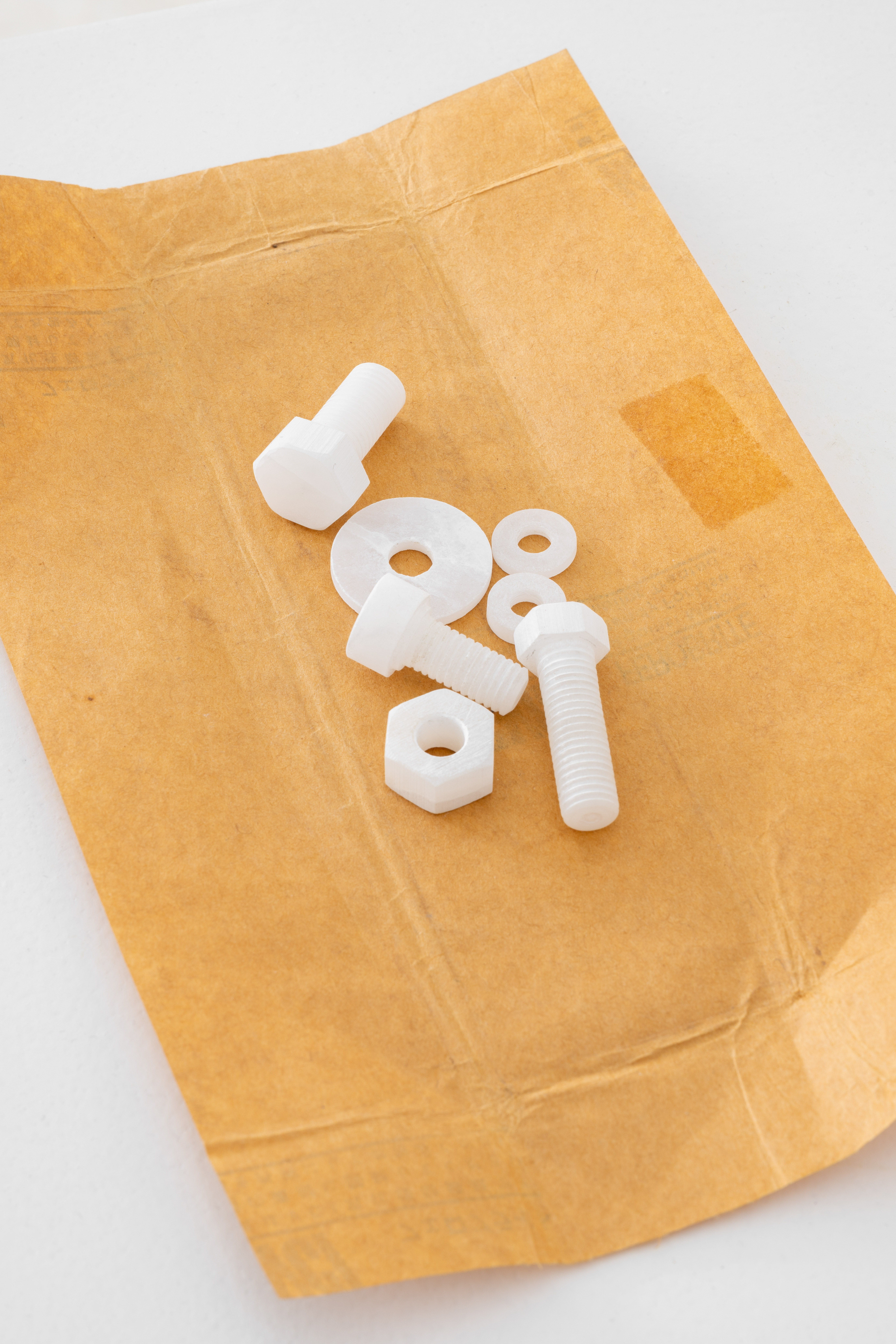
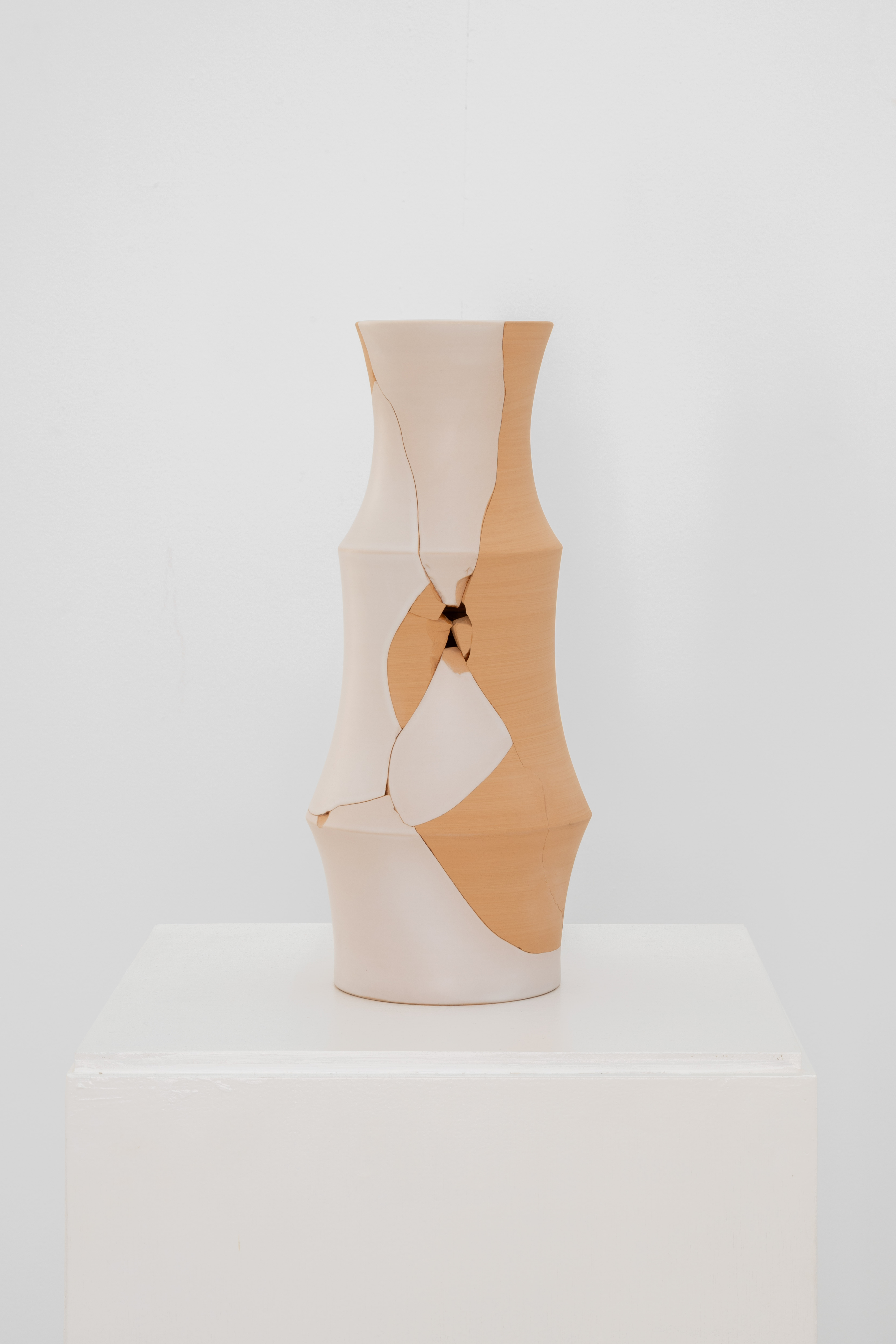
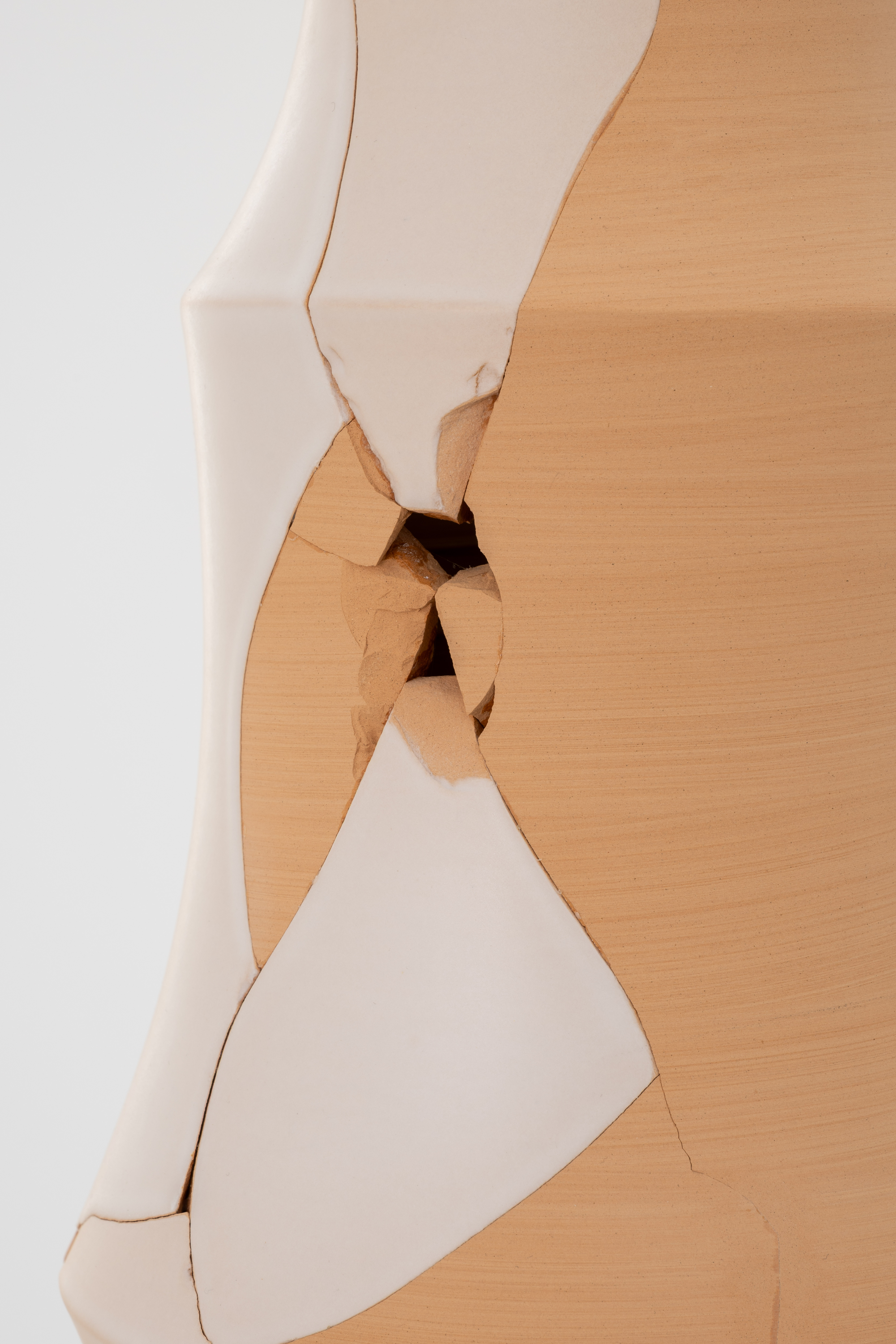
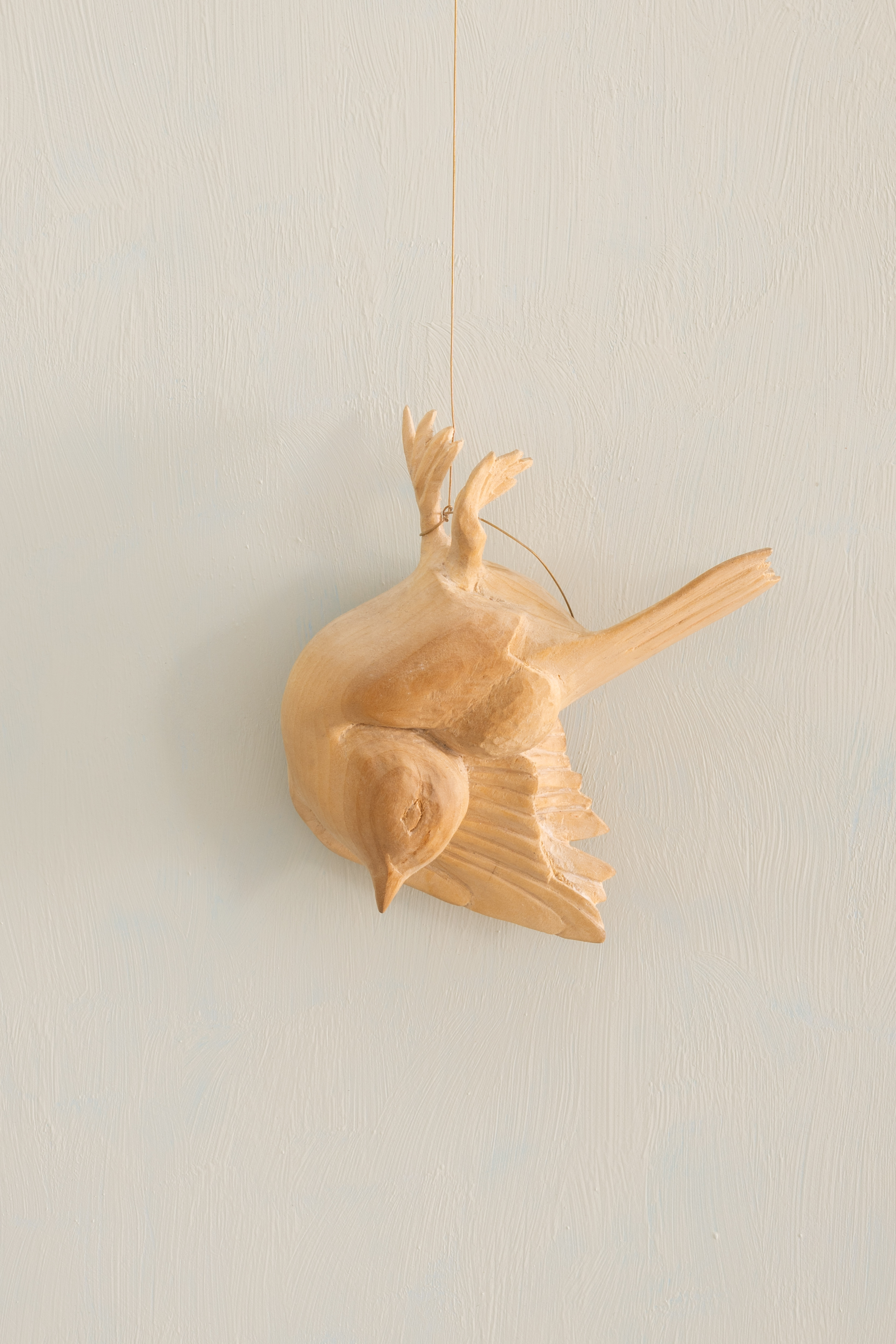
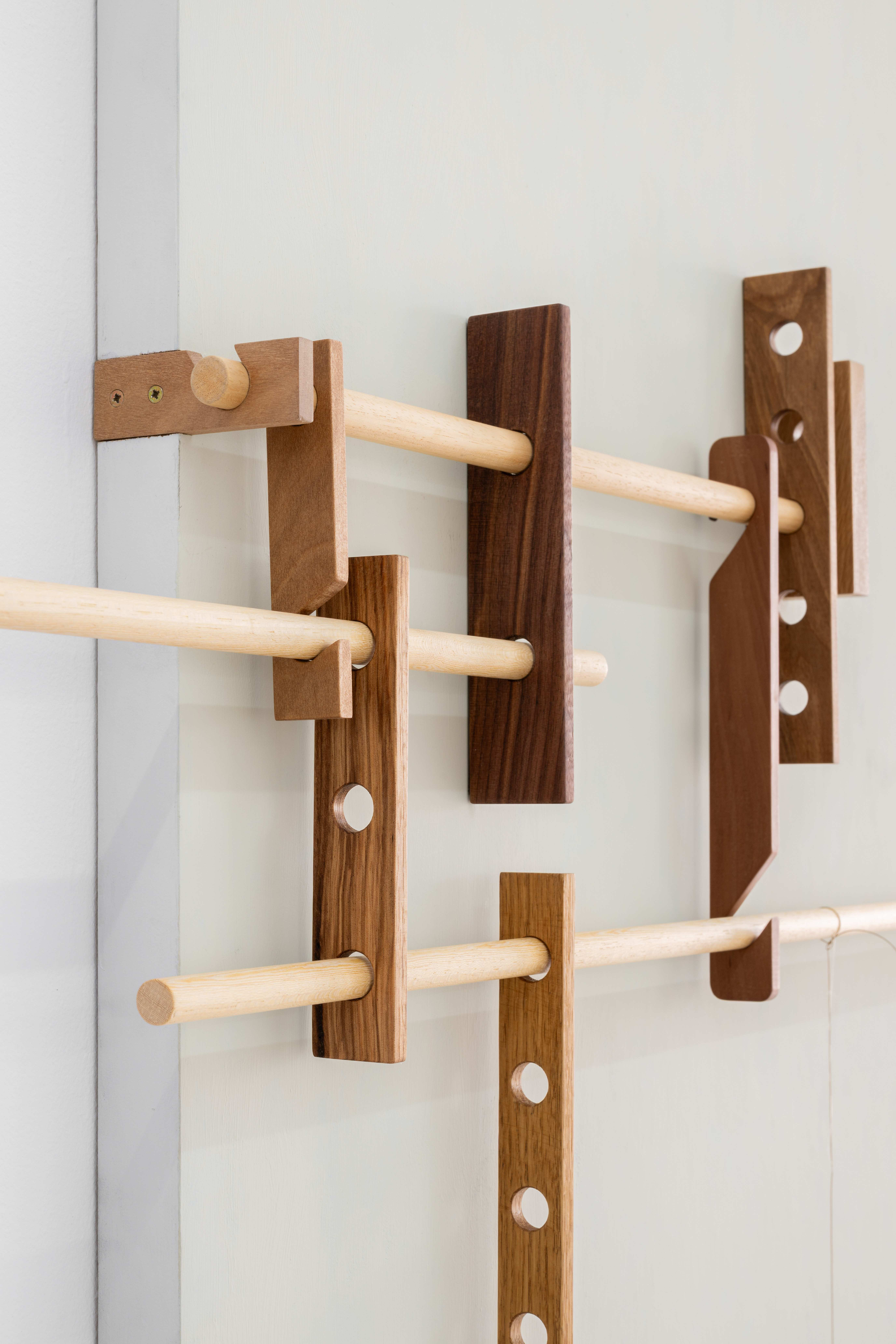
Giunti (Juntas) marks the beginning of the gallery’s collaboration with the artists and proposes a reflection on what binds, articulates, and holds things together—both materially and affectively.
Ornaghi & Prestinari is a Milan-based artist duo formed by Valentina Ornaghi (1986, Milan) and Claudio Prestinari (1984, Milan). Since 2009, they have developed their practice together, conceiving each project as an ongoing dialogue. Their practice combines references drawn from art history, design, and architecture, interwoven with reflections on conceptual art and personal life experiences.
Their artistic universe is intimate and deeply connected to the relationships between humans and objects, with a strong focus on the history of materials and production techniques. Working within a post-artisanal era marked by the automation of labor, they question the role of manual work and explore the social shifts related to work ethics and consumption.
The work of Ornaghi & Prestinari is deeply poetic, proposing a vision of interconnected elements that favors coexistence over separation and aspires to a state of balance. These concerns are present in the exhibition, which resonates closely with Ibiza, an insular territory whose identity emerges from the continuous negotiation between separation and connection, isolation and its relationship with the mainland. In this framework, the concept of Giunti—joints, connections—acquires spatial, symbolic, and social significance.
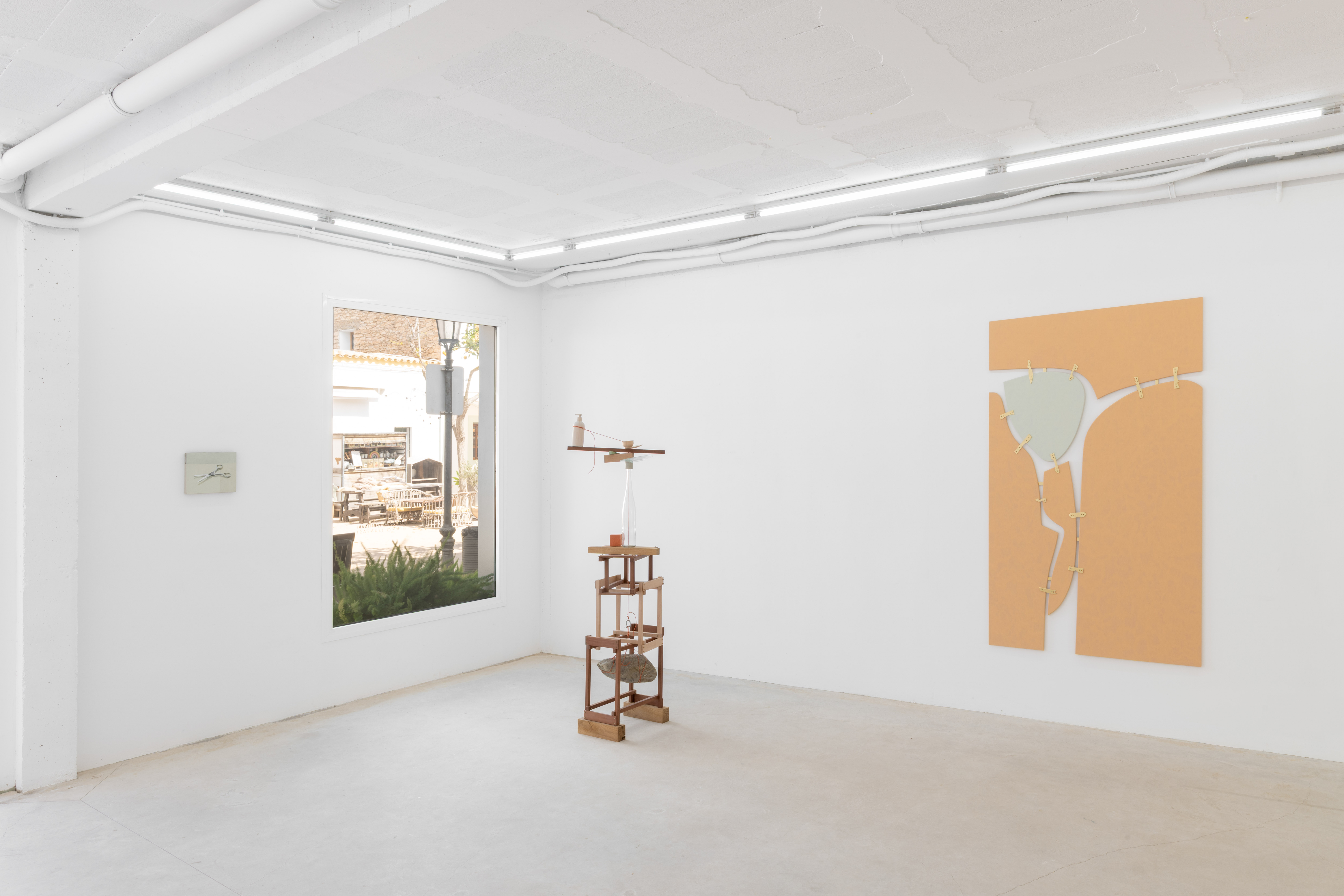
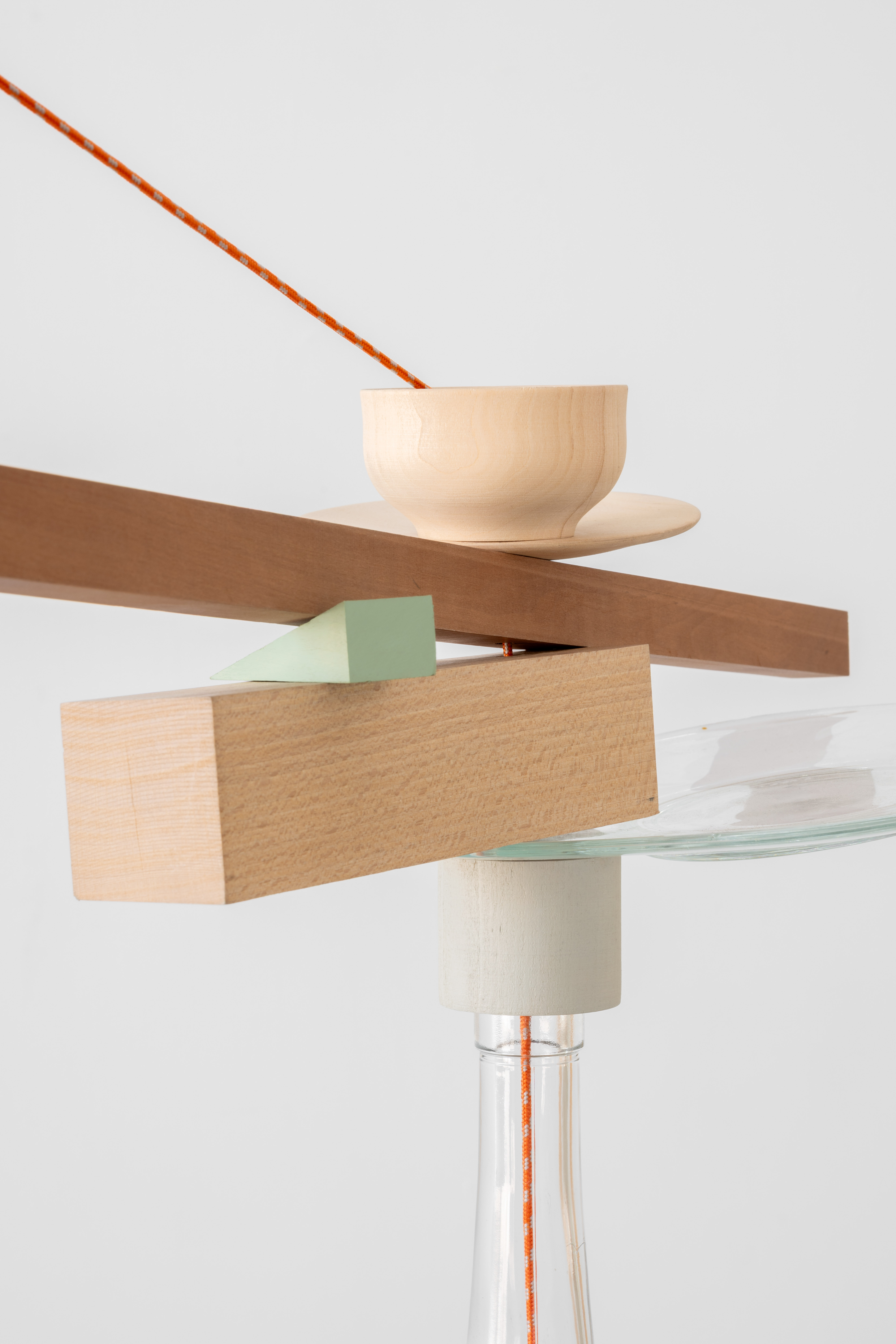
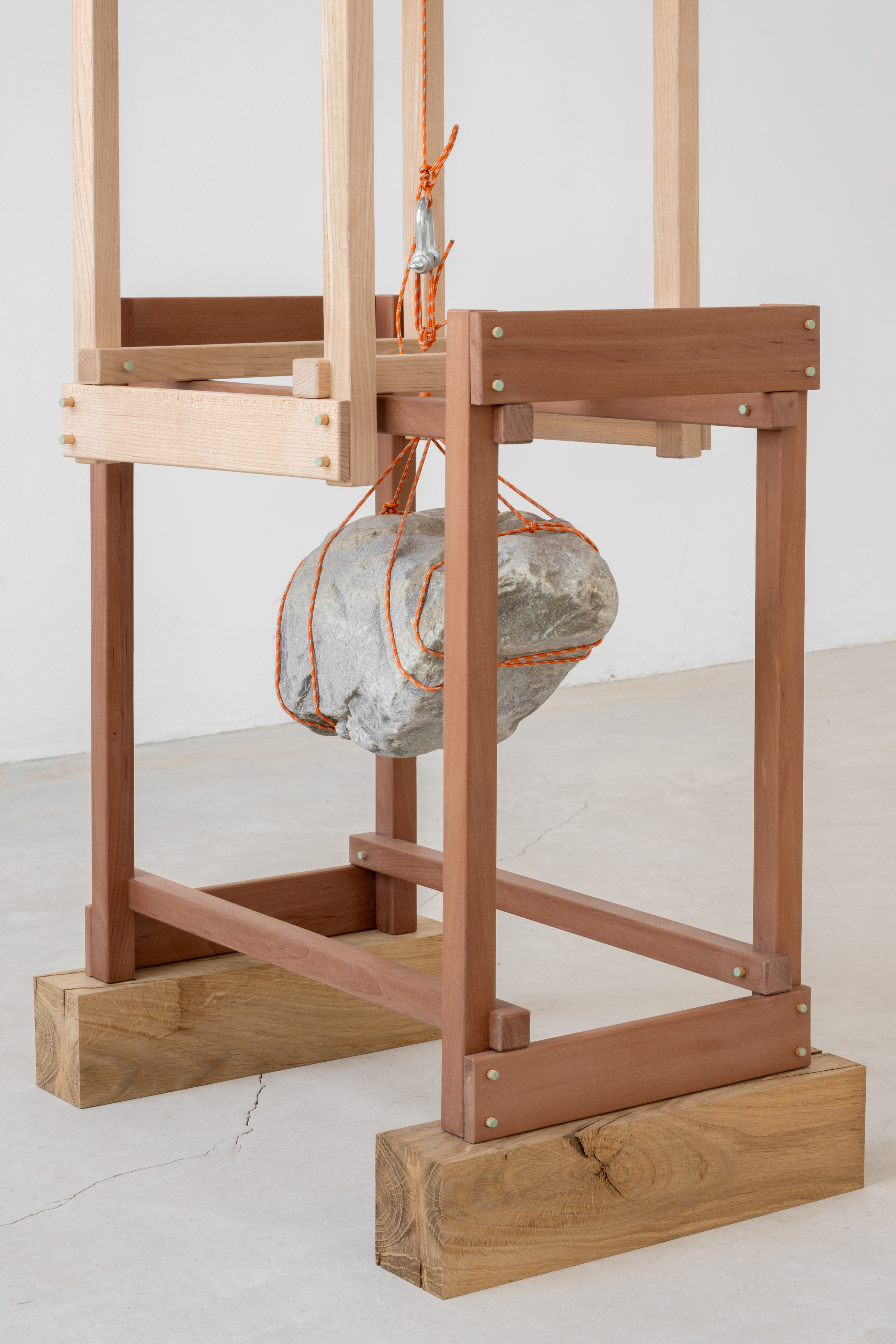
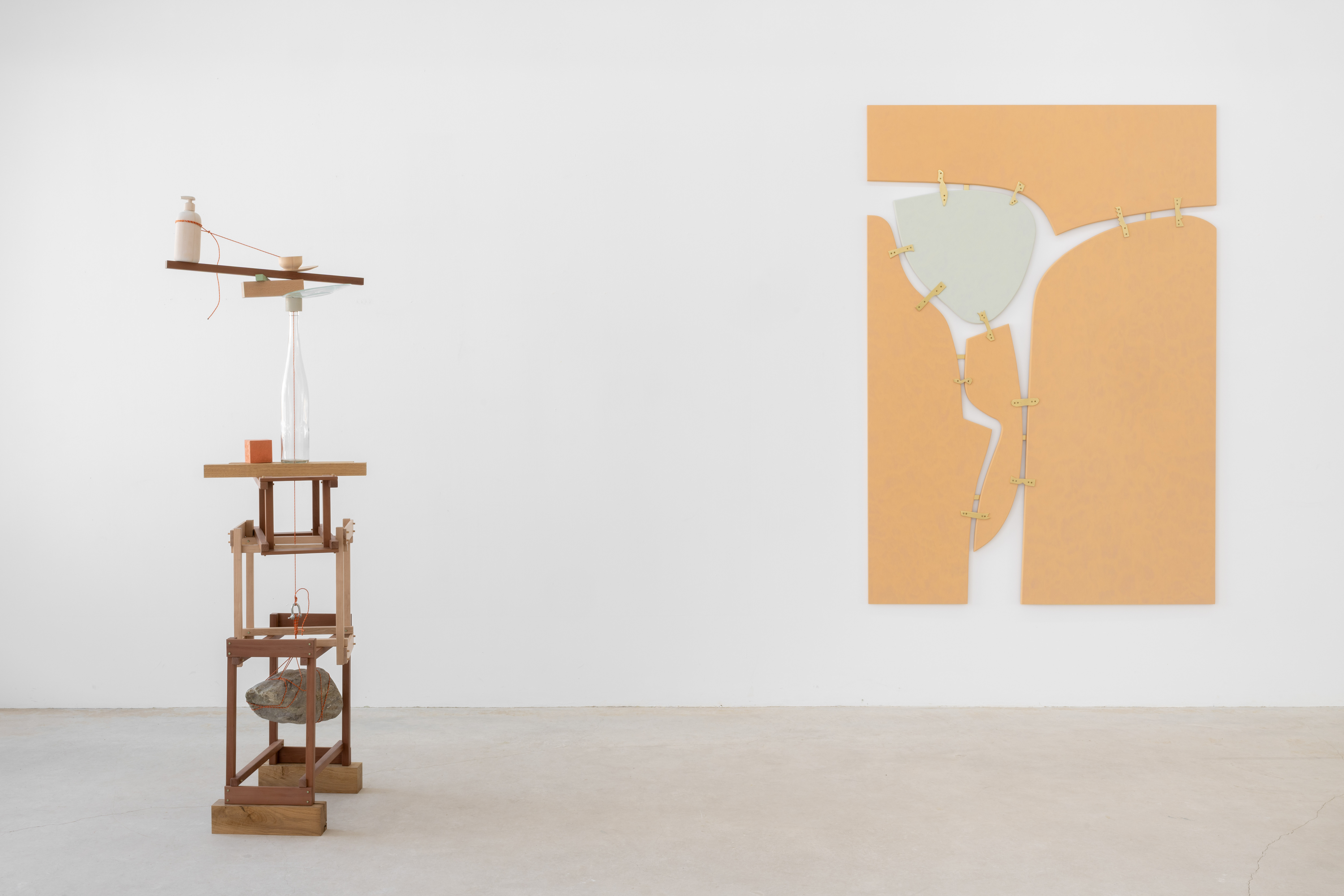
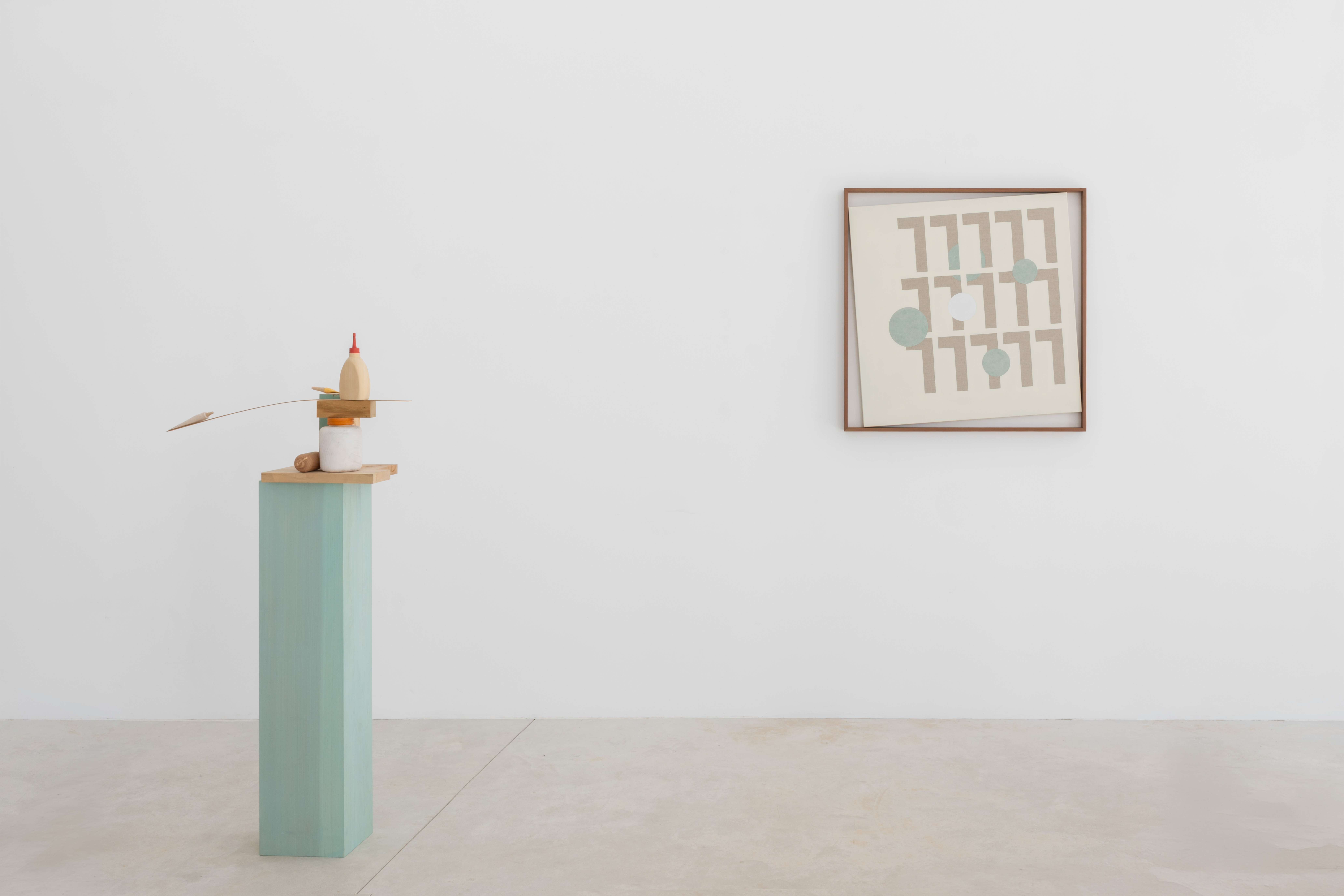
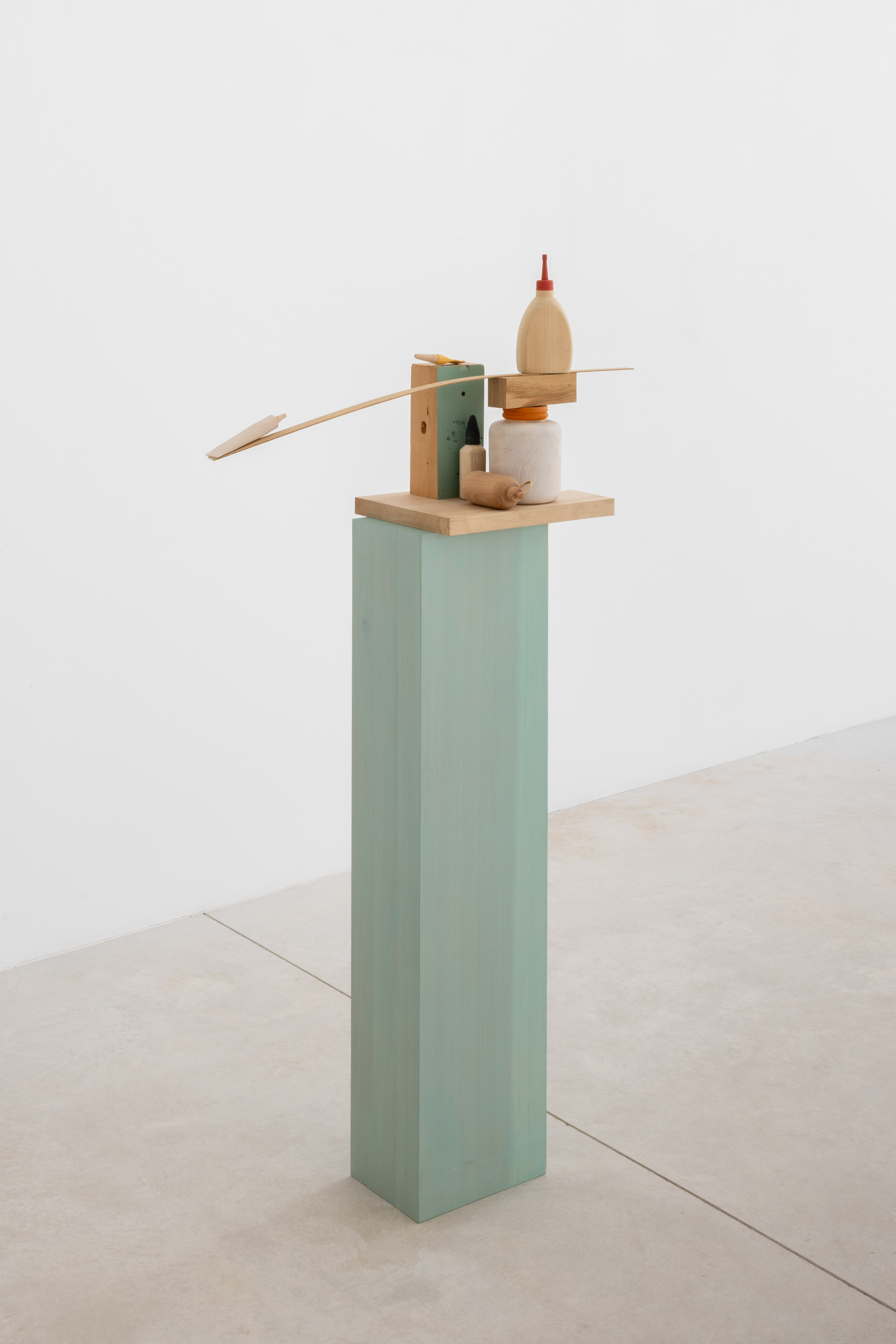

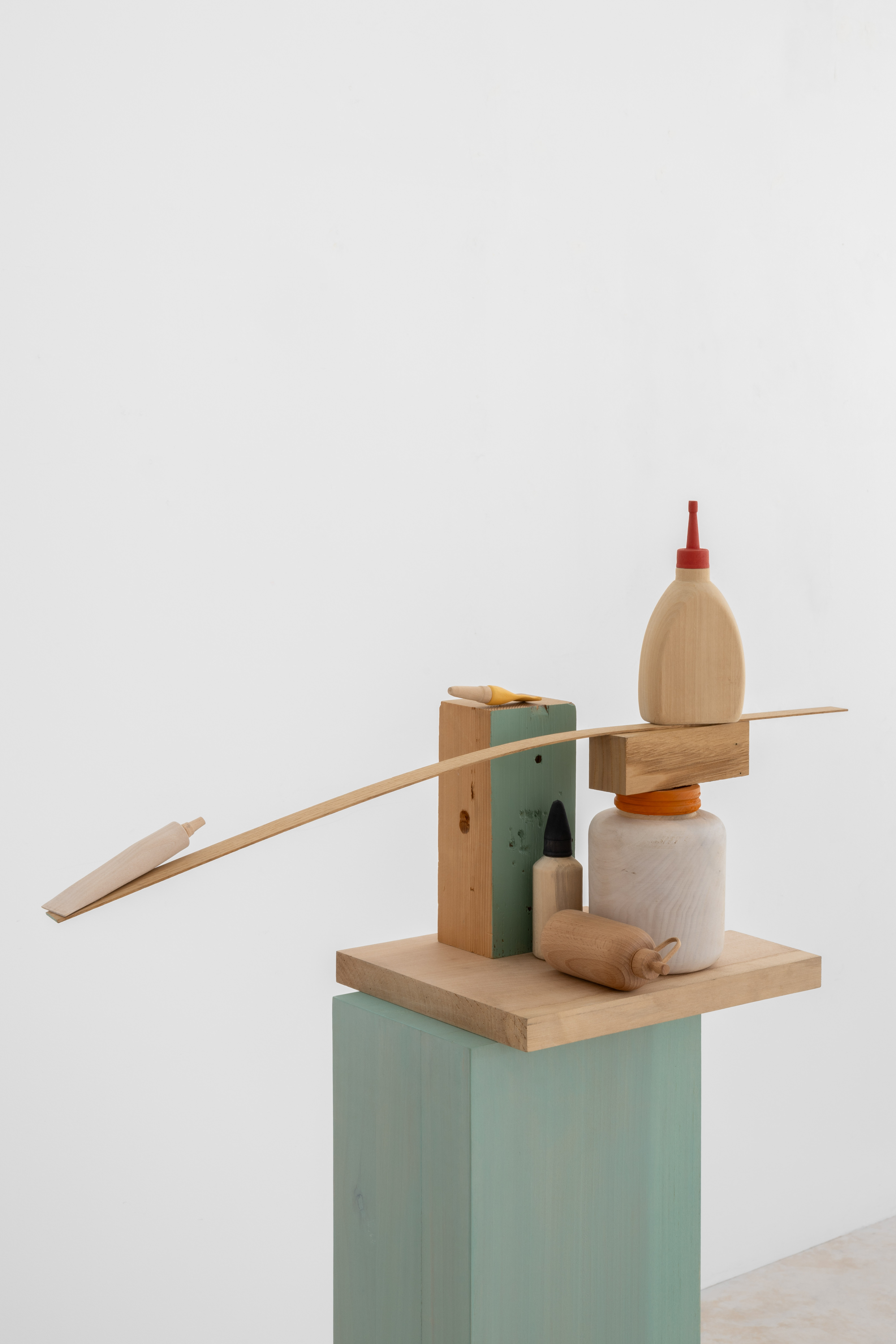
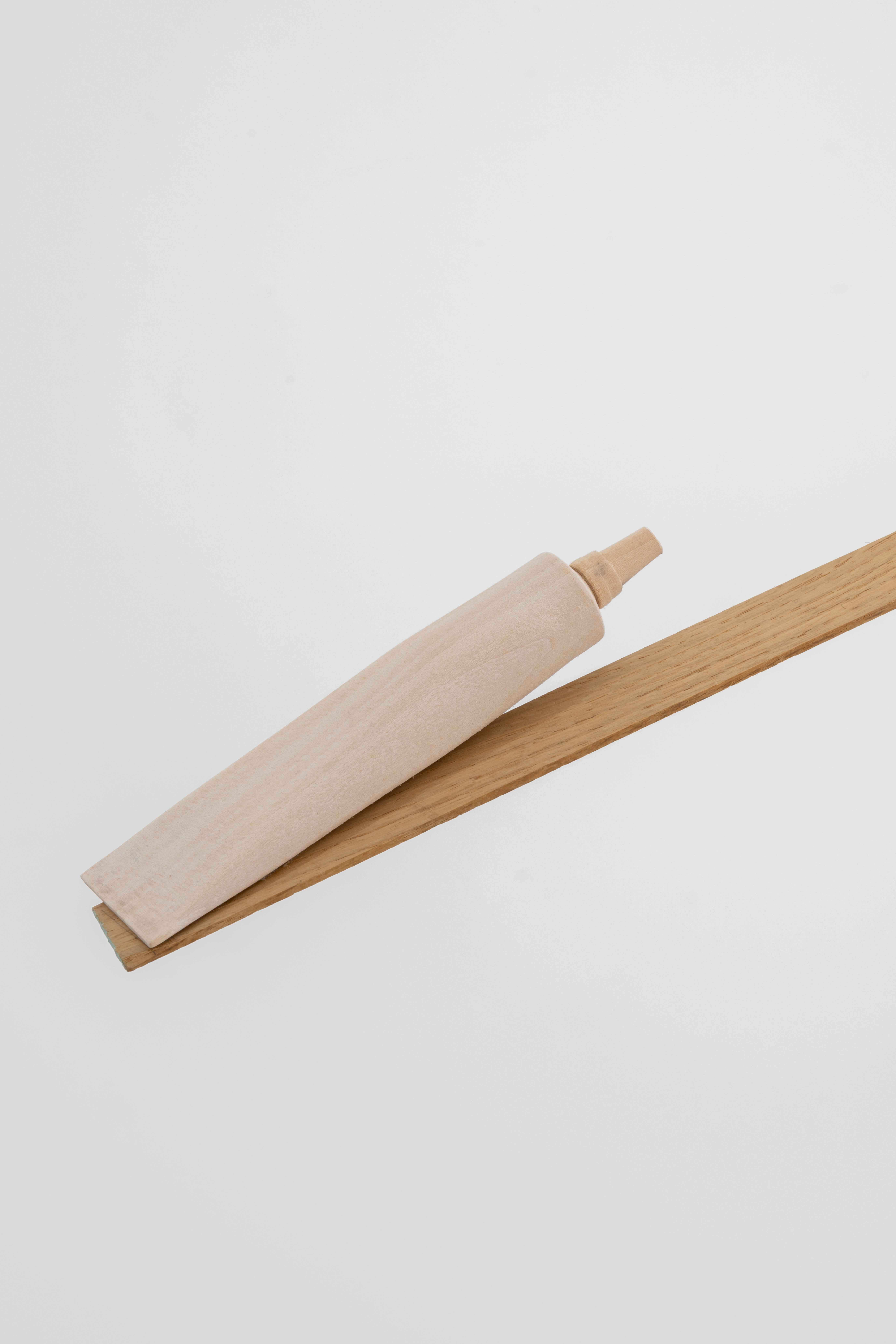
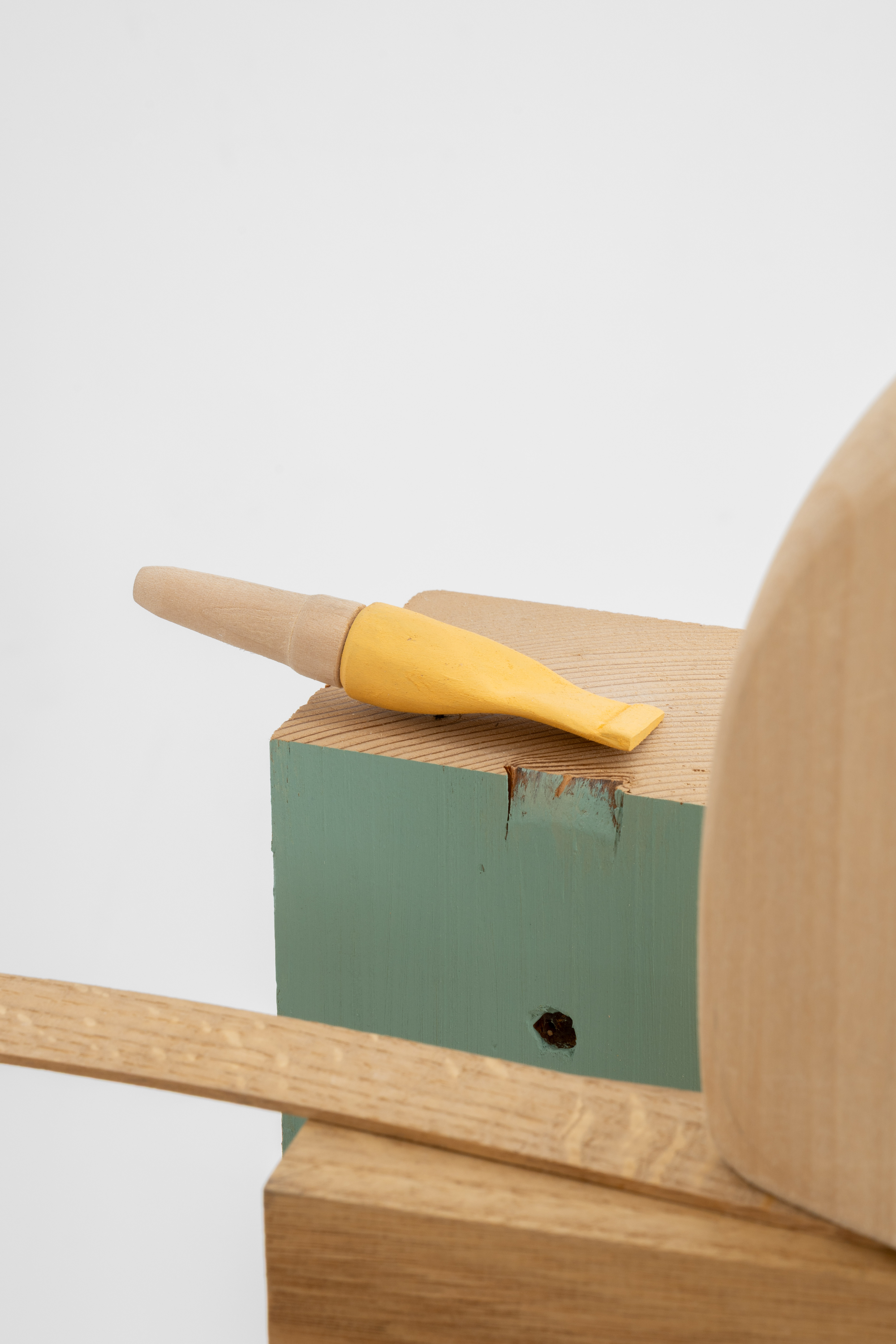
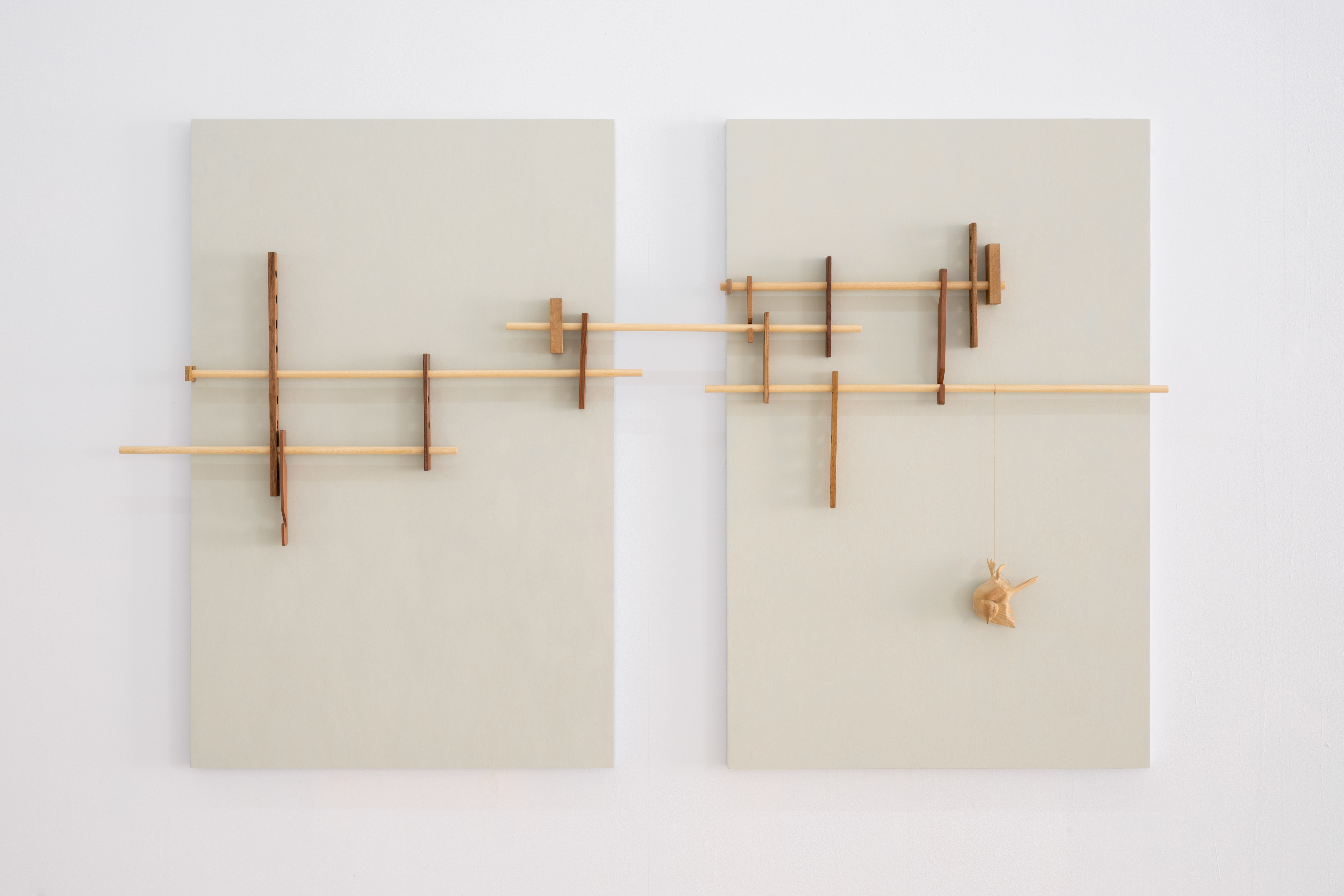
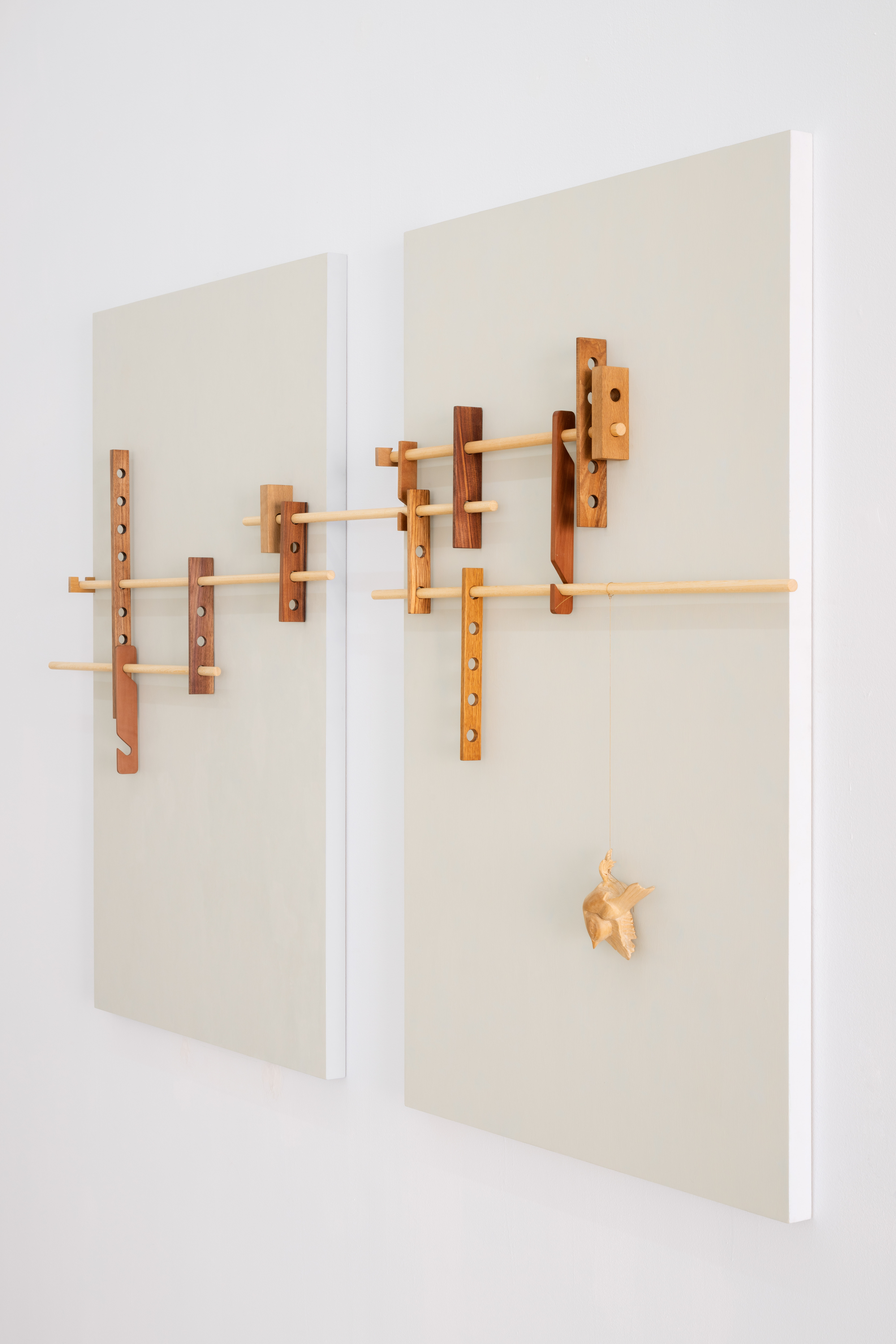
The title Giunti (Juntas) refers both to proximity and relationality, as well as to mechanisms of assembly, structures, and points of contact. In Italian, the term simultaneously suggests affect and structure, care and construction.This dual dimension lies at the core of Ornaghi & Prestinari’s practice, which for years has explored the ways in which bodies, objects, and ideas support and sustain one another. Examples of this are evident in works such as Teso and Colle, where balanced domestic objects are held in suspended equilibrium, recalling dynamics of interdependence typical of affective relationships.
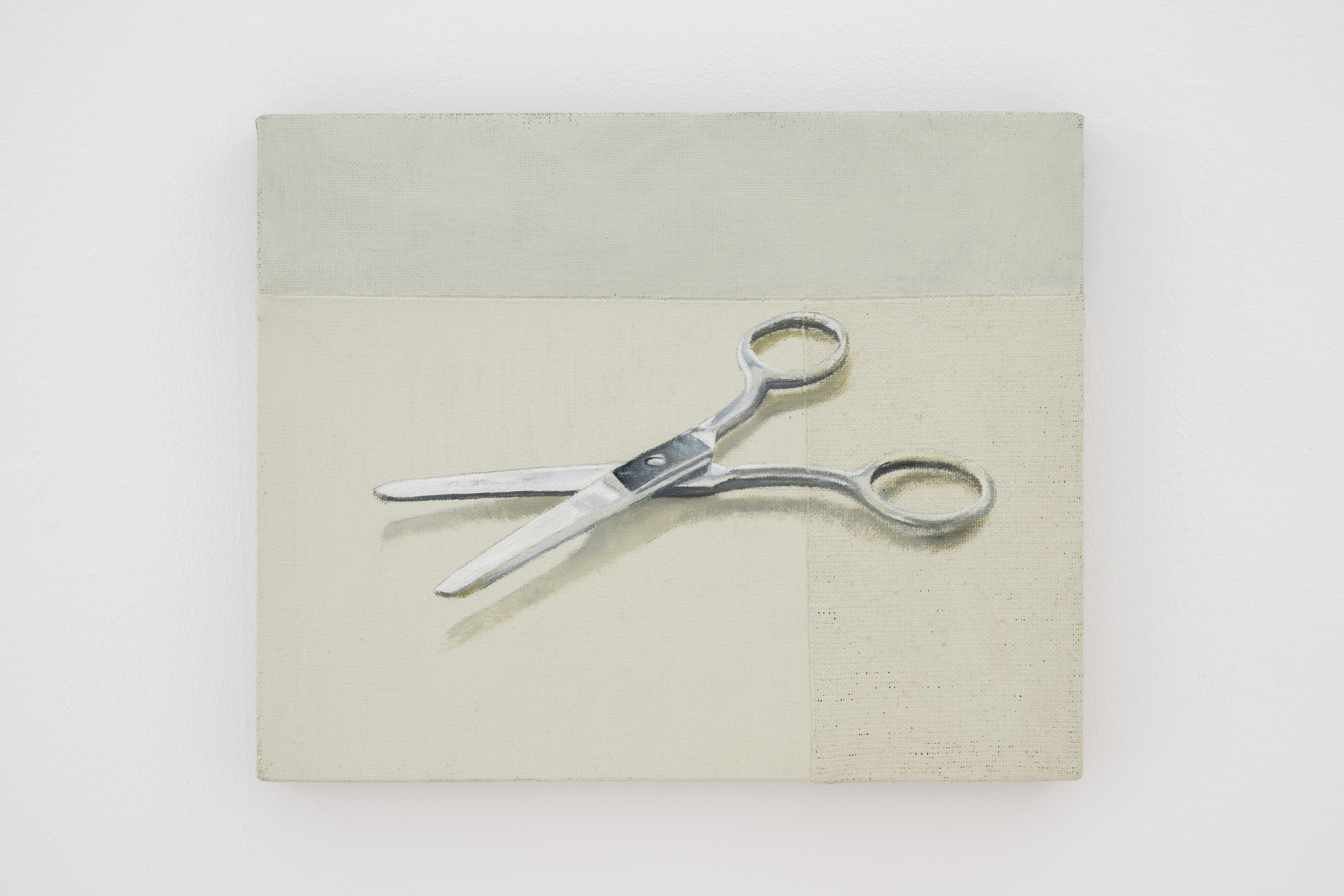
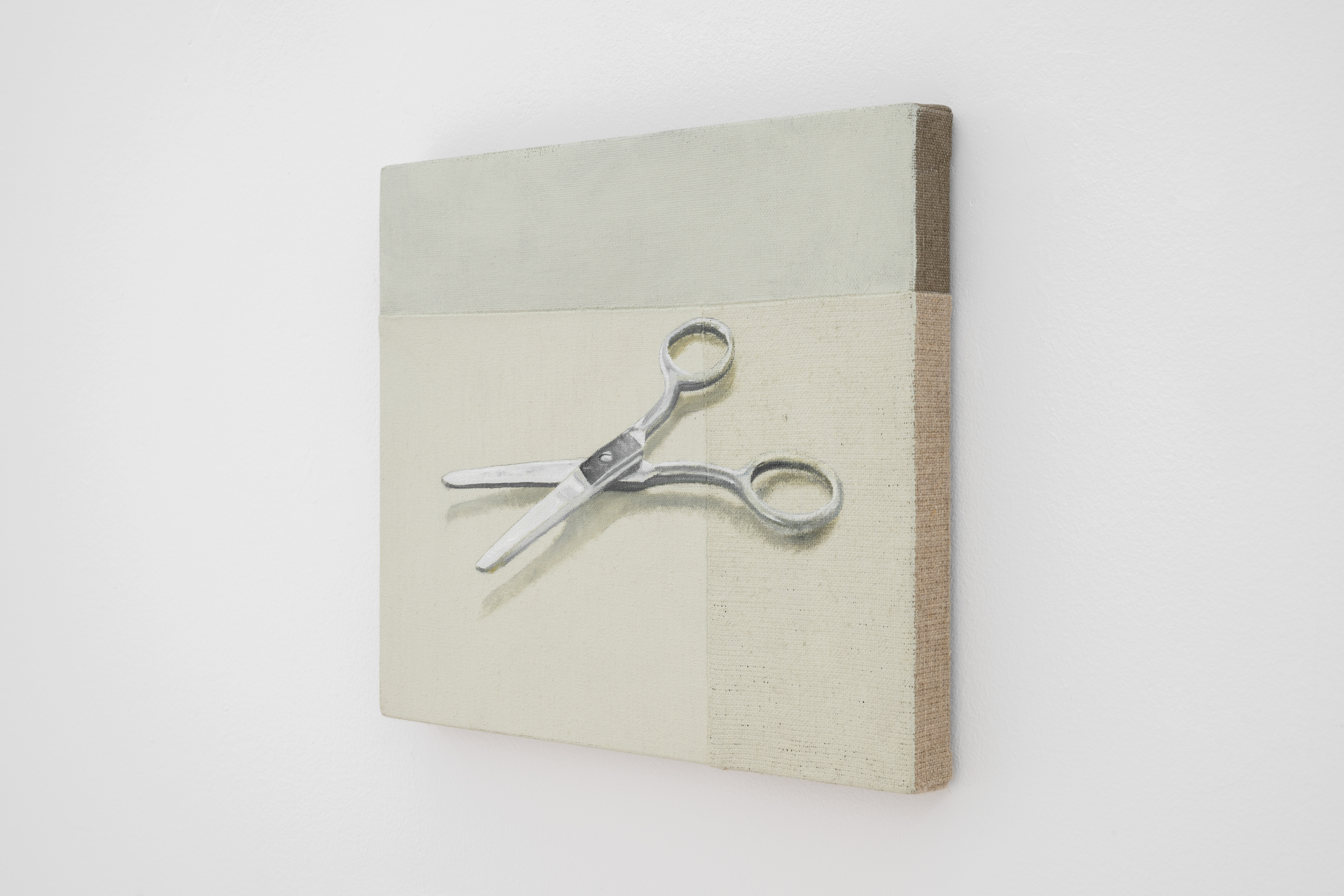
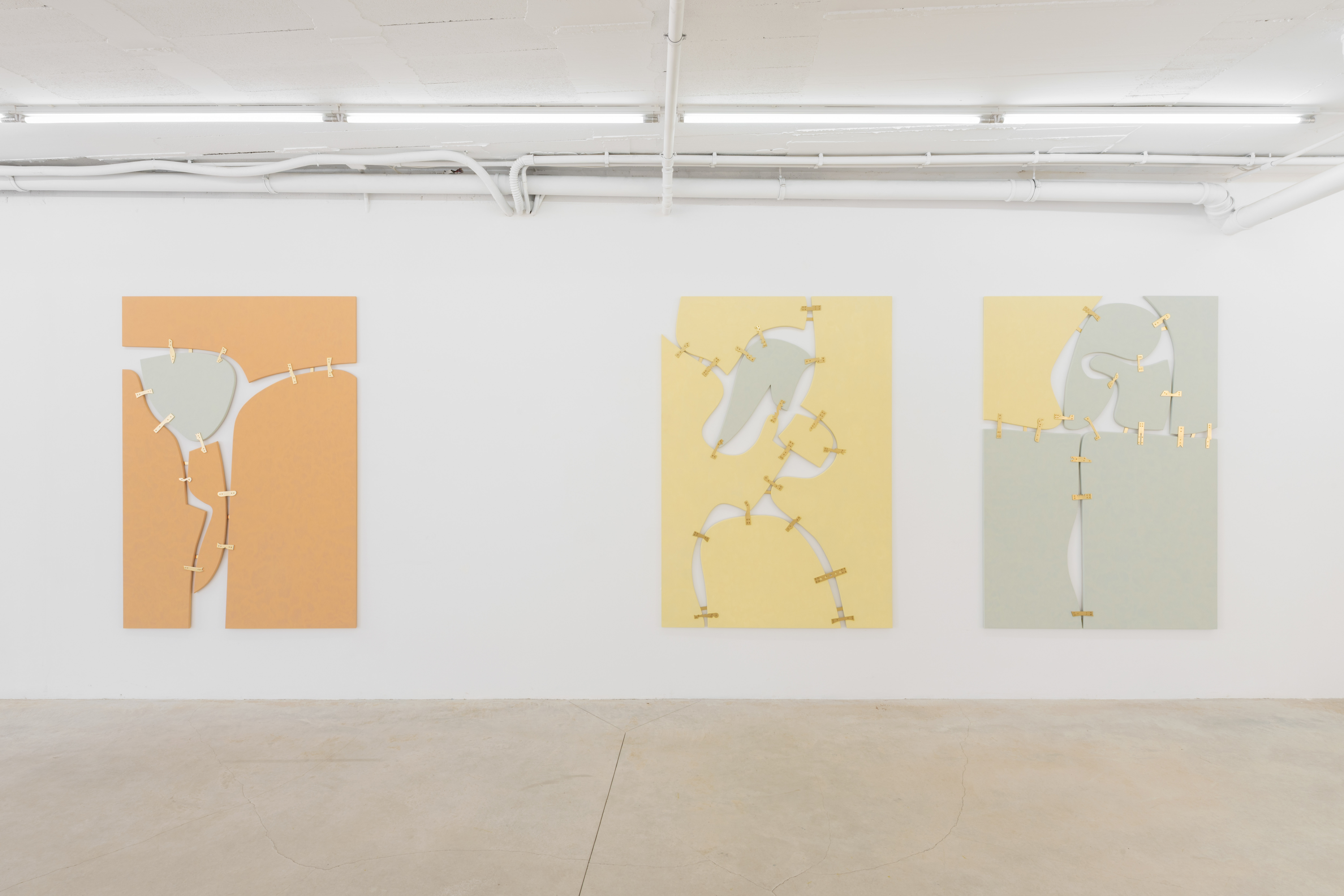
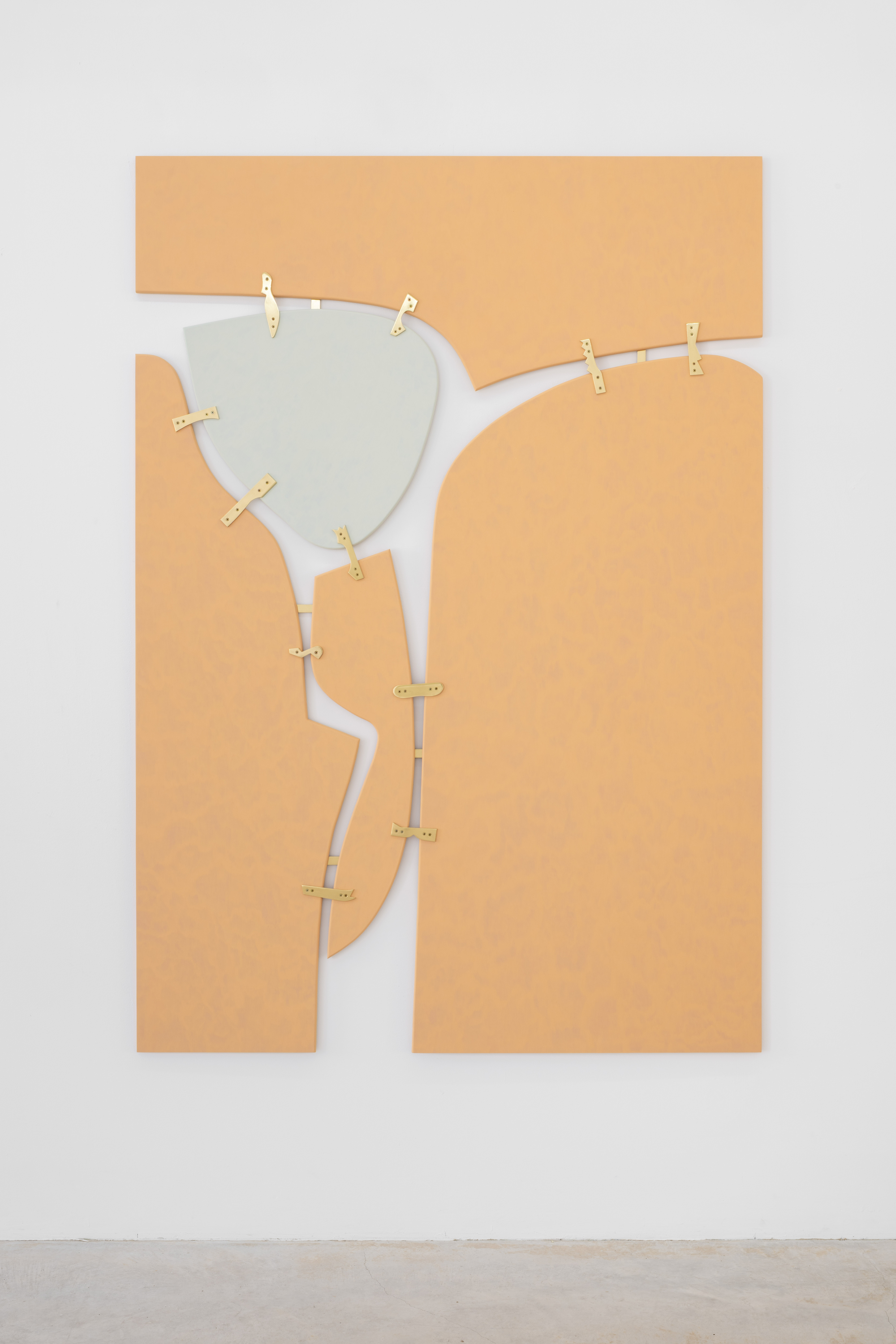
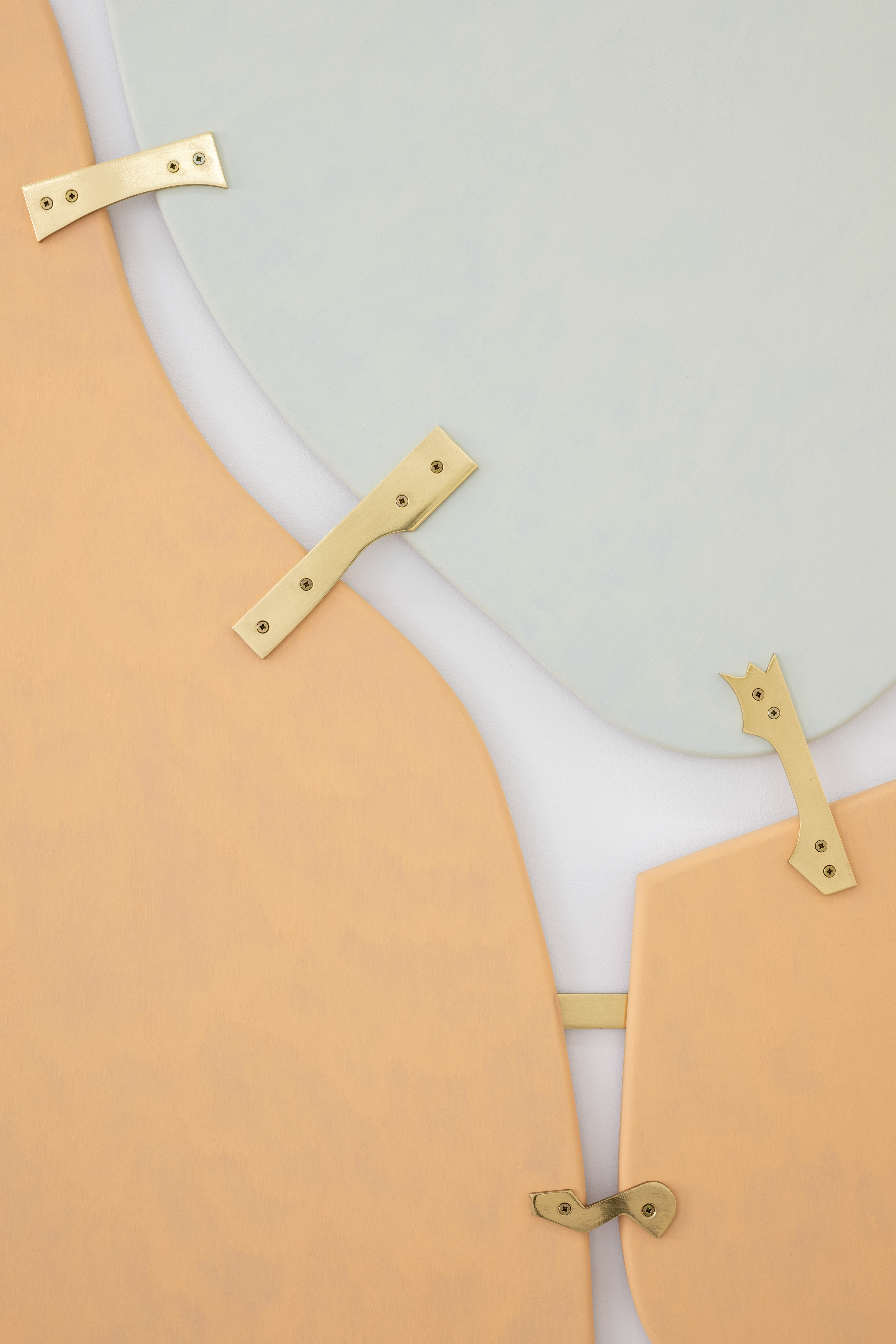
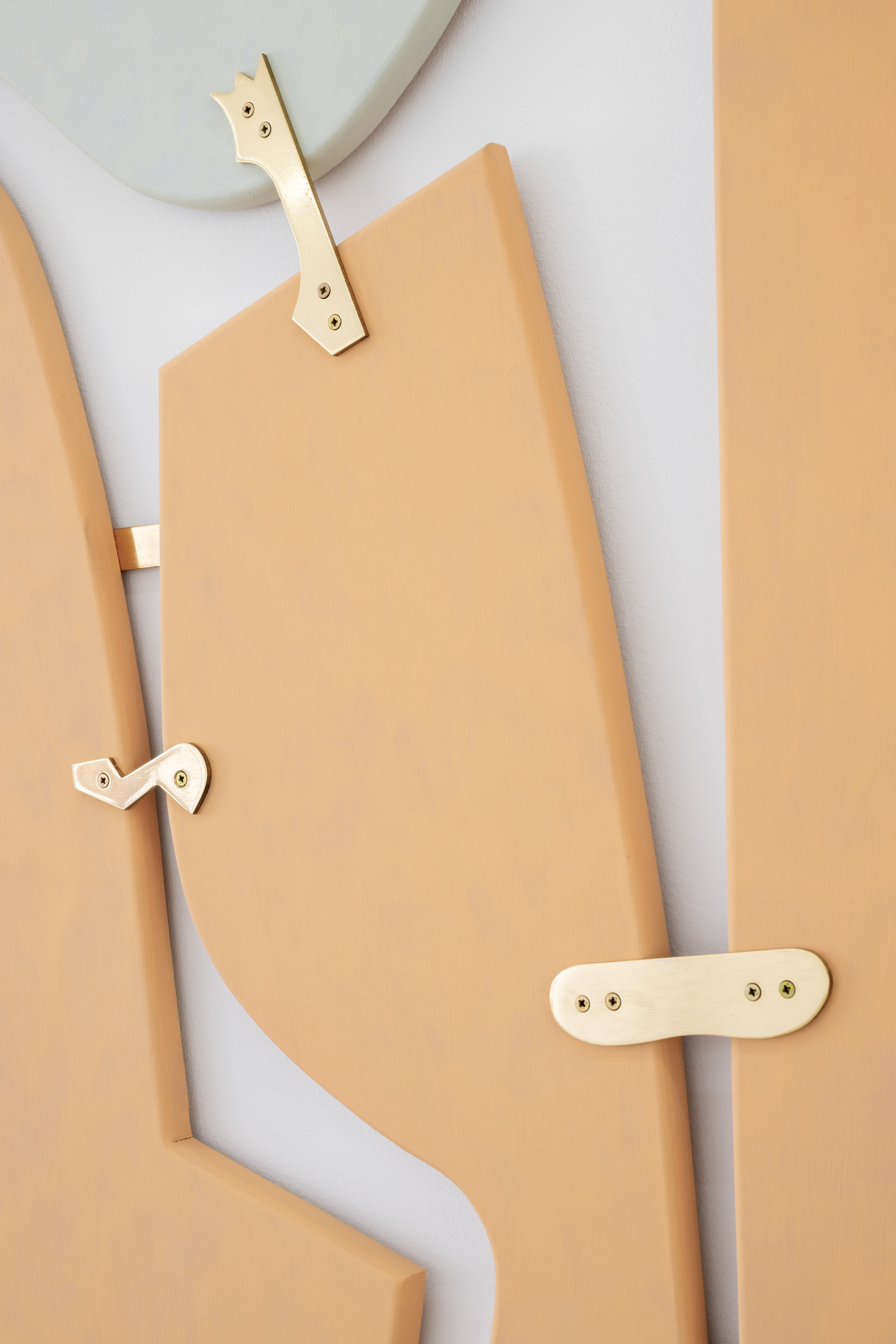
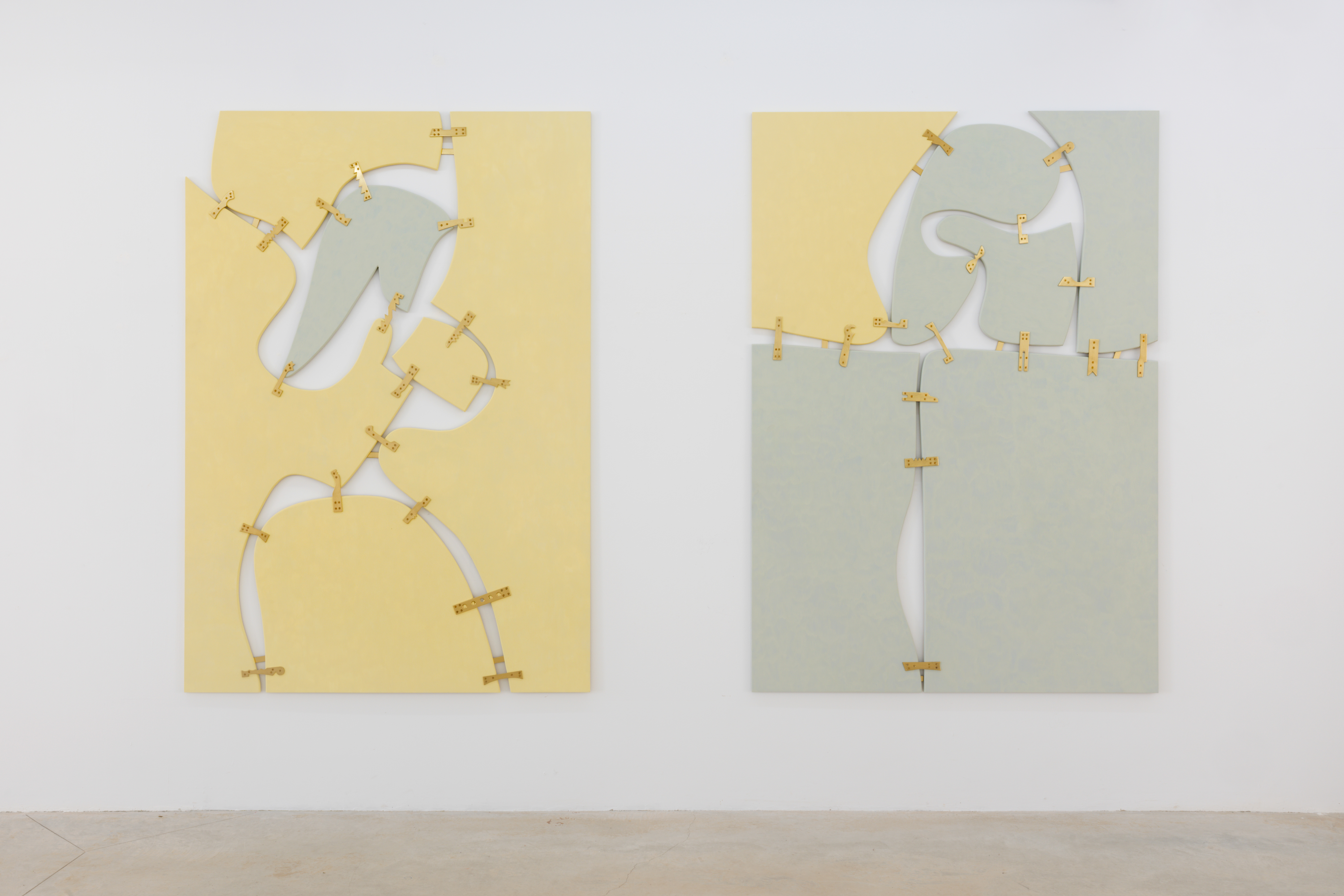
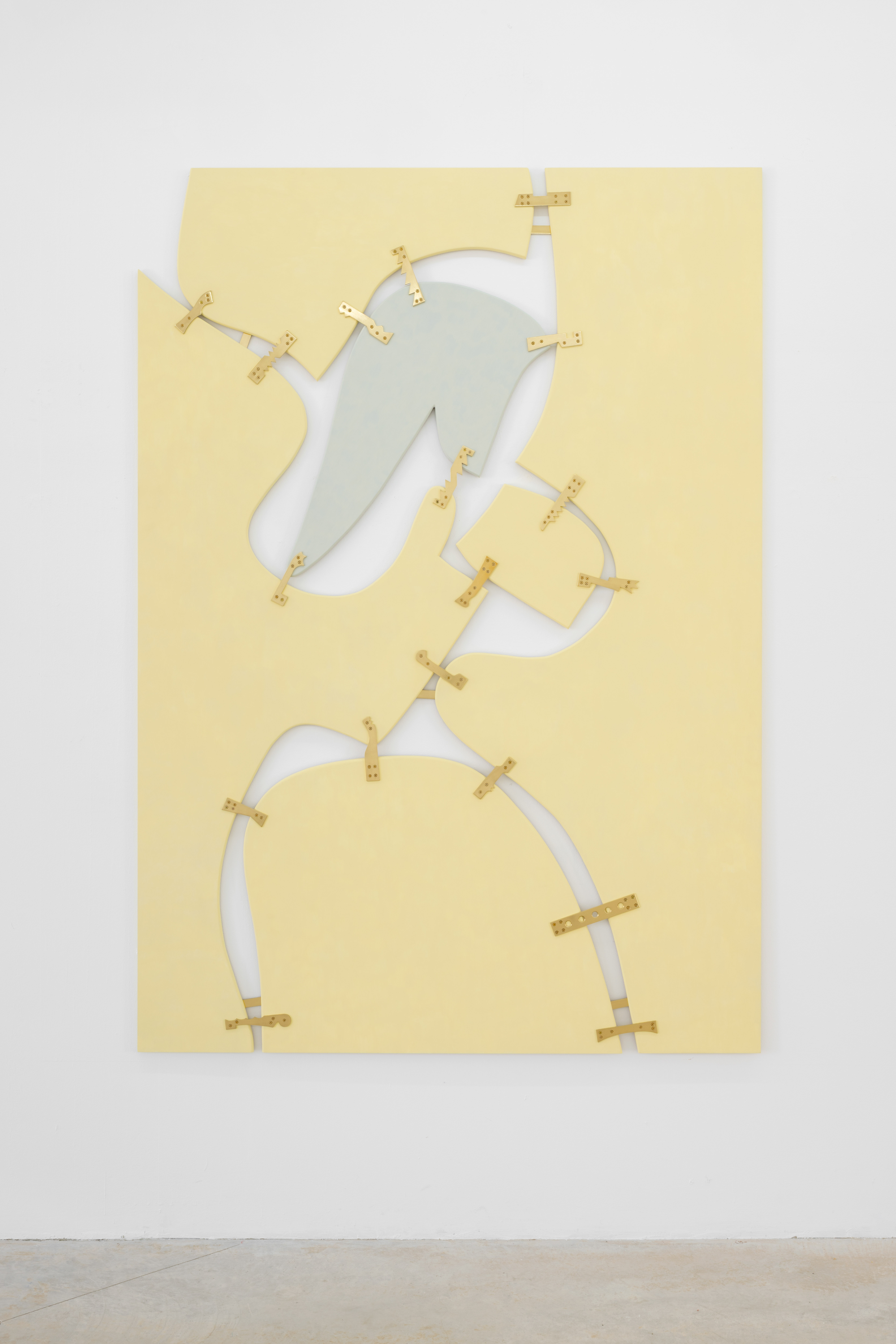
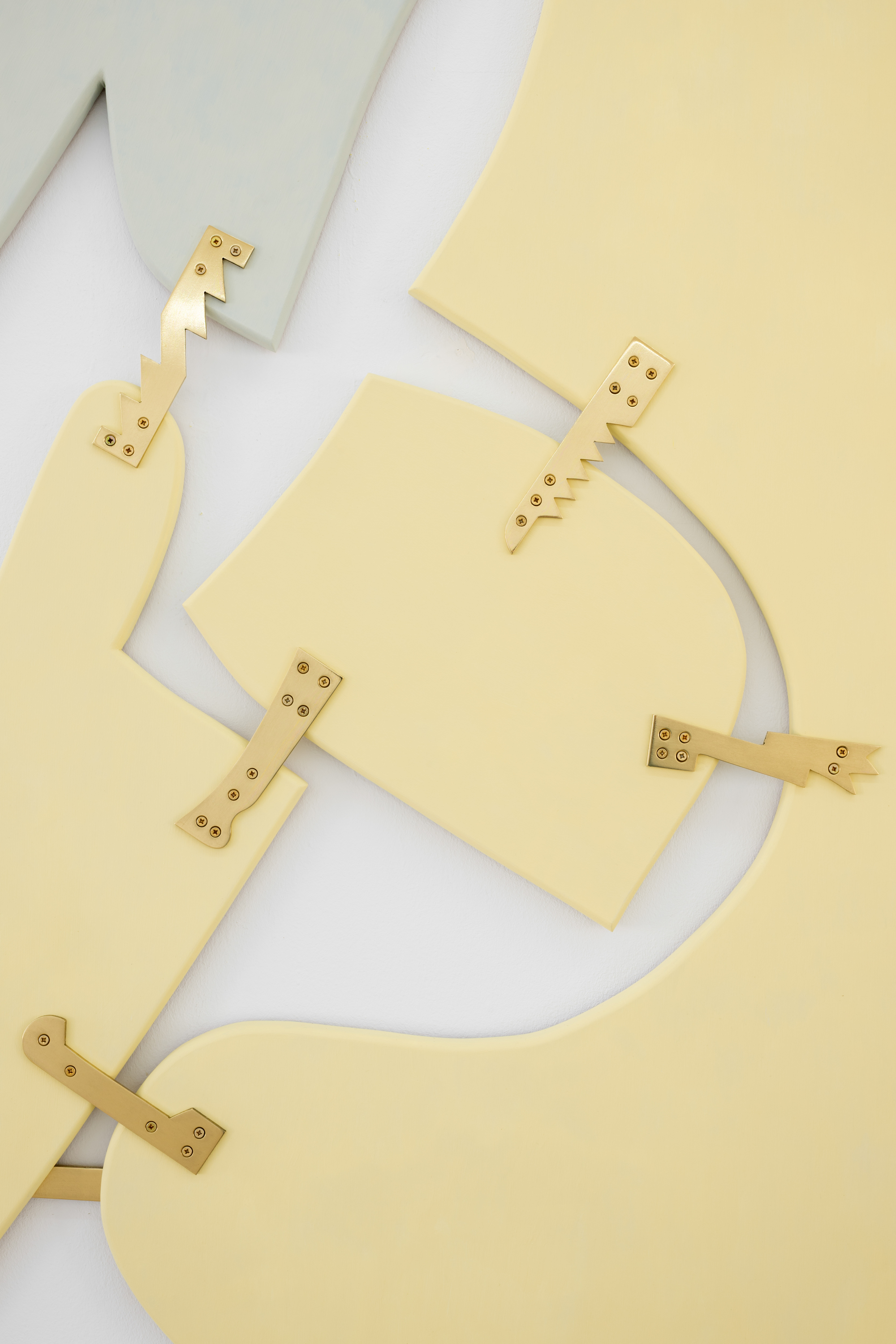
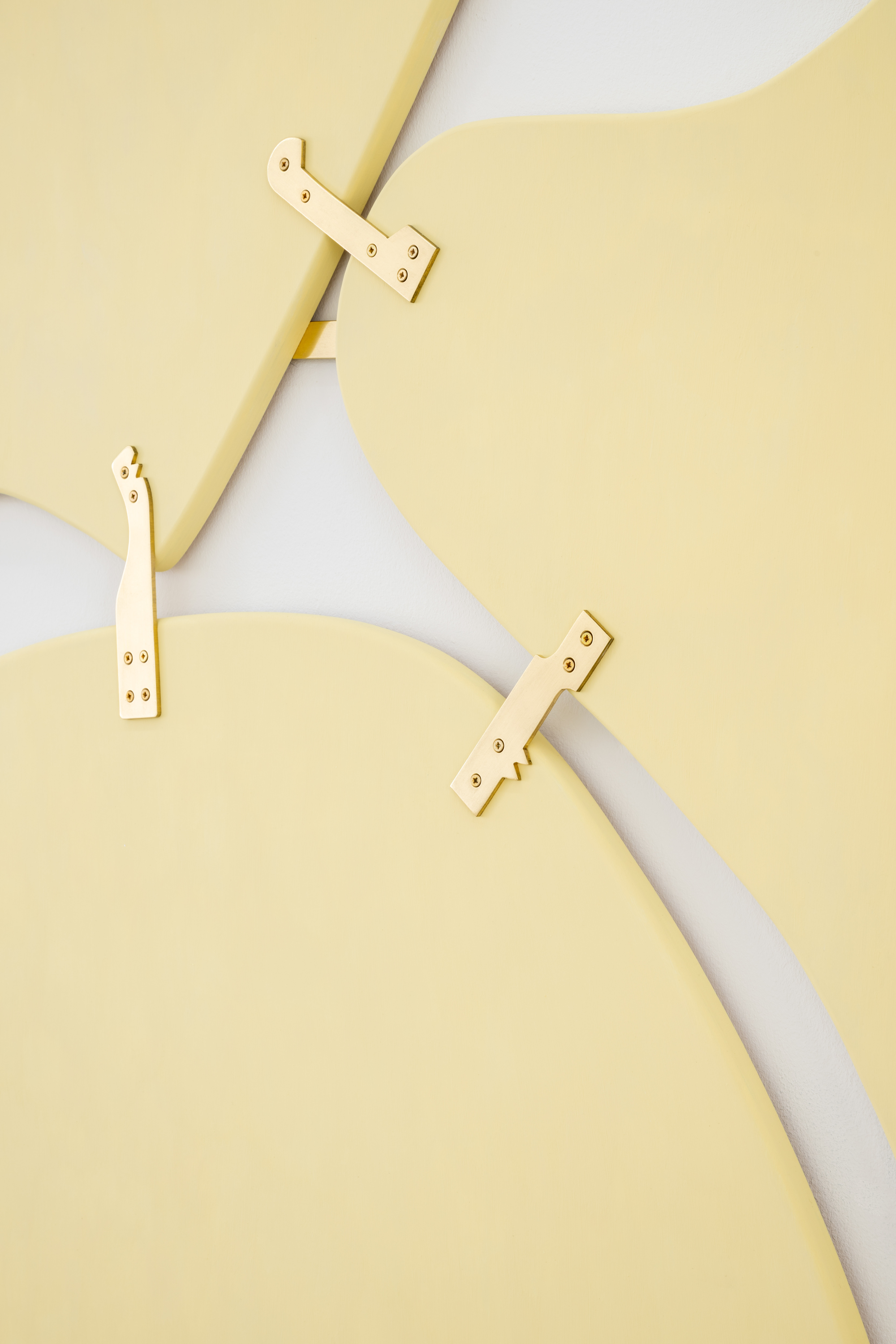
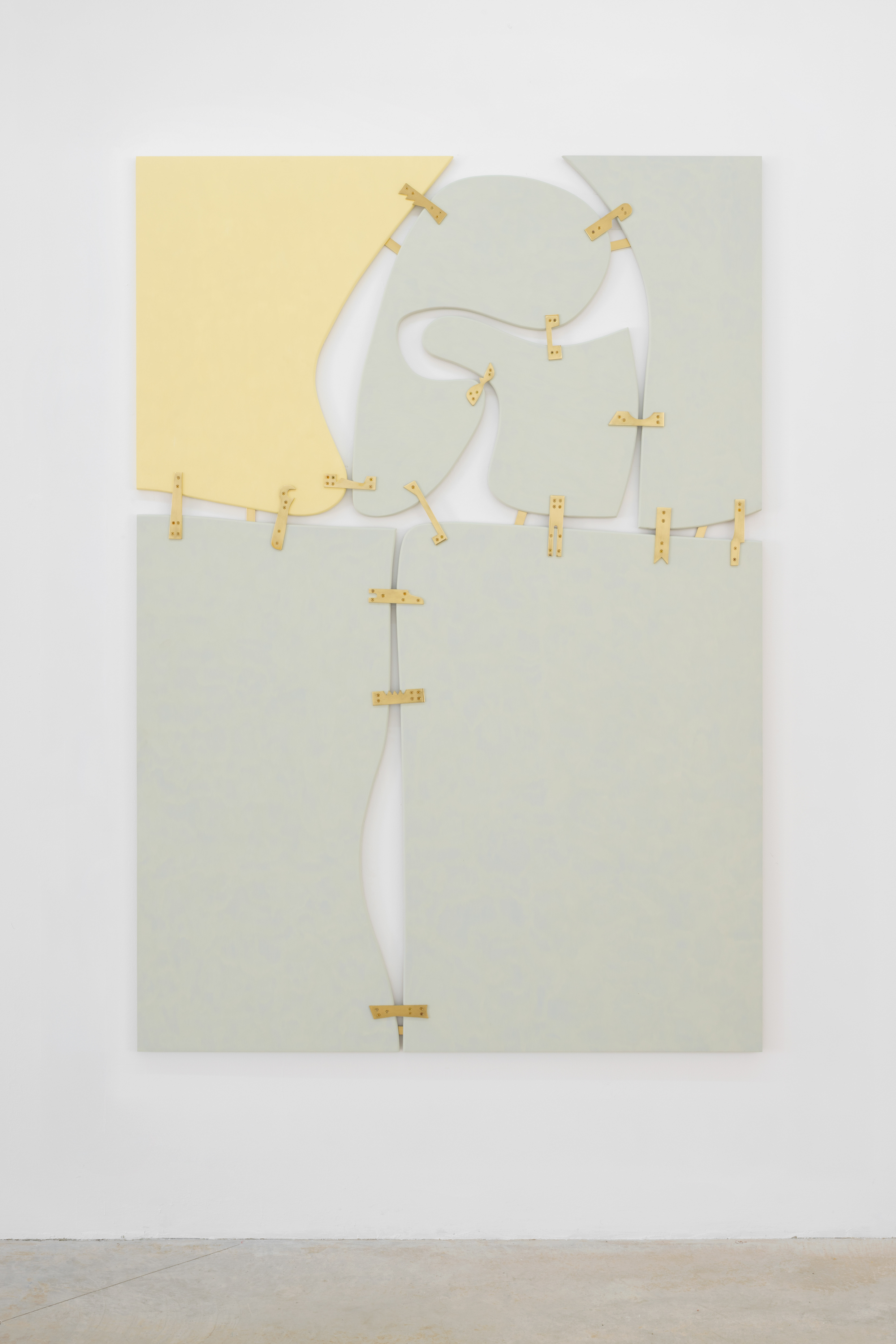
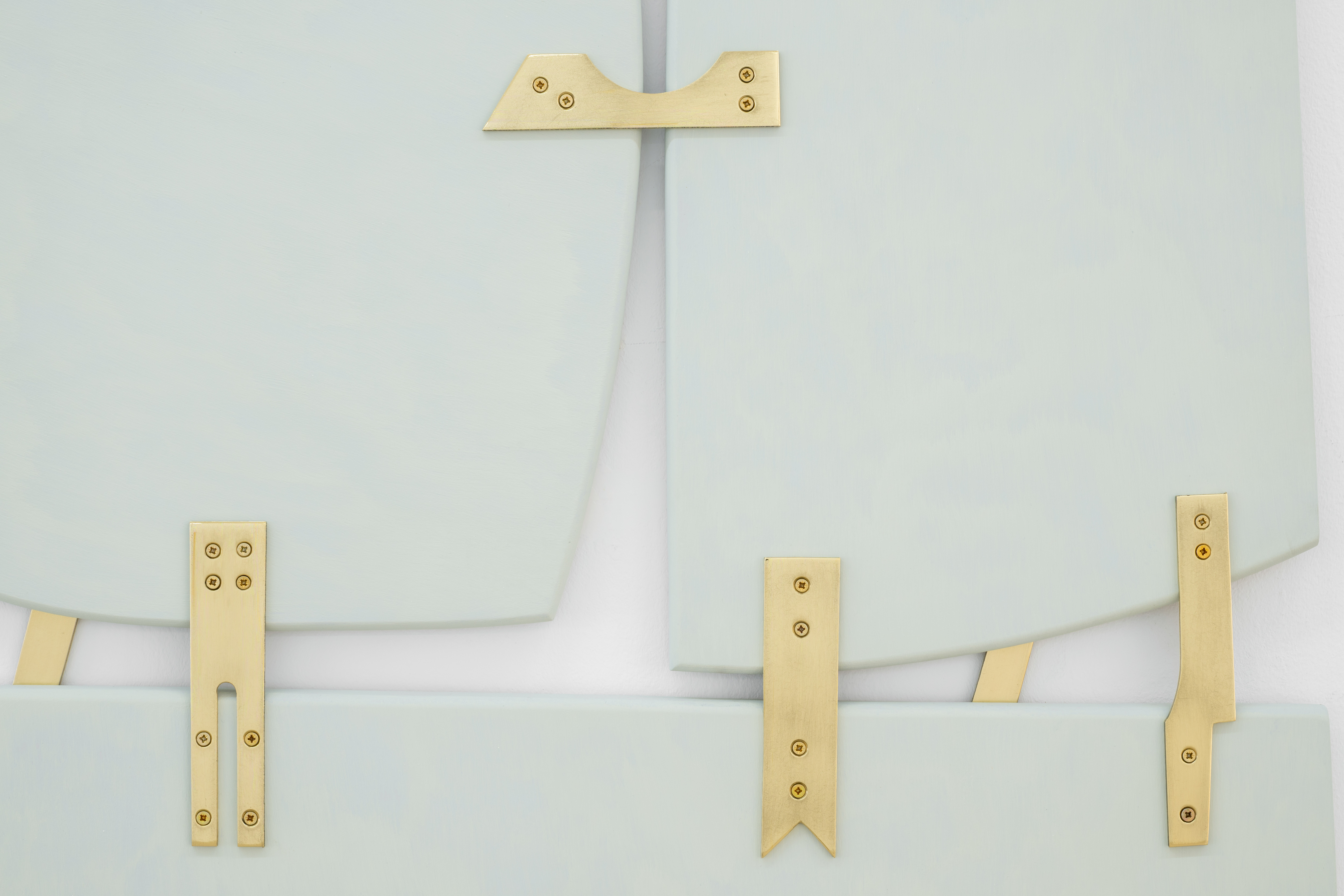
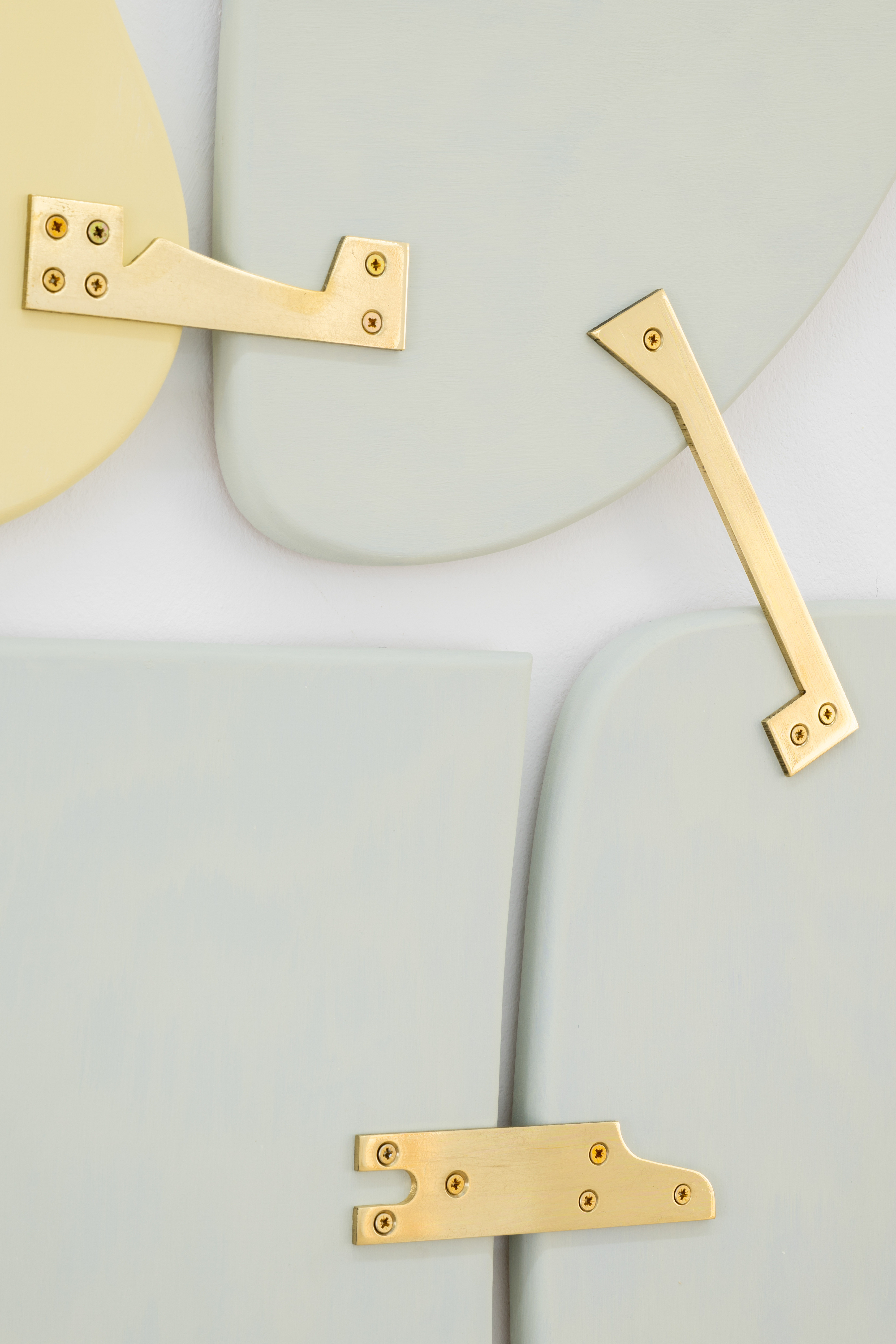
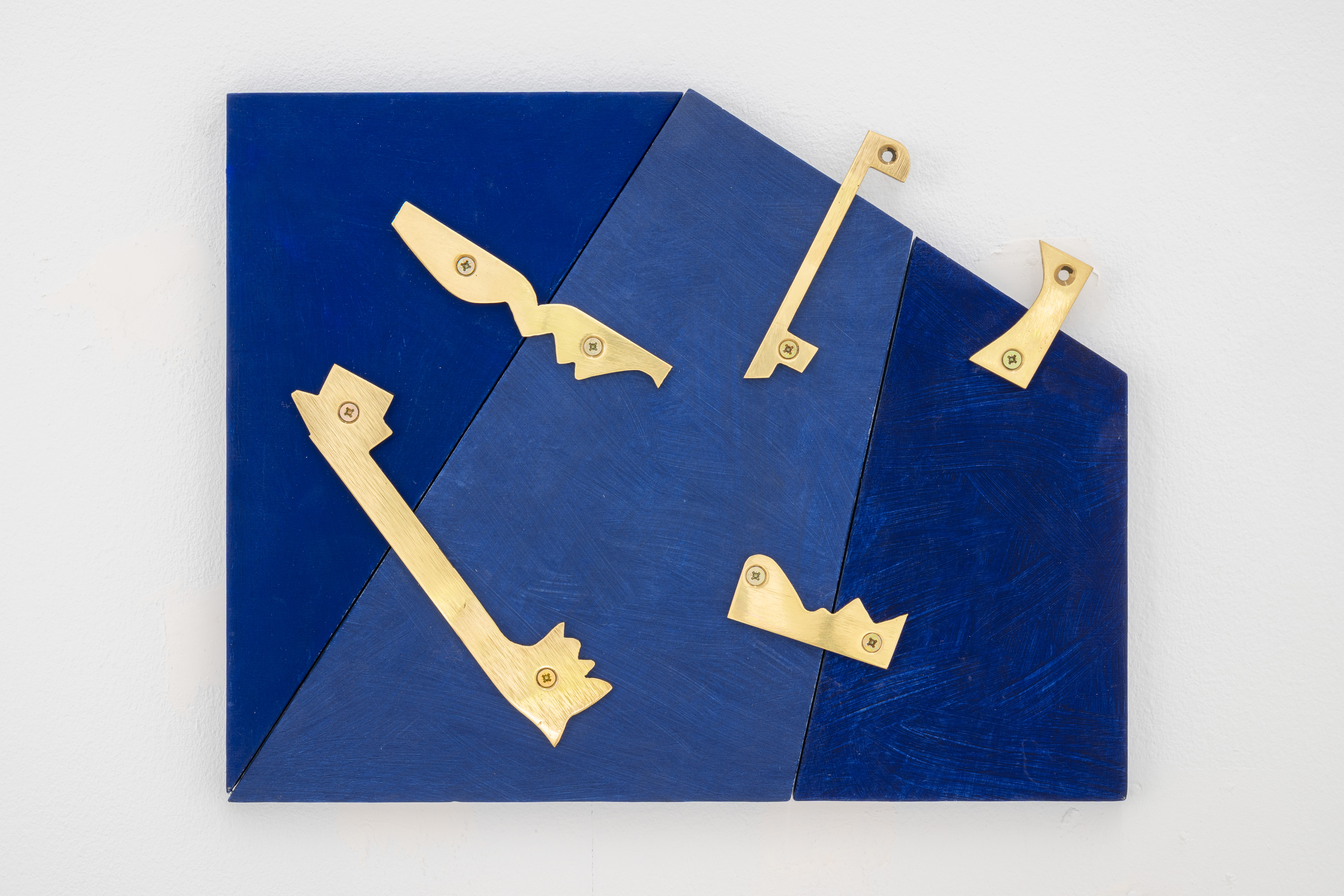
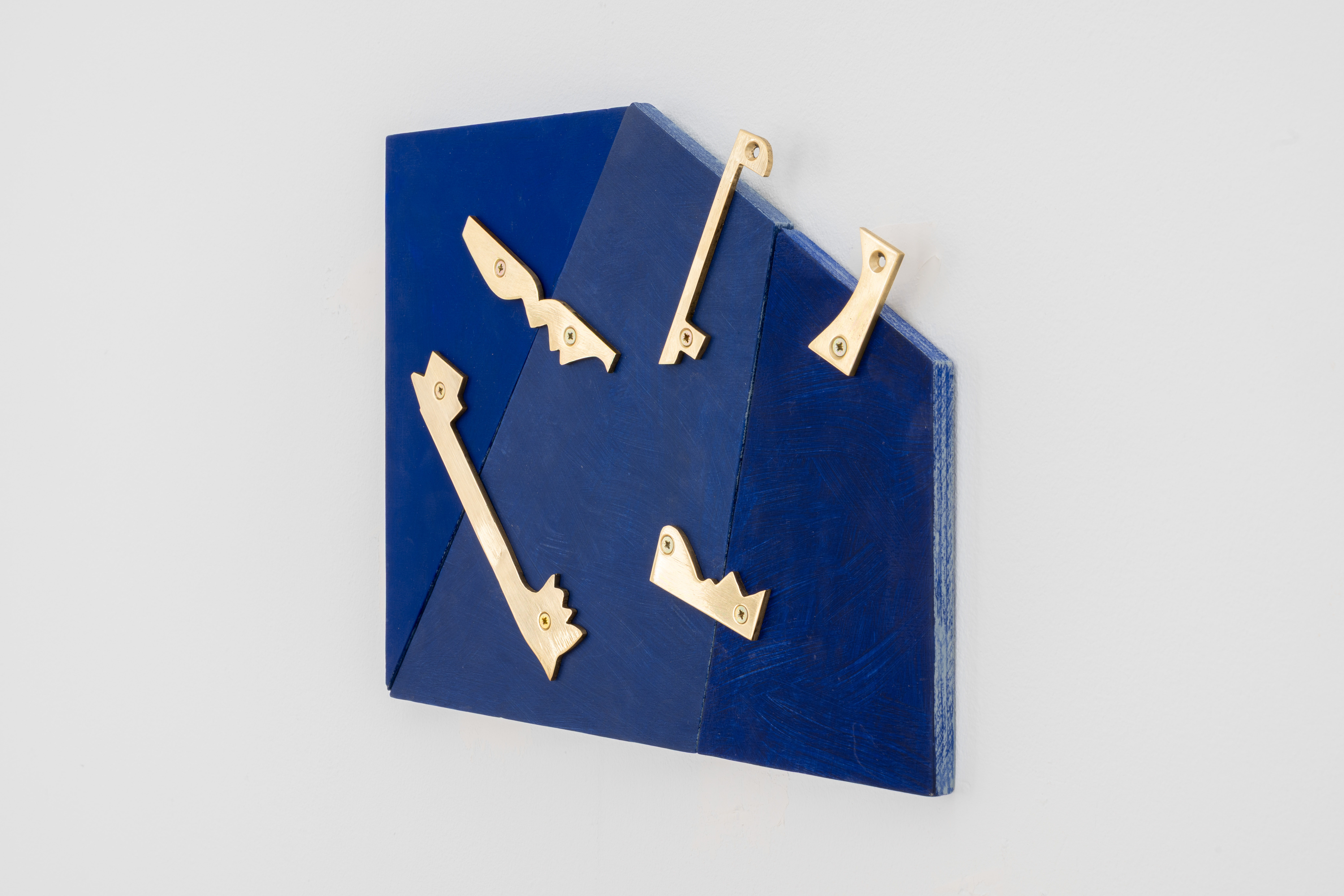
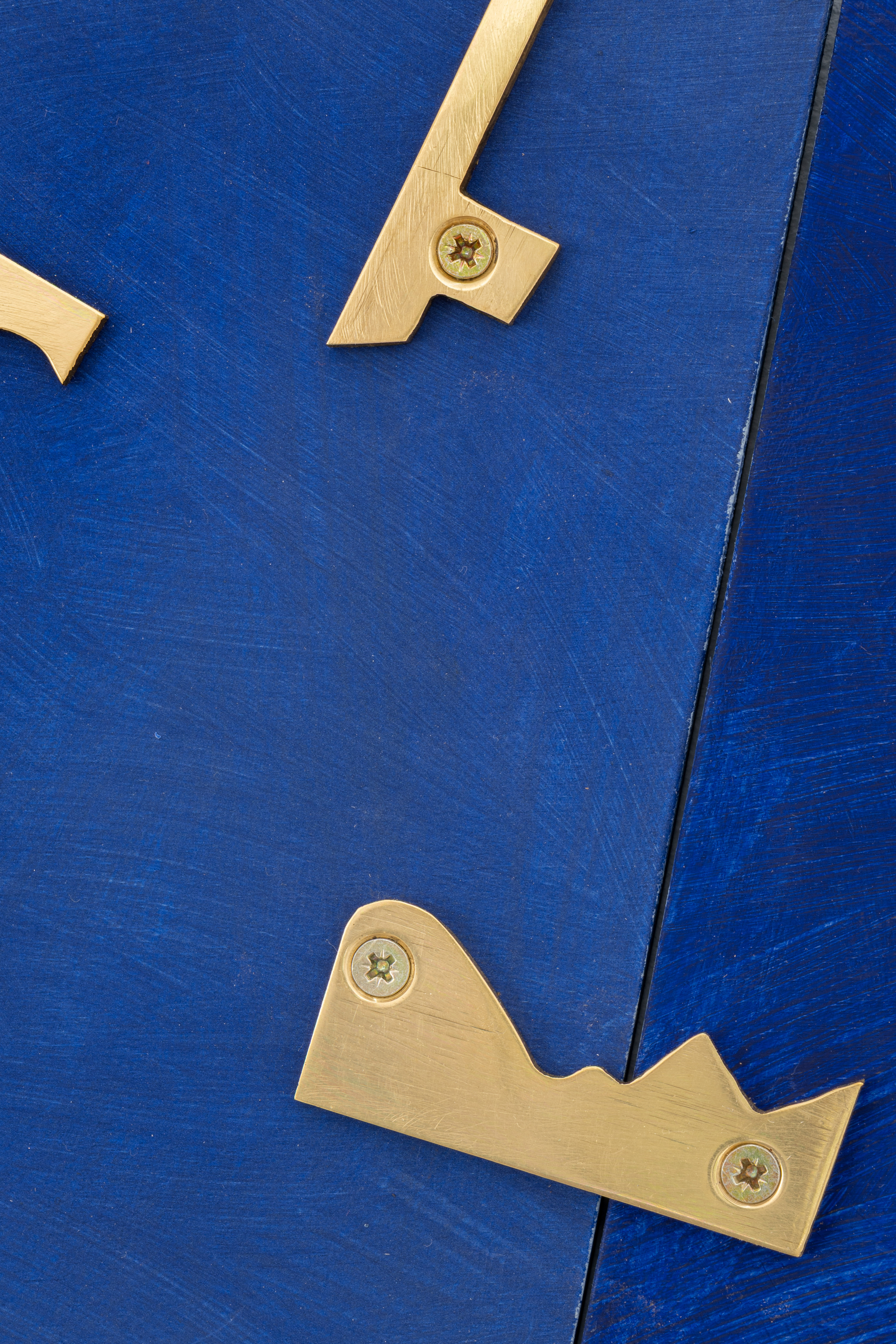
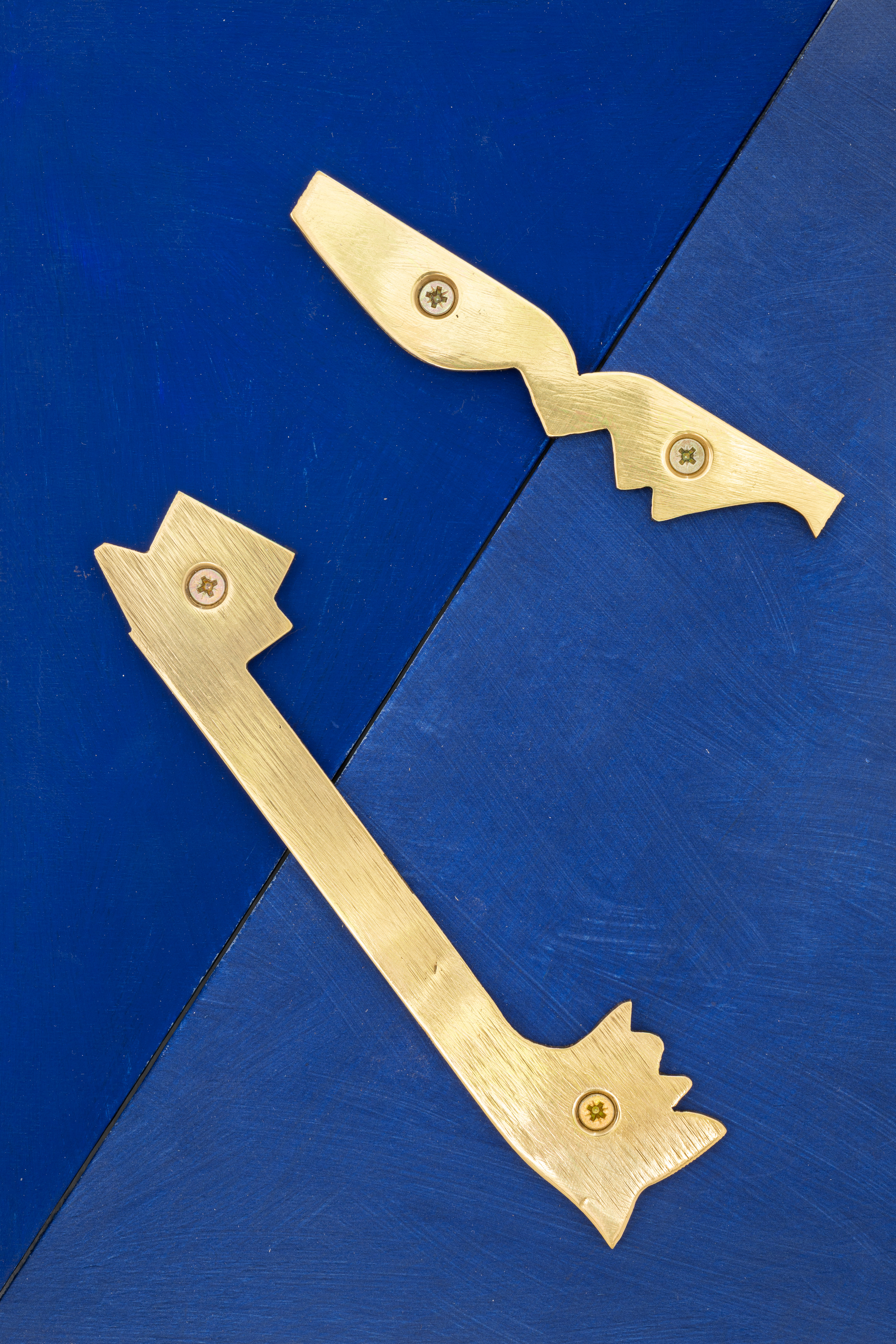
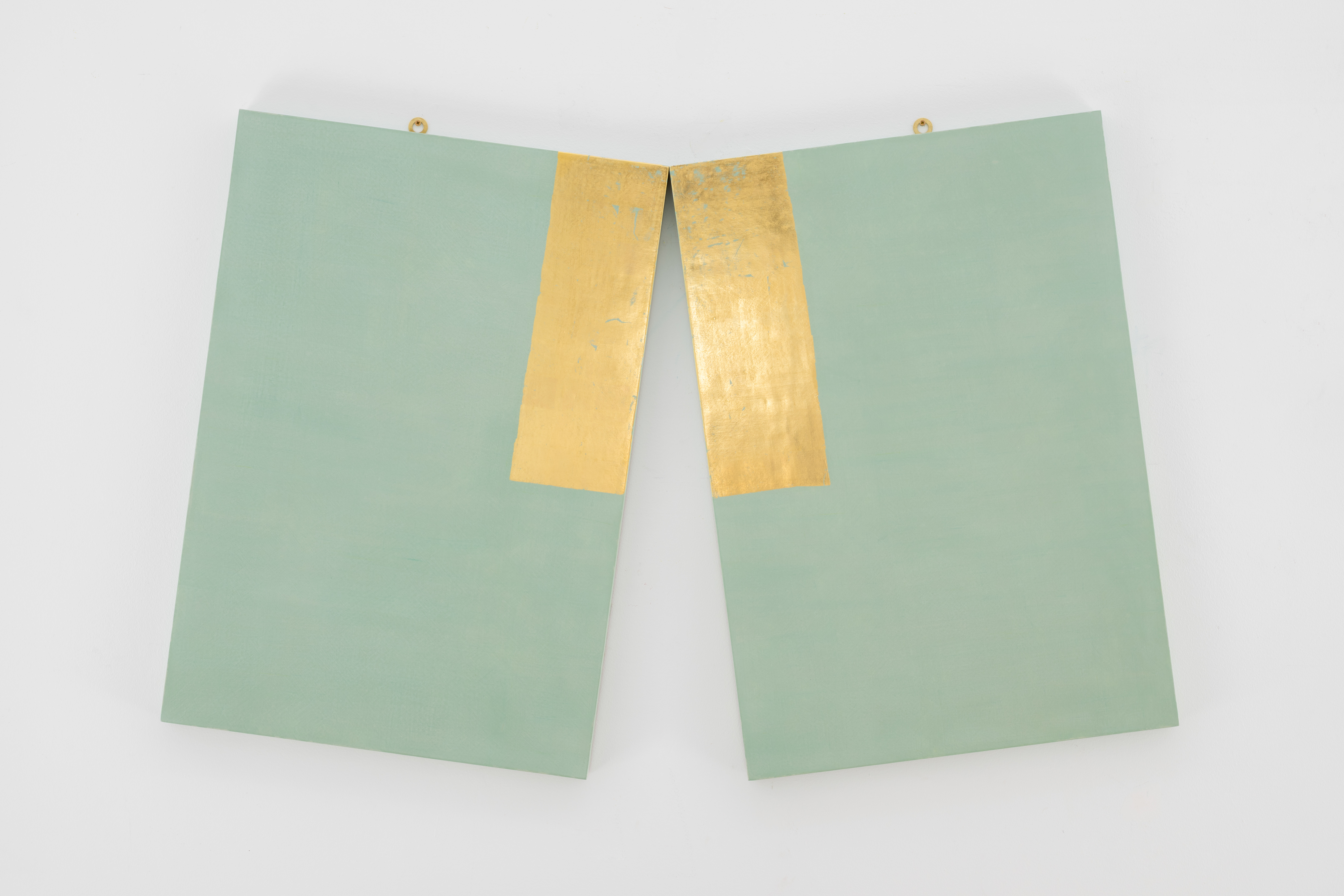
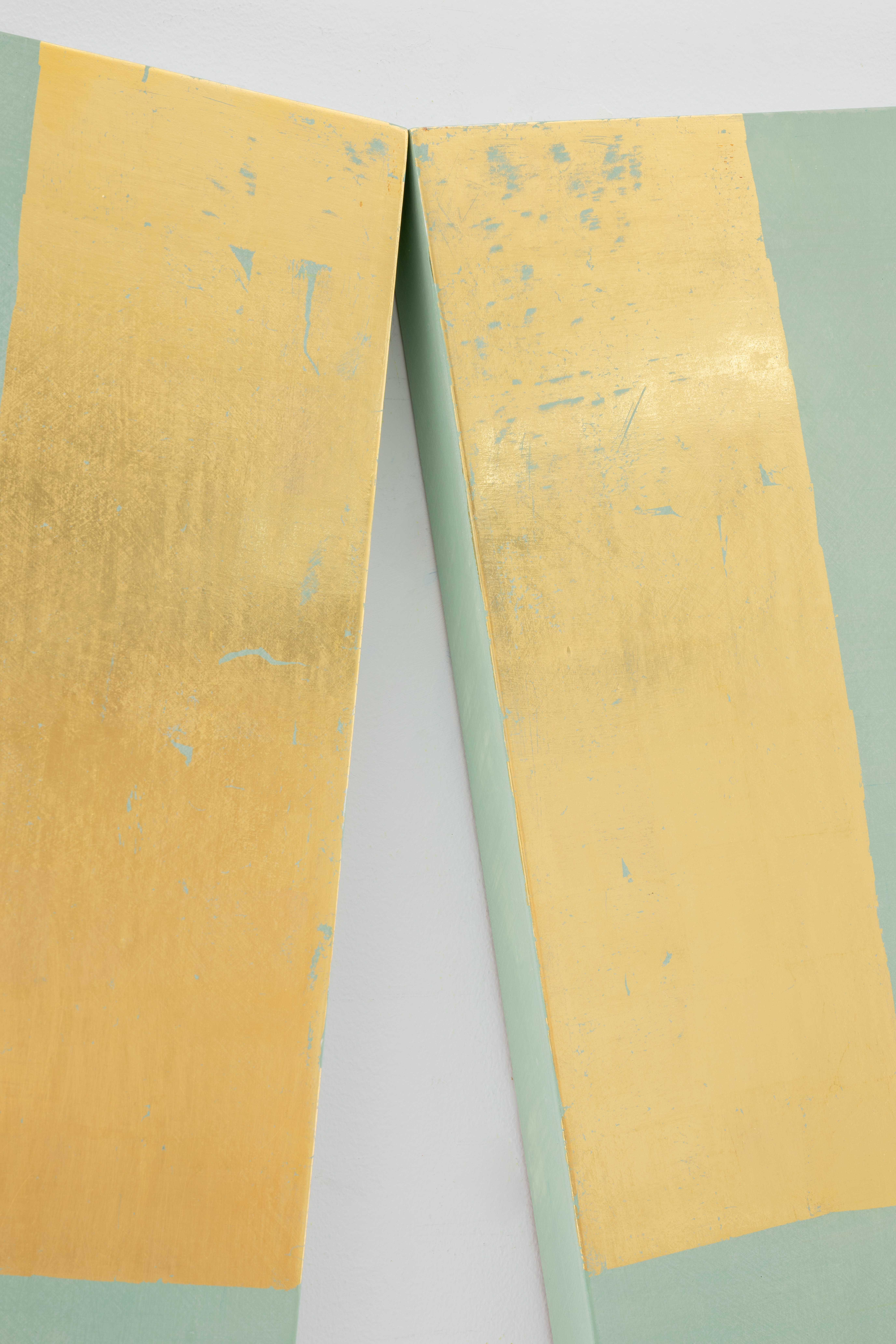
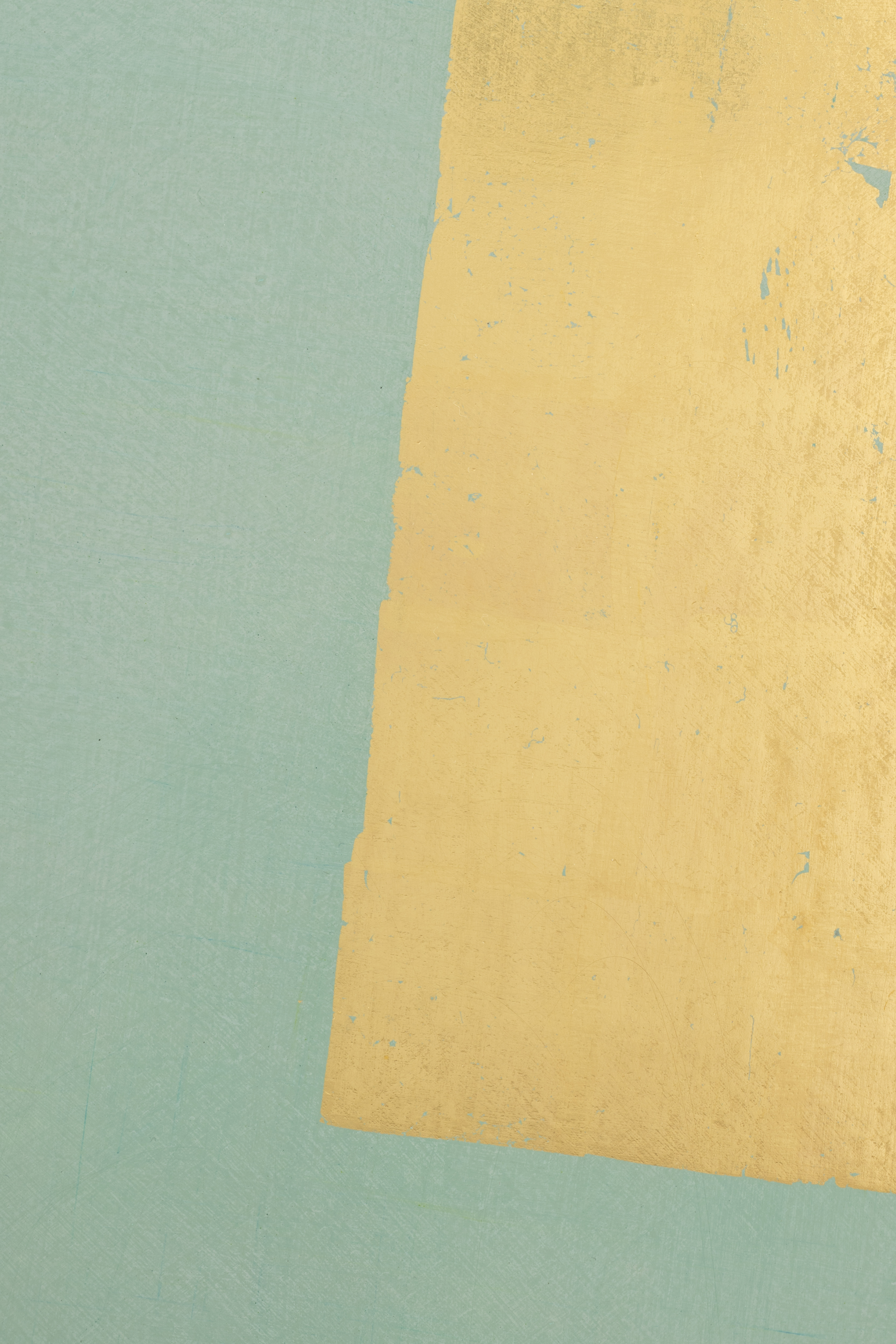
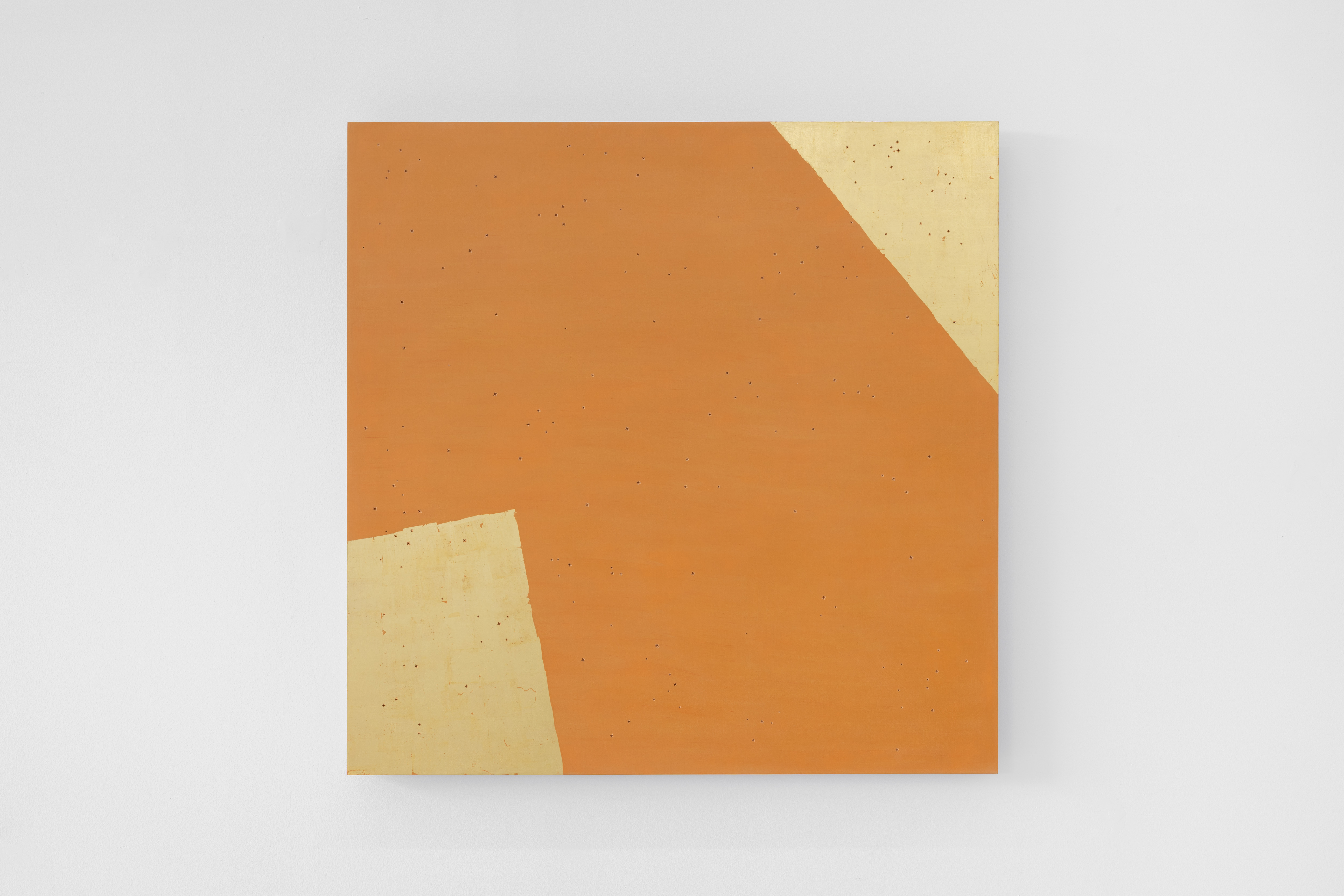
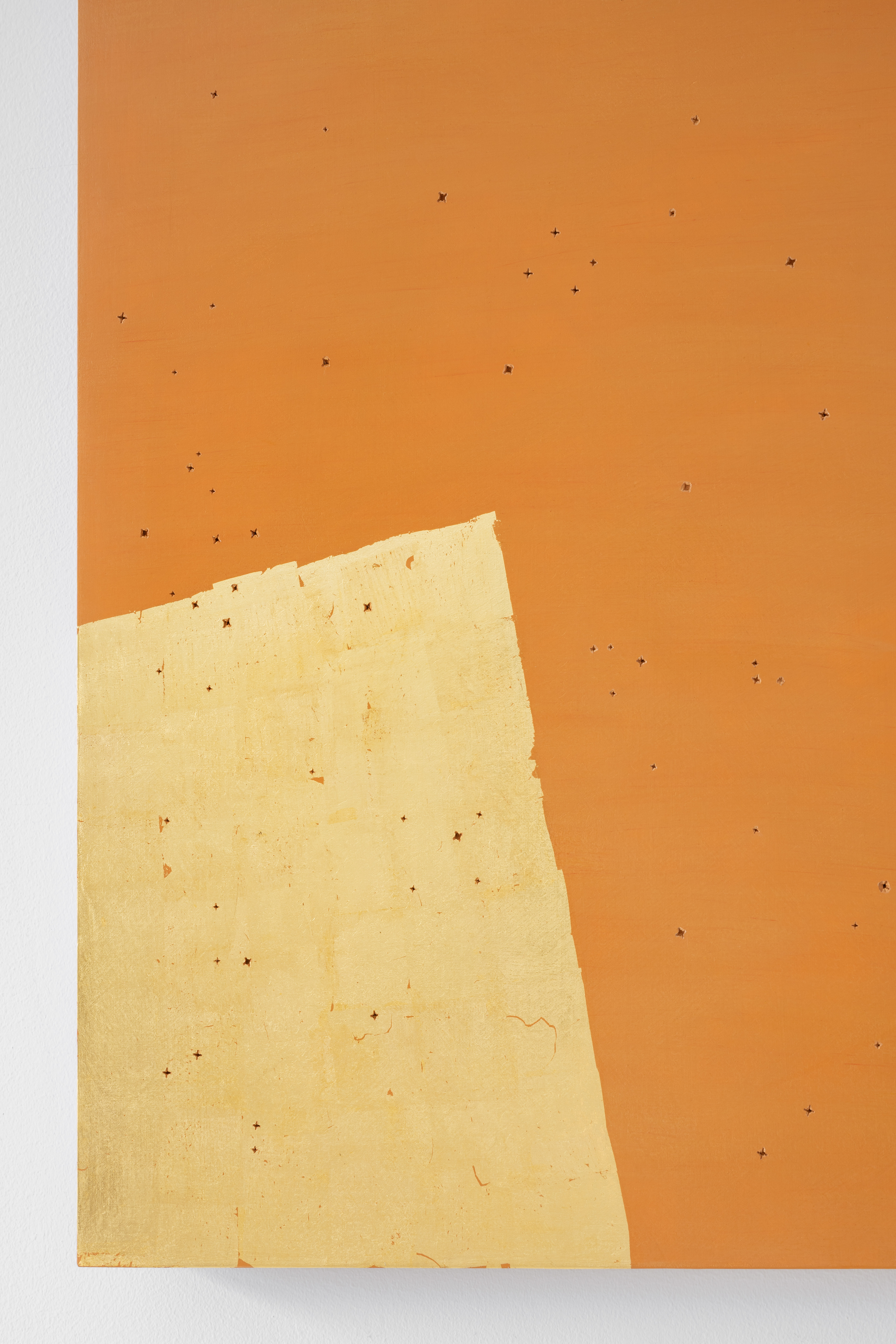
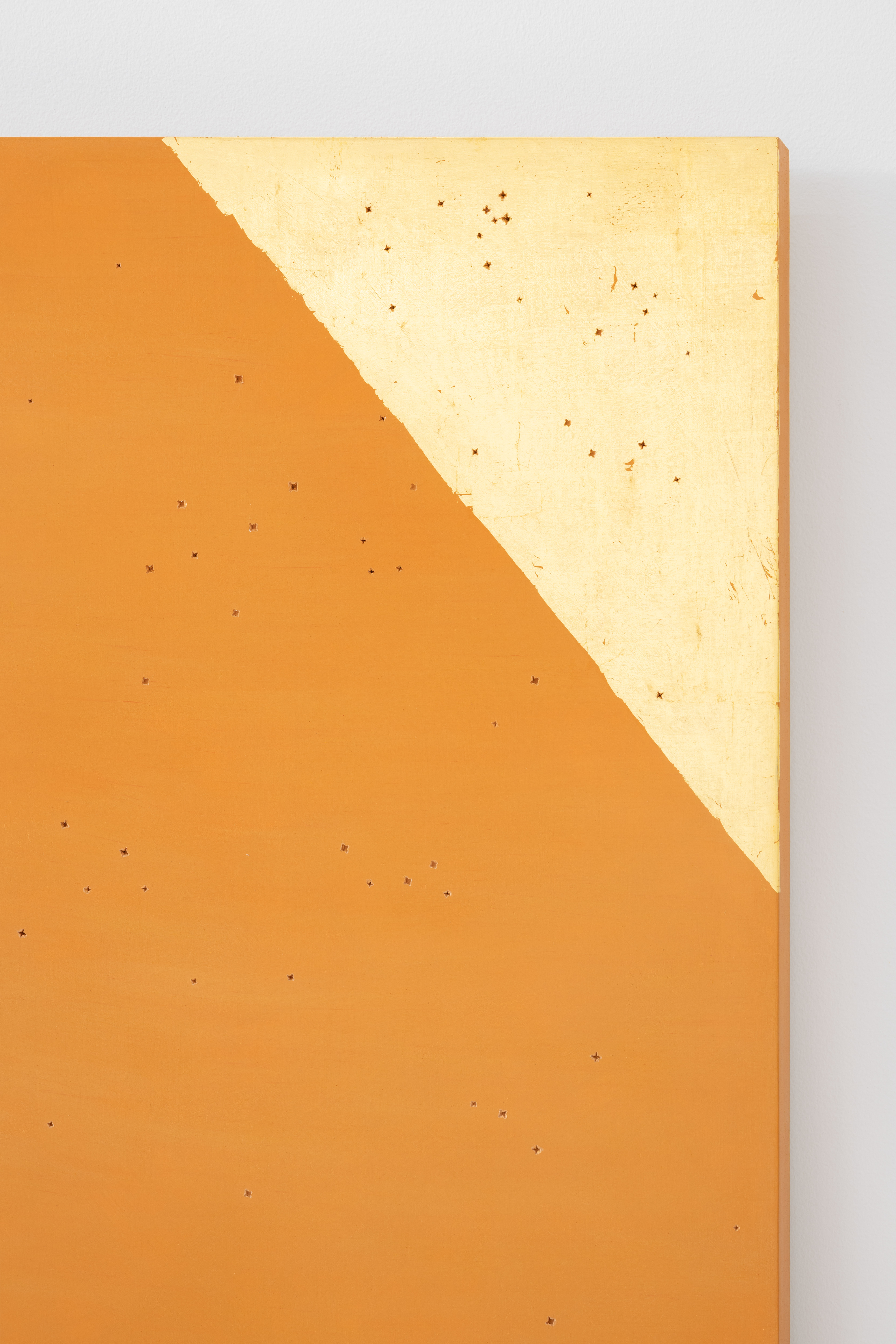
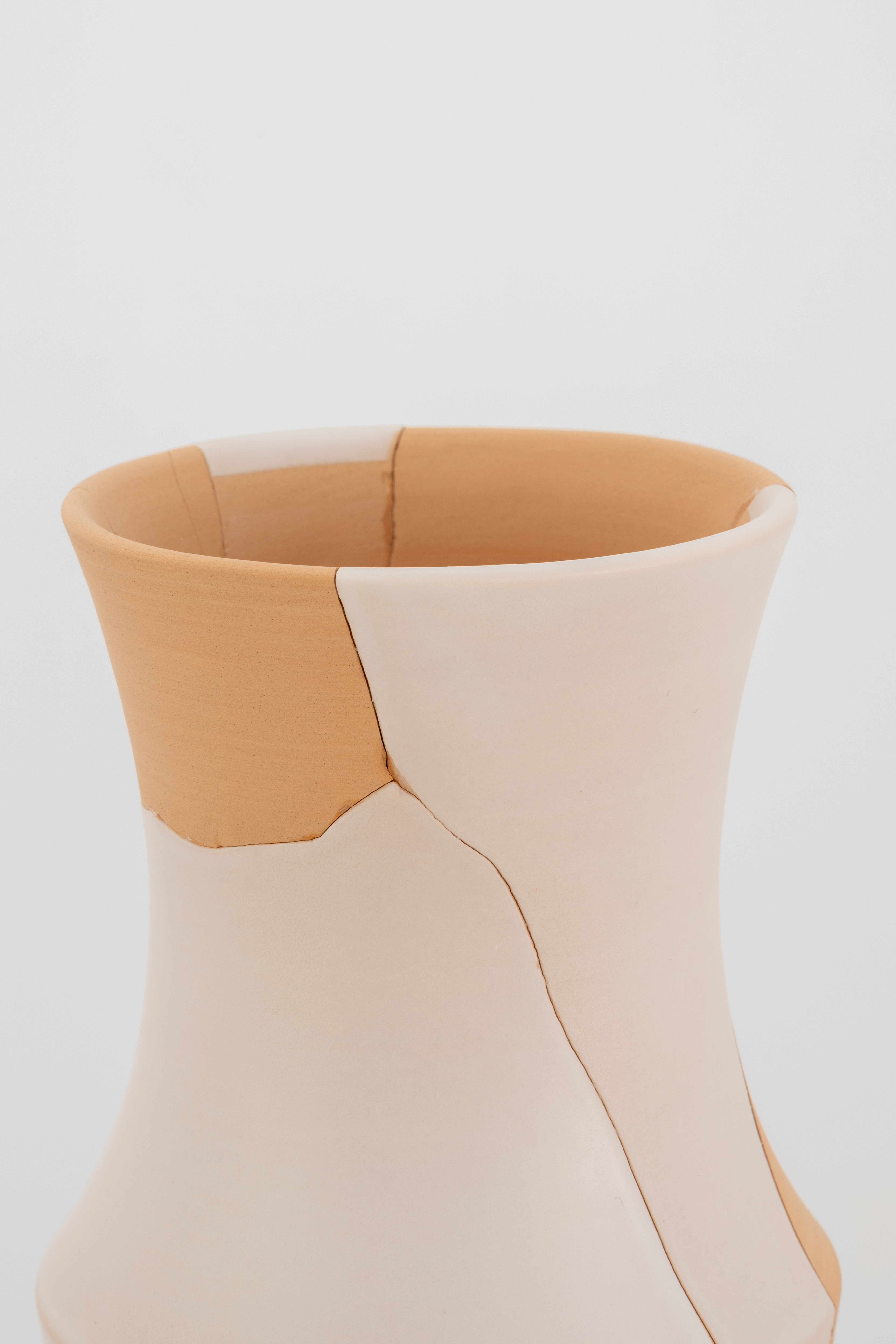
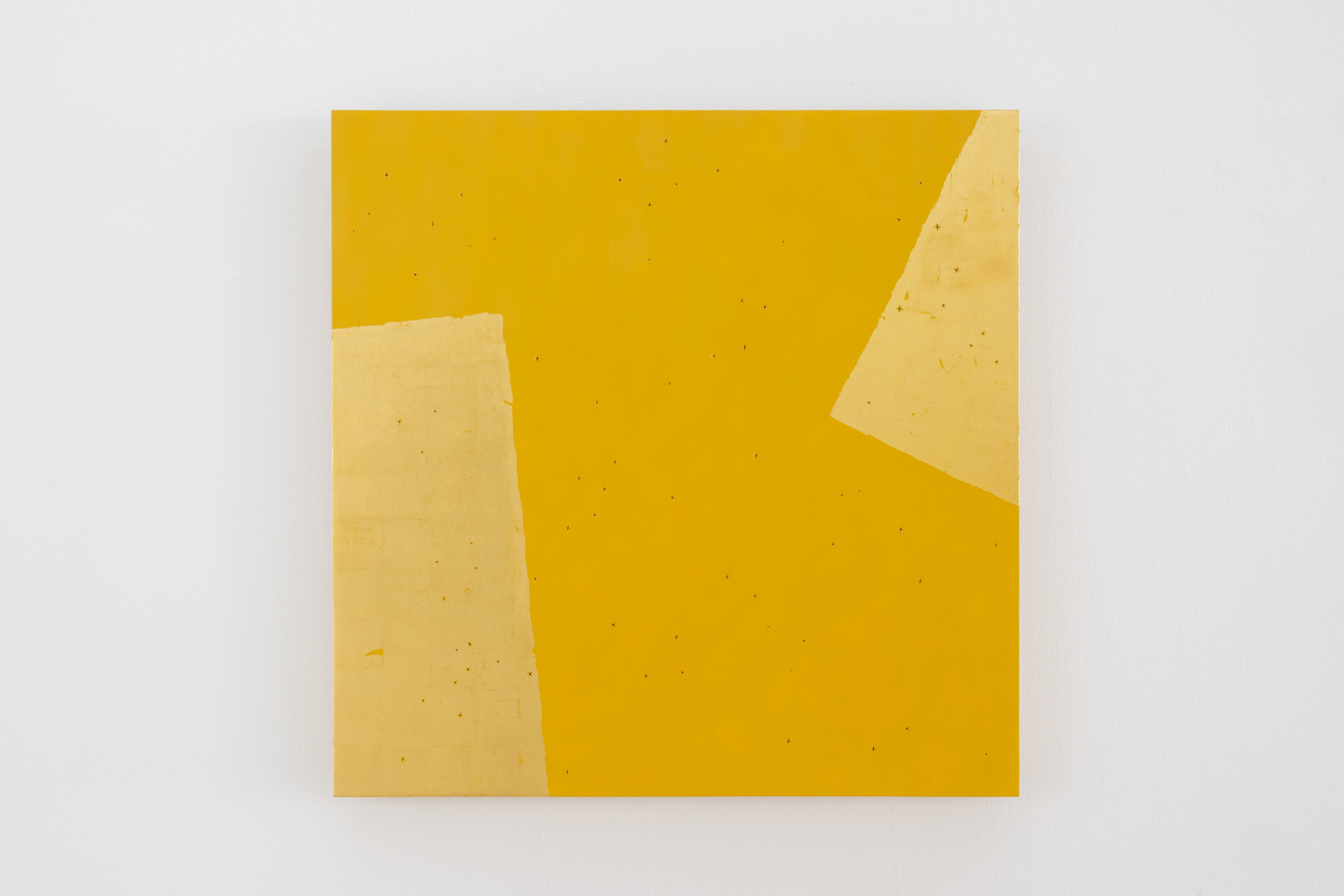
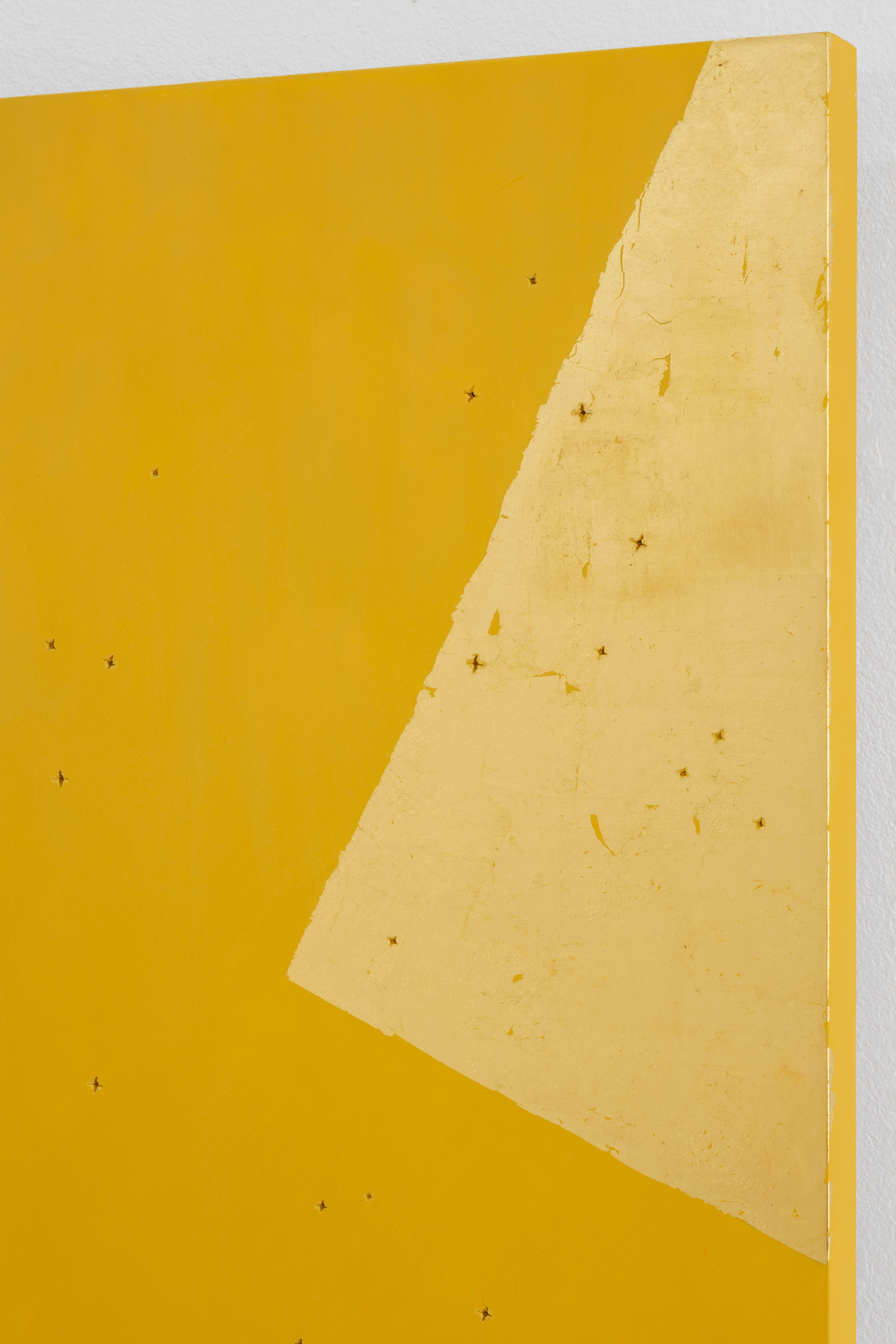
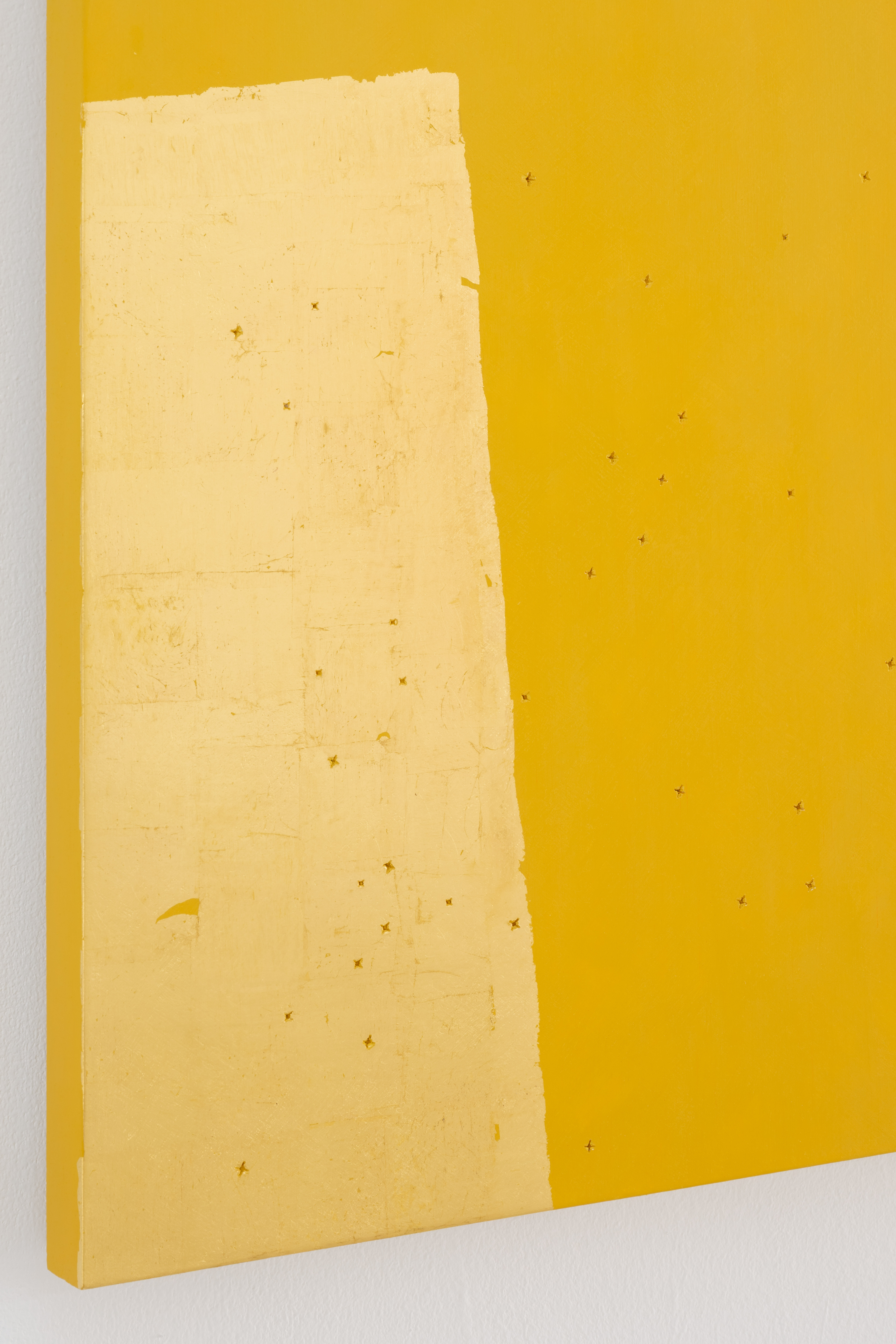
Within this framework, and as mentioned before, the exhibition also draws attention to joints and interstitial elements that often go unnoticed, yet make coexistence possible. This concern becomes visible in pieces such as Attaccaglie (where fragments of a painting are held together by gold fittings that both connect them and outline the empty spaces between them) and Unire (which depicts a pair of scissors on a canvas composed of scraps of different fabrics stitched together).
Drawing on Richard Sennett’s reflections in Together on cooperation as a practice shaped by friction and difference, the artists conceive togetherness not as harmony but as an attitude oriented toward proximity, contact, and reciprocal influence. Through materials, structures, and spatial relations, Ornaghi & Prestinari create situations in which connection sustains tension, inviting viewers to attend both to what connects and to what—despite its opacity or fragility—allows continuity to persist.
Ornaghi & Prestinari are among the most prominent representatives of a young generation of Italian artists. Among their solo exhibitions as a duo are: Blursday, Galleria Continua, Paris (2025); Sbilenco, Galleria Continua, San Gimignano (2023); Grigio Lieve, Casa Morandi–MAMbo, Bologna (2017); Ornaghi & Prestinari, Museo Internazionale delle Ceramiche, Faenza (2017); Ornaghi & Prestinari, NYU’s Casa Italiana Zerilli-Marimò with Magazzino Italian Art, New York (2016); Familiare, Galleria Continua, San Gimignano (2014), among others.
Their work has been featured in group exhibitions such as Museum Voorlinden, Wassenaar (2025); Bozar Centre for Fine Arts, Brussels (2024); Musée Picasso, Paris (2023); Misk Art Institute, Riyadh (2023); and MAAT, Lisbon (2018). Their pieces are included in public collections such as Museum Voorlinden, Wassenaar; Magazzino Italian Art, New York; GAMeC, Bergamo; Museo Internazionale delle Ceramiche, Faenza; and Museo Carlo Zauli, Faenza, among others.
Among their public commissions, notable works include Filemone e Bauci, created for ArtLine and supported by the Municipality of Milan, and Costume, produced for Bush Terminal in Brooklyn and commissioned by the City of New York.